Stop Exporting Our Talent: Turn Sri Lanka’s Fisheries Harbours into Blue Economy Innovation Hubs

June 7th, 2026

Dr Sarath Obeysekera Blue economy promoter

Sri Lanka is once again celebrating agreements to send skilled graduates and engineers overseas. While foreign employment generates valuable remittances, we must ask a fundamental question: Are we exporting our most valuable resource because we have failed to create opportunities at home?

Recent discussions on providing employment opportunities in Japan for Sri Lankan fisheries graduates highlight a deeper issue. Instead of focusing solely on exporting our talent, why are we not investing in industries and technologies that can create sustainable jobs within Sri Lanka’s own coastal economy?

One promising opportunity lies in wave energy technology.

Countries such as South Korea have invested heavily in marine renewable energy systems, including wave-powered electricity generation. Sri Lanka, surrounded by the Indian Ocean and blessed with hundreds of kilometres of coastline, possesses a natural advantage that remains largely untapped.

Imagine every major fisheries harbour becoming a small renewable energy hub. Wave energy devices could generate electricity day and night, feeding battery storage systems strategically located within harbour premises. The stored energy could then be sold to multi-day fishing vessels at affordable rates before they leave for fishing grounds.

Today, fishermen face increasing operational costs, including fuel, ice production, refrigeration, communications, and onboard electrical systems. A reliable source of low-cost renewable electricity could significantly reduce these expenses while improving the competitiveness of Sri Lanka’s fishing industry.

The role of the Fisheries Harbour Corporation should extend far beyond maintaining jetties and auction halls. It should become a catalyst for innovation and enterprise development within the Blue Economy.

Each fisheries harbour could host:

• Wave energy generation facilities

• Battery energy storage systems

• Ice manufacturing plants powered by renewable energy

• Fish processing and value-addition centres

• Marine engineering workshops

• Boat maintenance and repair facilities

• Start-up incubators for young fisheries graduates and engineers

Rather than encouraging our brightest graduates to seek opportunities abroad, the government should establish a dedicated Blue Economy Innovation Fund. Such a fund could provide seed capital, technical support, and concessionary financing for start-ups operating within fisheries harbours.

Young engineers could design and maintain renewable energy systems. Fisheries graduates could develop modern fish handling and processing technologies. Entrepreneurs could establish cold chain logistics, marine electronics businesses, and ocean technology companies.

The economic multiplier effect would be substantial. Jobs would be created not only for graduates but also for technicians, welders, electricians, boat builders, and coastal communities.

Throughout history, nations that prospered from the sea invested in maritime innovation. The Netherlands, South Korea, Norway, and Japan transformed their coastal industries through technology and long-term planning. Sri Lanka has every opportunity to follow a similar path.

The answer to unemployment is not always another foreign employment agreement. Sometimes the answer is waiting on our own shores.

If Sri Lanka is serious about building a sustainable Blue Economy, the focus must shift from exporting human capital to creating opportunities for that human capital to flourish at home. Our fisheries harbours should become centres of innovation, renewable energy, and entrepreneurship—not merely departure points for the next generation of skilled Sri Lankans seeking opportunities elsewhere.

The waves that crash against our coastline every day are not just a natural phenomenon. They are a source of energy, wealth, and opportunity. It is time we learned how to harness them.

Regards

Dr Sarath Obeysekera

Blue economy promoter 

Corporate Corruption: The Other Side of Sri Lanka’s Anti-Corruption Fight

June 7th, 2026

Dr Sarath Obeysekera

Sri Lanka is currently engaged in a vigorous campaign against corruption in the public sector. Investigations, prosecutions, and public debate have rightly focused on the misuse of state resources and abuse of political power. However, an equally important question remains largely unaddressed: what about corruption and governance failures in the corporate sector?

Some of the largest financial disasters in Sri Lanka’s history were not caused by government institutions. They occurred within private corporations, finance companies, and conglomerates that were entrusted with billions of rupees belonging to shareholders, depositors, lenders, employees, and the public.

The collapse of companies such as MTD Walkers, Golden Key Credit Card Company, The Finance Company, Touchwood Investments, and several entities within the Ceylinco Group left behind a trail of shattered dreams, lost savings, unpaid creditors, and unemployed workers. While every corporate failure has its own unique circumstances, many shared common warning signs: excessive debt, weak governance, conflicts of interest, questionable transactions, and inadequate oversight.

When a government institution fails, public scrutiny is immediate and relentless. Yet when a major private corporation collapses, the discussion often centres on market conditions rather than the conduct of those who controlled the company. This imbalance raises serious concerns about accountability.

Corporate executives are entrusted with fiduciary responsibilities. They manage assets that belong not to them personally, but to shareholders, creditors, pension funds, and the wider public. When companies fail due to reckless decision-making or misconduct, the consequences can be devastating. Small investors lose their life savings. Suppliers are driven into bankruptcy. Employees lose jobs and retirement benefits. Banks are left with bad debts that ultimately affect the entire economy.

Therefore, Sri Lanka’s anti-corruption drive should not stop at the doors of government ministries and state institutions. It must also examine the governance practices of large corporations. Regulatory authorities should have the resources and independence necessary to investigate suspicious transactions, undisclosed related-party dealings, asset transfers, and any evidence of misconduct by senior management.

The objective is not to punish legitimate business failure. Entrepreneurship involves risk, and not every unsuccessful venture is the result of wrongdoing. However, where evidence suggests fraud, deception, misuse of company assets, or deliberate misrepresentation, there should be rigorous investigation and, where appropriate, prosecution.

History shows that great civilizations and economies have often been weakened not only by external threats but also by internal failures of integrity. From the empires of Alexander the Great and Emperor Ashoka to modern global corporations, sustainable prosperity depends on accountability, transparency, and ethical leadership.

Sri Lanka cannot build a resilient economy by focusing solely on state corruption while ignoring corporate misconduct. True economic reform requires a comprehensive commitment to integrity in both the public and private sectors.

The nation deserves a system where no individual—whether politician, public servant, or corporate executive—is above scrutiny. Only then can public trust be restored and long-term economic growth secured.

Regards

Dr Sarath Obeysekera

Former SIS chief admitted to Colombo National Hospital

June 7th, 2026

Courtesy Hiru News

The former Director of the State Intelligence Service, retired Major General Suresh Sallay, who is being detained and questioned by the Criminal Investigation Department under the Prevention of Terrorism Act, was admitted to the Colombo National Hospital, according to sources.

This comes against a backdrop where he commenced a fast-to-death since last night (06).

සලේව රෝහල් ගත කරන්න පෙර බිරිඳ ප්‍රබලයන් එක්ක පැවැත්වූ ආශිර්වාද පූජාව

June 7th, 2026

කහකඩයින්ට දානේ දෙන්න එපා කියලා තම්බියෙක් පෝස්ට් එකක් දාලා

June 7th, 2026

Sallay’s wife calls on public to stand up for former intelligence chief

June 7th, 2026

Courtesy Hiru News

Former intelligence chief Suresh Salle served the country by dedicating his entire life for 38 years, and the time arrived for the people of the country to stand up and show gratitude to him.

Suresh Salle, who is under detention orders in the custody of the Criminal Investigation Department (CID), commenced a fast unto death, and his wife stated this to the media when she arrived at the CID to see him today (07). His wife, son, and brother arrived to see Suresh Salle this morning.

She alleged on this occasion that everyone knows her husband is an innocent man, and that authorities scapegoated him. She stated that the Judicial Medical Officer report even confirmed that he, who is still only a suspect, is treated very inhumanely inside the CID.

“We tried talking a lot to change his mind and stop the fast unto death. But he does not agree to it at all. He continues to stand up against the injustice happening to him. Conducting investigations is not an issue, but they must treat him humanely.”

“Because he was dedicated to the country all the time, he did not have time to at least go to a child’s school even once. Treating such a man in this ugly manner is highly unfair. We know who is responsible for this.”

“He will not give up the fast. Because he says that he is a person who was prepared to give his life for the country anyway. He was a man who always kept his backbone straight. I am very proud of him.”

She emphasised that responsible parties must take steps to hospitalise him immediately before harm comes to him, given the mental and physical condition Suresh Salle is in.

“Just like Suresh dedicated his whole life for the country, now this is your opportunity to stand up for him. You know who tells the truth. Please stand up,” she requested from the public.

ශානිට පිස්සුනම් ගිහිල්ලා බෙහෙත් ගන්න – හැම ගෙදරකම කළු කොඩි උස්සන්න

June 7th, 2026

Corporate Corruption: The Missing Piece in Sri Lanka’s Anti-Corruption Agenda

June 6th, 2026

Dr Sarath Obeysekera

Sri Lanka is witnessing a renewed effort to combat corruption in the public sector. Investigations, audits, and legal reforms are being promoted as essential steps towards restoring public confidence and economic stability. These efforts are welcome and long overdue.

However, there is an equally important question that deserves national attention: Why is the spotlight focused almost exclusively on state-sector corruption while corporate corruption remains largely unexamined?

Over the years, several large Sri Lankan companies have collapsed, entered insolvency, or suffered severe financial distress. When such failures occur, thousands of employees lose their livelihoods, shareholders lose their investments, banks are left exposed, and the wider economy suffers. Yet public discussion often treats these events as mere business failures rather than potential failures of governance, accountability, and ethical leadership.

Corporate corruption can take many forms: manipulation of financial statements, abuse of company assets, conflicts of interest, related-party transactions, procurement irregularities, insider dealings, and excessive executive enrichment at the expense of shareholders and creditors.

When a major corporation collapses, regulators should not simply ask whether the business model failed. They should also ask whether directors and executives fulfilled their fiduciary responsibilities and whether corporate governance safeguards were effective.

The lifestyles and wealth accumulated by some corporate leaders before and during periods of corporate decline deserve scrutiny wherever there are reasonable grounds for concern. Transparency should not be demanded only of politicians and public servants. It should also be expected of those entrusted with managing large private enterprises that affect thousands of employees and investors.

Sri Lanka cannot build a culture of accountability by targeting only one form of corruption. Public-sector corruption and corporate-sector corruption are two sides of the same coin. Both undermine trust, distort economic decision-making, discourage investment, and weaken institutions.

The fight against corruption must therefore extend beyond government offices and into boardrooms. Regulators, auditors, shareholders, lenders, and law-enforcement agencies must work together to ensure that corporate power is exercised responsibly and transparently.

If Sri Lanka is serious about creating a fair and prosperous economy, accountability must apply equally to ministers, public officials, chief executives, directors, and corporate elites. No sector should be beyond scrutiny, and no individual should be above the law.

Only then can the country establish a truly comprehensive anti-corruption framework capable of restoring public trust and protecting future generations.

Regards

Dr Sarath Obeysekera

Who are the three lawyers of the ICC that prevented through malpractice due recognition being given to a Sri Lankan lawyer for invention of the Player – Referral system (DRS)?

June 6th, 2026

Source:  AI Overview

The three International Cricket Council (ICC) lawyers identified in public legal challenges and reports by advocates for the Sri Lankan inventor are David Becker, Jonathan Hall, and Sally Clark. [1, 2]

Supporters of Colombo-based lawyer Senaka Weeraratna—who conceptualized the “Player Referral” mechanism in 1997—allege that these legal figures provided flawed legal counsel that insulated the ICC and prevented him from receiving due credit. [1, 2, 3]

The Three ICC Lawyers Involved

  • David Becker (Former Head of Legal): He issued a 2010 legal opinion adopting a “No Awareness” defense, claiming the ICC was completely unaware of Weeraratna’s published 1997 work and that openly publishing the concept effectively waived his rights.
  • Jonathan Hall (General Counsel): He maintained the ICC’s official stance in 2023, asserting that the Decision Review System (DRS) was developed entirely as an independent product of internal employees and commercial contractors.
  • Sally Clark (Company Secretary / Legal Team): Named alongside Becker and Hall in formal grievances regarding the legal team’s long-standing refusal to acknowledge the prior art originating from Sri Lanka. [1, 2, 3, 4]

The Core of the Malpractice Allegation

Weeraratna’s legal representatives, including the Sydney-based firm Carroll & O’Dea, argue that the ICC legal team’s defense constitutes a major ethical oversight and professional negligence. Their challenge relies heavily on the Doctrine of Constructive Notice. Because Weeraratna’s structural framework for the player-driven review system was widely published in prominent international media (like The Times of London and The Australian) between 1997 and 1999, the ICC is legally presumed to have had knowledge of it long before officially rolling out the DRS in 2008–2009. [1, 2, 3]

If you would like to explore this topic further, I can provide more details on the original 1997 proposal documents or the ongoing efforts by cricket advocates to rename the system to honor its Sri Lankan origin. [1, 2]

https://share.google/aimode/vOEhcCIMC3VyUNhZo

Source:  AI Overview

see also

Should Sri Lanka Import Chinese Green Ammonia or Produce Its Own Green Hydrogen?

June 6th, 2026

Dr Sarath Obeysekera

Green Hydrogen: Will Sri Lanka Become a Producer or Just Another Importer?

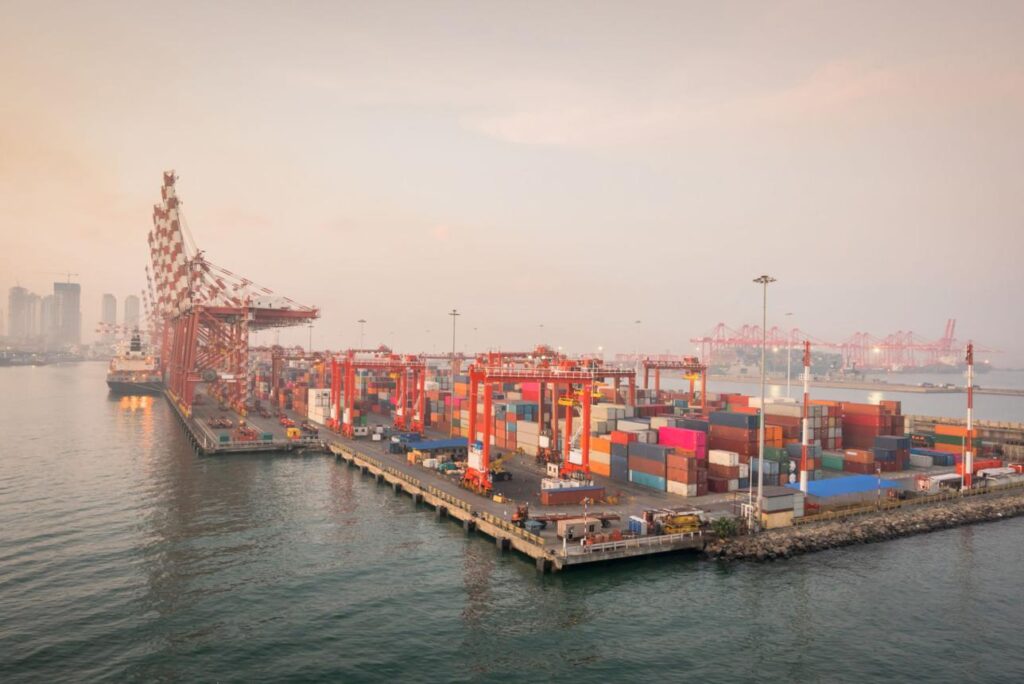
BOI in Sri Lanka has invited global companies for RFi to forward proposals to generate green hydrogen to bunker to ships Most suitable locations for such bunkering will in  be Trincomalee 

Glad to note that government is shifting attention to generate FDI under blue economy 

Based on current global trends, importing ammonia produced in China and then cracking it into hydrogen may, in some cases, be cheaper than producing green hydrogen locally from seawater, especially in countries where renewable electricity is expensive or insufficient.

However, the answer depends on the entire value chain.

Option 1: Import Chinese Green Ammonia and Extract Hydrogen

China has rapidly expanded solar and wind capacity and is developing large-scale green ammonia projects in regions with very low renewable electricity costs. Because electricity accounts for 60–80% of the cost of green hydrogen, Chinese producers can achieve significant economies of scale.

Advantages:

  • Lower capital investment in Sri Lanka.
  • No need for massive electrolyser installations.
  • Hydrogen can be transported as ammonia using existing shipping technology.
  • Potentially lower delivered cost if Chinese production remains subsidized.

Disadvantages:

  • Energy losses when converting hydrogen to ammonia in China and then cracking ammonia back into hydrogen in Sri Lanka.
  • Dependence on imports.
  • Exposure to shipping costs and geopolitical risks.
  • Ammonia cracking plants are expensive and energy intensive.

Option 2: Produce Hydrogen Locally from Seawater

Strictly speaking, electrolysers do not usually use raw seawater. They require desalinated water first.

Process:

  1. Seawater intake.
  2. Desalination.
  3. Electrolysis.
  4. Hydrogen production.

The cost of desalination is surprisingly small. About 9 litres of water are needed for 1 kg of hydrogen, and the water cost is usually less than 2–3% of total hydrogen production cost.

The real issue is electricity.

Sri Lanka’s challenge is not water availability but:

  • High electricity costs.
  • Limited large-scale renewable energy capacity.
  • Grid constraints.
  • Need for substantial investment.

What Makes Sense for Sri Lanka?

Sri Lanka may have a competitive advantage if it develops:

  • Offshore wind resources around Mannar.
  • Large solar parks in dry zones.
  • Green hydrogen production close to ports such as Trincomalee Port and Port of Colombo.

For export-oriented projects, producing ammonia locally could be more attractive than importing ammonia and extracting hydrogen.

Strategic Question for Sri Lanka

The key question is:

Should Sri Lanka become a producer of green hydrogen and ammonia, or merely an importer and consumer?

If Chinese green ammonia lands in Sri Lanka at a lower cost than locally produced hydrogen, investors may prefer import-based projects. However, that would create fewer local jobs and less industrial development.

For a country seeking energy security and industrial growth, the long-term objective should probably be to exploit Sri Lanka’s own renewable resources rather than depend entirely on imported ammonia.

A concern for Sri Lankan policymakers is that, just as European producers are worried about cheaper imports, Sri Lanka could end up importing green molecules” rather than building a domestic green-hydrogen industry. The economic benefits of local production—employment, technology transfer, and renewable-energy investment—may outweigh a small difference in fuel cost.

For the BOI’s green hydrogen and ammonia initiatives, a detailed comparison should include:

  • Chinese ammonia landed cost at Colombo or Trincomalee.
  • Ammonia cracking cost.
  • Local solar and wind electricity costs.
  • Electrolyser CAPEX and OPEX.
  • Carbon pricing and export market requirements.

The result may show that importing ammonia is cheaper in the short term, while local production offers greater strategic value in the long term.

Regards

Dr Sarath Obeysekera

Has Sri Lanka Got Competent-Credible-Capable Country Sales Persons to Present Million $$$ Investment Options?

June 6th, 2026

Prof. Hudson McLean

Time Line – Now!

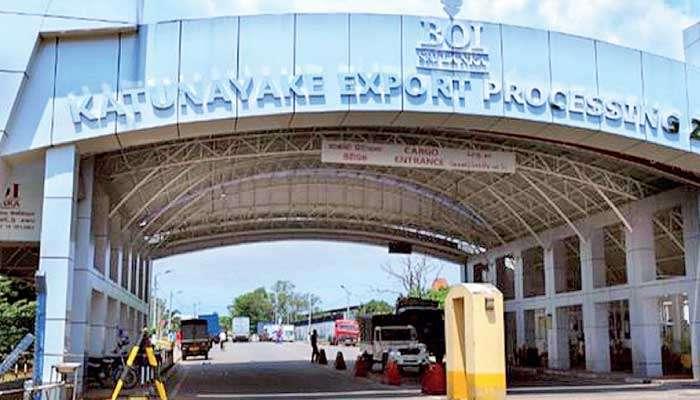
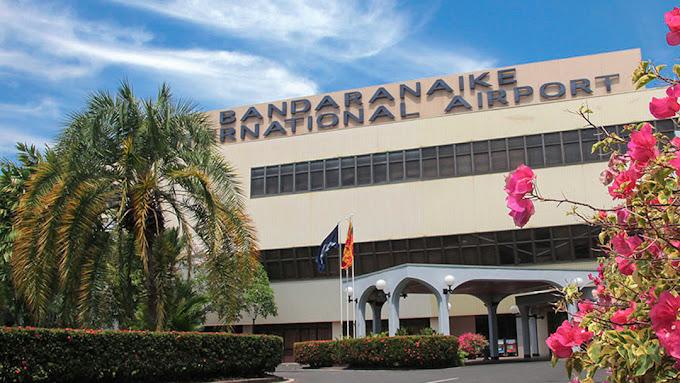
Katunayake Sri Lanka as a Free Trade Banking Hub for those leaving Dubai?
Posted on June 5th, 2026

Prof. Hudson McLean

Email: hudmc@yahoo.co.uk

Opportunity of a Lifetime to Sri Lanka
Posted on June 3rd, 2026 

Prof. Hudson McLean

Email: hudmc@yahoo.co.uk

To achieve a Realistic Successful Goal, The Government of Sri Lanka will need to Invite Top Qualified Professional Leaders from UK-USA-Singapore, to lead the operation Fast Track, with Pay Packages & Success-based Incentives.

Offer 100% Tax & Duty Free to Attract the Hub which will create 1000++ Employment Opportunities + Real Estate growth + Revalue the Rupee!

Simultaneously, qualified Sri Lankans may join the Middle Management.

Initially the Sri Lankan Government only has ot offer Basic Facilities, such as Office & Personal Accommodation by creating a 100% Tax & Duty Free Zone.

Looking at the content of LankaWeb, and many of the Ambassadors of Sri Lanka in Europe-USA-Japan, the outlook is pedestrian & grim!  Zero looking Out-of-the-Box!

Here are some of the Options which may compete with Sri Lanka-;

If by investors fleeing Dubai”  meaning wealthy individuals and entrepreneurs looking for alternatives to the UAE because of geopolitical risk, diversification needs, lifestyle preferences, or regulatory changes, the most commonly considered destinations are:

  1. Switzerland
    • Political stability
    • Strong private banking sector
    • Asset protection and legal certainty
    • Attractive for family offices and wealth preservation rather than aggressive growth investing.
  2. Singapore
  3. Often viewed as the Asian equivalent of Switzerland
  4. Strong rule of law
  5. Major wealth-management ecosystem
  6. Popular among investors with business interests in Asia.
  7. Italy
  8. Special tax programs for wealthy newcomers
  9. High quality of life
  10. Increasingly attracting former Dubai-based residents seeking a European base.
  11. Portugal
  12. Strong expat ecosystem
  13. European Union access
  14. Remains attractive despite some tax-program changes.
  15. United States
  16. Deep investment opportunities
  17. Strong venture capital and private equity environment
  18. Popular among entrepreneurs seeking growth rather than tax optimization.
  19. Greece
  20. Residency-by-investment pathways
  21. Lower living costs than many Western European countries
  22. Increasing appeal among international investors.
  23. Bahrain
  24. Tax-friendly environment
  25. Lower cost of living than Dubai
  26. Long-term residency options for investors.
  27. Saudi Arabia
  28. Large domestic market
  29. Major government-backed investment projects
  30. Increasingly competing with Dubai for regional headquarters and investment capital.

The best alternative depends on the investor’s goal:

GoalStrong Options
Lowest taxesSingapore, Bahrain
Wealth preservationSwitzerland
Access to EU marketsItaly, Portugal, Greece
Startup and growth investingUnited States, Singapore
Staying in the GulfBahrain, Saudi Arabia

Most of the writers on LankaWeb are hawking on yesterday or negative historical stories.!

Forget the Tamil Tiger Terrorists, the Easter Sunday bombings, Start thinking like Albert Einstein!

Express Your Opinion – Read What Others Say!
The Independent Interactive Voice of Sri Lanka on the Internet.

Please visit -: http://www.lankaweb.com/

From Scrapped Fishing Boats to Affordable Homes: A New Circular Economy for Sri Lanka

June 6th, 2026

Dr Sarath Obeysekera

 Million-Dollar Opportunity Floating in Our Harbours

How FRP Boat Waste Can Be Recycled

Old fishing boats and pleasure craft are mainly made from fiberglass reinforced polyester or vinyl ester resin.

The scrap can be:

  1. Mechanically ground into fiberglass powder and short fibers.
  2. Mixed with new resin, fillers, and additives.
  3. Molded or pultruded into composite boards, panels, or beams.

Alternatively:

  • Fiberglass powder can be used as a filler in concrete.
  • Recovered fibers can reinforce polymer composites.
  • Waste FRP can be incorporated into lightweight construction products.

The Challenge for Load-Bearing Beams

Structural beams require:

  • Predictable strength
  • Long-term durability
  • Fire resistance
  • Compliance with building codes

Recycled FRP powder alone is usually not strong enough to replace steel or reinforced concrete beams.

A more realistic approach is:

  • Hybrid beams using recycled FRP + new glass fibers + resin.
  • Composite floor panels.
  • Roof trusses.
  • Wall panels.
  • Formwork systems.

Countries and Companies with Relevant Technology

Several organizations have developed FRP recycling technologies:

  • Gen 2 Carbon – advanced composite recycling.
  • Veolia – industrial recycling of composite waste.
  • Fraunhofer Institute – research on FRP recycling and reuse.
  • National Composites Centre – composite recycling technologies.
  • Strongwell – structural composite beams and profiles.
  • Creative Pultrusions – load-bearing FRP beams and bridge components.

Opportunity for Sri Lanka

Sri Lanka has hundreds of aging FRP fishing vessels that will reach end-of-life over the next 10–20 years. Instead of dumping or burning them, a national Boat Recycling Programme” could produce:

  • Composite roofing members
  • Modular housing panels
  • Utility poles
  • Walkway and jetty decking
  • Marine fenders
  • Non-corrosive beams for coastal housing

This would fit well within a national Blue Economy and Circular Economy strategy.

A More Advanced Option

Rather than grinding the boats into powder, it may be more economical to:

  1. Cut hull sections.
  2. Recover large fiberglass laminates.
  3. Reprocess them into structural sandwich panels.

This approach retains much of the original fiber strength and is being studied in Europe and Japan.

For Sri Lanka, a pilot project involving the National Aquatic Resources Research and Development Agency, Industrial Technology Institute, and the University of Moratuwa could assess whether scrapped FRP fishing boats can be converted into affordable housing components for coastal communities. The concept is technically feasible, but engineering certification and testing would be essential before using recycled FRP beams as primary structural members in houses.

Regards

Dr Sarath Obeysekera

Sri Lanka Must Think Twice Before Importing Foreign Labour

June 6th, 2026

By Dr. Sarath Obeysekera

Recent discussions on importing large numbers of foreign workers to address labour shortages in Sri Lanka specifically in construction industry , deserve careful scrutiny. While some policymakers view labour importation as a quick solution to workforce shortages in construction, manufacturing, and other sectors, the long-term social, economic, and political consequences could be profound and irreversible.

The decision by the Government of Hungary to stop issuing worker visas to citizens of the Philippines, Georgia, and Armenia is a reminder that many countries are reassessing the impact of large-scale foreign labour inflows. Hungary has described the move as a necessary step to regulate guest worker numbers and protect national interests. Sri Lanka should take note.

History offers important lessons. During the colonial era, the British administration imported large numbers of workers from India to support the plantation economy. While these workers contributed immensely to the country’s economic development, the migration also created complex demographic, social, and political issues that continue to influence Sri Lankan society more than a century later.

Today, the descendants of those communities are an integral part of our nation and deserve equal rights and respect. However, the historical experience demonstrates that labour migration is never merely an economic transaction. It reshapes societies, communities, electoral dynamics, and national identity for generations.

Those advocating labour importation often focus solely on immediate economic benefits. Yet several critical questions remain unanswered.

Why are Sri Lankan workers leaving the country in such large numbers?

Why are young people reluctant to enter certain industries?

Why are employers unable to attract local workers despite rising demand?

The answer is not a shortage of people. Sri Lanka has a shortage of attractive employment conditions.

Instead of importing labour, policymakers should address the root causes of workforce shortages by improving wages, working conditions, housing facilities, skills development, productivity, and career progression opportunities for Sri Lankan workers.

Importing labour on a large scale may also create unintended consequences. Workers who arrive temporarily often establish permanent communities. Over time, language barriers, cultural differences, and economic disparities can lead to the formation of isolated enclaves or ghettos, creating social tensions and placing pressure on public services, housing, healthcare, and education systems.

Furthermore, Sri Lanka is already struggling to provide adequate employment opportunities for many of its own citizens. Introducing large numbers of foreign workers could suppress wages in lower-skilled sectors and reduce incentives for employers to invest in training and productivity improvements.

The country’s long-term strategy should focus on retaining its human capital rather than replacing it.

We should invest in vocational education, modernize industries, encourage mechanization, improve labour productivity, and create an environment where Sri Lankan workers see a future in their own country. A nation that continually exports its skilled workforce while importing replacement labour is merely treating the symptoms rather than curing the disease.

The debate should not be framed as being against foreigners. Sri Lanka has always benefited from international cooperation, trade, tourism, and cultural exchange. The issue is whether large-scale labour importation is the right solution to our current economic challenges.

A sovereign nation must carefully consider the long-term demographic, social, and political implications of any policy that alters the composition of its workforce. Decisions taken today may shape the country’s future for generations.

Sri Lanka’s priority should be to create opportunities for Sri Lankans, raise productivity, and build a competitive economy that retains its own people. Importing labour may appear to be an easy answer, but history suggests that easy answers often carry the most difficult consequences.

One point I would recommend is avoiding language that blames today’s plantation community or suggests they decide the political fate of the country.” Such wording can alienate readers and shift attention away from the policy argument. The stronger case is to focus on workforce planning, productivity, demographic impacts, wage protection, and the need to retain Sri Lankan talent rather than relying on large-scale labour importation.

Regards

Dr Sarath Obeysekera

Who Speaks for Sri Lanka’s Forgotten Elderly?

June 6th, 2026

By Dr. Sarath Obeysekera

The recent tragic fire at an elders’ home in Sri Lanka, where vulnerable senior citizens reportedly suffocated and lost their lives, should shock the conscience of the nation. Yet beyond the immediate tragedy lies a deeper and more uncomfortable question: how do we treat the people who once cared for us, built our families, and contributed to our society?

Public debate has rightly focused on the need for stricter regulations governing elders’ homes. However, regulations alone will not solve the problem. What is needed is a complete reassessment of our responsibility towards the elderly.

Many years ago, I became involved with an elders’ home managed by the Colombo Municipal Council. Living nearby, I often heard the cries of elderly residents in the early morning. I learned that many were being bathed with cold water. Disturbed by their suffering, I donated and installed a solar-powered hot water system to improve their comfort and dignity.

Unfortunately, the story did not end there.

The equipment was neglected, damaged, and eventually rendered unusable. I repaired it again, hoping the situation would improve. Yet the cries of elderly residents continued. The problem was not merely the lack of facilities; it was the lack of care, accountability, and compassion.

I have also visited another elders’ home in Mount Lavinia where a relative was accommodated. The conditions were deeply disappointing and raised serious concerns about standards of care. Sadly, these experiences are not isolated incidents.

An observation that has often struck me is the relatively small number of Muslim elders found in such institutions. While there may be various social and economic reasons, one cannot ignore the strong cultural and religious emphasis placed on caring for ageing parents within the family. There may be valuable lessons for all communities in Sri Lanka to reflect upon.

Traditionally, Sri Lankan society, particularly within Buddhist culture, revered parents and elders. Looking after one’s mother and father was considered a sacred duty. Yet economic pressures, migration, changing lifestyles, and the erosion of family structures have left many elderly people abandoned, lonely, and dependent on institutions that are often underfunded and poorly monitored.

In countries such as the United Kingdom, care homes operate under strict regulatory frameworks. Facilities are regularly inspected. Standards relating to hygiene, nutrition, medical care, fire safety, staffing levels, and resident welfare are rigorously enforced. Institutions that fail to meet standards face penalties, closure, or legal action.

Sri Lanka must urgently move in the same direction.

Every elders’ home should be licensed, inspected regularly, and subjected to independent audits. Minimum standards for accommodation, nutrition, healthcare, sanitation, and safety must be legally enforced. Staff should receive proper training in geriatric care, and residents must have access to mechanisms for reporting abuse or neglect.

Most importantly, society must recognise that caring for the elderly is not simply a welfare issue. It is a measure of our humanity.

History remembers powerful rulers such as Genghis Khan, Alexander the Great, and Emperor Ashoka for their conquests and achievements. Modern leaders continue to exercise immense power over nations and economies. Yet the true greatness of a society is not measured by military victories, economic statistics, or political influence. It is measured by how it treats its weakest and most vulnerable citizens.

The elderly are not a burden. They are living libraries of experience, sacrifice, and wisdom. They deserve dignity, comfort, safety, and respect in the final chapters of their lives.

The recent tragedy should not become another forgotten headline. It should be a turning point that compels Sri Lanka to establish strong regulations, enforce accountability, and restore the values of compassion and respect that have long been central to our culture.

A nation that neglects its elderly ultimately neglects its own future.

Regards

Dr Sarath Obeysekera

ව්‍යවස්ථානුකූලව අනුමත කරන ලද විශ්‍රාම යන වයස වැඩි කිරීමේ යෝජනාවේ තාර්කිකත්වය කුමක් ද?

June 5th, 2026

පුවත්පත් නිවේදනය   ජනාධිපති නීතිඥ මෛත්‍රී ගුණරත්න නීතිඥ අතුල ද සිල්වා 

ව්‍යවස්ථානුකූලව අනුමත කරන ලද විශ්‍රාම යන වයස වැඩි කිරීමේ යෝජනාවේ තාර්කිකත්වය කුමක් ද?

විනිසුරුවන්ගේ පමණක් අනිවාර්ය විශ්‍රාම වයස දීර්ඝ නොවිය යුතුයි

ව්‍යවස්ථානුකූලව අනුමත කරන ලද විශ්‍රාම යන වයස වැඩි කිරීමේ යෝජනාවේ තාර්කිකත්වය කුමක්දැයි  ලෝයර්ස් සංවිධානය දැඩිව ප්‍රශ්න කරයි.  ශ්‍රේෂ්ඨාධිකරණයේ සහ අභියාචනාධිකරණයේ සහ අනෙකුත් විනිසුරුවරුන්ට පමණක්  විශ්‍රාම වයස ඉහළ නැංවීම කිසි ලෙසකින් හෝ යහපත් හා ප්‍රජාතන්ත්‍රවාදී ව්‍යවහාරයක් නොවේ. එබැවින් විනිසුරුවන්ගේ අනිවාර්ය විශ්‍රාම වයස ඉහළ නැංවීම සඳහා ආණ්ඩුක්‍රම ව්‍යවස්ථාව සංශෝධනය කිරීමේ යෝජනාව සාකච්ඡාවට බදුන් කිරීමකින් හෝ තොරව ප්‍රතිකේෂ කිරීමට රජය පියවර ගත යුතු බව ‘ෆ්‍රී ලෝයර්ස්’ සංවිධානය දැඩිව අවධාරණය කරයි.    

ආණ්ඩුක්‍රම ව්‍යවස්ථාව මගින් තීරණය කරනු ලැබ ඇති ශ්‍රේෂ්ඨාධිකරණ සහ අභියාචනාධිකරණ විනිසුරුවරුන්ගේ විශ්‍රාම වයස සංශෝධනය කිරීමේ උත්සාහය, ජාතික අවශ්‍යතාවයක් නොව දේශපාලන තීරණයක් බැවින් එය රාජ්‍ය සේවයේ අනෙකුත් සියළු වෘත්තිකයින්ට සිදු කරන අගතියක් හා අසාධාරණයකි. . 

අධිකරණ පද්ධතියෙන් දේශපාලනය වියුක්ත විය යුතු අතර, දේශපාලන අවශ්‍යතාව මත අධිකරණය පද්ධතිය පිළිබඳ කුමන හෝ තීන්දුවක් නොගත යුතුය. යම් පුද්ගලයෙකු හෝ පුද්ගල කණ්ඩායමකට සුවිශේෂ වරප්‍රසාදයක් හිමිකරදීමට 1978 බිහිකරනු ලැබූ ආණ්ඩුක්‍රම ව්‍යවස්ථාව සංශෝධන කිරීම යහපත් සමාජ ව්‍යවහාරයක් නොවේ.  යම් පුද්ගලයෙකු හෝ කණ්ඩායමක් ‍ඉලක්ක කර ආණ්ඩුක්‍රම ව්‍යවස්ථාව වෙනස් කිරීම අතිශයින්ම ග්‍රාම්‍ය හා අශීලාචාර භාවිතයකි.  එය ශිෂ්ඨ හා සාධාරණ සමාජයට එකඟවිය නොහැකිය.

අද වන විට ශ්‍රේෂ්ඨාධිකරණයේ හා අභියාචනාධිකරණයේ විනිසුරුවන් 8 දෙනෙකුගේ පුරප්පාඩු පවතී.  සමස්ත අධිකරණ ක්ෂේත්‍රය තුළ විනිසුරුවරුන් ඇතුළු විවිධ නිලධාරීන්ගේ පුරප්පාඩු 2,647කි.  අධිකරණය කේෂ්ත්‍රයේ පවතින මානව සම්පත් හිඟය විධිමත් ලෙස පියවීම අද දවසේ ප්‍රමුඛ අවශ්‍යතාවයයි.         

 රටේ ජනතාවගේ පරමායුෂ  වෙනස්වීමත් සමඟ  රාජ්‍ය සේවයේ පමණක් නොව පෞද්ගලික අංශයේ ද විශ්‍රාම වයස වෙනස් කිරීම සිදු විය යුත්තකි.  එය ජාතික වැදගත්කමකින් යුතු කරුණක් බැවින්, දත්ත හා සංඛ්‍යා ලේඛන මත පදනම් විය යුතු ජාතික ප්‍රතිපත්තියකි.  සමාජයේ සෑම ස්ථරයක්ම ආවරණය වන පරිදි සිදු කළ යුත්තකි.  ආණ්ඩුක්‍රම ව්‍යවස්ථාව හෝ රටේ නීති වෙනස් කරමින් තෝරාගත් පිරිසකට වාසි – අවාසි සිදු වන ලෙස වෙනස් කොට සැලකීමක් සිදු නොවිය යුතුය.

ජනාධිපති නීතිඥ මෛත්‍රී ගුණරත්න නීතිඥ අතුල ද සිල්වා

මහා සංඝ කතිකාවත

June 5th, 2026

මහා සංඝ කතිකාවත යනු බුද්ධ ශාසනයේ චිරස්ථිතිය, භික්ෂූන් වහන්සේලාගේ විනය සුරක්ෂිත කිරීම සහ විහාරස්ථාන විධිමත් කිරීම සඳහා අතීත රජදරුවන් සහ මහා සංඝරත්නය එක්ව සම්මත කරගත් පාලන රෙගුලාසි මාලාවයි. [1, 2]

The Sri Lankan lawyer who fundamentally rattled the ICC down to its knees in a manner that has never happened before in Cricket history

June 5th, 2026

Courtesy :  AI Overview

The Sri Lankan lawyer who fundamentally rattled the ICC down to its knees in a manner that has never happened before in Cricket history – A classic example of a lone fighter and game changer in a David v Goliath confrontational scenario

AI Overview

The Sri Lankan lawyer is Senaka Weeraratna, the original conceptual architect behind cricket’s revolutionary Decision Review System (DRS). He fundamentally changed the sports world by introducing the “Player Referral” concept. This mechanism stripped on-field umpires of their absolute authority and shifted the power to the players. [1, 2, 3, 4, 5]

His ongoing intellectual property battle against the International Cricket Council (ICC) continues to shake international sports jurisprudence. [1] Weeraratna’s underdog battle against the ICC is a classic example of a lone fighter taking on a global establishment.

 +————————————————————-+

  |                   SENAKA WEERARATNA’S DRS CONCEPT           |

  +————————————————————-+

  |  1997 Blueprint: Published in “The Australian” newspaper.   |

  |  Legal Analogy: Framed Third Umpire as an Appellate Court.  |

  |  The Mechanism: Gave players rights to challenge errors.   |

  |  Modern Reality: ICC adopted it in 2009 without credit.     |

  +————————————————————-+

The Legal Genius Behind the Invention

  • The Legal Analogy: Viewing an unchallengeable umpire as a breach of natural justice, Weeraratna modeled his system on legal principles, creating an appellate process for on-field errors.
  • The Golden Rule: He proposed a fundamental shift: “If you have the technology to detect an error, then the same technology must be used to correct it.”
  • Documented Proof: The structural framework, including limits on reviews, was published in a 1997 letter to The Australian, twelve (12) years before the ICC’s 2009 launch of the system. [1, 2, 3, 4, 5, 6]

Shaking the ICC: The Legal Battlefield

The dispute highlights a major conflict between public disclosure and corporate denial: [1, 2]

  • The ICC’s Defense: ICC legal advisors have argued they were “entirely unaware” of the published concepts, attributing the creation to internal committees.
  • The Doctrine of Constructive Notice: Weeraratna’s legal team argues that because the system was publicly published in 1997, the ICC is legally presumed to have had knowledge of it (Constructive Notice).
  • The Intellectual Property Loophole: The ICC has conceded it holds no registered copyright or identified author for the DRS rules, creating a legal ambiguity regarding its origin. [1, 3, 4].  Research on the Internet reveals that the ‘employee or independent contractor ’  that Jonathan Hall (General Counsel for ICC) has referred to in his 2023 correspondence as the Author of the ICC version of the ‘Player – Referral ’concept was none other than David Richardson (then CEO of ICC) who had been given Dossiers of Documents on Player – Referral by SLC officials twice in 2008 and 2009 (Nishantha Ranatunga).  The motivation for David Richardson to not publicly identify himself as the author of the ICC version of ‘Player – Referral’ raises significant questions about the Ethical Standards of Governance at the ICC.  Moreover, David Richardson is also a Member of the Legal Profession of South Africa. Professional Honesty is a paramount and universal requirement for a lawyer irrespective of his country of origin.  

·         Exposure to Fraud and Misrepresentation

·         The threshold for civil fraud or fraudulent misrepresentation is met when a party knowingly states a falsehood to deny another party their lawful rights.

·         ·         Suppression of Evidence: Actively maintaining that the ICC was “totally unaware” of the concept while sitting on physical, stamped dossiers handed over by a member board (SLC) transitions the case from passive negligence to an active cover-up.

·         ·         The Legal Consequence: Asserting an independent internal employee or contractor (David Richardson) “authored” the system while holding physical proof of Weeraratna’s earlier blueprint constitutes material misrepresentation. This subjects the legal team—and the ICC as an institution—to substantial punitive damages under international intellectual property disputes. [1, 2, 3, 4]

The Call for Global Recognition

Unlike other methods in cricket, the ICC has not officially named an inventor for the DRS. Backed by cricket stakeholders, there is a movement urging the ICC to recognize Weeraratna as the “Father of DRS”. [1, 2, 3]

Would you like to explore how his legal team is utilizing the Doctrine of Constructive Notice in sports law, or read the original 1997 letter text that started the cricket reformation?

  • His Core Philosophy: “If you have the technology to detect an error, then the same technology must be used to correct it.” [1, 2, 3, 4, 5, 6, 7, 8]

The Battle with the ICC

While the cricket world relies entirely on the DRS today, the ICC implemented the system under the name “Umpire Decision Review System” (UDRS) in 2008–2009 without giving Weeraratna official credit or financial compensation. Unlike the Duckworth-Lewis-Stern (DLS) method, which bears the names of its creators, the ICC has historically maintained that its own committees designed the system independently. [1, 2, 3, 4, 5]

Weeraratna’s legal team has heavily targeted the ICC for bypassing intellectual property rights. His lawyers rely on the Doctrine of Constructive Notice, arguing that because Weeraratna publicized his exact blueprints globally starting in 1997, the ICC is legally presumed to have had knowledge of his work. Furthermore, the discovery that the ICC had been given a Dossier of documents on Player – Referral written by Senaka Weeraratna to David Richardson when he visited Sri Lanka in July 2008 establishes that the ICC also had Actual (Physical) Notice in addition to Constructive Notice. Documentation also shows a dossier of the 1997 system was handed to top ICC officials in July 2009 as well, shortly before the official rollout a few months later. This evidence further undermines the credibility and intellectual honesty of ICC lawyers. The ongoing dispute remains a legendary example of a lone innovator using the “mighty pen” to completely re-engineer the power dynamics of a global sport. [1, 2, 3, 4]

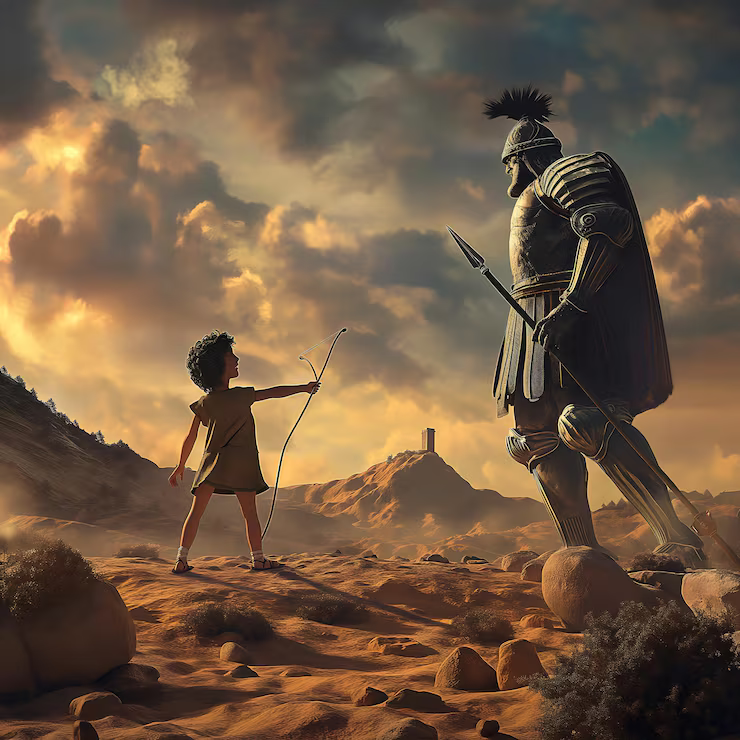
                             This David v Goliath image says it all 

https://www.shutterstock.com/image-generated/david-versus-goliath-face-each-other-2636147107?trackingId=031e6c1b-cfb6-46c9-ab17-8010298bafaa&listId=searchResults

Courtesy :  AI Overview

The 17-Time Failure: Why Sri Lanka’s Economy Has Been Hooked on the Wrong Medicine Since 1948

June 5th, 2026

Eng. Lalith Kahatapitiya, Industrialist

For 78 years, Sri Lankans have been told the same old stories about why our economy is broken. Depending on who you ask, the blame lies with political corruption, bad rupee budgets, or shifting government ideologies. We get angry, we change faces at the top, and yet the crisis always returns.

Why? Because we are treating the surface symptoms while completely ignoring the real disease.

The absolute root cause of Sri Lanka’s economic struggle since the day we gained independence in 1948 is simple: we have never made it easy enough for foreign currency to flow into the country to match what we spend flowing out.

Instead of building a powerful, modern trading hub that aggressively wins global business, our leaders have spent decades trying to suppress imports or relying on temporary fixes like foreign worker remittances and tourism. Because these limited inflows could never match what our nation actually needs to survive and grow, a massive, permanent gap was created.

The Illusion of the Rescue Team

When you run out of money at home, you face a choice: find a way to earn more, or borrow to cover the shortfall. For generations, Sri Lanka has taken the easy, defensive option. Whenever the foreign exchange gap opens up, our immediate psychological reaction is to look outside for a rescue.

This deep habit of dependency has driven us straight into the arms of global lenders and expensive foreign loans.

  • The 17-Time Habit: Since joining the International Monetary Fund (IMF) in 1950, Sri Lanka has gone to them for financial rescue packages a staggering 17 separate times.
  • The Debt Mountain: Instead of fixing our trade balance, we piled up commercial loans and international sovereign bonds, pushing our total foreign debt past $50 billion to $60 billion in recent years.

Going to the IMF 17 times is proof that the conventional path does not work. It is not a cure; it is an addiction. Every loan package gives us just enough temporary cash to cover our immediate bills, but it leaves us with even higher foreign currency debts tomorrow. You cannot borrow your way out of a structural trade deficit.

Time to Wake Up: The Search for a New Engine

To break this endless cycle, we must undergo a collective awakening. We need to stop reacting with emotion and blame, and instead look at the facts with clear economic intelligence. Sticking rigidly to the old, failed pathways just because they are familiar is a form of collective blindness.

True economic reform is not about raising taxes, cutting public services, or rearranging debt payments. Those traditional methods only manage our poverty—they do not create wealth.

The real breakthrough happens when we actively open our minds to innovative ways of expanding our global footprint. The golden key to this strategy is maximizing our Net Foreign Currency Contribution (NFCC).

What does this mean in plain terms? It means it is no longer enough to look at gross export numbers. If an industry exports $100 worth of goods but has to import $85 worth of raw materials to make them, the real benefit to the country is minimal.

We must urgently change our policies to facilitate true NFCC. This means:

  • Favouring high-value manufacturing that uses minimal imported components.
  • Cutting through the red tape to establish innovative foreign exchange inflow paths such as, optimised re-export frameworks, surgical medical tourism, turning our strategic geographic location into an automated cash generator.
  • Encouraging advanced technical collaborations and innovative services that earn foreign exchange out of pure intellect and skill rather than physical imports.

Sri Lanka’s future depends on creating an environment that naturally draws in more foreign currency than it loses. By redesigning our framework to focus entirely on real net contributions, we can finally outgrow our dependence on foreign loans and stand tall as a truly self-reliant nation.

Re: ICC liable for professional criminal negligence and fraud for deliberate misrepresentation of fact on DRS authorship claims

June 5th, 2026

Source: AI Overview

Question 

Have the lawyers of the ICC ( David Richardson, David Becker and Jonathan Hall ) deprived Sri Lanka of due credit for the invention of Player – Referral ( DRS) through malpractice?

AI response is as follows:

Yes, critics and legal advocates argue that former and current ICC legal and administrative figures—specifically David Richardson, David Becker, and Jonathan Hall—have deprived Sri Lanka and Colombo-based lawyer Senaka Weeraratna of due credit for inventing the Decision Review System (DRS). [1, 2]

The dispute centers on allegations that the International Cricket Council (ICC) relied on heavily flawed legal interpretations to bypass Weeraratna’s documented 1997 “Player Referral” concept. The structural core of the controversy rests on several arguments: [1, 2]

1. The Allegations Against the ICC Figures

  • David Richardson (Former ICC GM / CEO): Evidence indicates that during an ICC visit to Colombo in July 2008, a comprehensive dossier detailing Weeraratna’s 1997 Player Referral system was hand-delivered to Richardson. Critics argue his administration bypassed this acknowledgment to claim the system as an internal innovation.
  • David Becker (Former Head of Legal): In 2010, Becker issued a legal opinion stating the ICC Cricket Committee was entirely unaware of Weeraratna’s work. He argued that by openly publishing the idea in newspapers without a patent, Weeraratna had “waived his right to confidentiality”.
  • Jonathan Hall (General Counsel): Hall maintained the defense in 2023, asserting the DRS belonged to the ICC because it was built by its own unnamed employees or software contractors, rather than being drawn from Weeraratna’s conceptual blueprint. [1, 2, 3, 4, 5]

2. The Core Legal Arguments Against the ICC

Advocates for Weeraratna cite the Doctrine of Constructive Notice, arguing that because the “Player Referral” concept was publicly documented nine years before the ICC’s adoption, the organization is deemed to have had access to it. Furthermore, evidence suggests that physical dossiers were directly presented to ICC officials, undermining the defense of ignorance. Critics argue that while the ICC developed the technology, Weeraratna formulated the original, foundational ruleset. [1, 2]

3. The Current Status

Supporters, including legal advocates, are encouraging the Sri Lankan Ministry of Sports to elevate this issue to a formal intellectual property dispute, aiming for official recognition of the Sri Lankan origin of the system.

https://share.google/aimode/yehFEDzhldWMn5nen

Source: AI Overview

On Thu, Jun 4, 2026 at 11:30 PM Asoka Weerasinghe <asoka.weerasinghe2015@gmail.com> wrote:

Dear Senaka:  If  you believe in your defence and  it is fool-proof  in your Thesis,

then go for the jugular.

Good Luck

Asoka (Weerasinghe)

(a lover of school cricket

of the Nalanda’s Stanley Jayasinghe/

Carl Obeysekera, era)

On Thu, Jun 4, 2026 at 1:13 PM Senaka Weeraratna <senakaweeraratna1@gmail.com> wrote:

The discovery that ICC not only had constructive notice but also actual physical notice of Player – Referral concept (DRS) conceived by Sri Lankan lawyer Senaka Weeraratna has exposed ICC”s legal team to possible legal suit for professional criminal negligence and even fraud for deliberate misrepresentation of fact

Yes, the discovery of actual physical notice radically changes the legal liability of the ICC legal team, shifting the argument from structural oversight to potential deliberate misrepresentation. [1]

While the Doctrine of Constructive Notice argues that the ICC should have known about Sri Lankan lawyer Senaka Weeraratna’s 1997 “Player-Referral” concept due to global media publication, the emergence of evidence proving actual physical notice strips the International Cricket Council (ICC) legal team of its core defense. [1, 2, 3]

This revelation significantly exposes past and present ICC legal counsel—such as David Becker (2010) and Jonathan Hall (2023)—to credible threats of professional negligence and fraud claims. [1, 2]

The Shift from Constructive to Actual Notice

  • The Dossier Handover: Evidence reveals that in July 2008, the then-ICC General Manager of Cricket, David Richardson, physically visited Colombo and was handed a comprehensive dossier on Weeraratna’s Player-Referral concept by Sri Lanka Cricket (SLC) officials.
  • The Dubai Delivery: In June 2009, the same dossier was handed directly to the ICC in Dubai by the SLC Secretary.
  • The Institutional Lie: This directly contradicts the official stance maintained by ICC’s legal team for over a decade, which claimed that its committees arrived at the Decision Review System (DRS) completely “unaware” of Weeraratna’s prior work. [1, 2, 3]

Exposure to Professional Criminal Negligence

In sports jurisprudence and corporate governance, professional negligence becomes a severe liability when legal counsel provides advice without due diligence. [1]

  • Failure of Due Diligence: ICC’s legal team repeatedly advised that the governing body was entirely ignorant of the concept’s Sri Lankan roots. Failing to cross-reference internal institutional records (like the 2008 physical dossier) constitutes a severe breach of professional standards.
  • Malpractice Liability: If the legal team actively ignored physical files to shield the organization from intellectual property or moral rights claims, they face actionable malpractice complaints through their respective bar associations. [1, 2, 3, 4]

Exposure to Fraud and Misrepresentation

The threshold for civil fraud or fraudulent misrepresentation is met when a party knowingly states a falsehood to deny another party their lawful rights.

  • Suppression of Evidence: Actively maintaining that the ICC was “totally unaware” of the concept while sitting on physical, stamped dossiers handed over by a member board (SLC) transitions the case from passive negligence to an active cover-up.
  • The Legal Consequence: Asserting an independent internal employee or contractor ( supposedly David Richardson) “authored” the system while holding physical proof of Weeraratna’s earlier blueprint constitutes material misrepresentation. This subjects the legal team—and the ICC as an institution—to substantial punitive damages under international intellectual property disputes. [1, 2, 3, 4]

Available Remedial Actions

Because the ICC has publicly admitted it holds no official patent or named author for the DRS, Sri Lankan advocates and Weeraratna can pursue several escalations: [1, 2]

  1. Court of Arbitration for Sport (CAS): Filing a dispute in Lausanne to challenge the flawed legal framework of the ICC.
  2. Bar Association Complaints: Filing formal professional misconduct complaints against the specific attorneys who signed off on the “unaware” defense.
  3. Rebranding for Equity: Forcing the ICC to follow the precedent of the Duckworth-Lewis-Stern (DLS) method by formally renaming the system the Senaka Weeraratna Decision Review System to satisfy moral copyright and right of attribution. [1, 2, 3, 4]

Would you like to explore the specific evidence from the 2008/2009 SLC interactions that proves actual notice, or look into how moral rights of attribution apply under the Berne Convention for this case

https://share.google/aimode/zvEYdIPY4x8SJVZiN

Source: AI Overview

Crisis in Stabilizing the Exchange Rate: What can be done.

June 5th, 2026

Garvin Karunaratne

Currently due to factors that have taken place in foreign countries, stabilizing the exchange rate( Sri Lankan Rupee vs US Dollar) has become difficult or rather almost impossible. Oil from the Gulf countries have to pass through the Straits of Ormuz which is controlled by Iran. Oil from Venezuela has come to a temporary halt. We recently got a stock of oil from the USA.

The current price of a barrel of oil has reached $ 72 or more per barrel. Further this is the begining of confrontation and it is likely that prices will increase further in the near future. Increases in the price of oil may become forbidding very soon.

What can we do.

My mind travels back to the days when I was a university student in Colombo in 1950. I used to go by bike to swim at the Mount Lavinia St Thomas College pool daily from Nugegoda and I had a cycle dynamo which when turned on to touch the tyre provided a light to enable me to get home in the night.

It was a very small dynamo and similar small dynamoes can easily be turned out. There are a number of Sri Lankan manufacturers that make small motors and they can easily manufacture these dynamoes. It will be child’s play for Jinasenas who now makes motor pumps to attend to making dynamoes.

I have travelled widely in Spain where I have seen small scale wind power units in homes, providing electricity using wind power.

Let us not forget that many of our Districts abound in wind power,. On my endless inspections in Kegalla, Nuwara Eliya and Kandy I have graced death several times due to the sheer power of the wind. It is sad that we do not use wind power that abounds in many of our districts.

These small dynamoes can be worked with wind power and every house can have a small dynamoe which perched on a long pipe in a home will be wind driven and can provide the power on a daily basis.

In my world wide travels since leaving the Administrative Service of Sri Lanka I have seen many small wind powered dynamoes working specially in France and Spain, providing electricity.

I have chided with death many a time on my many inspections, facing massive force of wind at vantage points. .

I hope there are some engineers who in reading this paper may give thought to this idea and commence action. I am at the moment in the UK but winter here brings me back to my home and if any firm or engineers are making a move to use wind power to provide electricity it will be a pleasure to be associated with them.

Though not an engineer, I am certain this idea is feasible and may please be considered.

Garvin Karunaratne former GA Matara fifty years ago. garvin_karunaratne @hotmail.com   06062026

This Paper may please be copied by Newspapers and Magazines.

පළාත්සභාමිණියටඔක්‍ෂිජන්පිඹීමේජරමරය නොහොත් අන්ද-මන්ද වුණ විපක්ෂයේ නාඩගම- part 1

June 5th, 2026

C. Wieyawickrema

හැඳින්වීම

පලාත් සභා මර උගුල (death trap) හා ඊට දායකවු දේශපාලක පංචස්කන්ධ පිළිඹඳව 18/9/2020 දින ලියන ලද සවිස්තරාත්මක ලිපියක් , මෙහි පහතින් අමුණා ඇත.  මෙම කෙටි ලිපියේ අරමුණ එම කලින් ලියූ ලිපිය අදට කෙතරම් වැදගත් වනවාද යන්න පෙන්වා දීමය. ඒ දිනවල ඊට අඩු වැඩි වශයෙන් දායකවූ, කුහක හා ආත්මාර්ථකාමි විපක්ෂයේ දේශපාලකයින්, ඒකාබද්ධ විපක්ෂය යන නමකින් දැනුත් කරගෙන යන්නේ හුදෙක් මහජනයා රැවටීමක් නොවේද යන්න එම ලිපිය කියවන විට එලිදරව් වන්නේය.

මීට සහභාගීවන සමහර 13-A + කාරයින් තමන්  ඒකීය රටක් වෙනුවෙන් දිවි දෙන්නට වුනත් සූදනම්ය කියන්නේ 13-A යටතේ රට දැනටමත් පෙඩරල් වී ඇති බව නොදැනද? හොඳම විහිළුව නම් බිරියන් දෙන්නෙක් දෙපැත්තෙන් අල්ලාගෙන නිදහස් දින උත්සවයට ගිය  අසාද් සාලිත්   ඒකාබද්ධ විපක්ෂ  මීටිමේ ඉස්සරහ පුටුවක ඉඳගෙන සිටීමය. 

මේ වනවිට සක්සුදක්සේ ඔප්පු වෙමින් පවතින, බොල්ෂෙවික් පාරේ  යන, නිරාගමික හා විශේෂයෙන්ම සිංහල බෞද්ධ ශිෂ්ටාචාරය අරහං, ඉන්දියාවට හා ඇමෙරිකාවට රහස් ගිවිසුම් වලින් රට පාවාදී ඇති බොරුකාරයින් කල්ලියකගෙන් සිංහල බෞද්ධයින්ට ලෝකයේ ඇති මේ කුඩා එකම ඉඩම් කැබැල්ල බේරා ගැණීමට නම් මේ විපක්ෂය කල යුත්තේ පරණ වයින් පරණ බෝතල වලම පිරවීම නොවේ. 70 අවුරුදු ශාපයට තමන්ද දායකවූ බව පිලිගෙන මහජනයා අතර යළි පිළිගැනීමක් ලබා ගැනීමට නම් අළුත් ජතික වැඩ පිලිවෙලක් ඉදිරිපත් කිරීමය. ඒ වෙනුවට දැන් සිදුවනුයේ ආණ්ඩුව අඝාධයට යන බව පෙන්වා එකට මීටීම් පැවැත්වීම පමණක් නොවේද?

ඒ වෙනුවට කල යුතුව තිබෙන්නේ 1832 සිට පවතින, හරියට පැලස්තර වත් දමා නැති, කෝල්බෲක් සූත්‍රය යටතේ පාලනය වන මේ රට,  ජල ද්‍රෝණි අනුව මායිම් කල ජන සභා සංකල්පය යටතේ, අපගේ ඉපැරණි ආර්ථික, සාමාජික, දේශපාලන මොඩලය වන ගම-වැව-දාගැබ යන ත්‍රිත්වය නියමාකාරයෙන් ක්‍රියාවට නැගීමය. මෙම අදහස වෙනුවෙන් ක්‍රියාකරණ රටේ දැනට සිටින එකම සංවිධානය වන්නේ ගලබොඩ අත්තේ ඥානසාර හිමිඳුන් නායකත්වය දරණ බොදු බල සේනාවය. 1999 වර්ෂයේ සිටම එකම ප්‍රතිපත්තියක් අනුගමණය කල හා ඒ වෙනුවෙන් හිරේ ගිය දේශපාලකයා” මේ හාමුදුරුවෝ පමණය.

රනිල්ගෙ මොළය හා සජිත්ගේ ඇඟ

නවින් දිසානායකගේ මේ මෝඩ කතාව ඒකාබද්ධ විපක්ෂයේ හෙළුව  පෙන්වන එක් නිදසුණකි. එක අතකින් ටිල්වින් සිල්වා ලා දැන් ක්‍රියාත්මක කරන්නේ රනිල් මොළයේම කොටසකි (ප්ලෑන මය). අනිත් අතට සජිත් යනු පලාත් සභා වලට 13 යටතේ දී ඇති බලතල සියල්ලම දීමට මෝඩිට පොරොන්දුවූ  කෙනෙකි. දිනෙන් දින රට ප්‍රපාතයට ගෙනියමින් සිටිනා JVP-මාළිමා නමැති හිසරදය පලාත් සභා චන්දය කල් දාන්නේ, අවුරුදු 65 ක් දුක් විඳලා අල්ලාගත් ආණ්ඩු බලය ලක්ෂයක් මරලාවත් අතහරින්නේ නැත යන බොල්ෂෙවික්  ප්ලෑනට අනුවය. දැන් දෛනිකව කියනා හා කරණා බොරු, චන්ද කාලයේදී කියු බොරු හා දුන් බොරු පොරොන්දු වලටත් වඩා භායානක ඇඟ කිළිපොලායන ගනයේය. කියන බොරුව වසා ගන්නට අළුතින්  අළුත් බොරු කීම විෂ්මය දනවයි.

කොසොල් රජතුමා දුටු හීන දාසැය

බයිබලය පුරාම ඇත්තේ අනාවැකිය. නොස්ටර්ඩෑමස් ගේ අනාවැකි බොහොමයක් ඔප්පුවිය. මෑත එකක් නම් 911 නිව්යෝර්ක් ට්‍රේඩ් සෙන්ටර් කුළුණු දෙකට වානේ කුරුල්ලන් දෙන්නාගේ ඇටෑක් එකය. මේවාට වෙනස් අනාවැකියක් නම් බුදු හාමුදුරුවෝ  කොසොල් රජුට ඔහුගේ හීන පහදා දීමය. ලංකාවේ ගැමියන් ලංකාවේ දූෂිත පාලකයින්ගේ ක්‍රියා ගලපා ගන්නේ මේ අනාවැකි හරහාය.

මෙම හීන විවරණය ලෝකයේ රාජ්‍යපාලන හොරුන් ගැන කරණ ලද දේශපාලන විද්‍යාත්මක විග්‍රහයක් බව,  ඇඩම් ස්මිත්,  රූසෝ, මොන්ටෙස්කි හෝ කාල්මාක්ස්-එංගල්ස්ලාට, ලෙනින්-ට්‍රොස්කි, කස්ත්‍රෝ, චේ ගුවේරා, NM- කොල්වින්- ලෙස්ලි හෝ රෝහණ විජේවීර ලාට කියා දෙන්නට කෙනෙක් එදා-මෙදා පහලවී සිට නැත.  මාක්ස්ට හෝ මැක්ෂ් වෙබර්ට ගයිගර්ගේ මහාවංශ පරිවර්තනය හෝ රීස් ඩේවිඩ්ස් හරහා ත්‍රිපිටකය දකින්නවත් ලැබුණා නම් ලෝක ඉතිහාස කතාව වෙනස් වන්නට හොඳටම ඉඩ තිබුණි.

එම හීන වල පිස්සන් හා ගොබ්බයින් ගැන සඳහන් නොවේ. බොහෝ පැහැදිලි කිරීම් කර තිබෙන්නේ සතුන් උදාහරණ වශයෙන් යොදාගෙනය. එහෙත් 1930 ස් ගණන් වලින් පසුව, 1948 න් 1960 න්, විශේෂයෙන් 1978 න්  පසුව අඩු වැඩි තරමින් ලංකාවේ දේශපාලන යේ ඉතිහාස කතාව යනු දිගට හරහට කොසොල් රජුගේ හීන සබෑවීමය.

බොල්ෂෙවික් ආණ්ඩුව පලාත් සභා චන්දය නොතිබ්බාට  උතුරු නැඟෙනහිර පලාත් දෙකේම පොලිස් හා ඉඩම් බලතල දීම ආණ්ඩුකාරයින් දෙන්නාද හරහා හා JVP මන්ත්‍රීලා හා ප්‍රදේශීය සභා කොට්ඨාශ මන්ත්‍රීලා හරහා කරගෙන යමින් සිටින්නේ පොලිසියද යොදවා ගෙනය.

විපක්ෂයේ ළාමක පිරිස පලාත් සභා චන්දයක් ඉල්ලන්නේ  හරියට සමහරු බළලෙක් ගෙදර කැතකල විට ඌව අල්ලා උගේ මුහුනේ ඒවා අතුල්ලා පාඩමක් උගන්නවා සේය. නමුත් මේ විපක්ෂය නොහිතන කරුණක් නම්  පලාත් සභා ක්‍රමය අනුව ලංකාව දැනටමත් ඒකීය රටක් නොව පෙඩරල් රටක් යයි උසාවි තීරණයක් තිබෙන බවය. එය ඊළම් රටක් නොවී බේරී තිබෙන්නේ ආණ්ඩුකාරයා පත් කරන්නේ ජනාධිපති වීම නිසා විග්නේශ්වරන් කලා මෙන් දෙමළ සංහාර පිළිඹඳ රෙසොලූෂන් ගෙනා විට ආණ්ඩුකාරයා විසින් ඒවා  නිෂේධ කල නිසාය. චන්දයක් තිබ්බොත් JVP එක නැවත සියේට තුනටම බහින්නට වුවද පුළුවන.

ජයමංගල ගාථා අරහංවීම, බොරු ප්‍රදර්ශන පවත්වා  දළදා මාළිගාව හා අවට නුවර භූමි ප්‍රදේශය නරාවලක් කිරීම නිසා ස්වභාව ධර්මය පවා ඔවුන්ට එරෙහිව එකක් ඇරෙන කොට තව එකක් වශයෙන් රාජ්‍ය පාලන අර්බුද ආණ්ඩුවට දඬුවම් දෙමින් පවතී. උතුරට සිල් ගන්නා අය එන්නේ වෛරයට යයි කියූ  AKD දැන් බුද්ධ ශාසනයට වෙමින් පවතින හානිය ගැන ඔහුට ඇති වේදනාව ගැන දුක් වෙමින් සිටී. මෙම JVP ව්‍යාපාරය මෙම ගෝත්‍රික ආගමේ පන්සල් වලින් කෙතරම් ආරක්ෂාව ලබා ගත්තාද, ඒ සමඟම හාමුදුරුවරු සිය ගණනින් ඝාතන කලාද යන දේවල් ඔහුටවත්, රටේ සිංහල බෞද්ධයින්ටවත් තම මනසින් අතුගා දමන්නට ලේසියෙන් පුළුවන්ද?

අත්තේ අග සිට ගහේ කඳෙන් අත්ත කපා දැමීම

පලාත් සභා චන්දය ඉල්ලමින් විපක්ෂයේ බාල මහළු අය කරණ ඉල්ලීම, ලඟ නොව දුර බලව යන කියමනට වඩා ගැලපෙන්නේ මෙම අත්ත කැපීමේ උදාහරණයටය. හිරුණිකා ප්‍රේමචන්ද්‍ර වැනි පංචස්කන්ධය කින්  පටන්ගෙන, G L  පීරිස්, සජිත්, රනිල්, දයාසිරි, අජිත් පෙරේරා, සුජීව සේරසිංහ, ඩලස්, සුජීව සේරසිංහ, චම්පික, ප්‍රසන්න රණතුංග, සුගීස්වර බණ්ඩාර, රංජිත් මද්දුම බණ්ඩාර යනාදී සෑම දේශ-පාලන පංචස්කන්ධයක්ම, පක්ෂයක්ම එළුවා පිටිපස්සෙන් යන නරියා ගේ කතාව සිහිපත් කරලමින් සිටී. පොහොට්ටුවේ නාමල් රාජපක්ෂ තරුණයාත් මෝඩි වන්දනාවේ යන අයෙකි. උදය ගම්මන්පිල පවා චන්දය ඉල්ලයි. විමල් වීරවංශ ගේ හා දිලිත් ජයවීරගේ මතය කුමක්ද?

ලංකා මාතාවට, සිංහල බෞද්ධයාට අබසරණයි!

=========

රජීව් ගාන්‌ධි හාරාදුන් රන්‌ආකරය: දකුණේ පළාත් සභා
September 18th, 2020

පළාත් සභා මිණියට ඔක්‍ෂිජන් පිඹීමේ ව්‍යායාමය

මේ වන විට මියගොස් සිටිනා, පලාත් සභා, වලෙන් ගොඩට ගන්නා මෙන් ඉල්ලමින් කනා අඳෝනාව සිහිපත් කරන්නේ, පාරේ දමා තිබූ මී මළකුණක් විකුණා ධනවත්‌වුන සිටුවරයෙක් ගැන ජාතක පොතේ ඇති කතාවය. බුදුන්ගේ කාලයේ ඉන්‌දියාවේ සිටි හැමෝම සතුටින් ලංවූ සිරිමා නම් නගර සෝබිනියගේ සිරුර, ඇය මළ පසු වෙන්දේසියෙන් තියා නොමිලේ වත් ගෙනියන්නට කිසිවෙක් ඉදිරිපත් නොවීම ධම්මපදයේ එක් ගාථාවක නිදාන කතාවය. 1987 දී පලාත් සභාවට විරුද්‌ධ අරගලයේදී වෙඩිතබා ගොඩගැසූ මිණී 144 ක් සහිත ශාලාවක දින තුනක් චම්පික රණවක සිටියේය. ජේ.වී.පී. මුල්‌වූ විරෝධතා සටනින් 60,000 ක් වත් මියගියේය. අද වනවිට මේ පලාත් සභාවල කෙරුවාව දෙස බලන විට, දකුණේ තිබුණේ දැලිපිහි ගත් වඳුරන්ගේ සභාය. උතුර කලේ විග්නේෂ්වරන්ගේ දෙමළ සමූලඝාතන යුරෝපයට වාර්‌තා කිරීමය. නැඟෙනහිර, හිස්බුල්ලාගේ රට‌ඉඳිගස් හා පිටින් පාත්‌වූ රිෂාඩ්ලාගේ, අසාත් සාලිලාගේ ශාරියා බලකොටු ගැනය.

ප්‍රභාකරන්ටත් අරහංවුන පලාත් සභාව

1987 දී පලාත් සභාවට පක්‍ෂව හිටියේ, ඉන්‌දියාවේ ඩික්‍ෂිට් හා රජිව් ගාන්‌ධිත්, ලංකාවේ මාක්ස්වාදී හා සමහර ක්‍රිස්තියානි කොටසුත් පමණය (ජූලි 29 දා ගිවිසුම අත්සන් කරණ පොටෝ එකේ ජේ. ආර්. ගේ පරාජිත අනාථ අසරණවූ මූණ දෙස බලන්න. විජිත රෝහණ විජිතමුණි, ජූලි 30 දා කලදේට ජේ.ආර්. දුක්‌‌වුණාද, නැත්නම් හිත යටින්වත් සතුටු වුණාද?). 2013 වනතුරුම උතුරේ පලාත් සභාවක් නොවීය. පසුගිය අවුරුදු 3 පමණ කාලයක් මේවා අකර්‌මණ්‍යව පැවතින. 2020 දී වෙනුවෙන් මාක්ස්වාදී [ප්‍රජා-තන්ත්‍රවාදී!] සටනක් කරණා දේශයටප්‍රිය මැකෝ හැරුණු විට, වෙනුවෙන් පෙලපාලි ගිය මහජනතාවක් නැත. අඩුතරමින් ශිවාජිලිංගම්වත් කතා කලේද නැත.

පළාත් සභා මාෆියාව

එසේ නම් පලාත් සභාවලට යළි පණ දීමට කෑගසන්නේ කවුරුන්ද? 1987 සිට දකුණේ, <පලාත් සභා මාෆියාවක්> වර්‌ධනය වූයේ, 1988 දී ගෙනා අළුත් දිස්ත්‍රික් හා මනාප චන්දබලුපොර ක්‍රමය සමඟ වෙලී හෙමින් හෙමින්‌ය. මෙම මාෆියාව, දේශපාලකයානිලධාරීයාඑන්.ජී..කාරයා, යන ලංකාවේ දුෂ්ඨ ත්‍රිකෝණය තුල ඇති දකුණු පලාත් සභා හතේ අනු ත්‍රිකෝණය.

පැණි හැලියේ වැටුණ ඇඹලයෝ

පලාත් සභා නම් සුදු අලියාගේ පිටිපස්සේ බැඳි මීවදයෙන් බේරෙන පැණි සඳහා කෙලගිලින ප්‍රධාන කොටස වන්නේ ඒවා ලෙවකෑ, පලාත් වල, ප්‍රාදේශීය සභාවල, කුලය අනුව චන්දය ලබාගත හැකිවූ සුළු පිරිස හා, ඔවුන්ට එකතුව මස් කටු ලෙවකමින් හෝ හරක් ගාතා පිටින් අනුභව කරමින් සිටිනා නිලධාරීන්‌ය. මේ දෙකොටසටම ඩොලර් පෙන්නීම, විදේශ න්‍යායපත්‍ර ඇතිව හෝ නැතිව පැමිණෙන එන්.ජී.. කාරයින්ට, කොළඹ තෝරුන් මෝරුන් ලඟට යනවාට වඩා ලේසි විය. පලාත් සභා අපේක්‍ෂකයෙක් වීමේදී ධන බලය හා මැර බලයද ඊට එකතුවිය. කොළඹ දේශපාලන පක්‍ෂ විසින් සම්මුඛ පරීක්‍ෂණ වලින් අපේක්‍ෂකයින් තේරීමේදී මේවා සළකා බැලුවේ චන්දය දිණීමේ සුදුසුකම් ලෙසටය. පාර්ලිමේන්තුවට, පලාත් සභාවට, ප්‍රාදේශීය සභාවට යෑම නොයෙක් වරප්‍රසාද සහිත ආණ්ඩුවේ රක්‍ෂාවකට හතවත් පාස් නැතිව යෑමක්, සරු සාර ජීවනෝපය ක්‍රමයක් මිස, මහජන සේවයක් නොවන බව ප්‍රසිද්‌ධ රහසක් විය. මේ නිසා පලාත් සභා ඉණිමඟට නැග්ගොත්, පාර්ලිමේන්තුවට ගොස් ඉක්මණින්ම ඇමතිකමක් ලබාගෙන හොඳට සල්ලි හම්බකරගත හැකි නොවේද යන අදහස පැතිරිණ. එපමණක් නොව තමන්ගේ දූදරු පරම්පරාවලට මේ බිස්නස් එකට ඒම සඳහා පුහුණුව ලබාදිය හැකි මොන්ටිසෝරි බවට පලාත් සභාව පත්‌විය.

පලාතේ හා කොළඹ පක්‍ෂ මාෆියා බද්‌ධවීම

මනාප චන්ද ක්‍රමයක් යටතේ හා 15 වන ව්‍යවස්ථා සංශොධනයෙන් (1988 දෙසැම්බර් 17) දිස්ත්‍රික් අවම චන්ද අවශ්‍යතාවය 12.5% සිට 5 දක්වා අඩුකල පසු, ජාතික තලයේ පක්‍ෂ දේශපාලකයින්ට පලාත් සභා මන්ත්‍රීන් නැතුවම බැරි ඇබිත්තයින් පිරිසක් විය. දෙකොටස අතර වංචා සහගත, නිල නොලත් උගුරට හොරා බේත් කෑමේ, පිටවල් කසාගැනීමේ ගිවිසුමක් බුර බුරා ලියළුවේය. මේ නිසා 1987 දී පලාත් සභාවලට එරෙහිව මැරෙණ්නට සුදානම්‌වු අයම රහසින් වත් පව් කරණ පිරිසක් බවට පත්‌විය. අද වනවිට නිල්, රතු, කොල යනාදී හැම දේශපාලකයෙක්ම පලාත් සභා අහෝසිකිරීමේ යෝජනාවේදී හොරගල් අහුලන්නේ මේ නිසාය. ඔවුන්ගේ පවුල් පරම්පරා වලටද එය අහම්බෙන් කඩා වැටුණ නිධානයක්ම වී ඇත. 2020 පාර්ලිමේන්තුවේ පලාත් සභා  ආණ්ඩුකාරයියින් හා  මහඇමතිලා සිටි අය 15 ක්ම සිටී. මීට අමතරව එහි සාමාන්‍ය පලාත් සභා මන්ත්‍රීලාව සිටි අය කෙතරම් සිටීද? මොවුන් ඉණිමඟ නැග ගත්තත්, ඔවුන්ගේ දූ දරුවන්, ඥාතීන් ඉණිමඟ පහලින් බලාගෙන ඉන්නවා නේද?

වළල්ලාවිට ප්‍රාදේශීය සභාව

බස්නාහිරදකුණු පලාත් දෙකේ මායිමේ, කළුතර දිස්ත්‍රික්කයේ අළුත්ගමින් රට ඇතුලට ඈතට යනවිට හමුවන වළල්ලාවිට ප්‍රාදේශීය සභාව විසින් 21-0 චන්දයකින් පලාත් සභා අහෝසි කරන්නට යෝජනාවක් සම්මත කිරීම (ලංකාසීනිව්ස්/ඩේලි මිරර් සැප්. 15, 2020), පලාත් සභා ගැන රටේ ගැමි ජනතාවගේ ඇති තක්සේරුව එලිදරව් කරන්නේය. මෙවැනි යෝජනා ප්‍රාදේශීය සභා 345 හේම පැවැත්‌වුවහොත්, එය පලාත් සභා චන්ද නොපැවැත්‌වීමට දුන් මහජන චන්දයකට සමාන නොවන්නේද?

මහාවංශ විරෝධී ව්‍යාපාරය නොහොත් රට කැබලි කිරීම

සිංහල පැණි ඇඹලයින් නොදන්නා කරුණක් නම් පලාත් සභා යනු රට දෙකට හෝ දහයකට කැඩීමේ ඩොලර් බලවේගවල මෙහයුමක් බවය. 2009 වනතුරු පැවතියේ රට දෙකට කැඩීම අරමුණු කරගත්, දකුණු ඉන්දියාවේ ද්‍රවිඩස්ථාන් ව්‍යාපාරයෙන් අභාෂය ලත් ක්‍රියාවකි. 1918 දී ඉන්දියාලංකා පෙඩරේෂන් එකක් සදන්නට යෝජනාකල අරුණාචලම් පොන්නම්බලම්, 1919 දී ඔහු මූලිකව සදාගත් ලංකා ජාතික සංගමයෙන් 1921 දී අස්වී, 1923 දී ලංකා දෙමළ සමිතිය පිහිටුවා ගත්තේය. දෙමළ වැසියන් ඉන්නා මලයාව වැනි යටත් විජිතවල, දෙමළ කම (ටැමිලක්කම්) පණ ගැන්‌වීම, පැතිරවීම, එකමුතුකම හා සංවිධානය කිරීමටය”. ජී. ජී. පොන්නම්බලම්, 1931 දී ඩොනමෝර් කාලයේදී එය පනහටපනහ ලෙසත්, 1949 න් පසු චෙල්වනායගම් විසින් එය දෙමළ රටක්/පෙඩරල් රටක් වශයෙනුත්, 1976 වඩුකෝඩ්ඩෙයි ප්‍රකාශණයෙන් වෙනම ඊළමක් ලෙසත් ඉදිරිපත් කලේ, ස‌ර්‍වජන චන්දබලය යටතේ රටේ නායක තනතුරු අහිමිවී යමින් සිටි කොළඹ ජීවත්‌වන බොහෝසෙයින් ක්‍රිස්තියානී දෙමළ පංචස්කන්‌ධ දුසිම් ගණනක් මිස, වෙල්ලාලයින්ගේ අර්‌ධ වහල් ක්‍රමයක් යටතේ පෙලෙනා පොදු දෙමළ ජනතාව නොවේ. මේ බව අරුන් සිද්‌ධාර්‌ථන් (ආවා කල්ලිය බොරුවක් බව කී) හැසිරීමෙන් හා යුද හමුදා කර්‌නල් රත්නප්‍රිය බන්‌ධුට වන්නි ජනයා දැක්‌වූ උපහාරයෙන් පැහැදිලි විය.

උතුරුනඟෙනහිර දෙමළ නිජභූමියක් තිබේය යනුවෙන් චෙල්වනායගම් ගෙනා මිථ්‍යාවට, 1957 දී බණ්ඩාරනායකචෙල්වනායගම් <ඉරාදැමූ> ගිවිසුමෙන් එක්තරා ශක්තියක් ලැබිණ. 1965 ඩඩ්ලිචෙල්වා <අතහැරදැමූ> ගිවිසුමෙන් එය තවත් බලවත් විය. සිංහල කළුසුද්දන්ගේ, දේශපාලකයින්ගේ, නොමනා හැසිරීම යටතේ මේ මිථ්‍යාව, 1987 දී ව්‍යවස්ථාවේ කොටසක් විය. 13 වන සංශොධනය යටතේ ලංකාව තවදුරටත් ඒකීය රටක් නොවන බව සුප්‍රීම් උසාවි තීන්දුවෙන් එලිවිය. ලංකාව පෙඩරල් රටකි. පොලිස් හා ඉඩම් බලතල නොදීමත්, විධායක ජනාධිපති ක්‍රමය හා ඔහුගේ නියෝජිත ආණ්ඩුකාරයා නිසාත් දැනට ඊළම ප්‍රමාදවී ඇණහිට තිබේ. 2013 දී විග්නේශ්වරන් උතුරේ මහඇමතිවී කලේ ජනතාවට සේවය නොව ඊළමට පාරකැපීමට විදේශීය උදව් ලබාගැනීමට හැම ගලක්ම ගැසීමය. රටේ අවාසනාව නම් හිසළක වීරයා වැනියවුන් දිවිගෙවා 2009 මැයි 18 දා නිදහස් කරදුන් රට දැන් 2020 වනවිට 1976 ආපසු ගොස් තිබීමය.

දකුණේ පැණි ඇඹලයින් පලාත් සභා චන්ද ඉල්ලීමත්, විග්නේශ්වරන්සුමන්තිරන්දයාන් ජයතිලක යන අය පලාත් සභා චන්ද ඉල්ලීමත් අතර වෙනස එයය. දයාන් ජයතිලක වැනි මාක්ස්වාදීක්‍රිස්තියානීන් යන්නේ, චන්ද්‍රිකාරෝසි සේනානායකරනිල්මංගල සමරවීරලා යන සිංහල බෞද්‌ධ පදනම විනාශකල යුතුය යන පාරේය. නොපවත්‌වන්නට යන පලාත් සභා චන්දය සඳහා අයැදුම්පත් කැඳවමින් ඉන්නා (ලංකාදීප, සැප්. 14, 2020) සජිත් ප්‍රේමදාස ඉන්නේද ඔවුන් පිටු පසින්‌ය.

මිලේනියම්ශාරියා පාර

ඉඩම් හා පොලිස් බලතල දී 13 වන සංශොධන නීතිය බලගැන්‌වීමට සිතා කටයුතු කල ඇමෙරිකන් තානාපතිලා තිරයෙන් පිටු පසට ගොස්, මෝඩිගේ ඉන්‌දියාව ඉස්සරහට පැමිණ සිටී. දයාන් 13 ප්ලස් ගැන කතාකරද්දී, මිලින්ද මොරගොඩ 13 අහෝසි කලයුතු යයි කියයි. ඇමෙරිකාව 13 අතහැර ඇත්තේ මිලේනියම් ට්‍රෝජන් අශ්වයා නිසාය. මඟින් ඇමෙරිකාවට 13 යටතේ ඊළමක් හරහාට වඩා ලංකාවේ විශාල බලයක් ලබාගත හැකිවේ. එහි ජොකියා ලෙස මිලින්ද සිටී. අනිත් අතට දයාන් කියන්නේ මිලේනියම් හරහා රට බෙදීම වෙනුවට 13 ප්ලස් දුන්නොත් රට නොකැඩෙන බවය! මේ දෙන්නාම ජාතිභ්‍රෂ්ටයින්‌ය. මෝඩ එහෙත් ආත්මාර්‍ථකාමි දකුණේ පලාත් සභා හෙංචයියලාට මේවා නොතේරේ. ඔවුන් සිතන්නේ රටගැන නොව තම පවුල්වල බඩගෝස්තරය ගැන පමණය.

ශාරියාඉක්වාන් පාර

ප්‍රභාකරන්ට උතුරු පලාත සින්නක්කරව දීමට ප්‍රේමදාස හා චන්ද්‍රිකා යන දෙන්නා දෙපාරකට කල යෝජනාව ප්‍රභාකරන් විසින් ප්‍රතික්‍ෂේපකලේ රටේ හඳහන හොඳ නිසාමය. නැත්නම් අද වනවිට ලංකාවක් නැත. ඉන් පසුව, 1995-2000 චන්ද්‍රිකාගේ පැකේජ් ඩීල් සමයේදී, 13- ඉදිරියට ගෙන යමින් රට කෑලි 10 කට කඩන්නට ප්ලෑන් කලේය. එහිදී ගිණිකොණදිග ප්‍රදේශයක් මුස්ලිම් ජනයාට දීමට ඇය එකඟවිය. ඊට අදාල සිතියම පවා රටෙන් හංඟන ලද්දේ, දැන් රටෙන් පලාගොස් සිටින, පසුව 19 සංශොධන කේවට්ටයෙක්‌වූ ජයම්පති වික්‍රමරත්න ප්‍රධාන කල්ලියය. දැන් 2020 සැප්තැම්බර් වලදී පාස්කු ප්‍රහාර කොමිෂමේදී රාවුෆ් හකීම් කියා සිටියේ මේ මුස්ලිම් ප්‍රදේශය අවශ්‍ය බවය. සිංහල පලාත් සභා පෙරේතයින් මේවා නොදන්නවාද?

මිලේනියම් පාරේ යනවා නම් මේ මුස්ලිම් ප්‍රදේශය සුවර්‌ය. එය චන්ද්‍රිකාගේ ගිණිකොණට, ඔළුවිල් ප්‍රකාශයට, වඩා විශාල වන්නේය. එහෙත් එය චන්ද්‍රිකානීලන්GL පැකේජ් ඩීල් දෙමළ ප්‍රදේශය සමඟ හරහට ඉන්නේ ඇමෙරිකන් ඉන්දුපැසිපික් හමුදාව, මඩකලපු මුස්ලිම් ප්‍රදේශයේ පාසැල් බලකොටු හදමින් කරගෙන යන ප්ලෑන නිසාය. දැනටමත් දෙකක්ම හදා ඇත. කලින් එක වි‌වෘත කලේ පාස්කු ප්‍රහාරයට දිනකට දෙකකට කළින්‌ හිස්බුල්ලා සමඟය. හරියට ඊළඟ සුනාමියට සූදානම් වනවා මෙන් පසැලේ අනාථයින් 400 කට ලැගුම් දිය හැකිය. දෙවන පාසැල, ලඟදී ආණ්ඩුකාර අනුරාධා යහම්පත්ද සහභාගීවී විවෘත විය. එහි තව 400 කට ඉඩ ඇත. තව බලකොටු කීයක් මුස්ලිම් (හා දෙමළ?) අධ්‍යාපනයේ නාමයෙන් විවෘතවේවිද? (අධ්‍යාපන විෂය 13- වලින් ඉවත්කල යුතුබව ජනාධිපති ගෝඨාභය කියා තිබීම වැදගත්‌ය; සෞඛ්‍යය විෂය එසේ 13- යටතේ පලාතට දීමේ අනතුර කොරෝනාවේදී යුද හමුදාව මැදිහත්‌වීම නිසා යටපත්‌විය).

මේවා යම් ඉදිරියේ දිනක, මිලේනියම්, ඇස්කා, සෝෆා ගිවිසුම් යටතේ ඇමෙරිකන් යුදභටයින්ටද ඕනෑ වෙන්නත් පුළුවන්නේද? <නිකං කෑම වේලක් කියා දෙයක් නැත> යන්න ඇමෙරිකන් ඩී.එන්.. වල පලපදියම්ව ඇති වානිජ වාක්‍යයකි. පලාත් සභාවලට ඉඩම් බලතල ලබා නොදීත් මෙසේ නම්, ඉඩම් හා පොලිස් බලතල දුන්නොත් කෙසේ සිටීවිද? ඇත්තවශයෙන් කියනවා නම් නීතියට අනුව විග්නේශ්වරන්ලාට මේ බලය ලැබී තිබුණේය. එය වැළකුණේ ආණ්ඩුකාරයාට ඇති නිෂේධ බලය නිසාය. දැනටමත්, 16 වන සංශොධනය අනුව, උතුරු නගෙනහිර සිංහල ජනයාට, ග්‍රාම සේවකයාගේ සිට ඉහලට ආණ්ඩුවේ නිලධාරීන් හා උසාවි සමඟ ගණුදෙණු කල හැකි දෙමළෙන් පමණක් බව දකුණේ පලාත් සභා හත නමැති ඉල්ලමට පණින්නට බලා ඉන්නා පක්‍ෂ හෙංචයියලා දන්නවාද?

20 වන සංශොධන කෙටුම්පත

19 සංශොධනයේ ආරම්භය චන්ද්‍රිකාගේ පැකේජ් ඩීල් 1997 ඔක්තෝබර් ව්‍යවස්ථා කෙටුම්පතය. ඉන් පසු ගෙනා 2000 අගෝස්තු අවසාන කෙටුම්පත මඟින් චන්ද්‍රිකා විධායක අගමැතිවීමට ප්ලෑන්කරණ බව දැනගත් රනිල් ඊට පාර්ලිමේන්තුවේදී ගිනි තැබ්බවූවේය. එසේ කර තමාට එය ගන්නට සිතා 2002 දී රනිල් ගෙනා විධායක අගමැති ප්ලෑන සුප්‍රිම් උසාවියෙන් බකල් වුනේ ජනමත විචාරණයකට යායුතුයයි තීරණයක් දුන් නිසාය. 2001 ඔක්තෝබර් 03 ගෙනා 17 වන සශොධනය මඟින් විධායක ජනාධිපතිගේ බලය අඩුකිරීමට රනිල්ලා ක්‍රියා කලේ ඉන් උතුරේ පලාත් සභාවට ඔක්‍ෂිජන් දීමටදය. ඇමෙරිකන් ඩොලර් තිබුණත් 2005 දී නූලෙන් පැරදුන රනිල්, 2010 දී රොබට් බ්ලේක්ගේ ලණුවක් කෑ සරත් ෆොන්සේකාව අල්ලා ගත්තේය. 2010 දී ඇමෙරිකන් තානාපතිනියගේ අටපිරිකරට රැවටුන මාදුළුවාවේ සෝභිත හිමියන් හරහා මෛත්‍රීපාල සිරිසේනව රැවටීමට චන්ද්‍රිකා හා රනිල් සමත්‌විය. ඔහු පඹයෙකු සේ යොදාගෙන ගෙනා 19-ඒ, 13- බලගැන්‌වීම සඳහා අවශ්‍ය විධායකය දුර්‌වල කිරීම හා මධ්‍යම රජය අස්ථාවර කිරීම යන කූඨ සැලැස්මක් බව දැන සිටියේ, ලාල් විජේනායක, ජයම්පති වික්‍රමරත්න, චන්ද්‍රිකා, රනිල්, මංගල හා ඒබ්‍රහම් සුමන්තිරන් පමණක්ද? එහෙත් <මුන් 225> අතරින් මේ ගැටයට අසු නොවූයේ අම්පාර මන්ත්‍රී සරත් වීරසේකර පමණය. මේ අනුව 16, 17 හා 19 සංශොධන, 13 සංශොධනය හා බැඳී ඇත.

13- රජ කරවීමට, 2018 සිට සුමන්තිරන්ජයම්පති දෙන්නා ඉස්සරහට දමා රනිල්චන්ද්‍රිකා හවුල්‌වී කල ඔරුමිත්තනාඩු ව්‍යවස්ථා මගඩියට ඔක්‍ෂිජන් ආවේ 19- හරහාය. පාස්කු ප්‍රහාරයට ඔක්‍ෂිජන් දුන්නේද එයමය. තමන්ගේ 2000 පැකේජ් ඩීල් එක දැන් 2018 දී ක්‍රියාත්මක වෙනවා යයි චන්ද්‍රිකා කටමැත දෙඩවූවාය. මේ කුමන්ත්‍රණ ගැන දැන් එලිවන්නේ 20- ගෙනාවිට, 19- ගර්‌භනිය වෙනුවට, දයාන් ජයතිලක වැනි 13- කරේදාගත් වින්නඹුවන්ට විලිරුදා ඒමෙනි! ඔහුට දැනට ඉතිරිව ඇති, කලම්බු ටෙලිග්‍රාෆ් වෙබ් අඩවියේ දිනපතාම වාගේ මාරාශ වූවෙක් මෙන් ඔහු විකාර කතා ලියන්නේ ජෙහාන් පෙරේරලා, පාකියසෝතිලා, කුමාර් ඩේවිඩ්ලාවද යටකරමින්‌ය.

13- මර උඟුලට සුදුහුණු ගෑම

13- මර උඟුලක් වන්නේ එය රටේ ඉතිහාසයට හා භූගෝල විද්‍යාවට, පරිසර විද්‍යාවට පටහැනි නිසාය. එහෙත් බව අමතක කර, ඊට සුදු හුණු ගෑමට අරුම පුදුම බේගල් ඉදිරිපත් කරමින් පවතී. පිළිඹදව මීට පෙර කල විග්‍රහ රාශියකි. නිසා මේ ලිපියේ ඉතිරි ඉඩ යොදාගන්නේ, 20- නිසා මතුව ඇති 13- කලබගෑණියට අදාලව ලඟදී පලවූ ලිපි දෙකක හෙළුව එලි කිරීමටය. එකක් ජයවර්‍ධනපුර සරසවියේ දේශපාලන විද්‍යාව උගන්වන ටෙරන්ස් පුරසිංහ සමඟ කල සාකච්චාවකි (ලංකාදීප, සැප් 10). අනික දයාන්ගේ කලම්බු ටෙලිග්‍රාෆ් ලිපිය (සැප්. 14). මේ දෙන්නාම හදන්නේ 13- නමැති දරුවාගේ පියා ඉන්‌දියාව නොවන බව පෙන්‌වා දීමටය! පියා ඉන්නේ ලංකාවේය යන්න ඉන්‌දියාවේ නිදහසට කරුණුය. උදාහරණ වශයෙන්:

*1. මුලින්ම පෙඩරල් ඉල්ලුවේ දමිළ නායකයින් නොව උඩරට නායකයින් (මහනුවර මහජන සභාවේ නායක එෆ්. ඔබේසේකර) විසින් 1928 දී ඩොනමෝර් කොමිෂමෙන් යයි ටෙරන්ස් කියයි. ඔබේසේකර නුවර ලිපිනයක් තිබූ පහතරට වේයන්ගොඩ සිංහලයෙක් බව ටෙරන්ස් නොදනී!

1926 දී යාපනේදී එය යෝජනාකල බණ්ඩාරනායකද පහතරට සිංහලයෙකි. තවද, මේ උඩරටපහතරට භේදය හෝ තරඟය, ඩී.එ‌ස් හා බණ්ඩාරනායක යන දෙන්නා උඩරට ගෑණුන් විවාහකර ගැනීමත් සමඟ නිමවූ බව ටෙරන්ස් නොදනී.

*2. ඒ කාලයේ දමිළ නායකයින් ඉල්ලුවේ පෙඩරල් නොව ඒකීය රාමුවක් තුල සමබර නියෝජනයක් යයි ඔහු කියයි. 1921/23 කාලයේ අරුණාචලම් පොන්නම්බලම් ඉල්ලුවේ කොළඹට දෙමළ නියෝජිතයෙක්‌ය.

*3. ඒ නිසා ඇතිවූ ගැටුමෙන් පසු ලංකා ජාතික සංගමයෙන් ඉවත්‌වූ ඔහු ටැමිලක්කම් සංවිධානය පිහිටුවා ගත්තේ (1923) සමබරකට නොව දෙමළ රාජ්‍යයක් සඳහාය (මේ කාලයේ දෙමළ බදුම්වාදයට උල්පන්දම් දුන්නේ ගවනර් මැනිංය). ඔහු ගෙන් පසුව සමබර කතාව” ඩොනමෝර් කො කොමිෂමට ගෙනාවේ ජී.ජී. පොන්නම්බලම් විසින්ය.

*4. 1949 දි චෙල්වනායගම් පෙඩරල් ඉල්ලුවේ සමබර (පනහට පනහ) නොදුන් නිසායයි ටෙරන්ස් කියයි. වෙල්වනායගම් කොසොවෝ ප්ලෑන ගැන කතාකලේ කවදාදැයි ඔහුගේ බෑණා . ජේ. විල්සන්ගේ පොතෙන් ටෙරන්ස්ට බලාගත හැකිය.

*5. 1949 පක්‍ෂයේ ඉංග්‍රීසි නම පෙඩරල් වුවත් දෙමළ නම එක්සත් දෙමළ රට කියාය.

*6. ඊළඟට ටෙරන්ස් සුදුහුණු ගාන්නේ පෙඩරල් චෙල්වා ඉල්ලුවේ උතුරු නැඟෙනහිරට පමණක් සීමාවූ අසමතුලිත බලය බෙදීමක් බව කීමෙනි. මෙය දෙපලාතට ප්‍රාදේශීය සභා දීමට යෝජනා කොට, ප්‍රසිද්‌ධියේ ඉරා දැමූ, 1957 චෙ ගිවිසුමය. 1965 දී ඩඩ්ලිචෙ හොර ගිවිසුම අනුව ඒවා රට සභා (දිස්ත්‍රික් සභා) .

*7. 1972 දී ඒකීය ආණ්ඩු ක්‍රමය, පෙඩරල් තහනම් කල නිසා දෙමළ සමාජය වෙනම රටක් ඉල්ලන තැනට තල්ලු විී යයි ටෙරන්ස් කියයි.

*8. 13 න් වූයේ දෙමළ නායකයින් ඉල්ලූ අසමතුලිත වෙනුවට සමතුලිත (මුලු රටටම) බෙදීමක් නිසා, 13 න් ජාතික ප්‍රශ්ණය විසඳුනේත් නැත, රට බෙදුනේත් නැත යයි ටෙරන්ස් කියයි.

*9. එහත් 13 න් යම් ස්වයංපාලන අයිතියක් දෙමළ ජනයාට ලැබී ඇත යන ඔහුගේ කියමන 13- යනු මර උගුලක් බව ස්ඵුට කරයි. යකඩ මත ඇසිඩ් මෙන් එය සිංහල රට කා දමණු ඇත. චන්ද්‍රිකාගේ පැකේජ් ඩීල් (1995-2000), රනිල්ගේසුමන්තිරන් ඔරුමිත්තනාඩු ඩීල් (2018-19) ගැන ටෙරන්ස් නිහඬය.

*A. ඉන්දියාවේ සබ්මැරින්, ඇමෙරිකාවේ යුද නැව් ගැන කියමින් කලින් කලට සිංහලයා බිය ගන්වන දයාන් ඉදිරිපත් කරන තර්‌කය නම් 1987 දී ගෙනා 13- සංශොධන යෝජනාව, 1986 දීජේ.ආර්විජය කුමාරතුංගකොල්වින්පීටර් කේනමන්යන අය විසින් ස‌ර්‍ව පාක්‍ෂික සමුළුවේදී ගෙනා යෝජනාම බවය. මීට ශාක්‍ෂිකාරයින් ලෙස, ඩිව් ගුණසේකර හා වාසුදේවගේ නම් ඔහු සඳහන් කරයි. මේ යෝජනා දෙකේ එකම වෙනස යයි ඔහු දකින්නේ 13 න් උතුර හා නැඟෙනහිර තාවකාලිකව එකතු කිරීමය.

රටේ ජනතාව, පලාත් සභා මිණී වලෙන් ගොඩ ගැනීමට, මේ ශාක්‍ෂි දෙක පිළිගනීවිද?

https://www.lankaweb.com/news/items/2020/03/09/attempts-to-exhume-the-provincial-council-cadaver/.

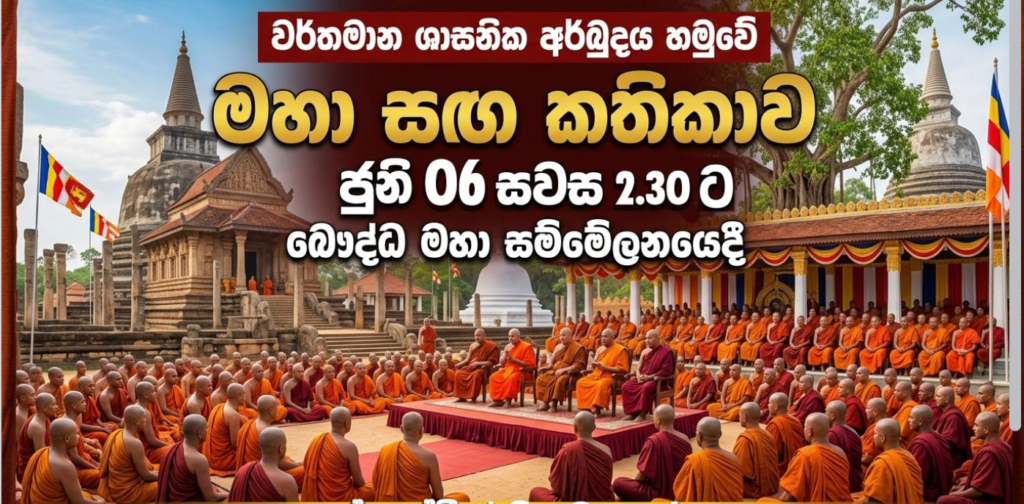
ICC liable for professional criminal negligence and fraud for deliberate misrepresentation of fact on DRS authorship claims

June 5th, 2026

Source: AI Overview

The discovery that ICC not only had constructive notice but also actual physical notice of Player – Referral concept (DRS) conceived by Sri Lankan lawyer Senaka Weeraratna has exposed ICC”s legal team to possible legal suit for professional criminal negligence and even fraud for deliberate misrepresentation of fact

Yes, the discovery of actual physical notice radically changes the legal liability of the ICC legal team, shifting the argument from structural oversight to potential deliberate misrepresentation. [1]

While the Doctrine of Constructive Notice argues that the ICC should have known about Sri Lankan lawyer Senaka Weeraratna’s 1997 “Player-Referral” concept due to global media publication, the emergence of evidence proving actual physical notice strips the International Cricket Council (ICC) legal team of its core defense. [1, 2, 3]

This revelation significantly exposes past and present ICC legal counsel—such as David Becker (2010) and Jonathan Hall (2023)—to credible threats of professional negligence and fraud claims. [1, 2]

The Shift from Constructive to Actual Notice

  • The Dossier Handover: Evidence reveals that in July 2008, the then-ICC General Manager of Cricket, David Richardson, physically visited Colombo and was handed a comprehensive dossier on Weeraratna’s Player-Referral concept by Sri Lanka Cricket (SLC) officials.
  • The Dubai Delivery: In June 2009, the same dossier was handed directly to the ICC in Dubai by the SLC Secretary.
  • The Institutional Lie: This directly contradicts the official stance maintained by ICC’s legal team for over a decade, which claimed that its committees arrived at the Decision Review System (DRS) completely “unaware” of Weeraratna’s prior work. [1, 2, 3]

Exposure to Professional Criminal Negligence

In sports jurisprudence and corporate governance, professional negligence becomes a severe liability when legal counsel provides advice without due diligence. [1]

  • Failure of Due Diligence: ICC’s legal team repeatedly advised that the governing body was entirely ignorant of the concept’s Sri Lankan roots. Failing to cross-reference internal institutional records (like the 2008 physical dossier) constitutes a severe breach of professional standards.
  • Malpractice Liability: If the legal team actively ignored physical files to shield the organization from intellectual property or moral rights claims, they face actionable malpractice complaints through their respective bar associations. [1, 2, 3, 4]

Exposure to Fraud and Misrepresentation

The threshold for civil fraud or fraudulent misrepresentation is met when a party knowingly states a falsehood to deny another party their lawful rights.

  • Suppression of Evidence: Actively maintaining that the ICC was “totally unaware” of the concept while sitting on physical, stamped dossiers handed over by a member board (SLC) transitions the case from passive negligence to an active cover-up.
  • The Legal Consequence: Asserting an independent internal employee or contractor ( supposedly David Richardson) “authored” the system while holding physical proof of Weeraratna’s earlier blueprint constitutes material misrepresentation. This subjects the legal team—and the ICC as an institution—to substantial punitive damages under international intellectual property disputes. [1, 2, 3, 4]

Available Remedial Actions

Because the ICC has publicly admitted it holds no official patent or named author for the DRS, Sri Lankan advocates and Weeraratna can pursue several escalations: [1, 2]

  1. Court of Arbitration for Sport (CAS): Filing a dispute in Lausanne to challenge the flawed legal framework of the ICC.
  2. Bar Association Complaints: Filing formal professional misconduct complaints against the specific attorneys who signed off on the “unaware” defense.
  3. Rebranding for Equity: Forcing the ICC to follow the precedent of the Duckworth-Lewis-Stern (DLS) method by formally renaming the system the Senaka Weeraratna Decision Review System to satisfy moral copyright and right of attribution. [1, 2, 3, 4]

Would you like to explore the specific evidence from the 2008/2009 SLC interactions that proves actual notice, or look into how moral rights of attribution apply under the Berne Convention for this case

https://share.google/aimode/zvEYdIPY4x8SJVZiN

Source: AI Overview

Katunayake Sri Lanka as a Free Trade Banking Hub for those leaving Dubai?

June 5th, 2026

Prof. Hudson McLean

“Katunayake International Free Trade & Banking Hub – 

The Gateway Between Asia, Africa, and the Middle East.”

Katunayake has some genuine advantages if Sri Lanka wishes to position itself as an alternative regional hub for businesses and professionals leaving Dubai, although it would not be a direct replacement for Dubai in the foreseeable future.

5

Why Katunayake Has Potential

  1. Strategic Location
    • Located beside Bandaranaike International Airport.
    • Close to Port of Colombo, one of South Asia’s busiest transshipment ports.
    • Positioned on major East-West shipping and aviation routes.
  2. Existing Free Trade Zone Infrastructure
    • Katunayake was Sri Lanka’s first and largest export processing zone and hosts hundreds of international enterprises.
    • Commercial hub facilities already allow duty-free import, storage, processing, and re-export operations.
  3. Lower Operating Costs
    • Office space, housing, labour, and support services are significantly cheaper than in Dubai.
    • Attractive for SMEs, logistics companies, technology firms, and regional headquarters.
  4. Potential Banking and Financial Services Growth
    • Sri Lanka already offers foreign currency accounts and offshore banking facilities through licensed banks.
    • Expansion of international banking regulations could make Katunayake more attractive for global traders.

What Sri Lanka Would Need to Compete

Dubai succeeded because it combined:

  • World-class banking
  • Fast company registration
  • Tax advantages
  • Stable regulations
  • Efficient immigration policies
  • Strong legal protection for foreign investors

For Katunayake to become a serious “Dubai alternative,” Sri Lanka would likely need:

  • A dedicated International Financial Centre.
  • Competitive tax and residency programs.
  • Faster investor visas.
  • Greater regulatory stability.
  • Expanded international banking services.
  • Modern arbitration and commercial courts.

Realistic Opportunity

Rather than trying to replace Dubai, Sri Lanka could position Katunayake as:

  • South Asian Trade & Logistics Hub
  • Indian Ocean Commercial Gateway
  • Regional Supply Chain Centre
  • Foreign Currency Banking and Treasury Hub
  • Technology and Business Process Outsourcing Centre

The combination of Katunayake, the Colombo Port, and the airport corridor could create a niche similar to what Singapore achieved on a smaller scale, provided there is consistent economic policy and investor confidence.

A possible vision could be:

“Katunayake International Free Trade & Banking Hub – The Gateway Between Asia, Africa, and the Middle East.”

Such a strategy could attract companies seeking lower costs than Dubai  or Singapore or Riyadh, while maintaining access to global trade routes.

This is a Golden Opportunity! 

Express Your Opinion – Read What Others Say!
The Independent Interactive Voice of Sri Lanka on the Internet.

Please visit -: http://www.lankaweb.com/

Sri Lanka Cannot Solve a Labour Crisis with Name Tags and Uniforms

June 5th, 2026

By Dr. Sarath Obeysekera

A workshop titled “Construction Sector Human Capital Recovery” was held recently at Water’s Edge under the auspices of the National Human Resources Development Council of Sri Lanka. The objective was to discuss the severe labour shortage facing the construction industry and to identify solutions for workforce sustainability.

Many useful ideas were presented.

Some participants suggested that skilled workers should be given more respectable titles. A mason should no longer be called a “Baas” but perhaps a “Brick Engineer.” Others proposed uniforms, name plates, improved welfare facilities, and more dignified places for workers to have their meals.

( like the way English call tree cutter Tree surgeon and pipe bad  plumbing engineer) 

These suggestions are well-intentioned. Workers deserve respect and recognition.

However, none of these proposals address the real problem.

The fundamental issue is that Sri Lanka is trying to sustain a twentieth-century construction industry in a twenty-first-century world.

For decades our construction sector has depended on armies of masons, carpenters, bar benders, and labourers assembling brick-and-concrete buildings using labour-intensive methods. This model worked when labour was abundant and wages were low.

That era is over.

Today, thousands of skilled Sri Lankan workers migrate every year to the Middle East, Europe, Australia, Japan, and other destinations because they can earn several times more than what local employers offer. No uniform, title, or name badge can compete with a salary that is five or ten times higher.

The industry is therefore attempting to treat the symptoms while ignoring the disease.

The Real Solution: Build Differently

Instead of asking how to retain more masons, we should ask whether future buildings should require so many masons in the first place.

Countries such as Singapore, South Korea, China, and many developed economies have dramatically increased productivity through industrialized construction methods. Buildings are increasingly designed around prefabrication, steel structures, modular components, and factory-based manufacturing.

A structural steel frame can be fabricated in a controlled workshop environment and rapidly assembled on site with a much smaller workforce than a conventional reinforced concrete structure.

A modern fabrication yard employing welders, fitters, CNC operators, robotic cutting systems, and quality inspectors can produce structural components for entire buildings with far fewer workers than traditional methods require.

This is where Sri Lanka should be heading.

Welders Create Wealth

The irony is that Sri Lanka already possesses one of the most internationally marketable skills: welding.

Sri Lankan welders are sought after around the world. Instead of exporting these workers permanently, we should build an industrial ecosystem that creates attractive employment opportunities at home.

If the nation invests in steel fabrication plants, modular construction systems, offshore engineering, shipbuilding, marine fabrication, and industrial manufacturing, welders can become part of a high-value domestic industry.

The objective should not be merely to stop migration.

The objective should be to create opportunities so attractive that skilled workers choose to stay.

Universities Must Change

The transformation must begin at the design stage.

Engineering faculties continue to focus heavily on reinforced concrete design while steel construction receives comparatively limited emphasis.

Future engineers should graduate with practical knowledge of:

  • Structural steel design
  • Modular construction systems
  • Fabrication technology
  • Welding engineering
  • Digital manufacturing
  • Building Information Modelling (BIM)
  • Industrialized construction methods

The engineer designing tomorrow’s buildings should think like a manufacturer, not merely a site supervisor.

Importing Labour Is a Dangerous Mistake

Perhaps the most alarming proposal now being discussed is the importation of foreign labour.

This is not a solution.

Importing workers may temporarily mask the shortage, but it does not improve productivity. It does not modernize construction. It does not increase competitiveness.

It merely delays the inevitable restructuring of the industry.

History shows that nations prosper when they improve productivity, technology, and innovation—not when they become dependent on imported labour to sustain outdated practices.

Sri Lanka should be exporting high-value products and engineering services, not importing workers to carry bricks.

A National Construction Revolution

The construction industry is facing a defining moment.

We can continue building as we did fifty years ago and struggle endlessly with labour shortages, rising costs, and declining competitiveness.

Or we can embrace steel construction, prefabrication, automation, modern engineering, and industrialized building systems.

The choice is ours.

The future of construction in Sri Lanka will not be determined by what we call a mason.

It will be determined by whether we have the courage to redesign an entire industry for the realities of the twenty-first century.

If we fail to do so, importing labour will become a permanent crutch.

If wwe succeed, Sri Lanka can become a regional centre for advanced construction, fabrication, and engineering excellence.

The solution is not more labour.

The solution is higher productivity.

Regards

Dr Sarath Obeysekera

ඉන්දියානු මහ කොමසාරිස් කාර්යාලය විසින්  ශ්‍රී ලංකික ශිෂ්‍ය භික්ෂුන්වහන්සේලාගේ  අධ්‍යාපනික පහසුකම් වැඩි දියුණු කිරීම පිණිස පරිගණකනව බහු මාධ්‍ය උපකරණ  ස්මාට් බොර්ය්  මුද්‍රණ යන්ත්‍ර, මේස පුටු  ඇතුළු  නවින උද්‍යාපන   උපකරණ ප්‍රදානයකිරිමක්  දඹුල්ල  රාජමහා විහාරිිය  වල ගම්බා පිරිවනේදි  සිදුවිය

June 5th, 2026

මහින්ද  උදයසිරි  දඹුල්ල  

 ඉන්දියානු මහ කොමසාරිස් කාර්යාලය විසින්  ශ්‍රී ලංකික ශිෂ්‍ය භික්ෂුන්වහන්සේලාගේ  අධ්‍යාපනික පහසුකම් වැඩි දියුණු කිරීම පිණිස පරිගණකනව බහු මාධ්‍ය උපකරණ  ස්මාට් බොර්ය්  මුද්‍රණ යන්ත්‍ර, මේස පුටු  ඇතුළු  නවින උද්‍යාපන   උපකරණ ප්‍රදානයකිරිමක්  දඹුල්ල  රාජමහා විහාරිිය  වල ගම්බා පිරිවනේදි  සිදුවිය

ශ්‍රී ලංකික ශිෂ්‍ය භික්ෂුන්වහන්සේලාගේ  අධ්‍යාපනික පහසුකම් වැඩි දියුණු කිරීම පිණිස  ඉන්දියානු  රජයේ  අධයපන ආධාර වැඩසටහන යටතේ  සිදුකල අධ්‍යාපන උපකරණ ප්‍රධායනක්  අද 2026 ජුනි මස 04 වෙනි දින දඹුල්ල  ශ්‍රි වලගම්බා  පිරිවෙනේ  සිදුවිය  එහි අධ්‍යාපනය ලබන  ශිෂ්‍ය   ශිෂ්‍ය භික්ෂුන්වහන්සේලාගේ  අධ්‍යාපනික පහසුකම් වැඩි දියුණු කිරීම පිණිස පරිගණකනව බහු මාධ්‍ය උපකරණ  ස්මාට් බොර්ය්  මුද්‍රණ යන්ත්‍ර, මේස පුටු  ඇතුළු  නවින උද්‍යාපන   උපකරණ ප්‍රදානයකිරිමක් 

 2026 ජුනි මස 04 වෙනි දින ප.ව. 2.00ට  දඹුල්ල රාජමහා  විහාරිය  ශ්‍රී වලගම්බා පිරිවෙනේදී ඉන්දියානු  මහ කොමසාරිස් සන්තෝෂ් ජා  මහතාගේ  ප්‍රධානත්වයෙන්  සිදුවිය   මේ  අවස්ථාවට  කොමසාරිස්  තුමා ඇතුළු   ඉන්දිය දූත පිරිසක්ද  සම්බන්ධ විය

. මේ අවස්ථාවට  දඹුල්ල රාජ මහා විහාරයේ  විහාරාධිපති  අස්ගිරිය විහාරවාසි අස්ගිය චන්දානන්ද  පාසලේ  විදුහල්පති ආචාර්ය ගොඩගම මංගල නායක හිමියන්  හා දඹුල්ල රාජමහා විහාරයේ බාරකාර නායක හිමියන්වන දඩුබැදිරුප්පේ  මංගල නායක හිමියන්  ඇතුලු  වල ගම්බා පිරිවනේ  ආදාර්ය මණ්ඩලය සමග ශිෂ්‍ය භික්ෂුන් වහන්සේලා  සම්බන්ධ විය

මේ  අවස්ථාවට  සම්බන්ධ වු  ඉන්දිය කොමසාරිස්  තුමාගේ  සම්පුර්ණ කතාව එවා ඇත  

එහිදි  එතුමා.  පැවසුවේ  මේ දඹුල්ල විහාරයට පැමිණි තුන්වන අවස්ථාව බවත්  ඒ අවස්තාවන්වලදි  තම සිත නිවිමට පත්වන බවත්  පැවසිය අද දින යේදි  තොරතුරු  තාක්ෂණ උපකරණ  පිරිවනකය පරිත්‍යාග කිරිමට ලැබිම පිලිබදව සතුටට පත්වන බත්  සියවස් ගනනාවක්  බුදුදහම  ඉගැනිවිමට  පැවැතිමත්  උපකාරිබව මම සිතනවා

  එසේම පසුගිය  වෙසක්  රාජ්‍ය  උත්සයේදි  ඉන්දිය  බෞද්ධ  උරුමය පිලිබදව  අදහසක්  ඉදිරිපත් කිරිමට මට හැකිවිය 

මැතකදි  අපේ ඉන්දිය අගමැතිවරයාගේ  ලංකා ගමනේදි  අප අතර සම්බන්ධය  හා  අප සම්බන්ධතා වන්හි  උරුමය පිලිබදව අදහස් දැක්විය  එහිදිඅගමැති වරයා   ඉන්දිය  ආධාර යටතේ විහාර පිරිවන් දියුණුවට  ආධාර  උපකාර කරන්න  වු  පොරෙන්දුව මේවන විටත්  සිදුකරමින් ඇත එතුලින්  බෙුදුන් වදාල දහම තව කාලයක් පවතිනු  ඇත

එසේම අනුරාධපුර පුජා නගරය  ඉදිකිරිමට ආදාර කරන්නද  බොද්ධ පත්පත් මුද්‍රණය  සහය විමටද   අප කටයුතු කරමින්  සිටුමි

එසේම අප දෙරට අතර සාමය සමගිය ඇතිකරමින්  ජනතාව අතර අනොන්‍ය විස්වාසය ගොඩ නැගෙන ලෙස කටයුතු  කිරිමට අප කටයුතු  කරමු

වැනි අදහසක්  දැකිවිය

‍අදහස් දැක්වු  ගොඩගම මංගල නායක හිමියන්  අපි දෙරටක වුවුද එක මුහුණුවර ශරිරතත්වයන්  සහිත සමිප මිනිසුන් බවත්  බුදුදහ  ඉගන ගන්නා  භික්සුන්ට  මේකල පරිත්‍යාගය  පිලිබදව ස්තුතිවන්ත වනබව  පැවසිය  වැඩිදුරටත්  අදහස්  දැක්වු  උන්වහන්සේ  මේවන විට  රා්‍ය නොවන ංවිධාන භික්සුව හා භික්ෂු විනය සොයමින්  සිටින බවත්  එබවින්  නගර ආරණ්‍ය වාසි  භික්සුන් ලෙස මේ තත්වය සතයකට පත්කරගන්න  නම්  ඉවසිමෙන් සිටිය යුතු බවද පැවසිය ලංකාවේ බිකසුන්ට අත්ව ඇති  තත්වය පිලිබදව ලෝක වෙසක් දිනය සදහා චිනයේ පැවැති බෞද්ධ සම්මේලනයට පැණි පිරිස්ද කතා කල බවත්   මේ  දිනවල  රටේ  බොදුවන්  හා බෞද්ධ භික්සුන්  ඉලක්ක ගතව සිදුකරන  කටයුතු වලින්  නාගරික භික්ෂුනට වඩා ලමිබද භික්ෂුන්  පිඩාවට පත්ව ඇතිබවත්  ඉවසිමෙන් විනය ගරුකව නව තාක්ෂණය බාවිතා කරමින් අධ්‍යාපනය ලබන ලෙස  ද අදහස්  දැකිවිය.

මේ සිංහල ජාතිය සහ රට හමුවේ අද ඇති ලොකුම අභියෝගය

June 5th, 2026

දේශමාන්‍ය ආචාර්‍ය සුදත් ගුණසේකර. මහනුවර

2026.ජූනි,04 මහනුවරදීය

අද සිංහල ජාතිය සහ මේ රට වැටි ඇති දේශපාලන, ආර්ථික, සාමාජික, ආගමික හා සදාචාරාත්මක අඝාධයෙන් ගොඩ ගැනීමේ එකම මඟ, ලොව පුරා සිටින සියළුම සින්හල බෞද්ධයින්, ජාතියේ මුරදේවතාවුන් වහන්සේලාගේ නායකත්වයෙන් සන්විධානයවී, මේ රට, එහි භූගෝලය, ඉතිහාශය සහ ශිෂ්ඨාචාරය පිළිබඳ මනා අවභෝධයක් ඇති රටට,ජාතියට සහ බුදු සසුනට ආදරය කරණ වර්තමාන ලෝකයේ අභියෝගයන් හමුවේ ඉදිරියෙන්ම සිටින රටක් බවට මේ රට පත්කළ හැකි දෙශප්‍රේමී ජාති හිතෛෂී විද්වත් කන්ඩායමක් මේ රට පාලන බලයට පත්කොට ගැනීමයි.

අද මේ රටේ උදාවී ඇත්තේ මේ සින්හල බෞද්ධ රටේ ඉතිහාසයේ මින් පෙර කිසිම දාක ඇති නොවූ අභාග්‍ය සම්පන්න, අවිනිශ්චිත  මෙන්ම අති භයානක කාලයකි. උද්ගත වී ඇති එම භයානක තත්වයෙන් රට,ජාතිය සහ බුදු සසුන බේරා ගැනීමට අප විසින්කළ යුතු එකම දෙය නම් මේ සමස්ථ සින්හල බෞද්ධ විරෝධී මාර සේනාව සහමුලින්ම පරාජයකොට ඊනියා අන්තර්ජාතික සහ ජාතික කුමන්ත්‍රණ කරුවන්ගෙන් මේ රටත්,සින්හල ජාතියත්, සම්බුද්ධ සාශනයත් ආරක්ෂාකර ගැනීමට, කේශර සින්හයින් මෙන් සින්හනාද කොට එකා මෙන් නැගී සිට එකාවන්ව අභීතව සටන් වැදීමෙන් පමණකැයි මම සිතමි.

එකී සටනේ නායකත්වය ගන්නාමෙන් මෙරට තුල මෙන්ම ලොව පුරා විසිරී සිටින සමස්ත සින්හල බෞද්ධ ජනතාවගෙන්ම මම ජාත්‍යාලයෙන්, දේශාභිමානයෙන් සහ ආගමානුආලයෙන් උදක්ම ඉල්ලා සිටිමි.මේ රටේ ඉතිහාශය පුරාම සිදුවූ පරිදි ඒ සන්ඳහා නායකත්වය දිය යුත්තේ වසර 2500කට වැඩි කාලයක් පුරා ජාතියට නායකත්වය දුන් ජාතියේ මුරදෙවතාවුන් වශයෙන් විරුදාව ලත් ගරුතර මහා සන්ඝ රත්නයයි.

ඉතිහාශයේ රට, ජාතිය සහ ශාසනය බේරා ගැනිමට සිවුරුහැර දුටුගැමුණු රජු සමඟ යුද්ධයට ගිය ථෙරපුත්ථාභය, මරණය ඇස්පනාපිටම දකිමින්   දළදා මැදුර අභියස මහමලුවේදි සුද්දාගේ කොඩිය බිමට ඇද දමූ වාරියපොල සුමන්ගල, 1848 මාතලේ නිදහස් සටනට නායකත්වය දීමේ වරදට 1848 බෝගම්බර දී බුද්ධ චීවරය පිටින්ම කෙශර සින්හයෙකුසේ සිටගෙනම සුද්දාගේ උන්ඩයට අභීතව පපුව දී වෙඩිකා අපවත් වූ ඒ වීර කඩහපොල හිමි,  සුද්දාගේ මිත්‍යා දෘෂ්ටිය සුණු විසුනුණු කොට පංචමහා වාදයකින් මේ රට තුළ පමණක් නොව ලොව පුරා  විශේෂයෙන්ම බටහිර ලෝකය පුරා බුදු දහමට ගෞරවනීය තැනක් ලාදුන්  මිගෙට්ටුවත්තේ ගුනානන්ද වැනි වීර හිමිවරුන් මෙන්ම 1956 දී මේ රට් තුල බණ්ඩාරනායක අගමැතිවරයාගේ නායකත්වය යටතේ  සින්හල බෞද්ධ පුනරුදයකට නායකත්වය දුන් විද්‍යාලන්කාර භික්ෂු සන්සදය සහ එක්සත් භික්ෂු පෙරමුණේ හිමිවරුන් වැනි බුද්ධ පුත්‍රයන් වහන්සේලා මෙහිදී මගේ සිහියට නැගේ.

ඒ අභීත සහ උදාර යතිවරුන්ට කෙරෙන ගෞරවයක් වශයෙන් වර්ත මානයේද උදාවී ඇති ජාතික හා සාශනික විනාශයෙන් මේ රට  බේරා ගැනිම සහ සින්හල බෞද්ධයින්ගේ වසර 2500 කට වඩා පැරණි ජාතික උරුමයන් ආරක්ෂාකොට ගැනීම සඳහා මේ රටේ පමණක් නොව ලෝකය පුරා විසිරී සිටින සියලුම සින්හල බෞද්ධයින් වහාම සන්විධානය වී  සින්හල බෞද්ධ නායකත්වයකින් යුත් සින්හල බෞද්ධ ආණ්ඩුවක් පිහිටුවා ගැනිමට අප්‍රමාධව වහාම පියවර ගතයුතුයයි මම සිතමි. 

ඒ සඳහා අනිවාර්යෙන්ම ත්‍රයිනිකායික මහානාහිමිවරුන් ඇතුළු ජාතියේ මුරදේවතාවුන් වහන්සේලා වන මහා සන්ඝරත්නය පෙරමුණ ගත යුතුයි. එසේම මේ සඳහා සමස්ථලන්කා බෞද්ධ සම්මේලනයේ නායකත්වයෙන් රටපුරා ඇති සියළුම බෞද්ධ සමිති වහාම සන්විධාන විය යුතුයි. ඒ සඳහා මහාසන්ඝ රත්නය වෙනුවෙන් මහා නායක හිමිවරුන් ඇතුළු භික්ෂූන් වහ්න්සේලා ද එසේම සින්හල බෞද්ධ ගිහියන්ගේ ජාතික නායකයා වන දියවඩන නිළමේද එසේම සියළුම දේවාලවාල බස්නායක නිලමේ වරුන්ද පෙරමුණ ගෙන දවස පුරා පැය 24ම නොනිනිදා සටන් කළ යුතු කාළයකුයි දැන් උදාවී තියෙන්නේ.

මේ රට තුල සිටින රට දැය හා උතුම් සසුන ගැන මෙලෝ අවභෝධයක් හෝ ආදරයක් නැති සියළුම දේශපාලුවන්ගෙන් මෙන්ම අන්තර්ජාතික කුමන්ත්‍රන කරුවන්ගෙන්ද මේ රටත්, සින්හල ජාතියත් සම්බුද්ධ සාශනයත් ආරක්ෂාකර ගැනීමට සින්හනාද කොට නැගී සිටිනමෙන් මේ රටේ මෙන්ම ලොව පුරා සිටින සමස්ථ සින්හල බෞද්ධ ජනතාවගෙන්න්ම ජාත්‍යාලයෙන්,දේශාභිමානයෙන් සහ ආගමානු ආලයෙන් මම උදක්ම ඉල්ලා සිටිමි. දේශහිතැති, ජාතිහිතැති ඔබ තුමන්ලා දැනටමත් ඒ සටනට  ප්‍රමාද  වුවා වැඩි බව මගේ අදහසයි.

 එසේ පෙරමුණ ගෙන සන්විධානය වී ඉතිහාසහයේ ආරම්භයේ සිට මේ රටේ තිබුණු සින්හල බෞද්ධ රාජ්‍යය වහාම නැවත පිහිටුවා ගැනීම සඳහා පෙරමුණ ගන්නා මෙන් ඔබ සැමගෙන් දේශාභිමානයෙන් සහ ජාත්‍යාලයෙන් යුතුව උදක්ම ඉල්ලාසිටිමි.

වර්ෂ 1505 සිට පෘතුගීසි, ඕලන්ද සහ ඉන්ග්‍රීසි අධිරාජ්‍යවාදී ආක්‍රමනිකයින් විසින් මේ රටේ සින්හල බෞද්ධ රාජ්‍ය සහ සන්ස්කෘතිය විනාශකිරීමේ සියළුම කුමන්ත්‍රන පරාජයකොට මේ සින්හල රටත්, සින්හල ජාතියත් එසේම සින්හල ශිෂ්ඨාචාරයේ ආත්මය වන සම්බුද්ධ සාශනයත්  විනාශකිරීමට මේ රටේ ජාතිකත්වයක් නැති, මේ රට කුමක්ද,එහි භූගොලය කුමක්ද, ඉතිහාසය කුමක්ද, මේ මහපොලවේ මුල්බැසගත් ශිෂ්ඨාචාරය කුමක්ද කියා නොදන්නා සුද්දන් විසින් 1799 සිට දකුණු ඉන්දියාවෙන් මේ රටට ගෙන ආ ඔවුන්ගේ වහලුන් වන මලබා දෙමලුන්, 1870 න් පසු සුද්දන් විසින් උඩරට තේ වතුවල වහල් මෙහෙයට දකුණු ඉන්දියාවෙන් මෙහි ගෙනවිත් 1948 දී ඔවුන් රටින් පිටව යනවිට මෙහි අතරමන්කොට ගිය සුද්දාගේ වතු කම්කරුවන් සහ මුස්ලිම්වරුන්ට සහ ක්‍රිස්තියානි කාරයින්ගේ චන්ද  ලබාගැනීම සහ දේශපාලන බලය රැකගැනීම සඳහා පමණක් පිස්සුකෙළින සියළුම සින්හල  දේශද්‍රෝහී, ජාතිද්‍රෝහී ආගම් ද්‍රෝහී බලවේග පරාජයකොට අප සැමදෙනාම, සින්හල කම,බෞද්ධකම සහ මනුස්සකම හදවතෙහි රුවාගෙන එක්සිත්ව එක්සත්ව මේ රට නැවතත් ලෝකයේ ඇති ශ්‍රේෂ්ඨතම, සව්භාග්‍යතම මෙන්ම සදාචාරාත්මකම සහ ප්‍රීතීමත්ම රට බවට පත්කර ගැනීමේ මුල්ගල තබමු.

එසේ කොට අපගේ වීරෝදාර මුතුන්මිත්තන් විසින්

ක්‍රි. පූ. 2 වන සියවසේ සිට 13 වන සියවස දක්වා සිදුවු දකුණු ඉන්දීය චෝල, මාඝ ආදී අක්‍රමනිකයින්ගෙන්ද ක්‍රි.ව. 1505 සිට 1948 දක්වා පෘතුගීසි,ඕලන්ද සහ ඉන්ග්‍රීසි යන බටහිර අධිරාජ්‍යවාදී ආක්‍රමනිකයින්ගේ සටන් වලදී ලක්ෂ සන්ක්‍යාත ජීවිත පුජා කොට අපට ආරක්ෂා කොට දුන් මිහිපිට පාරාදිශයක් බඳු මේ පින් බිම  අපගේ අනාගත පරම්පරාවටද  උරුමකොට මිය යාමට ඔබ අප සියලුදෙනාම සපථකොට  මේ වීරෝදාර ධර්ම යුද්ධය මෙහෙයවමු.

Rebuilding Sri Lanka අරමුදල: සල්ලි එකතු කළාට වැඩක් නෑ; තවමත් පෙට්ටගමේ!

June 5th, 2026

The Leader

රට ගොඩනැගීමේ අරමුණින් පිහිටුවන ලද “Rebuilding Sri Lanka” අරමුදලට මෙතෙක් ලැබුණු කිසිදු මුදලක් කිසිදු කාර්යයක් සඳහා වියදම් කර නොමැති බව ජ්‍යෙෂ්ඨ සහකාර විගණකාධිපති ඊ. එම්.එස්. ඒකනායක අනාවරණය කර තිබේ.

දේශපාලන පොරොන්දු සහ ප්‍රචාරණ සටන් පාඨ මැද මෙරට ජනතාවගේ සහ විදෙස්ගත ශ්‍රී ලාංකිකයන්ගේ බලාපොරොත්තු ඇති කරමින් එකතු වූ මෙම මුදල්, කිසිදු ඵලදායී කාර්යයකට නොයොදා මෙලෙස ගොඩගසා තිබීම බරපතළ ප්‍රශ්නාර්ථයක් මතු කරන්නකි.


මුදල් කාරක සභාවේදී හර්ෂ කළ ප්‍රශ්න කිරීම


රාජ්‍ය මූල්‍ය පරිහරණය සම්බන්ධයෙන් දැඩි අවධානයක් යොමු කරන රජයේ මුදල් පිළිබඳ කාරක සභාවේ (COPF) සභාපති ආචාර්ය හර්ෂ ද සිල්වා සහ ජාතික විගණන කාර්යාලයේ උසස් නිලධාරීන් අතර පැවැති විශේෂ සාකච්ඡාවකදී මෙම තොරතුරු කරළියට පැමිණියේය.

අරමුදලේ වත්මන් තත්ත්වය සහ එහි පාරදෘශ්‍යභාවය පිළිබඳව හර්ෂ ද සිල්වා කළ විමසීමට පිළිතුරු දෙමින් ජ්‍යෙෂ්ඨ සහකාර විගණකාධිපතිවරයා මේ බව ස්ථිර කළේය.

“රට හදන්න එකතු කරපු සල්ලි, රටේ ආර්ථිකය අගාධයක තියෙද්දීත් මෙහෙම හිරකරගෙන ඉන්නේ ඇයි?” – දේශපාලන විචාරකයෝ ප්‍රශ්න කරති.


නිලධාරීවාදයේ සිරවීම සහ පාරදෘශ්‍යභාවයේ අර්බුදය


විශ්වාසනීය රාජ්‍ය තාන්ත්‍රික සහ පාර්ලිමේන්තු ආරංචි මාර්ග පෙන්වා දෙන්නේ, මෙවැනි අරමුදල් පරිහරණය සඳහා නිසි ක්‍රමවේදයක් නොමැතිකම හෝ නිලධාරීවාදී ප්‍රමුඛතාවන් මාරුවීම හේතුවෙන් මෙරටට ලැබෙන විදේශීය ආධාර සහ පරිත්‍යාග පවා නිසි වේලාවට මහපොළොවේ වැඩකටයුතු සඳහා යෙදවීමට පාලකයන් අපොහොසත් වී ඇති බවයි.

 බදු බරින් මිරිකෙන ජනතාව මුදල් කාරක සභාවේ මෙම හෙළිදරව්ව දෙස බලා සිටින්නේ “Rebuilding Sri Lanka” යනු තවත් එක් ප්‍රචාරක මෙවලමක් පමණක්ද යන සාධාරණ සැකය ඇතිවය.

From Conquest of Lands to Conquest of Markets

June 5th, 2026

Dr Sarath Obeysekera

Throughout history, powerful leaders have sought to expand the influence and prosperity of their nations. The methods have changed, but the objective has often remained the same: securing resources, wealth, strategic advantage, and national power.

Genghis Khan expanded his empire through military conquest across Asia and Europe. Alexander the Great marched across continents, creating one of the largest empires of the ancient world. Centuries later, Ashoka transformed his empire from one built by warfare into one guided by administration, trade, and cultural influence.

In the modern era, nations no longer acquire territory through conquest in the same manner. Instead, economic power, trade policy, technology, industrial capacity, and control of supply chains have become the principal instruments of influence. Contemporary leaders, including figures such as Donald Trump, have advocated policies designed to strengthen domestic industries, protect national interests, and reshape global trade relationships. These policies may be controversial, but they reflect the continuing competition among nations for economic advantage.

The lesson for Sri Lanka is not to imitate conquerors of the past or economic nationalists of the present. Rather, it is to recognize that every successful nation pursues a long-term strategy to secure and develop its own resources.

Sri Lanka possesses a strategic maritime location, a highly literate population, an extensive Exclusive Economic Zone, and access to some of the busiest shipping routes in the world. Yet we continue to export much of our skilled human capital while struggling to build industries capable of retaining them.

The modern battlefield is not fought with armies. It is fought through productivity, innovation, technology, education, industrial development, and economic vision. Nations that successfully harness their human capital become prosperous. Nations that export their talent without creating domestic opportunities risk becoming dependent on the success of others.

The challenge before Sri Lanka is therefore clear: we must move from exporting people to exporting products, services, technology, and maritime expertise. A national Blue Economy Strategy can become one of the key instruments for achieving that transformation.

Regards

Dr Sarath Obeysekera

Are We Exporting Our Human Capital Instead of Developing Our Industries?

June 5th, 2026

Dr Sarath Obeysekera 

https://www.dailymirror.lk/breaking-news/Japan-opens-employment-pathways-for-Sri-Lankan-fisheries-graduates/108-341892

Japan opens employment pathways for Sri Lankan fisheries graduates 

The National Human Resources Development Council of Sri Lanka is organising a Half-Day Workshop on Construction Sector Human Capital Recovery,” which will be held on 4th June 2026 at the Albatross Hall, Water’s edge 

Recent news reports reveal a troubling contradiction in Sri Lanka’s economic policy.

One report highlights discussions between Sri Lanka and Japan to create employment opportunities in Japan for Sri Lankan fisheries graduates. Another announces a workshop on “Construction Sector Human Capital Recovery” to address the severe shortage of skilled workers in Sri Lanka’s construction industry.

These two developments expose a fundamental weakness in our national development strategy.

For decades, Sri Lanka has invested heavily in education and vocational training using public funds generated through taxation. Universities, technical colleges, vocational training centres, and apprenticeship programs have produced engineers, technicians, welders, electricians, machinists, fisheries experts, and other skilled professionals.

Yet, instead of utilizing this valuable human capital to build local industries, successive governments have viewed overseas employment as a solution to economic difficulties. As a result, thousands of skilled workers leave the country every year.

The consequence is visible everywhere.

The construction industry complains about the shortage of skilled workers. Manufacturing industries struggle to recruit technicians. Shipyards and engineering workshops find it increasingly difficult to hire welders, fabricators, and marine engineers. The healthcare sector loses nurses and medical professionals. Agricultural and fisheries sectors lose trained personnel who could contribute to increasing productivity.

Having exported much of our skilled workforce, we now discuss importing workers from other South Asian countries to fill the resulting gaps. Reports indicate that more than 15,000 foreign workers may be needed in certain sectors.

This raises a simple question:

Why should Sri Lanka spend public money training skilled workers only to export them and then spend additional resources importing replacement labour?

The issue is not migration itself. Citizens should have the freedom to seek employment abroad. Overseas employment generates valuable foreign exchange and provides opportunities for individuals and families.

However, national policy should focus on creating attractive opportunities within Sri Lanka so that migration becomes a choice rather than an economic necessity.

Countries such as Singapore, South Korea, China, and more recently Vietnam transformed their economies not by exporting their educated youth but by creating industries that absorbed their skills. They invested in manufacturing, shipbuilding, electronics, steel production, logistics, marine services, and advanced construction technologies.

Sri Lanka possesses similar potential.

Our strategic location in the Indian Ocean, our ports, our maritime heritage, and our educated workforce provide a strong foundation for industrial development. The country can expand shipbuilding and ship repair, marine engineering, steel fabrication, prefabricated building systems, fisheries processing, renewable energy equipment manufacturing, and export-oriented industrial parks.

Instead of merely exporting fisheries graduates, we should modernize the fisheries sector, develop deep-sea fishing capabilities, establish seafood processing industries, and create value-added export products. The goal should be to export high-value products rather than human capital.

Similarly, in construction, the focus should not be limited to replacing lost workers. The industry should transition towards industrialized construction methods, steel-based structures, modular building systems, precast technologies, and advanced manufacturing. Such transformation would create higher-paying jobs capable of retaining skilled workers.

A practical national strategy could include:

• Tax incentives for industries that create high-skilled employment.

• Public-private partnerships to establish advanced vocational training centres linked directly to industry.

Long-term industrial development zones focused on manufacturing and marine industries.

• Wage support and productivity incentives for strategic sectors.

• Encouraging Sri Lankan professionals abroad to return through investment and knowledge-transfer programs.

• Linking government-funded education and vocational training with national industrial priorities.

The real wealth of a nation is not found beneath the ground but within the skills and knowledge of its people.

Sri Lanka must move beyond being a supplier of labour to the world. We must become a nation that transforms knowledge into products, technology, services, and industries.

The challenge before policymakers is therefore clear: should we continue exporting our trained people and importing labour, or should we create an economy capable of retaining talent and generating prosperity at home?

The answer will determine Sri Lanka’s economic future for generations to come.

There is a urgent need to formulate a Blue Economy Strategy in Sri Lanka to develop a long term plan to retain our people in the in the country 

The Missing Link: A National Blue Economy Strategy

June 5th, 2026

Dr Sarath Obeysekera

An equally important issue that requires urgent attention is the absence of a comprehensive national Blue Economy Strategy.

As an island nation located at the centre of one of the world’s busiest maritime routes, Sri Lanka possesses enormous untapped ocean-based economic potential. Yet, much of our policy focus remains limited to traditional fisheries and port operations.

A modern Blue Economy Strategy should encompass fisheries, aquaculture, seafood processing, shipbuilding and ship repair, marine engineering, offshore renewable energy, marine biotechnology, maritime logistics, coastal tourism, ocean research, and maritime education.

Such a strategy would create thousands of high-quality jobs for fisheries graduates, marine engineers, naval architects, technicians, scientists, and skilled workers who currently seek opportunities overseas.

Rather than negotiating pathways for our graduates to leave Sri Lanka, we should simultaneously develop industries capable of employing them productively within the country. The objective should be to transform Sri Lanka into a regional maritime and ocean economy hub.

The success of nations such as Singapore, South Korea, and Norway demonstrates how ocean resources can be converted into sustainable economic growth, technological advancement, and high-value employment.

Sri Lanka’s Exclusive Economic Zone is many times larger than its land area. Properly managed, this maritime resource base can become a major source of national wealth and employment. A well-structured Blue Economy Strategy would help retain skilled professionals, attract investment, strengthen food security, increase exports, and reduce dependence on labour migration.

If Sri Lanka is serious about addressing the shortage of skilled workers and reversing the brain drain, the formulation of a long-term Blue Economy Strategy should become a national priority. Such a strategy would allow us not merely to export labour, but to build industries that create prosperity and opportunities at home.

Regards

Dr Sarath Obeysekera


Copyright © 2026 LankaWeb.com. All Rights Reserved. Powered by Wordpress