The emergence of COVID-19
in December 2019 in China spread like wildfire. In January 2020, despite China
imposing a lockdown in Wuhan, the virus spread to the mainland and eventually
worldwide. The pandemic has affected millions of people worldwide.
The death rate is over four
million up to date. Sri Lanka managed to control the initial stages of the
pandemic, where even the WHO commended the actions taken by the Sri Lanka
Government. People had to stay at home, and workers had to work from home
during the lockdown period to control the epidemic.
The Government decided to
pay substantially to those who depended on a daily wage. Unfortunately, the
Opposition Parties and the JVP continue with adverse comments in criticising
the Government rather than supporting it during the pandemic. With the Delta
variant, there appears to be a new wave causing countless deaths.
Health authorities strongly
emphasise how to refrain from getting infected by the coronavirus. However,
many tend to ignore such instructions, and as a result, the number of Covid-19
cases has increased. With all such restrictions and despite those who defied
health instructions, the Government recently decided to ease restrictions to a
certain degree and ‘open’ the country for economic purposes with special
conditions in force.
Once the pandemic began to
spread throughout the world, various countries started developing numerous
vaccines of different types. Some vaccines were sent free of charge to Sri
Lanka by friendly countries, and the rest had to be purchased by the
Government. President Gotabaya Rajapaksa has instructed the health authorities
to end the vaccination programme by the end of August 2021, as Sri Lanka is
already receiving adequate supplies.
On 20th July 2021, Sri
Lanka took the lead in the world community relating to vaccination programmes.
The Sri Lankan Government has now embarked on a vigorous vaccination programme.
Though it has not been made mandatory by law, rumours have unsettled those
reluctant to be vaccinated. It is rumoured that a vaccination card will have to
be produced to board public transport when seeking treatment at hospitals etc.
Critics maintain this is equivalent to an illegal mandatory requirement adopted
by public bodies.
Public Opinion
Most people harbour a
reluctance to get vaccinated owing to the fear of long-term side effects. Their
view is that compulsive vaccination cannot be made mandatory as it stifles the
freedom of choice of the masses. Some even say it violates freedom of choice
due to the provisions enshrined in the Sri Lankan Constitution! Critics also
say it goes against good social ethics and makes an entire society cow down by
restrictions.
Indeed, it is their
understandable fear as each one should have the freedom to choose because it
concerns one’s body and life. In the UK, for instance, anyone has the space to
tell their GP or a consultant doctor that, “No, I am not going to listen
to your instructions because this is my body, and it is my life – and you
cannot take decisions on my life and my body.” But it is a different
kettle of fish in Sri Lanka.
Critics against vaccination
maintain that “unusual blood clots are a possible side effect of the
vaccine”, and studies have proved it to be so. Blood clots in circulation
are deadly as they may precipitate pulmonary embolism, strokes, and heart
attacks! The development of blood clots places lives in danger, and what about
other risk factors yet to come? Therefore, critics claim that guidelines should
be given to service providers such as hospitals, transport organisations,
cinema halls etc., not to demand vaccination cards and allow people to exercise
their choice.
Strikes and protests
Due to the non-availability
of toxic fertiliser for this Kanne, the opposition and the JVP have organised
protests and strikes through trade unions, including the education sector,
against the Kotelawela National Defence University (KNDU) Bill. Protest
campaigns have taken place in different parts of the country. The Ceylon
Teachers Union (CTU) General Secretary was arrested during such a demonstration
and moved to the Mullaitivu Quarantine facility for breaking health guidelines.
The Police proceeded to control people as they were gathering while ignoring
the law.
By behaving so, health
authorities say another cluster may break out soon! Meanwhile, the online
education system crashed when teachers withdrew in support of the protesters
breaking health regulations. The Police naturally had to take appropriate
action and send them to quarantine centres. People have a different opinion on
Police behaviour in a chaotic state of affairs. The demonstrators had to be
carried by the Police taking risks to their own lives whenever they submitted
meekly.
The Government had no
option but to utilise Army personnel under the circumstances to vaccinate
people rather than sending them home being irritated and frustrated. It
resulted in Sri Lanka coming on top of the list amongst vaccinated countries.
Public opinion is that ‘with any dispute with the Government, the protesters
should take it up with the regime and not interfere with online education of
innocent children.
Meanwhile, social media has
gone viral with criticism that some of the JVP stalwarts’ children are studying
in overseas countries while they turn a blind eye to the helpless children in
Sri Lanka. Therefore, it is crystal clear what the opposition and the JVP are
playing a political game to make the present Government unpopular.
Homoeopathy, Ayurveda, and
Traditional Treatment
A few Homoeopathy drugs are
highly effective against the COVID-19 virus and cure those afflicted with the
disease, immaterial of the variants, within 48 hours, with no complications or
hospitalisation, says Dr. Mass R. Usuf (President of the National Association
of Homoeopaths & Affiliates). He furthers advises that the Government Homoeopathic
Hospital in Welisara can be utilised as a centre to cure those affected by
Covid-19 – with mortality reduced to zero and fast recovery with no severe
complications! Thousands of people would prefer to have homoeopathic, ayurvedic
treatment or traditional methods rather than being subjected to vaccination and
making their bodies vulnerable to serious side effects.
It is especially so among
those who believe in conventional medicine, which has been in existence from
time immemorial, state that Sri Lankans had weathered many an infectious
disease in the past. With the onslaught of COVID19, many Homoeopaths, Ayurvedic
doctors, traditional doctors (vedamahattayas) have invented numerous methods to
fight against the Covid-19 virus and its variants, enabling a boosted immune
system to fight against any infection and as a prophylactic.
The latest is a germ killer
inhaler, using rare traditional herbs available in this country where our
ancestors used to combat any epidemic. It is available in the local market and
is said to address any virus, be it COVID-19 or any other variant – obviously
more convenient than gobbling. It would violate human rights to compel the
masses to undergo vaccination by law or by an illegal mandatory requirement
adopted by public bodies. Critics are getting ready for setting up an
anti-vaccination lobby to resort to legal action against any such moves!
Colombo, August 6 (newsin.asia): Sri Lankan President Gotabaya Rajapaksa has pointed out that a rash of protest rallies across the island recently has contributed to the spurt in the spread of the COVID-19 virus.
The intelligence agencies have found that the spurt giving rise of unprecedented congestion in the hospitals is due to the over 120 demonstrations across the country with over 1500 people participating in each of them, the President said on Friday.
People getting together in this manner without following health guidelines have led to the rapid spread of COVID-19, the agencies had told him. There has been an increase in the number of patients being treated at hospitals in several major cities including Colombo with COVID-19 symptoms.
The President emphasized that the patients should not be inconvenienced due to the congestion. He said that intermediate treatment centers have been set up in several major cities recently. The President pointed out the need to refer those who show symptoms first to the Intermediate Treatment Centers and then to the hospitals after monitoring the patient’s condition.
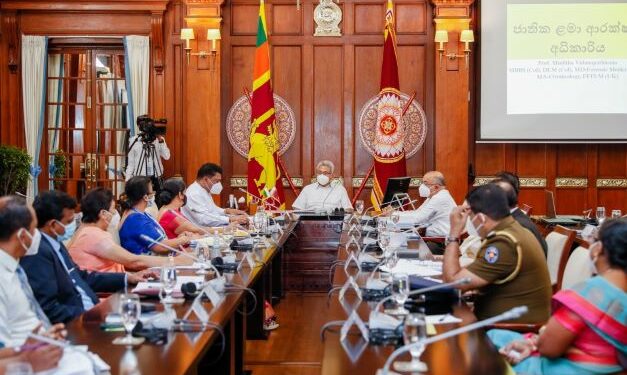
The President made these remarks at a meeting held with the Special Committee on Prevention of COVID 19 Outbreak on vaccination drive and its future plans, at the Presidential Secretariat today (06).
Many of the personnel who are involved in the operations to contain the COVID-19 virus spread take indigenous medicines daily and this has greatly contributed to enhance immunization, said Indigenous Medicine Promotion State Minister Sisira Jayakody. He stated that even if the vaccine is administered, taking indigenous medicines daily with steam inhalation will help minimize the risk of contracting the virus.
President Rajapaksa further stated that it is the responsibility of health professionals to constantly advise the public through the media to avoid contracting the virus.
It was also decided to provide facilities for anyone over the age of 30 to receive the first dose at any of the vaccination centers that administer the second dose. Vaccines have been ordered to provide both doses to all citizens over the age of 18 before September. The government is even prepared for a third dose.
Consultant Neurosurgeon Dr. Prasanna Gunasena said it is disappointing to note the lack of support from the public to prevent the spread of the virus.
View of South India and Sri Lanka from the payload bay of the Space Shuttle in earth orbit. Source: NASA, Wikipedia Commons.
India Failed To Fulfill Its Obligations But Wants Sri Lanka To ‘Fully Implement’ 13th Constitutional Amendment – OpEd
Deployment of Indian troops in Sri Lanka and establishing of provincial councils by the 13th Amendment to the Constitution are two of the main results of the Indo-Sri Lanka Agreement (ISLA) signed on July 29, 1987. The 34th anniversary of the ISLA gives an opportunity to assess its achievements, failures, and its relevance today to the bilateral ties between the two countries.
As far as Sri Lanka is concerned ISLA and the deployment and subsequent withdrawal of the Indian Peace Keeping Forces (IPKF) are part of history, without any relevance to its current developments and communal relations.
However, some Indian foreign policy analysts believe the ISLA is yet alive and provides an ideal instrument for India to undertake actions in its best national interest. Old IPKF hand, Col. (Retd) Rajinder Singh Sidhu said in a recent article that Sri Lanka is being recalcitrant in meeting its full obligations under the Accord. This is in direct contrast to the alacrity shown by it in meeting the sensitivities of China even to the extent of amending its constitution. There is thus a case for India to secure its interests by more forceful interjection with the Government of Sri Lanka,” he said.
The IPKF was doomed from the very beginning as it failed to disarm the Tamil militants within 48 hours of assignment, the very first task given to it. However, the IPKF cannot be blamed as it was due to India’s failure to understand the terrorist leader Prabhakaran and his devious designs. The LTTE refused to surrender arms as agreed under the ISLA. Prabhakaran was airlifted by the Indian air Force from Bangalore to Jaffna on July 30, 1987 and was compelled to tell his people that he had accepted the ISLA, which envisaged the disarming of Tamil militants in two days. India was well aware the IPKF operation was doomed from the very onset. The LTTE had double-crossed them.
Two former Indian Diplomats
Two Cabinet Ministers trusted by Prime Minister Narendra Modi are old Sri Lanka hands who served in Colombo and played a crucial role in ISLA and IPKF in the 1980s. External Affairs Minister Subramaniam Jaishankar and Petroleum & Urban Development Minister Hardeep Singh Puri were posted at the Indian High Commission in Colombo in that crucial decade. As first secretary (political) in the Indian mission in Colombo, Puri played an important role by discussing the ISLA draft with Prabhakaran and finally getting Prabhakaran to travel to New Delhi to meet Prime Minister Rajiv Gandhi, who persuaded him to accept the ISLA.
Jaishankar succeeded Puri as First Secretary in the high commission and during the tenure he was also the political adviser. That was the most difficult period for India, as the IPKF had to fight the LTTE for more than two years during which they lost the loyalty of the Tamil population in the North and East. Finally, President Ranasinghe Premadasa gave the IPKF quit notice and the last batch of IPKF left in March 1990. Within 3 years Rajiv Gandhi and Premadasa were assassinated on the orders of Prabhakaran.
Minister Hardeep Puri in his book on Sri Lanka experiences, titled Perilous Interventions, acknowledged that the decision to deploy the IPKF in Sri Lanka to implement the accord was, in hindsight, perceived as a high-level policy failure, and rightly so.”
The ISLA ran into trouble when the IPKF was instructed to implement the most important clause, A cessation of hostilities will come into effect all over the island within 48 hours of signing of this agreement. All arms presently held by militant groups will be surrendered. The process of surrendering arms and the confinement of security personnel moving back to barracks shall be completed within 72 hours of the cessation of hostilities coming into effect.”
Dumping the waste
The LTTE refused to surrender arms and after a series of negotiations and arm-twisting, five truckloads of old weapons, ranging from homemade bombs to rusting anti-aircraft cannons were surrendered in August 1987. Prabhakaran refused to attend the much Media-hyped surrender ceremony in Jaffna and his political deputy, Dilip Yogi, instead of symbolically surrendering his German Luger pistol, silently placed it on a table and Defence Secretary, Gen. Sepala Attygalle, placed his hand on the pistol to complete the symbolic exchange. This is a token gesture,” IPKF Commander, Lt. Gen. Depinder Singh said. A beginning,” he expressed the hope.
However, India as well as Sri Lankan forces were aware that the LTTE had not surrendered its vast stocks of weapons. The Indian High Commissioner J N Dixit told media later, Our troops are only half an hour away by air if any trouble arises,” obviously a warning to the LTTE. Two months later fighting broke out between the IPKF and the LTTE.
Prime Minister Gandhi also warned Prabhakaran. If the LTTE does not agree and wants to take on the Indian Army, we will finish them within a week or 10 days,” he said. However, the war between IPKF and LTTE lasted a little over two years and claimed the lives of 1,240 Indian officers and soldiers and left over 3,000 maimed.
Although there were several peace proposals from India since 1983, serious talks on ISLA started only after the invasion of Sri Lankan airspace in June 1987 by India in its notorious ‘parippu’ (dhal) drop. In few weeks the ISLA draft was prepared and it had many ambiguities leading to uncertainties. Many clauses were one-sided and lacked reciprocity. The ISLA clause that This agreement and the annexure thereto shall come into force upon signature”, is also indicative of the urgency, as are the short timelines for accomplishing the political and military resolutions within the Accord.
Four omitted clauses
Four most important clauses were not in the ISLA, but they were included in two letters exchanged by President J.R. Jayewardene and Prime Minister Rajiv Gandhi. The ISLA also states, Residual matters not finalised during the above negotiations shall be resolved between India and Sri Lanka within a period of six weeks of signing this agreement.”
The Government of India will underwrite and guarantee the resolutions, and co-operate in the implementation of these proposals,” the ISLA stated, but when IPKF left Sri Lanka in 1990, fully armed LTTE cadres were controlling the North and East, enjoying the amnesty and facilities given by President Premadasa.
President Jayewardene fulfilled Sri Lanka’s obligations under the ISLA by passing the 13th Amendment to the Constitution and holding of Provincial Council elections, where former militant Vartharaja Perumal became the Chief Minister of the temporarily amalgamated North and East Provincial Council. The LTTE boycotted the elections and took up arms against IPKF and later against Sri Lankan forces until the terror group was annihilated in 2009. The Supreme Court later found the amalgamation of North and East was unconstitutional and temporary merger was held null and void.
Two Indian cabinet ministers Puri and Jaishankar are among the most knowledgeable experts on what went wrong with ISLA, IPKF debacle and the Provincial Councils Act enacted as a result of ISLA, and they will be happy to leave the subject for historians, researchers and retired armed force members to debate without getting New Delhi and Colombo involved.
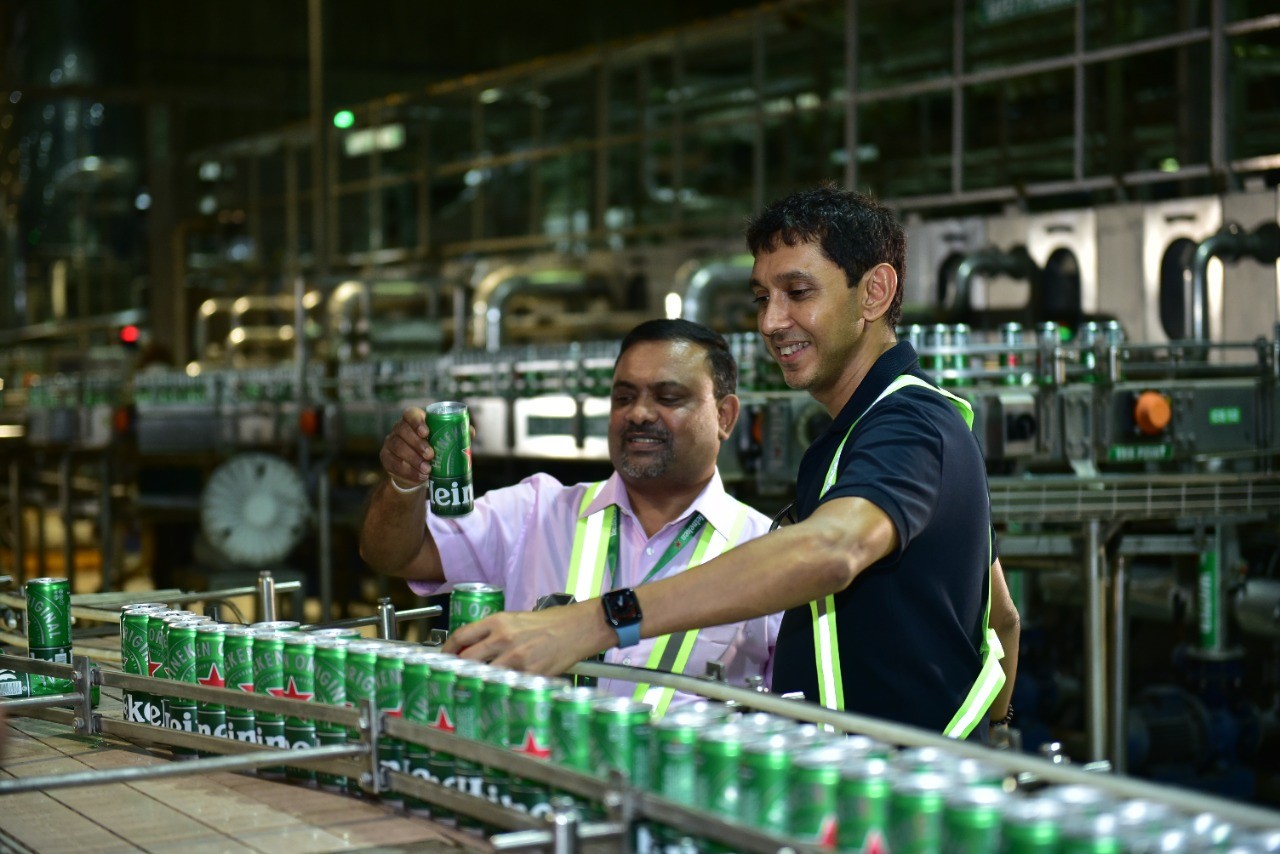
HEINEKEN LANKA today announced the commencement of local brewing operations of its flagship beer brand – Heineken® in Sri Lanka. With this, Sri Lanka joins an elite group of 60 countries that have the license and approvals from its global parent for local manufacturing operations. This move signifies the importance of the Sri Lankan market to the Dutch international brewer and comes at a time when the country needs it the most.
Marking its largest investment into the country to date, HEINEKEN will ensure that all locally manufactured beer is produced on par with international standards under the guidance of a Heineken® appointed Brewing Expert. Made with 100% Pure Malt, Heineken® is all about great social connections & enjoyment of life.
This move to manufacture Heineken® locally is in line with the Sri Lankan government’s vision to reduce imports, thus saving on much needed foreign exchange and to offer discerning Sri Lankan consumers’ access to premium, world class brews at significantly more cost-effective prices. Furthermore, this will also bring about greater consumer choice in the market. We believe Sri Lanka has the potential to be a key player for HEINEKEN in the Asia Pacific region and look forward to seeing its success along with equitable market conditions. Maud Meijboom van-Wel, Managing Director of HEINEKEN Lanka Limited
Today, HEINEKEN is the world’s most international brewer and is the leading developer and marketer of premium beer and cider brands across the globe. Led by the Heineken® brand, the Group boasts a portfolio of over 300 brands, a global presence in more than 190 countries and is committed to further increasing its exposure in emerging markets.
About Heineken Lanka
Heineken Lanka Limited is the second largest manufacturer and distributor of beer in Sri Lanka. Heineken Lanka operates a brewery in Mawathagama, Kurunegala, which has been in continuous operation for the past 20+ years. The company has a staff strength of 200 permanent employees and is home to a brand portfolio of 6 iconic beers.
Courtesy INSTITUTE FOR ENERGY ECONOMICS AND FINANCIAL ANALYSIS
Sri Lanka will mandate a 70 percent renewable energy share by 2030 forcing state-run Ceylon Electricity Board to prepare a long term generation plan to that effect, renewable energy minister Duminda Dissanayake said.
We have decided to produce 70 percent of the electricity from renewable energy by 2030,” State Minister for Renewable Energy Duminda Dissanayake told parliament.
The balance 30 percent will be from other sources. After 2030 the balance will also be from renewable sources and we will go to 100 percent.”
The first thing we have to do is for the Honorable (Cabinet) Minister to gazette the 70 percent for the CEB to make their long term generation expansion plan (LTGEP).”
The Sustainable Energy Authority has prepared a plan on how to go to 70 percent renewable energy by 2030 and given it to the minister.
Sri Lankan authorities tightened coronavirus restrictions Friday as reports emerged of Covid patients dying while awaiting admission to overcrowded hospitals.
The government said state ceremonies and public gatherings were banned until September 1 because of the growing health crisis.
Public servants had previously been asked to return to work from Monday but that order has now been revoked and bosses told to decide who should report for duty on-site.
The fresh curbs come after the number of coronavirus deaths and infections in the last week doubled from a month ago.
Sri Lankan television anchor Thilakshani Maduwanthi shared images online of the state-run Colombo South hospital that showed three patients sharing a single bed.
She said two patients died in front of her and overworked staff were treating people under trees as the hospital could not cope with the influx.
“What we reported about India where people died outside overcrowded hospitals a few months ago is now happening right before my eyes,” she said in a widely shared Facebook post.
Other posts on social media showed bodies piling up at two hospitals outside the capital.
Private gatherings have not been banned but the government has increased restrictions on attendance.
Only 25 mourners will be allowed at funerals, down from 150, and weddings will be cut to 150 people from 500.
Sri Lanka eased Covid restrictions last month as the government stepped up a vaccination rollout.
Just over 10 million people out of the population of 21 million have been given at least one jab, while 2.67 million had received both as of Thursday.
Despite the vaccination campaign, the number of infections has more than doubled to a daily average of about 2,500, with the daily death toll above 80.
Sri Lanka has recorded 4,817 coronavirus deaths to date and almost 325,000 infections, according to official data.
But experts say the true figure is much higher.
The new wave comes after the government relaxed restrictions in April to allow celebrations for the traditional Sinhala and Tamil New Year.
Regulations were tightened once more in May and eased again on July 10.
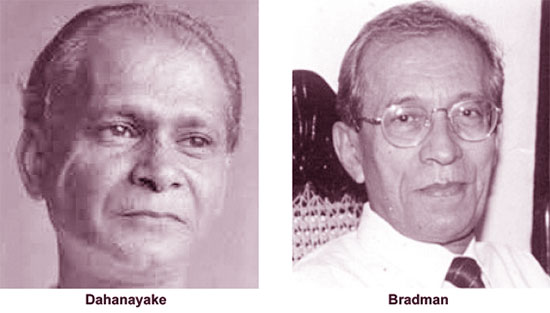
Most Lankans would by now have forgotten the poorest prime minister the world ever had, the late Dr W. Dahanayake. W” was a poor man’s politician. When he lost his Galle seat as prime minister in the 1960 elections, he packed his suitcase and asked his Secretary, Mr. Bradman Weerakoon, to drop him off at the Fort Railway Station to take a train to Galle. Bradman told him that it was his responsibility, to see that he got home safely and provided him with a ‘pool’ vehicle in which the former PM drove to Galle where he lived with his twin brother K. Dahanayake. He had no vehicle of his own, nor did he have a house, and it was his twin brother K” who provided him free accommodation with an office room in front.
W. Dahanayake commenced his political career with local politics becoming the first Mayor of Galle in 1939. Later he contested the State Council seat of Bibile in 1944 and won. But he returned to contest his home constituency of Galle at the first Parliamentary election of 1947. His opponent was businessman and planter H.W.Amarasuriya, one of the richest men in the South, spending a lot of money on his campaign. At his political meetings W, said in Sinhala I’ll shake the money tree. Pick up what falls and vote for me”. In Sinhala ” Mama Salli Gaha hollanawa. Sahodarawaruni, vetena salli ahulagena mata chande denna”.
In 1956 he was reelected to Galle from the MEP, headed by the late Mr. S.W.R.D Bandaranaike, who chose him as Minister of Education in the new Government. As Minister he provided a free bun to all school children, earning the nick name Bunis Mama”. In 1957 W” was invited as the chief guest for the Richmond College annual prize giving and I recall the Principal Mr E.R. de Silva saying in his welcome speech ’The two Dahnayakes ( including his twin brother K”) were one class lower than I, but when I reached the Senior Cambridge form they had already passed the exam as both were brilliant students who had earned double promotions.”
As Prime Minister in 1960 he lost to bus magnate W.D.S. Abeygunawardena (Patti Mahattaya) but returned to Parliament a few months later at the election which followed the then government losing the vote on the Throne Speech . In 1965 he became the Minister of Home Affairs. He was always the poor man’s politician. Anyone could walk into his office at Richmond Hill Road, Galle, and meet him to discuss their problems and obtain relief. Any number of free calls were permitted on his official phone with no questions asked. He was present at any funeral, wedding or public function in Galle even if uninvited. He traveled by bus and train. Once I met him in a bus to Imaduwa and he asked e where I was going. I told him I was going for the funeral of an old teacher in my village school at Imaduwa. He said he too was going there and asked me what I knew of the teacher as he wanted to make a speech at the funeral. He did that, delivering an oration in good Sinhala using the information I had provided.
He had no wealth but had a big heart. Whether rich or poor, a high a government servant or day labourer, anybody with a problem who sought his help was always assisted. A man with great values, he lived by them everyday and did what he could for all who came to him. His values had nothing to do with the outcome of his good deeds, wealth or position of the beneficiary, but in accordance with the standards he lived by – service to the public, honesty, accountability, fairness, independence, dependability, loyalty and other noble principles .
He goes into history as the only Government Minister who never went abroad, never leaving these shores during his long political career which must surely be a world record. My cousin Gerald De Alwis who served as a senior public servant in the Galle Kachcheri (later retired as Director Land Reforms Commission) has this to say : ” The GA Galle. Mr Navaratnarajah one day asked Daha, ” Sir, how is it that you being one of the most senior politicians never went abroad?” His prompt response was Socrates never left Athens”.
During Mrs. Bandaranaike’s 1970-77 regime there were severe controls on sale of textiles. In protest he walked into Parliament in a span-cloth (Amude”). He will also go down in history as the politician who made the longest speech in Parliament extending over 13 hours. My cousin Gerald in his Memoirs sums up Daha’s career thus : He was a shining star in the galaxy of politicians and added lustre to his vocation.” He was a statesman par- excellence, whose dedication to service to the common man was sometimes misunderstood by many public servants, a man who used poditricks” in politics.
Srilanka can be proud of politicians of his caliber rather than talk about Presidents of other countries, like Uruguay. Whilst today some politicians make use of their positions to amass wealth for generations to come, especially in our country, he would remain a shining example and a role model to all budding politicians.
Richmond College Galle can be proud of this politician who was poor and humble and never sought high positions , but preferred to abide by his principles and live with a clear conscience. Daha was a good listener. He was a polite person who listened with care to ensure that he respects the thoughts, feelings and ideas of others, whatever their status or skills.
It is my belief that he never sought approval but always did what he thought was right. He had immense confidence in himself and did not care whether anybody liked him or not, but was happy to serve all even if they disliked him.
President Gotabaya Rajapaksa has directed the Health Minister and health authorities to formulate a mechanism to prevent Covid patients from being inconvenienced in Hospitals.
He directed the Health Minister, State Health Ministers and health officials to directly involve in the matter, the Presidential Media Division (PMD) said.
He made this direction at the COVID meeting held at the Presidential Secretariat this morning.
The President has stressed the need to refer symptomatic patients to intermediate treatment centres and admit them to hospitals after assessing their condition.
Intelligence services have pointed out that there had been 120 protests during the last month and that at least 1,500 people had participated in each protest, the PMD said.
They have also observed that these mass gatherings without following health guidelines have resulted in the spread of the disease. (AS)
Jamila Husain and Dharshana Sanjeewa Balasuriya Courtesy The Daily Mirror
Posts claiming that there is a bomb threat in two leading five-star hotels in Colombo and in places in Bambalapitiya, Wellawatta, Mirihana, Nugegoda, Mount Lavinia and Dehiwala are completely false and people have been urged not to panic, the Police told Daily Mirror a short while ago.
Army Commander General Shavendra Silva also confirmed that these reports were false and the panic had spread as a result of a post, which had circulated on social media, soon after the Easter attacks in 2019, being re-edited and circulated once again.
Police said an investigation had already been launched into the incident.
As Sri Lanka’s daily COVID-19 cases count continues to soar, the Ministry of Health has decided to triage the virus-infected patients for hospitalization on priority basis.
Accordingly, a set of guidelines has been issued by the ministry on providing home-based care for asymptomatic or mildly symptomatic patients.
These low-risk patients will be allowed to home-quarantine at their own discretion.
As per the guidelines:
01. MOH in the area is responsible for triaging the virus-infected individuals who need home-based care and institutional health care.
02. The patients eligible for home-based care; – Should be aged between 02 – 65 years – Should be isolated in a separate room with sanitary facilities and adequate ventilation allocated for them – Should not have uncontrolled comorbidities such as morbid obesity (BMI>30), diabetes, hypertension, chronic heart/lung/renal diseases or other medical conditions – Should not be suffering from immunocompromised status or not on long-term immunosuppressive therapy – Should have adequate self-care or caregiver support at home – Should have proper communication facilities and the ability to communicate (patient or caregiver) – Should have given informed consent – *in the case of a pregnant woman, the gestational period should be less than 24 weeks
03. The MOH of the area should register the low-risk patients in the Patient Home Isolation and Management System (PHIMS). The MOH will then hand over the responsibility of the patient to the Call Centre and the Medical Care Team through the PHIMS.
04. These teams will be supervised by the Consultant Family Physicians in coordination with the other specialists in relative specialities.
05. The call centre will coordinate with the patient and a medical care team assigned for home-care management. An assigned medical officer in the medical care team will conduct an initial assessment and daily monitoring of the patient.
06. This remote assessment and daily monitoring care carried out through the telephone consultations by the Standardized Screening Tool and the findings will be recorded in the PHIMS. Subsequent remote assessment will be done daily or more frequently as required.
07. Following parameters will be assessed and recorded in the PHIMS by the medical care team: – PCR/RAT positive date or date of initial symptoms – Fever – Breathing difficulty on rest or mild exertion – Feeling unwell or any other significant symptoms – Symptoms of dehydration – Symptoms of uncontrolled underlying comorbidities
08. Following red flag symptoms will be considered for immediate admission to a hospital: – Progressive worsening of persisting symptoms – Difficulty in breathing at rest or after mild exertion – SpO2 at rest is below 96% or less than 94% after mild exertion (if pulse oximeter is available) – Persistent chest pain or heaviness – Symptoms of dehydration – Altered mental state (confusion/drowsiness.irritability)
09. Patients in the PHIMS requiring hospitalization will be identified early by a medical care team supervised by a Consultant Family Physician and will be handed over to a Specialist Medical Officer/Medical Officer nominated by the Regional Director of Health Services. This medical officer will arrange the patient’s transportation to the hospital in coordination with the relevant hospitals which have appropriate facilities.
10. The patients who are in the home-based management will be given the following instructions: – Reassurance – Advice on important non-pharmacological management (rest, fluid and balanced diet) – Advice on pharmacological management for symptoms – Encourage for proper monitoring and control of comorbidities and continuation of optimized treatment – NOT take any NSAIDs or Systemic Steroids – If a patient is on long-term steroids, it should be continued and specialised opinions need to be taken. – If a caregiver provides services to a patient, she/he should wear personal protective equipment and take other hygienic measures – Any caregiver should avoid contact with potentially contaminated items (such as towels, clothes) and hand hygiene should be maintained – Advise the patient to contact the call centre through 1390 if any emergency arises
11. Appropriate waste disposal should be ensured by the Public Health Inspector (PHI) of the area to prevent spread of infection within the household.
12. The home-quarantined patient can be discharged on the 14th day of illness. If symptoms persist, the patient will be monitored until the symptoms resolve.
13. Patients who violate health instructions during the home care management will be admitted to ICC or hospital by the MOH. If a patient refuses to get admitted, the MOH can evacuate the patient without any consent and take legal action according to the Quarantine Ordinance. The MOH could seek the assistance of the police in the area if required.
14. Duration of home-quarantine period for other household members of the patient is 14 days from the positive PCR date of index case. However, if a household member becomes a first contact of the patient during the period of quarantine, he or she should undergo an extended period of quarantine for 14 days from the date of becoming the first contact. Exit RAT should be done for the negative members at the end of quarantined period.
15. Symptoms of possible post COVID syndrome should be advised to every patient on discharge from home-based care and the patient should be asked to report to the MOH of the area without any delay if such symptom appears.
A misleading post on an impending explosion in Mirihana, Nugegoda, Mount Lavinia, Dehiwala, Wellawatta and Bambalapitiya areas is circulating in social media, says the police spokesman.
Probes carried out into the matter have uncovered that a certain individual had created the relevant post on April 25, 2019, Senior DIG Ajith Rohana stated further.
According to him, this same person had recirculated the post recently.
There is no cause for panic,” the police spokesman said in a statement.
Further investigations in this regard are being carried out under the supervision of Senior Superintendent of Police (SSP) of Mount Lavinia.
Sri Lanka has registered 98 more COVID-19 related fatalities confirmed by the Director General of Health Services on Thursday (August 05).
The new development has pushed the official death toll from the virus outbreak in Sri Lanka to 4,919.
According to the data released by the Department of Government Information, the latest victims confirmed today include 54 males and 44 females.
As many as 70 deaths have been reported among the elderly people who are aged above 60 years. In addition, one youth and 27 people aged between 30-59 years are also among the new victims.
A total of 884 more people were tested positive for COVID-19 today (August 06), increasing the daily count of positive cases to 2,794.
According to the Government Information Department, 2,792 of the new cases reported today have been associated with the New Year cluster.
The new development has brought Sri Lanka’s confirmed coronavirus cases tally to 324,223.
Epidemiology Unit’s data showed that as many as 288,307 patients who were infected with the virus have regained health so far. Meanwhile, the death toll now stands at 4,919.
More than 31,000 active cases are currently under medical care at selected hospitals and treatment centres across the country
People
have followed ideologies and their leaders but there has been no party that has
been this disruptive & destructive of a country’s progress. While everyone
has every right to choose their political ideology/principles etc, when a party
infiltrates and influences the cream of the future, it is cause for concern.
Just as we question these mischief makers, we are also pointing fingers at
successive governments & the university system for not dealing with the issue
for the betterment of the nation.
Why
has our university education deteriorated over the years?
Why
are our university students more interested in demonstrating & protesting?
What
have they given back to the nation for the free education they have received?
How
many of these protestors and mischief makers are employed as lecturers within
the university system & underground fueling the chaos?
How
much of this ideological influence has penetrated to university education
ultimately dissolving the talents of the talented that enter?
How
many non-JVP end up JVP because of no choice?
How
many of them have destroyed their future taking a path that has led them
nowhere?
The
JVP is the richest political party in Sri Lanka – how a presumed Marxist party
can become the richest political party collecting money from tin cans is
everybody’s question, but it also clearly identifies JVP as the hired
Man-Friday during elections. The funds suffice for political parties to use the
JVP underground systems and people to do the campaign for the likely winning
contender or likely opposition contender. All depends on the auction. There is
little to argue against this notion as JVP role in helping every government
that has come to power is clear in its own campaign slogans & statements of
its leaders. However, people who earn their own living have every right to
choose the political party & ideology they wish to follow.
The
same yardstick, however cannot be applied to university students – 90% coming
from rural homes and entering a new environment & habitat foreign from the
humble lifestyles they led and the simple lives they lived. Enveloping these
ignorant and innocent have been peanuts even to some lecturers whose characters
are best left for another topic altogether.
In
the face of these opportunists and influencers the life of a talented flower
ends up going waste and the child ends up nothing that his/her parents aspired
them to become. No parent overjoyed that their child has entered university
wishes to see them picketing on the streets when there are many more things to
demand within the university premises.
We
know how many innocent students fell victim to ragging – the type of ragging
taking place cannot be written. Hiring houses for ragging, physical and sexual
humiliation are just some of the ghastly ordeals students have had to endure
all in the name of ‘welcoming’ the new batches. Any student who wants to
torture can get a transfer to the prison. Any student abusing the rights of
another student should be dismissed. The university authorities must define and
make clear what is ACCEPTABLE RAGGING and anyone indulging in any acts beyond
this has to be immediately expelled or transferred to a Raggers University
where the state can have these raggers have a go at each other and do no harm
to innocent students! Obviously these miscreants know they will not get
employment in any corporate sector and state sector may also find them taboo
unless under influence they get a job – so what is their future likely to be –
joining the JVP political wing? This circular curse cannot continue.
We
do not need to tell the university apparatus how simple it is to catch the
culprits who abuse & indulge in ragging and torture – it does not require
gazettes or Parliamentary Bills. Why are the culprits not thrown out? Why are
these culprits in university for years holding positions and not passing out?
Throwing out the mischief makers no sooner they are found guilty of malpractice
is the easiest way to drain the swamp and the university can easily create the
conducive environment for studies enabling the students to find their talents
& infuse a mentality of not learning to demand only. The JVP infiltration
in the university has created a bunch of university pass-outs who think jobs
have to be offered no sooner they pass, pensionable salaries must be given and
the state has to continue to molly-cuddle them. This mentality has to change
and the university system is tasked not just to lecture but to create students
who are keen to apply what they learn to raising the nation and in turn raising
themselves. It is when a student is able to showcase his/her ability, that
people become aware of his/her talents and necessary funding or assistance is
given. Simply shouting on street corners and demanding only, is not going to
get them anywhere.
Having
come from rural homes, these students must realize that it is the scoring
system that has enabled them to get an edge over other students from urban
areas who not only sat the same exam but scored higher than them. While these
high mark scorers are not able to enter universities, low scoring students from
rural areas are given the chance to enter. They should not spoil this chance.
It is also noteworthy that these students may lack the finesse that is
generally accepted for work environments, however there are plenty of
corporate, state and even voluntary assistance to help these students with soft
skills. More are likely to come forward if the university system get rid of the
JVP and its branches operating inside the universities ruining the lives of
tomorrow’s future generations. With JVP forced out and the universities given
room to bring out the talents of students, more people are likely to come
forward to assist these students for they know that the soft skill services
offered by them will not go in vain and end up as a street protest.
So
the biggest question is why are every government not taking the bull by the
horns?
Why
are they approaching this issue in a knee-jerk attitude?
Firstly,
the government must realize that the assets of the nation are the children and
its young adults. No nation wants to see a bunch of ruffians brainwashed to
picket. We cannot watch until the JVP finds space even inside schools.
Therefore, the government must come up with a national plan which doesn’t
gather dust after elections and lies at the bottom of the files of the
Education Minister and the University big wigs. Is it that none of them are
interested to resolve this problem or do they wish it to continue? Do they not
want to see our talented youth go far. We are yet to have a R&D se up in
Sri Lanka brought to the level of foreign universities that can present annual
papers for different issues prevailing in Sri Lanka. There is so much that the
universities and the students can do and there are enough and more talented
youth able to do – the problem is a bunch of rascals are not allowing them to.
What
ails the universities in Sri Lanka? we all know the answer
Is
the problem unsolvable? No
Why
is it not being solved? Who knows?
Should
it be solved? Of course
When
will it be solved? Anyone’s guess
But
the clock is ticking and we should not idle any longer, unless we want to see a
bunch of rioters everyday extending even to schools!
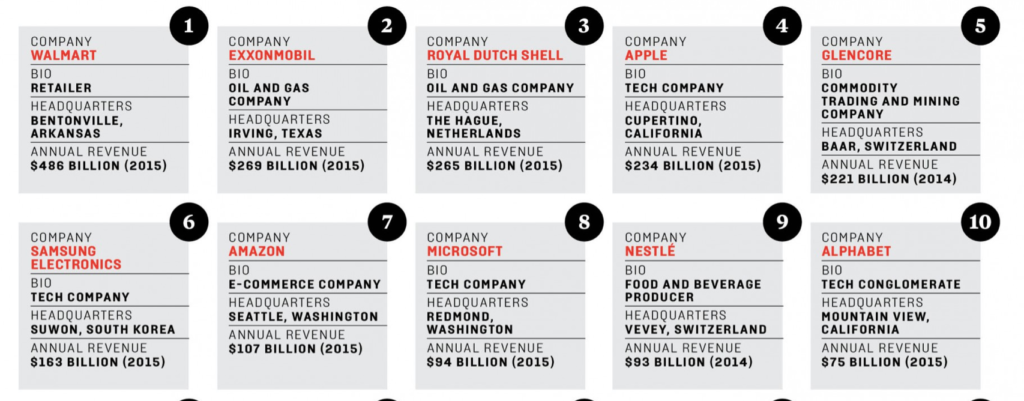
There
are many lessons to learn from history. A look back in time will reveal
occasions that companies forced governments to invade or create regime change
in nations because government policies were impacting their profit &
presence in countries. US corporates in South America, assassination of Iran’s
Mossadegh are just a handful of examples that come to mind. The important point
is that corporates have silently been influencing governments to the point of
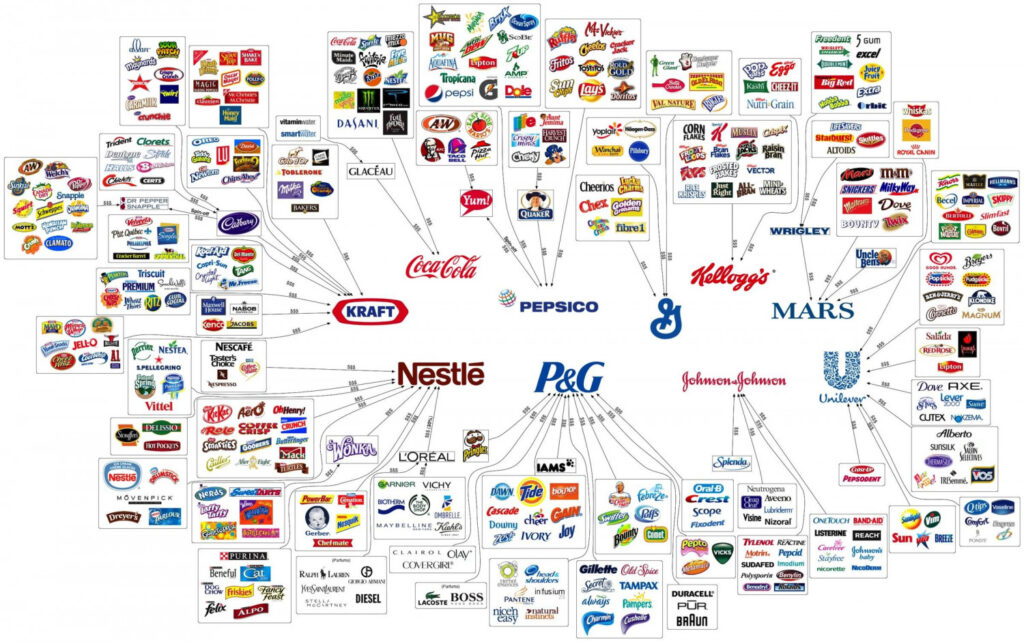
even dislodging governments. Today, corporates (nowhere near squeaky clean) are
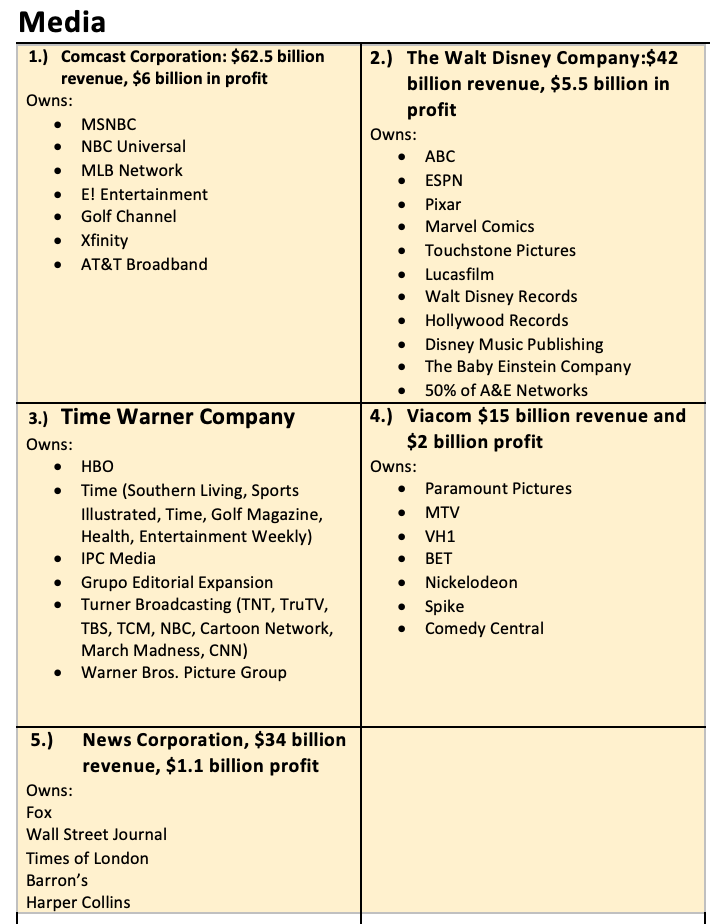
even taking governments to court. With the corporate owned media carrying on a
systematic campaign to showcase the inefficiency of governments & their
apparatus – we should wonder what they are up to now!
Many
of the global companies relocate to third world nations, not to do any favor to
them but because these countries are advantageous to them – they pay fewer
taxes, they can employ cheap labor and there is less regulations while they can
easily exploit local conditions. This is the haven and heaven away from home
where most likely the opposite prevails. So if Western companies are relocating
to third world nations, there is a good reason for them to do so and it isn’t
out of any heart wrenching desire to help the Third World. That is likely
to come at the bottom of their priority list. Accenture is a good example – it
has relocated to various parts of the world & operates its franchises via a
Swiss holding company incorporates in Bermuda – it has close to 400,000
employees working in 55 countries/200 cities. These are virtually
STATELESS COMPANIES or METANATIONALS.
https://fee.org/articles/do-big-corporations-control-america/notice
how increasing numbers of politicians & public servants are joining big
corporates no sooner they retire! How much conflict of interest have they been
privy to while in office in favor of these corporates!
Essentially
what it means is that their heart is not in any one nation leave alone their
birthhome and they wish to only profit from wherever they are located in. Their
loyalty in essence is to none but themselves. This is quite the opposite from
the General Motors theme ‘what was good fo our country was good for General
Motors’. All of the global companies fish for countries to relocate depending
on how ‘friendly’ and ‘free’ regulations are. Their pals in the international
monetary agencies help them via demands upon governments to make their nation
‘investor friendly’ and building up a mythical scenario amongst citizens that
government apparatus is not friendly for the foreign investors & more
‘liberalizations’ are required. Plenty of locals are co-opted easily to parrot
this requirement. These are the supposed ‘experts’ to whom governments have to
listen as they are the ‘policy makers’.
These
metanational corporates are very sleazy – they are virtually above the law.
They ensure they register in a country that gives them legal protection, they
have their corporate management in a country that suits the upper echelons,
they have their financial assets where they know no one can touch and spread
staff as they see fit. How else do corporates big guns hold trillions of
dollars in tax-free offshore accounts? Can we call this ‘stateless income’?
President Obama called them ‘Corporate deserters’ for hoarding money (article
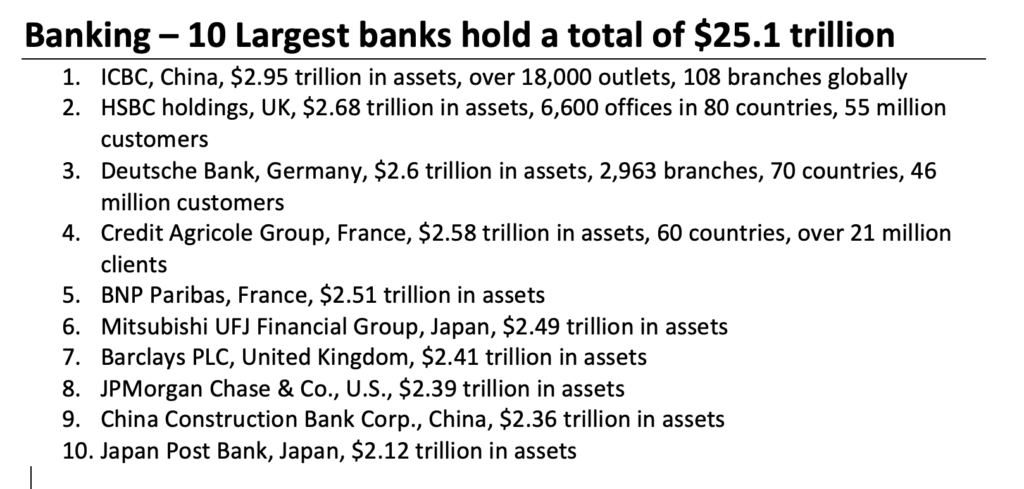
by Parag Khanna) The 10 biggest banks is said to control almost 50% of assets
worldwide.
Companies
use the strength of their balance sheets to borrow money from banks and then
use the cash to buy their own shares from the stock market This inflates the
value of the remaining stock, consequently increasing the net worth of the
largest shareholders.
Bigpharma
is owned by investment funds. Institutional investors are holding our health –
connected through their shareholders! What an investment the covid vaccines
are!
Public
companies too are owned by large institutional investors & this in turn
will create many ownership links to create virtual common ownerships!
Common
shareholders are said to own 50% of a company while they also hold stakes in
rival pharma companies. Bayer the makers of Asprin was collectively owned by
Swiss-based Novartis& German-Bayer (50% each)
Pfizer,
J&J & Merck hold shares in Vanguard, SSGA & BlackRock investment
companies. Pfizer & AstraZeneca are also connected. Together they control
drug prices – nothing that customers can complain about as they are all one big
cartel & buy over generic brands, where they cannot they refuse to share
patents. Health is unfortunately a money making machine.
It
would be good if governments woke up to ground realities.
The
sovereignty of nations today is interlinked to supply chains & demand &
supply. When countries have failed in self-sufficiency their dependency for
import-export makes them reliant on global institutes/companies and this in
turn gives upper edge for metanational corporates to enter as ‘foreign
investors’ but in reality more than they give to a nation – they take away,
unseen, unnoticed and unaware to the government & the populace as no one is
really bothered to monitor what the foreign investor has really given against
what he is annually taking away out of the country. A mental scenario of taboo
to question them is circulated amongst the populace. With everything becoming
‘virtual’ and reliance on computer systems – will governance be from the
‘clouds’!
how
enticing are these PPP deals or is it simply an interim-maneuver until
corporates can take control over state enterprises and state assets. The Made
in ….. will become just a tag-line for a final lproduct will have parts
sourced from all corners of the world. There nothing ‘British’ in anything
‘British’ nowadays!
If
international companies are increasingly becoming ‘divorced’ from the
nation-state they started out their enterprise having relocated to various
countries around the world & profiting from each, those they employ
invariably encapsulates the same mentality. With this notion gaining currency,
is this a subtle alternate way to burying the nation-state system as we know
these very global corporates are pushing for the one-world governance under
their control. The end objective is to have rulers & the ruled.
When
companies smell the power they can yield over governments and countries – it is
dangerous. They have no affinity nor is there any legal hold over them.
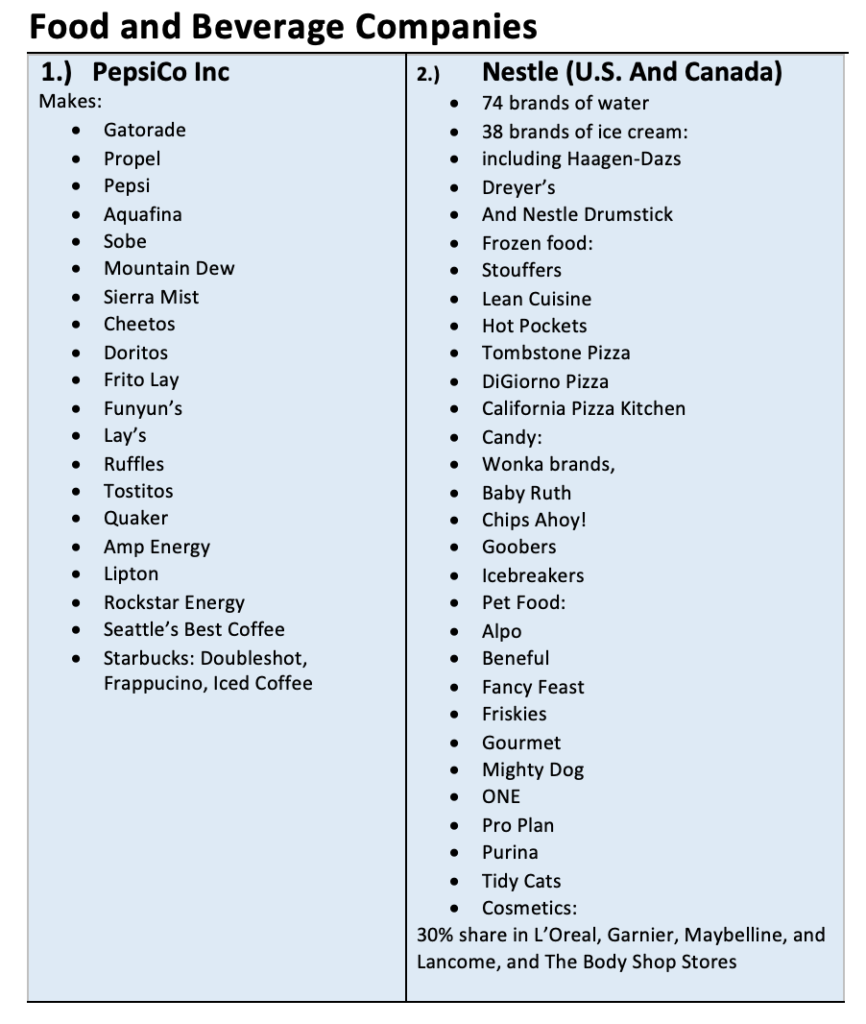
They essentially control the food we eat, the medicines we take and the supply
chain that dictates our existence. All that corporates do not have are standing
armies. But, let’s not forget for bananas governments have been overthrown in
South America and Africa, for oil leaders have been assassinated or regimes
overthrown, to pilfer diamonds and resources, dictators have been propped to
power – there is nothing that corporates cannot get governments to do. Look at
how games have fallen prey to corporates & their sponsorships. No longer is
a cricket a game & players are just pawns of brands that own them. What
happens if a country-owned company starts buying ports in different countries
similar to Dubai Ports World acquiring the British company that operated ports
in US? The nationality of corporates should remain national and not
international for national-sovereignty to prevail.
Governments/Politicians
and the Political system may not be perfect but it is based on some form of
people representation which demands the People to correct its flaws &
nuances. However, corporate control largely for personal/shareholder profit is
rarely concerned about equitable distribution or welfare of the masses.
Corporates are not squeaky clean either & there is no international
mechanism to rope them for their white-collar crimes too – many of these crimes
often get ignored & overlooked based on the power they yield over the
propaganda communicated about them (which they control) & the strength of
their influence over the systems that accuse them.
Corporates
can have key roles but they cannot be allowed to take over & control the
nation-state!
By A. Abdul Aziz,Press Secretary,Ahmadiyya Muslim Jama’at – Sri Lanka.
According to our Press Department U.K.,
thousands of British Muslims will gather together for the first time since the
start of the COVID-19 pandemic for the UK’s longest running Islamic conference.
Ahmadi Muslims from across the UK will
descend on the 200-acre Oakland Farm in Hampshire for three days of worship and
gathering at the event known as the ‘Jalsa Salana’.
Prior to last year’s global pandemic,
well over 35,000 people from all over the world attended the last Convention
(Jalsa), held in 2019. This year, only UK residents who have been double
vaccinated were permitted to enter the ballot to attend this gathering.
Roughly 4,000 of those lucky enough to
have been selected in the ballot will attend one of the three-days of the event
amid strict social distancing measures at the pop-up tent village from 6 to 8
August.
All attendees will need to show proof of
double vaccination and a negative COVID-19 test result in order to gain entry.
Face masks will be mandatory in all enclosed spaces, including the two
marquees, each able to accommodate thousands of worshippers.
The highlight of the event will be the
attendance of the global Islamic Caliph of the Ahmadiyya Muslim Community, His
Holiness Hazrat Mirza Masroor Ahmad, who will deliver an address to attendees
on each of the three days of the Convention. The objective of the event is to highlight
the true peaceful teachings of Islam and to enable the participants to increase
their knowledge and understanding of Islamic teachings and practices.
Abid Khan, Press Secretary of the
Ahmadiyya Muslim Community said:
This is the first time since the
pandemic started that our members from across the UK have been able to meet and
worship together with our Caliph. So, whilst we are sad that due to social
distancing measures it is still not possible for everyone to be here or for
guests from abroad to attend, unquestionably this is a wonderful and joyous
occasion for our community. As for those who can’t attend in person, I am sure
they will be watching on TV both here in the UK and across the world and so in
that sense it is a truly international event.”
The event will also be broadcast online
and on the Community’s worldwide television station, Muslim Television
Ahmadiyya (Sky 731), across its 19 television channels. Those unable to attend
in person will gather to watch the proceedings together at Ahmadi Muslim
mosques up and down the UK. This includes London’s first purpose-built mosque,
The Fazl Mosque in Wandsworth, and the UK’s largest Mosque, Baitul-Futuh in
Merton.
Colombo, August 5 (Daily Mirror): The Supreme Court on Thursday issued an Interim Order suspending the operation of Prevention of Terrorism (De-radicalization from holding violent extremist religious ideology) Regulations No. 01 of 2021, which was published by way of a gazette notification on 12 March, 2021.
This Interim Order will be effective until August 24, the next hearing date.
Supreme Court three-judge-bench comprising Justice Murdu Fernando, Justice Yasantha Kodagoda and Justice Shiran Gooneratna issued this order pursuant to three Fundamental Rights petitions challenging the legality of the Deradicalization Regulations were taken up for support.
Journalists and human rights activists Ruwan Laknath Jayakody, Kavindya Christopher Thomas, Centre for Policy Alternative and its Executive Director Dr. Paikiasothy Saravanamuttu and Shreen Saroor had filed Fundamental Rights petitions seeking a declaration that the Deradicalization Regulations is not legally valid.
The petitioners further sought a declaration that Deradicalization Regulations would permit room for the continuous or imminent infringement of fundamental rights guaranteed to surrenders, arrestees or detainees under Articles 10, 11 , 12(1), 12(2), 13(1) , 13(2) , 13(3) , 13(4) , 13(5) , 13(6) , 14(1)(a) , 14(1)(b), 14(1)(c) and/or 17 of the Constitution.
The Petitioners stated that the President had made regulations titled Prevention of Terrorism (De-radicalization from holding violent extremist religious ideology) Regulations No. 01 of 2021 issued under Section 27 of the Prevention of Terrorism (Temporary Provisions) Act, No. 48 of 1979 (PTA).
The petitioners stated that individuals arrested in terms of these Regulations could be subjected to executive or administrative detention camouflaged as rehabilitation, without proper judicial evaluation of the evidence against the individuals arrested, surrenders or detainees.
They further alleged that Deradicalization Regulations run counter to the fundamental safeguards in the Constitution, international human rights norms, and interferes with the judicial power of the People.
Petitioners further alleged that they are yet unaware whether the Deradicalization Regulations have been placed before Parliament and duly approved as required by the PTA.
Senior Counsel Viran Corea with counsel Suren Fernando, Pulasthi Hewamanna and Manjula Balasooriya appeared for the petitioners. Additional Solicitor General Nerin Pulle with Senior State Counsel Awanthi Perera appeared for the Attorney General.
Everyone shouted as if they were cheering for their own country’s athlete. Some of them watched him in awe with their eyes shining with tears.
In 1964, an unknown Olympian from a foreign country took Japan’s breath away.
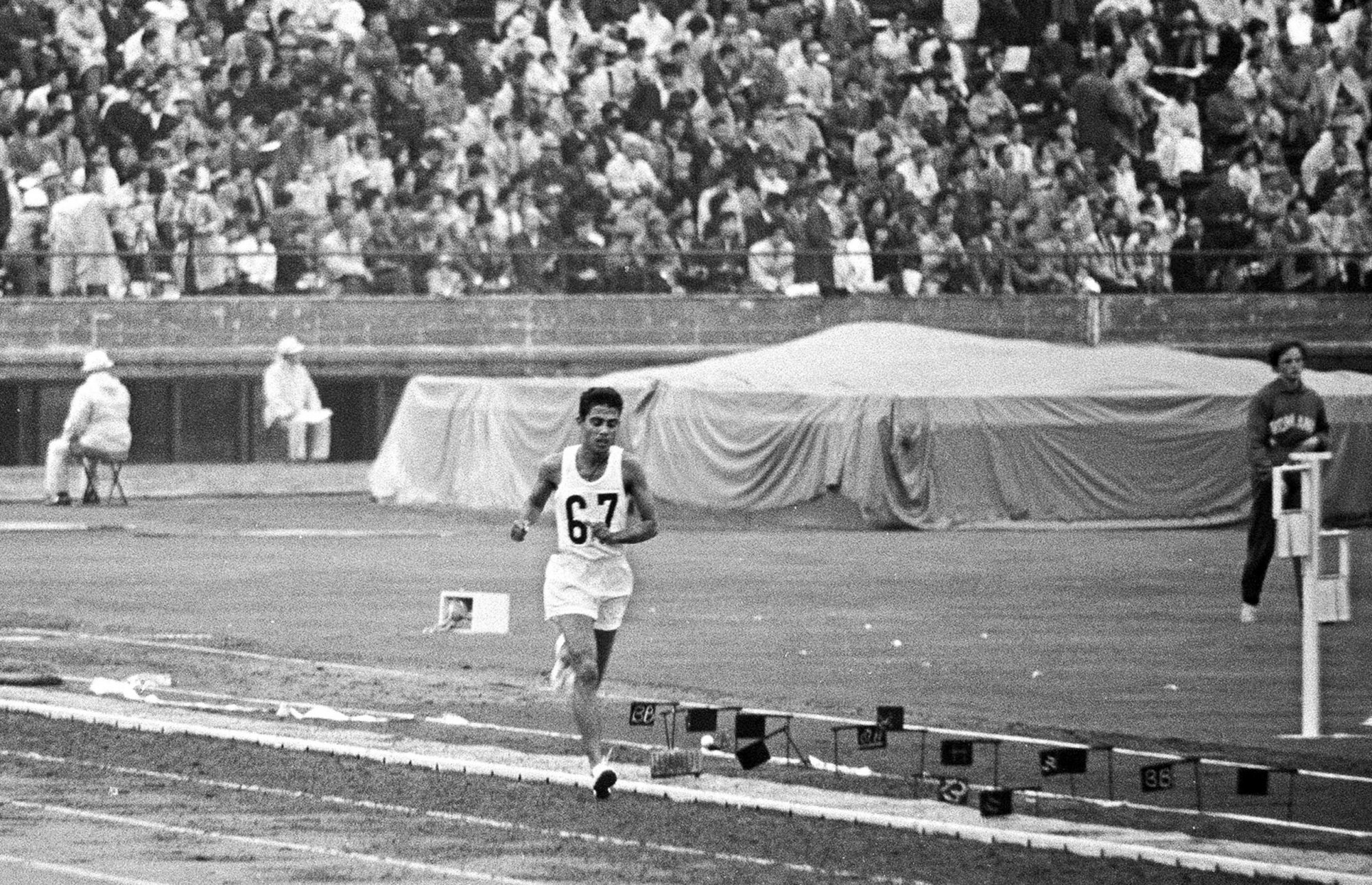
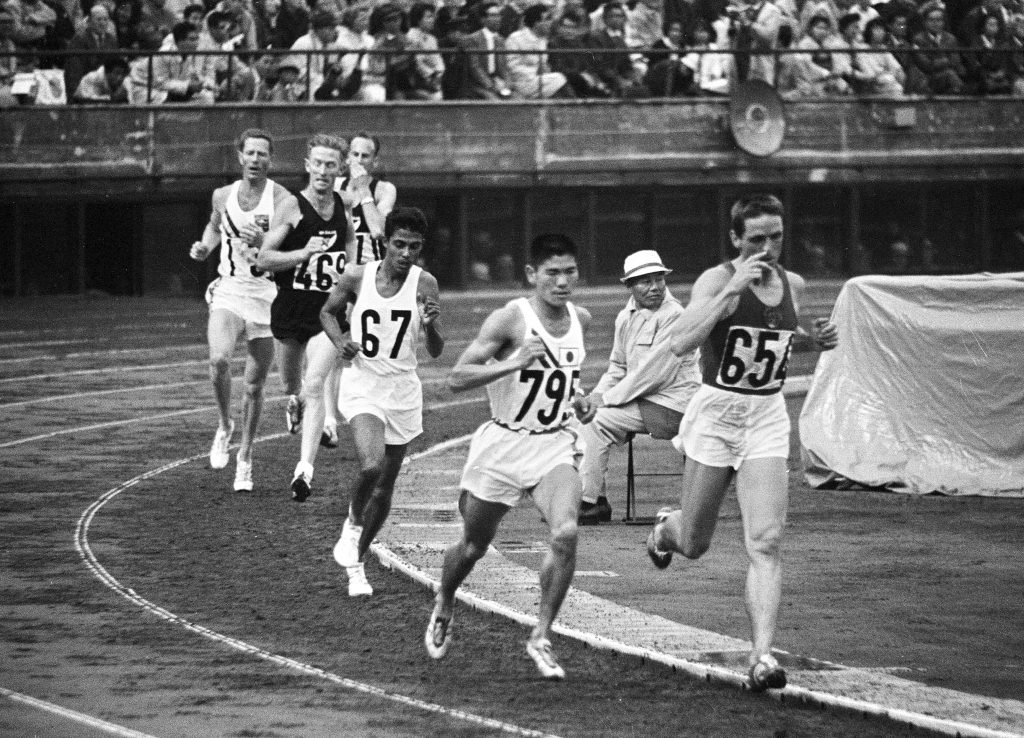
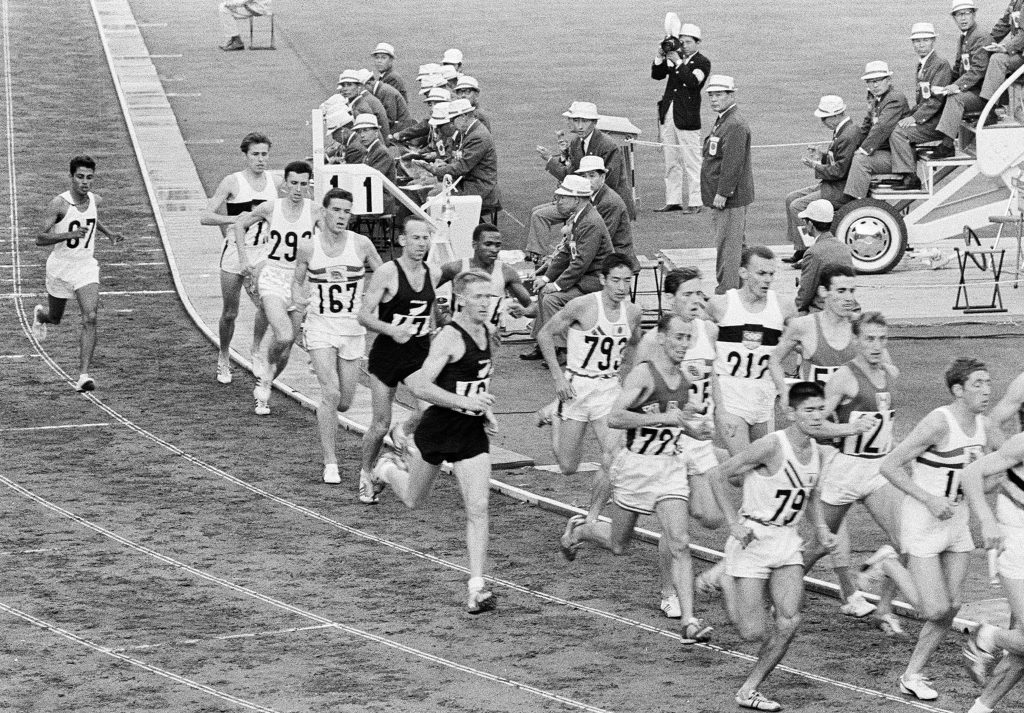
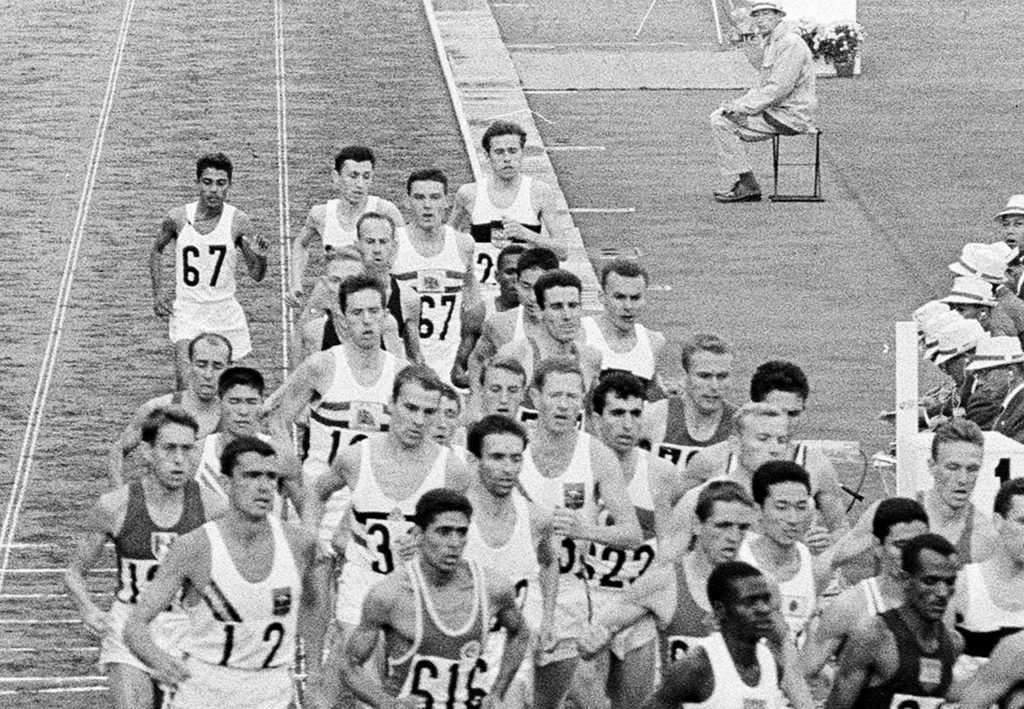
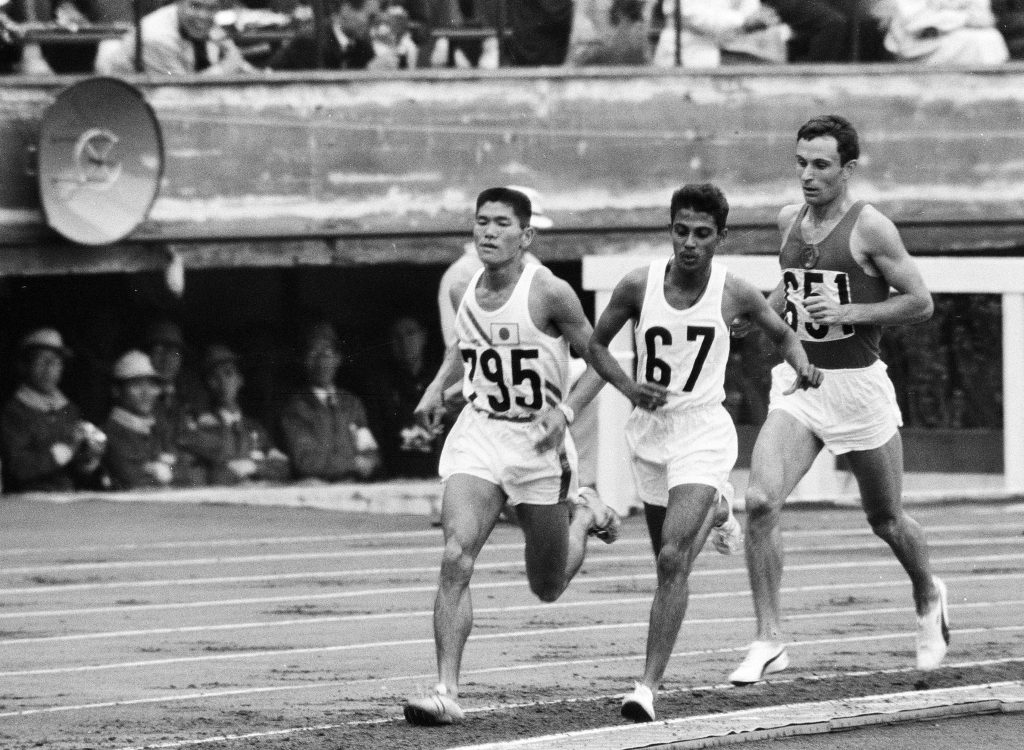
The Olympian became known in Japan as Uniform Number 67,” the runner from Ceylon (now Sri Lanka) who didn’t abandon the race despite coming last in the men’s 10,000 meters at the 1964 Tokyo Olympics.
His story touched so many hearts that it was later included in Japanese elementary school textbooks. Fifty-seven years after the race, the runner’s granddaughter is now working in Japan, the host country of the Summer Olympics for the second time.
Japan is my second homeland. Maybe this is fate,” she says. She was cheering for the men in the 10,000 meters on the evening of July 30 through her TV, with the image of her grandfather’s heroic figure in her mind’s eye.
Oshadi Nuwanthika Halpe, 29, is a care worker at an elderly care facility in Shibukawa City, Gunma Prefecture. Oshadi’s mother would tell her stories about her grandfather as she grew up, about why he had been handed down as a hero in his home country of Sri Lanka.
I was told that he was devoted to housekeeping and his children. His mantra was, ‘You must finish what you started.’”
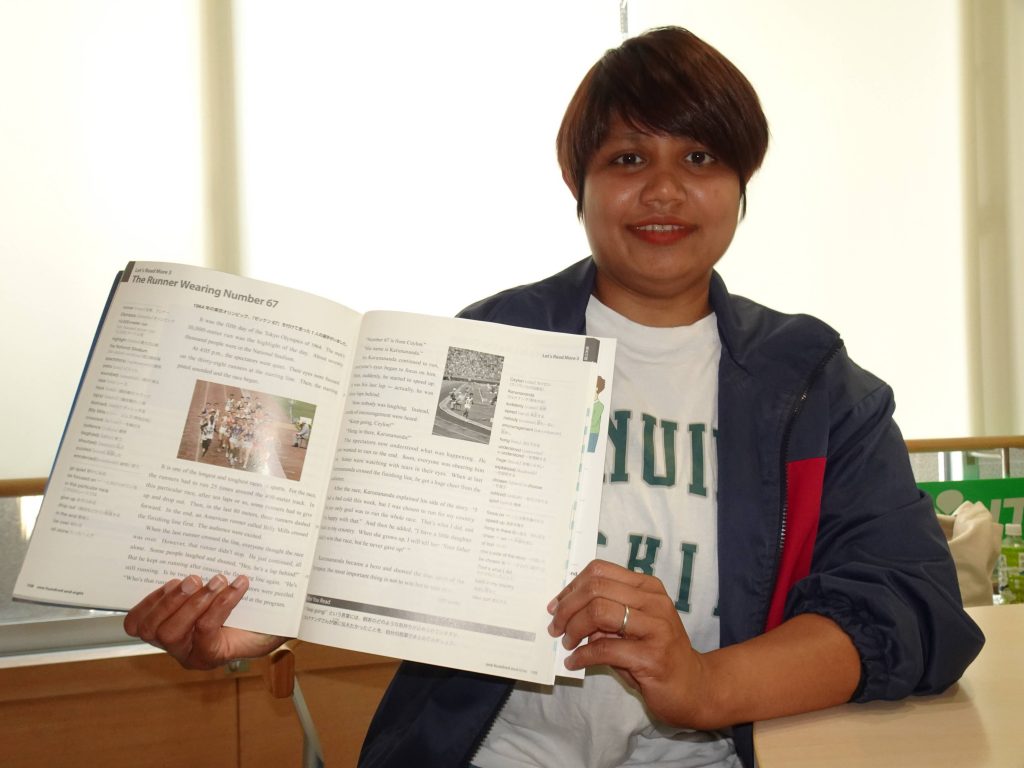
Oshadi Nuwanthika Halpe, the granddaughter of Sri Lankan Olympian Ranatunge Karunananda.
Uniform Number 67
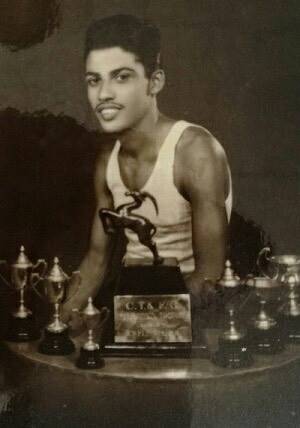
Her grandfather’s name was Ranatunge Karunananda. On October 14, 1964, Karunananda stood in front of 70,000 spectators at the Japan National Stadium as the Olympian who held Ceylon’s national record for the men’s 10,000 meters.
Karunananda’s story was published under the title Uniform Number 67” in the textbook New Japanese for Fourth Grade of Elementary School by Mitsumura Tosho Publishing, which begins like this.
It was 4:05 pm. The roar died down to a mumble, and the spectators turned their eyes to the thirty-eight runners who were lined up at the starting line. The pistol sounded, and the runners took off at once.”
The race, in which Japan’s Kokichi Tsuburaya finished in 6th place, was a grueling 25 laps around a 400-meter track. Nine of the 38 runners had to give up halfway through the race. When the runner who was thought to be last crossed the finish line, everybody assumed that the race was over.
But Uniform Number 67 didn’t stop running. Under the jeers and boos of the crowd, Karunananda kept pushing himself, one lap behind the others. He was in great agony, holding his side as he ran, but the jeers and boos soon turned into cheers.
Everyone shouted as if they were cheering for their own country’s athlete. Some of them watched him in awe with their eyes shining with tears.
Karunananda was showered with applause as he crossed the finish line.
Ranatunge Karunananda
He afterwards said, I have a little daughter back home. When she grows up, I will tell her that her father went to the Tokyo Olympics and ran till the end even though he lost the race.”
Despite being ill for about a week before the race, Karunananda didn’t give up, no matter how much he lagged behind. The reason behind his determination was that his home country Ceylon was suffering from a bad economy, and it put a huge strain on the country’s financial resources to send athletes to the Olympics.
Uniform Number 67” appeared in Japanese language textbooks in 1971 and from 1974 to 1976. The publisher had a 50% market share at the time. An English translation of the text has also been available in junior high school English textbooks since 2016.
Ten years after the Olympics, Karunananda died in a water accident at the age of 38. In Sri Lanka, the story of his legendary race has been retold by the media before every Summer Olympics for 57 years.
Inspiring the Granddaughter He Never Knew
Oshadi is the daughter of Karunananda’s little daughter.” She studied geography at the University of Colombo, then came to Japan in the spring of 2016 to study disaster prevention at graduate school. She was surprised to learn that her grandfather’s legacy still lived on in the hearts of the Japanese people.
It’s as if my grandfather is still alive in Japan,” she says.
Oshadi studied at a Japanese language school in Gunma Prefecture but felt her vocabulary was too lacking to study at graduate school. Although she graduated in the spring of 2018, she felt lost about her future. Oshadi was beginning to consider returning to Sri Lanka when a friend sent her an online video of her grandfather running.
You must finish what you started.” Her grandfather’s words started to make sense when she saw the video. She had chosen to become a care worker because of her grandmother (Karunananda’s wife), who was bedridden in her hometown.
Oshadi studied for another two years at a college which specializes in health care skills in Shibukawa City. In the spring of 2020, she began working as a care worker at an elderly care facility (where she currently works). She married a Japanese man she met there.
Her dream is to acquire nursing skills in Japan and pass them on to future generations in Sri Lanka, where specialist long-term care is still in short supply. I don’t know how many years it will take, but I want to go back one day to pass on what I have learned. I think it’s my grandfather’s way of teaching me how to give back to my country.”
Olympic Dreams Live On
The coronavirus pandemic has been a big concern for the Tokyo Olympics. Oshadi had considered going to the Japan National Stadium to experience the atmosphere of the Games. But she decided instead to cheer for the athletes on TV because she knew the weight of the responsibility of taking care of the elderly as a care worker.
One day, I hope to see the place where my grandfather ran with my own eyes. My mother also says she wants to visit at least once before she dies, so I’d like to go with her then.”
The men’s 10,000 meters, the race Karunananda bravely lost, was held at the newly reconstructed Japan National Stadium on the evening of July 30. The last runner to complete the race was Kieran Tuntivate of Thailand, who also finished what he started.
(Read The Sankei Shimbun story in Japanese at this link.)
Author: Keiji Morita, staff reporter, The Sankei Shimbun
COLOMBO – The United Nations World Food Programme (WFP) is supporting the Government of Sri Lanka with food items and funding to provide school children with take-home rations in lieu of in-school meals.
The emergence of a third wave of the COVID-19 pandemic in Sri Lanka required swift school closures as a preventive measure. While this played a critical role in minimizing the spread of the virus, it means that children are unable to benefit from the nutritious meal they normally receive in school. In response to a request from the Government, WFP stepped in to ensure school children of vulnerable families receive much-needed food assistance.
For many children from low-income families, the food they receive in school is often the only substantial, nutritious meal they have in a day,” says Andrea Berardo, Deputy Country Director of WFP in Sri Lanka. COVID-19 related job losses and reduced incomes are making it harder for families to feed themselves. We want to help ensure that children continue to receive healthy food during these challenging times.”
The Government of Canada redirected US$200,000 (approximately LKR40 million) from its planned projects to assist WFP and the Government of Sri Lanka in procuring one month’s worth of rations for 41,000 school children. The Government of Japan redirected 189 MT of canned fish which was initially donated for the in-school meals and will now be included in the ration packs for 220,000 families, providing children with vital protein in their diet.
Upholding the health and safety of school children has been our foremost priority throughout our COVID-19 mitigation efforts,” says State Minister of Women and Child Development, Pre-school and Primary Education, School Infrastructure and Education Services, Piyal Nishantha de Silva. While measures have been put in place to ensure school children have continued access to education, we want to also ensure that they have access to nutritious food. We thank WFP and the Governments of Canada and Japan for helping us reach families when they are in most dire need.”
WFP has been supporting the National School Meal Programme since 2003 as part of its broader efforts to improve child nutrition. In 2020, WFP augmented its support through the launch of the Home Grown School Feeding project. The on-going project links smallholder farmers with the School Meal Programme and aims to ensure that students receive fresh, nutritious food while smallholder farmers have improved food security through a steady source of income.
# # #
The United Nations World Food Programme is the 2020 Nobel Peace Prize Laureate. We are the world’s largest humanitarian organization, saving lives in emergencies and using food assistance to build a pathway to peace, stability and prosperity for people recovering from conflict, disasters and the impact of climate change.
Follow us on Facebook, Instagram and Twitter: @WFPSriLanka
Sri Lanka’s government on Thursday walked back the lifting of an import ban on most chemical fertilisers over fears of a political fallout, despite warnings from farmers of food shortages and severe damage to the massive tea industry.
The South Asian nation has been struggling with a cash crunch worsened by the pandemic, with the central bank imposing sweeping import bans since March last year to reduce the outflow of foreign currency.
The ban on chemical fertilisers — widely used in the tea and rice industries — was opposed by farmers who staged protests after reporting failing vegetable crops as existing stocks began to run out in recent weeks.
Finance Minister Basil Rajapaksa, the younger brother of President Gotabaya Rajapaksa, had lifted the ban on Tuesday.
The president had earlier touted the policy, including on the international stage, as helping Sri Lankan agriculture become “100-percent organic”.
In a briefing to reporters in Colombo, Secretary to the Ministry of Agriculture, Udith Jayasinghe, said there had actually been “no change in the government policy shift to organic fertiliser”.
“Some plant nutrients rich in nitrogen will be allowed under strict licensing.”
Urea fertiliser, which will remain banned, is widely used in the $1.25 billion tea industry — the country’s biggest export — as well as in the farming of rice, the staple food.
Jayasinghe said farmers would have to use organic substitutes.
Sri Lanka is among the world’s largest exporters of tea. Ceylon tea is valued for its high quality and flavour.
A report by a group of experts warned last month of substantial crop losses and food shortages unless chemical fertiliser was provided urgently.
A member of a presidential committee that studied the transition from chemical to organic fertiliser, Herman Gunaratne, said the sudden shift could have catastrophic consequences, especially for tea.
“We risk losing our international markets for tea,” Gunaratne told AFP.
Tea plantation executive Sanath Gurunada told AFP over the weekend that the shortages would be felt fully by October.
“For the moment we have stocks (of fertiliser), but it would run out in about a month or two. After that we will not get the crop that we used to harvest,” he told AFP at his Hidellana tea factory in the country’s south.
“With a decline in crop, our foreign exchange earnings will also go down.”
IANSThe health authorities announced on Wednesday that 82 deaths were reported with 4,727 new cases.
With the new figure, Sri Lanka’s overall caseload and death toll stood at 3,18,775 and 4,727, respectively.
With the outbreak of the Delta variant and overflow of patients, the Ratnapura General Hospital and Karapitiya Teaching Hospital have declared emergencies.
Due to the unabated spread of the Delta variant and also an exponential rise in oxygen demand, medical experts have urged the Sri Lankan government to reconsider its decision to lift Covid-19 restrictions.
The Association of Medical Specialists (AMS) requested the government to revisit the curfew-style travel restrictions imposed in May and June to control the fast spreading pandemic as the sector’s capacity to treat the growing number of patients has “virtually reached its tipping point” In a statement, the AMS also warned that it’s a matter of days till the demand for oxygen exceeds supply.
“The lack of oxygen, or more importantly the lack of an oxygen delivery mechanism to patients’ bedsides could cause deaths,” the experts warned.
They said further relaxation of Sri Lanka’s Covid-19 restrictions against this backdrop is like adding fuel to the fire.
On Tuesday, international health experts warned that Sri Lanka was going to face the worst-ever outbreak in the months ahead.
Professor Malik Peiris, Head of Virology at the University of Hong Kong said “the Delta variant, which played havoc in India, I’m afraid I have to say it is going to have a major impact on Sri Lanka in the coming weeks”.
The Delta variant of COVID-19 has been found to be spreading ultrafast in the Colombo area, medical experts pointed out.
According to Director of the Department of Immunology and Molecular Medicine of the University of Sri Jayawardenapura Dr. Chandima Jeewandara, 75% of the COVID cases detected in Colombo during the last week of the month of July were individuals infected with the Delta variant.
However, it was recorded in the first week of July as 13%. He said this was detected in lab tests carried out on COVID-19 variants.
The Delta variant was first detected in the Dematagoda area. A number of cases were detected thereafter in several areas of the country.
According to health experts, the Delta variant would become the predominant strain in Sri Lanka in the near future pushing infections and mortality to higher numbers. (Sheain Fernandopulle)
The Epidemiology Unit of the Ministry of Health reports that another 784 persons have tested positive for Covid-19 today, pushing the daily count of new cases to 2,669.
This brings the tally of confirmed cases of coronavirus identified in the country to 321,429.
Sri Lanka’s total recoveries stands at 286,365 while over 30,000 covid positive patients are currently being treated at hospitals.
The death toll in Sri Lanka due to the virus is 4,821.
The Director General of Health Services today confirmed another 94 coronavirus related deaths for August 04, increasing the death toll in Sri Lanka due to the virus to 4,821.
Forty-nine of the victims are reportedly males while the remaining 45 are females. Two female victims are below the age of 30.
Nineteen are between 30-59 years of age while 73 of the Covid-19 deaths are persons aged 60 and above.