
A lunch in Midigama and an unexpected Euro Bill
Posted on December 29th, 2025
Courtesy Daily Mirror
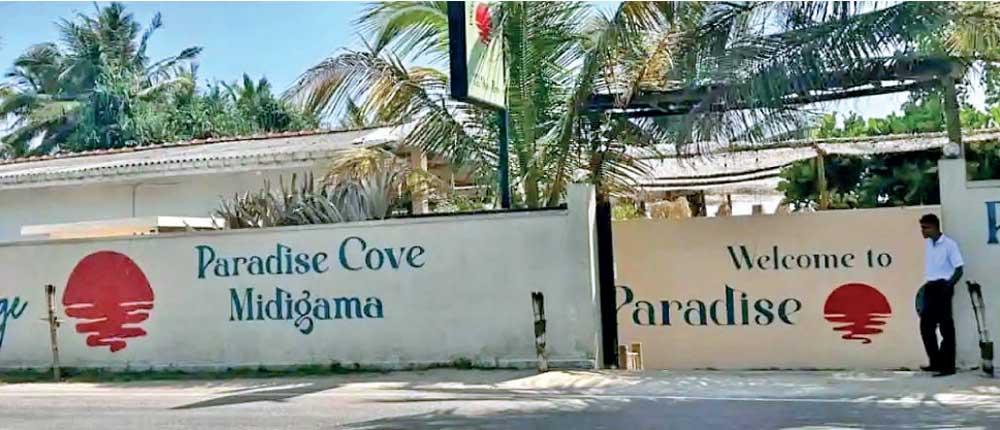
The unsavoury experience the writer had in this restaurant is not simply about the cost of a meal. It highlights a worrying trend in some tourist areas where foreign currency practices appear to be quietly normalised, even for everyday domestic transactions
- A late lunch near a seaside restaurant in Midigama turns out to be a disaster
- It was only after we had finished our meal that we were informed that payment could not be made in Sri Lankan Rupees
- Businesses aren’t permitted to compel customers to pay in foreign currency for domestic services, when prices are displayed in rupees
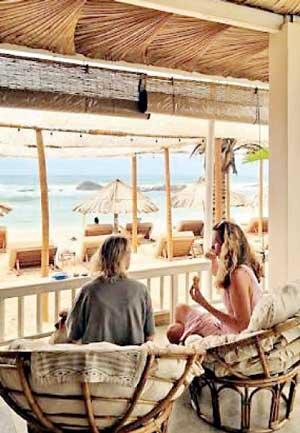 |
| When Sri Lankans are required to pay in foreign currency at local establishments, they are effectively treated as outsiders in their own economy |
By Giselle Gunewardene
I went to Paradise Cove in Midigama for a late lunch with three friends on December 26, 2025, expecting nothing more than a relaxed meal by the sea. Instead, the experience left me unsettled and questioning how such practices can take place in Sri Lanka without scrutiny
At the entrance and near the counter, notices were clearly displayed stating that cash payments were not accepted and that only card payments were allowed. While inconvenient, this alone did not seem unusual. What was not disclosed anywhere, either on the notices or verbally, was that card payments would be processed only in a foreign currency.
The menu presented to us listed all prices in Sri Lankan Rupees. There was no mention that payment in local currency would not be accepted, nor any indication that a foreign currency would be used at the point of billing. Based on the information provided, there was no reason to assume that a meal ordered and priced in rupees would ultimately have to be paid for in anything else.
It was only after we had finished our meal that we were informed that payment could not be made in Sri Lankan Rupees and that the card machine would charge us in Euros. With no cash option and no local currency option available, we were left with no practical choice but to proceed with the transaction as instructed.
The final bill for our table of four came to €150.70.
This is where the issue becomes more serious. Under Sri Lankan law, the Sri Lankan Rupee is the sole legal tender for domestic commercial transactions. Restaurants and cafés operating within the country are required to charge and settle bills in local currency. Charging customers in foreign currency is permitted only in very limited and specifically authorised circumstances.
The Central Bank of Sri Lanka regulates all foreign exchange transactions in the country. Businesses are not legally permitted to compel customers to pay in foreign currency for domestic services, particularly when prices are displayed in rupees. Refusing local currency while insisting on settlement in Euros directly undermines the legal status of the national currency.
Beyond the legal aspect, the experience also raises fundamental consumer protection concerns. Key information about payment terms was disclosed only after the service had been consumed. At that point, refusal was no longer a realistic option. There was no transparency about the exchange rate applied, and no opportunity for informed consent before ordering.
This experience is not simply about the cost of a meal. It highlights a worrying trend in some tourist areas where foreign currency practices appear to be quietly normalised, even for everyday domestic transactions. When Sri Lankans are required to pay in foreign currency at local establishments, they are effectively treated as outsiders in their own economy.
Tourism is vital to towns like Midigama, but it cannot come at the cost of disregarding national law and basic consumer rights. Transparency, lawful billing practices and respect for the Sri Lankan Rupee are not optional. They are obligations.
What happened at Paradise Cove Medigama on 26 December 2025 deserves attention, not just as a single incident, but as part of a larger issue that calls for clearer enforcement and greater accountability.
Several attempts made by the Daily Mirror to contact Paradise Cove via calls, WhatsApp and email proved futile.