Government announces paddy purchasing prices (Video)

February 5th, 2025

Courtesy Hiru News

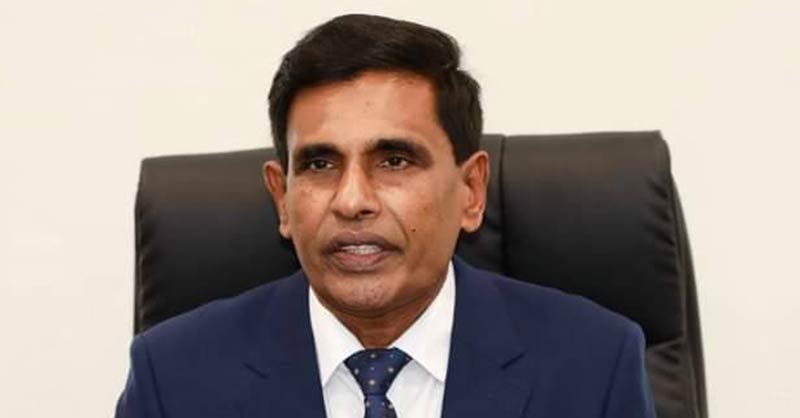
The government has officially announced the certified prices at which the Paddy Marketing Board (PMB) will purchase paddy from farmers. The announcement was made at a special media briefing today (05) by Agriculture Minister K.D. Lal Kantha and Deputy Minister Namal Karunaratne.

Accordingly, the revised procurement rates are:
Nadu paddy at Rs. 120 per kilogram
Samba paddy at Rs. 125 per kilogram
Keeri Samba paddy at Rs. 132 per kilogram
The Minister stated that only dry paddy will be purchased, emphasizing that the decision aims to ensure fair prices for farmers while maintaining market stability. The PMB is set to begin purchases at these rates immediately.

Government to prioritize filling vacancies with recruitment of graduates – Minister

February 5th, 2025

Courtesy Hiru News

Minister of Health and Mass Media Nalinda Jayatissa stated that the government will prioritize filling urgent vacancies when recruiting graduates into the public service. Responding to questions at the cabinet media briefing today (05), he noted that while figures such as 30,000 or 35,000 have been mentioned, not all graduates will be recruited.

He emphasized that the process will focus on existing vacancies and acknowledged the presence of underutilized graduates in the public sector. A separate committee will be appointed to address this issue and determine the necessary recruitments.

ශ්‍රී ලංකාවේ යථාර්තය, අනාගතය සහ නිදහස!

February 5th, 2025

Sarath Bulathsinghala

4 Feb 2025

  • ඊලාමය – දෙමල diasporawa – ටිකක් දැන් පසුව ගොඩක් න්‍යායයෙන් මුළු සිරි ලකම ඊලාමයක් කර ටමිල්නාඩු සමග එක්වීමී (Anschluss) ප්‍රයත්නය 
  • රාම රාජ්‍ය – ඉන්දියාව – හුදු ප්‍රලාපයක් වූ රාම රාවනා ප්‍රභන්දය හරහා ලංකාව ඉන්දියානු ප්‍රාන්තයක් කිරීමේ ප්‍රයත්නය 
  • වසිරිස්ථානය – මුලූ ලෝකයම ඉස්ලාම් කිරීමේ ප්‍රයත්නය 
  • දේව රාජ්‍ය – සීග්‍රයෙන් තම අනුගාමිකයින්  ගිලිහී යන Holy Roman Empire – කතෝලික සභාව – 21 වෙනි ශතවර්ෂයේ ආසියාව ක්‍රිස්තියානි කිරීමේ  ක්‍රියාන්විතය
  • ඇමෙරිකාවේ 51 වෙනි ප්‍රාන්තය – ඇමෙරිකානු චීන විරෝධී India – Pacific Initiative -ක්‍රියාන්විතය 
  • චීනයේ පටිය සහ පාර (Belt and Road Initiative )

ඉහත දක්වන වෙන වෙනම අනාගතයන් කරා  ගෙන යාමට බලවන්තයින් කටයුතු කරමින් සිටිනවා. එකිනෙකාගේ අන්තිම බලාපොරොත්තු වෙනස් වුවත් ඔවුන් සියලු දෙනාට අවශ්‍ය ශ්‍රී ලංකාව  අස්ථාරව තබා ගැනීමයි. මේ සඳහා ඔවුන් සියලු දෙනා සාමුහිකව කටයුතු කරනවා. එය දැනට බොහෝසේ සිදුවී හමාරය. මේ සියල්ලට එරෙහිව තියෙන්නේ සිරි ලක ඇති සිංහල බෞද්ධ සංස්කෘතික පදනම සහ තවමත් බහුතරයක් වන සිංහල බෞද්ධයින්ය. මේ පදනම විනාස කිරීමට යටත් විජිත කාලයේ මෙන්ම දැනුත් ඉහත සඳහන් බලවතුන් මහා ප්‍රයත්නයක සිටිනවා. භික්ෂු සංස්ථාව හැල්ලු කිරීම තුලින් එය විනාශ කිරීමට හැකි සියල්ල කරනවා. නිදහසින් පසු සිටිය සියලු පරගැති එසේම තමාගේ පව්ලේ සුඛ විහරණය පමණක් පතන  ආණ්ඩු අඩු වැඩියෙන් එසේ කිරීමට දායක වී තිබෙනවා. . වර්තමාන ආණ්ඩුවත් එසේමයි, නොහැකියාව ප්‍රදර්ශනය කරමින් කාලය මරනවා. 

හැතැම්ම දාහක මුහුදු තීරයක් ඇති සිරි ලකට ලුණු සහ මාළු ආනයන කරන මාලිමව රටක් පාලනය කිරීමට කිසිම හැංගීමක් නැත. දැන් දැන් වියරුවෙන් කරන කියන කිසිම දෙයක රට පැහැදිලි සංවර්දනයට ගෙන යෑමේ ක්‍රියාවලියක් ඇති බවක් පෙනෙන්නට නොමැත. ඇත්තේ වහසි බස් දෙඩීම පමණි. එහෙත් නොකඩවා දශක ගණනක් රට පාලනයට පිඹුරුපත් එලමින් සිටිනවා. 

මලිමාවේ කයියනායක පච හස්ත මුද්‍රාවෙන් කරන කියන දේ වැදගත් නැත. ඇමෙරිකාව, චීනය සහ ඉන්දියාව මොහුව බිත්තියට තියල හිරකරලා තියෙන්නේ IMF කියන විදියට වැඩ කරන්න කියල. උදාවී ඇති බංකොලොත් භාවයෙන් මිදීමට ඩොලර් සහ රුපිඅල් සංචිත වැඩි කරගත යුතුව ඇත. කිසිම හිරිකිතයක්බ නැතිව බදු වැඩිකරන්නේ ඒ නිසයි! ජනාධිපති සහ මහා මැතිවරණ වලට පෙර දුන් පච පොරොන්දු දැන් අදාලම නැත, මන්ද ඒ පොරොන්දු වලට කිසිම සැලසීමක් හෝ ක්‍රියාවලියක් නොතිබූ නිසා! 

ඉහත කී දේට අමතරව මොවුනට උපකාර කල දෙමල Diasporwaටත්,  මුස්ලිම් ව්‍යාපාරිකයන් ප්‍රදාන ජාවාරම් කරුවන්ටත්, කිරිස්තියානි පල්ලියටත්  නයගැතියි. දැන් වැඩිපුර කරමින් ඉන්නේ ඔවුන්ගේ ඕනෑ එපකම්ය. දෙමල Diaspora වට අනුව රට බෙදා නිශ්චිත දේශ සීමාවක් නොමැති – දැන් ටිකක් පසුව ගොඩක් –  ඊලම සෑදිය යුතුය. රටේ ව්‍යවස්ථාව වෙනස් කර ෆෙඩරල් ව්‍යවස්ථාවක් ගෙනඒමට සුදුසු පරිසරය සලසමින් ඉන්නවා. රුකඩ මාලිමාව රුකඩ නටවන්නන්ගේ තාල වලට නටනවා.  මුස්ලිම් ව්‍යාපාරයට අනුව මුළු රටම මිල දී ගත යුතුව ඇත. එය ඔවුන් දැනටමත් නියමයට කරගෙන යනවා. අපේ සල්ලින් වලින්ම පාරිභෝගික භාණ්ඩ ආනයනය කර අපිට විකුණා එම ලාභයෙන් ඉඩම් මිලදී ගන්නවා!  මේ බෝම්බ සහ කඩුගා සමුලඝාතන  වලට අමතරය.  ක්‍රිස්තියානි පල්ලියට අනුව දේව රාජ්‍ය ගොඩ නැගිය යුතුය. මේ සියල්ල කිරීමට  ඉස්සරට වඩා  දැන් ඉඩ කඩ සැලසී ඇත. රට පුරා ක්‍රිස්තියානි කරණය සීග්‍රයෙන්  සිදුවෙමින් තියෙනවා.  Born Again ව්ය්රසය රට පුර විරාජමාන වෙමින් පවතිනවා. ඔවුන් දේශපාලන පක්ෂ ගිලගෙන සිටිනවා. ඔවුන්ගේ පාස්ටර් වරු NGO සේ රට වටා සැරිසරනවා.  ඔවුන්ගේ ආර්ථික බල පරාක්‍රමය ලොව වට විහිදුවමින් ඉන්නවා. සියල්ලට  හේතුව මාලිමාව මේ  අයට  Blackmail වෙලා නිසාය. ඔවුන්ගේ ව්‍යාජ සමාජවාදී ආත්මය විකුණා හමාරය.  දැන් ඔවුන් උග්‍ර ධනවාදී වී හමාරය.  සමස්තයක් ලෙස ගතහොත් ඇත්තේ මෙතුවක් කල් බලයට පැමිණීමට නොහැකි වීමේ සමාජ වෛරයයි. කියන්නේ වෛරී ප්‍රකාශය. කරන්නේ වෛරී වැඩය.  හිටියොත් තෝ නසී ! ගෙදර ගියොත් අඹු නසී ! තත්වයට පත්වී අවසානය.

ගොවියාට  කරමින් සිටින්නේ කාලයාගේ ඇවෑමෙන් ගොවි කම එපා කර ඔවුන්ගේ ඉඩම් විකිණීමට යොමු කිරීමයි. එකයි මේ නියම වෙලාවට පෝර නැති, වතුර නැති මිලදී ගන්න නියම මිලක් නැති අභාග්‍ය! එකයි  මේ නොනවතින කොල්පාඩුව!  එවිට මහා පරිමාන ව්‍යාපාර වලින් මේ ඉඩම් අත්පත් කරගනු ඇත. ව්‍යාපාර වලින් ඇමෙරිකාව අත්පත් කර ගනු ඇත.  අමෙරිකානු ACSA සහ SOFA ගිවිසුම් දැන් අයිති වන්නේ අතීතයටයි. ඉන්  එහාට MCC ක්‍රියාවලියට වැඩි දුරක් නොමැත. කාලයක් තිස්සේ මේ විෂය හදාරන කෙනෙකුට මේ සියල්ල ඉතාමත් සරලය. Hawaaii දුපත ඇමරිකාවේ 50 වැනි ප්‍රාන්තය වූ සැටි ඉගනීම වර්තමාන සිරි ලංකාවට සහ දේශ ප්‍රේමි ජනතාවට  අතිශය අවශ්‍ය විෂයකි! 

මාතෘ භූමියට හතරවරම් දෙවියන්ගේ පිහිටයි! 

වීරයෝ අඩු නිදහස් උළෙලක්

February 5th, 2025

Divaina Online

An open advise to President Anura Kumara and his coterie of Ministers

February 4th, 2025

Dr Sudath Gunasekara (SLAS) Former Secretary to Prime Minister Mrs Sirimav Bandaranayaka

I strongly advise the President and his coterie of Ministers and their followers to read  ‘The Panakaduwa Tamba Sannasa” by  ( (ruled 1055–1110), to understand how our ancient Sinhala Buddhist Kings had treated those who saved this country and the Sinhala nation, before he and his coterie of ignorant followers try to expel  Former President Mahinda Rajapaksha from this official residence. Also please don’t forget that it was Mahinda Rajapaksha who saved this country in 2009 from the LTTE who were listed as the most dangerous band of terrorists in the whole world and not you or any other of his predecessor  President who miserably failed for 30 years.

Not only the people of this country, but the whole world knows it.

Also please don’t forget that this country had been governed by Sinhala Buddhist Kings on the advice of  Buddhist monks for the past 2566 years. That is the long and undisputed legacy that no politician in this country who aspires to rule this country should ever forget.

Furthermore,  if you would like to understand, more about the value of the Buddhist concept and the ideals of Governance please read the Introduction to the “Legacy of India” by  Lord Marquess of Zetland, the British Governor of Bengal (1917-1922).

Derana 360 | සුනිල් හඳුන්නෙත්ති | With Sunil Handunnetti

February 4th, 2025

AKD urged to reveal how he intends to face Geneva challenge

February 4th, 2025

By Shamindra Ferdinando  Courtesy The Island

Dr. Bandara

Patriotic National Movement (PNM) yesterday (03) urged the Janatha Vimukthi Peramuna (JVP)-led National People’s Power (NPP) administration to reveal how it intends to counter the high profile Geneva project meant to undermine Sri Lanka’s unitary status on the basis of unsubstantiated war crimes accusations.

PNM’s Dr. Wasantha Bandara said that the government owed an explanation to the public as the JVP help elect the treacherous Yahapalana administration that backed a US accountability resolution at the Geneva-based HRC, in October, 2015, against one’s own country.

Dr. Bandara said that the war-winning country celebrates its independence today as Western powers relentlessly pursued an anti-Sri Lanka agenda.

Responding to The Island queries, Dr. Bandara said that the crux of the matter is that the country hadn’t been able to reach a consensus on a counter strategy, even 17 years after the eradication of the separatist LTTE group. Dr. Bandara alleged that in spite of nationalistic groups repeatedly urging successive governments to counter lies, none of them bothered, regardless of Lord Naseby providing Sri Lanka with irrefutable evidence to counter trumped-up Geneva accusations.

Now as the President, Minister of Defence and the Commander-in-Chief of the war-winning armed forces, Anura Kumara Dissanayake, was accountable for Sri Lanka’s response, the civil society activist said. The next Geneva sessions are scheduled for February-April 2025.

Dr. Bandara also questioned the failure on the part of the main Opposition to raise this issue, both in and out of Parliament. The PNM spokesperson acknowledged that the Geneva issue hadn’t been addressed during presidential and parliamentary election campaigns. In spite of the next Geneva sessions, just weeks away, no political party at least referred to the issue, Dr. Bandara said, pointing out that the continuing failure to defend the armed forces was an affront, particularly to those who made the supreme sacrifice.

Over 30,000 armed forces officers and men died during the war. Dr. Bandara said that the treacherous course of action, initiated in 2015, continued unabated, though, in 2020, the government announced that it quit the Geneva process. That much-touted announcement didn’t make any difference, Dr. Bandara said, urging the NPP to act without further delay.

” අයින් වුණොත් ද්‍රෝහීන් තමයි…”

February 4th, 2025

Meet and Meal

The Psychological Effects of Torture

February 4th, 2025

Dr Ruwan M Jayatunge M.D. P

Torture and its Psychological / Sociological and Political implications

Discussion by

Dr Ruwan M Jayatunge M.D. PhD

(This program was conducted under the guidance of Stanford University)

Link ; Torture and its Psychological / Sociological and Political implications

CID questions top official over releasing of 323 containers

February 4th, 2025

By Shamindra Ferdinando Courtesy Island

Colombo port crisis:

The Criminal Investigation Department (CID) yesterday (03) recorded a statement from Additional Director General of Customs, Seevali Arukgoda, regarding the releasing of 323 containers on 18 January, 2025. Arukgoda has been overall in charge of the process that allowed the releasing of unchecked containers, in line with a decision taken by the top management of the Customs, to address worsening congestion at the port.

The CID questioned Arukgoda following a complaint lodged by the Colombo Port-based trade unions over the releasing of containers without subjecting them to scrutiny. The unions have accused Arukgoda, who is also the Customs spokesperson, of releasing the containers.

Arukgoda, who had served Customs for over three decades, declined to comment on the ongoing investigation. It wouldn’t be right for me to speak on the issue for obvious reasons.”

In addition to the CID investigation, the National People’s Power (NPP) government has formed a special committee, headed by Deputy Secretary to the Finance Ministry, Ananda Kithsiri Seneviratne, to inquire into the accusations directed at Arukgoda, sources familiar with the developing situation told The Island.

Sources speculated that the Commission to Investigate Allegations of Bribery or Corruption (CIABOC), too, may inquire into the Customs matter.

Responding to queries, sources said that a four-day special operation that had been launched with the agreement of trade unions, on 30 January, led to the clearing of the backlog of containers by Sunday (02). Of the three container yards, namely Grayline i, Grayline ii and Rank Container Terminal (RCT), two had been cleared and there were about 40 containers at one place, sources said, adding that once the inordinate and deliberate delays were addressed the clearing process returned to normal.

According to the Director General, Customs, P.B.S.C. Nonis, the releasing of containers,, sans checks, in terms of what he called risk management principles, had begun in September 2020 in a bid to address congestion.

Against the backdrop of as many as 60 percent of containers, released daily, hadn’t been subjected to physical checks, the examination of remaining 40 percent was delayed and the situation deteriorated to such an extent they, too, were released in batches, Nonis said, adding that this process began on 18 July, last year. Since then the Committee that had been tasked with addressing congestion at the Colombo Port periodically released containers in line with relevant recommendations.

The 323 containers that had been released on 18 January, this year, and was at the centre of controversy, was done on the specific directives/recommendation of a Committee appointed by the incumbent Cabinet-of-Ministers and President Anura Kumara Dissanayake and head of the above-mentioned committee, Minister of Transport, Highways, Ports and Civil Aviation and Leader of the House Bimal Ratnayake.

Nonis declared that 323 containers didn’t include at least one container belonging to Expo Lanka as alleged by various interested parties.

Sources said that Customs had adopted a controversial system, over two years, before Nonis received appointment within days after Parliament elected Ranil Wickremesinghe in late July 2022 to complete President Gotabaya Rajapaksa’s term remainder.

Unions pushed for the removal of Nonis and Arukgoda and suspension of stricter internal mechanisms meant to curb corruption in line with IMF dictates.

On behalf of Customs, Labour and Deputy Minister of Economic Development Prof. Anil Jayantha has tabled a comprehensive report on the issue in Parliament on 25 January.

Political sources said that at the time the Colombo Port unions made bombshell accusations over the releasing of 323 containers, the Opposition hadn’t been aware of the controversial system in place since September 2020.

Driving a nation’s destiny: Falling asleep at the wheel

February 4th, 2025

By Kusum Wijetilleke Courtesy The Morning

Driving a nation’s destiny: Falling asleep at the wheel

To say that Vaithilingam Sornalingam alias Colonel Shankar was an important member of the Liberation Tigers of Tamil Eelam (LTTE) is a gross understatement. As laid out by D.B.S. Jeyaraj in an October 2022 article, Col. Shankar pioneered several projects for the movement,” including setting up the LTTE’s Office of Overseas Purchases (OOP), later taken over by Selvarasa Pathmanathan alias KP. 

As well as establishing a global communications network for the LTTE, he personally oversaw its first-ever purchase of a trawler, thus becoming the Founder Commander of the LTTE Marine Division, also called the ‘Sea Tigers’. As Commander, he initiated the LTTE Undersea Attack Unit and the LTTE Anti-Aircraft Unit, and was involved in conceptualising and planning what would become ‘Vaanpuligal’ – the Air Tigers. According to Jeyaraj, Shankar was the first member of the LTTE to attain a pilot’s licence.  

Col. Shankar was killed on 26 September 2001 by the Army’s Long-Range Reconnaissance Patrol (LRRP) in the Vanni. The LRRP was acting on intelligence provided by a ‘deep cover’ intelligence unit that operated within such LTTE-dominated areas. Col. Shankar had just left a meeting with Velupillai Prabhakaran, possibly the intended target of the claymore attack. 

The dismantling of such networks was necessary as part of the requirements for the 2002 Ceasefire Agreement (CFA) negotiated by Ranil Wickremesinghe’s Government. A new book from author and public intellectual Prof. Rajiva Wijesinha captures many such small details, the sum of which presents a disturbing pattern of behaviour that seems to be a recurrent feature of many members of Sri Lanka’s political elite. 

Wickremesinghe also presided over a similar trajectory in 2015; a weakening of intelligence networks, the sidelining of experienced agents, breeding a culture of disinterest in matters of national security. This trajectory, coupled with the dysfunction created by competing power centres in a coalition government and underlying administrative inertia, led to the deaths of some 250 people in the 2019 Easter Sunday attacks – a manifestation of the worst possible outcomes of Wickremesinghe’s political wrangling. 

A few years prior, Prof. Wijesinha published ‘J.R. Jayewardene’s Racism, Cold War Posturing, and the Indian Debacle,’ which presented a striking analysis of one of Sri Lanka’s most enduring leaders. President Jayewardene was not only prime minister but also Sri Lanka’s first finance minister; indeed he presented the country’s first five budgets. There is no understating his impact on our country’s politics and economy, via the concentration of power within himself through constitutional manoeuvring, resisting political pacts with Tamil leadership, and his use of a referendum.

Victims of history

JR was in some sense a victim of history, captive to the complexities of Sri Lanka’s situation: the Indian dynamic, Sinhala and Tamil nationalism, and revolutionary insurrections. 

However, during his periods at the centre of power in Sri Lanka, meaningful efforts at power devolution were ignored; there was an outright refusal to consider even minimal autonomy in the mid-1970s as well as a failure to engage on District Development Councils.

Jayewardene presided over the failure to quell the 1983 pogroms and was made to deny his Government’s alleged complicity in those pogroms, as well as failing to manage the Indo-Lanka relationship and subsequently being strong-armed into the Indo-Lanka Accord. Indeed, the concentration of power in his own self was a key feature of JR’s periods in leadership and it is fascinating that it is precisely JR’s authoritarian streak that is now most admired. 

Wickremesinghe and the only other person to stand against him (and defeat him) in a clean leadership contest for the United National Party (UNP), Gamini Dissanayake, were both JR’s proteges and were ever-willing to preside over his triangulations. 

Prof. Wijesinha notes in his most recent book that it was Ranil who played a major role in JR’s other plot with regard to the referendum, getting undated letters of resignation from UNP Members of Parliament”. It was Wickremesinghe who distributed these cyclostyled letters of resignation,” later used to enforce ruthless campaigning during the referendum”.

Prof. Wijesinha states that the result was a farce, and the perpetuation of a Parliament that no one considered legitimate, so that over the next few years the country spiralled into excessive violence, in the south as well as in the north”. 

Consider this factoid in the context of President Wickremesinghe’s unnecessarily violent crackdown on unarmed protesters at ‘GotaGoGama’ (GGG) on 22 July 2022 and the suppression of dissent that occurred thereafter. The nonsensical detention of bystanders, activists, and YouTubers and the overall harassment of university-linked protest groups were precisely to ensure that no dissent was tolerated. 

Devious and obsequious

Consider the various examples of grift that occurred during his brief period in power as President and head of the Cabinet: the delayed cancellation of the Strategic Assets Development Bill, the immunoglobulin scam, the withdrawal of court cases against several politically-connected persons, the Mannar Wind Farm, corruption at the Bureau of Foreign Employment, the VFS scandal, controversy over fertiliser import contracts, etc. 

Wickremesinghe also most likely acted in contravention of the Constitution by cancelling or postponing mandated elections, something that also occurred under Prime Minister Wickremesinghe during the ‘Yahapalana’ era.

The smaller details matter, those less appreciated, such as Jayewardene’s failure to reform the 1970’s standardisation policy that lowered entry requirements for Sinhalese students, thus disadvantaging Tamil students. Comparisons to Singapore are now commonplace and, given the divergent trajectories of our economies, it is often noted that Sri Lanka failed to adopt English in its education system at a time when Singapore did so to better integrate with the growing global economy. 

While Wickremesinghe is sometimes celebrated for being a progressive Minister of Education, Prof. Wijesinha is much less flattering in this regard, pointing to the senior civil servant Victor Wirasinha being asked to oversee a more equitable distribution of English teachers around the island. While the popular narrative had been that there was a shortage of English teachers, this was in fact not the case; English teachers were regularly using their influence to remain in urban areas instead of some far-flung corner of rural Sri Lanka.

Prof. Wijesinha writes that when Wirasinha developed a scheme and those with influence lobbied the President, the process was stopped and Victor was got rid of. I still remember him sitting in the side verandah at my home, relating the story with some asperity, my first inkling of the devious and obsequious personality behind Ranil’s upright façade.” 

Prof. Wijesinha was Sub-Warden of S. Thomas’, having taken up the post just before the last batch permitted to do the Ordinary Level in the English medium took their examination… permitted until 1981 for Burghers and Muslims and those of mixed parentage, but by then there were few of these to take advantage of the provision”.

It was during this period that international schools began, with Prof. Wijesinha invited to help organise and establish such institutions by their promoters. This was not to my taste though I had nothing against international schools and indeed am glad that they have helped our students to better opportunities. But I felt it was also important to extend these opportunities more widely, to those whose parents had no way of affording expensive fees.”

Prof. Wijesinha was part of the lobby, so to say, for introducing English medium education for the lower classes, but since the ministry had put a stop to this, the Warden suggested I consult the Minister. I did so, and was told by Ranil that it was illegal. When I asked him why then he had permitted an international school, he told me that he had not done so and had sent the papers to the Attorney General to prosecute them.”

Of course, English medium international schools have thrived in the past three decades, but Prof. Wijesinha prepared a paper for the Board about how English medium classes could be conducted, with students entering privately for public examinations, but by then neither the Warden nor the Board were interested in productive initiatives”.

According to Prof. Wijesinha, Wickremesinghe consistently blocked English medium education throughout his career, vehemently opposing an English medium programme and directing his Minister of Education to halt such programmes, which the then Minister Karunasena Kodituwakku refused to do. 

Prof. Wijesinha believes that the rationale for Wickremesinghe’s indefatigable opposition” to the English Medium are revealing of his general approach to the calculus of politics. Jealousy, pure and simple… that Chandrika had started the programme and a personal hostility” towards Prof. Wijesinha, who was himself a consultant on the project.

Prof. Wijesinha suggests that Wickremesinghe sought to restrict opportunities to his own class, following in the footsteps of his uncle, JR, who, in his early political career, pushed for Sinhala to be the mandatory medium of instruction, thereby limiting English access to only the students of elite families. 

Personality cults

The societal impacts and the economic lag created by Sri Lanka’s delayed and muddled adoption of the English medium are difficult to assess. The utilisation of the language issue by elites of all stripes for their political ends led to the disenchantment and disillusionment of large swathes of the country. 

This has now transformed into a general distrust of institutions of the State more broadly; if institutions are not trusted they must be placed under the control of those deemed trustworthy, which is how concentrations of power begin, how institutions become dependent on a force of personality, rather than professionals working within a clearly defined system. This is what led to a single family, the Rajapaksas, controlling between 60-70% of the national budget at the peak of their power with hardly any substantive pushback.

In the aftermath of the crash, Wickremesinghe, as President, took on the Minister of Finance portfolio, thereby making himself central to the process of International Monetary Fund (IMF) negotiation. 

In such a situation, Sri Lanka should have had an independent finance minister, not the President who was politically exposed and thus had incentives towards political expediency. The IMF noted specifically this practice of the executive president holding the Finance portfolio as an urgent governance deficit. 

To this day, President Anura Kumara Dissanayake remains Executive President and Minister of Finance. On a recent episode of a political debate programme, National People’s Power (NPP) National List Member of Parliament Lakmali Hemachandra responded to a query by stating that the President was the most capable and trusted person to take on the Ministry of Finance and denied that this was even a concentration of power. 

Politics in the macro has become increasingly more personality centric. American politics has always been so, at least since the famous ‘TV campaign’ of 1960 between John F. Kennedy and Richard Nixon. Both the rise, return, and longevity of President Donald Trump owe much to his personal brand; it is not uncommon now for the Republican Party itself to be referred to as a ‘cult of personality’. 

The Trump phenomenon within the Republican Party resulted from the failures of that party whilst in Government; candidate Trump in 2016 was a popular base candidate, and indeed every election cycle, both parties tend to utilise the energy of an insurgent candidate to propel a more establishment-friendly candidate in to the White House: Newt Gingrich in the ‘Republican Revolution’ of 1994 as well as in 2012 as a ‘Tea Party’-aligned firebrand; Ted Cruz in 2016, who, if it were not for Trump, was a close contender for the nomination; Rick Santorum, again from 2012; and Pat Buchanan in the mid 1990s.

Whims and fancies

Economists from varying points on the spectrum have noted that the US most likely did not truly recover from the 2008 financial crisis: Lawrence Summers and his Secular Stagnation Theory; Richard Wolff who noted the divergence between real wage growth and corporate profits; and Michael Hudson on the ‘Rentier Economy,’ the State bailing out the shareholders of large corporations. 

Economist Nouriel Roubini has warned that the US recovery was partly the result of artificial asset bubbles, unsustainable debt, and low interest rates, not investments in industry or infrastructure or any other productivity gains. The NPP victory was the result of the failure of mainstream parties. Trump’s victory, while under certain unique circumstances, fuels this idea that mainstream political solutions are no longer viable, with societal issues such as housing and rent, healthcare, personal debt, care-giving, etc. becoming more pronounced and urgent.  

In Sri Lanka’s case, the failures of both the Centre-Right UNP and Centre-Left Sri Lanka Freedom Party (SLFP) have led to different formations which have an anti-establishment quality. 

Meanwhile, the failure of both breakaways, the Samagi Jana Balawegaya (SJB) and Sri Lanka Podujana Peramuna (SLPP), has further created and/or facilitated the shift towards the NPP, a party that was supposed to be a Left-progressive movement, geared towards transparency and governance but also with a pledge to fundamentally alter the economic equation and structure of our economy. 

There has been much criticism of the new Government, this column included, with the caveat that it requires the necessary time and space to implement its manifesto. Any failure on the part of the NPP to deliver on that winning manifesto and satisfy its mandate leaves it vulnerable to the next cult of personality. 

As Prof. Wijesinha notes, the failures of JR to mitigate the worst impacts of political and ethnic divisions of the 1970s and ’80s and Wickremesinghe’s inability to manage political coalitions have all led to wild swings in our politics. 

Perhaps the NPP will eventually find and utilise its compass of political economy; if it does not, if it insists on simply riding the coat-tails of its charismatic and popular leader, without taking the difficult decisions at the right time, the pendulum of Sri Lankan politics will swing once again. 

If it does swing to a more extreme position on the Right of the spectrum, Sri Lanka, its economy, and governmental administration might once again find itself in the clutches of some kind of personality cult, generating yet another cycle of trying to negotiate effective policy in spite of personal political priorities.

(The writer has 15 years of experience in the financial and corporate sectors after completing a Degree in Accounting and Finance at the University of Kent [UK] and also holds a Master’s in International Relations from the University of Colombo. He is a media presenter, resource person, political commentator, and foreign affairs analyst. He is also a member of the Working Committee of the Samagi Jana Balawegaya [SJB]. He can be contacted via email: kusumw@gmail.com and X: @kusumw)

Sri Lanka needs a growth plan to avoid another crisis

February 4th, 2025

 By Dirk Willem te Velde and Ganeshan Wignaraja Courtesy The Morning

Sri Lanka needs a growth plan to avoid another crisis

Sri Lanka’s experience offers valuable lessons for middle-income countries grappling with post-Covid debt distress. While the economy showed signs of stabilisation in mid-January – bolstered by positive growth, low inflation, a boom in tourism, and a bullish stock market – the challenges ahead are far from over. 

The country finds itself on the precipice of both opportunity and risk, and it is crucial that the National People’s Power (NPP) Government charts a new path towards inclusive and transformative growth that ensures debt sustainability, avoids future crises, and delivers for all Sri Lankans.  

To address this critical need, Overseas Development Institute (ODI) Global has initiated a study group with eminent Sri Lankan economic thinkers to develop a new growth plan for the country. This exercise builds on our co-edited essay series, ‘Sri Lanka: From Debt Default to Transformative Growth,’ which presents 27 pragmatic policy proposals drawing on insights by leading Sri Lankan and international experts.

This topic is a priority because the NPP Government, led by President Anura Kumara Dissanayake, entered office in late 2024 at a pivotal moment. The country is emerging from its worst post-independence economic crisis (2022-2023), which was triggered by a default on external debt obligations in April 2022. 

The default represents a development setback for Sri Lanka, which was often cited as a ‘basic needs’ success story as early as the 1970s despite being a poor country. 

The causes of this crisis are complex and widely debated. Key factors include a long history of fiscal and current account deficits, acute economic mismanagement during 2019-2022 (locally known as ‘homegrown solutions’), commercial borrowing from China’s policy banks for a plethora of low-return infrastructure projects (e.g., Hambantota Port and Mattala Airport in southern Sri Lanka), and external shocks such as the fallout from the 2019 Easter attacks, the Covid-19 pandemic, and the Russia-Ukraine crisis. 

President Dissanayake and the NPP campaigned on a platform of compassionate and corruption-free governance. 

Remarkable economic stabilisation, but risks remain

Sri Lanka’s recent economic outlook offers reasons for cautious optimism. Thanks to prudent monetary and financial stability policies by the Central Bank of Sri Lanka (CBSL), a $ 3 billion four-year International Monetary Fund (IMF) programme, and $ 4 billion of Indian financial assistance, the economy appears to have stabilised after severe macroeconomic turbulence. 

A $ 17.5 billion debt restructuring deal with private bondholders and China has provided much-needed breathing room, and a resurgence in tourism has boosted foreign exchange reserves. 

To his credit, the President has committed to the IMF programme and the debt restructuring process, but with increased social spending to reduce high poverty, both agreed to by his predecessor. 

In this environment, the new Government has inherited a stabilising economy. The latest World Bank growth forecasts point to growth at 4.4% in 2024 though slowing slightly to 3.5% in 2025. However, the road ahead is still fraught with uncertainty. The best way to overcome this uncertainty is to have a robust growth plan that addresses potential risks.

While the economic outlook is positive, there are looming risks that the Government must tackle head-on. Public debt levels are projected to remain high (over 100% of Gross Domestic Product [GDP] in 2028 after the end of the current IMF programme) with notable debt servicing needs despite the restructuring deal with private and official creditors, and there is a risk of significant wage demands from public sector trade unions concerned about the cost of living. 

Another pressing concern is the outflow of skilled professionals. In 2022 alone, an estimated 300,000 individuals, including IT, banking, marketing, and medical professionals, migrated seeking better opportunities abroad. This brain drain poses a serious challenge for both business and governance, as the country faces a growing gap in the talent pool needed to propel growth. 

Rather than putting barriers to outward migration, creating an environment that encourages skilled professionals to stay is crucial. This requires a growth plan that incentivises the use of their skills, provides competitive salaries and benefits, and fosters a stable and promising economic future. 

Key ingredients and policies of a growth plan

A successful growth plan requires considering what are likely high-growth sectors and supporting them. There are several candidates in the country’s evolving comparative advantage, such as niche manufacturing (high-value textiles, auto parts, boat building, and electronic components), ICT and the digital economy, and tourism. 

Tourism, in particular, presents a quick win for the new Government. It has long been a critical sector for Sri Lanka and continues to show a strong post-crisis recovery. With over two million tourists visiting the country in 2024 – a 38% increase over 2023 – tourism offers significant potential to boost foreign exchange reserves and spur growth. 

However, the Government must do more to ensure that tourism is sustainable and benefits communities beyond Colombo. Better marketing of Sri Lanka as a multicultural destination, coupled with targeted development of less-visited regions such as the north and east of the country, and support for small businesses linked to tourism activities, such as small hotels, restaurants, and wellness products, are essential and will help create a more balanced and decentralised tourism industry. Furthermore, addressing the recent wave of gang-related violence is also vital to ensure the safety and security of tourists.

A growth plan needs to further consider which domestic and international policies may support sectoral growth. Fiscal sustainability remains one of the most contentious issues facing the new Government. 

To date, there has been very little attention to the growth and development impacts of fiscal multipliers in Sri Lanka (i.e. active targeted fiscal policies that support growth rather than just saying fiscal prudence). 

This is an important area for research and policy action. While revenues have increased, rationalising Government spending remains a priority, largely due to the State’s expansive role in the economy. 

While ruling out privatisation, the Government plans to improve the management of State-Owned Enterprises (SOEs). However, reconsidering the privatisation or restructuring of some of the larger loss-making SOEs such as SriLankan Airlines and the Ceylon Petroleum Corporation may be necessary as their continued drain on public funds threatens long-term fiscal stability. 

With the support of international financial institutions, the Government should pursue a strategy that right-sizes the State, encourages private sector growth, and ensures fiscal health in the coming years.

Appropriate monetary and financial policies are also crucial ingredients of a growth plan. The CBSL Act of 2023 provides a framework for flexible inflation targeting and Central Bank independence, enabling the bank to refuse monetary financing and encourage better fiscal discipline. However, alongside this, the financial sector must be organised and incentivised to support high-growth sectors and small businesses. 

Further research is needed, drawing on global good practices, to determine whether the existing banking and non-bank financial system is sufficient or if a new development finance institution is required. Implementing global good practices on methodologies for regular stress testing of banks is also crucial to determine whether banks have sufficient capital to withstand negative economic shocks. 

Sri Lanka’s international economic policies are equally important. The inauguration of President Donald Trump and his promise of tariff-raising policies could affect the geopolitics of the Indo-Pacific. Strengthening economic ties with neighbouring India is vital to ensure Sri Lanka benefits from investments, technology transfer, market access, and collaborations from this fast-growing nation. 

President Dissanayake’s recent visit to India offers a promising foundation for stronger bilateral relations. The focus should now be on making concrete progress in areas such as Business-to-Business (B2B) links in high-growth sectors, cross-border energy projects, an Indian private sector investment in the West Container Terminal of the Colombo Port, a digital ID scheme, and the deeper bilateral free trade agreement under negotiation. 

Japan’s relationship with smaller Association of Southeast Asian Nations (ASEAN) countries, which has fostered regional industrial development and cooperation, may offer a valuable ‘flying geese type’ model for such efforts. This has led to, among other things, the increase of global supply chains and jobs in Southeast Asia and a framework for regional trade and monetary cooperation. 

Sri Lanka’s strategic geographical location, its deep water ports, skilled labour, and arguably less red tape regulations are some of its comparative advantages for improved trade and investment ties with India. 

Building capacity for implementing growth policy 

We have known the importance of some policies for some time. However, the challenge lies in implementation due to weak State capacity and political incentives. One constraint is the lack of good oversight, as the Government has a Parliament with little experience. 

Of the 225 Members of Parliament (MPs), about 150 are untested first-time representatives, mostly from the NPP, which raises concerns about the legislative and technical capacity needed to enact the economic reforms Sri Lanka so desperately needs. 

In addition, the Government must prioritise better public sector service delivery, retain key talent within the State sector, and create policies that encourage the development of expertise in governance and public administration. 

Improved State planning for undertaking market-oriented public policies, digitisation of public services, training MPs in the legislative process, and understanding the complexities of economic reforms are also crucial. Further, establishing a top-quality public policy school to train civil servants and MPs would be a valuable addition to Sri Lanka’s university system. 

Sri Lanka stands at a crossroads and the world is watching. While the new Government has made a reasonable start, the economic challenges ahead are significant. Developing a comprehensive,  inclusive, and transformative growth plan that addresses immediate risks and seizes long-term opportunities is essential. 

This plan should identify sectors that are going to drive transformative growth in the future, which domestic macroeconomic policies are supportive of these sectors, and effective trade and investment policies. 

It must also prioritise building State capacity for how these economic transformation policies are going to be effectively implemented. Navigating these choppy waters will require pragmatic leadership, bold policy decisions, a clear vision for the country’s future prosperity, and donor support.

(Dr. te Velde is the Director of the International Economic Development Group at ODI Global in the UK. Dr. Wignaraja is Visiting Senior Fellow at ODI Global and a former Executive Director of Sri Lanka’s Foreign Ministry think tank)

Sri Lanka must unite for economic freedom, not succumb to global pressures: President Dissanayake

February 4th, 2025

Courtesy Telegraph Online

Dissanayake, who was elected president in a narrow win in September’s presidential election, created history for his National People’s Power (NPP) party in the parliamentary election held in November last year

PTI Published 04.02.25, 02:39 PM

Representational image

Representational imagefile picture

President Anura Kumara Dissanayake on Tuesday said that Sri Lanka must work in unison to achieve economic freedom rather than yield to vulnerabilities within the global economic system.

Addressing the 77th Independence Day celebrations of the island nation, Dissanayake said, “Collectively, we must persist in our struggle for freedom on behalf of this motherland.” “To secure our economic freedom, rather than succumbing to weakness in the global economic system and being overwhelmed by its every fluctuation, we must unite in our efforts for this motherland,” said the 56-year-old president.

ADVERTISEMENT

In keeping with his government’s policy of minimizing state expenditures as the island nation struggles to emerge from the 2022 economic crisis, this year’s celebrations saw a reduction in the usual pomp and pageantry.

Only 1,800 military personnel were deployed in the parade, a reduction of over 1,500 personnel from last year. From last year’s 19 aircraft, this morning’s celebrations featured only three aircraft.

Dissanayake, who was elected president in a narrow win in September’s presidential election, created history for his National People’s Power (NPP) party in the parliamentary election held in November last year.

His party won two-thirds of control in the 225-member assembly and more significantly, overwhelming support in the Tamil regions. The Tamils had eschewed support for the main Sinhala community political parties in Sri Lanka’s political history.

This was the first time that a government had won two-thirds control or over 150 seats in a parliamentary election held since 1989.

Dissanayake inherited an economy battered by the 2022 crisis. He has completed the long-drawn-out-debt restructuring of the island’s external debt -– a process all but completed by his predecessor Ranil Wickremesinghe before last year’s presidential election. The island nation, in April 2022, declared its first-ever sovereign default since gaining independence from Britain in 1948.

Discover Sri Lanka: a land of endless opportunities

February 4th, 2025

Courtesy Viet Nam News

Ambassador of Sri Lanka to Việt Nam Poshitha Perera wrote to Việt Nam News on the 77th Anniversary of the Independence Day of Sri Lanka on February 4, 2025.

Sri Lanka, often called the ‘Pearl of the Indian Ocean’, is a destination that captivates travellers and investors alike. With its stunning natural landscapes, rich cultural heritage and dynamic economy, this tropical paradise offers an unparalleled blend of tourism and investment opportunities, making it a must-visit location for the global community.

The island nation boasts a history spanning over 2,500 years, woven into its culture, architecture and traditions. Travellers can immerse themselves in the majesty of Sri Lanka’s ancient cities such as Anuradhapura, Polonnaruwa and Dambulla, marvel at the breathtaking Sigiriya Rock Fortress and pay homage at the sacred Temple of the Tooth Relic in Kandy. These timeless sites, recognised as UNESCO World Heritage landmarks, are a testament to the country’s deep-rooted heritage and serve as gateways to understanding the island’s illustrious past.

A visit by ambassador Poshitha Perera to Bái Đính Pagoda in Ninh Bình Province on September 28, 2024. Photo courtesy of the Embassy

Sri Lanka and Việt Nam share a profound religious connection, with Buddhism serving as a cultural and spiritual bridge between the two nations. Both countries honour their Buddhist heritage through traditions, temples and festivals that reflect shared values of peace and compassion.

The sacred Sri Maha Bodhi Tree in Anuradhapura, brought to Sri Lanka in the 3rd century BCE from the Bodhi Tree under which Shakyamuni Buddha attained enlightenment, is cherished as a national treasure by the Sri Lankan people. As a symbol of profound spiritual and cultural significance, it continues to inspire reverence worldwide.

In a gesture of shared heritage, two saplings from the sacred Sri Maha Bodhi Tree were gifted to Việt Nam and now thrive in the Bái Đính and Tam Chúc pagodas in Ninh Bình Province. Further strengthening this bond, the Central Cultural Fund of Sri Lanka is providing technical expertise to develop the Bodhi Complex at these sites, integrating state-of-the-art Sri Lankan architectural elements. This collaboration reflects the deep-rooted spiritual connection and shared commitment to preserving Buddhist heritage between Sri Lanka and Việt Nam.

This year marks a momentous milestone as Sri Lanka and Việt Nam celebrate 55 years of diplomatic relations, underscoring the enduring friendship and cooperation between the two nations.

Beyond its historical and cultural allure, Sri Lanka is a treasure trove of natural beauty. The turquoise waters of Mirissa, Unawatuna, Tangalle and Pasikuda beaches are ideal for relaxation, while the rolling tea plantations of Nuwara Eliya and Ella offer serene escapes into the misty highlands.

Wildlife enthusiasts can embark on safaris in Yala and Udawalawe National Parks, encountering elephants, leopards and a plethora of exotic bird species. Adventurers can explore the island’s surfing hotspots, thrilling hiking trails and whale-watching excursions. For those seeking tranquility and rejuvenation, Sri Lanka’s ancient indigenous wellness practices provide a holistic retreat.

General Party Secretary Tô Lâm talks to Ambassador Poshitha Perera at his presentation of credentials on September 17, 2024. VOV Photo

Sri Lanka is not just a destination for tourists. The island is rapidly emerging as a hub for global investors, offering a wealth of opportunities in diverse sectors.

Tourism itself is a fertile ground for investment, with increasing demand for eco-friendly resorts, boutique hotels and luxury experiences. The agriculture and food processing sector is another promising area, with Sri Lanka’s globally acclaimed Ceylon tea, spices and organic produce paving the way for innovative agro-processing ventures.

Sri Lanka is also encouraging investment in electric vehicle (EV) manufacturing as part of its commitment to sustainable development and a greener future. By emphasising renewable energy and eco-friendly initiatives, the country is fostering an environment conducive to businesses interested in establishing operations in EV production and related technologies.

The government’s ambitious infrastructure projects, including port expansions and highway developments, reflect its vision of becoming a regional logistics hub. Additionally, Sri Lanka’s renewable energy sector holds immense potential, with a strong focus on solar, wind and hydropower to achieve sustainability goals. The island’s skilled labour force further enhances its appeal as an investment destination.

Apart from these opportunities, Sri Lanka seeks to strengthen collaborations with Việt Nam in various sectors, including information technology, industrial parks, agriculture, pharmaceuticals and mixed development projects, such as the transformative Port City initiative. These collaborative efforts promise mutual growth and opportunities, reinforcing the longstanding partnership between the two nations.

Sri Lanka’s unique charm lies in its ability to offer something for everyone. Whether you are a traveller yearning for serene beaches, cultural exploration and thrilling adventures, or an investor looking for dynamic opportunities in a strategic location, Sri Lanka welcomes you with open arms.

The Sri Lanka Embassy in Hà Nội warmly invites Vietnamese travellers and business leaders to discover the unparalleled beauty and boundless opportunities of our island paradise. For those interested in exploring investment or business opportunities, we encourage you to reach out to us at slemb.hanoi@mfa.gov.lk. It would be our pleasure to guide you through the abundant prospects Sri Lanka has to offer. VNS

Independence Day: Dissanayake tells fellow Sri Lankans to look to the future, not the past

February 4th, 2025

by Melani Manel Perera Courtesy PIME Asia News

During celebrations marking the 77th anniversary of the end of British colonial rule, Card Ranjith called for the current presidential system to be scrapped since it has fostered a culture of fear” and lawlessness”.

Colombo (AsiaNews) – Sri Lanka today marked the 77th anniversary of its independence from British colonial rule.

On this occasion, President Anura Kumara Dissanayake, speaking in Independence Square, urged his fellow citizens to focus on building a brighter future rather than looking back at past challenges, inspired by the collective hope and expectation shared by all Sri Lankans, whether from the north or the south, to unite in the quest for a modern, progressive nation”.

The president called for a joint national effort to achieve economic independence, reminding his compatriots that this must be pursued without falling prey to external pressures from the global economy.

Citing religious leaders, activists, media workers and, especially, ordinary citizens, Dissanayake said that everyone is linked by an undeniable responsibility to create a world that reflects true humanity, in which everyone can experience and nurture kindness, respect and mutual understanding.

The Catholic Church also marked Independence Day by celebrating Masses of thanksgiving in all the dioceses. The Archbishop of Colombo, Card Malcolm Ranjith, led a service this morning at the Church of All Saints in Borella.

In his address, the cardinal called on the president and the government to repeal the current Constitution which, by giving the head of state unrestrained powers, turned into war national conflicts that could otherwise be resolved peacefully.

The dictatorial constitution has been at the root of our nation’s crises,” Card Ranjith said. It has dealt a fatal blow to democracy, fostered a culture of fear and bloodshed, and allowed lawlessness to thrive.”

For this reason, it must be repealed immediately and replaced with a new constitution that unites all citizens as children of one mother, ensuring justice, transparency, and a renewed social and cultural foundation.”

අවුරුදු 77ක් මොකද කළේ?.. නිදහසින් පසු රටේ කිසිවක්ම සිදුවී නැද්ද? – අජිත් නිවාඩ් කබ්රාල් ඉතිහාසයේ සිට කියාදෙයි (වීඩියෝ)

February 4th, 2025

උපුටා ගැන්ම  ලංකා ලීඩර්

මුලින්ම රටක් ලෙස 1505 දී පෘතුගීසීන්ට යටත් වූ පසුව ලංදේසීන් සහ ඉංග්‍රීසීන්ට ද යටත් වී වසර 443ක් වැනි දීර්ඝ කාලයක් යටත්වී සිටි ජාතියක් ලෙස 1948 නිදහස ලැබීමෙන් පසු අදටත් නොයෙක් පුද්ගලයන් ඉංග්‍රීසීන්ට තවදුරටත් යටත්වී සිටියා නම් හොඳයැයි පවසන බවත්, එහෙත් වසර 443කට පසුව රට නිදහස් වීමේ දී මෙරට ජනයාගෙන් විදුලිය තිබුනේ සියයට එකක පිරිසකට පමණක් බවත්, නල ජලය තිබුනේ එම  සියයට එකක පිරිසගෙනුත් බාගයකට පමණක් බවත්, පාසල් 2000ක් සහ විශ්ව විද්‍යාල තිබුනේ එකක් බවත් හිටපු මහ බැංකු අධිපති අජිත් නිවාඩ් කබ්රාල් මහතා පවසයි.

එකල පාරවල් වලින් සියයට 99ක් තිබුනේ බොරළු පාරවල් බවත් පවසන ඒ මහතා එකල තිබුනු තනතුරු පවා සියල්ල තිබුනේ බ්‍රිතාන්‍ය ජාතිකයන්ට බවත් සඳහන් කරයි. 

එකල ලාංකිකයකුට එබඳු තනතුරක් හිමිවුව හොත් එය විශාල ආන්දෝලනයකට ලක්වූ බවත් සඳහන් කරන ඒ මහතා වසර 77කට පසුව අද රට දෙස බැලීමේ දී කිසිවක්ම සිදුවී නැති බවට තර්ක කළ හැකිදැයි ප්‍රශ්න කරයි.

අද රටේ සියයට 99කට විදුලිය ඇති බවත්, සියයට 60කට පමණ නල ජලය ඇති බවත්, අධිවේගී මාර්ගම කිලෝමීටර් 200ක් පමණ ඇති බවත් කබ්රාල් මහතා පවසයි.

පාසල්ම 10,000ක් පමණ ඇති බවත් රාජ්‍ය හා පෞද්ගලික විශ්ව විද්‍යාල විශාල ප්‍රමාණයක් රට තුළ පවතින බවත් සඳහන් කරන ඒ මහතා, වසර 77 ක් තුළ ආඩම්බර විය හැකි කිසිවක් මෙරට  තුළ සිදුවී නැත්දැයි  වැඩිදුරටත් ප්‍රශ්න කරයි.

77 වසරක් තුළ කිසිවක් සිදුනොවූ බවට   ප්‍රශ්න නගන මිනිසුන් මුලින්ම තමන්ගේ මනස නිවැරදිව සකස් කරගත යුතු බවත්, රට ගැන අභිමානයක් දැනෙන ලෙස තම මනස වෙනස් කරගත යුතු බවත් ඔහු සඳහන් කරයි.

සවිස්තර වීඩියෝව පහළින්… 

ගොවි බිමටම ගිහින් වී ගන්න හැටි…”අඩුවට කිරාගෙන යනවා” වී තොග ගැණුම්කරුවන්ගෙනුත් හෙළිදරව්වක්

February 4th, 2025

Measures underway to curb rice ‘mafia’ – Hadunnetti

February 4th, 2025

Courtesy Adaderana

The Minister of Industry and Entrepreneurship Development, Sunil Handunnetthi says that the necessary financial provisions for purchasing paddy during the ‘Maha’ cultivation season have been provided to the Paddy Marketing Board.

Speaking on TV Derana’s current affairs programme 360°” last night (04), the Minister confirmed that the Paddy Marketing Board will soon begin purchasing paddy.

He also emphasized that systematic measures are being implemented to curb the rice ‘mafia’ in the country, ensuring fair pricing for both farmers and consumers.

If we set the price below the farmer’s competitive advantage, it would be unfair to them. It is clear that the guaranteed price must be determined within this week,” Handunnetti stated.

Highlighting the government’s commitment to both farmers and consumers, he asserted, This is the first government that has taken a long-term approach to protect both the farmer and the consumer. The Anura Dissanayake-led National People’s Power government has ensured a process for releasing funds. The money has been disbursed, and paddy purchases can commence as early as tomorrow”, he noted.

Nearly 5,000 dengue cases reported before end of January

February 4th, 2025

Courtesy Adaderana

The National Dengue Control Unit (NDCU) says that nearly 5,000 dengue cases have been reported in the country before the end of January this year (2025).

Furthermore, two dengue-related deaths were confirmed during the same month, according to the NDCU.

Additionally, the NDCU stated that 16 high-risk dengue zones have been identified before the end of January.

Out of the 4,943 total dengue cases reported in January, the highest number of dengue cases has been reported from the Gampaha District, with 764 cases.

In addition to this, 674 cases have been reported in the Colombo District, and 608 cases have been reported within the Colombo Municipal Council (CMC) area.

Furthermore, 315 cases have been reported from the Galle District, 303 from the Kandy District, 278 from the Batticaloa District, and 201 from the Jaffna District, the NDCU said.

‘Sarvajana Balaya’ will press forward with youths who can think anew – Dilith

February 4th, 2025

Courtesy Adaderana

Leader of the ‘Sarvajana Balaya’ alliance, Member of Parliament Dilith Jayaweera says that it is important to move forward with youths who are capable of thinking anew.

He also mentioned that it is essential to break free from a mentality of imitation. He made these observations while participating in a ceremony organized by ‘Sarvajana Balaya’ to commemorate the 77th National Independence Day.

Jayaweera further commented in this regard, Why are we celebrating this freedom? This freedom is celebrated as a day to discuss the journey towards our vision of obtaining freedom. Today, we should use this day to discuss why we should seek freedom and how we should achieve it.”

The MP further emphasized that, at present, their goal is to establish an entrepreneurial state, which is why they must lead this country towards economic success only through leadership that is imbued with nationalism and based on the philosophy of ‘Sarvajana Balaya’.

He continued, We can embark on this journey only by protecting what is ours. We must be freed from the mentality of dependency and imitation and that is why we will continue this journey forward as ‘Sarvajana Balaya’ with youth who can think anew.”

Namal calls for probe into USAID-funded projects and NGOs in Sri Lanka

February 4th, 2025

Courtesy Adaderana

Sri Lanka Podujana Peramuna (SLPP) Member of Parliament Namal Rajapaksa today called for an investigation into projects and grants operated under funding from the United States Agency for International Development (USAID) and local NGOs that have benefitted from such funding.

Posting on ‘X’ (formerly Twitter), Rajapaksa claims that USAID, who have funded many projects worldwide, is now in center of controversy with western media alleging that it’s funds were used to cause chaos and destabilization in other countries under the pretext of humanitarian aid.” 

The SLPP National Organiser also stated that Sri Lanka alone received millions of dollars in funds and grants from USAID in recent years and that over 100 NGOs were direct recipients of these funds while politicians, media personalities all benefitted from USAID.

They had diversified into many sectors, through their grants and aid but there has been no clear accounts of how these funds were utilized.”

I call upon the govt. to conduct a probe on these projects and grants operated under USAID and present a detailed report to Parliament”, he said.

Furthermore, he stated that a detailed account on these Non-Governmental Organizations (NGOs) who benefitted from USAID funding must also be submitted. 

Regulations for financing NGOs has been on the cards for many years but it has not yet been done. I request the govt. to bring in these regulations to maintain transparency,” he added.

USAID, who funded many projects worldwide, is now in center of controversy with western media alleging that it’s funds were used to cause chaos and destabilization in other countries under the pretext of humanitarian aid.

Sri Lanka alone received millions of dollars in funds &…— Namal Rajapaksa (@RajapaksaNamal) February 4, 2025

“කියපු බොරුවලට සාපයක් වෙනවාමයි.. මතක තියාගන්න – ගොවියා වී අරන් එද්දි ආණ්ඩුව අරගන්න ලෑස්තියි”

February 3rd, 2025

Tragedy @ tourist hostel: Second female tourist (27) dies in hospital

February 3rd, 2025

Courtesy Hiru News

A 27-year-old German woman who was hospitalized after falling ill at a lodge in Kollupitiya has died while receiving treatment in the Intensive Care Unit of the Colombo National Hospital.

The incident follows the death of 24-year-old English woman Sintosh Ebony Lois, who was also hospitalized with her and passed away on February 2. The Kollupitiya Police reported the matter to the Fort Magistrate’s Court today (3).

The two women, along with a 30-year-old German man, were admitted to the hospital on February 1 after developing sudden symptoms. Investigations revealed that a room adjacent to theirs had been fumigated with phosphine gas on January 30 and was supposed to remain sealed for 72 hours. Police suspect that exposure to the gas may have contributed to their illness.

Public health inspectors also examined the food consumed by the three foreigners at the lodge, though the exact cause of death has yet to be determined. The Kollupitiya Police have recorded statements from the lodge owner and submitted a report to the Fort Magistrate’s Court.

Following an investigation by Government Analyst officers, Fort Additional Magistrate Pavithra Sanjeevani Pathiraja ordered the lodge to remain closed until its suitability for accommodation is confirmed and a proper permit is obtained.

The police stated that a post-mortem examination of the German woman will be conducted once her relatives arrive to identify the body. Investigations are ongoing.

Facades of Independence and Masks of Conquest: Of GLADIO Operations, Raj Nostalgia History and Literary Festivals

February 2nd, 2025

Darini Rajasingham-Senanayake

Independence has been a long mirage in geostrategic Ceylon/ Sri Lanka where history seems to repeat itself as tragedy and farce in equal measure. This week, the geostrategic Indian Ocean island is set to mark 77 years of faux Independence from the British Raj. There will be much pomp and pageantry to mask the fact that the country is caught in a neocolonial Eurobond US dollar debt trap and the International Monetary Fund (IMF), bailout business at this time.

The island effectively lost Economic Sovereignty to the lender of Last Resorts amid a staged Sovereign Default to Eurobond holders of the colonial Club de Paris and the Club of London bankers. That was three years ago in 2022 on the eve of its purported 75th Independence Day celebration.

This year, February 4th Independence day, would be marked with great pomp. 80 million rupees have been allocated for the fanfare and ceremonial. Preparatory work including security detail for the political elite and diplomat corps had been ongoing for months at Independence Square in Cinnamon Gardens.

The hollow celebration of 77 years of Independence this year would bear an eerie semblance to its very first Independence day when famous ‘Pageant of Ceylon’ was staged on February 4, 1948. That was when the British Crown Colony of Ceylon morphed into a ‘British Dominion’ — sans genuine Independence. After all, London still controlled the strategic Indian Ocean island’s ports, airports, plantations, justice and courts system. The island’s ceremonial head of state, the Governor General was appointed by the Queen of England.

Ceylon’s Independence on February 4, 1948 was enacted for bemused natives, sans real sovereignty or the Right to Self-determination of colonized peoples; and never mind the question of territorial integrity. The deepsea Trincomalee harbor was  still home to the Royal Navy’s Eastern Command until 1958  when Prime Minister S.W.R.D Bandaranaike nationalized it. He was assassinated in September 1959. Nor was the United Nation Charter’s Article 2.7 affirmation on interventions within ‘the domestic jurisdiction of States’ on the Independence agenda in 1948.

The colourful Independence Pageant of Ceylon that converted the British Crown Colony of Ceylon into a ‘British Dominion’ on February 4, 1948 was a façade. The ceremonial served to mask and camouflage with colorful cultural traditions, spectacular dances, pomp and circumstance the fact that London still held substantial power and effectively controlled the Parliament of Ceylon where much of the debate was scripted in London, as much as, by the colonial comprador elite, literati and glitterati present at the independence show.

Real Independence in 1972

Perhaps the Whig imperial historian Sir John Seeley who famously remarked that the British Empire happened in a fit of absence of mind” was right after all! The British empire seemed to exist in suspended animation long after official Independence in 1948, also with clandestine GLADIO-style ‘stay behind’ secret service operations. These operations have been detailed in by Swiss historian Daniele Ganser in his book NATO’s Secret Armies”, which are comparable to the current Sword of Damocles suspended over the natives of Paradise Lost in the form of the Eurobond debt trap that has debilitated the country’s economic sovereignty and eroded its territorial integrity at this time, also with cyber operations. 

Arguably that first Independence Day ceremony on a bright February morning in 1948 masked yet another face and phase of (neo)colonialism in the island. Indeed, it was the world’s first woman head of State, Socialist Sirimavo Bandaranaike, who delivered a modicum of genuine Independence to Ceylon/ Sri Lanka on May 22, 1972, nearly 25 years after the faux Independence ‘Pageant of Ceylon’ that rendered the country a British Dominion” on February 4 1948.

Sri Lanka became a Republic in 1972 amid much nay-saying by the colonial comprador bourgeois’ brown sahibs and memsahibs, invested in the colonial economy, and remarkably after the abortive 1971 Janatha Vimukthi Peramuna (JVP) insurrection. The county adopted its first Republican Constitution and its name changed to Sri Lanka from the colonial Ceylon– as part of becoming Independent. By then, all the ports and airports, plantations and energy companies had been or were being nationalized, a process that was later sabotaged as in other Afro-Asian neo-colonies.

The first Socialist Prime Minister, SWRD Bandaranaike, assassinated in Operation Colombo in 1959 had paid the highest price for nationalizing the geostrategic island’s Trincomalee and other ports, particularly, Galle and Colombo. that remain the focus of big power competition.

Regardless, the week of Sri Lanka’s purported 77th Independence show will progress with little talk about the meaning of independence, sovereignty, the self-determination of peoples of the Global South, or neocolonialism. There will be not mention of the country’s recent, patent loss of economic sovereignty to the IMF, and impoverishment of its people due to rapid local currency depreciation against the exorbitantly privileged US dollar, or the just concluded odious debt Eurobond exchange to benefit unnamed Eurobond holders.

Sri Lanka’s purported 77th Independence day will be another ceremony, a welcome holiday, bread and circuses for an Anglophile elite and the vernacular masses, alike. The pomp and pageantry would no doubt gloss a darker reality, the peoples’ impoverishment and the ‘pumping and dumping’ of the country with various exogenous economic shocks including mysterious Islamic State (ISIS) claimed terror attacks in 2019 to Make the Economy Scream”, during the long march to real Independence.

Independence day with all its pageantry and pomp would in short be once again more or less irrelevant; much like the recently concluded second edition of the Raj Nostalgia, Ceylon Literary Festival (CLF), held at the Colombo Public Library. CLF’s organizers and sponsors clearly preferred the colonial appellation ‘Ceylon’ to the more Independent Sri Lanka. There was no talk at the CLF about Eurobond debt neocolonialism, the new Cold War in South Asia or regime change operations amid hybrid war operations in the Asian 21st Century” that is set to make Euro-America irrelevant.

Nor was there mention of ongoing tectonic geopolitical power shifts across the Indian Ocean and to the Global South and the rise of the BRICS at the CLF. Of course, the CLF’ principle sponsor was the London headquatered Hong Kong and Shanghi Bank, which is one of the beneficiaries of Sri Lanka’s USD-Euro bondage and related derivatives.

From GLADIO to Operation Colombo: The Afro-Asian Neo-colony

With the wisdom of hindsight, as well as, new research based on de-classified material and evidence from various archives, including the British Archives and the US Library of Congress, it is now clear that when the British crown colony of Ceylon morphed into a British Dominion with the spectacular Pageant of Ceylon in 1948, her people’s long struggle for genuine Independence, national sovereignty, territorial integrity and the right to self-determination had only just begun.

Indeed, Ceylon/ Sri Lanka’s struggle for Independence continues to this day, amid GLADIO-style stay behind’ clandestine operations by British, and later US and NATO special forces. GLADIO stay behind” operations against Communists and Socialists in Europe as the Cold War between the Axis powers and Soviet Union ramped up, have been extensively described in the brilliant work of Swiss Historian, Daniele Ganser, among others. Similar stay behind operations were employed to deliver shocks” to the natives in Afro-Asian post/colonies like Sri Lanka, to divide, distract, and Make the Economy Scream’, ensure Communism and Socialism was kept at bay, and Euro-American economic and security interests protected.

Gladio-style secret operations in the Global South and Non-Aligned World certainly included ‘Operation Colombo’, enacted in 1973 in Santiago de Chile during the US Central Intelligence Agency instigated coup that saw the death of South America’s first Socialist head of State, President Salvador Allende in 1973. Operation Colombo likely also saw the murder of Chilean Nobel Laureate Pablo Neruda. Meanwhile, a colonial model and pattern of dependent economic development and under-development was cultivated with the corporation of the local comprador elite in the Afro-Asian world fighting for genuine Independence.

As the British Dominion of Ceylon (1948-1972) struggled to gain real independence from the retreating British Empire while the rising US empire sought to capitalize on Britain’s demise, there were Cold War assassinations of Socialist heads of state and governments: President S.W.R.D Bandaranaike (1959),  an attempted military coup (1962), and insurrections by purportedly leftist Janatha Vimukthi Peramuna (JVP), segments of which were surmised to be backed by imperial powers– ironically against the ruling Socialist Sirimavo Bandaranaike government (1971). This was much as in other post-colonies in Asia and Africa.

The JVP uprising of 1971 was remarkably timed to stymie passage of the first Republican Constitution to end Ceylon’s British Dominion status and render Sri Lanka a fully independent state in September 1972 under the ruling Socialist Sirimavo Bandaranaike government.

Of course the long ‘ethnic conflict’ from 1983 to 2009, between Sinhala and Tamil speaking peoples of Lanke, who had lived together for centuries and inter-married for generations, was as much part of a shadow proxy war in the wider South Asian subcontinent, as regional Cold war unfolded, weaponizing ethno-religious tensions among diverse communities: The Cold war in South Asian took the form of shadow wars between regional hegemon, India, then as now closely allied with the Union of Soviet Socialist Republics (USSR/ Russia), and the Axis powers (Britain, France and US) which feared the Domino effect of communism sweeping through the Global South, as much as, the Soviet Union. Pakistan after Partition had been turned into a CIA Garrison State. Thus India weaponized tensions between northern Tamils against likely British American military bases being set up in Ceylon once J.R Jayawardene came to power in Southern Sri Lanka.

As Ceylon/ Sri Lanka, struggled for real independence and national sovereignty amid Cold War shadow wars and Gladioesque operations, there were numerous attempted and more of less successful regime change operations in the geostrategic island, the most recent being in 2022, and 2024.

Research by Swiss historian, Daneil Ganzer has detailed how secret operations, code named GLADIO and shadow wars were conducted in Europe against socialist and communist movements by the predecessor organization of the US CIA.

Similarly, new research by the American historian and journalist Vincent Bevin, author of ‘The Jakarta Method’,  and British political scientist Phil Miller (Keenie Meenie: The British Mercenaries who got away with War crimes), based on de-classified documents of the British Foreign Office and Library of Congress show similar patterns of staged, false flag operations, to destroy genuine socialist and communist de-colonization, national liberation and Independence movements in the Global South, by secret service agencies of the retreating European and rising US empires, past and present. This was as Britain and America sought to retain their economic and security interests in resource rich African and Asian countries amid new and old Cold War proxy wars in the de-colonizing global South.

Back to the future, in 2022:  On the eve of Sri Lanka’s  75th birthday there was little talk that South Asia’s wealthiest country in terms of Purchasing Power Parity (PPP) and all the metrics that matter, was subjected to a first ever Sovereign Default to the colonial Club de Paris and the London Club of bankers and bondholders, with citizens dramatically impoverished due to a purported lack of exorbitantly privileged Eurodollars amid Economic Lawfare staged by the Hamilton Reserve Bank (HRB) in New York as a New Cold War, includin hybrid economic war escalated in the Indian Ocean Region.

History indeed would be repeating itself this February 4th as Sri Lanka once again marks Independence Day.

 (To be continued)

Commentary on the book, Production Easthetics by Gayan Madhushanka

February 2nd, 2025

By Professor Chandana Jayalath

Gayan Madhushanka’s Production Easthetics is an insightful exploration of the role of art direction in cinema, particularly in the Sri Lankan context. Written in an accessible manner, the book sheds light on how the term production design is often misunderstood locally, failing to capture the full scope of art direction in films. For an average reader or movie enthusiast, this book serves as both a historical reflection and a critical analysis of how art direction shapes the visual storytelling in cinema.

One of the book’s key strengths is how it traces the evolution of art direction in global cinema, from the silent era to the digital age, as I understood while reading the book. Madhushanka introduces the reader to pioneers like Edwin S. Porter, Georges Méliès, and D.W. Griffith, who laid the foundations of visual storytelling. He also brings attention to influential Hollywood figures such as Van Nest Polglase, highlighting how their work set the standard for film aesthetics. By discussing Oscar-winning art directors, he gives readers a glimpse into the craftsmanship behind some of the most visually striking films in history.

What makes this book particularly engaging for a Sri Lankan audience is its discussion of local cinema. Madhushanka draws attention to how art direction has evolved in Sri Lanka, referencing landmark films like Rekhawa and paying tribute to key figures such as J.A. Wilson, Dharmasena Artigala, Sunil Wijeratne, Milton Perera, and Eril Kelly. This local perspective is essential in understanding how global cinematic techniques have influenced Sri Lankan filmmaking and how local artists have adapted and innovated within their own cultural framework.

Another compelling aspect of the book is its exploration of how digitalization has revolutionized art direction. From set designs crafted by hand to sophisticated computer-driven environments, Madhushanka illustrates how technology has expanded the possibilities for film aesthetics, making productions more immersive and visually complex. His discussion of how digital tools are used in action and thriller movies, drawing from examples like Ken Adam’s work, further emphasizes the transformative power of technology in modern filmmaking.

For a layperson, Production Easthetics is not just an academic discussion but a journey through cinema’s visual evolution. Whether one is a casual moviegoer or someone with a deeper interest in filmmaking, the book offers a fascinating look into the artistry that often goes unnoticed behind the scenes. This is why I argue that Madhushanka’s work is a valuable contribution to Sri Lankan film literature, encouraging both appreciation and critical discourse on the role of art direction in shaping cinematic experiences.

A crucial inspiration behind this book is Madhushanka’s own experience working in Indian films and collaborating on several international short documentary films shot in Sri Lanka. His hands-on involvement in these projects has clearly given him the confidence and technical knowledge to provide real-world examples, often accompanied by black and white photographs that preserve their historical value. These practical insights add a layer of authenticity to his writing, making the book not just theoretical but also deeply rooted in lived experience. For budding filmmakers, students of cinematography, and those pursuing courses in filmology and film technology, these documented case studies serve as a valuable learning resource.

As an academic, I appreciate Madhushanka’s effort to explore knowledge gaps, which is, of course, the responsibility of any true scholar. His work is, in a way, a post-mortem of art direction—analyzing its evolution and intricacies—while simultaneously elevating it through academic inquiry. To me, this book is not just about cinema; it is a tribute to the unsung heroes working behind the scenes, bringing films to life with elegance, precision, and artistic vision. For cinema enthusiasts like myself, Production Easthetics serves as a bridge between the artistic and the technical, allowing us to better appreciate the difficult role of art direction behind the screen in shaping the cinematic experience.

When Rulers are Overruled by Importers

February 2nd, 2025

e-Con e-News

blog: eesrilanka.wordpress.com

Before you study the economics, study the economists!

e-Con e-News 26 January – 01 February 2025

*

Parakramabahu VI may have been the last Sinhala ruler to play a major role in the oceanic trade. In 1418, he had the capital and the Buddha’s tooth relic shifted to Kotte. After Parakramabahu, people in the country were virtually excluded from controlling their wider trade (which was reinforced during colonial rule). This led to anthropological prognoses proclaiming ‘local apathy & lack of interest in commercial activity’… We should ask, though: commerce for what?

     This ee continues our attempt to depict Sri Lanka’s ancient historical links with China, in the wake of the President’s recent trip to China. The English media overflows with warnings to the ruling party (can they really rule?) not to deviate from our role as designated pet English poodle in the puddle called the Indian Ocean. And in deed our historical account from the 10th-15th century – with the spread of the spice trade, midst the rise of Mongolia in northeast Asia, Srivijaya in the southeast, and the Chola, Islamic and East African empires – highlight an age prior to Europe’s forever invasions. China’s Song Dynasty recorded many South Asian merchants coming to reside in southern Chinese ports, and our period records the Ming Dynasty’s Zheng He, whose flotillas of 100s of ships, with almost 40,000 people aboard, crossed back and forth from East Asia to Africa, 7 times across an ocean beginning to bubble.

*

Dano-Norwegian kingdom, 15 years after claiming sovereignty over Greenland, made a grab for Trincomalee in 1620, after which they were expelled to Tharangambadi (Tranquebar) in Tamilnadu. They paid an annual tribute to the Rajah of Tanjore until they sold the colony to the English East India Company in 1845, or so they say.

     The continuing project to strike up another Concert of Europe with the USA as orchestral conductor or commercial sponsor or big noise, also recalls the unfinished business of the 1823 Monroe Doctrine, which denies all claims of other usurping Europeans, and proclaims all of the Americas as belonging the USA, which is made up of usurping Europeans – United Settlers Ltd. One problem, not just a cartographical imprecision, is where the Americas begin and where they end. Just like NATO’s Atlantic and now the Indo-Pacific. They just a-flowing, or keep on rollin’… As much as nature abhors a vacuum, water too declines to draw a line.  It is now time for the Danish to trim their sails again.

     In 1898, when the US invaded the Spanish colonies in Asia and the Americas, an Anti-Imperialist League arose in the US, comprising such luminaries as the steel industrialist Andrew Carnegie and novelists Mark Twain and Henry James. Lenin suggested the US controversy was between older robbers who worried they had robbed too much versus younger robbers who wanted a greater share of the loot. Earlier, the so-called Confederacy of enslavers wanted to extend their borders beyond Texas, south of south. They ended up settling for a Confederation in Canada, north of north. And now, after claiming the icecaps are melting, they want a sliver of them icecubes, at any cost, beyond any compass… They keep selling what they do not own and buying it too… or else….. Their god has sent us Don Trump as US President to clear any remaining mists, dust away any cobwebs, any lingering delusions about what we think the leading white settler state thinks about us and the world. Their god has also sent us Marc Rubio, who Trump once called ‘a perfect little puppet’ and but has now named him as his US Secretary of State (see below…)

*

Unilever was the ‘Gold Sponsor’ of last week’s Sri Lanka Economic Summit (SLES), which ended with a ‘Plan for Economic Transformation’. The other SLES Gold Sponsor was Deloitte. Deloitte is one of the Big 4 Accounting Multinationals (along with EY, KPMG, PwC). Chartered accountants and auditors long for their touch. They cook the books for raw capital. And for some Sri Lankans – born into a factory that churns out accountants and other clerks – such tax magicians are a goldmine for salaried serfdom. Deloitte was made a ‘transaction advisor’ for selling off national enterprises. England’s Unilever, one of the world largest conduits for FMCGs (fast-moving consumer goods) is the historic symbol par excellence of the colonial plantation economy, So, it is no surprise that multinational plantation owner Unilever, and tax magician and book-cooker Deloitte provided the ‘gold’. Of course, above them stands tall the SLES ‘Platinum Sponsor’: Standard Chartered Bank. Who exactly is Standard Chartered? And what exactly is their plan for transformation?

*

‘Step up’ – President tells private sector –

‘You are the engine of growth for the economy’

Step Up! This was the President’s exhortation to the Chamber of Commerce’s Economic Summit. The problem is: the ‘private sector’ may not even care to know what an engine is? Neither do our engineers, They perhaps think an engine is not something you make but what you import along with or without a chassis and a frame, and then just turn on with a key and drive off a ship into a sales parking lot, along the Negombo-Colombo or some other trunk road. In fact, the ‘private sector’, dominated by ‘market minorities’ long mollycoddled by imperialism, are not an engine of growth but a clumsy contraption for underdevelopment, who unfortunately, monopolize all the country’s resources, and ensure any surpluses are frittered away on trinkets rather than invested in industry and skilling workers.

*

Who decides the official flavor of the hour? Of the day or the week, or the season? We can only guess. Rice & coconuts & small-c corruption. Who makes importing cars a national priority? The gold or platinum sponsors? This is the role of the political powers that be. Almost ironically coterminous with an Economic Summit proclaiming ‘transformation’, was an HNB Leasing Forum: ‘SL Motor Industry: Outlook for 2025’. Hatton National Bank (HNB) has been seen as a repository of the ointments of Harry Jayawardena’s distilleries, and for the Sunday tithes and daily investments of the Catholic Church, which this week thanked the President for revoking approval for Gautam Adani’s wind-power plants in Mannar & Pooneryn, on environmental grounds. The Church, whose officials wear long thick vestments, demands ‘maximal transparency’ in such projects. We wonder in what unpolluted realms, the church does usuriously multiply their tithes? Meanwhile, the car import forum’s keynote speech by Ceylon Chamber of Commerce Chairman & Economic Policy Advisor to the President Duminda Hulangamuwa noted:

‘The Government needs to collect Rs300-350billion,

which is around 1% of GDP[,?] from vehicle imports,

to bridge the budgetary deficit between revenue & expenses.

Our biggest source of income is expected from vehicles…’

But what does this mean about our ‘sources of income’. It’s not a matter of knowing English. This quote is from the Financial Times: ‘Experts weigh on vehicle import resumption and outlook’ (see ee Who’s Who?). It is at such moments of indelible perplexity, ee is driven to wondering if we should have an SWRD English-Only Section, with gems such as this:

‘Discipline as well as orderliness in the workplace

was one of the bi-products of the system of English

medium education that Sri Lanka had’

– Anton Peiris, The Rot Started with

SWRD’s ‘Sinhala Only’ Policy

*

‘Private sector in unison call for

resolution of congestion crisis in port’

*

This week saw the shipping mafia, epitome of the colonial import-export plantation fraud, write a collective letter representing 29 ‘organizations’ (‘fronts’ – the real peramuna – perhaps), including food and sugar importers – beginning with the ‘Ceylon Chamber of Commerce (CCC) and USA’s Chamber of Commerce in SL (AMCHAM) and ending with the Women’s Chamber of Industry & Commerce (WCIC)’ – lay down their ultimata to deal with ‘congestion’ at the port.  Of course they would not call for the USA to halt their escalation of wars in West, Southeast and East Asia, which are adding to the congestion. And then we have India, daily transgressing oceanic limits, to catch fish, small and big, demanding we declare certain countries beyond the boundary…

     Indeed, the President was getting closer to the truth when he told (hinted to?) the Summit, what they and the President too, perhaps know too well, that this import-export fraud is run by entrenched monopolies:

*

‘Around 90% of Sri Lanka’s export revenue is generated

by just a few organizations. Similarly, 69% of customs revenue

comes from only 621 files. Furthermore, while Western Province

contributes 37% to the national economy, Uva Province contributes

only 5%. Concentrating the economy in the hands of small groups

will not allow for sustainable economic expansion.’

– President Anura Kumara Dissanayake (see ee Economy

Budget to allocate Rs1.35trillion)

*

These monopolies are/were linked to the English slave plantation system, as the 1970-77 government came to realize when they had to contend with – when confronted with the need for land reform after – the first JVP insurrection in 1971, as the then-Secretary to Prime Minister Sirimavo Bandaranaike, recalls:

‘The nationalization of the plantations was due to the

desire of government to bring under greater national

control important national assets; and break what they

saw as the stranglehold of English dominance, operated

through an agency house system based on English traditions

& English practice, serving substantial English interests.

This was antithetical to the Republican environment now

prevailing, and was in line with the theory & practice

fashionable at the time of having ‘the commanding heights’

of the economy under national & state control.’

– MDD Pieris (see ee Agriculture, Land & Housing Reforms)

*

Monopoly is, however, something even the wealthiest personalities, elected or selected, are not eager to confront:

*

SBD de Silva was responsible for writing articles on industry

– for the Central Bank journal – a regular survey. Yet Gamani Corea,

as Director of Economic Research at the Central Bank, once told him

to rewrite his column and leave out the fact that the development of

industry was inhibited by the dominance of import monopolies.

De Silva who gives as good as he gets, nonetheless, left this crucial

factoid in. Yet, when Corea later made it to Geneva and got a little

more hip, he told SBD that his articles were ‘quite good’.

*

So who exactly are these monopolies in Sri Lanka: from whence do they derive?

     England’s Standard Chartered Bank, ‘platinum sponsor’ of the Sri Lanka Economic Summit (SLES), has its origins in the Peninsular & Orient Steam Navigation Company (P&O). P&O’s origins are in an English government contract to carry mail from London to Asia, setting up a monopoly over the Bombay-China opium trade from the 1850s.

     In 1851: the Chartered Bank of India, Australia & China was set up to finance the blossoming opium trade, as well as stealing coffee through Sri Lanka, cotton through Mumbai (Bombay), indigo and tea through Kolkata (Calcutta), rice through Yangon (Rangoon), sugar through Java, tobacco through Sumatra, hemp through Manila, and silk through Yokohama. In 1927, this Chartered Bank took over the P&O Bank. In 1969: This Chartered Bank of India, Australia & China merged with the gold-mining Standard Bank of British South Africa to become the Standard Chartered Bank: ‘to earn handsome profits… from financing the movement of goods from Europe to the East and to Africa.’  No need to guess what the ‘goods’ were and who made them and how. Standard Chartered was of course closely linked to the opium-trading Jardine-Matheson and the Hongkong & Shanghai Bank (HSBC). HSBC was linked to China’s Imperial Maritime Customs’ second Inspector General Robert Hart, who set up a more modern customs and postal service, controlling China’s sovereignty. The customs deposited all its income and custom revenue in HSBC… There’s another tale about the link between opium-dealing Jardine-Matheson, still the largest landlord and employer in Hong Kong, and their old Indian compradors, the Tatas, with the ‘pre-used’ car trade from Japan to Sri Lanka… but let’s leave this to another ee

*

[Illegal Cuban-American settler] ‘Marco Rubio appeared before the US Senate Committee on Foreign Relations on January 15, 2025, and called China ‘the most potent and dangerous near-peer adversary this nation has ever faced’ and said the Chinese Communist Party had ‘lied, cheated, hacked, and stolen their way to global superpower status at our expense’. US President Trump formally nominated Rubio, among others, on Jan 20, as one of his first acts as president. The Senate Committee on Foreign Relations unanimously approved his nomination and the Senate confirmed him a few hours later by a vote of 99 to 0. On Jan 21, Vice President JD Vance swore Rubio into office as the 72nd secretary of state. Rubio is the first Hispanic to hold the office. On his first day as secretary, Rubio met with foreign ministers of the Quadrilateral Security Dialogue member countries to ‘strengthen economic opportunity and peace and security in the Indo-Pacific region’. In accordance with President Trump’s executive order, on Jan 24, 2025, Rubio halted all US foreign aid for 90 days, with some exceptions, effective Jan 28. In his first trip abroad as secretary of state, Rubio will travel to Panama, Guatemala, El Salvador, Costa Rica, and the Dominican Republic. The trip is intended to address curtailing illegal migration and Trump’s push to reclaim the Panama Canal. In January 2025, Rubio stated that it was in ‘our national interest’ to acquire Greenland, and he did not rule out military coercion to acquire Greenland. – en.wikipedia.org/wiki/Marco_Rubio

     The USA and Europe’s current raging against China’s industrialization recalls earlier manic episodes which led to world war aka mass slaughter. As exports fell and unemployment swelled, England in 1885 set up a Royal Commission to analyze the causes for the ‘depression of trade and industry.’ England’s Foreign Office sent a questionnaire out to diplomatic and consular officers in England’s main markets, to report on barriers to English trade, including competitors. 35 chambers of commerce and commercial associations told the Royal Commission that competition from German, French, Belgian, US and other national industries were ‘fast penetrating’ into markets which England had monopolized for most of the 19th century, taking control of the seas while declaring ‘free trade’. But industrialism was now expanding into Central and Eastern Europe, and south of the Alps. They were fast shaking off their dependence on English capital goods and finished manufactures, threatening England’s exports of plant materials, machinery, rails, locomotives, and other capital goods, constructing their own factories and railroads. England was about to ditch free trade…again…

     This ee looks at EE Williams’ screed Made in Germany, which was a hit in England’s summer of 1896. Thus, we’re told. It was another signal for England and the USA to prepare for ‘world war’. Further English and US scaremongering about the dangers of the rise of German industry was published in the US as a book purportedly penned by a ‘German engineer’, S Herzog, in 1915 at the very beginning of World War I, calling for a German Industrial Army, with strict instructions on the prevention of the export of certain machinery and skilled workers. The book was introduced with a warning by (later US President) Herbert Hoover! Yet another 1919 book, Germany’s New War Against America, by a New York Tribune scribe, gave even wider replay to Herzog’s book, this time prefaced with a warning about Germany’s plan for the next world war, by US Attorney General Mitchell Palmer: ‘With her factories and workshops intact and mobilized with her finance and commerce, Germany is prepared to attack the USA in a commercial war!’ Palmer is more famed for his anti-Red ‘Palmer Raids’ in 1919, after the revolution in the USSR, to arrest and deport alleged anarchists and communists, with endless lists prepared by his indefatigable clerk (later FBI Director) Edgar Hoover.

      What is interesting about Palmer’s menacing is his reference to Germany’s dye industry: Germany turned ‘her dye factories from their peacetime occupation, into the making of high explosives and noxious gases… She is looking to the dye industry as her chief weapon on the economic battlefields of this country.’ A dye industry is important not just to other industries, but also for national defense and research for curative medicines. He then describes how he ‘organized and purchased 4,500 German-owned dye and pharmaceutical patents’… Hear the clocks strike the same times twice and more. Tiktok indeed!

     The additional interest for us is that around the time of these covert industrial wars, Ananda Coomaraswamy had his An Open Letter to the Kandyan Chiefs published in Ceylon Observer on 17 February 1905, ‘begging Kandyan Chiefs to preserve the architectural heritage of Viharas, Devalas, Walawwas and Ambalamas’. It was republished as a booklet in 1957 and again in 1983. Coomaraswamy also laments the loss of the local making of dyes and paints, and its replacement by Europe’s chemicals. He made no mention of its link to a larger war around industrialization & deindustrialization… The Ceylon Observer, then as now, deaf to the resounding notes of the ages, appears to be singularly disinterested in such transformative hues. Neither are these so-called modern artists….

*

__________

Contents:

පුද්ගලික වාහන ආනයනය සිදු වෙන්නේ මෙහෙමයි

February 2nd, 2025

රජිත් කිර්ති තෙන්නකෝන් 

දැන් ඔබටත් අලුත් වාහනයක් ගන්නට රජය අවස්ථාව සැලසී ඇත. එය ක්‍රියාත්මක ව්‍යවහාරය සරළව මෙසේය.

එක, නව ක්‍රමය යටතේ රාජ්‍ය සේවකයින්ට, මධ්‍ය මට්ටමේ ව්‍යාපාරිකයන්, වෘත්තිකයින්ට පහසුවෙන් ලබාවීමට නොහැකි සීමාවකට නව ආනයනය වාහන මිල පත් කර ඇත.  

දෙක, නව බදු ක්‍රමය යටතේ ලීසිං සමාගම් හා වාහන ආනයන සමාගම් අති දැවැන්ත ලාභයක් ලබනු ඇත. වංචනික ලියකියවිලි මගින් දැවැන්ත මූල්‍ය වාසියක් ලබාගැනීමට අවස්ථාව විවර කර ඇත.

තුන, මෙරට දැනට භාවිතා වන වාහන මිල සැලකිය යුතු ප්‍රමාණයකින් ඉහළ යනු ඇත.

ආනයනය ගැසට් නිවේදනයට අනුව වාහන බදු ක්‍රියාත්මක වන ව්‍යවහාරය මෙසේය.

පළමුව, කිසිම තනි පුද්ගලයෙකුට පුද්ගලිකව කිසිදු වාහනයක් රටට ආනයනය කළ නොහැකිය.  මෝටර් රථ ප්‍රවාහන දෙපාර්තමේන්තුවේ ලියාපදිංචි ආයතනවලට පමණක් වාහන ආනයනය කළ හැකිය. (තුන් වන පාර්ශවයක් හරහා වාහන ගෙන්විය යුතුය. උදා. විදේශගත පුතාට සිය දෙමාපියන්ට හෝ බිරිඳට වාහනයක් එවිය නොහැකිය)

දෙවනුව, එක් පුද්ගලයෙකුට එක් වාහනයකට වඩා මිලදී ගත නොහැකිය.

තෙවනුව, ඔබ ‘රජයේ සේවකයෙකු හෝ බලපත් හිමි අයෙකු වුවත්’ මිලදී ගන්නා වාහනයට සම්පූර්ණ බදු ගෙවිය යුතුය. එනම් දැන් පවතින තීරු බදු රහිත වාහන බලපත්‍රය හිස් කඩදාසියකි.

සිව්වනුව, මුදල් අමාත්‍යංශය විසින් ‘සුඛොපභෝගී බද්දට යටත්වන වාහනයේ තීරුබදු රහිත වටිනාකම ‘රු. මිලියන 3.5 සිට රු. මිලියන 5.5 දක්වා වැඩි කර ඇත. එනම්, ඔබ මිලදී ගන්නා වාහනයකම මුලික වටිනාකම රු. මි. 5.5 කට වඩා වැඩි වන සෑම විටම එයට සුඛොපභෝගී බද්ද (Luxury tax) ගෙවිය යුතුය.  (2019 තිබු සීමාව ඩොලරයේ අගය ඉහළ යාමට සාපේක්ෂව අවම මිල සීමාව, ඉහළ නංවා ඇත. එමගින් රජයේ බදු ආදායම වැඩිවේ.)

පස්වනුව, රේගු බද්ද 20 % සිට 30% දක්වා (50%ක අධිභාරය සහිතව) ඉහළ නංවා ඇත.

හයවනුව, සම්පූර්ණ බදු ගණනය කරනුයේ, තීරු බදු රහිත වටිනාකමට 20% + 10% ක අධිභාර බද්ද + නිෂ්පාදන බද්ද (XID)  යන බදු සියල්ලේ එකතුව මත 18%  ක වැට් බද්දක් ගණනය කිරීමෙනි.

සරළව, 2019 ට සාපේක්ෂව බදු වැඩිවීම 70% කින් වැඩිය.  

රාජ්‍ය මුල්‍ය ප්‍රතිපත්තියට අනුව විග්‍රහ කළ විට, ඩොලර් බිලියනයක් පමණ සංචිත වැය කර, රටේ ඉහළම ධනතුන්ගෙන් බදු වශයෙන් අති විශාල ‘රුපියල් ආදායමක්’ උපයා ගැනීමේ සංකල්පීය ඉලක්කට අනුවය.   

එමගින්, දළ දේශීය නිෂ්පාදනයේ ‘බදු පංගුව හෙවත් ප්‍රතිශතය’ සැලකිය යුතු ලෙස ඉහළට ගැනීමට රජයට හැකි වන්නේය.

2024 ජූලි දී, වාහන ආනයනට අවසර ලබාදීමේ කාල වකවානුව තීරණය කළ අවස්ථාවේ දී, සැලසුම් කළ බදු ප්‍රමාණයටත් වඩා, වාහනයක මිල 20% කින් පමණ ඉහළ යනු ඇත. (වාහන ආනයනකරුවාගේ ලාභය සහ ඩොලරයේ අගය මත විචලනය වනු ඇත.)

බදු ගණනයේ වාසිය කාටද?

2019 දී,  වාහනයේ බදු බර තීරණය වූයේ ධාරිතාව හා සුඛොපභෝගී බද්ද මතය. (CC අගය මත ව්‍යාජ ලේඛන සකස් කළ නොහැකිය.) එම නිසා ක්‍රියාත්මක බද්ද අනිවාර්යයෙන්ම භාණ්ඩාගාරයට ලැබුණි. වාහන ආනයනය සඳහා අවසර ලබාදීමට 2024 ජූලි මුලික තීරණය ගත් විට පැවතියේ වංචා කළ නොහැකි නිෂ්පාදන බද්ද (XID) හෙවත්  CC අගය පාදකවය.   

නමුත්, නව ක්‍රමය යටතේ CC අගය මත තීරණය වන්නේ නිෂ්පාදන බද්ද (XID) පමණී.   

තීරු බදු රහිත වටිනාකමට මත වන 20%  හා එය මත වන 10% ක අධිභාර බද්ද ද, හා එහි එකතුව මත වන 18%  ක වැට් බද්ද ගණනය වන්නේ වාහනයේ ප්‍රකාශිත CIF අගය මතය. තීරු බදු රහිත මිල හෙවත් CIF අගය ඉතා පහසුවෙන් වංචා කිරීමේ ක්‍රමයකි.

උදාහරණයක් ලෙස රු. ලක්ෂ 50 ක් වටිනා වාහනයට රු. ලක්ෂ 30 කට CIF මිල දක්වමින් ලේඛන සකස් කළ හැකිය.  එවිට රජයට ලැබෙන මුලික බද්ද, අධිබාරය හා වැට් බද්ද යන ත්‍රිත්ව බද්දම අඩුවේ.

එන්ජින් ධාරිතාව මත බද්ද ගණනය කිරීම වෙනුවට,  CIF අගය මත බදු ගණනය භාණ්ඩාගාරයට සිදුවන දැවැන්ත පාඩුවකි. එහි වාසිය මුළුමනින්ම ලැබෙනුයේ ආනයනකරුවන්ටය. අවාසිය, භාණ්ඩාගාරයට සහ අවසාන වශයෙන් ජනතාවට ය. වාහන බදු ක්‍රමය වෙනස් කිරීම කාගේ අවශ්‍යතාවයට සිදු කලත්, එය නැවත දුෂණයට මාවත විවර කිරීමකි.  

වාහන ආනයන ක්‍රමවේදය, ‘ජනතාවට වාහන ලබාගැනීමට ඉඩදීමකට වඩා, රජය පාරිභෝගිකයාට බදු ගැසීමට යොදා ගෙන ඇති යාන්ත්‍රණයකි. ආනයනකරුවන් පිරිසකට අතිමහත් ධනයක් උපයාගන්නට සැකසූ මාවතකි.

රජිත් කිර්ති තෙන්නකෝන් 

” CIDය ගෙදරට ඇවිත් මාව අත්අඩංගුවට ගත්තෙ, පාන්දර 3.00ට විතර…”

February 2nd, 2025

SAY the TRUTH

Milinda Moragoda presented with an early copy of new book:‘Nalanda – How it Changed the World’

February 2nd, 2025

Milinda Moragoda

 Milinda Moragoda was presented with an early copy of ‘Nalanda – How it Changed the World’ during a brief visit to New Delhi by its author, Amb. Abhay K. The book was formally launched at the Jaipur Literary Festival on 3st 2025.

Besides being a prolific writer and poet, Abhay K. has served as Ambassador to Madagascar and is presently Ambassador-designate to the Republic of Georgia. He is presently serving as the deputy director general of the Indian Council for Cultural Relations, New Delhi. Abhay, who is of Bihari origin, was born in Rajgir in the Nalanda district of Bihar. His beautiful volume pieces together the history of Nalanda, providing many fascinating details about one of the greatest centres of ancient learning. He tells the story of the rise, fall, and revival of Nalanda, as well as of its wide influence, not only in the Buddhist world, and of the continual inspiration it still provides. The book is being published by Penguin Random House India.

පරීක්ෂා නොකර රේගුවෙන් පන්නපු, කන්ටේනර්වල හිමිකරූවෝ මෙන්න, ඇතුලේ තිබුන බඩු ගැනත් තොරතුරු එළියට

February 2nd, 2025

Copyright © 2026 LankaWeb.com. All Rights Reserved. Powered by Wordpress