I was amazed by seeing “Fiddler on the Roof,” a musical drama at the Lionel Wendt last night. This stunning drama was directed by Jerome L. de Silva. This musical was based on the 1971 film “Fiddler on the Roof, directed by Norman Jewison. The film is based on Tevye, a Jewish milkman who was living in Imperial Russia a few years before the Bolshevik Revolution. Tevye is living with his wife and four daughters in a poor Jewish village that is subjected to social upheavals and pogroms. He is trapped between the old Jewish traditions and the emerging new world. However, he never forgets to keep his faith. The family lives in poverty and has a hand-to-mouth existence. Yet they are happy and cherish life. Tevye and his fellow Jewish villages constantly face racial discrimination by their non-Jewish neighbors. Eventually, the Jewish village was subjected to forced eviction, and Tevye migrated to New York. It is a powerful story about traditions, faith, and human suffering in an eternally changing world. Their story has certain relevance to Sri Lanka, which has experienced racial conflicts for a number of decades. The Sri Lankan version of Fiddler on the Roof” is Choreographed by Joshua Fernandez, and the actors did a marvelous job bringing “Fiddler on the Roof,” to Colombo.
I give it two thumbs up.
Fiddler on the Roof ********************
Fiddler on the roof Playing his melody It is sweet and stunning I am mesmerized When I close my eyes The melody still reverberates The fiddler’s tune Makes me blissful When I listen to the fiddler I forget time and space
People gather to stage a pro-Palestinian demonstration and condemn the Israeli attacks on Gaza, in Amsterdam, Netherlands on October 7, 2024 [Selman Aksunger/Anadolu via Getty Images]
No one expected that one year would be enough to recalibrate the Palestinian cause as the world’s most pressing issue, and that millions of people across the globe would, once again, rally for Palestinian freedom. The past twelve months have witnessed an Israeli genocide in Gaza and unprecedented violence in the West Bank, as well as legendary expressions of Palestinian sumud, steadfastness.
It is not the enormity of the Israeli war, but the degree of the Palestinian sumud that has challenged what once seemed to be a foregone conclusion to the Palestinian struggle. Yet, it turned out that the final chapter on Palestine was not ready to be written, and that it would not be Israeli Prime Minister Benjamin Netanyahu who would write it.
The ongoing war has exposed the limits of Israel’s military machine.
The typical trajectory of Israel’s relationship with the occupied Palestinians has been predicated on unhindered Israeli violence and deafening international silence. It was largely Israel alone that determined the timing and objectives of war. Its enemies, until recently, seemed to have no say over the matter.
This is no longer the case. Israeli war crimes are now met with Palestinian unity; Arab, Muslim and international solidarity; and early, albeit serious, signs of legal accountability. This is hardly what Netanyahu was hoping to achieve; just days before the start of the war, he stood in the UN General Assembly brandishing a map of a New Middle East”, a map that had completely erased Palestine and the Palestinians.
We must not give the Palestinians a veto over… peace,” he said. Why? Palestinians are only two per cent of the Arab world.” His arrogance didn’t last long. His supposedly triumphant moment in the international spotlight was short-lived.
Embattled Netanyahu is now mostly concerned about his own political survival. He is expanding the war front to escape his army’s humiliation in Gaza and is terrified by the prospect of an arrest warrant issued by the International Criminal Court (ICC).
And as the International Court of Justice (ICJ) continues to look into an ever-expanding file, accusing Israel of deliberate genocide in the Strip, the General Assembly resolved on 18 September that Israel must end its illegal occupation of Palestine within a year from the passing of its resolution on the matter.
It must be utterly disappointing for Netanyahu — who has worked tirelessly to normalise his country’s occupation of Palestine — to be met with total and thundering international rejection of his schemes. The advisory opinion of the ICJ, issued on 19 July, declared that Israel’s presence in the Occupied Palestinian Territory (is) unlawful.” This was another blow to Tel Aviv, which despite unlimited US support, failed to change international consensus on the illegality of the occupation.
In addition to the relentless Israeli violence, the Palestinian people have been marginalised as political actors. Since the Oslo Accords in 1993, their fate has been largely entrusted to a mostly unelected Palestinian leadership, which, with time, has monopolised the Palestinian cause for its own financial and political interests.
The sumud of the Palestinians in Gaza, who have endured a year of mass killing, deliberate starvation and total destruction of all aspects of life, is helping reassert the political significance of a long-marginalised nation.
This shift is fundamental as it runs contrary to everything that Netanyahu had tried to achieve.
In the years prior to the war, Israel seemed to be writing the final chapter of its settler-colonial project in Palestine. It had subdued or co-opted the Palestinian leadership, perfected its siege on Gaza and was ready to annex much of the West Bank.
Gaza became the least of Israel’s concerns, as any discussion around it was confined to the hermetic Israeli siege and the resulting humanitarian, although not political crisis.
While Palestinians in Gaza have tirelessly implored the world to put pressure on Israel to end the protracted siege, imposed in earnest in 2007, Tel Aviv continued to conduct its policies in the Strip according to the infamous logic of former top Israeli official Dov Weissglas, who explained the rationale behind the blockade as to put the Palestinians on a diet, but not to make them die of hunger.”
A year into the war, though, and the Palestinians have become the centre of any serious discussion on a peaceful future in the Middle East. Their collective courage and steadfastness have neutralised the Israeli military’s ability to exact political outcomes through violence.
True, the number of dead, missing or wounded in Gaza has already exceeded 150,000. The Strip was already impoverished and dilapidated to begin with; today it is in total ruins. Every mosque, church or hospital has been destroyed or seriously damaged. Most of the enclave’s educational infrastructure has been obliterated. Yet, Israel hasn’t achieved any of its strategic objectives, which are ultimately united by a single goal: that of silencing the Palestinian quest for freedom, forever.
Despite the unbelievable pain and loss, there is now a powerful energy that is unifying Palestinians around their cause, and the Arabs and the rest of the world around Palestine. This shall have consequences that will last for many years, long after Netanyahu and his fellow extremists are gone.
Oxford (UK) October 8: Parliamentary representation of minority ethnic and religious groups is in danger of splintering and weakening in the forthcoming elections affecting their capacity to effectively politically engage and promote the rights of minorities, a new European Commission funded research project reveals.
Major national parties such as the United National Party (UNP), Samagi Jana Balawagaya (SJB) and Sri Lanka Podujana Peramuna (SLPP) have successively reduced the space within their parties for minorities to participate and raise their issues; whilst minority ethnic parties are divided and their campaigning is shaped by the majority agenda rather than the needs and rights of their communities, research done by Oxford Brookes University as part of the Minority empowerment for democracy and pluralism programme reveals.
‘The main national parties in Sri Lanka have had a history of nominating representatives from minority communities who have gone on to take leadership positions. This is changing now with minority politicians in these parties often feeling isolated and finding fewer opportunities to raise minority rights issues,’ said Dr. Farah Mihlar, the lead researcher from Oxford Brookes University.
Challenges for minorities through alliances
National parties now prefer forming alliances or coalitions with minority parties rather than fielding their own minority candidates. In this competitive alliance or coalition forming process bargaining with minority party candidates has resulted in them criss-crossing between the major national parties which compromises their credibility as it is seen by their electorates as acting corruptly on promises of ministerial portfolios or other gains.
‘Minority MPs from the Muslim and Malaiyaga community prefer to be part of the government because they see it as an opportunity to do something for their community. This recent desperation to move with power has seriously affected their legitimacy and credibility, leaving voters from this community in despair,’ Mihlar added.
‘This is especially a concern in the Eastern province in this election where we are seeing many new independent candidates contesting and there are lots of splits in parties. This competition between parties and ethnic groups creates unnecessary tensions and increases the prospect of violence,’ Buhary Mohomed from Eastern Social Development Foundation said.
Minority party leaders need to consider the longer-term impact to ethnic politics and minority rights rather than short-term gains of gaining power when they prepare nomination lists for the forthcoming election. The research reveals that minority politics is increasingly affected by unpopular leaders, allegations of corruption and failure to promote rights of marginalised groups, which has been partly strategically caused by the actions of the big national parties.
Minority women candidates
The research also reveals that political parties are neglecting the nomination of women from minority communities and where women are making it into nomination lists, parties are not offering sufficient funding support, security or opportunities for them to raise their profiles. Minority parties themselves are also failing to challenge their internal structures and cultural barriers to enable more women to contest, the research found.
‘The main parties need to nominate more women from minority communities, and they need to offer them funds and support to be able to contest. We work with a lot of women who are strong leaders in their own communities, but they are not making it on to the platforms in party campaigns,’ said Ponnaih Logeswary of the Human Development Organisation (HDO), an implementing partner on the project.
National People’s Party (NPP)
The newly elected President’s party the NPP has also significant work to do to promote minority representation and rights within their party. In the last election the party fielded only one minority candidate out of a total of 15 in Colombo, at the last presidential election they offered little to minorities on substantive issues of rights or reconciliation and they mainly function in the Sinhalese language, excluding Tamil speaking populations.
The NPP has made strong commitments towards increasing women’s representation in their nomination list, which they need to advance to those from minority communities as well.
Conflict affected north and east
In the conflict areas voters are deeply divided on ethnic and political lines which has significant implications for peace building and reconciliation. The research shows that in the north the voter base is fractured, with around one-third prioritising their economic development and wanting to engage with the state and another one-third or so are on the opposite end wanting to disengage with national politics. Tamil Diaspora groups are being accused of influencing this latter group whilst some candidates fielded by the national parties influence the former, but these candidates often have a history of violence and are seen to be divisive.
In the Vanni district and the east there is serious ethnicization of the electorate, which has increased with the competition among minority parties and the national parties. In a post-war context such tensions can lead to conflict, which needs to be taken into consideration by all parties.
The research reveals that parties tend to politicise ethnic issues and campaigns respond to opponents’ claims rather than offering any constructive policies on rights or a political solution to the ethnic conflict.
‘The main parties are still stuck on the 13th amendment, which was negotiated over 35 years ago, they are offering little beyond this and the ethnic minority parties are not effectively using election platforms to demand more or advance minority rights critical to their constituencies, instead they mainly respond to the national parties,’ Dr. Mihlar said. She added that reducing militarisation in the north and east, returning civilian land and advancing the transitional justice process should be included in all party manifestos.
Monitoring and data
The research also shows a serious lack of disaggregated data on ethnicity, religion and gender. National parties and state bodies such as the Election Commission need to collate information on minority political participation in order to better understand the challenges they face.
‘Election monitors should also disaggregate data, they should research and analyse how targeted attacks on minorities can prevent a free and fair election,’ Azad Mustaffa, Sri Lanka Development Journalist Forum (SLDJF) said.
END
Background:
Sri Lanka concluded its presidential election on the 21st of September and elected a new president Anura Kumara Dissanayake from the NPP, which resulted in the dissolution of the parliament before its maturity period. The election commission announced a parliamentary election for 14th November 2024 with deadlines for nominations of candidates set for 11 October, 2024. After the announcement of the election, and the unexpected success of the NPP in the presidential elections, other political parties have actively commenced negotiations to form alliances with minority parties. It is in this backdrop that project partners decided to release the key findings of the current research.
Minority empowerment for democracy and pluralism is a two-year European Commission funded programme that aims to strengthen political participation of minority groups in Sri Lanka. The project is jointly implemented by Minority Rights Group, the Centre for Development and Emergency Practice (CENDEP) at Oxford Brookes University, Human Development Organisation (HDO), Eastern Social Development Foundation (ESDF) and Sri Lanka Journalist Development Journalist Forum (SLJDF).
Supporting notes:
In the last parliamentary election the SLPP did not nominate a single candidate from a minority community in Colombo and other parties also had minimal representation from minority groups. The SLPP overall had a reduced number of minority candidates in their nomination list compared to UNP and SJB. There was no ethnic Tamil or Muslim woman elected or nominated to the last parliament of Sri Lanka (2020-2024).
Media interviews are available with the following project team members:
Dr. Farah Mihlar, Centre for Development and Emergency Practice (CENDEP), Oxford Brookes University.
Ms. Ponnaiyah Logeswary, HDO on issues specific to Malaiyaga community and minority women’s political representation.
Mr. Buhary Mohomed, ESDF on the situation in the Eastern province and on minority women’s political representation.
Mr. Azad Mustaffa, SLDJF on issues relating to minorities in the media and public campaigns.
To organise interviews please contact: Vyshnavi Manogaran, Programme Coordinator Minority Rights Group: Contact Number- +94779914932, Email- vyshnavi.manogaran@minorityrights.org
Oct 8 (NewsIn.Asia) – Rohit Shetty’s much-anticipated cop drama Singham Again showcases stunning landmarks from Sri Lanka, weaving them into a modern retelling of the ancient Ramayana. This action-packed thriller, starring Bollywood heavyweights, promises a gripping narrative with scenes set against the backdrop of Sri Lanka’s cultural and historical beauty.
Released on Monday, the trailer of Singham Again, the fifth instalment in Shetty’s acclaimed cop universe, offers a tantalizing look at the cast and action sequences. The movie stars a powerhouse ensemble, including Ajay Devgn, Kareena Kapoor, Akshay Kumar, Ranveer Singh, Deepika Padukone, Tiger Shroff, Arjun Kapoor, and Jackie Shroff.
Filmed across multiple iconic locations such as Mumbai, Hyderabad, Kashmir, and Sri Lanka, the movie highlights Sri Lanka’s architectural gems. Landmarks like Colombo’s Lotus Tower, the luxurious Hotel Shangri-La, the scenic Galle Face Green, and the Seetha Eliya Seethai Amman Thirukkovil in Nuwara Eliya, a site linked to the Ramayana Epic, all make appearances in the movie trailer.
Singham Again is set to release on Diwali 2024, and promises to bring the grandeur of Sri Lanka to the big screen in spectacular fashion.
At the height of Sri Lanka’s debt crisis two years ago, India’s External Affairs Minister Dr S. Jaishankar gave a talk at Bangkok’s Chulalongkorn University on India’s ‘Look East’ policy. I asked him during Q and A session whether India and China could cooperate to get the new BRICS bank to bail out Sri Lanka?
He smiled and told me that if India and China can cooperate, they can bail out more countries, not only Sri Lanka. Then he went on to explain the border problems in the Himalayas and China’s activities in disputed Kashmir as a barrier. But, to keep the Indian Ocean peaceful it is essential that India and China cooperate to assist Sri Lanka, and not allow outside powers to destabilise the Asian region.
Sri Lanka’s evolving political landscape following the historic elections on 21 September that brought Marxist-leaning President Anura Kumara Dissanayake to power open new opportunities for both powers, and they should not see it as a competition.
Dr S Jaishankar was quick off the mark, visiting Colombo 4 October. A statement issued by his ministry after the meeting emphasised the advancement of bilateral cooperation based on India’s Neighbourhood First” policy to facilitate Indian investments and job creation in Sri Lanka”. The contagious issue between the two countries, agreed over three decades ago, regarding the implementation of the 13th amendments to the constitution to devolve more power to Tamil dominated north-east was mentioned as a distance last issue in the statement. The Tamil issue, which dominated election platforms for the past three decades, went missing this time, as people focused on anti-corruption and grassroots development.
A new chapter in China-Sri Lanka relations
A day earlier, Chinese Ambassador to Sri Lanka Qi Zhenhong, delivering a congratulatory message from the Chinese President Xi Jinping referred to a new chapter in China-Sri Lanka relations starting on a journey of mutual progress and prosperity. The Ambassador predicted the relationship would continue to gain great momentum on a higher level and he has told journalist after meeting the president without mincing his words that it would counter the disturbing global order with hegemony, high-handedness, and bullying being prevalent”.
The test will come right after the 14 November parliamentary elections when the new government will have to take a stand, publicly, on the current year-long ban on visits by foreign research vessels imposed in January 2024. It was meant to bar Chinese research vessels traversing Sri Lankan waters, under relentless pressure from India and the US. Sri Lanka is expected to lift the ban to improve relations with China and under current circumstances, with India unhappy with the US’s undermining of their interests in Bangladesh and unrelenting pressure on New Delhi to curtail economic ties with Russia, India may not object to such a policy shift from Colombo.
It is important to note that Dissanayake’s victory is a result of a ‘colour revolution’ that is home-grown and not driven and funded by western donors” such as the one in 2015 when pro-China President Mahinda Rajapakse was defeated in a shock election verdict. It was followed by a chain of US dignitaries, including the then US Secretary of State John Kerry, visiting Sri Lanka, trying to steer the country towards US geopolitical interests in the Indian Ocean.
Dissanayake’s party JVP—which is the leading component of the now ruling NPP (National Peoples Power) alliance—is a Marxist party that was inspired by the Chinese revolution when they mounted armed uprisings in 1971 and 1988-89 to topple the government. In 1971 at the height of the JVP insurrection, then socialist regime of Mrs Sirimavo Bandaranaike expelled the North Korean ambassador from Colombo (but did not accuse China), and India stepped in with providing military helicopters to help put down the rebellion as JVP held police stations and territory in the rural south.
Now part of a democratic people-power alliance, JVP has drifted away from that old extremist Marxist ideology. JVP killed intellectuals, artistes, public servants, media people and community leaders who were not supportive of their ideology during their 1988-89 uprising. But today the broad rainbow alliance NPP has formed includes them, and many of them are expected to be elected to parliament in the November elections.
NPP, though not publicly stated, could easily find inspiration in China’s development model of socialist democratic capitalism. Beijing should take note that NPP’s socio-economic development platform resonates well with China’s ‘Global Development Initiative’ with a focus on collective development rights.
India would have a lot to offer to Sri Lanka
On the other hand, India would have a lot to offer to Sri Lanka, utilising India’s expertise in IT-driven grassroots development and its management expertise. NPP’s anti-corruption drive especially in cleaning up the public services could be assisted by India—where e-governance structures have expanded rapidly across India in recent years—assisting in reducing corruption in delivery of government services. Sri Lanka’s universities need assistance in curriculum development—not branch campuses—and India’s higher education sector could help in working with Sri Lankan academia in updating, especially in IT, management and sciences.
Inspiration for a non-confronting geopolitical architecture in the Indian Ocean can be drawn from the 1970s when Mrs Bandaranaike had very close ties with Indian Prime Minister Indira Gandhi and China’s Prime Minister Zhou Enlai. In the mid-1970s, China built and gifted the Bandaranaike Memorial International Convention Hall in Colombo to host the 1976 Non-Aligned Movement’s Heads of State Summit, in which Mrs Gandhi was the main billing. China had no qualms about it. The Summit called for a New World Economic Order that will be fair to all.
There is something called the Paris Club of creditors that is part of that old order, to which Sri Lanka has been submitting itself to for aid and debt reforms for decades. This is a club dominated by the West and Japan, and it has exceeded its shelf life. It is their remedies implemented via IMF that has brought economic trauma for ordinary Sri Lankans and catapulted Dissanayake to the presidency.
Perhaps it’s time China and India form an alternative to that club for advice and policy guidance to help Sri Lanka to get over the economic crisis. Unlike in the 1970s, the large and expanding Indian and Chinese markets should be a part of the solution. This could be a template to adopt within the BRICS framework in future with Brazil, South Africa and Saudi Arabia joining in.
Both India and China say they are the voice for the Global South to reform the international economic architecture. Sri Lanka provides a test bed for what Dr Jaishankar was hinting at responding to my question two years ago. It is crucial that the two Asian powers assist Sri Lanka to make this socio-economic grassroots-driven development a success that could reverberate across the Global South.
A navy sailor and police officers stand guard outside St Anthony’s church on the fifth anniversary of the Easter Sunday suicide attacks, in Colombo on Apr 21, 2024. (Photo: AFP/Ishara S. KODIKARA)
Sri Lanka’s new government announced a probe on Tuesday (Oct 8) into the 2019 Easter bombings that killed 279 people, saying that previous investigations had failed to identify other culprits responsible for the country’s worst-ever attack against civilians.
In the aftermath, officials blamed a local jihadist group for the suicide bombings on three churches and three hotels, but a top Sri Lankan intelligence official was also accused of orchestrating the attack.
Other investigations faulted the authorities for failing to act on warnings from an Indian intelligence agency that an attack was imminent.
“There have been several commissions of inquiry, but some evidence was suppressed,” foreign minister Vijitha Herath told reporters.
“We want to find out why there were irregularities in the previous investigations, take a fresh look at the incident, expose the culprits, and bring them to justice.”
Herath’s announcement came days after President Anura Kumara Dissanayake dismissed Sri Lanka’s intelligence chief, Suresh Sallay.
British broadcaster Channel 4 reported last year that Sallay was linked with the bombers and had met with them prior to the attack.
A whistleblower told the network that he had permitted the attack to proceed with the intention of influencing that year’s presidential election in favour of Gotabaya Rajapaksa.
Two days after the bombings, Rajapaksa declared his candidacy and won the November vote in a landslide after promising to stamp out Islamist extremists.
Sallay, who has denied any involvement in the bombings, was promoted to head Sri Lanka’s main spy agency following Rajapaksa’s win.
Sri Lanka’s Catholic minority has maintained a campaign for justice since the bombings, saying that prior investigations failed to answer outstanding questions.
President Dissanayake on Sunday visited one of the churches targeted in the Easter Sunday attacks, where 116 people perished, and vowed justice for the victims.
“There is a widespread belief in society that the Easter Sunday attacks may have been carried out to gain political mileage,” Dissanayake told the congregation.
More than 500 people were wounded in the bombings, which also killed 45 foreigners and crashed the island nation’s lucrative tourism industry.
Last year, the Supreme Court fined then-president Maithripala Sirisena and four senior officials more than US$1.03 million in a civil case for their failure to prevent the attacks.
The UN asked Sri Lanka in April to publish parts of previous inquiries into the bombings that had been withheld from the public.
Sri Lanka begins a new political era under the presidency of Anura Kumara Dissanayake, who was elected in September following an economic crisis in 2022 that brought down the previous government and sparked political uncertainty in the country for the last two years.
There are several questions about Dissanayake and his National People’s Party (NPP), a leftist party that in the past has had strained relations with India and the West. These concerns are amplified by the current geopolitics in the Indian Ocean and the complicated triangular relationships between the United States, India, and China, and their respective relations with Sri Lanka.
Fulcrum of the Indo-Pacific
Defined in the State Department’s Integrated Country Strategy as the fulcrum” of the Indo-Pacific, Sri Lanka is crucial for promoting Washington’s broader regional policy. Concerns about China’s economic and potential military engagement with Sri Lanka and the Indian Ocean region will continue to drive U.S. interests in maintaining relations with the island nation. Washington views Sri Lanka as a lynchpin” of its Indo-Pacific strategy and seeks a partner committed to strengthening the democratic process and economic governance while protecting its sovereignty from malign regional actors.
In his speech after swearing in as president, Dissanayake articulated Sri Lanka’s aim to work with the world” in its foreign relations, regardless of geopolitical fractures, to serve the nation’s interests. This reflects a dynamic in Sri Lanka’s foreign policy aimed toward pragmatic multi-alignment that primarily serves the nation’s acute domestic economic needs. However, Dissanayake’s campaign and the NPP manifesto also stress promoting Sri Lanka’s sovereignty and territorial integrity without compromise,” suggesting that the new government’s foreign policy will also be guided by perceived threats to these core principles.
Under Dissanayake’s presidency, he is likely to view cooperation with the United States as strategically important. In a brief exchange on X (formerly known as Twitter) between Dissanayake and U.S. President Joe Biden, Dissanayake said he will work closely with the United States and expressed the two countries’ shared commitment to peace, security, and prosperity in the Indo-Pacific. While his domestic agenda will focus on growing the economy, fighting corruption, and fostering responsive governance through upcoming parliamentary elections, relations with the U.S. will include pursuing economic investment and trade facilitation along with maritime security cooperation.
Prioritizing Economic Engagement
Dissanayake’s economic agenda prioritizes renegotiating Sri Lanka’s 48-month $2.9 billion IMF bailout program and promoting worker-centered reforms that improve the economy’s feeble 2.2 percent growth rate and decrease its 25.9 percent poverty rate. Dissanayake will likely pursue an economics-centered foreign policy that prioritizes transparent foreign investment. He hopes to promote Sri Lanka, with its strategic location in the Indian Ocean, as a logistics hub, while protecting its exclusive economic zone.
The U.S. will continue its strong support for Sri Lanka in meeting IMF requirements on anti-corruption and transparency, values that align with U.S. interests and that were key elements of Dissanayake’s presidential campaign. Recent U.S. infrastructure investments, including the $553 million Development Finance Corporation (DFC) deal in the Colombo West Container Terminal, will also support the new Sri Lankan administration’s goals around foreign investment and high-quality infrastructure development. Such investment aims to serve multiple objectives: growing the island’s post-crisis economy, enhancing bilateral strategic benefits from the largest and busiest transshipment port in the Indian Ocean, and demonstrating tangible U.S. efforts to provide a transparent alternative” to China’s BRI initiatives in Sri Lanka.
It is unclear how the Dissanayake government will improve Sri Lanka’s trade levels, given the NPP’s left-leaning protectionist policies focusing on domestic manufacturing and industrialization. However, due to the United States’ position as Sri Lanka’s top export partner, accounting for 23 percent of its total exported goods in 2023, strong trade relations are expected to remain a focal point of bilateral engagement. Initiatives including the Trade and Infrastructure Investment Framework (TIFA) and continued collaboration on the development of a Trade National Single Window System (TNSWS) will support these efforts.
Additionally, the Indo-Pacific Economic Framework for Prosperity (IPEF) – if strengthened and extended to Sri Lanka – can provide tangible, strategic benefits for both countries and resonate with Dissanayake’s desire for fair trade, supply chain resiliency, sustainable infrastructure, and anti-corruption.
Maritime Security Cooperation
The NPP’s commitment to protecting Sri Lanka’s sovereignty and territorial integrity without compromise suggests a more cautious approach to potential military engagements in the Indian Ocean region. Under the previous Sri Lankan government, international concerns over Chinese surveillance vessels prompted Colombo to temporarily ban foreign research ships from visiting its ports in 2024. The government pledged to lift the ban by January 2025.
In this context, if the U.S. frames security cooperation with Sri Lanka within the lens of strategic competition with China, this may heighten fears in Sri Lanka that the Indian Ocean is being transformed into a battleground for great power conflict. While such an approach would not garner widespread support in Sri Lanka, a U.S. security focus instead on capacity-building and addressing issues in maritime security, including drug trafficking, illegal, unreported, and unregulated (IUU) fishing, and disaster risk management, could be more successful. These represent critical security concerns for Sri Lanka and involve the sustainable protection of its exclusive economic zones (EEZs).
Successful past U.S. military engagements in Sri Lanka include the Cooperation and Afloat Readiness Training (CARAT) program, and the International Military Education Training (IMET) program, aimed at enhancing capacity building in the maritime domain. These programs align with U.S. objectives to help Sri Lanka protect its sovereignty and to promote a more secure” and resilient” Indo-Pacific.
Multilateral efforts, such as the U.S.-led Indo-Pacific Environmental Security Forum held in Colombo in August 2023, alongside Sri Lanka’s current role as chair of the Indian Ocean Rim Association (IORA) – where it promotes the theme of Reinforcing Indian Ocean Identity” – further support the U.S.’s Indian Ocean engagement strategy. This strategy is aimed in part at enhancing the profile of small littoral states in sustainable maritime security while safeguarding their territorial integrity.
Uncertainty regarding security sector reform in Sri Lanka, including right-sizing its army and reducing its presence in post-conflict areas, remains a potential barrier to Sri Lanka-U.S. security engagement. If, on the other hand, Dissanayake pursues a proper security reorientation, this will make it easier for the United States to enhance its focus on the maritime domain, ensuring the protection of Sri Lankan sovereignty and contributing to a secure, resilient, and stable Indian Ocean region.
Human Rights Complications
Dissanayake’s election is likely to bring a renewed commitment to post-crisis responsive governance, transparency, and anti-corruption – values in line with U.S. priorities and initiatives in the country. However, his reluctance to hold individuals accountable for human rights concerns related to Sri Lanka’s long running civil war, which ended in 2009, may prove to be a source of contention.
Dissanayake’s stance on not punishing rights violators contrasts sharply with the U.S. push for accountability and its sanctioning of Sri Lankan military leaders believed to have engaged in gross human rights violations, especially in the final days of the war. Furthermore, the implementation of the 13th Amendment for power-sharing in the postwar north and east, an issue that the United States has previously supported, also remains uncertain. Dissanayake flipped on the amendment’s implementation throughout his campaign, and the NPP’s poor electoral performance in those areas signifies the Tamil community’s skepticism in the administration’s willingness to follow through with it.
Given continued U.S. focus on postwar accountability, reform of the Prevention of Terrorism Act (PTA), religious freedom, and reconciliation, human rights issues will likely continue to be a source of friction between the two countries. Recent congressional actions, such as a 2023 bipartisan letter to Secretary of State Antony Blinken raising concerns on Sri Lanka’s human rights accountability, and a 2024 resolution supporting Eelam Tamil self-determination highlight the influence of diaspora and advocacy groups on U.S. policy, and serve as a source of irritation between the U.S. and Sri Lanka.
Maintaining a balance on human rights will be critical for Sri Lanka-U.S. relations moving forward. The optimism surrounding the reformist Sirisena government in 2015, and its eventual failure to deliver on high expectations, serves as a cautionary tale. Pressuring Dissanayake too strongly with unrealistic expectations risks damaging potential reforms and fueling anti-west nationalist sentiments, while potentially driving Sri Lanka closer to China and Russia in the Human Rights Council.
Nonetheless, Dissanayake should expect the U.S. to remain firm on human rights as a central pillar of its foreign policy, especially in the context of promoting a free and open” and rules-based order in the Indo-Pacific. A strong Sri Lanka-U.S. democratic partnership will necessitate strategic cooperation alongside constructive dialogue and progress on human rights.
The Way Forward
A 2009 U.S. Senate Foreign Relations Committee report underscored the complexities of postwar bilateral engagement between the U.S. and Sri Lanka, emphasizing the need to balance domestic reforms with multifaceted interests while avoiding Sri Lanka’s further isolation from the United States. Amidst the growing complications of regional geopolitics and Sri Lanka’s own political and economic landscape, it is more important than ever that Washington pursue this kind of nuanced engagement.
For its part, the incoming Sri Lankan government has the chance to address past shortcomings and forge a more productive partnership with the United States. The Sri Lanka-U.S. relationship should strengthen democratic governance, encourage greater development and trade opportunities, and bolster maritime-oriented security cooperation, all while upholding Sri Lanka’s sovereignty, territorial integrity, and regional stability.
Sri Lanka stands at a pivotal juncture, and its future course under its new president will deeply impact its national growth, U.S.-Sri Lanka relations, and the wider stability of the Indian Ocean region.
Colombo, October 08 – (Bloomberg) Sri Lanka’s new government said it will review a wind power deal with the Adani Group, throwing a fresh hurdle for the Indian conglomerate as it seeks to expand abroad.
The previous administration’s approval of electricity prices for Adani Green Energy Ltd.’s projects was a problem,” Foreign Minister Vijitha Herath told reporters after a meeting of the Cabinet ministers on Tuesday. The new government would give the deal a fresh look after parliamentary elections are held Nov. 14, he said.
The move to reassess the Adani Green deal follows through on a campaign pledge by newly elected president Anura Kumara Dissanayake, who was swept into office last month after a closely contested three-way race. Dissanayake had called the project a threat to Sri Lanka’s energy sovereignty and vowed to cancel it.
Herath on Tuesday said no policy decisions on major projects would be taken before the parliamentary poll. Despite Dissanayake’s victory, his bloc only had three seats in Sri Lanka’s 225-seat legislature.
Any challenge to the deal would be a blow to Gautam Adani’s ambitions, as the group led by Asia’s second-richest person looks to develop multiple infrastructure projects in the island nation. Projects in the works include expansion of the Colombo container-ship port backed by the US Development Finance Corp.
More than 40,000 dengue cases have been reported so far this year in Sri Lanka, according to the latest statistics released by the National Dengue Control Unit (NDCU) on Tuesday.
The NDCU said that 40,109 cases had been reported with 19 fatalities so far, Xinhua news agency reported.
The western province recorded the highest number of cases accounting for 42.3 per cent of the total.
The northern province had the second highest number of cases accounting for 12 per cent and the central province had the third highest with 10.3 per cent.
In the western province, the highest number of 10,027 cases have been reported from the Colombo district. The Gampaha district trails behind in the province with 4,698 cases.
The NDCU has also identified 10 high-risk areas for dengue.
Last year, a total of more than 88,000 dengue cases were reported with a death toll of 57, according to the NDCU.
Sri Lankans who have traveled to Lebanon for employment without registering with the Sri Lanka Bureau of Foreign Employment (SLBFE) have been granted an amnesty until January 8, 2025.
Accordingly, this initiative allows unregistered migrant workers to rectify their status by registering at the Sri Lankan Embassy in Lebanon.
Taking into consideration the matters submitted by Sri Lanka’s Minister of Foreign Affairs Vijitha Herath relevant to the 57th session of the United Nations Human Rights Council (UNHRC), which is held from September 09 to October 11, 2024 in Geneva, the consent of the Cabinet of Ministers has been obtained to present the position of Sri Lanka for certain matters.
Accordingly, Sri Lanka has strongly rejected the proposed drafted resolution at the present session of the United Nations Human Rights Council and Sri Lanka continues to oppose the 51/1 resolution of the drafted resolution of the United Nations Human Rights Council and has not agreed to any resolution that extends the powers of the collection of external evidence mechanism.
Furthermore, the Cabinet of Ministers has agreed that even though, the said proposal has been denied, Sri Lanka has firmly believed to take action in respect of main human right issues including the reconciliation through local procedure.
Meanwhile, the Cabinet has also reached an agreement that Sri Lanka will continue to engage in the cooperative and meaningful discussions with the Human Rights Council and regular human right mechanism further.
Religious wars are nothing new. History will recount the Holy Wars & Crusades between Christians & Islam. Abrahamic religions find no fault in killing in the name of religion. Religious texts & verses continue to be used to manipulate youth to kill. Such killers are treated as martyrs. This is why majority of terrorist groups & terrorists belong to the same faith & their terror always quotes their religious texts. Thus, undeniably verses play a key role in molding people to kill & form groups of radicals. This is why Sri Lanka had intel units shadowing radical groups & were watching them. The tape issued by Zaharan is also noteworthy of revisiting & investigating to explain the source for the attacks. If any reconciliation has to take place it is between these 2 religious sects.
However, what is alarming is the fact that scores of people knew there was going to be an attack before the attack. The evidence of SIS Head Nilantha Jayawardena claims that by 11 April 2019 (one week before attacks) at least 10,000 including embassies knew of an impeding attack. He claims that in all at least 15,000 would have known of an impending attack.
How many of this 10,000 neglected to prevent the attacks?
Then Defense Secretary, Hemasiri Fernando admitted he knew something would happen but thought it was something small!
Who else outside of the security apparatus, knew other than Harin’s father?
Harin’s father informed Harin not to go to Church – who else did Harin inform not to go to Church on Easter Sunday?
How come most of those who annually attend Easter Sunday mass decided not to attend mass on that particular Easter Sunday?
Did Harin tell the Church, some fathers were aware – did they or did they not inform the Cardinal?
How many Catholics in Parliament did not attend Easter Sunday mass that day?
Who knew but kept silent? Investigate this!
Why didn’t the keyboard mavericks even put a single social media post giving a warning?
All those who knew but kept silent are as guilty as the 8 Islamic suicide bombers who carried out the mass murder. Those who knew did nothing to prevent innocent people getting killed. Their conscience should prick them daily for this.
Yahapalana govt is also guilty of dividing officials along political lines & to follow political orders without independence to their job role. The closure of intel units monitoring radical Islam youth & without charge putting intel officers in prison resulted in weakening & making vulnerable Sri Lanka’s security apparatus as well as demoralizing the forces & intel units. Their ability to quickly round up & arrest those involved after the attacks showed they had the network in place.
It was on account of the politicized divisions created by the yahapalana government in the Law & Order apparatus that left every authority passing the pillow of decision taking.
If as per SIS Head Nilantha Jayawardena at least 15000 knew of an impending attack WHY WAS EASTER SUNDAY MASS NOT CANCELLED? Why were people NOT PREVENTED from entering the church? Why were hotels not informed to beef up security? Why were the suicide bombers not apprehended & arrested before they could carry out the attack given their names were released before the attacks?
With these facts very clear, there are some ranting on about conspiracy theories and political conspiracies of mastermind Easter Sunday to come to power which includes the Church.
While the Church has to first respond & be investigated for being aware of the attacks before the attacks, for those peddling political conspiracies need to be reminded that the yahapalana govt by 2019 were on their way out. Having promised the people to deliver good governance, they delivered nothing of the sort – 2 bond scams, 99-year lease of Hambantota Port, taking $12.5b ISBs from Western private hedge funds & passing repayment to the next govt, the 2018 local government elections clearly showed the yahapalana govt was on their way out of power. Therefore, contrary to what some want to believe, there was no requirement to brainwash 8 suicide bombers when 15000 in the govt knew that an attack was going to happen before the attack happened. The conspiracy is nowhere else but inside the yahapalana govt. However even Interpol congratulated President Sirisena https://www.defence.lk/Article/view_article/480 – 27 Aug 2019. In 8 January 2021, FBI charged 3 Sri Lankans with conspiring to provide material support to ISIS.
In May 2021, America’s FBI confirmed Maulavi Mohamed Naufer as mastermind of Sri Lanka’s 2019 Easter Sunday bombing.
In October 2021, some 25 suspects were issued 23,270 charges over the deaths of 269 civilians on Easter Sunday.
President AKD must also investigate the radicals in his own party, after his national list member’s 2 sons were 2 of the suicide bombers and their wives also committed suicide. This is important given their closeness to the President himself & the security risk involved.
There is also need to investigate the role of Indian intel & why they did not make public the warnings that were sent? India released names, mobile numbers & target venues hours before the attacks – this was sufficient to prevent people entering the Church & evacuating people from the hotels.
The yahapalana government came to power with help of a consortium of political parties that included the JVP and assisted by US & India who openly applauded their triumph in 2015. If there was a political conspiracy to overthrow the government they helped bring to power given that India issued 90 plus warnings, surely, they would have included this in their warnings too!
How much of public funds have so far been spent on Commissions & investigations? Let us not forget that Easter Sunday is not the only murders that have taken place in Sri Lanka. LTTE killed thousands over 30 years. Why have these deaths not been given the same justice in the form of repeated Commissions & investigations? Treat all dead equally. Commissions & investigations cannot be reopened for only one crime ignoring others especially when those calling for justice” have to first respond to whether they were aware of the attacks before the attacks.
Therefore instead of repeating the investigations, a better option is to investigate all those who were aware of the attacks before the attacks including the family members of the suicide bombers & hold them accountable for neglect & aiding & abetting murder.
This article examines the global significance of ham radio stations and licensing, with a particular emphasis on Sri Lanka and its community benefits.
Ham radio, or amateur radio, is a crucial communication resource that connects individuals worldwide. It plays an essential role in emergencies, offering reliable communication when other systems fail.
To operate ham radio equipment legally, operators must obtain a license. This process ensures they possess the technical knowledge necessary to comply with regulations that prevent interference with other communication services. While licensing procedures differ across countries, they typically involve passing an exam covering radio theory, regulations, and operating practices.
In the United States, the Federal Communications Commission (FCC) issues licenses in various tiers: Technician, General, and Extra. Each tier provides different operating privileges, with the Extra class granting the most extensive frequency access. Similarly, in the United Kingdom, the Office of Communications (Ofcom) offers three license levels: Foundation, Intermediate, and Full.
In Sri Lanka, the Telecommunications Regulatory Commission (TRC) manages the licensing process for amateur radio operators. The TRC provides multiple classes of licenses, each with unique privileges and requirements. Obtaining a license involves a written exam that assesses technical knowledge, operating practices, and regulations.
Ham radio can be used for direct radio to radio communication, interfacing with disaster response agencies, and even sending off-grid email using Winlink. Link: Post..
Ham radio serves as a critical lifeline during natural disasters such as hurricanes, earthquakes, and floods. For instance, during Hurricane Helene, ham radio operators maintained essential communication links when other systems failed. As of October 7, 2024, over 200 lives have been lost due to the hurricane, and many are still missing. Over 100,000 people in Western North Carolina remain without power, highlighting the urgent need for reliable communication in disaster situations to locate missing persons and coordinate rescue efforts.
Ham radio fosters community among operators, promoting collaboration, knowledge sharing, and mutual assistance. This is particularly beneficial in rural areas of Sri Lanka, where modern communication infrastructure may be limited. Additionally, ham radio encourages interest in science, technology, engineering, and mathematics (STEM). Schools and universities in Sri Lanka can incorporate ham radio into their curricula, offering hands-on learning experiences. It also enables operators to connect with people from diverse cultures and countries, fostering cultural understanding and global friendships that enrich Sri Lankan society.
During Hurricane Helene, ham radio operators were instrumental in disaster response. Their ability to communicate without relying on the internet or cell service provided critical support. Ham radio operators facilitated locating missing persons, coordinating supply drops, and sharing information about road conditions. Notable operators like Dan Kitro (K2DMG) and Thomas Whitherspoon (K4WSL) have made significant contributions in managing communications and disaster response efforts.
Ham radio has proven its value in other disaster scenarios as well. After the devastating earthquake in Haiti in 2010, ham radio operators quickly established communication links, providing essential information to aid organizations and coordinating rescue efforts when other systems failed. In the aftermath of the 2004 Indian Ocean tsunami, ham radio operators in affected areas, including Sri Lanka, relayed information about survivors and facilitated relief efforts, operating independently of damaged infrastructure. During Hurricane Katrina in 2005, ham radio operators provided emergency communication when power and phone lines were knocked out, aiding rescue operations and supply deliveries. Following the 2011 earthquake and tsunami in Japan, ham radio operators helped bridge communication gaps, offering updates on the situation and assisting with relief coordination.
In the United States, the FCC allows individuals to use any means, including ham radio, to communicate without a license in life-threatening situations. However, obtaining a license is crucial for gaining hands-on experience and preparing for emergencies. It only takes a few hours of study and passing a straightforward 35-question exam to get your ham radio license, so don’t wait for the next disaster to take this important step.
Ham radio is more than a hobby; it is a vital communication tool with significant advantages for individuals and communities. By promoting and supporting ham radio in Sri Lanka, the country can improve its emergency preparedness, foster community spirit, and create valuable educational opportunities. As evidenced by Hurricane Helene and other disasters, the need for dependable communication during emergencies underscores ham radio’s importance for Sri Lanka’s future resilience.
By Palitha Ariyarathna
Reference: 1: ARRL: Amateur Radio Response to the 2010 Haiti Earthquake 2: OnAllBands: Bharathi Prasad and the Indian Ocean Tsunami 3: ARRL: Amateur Radio Response to Hurricane Katrina 4: ARRL: Amateur Radio Response to the 2011 Japan Earthquake and Tsunami
Malcolm Gladwell in his book “The Outliers” states that the reason Asian kids consistently outperform western kids in international math tests is because of the cultural attitude these kids have towards solving a math problem, or any task that requires patience and effort for a long period of time. In China and other Asian cultures, there is a logical pattern to learning math based on a confidence and expectation that if we apply enough effort the problem is solvable while in the West, kids believe their ability is innate and can’t be changed or influenced. Malcolm’s theory is that the reason for this difference in attitude has to do with the historical agriculture practices in both cultures, where the rice growing Asian culture had a different lifestyle for thousands of years that required consistent hard work which translates in the today’s attitude of their kids when trying to solve a math problem.
NPP scored a stellar election victory bagging the entire Christian Belt – Wattala, Ja-Ela, Katana, Negombo, Wennappuwa, Naththandiya and Chilaw.
In addition, electorates with a significant Christian population including Moratuwa, Dehiwala and Colombo West also went the NPP way.
Colombo North was once a Christian majority electorate but it is now a Hindu majority electorate while Colombo Central is a Muslim majority electorate.
It’s unusual for one party to win them all and even more interesting when the JVP/NPP wins them. The JVP was never popular in the Christian community. It’s communism association and past violence were the main reasons for the intense dislike towards the JVP. However, things had dramatically changed over the past couple of years to make them embrace the NPP/JVP.
The main reason is the absence of tribalism/sectarianism from politics and policy within the NPP/JVP party. As the smallest creed in the island, Christians are sensitive to racist politics. Though some sections were distracted by sectarian politics in the recent past, the vast majority shunned it. NPP/JVP gave them hope.
Shedding old and outdated opposition to open economic policies is another reason. NPP/JVP took a long time to come to the fold of supporting open economic policies. It delayed minority acceptance of the party.
The third reason is the full integration of the Sinhala Christian community into the broader Sinhala community. Whatever that affects the Sinhala broader community affects the Sinhala Christian community too. This was not the case until the late 1990s when the two communities retained their differences coming from colonial times.
This is a promising development not just for politics but also for the nation. Hope the government will leverage this to improve Sri Lanka’s standing in the international community and gain acceptance and investments from world’s largest developed economies, a preserve limited to UNP regimes so far.
Eliminating corruption, re-establishing judicial independence, curtailing wastage and unnecessary imports, and embracing technology are key priorities for the new National People’s Power (NPP) government in Sri Lanka. Now is the time for the NPP leadership to deliver on their promises, ensuring that appointments to government positions, such as chairmanships, are made based on merit rather than favors. Furthermore, public corporations and departments are overstaffed and top-heavy. Instead of mindlessly filling these positions, it is in the country’s best interest for the President to carefully assess and eliminate unnecessary roles first.
Prioritizing actions:
The NPP must gain the public’s confidence through decisive actions, such as eliminating the corruption that the people demand. This assertive approach will help the NPP secure a significantly larger majority in the next Parliament, surpassing the minimum 108 seats required. A stronger mandate would enable the NPP to implement an effective economic development plan to lift the country from bankruptcy without resorting to additional loans or raising taxes, thereby restoring public confidence.
Addressing the structural problems within the government and eliminating wasteful and duplicate programs created by previous presidents, governors, and mayors as favors to cronies would make systems more efficient and increase public trust. This, in turn, would make it easier for the NPP to navigate the difficult decisions it must make in the coming days. The government should not function as a job creation factory; instead, the private sector should be encouraged to generate employment opportunities for the public.
These actions, both directly and indirectly, will boost the business community’s and investors’ confidence, increasing opportunities, employment, and productivity. Prioritizing the reduction of burdensome regulations and taxes would further stimulate private sector growth and, consequently, the economy. The government should emphasize and facilitate local production and growth over importation while also expanding technologies and making fertilizers more readily available to the agricultural sector to jump-start output.
What needs to be done in the short term?
In parallel, enacting anti-corruption laws and re-establishing the independent committees eliminated by the past two regimes is essential to maintaining law and order and eradicating corruption. It is crucial to ensure that the executive and legislative branches do not interfere with the judiciary, as this is critical to preserving the country’s integrity and curb corruption, particularly by the privileged. Expert examiners appointed to investigate corruption and other irregularities in committees and commissions must be able to operate without interference.
Regarding candidate nominations for elections, it is vital to uphold the democratic process by ensuring that party leaders and headquarters are not involved in selecting regional representatives or nominees. This responsibility should lie with local residents to eliminate the practice of nominating corrupt individuals as candidates through favoritism. Candidates must be chosen from those who live locally, have pledged to prioritize the nation’s interests, oppose the sale of national assets and federalism, and commit to eliminating all forms of discrimination.
Medium-term actions:
These actions will make systems more efficient in the medium to longer term, boosting business opportunities and productivity. Reducing regulatory burdens and taxes will facilitate this progress. Another critical step is prioritizing local production and properly distributing products at affordable costs over importation. These measures will increase agricultural outputs and ensure the safe storage and distribution of goods.
Organic farming is not a viable option when the country is bankrupt, facing severe food shortages, and people are starving. Instead, ensuring safe storage through refrigerated transportation and storage facilities would significantly reduce wastage and preserve nutritional value. Alongside enhancing research and development, providing affordable, appropriate, and cost-effective fertilizers and pesticides in recommended amounts, based on guidance from the Department of Agriculture, would drastically improve agricultural output, food security, and sufficiency.
IMF Conditions are Not Favourable to Economic Growth
The two and a half years under the caretaker government, led by a self-serving and ineffective leader alongside a corrupt cabinet, have brought no tangible progress in restoring the economy or balancing the budget. Instead, these officials have enriched themselves at the expense of taxpayers. Many International Monetary Fund (IMF) conditions appear designed to prolong public suffering rather than address corruption, foster economic recovery, or promote sustainable growth. This approach has kept the country in a state of dependence, allowing foreign powers, notably the West, to exert control, including installing puppet governments.
Any successes during this period have resulted from the private sector’s internal efforts, independent of government policies. Meanwhile, the interim President has unthinkingly and willingly accepted the stringent conditions imposed by the IMF.
The last government signed much less than optimal agreements with the IMF; whether due to poor negotiating skills or ignorance and poor policies of the Central Bank and Finance Committee), they had had a detrimental impact. Despite the harmful effects of the IMF conditions on the country and its people, the unelected President and cabinet remain singularly focused on retaining power at any cost. Their only achievement was postponing payments, which merely increased interest and proved disastrous.
Contrary to claims, the IMF conditions do little to promote economic development in Sri Lanka, increase GDP, or ease loan repayments. While the IMF offers a platform for negotiating loan repayment structures with other entities, it also serves as an obstacle to implementing real growth and GDP expansion solutions.
The country must shift from a survival-focused, loan-dependent consumption economy to a productive one prioritizing local needs and value-added exports. Restructuring the IMF loan conditions, including securing a portion of loan forgiveness, will create the breathing space needed to transfer the debt to a more favorable country like Japan.
Modifications of the Process of Nominating Candidates for Elections:
Upholding the democratic process in nominating candidates for public elections is essential. Party leaders and headquarters should not participate in selecting or recommending regional representatives or nominees; this responsibility must rest with residents in the locality. This approach is critical to preventing the nomination of corrupt or unrepresentative candidates as favors from party leadership.
Candidates must be chosen from individuals who live locally, are committed to prioritizing the nation, opposing the sale of national assets, uphold sovereignty, and are dedicated to eliminating discrimination. Those with criminal convictions or liabilities should be prohibited from running for elected office or holding public positions. Any false declarations or violations must result in jail time and permanent disqualification from public office.
In addition, election expenditures must be capped, and all political contributions above a specified amount must be disclosed, along with the donor’s information. This information should be made publicly available on a government website. Furthermore, all nominees for elected positions must disclose and certify their assets under oath for public scrutiny. Alongside enforcing strict term limits (e.g., two or three terms), these measures will help ensure qualified individuals receive nominations and reduce the likelihood of corrupt individuals gaining elected positions.
Given the unnecessary costs, the NPP should rely on obtaining a two-third parliamentary majority rather than a public referendum to replace the Constitution. However, the new Constitution must be devoid of loopholes, uphold law and order, ensure an independent judiciary free from external influence, and abolish the executive presidency. To achieve the required two-thirds majority, the NPP may need to form a coalition with patriotic parties, such as Vinivida Padanama, that are truly committed to fighting corruption and preserving the nation’s sovereignty, thus making this vision a reality.
Additionally, the Vinivida Padanama draft represents the most relevant and legally sound Constitution to date, one that preserves democratic values and upholds law and order. The author urges the NPP leadership, particularly President Dissanayake, to collaborate with Mr. Kodituwakku, a leading constitutional scholar, to refine and adapt it to suit the country’s best interests. Aside from personal pride, there is little reason to reinvent the wheel or revert to older versions when an excellent draft is available, which Mr. Kodituwakku is willing to share for the nation’s benefit.
Concluding Remarks
The government must avoid temporary fixes or superficial solutions and address the root causes of financial mismanagement. This requires eliminating harmful practices, reducing the size of the government by at least one-third, cutting expenses to the bare minimum, curtailing unnecessary foreign trips and public expenditures, and serving as a role model for responsible governance. Establishing robust oversight mechanisms is crucial to prevent the recurrence of such issues in the future.
By taking these decisive actions, the NPP leadership can expect to earn the public’s trust and confidence. This will empower the NPP to secure a significantly larger majority in the next Parliament, exceeding the minimum threshold needed. With this majority, the NPP could implement an effective economic development plan, allowing the country to emerge from bankruptcy without relying on further loans or tax increases, thus restoring confidence in the government and its leadership.
In the raw statistics of the island-wide results of the votes cast at the last Presidential election it is noted that the NPP polled only 42% of the votes and the opposition together polled 50 percent of the votes with a million votes more than the NPP. On this basis the opposition argues that they can muster a majority in the next Parliament. The picture changes drastically when the statistics are desegregated. The NPP has won with a 40% majority and over in 13 Districts where the total number of members to be returned is 173. In the 8 Districts where the NPP polled less than 40% are due to return only 53 members. Here again other than in Jaffna and Batticaloa the NPP is likely to return at least one member each and 2 from Ratnapura making a pessimistic total of 7 members. The triumph at the Presidential elections will motivate elector who did not cast their votes to increase the NPP performance. NPP needs to return only 85% of the 173 members and the seven out of 53 to make an absolute majority in the next Parliament (147+7=154). They need to win only 62% of the173 to secure a simple majority (62% of 173=107 +7=114).
This cursory projection is made on the premise that the electors who voted 40 % and over at the last election will not change their minds. It is unlikely that those who deliberately wrenched themselves out of old loyalties will go back again. They will be eager to ensure the systems change they wanted.
By Engr. Kanthar BalanathanDipEE (UK), GradCert (RelEng-Monash), DipBus&Adm (Finance-Massey), C.Eng., MIEE, Former Director of Power Engineering Solutions Pty Ltd, Consulting Electrical EngineersAssociate of the Australian Institute of PhysicsLeading Engineer of the World 2006, UK Authority Award
Mother Lanka is blessed with a true honest young dynamic son, Comrade AKD to govern Sri Lanka free of nepotism, bribery, corruption, profligate expenditure, improper car and house allocation and excessive allowances and liquor bar licenses to politicians. The country will be cleansed maybe, in another six months, afterwards, the country will be cleansed and fit to rise on an economic platform. The corrupt politicians will leave politics, retire or migrate overseas provided they are not found guilty of crimes and undergo a jail sentence. The current President is a Graduate in Physics which envelops all sciences and determines his superior capability.
The 2015 BOND scam is a serious economic offence which resulted in a disaster which should be dealt with by the government.
Implementation, of reinstating the Provincial Councils immediately will impact on Sri Lankan budget and increase country expenditure, should be deferred until the country returns to a normal sound economic platform, with normalizing the inflation fit as decided by the CB. Reinstating the Provincial Councils will not stabilize and control the expenditure stream, but will be a heavy liability to the country’s economy. Nine PCs are a luxury to a small country. Dr Nandalal Weerasinghe is a specialist in economic and financial subjects and practices who can guide the government.
It is unbelievable to note the unearthing of the number of cars and housing allocated to the politicians and the allowances paid to these culprits. Air Lanka’s mismanagement and corruption, a serious affairs which should be dealt with by the government.
Now the people will know what type of politicians Sri Lanka had in the 21st century and how these politicians have brought the country to a standstill in 2022. The prime reason is that these politicians were not patriotic and did not have any obligation to the people whom they served.
Sorry to say this: As far as Tamils are concerned they are not patriotic to Sri Lanka and do not love Sri Lanka, however only interested in POWER and WEALTH. Could the Tamils prove that the country will survive economic downfall if PCs are reinstated, immediately, and how? Will the economy boost?Prove with acceptable sound arguments with political, and economic facts and figures and financial solutions. (Minding that 49 % of the Tamils live outside the North and East). The shortfall in our society is that we don’t carry out a reasoning process**” before deciding on a project. This is the main difference between us and the Western world. In the 80s the economic and political disorder required a solution to avert a critical situation of political collapse, which necessitated the PC solution and the economy was conventional, and nepotism, bribery & corruption were minimal. The impulsive economic collapse began after the year 2000.
Political project implementations should be prioritised based on the economic condition only, not to please some jokers to enjoy power and wealth.
**I am proud to state that the English (British) and the European ethos are the best forms of culture in the world.
Bribery and Corruption: embraced exercises and run-throughs by humans based on their culture and customary practices from childhood.
Corruption is a basic oddity of third world underdeveloped and uncivilised humans which clinched in their mind with their culture, and the corruption transforms into various dimensions as they mature. English ethos is the best form of culture in the world along with the related European race civilisation. The reason for this presumption is the reasoning for every action by the said party. In the English and European cultures, the parents teach their children to act on the reasoningprocess before they take due action. Therefore, from childhood, children practice thinking of a reasoning process before they decide to act. Even before they want to enjoy a piece of cake or food the children reason out whether the item is good for them. This culture has been inflicted into the minds of the English/European minds from childhood. Not in the minds of the third world.
As per Newton’s theory: For every action, there is an equal and opposite reaction. This has to be analysed and practised. However, for humans, the action could lead to a reaction in various dimensions. This needs to be understood and digested.
Note
Tamils have fallen behind humanistic, political and social science and in the North and East, they live like that in the jungle. We are not cohesive and interconnected with each other. Tamils must open their mind and accept the majority as their brothers as the majority of people have been living in SL since 5BC. They have accepted and allowed 49% of the Tamils to live and work in the area other than the N&E. The majority of people are magnanimous.
The PC implementation should be deferred until the economy returns to normal and CB gives a clearance. Tamils must attempt to execute and govern the Local government Councils efficiently. India should be quite careful of what they demand and avoid interfering with Sri Lanka’s political affairs.
India is the worst country like Nigeria on Nepotism, bribery and corruption.
In modern warfare, few events expose their ethical complexities as dramatically as the recent Israeli operation against Hezbollah, where explosives were concealed in ordinary pagers, leading to numerous casualties (Israel planted explosives in Hezbollah’s Taiwan-made pagers, say sources, September 20,www.reuters.com). The fusion of cutting-edge technology and conflict has blurred the line between the battlefield and civilian life, demanding urgent moral scrutiny. Currently, these attacks are initiated through programmed triggers; however, in the not-so-distant future, the algorithm itself will be responsible for identifying and initiating attacks. As artificial intelligence (AI) takes a seat at the table of warfare, the Israeli pager incident reminds us of the pressing need to recalibrate our ethical compass.
Throughout history, civilian casualties have been presented under the euphemism of collateral damage” (Crawford, Neta C., Accountability for Killing: Moral Responsibility for Collateral Damage in America’s Post-9/11 Wars, www.academic.oup.com). This rhetorical sleight of hand has dulled our sensitivity to the devastating loss of innocent lives. Yet, with precision-guided weapons becoming commonplace and AI promising to remove human interface in combat, we now find ourselves in a moral predicament. Precision may increase, but so too does the ethical ambiguity.
Before the nuclear age, the Just War Theory” offered a moral framework that emphasized distinguishing combatants from civilians (Nathanson, Stephen, Terrorism and the Ethics of War, Cambridge University Press, 2010, www.cambridge.org). However, the advent of modern warfare, beginning with the bombings of Hiroshima and Nagasaki, has shown how technological advancements erode these boundaries. The Israeli pager operation is but one example of how civilian and military targets can be obscured, leaving us to grapple with the question of when acceptable risk morphs into indiscriminate harm. This is no longer an academic exercise—it is a matter of life and death.
Religious teachings have long offered moral guidance in times of conflict. The Holy Quran cautions, And create not disorder in the earth after it has been set in order…” (Surah Al-A’raf Ch.7: V.57) reflecting Islam’s commitment to humane warfare. Similarly, Judaism, Christianity, and Buddhism advocate for restraint and compassion in conflict (Deuteronomy 20:19; Matthew 5:44; Contemporary Buddhism 22 (1–2): 73–87”)
These ethical principles offer a beacon for navigating the stormy seas of modern warfare, where the line between combatant and civilian is increasingly blurred.
In today’s world, we witness numerous armed conflicts where civilian casualties, environmental destruction, and disregard for sacred sites have become tragically commonplace. In stark contrast, we can look back to a pivotal moment in Islamic history for guidance on ethical conduct during times of war. Shortly after the passing of the Holy Prophet Muhammadsa, Islam faced a critical juncture. Hazrat Abu Bakrra, newly elected as the first Khalifa, was confronted with an advancing army of apostates threatening to crush the Muslims. He upheld and emphasised the moral principles of warfare established by the Prophetsa. As the Muslim army prepared to depart Medina, Hazrat Abu Bakrra, advising them not to harm any places of worship or the scholars of faith, issued a profound set of instructions: Do not kill women or children or an aged, infirm person. Do not cut down fruit-bearing trees. Do not destroy an inhabited place. Do not slaughter sheep or camels except for food. Do not burn bees and do not scatter them.” (Muwatta Imam Malik, Kitab al-Jihad, Book 10, Hadith 10)
As we advance into the era of AI-driven combat, the ethical stakes become even higher. The integration of AI introduces new dilemmas surrounding accountability. If an algorithm miscalculates and causes civilian casualties, who is responsible? The programmers? The commanders? The machine itself? These questions reflect an urgent need to establish ethical guidelines that minimize harm to innocents. (Editorial: Ethical challenges in AI-enhanced military operations, www.frontiersin.org)
Addressing these dilemmas requires more than individual morality; it demands systemic reform. Military organisations must prioritize the protection of civilians at all levels of decision-making.(Crawford, Neta C., Accountability for Killing: Moral Responsibility for Collateral Damage in America’s Post-9/11 Wars, www.academic.oup.com). This includes investing in non-lethal technologies and focusing on conflict resolution strategies. The aim must be to steer the world towards peace rather than further destruction.
The stakes are nothing short of monumental. Civilian casualties do not merely cost lives; they also sow resentment, weaken public support, and prolong conflicts. The Holy Quran’s wisdom, And if they incline to peace, then incline thou also to it…” (Surah Al-Anfal Ch.8: V.62), transcends religious boundaries, offering a strategic insight that restraint is often the most effective course of action.
So, how do we proceed in a world increasingly driven by greed and aggression? First, global militaries must develop rigorous ethical frameworks for emerging technologies, drawing from both secular and religious traditions. Second, decision-making processes need an overhaul to prioritize civilian protection(Roblyer, D. A.(2005),Peace and Conflict: Journal of Peace Psychology, www.doi.org)As Israel’s recent operations demonstrate, decisions are often made behind closed doors, leaving casualties uncounted and accountability elusive (Israeli undercover forces disguised as women and medics kill three Palestinians in West Bank hospital, www.pbs.org).
Finally, there must be greater transparency about military actions and their consequences. Governments must foster trust with their citizens by providing clear and accurate information about operations. The details are often obscured to prevent public outcry, an approach that erodes trust and undermines democratic accountability (Roblyer, D. A. (2005). Peace and Conflict: Journal of Peace Psychology, www.doi.org).
Technological advancements should prompt us to devote more resources to developing non-lethal alternatives and improving diplomacy. Navigating this ethical minefield won’t be easy, war is chaotic, and split-second decisions can have devastating consequences. Yet, if we fail to confront these moral challenges, we risk stumbling into a future where warfare becomes increasingly lethal and indiscriminate.
The words of the Prophet Muhammadsa, The best of people are those who bring the most benefit to the rest of mankind” (Ibn Abi ad-Dunya, Qada’ al-hawa’ij, Hadith 36), serve as a guiding light. In the age of AI, as we create ever more efficient methods of warfare, accountability of action is further eroded.
While technology may revolutionise the battlefield, some truths are immutable. Innocent lives matter. The use of excessive force without responsibility is counterproductive. And lasting peace can only be achieved through justice, not military dominance. As we navigate the ethical terrain of 21st-century warfare, these principles must remain our guide. The task before us is clearly to harness technological innovation while holding fast to our ethical convictions. Anything less risks leading us into a grim future where collateral damage becomes the accepted norm.
Having competent advisors is vital for the Executive President. Their expertise can guide the development of policies that enhance the nation’s prosperityIn the health sector, having knowledgeable advisors focused on medicinal drugs is crucialAdvisors who are well-versed in international relations can help the President identify emerging threats, such as security risks, trade disputes, or humanitarian crises, and develop proactive strategies to address them
President Dissanayake was careful not to rock the boat when appointing new Ministry Secretaries, notably retaining the Finance Secretary—a positive sign of his balanced and pragmatic approach. However, he has also appointed two honorary advisors, emphasising his commitment to public service and expert counsel over political gain.
Duminda Hulangamuwa of the Ceylon Chamber of Commerce, (right) and Prof. Anil Fernando of the Sri Jayawardenapura University were appointed as Senior Advisors for Economic Affairs and Finance by President Dissanayake (File Photo)
In today’s complex world, high-ranking politicians require knowledgeable advisors for effective decision-making on key issues. These advisors help navigate the intricacies of governance, offering insights and strategies that enhance decision-making. They provide expertise on matters ranging from economic policy to international relations, all while maintaining a long-term vision for the country’s development.
The President might gain some favorable attention ahead of his upcoming elections, but without a formal commitment, honorary advisors may not feel the pressure to deliver results or respond effectively to the needs of those they are supposed to guide. This lack of accountability can create situations where critical decisions are made based on incomplete or inadequate information, ultimately impacting the effectiveness of policies and initiatives.
In matters of economy and commerce, it is essential that these advisors are not merely academics or representatives from commercial institutions; they must also possess a deep understanding of political dynamics and practical governance experience.
The complexity of economic and commercial issues necessitates advisors who can combine theoretical knowledge with real-world insights to navigate the multifaceted challenges faced by high-ranking officials. Offering competitive compensation to attract the right individuals is a worthy investment. Having erudite advisors with a profound grasp of politics ensures that the counsel provided is grounded not only in sound economic principles but also in an awareness of the political implications and potential consequences of various decisions. Advisors who can effectively integrate economic knowledge with political acumen are better equipped to provide strategic guidance that aligns with the broader goals of governance.
This lesson is particularly poignant when reflecting on the fate of former President Gotabaya Rajapaksa, who relied on a group of advisors now labeled as the Viyath Maga-Flawed Strategists.” Their lack of comprehensive understanding of the political landscape and failure to offer sound counsel significantly contributed to his premature exit from power.
By ensuring that his advisors are well-rounded, experienced, and adequately compensated, President Dissanayake can enhance the effectiveness of his administration and better serve the interests of the nation. The recent hold imposed by the election commission on the enhanced fertiliser subsidy, which was promised to farmers, serves as a stark reminder of the critical importance of having seasoned advisors in government. Ideally, a knowledgeable advisor would have counseled President Dissanayake to issue the necessary Gazette notification before the dissolution of Parliament, ensuring that the subsidy could be implemented smoothly without interruption.
Oversight
This oversight has left many poor farmers in a difficult predicament. With the rising costs of fertilisers and agricultural inputs, farmers were relying on the promised subsidy to ease their financial burdens and sustain their livelihoods. However, the delay in honoring this commitment, along with the embarrassment of not adhering to election commission restrictions, has created a difficult situation. This setback not only hampers their ability to procure essential supplies for the current planting season but also jeopardises the overall productivity of the agricultural sector, which is crucial for both the economy and food security.
This situation highlights the importance of surrounding oneself with advisors who understand the nuances of both policy and political timelines. By prioritising experienced counsel, President Dissanayake can avoid such lapses in the future and better support the agricultural community, ultimately ensuring that farmers receive the assistance they need in a timely manner.
Some flexibility by the Election Commission is also anticipated on such sensitive issues.
Another crucial area where the Executive President needs good advisors is foreign policy and international relations. In an increasingly interconnected world, the ability to navigate complex global dynamics is essential for any leader. Experienced advisors in this field can provide valuable insights into geopolitical trends, international law, and diplomatic strategies, helping to shape a foreign policy that promotes national interests while fostering positive relationships with other countries.
Effective foreign policy is not only about responding to current events but also about anticipating future challenges and opportunities. Advisors who are well-versed in international relations can help the President identify emerging threats, such as security risks, trade disputes, or humanitarian crises, and develop proactive strategies to address them. They can also assist in negotiating treaties, trade agreements, and partnerships that enhance the country’s standing on the global stage. Moreover, a strong advisory team can facilitate effective communication with international stakeholders. Building and maintaining relationships with foreign governments, NGOs, and multilateral organisations require nuanced understanding and skillful diplomacy. Advisors with experience in these areas can guide the President in crafting messages that resonate with diverse audiences and promote cooperation.
Next, the health and education sectors are critical areas where the Executive President must prioritise having good advisors, particularly regarding private educational institutions and medicinal drugs in healthcare. Both areas significantly impact national development and the well-being of citizens, making it essential to have knowledgeable counsel to navigate their complexities.
In the education sector, private educational institutions play an increasingly important role in providing quality education and filling gaps in the public system. Advisors with expertise in private education can offer valuable insights into best practices, regulatory frameworks, and strategies for enhancing educational quality. They can help the President develop policies that promote collaboration between public and private institutions, ensuring that all students, regardless of their background, have access to high-quality educational opportunities.
Knowledgeable advisors
In the health sector, having knowledgeable advisors focused on medicinal drugs is crucial. The pharmaceutical industry significantly impacts public health, and effective management of this sector can improve healthcare outcomes. Advisors with expertise in pharmacology, healthcare policy, and drug regulation can guide the President in ensuring that citizens have access to safe, effective, and affordable medications. These advisors can also help address critical issues such as drug pricing, availability, and the regulation of pharmaceutical companies. By developing policies that promote transparency and competition within the pharmaceutical market, the President can ensure that essential medications are accessible to all, particularly vulnerable populations who may struggle to afford them.
In summary, having competent advisors is vital for the Executive President. Their expertise can guide the development of policies that enhance the nation’s prosperity and the well-being of its citizens. By prioritising these areas, the President can take decisions essential for sustainable development.
Honorary Titles or Real Expertise?
Providing generous financial perks to the right” individuals is clearly a brilliant investment, especially when compared to the alternative of relying on free or honorary, half-baked professionals who might just wing it. After all, who wouldn’t want to gamble the future of critical policies on those who are merely in it for the accolades or the title? It’s far more prudent to seek out those who truly know their stuff and are motivated by more than just a pat on the back.
Real professionals have been appointed to media institutions, reflecting a clear commitment to competence and progress. Why settle for second-rate advisors when you can invest in expertise that will truly drive innovation and forward-thinking solutions?
Colombo, October 7 (Daily Mirror) – After a decrease in tourist arrivals and an excess supply of eggs resulted in a reduction in market prices, the All Island Poultry Farmers’ Association has called for a stabilization of poultry feed prices.
Due to the excess supply of eggs, the market price has reduced to below the cost of production. Therefore we have asked for a stabilization of prices of poultry feed, or we may risk poultry owners no longer supplying eggs,” President of the Association Ajith Gunasekera said.
A reduction in tourists arrivals and the reduced demand from consumers had resulted in the prices of eggs falling, leading to excess supply in the market, Gunasekera said.
The Election Commission announced that all candidates representing recognized political parties and independent groups contesting the upcoming general elections are required to submit their asset and liability statements along with their nomination papers.
As per Sections 80(01)(P), 82(01)(E), 82(02), 89, and 90(04) of the Anti-Corruption Act No. 9 of 2023, the declarations must reflect the candidates’ assets and liabilities as of the date on which the election poll is officially announced, the election regulatory body said.
Additionally, in compliance with Article 99A, candidates nominated for National List positions in Parliament must also submit their asset and liability statements to the Election Commission alongside their nomination documents.
The Election Commission has issued a reminder that failure to provide the required declarations along with the nomination papers will constitute a punishable offense under the law.
The World Bank and the Government of Sri Lanka today signed the Second Resilience, Stability, and Economic Turnaround (RESET) Development Policy Operation (DPO) for $200 million. This is the second operation in a two-part series that began in 2022. The first operation, totaling $500 million, was disbursed in June and December 2023.
The Second RESET DPO aims to support reforms that improve economic governance, enhance growth and competitiveness, and protect the poor and vulnerable, helping to build Sri Lanka’s resilience and fostering an equitable economy.
The operation focuses on improving economic governance to create a stable macroeconomic environment and restore investor confidence through key reforms. These include enacting a new Public Debt Management Act to better inform borrowing decisions, implementing tax administration reforms to boost revenues, and addressing financial sector risks by tightening single borrower limits and improving mechanisms for resolving non-performing loans. To improve living standards and boost private sector development, the operation includes amendments to the Telecommunications Act and a new Electricity Act to improve services in these markets, as well as measures to enhance export competitiveness by phasing out para-tariffs and lowering customs duties.
Central to the operation is the protection of the poor and vulnerable. This will be achieved by revitalizing the social protection system to help the poor and vulnerable cope with the lasting effects of the economic crisis and price adjustments resulting from macro-fiscal reforms. Enhancing women’s empowerment and reducing gender discrimination to promote higher and more sustainable growth in Sri Lanka is another key feature.
We are very proud of the excellent collaboration with the authorities and their steadfast dedication to addressing the needs of the Sri Lankan economy. This operation represents support for critical reforms over the past two years, which were central to economic stabilization,” said David Sislen, World Bank Regional Country Director for Maldives, Nepal, and Sri Lanka. Moving forward, Sri Lanka will now have the opportunity to focus on maintaining its hard-earned stability and investing in the private sector to transform the national growth trajectory. Doing so is vital to boosting economic growth, creating jobs, and ensuring that everyone benefits from a stronger, more resilient economy.”


![People gather to stage a pro-Palestinian demonstration and condemn the Israeli attacks on Gaza, in Amsterdam, Netherlands on October 7, 2024 [Selman Aksunger/Anadolu via Getty Images]](https://i0.wp.com/www.middleeastmonitor.com/wp-content/uploads/2024/10/GettyImages-2176529948-scaled-e1728373989929.jpg?fit=1200%2C800&ssl=1)
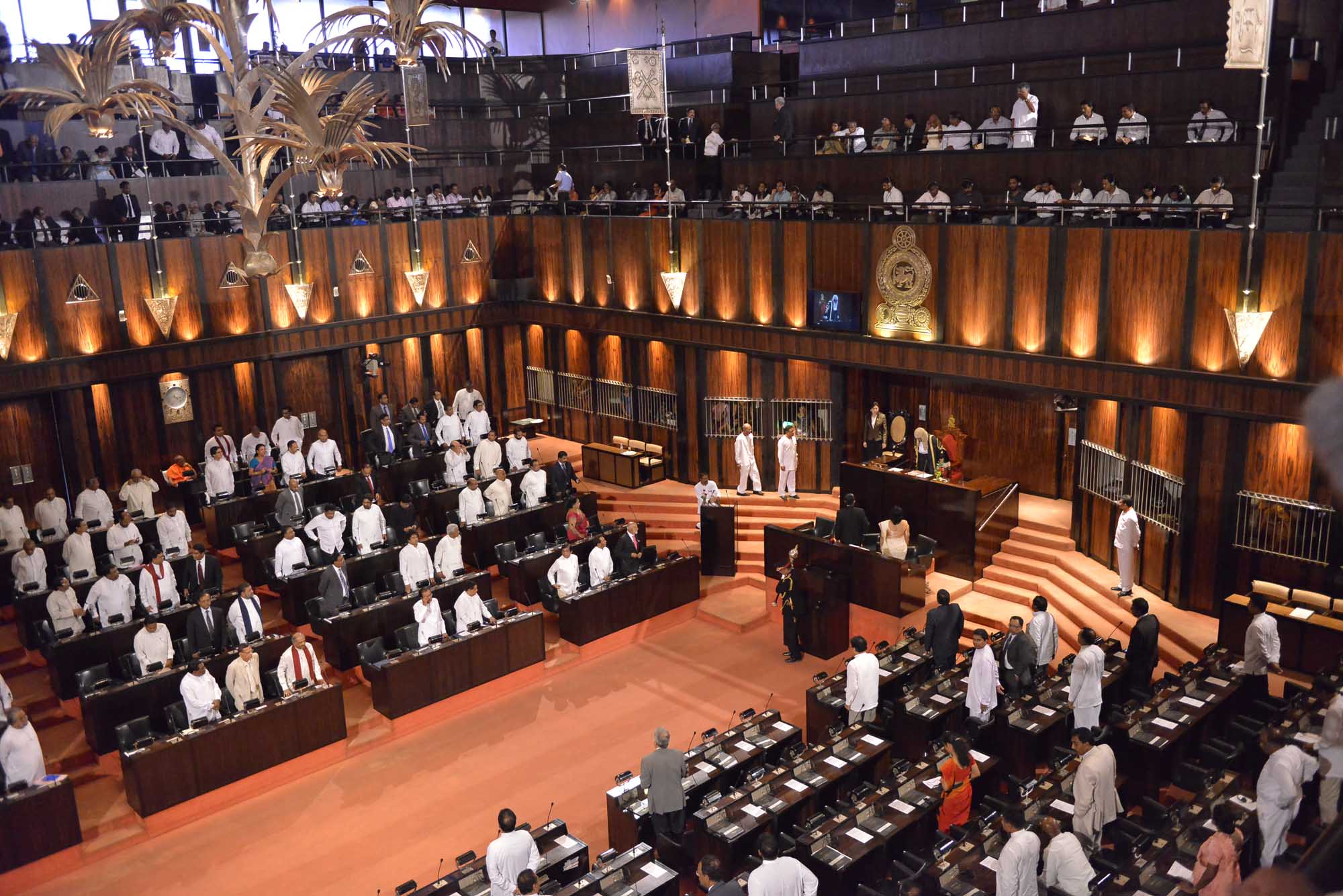
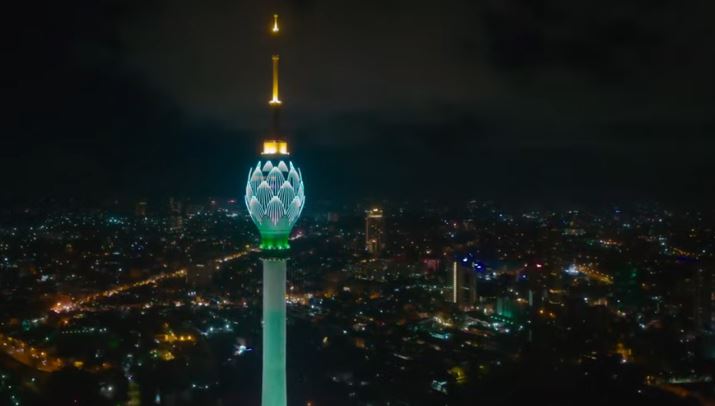


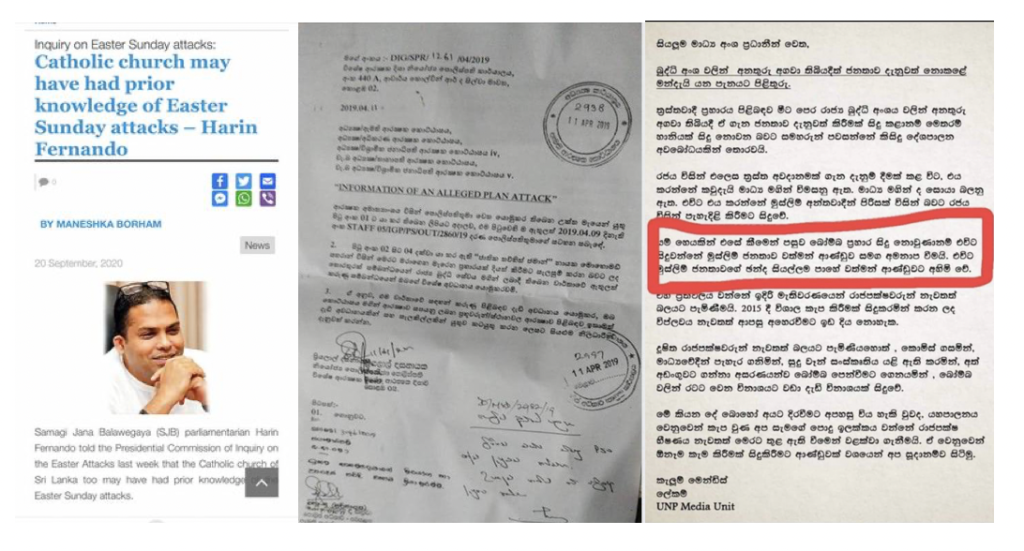

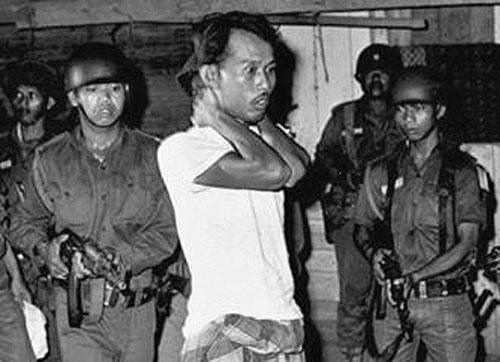
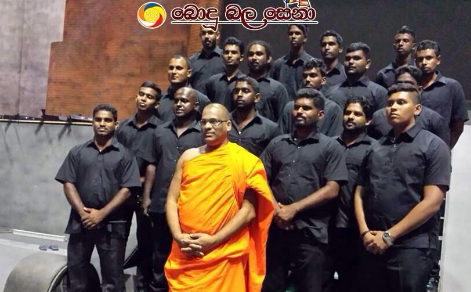

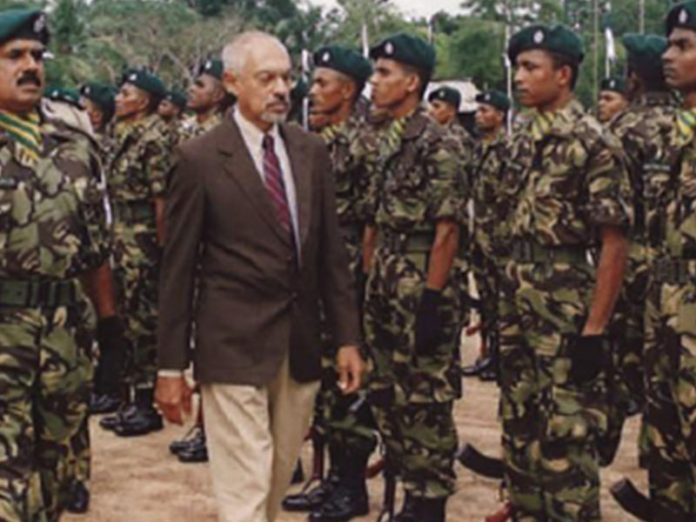
 President Dissanayake was careful not to rock the boat when appointing new Ministry Secretaries, notably retaining the Finance Secretary—a positive sign of his balanced and pragmatic approach. However, he has also appointed two honorary advisors, emphasising his commitment to public service and expert counsel over political gain.
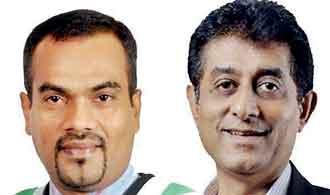 Duminda Hulangamuwa of the Ceylon Chamber of Commerce, (right) and Prof. Anil Fernando of the Sri Jayawardenapura University were appointed as Senior Advisors for Economic Affairs and Finance by President Dissanayake (File Photo)
 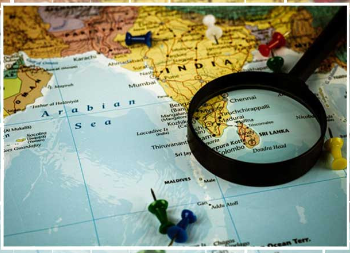 පසුගිය ජනාධිපතිවරණයේ දී ප්රධාන අපේක්ෂකයන් විසින් ඉදිරිපත් කළ ප්රතිපත්ති ප්රකාශ සියල්ලම සියලු පෝෂක අඩංගු එහෙත් නමක් දැමිය නොහැකි පානය කළ නොහැකි ‘සුප්’ එකක් බව දේශ හිතෛෂී ජාතික ව්යාපාරයේ මහ ලේකම් වෛද්ය වසන්ත බණ්ඩාර මහතා පවසයි.
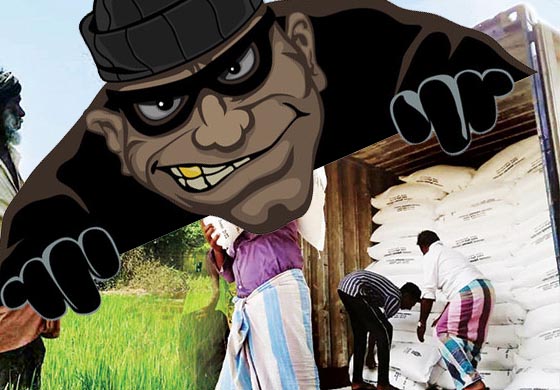 පොහොර සහනාධාරය ලෙස රු. 25,000ක මුදලක් ගොවීන්ගේ බැංකු ගිණුම් වලට බැරකළ ද එමගින් දුෂිත පොහොර වෙළදුන්ට සහ දූෂිත රාජ්ය නිලධාරීන් එය වාසියක් කරගන්නා බව පෙන්වා දෙමින් ජනාධිපති අනුර කුමාර දිසානායක මහතා වෙත ලිපියක් යොමුකර තිබේ.