Sri Lanka’s overall rate of inflation as measured by the Colombo Consumer Price Index (CCPI) on year-on-year (y-o-y) basis has increased to 3.4% in November, from 1.5% in October.
The Department of Census and Statistics (DCS), in its latest report, said the year-on-year inflation of the food group increased to -3.6% in November from -5.2% in October.
Meanwhile, the year-on-year inflation of the non-food group rose to 6.8% in November from 4.9% in October.
For the month of November, the contribution to inflation by food commodities was -1.20%, while the contribution of non-food items was 4.5%. The DCS said this was mainly due to the increases in value change in groups of housing, water, electricity, gas & other fuels, education, clothing & footwear, alcoholic beverages, tobacco & narcotic, recreation & culture, health and miscellaneous goods & services.
A decrease in value change was reported for the groups of furnishing household equipment and routine household maintenance, restaurants and hotels and transport. Further, a very slight price increase was reported in group communication during the month.
The CCPI is an economic indicator constructed to measure inflation which is defined in percentage change in the CCPI over the year. There are two measures of inflation in general use. One measure is the year-on-year base or point-to-point inflation (the percentage change in the CPI during the last 12 months). The other measure is ‘moving average inflation’ (the percentage difference between the average price index of the last 12 months and the average price index of previous 12 months).
Speaker of the Parliament Mahinda Yapa Abeywardena has declared that Members of Parliament (MPs) are protected by parliamentary privilege and cannot be sued for the statements they make within the House.
The announcement came in response to a question raised by Leader of the Opposition Sajith Premadasa during a parliamentary session.
The clarification follows a recent case filed before the Court of Appeal against former Sports Minister Roshan Ranasinghe. The petition, filed by Attorney-at-Law Dimitri Shiraz Augustus Pietrangeli, alleges contempt of court over a statement made by the Sports Minister,in parliament. The petitioner claims that the statement was prejudicial to the President of the Appeals Court, and that such remarks about judges should not be made as per parliamentary tradition.
The Speaker’s assertion reinforces the principle of parliamentary privilege, protecting MPs from legal action related to their statements made during parliamentary proceedings.
Mehjabin Bhanu- Bangladeshi culuminst, security and strategic affairs analyst, teacher.
The International Maritime Organization (IMO) encourages governments to work together to regulate shipping involved in international trade and to adopt the highest standards that are practical in terms of maritime safety, navigation efficiency, and the prevention and control of marine pollution from ships. The International Maritime Organization (IMO), the United Nations agency tasked with creating and approving policies to enhance maritime safety and security and to stop ship pollution, is crucial to achieving the objectives outlined in Sustainable Development Goal (SDG) 14 of the UN: Seas, oceans, and marine resources should be preserved and used responsibly for sustainable development.
In this context, Bangladesh was chosen to serve as the 33rd Assembly of the International Maritime Organization’s (IMO) First Vice-President. Saida Muna Tasnim is Bangladesh’s Permanent Representative to the IMO and High Commissioner to the United Kingdom. By the votes of the representatives of the member states present at the meeting on November 27, she was chosen to the significant position of Vice-President of the Assembly. This is the first time Bangladesh has ever been voted to one of the highest positions of the prestigious IMO General Assembly of 175 member states that meets biennially in London to adopt all regulatory, financial, legal, and technical co-operation decisions of the global maritime industry and government.
The top-level specialized agency of the United Nations is called the International Maritime Organization (IMO). The IMO was founded by a treaty that was approved in Geneva on March 6, 1948, and went into effect on March 17, 1958. Originally known as the International Maritime Consultative Organization (IMCO), the organization was founded in 1948. It became a specialized agency of the United Nations on January 13, 1959. In 1982, it changed its name to the International Maritime Organization. Bangladesh joined the IMO in 1976. It is in charge of ensuring that shipping is safe and secure as well as preventing ship-related air and marine pollution globally. The activity of the IMO advances the Sustainable Development Goals of the UN. Bangladesh has never before been elected to the second-highest position in the IMO, First Vice-President. The IMO General Assembly, which meets in London and is attended by 175 member states, makes decisions regarding all legal, financial, regulatory, and technical cooperation issues pertaining to the international maritime industry and government. The Saudi Arabian Permanent Representative to the IMO, Prince Khalid bin Bandar Al Saud, assumed the role of President.
It is noteworthy that Bangladesh has won an IMO election for the first time in recent memory. Bangladesh was not elected to the IMO Executive Council in 2021. It is in charge of ensuring that shipping is safe and secure as well as preventing ship-related air and marine pollution globally. The activity of the IMO advances the Sustainable Development Goals of the UN.
For Bangladesh to make the transition to a green marine sector, the IMO and other important maritime partners must provide financial, technical, and knowledge assistance. It is admirable that Bangladesh has committed to ratifying the Hong Kong Convention by 2023. Bangladesh has already significantly contributed to global decarbonization by reducing, reusing, and recycling steel, making it the world’s top ship recycling country. Bangladesh is presently cooperating with the IMO’s SENSREC Project Phase-III for safe and ecologically responsible ship recycling.
But the Bangladeshi government’s timely international acknowledgment for its effective management of its maritime resources comes in the form of the vice-presidentship of the IMO. It also demonstrates Bangladesh’s government’s commitment to assisting the nation in developing a sustainable marine industry. The goal of the climate-friendly government of Bangladesh is to decarbonize the nation’s maritime industry. For the most part, this is in line with the IMO’s 2050 GHG reduction plan. Citing many studies, including a UNCTAD study, one large ship recycling nation, by itself, contributes considerably to the decarbonization of the marine sector by reducing carbon dioxide emissions by about 2,000 kg every metric ton of recycled steel. In order to promote innovative technology for green shipping to Bangladesh’s public and commercial shipping sectors, the IMO should launch a pilot project in that nation. The administration of Prime Minister Sheikh Hasina is commended for raising environmental, safety, and ship recycling requirements in Bangladesh. IMOs need to keep encouraging Bangladesh to develop a green shipping sector. For Bangladesh to meet the Sustainable Development Goals (SDGs), it must prioritize other matters. Bangladesh will therefore find it simple to take advantage of the situation. Bangladesh has a fantastic chance in front of it. Bangladesh may use the ocean economy as a vehicle for national development that is sustainable. The country will become a developing nation as a result of its ocean economy.
The term “blue economy” refers to a marine resource-based economy, the fundamental idea of which is to ensure that seawater and a nation’s organic and inorganic resources are used to the greatest extent possible at the lowest possible cost to the economy. For a very long time, the Sunil economy has made contributions to the global economy.
The blue economy in Bangladesh has a lot of promise. Following the resolution of the maritime boundary dispute between Bangladesh, Myanmar, and India between 2012 and 2014, the outcome favored Bangladesh. Bangladesh’s marine area grew by thirty percent as a consequence. The outcome is an additional 1 lakh 18 thousand 813 square kilometers of marine space for the nation. This significantly raises its maritime potential. Bangladesh’s tourism, marine fishing, commerce, exploration of natural resources, and energy potential all grow as a consequence.
There is no other way to concentrate on preventing environmental pollution, combating climate change, and protecting biodiversity but to take use of the enormous potential of the Bay of Bengal. From an environmental perspective, places that are in critical condition should be the focus of monitoring systems that are established. Both private monitoring and international collaboration are necessary to protect the ecosystem in the coastal area of the Bay of Bengal. Bangladesh’s commitment to assisting the nation in achieving a sustainable marine economy is therefore shown by its vice presidency of the IMO.
From the US to UK, Canada, Australia, Japan, China and Saudia, no country allows any immigrant to stay there without official documentation. Recently when Pakistan announced a strict action plan against all illegal immigrants, a very strange and illogical wave of resentment simply ‘haunted’ the attention of some specific human rights organizations all over the world. It seems that Pakistan has done something illegal and unethical by planning against the illegal immigrants in the country. It is something very strange that none of these human rights organizations liked to raise a voice against the recent shocking increase in the number of attacks on Pakistan’s security forces, military installations and lives and properties of innocent citizens. Particularly in the month of October and November 2023, a very mysterious type of increase has been noticed in terrorist activities in Pakistan which shows that ‘forcefully imposed’ war on terror has yet not come to an end in Pakistan.
This recent increase in terrorist activities in Pakistan seems result of some specific security measures taken by the government of Pakistan; say experts on regional security affairs, the decision of sending back all illegal immigrants to their respective countries is also one of those measures. A large number of such illegal immigrants includes immigrants from Afghanistan. Specifically speaking of the Afghan refugees, more than three decades back, Pakistan provided a shelter to millions from the war-stricken Afghanistan simply on humanitarian grounds. Providing shelter to the refugees from some war-stricken area is neither an illegal nor an uncommon act; all over the world it happens so many time but the case with the Afghan refugees is somewhat different. Under the garb of the Afghan refugees countless illegal immigrants from other countries also succeeded in seeking shelter in Pakistan. These illegal immigrants included a large number of criminals and terrorists too.
The illegal immigrants are creating a lot of law and order problems for Pakistan. Moreover they are adding a lot to already overburdened financial structure of Pakistan. At present there are more than 4 million Afghan migrants and refugees in Pakistan; says an official report issued by the Pakistani authorities. About 1.7 million of them are staying here undocumented. A huge addition to the total number of Afghan immigrants already living in Pakistan was noticed in 2021 when the Taliban took over the country; this number mounts to more than 600,000. Certainly such a large number is proving a huge burden on Pakistan’s already shattering economy. When the warlike situation ended there in Afghanistan a few years back and the Taliban took over control of the country, it was being expected that most of the refugees would love going back to their homeland because there were no more any foreign forces ruling over their country but situation proved altogether otherwise; none of the Afghan refugees desired to go back home, though now things are far better there under the Taliban control. It is because of that peace and prosperity in Afghanistan that today the Afghanistan Cricket Team has become a challenge to many of the recognized and well-placed cricket teams of the world.
To save the country from financial burden and to secure the law and order situation in the country, the government of Pakistan chalked out a plan of sending back all Afghan citizens back to their country but initially only the illegal immigrants were focused. In the first week of October 2023, in a meeting of the apex committee on the National Action Plan, it was decided that no illegal Afghan immigrant would be allowed to stay anymore in Pakistan after 30th October 2023. After that date they would be forcibly deported to Afghanistan by the law enforcement agencies of Pakistan. It was a very high-profiled meeting and was attended by the army chief, federal ministers, provincial chief ministers and heads of all civil and military security agencies. It was also decided in the meeting that initially the main focus would be on repatriation of at least 1.7 million illegal Afghan nationals to their homeland. Moreover it was also clarified that the decided screening plan is not only for the Afghan immigrants; it is for all those living in Pakistan without proper documentation. The decisions were officially conveyed to the media by the caretaker Interior Minister Sarfraz Bugti, in a press-conference. In the beginning the announcement made by the government spokesman was not taken seriously by the illegal immigrants but when on 1st November, the government of Pakistan started taking strict action against them, the situation began to change in flickering of an eye.
Some ‘worried for nothing’ type of pseudo human rights’ caretakers are expressing their resentment on Pakistan’s strict implementation on expulsion plan of illegal immigrants. Such ‘philosophers’ are ignoring the fact that in spite of repeated warnings, only about 200000 refugees have yet voluntarily returned to their homeland Afghanistan. This number includes at least 5,085 Afghans who were having no legal documentation for their stay in Pakistan. Same is the behavior of most of the Afghan illegal immigrants as they are portraying Pakistan’s screening out plan for illegal immigrants as ‘callous and unjust’. The fact of the matter is that there is nothing illegal, immoral or anything against international ethics in Pakistan’s plan of screening out all illegal immigrants including the immigrants from Afghanistan. Approaching different media outlets and social media forums for defaming and slandering Pakistan in itself is something unethical and immoral. Pakistan’s decision of sending back the illegal immigrants is in no way violation of basic human rights. It is something very strange that these self-claimed human rights ‘protectors’ never raise their voices against the atrocities committed against innocent Kashmiris in Illegally Indian Occupied valley of Kashmir.
Written and Compiled by Ruwan M Jayatunge M.D. PhD (in progress)
In matters of truth and justice, there is no difference between large and small problems, for issues concerning the treatment of people are all the same., Albert Einstein
For treatment, procedures for PTSD in Sri Lanka medications and psychotherapy are widely used. Some prefer to use indigenous treatment measures.
The victims of PTSD have psychological as well as physical (somatic) symptoms. Since there is no magic bullet for PTSD, the treatment measures generally take fairly a long time. Connecting with the patient is highly important and the therapeutic relationship plays a vital role. Therapeutic relationships with the patients the often the foundation of effective treatment. Therefore, therapists should maintain a good rapport with the patients.
Phases of Treatment for PTSD
1) Support and stabilization
2) Trauma Education
3) Stress management
4) Trauma focus- confronting the memories
5) Relapse prevention
6) Follow-up and maintenance
Medication
Drug therapy is an essential component of PTSD treatment. Serotonin Reuptake Inhibitors like fluoxetine paroxetine are often used to combat depression and anxiety. These drugs provide symptomatic relief. Sometimes Antipsychotics ( typical and atypical) are prescribed to relieve severe anxiety, agitation, delusions, hallucinations, and disordered thought. Drug therapy combined with psychological therapies gives effective results.
Psychotherapy
According to Stedman’s Medical Dictionary psychotherapy psychotherapy is a treatment of emotional, behavioral, personality, and psychiatric disorders based primarily upon verbal or nonverbal communication with the patient, in contrast to treatments utilizing chemical and physical measures. There are a number of psychotherapies that can be used to treat PTSD.
Cognitive Behavior Therapy
CBT or Cognitive Behavior Therapy is an approach that focuses on improving mood by modifying dysfunctional thinking and behaviour. The goal of CBT is to guide the person’s thoughts in a more rational direction and help the person stop avoiding situations that once caused anxiety. It teaches people to react differently to the situations that trigger their anxiety symptoms. Therapy may include systematic desensitization or real-life exposure to the fired situation.
CBT for PTSD typically begins with an introduction to how thoughts affect emotions and behavior. Early treatment, new skills to identify and clarify patterns of thinking are taught using techniques such as recording thoughts about significant events, identifying distressing trauma-related thoughts, and converting such dysfunctional thought patterns into more accurate thoughts.
CBT generally includes directly discussing the traumatic event (exposure), anxiety management techniques such as relaxation and assertiveness training, and correction of inaccurate or distorted trauma-related thoughts. CBT is often accompanied by psycho-education or education about PTSD symptoms and their effects. CBT helps victims restructure their thoughts and feelings. Through CBT the victims can live without feeling threatened.
Exposure Therapy
Exposure Therapy is one form of cognitive behavior therapy unique to trauma. Treatment, which uses careful repeated, detailed imaging of the trauma (exposure) in a safe controlled context, to help the survivor face and gain, control of fear and distress that was overwhelmed by the trauma. Intrusive thoughts, flashbacks, and avoidances are best treated by exposure therapy.
Anger Management
Anger and rage are widespread emotions in individuals experiencing combat trauma. Combat veterans experience more anger and hostility than their civilian counterparts. Treatment of the anger component is a necessary ingredient in trauma recuperation work. In anger management combatants learn constructive ways to manage their anger.
Eye Movement Desensitization and Reprocessing (EMDR)
Eye Movement Desensitization and Reprocessing (EMDR) is a non-drug, psychotherapy procedure. EMDR was discovered (in 1987) and developed by Francine Shapiro, Ph.D. – Clinical Psychologist and a senior research fellow at the Mental Research Institute in Palo Alto, California USA.
EMDR is one of the most researched methods of psychotherapy used in the treatment of trauma. The Department of Veterans Affairs Practice Guidelines has placed EMDR in the highest category, recommended for all trauma populations at all times. In addition, the International Society for Traumatic Stress Studies current treatment guidelines have designated EMDR as an effective treatment for PTSD (Chemtob, Tolin, van der Kolk & Pitman, 2000)
EMDR is a complex treatment approach that combines salient elements of the major therapeutic schools such as cognitive, behavioral, psychodynamic, and interactional. It is a specific treatment approach, which helps a person quickly resolve the emotional aftermath of traumatic experiences. EMDR is an information-processing therapy and uses an eight-phase approach. EMDR is helpful in the treatment of PTSD (Posttraumatic Stress Disorder), unresolved grief, phobias, sexual abuse, combat trauma, depression, eating disorders, and substance abuse. It can also be used to enhance emotional resources such as confidence and self-esteem. Recent studies lend empirical support for the use of cognitive behavioral therapy (CBT) and EMDR in treating combatants with PTSD. EMDR
Eye movement desensitization and reprocessing (EMDR) has been reported to dramatically increase efficiency in the treatment of traumatic memories (Shapiro, 1989a, 1991a). In a controlled study, Shapiro (1989a) reported very successful brief EMDR treatment of Vietnam veterans and rape victims suffering from PTSD, with gains maintained at a three-year follow-up (Shapiro, 1991a). EMDR has been given the same status as CBT as an effective treatment for ameliorating symptoms of both acute and chronic PTSD (APA 2004). In the practice guidelines of the International Society for Traumatic Stress Studies EMDR was listed as an efficacious treatment for PTSD.(FoaE.B Kene T.M & Friedman M.J 2000).
The expression of trauma may differ from culture to culture. Every culture has its own way of dealing with traumatic experiences. EMDR is considered to be an effective treatment for PTSD despite cultural differences. A recent study on Sri Lankan combat veterans diagnosed with combat-related PTSD showed significant improvements from pre- to post-treatment following EMDR. (Jayatunge, 2008)
Client-Centered Therapy
Client-centered therapy or Rogerian therapy is one of the effective talk therapies. By retelling the traumatic event to a calm, empathic, compassionate, and nonjudgmental therapist the client achieves a greater sense of self-esteem, develops effective ways of thinking, and coping, and more successfully deals with the intense emotions that emerge during therapy.
Carl Rogers emphasized that through client-centered therapy, the process of client self-discovery and actualization occurs in response to the therapist supplying a consistent empathic understanding of the client’s experience, based on the attitude of acceptance and respect. Client-centered therapy is centered upon the expansion of self-awareness, the enhancement of self-esteem, and greater self-reliance. Rogers once stated that individuals have within themselves vast resources for self-understanding and for altering their self-concepts, basic attitudes, and self-directed behavior; these resources can be tapped if a definable climate of facilitative psychological attitudes can be provided.
Rogers’ theory provides the conceptual underpinnings to the client-centered and experiential ways of working with traumatized people. Furthermore, Rogers’ theory provides an understanding of post-traumatic growth processes and encourages therapists to adopt a more positive psychological perspective to their understanding of how people adjust to traumatic events (Joseph, 2004). However, in extreme trauma (in C PTSD) Client-Centered Therapy was found to be not effective.
Trauma Focus Group Therapy
Trauma focus therapy groups are typically smaller and more structured involving 5-10 patients. Group composition is controlled in some treatment settings with patients grouped according to the type of trauma they experienced. Traumatic memories are actively re-engaged and patients openly discuss traumatic experiences with a co-facilitator. Group therapy deals with isolation, alienation, and diminished feelings Also it helps the survivor” feelings in participants. In group settings, the combatants are able to discuss their pent-up feelings and able to realize that they are not isolated and that others have similar experiences and problems.
Rational Emotive Therapy
The American Psychologist Albert Ellis comes to regard irrational beliefs and illogical thinking as the major cause of most emotional disturbances. In his view, negative events do not by themselves cause depression or anxiety. Rather emotional disorders result when a person perceives the event in an irrational way. So despite the client’s irrational beliefs and long-lasting assumptions rational emotive behavior therapists often use confrontation techniques. Most of the people suffering from PTSD have unresolved grief, survival guilt, and irrational beliefs which lead to depression and anxiety. Rational Emotive Therapy can be used to break their illogical thinking pattern through friendly mediation.
Psychoanalytic Psychotherapy
Psychoanalytic or psychodynamic psychotherapy draws on theories and practices of analytical psychology and psychoanalysis. It is a therapeutic process that helps patients understand and resolve their problems by increasing awareness of their inner world and its influence over relationships both past and present. It differs from most other therapies in aiming for deep-seated change in personality and emotional development. (British Psychoanalytic Council)
Psychoanalytic Psychotherapy had been used during the WW1. Some of Freud’s patients like the soldier of Darden Hill and the officer Norman White were successfully treated with Psychoanalysis. Some of the Sri Lankan combatants who have developed dissociative phenomena were treated with Psychoanalytic therapies.
Existential Therapy
Existential Therapy focuses on free will, responsibility for choices, and the search for meaning and purpose through suffering, love, and work. Existential psychotherapy deals with basic issues of existence that may be present within a person. Existential Therapy avoids restrictive models that categorize or label people. Instead, they look for the universals that can be observed trans-culturally. Existential psychotherapy aims at enabling clients to find constructive ways of coming to terms with the challenges of everyday living. (Reichenberg & Seligman ( 2010) point out that the creation of meaning and purpose is an attempt to deal with the four existential concerns, of death, freedom, isolation, and meaninglessness.
The Psychiatrist and the NAZI Holocaust survivor Viktor Frankl expressed that death is a primary concern because it is inevitable and inescapable. According to Frankl freedom is an existential concern because insinuates that there is no master plan for the universe; therefore, each person is, responsible for creating who he or she is and what he or she does in life. Frankl developed Logotherapy that tries to find for the patient the aim and meaning of his own life as a human being and does not stress the medical aspect of mental health.
According to Viktor Frankl Logotherapy stems from Existential Psychotherapy, which espouses that humans are driven by the need to create meaning and purpose in their lives. Logotherapy uses three primary techniques Paradoxical Intention, Dereflection, and Socratic Dialogue. Frankl believed that people can find meaning in readjusting their attitudes and, perceptions of potentially adverse situations into developmental opportunities. Psychological trauma could cause transformation and growth potential by finding meaning and defending against the primary existential concerns.
People with severe emotional traumas are struck by the Tragic Triad.” which consists of pain, guilt, and suffering. Frankl suggests that people can deal with this triad of existential, angst through changing their attitudes towards how they perceive and ultimately deal with them. Logotherapy helps PTSD sufferers deal with survivor, guilt, depression, affect dysregulation, and an altered worldview following trauma.
Family and Marital Therapy
Many sufferers of PTSD have disrupted family relations, Spouse abuse, cruelty to children and sexual dysfunctions are evident among the affected personnel. Emotional numbing and constricted affect associated with PTSD interfere with successful marital relationships and parenting. In family and marital therapy, the therapist applies therapeutic principles while engaging the participation of family members. Constructive aspects of the family’s relationships are reinforced, while destructive elements are identified and altered. Family members are taught better communication skills and ways of positive coping.
Cognitive Processing Therapy
Cognitive Processing Therapy (CPT) has been recognized as one of the effective methods that can be used to treat PTSD. Cognitive processing therapy was developed by Dr Patricia Resick – a renowned Psychologist in 1988 and she did a lot of single cases until its first publication in 1992. Many studies have shown the efficacy of Cognitive processing therapy.
Dr Resick defines (CPT) as a manualized therapy that includes common elements from general cognitive-behavioral treatments. It’s developed with both cognitive therapy and written trauma accounts.
CPT is an evidence-based approach to combat psychological trauma. CPT is recommended for clients with:, PTSD and comorbid diagnoses such as depression and substance abuse. It is generally not recommended for clients with active suicidal behavior, current Psychosis, or victims with severe dissociation with loss of memory of the traumatic event.
This therapeutic mode is primarily based on Social Cognitive Theory. When a traumatic event occurs it can dramatically alter basic beliefs about the world, the self, and others. In addition, 5 major dimensions that may be disrupted by traumatic events: safety, trust, power and control, esteem, and intimacy. The CPT focuses on how trauma survivors integrate traumatic events into their overall belief system through assimilation or accommodation.
The CPT goals are to process natural emotions (other than fear) in clients with PTSD, address the content of the meaning derived from the traumatic memory., accommodation – accepting that the traumatic event occurred, and discover ways to successfully integrate the experience into one’s life.
Resick et al. (2002) indicate that the therapy focuses initially on assimilated–distorted beliefs such as denial and self-blame. Then the focus shifts to overgeneralized beliefs about oneself and the world. Beliefs and assumptions held before the trauma are also considered. Clients are taught to challenge their beliefs and assumptions, through Socratic questioning and the use of daily worksheets.
Once dysfunctional beliefs are deconstructed, more balanced self-statements, are generated and practiced. The exposure component consists of having clients write detailed accounts of the most traumatic incident(s) that they read to themselves and to the therapists. Clients are encouraged to experience their emotions while writing and reading, and the accounts are then used to determine “stuck points”: areas of conflicting beliefs, leaps of, logic, or blind assumptions.
Dr Resick hypothesizes that when individuals are confronted with new information that is inconsistent with preexisting schemas (i.e., stored bodies of knowledge), one of two processes occurs: assimilation or accommodation. Accommodation is the modification of existing schemas to incorporate new events and information. In trauma survivors, these processes often involve the themes of agency, safety, trust, power, esteem, and intimacy. Sobel et al.(2009) suggest that accommodation is necessary to integrate a new event, traumatized individuals sometimes over-accommodate trauma-relevant information. They noted that over-accommodation occurs when schema changes are inaccurate and over-generalized.
CPT is a highly structured protocol in, which the client learns the skill of recognizing and challenging, dysfunctional cognitions, first about the worst traumatic event and, then later with regard to the meaning of the events for current, beliefs about self and others.
Foreword Treatment in Combat-Related PTSD
In war situations, the psychological management of war casualties is highly important. Management of Combat Stress is often a decisive factor in mental health well-being. Experts unanimously agree that treatment of combat stress should begin as soon as possible. The first organized military system for psychological treatment of combat fatigue occurred during the Russo-Japanese War (1904–1906) when physicians were put as close to the front as possible to allow them to perform evaluations of traumatized soldiers. This forward treatment” recognized the value of caring for psychological casualties as quickly and as close to the action as possible. The point was to keep the traumatized GI near his unit, as it was observed that the farther from the point of battle that a soldier traveled, the less successful doctors were in getting him back in the fight.
CISD (Critical Incident Stress Debriefing)
Debriefings take place on the battlefield as soon as possible after the action. Colonel S.L.A. Marshall of the US Army developed the method of conducting interviews with the surviving members of small units in the field soon after the battles. Marshall regarded this finding as one of his two most important contributions to the Army. Several factors affect an individual’s response to a critical incident. Advance warning allows the person time to develop coping strategies. The more intimate the person’s role, involvement, and proximity to the event, the more potential impact. The severity of the event and any loss are also contributing issues. Currently, there is controversy regarding CISD. Some forms of debriefing may actually make people worse (Mayou & Ehlers, 2006), while other types of treatment have demonstrated good success in helping people get through trauma.
CyberTherapy
Cyber therapy is a powerful medium that is effective in treating PTSD. Through Cyber therapy the traumatic events can be simulated (under a controlled environment) for desensitization purposes. Cpl. SXDX29 – a known PTSD patient who had an intense fear of witnessing artillery attacks and had frequent nightmares and intrusions. When he was shown simulated artillery attacks with explosions and gunshot sounds in a safe environment he was able to observe it with moderate distress. After that, he was encouraged to do relaxation exercises. The second time, he was able to watch the screen with a lesser amount of distress. Repeating this cyber simulation several times over 2-4 weeks, reduced his fear and distressful physiological reaction. Every time Cpl. SXDX29 watched the simulation he was encouraged and praised for his bravery by the therapist. While watching he was encouraged to repeat (self-talk) ” I am a soldier and I have no fear” By the 4th week Cpl. SXDX29 reported that his nightmares were lesser and he was able to sleep longer periods.
Art Therapy
Art therapy is an aesthetic way of achieving catharsis and giving psychological tranquility to the patient. Artistic endeavors have also been a way for many trauma survivors to express their feelings in a positive creative way. This can improve the mood and minimize PTSD-related nightmares.
Josée Leclerc a prominent creative art therapist expresses that art therapy can engage the creative potential of individuals especially those suffering from PTSD. According to Josée Leclerc art therapy is a form of mind-body intervention that can influence physiological and psychological symptoms. He further says that the experience of expressing oneself creatively can reawaken positive emotions and address symptoms of emotional numbing in individuals with PTSD.
Meditation
Meditation is a synchronized mind-body technique. It is a technique, defined as, ‘the maintained focus of attention on a single object, through which the mind is calmed and distracting influences of other internal and external events are reduced. Meditation enhances cognitive functions strengthening attention span. It helps to achieve optimal growth towards a state of total brain functioning. Mediation augments the psycho-physiological functioning of the body and helps to achieve full mental potential.
Relaxation training is one of the major techniques proposed by the Psychotherapists to combat anxiety. Simple relaxation or mindfulness breathing (Ananapanasathi Meditation) helps to reduce anxiolytic feelings. Physiologically, breathing is important to the human body. Breathing nourishes the body and its various organs with the supply of oxygen, which is vital for survival. Oxygen is essential for the integrity of the brain, nerves, glands, internal organs, and healthy skin. Breathing plays an important role in cleansing the body of toxins and waste products. Hence systematic and mindful breathing helps to gather more oxygen concentration in the system and reduce anxiety.
Metta ‘Meditation (Meditation of ‘loving-kindness ) projects a profound wish for the happiness of others. It is a universal feeling without any self-interest or egoistic feelings. The systematic practice of Metta ‘Meditation helps to reduce deep-rooted angry feelings, self-loathing, and the urge to seek revenge.
Some PTSD patients have morbid fear and fear of dying. Marananusmathi Meditation or progressively and logically thinking about death ( the concept of death and death as a universal phenomenon ) gives the client to move away from fixation and fear of dying. Marananusmathi Meditation helps the client to understand the concept of impermanence and that suffering is not permanent. This meditation is done under an instructor and needs assessment before practicing and prolific training.
Generally, meditation helps to have exceptional control over thoughts and facilitates to reduction of dysfunctional patterns of thought and perceptions that generate anxiety. In addition, it gives a greater ability to manage negative emotions and helps to gain a greater sense of stability.
Personal communications
1) Personal communication with Dr. Patricia A. Resick- Women’s Health Sciences Division of the National Center for PTSD, VA Boston Healthcare System and Boston University, Boston, MA.
2) Personal communication with Professor James Alcock -Department of Psychology, Glendon College, York University. Canada
3) Personal communication with Nancy Pingel: Program Instructor – Psychosocial Rehabilitation Humber Lakeshore Campus Canada
4) Personal communication with Professor Daya Somasundaram -University of Adelaide Australia
5) Personal communication with Dr Mahasen De Silva – Board Certified Psychiatrist: Colmary-O’Neil Veterans Affairs Medical Center Kansas USA.
6) Personal communication with Professor Ari Zaretsky MD FRCPC, Psychiatrist-in-Chief, Sunnybrook Health Sciences Centre, Associate Professor, Department of Psychiatry, University of Toronto.
7) Personal communication with Donna Sabella, M.Ed, MSN, Ph.D., RN, Assistant Academic Dean – Health Sciences, The College of Global Studies, Arcadia University.
Part Five: Vitamin D safety and adverse effects—When should caution be advised?
In hypovitaminosis D, maximum benefit occurs over a steep dose response. Beyond that, no matter the high doses, additional benefits won’t exist. This principle is crucial for designing Clinical Studies and RCTs and Practice (DOI: 10.3390/biomedicines11061542)
An organised crime cartel allegedly brought 13 children ‘regularly’ from Sri Lanka to Malaysia and from there, using false documents, they were trafficked to the rest of the world, including Europe. The chairman of the National Child Protection Authority, Udayakumara Amarasinghe: ‘Parents are given a certain amount of money to take them abroad even though this is a criminal offence’.
Colombo (AsiaNews) – Last week the Sri Lankan immigration and emigration control body filed a formal complaint with the human trafficking, smuggling and maritime crime investigation division of the Criminal Investigation Department (CID) regarding an alleged ‘cartel’ of human trafficking – in particular children under 18 years of age, mostly Tamil citizens from the northern and eastern areas – who were allegedly brought to Malaysia.
Having arrived in the South-East Asian country “in a regular fashion” and often accompanied by their parents who receive money in exchange, traffickers would provide them with false passports with which these children would then be sold in other countries including France and the United Kingdom using counterfeit travel documents.
According to senior police officials, 13 cases of minors sent to Malaysia under this system have so far been confirmed, but there could be more. An intermediary trafficker was identified in the operation, while investigations are currently underway to arrest the suspects. In the meantime, recovery operations are underway for minors trafficked abroad with false passports.
Senior officials from the Ministry of Women and Children Affairs revealed to AsiaNews that the institutions are currently consulting with the relevant law enforcement agencies to take ministerial-level action regarding the alleged child trafficking racket reported from Malaysia, while the National Child Protection Authority (NCPA) is monitoring the ongoing investigation.
Addressing Parliament, Minister for Women and Children Geetha Kumarasinghe said she had been informed of developments in the case and was awaiting information on the distressing organized and specialized child trafficking racket: I have instructed the Secretary of Ministry – said Kumarasinghe – to launch an investigation into this shocking phenomenon.”
In the meantime, the institutions should move on the prevention of the phenomenon: according to the lawyer Sahan Senanayake “the Department of Immigration and Emigration should be more careful when issuing passports to children, even if the request is made by their own parents”.
National Child Protection Authority chairman Udayakumara Amarasinghe believes these children went to Malaysia with their parents or legal guardians. From there the criminal group then takes over and sends them to Europe and beyond.” Amarasinghe emphasizes the fact that “sometimes parents or guardians are offered a sum of money, thus committing a criminal offence”.
According to a senior Sri Lankan police official, around 30 children were sold for money by their families in 2020, through a racket known as “baby farming”. Women from the most vulnerable sections of the population were attracted with money given in exchange for their children, who were then sold abroad.
The Sri Lankan Catholic Church has deplored the appointment of Senior DIG Deshabandu Tennakoon as the Acting Inspector General of Police (IGP).
Addressing a media briefing today (Nov.29), Spokesperson of the Colombo Archdiocese Rev. Fr. Cyril Gamini said the Catholic Church deems this appointment ‘an insult’ to the victims of the 2019 Easter Sunday terror attacks.
The appointment made by the President [Ranil Wickremesinghe] is condemned by His Eminence the Cardinal [Malcolm Ranjith]. At the same time, we vehemently oppose it. We consider this appointment a disgrace to the victims of the Easter Sunday attacks.”
When asked if the Catholic Church has any recommendations for the post of the police chief, Rev. Fr. Gamini responded, We have no special name to nominate. It is the President who has to make a nomination to the Constitutional Council.”
Speaking further, he expressed doubts as to whether the police would be able to maintain their own discipline, let alone the discipline of the country, following the appointment of new Acting IGP Tennakoon.
The Sri Lankan government has announced that it has reached an agreement in principle with its Official Creditor Committee (OCC) on the financial terms of a debt treatment.
Issuing a statement, the Ministry of Finance, Economic Stabilization and National Policy stated that the agreement in principle covers approximately US$ 5.9bn of outstanding public debt and consists of a mix of long-term maturity extension and reduction in interest rates.
The Sri Lankan government has commended the support and cooperation of OCC members in reaching this agreement, which demonstrates a mutual commitment to restoring public debt sustainability in line with the International Monetary Fund (IMF) program targets, the statement mentioned.
The agreement is expected to facilitate a swift approval by the IMF Executive Board of the First Review of Sri Lanka’s IMF-supported program, allowing for the next tranche of IMF financing of about US$ 334 million to be disbursed.
The agreed-upon debt treatment terms will be further detailed and formalized in a Memorandum of Understanding (MoU) between Sri Lanka and the OCC, which will then be implemented through bilateral agreements with each OCC member, in accordance with their laws and regulations.
The Sri Lankan government looks forward to a prompt implementation of the agreed terms, the Finance Ministry said.
Speaking in this regard, Secretary to the Treasury/Ministry of Finance, Economic Stabilisation and National Policies, K. M. Mahinda Siriwardana said:
This agreement marks a landmark step for Sri Lanka. We extend our sincerest thanks to the OCC and its co-chairs, Japan, India and France, for the unwavering support in resolving our country’s public debt situation. This agreement serves as a key milestone in Sri Lanka’s ongoing endeavour to achieve public debt sustainability and to foster economic recovery.”
The Finance Ministry said this agreement in principle, together with the agreement in principle reached last month with China Export-Import (Exim) Bank, goes a long way in dealing with Sri Lanka’s external bilateral debt restructuring.
The next steps will include finalizing similar agreements with our remaining official bilateral creditors, including Saudi Arabia, Pakistan, Kuwait and Iran, altogether representing a further US$ 274 million of outstanding claims, the statement read further.
Sri Lankan government says it now intends to focus its efforts on reaching comparable debt restructuring agreements with external commercial creditors, and in particular with its holders of international sovereign bonds. Good faith engagement is still ongoing in that regard, and the authorities would like to invite its bondholders to now accelerate the discussions with a view to coming to a mutually acceptable agreement as promptly as possible.”
The authorities have reaffirmed their commitment to transparency, comparable treatment of all participating external creditors, and full compliance with the debt sustainability targets under the IMF-supported program.
Earlier today, the OCC confirmed that it has reached an agreement with Sri Lanka on the main parameters of a debt treatment consistent with those of the Extended Fund Facility (EFF) arrangement between Sri Lanka and the IMF.
A book titled Kurundi Vihara Vamsaya” was published in 2023, by Sarasavi Prakashakayo. The idea of such a publication originated with Channa Jayasumana, who felt that an authoritative book on Kurundi was urgently needed. He has funded the publication as well.
The book was edited by Chandima Bandara Ambanwela and Sumedha Weerawarne. Chandima is from the Department of Archaeology & Heritage Management, Rajarata University. Sumedha is from Department of Philosophy, University of Peradeniya. The essays were written by 15 or so contributors.
Chandima and Sumedha have carried out their task as editors with much devotion and care. Before embarking on this book, they had done site visits to Kurundi for two years, accompanied by officers from the Department of Archaeology. The Institute of Archaeology and Heritage Studies (IAHS) presented their findings from these visits on its YouTube channel. See at
Kurundi Vihara Vamsaya” is a heavy tome running to 430 pages. It is not a coffee table book though it looks like one. It is an excellent production. The various contributors have gone deep into their subjects and provided a definitive work on Kurundi. The book covers every possible aspect of the subject, including information we do not want, such as the fauna and flora of the Kurundi region.
The book starts with the geography and geology of the area, complete with satellite photos. There is a detailed account of the natural environment in the Kurundi area, its flora and fauna. The book then goes on to the aspect which we are most interested in, the origins of Kurundi and what is happening to Kurundi today.
That section of the book tells us of the historical documents, inscriptions and early archaeological findings relating to Kurundi. It tells us the origins of Kurundi. It also tells us of the Kurundi connection to Abhayagiri, showing that it had a firm link with Anuradhapura. The book contains a chapter on the Sangha parapura of Kurundi, past and present. This is intended to show that Kurundi was a functioning place of worship, then and now.
The book moves next to the modern history of Kurundi. The book discusses at length, the attention paid to Kurundi by Cyril Mathew, in the 1970s .The work done by Cyril Mathew and his team in the 1970s to save threatened viharas, including Kurundi, was forgotten until the Kurundi issue brought it back to our attention. The book carries a photo of Cyril Mathew and group at Kurundi in 1970s.
The book uses information fromPiyasena S Jayaweera’s Lakdiva bauddha urumaye jeevamana sanketha (Ratna Poth Prakasakayo, 2005) .This gives first hand information on Mathew’s work. The book is out of print and I was unable to obtain a copy.
The Kurundi book relates how Cyril Mathew in 1977 obtained cabinet approval for placing bhikkhus in selected Buddhist places of worship, which were in ruins. He allocated Rs 5000 to build an aramaya in each of these places, with a monthly stipend of Rs 200 for two years for the bhikkhus resident there.
The Cultural Ministry did not have sufficient funds, for this, therefore the Buddhist societies of State Corporations stepped in. In the late 1970s, Ministry of Industries, Science and Technology had at the time, 47 Corporations and Statutory Boards coming under its purview. These included giant Corporations such as Petroleum, Steel, Ceramics, Paper, Salt, Fertilizer and Tyre .
Piyasena S. Jayaweera says the Corporation employees donated the money they would have used for recreation, as well as ‘the money in the tills at home’ for this. Jayaweera says that even at this time, the Buddhist societies were hindered in their activities by the Tamil politicians.
The Buddhist Societies of the State Corporations decided to restore 70 of the 239 sites found. They set up avasa and dayaka organizations and started excavations. This too was obstructed by the Tamil Separatist Movement, said Jayaweera.
The Buddhist societies were going to develop 5 puja nagara of which one was to be Kurundi. For this purpose they had set up a body known as Kurundi Vehera puja nagara Sanwardana Samitiya.” They arranged for a police post at Oddusuddan to protect Kurundi. In 1981 this Samitiya wrote to the Minister of Cultural affairs that Buddhist ruins at Kurundi have been destroyed and a Kovil had been set up there.
The book then launches into a detailed description of the current excavation and conservation activities at Kurundi. The book provides a detailed account of the work done by the Department of Archaeology at Kurundi, recording their discoveries, excavations and conservation activities.
The archaeology team found evidence of iron manufacture, in the cleared area within the forest reserve. We found there pieces of iron ore, charcoal, sea shells also pieces of the crucibles used . There has been a large iron manufacture concern there, said the team. When you walk on the tank bund you see iron nodules ,plenty it of them. They come from the soil removed from the reserve. Excavations also yielded a kabok quarry.
The book carries a lengthy account of the pioneering work done at Kurundi by Ven. Santhabodhi and the opposition he had to face. It is permanently on record here. The book also shows that the Kurundi monks helped the Tamil villagers living nearby. They provided them, among other things, with a Montessori. Some of the items were provided by Jagath Sumathipala at the request of Santhabodhi . The Tamil villagers accepted these readily. The book carries a photo of two Bhikkhus holding a class for the children in a Tamil village..
The book also has a chapter on the Buddhist archaeological findings n Manal are/Weli Oya area.. The ruins show that Wedikkinarimale was heavily populated in ancient times .There was a Buddhist monastery at Wedikkinarimale. At Anandakulam the Department of Archaeology found about 19 hectares of ruins, with three separate places of Buddhist worship.
The book records the damage done to the Buddhist ruins at Manal Aru. At Vadunagala, all Buddhist ruins have been systematically cleared and thrown down the hill and a Hindu kovil established. At Magalmottai, there were 8 acres of Buddhist ruins, much of which has been destroyed. Land has been taken at Magalmottai for agriculture.
At Veddikkinnarimalai a cave with a Brahmi inscription had been walled up with soil and a kovil planted there. Shiva Nagar had Buddhist ruins including an inscription . A kovil had been planted on these ruins. The land around Thanduvan had been cultivated and this has affected the archaeological findings. Illippakulam had about 7 acres of Buddhist ruins. The area has been taken over for agriculture and human settlements. At Kumalamunai , there is a kovil on the Buddhist ruins.
The last two chapters of the book are a), on Kurundi and the Buddhist Heritage of the north and east and b) on the possibility of a Buddhist revival in the north –east.
Special mention must be made of the photographs in this book. The book is full of photographs, there are dozens of them. Some will have great historic importance later on, though they seem utterly obvious today. The photographs support the narrative excellently.
There are photos of the start of excavation and completion of the stupa with a fine aerial photo of the stupa and pilimage once the project was completed. There are heaps of photos, showing the various stages of excavation and the discoveries made. The oldest item found at the stupa, we are told, was a vajrasanaya. There are photos of the stupa, pilimage, bodhigara and pond before excavation .There are photos of the iron production area and iron producing items found there.
There are many photos of historical importance such as the first visit of Santhabodhi to Kurundi, Santhabodhi giving evidence before the Buddhist Rights Commission of the ACBC and the signing of the agreement between Bauddhaloka Foundation and Department of Archaeology. There is also a photo of the meeting held at Ministry of Buddha Sasana on 2020.09.30 by the Secretary, Kapila Gunawardena, with President ACBC, Jagath Sumathipala, Vice President Nimal Wakista, Director, Archaeology Senerat Dissanayake and Ven. Santhabodhi
There are photos of the many bhikkhus who visited Kurundi. There are also photos of the lay devotees who came to see Kurundi and returned to work for Kurundi in Colombo. They are all shown standing by the stupa. One photo is of the Jatika Sanvidana Ekamutuva group at Kurundi.
There are photos of those who worked at Kurundi. There are photos of the survey team, the Rajarata team, the civil defence team and the legal team of Nuwan, Piyumi and Samith. The archaeology team is shown through individual photographs.
There are photos of the first confrontation with Tamil Separatist Movement and the commotion created by them on relic enshrining day later on. There is a large photo of the area of Nagacholai forest that has been deforested and prepared for paddy cultivation. There are photographs of the kovils planted in Buddhist ruins. The new Hindu kovil at Siva Nagar is shown. Also the kovil” in the Kurundi pilimage where they were worshipping the korawak gala. (Continued)
Kurundi vihara supporters were quietly active, where Kurundi was concerned. They set up committees in Colombo to support Kurundi. Ven.Medagoda Abeyatissa of Sunetra Devi Pirivena, Pepiliyana, and Dr Wasantha Bandara had told Ven. Santhabodhi they would gather the national organizations together for the Kurundi cause.
On September 25, 2022 the Jatika Sanvidana Ekamutuwa met at Sunetra Devi Pirivena for a two hour discussion on Kurundi. Ven. Medagoda Abeyatissa, Ven. Induragare Dhammaratana and a third bhikkhu whose name Santhabodhi cannot recall presided. Udaya Gammanpila, Jayantha Samaraweera, Sarath Weerasekera and Channa Jayasumana were there on invitation.
Members of various ‘national associations’ attended and contributed to the discussion. The
Discussion went on for about two hours. It was decided that Kurundi must be preserved and its conservation insisted on. Colombo must act in support of Kurundi. A committee must be appointed for the purpose.
The Committee of Inquiry on the destruction of Buddhist ruins in the North and East and obstruction to Conservation,” held a public session on 17, 22, 24, and 29 of November, 2022. The meeting was chaired by Ven. Induragare Dhammaratana. Santhabodhi was the first to address the committee. He told them his experience at Kurundi (agatiya) and provided written documents in support.
On 3.11.2022 Jatika Urumaya Surakeema Sanvidana met at Sunetra Devi Pirivena, to discuss the law suits in progress against Kurundi. They discussed the Human Rights case, the Supreme Court case, and debated whether to go to Appeal Court.
A media conference was held on 27.10.2022. Medagoda Abeyatissa, Gunadasa Amarasekera, Kalyananda Tiranagama, Brigadier Athula de Silva and General Jagath Dias spoke. Three organizations, Sasunata Saviya Sanvidanaya, Deshapremi Jatika Peramuna and the Colombo Distirct Sahajeevana Padanama, held a program on Kurundi at Sethsiripaya, Battaramulla to apprise the government officials. This was organized by Kosala Pattinige, Nuwan Balantudawe, Matugama Seneviruwan, Brigadier Athula de Silva and Lankesh Herath.
Santhabodhi organized a demonstration at Independence Square on 26.8.2022. He wanted to bring together all those concerned about Kurundi, both public and Maha Sangha . Our aim was to alert the world to the opposition shown to Kurundi by the Tamil Separatist Movement, he said..
It was a week day therefore participation was limited but 20 leading monks and about 75 organizations participated, recalled Santhabodhi . Businessmen attended, also professionals such as doctors and lawyers. MPs were invited and some like Sarath Weerasekera attended.
Nuwan Balantudawe took this opportunity to speak to the media on the lawsuits against Kurundi in the Mullaitivu courts. We then proceeded to Buddha Sasana Ministry and presented a memo. After which, a group led by Nuwan went to the UNESCO office and handed over a statement . The publicity given to this demonstration led to greater interest in Kurundi. I was told that many had written to President asking that military be deployed to protect Kurundi, said Santhabodhi .
Thanks to the demonstration, Secretary, Buddha Sasana Ministry summoned a meeting of Director , Archaeology and others and asked them to settle the Kurundi matter quickly. On 22.11.14 Jagath Sumathipala and Santhabodhi had met Secretary, Buddha Sasana Ministry and briefed him regarding developments at Kurundi. We told him a lot that he didn’t know” said Santhabodhi.
Kurundi came up in Parliament on several occasions. It was discussed on 2021.08.17 and 2021.11. 24. Moneragala MP Padma Udayasantha Gunasekera and Colombo MP Sarath Weerasekera were two MPs who spoke on Kurundi in Parliament .
Weerasekera spoke on September 12, 2022, after one of the many commotions at Kurundi. He showed the significance of Kurundi Vihara and said bluntly that there was no kovil there. Also that the Tamil group brought to the demonstration were not from the area, they were from Jaffna, Kilinochchi and Mannar.
This is a Buddhist country, he said. There is no need for permission to conserve an ancient stupa. Tamil MPs who voiced objections to Kurundi must remember that in any other country, they would be dead the next day. Do not treat the ‘ivaseema’ and ‘anukampava’ of the Buddhist as ‘nivatakama’ he said. He also drew attention to Sinhala ethnic cleansing in the north and east. In the north and east. See https://youtu.be/2mnnRlGoLE4
MP Dharmalingam Siddharthan responded to Weerasekera’s speech. He said that Buddhism arose from Hinduism. There were Tamil Buddhists in Sri Lanka before the Sinhala Buddhists. There is enough evidence to prove this. While it is necessary to protect ancient Buddhist monuments, in the north, it is not possible to permit new temples to be erected there, because that will lead to settlement of Sinhalese in that area. He wanted his statements recorded in the Hansard. (I have taken this from Kurundi vihara vamsaya” and not directly from Hansard. Hansard reference is Vol 293 no 5 of 2022.6. 21. P 1055)
In July 2023 MPs Udaya Gammanpila, Jayantha Samaraweera, Sarath Weerasekera, and Channa Jayasumana called for a Parliamentary Select Committee to be appointed to investigate and report to Parliament on the destruction of archaeological monuments in the North and East.
The Tamil Separatist Movement has clearly approached President Ranil Wickremesinghe on the Kurundi matter. In 2018, Ranil Wickremesinghe sent a letter to Director Archaeology,Mandawela ordering him to stop work on Kurundi. Then Mahinda Rajapaksa took over as President. Santhabodhi met him and explained matters. Mahinda Rajapaksa cancelled the letter on 26.10. 2018. Santhabodhi said he waited in the President’s office till the letter was prepared and sent. Then Mahinda Rajapaksa left office and Ranil Wickremesinghe took over.
President Ranil Wickremesinghe had arrived in Vavuniya on 19.11.2022 to attend a District Development Council meeting. He met Vavuniya, Mullaitivu, Mannar officials. Tamil politicians told him about their problem with Kurundi. President had then questioned the Vavuniya Regional office of the Department of Archaeology and decided that the boundary stones of Kurundi should not be removed, they must stay and they must be gazetted .Tamil farmers who had illegally encroached on the forest reserve and were cultivating it, were to be allowed to continue their cultivation, instructed the President. ( Kurundi vihara vamsaya p 386)
This order met with opposition . Three former military officers including General Jagath Dias, a retired army chief of staff, went to court against President Wickremesinghe’s order (sanctioned by the cabinet) to release land around the controversial Kurundi ruins to their previous cultivators.”
The Tamil Separatist Movement has clearly decided to divert the energies of the Department of Archaeology away from Kurundi to Maha vihara in Anuradhapura . This was another desperate measure to Just Stop Kurundi.” They had briefed the President accordingly.
President Wickremesinghe called a historic meeting of the Department of Archaeology officials and the TNA MPs, in June 2023, where he voiced doubts that Kurundi was 400 acres in extend. Even the Maha vihara did not have so much land he said. The boundary stones must be removed immediately and the Kurundi boundary surveyed again. The President’s comments are unsurprising, given past and continuing efforts on his part to court Tamil political parties and the minority voter base, said critics.
The media reported In July 2023 that the President questioned the Archaeology Department officials about the boundary of the Maha Vihara complex in Anuradhapura ,and the status of the excavation work. He also inquired about the number of archaeological officers employed in the Maha Vihara excavation.
The Department of Archeology is sending me letters asking me to protect the archaeological sites. But we [must first] proceed with the excavation work of the Maha Vihara, he said. Excavations at Maha Vihara should be completed in the next two years. Retired archaeologists can be contacted if necessary. A Committee consisting of a team of experts from the National Physical Planning Department , the Department of Archeology and universities will be appointed to implement the Maha Vihara Development Plan.
The Maha Vihara project must be followed by the Malwathu Oya project, Malwathu Oya is where the Sinhalese civilization first emerged, declared Presdient Ranil Wickremesinghe .He then went to speak of Anuradhapura as a cultural centre. Anuradhapura has a rich history. While other countries emphasize their historical civilizations we have not paid adequate attention to it. A new law that will apply to Anuradhapura should be prepared.
We have successfully completed the Sigiriya project we should develop the city of Anuradhapura in the same way. We can also get assistance from Rajarata University in this regard. This area has to be developed so that visitors can remain for a few days. If Dimbulagala excavations were done , tourists would come there too. Let’s first finish the Anuradhapura work.
A showroom by the name ‘Rajarata Civilization’ will be built here. It is necessary to establish a separate location for Buddhist culture. Additionally, we are now discussing the establishment of the Maha Vihara University. The historical city of Anuradhapura will gain from these endeavours, said President Wickremesinghe .[1]
The focus of the Department of archaeology would, in this manner be transferred from Kurundi to Anuradhapura, to Maha vihara, to Malvatu Oya and later to Dimbulagala, anywhere but Kurundi. (CONTINUED)
Why does this matter, you might ask? We have migrated from Sri Lanka to Canada seeking peace, far removed from the divisive politics of our homeland. My aspiration is to coexist and collaborate with my Tamil friends and families in harmony. It’s imperative to acknowledge the suffering endured by all affected by governmental policies or acts of terrorism and to find a middle ground that fosters mutual respect, acknowledges our shared struggles, and promotes reconciliation. This legislation has fractured our community, and it is this division that necessitated a legal challenge. The legal basis of our case is not to dispute the occurrence of a genocide but to question the court on its implications for educators who do not believe a genocide took place and are now compelled to teach it, and whether the province has the authority to label it a Tamil Genocide when the federal government has yet to acknowledge it as such. Who is championing this cause? The Sri Lankan Canadian Action Coalition and the Sri Lanka Canada Association of Brampton have stepped forward to represent our community, engaging the services of Cambridge LLP, one of Canada’s premier constitutional law firms. Our legal team includes the Harvard-educated Dr. Scott Fairly, the seasoned constitutional lawyer Mr. Nicolas Rouleau, and Ms. Joan Jasozi. We are fortified by affidavits from community members and expert testimony from Dr. William Schabas, a leading authority on global genocides, among other experts.
Despite a well-argued case, technicalities allowed the Attorney General to prevail initially. With nearly $300,000 in legal fees already expended, we found ourselves at a crossroads, akin to a patient in surgery requiring further intervention. After community consultation and a generous offer from Cambridge lawyers to reduce their fees, we decided to proceed with the appeal. As we look towards the appeal hearing in Toronto, it’s important to recognize that we have already achieved a moral victory by presenting a robust case that will serve as a reference for future legal challenges. Although we did not secure a judgment to overturn the Act, the dedication and lengths our legal team have gone to highlight the one-sided nature of this issue and underscore the unity within our community for a shared cause. It’s also noteworthy that while the government encourages us to engage with our MPPs for grievances, in an unprecedented move, the Attorney General of Ontario now seeks to counter-sue us for his legal costs. This raises the question: Is this the Canadian way? Are we to be financially penalized for holding our government to account?
Minister of Labour and Foreign Employment Manusha Nanayakkara expressed his dissatisfaction today (27) with the delay in implementing a low-interest housing loan scheme for migrant workers, despite Cabinet approval.
Minister Nanayakkara conveyed his displeasure during a scholarship awarding ceremony organized by the Sri Lanka Bureau of Foreign Employment. At the event, he presented scholarships to children of migrant workers who demonstrated outstanding academic performance.
The Minister acknowledged the significant contribution of migrant workers to the country’s economy, emphasizing the government’s commitment to supporting and encouraging them through various initiatives. However, he lamented that certain government officials had failed to recognize the importance of migrant workers.
“It is disheartening to observe that some government officials are not cooperating with the implementation of certain government decisions,” he criticized.
Minister Nanayakkara further criticized the delayed implementation of the government’s special loan scheme for migrant workers, despite Cabinet approval. He highlighted that more than a year had passed since the proposal for the housing loan scheme and discussions with the Central Bank of Sri Lanka (CBSL) and Commercial Banks had taken place. However, the Treasury, CBSL, and other banks had yet to implement the loan scheme.
“Despite proposing the housing loan scheme over a year ago and engaging in discussions with CBSL and Commercial Banks, the Treasury, CBSL, and other banks have failed to implement the loan scheme for migrant workers. While they are eager to receive remittances from these migrants, they show no interest in providing them with a low-interest loan scheme,” he criticized.
The Minister also pointed out the unrealistic attitude of certain government officials who claim that the country does not face any foreign exchange shortage.
“They assert that Sri Lanka now has sufficient dollars. However, as the government, we need more dollars, and we cannot afford to make such claims. We have debt obligations to repay, and import restrictions for certain items remain in place,” he emphasized.
Minister Nanayakkara also expressed his disappointment over the Sri Lanka Customs’ failure to implement the government’s decision to increase duty relief for migrant workers at the airport. Despite Cabinet approval over a year ago, the Sri Lanka Customs has yet to implement the increase in duty relief for migrant workers,” he stated.
COLOMBO, Nov. 27 (Xinhua) — Sri Lanka’s Ministry of Education will commence distribution of vouchers to buy shoes for 747,000 poor children from Dec. 4, a government official said on Monday.
Minister of Education Susil Premajayantha told parliament that the distribution of vouchers would end by Dec. 24, which would allow children to buy shoes to wear to school in the new year.
He also told parliament that the government is planning to provide sanitary napkins to female students free of charge starting next year.
There are 1.6 million primary school students and 2.4 million students above grade six, of whom 1.2 million should be females, the minister said.
The refinery will be built at Hambantota port in the south of the country.
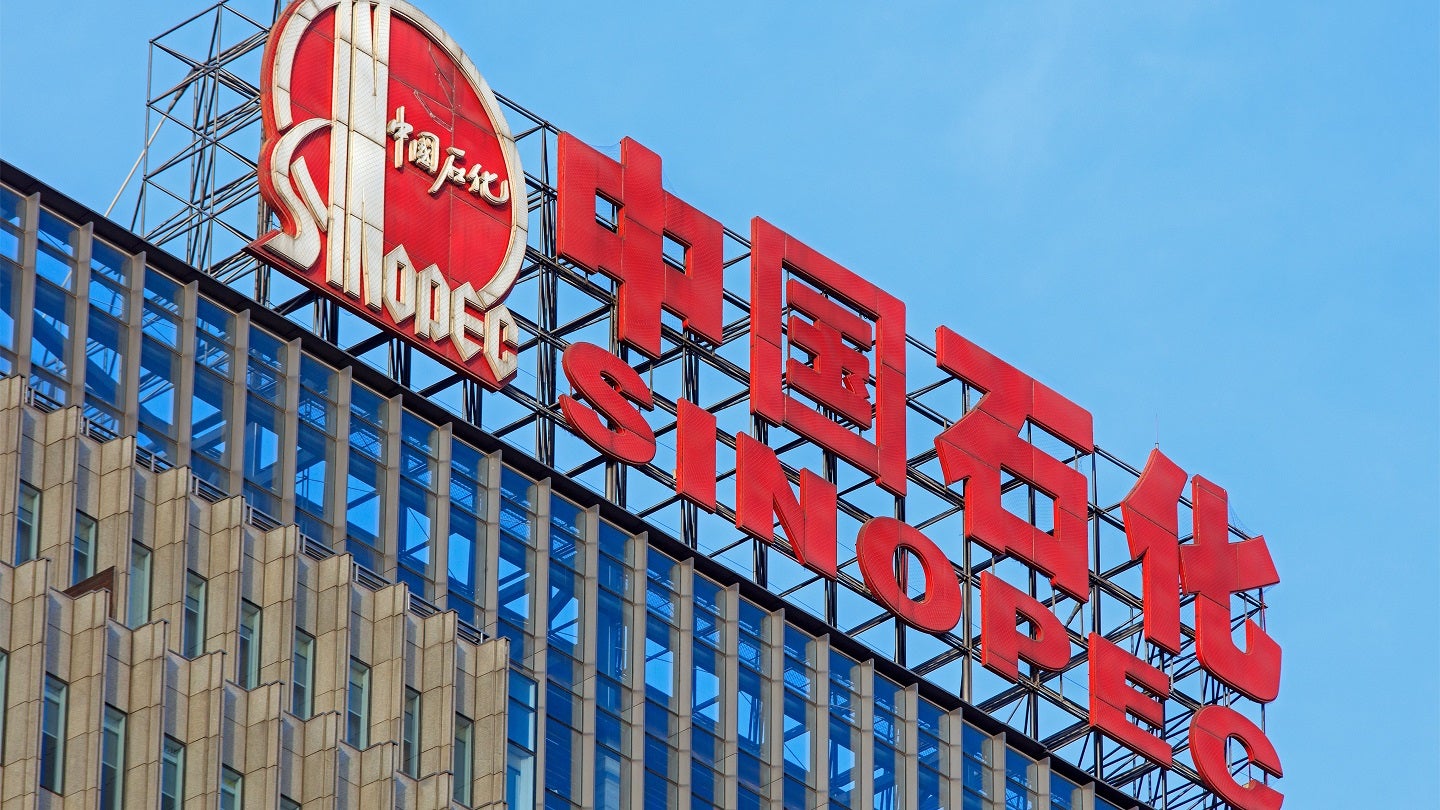
The investment would represent a significant achievement in Sinopec’s long-term strategy to grow outside of China. Credit: testing/Shutterstock.
Sri Lanka’s Government has approved China Petroleum & Chemical Corporation’s (Sinopec) proposal to build a $4.5bn (32bn yuan) refining facility, reports Reuters.
With the approval, the Chinese Government-backed refiner will be able to complete project specifics and enter a contract with the government before commencing the construction of the refinery.
The facility, which will focus on exports, will be built at the Hambantota port in the south of the country.
In a post on X, Sri Lanka Minister of Power and Energy Kanchana Wijesekera said: Cabinet approval was granted today to award the contract to China Petroleum & Chemical Corporation (Sinopec) of China, to enter into an agreement to establish a new Petroleum Refinery & Associated Product Processing centre in Hambantota.”
Sri Lanka is in desperate need of fresh investment and domestic fuel supplies as it works to recover from the worst economic crisis in more than 70 years.
China is the largest bilateral lender to the island nation off the southern coast of India.
Chinese businesses have developed air and sea ports, roadways and other infrastructure projects in Sri Lanka.
The investment would represent a significant achievement in Sinopec’s long-term strategy to grow outside of China.
The Chinese refining and petrochemicals major also owns assets in Saudi Arabia and Russia.
In September 2023, Sinopec set up a new unit to invest in foreign petrochemical and refining assets.
As the local Chinese oil market gets closer to saturation, Sinopec intends to use its resources and experience to grow abroad through the new unit, Sinopec Overseas Investment Holding.
Aimed at boosting the tourism sector, Indian tourists – the largest inbound group – to Sri Lanka, would receive free tourist visas with immediate effect, the Department of Immigration and Emigration has announced here.
The facility follows a Cabinet decision from October to issue free tourist visas to travellers from India, China, Russia, Malaysia, Japan, Indonesia, and Thailand amidst efforts to rebuild the debt-trapped island nation’s tourism sector that had slumped since the 2019 Easter Sunday bombings.
The pilot project to offer free visas for the first 30 days would be in force till March 31, 2024, the announcement said.
The travellers would be given dual entry status on arrival and the visa validity would be limited to 30 days’ stay in the island nation.
India is traditionally Sri Lanka’s top inbound tourism market.
In October 2023, arrival figures for India topped with over 28,000 arrivals or 26 per cent with Russian tourists trailing at over 10,000 arrivals as the second largest group.
The British tourists were placed third with over 8,000 arrivals.
Tourist arrivals to the island nation had slumped since the 2019 Easter Sunday bombings that left 270 persons, including 11 Indians, dead and over 500 injured.
Sri Lanka has been grappling with unprecedented economic turmoil, which has prompted an acute shortage of essential items like food, medicine, cooking gas and other fuel, toilet paper, and even matches.
In March, the International Monetary Fund agreed on a USD 3 billion bailout to Sri Lanka to revive its ailing economy.
A woman claiming to be daughter of slain LTTE leader Prabhakaran, addressed Lankan Tamils and she assured that the Tamil Eelam’s fight for freedom will continue.
Identifying herself as Dwaraka, Prabhakaran’s daughter, she expressed her willingness to reveal her identity to the world on an important day.
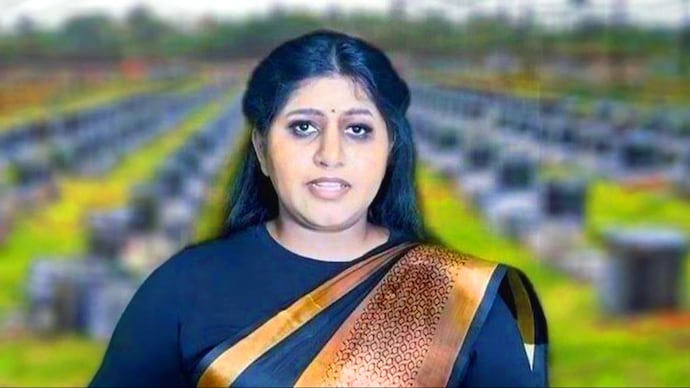
A video of a woman, claiming to be the daughter of the former Liberation Tigers of Tamil Eelam (LTTE) chief Prabhakaran, surfaced on social media on the occasion of “Maveerar Naal”, a Remembrance Day observed by Sri Lankan Tamils worldwide to honour the sacrifice of LTTE cadres.
Identifying herself as Dwaraka Prabhakaran, the woman expressed her willingness to reveal her identity to the world on an important day. “I am here after overcoming numerous difficulties and betrayals. One day, I hope to visit Eelam too and serve my people,” the saree-clad woman can be heard saying in the video.
The video was shared on social media platforms almost 14 years after Sri Lankan military declared that Prabhakaran and his family were dead in the final days of war at Mullivaikkal.
In her 12-minute-long speech in Sri Lankan Tamil, the woman said that Sri Lankan government sought support from powerful nations when they were unable to confront the LTTE directly. She further emphasised that LTTE’s fight for freedom will continue, emphasising unity in diversity for political needs.
Addressing the Lankans abroad, she urged them to take care of the marginalised Tamils in Sri Lanka. Expressing the belief that a separate Tamil Eelam would provide autonomy and development, the woman stated that it was the national leader’s viewpoint.
Furthermore, the woman clarified that the Tamil struggle is not against the Sinhalese people but against the government and corrupt politicians, who manipulated innocents against them.
She hoped that the Sinhalese would understand their cause, emphasising the alignment of ideologies despite differing paths.
Sources close to the Sri Lankan government said that they had received information suggesting the use of Artificial Intelligence (AI) to generate a video claiming to be Dwaraka Prabhakaran. The government is looking into the matter.
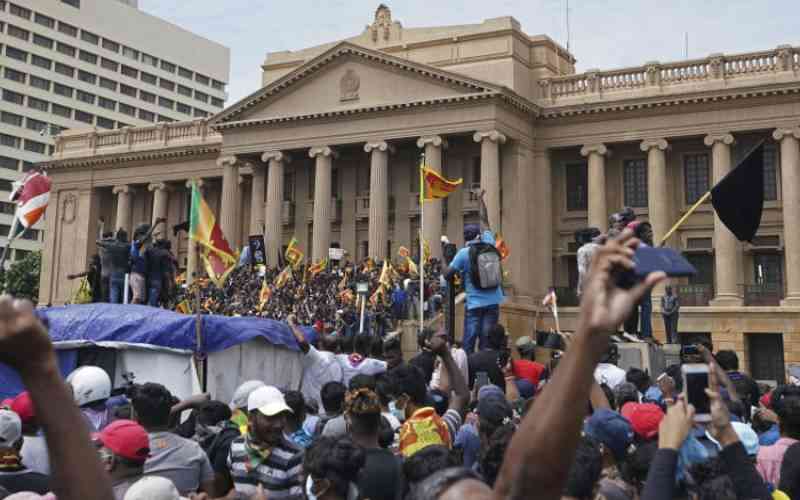
Protesters, many carrying Sri Lankan flags, gather outside the presidents office in Colombo, Sri Lanka, Saturday, July 9, 2022. [AP Photo]
A recent Daily Mirror editorial on Sri Lanka mentions that since independence, the country had implemented a number of welfare measures such as, subsidizing costs of food and fuel.”
It adds that these measures were intended to gain electoral popularity, but they also led to a weakening of the economy.”
Last year, Sri Lanka reached the zenith of its economic and financial crises. Angry protestors converged on the presidential residence.
The Prime Minister declared a state of emergency and a curfew. Despite the police firing teargas, the protesters were undeterred even as violence and political chaos gripped the country. The president eventually fled to the Maldives.
Analysts attribute the sad state of affairs in this island nation to economic mismanagement that weakened the country’s public finance. The situation was exacerbated by deep tax cuts enacted by President Rajapaksa’s government soon after taking office in 2019.
Runaway inflation reached dizzying heights of over 60 per cent. The country’s currency collapsed by 80 per cent. It was soon unable to make interest payments on its loans. It became commonplace for Sri Lankans to skip meals as they lined up for hours to buy scarce fuel and cooking gas. Despite the necessity, Sri Lanka held off talks with the International Monetary Fund (IMF). The country instead banned imports of fertilisers and precipitated the decimation of the nation’s staple rice crops. This only drove the price of rice higher.
Eventually, much too late, Sri Lanka got into talks with the IMF and other lenders to restructure its debt. These events sound far removed from Kenya. But to analysts who have been warning of profligate public borrowing and spending on vanity projects, these occurrences instill a sense of foreboding.
Last year’s fuel shortages across the country were a warning shot across the bow. The country’s staple maize, having reached an unprecedented Sh250 for a two-kilo pack spoke, of an impending crisis.
And aspersions were cast on Kenya’s ability to repay its onerous public debt mostly acquired under the former Jubilee administration.
But the country has defied all odds and managed to stay afloat. Only just! It has taken hard and painful decisions to undo the financial damage of a putative bibulous former leader.
Eschewing food and fuel subsidies in favour of fertiliser subsidies, the antithesis of the Sri Lankan approach, is proving beneficial. There are no fuel shortages reported.
Maize meal is now available at under Sh200 for a two-kilo pack. Inflation has been brought down from 9 percent to under 7 per cent, well within the Central Bank of Kenya’s target. Tax cuts have been avoided even as the country engages in timely talks with Bretton Woods institutions on the management of its debt.
No doubt, Kenyans are hard hit by these measures. But there is no other way around them. Not if the country wants to avoid going the Sri Lankan way. While calling for reintroduction of food and fuel subsidies and tax cuts poses a seemingly arresting prospect, it is nothing more than manifest bunkum. It is impractical, populist and like former Sri Lankan leaders, meant to gain electoral popularity. It must be called out.
Sri Lanka needs $100 billion to become a net zero emitter by 2040, President Ranil Wickremesinghe said on Tuesday, as the island also attempts to build climate change resilience while navigating its worst financial crisis in decades.
Sri Lanka will focus on green financing tools, including debt for nature swaps as it attempts to reach the net zero target, Wickremesinghe told Reuters in an interview. But he added it does not have immediate plans to utilise green bonds.
Some (funds) will come from investors who are interested, and I think we have an early start compared to others. We may invite in foreign investments. Rest, let’s hope our economy picks up and we have sufficient money to put into it,” he said.
Sri Lanka, a small island off the southern tip of India with a population of 22 million, is struggling to emerge from its worst financial crisis in decades after a severe shortage of foreign exchange reserves shattered the economy last year.
The island also faces the challenge of building more resilience to climate change. It is among countries most affected by extreme weather events and is expected to see a 1.2% annual GDP loss by 2050 due to climate change, according to the World Bank.
It is estimated that close to 19 million Sri Lankans may live in areas that could become moderate or severe hotspots in terms of floods or droughts by 2050.
Sri Lanka will set out two regional proposals at the U.N climate summit COP28, taking place from Nov. 30 to Dec. 12 in Dubai, which it hopes will focus on linking countries in the tropical belt to collectively combat climate change and promote the Indian Ocean as a carbon sink.
Tropical belt has virtually 40% of the forests, in 2040 it will have 50% of the world’s population so let’s fix it in the tropical belt. That also has an impact elsewhere,” Wickremesinghe said, pointing out it could make a radical change” in the fight against climate change.
Sri Lanka will also propose setting up an international climate change university and is willing to allocate 600 acres (240 hectares) for the project to promote research on global climate change policies.
In a landmark address at the 58th Annual General Meeting of the Hotels Association of Sri Lanka (THASL), President Ranil Wickremesinghe outlined a comprehensive strategy to propel the country’s tourism sector to new heights, the President’s Media Division (PMD) said.
During the meeting which was held on Monday (27) at Shangri-La Hotel, Colombo, Wickremesinghe emphasized that focused on surpassing the target of 5 million tourists and redefining traditional approaches, his vision extends to achieving 7.5 million visitors in the coming years.
The President emphasized the need for innovative thinking and collaboration within the industry to ensure sustainable growth, the PMD reported.
When I took over the government, I realized that sustainability alone is not sufficient. How are we going to earn foreign exchange? How are we going to have a positive balance of trade? In that, there were many suggestions. But what is the low-hanging fruit? And one of the low-hanging fruits was tourism. Let’s promote tourism fully,” President Wickremesinghe declared.
The President acknowledged the need to move beyond the existing framework and embrace competition to elevate Sri Lanka’s standing in the global tourism market. Drawing parallels with countries like Vietnam, he questioned why they had more tourists despite being in the industry for a shorter period. President Wickremesinghe stressed the importance of increasing the number of tourists to 2.5 million in the upcoming year and subsequently expanding on this figure.
Central to the President’s vision is the enhancement of the tourism product. He urged the industry to specialize, tapping into the unexplored potential that Sri Lanka possesses. Referencing historical practices during the Anuradhapura period, he highlighted the early roots of tourism in Sri Lanka and encouraged a nuanced approach to promotion.
Look at our food. From one area to another. Have you utilized it? Let’s do that. We have to be special in many ways. You remember, tourism was not something that was new to us. It was there even in the time of the Anuradhapura period,” President Wickremesinghe remarked.
Acknowledging the role of hospitality in attracting and retaining tourists, the President emphasized the need for a comprehensive experience – encompassing accommodation, cuisine, and cultural offerings. He proposed the diversification and improvement of Sri Lankan cuisine, advocating for a fusion of local and international flavours to cater to diverse tastes.
The President highlighted the potential for collaboration with expatriates to enhance the industry further. Drawing attention to the success of boutique hotels initiated around 2003-2004, he underscored the significance of niche markets, citing golf tourism as an example.
The development of tourism infrastructure beyond traditional attractions was a key aspect of President Wickremesinghe’s address. He outlined plans for the transformation of Colombo into an entertainment hub, emphasizing the need for diverse activities to keep visitors engaged.
What do we do there? Very little. You go to a museum, it’s a short run. You go to Gangaramaya Temple. You look at the Independence Square and back. So what are we planning? It should be an area of entertainment or music or food. All the way up to the Independence Square, it will be a new area,” he explained.
The President disclosed plans for the development of the Bogambara prison in Kandy into a hotel and a hotel school, showcasing the government’s commitment to utilizing available resources for tourism. He urged stakeholders to contribute ideas and support to implement these transformative initiatives.
Addressing the issue of minimum rates, President Wickremesinghe advocated for a shift towards higher rates, emphasizing the need for a quality product that justifies the cost. He encouraged the industry to think beyond conventional constraints and embrace a new mindset for achieving the ambitious target of 5 million tourists.
In this new era, we need new thinking. We can’t get there with the old mindset. Just forget it and put it aside. Think of the new people who will come. Then we can achieve our five million,” President Wickremesinghe asserted.
The President concluded his address by expressing confidence in the industry’s ability to achieve the 5 million tourist target and urged stakeholders to aim higher, setting a goal of 7.5 million with higher-paying tourists. He emphasized the importance of maximizing earnings and attracting tourists from both domestic and international markets without unnecessary restrictions.
The President also took the opportunity to honour two stalwarts of the hotel industry, presenting lifetime achievement awards to Mr. Srilal Miththapala and Mr. Hiran Cooray for their significant contributions.
The event was attended by key figures in the government, including Minister of Tourism, Lands, Sports, and Youth Affairs Harin Fernando, Secretary of the Ministry of Tourism and Lands H. M. P. B. Herath, and officials from the Hotel Association of Sri Lanka, as well as experts in the hotel industry.
As Sri Lanka embarks on this transformative journey to position itself as a premier tourist destination, the President’s vision sets the stage for a dynamic and prosperous future for the country’s tourism sector, according to the PMD.
Sri Lanka Podujana Peramuna (SLPP) MP Wimal Weerawansa has warned that the downfall of the current government has commenced.
Speaking in Parliament on Tuesday (28 Nov.), Weerawansa alleged that the President’s decision to remove Roshan Ranasinghe from his ministerial portfolios was a ‘testament’ to Ranil Wickremesinghe’s true character”, and further accused the Head of State of siding with thieves”.
The current President had the crown [Presidency] fall on to his head thanks to the ‘Aragalaya’, but yesterday, he showed his true character very clearly. He sacked the Minister who spoke against corruption, and stood with those who are corrupt”, Weerawansa charged.
The parliamentarian further recalled how during former President Gotabaya Rajapaksa’s tenure, when both he and MP Udaya Gamanpila were similarly sacked from their ministerial portfolios, and claimed that this marked the beginning of the end of Rajapaksa’s presidency.
Drawing similarities between the two incidents, Weerawansa further alleged that Ranasinghe’s sacking clearly showed whose side the President is on”, and that thereby this marked the beginning of the end of Wickremesinghe’s presidency as well.
Mark my words, Ranil Wickremesinghe will not contest a presidential election. I pity anyone who thinks he will. I think he would much rather take up a high post at an international organisation… He is not thinking of the future of this country. There will be no justice for this country during his short stint. He will only seek for his personal gain during his tenure”.
It was disclosed at the Ministerial Consultative Committee on Mass Media that the Sri Lanka Rupavahini Corporation (SLRC) and the Sri Lanka Broadcasting Corporation (SLBC) continue to incur losses.
This was revealed when the relevant committee met in Parliament on Thursday (Nov. 23) under the Chairmanship of the Minister of Transport and Highways and Minister of Mass Media Dr.Bandula Gunawardana.
Presenting statistics from 2015, the Chair pointed out how these two channels have made losses, the Parliamentary Communications Department said in a statement.
Accordingly, the Chair pointed out that the Sri Lanka Rupavahini Corporation has made a loss of 277 million rupees in the year 2023 and the Sri Lanka Broadcasting Corporation has made a loss of 457 million rupees in the year 2023.
Pointing out that it is difficult for the Treasury to provide funds for these channels, the Chair stated that there are plans to convert the Sri Lanka Rupavahini Corporation and the Sri Lanka Broadcasting Corporation into a public company. Accordingly, the Committee Chair further commented that the Cabinet Ministers have decided to appoint a committee to take further action, it added.
It was expressed in the committee that the state media does not provide enough publicity for the various development projects implemented by the government. The Chairman emphasized that public media should broadcast the inconveniences of the public who are affected by various dilapidated buildings, roads, bridges etc. as well as inform the public about the facilities that have been provided to the public following the development.
The Chair instructed the Sri Lanka Press Council to prepare a report on the measures that can be taken to regulate the propaganda activities carried out by the media in a way that harms the social culture and personal health and give it to the Committee.
State Ministers Shantha Bandara, Janaka Wakkumbura, Members of Parliament Velu Kumar, (Prof.) Charitha Herath, D. B. Herath, Sanjeeva Edirimanna, Gunathilaka Rajapaksha, Sudath Manjula, were present at the Committee meeting held, according to the Parliamentary Communications Department.
Roshan Ranasinghe says he has been removed from his positions as the Minister of Sports and Youth Affairs and Minister of Irrigation.
The SLPP parliamentarian said that he received a letter from President Ranil Wickremesinghe informing him that he has been removed from all his ministerial portfolios and positions with immediate effect.
Delivering a special statement in Parliament this morning (27), Ranasinghe had claimed that his life at risk, and that in the event anything should happen to him, the President and his Chief of Presidential Staff will have to be held responsible.
This is a new rift in politics, and my life may be lost in it. I could be killed anywhere, it could be tomorrow, today or the day after I don’t know, but the President and Sagala Ratayake will have to be held responsible. Don’t exclude these from the Hansard”, the MP had said in Parliament.
The former Sports Minister has been at loggerheads with Sri Lanka Cricket (SLC) and its President Shammi Silva, ever since the national cricket team’s humiliating loss to India at the ICC Cricket World Cup 2023 and subsequent exit from the tournament.
Ranasinghe had appointed an interim committee after sacking the cricket governing body headed by Shammi Silva following the national team’s disastrous World Cup campaign.
Ranasinghe had appointed legendary captain Arjuna Ranatunga as the head of the seven-member interim committee.
But the ICC then suspended SLC with immediate effect for government interference and Silva also managed to obtain a court order suspending the interim committee.
The former Sports Minister had accused Silva and other board members of Sri Lanka Cricket for bidding for the ban from the ICC, calling it a big betrayal of the country”.
SLC had also recently slapped a defamation lawsuit against Ranasinghe for making damaging defamatory statements” against it, deepening the administrative crisis in the country.
The chaos in Sri Lankan cricket came after the national team’s early exit from the World Cup. The Sri Lankans managed only two wins in nine games.