
Heroes of the Sinhala Resistance against the Portuguese, Dutch and British occupation of Sri Lanka for nearly 450 years
November 13th, 2025Senaka Weeraratna (with AI assistance)
Throughout nearly 450 years of European colonial rule, the Sinhalese people resisted the Portuguese, Dutch, and British occupations, producing numerous figures now celebrated as national heroes
Against the Portuguese (1518–1658)
The resistance against the Portuguese was characterized by continuous conflicts and shifting alliances, primarily led by the kings and princes of the local kingdoms, especially Sitawaka and Kandy.
- Mayadunne of Sitawaka: A prominent figure in the early resistance against Portuguese influence and their control over the Kingdom of Kotte.
- Rajasinha I of Sitawaka (previously Tikiri Bandara): Mayadunne’s son, he continued the fight against the Portuguese, most notably with a significant victory at the Battle of Mulleriyawa in 1557.
· The Battle of Mulleriyawa – Sri Lanka’s Fiercest Fight Against the Portuguese මුල්ලේරියා සටන
Battle of Mulleriyawa – Prince Tikiri Bandara 1559 (මුල්ලේරියානු යුද්ධය සහ ටිකිටි බණ්ඩාර 1559)
Mulleriyawa: Blood & Glory | How Sri Lanka Defeated the Portuguese
4K AI SHORT FILM | The grand win of Seethawaka Rajasinghe”
- Vimaladharmasuriya I of Kandy (previously Konappu Bandara): He led the Kandyan resistance, defeating the Portuguese in several key battles, including the campaign of Danture in 1594.
· Rise of Konappu Bandara
· https://www.youtube.com/watch?v=jS4f0DVVkVI
- Senarat of Kandy: Vimaladharmasuriya I’s successor, under whom the Sinhalese forces, including his son Maha Asthana (later Rajasinha II), achieved a major victory at the Battle of Randeniwela in 1630.
- Nikapitiya Bandara – fought against the Portuguese bravely and was on the verge of defeating the Portuguese with the support of 2,000 crack troops given by King Senarat. But when Nikapitiya Bandara foolishly demanded one of the two daughters of King Vimaladharmasuriya in marriage (kept by King Senarat as wives to legitimize his rule) Senarat got worried and withdrew his troops from the battlefield. That weakened Nikapitiya Bandara allowing the Portuguese to gain the upper hand. Nikapitiya Bandara was last seen in Anuradhapura. No trace of him thereafter.
- Rajasinha II of Kandy: A key figure who led the final decisive battle against the Portuguese at the Battle of Gannoruwa in 1638, virtually annihilating the Portuguese force. He then strategically allied with the Dutch to eventually oust the Portuguese from the island in 1658.
Against the Dutch (1658–1796)
The Dutch replaced the Portuguese as the colonial power in the coastal areas, often maintaining a complex relationship with the inland Kingdom of Kandy.
· King Rajasinha II of Kandy fought against the Dutch when the Dutch reneged on their pledge to vacate the Forts captured from the Portuguese and instead intended to replace them as the major colonial power in the Island. Rajasinghe II is credited with coining a famous Sinhala idiom / figure of speech ඉඟුරු දී මිරිස් ගත්තා වාගේ” Inguru di miris gaththa wagay (Literal meaning: Like one exchanged ginger for chili). It was originated – in reference that the Dutch Rule was much more of a menace to the king and cruel to the Sinhala Buddhist people in the island as much as the Portuguese were. From 1645 onwards Rajasingha was engaged in sporadic warfare with his erstwhile allies the Dutch.
Against the British (1796–1948)
The British took over from the Dutch and eventually captured the entire island by 1815. Resistance continued in the form of major rebellions and a later, largely peaceful, independence movement.
- Keppetipola Disawe (Monarawila Keppetipola): The most revered hero of the Great Rebellion of 1817–1818 in the Uva-Wellassa region. Initially sent by the British to suppress the uprising, he famously joined the rebels, returning his British arms and ammunition. He was later captured and executed but is now a major national hero.
- Gongalegoda Banda: A leader of the 1848 Matale Rebellion, a peasant revolt against British taxes and policies. He was proclaimed “King of Kandy” by the rebels.
- Puran Appu (Weerahennedige Francisco Fernando): A fellow leader in the 1848 Matale Rebellion who successfully captured Matale for a brief period before being captured and executed.
- Henry Pedris: A militia commander executed by the British during the 1915 riots on false charges, his death became a catalyst for the modern independence movement.
- Anagarika Dharmapala: A key figure in the Buddhist revivalist movement that fostered a pan-Sinhala Buddhist identity and national consciousness, laying the groundwork for the modern independence struggle.
- E. W. Perera, Sir Ponnambalam Ramanathan, F.R. Senanayake and Sir Don Baron Jayatilaka: These leaders played a crucial role in the political and constitutional struggle for independence. E.W. Perera famously traveled to Britain to present a memorandum to the Secretary of State for the Colonies, which led to the repeal of martial law and the release of imprisoned Sinhalese leaders after the 1915 riots.
- D. S. Senanayake: Often referred to as the “Father of the Nation”, he led the peaceful constitutional movement.
However, independence came to Ceylon in 1948 on a platter due to blood sacrifices made by soldiers of several Asian countries led by Japan, Indian National Army (INA) of Subash Chandra Bose, Burma (Aung San and U Nu), Indonesia ( Sukarno and Mohammed Atta), and Vietnam (Ho Chi Minh).
Did Japan contribute to Sri Lanka and India to gain independence?
- 1956 Buddhist Revolution – SWRD Bandaranaike, Philip Gunawardena, L.H. Mettananda (Bauddha Jatika Balavegaya) and D.C. Wijewardena (author of ‘Revolt in the Temple’ – https://www.lankaweb.com/news/items/2017/06/25/book-review-the-revolt-in-the-temple-by-d-c-wijewardena/)
- How Lankan Buddhists won the battle against proselytization
· National Hero of Sri Lanka
Recipients. … Recipients of the award range from the 18th century to the 20th century.
Wikipedia
ජාතික ගීත (Jathika Geetha) – Sri Lanka Independence Day 2025 (full)
The Seethawaka Kings, Mayadunne and Rajasinghe, fought fiercely against foreign occupation (by the Portuguese) and in doing so restored the pride and dignity of the demoralized Sinhalese people
November 13th, 2025Source: AI Overview
AI Overview response
The statement that the Seethawaka Kings, Mayadunne and his son Rajasinghe I, fought fiercely against the Portuguese occupation and in doing so restored the pride and dignity of the Sinhalese people, is largely accurate from a historical perspective on their resistance efforts. Their military resistance was a significant source of national pride and a powerful symbol of defiance against foreign encroachment.
Here’s a breakdown of their impact:
- Fierce Resistance: Mayadunne established the Kingdom of Sitawaka after the division of the Kotte Kingdom and became a formidable military power, offering fierce resistance to the Portuguese who were gaining influence in Kotte. His son, Tikiri Bandara (later King Rajasinghe I), was an exceptional warrior who, fighting alongside his father, dealt a crushing blow to the Portuguese in the Battle of Mulleriyawa in 1559, a major victory that severely weakened Portuguese control of the surrounding areas.
- Symbol of Patriotism: Rajasinghe I, known as the “Lion of Sitawaka,” is remembered for his patriotism and continued fight against the Portuguese invasion, even briefly unifying much of the island under Blue – blooded Sinhala rule after conquering the Kingdom of Kandy in 1582. Their actions stood in stark contrast to the puppet rulers installed by the Portuguese in the Kotte Kingdom, such as King Dharmapala, who converted to Christianity, betraying Buddhism ( the religion of the Sinhala people) and became a vassal of the Portuguese King.
- Restoration of Morale: The Kings of Sitawaka were seen as champions of the Sinhalese cause, fighting to preserve their independence and culture against the colonial power. Their military successes and unwavering opposition to foreign rule would have certainly served to boost the morale and dignity of the local population who were facing foreign occupation and cultural erosion. Many chieftains and their followers deserted the Portuguese-controlled Kotte and joined Mayadunne’s cause, indicating a strong desire to resist foreign domination.
While they were ultimately unable to expel the Portuguese from the island entirely, their legacy endures as a symbol of brave and significant resistance in the face of colonial expansion, contributing to the historical narrative of Sinhalese pride and defiance.
Source: AI Overview
NDB Bank Partners with Browns EV to Drive the Future of Electric Vehicles in Sri Lanka
November 13th, 2025National Development Bank PLC
NDB Bank has entered into a strategic partnership with Browns EV (Pvt) Ltd. through the signing of a Memorandum of Understanding (MoU), reinforcing its commitment to supporting sustainable and affordable leasing solutions in Sri Lanka. This collaboration will enable customers to access Browns EV’s newly launched Wuling Electric Vehicle range with attractive and flexible financial solutions, making the shift to electric driving more attainable for Sri Lankans.
Backed by a legacy of over 150 years in the automotive industry and further strengthened under the LOLC Group, Browns EV has taken a pioneering step in introducing globally recognized Wuling Electric Vehicles to the Sri Lankan market.
The newly introduced Wuling EV lineup offers a comprehensive range catering to diverse customer segments. The Wuling Cloud, priced at an introductory Rs. 12.4 million all-inclusive, delivers a powerful, spacious, and comfortable driving experience, ideal for families seeking both performance and refinement. The Wuling Binguo, at Rs. 8.1 million all-inclusive, presents a stylish, cozy, and feature-packed solution tailored for young professionals looking for modern convenience and design. In addition, Browns EV has also unveiled the highly affordable BAW E6 and E7 models, priced at Rs. 4.6 million and Rs. 4.7 million respectively, making affordable brand-new vehicle ownership an achievable reality for all Sri Lankans.
Speaking on the partnership, Dilum Amarasinghe, Assistant Vice President – Leasing at NDB Bank, said: Electric vehicles are no longer a distant dream but an attainable reality for Sri Lankans. Through this partnership with Browns EV, we are proud to extend tailored leasing solutions that make owning reliable, high-quality EVs both convenient and affordable. This is part of NDB’s commitment to fostering sustainable choices while enabling individuals and businesses to drive forward with confidence.”
Adding his thoughts, Pavithra Jayasekara, Director / CEO of Browns EV, stated: At Browns EV, our vision is to build a complete ecosystem that empowers every Sri Lankan to embrace green mobility with confidence. The launch of the Wuling and BAW range showcases our drive to deliver brand-new, innovative, and stylish vehicles that remain affordable to all. Through our partnership with NDB Bank, we are taking a significant step toward creating holistic solutions that combines advanced EV technology with inclusive financing, enabling more Sri Lankans to confidently transition to a sustainable future.”
Through this partnership, NDB Bank will provide tailor-made leasing facilities, with benefits such as flexible repayment plans, speedy approvals, and unmatched customer service. With its extensive branch network and dedicated leasing centres, NDB is well-positioned to extend financial accessibility for EV ownership across the island.
This collaboration underscores NDB Bank’s unwavering commitment to supporting sustainable innovation while empowering individuals and businesses with next-generation financial solutions. Together with Browns EV, NDB is enabling Sri Lankans to embrace electric driving, contributing towards a greener and more resilient nation.
NDB Bank is the fourth-largest listed commercial bank in Sri Lanka. NDB was named Sri Lanka’s Best Digital Bank for SMEs at Euromoney Awards for Excellence 2025 and was awarded Domestic Retail Bank of the Year – Sri Lanka and Sri Lanka Domestic Project Finance Bank of the Year by Asian Banking and Finance Magazine (Singapore) Awards 2024. NDB is the parent company of the NDB Group, comprising capital market subsidiary companies, together forming a unique banking and capital market services group. The Bank is committed to empowering the nation and its people through meaningful financial and advisory services powered by digital banking solutions.
One in five Sri Lankan adults suffer from diabetes – health officials
November 13th, 2025Courtesy Adaderana
Health authorities have revealed that one in five adults in Sri Lanka is currently living with diabetes, underscoring a growing public health concern in the country.
Speaking at a press conference held at the Health Promotion Bureau, Dr. Kapila Banduthilaka, a Consultant Eye Surgeon at National Eye Hospital (NEH), revealed that nearly one-third of adults with diabetes also suffer from eye diseases.
According to the latest data, we are witnessing a 73% increase in the number of diabetic patients,” Dr. Banduthilaka said.
It has been identified that one in nine adults globally has diabetes. In Sri Lanka, the prevalence is estimated to be between 23% and 30%, meaning that approximately one in five adults are diabetic. Among them, one-third suffer from eye diseases, and 11% of this group risk going blind if untreated, as diabetes particularly affects the eyes.”
Therefore, our working-age population is significantly impacted,” he stated.
Dr. Banduthilaka further noted that the economic consequences are substantial, with an estimated Rs. 923 million income loss each year due to diabetes-related blindness and vision impairment.
He added that if anyone was to visit the Eye Hospital today, most of the aforementioned 11% of patients would not be elderly, as many of them are between the ages of 40 and 50 years.
This disease is preventable. There is no reason for these individuals to lose their sight. In its early stages, diabetes can be managed through lifestyle changes, dietary control, and regular medical check-ups. Even if total prevention is not possible, timely diagnosis and treatment can help preserve vision,” he added.
Revenue growth expected to slow down in 2026 due to decline in vehicle imports – Draft Report on Appropriation Bill
November 13th, 2025Courtesy Adaderana
The draft report prepared in accordance with Standing Order 121(5)(i) of Parliament regarding the Appropriation Bill for the Financial Year 2026 was considered at the meeting of the Committee on Public Finance (COPF).
This discussion took place recently (11) in Parliament, under the chairmanship of Member of Parliament Dr. Harsha de Silva, according to a statement issued by the Department of Communication of Parliament.
The report had been prepared by the technical team of the Committee on Public Finance and presented to the Committee for consideration.
According to the report, the Appropriation Bill for the Financial Year 2026 has been prepared in line with the requirements stipulated under the Public Financial Management (PFM) Act, the Public Debt Management (PDM) Act, and the International Monetary Fund (IMF) program.
It further notes that revenue in 2025 exceeded expectations by Rs. 100 billion due to higher-than-expected income from vehicle import taxes, thereby providing greater ease in preparing financial plans for 2026.
However, it is also expected that revenue growth in 2026 will slow down due to a decline in vehicle imports. The report is scheduled to be presented to Parliament, the statement added.
Subsequently, discussions were also held with representatives of civil organizations regarding the Appropriation Bill for 2026. During these discussions, the representatives presented their views on the transparency of the budget, the allocation of funds among various sectors, the issues currently identified, and their related proposals.
The Chairman stated that these views and proposals will be referred to the Ministry of Finance for necessary action.
Deputy Ministers Chathuranga Abeysinghe and Nishantha Jayaweera, and Members of Parliament Ravi Karunanayake, Ajith Agalakada, Attorney-at-Law Chitral Fernando, Wijesiri Basnayake, Sunil Rajapaksha, Thilina Samarakoon, and Attorney-at-Law Lakmali Hemachandra, were present at this committee meeting.
ඩී.වී චානකගේ සද්දේ…
November 13th, 2025කයි TALKS
November 13th, 2025Dark Room
ලංකාවේ පොලිටිකල් ලීඩර්ෂිප් එකක් නෑ.. ආයෝජකයන් එන්නෙ නෑ.. ඉදිරියට අමාරු වෙනවා..- ජයශංකර්
November 13th, 2025උපුටා ගැන්ම ලංකා සී නිව්ස්
විපක්ෂ නායක සජිත් ප්රේමදාස ඉන්දීය රජයේ ආරාධනාවකට අනුව මෙම සතියේ ඉන්දියාව බලා ගියේ පක්ෂයේ වෙනත් මන්ත්රිවරයකු හෝ නොමැතිවය.
ඔහු සමග ලක්ෂ්මන් ෆොන්සේකා, චමිත් විජේසුන්දර හා කුසුම් විජේතිලක යන සමගි ජන බලවේගයේ සාමාජිකයන් ගියහ.
අගමැති හරිනි අමරසූරියගේ ඉන්දීය සංචාරයෙන් පසු විපක්ෂ නායකවරයාට එරට සංචාරයකට ආරාධනා කිරීම ගැන දේශපාලන ක්ෂේත්රයේ දැඩි අවධානය යොමු වී තිබිණි.
ඉන්දීය සංචාරයේදී විපක්ෂ නායකවරයාට අගමැති නරේන්ද්ර මෝදි හමුවීමට අවස්ථාව හිමිවූයේ නැත.
එහෙත් එරට විදේශ ඇමැති එම්. ජයශංකර් හමුවූ අවස්ථාවේදී ඔහු ප්රකාශ කර ඇත්තේ, ‘ලංකාවේ පොලිටිකල් ලීඩර් සිප් එකක්’ නොමැති බවයි.
‘‘ආයෝජකයන් එන්නෙ නැහැ. ආර්ථිකය හොඳ බව පෙනුණට 2028 වසරේ සිට ණය ගෙවන්න වෙනකොට අමාරු වෙනවා.’’
ඉන්දීය විදේශ ඇමැතිවරයා ලංකාවේ අනාගතය ගැන කීවේය.
ඉන්පසු ඉන්දීය ආරක්ෂක උපදේශක අජිත් දොවාල් සමග කලාපීය ආරක්ෂාව, තරුණ නැගිටීම් ගැන පැයක පමණ කාලයක් කතා කළ විපක්ෂ නායකවරයා එරට සෞඛ්ය ඇමැති හමුවූ විට ලංකාවට ඖෂධද ඉල්ලා සිටියේය.
එරට මුදල් ඇමැති සීතා රාමන්, කොංග්රසයේ නායකයකු වන ශෂි කාරුද හමුවූ විපක්ෂ නායකවරයා බ්රහස්පතින්දා රාත්රියේ යළි දිවයිනට පැමිණියේය.
ටි්රලියනක් ඉතුරු කතාව කෙප්පයක්.. රට එදිනෙදා දුවන්නේ ණය අරන්..
November 13th, 2025උපුටා ගැන්ම ලංකා සී නිව්ස්
මහා භාණ්ඩාගාරයේ ටි්රලියනක් පමණ ඉතිරිව තිබෙන්නේ යැයි කියන කථාව පිළිගත නොහැකි හුදු කතන්දරයක් පමණක් බවත් ආර්ථික විද්යාවට අනුව ශ්රී ලංකාවේ භාණ්ඩාගාරයේ මුදල් ඉතිරිවිය නොහැකි බවත් හිටපු අමාත්ය බන්දුල ගුණවර්ධන මහතා (13) පැවසීය.
හිටපු අමාත්ය බන්දුල ගුණවර්ධන මහතා ‘අයිඑම්එෆ් ප්රකීර්ණ විසදුම්’ කෘතිය පිළිබඳව දැනුවත් කිරීම සඳහා නුගේගොඩදී (13) පැවැති මාධ්ය හමුවේදී එසේ පැවසීය.
මෙරට ප්රධාන ජාතික ගැටලු දෙකක් ඇති අතර ආණ්ඩුවක් එදිනදා පවත්වාගෙන යෑමට ප්රමාණවත් ආදායමක් නොමැතිවීම හෙවත් ජංගම ගිණුමේ එසේ නැත්නම් වර්තන ගිණුමේ හිඟය එහිදී ප්රධාන ගැටලුව බවත් 1950, 51 සහ 1977 අවුරුදු තුන හැරුණාම අබුදය ඇතිවන තෙක් සහ වර්තමානයේ ද ආණ්ඩුව එදිනදා පවත්වාගෙන යෑමට ප්රමාණවත් ආදායමක් නොලැබෙන බවත් ඒ මහතා කීය.
රාජ්ය අයවැයේ ජංගම ගිණුමේ එසේ නැත්නම් වර්තන ගිණුමේ හිඟය ලෙස හදුන්වන එම හිග`යක් තියෙන විට භාණ්ඩාගාරයේ මුකුත් ඉතිරි නොවන බව කී ගුණවර්ධන මහතා ඒ නිසා කවුරු ආණ්ඩු කළත්, කවුරු රටේ ජනාධිපති වුණත් එදිනිදා වියදම් පවත්වාගෙන යෑමට ආදායමකත් නොමැති නිසා හැමදාම දේශීය සහ විදේශීය වශයෙන් ණය ගන්න මෙන්ම ණය නොගත් ආණ්ඩුවක් නැතුවා වගේම ණය නොගෙන කරන ආණ්ඩුවක් අනාගතයේ ඇති නොවන බව ද සඳහන් කළේය.
රාජ්ය අය වැයේ ජංගම ගිණුමේ හිඟය දළ දේශීය නිෂ්පාදිතයෙන් සියයට 5 ක් හෝ ඊට අඩු කිරීම මෙම සියලුම අණ පනත්වලින් උත්සහ කරන බවත් අතිරික්ත එක එක ගිණුම්වල ඇති අතර ප්රාථමික ගිණුමේ අතිරික්තයක් ඇති බවත් ඔහු කීය.
රජයේ ආදායමෙන් රජ්ය සේවකයන්ගේ වැටුප්, විශ්රාම වැටුප්, සහනාධාර, එදිනදා පවත්වාගෙන යෑමට අවශ්ය භාණ්ඩ හා සේවා මිලදීගැනීමේ වියදම් දැරූ පසු පොලී වියදම් හැර වියදම වන ප්රාථමික ගිණුමේ සියයට 2.3 ක අතිරික්තයක් ඇති බවත් ණය පොලිය ගෙවීමෙන් පසුව ජංගම ගිණුමේ හිඟයක් ඇති බවත් ඒ මහතා සඳහන් කළේය.
බැන්නට හොරු කිව්වට කමක් නෑ | වසන්තගේ වෙලාවත් අරන් තනි අලියා ආණ්ඩුවට කියලා දුන්න පාඩම
November 13th, 2025Veediya Bandara – A Warrior and a Defiant Renegade
November 12th, 2025Dr. Ajith Amarasinghe and Dr Ruwan M Jayatunge
Veediya Bandara rose to prominence as a celebrated war hero in the 16th century during the Kotte Kingdom, earning the title Thiruwelle Bandara, meaning “The Tiger of Kotte.” His valour and tactical acumen have solidified his place as a crucial figure in Sri Lankan history. Interestingly, some historians propose that Veediya Bandara may have had Tamil ancestry, which adds a fascinating dimension to his legacy.
Paul E. Peiris, a noted historian, posits that he hailed from a distinguished family in Madampe, which underscores his noble lineage. His father, Kumara Bandara, served as a local aristocrat, while his mother, Kapuru Lama Ethana, was related to the royal family as a cousin of King Bhuvanaikabahu VII. This connection to the monarchy not only highlights his noble heritage but also positions him within the intricate political landscape of his time, where familial ties often influenced power dynamics and military alliances.
Veediya Bandara was born during a tumultuous era marked by the arrival of the Portuguese in Sri Lanka in 1505. Their presence initiated a phase of military expansion and the promotion of Catholicism, which significantly impacted the local culture and society. Concurrently, the indigenous kingdoms were embroiled in their own internal conflicts, further complicating the political landscape of the time.
When the Portuguese arrived in 1505, the rulers of Sri Lanka included Vira Parakramabahu VIII of the Kingdom of Kotte, Pararajasekaram of the Kingdom of Jaffna, and Veerabahu of the Kingdom of Kandy. King Vijayabahu VII had three sons: Bhuvanaikabahu, Pararajasingha, and Mayadunne. In 1521, the brothers conspired against their father, resulting in his murder and the subsequent division of the kingdom among themselves. Bhuvanekabahu ascended to the throne of Kotte, Pararajasingha took control of Raigam, and Mayadunne became the ruler of Sitawaka.
King Bhuvanaikabahu VII, who reigned from 1521 to 1550, presided over the Kingdom of Kotte during a tumultuous era marked by political instability and the growing influence of the Portuguese in Sri Lanka. His rule was characterized by challenges that shaped the kingdom’s trajectory amid external pressures. Facing constant threats from his ambitious brother Mayadunne, he made the calculated decision to align with the Portuguese. In the midst of the ongoing conflicts with Mayadunne of Sitawaka, King Bhuvanaikabahu VII identified Veediya Bandara as an ideal warrior to safeguard his kingdom.
Veediya Bandara held the prominent position of commander under King Bhuvanaikabahu VII of Kotte, a role that placed him at the center of the kingdom’s military and political affairs. He possessed a deep understanding of both Sinhala martial arts and Portuguese military strategies. With remarkable skill in combat and outstanding military leadership, he emerged as a pivotal force in the unyielding conflicts against the rival King Mayadunne of Sitawaka. Additionally, he often found himself in battles against the Portuguese colonizers, showcasing his relentless commitment to both active engagement and strategic warfare.
Veediya Bandara was united in marriage to Samudra Devi, the daughter of King Bhuvanaikabahu VII, which further solidified his standing within the royal family. However, the dynamics of their union were complicated; Princess Samudra Devi was initially betrothed to Prince Jugo Bandara, a young man raised by King Bhuvanaikabahu himself. Despite this engagement, the princess’s affections lay with Veediya Bandara, leading to a tragic turn of events. Historical accounts reveal that Veediya Bandara, driven by his passion for Samudra Devi, ultimately took the drastic step of murdering Jugo Bandara with a knife.
In 1538, Veediya Bandara and Princess Samudra Devi were married, and their union is said to have produced two sons, Dharmapala the elder and Vijayabahu the younger. Over the years, Dharmapala would come to rule the Kotte kingdom, though he proved to be a rather ineffective king, lacking the courage and bold spirit that his father had displayed.
During a tumultuous era marked by ongoing conflicts, Bhuvanaikabahu of Kotte found himself frequently at odds with King Mayadunne, the founder and ruler of Sitawaka from 1521 to 1581. Under Bhuvanaikabahu’s rule, the Kotte kingdom enjoyed a degree of protection from both the encroaching Portuguese and the threats posed by King Mayadunne, largely due to the strategic prowess of Veediya Bandara.
Following the death of King Bhuvanaikabahu in 1551 AD, his successor, Don Juan Dharmapala, the son of Veediya Bandara, ascended to the throne. At this juncture, the coastal territories of Sri Lanka had fallen under Portuguese control, who were actively devising a political strategy aimed at the complete subjugation of the island. Their plans included moulding the young king, Don Juan Dharmapala, to align with their imperial ambitions, thereby ensuring that the future of Sri Lanka would be shaped according to their interests.
Veediya Bandara was the saviour of the Kingdom of Kotte. In the year 1539 AD, the alliance formed between King Mayadunne and Raigam Bandara, with the backing of the Zamorin of Calicut, led them into conflict against King Bhuvanaikabahu. Despite Bhuvanaikabahu having the support of the Portuguese, it was Veediya Bandara’s remarkable bravery that ultimately safeguarded the kingdom from enemy advances.
Tensions existed between Veediya Bandara and his wife, Samudra Devi, likely fueled by his feelings of sexual jealousy, which led him to accuse her of infidelity. Some historians suggest that Samudra Devi may have had a covert relationship with a Portuguese soldier, which reportedly sparked Veediya Bandara’s intense rage. The sudden and unexpected death of Samudra Devi sparked rumours suggesting that he had drowned her, although there is no solid evidence to support this allegation. Some historians propose that she may have suffered from a psychiatric condition, which ultimately contributed to her demise.
King Mayadunne had a daughter named Tikiri, who was also known as Surya Devi and Maha Tikiri Biso Bandara. Princess Tikiri held a deep affection for the Veediya Bandara. Following her death, Veediya Bandara entered into a second marriage with Surya Devi, the daughter of King Mayadunne, who ruled the kingdom of Sitawaka.
The Portuguese harbored deep resentment towards Veediya Bandara, leading the Portuguese Captain Diogo de Melo to issue orders for his capture. Utilizing cunning tactics of a Catholic Clergyman named Pereira, Captain Diogo de Melo successfully apprehended Veediya Bandara and confined him within a cell at Colombo Fort. However, his queen, Surya Devi, orchestrated a daring rescue by bribing the guards and constructing a tunnel that facilitated his escape.
Following his escape, Veediya Bandara sought refuge first in Atalugama and subsequently crossed the Kalu Ganga and established a stronghold in Palindanuwara (in Kaluthara District). From this fortified position, he initiated a campaign against both King Mayadunne and the Portuguese forces. Some historians indicate that Vidiya Bandara’s actions hindered the Portuguese from successfully converting the southern coastline to Catholicism. He unleashed violence against Portuguese invaders and Portuguese clergymen. His campaign included the destruction of churches and the execution of Catholic priests, marking a significant shift in the religious landscape of the area.
Despite his prowess as a warrior, Veediya Bandara grappled with a complicated mental landscape that hindered his effectiveness as a ruler. Initially welcomed by Edirimaana Surya, he was granted the village of Bogoda, located near Nathagane. However, driven by an insatiable thirst for power, Veediya Bandara killed Edirimaana Surya, who gave him a helping hand when he was in dire straits. After assassinating his friend, Veediya Bandara became the new leader of Edirimaana Surya’s territory.
Veediya Bandara had a volatile temperament, which often escalated into domestic violence. As a result, Suriya Devi suffered as a victim of intimate partner violence. She frequently expressed her concerns about Veediya Bandara’s treatment of her father, prompting King Mayadunne to intervene. In an effort to address the situation, he sent a military force led by his youngest son, Tikiri Bandara, his eldest son, Thimbiripola Kumaraya, and Udugammulla Wickramasinghe Mudali, the commander-in-chief of the Seethawaka Maha Sena. This military intervention resulted in a fierce battle at Diyakadawala, where Veediya Bandara suffered a significant defeat and was compelled to retreat. The conflicts with Veediya Bandara prompted King Mayadunne to ally with the Portuguese, culminating in a formal agreement in 1555.
After enduring numerous confrontations, Veediya Bandara came to the sobering realization that his forces were insufficient to confront his adversaries effectively. In light of this, he resolved to journey northward to seek an alliance with the king of Sankili. At this point, King Sankili was actively participating in the resistance against the Portuguese and agreed to collaborate with Veediya Bandara to launch a united campaign.
Tragically, Veediya Bandara met his demise under unforeseen circumstances. Upon his arrival to meet the king of Sankili, who belonged to the Arya Chakravarti dynasty, he found himself waiting outside the Nallur Kovil in Jaffna, where a large crowd had gathered. An accidental explosion of gunpowder, resulting from a mishap, incited widespread panic among the onlookers. The guards of King Sankili, misinterpreting the chaos as a deliberate assault orchestrated by Veediya Bandara, quickly surrounded him. As tensions mounted, violence erupted, leading to a fierce confrontation in which historical accounts suggest that Veediya Bandara managed to slay nearly sixty of the king’s soldiers.
However, in the midst of the fray, he was ambushed from behind by a guardsman, sustaining fatal injuries. It was only later that King Sankili came to understand the tragic misunderstanding that had unfolded. Overcome with sorrow, the king commissioned the construction of a monument in honor of Veediya Bandara, and a temple was also established near the Nallur temple in Jaffna, commemorating the site of Veediya Bandara’s final stand.
The legacy of Veediya Bandara is complex and multifaceted, characterized by a blend of heroism and moral ambiguity. On one hand, he is celebrated as a valiant figure who stood against foreign invaders, embodying the spirit of resistance and national pride. However, this image is complicated by his personal shortcomings, as he often acted out of self-interest, leading some to view him as an opportunist. His unwillingness to express gratitude towards those who supported him, despite the questionable nature of their actions, further damaged his reputation. Additionally, his treatment of his wives reveals a troubling aspect of his character; he was known to be abusive and neglectful, failing to fulfill the role of a supportive and caring husband. This duality in his legacy prompts a reevaluation of his contributions and flaws, leaving a lasting impression that is both admirable and deeply flawed.
Veediya Bandara lived during a tumultuous era marked by relentless wars, widespread death, political assassinations, betrayals, and pervasive social upheaval. Throughout this chaotic period, he found himself embroiled in numerous armed conflicts, each contributing to the mounting stress of battle that he experienced. The constant exposure to violence and the harsh realities of warfare likely led to significant transformations in his personality, as the psychological toll of such experiences can profoundly alter an individual’s outlook and behavior. The relentless nature of his environment, filled with uncertainty and danger, may have instilled in him a sense of mistrust and a heightened awareness of betrayal, further complicating his interactions with others and shaping his identity in profound ways.
Veediya Bandara was undeniably a multifaceted individual whose character was profoundly shaped by the traumas of war. The psychological scars he bore manifested in various troubling behaviours, including episodes of unpredictable violence and emotional instability. His emotional landscape was marked by frequent outbursts of anger, a pervasive sense of emotional numbness, and a degree of paranoia that fueled his mistrust and suspicion of those around him. These psychological challenges not only complicated his interactions with others but also contributed significantly to his eventual decline. The interplay of these factors created a volatile environment that likely played a crucial role in his downfall, illustrating how deeply the effects of trauma can permeate an individual’s life and relationships.
About the authors
Dr. Ajith Amarasinghe, MBBS, DCH, MD, MRCP, MRCPCH, is a Consultant Pediatrician and Clinical Allergist
Dr. Ruwan M Jayatunge, M.D, PhD; Medical Doctor and a Clinical Psychologist
Special Thanks to
1. Dr. Anura Manthunga – Senior Professor of the Department of Archaeology and the Founder Director of the Centre for Heritage Studies of the University of Kelaniya
2. Dr. Roshan Maddage Don
Pathfinder Foundation Hosts New Zealand Leadership Delegation for Strategic Dialogue
November 12th, 2025Press Release: The Pathfinder Foundation
The Pathfinder Foundation welcomed a delegation from the Asia New Zealand Foundation Leadership Network during its visit to Sri Lanka. The meeting was attended by H.E. David Pine, High Commissioner of New Zealand to Sri Lanka, Mr Milinda Moragoda, Founder of the Pathfinder Foundation, along with the Foundation’s Directors and staff. The engagement also gathered several young Sri Lankan leaders for networking and discussion on areas of mutual interest.
Bernard Goonetilleke, Chairman of the Pathfinder Foundation and Ms Adele Mason of the Asia New Zealand Foundation, delivered opening remarks. The program focused on three main areas: Managing the geopolitics of trade and strategic options for small economies; Sri Lanka’s recovery policies following the economic crisis; and Regional and maritime security in the Indo-Pacific.
The opening presentation by Dr. Dayaratna Silva, Executive Director of Pathfinder, examined how global trade dynamics are being reshaped by shifting geopolitical power balances. It was noted that trade and investment decisions, once driven by economic efficiency, are now increasingly influenced by strategic and political considerations. The speaker highlighted that for small and open economies such as Sri Lanka and New Zealand, maintaining neutrality and diversification is crucial in a fragmented global trading system. Trade with all, align with none, was emphasised as a prudent approach for small states seeking resilience amidst major power rivalries. The discussion underscored the importance of understanding geopolitical risk indices and developing strategic responses to safeguard national interests.
The second presentation by Dr R.H.S. Samaratunga, Distinguished Fellow of the Pathfinder Foundation, focused on Sri Lanka’s economic recovery trajectory following the 2022 economic crisis. The presentation traced the origins of the crisis to chronic fiscal and current account deficits, monetary expansion, structural inefficiencies, and policy missteps, culminating in a shortage of foreign reserves and an eventual sovereign default.
The speaker outlined the government’s firm engagement with the International Monetary Fund (IMF) and the introduction of a four-year Extended Fund Facility (EFF) programme built around six pillars: fiscal consolidation and institutional strengthening; debt restructuring; enhanced social protection; governance and anti-corruption reforms; safeguarding financial stability; and building foreign reserves and resilience. He noted that key legislative reforms had been enacted, including a new Central Bank Act, Public Financial Management Act, Debt Management Act, 2030 Economic Transformation Act, and a comprehensive Anti-Corruption Act, with results that have been promising. However, he highlighted that fiscal discipline and improved governance remain crucial to sustaining this recovery.
The final presentation by Maj. Gen. (Retd.) T. S. Sallay focused on the evolving regional security landscape, emphasising maritime challenges in the Indo-Pacific. The speaker observed that the region has become the centre of global strategic competition, driven by the escalating U.S.–China rivalry, territorial disputes, and the emergence of new minilateral security frameworks such as QUAD and AUKUS. For Sri Lanka, situated at a key maritime crossroads, these developments have direct consequences for national security, economic stability, and regional cooperation. With over 60,000 vessels passing close to its shores each year, maritime security remains vital for protecting trade, fisheries, and the blue economy.
Non-traditional threats such as illegal fishing, drug trafficking, cyberattacks, and climate-related risks were also recognised as emerging priorities. The presentation highlighted Sri Lanka’s active participation in regional mechanisms, including IORA, IONS, the Colombo Security Conclave, and the Bay of Bengal Maritime Dialogue, organised annually by the Pathfinder Foundation. To strengthen regional resilience, the speaker proposed closer cooperation between Sri Lanka and New Zealand by leveraging strengths in governance, research, and sustainable maritime practices. The Pathfinder Foundation, a non-partisan, non-profit organisation dedicated to research and advocacy, has previously engaged with the Asia New Zealand Foundation and the New Zealand High Commission in 2023.
It was observed that there is significant potential to enhance New Zealand-Sri Lanka bilateral cooperation in areas such as higher education and skills development, agriculture, dairy and food security technologies, renewable energy and climate-resilient development, maritime cooperation and Indian Ocean security, tourism, aviation, cultural exchanges, and digital technology and innovation ecosystems.
The briefing session provided the New Zealand delegation with an opportunity to understand the ground situation in Sri Lanka, particularly the recovery following the 2022 economic and political crisis. Their visit and the briefing delivered by the Pathfinder Foundation will aid the next generation of New Zealanders in fostering a better understanding of bilateral relations and promoting closer ties between the two countries.
Sinhala Buddhists have made a significant contribution to the global propagation of Buddhism, primarily by safeguarding, documenting, and disseminating the Theravāda tradition and the Pāli Canon, and through modern missionary work in the West.
November 12th, 2025German Dharmaduta Society (AI assisted)
Preservation and Dissemination of Theravāda Buddhism
Preservation of the Pāli Canon: The Theravāda Pāli Canon, the foundational scripture for Southern Buddhism, was first committed to writing in Sri Lanka at Aluvihara in the 1st century BCE, ending a long tradition of oral transmission. This written record has been crucial for preserving the teachings in their original form.
- Scholarly Center and Commentaries: Sri Lanka, particularly the ancient Mahāvihāra monastery, became a renowned center for Buddhist scholarship. South Indian scholars associated with the Mahāvihāra, such as Buddhaghosa (4th–5th century CE), translated the existing Sinhala commentaries (like the Maha-atthakatha) into Pāli. This established Pāli as the lingua franca for Theravāda scholarship, allowing easier transmission of the tradition to other parts of Asia.
- Propagation in Southeast Asia: The Mahāvihāra Theravāda school, with its emphasis on strict adherence to the Vinaya (monastic discipline), gradually spread throughout mainland Southeast Asia. Sinhala monks played a major role in establishing Theravāda Buddhism in Myanmar (late 11th century), Thailand (13th-14th centuries), and Cambodia and Laos (by the end of the 14th century). Monks from these regions would travel to Sri Lanka to be re-ordained within the prestigious Sinhala Sangha (monastic community) before returning to establish the tradition in their home countries.
- Restoration of the Sangha: At times when the monastic order in other countries or even in Sri Lanka itself declined (e.g., due to war or colonial rule), the Sinhala Sangha helped restore the ordination lineage. For example, Thai monks helped revive the bhikkhu community in Sri Lanka in the 18th century, a reciprocal act for the earlier transmission (establishing the Lankavamsa in Thailand by the Sinhala monks)
Modern Global Propagation
- Pioneering Western Missions: In the modern era, Sinhala Buddhists were at the forefront of introducing Buddhism to the West. Anagarika Dharmapala was a key figure in the late 19th and early 20th centuries. He represented Theravāda Buddhism at the World’s Parliament of Religions in Chicago in 1893 and founded the London Buddhist Vihara in 1926, one of the first Buddhist centers in Europe. He was supported by Ven. Hikkaduwe Sri Sumangala Maha Nayake Thero whose written speech was read out by the Anagarika at the Parliament of Religions in Chicago.
- Propagation in the West
Pioneering Western Missions:
In the modern era, key Sinhalese like Anagarika Dharmapala and Asoka Weeraratna pioneered the establishment of Buddhist centers in Western countries. Dharmapala founded the London Buddhist Vihara in 1926, and Asoka Weeraratna converted the already established Das Buddhistische Haus (DBH) founded by Dr. Paul Dahlke in 1924 in Berlin – Frohnau, Germany into a Buddhist Vihara (the first Buddhist Vihara in continental Europe) in 1957.
- Founding of Organizations: Dharmapala also founded the Maha Bodhi Society in India to reintroduce Buddhism there, which now has branches in many countries. The Buddhist Publication Society, founded in Kandy, by lay Buddhists A.S. Karunaratne and Richard Abeysekere along with the German – born monk Ven. Nyanaponika has been instrumental in publishing English-language books and translations of the Pāli Canon and other texts, making the teachings accessible to a global audience. Asoka Weeraratna founded the German Dharmaduta Society (GDS) in Colombo in 1952. Last year (2024) the GDS together with the management (Tissa Weeraratna) and Resident monks at DBH (Berlin Vihara) led by Ven Pelane Dhammakusala Thero commemorated the 100th Anniversary of Das Buddhistische Haus in Berlin. A handsome volume under the caption ‘100 years Das Buddhistiche Haus’ covering the history of Buddhism in Germany and history of the Buddhist Haus in particular, was released on this occasion. The architect of this rare volume was a German national, Dr. Winfrid Liebrich who served as the Chief Editor together with Senaka Weeraratna and Tissa Weeraratna as Co – Editors. The American Vietnamese Bhikshuni Dr. Bich Lien also known as Ven Bhikkhuni Elizabeth Sujata generously sponsored the publication.
- https://www.lankaweb.com/news/items/2025/05/10/vietnamese-bhiksuni-dr-bich-lien-meets-president-anura-kumara-dissanayake-at-un-day-of-vesak-in-vietnam/
- https://www.sundaytimes.lk/240804/news/berlin-buddhist-vihara-centenary-celebration-held-at-temple-trees-566176.html
- https://share.google/aimode/HTRX755kqEGTQvOBr
- https://buddhismus-aktuell.de/rezension/100-jahre-gelebter-und-gelehrter-buddhismus-im-buddhistischen-haus-berlin-frohnau/
- Establishing Viharas and Societies in Europe: Asoka Weeraratna was another pioneering Dharmaduta worker. While as a young Sinhalese businessman, he organized and led the First Buddhist Mission from Sri Lanka to Germany which comprised three leading monks drawn from the reputed Sri Vajiraramaya Temple in Bambalapitiya, Colombo 4. The monks on this historic journey to the West comprised Ven. Soma, Ven. Kheminde and Ven. Bope Vinita Thero. Asoka Weeraratna negotiated the purchase of Das Buddhistische Haus with the heirs of Dr Paul Dahlke and bought the Das Buddhistische Haus in December 1957, which was founded by the pioneering German Buddhist Dr. Paul Dahlke in 1924. It is situated on a large block of land amidst a picturesque hillock in Berlin – Frohnau. Asoka Weeraratna under the auspices of his German Dharmaduta Society (founded by him in Colombo in 1952) converted DBH into a Buddhist Vihara (This was the first Buddhist Vihara in Continental Europe) with monks resident since 1957 and missionary work continues to this day under the management of Mr. Tissa Weeraratna and a Religious program conducted under the leadership of Ven. Pelane Dhamma Kusala Thero, a disciple of the late Ven. Homagama Kondanna Maha Thero. Ven. Talpavila Kusalagnana Thero, a scholar Buddhist Monk from Sri Lanka, and resident at DBH and conversant with German, English and Sinhala languages is strongly associated with this Buddhist religious program.
- The 100th anniversary of Das Buddhistische Haus (1924 – 2024) was commemorated on a fitting scale in both Berlin and Colombo last year. Prime Hon. Dinesh Gunawardena (Chief Guest) gave his fullest support and allocated Temple Trees for the holding of the grand function on August 03, 2024. There were over 620 people present comprising the Sangha, laity and distinguished persons including high ranking diplomats such as the Chinese Ambassador H.E. Mr. Qi Zhenhong, German Ambassador Dr. Felix Neumann (Guest of Honour), Indian Deputy High Commissioner Hon. Dr. Satyanjal Pandey, among others.
- The Commemoration was held in Berlin spread over two days (August 3 and 4, 2024), ending with an International Buddhist Academic Conference held in the Zehlendorf Community Centre, Berlin on August 04, 2024. Professor Martin Baumann, German Buddhist Scholar, was the chief guest and keynote speaker.
Over 40 Buddhist monks from all over the world were in attendance including several Ambassadors from South Asian and Southeast Asian countries. Sri Lanka’s Ambassador in Germany Ms. Varuni Muthukumarana and members of her Embassy staff played a key supporting role and she delivered a speech on Sri Lanka’s support for the cause of Buddhism and its propagation overseas.
- One of the key features on both occasions was the launch of the Book ‘100 years Das Buddhistische Haus’ published by the German Dharmaduta Society (available at Vijitha Yapa Bookshops). American Vietnamese Bhikshuni Dr. Bich Lien also known as Ven Bhikkhuni Elizabeth Sujata sponsored the publication.
Chief Guest Hon. Prime Minister Dinesh Gunawardena delivering the keynote speech.
Picture shows Dr. Felix Neumann, German Ambassador, receiving the First Day Cover
from the Director of the Philatelic Bureau.
Left to Right: Major – General Sardha Abeyratne (President, German Dharmaduta Society), Mr. Senaka Weeraratna (Hony. Secretary, German Dharmaduta Society), Dr. Felix Neumann (German Ambassador), Mr. Mahinda Abeywardena (Speaker), Hon. Prime Minister Dinesh Gunawardena (partly covered) and the Director of the Philatelic Bureau is seen handing over the First Day Cover to Dr. Felix Neumann.
Scholarship and Translations: Sri Lanka has been an important center for Buddhist scholarship in Western languages. Western monks like the German Nyanatiloka Mahāthera studied and ordained in Sri Lanka. Along with their students, such as Nānamoli Bhikkhu and Ven. Nyānaponika, they produced numerous important translations of the Pāli Canon and commentaries into English and German, making the scriptures accessible to a global audience.
- Founding the Maha Bodhi Society: Anagarika Dharmapala founded the Maha Bodhi Society in India to reintroduce Buddhism to the land of its origin and to reclaim Buddhist holy sites like Bodh Gaya from Hindu control, with branches later established in other countries.
Through these efforts, Sinhala Buddhists have ensured the continuity and global reach of the Theravāda tradition, influencing Buddhist practice and scholarship worldwide.
Group Photograph taken at Das Buddhistische Haus on August 03, 2024, on the commemoration of the
100th anniversary of DBH (1924 – 2024)
A Photograph taken at Das Buddhistische Haus on August 03, 2024, on the commemoration of the
100th anniversary of DBH (1924 – 2024)
Photo: 3rd from the left
- American Vietnamese Bhikshuni Dr. Bich Lien also known as Ven Bhikkhuni Elizabeth Sujata who sponsored the publication ‘100 years Das Buddhistische Haus’.
Photo taken at the entrance to the Das Buddhistische Haus
Ms. Varuni Muttukumarana ( Sri Lanka’s Ambassador to Germany) clad in white sari is seen in the middle of the front row of the photo
Charges against Daisy Forrest cannot be maintained due to dementia: Defense tells court
November 12th, 2025By Bhagya Silva, Courtesy The Daily Mirror
Colombo, Nov. 12 (Daily Mirror) – Defense counsel representing Daisy Forrest, the grandmother of Yoshitha Rajapaksa, informed the Colombo High Court that maintaining proceedings against her under the Prevention of Money Laundering Act is baseless, as she is suffering from dementia.
President’s Counsel Anil Silva, making submissions before Colombo High Court judge Udesh Ranatunga stated that his client suffers from dementia and Alzheimer’s disease and therefore maintaining the indictment against her has no legal foundation.
He further noted that his client, who is 98 years old, is in such a condition that she is unable to manage even her personal affairs independently.
Counsel added that given her present mental condition, she has no understanding of the alleged offences or the court proceedings and that she is incapable of understanding or responding to the charges.
මහා කැබ් මංකොල්ලය….
November 12th, 2025මේක කුමන්ත්රණකාරී දූෂණයක්! | මිනිස්සුත් හෙණ ඉල්ලයි! | දිලිත් සභාව දෙවනත් කරමින් කළ හෙළිදරව්ව
November 12th, 2025අජිත් පාර්ලිමේන්තුව දෙවනත් කරයි..ලැජ්ජා වෙන්න ඕනි..කයිවාරු විතරයි
November 12th, 2025In the Heart of the Amazon: COP 30 and the Fate of the Planet
November 11th, 2025Dr. Asoka Bandarage
My recent visit to Brazil coincided partly with the Conference of the Parties (COP) 30, the 30th United Nations Climate Conference in Belém. Although I did not attend COP 30, I was very fortunate to visit the Amazon. It was both awe-inspiring and humbling to experience —even briefly—the mystery and stillness of nature, and the ebb and flow of life in the Amazon: the largest tropical rainforest in the world, sustained by the ever-flowing Amazon River, the largest and widest river on Earth.
The magnificent forest, the river, and its tributaries, such as the black-water Rio Negro, teem with countless interdependent species. The great Samaúma—the tree of life,” or giant kapok tree—stands tall above innumerable other trees, vines, and plants. Many trees provide homes for birds and other animals that build their nests high among the branches or near the roots. Sloths do not build nests; instead, they spend their entire lives in the forest canopy, hanging upside down from branches while resting or sleeping.
In contrast, capuchin and squirrel monkeys leap from tree to tree in search of food, while birds—from the tiniest short-tailed pygmy tyrant to the colorful red-crested, green, and black Amazon kingfishers—flit from branch to branch, each awaiting its own prey. As night falls, the beautiful white owl-like great potoo emerges and sits patiently, seemingly forever, waiting for its turn to hunt.
In the river, silvery flying fish—sometimes in droves—leap from the water to catch insects, while gray and pink dolphins bob up and down, chasing fish or simply playing. Along the banks, proud egrets and fierce spectacled and black caimans lie in wait for their prey. Overhead, flocks of birds, including parakeets, fill the sky with song as vultures descend to feed on the remains of fallen animals below.
Humans have also lived in the Amazon for tens of thousands of years, in close symbiosis with other species, hunting in the forest and fishing in the river for their survival. Petroglyphs—carvings of human and animal figures, along with abstract shapes etched into rocks along the Amazon River—speak of their deep respect for nature and their ways of communicating with one another. Even today, many of the indigenous communities who inhabit the Amazon remain devoted to protecting Mother Earth, upholding their eco-centric values and traditional ways of life.
There are also the river people (ribeirinhos), many of mixed indigenous and Portuguese descent, living along the Amazon River—often in floating homes or houses built on stilts. Their livelihoods and cultures are deeply intertwined with the river and forest, making the protection of the Amazon essential to their survival.
The Amazon lost an estimated 54.2 million hectares of forest—over 9% of its total area—between 2001 and 2020, an expanse roughly the size of France. The Brazilian Amazon, which makes up 62% of the rainforest’s territory, was the most affected, followed by Bolivia, Peru, and Colombia. Along with deforestation, the Amazon is estimated to lose 4,000 to 6,000 plant and animal species each year.
COP 30
At the opening of the COP 30 Conference in Belém, Luiz Inácio Lula” da Silva, the President of Brazil pointed out that concrete climate action is possible and that deforestation in the Amazon has been halved just in the past two years. He declared that the era of fine speeches and good intentions is over” and that Brazil’s COP 30 will be a ‘COP of Truth and Action’, COPs cannot be mere showcases of good ideas or annual gatherings for negotiators. They must be moments of contact with reality and of effective action to tackle climate change.”
President da Silva also emphasized that Brazil is a global leader in biofuel production—renewable energy derived from organic materials such as plants, algae, and waste—stressing that a growth model based on fossil fuels cannot last.” Indeed, at COP 30, the future of the world’s tropical forests, vital ecosystems, and the shared climate of humanity and other species is at stake.
Truth and Action”
Notwithstanding President da Silva’s optimistic pronouncements at Belém, troubling developments continue on the climate front in Brazil and around the world. In preparation for COP 30, the Brazilian government—along with India, Italy, and Japan—launched an ambitious initiative in October 2025: the Belém 4x” pledge, which aims to quadruple global sustainable fuel use by 2035. This goal is projected to more than double current biofuel consumption. However, environmentalists have expressed concern that a massive expansion of biofuel production, if undertaken without strong safeguards, could accelerate deforestation, degrade land and water resources, harm ecosystems, and threaten food security—particularly as crops such as soy, sugarcane, and palm oil compete for land between energy and food production.
Just days before COP30, the Brazilian government granted the state-run oil company Petrobras a license to drill for oil near the mouth of the Amazon River. The government, including Minister for the Environment Marina da Silva, has defended the move, claiming that the project would help finance Brazil’s energy transition and help achieve its economic development goals.
Environmentalists have criticized the decision, accusing the government of promoting fossil fuel expansion and worsening global warming. They warn that drilling off the coast of the world’s largest tropical rainforest—a crucial carbon sink—poses a serious threat to biodiversity and indigenous communities in the Amazon region.
According to environmental activists, in the Amazon, 31 million hectares of Indigenous Peoples’ territories are already overlapped by oil and gas blocks, with an additional 9.8 million hectares threatened by mining concessions.”
Moreover, a controversial four-lane highway, Avenida Liberdade, built in Belém in preparation for the COP30 climate summit, is being defended by the Brazilian government as necessary infrastructure for the city’s growing population. Environmentalists and some locals are alarmed that clearing more than 100 hectares of protected Amazon Rainforest to build the road will accelerate deforestation, harm wildlife, and undermine the climate goals of the COP summit.
The onus of protecting the Amazon Rainforest—often called the lungs of the planet”— cannot rest on Brazil alone; it is a shared responsibility of all humanity. Numerous studies show that the world can thrive without fossil and biofuels by adopting alternative renewable energy sources such as solar, wind, and hydroelectric power.
The global order, led by the United States and other Western nations, bears primary responsibility for the climate and environmental crises, as well as for deepening global inequality. Emerging powers from the Global South—particularly the BRICS nations,[1] including Brazil—are now called to move beyond rhetoric and take concrete action. As President Lula da Silva himself has stated, COP 30 presents a critical opportunity to move decisively in that direction.
Negotiators and policymakers at COP 30 must take firm, principled moral action—resisting pressure from the fossil fuel lobby and prioritizing the interests of the planet and its people over short-term, profit-driven growth.
Bio:
Asoka Bandarage is the author of Women, Population and Global Crisis: A Politico-Economic Analysis (Zed Books, 1997), Sustainability and Well-Being: The Middle Path to Environment, Society and the Economy (Palgrave MacMillan, 2013) andnumerous other publications on global political economy and the environment including The Climate Emergency And Urgency of System Change” (2023) and ‘Existential Crisis, Mindfulness and the Middle Path to Social Action’ (2025). She serves on the Steering Committee of the Interfaith Moral Action on Climate.
[1] Brazil, Russia, India, China, and South Africa
The Importance of the Thai – Sinhala Buddhist Historical Relations covering a period of 800 years
November 11th, 2025Source: AI Overview
The 800-year historical relationship betweenThailand (Siam) and Sri Lanka (Sinhala)
is primarily defined by the mutual exchange and preservation of Theravada Buddhism, which has profoundly shaped their respective cultures, art, architecture, and national identities. This enduring “golden thread” of religious cooperation has been crucial for the continuity and development of the Sangha (monastic community) in both nations.
The importance of this relationship is evident in several key areas:
Transmission and Preservation of Theravada Buddhism
- Source of Lankavamsa Buddhism: Around the 12th to 15th centuries, Sri Lankan Theravada Buddhism, known as the Lankavamsa tradition, was introduced to Thailand and other parts of Southeast Asia (Myanmar, Cambodia, Laos) by Sinhalese monks. This form of Buddhism became the dominant and enduring religion in Thailand.
- Mutual Revival of the Upasampada (Higher Ordination): The most pivotal event occurred in the mid-18th century when, during a period of decline in Sri Lanka due to colonial rule, King Borommakot of Siam sent a delegation of senior monks led by Phra Upali Thera to re-establish the Upasampada ceremony in Ceylon (Sri Lanka). This mission was successful and led to the founding of the Siam Nikaya, which remains one of the most respected monastic orders in Sri Lanka today. Sri Lanka, in turn, has also received ordination lineages from Myanmar and Thailand at various points in history.
- Exchange of Scriptures and Texts: Both nations actively exchanged Pāli scriptures (Tripitaka), texts, and other religious writings, ensuring the preservation and dissemination of orthodox Theravada doctrine across the region.
Cultural and Artistic Exchange
- Architectural Influence: Sri Lankan (Sinhala) architectural styles, particularly the bell-shaped stupas, influenced the construction of religious edifices in Thailand and Myanmar.
- Artistic Influence: Sinhala monks and artists introduced artistic traditions during the Sukhothai period, including specific styles of Buddha images and rock sculptures based on Jataka tales.
- Symbolic Gifts: The gifting of sacred relics and Bodhi tree saplings (from the original tree in Anuradhapura) cemented the spiritual bond. A key example is the Prabang Buddha image gifted to the King of Laos by a Sinhalese King, which became the national palladium, and the capital city was renamed Luang Prabang after it. Historical accounts state that it was gifted to the first king of the unified Lao kingdom of Lan Xang, King Fa Ngum (1353–1373).
- A delegation of three Sinhalese monks, headed by Maha Tep Lanka, accompanied the image to Laos to help propagate Theravada Buddhism.
Diplomatic and Political Solidarity
- State-Level Support: The relationship thrived on state-level patronage, with Kings in both countries playing active roles in supporting the Sangha and facilitating religious missions, even during times of political instability or colonial pressure.
- Sister Cities and Enduring Ties: The historical connection is recognized today through modern diplomatic ties and symbolic gestures, such as the Declaration and Twinning of Kandy (Sri Lanka) and Ayutthaya (Thailand) as ‘ Sister Cities’ .
In essence, the Thai-Sinhala Buddhist historical relationship is a testament to shared religious values, mutual support, and a continuous flow of knowledge and culture that has ensured the resilience and continuity of Theravada Buddhism as a core component of both nations’ identities.
Source: AI Overview
Additional links
- Sri Lanka and Thailand: Connected By Culture
Citing similarities in values and attitude of the peoples as well as the cultural affinity inculcated by the Buddhist philosophy a…
- Elite Plus Magazine (Thailand)
· Sri Lanka joins Reinvigoration of Ayutthaya’s Foreign Relations” …
· Dec 26, 2022 — King Borommakot of Ayutthaya granted Buddhist Scriptures Thripitaka and 25 monks under the lead of Phra Upali from Tha…
·
· Buddhist Religious Cooperation between Thailand and Sri Lanka in the …
Jul 18, 2024 — The King and senior monks of Siam offered not only financial but also moral support to the monks in Ceylon at this difficult time.
Why Buddha Rejected Hindu Gods — The Truth No One Talks About
November 11th, 2025The Buddhist Guy | All Religions, One Channel
Over 2,500 years ago Prince Siddhartha broke with the Vedic world and became the Buddha. This video traces why he rejected priestly authority, ritual sacrifice, and caste privilege—not because he denied the existence of devas, but because he placed liberation in personal insight, ethical practice, and meditation. Learn how the Buddha’s Middle Way, anātman (no‑self), and critique of ritual transformed South Asian religion and society—and why that ancient clash still matters today
New coral reef near Colombo, a refuge for threatened biodiversity
November 11th, 2025by Arundathie Abeysinghe, Courtesy PIME Asia News
A research team from the Sri Lanka Blue Resources Trust found a new ridge linking the Yakampita and Gingiripita reefs. The discovery reveals the surprising richness of the marine ecosystem near the capital, where some areas show over 50 per cent hard coral cover. But researchers warn that the reefs remain outside protected areas and are threatened by pollution and illegal fishing.
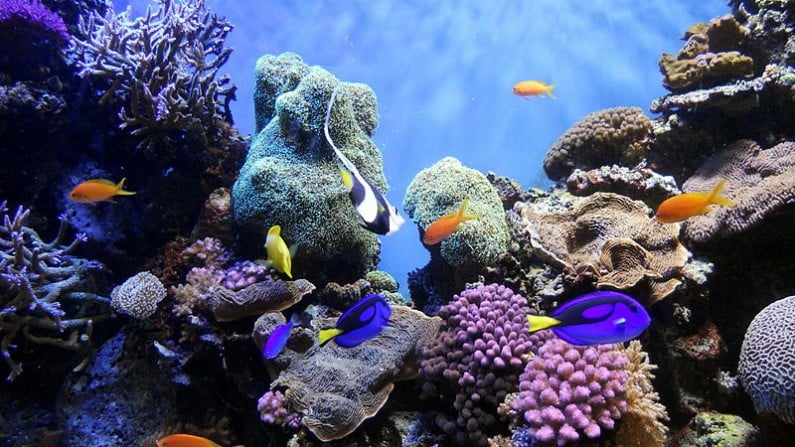
Colombo (AsiaNews) – A new coral ridge has been discovered off the coast of Colombo, the capital of Sri Lanka, thanks to research conducted by the Blue Resources Trust and funded by the Lanka Environment Fund.
The new data indicate that the Yakampita and Gingiripita reefs, located a few miles off the coast, are connected by a continuous reef ridge.
The discovery was made possible by the Urban Reef Biodiversity Mapping Project, a programme mapping coral reefs near urban areas that involved five sites off the coast of the city.
According to the research, this is the first complete representation of the capital’s coastal ecosystem.
[W]e used a drop camera and an echo sounder for ground truthing and discovered the connection” between the two reefs, explained Chanaka Sooriyabandara, senior researcher at the Blue Resources Trust, at a press conference.
[T]he Gingiripita reef system was actually around 130 hectares, making it much larger than it was previously documented,” he added.
The research found that the deeper sections of the reef can play a key role as natural refuges for corals and fish, acting as “larval sources” for the regeneration of shallower ecosystems, which are increasingly damaged by warming sea waters.
In contrast, the nearshore Palagala reef showed the poorest health, with just 2.3 per cent hard coral cover and severe signs of pollution due to sewage discharge and high turbidity.
The northeastern part of the system, Yakampita, previously unstudied, proved surprisingly rich in life. In some areas, hard coral cover exceeds 50 per cent, dominated by species such as Acropora aculeus and Turbinaria mesenterina.
For this reason, the research team decided to consider Yakampita and Gingiripita as a single ecosystem.
“These reefs,” marine biologist Niroshini Galappatti told AsiaNews, “perform a vital role in protecting the coast, acting as a first line of defence against storms and tsunamis. Although flatter and less spectacular than the reefs in the south or east of the island, they are home to a surprising variety of corals that, seen from above, resemble a submerged field of flowers.”
Sri Lanka’s maritime area is more than three times larger than its land territory, with an exclusive economic zone of 230,000 km² and a continental shelf of 31,000 km².
However, in recent decades, intensive fishing, tourism, and port expansion have caused significant environmental degradation.
Ecologists Ravihari Wickramasinghe and Oshantha Rajapaksha note that the new study “finally brings attention to an ecosystem that has been ignored for too long.”
The new mapping, they explain, “shows that nature can survive even in densely populated urban spaces. The country will have to rethink its conservation models: not just remote protected areas, but also ecosystems integrated into city life.”
Despite the discovery, the research warns that Yakampita and Gingiripita remain outside the boundaries of marine protected areas and are exposed to multiple threats, including anchoring by commercial vessels heading to the Port of Colombo and illegal trawling, which causes serious physical damage to the seabed.
Although dynamite fishing is now rare thanks to the port’s radar systems, “anchors and nets continue to pose the most immediate threat,” the researchers warn.
The man who annihilated the LTTE: Mahinda Rajapaksa – Sri Lanka’s most successful president
November 11th, 2025Courtesy The Daily Mirror
Last week, Veteran journalist D.B.S. Jeyaraj, writing the first of a two-part article on Mahinda Rajapaksa turning 80, aptly surmised the protagonist as ‘demonised by the opponents and deified by supporters’. While I am not particularly interested in the birthdays of politicians, this made me ponder Mahinda Rajapaksa’s legacy in Sri Lankan politics. That was also in relation to a recent debate on social media about the most successful Sri Lankan president, for which the analyst in question had, funny enough, picked Chandrika Kumaratunga. CBK was indeed a grandiloquent and callous failure: Twenty thousand soldiers, more than two-thirds of the total military death toll of the 30 years of war, perished during the first five years of her term. The army lost all major military garrisons, including Mullaitivu and Elephant Pass, and Jaffna was saved by a miracle.
I am not a fan of Mahinda Rajapaksa. However, political preferences or differences should not obscure objective assessment. What should be the common-sense measure to gauge the performance of a Sri Lankan leader? For the second part of independence (post-1980), it was the economy, and, probably more importantly, fighting the war. In retrospect, we know that there was no solution to what was primarily a terrorist problem other than a military solution.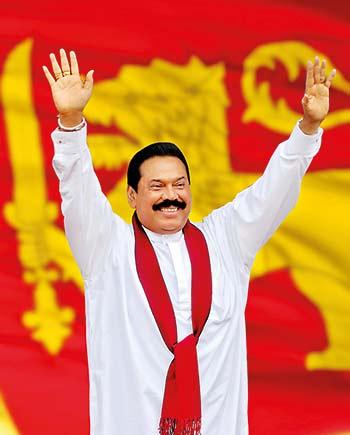 For the first part of independence, it was also the economic growth and addressing the emerging ethnic problem through accommodation, as well as through the forceful implementation of ethnic management, similar to that in Singapore under Lee Kuan Yew or Malaysia under Mahathir Mohammed era.
Sri Lankan political leaders of all generations have failed in these dual tasks. The first half of independence had two types of leaders: Those who rode the gravy train when the time was good and those who rode it down the precipice. The first group primarily included UNP leaders, who did little to damage the economy. Yet, they lacked the vision and conviction to undertake far-reaching economic reforms, as did their counterparts in East Asia. The second group, the Bandaranaikes and assorted leftists, wrecked the economy every time they were in power, and some pundits are still defending those ruinous economic policies.
The second group of post-80s is equally hopeless. J.R. Jayawardene was the first leader to have solved the puzzle of economic development and introduced an open economy. However, his mismanagement of Black July, dictatorial rule, and egoistic follies,including offending India, unleashed hell, robbing the country of its economic momentum under free market economic policies. It also trapped the country in a three-decade civil war. The leaders who succeeded him were captives of J.R. Jayawardene’s sinister making. Without Ranjan Wijeratne, Sri Lanka could have risked a Khmer Rouge-style state capture.
However, the northern conflict would continue to plague the nation for the next 25 years. That effectively constrained the freedom of action of a succession of leaders. However, we don’t measure performance based on hypothetical scenarios of how they could have performed, had there been nosystemic constraints. Instead, we gauge their performance based on how they performed within those constraints and how they tried to overcome them. That effectively makes almost all of them unworthy of assessment – until the advent of Mahinda Rajapaksa. Excelling in one count would have made one stand out from the rest. However, MR actually succeeded in both.
The economy grew at an annual 6.5% during his two terms ( 2005-2014), and he ended the war through classic military annihilation of the LTTE. Anyone who had watched the evolution of war in the past decade and a half and the rapid military sophistication the LTTE achieved during the second half of 90s would recoil at the thought of the fate of the nation had the war dragged on for another decade.The Rajapaksa growth model of state-led infrastructure drive funded by foreign loans is often criticised. However, such criticism often overlooks that Sri Lanka, which many tourists now laud for its quality of road infrastructure, also suffered a major infrastructure deficit not long ago — as it still does in many parts of the country. Without the much-criticised highways, Sri Lanka’s growth story is a nonstarter. There are concerns that the Rajapaksas paid an inflated price for these roads and flyovers. However, considering the new pricing of the Central Expressway, which has almost doubled its original estimates, one should question the cost of delay. Also, local pundits may not be the best cost accountants: They held up the Japanese-funded second terminal of the Katunayake airport for the whole duration of Yahapalanaya, citing alleged price overestimates by the Japanese.
Decline of tax revenue
The other concern with the Rajapaksa economic model was the gradual decline in government tax revenue as a percentage of GDP,which fell from 14 percent in 2005 to 10 percent in 2014. Another concern was the stagnation of the export basket anda declining share of exports in GDP. The decline and stagnation, however, began with Chandrika Kumaratunga and Rajapaksa, with the ingrained cronyism of his rule, which he did not seek to fix. Others have blamed him for the sovereign default, which is far from the truth. Sri Lanka’s foreign exchange crisis was a product ofcommercial borrowing ( ISBs), the large chunk of which was purchased by the Yahapalanya to make up for the budget deficit, having increased government sector salaries by Rs 10,000 a month, eying Ranil Wickremesinghe’s presidency in 2020. Blaming Chinese loans for the sovereign default is a crudely concealed geopolitical dog whistle lacking substance. There are also concerns over human rights, and his failure to utilise the political capital gained from winning the war to liberalise the economy. However, we are not talking about optimal leaders, but the only one who had achieved substantially, albeit with his other failings, amidst a cohort of men and a single woman, who were mere passengers.
Mahinda Rajapaksa is by far the most successful Sri Lankan leader. His positive contribution outweighs his failings. He is the closest Sri Lanka has to a leader of the calibre of Mahathir Mohammed, another leader who is both loved and hated – except that Mahathir ruled for 22 years, while Mahinda Rajapaksa did so for barely ten years. His political greed and tendency to manipulate the election timetable cost Rajapaksa two years of his rule. It was a shame that his successors could not follow through on the economic momentum, though some might claim it was already faltering by the end of his term.
Follow @RangaJayasuriya on X
Colombo Dockyard to Build High Spec Cable-Layer in Sri Lanka
November 11th, 2025Courtesy The maritime-executive
https://trinitymedia.ai/player/trinity-player.php?pageURL=https%3A%2F%2Fmaritime-executive.com%2Farticle%2Fcolombo-dockyard-to-build-high-spec-cable-layer-in-sri-lanka&contentHash=6690a601b739c3c08e355edb1644c599f3a64e8bdbff1b77ba9be82535351dd8&unitId=2900014820&userId=63aa8033-e41b-440f-8022-0f104332be08&isLegacyBrowser=false&isPartitioningSupport=1&version=20251111_3c52e095ed7565ed6d4b3892201f53eccbf3a3db&useBunnyCDN=0&themeId=502&isMobile=0&unitType=tts-player&integrationType=web
Sri Lanka’s Colombo Dockyard has been awarded a shipbuilding contract by the French submarine cable company Orange Marine. The deal finalized last week further cements the shipyard’s status with major European shipowners. The contract also shows a long-term commitment by Orange Marine to work with Colombo Dockyard.
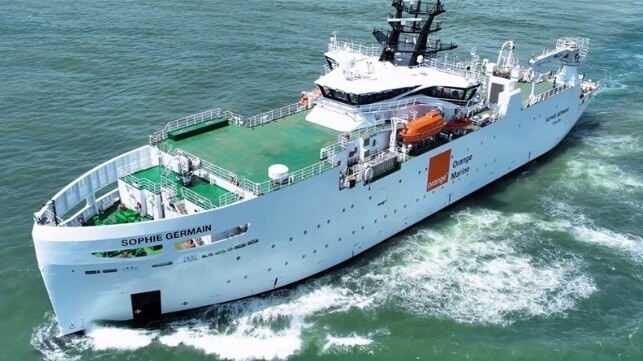
Relations between the two companies became stronger after Colombo Dockyard delivered a cable layer and repair vessel to Orange Marine back in 2023. The vessel, Sophie Germain, was the first of the type that Colombo Dockyard had built for a European customer.
Under the new contract with Orange, the Colombo Dockyard will build two new cable ships. They will be mainly dedicated to cable maintenance but could also be used to install connecting segments up to 1,000 kilometers long. The order aligns with the current plan by Orange to modernize its fleet. The two new vessels will replace the 42 years old cable ship Léon Thévenin (based in South Africa) and the Antonio Meucci (a 38 years old cable ship based in Italy). The delivery of the order is expected by 2029.
The two vessel additions will see Orange have four cable maintenance vessels operating in the Atlantic, English Channel, North Sea, Indian Ocean, Mediterranean and Red Sea. As a leader in global digital infrastructure, Orange manages over 450,000 kilometers of undersea cables connecting all continents. This strategic investment in our fleet of cable ships will be key in ensuring the resilience and security of the global internet,” commented Michael Trabbia, CEO of Orange Wholesale.
The new vessels will have similar design features as the Sophie Germain, including 100 meters’ length, a beam of 18.8 meters and a depth of 7.5 meters. The deadweight capacity will be 1800DWT and ability to reach a speed of 14.5 knots.
Meanwhile, India’s state-owned shipbuilder Mazagon is in the process of acquiring Colombo Dockyard. This is likely to see the yard expand its portfolio to construction of warships, which is the main area for Mazagon.
As the largest shipbuilding and repair facility in Sri Lanka, Colombo Dockyard has in recent years built a global client base. The yard’s current oderbook is valued at around $300 million.
Drug boat case Seized Sri Lankan drug boat contained 24 sacks of narcotics weighing 355kg
November 11th, 2025Courtesy Rajje.mv

MNDF Air Corps UAV detected an illegal vessel in Maldivian waters. Intercepted by the MNDF Coast Guard Special Boat Squadron – November 7, 2025
A joint operation by Maldivian and Sri Lankan authorities intercepted a fishing vessel carrying 58.6 kg of heroin and 297.3 kg of methamphetamine in the Maldives EEZ
Five Sri Lankan crew members aged 28 to 63 were arrested and are being investigated jointly by MNDF, Maldives Police, Sri Lankan Navy and Sri Lankan Police
The scale of the seizure once again highlights the persistent threat of international drug trafficking networks operating across the Indian Ocean
Authorities have confirmed that the Sri Lankan fishing vessel intercepted in Maldivian waters last week was carrying a substantial cache of narcotics. The vessel, identified as ‘Avishka Putha’ contained 24 sacks of illegal substances with a preliminary total weight of 355.9 kilograms.
The Maldives Police Service (MPS) in a statement issued late Monday revealed that the haul included 58.6 kilograms of suspected heroin and 297.3 kilograms of suspected methamphetamine.
‘Avishka Putha’ was seized on 7 November 2025, within the Maldives’ Exclusive Economic Zone (EEZ), following a joint operation supported by Sri Lankan intelligence.
The Maldives National Defence Force (MNDF) Coast Guard intercepted the vessel after it was found to have entered Maldivian territorial waters without authorization, in clear violation of national maritime laws.
Following the interception, MNDF handed the vessel and its five-member crew over to the police institution on 9 November 2025. All five crew members, Sri Lankan nationals aged 28, 34, 39, 42, and 63 respectively, have been taken into custody in connection with the case.
The operation underscores growing regional cooperation on maritime law enforcement and counter-narcotics efforts. The police institution has confirmed that the investigation is being conducted jointly with the MNDF, the Sri Lankan Navy, and the Sri Lankan Police.
The scale of the seizure once again highlights the persistent threat of international drug trafficking networks operating across the Indian Ocean, exploiting fishing vessels and maritime routes to move large quantities of narcotics between countries.
I rode Sri Lanka’s longest train journey – it was cheaper than a beer
November 11th, 2025Courtesy The ipaper
The Northern Line is an 8-hour journey from Jaffna in the north of the island to the capital Colombo, on a line that was reconstructed after the civil warTrain travel in Sri Lanka takes you through its tropical heartlands (Photo: Jaromir/Getty)
The first time I went to Jaffna was by train. It was fantastic, but it took 10 and a half hours,” Colombo-based Dhanushka Weerasekara, my guide from Blue Lanka Tours, tells me across the breakfast table. I was excited but nervous because of the language barrier.”
A decade after services resumed, the Yal Devi Express train remains a vital link between Jaffna, deep in Sri Lanka’s Tamil-speaking Hindu north, and the capital, Colombo.
Like most of the south, west and centre of the country, Colombo is majority Sinhalese Buddhist, and it had been separated from Jaffna not only by language but a 26-year civil war, which brought new levels of barbarity to the attention of the world.
After the war ended in 2009, it took six years for the route used by the Yal Devi, meaning goddess of Jaffna” in Tamil, to be restored. The 339km (211 mile) rail journey now takes just eight hours, though I have been warned about the theoretical nature of its timetabling, despite it reaching speeds that could only have been dreamed of when the line was first inaugurated 120 years ago this year.

I’m travelling in the opposite direction to Dhanushka, from Jaffna to Colombo, and without his guiding hand. Only recently added to tourist circuits of the island, Jaffna is closer to India than it is to Colombo, and is still catching up with the south of the island in terms of development. Nonetheless, it’s as warm in ambience as it is in climate.
On Jaffna’s main thoroughfare, Grand Bazaar Road, autorickshaws jostle for space with meandering cyclists, diesel-spouting government buses and occasional free roaming cows.
The Malayan Café, a city institution since its founding in 1951, serves cheap but nourishing curries incorporating ingredients from the central market opposite, where the combined scent of incense, jasmine and ripening jackfruit drifts between stalls stacked with jaggery, the local unrefined sugar.

When it comes time to depart, the train, russet red on the exterior, and with functional, late-20th century plastic fittings and leatherette seating, is only a tenth full.
I develop the feeling that only a fool pays extra for a seat reservation, which I have, almost doubling the £3 price tag for a second-class ticket on the daily service. That’s less than my hotel charged me for a single island-brewed Lion Lager. But Dhanushka left me with very strict instructions to obtain a seat reservation, and if nothing else, I want to prove myself worthy of his trust.
The marshy ground beyond the windows of the carriage alternates between carefully tended paddy fields and wild golden grasses that sway in the languid breeze. As we hit our 120km/h (75mph) top speed, the rattling clatter of wheels on rails startles and scatters a small herd of cows, while peahens and black-headed ibis strut about with no concern for either marauding cattle or speeding express.

There’s no sign of elephants though – while completely wild, Sri Lanka’s estimated population of around 5,000 pachyderms largely stays within protected areas such as Hurulu Eco-Park, where an early morning safari before heading to Jaffna got me within eyelash-counting distance of young females that were as nonplussed by my presence as the birds beside the railway tracks.
Aboard the train, hawkers stroll up and down the aisle with increasing regularity, selling everything from sweet milky Ceylon tea and vegetable roti, to candy floss and cashew nuts coated in a garam masala spice blend unique to each vendor.
Your next read

By Anuradhapura, approximately a third of the way south, I’m rather gladder of my seat reservation than I had been, as crowds envelop the carriage doors at each station, doing polite but determined battle to step aboard first and claim the last of the remaining seats.
The seats are comfy and reclining, with significantly more legroom than I’m used to as a frequent traveller on East Midland trains between London and Sheffield.
The train takes a rough north-south line through the centre of the country before slipping westward towards the capital, and almost religious sounding bells at multiple level crossings warn each new community that we’re approaching.
My arrival into Colombo Fort station declares itself through the gradual increase in build-up, narrow alleys and shining skyscrapers hinting at what’s to come. I may have been on board for eight hours, but Colombo has come into view too early for my liking – and, take note East Midlands Railway, exactly on time.
සජිත් ආණ්ඩුවේ අයවැය ෆ්ලැට් කරයි
November 11th, 2025ලොකු බස්
November 10th, 2025චානක බණ්ඩාරගේ
10/11/25 දින සිදුවූ බිහිසුණු තලාව බස් අනතුරෙන් පසුවයි.
10/11/25 සඳු දින අනුරාධපුර තලාව ප්රදේශයේදී බස් රථයක් පෙරලී යාමෙන් සිදුවූ අනතුරින් 6 දෙනෙක් මිය ගොස් ඇති බව වාර්තා වෙයි.
ඉතා පටු මාර්ගයක වේගයෙන් ධාවනය වූ මෙම බස් රථ අනතුරෙන් මැරුණු සහ තුවාල ලැබුවන් අතර මෙවර උසස් පෙළ විභාගයට පෙනී සිටින සිසු දරු දැරියන්ද වුහ.
නොචියාගම දක්වා තලාව සිට ධාවනය වූ මෙම බස් රථය ලොකු එකකි. පල්ලමකට වැටී ඇත.
පොඩි බස්රථයක් නම් දීවේ (මගී 26, 35, 42 වැනි) ඊයේ මෙම බස් අනතුර බොහෝ දුරට සිදු නොවනු ඇත. මියගිය/ආභාදිත සිසුන් අපොස උ’පෙළ දිගටම ලියනු ඇත.
අති බිහිසුණු ගැරඬි ඇල්ල (මැයි 2025), රවාණා ඇල්ල (සැප්තැම්බර් 2025) අනතුරු නිසා විශාල බස් මගීන් සංඛ්යාවක් මිය ගියහ. මේවාද ඉතා විශාල බස් විය.
දියුණු රටක නම් ප්රවාහන ඇමති මේ එක් අනතුරක් හෝ සිදුවූ සැනින් ඉල්ලා අස්වේ; නැත්නම් රාජ්ය නායකයා විසින් ඔවුන්ව ඉවත් කරනු ලබයි.
මේ ශ්රී ලංකාවයි.
ලොකු බස් ධාවනය නිසා මීළඟට සිදුවන බිහිසුණු අනතුර කවදාද? එහි වින්දිතයෝ ඔබ හෝ මම විය හැකියි.
ලොකු බස් අප රටේ ඉතා පටු පාරවලට කොහෙත්ම ඔරොත්තු නොදේ. බොහෝ පාරවල බස් දෙකක් මාරු වෙන්නේ නූලක වැනි ඉඩක් තබාය. වාහන අනතුරුවලට මෙය ඉතාම හොඳ අවස්ථාවක්.
දියුණු රටවල මෙවැනි දේට ඉඩ නොදේ.
ලොකු බස් අනතුරක් සිදු වූ විට තුවාල වෙන්නේ හෝ මැරෙන්නේ පොඩි වාහනේ යන අය සහ පාරේ ගමන් කරන්නන්.
ලොකු බස් රියදුරන් නිතර මුළු පාරම අල්ලා ගනිමින්, අධික ශබ්ධයෙන්, කන් අඩි පැලෙන හෝන් ගසමින්, ඩීසල් කළු දුම් පිට කරමින්, බසය තුල අනවශ්ය සින්දු අධික ශබ්ධයෙන් වාදනය කරමින්, සිතු සිතු තැන නතර කරමින්, අපට කෝචෝක් කරමින් බස් එලවන්නේ අනතුරක් වුවත් ඔවුනට වන ශරීර හානිය ඉතා අවම බව දන්නා නිසයි.
මේ ලොකු බස් ඉතාම අවදානම් ලෙස මාර්ගවල ධාවනය කරන අන්දම, විශේෂයෙන්ම බස්/බස් රේස් යාම, ඉතා අනතුරුදායක ලෙස වේගයෙන් ඉස්සර කිරීම් පිළිබඳව යු ටියුබ් වීඩියෝ ඇත. ලොකු බස් නිසා වන ඉතා භයානක අනතුරු නිසා ශ්රී ලංකාවට ඒම ප්රතික්ෂේප කරන විදේශ සංචාරකයෝ එමටය.
ලොකු බස් නිසා ප්රධාන නගරවල අධික රථ වාහන තදබදයක් ඇතිවේ. එම බස් අපේ ප්රධාන නගර තුල ධාවනයට ලොකු වැඩිය.
එක් බසයක් වාහන 5 පමණ ඉඩ ප්රමාණයක් ගෙන මුළු මාර්ගයම වසා ගනී. ඉදින්, ට්රැෆික් ගොඩ ගැසේ.
ලොකු බස් මහජනයා විශාල ලෙස ගැවසෙන පටු මාර්ගවල අධික වේගයෙන් යයි. බොහෝවිට ත්රි විලර්/පොඩි මරුටි/ඇල්ටෝ වැනි කුඩා වාහන කුඩු පට්ටම් වී යාමට මෙය හේතුවකි.
බහුතරය බස් වලින් ගමන් කරන අපේ ශ්රී ලංකාවේ බස් මගී ප්රවාහනය සඳහා රජය සහ පුද්ගලික අංශය විසින් යොදවා ඇති අප්රමාණවත්ය – ඇත්තෙන්ම මෙය ආපස්සට ගමන් කිරීමක්.
සාඩින් මෙන් පිරිච්ච බස් එකක හිටගෙන යන මඟින් සිතනවා ඇති ‘අනේ මේ මම පෙර ආත්මේ කල පවක්ද විඳින්නේ’ කියා.
බස් මගී ප්රවාහනය වැනි අති වැදගත් කර්තව්යයක මුලික වගකීම් පෞද්ගලික අංශයට පවරා ආණ්ඩුව හාන්සි පුටුවට වී බලා සිටින බව පෙනේ. පුද්ගලික අංශයේ මුලික අරමුණ උපරිම ලාභ ලැබීමයි. රජය වැඩි බර කරට ගත යුතුවාක් පමණක් නොව මගී හිතකාමී ප්රතිපත්ති බිය නැතුව සකස් කල යුතුයි.
මැදියම් රෑ වෙනකම් වත් නගරාසන්න බස් සේවා තිබිය යුතුයි, දැන් තිබෙන රෑ 7 ට 8 ට ඉවරවෙන තත්ත්වය වෙනුවට. මුල් මාස 6 විතර පාඩුවට දුවන්න සිදු වේවි. නමුත්, මිනිසුන් පුරුදු වු පසු ප්රධාන නගරවල රාත්රී මගී ධාවන සේවා ලාභදායි වේවි.
ශ්රී ලංගම සහ පුද්ගලික අංශයේ බස් විශාල ප්රමාණයෙන් වැඩි කරන්නේ නැතුව මගී ප්රවාහනය දියුණු කිරීමට නොහැක.
රාත්රී 8න් වීතර පසු මේ රටේ බස් ධාවනයක් (දුර ගමන් සේවා නොවේ) නැති තරම්ය. අඩුව පිරවීමට ත්රී විල් හොඳ සේවයක් කරයි, නමුත් කීදෙනාටද ඒවාට ගෙවීමට මුදල් තිබෙන්නේ?
එදා, රාත්රී 930 චිත්රපටය බලා අවසන් වූ විට පවා ගෙදර යාමට බස් තිබුනි – CTB පමණක් තිබුණු කාලේ – 1980 පෙර.
JRගේ පුද්ගලික බස් හඳුන්වා දීම (1979) MH මොහොමඩ් සමඟින් CTB මුළුමනින්ම වාගේ මරා දැමිය.
අක්කර සිය ගණනක් විශාල වූ, බස් දහස් ගණනක් තිබු වේරහැර CTB ඩිපෝව අද කෝ?
අද මගී ප්රවාහන ප්රතිපත්තියට මුල් තැන දෙන බවට පෙනෙන්නේ බස් මගියා සුරක්ෂිත කිරීම වෙනුවට ප්රය්වට් බස් හිමියා සුරක්ෂිත කිරීමටය කියා පෙනේ.
ප්රය්වට් බස් සංගම් මැතිවරණවලදී ප්රධාන පක්ෂ වලට සල්ලි පොම්ප කරනවාලු?
රජය ගත යුත්තේ බස් මගීන්ගේ පැත්තයි.
පෞද්ගලික බස් මඟී කාල සටහන් සාදන විට ඒ අය හදන්නේ සෑම බස් එකක්ම පිරී, ඉතිරී යන විදියේ කාල සටහන්ය.
ලොකු බස් භාවිතයේ තවත් අවාසියක් නම් බස් එකම ලෝඩ් වෙනකම් ඔවුන් තැනින් තැන නවතා සිටීමයි. ගමන පටන් ගත්තාට පසු තැන තැන නවත්වාගෙන සිට – එක ‘කෑල්ලක්’ හරි වැඩියෙන් දා ගැනීමට බලයි. මෙයට බස් මගීන් කියන්නේ කොටනවා කියායි.
තමන් පිටි පස්සෙන් බස් එකක් එනවා දැක්කහම තමා කොටන බස් එක අද්දලා යන්නේ.
කෙටීම නිසා මගීන් අන්ත අසරණ තත්ත්වයට පත් වෙති.
මේවා ‘මොනිටර්’ කිරීමට කිසිවෙක් නැත. අඩුම තරමින් මගීන්ට ක්ෂණිකව පැමිණිලි කිරීමට ඒ සඳහාම වෙන්වූ හොට් ලයින් නොම්බරයක් වත් නැත. මගීන්ට SMS පණිවුඩයක් මඟින් බලධාරීන්ට එවලේම දැනුම් දිය හැකියි. – බසය තුල වන අකටයුතු.
එසේ තිබුනා නම්, මගී ප්රවාහන අධිකාරියට එවලේම බස් රියදුරු ඇමතිය හැකියි.
මේ වසරේ සිදුවූ තලාව, ගැරඬි ඇල්ල, රවාණා ඇල්ල දරුණු ලොකු බස් රිය අනතුරු, මිය ගිය සහ අභාධිත වූ අසරණ බස් මගීන් යළි සිහිපත් වේ.
බස් ඇතුළු මගී ප්රවාහන ප්රශ්ණ විසඳීමට කිසිම ප්රවාහන ඇමතිවරයෙකුට ඒකායන උවමනාවක් තිබුනේ නැත. ඔවුන් බොහෝ බස්/දුම්රිය ප්රශ්ණ හඳුනා ගත්තේද නැත.
හැමදාම කලේ වස්තු බීජය සොයා ගොස් එයට නිශ්චිත ප්රතිකර්ම යෙදීම වෙනුවට පැලැස්තර ඇලවීමයි. මාධ්ය සංදර්ශන නම් අඩු නැතුව තිබේ. මෙයින් මගී ජනතාව සැමදා රැවටේ.
ප්රවාහන අමාත්යාංශයේ වැඩ ඉතා අසතුටුදායකයයි කියන්නේ මෙවැනි හේතු නිසයි.
කිසිදා හොඳට වැඩක් කරන්න පුළුවන් දක්ෂයෙකුට ප්රවාහන ඇමතිකම ලැබී නැත.
ප්රවාහන නියෝජ්ය ඇමති වෛද්ය ප්රසන්න ගුණසේන ප්රවාහන ඇමතිවරයා ලෙස පත් කළහොත් අමාත්යාංශයේ වැඩ මීට වඩා කාර්යක්ෂම සහ උද්යෝගිමත්ව සිදු වනු ඇත. විද්යාරත්න, හේවගේ වැන්නන්ද මේ ඉතා වැදගත් ඇමති තනතුර දැරීමට සුදුසුකම් ලැබුවෝයි.
ලොකු බස් මුළුමනින්ම නැති කරන්න කියනවා නොවේ. සමහර නගර තුල සහ දුර ගමන් සේවා සඳහා ඒවා ඔබී. අධිවේගවල මේවාට වේගයෙන් යා හැක.
නමුත්, මහ නගර තුල මේ ලොකු බස් දිවෙන සංඛ්යාව අවම කල යුතුය. එවිට නගරවල ට්රැෆික් ප්රශ්ණය අඩු වෙනවා පමණක් නොව නගර දුෂණයද අඩුවී, නගරවල අශෝභනත්වයද අඩු වේ.
ලොකු බස්, පොඩි බස් සම්මිශ්රණය කර මාර්ගයට දැමිය යුතුයි, එවිට බස් මගියාට වාසියක් සිදුවේ. ලොකු බස් මෙන් නොව පොඩි බස් ඉක්මනට ලෝඩ් කර ගනීමට පුළුවන – ආසන ගණනට.
පසුගියදා ශ්රී ලංගම විසින් ආනයනය කරන ලද රතු පාට පාන් ගෙඩි වැනි මධ්යම සහ ¾ ප්රමාණයේ බස් තමා මේ රටට වැඩියෙන්ම හරියන්නේ. ඒවා නිසා සිදුවන දරුණු සහ සාමාන්ය මාර්ග අනතුරු අඩුය. ශ්රී ලංකාවේ පටු මාර්ග වලට ඒවා ඉතා අගනේයි.
කණගාටුව, මේවා වැඩි හරියක් දුවන්නේ උතුරේ සහ නැගෙනහිර වීමයි. මේවා හරියටම හරියන්නේ කඳු සහිත මධ්යම පලාතට, නමුත් ලබාදී නැත.
ලොකු බස් අධි කඳුරට ධාවනයෙන් (අධික හෙළ/බෑවුම්, වංගු, පල්ලම් ඇති ප්රදේශ) වහාම ඉවත් කර ගත යුතුයි – තවත් දැවැන්ත ජීවිත හානි ඉදිරියේ තවදුරටත් සිදු වීමට කළින්.
වැදගත් ගමන් යන්න, ජෑන්ඩියට ඇඳපු ගෑනු පිරිමි, තෙරපිච්ච බසයක ගොස්, හොඳ පන ගිය පසු බස් එකෙන් බසින විට ඔවුන් තුල දවසේ වැඩ කිරීමට තිබු ධනාත්මකභාවය රිනාත්මක බවට මේ රටේ බස්, (දුම්රිය) සංස්කෘතිය පත් කර ඇත.
උදේ කාර්යාලයට ගොස් වැඩ කරන්න පුළුවන් වූ හොඳ මානසිකත්වයක් නොවෙයි, මොටවූ මානසිකත්වයකුයි තෙරපුණු/මිරිකුණු බස් (සහ කෝච්චි) වලින් සේවයට පැමිණෙන අපගේ බොහෝ රාජ්ය සහ පෞද්ගලික අංශයේ මහත්ම මහත්මීන්ට තිබෙන්නේ. ඔවුන්ට දොස් කිව නොහැකියි.
නැවතත්, රජයේ මූළික වගකීම මගීන්ගේ සුව පහසුව සැලසීම විනා පෞද්ගලික බස් ධාවකයන්ගේ පදයට නැටීම නොවේ. අද, මගී ප්රවාහනය තනිකරම වාගේ පෞද්ගලික බස් මුදලාලිලා අතට ගොසිනි. ඔවුන් ඉදිරියේ රජය අසරණ වීය.
පිටකොටුව බස් නැවතුම් පොළ නවීකරණය කිරීමේ රජයේ වැඩ පිළිවෙල ඉතා අගනේය.
ඉතාම හොඳ දේ නම් ශ්රී ලංගම සහ පුද්ගලික බස් දුර ගමන් සේවා පිටකොටුවේ එකම බස් ස්ටෑන්ඩ් එකකින් ධාවනය කර වීමයි. එවිට දුර ගමන් යන බස් මගීන්ට කෙටි කාලයක් තුල වැඩි බස් රථ සංඛ්යාවක් තුලින් තම ගමන් තීරණය ගත හැකි වනු ඇත.
මහනුවර බෝගම්බර මෙය කදිමෙට ක්රියාත්මක වේ.
පිටකොටුවේ ශ්රී ලංගම බස් වෘත්තිය සමිති කියන පරිදි වැඩ කිරීමට ගිය හොත් අමාරුවේ වැටෙන්නේ බස් මගීන්ය.
ශ්රී ලංගම සභාපතිවරයා එම විශාල ආයතනය පාලනය කරන්නේ ඉලෙක්ට්රොනික් සහ සමාජ මාද්ය වීඩියෝ මඟින්ද?
ශ්රී ලංගමට අවශ්ය ප්රසිද්ධිය, ජනප්රියත්වය හඹා යන සභාපතිවරයෙක් නොවේ; නිහඬ වැඩ කාරයෙකි.
චැසිය පහත බස් ගෙන්වීමට රජය හදයි. මේවා ඉතා මිල අධිකයි. ලාබෙට බස් හුඟක් ගෙන්වමු. දැන් තිබෙන සහ වැඩිමනත්ම බාගේ සහ ¾ බස්. රට සශ්රීක වූ කල්හි ඉතා සුඛෝපභෝගී බස් ගෙන්විය හැකියි.
ඉදිරියේදී, ප්රයිවෙට් බස් පවා වැඩිපුරම බාගේ, ¾ බස් විය යුතුයි. බස් මුදලාලිලාට සල්ලි හම්බුකිරීමේ ආසාව පිණිස මහජන ජීවිත බිලි දිය නොහැක. රිය අනතුරු, වාහන තදබදය අවම කිරීමට මේ දේ කල යුතුමවේ.
නගරවල පාරවල් මීට වඩා ලොකු කිරීමට ඉඩ නැත.
ඉතාම ලාභ දායි මාර්ගයක් වන බොරැල්ල – කොළඹ (103) මාර්ගයේ 2%ක් වත් ලංගම බස් නැත. හැබැයි පුද්ගලික අය මගීන් ප්රවාහනය කරන්නේ මගීන් බහුල වෙලාවල පමණි. උදේ 5 පෙර සහ සවස 8න් පසු බෙහෙතකටවත් බස් එකක් හොයා ගන්න අමාරුය. මුළු රටේම තත්ත්වය මෙයයි. රජයේ මගී ප්රවාහන බලධාරීන් නිදිය; නැත්නම් බස් මුදලාලිලාට යට වෙලාය.
තවත් ලාභදායි මාර්ගයක් තමා 138 පිටකොටුව – මහරගම; ලංගම බස් නම් ඉතාම අවමයි.
138 හෝමාගම – කඩවත මාර්ගය යළි ස්ථාපිත කල යුතුයි (දැන් පිටකොටුවෙන් අවසන් වේ) ඒ වගේම 174 කොට්ටාව -බොරැල්ල බස් සේවය කළින් තිබුනාක් මෙන් කොට්ටාව – පිට කොටුව දක්වා දීර්ඝ කල යුතුයි.
ඒ වගේමයි පෞද්ගලික බස් මුදලාලිලා විසින් ඔවුන්ගේ වාසිය පිණිස වසා දමන ලද කොළඹ ධාවනය වූ 171, 104, 134, 168, 131, 172, 195, 145, 155, 150, 167 බස් මාර්ග. මේවා කඩිනමින් යළි විවෘත කළ යුතු වේ. ඒ අයට එපා නම් මේවායේ ශ්රී ලංගම බස් පමණක් දිවිය යුතුය.
යාපනයේ බස් සේවය ඉතා ඉහලයි. පුද්ගලික වගේම, පිරිසිඳුවට තබාගන තියෙන ලංගම බස් බහුලයි. මිනිසුන් හොඳට ඉඳගෙන යත්.
කොළඹ – යාපනය වැඩ කරන සමහර ලංගම බස් වල ඔටෝමැටික් ඉදිරි සහ පසුපස දොරවල්.
ඇතැම් රූට් වල, ප්රය්වෙට් බස් වල මඟින් උතුරා යාමටත්, ශ්රී ලංගම බස් වල බොහෝ විට එසේ නොවීමටත් හේතුවක් තිබිය යුතුයි නේද?
ශ්රී ලංගම බසයක් සෑම විටම වාගේ යන්නේ ප්රයිවෙට් බසය මගීන් සියල්ලා නංවා/හුරා ගෙන ගිය පසුව බොහෝ විට හිස්වයි. මෙයට පෞද්ගලික බස් රථ මාෆියාව හේතු වේ. පොලිසිය මැදිහත් වී මේ ප්රශ්ණ විසඳිය යුතුයි.
අවුරුද්ද, නත්තල වැනි දිනවල බස්/දුම්රිය ධාවනය වෙන්නේම නැත. ඉස්සර පවුල් පිටින් අවුරුදු දවසේ නෑගම් ගියේ බස් වල. හැමෝටම ත්රී වීල් වලට ගෙවන්න සල්ලි නැත.
බස් සේවකයන්ට (ඩ්රය්වර්/කොන්දොස්තර) ට්රිප් එකක් ඉවර වු පසු හොඳ විවේකයක් නොදුන්නොත් මාර්ග අනතුරු වැඩි විය හැකියි. සමහර බස් මුදලාලිලා විවේකයක් දෙන්නෙම නැත, රියදුරන්, කොන්දොස්තරවරුන් හරියට මැෂින් කියාය ඔවුන් හිතන්නේ.
දියුණු රටවල කියන්නේ පැය 4 ක් යමෙක් එක දිගටම බසයක් එලවනවානම් අනිවාර්යයෙන්ම විනාඩි 10ක වත් විරාමයක් ගත යුතුයි කියායි.
මෙහෙ වගේ නොවෙයි එංගලන්තයේ බස් රථයක ගමන් කිරීමත් සතුටක්. එයා කන්ඩිෂන් කරපු බස් වල මගීන් හිටගෙන යන්නේ ඉතාම කලාතුරකින්. හැමෝටම හොඳ සුවපහසු ආසනයක් ලැබෙනවාමයි. ඒ රටවල ‘ඉහල’, ‘පහල’ හැම පන්තියකම අය බස් වල යනවා.
මැලේසියාවද මේ අංශයෙන් අපට වඩා හුඟාක් දියුණුයි – ඉතා සැප පහසු බස් මඟින් සඳහා ඔවුන් යොදවා තිබෙනවා. ටැක්සි සියල්ල හයිබ්රිඩ් වාහන.
ඕස්ත්රේලියාවේ නිව් සවුත් වේල්ස් ප්රාන්තයේ ඇමති කෙනෙක් හැමදාම නිව් කාසල් ඉඳලා සිඩ්නි වලට කෝච්චියෙන් වැඩට පැමිණියේය. වැදගත් දේ කියන්නේ ඔහු ඒ කාලේ ඒ ප්රාන්තයේ ප්රවාහන ඇමති.
ශ්රී ලංකාවේ මෙවැන්නක් සිදු වේද?
බස්, කෝච්චි මගීන්ගේ ප්රශ්ණ, දුක අවබෝධ කර ගැනීමට නම් ප්රවාහන ඇමති ඒවායේ ගමන් කළ යුතුයි.
බස් රථයක සෑම මගියෙකුටම සුව පහසු ලෙස හිඳගෙන යා හැකි නම්, ඒවා කාල සටහන් අනුව වැඩ කරනවා නම් එය බස් මගියාගේ ජයග්රහණයයි. එය ඉෂ්ට කර දිය හැකි නම් එය මාලිමා රජයේ ජයග්රහණයයි.
බස් රථයක පොල් පැටේව්වා වගේ මිනිස්සු පීරී ඉතිරි යනවා නම්, එය පුද්ගලික බස් රථ හිමියාගේ ජයග්රහණයයි. මන්ද, ඔවුන්ගේ මල්ල තරවන්නේ එවිටයි.
අද අලුතෙන් පුද්ගලික බස් මාර්ග පර්මිට් එකක් ගැනීම කළුනික සොයනවා වැනි අමාරු දෙයකි. දෙන්නේම නැත – පුද්ගලික බස් මාෆියාව මේ රටේ ඉතා තදින්ම රජ කෙරේ.
මේ 2025 – ඒ කියන්නේ 21 වන ශත වර්ෂයේ, මිනිසුන් බස් වල යන්නේ 1970/80 ගණන් වල ගිය විදියටමය. දරුණුව පාපුවරුවේ එල්ලිලා යාම නම් යම් තරමක් අඩුවී ඇත්තේ පොලිසියෙන් දඩ කොළ ලියන නිසාය.
මගී ප්රවාහන බලධාරීන්ගේ ඉල්ලක්කය විය යුත්තේ 2028 වනවිට, සෑම බස්/දුම්රිය මගියෙකුටම සුව පහසුව ආසනයක ඉඳ ගෙන යාමට හැකි වන, බස් හිඟයක් නැති මගී ප්රවාහන සේවයක් නිර්මාණය කිරීමයි. රජයේ නාස්තිකාර බොරු වියදම් නවතා, දුෂණ, අක්රමිකතා, අපරිපාලනය නැවත්තුවහොත් හෝ රජය රට හොඳින් පාලනය කල හොත්, මෙය අනිවාර්යයෙන් කිරීමට පුළුවන් දෙයකි.
“Nobody Voted For Multiculturalism!” | D-Day Veteran Says State Of UK Makes Sacrifice ‘Unworthy’
November 10th, 2025Trincomalee Temples Under Arakan Bhikkus
November 10th, 2025Courtesy Amazinglanka

Controversy surrounds the origins of the temples at Trincomalee where today a modern Hindu Kovil, popularly called Koneswaram has been set up. Though a tradition is quoted in support of the antiquity of the modern Hindu temple dating to the time of a mythical ruler named Kulakoddayan, after the Portuguese Captain General Azavedo destroyed the old temple complex and his successor Constantine de Sa removed the material from the destroyed temples to build a fortalice overlooking the bay, nothing remained there except the Bodhi tree where occasionally offerings were made by different people to their respective deities.
This Bodhi tree like the Bodhi tree at Killiveddi in Trincomalee district (Sansoni Commission Report) and in the Jaffna peninsula (Guruge), was destroyed between 1956 and 1964. The observations by Alexander Alexander, the first British writer (1805) who was a gunner in the Trincomalee garrison in his two-volume book, makes no mention of temples in his time but a small church and people performing some rites from time to time at a spot close to the sea and a young man being ordained which is obviously a reference to an ordination of a Buddhist monk (samanera). He also saw a temple nearby where the occupants looked very austere and on the walls of whose gloomy-looking building were paintings of crocodiles (Makara designs?).
The accounts of the temples given by Fernao de Queyroz, the 17th century Portuguese chronicler based on records left by the Jesuit priest Francis Xavier, who had visited the place and the fathers of the order of Francis and others, which are the first available European observations on the temples, religious practices of the place and about those who were in possession of the temples, make it abundantly clear that the place destroyed by Azavedo and de Sa was a temple complex that was under the chief Buddhist monk (Mahaterunnanse) of Arakan (Rakkhanga-desa in Sinhalese texts) and was administered on the spot by another monk (Terunnanse) of lesser standing and his Ganzes (Ganinnanses). The latter were samaneras or monks in training. Queyroz makes the observation that it would take about 20 years before one could reach the status of a Terunnnanse. Another description gives a post-Portuguese origin to the word Ganinnanse in that they were not fully ordained and wore white robes to evade persecution by the Portuguese after the latter prohibited Buddhist monks and teachers from visiting territories under their control. Another explanation is that Ganinnanses were laymen who remained in (white) robes in order to claim temple property which became hereditary in the family. (Tradition recorded in the Kandyan period; also see by E. R. Sarachchandra).
Trincomalee-Arakan connection
The Buddhist connection between Arakan and Sri Lanka from around the 14th century onwards has been the subject of several scholarly studies by Sir D. B. Jayatileke using the Sinhalese text Curnika (British Library and Colombo Museum), Dr. P. E. Fernando (University Review, 1959 using the same sources) and Dr. Lodewijk Wagenaar, Director of Hague Archives, (RAS Journal, vol. XLVIII) and by the present writer (RAS Academic Sessions 2006). My efforts were directed to the evidence furnished by Queyroz which the other three writers had missed in their studies and which has been selectively used by Tamil scholars (e.g. S. Pathmanathan) suppressing the major part of Queyroz’s evidence which is not supportive of the Tamil tradition.
The known Arakan connection commenced with the founding of Maruk-U in 1433 as the last capital of Arakan when the Golden Age of Arakan Theravada Buddhism saw the import of many copies of Tripitaka which were placed around the image of Mahamuni”. A replica of the Sacred Tooth Relic from Sri Lanka was also placed at Andaw Stupa during the reign of Min-Bin (1531-71). According to the Mahavamsa the link with Arakan was maintained even during the time of Vimaladharmasurya I (1592-1604) who, reversing the process after the Portuguese onslaught on Buddhism, successfully sent envoys to Arakan to invite bhikkus to come to the island to celebrate the much needed Upasampada and bring over Ven. Nandicakka and other monks. Vimaladharmasuriya II also sent a successful mission to Arakan (1693) and invited Ven. Santana to come over. The Colombo Museum Curnika Pota and the British Museum Rakkhangasasana Curnikava and Mahavamsa give some information about the three missions made to Arakan for this purpose. King Kirthi Sri Rajasimha like Parakramabahu VI of Kotte turned to Siam after this source dried up due to political turmoil.
An explanation for the connection of Trincomalee with Arakan, to which Queyroz refers for the first time, is not forthcoming from other sources. Queyroz mentions that the state (of Trincomalee) and the maritime areas including the surroundings of the temples (pagoda) was subject to Mahaterunnanse of Arakan and the temples were administered by the Ganzes of the Sect of Budum” who were subject to him; who also received the produce of lands at Tambalagama and Gantale”, while a Vanea shared the administration of the interior. He states further that the chief of the Ganzes who was a Terunnanse, a man of around 40 years, was converted by Francis Xavier during his visit to Trincomalee. The events described by Queyroz fall between the historical space between 1533, around the time Francis Xavier could have visited Trincomalee and 1623/4 when Constantine de Sa built the fortalice there using the stonework of demolished temples.
The power of the Ganzes of the sect of Budum” over the Vanniya is demonstrated by Queyroz’s reference to the fact that when he became a convert to Christianity he was stoned to death by the people of the former.
Analysis of evidence
There is no reason to doubt the accuracy of the testimony of Queyroz which is based on information left behind by Francis Xavier and the fathers of the order of St. Francis who were in Trincomalee and others. It is the first detailed account of Trincomalee from a Western view that has come down to us. His account of the temples, their possession and administration and the nature of worship conducted there do not correspond with the popular Hindu tradition surrounding them but, obviously, provides an alternative dimension of the real state of affairs during the 16th and 17th centuries from the perspective of an observer who had no partisan interest in the local controversy over the temples. There is no reason for him or his sources to have ignored the Hindu tradition on the Koneswaram temple in preference to what he presented, had such an ancient Hindu tradition been present at the time. Significantly, even the name Konesar or Koneswaram does not appear in Queyroz’s record though he mentions other temples in India by names such as Ramessaram, Conjeevaram, Tripati, Tremel, (Bisnaga), Jaganati, and Vixante but he calls Trincomalee more popular than other temples and describes it as Rome of the Gentiles. Why the silence on the part of the Portuguese chronicler about the name of the temple complex at Trincomalee (he was so meticulous about details) had it been then known as Koneswaram?
This does not mean that he calls it by its Buddhist name either, but he is quite clear when he refers to the Idol of Budum” (Buddha) in this place where sacrifices were made and emphasises that the temples were administered by the Ganzes of the Sect of Budum” whom he says were more numerous in the country and were under a Terunnanse who was subject to Mahaterunnanse of Arakan, that the place was associated with Buddhist worship.
He repeats this in another place adding emphasis. He even makes a distinction between the areas of jurisdiction of the Mahaterunnanse and the Vanea when he says that the former held the state including the surroundings of the temples (pagodas) while the Vanea shared the area. Elsewhere he puts it less ambiguously when he says the Vanea was the lord of the interior of the country, for as we said, the maritime lands were subject to the Terunnanse (book 2, p. 245-6). Queyroz knew enough about Hinduism and Buddhism and the practitioners of the two religions, Brahamins and Terunn-anses/ Gansez respectively, so as not to mix up the two, as his long discourses about the two religions show. He even refers to Jadecas” (Yakdessa as translated by Fr. S. G. Perera) who evidently performed the sacrificial ritual and not to Brahmin priests whom one would expect to be associated with temples of Hindu worship.
The circumstances of the close relations established between Sri Lanka and Arakan during the height of prosperity of Kotte which reached a peak around 1433 when Maruk-U became the capital of Arakan and continued during the rule of Vimaladharmasuriya I of Kandy , are also in favour of Trincomalee having been under the strong influence of Arakan Buddhists. Parallels are found at Buddha Gaya when the kings of Myanmar played a key role as benefactors of that premier Buddhist centre. For example, in 1412, King Dhammacetiya of Pegu sent a contingent of craftsmen under a Sri Lankan merchant to Buddha Gaya to worship the temple and make plans for it (Ven. Dhammika: Buddhagaya).
A few remaining archaeological finds including the Padhanagara built by Aggabodhi V (8th century), the trunk of a stone Buddha statue and a better preserved Buddha Pada” stone lying nearby would confirm Queyroz’s version (Sirisaman Wijetunge: Hela Urumaya and evidence on location).
Nature of worship
The other evidence that Queyroz furnishes concerns the nature of religious worship conducted at Trincomalee. The evidence points to more than a single type of ritual. He refers to three temples of which the one on the highest eminence was the principal one. The one nearest to the sea was given to a sacrificial ritual. The third temple does not figure in the descriptions.
The principal shrine was what attracted the mariners when they spotted it from a distance from the sea. One should not be off the mark if one concluded that this particular shrine was dedicated to a deity venerated by seafarers as it had been usual around the seaports around the island and in other lands. An object for worship of seafarers could have attracted equal attention from mariners of different nations and faiths as the shrine at Devinuvara attracted in the 15th century (demonstrated by the trilingual inscription found at Galle) shows. The shrines at Kataragama, Adams Peak, Madhu and St. Anthony’s Church at Kochchikade are other examples of multiple participation in worship.
Considering that it was a time when a number of powerful and resourceful kingdoms had sprung up in the rest of South East Asia, commencing from Arakan and including the Pegu, Aramana, Sukhotya, Sailendra kingdoms, Sri Vijaya, Champa, Majpahat and others and that the centre of political gravity had passed into his region (except during the period of the rise of imperial Colas), many of which were Buddhist kingdoms practising Mahayanic Tantric forms introduced from Bengal, it could be expected that links with Sri Lanka and South India and Bengal were maintained by the dynasties which ruled over these lands.
The construction in 1005 AD of a Buddhist temple at Nagapattana in the Coromandel coast in South India named Chulamanivarmavihara by a king from Sri Vijaya and Kadaram (Kedah in Malaya peninsula) to which the Cola king Rajaraja dedicated a village for its maintenance, was a good example of this intercourse. Even earlier, Balaraja, another Sailendra ruler, maintained close links with South India. Later, when Colas became hostile to these kingdoms over issues of trade, Trincomalee which was under them could have played a role in the expeditions sent there.
Under the Sri Vijaya kingdom, Avalokitesvara worship became the most popular form of worship. Many examples of these Bodhisattva sculptures have been discovered all over South East Asia as far as the Philippines. Even earlier, this popular form of Bodhisattva worship especially among mariners spread even to East Africa during Kushana times as seen from hordes of Kushana coins discovered here. Trade and religious links between Sri Lanka and the South Eastern kingdoms continued during the heyday of Polonnaruva rule and we see the links continuing during the Dambadeniya rule and later Kotte and Kandyan rule. The Mahayana form of worship which commenced in and around Trincomalee in the time of King Mahasena (3rd century) became more identified with Avalokitesvara worship during the time of its popularity in South Asia. Trincomalee as the southernmost port which served the commercial link with these kingdoms, came under Avalokitesvara worship in a big way. Apart from the fragments of remains of sculptures at Trincomalee, there is host of archaeological remains now exhibited at the National Museum in Colombo (also exhibited by UNESCO in Paris and London as part of the Cultural Triangle project), and of Tara, the consort of Avalokitesvara (note the famous image in the British Museum), to support the presence of Avalokitesvara worship in the Trincomalee area from 7th century onwards.
Tantrism which originated in India, first in the Yogacarya school of Buddhism and in which Nalanda where Vajrabodhi who introduced it to China played a big role (he spent five months in Sri Vijaya on the way to China), took root in South East Asian kingdoms. The Buddhist bairava worship cult as seen from such statues as a Heruka from Biaro Bahal II in Padang Lawas, King Adityavarman in the shape of a Buddhist bairava and others point to the extent to which Buddhism underwent change in these parts under Tantric influences.
The relevance of this discussion is to inquire if a cult of worship of deceased rulers of the island concentrated at Trincomalee as Queyroz refers to. The human sacrifice (as offered to goddess Kali or Durga) that had been practised at shrines on the rock over the sea at Trincomalee (the closest to the sea), which Queyroz refers to as sepulchres of deceased rulers, could have existed side by side in bairava form as was practised in Java.
According to Queyroz’s evidence, there were two types of sacrifice at Trincomalee. One was the one where devotees throw themselves down in sacrifice to their idols reaching the bottom in pieces being persuaded that by that leap into Hell, they are lifted up to the Paradise” (Book 1, pp 66-67). The other sacrifice he refers to on the authority of Antonio Monis Baretto who was sent by Francis Xavier to help Bhuvanekabahu VII in his wars against Sitawaka and Kandy and to convert the King, was to the latter sacrificing 300 men captured in the war against Sitawaka to the idol of Budum” (Book 2, p. 274). It can be reasonably assumed from Queyroz’s description that the second type of sacrifice could also have taken place to the idol in the shrine closest to the sea from where others sacrificed themselves rather than at the shrine which received the veneration of the mariners even though Queyroz refers to the second sacrifice as one made to the idol of Budum”. This aspect was dealt in the earlier article Trincomalee: Where the Spirits of Ancient Lankan Kings Roam” (The Island, 23rd December 2006).
The ancient port of Trincomalee, referred to as Gokanna or Gona Thittha in the Mahavamsa occupied a very strategic and central position in maritime activity in the Bay of Bengal… It was the southernmost point from which ships sailed to South East Asia and further departed and returned after the voyages (Queyroz). The coastline north of Trincomalee harbour was dotted with small landing places. The 8th-century Tiriyaya Sanskrit inscription which was evidently incised by a group of merchant mariners from Northern Indian ports speaks of the amity that prevailed among mariners and between them and the populace. The same inscription refers to the earlier visit of two merchant mariners by the names Tapasra and Vallaka (Pali: Tapassu and Bhalluka) which the tradition associates with the Buddha’s first two lay disciples who traded between the east Indian ports and lands beyond. Queyroz who gives a long description of the port, bay and sea environs says that the Trincomalee, Cottiyar and Batticaloa ports commanded the whole Gulf of Bengal”.
Sri Lanka had maintained close relations with lands across the Bay of Bengal including South East Asia and the Far East. Trincomalee’s place in these maritime links can be assumed on the basis of its strategic and spatial significance. There is substantial evidence in the chronicler traditions of Sri Lanka and those of other lands across the Bay from very early times pointing to close economic, social and cultural relations among them some of which we discussed in earlier parts. The lands of Arakan (Rakkhangadesa), Pagan (Pegu), Ramanna (Aramana), Siam (Ayodhya), Campouchia (Kambuja), and Java (Yava-dvipa), to mention a few, had looked to Sri Lanka for Buddhist texts, relics, learned monks and architects. In later centuries, it was Sri Lanka’s turn to look to these countries for sources of inspiration when Buddhism declined here.
On the Indian side, there are also records going back to the 5th century BC, besides the tradition about the Sinhalese, that connect Kalinga with Trincomalee (Bhaddacaccana). It can also be surmised that that the Kalinga prince who sought refuge on the island and later entered the Buddhist Order landed at Gokanna.
Gokanna and Tirukonamalai
In early historical records of the island present-day Trincomalee has been referred to as Gokanna or by its variants from the 3rd century BC. There were at least seven such references in the chronicler tradition by that name up to the time of the 13th-century inscription of Parakramabahu I. That points to a stable Sanskritic-Pali and Sinhalese tradition relating to the place for over a millennium commencing from pre-Christian times (Dharmadasa).
The term Tiru-kona-malai” appears for the first time in the 10th / 11th century Nilaveli (Tamil) inscription. The first reference to the Konesvaram temple also belongs to the Cola period of history (11th and 12th centuries) (Gunasingham); but where it was located is not indicated. Apart from the Nilaveli inscription, another reference is found in Manankeni inscription of the Cola Ilankesvara-deva. The dates of these two inscriptions which refer to Tiru-kona-malai tally with the date that can be assigned to Kulakudayan, the legendary prince of the Tamil tradition from Cola-mandala who appointed Vanniyas to take care of it. It also fits into the second part of the fable where reference is made to Gajabahu (II) who made endowments to the temple. This king who ruled from Gantalava was known also for his patronage to Hinduism.
The next textual reference to Trincomalee is found in the Portuguese sources which we have discussed above. The name is represented in several forms, each writer preferring his own rendering. Some of these are: Triquilmale (p. 68), Triqulimale (p. 236), Triquinmale, (p. 734) (Queyroz). The chronicler’s attempt at explaining the etymology of Triquilmale” as meaning the mountain of the three Pagodes” could be construed as a reference to places of Hindu worship but this need not be so as the word koil” was a term common to both Tamil and Sinhala (kovila) and denoting an abode of a deity that does not exclude a Buddhist deity. Queyroz seems to have used the Indian usage whoever may be the deity worshipped there; but what is more important is the evidence he brings out of the nature of worship that is discussed below.
The Matale Mahadisawe Kadaimpota, a work of the Kandyan period, mentions Trincomalee as Tiri–mangala” and Tirikunamale”.
The name Gokarna could have been derived from the name of the port Gokarna on the western coast of India, which was sacred to Siva. The attempt to associate the Vayu Purana reference to Gokarna as a place in the East (of Sri Lanka) on the basis of Apte’s translation of the Purana (this has been brought back again by Pathmanathan) has been contested on the ground that the translation is defective (Dharmadasa).
Trincomalee as a place of worship
Going by the Sri Lankan chronicler tradition itself, there is no doubt that Trincomalee has a long tradition of being associated as an important place of worship. Being a major port, it could be expected that it was in the chain of landing and departing places for Buddhist monks and pilgrims who frequently travelled between India and Sri Lanka and other Buddhist countries of South East Asia and beyond later, when Buddhism was the most active of missionary religions.
Besides the tradition and later inscriptional evidence concerning the stupa at Tiriyaya, the first reference in the main chronicles of the island and other works point to the construction of a shrine at the end of the Seru tank enshrining one of the teeth of the Buddha (3rd century BC). The place has been identified as the dagoba in ruins at present-day Thoppur (Somapura) built in the memory of Soma-devi. As we noted, tradition as well as the 8th century inscription refer to the dagoba at Tiriyaya built in the time of the Buddha himself.
As for the shrines at Trincomalee itself, there are conflicting claims. The Mahavamsa states that King Mahasena (3rd century AD) destroyed devalaya and built Buddhist temples there. What these devalaya were is not clear. The tendency had been to treat them as Saiva temples. That is going by the Vayu Purana’s doubtful reference to Gokarna” as a place in the East and the exegesis furnished by the 11th century commentary to the Mahavamsa (tika) which gives the additional information that Mahasena destroyed places of worship of other faiths (kudhitta) including Sivalingas. In the use of key word kudhittha there is definitely an exclusion of reference to Siva temples. Scholars have suggested that these were Jaina temples, which had been present in the island even earlier. Considering that Jains displaced Buddhists even at premier centres of Buddhism like the Nagarjunakonda / Amaravati / Trikuta area in the early centuries, this prospect cannot be excluded. Jainism became popular with Indian traders like Buddhism.
There is no mention of Mahasena destroying places of Hindu (Siva) worship in Trincomalee where he erected the Gonagamka vihara by the sea. The link with Hinduism is a mere hypothesis. Mahasena being an adherent of the Mahayana tradition, destroyed even the premier place of worship of Theravada monks, the Mahavihara. A point to be considered here is if Saivism in the form of linga worship had developed to that extent in the island at the time. The Mahavamsa commentary was compiled at a time when linga worship had penetrated the island under the imperial Colas when the northern parts of the island came under them. The Saiva temples built at that time with linga as the central object of worship can be seen even today at Polonnaruva and not before that. The 12th century Mahavamsa commentary (Tika) (Geiger) exhibits anti-Saivite feelings which could have understandably resulted from the preferential treatment Saivism received under the Cola rule of the island at the time.
There had been other cult practices in the island before Buddhism was introduced and some of the Buddhist shrines were built on spots where these cult practices were obtained. The building of Mirisavetiya at the abode of Yakkha Marichi is a case in point. There, the later tradition obliterated the idea of the Yakkha cult and introduced a rather strange etymology (the king consuming chillies without offering to monks!) to explain the name of the dagoba. The Gokanna area was associated with the Yakkha cult during the time of Pandukabhaya (5th century BC). Mahavamsa evidence shows that cult practices continued there even later in the 6th century (Mahanaga) and the 7th century (Manavamma). These practices continued even in Portuguese times as we noted in Queyroz’s account of sacrifices and the presence of a Jadecas” (Yakdessa) who was killed by the Portuguese captain, and even to British times (Gunner Alexander’s Book on himself, 1805). Probably, it was these early cult practices that Mahasena eradicated before building the Gokanna Vihara and other temples.
The Buddhist temples he built could have been Mahayana temples that centred on Bodhisattva worship. As a port, the place could have been an inviting spot for mariners who frequently used it during their travel between Southeast Asian lands and the Indian subcontinent including Sri Lanka, for the worship of the popular Bodhisattva of the seafarers in these regions, which was Avalokitesvara. The images of this Bodhisattva were erected at other port cities like Weligama, (existing even today), Totagamuva (existed in the 15th century but was destroyed by the Portuguese) and Mantota (destroyed) (see J. H. Holt, Buddha in Crown). Queyroz’s reference to the excitement caused among marines when they saw the shrine from afar in the sea also points to the continued belief in the association of the place with a deity of seafarers.
The origins of the Hindu shrine at Trincomalee (now referred to as Konesaram) are obscure (Gunasingham, CJH, vol. I, no. 1, 1975, p. 67), though fables accord it a very ancient antiquity that does not stand the scrutiny of history. The Hindu tradition of King Gajabahu coming to destroy the Konesaram temple and to build a Buddhist temple in its place being miraculously cured of his blindness when he reached Gantalava and having become a Hindu as a result of the miracle is clearly a reminder of the account of Mahasena in the Pali chronicle of destroying the devalayas and obviously invented to counter that historical tradition. Gajabahu II (11 century AD) who was a contemporary of Parakramabahu I and ruled over the Pacina Desa which incorporated the Trincomalee region was a benefactor of Hinduism. He is the one associated with the introduction of the Pattini cult which the tradition has mixed up with Gajabahu I (Gananath Obeyesekere).
Dr. S. Paranavitana has assigned a 12th-century date to Kulakudayan, the legendary prince from Cola-mandalam, who, according to the fable, Kalivettu, visited Trincomalee having heard of the temple and appointed Vanniyas to provide services to it. That interpretation also fits the reference in the fable to Gajabahu II making endowments to the temple.
All that can be said about these legendary claims that have been more recently documented by Patmanathan, is that the fame of the temples and their wealth had been quite high, so much so that there seems to have been periodic contentions about their control.
The Gokanna Vihara had been well endowed by rulers like Mahasena (3rd century), Aggabodhi II (7th century), builder of Gantalava (Hugh Nevil), Aggabodhi V (8th century), who built the Padanaghara, the remains of which were discovered along with Buddha images of the early centuries) and that kings of Kotte and Kandy continued the practice.
The present Hindu tradition appears to have grown later after the Buddhist monks (Ganezes) were converted (some killed) and when the new generation of South Indian immigrants moved in after the Sinhalese left the place when the temples were destroyed and a fortalice was constructed in 1623/4 by Constantine de Sa. Early 19th century British investigators noted that the Malabar (South Indian) people they met at Gantalava had no knowledge of the place about such an ancient and important reservoir or its destroyed channels, (Brohier) and Trincomalee Government Agent Hugh Nevil’s diary records Tamil residents of Kokkilai directing him to the Sinhalese to find out the etymology of the name of Kokilai. These examples illustrate the situation well. These British officials were not unjustified in concluding that the people they met were late arrivals in these places. So was the evidence of later Hindu idols placed on the foundation of the earlier Buddhist temple at Gantalawa (Brohier).
South Indian workers were brought to build fortifications in Sri Lanka. Even the Matale Maha Disawe Kadaimpota (Kandyan period) refers to Tamil labourers (demala kollanlava uliyam karava) being employed in the Uliyam service to construct the fortress of Trincomalee. As these works were over they settled down in the districts they worked in, as Rycloff Van Goens’s memoir states in respect of the construction of the fort at Galle. Administration reports of Government Agents of Trincomalee also show how masons from Jaffnapatam visited the villages in Kaddukulam Pattu pretending to be tank-menders” and how they fleeced unsuspecting Sinhalese villagers. Similarly, bands of Sepoys brought by the Dutch from Cochin were allowed to settle down in Panama Pattu as husbandmen after their disbanding illustrate the point.
Depopulation of Trincomalee and the district
Historians have attributed the destruction of the ancient Rajarata civilization to frequent invasions from the 13th century onwards. More particularly, they cite the devastation” caused by Magha of Kalinga that is entrenched in the Sinhala-Buddhist psyche and repeated by Buddhist monks, as the main cause for the shift to the southwest. This seems to be an exaggerated view that seems to hide a number of factors during the colonial period commencing from the Portuguese, Dutch and British forays into ancient Rajarata that was referred to as the Vanni.
As the early Portuguese, Dutch and British records reveal, the Rajarata had not been completely abandoned, although the South Indian invaders who had no permanent interest, left when conditions became unfavourable. Queyroz says that when the fortress was built at Trincomalee after destroying the temples, there were large cultivation tracts under them in Gantalava and Tambalagama, whose produce the Ganezes received from some fields, in which, as we have already said, they sowed 3000 amunam of nele, in two crops, each of which made 4000 Moyo of rice, besides other vegetable crops.” The farmers left for the jungles of Kottiyarama (now Somapura Seruvila area) except for 15 or 20 who remained.
The British noted the presence of a line of Sinhalese villagers in the thickly wooded Kaddukulam pattu itself, though reduced to a few households in each village. These were villages like Moraveva, and Gomarankadawala, obviously, villages on the ancient route from Tiriyaya, Kucchchiveli, to Anuradhapura. One notable feature about these villagers was that even under their impoverished conditions, disease ridden and emaciated bodies, they still cared for their village tanks every season.
A few British administrators have rightly put their finger on the real causes of the decline of the ancient Rajarata though their views have not received correct focus in view of the general tendency to speak of the abandonment and shift to the southwest; or the greater interest in commerce as one of the reasons. These were the vexations caused by continuous forays by troops of colonial powers from the time of the Portuguese to the British, the spread of diseases like parangi, introduced by the Portuguese which took a good toll of life in the whole country till the 20th century, cholera and small pox. (Bertolacci and J. P. Lewis).
A study of port cities in the south and west and the east of the island should indicate that trade and commerce had been an ancient feature of the economy of the country which has not been brought into the historical stream despite several studies on ports in the island.
The evidence of Queyroz shows that the Trincomalee area was agriculturally productive in the 16th and 17th centuries and Tambalagama and Gantale (note his spelling) had been yielding substantial crops. Their abandonment resulted after the temples were destroyed and the Ganinnanses who administered the fields were converted or killed and a fortalice was built near the site where the temples once stood. The Dutch were able to increase the yields of crops in the area after they took over its direct administration. They even examined the prospects of renovating the Gantalava tank and channels to further improve agriculture. The final abandonment of the area took place under early British rule when it remained neglected. It was after that new settlers from the South Indian coast and the Jaffna peninsula were introduced.
Conclusion
Portuguese sources have added to our knowledge about historical events in the island. Pof. C. R. de Silva stressed at the Conference on Commemoration of 500 years of Portuguese connection with Sri Lanka held in Paris in December 2005 sponsored by the Gulbeikien Foundation of Portugal, the importance of using new material which has become available to us for interpretation of history. Commenting on the Tirukonacalpuranam, obviously a work of no great antiquity, Dr. S. Pathmanathan stated at the same Conference that the Portuguese as testified by Fernao Queyroz, destroyed this temple (Koneswaram) while several Sri Lankan scholars who participated at the conference, which was said to be evaluating Portuguese evidence from a new light, listened in mute silence.
In the light of the evidence quoted above in this article from Queyroz’s work itself, what was stated by Dr. S. Pathmanathan cannot be considered a correct interpretation of Queyroz’s evidence but a gross underrepresentation, suppression of evidence and misrepresentation. He has completely suppressed Queyroz’s reference to Buddhist monks (Terunnanse and the Ganezes of the sect of Budum) who were subject to Mahaterunnanse of Arakan being the administrators of the temples. Queyroz is quite specific that what was destroyed by the Portuguese were pagodas, which were under the administration of Ganezes of the sect of Budum who were subject to Mahaterunnanse of Arakan, which observation he repeats and their immediate chief, the Terunnanse was converted by Francis Xavier. The additional quotations by Dr. Pathmanathan from the Dutch official Van Sanden and the son of Constantine de Sa or the plan of the temple do not alter the situation (Hindu Temples of Sri Lanka, Kumaran, 2006). His quotes from Charles Pradham can be ignored as of no relevance and importance, and Paul E. Pieris’s five Iswaram” theories were rejected by the Royal Asiatic Society where he presented it.
The question could be raised if the monks of Arakan and their administrators, the Terunnanse and Ganezes of the Sect of Budum” could have been presiding over a complex of temples given to heterogeneous forms of worship. That is not an easy question to answer with the evidence we have. The evidence of the Portuguese chronicler Do Couto on the shrine at Devinuvara concentrates on the destruction of a shrine devoted to Hindu worship (in the form of Vishnu or Upulvan) according to tradition, which was the attraction for mariners. There is a reference to the magnificent chariot several storeys high, which was set on fire; which was characteristic of a Hindu temple; and to other (minor) shrines in the premises, which reference is lacking in respect of Trincomalee pagodas in Portuguese description. (Couto leaves out the Buddhist temple which received the patronage of many Sinhalese kings around which other forms of worship grew) but refers to the Chinese settlement at Devinuvara.
The rituals at Devinuvara and Kataragama shrines were in the hands of Kapuralas, a feature noted in shrines on the Eastern coast as well. Tirukkovil too, as observed by Queyroz was under Ganezes, (Ganinnanses). The Ruined Buddhist stupa in the Dighavapi jungle in the last century was on the verge of being converted to a Hindu shrine (called Cami-male), when my wife’s maternal grandfather, the late G. M. Simon de Silva, a prosperous entrepreneur from Kalmunai/Akkarapattu, saved it by clearing up the place, erecting a flower altar and installing a stone Buddha statue, and establishing a Bhikku to reside there. The Bhikku lived on a tree-top avasa until he was gunned down by a marksman!
Some of this material was presented by the writer at the Royal Asiatic Society Academic Sessions in 2006.