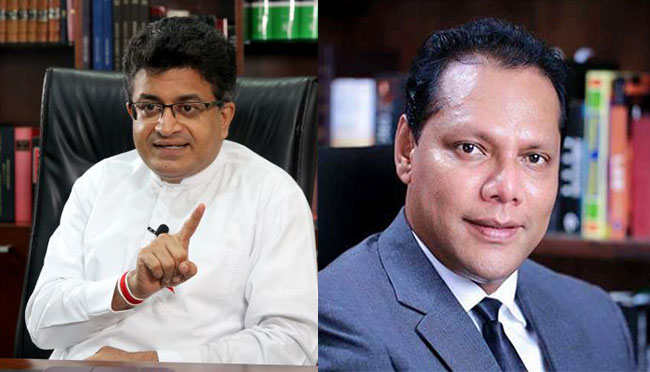
හිටපු ජනපති මෛත්‍රී,සමග විමල්, වාසු, ගම්මන්පිල එකම වේදිකාවක – රතන හිමිට විරෝධයක් (වීඩියෝ)

March 2nd, 2022

උපුටා ගැන්ම  හිරු පුවත්

ආණ්ඩුව නියෝජනය කරන දේශපාලන පක්ෂ 11ක් විසින් සකස් කරන ලද මුළු රටම හරිගමට දස වැදැරූම් ජාතික ප්‍රකාශනය එලි දැක්වීම අද පස්වරුවේ සිදුවුණා.

ඒ, හිටපු ජනාධිපති මෛති්‍රීපාල සිරිසේන, ආණ්ඩුව නියෝජනයකරන හවුල්කාර පක්ෂ වල නායකයින් වන අමාත්‍ය විමල් විරවංශ, උදය ගම්මන්පිල වාසුදේව නානායක්කාර ඇතුළු තවත් පක්ෂ නායකයින්ගේ ප්‍රධානත්වයෙන් කොළඹ පැවති උත්සවයකදීයි.

ආණ්ඩුව නියෝජනය කරන ශ්‍රී ලංකා නිදහස් පක්ෂය, ජාතික නිදහස් පෙරමුණ,පිවිතුරු හෙල උරුමය, ප්‍රජාතන්ත්‍රවාදි වාමාංශික පෙරමුණ, ලංකා සම සමාජ පක්ෂය ඇතුළු පක්ෂ 11ක් විසින් සකස් කරන ලද මුළු රටම හරිමගට යෝජනාවලියයි එහිදී එලි දැක්වුයේ.

රටේ මතුව ඇති ආර්ථීක අර්බුදය ජයගැනීම සදහා වන දසවැදැරූම් යෝජනාවලියක් එහිදි ජනගත කෙරුණා. <br /><br />එම යෝජනාවලට අනුව රට මුහුණදි ඇති මුලික අර්බුද 05ක් හදුනාගෙන ඇති අතර ඊට ඩොලර් සංචිත ගැටලුව, විදේශ ණය අර්බුදය සහ විදේශ විනිමය හිඟවීම මගින් රට ණය උගුලක සිරවීම ආදී කරුණු ඇතුළත්.

කෙසේ වෙතත්, පුජ්‍ය අතුරලියේ රතන හිමියන් අදහස් දක්වා අවසන් වීමත් සමග රතන හිමියන් නියෝජනය කරන අපේ ජනබල පක්ෂයේ පූජ්‍ය වේදිනිගම විමලතිස්ස හිමියන් එම ස්ථානයට පැමිණ රතන හිමියන්ට විරෝධය පළ කරමින් අදහස් පල කළා.

එහිදී එම ස්ථානයේ යම් නොසන්සුන් තත්වයක්ද ඇතිවුණා.

එම අවස්ථාවට එක්ව සිටි හිටපු ජනාධිපති මෛත්‍රීපාල සිරිසේන කියා සිටියේ සර්ව පාක්ෂික සමුළුවක් කැඳවිය යුතු බවයි.

Economic crisis: SLPP rebels to present their alternative roadmap

March 2nd, 2022

By Shamindra Ferdinando Courtesy The Island

MEP, EPDP opt out of the grouping; Sirisena expected to attend launch

This image has an empty alt attribute; its file name is daysiri.jpg

SLFP General Secretary Dayasiri Jayasekera says the reaction of the Sri Lanka Podujana Peramuna (SLPP) to the deteriorating financial crisis and a spate of other contentious issues have compelled some members of the ruling coalition to make a set of alternative proposals dubbed a national declaration.

Commenting on the proposals to be launched at the Imperial Hall, Monarch Hotel, Sri Jayewardenepura, Kotte, on 02 March, State Minister Jayasekera yesterday (27) alleged that the government seemed incapable of addressing the issues at hand.

Responding to questions, the former Minister said they had initially planned to present a short-term plan stressing the need for the government to make a course correction. We really didn’t have any other option as the SLPP doesn’t believe in consultations among the partners,” lawmaker Jayasekera said.

The Kurunegala District lawmaker said of the 145-member government parliamentary group about 30 MPs represented their group. Of the dissident group, 14 are SLFPers, and the second largest group represents the National Freedom Front (NFF) led by Wimal Weerawansa. The group included some SLPP National List members and Ven. Atureliye Rathana thera, NL member of the Ape Jana Bala Party.

MP Jayasekera said that SLFP leader Maithripala Sirisena, MP, would attend the launch of the alternative proposals on 02 March. Asked whether they would place themselves on a collision course with the government, the SLFP General Secretary referred to the SLPP’s recent public rally in Anuradhapura. Those who now questioned the motives of other parties conveniently remained silent over the fact that the SLPP had not invited any of its coalition partners to the rally.

State Minister Jayasekera said that they could have addressed the issues differently if the government leaders had consulted other political parties over matters of national importance. Had there been proper consultations among partners, the government wouldn’t have had to face unprecedented protests over the banning of fertilizer and agrochemical imports, MP Jayasekera said.

The SLFP has held District Conventions in many areas including Jaffna. State Minister Jayasekera said that they wouldn’t back down under any circumstances and were ready to face challenges at any level.

Energy Minister Udaya Gammanpila told The Island on Saturday (26) that unveiling of national declaration should be examined against the backdrop of their controversial decision to oppose the Yugadanavi deal. Pivithuru Hela Urumaya (PHU) leader Gammanpila said that it wouldn’t have ended up in the Supreme Court if the government had followed proper procedure in adopting a cabinet decision. According to the minister, the financial crisis is so severe that consequences can be devastating. Minister Gammanpila recently told PHU gathering at Avissawella that he along with Trade Minister Bandula Gunawardena on July 17, 2021 at the Janadhipathi Mandiraya explained to the SLPP parliamentary group how the financial crisis could affect Sri Lanka till 2030.

Minister Gammanpila and State Minister Jayasekera alleged that the SLPP hadn’t responded to their concerns at all. Therefore, they had no option but to present a set of alternative proposals to the people, the lawmakers said.

On behalf of the Organising Committee State Minister Jayantha Samaraweera said that the Democratic Left Front, the Lanka Sama Samaja Party, the SLFP, the Communist Party of Sri Lanka, the NFF, the National Congress, the PHU, the Sri Lanka Mahajana Pakshaya, the Vijaya Dharani Jathika Sabhawa, the Eksath Mahajana Pakshaya and Yuthukama civil society organisation would attend the launch of the new initiative on 02 March.

SLPP Chairman Prof. G.L. Peiris, who is also the Foreign Minister, couldn’t be contacted yesterday as he was in Geneva to attend UNHRC sessions scheduled to commence today (28). After concluding an official visit to France several days ago, Prof. Peiris has arrived in Geneva where Human Rights Commissioner Michelle Bachelet is to present an oral statement on Sri Lanka today.

The Mahajana Eksath Peramuna (MEP) led by Education Minister Dinesh Gunawardena has opted out of the dissident grouping. The MEP group in Parliament consists of three lawmakers, namely Dinesh Gunawardena, his son Yadamini accommodated on the SLPP National List and Gampaha District MP Sisira Jayakody. The Eelam People’s Democratic Party (EPDP), too, has refrained from joining the alliance.

Daily Covid-19 cases count reaches 751 today and confirms 23 more coronavirus deaths

March 2nd, 2022

Courtesy Adaderana

The Health Ministry says that another 751 persons have tested positive for Covid-19 today, as the daily count of new cases continues to rise in the country.

This brings the tally of Covid-19 cases registered in the country thus far to 647,699. 

According to official figures, 609,292 positive cases have recovered.

Following the new development, the number of virus-infected people who are undergoing treatment moved to 22,140. Meanwhile, the death toll stands at 16,267.

The Director General of Health Services has confirmed another 23 coronavirus related deaths for March 01, pushing the country’s Covid-19 death toll to 16,267.

The deaths confirmed today include 15 males and 08 females while one of the victims is a youth below the age of 30 years. 

Six patients are between the ages 30-59 years while the remaining 16 are in the age group of 60 years and above.

President Rajapakse why is Sri Lanka’s Justice Minister promoting Polygamy against One Country One Law policy

March 1st, 2022

Shenali D Waduge

Sans political colours, the policy of One Country One Law was looked forward to being implemented without favour or bias by all citizens of Sri Lanka. This meant that in front of the law civil and criminal laws would be one & applicable to all. It was also accepted that while personal laws deriving from cultures/traditions could exist, these could not overrule the country’s national law applied to all whatever their ethnicity. In such a scenario, it is puzzling why the country’s justice minister should push for the continuance of polygamy camouflaging this quest with ‘amendments’. If there is a One Country One Law Policy there cannot be variance and in front of the law all must face the same law – marriage included.

Given that the Justice Minister is promoting polygamy, he may like to provide statistics as to how many (what percentage) of the less than 10% Muslims in Sri Lanka actually practice polygamy in its true format, to justify polygamy to the President & the Government. Can we have numbers please. 

When questions are raised, the general response is that polygamy is part & parcel of Islam. Not so, polygamy existed far before Islam was founded but this practice was abandoned.

In Islam too, polygamy is NOT MANDATORY. In Islam monogamy is a must but polygamy is allowed in exceptional cases, the primary of which is during wars where casualties and orphans arise. Such a scenario is not applicable for Sri Lanka’s Muslims. There is no war, there are no casualties & there are no orphans from wars.

Thus, polygamy is not a general rule for all Muslims to follow and polygamy is not obligatory of any Muslims and Islam does not encourage or promote polygamy.

Thus, it is questionable why Sri Lanka’s justice minister supposed to be appearing for all ethnic and religions across Sri Lanka should be canvassing for only the religion he belongs to or rather to satisfy a miniature number of Muslim elite practicing polygamy probably not for the reasons Islam allows.

It is unfair by the majority ethnic Sinhalese & the Tamils to legally allow polygamy which means that the state is bound to look after the health & education etc of 4 or more spouses & their children while the state only allows Sinhalese & Tamils to legally have one spouse & those that marry multiple times are accused of bigamy & liable to land up in jail. There are plenty of examples of Sinhalese & Tamils charged with bigamy. Therefore, One Law for all must mean that any national law pertaining to the citizens of Sri Lanka must be applied to all with no exceptions. 

The favorite automatic response for this is – what about the foremost place for Buddhism, while this is certainly given in the constitution & there is valid reason to continue this even in any new constitution, in terms of applying the law & Buddhists facing the law (whether laymen or clergy) there is no favouritism because they are Sinhalese or because they are Buddhists. Just count the numbers in prison! 

There are many more arguments that addresses the issue of polygamy but these become irrelevant as the citizens of Sri Lanka were assured the policy of One Law One Country, which means that civil and criminal laws in Sri Lanka must be one & applicable to all & any laws existing from tradition/culture can exist but cannot take precedence or overrule the application of the national law.

It is prudent to remind all that One Country One Law did exist under the Sinhale kings & the personal laws for Tamils & Muslims were only permitted after the arrival of colonial invaders. 

Thesavalami applicable to ONLY The Malabar inhabitants of the Province of Jaffna” (Malabars were from India) was only codified by the Dutch in 1707. Muslim personal laws did not exist pre-colonial rule.

India’s Supreme Court in February 2015 completely banned polygamy in India ruling that polygamy was not part of Muslim fundamental right. The logic was that the Indian Constitution is bound to protect the Muslim faith but not practices that only a handful practice. Only 5% Muslims of the 150m Muslims in India practiced polygamy. This is why Sri Lanka’s justice minister must produce statistics on how many Muslims practice polygamy to demand its continuance.

One Country One Law essentially means that a parallel justice, judicial system, parallel laws cannot prevail if citizens are to be treated equal and given equal rights. Therefore, demands for equal rights cannot include exclusive rights for a handful.

At a moral level if a man cannot bear to see his wife with another man, same applies to a woman who would not like to share her man with another woman.

At a financial level too – in times of economic hardships how can a man look after 4 wives & their children equally?

At a political level, polygamy will cause major demographic change where Sinhalese & Tamils are asked to practice planned parenting while Muslims are encouraged to bear more children. 

There is also the issue of non-Muslims converting to Islam simply to keep 4 women legally!

One Country One Law must be applied – it clearly means there has to be one law for all – no parallel legal systems as per religious practices.

Shenali D Waduge

ERASING THE EELAM VICTORY Part 16B

March 1st, 2022

KAMALIKA PIERIS

Radical groups of Tamil youth   started operating in the north in the 1970s. ‘Standardization’ radicalized the student population, and organizations such as Tamil Maanavar Peravai (Tamil Students Federation) and Tamil Ilaingar Peravai (Tamil Youth Federation) were formed.  At one time there were nearly 34 groups, big and small, engaged in acts of violence, said DBS Jeyaraj .

there was a proliferation of underground groups, for the most part centered in the Jaffna Peninsula, but also involving networks in Mannar District and the Eastern Province, observed Michael Roberts These militant groups were in competition with each other from 1970s to 1990s.Most of them had support from the  Indian government  and from Tamilnadu.

In 1970 R Suntheralingam, Superintendent of Police Jaffna range, had written to IGP saying there is now a political aspect to illicit trade between Valvettiturai and South India. Subversive literature was coming in. In 1976, customs officers at Valvettiturai had caught a Tamil youth who was smuggling in books promoting Tamil separatism and Eelam.

Valvettithurai had a legitimate trade with India which was stopped early in the Second World War. The legitimate activity then gave way to a smuggling industry. Valvettiturai became a well known centre of smuggling. It was notorious for this. There were links between the smugglers, the fishermen and the community. Houses were built by the sea to facilitate smuggling. In 1942 Philip Goonewardene, NM Perera, Colvin R de Silva escaped to India in a ‘vallam” from Valvettiturai.

The most notorious smuggler was Vishnusundaram, who it is believed had links to Prabhakaran. There was also Kuttimani, a big time criminal and gangster who was a great help to the Sri Lanka- India clandestine operation. In 1973 the navy had intercepted a consignment of 20,000 detonators sent to Kuttimani, in Valvettiturai.

The Valvettiturai opium and gold smugglers were the first to try to bring in radio transmitters to intercept messages exchanged among the Sri Lanka security forces and police as well as to establish connections between Valvettiturai and Tamilnadu, said Janaka Perera. Valvettiturai had persons who were in league with the DMK politicians of Tamilnadu.

Security camps were set up in Valvettiturai from the 1950s to control the smuggling. There was much friction as a result of this hostile, alien” presence.  Prabhakaran and a host of other Valvettiturai youth grew up in this environment. Kittu and Mahattaya had told DBS Jeyaraj, that many youths of their generation, born in the 1950s, in Valvettiturai grew up with anger and resentment towards the armed forces and the government of Sri Lanka.

Valvettiturai was a close knit community, where visitors were not welcome in certain places. It had a sub-culture of its own  which recognized no other authority and harbored a criminal element. This element was in evidence at local sports matches between schools, where strong arm methods were in evidence when their side was losing, said Rajan Hoole. The Eelam movement used this criminal element. Further, men from Valvettiturai married women from Tamilnadu.  Their children grew up with dual loyalties, to Jaffna and Tamilnadu.

Tamil youth were travelling to India in the 1970s for training in armed combat. The CID reported in 1977 that there was a military buildup of Tamil youth in Jaffna peninsula. The report stated that they were led by Amirthalingam and Yogaratnam of the TULF. These two persons had warned Tamil police not to interfere. (Cyril Ranatunga From peace to war” p 59-61)

The first major Tamil Separatist   organization was TELO. TELO was founded in 1969. It was led by Thangathurai and Kuttimani. TELO was a small well knit outfit. EPRLF (1980) was more intellectual than military said analysts.

Thangathurai had told the army that the creation of   the LTTE was first discussed in a reading room in Valvettiturai. Thangathurai and Kuttimani were there. However, according to DBS Jeyaraj the LTTE was based on an earlier organization. Some ‘old timers’ such as Rajaratnam of Nunavil had in the early 1960s formed a Tiger group to fight for Tamil rights. This never got off the ground.

Prabhakaran revived the group as Tamil New Tigers (TNT). This was led by Thanabalasingham alias Chetty of Kalviyankaadu. This   group assassinated Alfred Duraiappah in 1975. Prabhakaran was one of the four youths who     took part in the assassination.

The TNT became Liberation Tigers of Tamil Eelam (LTTE) on May 5th 1976. Nine days later on May 14th 1976 Tamil United Liberation Front held its famous Vaddukoddai Convention with its demand for Tamil Eelam. Uma Maheswaran was the first Chairman of the LTTE. Prabhakaran was the military commander.  Both were on the central committee. In 1981 after the departure of Uma Maheswaran, the LTTE re-grouped under the absolute leadership of Prabhakaran.

The seafaring ability and smuggling networks of the   Karaiyar caste network of the LTTE helped to bring it to power observed Michael Roberts.  Their seafaring ability was superior to that of the other groups. Unilever excess products were sent to Soosai and Prabhakaran in Valvettiturai for smuggling to India.

Nalin Suwaris had his own take on the subject. He said many of the LTTE leaders are Christian. Prabha is a Karavar Christian. His wife and children attended church in London. Majority of the LTTE leaders are low caste, he added. Jaffna residents say that Thamil selvam is ‘just a bloody barber’ from Chavakachcheri.  His father used to come to the back gardens of Vellala homes to provide this service, said Suwaris. (Island Mid week rev.18.4.2007 p 3.)

LTTE moved in and out of Tamilnadu easily. When the Police cracked down and began arresting prominent youth activists, Prabhakaran crossed over by sea to Tamil Nadu. He was to shuttle back and forth frequently in the 1970s.  Some undergraduates were on a death fast at the Jaffna University in 1983. When the condition of the girls deteriorated the LTTE sent them to Tamilnadu. Prabhakaran met and married his wife there.

Uma Maheswaran broke away from LTTE and formed PLOTE (Peoples Liberation Tigers of Tamil Eelam) in 1980  PLOTE had a central core trained by the PLO. Initially, LTTE was powerful in Jaffna, and Mullaitivu  PLOTE was powerful in Vavuniya.

PLOTE was one of the Indian trained groups working on the ground under direct Indian army supervision. PLOTE had 80 men originally trained by Indian instructors to engage Sri Lanka forces observed Shamindra Ferdinando.  PLOTE tried to assassinate Maldivian President Gayoom and let Colombo based businessman Luthufee take over the government. This failed.

By 1985/86, LTTE had crushed the other groups. TELO leaders were eliminated in 1985. Uma Maheswaran was assassinated in 1989; EPRLF’s Central Committee was killed as they held a meeting in Chennai in 1990.

Dixit had told DB Jeyaraj that of all the top Tamil militant leaders, only Prabhakaran had fire” in him. Velupillai Prabhakaran came from Valvettiturai. Prabhakaran’s family was of respected lineage in Valvettiturai. He belonged to Thirumeni family. Prabhakaran’s ancestors constructed the famous Sivan temple of Valvettiturai. His father should have been the chief trustee but declined to be so as he was in government service, said DBS Jeyaraj.

His father joined the Government clerical service and eventually became a district lands officer. The father was a duty conscientious mild-mannered gentleman well respected and well-liked. Father disapproved of the son’s path and was not on speaking terms with Prabhakaran for years and years said DBS.

Prabhakaran studied at schools in Jaffna, Vavuniya and Batticaloa because his father was constantly transferred. He was not a model student and did not even pass his GCE O’levels, said DBS.This does not mean that he was unintelligent or did not possess a thirst for knowledge. Prabhakaran was interested in other things rather than in formal education said Jeyaraj.

He liked to read and watch action films. Another pursuit in boyhood was the targeting of squirrels, lizards. Chameleons and small birds with a catapult. As a kid Prabhakaran would prowl about areas of dense vegetation searching for his quarry.

DBS Jeyaraj said that former Kayts MP. V. Navaratnam broke away from ITAK and formed the Thamilar Suyaatchi Kazhagham”, Tamil Self-Rule party in 1968. Navaratnam wanted a separate state not federalism. A teacher named Venugopal became an active supporter of Navaratnam. Several students including Prabhakaran were influenced by Venugopal and turned into ardent devotees of Tamil self-rule.

LTTE subscribed to Time” and Newsweek” .Prabhakaran would ask friends knowledgeable in English to translate and explain articles in them. In later years when the LTTE developed into a full-fledged outfit, important articles from magazines and newspapers were translated into Tamil for Prabhakaran.   Books on military affairs and warfare were also translated into Tamil, said DBS.

Prabhakaran removed and destroyed every single photograph in the house with his picture. When the Police caught up with him they could not get a proper picture of him and had to use only the postal identity card used by Prabhakaran to sit for examinations. Prabhakaran’s memory power was legendary. Prabhakaran would remember faces, names and the last time he had seen someone years ago. He had a photogenic memory.

Prabhakaran died on May 19, 2009, at around 9.30 in the morning. He died during an operation by 4th Vijayabahu Infantry Regiment. ‘We did not know he was hiding in the mangroves. We shot the terrorists in the mangroves. We found his body afterwards’, the army said. He was not captured alive.

Once the army killed Prabhakaran they made sure that he stayed dead.  His body and all items connected with him were burned. Prabhakaran had his Eelam identity card in his shirt pocket. It gave his occupation as Leader of the LTTE.  (Continued)

Continuing the dialogue with major religions in India, Sri Lanka High Commission in New Delhi presents a Sinhala translation of the Holy Quran to the Jamiat Ulama-i-Hind

March 1st, 2022

High Commission of Sri Lanka New Delhi

Continuing its efforts to enhance dialogue with all major religions in India, the High Commission of Sri Lanka in New Delhi presented a Sinhala translation of the Holy Quran to the Jamiat Ulama-i-Hind (Council of Muslim Theologians of India).

Founded in 1919, the Jamiat Ulama-i-Hind is one of the leading organizations of Islamic scholars belonging to the Deobandi school of thought. It has a membership of 12 million across India.

During the event, Sri Lanka’s High Commissioner Milinda Moragoda and Jamiat Ulama-i-Hind Secretary General Niaz Ahmed Farooqui discussed on the enhancement of Islamic ties between Sri Lanka and India. Several senior officials of the Jamiat Ulama-i-Hind and officials of the High Commission were also present at the presentation.

The Sinhala translation of the Holy Quran, published by the All Ceylon Jamiyyathul Ulama (ACJU) of Sri Lanka, was presented to the Secretary General of the Jamiat Ulama-i-Hind, Advocate Niaz Ahmed Farooqui by Sri Lanka’s High Commissioner to India Milinda Moragoda.

The copy of the Holy Quran, fixed inside a transparent display box, will be displayed in the 500-year-old mosque of the Council until next Friday and thereafter moved to its museum as a permanent exhibit.

Following the presentation of the Sinhala translation of the Holy Quran, the High Commissioner and the delegation visited the museum of the Council, and the library where about 12,000 books on Islam and other related subjects are kept.      

This was the second time that the High Commission presented a Sinhala translation of the Holy Quran to a key Islamic institution in India. Last November, High Commissioner Milinda Moragoda presented a Sinhala translation of the Holy Quran to the Chief Imam of India and Shahi Imam of the Jama Masjid of Delhi Syed Ahmed Bukhari. That copy of the Holy Quran is now in permanent display at the historical mosque built by legendary Mughal Emperor Shah Jahan.

In keeping with the “Integrated Country Strategy for Sri Lanka Diplomatic Missions in India”, the policy roadmap of High Commissioner Moragoda, the High Commission of Sri Lanka in New Delhi has been promoting dialogue with all major religions in India.

High Commission of Sri Lanka New Delhi

SRI LANKA SHOULD SUPPORT  RUSSIA IN REGARD TO THE UKRAINE  ISSUE

March 1st, 2022

Sinhaladeepa Jathika Peramuna

It has been reported in the media that the SL Government has decided to take a neutral stand in regard to the Ukraine issue.

Since the year 1948 Russia is maintaining the super power balance against the USA and it should be that way because if the USA were given a monopoly of the super power status in regard to the nuclear weapons, America would ruin many countries politically & economically.

When the Soviet Union tried to station Nuclear Missiles in Cuba close to the USA, the USA took a firm stand and the USA was right at that time and Russia was wrong because that would have affected the Super power balance at that time. The same argument is valid for the Ukraine issue and President Putine has given sufficient time for the Ukrainian President to make a decision not to join the NATO.

Ukrainians have almost everything in common with the Russians as we outsiders see it. The race factor, the language, the culture etc. It was absolutely foolish for the Ukrainian President’s decision to join the NATO. Ukraine could have maintained good economic ties with the USA because Russia too is cooperating with the USA in many spheres such as space explorations.

The American politicians have an inherent desire to interfere politically & economically in other countries. Further, it is the USA that supports Tamil separatism by trying to punish Sinhala military officers for defeating the LTTE terrorists and by way of resolutions against Sri Lanka. Russia always supported Sri Lanka in Geneva.

Therefore, the SL government should support Russia regardless of the consequences because Russia is an honest friend of Sri Lanka while USA that supports Tamil separatists is an enemy.

As a political party, we fully support President Putine’s decision to enter the Ukrainian territory to safeguard the super power balance.  We see that SL government’s decision to stay neutral is a selfish and a cowardice stand.Also, we express our sorrow for the Russian & Ukrainian soldier’s families for the loss of their loved ones and for the Ukrainian civilians who are undergoing immense suffering. Ukrainian President is totally to be blamed for the present situation

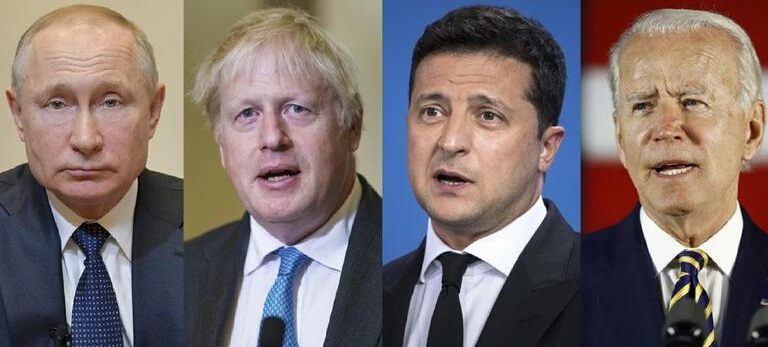
යුක්‍රේන ගැටුමෙන් ඇමෙරිකාව සහ එංගලන්තය තවදුරටත් ලෝකයේ බලවතුන් නොවන බව පෙනේවිද?

March 1st, 2022

නීතීඥ අරුණ ලක්සිරි උණවටුන B.Sc(Col), PGDC(Col)

යුක්‍රේන ගැටුම සහ එය අවසන් නොවී දිගට ඇදීමෙන් බටහිර මාධ්‍ය බරපතල ලෙස අසරණ වන අතර ඉංග්‍රීසි කතා නොකරන රටවල් වන ප්‍රංශය, ජර්මනිය, ඉතාලිය, නෙදර්ලන්තය, ජපානය, කොරියාව, චීනය වැනි රටවල් ඇමෙරිකාවට සහ එංගලන්‍තයට සහාය නොදෙන බව ලෝකයට පෙනෙන්නට පටන් ගනී.

ඉංදියාව සහ අරාබිය එක්සත් ජාතීගේ ආරක්ෂක මණ්ඩලයේදී ඇමෙරිකාවට සහ එංගලන්තයට සහාය නොදීමෙන් ඒ බව වඩාත් පැහැදිලි වේ. එමෙන්ම ඇමෙරිකාවෙන් සහ එංගලන්තයෙන් ආධාර ලබන 3වන ලෝකයේ රටවල් ව්ශාල අර්බුදයන්ට පත් වේ. (ශ්‍රී ලංකාව වැනි රටවලට ඇමෙරිකාව සහ එංගලන්තය කියන පරිදි රුසියාවට සම්බාධක පැනවීමට සිදුවුවහොත් තේ කර්මාන්තය සහ දේශීය කර්මාන්ත සම්පූර්ණයෙන්ම බිඳවැටීමට ඉඩ ඇත.)

රුසියාවට උවමණා ඇමෙරිකාව සහ එංගලන්තය තවදුරටත් ලෝකයේ බලවතුන් නොවන බවත්, ලෝකයේ රටවල සහාය ඔවුන්ට නොලැබෙන බවත් පෙන්වීමද? යන්න රුසියාවට පනවන සම්බාධක ප්‍රායෝගික නොවීමෙන් පෙනී යනු ඇත.

ii වන ලෝක යුද්ධයේදී ජර්මනිය කළ වැරදි 3ක් ඇත. ඒ අමානුෂික ලෙස යුදෙව්වන් ඝාතනය කිරීමත්, රුසියාවට පහර දීමත්, සීමාව ඉක්මවා යුද්ධය පැතිරවීමත් ය. ජපානය කළ වැරැද්ද පැසිපික් සාගරයේ හවායිහී පර්ල් වරායට බෝම්බ හෙළීමය. රුසියාව මේ පිළිබඳ අනවබෝධයෙන් සිටිනවා විය නොහැකිය. සිරියාවේදී රුසියාව පෙන්වූ හැකියාව බුද්ධිමතුන් වටහාගෙන ඇත.

නීතීඥ අරුණ ලක්සිරි උණවටුන B.Sc(Col), PGDC(Col) සමායෝජක, වෛද්‍ය තිලක පද්මා සුබසිංහ අනුස්මරණ නීති අධ්‍යයන වැඩසටහන. දුරකථන 0712063394 (2022.02.25)

India: A suicide narrates mainstream media’s susceptibility

March 1st, 2022

by Nava Thakuria

The news broke from Chennai in south India as a senior photojournalist killed himself on 13 February 2022 in his office itself. Initially it was assumed T. Kumar’s suicide as a personal affair, but soon the harsh  reality surfaced. The victim did not receive full salaries for nearly five years and he was in desperate need of money. His wife (Kavitha) underwent medical treatments and only daughter Pavithra’s engagement ceremony was also approaching. Kumar (56) might have exhausted the borrowing space from family members and well-wishers! Hence, it was his last undesirable action.

After the incident, I could realise Kumar was known to me as he worked in Guwahati as a representative of the United News of India (UNI) for some months. Kumar had a very amiable nature to nurture friendship and even tried to help everyone according to his capacity. We had a number of chatting over the media as a whole.  Kumar was a passionate listener to my ‘lectures unending’, which often crossed the limit. At the end of my discourse, he always concluded the session saying- Nava-da you have to come to my place soon.
Reactions to Kumar’s demise was little slow as everybody understood it as a self-killing matter, but when the real cause came out, the Indian media fraternity got a real jerk. A responsible journalist, who was with the UNI for more than three decades, had to end his life as was being denied his dues. Kumar was not waiting for any lottery or other funds to support his family in distress. He was only expecting his salaries, unpaid fully for over 50 months, and it was the commitment of UNI management authorities while engaging him in work. Should not it be treated as a crime against the insensitive UNI management for slowly putting Kumar on the verge of self-destruction?

Lately various media rights bodies have come forward condoling Kumar’s unacceptable death and also raising some finds for the bereaved family. There are over 200 UNI employees across the country, who are also waiting for their dues for years. Need not to deny that the Indian media fraternity has been suffering heavily since the Covid-19 hit the country two years back. Morning newspapers  lost their circulation drastically, so their business, influence and visibility. Satellite news channels also start missing valued audiences. And as a dependent agency on the mainstream media outlets (also some government organs), the UNI also faced a humiliating downfall.
The largest democracy on Earth with a billion-plus population today supports around  82,000 registered publications with more than 15,000 in the newspaper category. Published in various languages like English, Hindi, Urdu, Sanskrit, Bengali, Tamil, Telugu, Marathi, Malayalam,  Kannada, Gujarati, Punjabi, Odia, Assamese, etc the daily newspapers have a cumulative circulation of around 110 million. But following the corona-crisis, these physical newspapers have lost almost one-third of their actual circulation figures because of the prolonged nationwide lockdown and various aftereffects.
Similarly, India has around 1,600 satellite television channels where more than 400 are news related outlets. As most satellite news channels are free-to-air (FTA) in nature, they heavily depend on commercial advertisements for survival. These news channels cannot ask money from their viewers (subscribers) and the proprietors have to manage all expenditures from running offices to staff salaries to productions to flawless distributions from their resources. More amazingly, the FTA channel owners have to pay a huge amount of money to cable operators and direct-to-home (DTH) agencies.
However, there is no clarity on how much money a cable operator or a private DTH agency can demand from an FTA channel. The logic behind the financial transactions narrates that those cable operator/DTH agencies can charge the amount of money for providing space into their respective packages which are distributed to viewers. On the other hand, they collect  money from the consumers as well as the freight charges for downloading the signal from the satellite and distributing it to the households. Nobody knows if these financial transactions fall under the government financial tax network or not!

With the advent of internet services, which are drastically cheaper in India, millions of digital news platforms are coming up to feed the population where the literacy rate is growing above 75 per cent in recent years. One can say, today’s media family has increased its outlets significantly. The digital platforms have cleverly blended the flavours of daily newspapers, news channels and also radio outlets, where the audience can get text messages as well as audio-visual inputs. In the long run, taking advantage of the expanded space of smartphones, the digital media may ruin the combined market of traditional outlets by slowly grabbing advertisement revenues.

The fall of mainstream  media outlets have affected the business of news agencies as they generate revenues mostly from the morning dailies, news channels and private radio outlets. Initially the Indian news agencies (including UNI) played an important role as a trusted bridge between the international news providers and local media outlets. But with the change of government policies and invasion of the internet service, the agencies start losing their space. The last blow to the UNI came in 2017 as Prasar Bharati decided to withdraw its subscription for All India Radio and Doordarshan. The agency had to incur a huge loss after the move.

But for any reason the UNI management cannot escape the blame for Kumar’s tragic end. The board of directors with its faulty policies started destroying the agency long back (at least before the corona-disaster). When it was in a sound financial position, the management launched a multi-lingual television news agency (UNI TV), but soon it failed to generate adequate subscriptions seemingly because of its unprofessional news intakes. So, for the unprofessionalism on part of the management, employees must not suffer. The UNI management should promptly pay all the outstanding dues to the Kumar’s family, if not any compensatory amount at this moment.

The author is a northeast India-based media commentator

Why India and Bangladesh should sign the long-pending ‘Teesta Water Sharing Treaty’ as soon as possible?

March 1st, 2022

John Rozario Karnataka, India

One of the long-standing unresolved issues between Bangladesh and India is the Teesta water-sharing agreement. The agreement between Bangladesh and India on Teesta water sharing has been discussed for the last few years. But the Teesta issue has stopped with assurance.

After the Ganges Treaty in 1996, the issue of distribution of water of the river Teesta became the most important topic of discussion. The issue of Teesta water sharing between Bangladesh and India started at the Ministerial level meeting of the two countries in August 1983.

In September 2011, the then Prime Minister of India Manmohan Singh visited Dhaka. At that time Teesta water-sharing agreement was to be signed. The term of the interim agreement was 15 years. According to the agreement, India’s right to 42.5 percent of the Teesta’s water and Bangladesh’s 37.5 percent will be established. But the deal was not finalized due to opposition from West Bengal Chief Minister Mamata Banerjee.

Later in 2014, Prime Minister Sheikh Hasina visited India. His visit to India sparked hopes of signing the Teesta Treaty. During the visit, he had a meeting with West Bengal Chief Minister Mamata Banerjee. But even then, the Chief Minister of West Bengal did not agree.

She said that the main reason for her disagreement was that she was not willing to give water to Bangladesh by depriving the people of North Bengal. Even in 2015, West Bengal Chief Minister Mamata Banerjee visited Dhaka with Indian Prime Minister Narendra Modi. Although positive statements were made about the Teesta treaty at that time, no results were obtained. There are 54 inter-border rivers or common rivers flowing through Bangladesh and India. Of these, India holds most of the waters of 43 common rivers, which is virtually unfair to neighboring countries.

The technical committee of 54 India-Bangladesh Joint Rivers Commission has been meeting for two days from January 5, 2021. The meeting was virtually completed due to the coronavirus situation. The meeting discussed a framework agreement for the distribution of water in the common river. Earlier, the Bangladesh government agreed to draw 1.82 cusecs of water from the Feni River for humanitarian reasons to address the water crisis in the town of Sabroom in Tripura. However, the issue of distribution of Teesta water has remained unresolved day after day.

The agreement was important in sharing water across a transboundary river, as it ensured a country’s water share and availability.

If the agreement is not completed then it will not be possible to meet the water shortage in the city of Sabroom and even in Bangladesh, it will not be possible to implement it by constructing an irrigation project with a pump house. The agreement would benefit both countries.

Ghazaldoba Dam was established in 1998 in the Malbazar subdivision of Jalpaiguri district in India upstream of Teesta river in Nilphamari. Through the construction of this dam, the control of the river Teesta passed into the hands of India. The dam has 54 gates that are closed to divert water from the mainstream of Teesta to various sectors. The dam was built mainly to divert the Teesta water into the Teesta-Mahananda canal.

Before the Ghazaldoba Dam, where 2500 cusecs of water were available in the Teesta Basin, now the water flow is less than 400 cusecs due to the withdrawal of water from India. During the dry season in Bangladesh in 1997, the flow of water in the Teesta was about 6,500 cusecs, which dropped to 1,348 cusecs in 2006, and in 2014 it stood at only 800 cusecs. Which is affecting the entire economy of Bangladesh. Many lands have become uncultivable due to a lack of water. As a result, ordinary farmers are facing losses, which is affecting their livelihood. Due to insufficient water flow, the river is filling up with chars.

Even in summer, there is no water in the river at all. People cross the river on foot. Teesta has turned into a dead river. If this continues, not only public life but also biodiversity will be threatened. The Teesta water-sharing agreement is now the demand of the time. But India’s procrastination over the Teesta water-sharing deal suggests they are reluctant to abide by it.

The Teesta project will excavate 115 km of the river Teesta flowing through the border of Bangladesh. The depth of the river will be significantly reduced through excavation. Many rivers will be rescued through river management. Land along the river will be made suitable for cultivation. It will even be possible to build industrial cities on both the banks of the river Teesta which will create employment opportunities for many people. Which will enrich the economy of the country.

Basically not signing the Teesta River agreement is belittling the neighborly spirit between India and Bangladesh. India should remember that Bangladesh is a well-trusted ally in the region. If India doesn’t sign the agreement with Bangladesh, Bangladesh will definitely try to find out an alternative. It is often said that Bangladesh and India are currently witnessing a golden age in their bilateral relations. India should take immediate steps to resolve the dispute before accepting China’s cooperation on the Bangladesh issue. Bangladesh has already agreed to be a part of China’s Belt and Road Initiative (BRI). But despite this, Bangladesh has indicated that it still considers India as its most important neighbor and ally. Due to the growing domestic demand, Sheikh Hasina is keen to solve the problem of Teesta River distribution. But if it is too late on the part of India, Bangladesh may think of an alternative path.

But it needs to be signed as soon as possible. India should sign the treaty with Bangladesh for ensuring its own interest. A fruitful solution to the Teesta problem will not only benefit Bangladesh economically but also help strengthen bilateral relations between India and Bangladesh. The Teesta Treaty will also greatly benefit India also. If this bilateral agreement goes ahead, it will be able to satisfy all the stakeholders of Bangladesh. India will definitely be able to strengthen its position as a strong ally of Bangladesh and build a strong economic and diplomatic partnership. Therefore, speedy action should be taken in this regard and the ‘golden age of bilateral relations with Bangladesh should be utilized in the best interest of India.

The river Teesta has immense potential. If the proper implementation of the Teesta water-sharing agreement or Teesta project is possible then not only the people of the Teesta coast or North Bengal but the whole of Bangladesh will enjoy its benefits. The change will come in the public life of the people of North Bengal. Bangladesh’s economy will be prosperous. Overall, it is important to take effective steps to implement the Teesta Agreement or the Teesta Project.

‘I Don’t Want to Die’: Israeli Killed in Ukraine Called Partner Moments Before Being Shot

March 1st, 2022

by Algemeiner Staff Courtesy Algemeiner

An Israeli citizen who was killed in Ukraine called his partner shortly before being fatally shot, saying, I don’t want to die.”

Roman Brodsky, 37, was gunned down while in his vehicle, apparently by Ukrainian forces who mistook him for a Chechen soldier. He made the phone call to his partner as the gunfire broke out, his father, Yafim, told Israeli public broadcaster Kan.

GET THE BEST OF THE ALGEMEINER STRAIGHT TO YOUR INBOX!SIGN UP!

Yafim praised his son’s partner for not leaving his body behind, explaining, She stayed there in spite of the fact that she was in danger and did not leave the body, and we admire her for that so much.”

I ask for help to bring my son and his girlfriend back to Israel so we can bury him here,” he said.MARCH 1, 2022 9:44 AM2

i24 News – Israel on Tuesday ended its state of emergency in place since the start of the Covid pandemic…

Brodsky’s partner is still in Ukraine with his body and finding it difficult to leave.

Alex Miller, described as a close friend of Brodsky, told news site Walla that he warned Brodsky against staying in Ukraine, to no avail.

We talked every day; we’ve been friends for 20 years,” Miller said. When Miller warned Brodsky the situation was dangerous, he laughed at me; he didn’t think it would happen. I told him to get out of there.”

Everyone is broken and we’ve received extremely difficult news,” Miller added. It’s an extremely difficult and sad morning for the family and friends.”

We knew 20 minutes after” the incident, he said. His partner called screaming and said that Roman is gone and they shot him.”

He was a man who everything he touched was a success,” Miller said of his friend.

Counter-terrorism legislation mustn’t restrict democratic freedoms: Sri Lanka tells UNHRC

March 1st, 2022

Courtesy Adaderana

Sri Lanka says it is convinced that counter-terrorism legislation must secure and protect the rights of persons subject to investigation detention and trial, and must not restrict democratic freedoms such as the freedom of expression.

Minister of Foreign Affairs, Prof. G.L. Peiris made this remark delivering the High-Level Segment Statement at the 49th session of the Human Rights Council today (March 01).

As elsewhere in the world, we endeavor to strike a just balance between human rights and national security when dealing with terrorism,” the foreign minister told the council.

Speaking further, Prof. Peiris took particular objection to the use of voluntary funding which has the necessary consequence of undermining objectivity and detachment.

Against this background, Sri Lanka once again reiterated its view that the evidence gathering mechanism established under OP 6 of resolution 46/1 is unhelpful to the people of Sri Lanka, will polarize Sri Lankan society, and adversely affect economic development, peace and harmony at a challenging time.

It is an unproductive drain on Member State resources, at a time of severe financial shortfalls across the entire multilateral system including the High Commissioner’s Office, Minister Peiris said further.

Sri Lanka detects 914 new cases of Covid-19 and records 22 new Covid-related deaths

March 1st, 2022

Courtesy Adaderana

The Health Ministry says that another 914 persons have tested positive for Covid-19 today, as the daily count of new cases continues to rise in the country.

This brings the tally of Covid-19 cases registered in the country thus far to 646,948. 

According to official figures, 609,092 positive cases have recovered.

Following the new development, the number of virus-infected people who are undergoing treatment moved to 21,612. Meanwhile, the death toll stands at 16,244.

The Director-General of Health Services has confirmed another 22 coronavirus-related deaths for February 28, pushing the country’s death toll from the pandemic to 16,244.

The deaths reported today include 11 males and 11 females, according to the figures released by the Department of Govt. Information. 

Two of the victims are between the ages of 30-59 years. Another one is aged below 30 years and the remaining 19 are in the age group of 60 years and above

Points of Contact for Common Positions Found at Russia-Ukraine Talks, Russian Delegation Head Says

February 28th, 2022

Courtesy Sputnik

Russian and Ukrainian officials agreed to meet in Gomel region, Belarus on Monday for talks aimed at halting the fighting in Ukraine and resolving the crisis between Moscow and Kiev.Russian and Ukrainian negotiators have found some points of contact from which common positions can be built on, Vladimir Medinsky, special assistant to President Putin and head of the Russian delegation, has told reporters.

“Talks with the Ukrainian side which lasted about 5 hours have just wrapped up. We discussed in detail all the items on the agenda and found some common points on which we predict common positions can be found,” the official said.First and foremost, this includes agreement on the need to continue talks. “The next meeting will take place in the coming days on the Polish-Belarusian border. There is a corresponding agreement on this,” Medinsky said. “Until then, each delegation – the leadership of each delegations will consult on each of the negotiating positions with the leadership of their respective country,” he noted.Mikhail Podolyak, advisor to the head of Ukrainian President’s Office, confirmed that a second round of talks was discussed.

“The two sides identified a number of priority topics on which certain decisions have been outlined. In order for them to have an opportunity to be implemented…the parties are leaving for consultations in their respective capitals. The possibility of a second round of negotiations in the near future during which these topics will receive concrete, practical development was discussed,” Podolyak said.

Two Sides ‘Heard Each Other’

Leonid Slutsky, another member of the Russian delegation and the head of the Duma’s Committee on Foreign Affairs, said that the two sides had found “a number of important points on which progress can be reached.””The Ukrainian delegation was ready to listen and participate in the most detailed discussion of the essence of the issues on today’s agenda,” Slutsky added. “The main result is that the negotiations themselves took place, that the parties heard each other,” the lawmaker said.Belarusian Minister of Foreign Affairs Vladimir Makei promised his country was ready to continue to do its part in helping to resolve the crisis between Russia and Ukraine. Makei said organizing Monday’s meeting was a difficult but necessary task, and said the next round of talks were set to take place in a “couple of days.”Monday’s talks, which were also attended by Russian Ambassador to Belarus Boris Gryzlov, Ukrainian Defence Minister Oleksiy Reznikov, Ukrainian Deputy Foreign Minister Mykola Tochitsky and others, were held after days of waffling by Kiev.Belarusian President Alexander Lukashenko repeatedly stressed his readiness to facilitate Moscow and Kiev with a negotiating platform. On Saturday, he warned that external forces were encouraging and “pushing” Kiev to keep fighting, and that the longer the conflict takes place, the more of a chance there is that it will be turned into a foreign-backed “meat grinder” for both nations.The United States and the European Union have agreed to provide with nearly $1 billion in additional military assistance, with EU foreign affairs chief Josep Borrell saying Monday that this would include “high-calibre arms, anti-tank [systems], all kinds of equipment,” plus fuel for Ukrainian tanks and aircraft. Borrell expressed satisfaction over reports of fighting on the ground, suggesting that Russia was “paying a high toll on number of casualties.”Situation in UkraineEuropean Union Determined to Further Increase Military Aid to Ukraine, Borrell Says9 hours agoRussia launched a military operation in Ukraine last Thursday, coming to the defence of its Donetsk and Lugansk Republic allies after weeks of escalating Ukrainian mortar, artillery and sniper attacks in the Donbass conflict zone. The Donbass broke off from Ukraine in 2014 in the wake of a Western-backed coup in Kiev in 2014, sparking a civil conflict which has claimed over 14,000 lives and forced over 2.5 million people to flee their homes, about 1 million of them to Russia.

Ukraine-Russia negotiations have reached ‘certain decisions’

February 28th, 2022

Courtesy RT

Ceasefire talks hosted by Belarus adjourn for consultations

Ukraine-Russia negotiations have reached ‘certain decisions’

© Getty Images / MicroStockHub

Moscow and Kiev have found certain things that could be agreed on during the ceasefire talks hosted by Belarus and will return for consultations before the next round, both delegations told reporters after the talks ended on Monday.

The main purpose of the talks was to discuss a ceasefire in Ukraine, said Mykhailo Podolyak, adviser to Ukrainian President Volodymyr Zelensky. The two sides have identified a number of priority topics, on which certain solutions have been outlined,” he added.

The two delegations found points on which common positions could be reached, confirmed Vladimir Medinsky, aide to Russian President Vladimir Putin. 

Monday’s talks, which lasted for nearly five hours, took place in Belarus near the Russian and the Ukrainian borders. The next round will take place on the border between Belarus and Poland in the coming days, Medinsky said.

Ukraine’s delegation was led by Defense Minister Alexey Reznikov, and its main demand was an immediate ceasefire and withdrawal of all Russian troops from the country. 

Zelensky said on Sunday he didn’t really believe the negotiations would succeed, but thought they were a chance, however small, to de-escalate the situation.”

While the talks were ongoing, Zelensky sent a formal request for Ukraine’s EU membership to Brussels. Meanwhile, Russia has put its nuclear deterrent forces on highest alert amid NATO moves to send weapons to Kiev.

Moscow ordered military forces into Ukraine on Thursday, saying Kiev needs to be demilitarized” and denazified” to protect the breakaway republics of Donetsk and Lugansk, as well as Russia itself. Ukraine and its Western supporters accused Russia of unprovoked” aggression. The UK, US, EU and several other countries have imposed sweeping sanctions targeting not just the Russian economy, but Putin and other senior Russian officials personally.

Russia blames UK FM for elevated nuclear alert

February 28th, 2022

Courtesy RT

The British foreign secretary made unacceptable” statements on clashes” between NATO and Russia, Putin’s spokesman said
Russia blames UK FM for elevated nuclear alert

Kremlin spokesman Dmitry Peskov said on Monday that Russian President Vladimir Putin placed Russia’s deterrence forces – including nuclear weapons – on high alert in response to statements by British Foreign Secretary Liz Truss on potential conflict between NATO and Moscow.

Statements were made by various representatives at various levels on possible altercations or even collisions and clashes between NATO and Russia,” Peskov told reporters. We believe that such statements are absolutely unacceptable. I would not call the authors of these statements by name, although it was the British foreign minister.”

Speaking to Sky News on Sunday, Truss said that if we don’t stop Putin in Ukraine, we are going to see others under threat: the Baltics, Poland, Moldova, and it could end up in a conflict with NATO. We do not want to go there.” Truss did not specify how the UK could stop” Russia in Ukraine, although the British government has already sent anti-tank weapons and other lethal aid” to Kiev.

However, a Foreign Office source told the BBC on Monday: I don’t think anything Liz has said warrants that sort of rhetoric or escalation,” adding that Truss has always spoken of NATO – which was formed with the explicit goal of opposing the Soviet Union – as a  defensive alliance.”

Websites of major Russian media taken down by hackers

Read more

Websites of major Russian media taken down by hackers

While Putin’s announcement does not signal any intent to use nuclear weapons, it has been received in the West as a reminder of the importance Moscow places on Ukraine, and its determination to keep the country out of NATO. Since the end of the Cold War, successive Russian leaders have consistently opposed the eastward expansion of the alliance, and Moscow considers the idea of a NATO-armed Ukraine on its borders an existential security threat.

In Washington, White House Press Secretary Jen Psaki condemned Putin’s decision to raise the alert level, accusing the Russian president of manufacturing threats that don’t exist in order to justify further aggression.”

Meanwhile in Ukraine, Russia’s operation is still underway, and fighting has taken place in the cities of Kharkov, Mariupol, and on the outskirts of Kiev. Tentative negotiations between Ukrainian and Russian officials took place in Belarus on Monday.

Huge convoy of Russian armour advances on Kyiv

February 28th, 2022

BBC

A huge convoy of Russian armour, nearly 17 miles long, is advancing on Ukraine’s capital Kyiv, satellite images show

https://www.bbc.co.uk/news/live/world-europe-60542877

Building up our economy to bring employment and incomes to our youth

February 28th, 2022

By Garvin Karunaratne, Ph.D.

Since the days of President Jayawardena we have got used to look for foreign goods and  following the IMF model of allowing imports without any control, spending our foreign exchange for luxury purposes even when we did not have sufficient funds, we have become an indebted country. The IMF advice was intended to make us subservient and make us a colony once again where our countries had to obtain all goods from developed countries; our countries can only continue to produce and sell the raw material. The IMF Model also imposed a high interest policy where our entrepreneurs had to get loans at high interest as much as 24% while in Developed Countries entrepreneurs can get loans at 2 to 4 %. That caused the closure of our industries. This caused unemployment and poverty.

The youth of our country have had to migrate to work in developed and rich countries performing menial and third grade jobs and send a few dollars to their loved ones. Today we have many Departments that encourage sending our youth abroad and The Governments keep counting the money they send, thinking of it as a great achievement. Sadly we have forgotten how to build up our industries, train and find employment for our youth in a respectable manner……

Devaluation

February 28th, 2022

Sugath Kulatunga

The question before policy makers today is whether to seek a bail out from IMF and face a certain devaluation of the rupee. It is like the proverbial curate’s egg. Sri Lanka has had several devaluations of the rupee. I am not aware whether a proper evaluation of the impact of devaluation on exports and the economy has been done. Critics of the IMF claim that their mandate is to make imports from the developing countries cheaper to Western buyers and make poor countries to pay more for their exports. If developing countries try to restrict imports with tariff controls, there is the WTO to prevent that.

An export consignment of 10$ million dollars from Sri Lanka during 1982 when exchange rate was Rs 21 to the dollar, due to devaluation, in today’s exchange rate will cost the foreign buyer only $1million. A tenfold advantage. Many IMF and WB experts used to visit the EDB during the 1980s.

Justification of devaluation is based on that it makes the domestic currency cheaper relative to other currencies. … First, devaluation makes the country’s exports relatively less expensive for foreigners. Second,  devaluation makes foreign products relatively more expensive for domestic consumers.      

Certainly, the buyer interest of developed countries are well looked after by the IMF. But has devaluation discouraged imports? Despite the Dollar crisis and restrictions on imports, volume and value of imports have continued to soar. Even exporters have to pay higher prices for the import of raw material used in production for export.

Old timers will remember how with an annual salary of Rs 4080 how staff grades lived a semi luxury lives and even saved some money. Now they are in debt.

This is what a reputed economist Nicholas Kaldor had to say on devaluation—

The prescription, generally recommended by the Fund, to improve the current account in such cases is a program of phased financial retrenchment, the liberalization of foreign trade, and, to make all this possible, substantial devaluation.

The main objection to this approach is that it assumes devaluation is capable of changing critical price and wage relationships that are the outcome of complex political forces and that could not be changed by domestic fiscal and monetary policies. But it is more likely that a large-scale devaluation will end up reproducing much the same initial price relationships at the cost of a great deal of additional inflation. This outcome is, of course, particularly likely in developing countries, where the gap in the standard of living between the urban and rural population is large and where modern industry or the so-called organized” sector of the economy) extends to only a segment of the population.”

There is some truth that devaluation makes an economy instantly more competitive in the international markets. But it has not always worked as was the experience of–the U.K.’s 25% devaluation during 2007 and 2008 when it failed to spur the anticipated boom in demand for British goods.

For exports to increase depends on elasticity of supply. At the time of devaluation in 1977 our exports were mainly Tea, rubber and coconut products which made up of around 70 percent of the export value. There was hardly elasticity of supply in these plantation commodities. On the other hand, there was a pent-up demand for imports. Imports increased from Rs 6 million in 1977 to Rs 14.6 million in 1978. Even today the pent-up demand continues, and imports are bound to increase despite higher prices.

Wages do not keep pace with devaluation. For instance, in November 1977, Sri Lanka devalued the currency from about Rs. 5.95 = US $ 1 to Rs. 16 = US$ 1. But there was no commensurate wage increase.

Value of exports even today is around US$ 20 billion whereas the GDP is US$ 80 billion, four times the value of exports. Therefore, rupee depreciation will benefit a small section of the country and will not be the best option for the majority of the people and will leave consumers worse off.

One is made to believe that the west has merely graduated from exploitation of developing countries (DCs) with the use of arms and occupation, which had a cost, has now resorted to use sophisticated policy instruments to exploit the developing countries at no cost to them. An instrument they have used effectively is the devaluation of the currency of the DCs which makes the products of DCs cheaper for them. If a developing country tries to restrict imports then they invoke the WTO rules to prevent it. You would remember how the EU Ambassadors ganged up against the recent import restrictions imposed by the present government. The system is highly loaded against developing countries. Some countries resist but others like us accept them and even defend them.

Evidence on the ground shows that devaluation is not a solution. Singapore has the strongest currency in Asia. It is not the exchange rate but the products and productivity that matter. We need skills, capital, and technology. We need to change our education policy to be attuned to a high technology policy. In order to commercialize what comes out of technology we need to have an investment policy which is not averse to risk. In other words we need venture capital. Look at what happened to one of the best technical breakthroughs we had in nano technology. We did not commercialize the nano urea project and sold it off to India. The NDB was established to meet challenges like this. We privatized it.  

Let us look at the exchange rates of a few Asian countries.

 Bhutan N 74.67, Indian Rupee 74.67, Malaysian Ringgit 4.187,Nepalese Rupee 120.3, Singapore Dollar  1.3467,Pakistan Rupee 177,Sri Lanka Rupee 202.97Philippine Peso 51.385, Maldive Rufiyaa. 15.38, Bangladeshi Taka 86.4514.

They have devalued gradually and retained the strength of their currency. Every single country in this list, including Bhutan and Nepal, boasts of exchange rates better than ours. Bangladesh is one of our competitors in the apparel market. Bangladesh has increased their exports in leaps and bounds. Maldives is a competitor in tourism. They have increased their tourist earnings despite a strong currency which is less than 16 rupiah to a dollar. A US Dollar has more than 16 times buying power in Sri Lanka than in Maldives.

The strategy is not to stick to a fixed rate of exchange but adjust it gradually as a marketing strategy and not on IMF theories. That is what a village trader or a Super Marker would do to retain and expand their markets. They do not cut their price in half to meet competition but make a small adjustment but add value to the product.

What is the evidence on the ground that we have gained through devaluation? Let us look at the results in price increase in dollars in our two main commodities from the time of first devaluation to the present time. In November 1977, Sri Lanka devalued the currency from about Rs. 5.95 = US $ 1 to Rs. 16 = US$ 1.

$ to LKR             1978.  at   16     Now at 250   % increase from 78                                                                  US$                  US$                    US$                                  

Tea                          2.07                  2.56.                  19.1

Rubber   RSS          0.95                  1.88.                    49.4

 One can work out what should have been the price increase at 1% compound interest for the last forty years.

The American Business-Higher Education Forum said in 2005 that ; Increased global competition, lackluster performance in mathematics and science education, and a lack of national focus on renewing its science and technology infrastructure have created a new economic and technological vulnerability as serious as any military or terrorist threat.” This is more relevant to Sri Lanka.

One might argue that we do not have the resources. Was Singapore resource rich? One of the most sophisticated iron and steel industries, POSCO is in South Korea which does not have iron or Coal. Korea invested in POSCO despite strong advice against it from the World Bank & IMF.

We have not exploited our minerals and marine resources. There can be value addition to our coconut products and spices. The immense potential of the Services sector has not been fully tapped.

What is lacking is not resources but imagination. Devaluation can be done with the stroke of a pen but for sustainable development we need imagination, innovation and application.

The article in the website quoted below on – The Korean Steel Industry in Retrospect : Lessons for Developing Countries” should be a compulsory manual for policy makers.

 https://www.posri.re.kr/files/file_pdf/59/338/6867/59_338_6867_file_pdf_1514351242.pdf?fbclid=IwAR0jcazEhL2dm-HOACBj8tZbiEOwxFkGDRTSl9XxJpZ5DseWfFIpFPIQJnwTop of Form

US-Bangladesh Joint Air Exercise reflects better bilateral understanding

February 28th, 2022

Mehjabin Bhanu Rajshahi City Corporation in Bangladesh

A six-day joint exercise titled ‘Exercise Cop South-2022’ participation of Bangladesh Air Force and US Pacific Air Force under the direction of the Armed Forces Department and under the management of Bangladesh Air Force Air ended at Bangladesh Air Force Base Bangabandhu on 25 February 2022 (Friday).

36th Airlift Wing of the US, Yokota Air Base, Japan (part of the US Pacific Air Force), and the Bangladesh Air Force (BAF) started their joint air exercise, dubbed Cope South 22, focusing on enhancing the bilateral relations of the Bangladesh Air Force with the United States, assisting in the long-term modernization efforts of the Bangladesh Armed Forces by providing training and strengthening regional stability for a shared goal of a free and open Indo-Pacific in the Indo-Pacific in February 20 in the Dhaka Kurmitola Cantonment and Operation Alpha in Sylhet, according to the Pacific Air Force statement.

The focus of the exercise is to enhance humanitarian assistance capability during any natural disaster, the objective of the exercise is to ensure maximum utilization of BAF transport aircraft and develop interoperability between BAF and United States Air Force.

According to a statement released by Pacific Air Forces on February 11, US airmen from 374th Airlift Wing, Yokota Air Base in Japan, and Bangladesh Air Force (BAF) participate in exercise “Cope South 22” on February 20-25 at BAF Kurmitola Cantonment, Dhaka and operating location – Alpha in Sylhet for a Pacific Air Forces-sponsored bilateral tactical airlift exercise.

Approximately 70 US airmen along with two US Air Force C-130J Super Hercules from 36th Airlift Squadron will join approximately 300 Bangladesh armed forces members and 2 Bangladeshi C-130Js for the exercise.

About six members of the 36th Airlift Squadron of the United States, including two C-103J Super Hercules, take part in the exercise. About 300 members of the Bangladesh Armed Forces, including two C-130s, participate in the exercise.

Since 2020, the United States has provided at least 121 million UDS in assistance to Bangladesh for Covid-19. Cop South is going to be the first year after the start of the Corona epidemic.

The United States Department of State issued a joint statement on June 11, 2019. In it, the governments of the two countries reaffirmed their commitment to a lasting partnership. Emphasis was placed on close cooperation in security, development, humanitarian assistance, disaster relief, and counter-terrorism. Both Governments agreed to continue to pursue the vision of a free and open, participatory, peaceful, and secure Indo-Pacific region based on close cooperation.

This type of joint exercise exchanges and enhances both military professionals and helps develop a deeper mutual understanding of overall operations of tactics, techniques, and procedures which are vital towards successful regional and international relief operations. It also ensures mutual cooperation between the two parties. The joint exercise reflects the mutual understanding between the US and Bangladesh, and bolsters their relationship of trust.

The United States Pacific Air Force has been conducting various training exercises in response to natural disasters in different parts of the world every year. As Bangladesh is a coastal and riverine country, it is prone to various natural disasters every year due to climate change. At that time Bangladesh Air Force transport planes were used to distribute relief goods in the disaster-affected areas. ‘Exercise Coop South’ conducts various exercises mainly to deal with emergencies and natural disasters as well as to ensure maximum utilization of Bangladesh Air Force transport aircraft.

This joint exercise includes enhanced capacity building between the Bangladesh Air Force and the Pacific Air Force of the United States, training exchanges, improved utilization of various equipment used during training, identification of equipment required by the Bangladesh Air Force in future activities, and various maintenance procedures of transport aircraft. The focus is on the subject.

It is true that since the exercise was conducted, for the past 27 years, it has benefited the Bangladesh Armed Forces, especially the Bangladesh Air Force. Exercise Cope South 2022 helped to evaluate proficiency and identify future training and other actions that enhance partnership capability between U.S. and Bangladesh forces.

The US is a major stakeholder of Bangladesh in South Asia in the sector of trade, aid, grant, security cooperation, humanitarian assistance, etc. The US has been training Bangladeshi security personnel from time to time. Basically, Bangladesh has been getting a lot of assistance from the USA authority. Since 2005, the United States has contributed nearly $44 million to support training, equipment, and facilities upgrades to enhance Bangladesh’s peacekeeping capabilities. Since 2015, the United States provided $66.9 million in Foreign Military Financing (FMF) and $7.29 million in International Military Education and Training (IMET) assistance to Bangladesh.

Since 2010, the United States has conducted the annual multinational military exercise Cooperation Afloat Readiness and Training (CARAT) with Bangladesh to expand relationships and enhance maritime domain awareness. Since 2008, Bangladesh has partnered with the state of Oregon via the National Guard’s State Partnership Program, where a state’s National Guard is partners with a foreign military in order to establish a relationship that fosters cooperation and understanding.

We know The USA has imposed sanctions on ‘Bangladesh Rapid Action Battalion’ Bangladesh’s elite branch of police and some officers of the security organization for alleged violations of human rights in Bangladesh on December 10, 2021.

At this critical time in Bangladesh, a joint air exercise between the US and Bangladesh can give Bangladesh some relaxation. Many people may think that the bilateral relations between the US and Bangladesh have been jeopardized due to the US sanctions on RAB and its officials which is a misconception. This exercise can help both Bangladesh and USA strengthen the security partnership and dispel the bilateral misunderstandings. At this time, Bangladesh also needed such kind of bilateral engagement (joint exercises, joint discussions, sessions).  The real situation is that Bangladesh and US security cooperation in the region is growing.

The US has started to consider Bangladesh as an important security partner in the region. Bangladesh and USA both are interested to combat security threats in the region. Now, Dhaka is keen to engage itself with Washington broadly.  The Bangladesh government is expected to extensively engage with the United States at various levels in March-May to work ways to remove impediments in bilateral relations.

The recent joint air exercise conveys the messages to us. For nearly 50 years, the United States and Bangladesh have enjoyed cordial diplomatic relations and have partnered on a wide range of security issues, including border security, maritime security, counterterrorism, peacekeeping, defense trade, and defense establishment. The recent joint exercise of Bangladesh and US reflects the such kind of bilateral mutual understanding.

ජාතිවාදය සහ බෙදුම්වාදය මේ රටෙන් සදහටම තුරන් කිරීම සහ එක් රටක් නිර්මානය කිරීමේ එකම ක්‍රමය.

February 28th, 2022

ආචාර්ය සුදත් ගුණසේකර, මහනුවර.

(1815 මාර්තු 2 උඩරට ගිසුම අත්සන්කළ දිනය නිමිත්තෙන් ලියන ලිපියකි)

 1505 පෘතුගීසි මේරටේ මුහුදුබඩ ප්‍රදේශ අල්ලාගන්නා තුරුම මේ රටේ  ජාතිවාදයක හෝ බෙදුම්වාදයක කිසිම සලකුනක් තිබුණේ නැත. මන්ද ක්‍රි පූ 543 සිටම එතෙක් රටේ උතුරේ සිට දකුණු කෙලවර දක්වාත් බටහිර සීට නැගෙනහිර සමුද්ද්‍රය දක්වාත් සිටි එකම ජාතිය සින්හල ජාතිය පමණක් වූ නිසාය.. ඉතිහාශයේ වරින්වර දකුණු ඉන්දීය චෝල, පාණ්ඩිය සහ මාග දෙමලුන් රට ආක්‍රමණය කලද අපගේ විරෝදාර රජවරුන් සහ සෙන්පතියන් මෙන්ම වීර සින්හලයින්ද ආක්‍රමනිකයින් පලවා හැර රට ආරක්ශා කොට ගෙන ඇත.වර්තමානයේ සිටින බටහිර තැටියේ තෙම්පරාදුවූ බඩගෝස්ත්‍රවාදි දේශපාලුවන් මෙන් අපේ මුතුන්මිත්තන් රට හෝ ජාතිය කිසිදිනක පාවාදී නැත. පසුකාලීනව දෙමල සහ මුස්ලිම් මිනිසුන්ද සුලු වශයෙන් රටේ තැනින් තැන සිටියද  ඔවුන් කිසිම දිණක අද මෙන් ජාතීන් වශයෙන් එදා හැඳින්වූයේ නැත.සින්හල රටෙන් කොටස් කඩාගැනීමට සටන් වැදුනේද නැත.

1665 දී  ඕලන්දවරුන්  පැමිනිමෙන් පසු ඔවුන්ගේ ව්යාපාරවල  වහල් මෙහෙයේ යෙදවීම සඳහා දකුණු ඉන්දියාවේ මලබා ප්‍රදේශයෙන් දෙමලුන් ගෙනවිත් විශේෂයෙන්ම යාපනයේ දුන්කල වතුවල වැඩට ඔවුන් යොදවන ලදී

අනතුරුව 1815 ඉන්ග්‍රීසීන්ගේ පැමිනීමෙන් පසු 1830 න් පසු උඩරට ප්‍රදේශයේ අලුතෙන් ආරම්භ කරනලද තේ වතුවල වහල් මෙහෙයට දකුණු ඉන්දියාවෙන් ලක්ෂ ගණනින් ගෙන ආ කම්කරුවන් රට මැද පදින්චි කරන ලදී. එදා සිටම ඉන්ග්‍රීසින් විසින් මේ රටේ ජන්ම උරුම කරුවන් වන සින්හලයින්ට නැති වරප්‍රසාද මොවුන්ට මෙන්ම රට තුල සිටි මුස්ලිම් වෙලඳුන්ටද ලබා දුනි.ඒ සමඟම මේ සියළු දෙනා ද  මේ රටේ ජාතීන් වශයෙන්ද සලකනලදී.අධාපන පහසුකම්. රජයේ රැකියා මෙන්ම තේසවලමේ සහ මුස්ලිම් නීතිය වැනි ඔවුගේම නිතීන්ද භාවිතා කිරීමට ඔවුන්ට පහසුකම් සැලසූ අතර දේශයේ භූමි පුත්‍රයින්වූ  සින්හලයින්ට ඔවුන්ගේ නීති රීති සහ සම්ප්‍රදායන් අහිමිකොට නීතිය වශයෙන් රෝම ලන්දේසි නීතිය බලහත් කාරයෙන් සින්හල්යින්ගේ හිස මත පටවන ලදී.

සුද්දන් යටතේ වුවද 1948 දක්වාම සින්හලයින්ගේ රට (Ceylon) නමින් එක රටක් වශයෙන් මේ රට තිබිණ. උන්ගේ බසින් Ceylon  යන වචනයේ තේරුම සින්හලයින්ගේ රට යන්නය. 1815 දී දෙරට අතර අත්සන් කෙරුණු උඩරට ගිවිසුමේ සඳහන් වන්නේද  සින්හලේ යන නමය. ඉන් අදහස් කරනුයේ මේ රටේ නම සින්හලේ බව ඔවුන්ද පිළිගත් බව නොවේද. 1972 දී රට ශ්‍රී ලන්කා නමින් ජනරජයක් කරන තුරුම මේ රට හැඳින්වූයේ ඒ නමිනි.

මේ රටේ  සුළුජන කොටස් සුලුජාතින් වශයෙන් පළමුවරට අඳුන්වන ලද්දේ 1948 දීය. ඒ සෝල්බරී විවස්ථාවේ 29 වන වගන්තියෙන්ය. ඒ අනුව සුද්දන් විසින් ඉතා සූක්ශම අන්දමින් සින්හල විරෝධී සුළු ජාතීන් නම්වු අලුත් ජනකොටසක් මේ රටේ ඇතිකරණ ලදී. ඒ සමඟම සුළුජන කොටස් ශක්තිමත් කිරීමේ තවත් උපායක් වශයෙන් ඔවුන්ට පිලිවෙලින් තේශවලමේ සහ මුස්ලිම් නීතිය අනුව කටයුතු කිරීමට පහසුකම්ද  සලසන ලදී.

සුද්දන්ගේ මෙම දුෂ්ඨ වැඩපිලිවෙලින් උත්තේජනය ලැබු සින්ගපූරුවේ උපත ලත් දෙමල ජාතික ක්‍රිස්තියානුවෙකුවූ චෙල්වනායගම් තමිල් දේසීය අරසුකච්චි” (ශ්‍රී ලන්කා දෙමළ රාජ්ය පක්ශය)  නමින් දෙමල රාජ්ය සන්කල්පයක් ආරම්භ කලේය.ලත් තැනම ලොප් කිරීමට තිබුණු මේ ව්යශනය එවකට මේ රට කළ අමන සින්හල නායාකයෝ තම දෑස පියාගෙන නිහඬව සිටියෝය. මෙම වැඩ පිළිවෙලේම දිගුවක් වශයෙන් 1980 ගනන්වල පුත්තලමේ සිට  යාපනය-ත්‍රිකුණාමලය -මඩකලපුව හරහා කතරගම දක්වා ලන්කා දෙමල කොටි ඊලම නමින් ලන්කා සිතියමෙන් රටේ වර්ගප්‍රමානයෙන් 1/3 (ව.සැ).8444) සහ වෙරළ තීරුවෙන් 2/3  (.සැ 548) ක්ද ඊට සම්බන්ධ සමස්ථ සාගර කලාපයද ඊලම නමින් ප්‍රකාශකොට තිබින. ඒ සමඟම කොටින් විසින් මහා පරිමානයෙන් ආරම්භ කරනලද ඊලම් යුද්ධය වසර 30ක් තිස්සේ පැවතින..  2009 මැයි 9  ඊලම්වාදී  කොටි ත්‍රස්තවාදීන් රටතුල යුධමය වශයෙන් පරාජය කළද එම යුධ ජයග්‍රහනය එවකට තිබුණු රජය  ලන්කා පොලො මත ස්ථාපිත නොකල නිසා උතුරු නැගෙනහිර අද ලන්කා සිතියමේ එක රටක් වශයෙන් පෙනුනත් එය ඇත්ත වශයෙන්ම එසේ නොවන බව ඉතා පැහැදිළිය. අද එහි යන ඔනෑම අයෙකුට දක්නට ලැබෙන මාර්ග, වෙළඳසැල් ආදියේ නාමපුවරු ඇතුලු සමස්ත වටාපිටාවම දකිනවිට තමන් මේ ඉන්නේ ලන්කාව කියන සින්හලයින්ගේ රටේද එසේ නැතිනම් ඉන්දියාවේ තමිල්නාඩුවේ කොටසක්දැයි සිතේ.

ඉන්දියාවේ තර්ජන සහ දැඩි බලපෑම මත උතුර හා නැගෙනහිර පලාත් දෙක ලන්කාවේ සිටින දෙමලුන්ගේ අයිතිහාසික නිජභූමිය බව පිළිගෙන 1978 ජූලි 29 ජේ ආර්/රජිව් ගිවිසුමෙන් ජේ ආර් විසින් ඉතිහාශයේ පළමුවරට ඉන්දියාවට මව් බිමෙන් 1/3 ක් පාවාදෙන ලදී.

එසේම නැගෙනහිර පලාතේ මඩකලපුව ඇතුලු දකුණු කොටස දැනටමත් අරාබි කරයේ කොටසක් දැයි සිතේ. මේ ප්‍රදේශයේ මාර්ග සහ වෙළඳ සැල්වල නාම්පුවරු පවා අරාබි බසින්ද දක්නට ඇත. මාර්ග මැද රට ඉඳි ගස්ද සිටවා එම පලාතද දැනටමත් අරාබි රටක කොටසක් බවට හරවා ඇත. එසේ වුවත් මුස්ලිම් චන්ද නමැති එළුබිජුව පසුපස කෙළ හලමින් යන දේශද්‍රෝහී ජාතිද්‍රෝහී, කිසිම සින්හල රජයක් මෙතෙක් ඒවා ඉවත්කොට මේ සින්හල රටේ අනන්යතාව ආරක්ෂා කිරීමට කිසිදු පියවරක් මෙතෙක් ගෙන නැත. එහෙව් දේශපාලුවන්ට චන්දය දෙන මෝඩ සින්හලයෝ සිය දෑතින්ම තමන්ගේ මෙන්ම ජාතියේද ගෙල සිඳගන්නා බව ඔවුහු නොදනිති.

පුරා වසර 310  (1505- 1815)ක් සින්හලේ රාජධානිය පරසතුරන්ගෙන් ආරක්ශා කරගත්  උඩරට නිලමේලාගේ කන්ද උඩරටද අද ඉන්දියානු දෙමල වතු කම්කරුවන්ගෙන් පිරුනු දකුනු ඉන්දියාවේ නිල්ගිරි කඳුකරයක් බවට පත්වී අවසන්ය. වසර 2500 ක කාලයක් තුළම  සින්හල බෞද්ධයින්ගේ රට මෙවැනි තත්වයකට පත්කලෝ කව්දැයි දියහැකි කෙටිම පිළිතුර 1948 සිට මේ රට පාලනය කලායයි කියන දේශද්‍රෝහි සින්හල දේශපාලුවෝ යන්න නොවේද?

1505 -1948 දක්වා මේ රට කොල්ලකා විනාශකළ බටහිර යටත් විජිතවාදීන්ගෙන් සැදුම්ලත් ඊනියා ජාත්යන්ත්‍ර ප්‍රජාවද මේ රට සින්හල බෞද්දයින්ගේ රට වශයෙන් පිලිගන්නේ නැත. එපමණක් නොව. ලන්කාවේ නූතන බෙදුම්වාදයේ පියවරුන් වන එක්සත් රාජධානිය සහ ඇමරිකාව ප්‍රමුඛ බටහිර යටත්විජිතවාදීන්ට හෝ තම අයිතිහාසික මව්බිම ඉන්දියාවේ තිබියදී ලන්කාවේ උතුරු නැගෙනහිරට අයිතිවාසිකම් කියන සන්ක්‍රමනික දකුණු ඉන්දියානු දෙමළ වැසියන්ටද, තමන්ට කියා රටක් නැති නිසා ඉන්දියාවෙන් මේ රටට කලින්කල ආක්‍රමනිකයින්, වෙළෙන්දුන් සහ කල්ලතෝනීන් මෙන්ම සුද්ද්දන් විසින් ඔවුන්ගේ වහලුන් වශයෙන් මෙහි ගෙනවිත් අතරමන්කොට දමා ගිය ඉන්දීය දෙමල හින්දූන් සහ දෙමළ මුස්ලිම්වරුන්ට හෝ බටහිර හා නැගෙනහිර මුස්ලිම් රටවලින් වෙලඳාමට මෙහි වරින් වර පැමින  මේ රටේ රජවරුන්ගේ අනුකම්පාවෙන් නතරවූ අරාබි වෙලන්දුන්ටද මේ රටේ වෙන වෙනම කොටස් වලට කඩා ඔවුන්ට වෙනම ජාතින් වශයෙන් පෙනීසිටිමට  හෝ  මේරටින් ස්වයන් පාලන රාජ්යන් ඉල්ලා සටන් කිරිමට හෝ කිසිදු නයිතික හෝ සදාචාරාත්මක අයිතියක්ද නැත.

 මේ රටේ පුරවැසිකම තිබුණු පමනින්ම මේ රටතුල ස්වයන් නිර්න ප්‍රාදේශිය රාජ්යන් ඉල්ලිමේ හෝ වසර 2500 ක  සින්නක්කර ඔප්පුවක් ඇති භූමිපුත්‍රයින් වන සින්හලයින් හා සම අයිතිවාසිකම් ඉල්ලිමටද ඔවුන්ට කිසිදු නයිතික අයිතියක් නැත. බටහිර මන්කොල්ලකාරයින් කී පළියට හෝ ව්යාප්තවාදී ඉන්දියාව කී පළියට හෝ සින්හලයින් අභිබවා යන එවැනි අහිගුණ්ටිකයින්ට අපගේ ජන්ම අයිතිවාසිකම් දීමට අපි සූදානම් නැත. ඒ බව මොවුන් සියළුදෙනාම පැහැදිළිව දැනගත යුතුය.

මේ රටේ පරම භූමිපුත්‍රයින්වන සින්හලයින් අභිබවා යාමට සිහින නොදැක යතාර්ථය ඒ අයුරින් අවබෝධකොටගෙන  රටේ අයිතිකරුවන් වන සින්හලයින් සමඟ සහයෝගයෙන් මෙහි ජීවත් වීමට ඔවුන් සියලු දෙනාම සූදානම් විය යුතුය. එසේ කිරීමට නොහැකිනම් ලෝකයේ වෙනත් කිසිම රටක නැති වරප්‍රසාද භුක්තිවිඳින රැළ එක්කෝ ඔවුන් සිතන පතන අන්දමේ ඔවුන් දකින සිහින සැබෑකරගත හැකි රටක් මේ මිහිපිට තිබේනම් අප්‍රමාදව එහි යා යුතුය. නැත්නම් අනුන්ගේ රටක් කොල්ලකෑමේ අදහස සදහටම  සිතින් අස්කොටගෙන තම තමන් මෙහි ඒමට පෙර සිටි ඔවුන්ගේ මුල් මව්බිම්  කරා යා යුතුය. වවුලාගේ මඟුල්ගෙදර ගියොත් වවුලෙක් මෙන් හැසිරිය යුතුයයි කියමනක් ටිබේ.එසේ කළ නොහැකිනම් වවුල් මඟුල්ගෙදර නොයා යුතුය. මේ සුලුජන කොටස්ද ඒ බව දැන්වත් තෙරුම් ගත යුතුය.

තවද එක රටක් පවත්ව. ගෙන යාම සදහා  පහත සඳහන් කරුණුද සපූරා  තිබිය යුතුය.

1අනිවාර්යෙන්ම එක්සේසත් රාජයක් තිබිය යුතුය ඒ වගේම රටේ බහුමික අඛණ්ඩතාවද ආරක්ශාවී තිබිය යුතුය.නිස්චිත භූමි සහ සාගර මායිම්ද තිබිය යුතු ය

2 13 වන විවස්තා සන්සෝධනය සමඟම රටේ පැවැත්මට මහා භාධාවක්  වූ පලාත් සභා ක්‍රමයද වහාම අහෝසිකළ යුතුය.

මන්ද,

1). 13 වන විවස්තා සන්සෝධනයෙන් යෝජිත පලාත් සභා රාජ්යක්‍රමය ස්ථිර කළහොත් සුද්දන් විසින් මේ රටතුල ඇතිකළ දෙමළ සහ මුස්ලිම් බෙදුම්වාදය පලාත් තුල බූමියේ තවදුරටත් තහවුරුවන නිසා ඒ තුල රටේ බෞමික අඛණ්ඩතාවද ඉබේම නැතිවන බැවින් එක රටක් යන සන්කල්පය කිසිසේත්ම පවත්වා ගැනීමට නොහැකිවීම

2). මේ රටේ ඒකීය භාවය නැතිවීම සහ

3)  මේ  රටත් ජාතියත් බෙදා විනාශකිරීම සඳහා  1833 දී  සුද්දන් විසින් බෙදා පාලනය කිරිම සඳහා ඇටවූ රාජයතාන්ත්‍රික මරඋගුලවූ පලාත් මායිම් තවදුරටත් භූමිය මත පැවැතිම සහ තහවුරු වීමවැනි හේතූන් නිසා.

එබැවින් මේ රට එක් රටක් වශ යෙන් ආරක්ශාකොට ගැනීම සන්දහා පලමුවම 13 වන විවස්ථා  සන්සෝධනය මෙන්ම මේ රටේ ඉතිහාසයේ ප්‍රතම වතාවට ගිවිසුමක් මගින් මේ රට ඉන්දියාවට පාවාදුන් 1987 ජූලි 29 ජෙ. ආර්.රජිව් ගිවිසුම යන දෙකම තවදුරටත් මුල්බැස ගැනීමට පෙර වහාම අහෝසිකළ යුතුය.

3 ඒ වගේම සුද්දන් විසින් මේ රටතුල නිර්මානය කල දෙමල සහ මුස්ලිම් ජාතීන් නමැති මේ රටේ ඉතිහාශයේ කිසිම දිනක නොතිබුණු සන්කල්පය වහාම අහෝසි කළයුතු.

මන්ද සුද්දන් මේ රටට ඒමට පෙර මේ රටේ සිටියේ එක් ජාතියක් පමණනක් බැවිනි. සියලුම රටවැසියන් එදා හැඳින්වූයේ සින්හලයේ වැසියන් යන අරුතින් සින්හලයෝ නමිනි. එමනිසා නැවතත් සුද්දන් විසින් මේ සින්හල බෞද්ධ රට බෙදා විනාශ කිරිම සඳහා නිර්මානය කල දෙමල සහ මුස්ලිම් ජාතීන් යන බහුභූත සන්කල්පය පළමුවෙන්ම මුලිනුපුටා දැමිය යුතුය.ඒ සඬහා අව්ශය නීති රීති සකස්කළ යුතුය.එසේ නොකොට මේ රට එක රටක් වශයෙන් කිසිසේත්ම ආරක්ශාකළ නොහැකිය.

4 එසේම ඒ සදහා මා මුලින් සදහන්කළ සුද්දන් විසින් මේ රටතුල රෝපනය කළ දෙමල මුස්ලිම් වර්ගවාදය, ජාතිවාදය සහ බෙදුම්වාදයද නැතිකල යුතුය.එය කළහැක්කේ දෙමළ සහ මුස්ලිම් මිනිසුන් මේ සින්හල රටේ සුලු ජනකොටස් මිස ජාතීන්    නොවේ  යන්න නීතිගත කිරීමෙන් පමණි. එසේම ඔවුන් කිසිසේත්ම මේ රටතුල ජාතීන් නොවන බවද ඔවුන්ට අවභෝධ කොට දිය යුතුය. එසේම ඔවුන් විසින්ද ඒ බව පැහැදිළිව වටහාගත යුතුය..

5 මේ රට ක්‍රි වර්සයට පෙර 543 සිටම සින්හලයින්ගේ මව් රට බවද ක්‍රි.ව. පෙර 307 සිටම අද දක්වාම එය ලෝකයේ තිබුණු සින්හල බෞඩ්දයින්ගේ  එකම  රට බවද 1815 වනතුරුම දෙමල  සහ මුස්ලිම් සුලුජන කොටස් සිටියේ සින්හලේ  වැසියන් වශයෙන් මිස දෙමලුන් සහ මුස්ලිම් වරුන් වශයෙන් නොවන බවද ඔවුන්ට පැහැදිළිකොටදිය යුතුය. ඔවුන් වෙනම ජාතීන් වසයෙන් හැන්දින්වීම ආරම්භවූයේ සුද්දන්ගේ ආගමනයෙන් පසුවය. එසේම ඔවුන් සුද්දන්ගේ බෙදා පාලනය කිරීමේ කුමන්ත්‍රණය අනුව ජාතීන් වශයෙන්  ප්‍රකාශ කිරීමද ආරම්භ කරණ ලදී.

ඔවුන් වෙනම ජාතීන් වශයෙන් පෙනීසිටින තුරු එසේම ඔවුන් මේ රටේ ජාතීන් නොවන බව පිළිගන්නා තුරුද ඊනියා සාමදානය (recocilliation)  කිසිදාක ලක් පොලව මත ඇතිකල නොහැක.  මන්ද ඔවුන් හැමදාම වෙනත් ජාතීන් වසයෙන් පෙනීසිටිමින් තර්ජනාත්මකව රටේ අයිතිකරුවන් හා උරුමකරුවන්  සමන්ග සම අයිතිවාසිකම් ඉල්ලන බැවිනි.  මේ කුඩා රට තුල වෙනම රාජ්යන් ඉල්ලමින් අරගල ද කරනු ඇත. එමනිසා මේ රට තුල ඔවුන් ජාතීන් නොව සින්හල ජාතිය තුල සිටින ජනවර්ග පමණක් වන බව පැහැදිළිව ඔවුන්ට වටහා දිය යුතුය. එය පිළිගැනීමට සූදානම් නැතිනම් ඔවුන්ට ජාතීන් වශයෙන්පෙනී සිටීමට හැකි රටකට වහාම යා යුතුය.

6 දෙමලුන්ගේ අයිතිහාසික මව්බිම ඇත්තේ දකුනු ඉන්දියාවේය. මුස්ලිම් වරුන්ගේ මව්බිම් ඇත්තේ අරාබිකරයේ සහ ඔවුන් මෙහි ඒමට පෙර සිටි රටවලය.

එමනිසා ඔවුන්ට මේ රටතුල මව්බිම් නොමැති බවද ඔවුන්ට කෙලින්ම වටහා දිය යුතුය. ඔවුන්ද ඒ බව තරයේ තේරුම්ගත යුතුය. හත්කෝටියක් දෙමලුන් තමිල්නාඩුවේ සිටියත් ඉන්දියාව පවා එය දෙ මළුන්ගේ මව්බිම වශයෙන් පිලිගෙන නැත. එසේම එහිද ඔවුන් ජාතියක් වශයෙන්ද පිළිගෙන නැත. එබැවින් ඔවුන්ට ජාතීන් වශයෙන් පෙනීසිටීමේ නොසන්සිදෙන දොළදුකක් ඇත්නම් වහාම තම තමන්ගේ මව් රටවල්ට ඔවුන් යා යුතුය.

එසේ තිබියදී සින්හලයින්ගේ මේ රට ඔවුන්ගේද මව්රට වන්නේ කෙසේද. ඔවුන් මේ සින්හලයින්ගේ රටේ ජාතියක් වන්නේ කෙසේද. රජිව් සහ ජේ ආර් කී පළියටම මේ සින්හලයින්ගේ වසර 2550 කට වැඩි කාලයක සිට ජන්ම භූමිය වූ මේ රටේ මව්බිමක් ඔවුන්ට තියෙන්නේ කෙසේද.

අනෙක් අතින් මුස්ලිම් කියා ජාතියක් ලෝකයේ කිසිම තැනක හෝ රටක නැත. මුස්ලිම් කියන්නේ හින්දු, බෞද්ධ වැනි ආගමක් අදහන තවත් එක් මිනිසුන් කොටසක් පමණි. මුස්ලිම් වරුන්ටද ඔවුන් මෙහි ඒමට පෙර සිටි රටවල්  අනුව මව්‍ රටවල් ඇත. ඒ අරාබිකරයේ සහ අග්නිදිග ආසියාවේය. ඉන්දියාවෙන් මෙහි ආ දෙමල මුස්ලිම් වරුන්ගේ පමනක් මව් රට ඇත්තේ ඉන්දියාවේය.එමනිසා ඔවුන්ටද  අයිතිහාසික මව් රටක් අවස්යනම් ඔවුන් එහි යායුතුය. එසේ නැතිව මේ සින්හල රටතුල ඔවුන්ට මව්රටවල් දීමට එකද සින්හලයකු හෝ ජීවත්ව සිටින තුරු ඉඩ නොදෙනු ඇත.මන්ද මෙය ඉරහඳ පෑයූදා සිටමද, එසේම ඒවා පැවතිනාතුරුමද සින්හලයින්ගේ පමනක් මව්රට බැවිනි.

එමනිසා පලමුවම මේ රට තුල දෙමල මුස්ලිම් මිනිසුන් ජාතීන් වශයෙන් හැදින්වීම රජය විසින් දැන්වත් වහාම නීතියෙන් තහනම් කළයුතුය. මේ අනුව දෙමල ජනයාට ඔවුන්ගේ මව්රට වශයෙන් ඉන්දියාවද, මුස්ලිම් භක්තිකන්ට ඔවුන් මෙහි ඒමට පෙර සිටි මහාද්ද්වීප සහ අර්ද මහාද්ඩ්වීප ඇත. මව්ර ටවල්ද ඇත. නමුත් සින්හල්යින්ට මුලු ලෝකයේම ඇති එකම මව්බිම වර්ඝ සැ 25,000 කට සීමාවූ මේ කුඩා දූපත පමණි.

ලෝකයේ සියලුම රටවල ලෝකයේ සිටින සෑම ජනවර්ගයක්ම  සිටියත්. සෑම ආගමකම් අදහන මිනිසුන් සිටියත් සෑම ජනවර්ගයකම ජනයා සිටියත්  ඒ සෑම රටකම රටක් වශයෙන් සිටින්නේ එක ජාතියක් පමණි.ලෝකය පුරාම  තත්වය එයනම් මේ රටේ පමනක් ජාතීන් කීපයක් සිටින්නේ කෙසේද. එසේම මේ රට බහු ජාතික, බහු ආගමික සහ බහු වාර්ගික රටක් වන්නේ කෙසේද.

ඒ මතය මුළින්ම ඇතිකල සුද්දන්ට ලන්කාවේ සිටින දෙමල සහ මුස්ලිම් මිනිසුන්ට වෙනම රටවල් දීමට අවස්යනම් ඒ සඳහා අනුන්ගේ රටක් වූ ලන්කාව බෙදාදීමට තවදුරටත් කුමන්ත්‍රන නොකර  මේ රටේ සිටින සියලුම දෙමලුන් සහ මුස්ලිම්වරුන් තම තමන්ගේ රටවලට පෙරහැරින් වැඩමවාගෙන ගොස් ඔවුනොවුන්ගේ රටවල් තුල මේ අයට මව්බිම් සාදා දී ඔවුන් ඒ එක් එක් රටේ ජාතීන් වශයෙන් පිළිගෙන අභිෂේක කරනමෙන් මෙන් මම යෝජනා කරමි.

මේ අනුව  මේ රට එක රටක් වශයෙන් පවත්වාගෙන යා හැක්කේ මෙහි ඉහතින් සඳහන් කරනලද 13 වන විවස්තා සන්සෝධනය සහ ජේ.ආර් /රජිව් ගිවිසුම අහෝසිකොට  මේ රට තුල දෙමල හා මුලිම් මිනිසුන් ජාතීන්  යන සන්කල්පය ඉවත් කොට ජාතීන් වශයෙන් පෙනී සිටීමේ ඔවුන්ගේ නොසිදෙනෙ දොලදුක ඉවත් කල දාටය. එසේ නොකොට මේ රට එක රටක් මෙන්ම අවුලෙන් තොර ඒකීය රාජ්යක් වශයෙන් කිසිදාක පවත්වා ගෙනයාමට නොහැකිවනු ඇත.

ඉතිහාශයේ ආරම්භයේ සිටම කිසිදාක ජාති වාදයක්, වර්ගවාදයක් හෝ ආගම්වාදයක් නොතිබුණු, සින්හල්යින්ගේ මව්බිම වූ මේ අපරාජිත සින්හල රටතුල ජාතිවාදය, වර්ගවාදය සහ බෙදුම්වාදය උපත ලැබුයේ 1505 පෘතුගීසි, ඕලන්ද සහ ඉන්ග්‍රීසි සුද්දන් මේ රටතුල ඔවුන්ගේ ආදිපත්ත්ය පිහිටවූ දා සිටය. එය උත්සන්න වූයේ 1921 ලන්කා ජාතික සභාවෙන් (Ceylon National Congress) ඉවත්වූ අරුනාචලම් රාමනආදන් 1922 ලන්කා දෙමල ලීගය (Ceylon Tamil Leqgue) පිහිටුවීමත් සමඟය.

මේ රටේ දේශපාලනයේ  ඊලම් වාදයේ සහ දෙමල ජාති වාදයේ මුල් බිජුවට පැලකරන ලද්දේ ඔහුගේ පහත සඳහන් ප්‍රකාශයත් සමන්ගය.

ඓට් හස් ෆර් හිඝෙර් අඉම්ස් ඉන් වීව්, නමෙල්ය් ටො කීප් අලිවෙ අන්ඩ් ප්‍රොපගටෙ තෙසෙ ප්‍රෙcඉඔඋස් ඉඩේල්ස් ත්‍රොඋඝොඋට් Cඑය්ලොන්, Sඔඋතෙර්න් ඓන්ඩිඅ අන්ඩ් තෙ ඨමිල් Cඔලොනීස්, ටො ප්‍රොමොටෙ තෙ උනිඔන් අන්ඩ් සොලිඩරිට්ය් ඔෆ් ඨමිලකම්, තෙ ඨමිල් ළන්ඩ්.

 ජනාධිපති වරයා, අගමැතිවරයා සහ විපක්ශනායකයා හෝ වෙනත් ඔනෑම සින්හල දේශපාලකයකු ජාතිවාදය සහ බෙදුම්වාදය  මේ රටෙන් සදහටම තුරන් කිරීමට අදහස් කරන්නේනම් එහි පලමු පියවර වියයුත්තේ  ප්‍රථමයෙන්ම රටේ ජනාධිපති වරයා අගමැතිවරය ඇතුලු සියලුම දේශපාලක්යින් ඉහත දැක්වෙන  තත්වය හොඳින් අවබෝධ කොට ගත යුතුය. අනතුරුව නියම තත්වය නොදැන ගිරවුන් මෙන් සියළුම ජාතීන්, ජාති බේදයක් නැතිව, සියළුම ජාතින්ට එක හා සමානව ආදි අපබ්බ්‍රන්ශ  වේදිකාවල කීම සහ ලිපි ලේඛන වල ලිවීම වහාම නතර කළයුතුය. අනතුරුව බෞද්ධ භික්ෂුන්, ඊනියා උගතුන් සහ බුද්ධිමතුන්  කියන අයද මෙය අනුගමනය කළ යුතුය.ඒ සමඟම විස්ව විද්යාල ආචාර්ය, මහාචාර්ය (විශේෂයෙන්ම  සින්හල , ඉතිහාසය සමාජ විද්යාව වැනි අන්ශවල උදවියද) මෙසේ ප්‍රකාශ කිරීම වහාම නතර කලයුතුය.

එසේ කිරීමෙන් පසු එම වැඩ පිළිවෙල ක්‍රියාත්මක කිරීම සඳහා නීති රීති සම්පාදනයකොට ඒවා ක්‍රියාත්මක කිරීමට ප්‍රභල වැඩ පිළිවෙලක් සකස්කළ යුතුය. අනතුතුරුව එය අවසානය දක්වා ක්‍රියාවට නැන්විය යුතුය.

යෞවනයේ පූර්ණ විභවය රටේ ප්‍රගතියට මුදාහැරීම ප්රමුඛතා අංක එකය

February 28th, 2022

ජයන්ත හේරත්

රටේ

දේශපාලන පක්ෂ   

ජනතාවගේ

ප්‍රශ්න දැකිය යුතුය.

තරුණ පරම්පරාවේ

බලය සහ ශක්තිය

හඳුනා ගත යුතුය.

එම තරුණ බලයේ  

සම්පූර්ණ විභවය

ජාතියේ

රටේ

උන්නතියට

මුදා හල යුතුය

යොදා ගත යුතුය.

ප්‍රයෝජනයට නොගෙන

විනාශ වීමට

ඉඩ නොදිය යුතුය.

පරාක්රමබාහු ගේ

ජල බින්දු

වැනිය.

තරුණයන්

සවිබල

ගැන්විය යුතුය.

සෑම කෙනෙකුටම

ධනාත්මක

වෙනසක්

කල හැක.

දේශපාලන පක්ෂ

රටේ ප්‍රශ්න වලට 

නිවැරදි

විසඳුම්

ක්ෂණිකව ලබා දීමට

කට යුතු කල යුතුය.

1918 දී

විමලසුරේන්ද්‍ර ට

විදුලි පහන් 

ලක්ෂයක ආලෝකය

පුරවැසියන්ට

දෙන්නට

සිහිනයක් විය.

එය සැබෑ වීමට

අවුරුදු 40ක් පමණ ගත විය.

ලක්ෂපාන

ජල විදුලි බලාගාර පද්ධතිය  

සිහිනයේ

සැබෑ වීමය.

45

කන්නන්ගර

මධ්‍ය මහා

විද්‍යාල රට පුරා

ඇති කරමින්

පළමුවන

අද්යාපන විප්ලවයට

අඩිතාලම දැමුවේ

ක්ෂණිකවය. 

62 සහ 74

විප්ලවීය

අද්යාපන 

ප්‍රතිසංවිධාන

තරුණ පරපුරට

නව ජීවනයක් දුන්නේය.

77 දී

JR 

මහවැලි ව්‍යාපෘතිය

ත්වරණය කළේය.

අවුරුදු 30 වැඩේ

5න් නිම කරන්නට නියම කළේය.

නිමවුණේ නැතත්

ප්‍රතිපල සතුටුදායකය.

62 දී

police ත්‍රස්තවාදය 

වහා

මැඩ පැවැත් විය.

ප්‍රතිපලය

ප්‍රජාතන්ත්රයය.

පොලිසියට ගියා නම්

ආපහු ඒමක් නැත.

71 දී’

89 දී

JVP ත්‍රස්තවාදය 

වහා 

පාලනය කලේය.

ත්‍රස්තවාදයට

ගියා නම්

ගියාමය.

නැවත ඒමක් නැත.

මහින්ද

තිස් අවුරුදු

ත්‍රස්තවාදය

අවුරුදු 3 න්

දිනුවේය.

අවුරුදු 74 කින්

කරන්න බැරි වූ

අතපසු වූ

දේවල් 

අවුරුදු කීපයකින් 

නිම කිරීමට

පුළුවන.

1969 සිට

වසර 40 ක්

60% කට

සීමා වී තිබූ

රටේ

විදුලි-ගෙවල් 

සන්ධි ප්රතිශතය

2009-14 වසර 5ක් තුල දී 

99%

දක්වා වැඩිකර 

මිලියන් 20 කට දීමට

අපෙ

ඉන්ජිනේරුවන්ට  හැකිවිය.

උසස් පෙළ

සමත් වන

සියලු දෙනාට

විශ්වවිද්‍යාල

පහසු කම්

දීමෙන් රටට

අත්වන

විප්ලවීය ප්‍රතිලාභ

කියා නිම කල නොහැකිය

මෙය

ඉටු කර ගැනීමට

අපට

අද නායකයන්ගේ අවධානය

හා

ජාතික පුවත්පත් වල

සහයෝගය අවශ්‍යය.

යෞවනයේ

පූර්ණ විභවය

රටේ ප්‍රගතියට

මුදාහැරීම

ප්‍රමුඛතා

අංක එකය.

සුභාශිංසන පණිවුඩය

February 28th, 2022

මහින්ද රාජපක්ෂ ශ්‍රී ලංකා ප්‍රජාතාන්ත්‍රික සමාජවාදී ජනරජයේ අග්‍රාමාත්‍ය

සියලුම හින්දු බැතිමතුන් ඔවුන්ගේ උත්තරීතර දෙවියන් සිහිකර උපවාසයේ යෙදෙමින් ඉතාමත් ශ්‍රද්ධාවෙන් සමරන මහා ශිව රාත්‍රී දිනයට මම ඉතාමත් සතුටින් සුභාශිංසන පළ කරමි.

සෑම ආගමක් තුළම සමෘද්ධිමත් ජීවන ගමනක් උදෙසා අධ්‍යාත්මිකත්වය මූලික වේ.

විමුක්තිය සොයා යන සියලුම හින්දු භක්තිකයන්ට මහා ශිව රාත්‍රී දින උපවාසය අධ්‍යාත්මික වශයෙන් ශුද්ධ වූ චාරිත්‍රයකි.

මෙම පූජනීය චාරිත්‍රය තුළින් දෙවියන්ගේ අධ්‍යාත්මික ශක්තිය තමන් වෙතට ලැබෙනු ඇතැයි හින්දු භක්තිකයෝ විශ්වාස කරති.

එමෙන්ම ජීවිතයේ සෞභාග්‍ය ප්‍රාර්ථනා කිරීමට ද මහා ශිව රාත්‍රී දිනය යහපත් දිනයකි.  අද දිනයේ එකමුතුව වන්දනාමාන කිරීම තුළින් බොහෝ ප්‍රතිඵල ලැබිය හැකි බව හින්දු භක්තිකයන්ගේ පිළිගැනීමයි.

විවිධ ජනවර්ග හා ආගම් සමඟ එක්ව කටයුතු කිරීම තුළින් ඔබට මෙන්ම රටට ද යහපත් අනාගතයක් නිර්මාණය කර ගැනීමට අවස්ථාව උදා වේ.  එවන් ශක්තිමත් අනාගතයක් උදෙසා ජීවත්වීමේ අභිලාෂයන් නිවැරදිව මුදුන් පමුණුවා ගැනීමට මහා ශිව රාත්‍රී දින උපවාසය ඉතා වැදගත් බව මාගේ විශ්වාසයයි.

දුකට පත් සිතට ඔබ සතුට අපේක්ෂා කරනවා මෙන් අඳුරෙන් වැසුණු ජීවිතයට අද වැනි දිනෙක ඔබ ආලෝකය ප්‍රාර්ථනා කළ යුතුය.

මහා ශිව රාත්‍රී දින උපවාසයේ යෙදෙන ශ්‍රී ලාංකික හින්දු භක්තික ඔබ සැමගේ සියලු යහපත් ප්‍රාර්ථනා ඉටු වේවා!

මහින්ද රාජපක්ෂ ශ්‍රී ලංකා ප්‍රජාතාන්ත්‍රික සමාජවාදී ජනරජයේ අග්‍රාමාත්‍ය

Colombo to extend visa for 4,000 Ukrainian tourists stranded in Sri Lanka

February 28th, 2022

by Melani Manel Perera Courtesy Asia News

Because of war, Ukrainian holiday makers cannot leave the island nation. Today the Sri Lankan government will discuss the possibility of providing financial assistance and extending visas. In recent days, protests broke out in front of the Russian embassy.

Colombo (AsiaNews) – The Sri Lankan government will consider providing financial assistance and extending visas for thousands of Ukrainian tourists stranded during their vacations by the war that broke out in their country.

Sri Lanka’s Tourism Minister Prasanna Ranatunga said that he will make such a proposal at today’s cabinet meeting. The Foreign Ministry and the Department of Immigration and Emigration are already holding talks on the matter,” Ranatunga noted.

According to the Sri Lanka Tourism Development Authority, some 4,000 Ukrainian tourists and 11,500 Russian tourists are in the country. Some staged protests yesterday on the beaches in Galle and Mirissa in the country’s Southern Province.

“We came to Sri Lanka for a vacation. Now we are helpless,” one woman told the media. “I don’t understand why the world is silent. This can happen not only to us but to everyone if the world does not act quickly,” she added.

We are having sleepless nights,” said a tearful young woman, worried about her mother and sister, stranded by Russian bombing in two different parts of Ukraine.

A friend explained that they had come to Sri Lanka for a short vacation, but now hade no idea when they would be able to go home. It would be great if the Sri Lankans could help us survive until we leave, as our money is running out,” she added.

After Putin’s attack, Ukrainians in Sri Lanka demonstrated in front of the Russian embassy in Colombo, urging Russian citizens “not to be silent”.

The European Union delegation in Sri Lanka, in agreement with the embassies of France, Germany, Italy, the Netherlands and Romania, condemned the invasion of Ukraine by the Russian armed forces.

“Russia’s recent actions with regard to Ukraine have been a blatant breach of the UN Charter and the Minsk Agreements,” they said in a statement.

The UN Charter prohibits the threat or use of force against the territorial integrity or political independence of any state, or in any other manner inconsistent with the Purposes of the United Nations,” it went on to say.

“This poses a serious threat to the rules-based international order, which we have together vowed to stand up for around the world, including the Indo-Pacific region.”

Govt. should decide whether to stay in the dark after eating apples, grapes, oranges: Gammanpila

February 28th, 2022

Courtesy The Daily Mirror

While identifying the priorities, the government should decide whether to stay in the dark after eating apples, grapes and oranges or make sacrifices to prioritise our limited foreign exchange spending on essential commodities such as medicine and fuel, Energy Minister Udaya Gammanpila said.

Addressing the media yesterday, he said without considering the priorities, the country is importing water, apples, grapes, and oranges without fuel. We have imported honey, but do not have enough medicines, he said.

We have the ability to ensure an uninterrupted supply of fuel if we manage it sparingly and cut down on unnecessary expenses. Through that, the country can ensure an uninterrupted power supply.

The minister also claimed that what the country is experiencing is not an electricity crisis or a fuel crisis, but a foreign exchange crisis.

The government spent $21 billion on imports last year (2021), of which $2.8 billion was allocated for fuel imports, the minister said. (Chaturanga Samarawickrama)

996 new cases of coronavirus diagnosed in Sri Lanka and confirms another 32 coronavirus deaths

February 28th, 2022

Courtesy Adaderana

The Health Ministry says that another 996 persons have tested positive for the novel coronavirus today (Feb. 28).

This brings the tally of confirmed cases of Covid-19 detected int eh country to 646,033.

Approximately 20,888 patients infected with the virus are currently undergoing treatment across the island. 

The Director General of Health Services has confirmed another 32 coronavirus related deaths for February 27, pushing the country’s official Covid-19 death toll to 16,222. 

The deaths reported today include 16 males and 16 females while two of them are below the age of 30 years. Six victims are between the ages 30-59 while the other 24 are aged 60 years and above. 

Indian Minister Calls Out Western Media for Pervasive Racial Coverage of Russia-NATO Row

February 28th, 2022

Courtesy Sputnik

As Global media outlets provide 24/7 updates about the conflict in Ukraine, several Western media journalists used racialised language while reporting about the developments. The military operations started after the Donetsk, and Lugansk People’s Republics requested Russia to defend them from Kiev aggression.India’s Minister of State for Electronics and Information Technology Rajeev Chandrasekhar has lambasted journalists from the Western media for their biased views towards people from places other than Europe and the US.Quoting a series of tweets in which Western journalists used racial language while reporting from Ukraine, Chandrasekhar said, “This thread about why some in Western media have seriously disturbing double standards.”In a video clip, a BBC anchor can be heard saying he respects the “emotion” when Ukraine’s Deputy Chief Prosecutor David Sakvarelidze explained that the conflict with Russia and Ukraine is very emotional for him because he sees “European people with blue eyes and blonde hair being killed.

https://platform.twitter.com/embed/Tweet.html?dnt=false&embedId=twitter-widget-0&features=eyJ0ZndfZXhwZXJpbWVudHNfY29va2llX2V4cGlyYXRpb24iOnsiYnVja2V0IjoxMjA5NjAwLCJ2ZXJzaW9uIjpudWxsfSwidGZ3X2hvcml6b25fdHdlZXRfZW1iZWRfOTU1NSI6eyJidWNrZXQiOiJodGUiLCJ2ZXJzaW9uIjpudWxsfSwidGZ3X3NwYWNlX2NhcmQiOnsiYnVja2V0Ijoib2ZmIiwidmVyc2lvbiI6bnVsbH19&frame=false&hideCard=false&hideThread=false&id=1497974245737050120&lang=en&origin=https%3A%2F%2Fsputniknews.com%2F20220228%2Findian-minister-calls-out-western-media-for-pervasive-racial-coverage-of-russia-nato-row-1093444780.html&sessionId=c7119db1a8dd89d4f59244b954270c5f2e5fa174&theme=light&widgetsVersion=2582c61%3A1645036219416&width=550pxA

A senior correspondent for CBS News stated that Kiev “isn’t a place, with all due respect, like Iraq or Afghanistan, that has seen conflict raging for decades. This is a relatively civilised, relatively European…city, where you wouldn’t expect that or hope that it’s going to happen.”On BFM TV of France, an anchor said that European cities are facing cruise missile fire as though “we were in Iraq or Afghanistan, can you imagine!?”A British ITV journalist considers the crisis “unthinkable” as Ukraine is not a “developing, third-world nation; this is Europe!”Not only did the TV news anchors or correspondents make such colourist, racial remarks, but print journalists also wrote similar articles.Daniel John Hannan, a British writer journalist, reckoned that Russia’s military action in Ukraine is an “attack on civilisation” as they [Ukrainian] “seem so like us” and have Instagram and Netflix accounts.”War is no longer something visited upon impoverished and remote population,” Hannan, a former politician serving as an adviser to the UK Board of Trade since 2020, wrote in The Telegraph.As military operations rage in more parts of Ukraine, the UN refugee agency has reported that more than 368,000 people have fled Ukraine since Thursday. The agency fears that the conflict could see more than 5 million people seeking refuge in neighbouring countries like Poland, Hungary, Slovakia, and Moldova.While explaining the reasons for accepting refugees from Ukraine, a Polish journalist said, “To put it bluntly, these are not refugees from Syria, these are refugees from Ukraine… They’re Christians, they’re white. They’re very similar [to us].”The “implicit racial bias of some of the Ukraine coverage” has not gone down well with the Arab and Middle Eastern Journalists Association.The association condemned and categorically rejected “orientalist and racist implications” towards the Middle East, Africa, and Asia.”This type of commentary reflects the pervasive mentality in Western journalism of normalising tragedy in parts of the world such as the Middle East, Africa, South Asia, and Latin America. It dehumanises and renders their experience with war as somehow normal and expected,” it said in a statement.

Russia Restricts Flights of Airlines of 36 Countries in Response to Bans on Air Travels.

February 28th, 2022

Courtesy Sputnik

Over the weekend, Western countries initiated new sanctions against Russia in connection with the Russian operation in Ukraine. European Union banned any Russian aircraft from landing, taking off or flying over the territory of the EU.Russia, as a response to a ban the European states placed on the operation of flights of Russian aircraft, has limited the operation of flights via the airlines of 36 states, the Federal Air Transport Agency said.

SEEKING FINANCIAL SUPPORT FROM THE IMF FOR SRI LANKA

February 27th, 2022

BY EDWARD THEOPHILUS

The history of the International Monetary Fund indicates that it was established (1944) when there was a crisis in the international financial system in the 1930s, France and associated countries attempted to devalue and revalue national currencies to gain trade advantages using the international financial system. At that time there was no international authority to control financial systems in individual countries. Many inappropriate decisions to penetrate the stability were taken and such behaviour invited the requirement of central control in the international financial system. The International Monetary Fund was a successful effort that was agreed upon by many countries. Since 1944 the IMF has been working to protect the financial system despite many issues, and the fund supported many countries including China and India with massive funds to resolve issues when they needed outside support. Small countries like Sri Lanka have countenanced about declining foreign and domestic value of the national currency unit the aim of Sri Lanka is to have a higher exchange rate for the national currency in contract to real value.  The problem has been associated with many issues and it is not the right way for blaming the IMF, it is a demand and supply related problem and the government policy needs to be set logically to manage a good equilibrium.

If Sri Lanka produces demanding high-quality products and services it would support competition and earn more foreign exchange and stabilise the exchange rate of the domestic currency unit. This is a theoretical aspect and many criticize this aspect because Sri Lanka has no financial power to compete with other countries. The exchange value of the national currency unit of Sri Lanka cannot quickly increase and it associates with many factors, the history of many hard currencies indicates that they had fluctuated during the past century and Sri Lanka cannot change that reality as politicians expect.     

The IMF was originated considering two proposals from Keynesian supporters and American view to establishing an international currency called Bancor. The establishment of the International Monetary Fund was successful and the Common currency idea has successfully been operating in the Eurozone since the year 2000, it seems that operating major currencies in five zones that the global financial system divided would be successful to reduce the current fluctuation and sharing the responsibility to maintain the stability of the domestic and foreign value of currencies. Why does Sri Lanka needs billions of foreign currency reserves if they aren’t supposed to use for demand and supply purpose, no economist has explained this point in detail and the media uses to talk about this without presenting logical examples.  

The current problem in many countries seems that they are in shortage of foreign currency and it is an issue that many countries have no appropriate controls to balance the available foreign currency reserves and the ability to generate reserves by exports of goods and services. Concerning this point, the product and service quality of many developing countries including Sri Lanka is questionable because these countries have no comparative product quality management and labour control and the application of technology in countries like Sri Lanka remain weaker, and political influences in Sri Lanka seems that indirectly associate with the foreign exchange management. If it exams the history of hard currency it cannot be seen that political parties and corrupt practices of political party supporters did not influence the management of economic and currency management. It was a liberal system and demand and supply of foreign currency incurred automatically.  

The main purpose of the IMF was to provide financial support for the balance of payment adjustment problems in member countries. The balance of payment in a country is defined as the difference between the real national income and expenditure.  If it deeply analyses the balance of payment in Sri Lanka, the trade balance of income and expenditure accounts and the capital account contributes to the gap between real national income and expenditure.

What is wrong with gaining financial support from the IMF, which provides support from various ways and such financial supports are subject to conditions. The IMF policy is to supervise how to use finance provided by it would not allow misusing as expected by politicians. The concern of IMF is to take the entire economy to the right pathway and it is related to macroeconomic factors and it is not simple as the politicians think.

Sri Lanka and many developing countries obtained financial support from the IMF and why Sri Lanka is reluctant to seek support from the IMF is not a dogma to understand. The main reason is the conditions imposed by the IMF which are not helping to misuse of funds by politicians. There is no way to provide financial support without conditions and the truth in Sri Lanka is even rural informal money lenders too insist on conditions for small lending volume and what is wrong with loan conditions for large amounts of funds. The funds that will obtain from the IMF are used for payments and the first condition will be the payment should go to a member country for goods or services.

The IMF may not agree with the inward-looking economic strategies and there may be the condition to follow outward-looking strategies that create many job opportunities and such conditions support expanding domestic and international trades. Since 1978, limited liberalization of trade created a market for rural products and services. Many Sri Lankans have gone for green pastures in foreign countries, in contrast to the expectation, they achieved limited gains and many social issues created in families.

The other significant condition would be the government should get away from public enterprises management incurring a huge loss and the pushing responsibility to private investors may be a condition. This condition is subject to the elimination of corruption which is a major issue in the country. After the privatization of public enterprises, the government must supervise the operation without influencing management.  The reality in Sri Lanka is after privatizing enterprises politicians wants to influence the management decision of enterprises. These are major reasons that the government reluctant to go for the IMF for financial supports.     

Thesavalamai should not be an impediment for the Sinhalese to buy land in the North

February 27th, 2022

Chanaka Bandarage

Many Sinhalese believe that due to Thesavalamai law they cannot buy (or lease) property in the North. This seems a misconception on their part.

There are only two classes of people who are benefitted by the Thesavalamai Ordinance (No 59 of 1947).  They are bestowed with the right of pre-emption:

  • Persons who are co-owners of a property.

This means the subject land must be of undivided (un-partitioned) – jointly owned by two or more people.  

When selling the property, before anybody else, it must be offered to the other co-owner/s at market price.

Majority of the land in Sri Lanka including the North are held under sole ownership; the Ordinance does not apply to them.

  • In the event of intestacy (owner dying without a will), the heirs (next of kin) of the deceased person have the right to buy the property at market price. 

Others including the Sinhalese of the south are able to buy the subject land only if the offer made to the heirs (at market price) fails.

During the late 17 and early 18 centuries, lots of Tamils from South India’s Coromandel Coast migrated to Sri Lanka, mainly to work in the newly established tobacco plantations. They brought with them their laws. In order to please them, the then Dutch Governor Simmons codified these laws (in 1706). 

The Dutchman, Jan Pirus, translated the Code into Tamil.

It may perhaps be that with these new Malabar laws the Dutch amalgamated any existing Tamil customs and rules of Jaffna (Jaffenapatnam – යාපා පටුන).

During the British period, the laws were continued to be applied. Sir Alexander Johnston translated the Thesavalamai Code into English.

In the early periods it seems the Thesavalamai law only applied to Jaffna.  The word ‘Jaffna’ was the key term, there was no mentioning of ‘Northern Province’.

But, in a landmark case in 1988 (Sivaganalingam v Suntheralingan) the then Chief Justice Sharvananda (of the Supreme Court) held that the law applied to the whole of the Northern Province, not just to Jaffna. His Honour further held that the law applies to inhabitants of the Northern Province irrespective of where they live in Sri Lanka. This benefitted many Colombo domiciled Tamils who had maintained a close nexus with the Northern Province.

Recent case law (after 1988) shows that sometimes Thesavalamai law applies to movable property (a car in Manikkasagar v Kandasamy). The right of pre-emption now applies to adjacent land owners also.

Case law is how the judiciary interprets codified law/legislation; in this instance, the Thesavalamai Ordinance. The judiciary cannot create law, only the State.

The State can legislate to override any case law errors/anomalies.

Thesavalamai law does not apply to the Eastern Province. So, the Sinhalese can freely and readily purchase any immovable property in the Eastern Province.

The writer reiterates that except in limited situations – as exemplified above, there should be no major impediment for the Sinhalese to purchase land in the North. 

Thus, they should go ahead and buy Northern lands that are not affected by Thesavalamai law, after obtaining legal advice.  


Copyright © 2026 LankaWeb.com. All Rights Reserved. Powered by Wordpress