IS JVP A POLITICAL PARTY THAT DEVIATED FROM THE TRADITIONAL LEFT POLITICS AND DEVELOPMENT ORIENTED?

September 28th, 2020

BY EDWARD THEOPHILUS

It is amorphous what the objectives of traditional left political parties when they were established in Sri Lanka? People of Sri Lanka had been adapted to feudalism in politics and administration since Kalinga rule, and generally, they did not prefer a revolutionist administration that turns the country to upside down.  Many historians view that the leftist politics in Sri Lanka, which began in the 1930s was only a small weave of a revolution that represented less than 0.01% of the population. Many views the weave of the Bolshevik Revolution in 1917 had not been able to influence Sri Lanka because the country consisted of more than 70% of people who were farmers and did not expect radical changes.

The concept of revolution of JVP was a result of provocative speeches of JVP leaders than a genuine expectation of people since the 1971s and the movement has declined now rock bottom in 2020 reflecting the actual nature of the movement and expectation of people.   The potential outcomes of left politics in Sri Lanka that were commenced by a foreign-educated handful of people the movement mirrors the true nature now. When looks at the strategies followed by them, it can assume that they did not want to capture the political power of the country and implement the dreamed economic policies to bring liberation to proletarians.

Left political parties including LSSP. CP, and others, JVP too since the inception demonstrated that they have no adroitness to construct effective leadership and workable policies, which would be beneficial to ordinary people in the country.  If it conducts scientific research on the relationship between education expansion and the political alignment to left parties in Sri Lanka, it can be found that when the education level of the general public has been expanded the alignment to left political parties has been deteriorated or radically declined to approximate zero levels. 

Although left political parties since inception have been appealing to proletarians using terms of Karl Marx’s in Communist statement, that proletarians have nothing to lose, they have a world to win, the statistical evidence is quite informative that the support of ordinary people to left political parties had been draining since independence and the lowest has reached in elections in 2019 and 2020.

After the 1956 blue revolution, left political parties adapted certain engineering strategies to safeguard the parliament seats of party leaders rather than capturing the political power of the country.  Later, they had opportunities to join with governments to obtain cabinet posts, JVP separated from governments manipulating theoretical issues or other reasons, but the truth was they were incapable of developing policies to attract people.  In the 1977 general election, traditional left political parties were wiped out from the parliament by the voters of the country. The effort of the late 1980s of JVP entirely failed and the bemoan result was primarily responsible for eliminating thousands of youths giving sorrow to parents, relatives, and friends. Many JVP supporters contemplated the situation and left the party.

Many political analysts brood that JVP was established as an alternative to left political parties in the late 1960s and the entire policy structure of the party was weakly founded on five political lessons that secretly delivered to intending members. Mr. Rohana Wijeweera rejected rural farmers stating that they were not revolutionists.   Political lessons aimed to motivate young people to overthrow the democratically elected government by an armed struggle.  The party was an affinity to Cuban and North Korean models, which were struggling to survive in isolation from the democratic world.  The party leader, Mr. Rohana Wijeweera expressed that the party would reject traditional left political parties because they were either reformists or agents of capitalists.

The five political lessons were based on points mentioned in books and speeches that were popular at that time. Political lessons were constructed from the analysis of political philosophies (Deshapalana Dharshana Vigrahaya) by JRP Suriapperuma, an article written by Mrs. Sunethra Bandaranaike criticizing left politics, some speeches delivered by Kim Ill Sung, the leader North Korea, Speeches delivered by Illanchellion of we Tamils Movement” – Api Demalu Viyaparaya” which supported to South Indian Expansionism, many speeches of Cuban Leader Fidel Crusto and Che Quora.  JVP did not get any support from a powerful country.  Five political lessons were comprised of provocative ideas against capitalism and western political opinion on various issues. 

Many Marxist concepts were complicated dilemmas that had difficulty in comprehending. Some ideas expressed by JVP leaders were vague and confused.  One idea that stuck with JVP was, the capital originates from and belongs to labor, and this idea was based on the points expressed in a booklet, Labor, and Capital written by V.I Lenin.  The main point of the book was to argue capital is a result of labor but not any factor, and it ignored the relationship with other factors such as land and entrepreneurship.

The South Indian Expansionism was not an idea of the Central government of India, the concept of South Indian Expansionism was strongly refused by India and the division of India was refused by Mathma Gnandi and succession leaders after the separation of Pakistan.  The government and opposition jointly against separatist policies and India helped Sri Lanka to destroy the LTTE movement, which had the idea of Vijaya Nagar kingdom in 2010 as the policies of LTTE focused to create the Vijaya Nagar Empire, which was a threat to many countries in the South and Southeast Asia. The JVP leader, Rohana Wijeweera was the opposite of LTTE.

Since the late 1960s, JVP was able to convince its message to a handful of people in rural areas and few university students and the majority of university students rejected JVP policies and strategies as they were blindly constructed and may be fallacious in the social and cultural environment of the country.  Few educated youths in villages armed with locally made crude weapons in 1971 and attempted to over through democratically elected government with a vast majority of parliament seats.  In 1971 and 1988-89, JVP overestimated the strength of the party looking at people who attended political rallies addressed by Mr.Rohana Wejeweera, who was a charismatic orator and also underestimated the armed power of the government forces and international supports to the government.

The government easily controlled the 1971 insurrection and later uprising with the supports of insiders such as Mr.Anura Kumara Dissanayake. JVP lost the majority of its leaders and devoted young supporters during the two struggles, which were ill-advised and wrong motivated. The experience gained from two insurrections indicated that JVP leaders never respected human values and have used education and the young generation as billyboys for sake of the party.

Did Mr.Rohana Wejeweera talk to people with an effective plan to solve economic and social issues in Sri Lanka?  This was a vital issue that many educated people discussed and debated in the past as the behavior of JVP from 1971 to 1989 was critically suspicious and many responsible people were unable to understand what they wanted to do.  JVP hasn’t had a strong trade union base or block votes of farmers or the middle class.  They attempted to play politics with high school and university students who were the future of Sri Lanka. Since 1971 JVP unreasonably put hands to Sri Lanka’s education, and the quality of education unexpectedly eroded by the manipulating issues they used for their benefits.

After 1995, JVP admitted their past mistakes of attempting to overthrow the government by an armed struggle and accepted the democratic path to capture the power by peoples’ votes.JVP gave priority for eliminating corruption, youth unemployment, and promoting nationalism and they delivered speeches in political platforms like crusaders and they captured several seats of traditional left parties in the parliament. After the general election of 2004 they joined hand with SLFP but. Separated sooner than the experience in the coalition government in 1970.  If JVP assumes that it is a policy-oriented party and it has capabilities to fight against corruption and restore transparency in administration, why did it leave the government in early 2000 and became armchair critics like traditional leftists?

Since the beginning of JVP, it had two major weaknesses in constructing the party as an alternative to the ruling government.  The first weakness was that it had no foreign exposure to run the country forward adapting to the modernization of the world.  According to radical changes physically happening in the world after the postmodern era, no one can deny or isolate from or reject the modernization of the world, to going along with the modernization of gaining the benefits of developing science, technology, and innovations to the people of Sri Lanka.  To achieve these purposes, leaders of political parties like JVP need good foreign exposure to see what is happening in the world and to construct economic, social, and political policies which are parts of modernization.

Under Deng Xiao Ping, China rapidly modernized because in spite of communist background, a conservative Maoism of a gang of four, Deng had an excellent foreign exposure by the educating in the USA and gaining knowledge of modernization to critically analyze what is going in the world and how to reshape policies of the communist party adapting to modernism.  Under Boris Yeltsin and Putin in Russia and current Vietnam and many communist countries did the same thing to modernize policies in line with changes in the postmodern era.

The second weakness is related to the economic philosophy that would be adopted by the party if it comes to power.  The current global economic fundamentals crystallize that Marxist policies aren’t working in the modern world because the capital is the center of development and the government is not an efficient organization to manage the capital to generate productivity and employment.  According to Mr.Wejeweera JVP was a party that strongly believed a  classical Marxist economic philosophy that has no faith in the capital and private entrepreneurship.  The reality in our region is that many Asian countries had good economic philosophers like Lee Kwan Yu in Singapore, Mahathir Mohamad in Malaysia, and Isaku Sato in Japan.

These political leaders launched their countries with a strong economic philosophy response to economic issues.  For example, as a political leader, J.R.Jayawardane has a strong economic philosophy that many countries were willing to support by financing the projects under this philosophy.  As a result, Mr J.R.Rayawardane was able to bring modernization and reshape the economy accepting that capital is the center for development and private entrepreneurship is the hope for the eradication of poverty, generation of employment, and increasing national income.

On the other hand, Mr.Mahinda Rajapaksa has a philosophy, which is called Mahinda Chinthanaya, which is accepted by foreign governments as a direction for the country, which is the possible solution for the country’s economic issues.  I think Mr.Nipun Ranavaka is the right leader for the country after Mr.Gotabaya Rajapksa to launch Mahinda Chinthanaya.

JVP has no philosophy and people are scared to vote for him and hand over the power to them because nobody knows what they will do after capturing power. People need a clear responsible policy statement from JVP, which could be verified while they are in the opposition before taking over the power. Although few corruptions have been recorded by some JVP members it is recognized by the general public that JVP is a disciplined party, which could win the support of the public and foreign countries, if they are willing to change the classical Marxist attitudes and ready to accept the market economic policies. When compared to Singapore, Malaysia, and Japan, if market economic policies have been implemented with disciplines and constant monitoring generate the right benefits to the country Sri Lanka would have been achieved developed status. JVP must be ready to change the policies and give up the traditional left politics to attract the wide support of the domestic and international community, it can achieve the opposition leadership and Mr.Anura Kumara Should leave the leadership.     

Restoration of Authority of the President

September 28th, 2020

Palitha Mapatuna

Paradoxically, the contention in some quarters seems to be that  restoration of the authority of the president to that held prior to the 19th amendment to the constitution would now amount to an infringement of the sovereignty of the people. 

In any case, the president is directly elected by the country and, as such, may be seen as the principal repository of the sovereignty of the people.

In contrast, parliament most likely would consist of diverse groups with diverse wants and, hence, lack cohesiveness to be regarded as representing such sovereignty to the extent that the president does. 

That this is the case seems implied by the fact that the constitution itself  designates the president as the head of the state.

Early in the term of the previous regime, popular resentment towards that regime seemed  evident; results of the delayed local government elections (2018) and the extent of its defeats in subsequent presidential and parliamentary elections confirmed this.

An earlier dissolution of parliament seemed in order, but was prevented by the 19th amendment.

Ironically, the very legitimacy of the 19th amendment is doubtful; it sought to make fundamental changes in the constitutional authority of the president, without being subjected to ratification and validation by the people at a referendum.

Nevertheless, the position in some quarters today seems to be that the discontinuation of those apparently illegitimate changes needs a referendum! 

Strangely and hypocritically, those who ignored the people earlier now seem to be saying ‘let us ask the people’!

Palitha Mapatuna

Small is Beautiful

September 28th, 2020

Chanaka Bandarage

According to Professor Bent Flyvbjerg of the University of Oxford, nine out of ten megaprojects in the world end up in failure. The biggest drawback in megaprojects is their cost overruns. In the US alone, about 65% of the megaprojects have failed.

In Sri Lanka, since Independence successive governments have adopted a ‘bigger is better’ policy. 

Our governments have believed that it is through megaprojects that the country could be developed.

In Sri Lanka, the main reasons for the drawbacks in megaprojects have been waste, mismanagement and massive scale corruption.

Some of our megaprojects are Galoya River Valleys scheme, Kanthale Sugar, Laxapana Hydro Power Complex, accelerated Mahaveli program, Expressway motorways, Hambanthotha Port, Mattala airport and the Port City project.

Though some have been successful some have been failures.

This article stresses that ‘Small is Beautiful’ should be the slogan to develop our country. 

Small appropriate technologies and polities should be used to empower the people, not the ‘bigger is better’ concept.

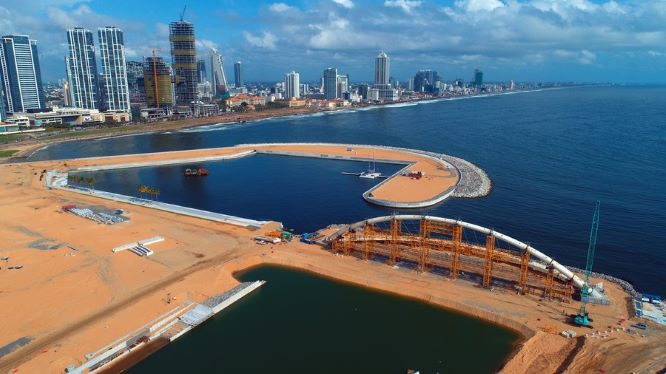
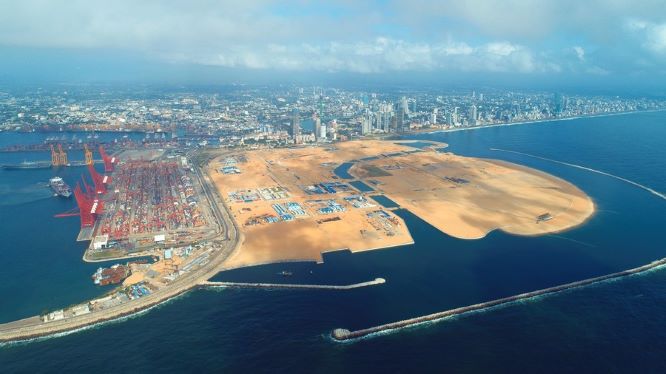
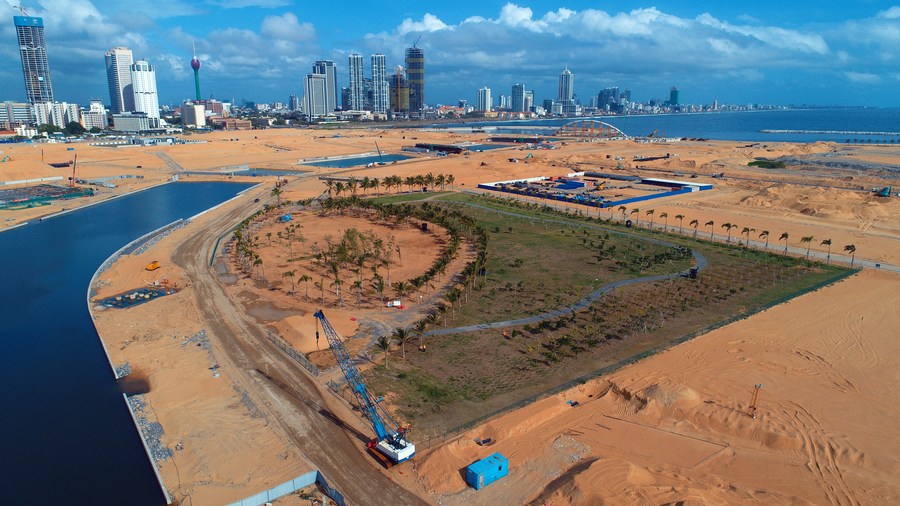
The Port City Project seems to be causing enormous environmental destruction. The landlords who own coastal lands from Preethipura to Pitipana (Negambo) have suffered tremendously during this year’s monsoon rains (July, August, and September). They remonstrate that the coastal erosion this year has been two or three times bigger than any previous year; and this has been due to the Port City project.

The Port City project has extensively dredged the ocean very close to these specific coastal areas. They had used large floating vessels for this purpose.

The vast amount of the excavated sea sand had been disposed of at the Port City for landfill.

Their acts have affected water turbidity and rise in the sea water table. The villagers say that this year they experienced extensive sea flooding and as a result had extensive land losses.

They say this year it is a story of ‘sea eating the land at home’.

They fear that the situation will be worse next year, and years to come.

Some villagers say they suspect that the company inside their vessels bagged the excavated sand for commercial purposes. The writer is unaware of the authenticity of this story.

These are some of the bad side effects of megaprojects.

Megaprojects can cause untold harm to the environment. In Sri Lanka this has been a recurring thing.

Rather than too much concentrating on megaprojects the governments should consider on small businesses. The governments should publicly acknowledge that small business is the main source of the country’s economic growth.

Small business dominates Singapore’s economy with over 95% of its businesses are considered small to medium scale enterprises.  These small businesses contribute over 50% of the national GDP. The story is similar in Australia.

Singapore has no foreign debt and has high government revenue. The country consistently produce an economic surplus.

Like Singaporeans Sri Lankans are also entrepreneurial, hardworking and determined. What they require is a small incentive from the government to start their small business. Then, they will continue with it and flourish.

To develop the country, the government must pay more emphasis on helping small businesses. This should be the government’s number 1 priority, not megaprojects.

It is small businesses that should create jobs and not the public service.

Giving incentive for small business can stop people from leaving the country looking for greener pastures. Many people are returning to Sri Lanka owing to the Covid 19 virus. These people must be encouraged to stay. It is the duty of the government to create opportunities for them to remain in the country; they could live around their families.

Today, it is very difficult for a person to obtain a personal loan, even a small amount from a bank. This especially applies to poor people who are required to provide valuable security and/or various guarantees. The current government is making strident efforts to resolve this anomaly.  This is part of the government’s Sawbaghyaye Dakma program; this should be commended.

What is important is for the governments to intervene and start initiatives to provide people with microloans so that they can start their own businesses. The previous government’s ‘Enterprise Lanka’ scheme was good.

In Sri Lanka even with a startup capital of Rs 100,000, a person can make a big difference in their business life. Many people want to become their ‘own boss’.

Microcredit is the best way of empowering women who are capable of uplifting entire communities. Grameen Bank founded in Bangladesh reports that the repayment success rates by women are between 95% and 98%. Grameen loans have been provided to people from buying a cell-phone to establishing a profit making venture – fishery, livestock, carpentry, masonry, tailoring, food preparation, cleaning, grocery store, typing services, IT related work and running passenger transport operation.

The microloans need to be low, fixed rate interest loans, with no fees and charges attached. As stated before, these loans should be available to people who want to start/expand their own small businesses.

Facilitating the Introduction of Urgent Bills through the 20th Amendment to the Constitution

September 28th, 2020

Lt Col. Anil Amarasekera (Retd.) Mr. K M B Kotakadeniya (Senior D.I.G. Retd.) Co-Presidents – National Joint Committee

Mr. Kalinga Indratissa PC
The President Bar Association of Sri Lanka,
Hulftsdrop Street,
Colombo 12.

Dear Sir,

Facilitating the Introduction of Urgent Bills through the 20th Amendment to the Constitution

The Government has presented to Parliament an amendment to the Constitution title 20th Amendment” which would allow urgent bills” to be brought circumventing the existing provisions that provides for the challenge of such bill before the Supreme Court. An Urgent Bill can be brought giving the Supreme Court only 24 hours to give its opinion on the constitutionality of such bill. The existing provisions gives a citizen an opportunity of challenging such bill within 7 days of the bill being presented in Parliament.

It was just the other day that the Government resisted an opposition call to reconvene parliament to pass laws that in their opinion would help combat the COVID-19 pandemic. It was the position of the Government before the Supreme Court that no new laws are needed to prevent the spread of the virus. We concluded a 30 year old war without any new law to combat terrorism.

If any existing law is obsolete or a new law is needed in an emergency situation the President has the power to declare emergency overriding, suspending or amending any existing law or to enact any new law pending approval of Parliament. When all these remedies are available one cannot understand the need to amend the existing Constitution to prevent the challenge of a Bill before the Supreme Court.

Although we are confident that His Excellency the President will not abuse such provisions, a future government can utilize these proposed provisions introduced through the 20th Amendment to prevent citizens challenging bills brought against the national interest. Whether this attempt to curtail the existing powers of the Supreme Court (to duly consider bills after giving a hearing to citizens) is an encroachment of the Judicial Power of the people and therefore a violation of the Sovereignty of the people that will attract a referendum may be considered by the Supreme Court and hence we do not wish to express any view.

However we wish to place on record that this attempt is a blow to democracy and a violation of the inherent rights of the people of Sri Lanka when we think of the possibility of a future government bringing legislation to facilitate the MCC agreement to provide the required land to the notorious American project. We also do not consider the proposed changes to give the executive the right to decide on the composition of the Judicial Service Commission, desirable.

In the circumstances we urge the Bar Association of Sri Lanka to intervene and ensure that these draconian provisions are not included in the Constitution through the 20th Amendment.

Lt Col. Anil Amarasekera (Retd.) Mr. K M B Kotakadeniya (Senior D.I.G. Retd.) Co-Presidents National Joint Committee

‘Doesn’t Belong Here’: Danish Prime Minister Lashes Out Against Sharia Law in Parallel Societies

September 28th, 2020

by  Courtesy Sputnik

As previous surveys have indicated, nearly four out of ten Danish Muslims would like to have the country’s laws at least partly based on Sharia law, and over 10 percent even said Denmark’s laws should be solely based on Sharia.

Danish Prime Minister Mette Frederiksen

Danish Prime Minister Mette Frederiksen has strongly denounced recent examples of Sharia law practised by certain imams in the country.

Among others things, controversial imam Abu Bashar (civil name Mohamad Al-Khaled Samha) from the city of Odense has demanded than women sign divorce contracts, which is contrary to Danish law. According to them, a woman loses custody of her children if she remarries or behaves in a way that “violates her own or her family’s honour”, and additionally must provide her husband with money to obtain a divorce.

Odense Mayor Peter Rahbæk Juel was shocked and distressed by the news.

“It is psychological violence, carried out by means of Sharia law. It’s unacceptable, and it hurts my stomach to read these things”, he told the newspaper Berlingske, calling this a “wake-up call” about the situation in parallel societies.

© AFP 2020 / MPSPrison Terror Suspect Held ‘Sharia Courts’ in Cell to ‘Recruit’ Fellow Inmates For Jihad – ReportThe imam was subsequently reported to the police for psychological violence, which is punishable by up to three years in prison. The extent of similar arrangements bypassing Danish law remains unknown.

Juel expressed hope that strong action will send “a clear societal signal to imams and preachers who practise Sharia law that it is punishable in Denmark”.

Frederiksen issued a stern condemnation, stressing that Sharia “doesn’t belong in Denmark”.

“It is wrong. It is oppressive of women. It is not Danish. And it must never, ever become Danish”, Frederiksen wrote in a Facebook post.

Furthermore, Frederiksen pledged that the government will do “everything in its power to stop this”.

“An imam should not interfere in divorce at all. It is only a choice to be made by the two persons who in their time entered into the marriage. Nobody else. This confirms our fearful suspicions about the undemocratic tendencies that exist in parts of Denmark”, Frederiksen wrote.

Previous surveys in the country indicated that four out of ten Danish Muslims would like to have laws at least partly based on Sharia law, and over 10 percent even said the nation’s laws should be solely based on Sharia.

A more recent report by the Danish Justice Ministry found that nearly eight out of ten Danish Muslims would like to make criticism of Islam illegal, as opposed to merely 18 percent of the general population.

Islam is Denmark’s largest minority religion at over 300,000 Muslims, or 5.4 percent of the total population.

The College of Community Physicians of Sri Lanka media Release on Attempts to Legalise Cannabis in Sri Lanka

September 28th, 2020

Dr. Nihal Abeysinghe College of Community Physicians of Sri Lanka

The College of Community Physicians of Sri Lanka (CCPSL) is the apex professional body for the practice of public health in Sri Lanka. The CCPSL is responsive to the current and emerging public health challenges and see it as our duty to advocate on issues with an impact on public health.

Cannabis or marijuana is an addictive substance that leads to many negative consequences to public health. Addictions reduce productivity and wellbeing of the individuals, reduce quality of inter-human relationships, incur costs on households and health care systems and burden communities and society with direct anti-social impacts such as thefts, violence and poverty. In the recent past, tobacco and pharmaceutical industries’ interests on cannabis had led to a well-funded global lobbying movement for its legalisation. As tobacco is going out of popularity, tobacco industry is searching for an alternative and many major tobacco companies have now invested on cannabis trade. For them, it’s simply replacing one leaf by the other in their supply and manufacturing processes.

World Health Organization highlights cannabis’ potential to be a gateway drug, which may lead to tobacco, alcohol or other illicit drug addictions in youth. Studies show that the concentration of the addictive chemical (Tetrahydrocannabinol – THC) in cannabis in the market today is as high as 30%, a drastic increase from what it used to be in the past (around 3%). Thus, the current cannabis varieties in the market have a huge potential to be addictive and cause more harm if its availability and accessibility is improved by legalisation of the trade. Just because a drug is legalised, its illegal form will not disappear from the market as evident from tobacco and alcohol trades. There is plethora of evidence of harms of its use, including addiction, psychosis, memory disorders, permanent damage to developing brains of young users, respiratory diseases, subfertility and even acute cardiovascular effects causing sudden cardiac deaths. It has also led to increased road traffic accidents in Canada and the few states of United States of America in which the drug is legalized for recreational use.

We acknowledge the use of cannabis in traditional medicine, and as currently it is legal and available for use for that purpose in Sri Lanka, we don’t see a justification to change the current status quo related to cannabis legalization status in our country. Recently we have noticed increased lobbying by different individuals and parties, who openly declare that they are cannabis users. We are surprised that the policymakers are publicly accepting the arguments of individuals addicted to an illicit drug and contributing to normalise its availability in the market. In addition, we observe that these lobbyists are publicly attacking the advocates of public health who raise their voices against this movement. We condemn such personal attacks on professionals and believe that these incidents indicate the negative impact on the society if this addictive substance become more available. We sincerely hope the government will show its interest in protecting the health of the public by not supporting this detrimental movement to legalise an addictive substance in Sri Lanka.

Dr. Nihal Abeysinghe

23rd September 2020

රත්නපුර මුද්දූවේ දී දරුවන් පිරිසක් අග්‍රාමාත්‍යතුමා වටකර ගනිති

September 28th, 2020

අග්‍රාමාත්‍ය මාධ්‍ය අංශය

ලෝක ළමා දිනයට ඇත්තේ තවත් දින දෙකකි. අග්‍රාමාත්‍ය මහින්ද රාජපක්ෂ මැතිතුමා දැයේ දරුවන්ගේ ආදරණීය අප්පචිචිය. 

අද 2020.09.28 දින රත්නපුර ප්‍රදේශයේ උත්සවයකට යන අතරවාරයේ අග්‍රාමාත්‍යතුමා රැගත් හෙලිකොප්ටරය ගොඩ බස්සන ලද්දේ රත්නපුර මුද්දූව ක්‍රීඩාංගණයටයි.

පාසල් දරුවන් රැසක් අග්‍රාමාත්‍යතුමා දැක ගැනීමට මුද්දූව ක්‍රීඩාංගණයට රොක් වී සිටියහ.

උත්සවයට යන ගමන මොහොතකට පමා කළ අග්‍රාමාත්‍ය මහින්ද රාජපක්ෂ මැතිතුමා ශ්‍රී සුමන මහ විදුහලේ දරුවන් ඇතුළු පැමිණ සිටි පාසල් දරුවන් සමඟ මොහොතක් ගත කළේය.

දරුවන්ගේ සුව දුක් විමසමින්, ඔවුන්ගේ අඩුපාඩු සොයා බැලීමට අග්‍රාමාත්‍යතුමා ඒ අසල සිටි ඇමතිනි පවිත්‍රා වන්නිආරච්චි මහත්මියට සහ රාජ්‍ය අමාත්‍ය ජානක වක්කුඹුර මහතාට උපදෙස් දුන්නේය.

උත්සවයට යාමට සැරසෙන අග්‍රාමාත්‍යතුමා වටකරගත් දරුවෝ එක පෙළට පෙළ ගැසෙමින් අග්‍රාමාත්‍ය මහින්ද රාජපක්ෂ මැතිතුමාගෙන් ආශිර්වාද ලබා ගැනීමට වූහ.

ඔයාලා හොදින් ඉගෙන ගන්න ඕන. අවශ්‍ය දේවල් අපි කරලා දෙන්නම්” යැයි අග්‍රාමාත්‍යතුමා දරුවන්ගේ මුවගට බලාපොරොත්තුවේ පහන් දැල්ලුවේය. 

අග්‍රාමාත්‍යතුමාගේ ප්‍රධානත්වයෙන් චීන මහජන සමූහාණ්ඩුවේ 71 වැනි ජාතික දින ශ්‍රී ලංකා සැමරුම පැවැත්වෙයි

September 28th, 2020

අග්‍රාමාත්‍ය මාධ්‍ය අංශය

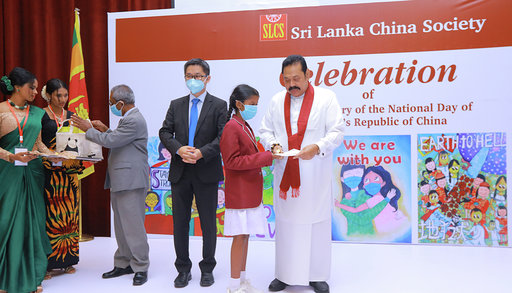
ශ්‍රි ලංකාවේ චීන සංගමය සංවිධානය කළ චීන මහජන සමූහාණ්ඩුවේ 71 වැනි ජාතික දින සැමරුම අග්‍රාමාත්‍ය මහින්ද රාජපක්ෂ මැතිතුමාගේ ප්‍රධානත්වයෙන් කොළඹ බණ්ඩාරනායක අනුස්මරණ ජාත්‍යන්තර සම්මන්ත්‍රණ ශාලාවේදී අද 2020.09.28 දින පස්වරුවේ පැවැත්විණි.

චිං රාජ වංශය බිදවැටීමත්, වූචං කැරැල්ල සහ චීන මහජන සමූහාණ්ඩුවේ ආරම්භයත් සිහිකිරීම වෙනුවෙන් සෑම වසරකම ඔක්තෝම්බර් 01 වැනිදා චීනය සිය ජාතික දිනය සමරනු ලබයි.

චීන රජය සංවිධානය කළ ආසියානු කලාපීය පාසල් චිත්‍ර තරගාවලියේ ප්‍රථම, දෙවන සහ තෙවන ස්ථාන සඳහා සහතිකපත් සහ ත්‍යාග ප්‍රදානය ද අග්‍රාමාත්‍යතුමා අතින් මෙහිදී සිදුවිය.

මෙයට සමගාමීව චීන-ශ්‍රී ලංකා පාසල් ළමුන් පවත්වනු ලැබූ චිත්‍ර ප්‍රදර්ශනය නැරඹීමටද අග්‍රාමාත්‍යතුමා එක්විය.

ඇමැතිනී පවිත්‍රා වන්නිආරච්චි, හිටපු කථානායක කරූ ජයසූරිය, හිටපු අමාත්‍ය ගීතාංජන ගුණවර්ධන, වැඩබලන ශ්‍රී ලංකා චීන තානාපති හූ වෙයි, ශ්‍රී ලංකා චීන සංගමයේ සභාපති ජෙනත් ද සිල්වා මහත්ම මහත්මීන් ඇතුළු සම්භාවනීය අමුත්තන් පිරිසක් මෙම අවස්ථාවට එක්ව සිටියහ.

දුෂ්කර සහ නොදියුණු විහාරස්ථානවලටත් රජයේ මූල්‍යාධාර ලබාදෙන්න අග්‍රාමාත්‍යතුමා උපදෙස් දෙයි

September 28th, 2020

අග්‍රාමාත්‍ය මාධ්‍ය අංශය

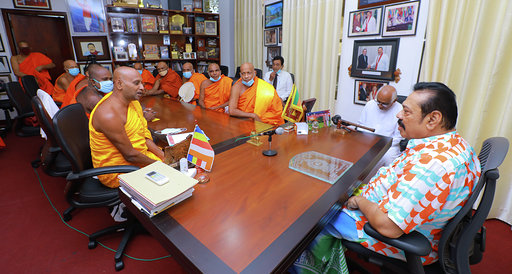
විහාරස්ථාන කිහිපයකට පමණක් රජයේ මුල්‍යාධාර සීමාවීම වැළැක්වීම සඳහා රට පුරා සියලු දුෂ්කර සහ නොදියුණු පන්සල්වලටද ඉදිරියේදී මුල්‍යාධාර ලැබෙන පරිදි රජයේ ප්‍රතිපාදන වෙන්කළ යුතුව ඇතැයි අග්‍රාමාත්‍ය මහින්ද රාජපක්ෂ මැතිතුමා අද 2020.09.28 දින පැවැසීය.

පසුගිය කාලයේ රජයේ මුල්‍යාධාර ලබා දීමේ වැඩසටහන්වලදී දියුණු විහාරස්ථානවලට රුපියල් මිලියන ගණනින් ආධාර ලබා දී ඇති බවත්, දුෂ්කර සහ නොදියුණු පන්සල් සංවර්ධනයට මුදල් වෙන් නොවීමත් සැලකිල්ලට ගනිමින් අග්‍රාමාත්‍යතුමා මෙම උපදෙස් ලාබා දුන්නේය.

කුරුණෑගල දිස්ත්‍රික්කයේ දොඩම්ගස්ලන්ද ආසනයේ සංවර්ධන කටයුතු කඩිනම් කිරීම සම්බන්ධයෙන් අග්‍රාමාත්‍ය මහින්ද රාජපක්ෂ මැතිතුමා සහ ශ්‍රී ලංකා ජාතික භික්ෂු පෙරමුණේ දොඩම්ගස්ලන්ද ආසනයේ භික්ෂූන් වහන්සේලා අතර සාකච්ඡාවක් කොළඹ විජේරාමයේ පිහිටි අග්‍රාමාත්‍ය නිල නිවසේදී පැවැති අවස්ථාවේ අග්‍රාමාත්‍යතුමා මේ බව අවධාරණය කළේය.

දොඩම්ගස්ලන්ද ආසනයේ පවතින ගැටලු ගණනාවක් පිළිබඳව මෙහිදී අග්‍රාමාත්‍යවරයාගේ විශේෂ අවධානය යොමුවිය.

නෙල්ලිගල රාජමහාවිහාරය පූජා භූමියක් ලෙස නම් කිරීම සහ විහාරස්ථානවල සංවර්ධන කටයුතු සම්බන්ධයෙන් බුද්ධශාසන අමාත්‍යංශයේ ලේකම් මහාචාර්ය කපිල ගුණවර්ධන මහතාට මෙහිදී අග්‍රාමාත්‍යතුමා උපදෙස් ලබාදුන්නේය.

දොඩම්ගස්ලන්ද ආයුර්වේද රෝහලේ පවතින ගැටලු පිළිබඳව අවධානය යොමුකරන ලෙස සෞඛ්‍ය අමාත්‍ය පවිත්‍රා වන්නිආරච්චි මහත්මියට උපදෙස් ලබාදුන් අග්‍රාමාත්‍යතුමා දොඩම්ගස්ලන්ද නගරයේ පවතින ප්‍රධාන අඩුපාඩුවක්ව පැවැති පොදු වැසිකිලි පද්ධතියක් ඉදිකිරීම ඇතුළු අනෙකුත් ගැටලු සම්බන්ධයෙන් අවශ්‍ය කටයුතු පිළිබඳව සොයා බලන ලෙස වයඹ පළාත් ආණ්ඩුකාර රාජා කොල්ලුරේ මහතාට ඒ මොහොතේදීම දන්වා සිටියේය.

ශ්‍රි ලංකා ජාතික භික්ෂු පෙරමුණේ දොඩම්ගස්ලන්ද ආසනයේ සභාපති කිරිදිවත්තේ සුමනසාර නායක ස්වාමින්වහන්සේ, ශ්‍රී ලංකා ජාතික භික්ෂු පෙරමුණේ දොඩම්ගස්ලන්ද ආසනයේ ලේකම් කටුකෙන්දේ චන්ද්‍රසිරි ස්වාමින්වහන්සේ, රිදීගම ශාසනාරක්ෂක බලමණ්ඩලයේ ලේකම් රම්බඩගල්ලේ තිලකවංශ ස්වාමින්වහන්සේ, දොඩම්ගස්ලන්ද ශාසනාරක්ෂක බලමණ්ඩලයේ ලේකම් කැකිරියේ විමලසිරි ස්වාමින්වහන්සේ, සහ  බුද්ධශාසන අමාත්‍යංශයේ ලේකම් මහාචාර්ය කපිල ගුණවර්ධන, අග්‍රාමාත්‍ය උපදේශක එස්.ලියනගම මහත්වරු මෙම අවස්ථාවට එක්ව සිටියහ.

Provincial Councils More problems than solutions

September 28th, 2020

By Sugeeswara Senadhira Courtesy Ceylon Today

On the sidelines of the debate on proposed 20th Amendment to the Constitution to end the period of instability in governance due to the creation of two power centres by the 19th Amendment reducing the powers of the Executive Presidency, another debate on today’s relevance of another amendment, 13A has also arisen.

The three-decade old system of Provincial Councils has become the main focus, as the majority opinion seems to be that the 13A has resulted in duplication of administrative structures and entities placing a heavy burden on rapidly dwindling Treasury resources. Furthermore, the devolution of powers to provinces did not solve the issue of militancy-turned-terrorism problem in the North and the East and it took two more decades to militarily eliminate the curse of terrorism.

The Second Republican Constitution of Sri Lanka introduced by the first Executive President, J.R. Jayewardene in 1978, was amended 19 times over the years and the 20th Amendment to the Constitution is already tabled in Parliament.

The 1978 Constitution was brought in as a solution to the country’s problems, but despite 19 amendments, the Constitution itself has become the source of many issues pertaining to the balance of powers between the Executive, Legislature and Judiciary, the preferential voting system, devolution under the 13th Amendment, and the creation of two power centres as a result of the 19th Amendment.

In accordance with the Indo-Sri Lanka Agreement signed by President Jayewardene and Indian Prime Minister Rajiv Gandhi in 1987, the 13th Amendment was enacted to set up the Provincial Councils. The provincial governance structure was established to devolve powers solely held by the Central Government as a solution for minority issues. But the Provincial Councils Law, enacted by the Government of President Ranasinghe Premadasa, failed to give due considerations to the Principles of Public Administration. As a result, wide powers were devolved to the PCs, thus shrinking the core administration of the Central Government.

Duplication of administrative structure

The duplication of administrative structure was the primary reason why the Provincial Councils have become white elephants. In 2013, the top public servant of the country, Lalith Weeratunga, the then Secretary to the President has said on Twitter that the Provincial Councils system is a white elephant.”

Under the old system, the District Administration was pivoted on the Kachcheri, which among other functions like enforcing the general laws and collecting revenue, also served as the provider of the general administrative services or the so-called housekeeping services such as providing space for the different departments or branch offices of the Central Government departments, providing centralised filing and record-keeping, centralised  communications etc, retired Civil Servant, R.M.B. Senanayake stated. The Government Agent was the Head of the Kachcheri and he was empowered in many laws and legislative enactments as the person in whom power is vested in the district for the implementation of these laws. But when the functions of the Central Government were devolved to the Provincial Councils, the Kachcheri continued to be under the Central Government, although the Government Agent was designated as the District Secretary. He should really serve as the Secretary to the Provincial Council. But instead of doing so and bringing the Kachcheri under the Provincial Council, the government of the day set up new institutions to function under the Provincial Council. So, there is duplication of the costs of the administrative establishment, Senanayake pointed out.

The five-year term of all the nine Provincial Councils lapsed and the provincial administration is currently under the Provincial Governors. Last year, the opinion of the Supreme Court on holding the continuously postponed PC Elections were sought and the Supreme Court clarified that the old Elections Act was no longer applicable and that the Elections should be held according to the provisions of the newly proposed Act, of which the delimitation report is a compulsory pre-requirement. The Government appointed a committee to compile the delimitation report in accordance with the new Bill on Provincial Councils Elections, which later presented its report to Parliament. This report was defeated by a two-thirds majority. Hence, the issue is deadlocked.

Last year, SLPP Chairman, Professor G.L. Peiris also raised the question of the future of Provincial Councils. People would question the practical need for Provincial Councils if the Government delayed elections to them any further,” he warned.

Rear Admiral Sarath Weerasekara, State Minister of Provincial Councils, asserted immediately after assuming office that land and Police powers will not be given to Provincial Councils. Such powers will not be given to Provincial Councils until the harmful elements of the 13th Amendment to the Constitution are abolished,” he said.

Last month, the National Joint Committee (NJC) has urged the Government to scrap the provincial council system and do away with the existing proportional representation system of elections. We have now existed without these provincial councils for almost three years. The provincial councils are white elephants which this country cannot afford. The 13th Amendment provides for the creation of ethnic enclaves by amalgamation of provinces,” the NJC statement said.

Indo-Sri Lanka Agreement

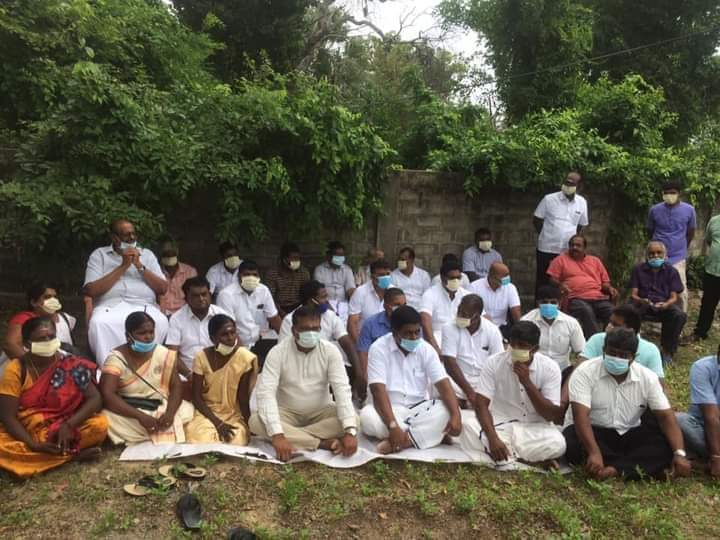
When the Indo-Sri Lanka Agreement was signed, then Opposition Leader Sirimavo Bandaranaike lead a Satyagraha against it at the Bo Tree in Pettah and the leaders who were sitting with her included the current Prime Minister Mahinda Rajapaksa and Foreign Minister Dinesh Gunawardena. They opposed the Provincial Councils Act and after the PCs were established by the Jayewardene Government with its steamroller majority, the Sri Lanka Freedom Party boycotted the PC Elections for a decade.

Former Minister Milinda Moragoda also proposed last year that the 13th Amendment to the Constitution should be repealed and the Provincial Council system should be abolished, because they have become white elephants costing Sri Lankan citizens over Rs 250 billion annually. With the Provincial Councils out of the way, power should be devolved to specially to empower local councils and municipalities,” he said. Interestingly, Moragoda has been named next High Commissioner to India.

Since the 1987 Indo-Lanka Pact, the wheel has turned a full circle and the Sri Lanka Podujana Peramuna Government is today equipped with a two-thirds majority to decide the fate of the Provincial Councils.

Govt. to give school uniform material instead vouchers

September 28th, 2020

Courtesy Adaderana

The Cabinet of Ministers has decided to provide uniform material for school children instead of the vouchers.

Reportedly, the decision will be implemented from the next year.

The Cabinet meeting, chaired by President Gotabaya Rajapaksa, was held this evening (28)

President explores possibility of producing school uniforms locally

September 28th, 2020

Courtesy Adaderana

President Gotabaya Rajapaksa explored the possibility of assigning the larger percentage of supply of school and security forces uniform material to local industrialists, today (28).

President emphasized that it is imperative to commence the production of standard and high quality textiles immediately, stated President’s Media Division.

President made these comments following his inspection visit to Dankotuwa Textile Mill, Dankotuwa, Vanguard Industrial (Pvt) Ltd, Kandana and Creative Textile Mill (Pvt) Ltd, Wattala in the Dankotuwa Industrial Zone today.

During the visit, numerous garment industrialists conveyed that following the uniform coupon system, they had to shut down a number of their production facilities which were built at a capital expenditure while a large number of employees were laid off as well.

President first visited the Creative Textile Mill (Pvt) ltd in the Dankotuwa Industrial Zone. The company which was an investment of Rs 2,000 million remains shut down since 2015. Despite its discontinued production and income, the proprietor had to pay an interest of Rs 8 million to banks annually, PMD said.

PMD states that Creative Textile Mill has been importing threads from India, Pakistan and China to produce clothing material and managed to employ 500 people. The production capacity of the facility is to be increased to 100,000m per day. Annual school uniform estimated at 11 million.

President Rajapaksa had motivated the managerial level staff to recommence their apparel production and requested them to figure out a plan for the self-employed entrepreneurs to contribute to the demand for the school uniforms.

We can reduce the import cost by 68% if we can boost the local textile production”, President highlighted. It was also revealed that with the purchase of local garments, Ministry of Education could save up to Rs 80 million annually.

The President also drew attention to the issues raised by the local political authority and the people regarding the Industrial Estate of Dankotuwa.

Vanguard Industries (Pvt) Ltd, Kapuwatta, Kadana, which supplied 40% of the school uniform requirement before 2015, is now engaged in producing bed sheets and towels, PMD said.

President Rajapaksa, who observed the overall production process of the company, encouraged the management to increase the capacity to meet the demand for fabrics in the local market. The management stated that their establishment has the capacity to supply 30% of the school uniform material requirement.

President Rajapaksa also inspected Creative Textile Mill pvt Ltd, Wattala, a branch of Dankotuwa Textile Mill (pvt) ltd. Fabrics for the uniforms of the tri-forces are manufactured there. The Company employs over 1500 people. One of the primary functions of the company is to dye fabrics as required by the security forces. The Management told the President that imported fabrics are not tested and that there is a high cost involved in testing local fabric products.

They pointed out that laundry detergents are not properly regulated and as a result of this a significant amount of damage can happen to the colour of the fabric. The President urged them to take advantage of the assistance provided by the government to local industrialists and strive hard to win both local and foreign markets.

President Rajapaksa inspected the production of the National and Buddhist flags in the company and instructed the owners to increase the production to meet the local demand accordingly.

Minister Wimal Weerawansa also accompanied the President on the observation tour.

Two (02) more persons confirmed for Covid -19: SL Country total increases to 3,362

September 28th, 2020

Courtesy Hiru News

Two arrivals from Lebanon, tested positive for COVID-19, increasing total infected in Sri Lanka to 3,362.

Pujith admits police negligence in Easter attack (Video)

September 28th, 2020

Courtesy Hiru News

IGP Pujith Jayasundara who has been sent on compulsory leave, admitted today (28) that Saharan Hashim, who led the Easter Sunday attack, was able to operate freely in Sri Lanka due to the negligent actions of the Police Department.

This was while giving evidence before the Presidential Commission of Inquiry probing into the Easter attacks.

How did 13th amendment become part of Indo-Lanka Accord & India’s role in it

September 27th, 2020

The Letter sent by TULF to PM Rajiv Gandhi on 28 Oct 1987 provides clue to how 13A evolved. The history of the events should awaken Sri Lanka’s advisors promoting the theory that ‘we cannot anger India’ ‘we have to comply with India’ to also accept Sri Lanka’s eventual fate that would leave Sri Lanka without Sri Lanka and politicians without power. The letter by TULF leaders to Indian PM and the references in it reveals that the 13thAmendment & Provincial Council System with merger of North & East was birthed by India and not by Sri Lanka’s Tamil leadership or LTTE.

  1. Sampanthan, M. Sivasithamparam and A. Amirthalingam
http://www.thesundayleader.lk/archive/20080217/issues.htm

TULF President Sivasithamparam, TULF Secretary General Amirthalingam, TULF Vice President Sampanthan wrote a letter to the Indian PM Rajiv Gandhi on 28 Oct 1987 on 2 Bills – the 13thAmendment to Sri Lanka’s Constitution & the Provincial Councils Bill. What they wrote to India is poignant in today’s contest of 13a and India’s role.

These are the key points that the 3 TULF leaders raised in their letter to the Indian PM

  • The 13A Bill and the Provincial Council Bill DO NOT MEET the ASPIRATIONS of the Tamil People.
  • Since 1983 TULF negotiated with the GOSL through Govt of India to arrive at a comprehensive DEVOLUTION
  • TULF had requested Indian PM in July 1987 before arriving in Sri Lanka to sign Indo-Lanka Accord to have a team of Indian experts work with Sri Lanka to draft necessary legislation. However, Indian experts had not been involved in drafting of 13a or PC Bill (as per TULF letter) A draft legislation copy was not made available to India as per TULF.
  • TULF Leaders met President J R Jayawardena on 29 September 1987 to request him to show draft to India
  • However, 13A Bill and PC Bill was gazette without being made available to India. TULF says this is a breach of 2.15 of Indo-Lanka Accord residual matters shall be resolved between India & Sri Lanka”.
  • TULF confirms that India had to exert great pressure for President JR to agree to 1 administrative unit for North & Eastern Provinces (One Provincial Council – One Governor, One Chief Minister & One Board of Ministers) The continuance of this was to be subject to a referendum in Eastern province by 31 December 1988 which President JR could postpone. TULF had objected to a referendum.
  • TULF claims both Bills are a farce to the Tamils as the single administrative unit is to be set up by Executive Act of President which he can revoke.
  • TULF says Section 154 of 13thA is dubious and can be interpreted to mean a perpetual power is vested in Parliament to legislate and that a single administrative unit for North & Eastern Province is only an impermanent arrangement.
  • TULF claims that powers to be devolved to the Provincial Councils should be the same as those enjoyed by the States in India.
  • Discussions between GoSL & TULF in July/August 1986 agreed that legislative power of province in respect of provincial subjects would be near absolute & governor would be ceremonial head. (there was no provincial councils in 1986 – this means discussions did exist before Indo-Lanka Accord of 1987 – on whose initiation is the question that needs to be answered)
  • TULF says the 13thA Bill and PC Bill retain power of Parliament to amend or repeal chapter pertaining to PCs, the lists of subjects & power of Parliament to legislate even on subjects transferred to PCs by a 2/3 majority and approved by People at a referendum.
  • TULF says the 13thA and PCs retain Executive power of President via Governor appointed by Article 4(b) and 154(f)(2)
  • TULF says that during the 1986 discussions GoSL indicated that the number of ministers of the province would not exceed 1/3 total members. NE Province would have 71 members. TULF proposed that members should not exceed 1/5 of total members. TULF says that the number of Ministers reduced to 4 is with ulterior motive to promote discord and diminish the importance of PC
  • TULF says List of Subjects was to conform to Indian pattern, Concurrent List is heavily loaded and Provincial List is starved.
  • TULF complains that – Fisheries other than beyond Territorial Waters, Agriculture, Animal Husbandry, Industries, Redemarcation including creation of Districts, Assistant Government Agents divisions, and Grama Sevaka Divisions, restoration, reconstruction of destroyed towns, villages, properties, compensation or relief to persons who have sustained loss or damage, palmyrah plantation and palmyrah industry, coconut plantation and industry related thereto, the ownership, management and control of state-owned industrial enterprises within the province dependant wholly or mainly on raw materials found in the province (recommended by the Political Parties Conference), Co-operative Banks, Prisons, Provincial Public Service, Provincial Public Services Commission, Local Government Service, Inquiries, Surveys and Statistics for any of the purposes in the Provincial List are not included in the Provincial List (as per discussions that agreed to follow an Indian format)
  • TULF says that subject of Land & Land Settlement in Appendix-II of the Bill is worse than the Appendix attached to proposals on 23 September 1986
  • TULF says that TULF cannot accept
  • Inclusion of State Land in Reserved List
  • State Land continuing to be vested in the State & power of disposition by President
  • Denial of Right to Province, though land is a devolved subject ipso facto use of State Land for devolved subjects
  • Restriction of right of province to administer & control only land made available to it
  • Stipulation that alienation & disposition of State Land within Province to any citizen or organization is by President.
  • Wide definition given to Inter Provincial Irrigation & Land Development Projects, principle of National Ethnic Ratio in such projects, right given to GOSL to determine selection of allottees for usch lands
  • Failure to formulate principle of Cumulative Entitlement of Tamil speaking people in schemes under Mahaweli Project in Eastern Province & failure to incorporate with Appendix-II the Annexure on settlement in Eastern Province under Mahaweli Project.
  • TULF says PC’s have been reduced to a nonentity – State Land though is a devolved subject yet enables Central Government to have a dominant power over State Land.
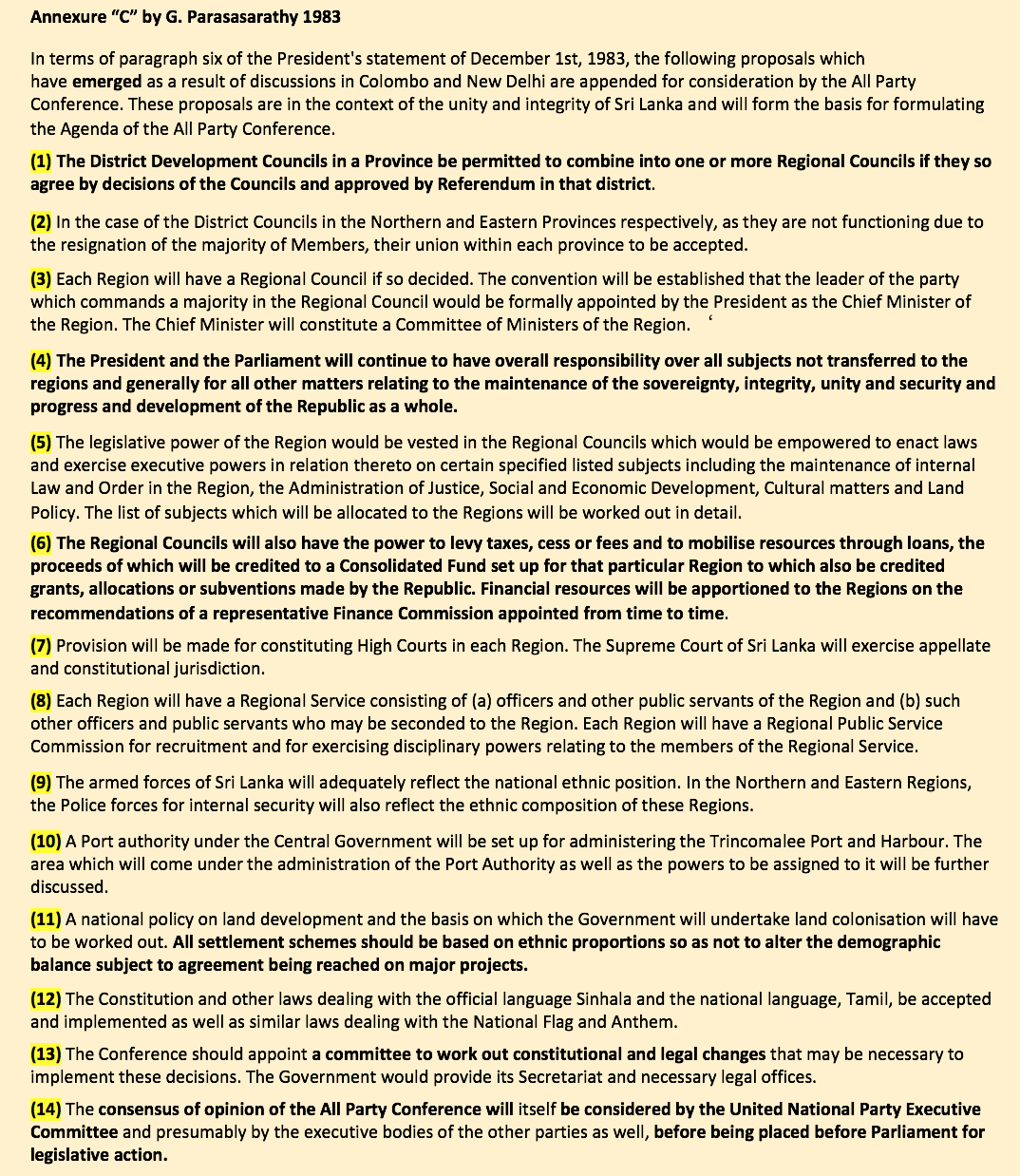
  • TULF says subject of Ports is included in Reserved List. Trincomalee will come under Central control – Annexure C. TULF says that in 1984 after finalizing Annexure C, 5150 acres of land around Trincomalee Port was vested to the Port Authority.
  • TULF says that contrary to the GoSL’s draft proposals to amend constitution of 23 September 1986 stating that ‘Provisions regarding Provincial Public Service to be included” resulted in Provincial Public Service and Provincial Public Service Commission not being included to Provincial Councils Bill.
  • TULF says that its proposals were disregarded and the appointment, transfer, dismissal, disciplinary control of Provincial Public Servants was vested in the governor
  • TULF says that the credible autonomy to the PCs that was expected are denied as both Bills enable Parliament & Executive to curb powers of the PCs.
  • TULF says that Clause 2 of 13A making Tamil also an Official Language is nullified in paragraph (f) – Parliament shall by law provide for the implementation of the provisions of this Chapter”
  • TULF ends letter to Indian PM by appealing to India to ask President Jayawardena not to proceed with the 2 Bills in Parliament in its present form

There are a series of questions that arise from this letter.

Does the Indo Lanka Accord refer to 13a & PCs – No

How did 13a and PC system come about?

Then there is reference to Annexure C – what is this?

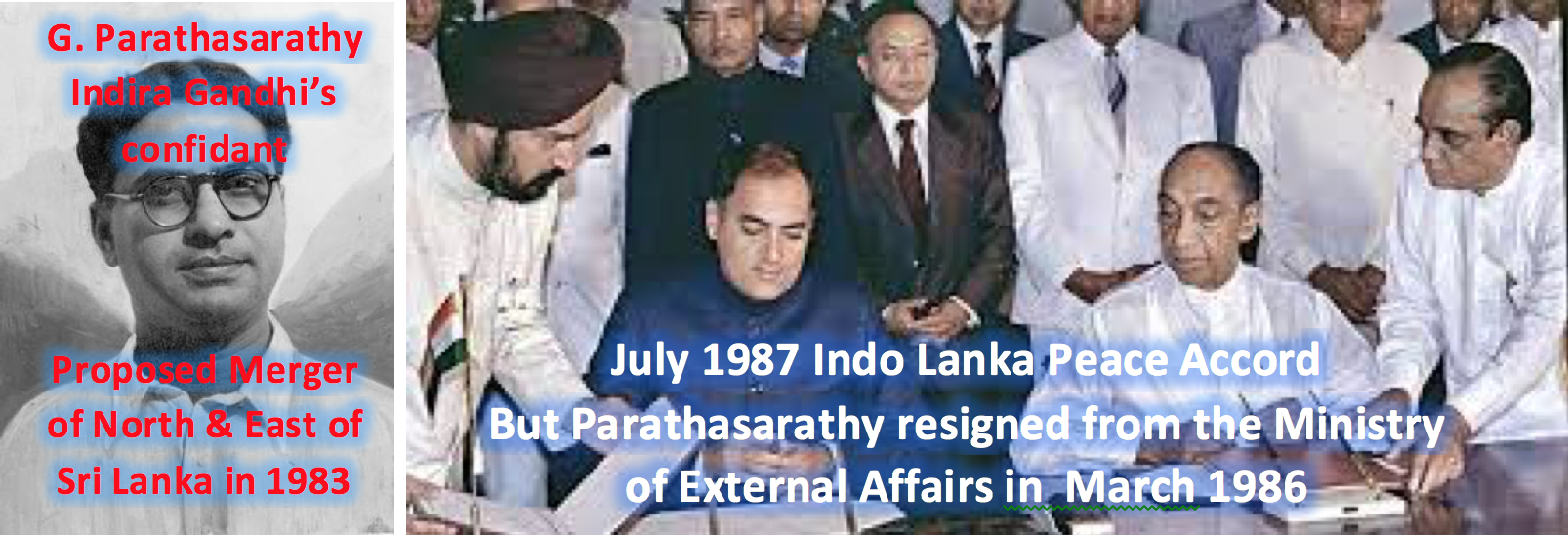
Following 1983 Indian PM Indira Gandhi sent her representative G. Parthasarathy to Sri Lanka. Proposals from discussions in Aug/Nov 1983 were known as Annexure C. These proposals were not presented during the December 1983 All Party Conference which ended in December 1984.

Parathasarathy had no role in Rajiv Gandhi’s administration & thus the incoherence in the Indo-Lanka Accord with the Provincial Council & 13A both of which were signed after he resigned in March 1986.

November 1984– LTTE kills innocent villages in Kent & Dollar Farms

In December 1984President Jayawardena presented draft 10thamendment & draft District & Provincial Councils Development Bill. It was a form of decentralization at District level to the Provincial level. TULF rejected the proposals.

In June 1985President JR visited India (weeks before Prabakaran was in Pondicherry meeting senior RAW officials) and a ceasefire was agreed & India was to help direct negotiations. A Sri Lankan team of legal/constitutional experts visited India.

In July-August1985 Thimpu talks commenced. Sri Lanka agreed to form separate Provincial Councils with limited powers but Tamil militant groups wanted right to self-determination & a homeland merging North & East.

India decided to directly hold talks with LTTE & GOSL separately. These talks ended on 30 August 1985. Sri Lanka presented a Draft Framework of Accord & Understanding https://tamilnation.org/conflictresolution/tamileelam/85workingpaper.htm

– this draft included creation of Provincial Councils (Separate Provincial Councils for the North & East) amending Sri Lanka’s constitution with limited devolution. LTTE rejected these proposals.

6 advisers to the Sri Lanka delegation. They were – Mr. G.V.P.Samarasinghe, Secretary to the Sri Lanka Cabinet of Ministers;  Mr.Bernard Tillekeratne, Sri Lanka High Commissioner to India; Mr.C.Mahendran, Director General, Sri Lanka Ministry of Foreign Affairs; Mr. Tissa Jayakody, Deputy High Commissioner for  Sri Lanka in Madras, Mr.S.M.L. Marikar, Additional Secretary to the Sri Lanka President; and Mr. Nalin Abeysekera, Legal Draftsman. The Secretary to the Sri Lanka Delegation was Mr.E.F. Dias Abeysinghe.

https://tamilnation.org/conflictresolution/tamileelam/85thimpu/index.htm

In December 1985TULF forwarded its proposals combining North & East into a single Tamil linguistic state but within the framework of a United Sri Lanka (not Unitary) with nod of approval by India.

Notice how UNITED Sri Lanka replacing UNITARY is being attempted since 1980s.

In January 1986 Sri Lanka rejected the TULF proposals on the grounds of it abandoning UNITARY status. India’s role was suspended for 6 months. India recommenced assisting Sri Lanka with a delegation led by Minister P Chidambaram.

May/June 1986new proposals were handed by GoSL to India who forwarded same to TULF. GoSL agreed to

  1. Devolution of power to PCs within framework of unitary Sri Lanka – retention of existing provinces as a unit of devolution but no merger.
  2. Establishment of PCs and devolution of powers & its functioning
  3. Specific proposals regarding devolution of Law & Order & Land Settlement

September 1986– Draft Constitutional Amendments, draft Provincial Councils Bills, Schedules setting out Reserved, Concurrent & Provincial Lists, detailed memoranda dealing with Law & Order, Land & Land Settlement & Education discussed.

October/November 1986– Tamil Nadu Government & Sri Lanka Tamil militant groups discuss Sri Lanka proposal. The Tamil militant groups claimed they were dissatisfied with the law & order, land settlement aspect.

November 1986 –SAARC Summit – President JR and PM Rajiv hold discussions. President Jayawardena suggests Easter Province be divided into 3 provinces based on ethnicity. Correspondence between Indian PM and Sri Lanka President reconfirms Sri Lanka’s commitments & India’s position – http://www.austlii.edu.au/au/journals/AUIntLawNews/1986/38.pdf

What is clear is that the solution of devolving powers to Provinces evolved from discussions from CHOGM Nov 1983 – 1986 and was a pre-cursor to the Indo-Lanka Accord of 1987. It was as if India was manipulating both LTTE/Tamil Political Parties & GoSL to make them believe they were creating a solution that was invariably to India’s favor/advantage, Indira Gandhi’s close associate G Parathasarathy playing a lead role proposing Annexure C that demanded the merging of North & Eastern Provinces.

1980 – the Development Councils Act

1984 – Parthasarathy Proposals and Annexure C” (1984

1987 – Indo-Sri Lanka Agreement and the Thirteenth Amendment (1987),

1992 – Interim Report of the Mangala Moonesinghe Parliamentary Select Committee

1995 – Devolution Proposals (August 1995 and January 1996),

2000 – Draft Constitution of the Republic of Sri Lanka Bill (2000).

Bernard Tilakaratne in Sri Lanka Government & Peace Efforts up to the Indo-Lanka Peace Accord: Lessons & Experiences” (Feb1998) explains how Parathasarathy pressured President Jayawardena to accept proposals merger of North & East part of India’s proposals called Annex C”.

Wake up Sri Lanka’s leaders. You are foolishly weakening Sri Lanka & making Sri Lanka vulnerable. The need for transparency in the discussions is important as the secrecies of the past has resulted in weakening Sri Lanka with advisors not seeing the dangers in store. The general public and patriotic voices are better advisors to protect Sri Lanka than all of the advisors Sri Lanka has had in the past. The outcome of the PCs and the discussions that proposed the tweaking of Sri Lanka’s constitution shows that Sri Lanka’s advisors cannot be trusted to protect Sri Lanka’s sovereignty & territorial integrity.

Shenali D Waduge

Mahaveli is a success. But ….

September 27th, 2020

Chanaka Bandarage

The Mahaveli Development Program is the largest multipurpose national development program of Sri Lanka. The program included irrigation development of about 365,000 hectares of land and development of hydro power of 470 MW capacity.

The original master plan was for the completion in 30 years, but in 1977 it was expedited to be completed in 7 years.

The final phase, Moragahakanda, was completed in 2018.

The program encompasses seven administrative districts and covers approximately 1/6 of the island’s land mass.

Much has been written praising the Mahaveli Program which opened up thousands of new agricultural lands and created volumes of hydro power.  There is no doubt that framers in the dry zone were hugely benefitted.

Mahaveli created eight major hydropower projects – Bowatenne, Kotmale, Maduruoya, Polgolla, Randenigala, Victoria, Rantambe and Moragahakanda. All of these were multimillion dollar mega projects. The effects that they had on the environment, fauna and flora is unprecedented.

Not much has been written about the negative effects of the Mahaveli Program. This short article attempts to address some of them.

Hundreds and thousands of virgin forests were cleared for the settlement of new settlers. It is estimated that over 256,000 hectares of virgin forest lands became Mahaveli land.

Large swaths of fertile land went under water and thousands of people were forcibly uprooted from their ancestral lands. Many people left their lands with tearful eyes.  Some of the lost lands were the best, most fertile and valuable agricultural lands of the country (eg. lands in Teldeniya, Kotmale, and Elahara).

Thanks to the accelerated Mahaveli Program, the human – elephant conflict took an adverse upturn.  As more and more downstream settlement projects were implemented, these large mammals had no other alternative but to encroach into newly formed human settlements.  The massive deforestations directly blocked the ancient elephant corridors. Other wildlife too lost their habitats; they either became extinct or endangered.

Thousands of humans and elephants have died as a result of this fierce battle between two intelligent animal species. The conflict is ongoing; for over 40 years we are grappling with the problem. It seems we do not know the solution!

The damage caused to paddy and other crops by the displaced elephants and other animals such as monkeys, wild boar, deer/sambhar and peacocks etc is immeasurable.

Veddah communities lost land that they had enjoyed from time immemorial.

In some areas, due to the building of huge dams, the healthy Mahaveli is ‘almost dead’. One could notice that the river in Thennekumbura – Haragama areas now has very little water. Large granite rocks that were previously submerged have become permanently exposed due to the dearth of water resulting from the dams.

The large shark like fish (some were capable of growing to over 8 feet in length) that roamed Mahaveli is no more; they have disappeared forever. The dams blocked their free flow movement within the river. Also, they destroyed local ecosystems thus the fish that swam upstream to mate became extinct.

By 1990s hydropower has become extremely unpopular worldwide. This is due to the harm it causes to communities and ecosystems. The world by then understood that the environmental disturbance the hydropower dams contribute had greatly reduced the world’s endangered species. But, Mahaveli had done its damage then.

The environmental damage/destruction the Mahaveli Program has done is enormous (the strange situation is that in Sri Lanka we continue to build large and small hydropower stations at great cost to the environment.  The writer states that Sri Lanka should have stuck to clean coal power stations instead. All developed nations developed from coal power (some later developed nuclear energy). China and India continue to build coal power stations at a breakneck speed, knowing that it is the most reliable and cost effective source of power generation. They are on a race to become very wealthy. Norochcholai alone provides the country with 300 MW power – approximately 2/3 of the power generated by the eight Mahaveli hydropower projects combined!).

Major effects of salinity has been reported in some Mahaveli areas (eg system H irrigation area, especially in the Kalawewa basin).

It is not a secret that the Mahaveli Program was a source of illicit money making for unscrupulous politicians, their cohorts and government administrators. Some say it is the Mahaveli Program that introduced mega style corruption in Sri Lanka. Today, the practice has become the norm.

The intention of this article is not to undermine the huge gains that the country has secured from the Mahaveli Program, but only to highlight some of the major negative effects.

Nelson Mandela’s Statue

September 27th, 2020

Garvin Karunaratne 

On the eve of erecting Nelson Mandela’s statue one must reflect the true Nelson Mandela. In this connection a Paper written by me long ago would provide useful evidence..

Travel With Chatura | රුවන්වැලි මහා සෑය

September 27th, 2020

Travel With Chatura

Ruwanweliseya Stupa (Ruwanveli Seya Stupa), the foremost of the supremely glorious ancient living monuments of Sinhalese Buddhist Heritage at the city of Anuradhapura .

The new Crest Gem placed atop the historic Ruwanweli Maha Seya was unveiled recently. The unveiling ceremony of the Crest Gem was attended by the Mahanayake Thera of the Malwatte Chapter Ven. Thibbatuwawe Sri Siddhartha Sumangala Maha Nayake Thera.

The replacement of the old Crest Gem, the Pinnacle of the Maha Seya is being gold plated. Both the Crest Gem and the Pinnacle are more than 80 years old. The previous Crest Gem was found cracked and discoloured.

ජාත්‍යන්තර සංචාරක දින පණිවිඩය

September 27th, 2020

ශ්‍රී  ලංකා ප්‍රජාතාන්ත්‍රික සමාජවාදී ජනරජයේ අග්‍රාමාත්‍ය මහින්ද රාජපක්ෂ 

සංචාරක කර්මාන්තයේ ඉදිරි ගමන් මඟ නව මාවතක් ඔස්සේ යොමුව ඇති යුගයක, ජාත්‍යන්තර සංචාරක දිනයට සුභ පැතුම් පණිවිඩයක් නිකුත් කිරීමට ලැබීම පිළිබඳව ප්‍රථමයෙන්  මම සතුටට පත්වෙමි.

සංචාරක කර්මාන්තයේ වැදගත්කම ලොවට විදහා දැක්වීම සඳහා එක්සත් ජාතීන්ගේ ලෝක සංචාරක සංවිධානය ප්‍රථමවරට ලෝක සංචාරක දිනය පවත්වන ලද්දේ 1980 දීය. එතැන් සිට අද දක්වා සෑම වසරකම සැප්තැම්බර් 27 වන දින ලෝක සංචාරක දිනය සමරනු ලබයි.

ලෝක ප්‍රජාව තුළ සංචාරක ව්‍යාපාරයේ භූමිකාව පිළිබඳව දැනුවත් කිරීම සහ ලෝකය පුරා සමාජ, සංස්කෘතික, දේශපාලනික සහ ආර්ථික වටිනාකම්වලට සංචාරක කර්මාන්තයේ බලපෑම නිරූපණය කිරීමේ අරමුණින් සමරන ජාත්‍යන්තර සංචාරක දිනය පෞඩ ඉතිහාසයකට හා සංස්කෘතියකට උරුමකම් කියන අප වැනි රටකට කදිම අවස්ථාවන් නිර්මාණය කරයි.

අතීතයේ පටන්ම විදේශීය ආකර්ශනය නොමදව දිනාගත් දිවයිනක් වන ශ්‍රී ලංකාවේ පවතින ස්වාභාවික පිහිටීම, යහපත් දේශගුණික තත්ත්වය, ආධ්‍යාත්මික සුවය හා සරල ජීවිතය, ස්වාභාව සෞන්දර්යෙන් ලබන වින්දනය, විවේකය, ඓතිහාසික වටිනාකම මෙන්ම ස්වභාව සෞන්දර්යේ පවතින අපූර්වත්වය සුවහසක් ලෝකවාසී සංචාරකයින් ශ්‍රී ලංකාවට ඇදී ඒමට ප්‍රමුඛතම සාධකයකි.

ස්වභාව සෞන්දර්ය මෙන්ම ආගන්තුක සත්කාරයෙන් අනූන රටක් ලෙස අපට ලොව හමුවේ ඇත්තේ සාඩම්බර අභිමානයකි.

වත්මන් ලෝකය දෙස බලන විට ලෝක ආර්ථිකයට සෘජු බලපෑමක් සංචාරක කර්මාන්තය මඟින් එල්ල වන බව පැහැදිලිය. මෙය ශ්‍රී ලංකාවට ද පොදු වූ කරුණකි. කොවිඩ්-19 වසංගත තත්ත්වය හමුවේ ශ්‍රී ලංකාවේ පමණක් නොව මුළු ලෝකයේම සංචාරක කර්මාන්තයට සිදු වූ බලපෑම අතිමහත්ය. එම තත්ත්වය තේරුම් ගනිමින් සංචාරක කර්මාන්තය ආශ්‍රිත ප්‍රවර්ධනයන් තුළින් රටේ ආර්ථිකය කෙරෙහි සංචාරක කර්මාන්තයෙන් ලැබෙන දායකත්වය ඉහළ නැංවීමට අප රජයක් ලෙස කටයුතු සැලසුම් කර ඇති බව මෙවර සංචාරක දිනයේදී ප්‍රකාශ කිරීමට කැමැත්තෙමු.

කොවිඩ්-19 තත්ත්වයට ද මුහුණ දෙමින් සංචාරක කර්මාන්තයේ අභියෝග ජය ගැනීමට අපි රටක් ලෙස පෙළ ගැසෙමු.

මහින්ද රාජපක්ෂ ශ්‍රී  ලංකා ප්‍රජාතාන්ත්‍රික සමාජවාදී ජනරජයේ අග්‍රාමාත්‍ය

Sri Lanka ranks second in survey on successful COVID-19 control, economic recovery

September 27th, 2020

Courtesy Adaderana

Sri Lanka, bested by China, came in second in terms of COVID-19 epidemic prevention measures, economic recovery and international cooperation out of 108 countries surveyed by the Yicai Research Institute, part of the country’s largest financial media group Yicai Media Group.

Nine out of the top 10 countries were in the Asia-Pacific region, namely South Korea, Sri Lanka, Myanmar, Thailand, Vietnam, Cambodia, Australia and New Zealand, according to the report released. Ghana was in third place.

Germany was the highest-scoring European country, coming in 23rd, with Austria, Greece and Switzerland also among the continent’s better performers.

The US and Brazil, both countries with leaders who initially downplayed the problem and with lower levels of co-operation by the public, ranked 98th and 89th respectively.

Sweden, which opted for the controversial policy of herd immunity, came in at number 90.

The Yicai Research Institute used the SEIR epidemiological model to predict the state of the pandemic in different nations, classing them as Susceptible, Exposed, Infectious or Removed, as well as its own self-developed ‘social network-based virus transmission model.’

Countries with strict epidemic prevention policies, such as China, South Korea and Italy, all had the pandemic under control and logged less than one newly confirmed case in July, the models showed, which based their calculations on earlier disease trajectories and with the assumption that asymptomatic cases continued to be present.

For those countries that had the outbreak under control in its early stages and then saw new clusters emerge all had more than one new infection in July, indicating that consistent epidemic prevention and control measures are essential.

Until an effective vaccine is widely available, the novel coronavirus will co-exist with humans, the report concluded. Effective governance that responds quickly using technological means and which can depend on public support is an effective strategy to deal with the pandemic.

Coming of the New Age

September 26th, 2020

H. L. D. Mahindapala

When in two successive silent revolutions the Sinhala-Buddhist voters confirmed, with  pencilled crosses, their commitment to regain their lost hopes and heritage and usher in a new age, the stunned political scientists and other assorted pundits, mainly in the media, did not know what  hit them. What threw them off balance, in the first place, was the sheer magnitude and the force of the Sinhala-Buddhist wave that swept the nation. Second, the two silent revolutions debunked their fictitious theories about the power of the minorities to sit in the middle and dictate terms to both major parties. Third, they were aghast at the sudden collapse of the cardboard edifice they constructed under the Yahapalana regime with the minorities and NGOs. Fourth, the Right-wingers allied to the minorities and NGOs were all swept aside and thrown into a black hole from which no light emerged to guide them out of it.

The fifth also stands out as a key factor: the violence and the arrogance of the minorities, particularly the burst of Muslim terrorism combined with Wahabist extremism and Middle-Eastern money, threw the Christian Sinhalese into the arms of the Buddhist Sinhalese. Together they formed a formidable monolith for the first time. Here ethnicity overtook religion. To a great extent the arrogance and the violence of the aggressive minorities galvanised the majority to form a defensive coalition against them. The minorities dug their own grave with their overblown identitarian politics. Sixth, the West-oriented NGOs, undermining the traditional roots with imported neo-Liberalism, threatened the security of the majority who reacted decisively by cutting them down to size. Decades of investments in anti-Sinhala-Buddhist campaigns – billions in rupees —  went down the  drain. These unelected interventionists were playing a key role as self-appointed stake holders and leading the  Yahapalanaya away from the promised Ven. Sobitha-way into betrayals in Geneva. Last but not the least, the political theorists and pundits have no theory to explain or counter the new phenomenon  empowered by the people to dismantle the anti-national structures, including the debilitating provisions in the  Constitution, and find constructive ways to a new age

Whacked by these multiple forces the disoriented political scientists fell off their theoretical perch. Their paralytic reaction has been two-fold. First is to demean  the historic victory with abuse. For instance, the best that Dayan Jayatilleka, who never fails to remind that he is a political scientist, could do was to declare that armed Anagarika Dharmapala” has returned to power. Not many moons ago he was there with the Armed Dharmapalas” reading  their messages that fanned the Mahinda sulanga” at Nugegoda. He backed the Eliya” to the hilt to bring the Armed Dharmapalas” to power.  In fact, he discarded his favourite Gramsci, Althusser, Marx and Lenin for the Dharmapalas”. He was one of the leading hurrah-boys  of the Dharmapalas”. But after he sold his soul for a  diplomatic post  he did bis usual somersault and turned against the Dharmapalas” accusing them of being armed” villains organised to destroy democracy. So, don’t be surprised if he now comes up with his next cock-and-bull theory that Mao came into power either through Buddhist meditations or Armed Dharmapala-ism”!

Then there is Pakiasothy Saravanamuttu who obscenely unzipped his little organ, Ground View, to attack the elected President in four-letter filth. His fellow-anti-Sinhala-Buddhist pun(k)dit, Prof. Quadri Ismail, was given the licence in his little organ to  say : F… you, Mr. President!”. Prof. Quadriped Pismail also labelled the Sinhalese as ar.e holes”. Defeated Paki” is now  offering obscenities as political alternatives for good governance from his Centre for  Policy Alternatives. The new political phenomenon has sent him and his catchers” reeling not knowing how to respond to it. We are in a period of adjustment transiting from the decadent and the antiquated to the new and the promising. And the clueless Quadripeds are struggling to figure out why all their theories, structures, and strategies have left them in the middle of nowhere. Unable to come to come to terms with the new realities their response so far has been to throw abusive filth at it.

The second response is fear-mongering. The anti-Sinhala-Buddhists are screaming their heads off saying that there is a dictator waiting in the corner somewhere to take over the state and destroy democracy. These are the phantasmagorial fears of infantile nincompoops in NGOs crying about a goni billa” stalking them to gobble them up in time. Ever since J. R. Jayewardene (JR) changed the Westminster model into a De Gaullist Presidential system the fear-mongers in  the Left  – e.g., Dr. N. M. Perera, Dr. Colvin R. de Silva etc., –have been crying  from roof  tops about a dictator waiting to come out of JR’s Constitution like a genie locked inside a corked bottle. But it has been like waiting  for Godot – there is a great deal of talk with  no one sighting this ghost.

Nevertheless, it is worth pausing to consider whether the lurking fears have some grounds to worry about. Yes, there is on the surface. To understand their fears let’s imagine the following scenario:

One  fine day, (let’s imagine it’s a day in November 2019), a retired Lt. Colonel sweeps into power in an island called See Long. Overnight the Lt. Colonel becomes the Commander-in-Chief. He is in total command. He has no parliament to check his powers. So, he has no need to restrain himself in any way. It’s open sesame for him. He has no prime minster to snipe at him and push him around demanding, for instance, more powers to import from Singapore a foreign banker when there are absolutely competent and distinguished bankers in See Long to do the job.

He has no Cabinet either to curtail his power either in framing policies or in implementing  them.  In fact, he has  no rival political force  to oppose him with any formidable clout. There is no Left. There is no Right. Nor is the usually aggressive North there to take on the dynamic Centre that is command. He is the Lord of  all he surveys. He even appoints his trusted lieutenants in the Army to key positions. They have been disciplined and trained to carry out his orders to last letter and spirit of the law dictated by him. There are no checks and balances. He is the unwritten constitution making the laws as goes along to meet the needs of the battles he needs to fight.   He fights the biggest threat to our time, Covid-19, with a fine-tuned military force behind him. He runs the administration with military precision. He goes right down to the basement to examine the root causes for corrective action. And he delivers. He and his military loyalists are marching into the New Age in civvies.

Without any parliament he is, indeed, immune from the restraints of the constitution. All key institutions are at his beck and call. The Executive is way above the Legislature which, in reality, is non-existent. The wings of the civil society are clipped and kept out of governing structures. He  doesn’t have to violates the principle of the separation of powers because he combines  in his person all the powers he needs to act. The decision-making powers are concentrated in his hands with no one having the wherewithal to object or oppose.

According to principles of classical political science these are all hall marks of a pure and simple military junta the likes of which are found  in plenty in S. America. But if we come down from our imaginary See Long to reality the reader would have concluded, quite correctly, that I was describing no other place but Sri Lanka. I was portraying the rise and rise of Lt. Col. Gotabaya Rajapakse to be the Commander-in-Chief and his subsequent consolidation of political power.

But the features I have highlighted are all surface features. There is no military junta beneath it running a dictatorship. To this  day no one has called it a military dictatorship, nor an authoritarian  regime. Not the American Ambassador. Not the British High Commissioner. Not the New York Times. Not the London Times. In fact, ex-Prof. Jayadeva Uyangoda another political scientist  with a Ph. D., says that he will not call it a dictatorship. If he could he would have been the first to damn the Rajapaksa regime. All what he can say is that if their favoured 19 A is amended it would lead to an authoritarian regime.

According to all signifiers we should  be living under a military junta with  jackboots throttling our throats. All the classical features of a military junta are operative and yet it has not turned the state into a dictatorship. I cannot think of another viable political entity like that  of the Rajapaksas which is functioning successfully within the defined domains of democracy though it is armed to the teeth with all the  powers to turn into a military junta. Faced with this new phenomenon the baffled  political scientists with Ph. Ds (Phoney  Doctorates) have resorted to fear-mongering. They are crying their heads off about a bogeyman rising  in the shape  of 20 A to hijack democracy.

With Mahinda Rajapaksa winning 145 seats the two brothers have gathered unfettered powers in their hands. With power concentrated on an unprecedented scale in their hands the Rajapaksa brothers are situated in a position to make or break the nation. And yet they have acted so far with great restraint and only within the limits of the prevailing  democratic norms. They are seasoned enough to know that the power given to them is a responsibility  and not a licence to violate the will of the people. They have witnessed the horrendous follies of our time to know the disastrous consequences of Ranil Wickremesinghe signing the CFA with Prabhakaran without the consent  of the president, parliament, party or the people. If this isn’t a dictatorial act what is?

They also know what happened to Mangala Samaraweera who pushed through 30/1 in Geneva selling the nation without telling his Prime Minister, the Parliament, the Party or the people. These are blunt and naked acts of dictators and not those of elected representatives of the people fulfilling the democratic will. Both are dictatorial acts under any definition. In abusing the hallowed precedents and practices of the Westminster system Ranil has demonstrated that it is possible to use democratic procedures and powers to act dictatorially dismissing all recognised checks and balances. Ranil’s unpardonable act was to legalise and reinforce the fascist dictatorship in the North, though it was done in the name of peace which never happened. His signing the CFA with Prabhakaran was not only dictatorial but also treacherous. Fortunately, the invisible hand that guides this nation shot it to pieces.

The cry now is that democracy is being used to kill democracy. They fear that the Rajapaksas have the numbers to re-do 19A – one of the failed experiments of the Sirisena-Ranil regime – and introduce 20A with adequate powers to serve the impending challenges facing the new age. If the Courts clear the path and dismiss the objections  laid  before it will be merely a matter of time for it to go through. The nation is faced issues far greater than 20A. It is, for instance, the challenging economic issues in the post-Covid-19 period that makes 20A a vital necessity. Tough times need tough responses and 20A will be a necessary aid to clear the way through obstacles until the nation arrives at a steady state. It is clear that 19A did not raise the nation  to new heights. It brought down the nation to rock bottom. An alternative is necessary and 20A should be considered as a viable alternative.

What is  objectionable, however, is not so much the exploitation of circumstances for political gain but the hypocritical role of those who have lined up as the saviours of constitutional propriety.

Take the case of ex-Prof. Jayadeva. He is crying that 20A could spell the end of democracy in Sri Lanka.” He added: There should be a limit to political power. 20A seems to have followed the model of the colonial state we had in Sri Lanka before 1931.”

Here’s cracker from him: This is a Government by a single leader or small group who have absolute power. I don’t know whether people have really understood what this means to them. Unfortunately, they will realise it after a couple of years, when they suffer the consequences of such a political change. It would be a very costly learning process,” he warned.   (Daily Mirror – 18/9/2020).

Now let’s get back to the time when Velupillai Prabhakaran gave him an audience in the Vanni. He went on this pilgrimage with  Bishop Kennneth Fernando and Charlie Abeysekera, another NGO activist whose sympathies were with the Tamil fascist state. The three of them  returned, glowing with the pride, as if they had been at  the Second Coming of Jesus. They ate a few biscuits and drank the  orange barley given to them by the cruellest and the biggest killer of Tamils and held a joint  press conference in Colombo parading as the privileged and chosen Three Kings of the Orient at the crib in Bethlehem on the first day of Christmas. They white-washed the Surya Devan’s” image and painted him as the living Prince of Peace. Tamil fascism had fascinated them. They took upon themselves the mission of polishing Prabhakaran’s image and they gave him a clean certificate as a man committed to serve  peace and not war.

This ex-Professori, who is now so deeply involved in constitutional issues and preaching high morality to the Sinhala state. He is worried that the  Government is run by a single leader”. How many leaders did Prabhakaran have in his  government? He is also worried that there should be a limit to political power”. He argues that 20A seems to have followed the model of the colonial state we had in Sri Lanka before 1931.” By any chance, did he advice Prabhakaran that he should limit his political power as too much power can lead to  a colonial state like the one we had in Sri Lanka before 1931?

And, OMG, did  he warn Prabhakaran that his powers could spell the end of democracy” in North and the East? Besides, he is sharp enough as a political scientist to ask some relevant questions. Did he raise one single constitutional issue with Prabhakaran? Or ask him why he abducts Tamil children to fill his depleted cadres? Or whether his brutal violence can pave the  path to his Evil-lam? No. Not at all. They were there at the press conference to give a gloss to Tamil fascism. They were willing to go along with Prabhakaran and back him to the hilt in his  demand for more devolved power without any constitutional guarantees.

Daily Mirror (DM) asked him if national security concerns had given rise to 20A, Prof. Uyangoda said both internal and external security was important to a country. It is not that 19A compromised national security. It is the people who headed the government who failed when the Easter Sunday attacks occurred,” he opined.” Compare this to his condemnation of Sinhala-Buddhism and praising S. J. Tambiah’s book Buddhism Betrayed? Why didn’t he use the same logic and condemn Tambiah and say that it is not Buddhism that failed but the people who headed it?

He was joined in the DM by Paki” Saravanamuttu, a vexatious litigant who goes to Court against the Sinhala state”, posing on the steps of the Hulftsdorp  either taking his dark glasses out  or putting  them on. But he never once took Prabhakaran to court for crimes against humanity and war crimes. After all Prabhakaran  had courts and he  could have at least fought on behalf of the Tamil children abducted by the Tamil oppressor in the courts in Vanni. He wouldn’t do that. Instead he went jumping  from Western  capital to another trying his level best to save Prabhakaran from impeding  death in the last days of the war. He was bent on  making the world believe that his intention was to save the Tamils trapped inside the war zone. But  he  knew jolly well that his main motive was to save Prabhakaran and make him live to fight another day. Stopping the advance of the Sri Lankan forces was the only way to save Prabhakaran. He failed and when the Sinhala state triumphed” he accused them of triumphalism”. He blamed the Sinhala state” for  saving  democracy and peace.

Both examples prove that our partisan intellectuals are, at best, mediocre pigmies who will not be able to see the wider horizons even if  they are made to stand  on ladders. Their opposition to 20A is predictable.  Their prediction that 20A will lead to dictatorship is as remote as Ranil’s chances becoming the next President. However, it may strengthen the hands of the Rajapaksas to guide the nation out of the economic tsunamis that  are likely to hit  the nation sooner or later. The post-Covid 19 crisis is waiting to happen, according  to informed market sources. If the crisis comes the best of strategies will need power to steer the nation  out of  it. The doom-and-gloom criers predicting the end of the world will exploit 20A for political gain. That is inevitable. On the  brighter side, Sri Lanka has come out  of many crises without deviating from parliamentary democracy. The chances of democracy crumbling under the weight of 20A is a far-fetched bogey. If Sri Lankan could come out of Prabhakaran’s Tamil fascism, riding it like a roller-coaster, then there is all the reason to believe that we can overcome the next economic crisis waiting to happen. Crises never ceased to lash the nation. But the power to overcome has always been greater.

Nelson Mandela Statue

September 26th, 2020

Chanaka Bandarage

It was reported in the news media that the Cabinet has approved the erection of a Nelson Mandela Statue in Colombo, without government funding.  Currently it is planned to be installed at the Colombo Public Library premises. The request has been made by the South African High Commission in Colombo.

Is this the burning need of the country today?

There is no doubt that Nelson Mandela was a great leader. Mahatma Gandhi is regarded as the greatest human being lived in the 20th century. Nelson Mandela followed Gandhi’s nonviolent approach.

Nelson Mandela was successful in dismantling the apartheid system which was brutal, repressive and discriminatory. 

Nelson Mandela brought emancipation to the native blacks of South Africa.

Overall, Nelson Mandela was a very good man. His remarkable personality was mostly about benevolence, grace and genuine sense of forgiveness.  His sense of justice was immense. His sense of equity was absolute.  For Nelson Mandela, politics was a matter of principle and of steadfast purpose.

But in Sri Lanka, is it a must that we erect a Statue of him in Colombo?

What is the special connection that Nelson Mandela had with Sri Lanka to erect his statue here?

He had never visited Sri Lanka.

Did Nelson Mandela help Sri Lanka to eliminate the brutal LTTE terrorism from Sri Lanka? This is not documented.

Nelson Mandela’s presidency began in May 1994. According to Counter-Terrorism expert, Rohan Gunaratne, Tamil Tigers advanced their activities in South Africa after 1995. They began to operate a series of camps where armed and unarmed combat training was given to the LTTE. According to him, the hardliners of the South African National Congress provided Tigers with military hardware, finance and political support.

According to Mr Gunaratne When South Africa’s High Commissioner based in Delhi, Jerry Matsila met with President Kumaratunga for three hours, he advanced the LTTE agenda of persuading Colombo to agree to the good offices of South Africa.”

It is a well known fact that during the war South Africa refused to proscribe LTTE as a terrorist organization. Furthermore, it refused to remove Sri Lanka from the list of countries to which South Africa has banned arms sales.

There is no evidence that Nelson Mandela directly approved assistance to the Tigers.

But, it is not a secret that Tigers did receive support and sympathy from South Africa, during his regime.

And, lots of innocent people in Sri Lanka died from LTTE terrorism.

We should not forget that Nelson Mandela’s close friend and ally, the South African Anglican archbishop Desmond Tutu openly supported Tamil separatist sympathysers.

Do we really need to erect a Nelson Mandela statue in Colombo?

Again, is this the burning issue face by the country today?

Desperately attention seeking Pro-LTTE TNA & CO attempting to disturb peace with hartals

September 26th, 2020

How do vote-declining and fast-becoming irrelevant political parties and politicians return to limelight? Simple, they dig out a dead LTTE and create a tamasha and then try to force people to rally around them. So what’s the latest propaganda stunt this time round. Digging up one Thileepan, who committed suicide or rather put on death fast by LTTE leader because he did not have long to live in view of a wound in the stomach. He was the perfect recipe to twist his death & turn him into a martyr. The story not told, is that Thileepan’s fast was not due to any protest against Sri Lanka, but against India for not listening to LTTE’s 5 demands. This was in 1987. It’s now 2020. To have to dig out dead Thileepan goes to show bankrupt TNA & pro-LTTE politicians are. From the countable presence it is clear they have no followers, but their stunts are disturbing the peace and their demands for hartals and shop closures (from 27 Sept to 10thOct) are going to affect the purses of people already suffering from covid-19 financial difficulties. The people of the North and East must realize that these dramas come after handsome handouts are deposited to the organizers bank accounts. It is time the People question how much these TNA politicians and pro-LTTE supporters are being paid for their dramas.

Its 2020. How many shop owners in North or East of Sri Lanka are bothered today about Thileepan of LTTE fasting to death & want to close down their shops from 27thSeptember to 10thOctober. Is 2 weeks of closing their shops going to bring Thileepan back to life? Throughout these 14 days how much money will these shop owners lose with no business?

Will TNA & pro-LTTE elements organizing these hartals compensate the shop owners?

Are the shopowners aware that handsome handouts are given to those organizing these tamashas?

Who are these bankrupt attention seeking politicians?

ITAK head – Mavai Senathirajah

ITAK Sivajilingam

TNA Srikantha

TULF Sridaran

EPRLF Suresh Premachandran

TULF Gunaratnam Subhash

PLTE balachandan Kadjadeepan

North Walikaman PC Head Shanmugalingam Sujwan

ITAK Saranawabawan

TULF Wishwalingam

Wanni district MP Sriskantharajah

Vavuniya district MP Senadirajah

Former MP Sathyalingam

Just look at the sorry picture

These people are game to undertake the most ridiculous stunts because they are rewarded. But what about the shop owners who are forced to go on hartal & lose out daily income? These innocent shop owners do not make any daily earnings and imagine the daily loss for 14 days. How selfish can politicians be.

It is time the Tamil people put their foot down and bring to an end these theatrics. Thileepan or any other LTTE can commit suicide but that is out of their choice. The people want to move on with their lives.

Every year some dead LTTEr cannot be plucked out from the grave and people asked to shut down their shops so that Tamil politicians can get some media attention.

Shenall D Waduge

ශ්‍රී ලංකා නිදහස් පක්ෂය මැරිලා ඉවරයි දැන් තියෙන්නේ අවුරෙද්දෙන් අවුරුද්දට මතක දානය දෙන්න.

September 26th, 2020

චාර්ල්ස් එස්.පෙරේරා විසින්. 

අද කාලය වෙනස්වෙලා . 1956 බණ්ඩාරනායක මැතිතුමා ශ්‍රී ලංකා නිදහස් පක්ෂය ආරම්භ කරලා එදත්/ අදත් එකසත් ජාතික පක්ෂය, ජනතා සමගි බලවේගය ආවඩන,  බටහිර දේශපාලන සංස්කෘතිය,  බෞද්ධ සිංහල රටකට නොසුදුසු බැවින්, දේශීය සංස්කෘතික ලක්ෂණවලින් යුත්  දේශපාලන ක්‍රමයක් හඳුන්වාදුන්නා. 

එදා අසරණව අහකට තල්ලුකර තිබුන බෞද්ධ දර්ශනය, සංඝ රත්නය,සිංහලකම , සිංහල චාරිත්‍ර ධර්ම , ඇඳුම, භාෂාව ඉදිරියට ගෙන  දේශීය දේශපාලන ක්‍රමයක් ලාංකිකයන්ට හඳුන්වාදුන්නේ එස් ඩබ්ලියු ආර්.ඩී බණ්ඩාරනායක මැති තුමයි. එබැවින් අපි  බෞද්ධ, හෝ ක්‍රිස්තියානි උවත්, සිංහලයන් වශයෙන් ඔහුට සදාකාලිකව ණයගැතියි.

බණ්ඩාරනායක මැතිතුමා විදේශික සංස්කෘතිය බදාගෙන සිටි ඩී එස් සේනානායක ප්‍රධාන ධනේශ්වර පන්තියෙන්  වෙන් වී,  සමසමාජ පක්ෂය , මහජන එක්සත් පෙරමුණ , කොමුනිස්ට් පක්ෂය ආදී සමාජවාදී පක්ෂයන් සමග එක්වී රට අලුත් සමාජවාදී  මගකට හරවා දෙස්පාලන ගමනක් අරම්භකලා. අපෙ අවාසනාවට සාහසිකයන් විසින් එතුමත්  එතුමාගේ දැහැමි දේශ ප්‍රේමි දේශපාලන ගමනත් විනාශකලා. 

ඔහුගෙන් පසුව සිරිමා බණ්ඩාරනායක මැතිනිය  මහත් බාධක මැද බණ්ඩාරනායක මැතිතුමාගේ ශ්‍රී ලංකා නිදහස් පක්ෂය නව ජීවයකින් යුතුව සමාජවාදී විහුවයෙන්  සාර්ථකව ඉදිරියට ගෙනගියා.  

සිරිමා බණ්ඩාරනායක මැතිනියගේ  මාර්කස්  වාදී හෝ ධනේශ්වර වාදී දේශපාලන බලවේගයන්ට නොබැඳී  මද්යම ප්‍රතිපදාවෙන් ගෙනගිය විදේශීය ප්‍රතිපත්තිය ඇයගේ විශිෂ්ටතම දේශපාලන දායාදයයි. 

 සිරිමා බණ්ඩාරනායක මැතිනිය දේශීය කර්මාන්තයට තැනක් ලබාදීමටත් ගෙවතු හා කෘෂ්කර්ම අංශ දියුනු කිරීමටත්  මහත් උත්සාහයක් ගත්තා. එතුමිය ලෝකයේ පළමුවෙනි අගමැතිනිය වශයෙන් රටේ ජනතාවගේ මෙන්ම  විදේශිකයින්ගේ මහත් ප්‍රසාදයට පත්උනා

1972 ව්‍යවස්ථාව ඇයගේ ශ්‍රීලංකා නිදහස්පක්ෂය ඇතුළු සමාජවාදී පක්ෂත් සමග එක්ව ගෙනගිය ආණ්ඩුවේ ප්‍රතිපලයක්. ඈ ස්ථාපිත කල මේ සියල්ල එක්සත් ජාතික පක්ෂය නැවත පැමිණ ආණ්ඩුවක් පිහිටුවීමෙන් ශ්‍රී ලංකාවට අහිමිඋනා.  

රනිල් වික්‍රමසිංහත්   යහපාලනය කාලයේදී 19වන ව්‍යවස්ථාව  ගෙනවිත් රාජපක්ෂ පවුලම දේශපාලනයෙන් අතුගා දමන්නට ගත් ප්‍රයත්නයට සමාන ප්‍රයත්නයක් ජේආර් ජයවර්ධන ජනාධිපතිතුමා ජනතා චන්දයක් පවා නොතබන්නට තීරණයක්  ගෙන කටයුතු කලා.  

බලය අයතාලෙස යොදවමින් ඔහුගේ පාලන කාලය බොහෝ කාලයක් දීර්ගකර ගැනීම සඳහා බණ්ඩාරනායක මැතිණියට ඔහුට එරෙහිව කටයුතු නොකිරීමට ඇයගේ  පුරවැසි අයිතිකම් අහිමිකලා. 

සජිත් ප්‍රේමදාසත්, සමගිජලබලවෙගයත් ඒ ජේආර් ජයවර්ධනගේ අශික්ෂිත දේශපාලන සංස්කෘතියමයි  සකස්කරගෙන යන්න හදන්නේ. 

ජේආර් ජයවර්ධන ජනාධිපතිතුමාට  හොඳනම් ඔහුගේ නිල කාලය දිර්ග කරගන්න, ඔහුට වැඩිය ජාති හිතය්ශී රටට  අතිමහත් සේවයක් කල ජනාධිපතිතුමාට  තවත් කාලයක් රට ජාතිය වෙනුවෙන් සේවය කරන්න 18වන ව්‍යවස්ථා සන්සොදනයේ තිබුන වරද කුමක්ද

චන්ද්‍රිකා කුමාරතුංග බලයට පැමිණියාම මිනිස්සුන්ට හුඟක් බලාපොරොත්තු තිබුන. ඇයට හොඳ ඇමති මන්ඩලයකුත් තිබුනා. නමුත් ඇයට දෙමව්පියන්ගේ හැදියාව  දයාව කරුණාව තිබුනේ නෑ . එබැවින් ඇයට යහපත් දේශපාලන නායකත්වයක් දෙන්න පුළුවන්කමක් තිබුනේ නෑ . 

චන්ද්‍රිකා කුමාරතුංගගේ  කාලයෙ සිටම ශ්‍රී ලංකා නිදහස් පක්ෂය දෙදුරුම් කන්න පටන් ගත්තා. ඇයත් සමාජවාදයට පිටුපෑවා. ඒ ඇයගේ අසීමිත තරහ, ක්‍රෝධය, නොහැදිච්චිකම නිසා. 

චන්ද්‍රිකා කුමාරතුංග අන්තිමේදී මෛත්‍රිපාල සිරිසේන ශ්‍රී ලංකා නිදහස් පක්ෂයෙන්  බිලිබාගෙන, එස් ඩබ්ලියු ආර්.ඩී බණ්ඩාරනායක මැතිතුමාගේ ශ්‍රේෂ්ඨ ප්‍රතිපත්තිවලට පිටුපා, ධනේශ්වර පංතියටරනිල්ගේ එක්සත් ජාතික පක්ෂයට  බිලිපුජාවක්   කළා. 

ඉතින් කොහොමද අද චන්ද්‍රිකා කුමාරතුංග  කියන්නේ බණ්ඩාරනායක මැතිතුමාගේ හා  මැතිනියගේ දේශපාලන ප්‍රතිපත්ති ඇයගේ හදවතේ තියනවා කියලා ?  

චන්ද්‍රිකා බණ්ඩාරනායක ශ්‍රී ලංකා නිදහස් පක්ෂයේ මිනීවල කැ පුවා.  මයිත්‍රීපාල සිරිසේන ශ්‍රී ලංකා නිදහස්පක්ෂය වලදැම්මා, දැන් තාමත් ශ්‍රී ලංකා නිදහස් පක්ෂයේ කියන වෙල්ගමලා  සොය්සලා ආදීන්  ඒ වලට පස්දදා වලපුරවනවා. 

දයාසිරි ජයසේකරාලට තියෙන්නේ  ශ්‍රී ලංකා නිදහස්පක්ෂයේ  පන්සකුලය තියන්න විතරයි.

ශ්‍රී ලංකා නිදහස් පක්ෂය දැන් මිනීවලේ කුනුවෙලා .  බණ්ඩාරනායක මැතිතුමාගේ සොහොනට වැඳලා ඇවිත් චන්ද්රිකාම කියනවා  ශ්‍රීලංකා නිදහස් පක්ෂය ගොඩගන්න මොනවාද ඉතුරුවෙලා තියෙන්නේ කියලා. 

මෛත්‍රීපාල සිරිසේනලා දයාසිරි ජයසේකරලා දැන් කරන්නේ  මැරුණු ශ්‍රී ලංකා නිදහස්පක්ෂයෙ නමින් බලයට ඇවිත් ආණ්ඩුවක් කරන්නද ? ශ්‍රී ලංකා නිදහස් පක්ෂයේ නමත් යහපාලනයක්  කියල මගඩි දේශපාලකයෝ හාදාගත්  ජාතික ආණ්ඩු කොලමට ගෑවිලා ගඳගහනවා.  

සෝභිත හාමුදුරුවන්ගේ හිටි පිළිමෙට වැඳලා සජිත් ප්‍රේමදාසගේ  ජනතා සමගි පෙරමුනත් දේශපාලන බලය හොයනවා. මේවාට මිනිස්සු තවත් රැවටෙයිද

රැවටෙන කොටස දැන් උන්ගේ පස්සේ ඉන්නවා. මනුෂ නානායක්කරලා, කාවින්ද ජයවර්දනලාහර්ශා සිල්වලා, හේෂ විතාරනලා, අලවතුවලා  පරලිමේන්තුවේ ටයි කොට්වලටත් අපහාස කරන  චමින්ද විජේසීරිලත් දැන් කෝලම් නළුවෝ බවට පත්වෙලා

සජිත් කියනවා එයාලා  අගමැතිතුමයි ජනාධිපති තුමයි අරක්ශාකරනවාලු . එතුමන්ලා  ආරක්ෂා කරන්න මේ නරි රැල ඔනෑ ද  ? එක හරියට නරින්ට කුකුලන් බලාගන්න කියන්නා වගේ වැඩක්.  සජිත් හිතන් ඉන්නෙත් මිනිස්සු මැරිලා ඉපදිලා කියලා. 

දයාසිරි ජයසේකරට තියෙන්නේ මැරුණු පක්ෂය  නැගින්නවන්න හදන්නේ නැතිව ඔනෑ  නම් නම රැකගෙන  කකුල්දෙක දෙපැත්තක තියාගන්නේ නැතිව දෙපයින්ම  ජනාධිපති ගොටාබය රාජපක්ෂ මැතිතුමා සමග හිටගෙනදී තිබෙන රාජ්‍ය ආමාත්‍යාන්ශයේ වැඩකටයුතු නොපිරිහෙලා කරලා රටට ප්‍රයෝජ්නවත්වැඩක් කරලා, විදේශ විනිමය මෙරටට ගෙන්වාගත හැකි වන හැටියට ලංකාවේ බතික් හා පේෂකර්ම ශේත්‍රය නගාසිටුවන්න.

The only way for reconciliation for Tamils and Muslims or any other minority in Sri Lanka is for them to learn to co-exist with Sinhalese, the historical sons of the soil.

September 26th, 2020

Dr. Sudath Gunasekara

Dr. Sudath Gunasekara

Since the word reconciliation has drawn much attention both at home and abroad in political circles as a necessary tool of peaceful co-existence in this country, I opined to express few thoughts as to how this could be achieved in this country as an everlasting socio-political solution.

Reconcile is to make friendly again after estrangement. This is a very difficult process, especially for a set of people who had been behaving and acting as enemies for a long time. It is a new term invented by the Western world in social and political science, I think, used in present day international to force the different ethnic or religious groups in their former colonies, to come to terms, pretending to unscramble a scrambled egg by them to perpetuate the tension among different social and ethnic groups in order to continue their exploitation rather than making friends among the different groups. It is evident that these minority groups have been created and pampered by the colonial rulers in their vicious strategy of divide and rule. It is noted that there was no need for such tactics in time prior to the advent of colonial rule in these countries as none of these countries had such divisions as they all functioned as single nations.

Ours is a very good example to this model where we had one nation which the British identified as Ceylonese (Sinhalese) which means the people of the Sinhale. Both Tamils and Moors living in this country at that time were only a part of that one nation, the people of the Sinhale-(Sinhalese) as it was recorded in the Kandyan Convention of 1815. There is no evidence where these minorities were called nations as they are referred to in present day times. In this context I would rather prefer for them to replace this word reconciliation with co-existence which means exist together though professing different ideologies” This would be an ideal solution where all people in a given country can live together as one nation with different religious, ethnic or racial ideologies. Where, unity in diversity could be the hallmark and the common denominat0r that unite the nation.

Each country has its own political, social and cultural system evolved over a long period, very often invented and developed by one distinct ethnic group, though in its historical evolution it could undergo to changes due to interaction between the natives and foreigners either as invaders or visitors coming as traders or immigrants both legitimate and illicit, Sinhalese being the district group in our case. But the fact remains that the original native system remains as the solid foundation of the distinct identity of that country other than incases of complete annihilation by invaders. The insularity and its openness to a great Oceans on all sides and its location right at half way of the great East- west oceanic route in the Indian Ocean has made it a place of frequent visitors throughout history. But Sri Lanka remained as an uninterrupted Kingdom with a 2500 year long unique and unbroken history of Sinhala Buddhist civilization. from 543 BC at least. This hall mark remains as the solid foundation of this Island nation even in spite of nearly 14 centuries of recurrent Indian invasion from 2nd Century BC to 12th century AD or even from the days of Ramayana in the distant past and nearly 317 years of (partial) Western invasions and occupation and 133 years of full occupation by the British. Throughout this long history Sinhala people have been the Bhumiputras of this Island.  They were the people who founded the civilization, developed and defended it against all foreign invasions throughout history.

Sinhala people comprising 75 % of the total population still form the dominant ethnic group while Tamil and Moors form only 12% an d7 % of the population in spite of gross and continued discrimination against the Sinhalese by the colonial invaders and India. Peaceful co-existence in this country between different ethnic groups therefore has to be worked out in this backdrop, using the above historical backdrop and the different ethnic proportions. In this backdrop, in my opinion, peacefully co-existence in this country could only be achieved through the following realistic and pragmatic approach.. 

1 Sinhalese

1 They are the original settlers who inhabited this Island people and this had been the motherland of the Sinhala nation at least from 543 BC if not more. They are the people who created the unique civilization on this land and defended it throughout history against all invaders and as such it belongs to them as their only motherland in the world. Therefore they are the only people who can claim this country as their historical motherland and all others are foreigners come to this country from time to time under different circumstances, either as invaders, traders , mercenaries or illicit immigrants and illegally remained

2 Tamils

2 Of the Tamils the first category now called Lanka Demala named by Arunachalam in 1911 (Malabars) are the assortment of the descendants from the left out who invaded this country from 2nd C BC up to 1815 and  Sinhala people who were living in those areas converted to Tamil by Tamil rulers from time to time, descendants  of Tamils brought by Gajaba, those  who have come illicitly and remained as traders from time to time, Malaba slaves brought by Portuguese, Dutch and British between 1505 to 1948 from South India and Indian mercenaries brought to fight against the Kandyans by the British in 1818 an s1848

3 Second category Estate Tamils Slaves brought by British to work on their plantations in the upcountry and left behind illicitly when they left in 1948 and those who have come on temporary visas to do business and mainly living in western parts of the country.

All these Tamils have their original Motherland in Tamilnadu South India. Even today they regard Tamilnadu as their Motherland while they only live here and earn their living as such luxuries are not found in South Indai. Even India treat them as Indians for all intent and purposes, while all governments since the so-called 1948 Independence have miserably failed to solve this problem as Burma did it 1947 when they got Independence from the British.

3 Muslims

Descendants of those who have come on trade from time to time from South India and Arab countries, in the Middle East or Malaysia,  people illicitly brought and settled in the NW, SE and other areas by Muslim politicians in recent times who are planning for capturing this country and settled in pockets all over the country especially the eastern province where their ancestors fleeing from Portuguese massacre in 1560s were settled as refugees on sympathetic and humanitarian grounds by King Senarat of Kandy and now dreaming to convert this land in to an Arab country. Unlike the Tamil , though they worship Mecca , none of these people have a motherland to go back. That is why they are trying to capture this country and make it an Arab land by vandalizing Buddhist archaeological sites all over particularly in the East and areas like Mavanella, Kuragala and Devanagala

My Challenge to all minorities in this country

I challenge any Tamil or Muslim or any other minority member to get back to South India or any Arab country as the case may be which they worship as their motherlands and

1 Contest and win a seat in Parliament in that country                          

2 Show me any country anywhere in the world where they will be treated with the kind of equality, dignity or self-respect as equals of the citizens of that country as they claim here

3 Or prove me any country in the world where minorities are given the kind of privileges enjoyed by them in this country,

4 Or where they are not discriminated as against the natives and not treated as third grade or even lower grade citizens

5 or tell me a country where they can claim a separate State for them

6 Or show me a country anywhere in the world where they can transact correspondence in their own language

7 And finally tell us any country where they are allowed to flout the law of that country with impunity other than Sri Lanka

Before they proceed any further telling the world that they are discriminated by the Government of this country and genocides is committed against the.

(To be continued)

DID LEGISLATURE “INTEND” TO BY-PASS THE DETERMINATIONS OF THE JUDICIARY ON 19A? WHY 20A IS NEEDED?

September 26th, 2020

M D P DISSANAYAKE

Sri Lanka is known as a notorious country for changing its Constitution.  There were claims that Ceylon cannot be developed under the Soulbury Constitution, until Art. No. 29 was amended and scrap the Senate and Rights of Appeal to the Privy Council of England .

When Late Mr Lew Kwan Yew was in power, media asked him, Why don’t you change the Constitution?.  Without referring to a specific nation, he replied: there is one country which changed its Constitution so many times since its Independence, still in a mess.  I don’t need to change my Constitution, but if I want to do something, then I know which Article on which Page to use”.

The No. 20   used as an amendment  has so far been unsuccessful. In June 2015, the Yahapalana government approved a draft to enact amendment no.20, aimed at:

(a)   .increasing the number of MPs to 237

      (b)145 Parliamentarians to be elected under the first past the post system, 55 under the district  proportional representation system and 37 from the national list.

JVP, a sleeping partner of the Yahapalana opposed it, as it will adversely affect the minor parties.

Then, JVP brought its own  No.20  in 2019 with the backing of UNP, TNA and SLMC to abolish Executive Presidency in March 2019.  That too did not go the distance.

Now the focus is on the  efforts to amend the   Amendment No. 19.  Mr Wimal Weerawansa during the most recently concluded  general election made No.l9  a headline placards carried by his supporters, demanding scrapping of Amendment No. 19.  He further said that   I am not speaking so much about No. 19, because No. 19 is my preference ( MANAPA) number”. This was in July 2020 and we are now  in Sept 2020, it is amazing politicians forget the past in less than 3 months!

President Maithreepala Sirisena was elected by the public mandate for a period of 6 years, under the 18 th Amendment.   Under 19 th amendment, it was curtailed to 5 years, without obtaining the consent of those who elected him to high office for 6 years.   The Transfer of Powers of the Executive President  to the Prime Minister , The Speaker and Independent Commissions were  carried out by-passing the Voters consent.

Tinkering on the edges, the  dubious manipulations were carried out at Committee Stage to by-pass the referendum.  The reason to by-pass the referendum was too obvious, that well over 50% of the voters were not likely to give executive powers  to a Prime Minister of the day, who did not possess even a simple majority in the Parliament!

This was a Legislative Conspiracy, to twist the arms of Voters, without reaching out to them.  Will it be argued that 19A was an act of mala-fides, ( an act of bad faith and intent to deceive)?

In 2002 the attempt to amend the Article 70 of the Constitution to remove the powers of the President to dissolve the parliament one year after inauguration did not proceed, as seven Supreme Court Judges unanimously decided that such an amendment must be passed by a special majority ( meaning two thirds) plus  approved by the people at a referendum.

Where did  the Speaker  derive constitutional  and transitional legislative authority  to sign amendment No.  2015  draft into Law ?

Did  Speaker violate  the Art.79 ss.80.2 in 2015 by signing a lopsided half-backed legislation into Law to give Executive Powers to his political party Leader?

සාමාන්‍ය ජනතාව අසන්නේ ඉතා සරල පැණයකි. ඉතා සරල විසඳුමක්ද සහිතවය.  එනම්      19 සංශෝධනය වලංගු නැත්නම් 20  සංශෝධනය මොන කෙභෙල්මලකටද,  අපි 18 ඉමු යනුවෙනි.

The General Public have a  very simple question with a very simple solution.  That is:  If 19 amendment is not valid, why the hell we need 20th  amendment, lets stop at 18!

Is there still room to challenge the 19A  and who will come forward? 

ඉන්දීය අග්‍රාමාත්‍ය නරේන්ද්‍ර මෝදි මහතා හා ශ්‍රී ලංකා අග්‍රාමාත්‍ය මහින්ද රාජපක්ෂ මහතා අතර ද්විපාර්ශ්වික සාකච්ඡා පවත්වයි

September 26th, 2020

අග්‍රාමාත්‍ය මාධ්‍ය අංශය

ඉන්දීය අග්‍රාමාත්‍ය නරේන්ද්‍ර මෝදි මහතා හා ශ්‍රී ලංකා අග්‍රාමාත්‍ය මහින්ද රාජපක්ෂ මහතා අතර වීඩියෝ තාක්ෂණය ඔස්සේ ද්විපාර්ශ්වික සමුළුවක් අද 2020.09.26 දින පවත්වන ලදී.

අග්‍රාමාත්‍ය නරේන්ද්‍ර මෝදි මහතා හා ශ්‍රී ලංකා අග්‍රාමාත්‍ය මහින්ද රාජපක්ෂ මහතා අගමැති ධූරවලට පත්වීමෙන් පසු වීඩියෝ තාක්ෂණය ඔස්සේ සිදු කළ පළමු ද්විපාර්ශවික සාකච්ඡාව මෙයයි.

මෙම ද්වී පාර්ශවික සාකච්ඡාව ආරම්භ කරමින් ඉන්දීය අග්‍රාමාත්‍යවරයා ප්‍රකාශ කර සිටියේ ශ්‍රී ලංකාවේ නව අග්‍රාමාත්‍යතුමාට සුභ පැතුම් එක් කරන බවයි.

පසුගිය මැතිවරණයෙන් මහින්ද රාජපක්ෂ මහතා නායකත්වය දුන් පක්ෂය ලබා ගත් විශාල මැතිවරණ ජයග්‍රහණය, ඉන්දියානු මහ මැතිවරණයේදී භාරතීය ජනතා පක්ෂය නියෝජනය කරමින් තමා ලැබූ ජයග්‍රහණය හා සමානව බව ප්‍රකාශ කළ අග්‍රාමාත්‍ය මෝදි මහතා ඉන්දියාව හා ශ්‍රී ලංකාව අතර මහඟු සහයෝගීතාවයකට එම මැතිවරණ ජයග්‍රහණ ඉවහල් වනු ඇති බවට තමා විශ්වාස කරන බව ද පැවසීය.

මැතිවරණ ජයග්‍රහණයෙන් පසු ඉන්දියාව – ශ්‍රී ලංකාව අතර නව පරිච්ඡේදයක් ආරම්භ කිරීමට අවස්ථාවක් උදා වී ඇති බවත්, ඒ පිළිබඳව දෙරටේ ජනතාව නව බලාපොරොත්තුවකින් හා අපේක්ෂාවන්ගෙන් අප දෙස බලා සිටින බව ද අග්‍රාමාත්‍ය මෝදි මහතා පැවසීය.

අග්‍රාමාත්‍ය නරේන්ද්‍ර මෝදි මහතා ශ්‍රී ලංකා අග්‍රාමාත්‍ය මහින්ද රාජපක්ෂ මහතා සමඟ පුළුල් සාකච්ඡාවක්  පැවැත් වූ අතර මෙහිදී ද්විපාර්ශ්වික සබඳතා පිළිබඳව හා දෙරටේ ප්‍රධාන ක්ෂේත්‍රයන්හි සහයෝගීතාව තවදුරටත් පුළුල් කිරීම කෙරෙහි අවධානය යොමු කළේය.

ශ්‍රී ලංකාවේ හා ඉන්දියාවේ ආරක්ෂක ක්ෂේත්‍රය, වෙළඳ සබඳතා අතර සහයෝගීතාවය තවදුරටත් වර්ධනය කිරීමේ මාර්ග මෙන්ම ප්‍රධාන ක්ෂේත්‍ර කිහිපයක පවත්නා සහයෝගීතාව පුළුල් කිරීම වැනි කාරණා ගණනාවක් පිළිබඳව ද නායකයෝ දෙදෙනා සාකච්ඡා කළහ.

වීඩියෝ තාක්ෂණය ඔස්සේ සිදු කළ ද්වීපාර්ශවීය සාකච්ඡාව ආරම්භ කරමින් ඉන්දීය අග්‍රාමාත්‍ය නරේන්ද්‍ර මෝදි මහතා දැක් වූ අදහස් මෙසේය,

මම මේ සමුළුවට ඔබව ආදරයෙන් පිළිගන්නවා. හැමදාම වගේ ඔබව ඉන්දියාවට අපි ඉතාමත් ආදරයෙන් පිළිගනු ලබනවා. භාරතයට පැමිණෙන ලෙස මම ඔබට හැමදාම ආරාධනා කරනවා. මෙම සම්මුඛ සාකච්ඡාව මෙලෙස සිදු කිරීම පිළිබඳව මා හට ඉතා සතුටුයි.

මේ සාකච්ඡාව සඳහා මගේ ආරාධනවා පිළිගැනීම පිළිබඳව ඔබට මම ස්තූතිවන්ත වෙනවා. නව අග්‍රාමාත්‍යධූරයට පත්වීම සම්බන්ධයෙන් ද මම ඔබට මේ අවස්ථාවේ සුබ පැතුම් එක්කරනවා. ඒ වගේම පාර්ලිමේන්තුවේ මෙවැනි ජනවරමක් ලබා ගැනීම පිළිබඳව මම ඔබට සුබ පැතුම් එක් කරනවා. මේ මැතිවරණ ජයග්‍රහණය මඟින් ජනතාව ඔබ ගැන තිබූ විශ්වාසය තවදුරටත් පෙන්නුම් කරනවා.

ඔබ ලබා ගත් මෙම ජයග්‍රහණය ඉන්දියාව හා ශ්‍රී ලංකාව අතර සහයෝගීතාවය වර්ධනය කර ගැනීමට විශාල අවස්ථාවක්.  අපි දෙදෙනාගේම දෙරටේ ජනතාවට අලුත් සිහිනයකින්, උද්යෝගකින් අපි දෙස බලන් ඉන්නවා. අපිට හැම පාර්ශවයකින්ම ප්‍රගතියක් ඔස්සේ ඉදිරියට ගමන් කළ හැකියි. අධ්‍යාපනය, කෘෂි කර්මාන්තය, වෙළඳාම වගේම තවත් ක්ෂේත්‍ර ගණනාවක් යටතේ අපිට ඉදිරියට යා හැකියි. ඔබගේ ආණ්ඩුව මූලික ආර්ථික ව්‍යාපෘති ඉදිරියට පවත්වාගෙන යාමට කටයුතු කරයි කියලා මම විශ්වාස කරනවා. දෙරට අතර පවතින සහයෝගීතාවය තවදුරටත් වර්ධනය කර ගනිමින් කටයුතු කිරීමට අපි බලාපොරොත්තු වෙනවා.”  යැයි පැවසීය.

මෙහිදී ශ්‍රී ලංකා අග්‍රාමාත්‍ය මහින්ද රාජපක්ෂ මහතා වැඩිදුරටත් දැක් වූ අදහස් මෙසේය,

මේ සමුළුවට ආරාධනා කිරීම ගැන සතුටු වනවා. ඒ වගේම අග්‍රාමාත්‍යවරයා වශයෙන් පත්වුණාට පසුව මේ මම සහභාගී වන පළමු සමුළුවයි.

අප එකිනෙකා මුහුණට මුහුණ හමු නොවුණත් අපි අතර ඇති සුහදත්වය, මිත්‍රත්වය, සහෝදරත්වයේ බැඳීම, ඒ ආකාරයෙන්ම පවතින බව මම කියන්න ඕන.

ලෝකයම මුහුණපා සිටින කෝවිඩ්-19 අර්බුදය ආරම්භ වුණ අවස්ථාවේදීම ඉන්දියාව අසල්වැසි රටවල් වෙනුවෙන්, ඒ රටවල ජනතාවගේ ආරක්ෂාව වෙනුවෙන් කටයුතු කළ ආකාරය ගැන අපේ ප්‍රශංසාව හිමිවෙනවා.

සාර්ක් රටවල ප්‍රධාන රට වශයෙන් කලාපයේ නායකයින් සියලු දෙනා සමඟ ඉන්දියාව මේ ආකාරයටම තමන්ගේ අදහස් හුවමාරු කර ගත්තා.

ජනාධිපතිවරණය වගේම මහ මැතිවරණයේදීත් ලංකාවේ රජයට විශාල ජනවරමක් ලැබුණා. ඒ අනුව සියලු ජාතීන්ට සමඟියෙන්, සහයෝගයෙන් කටයුතු කරන්න අවශ්‍ය පසුබිම අපි හදනවා.

අපට ලැබුණ ජනවරම අනුව අපි කොවිඩ් 19 වසංගතය ජයගැනීම සඳහා ක්‍රියා කළ ආකාරය පිළිබඳව රටේ තිබෙන ප්‍රසාදය පිළිබිඹු වන බව මම කියන්න ඕනේ.

ඉතාම අසීරු අවස්ථාවක වුවත් අපි ලංකාවේ ජනතාවගේ ප්‍රජාතන්ත්‍රවාදී අයිතිවාසිකම්වලට මුල්තැන දීලා කටයුතු කළ බව කියන්න ඕනේ.

ඒ වගේම කෙතරම් දුෂ්කර තත්ත්වයක් ආවත් අපේ පොදු ජනතාවගේ ආර්ථිකය, සෞඛ්‍ය, අධ්‍යාපනය වගේ අත්‍යාවශ්‍ය දේවල් හැකි උපරිම ආකාරයෙන් සපුරාලන්න කටයුතු කරලා තියෙනවා.

ඒ වගේම කොවිඩ් වෛරස තත්ත්වය හමුවේ අඩු ආදායම් ලාභී පවුල්වලට, විශ්‍රාමිකයින් සහ ආබාධිතයින්ට, ‍දෛනිකව වැටුප් ලබන්නන්ට සහ ගොවීන්ට මූල්‍ය සහාය දුන්නා.

විදෙස්ගත ශ්‍රී ලාංකිකයන් නැවත ශ්‍රී ලංකාවට ගෙන්වාගැනීම සහ  එම ක්‍රියාවලිය සම්බන්ධීකරණය කරමින් කළමණාකරණය කළා.

කොවිඩ් වෛරසය තත්ත්වය පාලනය කිරීම සඳහා ්‍රී ලංකාව ගත් ක්‍රියාමාර්ග ලෝක සෞඛ්‍ය සංවිධානයේ ප්‍රශංසාවට ලක් වුණා.

ජාත්‍යන්තර මුහුදු මාර්ගවලට සමීපව පිහිටා තිබීම නිසා මතුවන ආරක්ෂක, සුරක්ෂිතතා සහ දේශසීමා සම්බන්ධ තර්ජනවලට විසඳුම් ලබාදීමේ දී අප රටවල් සමීපව කටයුතු කිරීමත් අවශ්‍යයි.

නිව් ඩයමන්ඩ් තෙල් නෞකාවේ ගින්න නිවීමට සාමූහිකව ගත් ක්‍රියාමාර්ග මඟින් පෙනීයන්නේ දෙරට අතර සබඳතා තවදුරටත් වර්ධනය කර ගැනීම දෙරටටම ප්‍රයෝජනවත් බවයි.

කොවිඩ් 19 ගෝලීය වසංගතය නිසා සිදුවූ ආර්ථික කඩාවැටීම හමුවේ ඉන්දියාවේ වෙළෙඳපොළ සඳහා භාණ්ඩ සැපයීමේදී ශ්‍රී ලංකාවේ නිෂ්පාදන අංශවලට වැඩි අවස්ථාවක් ලබාදීම සුදුසු බව මගේ හැඟීමයි. මෙය දෙරටේම ආර්ථික වර්ධනය සඳහා යෝග්‍යයි.

ආගමික, සංස්කෘතික සමානකම් ඇති අප දෙරට අතර පවතින නොබැඳි මිත්‍රත්වය ඒ අයුරින්ම පවත්වා ගෙන යාමටත් අපි මූලිකත්වය දෙනවා.

අපට ඉන්දියාවත් ශ්‍රී ලංකාවත් අතර තිබෙන ඓතිහාසික සම්බන්ධතාවය වගේම අපේ ශ්‍රේෂ්ඨ ශිෂ්ටාචාරවලින් උරුම වුනු  ඉවසීම, සංයමය, කැපවීම, පදනම් කරගෙන මේ සියලු අභියෝග ජයගන්න පුළුවන් කියලා විශ්වාස කරනවා.”  යැයි පැවසීය.

More coronavirus cases add to total count

September 26th, 2020

Courtesy Adaderana

The total number of positive COVID-19 cases confirmed in the country reached 3,349 as eight more arrivals from foreign countries tested positive for the virus today (26).

In the meantime, the number of recoveries from the disease in Sri Lanka moved up to 3,186 as 28 persons infected with the virus were discharged from hospitals upon recovery earlier today.

The Epidemiology Unit says that 150 active cases are currently under medical care.

Sri Lanka has thus far witnessed 13 deaths due to the virus outbreak.

Sri Lanka is planning to build Colombo Port City as the country’s first special economic zone for services

September 26th, 2020

By Shiran Illanperuma Courtesy NewsIn.Asia

“It will be the main income generator for the future of Sri Lanka,” Prime Minister Mahinda Rajapaksa said.

Sri Lanka is planning to build Colombo Port City as the country’s first special economic zone for services

COLOMBO, Sept. 26 (Xinhua) — In September 2014, Chinese President Xi Jinping and then Sri Lankan President Mahinda Rajapaksa jointly inaugurated cooperation project Colombo Port City, which planned to reclaim 269 hectares of land from the sea to build a brand-new central business district (CBD) integrating finance, tourism, logistics and information technology for Sri Lanka’s capital Colombo.

Six years have passed, and now the largest foreign direct investment (FDI) project in Sri Lanka’s history is emerging as a city of the future set to reshape local and regional economy.

On Sept. 17, Rajapaksa, now Sri Lanka’s prime minister, joined the celebration of the sixth anniversary of the project’s groundbreaking ceremony, where he called Colombo Port City a landmark project.”

It will be the main income generator for the future of Sri Lanka” to create 83,000 direct jobs and many more indirect job opportunities for Sri Lankans, he said.

Expressing special thanks to China for the investment, he said, We used to hear many times that Sri Lanka had been losing its soil to sea erosion. However, by this project, Sri Lanka’s land area got expanded, and for the first time in history, newly reclaimed Port City land is now part of Sri Lanka.”Video Player00:0003:46

EMERGING FROM SEA

As a flagship joint project between Sri Lanka and China within the framework of the Belt and Road Initiative, Colombo Port City has powered through a turbulent six-year period, overcoming numerous challenges, including the Easter bombings in April 2019 hitting three luxury hotels near the project and affecting the country’s tourism, as well as the COVID-19 pandemic impacting the country less than a year later.

Yue Yeqing, assistant general manager of China Harbor Engineering Company (CHEC) Port City Colombo (Pvt) Ltd., a branch of CHEC undertaking the project, told Xinhua that the initial phase of land reclamation was completed two months ahead of schedule in 2019.

Since then, buildings of roads, bridges, pipe networks and green parks in the city have been implemented step by step, said Li Zenghui, engineering manager at CHEC.

It is expected that all the municipal engineering in construction will be completed in 2021,” Li said.

An artificial beach has already been completed and may open to the public soon, saplings have been planted to test the soil for a planned park, and yacht piers in the marina section of the project have already begun to operate, Li added.

Amid the COVID-19 pandemic, Yue’s company has introduced stringent health protocols to guarantee the smooth construction of the project.

Colombo Port City , sept 26, 2020

Because this land is close to the core area of the Colombo CBD, we are very confident that we can create a new CBD area for Sri Lanka,” Yue said.

We hope to develop and construct this project together with investors from all over the world, so that the Port City will contribute immensely to the future of Sri Lanka,” he added.

BOOSTING ECONOMIC GROWTH

In the eyes of government officials, business insiders and experts, Colombo Port City has great potential for improving Sri Lanka’s macroeconomic fundamentals and providing jobs.

Ajith Nivard Cabraal, state minister of money and capital market and state enterprise reforms, told Xinhua that the project has great potential for boosting Sri Lanka’s economic development.

The investments that Port City could attract will have an impact on our overall bottom line. The fact that the project will generate economic activities will directly benefit our growth scenario and employment,” Cabraal said.

The outside world will look at Sri Lanka with a lot more interest when we have projects of this nature,” he said, adding that the Colombo Stock Exchange (CSE) will also gain impetus when large foreign entities relocate to the city and channel investments through the capital market.

Colombo Port City Sri Lankan workers on the job

Dimantha Mathew, head of research at Colombo-based investment bank First Capital Holdings PLC, said the project is important for Sri Lanka which is trying to establish itself as a regional financial hub.

We expect that major investment banks and finance services will set up at the Port City first, which will attract other business entities and facilitate new deals and investments. There could be a major benefit towards the CSE,” Mathew said.

If we can make the Port City successful and attract the required foreign investments, that will invariably have a major positive impact on our foreign reserves and balance of payments,” Mathew said.

According to a report in 2019 by PricewaterhouseCoopers (PwC), the project will have a significant impact on the national economy,” as it may generate 210,355 jobs, and add 0.7 billion U.S. dollars to the FDI, 11.8 billion dollars to gross domestic product, and 0.8 billion dollars to government revenue every year.

Colombo Port City. A Chinese engineer wearing a protective mask

UNIQUE ECONOMIC ZONE

The Sri Lankan government is now planning to build Colombo Port City into the country’s first special economic zone for services. And Thuci Aluwihare, head of strategy and business development at CHEC Port City Colombo (Pvt) Ltd., showed great confidence in such a plan.

We believe that the Port City will be in a good position to compete with some of the advanced markets and economies in the world due to the fact that Sri Lanka is an emerging market with a lot of potential for growth,” Aluwihare said.

While there are many financial service centers in the world, Sri Lanka has the advantage of being within a four-hour flight radius of major cities in South Asia and East Asia, he said.

Colombo Port City, trees are coming up

Besides, Colombo has been ranked the most livable city in South Asia for years, and has a pool of affordable talents, he said, adding he hopes the project will create high-quality employment opportunities to arrest the brain drain of some 10,000 skilled and professional workers who leave the country every year for better opportunities overseas.

Noting that Colombo Port City is the first planned city in Sri Lanka and South Asia, Aluwihare said the project has focused on sustainable development to minimize resource usage, and has provided developers and investors with international standards to adhere to.

According to a study by Colombo-based think tank the Lakshman Kadirgamar Institute, Colombo Port City compares favorably with similar special economic zones in terms of sustainability and accessibility.

Sri Lanka performs well overall in terms of supply-side factors such as the provision of electricity. The country compares comparatively strongly in terms of graduates’ skill set, which is an important determinant for Port City’s success,” the study said.

Rajapaksa also expected Colombo Port City to become the main financial and economic hub for Sri Lanka and South Asia.

The project (is) rather not for the present, but it is more for the future generation to be born,” he said.

(Video reporter: Tang Lu; Video editor: Ma Ruxuan)

A Prison Commissioner gets monetary gifts from Makandure Madush in Dubai

September 26th, 2020

Courtesy The Daily Mirror

Underworld figure ‘Kosgoda Tharaka’, who is remand custody has made a statement to the Criminal Investigation Department that a Prison Commissioner had allegedly received monetary gifts from notorious underworld criminal Makandure Madush, while Madush was staying in Dubai, Deputy Solicitor General Dileepa Peiris said.

Deputy Solicitor General made this statement before the Galle Magistrate Harshana Kekunawela yesterday when the case in relation to posing death threats on prison officials was taken up yesterday.

Accordingly, the DSG said they hoped to record statements from the relevant Prison Commissioner and the notorious criminal Makandure Madush in order to verify the credibility of the statement.

Deputy Solicitor General further said that ‘Kosgoda Tharaka’, who had been named as the first suspect regarding the making of death threats on Prison officials, is currently being interrogated by the CID.


Copyright © 2026 LankaWeb.com. All Rights Reserved. Powered by Wordpress