Placing ‘Gunaruwan Report’ on MCC in context with work of international scholars

July 23rd, 2020

By Dharshan Weerasekera, Attorney-at-Law Courtesy Island

article_image

The report of the special Presidential Commission headed by Dr. Laksiri Gunaruwan to assess the proposed Millennium Challenge Corporation (MCC) Compact was released to the public on 23rd June 2020. It paints a grim picture of what would happen if the Compact is signed and recommends that the Government reject it. To the best of my knowledge, there has been little discussion of the report in the print media as well as academic and professional journals.

This is surprising, because, it is unreasonable to suppose that the United States still the most powerful nation in the world will take what amounts to a peremptory dismissal of a project to which U.S. officials had devoted considerable time and resources, lying down. The present Government will have to enact legislation to protect Sri Lanka from an attempt to revive the MCC project. Prior to such legislation, it is essential that there is a broad public discussion of the dangers involved in the MCC Compact or others like it.

The best way to begin such a discussion is by reviewing the findings and conclusions of the Gunaruwan Report and supplementing it with the work of international scholars who have looked into the operations of the MCC in other countries. The purpose of the present article is to briefly explain the findings of the ‘Gunaruwan Report’ and set it in context with the conclusions of Emma Mawdsley the well-known lecturer in geography at Cambridge University, in an article titled, “The Millennium Challenge Account: Neoliberalism, development and security.” (Review of International Political Economy, August 2007, www.researchgate.net.)

I argue that, the Gunaruwan Report’s conclusions on the dangers of the proposed MCC Compact are consistent with the conclusions reached by Mawdsley and others in their studies of the operations of the MCC in other countries, namely, though the MCC claims that its purpose is to help poor countries reduce their poverty it is in reality a means for the Americans to extend economic hegemony over such nations.

The Background to the MCC

The Millennium Challenge Corporation (MCC) is the agency that controls the Millennium Challenge Account (MCA) established by the Bush Administration ostensibly to help impoverished nations advance economically. According to Mawdsley, The MCA is an integral part of the Bush Administration’s National Security Strategy (NSS) formulated in 2002.

Following the 9/11 attacks in September 2001, the Bush Administration adopted a new security-development paradigm in foreign policy, one designed to help the U.S. prosecute the so-called “War on Terror” which had by then become the top priority of the Administration. The new policy was based on three pillars: Defence (hunting down and destroying terrorists), Diplomacy (arranging relations among the powerful nations in order to facilitate the said operations), and Development (improving the living conditions in poor countries so that they don’t become breeding-grounds for terrorists). The MCA was for this third purpose.

With the MCA, the U.S. introduced a novel method for awarding foreign assistance. Normally, foreign aid is given when a poor nation makes a request for assistance along with various promises that the projects for which the assistance is sought will in fact be completed. The MCA takes a different approach. Here, the U.S. Government screens all the countries that fall within a certain bracket, say, lower to middle-income earning countries, according to 16 indicators that fall into three categories: a) promoting economic freedom, b) ruling justly and c) investing in the people.

In order to qualify for a grant, a country must score above the median in at least half of the indicators in each category. The only non-negotiable indicator, purportedly, is corruption. So, once a country passes all these tests, the MCC invites it to submit a development proposal. In theory, the MCC and the Government of the recipient country along with all relevant stakeholders are supposed to discuss the proposal extensively and generate a final agreement. The funds are released when the latter is signed. I shall now turn to the Gunaruwan Report.

The ‘Gunaruwan Report’

The argument of the ‘Gunaruwan Report,’ in a nutshell, is that though the MCC Compact is advertised as a means for Sri Lanka to overcome certain economic obstacles without getting into further international debt it has the potential to do to among other things compromise the country’s sovereignty and national security. The report makes three points:

a) There are items in the Compact that can have an adverse impact on the national, social and economic welfare of the country.

b) There are items in the Compact and also the MCA-Sri Lanka Corporation (the entity that is to enforce the Compact) that are contrary to the Constitution and local laws of Sri Lanka and also the “national intentions, sovereignty and national security” of this country.

c) Though the MCC grant appears to be a development grant on the surface it is designed to advance the U.S. Indo-Pacific Strategy and if implemented along with the ACSA and SOFA agreements there is a potential for Sri Lanka to be made into an integral part of U.S. military/naval strategy in the said region with related adverse consequences.

The report recommends that, a) the Government reject the Compact, b) if the Government is to give even minimal consideration to the Compact it should only be after the harmful provisions identified by the report are removed or amended and even then the Compact should be subjected to a broad discussion among professional as well as members of the public and pursued further only after being tabled in Parliament and approved by a majority. I shall now turn to Mawdsley’s article.

Emma Mawdsley’s article

In the article, written in 2007, Mawdsley assesses the first five recipients of the MCC grant—Cape Verde, Honduras, Madagascar, Nicaragua and Georgia. The article is important for two reasons: first, it provides independent confirmation for some of the broader conclusions reached by the Gunaruwan panel, and second, it contains excellent arguments with which to counter some of the main claims that MCC officials and other advocates have been using to defend the Compact in Sri Lanka. In regard to the first matter, the following observation of Mawdsley’s is highly relevant. She says:

“The MCA is not directed towards poverty reduction as it claims, but to the expansion of U.S. economic hegemony. In this respect it should be placed within the larger history of empire through its attempts to actively reshape the legal, institutional, infrastructure and financial context of poorer countries to better serve U.S. economic interests.” (p. 489)

Mawdsley’s main critique of the MCC is that the formula for development that underpins the agency’s work, namely “neoliberal economic growth=poverty reduction=security” is based on a simplistic set of assumptions that ignore the adverse effects of such growth on certain segments of the population of poor countries. In this regard, she makes four points:

a) There is no acknowledgment that economic growth will promote inequality, i.e. disproportionately reward particular social and political groups,

b) There is no reference to shorter or longer term risks associated with neoliberal growth strategies such as vulnerability to market fluctuations.

c) No mention of northern protectionism and unequal access to markets.

d) No mention of sovereignty despite MCC’s direct interventions and indirect influence in reforming legal/regulatory systems.

To turn to the second matter, MCC officials and other advocates in their defence of the Compact have focused on two points: a) it is the Government of Sri Lanka that identified the areas that are to be developed under the grant and therefore it is unreasonable to accuse the Americans of malfeasance, and b) the final agreement was produced after extensive consultations with relevant stakeholders and so it is unfair to dismiss it out of hand. In regard to the first point, the following observation of Mawdsley’s is highly relevant. She says:

“MCC makes much of the fact that the eligible countries identify the greatest barriers to their development and formulate the related plan …. But a reading of the Compact fact sheets placed on the MCC website suggest a different scenario. The individual compacts are remarkably similar. It would appear that every single country independently identified agribusiness, rural entrepreneurial development and transport infrastructure as their key priorities. There is little deviation from this blueprint. (p. 498.)

In regard to the second point, the following observation is pertinent: “consultative’ and ‘participatory’ processes and meetings organized by governments and donor organizations are now standard practice, but are little more than rubber-stamping exercises from the ‘domesticated’ end of the civil society spectrum.” (p. 499)

Conclusion

The findings of the ‘Gunaruwan report’ are consistent with the findings of reputed international scholars who have studied the operations of the MCC in other countries. In the coming weeks and months, the government along with other concerned parties should take steps to encourage a sustained discussion of the work of such scholars, perhaps accompanied by invitations to visit Sri Lanka to give a series of public lectures or seminars on the MCC and related topics. This will be of immense help in better educating the Sri Lankan public about the dangers of ventures such as the MCC and in general informing the government’s own future formulation of policies in regard to foreign assistance and development.

S. Korea’s 3rd largest conglomerate keen on $600 mn. LNG project in SL

July 23rd, 2020

Courtesy The Island

article_image

SK E&S Co. Ltd., or SK Group, South Korea’s third largest conglomerate (Chaebol) is currently in talks with the Sri Lankan authorities on the establishment of a number of investment ventures in Sri Lanka, including a $600 million LNG project. The proposed project would be able to supply LNG to 930 MW power plants in Sri Lanka and would be run on a Build-Own-Operate-Transfer (BOOT) basis, a press release issued by the Sri Lankan embassy in South Korea said.

The release adds –

‘The ambassador of Sri Lanka to the Republic of Korea, Dr. A. Saj U. Mendis, met with the top most management of SK Group, third largest conglomerate (Chaebol) in South Korea, to discuss investment and FDI with regard to Sri Lanka. In this context, Dr. Mendis met with the president and CEO of SK E&S Co. Ltd., Jeong Joon Yu as well as the members of the Board of Directors at the corporate head office of SK Group in Seoul, recently.

‘The SK Group is one of the largest corporates in the world in terms of revenue and market capitalization. In 2019, the revenue of the SK Group was USD 220 billion and the market cap. was close to USD 280 billion, thus making the SK Group amongst the 25 largest corporates in the world. The company has 95 subsidiary companies and employs over 70,000 across the world. The SK Group has a stellar global reputation in businesses such as chemical, petroleum, energy, wireless mobile services, financial services, telecommunication, construction, shipping and semiconductors, amongst others.

‘Further, the proposed mega project would create semi-skilled and skilled employment to nearly a 1,000 Sri Lankan nationals. The aforementioned project has been discussed and deliberated with the relevant authorities in Sri Lanka and is awaiting for due approvals. The CEO and Board of Directors of SK E&S further stated to Dr. Mendis that the SK Group is keen and eager to commit more investments in Sri Lanka, particularly, in sectors such as IT & ITES, construction and telecommunication, amongst others.

‘Ambassador Dr. Mendis stated that a strong and convincing presence of a corporate in the caliber of SK Group in Sri Lanka would emanate a positive sentiment and message to the international corporates and investors of the potentiality of Sri Lanka. Dr. Mendis also stated that the equity (stock) market of Sri Lanka known as Colombo Stock Exchange (CSE) too is highly attractive to woo foreign institutional investments (FII) since the Price Earning (P/E) Ratio of the CSE is 10.8.

‘Any equity market having a P/E ratio of less than 15 with a vibrant and diversified economy would be highly desirable and financially sanguine for any large scale institutional investor, particularly, foreign investors and private equity (PE) firms. The top most management of SK E&S paid due heed to the economic and investment vistas of Sri Lanka and added that they would look at Sri Lanka positively and favorably. On a separate note, Dr. Mendis stated that recently the largest Commercial Bank in the Republic of Korea, KB Financial Group of Kookmin Bank, committed a mega investment in highly reputed and diversified “Blue Chip” Corporate of LOLC Group of Sri Lanka.’

Decide if you will destroy UNP or not: RW to traditional UNPers

July 23rd, 2020

Courtesy The Daily Mirror

Those who traditionally voted for the UNP should decide whether they are going to destroy the party or not at this election, UNP Leader and former Prime Minister Ranil Wickremesinghe said yesterday.

Speaking during an election rally, Mr. Wickremesinghe said Tuesday’s Appeal Court decision to reject the petition filed by Samagi Jana Balawegaya (SJB) against the UNP decision to suspend those members who joined SJB to contest the general election, was an indication that those contesting under the elephant symbol were the real UNPers..

The Appeal Court decision had made it clear that those who are contesting under the elephant are the real UNPers. It has also made it clear that the SJB is another party. Therefore those who have been traditionally voting for the UNP should decide whether they are going to vote for the elephant at this election and safeguard the elephant and the UNP or whether they are going to vote for another party and destroy it,” Mr. Wickremesinghe said.

The UNP was founded by the late D. S. Senanayake who chose elephant as its symbol. He also founded the Gal Oya project. The UNP and Gal Oya go together. Therefore I appeal to everyone to vote for the elephant symbol,” he added.

Mr. Wickremesinghe said his party had joined the fray with a proper set of plans to steer the nation forward by defeating the crisis brought on by COVID-19.

We have come up with a plan to change the vicious trade cycle where consumers have to pay a high price for the food crops while the farmers are exploited. We have come up with a plan to export food crops. There will be 500 million mouths to feed in the Asian region by 2050. We are going to make use of it. A UNP government will also focus on de-silting tanks and allocating funds to grow in small lands. We will give a monthly payment of Rs 10,000 to everyone who loses jobs due to the COVID-19 crisis. We will also get the apparel industrialists to produce face masks for school children,” he said. (Yohan Perera)

Australian minister slams SL asylum seeker family for ’wasting $10m of taxpayer money’

July 23rd, 2020

Courtesy The Daily Mirror

Australian Home Affairs Minister Peter Dutton has told a Sri Lankan family fighting deportation from Australia to give up and go home.

The minister said the family-of-four, who are detained on Christmas Island, has cost the taxpayer $10million which could have been spent on Australians.

Priya and Nades Murugappan came to Australia by boat separately in 2012 and 2013, alleging they were escaping the Sri Lankan civil war. 
They settled in Biloela, Queensland and had two daughters, Kopika, four, and Tharunicaa, two.

They have applied for asylum but the government does not believe they are refugees and wants to deport them. 

However, several court orders have barred the government from sending them home, meaning they are stuck in limbo on Christmas Island. 

Speaking on Sydney radio 2GB today, Mr Dutton said the family should stop fighting.

‘This case has gone on since 2012 I think, and it must have cost now… probably over $10 million,’ he said.

‘That’s money that should be going into… communities and helping Australian citizens. 

‘They are not refugees and they have used every trick in the book to make sure they can stay.

‘This is a situation of their own making, it is ridiculous, it’s unfair on their children, and it sends a very bad message to other people who think that they can rort the system as well.’ 

The family was moved to Christmas Island in August 2019. The couple said they feared persecution back in Sri Lanka, having fled during the civil war. 

The children are considered an ‘unauthorised maritime arrival’ by authorities, despite being born in Australia.

Normally, holding this status means a person does not have the right to apply for a visa – unless given special permission by the immigration minister.

But the family applied for two-year-old Tharunicaa to get a protection visa.
The government rejected the application, but in a landmark decision in April, the court ruled the toddler’s case had not been treated fairly.

Federal Court Justice Mark Moshinsky said Tharunicaa’s request to apply for a visa was rejected without being properly assessed. 

This meant the family could not be sent home because a court injunction last year prevented their deportation to Sri Lanka until legal proceedings were finalised. 

The other three family members have had their refugee applications rejected. 

The family will be held on Christmas Island while their case continues. 

Mr Murugappan has claimed he will be persecuted in Sri Lanka because he was forced to join the militant group Tamil Tigers in 2001 and was harassed by the Sri Lankan military.

The Immigration Assessment Authority rejected the claims on the basis he frequently travelled between Sri Lanka, Kuwait and Qatar for work between 2004 and 2010 during the civil war, something that a Tamil Tigers member would not be allowed to do. (Daily Mail)

President urges public to help counter drug menace

July 23rd, 2020

PMD

President Gotabaya Rajapaksa today participated in another campaign tour in support of the Sri Lanka Podujana Peramuna (SLPP) candidates in Galle.

The President commenced his campaign tour from Hiniduma and participated in a public gathering at Neluwa Public Playground organized by the SLPP candidate Sampath Athukorala.

President Rajapaksa visited the Neluwa National College and inquired about the state of facilities and requirements of the school. Farmers engaged in small scale export crops assured the President that they are capable of achieving in President’s targets if they are given access to cultivate abandoned lands.”

The President stated that he would pave the way to revive the Kitul industry which had deteriorated due to raids by the Excise Department, the PMD reported.

The need to implement a proper procedure to contain floods in the area was also discussed. Following a number of issues posed by pre-school teachers in the area, the President said that the idea of paying a monthly allowance for them is now under consideration.

During this tour, a 9-year-old child contributed to the ITUKAMA COVID-19 fund by presenting his till to the President.

SLPP candidate Isuru Dodangoda apprised the President Rajapaksa about the issues faced by tea growers at the public meeting organized in Waduramba Public Playground.

Maha Sanga present at the location suggested to the President to incorporate certain contents from the Dhamma school syllabus into the school curricular so that the younger generation could be persuaded towards Dhamma schools with ease. Theros added that it should be mandatory for Dhamma school teachers to qualify in Dharmacharya Examination.

President Rajapaksa stated that a Special Task Force has been appointed to eradicate underworld gangs and drug menace. 

The President highlighted that if the locals are keen to anonymously tip the Task Force regarding drugs and other illegal activities, it would be convenient for them to execute their duties effectively.

The President promised to improve the Operation Theatre and the Intensive Care Unit of the Udugama Base Hospital and develop all the roads in the Galle district under the 100,000 km road development project.

Candidate Ven. Baddegama Samitha Thero and Minister Ramesh Pathirana were present at the public meetings.

President Rajapaksa emphasized that the citizens of the country should be motivated to cast their votes now more than ever. He said this at a public rally at Elpitiya Gonagala Weekly fair premises, organized by the SLPP candidate Geetha Kumarasinghe.

President paid his attention towards difficulties faced by residents of 40 households in Induruwa due to shortage of drinking water in the region. SLPP candidate Sampath Athukorala was also present at the event.

Attending meetings organized by candidate Saliya Mendis at Provincial Council Ground in Wathugedara and candidate Gamini Amarawansha at T. D. Samaraweera Gound in Karandeniya despite heavy rains in the area, President engaged in cordial discussion with the public gathered at venues.

At the meeting organized by the candidate Shan Wijelala Piyasena Ground in Ambalandoga people requested the President to remove the unwanted burden on children by amending the existing education system in the country.

President in response said upon receiving recommendations of the Presidential Task Force appointed to formulate a national education policy they will be presented to the people.  

President also participated in meetings organized by candidate former State Minister Mohan P. Silva at Public Ground in Rathgama, candidate Ven. Baddegama Samitha Thero at Urban Council Ground in Galle and Minister Ramesh Pathirana near Karapitiya Hospital. 

President was apprised of the issues related to schools, hospitals and the road network in the district by the public presented at the venue.

People warmly welcomed the President at meetings organized by the candidate Chandima Weerakkody in Habaraduwa and candidate Iranga Dilshan Widanagamage in Imaduwa. 

One (01) more person confirmed for Covid -19: SL Country total increases to 2,753

July 23rd, 2020

Courtesy Hiru News

Another arrival from Saudi Arabia, tested positive for Covid-19, increasing total in Sri Lanka to 2,753

Easter attack update -Plans to attack the dalada pererhera

July 23rd, 2020

Courtesy Hiru News

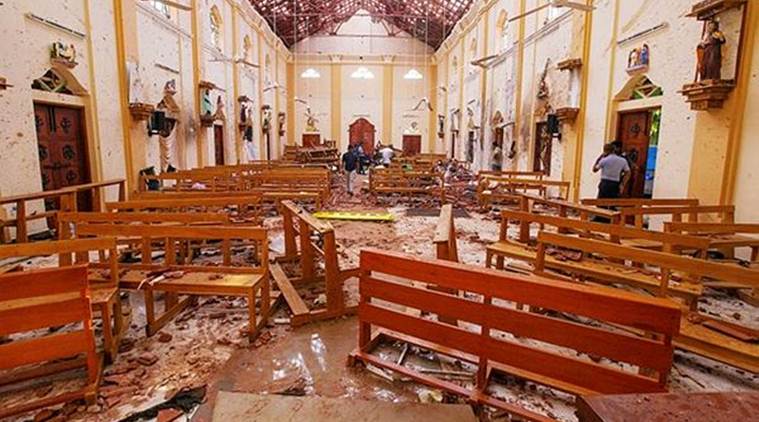
It has now been revealed that the extremists had a plan to launch a second attack targeting the Sri Dalada Perahera in Kandy after the Easter Sunday attack.

A State Intelligence official working in the Eastern Province testified for the second day yesterday in connection with the Inquiry of the Presidential Commission into the series of explosions that took place in a Syndamardu house after the Easter attack.

He said that Shibli Farooq, a former Eastern Provincial Councilor representing the Muslim Congress, had given strong political support to the National Tawheed Jamaat led by Saharan Hashim.

He also stated that Attorney-at-Law Maithri Gunaratne appeared for Saharan in the case before the Batticaloa Magistrate’s Court regarding the Aliyar clash between Saharan and another group.

He further stated that Attorney-at-Law Maithri Gunaratne has been taken from Colombo by the brother of Saharan Hashim’s wife Abdul Cader Ansar.

The intelligence officer also revealed that the terrorists had a clear plan to launch a second attack after the April 21 attack last year.

According to Naufar Mawlavi, who was arrested after the Easter attack, the target of the second attack was the Dalada Perahera.

However, he pointed out to the commission that Saharan’s brother Rilwan Hashim had told them after the Easter attack that if he could not hide until then, he would target temples.

According to the intelligence sources, the terrorists had prepared explosives and ammunition as well as white cloths from a Giriulla clothing store for the second attack.

Twelve people, including the elderly who died at the Sainda Mardu house after the Easter attack, have been preparing for a second attack.

It was also revealed that they had bought 08 houses in the Ampara district to hide until August, the State Intelligence Officer said.

He also concluded by stating that if the second attack planed on the Dalada Perahera had not been prevented by the State Intelligence Service, it would not have been possible to imagine the devastation that would have been caused.

PM says villages and towns will be developed to a plan (Video)

July 23rd, 2020

Courtesy Hiru News

Prime Minister Mahinda Rajapaksa states that steps will be taken to develop villages and cities with a plan.

The Prime Minister said this while participating in a public meeting held in Thalawathugoda yesterday.

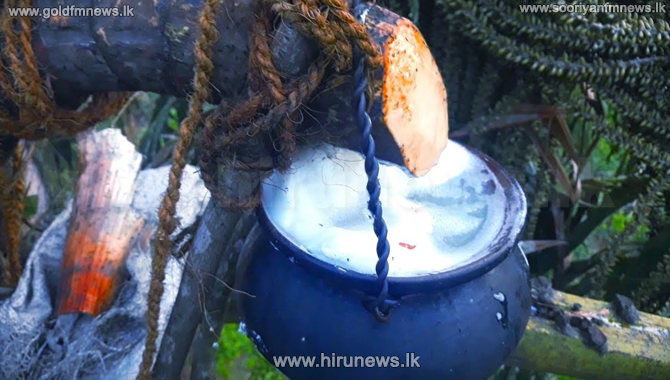
Toddy tapping from Kithul trees not an offence to file a court case – Acting IGP

July 23rd, 2020

Courtesy Hiru News

Acting IGP informs all police stations that Toddy tapping from Kithul trees, will no longer be an offence to file a court case.

Toddy+tapping+from+Kithul+trees+not+an+offence+to+file+a+court+case+-+Acting+IGP

More information on ETI deals revealed (video)

July 23rd, 2020

Courtesy Hiru News

It was revealed today that if the property owned by ETI had been sold through a public auction, it would have been able to pay the depositors.

This was during the hearing of the Special Presidential Commission to Investigate Alleged irregularities in ETI.

The first to testify today was a person who has been working as an Assistant General Manager of Finance and Administration at ETI since January 1, 2009.

He said that at one point a check worth Rs. 8.3 million was obtained in the name of Director Jeevaka Edirisinghe and that he was told that it was for a  matter with the Central Bank.

The Commission questioned the witness as to whether the payment was made with money received from the public.

The witness stated, “Yes.”

He also stated that the money had been obtained on other occasions by mentioning it as a matter from the Central Bank.

The next to testify was a former CEO of ETI.

The witness stated that in 2018, ETI and its affiliates were given a 23‍% discount on the sale of the company.

He said that ETI has lost about Rs. 3769 million due to this.

It was also stated that the Central Bank has not intervened adequately for the rights of depositors.

The witness further stated that the Central Bank of Sri Lanka had given conditional approval to the sale of ETI’s assets in 2018, where special conditions were laid down for the sale of media institutions and real estate to a foreign company.

However, during the ETI Board of Directors meeting with the Board of Management, Director Jeevaka Edirisinghe said that the sale of media institutions could be discussed with the then Minister of Mass Media and Information and the necessary steps could be taken.

He has said that this could be done through a bill to be passed in the future regarding lands.

The witness stated that if ETI had not sold the property to Blue Summit and held a public auction, it would have been possible to sell at a higher price and thereby do justice to the depositors without any problem.

Meanwhile the ETI Depositors’ Independent Association expressed its views at a press conference held today.

New Birth Certificate: A Betrayal of the Sinhala Buddhists

July 22nd, 2020

The media has announced changes to Sri Lanka’s birth certificate. All births were to be registered as Sri Lankan sans mention of ethnicity or religion. Who took this decision? Have policy makers stopped to think of the outcome in decades to come when every citizen will just be known as Sri Lankan – a name coined in 1972 with a history of just 48years? How can a piece of paper wipe out 2600 written history? How can a nation stand proud of its history when the history has been erased? Is this not part of the secular & multicultural project to make everything ‘shared assets”? Isn’t this part of a well-funded quest that envies nations with ancient history & heritage and wish to plug modern methods to erase it or share it? This is not the mandate that the people gave to its elected leaders. Let us remind everyone that every time this nation was threatened or challenged it was the majority Sinhale Buddhist who rose to defend the nation and all of its people. They did so because they had been taught to be defenders of the nation’s identity that their ancestors helped build. Those that failed to value the glorious past ended up betraying the Nation and this new birth certificate removing the identity will end up creating a bunch of citizens no longer motivated to defend it. Sri Lankan” can be used but not at the cost of removing the ethnic and religious identity of every new born child.

The Sinhale Nation was built by no one else but the Sinhala Buddhists. It is an achievement archaeologically, culturally & historically embedded across every contour of Sri Lanka & cannot be denied.

Ever since 1505 the colonial project was to incrementally usurp the place the SInhale Buddhist held at every level as this was a threat to them. Numerous methods & tactics were adopted for this purpose followed by all 3 colonial invaders and thereafter passed on to complete by local sepoys educated and brainwashed to worship all that was foreign & to demonize all that was indigenous & native.

We saw in the recent destruction of Buddhist statues in Pakistan & even in Sri Lanka the hatred & desire to wipe out history of another. We saw the 21/4 mass murders of people whom the murderers believed should not live. We saw how multiculturalism usurped Buddhist heritage sites like Sri Pada/Samanalakanda when a good 1000 year’s sets apart Buddhism from Abrahamic faiths. These scenarios cannot be ignored & the hidden efforts of every initiative cannot be ignored either. Created countries can roll out any type of modern systems as these countries were artificially formed and built by groups of migrants belonging to different cultures and ethnicities. Our island cannot be compared to created countries!

The Sinhala language has been targeted for systematic elimination as it binds the Sinhala identity & is the only language to have evolved in Sri Lanka & found nowhere else in the world. Sinhala is the only language distinct to Sinhalese. Thus efforts have been afoot to dilute the language by mixing with words from other languages and promoting ‘Singlish’ as a trend. The open economy, capitalism and emergence of elite classes have created a barrier and resulted in drawbacks to preserving the rich cultural heritage.

The philosophy Buddhism has been also under attack with continued attempts to remove foremost place given to it as well as the regular attempts to demonize Buddhists. History will bear witness to how Buddhism spread without a sword but was vanquished with the sword loosing entire countries like Maldives whose Buddhist past has been expunged from history books. The oldest library in the world ended up in cinders in Nalanda. Daily Buddhist temples and ancient artefacts are under attack. Media plays a key role in denigrating Buddhists and Buddhism. We can recall in 2002 again under PM Ranil when a state newspaper published an article challenging the authenticity of the sacred tooth relic at Dalada Maligawa. The said article had to be recalled and an apology issued after much outcry. The same PM changed the NIC card too by removing the letters V & X at the end of the NIC. The V denoted a person as a citizen by birth while the X denoted citizenship by registration (applicable to the Tamils accepted under citizenship act) Under this there still remains many who are required to return to India. This new NIC erases identity relating to lineage whether one is born by Sri Lankan descendants or not!

The colonial project is nothing that the Vatican or Pope can deny or feel offended about. The objectives are clearly stated in their own records. Similarly, Islamic texts also carry verses of how non-Muslims are to be treated. Quoting from their own texts is not hate speech! That the institutional objective remains on track is something we cannot forget or ignore. The attempts to weaken the majority that defends Sri Lanka is very much an in vogue program. The calls to turn Buddhist schools into multicultural, tweaking Buddhist text books and curriculum are subtly taking place but the same vigor is not applied to minorities & what they exclusively enjoy. While much funding goes to turn countries with civilizational history & heritage into secular – why is there no efforts to change anything in majority-Muslim nations where only their religion rules!

All this is part of a globalist plan & Sri Lanka’s politicians & advisors if they learnt to read a bit, they would understand the larger picture

The country must certainly have an identity but that identity cannot omit the history of who built this nation and an identity cannot be created at the expense of erasing the Sinhala Buddhist identity or pushing a bogus multicultural slogan enforce a SHARED HERITAGE & HERITAGE SITES. Why is it that only Sinhala Buddhists are called upon to compromise & give up all that they traditionally held? Would the minorities agree to removing the 2 stripes that denote them on the National Flag? Would they remove the exclusive ethno-religious food labels, banking, schools indoctrinating children to kill, ethno-religious exclusive enclaves, demands for ethno-religious based devolution-separatism – would any government even take these to a gazette gavel for prohibition! It has been easier to attack the majority and clip their wings. Policy of appeasement or personal benefit showered to politicians by minorities & external parties by way of funding and global initiatives cannot undermine the place held by the majority that not only built this nation but continues to defend it without having to be asked to defend it. A common identity cannot be carved artificially ignoring all that we have held dear to us. All of the created countries with their artificial identities are today falling apart as can be seen statistically in the West.

The Birth Certificate must hold key information of parent’s ethnicity and religion & history of lineage. Identifying as a Sri Lankan poses no problem but it cannot result in shared cultural heritage & history.

Let it not be forgotten that the Kandyan Convention was signed with the SINHALE NATION – wherein the island was known as SINHALE and all citizens were SINHALESE / SINHALE TAMILS and SINHALE MUSLIMS. The British changed Sinhale to Ceylon, but the question remains how could British give independence to ‘Ceylon’ when the Convention was signed with Sinhale nation. Thereafter, the republican constitution in 1972 without returning to use of Sinhale used Sri Lanka as it denoted its political party (SLFP).

Unfortunately it took public out roar to assure that the new birth certificate remains stillborn but it continues to highlight that the plot to plug these insidious designs will continue until legally framework is enforced to prevent any government from changing the country’s historical ethos and heritage in the name of modern ideologies.

Politicians should not play politics with people or the country’s history or heritage. Allow people to live in peace and harmony as they do sharing & caring on their terms and not because some gazette forces them to.

Shenali D Waduge

Five Slaves and Four Slaveholding Presidents in the Early United States of America

July 22nd, 2020

By Rohana R. Wasala Courtesy The Island

Stop the Runaway. Fifty Dollars Reward…… A Mulatto Man Slave, about thirty years old, six feet and an inch high, stout made and active, talks sensible, stoops in his walk, and has a remarkable large foot…..will pass for a free man…..The above reward will be given any person that will take him……and ten dollars extra, for every hundred lashes any person will give him, to the amount of three hundred.

  • ANDREW JACKSON, ADVERTISING FOR THE RETURN OF A RUNAWAY SLAVE IN THE TENNESSEE GAZETTE AND METRO DISTRICT ADVERTISER, SEPTEMBER 26, 1804

You white folks have easy times, don’t you? ALFRED JACKSON 

Andrew Jackson (1767-1845) was a general in the US army, known for his toughness and determination, before he took to politics; he was the hero of the War of 1812 during which, among other battleground successes, he led the defence of New Orleans against a full scale attack by the British, scoring a surprise victory over them and forcing them to withdraw from Louisiana, which added millions of acres to the present day southern United States. Jackson was elected as the seventh president of America; he was in office from 1829 to 1837. President Jackson sought to promote the rights of the common man” in the face of opposition from a corrupt aristocracy”, and to preserve the Union. He once said, The individual who refuses to defend his rights, when called upon by his government, deserves to be a slave.” It was clearly a given that in that society a slave did not have any rights to defend, which Andrew Jackson accepted without caring to question the contradiction involved in his own reasoning. The early America that he helped in a big way to build was founded on the utter dehumanization of the defenceless Afro-American component of its population/citizenry (but, obviously, the blacks were not considered to be citizens).  

Andrew Jackson owned more than one hundred slaves when he became president, and apparently, he had no qualms about the fact. He was the last surviving American president to have participated in the American Revolution (1765-1783). The American Revolutionary War (1775-1783) in which the American Patriots in the Thirteen Colonies defeated the British with the assistance of the French led to independence from Britain and to the creation of the United States of America. Alfred Jackson was Andrew Jackson’s slave, his legal property. Alfred was born to black parents who were slaves in Andrew Jackson’s Hermitage plantation in Davidson County in Tennessee, US, in 1802. Alfred lived there until his death in 1901. (Incidentally, the Statue of Liberty, standing in Liberty Island Manhattan in New York City, New York, US, dedicated on October 28, 1886, was a gift from the people of France to the people of America.) 

The quote at the top which prompted this short note on Andrew Jackson forms the epigraph to the last chapter (Chapter Seven titled ‘How would you like to be a slave?”: The Story of Alfred Jackson’) of the book ‘IN THE SHADOW OF LIBERTY – The Hidden History of Slavery, Four Presidents, and FIVE BLACK LIVES’ (Henry Holt and Company, New York, 2016) by New York Times best selling author Kenneth C. Davis, known for his ‘Don’t Know Much about History’ series of books for adults and children. It is a book about slavery in the early United States of America that explores the great tragedy ‘that a nation conceived in liberty” was also born in shackles’. The exploration is in the form of a well researched narration of the true, but hardly heard, stories about five enslaved people who, notwithstanding their menial situation, contributed to the shaping of America through their close personal association with, and loyal service to, the four great men or ‘national heroes’ who presided over the epoch-making events that stimulated the birth of the American nation. The author’s purpose is to raise essential awareness among adults and children about a tragic chapter of their history. Appropriately, the book is dedicated ‘To the devoted teachers and librarians who help guide us in our quest for truth’.

‘Us’ here means ordinary American people living today who are just as human as common people living anywhere in the world including ordinary Sri Lankans, who want to enjoy their inalienable rights to ‘Life, Liberty, and the pursuit of Happiness’. The ‘truth’ sought in this book is a historical truth. It is a  truth hidden in the shadows of America’s past, which, though the author does not explicitly refer to it, has useful implications for all humanity, as America’s hegemonic political, economic, and military power affects every human on earth. The truth that the book tries to articulate, particularly for the enlightenment of the new generation of Americans, relates to the historical fact of slavery indulged in by their forefathers of the past few centuries. By 1776, the year of the Declaration of Independence, there were 500,000 enslaved African Americans among a population of 2.5 million in the Thirteen Colonies. What we usually learn as history, Kenneth C. Davis says, is about dates, battles, famous speeches, and court decisions, etc; but, while it is important to understand these things, in the end, history is about people, real people. The book tells the real story of real people – ‘all of them born in slavery’s shackles – who were considered the property of some American heroes’.

The author says in his Note to the Reader that he uses the term ‘enslaved person’ instead of ‘slave’ when referring to individuals who, under the laws of the day, were legal property of other people. The crucial distinction between the two terms here (enslaved person and slave) is that ‘enslaved’ means that slavery was forced on the person; it doesn’t define who they were, unlike the term ‘slave’. Davis means it as a term that expresses respect for the individuality of the people who were unfortunate victims of the slavery system. His book tells the stories of five enslaved persons who closely lived with and served four US presidents, who are remembered to this day with great respect by Americans as national heroes. 

These four heroes were among the Founding Fathers of the United States of America. Quite a number of the Founding Fathers, heroes in the American struggle for liberty, held slaves or profited from slavery in some way. Benjamin Franklin owned slaves, but salved his conscience by calling them servants. Later, in 1790, however, he changed his mind and provided leadership to one of the first societies that aimed at abolishing slavery. Virginia politician Patrick Henry, famous for the words Give me liberty or give me death”, never thought his slaves deserved the same human right. He held that slavery was ‘repugnant’, but did not free any of his slaves because of the ‘inconveniency of living without them’! Henry Laurens of South Carolina, who was the president of the Continental Congress for a term, had become one of America’s richest men. He made his money by shipping eight thousand people as slaves from Africa to America. Some of the most raucous cries for freedom from Britain came from the Founding Fathers, something that provoked Dr. Samuel Johnson to ask, How is it that we hear the loudest yelps for liberty among the drivers of negroes?” (The use of the word ‘yelp’ in this context was bitingly sarcastic, as Davis points out. Bloodhounds were used to track runaway slaves; they made short, sharp barks, or ‘yelped’ on their trail.)

The five enslaved people whose stories are told in the book are as follows (with the names of the four presidents who legally owned them, and some hints of their individuality): William Billy” Lee and a young woman called Ona Judge, in bondage to George Washington (army general and one of the Founding Fathers and 1st president of the United States of America (1789-1797). Billy Lee spent all his life with his owner. But the brave young Ona Judge made her escape from bondage to the most powerful man in America at that time. President Washington inserted an advertisement promising a reward for her return: Ten dollars will be paid to any person who will bring her home” in ‘The Pennsylvania Gazette’, May 23, 1796. No one claimed the ten dollars. The escapee did not leave room for anyone to do so. Ona Judge ‘absconded from the household of the President’ because I wanted to be free…….wanted to learn to read and write”. Isaac Granger grew up among enslaved people on Thomas Jefferson’s plantation during the American Revolution; the principal author of the 1776 Declaration of Independence and third US president (1801-1809) called these people his family”. Though a slave owner, Jefferson held that the enslaved black were destined to be free, but that the two races could ‘not live in the same government’. Isaac Granger was freed in 1834 when he was sixty. After his manumission, Granger worked as a blacksmith and paid taxes. Tax records showed that he even hired enslaved workers to work in his shop! A former slave hired slaves to work for him! That was the system. The next enslaved person whose story is recorded in this book is Paul Jennings. He is the protagonist of a most colourful story.  Born enslaved, Jennings was taken to the White House as a young boy by James Madison, the fourth president of USA (1809-1817). He fought as one of the African American troops in the War of 1812. Paul Jennings later remembered how brave these black soldiers were, although they were still slaves: A large part of Commodore Barney’s ‘men were tall strapping negroes, mixed with white sailors and marines. Mr Madison reviewed them just before the fight, and asked Com (modore) Barney if his negroes would not run on the approach of the British?” No, sir,” said Barney, they don’t know how to run; they will die by their guns first.” (I think the blacks were consciously or unconsciously determined to prove that they were worthy humans capable of bravery.) Like Jefferson, James Madison believed that ‘The two races cannot co-exist, both being free and equal’. After Madison’s death, his widow Dolley (who had once been the nation’s Queen”) temporarily fell on hard times before she got some money from the Congress for some of her husband’s papers. She ran short of even the necessaries of life. Though Dolley had treated Jennings very badly – she had rented out and then sold him to other people to overcome her financial difficulties – he ‘occasionally gave her small sums from my own pocket, though I had years before bought my freedom from her’.  The fifth and last enslaved person whose story is narrated in the book is Alfred Jackson. He was the son of an enslaved cook on the Hermitage plantation, Andrew Jackson’s Tennessee plantation. He survived the civil war and is buried in the family garden near the grave of the seventh president of USA and his wife Rachel Jackson. After Andrew Jackson’s death on June 8, 1845, his son Andrew Jackson Jr and his wife Sarah took over the Hermitage. They hired a tutor for their children, who remembered an encounter with Alfred Jackson: Alfred was a man of powerful physique, and had the brains of a major-general…….He was thoroughly reliable, and was fully and deservedly trusted in the management of plantation affairs.”

According to Davis, thirteen American presidents (including the four mentioned above and nine others among whom feature some  such well known names as Martin Van Buren, Ulysses S. Grant, and Woodrow Wilson) owned enslaved people or grew up in slaveholding households. Six slaves worked in Martin Van Buren’s father’s tavern in Kinderhook in New York. Grant’s slaves were the property that his wife got from her father. Woodrow Wilson, born in Virginia in 1856 before the Civil War began, became the twenty-eighth president in 1913. He was the last US president to have been raised in a slaveholding household. 

IN THE SHADOW OF LIBERTY contains the extremely fascinating stories of the five enslaved people who were the legal property of four of America’s most celebrated men. The four enslaved men and the single enslaved woman whose stories are told in the book lived with these famous men and their families every day, sometimes 24-7 as we say today, and witnessed the great events in which they figured as leaders. The reader gets glimpses of the indomitable courage, dignity, and nobility of the human spirit that persisted in them even in their most wretched state of dehumanization. One cannot be sure that all slaveholders were free from pangs of conscience about their absolutely mean, cruel treatment of a group of fellow humans of a different skin colour and physical traits. Both groups were victims of the evil slavery system, one fully, and the other partly, and were dehumanized in opposite ways. George Washington, in a letter to Robert Morris, dated April 12, 1786, wrote: I hope it will not be conceived from these observations, that it is my wish to hold the unhappy people ….. .in slavery. I can only say that there is not a man living who wishes more sincerely than I do, to see a plan adopted for the abolition of it.” The same Washington got annoyed when his slaves failed to report for work. Once he saw a man with his arm in a sling. He grabbed a rake and told the man: Since you still have one hand free, you can guide a rake”. Deliberate laziness and apathy were actually subtle forms of rebellion, the only ways slaves could fight back. 

The brutal killing of George Floyd, a 46 year old Black truck driver and security guard at Minneapolis, Minnesota, US, by Derek Chauvin, a 44 year old White police officer on May 25, 2020 reminded the Americans and the whole world that the systemic racism that dehumanized USA’s first president George Washington still blights that society. The media started saying that the incident divided the American society. In fact, the incident traumatized all humanity and had a profound polarizing effect on it. This happened in the midst of the Covid-19 global pandemic, whose origin could have something to do with the primarily (white vs coloured) race based East/West economic ‘war’ triggered by the West’s determination to sustain or regain its monetary superiority, where both America and China could have equal claim to be identified as either victim or assailant. The West’s political economic and military domination movement may be seen as a globalized manifestation of white supremacist racism. Responsible grown up people around the world who possess average intelligence and adequate awareness (who form the majority in any country) must, for the sake of the very survival of human civilization, seize this globally critical situation as an opportunity to unite as friends rather than divide as enemies in order to put a stop to this rotten state of affairs. To achieve this, they must peacefully and democratically force the terrorist ruling elite in America that Noam Chomsky identifies (in his writings over more than half a century) and its fawning agents across the globe to reform or, if they don’t budge, elect new leaderships to rule the world. 

In this endeavour, the relatively young but mature adult generation that both George Floyd and Derek Chauvin (automatic victims of a deep rooted systemic evil) come from have a leading role to play before they pass the baton to the young Darnella Fraziers of the world. Darnella Frazier is the brave seventeen year old young Black woman, a high school student, who videoed with her phone the scene of George Floyd’s coldblooded murder ‘from just five feet away’, while all the time imploring and yelling (with other bystanders) at the demon-possessed policeman to let the victim breathe who was being choked with his booted foot  pressing hard on the latter’s neck. 

Kenneth C. Davis’s book addresses both these generations in America and across the world and means to stimulate them to take humanity-saving action. This essay is not intended to be read as a book review. Its purpose is to highlight the importance of Davis’s cogent message to the adult and young people of today’s crisis ridden  world.            

Four arrested over destruction of 1,700 year-old Buddha statue in Pakistan

July 22nd, 2020

Raza Hamdani Courtesy Independent

Idol was uncovered in building works near historic religious site

Police in Pakistan have arrested four people in connection with the destruction of a third-century life-sized Buddha statue.

Four people were detained on Saturday under antiquities law for allegedly destroying the centuries-old statue, police in Khyber Pakhtunkhwa, the northwestern province of Pakistan, told The Independent.

The rare idol was discovered during construction work in a village near Takht-i-Bahi, known around the world for being the main cradle of the Buddhist civilisation. According to initial reports, the contractor and his three labourers destroyed the statue at the behest of local religious leader.

However, a local police official told The Independent at this moment it is not clear why and on whose directives the four accused destroyed the statue”.

The group were arrested after their video, in which they could be seen hammering a statue to pieces, went viral on social media.

Abdul Samad, the provincial director of archaeology, told The Independent the labourers were doing construction work when they discovered the statue.

Instead of informing the archaeology department that they have found a life-sized Buddha statue, they destroyed it and made video,” Mr Samad said.

He said that the police have also taken the pieces of the statue into possession. It was a 1,700 years old Buddha statue. Police have cordoned off the area and we will soon conduct survey whether there are more antiquities in the village or not.”

However, he denied that the four accused hammered the rare statue to pieces on the directives of a local religious leader.

In the video, the people could be heard discussing the statue while it was being destroyed.

One person says: Look it’s a standing doll … look it’s a female and we just broke the thighs. Look this is her belly button … it’s not clean. This is the shirt … you know shirts which are long and hanging.”

Another man asks: Is this of a Hindu or a westerner?”

A man standing next to him replies: Hindu … this is Gautam Buddha.” Then the four men congratulate each other.

Mr Abdul Samad said the village where the destruction took place is not too far from Takht-i-Bahi. Takht-i-Bahi is the most popular tourist destination in Khyber Pakhtunkhwa where a large number of people from Sri Lanka, Korea and Japan come every year.”

The political culture in Sri Lanka is misogynist

July 22nd, 2020

Ambika Satkunanathan

  • We must acknowledge torture is a problem
  •  Laws alone cannot achieve social change
  •  Media should not sexualize and infantilize women
  •  Nationalism has the power to empower as well as to enslave

The normalization of violence in Sri Lanka is a deep seated social problem, says Ambika Satkunanathan, who is a lawyer and human rights advocate on the Tamil National Alliance (TNA) National List for the upcoming parliamentary polls. A former member of the Human Rights Commission of Sri Lanka (HRCSL) and chairperson of the Neelan Tiruchelvam Trust, Satkunanathan has campaigned for gender equality, social justice and peace. She spoke to Daily Mirror on several issues including police violence, women’s rights and nationalism. Excerpts:

 Q  How serious is police violence and torture in Sri Lanka? And what systemic and structural changes are needed to counter it?

Police violence is systemic, spans successive governments and has been identified as such by the Supreme Court (SC), the HRCSL and civil society. In 1995, the SC noted Fundamental Rights (FR) violations by the police were continuing even 18 years after the 1978 Constitution, which contains protections against torture. The reason for police impunity is the immunity enjoyed by those who commit such violations. This immunity creates the belief they can use violence and  never be held accountable. 
We must address the root causes of police brutality. First, we must acknowledge torture is a problem, and not deny it. Secondly, we must hold perpetrators accountable. The 30-year war impacted how we view violence and people became numb to violence to cope with their daily lives. Violence has hence been normalized. 

 Q  Sri Lanka enacted the ‘Convention against Torture Act’ in 1994. Why are such laws so ineffective?

Laws alone cannot achieve social change. Addressing police violence requires reviewing basic police structures and practices, and making them public. We must design preventive, remedial and accountability measures and involve sociologists, criminologists and psychologists in the process. We must invest in communities to address the drivers of crime. For example, increasing job opportunities, preventing homelessness, moving non-violent offenders away from prisons and into rehabilitation, and crafting community responses to non-violent offences and decriminalizing them. 
Promising safety through criminalization, imprisonment and the threat of violence, makes us all more insecure and unsafe.

 Q  The threat of violence is often not seen as a form of violence. How does this contribute to the normalization of violence?

The threat of violence creates fear which society believes will deter ‘bad people’ from committing crimes. Even with children, the threat of violence  – a smack or some sort of physical punishment – is used to discipline them in the belief it will prevent them from further mischief. But instead doesn’t it teach children it’s alright to use violence to achieve outcomes? Doesn’t it make it acceptable in their minds to hit another child in the classroom or push them in the playground? 
Disturbingly, I have found people who have no problem with violence being used against those they believe are ‘bad’. This is of course subjective and shaped by each one’s beliefs and prejudice. It is viewed as violence only when they personally experience it, or when used against those viewed as ‘good’ or ‘innocent’, like the 14-year-old autistic boy from Aluthgama. But if a drug trafficker is tortured, how many would be outraged? 
The selective acceptance of violence normalizes it in our psyche and practice, making society more violent. How this acceptance is entrenched in our psyche is evident in our everyday dealings with each other. Also, when institutions deny remedies to citizens, violence is seen as a means of dispute resolution and accountability. People stoning or setting fire to vehicles in a road accident is an example of them thinking it is normal to engage in violence, which they believe is a means of holding someone accountable. 

 Q  You have also pointed to the police being a masculine and hierarchical institution, and how that contributes to the culture of violence. Isn’t this true of many other Sri Lankan institutions too? 

Yes, very much so. We are a patriarchal society. We pay lip service to women’s equality but treat women in a paternalistic way, as if they don’t know what is good for them. Often, women are not allowed to make life decisions for themselves, and are restricted by rules and practices. Women that challenge these are labelled as having ‘bad moral character’ or being ‘too western’ and so on.
Equality and equal treatment before the law are enshrined in our Constitution, but are often not observed in practice. So the patriarchal nature of society is embedded in the processes and culture of organisations, leading to institutional structures and procedures discriminating against women. For example, there are no cadre positions for women in the Senior DIG and DIG positions in the Police Department, which several women police officers have challenged via FR petitions. 

 Q  What is your take on attempts to improve women’s political participation in Sri Lanka? For example, allocating a 25% quota for women at the 2018 Local Government elections. How effective are such affirmative action measures?

Much more needs to be done in addition to affirmative action measures. Quotas alone cannot increase women’s political participation and representation. Even though women play an important role campaigning and mobilizing support for political parties, they are left out of party decision making and ignored as potential candidates. Furthermore, the political culture in Sri Lanka is misogynist, and women are subject to vicious and scurrilous attacks which are aimed at demeaning them. Addressing this requires changing social attitudes and the media following ethical practices.

 Q  What ethical practices should the media follow in this regard? 

The media should only report verified news and avoid gossip, rumours and fake news. They should stop using sexist, derogatory and judgmental language when referring to women. Stop sexualizing and infantilizing women. Move away from ‘manels’ and have women on talk shows and discussion panels. Have more women in decision-making positions in the media with the power to actually make decisions. 

 Q  The President has empowered the security forces to maintain public order under the Public Security Ordinance (PSO). His predecessor did the same, and people have come to accept it. How do you view this?

In a democracy maintaining law and order is not the function of the military. The PSO provides for this only in times of emergency. When done routinely, it normalizes the exception and militarizes the process of maintaining law and order. This creates space for rights violations and contributes to the overall militarization of society. 

 Q  You are on the TNA National List. Some see politics and nationalism as a harmful combination, some see it in a more positive light. How do you see it?

Historically, Tamil nationalism is a defensive nationalism that emerged in response to Sinhala nationalism. It was based on demands for equal rights in language, education, land settlement, and the right to have a voice in governance through power sharing between the centre and areas where Tamils were a majority, and the right to be free from discrimination or violence.


In Sri Lanka the concept of ‘nation’ is equated with secession. This is a misrepresentation, as illustrated by the late Dr Neelan Tiruchelvam. He says communities, like Tamils, perceive themselves not merely as a numerical minority but a nationality, with a collective identity and rights linked to it. This perception is compounded by oppressive state actions, which can push communities away from a secular idea of themselves and towards a more fundamental identity.


When the state failed to address the demands of the peaceful Tamil movement for rights, it evolved into an armed struggle, based on militant nationalism. This also led to violence against Sinhala civilians, internal violence, and deepened rifts between Tamils and Muslims due to the forced eviction of Muslims from the North and violence against them. 

This shows how nationalism, which under colonialism was anti-imperialist, can become a nationalism constructed on the ‘other’ rather than common citizenship. The tragedy of such nationalism is it makes ‘enemies’ of even allies. Dr Tiruchelvam, was viewed as traitor by many in the Sinhala community for advocating a peaceful, federal solution to the ethnic conflict that addressed legitimate Tamil demands and aspirations. Concurrently, he was viewed as an enemy by the LTTE and sections of the Tamil community for working with the state on constitutional reform, and paid with his life. Hence, this form of nationalism has the power to empower as well as to enslave.
Addressing Tamil nationalist claims requires dealing with the root causes of the ethnic conflict. It requires us to stop being afraid of devolution and falling prey to false equations of it to secession. It requires any constitutional arrangement to respond to the collective perception of the Tamils who see themselves as a nation, which is linked to having a majority territorial presence in certain areas with a distinct history. As Dr Tiruchelvam has stated, there are constitutional arrangements in multi-ethnic societies that preserve unity, while also preserving the collective identity and rights of ethnic groups within a political framework.


Media Terrorism- Not Again?

Palitha Senanayake

The article carried by the Ceylon Daily Mirror on 15th July under the title ‘Sri Lankan Political Culture is Misogynist’,  composed by Gehan de Chickera  with a Q & A session with M/s Ambika Sathkunanathan  deserves  a response as its highly inappropriate contents make partisan and baseless allegation against the Sri Lankan society at large with unfair insinuations.  

To start with, it is difficult for us to justify when this lady calls our political society ‘Misogynistic’; whether she   is referring to the Sri Lankan society that is 75 % Sinhalese or to the Tamil or the Indian societies. As for the Sinhalese society, it is a well-known fact that it is a matriarchal society.  It is the mother that is held in high esteem in the Sinhala family even though the father enjoys the traditional ‘Head of family’ status.  Mother is more emotionally close to the children and therefore often has the power to be the director and the conciliator of family matters. Even the father acknowledges the mother’s role as the provider of meals, the keeper of the house and finally as the link between the father and children.  Therefore, it is unrealistic and also unethical to discount the role of women who invariably would be mothers,  in the Sri Lankan  society, judging merely by the numbers that make representation in a political body.   Politics in Sri Lanka, in the current context of things, is not a very suitable profession for women as it has turned out to be too physical and self- seeking. Thus, even though these representative bodies may be made of more men, it is difficult to envisage a situation where men in these bodies would decide to endanger the position of their wives, mothers or daughters in their political articulations. In India however, where a woman who cannot bear a male heir is considered of no value, and where a young girl gets raped every half an hour, the situation could be different.  On the other hand, if the writer deems political representation to be the primary indicator of gender equality we must not forget that Sri Lanka produced the first woman Prime Minister of the world back in 1960!

The inappropriateness in that article however is that, when a journalist decides to pick a personality to air views on such a broad spectrum, he/she should a personality with some balance and also should be representative of the Sri Lankan society. The irony is that this journalist has picked this lady who represents a racial party that acknowledged the LTTE as the ‘sole representative of the Tamils’ to articulate her views on VIOLENCE!  Have we forgotten that the LTTE was named the ‘most ruthless and organized terrorist organization’ in the world?

 If she was asked to speak about the Tamil society or the hackneyed ‘Tamil grievances’ or ‘Tamil aspirations’, then there is hardly an issue because we know that Tamil politicians still peddle the racial line even after it has caused all that devastation to the Tamil society in particular and to the Sri Lankan society in general.   The issue however is that, what right does she have to pass judgment on  institutionalized violence in the Sri Lankan society when she represents the party that has backed the most violent terrorism, the world ever knew?

This journalist Gehan De Chikera seemed to be having an axe to grind with the police as he seemed keen to elicit some criticism against police violence from the interviewee.  No civilized person would condone violence, specially police violence, in a society. The reality however, is that the police naturally get brutalize to the extent the society, at large, is brutalized in a particular country. For instance when some Muslims carried out the Easter attack it is natural that a few innocent Muslims also may get affected due to they being Muslims. Thus, the more treacherous the society is, the more violent the law enforcement would be in enforcing the law.  In a country like New Zealand where violence is unheard of, the police too could be unheard of. Yet what could we expect in a country like Sri Lanka where the most violent terror group was entertained and justified by the majority of its political leaders, due either to, their crass political opportunism or sheer asinine subservience to the west?

This lady maintains that  ‘Historically, Tamil nationalism is a defensive nationalism that emerged in response to Sinhala nationalism’. This statement indicates that either she does not know the history of Tamil politics in this country or that she is trying to distort the history as many Tamil propagandist have done over the years. It was in 1931 that Ponnambalam  Arunachalam  resigned from the Ceylon National Congress where he was the President  and formed the Tamil Congress, the first communal political party in this country declaring ‘Tamil culture to be the cradle of world civilization’.  It should also be mentioned that when the Donomore reforms proposed to grant the Universal Franchise to Ceylon  in 1931, it was this Tamil Congress that opposed the move on the grounds that ‘one man one vote system is unfair’ as the Sinhalese were in the majority and hence it would result in the Government being taken over by the Sinhalese. Then again in 1945, when the non- fee levying education was proposed to the whole country it was the Tamil Congress and the Catholic Church that canvassed against the proposal to the extent of unseating the then Education Minister from his Parliamentary seat of Mathugama.  Therefore, Tamil Nationalism has been offensive from the day colonialists decided to end their occupation in this country and to maintain that it is defensive is to distort the facts to suit the present context of things. 

Another enigmatic statement the article attributes to this lady is that, ‘late Dr Neelan Tiruchelvam  said communities, like Tamils, perceive themselves, not merely as a numerical minority but a nationality, with a collective identity and rights linked to it’. This again is untenable because the concept of the ‘nation’, as understood the world over, is the body of all the people in a particular country. The Oxford Dictionary also says that, ‘A person’s citizenship in a country is about the sense of nationhood’.   We have a world body called the United Nations and that has only 196 member nations. On the other hand if every community in every country is to call itself a ‘nation’ then there would have been about 1000 members in the UNO with India alone accounting for about 100 ‘nations’. Therefore such theories and interpretations only depict nationalism, in its hubristic form that refuses to assimilate in to the mainstream of the country you live.

This lady is also said to be a ‘human rights activist’. This appears to be a paradoxical position because when Mr Sambanthan, the current TNA leader, declared that, ‘The LTTE is the sole representative of Tamils’ he made all the Tamils in to terrorists. Not just terrorists but the ‘most ruthless and organized terrorists’. In such a context it is indeed paradoxical that Mr Samabanthan and his TNA could also become human rights activists in no time. Are we talking about the ‘human rights’ of terrorists or does human rights activism have a symbiotic relationship with terrorism?

The reality in the international today is that when you say that you are a ‘Human rights activist’ you are essentially a politician because human rights today have become a mere political tool devoid of any human value. It is those that call themselves ‘Human rights crusaders of the world’ that is bombing Afganisthan, Syria and Yemen today. It is when you wish to violate human life that you adorned yourself with the title ‘human rights activist’.

The long and short of this whole scenario is that certain journalist like Gehan De Chikera is trying to portray Tamil politicians now as ‘human rights crusaders’ so that they could continue to denigrate the Sri Lankan state as a human rights violator. Now they expect the people to have forgotten how the LTTE took away the right to life of about 80,000 Sri Lankans over a period of 35 years. It was this same Sri Lankan English media, with journalist like Gehan Perera who justified all that killings stating that the Tamils had a ‘cause’ and that they were discriminated against. They pointed to July 83 as the ‘cause’ of LTTE violence when July 83 was only the effect of LTTE terrorism since 1975. The truth is that, by July 83 the LTTE had killed 42 policemen, 13 bank employees,8 politicians, 13 army offices and 21 civilians. The English media has some powerful writers and most of these English writers, being Christians, had a common cause with Tamils. This was because the Christians, just as the Tamils, were the privileged class under the British and hence it was their duty to prevent this country from being taken over by the majority.

If you kill one, you become a murderer but if you kill 80,000 you are a ‘crusader with a cause’. Thus, the Sri Lankan English media is responsible in no small measure for the terrorism this country underwent for 35years killing almost 100,000 people with an economic loss of about 20 billion US $. We always knew that Prabhkaran was a criminal who liked to act like a cowboy shooting people and to thrill himself with real life action, but it was the media that made him ‘a freedom fighter’, and a ‘Crusader of Peace’. They demonized the SL army and said that ‘War is not a solution’ and allowed Prabhakaran to thrive. They even went to the extent of calling the attempts to censure the LTTE as ‘anti peace’. Despite all that advocacy, how we attained peace  is now history.

However, with this type of articles, it now appears that the media is making an attempt to project the same Tamil politicians who backed the LTTE to be human rights activists and make the violation of human rights the ‘continuing cause’ of a future conflict. We know that ‘The Daily Mirror’ has an anti- Sinhala Buddhist agenda and that all newspapers do have some agenda, in keeping with the wishes of the newspaper owners. Therefore, if Mr Ranjith Wijewardena and Mr Ruwan Wijewardene opts to have an anti- majority view, a reader may not question it, but the issue however is when we try to make terrorist in to human rights crusaders overnight the media could be promoting crimes in the name of ‘human rights’ and demonizing those that try to prevent such crimes as ‘Human rights violators’. Please remember that if we run in to a war situation again the resulting indiscriminate violence will not be a respecter of a particular religion or a race!   

සෞඛ්‍ය නියෝග ක්‍රියාවට නංවන ලෙස ඉල්ලා වැඩබලන පොලිස්පතිතුමන්ට යොමුකල ලිපිය

July 22nd, 2020

රෝහණ හෙට්ටිආරච්චි විධායක අධ්‍යක්‍ෂ

2020 ජූලි 22

වැඩබලන පොලිස්පතිතුමා,
පොලිස් මූලස්ථානය,
කොළඹ-01.

වැඩබලන පොලිස්පතිතුමනි,

2020 අංක 1 දරණ 2019 කොරෝනා වෛරස් රෝගය (කොවිඞ්-19) (ඡන්ද විමසීම්) නියෝග ක‍්‍රියාවට නැගීම පිළිබඳවයි

කොවිඞ්-19 රෝගය පාලනය කිරීම සදහා  ශ‍්‍රි ලංකා පොලිසිය නීතිමය අඩුපාඩුකම් සපුරාගනිමින් සෞඛ්‍යය සේවා අධ්‍යක්‍ෂ ජෙනරාල්වරයා සමග සම්බන්ධවී පසුගිය මාස තුනකට අධික කාලයක් සොෟඛ්‍යය විධිවිධාන ක‍්‍රියාවට නැංවීම සඳහා පොලිස් නිධාරීන් විසින් ගන්නා ලද වෙහෙස සහ කැපවීම අප බෙහෙවින් අගය කරමු.

මේ වන විට සෞඛ්‍යය අමාත්‍යවරිය විසින් 2020 අංක 1 දරණ 2019 කොරෝනා රෝගය(කොවිඞ්-19)(ඡන්ද විමසීම් නියෝග) ගැසට් පත‍්‍රය මගින් ප‍්‍රකාශයට පත් කර ඇත. මෙකී නියෝග ගැසට් පත‍්‍රයේ පලකල ජූලි 17 වන දින සිට මේ දක්වාම අපගේ ක්ෂේත‍්‍ර නිරීක්‍ෂකයින්ගෙන් සහ ජනමාධ්‍ය ඔස්සේ ලැබෙන තොරතුරු වලින් නිරීක්‍ෂණය කල කරුණක් වනුයේ මැතිවරණ රැස්වීම්වලට අදාල නියෝගයක් පිළිබඳව දේශපාලන පක්‍ෂ සහ එකී රැස්වීම් සංවිධානය කරන්නන් කිසිදු අවධානයක් යොමුකර නොමැති බවයි.

මෙම තත්ත්වය බරපතල සෞඛ්‍යය අවදානමකට අතවැනීමක් විය හැකි බැවින් එමගින් ඉදිරි පාර්ලිමේන්තු මැතිවරණයටද අහිතකර බලපෑම් එල්ලවිය හැකි බව අපගේ අවබෝධයයි.

(222 වන අධිකාරය වූ) නිරෝධායනය සහ රෝග වැළැක්වීමේ ආඥාපනතේ 6 වන වගන්තිය අනුව මෙම නියෝග කඩකරන පුද්ගලයන් වැළැක්වීම සහ රඳවාගැනීමට පොලිස් නිලධාරියකුට බලය පවතී. නමුත් දේශපාලන පක්‍ෂ විසින් ප‍්‍රසිද්ධියේ සහ පොලිස් නිලධාරීන් ඉදිරියේ මෙම නියෝග කඩකිරීම් සිදුවන නමුත් කිසිම පුද්ගලයකුට එරෙහිව පොලිසිය ක‍්‍රියාකරන බවක් දක්නට නොලැබේ.

ඉදිරියේදී ඇතිවන සෞඛ්‍යමය වශයෙන් සිදුවිය හැකි අවධානම මෙන්ම නීතියේ ආධිපත්‍යය තහවුරු කිරීම සදහා ද මෙම නියෝග කඩකිරීම් සම්බන්ධව නීතිය ක‍්‍රියාත්මක කිරීම තුලින් මෙම නියෝග ක‍්‍රියාවට නැංවීම සදහා අවශ්‍ය පියවර ගන්නා ලෙස කාරුණිකව ඉල්ලා සිටිමි.

ස්තූතියි.
විශ්වාසී


රෝහණ හෙට්ටිආරච්චි
විධායක අධ්‍යක්‍ෂ
පිටපත්- 1- සභාපතිතුමා, මැතිවරණ කොමිෂන් සභාව,
         2- ජ්‍යෙෂ්ඨ නියෝජ්‍ය පොලිස්පති-මැතිවරණ

දියවන්නාව, පරිසරය, කැළණි ගඟ සහ මුහුද අපවිත්‍ර කල හැකිද?

July 22nd, 2020

සoගදාස අකුරුගොඩ

පාර්ලිමේන්තු මන්ත්‍රීවරුන් 225 දෙනාම දියවන්නා වැවට විසිකල යුතුයයි සමහරුන් පවසනන බවත්, එසේ කළහොත්,  පරිසරය පමනක් නොව කැළණි ගඟද දූෂණය වියහැකි බැව් එක්සත් ජාතික පකෂයේ නායක, හිටපු අගමැති රනිල් වික්‍රමසිoහ පසුගිය දිනෙක බියගම පැවති රැස්වීමක සිනාසෙමින් පැවසූ බැව් වාර්තාවේ.

වරක් තොප්පිගල,  කොළඹ දිස්ත්‍රික්කයටත් වඩා විශාල කැලයක් බවත්,  එය අත්පත් කර ගැනීම නිෂ්එල ක්‍රියාවක් බවත්, 2007 තොප්පිගල  යුධ ජයග්‍රහණය ලැබූ අවස්ථාවේදී ගාල්ලේ රැස්වීමක් අමතා සිනාසෙමින් ඔහු පවසාතිබූ ආකාරය අපගේ මතකයේ තවමත් රැඳීතිබේ. යුධ ජයග්‍රහණ පමණක් නොව වෙනත් බොහෝ වැදගත් දෑ ඔහු විසින් බොහෝ අවස්ථාවලදී හෑල්ලු කර තිබුනද, පාර්ලිමේන්තු මන්ත්‍රීවරුන් පිළිබඳ ප්‍රකාෂය කුමණ අරමුණකින් සිනාසෙමින් ඔහු පැවසුවත්, එහි ගැඹුරු බව කිසි ලෙසකින් හෑල්ලු නොවන්නේ,  කිසියම්  හෙයකින් එසේ  දියවන්නා වැවට විසිකරන මන්ත්‍රීවරුන්  අතර  මෙම ප්‍රකාෂකයා සිටිය හොත් පරිසරය, කැළණි ගඟ පමනක් නොව මුහුදද කෙතරම් අපවිත්‍ර විය හැකිදැයි අපට අනුමාන කළහැකි බැවිනි.

බටලන්ඳ වදකාගාරය සමග සබඳතා පැවැත්වූයේ කවුද?

රනිල් වික්‍රමසිoහ පසුගිය අවුරුදු 43ක කාලයක් පාර්ලිමේන්තුවේ සිටි, සභානායක, විපක්ෂ නායක හා තෙවරක් අගමැති තනතුරු හෙබවූ අයෙකි. 1977 දී පාර්ලිමේන්තුවට තේරීපත්ව ඇමති තනතුරක් ලැබුවද ඔහු ගැන වැඩි වශයෙන් කතාබහට ලක්වූයේ 1988-90 භීෂණ සමයේදීය. ඒ බටලන්ඳ වදකාගාරය සමග ඔහු ඇතිකරගෙන තිබූ අනියම් සබඳතාවය පිළබඳවයි.

ඒ පිළබඳව සොයාබැලීමට පත්කරණලද කොමිසමේ 1998 ජූනි 12 නිකුත්කර ඇති වාර්තාවට අනුව බටලන්ඳ නිවාස යෝජනා ක්‍රමය තුල නීතිවිරෝධීව වදකාගාරයක් පවත්වාගෙන යෑමට රනිල් වික්‍රමසිoහ සහ ජේෂ්ඨ පොලිස් අධිකාරී නලින් දෙල්ගොඩ වක්‍රව වගකිවයුතු බවත්, වික්‍රමසිoහ බලය අනිසිලෙස යොදවා අදාල පොලිස් නිළදාරීන් සමග එම නිවාස යෝජනා ක්‍රමය තුල රැස්වීම් පැවැත්වූ බවත් සඳහන් වේ. වරද කරුවනට එරෙහිව නීතිමය පියවර ගන්නා ලෙස කොමිසම නිර්දේශකලද, එවකට පැවති චන්ද්‍රිකා කුමාරතුoග රජය කිසිදු නීතිමය පියවරක් ගෙන නොමැත.

රට දෙකඩවී යන අදූරදර්ශී ගිවිසුම් ගැසුවේ කවුද?

2001 දෙසැම්බර් මස අගමැති වූ රනිල් වික්‍රමසිoහ, මාස තුනක් ඇතුලත, රටේ ජනාධිපතිනියගෙන්, අමාත්‍ය මණ්ඩලයෙන් හෝ පාර්ලිමේන්තුවෙන් ලත් අනුමැතියකින් තොරව ත්‍රස්තවාදී නායක ප්‍රභාකරන් සමග ගිවිසුමක් අත්සන් කොට ත්‍රස්තවාදීන්ට වෙන්වූ පාලන ප්‍රදේශ ලබාදී ශ්‍රී ලoකා හමුදා මෙහෙවුම් සම්පූර්ණයෙන්ම නවතා දැමුවේය. ජාතියේ වාසනාවට මෙම අඥාන ගිවිසුම ඉවතලා,  රනිල් වික්‍රමසිoහ අගමැති තනතුර දැරූ රජය විසුරුවා හැර, ඔහුව 2005 ජනාධිපති තරඟයෙන්ද පරාජය කොට හමුදාව මෙහෙයවා, එල්ටීටිය පරාජය නොකලේනම් අද රට කෙසේ වේවිද?

ඊනියා යහපාලනරජයේ  දේශපාලන පලිගැනීම්, රණවිරුවන් සිරගත කිරීම්, ත්‍රස්තවාදීන් යලි පෝෂණය කිරීම, රාජ්‍ය දේපල පිටරටවලට විකිනීම, රටේ ස්වෛරීභාවය, භෞමික අඛණ්ඩතාවය සහ ජාතික ආරක්‍ෂාවට හානිකර ගිවිසුම් වලට  එළබීම,  එක්සත් ජාතීන්ගේ මානව හිමිකම් කවුන්සලය ශ්‍රී oකාවට එරෙහිව ගෙන යෝජනාවන්ට සහයදීම ආදියට වගකිවයුත්තෝ කවරුන්ද?

‘යහපාලන’ රජයේ දේශපාලන පළිගැනීම් තිස්වසරක ත්‍රස්තවාදය නිමකොට රට සීග්‍ර සoවර්ධනයක් කෙරෙහි යොමුවීම පිළිබඳව මහත් කනස්සල්ට පත් බටහිරයන්, ඉන්දියානුවන් සහ ඔවුන්ගේ ඔත්තුසේවාවන් ගේ සැලසුම් මගින් ක්‍රියාත්මකවූ කුමන්ත්‍රණයේ සහ බෙදුම්වාදීන්ගේ පූර්ණ සහයෝගයේ ප්‍රතිඵලයක්ව 2015 බිහිවූ ඊනියා ‘යහපාලන’ රජය,  ඔවුන් තේරීපත්වූ මොහොතේ සිටම රටේ ආණ්ඞුක්‍රම ව්‍යවස්ථාව දිගින් දිගටම බරපතල ලෙස උල්ලoඝනය කිරීම්, රටත් ජාතියත් ආරක්ෂාකල ආරක්ෂක අමාත්‍යාන්ශයේ හිටපු ලේකම් ගෝඨාභය රාජපක්ෂ,  හමුදාපති වරුන්බුද්ධි o ඇතුලු විවිධ හමුදා නිළධාරීන්  විවිධ අභූත චෝදනා යටතේ  සිරගත කිරීමට අපමන උත්සහයක් යොදවා නිළදාරීන් රාශියක් ත්‍රස්තවාදය වැලැක්වීමේ පනත යටතේ ඇප ලබාගැනීමට නොහැකිවන පරිදි අත්අඩoගුවේ තබා ගැනීම්, දරුණු මිනිස් ඝාතන සහ දේපල හානි සිදුකල ත්‍රස්තයින්ට සමාව දී නිදහස් කිරීම්, පාර්ලිමේන්තු බලය උදුරා ගනිමින් මහජන නියෝජනය නිහඬ කිරීම් සහ විරුද්ධවාදීන්  නිහඬකිරීමේ අරමුණෙන් නීතිය දේශපාලන පලිගැනීම සඳහා යොදවා ගැනීම් සිදුවූයේ 1965-1970 සහ 1977-1994 එජාප පාලනයුග අපට යලිත් සිහියට නoවමිනි. ඊනියා ‘යහපාලන’ රජය සිදුකල දේශපාලන පලිගැනීම් සොයා බැලීමට පත්කර ඇති ජනාධිපති කොමිසම ඉදිරියේ දැන් හෙලිවන කරුණුවලින් මේ බැව් පෙනීයයි.

කිසිදු ජනතා අනුමැතියකින් තොරව,හම්බන්තොට වරාය අවුරුදු සියයක  බද්දකට චීනයට ගිවිසුම් මගින් ‘යහපාලන’ රජය,  2017 සහ 2018 වර්ෂ වලදී ඇමෙරිකාවත් සමග ඇම්.සී.සී (M.C.C) ගිවිසුමේ අදියර දෙකක් අත්සන්කර මුදල් ලබාගෙන තිබෙන බැව්,  එම ගිවිසුම ගැන සොයා බැලීමට පතකල විද්වත් කමිටුව පසුගිය දිනෙක වාර්තා කර තිබිණ. එම ගිවිසුම රටේ ව්‍යවස්ථාව උල්ලoනය වන රටේ ස්වෛරීභාවයට ඉතාමත් හානිකර බැව් කමිටු වාර්තාවේ සඳහන්වේ.

මහබැoකු මූල්‍ය  oචාව වගකිවයුත්තෝ කවරුන්ද?

‘යහපාලන’ රජය සිදුකල මහබැoකු මූල්‍ය  oචාව හමුවේ රාජ්‍ය බැoකු වලට සහ සේවක අර්ථ සාධක අරමුදලට සිදුකර ඇති මහපරිමාණ අලාභයන්ට වගකිවයුතු වoචනිකයින් මූල්‍ය  නීති උල්ලoඝනයකිරීම හා දූෂණ චෝදනා යටතේ අධිකරණය ඉදිරියට පමුණුවා අත්අඩoගුවට පත්කිරීමට  අපමණ  සාක්ෂි තිබියදීත්, එසේ නොකොට කල්මරමින්, විමසීම් කමිටු, පාර්ලිමේන්තු කමිටු, සහ කොමිෂන් සභා පත්කරමින් වoචනිකයින් ට නිදැල්ලේ හැසිරීමට අවශ්‍ය පසුබිම සකසා දුන් අයුරු ප්‍රකට කරුණකි. ලoකාවේ පුරවැසිභාවය නැති සිoගප්පූරු වැසියෙකු ගෙන්වා මහබැoකුවේ අධිපති කිරීමෙන් සිදුකල හොරකමට වගකිවයුත්තා කව්ද?

පාර්ලිමේන්තුවක ප්‍රධාන කර්යභාරය වනුයේ නීති සෑදීම හා සංශෝධනය කිරීම, රටක පැවැත්මට බලපෑ හැකි කාලීන විෂයන් විවාදයට ලක්කිරීම , රජයේ වැඩකටයුතු නිරීක්ෂණය කිරීම සහ අභියෝගයට ලක්කිරීම,  රජයේ වියහියදම් පිරීක්සීම සහ අනුමතකිරීම  වේ. ආණ්ඩුක්‍රම  විය්‍යවස්ථාව යනු රට මෙහෙයවන නීති පද්ධතිය හෙවත් ‍න්‍යාය පත්‍රයයි. එහි මූලික අරමුණ විය යුත්තේ රටේ අනන්‍යතාව රැක ගනිමින් ස්වෛරීභාවය හා ස්වාධීනත්වය තහවුරු කිරීමයි. එම අරමුණු මොනවාදැයි වටහා ගැනීමට රටේ ඉතිහාසය පිළිබඳවත් කිසියම් ප්‍රමාණයක මූලික අවබෝධයක් තිබිය යුතුය.

එබැවින් ලබන මහ මැතිවරණයේදී හා ඉන් අනතුරුවත් සියලු පර ගැතියන් හා ඔවුන්ගේ ගැත්තන්ද හඳුනාගෙන දේශපාලනයෙන් අතුගාදමා දේශහිතෛෂී නියෝජිතයින් තෝරා පත්කිරීම,  ස්වාධීනත්වය, ස්වෛරිභාවය හා ඒකීයත්වය අගයන සැමොගේ යුතුකම විය යුතුය.

oගදාස අකුරුගොඩ

ගිනිගත් නගරය

July 22nd, 2020

වෛද්‍ය රුවන් එම් ජයතුංග

ග්‍රාමසේවක එන විට හේමපාල හිටියේ බුලත් කොරටුවේ ය. උදයම බුලත් වැල්වලට සාත්තු කිරීම දිනචරියාවේ අංගයක් කරගෙන සිටි හේමපාල ග්‍රාමසේවකගේ හදිසි පැමිණීම අපේක්ෂා නොකළේය. ග්‍රාමසේවකගේ මුහුණේ ඇති බැරෑරුම්කම දුටු ඔහුගේ සිතට අසුබ සිතිවිලි ගලා ආවේය. 

ග්‍රාමසේවක මහත්තයා, මොකද උදේ පාන්දරම? “හේමපාල මුහුණින් වැගිරෙන දහඩිය ඇඟිලි දෙකෙන් සූරා දමමින් මේස් බැනියමේ පිස දමමින් ඇසීය. 

හේමපාලට කියන්න හදිසි පණිවිඩයක් තියෙනවා. කලබල වෙන්න එපා.ග්‍රාමසේවක උපැස් යුගල අතට ගත්තේය. ” මට පොලීසියේ රාළහාමි කෙනෙක් පණිවිඩය ගෙනාවේ. ” ඔහු මොහොතක් නිහඬතාව රැක්කේය. 

පොලිසියේ රාළහාමි කෙනෙක් ” හේමපාල ග්‍රාමසේවකගේ වචන ප්‍රතිරාවය කළේ පොලීසිය සමඟ තමාට ඇති ගනුදෙනුව කුමක්ද යන්න සිතා ගැනීමට නොහැකිවය. 

ඔව්, යාපනෙන් පොලිස් මැසේජ් එකක් ඇවිල්ලා තියෙනවා.

හේමපාලගේ අභ්‍යන්තරය බිඳ වැටුණාක් වැනි හැඟීමක් ඇතිවිය. ලොකු පුතා යාපනයට මාරුවී ගොස් මාස දෙකක් ගතවූවා පමණි. 

කොල්ලාට කරදරයක්වත් වෙලාද? ” ඔහු තැවුණේය.ඉතින් ග්‍රාමසේවක මහත්තයා කියන්නකෝ මොකක්ද පණිවිඩේ කියලා.

හේමපාලට මේක කොහොම කියන්නද මං දන්නේ නැහැ. හේමපාලගේ පුතා ඊයේ බිම් බෝම්බයකට අහුවෙලා අන්ත්‍රා වෙලා. පොලීසියෙන් මට පණිවිඩය කියන්න කිව්වා.

අකුණු පහරක් වැදුණා වැනි හැඟීමක් හේමපාලට ඇති විය. ඔහු වාරු නැතිවාක් මෙන් බිම ඉඳගත්තේය. හමුදාවට ගිය ලොකු පුතා අන්තරා වෙලා. ඔහු අත්දෙක හිසේ ගසා ගත්තේය. 

මේක වෙන්න බැහැ. මේක වැරදීමක් ” ඔහු තොල් මතුලේය. ගිය සුමානේ පුතා ලියුමක් එවලා තිබුණා. 

එම ලියුමේ යාපනයේ සුලු සුලු කලබල තිබෙන බවත්, දැන් හමුදාව ප්‍රදේශය සන්සුන් කර පාළනය කරන බවත්, ලබන වාරයේ නිවාඩුවට ගෙදර එනවිට අනුරාධපුර වන්දනාවේ යාමට සූදානම්ව සිටින ලෙසටත් ලියා තිබුණි. 

“මට හරිම කණගාටුයි හේමපාල, කොටි ඊයේ හමුදාවේ දහතුනක් මරා දාලා කියලයි ආරංචිය. මරණවල කටයුතු හමුදා ගෞරව සහිතව කොළඹ කනත්තේ කරනවලු. පවුලේ ඥාතීන්ට කොළඹ යන්න තමයි තියෙන්නේ. ” ග්‍රාමසේවක දුක්මසු හඬින් කීවේය. 

හේමපාල තවමත් වාඩිවී එකම ඉරියව්වෙන් සිටියේය. කොල්ලා මැරිලා. දැන් ගෑණි පොළොවේ පස් කයි. අනේ කොල්ලට වෙච්ච දේ. වල දාන්ඩ ඉස්සර කොල්ලගේ මුහුණ බලාගන්ඩ ලැබෙයිද? දහසකුත් සිතිවිලි ඔහුගේ සිතට ගලා ගෙන ආවේය. 

හේමපාල දැං යං මාත් එක්ක ගෙදර. පුතාගේ කෑම්ප් එකෙන් කට්ටිය දැන් එයි. කොළඹ යන්න ඇහැක් විදිය බලමු. ” ග්‍රාමසේවක හේමපාල වත්තන් කර ගත්තේය. 

***** 

තවරාණි විදුලි කේතලය අතට ගත්තේ තේ කෝප්පයක් රාජේෂ්ට සාදා දීමටය. වාහනයේ බොනට්ටුව ඇර වැඩකිරීම නිසා රාජේෂ්ගේ අත් වල මජං තැවරී තිබේ. තේ කෝප්පය දීමට ප්‍රථම ඔහුට අත සෝදා ගැනීමට කිව යුතුයැයි ඇයට සිතුණි. සදීපන් හා සුදර්ශනී තව පැය කිහිපයකින් පාසල නිමවී ගෙදර එනු ඇත. සදීපන් ගෙදරට ගොඩ වැදෙන්නේ බත් පිඟාන අපේක්ෂාවෙනි. කෑමෙන් පසු ඔහු බැට් එක අතට ගනියි. අසල්වැසි යහළුවන් සමඟ ක්‍රීඩාවට යන ඔහු යලි ගෙදර එන්නේ සවස කරුවල වැටුණාට පසුවය. සුදර්ශනී කෙළින්ම ඇගේ කාමරයට යන්නීය. ඇඟපත සෝදා ගන්නා ඇය ගෙදරට අඳින ගවුමකට මාරුවී පොතක් කියවීමට පටන් ගනියි. ඇය වැඩිපුරම කියවන්නේ ජේම්ස් හැඩ්ලිචේස්ගේ පොත්ය. දිවා ආහාරය සඳහා ඇයට කිහිප වතාවක් කථාකළ යුතුය. අඬගසන සෑම අවස්ථාවකදීම ඇය කියන්නේ තව විනාඩි පහකින් එන බවය. 

දුරකථනය නාද වූ බැවින් රාජේෂ් දුරකථනය අතට ගත්තේය. දුරකථනයේ මජං නොගෑවෙනු පිණිස ඔහු රිසීවරය අල්ලා ගත්තේ ඇඟිලිතුඩු වලිනි. ඒ අතරතුර වාරයේ ඩ්‍රයිවර් ගේට්ටුව ඇරියේ වෑන් රථය ගරාජයට දැමීමටය. සිල්වා සාප්පුවේ සිට මෙතරම් කලින් ආවේ මන්දැයි තවරා‚ සිතුවාය. වෑන් රථය ගරාජයට දැමූ සිල්වා රාජේෂ් එනතෙක් ගෙයි දොරකඩට වී සිටියේය. 

සිල්වාගේ බුලත්කෑම තවරාණිට අල්ලන්නේ නැත. ඒ නිසා තවරා‚ සිටින විට සිල්වා බුලත් නොකයි. එහෙත් රාජේෂ් සමඟ වාහනයේ යන විට සිල්වා බුලත් කනවා පමණක් නොව වරින් වර කවුළුවෙන් හිස එළියට දමා කෙළ ගසයි. 

කාගෙන්ද කෝල් එක? ” තවරාණි ඇහුවේ කුතුහළයෙනි. එහෙත් රාජේෂ් පිළිතුරු නුදුන්නේය. 

ඔයාට පුළුවන්ද කාර් එකේ ගිහිල්ලා ළමයි දෙන්නව අරගෙන එන්න. මම සිල්වා එක්ක සාප්පුවට දුවලා එන්නං. ” රාජේෂ් කීවේ කලබලයෙනි. 

ඇයි, ඉස්කෝලේ ඇරෙන්න තව වේලාව තියනවනේ, ” තවරාණි මෙහිදී ඇසුවාය. 

කමක් නැහැ, ළමයි දෙන්නව ගේන්න. යාපනයේ කලබලලු. මෙහෙත් කලබල තියෙයිද දන්නේ නැහැ. හදිස්සියක් උනොත් සාප්පුවට කෝල් එකක් දෙන්න. මම යන්න ඉස්සර මිසිස් දේවරාජාට කියලා යන්නං” මෙසේ පවසා රාජේෂ් දෑත් සෝදා ගෙන සිල්වාට කථාකළේය. තවරාණිගේ සිතට දැණුනේ කරදර සහිත බවකි. මේ මොන කරදරද? ඇය සිතුවාය. සිත නිස්කලංකයේ තබා ගැනීමට අවකාශ නැති හැටි. ඇය ළමුන් දෙදෙනා ගෙන ඒම පිණිස සූදානම් වූවාය. 

පාර්වතීට කියන්න දොර වහගෙන ඉන්න කියලා. කාටවත් දොර අරින්න එපා කියන්න. ” රාජේෂ් කඩිනමින් කීවේය. වෑන් එක පණ ගැන්වූ සිල්වා විටක් කටේ දමා ගෙන රථය ගරාජයෙන් එළියට ගත්තේය. වෑන්රථය ගේට්ටුවෙන් එළියට ගත් වහාම ගේට්ටුව වැසූ රාජේෂ් අල්ලපු ගෙදර මිසිස් දේවරාජාගේ නිවසේ සීණුව නාද කළේය. 

******

හේමපාල කොළඹ කනත්තට පැමිණෙන විට හොඳටම හවස් වී තිබුණි. වැළපෙන බිරිඳ හා බාල දියණිය දකින විට ඔහුගේ හදවත කඩා වැටී නෙතග කඳුළින් පිරේ. එහෙත් සිත ධෛර්යවත් කරගත් ඔහු වික්‍රමරත්න රාළහාමි සමඟ කනත්තේ ප්‍රධාන දොරටුවෙන් පියමැන්නේය. විශ්‍රාමික පොළිස් කොස්තාපල්වරයෙකු වූ වික්‍රමරත්න රාළහාමි ඔවුන් සමග කොළඹ පැමිණීම හේමපාලට මහත් උපකාරයක් වූ බව සැබෑය. සිත කම්පනයට පත්වී ඇති නිසා ඔහු කථා කළේ අඩුවෙනි. 

කනත්තේ බොහෝ පිරිසක් රැස්වී සිටියහ. මියගිය සෙබළුන්ගේ ඥාතීන්ගේ අදෝනා හඬ ඇසෙත්ම හේමපාලගේ නෙත්වල කඳුළු රඳවා ගැනීමට ඔහුට නොහැකි විය. ලේන්සුවෙන් කඳුළු පිසදා ගත් ඔහු වටපිට බැලීය. හේමපාල, තවම මිනී ගෙනල්ලා නැහැ” වික්‍රමරත්න රාළහාමි කීවේය. 

මියගිය සොල්දාදුවන් හමුදා ගෞරව සහිතව මිහිදන් කිරීමට වලවල් කපා තිබුණ නමුත් තවමත් එක මිනී පෙට්ටියක්වත් ගෙනවිත් නැත. හමුදා නිළ ඇඳුම් ඇඳගත් භට පිරිස් සීරුවෙන් සිටියහ. ඒ අතර පොලිස් නිළධාරීන් සෙනග පාලනය කළහ. ෆයිල් කවරයක් අතින්ගත් හමුදා නිළධාරියෙක් මියගිය සෙබළුන්ගේ ඥාතීන්ට පෝරම කොළ වගයක් බෙදීය. ඒ අතරවාරයේ වික්‍රමරත්න රාළහාමි වෝකි ටෝකි යන්ත්‍රයක් අතැතිව සිටි පොලිස් නිළධාරියෙකුට කථාකළේ වැඩිමනත් තොරතුරු දැනගැනීම පිණිසය. 

මිනී පෙට්ටි තවමත් ගෙන නොඒම පිළිබඳව රැස් කකා සිටි පිරිස නොසන්සුන් ස්වරයෙන් කතාකළහ. ඒ අතර ජාතික ඇදුමක් ඇඳගත් අයෙක් මැතිඇමතිවරු මෙම ස්ථානයට පැමිණීමට නියමිතව සිටියත් ඔවුන් කිසිවෙකු නොපැමිණීමට තීරණය කොට ඇති බව හඬ නගා පැවසීය. එවිට සෙනග අතරින් එකකු කෑගසා යමක් කීය. 

හේමපාල මිනී ගේන තීරණය වෙනස් කරලා, අපිට රේමන්ඩ් එකට එන්නලු. එතනින් පුතාගේ මිනිය දෙයි. ගමට ගෙනියන්න. මෙතන කලබලයක් යන හැඩයි. අපි රේමන්ඩ් එකට යමු. ” වික්‍රමරත්න රාළහාමි හේමපාල අමතා කීය.

සෙනග අතරින් ඉදිරියට ආ කෙනෙක් උස් හඬින් කතා කළේය. ඝෝෂාව නිසා ඔහු කියූ දේ හේමපාලට ඇසුණේ අසම්පූර්ණවය. 

පර බල්ලෝ, මුං සිංහල කොල්ලෝ කොටින්ට බිලි දීලා අපට කොල්ලන්ගේ මිනීවත් පෙන්නන්නේ නැහැල්ලු, අපිට කමක් නෑ, මිනී විකෘති කරලා තිබ්බත් අපිට අපේ කොල්ලන්ගේ ඇඟිල්ලක් හරි බලාගන්ඩ ඕනෑ.

ඔහුගේ කථාවේ කොටසක් සවනට වැටීම නිසා හේමපාලගේ හිත කීරිවැටී ගියේය. මොනවා මුං පුතාගේ මිනිය විකෘති කරලද, ඔහු මහත්සේ තැවුණේය. අවසන් වතාවට පුතාගේ රත්තරන් මුහුණ දැකීමට තිබූ අවස්ථාවත් නැති කරපු හැඩයි. ඔහු කම්පිතව සිතුවේය. 

හේමපාලගේ අත අල්ලාගත් වික්‍රමරත්න රාළහාමි සෙනග ඈත් මෑත් කරමින් කනත්තෙන් ඉවතට ඒමට උත්සාහ කළේය. ඔවුන් පසුපස හේමපාලගේ බිරිඳ හා දියණියද සිහිනෙන් ඇවිදින්නාක් මෙන් ආවෝය. 

පර්වතයක් මෙන් උසැති, බඩ මහත, පොලිස් නිළධාරියෙකු සෙනග සන්සුන් කිරීමට උත්සාහ කළේ තම තර්ජනාත්මක ස්වරය හා නිළ ඇඳුමේ අධිකාරී බලය පෙන්වමිනි. අඩෝ, අපි මූව වලට දාමු, “ පිරිසක් පසුපස සිට කෑගැසූහ. ඒ සමගම ගල්මුල් ප්‍රහාරයක් ඇරඹූහ. 

පිස්තෝලයක් අතින් ගත් චීවරධාරියෙක් ඉදිරියට ඉදිරියට පැමිණියේය. ඔහු සෙනගට විධාන දෙන්නාක් මෙන් කථාවක් කළේය. උඹලා සිංහ ලෙයක් ඇති, සිංහ සිතක් ඇති සිංහලයෝ. අපේ කොල්ලන් දහතුන්දෙනෙක් යාපනයේ මරා දාලා. උන්ගේ ඇස් පවා උගුල්ලලා. උඹලා තව මොනවද නිවටයෝ වගේ බලාගෙන ඉන්නේ. ආණ්ඩුවට කොටි මර්ධනය කරන්න බැරි නම් අපි හරි දෙමළ කොටි විනාශ කරමු

කනත්තේ කලබලය තීව්‍ර වෙමින් පැවතිණි. වික්‍රමරත්න රාළහාමි හේමපාල සමඟ රේමන්ඩ් මල් ශාලාවට පැමිණියේය. 

*****

රෑ අටද පසුවූ නමුදු රාජේෂ් තවම නිවසට නොපැමිණීම තවරාණි ගේ සිතට බිය උපදවයි. දුරකථනය නාද වූ සෑම අවස්ථාවකම ඇය රිසීවරය අතට ගත්තේ රාජේෂ්ගේ කටහඬ ඇසීමේ අපේක්ෂාවෙනි. අවසන් වරට දුරකතනයෙන් කථාකළේ ජෙයප්‍රකාශ් ය. 

කොළඹ කලබල ඇතිවී ඇති බවත්, දෙමළ ජාතීන්ට පහර දෙන බවත් ඔහු කීවේ සැලෙන හඬිනි. හැකි ඉක්මනට රක්ෂිත ස්ථානයකට යන ලෙස ඔහු උපදෙස් දුන්නේය. තැතිගත් ළමුන් දෙදෙනා නිදන කාමරයේ ඇඳයට රිංගූහ. සේවිකාව දොර අසල බිම වාඩි වී සිටිමින් බියෙන් ඉකි ගැසුවාය. 

සාප්පුවේ දුරකථනය එක දිගට නාද වෙනවා මිසක කිසිවකු පිළිතුරු දෙන්නේ නැත. හදිසියේ දොරට යමෙකු තට්ටු කළේය. විදුලි පහන් නිවා කුඩා මේස ලාම්පුව පමණක් දල්වා තිබූ නිසා නිවසේ කිසිවකු නොසිටින බව ඇඟවීමට තවරාණිට අවශ්‍ය වූවාය. දොරට ගසන හඬ ඇසීමෙන් ළමුන් දෙදෙනා ගැහෙමින් ඇඳ යට ගුලිවී සිටියෝය. සේවිකාව බියෙන් ලතෝනි දුන්නාය. සේවිකාවගේ කෑගැසීම තවරාණිට බියක් මෙන්ම කෝපයක්ද ගෙන දුන්නේය. 

පාර්වතී කටවහපං” ඇය තර්ජනාත්මක ස්වරයෙන් පහත් හඬින් සේවිකාට අණ දුන්නාය. දොරට ගැසීම නැවතුනේ නැත. “තවරාණි, තවරාණි, දොර අරින්න, මම මිසිස් දේවරාජා” එළියෙන් ඇසුණේ ගෑණු කටහඬකි. මිසිස් දේවරාජාගේ කටහඬ ඇසීම නිසා තවරාණිගේ බිය තාවකාලිකව පහ වූවාය. ඇය විදුලි පහන දල්වා දොර ඇරියාය. 

ආරංචිද? කොළඹ කලබල, මෙහේ ඉන්න එපා, යමු අපේ ගෙදර. ” මිසිස් දේවරාජා තවරාණිට කීවාය. “අනේ මිසිස් දේවරාජා, මම කොහොමද ගේ දාල එන්නේ. තාම රාජේෂ් ආවෙත් නැහැ. ” තවරාණිට ඇඬුම් ආවාය. 

“රාජේෂ් එයි, අද රෑ මෙතන ඉන්න එක හොඳ නැහැ. රස්තියාදුකාරයෝ ගෙවල් මංකොල්ල කනවලු, යං අපේ ගෙදර, ඉක්මණට බඩු පැක්කර ගන්න. “

තවරාණි විශාල සූට්කේස් එකකට තම ස්වර්නාභරණ, ලියකියවිලි, මුදල් හා ඇඳුම් දමාගත්තේ කඩිනමිනි. පාර්වතී ඉක්මනට ළමයින්ගේ ඇඳුම් ගනිං.ඇය සේවිකාවට විධාන කළාය. තැතිගෙන සිටි ළමයි හා පැටවුන් සේ තවරාණි අසල දැවටුණාය. 

රෑට කාලවත් නැතිව ඇති නේද? මම ඉක්මනට මොනවා හරි හදන්නම්, ඉක්මන් කරලා යමු. දොර ජනෙල් හොඳට වහන්න. ” මිසිස් දේවරාජාද දොරගුඟ පරීක්ෂා කිරීමට උදව් වූවාය. 

******

සාප්පුවේ තිබුණු වටිනා භාණ්ඩ පෑලියගොඩ තම සිංහල මිතුරාගේ ගරාජයට ගෙන ගිය රාජේෂ් රියදුරා සමග බඩු බෑවේය. බඩු සියල්ල බා අවසන් කරන විට රෑ අට ද පසු වී තිබුණි. රාත්‍රියේ ගමන අවදානම් නිසා අද රාත්‍රියේ තමාගේ නිවසේ නැවතී හෙට යන ලෙස මිතුරා අයාචනා කළද තවරාණි හා ළමුන් දෙදෙනා තනිවම සිටින නිසා වහාම ගෙදර යායුතු බව රාජේෂ් තීරණය කළේය. 

සිල්වා රියදුරු සුක්කානමේ සිටීම රාජේෂ්ගේ සිතට සහනයකි. සිල්වා වෑන් රථය පැදවූයේ විට සපමිනි. මරදාන දක්වා ඔවුන් කිසිදු ගැටළුවකට මුහුණ නොදී පැමිණියහ. තැනින් තැන පොළිස් නිළධාරීන් සිටියද කිසිවෙකු වාහනය නැවැත්වූයේ නැත. 

වෑන් රථය බොරැල්ල මංසන්ධියට හරවන විට විශාල සෙනගක් පාරපුරා සිටීම නිසා සිල්වා වාහනයේ වේගය අඩු කළේය. පාර දෙපස ගිනිගන්නා වාහන කිහිපයකි. බීමතින් කඩු පොලු ගත් දාමරිකයන් සටන් පාඨ කියමින් වෑන් රථයට කිට්ටු වූහ. 

සිල්වා වාහනය යළි හරවා ගැනීමට අසාර්ථක උත්සාහයක යෙදුණු නමුත්, පාර අයිනේ නවතා තිබූ බස්රථය නිසා ඔහුට ඒ සඳහා ඉඩක් නොවීය. ඒ අතරවාරයේ මැරයෝ වෑන ්රථය වට කළහ. 

තමුසෙලා කවුද? සිංහලද? දෙමළද? ” කණ්ඩායමේ නායකයා යැයි සිතිය හැකි අයෙකු ප්‍රශ්න කෙළේය. ඔහුගේ අතේ රටබීම බෝතලයකි. ඔහු වතුර බොන්නාක් මෙන් බෝතලයේ තිබූ මත් පැන් කටේ හලා ගත්තේය. යකඩ පොලු, කඩු අතින් ගත් දාමරිකයන් වාහනයේ වටිනා යමක් තිබේද කියා කර පොවා බැලුවෝය. 

අපි සිංහල, ” සිල්වා තතනමින් පිළිතුරු දුන්නේය. “මහත්තයව ගෙදර බස්සවන්න යනවා.

ආ මෙයාද මහත්තයා, මහත්තයා සිංහලද? ” එක් මැරයෙක් ප්‍රශ්න කළේය. රාජේෂ් කිසිදු පිළිතුරක් නොදී බිම බලා ගත්තේය. “ඒයි මහත්තයා, තමුසෙ සිංහල ද? කියනවා බලන්න මල් පූජා කරන ගාථාව.

රාජේෂ් නළලින් වැගිරෙන දාඩිය කමීස අතේ පිසදා ගත්තේය. සිල්වා ගොත ගසමින් කතාකළේය. 

මේ මහත්තයා සිංහල, අපිට යන්න දෙන්න.

අඩෝ නාකියා, උඹ දෙමලුන්ට . . . . . . . . . දෙනවා නේද? මූ දෙමලෙක්. පේන්නේ නැද්ද මූණ බැලුවම. ” මැරයා තම අත තිබූ මුගුරෙන් වෑන් රථයේ වින්ඩ්ස්ක්‍රීන් එකට ගැසුවේය. එම පහරින් වීදුරු කෑලි සිල්වාගේ හා රාජේෂ්ගේ ඇඟ පුරාම වීදුරු වැස්සක් සේ වැටුණේය. 

ඒයි, මහත්තයා බැහැපං, නැත්තං වාහනේ ඇතුළට දාලා ගිනි තියනවා, “මැරයෝ මෙසේ කියමින් වෑන්රියේ දොර ඇර රාජේෂ්ව බිමට ඇද දැම්මෝය.අනේ අපේ මහත්තයට ගහන්න එපා. ” සිල්වා දෑත් එක් කොට වැන්දේය.අඩෝ නාකියා බැහැපන් උඹත් මැරුම් නොකා, ” මැර නායකයා සිල්වාගේ බෙල්ලෙන් අල්ලා බිමට දැම්මේය. අනතුරුව සුනඛයෙකුට පා පහරක් දෙන්නාක් මෙන් සිල්වාගේ පශ්චාත් ප්‍රදේශයට පා පහරක් එල්ල කළේය. 

මේ අතර මැර පිරිස වටවී රාජේෂ්ට පොලු වලින් පහර දුන්නේය. ලේ වලින් ඔහුගේ මුහුණ තෙත් විය. පහරවල් වලකාලීමට මෙන් ඔහු දුබල වූ දෑත් වලින් මුහුණ ආවරණය කර ගත්තේය. බිම වැතිරී සිටි සිල්වා රාජේෂ් දෙසට බඩගෑමට උත්සාහ කළේය. සෙනග වට වී සිටි නිසා ඔහු රාජේෂ් දුටුවේ නැත. මෝල් ගස් මෙන් ඉහළ යන පොලු ඔහු දිටීය. රාජේෂ්ගේ ශරීරයට ඒවා වැදෙන විට නැගෙන හඬ පමණක් ඔහුට ඇසුණේය. අනේ අපේ මහත්තයාසිල්වා තාර පොලවේ හිස ඇන ගත්තේය. 

****** 

පසු දින දහවල් වනතෙක් රාජේෂ් පිළිබඳ තොරතුරක් නැති නිසා තවරාණි සිටියේ ඇඬූ කඳුළිනි. ළමයි දෙදෙනා ද මව සමග වරින්වර ඇඬූහ. ඔවුන් සැනසීමට උත්සුක වූ මිසිස් දේවරාජා රාජේෂ් ඇඟරි නීතිය නිසා කොහේ හෝ කොටු වී නිරුපද්‍රිතව ඇති බව පැවසුවේ තම සිතේ වූ සැකයට ද වංචා කරමිනි.

නෝනා, නෝනා, මෙහාට මිනිස්සු කට්ටියක් එනවා, ” පාර්වතී මුර ගෑවාය. 

මිසිස් දේවරාජා තවරාණි හා ළමුන් තම නිදන කාමරයට යවා දොරවසා කවුළුවෙන් කරපොවා බැලුවාය. මිනිසුන් සියයක් පමණ ඇයගේ මිදුලේ රැස් වී සිටිති. එක් මැදි වියේ පුද්ගලයෙකු දොරට තදින් තට්ටු කෙළේය. ගැඹුරු හුස්මක් ගත් මිසිස් දේවරාජා දොර ඇරියේ බිය නොපෙන්වමිනි. 

“මොකද ඔහේලා මෙහේ කරන්නේ. ” ඇය උස්හඬින් ඇසුවාය. නෝනා, ගෙදර හංගගෙන ඉන්න දෙමෙල්ලු එළියට දාන්න. මැදිවියේ පුද්ගලයා ගොරෝසු හඬින් කීවේය. ඔහුගේ අතේ විශාල කඩුවකි. ඔහුගේ මුහුණේ ඇති කැපුම් කැළල නිසා ඔහුගේ මුහුණ තවත් බිහිසුණුව පෙණිනි. 

මෙහේ ඇති දෙමලෙක් නැහැ, කරුණාකරලා යන්න. මම නැත්නම් පොලීසියට යනවා.

නෝනා ඕන මළදානයකට යන්ඩ, ගෙදර හංගාගෙන ඉන්න දෙමෙල්ලු ටික එළියට දැම්මේ නැත්නම් අපි මේ ගෙදරත් ගිනි තියනවා. ” ඔහු පෙට්ට්‍රල් බූලියක් අතට ගත්තේය. 

රැස්ව සිටි පිරිස උද්දාමයෙන් ප්‍රීති ඝෝෂා කළහ. අසල්වැසියන්ද වට වී සිටියද කිසිම අයෙකු වචනයක්වත් කීවේ නැත. එහෙත් සෙනග පීරාගෙන මහළු භික්ෂුවක් හැරමිටි ගසමින් පැමිණියේය. භික්ෂුව දැකීමෙන් දේවරාජා මහත්මියට පළමුවෙන්ම පුදුමයක්ද, දෙවනුව සහනයක්ද දැනිනි. හන්දියේ පන්සලේ අසනීප ගතියෙන් සිටින ජිනාලංකාර  හාමුදුරුවෝ මෙතෙන්ට වැඩියෙ කොහොමද ඇය සිතුවාය. 

මහළු භික්ෂුව ඉදිරියට පැමිණ සෙනගට කථා කළේ දුබල හඬකිනි. 

උඹලා, මේ කරන්ට යන තිරිසන් වැඩේ මොකක්ද? කොටි ඉන්නේ යාපනේ, උඹලා මෙහේ ඉන්න අහිංසක දෙමළ මිනිස්සු මරණ එකේ තේරුමක් තියෙනවද? “

මෙහේ ඉන්න දෙමෙල්ලු තමයි හාමුදුරුවනේ, කොටින්ට සල්ලි යවන්නේ.සෙනග අතර සිටි හැඩි දැඩි තරුණයකු කීවේය. 

භික්ෂුව ඔහු දෙස මොහොතක් බලා සිටියේය. 

සල්ලි යවනව ඔහේ දැක්කද? දැක්ක නම් ගිනි තියපං. ” භික්ෂුව ඔහුට ඉඩ දෙන නියායෙන් පසෙකට විය. සෙනග නිහඬව සිටියා මිස කිසිවක් කීවේ නැත. 

උඹලා ඔය විඳින්නේ දදයක් කසලා ඇතිවෙන සහනය. ඒත් මතක තියා ගනිල්ලා මේවාට තව අවුරුදු ගණන් යනකං උඹලාට විඳවන්න වෙන බව. උඹලාට විතරක් නොවෙයි, උඹලගේ දරුවන්ටත්, අහක ඉන්න අපටත් විඳවන්න වෙයි.

රැස්ව සිටි පිරිස හින් සීරුවේ ක්‍රමක්‍රමයෙන් විසිර ගියහ. 

*****

තම පුතාගේ හත් දවසේ දානයෙන් පසු හේමපාල කොළඹ යුධ හමුදා මූලස්ථානයට පැමිණියේ පුතාගේ හිඟ වැටුප් හා දීමනා ලබාගත හැක්කේ කෙසේද යන්න දැනගැනීමටය. 

මුළු නගරයම යකුන් නැටූ පිටියක් මෙන් විනාශ වී ගොසිනි. තැනින් තැන ගිනිගත් කඩසාප්පුය. 

දින ගණනක් රෝහලේ නේවාසිකව නතරවී ප්‍රතිකාර ගැනීමෙන් පසු ටිකට් කපනලද සිල්වා අසීරුවෙන් තම හාම්පුතාගේ නිවසට පැමිණියේ ඔහුගේ දරු පවුල හමුවීමේ අපේක්ෂාවෙනි. දොර ජනෙල් වසා නිවසද පාළුවට ගොසින් තිබූ බැවින් සිල්වා අසල්වැසි නිවසට ගොස් මොවුන් පිලිබඳ තොරතුරු විමසීය.

සිල්වා මොකද වුණේ? ” හිසේ ප්ලාස්ටර් හා තවමත් අත එල්ලාගෙන සිටින රාජේෂ්ගේ රියදුරා දුටු දේවරාජා මහත්මිය ඇසුවාය. “නෝන, අහස පොළව නුහුලන අපරාධයක් වුණේ. මගේ ඇස් ඉස්සරහ රාජේෂ් මහත්තයට ගහල මැරුවා. උන් මටත් ගැහැව්වා. මම අමාරුවෙන් බඩගාගෙන මරදාන පැත්තට යනකොට පොලිස් ජීප් එකක් මාව ඉස්පිරිතාලයට ගිහින් දැම්මා. සුමානයක් විතර ඉස්පිරිතාලේ ඉඳලා අදයි ටිකට් කැපුවේ. කෝ තවරාණි නෝනයි, ළමයින් දෙන්නයි? “

දේවරාජා මහත්මිය සුසුමක් හෙලුවාය. රාජේෂ් මහත්තයාගේ මරණය ගැන තවරාණි නෝනා දැන ගත්තේ පොලීසියෙන් ඇවිල්ලා කිව්වමයි. උන් වෑන් එකත් පුච්චලා. පෙරේදා නෝනා ළමයි දෙන්නා සමඟ යාපනේ ගියා. ලබන මාසයේ කැනඩාවට යනවලු. ලංකාවේ ඉන්න එකක් නැහැ.

මහළු රියදුරා තම දෑස් පියා ගත්තේය. හරි අපරාදයක් නේද වුණේ ? හොඳ ලස්සනට හිටපු පවුලක් මොහොතකින් විනාශ කරලා දැම්මා මේ අමනුස්සයෝ. මේවා බලන්න අපිත් ජීවත් උනානේ. ඔහු දෙනෙතින් වැගිරෙන කඳුළු පිසදමා ගත්තේය. මම යන්නං නෝනා, රෑ වෙන්න කලින් ගමේ යන්න ඕනෑ.

රියදුරා පිටත් වීමෙන් පසු දේවරාජා මහත්මිය පාර අද්දරට ගියාය. ඈත මාර්ගයේ ගින්නෙන් විනාශ වූ ගෙවල් හා කඩසාප්පු ඇයගේ නෙතට ලක්විය.හරියට මහා ගිනිකන්දක් පිපුරුණා වගේ ඇය දිග හුස්මක් ගනිමින් තොල් මැතුරුවාය.

වෛද්‍ය රුවන් එම් ජයතුංග 

PRE-HISTORIC LANKA TO UNITED SRI LANKA-Sociological revelation

July 22nd, 2020

By.Dr.Sripali Vaiamon

Hon. Gotabaya Rajapaksa is a very religious conscious kind personality.I saw recently He has gone to UDAMALUWA OF SRI MAHA BODHIYA, ANURADHAPURA and keeping askance of his face on the Bo brach with leaning his head on it in most sentimental devotion. I fully realized he is ideally matching the great Indian King Dhrmasoka who offered us the BUDDHISM to Sri Lanka, through his son, MAHINDA and daughter SANGAMMITTHA and treated every other religion as of his own by propagating through Edicts.

It reminds me I have published so many extracts relevant to his philosophy and activities by Buddhist philosophers  in my VIEWS ON BUDDHISM, parts one to three and also about Mr.Rajapaksa’s experiences and activities on the 28th Oct.  just prior to his electionof the new post in the LANKA WEB as it will provide some help for voters.Our President  with his brother was fully involved in terrorist settlement until  the end of the war which went of for 25 years. For the information of others I will republish that short description  from my book ,PRE-HISTORIC LANKA TO END OF TERRORISM,PUBLISHED IN 2012.TRAFFORD PUBLISHERS,USA.

MOST OF THE COUNTRY PEOPLE ARE NOT AWARE THAT THE DEFENCE SECRETARY ,WHO IS A TOWER OF STRENGTH  TO THE PRESIDENT ,(MAHINDA)WAS APPOINTED TO THE POST NOT MERELY BECAUSE HE IS PRESIDENT’S  BROTHER BUT HE IS A HIGHLY QUALIFIED AND  HAVE  LENGTHY EXPERIENCE ON THE FUNCTIONS OF DEFENCE STRATEGY.

HE WAS A LIEUTENANT COLNEL OF THE SRI LANKA ARMY.HE JOINED THE ARMY IN 1971. HE HAS SERVED IN THE SINHA REGIMENT,RAJARATA RIFLES,GAJABA REGIMENT AND  VIJAYABAHU INFANTARY REGIMENT .HE SERVED IN THE BATTLE FRONT OF VADAMARACHCHI IN 1987.HE HAD MILITARY TRAINING IN RAWALIPINDI AND QUETTA, IN PAKISTAN,JUNGLE WARFARE IN ASSAM,INDIA.FOLLOWED A COMMAND AND STAFF COURSE AT DEFENCE SERVICE STAFF COLLEGE IN WELLINGTON.ADVANCE INFANTARY OFFICERS’COURSE IN FORT BENNINGTON,  USA. HE HAS RECEIVED AWARDS FROM M/S J.R.JAYAWARDANA,RANASINGHE PREMADASA AND D.B.WIJETUNGA.

Such a person was never appointed to the post of the Defence Secretary earlier.The abominable war is now over so he has been added with another massive task,’the urban development.’

Relevant  involvements and experiences I clearly explained perhaps may be useful for present context too. It was something similer to what Dharmasoka regained  after the final war,the war at KALINGA. It was at the Kalinga war he dropped all his armaments and ordered his battalion to drop all their weapons. When he returned to the Palace and seated melancholy  he saw on the road a saint type young priest walking, he commanded a soldier to summon the priest.When he arrived at the Palace king inquired and learnt he is novice NIGRODA.On request He preached pleasant discourse APPAMADA VAGGA from DAMMAPADA  and the king was fully comprehended!Therafter the king  became a saint like personality.Changed his name as DHARMA-SOKHA- Earlier it was Chandasoka . He thereafter engaged in maritorias activities immensely.This has well elaborated by Prof.LILY  DE SILVA IN my  BODU MATHI MATHANTARA,RELEASED BY Rev.KIRAMA Wimalajothi thera,Buddhist Cultural centre,dehiwala.

SANGAMITTA BROUGHT THE BODHI SAPLING

D.C.WIJEWARDANA  IN P.49-THE  REVOLT IN THE TEMPLE.

Sanghamitta THERI,THE SISTER OF MAHINDA THERO,followed her brother to Ceylon that she might establish THE ORDER OF THE BHIKKUNIS in  lanka. She braught with her  a branch of the sacred Bo-tree,under which Gauthama had attained Enlightemment.

The branch ,received by Tissa himself,was planted  with great pomp and ceremony at ANURADAPURA and still flourished there.It is the oldest historical tree in the world,and object of profound veneration  to million of Buddhists throughout the world.To this tree,the symbol of gratitude,Anuradapura,through all its vicissitudes of countries,owes its escape from the oblivion which has  other mighty cities elsewhere.

Within two centuries Buddhism spread into every inhabited part of the Island.

DEVANAM PIYATISSA GUARDED THE botree.

Devanam Piyatissa is reported to have assumed the role of a gate-keeper for 3 days to honour the Bodhi Tree.immediately it was braught to Ceylon. 

p.63-ocial History of Ceylon-Dr.Hema Ellawala.

ASOKA AFTER THE WAR.—Legends of Indian Buddhism ——by.Eugene Burnouf–

The warrior who had spreaddevastation and murder throughout India began to engages in works of peace,in making roads,in digging of wells and planting trees,in establishing charities and providing for their business like distribution.Many were the great monasteries and temples built by the converted Asoka.Throughout the vast dominionwhich his conquest had added to his original empire of MAGADHA.,on pillers and on rocks he engraved the articles of Buddhist belief.These descriptions are described as edicts.They are the only known contemporary documents  for the history of Asoka`s reign and for the study of religion.

On the 12th Sunday ADA carried a pleasant surprise where new look has been given to the  MtLavinia beach which highlighted future development quite similer to the PORT CITY and the 100 projects almost completed duringthe past tenure of the former President with which contry people could have fiture HOPES.– From –sripaliv@gmail.com

Indian High Commission to accept applications for courses under self-financing scheme till July 31

July 22nd, 2020

Courtesy NewsIn.Asia

The applications should be for undergraduate courses in MBBS, BDS, BE, B.Tech, B.Pharm & B.Arch for the year 2020-21

Indian High Commission to accept applications for courses under self-financing scheme till July 31

Colombo, July 22 (newsin.asia): The High Commission of India in Sri Lanka has announced the extension of the last date to receive applications from eligible Sri Lankan students (excluding PIO, OCI Card holders & NRIs) seeking admission to Undergraduate Courses in MBBS, BDS, BE, B.Tech, B.Pharm & B.Arch under the Self Financing Scheme for the academic year 2020-21. The last date now is July 31.

The candidates who wish to apply for MBBS/BDS courses will have to obtain minimum of Marks at 50thpercentile in NEET exam which will be conducted by NTA (National Testing Agency) on 13th September, 2020. B.Arch aspirants are required to pass the aptitude test as prescribed by the Council of Architecture, New Delhi. A copy of NEET mark sheet has to be submitted as and when it is obtained by the candidate.

The interested candidates are requested to fill-up the application forms available at the Education Wing of the High Commission of India, Colombo-03, on any working day between 1400-1600 hrs on production of G.C.E. O/L, A/L” certificates of Sri Lanka (issued by the Department of Examination, Battaramulla) or G.C.E. O/L, A/L” certificates London, and Birth Certificate.

Sri Lanka to do away with race, religion and marital status of parents in birth certificates

July 22nd, 2020

Courtesy NewsIn.Asia

Many children are reportedly facing issues due to details of the marriage of parents, especially when enrolling a child in school.

Colombo, July 22 (newsfirst/newswire): Sri Lanka’s Registrar General’s Department says all new Birth Certificates will be issued as Sri Lankan” and will not refer to any race or religion, Newsfirst reported

Registrar General N. C. Vithanage further said details pertaining to Marriage and Ethnic Group will also be removed from the Application Form for the registration of a birth in Sri Lanka.

Many children in the country are reportedly facing issues due to the details of the marriage of parents, especially when enrolling a child in school.

Vithanage further said the much-awaited Digital Birth Certificate will be issued following the conclusion of the 2020 General Election.

Under the new system, a 12-digit serial number is to be issued for all new birth certificates and this serial number can be used to obtain a NIC when a child completes 15 years of age, he said.

Registrar General N. C. Vithanage said the digital birth certificate will come with a QR Code, a Bar Code, a dedicated watermark to meet international standards and to counter forged documents.

A system is already in place to launch the new birth certificates, he added.

2019 Easter Blasts: Wife of a suicide bomber escaped to India, says Sri Lanka police

July 22nd, 2020

Written by Arun Janardhanan courtesy The Indian Express

Probed by the Colombo Crime Division, Criminal Investigation Department and the Terrorism Investigation Department, the probe into the Easter Sunday blasts has result in the arrest of around 200 suspects, and the investigation is in its final stages.

Sri Lanka Attorney General department, Terrorism investigation division, National Thowheed Jamat ban, World news, Indian Express
The blasts targeted St Anthony’s Church in Colombo, St Sebastian’s Church in the western coastal town of Negombo, and a church in the eastern town of Batticaloa when the Easter Sunday mass was in progress. (Reuters)

The wife of one of the suicide bombers who struck churches across Sri Lanka on Easter in April 2019, resulting in the death of 260 people, has fled to India fearing arrest, the police of the island nation has said.

Testifying before the Presidential Commission of Inquiry, which is probing the blasts, Chief Inspector of Police Arjuna Maheenkanda said Pulasthini Rajendran alias Sarah — the wife of Atchchi Muhammadu Hastun, who detonated his bomb at the St Sebastian’s Church in Negombo — may have fled to India via sea in September 2019.

His submission was based on an input he received on July 6 this year through an informant. The information was that a woman, believed to be Sarah, who was initially believed to have been killed in the explosion at a house in Sainthamaruthu on April 26, 2019, had actually fled the scene and was in hiding before escaping to India from Sri Lanka’s Mannar coast.

Probed by the Colombo Crime Division, Criminal Investigation Department and the Terrorism Investigation Department, the probe into the Easter Sunday blasts has result in the arrest of around 200 suspects, and the investigation is in its final stages.

According to the Colombo Crime Division, Sarah was hiding in a village called Mankadu in the Kalawanchikudy area.

Jaliya Senaratne, director of the Police Media Division, told The Indian Express, We do not have any concrete information about her whereabouts in India except a report that she managed to escape to India. We arrested two persons on July 13 — her relative and a senior police officer — from Ampara (an eastern province of Sri Lanka) for harbouring that lady before her escape. They are in custody.”

An estimated 15 people, including four women and six children, were killed in the Sainthamaruthu blast. The explosion, which killed the families of at least four of the suicide bombers, had occurred when security forces launched an operation to capture them, a week after the Easter blasts.

When The Indian Express visited Sainthamaruthu blast site two days later, the two known survivors from the explosion were the wife and daughter of Zahran Hashim, the main suicide bomber.

A senior officer said Hashim’s wife, who sustained serious injuries in the blast, is currently under detention.

Eyeing China, India plans solar power park in Sri Lanka

July 22nd, 2020

Utpal Bhaskar Courtesy Livemint

By leveraging the country’ solar expertise, India’s largest power generation utility NTPC Ltd plans to set up this project in the island nation under the aegis of International Solar Alliance

New Delhi: India plans to set up a solar power park in Sri Lanka as part of a concerted strategy to project its presence in the Indian Ocean region, even as China aims to co-opt countries into its ‘Belt and Road’ initiative, said two people aware of the development.

By leveraging the country’ solar expertise, India’s largest power generation utility NTPC Ltd plans to set up this project in the island nation under the aegis of International Solar Alliance (ISA).

This comes in the backdrop of an increasing presence of China in the Indian Ocean region, which India considers its sphere of influence. Also, an aircraft carrier battle group led by USS Nimitz is conducting joint naval exercises in the area at a time of growing hostilities between India and China.

We are looking at setting up a solar park in Sri Lanka,” said a senior Indian government official requesting anonymity.

State-run Ceylon Electricity Board has an installed power generation capacity of around 35.8 gigawatts (GW). India has been working on improving the energy infrastructure in Sri Lanka. Petronet LNG Ltd had earlier announced its plans of setting up a liquefied natural gas terminal in Sri Lanka.

India is also exploring the option of an overhead electricity link with Sri Lanka as part of efforts to create a new-energy ecosystem for the neighbourhood. China is already one of the biggest investors in various infrastructure projects in Sri Lanka.

The proposed solar park follows after state-run NTPC Ltd’s plan to set up a coal-fuelled power project in Trincomalee didn’t make much headway and was eventually scrapped after Colombo asked India to change—for the second time—the location of the stalled $500 million project.

Queries emailed to the spokespersons of NTPC and India’s ministry of new and renewable energy remained unanswered.

With an installed capacity of 62.91 GW, NTPC’ Sri Lanka solar foray is part of targeting similar contracts to help set up 10 GW solar capacity in ISA member countries. Green energy projects now account for more than a fifth of India’s installed power generation capacity of 370 GW.

ISA has empanelled NTPC and will soon be doing another exercise to empanel more public sector units from member countries who have rich experience in solar space,” an ISA spokesperson had earlier told Mint.

India’s plan is to get NTPC win these contracts with the backing of ISA, the first treaty-based international government organization headquartered in India that is increasingly being viewed as a foreign policy tool.

Mint earlier reported about NTPC’ plans to help Gambia and Malawi develop solar power parks and eyeing project management consultancy contracts in Sudan, Mozambique, Egypt, Uganda, Rwanda and Niger. India’s largest power generation utility recently got such contracts in Mali and Togo.

India is also working on setting up the much needed solar wafer and ingot capacity and plans to come out with tenders that may provide for viability gap funding (VGF) to attract manufacturers. Wafers and ingots are the building blocks for manufacturing solar cells and modules, and are essential to India’s clean energy plans. Globally, solar wafer and ingot manufacturing is dominated by China.

To counter Beijing, the US is seeking a bigger role for India in stabilising and maintaining the rule of law in the Indo-Pacific region–a large swathe of land and sea stretching all the way from the west coast of the US to the shores of east Africa.

Interim report proposes action against offenders

July 22nd, 2020

Sheain Fernandopulle Courtesy The Daily Mirror

The interim report compiled by the committee appointed to probe over destruction of a building with archaeological value in Kurunegala, has proposed to take legal action against those responsible.

The interim report was handed over to Prime Minister Mahinda Rajapaksa today by the head of the committee, Director General of Archaeology, Prof. Senarath Dissanayake.

The following recommendations have also been proposed through the interim report;

  • The building should be conserved as soon as possible
  • The building should be taken under the purview of the Department of Archaeology 
  • To propose the Road Development Authority to revise the plan for expansion of this site
  • To recover funds from those responsible to renovate the site

The committee headed by Director General of Archaeology was appointed on Friday to investigate the incident where an archaeological building in Kurunegala was allegedly bulldozed on July 14.

The Committee was appointed by the Buddhasasana, Cultural and Religious Affairs Ministry Secretary on a directive of subject minister Mahinda Rajapaksa.

The history of the building goes back to the thirteenth century of the Kurunegala Kingdom and was believed to be the King’s Assembly Hall at that time and is considered an archaeological reserve under the Antiquities Ordinance No.09 of 1940. 

Committee probing demolishing of 13th-century building hands over interim report

July 22nd, 2020

Courtesy Adaderana

The committee of experts appointed to investigate the demolishing of a building of archaeological value in Kurunegala, has handed over its interim report to Prime Minister Mahinda Rajapaksa.

The Office of the Premier said the report was submitted this morning (22) at the Temple Trees.

In conclusion of their findings, the committee members have proposed the following:

1. Only a part of the roof and the windows on the frontside of the building have been damaged during the demolition, hence it is possible to preserve these damaged parts archaeologically. The building material including wooden beams and bricks at the rear of the building, which was completely damaged, are kept in reserve. Accordingly, this part of the building can also be preserved. 

2. Brining the building under the purview of the Department of Archaeology.

3. Proposing the Road Development Authority (RDA) to revise the plan to expand this site.

4. Taking legal action against those demolished the building in question.

5. Obtaining the necessary provisions for preservation of this building from the institutions or persons responsible for the demolition.

The five-member committee was formed by the Secretary to the Ministry of Buddhasasana, Cultural and Religious Affairs, under the directives of Prime Minister Mahinda Rajapaksa.

Chaired by Director-General of the Department of Archaeology Prof. Senarath Dissanayake, the committee consists of Kurunegala District Secretary R.M.R. Rathnayake, Archaeologist Prof. T.G. Kulatunga, Deputy Director of Archaeology at the Ministry of Cultural Affairs Archaeologist Prasad Ranasinghe and Director (Development) of the Central Cultural Fund Architect Sumedha Matota.

The building, which is also known as the Buwaneka Hotel, dates back to the 13th century and is presumed to be the assembly hall used by the contemporary rulers.

This archaeological site had been preserved as per the provisions of the Antiquities Ordinance No. 9 of 1940.

President assures to free the country of drug menace

July 22nd, 2020

Courtesy Adaderana

President Gotabaya Rajapaksa assured to bequeath the future generation a country free from the drug menace.

While several measures are already in place to prevent drug infiltration and distribution, President emphasized the country will be freed from drugs similar to that of terrorism, stated President’s Media Division.

President made these comments at a public gathering organized near Kiribathgoda Shopping complex today (22) ,to support candidates of Sri Lanka Podujana Peramuna (SLPP) contesting at the General Election.

President heeded to the requests by the public to construct a housing scheme for the residents in Peliyagoda prone to flash floods and to set up a pumping station in Pethiyagoda. People also apprised the President of the current status of the Kiribathgoda Hospital and issues related to lands. They also requested the President not to halt investigations into Easter Sunday attacks.

Minister Prasanna Ranatunge and candidate Sisira Jakody were present on the occasion.

President inspected the jogging path near Siyambalape junction which is in a dilapidated condition due to lack of proper maintenance. People requested the President to renovate it and develop the surrounding area as a self-employment center akin to Diyatha Uyana.

The President, who participated at the public gathering organized by candidate Dulip Wijesekara at Siyabalape Junction, Biyagama, was told by the public that over 400 acres of paddy land can be cultivated by renovating the Biyagama Waduwegama and Kottunna tanks.  They also apprised the President of the difficulties faced by them for a long period of time due to inadequate operations of SLTB buses.

The President also attended a public meeting organized by former State Minister Lasantha Alagiyawanna near Sub Post Office in Dalupitiya Road. The President was warmly welcomed by the people gathered at the venue and appreciated his efforts to eradicate the drug menace from the country.

President Rajapaksa also joined the public meeting organized by candidate Sahan Pradeep near Kadawatha private bus stand. People gathered at the venue requested the President to construct a sports complex in Mahara Kadawatha and to repair the dilapidated roads.

The requests by the people which will take time to be fulfilled will be scrutinized and necessary steps will be taken in the future, stated PMD.

The people in Gampaha district pledged to strengthen the hands of the President by giving him a landslide victory for the SLPP at the forthcoming Parliamentary election so that the initiatives introduced by him to take the country forward in a new direction can be successfully completed, PMD added.

The public made this promise when President Gotabaya Rajapaksa joined a public gathering held in Gampaha district.

The people stressed that it is the responsibility of the people to extend support to the President ensuring a stable and strong Parliament as the upcoming general election is a decisive millstone in framing the future of the country.

Office employees complained of many hardships that they have to face as a result of non-stopping of the Intercity Express trains at the Ragama Railway Station. The people gathered at the public meeting held near the car park of Ragama Railway Station requested the President to look into this matter.

Candidate Madhu Madhawa Aravinda had organized the meeting. Sea erosion has had a major negative impact on the daily life of fisher folk in Uswetakeiyyawa area. A group of fishermen told the President the effect could be minimized with the construction of a fisheries harbor.

President also participated in a meeting organized by candidate Nimal Lanza in Nayakakanda Playground in Wattala. The President was also briefed on the issues faced by the fishing community in the area due to illegal sand mining.

Attending meetings organized by candidates Merali Perera in Ja-Ela and candidate Sudarshani Fernandopulle near Govijana Seva Center in Katana President engaged in cordial discussion with the people present at venues.

President was warmly welcomed by the people in the area when he attended meetings organized by candidate Indika Anuruddha in Divulapitiya town and candidate Kokila Hanrshani in Meerigama Bus Stand.

A group of United National Party supporters present at the venue said that they are pleased with the manner President is leading the country and will support SLPP at the Parliamentary Election, the PMD said.

President invited all the patriotic people to join hands to rebuild the country.

Fourteen arrivals from Saudi Arabia spike COVID-19 case tally

July 22nd, 2020

Courtesy Adaderana

Fourteen arrivals from Saudi Arabia have tested positive for COVID-19 virus, stated the Department of Government Information.

With the new cases, 15 patients of coronavirus have been identified within today (22).

The count of total coronavirus cases reported in the country is now at 2,745.

As per the Epidemiology Unit of the Health Ministry, 670 active cases are under medical care at selected hospitals.

The recovery tally from the disease was pushed to 2,064 cases today as 16 patients regained their health and were discharged from the hospital.

Sri Lanka has witnessed 11 deaths from the virus so far.

AG to file limited objections against FR petition on Aranthalawa Massacre

July 22nd, 2020

Courtesy Adaderana

The Attorney General has informed the Supreme Court that limited objections will be filed against the fundamental rights petition seeking immediate investigations against terrorists responsible for the 1987 Aranthalawa Massacre.

The petition was called before the Supreme Court Judge Bench consisting of Chief Justice Jayantha Jayasuriya, Murdu Fernando, and S. Thurairajah today (22).

Speaking on behalf of the Attorney General (AG), Senior State Counsel Avanthi Perera stated that the AG will submit limited objections requesting the court to reject the relevant petition.

She stated that she received instruction on the petition from the Police this morning, and therefore requested the court to allocate a date to make the relevant submissions.

Accordingly, the Supreme Court ordered the State Counsel to file the limited objections before September 30 and the petitioner to file their objections before October 09.

Subsequently, the case will be heard on November 12, the court passed.

The petition has been filed by Ven. Andaulpatha Buddhasara Thero, who survived the attack while the Attorney General, Acting Inspector General of Police, and the Director of State Intelligence Service (SIS) Suresh Sallay have been named respondents of the petition.

The petitioner points out that, 31 Buddhist monks and several civilians were killed in an attack by the LTTE on July 02, 1987. While many terrorists responsible for the attacks are still alive, no legal action has been taken against them, the petitioner says.

Thereby, the petitioner seeks a court order on the defendants to launch an investigation against the terrorists responsible for the attack and are still alive today. The petition further demands an amount of Rs 20 million to be paid by the government as compensation for the fundamental rights violated by the attack.

Sri Lanka’s COVID-19 cases tally hits 2,731

July 22nd, 2020

Courtesy Adaderana

COVID-19 cases confirmed in Sri Lanka escalated to 2,731 this evening (22) as one more person tested positive for the virus.

The latest case is a close contact of a novel coronavirus patient linked to the Kandakadu cluster, the Department of Government Information said.

According to the Epidemiology Unit’s statistics, a total of 656 patients infected with the virus are currently under medical care at hospitals.

In the meantime, the number of recoveries reported from the disease in the country moved up to 2,064 earlier today.

Sri Lanka has thus far witnessed 11 deaths due to the virus outbreak.

Attorney General calls for comprehensive probes into demolition of historic building

July 22nd, 2020

Courtesy Adaderana

Attorney General Dappula de Livera has advised the Acting Inspector General of Police (IGP) to carry out further comprehensive investigations into the demolition of the 13-century building in Kurunegala.

The Coordinating Officer of the Attorney General, State Counsel Nishara Jayaratne said this instruction was given after consultation with the Police and the Director General of Archaeology.

In the meantime, earlier today (22), the committee of experts appointed to investigate the demolishing of a building of archaeological value in Kurunegala, handed over its interim report to Prime Minister Mahinda Rajapaksa.

In its report, the committee had stressed that legal action must be taken against those demolished the building in question and necessary provisions for preservation of this building should be obtained from the institutions or persons responsible for the demolition.

This five-member committee was formed by the Secretary to the Ministry of Buddhasasana, Cultural and Religious Affairs, under the directives of Prime Minister Mahinda Rajapaksa.

Chaired by Director-General of the Department of Archaeology Prof. Senarath Dissanayake, the committee consists of Kurunegala District Secretary R.M.R. Rathnayake, Archaeologist Prof. T.G. Kulatunga, Deputy Director of Archaeology at the Ministry of Cultural Affairs Archaeologist Prasad Ranasinghe and Director (Development) of the Central Cultural Fund Architect Sumedha Matota.

The building, which is also known as the Buwaneka Hotel, dates back to the 13th century and is presumed to be the assembly hall used by the contemporary rulers.

This archaeological site had been preserved as per the provisions of the Antiquities Ordinance No. 9 of 1940.

The damage caused by Sajith cannot be repaired – PM (Video)

July 22nd, 2020

Courtesy Hiru News

The Prime Minister made this statement while participating in a public meeting held in the Poojapitiya area in Kandy yesterday.

Meanwhile, Prime Minister Mahinda Rajapaksa says that Sajith Premadasa is pursuing a double standard, expressing conflicting views to the people of the North and the South.

The Prime Minister expressed these views while participating in a public meeting held in Homagama today.

Prime Minister Mahinda Rajapaksa this afternoon participated in a public meeting held in Homagama to confirm the victory of the Colombo District candidates contesting from the Sri Lanka Podujana Peramuna for the forthcoming General Elections.

Meanwhile, President Mahinda Rajapaksa visited the Temple of the Tooth in Kandy this morning to pay homage to the Sacred Tooth Relic


Copyright © 2026 LankaWeb.com. All Rights Reserved. Powered by Wordpress