The Problem of ‘Colonial Science’

July 1st, 2020

By Asha de Vos Courtesy Scientific American

Conservation projects in the developing world should invest in local scientific talent and infrastructure

The Problem of 'Colonial Science'
Credit: Getty Images

As a Sri Lankan marine biologist, I have often found myself challenging stereotypes. At the beginning, some of my fellow Sri Lankans questioned my choice of career path. Despite coming from a tropical island with jurisdiction over eight times more ocean area than land area most people had never heard of, let alone met, a marine biologist. Historically countries like mine used the ocean as a space of extraction and not protection. Studying to become a marine biologist was not, and still is not, possible in my island home. After this declaration and one degree down, I made my first discovery and was ready to launch my marine conservation career. Young and naive I did not understand that the road ahead would question my capabilities based on where I came from rather than my ability to drive change.

My eureka moment” was an aggregation of blue whales and a floating pile of whale poop. My textbooks and professors had all told me that blue whales, like all large whales, undertook long-range migrations between cold feeding areas and warm breeding and calving areas. Here I was, five degrees above the equator, and the fact that the whales were pooping was an indication that they were actually feeding in these warm tropical waters, contrary to everyone’s expectations. It was exciting, so I immediately wrote to experts in the field for guidance and support to launch the Sri Lankan Blue Whale Project. The responses in a nutshell: This sounds like an exciting discovery. Please apply for a research permit so we can bring our teams out to study it.”

I was shocked, but adamant that no matter how long it took, I would be the one to kickstart this work. In the end, it took five years—and my life savings.

This was my first experience with parachute science” or, as some might call it, colonial science”—the conservation model where researchers from the developed world come to countries like mine, do research and leave without any investment in human capacity or infrastructure. It creates a dependency on external expertise and cripples local conservation efforts. The work is driven by the outsiders’ assumptions, motives and personal needs, leading to an unfavorable power imbalance between those from outside and those on the ground.

I have been talking about the need to end parachute science for years now, starting with a keynote at the International Marine Conservation Congress in 2016, many efforts in between and, most recently, at a U.N. Decade of Ocean Science for Sustainable Development ((OK?)) planning meeting where I reminded private foundations of their role in ensuring this does not continue. I was seeing a shift in thinking, but it still didn’t seem obvious to many that if we are to protect the vast majority of our planet, we need the vast majority of our world’s population onboard and working together.

Then the COVID-19 pandemic hit, and the world shut down. I saw researchers and conservationists panicking that they could not get to their field sites across the world; that their multiyear data sets would have a gaping hole; and, finally, that if they had ensured that they trained local partners on the ground to do the work, then their data collection would have continued. Did it really take a pandemic for us to realize this?

If we acknowledged that working anywhere other than our own home country is a privilege and not a right, and if we all looked to learn and share equally and were equally equipped to do research based on the needs on the ground, then we would be better off than we are right now. This not only prevents pandemic-related data gaps, but far more importantly, it ensures the protection of those species, ecosystems and communities to which we dedicate our lives. Being inclusive is important to me. When I die, I do not want the work to end, because that would be a waste of my life.

As the world remains in some form of lockdown or other, with travel restricted for the foreseeable future, this period highlights the need for strong, on-the-ground partnerships if we are to succeed in our conservation efforts. I know there are many who work outside their home bases who do so in equitable ways. At Oceanswell, my nonprofit organization, we have worked with or currently collaborate with Shane Gero from the Dominica Sperm Whale Project, Larry Crowder from Stanford University, Shah Selbe from Conservify, Elizabeth Stephenson from the Marine Conservation Action Fund at the New England Aquarium and Claire Collins from the University of Exeter, to name a few individuals who share our belief in building equal partnerships for marine conservation success. 

They are not the faces of the project, but they are an important part of the system that supports those on the ground to grow and lead. These partnerships are important and sustainable and also two-way. I am more concerned about the partnerships that lack this thinking, that seek to fulfill personal needs rather than those of conservation.

Seventy percent of our coastlines are in the developing world, but representation at the global stage is disproportional. The harsh truth is, if we aren’t being inclusive and equitable, we aren’t going to move the needle on the things that really matter, the things that are integral to our very existence, and we will continue to fail. As humans continue to destroy habitats and explore the last wild places, we can look forward to more frequent unintended consequences like pandemics and perhaps even global lockdowns. Building the mechanisms that would enable us to continue the important work of conservation no matter what, should be our priority. So, if we truly want to save our oceans, never forget: every coastline needs a local hero.

General Election – Motherland Saving Series – Part 1: Facts voters must keep in mind before voting

July 1st, 2020

By Dr.C.G.Ilangakoon Courtesy Ceylon Today

What the general public expects from governance is peace and prosperity as the minimum. A period, more than seven decades have lapsed and what the majority of the rulers have failed to give to the motherland is much more than that what they could give. The people are fed up of this ceaseless political deception. ‘Enough’ is the word which reverberates the totality of everyone’s soul. 

The Initial understanding for the voter must be:

(1)The mental state and emotions of humans must be seeded in the energy of oneness.  

(2)Dream and learn to perform only for the final result. 

(3)Admire and grant priority and preference to the tested and trusted politicians only – eg: The Rajapaksa regime, as politically promised, who crushed the LTTE, who caused ruthless bloodshed and brought peace to the Motherland. 

(4)Drop all politicians and their parties who deceived the voters, did not fulfil the pledges and destroyed the Motherland in various ways. eg: The UNP Good Governance regime who gave us the Central Bank Scam, Inaction against Zahran’s ‘Islam extremist terrorists’ and their brutal bomb blasts.

(5)Discard politicians and parties who and which sold the public wealth to private international or indigenous trade giants. eg: The UNP regime as in the Hambantota Harbour. 

(6)To vote, not for the party membership, party colour or its symbol, but, for the party-agenda, with a powerful determination to profit people. 

(7)To consider the casting of the vote as a business. The aim should be profit, profit and once again profit.

(8)To maintain the thought in its integrity that the Motherland must have one law, applicable to all.

(9)The governing leaders must be strong. eg: In the final days of the war against the LTTE terrorists, the British Foreign Secretary David Miliband and the French Foreign Minister Bernard Kouchner visited Sri Lanka and demanded to handover Prabhakaran to them. President Mahinda Rajapaksa categorically refused

(10)To comprehend that a Fighting President and a Parliament is a terrible loss for the country- eg: President Maithripala Sirisena and PM Ranil Wickremesinghe ‘National Government’ 

(11) To discard politicians, who fail to capture power via the wished will of the voters and who abuse the law to grab and stay in power.

We were given many chances but our rulers didn’t make use of them, not rightly nor intelligently. The Motherland was in dire need of a powerful political leadership team, who were the masters of their words. And they got them. That was during the last Presidential Elections, the former Defence Secretary, under whose military leadership the bloodshed of LTTE terrorism was crushed, the SLPP candidate Gotabaya Rajapaksa, was elected as the Executive President of Sri Lanka. Yet, the matters do not end at that. Why? The administration of the island comprises three constitutionalised pillars: (1) President (2) Legislature (3) Judiciary.

The judiciary is an independent constitutionalised organ for the administration of justice. It is not an elected institution by the people via votes. Hence, it’s nexus with the other two pillars of governance is not absolute, but, relative and specific. Nevertheless, the mutual relationship and the inter-supplementation of the Executive President and the Legislature is a very serious affair and in the absence of the management cordiality, right understanding, operational integrity, recognition of targets to be attained and the objectives to maintain the unity of the Motherland, both establishments are set in the potentiality of a deadlock. 

The two-thirds majority

The worst instance of this scenario was experienced during the time of the so-called ‘good governance’ in the tug-of-war of between the SLFP President and the UNP Prime Minister. The negative impact of this was so disastrous that it ruined the peace, the Rajapaksa regime installed and brought back to Sri Lanka, the ‘Iraq and Syria Islam State’ terrorism, bomb explosions, blood, pain, destruction and death.

Therefore, what the voters must logically realise is the President should have a cooperation-enriched and collaboration-conducive legislature to rightly execute the law, being enacted in the Parliament. 

This state of affairs requires the following major factors in force: 

(1) Oneness of the political party of the President, Prime Minister and the Parliament 

(2) One Election Manifesto as the Constitution of the economy and administration 

(3) An intelligent opposition capable of performing objectively in the best interest of the public 

(4) Two-thirds Parliament majority of the governing party, particularly, in this election.

The burning need of the two-thirds majority in the governing party, which the President is belonging to, is reflected very much specifically, by reason of the necessity of the amendment of the Constitution of Sri Lanka, by virtue of the de-constitutionalisation of the powers of the President by the erstwhile UNP ‘good-governance’ Government.

A futile effort to remove Gotabaya and Namal 

What the voters of Sri Lanka should intelligently understand is that the 19th constitutional amendment, besides the amputation of Presidential powers, had, as its orientation, a clandestine conspiracy to remove the powerful and popular Rajapaksa members from the domain of politics.

The foreign citizenry and the age limit components were enshrined with schemes on Gotabaya and Namal Rajapaksa. Hence, this Constitution cannot profit the country and its people. It follows that its immediate amendment and redesign, to fit the needs of the hour and the Motherland represents an inevitable imperative. 

This is possible only with the two- thirds majority of the Parliament. Now, it is the crucial duty of the voters to explore this constitutional crisis and exploit the God-gifted chance of election, to set aside the glasses of differing hues and use the votes to structure a two-thirds Parliament majority, in order to originate a cordial operational space for the present President, to execute his tasks in the best interest of the country.

The Essence

The voters must epitomise the above-elaborated as follows: 

(1) ‘Enough’ is the word, being reverberated in the souls of the frustrated populace. 

(2) The voters must elect ‘Masters of their own words’ as Members of Parliament. 

(3)  The Rajapaksa regime had ended the LTTE bloodshed. 

(4) The UNP ‘good-governance dependence on minority votes was exploited to import ISIS Zaharanic ‘Islam’ Extremist terrorism of ‘religious racists’.

(5) The Motherland needs a cooperation-enriched and collaboration-conducive         legislature. 

(6) Profit making, patriotic governance needs two-thirds majority. 

(7) The UNP designed a clandestine conspiracy to remove powerful and popular   Rajapaksa members. Now, what is the eighth threatening constituent?

The racist minority politicians and the tail wagging dog

The Sinhala Buddhist, Hindu Tamil, Christian, Muslim and other communities lived in this country in absolute friendship, mutual understanding and peace. They enjoyed no dirty conspiracy of destroying the historical and ancestral identity of the original community of Sri Lanka – the Sinhala Buddhists. During that peaceful time of absolute beauty, no racist rite and ritual was imported from abroad, to segregate people, by way of abusing the innocently existed and mutually acceptable historical dress codes and eating patterns of friendly communities. During the time of elections, any voter could cast his/her vote to anybody, independent of any communal, religious and cast discrimination. 

However, gradually with the lapse of time and with the increase of the number of heads of certain communities, things not only changed, but also criminalised into hating others racially and religion-wise. Strange eating habits and the Motherland identity destroying dress-codes, which never existed before, for the centuries of living together, began to mushroom in the name of certain Gods. On the top of that an inception was set, for racialisation and religionisation of politics, forming political parties and naming them after the race and the religion. The two ‘isations’ led to identification, the identification to differentiation, the differentiation to segregation, the segregation into division, the division into contradiction and the contradiction in to the conspiracy of the destruction of other communities, based on religion and ethnicity. The communal oneness was crushed, the competition was set in, the hating racial race began and the purity of politics was contaminated.

Now, the minority community does not vote for the policy manifesto of the Party, but for the individual form of their own community, religion and race. The Tamils would vote only for Tamil Parties. The vote of the Muslim is cast only for parties, carrying the words of precise ethnic identification: ‘Muslim and Islam’.  What matters is not the country, but the race and the religion. The unfortunate situation is the original community, which is the majority, is divided in conformity with the party, its colour and the symbol. The minorities are united. The majority is divided. Then, along with the proportional representation system, except for exclusive occasions, no one party can obtain the majority in the Parliament and structure an independent government. The major party is compelled to resort to the help of the party of a minor ethnic community. Right here begins the bargain and metaphorically speaking, the tail wagging the dog.

This is one centrally threatening aspect, the voters must seriously think of. The threatening state of the tail wagging the dog, is well capable of: 

(1) Bending the minds and dominating the souls of power greedy majority community politicians. 

(2) Using and abusing the power-greedy, character-weak, spineless politicians to bend the knees of the majority community and kneel them down before the minority community. 

(3) Allowing more than one law to be operative in the Motherland. 

(4) Closing the eyes of the Goddess of the administration of justice before heinous crimes, perpetrated by racists. 

(5) Promoting irrationally ethnicised and stupidly politicised grants to minority communities. 

(6) Being conducive to the execution of schemes for the bifurcation of the Motherland.

(7)  Super-imposing endeavours to introduce civilisationally condemned, religiously unacceptable and historically ethical disgusting doctrines like secularism. 

(8) Enjoying silence by power-greedy politicians, until the ancestral archaeological and religious remains are destroyed by race and religion based racists – eg: The Great Sea Temple 

9) The list is endless and the allocated newspaper space is limited.

What to do?

The most important: all Sinhala, Tamil, Burgher, Muslim and other communities should, not only understand, but also, seriously realise that not independence, not even dependence, but inter-dependence is the determining factor, the sine qua non, everyone must abide by. 

Hence, the racist doctrine of separatism, which champions communal segregation, should be perceived to be political and religious rubbish which leads this land solely to destruction. What must be discerned by all is, if with a war with minority Tamils, comprising only 12 per cent of the population, could cause so much damage, then, should there be a war of the Muslim minority with the Sinhala-Buddhist absolute majority, the community percentage of which is more than 75 per cent of Sri Lanka, what a colossal damage would be caused is an exploding truth, left for the intelligence of everyone. 

It is high time for minority politicians to discard the stupid question, one friend of mine, a staunch supporter of LTTE, living a luxury life in USA posed to me, in a midnight WhatsApp dialogue: “Can you live in Sri Lanka with Tamils, waging a way against you? “My immediate response was:” Of course No”. Then, I asked him: “Can you live in Sri Lanka with Sinhala Buddhists waging a war against Tamils? He became speechless and precisely, this is inter-dependence.

The voters of Sri Lanka need a political doctrine and a governance, which unite all communities under one roof, indeed, in the total absence of the trespass of original and majority community rights, in name of the protection of minority community rights. The voters must see that the UNP and the ‘Yahapalanaya’ successfully failed in this tremendous task. And then, the only option left for the voters is, the political and the economic Constitution, the SLPP Manifesto, furnished by the Podu Jana Peramuna, the leaders of which are not only tested, but also tasted and trusted by the absolute majority. It is only based on that test, taste and trust, the former Defence Secretary Gotabaya Rajapaksa, who nourished the military leadership of the war against LTTE fascism, became the President of our Motherland.

Strong Parliament for President GR

UNP Yahapalana and the SLFP Maithripala Sirisena team craftily slackened the constitutionalised Presidential competence. Unfortunately, some other parties, which should not have supported it, made a thundering blunder by voting for the 19th constitutional amendment for deconstitutionalising Presidential powers. 

Hence, the voters must feel the burning need to amend and rescript the Constitution, to fit the patriotic and prosperity needs of the island. Therefore, they must be politically and vision-innovative to structure a Parliament with a supportive two-thirds majority, in order to manufacture a space, for President Rajapaksa to galvanise the people profiting SLPP agenda- “Vistas of Prosperity and Splendor”.

About the writer: Dr.Gamini Ilangakoon is a Lawyer, specializing in International Treaty Laws.

AG asks IGP to expedite probe Dappula to address drug busters on Friday

July 1st, 2020

By Shamindra Ferdinando and Saman Gamage

article_image

The Office of Attorney General Dappula de Livera PC, yesterday (1), confirmed an unprecedented meeting between the AG and Acting IGP C. D. Wickremaratne at the former’s Office following a revelation that some Police Narcotics Bureau (PNB) officers were dealing in heroin.

State Counsel and Coordinating Officer to the AG Nishara Jayaratne said that having inquired into the issue at hand, instructions had been issued to expedite investigations.

The State Counsel was responding to The Island query whether the AG raised the matter with the Acting IGP in the presence of Defence Secretary retired Maj. Gen. Kamal Gunaratne. The State Counsel declined to reveal how the AG had received information at issue.

Chief of National Intelligence (CNI) retired Maj. Gen. Jagath Alwis was present at the meeting where a junior law enforcement officer handling the high profile inquiry was invited to brief the top brass.

Responding to The Island query, the Defence Secretary said that President Gotabaya Rajapaksa had been briefed on the situation.

Close on the heels of the AG’s intervention, the Acting IGP has requested the National Police Commission’s (NPC) approval for the immediate transfer of the senior officer in charge of the PNB DIG Sanjeewa Medawatte and its Director SP Manjula Senarath pending investigations.

Secretary to the NPC Nishantha Weerasinghe yesterday told The Island that the Acting IGP had informed the NPC of the move last Saturday (25) pending their approval. Weerasinghe said that DIG G. K. J. Aponso and SSP Sujith Wedamulla had succeeded Medawatte and Senarath, respectively. Responding to another query, Weerasinghe underscored the need for a thorough investigation.

The State Counsel said that the AG would address the officers of the PNB, on Friday (3) morning, at the DIG Colombo Range (Conference Hall) Olcott Mawatha, Colombo 1 as part the continuing anti-crime drive. The AG addressed Prisons Department officers on June 19 at the Welikada remand prison where he demanded eradication of corruption among them or face the consequences.

Some officers of the PNB dealing in heroin came to light following the arrest of a suspect by the Minuwangoda police on June 12. The drug racket involving some PNB officers was exposed by accident when one of its Sub Inspectors through illegal means secured access to the suspect held at the Minuwangoda police on the pretext of questioning him. Thereafter, the officer left the police station placing a note that the 47-year-old suspect was yet to be produced before a Magistrate 48 hours after the arrest.

During the illegal meeting between the Sub Inspector and the suspect, who had been arrested along with 5 grammes of heroin in a luxury vehicle, the suspect openly inquired from the law enforcement officer whether he was the person who had delivered a stock of heroin to him.

Five days after the suspect’s arrest, the police recovered four shotgun cartridges secreted in a car parked at his garden. On June 23, the police found a repeater shot gun hidden in an abandoned house at Boragodawatte also in the Minuwangoda police area.

The police identified the suspect as the younger brother of a Coordinating Secretary to Industrial Export, Investment Promotion, Tourism and Aviation Minister Prasanna Ranatunga. A spokesperson for the Minister’s Office told The Island that the arrest had been made following Minister Ranatunga’s request to the Acting IGP to take action to bust a heroin distribution network following complaints received from Yatiyana villagers.

Police said that the enormity of the PNB-underworld operation attracted attention of higher authorities as investigations revealed a bank account maintained by the suspect that recorded transactions between Rs 10 mn to 40 mn on a monthly basis.

A PNB team led by the Chief Inspector who had the opportunity to brief the top brass later, questioned the suspect held under Detention Orders at the Minuwangoda police. Well informed sources said that the recovery of the suspect’s hand phone at the police station facilitated the investigation. There had been video footage of a kilo of heroin being packeted and when the suspect was questioned about the distribution network, he revealed one distributor living at Kurana, Katunayake in the Negombo police area.

Acting on information provided by the suspect, the PNB raided Kurana residence on the night of June 15 and found 6 kg and 137 g of heroin.

However, the Sub Inspector who secured access to the suspect through illegal means during the unofficial interrogation asked the suspect what he had done with 90 kilos of heroin received recently. The unexpected query prompted the suspect to tell the officer that the latter was the one who had handed over the contraband to him.

Further questioning established the six kilos recovered from Kurana had been part of the 90 kilos of heroin sold by the group of rogue PNB officers to the underworld. The handing over of the stock to the person in the custody of Minuwangoda police by the Sub Inspector had been taken place on a coconut estate in the Minuwangoda police area.

The Sub Inspector was among four PNB personnel taken into custody. Suspects taken into custody comprised one Sub Inspector, two Sergeants and one police constable. In addition to them, a brother-in-law of the Sergeant was also taken into custody. The police are looking for a Chief Inspector allegedly involved in the operation, but has gone missing.

Subsequently, the suspect in the custody of the Minuwangoda police revealed that the remaining stock of heroin had been handed over to his brother-in-law though the PNB couldn’t find it as by the time the team reached the suspect’s home; it had been shifted. Swift examination of security camera system at that house led to the identification of a vehicle taken from a rent-a-car agency used to move the remaining stock. Sources said that the vehicle had been rented by the Sub Inspector who obtained access to the suspect held at the Minuwangoda police, at a monthly fee of Rs. 100,000.

During the recent meeting chaired by the AG, it was revealed that the rogue PNB officers sold 90 kilos of heroin to the underworld from a stock of 250 kilos of undeclared heroin in the PNB’s custody. The remaining 160 kilos of raw heroin had been mixed with 65 kilos of some other substance, packeted at the PNB premises and then moved to a house at Mabole, Wattala where highly publicised detection was subsequently made at the height of the covid-19 crisis. The police arrested four persons including two working for underworld kingpin Kosgoda Tharaka.

Speculation is rife that Kosgoda Tharaka’s gang had been lured by the PNB by using another major heroin dealer. Sources asserted that it could be part of continuing battles for control of the narcotics trade. Recently, the elite Special Task Force (STF) commandos seized 11 T-56 assault rifles and one T 81 weapon belonging to Kosgoda Tharaka’s gang hidden inside a multi-storeyed furniture store at Pitipana, Homagama.

Following the operation at Mabole, Wattala, the then head of the PNB DIG Medawatta and incumbent Police Spokesman SSP attorney-at-law Jaliya Senaratne addressed the media. They said the stocks of heroin had been transported in the guise of essential items during curfew.

Authoritative sources told The Island that a comprehensive investigation, a fresh set of guidelines and greater monitoring of such units were required to bring the situation under control and restore public trust.

’’IBD supplied Brass, Copper to suicide bomber’s company’’

July 1st, 2020

Courtesy The Daily Mirror

Industrial Development Board (IDB) supplied Brass and Copper to ‘Colossus’, a company owned by Easter Sunday suicide bomber Insaf Ahmad Ibrahim during the period between 2017 and 2019, although the company had failed to operate within the given criteria, Sarath Udayasiri, Marketing Director of IDB informed the PCoI probing Easter Sunday attacks today.

Testifying before the Commission, Udayasiri said that the IDB had supplied Brass and Copper to ‘Colossus’ at concessionary rates. He told the Commission that ‘Colossus’ procured a considerable amount of scrap brass between 2017 and 2019, and this had affected the other small and medium scale enterprises. “Colossus received 35% out of the total Copper and Brass that were accumulated between 2017 and 2019,” the witness said.

Udayasiri added that by the year 2018, the turnover of ‘Colossus’ exceeded Rs. 600 million. “So it was no longer a medium scale company. In 2017, it was registered as one,” the witness said.

The witness further said when ‘Colossus’ had been registered in 2017 and it also did not have the certification of the Grama Niladari of the area where the factory was located.(Yoshitha Perera)

Five sentenced to 67-years in prison for selling land with fake deeds

July 1st, 2020

Courtesy Adaderana

Colombo High Court sentenced five suspects, who were found guilty of selling a piece of land in Kollupitiya, to 67 years in prison.

Further, the five convicts have imposed a fine of Rs 130,000 and were ordered to pay an amount of Rs 14 million as compensation to the owner of the land.

The first defendant of the case, Christy Vivian Rodrigo, was sentenced to 25 years of rigorous imprisonment along with a fine of Rs 20,000, and Rs 2 million in compensation.

Dhammika Rodrigo, Jeyaraj Amarasinghe, and Chintha Rajapaksa, who were also found guilty, were served a sentence of 10 years each and fines worth Rs 20,000. The trio is also to pay compensation to the landowner worth Rs 3 million each.

Further, Jayantha Rodrigo, who was also named a convict of the case, was sentenced to 12 years of rigorous imprisonment, a fine of Rs 20,000, and compensation worth Rs 3 million.

The Attorney General served indictments against the five convicts overselling a piece of land on a road adjoining to the Marine Drive in Kollupitiya using fake deeds on October 24, 2012, and aiding and abetting the said crime.

Following a trial, Colombo High Court Judge Gihan Pilapitiya found the defendants guilty of the charges and handed down the aforementioned penalties.

AG approves health guidelines for general election

July 1st, 2020

Courtesy Adaderana

The Attorney General has approved the health guidelines for the upcoming 2020 General Election forwarded by the Ministry of Health. 

The Ministry of Health had prepared the set of guidelines last month and they were sent to the Attorney General for approval.

The gazette notification on the health guidelines pertaining to the general election will now be published as the AG’s approval has been obtained. 

No final decision on giving Colombo Port’s East Terminal to India – Prime Minister Mahinda Rajapaksa

July 1st, 2020

Courtesy Adaderana

Prime Minister Mahinda Rajapaksa says that a final decision has not been taken to give the Eastern Terminal of the Colombo Port to India.

President Gotabaya Rajapaksa had last week given the go ahead to Shipping Minister Johnston Fernando to start talks on changing the agreement signed by the previous administration on building a container terminal in Colombo port.

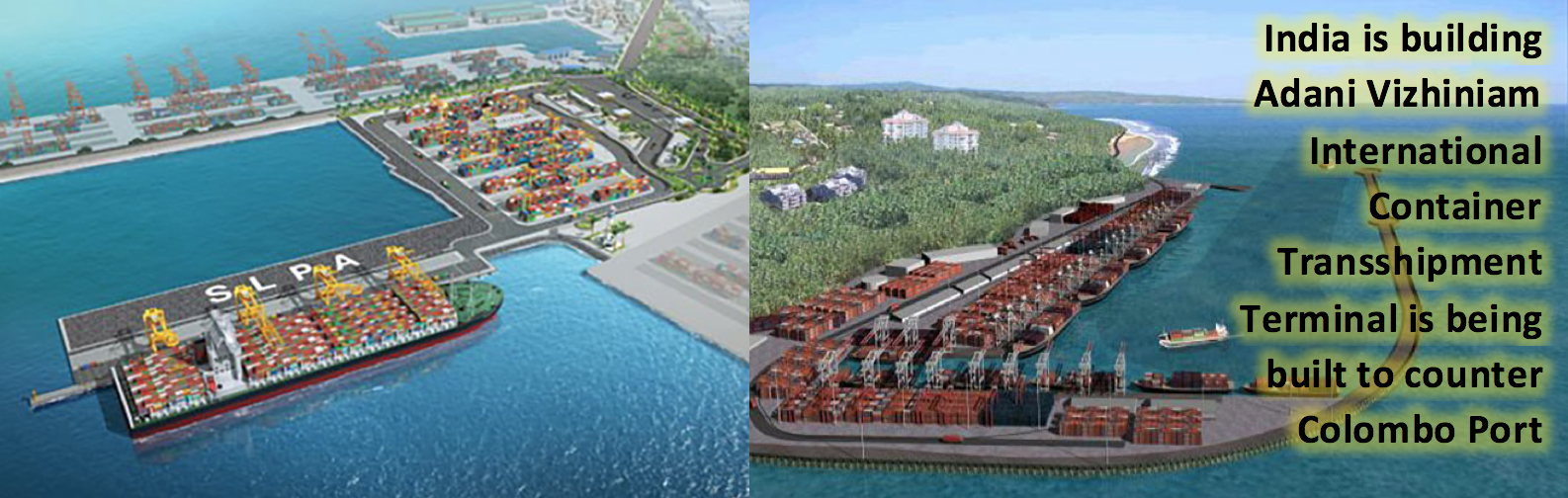
Sri Lanka Ports Authority (SLPA) had signed agreements with India and Japan to run the partially built East Terminal after dropping plans for a standard build-operate-transfer deal amid opposition from then President Maithripala Sirisena.

Port workers had also objected to the unloading of some cranes that had arrived at Colombo port in a protest against the deal.

Trade unions today called for the expediting of the development of the East Terminal and opposed handing it over to a foreign country. 

Four (04) more person confirmed for Covid -19: SL Country total increases to 2,054

July 1st, 2020

Courtesy Sri Lanka News

Four (04) more person has tested positive for Covid-19 (new coronavirus) infection . 02 positive cases among arrivals from Bangladesh, a returnee from India and another from Dubai.

Seven new cases of Covid-19 were reported so far today (July 01).

The country total has increased to 2,054 according to the latest information by the Epidemiology unit of the Ministry of Health

D V Chanaka’s reason why the MCC agreement cannot be canceled

July 1st, 2020

Courtesy Hiru News

The Sri Lanka Nidhas Podujana Sandhanaya says that it is not possible to cancel the MCC agreement once it has been signed twice and the previous government has obtained Rs. 1,800 million.

Former Parliamentarian D V Chanaka made this statement at a media briefing.

මිලේනියම් චැලේන්ජ් ගිවිසුම හා බැඳි ඉඩම් පරිහරණ සැලැස්ම –

June 30th, 2020

මතුගම සෙනෙවිරුවන්

පූර්විකාව –

                ලංකාවේ අතීත ඉඩම් භාවිතය සැමවිටම රජු හා සම්බන්ධ විය. රටේ භාරකරු වශයෙන් සහ පාලකයා වශයෙන් භූපති ලෙසට ඔහු හැඳින් වූ අතර රටේ සංවර්ධනය උදෙසා ඉඩම් යොදා ගැනීම සඳහා ගම් වසම හා බැඳි වැඩ පිළිවෙලක් විය. අනුරාධපුර යුගයේ පණ්ඩුකාභය රජ්‍ය සමය වන විට මෙරට ගම් සීමා කොට විධිමත් ක්‍රමයකට රජ්‍ය පාලනය පරිවර්තනය වූ ආකාරය ඉතිහාසයේ දැක්වෙයි. නමුත් මහාවංශයේ සඳහන් ලිඛිත ඉතිහාස යුගයට ප්‍රථම පැවති ආදී ජනාවාස ගැන සැළකිල්ල දැක්වීමේ දී ගිරිජනපද සංකල්පය මත ඉඩකඩම් පරිහරණය සිදුව තිබෙන බව දැක්විය හැකිය. කෙසේ වෙතත් දසගම් පරිපාලන ඒකකයක් මගින් පාලනය හැසිරවීම නිසා රජු ගේ සංවර්ධන සංකල්ප මත රටෙහි ඉදිරි ගමන සිදු විය. මහා පරාක්‍රමබාහු සමය වන විට රට සහලින් ස්වයංපෝෂිත වූයේ මෙම ශක්තිමත් පරිපාලන ක්‍රමයක් රටතුළ පිහිටා තිබීම නිසාය. සෙංකඩගල මහනුවර අවසාන රජ්‍ය සමය වන  විට මේ රටේ විශාල වශයෙන් විහාරගම් සහ දේවාලගම් ව්‍යාප්තව පැවතිණ . එම ගම්මාන සශ්‍රීක කරවනු වස් සහ එම විහාර දේවාලයන්හි රාජකාරි ඉටුකරලීම පිණිස නිල පංගු ඉඩම් වෙන්ව තිබුණි. ඒ ඇරුණු කොට රජුගේ රදළ පේරුවට වෙන් කළ බණ්ඩාරපංගු නින්දගම්ද පිහිටා තිබුණි. එම ගම්මාන වල සේවා  ඉටු කරලීමට  ගැමියන් හට රාජකාරි නියම කර තිබුණි.එසේම අතීතයේ සිට පැවති පරවේණි ඉඩම් රාශියක් රටපුරා පැතිර පැවතුණි. පොදු හේන් ඉඩම් කැලෑ ජල උල්පත් සහ වෙනත් පොදු ස්ථාන පරිහරණය කරලීමේ තහංචි ද සමාජයේ පැවතිණ. සන්නස් මගින් ඉඩ කඩම් පූජා කරලීමේ දී පවා මෙම පොදු භාවිතය ගැන සැළකිල්ලක් දක්වා තිබේ.

පරාධීන සමයේ ලංකාවේ ඉඩම් භාවිතය –

            කාලිංග මාඝ සහ සත් ද්‍රවිඩ සේනාවන් ගේ ආධිපත්‍ය මගින් වරින් වර රටේ පාලන බලය අත්පත් කරගත්තද මේ රටේ ඉඩම් පරිහරණ රටාවේ විශාල වෙනසක් ඇති නොවීය. එහෙත් උතුරේ යාපන අර්ධ ද්වීපයේ ඉඩම් භාවිතය කෙරෙහි යම් බලපෑමක් සිදුව තිබෙන ආකාරයද නිරීක්ෂණය කළ හැකිය. නමුත් පරංගීන් ගේ පැමිණීමෙන් පසු ඔවුන් රටේ යම් යම් භූමි ප්‍රදේශ අත් පත් කර ගැනීමෙන් මේ රටේ ඉඩම් භාවිතය ගැන පරිවර්තනයක් සිදු විය.ලංකාවේ රාජකාරි ක්‍රමය හා බැඳුණු ලේකම් මිටි ( හී ලේකම් මිටි කත්හාල් ලේකම් මිටි ) ආශ්‍රයෙන් පරංගීන් විසින් ඉඩම් තෝම්බු සකස් කරන ලද්දේය. ඒ පරංගි ආණ්ඩුවට සේවා කරලීම පිණිසය.මෙම තෝම්බු තවත් වැඩි දියුණු කරලීමෙන්  පසු ලන්දේසි ආණ්ඩුව තෝම්බු ලේඛන විධිමත් කර ඇත. වර්ෂ 1766 දී උඩරට රජු නිළමේ වරු සහ ලන්දේසි කොම්පඤ්ඤය සමග එළඹ ගත්  ගිවිසුමකින් (හඟුරන්කෙත ගිවිසුම)  ලංකාවේ ගව්වක පමණ තීරයක් අත් හරිනු ලැබිණ.මේ නිසා එම ඉඩම් තීරුව සඳහා වෙනම නීති සහ ඉඩම් පරිහරණ ක්‍රමයක් ඇති විය. විශේෂයෙන්ම මෙම ප්‍රදේශ වල( යාපන අර්ධ ද්වීපයේ ) සේවය පිණිස ඉන්දියාවේ මලබාරයෙන් ගෙනා වහලුන් සඳහා තේසවලාමෙයි නම් නීතියක් ක්‍රියාත්මක කරලීම ඇරඹිණ. මෙම නීති මලබාරයන් ගේ ස්වදෙශික ඉඩම් නීතිරීති මගින් සකස් කරන ලද්දක් විය.

      ලන්දේසි ආණ්ඩුව කොම්පැණියක් නොහොත් සමාගමක් වූයෙන් ඔවුන්ට ලැබෙන ආදායම මුදලින් ගණන් බැලීමක් කෙරුණී. ඒ නිසා ස්වදේශික ඉඩම් වලින් උපරිම ආදායම විශෙෂයෙන්ම කුරුඳු පුවක් ආදී ද්‍රව්‍ය ලබා ගැනීම පිණිස රාජකාරි ඉඩම් නිකුත් කරනු ලැබීය. එම ක්‍රමය මීට පෙර තිබූ රාජකාරි ක්‍රමයට වෙනස් වූවකි.මේ නිසා සිංහල වැසියන් අතර මුදල් භාවිතය ප්‍රචලිත වූ අතර 1796 දී ඉංග්‍රීසින් විසින් මෙරට මුහුදු බඩ පළාත් අත්පත් කරගත් විට ප්‍රකාශනයක් මගින් ලන්දේසි නීති පවත්වා ගෙන යෑමට එකඟතාවයක් ඇති කරගත්හ. ඉංග්‍රීසීන් ප්‍රථම වරට රාජකීය ආඥා මගින් ගැසට් පත්‍ර නිකුත් කරමින් මෙරටට සංක්‍රමණය වූ මුස්ලිම් ජන වර්ග වෙනුවෙන් ඉඩම් හා විවාහ නීති හඳුන්වා දුන්හ. (1806 මුස්ලිම් විවාහ හා දේපළ නීතිය ) 1815 දී උඩරට රජධානිය ගිවිසුමකින් පවරා දුන් පසුව රටේම නීතිය බවට පත් වූයේ ඉංග්‍රීසි නීතියයි.පෙර රජ දවස තිබූ චාරිත්‍ර වාරිත්‍ර පිළිපැදීමට ඉංග්‍රීසි ආණ්ඩුව ගිවිස ගෙන තිබුණද කොල්බෘක් කැමරන් කොමසාරිස් වරු දෙදෙන විසින් සකස් කරන ලද වාර්තාවෙන් නිර්දේශ කරන ලද්දේ රටේ ඉඩම් භාවිතයට පදනම් වූ රාජකාරි ක්‍රම අවසන් කරන ලෙසටයි.

1840 වසරේ නිකුත් කරන ලද අනවසර ඉඩම් ආඥාව නිසා  මේ රටේ රාජකාරි ඉඩම් සම්බන්ධව බරපතල අර්බුදයක් ඇති විය.රාජකාරි සහිත ඉඩම් රාශියක් අයිතිය තහවුරු කර ගැනීමට නොහැකිව රාජසන්තක කරනු ලැබිණ. ඒවායේ රාජකාරිය නොසලකා හැරීමෙන් වාරිමාර්ග නඩත්තුව ඇණ හිටිණ. මේ නිසා වාර්ෂික ගංවතුරාවෙන් අමුණු වැව් රාශියක් කැඩී බිඳී ගිය අතර රටේ ආහාර නිෂ්පාදනය ද බිඳ වැටිණ.

 පාරම්පරික ඉඩම් කොල්ලකෑම පිණිස ගෙනා අණ පනත් –

1/ 1819 අංක 18 කන්ද උඩරට විහාරගම් ලියාපදිංචි කිරිමේ ආඥාව

2/ 1840 අංක 12 අනවසර ඉඩම් ආඥාව

3/ 1856 අංක 10 විහාර දේවාල ආඥාව

4/ 1870 අංක 04  සේවා භුක්ති ආඥාව   

5/ 1889අංක 03 බෞද්ධ විහාර ඉඩම් ආඥාව

6/ 1897අංක 01 මුඩු බිම් ආඥාව

7/ 1931 අංක19 බෞද්ධ විහාර දේවාල ගම් පනත

8/ 1931  ඉඩම් නිරවුල් කිරීමේ ආඥා පනත

9/ 1935 අංක 19 ඉඩම් ආඥා පනත

10/ 1950 අංක 50 ඉඩම්  පරවශ්‍යතාවය පනත

11/  1958 කුඹුරු පනත

12/ 1968 අංක 30  නින්දගම් ආඥා පනත

13/ 1970 අංක 02 මහවැලි පනත

14/ 1972 අංක 01 ඉඩම් ප්‍රතිසංස්කරණ පනත

15/ 1973 අංක 34 බෞද්ධ විහාර දේවාල ගම් පනත

16/ 1975 අංක 39 ඉඩම් ප්‍රතිසංස්කරණ පනත

17/ 1976 අංක 29 ජනවසම පනත

18/ 1979 අංක 23 මහවැලි අධීකාරි පනත

19/ 1979 අංක 07 රජයේ ඉඩම් සන්තකය ආපසු පවරා ගැනීමේ පනත

20/ 1979 අංක43 ඉඩම් ප්‍රදාන( විශේෂ විධි විධාන පනත)

21/ 1998 ඉඩම් හිමිකම් ලියාපදිංචි කිරීමේ පනත

ඉඩම් පනත් නිසා ඇති වූ ගැටළු කීපයක් –

1903 -1998 දක්වා ඉඩම් නිවුල් කිරීමේ ප්‍රතිඵල –

1903 දී ඉඩම් නිරවුල් කිරීම ආරම්භ කොට 1931 පනතකින් බලාත්මක කොට 1935 ඉඩම් සංවර්ධන ආඥා පනත ගෙන ඒ මෙන් පසු තත්ත්වය විග්‍රහ කළ හැක්කේ ඉඩම් මැනීම කට්ටි කිරීම වෙන්දේසි කිරීම ආදී ක්‍රියාකාරකම් නිරීක්ෂණය කිරීමෙනි. ඉඩම් නිරවුල් කිරීමේ දී පළමුව ගමක් තෝරාගෙන එය වැසීමට ලක් කරති.එහිදී ගම් වැසියන් සතුව සන්නස් තුඩපත් සීට්ටු ආදිය තිබේ දැයි පරීක්ෂා කර බලති.ඒ අනුව ඉඩම් මැනීම කරන අතර අතැම් විට සන්නස් හෝ තුඩපත් පිළිගැනීමට නිරවුල් කිරීමේ නීලධාරීන් අකමැත්ත පළ කරති.එවැනි එක් උදාහරණයක් නම් දඹුල්ල විහාරගමට අයත් නොවූ කුඹුක්කඳන්වල නින්දගමයි.මෙම ගම මැනීමට ලක් කරන ලද්දේ හැටේ දශකයේ දීය. ඒ වන විට 1968 අංක 30 පනතින්  නින්දගම් අහෝසි කර තිබූ බැවින් මේ තුඩපත පිළිගැනීමට ලක් නොවිණ. කුඹුක්කඳන්වල තුඩපතේ විශේෂත්වය නම් එහි ගම් සීමා වෙන් කිරීමේ දී වනය වැව් රක්ෂිත සිද්ධස්ථාන අතහැර ලකුණු කර තිබීමයි. ඉඩම් නිරවුල් කිරීමේ දී මෙම ඓතිහාසික සම්ප්‍රදාය නොසලකා හැර තිබිණ. ඒ වෙනුවට රජයේ ඉඩම් දොළ පාරවල් ආදිය වෙන වෙනම ලකුණු කොට සමස්ත ගම පරිසර පද්ධතියෙන් වියුක්ත කොට තිබීමයි.. අවසානයේ 2014 වන විට ගම ගැසට් කරන විට අක්කර 1848 ක් පමණ වූ පරවේණී  ඉඩම් අතරින් කොටසක් ගැමියාගේ කැමැත්ත මත හෝ නැතිව ඉතා අඩු මුදලකට මිලදී ගත් සමාගම් කීපයක් එක ඉඩම් කටිටියක් වශයෙන් අවසාන ගැසට් නිවේදනයට ඇතුලත් කර තහවුරු කර ඇත. ඉන්පසු පෙර සාම්ප්‍රදායික වනයට අයත්ව තිබූ මහකපුයාය රක්ෂිතයේ තිබූ තපස් ලෙනක සෙල් ලිපියක් ග්‍රයින්ඩර කොට විනාශයටද ලක් කර ඇත.

          දෙවනි උදාහරණය නම් ලේනාවල තුඩපතේ ඇතුලත් පන්නම් පිටිය ගමයි. වලගම්බා රාජ්‍ය සමයේ දී අලුත්වැවේ මුදප්පු ගම්මහේ ගේ වැදි පරම්පරාවට දෙන ලද මේ ඉඩම් වැලමිටියාවේ නෙලුවේ වලව්වේ මුදියන්සේට රිදී හැටකට විකුණන ලද්දේ ලන්දේසි සමයේ දීය. එසේ ලියැවුණු තුඩපතෙන් අත්කර ගත් ඉඩම් සහ තවත් ඉඩම් සමග වැලමිටියාවේ පරම්පරාවේ ලේනාවල මොහොට්ටාල  විසින් භුක්ති විඳ එන අතර  ඔහු 1823 කහල්ල කැරැල්ල ට සාභාගි වීම නිසා රාජසන්තක කොට තිබුණි. ලේනාවල මොහොට්ටාල මුරුසියට පිටිවහල් කළද ඔහුගේ දරුවන් ඉංග්‍රීසි ආණ්ඩුවට පෙත්සම් ඉදිරිපත් කොට මේ ඉඩම් වලින් අක්කර 652 ක් නිදහස් කර ගැනීමට සමත්ව තිබේ.. එහෙත් නව සිය හැටේ දශකයේ දී ඉඩම් නිරවුල් කිරීමේ දී මේ අක්කර 652 තුළින් සන්තකයට වැටුණේ අක්කර 147 කි. ඉතිරිවා රජසන්තක කරනු ලැබිණ. මේ අක්කර 147 ද ලැබුණේ මුල් තීරණයට විරුද්ධව නඩු පැවරීමෙනි.අද වන විට මේ පන්නම්පිටිය ඉඩම් වලට ව්‍යාජ ඔප්පු සකස් කොට විවධ අයිතිකරුවන් සන්තක කොට ගෙන ඇත.

හුරුලු පළාතේ ඉඩම් –

         හුරුලු පළාතේ (අනුරාධපුර දස්ත්‍රික්කය ) කල්පේ කොරළයේ ඉඩම් රාශියක් හුරුලු විදානේට අයත්ය. ඒම ඉඩම් සෑම එකකටම ගම් වැව් පිහිටා තිබේ. කාලිංග මාඝ ආක්‍රමණ වලින් පසු සිංහල ජනතාව අවතැන් වීමෙන් ඒවා කැළයට යට විය. පසුව කීර්ති ශ්‍රී රාජසිංහ කාලයේ දී හුරුලු විදානේට පවරා තිබේ. මේ පැවරීමෙන් ඉඩම් වල සෑහෙන තරමේ  සිංහල ජනගහනයක් නැවත ඇති විය. නමුත් 1815 න් පසු ඉංග්‍රීසි රජයට අවශ්‍ය හරක් මස් සැපයීම පිණිස ඒ ඒ රදළ වරු නිලමේ වරු කටයුතු කිරීම නිසා එම ඉඩම් මඩකලපුවේ මට්ට ජන වර්ග  අතර බෙදා දී තිබේ. එවැනි ගමකි ආනඔලන්දාව. අද වන විට මෙලෙස මුස්ලිම් ගම් 11 ක් හොරෙව්පොතාන ආසනයේ දක්නට තිබේ ඒවා සියල්ලම ඓතිහාසික සිංහල ගම්මාන වශයෙන් හඳුනාගැනීම හැකි වන්නේ සෑම වැවක් කන්දක් අසබඩම තිබෙන පුරා වස්තු නිරීක්ෂණ කරලීමෙනි. මෙම පළාතේ තිබෙන සෑම කඳු පර්වතයකම කටාරම් ලෙන් හෝ ඓතිහිසාකි සිද්ධස්ථාන නටබුන් දක්නට ඇත. සංවර්ධන කටයුතු වලදී මේ කඳු පර්වත කැඩීමට බලපත්‍ර ලබා දීම මහත් ව්‍යසනයකි.එසේම අතැම් ස්ථාන වල තිබෙන පුරාවස්තු ඩෝසර කොට විවිධ වගාවන් කර ගැනීමට මුස්ලිම් ජනතාව උත්සාහ කර ඇත.

දඹුලු විහාර ඉඩම් සන්තකය –

මෙම විහාරයට වලගම්බා රජු විසින් පූජා කරන ලද ඉඩම් ප්‍රමාණය අක්කර 24000 ක් පමණ වේ. නමුත් අවසාන වශයෙන් අක්කර 12630 ක ඉඩම් ප්‍රමාණයක් මේ විහාරගමට අයත් වූයේ 1848 කැරැල්ලේ පසු අවදියේ දී ඉංග්‍රීසි රජයෙන් කරන ලද ඉල්ලීමකට අනුවයි.මෙම විහාරගම හරහා කුරුණැගල පොළෙන්නරු මහා මාර්ගය සහ  මාතලේ අනුරාධපුර මාර්ග ඉඳි වීමේ දී පළමුව ඉඩම් කීපයක් රජසන්තක කරන ලද අතර පසුව මේ හතරමංහන්දියේ රෝහල උසාවිය ආදිය තැනවීමට ද ඉඩම් අත්පත් කර ගන්නා ලදහ.මේ සියල්ල කරන ලද්දේ දඹුලු විහාරය ආසන්නයේ තිබූ පාදෙණිය ගමේ පැරණි වැව් ගොඩ කිරීමෙනි.දඹුලු විහාර සතු ඉඩම් වපසරිය තුළ  තිබූ බණ්ඩාරගම් පංගු කීපයක් ඉඩම් ප්‍රතිසංස්කරණ කොමිසන් සභා පණත යටතේද පවරා ගෙන ඇත.අද වන විට දඹුලු විහාරයට අයත් රාජකාරි නිල පංගු ක්‍රියාත්මක තත්ත්වයේ නොපැවතෙන අතර ඒවා පරිහරණය කරන්නන් මුදල් වාරික ලබා දීම පමණක් සිදු කරයි.දඹුලු විහාරගමට අයත්ව තිබූ නිකවටවන ගම අද සහමුලින්ම මුස්ලිම් ගමකි. එහි පැරණි නිලපංගු හිමිකරුවන් එම ඉඩම් මුස්ලිම් ජනයාට පැවරීමෙන් පසු විශාල මුස්ලිම් ජනගහනයක් ව්‍යාප්තව තිබේ.නමුත් එම මුස්ලිම් ජනයාගෙන් වර්තමානය වන විට විහාරගමට රාජකාරියක් සිදු නොවේ.

දළදා මාළිගයේ ඉඩම් –

            දන්ත ධාතූන් වහන්සේ සෙංකඩගල මහනුවරට වැඩම කොට ඓතිහාසික දළදා මාළීගයේ තැන්පත් කළ විමලධර්ම සූරිය රජු දළදා පූජාවට සහ නොයෙකුත් තේවාවන් සඳහා ඉඩ කඩම් පූජා කරමින් සත්කාර කර තිබේ. කීර්ති ශ්‍රී රාජසිංහ රජු මේ ඉඩම් පරිහරණ රටාවට විශේෂ දෑ රාශියක් එකතු කර තිබේ.ඒ අනුව දළදා මාළිගය සතුව ඉඩම් අක්කර 12000 ක් පමණ දැනට ඉතිරිව ඇතැයි ගණන් බලා තිබේ. ඒවා මහනුවර මාතලේ කෑගල්ල කුරුණෑගල දඹදෙණීය ආදී පළාත් වල විසිරී පවතින ඉඩම්ය. ඉංග්‍රීසින් ගේ අණපනත් නිසා මේ ඉඩම් වලින් කොටසක් රාජ සන්තක වූ අතර ඉඩම් නිරවුල් කිරීමේ ආඥ පනත පැමිණි පසු ඒවායේ සේවා නිලපංගු වල අන්‍ය ජන වර්ග පදිංචි වීම නිසා සේවාවන් හෝ මුදල් ගෙවීම පැහැර හරින තත්ත්වයකට පත්ව ඇත. පේරාදෙණීයේ ඒ දඬුවාවගම රජකාරි නිල පංගු ලේඛනයට ඇතුලත්ය..නමුත් මෙම ඉඩම එම ප්‍රදේශයේ දේශපාලඥයෙකු විසින් අත්පත්  කරගෙන කුඹුරු ඉඩම් ගොඩ කර වාහන සේල් ආයතනයක් පවත්වාගෙන යයි. ඒවාට අලුතින් ඔප්පු තිරප්පු හදා ඇත. එසේම මාතලේ කොහොඹිලිවල මාර්ගයක් තැනවීමට දළදා මාළිගයේ ඉඩම් බලහත්කාරයෙන් අත්පත් කරගෙන ඇත. වන්දි ගෙවීමක් සිදු කර නොමැත. මේ තත්ත්වය කොමසාරිස්( විහාරගම් රෙජිස්ටරය ) පොතෙන් උපුටා දැක්වීමට දළදා මාළිගයේ නීති අංශය කටයුතු කළද උසාවිය විසින් පිළිගනු ලබන්නේ  වත්මන් ඔප්පු තිරප්පු ආදියයි.මේ අන්දමට ආරවුල් සහිත ඉඩම් අක්කර දහදාහක් පමණ පවතින බව මාළිගයේ ලේකම් කාර්යාලය දක්වයි. දළදා පොරහැර අවසානයේ ජනාධිපතිවරයාට ඉදිරිපත් කරන සංදේශ වලින් මෙම ගැටළුකාරී තත්ත්වය දිගින් දිගටම දක්වා ඇත ද කිසිම විසදුමක් මේ දක්වා ලබා දී නොමැත. මේ නිසා දළදා මාළිගයේ ඉඩ කඩම් සම්බන්ධ නඩු දිගින් දිගටම ඇදී යන බව පැවසිය යුතුය.

මහා විහාරයේ ඉඩම්.-

        අස්ගිරි මල්වතු මාහා විහාරයන්ට පුද සත්කාර කළ ඉඩම් රාශියක් වෙති.ඒවා විවිධ කාල වකවානු වල රජවරුන් ගේ කැමැත්තට දී ඇත. එම ඉඩම් බෞද්ධ විහාරගම් පනත යටතේ ආවරණය වන නමුදු රජකාරි නිල පංගු අතහැරීම නිසා ඒවා බොහොමයක් අන්සන්තක වී තිබේ. මහනුවර නගරයේ අස්ගිරි විහාරයට යාබද ව තිබෙන මීනක්කම් පල්ලියේ ඉඩම සුදු හුම්පළ විහාරයෙන් රාජකාරියට ලබා ගෙන තිබෙන්නකි. අස්ගිරි විහාරයට තෙල් සැපයීම එහි රාජකාරියයි. නමුත් අද වන විට එම සේවාවන් සිදු නොවන අතර මුදල් ගෙවීමක්ද නොකෙරේ. අස්ගිරි මල්වතු විහාරයන්හි වියදම් සඳහා ඉංග්‍රීසි ආණ්ඩු කාලයේ පැවරූ  ගම්පළ වෙල(අක්කර හැත්තෑවයි) තලම්පිටිය( අක්කර තිස්හයයි ) සහ උගුරැස්සපිටිය( අක්කර තිස්හයයි ) රාජකාරි නිල පංගු වලින් නිදහස්ව අන්සන්තක ව තිබෙන අතර එම ඉඩම් මුස්ලිම් ව්‍යාපාරිකයන් විසින් අත්පත් කර ගෙන තිබේ.අස්ගිරි විහාරේ මහනායක පන්සල අනුනායක පන්සල සුදුහුම්පළ පන්සල බෝවල රත්මලේ පොතුහැර පිටියේ ගෙදර  යන පන්සල් වලට ගෙවන වී බෙර පහේ දීමානාව ද නැවතී තිබේ.මේ ආකාරයට විහාරගම් දේවාලගම් සතු තිබූ ඉඩම් රාශියක් අන්සන්තක වී ඇති අතර සාම්ප්‍රදායික දීමනා නැවතී ඒවායේ නඩු හබ  වල කිසිම අවසානයක් ද දක්නට නැත.

පුරාවස්තු ආඥා පනතේ සඳහන් ඉඩම් –

1949 පුරා වස්තු ආඥා පනතේ බලතල ප්‍රකාරව රජයට අත්පත් කරගන්නා ලද සහ පවරා ගන්නා ලද ඉඩම් පුරාවිද්‍යා රක්ෂිත වශයෙන් හැඳින්වෙයි. මෙම ඉඩම් ඇතැම් ඒවා මැන වෙන් කර නැත. අතැම් ඉඩම් වල පවතින පුරාවස්තු පමණක් ස්මාරක වශයෙන් ගැසට් කර තිබේ. 1766 හඟුරන්කෙත ගිවිසුම නිසා මුහුදු බඩ පළාත් වල ඉඩම් විහාරගම් දේවාලගම් පනත යටතට ගැනෙන්නේ නැත. එම නිසා එම ඉඩම් නිදහසේ වෙන්ද්සි කරලීමට හෝ පැවරීමට ඉංග්‍රීසි ආණ්ඩුවට හැකිවුණී.නැගෙනහිර පළාතේ පොතුවිල් හි පිහිටා තිබෙන මුහුදු මහා විහාරයේ ඉඩම් අක්කර 72 ක් 1951 ගැසට් පත්‍ර යෙන් රජයේ සන්තකය ලෙසට ගැසට් කර ඇත.මෙම සීමාව අතීත පූජා භූමි සීමාව නොවේ. මෙයින් අක්කර 33 ක ඉඩම් වපසරියක කොටස් උපදිසාපතිවරයා විසින් බැහැර කොට පෞද්ගලික ඉඩම් සන්තකයට පත් කර ඇත. අනතුරුව 1965 දී මෙම ඉඩම් කොටස සම්පූර්ණයෙන්ම බැහැර කොට අක්කර 30 ක ප්‍රමාණයක් නැවත පුරාවස්තු ආඥා පනත යටතේ ගැසට් කර තිබේ. මෙම ඉඩම් වපසරියෙන් ද අක්කරවිස්සක් පමණ ජය භූමි ඔප්පු මගින් වැසියන්ට නිදහස් කර තිබේ.(ඉඩම් ඔප්පු 38 ක් මගින් ). නැගෙනහිර පලාතේ පමණක් නොව උතුරු පළාතේ පැරණි සිද්ධස්ථාන පැවති බොහෝ  පැරණි ස්මාරක තිබෙන භූමි භාග සහ පුරාවිද්‍යා රක්ෂිත වලට මේ තත්වය බලපා තිබේ.

නව ඉඩම් පනත් සහ සංශෝධන –

1840 සිට 1998 දක්වා පනවන ලද ඉඩම් පිළීබඳ රජයේ ආඥාවන් මගින් සිංහල ජනතාවගේ පාරම්පරික ඉඩම් භාවිතය පිළිබඳ බරපතල ගැටළු මතුව තිබෙන ආකාරය පිලීබඳ තවත් නිදර්ශන බොහෝය.වෙසෙසින්ම විහාරගම් දේවාලගම් වල පවතින ඉඩම් ගැටළු හඳුනාගෙන ප්‍රතිපත්ති නිර්දේශ ලබා ගැනීම පිණිස 2005 වසරේ දී චන්ද්‍රිකා බණ්ඩාරනායක ජනාධිපතිනිය කොමිසමක් පත් කළේය. එහි වාර්තාව 2006 වසරේ දෙසැම්බර මාසයේ දී නිකුත් විය.නමුත් එහිදී හඳුනා ගත් ගැටලු වලට විසඳුම් ලැබී නොමැත. හිටපු ආරක්ෂක ලේකම් වර්තමාන ජනාධිපති ගෝඨාභය රාජපක්ෂ මහතා මැදිහත්ව කූරගල පුරාවිද්‍යා ස්ථානයේ අනවසර ඉඳි කිරීම් ඉවත් කරලීමට නියෝග පනවන ලද්දේ මෙම කොමිසම් වාර්තාව පදනම් කොට ගෙනයි. එහෙත් එම ආදර්ශය මුහුදු මහා විහාරය දීඝවාපී මහා විහාරය තිරියායි  හිරිගඬු සෑය වැනි ඓතිහාසික තැන් අරභයා ක්‍රියාත්මක ව නැත. එමවාර්තාවෙන් තවදුරටත් මතු කරන  ගැටළු විසඳීමට ලක් කරනවාට වඩා තව තවත් අවුල් කරලන නියෝග රජයෙන් නිකුත් වෙයි. 2018 වසරේ ඉඩම් විශේෂ විධි විධාන පනතක් ගෙන ඒමට රජය කටයුතු කර තිබුණි. එයින් බලාපොරොත්තු වන්නේ ගොවි ජනපද වල ඉඩම් වලට සහ රජයේ පොදු ඉඩම් වලට නිකුත් කරන ලද ස්වර්ණ භූමි සහ ජය භූමි ඉඩම් වල රජයේ කොන්දේසි ඉවත් කර ලීමයි. එසේම ඉඩම් බැංකු පනතක් හඳුන්වාදීමටද යෝජනා කෙරී තිබේ. මෙයින් රජයේ ඉඩම් පිළිබඳ විද්‍යුත් දත්ත එක් ස්ථානයකට ගනු ලබන අතර එම ඉඩම් බැංකුව මගින් ඉඩම් නිදහස් කරලීමට බලය ලබා දෙන බව පැවසේ. එම තීරණය 2017 භෞතික සැලසුම් කෙටුම් පතේ සඳහන්ව තිබේ.

  විදේශිකයන්ට රටෙන් ඉඩම් මිළදී ගැනීමට තිබූ තහංචිද  ඉවත් කර ඇති බැවින් අඩු මිළට අලෙවි වන ඉඩම් සහ ඉඩම් බැංකු සංචිතයේ දැක්වෙන ඉඩම් මිලදී ගැනීමට ඔවුන්ට බාධාවක් නැත. 1998 ඉඩම් හිමිකම් ලියාපදිංචි කිරීමේ පනත (බිම් සවිය ) බලතල ප්‍රකාරව සින්නක්කර ඉඩම්  සඳහා නවීන දත්ත ඇතුලත් බිම් සැලැස්මක් නිකුත් කරනු ලැබේ. ඒ ඉඩම් හිමියා භුක්ති විඳින ඉඩම් වපසරියේ ප්‍රමාණය අනුවයි. දඹුල්ල ප්‍රදේශයේ මෙලෙස ඉඩම් මැනීම අවසාන කර ඇති අතර ඒ මගින් බරපතල ගැටළු ඇති කර තිබේ.විශේෂයෙන්ම ගම් වාසීන් ගෙන් ඉඩම් අඩු මිළට ලබා ගෙන එම සම්පූර්ණ භුමියම එක බිම් සැලැස්මකට අතුලත් කරලීම සිදු කර ඇත.එවිට එම ඉඩම් වල අතීත භාවිතය අවලංගු වේ.

       කලුන්දෑව නම් ගම් පියසේ උණ පඳුර යාය නම් පොදු හේන් ඉඩම් සාම්ප්‍රදායිකව වෙන් කර තිබුණේ වැන්දඹුවන් ගේ නඩත්තුව සඳහාය. මෙම ඉඩම්  කැබලි ඉතාම අඩු මිළකට මිළදී ගත් ප්‍රදේශයේ දේශපාලඥයෙක් ඔහුගේ බිරිඳගේ නමට ඇති සමාගමට ලියා ගත් ආකාරය දැක්විය හැකිය. පසුව මේ සමස්ත ඉඩම් කොටස බිම් සවිය මගින් ගම් පිඹුරට එක් කර තිබේ. මේ ආකාරයට ඉඩම් බැංකුවක් ස්ථාපිත කළහොත් රජයේ හෝ පෞද්ගලික අංශයේ රැකියා සඳහා නියුක්තව සිටින්නන් විහාරගම් භූමියෙන් හෝ දේවාලගම් භූමියෙන් වෙන්ව තම ඉඩම් විකුණා ගැනීමට අවස්ථාව උදාකර ගනී. මෙම තීරණ විහාරගම් දේවාලගම් ඉඩම් වලට පමණක් නොව ජයභූමි සහ ස්වර්ණ භූමි ඉඩම් ඔප්පු ලාභීන්ටද සෘජුවම බලපානු ඇත.

ලංකාවේ ඉඩම් පරිහරණය පිළිබඳ නව සැලැසුම් –

වර්ෂ 1840 සිට 1998 දක්වා වූ කාලය තුළ පණවනු ලැබූ ඉඩම් ආඥාවන් ඒ ඒ අවස්ථාවන්හිදී රාජ්‍ය ප්‍රතිපත්තිය අනුව ගත් තීරණයන්ය. වර්ෂ 2000 න් පසු සමස්ත භෞතික සැලසුමකට යෑමට රජය උත්සුක වී ඇත. නගර හා ග්‍රාම නිර්මාණ දෙපාර්තමේන්තුව වශයෙන් තිබී පසුව භෞතික සැලසුම් දෙපාර්තමේන්තුව ලෙසට වෙනස් වූ ආයතනය 2007 වසරේ දී රටටම බලපාන නව භෞතික සැලැස්මක් සකස් කළහ. කොළඹ නගරයේ අවිධිමත් නාගරීකරණය විධිමත් කරලීම උදෙසා පළමුවරට 1952 පමණ නිකුත් කරන ලද සැලසුම් මෙසේ 2007 වසරේ දී සමස්ත රටටම බලපාන ලෙසට සකස් කර තිබේ. 2007 සැලැස්ම  මගින් ප්‍රධාන යෝජනා කීපයක් ඉදිරිපත් කරතිබුණි. 2030 වන විට ඇතිවේ යැයි උපකල්පනය කරන ජනගහන රටාව අනුව මේ භෞතික සැලසුම මගින් සංකල්පීය ජනාවාස රටාවක් සහ නාගරික කලාප පිළිබඳ සැලසුමක් ඉදිරිපත් කර තිබේ. කොළඹ සිට කළුතර දක්වා අධි නගර කලාපයක් ත්‍රිකුණාමල සිට දඹුල්ල දක්වා අධිනගර කලාපයක් මඩකලපු සහ පොතු විල් අධිනගර කලාපයක් හම්බන්තොට මූලික කර ගත්  ආර්ථීක කලාපයක් සහ යාපනය මූලික කරගත් ආර්ථික කලාපයක්  සකස් කරලීම මෙම සැලැස්මේ අරමුණ විය.මෙම සැලසුම් සකස් කරලීමේ ද යට දක්වන ලද ඓතිහාසික ඉඩම් පරිහරණයන් හෝ යටත් විජිතකරණය නිසා ඇති වූ ගැටළු හඳුනා ගැනීමට  උත්සාහ ගෙන නොමැත.වනගහනය නොහොත් රක්ෂිත වනාන්තර සංවර්ධනය වන ප්‍රදේශ වලින්  වෙන් කිරීම ට උත්සාහ කරලීම මෙහි විශේෂ ලක්ෂණය වෙයි. එය යටත් විජිත යුගයේ සිට පවත්වා ගෙන පැමිණි අධිරාජ්‍ය වාදී ක්‍රමවේදයක් වෙයි.නමුත් අතීතයේ දී සිදු වූයේ සමස්ත වනගහනය සහ ස්වභාවික පරිසරය තුළ නව සංවර්ධන කාර්යයන් සොබා දහමේ කොටසක් ලෙසට ස්ථාපිත කරලීමයි. කුඩා වැව් සහ මහ වැව් එයට හොඳම උදාහරණයයි.

            මෙහි දෙවනි අදියර වූයේ 2017 දී නිකුත් කරල ලද භෞතික සැලැස්මයි. මෙම සැලැස්ම යටතේ 2007 සැලැස්ම  අභිබවා යමින් ආර්ථික කොරිඩෝ හතරක් යෝජනා කර තිබූ අතර 2007 සැලැස්මේ සඳහන් අධිවේග මාර්ග සැලැස්ම තව දුරටත් පුළුල් කරමින් සාකච්ඡාවට බඳුන් කරතිබේ.අධිනගර එකිනෙක යා කරමින් තැනෙන අධිවේග මාර්ග විදිලි දුම්රිය මාර්ග නිසා සංවර්ධිත පෙදෙස් වල ස්වභාවික සම්පත් මෙන්ම ඓතිහාසික ස්ථානයන්ද විනාශයට පත් වන බව නිසැකය.කොළඹ සිට ත්‍රිකුණාමලයට තැනීමට යෝජිත ආර්ථික කොරිඩෝව නිසා උතුරු දකුණ වෙන් කරන බෙදුම්වාදී රේඛාවක් ද නිර්මාණය වේ. පසුගිය රජය සමයේ දී අරලියගහ මන්දිරයේ ස්ථාපිත කරනලද මිලේනියම් චැලෙන්ජ් කෝපරේෂන් නම් අයතනය හරහා ලැබෙන්න නියමිත වූ ඩොලර් මිලියන 480 මුදල ප්‍රදානය ඉහතකී සැලසුම් දෙක පාදක කොට ගෙන ලබා දෙන්නට නියමිතව තිබුණි. මෙම භෞතික සැලැස්මේ මූලික කෙටුම්පත දැන ගැනීමට ලැබීමෙන් පසු එහි තිබෙන අයෝග්‍යතාවය දක්වා ලීමට මාහට අවස්ථාවක් දෙන ලෙසට භෞතික සැලසුම් දෙපාර්තමේන්තුවේ හිටපු අධ්‍යක්ෂ ජගත් මුණසිංහ මහතාගෙන් ඉල්ලීමක් කළෙමි. නමුත් එම අවස්ථාව මට නොලැබිණ. මහජන අදහස් නොවිමසා ජනපතිවරයාගේ මූලිකත්වයෙන් රැස්වෙන භෞතික සැලසුම් සභාවද මේ වෙනුවෙන් රැස් නොකර සෘජුවම හිටපු අගමැතිවරයාගේ මූලිකත්වයෙන් මුළු දෙන ආර්ථික සභාවට ඉදිරිපත් කොට මෙම සැලසුම සම්මත කරගෙන ඇති බව දැන ගන්නට තිබේ.

          ඇමරිකාව විසින් පසුගිය රජය වෙත බලහත්කාරයෙන් පටවන ලද මිලේනියම් චැලේන්ජ් කෝපරේෂන් ආයතනයේ ආර්ථික කොරිඩෝ යෝජනාව සහ එයට අදාල ගිවිසුමට පාදක ව තිබෙන්නේද ප්‍රධාන වශයෙන් ඉඩම් නිදහස් කර විවෘත වෙළෙඳ පලේ අලෙවි වීමට සැලැස්වීමයි.මෙම යෝජනා 1998 පමණ කාලයේ සිට ඇමරිකාව විසින් රජය වෙත බලහත්කාරයෙන් පටවන ලද යෝජනා වෙති.එමගින් නැවතත් අතීත මුඩු බිම් පනත් වලින් සිදු වූ වින්නැහියම සිදු වීමට ඉඩකඩ තිබේ.රටේ සංකීර්ණ ගැටළුවක් බවට පත්ව තිබෙන ඉඩම් භාවිතය පිළිබඳ නිවරදි තීරණයකට නොඑළඹී නව ඉඩම් සංශෝධන වලට යෑම  රටේ ස්වාධීනත්වයට බරපතල ලෙස බලපානු ඇත. එසේම මේ ගිවිසුමෙන් ප්‍රවාහනය නවීකරණය කරලීමටද මුදල් ලබා ගැනීමක් සිදු වෙයි. අධිවේගී මාර්ග රටේ සංවර්ධනයට අවශ්‍ය වුවද රටේ ඉඩම් ඒ හා බැඳි පරිසරය ගැන සැළකිල්ලක් නොදක්වා රටේ සංවේදී ඉඩම් ප්‍රවාහන මාර්ග වලට අපහරණය කිරීම නොකළ යුත්තකි.එසේම රටේ මාර්ග පද්ධතිය නවීකරණය කර ගැනීමට මෙරට සිටින උගතුන් ගේ සේවය ගත හැක්කකි.එමෙන්ම රටේ බදු මුදල් ගෙවන ජනතාවගේ මුදල් අරපිරිමැස්මෙන් භාවිත කළහොත් එය නිවරදව කළ හැකිය.අවසාන වශයෙන් කිව යුත්තේ රටට අවශ්‍ය වනුයේ භෞතික සැලැස්මකට වඩා සමස්ත සංවර්ධන සැලැස්මක් බවයි.

භෞතික සංවර්ධනය ද සමස්ත සංවර්ධනය ද –

        භෞතික සංවර්ධනය අප ළඟා කරගත යුත්තේ සමස්ත සංවර්ධන සැලැස්මකට අනුකූලවයි.එසේම  අපගේ ඉතිහාසය විසින් අපට ලබා දෙන සංවර්ධන ප්‍රවේශයන් සමගද සමපාත විය යුතුයි.ලංකාවේ මධ්‍යම කඳුකරය මේ රටේ හදවත බව බොහෝ දෙනෙකු අවබෝධ කර ගෙන නැත.සියළු ප්‍රධාන ගංගා ආරම්භ වන්නේ මධ්‍යම කඳුකරයේ දිය උල්පත් අශ්‍රයෙනි.එහෙයින් සමස්ත සංවර්ධනයෙදී මූලිකවම මේ රටේ ජල මූලාශ්‍ර ආරක්ෂා කර ගැනීමට ප්‍රමුඛ තැනක් දිය යුතුය.මධ්‍යම කඳුකරයේ දියඋල්පත අශ්‍රයෙන් දිය නහර පණ ගැන්වී පොළව අභ්‍යන්තරයේ ගලා බසිමින් රජරට නිම්න භූමි වලදී මතු වන ආකාරයද අපට නිරීක්ෂණය කළ හැකියි. මේවා එක් පැත්තකින් සිසිල් දිය උල්පත් වශයෙන් ද අනෙක් පැත්තෙන් උණු දිය උල්පත් වශයෙන් ද දක්නට තිබේ.මේ උල්පත් ඇතැම් විට අපගේ ඇසට නොපෙනෙන ආකාරයෙන් මතු වී කුඩා වැව් පෝෂණය කරන බවද දැක ගත හැකිය. රජරට පවතින වැව් 30000 ක තරමේ සම්පත් ප්‍රභවයක් මේ ආසියාකරයේ තවත් දක්නට නැතිය. එම නිසා පැරණි රජ වරු කුඩා වැව් පණ ගන්වමින් වාරි පද්ධති නිර්මාණය කළහ. මේ වාරි පද්ධති සඳහා අතිරේක ජලය නිදහස් කරලීමට මහා වැව්ද මහා වැව් වලට ජලය ගෙන යෑම පිණිස යෝධ ඇළවල්ද නිර්මාණය කළහ.මහවැලි ගග ප්‍රධාන කොට ගත් ජල මූලාශ්‍ර වලින් හරවා ගත් ජලය උතුරේ ඉරණමඩු වැව දක්වාද ගෙන ගිය ආකාරය අතීත අත්දැකීම් වලින් පසක් වෙන බව කිව යුතුය.එසේම උතුරේ යාපන අර්ධ ද්වීපය සහ මන්නාරම් කලාපයේ ජලය හිඟ වීම නිසා ශුෂ්ක දේශගුණයත් නිසා යෝධ වැව පණ ගන්වමින් කළ වාරි විශ්මය අදටත් එසේමය.මේ තත්ත්වය මත ශක්තිමත් වූ රජරට ශිෂ්ඨාචාරය නිසා මාන්තොට  වරාය මහා වරායක්ව වැජඹුණි.. රට තුළ නිපදවන සියලු දේ මෙන්ම රටට ගෙනෙන බොහෝ දේ මෙම තැනින් හුවමාරු වූයේ මෙහි තිබූ ශක්තිමත් ආර්ථික ජාලය  පිටිවහල් කර ගෙනය.ඇතැම් වේලාවට මේ තොටමුණු වලින් ගොඩ බහින විදේශිකයන් ගම්වැදී රට වැසියන්ට කරදර පමූණවන කල්හි. ඔවුන් අල්ලා රටින් පිට කළ යුතු බවට ආඥාවල්ද පෙර සෙල් ලිපි වල ලියැවී තිබුණී.

සමස්ත සංවර්ධන නොසලකා භෞතික සංවර්ධනය මත යැපීමෙන් සිදුවන විපාක –

1/  වනගහනය තුනී වීමෙන් සොබා දහම හා බැඳි ජල මූලාශ්‍ර තෙත් බිම් අහිමි වීම.

2/ ගොඩනැගිලි ඉඳි කිරීම් වේගවත්ව වර්ධනය වීමෙන් ග්‍රමීය ළිං සහ කඳුරු මෙන්ම තුලිත පරිසරය අහිමි වීම.

3/ ග්‍රාමීය ආර්ථික දියුණුව මත වර්ධනය වන කුඩා නගර සංකල්පය බැහැර කිරීමෙන් සහ අධිනගර සංකල්පයට යෑමෙන් විශාල ප්‍රදේශයක භූමි සම්පත් එකවර විනාශයට පත් වීම.

4/ ඓතිහාසික උරුම භූමි වලට ඇති වන තර්ජනය.

5/ ඉඳි කිරීම් සඳහා අවශ්‍ය වන කලුගල් සඳහා කඳු පර්වත කැඩීමෙන් ජල මූලාශ්‍ර හිඳී යෑම. පුරාවිද්‍යා ස්ථාන විනාශව යෑම.

6/ඉඳි කිරීම් සඳහා අවශ්‍ය වැලි ගංගා වලින් විහාල වශයෙන් ගොඩ දැමීම නිසා ගංගා දියට කරදිය මුසු වීම සහ ගංමෝය පෝෂණය නොවීම. (නිදසුන් – කළුතර මෝය )

7/ සිංහල වෙදකමට යොදා ගනු ලබන දේශීය ඖෂධ ශාක සහ එදිනෙදා ආහාරයට ගත හැකි ඉබේ වැවෙන ගස් වැල් ඩෝසර යොදා ඉවක්  බවක් නොමැතිව විනාශ කොට තිබේ.ඒ ඒ පරිසරයන්ට අදාල මෙම ජෛව විවිධත්වය සහමුලින්ම වඳ වී යෑමේ තර්ජනය මෙම භෞතික සංවර්ධනය මගින් උදා කර ඇත.

සමස්ත සංවර්ධනය නොහොත් තිරසර සංවර්ධන ප්‍රවේශයකට අවශ්‍ය යෝජනා –

1/ නව ඉඩම් කොමිසමක් පත් කොට යටත් විජිතකරණය සහ නව යටත් විජිතකරණයෙන් පාරම්පරික ඉඩම් වලට ඇති වූ බලපෑම විමර්ශනය කොට වාර්තාවක් සැකසීම.

2/ මෙම වාර්තාව පදනම් කොට පැරණී ඉඩම් අණ පනත් අහෝසි කොට රටට ගැලපෙන නව ඉඩම් පනතක් සම්මත කර ගැනීම.

3/ ලංකාවේ ජල මූලාශ්‍ර සහ වන සම්පත් සංරක්ෂණයට අවශ්‍ය සමස්ත සංවර්ධන සැලැස්මක් ස්ථාපනය කරලීම.මේ සංවර්ධන සැලැස්මේ  මූලික අරමුණක් විය  යුත්තේ ගොවිතැන් කිරීමට අවශ්‍ය වාරි පද්ධති යලි ගොඩ නැගීමයි..

4/ ආර්ථික සැලසුම් යෝජනා සකස් කරලීමට විදෙස් මුදල් භාවිත නොකිරීම.

5/ අධීනගර වෙනුවට ග්‍රාමීය ආර්ථිකය මත පදනම් වූ කුඩා නගර පරිසර හිතකාමීව සංවර්ධනය කරලීම.

6/ සමස්ත සංවර්ධන සැලැස්ම සඳහා සෘජු මහජන අදහස් ලබා ගැනීමට පහසුකම් සැලසීම.

7/ ග්‍රාමීය සංවර්ධන ප්‍රවේශයන්ට සරිලන මානව සම්පත දියුණු කරලීම මෙන්ම එයට සාපේක්ෂ අධ්‍යාපනයක් ලබා දීම.

8/ රටේ ස්වාධීනත්වයට  හානිකර මිලේනියම් චැලේන්ජ් ගිවිසුම අහෝසි කිරීම.රටේ තීරණ ගන්නා ව්‍යුහයන් වෙත සමීප වීමට විදේශිකයන්ට මින් ඉදිරියට අවස්ථාව නොදීම.

………………………………………………..

පරිසරවේදී ,පුරාවිද්‍යා ගවේශක

මතුගම සෙනෙවිරුවන්

Not signing MCC but continuing E-Land Register by US company threatens Sri Lanka’s Intellectual Property

June 30th, 2020

MCC is a US Govt foreign aid agency which is funded by US Govt and the top US representatives’ sit’s on its Board. When $480m MCC Compact was announced immediately after the jihadi terror attacks on Easter Sunday, it was presented as a ‘gift horse’. That everything was done in secret reconfirms our doubts. The then Govt even denied MCC was operating an office inside the PM’s office. It is important to understand that this American compact is part of an overall Indo-US Pacific Strategy and complimented by 3D’s (Development, Defense, Diplomacy). The MCC placed a set of preconditions prior to signing of the agreement, & commitments after signing & passing the compact in Parliament. We must know what the pre-MCC commitments that have been launched are and put a stop to these if the present Government commits to not signing the agreement. An important and necessary aspect of the already launched pre-MCC project is the e-land registry which is outsourced to multiple private companies selected by the US embassy in Colombo.The danger of continuing with the e-land registry lies in the MCC clause 3.9 clause on intellectual property which is why the e-land registry must be brought under Sri Lankan purview/laws & by locals and local IT experts and not outsourced to foreigners. 

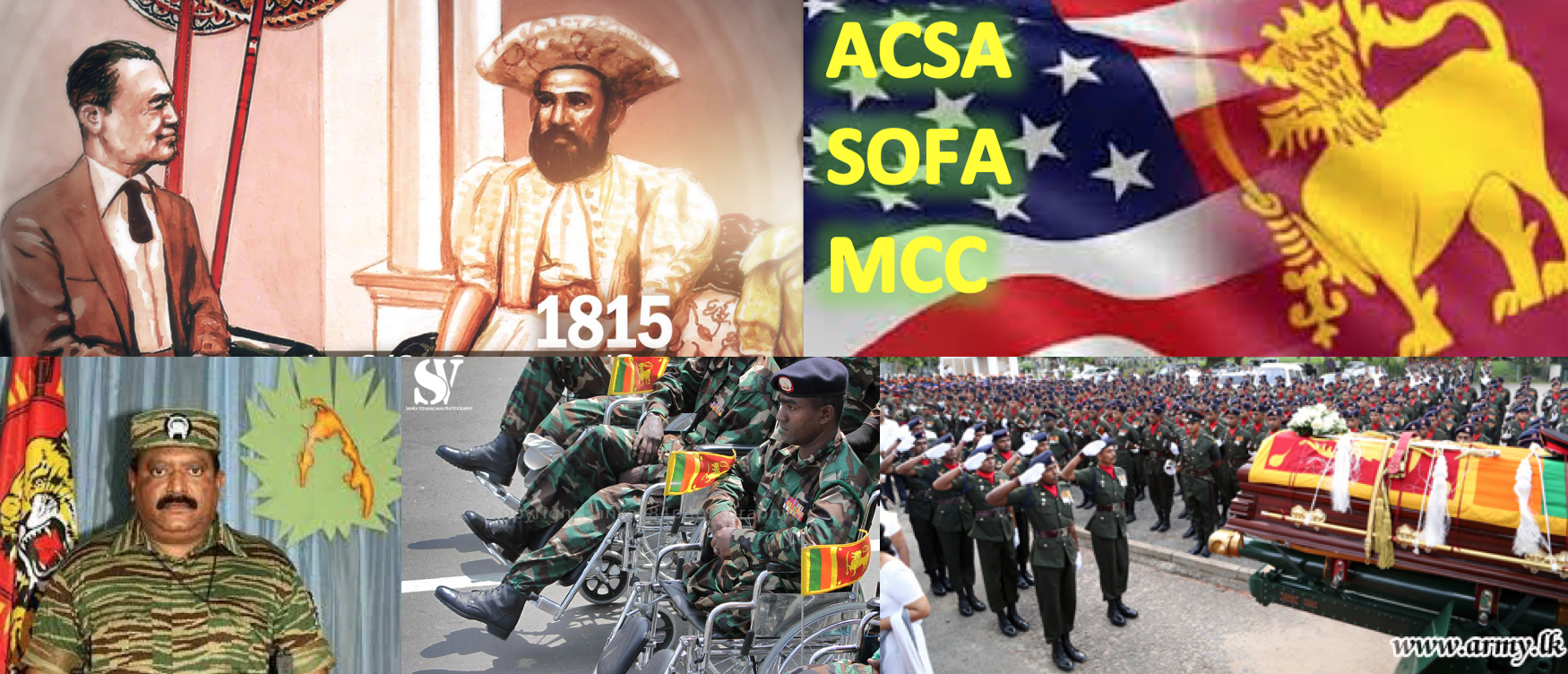
In viewing this MCC agreement it is advisable for Sri Lankans to stop thinking from the lens of their preferred political party and look at the dangers a foreign agreement is likely to bring to the country & its citizens. Political parties change power periodically but we have enough experience of the suffering our people went through under colonial rule. We should not walk into another 1815 Kandyan Convention (ceding our nation to foreign powers) or allow a 1840 State Land Encroachment Ordinance (where invaders told the natives they were encroaching on their own land) or 1897 Wasteland Ordinance where anyone who had no documentary proof of land ownership had their lands confiscated by the British. MCC should not be a repeat of what took place exactly 200 years ago.

Now, please read these lines carefully and keep them at the back of your mind as you read the rest of this article.

MCC is a US Govt foreign aid agency which is funded by US Govt and the top US representatives’ sit’s on its Board. When $480m MCC Compact was announced immediately after the jihadi terror attacks on Easter Sunday, it was presented as a ‘gift horse’. That everything was done in secret reconfirms our doubts. The then Govt even denied MCC was operating an office inside the PM’s office. It is important to understand that this American compact is part of an overall Indo-US Pacific Strategy and complimented by 3D’s (Development, Defense, Diplomacy). The MCC placed a set of preconditions prior to signing of the agreement, & commitments after signing & passing the compact in Parliament. We must know what the pre-MCC commitments that have been launched are and put a stop to these if the present Government commits to not signing the agreement. An important and necessary aspect of the already launched pre-MCC project is the e-land registry which is outsourced to multiple private companies selected by the US embassy in Colombo.The danger of continuing with the e-land registry lies in the MCC clause 3.9 clause on intellectual property which is why the e-land registry must be brought under Sri Lankan purview/laws & by locals and local IT experts and not outsourced to foreigners. 

In viewing this MCC agreement it is advisable for Sri Lankans to stop thinking from the lens of their preferred political party and look at the dangers a foreign agreement is likely to bring to the country & its citizens. Political parties change power periodically but we have enough experience of the suffering our people went through under colonial rule. We should not walk into another 1815 Kandyan Convention (ceding our nation to foreign powers) or allow a 1840 State Land Encroachment Ordinance (where invaders told the natives they were encroaching on their own land) or 1897 Wasteland Ordinance where anyone who had no documentary proof of land ownership had their lands confiscated by the British. MCC should not be a repeat of what took place exactly 200 years ago.

Now, please read these lines carefully and keep them at the back of your mind as you read the rest of this article.

Just think for a minute about an elected Govt agreeing to grant MCC ‘PERPETUAL’ (Permanent), IRREVOCABLE (UNCHANGEABLE), ROYALTY-FREE (ABSOLLUTELY FREE), ‘ASSIGNABLE RIGHT’ (transferring right) to the US/MCC to on behalf of Sri Lanka – PRODUCE, REPRODUCE, PUBLISH, RE-PURPOSE, USE, STORE, MODIFY any PORTION or PORTIONS of INTELLECTUAL PROPERTY as MCC SEES FIT – in ANY MEDIUM, NOW KNOWN or HEREAFTER DEVELOPED, for ANY PURPOSE WHATSOEVER.

Don’t these lines shock you

Don’t you wonder what kind of an agreement this is to hand over Sri Lanka’s Intellectual Property Rights to a foreign country?

Don’t you wonder if the public officials associated with the drafting of this agreement with these lines were insane not to object? 

This means MCC would lay claim on products originating or produced in Sri Lanka and we would virtually lose our sovereign rights over products that have origin in Sri Lanka and the Government will have to pretend to be deaf dumb and blind because it actually agreed to hand over Sri Lanka’s past-present & future intellectual property to a foreign country!

The MCC land project is just 67million but is likely to impact our land, land legislation, our resources and our people. A presentation was made by MCC in Temple Trees on 25 September 2018 (slides are given at end of article)

It confirmed that a Constraints Analysis report was made in 2016.

It identified access to land as the root cause for investment (we were sold a bogus story of MCC alleviating poverty)

This means that the preparation of the parcel fabric map and inventory of state land, formulating a new land policy, with land information system & data on land was aligned to the goal of facilitating INVESTMENT.

A map showing MCC focus for land investment was shown covering 7 districts along a Colombo-Trincomalee Economic Corridor.

Slide 4 listed 3 activitiesnot subject to conditions precedent to fundingas these were part of other funding programs linked to World Bank & USAID

  1. Inventory & mapping of State Land & preparation of parcel fabric
  2. Improving Deeds Registry – scan & digitize deed records
  3. Improvement of the valuation system

This means though these 3 activities are not part of the conditions precedent to funding, it is however associated with & is part of MCC land project.

In fact, US embassy called for expressions of interest as far back as 2011.

https://photos.state.gov/libraries/sri-lanka/577989/pdf/eLand%20Hub%20Project.pdf

This was the very year US announced its Pivot to Asia plan under President Obama. The MCC was without doubt on the pipeline with various associated projects being plugged in through funding unknown or not doubted by the government in power. Having sent teams to study Sri Lanka’s land administration and funding reports, the external parties knew more about our loopholes than our own public officials.

With the public entry of MCC after 2015 regime change. All of the hidden projects came out into the open and declared part of MCC.

Thus, the cadastral mapping, parcel fabric map, deed registry scanning and digitizing, state land information & valuation is being outsourced to multiple private parties selected by the US embassy Colombo.

Slide 4 of the presentation made on 25 September 2018 next listed 2 activities SUBJECT TO condition preceding MCC funding(what Sri Lanka had to do BEFORE obtaining any MCC funding) and requires passing by legislation in Parliament.

  1. Registration of ‘grants’ in the title system & converting deeds to title system
  2. Establishing a land policy body

Would any country allow foreign countries and private firms associated with these foreign countries to be given access to their land records? These companies and their staff are currently going through all of the 45 land registries in Sri Lanka and demanding millions of dollars for their system set ups. Why is the Government not putting a stop to this immediately?

When the surveyor’s department had the capability and the expertise to do the cadastral mapping, ignoring their appeals, the task was given to a US firm (Trimble Navigation) for a cost of $154m. Is this part of the $480m MCC Compact – why should Sri Lanka burden itself to pay 1/3 of what the US is supposed to be giving in total? No one will answer.

Keep in mind that the US has rejected the title registration system and continues with a modernized form of deeds. Why shouldn’t Sri Lanka also adopt the same US system instead of another old & outdated Australian registration system?

Already some 700,000 title registration certificates have been given and their data is being entered into an e-registrar that is operated by foreigners & foreign IT set with back-office and front office operated by them.

Return to the MCC clause 3.9 on intellectual property. Though MCC is not signed, the country’s data is not only being accessed by foreigners and private parties but they are taking over this data and entering into a system that is theirs. Now isn’t all of this data virtually their intellectual property rights even by default? Isn’t this a fundamental rights violation of the privacy of these 700,000 title owners? What if suddenly these private entities decide to suddenly close shop & leave with the data and this data is used against or to the disadvantage of these 700,000 owners, what will or what can the GoSL do on behalf of them?  These are very serious scenarios that we cannot afford to brush aside thinking that nothing will happen. We are dealing with a country that in its own website carried that $10m was given as part of MCC and now when the Gunaruwan report pointed this out as well as the amounts not being entered into the State records, the embassy website has deleted the entry of this news item.

https://lk.usembassy.gov/millennium-challenge-corporation-official-visits-sri-lanka-to-continue-progress-on-compact-development/

http://www.slguardian.org/2018/11/will-us-halt-its-5-years-mcc-on-sri.html

And even twitters that no such monies had been disbursed

Slide 5 is proposing a Land Policy Body which makes the newly set up private company (MCA Sri Lanka) above the Ministry of Lands. How can a private company be above the State’s Ministry?

MCC slide 6 proposes to establish a Land Policy Body. Didn’t no politician or official tell MCC that we already have a National Land Policy Department in the Land Ministry?

MCC wants to establish a new entity where its MCA-Sri Lanka private company will set policy for a sovereign country, probably ending up inviting all the nefarious local and international NGOs/civil society to be part of it.

How can the Land Policy Research Council be ‘independent & national” when its head is a private company (MCA Sri Lanka) and its members are private sector? Where is the voice of the public officials, the lawyers, the people?

Please look at the 8 slides that were shown by MCC on 25 September 2018 to understand better. Think for yourself the scenarios Sri Lanka & its people and even an elected government will find itself when there is a parallel policy making body functioning above it.

Sri Lankans must worry about the 3.9 Intellectual Property clause which inspite of MCC agreement not being signed is valid given that all of the pre-MCC land deed scanning, e-land hub entries and state land bank information are being entered by foreign/private companies into systems owned and operated by them.

Sri Lankans opposed CEPA on account of our IT personnel getting affected. Imagine our entire intellectual property being ceded to US? This cannot be allowed.

Shenali D Waduge

Millennium Challenge Corporation Compact: One size will not fit all

June 30th, 2020

Courtesy NewsIn.Asia

Questions of sovereignty and notions of strings attached will have to be addressed for the smooth passage of the grant

Millennium Challenge Corporation Compact: One size will not fit all
The picture at the top shows the MCC Managing Director for Europe, Asia, Pacific, and Latin America Caroline Nguyen and the Sri Lankan Treasury Secretary signing an agreement to provide an additional US$ 2.6 million USD grant to finalize compact development in June 2018

By P.K.Balachandran/Daily Mirror

With the American Millennium Challenge Corporation Compact (MCC), getting into hot water in Sri Lanka, Nepal and some countries in Africa, what is apparent is that one size will not fit all. Each country has its own political, social, and economic concerns and historical experience shaping its mindset. The aid program will therefore have to be tailor-made to suit each country.

That the MCC is a grant and not a loan is a major plus but it still will not be accepted if the recipient countries see strings attached to it and perceptions of strings” vary from country to country.

The Sinhala version of the final report of the Sri Lanka experts’ committee on the MCC Compact, which has been put on the website to get public reactions, has apparently suggested that the government should not sign the Compact without amending the intrusive” clauses. According to Dr. Palitha, Kohona, a former Lankan Foreign Secretary and Lanka’s Permanent Representative to the UN, the objectionable intrusive” clauses were: (1) the substitution of Sri Lankan law by international law and (2) the special privileges and extensive immunities granted to US personnel under the MCC compact. The chairman of the panel, Dr. Lalithasiri Gunaruwan, had himself said that some of the clauses violated the Lankan constitution.

The report noted that the details of the MCC compact, on the table for years, were never made public for any meaningful discussion to take place. While acknowledging that governments have the right to enter into agreements with other countries, the panel said that there are some agreements which may impinge on the laws, sovereignty and constitution of Sri Lanka. In such cases, governments should seek the approval of parliament. Such pacts should also be open to any citizen’s inspection under the Right of Information (RTI) Act. If necessary, RTI regulations should be changed to allow it. Fortunately, the MCC Compact requires parliamentary sanction.

Dr. Kohona insists that the MCC serves America’s geo-political agenda. He recalled that the MCC had pulled out of Sri Lanka in 2008 on political (human rights) grounds. According to a piece in www.grain.com the US could terminate the Compact if its stringent conditions are not adhered to, or if it no longer suits its political interest.

Contours Of The Compact

Sri Lanka has been promised a grant (not a loan) of US$ 480 million under the MCC compact, 70% of which will be for the improvement of transportation and the rest for preparing a land registry. The purpose of the land project is to increase the availability of information on private land and under-utilized State lands. In 1998, the Lankan parliament passed the Land Titles Act to convert the outdated land deed system to a land titles system. The current land deed system requires decades of land deeds to prove ownership. This has led to long drawn out litigations over ownership.

However, the 1998 law was only partially implemented because of financial constraints. In 2007, Mahinda Rajapaksa regime re-started the ‘Bim Saviya’ project. But again, work could not go beyond Colombo district and a few other areas.

The MCC grant is to go into mapping government land, identifying utilized and un-utilized government lands, and creating a register of government lands. It is pointed out that 85% of all land in Sri Lanka is owned by the government, but the government does not have a central registry of this land. Most departments have no idea what land it owns. This means that land is heavily under-utilized. Land available for agriculture or industry is not used appropriately. This new land registry will allow for the government to know what it owns and where,” a source said.

But leftist leader Vasudeva Nanayakkara fears that accepting a big grant of US$ 480 million will put Lanka under a moral obligation to accept US demands. Nationalists like Udaya Gammanpila would like land registration work to be done by the government without direct foreign involvement. He fears that the MCC will be used to grab land for foreign investments as it happened in Africa. According to www.grain.com land projects in Mali, Ghana, Mozambique and Benin make it clear that the MCC has played a key role in commodifying Africa’s farmlands and opening them up to US agribusiness.

US Denial

In Sri Lanka’s case, the US has officially denied that it has any plan to buy released land or that it is eying land on the proposed Colombo-Trincomalee Economic Corridor, a project which Lankan nationalists oppose. Perhaps they think that the US is eying Trincomalee.

Jenner Edelman, Resident Country Director for MCC in Sri Lanka, addressing a Foreign Policy Round Table, on September 24, 2019 at the Lakshman Kadirgamar Institute in Colombo, said that there is no railway or transportation infrastructure project of any kind from Colombo to Trincomalee in the MCC grant; nor is there any mention of this conceptual corridor in the grant agreement. The so-called Colombo-Trincomalee Economic Corridor is a high-level conceptualization of the Government of Sri Lanka’s plans to create several proposed economic or development corridors by 2050, she said.

Edelman said that MCC projects will not be implemented by the MCC as such, but overseen by a Lankan Board of Directors, comprising senior Lankan government officials as well as private sector and civil society representatives. It will be handled by a management unit of around 65 Lankan professionals.

By necessity, some equipment and technical expertise required for the projects will come from abroad as it may not be available in Sri Lanka. However, there is no requirement to ‘buy American.’ There will be opportunities for local firms to win contracts.

It was pointed out that woven into the MCC scheme are modern principles of organization such as rationality, transparency and accountability. By learning to abide by these principles of good governance, Lankan personnel would be able to replicate them in other spheres of the administration. In the long run, MCC projects will help tone up Lankan administration which needs to be modernized if the country is to be a commercial ‘hub’ of South Asia and the Indian Ocean Region.

All MCC projects must be based on correct data and analytical rigor. Such rigor has to be applied to resource allocation, project design, and results measurement. Lastly, transparency and accountability must be embedded in all aspects of the partnership—before, during, and after the Compact period.

Daily Express (November 7, 2109) quoting a US embassy statement of November 2019 to say that projects under the five-year US$ 480 million grant will benefit at least 11 million (or 54% of) Sri Lankans. Of the total of US$ 480 million, US$ 350 million will go into the transport project with an estimated Economic Rate of Return (ERR) of 19%.

The transport project seeks to increase the relative efficiency and capacity of urban and provincial transport infrastructure in the Western, Central, Sabragamuwa and Uva Provinces. It will upgrade physical roadway networks, modernize traffic systems, and introduce policy and regulatory reforms.”

The US$ 67 million land project has an estimated Economic Rate of Return of 26% and aims to expand and improve existing government initiatives to increase the availability of spatial data and land rights information. The project will initially focus on districts in the Central, North-Western, North-Central and Eastern provinces,” the US Statement said.

The MCC grant may not be available for much longer as Sri Lanka had recently graduated to upper-middle income status, the US has pointed out.

The Gotabaya Rajapaksa government will take a decision after securing public opinion and negotiating with the US on any change it may want. A final draft pact will then be taken to the cabinet and parliament for their approval.

India, Sri Lanka hold talks on Colombo’s debt repayment

June 30th, 2020

Courtesy DNA

The matter was raised at the leadership level during Prime Minister Narendra Modi’s telephonic conversation with Sri Lankan President Gotabaya Rajapaksa on May 23.

Indian and Sri Lankan authorities held talks over two days this week on rescheduling Colombo’s repayment of loans and the country’s $1.1 billion currency swap request to abate the economic impact of COVID-19 crisis.

A spokesperson for the Indian mission in Sri Lanka said, “In the context of the situation concerning the Sri Lankan economy’s external sector, the two countries have been engaged in close and constructive discussions.” 

Indian High Commissioner to Sri Lanka Gopal Baglay held discussions at the senior level in Colombo on Sri Lanka’s requirements.

The statement said, “In the post-COVID world, India remains committed to partner Sri Lanka closely for the latter’s sustained economic recovery and shared prosperity.”

The matter was raised at the leadership level during Prime Minister Narendra Modi’s telephonic conversation with Sri Lankan President Gotabaya Rajapaksa on May 23. 

During the talks, the Sri Lankan President requested the Indian government to provide $ 1.1 billion special SWAP facility to top up US $400 million under SAARC Facility. 

The Indian readout said, “Prime Minister assured the Sri Lankan President that India would continue to provide all possible support to Sri Lanka for mitigating the effects of the pandemic.”

President Rajapaksa also sought Indian help to revive key infrastructure projects in the Indian Ocean Island country, including hastening up the construction of the East Terminal of the Colombo Port. 

Senior cops should bear responsibility for curbing crimes in respective areas – Defence Secretary

June 30th, 2020

Courtesy Ada Derana

Defence Secretary Major General (Retired) Kamal Gunaratne says the senior police officers-in-charge of provinces should be ashamed of wearing their uniforms if large-scale illegal activities are taking place in their respective divisions.

You need to curb illegal activities that are increasing at an alarming rate without heeding to forces that might influence you and also to protect the dignity of the uniform that you wear. No police officer, from Senior DIGs, DIGs to OICs in the area, can wash their hands of the accountability for the increase in crimes rate in their respective areas,” the Defence Secretary said addressing senior DIGs and DIGs representing all provinces of the Sri Lanka Police at a special meeting held at the Defence Ministry.
 
He has advised the police officials not to consider their profession as just another job as the lives of the country’s people are in their hands, the Ministry of Defence said in a statement.

The responsibility of the armed forces is to protect people in events like major natural catastrophes like floods and landslides, terrorism or hostilities and also virus outbreaks like COVID-19. But you are the ones who recognize the pulses of the people. Hence, you shoulder a bigger responsibility in protecting people’s lives,” the Defence Secretary said adding that while many police officers are serving in a dignified manner, some are a disgrace to the entire police department.

The Defence Secretary said he had received letters from the public residing in various police divisions citing the inefficiency of some policemen, including top police officials in the areas, in curbing crimes and also their involvement with criminals in those areas.

Sir, there is no point of lodging complaints about drug peddlers to the police as these drug dealers, who were informed by the police on our complaints, are threatening to destroy our families the next day,” the  Defence Secretary quoted from letters that he received from various police divisions and questioned the Senior DIGs and DIGs whether the police could gain any respect in such situations.

If any of those top police officers, who have had hand in such crimes, are present here today, they should be ashamed of themselves. I have received many complaints that drug trafficking was carried out with the help of some police officers during the curfew and drugs were being distributed in motorcycles and three-wheelers and as well as by using young children with the blessings of those corrupt police cops. I have also received complaints about an OIC attached to a Northern Police Station, who had acquired a large sum of cash from a criminal, with the support of another high-ranking police officer, to allow him to run his illegal businesses, freely,” he revealed.

Despite the Defence Ministry, issuing a letter on April 5 this year had instructed Superintendents of Police (SP) to prepare reports on the underworld criminals and drug traffickers in the respective police divisions, they have failed to submit those reports to the Ministry, so far.

The Defence Secretary has instructed the Acting Inspector General of Police Chandana Wickremaratne to look into the matter.

If it took two-and-a-half months to implement, how could we bring the perpetrators to book” the Defence Secretary queried.

He stressed that when directives were issued by the Defence Ministry or the Acting IGP, it should not be considered as directives issued by a corporation or any other government institution as it is a matter related to national security.

Defence Secretary said police officers were responsible for maintaining national security as they are the main contributors to create a fear-free environment for the people to live freely.

I want to tell you the same thing that I told the prison officials. From today onwards, you have to perform your duties properly in a responsible manner. Let me know if any of you were not allowed to perform your duties. I have arranged this meeting today to request you to perform your duties to gain respect for the uniform that you wear and it is your responsibility not to leave room for any political force to harass people in your respective areas. The SSPs and ASPs have a responsibility to look into these,” he said adding that no police officer, who works for the sake of gaining personal benefits, earns respect when he is being called ‘a good boy’ by a politician.  

He also said the senior police officers should be held responsible if any form of crimes, including theft, murder or drug trafficking, were taking place in the areas coming under their purview.

The Defence Secretary said if there were 12 police stations under DIGs, all 12 OICs should be accountable for the crimes that took place in those areas.

You can inform about officers who perform duties irresponsibly to me or the IGP but those who make complaints should have clean records,” he said, noting that tourists or families cannot enjoy their evenings at the Mount Lavinia and Panadura Beaches due to drug addicts.

The Defence Secretary also revealed about a failed attempt by a henchman of a notorious underworld criminal to fill a large swathe of marshy land in the vicinity of Colombo and was thwarted by the Police’s Special Task Force.

When inquired, the Police officer-in-charge of that area said he was unaware of this illegal landfilling. You can justify a police officer saying that he couldn’t detect drugs hidden inside a flower basket or a pocket but how can he say that he was not aware of the filling of 4-5 acres of land,” the Defence Secretary questioned.

He said President Gotabaya Rajapaksa’s Election manifesto had spelt 10 main objectives and maintaining national security was its main priority and his main intention of appointing the Presidential Task Force was also to support to build a safe country, a disciplined, virtuous and legitimate society for all Sri Lankans.

Meanwhile, the Defence Secretary, who again quoted a telephone call that he received about a ransom of Rs. 5,000 from a 60-year-old female street vendor in Kaduwela, questioned as to how one could speak of national security when innocent street vendors aged 60 to 70 years were unable to sell green leaves without paying a ransom.

අපට මඟක් ඇත (නොහොත් ලංකාවට මරුකටෙන් ගැලවිය හැකිය): අංක 1

June 29th, 2020

චන්ද්‍රසිරි විජයවික්‍රම, LL.B., Ph.D.

හැඳින්‌වීම

රනිල් වික්‍රමසිංහ: ආ එන්න එන්න සන්නස්ගල, කොහොමද පොසොන් එක?
උපුල් සන්නස්ගල: ඔහේ ගෙවිලා ගියා සර්…
ර: ඕක තමයි ලංකාවේ ප්‍රථම ආක්‍රමණය
උ: ඔව්, ඔව්, ඇත්තම නේන්නම් සර්, අපි ඕක ප්‍රසිද්‌ධ කරමුද?
ර: අපොයි, තමුසෙට නම් දේශපාලනය කරන්න බැහැ!

මේ එක් පොසොන් පොහොය දිනකට පසුදා රෑ දොලහට පමණ රනිල් එන්න කියා ඔහුගේ නිවසට ගිය උපුල් ශාන්ත සන්නස්ගල හා රනිල් අතරවූ දෙබසක් සන්නස්ගල විසින් නැවත මාධ්‍යවේදිණියකට කියූ හැටිය.

පුල් මාධ්‍යවේදිණියට: මේ ප්‍රශ්ණය ඇහුවේ මහින්ද රාජපක්‍ෂ නම් ඊට උත්තර දෙන හැටි මං දන්නවා. මොකද මං ඔහු ගැන දන්නවා. මං කියනවා ඔබේ නමත් මහින්ද, මිහිඳු හාමුදුරුවන්ගේ නමත් මහින්ද යනාදී වශයෙන් ….. එහෙත් රනිල්ට මොන විධියේ උත්තරයක් දෙන්නද කියලා මට හිතා ගන්න බෑ. ඒ නිසා මං ඇඟබේරෙණ උත්තරයක් දුන්නා…

තම 2020 චන්ද ව්‍යාපාරය අරඹමින් ලඟදී පන්සලකදී රනිල් කියා සිටියේ ලංකාව කොරෝනාව පැතිරීමෙන් බේරුණේ බුද්‌ධ ධ‌ර්‍මය නිසා බවත්, බුද්‌ධාගම රැකගත යුතු බවත්‌ය. බුද්‌ධ ධර්‌මය නොපිළිපැදීමෙන් කොරෝනාව ආවා මිස, එය පැතිරීම පාලනයවූයේ ගොඨාභය බලයේ සිටි නිසා ගත් තීරණ නිසාය. රනිල් එය හොඳාකාරවම දණී. කෙසේ වෙතත්, මේ සිද්‌ධි දෙක එකට ගලපා ගත් විට බෞද්‌ධයින් හිත හොඳ ගෑණුන් සේ සළකා මේ සිංහල කළුසුද්දන් ගෙන යන මගඩිය එලිවන්නේය. පොසොන් පෝය දවස ලංකාවට සිදුවූ ඉන්වේෂන් එකක් ලෙස හිතන මිනිහෙක් බෞද්‌ධයෙක් වෙන්න පුළුවන්ද? රනිල් විසින් පෘතුගිසීන් ලංකාවට ඇවිත් අවුරුදු 500 පිරෙන එකට පෘතුගාල අගමැති කොළඹට වඩම්මවා සමරන්න ප්ලෑන්කලා මතකද? මේවා මිලේනියම් සිටි පාවාදීමටත් වඩා භයානක ජාතිද්‍රෝහී සිතුවිලි නොවේද? ලංකාව අද වනවිට මරු කටකට, නරා වළකට වැටී ඇත්තේ කෛරාටික හොර මෙවැනි දේශපාලකයින් නිසාය. මෙවැනි රනිල්ලා සිය ගණනින් ලංකාවේ සිටියේය. සිටින්නේය.

මෙවැනි කතා රටේ සාමාන්‍ය ජනයා ඉදිරියට ගෙන ගොස් මේ අයගේ නියම ස්වභාවය එලිකරන ලිපි ලංකාචේ සිංහල භාෂා පුවත් පත් පල කරන්නේ නැත. එසේ එලිකිරීම මළවුන්ට හෝ නොමළත් මළ අයට හෝ අපහාස කිරීමක් නොවේ. මේ පත්තර අයිති අර්‌ධ ක්‍රිස්තියානී අයටද? ජනාධිපති ගෝඨාභය විසින් මෙම කැත දේශපාලන ක්‍රමයෙන් ගොඩaේමට පියවර ගනිමින් සිටිනා හෙයින් මෙවැනි සිද්‌ධීන් පිටිපස ඇති සත්‍ය කතාව පෙන්‌වා දිය යුතුයයි මට සිතෙන්නේ ඔහුට විරුද්‌ධව කට කැඩිච්ච කතා (බෑඩ් මවුතින්) කියන පරණ යහපාලන කාරයින් විශාල පිරිසක් සිටින නිසාය.

තොංඩේස්‌වරන් කෝවිල කෝ?

මේ සඳහා පලවෙනි මාතෘකාව ලෙස තෝරා ගත්තේ නැඟෙනහිර පලාතේ පුරාවිද්‍යා නටබුන් සම්බන්‌ධයෙන් පත්කල ජනාධිපති කාර්යසාධක බලකායට අදාලව, ටී.එ‌න්.‌ඒ. එකේ සම්බන්‌ධන් මහතා විසින් ජනාධිපති ගෝඨාභයට යැවූ පෙත්සමය (කලම්බු ටෙලිග්‍රාෆ්, ජූනි 17). මෙම පෙත්සමේ ඇති එකම අළුත් දෙය නම් දකුණේ, තොංඩේස්‌වරම් නම් ශිව දේවාලයක් තිබී ඇත යන ඔහුගේ එලිදරව්වය. ඊට අමතරව එය හඬනගා දෙන සංඥාව නම්, 1921-24 දී ආරම්භවුණ දෙමළ බෙදුම්වාදය (හා දැන් 2019 පාස්කු ප්‍රහාරයෙන් නග්නවූ ශාරියා මුස්ලිම් ආක්‍රමණය) ජය ගත යුතුවන්නේ මතවාදයෙන්ම නොවේද යන්නය.

දෙමළ මෝසස් (ගාන්‌ධි) ත්‍රස්තවාදියෙක් වීම

දෙමළ බෙදුම්වාදයේ ඉතිහාසයේදී, චෙල්වනායගම් විසින් 1975 දී ශිවරාම් නම් ත්‍රස්තවාදියාගේ පිලිරුවකට මල්මාලා දමා ගත් තීරණයවූයේ ඒ සඳහා මාරාන්තික සටනක් කල යුතුය යන්නය (1977 චෙල්වා මළ විට, ඔහු දෙමළ මෝසස් යයි කිව්වේ ලක්‍ෂ්මන් වික්‍රමසිංහ නම් (රනිල්ගේ බාප්පා) පාදිලිතුමාය. 1976 වඩුකෝඩ්ඩෙයි ප්‍රකාශණයේ හරය එයය. මේ සටන අවසන්‌වූයේ 2009 මැයි 19 දා නන්දිකඩාල් කලපුවේ මඩගොඩෙන් ප්‍රභාකරන්ගේ මිණිය හොයාගැනීමෙන්‌ය. එතැන් සිට 2019 නොවැම්බර් දක්‌වා ගතවූයේ බෝම්බයෙන් බැරිවූදේ පෑණෙන් ලබා ගැනීමේ හීතල යුද්‌ධයකි. මෙහිදී, මේ යුද්‌ධය නම් කවදාවත් දිනන්න බෑ, යයි කී පිරිස් යලි එකතුවී කල නොයෙක් දේ අතරින් එකක් නම් 1994-2000 කාලයේ චන්ද්‍රිකා නෝනාගේ නීලන්-ජී.‌එ‌‌ල් පැකේජ් ඩීල් වලට නැවත උජාරුවෙන් ඔක්‍ෂිජන් පිඹීමය. ඒ සමඟ ඇමෙරිකාවේ මිලේනියම් ට්‍රෝජන් අශ්වයා ගෙන ඒමටද ක්‍රියාකලේ, ලංකාව යකාට ගියත්, සිංහලයා මකබෑ වුනත්, ඊළමක් ලැබෙනවා නම් එවැනි ඕනෑම දෙයකට දෙමළ බෙදුම්වාදීන් සපෝට් නිසාය. මේ දෙකට අමතරව ගෙනගිය ව්‍යාපාරය නම් ගෝඨාභය දමණයය.

ගෝඨා දමණය

2006 දෙසැම්බර් 1 දා ඔහුව ඝාතනය කිරීමට පිත්තල හන්දියේදී ගත් උත්සාහයේ සිට දියවන්නා හෝටලයේ දොර යළි ඇරගන්නට සිතා සුප්‍රිම් උසාවියට ගොස් පිටිපස්ස බිම ඇනී යාම දක්වා‌ත් (2020, ජූනි 2), ඉන්පසු ස්විස් තානාපති කාර්යාලයේ කිඩ්නැප් මගඩියෙන් පවාත්, දෙමළ, මුස්ලිම් හා සිංහල යහපාලනකාරයින්, දෙස්-විදෙස් එන්.‌ජී.ඕකාරයින්, ඇමෙරිකාව ප්‍රමුඛ යුරෝපීය සංගමය යන කොටස්, ගෝඨාභය දේශය-පාලනයට ඒම වැළැක්‌වීම සඳහා නොකල දෙයක් නැත. නියම වශයෙන්ම හිට්ලර් ඇදහූයේ ආර් ප්‍රේමදාස වුවත්, ගෝඨාභය ආවොත් හිට්ලර් කෙනෙක් වෙතැයි භීතියක් ඇතිකරන්නට ඔවුන් තැත් කලේය. රාජිත සේනාරත්න කිඹුල් සුදු වෑන් නාඩගමක් පවා පෙන්‌වා දැන් එහි ප්‍රතිපල භුක්ති විඳිමින් සිටී. කොරෝනාව හරහා ඔහුව කොට උඩ යවා ගත හැකියයි සිතුවේ මුස්ලිම් ජනාවාසවල කොරෝනාව වැඩියෙන් තිබීම නිසා, මුස්ලිමුන්ට හිරිහැර කරණවා යන කතාවක් හරහාය. සජිත් ප්‍රේමදාස පරණ පොල්පරාල ඉන්ගිරිස් වලින් මුහුණු පොතටත් ඒ ගැන ලිව්වේය.

හමුදා නිලධාරීන්

පාස්කු ප්‍රහාරය ගැන දැන් එලිවෙන කරුණු අනුව යහපාලනකාරයින් ගල උඩ ඉන්නා බළලුන් වී සිටී. යුද හමුදා නිලධාරීන් කෙතරම් අවශ්‍යද යන්න බන්‌ධනාගාර බල්ලාට ගොස් ඇති තරමින් පෙනී යයි. හිරුණිකා බබාගේ පලල් කට පවා දැන් නිහඬය. මුළු රටම උඩු යටිකුරු කිරීමේ අවශ්‍යතාවය අතිමහත්‌ය. හමුදා නිලධාරීන් සේවයට යොදා ගැණීම යහපාලනකාරයින්ට ඉවසිය නොහැකි වන්නේ ඒ නිසා මෙතෙක් පැවති අශීලාචාර, නොහික්මුණු පාලන තන්ත්‍රය දියවන්නට ආරම්භවී ඇති නිසාය. මෙම උපාය නොරුස්සනම කල්ලිය නම් විග්නේෂ්වරන්, සම්බන්‌ධන් ප්‍රමුඛ දෙමළ බෙදුම්වාදීන්‌ය. මේ අයට, නැඟෙනහිර පුරාවිද්‍යා බලකාය වනාහි නයාට අඳුකොළ වැනිය. උතුරේ වැසියන් හමුදාවට කැමතිවීම ගැන ඔවුන්ට ඇත්තේ බලවත් ඊර්ෂ්‍යාවකට වඩා, දේශපාලන ඒකකාධිකාරය අහිමිවීයාමේ, රස්සාවල් නැතිව යාමේ භයය. කර්‌නල් රත්නප්‍රිය බන්‌ධු වවුනියාවෙන් චන්දය ඉල්ලීම එහි රතු සං‌ඥාවය. සෑම උතුරේ චන්ද කොට්‌ඨාශයකම සෑහෙන පිරිසක් ගෝඨාභයට චන්දය දී තිබුණේය.

රජුන් තැනීමේ සුළු ජාතික මිථ්‍යාව

එහෙත්, ජනාධිපතිවරණයේදී මුහුණ දුන් අන්ත පරාජය ඉදිරියේ, විශේෂයෙන්, දෙමළ, මුස්ලිම් චන්ද නැතුව දිනන්න බෑ යන මිථ්‍යාව හාමුදුරුවරුන් විසින් ශුන්‍ය කිරීමත් සමඟ, සම්බන්‌ධන්ගේ පෙත්සම හාමතේ ඉන්නා නයෙක් දෂ්ට කරන්නට හැදීමක් වැනිය! දෙමළ බෙදුම්වාදයට හෝ ශාරියාවාදයට, සිංහල රටේ සිංහලයා සමඟ එක ගමනක් යාමට නොහැකි බව, වැල්වටාරම් පේලි අතරින්, පෙත්සම්කරුවා විසින්ම ඔප්පුකරයි. දෙමළ නිජබිම සිංහලීකරණය කරනවා යන්න දෙමළ මන්ත්‍රය වන අතර, රට පුරා ඉඩම් ආක්‍රමණය කිරීම ශාරියා ගර්‍භා‌ෂ යුද්‌ධයය. 13 වන සංශොධනය ලාකඩ වලින් පෑස්සු සිංහල-දෙමළ දේශපාලන නායකයින්ගේ සංහිදියාවක් වූයේ ඒ නිසාය.

යා දෙක නොරත රත
සමඟ පෑසීමක් නැත
[ලාකඩ එහෙම නැත
දෙකක් ලංකල විටදි පෑහෙත]

මිස්ටර් ගාන්‌ධි, අපි හරකා මරා උගේ මස් බුදින්නෙමු. නුඹලා හරකාට දේවත්‌වයෙන් වන්ඳනාමාන කරන්නේය. ඉතින් අපි දෙගොල්ලන්ට මිත්‍රයින් වෙන්න පුළුවන්ද?
ඉන්‌දියාවෙන් පකිස්ථානයක් කඩා ගත් මොහමඩ් අලි ජින්නා

වෙනම රටක් [ඊළම] සඳහා කරණ දමිළයින්ගේ [ඊනියා නායකයන්ගේ] නහයෙන් ඇඬීම අත් හරින්නේ නම්, මේ ජනසමාජ දෙකට ඔවුන්ගේ ප්‍රශ්ණ විසඳාගැනීමටත්, මිත්‍රත්‌වයෙන් හා නම්බුකාර ලෙස තවදුරටත් [එකට] ජීවත්‌වීමටත් හැකි වන්නේය.
එම්. සී. සන්සෝනි, අග විනිසුරු (1980 අංක 7, සැසි වාර්‌තාව)

සම්බන්‌ධන්ගේ පෙත්සමේ ඇති බොරු කකුල් පහ

  1. ලංකාව බහු-බහු-බහු-බහු රටකි;
  2. ලංකාවේ පලාත් නවයකි;
  3. නැඟෙනහිර බහු පලාතේ බහුතරය දෙමළය;
  4. කාර්යසාධක බලකාය සිංහල වීමේ අර්‌ථය නම් එය සිංහල බෞද්‌ධයින් උදෙසා යනුය;
  5. අනිකුත් පලාත් හා අනිත් ජනවර්‌ග අත් හැරියේ ඇයි?

ලංකාව බහු ජාතික, බහු භාෂා (සිංහල, දෙමළ, අරාබි?), බහු ආගමික, බහු සංස්කෘතික රටක් වුනත් නැතත්, ටැමිල්නාඩ්, දෙමළාගේ රට මෙන්, ලංකාව, සිංහලයාගේ රටය. සුද්දා විසින් කල පලාත් නවයේ කෘතිම බෙදීම පුරවිද්‍යාවට අදාල නැත. මේ පලාත් නවය වෙනුවට පරිසරයට ගැලපෙන ගංඟා නිම්න වැනි මායිම් සහිත අළුත් බෙදීමක් අවශ්‍යය. නැඟෙනහිර පලාතේ දෙමළ බහුතරයක් සිටීම හා පුරාවිද්‍යාව අතර සම්බන්‌ධයක් නැත. උතුරු-නැඟෙනහිර දෙපලාතේ පුරාවිද්‍යා නටබුන් සංහාරයක් පවතින බවත්, එසේ විනාශ කරන්නේ සිංහල බෞ‌ද්‌ධ උරුමය බවත්, ඊට හේතුව දෙමළ නිජබිමකට පටහැනි ශාක්‍ෂි මකා දැමීමේ අවශ්‍යතාවය බවත්, සිංහලීකරණය නැවැත්‌වීමට නම් මෙය කලයුතු බවත් සම්බන්‌ධන්ලාගේ, සුමන්තිරන්ලාගේ, විග්නේෂ්වරන්ලාගේ පොදු මතයය. කා.සා.බ පත්කලේ මෙවැනි පසුබිමකය. මුහුදු මහාවිහාරයේ හාමුදුරුවන්ට මුස්ලිම් කොල්ලෝ හගන්නට යන වීඩියෝදුටු විට, මඩකලපු මංගලාරාමයේ හාමුදුරුවන්ට එන මරණ තර්‍ජන ඇසූ විට මුස්ලිම් හෝ දෙමළ සාමාජිකයින් ඊට දැමීම, දි. මු. ජයරත්න නම් බුද්‌ධාගම භාර ඇමති හා අගමැති, සම්බුද්‌ධ ජයන්ති සැමරුම් කොමිටියට ලෙබ්බේලා පත්කලා වැනි වන්නේය. පුරවිද්‍යාවේ මුස්ලිම්, දෙමළ නිලධාරීන් සිටී. ඊට අමතරව නැඟෙනහිර පමණක් නොව රටේ ඕනෑම තැනක තිබෙන දෙමළ/මුස්ලිම් පුරාවිද්‍යා ස්ථාන ගැන කෙරෙන ඉල්ලීම් කොමිටියට ඉදිරිපත් කල නොහැකි වන්නේ කෙසේද? මෙතෙක් සිංහලයින් නොදැන සිටි තොංඩේස්වරන් කෝවිල් කතාවම ඊට නිදසුනකි. උවමනාව පුරාවිද්‍යා නටබුන් තිබේ නම් ඒවා රැක ගැනිමද, නැත්නම් සන්සෝනි අගවිනිසුරු දුන් අවවාදය ප්‍රතික්‍ෂේප කර තවදුරටත් දෙමළ ජනයා අමාරුවේ දැමීමද?

අළුත් මාදිලියේ පානදුරා මහාවාදයක් අවශ්‍යය

දෙමළ බෙදුම්වාදය මතවාදයෙන්ම ජයගැනීම කලයුතු මේ නිසාය. ඒ සඳහා අවශ්‍ය බොරු කකුල් නොව, 1873 පානදුරා මහාවාදයෙන් ඔබ්බට ගිය බෞද්‌ධ රාජ්‍ය පාලන ප්‍රතිපත්තිය. බන්‌ධනාගාර හුටපටය හා කොරෝනාව, කොසොල් රජතුමාගේ සීන දෑසැය මතක් කරනවා කියන්නේ රටේ අගමැතිලා හා ජනාධිපති ධූර දැරූ අය ගෙනගිය පරණ සෙල්ලම් 2020 න් පසු සිදු නොකිරීමට වග බලා ගැනීමය. එක රටක්, එක නීතියක් යන කතාවට පණ දිය යුතු දැනට බන්‌ධනාගාර ශුද්‌ධ කරණ ක්‍රමයටමය. මේවා හරියට මදුරුවන් නැතිකරන්නට වළක වතුර හිස්කරනවා වැනි ක්‍රියාය. භෞතික හා මානසික උත්තේජක (ඉන්සෙන්ටිව්ස්) ඉවත් කිරීමය. ඒ කෙසේද යත්:

  1. සිරිමාවෝ අගමැතිනි කාලයේ, ඇගේ නොදන්නා කමටම, බදිුද්දීන් නම් ඇගේ අධ්‍යාපන ඇමති විසින් ඉවත් කල, රටේ ඉතිහාසය හා භූගෝල විද්‍යව, නැවත පාසැල් විෂය මාලාවට අනිවාර්‌ය කල යුතුය;
  2. ජාත්‍යන්තර පාසැල්ද ඇතුළු සියළුම පාසැල් සිසුන්ට දෙමළ හා සිංහල අනිවාර්ය කල යුතුය;
  3. ජාති/ආගම අනුව පාසැල් පවත්‌වා ගෙනයාම තහනම් කල යුතුය;
  4. 13 වන සංශොධනය අහෝසි කලයුතු එය දෙමළ බෙදුම්වාදයේ ඔක්‍ෂිජන් බටය නිසාය;
  5. සුද්දාගේ කෘතිම පලාත් නවය වෙනුවට, පරිසර විද්‍යාවට අනුකූලවන අළුත් පරිපාලන ඒකක ක්‍රමයක් (ගංඟා ද්‍රෝණි අනුව) පිහිටුවිය යුතුය;
  6. ජාතිවාදී දේශපාලන පක්‍ෂ තහනම් කල යුතුය;
  7. දෙමළ බෙදුම්වාදී පක්‍ෂ නායකයින් නොව, දෙමළ (හා අනිකුත්) ජනතාව නියමාකාරයෙන් බල ගැන්‌වීම සඳහා ජන සභා (ජන මූල සභා) එකතුකල ග්‍රාම සේවා ඒකක මට්ටමින් හෝ ප්‍රාදේශීය සභා මට්ටමෙන් ස්ථාපිත කල යුතුය;
  8. ග්‍රාම සේවා වසම්, භාෂාව, ආගම හෝ කුලය අනුව නොව, ස්වාභාවික නිර්‍ණායක (ඉකොලොජි, භූමි විද්‍යාව) අනුව නැවත සීමා මායිම් කල යුතුය. (ජනාධිපති ප්‍රේමදාස කාලේ අමනොඥ ලෙස ඒවා 4,000 සිට 14,000 දක්වා වැඩිකලේය).

බෙදුම්වාදයට පුරාවිද්‍යාව පටලවා ගන්නට පුළුවන්ද?

පණ අදිමින් සිටින නිජබිම් මිථ්‍යාවට හුස්ම පිඹින්නට, සුනිල් ආරියරත්න විසින් නන්දා මාලිනී සමඟ මැඩ්‍රාස් වල සැගවී සිටියදී හිතට ඇවිත්, කුමණ අරමුණකින් හෝ ලියන ලද, දෙමළ බෞද්‌ධයා නම් සිංහල පොත හරහා, විග්නේෂ්වරන් විසින් ගෙතූ, දේවානම්-තීෂන් නම් ඔල්මාද කතාවකට, නිල වශයෙන් අවකාශයක් ලබාදීමට, වහෙන් ඔරෝ පාරෙන්, උගුරට හොරා බේත් කෑමකට සම්බන්‌ධන් වෑයම් කරයි. අතීතයේදී ලංකාවේ භික්‍ෂූන්ට, දෙමළ නම් ඇති අය ගල්ලෙන් පූජා කල බව අළුත් කතාවක් නොවේ. එවැනි හෝ ඊට වැඩි ව්ස්තර ඇති ශිලාලිපි කීපයක් ශාක්‍ෂි ලෙස යොදා ගනිමින් ලංකාව නමැති දෙමළ බෞද්‌ධයාගේ රට, සිංහලයා විසින් ආක්‍රමණය කලාය යන අදහස, දියේ ගිලෙන මිනිහා පිඳුරු ගහේ එල්ලෙනවා මෙන් බුදුදහමේ එල්ලීමේ ව්‍යාජ උත්සාහයකි. මේ දෙමළ ශිලාලිපි මිහිඳු හිමියන්ට කලින් කෙටූ ඒවා නම් සිංහල බෞද්‌ධ උරුමය නම් සිංහල ඌරාගේ මස්, උගේ මස් ලෑල්ල උඩම කපන්නට නොහැකිද? කොටින්ම කියනවා නම් දෙමළ ඊළමක් සඳහා බුද්‌ධාගමම යොදාගැනීමට ආරම්භයක් ලෙස කාර්යසාධක බලකායට බලපෑම් කිරීම පෙත්සමේ අරමුණය.

දේවානම් පිය-තීෂන්

විග්නේෂ්වරන් කියන අන්දමට හින්‌දු දෙමළුන්ගේ රට සිංහලයින් විසින් යටපත් කරගත්තා නම් දකුණේත් ඓතිහාසික හින්‌දු නටබුන් තිබිය යුතුය. සම්බා තොංඩේස්වරන් නම් සඟවුණු දේවාලයක් හොයන්නේ මේ නිසාය. බොහෝ බෞද්‌ධ නටබුන් රටේ සිංහල රාජ ඉතිහාසය හා බැඳී පවතී. තීෂන්ට පසු දෙමළ බෞද්‌ධ රජවරුන්ගේ හිඟයක් විග්නේෂ්වරන්ට ඇත. බුදුහාමුදුරුවන් දෙමළ බුද්‌ධාගම, උතුරු-නැඟෙනහිර යන සුද්දා මායිම් කල කෘතිම දේශ දෙකකට සීමා කලේ මන්‌ද? කැළණිය, මහියංගණය යන බුදුන් වැඩි ස්ථාන, එක දෙමළ ශිලාලිපියක්වත් නැති ස්ථාන ලෙස, දෙමළ බෞද්‌ධයාට අකැපවුනේ කෙසේද?

දෙමළ බෞද්‌ධයින් සිටියා යන අහිංසක ඓතිහාසික සිද්‌ධිය, ඔල්මාද තීෂන් කතාවක් හරහා ඊළම් ඉල්ලමක් කරගන්නට හදන විග්නේෂ්වරන්ට මුක්කුවක් ගහන සම්බන්‌ධන් (සම්බා), පුරාවිද්‍යා කාර්යසාධක බලකාය පත්කිරීමට හේතුවූ කරුණු මොනවාදැයි සළකන්නේ නැත. බුදු පිළිම එපා යයි විග්නේෂ් කල කී දේ, රෝසි සේනානායක, කොළඹ පුරපති කාර්යාලයේ බුදු පිළිමය ඉවත්කලාට වඩා බරපතලය. කන්නායි (ත්‍රිකුණාමළය) බෞද්‌ධ නටබුන් ප්‍රභාකරන්ලා විනාශ කලාට පසුව 2011 දී ගැෂට් කලත්, එහි හින්‌දු ගැටුමේදී සම්බාලා නිහඬවිය. ගුරුකන්ද විහාරයේ ආදාහන ප්‍රශ්ණයේදී සම්බා සිටියේ විග්නේෂ් අතුළු ක්‍රිස්තියානි පාස්ටර්ලාගේ පැත්තේ නොවේද? දැන් පෙත්සමේදී සම්බා, හින්‌දු-බෞද්‌ධ සුසංයෝගයක් අවධාරණය කරයි.

යහපාලනකාරයින් සිවුරු දඩයමේ යෙදී සිටිද්දී, විල්පත්තු සංහාරයට අමතරව කුරගල හා දෙවනගල පුරාවස්තු වලට ආක්‍රමණය බෞද්‌ධයින් අසරණව බලා සිටියේය. මුහුදු මහාවිහාරයේ ඉඩම් කොල්ලය කෙතරම් උග්‍රවීදයත්, විහාර භූමියට යන පාරේත් පැල්පත් නිවාස හදාලාය. දැන් දෙමළ බෞද්‌ධ උරුමයක් ගැන කතාකරණ සම්බා හෝ හින්දු-බෞද්‌ධ සංහිදියාවක් ගැන ලියන ක්‍රිස්තියානි නිර්‌මලා චන්ද්‍රහසන් (චෙල්වනායගම්ගේ පුතාගේ බිරිඳ හා පෙඩරල් නාගයෙක්ව සිටි නාගනාදන්ගේ දුව) (අයිලන්ඩ්, ජූනි 12), ගුරුකන්ද විහාරයේ (මුලතිව්) හාමුදුරුවන්ට සිදුවූ, වඳින්න ගිය දේවාලය හිසමත කඩාවැටීමේ සිද්‌‌ධියේදී, කලේ කුමක්ද? පාර අයිනේ වැටී තිබූ පුල්ලෙයාර් පිළිමයට ආසනයක් තබා කල ගෞරවය අවසානවූයේ විග්නේෂ්ලා මැදිහත්‌ව පන්සලට උඩින් යන කෝවිල් සභාවක් පිහිටුවීමෙන්‌ය! එය යකාගෙ සංහිඳියාවක් නොවේද? මඩකලපුවේ එකම පන්සල වන මංගලාරාමයේ අම්පිටියේ සුමනරතන හිමියන්ට දුන් වධය සිංහල බෞද්‌ධ ජනයා පිළිකුල් කලේය.

2 කොටස- චෙල්වනායගම් කියන්නේ ඔල්මාදකාරයෙක් යයි අගමැති බණ්ඩාරණායක 1958 දී කතාව අදටත්, සම්බන්‌ධන්, සුමන්තිරන් හා විග්නේෂ්වරන්ටත් වලංගුය.

The dangers lurking between the lines of the US-Lanka MCC compact

June 29th, 2020

By P.K.Balachandran/DailyExpress Courtesy NewsIn.Asia

Expert panel on the US-sponsored Millennium Challenge Corporation Compact seeks amendment of intrusive” clauses

Colombo, June 28: The Sri Lankan cabinet-appointed expert committee on the Millennium Challenge Corporation Compact (MCC), which submitted its final report to President Gotabaya Rajapaksa earlier this week, has suggested that government should not sign the compact without amending the intrusive” clauses, according to Dr.Palitha Kohona, who has seen the report.

The report of the four-member panel headed by economist Prof.Lalithasiri Gunaruwan, has not been released to the public yet though a Sinhala version has appeared in one of the websites.

Dr. Kohona, a former Lankan Foreign Secretary and Lanka’s Permanent Representative to the UN, said that the objectionable intrusive” clauses were: the substitution of Sri Lankan law by international law and the special privileges and extensive immunities granted to US personnel under the MCC compact. Dr.Gunaruwan had himself said that some of the clauses violate the Lankan constitution.

Earlier, Kohona had told a panel discussion that when the MCC pulled out of Sri Lanka in 2008, the reasons were political. He charged that the MCC is not a totally altruistic organization, but a tool in the hands of the US government pursuing its political agenda in Sri Lanka and the region.

He also pointed out that the US Congress had never approved the total amounts requested by the MCC, thus raising the question as to whether the amount approved for a single country would be available at the end of the day. There are some 60 countries hoping to get something out of this cake, and Congress is there fidgeting around to decide the size of the cake,” Dr. Kohona told the audience.

Sri Lanka has been promised a grant of US$ 480 million, 70% of which will be for the improvement of transportation and the rest for preparing a land registry.

A problem Dr. Kohona stressed was the extensive impact on the domestic legal framework, through the granting of immunities to the US Government and its employees operating under the compact. Then there is internationalization. The problem with the MCC, which is a government to government treaty, is that it’s governed internationally and not domestically, Kohona said.

It impacts a whole range of domestic laws, regulations, and practices. It will be governed by international law. In the case of a dispute or disagreement, where do you go for a solution?” he wondered.

According to www.grain.com with the signing of the MCC Compact, the recipient government should set up an institution to administer the funds, called a Millennium Challenge Account (MCA), which operates autonomously, with its own Board of Directors, but under the oversight of a local designated ministry.

The Compact lasts typically for five years, with regular evaluations and strict targets that have to be met, each year or so, before new tranches of funding are released. Once the Compact is approved, the money starts to flow, although the tap can quickly be turned off if the government changes direction in a manner that does not suit Washington, the website said.

Touchy Issue Of Land

Udaya Gammanpila, leader of the Lankan nationalist Pivithiru Hela Urumaya (PHU), pointed out that one of the aims of the MCC is to increase availability of information on private land and under-utilized State land in order to increase land market activity.” According to the MCC website, the MCC aims to identify the root cause of problems in the land sector because of the difficulty in access to land for investment purposes.”

A monograph of the Colombo-based Institute of Policy Studies says that only 30 to 40% of the lands in Lanka’s rural areas have a clear title. In 1998, the government initiated a land title registration scheme called the Bim Saviya program. But it ran into financial and other problems and had to be abandoned. The MCC is expected to fund its completion.

But Lankan nationalists like Gammanpila would like this work to be done independently by Sri Lanka because he fears that the MCC will be used to grab land for foreign investments as it happened in Africa. According to www.grain.com land projects in Mali, Ghana, Mozambique and Benin make it clear that the MCC has played a key role in commodifying Africa’s farmlands and opening them up to US agribusiness.

On Madagascar an article in www.grain.com says that in December 2008, it became apparent that the government that was using MCC funds to allocate certificates to thousands of rural Malagasy under the National Land Program, was also selling off these lands to foreign investors.

The people of Madagascar were shocked to learn, via the international media, that their government had allocated a 1.3 million hectare land concession to the Korean company Daewoo Logistics, and that it was negotiating another agreement with the Indian company, Varun, covering several hundred thousand hectares, both for large-scale farming projects.”

In fact, the government had signed away, or was in the process of signing away, nearly 3 million hectares of agricultural land to foreign investors through a system of long-term leases (up to 99 years) that it established in 2008 as part of a new investment law supported by its donors,” the website said. Eventually, protests led to the cancellation of the Varun project.

US Denial

However, in Sri Lanka’s case, the US has officially denied that it has any plan to buy released land. It has also denied any plan to participate in a Colombo-Trincomalee Economic Corridor project.

Jenner Edelman, Resident Country Director for MCC in Sri Lanka, addressing a Foreign Policy Round Table, on September 24,2019, said that the grant projects will not be implemented by the MCC, but will be overseen by a Lankan Board of Directors, comprised of senior government officials as well as private sector and civil society representatives. It will be handled by a management unit of around 65 Lankan professionals.

But, during the five-year implementation period, MCC would expect the Lankan government to continue to demonstrate a commitment to good governance. Projects must also be implemented efficiently and in line with best practice.

The MCC land project does not include the purchase of land in Sri Lanka by the US government on any US agency, Edelman said. There is also no railway or transportation infrastructure of any kind from Colombo to Trincomalee in the MCC grant; nor is there any mention of this conceptual corridor in the grant agreement, she added. The so-called Colombo-Trincomalee Economic Corridor is a high-level conceptualization of the Government of Sri Lanka’s plans to create several proposed economic or development corridors by 2050, Edelman explained.

By necessity, some equipment and technical expertise required for the projects will come from abroad as it is not available in Sri Lanka. However, there is no requirement to ‘buy American,’ and there will be opportunities for local firms to win contracts. The MCC grant may not be available for much longer as the country recently graduated to upper-middle income status, it was pointed out.

The MCC Compact has to be approved again by the Sri Lankan cabinet and sanctioned by parliament. Prior to a cabinet decision, the expert committee’s report will be put before the public for their views, President Gotabaya said. The committee had itself consulted a wide cross of people and stakeholders in the six months it had taken to finalize its report.

Chinese technicians committed to keeping power supply going in Sri Lanka amid COVID-19

June 29th, 2020

Courtesy People’s Daily Online

Ms. Lyu, please tell me your mother’s name. I’ll pray for her at the temple,” a Sri Lankan engineer said to his Chinese colleague, Lyu Zeying.

Chinese technicians committed to keeping power supply going in Sri Lanka amid COVID-19

Lyu is a high-pressure welder with China Machinery Engineering Corporation, the Chinese contractor of the Puttalam coal-fired power plant in Sri Lanka. The power plant generates more than 40 percent of the electricity needed by the country.

In March, the Sri Lankan government announced curfew measures to contain the spread of the COVID-19 pandemic. The measures led to a drastic drop in the number of Sri Lankan staff working at the power plant, which in turn increased the Chinese employees’ workloads.

Due to the pandemic, Lyu and her husband were unable to attend their daughter’s wedding. Even more sadly for the couple, Lyu’s mother passed away, but they were unable to come back to the country to bid a last farewell to her.

We had to stick to our duty to ensure the smooth operation of the power plant while fighting against the pandemic,” Lyu explained.

Sri Lanka is in dire need of high-pressure welders, which makes Lyu indispensable to the construction of the power plant. She and her husband always rush to provide help when they are needed.

In April, the project’s Chinese staff worked day and night to improve the plant’s power generation so that it could provide 50 percent of electricity needed by the country during the pandemic.

In addition to offering technical support to the Sri Lankan side, the Chinese team also contributed to the country’s pandemic control efforts. On June 1, it donated an infrared temperature screening system to the Ceylon Electricity Board (CEB), which has greatly improved the efficiency of carrying out body temperature checks of staff at the power plant.

Will the US nail the coffin or the MCC?

June 29th, 2020

By Sugeeswara Senadhira Courtesy Ceylon Today

Startling revelations made by Prof. Lalithasiri Gunaruwan, who headed the high level Government inquiry into the proposed Millennium Challenge Corporation (MCC) Agreement is likely to nail the MCC coffin unless the United States renegotiates and withdraws all the harmful clauses in the original proposal. 

President Gotabaya Rajapaksa instructed officials to release the Gunaruwan Committee Report to the public so that the people would be aware of the good, bad and ugly sides of the MCC proposal.

Two agreements signed in 2017 and 2018 

The most surprising fact that was disclosed by Prof. Gunaruwan was that contrary to the repeated claims made, the previous administration and the US had signed two agreements in 2017 and 2018 as regards two phases of the project and the initially proposed grant of USD 7.4 million was raised by another USD 2.6 million, taking the total to USD 10 million. The two agreements were signed in 2017 and 2018 respectively, but the inquiry team could not find any supporting documents in the External Resource Department (ERD) of the Finance Ministry. The questions which arise are why was the money not paid after the agreements were signed? And why was the ERD, the monitoring unit of all foreign funds, kept in the dark?

Another salient point was the Land Commissioner had intimated to the Inquiry Committee that the MCC project could not be implemented as there are no provisions for it in the land regulations of the country. 

MCC violates the Parliament

After handing over the report to President Gotabaya Rajapaksa last Thursday 25 June, it was disclosed that once Parliament approved the project, views contrary to the agreement or any other proposal would be considered a move against the original agreement. Referring to the contents of the proposed agreement, Prof. Gunaruwan pointed out the Attorney General would be denied the right to represent the Government in court. He pointed out the proposed agreement violates the powers exercised by Parliament.

On the same day the Co-Cabinet Spokesman, Plantation Industries and Export Agriculture Minister Dr. Ramesh Pathirana, declared that the Government would not sign the MCC Agreement.

The Government inquiry team

The President appointed Colombo University Senior Lecturer Dr. Lalithasiri Gunaruwan as Head of the Committee to comprehensively review the agreement. The Committee comprised former Secretary to the Ministry of Transport D.S. Jayaweera, President’s Counsel Nihal Jayawardena and Architect Nalaka Jayaweera as members.

The Committee has clearly stated that the MCC Agreement prepared by the former Government contained articles completely contrary to certain clauses of the Constitution and the legal system of the country. It was obvious the approval of main Government bodies was not obtained while preparing this Agreement. The Committee reviewed the proposed MCC Agreement over a six-month period, taking into consideration the views and proposals of various sectors and prepared the report after a lengthy study.

Co-Cabinet Spokesman Bandula Gunawardena said Considering this situation, the Government has taken a firm decision not to sign any agreement which is in violation of the existing laws of the Country and Constitution”. The Government, he said, will never take any decision in an arbitrary manner without informing the public”.

Ranil and Mangala poised to sign the MCC

Discussions about the US $480 million MCC Compact agreement commenced three years ago. While the former Prime Minister Ranil Wickremesinghe and Finance Minister Mangala Samaraweera wanted to sign the agreement pronto and start the project, the then President Maithripala Sirisena cautioned, stating that the proposed agreement should be studied by professionals to ensure that there were no clauses detrimental to the sovereignty of Sri Lanka. The previous Government was poised to sign the MCC Agreement just before the last Presidential Election through a Cabinet decision taken on 27 October, 2019, but did not go ahead due to a public outcry over lack of transparency and clarity over the terms of the Agreement. 

When the Cabinet Memorandum was first presented, it was rejected by the Cabinet. Subsequently, he re-submitted the Cabinet Memorandum dated 5 July, 2019 seeking the approval of the Cabinet of Ministers to sign the Compact Agreement and the Programme Implementation Agreement. However, the Cabinet approval was delayed until early this week due to opposition from President Sirisena in entering an agreement with the US-based MCC. Due to these objections the Cabinet of Ministers deferred the Cabinet Memorandum presented by Samaraweera week after week. Finally the Cabinet approved the proposal on 29 October, 2019 and Minister Samaraweera wanted to rush in and sign the MCC Agreement on 31 October. Infuriated President Sirisena telephoned Samaraweera and ordered him not to sign the agreement until the Presidential Election is conducted on 16 November, 2019.

MR argues Sri Lanka should not sign MCC

When it was discussed, then Opposition Leader Mahinda Rajapaksa said that Sri Lanka should not sign the MCC deal because from the information made available it appeared not to be of national interest. The Government has not taken any steps to explain what exactly this entails and what its impact will be on the country. The contents of this proposed agreement are not known even to parliamentarians let alone the general public. Before this agreement is signed, its text should be made public, and presented to Parliament and debated,” he said.

Mangala keen to sign the pact fast

Despite these objections, Finance Minister Mangala Samaraweera had not given up his strategies to sign the MCC Pact immediately. In fact Prime Minister Wickremesinghe said at a Media briefing that the MCC Agreement could be signed before the Elections.

Mangala’s strange logic was that after the MCC Agreement was signed, he would present it to Parliament seeking approval. Opposition MP Udaya Gammanpila pointed out that after an agreement is signed it will not be possible to annul it. This was confirmed by the Gunaruwan investigative Committee.

Mangala’s statement

At that time Mangala Samaraweera’s statement said The Compact Agreement and the Programme Implementation Agreement will be submitted and enacted by the Parliament of Sri Lanka once it is signed and before its entry into force, it will be published in the Government Gazette before being submitted to Parliament”. 

He argued that the final agreements were done under the guidance of the Attorney General and well within the legal framework. However, he could not reply to the valid argument that the approval of the Parliament should be obtained before signing the agreement. The Finance Ministry said the proposed projects under the MCC Compact were based on constraints to the economic growth analysis” undertaken by the MCC in 2016 on the request of the Government of Sri Lanka.

The MCC and the GoSL subsequently decided to focus on the land and transport sectors, which were identified as binding constraints to growth. The constraints analysis concluded that traffic congestion in the Colombo Metropolitan Region, poor transport connectivity between provinces, and weakness in land administration constrained economic growth. Accordingly, the MCC agreed to grant US $ 480 million for financing the above projects,” the Finance Ministry said.

MR cautions study MCC after Presidentials

As Opposition Leader Mahinda Rajapaksa said, the proper way to get it done is to wait for the Presidential Elections and allow the new Government to study the MCC proposal and make a decision.

While there was such a lot of opposition from different corners, Prime Minister Wickremesinghe agreed to accept the criticism and in a subtle way tried to get approval using a legal loop hole or a way to enter from the back door. However, Mangala Samaraweera was not a patient man. He was a man in a mighty hurry and he continued to exert his power forcefully. Thus, on the MCC Agreement, Mangala was cornered without an exit route.

STF raids underworld kingpin’s armoury, recovers 12 T-56 rifles

June 29th, 2020

By Hemantha Randunu Courtesy The Island

The STF seized a stash of weapons from a safe house of underworld kingpin Dharmakeerthi Tharaka Perera Wijesekara alias Kosgoda Tharaka at Pitipana, Homagama yesterday. 

A suspect known as Potta Kapila and identified as an accomplice of Kosgoda Tharaka has also been arrested with the stock of weapons.

The raid was carried out under the supervision of STF Commandant DIG Waruna Jayasundara.

The STF commandos found 12 T-56 assault rifles in the raid. This is the highest number of T-56 rifles recovered in a single raid and the largest stash of firearms belonging to an underworld gang, found in Sri Lanka.  

Kosgoda Tharaka wanted for many crimes including murder, extortion and drug dealing, is currently in prison.

Police have information that Tharaka is still accepting contracts to kill people. They suspect that the recovered weapons had been used in crimes by his confederates.  

Tharaka is a notorious criminal involved in organised crime. The police said they believed he had killed least five people besides committing several robberies.

Tharaka shot dead a policeman during a robbery of a jewellery shop at Matara. He is in prison for that crime.

The STF arrested the chief accomplice of Kosgoda Tharaka, and seized 200 grams of heroin with a street value of Rs. 2.5 million, on May 25.

On May 15, the Police Narcotics Bureau arrested four associates of Tharaka, with more than 225 kilos of heroin, from a house at Mahabage in Welisara. The street value of the consignment of heroin was over Rs 2.2 billion, police said. A car and a double cab belonging to the suspects were also taken into custody.

The STF has launched further investigations to ascertain how Tharaka had amassed the weapons.

MCC review report to be presented to Cabinet as next step: GL

June 29th, 2020

Lahiru Pothmulla Courtesy The Daily Mirror

The final report of the Millennium Challenge Corporation (MCC) Agreement review committee would be presented to the Cabinet to be studied before making a decision on the agreement, Senior Advisor to the Prime Minister, Professor G.L.Peiris said.

Speaking at a news briefing held at the Sri Lanka Podujana Permanua (SLPP) headoffice, Professor Peiris said they believed that the report would be presented to the next Cabinet meeting.

The Cabinet and the government should study the final report before making a decision on the MCC agreement. Anyone can access the final report now since it has been made public. The government hides nothing,” he said.

Professor Peiris said the government has to take into consideration all aspects prior to making a decision, as it cannot take spontaneous decisions.

Meanwhile, SLPP General Secretary Sagara Kariyawasam said a SLPP Government would never sign any agreement harmful to the country.

It could be the MCC or any other, but we will never sign any agreement detrimental to the country,” he said. 

IGP undermined intelligence on Easter attacks – fmr. SIS Director

June 29th, 2020

Courtesy Adaderana

Retired Deputy Inspector of Police (DIG) Keerthi Gajanayake believes that the intelligence information the Inspector General of Police (IGP) received prior to the Easter Sunday terror attacks had been undermined by the IGP himself, with the inclusion of a common phrase used by the police.

Giving evidence before the Presidential Commission of Inquiry probing the Easter attacks, Gajanayake insisted that the phrase ‘For Necessary Action’ should never be included on a document containing valuable information.

Retired Deputy Inspector of Police (DIG) Keerthi Gajanayake who served as the Director of State Intelligence from 2003 to 2011, gave evidence before the Commission today (29).

Elaborating on the duty of an SIS Director, Gajanayake said that the primary duty of a person in such a position is to inform the President and the Secretary about the special information received on national security. To this end, he said that the position of SIS Director is facilitated with direct communication with the President.

During the proceedings, the state counsel brought the document containing correspondence of pre-warnings pertaining to the attacks, to the attention of the witness.

The State Council asked the witness as to what is meant by the note ‘Eyes Only’ made by then-National Intelligence Chief Sisira Mendis on the letter sent to the IGP Pujith Jayasunadara. The witness said that a note reading ‘Eyes Only’ is made when a highly secretive piece of information is submitted for the knowledge of a certain person. He added that once the recipient absorbs the contents of the document noted ‘Eyes Only’, it is a must to destroy the said document without letting another person come across it.

The witness went on to say that during his entire service, documents noted ‘Eyes Only’ were only submitted to the President and the Defence Secretary.

The State Council then drew the attention of the witness towards the note made on the document by then-IGP Pujith Jayasundara, which read for ‘For Necessary Action’. The witness responded saying that it is his view that the note ‘For Necessary Action’ should never be made on a document containing such a valuable piece of intelligence.

While saying that the phrase ‘For Necessary Action’ is of common usage within the police, the witness noted that the intelligence information contained in the document has been undermined by the usage of the phrase ‘For Necessary Action’.

He also went on to say that such action from a high-ranking officer such as the IGP cannot be expected.

The Commission asked the witness as to whether the sentence ‘A secret investigation is underway pertaining to the above information’ contained in the document, undermines the initial piece of intelligence information.

The reply of the witness was that by the time this letter was forwarded, the SIS had information of Zahran Hashim and his terror cell’s involvement in defacing of Lord Buddha statues in Mawanella, and the discovery of explosives from Wanathawilluwa.

With a pre-warning issued by a foreign intelligence agency containing the relevant names, he added that the SIS chief had not presented that information and the information which the SIS possessed, coherently.

The witness told the Commission that had SIS Chief Nilantha Jayawardena presented the information coherently, there would have been clear grounds to prevent the Easter Sunday terror attacks.

Decision on staying of arrest warrants against Ravi and others on July 7

June 29th, 2020

Courtesy Adaderana

The Appeal Court announced that the decision on issuing an interim order preventing the execution of the arrest warrants issued by the Fort Magistrate, against former minister Ravi Karunanayake and others over the Central Bank treasury bond scam, will be delivered on July 07.

The writ petition filed by Mr Karunanayake and the other defendants was taken up for consideration before the judge-bench comprising President of the Court of Appeal A.H.M.D Nawaz, Justices Shiran Gunaratne and Sobitha Rajakaruna on Monday ((29).

The court stated that the decision on whether notice will be issued for hearing of the petition will also be declared on the said date.

The writ petition had been filed by former finance minister Ravi Karunanayake, Chairman of Perpetual Treasuries Limited (PTL) Geoffrey Aloysius, CEO Kasun Palisena and former Central Bank officials Indika Saman Kumara and  Sangarapille Padumanathan.

They have been charged with allegedly misappropriating more than Rs 52 billion in government bonds at two auctions in 2016.

President directs CBSL to provide relief for The Finance, ETI depositors

June 29th, 2020

Courtesy Adaderana

President Gotabaya Rajapaksa has instructed the Central Bank of Sri Lanka (CBSL) to examine and immediately provide relief to depositors of the collapsed financial institutions The Finance and ETI.

The President has said that the proceedings should be monitored through a committee set up representing the Presidential Secretariat, the Central Bank, the Treasury, and the Depositors.

The President made these remarks at a meeting held at the Presidential Secretariat today (29) to look into how the depositors of ETI and The Finance depositors are paid.

At the meeting, the measures taken by the Central bank with regard to the relevant financial institutions had been discussed at length, the Presidential Media Division said.

Fmr Minister acknowledges Premadasa govt. gave weapons to LTTE

June 29th, 2020

Courtesy Adaderana

Former Minister of Ranasinghe Premadasa‘s government Gamini Jayawickrama Perera admits that the then-government provided weapons to the terrorist organization LTTE during the civil war.

Perera mentioned this addressing a public meeting held in Kurunegala, yesterday (28).

He says that the Indian Peace Keeping Force (IPKF) signed agreements with LTTE Leader Velupillai Prabhakaran.

Ranasinghe Premadasa vowed to chase away the IPKF from Sri Lanka when he was a presidential candidate, which resulted in IPKF teaching Varadaraja Perumal, then-Chief Minister of the North Eastern Province, to establish his own army and to declare a separate flag for the North Eastern Province instead of the Sri Lankan flag, said Perera.

However, Premadasa did not send Sri Lankan armies against this as ceasefire talks were ongoing between Premadasa and Prabhakaran at that time, claims Perera.

Perera further said that he can responsibly state that then-President Ranasinghe Premadasa provided weapons to LTTE to defeat the IPKF and Varadaraja Perumal’s armies.

Then the IPKF had to leave the country, he added.

MCC & Sri Lanka : Understand the larger picture

June 28th, 2020

Third World country policy makers as well as their citizens need to understand that ‘independence’ for former colonies is just a cliché and nothing else. All that happened under colonial rule continues under neocolonial policies & practices. Foreign aid and investment are a key component that continues to bind former colonies with aid-interest & debt. Note how every foreign investment or international aid mechanism is always tied to a list of requirements that seek to dilute national sovereignty & people’s rights. Taking all this to account, when monetarily factored these unnoticed factors may exceed that of the aid given and be more detrimental to the nation & its people. But do policy makers address these factors before jumping to accept aid packages & sign agreements?

Since independence the international monetary organizations and the UN has pushed former colonies into changing their customary laws and practices into one that is linked to ‘international standards’ & ‘international laws’ that is easier for them to dictate and rule over.

Thus, the colonial introduced statutes and ordinances are being slowly changed by aid & UN requirements and countries are forced to comply. Most countries & their policy makers fail to see the hidden objectives. The aid agencies and UN often prepare elaborate reports & studies on countries and use that data to monopolize the aid. This was how a string of initiatives, changes to Statutes, investments have taken place in Sri Lanka. These are all aligned to continuing global hegemony of the powerful.

As Mrs. Sirimavo Bandaranaike in an interview said – there is no free lunch. Aid is often tied to the requirement to buy equipment from their countries, to accommodate and look after their staff who have to be paid big salaries and perks and all this added and reduced from the AID given ends up nothing much at all but a country ends up having to pay interest component as well. AID is certainly a curse to all developing nations.

MCC is a US government aid package linked to US pivot to Asia and linked to the newest US policy under Indo-US Pacific Strategy of combining Defense, Development & Diplomacy.

SOFA is part of the diplomacy

ACSA is part of Defense &

MCC is the Development wing.

An all-US governmental apparatus but involving transnational companies which comprise members of US allied states. In Asia, US partners with India-Japan & Australia. It is also important to note that Sri Lanka in view of its geopolitical positioning is important for US in multiple angles.

Sri Lanka is an alternative to Diego Garcia

Sri Lanka’s positioning for trade from west to east and east to west is a plus if US can take control of it

Sri Lanka plays a pivotal role in US blue-dot network eyeing the ocean that surrounds Sri Lanka.

Sri Lanka’s Ports are one of the key features of Sri Lanka though sadly no government has given enough importance to developing it as one of Sri Lanka’s key strengths.

Sri Lanka is anyone’s paradise. The climate, the scenic beauty, the environment and people are immeasurable.

All countries have their interests. Sri Lanka should also have its own interests. All countries weave their diplomacy and interactions around those interests. Sri Lanka must learn to do the same. Sri Lanka must also know what the interests of all of the countries Sri Lanka has ties with (good or bad) and adopt policies and strategies to deal with them. It is only in knowing what the interests of external parties are that Sri Lanka’s policy makers can read in between the lines of their intentions alongside their ‘handshakes of friendships’.

It is without a doubt that US-India & China are competing for regional supremacy in the Indian Ocean. Yielding Military and Economic presence are priority options.

Seeking or establishing Commercial projects cum Military bases/naval facilities overseas in the Indian Ocean

The Indian Ocean borders Africa, Middle East, Asia & Australia. Indian Ocean is home to major sea lanes and choke points crucial for global trade. Nearly 40% of world’s offshore petroleum is produced in the Indian Ocean. Indian Ocean has rich mineral deposits and fisheries.

C

hina – Djibouti, Port in Tanzania, 99 year lease of Sri Lanka’s Hambantota Port

India – Seychelles (20year pact to build airstrip & jetty), Oman, Singapore (access to India to Changi naval base), naval facility near Strait of Hormuz (where more than 30% of seaborne oil exports pass daily) India is also demanding Sri Lanka’s Mattala Airport and Colombo East Terminal. India is developing $85m Chabahar Port to counter China’s Gwadar Port in Pakistan.

India’s navy opened a third air base in the far-off Andaman and Nicobar islands in 2019.

Then there is a host of transnational companies linked to MCC – all international contractors are to be paid directly by US Treasury under MCC agreement. The MCC agreement also stipulates international law. This together with the 6.8 immunity clause means that Sri Lankan law will not apply inside Sri Lanka. We do not even know the minimum or maximum non-Sri Lankan employees to be working on MCC projects once and if signed or how many are currently working on the projects that have started prior to MCC signing (ex: e-register). The role of transnational/multinational corporations often having more money than state governments also pose a risk when involved in international projects like MCC in particular linked to the 6.8 MCC clause and the 3.9 intellectual property clause. These are days where foreign companies are taking national governments to international tribunals.

These transnational companies landing to operate to ‘alleviate poverty’ are not the angels everyone presume. 48 such multinational companies have been found guilty of abusing labor, violating trade union freedom, providing appalling work conditions, deducting unfair taxes, sudden layoffs, use of private armed security to victimize locals airing dissent against their actions (Nestle & SYNGENTA in South America), destruction of environment and vital resources, polluting soil, deforestation, contaminating water supplies (Mining company MAJAZ in Amazon), THYSSEN KRUPP in Brazil impacting traditional fishing. Multinational companies have been accused of cultural aggression and forcing expulsion of natives. UNION FENOSA operating in South America has not honored commitment to compensate displaced farmers. DUTCH-SHELL has been accused of repressing Brazilian and Argentinian communities.

Transnational companies have also been accused of damaging people’s health via poisonous insecticides (BAYERS PARATION-Germany/Nemagon distributed by Shell Oil/ROCHE in Brazil)

Privatization of water has also led to reduced flow and loss of water quality (PROACTIVA MEDIOAMBIENTE in Ecuador)

Privatization of public services (possibly on the pipeline for Sri Lanka) have resulted in additional tax burdens and disconnections of water supply/electricity to consumers. Together with the host of these malpractices the transnational companies are also accused of promoting corruption – kickbacks, commissions and handouts.

These are certainly threats to people’s sovereignty

https://www.farmlandgrab.org/post/view/29647-the-millennium-challenge-corporation-mcc-compact-is-a-threat-to-peoples-sovereignty?fbclid=IwAR2NhMyhWdFkqFj4mB4Ki6GA4J3AzWktJaUwCMGn9veMSo7Pqrg1rTgkpGs

Sovereign states must learn to behave like sovereign states. Falling prey to a begging bowl mentality and subjecting generations of unborn to tax-interest burden is unfair and unacceptable. Policy makers by their very name must create policies that generate income and protect the nation’s territory, sovereignty and safeguards the People. No Government must compromise the country or its people simply to accept created money given as aid with interest while agreeing to also curtail welfare and weaken the country via legislative changes.

MCC is demanding much for peanuts. Why have policy makers not taken stock of these factors. Sri Lanka’s policy makers are paid by the tax payer to look after the interests of Sri Lanka and Sri Lankans not what satisfies external parties or to please them.

In viewing this project, every citizen must look at the bigger picture and the reason why MCC wants to have a footing in both Nepal & Sri Lanka and inspite of public sentiments against MCC, why the US & MCC are simply refusing to pack up & leave. The answer is the US strategy of 3Ds – defense, diplomacy & development.

Lawyers and Attorney General’s department cannot and should not take the agreement in its word form omitting to look into the history of the nation we propose to sign an agreement with coupled with scores of implementation letters that are not announced but binds Sri Lanka to commit to. This is no ordinary agreement and with components that are part of it already operational, it is the prerogative of the Government that promises the citizens that it will not sign MCC to stop the programs that are part of MCC and given to US companies and transfer those to local Ministries under locals to do on our terms and in compliance with local laws & systems.

Shenali D Waduge

VEN. ELLAWALA MEDHANANDA Part 10

June 28th, 2020

KAMALIKA PIERIS

Ven. Ellawala Medhananda has spent decades exploring the forgotten temples and monasteries in the Eastern province. His explorations have shown that there was an extensive spread of Buddhist monasteries and forest hermitages in the east in the ancient and medieval periods.

 Medhananda discovered hitherto unknown monasteries, forest hermitages, temples, caves, and inscriptions. The Buddhist ruins at Nilaveli are Mahayana, he said.  TheSembumalai ruins included a standing Buddha statue in limestone and a lotus pedestal, he recorded. Many ancient buildings went under machinery when the Mahaweli scheme started, he observed.

Medhananda‘s explorations have enlarged our knowledge of the Buddhist civilization of the east.  Medhananda found that Nelumpath Pokuna in Kumana was known in ancient times as Gosagala Maha vihara. At Nelumpath he found ruins of a stupa, a Padam gala, plenty of bricks and remains of walls and an inscription by  Kanittha Tissa, (167-86 AD).

Medhananda also found an inscription behind the Kondavattavana army camp, which said the area was Arama gama and  the monastery as Ahali Araba. Digamadulla has been administered by its Dandanayake, a person named  Sangwe Rakus,.  

Medhananda ‘s major contribution to the political history of Sri Lanka ,was his findings  on the Magama  kingdom of Ruhuna, (3rd century BC). Medhananda  had found much information on the Magama kings and the Kavantissa  dynasty in the inscriptions he  discovered. He put it all together and came up with a full history of the Magama kingdom.

Medhananda  first  essay on the Magama kings, published in 1950 was praised in ‘Lankadipa’. Encouraged, he published Magama Rajadhaniya”  in 1970, revised in 2012. In 2017, Ven. Medhananda  was invited to  speak at the Archaeological Society of Sri Lanka, in Colombo. He gave  an excellent, well received   talk on the  Magama kingdom.. I attended this talk.  It is available at https://www.youtube.com/watch?v=pxeictgo8cg .

 Medhananda views on ‘Magama Rajadhaniya’ have not been challenged , but they have not been recognized either. Sirimal Ranwella’s History of Ruhuna”   ( Memoirs of the Archaeological Survey vol XI, 2011) ignores the views of Medhananda . Medhananda   is not mentioned in the bibliography either.  However, Rajitha Weerakoon  in one of her essays on the history of Sri Lanka ,  stated that Gotabhaya and Yatalalatissa were brothers. This was one of the discoveries of Medhananda . http://archives.dailynews.lk/2006/02/02/fea02.htm).

Medhananda  said that term ‘Devanam Piyatissa”  was used only   for a king ruling at Anuradhapura , not  for those ruling  in Ruhuna. ‘Devanam Piyatissa ‘had been used by more than 18 Sinhalese kings, he added.  ‘Gamini’ and ‘ Aya’   were   used only for the reigning king. 

Medhananda  also  spoke of the early settlements  in Ruhuna.  He said that initially  there were three settlements, Anurajagama, Rohana gama and Digayu gama .Medhananda  had found inscriptions ‘everywhere’  about the leaders of these settlements and their parampara. He even  found an inscription at Hambantota where Anurajagama is mentioned.

Then arose two parallel kingdoms, the Kataragama kingdom ruled by the Kataragama clan,   and  the Anurajagama kingdom, ruled by the Chandana grama. The Kataragama group  was later absorbed into the Magama kingdom, but the Chandana grama group,  it appears was not.

Medhananda found references to Chandana grama in his explorations. Chandana grama had ruled  in the  Kirimakul area. Kirimakul inscription  gave the first generations of rulers of Chandana grama. Medhananda speculated that  Chandana were  also ruling in the Walawe Ganga region.  Walawe Ganga had ancient settlements said Medhananda , there are plenty of ruins to prove it, nobody has explored there. Medhananda  had   explored  Videi yaya and Veediya pitiya  in the Walawe forest. He saw ruins and a huge ancient  road which ended at  the Walawe Ganga. At this point there is  a bridge, said Medhananda .

The Chandana grama  base was Handagiriya said Medhananda . Medhananda’s booklet, Handagiriya hevat Sandangana Nuwara” had attracted much attention. It had gone into many reprints, and  another revision is planned..

Ven Ellawala Medhananda  has gone deep into  dense forests and looked at Buddhist archaeological  remains  which  have not been explored by the  Archaeological Department. In his writings Medhananda  lists the many areas containing Buddhist archaeological remains, which  are not under  the Department of archaeology.

I have carried out these explorations for 40 years, under great difficulty, he said.  He  has gone into inaccessible areas. To reach Madanakanda, he went to Bokkabadda, then across Kosgaha dola, through a chena to Madanakanda. for some explorations he received the support of the army. Medhananda  had  heard of an inscription in Sampath Nuwara ,Weli oya. It was on top of a rock. Army made a ladder  and Medhananda  climbed up with difficulty. 

He   did not go blindly into unexplored jungle territory, he first made inquiries about Buddhist ruins from the people living in the area. Ven.  Kithalagama Seelalankara of Dimbulagala had directed Medhananda to several historical sites, such as Keteragala, Sorivila, Duvegala, Omunugala, Kandegama kanda, Siripalana and   Mutugalle.  Samel, living in Uhana had directed Medhananda to Samangala forest hermitage and to Madanakanda len arama,  to an inscription  he had seen there. The inscription turned out to be a valuable one.

Members of the public also informed him of  places they knew of. Jayanti Liyanage, living in Mangala oya, Ampara had written to Medhananda giving the location of ruins in the area she lived in. Medhananda went there and Jayanti’s mother and brother had helped him.  He found an ancient wewa, old vihara and an old irrigation system.

Medhananda had received a letter from a girl living in Arantalawa, telling him that  there were  Buddhist ruins there. She had read of his explorations in the papers. She had studied history for her A levels. She was presently unemployed and engaged in paddy farming.

Ruins in Maha oya in Ampara are  disappearing , she wrote. Archaeological  Department  is not interested. There was a rock with 4 large stone elephants around it.  but that is  only one place.  I have picked up a piece of clay from the stupa and am keeping it safely. Send me a letter to reach me on Wednesday as that is the day we go to the pola, she concluded. Medhananda went there and looked at the ruins. Area  has been thickly populated earlier.  He found ruins of irrigation channels. 

I did not simply explore, I helped the impoverished villages  there.”, said Medhananda . He provided  money, food clothes, medicines ,books and bank deposits  for children in these villages. He   helped  impoverished temples with sivuru ,pirikara,  and money. I was given a given a gift of   20 lakhs. its interest  was used to give Rs 2500 monthly to   10 temples, he said.

When exploring Henannegala len vihara,  Medhananda had gone in the  evening, past Omuna Nai pen Ella to the cell of Seelalankara himi. This was a cave with a coconut thatch roof.  This was a dangerous journey.  Couldn’t take provisions either, it was too difficult. Instead of sugar, they  crushed chilies and drank coffee or tea with it.  In the  morning Medhananda  ate      iringu which was  roasted over the  fire and  was given hot water to drink. ‘This is to show you the sad  life these monks in these areas were leading,’  said Medhananda . 

Medhananda  befriended monks in the remote places he found them in. Medhananda heard that LTTE had attacked Piyangala hermitage, Piyangala chief priest was shot dead  and the other priests were chased away.   Medhananda knew that beyond Piyangala there were no settlements till Mangala oya. So the monks would be starving.  Medhananda decided to take dry rations to them.

Medhananda prepared three large sackfuls of provisions. Told his assistant to bring the sacks by bus from Avissawella to Balangoda. He would meet him there after a sermon at Pathakada. He was planning to  go to  from   Akkaraipattu to Siyambalanduwa, then take  bus to Ampara but the Ampara bus did not come. They set off in another bus which broke down. They paid a passing lorry and got to Ampara.

The CTB depot there  tried to help. They stopped a passing bus and asked whether he would take the mail and Medhananda to their destinations. The bus driver, a Muslim, said forget the mail bags, I will somehow take the monk to Piyangala and drop him there. He  took Medhananda , stopped by Piyangala dana sala,  helped  unload the bags , worshipped the monk and went away.

The  hermitage was deserted, the  monks starving.  They had survived on the leafy vegetables available in the forest. Not even a monk of our  sect came to see us. You are the first to come to see us, they told Medhananda . I gave them some money and left, said Medhananda .

Ven. Ellawala Medhananda has spent decades exploring the forgotten temples and monasteries in the Eastern province and to a   lesser extent in the north and north western provinces. All three are coastal provinces where the Sinhala Buddhist heritage was getting  systematically displaced by  Tamil and Muslim separatists.

The Sinhala names are going out of use, it is no longer  Kusalana kanda”, and it is now Kunchanamalai”, observed Medhananda . Wilpattu is now coming under Muslim control. Muslims have said that there are no Buddhist ruins in Wilpattu and therefore Muslim settlements can be permitted. Medhananda has shown that Wilpattu was originally  Buddhist . President Sirisena had used one of Medhananda  letter to prove that Wilpattu had Buddhist settlements.

Medhananda was openly anti-LTTE .LTTE had destroyed many ruins said Medhananda . LTTE had bulldozed the standing Buddha statue Paravankandam and destroyed its head completely. The  rest was rescued and  sent to Ampara museum.

Kopavela vihara area is going under the LTTE. It  has caves inscription, columns, moonstones,   siripatula, jatra gala, gal oru,. There is an inscription on Welgaha kandiya wewa bund too. There was a monk,  he was a  teacher at Serankada Vidyalaya. he has left.   

At Kumbakarna malai, LTTE have built bunkers using the bricks taken from the stupa on the rock. LTTE had built a communication tower  at Lankapatuna. We had visited Girikumbara vihara Ampara earlier but  when we went again in 1986 to see what had happened, no one wanted to drive us there, said Medhananda . 

Medhananda  himself had several encounterswith the LTTE.  There was a rock inscription   at Mundikulam malai site, Ampara. Medhananda had missed this on his 1964 visit.He saw it in 1999  but could not take it down as LTTE was lurking there. It was a LTTE base. Medhananda  said he had  first visited Mundikulammalai ruins in 1964  it was fear of wild animals. In 1999 the fear was of the LTTE.   We needed the support of the army and police to go there.

LTTE had caused much destruction to the stupa at Veheragalkanda,  Pulunkunawa. Bricks have been taken to build huts and there was manioc cultivation among the ruins. When I  went in 1982 they had established an Eelam kingdom there. On all hilltops there was the Eelam  symbol drawn in colour.  There was a house built on top of stupa and the owner glared at me.

At Kahabiliyawa Eramadu Medhananda and his group faced a mortar attack from LTTE . At Walatapitiya   (near Sammanthurai) they were surrounded by LTTE cadres   and kept prisoner for several hours.

Medhananda had videoed a partially destroyed inscription at Walatapitiya   and got into their vehicle,   when an LTTE cadres, a girl about 14 or 15 years, came and put her knee to the front bumper. 25  boys and girls on bicycles came and surrounded the vehicle and did not let it leave. they said this was Eelam area and Medhananda  had come without permission of the LTTE .They started  scolding in Tamil , and became aggressive. ‘They were getting ready to  physically attack us. Our lives were in danger   but  about   6 pm the girl by the car moved away’ and the  driver on a signal from Medhananda  drove away fast.  ‘ Some were hit by the   van. Also some bicycles were run over,’ said Medhananda .

The group had threatened Medhananda with death if he ever came back to inspect the site. Medhananda however, wanted  to return to Walatapitiya to finish his exploration. He went again with Sihala Urumaya, led by Tilak Karunaratne. The SU  had decided to accept the LTTE challenge and take the monk back to the site. The special Task Force and the Police were on duty to provide security. But the inscription had been destroyed . LTTE leader of that area, Vishu ,came on bicycle and watched them, but  we did a thorough exploration. Medhananda  also took the delegation to a place close by where a kovil was being constructed with the backing of the LTTE.

Ven Ellawala Medhananda  has his own ideas about the ownership of Buddhist sites. Over 90 % of the archaeological  sites are Buddhist   sites, he observed. Buddhist places of worship, including Buddhist  monastic ruins are the  property of the Sangha. They are sites that have been  offered to the Sangha.  They are therefore the property of the Sangha, not  the property of the Department of Archaeology. It is sanghika property. These sites must be removed from the Archaeology  Department and brought under the supervision of a special band of monks. At present  if a bhikhhu takes up residence in  a temple which is under Archaeology  Department, he is  obstructed. Buddhist monks have a right to be there.

Medhananda practiced what he preached. In the 1970s,  bhikkhu Kehelpannala Sugata vansa wanted Medhananda’s  help to set up an aranya in Ritigala. Medhananda  agreed.   Ven. Sugata went  ahead to Ritigala and cleared out caves at Andiyakanda. Medhananda   recalled that he went there alone, through dense forest with wild elephant and wild buffalo.

 The route was  Kekirawa- Ganewalpola- footpath through  Galapitagala junction to Gala pitagala wewa- along its bund to Andiyakanda. This was a dangerous journey. I now realize this looking back. But I have gone on that road alone, with my  bag, ten or twelve times. But never was  attacked, Medhananda recalled. Medhananda  thought it was due to his Buddhist beliefs. ‘Mama yanne budu guna sihikaragena’. Medhananda wore a suitable robe and helped  Ven, Sugata construct the kuti at Ritigala. We faced a dharanipata rain. This helped to obtain clay ,he said optimistically.

To conclude, Ven Ellawala Medhananda is a courageous, oustspoken bhikkhu. His range of activities is very wide,  possibly more that any other bhikkhu, and he has been effective in all the sectors he has worked in . He deserves more recognition than he has received so far.

In addition to the sources given in the essays, I have also used the biography , Ellawela Medhananda hamuduruwo” by Lakshman Kahatapitiya, pub. Dayawansa Jayakody, 2008. ( CONCLUDED)

Defeating domestic and foreign conspiracies against Sri Lanka

June 28th, 2020

(Translation of the speech made by Prime Minister Mahinda Rajapaksa on Sunday 28 June on Defeating domestic and foreign conspiracies against Sri Lanka”.)

Most venerable members of the Maha Sangha, Clergymen of all other faiths, people of Sri Lanka and friends,

A socialist government assumed power in this country in 1970, but nobody said that it had been brought into power through Russian or Chinese intervention. Likewise, a capitalist government assumed power in 1977, but we never said that it had been brought into power through American or British intervention. However there was foreign interference to an extent never before experienced in this country at the 2015 presidential election. Certain foreign parties began to intervene in the politics of this country in a major way after we won the war in 2009. They never thought we would be able to win that war. This intervention actually began at the 2010 presidential election but the people of this country conclusively defeated that early attempt. However the conspiracy continued till 2015. Everyone knows who prevailed on the leader of the UNP to stand aside in favour of a common candidate.

The situation that prevailed in this country following the assumption of power by the yahapalana government in 2015 was akin to having been taken over by a hostile foreign invading force. They systematically persecuted the nationalist political camp in this country. They jailed leading Buddhist monks on trumped up charges in order to intimidate the Maha Sangha which has always been at the forefront in protecting the sovereignty of this country. They went after the elephants and tuskers belonging to the temples in a major way, in order to put an end to the perahera traditions of the Buddhists.

They moved to demoralize and render ineffective our armed forces which defeated terrorism and ensured the territorial integrity of the country. Selected members of the armed forces ranging from the lowest ranks right up to the Chief of Defence Staff were arrested, kept in jail for weeks, months or years and cases were filed against them on trumped up charges. The intention behind all this was to create the impression in the minds of the local population and also to convey to the world the idea that these were not war heroes but thieves and murderers.

Nationalist politicians were also systematically persecuted. Various Commissions of Inquiry were instituted against them. They were hauled before the police, remanded for months and cases were filed against them on false charges. All this was done with the intention of completely destroying the nationalist camp in this country and thus facilitating the division of Sri Lanka by introducing a new constitution. What they could not achieve through war, they tried to achieve through political manoeuvres.

These plans could not be implemented in their entirety because we won the 2019 November presidential elections. However domestic and foreign conspirators have not yet given up. Everyone saw the drama that was orchestrated within days of the new President assuming office alleging that a local employee of a Western embassy had been abducted and questioned. That showed that these conspirators were not willing to give the new dispensation any breathing space.

The main pledges given by the yahapalana conspirators to their foreign masters were contained in resolution 30/1 which the yahapalana government co-sponsored in the UN Human Rights Council in October 2015. They admitted that the Sri Lankan armed forces had committed war crimes, and they pledged to establish a special court to try those war crimes with the participation of foreign judges and prosecutors. They also undertook to remove through administrative means, members of the armed forces who were suspected of having committed war crimes even in the absence of evidence against them which can be used in courts. The intent behind all this was to demoralise and render ineffective the armed forces of Sri Lanka.

Even though the yahapalana government was not able to implement these pledges in the manner originally intended, they have introduced new laws to implement them by other means. In August 2016, the Office of Missing Persons Act was rammed through Parliament without leaving room for any debate. Though it’s described as an ‘office’, this is actually an inquisitorial body that can issue summons, examine witnesses, and collect evidence. Officers of the OMP can search without a warrant any armed forces installation, police station, or prison and take into their possession any document or thing they deem necessary. All state bodies including the intelligence agencies and the armed forces are legally bound to cooperate with the OMP even in contravention of the provisions of the State Secrets Act.  

In March 2018, the yahapalana government passed Act No: 5 of 2018 in order to make the provisions of the International Convention Against Enforced Disappearances applicable in Sri Lanka. The purpose of this was not to faciliatate the location of disappeared persons, but to persecute members of the armed forces. Under this law, a person suspected of being responsible for an enforced dissappearance in Sri Lanka can be extradited to a foreign country and either tried in that country or handed over to the International Criminal Court.

In August 2018 the yahapalana government passed an amendment to the Mutual Assistance in Criminal Matters Act which will enable a foreign country or the International Criminal Court to locate suspects or witnesses in Sri Lanka or to obtain evidence they need from Sri Lanka.  The UN Human Rights Commissioner has already requested Western countries to institute legal action in their respective countries against members of the Sri Lankan armed forces suspected of war crimes under the concept of universal jurisdiction.

If the yahapalana cabal had won the 2019 presidential election, they would have implemented all this and finished off Sri Lanka. We need a very strong mandate at this election to conclusively defeat these conspiracies. You will recall that at the end of 2018 when the yahapalana government began to break up, diplomats of certain Western embasies sat in the visitor’s gallery in Parliament and applauded and cheered the yahapalana Speaker’s efforts to protect their investment. We must bear in mind that even though the conspirators lost the presidential election, they have not given up their quest.

My request to the people of Sri Lanka is to always have the broader picture in mind when it comes to politics. Given the threats we are up against, we will be destroyed if we fail to distinguish between what is politically important and politically unimportant. Various things can be said about the question whether social distancing was observed in the proper manner at Mr Arumugam Thondaman’s funeral or whether someone had been guilty of fixing a cricket match back in 2011. However these are not politically important matters.

The biggest problem that we had to face after President Gotabhaya Rajapaksa came into power was the Covid-19 pandemic. What is politically important is whether that major issue was handled competently. I wish to state that we are right on top in the world in controlling Covid-19. Even New Zealand is behind us. Countries like Vietnam, Hong Kong and Taiwan learnt how to contain pandemics like Covid-19 through the bitter experience of the SARS pandemic of 2003.

We have managed to bring Covid-19 under control in this manner without much experience with such diseases. As of now the only possibility of another Covid-19 outbreak in this country will be if an infected person coming from overseas somehow finds his way into the general population. If the yahapalana cabal had been in power, would they have been able to bring Covid-19 under control in this manner? If we are able to distinguish what is important from what is unimportant, and always have the broader picture in mind, our people will always be the winners.

We saw the manner in which the yahapalana cabal made a hue and cry about a comment made by Karuna Amman to the effect that he had been responsible for the deaths of thousands of soldiers in attacks on army camps when he was in the LTTE. This shows how easy it is to obscure the broader picture by bringing other issues to the fore. After I became President in November 2005, we destroyed the LTTE completely. Because he had by that time given up both terrorism and separatism and surrendered to military intelligence, Karuna was not destroyed along with the LTTE. It was Karuna who formally identified Prabhakaran’s dead body for us.

If we look at the doings of those who are asking the people to vote for the yahapalana camp because of what Karuna said, some interesting facts emerge. Those now in the yahapalana camp gave lorry loads of weapons and gunny bags full of cash to the LTTE in 1989 in a foolish attempt to win them over. For years afterwards, the LTTE attacked us with our own weapons. In 2002, the yahapalana camp virtually ceded the Northern and Eastern provinces to Prabhakaran through the ceasefire agreement. The yahapalana government drafted a new constitution to divide the country. Then they incorporated the conceptual framework of that constitution in their 2019 presidential election manifesto as well.

From the time Karuna Amman was murdering people, and after he had given up doing so,  and right up to the present day, what has been right at the top of the yahapalana agenda has been the division of this country. Karuna may have given up murdering people, but the yahapalana cabal has not given up trying to divide the country. That is what we have to realise here. In any case, the CID is carrying out an investigation into what Karuna said. If we allow ourselves to be distracted and forget the broader picture even for a moment, the consequences could be disastrous. That is why I always stress the importance of the broader picture.

If people cast their votes on the basis of various minor distractions, we will lose everything, our country, our nationhood, our religion, our culture and the future of unborn generations. The people should always ask themselves who can rule this country effectively, ensure economic development, eliminate terrorism and ensure the security of the nation? Who can safeguard democracy by holding elections on time? Who can build a Sri Lanka where future generations will be able to live freely and be proud of? I need not spell it out, every Sri Lankan knows the answer to those questions.  

Thank you,

May the blessings of the Triple Gem be upon you, God bless you.

ශ්‍රී ලංකාවට එරෙහි දෙස් විදෙස් කුමන්ත්‍රණ පරාජය කරමු

June 28th, 2020

(අග්‍රාමාත්‍ය මහින්ද රාජපක්‍ෂ මහතා 2020 ජුනි 28 වෙනි ඉරිදා ශ්‍රී ලංකාවට එරෙහි දෙස් විදෙස් කුමන්ත්‍රණ පරාජය කරමු” යන මැයෙන් පැවැත්වූ දේශනයේ පිටපත.)

අතිපූජනීය මහා සංඝරත්නයෙන් අවසරයි, සියලු ආගම්වල පූජකතුමනි, ශ්‍රී ලංකාවාසී ජනතාවනි, හිතවතුනි, 

1970 දී මේ රටේ බලයට ආවේ සමාජවාදී ආණ්ඩුවක් වුණාට කවුරුවත් කිව්වේ නැහැ ඒක රුසියාව,  චීනය, මැදිහත්වෙලා හදපු ආණ්ඩුවක් කියලා. ඒ වගේම 1977 දී බලය ගත්තෙ ධනවාදී ආණ්ඩුවක් වුණාට අපි කිවුවෙ නෑ ඒක ඇමෙරිකාව, බ්‍රිතාන්‍ය මැදිහත්වෙලා හදපු ආණ්ඩුවක් කියලා. නමුත් 2015 ජනවාරි ජනාධිපතිවරණයේදී ඉතිහාසයේ කවදාවත් අපි අත්දැකපු නැති තරමට විදේශීය අතපෙවීම් තිබුණා. මේ රටේ දේශපාලනයට බරපතල විදියට විදේශීය රටවල් අතපොවන්න පටන් ගත්තේ 2009 අපි යුද්ධය දිනුවයින්  පස්සේ. අපේ රටට එරෙහි විදේශීය බලවේග කවදාවත් හිතුවේ නෑ ඒ යුද්ධය අපි දිනයි කියලා.

මුලින්ම මේ මැදිහත්වීම වුණේ 2010 ජනාධිපතිවරණයේදී. නමුත් මේ රටේ ජනතාව ඒ උත්සාහය තීරණාත්මක විදියට පරාජය කළා. නමුත්  2015 දක්වා දිගටම ඒ කුමන්ත්‍රණය ක්‍රියාත්මක වුණා. 2015 දී එක්සත් ජාතික පක්ෂයේ නායකයා තරඟයෙන් ඉවත් වෙලා පොදු අපේක්ෂකයෙකු ඉදිරිපත් කළ යුතුයි කියලා තීරණය කළේත් කවුද කියලා ඔබ දන්නවා.  

2015 දී යහපාලන ආණ්ඩුව බලයට ආවට පස්සේ හතුරු හමුදාවක් විසින් ලංකාව ආක්‍රමණය කරලා බලය අල්ලගත්ත වගේ තත්ත්වයක් තමයි ඇතිවුණේ. රට බෙදීමට විරුද්ධ මුළු ජාතිකවාදී කඳවුරටම ඒගොල්ලෝ පහර දුන්නා. මේ රටත් ජාතියත් සුරකින මහා සංඝරත්නය යටත් කර ගන්න ප්‍රධාන භික්ෂූන් වහන්සේලා බොරු චෝදනා මත හිරේ දැම්මා. වැඩියෙන්ම පැන්නුවේ පන්සල්වල ඉන්න අලි ඇතුන් පස්සෙ. ඒ බෞද්ධයන්ගේ පෙරහැර සංස්කෘතිය ඉවර කරන්න.

ත්‍රස්තවාදය පරාජය කරලා රට රැකපු සන්නද්ධ හමුදා අකර්මණ්‍ය කරන්න පහලම සොල්දාදුවාගේ ඉඳලා ආරක්ෂක මාණ්ඩලික ප්‍රධානියා දක්වා තෝරාගත් ත්‍රිවිධ හමුදා සාමාජිකයන් අත්අඩංගුවට අරගෙන බොරු චෝදනා මත සති ගණන් මාස ගණන් අවුරුදු ගණන් බන්ධනාගාර ගත කරලා බොරු නඩුත් පැවරුවා. එහෙම කලේ, මේ රණවිරුවෝ නොවෙයි, හොරු සහ මිනීමරුවො කියන අදහස ලංකාවේ මිනිසුන්ගේ ඔළුවලට දමලා ලෝකය පුරාත් ප්‍රචාරය කරන්න.

ජාතිකවාදී කඳවුරේ දේශපාලනඥයන්ටත් දෙන්න පුළුවන් සියලුම දඬුවම් දුන්නා. විමර්ශන කොමිසම් පත් කළා, පොලීසියට ගෙන්නුවා, මාස ගණන් රිමාන්ඩ් කළා,  බොරු නඩු පැවරුවා. මේ සේරම කළේ මේ රටේ ජාතිකවාදී කඳවුර සහමුලින්ම විනාශ කරල අලුත්  ව්‍යවස්ථාවක් සම්මත කරලා රට බෙදලා ඉවරයක් කරන්න. යුද්ධයෙන් කරන්න බැරි වුණ දේ, මේ විදියේ දේශපාලන මෙහෙයුම් වලින් කරන්න හැදුවා.  

2019 නොවැම්බර් මාසේ, අපි ජනාධිපතිවරණයෙන් දිනපු නිසා ඒ සැලසුම අවසානය දක්වා ක්‍රියාත්මක කරන්න බැරි වුණා.  නමුත් ජාත්‍යන්තර හා දේශීය කුමන්ත්‍රණකාරයෝ තවම වැඩේ අතෑරලා නැහැ. අලුත් ජනාධිපතිවරයා පත් වෙලා දවස් කිහිපයක් ඇතුළත බටහිර තානාපති කාර්යාලයක සේවිකාවක් පැහැරගෙන ගිහින් ප්‍රශ්න කළාය කියලා රඟ දක්වපු බොරු නාඩගම අපි කවුරුත් දැක්කා. අලුත් ආණ්ඩුවට හුස්මක් ගන්නවත් ඉඩ දෙන්න මේ කුමන්ත්‍රණකාරයෝ සූදානම් නැති බව ඒකෙන් පෙනුනා.

2015 මේ රටේ බලය අල්ල ගත්ත යහපාලන  කුමන්ත්‍රණකාරයෝ ඒගොල්ලන්ගෙ විදේශීය හාම්පුතුන්ට දීපු පොරොන්දු පත්‍රය තමයි 2015 ඔක්තෝම්බර් මාසේ එක්සත් ජාතීන්ගේ මානව හිමිකම් කවුන්සිලයේ ලංකාවේ සම අනුග්‍රාහකත්වයෙන් සම්මත කරගත්ත 30/1 යෝජනාව. ඒකෙන් ඉස්සෙල්ලාම කළේ, ලංකාවේ හමුදාව යුද අපරාධ කරයි කියලා පිළිගන්න එක. ඊට පස්සේ ඒ යුද අපරාධ චෝදනා විභාග කරන්න  විදේශීය විනිශ්චයකාරවරුන් හා පරිචෝදකයන් සහිත විශේෂ අධිකරණයක් පිහිටුවන්න එකඟ වුණා. උසාවියේ නඩුවක් ගොනු කරන්න තරම් සාක්‍ෂි නැති වුනත්, මානව හිමිකම් උල්ලංඝනය කළාය කියල සැකයක් හරි තියෙන  සන්නද්ධ හමුදා සාමාජිකයන් පරිපාලන ක්‍රියාදාමයකින්  සේවයෙන් ඉවත් කරන්නත් ඒගොල්ලෝ බාරගත්තා.  මේකෙ අරමුණ වුණේ, ලංකාවේ ත්‍රිවිධ හමුදාවේ ජීවගුණය බිඳලා අකර්මණ්‍ය කරලා දාන්න.

30/1 යෝජනාවේ ප්‍රධානම පොරොන්දු කියපු ආකාරයටම ක්‍රියාත්මක කරන්න බැරි වුණත්, ඒවා වෙනත් ආකාරයට ක්‍රියාත්මක කරන්න යහපාලන ආණ්ඩුව අලුත් නීති සම්මත කරලා තියෙනවා. 2016 අගෝස්තු මාසයේදී පාර්ලිමේන්තුවේ විවාදයකටවත් ඉඩ නොදී යහපාලකයෝ අතුරුදහන් වූවන්ගේ කාර්යාල පනත බලහත්කාරයෙන් සම්මත කරගත්ත. ‘කාර්යාලයක්’ කිවුවට ඒක ඇත්තටම සිතාසි නිකුත් කරන්න, සාක්ෂි කරුවන් කැඳවන්න, විභාග පවත්වන්න බලය තියෙන විනිශ්චය සභාවක්. ඒකෙ නිලධාරීන්ට ඕනෑම හමුදා කඳවුරක්, පොලිස් ස්ථානයක්, බන්ධනාගාරයක් වරෙන්තු නැතුව සෝදිසි කරලා ඕනෑම ලියවිල්ලක් හෝ භාණ්ඩයක් තමන් සන්තකයට ගන්න පුලුවන්. රාජ්‍ය රහස් පනතේ විධිවිධාන වලට පටහැනිව වුවත්,  බුද්ධි අංශ, සන්නද්ධ හමුදා  ඇතුළු සියලුම රජයේ ආයතන මේ අතුරුදහන් වූවන්ගේ කාර්යාලයට සම්පූර්ණ සහයෝගය දක්වන්න නීතියෙන් බැඳිලා ඉන්නවා.

2018 මාර්තු මාසයේ මහා සංඝරත්නයේ  දැඩි විරෝධයත් නොතකා අතුරුදහන් කරවීම් වලට එරෙහි ජාත්‍යන්තර ප්‍රඥප්තිය ලංකාවේ බලාත්මක කරන්න 2018 අංක 05 දරණ පනත යහපාලකයෝ සම්මත කරගත්ත. මේකෙන් ඇත්තටම කෙරෙන්නෙ අතුරුදහන් වූවන් හොයන එක නොවෙයි, ලංකාවේ හමුදා සාමාජිකයන් දඩයම් කරන එක. මේ නීතිය යටතේ ලංකාව තුළ අතුරුදහන් කරවීමක් සිදු කළාය කියා සැක කරන පුද්ගලයෙකු විදේශීය රටකට උදර්පණය කරගෙන ඔහුට විරුද්ධව එම රටේදී නඩු පවරන්න නැතිනම්, ජාත්‍යන්තර අපරාධ අධිකරණයට බාරදීම කරන්න පුලුවන්.  

2018 අගෝස්තු මාසයේදී, අපරාධ කටයුතුවලදී අන්‍යෝන්‍ය උපකාර සැලසීම් පනතට යහපාලන ආණ්ඩුව ගෙනාපු අංක 24 දරණ සංශෝධන පනතෙන් කෙරෙන්නෙ, විදේශීය රටකට නැතිනම් ජාත්‍යන්තර අපරාධ අධිකරණයට ලංකාව තුළ ඒගොල්ලන්ට අවශ්‍ය සැකකරුවන් නැතිනම් සාක්‍ෂිකරුවන් සොයා ගන්න, ඒ නඩුවලට අවශ්‍ය සාක්‍ෂි ලංකාවෙන් ගෙන්වාගන්න යාන්ත්‍රණයක් හදන එකයි. එක්සත් ජාතීන්ගේ මානව හිමිකම් කොමසාරිස්, ශ්‍රී ලංකාවේ යුද අපරාධ කළ බවට සැක කරන සන්නද්ධ හමුදා සාමාජිකයන්ට විරුද්ධව තම තමන්ගේ රටවල යුනිවර්සල් ජූරිස්ඩික්ශන්” සංකල්පය යටතේ  නඩු පවරන්න කියලා බටහිර රටවල් වලින් දැනටමත් ඉල්ලීමක් කරලයි තියෙන්නෙ.

2019, ජනාධිපතිවරණයෙන් යහපාලකයෝ දිනුව නම් මේ ඔක්කොම ක්‍රියාත්මක කරලා ලංකාව ඉවරම කරලා දානවා. මේ දෙස් විදෙස් කුමන්ත්‍රණය තීරණාත්මක විදිහට පරාජය කරන්න අපිට ඉතාමත්ම ප්‍රබල ජනවරමක් ඕන වෙනවා. ඔබට මතක ඇති 2018 අවසානයේදී යහපාලන ආණ්ඩුව දෙකට බෙදිලා බිඳවැටෙමින් තිබුණ අවස්ථාවෙදිත් තමන් ඇති කරපු ඒ ආණ්ඩුව රැකගන්න බටහිර තානාපති කාර්යාල වල නිලධාරීන් පාර්ලිමේන්තුවේ අමුත්තන්ගෙ ගැලරියේ ඉඳගෙන යහපාලන කතානායකවරයා ගත්තු ක්‍රියාමාර්ගවලට අත්පුඩි ගසමින්, ඔල්වරසන් දෙමින් සහයෝගය දක්වපු ආකාරය. ජනාධිපතිවරණයෙන් පැරදුනාට කුමන්ත්‍රණකාරයෝ වැඩේ අත්හැරලා නැති බව අපි හොඳින් තේරුම් ගන්න ඕනේ.

මම මහජනතාවගෙන් කරන ඉල්ලීම තමයි දේශපාලන කාරණාවලදී  හැම වෙලාවෙම ලොකු චිත්‍රය  සිහියේ තබා ගන්න කියලයි. අපි රටක් හැටියට මුහුණ දීලා තියෙන තර්ජනයේ හැටියට දේශපාලනික වශයෙන් වැදගත් කාරණා මොනවද, නොවැදගත් කාරණා මොනවද කියලා තේරුම් බේරුම් කරගන්න බැරි වුණොත්, අපි විනාශ වෙනවා.  ආරුමුගම් තොන්ඩමන් මහතාගේ  මළගෙදර සමාජ දුරස්ථභාවය හරියටම රැකුණාද, 2011 දී  කවුරුහරි ක්‍රිකට් තරඟයක් පාවලා දුන්නද වගේ දේවල් ගැන විවිධ අයට නොයෙක් කාරණා කියන්න පුලුවන්. නමුත් ඕවා දේශපාලන වශයෙන් වැදගත් කාරණා නොවෙයි.

2019 නොවැම්බර් මාසේ ගෝඨාභය රාජපක්ෂ ජනාධිපතිතුමා බලයට ආවට පස්සේ අපට මුහුණ දෙන්න වුණ ලොකුම ප්‍රශ්නය තමයි කොවිඩ් – 19 වසංගතය. අන්න ඒ ලොකු ප්‍රශ්නයට සාර්ථකව මුහුණ දුන්නද කියන එකයි මෙතන වැදගත් වෙන්නේ. මම පැහැදිලිවම කියනවා කොවිඩ්-19 පාලනය අතින් ලෝකයේ  ඉදිරියෙන්ම ඉන්න රටක් අපි.  නවසීලන්තය පවා ඉන්නෙ අපිට වඩා පිටිපස්සෙන්. වියට්නාමය, හොංකොං හා තායිවානය වගේ රටවල් කොවිඩ්-19 වගේ රෝග පාලනය කරන හැටි ඉගෙන ගත්තෙ 2003 සාර්ස් වසංගතයෙන් බැටකාලා.

අපිට ඒ වගේ රෝග ගැන ලොකු අත්දැකීමක් නැතුව තමයි කොවිඩ්-19 මේ මට්ටමට පාලනය කරලා තියෙන්නෙ. පිටරටින් එන ආසාධිතයෙක් සමාජයට ගියොත් විතරයි ආයෙමත් කොවිඩ් – 19 ව්‍යාප්තියක් මෙහේ ඇති වෙන්නෙ. යහපාලන කල්ලිය බලයේ හිටියනම් ඒගොල්ලන්ට පුලුවන්ද කොවිඩ්-19 මේ විදියට පාලනය කරන්න? අපි වැදගත් දේවල් මොනවද, නොවැදගත් දේවල් මොනවද කියලා හොදින් තේරුම් අරගෙන, හැම වෙලාවෙම ලොකු චිත්‍රය ගැන හිතුවොත් අපේ ජනතාව දිනුම්.

කරුණා අම්මාන් කොටි සංවිධානයේ ඉන්නකොට හමුදා කඳවුරුවලට ගහලා සෙබළුන් දහස් ගණනක් මරපු බව කිවුවයි කියලා යහපාලන විපක්‍ෂය උඩ පනින හැටි අපි පහුගියදා දැක්කා. ලොකු චිත්‍රය යටපත් කරලා, වෙන වෙන කාරණා ඉස්සරහට දාන්න කොයි තරම් ලේසිද කියලා ඒකෙන් පේනවා. 2005 නොවැම්බර් මාසයේ මම ජනාධිපති වුණාට පස්සෙ, අපි කොටි සංවි‍ධානය සහමුලින්ම විනාශ කරලා දැම්මා. කරුණා ඒ කාලේ ත්‍රස්තවාදයත්, බෙදුම්වාදයත් දෙකම අත්හැරලා කොටි සංවිධානයෙන් ඉවත් වෙලා යුද හමුදා බුද්ධි අංශයට යටත් වෙච්ච නිසා ඔහු කොටි සංවිධානයත් එක්ක විනාශ වුණේ නෑ. ප්‍රභාකරන්ගේ මෘත දේහය හඳුනාගන්න අපි යැවුවෙත් කරුණාව. 

කරුණා මෙන්න මෙහෙම කිවුවා, ඒ නිසා ඔබේ වටිනා ඡන්දය යහපාලන පාර්ශවයට දෙන්න කියලා ඉල්ලන කට්ටියගේ කෙරුවාව ගැනත් හොයලා බලන්න වටිනවා. මේ අය 1989 දී ත්‍රස්තවාදීන්ගේ හිත දිනාගන්න කියලා  මෝඩ විදියට  ආයුධ ලොරි ගණන්, මුදල් ගෝනි ගණන් කොටි සංවිධානයට දුන්නා.  ඊට පස්සෙ කොටි අපිට ගැහුවේ ඒ ආයුධ වලින්මයි. 2002 දී ඒගොල්ලෝ සටන් විරාම ගිවිසුමෙන් උතුරු නැගෙනහිර පළාත් දෙකම ප්‍රභාකරන්ට ලියල දුන්නා. යහපාලන ආණ්ඩුව කාලේ රට බෙදන්න අලුත් ව්‍යවස්ථාවක් කෙටුම්පත් කළා. ඊට පස්සෙ, ඒ බෙදුම්වාදී ව්‍යවස්ථාවේ මූලධර්ම සියල්ල 2019 ජනාධිපතිවරණ ප්‍රතිපත්ති ප්‍රකාශනයටත් ඇතුළත් කළා.

කරුණා මිනීමරපු කාලයෙත්, ඊට පසුවත්, අද දක්වාම යහපාලන පාර්ශවයේ න්‍යාය පත්‍රයේ තියෙන්නේ මේ රට බෙදන එක. කරුණා මිනීමරන එක අත්හැරියත්, යහපාලකයෝ රට බෙදන එක නම් අත්හැරලා නෑ. ඒකයි අපි මෙතන තේරුම් ගන්න ඕන. කරුණා කිවුව දේවල් ගැන දැන් කොහොමත් විමර්ෂණයක් පැවැත්වෙනවා සී.අයි.ඩී එකෙන්. ඉතිං පොඩි චිත්‍රය දිහා බලලා ලොකු චිත්‍රය මොහොතකට හරි අමතක කළොත් සිද්ධ වෙන්නේ විනාශයක්. ඒකයි මම හැම වෙලාවෙම අවධාරණය කරන්නේ, පොඩි චිත්‍රය නොවෙයි, ලොකු චිත්‍රය ගැනම අවධානය යොමු කරන්න ඕන කියලා. 

පොඩි පොඩි සිල්ලර කාරණා මත ඡන්දය දෙන්න ගියොත් අපේ රටත්, ජාතියත්, ආගමත්, සංස්කෘතියත්, මතු පරම්පරාවේ අනාගතයත්, සියල්ලම ඉවර වෙලයි නවතතින්නෙ. ජනතාව හැම විටම මෙනෙහි කරන්න ඕනි මේ රට සාර්ථකව පාලනය කරන්න, ආර්ථික දියුණුව ඇති කරන්න, ත්‍රස්තවාදය තුරන් කරලා ජනතාවගේ ආරක්ෂාව තහවුරු කරන්න පුළුවන් කාටද? මැතිවරණ කලට වේලාවට පවත්වල ප්‍රජාතන්ත්‍රවාදය තහවුරු කරන්න පුළුවන් කාටද? මතු පරම්පරාවට නිදහසේ ජීවත් විය හැකි, ආඩම්බර විය හැකි ලංකාවක් ගොඩනගන්න පුලුවන් කාටද? කියන ප්‍රශ්නයයි. ඒකට උත්තරය මොකක්ද කියලා මම කියන්න ඕන නැහැ, හැම ශ්‍රී ලාංකිකයකුම දන්නවා.

ස්තුතියි.

ඔබ සැමට තෙරුවන් සරණයි, දෙවි පිහිටයි.

MCC ගිවිසුම පිළිබඳ සමාලෝචනය කළ කමිටුවෙන් විශේෂ ප්‍රකාශයක් (වීඩියෝ)

June 28th, 2020

උපුටා ගැන්ම  හිරු පුවත්

MCC ගිවිසුම් පිළිබඳ ජාත්‍යන්තර අත්දැකීම් සතුටුදායක නොවන බැවින් ශ්‍රී ලංකාව MCC ගිවිසුම පිළිබඳව සලකා බැලිමට පෙර එම අත්දැකිම් වලින් ලැබිය හැකි පාඩම් මනාව වටහාගත යුතු බව අදාළ ගිවිසුම පිළිබඳ සමාලෝචනය කළ කමිටුව සඳහන් කරනවා.

කමිටු වාර්තාව මගින් වැඩිදුරටත් පෙන්වා දෙන්නේ‍ MCC හි මුඛ්‍ය පරමාර්ථයේ සඳහන් අරමුණු සාක්ෂාත් කරගැනීමට MCC ආධාර ලද බහුතරයක් රටවලට මෙතෙක් නොහැකි වී ඇති බවයි.

අමෙරිකාව් මිලේනියම් චැලෙන්ජ් කෝපරේෂන් සමඟ පසුගිය රජය සමයේ අත්සන් කිරීමට යෝජිතව තිබූ එම්.සී.සී. ගිවිසුම පිළිබඳව සමාලෝචන වාර්තාවේ සදහන් ඇතැම් කරුණු පිළිබඳව හිරු ප්‍රවාත්ති තුලින් අප ඊයේ දිනයේ කරුණු වාර්තා කලා.

MCC යෝජනාවලිය ක්‍රියාත්මක වුවහොත් සෝෆා සහ ඇක්සා වැනි ගිවිසුම්වලට ඇතුළත්ව ශ්‍රී ලංකාව අමෙරිකානු යුද උපාය මාර්ගවල කොටස්කරුවෙකු බවට පත්වීමට ඉඩ ඇති බව කමිටුව විශේෂයෙන් සඳහන් කර තිබුණා.

අදාළ වාර්තාවේ වැඩිදුරටත් පෙන්වා දි ඇත්තේ එවක මුදල් අමාත්‍යාංශ ලේකම් ආචාර්ය ආර්.එච්.එස්.සමරතුංග මහතා 2018 වසරේ ඔක්තෝබර් මස 1දින සිට 5දින තෙක් අමෙරිකාවේ පැවැති සාකච්ජා සම්මුති රැස්විමේ ශ්‍රී ලංකා කණ්ඩායමේ නායකයා ලෙස පෙනි සිට ඇති අතර ඒ වන විට ව්‍යාපෘතියේ සියලු තින්දු තීරණ ගෙන අවසන් ව තිබු බවට ඔහු සඳහන් කල බවයි.

එමෙන්ම කමිටු වාර්තාවේ දැක්වෙන්නේ MCC හි මුඛ්‍ය පරමාර්ථයේ සඳහන් අරමුණු සාක්ෂාත් කරගැනීමට MCC ආධාර ලද බහුතරයක් රටවලට මෙතෙක් නොහැකි වී ඇති බවයි.

MCC ගිවිසුම ඔස්සේ දිළිඳුකම පිටුදැකීම නොව එයින් සිදුවන්නේ අමෙරිකානු සමාගම්වලට දුප්පත් රටවල් කොල්ලකෑමට පාර කැපීමක් බව කේම්බ්‍රිජ් සරසවියේ ආචාර්ය එමා මවුඩ්ස්ලි කමිටුවට අදහස් දක්වා තිබෙනවා.

කෝර්නෙල් විශ්වවිද්‍යාලයේ මහාචාර්ය පිලිප් මැක්මිචෙල්  උපුටා දක්වන කමිටු වාර්තාවේ සඳහන් වන්නේ MCC ගිවිසුම මගින් පළමුව ආණ්ඩුව මඟින් ඉඩම් නීති වෙනස් කරවා ගනිමින් ඉඩම් ඩැහැ ගැනීමට අවශ්‍ය තත්ත්වයන් නිර්මාණය කරගන්නා බවයි.

කැනඩාවේ ක්වීන්ස් සරසවියේ මහාචාර්ය සුසාන් සෝඩර්බර්ග් ට අනුව MCC ගිවිසුම යනු නව පන්නයේ අමෙරිකානු අධිරාජ්‍යවාදයක්.

නේපාලය MCC සංයුක්තයක් අත්සන් කළද එය පාර්ලිමේන්තු පනතක් ලෙස සම්මත කිරීමට නේපාලය මෙතෙක් අසමත් වී ඇත්තේ අමෙරිකාවේ ඉන්දු පැසිෆික් යුද මූල උපාය තුළ ඇතිවිය හැකි භූ දේශපාලනික අවධානමට MCC ක්‍රියාන්විතය දායක වීමට ඇති ඉඩ කඩ පිළිබඳ නේපාල පාර්ලිමේන්තුවේ ආණ්ඩු පක්ෂය තුළ උද්ගත වී ඇති මතගැටුම් හේතුවෙන්.

පිලිපීන ජනාධිපතිවරයා  මෑතකදී කළ ප්‍රකාශ තුළින් ගම්‍ය වන්නේ 2016දී අත්සන් කර ඇති දෙවැනි MCC ගිවිසුම පිළිබඳ පිලිපීනය තුළ ප්‍රසාදයක් නොමැති බවයි.

මේ කමිටු වාර්තාවෙන් වැඩිදුරටත් පෙන්වා දෙන්නේ MCC ගිවිසුම පිළිබඳ මෙතෙක් පවත්නා ජාත්‍යන්තර අත්දැකීම් සතුටුදායක හෝ සුභදායී නොවන බවයි.

එබැවින් ශ්‍රී ලංකාව විසින් MCC ගිවිසුම සළකා බැලීමට පෙර මෙම අත්දැකීම්වලින් ලැබිය හැකි පාඩම් මනාව උකහාගත යුතු බව වාර්තාවේ සඳහන්.

ප්‍රතිපාදන සහිතව MCC ගිවිසුම ශ්‍රී ලංකාව විසින් පාර්ලිමේන්තු පනතක් ලෙස සම්මත කරගනු ලැබුවහොත්  එම ප්‍රතිපාදන ශ්‍රී ලංකාවේ නීතියක් බවට පත්වෙන බැවින් ඒ තුළින් රටතුළ උද්ගත විය හැකි සමාජ, සංස්කෘතික, දේශපාලනමය බලපෑම් සහ නීතිමය ව්‍යාකූලත්වය නොසලකා හැරිය නොහැකි බව මෙම වාර්තාවෙන් පෙන්වා දෙනවා.

MCC ප්‍රධාන යෝජනාවලිය අත්සන් කළහොත් ශ්‍රී ලංකාව ඉන්දීය සාගර කලාපයේ අමෙරිකානු භූ දේශපාලනික සිතියමට නිතැතින්ම ඇතුලත් වන බවත් භූ දේශපාලනික වට පිටාව සහ ශ්‍රී ලංකාවේ උපාය මාර්ගික පිහිටීම ජාත්‍යන්තර බල අරගලයකදී අදාළ තරඟකරුවන්ට වැදගත් වියහැකි බවත් යුද කඳවුරු ශ්‍රී ලංකාව තුළ ස්ථාපිත කිරීම යන කාරණා ශ්‍රී ලංකාව විසින් නොසළකා හැරිය යුතු නොවන බවට වාර්තාවේ දැක්වෙනවා.

මෙම කරුණු එකින් එක වෙන් වෙන්ව සැලකූ විට අවධානමක් නොපෙනුනද මෙම කරුණු සියල්ල එක්ව ගත් කළ ඒවායේ ජාතික ආරක්ෂාවට හා දේශයේ ස්වෛරීත්වයට පවා තර්ජන එල්ල විය හැකි බවයි කමිටුව පෙන්වා දෙන්නේ.

මේ අතර, යෝජිත එම්.සී.සී. ගිවිසුමට අදාළ කිසිදු මුදලක් ශ්‍රී ලංකා රජය වෙත ලබා දී නොමැති බව කොළඹ පිහිටි අමෙරිකානු තානාපති කාර්යාලය පවසනවා.

ඔවුන්ගේ ට්විටර් ගිණුම ඔස්සේ සටහනක් තබමින් සඳහන් කරන්නේ ගිවිසුම ගැන අවසන් තීරණයක් ලැබෙන තෙක් ප්‍රදානයන් ලබාදීම දින නියමයක් නොමැතිව කල් දමා ඇති බවයි.

කෙසේ වෙතත්, මිලේනියම් චැලෙන්ජ් කෝපරේෂන් හි නිලධාරීන්  පිරිසක් ශ්‍රී ලංකාවේ සිදුකළ සංචාරයක් පිළිබඳව කොළඹ පිහිටි අමෙරිකානු තානාපති කාර්යාලයේ වෙබ් අඩවියේ 2018 වසරේ ජුනි 13 වැනි දින පළ කළ ලිපියක දැක්වෙන්නේ කොළඹ දී එම්.සී.සී. ගිවිසුමට අදාළව ඩොලර් මිලියන 7.4ක මුදලක් 2017 වසරේ ජුලි මාසයේ ශ්‍රී ලංකා රජයට ප්‍රදානය කර ඇති බවයි.

Threat of American Meddling

June 28th, 2020

GAMINI SENEVIRATNE Courtesy The Island

article_image

This is hardly the time for the US State Department to be meddling in Sri Lanka. It has so many disasters on its hands, and it does not seem that any of them would go away this century.

I shall list a few on a later occasion – as the whole world knows the American jackboot has been slogging on wherever the exceptional greed of its corporations and their political henchmen directs it.

But what is of immediate interest to us here, in Sri Lanka, is the statement made by the US Ambassador, Alaina B. Teplitz, that the US would continue engagement with the Sri Lankan Government despite some recent incidents, including a controversy over a US diplomat who arrived in the country. Asked if the employee is a US military officer, the US Ambassador said that the officer is a US Embassy employee.

She said that while the US and Sri Lanka may not agree on everything, there are areas where they do agree and would be able to easily collaborate, and that while the US will continue to express its opinions on certain matters, it will do so with respect and constructively.

The key US opinion follows: “The Government needs to look at its policies and ease of doing business if it is going to attract foreign investment and take advantage of the changes that will come in future,” she said.

And, in what is not meant to be ‘an opinion,’ the Ambassador said that “the private sector will be the leading edge in the economy”.

Illustrative of the American approach to matters that have nothing to do with the USA, Ms. Teplitz “also echoed concerns on the Presidential Task Force (PTF) on Archaeological Heritage Management in the Eastern Province”.

Excuse me? Regardless of the exertions made by European invaders to erase the indigenous archaeological remains in the US, of what concern to her is our archaeological heritage?

Or, is she articulating the intent behind the so-called Millennium Corporation Compact that they have been at pains to engineer, within the most corrupt parliament we have yet had, with a group of the most corrupt at its head?

Your paper has given the necessary support for senior journalist, Shamindra Ferdinando, to commence blowing the lid off the supposed ‘compact’ with a handful, literally, of individuals who possess not a whiff of authority to speak for our people.

For starters, let us put down, in black and white, some features that this draft document seeks to bind us to:

“MCC is a United States Government corporation acting on behalf of the United States Government in the implementation of this Compact.

“MCC and the United States Government assume no liability for any claims, or loss, arising out of activities or omissions under this Compact.

“The Government (of Sri Lanka) waives any and all claims against MCC, or the United States Government, or any current or former officer or employee of MCC or the United States Government, for all loss, damage, injury or death arising out of activities or omissions under this compact and agrees that it shall not bring any claim or legal proceeding of any kind against any of the above entities, or persons, for any such loss, damage, injury or death…

“Any current or former officer, or employee, of the MCC, or the United States Government, shall be immune from the jurisdiction of all courts and tribunals of Sri Lanka for any claim or loss arising out of activities, or omissions, under this Compact.”

The above averments are explicit enough in stating that the government of Sri Lanka ceases to have any sovereign authority vis-a-vis this US Corporation. The example that immediately comes to mind flows from Ms. Teglitz’s response, quoted above, to the inquiry regarding the US citizen who refused to be checked for the Coronavirus at the airport. The ‘compact’ sought by the US now would provide for any person, whether a US citizen or not, who claims to be an ‘employee’ of the MCC, to flout all regulations / laws that are designed to protect our country and her people. It should be mentioned that another American entity, US AID, also wishes to take over a swathe of territory around Arugam Bay. What for? one might ask. To provide R & R for military personnel in the style that destroyed Bangkok, Djakarta, Manila…?

Many months ago, I, and others, called upon those who are in possession of this draft document to publish it. Until that is done, the people, on behalf of whom such agreements are to be made, would not be able to give, or deny, the only possible legitimacy for it – their mandate.

What we have had instead is the spectacle of a tuition mudalali who, it would seem, claims to speak for them.

GAMINI SENEVIRATNE


Copyright © 2026 LankaWeb.com. All Rights Reserved. Powered by Wordpress