Storing of Paddy at Mattala Airport PCoI summons Ranil

October 15th, 2019

By Mirudhula Thambiah Courtesy Ceylon Today


Prime Minister Ranil Wickremesinghe was summoned to appear before the Presidential Commission of Inquiry (PCoI) investigating corruption of the current administration, on 18 October to be questioned on the decision to store paddy at the Mattala Airport in 2015.


Summons was sent following a revelation by former Head of the Paddy Marketing Board (PMB), Bandara Dissanayake that Wickremesinghe personally instructed him to store paddy at the airport.


Dissanayake told the PCoI that a series of meetings were held with officials of the airport in 2015 to explore the possibility of storing paddy during the next harvesting season as there wasn’t sufficient space at the PMB’s stores. 

However, airport officials rejected the request saying that the buildings around the runaway contained valuable equipment including air conditioning equipment.

Dissanayake also said, “Minister Daya Gamage called me frequently. He told me that they gave an election promise to store paddy at the Mattala Airport and that the Cabinet of Ministers had approved a decision to store 

4,000 metric tons there. Wickremesinghe too called me. Senior Advisor to Wickremesinghe, Charitha Ratwatte also played a role in this initiative.”


The witness also added that he rented the Mattala premises for six months due to their insistence. However, Airport officials were not aware of the decision to store paddy until they went and took over the keys to the buildings.


“We paid rent for three months only,” he said.
Meanwhile, Manager of the Mattala Airport, Nalin Upul Kalansuriya  said that around 23 aircraft had landed at the Airport after its opening until its closure.


Minister Gamage was also asked to appear before the PCoI in October and Ratwatte was ordered to appear on 16 October.


Earlier, former Chairman of the SriLankan Airlines, Ajith Dias said that he was asked to appear before the Criminal Investigation Department unit attached to the PCoI after it was revealed that in 2015, he sent a letter to 

Ratwatte on a SriLankan Airlines letterhead, stating that they were willing to allow the PMB to use the Airport to store paddy as requested by the Government.


Police officers attached to the PCoI visited Mattala Airport and inspected the premises. They found that storing of paddy inside the buildings had caused damage estimated to be around Rs 5 million.

ගෝඨාභය රාජපක්ෂ සහභාගි වූ විශේෂ මාධ්‍ය හමුව

October 15th, 2019

උපුටා ගැන්ම  අරුණ පුවත්

ශ්‍රී ලංකා පොදුජන පෙරමුණේ ජනාධිපතිධුර අපේක්ෂක ගෝඨාභය රාජපක්ෂ මහතා සහභාගි වූ විශේෂ මාධ්‍ය හමුවක් අද කොළඹ ෂැංග්‍රිලා හෝටලයේදී පැවැත් විය.

මෙම විශේෂ මාධ්‍ය හමුව සදහා විපක්ෂ නායක මහින්ද රාජපක්ෂ මහතා සහභාගි වි සිටියේය.

එම මාධ්‍ය හමුවේදී මාධ්‍යවේදීන් විසින් නැගූ ප්‍රශ්නවලට ගෝඨාභය රාජපක්ෂ මහතා සහ මහින්ද රාජපක්ෂ මහතා විසින් පිළිතුරු ලබා දුන්නේය.

මෙම අවස්ථාව සදහා පාර්ලිමේන්තු මන්ත්‍රී කිහිපදෙනෙක් ද සහභාගි වි සිටියේය.

අහිමිවූ සංස්කෘතිය, අභිමානය නැවත ගේනවා

October 15th, 2019

උපුටා ගැන්ම  හිරු පුවත්

මෙරටට අහිමිවූ සංස්කෘතිය, අභිමානය නැවත ගෙන ඒම තම වගකීම බව ශ්‍රී ලංකා පොදුජන පෙරමුණේ ජනාධිපති අපේක්ෂක ගෝඨාභය රාජපක්ෂ මහතා පවසනවා.

ඔහු මේ අදහස් පළකළේ අද කොළඹ පැවති උත්සයකට එක්වෙමින්.

STRIKES, DEMONSTRATIONS AND YAHAPALANA Part 2.

October 14th, 2019

KAMALIKA  PIERIS

By 2016, Yahapalana had accepted the fact that it was going to face strike after strike till the end of its period of rule. A set of bright yellow police barricades were placed in permanent readiness on the pavement near the Kollupitiya junction.

 The police had ordered 5,000 tear gas canisters and 2,000 high tech protective helmets in August 2018, for policemen deployed to disperse protests. They spoke about it too.”There is a rumour about a shortage of tear gas and that we might be compelled to use rubber bullets to disperse protestors,” a senior police officer said, “that is false. We have sufficient stocks of tear gas and we have also ordered 5,000 more gas canisters, he said.

The police said that they had ordered 2,000 high tech protective helmets for policemen who will be deployed to disperse protests. According to him, police would also import 2,000 rubber batons to replace the wooden ones currently being used.

The media periodically reviewed the ‘strike situation’ and made comments. A string of strikes affected the public sector this week, with some of them still continuing while several others mulling over trade union action and protest campaigns said the media  In May 2019. The key demand of many of the striking unions centers on salary anomalies.

The media then listed the various strikes. All Island Health Services Union representing attendants, drivers, and minor staff would launch a strike. The union demanded the implementation of the existing circular and the immediate payment of arrears.

Unions representing state sector principals and teachers are also threatening to launch a strike at the end of this month. Ceylon Teacher Services Union General Secretary said that 30 unions had agreed to join the strike and launch a protest in Colombo if their demands were not met. Their main grievance is also about salary anomalies. They also demand that the Government reduced the workload on teachers and principals, that the government allocate at least 6 percent of the GDP to education, initiate pension schemes for Pirivena and semi-government school teachers. 

All Island Service Executive Officers’ Joint Committee is also considering trade union action over salary anomalies. The members of this union included architects, engineers, and draftsmen. Also joining the stream of protesters are disabled soldiers. They are continuing their Satyagraha campaign outside the fort railway station, calling on the state to pay them salaries even after their retirement. They said they would not call off their Satyagraha campaign until the government addresses their grievances, concluded the media.

There was a similar review in September, 2019.it was observed that Yahapalana is ending its term of office with a bang with multiple strikes, just prior to the announcement of Presidential election.  Unions were active towards election season, because that was mostly, the only time that politicians actually listen to us,”  trade unions said.

A wave of strikes continued to cause chaos throughout the country while Government and Trade Unions were trading accusations, said the media. All TU actions took place to force the government to take steps to rectify salary anomalies affecting their respective services. Demands related to salary anomalies have become the foremost issue for striking Unions. The strikes left a number of sectors paralyzed.

With more TUs gearing up for strikes of their own, the coming weeks are shaping up to be difficult ones for the public at large, said the media. Train commuters were left in the lurch on a  Friday due to a signal failure between Colombo Fort and Maradana.

Doctors, university staff, Dehiwela zoo staff,  All Island Transport      Services,  wanted salary increases. Mahaweli  Engineers Union, for the first time, sent sick notes and demonstrated outside the Mahaweli authority, on the matter of allowances. Disabled soldiers asking for a lifetime salary as the new leg says only severely disabled will get this.

There were islandwide strikes by employees of the Sri Lanka Transport Board (SLTB). Employees of the Sri Lanka Administrative Service Association (SLASA) and Sri Lanka Railways conducted limited work and work-to-rule campaigns while warning they would resort to strike action in the coming days. State universities and higher education institutes continued to be paralyzed, by an indefinite strike launched by non-academic staff members. Teachers’ and principals’ unions are also due to launch a 2-day ‘Sick-Note’ campaign on September 26 and 27 said the media.

This rash of strikes came to an abrupt end by the first week of October. They did so because of the government-held out promises. Two major state sector trade unions, the Ceylon Teachers Services Union and the Sri Lanka Administrative Service Association (SLASA) have decided to call off their strike temporarily from today, said the media on 30 September 2019. Government authorities have promised to look into their salary anomalies and promotions. However, the main reason the strikes ended was the anticipation of regime change through the forthcoming Presidential election.

DEMONSTRATIONS.

 Angry demonstrations have been taking place ever since   Yahapalana took power. On 5.3.19 Derana television news showed the following demonstrations:

 1. National Association of Grama Niladharis held a big demonstration near Parliament complex. They blocked the Parliament complex and police had to close the road and put up barriers. The demonstrators confronted the MPs as they went past and hooted them on their way.

2. Demonstration at Fort railway station on behalf of the Ranaviru who had been taken into prison seven was under a death sentence. Demonstrators held photographs and appealed for their release. The camera showed wives and children crying.

3. There was a strong demonstration in Kandy. Kandy road was blocked by demonstrators at Deiyannawela. They were against the one-way rule imposed on the road. They hooted the Governor as he passed.

4.  33 groups comprising the Polonnaruwa United Farmer Association blocked Polonnaruwa Batticaloa’s main road at Welikande. They also blocked the railway line by lying on it and the train had to stop. The train was held up for some time.

This essay concludes with a select list of strikes that took place until the end of September 2019.

STRIKES November /December 2016  

Doctors were contemplating trade union action in November  2016  since their children were still not given good schools when transfers were made.   This matter should have been solved internally not made public they said. Tires in their cars had been deflated at the Ministry. Doctors at Kandy, Kurunegala, and Matara had suspended work for four hours as a protest. Teachers had also been deprived of the long-standing policy of allowing them to secure admission to schools in the areas they served, doctors added.

Western Province doctors had staged a lunch hour protest on 28th November, demanding that the government solve several issues of the Budget 2017. Three associations, GMOA, Government Dental Surgeons Association, and Government Ayurveda Medical Officers Association went on a token strike on 30.11.16.  In Uva and North Western Province they stopped their channel practice as well.

They were striking for many reasons. They wanted their disturbance, availability and transport allowance as well as other allowances to be increased. They did not want their private practice (PP) subject to tax. They were also striking over the budget proposals, which they said the government was not interested in discussing with them. They also objected to abolishing pensions scheme for new recruits to the government sector, taxing public servants,  exposing job market to foreigners and the current health policy.  They objected to the Ceylon Tobacco Company (CTC) donation to the  Health Ministry and wanted the tax on CTC to increase.

The government said at a discussion thereafter that they would give the disturbance, availability and transport allowance. Other allowances will be increased. They will abandon the CTC donation and increase the tax on CTC.  Doctors PP will not be subject to tax.

STRIKES November  2017

The Joint Council of Health Professionals (JCHP)  consisting of 16 health sector trade unions, which included the Government Registered and Assistant Medical Officers (SRAMO), Government Nursing Officers Association (GNOA), Professions Supplementary to Medicine (PSM) and Paramedic trade unions warned that that trade unions in the health sector would resort to a token strike to pressure the government to rectify salary anomalies caused by the new salary structure introduced to the Railway Department. “We are not against salaries being increased for railway workers, but the government should increase the salaries of the health services employees accordingly to prevent anomalies, they said. Approximately 50,000 health sector employees would strike, affecting OPD services, clinics, ward services, and laboratory testing services in government hospitals.

STRIKES  July 2018

The Government Medical Officers Association (GMOA) threatened to strike In July 2018    citing a series of demands the government had failed to meet. The chief demand of theirs, an increase in the Disturbance, Availability, and Transport (DAT) allowance had been delayed for over a month now. The DAT allowance is calculated based on a formula and is increased from time to time. Both the Salaries and Cadres Commission and the Health Ministry recommended an increase but the Treasury had not yet made an official announcement,”  they said. 

The GMOA shares the view of the Executive Service Officers’ Union that the increase in salaries of judicial employees through cabinet papers is unfair.  Unlike the judges, judicial employees come under the National Wage policy. It is a violation of the National Wage Policy”. GMOA also insists that a National Allowance Policy” be set up, similar to the wage policy.

Health Minister and Cabinet Spokesperson Rajitha Senaratne said the government has provided doctors with sufficient increases, including the requested DAT allowance, and there was no need to protest.The Treasury approved the increase in the DAT allowance but the money hasn’t still been paid,” Minister Senaratne said. The Justice Department was a closed department”. A comparison of the salaries was stupid. We will soon be making the Health and Education departments ‘closed’ as well.

STRIKES March 2019

Government Technical Officers (Civil/Electrical/Mechanical) Association told the media, in March 2019  that prior to resorting to trade union action it would stage a countrywide peaceful demonstration demanding that the government meet their justifiable demands. However, there was a limit to their patience.  The government technical officers were overworked as vacancies were not filled. This has resulted in a single technical officer having to oversee 25 to 30 projects. Hiring pensioners was not a solution to the problem. The Association wanted the salary anomalies of the technical officers rectified and a service minute introduced. The first of the series of peaceful demonstrations would be held in Kandy shortly.

STRIKES July 2019

Railway unions launched an indefinite strike at midnight against Transport and Civil Aviation Ministry Secretary L.G. Jayampathy’s refusal to interdict trade union leader Chandrasena Bandara on recommendations made by the General Manager Railways.GMR Fernando had recommended disciplinary action against Bandara, who had been allegedly found drunk while on duty. Subsequently, Fernando handed over his letter of resignation to Jayampathy, saying that he couldn’t serve unless the errant worker was appropriately dealt with. Railway unions yesterday called off their strike when Transport Minister Arjuna Ranatunga had agreed to take disciplinary action against an errant UNP trade union leader and also reinstate General Manager Railways Dilantha, Fernando.

STRIKES September 2019  (1)

Railway employees engaged in a work to rule, warning that they would strike if their demands were not met. Thereafter Railway unions launched a strike demanding that the authorities rectify salary anomalies in the railway service. Salaries of the public sector have been  increased, but the anomalies in the railway have not yet been resolved. We have earlier appealed to the authorities to do so, but our grievances were not addressed, they said.

Authorities had failed to implement a Cabinet Paper approved in May 2018 that rectified their salary anomaly issue. We have given the Government plenty of time to act. There is no reason for them to delay implementing an approved Cabinet Paper. We will continue our strike until the Government agrees to implement it.

The strike of Trade unions representing Railway employees including Railway Engine drivers, guards and station masters caused severe inconvenience to commuters. Tens of thousands of railway commuters, mainly office workers were left stranded due to lack of trains. Some had simply stayed home.  A handful of office trains were operating. Only 6 office trains operated on the  Thursday 19th, though that number doubled to 12 on Friday 20th.

  Images of commuters hanging on precariously, to parts of the trains and even traveling on carriage roofs, quickly went viral on social media.  There were heated arguments between commuters and railway staff at several train stations, including the Fort Railway Station, as commuters were faced with closed ticket counters. However, unions announced on the 2ist that they were suspending the work-to-rule action as discussions aimed at resolving their issues had commenced with authorities.

STRIKES September 2019  (2)

Trade Unions representing teachers and principals engaged in a 2-day ‘Sick Note’ campaign on  26 and 27 September, effectively shutting down most Government schools on the island. Activities at many schools islandwide were hampered by this sudden trade union action. Student and teacher turnout was low in many government schools countrywide. Many parents had not sent their children to school. The teachers had made five demands. The rectification of their salary anomalies. Allocate 6% of the GDP to education, stop promoting teachers illegally under the guise of political revenge and provide teachers in Pirivena and semi-government schools with a government pension.

STRIKES September 2019  (3)

Senior members of the Sri Lanka Administrative Service Association (SLASA) numbering nearly 2400  had a 2-day ‘Sick-Note’ campaign that severely hampered work at key Government institutions such as the Department of Registration of Persons, Department of Immigration & Emigration and the Department of Motor Traffic. SLAS officers have decided to take two days sick leave and have advised the general public not to seek services at ministries and other departments as they would be greatly inconvenienced, they said. As part of their limited work action this week, the officers attended only to the duties entrusted to them under their appointment letters. Accordingly, officials were not present at functions attended by people’s representatives, did not sit on Interview Boards or take part in special development projects of the Government.

They were staying away owing to trade union action over unresolved salary anomalies and unwarranted political interference. The SLASA is protesting over a salary anomaly created by the increase in wages given to officers of the Attorney General’s Department in 2018. Minister of Public Administration presented a Cabinet Paper this week, recommending an Interim Allowance (IA) be paid to employees of 17 Government Services until a permanent solution could be found for the issue. Cabinet did not approve the proposal as Finance Minister Mangala Samaraweera wanted a week to give his observations on it. The Minister has already given his observations about this issue on 3 other occasions, hence, we fail to see why he needs another week, said the Association.

The Association said that there were serious discrepancies where interns were paid better than directors and members of the board of management, Furthermore due to political pressures, retired pensioned SLAS officers were being recruited to the service when there were ample professionals who were awaiting promotions.

Association also referred to an incident where Ministers Vajira Abeywardena and Daya Gamage had faulted SLAS officers without referring to the individual or the incident. We condemn this as it affects the work of all SLAS officers  SLAS officers have been discouraged by the remarks, to the point that SLAS officers presently abstain from attending events or taking part in discussions headed by Minister Gamage.

The Association said at a media briefing that their issues could no longer be resolved through amicable discussions since the Ministry and other officials have not offered a reasonable solution. The Association has had discussions with the Prime Minister, members of the Cabinet sub-committee, the Minister and Ministry Secretary and have written to these officials as well but to no avail. In light of increasing political interference, the Executive committees together with the district committees have decided to pursue strike action. We regret the inconvenience and hence we are advising the public to refrain from seeking government services, they said. Sri Lanka administrative Association  (SLASA) later called off their strike as the government said it would solve salary anomalies.

STRIKES September 2019  (4)

16, 000 non-academic staff members belonging to 27 Unions went on strike at 15 State Universities and 15 State-run Higher Education Institutions. The strike is intended to get the government to rectify the salary anomaly issue affecting non-academic staff members since 2016 when the Government increased public sector wages by Rs 10,000.

Non-academic staffers are paid on a different scale compared with civil servants, which deprives them of pensions, insurance, transfers, and other welfare benefits.Following the 2016 budget, non-academics were placed on a different grading which deprived them of many benefits. We are not asking for an increment, we are merely asking to be considered on par with other civil servants,”

State Universities were shut. Everyone in the University sector, barring Lecturers, are on strike. All exams scheduled during this period have been postponed indefinitely. No lectures are being held, while research work has also been severely affected. Universities have also had to put off admitting new students

University Non-academic Staff Trade Unions said their members would flood the streets of Colombo” on October 3, for a massive show of strength, as a warning to the Government. Our members from all State Universities, from Jaffna to Ruhuna, will converge on Colombo that day for this protest,” they said. The Inter-University Students’ Federation, Medical Faculty Students’ Action Committee and the Medical Faculty Students’ Parents Association also have expressed support for our TU action.

This strike went on for 30 days. Then they decided to suspend their action until November 2nd following successful negotiations with the Government. University Trade Union Alliance (UTUA)  said they will suspend their action in expectation of proposals to be put forward by the National Salaries Commission in November. An agreement was signed yesterday between the Higher Education Ministry, the University Grants Commission and the University Trade Union Alliance. We have been told that the NSC will revert with their suggestions on November 2nd. If we find those suggestions to be unsatisfactory we will resume strike action without notice.

STRIKES September 2019  (5)

Government Medical Officers’ Association (GMOA)  launched a token island-wide  24 hours strike on 18th September, deeply inconveniencing patients at Government hospitals. The trade union action was launched due to several unresolved issues, including salary anomalies, which authorities had failed to address despite repeated appeals, the GMOA said The GMOA also accused Health Minister Rajitha Senaratne of arbitrarily canceling the transfer list of doctors serving in the once war-torn Northern and Eastern Provinces of the country.

Medical Officers had been excluded from the Cabinet Paper regarding an  Interim Allowance. The decision to increase salaries in the Attorney General’s Department has also created a salary anomaly for doctors. GMOA said they would attend to all emergency services today despite their strike action. They would attend services at the National Hospital, Cancer Hospital, Army Hospital, Children’s Hospital, Renal Special Unit, and routine services.

 STRIKES September 2019  (6)

The strike launched by SLTB Trade unions affected about 60 of its 106 depots, said All Ceylon Transport Workers’ Union. The strike was launched to demand that the Rs 2,500 salary hike given to Government employees in the 2019 Budget, be granted to SLTB workers as well, and to amend the salaries of SLTB staff. The salaries of drivers, conductors, and technicians have been increased, but there has been no amendment to salaries of other staff.

STRIKES September 2019  (7)

The All Island Service Executive Officers’ Joint Committee is expected to launch an indefinite strike from today citing unresolved salary issues, reported the media on 18 September. They too had raised the issue created by the 2018 increase in salaries in the Legal field. They put forward 3 demands during discussions held with Minister. That no existing allowances be cut, that a flat rate should be given for the allowance, rather than going by various grades and that an interim allowance is paid until a solution is found for the salary anomaly. Since the Minister agreed to these demands, we have decided to postpone our TU action but, if the Cabinet Paper on granting an IA to 18 Government Services is not approved by Cabinet, we will go for TU action,” they said. ( Concluded)

MAHAVANSA – COMPILED FOR THE SERENE JOY AND EMOTION OF THE PIOUS-

October 14th, 2019

Dr.Sripali Vaiamon  Canada

But it also tried to establish SINHALESE were descendants of a lion and a woman.

How far we can believe that! Let that be there but let us address everyone living in Sri Lanka AS SRILANKAN, after the election of the new President

What a fascinating apology.  Rev. Mahanama of the Deegasanda Senapthi Pirivena at Anuradhapura who conglomerated this massive historical piece of literature, realized when he planned a vast historical literary piece but confronted with the obstacles to gather the scrupulous material perfectly, meticulously and 100% correctly although the complete manifestation was absent in his matured brain! Very often it has become a guesswork

But he was adamant his meticulous dream must make a reality.

So he decided to write with a golden apology. So that the very fundamental conglomeration would be a masterpiece.It could have been a day like TODAY! WHERE PEOPLE LIKE SINHALESE BORN TO A GRANDPARENT, SUPPADEVI AND A LION! Or  Gauthama the Buddha who never adhered NEKATH as he described in his  ATTHO ATTHGASSA NAKKATHTHANG KING KARISTHI THRAKA. Or Gauthama Buddha flew approximately 8000 feet high to the peak of the mount SAMANOLA as a god called SAMAN cordially invited him to implant his left footprint on the peak.

This piece of literature has been compiled for the serene joy and emotion of the pious.” Not to establish any truth or evidence as such. Because there are some events look historical but not authentic as there is no evidence or facts. For devotees with piety, those may sound as real. Particularly when a Buddhist monk has done the composition of a story they have more faith. They grasp as real stories. They will never reject but on the contrary praise, all situations are genuine and wholeheartedly believe. If an elderly person says the idea of a lion having coitus with a woman they open their mouths and believe it as an adventurous truth. If the woman bears children, as a result, they never disbelieve. This is exactly what had happened in Suppadevi and the lion’s story in which the origination of the Sinhala race etched. But according to science reproduction of normal human children by animal sperm and human egg or vice -versa is beyond reality. However, let us touch a bit of the story as elaborated in Mahavansa. The compiler Rev. Mahanama of the Deegasanda Senapathi Pirivana at Anuradhapura built up the Vijaya story with the help of a few Jathaka stories, such as Nalapana, Walahassa, Janaka, Padakusala Manawa, and Devadhamma. King of Vanga got married to a queen of Kalinga where they had a beautiful daughter, Suppadevi. Royal soothsayers prophesied she will one day elope with a lion and live in the jungle. Royal parents thoroughly guarded right around the palace to prevent this adverse mishap. But somehow or other she escaped and joint a caravan that was heading towards Laata Desha in the Indus valley region at the western end of India.  When they reached Laata Desh or present Gujarath (Birthplace of Indian Prime minister Narendra Modi) where there was a small town called Sinhapur or Sihor. The name has been earned as it was the only area in India Asiatic lions were living in the adjacent hilly forest. When the caravan reached that region a lion has pounced upon and those who were in the caravan have run amok accept Suppadevi. Mahavansa described the lion wagged its tail and came over to her perhaps like a tamed animal. She who was aware of the soothsayers’ prediction stroked its lovely fur and got friendly. Lion makes her get on to her back and she did and then slowly walked into a jungle cave. They live there and begot a boy and a girl, who was named as Sinhabahu and Sinhaseevali. They were living in that cave minus ventilation or light and it has a stone door the only lion could open. They were inside the cave the whole day until the boy reached 16. -Just imagine the situation! When the boy asked the mother why they are living in a dungeon-like this she had recollected the whole story and said that they are royal people. He wanted to leave the cave and escape. So he did. When they arrived at the Royal Palace narrated the story and king were fully convinced and allowed them to stay. When the lion found they are missing came to the town and ravaged the whole area. King agreed to offer a 1000 gold to whoever kills the animal. Vijaya agreed and with one arrow he killed the grandpa. Now without lengthening the story lets go to the end. When the old king died Sinhabahu became the king.  Sinhabahu and Sinhaseevali lived as wife and husband. They had so many children and the eldest was Vijaya who was a boisterous character. He had so many followers, around 700 who were violent in disposition and involved in various nefarious activities. Kings’ subjects complained many a time. Ultimately they were banished by the shaven half side of their heads in a ship. Their ship landed near present-day Puttalam in Sri Lanka. They named it Thambapanni. When they landed Vijaya knelt down and pressed his both hands on a sandy beach. It was on the day that Buddha was demised. According to Mahavansa year was 543 BC. They had met a woman of Yakka tribe, Kuveni, who reveals that there is a kingdom called Sirisawastu and a king name Mahakalasena. However, According to Mahavansa origination of Sinhalese started from Vijaya. That means the history of Sinhalese according to Mahavansa is from the descendants of a human and an animal, the lion.

So Vijaya was our progenitor.

The late Dr.Ananda W.P.Guruge and historian John M. Senaviratna referring to the union of Suppadevi and lion deliberated in their expressions that it was an outlaw or robber chief, named Sinha (lion) who with his men fell upon the caravan to plunder. It was quite possible as there were plunderers in the lonely roads in the bygone era. In that case why so strongly they had etched the term Sinhala for their descendants and depicted with a lion in the national flag?

Our President along with the Prime Minister pledged to develop the country with National and Religious reconciliation. We have to help in every possible way.

  Even if we believe what Dr.Guruge depicted is it justifiable to name the race as Sinhala? Historically it is from the Mahavansa depiction the Sinhala race was originated. Even the list of kings started with Vijaya and not with Mahakalasena, although it was discussed between Kuveni and Vijaya. Professor Ellawala who involved in research of Mahavansa categorically said that the early part of Mahavansa is far beyond reality. In that case how to justify the ongoing story! A scholar like  Prof.J.B.Dissanayake could furnish an acceptable answer or at least an ecstatic

 Prior to this picture of history in the Mahavansa, the terms Sinhala and Lanka existed in early literature. Archaeologist, Siran Deraniyagala revealed through his excavation that there was a fairly a large civilization at Anuradhapura 3 to 400 years prior to the advent of Vijaya. Before that there were four major tribes called Deva, Naga, Yakka and Raksa in the country who were speaking a dialect called Illu or Hela. Professor J.B.Dissanayake and erudite scholar Arisen Ahubudu named the combination of the four with Hela as Sivu Hela, which became Sihala. (P.196-PREHISTORIC LANKA TO END OF TERRORISM. By Dr.Sripali Vaiamon.Published in Canada.in 1912) Much prior to that, terms Sinhala and Lanka appeared in Mahabaratha very prominently. In the bk .1 Ch.177.bk.2 chs.33 and 51 and bk.7 ch.20. In the bk.2, there is a description where a Sinhala deputation from Lanka has gone to the consecration ceremony of king Udistara with gifts such as pearls, conches, sea beryls, elephant tusks, etc.. It has further described what the Chieftain had dressed for the occasion.( 2-27-48 Mahabaratha) The compilation of the Epic according to Internet has started in 900 BC. Monier Monier Williams who compiled the first Sanskrit English Dictionary believed it as 1200 BC. Epics are concerned Mahabaratha is the second in antiquity in the world whereas Epic of Gilgamesh supposed to be the first. Other than this, term Sinhala occurred in several ancient Sanskrit texts such as Bhagawatha, Markandya Purana, Brahath Sanghitha and Jaina canonical works. Archaeologists revealed there were people in our country from a very early period. The very first human bone was discovered in 123,000 in Pathirajawela, down South, Second has found in 80,000. During that era, there were lions in Sri Lanka. Fossil remains found in the Sabaragomuwa region have proved this. In this context Could it be possible to have had a story connected to the genealogy of our existence? Full skeleton of a woman had been unearthed from an excavation pit at Phahiangala, BulathSinhala, in Kalutara District which was determined as 37,000 years. One at Batadombalena, Kuruvita 28,000 years. As such the origination of Sinhala language and the race yet to be traced with meticulous excavations and also with possible scrutinization of old Sanskrit literature available at several university archaic libraries in India as the term Sinhala is Sanskrit..Dr. Senarath Paranavithana in the footnote of Seegri Gee described that the term Hela is a presence in Kurutu Gee and the term Sinhala is Sanskrit,in Pali it is Seehala and in Prakrit, Sainhala.

.

    The significant embalm of SRI PADA was the devotional idea borrowed from Afganisthan which was earlier known as Bacteria where there was Buddhism prior to Sri Lanka. They who built the first Buddhist statue at Gandhara and carved massive Buddha statues at Bamian range. They who carved Sri Pada with innumerable symbols. The idea of footprints of Buddha was first borrowed from Afganistan perhaps by Sanchi thereafter Sri Lanka and carved on the peak of Salmonella. Subsequently in several other countries borrowed this concept. The researcher, Dr.Waldermer Sailor attempted the past 25 years to study in-depth the meaning of the symbols but was not successful. He who had revealed the idea was borrowed by several countries including Sri Lanka. Buddha never came over here to implant it. Others who copied did not bother to adopt the same pattern but was implied to have a footprint to symbolize that of their great preceptor, the Lord Buddha. The length of the foot on Samanola is 5 feet seven inches and the breadth is 2 feet seven inches. Dr.Senarath Paranavithana says prior to the 11th century there was no footprint on Samanola or anywhere close by. That suggests it may have been constructed just after the 11th century. Buddhism had been disappeared from Afganistan by the 11th century. So far no records have been discovered to trace who was responsible for the carving and in what period.

With regard to the descriptions of Lord Buddha’s three visits no records available anywhere. Great Buddhist leaders like, Sir Baron Jayathilaka, Dr.G.P.Mallasekara denied any record relevant to this in the Tri Pitaka.  None of those who took part in the Three Sangayanas were aware of Buddha’s trips to Lanka. Perhaps certain descriptions in Mahavansa may be exaggerations and not real. The compiler borrowed the idea from the early epic, Deepavansa.  But of course with the elaborations in the Epic Mahavansa where the compiler had imposed in great piety to say Buddha physically came over and implanted his left footprint cannot be accepted as it is not available in the Tri Pitaka. This could be easily checked as the  Tri Pitaka is now available with us. Although there are other interpretations to say the print is that of Adam, Shiva or St.Thomas. It is immaterial to Buddhists they are glued to believe that was their religious leader, Gauthama the Buddha as depicted at the end of every chapter in Mahavansa.  

Present Prime Minister’s Dad Hon. Pierre Trudeau in 1971 introduced MULTICULTURALISM TO CANADA, THEREAFTER ALL THE CITIZENS IN CANADA BECAME CANADIANS. Let us make all the Sinhalese, Tamils, Muslims, Burgers, javas and Vaddas living in Sri Lanka generally as SRI LANKANS besides their ethnic names.

sripaliv@gmail.com   

Posts shared on social media about my manifesto are all fake – Venerable Battaramulle Seelarathana Thero

October 14th, 2019

MEDIA UNIT CaFFE Organization 

Leader of the Janasetha Peramuna, Venerable Battaramulle Seelarathana Thero informed Campaign for Free and Fair Election (CaFFE) that posts shared on social media on his election manifesto are false. 

This seems to be a deliberate ploy to embarrass his party by an organized group, the Thera told CaFFE. “The thera added that these social media posts have become extremely popular and now its almost impossible for the party to inform the people of their real policies,” CaFFE Acting Executive Director, Manas Makeen said.

CaFFE insists that such deliberate misinformation campaigns are extremely dangerous and that immediate steps should be taken to address these concerns. Meanwhile CaFFE Director, Surangika Ariyawansha said that they have received information that a number ofsystematic misinformation and fake news campaigns have been unleashed to deceive voters. She says that systematic misinformation and fake news poses a serious problem for free and fair elections. “We plan to provide information we have to the National ElectionCommission (NEC) so that they can take immediate steps,” she said.

CaFFE has received 161 complaints and most of them are incidents of election law violations and misuse of state property

MEDIA UNIT
CaFFE Organization 

සජිත් ගිවිසුමකට බැදී ඇති බවට, විපක්ෂයෙන් හෙළිදරව්වක්

October 14th, 2019

උපුටා ගැන්ම  හිරු පුවත්

ජනාධිපති අපේක්ෂක සජිත් ප්‍රේමදාස ලබාදෙන පොරොන්දු ඉටු කළ නොහැකි බව ශ්‍රී ලංකා පොදුජන පෙරමුණ පවසනවා.

පාර්ලිමේන්තු මන්ත්‍රී රෝහිත අබේගුණවර්ධන මේ බව කියා සිටියේ එම පක්ෂ මූලස්ථානයේ අද පැවති මාධ්‍ය හමුවකට එක්වෙමින්

එසේම ශ්‍රී ලංකා පොදුජන පෙරමුණ ප්‍රමුඛ ඒකාබද්ධ විපක්ෂයේ කොළඹ දිස්ත්‍රික් මැතිවරණ කටයුතු සම්බන්ධයෙන් වන ප්‍රගති සමාලෝචන රැස්වීමක් අද කොළඹ පිහිටි විපක්ෂ නායක කාර්යාලයේදී පැවැත්වුණා.

මේ අතර, ජනාධිපති අපේක්ෂක – අමාත්‍ය සජිත් ප්‍රේමදාස ජනාධිපති වුවහොත් අග්‍රාමාත්‍ය ධුරය රනිල් වික්‍රමසිංහට ලබාදෙන බවට ගිවිසුමකින් අත්සන් තබා ඇතැයි පාර්ලිමේන්තු මන්ත්‍රී එස්.බී. දිසානායක මහනුවර අද පැවති ජන හමුවකට එක්වෙමින් කියා සිටියා.

කෘෂිකර්මාන්තයට ප්‍රමුඛත්වයක් ලබාදෙන බවට ජනපති අපේක්ෂක ගෝඨාභයගෙන් ප්‍රකාශයක්

October 14th, 2019

උපුටා ගැන්ම  හිරු පුවත්

තම රජයක් තුළ කෘෂිකර්මාන්තයට ප්‍රමුඛත්වය ලබාදී කටයුතු කරන බව ශ්‍රී ලංකා පොදුජන පෙරමුණේ ජනාධිපති අපේක්ෂක ගෝඨාභය රාජපක්ෂ පවසනවා. ඔහු මේ බව කියා සිටියේ ගල්ගමුව ප්‍රදේශයේ අද පැවැති ජන හමුවකට එක්වෙමින්.

එම අවස්ථාවට එක්වෙමින් අදහස් දැක්වූ විපක්ෂ නායක මහින්ද රාජපක්ෂ සඳහන් කළේ වත්මන් ආණ්ඩුව යටතේ ජනතාවට කිසිදු සහනයක් නොලැබුණු බවයි.

මේ අතර, කොළඹ ඊයේ පැවැති ශ්‍රී ලංකා පොදුජන වෘත්තීය දේශකවරුන්ගේ සංගමයේ හමුවකට එක්වෙමින් ජනාධිපති අපේක්ෂක ගෝඨාභය රාජපක්ෂ කියා සිටියේ වසර 30කට පෙර යුද්ධය අවසන් කිරීමට නොහැකි වූයේ එම කාලයේ රට පාලනය කළ නායකයින් නිසි වෙලාවට තීන්දු, තීරණ නොගැනීම හේතුවෙන් බවයි.

LTTE arrests in Malaysia. What is Colombo doing?

October 14th, 2019

By Ranga Jayasuriya Courtesy The Daily Mirror

  • Malaysia since the independence adopted a highly regulated form of ethnic relations
  • the Sri Lankan authorities are yet to speak out about the disturbing findings in Malaysia

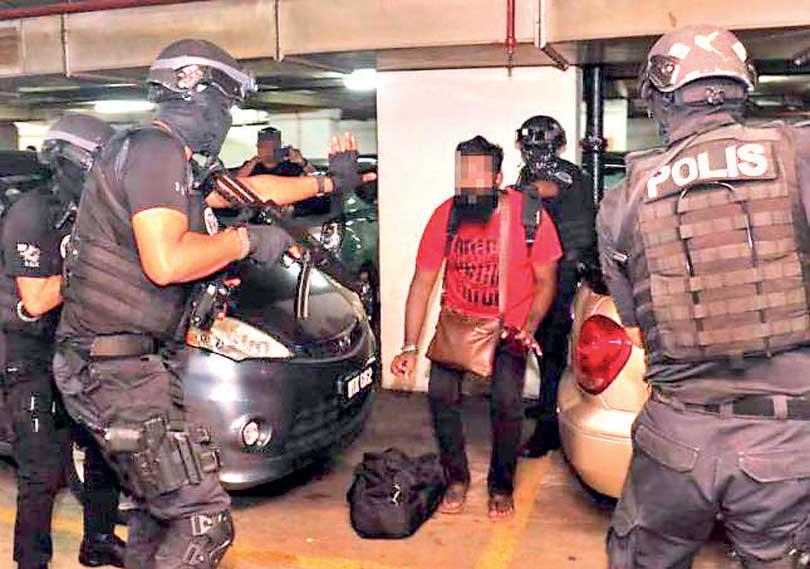
During the weekend, Malaysia’s Special Counter-terrorism Unit arrested 12 suspects, including two lawmakers of the ruling coalition over alleged links to the Liberation Tigers of Tamil Eelam. Subsequent investigations have uncovered a trail of financial transactions among the suspects, allegedly to fund the LTTE related activities, according to the Malaysian Police. 

 
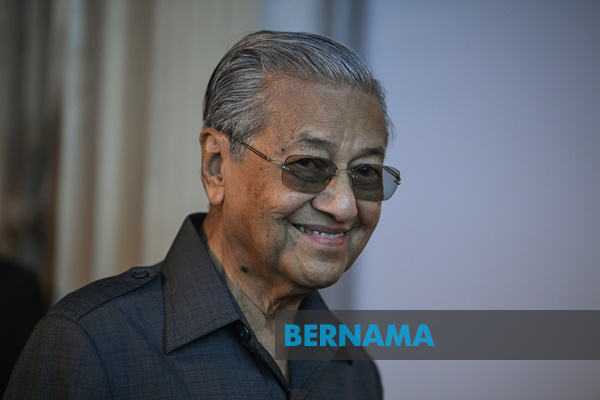
Assemblymen G. Saminathan and P. Gunasekaran who are currently held in detention are members of Democratic Action Party (DAP) which relied primarily on the Chinese and Indian constituency. DAP is a constituent party of ruling Pakatan Harapan coalition led by Prime Minister Mahathir Mohamed. Dr Mahathir heads a splinter group of the UNMO, the main Malay party which dominated Malaysian politics since independence until it was beaten by a motley group of disgruntled ethnic Malay, Chinese and ethnic Indian political parties. However, true to the political convention that Mr Mahathir himself inculcated during his long years as the prime minister during the previous tenure, his Malaysian United Indigenous Party (BERSATU), which represents the ethnic Malay interests kept the lion share of political control.  


Last week’s arrests have resurfaced usual racial divisions as the ethnic Indian political leaders of the DAP have alleged foul play and ethnic discrimination. They have pointed out that in contrast to the LTTE suspects who are detained under the Security Offences (Special Measures) Act 2012 (SOSMA), which grants additional powers to the investigating agencies, the Islamic State returnees are tried in the regular courts.  


Police have also launched an investigation into the deputy chief minister of Penang, P. Ramasamy, one- time advisor of the LTTE over his alleged links to the LTTE. Prof Ramasamy was previously investigated over his role in the LTTE constitutional affairs committee during the peace process.  
Malaysia since the independence adopted a highly regulated form of ethnic relations where there was an unwritten convention that the ethnic Malays, considered as Boomiputra, ruled the roost in politics- while the economically better off Chinese were free to indulge in business.  


 Irrespective of the lack of democratic niceties that arrangement was at the heart of political stability and ethnic peace that in turn turbocharged Malaysian economy during its high growth decades. However, the defeat of UNMO upset the status quo; Malaysia itself is in a state of flux. Some observers -and conspiracy theorists- have viewed the recent arrests as a ploy to dampen the influence of DAP- Prime Minister Mahathir had denied the claim.  


Strange enough, the Sri Lankan authorities are yet to speak out about the disturbing findings in Malaysia. Probably the government might be thinking that it is inopportune to make a definite statement during the height of the election campaign. That is a bad idea, and potentially a dangerous one.   
Political calculations that overlooked security imperatives were partly responsible for the making of Islamic extremism and the serial carnage on Easter Sunday. (Also, during the last week, the security forces arrested a former LTTE cadre with a cache of weapons and memorabilia of the LTTE.)  


While the enthusiasm among the local Tamils for the revival of the LTTE is minimum, that should not necessarily deter its many sympathizers from giving it a try. They could well succeed in recruiting willing foot soldiers, including many who have sophisticated weapon training.   


Such a possibility is obviously not an excuse to erect checkpoints at every nook and corner. Sri Lankan intelligence agencies have capability to monitor the Tamil nationalist activism without being overly intrusive. And follow up actions should be taken based on intelligence findings.  


After the failed insurgency in 1971, the JVP was defeated and its leadership was locked up. Yet, 15 years on, it made a brutal come back, terrorizing the nation and decimating another generation of youth.   


 If history is any guide, it is more likely that Tamil separatism would follow the same pattern. The catalyst is not so much the unaddressed grievances as the liberal literati keep preaching, but the opportunity – the freely available space for mobilization and radicalization.   


Why Tamil separatism, which is more of an extension of Tamil exceptionalism of Dravidian cultural, political and civilizational dynamic, took its most virulent form in Sri Lanka – and not in Singapore or Malaysia- was because that free space enabled by Sri Lanka’s free wielding and equally polarized ethnic discord.   


To make matters worse, successive governments were reactive- rather than being proactive to these evolving challenges. That absence of initiative and politically calculated vacillation in effect handed over the initiative to destabilizing elements. Partially helped by those factors, terrorist attacks on the Easter Sunday wreaked havoc and undermined the ethnic trust; The government should not let another avoidable tragedy to happen. 

Malaysia detects huge financial transactions to activate LTTE

October 14th, 2019

Courtesy Vietnam Plus

Malaysian police on October 13 disclosed that financial transactions involving huge sums of money had been carried out, believed to activate the Liberation Tigers of Tamil Eelam (LTTE) group in the country.

Malaysia detects huge financial transactions to activate LTTE hinh anh 1
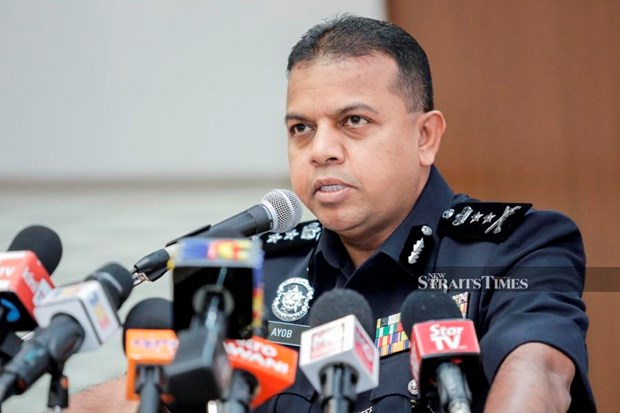
Bukit Aman’s Special Branch Counterterrorism Division (E8) principal assistant director Ayob Khan Mydin Pitchay (Photo: .nst.com.my)

Kuala Lumpur (VNA) – Malaysian police on October 13 disclosed that financial transactions involving huge sums of money had been carried out, believed to activate the Liberation Tigers of Tamil Eelam (LTTE) group in the country.

Bukit Aman’s Special Branch Counterterrorism Division (E8) principal assistant director Ayob Khan Mydin Pitchay said the financial transactions were detected in the accounts of individuals detained in the operations carried out on October 10 and 12 over their alleged involvement in LTTE. 

He said that, from the investigations into the suspects’ premises and their mobile phones, police seized flags, posters and pictures of LTTE leaders, and detected financial transactions involving huge sums of money.

The financial transactions are believed to fund the promotional activities, recruitment and mobilisation of LTTE programmes in the country, he said.

There is a movement trying to activate LTTE, and that’s why the police are making the arrests to stop this from expanding, he explained, adding there are two suspects among those detained who were planning to launch a lone wolf” attack in the country like the attack that injured Sri Lankan High Commissioner to Malaysia in 2016.

Pitchay affirmed the arrests had nothing to do with any political party but it was a terrorist issue, and they were made as the suspects supported the violence and terrorist activities in Malaysia.

Malaysia has listed LTTE as a terrorist organisation since 2014 amid reports of attempts to revive the group from abroad.

A total of 12 individuals, including two assemblymen, were arrested on October 10 and 12 over alleged involvement in LTTE, including supporting and channeling funds to the group./.

The born loser loses again

October 13th, 2019

H. L. D. Mahindapala

In the past the voters had repeatedly delivered one consistent message to the UNP: Ranil Wickremesinghe, the  Party leader, is not fit to rule the nation. Last Friday in Elpitiya they repeated that message for the umpteenth time. It is a vote of no confidence in Ranil, the permanent loser. Once again the people were saying that they don’t trust Ranil, the most notorious bank robber of Sri Lanka, who will not hesitate to sell the nation like the way he sold our soldiers to the West and Tamil lobby in Geneva.

The Elpitiya voters didn’t stop at that last Friday. They went further and added a new name to the UNP list of losers. They added the name of Sajith Premadasa who is now seen as a puppet of Ranil. The people were not moved one whit by the razzmatazz at the Galle Face Green, or all the hype whipped up to boost the image of Sajith. Poor Sajith! He has been kicked out before he could even start. It is not that he had committed any gargantuan crimes to discredit his name. He hasn’t had the power in his hands yet to commit political crimes like Ranil. But in Elpitiya Sajith was made to pay for the sins of his master by the voters who took the first chance available to declare their verdict on Ranil’s regime.  The people declared unequivocally that they do not see a difference between the puppet master and the puppet.

In his speeches, however, he emphasizes, quite dramatically, beating his chest, that he is Sajith Premadasa”, (Mama Sajith Premadasa”) hoping to cash in on his father’s name. He seems to be invoking his father’s name to make the people believe that he plans to return to his father’s people-oriented programmes. Repeating the Mama Premadasa” mantra, as often as he could, also hints at distancing himself from Ranil. He aims to make it known that he does not like Ranil. At the same time, he is bending over backwards to appease Ranil who is the antithesis of his father, President  Ranasinghe Premadasa. The first thing that Sajith must learn is that he cannot ride two horses at the same time because of both stands at the two extreme ends of the political spectrum.

To begin with, Ranil has perennially been in cahoots with the West, the immediate North, and the foreign-funded NGOs. He has embraced them as if his life hangs on them. President Ranasinghe Premadasa, on the contrary, stood firmly against the West, the North and the NGOs. In fact, this trio, along with the Kurunduwatte kelli-karayos”(Big Knobs), treated him as the antagonist they loved to hate. In turn, President Premadasa had no compunction in telling the West, the North and the Kurunduwatte kelli-karayos” to go to hell. He did not hesitate to virtually revoke J. R. Jayewardene’s invitation and send the Indian troops back home. He told Rajiv Gandhi to take his IPKF out of Sri Lanka and shove them in the holes from where they came. He also had no hesitation in kicking out the British High Commissioner, David Gladstone, within 48 hours. 

He was proud to be a part of Kehelwatte and play football rather than hob-knob with the Kurunduwatte” cricketers. (He grew up in the days when the elite played cricket and the others played football). He wore the national costume and walked in slippers. Sajith is a pale imitation of his father, wearing a white shirt and trousers without shoes. He walks in slippers. That is his big symbolic concession to his father’s commitment to his people. He wants to be a Gandhi in trousers.

President Premadasa was committed primarily to the Southern pluralistic political culture. In his political agenda the Southern political culture, derived directly from the grass root forces, was ranked solidly as the primus inter pares. The newly coined phrase the peoplised political culture” conveyed the meaning of democratising, equalising, and liberalising the economy, society and politics. True, in his time he wielded power with an iron fist. This was inevitable because he was forced to fight fire with fire. There was no alternative to a leader fighting two fascist terrorist gangs – one in the north and one in the south – within a democratic framework which, of course, had its ineluctable infirmities. After he crushed the Sinhala Pol Potists in the JVP he told me once: You wait and see, if I defeat Prabhakaran sooner or later, they (meaning the political pundits) will come at me questioning not only why I did it but also the way I did it!” It was Mahinda Rajapakse who crushed the Tamil Pol Potists. More than President Premadasa it was President Mahinda Rajapakse who had to face the forecast questions, both locally and internationally.

The first message delivered to Sajith from the South is that he is not perceived as his father’s son but as Ranil’s puppet. The wide gap in the voting between SLPP and UNP at Elpitiya indicates clearly – more than the votes polled by both parties – that the Ranil’s UNP had drifted far away from the days when the UNP was rooted in the hearts and minds of the people wooed and won by President Premadasa. The question now is whether the UNP can close the gap with the minority votes? That’s a big IF” with the minority groups like the TNA losing its capacity to deliver massive bloc votes from the north and the east and take Sajith over the critical 50+.

The voters of Elpitiya have also taught Sajith his other lesson in politics: if you hang out with Ali Baba and his forty thieves you can’t expect the people to trust you with their hard-earned money.

Sajith was hailed as a fresh face that can make the people forget the sins of Ranil. The defeat of Ranil in the internal power struggle was seen as a victory for the UNP. With Ranil out of the way, it was argued that Gota would have a hard time fighting the new Mr Clean” of the UNP. But the victims of the Yahapalanaya regime in Elpitiya were not willing to forgive or forget. They got their revenge last Friday.

The Elpitiya result can be read as the beginning of the Arab revolution in Tunisia, or the coloured revolutions in Europe, or the umbrella revolution in Hong Kong. The Sri Lankans who took to the streets when the price of rice was increased by a few cents in 1952 took their time this time around. Totally exhausted by the violence they were waiting for the ballot boxes to open to deliver their opinion peacefully. And the first time the postponed elections were opened they took their chance to guillotine a vital part of the corrupt Ranil and his Yahapalanayakos with the sharp edge of the ballot. Most of all, Elpitiya has taken the cockiness out of the UNP leaders. They will put on a brave front no doubt. But they know that they are now on shaky grounds. Nevertheless, they will put up a last-ditch fight in the coming months of cohabitation, if Gota wins. It is the Parliamentary elections that they dread. If they lose the Presidential election on November 16 then they will begin to worry as to how they would go home without the official cars in, say, mid-2020.

Of course, in the coming days there will be a plethora of theoreticians who will pop up to spin the electoral statistics. Apart from the numbers, Gota Rajapakse so far has had a good run. First, he cleared the hurdle of his citizenship in the Supreme Court. Second, he won the agreement of President Sirisena to back him. Third, he won Elpitiya. He started early wooing key elements in the electorate like the professionals and intellectuals. There were no rivals ready to cut his throat, sending nervous messages to the electorate that the petals of the Phottuwa were coming apart. He presented the promise of a solid, constructive and a stable future with security for everyone.

On the contrary, the UNP leader, Ranil, played the most sordid role of undercutting the most popular candidate in the UNP. As usual, he could not read even the trends and the forces operating within his own party. At a time when the nation is in search of stability and security, he was tearing his own party apart and sending signals of impending collapse and disaster. Once again Ranil was playing the role of undercutting anyone who was posing a threat to his supremacy. However, unable to beat the rising tide against him in the Party, he eventually kissed the hand that he could not cut. But the damage he had done to the image of the party could not be remedied. The Party in its wisdom rallied behind Sajith and rejected once again the loser. Ranil survived as Party leader only by manipulating his henchmen in the Working Committee.

Any other party leader, who has even a smidgen of self-respect, would have resigned a long time ago, humiliated by the rejection of the people and his own party. But not Ranil. It is not in him to acknowledge that his use-by-date is over. His image hovering in the background will not help Sajith to make headway in the electorate. The UNP can recover and hope to win the confidence of the people only if it decides to kick him upstairs with a nonessential post like the Leader to Light Lamps on Ceremonial Occasions.

Since the Party does not have the guts to clean up its corrupt leadership the people will have to do it in the coming elections. Ranil obviously has given up the Presidentship hoping to be the Prime Minister. One incontrovertible certainty in the prevailing fluid political situation is that Ranil will never win the premiership in the 2020 parliamentary election. Elpitiya has already forecast that Ranil’s chances of becoming the next prime minister are as great as John (Viagra) Ameratunga becoming the Mahanyake of Malwatte.

The ill-fated shadow of Ranil that fell across the nation has not brought any redemption to the nation. The nation must admit, after all these years of failure, that a new era is possible only when the nation is free from corrosive, corrupt and kleptocratic politics of Ranil.

As they say, some are born fools. Some achieve foolishness. And some go down crushed by their own stupidity which they refuse to recognise and remedy even when they were sinking into their self-made Black Hole.

Revisiting January 2015

October 13th, 2019

by Rohana R. Wasala

The following article of mine was published in The Island newspaper and in Lankaweb respectively on January 14 and 15, 2015. I thought the present circumstances warrant a reprint of the same.  If you see any unimportant inconsistencies here in relation to the current ground reality in the political landscape, please remember that this was published just five days after the incumbent president was sworn in, followed by the launching of the Yahapalanaya. The transfer of power that  took place then was very smoothly achieved because the Rajapaksa government allowed the electoral process to take its legitimate course without any hindrance; they did not want to do anything that could have undermined the people’s right to vote. Neither did they postpone elections out of fear of losing them; instead, the government advanced the presidential election by two years (Please see paragraph 3 below.)

Limits of realpolitik and the cost of maithri misdirected

I hail the final result of the free and fair election so efficiently conducted under the outgoing administration as confirmation of the fact that democracy remains still safe and untouched in this country. The coming together of many diverse, formerly well-nigh irreconcilable factions, but which were eventually  bound by a common aim (that of dislodging Mr Mahinda Rajapaksa from power, come what may) demonstrates the great potential that such pan-Sri Lankan unity  has for causing even more positive change in the country without resorting to violence. The change of government, however brought about, could offer unprecedented opportunities for resolving the longstanding national issue. The fact that the UPFA has promised unconditional support for the government to implement its 100-day programme, which could give the people a foretaste of what to expect under a more permanent regime set up after this change, is an encouraging sign for future developments of a positive nature. Things are generally looking up for the new government.

Having said this, however, I must admit that I was among those Sri Lankans who did not actually envisage a regime change engineered through a coup of sorts at this juncture in view of the more important local and global ramifications of the problem. In circumstances that need no elaboration, what actually happened was that the election that the former president held two years ahead of the end of his second term for his own strategic reasons was turned into an uncalled for caesarean section by vested interests. A change of government effected without outside interference would have been better for the health and longevity of the new government and also for the well-being of the country. If the agenda of the  movers and shakers behind this operation agrees with the democratic wish of the non-communalist majority (which includes all ethnic communities) of the population it will definitely be the happiest national occasion for all Sri Lankans since the defeat of terrorism.

The smooth manner in which the transfer of power took place, even in the abnormal circumstances it had to be performed,  reflects the fact that after all Sri Lankan leaders are well schooled in leading the unhampered democratic process that is necessary for the exercise of the people’s right to change governments through the power of the ballot, and that they don’t need outsiders to preach to them or pressure them in this regard. Mr Mahinda Rajapaksa, Mr Maithripala Sirisena and Mr Ranil Wickremasinghe played their complementary roles in a highly commendable manner. In the generally hopeful environment that has emerged, my personal belief is that the government change, while being a clear victory for Rajapaksa haters, has paradoxically the potential of being, in the long term, a blessing in disguise for Mr Mahinda Rajapaksa and his supporters.

However, the short term effect is otherwise: it looks like a tragic fall for Mr Rajapaksa. In a classical Greek tragedy such as Oedipus Rex (King Oedipus) the protagonist (main character) is a noble person, a hero. The drama is built around the fall of this character from fortune to adversity due to some negative factor in his situation such as a flaw in his reasoning, hubris or overweening pride in his own abilities, and an inherent condition in the society, which prevents him from reaching some noble goal that he aspires to realize.  Mr Rajapaksa’s tragic flaw  was his voluntary or involuntary vulnerability to charges of rampant corruption and nepotism or family bandyism (something from which, unfortunately, his successor is not immune). Of course, no politician in power is completely safe from charges of corruption, but that doesn’t mean that every politician is corrupt. The voters knew this from the beginning, but expected him, at the earliest instance available, to put an end to his vulnerability to such charges by doing something proactive about it. After patiently turning a blind eye to it for as long as they possibly could for the sake of the country, many strong Mahinda supporters thought enough is enough and helped his ouster even at some temporary  risk to the country. The opposition ranks arrayed against him, swollen by defectors from his own governing alliance, almost exclusively focused on these charges and his alleged susceptibility (as rumoured) to an authoritarian style of interaction with his colleagues in the government; they played down his successful performance in more important areas such as national security and the equitable development of all parts of the country including particularly the northern and the eastern provinces which had faced the brunt of the civil war, which aspect of his presence was actually the basis of his popularity. This relentless insistence by his critics on  (probably strategically exaggerated) charges of corruption, nepotism and authoritarianism, etc.,  had its desired effect especially among social media savvy young people (say those between 18 and 35) who seemed to adopt a clearly more no-nonsense attitude towards those corruption allegations than an older generation of voters who were ready to temporarily overlook these in support of the war-winning leader now embarked on a massive development drive. The majority of the older supporters of Mr Rajapaksa trusted him to focus on the need to eliminate the grounds for such accusations to be made against him when more pressing matters would be sufficiently settled. But there is no doubt in my mind that they wholeheartedly approve of the hardnosed attitude of the younger generations of voters towards power seeking politicians (such as what is the norm in Australian parliamentary politics, where the unalterable implicit warning to all politicians is ‘deliver or depart’: Former federal prime minister Mrs Julia Gillard had to go because of the carbon tax problem, and now  the writing is said to be on the wall for her successor Mr Tony Abbott on similar grounds). That trend should be encouraged by all means for the good of the country.

It is unfortunate that the former president got no chance, or didn’t try to find one, to respond to opposition charges of corruption, and that apparently he didn’t think it necessary to have restricted his preference for co-opting family members into the task of nation building to his three brothers;  and despite his alleged authoritarian way of dealing with his subordinate colleagues, he strangely failed to contain the  abominable behavior of certain unsavory characters around him.  It is said that he was too kindhearted to hurt the feelings of his friends, and he forgave them too often. In the process, he effectively betrayed the trust reposed in him by the people of the country. So it was a case of misdirected maithri (in Buddhism ‘loving kindness’ also literally ‘friendliness’).As a non-partisan journalist, with absolutely no selfish motives to achieve, but only well intentioned towards both Mr Rajapaksa and the country, I wrote two articles entitled Old fossils out, new blood in” and What’s wrong with corruption” in both of  which I called a spade a spade while making some brief comments on, respectively, the inadvisability of nepotism, and the necessity of registering a plausible response to charges of corruption. My purpose was to seriously suggest that something convincing be done to create no conducive environment for such allegations to arise. This was quite  early in Mr Rajapaksa’s second term. These articles, published in The Island respectively on September 11, 2010 and July 29, 2011, are still available in the internet. (Of course, here I am writing as an average citizen of the country.  Much wiser and far more knowledgeable people than me have made similar suggestions.) Perhaps, Mr Rajapaksa neglected to refute charges of corruption because they were totally false and also because they were too numerous to counter individually. He was heard saying that he had more urgent work to do than  waste time on baseless allegations, which in fact would have been accepted by the people as a legitimate response had he cared to meet at least a few typical charges in  some more reliable, well publicized manner, with facts and figures set out for all to see.

No successful politician can avoid realpolitik at times. Moral idealism has sometimes to be sacrificed for dealing with practical realities. But there are limits to realpolitik. His decision to hold elections two years before they were due was a crass miscalculation. He could have instead used the remaining two years of his term to fix the various corruption allegations, and settle issues relating to governance, economic management and reconciliation. If that happened he would have easily won a third term in due course, and saved the country from impending, possibly chaotic, conditions.

Mr Rajapaksa successfully projected his Sinhalese Buddhist image for obvious reasons. But the majority of Sinhalese Buddhist voters are not too dumb to take politicians at face value. This is an age in which more and more educated young people become skeptical about such superstitions as astrology, which is a good thing. He betrayed an exaggerated, quite unbuddhistic  reliance on the predictions of astrologers, auspicious times, occult protection, etc (Buddha rejected astrology as a practice fit for beasts or thiraschina vidya), which also partly contributed to his defeat, by betraying his unwarranted panicky behavior towards the D Day.

Psephologists have made a neat comparison between the two camps in respect of the general voting patterns: a majority of each minority community and a minority of the majority community have voted for Mr Sirisena, while the reverse has happened in the case of Mr Rajapaksa. But the important thing is that both candidates got votes from all the communities. If anyone suggested that Mr Sirisena won only because of minority votes, that would be a serious mistake. Mr Rajapaksa’s losing margin was a mere 449,072 votes, whereas the valid vote cast was over 12,000,000 and his share was 5,768,090 (47.48% to Mr Sirisena’s 51.28%).  The voter turnout was a very healthy 81.52%, which reflects a very high level of public awareness of and active participation in the democratic process. So the rulers are obliged to capitalize on this opportunity to resolve outstanding issues through democratic consensus. The cohesion of the entire electorate on these lines can increase the chances for the formation of a government at the centre that is more amenable to the demands of the minorities.

This centripetal tendency will serve to preserve the unitary status of the country, averting separatism. The task of achieving the right balance between the minority and majority interests that will enable the birth of a new country where the different communities can live in harmony as one nation without minorities clamouring for separation will call for political skills of the highest order. Whether Mr Sirisena is equal to the task will soon be tested. Mr Rajapaksa’s less hurried plan of achieving reconciliation by winning the hearts and minds of the minorities through comprehensive development has virtually been aborted. The sad reality is that he squandered the chances he had to address these issues in a more robust manner than he actually did. Probably a bit of hubris was a contributory factor, too. But he is still in a position to influence events, because he hasn’t still significantly lost his stature and popularity among the masses who are mindful of the many plus points of his leadership. As many people who still admire him say, it was the system that was defeated, not Mr Rajapaksa himself.

GOTA PHOBIA – Part IV D (Elpitiya waves float Gota and sink Sajith)

October 13th, 2019

By : A.A.M.NIZAM – MATARA

The first salvo of the Gotabhayavictory was fired by thepeopleofElpitiya Pradeshiya Sabha by capturing[A1]   power in all the 17 wards and the rival UNP was able to get only 7 of the 12 seats from the preference list while ‘also ran JVP got 2 seats.  In three wards UNP became the third whileSLFP was second. With the announcement of the results the atmosphere in the country from Vavuniya to Tissamaharama including the hill country and the Eastern Province rocked for several minutes with the sound of crackers lit by the jubilant masses. 

The diehard UNP supporters having nothing to say about their humiliating defeat claimed that Elpitiya was a traditional Left seat represented by left politicians.  If that was so, how can Rupa Karunatilleke represen5t the Bentara-Elpitiya seat in the Parliament from 1977 to 1994 and the present MP Gayantha Karunatilleke be he the member for Bentara-Elpitiya from 2000 up to now?

UNP sources and the pro-UNP social media have blamed Gayantha for the humiliating defeat they suffered at Elpitiya.  They have reported to Prime Minister Ranil Wickremasinghe that this Minister hardly visited his electorate and carried out no development work in the area and he should be held solely responsible for this defeat.  In the meantime, political analysts comment that based on the Elpitiya defeat and the current political trends in Sri Lanka the percentage of votes that could be received by Gota and Sajith could be 69 to 24 respectively and this could even get changed in Gota’s favor depending on the stupid moves and utterances that could be made by Sajith. 

Dr.  Ramesh Pathirnan, the Galle District MP who is tipped to be the Minister of Health in the future SLP, A government and who is the son of the late Education Minister thanked the people of Elpitiya for showing the whole country the paramount need to support Mr. Gotabhaya Rajapaksa.  Dr. Pathirana was the MP who steered the Elpitiya polls. 

The Opposition Leader Mr. Mahinda Rajapaksa has issued the following message on the results of the Elpitiya Pradeshiya Sabha Election,

The joint opposition representing SLPP, SLFP, and other parties have secured a mammoth victory. This election was held based on nominations submitted last year, and therefore the SLFP at that time submitted a separate nomination list.  But now they have become one party, a single force, working for the victory of a single candidate in the presidential election. The opposition alliance has won all wards in the Elpitiya PS obtaining 69% of the votes while the UNP has received only24% of the votes.  The JVP has received only their traditional percentage of votes

The voters of Elpitiya have with visionary wisdom defeated the usage of State Power by the government illegally and to a maximum level.  The government violating election laws provided employments, lands and various material gifts to the voters in a vain bid to consolidate their power.

It is not necessary to elaborate on the pitfalls encountered by this country since 2015January.  The economy of the country has collapsed.  He has stated that as per statistics issued by the Department of Statistics, a few days before the Elpitiya elections, the unemployment in this country has further increased and the economic growth rate has reduced 1/3rd of the economic growth rate that prevailed during our time.  Businesses have collapsed. The loan commitments have skyrocketed.  There is no international or external reason to encounter an economic setback as it exists today. Our neighbors such as India and Bangladesh are surging forward tremendously. 

The economic setback being experienced by this country is purely due to political reasons.  Solutions for it can only be found through politics. It was this task that people of Elpitiya commenced.  It was not only the economy of this country that the yahapalana government destroyed, but it also destroyed the administrative structure as well as the democratic system. They delayed local government election by three years and created a situation under which provincial elections cannot be held.  TheParliamentary Election that was called for last year was also restrained through Courts.  They attempted even to postpone the Presidential Election.

Not only that they even tried to refrain from holding the Elpitiya PS Election. They made all efforts to get opposition candidates for the presidential election disqualified running for the election.

The time has come now to put an end to this chaotic era.  The first salvo for this purpose has been fired from Elpitiya.  I appeal to all those of the opposition alliance to enjoy this victory with peace and harmony.

Mahinda Rajapaksa The Leader of the Opposition. 

In another development, political sources say that Sajith camp has launched a new project to buy the disgruntled SLFP MPs who have no hope of winning in the next election or getting nominated as National List MPs.  Negotiations are reported to be being held between prominent persons of Sajith camp and five SLFP MPs to pay them enormous sums ranging from 250 million to 400 million rupees and these negotiations are understandably being held at Waters Edge and some star class tourist hotels in Battaramulla area. 

In an earlier article I pointed that long before the announcement of the presidential election, the then U.S.Ambassador for Sri Lanka Atul Kesghap in his farewell meeting with Mr. Mahinda Rajapaksa urged him not to field Mr. Gotabhaya Rajapaksa as a presidential candidate.  In the ongoing election process U.S.Embassy in Colombo is reported to be working to promote the candidacy of Sajith Premadasa.  Candidate Mahesh Senanayake, the former Army Commander is reported to be a CIA plant to dent the votes of security services personnel going to Gota.  Recently the Embassy personnel held a meeting with the leader of Ceylon Workers Congress Mr. Arumugam Thondamen and following this meeting Mr. Thondaman expressed his support for Sajith Premadasa.  One of the signs that the Elpitiya results have made is Thondaman to change his mind and express his fullest support to Gota and also his willingness to sign an MOU with Gota. Ib addition to this Liberal Party of Sri Lanka has also changed their minds and expressed their support to Gota candidacy.  

the negotiations held at Waters Edga the concerned SLFP MP is said to have demanded Rs. 500 million but the deal has been closed to pay him Rs. 400 Million and a Minister post in the anticipated UNP government.  He is to severely criticize the SLFP-SLPP Alliance and cross over to the UNP and join Sajith’s team within the next few days, probably upon receipt of the money. As per descriptions are given without naming the persons directly, it seems that the prominent UNPer was Minister Malik Samarawickrema and the SLFP MP was Shanta Bandara from Kurunegala. The description that has been given for ShanthaBandara is an MP who got nominated to become an Mp on National List twice during the present parliament. Shantha Bandara is the only MP in the present Parliament conforming to this description.  It is also pertinent at the moment that the late JVP leader Somawansa Amarasinghe said once that Malik Samarawickrema paid Rs. 250 million to the current JVP leader Anura Kumara Dissanayake in 2015 to ensure victory for the UNP at the 2015 August General Election.  Negotiations about the other 4 MPs are reported to be yet on progress. 

Sirikotha sources indicate that theEl[itiyaresults have severely derided the morale of many UNP stalwarts since they never expected that the results would be so bad for them, and as this is the worst ever defeat the UNP suffered in a local government election.  They have said that if they did not amend the election system to get some members nominated from the list theywould have ended up without a single UNP member.  With this setback, several MPs and UNP stalwarts are reported to have decided to keep away from active politics. The sources also said that the party has decided to spend a colossal amount to prevent them from leaving the3 party and provide them even enhanced financial benefits, now being paid to some activists through government institutions.  For instance Dambarawe Amila Thero is paid Rs. 90,000 per month and Justin Galappatjhthi, former Matara district MP and some other formerMPs are being paid Rs. 45,000 each per month from the Litro Gas Company. 

Meanwhile, a prominent UNP Minister from the Gampaha District has met Mr. Mahinda Rajapaksa and requested to accommodate in the SLPP. He has also requested to nominate from the nationalist List in the next election. 

The Sunday’s weekly newspaper columnists have also focused their attention on writing about the setback suffered by the UNDP at the Elpitiya PS Election.  Veteran journalist and Attorney at Law C.A.Chandraprema (CAC) in his weekly political commentary to Sunday Island” under the title UNP’s Elpitiya Debacle” states that the boost that the UNP got from Sajith Premadasa’s inaugural rally in Galle Face on the October 10 was washed away by the Elpitiya Pradeshiya Sabha election result the next day. The percentage that the UNP obtained was just 24%, the lowest they have polled in the Elpitiya electorate ever. He points out that not even in the immediate aftermath of the war victory of 2009 when the Rajapaksa government was sweeping everything before it, did the UNP’s percentage in the Bentara-Elpitiya electorate fall as low as 24%. It is certainly true that the result of an election in one Pradeshiya Sabha will not reflect the situation in the country as a whole but the question that needs to be asked is why the UNP’s percentage in this area fell so low when it had never gone as low as that previously?

He states that the Elpitiya election serves as a reality check for the JVP as well since it managed to secure only 5.8.% of the vote indicating that the people may not be impressed by the new sheep’s clothing that the JVP has donned for the presidential election.


CAC says that the UNP’s Galle Face inaugural presidential election rally was impressive and it gave the Sri Lanka Podujana Peramuna’s May Day rally in 2017 a run for its money.  He adds that Sajith gave the battered and disappointed rank and file of the UNP a new hope but it is not enough in the circumstances. Referring to Elpitiyaelection results CAC points out that the UNP has failed to win at least one was.

Referring to the election campaign, AC states that the video clip of parliamentarians Ashu Marasinghe and Vijith Vijayamuni Zoysa addressing a meeting in Elpitiya that had just a few unenthusiastic looking spectators which were circulated widely over the social media in the run-up to the Elpitiya election now appears to have reflected the actual reality on the ground. It was said that Sajith Premadasa had to cancel his speeches at some meetings due to the poor turnout. He claims that on Oct. 10 after the UNP’ show at Galle Face, one pro-UNP website had a euphoric headline crowing “Sajith Premadasa’s Inaugural Public Rally breaks Basil Rajapaksa’s 2017 record!” This website article stated that the Sri Lanka Podujana Peramuna (SLPP) held a rally at Galle Face Green calling in SLPP activists on large scale in May 2017 and that the SLPP claimed it was the largest public rally in Sri Lanka’s political history, but it seems that Sajith Premadasa was able to break the record set by Basil Rajapaksa.. The article had aerial photographs of the SLPP rally and the UNP rally for comparison and the pro-UNP media was so carried away by the UNP’sl rally that they did not seem to realize they were not comparing like with like.

CAC explains that the SLPP was just a few months old at the time that the historic 2017 Galle Face May Day rally was held. It was the political party of a persecuted opposition which was not given their due place even in Parliament. The Joint Opposition did not have the position of Opposition Leader or Chief Opposition whip even though they were the single largest group of MPs in Parliament. Besides, the leaders of the SLPP were running around in circles trying to keep out of jail by a government that relentlessly persecuted them. They were just a break away from the SLFP/UPFA with the latter also retaining a substantial support base. That was the background in which the SLPP managed to hold the biggest gathering in Sri Lankan history at Galle Face.

Explaining further he says that Sajith held his inaugural rally at Galle Face with the full force of the undivided UNP government behind him. Comparing the SLPP’s achievement in 2017 with that of the UNP’s inaugural rally in 2019 is therefore not a case of comparing like with like. What such comparisons indicate is that the UNP is struggling to keep up to benchmarks being set by a new political party which is only about two years old.  


CAC adds that the Asian Mirror website had an accurate prediction of the Elpitiya result which stated that the SLPP would win all 17 wards and get 57% to 62% of the votes cast. As it turns out, the SLPP got 56.7%, the UPFA which is in alliance with the SLPP, obtained a further 12.3% which brings the total opposition vote to 69% in a situation where the UNP got 24.3%. The JVP got 5.8% of the vote. This result will act as a dampener for the election campaigns of both the UNP and the JVP. All the money and effort that went into the UNP’s Galle Face rally has now basically, gone down the drain and even the JVP threw a lot of effort into organizing their inaugural rally at Galle Face. Now, all that effort has been wasted.

The veteran columnist states that it may perhaps have been wiser for the UNP to have held their maiden rally after the Elpitiya election but then there is the problem that if their Galle Face rally had been preceded by an electoral debacle like Elpitiya, people may not have turned up in such numbers for the inaugural rally. He points that the yahapalana government has been dodging elections so we have only the presidential and parliamentary elections of 2015 to compare the Elpitiya result with and gives the results of those two elections in the Bentara-Elpitiya electorate.

Presidential Election           2015 Mahinda Rajapaksa 42, 015 –  59.08% Maithripala Sirisena 28,287 – 39.78%
General Election  2015 UPFA 34,275 –  52.70% UNP 26,559 –  40.83$%

Bentota has its own Pradeshiya Sabha and that the Elpitiya result applies only to a part of the Bentara – Elpitiya electorate.

here has been no major change in the proportion of votes going to the JVP.

CAC claims that it does not augur well for the UNP to face a presidential election in less than five weeks time with less than 25% of the vote. This result is all the more surprising because Gayantha Karunatilleke, the UNP organizer for the area, is not an unpopular individual as he has always managed to retain his seat in Parliament even when Vajira Abeywardene lost his. It was always obvious that the UNP was going to lose this election, but the UNP was expecting to get at least 40% of the vote especially with the psychological impact of the Galle Face rally just 24 hours before the polling began.


CAC predicts that when it comes to the presidential election in five weeks’ time, the Elpitiya result will not be very different given the fact that the voter turnout was 75%. This becomes a debacle for the UNP not because they lost Elpitiya but all electorates are inclined one way or the other and Elpitiya voted as expected for the SLPP. It’s a debacle for the UNP because they were defeated so soundly.

In the Galle Face rally, Sajith Premadasa has announced that Sarath Fonseka would be given the highest responsibility in his national security set up. The reason to make this announcement, for which he has no constitutional provision,  was obviously to win over those who have concerns about national security and are likely to vote for Gota on that account.CAC elaborates that Sajith’s stated aim of putting Fonseka in charge of national security sits oddly beside the assertion made by Chandragupta Thenuwara that the cure for what he called ‘Ranavirugaya’ was electing Sajith as President.

  The veteran columnist states that the likes of Thenuwara are working for Sajith on a platform that is rabidly opposed to anyone who had anything to do with the war. A painting soldier by Thenuwara depicts the figure of a one-legged man with a military helmet in place of a head and a face and a rifle used as a crutch. Many would condemn such a painting as insensitive and downright cruel towards people who have lost their limbs in order to bring about the peace that we all, including Thenuwara, enjoy today. The use of the phrase ‘Rana Viru-Gaya’ itself shows CAC says a certain attitude of mind. When Sajith is shown seeking the support of such individuals and is photographed clutching Thenuwara’s hands, that will not do gown well with whatever audience he was trying to reach by announcing that Sarath Fonseka would be placed in charge of national security. Sajith is, in essence, running with the hare and hunting with the hounds – a situation he finds himself in, because of the misfortune of being the UNP’s candidate.

Commenting on President Sirisena’s exit strategy CAC explains the reason why President Maithripala Sirisena appointed an Acting Chairman of the SLFP with just weeks to go for his term as President to end could be to ease himself out of the hot seat as his term as President will end on November 17, after the presidential election is over. Being an experienced politician he would be realistic enough to know that the reception he gets after November 17 will not be the same as the reception he got earlier. Now that he has announced that he has temporarily stepped aside, it will be a miracle if he manages to resume his position as SLFP president after November 17

CAC reminds that when Sirisena took over the SLFP and the UPFA from Mahinda Rajapaksa in January 2015, it had 144 MPs in Parliament but today it is left with just a rump and the present plight of the SLFP is due to his leadership or the lack of it. Even at the height of his power, Sirisena did not heed the call of certain NGO activists to take disciplinary action against the SLFP MPs who sat in the opposition in support of the Rajapaksas. He allowed the SLFP members to sit in the opposition in Parliament and to vote against his own government. Though Sirisena allowed an opposition to CAC function, Speaker Karu Jayasuriya did not recognize the Joint Opposition as being part of the opposition.

Last Monday, after the nominations had been handed over, it is said that one member of the Elections Commission, Professor Ratnajeevan Hoole, had made an attempt to reject Gota’s nomination paper on the grounds that the National ID card submitted by him was a questionable document in the light of the complaints made to the police by some NGO activists. However, this had been shot down by the other two members of the Commission. It’s not surprising that they had done so. CAC who is well versed in Constitutional Law explains that under Section 14(1) of the Presidential Elections Act, No 15 of 1981 as amended by the Presidential Elections (Amendment) Act, No 16 of 1988, objections may be made to the nomination papers of a candidate by any rival candidate or the person who has signed the nomination paper of such rival candidate on three grounds:

(a) that it is apparent from the contents of the nomination paper that the candidate is not qualified to be elected as President; (b) that, the candidate has been convicted by a court of law or a corrupt or illegal practice or an election malpractice or (c) that civic disability has been imposed on the candidate by Parliament following an inquiry by a Special Presidential Commission of Inquiry. That is when an objection is received by the Elections Commission. If no objections are received, under Section 15(1) of the presidential elections law, the Elections Commission can on their own volition examine the nomination papers for the following and reject it if found wanting:

(a) That the nomination paper has not been delivered to the Commissioner at the place of nomination on the date of nomination between the hours of 9 a.m. and 11 a.m. by the candidate or the person who has signed his nomination paper. (b) the deposit has not been made. (c) If the signature of the secretary of a recognized political party, or the secretary of any other political party, or of an elector, as the case may be, does not appear on the nomination paper. (d) Where any candidate is nominated by means of more than one nomination paper, each such nomination paper has not been signed by the same person. (e) The signature of the person signing any nomination paper shall be attested by a Justice of the Peace or by a notary public.(f) The written consent of each candidate to be nominated shall be endorsed on the nomination paper. (g) No person shall sign the nomination paper or papers in respect of more than one candidate.

*
None of these provisions empowers the Elections Commission to look into the authenticity of the identity documents produced by a candidate and therefore the Commission was right to disregard  Hoole’s contention CAC Asserts.

 [A1]

YAHAPALANA AS A PUPPET REGIME Part 12

October 13th, 2019

KAMALIKA PIERIS

ECONOMY (1)

GRAPHITE MINING.

Sri Lanka is the only country in the world that produces super grade, lump and chippy dust graphite containing between 95 and 99 percent pure carbon. Global demand for graphite has risen sharply in recent years because of new industrial uses. For instance, graphite is a vital component in lithium-ion batteries used in hybrid cars.

Foreign companies have been trying to get full mining rights to Sri Lanka‘s graphite mines for several years now. Agents of foreign companies present themselves at the Geological Survey and Mines Bureau every week,   its officials said in 2013. The Canadians, Australians and Chinese have expressed the most interest.

Several companies were registered in Sri Lanka for graphite mining between 2011 and 2013.  Torch River Resources Ltd, a Canadian mining firm based in Calgary, said in 2013 it was working with Han Tal Graphite, based in Sri Lanka. There was also V.V.M. Lanka Minerals, M.R.L. Graphite , G.I.R. Investments and Graphon Mining Resources.  Several of these had the same address.

Australia’s Bora Bora Resources announced in 2013 that it owns 75 percent of a  local company Plumbago Lanka which was set up to explore for graphite. They have already started airborne electromagnetic exploration they said. In 2012 Board of Investment signed an agreement with Sarcon Development Ltd for a graphite mining and processing project. Sarcon’s main investor then was the Curacao-based Plumbago Refining Corporation. Nothing seems to have come of these ventures.

 In August 2019, under Yahapalana rule, extensive mining rights were awarded to a Canadian company Ceylon Graphite. This company with headquarters in Vancouver was in the business of exploring and developing lump vein Graphite mines in historic resource jurisdictions in Sri Lanka. Sarcon Development Ltd is a wholly owned subsidiary of Ceylon Graphite.

 Geological Survey and Mines Bureau (GSMB), has in August 2019, granted the industrial mining license category A to Sarcon Development, for its K1 Graphite Mining Project at Karasnagala. Karasnagala is Sri Lanka’s third largest licensed mine after Bogala and Kahatagaha mines. Industrial Mining License

Category A is the highest category license in Sri Lanka and grants exclusive rights to mine, process and trade in graphite mined within the area specified in the license. It also allows for underground multi-borehole blasting, commercial production, use of all mining machinery and equipment and export of graphite. It is the final milestone before commercial production. Historically the GSMB has granted just four IMLA licenses for graphite mining in Sri Lanka including the Sarcon/Ceylon Graphite license.

This   license gives Ceylon Graphite mining rights in a land package of over 120 square kilometers. This is a huge development for Ceylon Graphite. We have all been working towards this for the last two and a half years, said Ceylon Graphite’s Chief Executive Officer in 2019. We have achieved this license in a short period of time thanks to the hard work of all our Sri Lankan colleagues. I must also thank the GSMB for their assistance and guidance. We now start to commence commercial production at our K1 site in Karasnagala, he said in August 2019.

ECONOMY (2)

COLOMBO PORT EAST TERMINAL

Sri Lanka is looking at developing the east terminal of the Colombo Port on its own and Ranil Wickremesinghe absolutely had no business to go to India or any country and give assurances regarding it, said Sarath Amunugama in November 2018. That is not how it works. It has to be passed by Parliament. The matter was under discussion but was not signed and sealed. We will have to heed the opinion of the workers and the trade unions.

The Colombo port is very vital for Sri Lanka because it is a trans-shipment port. The East terminal is extremely important to the country as it is a deep water port, [Developing the east terminal] has to be a Sri Lankan operation, concluded Amunugama.

India is also developing its own ports. But Sri Lanka’s ports are superior to those of India said analysts. Colombo port enjoys a better reputation in international shipping than the ports in South India. Turn over time for ships in Colombo is much less. India’s attempt to substitute Indian ports for Colombo failed.  India now recognizes Colombo to be the regional transportation hub.

About 70-80% of the Colombo port is transhipment based and 90% is Indian cargo. This could be increased because Indian ports do not have adequate depth. Sethusamudran canal will not be a problem either. Only vessels less than 10 meter draft can go through it. India can use it to get to Colombo faster.  Sri Lanka location gives its ports a natural advantage.  Colombo port has become a strategic location for both India and China concluded analysts.

ECONOMY (3)

LIGHTING UP MIHINTALE

The Lanka Electricity Company (Pvt) Ltd (LECO) Board unanimously rejected in October 2019, the Rs 275 million donation ordered by the Prime Minister’s office for lighting up of Mihintale World Heritage Site. They said this had nothing to do with the institution’s mandate for CSR. CSR projects are usually selected internally based on mutual benefit to the company and beneficiary. Power and Energy Minister Ravi Karunanayake had for weeks exerted pressure on LECO officials to release the money by electrifying Mihintale, he told Cabinet, foreign and local tourists would be able to visit the site by night. The Sri Lanka Nidahas Sevaka Sangamaya lodged a petition with the Commissioner of Elections as well.

CORRUPTION (1)

PHONE TAPPING

A Sinhalese-language weekly reported in August 2018 that phone tapping equipment and software had been installed at a home in Pita Kotte. This was a clandestine operation said to be carried out by a covert arm of the police outside standard intelligence gathering, reported the media. The facility was being used to listen to conversations of senior politicians as well as some senior police officers, the report said.  

Subsequently senior Deputy Inspectors General (SDIGs) told the Police Commission that Jayasundera was monitoring their mobile phone conversations. The head of the Criminal Investigation Department (CID), Senior DIG Ravi Seneviratne had told the Commission that the Special Investigation Unit functioning directly under Jayasundera had provided him a list of telephone numbers to obtain details from the service providers.  Seneviratne’s number was also on the list.  These reports of an illegal phone tapping operation from a “safe house” in Pita Kotte   has sparked fears that top politicians may have been targeted, said the media.

CORRUPTION (2)

MINISTRY OF AGRICULTURE BUILDING

There was no termination clause in the lease agreement signed between the Ministry of Agriculture and D.P. Jayasinghe Company in 2016 on renting a building for the Ministry, the Presidential Commission of Inquiry probing corruption in the current administration was told. The Attorney-at-law who prepared the lease agreement said that both parties had agreed not to have a termination clause.

 The total value of the agreement was over Rs. 1.3 billion. From April 08, 2016 to April 07, 2019 The Ministry of Agriculture was to pay Rs. 21 million plus VAT and Nation Building Tax a month. From April 08.2019 to April 07, 2021 the Ministry was to pay Rs. 24.1 million plus VAT and Nation Building Tax a month.

  When the agreement was executed the Ministry paid Rs. 504 million to the lessor. This money was to be used during the last two years of the lease period to reduce Rs. 21 million from the monthly lease of Rs. 24.1 million.  Although the Ministry signed an agreement with D.P. Jayasinghe Company in April, 2016, the Ministry officials did not shift to the building till August, 2017, as D. P. Jayasinghe Company failed to provide the promised facilities. However, the Ministry paid the company over Rs. 21 million a month from April 2016.

The notary fee was around Rs. 3 million. This was to be shared by the Ministry of Agriculture and D. P. Jayasinghe Company. “However the Ministry didn’t pay and after trying several times we gave up,” said one witness.

CORRUPTION (3)

LAW COURTS AND THE UN

 In July 2019 Justice Ministry Additional Secretary Ahmed A.Jawad had written to the Chief Justice and High Court judges that they should meet the visiting UN Special Rapporteur on the Rights of Freedom of Association and Peaceful Assembly, Clément Nyaletsossi Voule and his delegation and, provide them with details they required pertaining to the ongoing proceedings on the Roshen Chanaka murder case, Welikada prison massacre and Rathupaswala shooting incident.

Dinesh Gunawardena MP tabled a copy of the letter in Parliament stating, This is a violation of the Constitution.” Opposition Leader Rajapaksa notified the Speaker that it was already 3 p.m. at the time and that the Chief Justice and the High Court judges were instructed to shortly meet the UN official. Therefore, he requested the Speaker to take immediate action to prevent this.

Speaker of Parliament Karu Jayasuriya then personally intervened to quickly prevent a visiting United Nations official from convening a meeting with the Chief Justice and justices of the High Court concerning specific cases being currently heard by the Court. Later the Speaker informed the House that he had instructed the Foreign Minister to take necessary action to suspend the letter until the matter is looked into.

CORRUPTION (4)

SANDUN GAMAGE

in  July 2019 Dushana Vidu Nethin, (DVN) ,  condemned the appointment of Power and Energy Minister Ravi Karunanayake’s lawyer Sandun Gamage to the fifth vacant position of Commissioner at the Public Utilities Commission of Sri Lanka. Gamage’s name was approved by the Constitutional Council. Gamage represented Karunanayake multiple times during hearings into the Central Bank bond scam before the Presidential Commission appointed to inquire into the case, DVN said. 

CORRUPTION (5)

COMMISSION TO PROBE YAHAPALANA CORRUPTION.

In January 2019 President  Sirisena appointed a five-member Commission of Inquiry (CoI), headed by retired Supreme Court judge Upaly Abeyrathne, to probe allegations of large scale corruption between January 15, 2015 and December 31, 2018. The other four Commissioners are retired High Court Judge Sarojini Kusala Weerawardane, retired Auditor General Pasdunkorale Arachchige Pemathilaka, retired Secretary to a Ministry Lalith R. de Silva and retired Deputy Inspector General M. K. D. Wijaya Amarasinghe.

The Commission is mandated to probe into the alleged acts of corruption, fraud, criminal breach of trust, criminal misappropriation of property, cheating and abuse or misuse of power or authority, State resources and privileges” in the last four years by persons who had held or continue to hold political office and those who have been or continue to be public servants and officers of statutory bodies”

PARLIAMENT   (1)

Over 200 MPs attended only one sitting day of Parliament from January 1 to October 1 2018. The only day there were more than 200 was the day of the no confidence motion against Ranil Wickremesinghe, said   Sunday Times having got the information from a Right to Information application. The amount spent per day for a Parliament sitting is around 4 million rupees. The daily attendance allowance had been increased from 500 to 2500, said Sunday Times.

PARLIAMENT   (2)

According to the findings of the ‘Manthri.lk’ run by Verité Research, thirteen MPs had not spoken during Parliamentary debates in 2018, The claim was based on Hansard reports from January to December 2-18. Twelve out of the thirteen MPs belonged to the UPFA. They had not taken part in any Parliamentary debate throughout last year.  ‘Manthri.lk’ also found that  1,150 statements by MPs had been expunged from the Hansard on the order of the Chair from September 15, 2015 to December 2018.

PARLIAMENT   (3)

For the past three and a half years, Joint Opposition had less time to speak in Parliament than the JVP even though they had nine times the number of MPs, said Chandraprema in November 2018.

PARLIAMENT   (4)

Ports and Shipping Minister alleged that the UNP went to the extent of manipulating the Parliamentary process to thwart efforts to expedite investigations into the Treasury bond scams of 2015 and 2016. The debate on Bond Commission report had to be put off since the Attorney General had said that releasing of the entire set of documents could hamper investigations. President Sirisena, in a recorded televised address to the nation said that the recommendations were made on the advice of the CIABOC and the Attorney General.

The Minister alleged that the Office of the Leader of the House was responsible for the deliberate bid to hold up legislation required to speed up investigations undertaken by the Commission to Investigate Allegations of Bribery or Corruption (CIABOC).  He alleged that the top UNP leadership had influenced the parliamentary process and ensured the amendments needed to the Bribery Act were not incorporated. (Island 1.11.18 p 1).  

PARLIAMENT   (5)

Speaker Karu Jayasuriya came under open criticism. Karu’s list of transgressions is long and serious. For nearly four years he presided over a complete mockery of democracy, said Chandraprema.

He has been a willing accomplice in every outrage committed by the Yahapalana government in Parliament. He went along with the government during the passage of the Bills that amended the Local government and Provincial council’s elections laws by bringing in committee stage amendments to them though they had been presented to Parliament for completely other purposes.

 Quite apart from upholding parliamentary traditions and the Standing Orders. Karu even kept Parliament going till late for the government to collect enough MPs and to complete the horse trading that went on before the smaller Yahapalana political parties agreed to vote for the changes in the Provincial Councils election law.  Karu Jayasuriya was with Sarath Fonseka in a five star hotel, after Fonseka was defeated in the Presidential election of 2010. Critics have not forgotten that either.  ( CONTINUED)

Have the Superpowers ever helped the Third World Countries?

October 13th, 2019

By Garvin Karunaratne

Many authorities in Sri Lanka  are waiting with open arms to grab the MCC Grant of $ 480 million. They do not care that some 28% of the country will be sold off to the USA for two hundred years.. Two hundred years is well over the period that Sri Lanka was a colony of Great Britain! Britain ruled Sri Lanka for only 132 years. It is said that one of our major political parties will sign the MCC contract immediately after winning the elections. It means that a major chunk of land with the two ports of Colombo and Trincomalee and including the Eppawela phosphate and Pulmoddai Illmenite deposits will be sold to the United States for 200 years. Sri Lanka will be divided into three sections and with the prestigious section going to the USA, the rest will inevitably disintegrate. Is that the fate of our beloved country?

In this context it is worthwhile assessing whether the Superpowers ever helped our countries.

From the Fifteenth Century, the Superpowers conquered over half the World and imposed their colonial domination. Sovereign countries that had till then enjoyed peace, had self reliant and self sufficient economies were structurally altered to produce crops for export and also to be the consumers of the manufactured products of the Superpowers. The highlands lands in the hills, that enabled people to obtain their firewood and building materials, where their cattle were tethered during the paddy cultivation and also retained water throughout the drought months for cultivation was taken over under the Crown Lands Ordinance which deemed that all unoccupied land belonged to the State. These lands were then sold to Europeans at some five shillings an acre for opening up plantations.

In Sri Lanka the railways were built to bring down tea and rubber from the hill country. To build the Railway lines the British used Rajakariya- forced labour, (normally enlisted for two weeks a year,  to maintain the village infrastructure of tanks and channels), to pull down the forest, clear the rail track and laydown rails. People were forced to travel from far. It is reported that the number of people killed by snake bites while laying the rail track  is more than the number of sleepers on the rail track.

The Superpowers benefitted from the colonial economies. From Bengal, a small state of India, when the East India Company defeated Shiraj Ud Daulah, the ruler of Bengal 2,750 million pounds was sent to Britain,- in the first eight years of Company rule, 5.9 million pounds were extracted out of Bengal…In the 1770 famine where a third of the population of Bengal died, more taxes were colleted than in the earlier year…. the yearly drain of wealth from India represents at least pounds 35 million.” This income from all colonies enabled Britain to become wealthy, build skyscrapers, develop social security and free health  systems for their entire population.

When the colonies became sovereign states the Superpowers had to change their modus operandi.  Then it became controlling the countries very unofficially, covertly and at times enforced with threats.

Let us see what happened.

One can quote Professor Jeffery Sachs: The USA has thrown elections through secret CIA financing- putting foreign leaders on CIA payrolls.”(From; Commonwealth Economics for a Crowded Planet)

In 1953, a  CIA Coup was staged in Iran.   . The CIA ousted the democratically elected ruler, Mohammed Mosadegh, ushered in a quarter century of brutal rule under the Shah and stimulated the rise of Islamic fundamentalism and anti Americanism in the Middle East.(Stephen Kinzer: All the Shah’s Men)

Mossadegh had sought to make Iran a full democracy. He nationalized the Iranian Oil industry   that belonged to the Anglo Iranian Oil Company. In August 2013, the CIA formally admitted  that it was involved both in the planning and the execution of the coup, including the bribing of Iranian politicians, security and army high ranking officials as well as pre-coup propaganda.”(wikija.org)

Rohith , a Director of Adult Education in Afghanistan was a batchmate of my doctoral studies at Michigan State University in 1978. He told me again and again to take a month’s leave after studies and come to Afghanistan when he promised to take me all over the country when he goes on circuit. Afghanistan was a prosperous country till the USA and Russia invaded it under various pretexts.  Today it is a country torn between war lords.

The sovereign countries mustered their resources and developed their agriculture and industry. Sri Lanka was in the forefront and achieved self sufficiency in paddy, the staple crop by 1970 and did wonders in the import substitution type of industry.

The countries developed their agriculture by having streamlined extension systems, also using people’s organizations like cooperatives and cultivation committees to plan and enlist the participation of the people. The USA itself- its,  Agency for International Development and  its  Ford Foundation backed by expertise at Michigan State University, spearheaded a rural development programme in the Kotwali Thana of the Comilla District. In under a decade the yield of paddy was doubled, industries were developed and poverty was totally alleviated. Kotwali Thana is today an oasis within a poverty stricken country. Its method was through cooperative extension work and total development,

Third World agricultural development had to be stopped .

This the Superpowers did in around 1978, through the World Bank. As each trained agricultural officer at the village level had over a thousand farmers, cooperatives were used to enable the farmers to cooperate. In Sri Lanka there were two peoples organizations- the multipurpose cooperatives and the cultivation committees to organize paddy cultivation. The World Bank barred agricultural officers from using peoples organizations. Instead the officers were asked to contact farmers direct.  To make the various countries accept this system, an Aid package was offered . The Training and Visit System is financed under IDA Credit where funds are brought in on foreign aid  to meet the salaries of local officers and servicing costs. The IDA Credit is also based on a grace period of 10 years so that the Government that takes the loan  has nothing to worry about the consequences of repayment.” (From: Karunaratne:Administering Rural Development in the Third World(1983)

The adoption of the Training & Visit System totally destroyed the agricultural extension systems that had been built up in Sri Lanka and other similar countries.

The USA was very keen to develop their sale of wheat. The USA came up with Public Law 480(PL480) which provided wheat at concessionary rates to Developing Countries. Food Aid was provided till the countries came to depend on it.  A USA Department of Agriculture Officer once said: We taught people to eat wheat, who did not eat it before.” Orville Freeman, US Secretary of State said; “in the last seven years our agricultural exports to Taiwan climbed by 531%  and to South Korea by 643%.  PL480 makes good sense.”(From Lappe & Collins; Food First: Beyond the Myth of Scarcity)  It has been proved that the inroads of wheat sales has had a detrimental effect on local agriculture in that bread found a place and ousted local grains, yams etc. that  were consumed by people earlier.

The Third World countries were at the forefront of developing new varieties of paddy,  Sri Lanka established seed producing stations  and developed new varieties well before 1955. This enabled the doubling of yields. To undo this the Superpowers through the IMF advised the privatization of seed farms. Many important seed farms were privatized. The USA also established the International Rice Research Institute in Manila, Philippines in 1990 and sought to undermine the  production of new varieties by countries.  In my words: Sri Lanka was the first country to come up with miracle paddy seeds. In 1955 we had H4 and immediately afterwards H 8.

We privatized most seed farms and thereby cannot assure our farmers of high yielding certified seed. Distributing high yielding certified seed and organizing cultivation was the mantra by which we became self sufficient by 1970.  Our country was deprived of certified seed as well as the extension service through cooperatives, all at the behest of the World Bank.

Further, multinationals in the USA  that deal with seeds  are engaged in a massive campaign to buy all the seed farms all over the World… Led by Monsanto they are buying seedfarms.. The multinationals are seeking patents for the seeds they develop and they have also developed ‘terminator technology’ whereby the crop that is produced from the certified seed does not germinate. It follows that once the multinationals develop new varieties the farmers even in the remotest areas  will have to purchase new seeds from the multinationals. Gone are the days when farmers can retain their stock of seeds from the earlier harvest to the next.”(From: How the IMF Ruined Sri Lanka)

Sri Lanka is blessed with many resources.

The Superpowers  have tried again and again to wrest control of these resources. Eppawela has a major Phosphate resource . A US multinational was interested in securing this phosphate and I quote from the Report done by scientists appointed by Minister Batty Weerakoon once Minister of Technology.(who passed away today-6/01/2019):

The proposal of the US mining company will exhaust the resource in 30 years, with insignificant benefit to the country. The proposal is highly environmentaly damaging and does not serve in the national interest in any manner. Mountains of gypsum, an unwanted byproduct  will accumulate polluting the environment”

The invasion on phosphate had to be stopped by a  Supreme Court order.

In order to enable people-farmers to increase their production and thereby alleviate their poverty, Sri Lanka had in place a development infrastructure. This included the Marketing Department(MD) activities- the Vegetable and Fruit Purchasing Scheme under which the MD purchased vegetables and fruits from producers at a higher rate than what was offered by traders,  This produce was transported to the Cities and sold at Fair Price Shops at cheap rates. The MD kept a margin of 15% for handling and wastage as opposed to 100% kept by traders. The fruits were processed into Jam and Juice, which enabled the country to become self sufficient. The MD ran rice mills which milled paddy into rice. The MD had a Bakery which produced bread and pastries. The MD used to run canteens at festivals like Kataragama where food was sold at cheap rates, competing with hoteliers. This was the infrastructure we had to combat inflation. The International Monetary Fund (IMF) forbid the countries from attending to commercial undertakings and the MD was abolished.  With this the producers found it difficult to sell their produce and this reduced production. Imports increased.

Under the advice of the IMF, which is run by the Superpowers, development was brought to a standstill.

Once President Clinton tried to entice Bangladesh. Let me narrate what happened:

Despite the overtures of President Clinton on his current visit to Bangladesh, the Prime Minister of Bangladesh has refused to change Bangladesh’s long held stance  against the liberalization of  of gas exports until local needs were met and a fifty year reserve was assured. President Clinton had earlier announced $ 97 million in food aid, $ 84 million in clean energy initiatives and $ 8.6 million to reduce abusive child labour, ‘debt for nature’ swap and forgave $ 6 million  in Bangladesh’s external debt but Prime Minister Sheik Hassina stood her ground stating, ‘we would like to lead a life of dignity’. The decision of the Government of Bangladesh disappointed US and British Companies as well as the World Bank. Their idea was to prise open the gas reserves of Bangladesh for exploitation by multinationals and the bulk of the wealth created would flow to the Western Companies.”

One can go on for ever detaling how the Superpowers have tried again and again to ruin Third World countries. This is a never ending saga. They have never helped us. Instead they want us to produce raw materials, sell it to them and buy their manufactures.

Sri Lanka is already trapped by the International Monetary Fund- the IMF by their imposing the Structural Adjustment Programme on us which advised us to spend foreign exchange which we did not have and advised us to meet the shortfall with loans. We are now an indebted country to the extent of $ 60 billion, of which say half was spent on development projects-Mahaweli, roads and armaments to win the war etc and half spent to help the rich, on IMF advice.

It is time we shake off the shackles of domination from foreign Superpowers and their IMF. Instead we have to follow a non aligned path and develop our resources, help our people to increase production get employed in industry and alleviate poverty   becoming self reliant. .

Garvin Karunaratne, Ph.D. Michigan State University
Former G.A. Matara
Author of: How the IMF Ruined SriLanka & Alternative Programmes of Success(Godages:2006) from which I have quoted.
How the IMF Sabotaged Third World Development (Kindle/Godages:2017)

12/10/2019

මුහුදු මහා විහාරය යලිත් අර්බුදයක ඉඩම් නිරවුල් කිරීමට නීතිපති තීරණය හරස් වේ

October 13th, 2019

මතුගම සෙනෙවිරුවන්

       මුහුදු මහා විහාරයට වන්දනාවේ යෑම මෑතක සිට ඉතා ජනප්‍රිය වී ඇත.පාණදුරේ විජය සෞගත පිරිවෙනේ ශිෂ්‍ය ස්වාමීන් වහන්සේ ලා 95 දෙනෙකු සහ ගිහි සිසුන් 15 දෙනෙකු ඇතුලු පිරිසක් පසුගියදා නැගෙනහිර පළාතේ අධ්‍යාපන චාරිකාවකට සාභාගි වූ අතර මුහුදු මහා විහාරය දැක බලාගෙන වන්දනාමාන කිරීමද ඔවුන් ගේ ප්‍රධාන අරමුණක් විය.එම ස්ථානයට ඔවුන් පැමිණෙන විට අවට සිටින මුස්ලිම් අන්තවාදීන් පිරිසක් නොනවත්වා මේ වන්දනා නඩයට හූ හඩ තැබූහ.ඉන්පසු අක්කරපත්තු පෙදෙස පසුකර අම්පාර දෙසට ගමන් කරමින් සිටින ඔවුනගේ බස් රථ වලට ගල් පහරවල්ද එල්ල කළහ.ජනාධිපතිවරණයක් ආසන්නයේ අන්තවාදී කෝළාහලයක් ආරම්භ කිරීම මේ පහරදීමේ අරමුණ බව පෙනේ.පසුගියදා මුහුදු මහාවිහාරය අසල අනවසර ඉඳිකිරීමක් පුරාවිද්‍යා දෙපාර්තමේන්තව මැදිහත්ව නවතා දමන ලදහ. මේ කේන්තිය අවුලමින් මුස්ලිම් ජනතාව අන්තවාදයට තල්ලු කිරීම පිටිපස හිස්බුල්ලා වැන්නවුන් නිසැකවම සිටිනු ඇත.

        ක්‍රි.ව. පළමු වන  සියවසේ දී මහදැළියමානා නොහොත් මහා දාඨික මහා නාග රජ තුමා විසින් ඉඳිකරන ලදැයි පැවසෙන මුහුදු මහා විහාරය රූණු රජ පෙළපතේ වන්දනාමානයට පාත්‍රව තිබූ ප්‍රධාන සිද්ධස්ථානයකි. ජනප්‍රවාදයට අනුව කැළණිතිස්ස රජුගේ දූ කුමරිය වන දේවී කුමරිය මුහුද ගොඩගැලීමෙන් හානියට පත් වන සිය රට බේරා ගැනීම පිණිස මුහුදට බිලි වුණද දෛවයේ හාස්කමකින් මෙන් එතුමිය රැගත් යාත්‍රාව සැඩ රළ පහරට අසුව පාවී අවුත් රුහුණේ  තොටමුණකට ගොඩ ගැසූ බව පැවසේ. මේ ස්ථානය කතරගම අසල කිරින්ද යයි පවතින මතයට බැහැරව යමින් මෙම ජන ප්‍රවාදය නිර්මාණය වී තිබේ.පානම් පත්තුවේ සිංහල ජනතාවගේ තුඩ තුඩ පවතින මේ කතාවට අනුව දේවී කුමරිය ගොඩට පාවී අවුත් ඇත්තේ වත්මන් පොතුවිල් අසල මුහුදු මහා විහාර සීමාවටයි. එකල රුහුණු රජය කල කාවන්තිස්ස රජුට මෙම පුවත දැන ගන්නට ලැබී වහා එහි අවුත් දේවී කුමරිය පිළිගෙන තම බිසෝ තනතුරෙහි පිහිටුවා ගත් බව කියවෙන මේ ප්‍රවාදය ලෙහෙසියෙන් බැහැර කල නොහැකිය. ඉන්පසුව මෙහි ලංකා විහාරය නම් වූ මහා සිද්ධස්ථානයක් ඉඳි වූ බවද ජනප්‍රවාදයේ වැඩි දුරටත් සඳහන් වෙයි.

            කෙසේ වෙතත් මුහුදු මහා විහාරය කාලයේ වැලි තලාවෙන් යටව ගියේය. පොතුවිල් මුහුදු තීරය නිරන්තරයෙන්  මුහුදු කෑමට ලක් වීමෙන් විහාරයට අයත් භූමි ප්‍රදේශය මුහුදුට බිලි විය. නටබුන් වසා ගෙන වැලිකඳු ගොඩ ගැසෙන්නට විය. ලංකා රාජ්‍යත්වය  අවසන් වී බ්‍රිතාන්‍යයන් ගේ පාලන සමයේ දී සුදු නිළධාරීන් අතින් පුරා වස්තු සොයා බැලීම් කරන අවස්ථාවේ දී මුහුදු මහා විහාරය යලි සොයා ගැනුණි. එකළ පානම් පත්තුවේ ජීවත් වූයේ ඉතාමත් අල්ප වූ ජන කොට්ඨාශයකි. එය ගණනින් හත් අටසියක් පමණ පිරිසකි. මුස්ලිම් වර්ගයට අයත් මට්ටයන්ද සෙනරත් රජුගේ අණින් මෙහි විත් පදිංචි වී සිටි අතර පොතුවිල අවට ද ඔවුන් ගේ ජනාවාස විය.මුහුදු මහා විහාරය අසල ඉඩම් කීපයක්ද මොවුන් සතු කර ගෙන තිබුණී. නව සිය පණහ දශකයේ දී මහාචාර්ය සෙනරත් පරණවිතාන මහතාගේ මූලිකත්වයෙන් නැගෙනහිර පළාත ගවේශණය කරන කල්හි. මුහුදු මහා විහාරය ඇතුලත් බිම් කඩද පුරාවිද්‍යා රක්ෂිතයක් බවට පත් කරන ලද්දේය. ඒ 1951 වසරේ ජනවාරි 26 ගැසට් පත්‍රයෙන්ය.

            අක්කර හැත්තෑ දෙකකුත් රූඩ් තුනකුත් පර්චර්ස් දහතුනකුත් මේ රක්ෂිතයට අයත් විය. රක්ෂිතය හඳුනා ගැනීමෙන් පසු මෙහි ගවේශණ කටයුතු ද කැණීම් කටයුතු ද ආරම්භ කරන ලද්දේ 1975 වර්ෂයේ දීය.එහෙත් මේ වන විට අක්කර හැත්තෑ දෙකක මූලික හඳුනා ගැනීම් අන්සන්තකව තිබූ බවට සාක්ෂි හමු වෙයි.විශේෂයෙන්ම පුරාවිද්‍යා රක්ෂීතය තුළ පදිංචිව සිටි අනවසර මුස්ලිම් පිරිසකට මඩකලපුව සහකාර ආණ්ඩුවේ ඒජන්ත වරුන් ගේ අනුග්‍රහයෙන් බලපත්‍ර ලබා දී තිබේ. ඒ තත්වය මත ඉතිරිව  තිබෙන බිම් කොටස් පමණක් ගෙන 1965 වර්ෂයේ මැයි මස 28 වන දින මුහුදු මහා විහාර භූමිය නැවත රක්ෂිතයක් ලෙසට  ගැසට්ටුවක් මගින් ප්‍රකාශයට පත් කොට ඇත. එහි වපසරිය අක්කර තිහකුත්  රූඩ් තුනකුත් පර්චස් දහතුනක් විය.  රාජා ද සිල්වා මහතා පුරාවිදු කොමසාරිස්වරයා වශයෙන් සිටි අවදියේ දී කැණීම් සඳහා මුදල් වෙන් කෙරිණ. එම කැණිම් කටයුතු වලදි අනුරාධපුරයේ පසු භාගයට අයත් පිළිම ගෙයක් සහ මුල් භාගයට අයත් පිළිම ගෙයක් හඳුනා ගන්නට යෙදුණි. එයට අමතරව පොතුවිල මුහුදු තීරයේ වූ වැල්ලෙන් වැසී ගිය නටබුන් වූ දාගැබ් දෙකක් ද හඳුනා ගන්නට යෙදුණි.  රාජ ලීලාවෙන් සිටින බෝධිසත්ව ප්‍රතිමාවක්ද මෛත්‍රිය බෝධිසත්ව පිළිමයක්ද මෙම පිළිම ගේ තුළ තිබෙන අතර ඒවා කැණීම් වලින් පසුව සංරක්ෂණය කරන්ට යෙදුණි. බුදු පිළිමයේ හිස කිසියම් පුද්ගලයෙකු විසින් ගලවා ගෙන ගොස් තිබූ අතර එය මෙහි සිටි පුරාවිද්‍යා මුරකරුවන මජීඩ් ගේ ගෙයි ලිප් ගලකට ගෙන ඇති බව පසුව සොයා ගැනීමට හැකි විය.1978 වර්ෂය වන විට මෙහි තහවුරු කිරීම අවසන් වූ අතර පිළම ගෙයට යාබද සීමා පවුර ද ලකුණු කොට තිබුණි. මෙම විහාර සීමාවේ තව දුරටත් ගවේශණ කටයුතු  සිදු කර මෙහි අනන්‍යතාය නිවරදිව හඳුනා ගත යුතු නමුත් කොටි ත්‍රස්තකලබල වලින් පසු මෙම ස්ථානය අරාජික විය.

        පුරා විද්‍යා රක්ෂිතය භාරව සිටින මුස්ලිම් මුරකරු වරක් විහාරාධිපති කතරගම සිරිරතන හිමියන්ට අඩන්තෙට්ටම් කිරීම සඳහා මුස්ලිම් පිරිසක් උසිගන්වන ලදහ. බුද්ධ ප්‍රතිමාවට පළන්දන ලද සිවුර ගලවා වීසි කළහ.මේ අකාරයට කොටි ත්‍රස්තවාදී සමයේ හුදකලාවූ මුහුදු මහා විහාරය සතු ඉඩ කඩම් වලින් අක්කර නවයක් ජය භූමි පැවරුම් මගින් මුස්ලිම් වරු සන්තක කිරීමටද ප්‍රාදේශීය ලේකම් වරයා ගත් පියවරට එරෙහිව කිසිවෙක් ක්‍රියා නොකළහ .ඒ චන්ද්‍රිකා බණ්ඩාරනායක මහත්මිය ජනාධිපතිනිය ලෙසට කටයුතු කළ වකවානුවේදීය.එතුමියගේ අත්සනින් යුතු ජයභූමි ඔප්පු ගත් මුස්ලිම් ජන කොටස් තවදුරටත් මෙම ඓතිහාසික භූමිය ආක්‍රමණය කරමින් සිටී.

       කතරගම සිර රතන හිමියන් ගෙන් පසුව මෙහි විහාරාධිපති ධූරයට පත් පූජ්‍ය වරකාපොළ ඉන්ද්‍රසිරි ස්වාමීන් වහන්සේ මුහුදු මහා විහාරයේ දියුණුව උදෙසා  විශාල වැඩ කොටසක් ඉටු කළහ. ඒ අතර 2012 වර්ෂයේ දී දිනක් මුස්ලිම් වරු මෙහි පැමිණ වැල්ලට යටව තිබූ පැරණි චෛත්‍ය ඩෝසර කිරීම නිසා මහත් කලබගෑනියක් ඇති විය. මේ තත්වය තුල රජයට තවත් කරබා ගෙන සිටිය නොහැකි විය. අම්පාර දැයට කිරුළ උත්සවයට සමගාමීව මුහුදු මහා විහාරය සංවර්ධනය ආරම්භ කරන ලද අතර අභිනවයෙන් බුදු මැදුරක් ද එයට ප්‍රවිශ්ඨ විය හැකි නව මාවතක්ද විවෘත කරන ලදහ.මෙයින් කෝපයට පත් මුසල්මානුවන් යළිත් වරක් සංවිධානය වී ආවාස ගෙයට ගිනි තබන ලද්දේය.

        වරින් වර මුහුදු මහා විහාරයේ ගැටළුව ඉස්මතු වෙමින් යටපත් වන විට කොළම සිටින දේශපාලකයන් කිසිවෙකුට ඒවා විසඳුන්නට උනන්දුවක් ඇති නොවූහ. විශේෂයෙන්ම අක්කර හැත්තෑ දෙකක නටබුන් අන්සන්තක වීම පීළිබඳ පුරාවිද්‍යො බලධාරීන්ද නිහඬ පිළීවෙතක් දිගින් දිගටම අනුගමන කළහ. ජය භූමි ඔප්පු ලබා දෙන අවෝථාව වන විට පුරාවිද්‍යා ආඥා පනත ක්‍රියාත්මක නොකිරීම මෙහිදී පෙන්වා දිය හැකිය. පසුගියදා මේ ස්ථානයේ ඇතිවූ කලබල වලින් පසුව අදාළ ගැසට් පත්‍ර දෙක පිළිබඳව නීතිපති මතය විමසීමට පුරාවිද්‍යා අද්‍යක්ෂ ජනරාජල් වරයා කටයුතු කර තිබුණී. ඒ අනුව 2019 ඔක්තෝබර් 01 දින දාතමින් යුතුව නීතිපති වරයාගේ පිළීතුර පුරාවිද්‍යා දෙපාර්තමේන්තුවට ලැබී ඇත. එහි සඳහන් වන්නේ 1965 වසරේ නිකුත් කළ ගැසට්ටුව පමණක් වලංගු බවයි. නීතී තර්ක ඉදිරියේ දී මෙම නිගමනයේ සාධාරරණයක් තිබේ. ගැසට් පත්‍රයක සඳහන් දෙයක් නැවත ගැසට් කරන කල්හි මුල් ගැසට්ටුව අහෝසී වී යෑම සිදු වේ. නමුත් මෙලසෙ අහෝසි කරන්නට සැරසෙන්නේ භූමිය මත තිබෙන පුරාවස්තු වල අනන්‍යතාවයයි. සැබවින්ම පුරාවස්තු ආඥා පනතේ 34 වන වගන්තිය ප්‍රකාරව පුරාවිද්‍යා රක්ෂීත ආක්‍රමණය කරන පුද්ගලයන්ට එරෙහිව නීතිය ක්‍රියාත්මක කරලීමට බලතල තිබේ.සැබවින්ම ඒ නීතය බලාත්මක කරලීමට නීතිපති විමසීම අත්‍යවශ්‍ය නොවේ. ඔහු තමන් යටතේ තිබෙන පුරාවිද්‍යා රක්ෂිතය පීලබඳ ගකීම දරයි නම් එම ස්ථානයේ තිබෙන පුරාවස්තු  කෙරෙහි ශාස්ත්‍රීය වශයෙන් නිගමන වලට එළඹී තිබේ නම් පුරාවිද්‍යා නීතය ක්‍රියාත්මක කරලීමට පැකිළෙන්නේ නොවේ. නමුත් වර්තමාන අධ්‍යක්ෂ ජනරාල් වරයා තමන් ගේ ඇඟ බේරා ගැනීමට කටයුතු කර ඇත. පුරාවස්තු ගැන හෝ ඒවායේ ඓතිහාසික උරුමය ගැන අවබෝධයක් නොමැති  නීතපතිවරයා එවැනි අවසථාවකදී නීති තර්ක මග කටයුතු කරලීම පුදුමයක් නොවේ.බළන්ගොඩ පුරාවිද්‍යා රක්ෂිතය තුළ තිබෙන අනවසර ඉඳි කිරීම් ඉවත් කරලීමේ දී හිටපු අධ්‍යක්ෂ ජනරාල් වරයා පුරාවිද්‍යා ආඥා පනතට අමතරව රජයේ සන්තකය ආපසු පවරා ගැනීමේ පනතද භාවිතා කළ බව පැහැදිලිය.ඒ පුරාවිද්‍යා විෂය ගැනඅවබෝධයෙන් සහ නීතය පිළිබඳ සැබෑ ලෙසටම උපදෙස් ගැනීමෙනි. නමුත් දැන් තත්ත්වය එසේ නොවේ. 1951 වර්ෂයේ ගැසට් කරන ලද පුරාවස්තු සහිත භූමියද මුස්ලිම් අන්තවාදීන සතු වීමට නීතයෙන්ම ඉඩකඩ ලබා දීමයි.මෙම තීරණය තුළින් මුස්ලිම් සහ සිංහල බෞද්ධයන් අතර නව ගැටුමක් ඇවිලීමට උත්සාහයක් තිබෙනු ඇතැයි කල්පනාවට ගත හැකිය.

මතුගම සෙනෙවිරුවන්

Malaysia’s approach to neo-LTTE groups and the break-down of justice at Mullaitivu Neeraviyadi Pillayar Kovil and Buddhist temple.

October 13th, 2019

Bodhi Dhanapala, Quebec, Canada

News reports (e.g., Island 12-Oct-2019) tell us how the Malaysian anti-terrorist unit is handling nascent Neo-LTTE groups when it arrested seven operatives including two members of parliament (Law makers).

Malaysian  news reports the arrests of seven LTTE operatives in Malaysia. Two Malaysian Tamil lawmakers are among the seven arrested. Bukit Aman Special Branch Counter-terrorism Division (E8) principal assistant director, Datuk Ayob Khan Mydin Pitchay says,
To the police, it does not matter who the individual is. Anyone found to be involved in terrorism activities, regardless of their political party, religion, race, if there is evidence that they are involved in terrorism activities, we will arrest them,”


Two of the people arrested were those who had attacked the Sri Lankan high commissioner in 2016.  Others had pro-LTTE material, or attempted to organize Hero’s day  to commemorate Prabhakaran”.

Mr. Sampanthan, and also Mr. Wigneswarn since 2013, and many other TNA law makers had made  statements eulogizing Prabhakaran and  pushed the Ideology of the late Terrorist leader. Hero’s day celebrations have been held repeatedly. Last year a UNP law maker stated that the LTTE has to be revived. Such statements would have landed these law makers in Jail if they had been in Malaysia.
So we see how the law of this country is being applied, even in regard to an extremely serious offence equivalent to propagating the ideology of Prabhakaran.

This break down in law seems to be a part of the rule of the TNA in the North. But now, Mr. Sampanthan has raised the issue of the cremation of a Buddhist monk in an area contested by a Palliyar Kovil and a Buddhist Temple. A judge in Mullative has rules against it although the cremation had been done, without even waiting for the judgment, by trying to make it a fait accompli.

How can Mr. Sampanthan and other TNA leaders now come to Colombo and complain in Parliament saying that the law is not obeyed? If they themselves can break the law with impunity in promoting Prabhakaran’s ideology at every public meeting they hold,  their complaints ring hollow. How can the lawyers of the Northern Province protest in unison when they keep mum about the break down in law tantamount to treason as seen by the people in the south? This is what the foreign funded NGOs in Colombo claim to be Sinhala-Buddhist” hegemony!

The heavy-handed Bodu-Bala-Sena” of  Ven. Gnanasara displays the very antithesis of the behavior expected from a Buddhist monk who is expected to be calm, disciplined, always practicing compassion even to his enemies, and even under provocation. So the BBS is simply a political force.

According to an article in the Sunday Island by its political correspondent Chandraperuma, the BBS is also an NGO with initial links to Champika Ranawaka and the West. It is alleged to be  initially funded and supported by the Nordic peace makers” and the US. The US granted Gnanasara a five-year visa and invited him over to visit the US, after his visit to Norway.


So, was the Palliyar Kovil-Temple incident staged to create anger and discord at the dawn of a presidential election? Is this a way of saying, this is what will happen under a Sinhala-Buddhist dominated” Gotabhaya government?

To classify all actions that someone  doesn’t like as Sinhala-Buddhist” actions is  similar to tarring all blacks as criminals, or all Scots as stingy, et, etc., i.e., a racist mind  set where one group is identified.
However, such actions (desecrating temples, chopping of the heads of Buddha statues, sticking Tridents  on  ruined Stupas) are found among other groups as well, and they are NOT group actions. Unfortunately all you have to is to read some of the rantings that you find in Ground-Views or Colombo Telegraph to see that racism directed against Sinhala Buddhists is alive and well in Sri Lanka.

Bodhi Dhanapala, Quebec.

DON’T LET KASHMIR DIE

October 13th, 2019

ALI SUKHANVER

Our association with the Nursery Rhymes keeps our natural innocence alive even when we are old and mature enough to narrate these rhymes to our grand-children. I still remember a beautifully innocent poem, our class-teacher used to sing us about fifty years back; Twinkle twinkle little star-How I wonder what you are-Up above the world so high-Like a diamond in the sky. Though, I couldn’t grasp the meanings of this poem that time but now I realize the profundity and depth hidden in those simple lines; the message buried in those musical words. Certainly rising up so high and dispelling the darkness around with our glimmering brilliance is never an easy job particularly when nothing around us is favourable and supportive; same is the story of Pakistan. In spite of so many odds and evils, so many hurdles and hindrances, Pakistan is always twinkling like a diamond in the sky. The world around us is frightened of our abilities, talents, skills and courage as well as of our determination and because of this fear, our ‘friends’ always remain busy in knitting a web of conspiracies around us. For the last three decades we have been trying to convince the world that we have nothing to do with those who promote terrorism, who sponsor militancy and who support extremism but nobody is there to believe in what we claim. From the Mumbai blasts to the Pulwama Attacks, we were always forcibly dragged into the scenario which never belonged to us. It is yet not clear either the world is frightened of us because we are the Muslims or because we are the Pakistanis. Both of our identities seem ‘pain in the neck’ for the world around us.

Particularly for India, the root-cause of its enmity with Pakistan is Pakistan’s continuous moral support to Kashmir’s freedom-movement. It is not only with the people of Kashmir, Pakistan is always standing with all the crushed ones. Be it Sri Lanka, Nepal, Iraq, Palestine or even Afghanistan, Pakistan has never remained silent over atrocities against any nation, any country. As far as the issue of the Indian-Held Kashmir is concerned, Pakistan has always been doing all best possible to draw the attention of the world peace-keepers towards the grave human rights violations in the valley of Kashmir by the Indian security forces. The result of this support is that some think-tanks in India have started holding Pakistan responsible for the cancellation of articles 370 and 35-A in the Indian Held Kashmir. They are of the opinion that this situation must not have occurred if Prime Minister Imran Khan had not discussed the Kashmir issue with President Trump during his meeting last July. They say whatever happened there in form of cancellation of articles 370 and 35-A is in fact a reaction of Mr. Modi to Mr. Khan’s attempt of bringing Kashmir issue to lime-light. It means, they are of the opinion that Pakistan and Imran Khan must remain indifferent to the atrocities, the helpless people of Kashmir have been facing for the last many decades.

Why do these think-tanks expect Modi-like attitude from Pakistan? Why do they expect from Pakistan to keep the eyes closed to the burning houses of Kashmiris and to their blood spilling in the streets? Pakistan and Kashmir are the two sides of the same coin; they could never beseparated. Though by scrapping Article 370 and 35 A, Mr. Modi has tried to deprive the Kashmiris of their personal identity and snatch their basic rights but this shot is not going to be effective and useful there in the long run. Things are getting worse and worse with every passing day. According to the Kashmir Media Service just in the month of August 2019, the Indian security forces brutally murdered more than 18 Kashmiris whereas 467 were brutally injured with air-guns commonly known as the pallet-guns. Over 10,000 arrested have been booked under draconian law, Public Safety Act since the repeal of the special status of territory by the Indian government on 5th August. Those detained under PSA include Hurriyat leaders, political workers, traders, lawyers, social activists, and youth. This all is very much horrible and criminal silence of the international peace-keepers is simply adding a lot of misery to the situation. All over the world, there is no one but Pakistan standing in support of the helpless Kashmiris. Recently the Prime Minister of Pakistan Mr. Imran Khan and the Chief of the Army Staff General Qamar Bajwa paid an official visit to China. During the visit the Kashmir issue remained the focus of all discussions. It is being hoped that China would try to seek some way out for the betterment of the wretched Kashmiris.

ගෝඨාභය හා නිදහස් පක්ෂය අතර ඇති වූ එකඟතා ගැන අමරවීර හෙළිකරයි

October 13th, 2019

Courtesy Adaderana

බෝවන අපහාස කිරීම් හා සමාජ මාධ්‍යවල තුළ බුද්ධාගමට මඩගැසීම් මැජික් නම් නොවේ

October 13th, 2019

සුර්ය වංශ රත්න විභූෂණ පාලිත ආරියරත්න

අලුතින් ජනාධිපති කෙනෙකු පත් කරගැනීමට (තමන්ගේ සිහින ජනාධිපති ) නොයෙක් මඩගැසීම් සමාජ මාධ්‍යව මේ දිනවල ප්‍රසිද්ධ විගෙන අපි එය හොඳ හෝ නරක යැයි කියමි. නමුත් අනෙකාට අපහස කිරීමේන් මෙරෙන අකුසල් සිත් තුලින් එම අපහාස කරන්නා වෙතම පැමිණිය හැකි කර්ම වේගයන් තිබේ. ඒ ගැන හොදින් බුදුදහම අධ්‍යන කිරීම් තුලින් වුවද සොයාගත හැකිය. එසේත් අකමැතිනම්  අපහස කරනන්ගේ ජිවිත තුල විද්‍යමාන අප කිරිතිය, දුක් කම් කොටළු හා නොයෙක් ගැටළු සම්බන්දයෙන් එබී බැලීමෙන් වුවද පහසුවෙන් සොයා ගත හැකිය,

විනෝදයට සමහරුන් එකිනෙකාට මුහුණු පොත තුල උසුළු විසුළු කරගනී. එය ”ගන්තියක් දුන්නා ”  යැයි කියා උඩ පැන පැන හිනාවෙන යහළුවන්ද අප දැක තිබේ. අහෝ මේ සිංහලයාට විජාතිකයින් වෙතින් උරුම කර දුන් නව ආකාරයක විසන්කෘතියක්වේ.

දවස තිස්සේ  මුහුණු පොතේ සැරිසරසරන ඔබ ටික වෙලාවකට දැනට මෙන්න  මේ විදිහට හිතමු :

දවස තිස්සේ විකුර්ති ‘පොස්ට් ‘  එනම් මුහුණු පොතේ කැලැ පුවත් මවමින් ඉන්නා කෙනෙකු ගැන සිතන්න. ඔහු කුමන ආකාරයේ පුද්ගලයෙකු  විය හැකිද?

අවධානයට: ඔහුගේ වර්ගයන් කිහිපයක් පහතින් දැක්වේ.

ඔහු බුද්ධිමතෙකුද ?
ඔහු විරයෙකුද ?
ඔහු ඔබ දන්නා හොඳම පත්‍ර කලාවේදියාද ?
ඔහු ඔබ දන්නා දේශපාලන පක්ෂයේ සිටින හොඳම චන්ද වැඩි කරගන්නාද ?
ඔහු උගත් පුද්ගලයෙක් යැයි සිතනවද ?
ඔහු ඔබ දන්නා හොඳම ආගම් විරෝධියාද ?
ඔහු හිමින් සීරුවේ ඔබව සතුට පත්කරන බුදුදහමට අපහස කරන හොඳම පුද්ගලයද ?
ඔහු ඔබ දන්නා අන්‍යාගමික කරනයේ උපන් හපන් අත්කොට කමිස අඳින පාස්ටර් වර්ගයේ කාලකන්නියෙකුද ?
ඔහු ආගමකට තැන නැති දේශපාලන කලකන්නින් ගේ දේශයක් ගොඩනැගීම එනම්  ” නිරාගමික රටක් ” ගොඩනැගීමට යැයි කියමින් අපේ සිංහල බෞද්ධ අයිතීන් අමු අමුවේ විනාශ කරන උගත් නමුත් ගොන් ගොන් පක්ෂයක සාමාජිකයෙක්ද ?

ඔහු මේ රටටවී ”ඩෝලර් වල ” වලට කෙළ හලමින් සිටින එන ජි ඕ හෝ සිවිල් සංවිධාන කාරයෙක්ද ?

නැතිනම් මෝඩ,මීහරක් ,ආගම් වාදී ජාතියක් ආගමක් නැති නපුංසක ගොන් තඩියෙක්ද ?

ඉහත කි ”ඔහුගේ වර්ගයන්” අමතර නොයෙකුත් වර්ග රහසේ සිටිය හැක කරුණා කර මේ සාමජ විරෝධී වැඩකරන්නන් පිටු දකින්න. ඔවුන්ට ඇත හිත දීම ඔබගේම විනාශයට දිනකදී ඉඩ දීමට ඉඩ තිබේ.

අද දින විවිධ වර්ගයේ සමාජ මාධ්‍යවල තුළ විශේෂයෙන් ” මේ උතුම් වූ සාර පෝය දින ” මුහුණු පොත් තුල සහ ”වට්ස් අප්”  සමාජ මාධ්‍යවල තුල සැරි සැරු ” නව ජනාධිපති අපේක්ෂක ගෝඨාභය ,හිටපු ජනාධිපතිමහින්ද රාජපක්ෂ , රතන ස්වාමින් වහන්ස හා තවත් මන්ත්‍රී වරයෙකු ඔහු  ” දුමින්ද දිසානායක ” විය හැක.

මෙම ඉහත කි පුද්ගලයන් තුන් දෙනා සහ රතන ස්වාමින්වහන්ස නිමිති කොටගෙන
1. මහල්ලෙක්
2. ලෙඩෙක්
3. මළ මිනියක්
4. පැවිදි රුවක්

(සතර පෙර නිමිති අනුරුප පිළිවෙල මාරු පුද්ගලයන් හා රත්න හිමි සිටින පිළිවෙලට පෝස්ටරය සාද ඇත්තේය විකුර්ති අදහසකින්ය.)

සතර පෙර නිමිති‘ යන මැයෙන් බෞද්ධාගමික මඩ පෝස්ටරයක් නිර්මාණය කර පතුරුවා හැරීම සාපරාදී අපරාධයක් ගණයට ගත යුතුය. ඔවුන්ව සොයා ගත යුතුය. පසලොස්වක පුන් පොහොය දිනම මෙසේ බුදු දහමට අපහාස කරන්නාගේ අනාගත අරමුණ සොයා බැලිය යුතුය. ඔහුගේ අරමුණ ” නිරාගමික රාජයක්ද ? ”

දේශපාලකයන්ට මඩ ගැසීමට බුදු දහමේ නිර්මල සංකල්ප ඈදා ගැනීම සම්බන්ධයෙන් අප එකහෙලා විරුද්ධ වෙමු ! ප්‍රතික්ෂේප කරමි . එය 9 වන වගන්තියෙන් බුද්ධාගමට ඇති ආරක්ෂාවට එරෙහි දෙයක් යැයිද ඔබට කියමු. බෞද්ධාගම මේ රටේ නොකෙලසා ආරක්ෂා කලයුතු අතර එය කිරීමට රජයද මේ ලක්වැසි සියලන්ම බැඳී සිටි.

ඔබ මුස්ලිම් හෝ දෙමල හෝ ක්‍රිස්තියානි හෝ  නිරාගමියකු (  නිරාගමියකු යනු සතර අපා යන් ගැන නොදන්නා පුද්ගලයෙක් වශයෙන්ද හඳුනා ගත හැකිය ) හෝ සටකපට එන්.ජි. හෝ සිවිල් සංවිධාන කාරයෙකු විය හැකිය. ඔබ දිනපතා බෞද්ධාගම නොකෙලසා ආරක්ෂා කිරීම ඔබගේද එක් වග කීමක් වේ.

තවද ඔබ ඕනෑම දේශපාලන පක්ෂයකට අයත් වුවද බෞද්ධාගම  නොකෙලසා ආරක්ෂා කිරීම ඔබගේද   එක් වගකීමක් වේ.

(ඔබගේ පාක්ෂිකයෙකු මෝඩ කමට බුදුදහම ඇඳා ගෙන ” ගොන් පොස්ට් ” දමයි නම් ඔහුව පක්ෂයෙන් පන්නා දමන්න. )

සමාජයට වින කටින්නා දවසක ඔබටද වින කටිනු ලබයි !!!

අනාගත නායකයන් දැන ගත යුතුවන්නේ මේ ඔබ හට මඩ ගහන්නේ බෞද්ධාගම සුරැකීමට ඔබ ඉදිරිපත් වේය යැයි සිතනා මුග්ධ පුද්ගලයන්ය. මේ මුග්ධ යෝ හිමින් සීරුවේ රහසින් රටේ ප්‍රශ්න සියල්ල නිර්මාණය කර ඇති බවද මනා අධ්‍යනයක් තුලින් ඔබ හට දැන ගත හැකිය.

කරුණාකර නොයෙකුත් කොමිසන් වාර්තා තුලින් බුදුදහමට එරෙහි කුමන්ත්‍රණ හඳුන්වා දී ඇති අතර ඔබ නායකත්වයට පත් වූ පසු බුදුදහමට එරෙහි දේශපාලනමය කුමන්ත්‍ර ගැනද කොමිසමක් තබන්න අපි ඔබට (සුද්ගේ දේශපලන ප්‍රතිපත්ති ක්‍රම නිසා බුදු දහමට වන හානිය හා සිංහලයට වන හානිය ඔබට නොපෙනේ ) වාර්තා සපයන්නම්.

වර්ෂ 2000 පමණ වන විටදී අන්‍යාගමික කරනයේ ප්‍රධාන උපයා මාර්ගයක් වසයෙන් ගොඩ නැගී බුදුහමට විරුද්ධ මඩ ප්‍රචාර ඔලුව විකුර්ති කරගත් සිංහලයන් අද කරමින් සිටි. එදා ඔල මොළ විකුර්ති වූ ” ට්‍රොක්සි වාදීන් ” කියාගන්නා අමන රැලකුත්  බුදුදහමට අදාල තැන් විකුර්ති ස්වර්පයෙන් හා සමහර බුදුදහමේ ඇති සිද්ධාන්ත  උපයෝගී කොටගෙන උදහරණ : පන්සිල් පද හා පස් මහා බැලුම් , යසෝධරා හා සිදුහත් හා නොයෙකුත් අමන වැඩසටහන් බුදුහම විකුර්ති කරමින් පැවැත්වුවේය.

අද ඒ මානසික රෝගීන් කොයි බට දැයි අප නොදනිමි. නමුත් ඊට සාමන බොහෝ පිරිස් අද දිනද බුදු දහමේ සත්‍යය අසත්‍යය කුමක්ද සොයමින් ළමා මනසේ සිට වැඩි මහලු මහල්ලාගේ ජීවිතද අධර්මය කෙරෙහි යොමු කරමින් සිටි. ඔවුන් දහස් ගනනින් රට පුරා විසිරි සිටි.

දේශපාලන නායකයෙකුගේ දුර්වලකම හෝ හොරකම්, මැරකම් පෙන්වීමට බුදුදහම උපයෝගී කරගන්නේ ආගමික ත්‍රස්ථ වාදියකු වන බැවින් ඔබ හඳුනා ගැනීම ඉතා පහසු කටයුත්තකි.

බෝවන අපහාස කිරීම් හා සමාජ මාධ්‍යවල තුළ බුද්ධාගමට මඩගැසීම් මැජික් නම් නොවේ එය ප්‍රබල පාප කර්මයක් හා නීති විරෝධී කටයුත්තකි.

වස්සාන කාලයේ පෙර වස් එළැඹුනු භික්‍ෂූන් වහන්සේ කුසල් දම් පුරා තෙමසකින්, වස් පවාරණය සිදු කරන වප් පුර පසළොස්වක පොහොය දිනය අදයි. මෙවැනි උතුම් දිනයක බුද්ධාගම එරිහි මඩ ප්‍රචාරය කරනන් ගැන බොදු ඔබ සොයා බැලීමට කාලය එළබි ඇත. ඔබට අහන්බෙන්වත් මෙවැනි මඩ ප්‍රචාර දුටුවොත් එවලේම එම අපහාසයන් පිලිබඳ පොලිසිය පැමිණි කරන්න. ඊට පසු පැමිණිල්ලේ පිටපතක් ලබාගෙන ළඟ තබා ගන්න (ඒ ඉදිරි නිතියානු කුල කටයුතු සඳහා හා ප්‍රජාව තුළ මිනිසුන්ට කරදරයක් වන ක්‍රියාවන් පිළිබඳ පුළුල් චිත්‍රයක් ගොඩනඟා ගැනීම සඳහා ය.)

තවද අපරාධ නොවන වෛරී සිදුවීම් වලට අන්තර්ජාලය හරහා, පෞද්ගලිකව හෝ ලිඛිතව කරන ලද අපහාසාත්මක හෝ අපහාසාත්මක අදහස් ඇතුළත් විය හැකි නමුත්, බුදු දහමට එරිහි පොස්ටර් (පින්තුර,ප්‍රකාශ හා අනිකුත් ) පත්‍රිකා හදන්නන් හඳුනා ගැනීම මගින් පොලිසියට අපරාධ මැඩ පැවත්තිමට ප්‍රමාණවත් තොරතුරු ප්‍රමාණයක් ලබා ගත හැකි බවද අපි බුද්ධි මතුන් වශයෙන් සිතමු.

මෙවැනි තවත් කරුණු ගැන (බුදු පිළිම කැඩීම, බුදු දහමට එරෙහි වැඩ ) වැඩි අවධානයක් නොගත් අපේ රට පාස්කු ප්‍රහාරය දක්වා වැඩ දික් කරගත්  හෙයින්  අහිංසක මින්සුන් පිරිසක් මරණය තුලද  අනාථ වුයේය.

තුච්ච විදියට බුදුදහමේ කරුණු විකුර්ති කිරීමට දඟලන්නා  ආගම් වාදී මානසික රෝගියෙකු බවද දැනගන්න. ඔහු  මුළු මහත් සමාජයටම වින කට්ටින්නෙකි. මේවාට විරුද්දව රාජ්‍ය මට්ටමන් යම් පියවරක් ගතයුතුය. ඔහු හෝ ඇය ගැන ඔබ නිතරම අවධානයෙන් සිටින්න.

ඔහු හිටි අඩියේම ඇවිදින මිනිස් බෝම්බයක් බවට පත්විය හැකිය.

මේ සිහළ බොදු ඔබ හට රට හා බුදු දහම රැකීමට කාලයයි !
බෞද්ධ ධජය ඔසවමු…
ඔබ සැමට සම්මා සම්බුදු සරණයි !

(අදාල පින්තුරය මෙහි පල නොකරන්නේ එම මඩ ගැසීමට තවත් අත් උදවු කාරයෙකු වීමට බැරිකමත් හා පවු පුරවා ගත නොහැකි කමත් නිසාය.)

සුර්ය වංශ රත්න විභූෂණ පාලිත ආරියරත්න

සෙන්කඩගල සිංහ ද්වාරයේ සිට
2019-10-13 -වප් පුර පසළොස්වක පොහොය දින:

වප් පුර පසළොස්වක පොහොය දින  ශාසණික වශයෙන් අතිශය වැදගත් සිදු වීම් කිහිපයක්:
බුදුපියාණන් වහන්සේ තව්තිසා දෙව් ලොව සිට සංකස්ස නුවරට වැඩම වීම මෛත්‍රි  බෝසතාණන් වහන්සේ පැවිදිවීම සැරියුත් හිමියන්ට ප්‍රඥාවෙන් අගතැන් තනතුර ප්‍රධාදානය කිරීම සංඝමිත්තා තෙරණිය වැඩමවීමට අරිට්ඨ ඇමතිවරයා දඹදිවට පිටත්වීම ථූපාරාමයේ කරන ලද විනය සංගායනාව ජය ශ්‍රි  මහා බෝධි අංකුරය පිහිටුවීම වස් පවාරණය කිරීම ආදී වශයෙනි

ථූපාරාම චෛත්‍ය රාජයාණන් වහන්සේ
පින්තුරය ගූගල් ඇසුරින් : ථූපාරාම චෛත්‍ය රාජයාණන් වහන්සේ

ශ්‍රී ලංකා විද්‍යා සන්නිවේදකයින්ගේ සංගමයේ පළමු වාර්ශික මහා සැසිවාරය

October 13th, 2019

ශ්‍රී ලංකා විද්‍යා සන්නිවේදකයින්ගේ සංගමය

ශ්‍රී ලංකාව තුළ විවිධ මාධ්‍යන් ඔස්සේ විද්‍යා සන්නිවේදනයෙහි නියැලෙන සන්නිවේදකයින්ගේ එකමුතුවක් ලෙස බිහිවුන ශ්‍රී ලංකා විද්‍යා සන්නිවේදකයින්ගේ සංගමයෙහි පළමු වාර්ශික මහා සැසිවාරය ඔක්තොබර් මස 10 වන දා ශ්‍රී ලංකා විද්‍යාභිවර්ධන සංගම් ශාලාවේදී පැවැත්විණි. මීට වසරකට පමණ පෙර මූලික අඩිතාලම දමමින් ආරම්භවුනු මෙම සංගමයේ මූලික පරමාර්ථය වන්නේ ශ්‍රී ලංකාවේ විද්‍යා ජනමාද්‍ය හා විද්‍යා සන්නිවේදනය වඩාත් ඉහළ තලයකට ගෙන එමින් ශ්‍රී ලංකාව තුළ විද්‍යා දැනුම වඩාත් කාර්යක්ෂමව ප්‍රචලිත කිරීමයි. මේ හරහා ශ්‍රී ලාංකික ජනතාව වඩාත් තාර්කික චින්තනයක් කරා රැගෙන යාම සංගමයේ අපේක්ෂාවයි.

ශ්‍රී ලංකා විද්‍යාභිවර්ධන සංගමයෙහි අධීක්ෂණය හා මඟපෙන්වීම යටතේ ක්‍රියාත්මක වන මෙම සංගමයේ සමාරම්භක සභාපතිවරයා ලෙස ශ්‍රී ලන්කන් සයන්ටිස්ට් සඟරාවේ කතෘ සිසිර කුමාර මහතා සැසිවාරයේ පිළිගැනීමේ දේශනය සිදුකල අතර එහිදී මෙම සංගමය පිහිටවීමේ මූලික අරමුණු සහ අනාගත අපේක්ෂාවන් පිළිබද ඔහු විසින් අදහස් දක්වන ලදී.

අනතුරුව මෙම සැසිවාරයේ ප්‍රධාන ආරාධිත දේශණය ප්‍රවීණ විද්‍යා ලේඛක සහ මාධ්‍ය විශ්ලේෂක නාලක ගුණවර්ධන මහතා විසින් සිදුකල අතර ඔහුගේ දේශනයේ මාතෘකාව වූයේ අවිද්‍යාවේ අන්ධකාරයට එරෙහිව විද්‍යා සන්නිවේදනය: කාලෝ ෆොන්සේකා ගිය මගෙහි පෙරටම යමු!” යන්නයි. මෙම දේශණයේදී අතීතයේ සිට අද දක්වා ලංකාවේ බිහිවූ සන්නිවෙදකයින් සමාජය වෙලා පැතිරී ඇති මිත්‍යා විශ්වාස පිළිබඳ විද්‍යාත්මක හැදෑරීමක් කරා ජනතාව යොමු කිරීමට ගන්නා ලද උත්සාහන් පිළිබඳව සාකච්ඡා කළ අතර එහිදී මෙම ක්‍රියාදාමයන් උදෙසා මෑතකදී අප අතරින් වියෝ වූ මහාචාර්ය කාලෝ ෆොන්සේකා මහතා ගේ දායකත්වය ප්‍රධාන අවධානයට යොමු කළේය.

එම දේශනයෙන් අනතුරුව සංගමයේ වාර්ශික සැසියේ කටයුතු ආරම්භ වූ අතර එහිදී සංගමයේ නිලධාරී මණ්ඩලයට තවත් වසරක් සඳහා එම තනතුරුවල ක්‍රියා කිරීමට මහා සභාවේ ඒකමතික කැමැත්ත හිමි වූ අතර, ඉදිරි වසර සඳහා සංගමයේ ක්‍රියා කාරී සැලැස්මද සභාව වෙත ඉදිරිපත් කරන ලදී.

ශ්‍රී ලංකන් සයන්ටිස්ට් සඟරාවේ කතෘ සිසිර කුමාර මහතාගේ සභාපතීත්වයෙන් ක්‍රියාත්මක වන ශ්‍රී ලංකා විද්‍යා සන්නිවේදකයින්ගේ සංගමයේ උපදේශක මණ්ඩලය ලෙස  ප්‍රවීණ විද්‍යා සන්නිවේදකයින් වන නාලක ගුණවර්ධන, ආචාර්ය ජයන්ත වත්තවිදාන, මහාචාර්ය මනූජ් ක්‍රිෂාන්ත, මහාචාර්ය සනත් හෙට්ටිආරච්චි සහ තිළිණ කිරින්ගොඩ ක්‍රියා කරති. ශ්‍රී ලංකාව තුළ විවිධ ආකාරයෙන් විද්‍යා සන්නිවේදනයෙහි නියැලෙන ප්‍රවීණ හා ආදුනික සන්නිවේදකයින් රැසක් මෙම සංගමයේ සාමාජිකයින් ලෙස දැනටමත් ක්‍රියා කරන අතර, විද්‍යා සන්නිවේදනයෙහි නියැලෙන සහ විද්‍යා සන්නිවේදනයෙහි ඇල්මක් දක්වන සියළු දෙනා හට මෙම සංගමය හා සම්බන්ධ වන ලෙස ශ්‍රී ලංකා විද්‍යා සන්නිවේදකයින්ගේ සංගමය ඇරයුම් කර සිටියි.

Sri Lanka Association of Science Communicators
Vidya Mandiraya, Vidya Mawatha
Colombo 7

Email – slasc.info@gmail.com
Telephone – 0716855379

Annual General Meeting of The Sri Lanka Association of Science Communicators

October 13th, 2019

Sri Lanka Association of Science Communicators

The Sri Lanka Association of Science Communicators (SLASC) is an organization that represents journalists, academics, researchers, students and citizens who are engaged in science communication in various ways in the country. SLASC held its inaugural annual general meeting (AGM) on Thursday, 10th October 2019 at the auditorium of the Sri Lanka Association for the Advancement of Science, Colombo 7. The initial steps to form this association were taken at a special journalist training program held at Sri Lanka Institute of Nanotechnology (SLINTEC) in November 2018. Since then, a dedicated group of science communicators, with the help of prominent mentors in Sri Lanka, have kept the momentum going, culminating in SLASC becoming officially active at this AGM.

This association is an independent organization functioning on its own, with the guidance and supervision of the Sri Lanka Association for the Advancement of Science (SLAAS). Mr. Sisira Kumara, an editor from the Sri Lankan Scientist Magazine acts as the Founding President of SLASC while senior science communicators including Mr. Nalaka Gunawardena, Dr. Jayantha Waththawidana, Prof. Manuj Krishantha, Prof. Sanath Hettiarachchi, and Mr. Thilina Kiringoda serve as the advisory committee of the association.

During the inaugural AGM of SLASC, Mr. Nalaka Gunawardena who is a renowned senior science writer, delivered the guest speech. He talked about how local science communicators in the past fought against pseudo-scientific myths that arose from within the Sri Lankan Society from time to time. He specifically recalled the contributions of the late Prof. Carlo Fonseka as a legendary science communicator to the Sri Lankan society. 

Members of the association, media personnel, scientists, university students and other science communicators participated in the meeting. SLASC invites all people in Sri Lanka who are engaged in science communication to join the association and actively take part in its efforts to uplift the science communication in Sri Lanka.

Sri Lanka Association of Science Communicators
Vidya Mandiraya, Vidya Mawatha
Colombo 7

Email – slasc.info@gmail.com
Telephone – 0716855379

ආරක්ෂක අමාත්‍යාංශයේ අයිතිය බෙදුම්වාදීන්ගේ අතට ලබා ගැනීම සදහා ජනාධිපතිවරණය ඉක්මන් කළාද?

October 13th, 2019

නීතිඥ අරුණ ලක්සිරි උණවටුන 

පාර්ලිමේන්තු මැතිවරණය අහෝසිකරගෙන ජනාධිපතිවරණය කැදවා ගැනීමේ රහස ආරක්ෂක අමාත්‍යාංශයේ අයිතියද?…!

2019 ජනවාරි 05වන දින පාර්ලිමේන්තු මැතිවරණයක් පැවැත්වීමට ජනාධිපතිවරයා විසින් 2018 නොවැම්බර් 09 දිනැති අංක 2096/70 දරන අතිවිශේෂ ගැසට් නිවේදනය මගින් නියම කර තිබූ බවත් එයට අභියෝග කර මූලික අයිතිවාසිකම් නඩු පැවරීමෙන් පසු එම නඩු විභාග කළ ශ්‍රේෂ්ඨාධිකරණ විනිසුරුවරු 7දෙනෙකුගේ විනිශ්චය පීඨයක් මගින් එකී පාර්ලිමේන්තු මැතිවරණය පැවැත්වීමට අදාල ගැසට් පත්‍රය නීතිමය කාරණා මත අවලංගු කළ බවත් අදවන විට අමතක විය නොහැකිය.

ජනාධිපතිවරයා විසින් පාර්ලිමේන්තු මැතිවරණයක් කැදවීමට ජනවාරි 05 දින නියම කළ අවස්ථාවේ එකී මැතිවරණයට එරෙහිව පුලුල් ප්‍රචාරයක් බලවතුන් අතර දියත් වූ බවත් පෙනෙන්නට විය.

පාර්ලිමේන්තු මැතිවරණය කැදවීමට අදාල තත්ත්වය එසේ වුවත් මැතිවරණ කොමිසම මගින් මේ වනවිට ජනාධිපතිවරණයක් කැදවා ඇති අතර එයට එරෙහිව ක්‍රියා කිරීමට සමාජයේ බලවතුන් විසින් කටයුතු නොකළ අතර ජනාධිපතිවරණයට ඉදිරිපත්වන අපේක්ෂකයන්ගේ නාමයෝජනා ඔක්තෝබර් 07වන දින කැදවීමටද ක්‍රියා කර ඇත. එමෙන්ම ජනතාවද මහත් වූ කැමැත්තෙන් ජනාධිපතිවරණ ඡන්දය වැළද ගනීමට පෙළඹී ඇති බවත් පෙනෙන්නට ඇත.

පාර්ලිමේන්තු මැතිවරණයට ජනතා විරෝධය ඇති කිරීමත්, ජනාධිපතිවරණයට ජනතා විරෝධය ඇති නොකිරීමේත් පදනමක් ඇති බව පෙන්වා දීමත් මෙම ලිපියේ අරමුණ වන අතර ඒ අන් දෙයක් නොව 19 වන ආණ්ඩුක්‍රම ව්‍යවස්ථා සංශෝධනය මගින් ඇතිකළ විධායක අගමැති ධූරයේ බලය සම්පූර්ණ කර ගැනීමට ජනාධිපතිවරණය පැවැත්වීම මගින් හැකිවීම බවත් පෙන්වා දීම මෙම ලිපියෙන් අදහස් කරයි.

2015 ජනවාරි පැවැති ජනාධිපතිවරණයෙන් තේරීපත් වූ ජනාධිපතිවරයා සතු විධායක බලතල හේතුවෙන් 19 වන ආණ්ඩුක්‍රම ව්‍යවස්ථා සංශෝධනයෙන් බලාපොරොත්තු වූ විධායක ජනාධිපති බලතල කප්පාදුව එනම් විධායක බලතල සීමා කිරීම සම්පූර්ණයෙන්ම ඉටු කරගත නොහැකි වී තිබුණි.

19 වන ව්‍යවස්ථා සංශෝධනය සම්මත කරන අවස්ථාවේ ධූරයේ සිටින ජනාධිපතිවරයාට පමණක් ආරක්ෂක අමාත්‍යාංශය ඇතුලු අමාත්‍යාංශ 3ක් දැරීමටත්, වෙනත් අමාත්‍යාංශයක් සතු ඕනෑම විෂයක් හෝ විෂයන් කිහිපයක් ඔහුගේ අමාත්‍යාංශයට එකතු කර ගැනීමට තිබෙන බලයත් ජනාධිපතිවරයා ට හිමි වී තිබීම 19 වන ව්‍යවස්ථා සංශෝධනය සම්පූර්ණයෙන් ක්‍රියාත්මක වීමට බාධා වූ විධිවිධාන වේ.

19 වන ආණ්ඩුක්‍රම ව්‍යවස්ථා සංශෝධනය මගින් විධායක අගමැතිවරයෙක් බිහිකර තිබුණද මෛත්‍රීපාල සිරිසේන ජනාධිපතිවරයාට පමණක් ඔහුගේ ධූරකාලයට පමණක් හිමිවන ලෙස ලබා දී ඇති විධායක ජනාධිපති බලතල කිහිපයක් හේතුවෙන් අගමැතිවරයාට විධායක අගමැති බලතල 100% එනම් සියල්ල ක්‍රියාත්මක කිරීමට නොහැකි වී ඇත.

මෛත්‍රීපාල සිරිසේන ජනාධිපතිවරයාට පමණක් සිය ධූරකාලයේ හිමිවී ඇති සුවිශේෂී බලතල කිහිපයක් වන්නේ ආරක්ෂක , මගවැලි සහ පරිසර යන අමාත්‍යාංශ 3 ඇමතිධූරය දැරීමට ඇති අවස්ථාවයි. 19 වන ව්‍යවස්ථා සංශෝධනය අනුව සියලුම ඇමතිවරු පාර්ලිමේන්තු මන්ත්‍රීවරු අතරින් පත්විය යුතු වුවත් ඉහත අමාත්‍යාංශ 3 පමණක් 19 වන ව්‍යවස්ථා සංශෝධනය පනවනු ලැබූ අවස්ථාවේ සිටි  ජනාධිපතිවරයාට සිය ධූරය අවසන්වනතෙක් දැරිය හැකිය.

මේ වන විට 19 වන ආණ්ඩුක්‍රම ව්‍යවස්ථා සංශෝධනය යටතේ මැතිවරණ කොමිසම විසින් ජනාධිපතිවරණයක් කැදවා ඇති බැවින් එහිදී තේරී පත්වන ජනාධිපතිවරයා දිවුරුම් දෙන මොහොතේ සිටම ආරක්ෂ, මහවැලි සහ පරිසර යන අමාත්‍යාංශ ඇතුලු සියලුම අමාත්‍යාංශවල ඇමතිවරුන් පත්කිරීම කළ යුතු වන්නේ අගමැතිවරයාගේ අදහස අනුව පාර්ලිමේන්තු මන්ත්‍රීවරයන් අතරිනි.

2019 නොවැම්බර් 16 දින පවත්වන ජනාධිපතිවරණයෙන් තේරීපත්වන ජනාධිපතිවරයාට කිසිම අමාත්‍යාංශයක ඇමතිධූරයක් දැරිය නොහැකි වනවා මෙන්ම ජාතික රූපවාහිණිය, මුද්‍රණාලය හෝ අමාත්‍යාංශයක කිසිම  විෂයක් තමගේ බාරයට ගැනීමටද නොහැකිය.

( අමාත්‍යාංශයක් දැරිය නොහැකි හෙයින් )

එනම් 2019 ජනාධිපතිවරණ ඡන්දයේ ප්‍රතිඵල ප්‍රකාශ කිරීමත් සමගම අගමැතිවරයාගේ විධායක බලය 100% සම්පූර්ණ වන අතර අවශ්‍ය නම් ආරක්ෂක අමාත්‍යංශය තමා බාරයේ තබා ගැනීමට හෝ මුස්ලිම් කොන්ග්‍රසයට හෝ දෙමළ සන්ධානයට හෝ කැමැති වෙනත් ඕනෑම මන්ත්‍රීවරයෙක්ට එම අමාත්‍යාංශය ලබා දීමට හැකි වේ.

එනම් වසර 4 1/2 ක් ගෙවීමෙන් පසු (2015 අගෝස්තු/ සැප්තැම්බර් සිට) ජනාධිපති විසින් පාර්ලිමේන්තු විසුරුවා හරින තෙක් අගමැති ලෙස ආණ්ඩුව පවත්වාගෙන යාමට අවශ්‍ය 113 බහුතරය පවත්වාගෙන යාම සදහා යම් මන්ත්‍රීවරයෙකුට ආරක්ෂක අමාත්‍යාංශය ලබා දීමට හෝ එය තමා බාරයේ තබා ගැනීමට අගමැතිවරයා ක්‍රියා කරනු ඇති බව සාමාන්‍ය තත්ත්වයයි.

2015 ජනාධිපතිවරණයෙන් මෛත්‍රීපාල සිරිසෙන මහතා ජනපති වූ අවස්ථාවේ එවකට පාර්ලිමේන්තුවේ 2/3 මන්ත්‍රී සංඛ්‍යාවක් තිබූ අගමැති දි. මු. ජයරත්න මහතා යම් ආකාරයකින් පසුබැස්සා මෙන් මෙවර ජනාධිපතිවරණයෙන් කවර ජනාධිපති අපේක්ෂකයා ජයගත්තද අගමැති පසුබැසිය හෝ පස්සට යන්නේ යැයි අනුමාන කළ නොහැක්කේ විධායක අගමැති ලෙස රනිල් වික්‍රමසිංහ මහතා සහ නාමික අගමැති ලෙස දි.මු. ජයරත්න මහතා සතු බලයේ පැහැදිලි වෙනසක් තිබීමය.

ඉහත කාරණා සැළකීමේදී ජනාධිපතිවරණයෙන් කවුරු ජයගත්තද අගමැතිවරයාට ආරක්ෂක, මහවැලි සහ පරිසර අමාත්‍යාංශ සම්බන්ධව හිමිවන අධිකාරිය සහ එම අමාත්‍යාංශ දැරිය යුතු මන්ත්‍රීවරයා කවුද යන්න තීරණය කිරීම බලය හිමිවන මැතිවරණයක් බවත් කවුරු නොදැන සිටියත් වත්මන් අගමැතිවරයා සහ 19 ව්‍යවස්ථා කෙටුම්පත්කරුවෝ හොදින් දනිති.

ඉහත කාරණා සැළකීමේදී නොවැම්බර් 16 දින පවත්වන ජනාධිපතිවරණයෙන් කවුරු ජනපති වුණත් සාමාන්‍ය තත්ත්වය යටතේ එනම් මන්ත්‍රීවරු පක්ෂ වෙනස් නොකළ හොත් අණ්ඩුව වෙනස් නොවනවා පමණක් නොව එහි අගමැතිධූරය වෙනස් වන්නේත් නැති බව පැහැදිලිය.

ජනාධිපතිවරණයෙන් තේරීපත්වන ජනාධිපතිවරයාට අවශ්‍ය පරිදි පාර්ලිමේන්තුවේ ආණ්ඩු පක්ෂ සංයුතිය වෙනස් කරගැනීමට එනම් මන්ත්රීවරු එකතු කර ගැනීමේ හැකියාව තිබුණද ජනතාව ඒ සම්බන්ධව දක්වන ආකල්පය හෝ ජනතාව එය අනුමත කරණු ඇතිද යන්න මේ දක්වා පැහැදිලි නැත.ජනාධිපතිවරණයේ ප්‍රතිඵල නිකුත්වීමට පෙරම තම පක්ෂය මාරු කරණු මිස ජනාධිපතිවරණයෙන් පසු පැත්ත මාරු කිරීම බලයට ඇති නොනිමි ආශාව බවට ජනතාව සිතන්නට වැඩි නැඹුරුවක් ඇත.එසේ පක්ෂ මාරුකිරීමෙන් පසු තනා ගන්නා ආණ්ඩුවක් වුවද එයද අස්ථවර ආණ්ඩුවක් වන අතර එකී ආණ්ඩුව පවා 2020 මාර්තු දක්වා එනම් පාර්ලිමේන්තුව විසුරවන තෙක් පවත්වාගෙන යාමට විවිධ වරප්‍රසාද සහ වරදාන ලබා දීමට ජයගන්නා ජනාධිපතිවරයාට සිදුවේ.

මේ නීති සෙල්ලම් සහ යටි උගුල් නොදැන ජයගන්නා ජනාධිපති අපේක්ෂකයා මොනවා කර ගනීද? යන්න මේ වන විට පැහැදිලි නැත.

(සංවාදයට විවෘතය)

(නීතිඥ අරුණ ලක්සිරි උණවටුන 

විද්‍යුත් ලිපිනය arunaunawatuna@gmail.com)

Govt to issue 10 year US 500 billion Samurai Bond package

October 13th, 2019

Courtesy The Daily Mirror

The government is in a move to issue a ten year US 500 billion (600 billion yen) Samurai Bond package to repay foreign loans under the provisions of the Responsible Management Liability Act passed in 2003.

Mizuho Securities Company Ltd., SMBC Nikko Securities Inc., and Mitsubishi UFJ Morgan Stanley Securities Co. Ltd. will act as joint dealers for the bond issue.

Cabinet approval was granted this week for the proposal made by Finance Minister Mangala Smaraweera for this purpose.

The Cabinet nod was also given to purchase 480 125 CC motorcycles at a cost of Rs. 322,650 each from a local company on a proposal made by President Maithripala Sirisena as the defence minister.

Three A320 jet aircraft and seven aircraft engines belonging to SriLankan will be overhauled at a cost of US$ 57,785,317 (Rs. ten billion) on a request made by President Sirisena to the Cabinet. (Sandun A. Jayasekera)

Too many no hopers in race for presidency

October 13th, 2019

By Shivanthi Ranasinghe Courtesy Ceylon Today

The length of the name list of the 35 candidates, at the upcoming presidential election is two feet and two inches. One may argue that this is a testament of the democracy that now prevails in the country.

 This is only true if all these contenders have come forward to serve the purpose. We are in the process of electing a leader for our country to move forward and this is the only intent the candidates ought have.

 After all, democracy is not a show of more hands, but on making an informed decision based on true facts.


The chairman of the Election Commission, Mahinda Deshapriya, was not amused by the fact that the Commission now has 35 candidates before them to manage. As taxpayers, we too should not be amused as we have an enormous bill to foot.


Democracy or not, the question also before us is whether we have the luxury of entertaining such a large group of candidates. After all, as Deshapriya succinctly noted, there will only be one winner. Indeed, this is a race that will not have even a runner-up.


The matter becomes even more contentious when the serious choices before us boil down to only two candidates. 

This means that we are being made to bear the cost for 33 candidates, whose true intent do not meet with the intent of the election.


These candidates are only in the campaign for purposes that are either for cosmetic, to disrupt the natural flow of floating votes or promote their own ideology.


The two natural choices before us are Gotabaya Rajapaksa and Sajith Premadasa.


GR is commanding the support base of both the SLPP and the SLFP, not to mention the numerous political entities that make up the composition of the UPFA. Premadasa is the hope of the UNP with the political parties Tamil Progressive Alliance, SLMC and ACMC giving their maximum support.


Anura Kumara Dissanayake, too, should have been a choice before us. After all, he represents the JVP, which had been a political party that had played an active role in our contemporary history.

 The JVP is a political party that had always attracted  radicals, who are uncompromisingly disdainful of capitalism.


Yet, under Dissanayake the JVP has been reduced to a shell organisation. It is most ironic that the integrity of the hardcore leftists have got dissolved in the politics of the most right wing party of Sri Lanka. Today, even foreign journalists dismiss Dissanayaka as an UNP stooge.


Dissanayake’s role in this election is very clear. His presence will give the JVP loyalist a reason to go to the polling booth.

 More importantly, the forces backing Dissanayake hope the virgin voter will think of the JVP as the deserving third force needed by a county that had been let down by the two main parties.

 These forces are banking on the new voter’s political ignorance. After all, since the obliteration of the JVP founder Wijeweera, as a party the JVP had been relatively tame.


During the Chandrika Kumaratunga Government and even during the early days of the Mahinda Rajapaksa Administration, the JVP actually played a patriotic role. 

JVP is the reason for the Northern and the Eastern provinces to be treated as separate provinces altogether. Before, these two provinces were treated as one, which was very convenient to the Eelamists.


However, the massive economic revival under the Rajapaksa Administration began to corrode the JVP base. The JVP ideology is most appealing to those who are the most economically marginalised in the society. 

Socialist views that are fuelled with the resentment of those with economic and social opportunities began to fade with economic benefits reaching even the most marginalised societies.


The JVP leadership immediately pulled out of the Rajapaksa camp. They seem to be of the notion that the country must be in some sort of crisis for them to survive.

 They thus became major players to oust the Rajapaksa Administration in both 2010 and 2015.


They are the Dr Jekyll and Mr Hyde of the Yahapalana Government. Pretending to be Opposition, the JVP parliamentarians supported and protected not only the evilness of the Yahapalana Government, but also its survival.


They will continue to play this role during this election campaign. As the Yahapalana Government began its quick descent to unpopularity, a new campaign emerged in support of a third political force.

 This third force is justified on the basis that the two main parties have failed. Dissanayake coming into the fray is in an obvious attempt to bag the votes of those who are searching for this third force.


Most of the candidates are coming on this platform, offering themselves as the third force. Nagananda Kodithuwakku who clearly hoped to be in the forefront of this race was rudely replaced by General Mahesh 

Senanayake at the last minute. Nagananda is clearly miffed, but General Senanayake actually has a better chance of gaining ground than Nagananda.

 After all, General Senanyake as the former Sri Lanka Army Commander has more recognition than a lawyer who had suddenly popped out of thin air.


None of these forces believe that they can win this presidential election. However, they are hoping the cosmetic upgrade they get from being a mere citizen with a vote to an actual presidential candidate getting votes will give them the credentials to contest at the subsequent general elections.


The votes they will bag will mostly come from the first time voter as well as those who voted for the Yahapalana Government in 2015, but have since then got disillusioned.


They still yearn for Good Governance, which some do not believe the Rajapaksas can deliver. Despite the passage of four and half years that had passed, the allegations against the Rajapaksas stands. 

Investigations, some specifically initiated by special units, have either exonerated or had been inconclusive.


While some who voted for a Yahapalana Government now had changed their views about the Rajapaksa Administration, some others are still shopping for the alternate platform devoid of the likes of Ranil Wickremesinghe, but one who would deliver Good Governance. 

It is to bag these votes that these alternate forces have joined the race.
However, all this creates a division in the vote bases. It is not possible for these micro mini parties to garner a majority, for which they too are grateful.


Having never before participated in National politics, they certainly do not have the experience to do so. Also, until general elections, they will be the sole presence from their team in the Parliament.

 When a president with a minority in the Parliament is not a good idea as experience can attest, a lone president would be an absolute disaster.


Therefore the voter must be discerning and not use his vote to teach anyone a lesson. This vote is to elect a leader for the country.

 We must make peace that none of the candidates can offer us an utopia. Hence, we too must make our expectations realistic and cast our vote to 

the one whose vision will help us create a comfortable and secure life for ourselves and our loved ones than one who is striving for a politically correct solution.


(ranasingheshivanthi@gmail.com)

UNP will suffer more splits – Lal Kantha

October 13th, 2019

By Anuradha Herath Courtesy Ceylon Today

JVP politburo member and Chairman of the party’s National Trade Union Center K.D. Lal Kantha said the JVP is capable of ruling the country with just 10 ministries.
Excerpts from the Interview:

This Presidential Election is decisive. What impact will it have on the JVP?


A: The people are yearning for change. Our responsibility is to grant that wish. It is decisive in that sense. After a long time, a candidate from our party is contesting a Presidential Election. That is another reason for this election to be decisive.


Over 30 candidates are to contest the election. Is that going to be a problem?


A: It was the same on previous occasions as well. The number may be high but we are competing only with Sajith Premadasa and the candidate from the Rajapaksa camp and we intend to defeat them.


Do you believe that the other candidates are contesting as a show of support for the main candidates?


A: We don’t care why they are contesting. There are those who have come forward on multiple occasions for reasons best known to them.


Opposition Leader Mahinda Rajapaksa recently accused your party of carrying out Sajith Premadasa’s poster campaign. Is it related to the previously discussed matter?


A: It is nonsense. These are baseless accusations like the ones they made before.


Reportedly, your candidate, Anura Kumara Dissanayake is contesting under an unregistered political party, National People’s Power Movement.


A: He can contest either as an independent candidate or from a registered political party. We are contesting under an alliance.  


Is he an independent candidate or a common candidate?

A: He is the candidate of the National People’s Power Movement.


What are the priorities included in your manifesto?

A: The main thing we need to change is the political culture in this country. We need to repair the pinnacle in politics. We cannot build the country without doing so.


Rural poverty has increased. The debt burden of the country is Rs. 11 trillion. What are your proposals to get us out of this debt trap?


A: We totally reject the economic policies of the UNP and the SLFP. We are going to introduce a new economic policy framework. The answer to the debt problem is earning Dollars and saving them. We can start to come out of this debt trap as soon as we stop wasting Dollars.


There is a massive gap between imports and exports. Imports outdo exports in a big way. Do you have a plan to address this?


A: The depreciation of the Rupee against the Dollar is to blame for this situation. We need to do a lot to reduce the trade gap. First, we need to reduce unnecessary imports. 

We must also increase exports. We should take steps to educate and train our labour force before sending them for employment abroad in order that they and in turn the country can get a better return on investments. There are many things that we can do.Those living in rural areas are busy trying to make a daily

 living and most couldn’t care less about imports and exports, foreign reserves and Dollars etc. Rulers do not bother to even repair a tank for them to cultivate their paddy. Does the JVP have a plan to uplift their living standards?


A: The small and medium sized tanks were repaired by the farmers’ associations with assistance from the government in the past. Our plan is to provide solutions to problems as a collective series of actions. Our aim is to develop a system run by the masses. We cannot do this without their support.


National security is a topic that is on the minds of every citizen, particularly after the spate of attacks on 21 April. People expect an answer.


A: Threats to national security is a direct result of the agreement Sri Lanka is going to sign with the US. We do not have other threats to National security now.


What about public security?


A: The most important issue at the moment is public security. The Easter Sunday attacks are related to them.


The NPPM is a new party that is not that well known to the public. In this backdrop to expect 45 – 50 lakhs of new votes is impractical isn’t it?


A: It can be done if people want a change. If not, there is nothing we can do to change that.


You are a socialist. But the way you answer questions is different from your colleagues.


A: The reason is that even though my politics is with the JVP, my culture is different. The politics and culture of the JVP are two different things. That is why you see two different personalities.


The perception among the public is that the JVP represents our youth. Are the youth close to you? Are you happy with youth representation in your party?


A: If we are already satisfied with where we are and happy with what we have achieved on behalf of our youth, that is wrong.


You previously admitted the JVP had made mistakes in the past and that there were things that needed to be corrected. What are those mistakes?


A: There are various eras in politics. We call the period before 1994 the old times. The period after 1994 is the new era. We have not committed so many errors after 1994.


Rohana Wijeweera vied for power to build the country. There were people then who saw the JVP as heroes. But now the JVP has come forward with other goals in mind for the future. How can you change the perception people have of you as a party?


A: Our party is working on behalf of the people now, just as we did in the past. We display these characteristics in ways that benefit the people.
Why is the JVP labelled as being green or pro-UNP now?


A: I don’t care about labels. People are allowed to have opinions. The most important thing at present is our work.


But the voters take this very seriously. Don’t you think this will be an obstacle to your election campaign?


A: It is not an obstacle to us. We are not a party that works to someone else’s agenda.

Most people think of the JVP as terror mongers.

A: If any movement wages war, that movement will kill its enemies and vice versa. That is nature of war. Similarly, we can call those in the armed forces who killed our comrades
in the past killers as well, isn’t it?

What if you win the upcoming Presidential Election?

A: Do you have an inkling this will happen?


People are suspicious about your personnel. Do you have the necessary human resources to run the ministries?


A: Let’s discuss it at the General Election. We need to back only one person at the Presidential Election. We have fielded the best person for the job.


But people will check on your future plans before voting.


A: They can. First, see who are around the other candidates. There are thieves on both sides. 

See the calibre of people we have with us. Anura Kumara Dissanayake, Tilvin Silva, Vijitha Herath, Lal Kantha, Bimal Ratnayake, Sunil 

Handunneththi, Nalinda Jayatissa, Wasantha Samarasinghe, Namal Karunarathna, Samantha Vidyarathna, Nalin Hewage, etc. That is enough. We can run the country with 10 ministries. 

At present, some cities have the same number of ministries we plan to run the government with. We have 437 local government members. All of them are good, honest individuals. We have no Provincial Councils now. 

There are ex-councillors. They too are good. This is what is good about the National People’s Power Movement.


Why are you turning your attention away from the people at grassroots level now?

A: Who makes that allegation?


Ex-JVPers among others make that allegation. They point out that you are now limited to speaking at media briefings.


A: Those who say that may have distanced themselves from the people. They might not understand the impotance of what we do. This statement shows a severe lack of understanding on their part.


People are rallying around the National People’s Power Movement. What steps will you take if the groups that withdrew their support want to re-join after correcting the error of their ways?


A: We shall direct them to the Executive Committee of the National People’s Power Movement. They will decide on what action to take and how to proceed.


What factors will be considered when taking that decision?


A: The NPPM has a programme in place. They must accept it. However, acceptance is not sufficient. The executive committee must agree to take them back.


Tamils and Muslims say they still have unresolved problems. They demand land and police powers in their areas. How do you deal with that issue?


A: Those problems do not occur if a political movement treats all people alike.  


If your prediction comes through what would happen to the candidate of the Sri Lanka Podujana Peramuna?


A: There are doubts surrounding both the party and the candidate of the SLPP. That party is finished after this election.


Some commentators point out that JVP is entrusted with the task of breaking up the vote in favour of the UNP candidate. How do you counter this allegation?


A: There is no evidence to back up such an allegation. They just say these things to mislead people.


What is your perception about the UNP candidate, Sajith Premadasa?


A: The UNP is facing the same crisis it faced when R. Premadasa became their candidate. The UNP will definitely split further.


Will the UNP split or has it already split?


A: There is an internal split and it will split further.


Do you want second preference votes?


A: This second preference campaign is a result of the deterioration of the two major political forces. We have fielded a winning candidate and therefore we do not want to speak about a second preference.


Those in the UNP and others have urged the JVP supporters to first vote for Anura but to mark their second preference for Sajith.


A: This could be true. There are three preferences in this electoral system. After giving us the first preference, people can decide about the rest. We don’t want to influence people. We just ask them to vote for our candidate.


As Chairman of the National Trade Union Centre you raised your voice on behalf of trade unions in the State and private sectors as well as semi-government ones during the 2015 Presidential Election. You were able to reap the benefits of this. Why have you stopped doing it? Is it because of the Presidential Election?


A: We are for the ongoing trade union struggles, such as the ones launched by the teachers, principals, non-academic staff, etc.

 We, the NTUC, urge the people to vote for our candidate, Anura Kumara Dissanayake, so that we can then provide solutions to the problems faced by you.

Thondaman pledges support to Gotabaya

October 13th, 2019

Courtesy Adaderana

The Ceylon Workers’ Congress (CWC) has pledged their support to the Sri Lanka Podujana Peramuna (SLPP) in the upcoming presidential election.

The decision has been made at a meeting of the CWC leaders’ this morning (13).

Accordingly, the CWC, led by Arumugam Thondaman will be supporting SLPP Presidential Candidate Gotabaya Rajapaksa at Presidential Election 2019.

I’m capable of providing a secure country – Gotabaya

October 13th, 2019

Courtesy Adaderana

A practical plan has been presented to move the country forward, states Sri Lanka Podujana Peramuna (SLPP) Presidential Candidate Gotabaya Rajapaksa.

He mentioned this addressing a public meeting held in the Deraniyagala area.

Rajapaksa further said that he has come forward as a person who has actually done something.

He added that he has the ability to provide a secure country and a nation such as the people are hoping for.

Gotabaya vows to bolster intelligence

October 13th, 2019

Courtesy Adaderana

Gotabaya Rajapaksa, Sri Lanka’s former defense secretary and a front-runner in next month’s presidential election, said Sunday that he would empower the state’s intelligence sector with necessary legal cover to help secure the country in the aftermath of the deadly Easter Sunday bomb blasts.

Gotabaya Rajapaksa declared in his first election rally last week that he will release all military personnel under detention if he comes to power. He is a favorite to win the Nov. 16 election, in which national security has become the focal point.

We will give due powers to the intelligence officers and also the necessary legal cover to perform their duties,” said Rajapaksa, pledging to revive the country’s crippled defense mechanism.”

By doing so, we will rebuild a secured country where you can live without any fear,” he told an election rally in the town of Kadawatha.

To many Sri Lankans — especially ethnic majority Sinhalese — Rajapaksa is a hero for his crucial role in ending the prolonged civil war in this Indian ocean island nation a decade ago. His popularity is on the increase after April’s Easter attacks that killed 263 people and wounded 500 others.

-With inputs from agencies

LTTE arrests: Police follow provision of law – Dr Mahathir

October 13th, 2019

Courtesy BERNAMA

LANGKAWI, Oct 13 — The detentions of 12 individuals including two State Assemblymen to help in investigations over links to the Liberation Tigers of Tamil Eelam (LTTE) terrorist group were done in accordance with provisions under the existing law, said Tun Dr Mahathir Mohamad.

The prime minister said the police action were also done without the interference of his administration, refuting claims that the arrests were made to weaken certain quarters.

‘’The government wants to know why this matter is happening. We don’t like to use power to weaken any quarter.

‘’It is not me who nabbed these people, not (Tan Sri) Muhyiddin (Yassin, Minister of Home Affairs) who nabbed them, (but) it is the police who did so and the arrests by their officers were following the law,’’ he told a media conference after attending a briefing on the development of Langkawi, here today.

Dr Mahathir also explained that he would determine if the arrests could affect Pakatan Harapan (PH) which would be facing the by-election in Tanjung Piai soon.

“We have to find out lah if there is political implications, what are their backgrounds (those detained),’’ he added.

Police today detained five more individuals including a teacher on suspicion of being involved in promoting, supporting, possessing materials and channeling funds linked to LTTE.

The latest arrests brought the total number of detentions linked to LTTE since Thursday to 12 people.

On Thursday, seven individuals including two State Assemblymen were detained under the Security Offences (Special Measures) Act 2012 (SOSMA) after their were suspected of being involved with the terrorist group, LTTE.

— BERNAMA


Copyright © 2026 LankaWeb.com. All Rights Reserved. Powered by Wordpress