
Halt the Education Reforms Now: A reckless experiment endangering the nation’s future
Posted on December 21st, 2025
Dr Channa Jayasumana, former State Minister of Health, Courtesy Daily Mirror
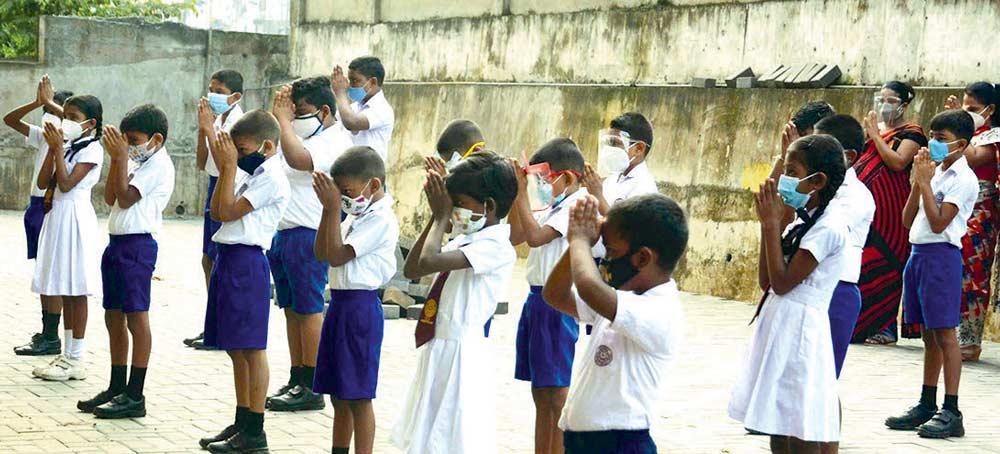
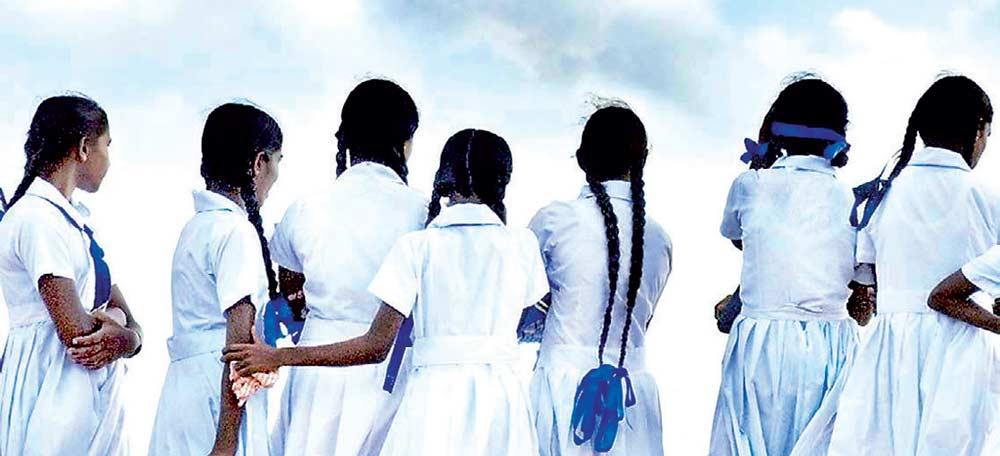
Rural and underprivileged children will bear the heaviest burden, while the privileged few will secure alternatives through private and foreign systems
Decisions that affect the future of an entire nation cannot be entrusted to incompetence, arrogance, or ideological fixation
Dr Channa Jayasumana, former State Minister of Health
The proposed education reforms currently being pushed by the government must be stopped immediately.
Their implementation without broad consultation, empirical evidence, or national consensus amounts to a reckless experiment imposed on the children of Sri Lanka. Education policy determines the intellectual, cultural, and economic future of the nation, and such far-reaching reforms cannot be rushed through based on ideological preferences or external prescriptions.
Sri Lanka’s free education system is one of the greatest achievements of the modern state. These reforms directly threaten its survival by weakening examinations, diluting academic accountability, and paving the way for inequality and privatisation. Once the structured framework of free education is dismantled, it will never be restored. Rural and underprivileged children will bear the heaviest burden, while the privileged few will secure alternatives through private and foreign systems.
The proposal to abolish or marginalise examinations is educationally disastrous. Examinations provide structure, discipline, and motivation. Removing them may appear compassionate, but in reality, it is cruel. It gives temporary relief to students who struggle, while permanently damaging their future prospects. Without clear standards, students will drift away from the curriculum, teachers will lose accountability, and the overall quality of education will collapse.
Attempts to justify these reforms by citing Scandinavian education models are fundamentally flawed. Sri Lanka does not share the socio-economic conditions, institutional capacity, classroom sizes, or welfare support systems of those countries. Blindly importing foreign models without contextual adaptation reflects policy incompetence and an alarming disconnect from national realities.
Even more disturbing is the deliberate curtailment of history education and the systematic weakening of Sri Lanka’s civilizational consciousness. History is being sidelined to serve third-party agendas that seek to erase national identity. Sri Lanka’s civilisation is deeply rooted in Buddhist values, which have shaped its moral, social, and cultural framework for over two millennia. There is a clear and intentional effort to divert schoolchildren from these values and replace clarity with confusion.
Teaching other religions must remain strictly optional. Imposing alternative religious beliefs under the pretext of inclusivity violates the fundamental rights of Buddhist schoolchildren and undermines constitutional safeguards. Respect for diversity cannot be achieved by eroding the cultural and religious foundation of the majority. Given the magnitude and irreversible consequences of these reforms, their implementation must be suspended with immediate effect. A comprehensive national dialogue must be initiated involving all stakeholders: teachers, university academics, educationists, parents, students, religious leaders, and professional bodies. No reform has legitimacy without informed public consent.
If these reforms are pushed through without such consultation, the entire responsibility will lie squarely with Dr Harini Amarasuriya, Minister of Education. At present, the Minister has demonstrated neither the academic depth, administrative experience, nor the intellectual capacity required to introduce reforms of this scale and consequence. Decisions that affect the future of an entire nation cannot be entrusted to incompetence, arrogance, or ideological fixation.
Sri Lanka does not need rushed experiments or externally driven agendas. It needs a stable, rigorous, culturally grounded education system developed through wisdom, experience, and national consensus. Until such conditions are met, these reforms must not proceed—even by a single step.