
“SETTLER COLONIALISM” AND TAMIL EELAM Part 7c
March 6th, 2025KAMALIKA PIERIS
TAMIL SETTLEMENTS
Tamil Separatist Movement steadily established new Tamil settlements in the north and east after Independence. The purpose was to strengthen the Tamil population on the Eastern coast. The northern and eastern provinces were under populated and there was lot of empty space which had to be filled up.
J. D. Arudpragasam’s father, J. Arulappu, bought land owned by the Catholic Church in Kannadi near the Madhu Church and set up his own farm in 1964. That encouraged others to migrate to the agriculturally rich Vanni. [1]
Vavuniya district had many small and large farms owned by Tamils or held on long lease by Tamil-owned business enterprises. [2] The 99-year lease was granted by the government in 1965. The individual holdings varied from ten to fifty acres. Business concerns held large farms and 16 of them were a thousand acres and more. Among the large farms were: Navalar farm, Ceylon Theatres farm, Kent farm, Railway Group Farm, Postmaster Group Farm and Dollar arm. the rich Jaffna Tamils who had obtained these large tracts of land employed illicit immigrants to work the land.[3]
New Tamil settlements were also created. In the late 1960s there was new colonization scheme in the North, at Muthuiyyan Kaddu kulam, near Oddusuddan.
When there was competition for settlement between Sinhala and Tamil, the Tamil Separatist Movement managed to obtain something. In 1966 the Youth League of the Federal Party heard that Sinhala farmers were to be settled around a renovated tank in Kithul Oorttu in Trincomalee district, Tamil youths forcibly occupied the settlement.
Government Agent, Trincomalee a Sinhalese, ordered them to evacuate the area. When they refused, with the help of the police and his officials set fire to the huts and got them arrested. The Federal Party, which was in the Dudley Senanayake government, persuaded the Prime Minister to work out a settlement whereby some of the allotments were given to the Tamils, said Sabaratnam.
Gamini Iriyagolle in his book ‘Tamil claims to land[4] said that though the Bandaranaike-Chelvanayagam Pact (1957)and Dudley Chelva Pact (1965) were publicly torn up, the government secretly permitted Tamils to exclusively settle in the north and east.
Since 1957 ,there were secret agreements between successive governments and Tamil political parties, that land in the north and east would be exclusively given to Tamils. Neville Jayaweera who was GA in Jaffna, Trincomalee and Vavuniya in the 1960s confirmed this. The BC and DC pacts were torn up but their contents were applied scrupulously,” he said.[5]
The Tamils in Jaffna were not interested in helping to start new settlements. They wanted government jobs. Young Tamil school leavers refused to join new settlements . [6] Therefore Tamil refugees from the hill country were settled in these areas.
Estate Tamils were willing to settle down in the northeast and do agriculture. Their lives had been disrupted following the nationalization of British-owned estates in the 1970s. Some had been forcibly evicted from the estates where they had lived for generations and were unemployed. They drifted towards the northeast, especially to Vavuniya and Batticaloa.
Estate Tamils due for repatriation to India were also taken into the north and east. The Sirima-Shastri Pact of 1964 had agreed that 525,000 estate Tamils would be repatriated to India. The period of repatriation was 15 years starting 1964.These persons were picked up from the estates and taken away, but they never got to India . The Tamil Separatist Movement intercepted these Tamils and settled them in the north and east, such as the Vanni. This was done silently without the knowledge of the public
Anil Ameresekera said, at Menik Farm, I found several Indian Tamils who spoke good Sinhalese. They were estate Tamils who had lived in the hill country, they were to be repatriated under the Sirima Shastri pact to India, but had been resettled in Mullaitivu and Kilinochchi by NGOs such as Redd Barna.[7]
Jayatissa Bandaragoda noted that a large number of families of estate Tamils had been settled on state land in Mannar, Vavuniya, and Kilinochchi district between 1971 and 1981. about 80,000 people had been added to the population of these three districts. They were persons repatriated in Sirima- Shastri pact. They were presumably stopped on their way to India and taken to these areas for settlement, A number of NGOs were involved in providing financial and organization assistance to these settlers.
Ceylon Workers Congress had given leadership to this and had retained the full loyalty of the Tamils. Each house we visited in the new settlements had Thondaman’s photo and each house donated a rupee per month to the CWC fund. The new land cleared by the settlers was cultivated with green gram. The government did not eject them and later they were given citizenship.[8]
Jayatissa Bandaragoda was GA Trincomalee in the period 1978- 1981. During this time Bandaragoda had come across clandestine Tamil settlements in jungle areas inside Trincomalee, in China Bay, Kuchchaveli, Morawewa and Tampalagamam areas. This was a well-planned scheme intended to colonize vacant land with Tamils, he said.
The estate Tamils who had been chased out of the hill country by Sinhalese mobs during the 1977 riots also ended up in the north and east. One settler, Pandian was from a rubber estate in Avissawella. The line room he lived in was burnt down during the 1977 riots. He lived in a refugee camp for some time and then migrated to Vavuniya, where he had learnt Indian Tamil refugees were being settled. [9] We were doing well. We cultivated black grams and chillie. We had good harvests., he told the interviewer.
Dimbulagala told ‘ Weekend’ newspaper in 1983 that illegal settlers of Indian origin were settled on state land in Vavuniya, Trincomalee and Batticaloa[10] .
He gave them information on Tamil settlements in Batticaloa area. There were large areas of barren land there which have been encroached on by Indian Tamils from the tea estates. They were illegal settlers. Nearly 15,000 acres have been colonized in this manner in Pullimalai, Unnichchai, Rugama and Pumnakuda. Devanayagam when he heard this replied that Batticaloa was part of the Tamil homeland. It is the Sinhalese, who are encroaching into Kalkudah.
Dimbulagala also recalled that in 1971 K.W Devanayagam brought estate Tamils to Kalkudah and settled them in the area. I opposed this. Tamil in Batticaloa carried out a smear campaign against me. I wrote to Prime Minister Sirimavo Bandaranaike. Prime Minister summoned a meeting in which I participated. I explained the position and Prime Minister agreed to send officials to look into the matter.
There was an inquiry and it was decided to remove the squatters but Devanayagam intervened and asked for time for the arrivals to reap the harvest. They were given three months but instead of leaving, the encroachers went into the jungle and hid. Later they got land in Vadumunai area and assistance from Sarvodaya, World Food Programme and Gandhian Movement.
Devanayagam admitted at the press conference called by him in September 1983 that there were Tamil settlements at Maduru Oya. In 1974. Ten Tamil families of Indian origin were allocated land in Wadamunai under an agreement Devanayagam had reached with the Irrigation Ministry. After the 1977 riots, 48 estate Tamil families were allocated 50 acres of land at Wadamunai under another agreement with Gamini Dissanayake, reported Sabaratnam. [11]
A further 200 Sri Lankan Tamil families from these villages had encroached on 600 acres of the land earmarked for development under the Maduru Oya Right Bank Development Scheme, admitted Devanayagam. They have not been regularized but these encroachments are long standing, he said . Under the scheme of regularization of encroachments of state land implemented by Gamini Dissanayake in 1979, these families were entitled to those lands.
Tamils were settled at Wadamunai and Uthuchanari by KW Devanayagam in 1960s to protect the boundaries of Batticaloa district from Sinhala settlers said S Hisbullah. [12] The colonization scheme of Wadamunai had begun in 1958. It continued in he 1970s.
48 families of stateless estate Tamils sent by GA Hambantota , were settled on 50 acres at Meerandavillu in Wadamunai. Meerandavillu had are 5 LDO ( Land Development Ordinance) allotments and 52 enumerated allotments .
AGA report as given in Malinga Gunaratne’s book, said, there was 200 encroachments of about 600 acres by person from the purana villages of Kallichenai and Oothuchenai in Wadamunai .These encroachments are of long standing and would have been regularized except that they now fell within the Mahaweli area. Kallichenai and Oothuchenai described as purana villages are not purana at all, the villagers are estate Tamils who came after 1977. Karadiurichakulam, near Punani has lands that have been alienated under Land Development Ordinance to local residents.
In the 1980s LTTE had encouraged Tamils to bring relatives from Tamilnadu over. Grama Niladhari was then bribed to state in an affidavit that they had been long time residents of Kilinochchi.[13]
Redd Barna has carried out a resettlement programme of Tamil people from up country to Vavuniya in 1985, with the assistance of Sarvodaya, said Vijitha Herath. in his 2008 interim report to Parliament as Chairman, Select Committee of Parliament for investigation of the operations of NGOs and their impact.[14]
Tamil Separatist Movement also suppressed the Sinhala settlements started in the north and east . Padaviya was started by Prime Minister D.S.Senanayake in the late 1950s. Padaviya was one of the first post-independence Sinhala settlements in the north . Padaviya had around 50,000 people in 1984.
Padaviya was created and then ignored, said critics. . It is only two miles to the sea from Padaviya as the crow files if the Padaviya settlement had gone up to the sea, Eelam would not have been possible, critics observed.
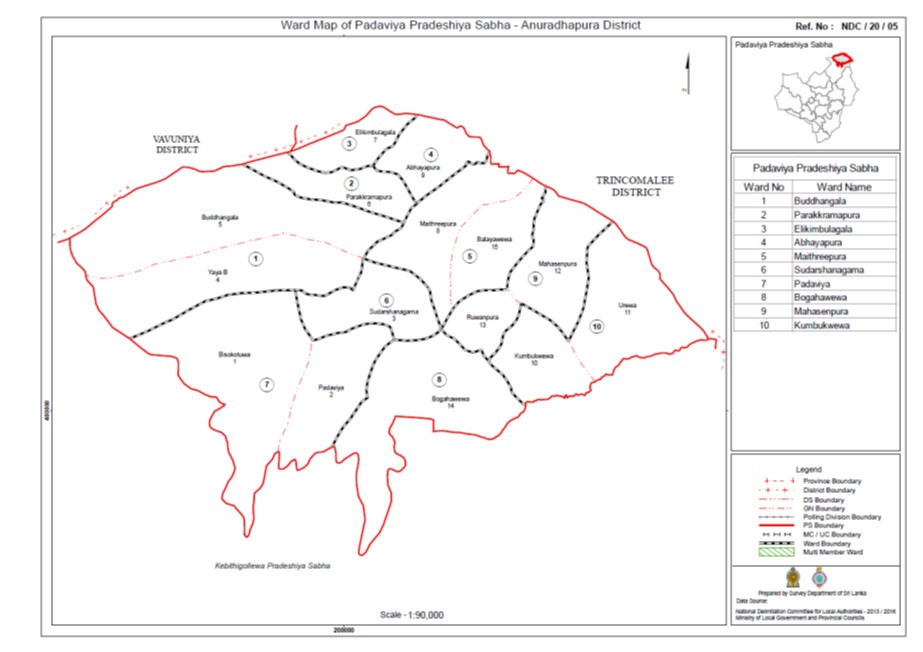
https://mpclg.gov.lk/web/images/wardmaps/a_pura/05_Apura_PadaviyaPS.pdf
Ma Oya which flows into Kokkilai, lies between Padaviya in its south and the districts of Mullaitivu and Vavuniya in the north. Tamil politicians had for years objected to the linking up of Mullaitivu district with Padaviya . But a small causeway had been built across the Ma Oya river, linking Padaviya to Mullaitivu during the Accelerated Mahaweli project. BH Hemapriya had initiated this, using a cable wire obtained from Victoria dam.
Padaviya was bursting at the seams by 1980. The area could not accommodate the 2nd and 3rd generations. They would have had to fan out to Vavuniya and Mullaitivu on the north, Kokkilai on the east and Yan Oya on the south. Tamil Separatist Movement saw this and started installing Tamil settlements on the border of Padaviya leaving a massive buffer zone between the new Tamil settlement and Vavuniya and Mullaitivu. They were creating a buffer for Eelam.
In 1983 two Mahaweli Authority officers, Karunatilleke and Hemapriya reported to Mahaweli Director General, NGP Panditeratne that the second generation of Padaviya settlers were in serious difficulties. They are doing chena and rain fed paddy in about 10,000 to 15,000 acres in the last piece of chena land available to Padaviya settlers in the south. They cannot expand to west, east or north as these are occupied by Tamil villages and encroachments.
At the rate of expansion of Tamil encroachments, this land will also go within a few months, they said. Tamil settlements will spread up to the boundary of Padaviya in a few months. Very soon the Padaviya settlement will be threatened. Settlers live in fear and some settlers are thinking of returning to their place of origin, they said in 1983.
Tamil settler colonialism was actively at work during the Accelerated Mahaweli project. Tamil Separatist Movement had studied the Accelerated Mahaweli plan carefully and had marked out two strategic locations where Sinhala settlements could puncture Eelam .They were Maduru Oya and Yan Oya deltas. At Yan Oya illegal Tamil settlements were established by 1983.
there were Tamil settlements in Maduru Oya as well. In1980 the engineers at Maduru Oya had informed Mahaweli authorities that the Tamil officials in Batticaloa were creating illegal Tamil settlements at Maduru Oya. These settlements were known to the Tamil politicians. Sinhala politicians in the government were also supporting. There will not be an inch of land left by the time the project is ready, they told him.
In August 1983 Malinga Guneratne received information of a massive encroachment of lands on Maduru Oya right bank. Maliga dispatched two Mahaweli officials to Maduru Oya to report. They reported back that organized settlements around numerous small tanks were taking place in Maduru Oya. They were being made in a systematic and methodical manner. Food supplies were coming to the settler from an organized body. Houses were e coming up overnight. Villages were given Tamil names, district boundaries were altered. The Tamil officials in Batticaloa were behind this.
It was not possible to fill up all the land with settlers, there were not enough Tamil settlers for that, therefore another strategy was used. Large tracts of land in the area were demarcated as elephant corridors, forest reserves, national parks and no settlement was allowed in them. There are more elephant corridors and forest reserves here than in the rest of Sri Lanka, said Hemapriya.
This is confirmed in the report made to KW Devanayagam, MP for Kalkudah, by GA Batticaloa, regarding the Maduru Oya Sinhala settlement led by Dimbulagala Hamuduruwo in September 1983. GA Batticaloa complained in a report dated 4.9.83 that the new Sinhala settlement at Meeranadavillu came within the Barons Gap proposed reserve, and Mathavanai Mahaella settlement came within the Umunugala Forest reserve. Punani settlement came under Koralai forest reserve .
There was also another tactic , that of declaring grazing lands for cattle. The Barons Gap proposed reserve had also been used as traditional grazing land for cattle in the Kalkudah electorate, said Tamil officials. ( continued)
[1] https://sangam.org/pirapaharan-vol-1-chap-33-knocking-out-the-base/
[2] https://sangam.org/pirapaharan-vol-2-chap-23-manal-aru-becomes-weli-oya/
[3] Bandu de Silva. Sunday Island. 17.7.2011 p 15 .
[4] This book is now online at https://www.infolanka.com/org/srilanka/issues/gamini.html
[5] Neville Jayaweera. Vignettes of the public service, Jaffna. Sunday Island 20.4.08 p 13.
[6] https://www.colombotelegraph.com/index.php/post-july-1983-jossop-a-new-kind-of-war/
[7] Anil Ameresekera. Island 11.11.09 p 9.
[8] Jayatissa Bandaragoda, Path of destiny Godage 2011 p 190-191
[9] http://www.sangam.org/articles/view2/?uid=633
[10] Malinga Gunaratne. For a sovereign state . ( most of the content in this essay is taken from this book)
[11] www.sangam.org/articles/view2/?uid=626
[12] S Hasbullah et al. a tale of two maps. ICES 2022 p 22
[13] Sunday Times editorial 2.5.10 p 10.
[14] Sunday Leader 14.12.08 p 15.
“Papare Pan, Pan Pan” The Evolution of “Papare” Music
March 6th, 2025Rohan Abeygunawardena
Music has been essential to human culture for thousands of years, evolving through different civilisations, technological advancements, and cultural influences. From ancient tribal chants to the digital streaming age, music reflects human emotions, traditions, and innovations.
My attempt to explore the historical development and transformation of Papare music in Sri Lanka takes me back to the day I first witnessed the Royal Thomian cricket match at Colombo Oval in 1961, the year I entered Royal College.
My dad thought I was too young to go for the big match alone and arranged for two of my cousins and their friend (a Chinese guy) to take me to the match. They are much older than me and from Wesley College (Wesleyites). Their eldest brother was the captain of the Wesley cricket team that year. They dropped me at the Boys Tent entrance and proceeded to the visitors’ entrance.
I located and joined my friends and joined the cheering squad chanting, Come on, Nanda” (Senanayake), ball him out! Come on, Darrell” (Lieversz), ball him out, etc., and when the Thomian batsman whacks the ball to the boundary, the cheerleader shouts, Are we worried?” and we shout, No, no.” When a batsman was given out leg before, Thomians shouted Umpire Hora.” (Thank God that problem is not there now because of Senaka Weeraratne’s concept of Decision Review System, or DRS.)
Later my cousins came looking for me and took me to their visitors’ pavilion.
There was a makeshift tent next to their pavilion. I noticed the spectators of this tent were a bunch of old codgers. My cousins whispering to each other identified some of the prominent elites of the time. Some of them, as I understood, were politicians and captains of the business world of the time.
They were enjoying the music played by a Naga Salang Band.” Naga Salang was probably a Sinhala term for the Carnatic music of southern India played in the Sri Lankan Hindu Temples (Kovils). The main instrument of the group was a double-reed wind instrument called Nadaswaram, which was among the world’s loudest non-brass acoustic instruments. The other instruments, as I remember, were the Mridangam (drum), Tabla, and Violin.
Later came to know the tent was called Mustang Tent.”
The Mustang is the oldest exclusive tent at the Royal-Thomian cricket match, which started over 100 years ago. Only the distinguished gentlemen from both schools were allowed to enroll at this tent. One needs to be invited to be part of the Mustangs. During the colonial era, the custom was to invite the governor, who invariably came to watch the match and have a cup of tea at the tent on the second day of the match.
During the lunch interval, some senior students and prefects from both schools invited the Naga Salang Band” members to join a parade going around the ground. They also brought bands that provided music at the boys’ tents of two schools. These bands, generally called funeral bands,” were organised by dedicated senior students, brought from the Jaela Wattala area and paid through hat collections.
When the Naga Salang Band” joined the parade, they immediately changed over to the then-popular song Vanga Machan Vanga” from the MGR movie Madurai Veeran. As a ten-year-old, I was flabbergasted by the way students of both schools danced. There was Baila, rock & roll, Kavadi, and then popular Twist all mixed in their dancing.
I believe this was the beginning of the now-popular Papare music.
The big-match culture of parading around the grounds would have originated from early influences of the colonial era when military bands introduced brass instruments to Sri Lanka and conducted parades to demonstrate the might of the British Empire.
In the early days, big-match bands used to play popular tunes, initially mainly English numbers like Glory, Glory, Hallelujah—popularised during the American Civil War” and Get Me to the Church on Time—from the film My Fair Lady.” Later came Tamil Dingiri Dingale Meenakshi Dingiri Dinkale,” which had a similar Sinhala song sung by Jothipala. In the late sixties, the tunes of songs like Uma Pocha’s Bombay Meri Hai” and C.T. Fernando’s Sihina Love” became very popular at big match bands, not only at Royal Thomian but also at all other school big matches.
The inaugural men’s Cricket World Cup was in 1975, organised by the ICC and officially called the Prudential Cup ’75, and was held in England. Sri Lanka was not a test-playing nation at the time but participated as an associate. The format was a 60-over-day match played with a red ball. At the second World Cup in 1979, Sri Lanka beat India by 47 runs under the leadership of former Nalandian Captain Bandula Warnapura, played at Old Trafford, Manchester, England.
This victory and Sri Lanka being granted test status in 1981 were two of the greatest achievements in Sri Lanka’s cricketing history up to then. As a result, more and more people were interested in the game, but the spectators at the matches were not many. The school’s big matches drew more crowds than Test matches or limited formats because of the amount of entertainment they provided.
Then came Arjuna Ranatunga and his team winning the World Cup in March 1996.
Kumar Sangakkara, in his MCC Spirit of Cricket Cowdrey Lecture, said, The leadership of Arjuna during this period was critical to our emergence as a global force. It was Arjuna who understood most clearly why we needed to break free from the shackles of our colonial past and forge a new identity, an identity forged exclusively from Sri Lankan values, an identity that fed from the passion, vibrancy, and emotion of normal Sri Lankans. Arjuna was a man hell-bent on making his mark on the game in Sri Lanka, determined to break from foreign tradition and forge a new national brand of cricket.”
Arjuna’s teammate Sanath Jayasuriya was named the Most Valuable Player of the 1996 Cricket World Cup. Sanath together with his opening partner Romesh Kaluwitharana is credited for having revolutionized one-day international cricket with their explosive batting in the 1990s, which initiated the hard-hitting modern-day batting strategy of all nations. The late Tony Greig, former England captain and well-known cricket commentator, called Sanath the Master Blaster” and Romesh Little Kalu.” He used to say, Sanath was a butcher and Aravinda de Silva was a surgeon. For they had two different styles of batting. Sanath had the ability with the bat to brutalize pretty much any attack, and Aravinda, a natural and just gifted with supreme timing, good technique, and skill.
The spectators realised Sanath’s type of attacking batting provided good entertainment and flocked together to see “Ape Kollo” or our boys playing.
They moved in tens and thousands and brought the Big Match Bands” to the venue. Playing popular tunes of Sinhala songs and Baila together with dancing changed the cricketing culture in Sri Lanka. The trumpet and drums were the main instruments used.
Later these bands added cymbals, trombones, saxophones, rabana, etc., which created a unique brand of music. A veteran of the Papare band once said, Even if the song is slow, we can increase the beat and create a fast tempo.”
As kids, we used to imitate the sounds of Trumpet” with our mouths, similar to Papara pan, pan pan.” I believe the name Papare” was derived from this practice.
The Calypso bands from Caribbean islands are now seen playing at West Indian matches.
The Papare, a vibrant and energetic form of street music, has evolved from Naga Salang bands played at Royal-Thomian Mustang Tent to a symbol of national pride. This showcases Sri Lanka’s rich cultural heritage and the genre’s enduring appeal across different contexts.
This signature music of Sri Lanka has now expanded internationally. Sri Lankans living in countries like Australia, the UK, New Zealand, the USA, and Canada have formed their own Papare Bands.
Rohan Abeygunawardena
You may contact the writer on abeyrohan@gmail.com
Public disillusionment grows over NPP government, says Chandima Weerakkody
March 6th, 2025Courtesy The Island

Chandima Weerakkody
Former MP Chandima Weerakkody, speaking at a press briefing at the Samagi Jana Balawegaya (SJB) headquarters on Wednesday, claimed that public expectations of President Anura Dissanayake and the National People’s Power (NPP) government have now faded.
He stated that many who had placed their hopes in President Dissanayake and the NPP for change were now feeling disillusioned.
What has happened to many groups today is similar to moths drawn to light. All the country’s teachers united to elect Anura Dissanayake as President. Advanced Level teachers urged students to vote for him, believing he would bring about change. Teachers even visited students’ homes to convince parents to support the NPP,” he said.
During the election campaign, the NPP had promised executive-level salaries for teachers. While salary revisions have been made, the increment is negligible, he said.
Doctors played a key role in enabling the NPP’s victory. However, allowances previously granted for extra services and leave have now been cut, leaving doctors frustrated. Nurses, who campaigned for Anura Dissanayake in uniform, are now facing cuts to their additional allowances.
Similarly, graduates without employment were assured that immediate steps would be taken to provide them with jobs. However, when unemployed graduates took to the streets demanding employment, the government deployed the police to suppress them. These very graduates who played a crucial role in electing Anura Dissanayake are now being treated inhumanely. Their hopes have been shattered,” he said.
Weerakkody further criticised the government for focusing on issues that do not address pressing national concerns. He stated that instead of conducting a census to assess the number of people living in poverty or carrying out the necessary survey to address unemployment, the government is prioritising the counting of monkeys and langurs.
This raises serious concerns about the direction in which the country is heading.”
ඩිජිටල් ආර්ථිකය අඩපණ වී ක්ෂේත්රයේ නියුතු අය රට හැරයාමේ ඉහල අවධානමක්…. ආණ්ඩුවේ ලොක්කෙක් අනතුරු අගවයි
March 6th, 2025උපුටා ගැන්ම ලංකා ලීඩර්
මෙරට ඩිජිටල් ආර්ථිකය අඩපණ වී එම ක්ෂේත්රයේ නියුතු අය රට හැරයාමේ ඉහල අවධානමක් ඇති බව කොළඹ තාක්ෂණ නගරයේ නිර්මාතෘ ආචාර්ය හර්ෂ සුභසිංහ මහතා සඳහන් කරයි.
අද වන විට සියල්ල තීරණය කරමින් ඇත්තේ මුදල් අමාත්යාංශයේ සිටින අය බවද පවසන ඔහු මුදල් අමාත්යංශය ද ආර්ථික සැලැස්මක් නැති බවද කියා සිටී. ඒ මෙරට සිට ඩිජිටල් සේවා ලබාදෙන පුද්ගලයන් සඳහා බද්දක් පැනවීමෙන් හේතුවෙන් බවයි ඔහු පවසන්නේ.
එවන් සැලැස්මක් තමන් අද වනතුරැ දැක නැති බවද ආර්ථිකයේ ගමන් කළ යුත්තේ ආර්ථික සැලැස්මක් අනුව බවත් එවන් සැලැස්මක් තමන්ට නොපෙනෙන බවත් ඔහු තවදුරටත් පවසයි.
හිරු නාලිකාව සමඟ සාකච්ඡාවකට එක්වෙමින් ඔහු මෙම අදහස් පල කර ඇත.
Ranil unhappy with Al Jazeera interview, questions integrity of panelists
March 6th, 2025Courtesy The Daily Mirror
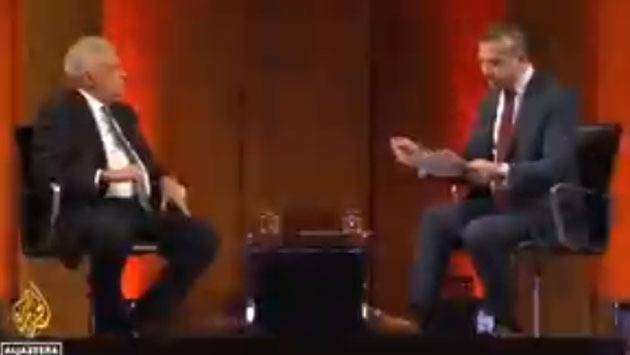
Colombo, March 6 (Daily Mirror) – Expressing his dissatisfaction with the interview with Al Jazeera which was broadcast today, former President Ranil Wickremeisnghe raised questions on the integirty of the panelists who were part of the interview.
Speaking to the media soon after the interview was released, Wickremesinghe claimed that two of the three panelists, who joined broadcaster Mehdi Hasan, had pro-LTTE stances.
I was informed that Human Rights Lawyer and Former Commissioner of Human Rights Commission of Sri Lanka Ambika Sathkunanathan will participate in the interview. I was happy as I have known her, though our ideologies were different. However I found out that there were two other panelists instead of Ms. Sathkunanathan. I have been told that the two of them had pro-LTTE links,” he said.
This interview was different. Interviews which I do with local media are different. They go live and everything good and bad comes out. However Al Jazeera interviewed me for two hours but they have released a one-hour interview. The best part was missing,” Wickremesinghe said.
“I was asked about the happenings during the reign of the Rajapaksas. I said I was not in power then. Also, I told them that the Mahanayaka of Malwathu chapter is the foremost religious leader in Sri Lanka while others including Cardinal Malcolm Ranjith is just another religious leader,” he added.
Ranil slams ‘politics’ of Sri Lanka’s Catholic Church, denies ‘Batalanda’ accusations
March 6th, 2025Courtesy Adaderana
Former Sri Lankan President and six-time Prime Minister Ranil Wickremesinghe denied shielding ousted president Gotabaya Rajapaksa from prosecution, during an interview for Al Jazeera English’s ‘Head to Head’ that aired today. He also rebuffed renewed accusations that his own administration failed to credibly investigate alleged government links to deadly terrorist attacks that rocked Sri Lanka in 2019.
Wickremesinghe, who was voted out of office in 2024, threatened to leave 8 minutes into the hour-long interview with Mehdi Hasan, but ultimately remained seated for a heated debate that also covered the government’s handling of war crimes investigations following the country’s civil war, and allegations of torture committed under his watch in the late 1980s.
In my country, it’s the attorney general, who is not a political figure, who decides on prosecution – We can only send the evidence before him,” Wickremesinghe said when asked if he’d covered for ex-president Gotabaya Rajapaksa, who fled the country in 2022 following mass protests.
Both Gotabaya and his brother Mahinda Rajapaksa, a former Prime Minister and President, have been widely accused of corruption and war crimes and driving the country into a major financial crisis.
On letting Gotabaya Rajapaksa back into the country without arrest after Wickremesinghe took over the presidency in 2022, the latter said: He could come [back] in. There’s no charge against him. How could I? Am I a dictator?”
Hasan also pressed Wickremesinghe on renewed accusations by the Catholic Church that his own government had protected other forces” involved in the 2019 Easter Sunday bombings carried out by an ISIS-affiliate.
In response, Wickremesinghe called the allegations all nonsense” and an example of the politics of the Catholic Church.”
The head of the Catholic Church [in Sri Lanka] is talking nonsense?” Hasan clarified. Yes,” Wickremesinghe said.
Wickremesinghe, who was Prime Minister in 2019, was responding to public statements by local Cardinal Malcolm Ranjith, as well as exclusive comments the Cardinal had made to Al Jazeera’s Head to Head team before the TV recording. In a phone call with Al Jazeera, Ranjith said Wickremesinghe had failed to heed the Church’s request for a truly independent investigation and called an earlier inquiry and report during Wickremesinghe’s presidency not worth the paper it was written on”.
Turning to truth and reconciliation for Sri Lanka’s civil war with the LTTE (also known as the Tamil Tigers), Hasan asked if justice had been served to the thousands of victims of the conflict that ended in 2009. Wickremesinghe conceded: No. Justice has not been served to any of the communities.”
He accepted that aid had been blocked to war victims and some hospitals had been bombed but denied that such bombings were systematic.
There had been occasions where the Air Force had bombed [hospitals] and action was taken against some of them. But on a large-scale, this thing? I wouldn’t say that.”
According to a U.N. panel […], Sri Lankan government forces blocked the delivery of aid to victims of the war,” Hasan prompted.
I admit that took place,” Wickremesinghe conceded, who was the opposition leader at the time of the final phase of the war.
Pressed on why, as President, he reappointed General Shavendra Silva – whom the US State Department accuses of war crimes – to head Sri Lanka’s armed forces, Wickremesinghe said, It’s a practice not to replace military commanders during [an] election.” He added, When I took over, I checked on it and I was satisfied that General Silva was not involved in it.”
Wickremesinghe went on to deny allegations made by a government commission that he knew of illegal detention, torture and killings happening at Batalanda, a housing complex he was living in as a minister in the late 1980s.
I deny all those allegations,” he said when confronted with a government inquiry that named him as a main architect” of securing the housing complex and alleged he, to say the least, knew” about the violations taking place there.
Wickremesinghe first denied the existence of the report, of which Al Jazeera had obtained a copy, and later questioned its validity, saying it had never been discussed in parliament. That was not tabled in Parliament and there is nothing to be found against me.”
Wickremesinghe, who was appointed president by parliament in 2022 amidst one of the biggest political and financial crises in Sri Lankan history, defended his own presidency and 2024 election loss:
In two years, I put the economy back on track. And that means disinflation, compression. It’s very, very difficult. Will you survive that? No, I can’t see that,” he said about last year’s election in which he finished third.
I’m quite happy. I did the job,” he said, referring, in part, to a landmark IMF deal he brokered as president. There would have been a political and economic collapse of the country” (if he hadn’t taken over the Presidency).
Hasan and Wickremesinghe were joined by a panel of experts:
Former BBC Sri Lanka correspondent and author of ‘Still Counting the Dead’, Frances Harrison; Former UK MP and envoy to Mr Wickremesinghe during his presidency, Nirj Deva; and Madura Rasaratnam, Executive Director of human rights organization PEARL and Senior Lecturer in Comparative Politics at City, University of London.
Source: Al Jazeera
–Agencies

“පාස්කු ප්රහාරයේ මහමොළකරු මම දන්නවා” – ඥානසාර හිමි
March 6th, 2025උපුටා ගැන්ම හිරු පුවත්
පාස්කු ප්රහාරයට සම්බන්ධ මහමොළකරු කවුරුන්දැයි තමා දන්නා බව බොදුබල සේනා සංවිධානයේ මහ ලේකම් පූජ්ය ගලගොඩඅත්තේ ඥානසාර හිමියන් පවසනවා.
මහනුවරට පැමිණි අවස්ථාවේදී මාධ්යට අදහස් දක්වමින් උන්වහන්සේ පැවසුවේ මේ සම්බන්ධයෙන් ජනාධිපතිවරයා සහ ආරක්ෂක අංශ භාර නිලධාරීන් ප්රථමයෙන් දැනුවත් කරන බවයි.
බොදුබල සේනා සංවිධානයේ මහ ලේකම් පූජ්ය ගලගොඩඅත්තේ ඥානසාර හිමියන් අද (06) මහනුවරට පැමිණ මල්වතු මහ නාහිමියන් බැහැ දැක ආශිර්වාද ලබා ගත්තා.
අනතුරුව උන්වහන්සේ පැමිණියේ අස්ගිරි මහා විහාරයටයි.
එහිදී ඥානසාර හිමියන් අස්ගිරි පාර්ශ්වයේ මහා නායක අති පූජ්ය වරකාගොඩ ශ්රී ඥානරතන මහානා හිමියන් බැහැදැක ආශිර්වාද ලබා ගත්තා.
The Challenges of Sri Lanka’s Ageing Population: Economic, Health, and Social Struggles
March 5th, 2025Sasanka De Silva. Pannipitiya
Sri Lanka is facing a significant demographic shift as its population ages rapidly. Currently, about 12.3% to 12.4% of the population is over 60 years old, but this figure is projected to rise dramatically to 22% by 2037 and potentially reach 25% by 2041. This rapid ageing poses substantial economic, healthcare, and social challenges for senior citizens, exacerbated by the ongoing economic crisis.
Economic Vulnerability
Senior citizens in Sri Lanka face higher poverty rates compared to other age groups. Limited coverage of social protection programs and pension schemes, particularly for those in the informal sector, further exacerbates their economic vulnerability. The economic crisis has severely impacted their income security, with many struggling to afford necessities due to inflation and shortages. Those who worked in the private sector or informal sectors are particularly affected, as they often rely on dwindling savings to survive.
Healthcare Challenges
Access to healthcare is another significant challenge for older adults. Shortages of essential drugs and medical tools, compounded by the economic crisis, make it difficult for them to receive necessary care. Chronic illnesses are prevalent among seniors, but many cannot afford the travel costs required for healthcare, further complicating their situation.
Social Challenges
Changes in family structures and migration patterns have reduced support networks for older adults, leading to social isolation. There is also a potential for neglect and abuse, though precise data is lacking. The economic crisis has intensified these social challenges, as families struggle to support their elderly members financially.
Food Security
Food insecurity is a critical issue for seniors, as the economic crisis has led to severe shortages and inflation, affecting their ability to access nutritious food. Many have had to reduce their meals to one or two per day, with some relying on water and sleep when they cannot afford food.
Social Protection
The need for stronger social protection systems is evident, as current measures are insufficient to support vulnerable older populations. The government offers temporary monthly allowances to over 650,000 elderly individuals, but these are often inadequate given the scale of the crisis.
Coping Mechanisms
Despite these challenges, seniors are finding ways to cope. Many spend hours queuing for essentials like cooking gas, kerosene oil, fuel, and food items, which is particularly challenging due to their frailty and existing health conditions. Charitable organizations like HelpAge Sri Lanka provide support, including mobile medical units and home care services, though these efforts are insufficient to meet the growing demand. Some elderly individuals have resorted to begging or seeking help from charities as their families can no longer support them financially. Promoting home gardening has been suggested as a strategy to improve food security by increasing local agricultural production.
Potential Solutions
To alleviate these challenges, several potential solutions have been proposed. One approach is to exempt all individuals above the age of 60 from taxes, including value-added, capital gains, and withholding taxes, and offer them better interest rates for their savings. Historically, there was a provision for this, but it was scrapped. Recently, the government indicated some extra payments for seniors with fixed deposits, though this initiative seems to have stalled.
Collective Action
For these solutions to be implemented effectively, seniors need to unite and demand change. By using their collective bargaining power and voting wisely, they can influence policy decisions that affect their lives. If opposition parties are willing to address their grievances, seniors should seek written pledges that are contestable in a court of law before committing their support.
Sri Lanka’s ageing population faces significant economic, healthcare, and social challenges. Addressing these issues requires urgent action from policymakers, including strengthening social protection systems, improving healthcare access, and supporting economic security for seniors. Collective action by seniors themselves can also play a crucial role in advocating for policies that better support their needs.
Sasanka De Silva.
Pannipitiya.
GPC urged to clarify its stand on Bhaona controversy
March 5th, 2025Nava Thakuria
Guwahati: Expressing annoyance over the latest development, where a State minister allegedly made unwanted comments on Bhaona and later his clarification denying it with a strong message for suing the propagator, Press Club of Assam (PCA) urges the journalist concerned to clarify his stand. Many media bodies including Gauhati Press Club (GPC) have already condemned minister Ashok Singhal for his ‘irresponsible views’ on the traditional performing art form and now they remain silent after Singhal out-rightly refuted the accusation, stated a PCA release.
The controversy erupted following the recent social media post by a television journalist, associated with the news channel owned by the State government chief’s family, where the scribe claimed that Assam Health & Family Welfare minister disrespected a delegation from GPC, who went to invite Singhal for a forthcoming Bhaona performance in the city. During interactions, the minister allegedly questioned the necessity of a press club to organise a Bhaona, which is not secular in nature.
Soon the issue went viral as many individuals, outfits, media outlets and opposition political leaders and their sympathisers started making a hue & cry demanding an apology from the minister. Some even termed him as a ‘non-Assamese’ who has no idea about the religious performing art form (Ankiya Bhaona), developed by the sixteenth century Vaishnavite saint, scholar and philosopher Srimanta Sankardev and his prime disciple Madhavdev to enact plays primarily on mythological characters.
The excitement lasted for a short period, as CM Himanta Biswa Sarma commented that he did not believe his cabinet colleague made such an immature comment. It was followed by a formal clarification from Singhal denying the allegation that he made derogatory remarks regarding Bhaona. In a social media post, Singhal stated that it was completely false and fabricated. Acknowledging that a group of scribes visited him to invite for the cultural program, Singhal however expressed his annoyance that a fabricated story was generated and made public by a particular scribe.
“We are devoted followers of Mahapurush Srimanta Sankardev and always embracing Gurujona’s creations with deep reverence. Needless to mention that, Sankardev’s immense contributions and creations continue enriching the great Assamese society,” said Singhal, adding that the journalist involved with the episode should tender an apology to the people of Assam. Otherwise, he would be compelled to take legal actions, concluded the minister.
Many social media users questioned the GPC for inviting Singhal, as he is neither the State IPR or cultural minister. Was it not done with the sole aim to get some hefty donations from the minister (which somehow did not materialise !), otherwise why a minister would make derogatory comments just to receive an invitation letter for any event, questioned a senior journalist while speaking publicly during his live presentations. The acclaimed television scribe even asked the GPC to apologise with an aim to resolve the matter soon.
As the issue has seemingly gone out of proportions, the GPC should come out with a clarification so that the issue comes to end. Otherwise, it will only help the anti-media elements in the society to launch another series of attacks on the journalist community,” said PCA president Kailash Sarma, working president Nava Thakuria and general secretary Hiren Ch Kalita. They also wished a success for the Bhaona titled Gandharir Abhishap, hosted by GPC in association with NEZCC, which is scheduled for 15 March 2025 at Shilpagram premises.
The elephants and the plantations. Posted on March 3rd, 2025
March 5th, 2025Professor Nishan C. Wijesinha (Professor German School of Medicine)
Concerning the above post elephants and the plantations Posted on March 3rd, 2025
Otara Gunawardene personally contacted me through Instagram and thanked me for having highly esteemed her; but she is not willing to take on any projects of such nature,now as she has finished her task for the people and has retired fom such busy life. Therefore she said, “it is not correct for me to have requested such involvement at this time of retirement”.
Therefore I really, feel very sorry and hope she would take it as an humble error by me in absolute good intentions.
Therefore this is an apology by me, so that people will not bother her, calling her to take on the project.
Senaka Weeraratna – The Seminal Figure of the Cricket Reformation
March 5th, 2025by Riyaz Aluher (Former Assistant Principal and Senior Games Master of Royal College)
I am prompted to write this article after reading an eye-opening article by Lorenz Pereira ( ‘Sunday Island’ – March 02, 2025) —the cricket legend.
https://island.lk/senaka-weeraratna-the-unsung-architect-of-modern-cricket/
I felt compelled to add a crucial missing element, the idea of Cricket Reformation through the advent of the Decision Review System (DRS). While Lorenz’s piece covered many aspects of modern cricket, it overlooked how DRS has fundamentally reshaped the way the game is played and perceived.
Riyas Aluher
………………..
Cricket has witnessed many changes, but few have been as groundbreaking and paradigm shifting as the Decision Review System (DRS). This revolutionary game changing system, rooted in Senaka Weeraratna’s Player Referral concept, has fundamentally transformed the game by allowing players to challenge umpiring decisions that go against the foundational premise of cricket – ‘the Umpire’s decision is final’. It is no longer accepted today because Senaka Weeraratna argued with vehemence that greater accuracy in decision making can only be achieved by going ‘against the grain’ using new technology.
The International Cricket Council (ICC) accepted the Player Referral concept of Senaka Weeraratna in 2006 and renamed it as the Umpire Decision Review System (UDRS later abbreviated into DRS). With the integration of advanced technology such as Hawk-Eye, UltraEdge, and Hot Spot, DRS has enhanced fairness, minimized human error, and brought greater accuracy to decision-making in cricket.
Cricket Reformation
The wider picture is Cricket Reformation. Senaka Weeraratna is Cricket’s version of the iconic Martin Luther. The Protestant Reformation began in 1517 when Martin Luther published a document called ‘Disputation on the Power of Indulgences’ and pasted his 95 ideas or Theses on the door of a castle church in Wittenberg, Germany. The theses were a series of ideas that challenged the Catholic Church’s teachings.
What were Luther’s ideas?
1. The Church needed reform
2. The Catholic Church’s practices that focused on good works were immoral
3. Sale of Indulgences, or payments to the Church were wrong
4. There is no need for a controlling Church hierarchy
Martin Luther is the seminal figure of the Protestant Reformation that later swept Europe.
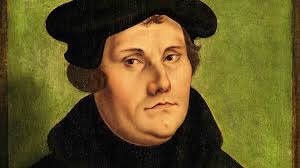
Martin Luther
What are Senaka Weeraratna’s ideas?
1. Cricket needed Reform
2. Cricket’s integrity and commitment to fair play were compromised because of its failure to employ technology to correct an Umpire’s decision
3. His aphorism published in the ‘Time’ Magazine (Letters to the Editor – June 07, 1999) and other international publications stating ‘ If you have the technology to detect an error of an Umpire, then the same technology must be used to correct the error of an Umpire’, is now universally acknowledged as the trigger that set the pace of the Cricket Reformation enshrining DRS.
4. DRS impact on cricket
DRS has removed the finality of decisions made by on-field umpires. It has brought integrity and justice to the game by replacing an over-exaggerated, flawed, and abused method of adjudication.
5. The Dawn of a New Era
Since DRS was introduced, cricket has experienced a remarkable transformation. The system has not only minimized human error in umpiring decisions but also brought with it a series of welcome changes:
• No More ‘Hora Umpire’ Shouts: Gone are the days when the loud, often humorous, Hora Umpire” calls from the stands would fill the air. With technology stepping in, decisions are made more accurately and objectively.
• Reduced Tensions on the Field: The constant friction between cricket-playing nations over umpiring errors has eased considerably. With decisions now being double-checked, the focus has shifted to the quality of play rather than disputes over officiating.
• Enhanced Respect for Umpiring: There is now a greater acknowledgment of the precision involved in umpire decisions, which has elevated the integrity of the game. The reliance on advanced tools like Hawk-Eye, Ultra Edge, and Hot Spot has brought a renewed trust in how the sport is governed
Senaka Weeraratna’s theory was groundbreaking at the time and has since reshaped sports officiating worldwide, including in football, tennis, and rugby, where systems like VAR and Goal Line Technology have become integral to decision-making.
Shashi Tharoor
Shashi Tharoor, the celebrated Indian writer, and author, has expressed his views on the impact that the Decision Review System (DRS) has had on the modern game, and he stated unequivocally that it has been one of cricket’s best innovations. Tharoor further said that international cricket should never be without DRS in the future, given how many errors technology prevents.
DRS is such a major innovation. I never want to see international cricket without DRS ever again. It is so indispensable and eliminates so many bad decisions, and it creates an additional form of excitement for the viewer. It adds an extra element of tension to the plot and it is a very welcome addition as far as I’m concerned,” Tharoor said.
DRS inventor
Sri Lanka’s Senaka Weeraratna is known as the “Father of DRS”
Despite its universal acceptance, it is crucial to acknowledge the true origins of DRS. The Player Referral idea, first proposed by Senaka Weeraratna, laid the foundation for this paradigm shift, influencing not only cricket but also other sports that now rely on technology for fair play. His concept was groundbreaking at the time and has since reshaped sports officiating worldwide, including in football, tennis, and rugby, where systems like VAR and Goal Line Technology have become integral to decision-making.
Innovation in sports must be recognized, and credit should be given to the minds behind these game-changing ideas. Senaka Weeraratna’s vision was the catalyst for a transformation that has redefined cricket’s decision-making process. His contribution goes beyond an individual achievement—it marks a historical turning point in sports technology and fair play.
A Legacy Worth Celebrating
The Decision Review System stands as one of the most significant milestones in cricket history, ushering in an era of strategic depth, accuracy, and player empowerment. However, the true pioneer behind this revolutionary change remains largely unrecognized. It is time for the sporting world to formally acknowledge Senaka Weeraratna’s role in shaping modern cricket and sports officiating.
As sports continue to evolve with technological advancements, history must ensure that those who paved the way for these innovations receive their due recognition. Senaka Weeraratna’s legacy as the architect of player-driven decision reviews must be honored, ensuring that his contribution to the game is remembered and celebrated for generations to come.
Senaka Weeraratna is the seminal figure of the Cricket Reformation beginning with the DRS.
RIYAZ ALUHER
නම විතරයි මතක.. උදේට කාපුවත් මතක නෑ.. 2013 ගණුදෙනු කොහොමත් මතක නෑ..- අවුරුදු අනූ හතක් වයසැති ඩේසි ආච්චි අධිකරණයට කියයි…
March 5th, 2025උපුටා ගැන්ම ලංකා සී නිව්ස්
හිටපු ජනාධිපති මහින්ද රාජපක්ෂ මහතාගේ පුත් යෝෂිත රාජපක්ෂ මහතා සභාපතිත්වය දැරූ කාල්ටන් ස්පොර්ට්ස් පුද්ගලික සමාගමට එරෙහිව මුදල් විශුද්ධිකරණ චෝදනාව යටතේ අපරාධ පරීක්ෂණ දෙපාර්තමේන්තුව විමර්ශනයක් ක්රියාත්මක කර තිබුණේ දෙදහස් දහසය වසරේ සිටයි.
රුපියල් මිලියන පනස් නවයකද අධික මුදලක් සහිත ස්ථිර තැන්පතුවක් සම්බන්ධයෙන් එහිදී අනාවරණය වූ අතර එම බැංකු ගිණුම පවත්වාගෙන ගොස් තිබුනේ යෝෂිත රාජපක්ෂ සහ ඔහුගේ මිත්තනිය වන ඩේසි ෆොරෙස්ට් වික්රමසිංහ නමිනුයි.
අදාල විමර්ශණය සම්බන්ධයෙන් ප්රකාශයක් ලබා ගැනීම සඳහා අනූ හත් හැවිරිිදි ඩේසි ෆොරෙස්ට් වික්රමසිංහ මහත්මිය අපරාධ පරීක්ෂණ දෙපාර්තමේන්තුව හමුවට කැඳවා තිබුනි.
ප්රකාශ ලබා ගැනීමෙන් අනතුරුව අත්අඩංගුවට ගත් ඇය කඩුවෙල මහේස්ත්රාත් අධිකරණය හමුවට ඉදිරිපත් කෙරින.
එහිදී අපරාධ පරීක්ෂණ දෙපාර්තමේන්තුවේ මූල්ය අපරාධ විමර්ශන කොට්ඨාස නිලධාරීන් කියා සිටියේ උපයාගත් ආකාරය හෙළි කිරීමට නොහැකි රුපියල් මිලියන පනස් නවයක හවුල් ගිණුම සම්බන්ධයෙන් ඇය අත්අඩංගුවට ගත් බවයි.
ඇයට එරෙහිව මුදල් විශුද්ධිකරණය වැළැක්වීමේ පනත යටතේ චෝදනා ගොනු කර ඇති බවද ඔවුන් පැවසූහ.
කෙසේ වෙතත් එහිදී විත්තිය වෙනුවෙන් නීතීඥවයරා ඇප ඉල්ලා සිටිය අතර ඔහු පෙන්වා දුන්නේ අදාළ සිද්ධියේ මූලික විමර්ශනය 2015 වසරේදී ආරම්භ වී ඇති අතර නීතිපති උපදෙස් සඳහා විමර්ශන උදෘත ගොනුව ගොනුකර ඇත්තේ 2017 වසරේදී බවය.
‘ස්වාමිනි, මාගේ සේවාදායිකාව විමර්ශන වලට අදාලව මුල්වරට ප්රකාශයක් ලබා දුන්නේ මීට වසර දහයකට පෙරයි. දැන් ඇයගේ වයස අවුරුදු අනූ හතක්. ශරීර ශක්තියෙන් එහා මෙහා යන්න පුළුවන් වුනාට ඇයගේ මතක ශක්තිය යහපත් තත්ත්වයක නැහැ. ඇයට නම හැරෙන්න වෙන කිසිම දෙයක් මතක නැහැ. ඇය උදෑසන ගත් ආහාරය කුමක්ද යන්නවත් මතක නැතුව ඇති. එහෙම තත්ත්වයක් තුළ විමර්ශන නිලධාරීන් 2013 වසරේදී බැංකු ගිණුමක සිදුවූ මුදල් ගනුදෙනු සම්බන්ධයෙන් ප්රශ්න කරනවා’ යයි පවසා සිටියේය.
සැකකාරියට ඇප ලබාදීමට විරුද්ධ නොවන බව අපරාධ පරීක්ෂණ දෙපාර්තමේන්තුවද සඳහන් කළ අතර ඉදිරිපත් වූ කරුණු සලකා බැලූ කඩුවෙල මහේස්ත්රාත් අධිකරණය නියෝග කළේ සැකකාරිය රුපියල් ලක්ෂ පනහ බැගින් වූ ශරීරය අප තුනක් මත මුදා හරින ලෙසය.
Why Sri Lankan activists opposed Adani wind energy project in Mannar
March 5th, 2025Malaka Rodrigo Courtesy Scroll.in
Adani’s Green Energy Limited last month announced that it had withdrawn from the second phase of a proposed project in an ecologically sensitive region

Indian industrialist Gautam Adani’s Green Energy Limited, or AGEL, has withdrawn from the second phase of a proposed wind power project in northern Sri Lanka. The project, which was planned to generate 250 MW through the installation of 52 wind turbines in Mannar in the island country’s north, faced strong opposition since the beginning due to serious environmental implications and allegations of financial irregularities.
Renewable energy is a crucial need in the era of climate change but Sri Lankan environmentalists opposed the project, citing potential ecological damage to the sensitive Mannar region. Additionally, concerns arose over the way the contract was awarded, without a competitive bidding process.
The former government, led by President Ranil Wickremesinghe, had inked an agreement with AGEL, setting the power purchase price at $0.82 per unit for 20 years. This rate was significantly higher than rates typically offered by local companies. This is an increase of about 70%, a scandalous deal that should be investigated,” said Rohan Pethiyagoda, a globally recognised taxonomist and former deputy chair of the IUCN’s Species Survival Commission.
Legal battles
Five lawsuits were filed against this project by local environmental organisations, including the Wildlife and Nature Protection Society, the Centre for Environmental Justice and the Environmental Foundation Ltd.
In January, the newly elected government expressed its desire to cancel the initial agreement and to renegotiate its terms and conditions, citing the high electricity tariff. Environmentalists welcomed the decision, believing the project would be scrapped entirely. However, their relief was short-lived when AGEL clarified that the project itself was not cancelled, only the tariff agreement.
Government spokesperson Nalinda Jayatissa later confirmed that the project would proceed after renegotiating a lower power purchase rate. However, two weeks later, AGEL announced its complete withdrawal from the project, a decision widely believed to be influenced by the government’s stance.

Wind energy potential
Sri Lanka has been exploring wind energy potential for more than two decades, with the first large-scale wind farm in Mannar named Thambapavani commissioned in 2020. This facility, comprising 30 wind turbines, currently generates 100 MW of power. With an additional 20 turbines planned, the Mannar wind sector would have surpassed 100 towers.
The Adani Group had pledged an investment totalling $442 million, and already, $5 million has been spent in predevelopment activities. On February 15, the Adani Group formally announced its decision to leave the project. In a statement, the group stated: We would respectfully withdraw from the said project. As we bow out, we wish to reaffirm that we would always be available for the Sri Lankan government to have us undertake any development opportunity.”
Environmentalists argue that Mannar, a fragile peninsula connected to the mainland by a narrow land strip, cannot sustain such extensive development. If built, this project would exceed the carrying capacity of the island,” Pethiyagoda noted.
Mannar is not only a growing tourism hub, known for its pristine beaches and archaeological sites, but also Sri Lanka’s most important bird migration corridor. As the last landmass along the Central Asian Flyway, the region hosts millions of migratory birds, including 20 globally threatened species, he added.
Sampath Seneviratne of the University of Colombo, who has conducted satellite tracking research on migratory birds, highlighted the global importance of Mannar. Some birds that winter here have home ranges as far as the Arctic Circle,” he said. His research has shown how extensively these birds rely on the Mannar Peninsula.
Although mitigation measures such as bird monitoring radar have been proposed to reduce turbine collisions, power lines distributing electricity remain a significant threat, particularly to species like flamingos, a major attraction in Mannar. The power lines distributing electricity from the already established wind farm near the Vankalai Ramsar Wetland and are already proven to be a death trap for unsuspecting feathered kind.

Nature-based tourism
Given Mannar’s ecological significance, conservationists say the region has greater potential as a destination for ecotourism rather than large-scale industrial projects. Mannar’s rich biodiversity and historical value make it ideal for nature-friendly tourism, which would also benefit the local community,” Pethiyagoda added.
With AGEL’s withdrawal, Sri Lanka now faces the challenge of balancing its renewable energy ambitions with environmental conservation. However, there are other sites in Sri Lanka having more wind power potential, and Sri Lankan environmentalists hope ecologically rich Mannar will be spared from unsustainable wind farms projects.
This article was first published on Mongabay.
SL economy still vulnerable despite positive developments – IMF mission chief
March 5th, 2025KELUM BANDARA Courtesy The Daily Mirror
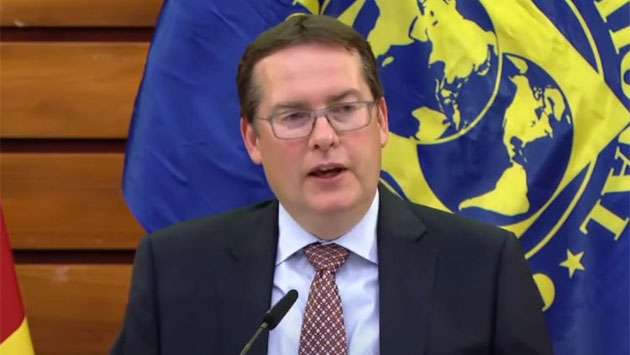
Despite positive developments and recovery expected this year, Sri Lanka’s economy is still vulnerable, and it is critical to sustain the reform momentum for long-term growth, a top International Monetary Fund (IMF) official said yesterday.
Addressing a virtual press conference, Senior Mission Chief for Sri Lanka Peter Breuer said that the IMF Executive Board approved the third review under the 48-month Extended Fund Facility Arrangement with Sri Lanka.
It provides the country with immediate access to US $ 334 million to support its economic policies and reforms and brings the total IMF financial support disbursed so far to about U.S. $ 1.3 billion.
The IMF continues to support Sri Lanka’s efforts to restore and maintain macroeconomic stability and debt sustainability, while protecting the poor and vulnerable, rebuilding external buffers, safeguarding financial sector stability, and enhancing growth-oriented structural reforms, including by strengthening governance,” he said.
The IMF Executive Board’s approval to complete the third review recognizes the strong programme performance. All quantitative targets for the end of December 2024 were met, except for the indicative target on social spending. Most structural benchmarks due by the end of January 2025 were either met or implemented with delay, he said.
Commenting on the macroeconomic situation, he said it is encouraging to see that reforms in Sri Lanka are bearing fruit, with economic recovery gaining momentum.
Inflation remains low, revenue collection is improving, and reserves continue to accumulate. Economic growth averaged 4.3 percent since growth resumed in the third quarter of 2023. The recovery is expected to continue in 2025. Despite these positive developments, the economy is still vulnerable. It is critical to sustain the reform momentum, to ensure macroeconomic stability and debt sustainability, and to promote long-term inclusive growth,” he said.
He emphasized that sustained revenue mobilization is crucial to restoring fiscal sustainability and ensuring that the government can continue to provide essential services.
Stop your fishermen from destroying Sri Lankan fishing industry: Bimal tells India
March 5th, 2025By Yohan Perera and Ajith Siriwardana Courtesy The Daily Mirror

Colombo, March 5 (Daily Mirror) – The Central government of India and the state government of Tamilnadu should enforce the law on its fishermen who are destroying the livelihood of Sri Lankan fishermen in the North, Leader of the House Bimal Ratnayake told Parliament today.
The best assistance India should provide for the Northern Fishermen in Sri Lanka is to enforce its laws and prevent its fishermen from destroying the livelihood of Sri Lankan fishermen in the North,” Ratnayake said.
The Genuineness of India could be exhibited only through stopping its fishermen from infiltrating into Sri Lankan waters,” he added.
The Minister said Northern fishermen are poor compared to fishermen in the South of Sri Lanka.
Opposition MP Mano Ganesan who responded at this moment requested that the Sri Lankan government take this matter with Indian Prime Minister Narendra Modi when he visits Sri Lanka in April this year,” he said.
Northern fishermen are helpless because of the Indian fishermen. This has to stop at some point,” he said.
Sri Lanka moves ahead with 100 MW solar project
March 5th, 2025pv-magazine.com
The Sri Lankan government has approved the land transfer for a 100 MW solar project in the south. The site will be handed over to the Sustainable Energy Authority to advance the project.

Image: Oskar Kadaksoo, Unsplash
Sri Lanka’s Cabinet of Ministers has approved the transfer of land to the country’s Sustainable Energy Authority for a 100 MW solar project.
The Siyambalanduwa PV array will be built on 220 hectares in Sri Lanka’s Uva province. The Cabinet approved transferring the land to the Sustainable Energy Authority to allow work to begin immediately, according to a government statement.
Colombo-based Rividhanavi, a joint venture between Lakdhanavi Ltd. and Windforce PLC, is developing the project. The company won a competitive tender in 2022 and signed a 20-year power purchase agreement with state-owned Ceylon Electricity Board in February 2024.
Sri Lanka aims to source 70% of its electricity from renewables by 2030. The country reached 966 MW of installed solar capacity at the end of 2023, according to the International Renewable Energy Agency (IRENA).
Sri Lanka announced plans in October 2024 to install rooftop PV on places of worship, aiming to add 25 MW of solar capacity.
Transcript of Press Briefing on the Completion of the Third Review for the IMF Extended Fund Facility for Sri Lanka
March 5th, 2025
Mr. Breuer: Thank you, Randa. Good morning, all, thank you very much for being here and for your interest in Sri Lanka’s IMF-supported economic reform program.
I am pleased to announce that, on Friday February 28, the IMF Executive Board approved the third review under the 48-month Extended Fund Facility Arrangement with Sri Lanka. This provides the country with immediate access to about US$334 million to support its economic policies and reforms.
It brings the total IMF financial support dispersed so far to about $1.3 billion.
The IMF continues to support Sri Lanka’s efforts to restore and maintain macroeconomic stability and debt sustainability while protecting the poor and vulnerable rebuilding external buffers. Safeguarding financial sector stability and enhancing growth oriented structural reforms, including by strengthening governance.
The IMF Executive Board’s approval to complete the third review recognizes the strong program performance. All quantitative targets for end December 2024 were met, except for the indicative target on social spending.
Most structural benchmarks do by end January 2025 were either met or implemented with delay.
Turning to through the macroeconomic situation, it is encouraging to see that reforms in Sri Lanka are bearing fruit with the economic recovery gaining momentum, inflation remains slow.
Revenue collection is improving and reserves continue to accumulate.
Economic growth averaged 4.3% since growth resumed in the third quarter of 2023.
The recovery is expected to continue in two thousand 2025 now. Despite these positive developments, the economy is still vulnerable.
It is critical to sustain the reform momentum to ensure macroeconomic stability and debt sustainability.
And to promote long term inclusive growth, there is no room for policy errors.
Let me emphasize that sustained revenue mobilization is crucial to restoring fiscal sustainability.
And ensuring that the government can continue to provide essential services.
Boosting tax compliance and refraining from tax exemptions are key to maintaining support for economic reforms.
Let me also emphasize that to ease economic hardship and ensure the poor and vulnerable can participate in Sri Lanka’s recovery, it is important to meet social spending targets and continue with reforms of the social safety net going forward. Social support needs to be well targeted towards the.
Most disadvantaged, so as to promote inclusive growth with limited fiscal space.
Restoring cost recovery, electricity pricing without delay is needed to contain fiscal risks from state owned enterprises.
A smoother execution of capital spending within the fiscal envelope would foster medium term growth.
The recent successful completion of the bond exchange is a major milestone towards restoring debt sustainability, timely finalization of bilateral agreements with creditors in the official creditor committee, and with remaining creditors is a priority now. Regarding monetary policy, I would like to highlight that it should prioritize maintaining price. Stability supported by sustained commitment to prohibit monetary financing and.
To safeguard central bank independence. Continued exchange rate, flexibility and gradually phasing out the balance of payments measures remain critical to rebuild external buffers and facilitate rebalancing.
As for the financial sector, resolving non performing loans, strengthening governance and oversight of state owned banks and improving the insolvency and resolution frameworks are important priorities to revive credit growth and support the economic recovery.
Finally, prolonged structural challenges need to be addressed to unlock Sri Lanka’s long term potential, including steadfast implementation of governance reforms.
I would like to thank the authorities for their commitment and excellent collaboration.
Let me also take this opportunity to announce that as part of a standard staff rotation process, I will soon be transitioning from the role of mischief for Sri Lanka.
And I will be handing over to the next mission Chief Evan Papageorgiou, during the next mission. It has been an honor to accompany Sri Lanka on his journey out of this.
Severe crisis for nearly three years. While there are more challenges ahead, the IMF team will remain a steadfast partner for Sri Lanka and its people on the road to a more sustainable and inclusive recovery.
I will be moving to another assignment soon and wish the people of Sri Lanka continued success with the economic recovery.
With this, let me hand it back to Rhonda. Thank you.
Hungary’s Stunning Move: Joins China And BRICS, Ditches EU?
March 4th, 2025Andrey Vondemark
Hungary’s High-Stakes Gamble: Breaking from the EU for BRICS? Is Hungary setting the stage for an unprecedented shift in global alliances? As tensions rise within the European Union, Budapest appears to be charting its own course—one that veers away from Brussels and toward the BRICS economic bloc. This strategic pivot raises urgent questions: Is Hungary risking its place in the EU to forge stronger ties with Russia, China, and other BRICS nations? What’s driving this recalibration, and how could it shake the foundations of European unity? In this video, we dissect Hungary’s growing divergence from EU policies—particularly its defiance of Brussels’ sanctions and its deepening reliance on Russian energy. From the controversial Sovereignty Protection Law to expanding economic partnerships with Moscow and Beijing, we’ll break down the key decisions fueling this geopolitical realignment. With expert analysis, compelling case studies, and hard-hitting statistics, we reveal how Hungary’s choices could trigger lasting consequences for Europe’s economic stability, security, and global influence. As the balance of power shifts worldwide, could Hungary’s defiance embolden other EU nations to reconsider their positions? What would a fracture in the European bloc mean for global trade and diplomacy? Buckle up for an eye-opening deep dive into a nation at a crossroads—where the stakes couldn’t be higher. Join the conversation: Do you think Hungary’s move is a bold assertion of sovereignty or a dangerous gamble? Let us know in the comments!
දිගම නම තියෙන අකුරු දෙකේ ලොකුම සර්.. | JB සර් එක්ක Fly with Yenu කතාබහක්
March 4th, 2025Fly with Yenu
Pathfinder Foundation & Heritage Foundation examines US-Sri Lanka Relations under the Second Trump Administration
March 4th, 2025Press Release The Pathfinder Foundation,
The Pathfinder Foundation, in collaboration with the Heritage Foundation (USA), hosted a joint briefing session titled Prospects for US-Sri Lanka Relations: Impact of the Second Trump Administration.” The event took place as a webinar, attracting over 100 pre-registered attendees from the government, academia, civil society, think tanks, and the development and corporate sectors, among others.
Interaction between the two foundations dates back a decade, and they have come together once again to hold this discussion on a topic of much interest to Sri Lanka and the Indian Ocean region. The Pathfinder Foundation, established in 2008 by Milinda Moragoda, is an independent, non-partisan research and advocacy think-tank. Today, the Foundation remains at the forefront of policy reform, playing a catalytic role as an advocate for economic, social and political development and strategic and security issues that affect Sri Lanka and the South Asian region. The Heritage Foundation is an American conservative think tank based in Washington, D.C. Founded in 1973, it played a leading role in the conservative movement during the 1980s, during the presidency of Ronald Reagan. Heritage’s world-renowned experts—deeply experienced in business, government, the military, nonprofits, academia, and communications—spend time developing innovative solutions to the issues America faces. They also engage with the international community to promote freedom, peace, and trade that benefits the US and the world.
Speaking at the event, several experts from the Heritage Foundation expressed their views on the Trump Administration’s policies toward South Asia. Diana Roth, Director of the Center for Energy, Climate, and Environment, the Herbert and Joyce Morgan Fellow in Energy and Environmental Policy at The Heritage Foundation, spoke on Energy Policy. She has also held senior roles in senior roles in the White House under Presidents Reagan, George H.W. Bush, and George W. Bush. She presented a case against renewables and justified the US’s inclination towards oil and gas instead, which is available in abundance in the US, inexpensive, and generates more jobs within the country.
Mike Gonzalez, who concentrates on critical race theory, identity politics, diversity, multiculturalism, assimilation, nationalism, and foreign policy overall and worked in President George W. Bush’s administration serving in the State Department’s European Bureau, expressed his views on US Politics. He stressed that the new administration intends to change the very nature of government, which is currently in disarray with many cultural, racial, transparency and bureaucratic issues at the forefront.
US Trade and Economic Policy was the area of focus for Eric Hontz, who leads Accountable Investment at the Center for International Private Enterprise (CIPE). He emphasized the need to restructure or rebuild new institutions in a free-market-driven world where all actors did not always follow the rules. The new administration is keen to work with Chambers and associations towards what he called a ‘regulatory guillotine.” Another important aspect would be the blending of economic policy and national security policy. As for Sri Lanka, he mentioned opportunities to work with the US in biotech for agriculture to reduce crop failure. The trade deficit, too, is an area that should be addressed, he opined.
The crucial topic of US’s South Asia Policy was addressed by Jeff Smith, the Director of The Heritage Foundation’s Asian Studies Center and formerly served as the Director of Asian Security Programs at the American Foreign Policy Council. He briefly examined PM Modi’s recent visit to the States and the new US administration’s strong commitment to the QUAD, which is crucial for the South Asian region since there is an Indian Ocean component to the QUAD. Fairness and reciprocal treatment in trade, opportunities for investment in the US, and the establishment of profitable and free markets in the world were also highlighted.
The final presentation on US-China Policy was done by Steve Yates, a Senior Research Fellow for China and National Security at the Heritage’s Asian Studies Center. He also served in the White House as Deputy Assistant to Vice President Dick Cheney for National Security Affairs from 2001 through 2005. He stressed that the new administration had prepared itself in detail to set the stage for a significant power shift and reset the US order with more capabilities. He noted that Trump 2.0 is not about ‘isolationism’ but ‘internationalism’.
Following the thought-provoking presentations by the US scholars, comments on the subjects discussed were made by Prof. Rohan Samarajiva, Founding Chair and CEO of LIRNEasia, Amb. (Retd.) Ravinatha Aryasinha, Executive Director of Lakshman Kadirgamar Institute, Dr. Dayaratna Silva, Executive Director of Pathfinder Foundation, and Admiral (Prof.) Jayanath Colombage, Distinguished Fellow of Pathfinder Foundation and former Foreign Secretary.
The Sri Lankan commentators representing the Pathfinder Foundation admitted that profound changes are occurring in the US and its relationship with allies in Europe and elsewhere. On trade, it was highlighted that Sri Lanka’s experience is similar to the US, while it has a favourable trade balance with the US, the country is also facing adverse trade balances with several other countries. Several opportunities for considerable US investment in energy and port development have failed due to circumstances beyond its control. While Sri Lanka enjoys a favourable trade balance in real terms, that figure is minuscule compared to the adverse trade balances the US has with many countries. However, they agreed that there are ways to address this issue. Concerning China’s influence in the region, it was pointed out that the infrastructure development needs of Asia require an app. 1.7 trillion US Dollars per annum, and apart from China, which had invested hundreds of billions to promote its Belt and Road Initiative, only Japan has proposed an investment programme of 70 billion dollars.
The event ended with a Q&A session and final remarks by James Carafano, Senior Counsellor of the Heritage Foundation, and Bernard Goonetilleke, Chairman of Pathfinder Foundation.
Sri Lanka should avoid tax exemptions, focus on passing budget, IMF says
March 4th, 2025By Uditha Jayasinghe Courtesy Kelo.com
COLOMBO (Reuters) -Sri Lanka should avoid tax exemptions and focus on passing a national budget that is in line with parameters set by the International Monetary Fund to continue with a $2.9 billion program from the international lender, an IMF official said on Tuesday.
Sri Lanka mounted a remarkable” recovery from a deep financial crisis triggered by a record shortfall of dollars three years ago, the global lender said after approving a fourth tranche of $334 million under a Extended Fund Facility (EFF) program.
However, the South Asian island nation must now boost tax compliance, improve targeting of social welfare, and smoothen capital spending to support better management of public finances, Peter Breuer, IMF’s senior mission chief for Sri Lanka told reporters in an online briefing.
The IMF also backed restoring cost-recovery electricity pricing to bolster finances of the island nation’s power monopoly after Sri Lanka reduced tariffs by 20% in January.
At the next tariff setting it is important to ensure that tariffs are once again set to recover the cost,” Breuer said.
Another important issue for the next review will of course be that the budget that is finally passed this month is consistent with the parameters so this is something we will be watching very carefully.”
Additionally, he said it is crucial that Sri Lanka finalises bilateral agreements with official creditors including Japan, India and China after Colombo secured a preliminary agreement on a $10 billion debt rework last June.
The IMF finalised the third review after Sri Lanka’s new president Anura Kumara Dissanayake rolled out his first full-year budget last month, which included committing to a primary surplus target of 2.3% of GDP for 2025 set under the IMF program.
The IMF bailout secured in March 2023 helped stabilise financial and business conditions after Sri Lanka’s economy contracted by 7.3% at the depth of its financial crisis and by 2.3% in 2023.
Sri Lanka’s economy is projected to have grown by 4.5% last year with growth forecast at 3% in 2025, according to latest IMF data.
Buddhists Join Global Faith Leaders in Prayers for Pope Francis
March 4th, 2025Courtesy Buddhist Door Global

Buddhist monks held an interfaith prayer service for Pope Francis at Agrashravaka Temple of the Mahabodhi Buddhist community in Colombo on 25 February. The temple, considered one of the most sacred Buddhist sites in Sri Lanka, was visited by Pope Francis in 2015. During that visit, he became only the second pope in history to enter the temple, where he observed Buddhist monks chanting and praying. In a rare gesture of respect, the temple’s relic casket, typically displayed only once a year, was opened for the Pope to venerate.
At the service last week, the monks offered flowers and drinks to [the] Buddha, paused in meditation and recited passages from the scriptures of their faith. They asked for the Buddha’s guidance, for wisdom and compassiony,” explained the head of the Communications Office of the Episcopal Conference of Sri Lanka, Father Krishantha Fernando. In front of them was a picture of Pope Francis visiting this monastery.” (Agenzia Fides)
We were very touched by this spontaneous gesture of our Buddhist friends,” Father Fernando added. Pope Francis, with his attitude of dialogue and sincere fraternity toward all, left a legacy of empathy and closeness that we still feel here today and that is reflected in a fruitful way in our relations with Buddhists and other faith communities.” (Agenzia Fides)
With Pope Francis hospitalized and in critical condition with a severe respiratory infection, interfaith leaders worldwide have extended prayers and messages of support. The 88-year-old pontiff, who was admitted to Rome’s Gemelli Hospital on 14 February, is receiving treatment for pneumonia in both lungs and a complex polymicrobial respiratory infection.
While support has come from within the Catholic Church, religious leaders from Buddhist, Jewish, and Muslim communities have also expressed well-wishes. Messages have been shared by prominent figures across religious traditions, underscoring the pope’s longstanding commitment to interfaith dialogue.
Buddhist leaders in Sri Lanka and beyond have joined in prayers for the pontiff’s health. Similarly, Ecumenical Patriarch Bartholomew of Constantinople, the spiritual leader of Eastern Orthodox Christians, was among the first to send well wishes. In a handwritten letter, he expressed prayers for the Pope’s quick return to his important and sacred duties.” (The Catholic Herald)
Imam Yahya Sergio Yahe Pallavicini of Mecca, an advocate for interfaith dialogue, praised the pope as a champion of dialogue between Christians and Muslims,” while Noemi Di Segni, President of the Union of Italian Jewish Communities, acknowledged Pope Francis’s contributions to interfaith understanding, stating, Francis’s voice and actions are a key reference point for interfaith dialogue and all of humanity.” (The Catholic Herald)
Within the Catholic Church, leaders from both Latin and Eastern traditions have voiced their prayers and support. Cardinal Béchara Boutros Pierre Raï, Patriarch of Antioch of the Maronites in Lebanon, has offered public and private prayers for the Pope Francis’s recovery. Cardinal Pierbattista Pizzaballa, Latin Patriarch of Jerusalem, called on the faithful to unite as one family in faith” in an appeal for the pope’s well-being.
United Nations Secretary-General António Guterres also conveyed his support in a conversation with Vatican Secretary of State Cardinal Pietro Parolin on 21 February. Guterres stressed how important the Pope is, not only for the Church, but also for the whole world.” (The Catholic Herald)
Pope Francis was initially hospitalized for bronchitis, which later led to the diagnosis of a more severe respiratory infection involving bacterial, viral, and fungal elements. In recent days, his condition has worsened, requiring high-flow oxygen support due to a respiratory crisis. Doctors have reported additional complications, including anemia and a drop in blood platelet levels that necessitated transfusions.
Medical professionals are also monitoring mild kidney damage, although it has not yet reached a critical stage. However, concerns remain about the risk of sepsis due to the complexity of ope Francis’s infection and the extensive medications he is receiving.
Throughout his papacy, Pope Francis has prioritized engagement with other religious communities, reinforcing interfaith cooperation as a central theme of his leadership. His efforts have included historic meetings with leaders from various faiths, including visits to mosques, synagogues, and Buddhist temples.
As the Pope continues to receive treatment, religious leaders and others worldwide remain united in prayer and support, reflecting the broad support he has garnered across faith traditions and beyond.
IMF warns Sri Lanka trade unions against strike over pay demand
March 4th, 2025Courtesy The Daily Mirror
AFP – Sri Lanka’s fragile economic recovery could be hampered by threatened trade union strikes over reduced benefits for government employees in this year’s budget, the International Monetary Fund warned on Tuesday.
Leftist President Anura Kumara Dissanayake’s maiden budget raised public sector salaries but also made deep cuts to longstanding perks in a continuing effort to repair the island nation’s tattered finances.
Sri Lanka’s main doctors’ union is considering a strike from Wednesday to protest against cuts to their allowances, while teachers are also considering stoppages.
IMF team leader Peter Breuer said the budget was the “last big push” for Sri Lanka’s austerity programme and said everyone who can “should make a sacrifice”.
“Sticking with the reforms is really the best way out for Sri Lanka to assure its sustainability,” Breuer told reporters.
“I think it’s important for everyone in Sri Lanka to recognise that,” he said. “This is the last budget where there is still a bit of an increase in revenues needed.”
Sri Lanka suffered an unprecedented economic crisis in 2022 that caused widespread shortages of food, fuel and other essentials.
The island nation secured a $2.9 billion bailout loan from the IMF in 2023, almost a year after defaulting on its $46 billion foreign debt.
Successive governments have since raised taxes and cut public spending to raise state revenue.
Breuer said the next year would be less painful, but the country must remain committed to economic reforms.
“This is the last big push,” he said. “Thereafter, it will be much easier going forward.”
The IMF released last week its fourth tranche of $334 million in its rescue package for Sri Lanka, commending the country for adhering to its economic reform pledges.
“Reforms in Sri Lanka are bearing fruit and the economic recovery has been remarkable,” IMF Deputy Managing Director Kenji Okamura said in a statement at the time.
“Inflation remains low, revenue collection is improving, and reserves continue to accumulate,” he said. “The recovery is expected to continue in 2025.”
“SETTLER COLONIALISM” AND TAMIL EELAM Part 7a
March 3rd, 2025KAMALIKA PIERIS
ATTACK ON KENT AND DOLLAR FARMS 1984
Revised 10.3.25
The Kent and Dollar farms were located near Manal Aru. Kent and dollar farms are 11 minutes drive from Kurundi vihara and 8 minutes drive from Tannimuruppu kulam. The farms were bought on a 99-year lease from the state by a wealthy Tamil in 1965. In 1978 the owner donated the two farms for the resettlement of estate Tamils, who had fled the central hill country during the anti-Tamil riots of 1977.
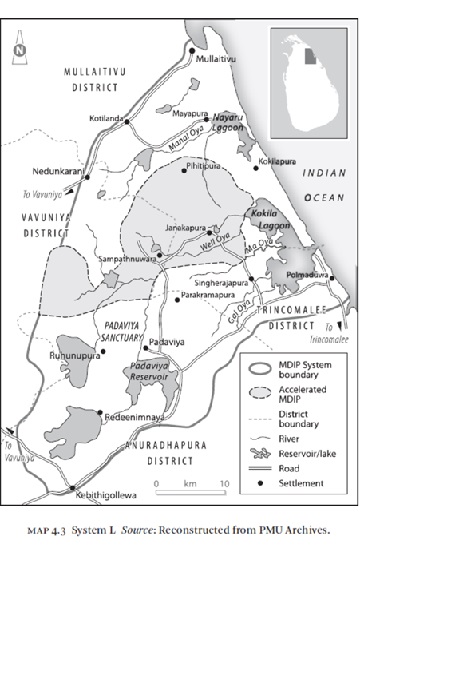
Gandhyian Movement of Rajasunderam, and the Tamil Relief and Rehabilitation Organization led by Nityananda and Kandasamy were the two organizations that carried out the operation. SEDEC and Redd Barna helped. Redd Barna is a Norwegian NGO.
Gandhyam was founded by Dr. S. Rajasundaram and S. A. David. They had been doing refugee resettlement work from the beginning of the 1970s. They founded Gandhyam after the 1977 riots. It provided the refugee-settlers with agricultural advice, facilities and materials. Volunteer workers ran schools and day care centers for children. The U.S. agency CARE supplied packets of Triposha. NOVIB and Oxfam helped. [1]
Within two years the two farms became prosperous. The settlers cultivated minor crops and became self-supporting. By December 1978 the first sowing of black gram had yielded a bumper crop.
In December 1982 we visited the prosperous and popular Kent and the Dollar Farms where Indian Tamil refugee families were being rehabilitated, said Sabaratnam. They were cultivating minor crops they told us that they were happy, as their incomes were high. The entire area looked green and fresh. [2]
But there was a dark side to this. When Panditeratne got orders to dismantle the Maduru Oya settlement in September 1983, he planned to send the settlers to Vavuniya and Mullaitivu. He sent T.H. Karunatilleke and B.H. Hemapriya to visit Vavuniya, Mullaitivu and Kilinochchi and identify as many tanks as possible around which Sinhala settlements could be created. [3]
Karunatilleke and Hemapriya toured the area from 8th to -10th October 1983. They found some tanks which could be repaired at minimal cost which were close to the existing Sinhala settlements and close to existing services.
But they also found something else. They discovered that Dollar and Kent farms were to be used by the LTTE to launch a massive attack on Padaviya.
Karunatilleke and Hemapriya sent in a report to Panditeratne dated 12.10.1983. In their report they stated that while engaged in their own search, villagers from Padaviya who do chena cultivation in the area informed them of a new settlement created by Gandhiyam. The team passed through this settlement at 10 am. The people living there were from estates.
The settlement had 60-80 houses of semi-permanent nature, a permanent stores building and a small meeting hall. There were new tents of foreign make fixed close to the hall. There was a young Christian priest with a group of people in the hall. They were told that the priest had his base in Madhu and Kilinochchi. They saw the Eelam flag hoisted on the meeting hall. A number of houses carried the Eelam emblem on their front walls. On our way back by 6 pm we found that 20-30 new families had come, they were from estates. Within a few hours they had built 12 cadjan sheds.
Karunatilleke and Hemapriya were told that a group of young Tamils regularly came down to this village through Nedunkerni and directed the cultivation and the training of the youth. The settlers were kept under rigid supervision. They were paid a substantial living allowance by an unknown, well-organized movement.
Padaviya settlers said that in the evening and at night, they heard sounds of gun fire and other noises, for a set period of time. Youth brought in trucks and motor bikes also participated in these sessions. This was a regular feature on certain days of the week and seemed to be training session. Karunatilleke and Hemapriya stated that they strongly suspected that this was part of a subversive plan.
The settlement they were speaking about, was known as Dollar farm, reported Karunatilleke and Hemapriya. It had been given on special lease to a firm twenty years ago. It is on the southern border of Mullaitivu almost adjoining the Padaviya scheme.
Karunatilleke and Hemapriya saidthey were also informed that there was another place called Kent farm, located to the east or north east of Dollar farm. This was also on lease. Kent farm was one of the central training centers of the LTTE. They had not visited Kent farm. They advised that both leases be cancelled.
From 1982 Gandhiyam and other social service NGOs helping Tamils were under surveillance by the police, Arthur Herath, Assistant Superintendent of Police in Vavuniya had sent a series of reports to the Defense ministry through the Inspector General of Police urging action to evict the estate settlers. Arthur Herath was later killed by bomb under his table.
The reports were taken seriously by the Security Council. Lalith Athulathmudali was sent to report on this in early December 1982. He wanted the inspection to appear like a normal ministerial tour and organized the opening of a Sunday pola in Mankulam.
Island newspaper on 7th October 1983 said that over fifty stateless families, comprising nearly 250 men, women and children had been brought from the plantations and settled on 500 acres set aside by the Government for the settlement of landless villagers within the electorate under a World Bank project. This encroachment had started two years ago when the Gandhiyam Movement launched a large-scale encroachment in the jungle areas of Vavuniya and Mullaitivu and other areas off Vavuniya.
Gandhiyam was sealed in April 1983 and its leaders detained. The estate Tamils were evicted. They were herded into buses, taken to the hill country towns and dropped on the roads, said Sabaratnam, Thondaman was angry. He raised the matter in the cabinet.
The government said that the Kent and Dollar farms were on state land, given on lease, and the state was taking them back to set up open prisons, a new experiment where prisoners would be allowed to live with their families and do cultivation.
The two farms were taken over by the state by a special gazette notification and converted into open prisons. Four hundred and fifty prisoners and their families were settled in those farms. KEEPThey were mostly those convicted for minor offences like theft, brewing and selling of illicit liquor, intimidation and thuggery.
Settlers were under prison officers but were allowed to live with their wives and children. They thought they were free. Training in agriculture was given. Hemasiri Fernando, a farmer was in Anuradhapura prison serving a sentence for trespass, destruction of property and assault. He and his family were taken to Dollar Farm, where he was given a plot with chillie and banana cultivations. “We considered it a gift from heaven,” he said.
The scheme aroused much anger amongst the Tamils. They said Sinhalese farmers were settled in lands that were formerly populated by ethnic Tamils. They were given land, money to build homes and security provided by the Special Task Force
The military has settled Sinhalese ex-convicts in the very area that had been the home of Indian Tamils refugees for almost seven years, said Manogaran. They were given the farm plots, developed by the evicted Indian Tamils, with standing crops and well-kept dwellings, said Sabaratnam.[4]
Thondaman said Sinhala leaders are very short-sighted. They do not pay attention to the reactions of the Tamils to their actions. He told Sabaratnam, “They are going to pay heavily for this.”
The Sinhala settlers on Dollar and Kent farms were aware that the LTTE were planning to attack them. They could hear the gunfire. They pleaded with the authorities, please give us military training, give us arms and ammunition, to protect themselves otherwise we will all be dead very soon. The administration said that according to the Establishment Code, civilians cannot be armed or given training in defense positions. Settlers received no guns or training.
The settlers, releasing this, were getting desperate, they wrote to Dimbulagala Hamuduruwo. we did not ask to come here, they said, we came from Maduru Oya. The army burnt our houses at Maduru Oya. after that they gave us permits for Padaviya. We cannot live here under the present conditions. We are shivering in fear. The two villages adjoin ours were destroyed by bombs and arson. What appeared in the newspapers is all lies. The murdered children have been thrown into latrine pits other are buried in the jungle. 300 families ran away. Pease try to get us land in Polonnaruwa or Badulla district.
The attack on Dollar and Kent farms took place on 30 November 1984. It was planned by Prabhakaran, then in Chennai, and executed by Mahattaya. Prabhakaran admitted responsibility for the attack when an expatriate group raised the matter with him, said Sabaratnam.
About 50 LTTE cadres travelled in the night in two buses armed with rifles, machine guns and grenades. One of the buses sped to Dollar Farm and the other to Kent Farm. The attacks were timed to start at about the same time in the early hours of the morning.
At Dollar farm LTTE fighters shot and hacked the guards, the prisoners and the male members of the families. Some of the prisoners were thrust into a room in a building and blasted with explosives. Sixty-two Sinhalese including three jail-guards were killed. The second bus proceeded to the Kent Farm eight kilometers away and killed 20. The attackers withdrew before the police and the army arrived the next morning.
an eye witness account of the massacre at Dollar farm is given in the book by Malinga Guneratne. D.H. Somapala 28 yrs is one of the survivors of the attack on Dollar farm. He said ‘at about 5.30 am on the morning off 30 November 1984 about 100 terrorists, some dressed in army uniforms circled out entire farm from various sides and began firing at us and throwing bombs at some of the huts in which we were living. A few of us were able to escape by running into the jungle and I was one of those who survived, when inside the jungle I hid and tried to see what was happening.”
Within a few minutes the terrorists rounded up all the civilians who were unable to escape and herded them into one circle. They wielded their sub machine guns and ordered them all to lie down. While some of the terrorists held guns at the heads of the civilians and ordered them to lie down. others quickly began to tie their hands and legs of the civilians. Then they started jumping on the bodies and kicking them. Some urinated on these live bodies. They were thereafter turned face down, and placed next to each other. At a given signal they kept guns at the head of each and shot them through their heads and necks. When I saw them commence firing, I fled.
Malinga described what they saw when they went on relief after attack. the pitiful state of the Dollar and Jent refugees. They had nothing other than what they were wearing. Children were orphaned, wives had lost their husband and children. We got a firsthand account of the attack. they said after attacking us, they urinated on the dead bodies. The settlers were astounded by the venom and ferocity of the attack. The hatred the LTTE harbored against the Sinhalese could not have been more apparent, commented Gunaratne.
I went to see Thondaman in his ministry the next morning, recalled Sabaratnam. He smiled as I entered. “Have you heard the news?” he asked. He expressed his happiness about the attack.[5] A few days later Devanayagam, the other Tamil minister, expressed a similar reaction. In fact, every single Tamil in Sri Lanka and abroad was happy about the attack. In Tamil Nadu, there was a sense of elation. Some Tamil papers led with that story, continued Sabaratnam.
In my view, concluded Sabaratnam, the Kent and Dollar farm attack was a milestone in the Tamil freedom struggle. It denoted that in the Tamil psyche that a separate Tamil nation had been born. The Weli Oya Scheme made them to realize that the Sinhalese were out to deny them their homeland. the need to defend their homeland became a priority . The Tamil people were happy about the attack. The Sinhala people were angry, said Sabaratnam. ( continued)
[1] https://sangam.org/pirapaharan-vol-1-chap-33-knocking-out-the-base/ SABARATNAM
[2] T Sabaratnam Manal Aru becomes Weli Oya https://sangam.org/articles/view2/633.html
[3] Malinga Gunaratne. For a sovereign state
[4] https://sangam.org/pirapaharan-vol-2-chap-23-manal-aru-becomes-weli-oya/ sabaratnam
[5] https://sangam.org/pirapaharan-vol-2-chap-43-the-massacres/ sabaratnam
“SETTLER COLONIALISM” AND TAMIL EELAM Part 7b
March 3rd, 2025KAMALIKA PIERIS
LTTE MASSACRES AT KOKILAI AND NAYARU 1984, 1985
Revised 10.3.25
On 1 December, 1984 LTTE cadres, including women fighters, attacked two Sinhala Catholic fishing villages, Nayaru and Kokkilai, killing 59 fishermen. [1] Kokkilai lagoon is an estuarine lagoon on north-east Sri Lanka .The town of Kokkilai is located on a sand bar between the lagoon and the Indian Ocean. Nayaru is 15 kilometers north of Kokkilai.
[1] T Sabaratnam Manal Aru becomes Weli Oya https://sangam.org/articles/view2/633.html
A string of Sinhala fishermen’s settlements had been established along the coast from Trincomalee to Mullaitivu. Nayaru and Kokkilai are the northernmost of these settlements. They were occupied by fishing families from Negombo and Chilaw.
There had been two attacks on Kokkilai in 1978 and 1982 and some inhabitants had abandoned the village.[1] This attack was the third. LTTE arrived in a van at 8 pm. The Tamil driver had tooted the horn and flashed the lights as he approached the Sinhalese, to warn them of the impending massacre. He was later found shot. The militants jumped out and began throwing explosives and opening fire. Those not immediately killed ran to their boats to flee into the ocean.
Magilin Costa, who survived, had been returning home from her factory, at night, when she noticed a van tooting its horn and blinking its lights. She hid and watched. She recalled that there were men and women, in blue shorts and square necked shirts, they were young. They shouted filth in Tamil. They first threw a bomb than started firing. They fired at all the cadjan huts. They used at least two machine guns. After shooting the LTTE departed. When she returned home, she found that her two daughters had been bound by their long hair and shot dead at point-blank range.
The LTTE had gone on an orgy of destruction, said Malinga. The survivors of the massacre became refugees and relocated to refugee camps in Negombo, Duwa and Pitipana
This attack was followed by another LTTE attack, in 1985, this time on the army camp at Kokkilai. On the night of 13 February 1985 LTTE attacked the Sri Lanka army encampment at Kokkilai. That year, the army had established a small outpost at Kokkilai inside an abandoned school, with a young second lieutenant, Sarath Wijesinha officer commanding two platoons of soldiers. It was completely cut off from the base camp.
Over 100 LTTE fighters surrounded the Kokkilai Army Camp and attacked it with RPGs, mortars and grenades for over four hours. .[2] This was the first direct assault on a Sri Lanka military base by a Tamil militant group. It was also the first time they had used RPGs. After the clash ,14 bodies of militants were found outside the camp perimeter dressed in military type uniforms and with night vision glasses.
Ravi Jayewardene, Malinga Gunaratne, and others had visited Kokkilai after it has been attacked by LTTE They were shown the arms recovered from the LTTE. There were three rocket propelled guns. the rocket launcher had been taken away by the retreating LTTE. LTTE came with the very best assault rifles including the German Heckler and Koch gun. Night vision glasses, AK 47, M16 assault rifles were in the possession of every rebel killed.
The dead LTTE soldiers were all in battle fatigues (combat uniforms). Even the underwear was of camouflage material. They each had night vision glasses, AK 47 and M16 assault rifles. They carried supplies of food and water and each had a cyanide capsule and stock of medicines which included expensive Destroz type pep pill used by long distance runners. David Walker of the UK Special Air Force (SAS) who was with them told the unfazed Wijesinghe, this is an excellent battle by any standard. Congratulations.
The army camp at Kokkilai was commanded by Lieutenant Shantha Wijesinghe. The camp was just two platoons of soldiers inside a school. Camp was cut off from the rest of the army. Wijesinghe knew he had little strength, so he innovated. Wijesinghe cut trenches around the school, and placed his best snipers as sentries at strategic points outside the camp.
At about 2 am, on 15 February 1985, around 120 LTTE attacked with rocked propelled grenades. They shot down the search lights first. The army held its fire and thinking all were dead the LTTE came in. The army then fired, killing 25 LTTE and the LTTE leader ordered a retreat. Army had lost just two men. They repulsed the attack by 120 LTTE though less armed. The garrison held out and received reinforcements by morning.
This shows how bravely the war was fought in the initial stage with very poor weapons and little training, said Malinga Guneratne. Lieutenant Shantha Wijesinghe received a field promotion to captain, the first time in the army’s history. (continued)
[1] Malinga Gunaratne. For a sovereign state
[2] https://sangam.org/pirapaharan-vol-2-chap-43-the-massacres/ sabaratnam
The IMF and World Bank Await Elon Musk
March 3rd, 2025Walden Bello
I think that Elon Musk and his Department of Government Efficiency (DOGE) have been misinformed. I don’t disagree with their shutting down USAID, but I think it’s rather small fry. There are much, much bigger fish to fry if you want to really save U.S. government money that is being wasted in programs that are mischievously justified as aid to the poor people of the world.
Elon, hear me out: if you walk northwest from your headquarters at the Eisenhower Executive Building along Pennsylvania Avenue, you’ll come after one long block upon two ugly buildings squatting beside each other. One is the World Bank. The other is the International Monetary Fund (IMF). You can actually just walk in and demand to look at their books since they are extensions of the U.S. government. And you would have a very good reason to do so, since these are two of the most questionable and controversial institutions directly or indirectly funded with U.S. taxpayers’ money.
Let me start with the World Bank, which is located at 1818 H St NW. This institution has so-called development projects throughout the Global South, otherwise known as developing countries. This agency says that its mission is to end poverty in the developing world. To fulfill this goal, its lending has risen from nearly $55 billion in 2015 to $117.5 billion in 2024. Yet, despite this massive increase, the Bank admits that global poverty reduction has slowed to a near standstill, with 2020-2030 set to be a lost decade.” Some 3.5 billion people, or 44 percent of the globe, remain poor, after decades of massive World Bank lending. And a major part of the reason is that World Bank programs have created poverty instead of alleviating it.
Living in Luxury While Fighting Poverty”
To manage its operations, the Bank’s full-time staff rose from nearly 12,000 in 2015 to over 13,000 in 2023. These figures are just the tip of the iceberg. If one includes all employees—permanent, non-permanent, contractual, part-time—throughout the world, the Bank employs close to 41,000 people. The vast majority, 26,000, or 63 percent, work out of the World Bank headquarters in Washington, DC, and only 3,200 are located in Africa, where most people in extreme poverty live.
The Bank’s economists and top administrators are among the highest paid financial functionaries in the world, which explains the reason why the Bank is a major cause of the brain drain from developing countries: a great number of highly trained economists from developing countries prefer to work at the Bank instead of their home countries, with some going straight from Ivy League or British graduate schools to Washington, DC. Many within the Bank and the International Monetary Fund complain about the South Asian Mafia” that they claim controls employment opportunities for economists and higher-level staff in the two organizations.
The World Bank has come under fire for the billions it has spent supporting fossil-fuel projects throughout the Third World that have contributed to global warming and to mega-dam projects that have displaced millions. The Bank, along with the Fund, has also gained notoriety for imposing structural adjustment” programs guided by the radical principles of the Washington Consensus” that are designed to promote globalization but have, instead, increased poverty and deepened inequality. The reason World Bank projects and programs don’t work or create exactly the opposite of their intended goals is because they are based on questionable propositions built on little or no empirical evidence. An assessment made a few years ago by an all-star team of renowned economists led by Princeton’s Angus Deaton, a recipient of the Nobel Prize for Economics, was damning:
[The] panel had substantial criticisms of the way that the research was used to proselytize on behalf of Bank policy, often without taking a balanced view, and without expressing appropriate skepticism. Internal research that is favorable to Bank positions was given great prominence, and unfavorable research ignored. In these cases, we believe that there was a serious failure of checks and balances that should have separated advocacy and research. The panel endorses the right of the Bank to strongly defend and advocate its own policies. But when the Bank leadership selectively appeals to relatively new and untested research as hard evidence that thes preferred policies work, it lends unwarranted confidence to the Bank’s prescriptions. Placing fragile selected new research results on a pedestal invites later recrimination that undermines the credibility and usefulness of all Bank research.
The Bank’s refusal to acknowledge real-world refutations of its pro-globalization advocacy and its unbalanced, one-sided research led to justifiable rejection of its advice by the people who were suffering from the policies it was implementing, confessed Paul Collier, head of the Bank’s Research Development Department of the Bank from 1998 to 2003:
The profession has been unprofessional, fearful that any criticism would strengthen populism, so that little work has been done on the downsides of these different processes [of globalization]. Yet the downsides were apparent to ordinary citizens, and the effect of economists appearing to dismiss them has resulted in widespread refusal of people to listen to experts.” For my profession to re-establish credibility we must provide a more balanced analysis, in which the downsides are acknowledged and properly evaluated with a view to designing policy responses that address them. The profession may be better served by mea culpa than by further indignant defenses of globalization.
Despite the high rate of failure of its lending programs acknowledged in internal World Bank assessments, the World Bank administrative budget that supports the high salaries of its economists and other high-level staff just keeps growing. The World Bank (IBRD/IDA) administrative budget was approved at $3.5 billion for FY25, a sizable rise from the $3.1 billion authorized for FY 2024, with no convincing reason at all.
The IMF and the Art of Worsening Financial Crises
The International Monetary Fund, whose address is 700 19th St NW, is the World Bank’s sister agency. It has a full-time staff of 3,100, supported by a budget of $1.5 billion. The IMF’s economists are paid even higher than those at the World Bank, and they evoke more fear, hatred, and contempt than the Bank.
The IMF has an equally controversial history. It has a record of coming in to supposedly assist developing economies in crisis, only to make things worse. Its greatest debacle and scandal was its performance during the Asian Financial Crisis of 1997-98, when the so-called tiger economies of the East and Southeast Asia were destabilized by the massive inflows and outflows of foreign portfolio investment.
The Fund was heavily criticized on three counts. First, it had encouraged the governments of the region to eliminate capital controls, thus provoking uncontrolled capital flows. Second, it assembled multi-billion dollar rescue packages” that went to rescue not the people suffering from the crisis but to compensate the foreign financial speculators that had lost millions in dubious speculative ventures, thus encouraging moral hazard,” or irresponsible investing. Third, its measures to stabilize the damaged economies intensified the crisis, since instead of encouraging government spending to counteract the collapse of private sector, it told the governments to radically cut spending, leading to a procyclical” negative synergy that ended in deep recession.
In just a few weeks, one million people in Thailand and 22 million in Indonesia fell below the poverty line. The only country that contained the crisis was Malaysia, which refused to follow the Fund’s dictates and imposed capital and currency controls
So disastrous were the IMF’s interventions that George Schultz, President Ronald Reagan’s secretary of the Treasury, called for its abolition for encouraging moral hazard, and prominent economists like Jagdish Bhagwati and Jeffrey Sachs accused it of provoking global macroeconomic instability. Indeed, a rare conservative-liberal alliance in the U.S. Congress came within a hair’s breath of denying the IMF a $14.5 billion replenishment.
Eventually, the Fund was forced to admit that the thrust of fiscal policy…turned out to be substantially different…because the original assumptions for economic growth, capital flows, and exchange rates…were proved drastically wrong.” But things were never the same again. The IMF was so reviled for its performance that Asian governments developed IMF-phobia, swearing never again to ask the IMF for rescue even in the most dire circumstances. For instance, after paying off what Thailand owed the IMF, Prime Minister Thaksin Shinawatra declared the country liberated” from the Fund in 2004.
Instead of learning from its debacle during the Asian Financial Crisis, the IMF stumbled into another fiasco more than a decade later, during the Global Financial Crisis. It allowed itself to be hijacked by Germany, the European Commission, and the European Central Bank to provide billions of public money to rescue German financial institutions and investors that had engaged in an orgy of irresponsible lending to Greece to the tune of 25 billion euros. To get the so-called rescue funds, the Greek government, like the Asian governments previously, was forced to adopt severe austerity measures that drove unemployment up to 28 percent and condemned the Greek economy to permanent stagnation, only to turn the money it was ostensibly receiving over to the German banks.
Not surprisingly, so long as the IMF is there, the big international banks will assume that they will be bailed out for making irresponsible loans.
The U.S. and the Bretton Woods Twins: Fiction and Fact
There is a fiction that the IMF and World Bank are multilateral institutions that are owned by their many member governments. The reality is that the United States controls both institutions, with a 17.4 percent share of total quotas at the Fund and 15.8 per cent share of voting power at the Bank. These shares give the U.S. government a veto power over any policy change. But the truth is that U.S. power is not limited to its being able to veto policy decisions it does not like. No country would dare oppose a move by the United States to radically cut the administrative budgets (by, say, 75 percent initially) and the number of personnel in the two organizations (to 600 personnel each, as in the case of USAID) if it wanted to do so. All it needs to do to get its way is to threaten to withhold its contributions to the two organizations. I can guarantee that immediately the interest rate at which the Bank borrows in international capital markets would leap upward, paralyzing its lending operations.
The IMF and the World Bank are monuments to misguided economic thinking and policies that have brought much misery to the peoples of the Global South. They are institutions that no longer serve any purpose except to perpetuate and enlarge themselves. If Elon Musk and Donald Trump are really serious about radically downsizing bloated bureaucracies, they could not have better targets than the Bretton Woods twins.
Walden Bello, a columnist for Foreign Policy in Focus, is the author or co-author of 19 books, the latest of which are Capitalism’s Last Stand? (London: Zed, 2013) and State of Fragmentation: the Philippines in Transition (Quezon City: Focus on the Global South and FES, 2014).
The elephants and the plantations.
March 3rd, 2025by, Professor Nishan C. Wijesinha
Firstly I should start off by saying that “people are with many grievances”; but they are walking through the passages of political and media, popular propaganda. To my knowledge, these are all-time-related fake visuals.
For example on the 21st of February 2025, at Samanthurai during this paddy harvest season; hundreds of elephants are seen crossing through the carpeted roads to find food from these fields; as these elephants are starved without food and congested in an environment of dry landscapes.
As I have mentioned many times in many popular addresses, “elephants are a national Buddhist heritage and should be secured to a habitat of their own”.
These habitats could be cultivated by spreading Kithul seeds and other palms that attract their habitual diet.
On the other hand, Acteria plants could be grown as fences to separate elephants’ habitats from the paddy and other crop farming areas.
As I have mentioned many many times at many many popular community awareness programs.
Acteria fences on the other hand could completely, eradicate, the need for electrical fences; which are an absolutely harmful thing for the animals as well as humans in this Theravada Buddhist State.
As of the 2004 Tsunami, all the needed infrastructure to set up these fences and the fruitful habitats for the elephants could be materialised through camps organised through media companies such as Sirasa, Swaranawahini and Derana.
On the other hand, its total administration has to be under the complete guidance of a nation’s lady of prudence and international charisma, bearing the harmony of mother nature.
Finally our motherland needs the watchmanship of a Nations Lady, who is of the highest standards of International entrepreneurship, and interpersonal relations; who could glide through the waves of all season’s.
And that esteemed Lady of highest charisma to my knowledge is ,”Otara Gunawardene”.
I close by saying with confidence: ” that our nation “The only Thearavada Buddhist State” would be of its right track with her esteemed influence”.
ඊළග වාරියට පෙර බිලියන 900ක් උපයනු.. බදු අනුකූලතාවය වැඩි කරනු.. විදුලිය මිලකරණය නැවත පිහිටුවනු..- IMF
March 3rd, 2025උපුටා ගැන්ම ලංකා සී නිව්ස්
විස්තීරණ ණය පහසුකම් වැඩසටහන යටතේ පස්වැනි වාරිකය ලබාදීමට පෙර රුපියල් බිලියන 900 ක ආදායම් ඉලක්කයක් සම්පූර්ණ කිරීමට මෙරට රජය කටයුතු කළයුතු බවත්, රජය ආයෝජන වැඩිකර ගැනීමට කටයුතු කළයුතු බවත් ජාත්යන්තර මූල්ය අරමුදල විසින් මෙරට රජයට දැනුම්දී ඇතැයි අනාවරණය වේ.
ආර්ථිකය කෙරෙහි අවදානම තවමත් පවතින බැවින් ආර්ථිකය යථා තත්ත්වයට පත්වීම දීර්ඝ කාලයක් පුරා පවත්වා ගැනීමට සහ ණය තිරසරභාවයක් කරා යන මාවතකට ගෙන ඒම සඳහා ප්රතිසංස්කරණ න්යාය පත්රය තිරසරව පවත්වා ගැනීම ඉතා වැදගත් බවද ජාත්යන්තර මූල්ය අරමුදලේ නියෝජ්ය කළමනාකරන අධ්යක්ෂ කෙන්ජි ඔකමුරා සඳහන් කර තිබේ. ප්රතිපත්තිමය වැරදීම් ඇතිවීම සඳහා ඉඩක් නැති බවද ඔහු සඳහන් කර ඇත.
ආර්ථික ප්රතිසංස්කරණ සඳහා සහායවීම සඳහා බදු අනුකූලතාවය ඉහළ නැංවීම සහ බදු නිදහස් කිරීම්වලින් වැළකී සිටීම ප්රධාන බවත්, රජය සතු ව්යවසායන්ගේ රාජ්ය මූල්ය අවදානම් පාලනය කිරීම සඳහා ප්රමාදයකින් තොරව පිරිවැය ආවරණය වන විදුලිය මිලකරණය නැවත ස්ථාපනය කිරීම අවශ්ය බවත් ජාත්යන්තර මූල්ය අරමුදල සඳහන් කරන්නේය.
මෙරට පුරවැසියකු විදේශ රටකට සේවාවක් සැපයීමේදී අය කරන සියයට 15 ක බද්ද ඉවත් කිරීමට නොහැකි බවද ජාත්යන්තර මූල්ය අරමුදල විසින් රජයට දැනුම්දී ඇත.
මේ වසර තුළදී ජාත්යන්තර මූල්ය අරමුදල විසින් වාරික දෙකක් මෙරටට නිකුත් කිරීමට නියමිත අතර, එහි වටිනාකම ඩොලර් බිලියන 1.1 කි.එම වාරික නිකුත් කිරීමට නම් රජය සිය ඉලක්ක කරා ගමන් කළයුතු බවද ජාත්යන්තර මූල්ය අරමුදල විසින් පෙන්වාදී තිබේ.
– සාලිය කුමාර ගුණසේකර