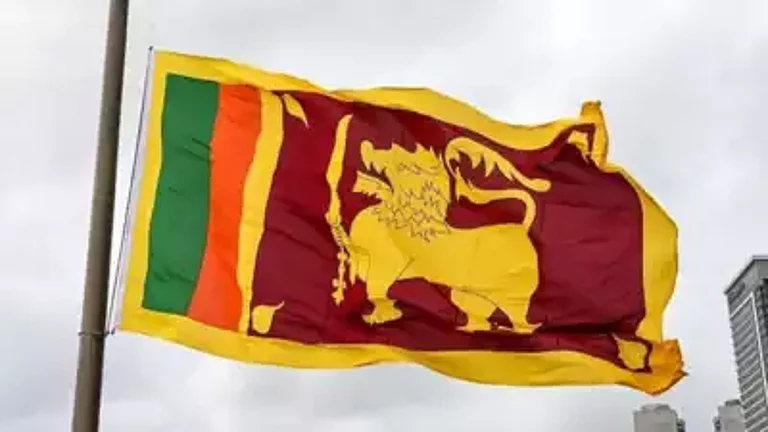
Sri Lanka: Can Anura Dissanayake revive a struggling nation?

September 23rd, 2024

Aparna Ramamurthy in Colombo Courtesy DW.com

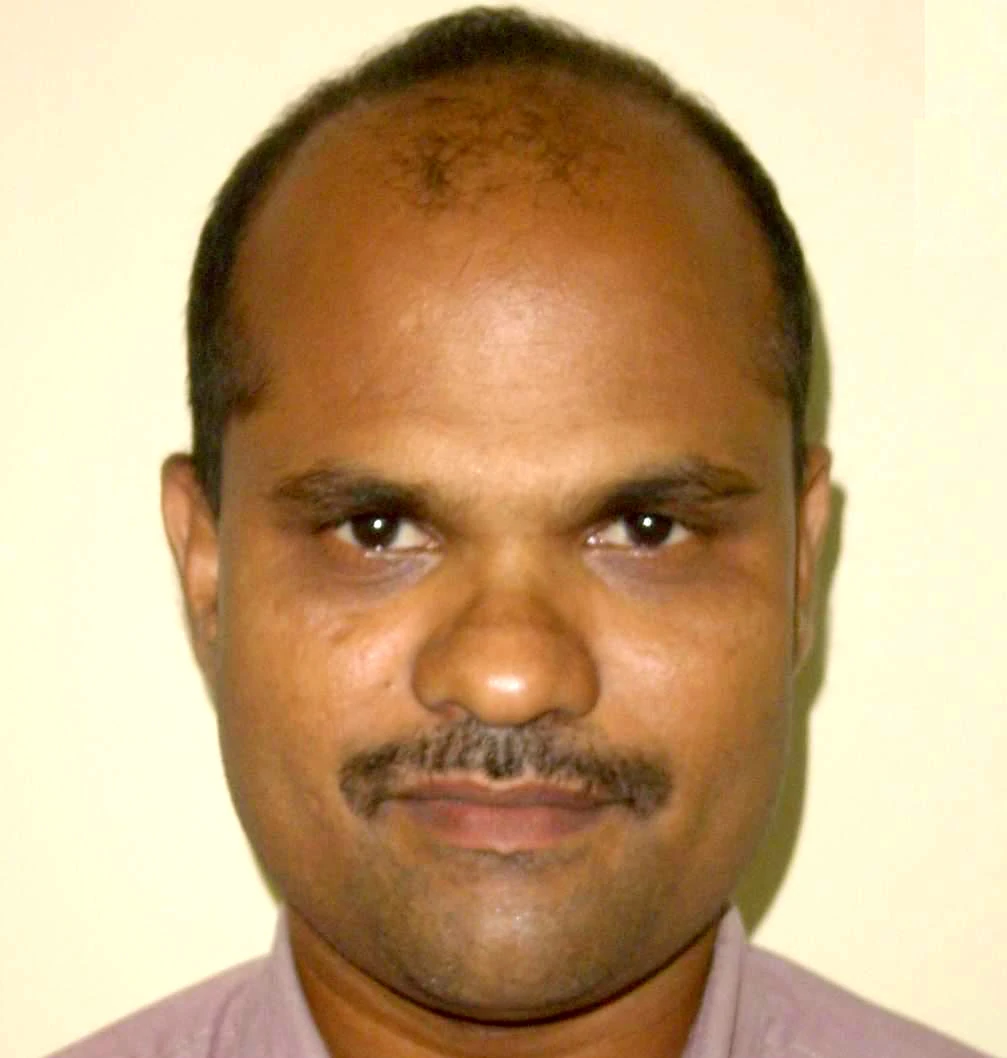
Sri Lanka’s new president, Anura Kumara Dissanayake, is tasked with leading the island nation out of its worst economic crisis in more than two generations.

Anura Kumara Dissanayake was sworn in as Sri Lanka‘s president on Monday, vowing to change the island nation, which is emerging from its worst economic crisis in more than seven decades.

Dissanayake, who ran as head of the Marxist-leaning National People’s Power coalition, defeated opposition leader Sajith Premadasa and 36 other candidates in Saturday’s vote.

During his election campaign, Dissanayake challenged the established political order accused of corruption and mismanagement, which resonated deeply with millions of Sri Lankans. 

“We need to establish a new clean political culture,” he said during his swearing-in speech.

“I have said before that I am not a magician — I am an ordinary citizen. There are things I know and don’t know. My utmost objective is to gather those with the knowledge and skills to help lift this country.”

Sri Lanka’s close neighbors IndiaPakistan, and the Maldives congratulated Dissanayake on his win, along with Chinese President Xi Jinping, who said he looked forward to working together “to jointly carry forward our traditional friendship.”

Dissanayake: An outsider who rose to the presidency

The 55-year-old, popularly known as AKD, leads the National People’s Power (NPP) alliance, which includes his party, the Janatha Vimukthi Peramuna (JVP), or People’s Liberation Front.

Dissanayake gained prominence as a student leader before becoming a part of JVP’s central committee in 1997. He later entered Parliament and became a cabinet minister in President Chandrika Bandaranaike Kumaratunga’s government.

Dissanayake’s rise now is particularly remarkable, considering he received only 3% of the vote in the 2019 presidential election.

Saturday’s vote was the first since mass protests over shortages of essentials such as foods, medicines, cooking gas and fuel in 2022 forced then-president Gotabaya Rajapaksa to flee the country and resign.

Experts believe Dissanayake and his party seized this moment by pledging to transform the island’s political culture and dismantle its entrenched political dynasties.

“Although former President Ranil Wickremesinghe helped stabilize the country’s economy, people still view him as someone aligned with the Rajapaksa clan, who are accused of corruption and promoting family politics,” senior journalist and political science lecturer Amirthanayagam Nixon told DW.  

“Voters took this opportunity to completely remove them from power and give a new face a chance.”

Concerns have been raised about a completely new president taking the helm during such a critical period for the country.

Economic recovery challenges 

Dissanayake’s main challenge will be economic recovery. 

His election manifesto included plans to revisit the terms of Sri Lanka’s International Monetary Fund’s $2.9 billion (€2.6 billion) bailout, along with a commitment to cut taxes.

Sri Lanka: Left-wing lawmaker becomes next president

“Any adjustments to the IMF program must be with consideration to why it’s being done and if those adjustments help attain a better outcome than today,” Anushka Wijesinha, an economist and director of Colombo-based public policy think tank, Center for a Smart Future, told DW.

Wijesinha added that continuing the debt restructuring, which has almost reached the final step, should be Dissanayake’s key priority. 

“The new president has to maintain credibility and predictably with the bondholder group and the official creditor committee and get it over the finish line,” Wijesinha said.

“This will help move Sri Lanka out of default status and strengthen the new government’s hand in dealing with international lenders and move on with other policy priorities they may have.”

What other issues will Dissanayake face?

Apart from economic recovery, how Dissanayake handles the issues of Sri Lankan Tamils, the country’s largest ethnic minority that accounts for nearly 12% of the 22 million population, remains uncertain.

Historically, his JVP party has been seen as opposing Tamil interests, which led to fewer votes for him in the northern and eastern provinces, where the Tamil and Muslim populations are mainly concentrated.

“His party has engaged in anti-Tamil activities,” according to Siva Ramasamy, chief editor of the Thamilan newspaper, who claimed that the JVP played a key role in splitting the North and East provinces, which were once united.

Sri Lankan Tamils share deep social, cultural and linguistic ties with people in the southern Indian state of Tamil Nadu, and have been struggling to recover from decades of a civil war that lasted until 2009 and claimed around 100,000 lives.

How Sri Lanka’s 2022 economic crisis hit daily life

During Sri Lanka’s 2022 economic crisis, millions of people struggled to secure two square meals a day and afford critical medicines amid the nation’s acute economic turmoil.

Unaffordable rice

This woman from Wanathamulla, a neighborhood near the capital Colombo, is struggling to feed her three children and grandchild. Her husband left her after a cooking gas explosion left her injured. She has no steady income and tries to keep the family afloat by doing casual jobs. Even basic foodstuffs like rice have become almost unaffordable for millions of Sri Lankan families.

Protein deficiency

Nilanthi Gunasekera, 49, poses with a handful of dried fish. “Before the economic crisis, we ate well and we served meat or fish to our kids at least three or four times a week. Now fish is out of the reach of our family and so is meat,” she said.

How to start over?

Gamage Rupawathi (right), 60, used to have her own fruit shop in Colombo, which enabled her to provide well for herself, her husband (center) and her son (left). But due to the long lockdowns during the COVID pandemic, she had to close the shop. Now, amid the economic crisis, she lacks the money to reopen her business.

A cup of tea and two pieces of biscuit

On some days, this is the only meal for Gamage Rupawathi’s husband. More than a quarter of the island nation’s 22 million inhabitants currently have difficulty securing two square meals a day.

Rationed medication

Manel Peiris, a heart patient, is struggling to afford her medication. Earlier, the 68-year-old used to regularly receive three-month supplies of medicine from a public hospital. “Now we have to buy them from pharmacies, costing 3,400 rupees (€9.5, $9.5) a month, which I can’t afford. So I am only buying for a week at a time. Sometimes my husband has to borrow money or ask for a wage advance.”

Bathing at a public well

“We have a tap water connection but it’s very difficult to pay water and electricity bills, in addition to the rising costs of food. So now I bathe at a public well more often in order to save money,” said Sivaraja Sanjeewan, a 31-year-old auto-rickshaw driver.

‘Business is very difficult’

Priyani Dhammika, 53, makes so-called betel stacks to chew. They consist of crushed areca nuts wrapped in tobacco leaves. “Business is very difficult now,” she said. The price of the nuts has tripled and the leaves have become as much as eight times more expensive, she added.

What to cook with?

Since thieves stole their gas tank and stove, 62-year-old Vidyathipathige Nihal and his family have been forced to cook over an open fire. The demand for firewood has risen sharply due to the shortage of gas — as has the price.

No help from the state

This former soldier said he can no longer live on his veteran’s pension due to high inflation, and he’s not expecting government financial support. Sri Lanka secured a staff-level agreement for a $2.9 billion (€2.8 billion) bailout from the International Monetary Fund earlier this month, but “this is only the beginning of a long road out of the crisis for Sri Lanka,” said an IMF spokesman.

In a nation where the Sinhalese ethnic group makes up roughly three-quarters of the population, many Sri Lankan Tamils support the devolution of powers to the North and East, as well as reconciliation following the civil war. 

“JVP has never supported Tamils. Now, it’s unclear how Dissanayake, being from the same party, will address this issue,” Ramasamy told DW.

“The question is whether they are willing to implement the 13th Amendment of the Sri Lankan Constitution, which grants various powers to Tamil minorities,” he added, referring to what has been a long-standing demand from the Indian government.

However, Ramasamy doubts this will happen and believes that Buddhist nationalism may influence Dissanayake’s decisions.

Navigating international relations — India or China?

Experts say Dissanayake will face many challenges not only on the national front but also on the international stage.

Considered close to China, Dissanayake became known for fanning anti-Indian sentiments in the Indian Ocean Island. 

Dissanayake also opposed any investigations into alleged war crimes during the civil conflict between Liberation Tigers of Tamil Eelam and Sri Lankan forces. 

More recently, he mentioned plans to cancel Indian business tycoon Gautam Adani’s 450 Megawatt (MW) power project in Sri Lanka if elected. He called the agreement corrupt and against the country’s interests.

“Sri Lanka cannot afford to make India an enemy at this juncture,” Nixon warned, pointing out that while other countries like China, the US, and the IMF have provided support, India was the first to extend a crucial lifeline to the island, with over $4 billion in assistance.

Sri Lanka votes labourer’s son to presidency, chooses to revive democracy – just like India did

September 23rd, 2024

Mick Moore Courtesy Scroll.in

The victory of Anura Kumara Dissanayake and electoral loss of families that governed the country for a century is a hopeful sign.

Sri Lanka votes labourer’s son to presidency, chooses to revive democracy – just like India did
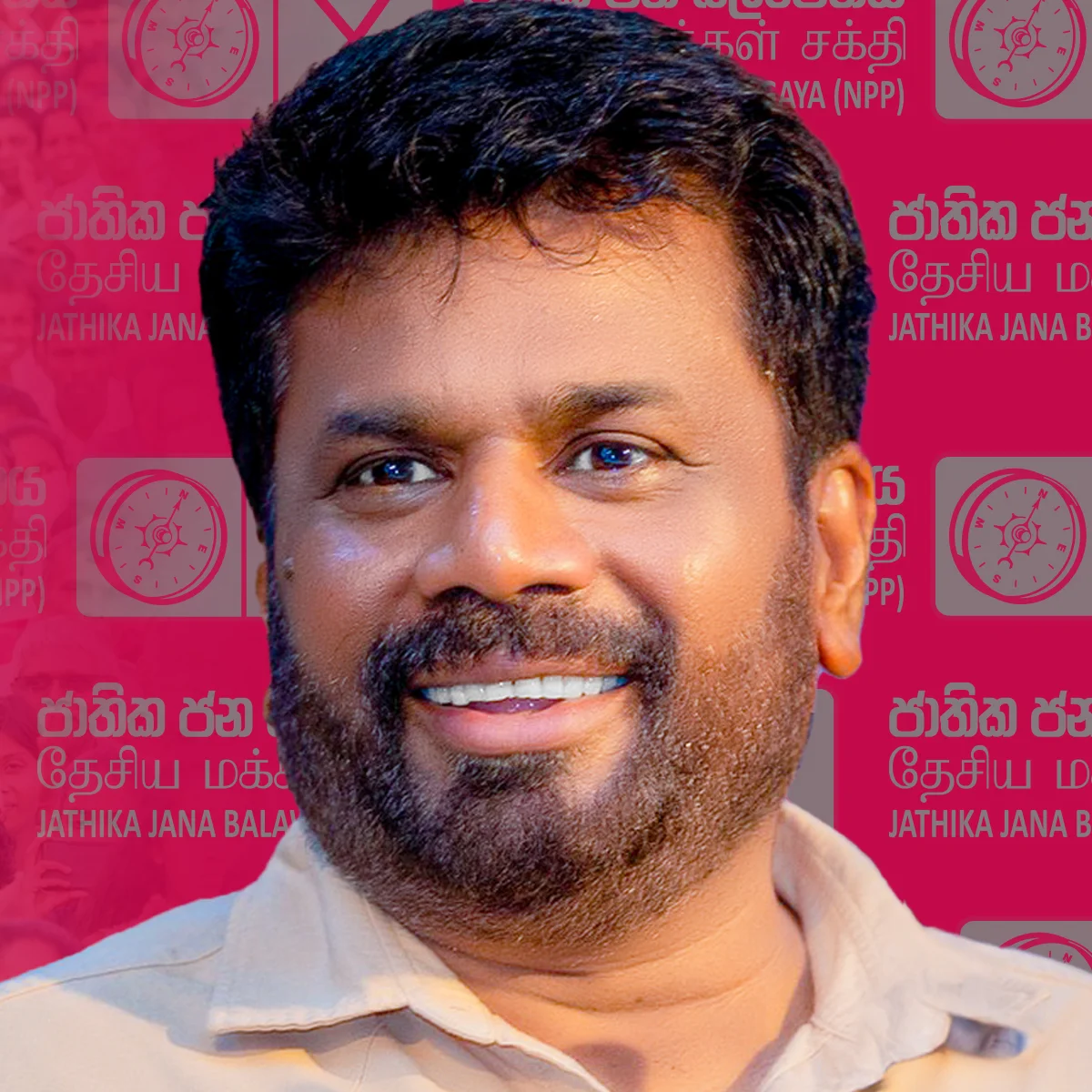
Anura Kumara Dissanayake @anuradisanayake/X

Following Donald Trump’s victory in the 2016 American presidential elections, these and many similar ideas about democracy under threat” have dominated public and private conversations among democrats globally. There is a real basis for these concerns. The 2024 Democracy Report from the V-Dem Institute in Sweden tells us that on average the world has moved steadily in a more autocratic direction since 2009.

But the movement is not all one way. Over that same time period, voters in some of the world’s oldest and most established democracies have clawed back power from leaders with predatory political ambitions who had abused their elected positions. The panicked image of witless voters being driven through sophisticated online manipulation by fake news, manufactured anger and artificial polarisation is to some extent real and is certainly worrying. But other voters who have become aware of the dangers of populism and online political activism are making much better voting choices.

Trump’s defeat by pragmatic Joe Biden in 2020 was the first step. Then in 2022 competent, serious Lula de Silva just managed to reclaim the presidency from Jair Bolsonaro, Brazil’s own rather incompetent Trump lookalike. In 2024, the anti-populist trend has accelerated. In June, despite poll predictions, India’s voters deprived the Bharatiya Janata Party of a parliamentary majority that it would have continued to abuse grossly.

On July 4 in the UK, the venerable Conservative Party, that had become mired in populism, political instability and policy incompetence, suffered its worst ever defeat. The new Labour government is serious about policy, policymaking and the long term. That government, a large Liberal Democrat contingent in parliament and two new Green MPs, are the outcome of an unprecedented degree of intelligent tactical voting at the electorate level.

On July 7, French voters failed to live up to the expectation that they would allow the right wing populist and racist National Rally (formerly National Front) to form a government. The new National Assembly is split between three large blocs. While that makes it difficult to form a stable government, there is a very positive dimension. After decades of rule by powerful executive presidents, power has shifted back to the Assembly.

And now, Sri Lanka has joined the ranks of those old democracies in which voters have reacted to episodes of dysfunctional populist, authoritarian or unconstitutional rule by reclaiming power and rejuvenating democracy.

First and most obviously the election process itself was impressive. It was the least violent ever. The Election Commissioner exercised authority. The count was efficient and, as far as we know, 100% clean. There was no serious talk or expectation that the result would be challenged in any unconstitutional way. The losers conceded early and graciously.

Behind that, many aspects of the voting pattern are very positive. Turnout was a high 75% in total and not much below that in the Tamil-speaking areas of the North and East that have in varying degrees been underrepresented in national elections for the past three decades. Their voters largely have been re-integrated into the national political party system. The common Tamil candidate, Ariyanethiran Pakkiyaselvam, won only six polling divisions all in and around Jaffna.

In the vast majority of polling divisions in the North and East where Tamil speakers and/or Muslims are in the majority, the main competition was between two national, Sinhalese leaders – Sajith Premadasa and Ranil Wickremesinghe. For decades, the group of islands off Jaffna that form the Kayts polling division have been dominated politically and economically by the paramilitary Eelam People’s Democratic Party. Its leader, Douglas Devananda, has always struck deals with the military and whoever was in power in Colombo. He has a history of manufacturing the right election results for Kayts at least. This time he failed. He obtained only 32% of the votes for his patron, ex-President Wickremesinghe.

The really big losers from this election are the elite families that have governed the country almost continuously since 1931, almost a century ago. There are three broad family groupings: the Senanayake-Wijewardene-Wickremesinghe-Jayewardenes (in power for 45 years), the Bandaranaikes (27 years) and the Rajapaksas (15 years). The Bandaranaikes dropped out of the game a few years ago. Ex-President Chandrika Bandaranaike Kumaratunga could not even manage the competing fragments of her once mighty Sri Lanka Freedom Party and declared her neutrality in this election. Ranil Wickremesinghe, who was comprehensively beaten in this election, is anyway the last heir to the Senanayake-Wijewardene-Wickremesinghe-Jayewardene inheritance.

The most satisfying single aspect of the result was the near disappearance of the Rajapaksa voting bloc. That was regionally powerful in the deep south from the 1950s and nationally dominant nearly continuously from 2005 until 2022.

The Rajapaksa’s Sri Lanka Podujana Peramuna easily won the 2019 presidential election for Gotabaya Rajapaksa. This time the heir apparent, Namal Rajapaksa, obtained 2.5% of the national vote and only 6% in Hambantota district, that not long ago was almost a family political fiefdom. Much of the rural Sinhala vote of the former Sri Lanka Podujana Peramuna (and before that the Sri Lanka Freedom Party) has been gobbled up by the victorious National People’s Power. Its leader, new President Anura Dissanayake, is the son of an agricultural labourer from the small town of Thambuttegama way out in the dry zone far from Colombo.

The Rajapaksas are not solely responsible for the extended period of de-democratisation in the country between the mid 1970s and 2022. But they oversaw the most corruption and the most vicious state terror. Gotabaya Rajapaksa, in power for less than three years from late 2019 because his brother Mahinda had used up his quota of presidential time, was the least competent head of government the country has ever endured.

If Sri Lanka owes the Rajapaksas any thanks, it is because their combination of repression, corruption and incompetence generated economic crisis in early 2022 and then the popular uprising (aragalaya) that forced Gotabaya Rajapaksa to resign in July. This latest election result is very much a product of the aragalaya, especially the popular awareness of the costs of elite corruption.

The parliamentary elections will come next. My fingers are crossed for a parliament and a government that is nothing like as monotonously Sinhalese and male as the leadership of the Janatha Vimukthi Peramuna, the dominant component of the National People’s Power alliance. If we do end up with a parliament and a government that is more representative of the nation, Sri Lanka will may reclaim the reputation it enjoyed in the 1950s and 1960s as one of the poorer world’s most impressive democracies.

This article was first published on Groundviews,

China to deepen BRI bond with Sri Lanka under new leader: Xi

September 23rd, 2024

Courtesy Kuwait Times

BEIJING: Chinese President Xi Jinping on Monday said he hoped to broaden cooperation with Sri Lanka under his Belt and Road infrastructure initiative (BRI) as he congratulated the island nation’s new leader Anura Kumara Dissanayaka. Dissanayaka, a self-avowed Marxist, took his oath at the Presidential Secretariat in Colombo on Monday, vowing to restore public faith in politics.

The country is emerging from a years-long economic collapse blamed partly on struggling high-debt Chinese mega-projects coordinated through the BRI, the massive infrastructure project that is a central pillar of Xi’s bid to expand his country’s clout overseas. I attach great importance to the development of China-Sri Lanka relations and am willing to work with Mr. President to continue our traditional friendship (and) enhance mutual political trust,” Xi said in a message to Dissanayaka, according to state broadcaster CCTV.

Xi said he hoped bilateral cooperation under his flagship BRI would bear more fruit”, CCTV added.

He said Beijing would promote the steady progress of sincere mutual assistance between China and Sri Lanka as well as our age-old strategic cooperative partnership, and create more benefits for the peoples of both countries”. Western critics accuse China of using the BRI to enmesh developing nations in unsustainable debt to exert diplomatic leverage over them or even seize their assets.

But a chorus of leaders — as well as research by leading global think tanks like London’s Chatham House — have refuted the debt trap” theory. In December 2017, unable to repay a huge Chinese loan, Sri Lanka handed its Hambantota port in the south of the island to a Beijing company on a 99-year lease for $1.12 billion.

And the country defaulted on its foreign borrowings in 2022 during a crisis that caused months of food, fuel and medicine shortages. China is the nation’s largest bilateral creditor, its loans accounting for $4.66 billion of the $10.58 billion that Sri Lanka has borrowed from other countries.

Last year, the International Monetary Fund — the international lender of last resort — approved a $2.9 billion bailout loan for Sri Lanka. Beijing also agreed to restructure its loans to the country.

And this month, Sri Lanka secured a deal with international bondholders to finalize a prolonged debt restructuring. — AFP

Hard Road Ahead For Sri Lanka’s President-Elect Anura Kumara Dissanayake – Analysis

September 23rd, 2024

By  Courtesy Eurasiareview

Tall promises have to be delivered and a controversial past has to be reconciled with ground realities    

The result of the Ninth Sri Lankan Presidential election uncannily followed a pattern that had unfolded in other countries in South Asia recently. 

Seemingly strong and well-entrenched leaders suffered humiliation at the hands of weaker opponents.

In June, Indian Prime Minister Narendra Modi failed to achieve the target of 400 plus seats in a House of 543 members, even as the mainstream media blared that he would sweep. His Bharatiya Janata Party (BJP) failed to a get a majority on its own and had to depended on crutches provided by two allies to form a government. 

In August, Bangladesh Prime Minister Sheikh Hasina, an iron lady credited with putting the country on the economic fast track, was ousted and driven out of the country by a university students-led mass movement. Her winning the January 2024 parliamentary elections with a thumping majority was to no avail.    

And now in Sri Lanka, experienced politician and administrator President Ranil Wickremesinghe, was mauled by a political greenhorn, Anura Kumara Dissanayake of the National Peoples’ Power (NPP) in the September 21 Presidential election. 

Anura Kumara Dissanayake won with 42% of the vote, Sajith Premadasa of the Samagi Jana Balawegaya (SJB) came second with 32%. Wickremesighe got only 17.2%. 

Toiling under trying local and global conditions from July 2022 to September 2024, President Wickremesinge had restored normal life in Sri Lanka after it was crippled by an unprecedented shortage of essential commodities in 2022.   

The man-made economic crisis happened when Sri Lanka had barely recovered from the ravages of COVID-19 and also an international economic crisis triggered by the Russo-Ukrainian war. 

Wickremesinghe secured an IMF package of US$ 3 billion with Western and Indian support. He got US$ 4.5 billion from India to keep Sri Lanka afloat. 

And yet, Sri Lankan voters consigned Wickremesinghe to the third position in the Presidential poll. 

Key features  

The 9th., Lankan Presidential election will stand out for the following reasons: 

(1) It is the first Presidential election in Sri Lanka in which no candidate got 50% plus votes necessary to win in the first round. For the first time, the second preference votes were counted to decide the winner.  

(2) It is for the first time that a candidate with little or no administrative experience and from a very small party, has emerged as the single largest vote getter. 

The most experienced candidate was Wickremesinghe who had held Finance and Defence portfolios apart from the Premiership and the Presidency.  Dissanayake, on the other hand, was Agriculture Minister only for a year in a coalition government long ago. He has only had parliamentary experience though he often led the opposition charge against the government. Even Premadasa had  only been Housing Minister.  

Sri Lankan voters defied conventional ideas about voter behaviour. It was thought that people would vote on the basis of loyalty to parties and also as whole families rather than as individuals. It was also thought that voting would be on the basis of the rural-urban divide or class and cultural divides. But the voting pattern this time showed that Dissanayake had support across social, ethnic, regional and religious divides.

Another popular pre-election theory was that economic factors would determine the voting pattern. Because Wickremesinghe had turned the economy round with the help of the IMF bailout and its prescriptions, he would reap a rich harvest of votes. But that was not to be!

On the contrary, non-economic factors proved to be decisive. These were: (1) a yearning for a new face (2) thirst for a total change even if there is no clear idea of the nature of change (3) anger against Wickremesinghe for running the government with the help of MPs belonging the Sri Lanka Podujana Peramuna (SLPP) led by the corrupt” Rajapaksa family.

Wickremesinghe’s plea that he had to seek the help of the SLPP to pass legislation in parliament to save the economy, fell on deaf ears. He lost because he was tainted by his association with the Rajapaksas. The fact that Namal Rajapaksa was one of the 38 candidates contesting against him did not help wash off the taint.

Dissanayake as President

Given the fact Dissanayake was trying to appeal to every section of Sri Lankan society, not just the working class, he toned down his Marxist or radical left wing rhetoric and assured each section that he will not be hostile to them.

Such assurances were given to the corporates who were anxious about his stand on the private sector. He told the Tamils in Jaffna that he would decentralise power to them.

Dissanayake’s nostrum was Change”. But he never defined and indicated a pathway to it. But the inchoate notion of change” was swallowed hook, line and sinker by people of all classes, who were thirsting for change from the old corrupt order and corrupt politicians.” 

Dissanayake had never been in power to become corrupt.

His voters now expect him to hound the corrupt” Rajapaksas and  their coterie, and recover the money they had allegedly stashed away overseas. This is a tall order.  

Dissanayake has promised to revise the IMF’s prescriptions to make it more tolerable for the poor by increasing direct cash transfers, bringing down taxes etc. 

However, experts say that any drastic change in the IMF’s prescriptions or any refusal to abide them, will only result in Sri Lanka’s going back again to the IMF with a begging bowl for the 17 th. time in its history. 

Sri Lanka has not got out of the freebie culture. But the government as no money to give freebies any more. It is not clear as to how Dissanayake hopes to bring relief to people when tax concessions cannot be limitless. 

It is not clear as to what Dissanayake wants to do when he says that the IMF’s prescriptions would be amended to make them more people-sensitive. 

As people have voted him, expecting him to bring them tangible relief, the burden on him to deliver would be very heavy.

Furthermore, the issue of renegotiating the IMF bailout could put strains in Sri Lanka’s relations with the US, India and even China as these back the IMF program. 

India had sent its External Affairs Minister S.Jaishankar and Finance Minister Nirmala Seetharaman to talk to the IMF on Sri Lanka’s behalf. India had formally stood up for Sri Lanka, as did China. Any bid to change the deal will upset the applecart.

Relations with India 

As a Marxist, Dissanayaka has been a natural ally of China but his party, especially its hard core the Janatha Vimukthi Peramuna (JVP), has anti-Indian tinge. 

The JVP’s interest has not been the promotion of China’s interests in Sri Lanka, but whipping up or exploiting anti-Indian feelings among the majority Sinhalese community. 

Dissanayake cut his teeth in agitation politics in 1987 when the JVP was leading street battles in Colombo against the India-Sri Lanka Accord of 1987 and the deployment of the Indian Peace Keeping Force (IPKF) to implement a scheme of power devolution for the minority Tamils.

During his election campaign Dissanayake pointed out that the Sri Lankan market is flooded with Indian goods and that this must be stopped. He also said that the grant of the 99 giant oil tanks in Trincomalee to India should be annulled and that global tenders have to be floated for their development and use. 

He has said that the projects that were given to the Adanis need to be reviewed as these were not based on international tenders.

However, when talking to Indian media, Dissanayake promised that his government would not do anything that endangers India’s security and that he recognized the importance of India in the region.

It will be a challenge for the hard core Marxist, Sinhala nationalist and anti-Indian Dissanayake to keep all interests happy whether in Sri Lanka or outside.  

Sri Lanka presidential election declared peaceful, but voter education lacking on Preferential Voting System 

September 23rd, 2024

https://thecommonwealth.org/

Commonwealth Observers Group Sri Lanka 2024

The 2024 Sri Lankan presidential election, held on September 21, has been deemed peaceful by the Commonwealth Observer Group, but it noted that some voters and polling staff did not appear to fully understand the preferential system of voting.  

The preferential voting system allows voters to rank candidates in order of preference. In Sri Lanka’s case, voters could mark up to three preferences on their ballot paper. 

The Group recommended that more needs to be done to build the electorate’s knowledge and understanding of the preferential voting system, throughout the electoral cycle. 

The Commonwealth Observer Group, led by former president of Seychelles, HE Danny Faure, issued its preliminary assessment in Colombo at a press conference. Addressing journalists, he commended the Election Commission of Sri Lanka for introducing key reforms, such as campaign finance legislation, tactile frames for visually impaired voters and sign language at polling stations.  

The statement praised the polling procedures saying:  

The pre-poll and opening procedures were meticulously followed at the stations observed. Polling stations opened on time and there were few queues at the start of the poll. 

Voting proceeded in a peaceful and orderly atmosphere. We observed that some polling stations had separate queues for men and women.  Most polling stations were divided into two or more streams, which aided queue management. 

In all polling stations visited, a sample of the ballot paper and relevant instructions were clearly displayed. Signage was also visibly displayed outside some polling stations. 

The polling officials conducted their duties with professionalism, transparency, diligence and dedication.  They were also helpful to voters, especially the elderly and people with disabilities” 

The Group concluded that the election was credible and transparent, and commended the people of Sri Lanka for turning out in large numbers in an orderly manner and hopes that the peaceful environment will continue in the post-election phase.   

The Commonwealth Observer Group will issue a final report which will offer comprehensive analysis and recommendations for further improving Sri Lanka’s future electoral processes.  

Read the full statement

Mismanaging of workers’ trust Lanka Transformers Ltd in the spotlight for transferring funds, shares

September 23rd, 2024

Courtesy The Daily Mirror


From time to time since the inception, LTL incorporated two Trusts for the sole benefit of its employees
Inaction against funds and shares being illegally transferred from this trust to two Companies has led to the filing of an FR Application in Supreme Courts 
These alleged frauds have been brought to the notice of the main share- holder CEB 
The Additional Solicitor General’s position in this regard was that the SC Rules do not allow for perfunctory withdrawal of applications filed 


Lanka Transformer Limited Holdings (Pvt) Ltd, a subsidiary of Ceylon Electricity Board has come under criticism for allegedly committing one of the largest financial frauds in the country by transferring its shares and dividends illegally amongst its top management.   

Lanka Transformers Limited (LTL) was incorporated in July 1980 by the Ceylon Electricity Board (CEB) by retaining the majority of the shares with the latter hence, is a state owned company coming under the purview of the Ministry of Power and Renewable Energy. Later on October 31, 2008, LTL got its name changed to LTL Holdings (Pvt) Ltd under Section 8(3)(b) of the Companies Act No: 07 of 2007.   
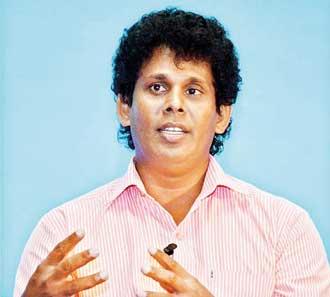
From time to time since the inception, LTL incorporated two Trusts for the sole benefit of its employees. It is from these two Trusts that funds and shares have been allegedly transferred to two Companies – Paradev (Pvt) Ltd and Teckpro Investment Ltd, although trust property cannot be transferred to a company unless it is stipulated in the Trust Deed.   

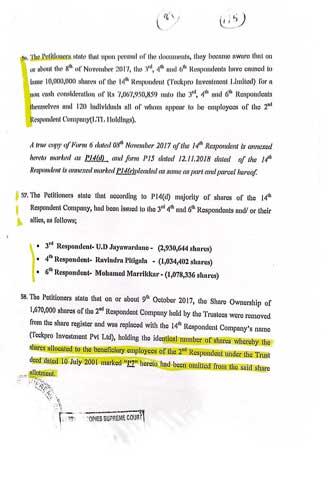
Wasantha SamarasingheThis document shows how the shares have been transferred fraudulently
LTL Directors Upali Jayawardena, Ravindra Pitigala and M.J.M.N. Marikkar have also been appointed as Directors to the two Trusts and the other holding companies while Rajiv Cassie Chitty was appointed as their Company Secretary. These fraudulent transfers have been carried out by its Directors/ Trustees in an alleged criminal breach of trust and acting in collusion, depriving the employees who are the sole share-holders of the two Trusts.   
These alleged frauds have been brought to the notice of the main share- holder the CEB and the subject Ministry and every complaint has fallen on deaf ears, although the Attorney General has clearly stated that LTL Holdings is an entity subject to government scrutiny.   
This inaction led Voice Against Corruption Movement headed by Wasantha Samarasinghe of Janatha Vimukthi Peramuna and three others to file an FR Application in Supreme Courts (SC FR 355/19) seeking interim orders to direct the CEB and its Board of Directors and the Ministry Officials including the Minister and Ministry Secretary to remove the three Directors of LTL subsidiaries and holding companies, to direct the CEB to rectify the share registry of LTL subsidiaries and holding companies, to recover the money/ shares entitled for the employees from the three Directors who misappropriated them; to restrain the Company Secretary from functioning his duties, to prevent the said three Directors and other Directors from functioning as the Directors of LTL; to order the CEB to appoint new Board of Directors to the LTL, its subsidiaries and holding companies- Paradev and Teckpro, to issue an interim order restraining the Directors from taking any steps to change the share structure or composition of LTL subsidiaries and holding companies and a restraining order preventing them from withdrawing monies in LTL bank accounts without prior approval, until the final hearing and determination of the application.   
Having sought such a number of interim orders, to the surprise of LTL employees, Wasantha Samarasinghe and the other three Petitioners by an affidavit dated July 5, 2021, sought to withdraw the application as per SC Rules, to which the Additional Solicitor General (ASG) Milinda Gunathileke PC objected.   
In this affidavit, Samarasinghe has stated as, ‘pursuant to the filing of this application, the 20th Amendment to the Constitution was enacted into law and LTL is required to be audited by the Auditor General. We therefore state that the public interest sought to be canvassed and the matters impugned in these proceedings by the Petitioners have been duly and sufficiently addressed and therefore do not wish to pursue this application, and respectfully seek the indulgence to permit the Petitioners to unconditionally withdraw this application’. 

 
Fraudulent share/ dividend transfers


However, the ASG’s position in this regard was that the SC Rules do not allow for perfunctory withdrawal of applications filed and required the court to inquire into the merits of such withdrawal and that the court should not permit the withdrawal of the application on various grounds.   
Gunathileke PC states that the Petitioner has failed to set out any reasons for the withdrawal of the application and is a necessary implication that an application to withdraw must exhibit a valid reason.   
The ASG has further stated, that very serious allegations have been set out in the petition against the respondents because the subject matter involves large amounts of state resources and serious allegations relating to handling such resources and that allowing this application to be withdrawn would have serious implications on public finances. It was further submitted that the withdrawal should not be permitted for the reason that the reason that the present application is filed as a matter of public interest. In addition, the ASG has argued that the application to withdraw should not be allowed on the grounds that the proceedings have reached the stage of litis contestation and the withdrawal could impact parliamentary control over public finance and the role of the Auditor General.   
In this back drop, plans are afoot to challenge the fraudulent share/ dividend transfers for the benefit of the three LTL Directors and their allies by way of a fundamental rights application.   
The following details came to light as per what is reported in the FR Application.   
These three Directors are allegedly accused of being involved in illegal share transferring of LTL subsidiaries and for misappropriating the dividends payable to CEB and LTL employees.   
After the incorporation of LTL in July 1980, on June 27, 1986, the major shareholder -the CEB entered into a joint venture agreement with National Industries A/S – a company incorporated in Norway. In this joint venture, CEB held 70% shares and was issued 30% shares of the total shareholding.   
As per the FR Application, 30% shares held by National Industries A/S, was transferred to a new company -ABB Krafts A/S which too has been incorporated in Norway.   
Subsequently, the Board of Directors at a meeting held on March 30, 2001, decided to issue 1.67 million ordinary shares which is 10% of LTL shares to their employees.   
Hence Lanka Transformers Limited Employees Share Ownership Trust (LTL-ESOT (Trust) was incorporated on July 10, 2001, by a Deed of Trust to enable its employees to acquire and receive benefits from LTL shares. The three Directors- Jayawardena, Pitigala and Cassie Chitty were appointed as Trustees by this Deed of Trust. LTL issued the said 1.67 million ordinary shares amounting to 10% of the shareholding, to the Trustees at a par value of Rs. 10 each to hold in the trust until they are transferred to the participants as stipulated in the Trust Deed. Although all LTL Group employees were entitled for shares they were not issued any. All the shares were transferred to the trust.   
However LTL Board of Directors did not specify the manner of distribution percentage amongst the employees. In the light of this, the Trustees decided that the senior Management would be allotted 50% of the shares of the ESOT (Trust). This resulted in 7 senior managers which included the trustees were to get the benefit of the decision of their own. This was a lavish serving on themselves.   
The Trustees cannot ignore any rule other than what is stipulated in the Deed of Trust. As per the said Deed of Trust, this Trust was for the benefit of all LTL employees- present and future and the shares purchased by this Trust was to be allocated amongst the employees within two years of the creation of the Trust,” sources said.   
Following this, share issue was registered at the Registrar of Companies and the total number of shares issued as at June 8, 2002 of LTL was 16.67 million in total- CEB’s 10.5 million shares (63%), ABB A/S’s 4.5 million shares (27%) and LTL-ESOT (Trust) 1.67 million shares (10%).   
By end 2004, ABB A/S decided to sell its 27% stake. In an attempt to purchase these shares LTL formed Lanka Transformers Group Employees Trust (LTGET). Later the newly formed LTGET was advised by the LTL to incorporate yet another company by the name LTL- ESOT (Limited) for the purpose of channeling money to purchase ABB A/S’s 27% shares.   
In order to raise money for this purchase, LTL applied for a loan from the National Development Bank (NDB). Eventually LTL came forward as a guarantor for the loan and the NDB granted Rs.500 million loan. Questions are raised as to how LTL gave security to another ‘Trust’ under its own wing to purchase its own shares. LTL’s alleged intention was to create a third party to own the 27% shares of ABB A/S and to pay its loan to the NDB by way of LTL dividends.   


Permission not obtained 


Neither LTL obtained permission from the Cabinet nor from the Treasury to be a guarantor for this loan. This is an illegal act and the government could have taken immediate action against this,” sources said.   
As a result, LTL-ESOT (Limited) was formed by issuing seven shares of Rs.10 each to a share capital of Rs.70. These seven shares have been issued to the seven senior employees of LTL to be held in the Trust on behalf of the employees and the Rs.500 million loan was given to them to purchase the 27% stake of ABB A/S which was4.5 million shares.   
Following this share purchase, CEB retained 63% stake while LTL- ESOT (Limited) became the second major shareholder with 4.5 million shares which is 27% and LTL- ESOT (Trust) 10% with 1.67 million shares out of LTL shareholding.   
Thereon, employees of LTL Holdings became beneficiaries of the two Trusts LTL-ESOT (Trust) and LTL-ESOT (Limited) which consist of 10% and 27% shares respectively which is 37% altogether.   


It was at this point the three Directors have been placed in a unique and personally advantageous position of having virtual control of the said cumulated holding of 37% of LTL Holdings shares which was manipulatively used to enrich themselves. It is surprising that not only the CEB, but also the Treasury and the subject Minister maintained a deafening silence on this issue.   
When distributing dividends on August 20, 2015, the three Directors and their close allies obtained massive amounts of money.   
As described in the FR Application, Jayawardena, Pitigala and Marikkar have obtained Rs. 90 million each while their close allies Dammika Nanayakkara was paid Rs. 49.775 million and Sudath Annasiwatte Rs. 33.309 million.   
Having obtained huge amount of money four days before, once again on August 24, 2015, Jayawardena and Marikkar obtained yet another Rs.90 million each and Pitigala Rs. 11.770 million.   
Meanwhile in October 2018, LTL Holdings allegedly has incorporated yet another company by the name Teckpro Investment Ltd. The three accused Directors have then issued 10 million shares of Teckpro Investment Limited for a noncash consideration of Rs.7,067 million amongst themselves and 120 individuals who are said to be some of the LTL employees. As a result, the interest of a large number of employees have been overlooked.   
Although all LTL employees should have been benefited, majority shares of Teckpro Investment Ltd totaling to 50.04% stake had been issued to the three Directors and their close allies- Jayawardena 2.93 million shares, Pitigala 1.034 million shares and Marikkar 1.078 million shares. This in a shocking turn of event taking over the total control of LTL shareholding.   
In October 2017, share ownership of 1.67 million shares of LTL Holdings held by these three Directors were removed from the share register and was replaced with Teckpro Investment Ltd, holding the identical number of shares whereby the shares allocated to the employees under the Trust Deed dated July 10, 2001 had been omitted from the said share allotment.   
On December 4, 2018, Teckpro Investment Ltd has once again issued 523,485 ordinary shares out of which an unusually higher number of shares have been issued to these three Directors.   


LTL- ESOT (Limited) holds 4.5 million shares (27%) of LTL Holdings and its name was then changed to Paradev (Pvt) Ltd.   
Out of this 27% stake owned by newly incorporated Paradev (Pvt) Ltd, Jayawardena, Marikkar, Pitigala, Annasiwatta and Nanayakkara has obtained over 70% shares. The beneficiaries were not the LTL employees but Jayawardena 2.9 million shares (33.5%) Marikkar 1.2 million shares (14%), Pitigala 1.1 million shares (13%), Annasiwatta and Nanayakkara combined 1.3 million shares (15%).   
Meanwhile, it came to light how these Trustees have put in place an elaborate fraudulent scheme to terminate the Deed of Trust dated July 10, 2001 by allocating the shares among some of the employees of LTL Holdings in an arbitrary manner with majority allotted to three of them and their allies in complete breach of Trust with fraudulent intentions.   
These three have annexed a purported Trust Deed dated March 31, 2010, to the petition filed in Commercial High Court (CHC) 48/2018, seeking to amend the earlier Trust Deed.   
Requests were made to remove the requirement of allocating shares to participants, to permit the Board of Directors of LTL Holdings to terminate the Trust at their discretion and to transfer the Trust property of LTL Holdings to participants in a manner decided by the Board.   
After the issuance of the fraudulent Trust Deed, the Chief Operating Officer (COO) of LTL Holdings by an undated letter to one of the Petitioners in 2016, have specifically stated that all shares have to be kept in a Trust and shall not be divulged to any of the employees. The COO has further stated that none of the shares has been transferred to any of the employees.   
Meanwhile the three Trustees who are also the Directors of Paradev (Pvt) Ltd have filed a purported application to the Commercial High Court (CHC 48/17) to acquire CEB’s shares in LTL Holdings in terms of Section 256 of the Companies Act.   
The three Trustees have misled claiming that they obtained Cabinet Approval to dilute the shares of LTL Holdings and accordingly sought to restructure the shareholding of LTL Holdings in order to make CEB holding a minority and Paradev majority.   
At this point several former employees of LTL Holdings intervened in the said case and brought to the notice of the CHC the frauds committed by the three Trustees.   
Consequently, the case was withdrawn by Paradev who was the Petitioner and the case was dismissed.   
Since the CEB had more than 50% shares of LTL Holdings, the latter is liable to be audited by the Auditor General (AG) and subject to the overall supervision of the Parliament including the COPE.   


Apart from the said financial frauds, as stated in the FR Application, the three Trustees and their allies have fraudulently withdrawn money from LTL Holdings or its subsidiaries bank account at Commercial Bank A/c 1500005578.   
From this account, on four occasions Rs. 24 million, Rs 25 million, Rs. 31 million and Rs. 28.333 million have been transferred to Marikkar’s account. 
Meanwhile, Rs. 5 Million has been transferred to Pitigala’s account and Rs. 3 Billion has been transferred to an account bearing number 1500046704.   
Meanwhile, a sum of Rs.371.136 million which was in the HNB A/c 076010095211 belongs to the LTL ESOT (Trust) has been fraudulently withdrawn.   
As per the FR Application, neither the three Trustees nor others have infused any capital in LTL subsidiaries or holding companies- Paradev and Teckpro and has no ownership whatsoever to obtain dividends amounting to billions of rupees.   
It is believed that the subject issue is a part of a larger web of corruption and fraudulent transactions involved by the three Trustees.   
The three Trustees have committed anyone or more of the following serious criminal offenses- criminal misappropriation of public funds, criminal breach of trust, cheating and money Laundering.   
Although dividends due to the CEB and the LTL Holdings employees have been misappropriated, the Chairman and Board of Directors of CEB have so far failed to remove the three Directors of LTL Holdings and its subsidiaries and to rectify the said illegal share transfers.   
All attempts to contact Wasantha Samarasinghe to find out the reason for him to withdraw the SCFR Application failed as there was no response from him. Although a text message was sent seeking a comment but there was no response until the paper went for publication.   
All attempts taken to speak to LTL Holdings Chairman Upali Jayawardena and Directors Ravindra Pitigala and M.J.M.N. Marikkar failed. After a message was left, Manager Planning and Corporate Affairs LTL, Ashani Muthumala contacted this newspaper and promised to convey the message to the three officials. But however, until the paper went for publication, none of them contacted the paper.   

ජනපති අනුර කාදිනල් හිමිවත් හමුවෙයි | ජනපතිවත් තියාගෙනම කාදිනල් හිමි මාධ්‍යයට කතාකරයි…

September 23rd, 2024

New Defence Secretary appointed

September 23rd, 2024

Courtesy Adaderana

Air Vice Marshal (Retired) Sampath Thuyacontha has been appointed as the new Secretary of Defence.

Thuyacontha joined the Sri Lanka Air Force on 17th of May 1988 to the 19th Intake as an Officer Cadet and was commissioned as a Pilot Officer in the General Duties Pilot Branch in the year 1990. 

After completion of training in the year 1990 he was deployed for flying duties as an operational pilot in Bell 212/412 helicopters. In 2001, he was posted to No 9 Attack Helicopter Squadron, Sri Lanka Air Force Base Hingurakgoda as the Second in Command and later was appointed as the Commanding Officer in the year 2005. 

During his long tenure, he actively participated for all major operations which includes Humantarian War to liberate North and East and he managed to log more than 7000 flying hours as an Operations/ VIP and Attack Helicopter Pilot of Sri Lanka Air Force.
 
Air Vice Marshal Thuyacontha also served as the Defense Adviser to the High Commission of Sri Lanka in Islamabad, Pakistan for a period of two years and as the Chief Instructor of the Defence Services Command and Staff Collage in the year 2014.

For his individual acts of gallantry and bravery in the face of the enemy during the Humanitarian Operations he was decorated with Weera Wickrama Vibhushanaya” (WWV), Rana Wickrama Padakkama” (RWP) and Rana Sura Padakkama” (RSP) on several occasions.

Ravi Seneviratne appointed Secretary of Public Security

September 23rd, 2024

Courtesy Adaderana

The newly-elected President Anura Kumara Dissanayake has appointed former Senior Deputy Inspector General (DIG) Ravi Seneviratne as the Secretary to the Ministry of Public Security.

Seneviratne had previously served as the Senior DIG in charge of the Criminal Investigation Department (CID).

Former Sri Lankan President Gotabaya arrives in Kathmandu – report

September 23rd, 2024

Courtesy Adaderana

Former president of Sri Lanka Gotabaya Rajapaksa has landed at the Tribhuvan International Airport in Kathmandu, Nepal via Sri Lankan Airlines on Monday.

A source within the embassy stated that he has plans to visit different Buddhist sites and is also scheduled to visit Bharatpur.

It is reported that Rajapaksa is believed to have close ties with the Chaudhary Group, which has investments in various sectors in Sri Lanka and has been inviting him to visit Nepal. This trip is more personal and family-oriented rather than political.

Rajapaksa will be staying at Hotel Vivanta in Jhamsikhel today.

Following a massive uprising in Sri Lanka, Rajapaksa had to flee the country two years ago. He later returned to Sri Lanka.

In Sri Lanka, the newly elected President Anura Kumara Dissanayake, who is Marxist-leaning, was sworn in today.


Source: myRepublica
–Agencies

ලංකා වාණිජ මණ්ඩලයෙන් නව ජනපතිට යොමුකළ ලිපිය (වීඩියෝ)

September 23rd, 2024

Courtesy Hiru News

ජනාධිපති අනුර කුමාර දිසානායකගේ ප්‍රතිපත්ති ප්‍රකාශයට සහ ලංකා වාණිජ මණ්ඩලයේ ප්‍රතිපත්ති ප්‍රකාශයට අනුකූලව ආර්ථිකයේ ක්ෂේත්‍ර 10ක් සඳහා ප්‍රමුඛත්වය ලබා දෙන ලෙස ලංකා වාණිජ මණ්ඩලය පවසනවා.

ලිපියක් යොමුකරමින් ලංකා වාණිජ මණ්ඩලය පවසන්නේ නව ජනාධිපතිවරයාගේ පළමු මාස ​හයක කාලය තුළ එම කරුණු විසඳිමට කටයුතු කරන ලෙසයි.

ශ්‍රී ලංකාවේ 9 වැනි විධායක ජනාධිපතිවරයා වශයෙන් පත්වූ අනුර කුමාර දිසානායක මහතාගේ ප්‍රතිපත්ති ප්‍රකාශයට සහ ලංකා වානිජ මණ්ඩලයේ Vision 2030 ප්‍රතිපත්ති ප්‍රකාශයට අනුකූලව, ධුර කාලයේ පළමු මාස ​​හය තුළ ආර්ථිකයේ ක්ෂේත්‍ර 10ක් සඳහා ප්‍රමුඛත්වය ලබා දෙන ලෙස ලංකා වාණිජ මණ්ඩලය ජනාධිපතිවරයාට නිර්දේශ කර තිබෙනවා.

මෑතකදී වාණිජ ණය හිමියන් විසින් නිකුත් කරනු ලැබූ නිවේදනය මත පදනම්ව, බාහිර ණය ප්‍රතිව්‍යුහගතකරණය සම්පුර්ණ කිරීම, සාර්ථක තුන්වැනි සමාලෝචනයක් සහ සිව්වැනි වාරිකය ලබා ගැනීමේ අරමුණින් ජාත්‍යන්තර මුල්‍ය අරමුදලේ විස්තීර්ණ ණය වැඩසටහන සමග ඉදිරියට යාම වාණිජ මණ්ඩලයේ පළමු ඉල්ලීමයි.

වත්මන් බදු ගෙවන්නාට බරක් නොවන සේ, ප්‍රතිපත්ති ප්‍රකාශයේ දක්වා ඇති පරිදි රාජ්‍ය වියදම්වල අපේක්ෂිත වෙනස්කම් සහ විශ්වසනීය ආදායම් යෝජනා ක්‍රියාත්මක කිරීම, RAMIS සහ SVAT වැනි ආදායම් එකතු කිරීම් සම්බන්ධ කරුණු යළි සමාලෝචනය කිරීම දෙවැනි යෝජනාව ලෙසින් වාණිජ මණ්ඩලය නව ජනාධිපතිවරයාට යෝජනා කර තිබෙනවා.

On Arrival Visa ගැටලුව වහාම විසඳීම, ඩිජිටල් පොදු යටිතල පහසුකම් සහ ඩිජිටල් හැඳුනුම්පත ක්‍රියාත්මක කිරීම, ජාතික තනි දොර වෙළෙඳ කවුළුව (National Single Window for Trade) ක්‍රියාත්මක කිරීමට කැපවී ඒ තුළින් ජාත්‍යන්තර වෙළෙඳාමට මෙන්ම ජනතාවට ප්‍රතිලාභ සලසා දීම, ප්‍රතිසංස්කරණ සඳහා අවශ්‍ය අවකාශය නිර්මාණය කරදීම වෙනුවෙන් “ජාතික ක්‍රියාත්මක කිරීමේ අධීක්ෂණ කමිටුවක්” පිහිටුවීම.

ආර්ථික පරිවර්තන පනත, රාජ්‍ය ණය කළමනාකරණ පනත, රාජ්‍ය මූල්‍ය කළමනාකරණය සහ ශ්‍රී ලංකා විදුලිබල පනතට අදාළ නීති ක්‍රියාත්මක කිරීම, පෞද්ගලික අංශයේ ක්‍රියාකාරීත්වයට අහිතකර ලෙස බලපෑ හැකි තාවකාලික ගැසට් හෝ චක්‍රලේඛ ක්‍රියාත්මක කිරීමෙන් වැළැකීම සහ කළයුතු වෙනස්කම් පිළිබඳව පෞද්ගලික අංශය සහ අදාළ පාර්ශවකරුවන් සමග සාකච්ඡා කිරීම ජාත්‍යන්තර මුල්‍ය අරමුදලේ පාලන විනිශ්චය තක්සේරුව (Governance Diagnostic Assessment) මත පදනම්ව සකස් කරන ලද රාජ්‍ය ක්‍රියාකාරී සැලැස්ම අනුගමනය කිරීම සහ චීනය, ඉන්දියාව සහ ඉන්දුනීසියාව සමග වෙළෙඳ ගිවිසුම් සාකච්ඡා යළි ආරම්භ කිරීම යන කරුණු ලංකා වාණිජ මණ්ඩලය නව ජනාධිපතිවරයා වෙත යොමු කළ ඉල්ලීම් ලිපියේ සඳහන්

Sri Lanka’s dollar bonds and stocks slide after election – Bloomberg

September 23rd, 2024

Courtesy Hiru News

Sri Lanka’s dollar bonds and stocks have dropped following the election of leftist candidate Anura Kumara Dissanayake as President, sparking concerns about the future of the nation’s bailout by the International Monetary Fund (IMF) and ongoing debt deals according to a report from Bloomberg.

Bonds set to mature in March 2029 fell by 3.1 cents to 50.2 cents on the dollar, marking the largest decline in about two years. The S&P Sri Lanka 20 Index of blue-chip stocks also slid by 2% in early trading, though the rupee remained steady.

Dissanayake has pledged to renegotiate the $3 billion IMF bailout, which includes unpopular spending cuts and tax increases. Sri Lanka’s 2029 dollar bonds have experienced a nearly 15% drop this quarter, a sharp contrast to last year when they delivered a return of nearly 70%, one of the strongest performances in emerging markets.

Analysts have expressed concerns over whether Dissanayake’s administration will maintain the agreement reached with creditors or push them back to the negotiating table. However, Dilshan Wirasekara, chairman of the Colombo Stock Exchange, expressed confidence that the new president will broadly adhere to the IMF program, with only a few debt restructuring parameters likely to be renegotiated.

Sri Lanka recently reached a preliminary agreement with bondholders to restructure $12.6 billion in debt. While some members of Dissanayake’s National People’s Power coalition had opposed the terms of the restructuring, the markets have largely factored in the election results.

Source Bloomberg and Foreign Agency reports

Kanchana Wijesekara leaves Ministry of Power & Energy says adequate stocks in place

September 23rd, 2024

Courtesy Hiru News

Former Minister of Power Energy, Kanchana Wijesekara, announced that he has officially left the ministry and returned all state vehicles and office facilities. In a statement shared yesterday, he highlighted the improved financial health of the ministry and the institutions under his purview, noting that they now have adequate stocks of petroleum products and coal for power generation and fuel supply.

According to Wijesekara, all institutions now have positive balance sheets, are recovering costs, making timely payments to suppliers, servicing debt, and contributing additional revenue to the treasury. He extended his thanks to President Ranil Wickremesinghe, colleagues, officials, and other stakeholders for their support over the past two years.

Reflecting on the severe challenges in 2022, which included power cuts of 4 to 13 hours and shortages of fuel and coal, Wijesekara emphasized that he is leaving behind a stronger, well-stocked, and financially stable sector ensuring uninterrupted power generation and fuel supply.

The minister left this message on Twitter: I returned the state vehicles and my office yesterday and leave the Ministry of Power Energy and the Institutes under my purview in stronger financial positions and with adequate stocks of petroleum products and coal for power generation and fuel supply.

All the institutes are now on positive balance sheets, recovering costs for its services, making payments on time for suppliers, servicing outstanding debt and providing supporting the treasury with the additional revenue it’s generating.

I wish to thank the President “RW_SRILANKA”, colleagues, my family, friends, officials “staff of the Ministry ” Institutes, diplomatic missions, development agencies, various government private stakeholders and everyone who assisted during the last two years.

From 4-13 hour power cuts, no fuel situation, no coal, no petroleum products, no suppliers, no cash, limited hydro capacity’s in 2022, I leave with adequate stocks of coal, petroleum products, hydro capacity and financially stronger institutes for an uninterrupted supply of fuel and power generation.

Over 21% registered voters didn’t vote in presidential election – EC

September 23rd, 2024

Courtesy Adaderana

The Commissioner General of Elections Saman Sri Ratnayake states that over 3.5 million citizens who are eligible to vote, have not casted their votes during 2024 Presidential Election.

Speaking during Ada Derana’s current affairs programme Big Focus” on Monday (23), Ratnayake said that the figure is 21.54% of the population that are eligible to cast their vote.

Furthermore, he clarified that out of 17,140,354 registered voters, a total of 13,619,916 have cast their votes in the Presidential Election which is 79.46%, while 3,520,438 (21.54%) did not vote.

Meanwhile, approximately 300,300 (2.2%) votes were rejected, according to the Elections Commissioner General.

Commenting further, Ratnayake said: Usually in presidential elections, the percentage of votes cast is more than 80%. But this time, a fewwer number of votes have been used. For this, we have to think not only from the side of the commission, but the political parties have the role of bringing the people to the polling stations in order to cast votes. We provide that necessary facility. We request the political parties to prepare some sort of program for that.”

ජනපති අනුර මහානායක හිමිවරු බැහැදකී | ජනපතිට මහානායක හිමිවරු මාර කතා කියන්නේ | ජනපතිගෙන් මරු කතාවක්

September 23rd, 2024

High government positions appointed by the President

September 23rd, 2024

අනුර කුමාර දිසානායක නව ජනපති‌ ලෙස දිවුරුම් දෙයි.

September 23rd, 2024

නව ජනපති දිවුරුම් දුන්න ගමන්ම ගියපු ගමන 

September 23rd, 2024

නුවරට ගොස් ආශිර්වාද ගත් ජනපති

September 23rd, 2024

It is Time

September 22nd, 2024

Lucky Sydney

Why do we support?

Sri Lankans have fulfilled their responsibility by electing Anura Kumara Dissanayake as their leader. Now, it is time for the Sri Lankan diaspora to play their crucial role.

Sri Lanka is currently in dire need of foreign capital. If the new NPP government begins negotiations with the IMF, the situation could worsen. The country risks losing IMF instalments and support from the World Bank and the Asian Development Bank.

Considering these circumstances, it would be incredibly valuable if the Sri Lankan diaspora could increase their remittances in US dollars or their equivalent. This additional financial support would help offset the potential loss of international aid and strengthen the new government’s position in negotiations. Furthermore, these increased remittances would enable the government to kick-start essential projects and initiatives.

What can be done

The chart given below illustrates the remittances received by Sri Lanka and Pakistan over the past eight years. As shown, the sharp decline in remittances in 2022 played a significant role in Sri Lanka’s economic crisis.

Remittances and yearly increase/decrease in US dollars
Year20162017201820192020302120222023
Sri Lanka7,26 +0.267.19     -0.077.04    -0.146.75    -0.297.14    +0.395.52    -1.623.82    -1.705.4      +1.58
Pakistan19.82 +0.5119.86 +0.0421.19 +1.3322.25 +1.0626.09 +3.8431.31 +5.2230.18 -1.1326.56 -3.62

Why include Pakistan in this comparison? The focus here is on the “Imran Khan effect.” When Imran Khan assumed office in 2018-2019,

Pakistani diaspora significantly increased their remittances by USD 9.06 billion over the next two years.

If the Pakistani diaspora can achieve such an increase, there’s no reason why the Sri Lankan diaspora couldn’t similarly remit an additional USD 2 billion over two years. If successful, this would allow the new government to launch critical projects without relying on external aid.

When can be done

Current and Projected remittances in US dollars
Year20222023202420252026
Sri Lanka3.82   5.4      > 7.0 > 8.0 > 9.0

I have included a table above projecting the timeline and the minimum amount of dollars required. Here’s a simple scenario: the Sri Lankan diaspora currently numbers around 3 million people. Excluding the 2 million who are either new arrivals or not yet settled, we are left with approximately 1 million individuals, which translates to about 250,000 families.

“If each family were to contribute a substantial amount as a gesture of goodwill or appreciation, it could generate several hundred million US dollars—enough to meet the immediate needs for 2024.”

Please note that this is a preliminary estimate and is subject to change pending official government announcements. I am confident that once the new government is fully established, they will implement more formalized procedures for investing in Sri Lanka. The focus will likely be on attracting investment funds rather than increasing debt through investment bonds.

It is time for Sri Lankans to save Sri Lanka from this catastrophe.

A lesson from the Republic of Rome to the Republic of Sri Lanka

September 22nd, 2024

Aloysius Hettiarachchi

I came across this interesting podcast by a presenter/interviewer Lex Fridman, who has built a name for himself. He is a Russian born Jewish person who emigrated as a child with parents to the US during the break-up of the Soviet Union. He is an expert in the IT and Electrical Engineering field with a PhD. Though his earlier interviews were on science and software programming, it seems he has developed a taste for world history as well. His podcast on ‘The fall of the Roman Republic’ with Gregory Aldrete explains beautifully how a ruler can balance a difficult situation and continue ruling for a long time, in this case for fifty years.

 If we listen to the videos of Professor Raj Somadeva, we will know our country too had a glorious past and had a recognition by the rest of the world, perhaps due to our country being at the centre of the developed world then. According to one of his stories a ruler of Persian Empire even went to the extent of offering his daughter in marriage to a ruler in our country around the first century AD. And as per the recently discovered rock inscription in Dimbulagala we had a well-developed tax system for collecting dues from ships that berth on our ports and a banking system. However, during the rule of our last colonial power everything about our past seem to have been erased. Was it due to the foolishness of our leaders?. It seems they have bent down to such a low level that sayings like lajja nethi kama mahamudali kamatath wada lokui” have emerged in the society. In my experience with Europeans including Italians, British, Jews etc., I have found it to be otherwise. They would even tell me to bring our countrymen when they pass by the city to the camp. This was when I lived with them in the same camp in Africa. This was soon after our cricket team played and won in London. I was even surprised when they mentioned the names of Warnapura and Wettamuni and told me how they played. Once they asked me to umpire the match they played to commemorate queen’s birthday. I declined as I wasn’t well versed with the rules.

So, who are we (Api Kawruda)?.  Here is one guy with a name Ceylan (or Ceyhalan?) belting out a song to felicitate the fiftieth anniversary of the carrier of a popular singer by the name Roland Kaiser in Germany:

 Like those mercenaries that came from ancient Sri Vijaya empire (comprising the regions of Indonesia, Malasia and Brunei) came to defend our rulers and stayed back marring local women, perhaps our men also went to the region knowns as Anatolia (present day Turkey, Greece, France etc) with our elephants for warfare and stayed back marrying their local women. Today we have a sizeable population with suffix as ‘malla’ or prefix ‘malala’ who go as Sinhalese. In my conversations with some youths in that region it became clear to me that they know that history and are proud to be from that empire. Who knows, they may even be our people who migrated from our East leaving behind the creations that we see as ruins today (late historian Jackson Anthony comes to mind).

We have ‘Tungas’ such as Weeratunga, Jayatunga, Ranatunga, etc. all connected with bravery. These Tungas are a North European/Turkish group, my searches revealed.

Let me finish this write up as usual with a popular song by a late Sr Lankan artist titled ‘Api Kawruda’:

ආණ්ඩුක්‍රම ව්‍යවස්ථාවේ 83වන ව්‍යවස්ථාවේ දෝෂය නිවැරදි කිරීමට ගැසට් කළ 22වන ආණ්ඩුක්‍රම ව්‍යවස්ථා සංශෝධන පනත් කෙටුම්පත සම්මත නොකළහොත් 2024 පත්වන ජනාධිපතිගේ ධූර කාලය වසර 6ද?

September 22nd, 2024

අරුණ ලක්සිරි උණවටුන B.Sc.(Col), PGDC(Col), නීතීඥ.


1. 2015 ගෙනා 19වන ආණ්ඩුක්‍රම ව්‍යවස්ථා සංශෝධනය ගෙනා අවස්ථාවේ එක් නීති විශාරදයෙකුගේ අතපසුවීමක් හේතුවෙන් ජනතාවගෙන් සමාව ගැනීමට
නීතිපති පාරින්ද රණසිංහ, අධිකරණ ඇමති විජයදාස රාජපක්ෂ, අගවිනිසුරු ජයන්ත ජයසූරිය,විනිසුරුවරුන්, නීතීඥවරුන් ඉදිරියේ ජනාධිපති රනිල් වික්‍රමසිංහ මහතා විසින් 2024 ජූලි 19 දින ගාල්ල අධිකරණ සංකීර්ණය විවෘත කිරීමේ උත්සව අවස්ථාවේදී  පියවර ගත්තේය.

2. ඒ වන විට පුරවැසියන් විසින් 2015 ගෙනා 19වන ආණ්ඩුක්‍රම ව්‍යවස්ථා සංශෝධනය සම්බන්ධයෙන් ශ්‍රේෂ්ඨාධිකරණයේ නඩු පවරා එම නඩු විශාල නඩු ගාස්තු වලට යටත්කර ප්‍රතික්ෂේප කර තිබුණි.

3. එසේම 2015 ගෙනා 19වන ආණ්ඩුක්‍රම ව්‍යවස්ථා සංශෝධනය මගින් ඇති වූ වැරැද්ද / අතපසුවීම නිවැරදි කිරීමට 22 වන ආණ්ඩුක්‍රම ව්‍යවස්ථා සංශෝධන පනත් කෙටුම්පත නීතිපතිවරයාගේ අනුමැතිය ලැබ ආණ්ඩුක්‍රම ව්‍යවස්ථාවේ 78වන ව්‍යවස්ථාව යටතේ 2024 ජූලි 18 දින නිකුත් කළ ගැසට් පත්‍රයේ පළ කර තිබුණි.

4. ආණ්ඩුක්‍රම ව්‍යවස්ථාවේ 70වන ව්‍යවස්ථාව සංශෝධනය කිරීමට 2002 දී ජනමතවිචාරණයක් අවශ්‍ය වීමත්, 2015 දී ජනමතවිචාරණයක් නොමැතිව සංශෝධනය කර ගැනීමේත් එකිනෙක පටහැනි තත්ත්වය ගැන සමාජයේ පැවති කතිකාව නැවත ආරම්භ විය.

(ඒ සම්බන්ධයෙන් මෙම ලියුම්කරුගේ 11වන නීති කෘතියආණ්ඩුක්‍රම ව්‍යවස්ථාවේ 70 ව්‍යවස්ථාව සංශෝධනයට 2002 ජනමතවිචාරණයක් අවශ්‍ය වීම, 2015 ජනමතවිචාරණයක් අවශ්‍ය නොවීමසර්ව සාධාරණත්වයේ අයිතිවාසිකම සහ අධිකරණ තිරණ අනුගම්‍ය පූර්වාදර්ශය” (ISBN 978-955-38965-6-8)
(A referendum being required to amend Article 70 of the constitution in 2002, a referendum not being required in 2015, right to equaluty and Judicial Precedent.*) කියවන්න)

5. ආණ්ඩුක්‍රම ව්‍යවස්ථා සංශෝධන ගෙන ඒමේදී නීති විශාරදයන් කිහිප දෙනෙකු සිදුකරන අතපසුවීම් සාක්ෂි සහිතව එළිදරව් වීම 22වන ආණ්ඩුක්‍රම ව්‍යවස්ථා සංශෝධන පනත් කෙටුම්පත මගින් පෙන්නුම් කළේය.

6. නීතිපතිවරයාගේ අනුමැතිය ලැබ ආණ්ඩුක්‍රම ව්‍යවස්ථාවේ 78වන ව්‍යවස්ථාව යටතේ 2024 ජූලි 18 දින නිකුත් කළ ගැසට් පත්‍රයේ පළ කළ 22වන ආණ්ඩුක්‍රම ව්‍යවස්ථා සංශෝධන පනත් කෙටුම්පත පාර්ලිමේන්තුවට ඉදිරිපත් කළේ නම් එම සංශෝධනයට මුල් වූ 2015 ගෙනා 19වන ආණ්ඩුක්‍රම ව්‍යවස්ථා සංශෝධනයේදී වැරදි / අතපසුවීම් කළ අය කවුද යන්න එළිදරව්වන අතර, එය වැළැක්වීමේ අරමුණෙන් 22 වන ආණ්ඩුක්‍රම ව්‍යවස්ථා සංශෝධනය ගැසට් කළද, පාර්ලිමේන්තුවට ඉදිරිපත් නොකළ බවට නීතිය පිළිබඳ උනන්දුව ඇති අයගේ අවධානයට යොමු වූ අතර 2024 සැප්තැම්බර් 21 දින පවත්වන ජනාධිපතිවරණයට ඉන් බලපෑමක් විය හැකි බවද ඒ සමගම සාකච්ඡා විය.

7. 2015 ගෙනා 19වන ආණ්ඩුක්‍රම ව්‍යවස්ථා සංශෝධනයේ තිබූ දෝෂය/ අතපසුවීම නිවැරදි කිරීමට එනම් ආණ්ඩුක්‍රම ව්‍යවස්ථාවේ 83.ආ. අනු ව්‍යවස්ථාවේ පවතින ජනාධිපති ධූරකාලය වසර 6 යන්න 5 ලෙස නිවැරදි කිරීමට 22වන ආණ්ඩුක්‍රම ව්‍යවස්ථා සංශෝධන පනත් කෙටුම්පත 2024.07.18 දින නීතිපතිවරයාගේ අනුමැතිය අනුව ආණ්ඩුක්‍රම ව්‍යවස්ථාවේ 78වන ව්‍යවස්ථාවේ විධිවිධාන මත ගැසට් පත්‍රයේ පළකර තිබුණි.

8. එකී 22වන ආණ්ඩුක්‍රම ව්‍යවස්ථා සංශෝධන පනත් කෙටුම්පත මගින් නිවැරදි කිරීමට යන ආණ්ඩුක්‍රම ව්‍යවස්ථාවේ 83.ආ. අනුව්‍යවස්ථාවේ පවතින ජනාධිපති ධූරකාලය වසර 6 ඉක්මවා යන්න 5 ඉක්මවා ලෙස නිවැරදි කිරීමට නොහැකි වුවහොත් එය වසර 6 ලෙසම පවතී.

9. එනම් ආණ්ඩුක්‍රම ව්‍යවස්ථාවේ 83.ආ. ව්‍යවස්ථාවේ ජනාධිපති ධූරකාලය වසර 6 යන්න නිවැරදි කිරීමට නොහැකි වුවහොත්
2015 දී ගෙනා 19වන ආණ්ඩුක්‍රම ව්‍යවස්ථා සංශෝධනය ගෙන ඒමේදී සිදුකළ වැරැද්ද/ අතපසුවීම නිවැරදි කිරීමට නොහැකිවන අතර, ජනාධිපතිවරයාගේ ධූර කාලය වසර 6ක් ලෙස පැවතිය යුතු අතර, ඒ අනුව 2015 දී ගෙනා 19වන ආණ්ඩුක්‍රම ව්‍යවස්ථා සංශෝධනය ගෙන ඒමේදී සිදුකළ වැරැද්ද/ අතපසුවීම නිවැරදි කිරීමද ඒ අනුව සිදුවෙයි.

10. ආණ්ඩුක්‍රම ව්‍යවස්ථාවේ 83වන ව්‍යවස්ථාවේ වැරැද්ද නිවැරදි කිරීමට ගැසට් කළ 22වන ආණ්ඩුක්‍රම ව්‍යවස්ථා සංශෝධනය සම්මත නොවුනහොත් 2024 පත්වන ජනාධිපතිගේ ධූර කාලය වසර 6ක් දක්වා පැවතීම සිදුවෙයි.

11. එය එසේ නොවීමට කළ හැකි නීතිමය විසඳුම වන්නේ, 22වන ආණ්ඩුක්‍රම ව්‍යවස්ථා සංශෝධන පනත් කෙටුම්පත සම්මත කිරීම හෝ 1978 ආණ්ඩුක්‍රම ව්‍යවස්ථාවට නැවත සංශෝධන ගෙන ඒම නතර කර අලුත් ආණ්ඩුක්‍රම ව්‍යවස්ථාවක් ගෙනවිත් 2015දී 19වන ආණ්ඩුක්‍රම ව්‍යවස්ථා සංශෝධනය ගෙන ඒමේදී සිදුකළ වැරදි යටපත් කිරීමට කටයුතු කිරීමය.

(නීතීඥ අරුණ ලක්සිරි උණවටුන සිය 11 වන නීති කෘතිය ආණ්ඩුක්‍රම ව්‍යවස්ථාවේ 70 ව්‍යවස්ථාව සංශෝධනයට 2002 ජනමතවිචාරණයක් අවශ්‍ය වීම, 2015 ජනමතවිචාරණයක් අවශ්‍ය නොවීම, සර්ව සාධාරණත්වයේ අයිතිවාසිකම සහ අධිකරණ තිරණ අනුගම්‍ය පූර්වාදර්ශය” (ISBN 978-955-38965-6-8) එළි දක්වන ලද 2024.09.07 දින උත්සවයේදී.)

http://neethiyalk.blogspot.com/2024/09/83-22-2024-6.html?m=1

(කෘතිය ලබා ගැනීමට විමසන්න. දුරකථන 0712063394)

The USA is Paging Sri Lanka: Get the Message?

September 22nd, 2024

e-Con e-News

blog: eesrilanka.wordpress.com

Before you study the economics, study the economists!

6th Anniversary Issue

e-Con e-News 15-21 September 2024

Welcome to ee’s 6th anniversary issue: This ee doesn’t just recall our first tenuous scribblings (see ee Focus, 6 Years Ago: Who Took the Money? Shut Up!). The portentous perils under a Binara moon this week make us echo SBD de Silva’s advice to those seeking to unravel our dis-ease: ‘If you wish to learn about the state of the economy, talk a walk along the pavement, look at what is being sold, & where & how it is made. And why we cannot make it here?’ It is to SBD de Silva, author of the classic The Political Economy of Underdevelopment, to whom this sketchy blog ee is dedicated. He passed away on 15 June 2018, at the age of 92. ee blog began on 21 September 2018. Even more interesting times unfolded thenceforth. In such extremely ‘interesting times’ the world is facing now, ee would like to express our appreciation to all our supporters & critics!

*

‘You go to the Bazaar & you talk nicely with the shopkeeper & get a good discount.

Why would you annoy him by asking stupid questions about the manufacturers?’

– Sri Lanka Daily Mirror Comment on News from Lebanon

*

This weekend saw the presidential election uncurtain its expensive democratic diorama, with little mention (at least in English) of our actual political & economic challenges, leaving the country in its state of suspense. Yet more drama lies in store, and all from Negombo to Kattankudy & Jaffna & Chennai & Geneva, all must play their part. This election, we’re told, is about the US & India ‘prying’ a ‘debt-ridden’ Sri Lanka away from China’s ‘grip’. Thus spaketh Bloomberg Intelligence, another private lip service of the US State Department. It turns out we’re being ‘trapped in the US-led efforts to contain China’ (see Shamindra Ferdinando, Unprecedented 3-Cornered 2024 Polls midst External Interventions, ee Sovereignty). So, should we just bend or go limp in order that the NATO (S)Quad not be given further chances to devastate the country as they have done & would attempt, anyway, until they are rendered unable? Return to Sender!

*

• ‘Bombshell’ & ‘A Can of Worms’ is how local media greeted NPP presidential aspirant Anura Kumara Dissanayake’s revelation in Kurunegala, on Tuesday, absolving former President Gotabhaya Rajapakse for the country’s 2022 downturn. So what was all that aragalaying all about? Then there was yet another ‘bombshell’ – when another presidential candidate, former Justice Minister Wijeydasa Rajapakse, pointed an invisible finger at the US & India for organizing the April 2019 terror. The terror turns out have been funded through the 2017 changes to the foreign exchange act, as demanded by the IMF. Here then is the wiggling tale of how dollars & remittances were ‘legally’ disappeared (see ee Random Notes & ee Focus), which is usually portrayed as resulting from our ignorance & corruption

*

• Just before Sri Lankans stepped up to our fabled polling booths to show how hip we are to the exorbitant democratic draperies of the imperialist world, we were given yet another powerful jolt by the USA, who demands that Sri Lanka & the ‘Indo-Pacific’ accede to their dictat. Or else!

     Soon after a Yemeni hypersonic missile jolted military installations in Tel Aviv, ‘Israel’ is said to have ‘retaliated’ by exploding pagers & walkie-talkies across Lebanon on Tuesday & Wednesday, 17-18 September. They also targeted hospitals, pharmacies, markets, shops, homes and vehicles. The exploding devices are said to have been tinkered during importation. So much for ‘smart’ homes & patriots.

     The so-called ‘oil-rich’ West Asians (Arabs, Iranian, who transmitted science & technology from East to West) have not invested in their own secure technology. And neither has Sri Lanka. And this is what ee’s 6th anniversary issue is all about.

     The USA – the latest supreme conductor of the Concert of Europe, with colonies (in all but name) across Asia (from Turkey to India to Japan & Oceania), & Africa & the Americas (from the Arctic’s Beaufort Sea to Tierra del Fuego) – who funds & arms & gently nurses Israel, claims not to know who did it?! Their clangourous media, led by CNN & BBC, claim the ‘Israeli’ operation only targeted ‘terrorists’, and point shaky fingers along a supply chain from Taiwan & Japan to Qatar & Hungary, and now Bulgaria & Norway. To embed an explosive trigger within the new batch of pagers, ‘Israel’ was provided access to the supply chain of these devices, surreptitiously adding an explosive component & remote triggering mechanism into the Lebanon-bound shipment (see ee Random Notes).

*

     It is most apropos therefore to peer into the controls over new technologies especially by celebritified(!) ‘entrepreneurs’ such as the South African & US settler Elon Musk, the head (who turns out to not exactly be the ‘founder’) of electric vehicle (EV) maker Tesla. Musk purportedly monopolizes certain tech as well as so-called (heavily corporatized) ‘social media’. After all, Musk is famous for twitting, ‘We will coup whoever we want! Deal with it,’ after the US coup against Bolivia’s Aymara President Evo Morales in 2020.  Musk wishes to grab Bolivia’s lithium, though he later backtracked: ‘We get our lithium from Australia.’

     ee already stated, Musk ‘has to perform as a celebrity frontman for organized capitalism’s more anonymous asset managers’. We therefore assess the JVP’s Sunil Handunhetti’s measure of Musk as an ‘economic hitman’, after the still-President Ranil Wickremesinghe touted Musk as yet another possible salvager of Sri Lanka’s economy.

     As a ‘celebrity’ entrepreneur he has to mimic a certain egoism, swagger & je ne sais quoi. Yet we know why he must be basking in former US president Trump recently calling him the ‘greatest cutter’, for his mass layoffs at Twitter & Tesla. And it is not a matter of setting up a faux assembly line in Kuliyapitiya with the aid of the import-mafia’s Ceylon Motor Traders Association. Indeed, for all his ‘disruption’, Musk has to operate within the ‘culture’ of the US automobile industry, and its supply chains, in Japan, in China. His ‘electric’ green economy has been enabled by the state enforcement of ‘climate’ laws. Meanwhile, their media ignores that China’s EV sales in July just surpassed 50% of all car sales; and instead rant about needing 100% North America & EU tariffs against the ‘unfair’ competition of China’s EVs (under $20,000, a fraction of US costs… The whites appear to be looking more than acting green!)

     Indeed, Musk may end up suppressing the ‘industrialization’ of our own abundant highest-quality graphene into batteries. Graphene batteries offer significant energy density, charge speed, and overall efficiency, over both lead-acid & the lithium-ion batteries that Musk uses (see ee Focus). Yet those invested in lithium batteries, like Musk, may claim graphene is more expensive, and difficult to mass produce at scale, than traditional batteries. ee sees no better time than now for Sri Lanka to develop its graphene and make our own high-tech e-batteries?

*

The covert US-backed terrorist attacks this week on Lebanon reminds how our countries have little sovereignty over who & what comes in & goes out of our borders. This is evident, not just with capital & dollar transfers and ports, but in the maritime boundaries as well.

     ‘Why did successive governments adopt policies to aid fraudulent traders to misdeclare country of origin’ (asks former Director General of Commerce Sri Lanka, Sonali Wijeratne, Great import/re-export scam set to destroy local productionee Economists)Indeed, in April 2024, Customs trade unions, themselves under attack by shipping company owners (led by Maersk) for being ornery & corrupt, instead pointed out how the new Customs Ordinance handed over executive power to private shippers. They added: ‘The government of good governance, which existed previously, had annulled the Foreign Exchange Control Act and …created relaxed policies [that] halted the scope for regulating foreign exchange in this country, and all of us are having to suffer its consequences as of today.’

*

This is one more reason to simply despise & reject wholesale this media business of labelling politicians alone as corrupt. Let’s honor those national politicians who have strived to build the country out of 500 years & more, of devastation. Less than half the country was deemed literate when the English claimed to exit (but didn’t!) in 1948. Only 1% of the population was gauged literate in English. And infant mortality was 27%!

     What continues to hold us down is not corrupt at all. It is all perfectly legal! Like their genocidal wars on Korea & Myanmar. Like their genocides in Congo & Yemen & Gaza. Where are the UN ‘peacekeepers’, the loudmouthed UNHRC etc, basking in the sun on doing-goodism and ending up very-well on dollar payrolls?

     And as for our economy. It is all legit, this merchant & moneylender capitalism – to which we have been enchained. This Import-Export colonial plantation economy. But don’t depend on the USA’s IMF to tell us any different:

*

 ‘If we analyse the key issues other than ‘Cost of Living’ ‘

that a typical consumer is up against [it’s] ‘Corruption.

These were the key findings of the IMF 16-point plan that was presented.’

– Rohantha Athukorala, Qualitative Study by India’s

Quantum Research Agency (see ee Economists)

*

It is the uncorrupt & innumerate IMF that calculates – after 500 years & more of this flim-flummery about the wonders of English colonialism – that somehow we owe them. That what they have been doing across the world should continue to be.

     The history of the franchise in Sri Lanka is not just of preserving colonial control through deindustrialization. It is a story of trying to prevent the actual role of the people, while presenting facades of representation: from official & unofficial representatives, appointed & educated (read: civilized), merchants & moneylenders, communal members, proportional representatives, etc.

     A true history choreographing the ballet of the ballot in the shadow of the bullet would array the delights of 76 years of English parliamentary parlez-vous while underwearing the straitjackets of a franchise limited by finance & fiat. At the first election held under colonial auspices in 1947, planters carried guns to deter workers, upper castes blockaded lower castes out of chaste voting booths, etc.

     After targeting the iron & steel workshops and related tool & weapon makers, the English (& that cavalcade of invaders before them) prioritized the destruction of a complex irrigation system on which the solidarity of the village was based. We certainly learn little about the purana Gam Sabha (village council) system, but it appears to be, given the historical context, much more ‘democratic’ than what claims to rule the country now. And this now, contentious as it is, still remains far more democratic than what transpired under colonial rule before 1948.

     Instead of clasping our long Sinhala Buddhist culture & civilization of production and the powerful hand of the state the guides such endeavours, a still-colonial education system & media & other ideological machines (you’re probably reading this on an imported device subject to all manner of imported ‘impulses’!) instead promotes an imported romanticism & fantasy which amounts to anarchism & nihilism and inevitable despair. Rather than the US, England & EU deploying spies in the guise of election monitors across the country, it is we, along with all our struggling comrade countries, who should really be monitoring them….

*

______________

Contents:

Jathika Jana Balavegaya (NPP)-Who we are

September 22nd, 2024

Courtesy National People’s Power 

National People’s Power About NPP

Welcome to the Jathika Jana Balawegaya (NPP), a dynamic political movement comprising 21 diverse groups, including political parties, youth organizations, women’s groups, trade unions, and civil society organizations. Established in 2019, NPP is driven by a shared vision of fostering a more progressive Sri Lanka. Our core objectives encompass cultivating an uncorrupted, service-oriented, accountable, and transparent political culture, promoting economic democracy for fairer wealth distribution, strengthening social protections, and championing an inclusive, democratic Sri Lankan identity. Our organizational structure, from the Steering Committee to District Executive Councils, empowers voices at all levels, making NPP a force for positive change in the nation. Join us in shaping a brighter future for Sri Lanka.

What is jathika Jana Balawegaya NPP Sri Lanka | Who are the members

Our National Executive Committee Members

Anura Kumara DissanayakeAnura Kumara Dissanayake (Leader)

Professor Liyanage AmarakirthiProfessor Liyanage Amarakirthi

Vijita HerathVijita Herath

 Lal WijenayakeLal Wijenayake

Nimala SiriwardenaNimala Siriwardena

Ravi SiriwardenaRavi Siriwardena

Former Ministry Secretary Ashoka PeirisAsoka Peiris

Dr. Nihal AbeysingheDr. Nihal Abeysinghe

Bimal RatnayakeBimal Ratnayake

Professor Anil Jayantha FernandoProfessor Anil Jayantha Fernando

GridKamal Perera

GridMahinda Ratnayake

GridDr. Harini Amarasuriya

GridProfessor Vijay Kumar

GridHarshana Nanayakkara

GridLal Kantha

GridSheikh Munir Mulaffar

GridAjith Hadley Perera

GridSunil Handunneththi

GridAnanda Wijepala

GridVisakesha Chandrasekharm

GridDr. Nalinda Jayathissa

GridProfessor Wasantha Subasinghe

GridUpul Kumarapperuma

GridProfessor Chrishantha Abeysena

GridJagath Manuvarna

GridMuditha Nanayakkara

GridRamalingam Chandrasekar

GridSaroja Savitri Paulraj

GridProfessor Sunil Senevi

GridKumara Jayakody

GridVraie Cally Balthazar

GridSamantha Vidyaratne

GridProfessor Jinasena Hevage

GridI. N. Ikram

GridWasantha Samarasinghe

GridCharith Galhena

GridPremaratne Tennakon

GridDr. Rizvi Sali

GridDr. Kaushalya Ariyaratne

GridAruna Shanta Nonis

GridNihal Galappatti

GridSamanmalee Gunasinghe

GridDr. Ajith De Mel

GridChaminda Jayasuriya

GridVijith Rohana

GridNamal Karunaratne

GridP.D.N.K.Palihena

GridKrishnan Kalaichchelvi

GridSunil Vatagala

GridDr. H.P. dhammika

GridProfessor Upali Panilage

GridNalin Hewage

GridChaturanga Abeysinghe

GridEranga Weeraratne

GridKitnan Selvaraj

GridLakshman Nipunarachchi

GridR.M. Jayawardene

GridSandun Yaapa

GridDr. Ashoka Ranwala

GridRavindu Usvatakeiya

GridArun Hemachandra

GridRathne Gamage

GridUpali Samarasinghe

GridWasantha Piyathissa

GridMahinda Jayasinghe

GridEranga Gunasekara

GridShantha Padmakumara

GridGamagedara Dissanayake

GridT.B.Sarath

GridManjula Suraweera Arachchi

GridDr. Anura Karunathileka

GridProfessor Chandana Abeyrathne

Partner Organizations & Political Parties of NPP

  • Janatha Vimukthi Peramuna (JVP Sri Lanka)
  • 71 Sahodrathwa Sansadaya (Brotherhood Society of 71)
  • Aluth Parapura (New Generation)
  • Aluth Piyapath (New Wings)
  • Ethera Api
  • Mass Guiding Artists
  • Public Servants for Public Service (PSPS)
  • Janodanaya
  • National Bhikkhu Front
  • National Intellectuals Organization
  • National Trade Union Centre
  • Dabindu Collective
  • Sri Lanka Communist Party (Alternative Group)
  • University Teachers for Social Justice
  • Doctors for Social Justice
  • Progressive Women’s Collective
  • Samabhimani Collective
  • Husmata Husmak
  • United Left Power
  • All Ceylon Estate Workers’ Union
  • Inter Company Employees’ Union

locationAddress: 464/20, Pannipitiya Road, Battaramulla, Sri Lanka

locationEmail: contact@npp.lk

locationTel: 0112785612, 0777199524, 0714458399

locationFax: 0112786050

Recent Post

Rata AnurataA Rich Country – A Beautiful Life

Navigate

PM Modi congratulates Sri Lanka’s Dissanayake for winning presidential elections

September 22nd, 2024

Aryan Rai Courtesy India Today

Marxist leader Anura Kumara Dissanayake was declared the winner of the Sri Lankan presidential election by the country’s Election Commission after an unprecedented second round of counting of votes.

Anura Kumara Dissanayake, 56, the leader of the Marxist Janatha Vimukthi Peramuna party’s broader front National People’s Power (NPP), defeated his closest rival Sajith Premadasa of the Samagi Jana Balawegaya (SJB).

In Short

  • PM Modi said he looked forward to working together and strengthening cooperation
  • Dissanayake was declared winner after second round of counting
  • Incumbent Ranil Wickremesinghe was eliminated in first round

Prime Minister Narendra Modi on Sunday congratulated Anura Kumara Dissanayake for his victory in the Sri Lankan presidential election and said he looks forward to working closely with him to further strengthen the Indo-Lanka multifaceted cooperation.

Marxist leader Dissanayake was declared the winner of the Sri Lankan presidential election by the country’s Election Commission after an unprecedented second round of counting of votes.

Dissanayake, 56, the leader of the Marxist Janatha Vimukthi Peramuna party’s broader front National People’s Power (NPP), defeated his closest rival Sajith Premadasa of the Samagi Jana Balawegaya (SJB).

Incumbent president Ranil Wickremesinghe was eliminated in the first round after he failed to come within the top two in the vote list.

“Congratulations @anuradisanayake, on your victory in the Sri Lankan Presidential elections. Sri Lanka holds a special place in India’s Neighbourhood First Policy and Vision SAGAR,” Modi said on X.

“I look forward to working closely with you to further strengthen our multifaceted cooperation for the benefit of our people and the entire region,” the prime minister said.

Who Is Anura Dissanayake ー Sri Lanka’s First Marxist President | What Is His Stance On India?

September 22nd, 2024

Harshita Das Courtesy Outlook India

Anura Dissanayake’s victory is a historic moment for his party, Janatha Vimukthi Peramuna, as he becomes the first Marxist leader to assume the presidency in Sri Lanka. This represents a broader shift within Sri Lankan politics.

Anura Kumara Dissanayake

Anura Kumara Dissanayake Photo: X/@anuradisanayake

On Sunday, Anura Kumara Dissanayake, a Marxist leader and head of the Janatha Vimukthi Peramuna (JVP), was declared Sri Lanka’s next President, marking a historical milestone in the country’s political landscape. Dissanayake, 55, has become Sri Lanka’s first-ever Marxist president after securing 42.31% of the vote in the presidential election held on Saturday.

Dissanayake’s ascent to the presidency represents a remarkable comeback for the JVP,  which has historically struggled to gain a foothold in mainstream politics.

Dissanayake’s political journey

Born in Galewela in 1968 and raised in Kekirawa, Dissanayake came from a humble background. He pursued a degree in science at Kelaniya University, where his political journey began as a student leader He joined the Janatha Vimukthi in 1987 Peramuna (JVP) at a time of national upheaval and became a key figure in the party’s decision-making body.

For decades, the JVP had oscillated between rebellion and political participation, marked by violent uprisings in 1971 and again from 1987 to 1990. However, as the political landscape shifted, Dissanayake advocated for a democratic approach, helping to redefine the party’s image and ultimately leading to its rebranding as the National People’s Power (NPP) in 2019.

Fast forward to September 2024. After mass protests that led to the removal of former President Gotabaya Rajapaksa in 2022, people turned to Dissanayake for leadership. His message against corruption and promise of a fresh start resonated, especially with young voters tired of traditional politicians. 

His campaign resonated particularly with young voters disillusioned by decades of corruption and mismanagement. Dissanayake’s message of anti-corruption and his vision for systemic change appealed to many who participated in the mass protests that led to the ousting of former president Gotabaya Rajapaksa in 2022. Now operating as the National People’s Power (NPP), his party has shifted focus toward democratic reforms, economic recovery, and social justice, promising a break from the old political norms.

Throughout his campaign, he pressed for the urgent need for substantial reforms in education, public health, and housing. His focus on accountability was clear as he declared that only an un-corrupt force will take action against the corrupt,” highlighting the failures of previous administrations to tackle the country’s economic crises effectively.

Anura Kumara Dissanayake will be sworn in on Monday.  - X

Marxist Leader Dissanayake Says ‘Victory Belongs To All’ Following Win In Sri Lanka Presidential Polls

BY Outlook Web Desk

Challenges ahead

Historically, the NPP had opposed International Monetary Fund (IMF) programs, but Dissanayake’s approach now includes a willingness to engage with such reforms, albeit with conditions for re-negotiation.

As Dissanayake takes office, he faces immediate challenges, particularly in addressing the country’s dire economic situation. His leadership will be scrutinized as he attempts to reconcile his party’s historical stances with the pressing need for economic reform and international cooperation. 

The eyes of a nation eager for change are now firmly on him, as he begins this new chapter in Sri Lanka’s political narrative.

Sri Lanka Presidential elections | - PTI

Sri Lanka Presidential Polls Begin; Reflecting On Its 2022 Economic Meltdown & Survival

BY Outlook Web Desk

What does Dissanayake’s win mean for India?

Dissanayake is the leader of the party which has been historically anti-India. As Dissanayake steps into the presidency, he signals a strategic shift in this longstanding position. Despite his party’s history of opposition to foreign influence, particularly from India, he has indicated a willingness to engage diplomatically with international partners. 

Recognizing the geopolitical realities of the region, he has expressed a commitment to engaging with India, acknowledging its significant role in Sri Lanka’s development. He also aims to ensure that Sri Lanka’s interests are prioritized in the geopolitical contest between India and China, advocating for a balanced foreign policy that fosters development without compromising sovereignty.

In interviews leading up to his election, Dissanayake has outlined several key policies aimed at fostering constructive relations with India. He has stressed the importance of ensuring that Sri Lankan territories—land, sea, and airspace—are not used in ways that threaten regional stability, reflecting a more collaborative approach. He also acknowledged the necessity of balancing economic measures with India’s support

President Anura Dissanayake, With deepest affection, I entrust to you “the beloved child of Sri Lanka”- President Ranil Wickremesinghe

September 22nd, 2024

Hiru News

In a special address, President Ranil Wickremesinghe expressed his deep gratitude to the people of Sri Lanka for the mandate granted during the 21st presidential election. He acknowledged that, in accordance with the will of the people, the leadership of the country should now be passed on to President Anura Dissanayake.

President Wickremesinghe extended his sincere thanks to all those who supported him during his tenure. He reflected on his role as a caretaker, stating that he had guided “the beloved child of Sri Lanka” across significant challenges, symbolized by the “Vine Bridge,” and expressed his confidence that under President Dissanayake’s leadership, the journey will continue safely and successfully.

The full transcript of President Ranil Wickremesinghe’s speech is shown below;

Ayubowan!

Dear Citizens,

The people of the country have given their decision at this Presidential Election held on 21st September 2024. Therefore, we must respect their decision and act according to that mandate to ensure the functioning of the country.

Two years ago, I took over a bankrupt country and a collapsed economy at an extremely turbulent time.

I accepted the challenge at a time when no one else had the courage to face it.

I successfully completed the responsibility that history put upon my shoulders.

I was able to rescue my motherland from bankruptcy within a short period of two years.

I believe this to be the most important thing I could do for my country during my political career.

Inflation was 70% when I took over the country, but I could reduce it to 0.5% during my time as the President.

I increased the Foreign Reserve, which was at USD 20 Million when I came to power, to USD 5.7 Billion.

I was able to ensure that the Sri Lankan Rupee which was 380 against the US Dollar, came down to a strong and solid amount of 300.

Also, when I took over, the economic growth of the country was negative 7.3% (- 7.3%). But I was able to increase it to a positive 2.3% (2.3%). I am happy and proud about it.

I believe that the future generation of the country will give the proper assessment of my historical political role, the way it deserves.

I am aware that my place in history as the ruler of this country will be decided not today but in the future.

I followed the right path and saved people from hunger and sorrow. I hope that the new President will also follow the right path and put an end to the remaining issues that the people are facing.

I was eventually able to carry the dear child called Sri Lanka along a long distance safely – on the dangerous rope bridge.

Close to the very end of the rope bridge, people have decided to hand over the dear child called Sri Lanka to President Anura Dissanayake.

Mr. President, here I hand over to you with much love, the dear child called Sri Lanka, whom we both love very dearly. I wish that you will be able to carry this child away from the bridge to the other bank, even safer than the way I carried the child.

I will be devoted to serving my motherland with or without power, with or without a post or powers, for the rest of my life.<br />I wish to thank everyone who supported me, who did not support me, and all the citizens of the country during my time as President. Thank you.’

Ranil Wickremesinghe,
22nd September 2024.

‘සහය දුන් නොදුන් සැමට ස්තූතියි” ලක් දරුවා අනුරට භාර දී රනිල් යයි

September 22nd, 2024

උපුටා ගැන්ම  හිරු පුවත්

ජනාධිපතිවරණයේදී ජනතාව දුන් ජනවරම ප්‍රකාරව අභිනව ජනාධිපති අනුර කුමාර දිසානායකට රට භාරදෙන බව ජනාධිපති රනිල් වික්‍රමසිංහ නිවේදනයක් නිකුත් කරමින් පවසනවා.

එම නිවේදනයේ සඳහන් වෙන්නේ ශ්‍රී ලංකාව නමැති ආදරණීය දරුවා මම ඔබට මහත් සෙනෙහසින් භාර දෙමි ” යන්නයි.

පසුගිය 21වැනිදා පැවති ජනාධිපතිවරණයේදී ජනතාව ලබාදුන් ජනවරම ප්‍රකාරව අභිනව ජනාධිපති අනුර දිසානයක මහතාට රට භාර දෙන්න බවත් තමන්ට සහය දුන් නොදුන් සියලුම දෙනාට ස්තූතිවන්ත වන බවත් ජනපතිවරයා එහිදී පවසා සිටියා.

ශ්‍රී ලංකාව නමැති ආදරණීය දරුවා තමන් මෙතෙක් ආරක්ෂිතව වැල් පාළමේ ගෙන ආ බවත් අභිනව ජනාධිපතිවරයා යටතේ එම දරුවා වඩා ආරක්ෂිතව වැල් පාලමෙන් එතෙර කරවීමට හැකියාව ලැබේවායි තමන් ප්‍රාර්ථනා කරන බවත් ජනාධිපතිවරයා සිය නිවේදනයේ වැඩිදුරටත් සඳහන් කර තිබෙනවා.

ජනාධිපති රනිල් වික්‍රමංහගේ සම්පුර්ණ කතාව පහතින් දැක්වේ.

ආයුබෝවන් , ආදරණීය පුරවැසියනි,

සැප්තැම්බර් 21 පැවති ජනාධිපතිවරණයෙන් මේ රටේ බහුතර ජනතාව තීන්දුවක් ලබා දී තියෙනවා. අපි ඒ තීන්දුවට ගරු කල යුතුයි. ඒ තීන්දුව ප්‍රකාරව ශ්‍රී ලංකා රාජ්‍යයේ යථා පැවැත්ම තහවුරු කල යුතුයි. මීට අවුරුදු දෙකකට කලින් බංකොලොත් වෙලා, ආර්ථික අගාධයකට ඇද වැටී තිබුණ, ඉතාමත්ම අර්බුධකාරී වාතාවරණයකදී මම මේ රට භාර ගත්තා. ඒ අභියෝගයට මුහුණ දීමට තරම් ආත්ම ශක්තියක් බොහෝ දෙනෙකුට නොතිබු අවස්ථාවක තමයි මම ඒ වගකීම භාරගත්තේ. ඉතිහාසය විසින් මට ලබාදුන් ඒ වගකීම මම සාර්ථකව ඉෂ්ඨ කලා. වසර දෙකක් වැනි කෙටි කාලයකදී මේ රට බංකොලොත් භාවයෙන් මුදවා ගන්න මට හැකියාව ලැබුනා. මගේ දේශපාලන ජීවිතයේ මගේ රට වෙනුවෙන් කරන්න ලැබුණු වටිනාම කාර්ය භාරය එය කියලයි මම විශ්වාස කරන්නේ. මම රට භාර ගන්නා අවස්ථාවේදී සියයට හැත්තෑවක්ව පැවති උද්ධමනය බින්දුවයි දශම පහක් (0.5%) දක්වා අඩු කිරීමට මට හැකියාවක් ලැබුණා. ඇමරිකානු ඩොලර් මිලියන විස්සක්ව පැවති මෙරට විදේශ සංචිතය ඇමරිකන් ඩොලර් බිලියන පහයි දශම හසක් දක්වා ඉහළ දැමීමට මට හැකියාවක් ලැබුණා. ඒ වගේම ඩොලරයට සාපේක්ෂව තුන්සීය අසූවක්ව පැවති රුපියලේ අගය රුපියල් තුන්සීයක් දක්වා පහත හෙළමින් ශක්තිමත්, ස්ථාවර අගයකට ගෙන ඒමට මට හැකිවුණා.

එසේම ඍණ හතයි දශම තුනක්ව (-7.3%) පැවති ආර්ථික වර්ධනය ධන දෙකයි දශම තුනක් (2.3%) දක්වා ඉහළ නැංවීමට මා කටයුතු කලා ඒ ගැන මම සතුටු වෙනවා. මගේ ඒ ඓතිහාසික දේශපාලනික කාර්යභාරය ගැන මේ රටේ අනාගත පරපුර නිසි ලෙස තක්සේරුවක් ලබාදෙයි කියලා විශ්වාස කරනවා. මේ රටේ පාලකයා වශයෙන් ඉතිහාසයේ මට හිමි තැන තීරණය වනුයේ අද නොව අනාගතයේ බව මා දන්නවා.

මම නිවැරදි මාර්ගයේ ගිහින් ජනතාවගේ දුක් ගින්දර සෑහෙන දුරකට නිවා දැමුවා. නව ජනාධිපතිතුමාත් ඔහුට ලැබුණු ජනවරම ප්‍රකාරව නිවැරදි මාර්ගය තෝරාගෙන ජනදුක නිවා දමයි කියලා මම බලාපොරොත්තු වෙනවා.

ඉතාම අභියෝගාත්මක වැල් පාළමේ ශ්‍රී ලංකාව කියන ආදරණීය දරුවා මම හැකිතාක් උපරිම දුරක් ආරක්ෂිතව රැගෙන ආවා.

වැල් පාලමේ අවසානය පෙනි පෙනී ඒ ආදරණීය දරුවා අනුර දිසානායක ජනාධිපතිතුමාට භාර දීමට රටේ ජනතාව තීරණය කරලා තියෙනවා.

ජනාධිපතිතුමනි, ඔබත් මමත් දෙදෙනාව ආදරය කරන ශ්‍රී ලංකාව නමැති ආදරණිය දරුවා මම මහත් සෙනෙහසින් ඔබ වෙත භාර දෙනවා. මේ දරුවා මම රැගෙන ආවාටත් වඩා ආරක්ෂිතව වැල් පාලමෙන් එතෙර කරවීමට ඔබට හැකිවේවායි මම ප්‍රාර්ථනා කරනවා.

5 Facts About Anura Kumara Dissanayake, Man Likely To Become Sri Lanka President

September 22nd, 2024

World NewsEdited by NDTV News DeskUpdated: September 22, 2024 2:35 pm IST

Anura Kumara Dissanayake became involved in the Janatha Vimukthi Peramuna (JVP) during his school years and fully engaged in politics during the 1987-1989 JVP insurrection. 

5 Facts About Anura Kumara Dissanayake, Man Likely To Become Sri Lanka President

Anura Kumara Dissanayake was born on November 24, 1968, in Thambuththegama.

Sri Lanka’s Marxist-leaning leader Anura Kumara Dissanayake has taken a commanding lead in the presidential election, winning approximately 53 per cent of the counted votes. According to Sri Lanka’s Election Commission, Dissanayake, contesting for the National People’s Power alliance, surpassed opposition leader Sajith Premadasa (22 per cent) and President Ranil Wickremesinghe.

Here are some facts about Anura Kumara Dissanayake:

  1. Anura Kumara Dissanayake was born on November 24, 1968, in Thambuththegama, Sri Lanka. His father was a labourer, and his mother was a housewife. He attended local schools and was the first from his college to get admission into University.
  2. Dissanayake became involved in the Janatha Vimukthi Peramuna (JVP) during his school years and fully engaged in politics during the 1987-1989 JVP insurrection. He initially studied at the University of Peradeniya but left due to threats, later graduating from the University of Kelaniya in 1995 with a degree in physical science. 
  3. Anura Kumara Dissanayake rose through the ranks of the JVP, becoming a key figure in the party’s leadership. In 1995, he was appointed National Organiser of the Socialist Students Association and joined the JVP’s Central Working Committee. By 1998, he secured a prominent position in the JVP Politburo. During this time, the JVP re-entered mainstream politics under Somawansa Amarasinghe and initially supported Chandrika Kumaratunga’s government, though they soon became vocal critics of her administration.
  4. In 2004, Dissanayake became a cabinet minister in President Chandrika Kumaratunga’s government, handling agriculture, livestock, land, and irrigation. However, in 2005, he and other JVP ministers resigned in protest against a joint agreement between the government and the LTTE for tsunami relief coordination.
  5. Dissanayake became the JVP’s leader in 2014, succeeding Somawansa Amarasinghe, and ran as the JVP’s presidential candidate in 2019, finishing third with 3 per cent of the votes. He announced another presidential bid for the 2024 elections under the National People’s Power (NPP). Known for his critical stance on Sri Lanka’s economic policies, Dissanayake has opposed IMF conditions, advocating for renegotiations to reduce taxes like the Pay-As-You-Earn tax and eliminate VAT on essential items. His policies focus on increasing social welfare and supporting businesses through targeted taxation reforms. 

Anura Kumara to take oaths as president tomorrow

September 22nd, 2024

Daily Mirror

Colombo, September 22 (Daily Mirror) –  After the Election Commission announces the NPP presidential candidate Anura Kumara Dissanayake as the winner of the 2024 presidential election later today, Daily Mirror learns that Dissanayake will take oaths as the new president at a simple ceremony held at the Presidential Secretariat tomorrow morning (23)..


Copyright © 2026 LankaWeb.com. All Rights Reserved. Powered by Wordpress