Merge Western, Central, Wayamba, Southern, Uva, Sabaragamuwa and North Central Provinces into One Province

July 30th, 2023

Dilrook Kannangara

Provincial Councils are again in the news. These useless, money-guzzling and inefficient white elephants must be put to rest to reduce governance costs, corruption and bring Sri Lanka out of bankruptcy. However, India and Indian minorities want provincial councils to continue so that the island nation will be economically doomed forever.

Instead of one, Sri Lanka has 10 health ministers, education ministers, etc. That is 10 times the administrative cost of education, healthcare, etc. On top of that, it is 10 times corruption, waste and salaries for staff. Approvals have to go through an additional layer of governance which costs more money and time. Even if the 225 MPs are not corrupt, there is nothing to ensure the 450 provincial councilors shun corruption. Fair to say that corruption increased 10-fold since the introduction of provincial councils.

This partly explains why Sri Lanka had a real annual GDP growth rate of 4.49% before provincial councils (before 1988) and after provincial councils it fell to 4.34%. Over a number of years the impact of this drop is tremendous.

If India and Indian minorities in Sri Lanka want power devolution it can be achieved by devolving power to the northern province and eastern province. There is no requirement to create seven other provinces. The other seven provinces can be merged into one province. The current structure of 9 provinces divides the majority into 7 parts and weakens it.

Administrative costs, corruption and waste can be reduced by a third.

මහා විහාර ව්‍යාපෘතිය  පෙන්වා ත්‍රිකුණාමලය බිලිදෙන ට්‍රෝජන් සංකල්ප

July 30th, 2023

මතුගම සෙනෙවිරුවන්

         අග්‍රාමාත්‍ය නරේන්ද්‍ර මෝදි හමු වී මෙරටේ ආර්ථික දේශපාලනික ව්‍යුහයට  ඉන්දීය මැදිහත් වීම තහවුරු කළ රනිල් වික්‍රමසිංහ මහතා ලංකාවට පැමිණි විගසම සිදු කරන ලද්දේ අනුරාධපුරයට ගොස් අටමස්ථාන නායක ස්වාමීන් වහන්සේලා මුණ ගැසී සංස්කෘතික සාකච්ඡාවකට මුල පිරීමයි.ඉන්දීය බලහත්කාරය ඔස්සේ බලය බෙදීම හරහා රට දෙකඩ වන තත්වයකට තල්ලු විය හැකි බව හොඳින්ම දැන දැන ගිවිසුම් කීපයක් අත්සන් කළ ජනපතිවරයාට වහාම මහා විහාරය මතක් වූ යේ ඇයි. මීට කලින් කුරුන්දි විහාර ප්‍රශ්ණය සහ ඉඩම් ප්‍රශ්ණය ඇද ගත් අවස්ථාවේ දීද මහා විහාරයට වඩා කුරුන්දි වෙහෙර  ඉඩම් ලොකුද යන්න ගැන විවාදයක් ඇති කල බව කවුරුත් දනී.එම කතාව මගින් කියැවෙන්නේ  මහා විහාර සීමාවේ පවතින ස්ථාන කැණීම් කොට සංරක්ෂණය කරනවා විනා  රටේ විවිධ ස්ථාන වල පවතින ‌ෙඑතිහාසික නටබුන් කැණීම් කොට සංරක්ෂණය කිරීම ට හදිසි නොවිය යුතු බවයි.

            මිහිඳු මහ රහතන් වහන්සේ මිස්සක පව්වට වැඩම කොට ලක් බුදු සසුන ස්ථාපිත කළ පසු දේවානම්පියතිස්ස රජතුමා අලි ඇතුන් ඈදා රන් නගුලින් අනුරාධපුර මහා  සීමාව ලකුණු කළ  හැටි මහා වංශ ගත ඉතිහාසයෙන් දැන ගත හැකිය.මහා වංශයේ දැක්වෙන පරිදි පණ්ඩුකාභය රජතුමා පැරණි අනුරාධ ගමෙහි වෙසෙමින් නව අනුරාධ නාගරය නිර්මාණය කර තිබේ. මේ නගරයට අදාල වැදගත් ස්ථාන විසි අටක් ගැන සඳහන් වේ. ඒ අතරින් අභය වැව ජය වැව කාලවේල දෙවොල චිත්‍රරාජ දෙවොල වාලමුඛී නිවස්නය නීච සූසානය සැඩොල් ගම් ආදිය ගැන වෙසෙසින් සඳහන් කරයි.පූර්ව අනුරාධපුර සමයේ පැරණි අනුරාධ ගම දැනට තිබෙන පස් තට්ටු වලින් යට අඩි ගණනාවක් ගැඹුරින් පිහිටා තිබූ බව ඇතුලු නුවර කැණීමෙන් සනාථ වී ඇත. අබි අනුරදිය යනුවෙන් සඳහන් වළන් කැබැල්ලක් හමු වීමෙන් පසු ස්ඵුට වූයේ බ්‍රාහ්මී අක්ෂර වල පරිණාමය මහින්දාගමනයට ප්‍රථම සිදු වූ බවයි.

        දෙවන පෑතිස් රජු   මිහිඳු මහ රහතන් වහන්සේගේ උපදෙස් පරිදි මහා සීමාව පිහිටුවාලූයේ පැරණි අනුරාධපුර නගරයේ පැරණි ස්ථානයන් අසු වන පරිද්දෙනි.මහා සීමාව කොලොම්හොයේ පහණ තොටින් ඇරඹී දක්ෂීණා වෘත්තව ගමන් ගෙන දක්ෂිණ ස්ථූපයට දකුණෙන් ගමන් කර විජයාරාමඋයන පසු කර අභය වැවේ බටහිර පැත්තේ වූ කොක්ගල අසළින් උතුරට හැරී මහා සූසානයට ඇතුළු වී තිබේ.ඉන්පසු  මහා සූසානය මැදින් ගමන් කර නැගෙනහිරට බරව ගොස්  පුර දොවොල් පසු කරමින් පසු බැස නැවත දකුණු දිශාමුඛව ගමන් කර ඇත. එහිදී හමු වන්නේ දිගු ගල් විල නොහොත් දීඝ පාෂාණයයි. මෙය වත්මන් බුලන් කුලම යයි මහාචාර්ය ඒ .ඇස් හොට්ටි ආරච්චි මහතා පවසයි. අනතුරුව කම්මාර දේවතාවගේ දොවොල් හමු වෙයි.ඉන්පසු නීච සූසානයයි. එයද පසු කළ කල්හි මස්තොටු පිරිවෙනයි.පසුව පරිභ්‍රාජකයන් සිටි තැන පියමන් කරමින් ගොස් කොලොම් නදියේ දී මහා සීමාව සම්පූර්ණ කර තිබේ.අනුරාධපුර මහා සීමාවේ එක් පර්ශවයක් තනිකරම කොළොම් නදියෙන් ආවරණය වන්නේය.

      දේවානම් පියතිස්ස රජු ගෙන් පසුව අනුරාධපුර නගරය බෞද්ධ කේන්ද්‍රස්ථානයක් වශයෙන් ක්‍රමානුකූලව ගොඩ නැන්වෙයි.රුවන් මැලි සෑය ජය ශ්‍රී මහා බෝධිය ථූපාරාමය ජේතවනය  මිරිසවැටිය ඉසුරු මුණිය ආදී වශයෙන් සංඝාරාම උපෝසථ ශාලා දන් ගෙවල් පිරිවෙන් භෛෂජ්ජ ශාලා රජ මාළීගා වැව් අමුණු තැනවේ.නමුත් මෙරට වාසීන් තුළ බෞද්ධ සංකල්ප බිහිවන්නේ මහින්දාගමනයටත් පෙර සිටය.

 මහා වංශයෙන් ඊට ලැබෙන ආලෝකය මද වුවද බුදුන් වහන්සේගේ ඥාති පරම්පරාව සමග තිබූ අඛණ්ඩ සම්බන්ධතාවය මත අනුරාධපුරයත් දිවයිනේ නැගෙනහිර පළාතත් සංවර්ධනය වූ බව පැහැදිලි කරගත හැකිය.අනුරාධපුර ශිෂ්ටාචාරය සතුරු ආක්‍රමණ හමුවේ බිඳ වැටීමෙන් පසුව සිංහල රාජධානිය ක්‍රමයෙන් පොලොන්නරුවටත් අනතුරුව දඹදෙණිය යාපහුව කුරුණෑගල ගම්පළ කොට්ටේ සීතාවක සහ මහනුවර වශයෙන් විතැන් වීම සිදු වෙයි. මෙහිදී මහා විහාර වාසී භික්ෂුන් වහන්සේලා සිය රැකවරණය උදෙසා රජුන් සමිපයේ ද දිඹුලාගල වැනි වනපත්‍ය ආරණ්‍ය වලද අච්ඡගිරි නොහොත් වලස්ගලද පැවැතුණු බව ශාසන ඉතිහාසය දක්වයි. අවසාන වශයෙන් සෙංකඩගල මහනුවර අස්ගිරියටත්  පුෂ්පාරමයටත් වර්ධනය වී වත්මන් මහා විහාරය නිර්මාණය වෙයි.

          රනිල් වික්‍රමසිංහ ජනපතිවරයා මහා විහාරය පිළිබඳ පුරාවිද්‍යා අධ්‍යක්ෂ ජනරාල්වරියටත් මධ්‍යම සංස්කෘතික අරමුදලේ අධ්‍යක්ෂ වරයාටත් පාඩම් කියාදෙන තත්වයට වැටී තිබෙන බව පෙනේ. ජනපතිවරයාගේ ඉතිහාස කීයවීම තුළ ඔහු දෙමළ නිජබිම පිළිගනී. ඒ අනුව නොර්වේ ඇමරිකා මෙන්ම ඉන්දියාව සමගද අවබෝධතා ගිවිසුම් අත්සන් කරයි. උතුර සහ නැගෙනහිරට ස්වයං පාලනයක් දීමටද ඉඩම් බලතල දේශපාලඥයන්ටද දීමට උත්සුක වන්නේ මේ මිථ්‍යා අදහස් වලින් ඔහු තරව බැඳී ඇති බැවිනි. මෙලෙසම ඔහු මහා විහාරය ගැන හිතලු මවාගෙන සිටින්නේ යැයි මට සිතේ.මහාවංශය, මහා සම්මත මනු වංශය, මහා විහාර ආදී වදන් වල මහා යන්නෙන් නැගෙන අදහස විවිධය.මහා වංශය යනු උභයකුල පාරිශුද්ධ සූර්යවංශ රාජ පරම්පරාවයි.  බුදුන් වහන්සේ ගේ ශ්‍රාවකයන් ගෙන් පැවතෙන භික්ෂුන් වහන්සේලාගෙන් මහා විහාර පරම්පරාව සමන්විත වේ. .අනුරාධපුර යුගයේ සිට අඛණ්ඩව මෙම පරම්පරාවන් සීතාවක යුගය දක්වා පැවත පැමිණ ඇත. නමුත් සතුරු ආක්‍රමණ හමුවේ ශාසනික පැවැත්ම අභියෝගයට ලක් වීමෙන් පසු උපසම්පදාවට භික්ෂූන් නොමැති විය. කීප වරක්ම උත්සාහ කොට සියම් දේශයට හසුන් පත් සමග දූතයන් පිටත් කර සියම් උපාලි හිමියන් මෙහි වඩම්මවා නැවත මහා විහාර පරම්පරාව ස්ථාපිත කර ඇත.

             රනිල් වික්‍රමසිංහ මහතා අනුරාධපුරයේ වැඩ සිටින මහා විහාර වංශික භික්ෂූන් වහන්සේලා අභීමුවේහිදී මහා විහාරය ලෝක පූජිත තැනක් කිරීමට අවශ්‍ය කැණීම් සංරක්ෂණ කටයුතු යෝජනා කරයි.ඒ සඳහා පුරාවිද්‍යාඥයන් කොපමණ සිටින්නේ දැයි ප්‍රශ්න කරයි.මෙම ප්‍රශ්ණයට පිළිතුර  කල්තියා බුද්ධ ශාසන අමාත්‍යංශයේ ලේකම් වරයාගෙන් ලැබ ගත හැකිව තිබුණි. නමුත් මාධ්‍ය ඉදිරියේ ඔහු එය ප්‍රකාශ කරනු ලබන්නේ වෙනත් අදහසක් ඇතිව යැයි සිතේ. ඒ අතර ලුම්බිණයේ කැණීම් වලින් මතු කරගත් දේ ගැනද දක්වයි. ඒ කැණීම් කරන ලද්දේ  රොබින් කණින්හැම් නම් පුරාවිද්‍යාඥයෙකි.ලංකාවේ පුරාවිද්‍යා දෙපාර්තමේන්තු නිළධාරීන් පැත්තකට දමා විදෙස් රටකින් පුරාවිද්‍යාඥයෙකු ගෙන්වා පර්යේෂණ කිරීම රනිල් වික්‍රමසිංහ ජනපතිවරයාට නම්බුවකි.මහාචාර්ය ශිරාන් දැරණියගල ද එසේ කර ඇත.ඒ නිසා සමනල වැව යකඩ උදුන්ද අපට අහිමි විය.මෙවැනි විදෙස් විද්වතුන් පර්යේෂණයන් කරන විට ජාත්‍යන්තර න්‍යාය පත්‍රයක් ක්‍රියාත්මක වේ. මහාවිහාර සීමාවේ පවතින පැරණි පිරිවෙන්  යටින් මේ විදේශීය විද්වතාට කෝවිල් වල නටබුන්ද සොයා ගන්නට වුවමනාවක් ඇති වේ නම් එයද සිදු විය හැකිය.පොලොන්නරුවේ ශිව දේවාල පරිශ්‍රයේ පර්යේෂණ අගල් කීපයක් ඇති කලේ ඒ සඳහාය. නමුත් එහිදී බෞද්ධ පිළිමගෙයක නටබුන් මතු වූ බැවින් ඒ පර්යේෂණය නවතා දමා ඇතැයි කියති.මෙරට වර්තමාන ඉතිහාසය දෙමළ ඊලාම් ඉතිහාසයක් බවට පත් කිරීමට වලි කන පිරිසකට උඩගෙඩි දෙන ජනපතිවරයා මහා විහාරය ගැන කතා කරමින් උතුර සහ නැගෙනහිර පෙදෙස් වල බෞද්ධ නටබුන් සුන්නත්දූලි කිරීමට විදේශීය සමාගම් වලට අවසර දේ.

මේ වන විට ත්‍රිකුණාමලයේ සාම්පූර් පෙදෙසේ අක්කර පන්සීයක භූමි කඩක සුළං බල ව්‍යාපෘතියක් ඇති කිරීමට අදානි සමාගමට අවසර දී ඇත. මොවුන් සුළං ජනන යන්ත්‍ර සවි කිරීමට යන තැන් අතර ගල්ලෙන් ආරාම සංකීර්ණ සහිත කඳු මුදුන්ද හමුවේ.පුරාවිද්‍යා හානි අගැයුම් වාර්තාවක්ද නොමැතිව මෙම ව්‍යාපෘතීන්ට අවසර දීමට උත්සාහ කරන අතර  ඉන්දියාවට ගොස් මෙවැනි ව්‍යාපෘති කීපයකට අවශ්‍ය ගිවිසුම් වලට අත්සන් තබා තිබේ.මහා විහාර භික්ෂූන් වහන්සේලා ගේ අවධානය අනුරාධපුරයේ තබා රට වටා තිබෙන ජාතික උරුමය ඩෝසර කිරීමට සහ ඉඩම් මංකොල්ලයට  පසුබිම සකසන නූතන නිදහස් ආර්ථික පිළිවෙත මගින් කියැවෙන්නේ බෞද්ධයනි නුඹලා වැඩි වශයෙන් දඹදිව වන්දනාවට පැමිණෙත්වා. නුඹලාගේ බෞද්ධ ස්මාරක කෝවිල් බවට පත් කර ඉන්දීය සංචාරකයන් ලංකාවට පැමිණෙන්නට මග සලසමි යන්නයි. ත්‍රිකුණාමලයේ වැදගත්ම බෞද්ධ ස්මාරකය වන ගෝකණ්නය අද හින්දු කෝවිලකි. එම භූමිය තුළ ඉන්දීය සංචාරකයන්ට විශ්‍රාම ශාලාවක් සෑදීමට නැගෙනහිර ආණ්ඩුකාරවර සෙන්දිල් තොන්ඩමන් වලිකයි.ලංකාව ඉන්දියාවේ ආර්ථික දේශපාලනික ප්‍රාන්තයක් බවට පත් කිරීමට මෙම මෙහෙයුම ප්‍රමාණවත්ය.

මතුගම සෙනෙවිරුවන්

Sri Lanka Cricket In Danger Of Crumbling!

July 30th, 2023

Top Spin By Suni for LankaWeb

 It is sad and disgusting to watch our National Cricket Team get beaten to a pulp by a team of Pakistanis who are pretty good players nonetheless but not that powerful albeit with many new players who have beaten the Sri Lankans comprehensively on their own turf which is all the more distressing and somewhat unfathomable.

 The match was played on a familiar home ground the SSC. All  or most  members of the Sri Lanka national cricket team are familiar with the  quality of the SSC wicket, having over the years played innumerable  times during local tournaments before being picked to the national  squad.

 It is a temperamental wicket indeed which has a few early terrors but  eases off as the game progresses.You play out the first session with  the devil in it and the wicket plays perfectly thereafter favouring  the team that probably bowls first by all accounts as was the case  here but no excuse for the hosts to get bowled out for a paltry first  innings score and then get bundled out a second time in similar  fashion while allowing the Pakistanis to pile  up a huge total with  missed chances and lose by innings and over 200 runs which is truly a  pathetic display by a side with many brilliant players now hanging  their heads in shame and ruefully viewing the debacle of missed  chances, woeful batting and the humiliation of it all.

 Having won the toss the captain elected to bat first  followed by a  veritable disaster where players like Angelo Mathews, Kusal Mendis and  Dinesh Chandimal woefully fell to the Pakistani swing and spin attack,  We could not but recall the feats of Kumar Sangakkara. Mahela  Jayawardena, Arjuna Ranatunga, Marvan Atapattu, Hashan Tillakaratne,  Aravinda De Silva, Muttiah Muralidaran and Co. the payers of yore who  tamed attacks similar to the present Pakistanis and sent them packing  instead of which it was the Sri Lankans who were wrapped up and  bundled out before a disbelieving packed house of spectators>  It was probably a myth that  we the spectators  were not afraid or> disillusioned that such an event would ever take place on home turf  despite the eventuality and that our bowlers would be able to exploit  the conditions much better than the Pakistanis had done. Soon we would  expect  see a procession of Pakistani batsmen walk from the pavilion  to the center and back again to the pavilion! Really? Guess it was Vice Versa!!

 Instead, we witnessed the Pakistani batsmen treat our bowlers with  complete disdain. A rookie Pakistani batsman scored an unbeaten double  century, another a century, and two others, half-centuries. The  Pakistani skipper was so sure he could wrap up the series despite  threatening rain, that he did not even bother to declare the innings> closed until his fourth batsman reached his half-century.

 That really was rubbing it  in was it not ? one might ask

 An exasperated quote by a writer said “They played our bowlers with  such ease, one would have believed they were playing against, perhaps  one of our weaker school elevens. Our fielding did not help either.

 When we saw a bowler drop a catch off his own bowling, in our mind’s  eye we were taken back, to the fielding exploits of Muttiah  Muralitharan catching off his own bowling or the brilliance of a  Roshan Mahanama in any part of the field.

 We hung our heads in sadness for days gone by  Not too long ago at the ceremony marking the 25th anniversary of our  World Cup triumph- our World Cup-winning captain spoke of corruption  in cricket. He urged the then Prime Minister Mahinda Rajapaksa, that  unless action was taken to address burning issues in the sport,  cricket would suffer further.

 Sadly, it appears we have kept our date with destiny.” end of quote

It may interest you to know that the issue of alleged corruption at  the highest level in cricket was  recently raised in Parliament.The  cricketing hierarchy days later, called a press conference to ‘clear’

 its name.

 However, the very next day the media reported that the Auditor General  himself speaking on Sri Lanka Cricket’s claimed its hands were clean,  saying the National Audit Office stood by its draft report on Sri  Lanka’s tour of Australia for the 2022 T-20 World Cup.Is this some  kind of joke or a cover up?

 Whatever the charges, there are also questions over selection to the  national team and why particular players of international repute fail  to find a selection to the national team.

 One such player who keeps failing to get selected to the national team  is one who had scored a test hundred on debut and has scored five more  half-centuries in nine tests, according to media reports.

 Could it be that not belonging to a particular cricket club or not having ‘the right connections’ plays an important role in the eyes of  national selectors? Or is it sheer favoritism,cronyism and jingoism or  could  it be all of these!!You make your pick!

 The alarming reality based on all the shortcomings of Sri Lanka  Cricket – the administrative body is that if alleged corruption and  the ungainly mess it is in presently are not referred to a more  capable body of administrators and cleaned up quickly through very  stringent corrective measures, Sri Lanka Cricket may be in danger of  a similar fate as some of our other sporting groups like Rugby and  Soccer who were suspended by International Governing Bodies and the  glory of Sri Lanka Cricket could sadly be a thing of the past.

 It would indeed be a sad case of Sri Lanka Cricket being in danger of  crumbling!!

‘Zero tolerance for terrorism in Sri Lanka’ – State Minister Tennakoon

July 30th, 2023

MOD  Media Centre

  • Turkish Defence Minister praises Sri Lanka’s role in cracking down of FETO terrorists 

State Minster of Defence Hon. Premitha Bandara Tennakoon said that Sri Lanka practices a zero tolerance for terrorism and acts of any nature that supports terrorist activities will be strictly dealt with. Minister Tennakoon made these remarks when he met the Turkish Defence Minister Yaser Guler during his visit to Turkey.

The Turkish Defence Minister highly admired Sri Lankan Government especially the intelligence agencies and the security forces for their contribution in cracking down on Fetullah Terrorist Organization (FETO) led by Fetullah Gulen, elements in the island.

During the meeting State Minister Tennakoon and Minister Guler had fruitful discussions to further improve potential mutual bilateral assistance in multiple platforms and improve existing ties between both countries.

State Minister Tennakoon met his Turkish counterpart during the sidelines of the International Defence Exhibition. 

Sri Lanka Ambassador to Turkey, Deputy Chief of Staff of the Sri Lanka Navy and Turkish defence officials were also present during the meeting.

Iran takes legal action against South Korea over frozen funds

July 30th, 2023

Courtesy Teheran Times

TEHRAN – After years of unsuccessful diplomatic efforts, the Iranian government has decided to initiate legal proceedings against South Korea over Iran’s blocked assets in the East Asian nation. 

In a letter dated July 22, Iranian President Ebrahim Raisi referred a government bill to the Speaker of Parliament, Mohammad Bagher Qalibaf for the purpose of observing the legal formalities. 

The bill, officially called the Referral of Dispute between the Central Bank of the Islamic Republic of Iran and the Government of the Korean Republic for Arbitration,” was ratified by the cabinet of ministers on July 5, according to Tasnim. 

The financial dispute between Iran and South Korea dates back to 2018, when the United States unilaterally withdrew from the 2015 Iran nuclear deal, formally called the Joint Comprehensive Plan of Action (JCPOA), and started slapping economic sanctions on Iran. Before 2018, South Korea had been the third-largest buyer of Iranian oil and the top customer of Iranian condensates. The oil trade between Tehran and Seoul resulted in the accumulation of some $7 billion in Iranian oil revenues in South Korean banks. 

With tensions between Tehran and Washington exacerbating, Seoul moved to block the Iranian funds for fear of falling afoul of U.S. sanctions on Iran.

The move irked Iran, which continued to demand that South Korea release the frozen funds. In a bid to get its funds, Iran held several rounds of talks with South Korea some of which were within the framework of the broader talks between Iran and the West.

In late May, officials from the United States and South Korea held talks over unfreezing Iranian funds held in South Korean banks, according to a South Korean daily. The talks were focused on releasing the $7 billion Iranian funds that have long been blocked in South Korean banks due to U.S. sanctions. Citing diplomatic and government sources, The Korea Economic Daily said at the time, Korean and U.S. government officials are involved in working-level discussions under Washington’s leadership to unfreeze the Iranian funds.”

The talks seem to have failed to yield concrete results, which led Oman to offer mediation in this regard. In June, Iranian lawmaker Shahriar Heidari, who is the deputy chairman of the Parliament’s National Security and Foreign Policy Committee, said the Omani initiative struck a responsive chord with South Korea. 

With the apparent failure of the Omani initiative, Iran seems to have lost any hope of getting its funds through diplomatic channels. Therefore, the legal proceedings initiated by the Iranian government could be a departure from the diplomatic efforts.

Over the last few weeks, Oman has been actively involved in mediatory efforts between Iran and the U.S. to secure an unwritten agreement between the two sides. The kernel of the Omani initiative was for Iran and the U.S. to exchange prisoners and secure the release of the Iranian frozen funds in Iraq and South Korea. 

In late June and early July, Iran and the U.S. were on the cusp of making a deal on swapping prisoners in Oman. Iran was supposed to release three American prisoners. But the U.S. conditioned the deal on releasing a fourth prisoner, named Shahab Dalili, something that stymied the whole bargain.

Why should local, regional, and international media outlets broadcast more articles on Myanmar-Bangladesh’s Rohingya aid issue?

July 30th, 2023

Dr. Farhad Chowdhury 

More than 1.1 million Rohingya refugees are living in Bangladesh, and the UNHCR’s most recent news item, “Rohingya refugees face hunger and loss of hope after latest ration cuts,” raises questions regarding their nutritional status and food security.

At the beginning of the year 2023, the World Food Program (WFP) shockingly lowered the amount of ration per person twice in the course of just three months.

The WFP cut the value of monthly food vouchers from USD 12 to USD 10 per person in March and further reduced it to USD 8 per person in June 2023, highlighting the financing shortfall.

Therefore, a Rohingya refugee’s daily budget for food and nutrition must not exceed 27 cents. Even the UN was had to reduce food rations for Rohingya refugees by 17%, which made the already dire situation worse.

The WFP, on the other hand, is adamant that it needs an immediate USD 125 million to avoid further rationing.

Are 27 cents enough for a Rohingya? is a million-dollar question. Morjina, a 27-year-old mother of three young children who is a single parent, said, “I had to cut the size of my children’s meals, but for how long? My family does not have access to enough food, and I am truly unsure of our future. (UNHCR, July 19 2023)

Ironically, funders have already turned their focus to the crisis in Europe (Ukraine). They had previously issued a warning that 20 to 30 percent of financing will be cut in 2022, including funds for the UN.

We are aware that geopolitics affects how much money is distributed for aid by bilateral and international donors.

However, it is amazing how they came up with the idea of reducing the ration when you take into account all political and nonpolitical issues. Without food, it is possible to survive without shelter, clothing, or education, but it is difficult to battle hunger.

One might infer from their strategy that they lack the foresight to recognize the disastrous effects of their choice.

Rohingyas may resort to sex slavery, underage marriage, or the perilous boat passage to neighboring countries to feed their hunger, which may result in crime and gender-based violence. There is evidence that Rohingyas are considering joining armed organizations because they can earn Tk 5,000 per month.

The decision will ultimately worsen the current situation of being trapped. The Bangladeshi people will also suffer as a result of their geopolitical choice, in addition to the Rohingya refugees.

Nearly a million Rohingyas are already living in Bangladesh. Only to house the Rohingya, the nation sacrificed its environment and natural beauty, and Bangladesh’s motives were solely humanitarian.

The Rohingya population will be forced to engage in criminal activity as a result of the lower ration, which will negatively impact Cox’s Bazar residents in the area.

Local media reports that several Bangladeshis were slain by Rohingyas in the Cox’s Bazar region, and that this trend is likely to continue.

The moment has come for the international community to reconsider its approach to the Rohingya refugee catastrophe. They were not to blame for their destiny, nor was the crisis brought on by the Bangladeshi administration or the state itself. They shouldn’t have to suffer as a result of something they did not do.

The UN and the international community, who support human rights, ought to take the initiative to find a solution. Either they (the international community) provide sufficient financial contributions to support a sizable number of refugees in Bangladesh, or they take decisive action against Myanmar to put an immediate end to the issue.

It’s time to eliminate their prejudice against the West. Both Ukrainians and Rohingyas are human beings. Thus, on a humanitarian level, these crises should receive equal attention. We cannot kill one in order to feed the other.

In actuality, the media, particularly the international media, has a tremendous impact on raising money for the Rohingya refugees. For instance, the Washington Post’s lead item from March 15, 2023, “Aid dwindles for Rohingya refugees as money goes to Ukraine, other crises,” is important in gaining support for the Rohingya cause internationally.

As a result, the international community’s resource allocation to the Rohingya refugees is decreasing, and local, regional, and international media outlets must broadcast more articles on this.

BUDDHIST VIHARAS AND EELAM Part 3D.

July 30th, 2023

KAMALIKA PIERIS

Another strategy of the Tamil Separatist Movement when dealing with Buddhist ruins in North is to try and surround the Buddhist ruins with Tamil settlements, so that the archaeological reserve cannot expand, also access to the Buddhist monument can be controlled.

In order to do so, Tamil Separatist Movement has brought the residents living close to Kurundi, into the Kurundi issue. Sunday Times reported that attempts to survey the land had been blocked by the locals who alleged that their farming and residential lands were included in the proposed acquisition, they demanded immediate access to those lands. The locals had opposed any new surveys and protests were held demanding a stop to construction work at Kurundi, said Sunday Times.

There was no such action by the locals said Kurundi viharadhipathi Santhabodhi. The protests were artificial ones, conducted by the TNA. The local residents were sympathetic to Buddhism. They had given dane to the monks who had resided at Kurundi earlier. The officials of the Department of Archaeology working at Kurundi said the same thing. We have not had any opposition from those around, they said.

There is no farming going on around Kurundi and the land does not belong to them. The disputed area is pure forest reserve. Aerial views of the Nagacholai Forest   confirm this. There is no long history of cultivation by farmers in the disputed area, either. No evidence of cultivation at all,   said Santhabodhi.  

There are no paddy lands here, and people have not been farming here for hundreds of years.  The nearest village is 6 kms away.The ‘paddy land’ referring to is illegally cleared forest land .    No paddy cultivation was carried out there. Instead in 2020 we saw bulldozers parked there, he said.    

Despite this, it was reported that that the government was planning to distribute the land around Kurundi site to villagers.  Akila Viraj Kariyawasam said In the Kurundi Vihara temple issue, there is an opinion that the relevant archaeological area should be demarcated, and the area beyond it should be given for the people for normal use.

The media reported on March 24. 2023  that President Ranil Wickremasinghe had instructed officials from the Archaeology Department to release 229 acres in Thannimuruppu, Mullaitivu that the department had taken over from farmers of the area.

Udaya Gammanpila, when he visited Kurundi in June 2023, told the media that the government had apparently decided to distribute land belonging to the Kurundi vihara among the people living in the area.

Ven. Ellawala Medhananda had written to President saying that he had heard that the President had instructed that lands belonging to the Kurundi Vihara be transferred to the villagers.

 President’s Secretary, wrote to Ven Ellawala Medhananda on Jun 15.2023, saying that no decision had been made to transfer lands associated with Kurundi temple to others. Lands categorized as forests and wildlife zones prior to 1985 would continue to be protected. An investigation had been initiated concerning certain paddy lands surrounding Kurundi Vihara, and a report would be submitted to the District Secretary of Mullaitivu. The Director General of Archaeology had also been notified.

In July 2023, former Army Chief of Staff Lt. Gen. Jagath Dias,   Brigadier Athula Hemachandra de Silva and Lt. Col. Anil Amarasekera have petitioned the Court of Appeal against the government’s decision to release state land around the historical Kurundi temple in Mullaitivu District.

The petitioners have sought to prevent the government from removing the boundary stones already planted by the Presidential Task Force for Archaeological Heritage Management in the Eastern Province.

Declaring that over 300 acres has been now identified to be of archaeological value that needs excavation and gazetting under the provisions of the Antiquities Ordinance No. 09 of 1940, the petitioners alleged that a survey of the area was stopped by Vidura Wickramanayake last September following interference by separatist elements.

 Subsequently the then Director General of Archaeology, Prof. Anura Manatunga  resumed the survey and was proceeding according to a plan when President Ranil Wickremasinghe intervened  and a meeting was  held in the Presidential Secretariat on June 08, 2023.

Subsequent to that meeting, a directive has been issued to alienate land, surrounding the Kurundi temple, to cultivators, who were cultivating the surrounding lands, and to remove the existing boundary stones and to replace the stones after the identifying the archaeological sites.

The petitioners have submitted to Court of Appeal a letter, dated January 11, 2023, sent by the Secretary to the President to the Director General of the Archaeological Department, directing that he obtain the approval of the Cabinet of Ministers before declaring any site to be an archaeological site or monument.

The petitioners pointed out that the power to declare an archaeological site or monument is a power granted to the DG, Archaeology under section 33 of the Antiquities Ordinance No. 09 of 1940. Therefore, the directive issued by the Secretary to the President is an unlawful encroachment of the powers conferred by an Act of Parliament to the Director General of Archaeology. The case is pending.

The Department of Archaeology found in 2020 that the most number of Buddhist ruins in the Northern province were in Mullaitivu and Mannar. Both are coastal districts and the positioning is significant. Mannar has Mantota. Mullativu is on the eastern seaboard .

Tamil Separatist Movement is very concerned about Buddhist control of this coast, which directly faces the Bay of Bengal. They plan to strangle the Buddhist monasteries along the east coast. They plan to do this systematically, starting with Kurundi in Mullaitivu and Tiriyaya below. Mullaitivu to Tiriyaya is a two hour drive by car. The Tamil Separatist Movement is campaigning against the lands allocated to both Tiriyaya and Kurundi. They have complained about both to the President.

There is evidence that the Kurundi monastery is spread across more than 400 acres. Objections have been raised by the Tamil Separatist Movement to the size of Kurundi. Kurundi is clearly the leading monastery in Mullativu but it is not the only huge monastery in Mullativu. The Department of Archaeology found 44 huge (‘visala’) monasteries in Mullaitivu in their 2010 investigation. They found evidence of huge monasteries at Kokavil, Mutiankattikulam and Kurundi. There was evidence of huge monastic complexes at Kumbakarna malai, Janakapura and Komalamunai.

 The team found 6   large monastic complexes in Mannar. They were always near water. They belonged to the Anuradhapura period, but the team did not have the time to accurately identify which Anuradhapura period they belonged to.  

Tamil Separatist Movement says Tamils have been living in Mullaitivu for centuries and have historic rights in the area. That is not so. The British administration settled Tamils in Mullaitivu only in the mid- 19th century.”The 19th century saw the settlement of Tamils along the coastline in Mullativu, Trincomalee   and Batticaloa districts” said historian DGB de Silva.  

It is useful at this point to look at the population density in Mullaitivu today and see whether there is land hunger there. The total land area of the Mullativu District is 261,690 ha. Population was 98,000 at 2020.  Mullaitivu population density in 2021 was 37.45/km. Mullativu has the lowest population density in Sri Lanka. (continued)

ව්‍යවස්ථාපිත රාජ්‍ය භාෂා අයිතිය පිය උරුම මූලධර්ම අගමැති ඇතුලු පාර්ලිමේන්තුව වැසීමේ විවරණය.

July 30th, 2023

නීතීඥ අරුණ ලක්සිරි

ආයුර්වේද සංශෝධනයේ ශ්‍රේෂ්ඨාධිකරණ තීරණය සිංහල භාෂාවෙන් පාර්ලිමේන්තු හැන්සාඩ් වාර්තාවට ඇතුළත් කර ගන්නේ කෙසේද?
නීතීඥ අරුණ ලක්සිරි පැහැදිලි කරයි…

කුරුන්දි පුදබිමෙන් අප පන්නන්න හදනවා..- කුරුන්දි විහාරාධිපති

July 30th, 2023

උපුටා ගැන්ම ලංකා සී නිව්ස්

උතුරේ සිටින අන්තවාදී පිරිස් විසින් මුලතිව් කුරුන්දි විහාරයෙන් තමන් වහන්සේව පන්නා දමා එහි අයිතිය ලබා ගැනීමට උත්සහ දරමින් සිටින බවට කුරුන්දි විහාරාධිපති උතුරු පළාතේ ප්‍රධාන සංඝනායක පූජ්‍ය ගල්ගමුවේ ශාන්තබෝධි හිමියන් පවසති.

එම අන්තවාදී පිරිස් තමන් වහන්සේට නින්දා අපහාස සිදු කරමින් ජීවිත තර්ජන එල්ල කරමින් සිටින බවට ශාන්තබෝධී හිමියන් සඳහන් කරති.

සිංහල ජනතාව උතුරු පළාතේන් පන්නා දැමීමට අන්තවාදී දේශපාලකයන් විසින් මේ වන විට මෙහෙයුමක් දියත් කරමින් සිටින බවටද උන්වහන්සේ චෝදනා කරති.

Japan to boost human resource development in Sri Lanka

July 30th, 2023

Prime Minister’s Media Division

Prime Minister Dinesh Gunawardena thanked Japan for continuous assistance to Sri Lanka and said the Memorandum of Understanding (MoU) on JDS human resource development scholarship scheme is yet another landmark in bilateral cooperation.
The MoU was signed by Japanese Ambassador  Mizukoshi Hideaki, and the Secretary to Ministry of Finance, Mahinda Siriwardene in the presence of Prime Minister Dinesh Gunawardena and the visiting Foreign Minister of japan Yoshimasa Hayashi at the Temple Trees today.
The Prime Minister said the high level visit from Japan to Sri Lanka was very useful in order to explore potential projects on ports, airports, railways, renewable energy, maritime cooperation and mutual efforts to heighten private sector tie ups as important areas.
He discussed with Japanese Foreign Minister on the ongoing debt restructuring process, which is co-chaired by the Japanese government, and supported by India, France and other donor countries.
The Prime Minister recalling that the previous government made a mistake in suspending the proposed Light Rail Transit (LRT) project and urged Japan to have further discussion on resuming the project and Foreign Minister Yoshimasa Hayashi agreed to consider to impotent it as a Private-Public-Partnership (PPP) project.
Under the MoU on JDS signed by the two countries, Japan will provide additional scholarships to Sri Lankan public servants, academics and scholars for higher studies in Japan. The programme will continue until 2025 and this year a sum of Rs 611 million has been allocated by Japan for these scholarships.
Minister of Foreign Affairs Yoshimasa Hayashi was accompanied by a 22-member delegation that included Director General International Cooperation Kazuya Endo, Director General Southeast and Southwest Asian Affairs Yutaka Arima, Director, Southwest Asian Affairs, Taro Tstutsami, Senior Foreign Policy Coordinator Manabu Murakami, Principal Foreign Policy Coordinator, Manabu Murakami.
Minister of State for Foreign Affairs Taraka Balasuriya, MP Yadamini Gunawardena, Secretary to the Prime Minister, Anura Dissanayake Secretary of Ministry of Home Affairs, Ranjith Ashoka were also present at this meeting.

Prime Minister’s Media Division

NEITHER LIVING NOR DEAD – PERSECUTION OF AHMADIS IN PAKISTAN CONTINUES.

July 30th, 2023

by A. Abdul Aziz

According to reports available from U.K. based International Human Rights Committee (IHRC) fanatic mullahs are planning to demolish minarets of Ahmadi Muslim Mosques in Jhelum, Pakistan, in a planned march this weekend. 

This comes after police destroyed the minarets of an Ahmadi Mosque in Kala Gujran, Jhelum District on the order of the extremist clerics. The radical clerics forced the police to destroy minarets, threatening repercussions if they did not. 

The demands of the group are: 

1. All the Minarets and the Mehrabs (prayer niche at the front of a Mosque) should be removed from the Ahmadiyya Places of Worship in district Jhelum. 

2. A Strict and complete ban should be imposed on the activities of the Qadianis and on the usage of Rituals of Islam by them. 

This is a continuance of decades-long persecution of the Ahmadiyya Muslim Community in Pakistan. 

This year, 10 Mosques have already been attacked by both vigilante mobs and authorities, including arson and desecration of minarets. Since 1984, their Mosques have been demolished, set on fire, forcibly occupied and sealed by authorities. 

This is the latest in a long line of violation of basic religious freedom enshrined in international human rights laws. 

Human rights groups have repeatedly expressed their deep concern over the lack of attention to the serious human rights violations perpetrated against the Ahmadiyya community.

Moreover, Graves of Ahmadi Muslims have once again been desecrated and vandalised in a malicious and senseless attack by vigilantes’ elements in Pakistan. 

The grievous attack took place on 16th July 2023 in Mehmoodabad, a town near Jhelum city. 

 Unknown assailants attacked the tombstones of two graves in a combine graveyard. The tombstones were smashed into pieces and splashed with black paint obscuring the writing on the tombstone. 

The graves belong to two senior elders of the Ahmadiyya Muslim Community. There was a protective boundary constructed around these graves, but even that was damaged. 

We once again urge the international community to pressure the Government of Pakistan to honor its responsibility to provide protection to all its citizens, ensure freedom of religious practice to Ahmadis, and bring perpetrators of such vicious attacks to justice.

Persecution against Ahmadis as of reports, almost daily incidents against the minority group. Graveyard vandalism has been a favoured tactic of the anti-Ahmadi element in Pakistan for years. This shameful tactic means Ahmadis are not free from persecution even after their death.

Moreover, we once again strongly urge the international community to impress upon the Government of Pakistan the need to discharge any absurd cases against Ahmadis and release all held in custody and thus honor its responsibility to provide effective protection and freedom of religious practice to Ahmadis, and ensure that perpetrators of such vicious actions should be brought to justice.

KDU Wing to be set up in Kurunegala – Defence Secretary reiterates

July 30th, 2023

Media Centre – MOD

•        KDU strengthens its wings to cater upcoming higher educational needs

•        Opens fully-fledged Cadets’ Mess and accommodation facilities at Southern Campus

•        ‘KDU Journal of Built Environment’ and Industrial Magazine ‘QUALITY- for Sustainable Future’ launched

Work in progress to set up another KDU Wing at the Kurunagala District, Defence Secretary General Kamal Gunaratne reiterated today (28 Jul).

This expansion will offer students of our nation an unparalleled opportunity to experience a world-class, time-bound, and disciplined education, coupled with guaranteed job opportunities”, he also said addressing a gathering at the General Sir John Kotelawala Defence University’s (KDU) Southern Campus in Sooriyawewa. 

Though the Southern Campus has a brief history of only eight years, its impact on our nation has been profound, General Gunaratne added while recalling his last visit to the venue.

He expressed these remarks during a ceremony organized to open the newly constructed Officer Cadets’ Mess, Male and Female Accommodation Complexes and the launching of a Research Journal and a Magazine at the Campus today.

The Chief Guest of the day, Gen. Gunaratne was received by the KDU Chancellor Gen. Shantha Kottegoda (Retd) together with Vice Chancellor Maj. Gen. Milinda Peiris upon his arrival at the venue and accompanied to witness the new amenities following respective opening ceremonies held at the auspicious time.

Emeritus Prof. Lalith De Silva conducted the Keynote Address for the launch of the ‘KDU Journal of Built Environment’ (KDU-J-BE) and Prof. Saman Yapa delivered the Keynote Speech for the launch of the Industrial Magazine ‘QUALITY- for Sustainable Future’ during the session. The e-versions of  the same were also launched afterward.

Defence Secretary during his speech appreciating the services of the KDU academic staff went on saying Your commitment to fostering a research culture and intellectual curiosity is truly commendable.”

As we continue to develop and nurture the minds of our youth through quality education, we also reaffirm our commitment to producing professional officers who will serve Sri Lanka with dedication and integrity he said These Officer Cadets will be the driving force behind our nation’s progress, contributing to a brighter and safer future for all”.

Urging students to seize this opportunity to expand their horizons, he remarked that Education is not merely a means to secure a job; it is a lifelong journey of growth and self-discovery”.

Navy Commander Vice Admiral Priyantha Perera, Army’s Chief of Staff Maj. Gen. Sanjaya Wanasinghe, Ministry of Defence Additional Secretary (Defence) Dhammika Wijayasinghe, Additional Secretary (Parliamentary Affairs) Indika Wijegunawardena, Rector of the KDU Southern Campus Maj. Gen. Robin Jayasuriya, senior state and military officers, members of the KDU academic and administrative staffs and distinguished invitees were present at the occasion.

The plight of a monk and the Sinhala Buddhist in the Eastern Province

July 30th, 2023

1978 සිට මේ දක්වා ආණ්ඩුක්‍රම ව්‍යවස්ථාවේ 23.4 අනුව්‍යවස්ථාවට අනනුකූල පනත් කෙටුම්පත් කීයක් නීතියක් බවට පත්වී තිබේද?

July 30th, 2023

අරුණ ලක්සිරි උණවටුන B.Sc (Col), PGDC(Col) නීතීඥ   – සමායෝජක, වෛද්‍ය තිලක පද්මා සුබසිංහ අනුස්මරණ නීති අධ්‍යාපන වැඩසටහන.

1. 1972 ආණ්ඩුක්‍රම ව්‍යවස්ථාව පළමු ස්වස්ථානික ව්‍යවස්ථාව එනම් පළමු ජනරජ ආණ්ඩුක්‍රම ව්‍යවස්ථාව වෙයි.

2. එහි 10.1 ව්‍යවස්ථාව මෙසේය.
10. (1) All written laws, including subordinate legislation in force immediately prior to the
commencement of the Constitution, shall be published
in the Gazette in Sinhala and in Tamil translation as
expeditiously as possible under the authority of the
Minister in charge of the subject of Justice.

3. ඒ අනුව 1972 ආණ්ඩුක්‍රම ව්‍යවස්ථාව පැනවීමට පෙර බලාත්මක වූ සියලු නීති සහ අනුනීති හැකිතාක් ඉක්මණින් සිංහල සහ දෙමළ භාෂාවෙන් ගැසට් පත්‍රයේ පළ කළ යුතු විය.

4. 1972 ආණ්ඩුක්‍රම ව්‍යවස්ථාවට ගෙන එනු ලැබූ 2වන සංශෝධනය වන 1978 ආණ්ඩුක්‍රම ව්‍යවස්ථාවේ 24.3 ව්‍යවස්ථාවේද ඉහත 1972 ආණ්ඩුක්‍රම ව්‍යවස්ථාවේ 10.1 ව්‍යවස්ථාවේ දක්වා ඇති විධිවිධානය කාලීනව දක්වා ඇත.

5. එය මෙසේය.
23. 4. All laws and subordinate legislation in force
immediately prior to the commencement of the Constitution, shall be published in the Gazette in the Sinhala and Tamil Language as expeditiously as possible.

6. ඒ අනුව 1946 සෝල්බරි ව්‍යවස්ථාවට පෙර පනවා ඇති ආඥාපනත්, සෝල්බරි ව්‍යවස්ථාව යටතේ පනවා ඇති පනත් 1978 ආණ්ඩුක්‍රම ව්‍යවස්ථාව ක්‍රියාත්මක වීමෙන් පසු සංශෝධනය කිරීමට යන අවස්ථාවල 23.4 ව්‍යවස්ථාව අනුව ඉංග්‍රීසි භාෂාවෙන් ඇති මව් ආඥාපනත – පනත/ මුල් ආඥාපනත – පනත සිංහල සහ දෙමළ භාෂාවෙන් ගැසට් පත්‍රයේ පළ කිරීම ආණ්ඩුක්‍රම ව්‍යවස්ථාව අනුව අත්‍යවශ්‍ය කාර්යයක් වෙයි.

7. එසේ නොමැතිව 1978 ආණ්ඩුක්‍රම ව්‍යවස්ථාව ක්‍රියාත්මක වීමෙන් පසු සංශෝධනය කර ආණ්ඩුක්‍රම ව්‍යවස්ථාවට අනුකූලයැයි දක්වා ඇති සිංහල සහ දෙමළ භාෂාවෙන් ගැසට් පත්‍රයේ පළ කර නැති මව් ආඥාපනතට – පනතර/ මුල් ආඥාපනතට – පනතට කර ඇති සියලුම සංශෝධන 1978 ආණ්ඩුක්‍රම ව්‍යවස්ථාවට අනනුකූල සංශෝධන වෙයි.

8. ඒ අනුව 1978 සිට මේ දක්වා ආණ්ඩුක්‍රම ව්‍යවස්ථාවේ 23.4 අනුව්‍යවස්ථාවට අනනුකූල පනත් කෙටුම්පත් කීයක් නීතියක් බවට පත්වී තිබේද? යන්න ගණනය කිරීම රටේ නීතියේ පාලනය පිළිබඳව සහ ආණ්ඩුක්‍රම ව්‍යවස්ථාව ආරක්ෂා කොට අනුගමනය කිරීමේ යුතුකම පිළිබඳ තත්ත්වයකි.

http://neethiyalk.blogspot.com/2023/07/1978-234.html?m=1

අරුණ ලක්සිරි උණවටුන B.Sc (Col), PGDC(Col) නීතීඥ   – සමායෝජක, වෛද්‍ය තිලක පද්මා සුබසිංහ අනුස්මරණ නීති අධ්‍යාපන වැඩසටහන. දුරකථන 0712063394

Everything Them IMF Don’t Want to Hear!

July 30th, 2023

e-Con e-News

Before you study the economics, study the economists!

e-Con e-News August 2023 Part 1

The shortest route to London from Paris is through Calcutta

– Napoleon Bonaparte

India’s Defence Acquisition Council bought for its Navy: 26 more Rafale fighter jets & 3 more Scorpene submarines ‘worth 1000s of crores’, from France, just as Indian PM N Modi landed in Paris on July 13. The Indian Navy says it needs at least 18 submarines to carry out its ‘full spectrum of operations’. France is India’s 2nd-largest arms supplier.

     Then the French President suddenly appears in Colombo, with a large contingent of bureaucratic foreign legionnaires. Not quite Napoleon invading Egypt in 1798 with an eye on England’s jambu in Sri Lanka and India. But then the Japan’s FM arrives, also with an ample retinue. India’s Tata Chair Natarajan Chandrasekaran had already arrived in Colombo to do some SoE shopping and left. The sky appears filled with a plague of fleas. (see ee Random Notes)

     Earlier this year, France started violently evicting Comoros people from Mayotte, whose strategic spread between Mozambique & Madagascar, blocks access to the Mozambique channel (ee April 2023 P2). When Comoros declared independence in 1974, France grabbed Mayotte from Comoros, and assassinated their socialist leader.

     So, instead of arresting French President E Macron who arrived in Sri Lanka after casing France’s colonized territories in the Indian & Pacific Oceans (isn’t colonialism illegal yet, Mr & Ms International Criminal Court? And you, Mr & Ms UN Human Rights Commission?), an obsequious media, clearly franchised by some francs (oops, euros) unanimously headlined his arrival: ‘historic’ – as if a colonized EU could protect us from their colonial master, the USA, and from a colonial-era Himalayan outpost!

     Macron was apparently fleeing sparked workers in France itself, after stealing their pensions. The so-called ‘riots’ are perhaps a fire wall (erected by those people who gave us the French word, agent-provocateur!). Maybe Macron passed on some advice to Sri Lanka’s President, who is also clawing at workers’ pensions. France has been assigned the role of ‘good cop’, as opposed to the USA’s bad cop, a role earlier played by Scandinavians (Norway) and other Arcticians (Canada), etc.

*

• The World Bank’s Country Director for Sri Lanka, with a fancy double-barrel name, got together with the Sri Lanka Press Institute at the Hilton Colombo (which is about to be sold off) to tell us that economic recovery is on its way. The World Bank is also providing $200million (is it cash or more expensive US goods?) to win friends, beat off enemies and buy off the rest, while cutting of any social safety net and smoothing the IMF’s way to their 17th false panacea (see ee Economy, Cabinet Nod).

     ee also draws attention to the goings on at SLTelecom, which is yet to respond to reports of being bribed to abandon Asian plans for submarine internet cables. The World Bank has been put in charge of selling off this purportedly profitable national enterprise. Meanwhile, Sri Lanka’s new Data Protection Authority has put into operation by President Ranil Wickremesinghe as Minister of Technology.

     This ee Focus therefore continues our recall of the entry of the English & the USA into the Indian & Pacific oceans, through their lucrative trade in opium, and more interestingly, where the US chose to invest such loot (training workers, railways, telegraph, telecoms, etc). Therefore also providing a micro history of telegraphy and underwater cabling, linking Sri Lanka.

*

The IMF does not want to hear the word industrialization

within the walls of their IMF building’

– see ee Focus

• This ee, in response to the IMF ban, reproduces some of the very absorbing contributions at a recent Gamani Corea Foundation’s Innovators Forum on Industrial Development, with recently deposed Central Banker governor WD Lakshman, policy analyst Vagisha Gunasekera, former CEO of Ceylon Development Engineering Co Sunil Abhayawardhana, and Dhammika Fernando, chair of the Free Trade Zone Manufacturers Association. Led by economists Bram and Howard Nicholas, the Forum dealt with the heights and lows of Sri Lanka’s industrial possibilities and policies most vital – if we do not wish to kneel before the IMF for an 18th time… (see ee Focus)

     SBD de Silva, to whom this blog is dedicated, always called for a national conversation on the real meaning of industrialization – quite aware that the colonized media would never allow such a discussion.

     ee was therefore excited that the Forum sought to flesh out, what exactly industrialization is, and even better, examined the paths through the inevitable obstructions. The challenges in building real industry are indeed fearsome, yet all this could be overcome: For what is most lacking is not financing, etc. – as is usually trotted out along with a plethora of negatives, small market, etc. – but a lack of will!

     Even more, as pointed out by some participants, our permanent government (no, not politicians, but bureaucrats & related importer-exporters) has little idea about real industrialization and see the world like petty traders through just ‘money’ rather than ‘capital’…

     The most interesting revelations at the Forum are the IMF’s vicious opposition to modern industrialization in Sri Lanka, and how industrialized capitalist countries have always blocked industrial up-and-comers.

     The Forum focused on Export-Oriented Industrialization, of which ee has repeatedly been critical. External trade is dominated by imperialist nation-state promoted multinational corporations, and not just because the leading capitalist nation, the USA, and their EU poodles are weaponizing access to their markets. The Forum was however a clear beginning, and we hope that the Gamani Corea Foundation, etc, despite the glittering inducements available to economists who toe the IMF line, will with others, continue and widen this crucial conversation.

     There is clearly great need to do so. There is much confusion, not only because the powers that be have media machines that pump out heavy fog on the clearest of days…

LPL අරඹමින් ජාතික ගීය රීමික්ස් කරයි.. ශලනිගේ යෂ්ඨිය උමාරා අතට.. ගායනයට කුණු බැණුම්..

July 30th, 2023

අද කොළඹදී ආරම්භ වූ ශ්‍රී ලංකා ප්‍රිමියර් ලීග් තරඟාවලියේ ආරම්භක උළෙලේ දී ජාතික ගීය ගායනා කළ ආකාරය සම්බන්ධයෙන් සමාජ ජාලයන්හි දැඩි විවේචන එල්ල වෙමින් තිබේ.

උමාරා සිංහවංශ විසින් මෙම ගායනය සිදු කළ අතර එය ශ්‍රී ලංකා ජාතික ගීය මෙතෙක් ගායනා කළ ආකාරයට වෙනස් ආකාරයකින් ගැයීම සම්බන්ධයෙන් මෙම විවේචනයන් එල්ල වෙමින් ඇත.

ක්‍රිකට් ආයතනයටත්, තරගාවලිය සංවිධායකයන්ටත්, ගැයූ ගායිකාවටත් මේ ගැන චෝදනා එල්ලවෙමින් තිබේ.

https://fb.watch/m6x6JjVnPS/

Cross border tale: Sri Lankan woman’s journey to Indian citizenship began with Facebook friendship

July 30th, 2023

By

The Chittoor district police issued a notice to Vigneshwari, instructing her to either leave the country before the visa’s expiration.

In yet another cross-border love story, a Sri Lankan woman travelled to India to marry her six-year-old Facebook friend, who hails from Andhra Pradesh. According to Hindustan Times’s sister publication, Live Hindustan, Shivakumari Vigneshwari, a 25-year-old woman from Sri Lanka, tied the knot with her Facebook friend, Laxman, 28, at a temple in V Kota on July 20.

The couple's journey to matrimony began when they first connected on Facebook back in 2017.
The couple’s journey to matrimony began when they first connected on Facebook back in 2017.

The couple’s journey to matrimony began when they first connected on Facebook back in 2017. After years of online friendship, Vigneshwari, who arrived in India on a tourist visa, decided to travel to Andhra Pradesh on July 8 to meet Laxman in person.

Overwhelmed with joy, Laxman received her in Chennai and later brought her to his home. With the blessings of Laxman’s family, the couple solemnized their love in a beautiful ceremony.

The news of their marriage quickly went viral on social media, prompting authorities to take legal action against the couple. Acting in accordance with immigration regulations, the Chittoor district police issued a notice to Vigneshwari, instructing her to either leave the country before the visa’s expiration or apply for an extension. Vigneshwari’s tourist visa is set to expire on August 15.

Undeterred by the hurdles before her, Vigneshwari expressed her desire to remain in India permanently and live with her husband. Seeking Indian citizenship, she appealed to the Indian government for assistance in making her wish come true.

The district superintendent of police, Y Rishanth Reddy, shared that Vigneshwari had been informed about the procedure and criteria for obtaining Indian citizenship. He stated that she is likely to receive an extension on her visa based on her marriage to an Indian citizen.

In light of potential legal complexities that might arise in the future, the police offered some advice to the couple. They encouraged Shivakumari Vigneshwari and Laxman to formally register their marriage.

Japan presses Sri Lanka to expedite debt restructuring

July 30th, 2023

Courtesy The Daily Star

Japan  pressed bankrupt Sri Lanka on Saturday to expedite its debt restructuring, including with its biggest creditor China, to stabilise the island nation’s economy after an unprecedented crisis.

Tokyo’s foreign minister Yoshimasa Hayashi welcomed economic reforms under the auspices of an International Monetary Fund bailout but said Sri Lanka needed to pick up the pace in its negotiations with creditors.

“I conveyed my expectations for further progress in the debt restructuring process,” Hayashi told reporters after his one-day visit.

China holds about 52 per cent of Sri Lanka’s bilateral credit, with Japan and India the next biggest lenders.

All bilateral creditors except China have pledged to support a plan to delay repayments on loans.

Beijing has been reluctant to agree to a debt deferral and instead initially offered more loans to pay off older debt, a move unacceptable under IMF bailout rules.

China’s delay held up a $2.9 billion IMF bailout which was finally granted in March, almost a year after Colombo defaulted on its $46 billion foreign debt.

Sri Lanka must secure agreement from all official creditors and a majority of private bondholders to draw down its second IMF instalment of $330 million in September.

Japanese foreign ministry spokeswoman Yukiko Okano told reporters that resolving Sri Lanka’s debt burden remained an urgent priority to unlock further funding for the island.

“For us now the important thing is this debt restructuring process will go as quickly as possible, as smoothly as possible,” Okano said.

She said Japan had been assured that all bilateral creditors will be offered “comparable treatment”.

There have been fears among Sri Lanka’s creditor nations that China may ask for more favourable terms, leaving others to carry a bigger share of the restructure’s burden.

Under Colombo’s proposal, bilateral lenders are spared a haircut on loans but will be asked to extend maturity by up to 15 years at an annual fixed interest rate of 1.5 per cent, with a nine-year moratorium on interest payments.

Okano added that Japan was concerned about China’s big infrastructure projects in Sri Lanka and elsewhere in the region as they did not meet international finance standards.

Unable to repay a huge loan taken from China in 2017 to build a deep sea port in southern Hambantota, Sri Lanka handed it over to a Chinese firm for $1.12 billion on a 99-year lease.

Sri Lanka ran out of cash to pay for even the most essential imports last year, leading to chronic shortages of food, fuel and medicines.

Then-president Gotabaya Rajapaksa, who faced allegations of mismanagement, was forced to flee the country and resign in July 2022 after months of protests.

Along with Japan and India, China can join debt relief effort for Sri Lanka: Nirmala Sitharaman

July 30th, 2023

Courtesy The Daily Mirror

As a large creditor to Sri Lanka, China is welcome to join the effort steered by Japan, India and France to help the island nation cope with its debt distress, Finance Minister Nirmala Sitharaman said on Saturday. She also called upon the International Monetary Fund (IMF) and the World Bank to speed up relief measures for countries facing debt vulnerabilities.

Terming multilateral development banks’ (MDBs) reforms and debt-relief measures for many stressed economies as the top two finance track priorities for India during its G-20 Presidency, Ms. Sitharaman said that a comprehensive, better and quicker approach is required to address the problem within the common framework of the IMF and World Bank, as well as outside” it.

I quote the ‘outside of it’ equally as much as within the framework, as we have the example of Sri Lanka, a middle-income country which got into distress because its earnings were limited to tourism and some other areas like export of tea… Sri Lanka required a quick redressal, although outside of the framework because they are a middle-income country,” she noted in a discussion at the India Japan Forum.

In Sri Lanka’s case, Japan, which holds the G-7 Presidency currently, quickly took the lead to address the distress, she pointed out. Japan came up, along with France and India, with a quick committee of creditors group, which started addressing the issue. And of course, it was an open forum, it wasn’t limited to just to the three countries, China is welcome to participate as one of the big creditors,” Ms. Sitharaman said.

Japan’s leadership in such cases with a constructive approach to address debt distress” has been well-received, the Minister said, adding that this is an indicator that the G-7 and G-20 together would come up with solutions to the problem.

While the MDBs are acting to alleviate debt distress, they need to be more nimble”, the Minister said, noting that we are looking at situations where countries are waiting for more than three or four years after the application seeking some redressal, to get the actual resolution of the issues”.(The Hindu)

There was genocide in Canada: Canadian envoy

July 29th, 2023

Courtesy The Daily Mirror

Canadian High Commissioner Eric Walsh yesterday said that there was genocide in Canada and its now trying to bring about reconciliation with its indigenous people, and Sri Lanka also has potential for the same.

Sri Lanka can achieve much like Canada, which has presented itself as a bilingual nation both domestically and internationally. Canadian life is in bilingual nature with English and French and Tamil to some extent. This is how Canada has presented itself domestically and internationally. this is what we are focusing on when it comes to our relationship with Sri Lanka. Sri Lanka can also do it with its positive aspects and advantages,” Mr. Walsh told a media conference organized by the Canadian Tamil Congress to announce its assistance to
Sri Lanka.

Canada is trying to bring about reconciliation with its indigenous people. It has been acknowledged that there has been genocide in Canada. It is a long process and dif­ficult, ”he added.

Mr. Walsh praised the Sri Lankan Tamils in Canada stating that they have played a great contribution to the well-being of that nation. We have a large number of Canadian professionals such as doctors and others. There are also two Tamil origin Cabinet members in Canada, ” he said in this regard.

He said there were a number of Canadian organizations working in Sri Lanka undertaking many projects such as setting up a Thalassemia Centre in Kurunegala. He also praised the Canadian Tamil Congress, which has raised Rs 250 million through the recent project Canadian Tamil Walk.

Tamil Progressive Alliance and Member of Parliament Mano Ganesan said Canada has been a long-standing friend of Sri Lanka. He recalled that Bandaranaike International Airport in Katunayake had gained recognition as an international airport with Canadian assistance.it was Canada which assisted Sri Lanka to construct a 11,000 feet runway at the Katunayake Airport during the 1960s,” he said.(Yohan Perera)

Japan-SL discuss LRT, Central Expressway, BIA projects

July 29th, 2023

Courtesy The Daily Mirror

President Ranil Wickremesinghe and Foreign Minister of Japan Hayashi Yoshimasa discussed several Japanese-funded projects such as the Light Rail Transit (LRT), the East Terminal, the Kandy Development Plan, Central Highway, and the expansion of the Bandaranaike International Airport.

Both parties expressed the importance of expediting the implementation of these projects, the President’s Media Division (PMD) said.

They delved into bilateral, regional, and global issues, emphasizing their shared commitment to maintaining the region as a peaceful and stable area. 

President Wickremesinghe also highlighted the investment opportunities in Sri Lanka’s high-tech industries, envisioning a transformation from a labour market-oriented economy to one that caters to cutting-edge technological advancements. This strategic move is expected to present significant prospects for Japanese investors.

President Wickremesinghe expressed his gratitude to the Japanese Government for their support in the debt restructuring process and shared details of French President Emmanuel Macron’s offer, aiming to play a pivotal role in enhancing the common platform for debt restructuring and expediting the process.

Visiting Minister Hayashi Yoshimasa, arrived in Sri Lanka on July 28 on a two-day official visit. During his stay, he will engage in discussions on bilateral relations with President Wickremesinghe, Prime Minister Dinesh Gunawardena, and his Sri Lankan counterpart, Minister Ali Sabry.

Raghavan says President’s decision on 13A a positive, optimistic step for country’s future

July 29th, 2023

Courtesy Adaderana

State Minister of Higher Education, Suren Raghavan, says President Ranil Wickremesinghe’s proposal to implement the 13th Amendment of the Constitution without police powers as a measure to foster national harmony may not be popular, but it is a forward-looking decision for the future of the country.

Additionally, Minister Raghavan, highlighted that this decision was taken despite the considerable risk involved, in order to pave the way for a new political journey anticipated by the young people who have been actively engaged in the ‘Aragalaya’.

He conveyed these perspectives while addressing a Press briefing themed ‘Collective Path to a Stable Country’ at the Presidential Media Centre (PMC) yesterday (July 28).

During his remarks, the state minister asserted that a national dialogue has once again emerged regarding the 13th Amendment of the Constitution. He clarified misconceptions about the current president’s approach to this matter, emphasizing that all former presidents have previously discussed the issue. He pointed out that the country is now transitioning into a post-war phase.

Raghavan made it clear that while he does not consider himself a participant in any on-going struggle, the essence of the struggle is evident. He stressed the significance of renewing the agreement between the citizens and the state, a sentiment echoed by the people of the country and the younger generation poised to shape its future. Emphasizing the state’s responsibility, he underscored the need to address the aspirations and social needs of all citizens in order to revitalize the nation.

At present, President Ranil Wickremesinghe’s actions may not be widely supported, as it is a known fact that elections are on the horizon. Typically, popular decisions are made during such times to garner public favour.” State Minister of Higher Education, Mr. Suren Raghavan, suggested that providing essential necessities like free bread, dal, gas, and electricity, or making promises to do so, could be a favourable approach during this period.

Despite the potential risks involved, President Ranil Wickremesinghe has shown boldness in initiating this discourse during his political tenure. It is evident that the President holds a deep belief in democracy and firmly believes that even if a decision is not popular, it must be the right thing to do. The President embarked on this task with the hope of resolving the issue without burdening future generations.

During a discussion with party leaders and opposition ministers in parliament, President Ranil Wickremesinghe raised the question of whether they support the 13th Constitutional Amendment. It was pointed out that this amendment has been a part of the constitution for several decades, and significant funds, around Rs. 300 billion per year, are allocated to the Northern Provincial Council alone. This has led to a crucial question regarding the meaningfulness of maintaining the provincial council at such a substantial financial cost.

Furthermore, the President made it clear that if the 13th Amendment is not accepted politically, Parliament should step in and take action to abolish it. The Tamil political elite also face internal disunity, with varying opinions and stances on the matter. Some members are abstaining from the discussion and refuse to accept any solution that does not involve federalism. On the other hand, when others request a solution, they do not actively work towards finding one. This lack of consensus and commitment from certain factions within the Tamil political elite poses a challenge to the nation’s progress on this issue.

In light of the situation, adopting a dialogical democracy appears to be the most suitable approach. The enforcement of the 13th Constitutional Amendment, as proposed, should not be further delayed. Moreover, some parties advocate for 13+, as discussed with Mr. Mahinda Rajapaksa, and given the prolonged postponement of provincial council elections for nearly seven years, resolving the underlying issues is essential before holding the election.

One critical matter raised is whether all the powers outlined in the 13th Constitutional Amendment will be granted. Specifically, there is an on-going discussion regarding the granting of police powers. While the amendment mentions police powers, it has not been implemented due to mutual suspicions. Hence, there is a pressing need for a constructive dialogue to establish a new consensus between the state and its citizens, particularly concerning the Tamil people.

‘As a former governor, I have observed that 95% of the Tamil-speaking population faces daily struggles for survival, encompassing essential aspects like access to clean drinking water, healthcare, education, transportation, security, and economic opportunities. It is imperative to address these challenges promptly’.

It is equally important not to exploit the existing differences among Tamil leaders for political gains. Instead, we must focus on genuine efforts to win the hearts of the Tamil people and foster a unified approach towards building a prosperous and inclusive future for all citizens.

Prof. Gunaratne calls for rehabilitation programme for Easter attack suspects

July 29th, 2023

Courtesy Adaderana

Prof. Rohan Gunaratne, a threat specialist of the global security environment, has called for a rehabilitation programme for those arrested in connection with the 2019 Easter Sunday terror attacks.

Speaking at a conference in Colombo, Prof. Gunaratne urged that suspects connected to the bombings be subjected to a rehabilitation programme prior to their release.

He emphasised that in the event this is not done, another attack with the same or a similar magnitude to that of the one which took place in 2019 is likely to happen again.

Thus, the Professor expressed his regret over the fact that no such rehabilitation programme has been introduced yet, despite four years having passed since the series of bombings.

Macron’s “historic” foray into Sri Lanka is a challenge to the Anglo-Saxon powers

July 28th, 2023

By P.K.Balachandran Courtesy NewsIn.Asia

Colombo, July 28: History would be made on Friday July 28, when for the first time in the history of Sri Lanka and the French Presidency, a French President will be visiting the island nation.

Emmanuel Macron will be in Colombo for a quick tête-à-tête with his Sri Lankan counterpart, Ranil Wickremesinghe. But the short time-span of the visit does not detract from its geopolitical importance.

It marks a paradigm shift in France’s relations with Sri Lanka. And the context for this is the emerging geo-political scenario in the Indo-Pacific region.    

With Macron’s visit, France will be breaking away from a historical lack of interest in Sri Lanka. In contrast to its policy on India, colonial-era France had no stakes in Ceylon, as Sri Lanka was called at that time. At the close of the 18 th.Century, when Napoleon was at the height of his power in Europe, the British in India feared that France was eyeing the port of Trincomalee. Napoleon had famously said: He who controls Trincomalee controls the Indian Ocean.”

The French had actually captured Trincomalee after a savage naval battle in September 1782. But they eventually withdrew, never to try their luck in Ceylon again.

France’s ties with independent Sri Lanka was weak till 2009. But since 2009, France has been taking a deep interest in the issue of war crimes. It has been playing a major role as part of the Core Group on Sri Lanka” at the UN Human Rights Council in Geneva, drafting tough resolutions against Colombo’s human rights record. During the war, France had opened its doors to thousands of Tamil refugees from Sri Lanka.    

But its trade ties with Sri Lanka have been weak. France sells only US$ 133.9 million worth of goods to Sri Lanka and buys only US$ 272.3 million from the island nation.

However, France has now realized that Sri Lanka has enormous geopolitical importance in the context of the rising threat from China to the established US-dominated security architecture in the Indian and Pacific Oceans. China’s aggressive moves in East Asia and the forays of its navy in the Indian Ocean have caused unease in India, the US and Japan.

And France could not be oblivious to that. France has a big stake in the Indo-Pacific as 93% of its Exclusive Economic Zone is in the Pacific Ocean due to its sovereignty over New Caledonia, French Polynesia and Futuna in the Pacific and over Réunion in the Indian Ocean.

Prior to coming to Sri Lanka, Macron would have visited New Caledonia and Papua New Guinea. That visit is also described as historic” as no other French President had visited them before. 

In the geopolitical competition with China, New Delhi and Washington are engaged in pulling Sri Lanka to their side. Japan too is in the fray.

While India is seeing success in its efforts to make its relations with Sri Lanka transformational” the US has stepped up its diplomacy in the island, showing a heightened interest in promoting human rights and democracy. It is said that it is trying to get Sri Lanka to sign a Status of Forces Agreement (SOFA) with the Department of Defence to counter China in the region.  

Not to be outdone, China sent Yuan Jiajun, a member of the Communist Party Central Committee’s Political Bureau, to meet President Wickremesinghe on July 22, though it is not clear if Beijing would soften its stand on debt restructuring and take a haircut like other lenders.    

Significantly, the Japanese Foreign Minister Hayashi Yoshima will be in Colombo on July 28 and 29 as the head of a 21-member delegation comprising Senior Foreign Policy Coordinator Murakami Manabu; Director General South East and South West Affairs, Arima Yutaka; and Director General International Cooperation, Endo Kazuya among others.

Japan’s thrust is economic though it has a strong geopolitical interest too given its sharp contradiction with China. Japan is keen to resume its traditional role as a top development partner and prevent Sri Lanka from falling prey to the lure of Beijing’s loan offers.    

France also wants to extend its sway over Sri Lanka. This is a part of Macron’s efforts to carve out an independent role for France in the Indo-Pacific region. Macron is keen that France should not just be a camp follower of the Anglo-Saxon powers headed by the US.  

Although in agreement with the US-led alliance in the latter’s fight against Russian aggression in Ukraine and China’s muscle flexing in East Asia and the Indo-Pacific, Macron wants France and Europe to have an independent policy that would be both balancing” and mediatory” rather than confrontationist”.

He visited Beijing on his own initiative and spoke against any Western adventurist action over Taiwan.   

A proponent of a stable multipolar order”, Macron said in Sydney in May 2018, that France’s goal is to act as an inclusive and a stabilizing mediating power.” In other words, France will be involved in settling disputes.

Macron had fallen out with the US and the UK, after the latter two, formed the AUKUS and entered into a deal with Australia on submarines sabotaging an existing Franco-Australian submarine deal.  

The pushy French leader is undeterred by barbs from the Anglo-Saxon countries that regard him a divider”.

As a part of this plan, Macron envisages a role for regional organizations as he is keen on a multilateral” approach, in contrast to the domination model promoted by the US and China.

Significantly, Macron’s approach is motived by geo-economics rather than geopolitics. He is committed to promoting common goods like climate change, the environment and biodiversity, healthcare, education, digital technology, and high-quality infrastructure), in a region undergoing rapid demographic, social and urban transition.

In this he is seeking the cooperation of the European Union, which is similarly oriented.

One of his goals is to reduce Europe’s dependence on the US so that it is not dragged into a confrontation between China and the US over Taiwan.

China has enthusiastically endorsed Macron’s concept of strategic autonomy. It is said that Chinese officials constantly refer to it in their dealings with European officials.

Macron also argued that Europe should lessen its dependency on the US for weapons and energy and focus on boosting European defence industries. He has also suggested Europe should reduce its dependence on the extraterritoriality of the US dollar,” an objective of both China and Russia.

As far as Sri Lanka is concerned, it would welcome France’s independent foreign policy because that could take away some of the sting from the tough Anglo-US stand on human rights, allege war crimes and ties with China.

Sri Lanka needs China’s financial resources for its recovery program and its help at the UNHRC. And France might not be averse to Sri Lanka’s seeking China’s help in economic matters, as Macron is also for economic cooperation with China.

Bangladesh case: What is the need for diplomatic channels if ambassadors become critical in the media or in public on all minor matters?

July 28th, 2023

Nandita Roy

Foreign diplomats poking their noses at the country’s internal affairs does not fall within the Vienna Convention. Although the government has repeatedly expressed its enthusiasm on this matter, the foreign ambassadors are not stopping talking. The government warned the ambassadors and heads of missions of 13 countries including the United States for talking about the internal affairs of Bangladesh. The ambassadors of the countries have been called and informed about the displeasure of the government regarding a joint statement centered on Ashraful Alam, an independent candidate for Dhaka-17 seat. Foreign diplomats are becoming active day by day about the upcoming parliamentary elections. Elections are internal affairs of the country. The interference of foreign envoys in the internal affairs of our country is unfortunate. State Minister for Foreign Affairs Shahriar Alam held a meeting with the diplomats of 13 countries of the European Union including the United States at the Rashtriya Guest House Padma on Wednesday and expressed the government’s displeasure. He says that the joint statement given by them has been prepared very quickly. It did not mention the steps taken by the government. So there are questions about its objectivity and objectivity. Diplomats present at the meeting were urged to follow the Geneva Conventions and refrain from unethical conduct. The election commission and the government have taken legal measures as soon as they learned about the untoward incident. But the two were arrested long before the diplomats gave their statements on July 19. On July 18, it was also published in the media. But even after taking legal action, these diplomats have called for taking legal action, which is unwarranted. We are also in favor of fair and peaceful polls. A new independent and impartial Election Commission has already been formed. Everyone needs to have confidence in that impartial Election Commission. There is no opportunity to bother with foreign envoys’ comments in advance. Foreign interference in the politics of Bangladesh is an old phenomenon, especially after the assassination of Bangabandhu, when the military forces started participating in the politics of this country, what to do and how to do Bangladesh, all the instructions kept coming from abroad. Even though money was provided for politics from Pakistan and the Middle East countries, politics was controlled mainly on the basis of the United States and its intelligence activities. Although the picture of such interventions has changed somewhat, it cannot be said to be decreasing. It appears that the foreign ambassadors are commenting on the election management, fairness and neutrality of the elections ahead of the upcoming parliamentary elections. According to political analysts, we are responsible for such a situation. We are giving opportunities to foreigners to speak. Whenever the politicians of this country are out of government, they appear to foreigners with ‘complaints’. This is the political reality here. Interference in internal politics by ambassadors is unethical. But just as diplomats are responsible for conducting unethical activities, the lack of coexistence between the conflicting political parties in Bangladesh is equally responsible. Bangladesh has progressed a lot now, there has been a lot of progress in economic and social fields. So we need to respect ourselves. There will be problems and they have to be solved through discussion and protest among themselves. All political parties and groups need to get out of the political system of defaming or complaining about the internal affairs of the country. So that foreigners cannot interfere in our internal affairs. Several foreign diplomatic missions in Bangladesh have repeatedly provided fodder for discussions. They are giving many speeches on political issues. The Government of Bangladesh and the Ministry of Foreign Affairs are in close contact with friendly countries. Development and commercial partners may need to know or communicate different things. The Ministry of Foreign Affairs was the competent authority to issue those messages. Not so, the foreign minister and deputy foreign minister of Bangladesh are not friends. But if the ambassadors become critical in the media or in the public sphere, what is the need for diplomatic channels?

  In November last year, Japanese ambassador to Dhaka Ito Naoki drew public attention and criticized the government and related parties by commenting on the voting process in the 2018 elections. This year it is seen that some diplomatic missions could not learn any lesson from that incident.

  This incident reminds us of the limits of foreign diplomatic activity in an independent-sovereign country. Etiquette was the main theme of the discussion about the diplomats’ speeches. Being a foreigner, the native country cannot be admonished or reprimanded. In this regard we may remind them of the principles of the Vienna Convention of 1961. In that convention, states agree on the principles of diplomacy. Article 41 of the agreement states that all persons who enjoy the status and privileges of diplomats in another country shall be bound to abide by the laws and policies of that country. After this, it is said that the urgent instruction is that they cannot interfere in any internal affairs of that country. If this is the limit of diplomacy, then the diplomats of the 13 countries have already crossed it.

Bangladesh is a country of flexible foreign policy and has not yet behaved in any unpleasant way. In consideration of mutual trust, diplomats should reciprocate this behavior with good behavior.

  All the foreign officials, including the United States, who have visited Bangladesh, are doing and will do, have said what they have to say to the government. They did not embarrass the government or themselves by making speeches or statements.

Diplomats in talks are urged to remember the Vienna Convention’s milestones.

The activities of political parties in carrying out election programs are increasing in view of the National Parliament elections. The parties are giving counter programs to increase public participation. At the same time, as the elections are approaching, the activities of foreign diplomats are also increasing. They are making various comments about the election. Not only elections, foreign diplomats are seen to be active whenever there is any political crisis in Bangladesh.

Although the government party sometimes ignores the various comments of the diplomats, the opposition parties always support their comments with ‘importance’. In such a situation, the section of the Vienna Convention that is spoken about by the government is the section 41 of the agreement. It is stated in subsection 1 of this article – “Those who enjoy the status and privileges of diplomats in any other country shall be bound to comply with the laws and policies of that country.” Apart from this, they cannot interfere in any internal affairs of that country.” Nevertheless, diplomats are seen to act on various issues of the country, which is practically a violation of the Vienna Convention. Finally, on July 17, independent candidate Ashraful Alam alias Hero Alam was attacked at a center in Banani of the capital during the by-election polling for Dhaka-17 constituencies. The statement called for a full investigation into the attack on independent candidate Hero Alam and accountability of the culprits. The joint statement was signed by the embassies and high commissions of Canada, Denmark, France, Germany, Italy, the Netherlands, Norway, Spain, Sweden, Switzerland, the United Kingdom and the United States, and the European Union (EU).

The Ministry of Foreign Affairs has warned the ambassadors and heads of missions of those 13 countries for talking about the internal issues of Bangladesh. Ambassadors were called to the Foreign Service Academy for a briefing on Wednesday (July 26). Later, the State Minister of Foreign Affairs spoke to the journalists. Shahriar Alam. He said, “I called the embassies of Dhaka which broke diplomatic norms and gave a joint statement to the media in the context of an unwanted incident centered on Ashraful Hossain alias Hero Alam, an independent candidate of Dhaka-17 constituency, on Wednesday. We expressed our displeasure at their undiplomatic behavior. We have said, this is an isolated incident, which cannot be used to judge the peaceful, fair and free elections of the whole day.’

One or two minor isolated incidents can and do happen in any election center. It happens even in developing countries. The entire electoral system cannot be questioned for that. Just a few days ago, there was widespread violence during the municipal elections in West Bengal, India. There were many casualties. No one was seen to make a statement about those incidents. We think that Bangladesh has the power to take any decision on its own internal matters. We do not think there is any need for foreign intervention here. We would like, in the future, such an undesirable situation will not be created. It’s better for everyone not to be.

The largest Islamic Convention in U.K begins.

July 28th, 2023

By A. Abdul Aziz, Press Secretary,Ahmadiyya Muslim Jama’at – Sri Lanka.

Around 40,000 representatives from all over the world attend the Convention. The Convention began on Friday with the traditional Friday Sermon

The Three day Ahmadiyya Muslim International Convention (JALSA SALANA) commenced yesterday (at 9.00 p.m. SL time) with Flag hoisting followed by silent Prayers led by His Holiness Hazrat Mirza Masroor Ahmad, the World Head (Khalifa) of the Ahmadiyya Muslim Community in Alton, Hampshire, U.K. He also delivered his faith inspiring inaugural address. This address focused on the subject of righteousness. He quoted various writings of Founder of the Ahmadiyya Muslim Community Hazrat Mirza Ghulam Ahmad – the Promised Messiah and Imam-al-Mahdi, peace be on him, on this subject.

 Dignitaries from all over the world including Sri Lanka are attending the Convention.

Renowned Muslim scholars address this UK convention on topics, which are of grave importance to humanity. Hazrat Mirza Masroor Ahmad, Head of the worldwide Ahmadiyya Muslim Community is expected to   address the gathering on all three days.  Speeches will also be made by the distinguished Non-Muslim guests, MPs from UK and special representatives of some Heads of the state. The addresses in the convention are being simultaneously translated in various languages including English, Arabic, Tamil, French, German and Bengali.  

Sri Lanka stops buying eye drops made in Gujarat after infections, vision loss

July 28th, 2023

Courtesy Scroll.In

The pharmaceutical company in question continues operations. The India’s drug regulator has yet to act three months since the problem was flagged.

Three months after the Sri Lankan government flagged infections in at least 50 patients linked to an eye drop made in Gujarat, it is yet to receive a response from Indian drug regulators.

But Sri Lankan health officials have confirmed that they have stopped procuring the eye drop from the manufacturer, Indiana Opthalmics.

Sri Lanka had purchased the methylprednisolone eye drops in March from a Mumbai-based supplier. Sri Lankan health officials told Scroll that cataract patients in three hospitals in Colombo, Gampaha and Nuwara-eliya, who were administered the eye drop, contracted severe infections in April. At least two people have lost their vision.

Prednisolone eye drops are steroids that reduce inflammation, redness, itchiness in the eye, and are often used after cataract surgeries.

The Sri Lankan government first raised an alarm in May and wrote to the Gujarat-based manufacturer, the Mumbai-based supplier Alvita Pharma and the Indian drug regulator about it. Our regulatory authority has not received a response from the manufacturer or Indian authorities so far,” said Professor SD Jayaratne, chairman of Sri Lanka’s National Medicines Regulatory Authority, or NMRA, a government body that regulates drugs, clinical trials and medical devices in the country. In a letter sent to Alvita Pharma, Sri Lankan authorities asked the supplier to recall the eye drop.

Jayratne told Scroll that the NMRA has informed the World Health Organization about laboratory reports that revealed bacterial contamination in the eye drops.

Indiana Ophthalmic exports to over 30 countries. It continues to manufacture the eye drops despite Sri Lanka’s alert.

In the last six months, this is the third instance of ophthalmic products made by Indian companies being red-flagged for poor quality.

In January, the United States announced an import alert against Global Pharma, over contaminated eye drops that led to infections in 68 patients and four deaths. It also found multiple lapses in the manufacturing process of the Chennai-based company.

In February, the World Health Organization issued a medical alert against Galentic Pharma from Maharashtra, over the poor quality of its eye ointment. The alert forced non-profit Médecins Sans Frontières (Doctors Without Borders) and Unicef to stop procurement from Galentic.

Recently, the US Congress’s Energy and Commerce Committee conveyed its concern to the US Food and Drug Administration over the excessive dependence on Chinese and Indian drugs. The letter stated that both the countries repeatedly fail to comply with quality standards.

The complaint by Sri Lanka

Sri Lanka received the supply of methylprednisolone eye drops in March from a Mumbai-based company, Alvita Pharma, which marketed Indiana Ophthalmics products.

According to Dr DRK Herath, deputy director general (medical supply) in Sri Lanka, the first case of infection was reported on April 4.

Several patients who underwent cataract surgery at the National Eye Hospital in Colombo and the District General Hospitals in Gampaha and Nuwara-eliya complained of eye infections.

In Nuwara-eliya hospital, a special committee was appointed to look into this,” said Herath. A microbiologist drew fluid samples from the eyes of infected patients. They tested positive for gram-negative oxydase positive bacteria,” he said.

Gram-negative bacteria are pathogens that are widespread in the environment, and which can lead to vision loss if they cause severe eye infections. The gram-negative pathogen can either spread through non-sterile medical instruments used during surgery or through contaminated eye drops. Hence, during cataract surgery, doctors have to take extreme care and use sterile products.

According to protocol, Herath said, all operation theatre instruments were tested along with the eye drop after the cases increased. The eye drop lab reports came positive for bacteria,” he said.

Jayratne confirmed that the bacterial infection in patients matched with the bacterial contamination in the eye drops.

Following this, Sri Lanka’s National Medicines Regulatory Authority withdrew all methylprednisolone eye drops manufactured by Indiana Ophthalmics. After the product was withdrawn, there were no new cases of infection,” Jayratne said.

Dr ARM Thowfeek, medical director of the National Eye Hospital, told Scroll that two patients who were treated for cataract surgery in his hospital and administered the eye drop have lost their vision. In addition, several patients were referred to us from other hospitals. We treated about 50 of them,” he said.

No action in India

When contacted, Hemant Koshia, Gujarat commissioner of Food and Drug Administration, told Scroll that a team of drug inspectors had visited the Wadhwan plant of Indiana Ophthalmics in Surendranagar.

The inspection found no major deviation” in manufacturing practices, Koshia said.

The samples of their eye drops have been drawn by the CDSCO,” said Koshia, referring to India’s Central Drugs Standard Control Organisation. They are yet to communicate the lab reports.”

The Gujarat Food and Drug Administration has issued a notice to Indiana Ophthalmics after Sri Lanka raised an alert, but allowed the company to continue its manufacturing of ophthalmic products, the commissioner added.

On June 1, the Pharmaceuticals Export Promotion Council of India, or Pharmexcil, an agency under the Union Ministry of Commerce and Industry, issued a notice to Indiana Ophthalmics asking for product details, its licences and details of who it supplied the drug to.

Uday Bhaskar, secretary of Pharmexcil, said the company responded to all their queries. We have not suspended their membership,” he said. It is for the CDSCO to take action against them based on their investigation.”

On May 16, the Sri Lankan cabinet discussed the matter of eye infections and decided to conduct an inquiry and offer compensation to the affected patients.

Herath said they have established beyond doubt that the eye drops were responsible for the infection.

Koshia, however, said that there are no previous complaints about the manufacturer. Indiana Ophthalmics did not respond to an email message from Scroll.

Alvita Pharma, the supplier of the steroid, also did not respond to an email query on the quantity of eye drops recalled.

Nishigandha Pashte, drug inspector in Mumbai, said the Central Drugs Standard Control Organisation has not informed the Maharashtra FDA about the alert. Alvita did not manufacture the product here,” said Pashte. It [is] only labelled and supplied from a third party manufacturer.”

Pashte added that chances of contamination are maximum during the manufacturing stage. Once the bottle is sealed, the distributor has to only transport it,” she said.

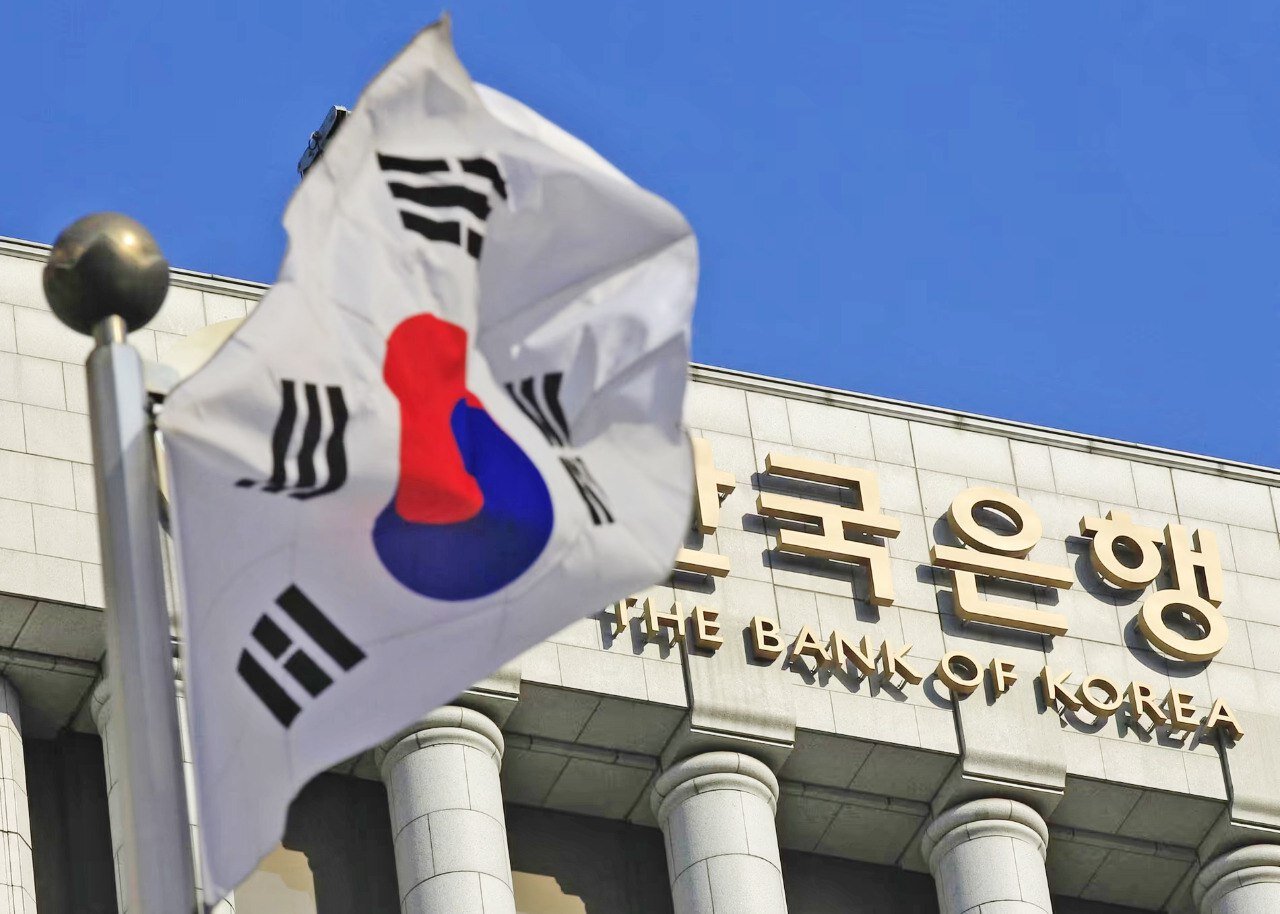
BUDDHIST VIHARAS AND EELAM Part 4 D2   

July 27th, 2023

KAMALIKA PIERIS

The Tamil Separatist Movement has   cooked up the bogus idea of a separate Tamil Buddhism in the north to prevent Sinhala claims to those ruins. The claim of a Tamil Buddhist heritage in Jaffna is to prove their right to be in the north, observed historian G.V.P.  Somaratne.

But this stunt has met with  opposition within the Tamil Separatist Movement itself. Tamils in Sri Lanka are either Hindu or Christian.No one is Buddhist .Both groups, Christian and Hindu, oppose the idea of a Tamil Buddhist past in the north. A Buddhist past is unpleasant to many Tamils today, observed Somaratne. The paucity of research on the history of Tamil Buddhism in Sri Lanka is another drawback,   he added.

In 1992, Peter Schalk was invited to speak on Tamil Buddhism to a predominantly Hindu audience in Jaffna.  They view Tamil Buddhism as an insignificant phenomenon which does not deserve further attention, Schalk complained.   

There is also the problem of proof. Chola rule in the medieval period is of no use .Velgam Vihara was there before the Cholas came and the Cholas and Pandyas built Hindu temples not Buddhist ones in Sri Lanka.   One solution would be to say that all ruins found in the north and east are Tamil, the rest are Sinhala but that will be dismissed as absurd.

Tamil Separatist Movement argues that the reason there is no proof of Tamil Buddhism in ancient Sri Lanka, is because the ancient writers neglected to record the Tamil Buddhism that was visibly taking place around them. Most Buddhist texts written after the fifth century by Sinhalese Buddhist monks have not given attention to Tamil Buddhism, said Somaratne.

 This is a weak argument.  If Tamil Buddhism had existed, one or two at least of the 7000 odd inscriptions would have been on Tamil Buddhism. A donation to a Tamil Buddhist temple, perhaps. The vamsa writers were so focused on Buddhism that at least one would have made a mention of Tamil Buddhism if such a thing had existed. The logical conclusion would be that Tamil Buddhism is not mentioned because it did not exist.

There is plenty of evidence available even today on Sinhala Buddhism.  Mounds, statues, pillars, bricks, necklaces, pots and so on. Why is there nothing on Tamil Buddhism? If Tamil Buddhism actually existed, artifacts would have appeared and they would not have escaped the notice of modern researchers.

Tamil Buddhism is hardly visible In Ilam, said Peter Schalk who set out to study this elusive subject. There is no historical evidence of any island-born Tamil Buddhists or the existence of Tamil Buddhists in ancient Sri Lanka said Dilrook Kannangara. If so, there is no historical justification for handing the ancient Buddhist shrines to Tamils. That must be prevented at all cost, Dilrook concluded.

Peter Schalk, Professor of History of Religions, Uppsala University, Sweden, did research on Tamil Buddhism. His doctoral thesis was on Sinhala Buddhism, (1972).There is no separate canon for Tamil Buddhism   like the canons in Sanskrit, Pāli, Chinese and Tibetan Buddhism, said Schalk who was looking, it appears, for a Tamil school of Buddhism.  He also added that all the Tamil writings on Buddhism available today, in Tamilnadu, put together will only form one thick volume.   

Schalk established a link between University of Jaffna and Uppsala.  A research group was formed, with two researchers each from Tamilnadu and Sri Lanka. Sri Lanka  researchers were  S Pathamanathan and A Velupillai.  The three publications that   resulted from this project are:

  1. Schalk and Velupillai Ed Buddhism among Tamils in Pre-Colonial Tamilakam and Īlam” pt 1 Uppsala. (2002)
  2. Schalk and Vēluppiḷḷa Ed Buddhism among Tamils in Pre-Colonial Tami akam and Ilam. Pt 2 Uppsala:  2002.
  3. Schalk ed. Buddhism among Tamils in Tamilakam and Īlam Part 3 Extension and Conclusions. Uppsala 2013.

The Tamil-speaking Buddhist communities of southern India and Īlam have been relatively under-studied, said Schalk  The history of Buddhism in Tamil-speaking South India and Sri Lanka has only recently become a topic of serious academic study said Monius.  Both writers speak of Eelam, which they spell as Ilam. They treat Eelam as a reality. They see Tamilnadu and Eelam as one geographic area united by Tamil Buddhism.

Buddhism among Tamils is a territorial concept, announced Schalk.  It is not about doctrinal or ritual matters, but about possession of land. Tamil Buddhism was a political concept in the Tamil resistance movement.  

Tamil Buddhism, when encountering political Sinhala Buddhism, transforms from a religious into a political category. It claims the right of possession and control over territory observed Schalk. Tamil politicians are pushing the notion of Tamil Buddhism to stop the re-conquest” of the north, by delivering historical counter arguments to Sinhala Buddhism

The maps in the third volume display the political nature  of  the book. There are two maps a) Provisional map of Tamilakam and Īlam and b) Map of the territory of the projected state of Tamil īlam as part of the island. Map made and distributed by the Tamil Resistance Movement.

The photographs are not on Tamil Buddhism either. They are all    pro –Eelam and anti Sinhala. One photo is titledAn all-Sinhala road sign post located in Pūnakarijunction in theNorth” (2011)and anther is on Kantarōṭai changed into Kadurugoḍa”.( 2011)

 Some photos are on the recent intrusion of Sinhala Buddhism into the north. There is one on   a newly constructed stūpa at Māṅkuḷam junction. (2010), newly renovated vihāraya in Kiḷinocci town, (2011) a vihāraya built on the Iraṇaimaṭu river bank in Kiḷinocci covering a Caiva kōvil.  (2010) and the newly constructed residence for the Buddhist monks in Tirukkētīsvaram. (2011)

There are photos of various aspects of the Eelam war.  One photo is on destruction of LTTE cemeteries, with others on damaged hospitals (2011) and displaced Tamils. (2012) Photos show  a war monument located in Āṉaiyiṟavu (Elephant Pass)   (2011), war monument in Mantuvil in Putukutirippu  (2011) and the  plaque describing the significance of the war monument, war monument at Muḷḷivāykkāl, and  the destruction by the Sri Lankan Armed Forces of a LTTE war monument. (2004).

Lastly there are photographs on post-war activities of the army in the north. A photo of military-run fruit cultivation in Utayārkattukuḷam (2011), a military-run restaurant at Parantaṉ junction on A9 road in Kiḷinocci (2010), and another one  in Muḷḷaittīvu . (2011). The last photo is on war tourism by Sinhala Buddhists in Mantuvil in Putukuṭiyiruppu (2011). (continued)

Proof In The Pudding of Canada’s Tamil Sympathies

July 27th, 2023

Insight By Sunil Kumar For LankaWeb

If anyone is wondering how Canada’s Prime Minister Mr. Justin Trudeau suddenly became very sympathetic towards Sri Lanka Tamils and even emphasized the term ‘Genocide’ towards his parlance and coined it with what he termed the massacre of Tamils in Sri Lanka which is a downright misrepresentation of facts, here then is what appears to be the sudden empathy by Mr. Trudeau towards Sri Lanka Tamils where the source for all his rhetoric could more than likely be his ties and close associations with Sri Lanka born Anandasangaree named here whom he has suddenly chosen as a new Cabinet Minister.

There are others too of Sri Lankan origin both in the past and present who can also be named with political links who have contributed towards bringing disrepute to Sri Lanka purely for political objectives relative to the Tamil conflict whose representations have proven to be unacceptable by the Government of Sri Lanka due to their distorted nature and probably will not hold up in an international court of justice..

Perhaps no rocket science needed to draw this conclusion as the name Anandsangaree seems synonymous with the somewhat  controversial group in Sri Lanka the TULF with links to the Tamil Tigers. the TNA and the deposed LTTE who  in their continued attempts to discredit the Government of Sri Lanka globally and have never let off on their campaign to dishonour and discredit and surely Mr.Trudeau seems to have picked up their tune and has even started dancing to it with aplomb albeit slightly out of tune and step and not applauded by those who know the real story as a remarkable falsification and distortion of facts and reality simply to serve their own objectives.

While the news is that Sri Lankan born Tamil MP Gary Anandasangaree has been appointed as a Cabinet Minister in the Canadian Government it also brings to bear that.

Gary Anandasangaree is the son of former MP and Tamil United Liberation Front (TULF) leader Veerasingham Anandasangaree a veritable trouble maker who has a reputation for his incongruous political involvements with the GOSL.

Anandasangaree Jr. was among seven rookie MPs who have been promoted to Prime Minister Justin Trudeau’s Cabinet following a major reshuffling on Wednesday.

Gary Anandasangaree was first elected in 2015 as the MP for the Toronto riding of Scarborough-Rouge Park.

On Wednesday, he was sworn in as Minister of Crown-Indigenous Relations, a position previously held by Marc Miller.

Anandasangaree had previously served as the Parliamentary Secretary to the Crown-Indigenous Relations Minister, as well as to the Justice and Heritage Ministers.

Born in Sri Lanka, he arrived in Canada with his mother in 1983.

Anandasangaree holds degrees from Carleton University in Ottawa and Osgoode Hall Law School in Toronto.

He managed a law firm in Scarborough that focused on business, real estate and international human rights law, and has represented the organization Lawyers’ Rights Watch Canada at the United Nations.

He has also been involved with Tamil community organizations which realistically continue lobbying and protesting against the Sri Lanka Government actions against the  deposed Tamil terrorist  led internal armed insurrection which has  never been proven as unjustified as it was in defense of sovereign territory and the integrity towards the preservation of Sri Lanka which took 3 1/2 decades to overcome.

It also needs to be noted that In March 2023, Mr. Anandasangaree made the news for unsavoury comments he made on Sri Lanka, calling it “a failed and bankrupt state.” which he obviously knew little or nothing about beyond perhaps the tones of dissention of his parental peers, and is some gratitude for the land he was born and educated in  where his father continues to ply his trade as a wayward politician always involved in anti governmental dissent and still campaigning for the secession of Sri Lanka and a resurgence of their bridge too far namely Tamil Eelam and the Tamil Tigers.which Canadian PM Trudeau is perhaps inadvertently supportive of  despite ironically being outlawed in Canada and has made himself an accessory against Sri Lanka’s right to defend herself against her enemies while accolading their activities in Canada.

Surely the proof  in the pudding for Mr Trudeau’s empathy towards Tamil platforms against Sri Lanka despite the good diplomatic ties between the two countries..

Welfare Programmes: Janasaviya, Samurdhi and now- Aswesuma- Ideas for Consideration

July 27th, 2023

by Garvin Karunaratne

We have seen two- the Janasaviya and Samurdhi in action and now are about to march further and have another- Aswesuma.

I came to know the Janasaviya, when at the behest of Governor of the Central Province, Mr Imbulana I wrote out the Programme for the economic development of the Central Province. That was in 1993, when I casually ran into him and he accused me of not working for my Motherland. I undertook a two weeks’ study and assessment of what has happened in the field of development. The Janasaviya was the brains of my friend Susil Siriwardena at best. Its greatness was that while providing financial help, it was also to guide and train people to become productive. Sad to say the sudden demise of President Premadasa saw to the end of that great programme. Susil’s great idea of making the people productive- train them and make them produce died a natural death.

My Programme was to enable every person in the Central Province to become productive, producing something that was required for our country and the plan was to include training, production and marketing. The Governor Mr Imbulana was highly taken up and even before the Central Government could read and understand that programme he commenced implementing it in two Grama Sevaka areas at Hasalaka and Nawalapitiya. It was a per person process of assessment and action through Grama Sevakas- a massive undertaking to make everyone productive- the equal of what was done in the Comilla Programme of Bangladesh in the Kotwali Thana- where over a period of some eight years, professors from Michigan State University and the legendary Akhter Hameed Khan as director of the Comilla Academy did make the Kotwali Thana a highly productive area, doubling the yield of paddy and creating a situ of full employment.

My Programme became stillborn-It was unfortunate that the UNP, was defeated in the election.

Then came Samurdhi, the brainchild of Chandrika . At the beginning- for years- it was only a grant of money per low incomes family and later on, a half hearted attempt was made for the receipients to be involved in some training, which was not really organized – at times it was making the receipients to attend to cleaning the compound of the Mawaranadiya temple adjoining our land. For years seated in the verandah of my home on the main bus route, I have watched people known to me from the village marching on the appointed day to get their goodies. Some of the receipients later were even accompanied by their servants to carry the goodies home. However Samurdhi marched on to become more savings oriented and became a massive programme of goodies. Training people to make them productive unfortunately, lost ground.

And now we come to Aswesuma, which according to all what I have read is a financial grant- perhaps the reading on the wall is- creating the groundwork for a walk over for our President in a future presidential election.

To my thinking what is wrong with Samudhi is – if I am to speak figuratively- is to Provide Fish, rather than teach the people to Fish. This is where we come to the great idea that Susil Siriwardena had in Janasaviya where the attempt was for training the people to become productive.

My thinking is that in any programme of development, making people productive- train them and provide for production comes to be of the greatest importance and this pays heavy dividends in foreign currency when something imported is made locally. Then the sweat of our people create dollars in reality. We need no longer beg for funds from anyone if our people can be trained to become productive. The Crayon Factory that I through the member of parliament Sumanapala Dahanayake established at Morawaka under the Divisional Development Councils Programme in 1971 did produce crayons of high quality and when Mr Illangaratne the Minister for Industries came to know of it banned the import of crayons to our country. This saved dollars that we had spent on imports. I would request our present leaders to think and include this training and productive element in any future programme.

This however is easier said than done and perhaps a rear instance of success is in the Comilla Programme of Rural Development which I have quoted earlier. The only other instance of success known to me is in the Youth Self Employment Programme of Bangladesh, where I trained all youth workers in economics- in the art of finding the problems the youth faced in becoming employed- to produce something that Bangladesh needed and training the youth to produce it. The youth workers excelled in engaging the youth training them informally, – it became a massive youth movement where the youth undertook to assess the needs of the people and make something that could be sold. This has been a great success- we never gave anything free to entice them, but we provided ideas for them to rear cattle, buy chicks and ducklings even saving the measly stipend we paid them while they were in training, invest it in buying ducklings and rear them to growth- our youths marched with the ducklings in water logged ponds during the day and in a few months found that they laid eggs that could find a market. That was how that great programme was built up- to move on to make as much as three million youths self employed in the period 1983 to now.

The elite members of the Bangladesh Civil Service who worked with me day in day out in my two year consultancy continued the programme of creating self employment and training the younger officials to continue and develop the programme that has today flowered to be the largest and most successful employment creation programme the world has known. I hold a great regard for members of that Civil Service Asafudddowlah, Ayubur Rahaman, Shaidul Alam, Shamsuddin for having marched on. I purposely quote their names merely to prove that I speak of a real programme that did exist and is being continued today.

Let us look at the economic condition in our Sri Lanka today. According to the facts given by our Department of Census and Statistics, the poverty line was 6177 in 2016 and this has increased to as much as 13,777 in 2022. It is important to note that this increase has added as much as 2.5 million to the poverty fold. As one of our most respected economists- Dr CS Weeraratne says. A recovery and expansion of wage employment in the services and industry sectors will be the key to shift employment from lower paying agricultural jobs and make a dent on poverty”. (The Island; 11/7/23) Again according to the World Food Programme, 6.3 million or nearly 30% of Sri Lanka’s population are food insecure… of these around 5.3 million people are either reducing mealsor skipping meals… this situ is likely to worsen due to high food prices, acute shortage of essential food weak purchasing power etc.”

To drag my experience, I may added that agriculture itself should be developed to find incomes for the people on one hand and also to provide the food that is today being imported. As an instance if we can train school leavers and farmers in our dry zone to turn the melon, red pumpkin, ash pumpkin that is available in plenty from December 2023 to February 2024, we can become self sufficient in making all our jam , fruit juice within a few months. The Dry Zone in Anurdahpura and Tissamahaframa is replete with lush mangoes that can be turned into a fruit drink, to jam and to Mango Chutney all items that are imported by us today. . Of course it requires a massive effort at training the school leavers in schools and the womenfolk in the colonies on how to make. It can be commenced as a pilot programme via the Grama Niladharis and Divisional Secretaries, organized using the schools after schooling hours and end up with Canning Factories scattered in the Dry Zones.

It is a task that can be done, something which I am certain of achieving if called upon. I have done this type of thing earlier and can do it again. This is an idea that may get the attention of our Prime Minister.

Garvin Karunaratne former GA Matara. Consultant to the Bangladesh Ministry of Labour and Manpower in 1981-1983.

26072023.


Copyright © 2026 LankaWeb.com. All Rights Reserved. Powered by Wordpress