India’s NIA files charges against three LTTE supporters

November 12th, 2022

Courtesy Adaderana

India’s National Investigation Agency (NIA) on Friday filed a charge sheet against three LTTE supporters who were allegedly planning terrorist acts to revive the proscribed group in Tamil Nadu.

The charge sheet was filed against the arrested accused from Tamil Nadu – Naveen alias Chakaravarthy M, Sanjay Prakash J and A Kabilar alias Kabilan,” a spokesperson for the NIA said.

The NIA said the case was related to the recovery of two country-made pistols, ammunition and gunpowder during a vehicle check near Puliyampatti division in the Omalur police station area of Salem district in Tamil Nadu on May 19. The spokesperson said the accused were inspired by LTTE, a proscribed terrorist organisation, and wanted to create an organisation similar to the LTTE with the aim to wage an armed struggle against the government”.

The case was first registered at Omalur police station on May 19 and was later re-registered by the NIA.

Investigations have established that the three accused had conspired and associated themselves with the LTTE…, and created an organisation called ‘World Tamil Justice Court’. They had made plans to attack people who work in quarries, crushers and TASMAC liquor shops by using illegal firearms, lethal weapons and explosive substances and also causing destruction to property,” the spokesperson said.

The NIA said investigations also revealed that they had chosen to strike on May 18, which marks the Mullivaikkal Remembrance Day, observed by Sri Lankan Tamil people and supporters of LTTE to pay homage to those who died in the Sri Lankan civil war.


Source: The Indian Express

ජාත්‍යන්තර සහයෝගීතාව සඳහා වූ රුසියානු දූත පිරිස හා අග්‍රාමාත්‍ය වරයා අතර හමුවක්.

November 10th, 2022

අග්‍රාමාත්‍ය මාධ්‍ය අංශය

ජාත්‍යන්තර සහයෝගීතාව සඳහා වූ රුසියානු සංගමයේ අධ්‍යක්ෂ මණ්ඩල නියෝජ්‍ය සභාපති පොලොස්කොව් ව්ලැඩිමීර් (Polozkov Vladimir) මහතා හා  අග්‍රාමාත්‍ය දිනේෂ් ගුණවර්ධන මහතා අතර හමුවක් 2022.11.10 ශ්‍රි ලංකා පාර්ලිමේන්තුවේ  දී සිදුවිය.  
දෙරට අතර පවතින දීර්ඝ කාලීන මිත්‍රත්වය සහ රාජ්‍යතාන්ත්‍රික සබඳතා පිළිබඳව අදහස් දක්වමින් අග්‍රාමාත්‍යවරයා රුසියානු දූත පිරිස පිළිගත්තේය.
ශ්‍රී ලංකාවේ සිදුකළ හැකි මහා පරිමාණ ආයෝජන අවස්ථා පිළිබඳව සාකච්ඡා කළ දෙපාර්ශවය කර්මාන්ත, වරාය, නාවික ඇතුළු ක්ෂේත්‍ර කිහිපයක   ආයෝජන අවස්ථා පිළිබඳව සාකච්ඡා කරනු ලැබීය.    
මෙම අවස්ථාවට අමාත්‍ය රමේෂ් පතිරණ, මොස්කව් හි ශ්‍රී ලංකා තානාපති ජනිතා ලියනගේ මොස්කව් හි ප්‍රමුඛ පෙළේ සංවර්ධන සමාගම් කිහිපයක  අධ්‍යක්ෂ මණ්ඩල සභාපති Ryzhkov Petr, සහ අග්‍රාමාත්‍ය ලේකම් අනුර දිසානායක  ඇතුළු පිරිසක්  එක්ව සිටියහ.
 

Need to expedite construction of East Container Terminal in Colombo Port 

November 10th, 2022

Dr Sarath Obeysekera 

Operations of the Port of Colombo with the help and investment of companies from China India and Mersk with Keels have shown remarkable progress and efficient functioning under POP basis enabling the country to generate more income.

This is the best time to promote another investor like Japan or Korea to take   lion’s  share paving the way to infuse funds to complete the construction of the East Container Terminal (ECT) 

In order to satisfy union demand it is also suggested that 10% shares are allocated to all the port  workers 

Parallelly Jaya Terminal  Bunkering Operations and Mahapola Training Centre should also be privatized on PPP basis so that the port becomes a landlord generating funds for the government 

Similar action should be initiated for Galle port for tourism development on a PPP basis with a structured plan for Trinco port to develop industry related to Construction work of the Marine  and Offshore Industry 

High time that Sri Lanka follows  the way Singapore and Dubai have done, if we want to solve our problems to become a leading hub port operator in this region 

Privatization can be coupled with Liberalisation of the shipping and logistics  sector so that the private sector becomes the engine of growth for future Sri Lanka 

Dr Sarath Obeysekera 

Ex chairman SLPA 

Ex CEO Colombo Dockyard 

Chairman Advisory Board to develop marine and offshore industry under EDB 

CID to investigate complaints filed on ragging incidents

November 10th, 2022

Courtesy Adaderana

Investigations into complaints filed over the incidents ragging will be handed over to the Criminal Investigation Department (CID), the police said today.

According to a press release issued by the police media division, the decision was taken based on a directive given by the Inspector-General of Police (IGP).

The IGP has informed all senior police officers that hereafter, the CID would be probing the complaints regarding ragging incidents received by police stations.

Maiden export of 12,500kg sour bananas(Plantains) to Dubai on Nov. 26

November 10th, 2022

Courtesy The Daily Mirror

For the first time from Sri Lanka, arrangements have been made to export the first consignment of sour banana to the Dubai Market on November 26, Agriculture Minister Mahinda Amaraweera said.

He said 12,500kg of sour bananas in a 40′ container will be exported to Dubai market later this month.

Sri Lanka’s economy is currently suffering from foreign exchange crunch.

Therefore, Sour Banana has been cultivated as a project in Rajanganaya with the aim of earning foreign exchange.

It has been cultivated in 200 acres of the land in the Rajanganaya farm zone,” he said. (Chaturanga Samarawickrama)

2023 budget compiled within IMF economic framework: President

November 10th, 2022

Courtesy The Daily Mirror

Budget proposals for 2023 has been compiled within the framework of economic program recommended by the International Monetary Fund (IMF), President Ranil Wickremesighe informed Parliament today.

The President came out with this information in response to questions raised by the opposition MPs on the budget in the House.

What we will focus on the budget whether to increase direct taxes or indirect taxes, and on controlling state expenditure. This will be the framework on the budget and it will also reflect the economic targets set by the IMF,” he said.

Responding to a question raised by the chief Opposition Whip Lakshman Kiriella whether the program for which the government had agreed with the IMF would be presented to the House before the budget, the President said it will be presented after the next round of discussions are completed. It won’t be too long as we have to get into tri-party agreements with debtors,” he said.

The basis of the discussions with the debtors is to whether the debt would be written off or whether Sri Lanka would be given more time to settle them,” he added.

The President requested the Speaker, Prime Minister and the Leader of Opposition to expedite the appointment of a constitutional council. The Prime Minister, Speaker and the Leader of Opposition will have to agree on the names of three civil members who will represent the constitutional council. This is just a matter of three names and will not be time consuming. It will be possible to appoint independent commissions after the constitutional council is finalized and formed,” he said.

Also he said he would meet the MPs representing North and the East soon to discuss the issues pertaining to them. He assured that the legislations pertaining to  Truth and Reconciliation Commission, the Counter Terrorism Bill and the Anti-Corruption Bill will be presented to the House in February next year. (Yohan Perera and Ajith Siriwardana)

US Treasury designates Sri Lanka-based business partner of al-Qa’ida financial facilitator

November 10th, 2022

Courtesy Adaderana

The United States has imposed sanctions on an individual who was identified as the Sri Lanka based-business partner of a sanctioned al-Qa’ida financial facilitator and external operations plotter. 

According to a statement issued by the US Department of the Treasury, the individual named Mohamad Irshad Mohamd Haris Nizar had been al-Qa’ida financial facilitator, Ahmed Luqman Talib’s business partner in Sri Lanka since at least late 2018.

Their business dealings in Sri Lanka have generated nearly USD 200,000 per year in profit; the majority of Talib’s income was derived from one-third of those proceeds.”

Reportedly, Nizar is also a relative of Talib.

The US Treasury Department said Nizar is being designated pursuant to E.O. 13224, as amended, for having materially assisted, sponsored, or provided financial, material or technological support for, or goods or services to or in support of, Talib.

The US Treasury’s Office of Foreign Assets Control (OFAC) has also designated Musab Turkmen, Talib’s Türkiye-based brother-in-law and business partner, who conducted businesses activities to assist Talib.

Ahmed Luqman Talib, who was previously designated by OFAC for facilitating the international movement of individuals and finances in furtherance of al-Qa’ida’s objectives. 

Australian authorities arrested Talib on March 25, 2021, and days later charged him with plotting incursions into foreign states for the purpose of engaging in hostile activities.

Treasury is taking this action to further disrupt a transnational al-Qa’ida financial facilitation and operational plotting network,” said Under Secretary of the Treasury for Terrorism and Financial Intelligence Brian E. Nelson. The United States continues to work with our foreign partners to counter the operational and financial activities of al-Qa’ida and its associates, wherever they may be.”

These individuals are being designated pursuant to Executive Order (E.O.) 13224, as amended, which targets terrorist groups and their supporters. 

OFAC designated Talib pursuant to E.O. 13224, as amended, on October 19, 2020, for having materially assisted, sponsored, or provided financial, material, or technological support for, or goods or services to or in support of, al-Qa’ida. Talib conducted business around the world, including in Brazil, Colombia, Sri Lanka, Tanzania, Türkiye, and the Gulf.

As a result of today’s action, all property and interests in property of the individuals named above, and of any entities that are owned, directly or indirectly, 50 percent or more by them, individually, or with other blocked persons, that are in the United States or in the possession or control of U.S. persons must be blocked and reported to OFAC. 

Unless authorized by a general or specific license issued by OFAC or otherwise exempt, OFAC’s regulations generally prohibit all transactions by U.S. persons or within the United States (including transactions transiting the United States) that involve any property or interests in property of designated or otherwise blocked persons

Agreement on debt restructuring expected by December – President

November 10th, 2022

Courtesy Hiru News

President Ranil Wickremesinghe held discussions on debt management with the Managing Director of the International Monetary Fund (IMF) Kristalina Georgieva, Finance Minister of Ghana Ken Ofori-Atta and Speaker of the People’s Majlis of the Maldives Mohamed Nasheed on the sidelines of COP27.

President Ranil Wickramasinghe says that they expect to reach an agreement on debt restructuring by December.

The President mentioned this when he briefed Parliament today (10) regarding the discussions he had with the Managing Director of the International Monetary Fund, Kristalina Georgieva.

President Ranil Wickramasinghe further stated that she has promised to provide maximum support to Sri Lanka while the World Bank has also agreed to provide support to Sri Lanka.

Great Development Programmes that show us the way out of the economic meltdown . The Comilla Programme of Rural Development

November 9th, 2022

by Garvin Karunaratne

Sri Lanka being a Third World country will find the attempt of Michigan State University to find the best and quickest method of bringing about economic development in Bangladesh, very helpful. That was the The Comilla Programme of Rural Development which stands out as an instance of how an educational institute could bring about development. Here the ‘university’ was called an Academy. The Government of Pakistan requested help from the USA. The United States assigned that task to Michigan State University, the institution that had successfully brought about economic development in the State of Michigan. The aim was to find out what can be done to bring about the soundest and quickest economic and social development all over East Pakistan.”(Khan:1963:12)

What is very special of this Programme is that education- non formal education concepts were used to enable the people to participate in development tasks, building up their capacities and abilities in the process.

The educational strategy of Non Formal Education, used to enable the people to advance themselves in the Comilla Progr mme is best expressed in the words of Richard O. Niehoff one of the leading professors of Michigan State University:

Non Formal Education is defined for our purposes as the method of assessing the needs and interests of adults and out of school youth in developing countries, communicating with them, motivating them to participate, helping them to acquire necessary skills to adopt behavioural patterns and related activities which will increase their productivity and improve their living standards”(Niehoff:Non Formal Edu:1976)

It was decided to implement the rural development programme in the Kotwali Thana of the Comilla District on a pilot project basis. . The Kotwali Thana was 107 sq miles in size and involved 150,000 people. The Programme involved developing a number of models for rural development, aimed at ‘decentralized and coordinated rural administration, strengthening of local government and its coordination and synthesis with the civil administration… the building of the infrastructure of roads, drainage and irrigation, establishing a new concept of agricultural extension, collective and individual effort to bring about development, the establishment of a two tier cooperative system, including agricultural cooperatives and non agricultural cooperatives ’(Khan,1979,1-14)

An Academy, a land grant university type of organizaion, was established comprising specialists in agriculture, livestock and industry and the professors from Michigan State University were attached to this Academy. Cooperatives were to be used as the participatory institution to enable the people to function together. In the words of legendary Akhter Hameed Khan, the Director of the Academy, The Academy is expected to be a living centre of village development, where knowledge is not only collected and disseminated, but some fresh and critical thinking is done and and ideas and schemes are analysed and tested as in a laboratory….. The Action Research of the Academy or its pilot projects have become its distinctive feature. The purpose of the pilot projects is to study in depth and as a continuous project some aspect of rural development in order to discover effective methods, institutions and models. (The Works of Akhter Hameed Khan, Vol.!)

The individual village level cooperatives were united at the divisional level. Each cooperative selected a model farmer who was trained at the divisional level cooperative. All specialist officers in agriculture, industry, livestock at the divisional (Thana) level were attached to the Thana cooperative and the model farmers from every individual cooperative were trained one day every week at the Thana cooperative, where plans were discussed and developed further. The model farmers in turn had to work with the individual farmers and all farmers, members of the cooperative met once a week at the local cooperatives where specialists from the Academy including professors from Michigan State University would assess problems and contribute in drafting plans to be followed and also detail what had to be done in the future. The cooperative was built up with funds from the people.

On this Programme, in less than a decade- 1962 to 1969, 80% of land was brought under new hybrid seeds, with new techniques of cultivation being introduced, irrigation water was made available via tube wells and the yield increased from under 20 maunds to 46.5 maunds per acre, an increase of over a hundred percent. A situation of full employment was achieved with people being advised to become employed, with the help of cooperative loans. Agriculture and livestock development was the key and the Creamery making butter and cheese exists even today. In addition, a development model based on people organized in cooperatives, where the cooperatives were united at the Thana level to discuss development and implement development programmes was drawn up under the eye of the specialists at the Academy. This rural development model has been established in other areas of Bangladesh.

In the words of Hasnath Abdul Hye, the Director of the Comilla Programme:

Of all the Non Formal Education models the one experimented at Comilla has attracted wide attention for simplicity of approach and cost effectiveness. Its emphasis on involving the rural population as not

only the object but subject as well, in educational programs has been considered as the crucial element in the strategy… It is because of this significance that the Comilla Model of non formal education as evolved in the Sixties has lessons for today within and beyond Bangladesh”(Hye:Introduction to Non Formal Education..:1984)

Muhammed Asafuddowlah, once Director of the Comilla Programme states:

The Comilla Approach showed results yet unmatched in terms of application of non formal techniques in imparting lessons of management, discipline and increased income. The pristine quality of this system is its comprehensiveness and is its conceptual integration….. The greatest testimony of the viability of its viability of a concept is its result. In that analysis, the Comilla Approach has no peer.”(Introduction to The Works of Akhter Hammed Khan)

The pristine success achieved by the Comilla Programme in terms of increased production- over a hundred percent and full employment, even spilling over to border areas, militates the necessity for development specialists to assess what can be learned to enable success in economic development. The Comilla Model of Rural Development has been replicated in other areas of Bangladesh.

The Comilla Programme is ideal for immediate implementation if we are to find a way out of our economic meltdown of today. 

 References:

The Works of Akjhter Hameed Khan,  The Bangladesh Academy for Rural Development, 

Non Formal Education Theory and Practice at Comilla,  by Garvin Karunaratne,  The Bangladesh Academy for Rural Development, 1984

Richard O. Niehoff & Kenneth L. Neff,

Non Formal Education and the Rural Poor, Report of Conference & Workshop,

College of Education, Michigan State University, 1977

Philip. Colvin, NM , Dr Wicks My recollections

November 9th, 2022

by Garvin Karunaratne, former Government Agent, Matara

In nostalgia I remember my handling public address systems in Colombo. My father owned Radio Works, Bambalapitiya, that held a contact to supply public address systems for the LSSP for years. He employed three technicians who were busy at other venues and I was dropped off with equipment somewhere. I would scale a wall or scramble up a small tree to set up a loudspeaker and blast music till the speakers would drop in one by one. NM, Philip, Colvin had to attend to about five meetings and the people would wait eagerly for Philip. Crowds would greet them and Jayaweva rang the air for a while.

Philip was a very special speaker whom the people loved to hear. NM was very factual, explaining in detail and the people listened. Colvin had his arguments- he could never get out of his manner of speaking at the Courts. He was factual, exact, meticulous and firm. Dr S.A Wicks was a father figure who spoke softy. When Philip got up to the platform the people waited for his first utterance. It did not come that quickly. He would roll his fiery sharp eyes all around . Then he would grab the phone, move it forcefully and address all of us Sahodara varuni and the people listened in solemn silence. The difference between his speech and the speeches of the other leaders was that every word was uttered by Philip with a vehement force that shook the stage. It was unimaginable- a force that cannot be expressed in words. Every syllable was uttered sharp; we would even turn around to see what hit us- his words were that forceful. Then he would get into a frenzy and in detailing either the colonial imperial legacy that we all had to suffer dash the table with his fist sending any glasses on it flinging around. He would even take out his spectacles and dash it on the table.

That was Philip to me when I was a schoolboy. Then I never dreamt that in later life I would be one of his chief lieutenants in the field. We were all lieutenants as we had to invariably march to his tune. We could not fall out of step.

The General Election of 1956 was won by the oratory of Philip and Ven Henpitagedara Gnaseeha. I and Assistant Commissioner PK Dissanayake were very close to Ven Gnaseeha. We went to the Mudduwa temple every night at around ten and waited to greet Ven Gnanaseeha. He came always late in the night after addressing five or ten meetings and by five next morning was away in his Volkwagon again to address meetings. Philip and Ven Gnaseeha were the two speakers that moved the crowds to gain that victory. .

Philip became the Minister for Agriculture and Food and I was thrilled to work under him.

In a year, I was in charge of the Vegetable and Fruit Marketing Scheme centered at the Tripoli Market. I was moved to Colombo on a punishment transfer as I had punished a henchman of his- a trade union leader and I was worried thick. I loved the transfer as I could be at home with my parents and sisters. Before long I realized that Philip did not carry that incident in his mind.

Then, as Assistant Commissioner in charge of the Tripoli Market I was the supplies chief for the Canning Factory. The Marketing Department officers would ring me and tell me of a glut of tomatoes of red pumpkin and ask pumpkin and melon which they cannot tackle- going waste for lack of buyers. They had only one or two lorries. I would authorize them to purchase everything available. One call from me and in minutes Fonseka the Transport Officer despatched lorries. . The marketing officers had to wait at the fairs at night with kerosen lanterns; somehow the tomatoes and fruits were moved overnight. Our Commissioner approved all our work. The cannery was working 24 hours a day under Oswald Tilekeratne. who even exported about ten percent of the produce of pineapple pieces. . It was through this process that our country became self sufficient in all fruit jam and juice in the three years 1955. The Ministry was always up to the mark. That was Philip at the helm to mastermind every detail. He had catchers everywhere to somehow keep him informed.

I got moved to Anuradhapura. One day there was some petty pilfering and Philip in Colombo knew it before I got wind of it. He had called for a report and it was only then that I knew what had happened a few hours ago in a store under me. We were on pins, closely watched.

In another year I was implementing the Paddy Lands Act in the South . We Assistant Commisioners were put in charge of Districts. Philip was always too busy directing the agriculture department the agrarian services and the marketing departments. However he had his chief lieutenants and would dictate to them what had to be done. I use the army word lieutenants purposely as we had to forge ahead, like soldiers never take no for an answer. It was do or die. He would come for the first meeting and painstakenly explain the provisions of the Paddy Lands Act to the people. The people listened mesmerized and he would leave for another meeting. We Assistant Commissioners had earned the art of forceful speaking from him to continue. Philip had made us officers to forge ahead undettered.

We were always upto the mark. Stanely Senanayake was the first to spearhead the Paddy Lands Act in Hambantota. He would painstakently explain the Act and the people cheered. I had to organize meetings in the Matara District, Philip never came for a single meeting at Matara . I had a cadre of Divisional Officers who had mastered the art of forceful speaking, just in the Philip manner. Wickremasekara was very special who would carry the audience away for hours. My oration took at least an hour and the manner of Philip was there in every word. The masses flocked to listen to us. I got moved to Kegalla.

The day Philip was flung out of the Cabinet was a sad day for all of us. We Assistant Commissioners had got used to forge ahead and we were all lost for a while. The Ministry was taken over by a Minister who was not a socialist. We were worried but continued. Before the new Minister realized what was happening we were implementing the provisions of the Paddy lands Act with a vehement force. The new Minister realized that he could not stop us. Philip had packed the Agrarian Services Department with a handpicked staff vetted for socialist leanings and though the master had been thrown out we continued the battle. The Paddy lands Act was introduced to other districts and we spearheaded the task vehemently. It was as if Philip was behind us. He was nowhere. No one had to tell us what to do. Philip had done it all in the three years he was in charge.

That was Philip Gunawardena who has left his imprint on the sands of time.

Garvin Karunaratne

former SLAS, Assistant Commissioner of Agrarian Services,

Later Government Agent, Matara

සිංහළ රාජ්‍ය භාශාව කිරීමේදී දෙමළ  ජනයාට විශේශිතව අබමල් රේණුවක අසාධාරණයක් සිදුවූවාද? 

November 9th, 2022

චන්ද්‍ර අබේනායක

සිංහළ භාශාව රාජ්‍ය භාශාව කිරීමෙන්  එවකට රටෙහි මුළු ජනග්‍රහණයෙන් 6% වැනි කුඩා කොටසක් පරිහරණය කල ඉංගිරිසි බස අභිබවා, 94% ක් වැනි ජනකොටසකට තම බසින් රජයත් සමග ගනුදෙනු කිරීමේ ප්‍රජාතන්ත්‍රවාදී මහඟු අවකාශය  තහවුරු විය. එමගින්  දෙමළ ජනයාට විශේශිතව අබමල් රේනුවක අසාධාරනයක් වූවාදැයි අභියෝගාත්මකව ප්‍රශ්ණ කල හැක.   

නිදහසෙන් පසු ලංකාව පාලනය කිරීමේ ක්‍රියාදාමය කේදවාචකයක් යයි පවසන සමාජ දේශපාලන විශ්ලේශකයෙකු වශයෙන් හැඳින්වන තැනැත්තෙකු විසින් සමාජ මාද්‍ය  ජාලය ඔස්සේ පවසන්නේ සිංහළ භාශාව රාජ්‍ය භාශාව කිරීම හේතුකොටගෙන බර්ගර් ජනයා සහ දෙමළ ජනයා රට හැර ගිය බවය.       

ප්‍රතිශතයක් වශයෙන් ඉතා කුඩා ජනකොටසක්වූ බර්ගර් ජාතිකයන් හට බ්‍රිතාන්‍ය සමයෙහි  ඔවුන්ගේ යුරෝපීය සම්භවය නිසා  ඔවුනට විශේශ වරප්‍රාසාද  බුක්තිවිඳීමට අවකාශය ලැබිණ. සිංහළ භාශාව රජයේ භාශාව කිරීමෙන් බර්ගර් ජනයාට අපහසුතාවයක් දැනුනානම් එය ඉතාමත් සීමිතය. මක්නිසාදයත් එවකට රාජ්‍ය සේවයෙහි නිරතවූ බර්ගර් ජනයා සිටියේ ඉතාමත් සුළු කොටසකි. ඔවුන් වැඩිවශයෙන් රැකියා කලේ වෙළඳ අංශයේය.  ඔවුනට යම්කිසි අවහිරතාවයන් සිදුවූවත් ඔවුන් ඔස්ට්‍රෙලියාවට සංක්‍රමණය වීමට හේතුව වුයේ එවකට  එමරටෙහි රැකියා හිඟයක් හේතුකොටගෙන ආගමන නීති වෙනස්කොට යුරෝපීය  සම්භවයක් ඇති අයට එරටට සංක්‍රමනය වීමට විශේශ පහසුතාවයක් ස්ථාපිත කිරීමෙන් පසුය. කෙසේ වෙතත් බොහෝ කලක් ඔවුන්ගේ  අන්යෝන්‍ය සංකෘතික ගති පැවතුම් රැකගෙන ලාංකික සම්භවයක් ලත් බර්ගර්වරු වගකිව යුතු පුරවැසියන් වශයෙන් මෙරටෙහි රැඳී සිටියහ. ඉහතකී විශ්ලේශකයා කියනා අන්දමට ඔවුන් සිංහළ භාශාව රජයේ භාශාව කල නිමිත්තෙන්ම විශාල වශයෙන්  ඔස්ට්‍රෙලියාවට  හෝ වෙනත් රටවලට සංක්‍රමනය වූයේ නැත. 

එවකට විදේශගතවූ ලාංකිකයන් අතර දෙමළ ජනයාද විශේශිත ජන කොටසක් නොවීය.  විශේශිතව  ඔවුන් බටහිර රටවලට සංක්‍රමනය වූයේ ‘කලු ජූලිය’  නමින් හැදින්න්වන ඛේදවාචකයට පසුවය. ඉන් අනතුරුව එල්.ටී.ටී. ඊ.ත්‍රස්තවාදය උත්සන්න වීමත් සමග සරණාගතයින් ලෙසින් බොහෝ දෙමළ ජනයා රට හැර ගියහ.   

සිංහළ දෙමළ ජනවාර්ගික ප්‍රශ්ණවලට තුඩුදුන් හේතූන් අතර 1956  වසරේ   එස්.ඩබ්ලිව්.ආර්.ඩී.බන්ඩාරනයක මහතාගේ ආගමනය සහ, විශේෂයෙන්ම ඔහු විසින් ස්තාපිත කල සිංහළ භාශාව රාජ්‍ය භාශාව කිරීමේ ක්‍රියාවලිය බව තතු දත් සේම තතු නොදත් බොහෝ දෙනා අදටත් ගෙනහැර පෑමට උත්සාහ කරති. තතු දත් වුවන් අතර පන්ච මහා බලවේගය නමින් බන්ඩාරනායක මහතාගේ නායකත්වයෙන් දියත්වූ සමාජ දෙශපාලන පරිවර්තණය නුරුස්සන සිංහළ/දෙමළ ප්‍රභූ වරුන් කොටසක් විය. මොවුන් යටත් විජිත පාලනය තුල වරප්‍රසාද ලත්  එහි පාලකයන්ට ගැති  සිංහළ/දෙමළ/වෙනත් කුඩා කණ්ඩායමක්  වූ  අතර ඉංගිරිසි භාශාව පමනක් කතාකරණ යටත් විජිත විදි විදාන අගය කල,  සාමාන්‍ය ජනයාගේ අභිවෘධිය තකා ඉදිරිපත් කරන්නට යෙදුනු සෑම ප්‍රතිසංස්කරණ යෝජනා  හෙලා දකින, ඒවාට අවහිර කළ බලගතු ජනකොටසක් විය. එම කුඩා පිරිස මාටින් වික්‍රමසිංහ මහතා හැඳින්වූයේ බමුණු කුලය යනුවෙනි. සී.ඩබ්ලිව්.ඩබ්ලිව්.කන්නංගර මහතාගේ නිදහස් අධ්‍යාපනය, ස්වභාශා වැනි මහගු අධ්‍යාපන සං කල්ප මොවුන් විසින් එකහෙලා ප්‍රතික්ෂේප කලහ. එකී බමුණුකුලය කාලය ඇවෑමෙන් අතුරුදන්වීගෙන යන අතර අදටත් යම් කුඩා කන්ඩායමක් ඔවුන්ගේ සෙවනැලි පසුපස යන්නාක්මෙන් තතු විකෘති කිරීමට තැත්කරමින් සිටිති.  දෙමළ ත්‍රස්තවාධයක් කරා රට ගෙනයාමටද  ප්‍රධාන  හේතුවක් ලෙස සිංහල භශාව රාජ්‍ය භාශාව කිරීම බව ප්‍රචලිත කිරීමට ඔවුන් උත්සාහ දරති. මෑතක විපක්ශ නායක සජිත් ප්‍රෙමදාස මහතාද සිංහළ බස රාජ්‍ය බස කිරීම සාපයක් යයි ප්‍රකාශ කිරීම ඛේද ජනකය.  

ප්‍රතිශතයක් වශයෙන් රටෙහි ජනග්‍රහනයෙන් 70% කට අධිකවූ සිංහළ ජනයාගේ භාශාව වන සිංහළ භාශාව රාජ්‍ය භාශාව කිරීමේදී දෙමළ ජනයාට කිසියම් අපහසුතාවයන්  සිදුවූවානම් එයට විසඳුමක් වශයෙන් දෙමළ භාශාව පරිහරණය කිරීමට  සාධාරණ විදි විධාණ අඩංගු පනතක්ද බන්ඩාරනායක මහතා විසින් නීතිගත කරනු ලදී. කෙසේ වෙතත් සිංහල භාශාව රජයේ භාශාව කිරීමෙන්  එතෙක්  ඉංගිරිසි භාශාවෙන් පමනක් වැඩකල රජයේ සේවකයන්ට යම් කිසි අපහසුතාවයන් සිදුවූවානම් එම අපහසුතා සිංහළ දෙමළ ජනකොටස් දෙකටම එකාකාරව බලපෑහ.   

සිංහළ භාශාව රාජ්‍ය භාශාව කිරීමෙන් හා දෙමළ භාශාව සාධාරන ලෙස පරිහරණය කිරීමට විදි විදාන නීතිගත කිරීමෙන් ජනග්‍රහණයෙන් 6% පමණකට සීමාවූ  ඉංගිරිසි පරිහරණය අභිබවා තම තමන්ගේ බසින් රජයත් සමග ගනුදෙනු කිරීමට රටෙහි ජනග්‍රහනයෙන් 94% වැනි කොටසකට ප්‍රජාතන්ත්‍රවාදී මහඟු අවකාශය තහවුරුවූ වග අභියෝගාත්මකව ප්‍රකාශ කලහැක. 

High Commission of Sri Lanka in New Delhi celebrates Diwali felicitating long-serving staff members

November 9th, 2022

High Commission of Sri Lanka

High Commission of Sri Lanka in New Delhi celebrated this year’s Diwali festival, felicitating its long-serving Indian staff members and with a family get-together that included the family members of both home-based and local staffs numbering around 150. The felicitation ceremony and the family get-together were held instant in the garden of the official residence of the High Commissioner.

The event was organized under the guidance and full sponsorship of the High Commissioner of Sri Lanka to India Milinda Moragoda, with a view to promoting camaraderie between the home- based and local staffs, and particularly to recognize and honour the services of Indian staff members who have served in the High Commission for more than twenty-five years.

In this regard, five Indian staff members who have served more than twenty-five years in the High Commission were felicitated at the event. Notably, the High Commissioner, with the support of the Sri Lankan private sector, has made arrangements for these long-serving five staff members and their spouses/ family members to undertake a visit to Sri Lanka with a five-night stay, and the announcement in this regard was made at the family get- together.

This was the second consecutive time that the High Commission celebrated Diwali felicitating its long-serving staff members. Last year too, it celebrated Diwali honouring five of its long-serving staff members and with a family get-together.    

This year’s event also included distribution of Diwali gifts to the children and families, lighting of Diwali lamps and a dinner. As a special feature, a talent show with performances by the staff and their family members was also held, adding much colour to the celebrations. 

Mrs. Jennifer Moragoda also joined the High Commissioner in distributing Diwali gifts to children and felicitating long-serving staff members.   

ශ්‍රී ලාංකික ශ්‍රමිකයින්ට සෞදි අරාබියේ ඉදිකිරීම් – සෞඛ්‍ය ක්ෂේත්‍රවල රැකියා අවස්ථා ගෘහ සේවිකාවන්ගේ වැටුප් ඉහළ දැමීමට අවශ්‍ය පියවර ගැනීමටත් කමිටුවක්

November 9th, 2022

Manusha Media

ඉදිකිරීම් සහ සෞඛ්‍ය ක්ෂේත්‍ර සඳහා වැඩි ශ්‍රී ලාංකිකයන් පිරිසක් බදවා ගැනීමටත්, ගෘහ සේවක සේවිකාවන්ගේ අවම වැටුප ඉහළ නැංවීමටත් අවශ්‍ය පියවර ගැනිමට සෞදි අරාබිය එකගතාවය පළ කර තිබේ.

ඒ අමාත්‍ය මනුෂ නානායක්කාර මහතා සහ සෞදි අරාබියේ මානව සම්පත් සහ සමාජ සංවර්ධන අමාත්‍ය ඉංජිනේරු අහමද් බින් සුලෙයිමාන් බින්අබ්දුල් අසීස් අල් රාජ්හි මහතා අතර ඊයේ (08) පැවැති පළමු නිල ද්වීපාර්ශ්වික සාකච්ඡාවේ ප්‍රතිඵලයක් ලෙසිනි.

මෙහි දී ඉදිකිරීම් සහ සෞඛ්‍ය ක්ෂේත්‍ර බදවාගැනීම් සදහා ද්වී පාර්ශ්වීය කමිටු දෙකක් පත් කිරීමටත්, ගෘහ සේවක සේවිකාවන් බදවා ගැනීමේ දී පවතින අක්‍රමිකතා සොයා බැලීම සදහා දින 30ක් තුළ නිර්දේශ ඉදිරිපත් කිරීමට උපදේශන කමිටුවක් පත් කිරීමටත් සෞදි අරාබියේ මානව සම්පත් සහා සමාජ සංවර්ධන අමාත්‍ය ඉංජිනේරු අහමද් බින් සුලෙයිමාන් බින්අබ්දුල් අසීස් අල් රාජ්හි මහතා එකග වී තිබේ.  මෙරට ශ්‍රමිකයන්ට දැනට ගෙවන අවම වැටුප තවදුරටත් ඉහළ දැමීමටත් සෞදි අමාත්‍යවරයා එකගවී ඇති අතර ඒ සදහා වන නිර්දේශ දින තිහක් ඇතුළත ඉදිරිපත් කිරීමටද නියමිතය. ශ්‍රී ලංකාවේ සේවක අතිරික්තයක් ඇති අංශයන් සදහා වැඩි ප්‍රමුඛතාවක් ලබා දීමටත් එකගතාව පළ කර තිබේ. අරාබි සහ ඉංග්‍රීසි බසින් පමණක් ඇති සේවා ගිවිසුම් සම්බන්ධයෙන් ද එහි දී අවධානය යොමු ව තිබේ. එසේ ම ගෘහ සේවක සේවිකාවන් මුහුණපා ඇති ගැටලු සොයා බලා දින 30ක් තුළ අදාළ ක්‍රියාමාර්ග ගැනීමට ද දෙපාර්ශ්වයේ එකගතාව හිමි වී තිබේ.

මෙ‍තක් කලක් පිලිපීනයට සහ බංගලිදේශයට පමණක් විවෘත කර තිබූ ඉදිකිරීම් ක්ෂේත්‍රයේ රැකියා අංශ ගණනාවක් ශ්‍රී ලාංකික පුහුණු ශ්‍රමිකයන්ට විවෘත කිරීමට නියමිතය. ගෘහ සේවය සම්බන්ධයෙන් ගැටලු ඉස්මතු ව ඇති බඳවා ගැනීමේ ගාස්තු සහ පිරිවැය යළි සලකා බැලීමටත්, සේවක අක්‍රමිකතා සිදුකළ රැකියා නියෝජිත ආයතන 400ක් පමණ වසා දැමීමටත් තීරණය කර තිබේ.

මෙම ද්වීපාර්ශ්වීය සාකච්ඡාව සදහා සෞදි අරාබියේ රාජ්‍ය තාන්ත්‍රික නියෝජිතයින්  සහ සෞදි අරාබියේ පිහිටි ශ්‍රී ලංකා තානාපති කාර්යාලයේ නිලධාරීහුද එක්ව සිටියහ.

Marxism 101: How Capitalism is Killing Itself with Dr. Richard Wolff

November 9th, 2022

Empire Files

Despite a concerted effort by the U.S. Empire to snuff out the ideology, a 2016 poll found young Americans have a much more favorable view of socialism than capitalism. Though he died 133 years ago, the analysis put forward by one of the world’s most influential thinkers, Karl Marx, remains extremely relevant today. The Empire’s recent rigged presidential election has been disrupted by the support of an avowed socialist, Bernie Sanders, by millions of voters. To find out why Marx’s popularity has stood the test of time, Abby Martin interviews renowned Marxist economist Richard Wolff, Professor Emeritus of Economics at UMass – Amherst, and visiting professor at the New School in New York. Prof. Wolff gives an introduction suited for both beginners and seasoned Marxists, with comprehensive explanations of key tenets of Marxism including dialectical and historical materialism, surplus value, crises of overproduction, capitalism’s internal contradictions, and more. Watch teleSUR’s The Empire Files every Friday.

NOAM CHOMSKY: UKRAINE, CLIMATE CRISIS, AND DECLINING EMPIRE

November 9th, 2022

Courtesy The Real News Network 

In the first of a two-part interview, Chris Hedges and Noam Chomsky explore the links between militarism, rising fascism, and climate catastrophe.

World-renowned linguist, philosopher, cognitive scientist, essayist, and political activist Noam Chomsky joins The Chris Hedges Report for the first of a two-part interview. Chomsky has been a vocal critic of the $47 billion dollars in military aid the US has sent to Ukraine—an amount that equals the total budget of the State Department and exceeds the paltry amounts the country has committed to the fight against climate change. In a wide-ranging discussion, Chomsky and Hedges discuss the current war, the rising tide of global fascism, the climate catastrophe, and the role left to public intellectuals in an increasingly restrictive and censored media environment.

Noam Chomsky is the author of more than 150 books on topics that include linguistics, the press, the inner workings of empire, and the war industry. He is a Laureate Professor of Linguistics at the University of Arizona and an Institute Professor Emeritus at the Massachusetts Institute of Technology. His books include Hegemony or SurvivalFor Reasons of State, American Power and the New MandarinsUnderstanding PowerThe Chomsky-Foucault Debate: On Human NatureOn LanguageObjectivity and Liberal ScholarshipThe Fateful Triangle, and many others. His latest book is Notes on Resistance, interviews by David Barsamian.

For Full Report

Noam Chomsky: Ukraine, climate crisis, and declining empire (therealnews.com)

“ප්‍රභාගේ උපතේ සිට මරණය දක්වා විශේෂ අනාවරණයක්” – ප්‍රභාගේ පවුල ලඟින්ම ඇසුරු කළ වෛද්‍යවරයෙක් හෙළිකරයි

November 9th, 2022

“ප්‍රභාගේ උපතේ සිට මරණය දක්වා විශේෂ අනාවරණයක්” – ප්‍රභාගේ පවුල ලඟින්ම ඇසුරු කළ වෛද්‍යවරයෙක් හෙළිකරයි

Mobilising Youth for Preventing Violent Extremism

November 9th, 2022

Courtesy The National Peace Council

Since the end of the civil war, hate narratives and extremist ideologies spread by nationalistic groups and politicians have gradually changed the mindset of citizens to suspect other ethno religious groups. Trust among communities had been lost and furthered eroded by the Easter Sunday attacks, undermining religious coexistence. The tendency of youth to accept hate narratives has grown in recent years as a result of social media.

Identifying the need of strengthening multi religious cooperation, the iDove approach was launched by the African Union Commission and GIZ to foster innovative youth based interventions using dialogue and soft skills to create agents of change for inter religious coexistence and harmony. NPC collaborated with GIZ to empower youth driven networks to strengthen inter religious understanding and multi religious cooperation.

Eight NPC staff members were trained as trainers and, in turn, trained 42 youth representatives from 24 districts who were selected from District Inter Religious Committees (DIRCs), Local Inter Religious Committees (LIRCs), universities and other youth platforms, taking into consideration their leadership skills to make a change in their localities.

The first phase of the training was designed to teach participants practical skills and knowledge on identity and community, understanding conflict, understanding and responding to violent extremism and the role of youth in preventing violent extremism.

The second phase taught participants on how communication and religious and cultural resources should be used in preventing violent extremism. A power play, puppet show and cultural show were included to encourage participants to use different strategies to convey their message of preventing violent extremism to communities.

M.R. Nusra, who participated in the training in Nuwara Eliya, believed she had a special role in working against the extremist ideologies. I realised how impactful my role is. As young leaders, we should take the lead in changing the attitudes of the people. It is not easy to fight against extremist ideologies but through the practical sessions in this training, I learnt that we could use different tactics and strategies to convey our message. I will share this knowledge with others,” she said.

M. R. Rifadh Ahmed is an active member of the Weligama Youth Wing. This training enhanced our leadership skills as well as conceptual knowledge. Youth are the next generation who will make a change in society. We do not have many opportunities to learn new things or to share our opinions, so this training addressed that gap,” he said.
Youth do not get many opportunities to participate in these types of trainings. As a youth leader, I am ready to share this knowledge with others and to be a part of the process of eliminating extremist ideologies in our localities.’’ Kosala Gunawardhane from Hambantota DIRC said.

Ashvini Selvaraja, a participant from Nuwara Eliya district, said, Because of trainings like these, thinking patterns of my community have gradually changed. Earlier women were disempowered and helpless but now many women participate in these initiatives. I learnt how to take measures against violent extremism and I want to help other girls in my community by empowering them with knowledge,” she said.

As the last session of the programme, an inter faith dialogue was carried out with the religious leaders who shared their religious beliefs and values with participants, developing a discourse to understand how their religions have ensured inclusivity.

Father Sumith Weeramunda from Negombo Methodist Church stated that love and forgiveness were the fundamentals of his religion. The whole world is suffering from various types of extremist actions. Violent extremism is the major reason for the poverty of most developing countries,” he said.

Kurukkal Dakshana Sharma said, The whole world is one family. We should learn how to love and forgive others.” Ven. Kandegama Sumanasiri Thero from Weligama said, We should learn to accept different cultural and religious practices. Without knowing of the teaching of other religions, we cannot make assumptions. Religious leaders should encourage their followers to learn about other religions. With the proper understanding, most disputes can be resolved.”

Muslim Mavulavi, Z.A.M. Faris condemned extremist parties involved in violence in the name of religion. He explained that Islam was a religion that appreciated peaceful coexistence. At the end of the session, the participants presented rituals, practices and activities in their religions that empower followers to tackle violent extremism and build cohesive communities.

Adani Group to become the first Indian port operator in Sri Lanka

November 9th, 2022

Courtesy Business Insider

The Adani Group will become the first Indian port operator in Sri Lanka as construction of the Colombo Port’s Western Container Terminal (WCT) is set to start on Wednesday.

The group will have the majority stake in the West Container International Terminal Joint Venture (JV) which is valued at $700 million.

The build-operate-transfer (BOT) agreement which is to remain valid for 35 years, is said to be the “largest” foreign investment ever in Sri Lanka’s port history.

The state-run Sri Lanka Ports Authority will own 15 per cent, while local company John Keells will own 34 per cent interests in the joint project.

A memorandum of understanding signed with India and Japan on the development of the Eastern Container Terminal (ECT) in 2019, was withdrawn following the protest by Sri Lankan trade unions and some political parties.

However in March 2021, the Sri Lankan Cabinet granted approval for the development of the WCT through a public-private partnership (PPP) in collaboration with the SLPA and investors nominated by the Indian and Japanese governments.

According to reports, following the commencement of operations, the terminal is expected to increase the Colombo Port’s capacity to three million TEU a year.

The reports further said that nearly 45 per cent of Colombo’s trans-shipment volumes start from or are destined to an Adani Ports and Special Economic Zone (APSEZ) terminal in India.

Completion of construction of the WCT is scheduled by 2024.

Muditha (sympathetic joy) in Buddhism

November 9th, 2022

By Dr. Justice Chandradasa Nanayakkara Courtesy The Island

Greed is a burning desire, unquenchable thirst, a craving and lust. People who are greedy want the objects of their desire to provide them with lasting satisfaction so they feel fulfilled, whole, and complete. Greed creates an inner hunger so that that they always seem to be striving towards an unattainable goal. They mistakenly believe their happiness is dependent upon that goal, but once they attain it they get no lasting satisfaction. Greed is all encompassing as it includes defilements relating to money, yearning lust and food and the inability to let go of things easily, and our desire to have more than others.

There are four sterling qualities or attitudes, which are collectively called in Pali as Brahma-Viharas in Buddhism. They are (a) Loving-kindness or universal love (Metta) (b) Compassion (Karuna) (c) Sympathetic joy or appreciative joy (Muditha) (d) Equanimity (Upekka). Brahma Viharas as positive virtues can also be taken as subjects of meditation.

The word Brahma has been interpreted to mean excellent, lofty, sublime or noble, and Vihara as states of living. Brahma Vihara, therefore, means sublime states and some call it divine states, or divine abodes. These four attitudes are said to be excellent, or sublime, because they are the right, or ideal, way of conduct to be directed towards all living beings. They provide the answer to all situations, arising from social contact, and is the most conducive to noble living. They level social barriers, build harmonious communities, promote altruism, unity and brotherhood.

The four states of mind; love, compassion, sympathetic joy and equanimity are also known as the boundless states (appamannyo) as they are virtues extended to all beings, without exception, regardless of their caste, race, colour and creed, and is not narrowed by any limitations as to the range of beings towards whom they are extended to. In other words, they are nonexclusive and impartial and is not bound by selective preferences or prejudices. A mind that has reached that state of boundlessness will not harbour any national, racial, religious or class hatred. One, who assiduously cultivates these four positive attitudes, by conduct and meditation, is said to become an equal of Brahma. These

divine states assist mankind to overcome their negative emotions, such as anger, fear and delusion. Further, when these positive qualities become the dominant influence in a person’s mind it is said he will be reborn in a congenial world, after his death. The four sublime states are interrelated and interdependent.

Mudita is the third sublime virtue. Mudita is usually translated as sympathetic” joy or altruistic” or vicarious joy, which is the pleasure that comes from delighting in another person’s wellbeing. Hence, mudita, as a subject of mediation, is used to cultivate appreciative joy at the success and good fortune of others.

Lord Buddha declared Here, Monks, a disciple dwells pervading one direction with his hearts filled with sympathetic joy, likewise the second, the third and the fourth direction; so above, below and around; he dwells pervading the entire would everywhere and equally with his heart filled with sympathetic joy, abundant, grown great, measureless, free from enmity and fee from distress” (Deega Nikaya).

Mudita is traditionally regarded as the most difficult of the four immeasurables (Braham Vihara, or four sublime attitudes).to cultivate. It can mean to exult in happiness and achievements of others, even when we are facing tragedy ourselves.Not only is practicing Mudita beneficial to our individual wellbeing, it is also beneficial for the entire society. There are many enemies” of Mudita which are mental tendencies that make it very difficult to practice Mudita. The primary obstacles are envy and greed.

Envy can be described as a negative emotional state in the face of another’s fortune. It is our inability to be happy for someone else’s good fortune. Mudita is the opposite of envy. Known as the green-eyed monster, envy, is made up of feelings of pain when we notice the possessions, good qualities or achievements of others. They seem painful to us, because they remind us too strongly of our own deficiencies as we see them we wish we had those things ourselves, so it is a form of craving. It is an emotion and one that, according to philosopher Bertrand Russell, is among the most potent causes of unhappiness.

When envy is present, we cannot endure others happiness. Very often some cannot bear to see, or hear, the successful achievements of others. They rejoice over their failures but cannot tolerate their successes. Instead of praising and congratulating the successful, they try to ruin, condemn and vilify them. In a way, Mudita contributes more to the happiness of the person who practices it than to others to whom it is extended to as it tends to eradicate jealousy, within the person who practices it.

Jealous behaviour can be very destructive, within a relationship. If left unchecked, jealously can lead to distrust, controlling behaviour and emotional, or physical, abuse. No one will admit being jealous, but every worlding has felt it at some point in life. Genuine joy in the prosperity and achievements of others is a rare quality. The virtue of Mudita is generally seen in the context of close relationships, such as parents and children, teachers and pupils. Parents generally feel joy over the success of their children, without any form of jealousy. So, do teachers in the successes of their pupils. Therefore, it may be an easy virtue to practice, within the narrow circles of one’s family. To practice the same virtue towards extended social circles, and society, at large, may require a tremendous amount of effort and will power. Sometimes, rivalry and jealousy can be seen even among siblings. Undeniably, jealousy is an emotion that is embedded in human nature.

When something good happens to someone on the surface, one may feel happy for him. But, internally, there can be a twinge of jealousy. This is the common human response.Greed is a burning desire, unquenchable thirst, a craving and lust. People, who are greedy, want the objects of their desire to provide them with lasting satisfaction so they feel fulfilled, whole, and complete. Greed creates an inner hunger so that they always seem to be striving towards an unattainable goal. They mistakenly believe their happiness is dependent upon that goal, but once they attain it they get no lasting satisfaction. Greed is all encompassing as it includes defilements relating to money, yearning lust and food and the inability to let go of things easily, and our desire to have more than others.

Methodical meditative practice of Mudita will help love, compassion, joy and equanimity, to become spontaneous. It will make the mind firmer, collected and calmer, despite the numerous irritations and problems in life. Practical conduct governed by sublime states, (Mudita) will harbour less resentment, tension and irritability.

Justice Minister irked by delay in addressing privilege issue, contempt of court matter -endorses President’s criticism of Parliament

November 9th, 2022

By Shamindra Ferdinando Courtesy The Island

Justice Minister Dr. Wijeyadasa Rajapakse, PC, yesterday (08) said that the party leaders were yet to respond to his request for the appointment of a Parliamentary Select Committee (PSC) to examine TNA MP M.A. Sumanthiran’s criticism of the Supreme Court.

Minister Rajapakse said that he was quite disappointment over the inordinate delay on the part of the party leaders.

The Colombo District lawmaker said that he had sought the party leaders’ intervention through Speaker Mahinda Yapa Abeywardena, about two weeks ago. The Speaker chairs the party leaders’ meeting.

The former President of the Bar Association of Sri Lanka (BASL) said that such criticism of the Supreme Court could cause irreparable damage. The Minister expressed the view that the Jaffna district lawmaker’s attack on the SC, pertaining to its ruling on the 21st Amendment to the Constitution, during the two-day debate on the new law, on Oct. 20 and 21, couldn’t be tolerated.

Asked whether the Speaker responded to his request for an inquiry into alleged breach of his parliamentary privileges by the reportage of the proceedings at the Fort Magistrate’s Court in respect of financial scams involving Thico Group of Companies, lawmaker Rajapakse said that matter, too, hadn’t been dealt with yet.

Dr. Rajapaksa told The Island that he raised the privilege issue on Oct. 21, several days before taking up the Contempt of Court matter with the Speaker. The Minister, who is also the Chairperson of MPs’ Ethics and Privileges Committee, said that he requested the Speaker to appoint another lawmaker to head the inquiry. I was prepared to step down of that committee, temporarily,” MP Rajapakse said.

Unfortunately, the Speaker was yet to take action in this regard, the Justice Minister said.

The Ethics and Privileges Committee consists of Dilan Perera, Dullas Alahapperuma, Vasudeva Nanayakkara, Kabir Hashim, R. M. Ranjith Madduma Bandara, Thalatha Athukorala, Kanaka Herath, Vijitha Berugoda, Tharaka Balasuriya, Anuradha Jayaratne, G. G. Ponnambalam, Hesha Withanage, Kokila Gunawardene, Weerasumana Weerasinghe and Samanpriya Herath.

In a letter dated Oct. 21, 2022, addressed to the Speaker, the Justice Minister requested that those who reported his chamber appeared for Thilini Priyamali remanded in connection with the alleged Thico scam be summoned before Ethics and Privileges Committer and also dealt in terms of the Article 105 (3) of the Constitution which empowered the Supreme Court and the Court of Appeal of Sri Lanka have the power to punish persons for Contempt of Court, including contempt of lower courts of original jurisdiction.

Responding to another question, Dr. Rajapakse said that President Ranil Wickremesinghe in writing informed Speaker Abeywardena that the Parliament was slow in implementing proposed changes. Dr. Rajapaksa pointed out that Parliament couldn’t absolve itself of the responsibility for its failure to establish Committee on Banking and Financial Services, Committee on Economic Stabilization, and Committee on Ways and Means.

Pointing out that there hadn’t been a previous instance of such a missive, dated Nov 3, the Justice Minister said that all political parties, represented in Parliament, should be concerned about the President finding fault with them for failing to take tangible measures to achieve, what he called, far reaching systematic changes.

Political sources said that the Opposition held up the entire process by adopting delaying tactics.

Sri Lanka’s economy showing signs of stability – CBSL

November 9th, 2022

Courtesy Adaderana

The Central Bank of Sri Lanka (CBSL) says that the Sri Lankan economy, which faced extreme headwinds and heightened uncertainties during the first half of 2022, has shown signs of stability in the second half of the year so far.

In a report titled Recent Economic Developments: Highlights of 2022 and Prospects for 2023” published by the CBSL today (Nov 09), it is revealed that the stability has been assisted by the myriad of multifaceted policy interventions undertaken to steer the economy to transition towards a path of stable and sustainable growth over the medium term.

The CBSL also emphasizes that the debt restructuring process has also reached an advanced stage along with the engagement with the International Monetary Fund (IMF) on a macroeconomic adjustment programme progressed on many fronts, with a staff-level agreement for an Extended Fund Facility (EFF) which was reached in early September 2022. 

However, the economy is expected to transit onto the path to recovery from the latter part of 2023 in consideration to the progress that has been made thus far in relation to the IMF-EFF programme and debt restructuring negotiations, the reforms that have already been undertaken and those that are to be implemented in the period ahead, the CBSL pointed out further.

Nevertheless, the progress will hinge on policymakers’ unwavering commitment to implementing policy reforms in a timely, holistic, and efficacious manner, the CBSL states, adding that such commitment should be ensured by remaining unhampered by political and election cycles. 

Further, the report also includes that the matter is imperative to prevent any oscillations of national policies in the crucial period ahead in order to strengthen the economy’s resilience to external shocks, thereby ensuring its unwavering progress over the medium term.

Catholic priest remanded over alleged Rs.8 million fraud

November 9th, 2022

Courtesy The Daily Mirror

The Colombo Fort Magistrate today remanded a catholic priest on charges of having cheated a man of Rs.8 million on a promise of providing a Prado Jeep imported from Japan.

Colombo Fort Magistrate Thilina Gamage remanded Fr. Warnakulasuriya Leslie Fernando till November 22 after being produced before Court by Colombo Fraud Investigations Bureau.

The complainant claimed that he had given a sum of Rs. 8 million to the priest as he agreed to provide a Prado Jeep. 

Defence Counsel appearing for the suspect told court that the priest has given all the money to a woman who is currently out on bail over a number of court cases. (Lakmal Sooriyagoda)

81 drug-addicted schoolchildren referred to rehabilitation within nine months: Minister

November 9th, 2022

Courtesy The Daily Mirror

Some 81 schoolchildren who were addicted to drugs have been sent for rehabilitation within the first nine months of this year, Education Minister Susil Premajayantha said today.

He told Parliament that three children who are between 1 and 14 year-old and 78 children aged between 15 and 19 years were among those referred to rehabilitation between January and September 2022.

https://youtu.be/mgsmMCkJgBg

The minister said this while responding to a question raised by Parliamentarian Ven. Athuraliye Rathana Thera.

The Minister said prevailing laws were not suffiecnt to act against dangerous drugs such as ICE (methamphetamine crystals) and that steps are being taken to bring in the Poisons, Opium and Dangerous Drugs (Amendment) Bill in Parliament by the first week of January.

The Minister requested Ven. Rathana Thera to propose to appoint a Parliament Select Committee (PSC) to look into combating the disaster and submit a report in Parliament within three months.

Accordingly, Ven. Rathana Thera requested the Speaker to appoint a PSC to find solutions to eradicate the drug menace among school children. (Ajith Siriwardana and Yohan Perera)

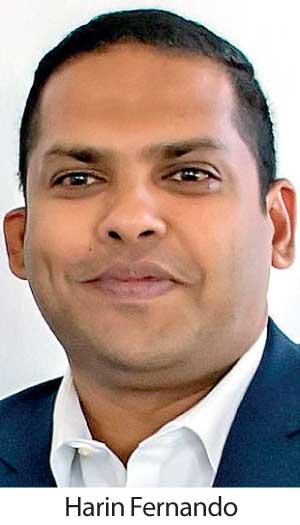
“Hospitality doesn’t die just because inflation is high” – Harin

November 9th, 2022

Courtesy The Daily Mirror

  • Pitches SL as a safe and secure destination that places hospitality at its core
  • Says country cheaper than competitors and offers value for money

Tourism Minister Harin Fernando appealed to international travellers to add Sri Lanka to their travel wish list, assuring tourists are cushioned from the economic shocks the country is undergoing, and that they will be well looked after.

Fernando, currently at the World Travel Market 2022 London (WTM), pitched Sri Lanka as a safe and secure destination that places hospitality at its core, regardless of the situation in the country.

Hospitality doesn’t die just because inflation is high,” said Fernando in an interview with BBC on the sidelines of the WTM 2022 London.

 The world is going through a recession and Sri Lanka is also a part of it. Sri Lanka is a resilient nation and our main income comes from tourism. Tourism is key for us,” said the Minister.

Fernando stressed Sri Lanka is a hospitable nation, and offers value for money when compared with its competitors.

Admitting that the Lankan rupee is weak against foreign currencies, he pointed out that as a result one can do quite a lot” in the picturesque island nation.

As gas and electricity prices have soared in Europe, which makes heating during the winter expensive, Fernando shared that Sri​​ Lanka makes the ideal destination to spend the season given that it is still economical despite the sharp increase in cost of living.

Sri Lanka is still far cheaper. It is a cheaper stay and offers you a quality holiday. The industry has done some fantastic work in marketing and promotions,” said the Minister.

When pointed out by the BBC that Sri Lanka is not competitive in its rates for the winter season since it is priced higher than destinations such as Phuket, Pattaya, Bali, Vietnam, and Cambodia, to name a few, Fernando dismissed the statement pointing out Sri Lanka is different.

Sri Lanka is a different brand, a different product. We are not Bali, we are not Thailand…We are not going for the numbers. We only have 40,000 rooms which is equivalent to Qatar. We have different price points, from high-end to back-packing. Either way Sri Lanka is cheaper,” asserted the Minister.

Regulating of Int’l schools will begin next year

November 9th, 2022

Courtesy The Daily Mirror

Regulating of international schools will begin next year, Minister of Education Susil Premajaynatha told Parliament today.

Responding to a question raised by Opposition Leader Sajith Premadasa, the Minister said the Department of Education will only look at the available space in schools, available facilities and other criteria such as education qualifications of teachers. We don’t intend to control any other aspects pertaining to international schools,” the Minister said.

International schools also come under the purview of Child Protection Authority and this institution can look into any incidents of child abuse in these schools,” he said.

Earlier the Opposition Leader questioned whether the international schools fall under the purview of the Child Protection Authority. (Yohan Perera and Ajith Siriwardana)

Govt to recover loss of Rs. 16 Bn incurred from tax cut on imported sugar

November 9th, 2022

Courtesy Adaderana

The revenue of Rs. 16 billion that the government lost after the special commodity levy imposed on sugar was slashed by the previous administration in 2020, Acting Finance Minister Ranjith Siyambalapitiya says. 

He made this remark in parliament today (Nov. 09), presenting a document compiled by the Commissioner-General of the Inland Revenue Department (IRD) based on the report of the Auditor General.

Siyambalapitiya explained that, pursuant to the existing law, 24% of the aforementioned amount can be recovered from the relevant companies as income tax.

The previous government reduced the special commodity levy on imported sugar from Rs. 50 per kilogram to Rs. 0.25 per kilogram for a period of three months effective from October 14, 2020, with the aim of controlling the increasing prices in the market.

However, it is estimated that the government has lost an income to the tune of Rs. 17.76 billion as sugar importers profited from tax reduction without giving its benefits to the members of the public.

Ten such companies that made huge profits from the tax cut have been identified.

One of them has reportedly imported 45% of the total amount of sugar imported to the country. The Auditor General’s report further revealed that the amount of sugar imported by this company skyrocketed by 1,220% just within these three months, in comparison to the amount it imported during the same period last year.

Siyambalapitiya said the government intends to recover the loss from these companies, pursuant to the powers vested in the Commissioner-General of the IRD.

He also appealed to the Members of Parliament to extend their support to the government in this regard.

In the future, the Finance Ministry would not implement such tax cuts without consulting all relevant stakeholders, Siyambalapitiya assured.

CEB maps out plan to add 2,800+ MW of renewable energy to national grid

November 9th, 2022

Courtesy Adaderana

Minister of Power and Energy Kanchana Wijesekara says that after 06 months of discussions, the officials of Ceylon Electricity Board (CEB) have finally mapped out a plan to accommodate more than 2,800 Mega Watts of renewable energy to the existing grid between 2022-2026. 

In a tweet, the minister said that he had a positive meeting with CEB and the Senior Engineers’ Association (SEA) pertaining to this yesterday (Nov 08).

After 6 months of discussions, CEB officials finally mapped out a plan to accommodate 2800+ MW of Renewable Energy to the existing grid between 2022-2026.” 

The Minister said that this will enable the CEB and the SEA to accommodate and accelerate many projects.

Further, more than 170 projects of 226 which have obtained the provisional approvals, 48 projects that have the energy permits, identified large scale projects, all tendered projects and higher rooftop solar capacity will be accommodated accordingly, the minister stated.

The transmission and grid development needed for other projects have also been taken up during the discussion, he said.

13 opposition MPs to cross over to the govt?

November 9th, 2022

Courtesy Adaderana

Preparations are underway for the parliamentarians of several political parties to join the United National Party (UNP) and to support the government in the upcoming budget, according to political sources.

Accordingly, the sources further claim that nearly 13 MPs of Sri Lanka Podujana Peramuna (SLPP) and the Samagi Jana Balawegaya (SJB) will join the UNP on the date of the Budget Speech.

It is also reported that initial discussions have been held in this regard and that further discussions are being carried out regarding the ministerial positions to be given to the MPs who will join the UNP.

The Appropriation Bill for the fiscal year 2023 will be tabled in the parliament for the second reading on November 14. President Ranil Wickremesinghe, in his capacity as the Minister of Finance, Economic Stabilization & National Policies, will deliver the opening speech of the second reading of the Appropriation Bill to Parliament at 1.30 p.m.

Will a Boralugoda Viraya come to allay the economic meltdown

November 8th, 2022

Garvin Karunaratne, former GA Matara

It is only a Philip Gunawardena that can do it. I happened to have worked with him. He was the Minister for Food and Agriculture and me an Assistant Commissioner of Marketing at Ratnapura, my first year of service.

Down came an immediate transfer for me to the Tripoli Market in Colombo. It was a punishment transfer. I had punished one of his trade union men, fining him one day’s pay for not carrying out the Marketing Officer, Saparamadu’s instructions to run to the stores and bring some bananas that were short to supply the Kahawatta Hospital. Though a punishment transfer I liked it as I could be at home with my parents and sisters.

But I was scared. The Tripoli Market was where we ran the Vegetable and Fruit Marketing Scheme for the entire island. There were some twenty wagon loads and another twenty or more lorryloads of veg to be unloaded weighed, cleaned and sent off in minutes to some fifty sales units all over Colombo. We sold at rock bottom prices as we kept no profit- we kept a margin of fifteen percent to cover wastage and cost of transport. That was DS’s mastermind of keeping inflation of prices at bay. Sorry the IMF axed the Marketing Department in 1978 and we are now in a mess. There were a hundred men on the move, running everywhere and myself and Tikka- Oswald Tilekeratne a senior Assistant Commissioner on the run- supervising. The mastermind Philip was everywhere- even the smallest pilfering was somehow reported to him in minutes by someone, before Tikka or I knew. It was a mystery how Philip knew – in those days when we hand no handphones. I of all was worried thick because I had punished his henchman at Ratnapura once. However as the days passed Philip had somehow forgotten it.

Once we had a meeting where Philip came. We had a small stage and Tikka directed him to the stage and the meeting commenced. The Trade Union man greeted him. Before long Philip was at the microphone. He rolled his eyes all over- they were fiery eyes that scanned every detail. We were all sacred. Then he started his speech. With the first words uttered with an immense force the stage did really shake- the words were very sharp, uttered with a force that few humans could and the voice reverberated the entire Tripoli Market- an airplane hangar. We were happy when he went off.

Tikka was moved to be in charge of the Canning Factory. Philip ordered that we should go all out to be self sufficient in all fruit produce and the man at the helm BLW Fernando, a chartered accounted, a mastermind, directed the move. Tripoli had to supply fruit to the Canning Factory and we did it. The Marketing Officers at the Fairs phoned me of immense quantities and I ordered lorries to go at once- One day three lorries went off to Hanguranketa Fair. By night they were back unloading tomatoes at the Canning Factory that worked 24 hours a day. That move of moving chunks of produce at frantic speed was normal. We had a fleet of over a hundred lorries always on the move. Glad to say that by 1958, in the three years when Philip was in charge our country became self sufficient in all fruit produce- jam. Red Pumpkins was made into Golden Melon Jam, and ash Pumpkin into Silver Melon jam. Tikka was in his elements all under the gaze of Philip. I got dragged into supervise the canning when Tikka was on leave.

After a year I was moved to Anuradhpura. Once I got a phonecall from Head Office about a petty pilfering in the rice mill under me. It was a message from Philip and I wondered how he got to know of it before me, the man in charge. Philip had a gestapo informing him beforeI knew.

Then came the Paddy Lands Act, the mastermind of GVS Silva, the Assistant warden at Arunachalam Hall, where I was. We were shunted to action to work for the down trodden farmers, the tenants who were suppressed. There were publicity meetings where Philip roared and we too roared exactly in his manner, at our meetings detailing the benefits. I was implementing the Paddy Lands Act in Matara- we were all fiery speakers in the manner of Philip.

Then came the calamity. Philip was thrown out of the cabinet and Ministry by the right group in Parliament and he gracefully left. No he did not go away. He had created the Agrarian Services packed with handpicked Assistant Commissioners who were all leftist minded and we carried on Philip’s ideas and implemented security of tenancy to tenants and cultivation committees were elected all over. . We were moving the farmers to use fertilizer and use high yielding varieties- we were a force embedded with the vehemence we inherited from Philip. He was no longer there but we carried on. Commissioners MS Perea and later JV Fonseka were workcoholics. Philip created an empire of workers who would carry on his idea of produce what we can, make what we can. Tikka had even developed exports-eight percent of pineapple pieces were exported.

Today we have no Canning Factory. That was axed by the IMF and went to a7private entrepreneurs who even imported strawberries to make jam. The IMF took over our country in 1978 and we are now in a real mess.

But Philip the legend is still in our hearts.

The only hope to Sri lanka today is to have Philip’s idea again to get down to production ourselves and make things for our selves.

In the Divisional Development Councils Programme I functioning alone with ,my officers at Matara unearthed the art of making Crayons at Rahula College Matara and got Sumanapala Dahanayake the member of parliament who was in charge of the Morawaka cooperatives to make Coop Crayons, which grew to islandwide sales within five years. That was also Philip’s method of making Sri lanka self sufficient in all fruit products- jam and juice.

May The ideas of Philip prevail and inspire his son Dinesh, our Prime Minister to a process of action- to make everything we imported and thereby ally the poverty in our beloved Motherland.

Garvin Karunaratne, former GA Matara

7/11/2022

Buddhism stands for universal compassion for all living beings ( all species) and not for selective compassion for only one species i.e. human beings

November 8th, 2022

Senaka Weeraratna

The command ‘ Kill and Eat animals ‘ found and endorsed in all Abrahamic religions is a throwback to the primitive hunter-gatherer mindset that prevailed at the commencement of the life of the Homo Sapiens species. Basically, it means you live off other species. But this conduct is morally indefensible for a higher level of humanity in its evolutionary progress.

The Buddha saw the vile nature of the destruction of other lives resulting from the hunter-gatherer mindset still dwelling in the inner recesses of our minds.

He wanted to develop a mindset in humans that was free of killing, free of attachment, and free of lust. 

Buddhism is the net result of the Buddha’s endeavours.

With a view to transforming humanity beset with a primitive consciousness of killing to survive as a part of natural selection, the Buddha raised the bar to transform the primitive mindset of killing to another level of consciousness of no killing which is enshrined in the First Precept.

The Buddha endeavoured to create a noble human being (Ariya) whose hands will not be stained with blood and made impure by harming other living beings. 

In the Dhammapada (Verse 270) the Buddha says clearly ‘ Him that harms living beings I will not accept him as Ariya (a noble person)”

This is one of Buddhism’s greatest contributions to humanity. To transform the primitive hunter-gatherer mindset in us that drives us to kill into a  mindset that refrains from killing for whatever reason and instead shows compassion to all sentient beings irrespective of species, race, colour, and religion. 

Buddhism stands for universal compassion for all living beings ( all species) and not for selective compassion for only one species i.e. human beings, which is a distinctive characteristic of all Abrahamic religions. 

If there is anything that unites sentient beings that is pain and suffering.   It is common to all beings. It is our response to the suffering of others irrespective of the level of species that will determine our true humanity. 

Senaka Weeraratna


Copyright © 2026 LankaWeb.com. All Rights Reserved. Powered by Wordpress