Re: Your Report at Session 60:  UNHRC on protecting Tamil Asylum-seekers and Refugees from Sri Lanka.

September 15th, 2025

Asoka Weerasinghe (Mr.) Kings Grove Crescent . Ottawa . Ontario . K1J 6G1 . Canada

15 September 2025

Mr. Volker Turk
UN High Commissioner Human Rights (UNHRC)
Palais Wilson
52bRue des Paquis
CH1 201, Geneva
Switzerland

Dear High Commissioner Volker Turk:

 Re: Your Report at Session 60:  UNHRC on protecting Tamil Asylum-seekers and Refugees from Sri Lanka.

Before I deal with the above topic, I want to let you know that I have just reached Cloud 9 having read the news item –‘UNHRC: 43 countries stand with Sri Lanka’ against the blasphemous Report that you Authored. I rejoice and sing : 

“Joy to the world minus UNHRC

Sri Lanka’s Lord Vijitha Herath has arrived.

Let Earth receive this Lord

Let every heart prepare him room

And Heaven and Nature sing….

And heaven and Earth sing….

And heaven and Nature sing.

Joy to this world minus

Nikki Haley’s  cess-pool UNHRC.”

“Asylum and Refugee Protection:

The UNHRC works to protect the rights of asylum-seekers and refugees and advocates for Sri Lanka to ratify the 1951 Refugee Convention and its 1967 Protocol, as well as develop a national asylum system.”

Volker, are you telling the world that the Government of Sri Lanka is not

Protecting the rights of Tamil asylum-seekers and refugees?”   Volker that’s a load of Austrian Hogswash.   That’s strings of baloney hanging from a deli store in the heart of Austria that you come from.

Here’s the story that you should know from me, Asoka Weerasinghe, who worked

for the Sri Lanka Government in Ottawa’s High Commission, as a senior officer.

I gave up a career in Communications as a permanent employee of the Canadian Government for 20-years, when President Premedasa of Sri Lanka wanted me to take over the Communications Portfolio between July 1989 and the end of June 1994.  I never knew him, but he was acting on the recommendations of Defence Minister Ranjan Wijerathne (who was assassinated by Tamil Tigers,) and A.J. Ranasinghe the Deputy High Commissioner at the Mission in Ottawa.

I had to deal with these Tamil Refugees who came to the High Commission on Range Road in Ottawa, seeking travel documents to return to Sri Lanka

to visit their dying parents from Cancer,  when Diplomat K.B. Fernando, the First

 Secretary was not available who dealt with Immigration matters.

What you did not know was there happened to be a lethal pandemic in the months of November, December, and January in Sri Lanka that afflicts only the parents of the Tamils…a Cancer virus that seems to be in incubation between February and November each year which almost kills the Tamil parents and not the Sinhalese, Burgers and other minorities.   I am not a medical person and it was hard for me to comprehend.  It was a bit suspicious.

High Commissioner Turk, the Tamil ‘Convention Refugees came to the High Commission in droves with telegrams in their hands which usually said –  “PLEASE COME HOME IMMEDIATELY, FATHER DYING OF CANCER HE WON’T LIVE ANOTHER WEEK“; or  “MOTHER SERIOUSLY SICK WITH CANCER COME HOME IMMEDIATELY SHE WILL DIE SOON”.

Volker, contrary to what you think of us Sri Lankan Diplomats; we all had compassionate tear- jerking hearts, as big as a World Soccer Cup football.  So I and K.B. Fernando provided them with travel documents on compassionate grounds, as long as they provided us with a Police certificate saying that they had reported they lost their legal passports in the plane or in a rickety corroding fishing trawler on their way to Ka-Na-Da which they thought had roads paved in gold, and roads lined with trees with leaves of green dollar bills, and plenty of ATM machines at every street corner that they thought could pick money from, like in a cookie jar. And an affidavit from a  ‘legal’ person or a JP confirming their legitimate name, date of birth and their nationality.

And here is the TRUTH Volker.   Some  Tamil refugees were smart to have photocopies of the passports that they lost, and affidavits with their anglicized names to identify that they were not the ones who had ‘disappeared’ .   So Harischandran  Dorai was Harry Dorai;  Sammuganathan Nadaraja now was Sam Raja;  Periyadorai Sivalingam was now Perry Lingam, and Krishantha Jayalingam was Chris Jaylin and so forth.  That is how the ‘disappeared Tamils’ had incarnated and introduced themselves to you all cunning-humbugging fools at UNHRC.

And here is another TRUTH Volker, in case you are preoccupied trying to figure out about Sri Lankan Tamils you thought were discriminated and persecuted and now  running away not to their rightful Mother India which was only 18 miles away from South India, but to Ka-Na-da which was 8530 miles away over the Indian and Atlantic oceans, which they thought had roads paved with gold, and trees with green-dollar leaves lining along roads.

On January 7, 1993, TheToronto Sun had a news item bylined by Tom Godfrey, headlined  REFUGEE SCAM RIPPED.

“A Sri Lankan Embassy official says thousands of his countrymen

are scamming their way into Canada as refugee claimants.

Embassy official Asoka Weerasinghe said many claimants show up at the embassy seeking travel documents to go back to Sri Lanka within weeks of entering Canada as Convention Refugees.

Immigration spokesperson Bianca Bertrand said some Sri Lankans are returning to their homeland to sell their Canadian documents.  Many return to claim refugee status again under a different name.

Last year Weerasinghe said 8442 claimants visited the Ottawa High Commission for travel documents.   Only 3,208 were issued……

It’s estimated the immigration department will spend $200 million to process the 4,000 Sri Lankan claimants. It cost about $50,000 to process each claimant.”

SO THAT YOU KNOW, Volker Turk, UNHRC High Commissioner,

TAMIL REFUGEES COME TO CANADA IS NOT BECAUSE THEY WERE PERSECUTED AND DISCRIMINATED IN SRI LANKA, BUT BECAUSE IT IS A MILLION CANADIAN DOLLAR BUSINESS.

“HERE IS A TRUE STORY THAT YOU OUGHT TO KNOW. so that you do not tarnish the good name of my Mother Lanka.”

Let me roll your days back to a Summer’s work day in June 1991.  I interviewed a 24-year old Tamil refugee who came to see me with his uncle at the Sri Lankan High Commission in Ottawa. He had come to apply for his third  Sri Lankan passport in three months.  He said he had lost the other two in the previous two months.

I asked, “I don’t believe you lost the previous two passports.  Was it 20 or 25 thousand you got for each?”

“Twenty. Sir” was his response.   The uncle butted in. “Sir, I don’t think he understood your question properly!”

I did a quick calculation and told the Uncle.  “Of course he did.  He seems to be a smart businessman.  What you have in him is a millionaire in your family at age 24. Convert that 40,000  Canadian dollars into Sri Lankan rupees at 15-rupees for one Canadian dollar.   I am sorry, I cannot get involved and support his illegal business acumen.

“What he did was sell a Canadian Government document as the passport is a  Sri Lankan Government property which was issued to him as the legal caretaker of it, and not to sell and make money.

“I will get an advisory from the Director of Immigration in Colombo as to what I should do for your request for the third passport.   Phone me in two days.  I will let you know of our decision for your application.”

Volker, the decision was to penalize this Tamil refugee for a year and not issue

another passport.  I shared that information with the Tamil 24-year old millionaire.

With this bit of truthful information, I think it is time that you at UNHRC cut out that arrogant, ignorant crap about the Tamil asylum seekers and their relationship with the Sri Lankan Government.  The bottom line is you don’t hurt my Mother Lanka unfairly ever, as you will hear one more time my angry voice loud and clear like the 12 ding-dongs of London’s Big-Ben at noon and at midnight.

And you know what the Republican Nikki Haley said about you lot, don’t you?”

That you at UNHRC are a “cesspool of political bias, and a self serving body that makes a mockery of human rights.”

And let me repeat what China told you lot at the UNHRC’s 60th Session.

“China urges relevant countries to respect the Sri Lankan people’s own choice of human rights development path, abandon intervention in internal affairs and political pressure, and return to the right dialogue and cooperation.”   That is told in simple English, that I am sure you understood.

Volker, I have no legal mind as you lawyers at UNHRC.  But with my academic

background as a palaeontologist-museologist, I feel confident  having created an excellent Canadian National Dinosaur Hall, Life Through the Ages at the Victoria Memorial Museum in Ottawa, I feel that I can identify a ‘pea-brained dinosaur easily.   Maybe a Humanoid too.

Let me share my thoughts on THE MANTHRA – the word that you at UNHRC keeps throwing around that would be the answer to Sri Lanka’s future …RECONSILIATION which distorts into my word RE-CON-SILLY-A-SHUN.

 It is not frivolous as I have given much thought, and History, I hope is not going to rain-on-your-parade.

It is about the majority Sinhalese that makes up 75% of Sri Lanka’s population, and the minority Tamils that makes about 10% of the population that were once upon a time before, 23 July 1983, were at 12.6%.  Since then,  thousands and thousands of Tamils left in planes and ricketty, corroding fishing- trawlers to foreign lands saying that they are refugees, running away from Sri Lanka because of discrimination and persecution. And a few to their Tamil Motherland, 18-water-miles away to Tamil Nadu in South India where they really belong.

And mind you Volker, these are the same 10%Tamils who lived as a ‘privileged minority’ for 131 British Colonial years, while the majority 75% Sinhalese lived as a  ‘wronged majority‘ during those divide-and-rule 131 colonial years.  I hope you will get what I am trying to make you understand since you got involved in Sri Lankan internal-affairs jumping in with your feet first.   It is muddy, Volker…it is muddy and Eelam-bloody.

Here are the Sri  Lanka’s Historical Rosary of Events when strung into a  questionable Re-Con-Silly-A-Shun will agree with me that “You are dreaming if you think that the Sri Lanka’s separatist 10% minority Tamils will want to co-exist with the majority 75% Sinhalese community and live happily ever after!”

Volker, you  all at UNHRC are dreaming in multi-colour, sometimes like scary Halloween ghosts!.

*These were the 1940s cunning separatist Tamils who were up to all sorts of

cunning Shenanigans to formulate a way to rule the majority Sinhalese population. On the eve of Independence (1948) the All Ceylon Tamil Congress led by G.G.Ponnamblam, put forward to the Soulbury Commission a scheme of representations in the proposed legislature of Independent Ceylon which with a macabre sense of humour, he dubbed it as “balanced representation”.

It was only when Lord Soulbury Commissioners pointed out the obvious that

“If 50 seats were assured to the minorities but the remainder left open to anyone to contest, the Sinhalese who had always been the majority group, might by the loss of  one or more of these seats would have been converted into a  minority.”  Shish…cunning…cunning Tamil separatist rascal!

* These are the separatist Tamils who did not want to co-exist with the Sinhalese people in the North who had been living there for generations.

Between  1971 and 1981 through vicious ethnic cleansing of the Jaffna peninsula kicked out 27,000 Sinhalese by killing and terrorizing them. They wanted then, and still want now their mono-ethnic, racist, separate Tamil state, Eelam.  Don’t you at UNHRC understand this phenomena, thus providing Republican Nikki Haley to call you all “the cesspool of Political bias and self-serving body that makes a mockery of Human Rights.”

Where is the sea-change, Volker?

*Volker, these are the same separatist Tamils in North of Sri Lanka, who baptised President Idi Amin Dada Oumee of Uganda in October 1990 as Saint Idi Amin as he gave the Ugandan-Indians  90-days to leave Uganda in August 1972.

Compared to Tamil Tiger Terrorist leader Velupillai Prabhakaran who gave 90,000 Muslims in the North and East of Sri Lanka 24 hours to get out, under a death threat in the most inhumane way.  It was that brutal.  They were only allowed to take a measly 300 rupees per family and some clothing.   Everything, including milk powder for infants, were confiscated.  Damn it!  What sinners!

You at UNHRC are so foolish to ask the Sri Lankan government 

to have a reconciliation between the two communities.   You at UNHRC who claim to be smart-Alecs and claim the Right to dictate on what has to be done in Sri Lanka for the Muslim community.  Check every Muslim diligently, and you will find none of the 90,000 Muslims have holes in their heads, to trust the Tamil terrorists who massacred 103 Muslims  and maimed for life 70 others while at prayer at the Meera Jumma  Mosque  in Kathankudy on 28 October 1990 by the Tamil terrorists. A Reconciliation between the Tamils and Muslims as you are demanding that the Sri Lankan Government make a reconciliation happen.

Dream on UNHRC!   Where is the see-change Volker?   Tell me…show me..Surprise me!

*The ethnic cleansing of the North to purify that peninsula for the Tamils only went on unabated.  It was on 13 August 1977, that 400 Sinhalese undergraduates and lecturers were stoned at the Jaffna University campus  and chased South in a convoy of Buses escorted by the Police and Army under a hail of  rocks and stones.   And so you talk of reconciliation.  “Ha!”   

Dream on Volker….dream on UNHRC.  And do you all really believe that these separatist Tamils would want to co-exist among the Sinhalese and Muslims and share the same air to breathe.   I believe it is a far cry. That’s insane poppycock in my eyes.  These Sinhalse people will not trust the separatist Tamils and will be scared sxxt, who have mastered the art of chopping alive human bodies with machetties  like one would skin-peel-and chop a bull or a calf in a butcher’s shop, in Prabhakaran’s Valvettithurai!   Or pluck an infant from a young-Sinhalese Mother’s breast  and bash the infant’s skull on a charnockite granite rock and enjoy watching the open skull ooze ketchup blood.

All that does not amount to RECONCILIATION….but RE-CON-SILLY-A-SHUN.

In CONCLUSION,  These words are to be shared with Minister Vijitha Herath, the Foreign Minister of Sri Lanka, as I will be copying this letter to him .

You Volker Turk, United Nation High Commissioner  for Human Rights on 8 September, 2025, at the UN Human Rights Council’s 60th session said  “Sri Lanka today has an historic opportunity to heal from the cycles of violence and impunity that have dominated for decades.”

Volker, if those words were directed at me, Asoka Weerasinghe, a Sri Lankan Canadian, who has since 4 August 1983, has fought from Canadian trenches to uphold the dignity and good name of my Mother Lanka, who natured me for the first 19-years of my life, and still romancing her as the Matriarch of my Motherland with immense gratitude, tell you, “Volker you are being a dishonest  Human Rights Ambassador.   You are a Humbug through and through.   You have got that story skewed very badly, and you got my goat and I am angry.

Here’s what I had expected of you to say: “Sri Lanka today has an historic opportunity to heal from cycles of violence and impunity that have dominated for decades.  And we promise that we will see that no external International force, like India, UK, Canada  and others who in the past had aided and abetted that ethnic war by training theTamil Tiger terrorists for warfare, or facilitating collection of funds to buy the war armoury making it difficult for you Sri Lanka, to achieve that historic opportunity to heal from the cycle of violence and impunity”.

That is what is needed, Volker. Not such sanctimonious pronouncements at a UNHRC Session which means sweet nothing.

And demanding constitutional changes that dilute the unitary state – disguised as “reform” but designed to bypass Mother Lanka’s democratic and legal process, allowing external players who are not answerable to the people to decide national governance. Not good…not kosher….not cricket!

Give me a break Volker and erase that anger in me that you all have created at the UNHRC which is spitting dragon breath from my cartwheeling eyes.

Sincerely,

Asoka Weerasinghe (Mr.)
What’s Behind the RAF Jet Circling Doha as Israeli Bombs Fell?

September 15th, 2025

KernowDamo

The U.S. Can’t Be Trusted”: Did Trump Greenlight Israel’s Strike in Qatar?

September 15th, 2025

වලිසිංහ හරිශ්චන්ද්‍ර ඝාතනයට එච්.සී.පී. බෙල් හවුල්?

September 15th, 2025

කොලට් සේනානායක නාරද කරුණාතිලක

අද (සැප්.13)ට 112 වැනි ගුණානුස්මරණය යෙදී ඇති වලිසිංහ හරිශ්චන්ද්‍ර මීගමුවේ
විසූ ධනවත් ව්‍යාපාරිකයෙකුගේ පුතෙකි. ඒ කාලයේ ධනවතුන්ගේ දරුවන් ඉගෙනුම ලැබූ
කොළඹ වෙස්ලි විදුහලින් උගත් ඔහු නීති විද්‍යාලයට ඇතුළු වී සිටියදී
ධර්මපාලතුමාගේ දේශප්‍රේමී ජාතික ව්‍යාපාරයට දායක වූයේය. එතුමා ගැන ලිපියක්
සපයන්නෙකු ‘සමාජ සේවයට ඉදිරිපත් වූ හරිශ්චන්ද්‍ර ආහාර හිගයෙන් හා මන්ද
පෝෂණයෙන් පීඩා වින්දේ ය’යි සඳහන් කිරීම එතුමාට අපහාස කිරීමකි. ඉතාම නිරෝගී
ශරීරයක් හා මනසක් ඇති ක්‍රියාශීලී තරුණයෙකු වශයෙන් කටයුතු කළ ඔහු මහාබෝධි
සංගමයේ ලේකම්වරයා වශයෙන් මිෂනාරීන්, අසිංහලයන් හා නොරටුන් අත්පත් කරගෙන සිටි
අනුරාධපුර ඓතිහාසික බෞද්ධ නගරය බේරා ගැනීමේ ජාතික ව්‍යාපාරයට නායකත්වය
දුන්නේය. මේ වෙනුවෙන් හැට හැත්තෑ වාරයක් මීගමුවේ සිට අනුරාධපුරයට ගියේය. ආවේය.
මේ ගමන් වැලම එතුමාගේ අයෝමය ශක්තියට සාක්ෂියකි.
බෞද්ධයනට ඒ කාලයේ ශ්‍රී මහා බෝධිය හා රුවන්වැලිය අසල මල් ආසනයක මලක් පහනක්
පූජා කරන්ටත් නිදහසක් නොවීය. නම දැරූ චණ්ඩියෙකුට ශ්‍රී මහා බෝධිය යට මාළු
ලෑල්ලක් පවත්වාගෙන යාමට හැකියාව තිබුණි. මේ නොහොබිනා ක්‍රියාවට විරුද්ධව
හරිශ්චන්ද්‍රතුමා සකස් කළ පෙත්සමට අත්සන දීමට බෝධිමළු විහාරාධිපති හාමුදුරුවෝ
කැමැති නොවූහ. එච්. සී. පී බෙල් පුරාවිද්‍යාවේ නාමයෙන් නිධන් හෑරුවේය. ධනය
රැස් කළේය. ඔහු විනාශ කළ සිංහලයන්ගේ පෞරාණික වස්තූන් කොපමණ දැයි අනුමාන කිරීමට
හෝ නොහැක. බෙල් පුරාවිද්‍යාවේ පියා බව කියමින් ලිපි ප්‍රසිද්ධ කරන උගත්
නිවටුන් පිරිසක් අදටත් සිටිති. අයිවර්ස් නිධන් සොයමින් අභයගිරියේ ධාතු ගර්භය
හාරන විට අටමස්ථානාධිපති හිමියෝ එය ශාසනික ක්‍රියාවක් බව පෙන්වීමට ස්තූපය අසල
භික්ෂූන් රැඳවූහ.
මරක්කල වෙළෙන්දෝ තිදෙනෙක් ආණ්ඩුවේ නිලධාරීන්ගේ සහාය ඇතිව ශුද්ධ නගරය තුළ හරක්
මස් කඩ දෙකක් හා මුව මස් කඩයක් පවත්වා ගෙන ගියහ. අබෞද්ධයන් දෙදෙනෙකුට
අයිති ප්‍රසිද්ධ
සුරාසැල් දෙකක් සහ වයින් කඩයක් ඒ තුළ විය. බි්‍රතාන්‍ය ආණ්ඩුවේ කාර්යාල සහ
ආණ්ඩුවේ සේවකයන්ගේ නිල නිවාසයන්ද ශුද්ධ නගරයේම තිබුණි. ඔවුන්ට දාසකම් කළ
ඉන්දියානු දෙමළ කම්කරු පවුල් විශාල සංඛ්‍යාවක් ද එහි විසූහ. එයින් සමහරු පැරණි
දාගැබ් මත්තෙහි පදිංචි වී සිටියහ. ඔවුන් වැසිකිළි කටයුතු කළේද පදිංචි
ස්ථානවලමය. මේ මොන යම් දෙයකටවත් විරුද්ධව කට හොලවන බෞද්ධයින් සිටියේ නම් ඔවුන්
නිහඬ කිරීමට ආණ්ඩුවේ නිලධාරි, නීතිය, පොලිසිය හා චණ්ඩි සිටියහ.
මීගමුවෙන් ගොස් මහාබෝධි සමිති අනුරාධපුර ශාඛාව පිහිටුවා එක එක භික්ෂුව එක එක
බෞද්ධයා එකතු කරමින් අනුරාධපුර ශුද්ධ නගරය බේරා ගැනීමට සහ සිංහල බෞද්ධයන්ට එහි
උරුමය ලබාදීමට හරිශ්චන්ද්‍රතුමා දැරූ උත්සාහය සාමාන්‍ය මිනිහෙකුට කළ නොහැකි,
ජීවිතය ගැන නොසිතා කළ සටනකි. එතුමා කළ යුද්ධයේ ස්වභාවය අනුරාධපුරයේ වෙසෙන
සිංහල බෞද්ධයින් අල්පයක් හෝ දනියි නම් ඔවුන් උදේ සවස හරිශ්චන්ද්‍රතුමාට මල්
පහන් තියා වඳිනු නිසැකය. වන්දනාවට අනුරාධපුරයට යන සිංහලයන් ඒ ගැන දන්නේ නම්
පින්කම් කිරීමෙන් අනතුරුව කරන පළමු ක්‍රියාව දැත් නළලේ තියා හරිශ්චන්ද්‍රතුමාට
පින් අනුමෝදන් කිරීමයි. එහෙත් බොහෝ ගිහි බෞද්ධයන් තියා ඇතැම් භික්ෂුන් වහන්සේ
පවා හරිශ්චන්ද්‍රතුමා අනුරාධපුර බේරාගත් පිළිවෙළ නිවැරදිව නොදනිති.
හරිශ්චන්ද්‍රතුමා
තනිවැල්ලේ, මහසෙන් වැනි සිංහලයන්ගෙන් පුද පූජා ලබන දෙවියෙකු බවට පත් නොවන්නට
මූලික හේතුව කිසියම් පිරිසක් අකල් මරණයෙන් පසුව පවා හරිශ්චන්ද්‍රතුමාට
විරුද්ධව කටයුතු කිරීමයි.
අනුරාධපුර ශුද්ධ නගරය බේරා ගැනීම හරිශ්චන්ද්‍රතුමාගෙන් සිදුවූ එක් සේවයක්
පමණි. එතුමා මිහින්තලයද බේරා ගත්තේය. සිංහල ජාතියට බුදු සසුනට හා සමස්ත
බෞද්ධයාටම සේවය කළේය. ඒ අතර එතුමා, පානදුරාවාදයේ ජයත්, සිංහල බෞද්ධයාත්
මිෂනාරීන්ට පාවා දුන් කර්නල් ඕල්කොට් සහ ඔහුගේ පරම විඥානාර්ථ මෙහෙයුමට
විරුද්ධව කටයුතු කළේය.
පෘතුගීසි දේවගැතිවරුන් ආගම හා අධ්‍යාපනය නමැති උපක්‍රම දෙක ආධාරයෙන් සිංහල
බෞද්ධයින් පරංගින්ගේ අවනත වැසියන් කරන්නට දැරූ වෑයම ඊට වඩා සාර්ථක
අයුරින් ක්‍රියාත්මක
කිරීමට බ්‍රිතාන්‍ය යටත් විජිත ආණ්ඩුකාරවරු පුහුණු වී සිටියහ. 1832 කෝල්බෘක්
කැමරන් කොමිසමේ යෝජනා අතර, ලංකාවේ පාලකයින්ට මිෂනාරී අධ්‍යාපනය රට පාලනය
කිරීමේදී මොන තරම් වැදගත්ද යන කාරණාව පැහැදිලි කර දෙන වගන්ති කිහිපයක්ම තිබේ.
මීට විරුද්ධව සිංහල බෞද්ධයා ආරක්ෂා කළේ පන්සල් අධ්‍යාපනය හා සිංහල බෞද්ධ
සංස්කෘතිය විසිනි. වාදිභසිංහ මිගෙට්ටුවත්තේ ගුණානන්ද හිමියන් වැනි හිමිවරුන්
බිහි කළේ එම අධ්‍යාපනය හා සංස්කෘතියයි. ඇංග්ලෝ ඇමරිකානු හමුදා නිලධාරියෙකු වූ
හෙන්රි ඕල්කොට් ලංකාවට පැමිණ උපායෙන් සිංහල බෞද්ධ නායකයින් රවටා පරම විඥානාර්ථ
සමාගම පිහිටුවා දියත් කළ බීටීඇස් මෙහෙයුම මගින් පන්සල් අධ්‍යාපනය හා සිංහල
බෞද්ධ සංස්කෘතිය වෙනුවට ඉංග්‍රීසි ආණ්ඩුවේ ක්‍රිස්තියානි අධ්‍යාපනයට සිංහල
බෞද්ධයන් සියල්ල කොටු කෙරිණි. වලිසිංහ හරිශ්චන්ද්‍රතුමා මීට විරුද්ධව සිංහල
බෞද්ධයා දැනුවත් කිරීමට වෙහෙසුන ප්‍රඥාවන්තයෙකි.
පරම විඥානාර්ථවාදියෝ වලිසිංහ හරිශ්චන්ද්‍රට විරුද්ධව නොයෙක් කුමන්ත්‍රණ කළහ.
එතුමාගේ ප්‍රසිද්ධ දේශන කඩාකප්පල් කිරීමට වෙහෙස දැරූහ. ඔවුන්ගේ නිල පත්‍රය
‘සරසවි සඳරැස’ ආධාරයෙන් හරිශ්චන්ද්‍රතුමාට මඩ ගැසූහ. හරිශ්චන්ද්‍රතුමා මෙහෙයවූ
අමද්‍යප ව්‍යාපාරයේ බලය අල්ලා ගත්හ.
මේ අතර වලිසිංහ හරිශ්චන්ද්‍රතුමා හදිසියේ මිය ගියේය. බොහෝ බෞද්ධයෝ, වස
කැවීමෙන් එතුමන් මරා දැමුණු බව සැක හැර සිතූහ. එතුමාට දෙවරක් වස දුන් බවට
කතාවක් ඒ කාලයේ පැතිරිණි. ඒ හඬ යටපත්කර හරිශ්චන්ද්‍රතුමා පිළිකාවකින් මිය ගියේ
යයි සම්මුතියක් ඇති කිරීමට එතුමාගේ හතුරන්ට හැකියාව තිබුණි. හරිශ්චන්ද්‍රතුමා
ගැන ලියන්නන් බොහෝ දෙනෙකු කරන්නේ එක රැලක් වී ඒ කතාව ඉදිරිපත් කිරීමයි.
වලිසිංහ හරිශ්චන්ද්‍ර අනුස්මරණ සභාව විසින් සංස්කෘතික දෙපාර්තුමේන්තුවේ අනුග්‍රහය
ඇතිව මුද්‍රණය කරවන ලද ‘ශ්‍රීමත් බ්‍රහ්මචාරි වලිසිංහ හරිශ්චන්ද්‍ර චරිතය’
නමැති පොතේ සඳහන් ලෙසට ‘හරිශ්චන්ද්‍රතුමා පිළිකාබාධයකින් මිය ගියේ 1913
සැප්තැම්බර් 13 වෙනි දාය. එතුමාගේ ජීවිත කාලය අවුරුදු 36 කට සීමා විය’. (පිටුව
26)
වලිසිංහ හරිශ්චන්ද්‍ර කෞතුකාගාරය හා සංස්කෘතික කේන්ද්‍රයේ ‘ශ්‍රීමත් අනගාරික
ධර්මපාලතුමන්ගේ කල්‍යාණ මිත්‍ර බ්‍රහ්මචාරී වලිසිංහ හරිශ්චන්ද්‍රතුමා’ නමැති
ශත සංවත්සර ප්‍රකාශනය මෙසේ සඳහන් කරයි. ‘සමාජයට වැඩදායී යහපත් මිනිසුන්ට ලෝකයේ
ඉඩ නැතය යන මතය සනාථ කරමින් එතුමා තිස් හත් වැනි වියේදී මෙලොව හැර ගියේය.
පිළිකා ආබාධයකින් පෙළීම මරණයට හේතු විය’. (පිටුව 60)
1913 සැප්තැම්බර් 15 දිනමින පුවත්පතේ කතු වැකියේ සඳහන් වූයේ මෙසේය.
‘අවුරුදු තිස්පහක් පමණ ආයු වළඳා තව ඉදිරියට බොහෝ වැඩ කිරීමට ශක්ති සම්පන්නව
සිටි හරිශ්චන්ද්‍ර මහතා මෙසේ හදිසියේ අභාවයට පැමිණීමෙන් සිදුවූ බරපතල පාඩුව
පිරිමැසිය නොහැක්කේමය. මීට සති කිහිපයකට පෙර ඉතා හොඳ සනීපයෙන් සිට හදිස්සියෙන්
පිටේ තැනුන පිළිකා රෝගයෙන් ඔත්පල විය’.
‘සන්ඩේ ඔබ්සර්වර්’ පත්‍රයේ 20. 09. 2009 දින ප්‍රසිද්ධ වූ ජයරත්න මෙන්දිස්ගේ
ලිපිය කියවන්නෙකුට හැඟෙන්නේ ආහාර හිඟය හා දුෂ්කර ජීවිතය නිසා එතුමා රෝගියෙකු
වී සිටි බවයි.
‘On his itineraries, sometimes not finding lodging, he had to rough it out
in ‘ambalamas’. He was in poor health owing to under-nourishment. He
suffered all these to awaken people to the need of the hour.’
‘බෞද්ධ සහෝදරයා’ සඟරා කර්තෘ නීතිඥ චාල්ස් ඩයස්, හරිශ්චන්ද්‍රතුමා මිය ගිය
මාසයේ (වර්ෂ 1913 ඔක්තෝබර් කලාපයේ) ’වලිසිංහ හරිශ්චන්ද්‍ර තුමාගේ අභාවය’
මැයෙන් ලියන සටහන මගින් අවධාරණය කරන වැදගත් කාරණාවක් තිබේ.
‘වර්තමාන සිංහල බෞද්ධ ජනතාවගේ පුබුදුවීමට හරිශ්චන්ද්‍ර මහතා බොහෝ හේතුවිය. මේ
මහතා විසින් ප්‍රත්‍යන්ත ප්‍රදේශයන්හි අලසභාවයෙහි ගැලී සිටි සමූහයා බොහෝසේ
එයින් නගා ආගම ජාතිය යන දෙයෙහි යොමු කෙළේය යනු පිළිගත යුතු සත්‍යයකි. එසේ
හෙයින් ඒ මහතාගේ අභාවය නගරවාසී ජනයාට වඩා ප්‍රත්‍යන්තවාසී විශාල ජන සංඛ්‍යාවකට
මහත් හානියක් විය. ඔවුන්ගේ සමීපයට පැමිණ ඔවුන් විසින් මෙලෝ පරලෝ වැඩ සඳහා කළ
යුතු දෙය උගන්වන ගුරුවරයා ඔවුන්ට නැතිවිය. ලොකු පාඩුව ඔවුන්හට වුවත් සාමාන්‍යයෙන්
මුළු ලංකාවට හා සම්බුද්ධ ශාසනයටද මේ මහතාගේ අභාවයෙන් ස්වල්ප නොවූ අලාභයක් වී
යයි සලකමු’. (පිටුව 674)
හරිශ්චන්ද්‍රතුමාගේ මරණයෙන් දරුණුම පාඩුව ලබන්නේ ප්‍රත්‍යන්ත වාසීන් බවත්
එතුමාගේ අභාවය ගැන වඩාත් දුක්වන්නේ ප්‍රත්‍යන්ත වාසීන් බවත් මෙම සටහනින්
පැහැදිලි වේ. මේ ප්‍රත්‍යන්ත වැසියන් යනු ගැමි සිංහල බෞද්ධයෝ වෙති.
හරිශ්චන්ද්‍රතුමා
පිළිකාවකින් මිය ගියේ යයි මොවුහු නොසිතූහ. එතුමාට වස දී මරා දැමූ බව ඔවුහු
පිළිගත්හ. එසේ නම් කොළඹ සිටි පිරිසක් හරිශ්චන්ද්‍රතුමාගේ මරණය ගැන පක්ෂග්‍රාහී
තීන්දුවක් සම්මත කරගෙන තිබේ.
හරිශ්චන්ද්‍රතුමා මියගිය 1913 වසර වන විට පිළිකාව යන්න වෛද්‍ය ක්ෂේත්‍රයේ ප්‍රචලිත
දෙයක් නොවිණි. පිළිකාව යන වචනය සිංහල වචන කෝෂයට එක්වූයේ පනහේ දශකයේ පමණය.
පිළිකාව පිළිබඳව වෛද්‍ය පර්යේෂණ ප්‍රචලිත වන්නේ දෙවන ලෝක යුද්ධය සමයේය. ඒ
ජර්මානු වෛද්‍ය පර්යේෂකයන් අතරය.
ඕල්කොට් දියත් කළ බීටීඑස් මෙහෙයුම ගැන තොරතුරු සොයද්දී ඕල්කොට් සහ පරම
විඥානාර්ථවාදීන් අනගාරික ධර්මපාලතුමා, වලිසිංහ හරිශ්චන්ද්‍රතුමා සහ
මිගෙට්ටුවත්තේ ගුණානන්ද හිමියන්ට විරුද්ධව ගෙන ගිය යටිකූට්ටු වැඩ ගැන බොහෝ
කාරණා පැහැදිලි වේ. ඕල්කොට්ගේ මෙහෙයුම පරාජය කිරීමට මෙම බෞද්ධ නායකයින් තිදෙනා
එක හා සමානව වෙහෙසුනහ. ධර්මපාලතුමා ඉන්දියාවේ සිරකරුවකු වූයේය. මිගෙට්ටුවත්තේ
ගුණානන්ද හිමියෝ අඩු වයසින් අපවත් වූහ. තරුණ හරිශ්චන්ද්‍රතුමාද හදිසියේම අඩු
වයසින් මිය ගියේය.
‘මේ මස 22 දින ලංකාවට පැමිණි කල වැඩ රාශියක් කරන්ට සිතා සිටියා. මගේ අදහස්වලට
සතුටු එකම හිතැති පුද්ගලයා හරිශ්චන්ද්‍රයි….. මට මේ මරණය පැමිණ හරිශ්චන්ද්‍රට
දීර්ඝායුෂ ලැබුණා නම් මට සතුටුයි’ යන ධර්මපාලතුමා ප්‍රකාශයෙන් හෙළි වන්නේ
හරිශ්චන්ද්‍රතුමාගේ මරණයෙන් ධර්මපාලතුමාගේ ජාතික ව්‍යාපාරය සම්පූර්ණයෙන්ම අඩාල
වූ බවයි.
කල් පසු වී හෝ දැන්වත් හරිශ්චන්ද්‍රතුමාගේ මරණය ගැන සොයා බැලීම ජාතික
කාර්යයකි. කලකට පෙර අපට හරිශ්චන්ද්‍රතුමාගේ මුණපුරකු වූ සුනිල් මංගලවංශ මහතා
හමුවූ ඔහුටද මේ ගැන කීවෙමු. ලේ නෑකමින් පමණක් නොව සිතුම් පැතුම් සහ
වැඩකටයුතුවලින්ද හරිශ්චන්ද්‍රතුමාගේ මුණුපුරකු වූ මංගලවංශ මහතා ඊට දුන්
පිළිතුරෙන් පැහැදිලි වූයේ හරිශ්චන්ද්‍රතුමාගේ අකල් මරණය ගැන ඔහුටද සැකයක් ඇති
බවයි.

Successive governments in Sri Lanka have failed to implement blue economy based development program 

September 15th, 2025

Dr Sarath Obeysekera

What can be done ?

Dr Sarath Obeysekera  Chairman EDB Advisory Board to develop Marine and offshore Industry 

 1 Establish a National Blue Economy Authority (NBEA)

• Why: Today, responsibilities are fragmented across Fisheries, Ports, Environment, Tourism, and Energy ministries.

• Action: A single statutory body under the President or Prime Minister to coordinate policy, licensing, research, and investor facilitation.

• Model: Similar to Seychelles’ Blue Economy Department or Mauritius Ocean Economy Unit.

2 Create a National Marine Spatial Plan

• Map Sri Lanka’s EEZ (Exclusive Economic Zone), coastal waters, shipping lanes, fishing grounds, offshore wind/oil/gas blocks, and marine biodiversity areas.

• This gives clarity for investors and prevents overlap and environmental damage.

• Partner with UNDP, World Bank, and IMO for technical support.

3 Prioritize High-Value Marine Sectors

Short term (2–5 years):

• Port-led development (ship repair, bunkering, offshore support bases in Trincomalee, Hambantota, and Colombo).

• Aquaculture and sustainable fisheries (tuna, shrimp, seaweed).

• Marine tourism (cruise berths, diving, whale watching hubs).

Medium/long term (5–15 years):

• Offshore renewable energy (wind, wave, ocean thermal).

• Deep-sea mineral exploration (in compliance with UNCLOS).

• Marine biotech (pharmaceuticals from marine organisms).

4 Financing Mechanisms

• Issue “Blue Bonds” or partner with development banks for concessional funding (Seychelles raised USD 15M via a Blue Bond).

• Establish a Public–Private Partnership (PPP) platform for marine infrastructure and services.

• Incentivize Sri Lankan diaspora investment with tax breaks or co-investment schemes.

5 Skills & Technology Development

• Set up marine vocational training centers (welding, ship repair, offshore oil & gas support, renewable energy technicians).

• Partner with universities to create blue economy degree programs and research labs.

• Offer scholarships/apprenticeships in countries with advanced marine sectors (Norway, Singapore).

6 Modernize Legal & Policy Framework

• Update Fisheries and Aquatic Resources Act to include sustainability quotas.

• Fast-track licensing for aquaculture, renewable energy, and shipyard developments with clear environmental safeguards.

• Enforce anti-IUU (Illegal, Unreported, Unregulated) fishing regulations.

7 Regional & International Partnerships

• Leverage Sri Lanka’s role in IORA (Indian Ocean Rim Association) and IMO to attract technical and financial support.

• Build joint ventures with India, Japan, and EU for shipbuilding, port management, and marine R&D.

• Negotiate better fisheries access agreements with international fleets to ensure fair benefit-sharing.

7 Public Awareness & Stakeholder Engagement

• A blue economy cannot succeed without local fishermen, coastal communities, and SMEs being partners.

• Create community co-management areas and benefit-sharing mechanisms.

• Launch a nationwide campaign explaining why the blue economy matters for jobs, food security, and climate resilience.

8 Governance & Anti-Corruption Safeguards

• Transparent tendering and monitoring systems to prevent the kind of rent-seeking and political capture that has plagued past marine projects.

• Independent auditing of blue economy funds.

9 Pilot Projects to Show Quick Wins

• Modern fish landing and cold storage hubs.

• A designated offshore lay-up and ship repair facility in Trincomalee.

• Seaweed farming cooperatives for export.

• A marine tourism corridor with high standards (Maritime museums, diving parks).

Bottom line

Sri Lanka already has the geography, the people, and the legal rights (over 500,000 sq. km of ocean area). What it needs is centralized coordination, investor-friendly policies, and skill development. A few visible successes (Trinco offshore yard, Hambantota bunkering hub, or seaweed export) can unlock the rest.

Regards

Dr Sarath Obeysekera

LIVE: Bombshell New Video Shows Us Military’s Direct Hit On Glowing UFO With Hellfire Missile | N18G

September 15th, 2025

A group of military whistleblowers testified under oath that they’ve seen UFOs and that the US intelligence community has tried to cover it up. Three Navy and Air Force veterans testified Tuesday morning on Capitol Hill at the third congressional hearing on unidentified anomalous phenomena (UAPs), the new term for UFOs, since 2023.

Whistleblower reveals UAP retrieval program; object caught on video | NewsNation

September 15th, 2025

LIVE NEWS | Donald Trump Finally Breaks Silence and Reveals Shocking UFO Secret to Public!

September 15th, 2025

එක් කෝටී අනූ ලක්ෂයක් ඡන්දදායකයින්ගේ ඡන්ද අයිතිය සුරකිමින් පළාත් සභා ඡන්දය පැවැත්වෙන ආකාරය සහ දින වකවානු ප්‍රසිද්ධියට පත් කරන්න.

September 14th, 2025

රජිත් කීර්ති තෙන්නකෝන් විධායක අධ්‍යක්ෂ/ ශ්‍රී ලංකා මානව හිමිකම් කේන්ද්‍රය

වසර 11 කට පසුව පැවැත්වීමට නියමිත ඊලඟ පලාත් සභා ඡන්දය ඡන්දය, පැරණි සමානුපාතික ක්‍රමය යටතේ පැවැත්වීමට රජය සලකා බලමින් සිටින බව රජයේ ජ්‍යෙෂ්ඨයෙකු ප්‍රකාශ කළ බව සති අන්ත පුවත්පතක් වාර්තා කර ඇත. 

රජය සැබෑ ලෙසම පළාත් සභා ඡන්දය ‍සිය මැතිවරණ ප්‍රකාශනයේ සඳහන් කළ ආකාරයට මේ වසර තුල පැවැත්වීමට පියවර ගන්නේ නම්, ඒ බව හැකි ඉක්මනින් නිල වශයෙන් ප්‍රකාශයට පත් කරන ලෙස ශ්‍රී ලංකා මානව හිමිකම් කේන්ද්‍රය රජයෙන් ඉල්ලා සිටී.

පළාත් සභාව නැවත වරක් ‘මහජනතාව විසින් මහජනතාව උදෙසා ගෙනයන පාලනයක්’ බවට පත් කළ යුතුව ඇත. පළාත් සභා ඡන්දය හැකි ඉක්මනින් පවත්වා, එය මහජන නියෝජිතයින්ගෙන් සමන්විත පාලනයක් බවට පත් කිරීමට සහායවීම සැමගේ වගකීමක් බව නිවේදනයක් නිතුත් කරමින් මානව හිමිකම් කේන්ද්‍රයේ විධායක අධ්‍යක්ෂ රජිත් කීර්ති තෙන්නකෝන් මහතා පවසයි.

මේ වසරේ දී පළාත් සභා ඡන්දයක් පැවැත්වෙන්නේ නම්, එක් කෝටි අනූ ලක්ෂයකට ආසන්න ඡන්දදායකයින් ප්‍රමාණයකට පළාත් සභා 9 ක් සඳහා ඔවුන්ගේ ඡන්දයෙන් මහජන නියෝජිතයින් පත් කර ගැනීමට අවස්ථාව හිමිවනු ඇත. එය ජනතාවගේ ප්‍රශ්න ජනතා නියෝජිතයින් විසින් විසඳන පරිසරයක් නැවත නිර්මාණය කරනු ඇතැයි නිවේදනයේ දැක්වේ.  

සිවිල් සංවිධාන හා දේශපාලන පක්ෂ විසින් මාසයකට ආසන්න කාලයක් පළාත් සභා ඡන්දය මේ වසර තුල පැවැත්වීමට කටයුතු කරන ලෙස රජයට බලපෑම් කරමින් සිටී. රජයේ ජ්‍යෙෂ්ඨයින් මේ දක්වාම ප්‍රකාශ කර සිටියේ නව සීමා නිර්ණය කමිටුවක් පත් කරන්නේ ද, නැතිනම් පැරණ සමානුපාතික ක්‍රමයට ඡන්දය පැවැත්වෙන්නේ ද යන්න පිළිබඳ රජය තවමත් නිල තීරණයක් ගෙන නොමැති බවයි.

මේ දක්වාම රජය පළාත් සභා ඡන්දය පැවැත්වීම පිළිබඳ නිල ප්‍රකාශයක් සිදු කර නැත.  එවැන්නක් සිදු කිරීමේ බලය හා වගකීම ඇත්තේ ගරු ජනාධිපතිවරයාට හෝ අග්‍රාමාත්‍යවරයාට ය.  ජාතික ජනබලවේගය මැතිවරණ ප්‍රකාශනයේ දැක්වෙන්නේ වසරක් තුල පළාත් සභා ඡන්දය පැවැත්වීමට පියවර ගන්නා බවය. රජය ජිනීවා මානව හිමිකම් කොමිසම් සභාව වෙත වාර්තා කරනු ලැබූබේ සීමා නිර්ණය ගැටළු විසඳීමෙන් පසුව ඡන්දය පැවැත්වීමට පියවර ගන්නා බවයි. මෙම ව්‍යාකුල තත්වය සමනය කිරීම සඳහා ඡන්ද ක්‍රමය සහ ඡන්දය පැවැත්වෙන දින වකවානු වහා ප්‍රසිද්ධ කිරීම රජයේ වගකීම වන්නේය.

රජිත් කීර්ති තෙන්නකෝන් විධායක අධ්‍යක්ෂ/ ශ්‍රී ලංකා මානව හිමිකම් කේන්ද්‍රය

Alert to Sri Lanka’s Foreign Ministry: Implementing UNHRC Demands Will Lead to Government Ouster

September 14th, 2025

Shenali D Waduge

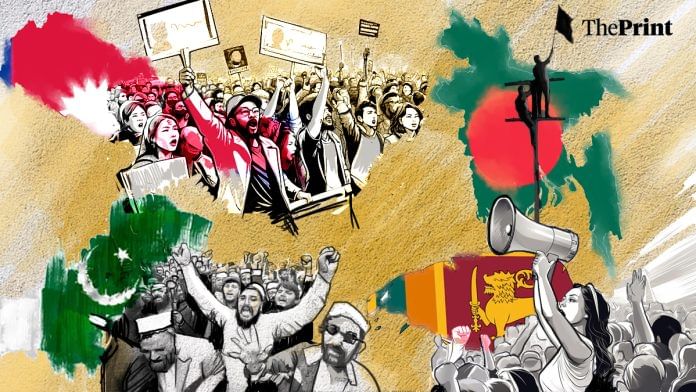
Since 2009, the UNHRC has overstepped its mandate, pushing demands that strip Sri Lanka of sovereignty — imposing foreign-run courts, forcing constitutional changes, and erasing LTTE crimes. These are political agendas, not human rights. Sri Lanka has also faced externally funded regime change. Nepal shows where this path leads: elected rule replaced by foreign-approved actors. Any elected government must act to protect the integrity of the Nation and its People, not to appease external powers. Sri Lanka must see these demands as a warning, never a roadmap.

Since 2009, the UNHRC has made a series of demands on Sri Lanka that go far beyond its mandate:

  • Hybrid courts with foreign judges – illegal under Sri Lanka’s Constitution, but the hidden expectation is to transfer judicial decision-making to outsiders, undermining sovereignty and setting a precedent that international actors can override domestic courts
  • Constitutional changes that dilute the unitary state– disguised as reform,” but designed to bypass Sri Lanka’s democratic and legal process, allowing external players who are not answerable to the people to decide national governance.
  • International investigations based on unverified NGO reports– outside UNHRC’s authority, but intended to replace Sri Lanka’s judicial system with external inquisitions, demoralizing the Armed Forces, weakening national security, and erasing the legitimacy of Sri Lanka’s victory over terrorism.
  • Selective targeting of Sri Lanka while ignoring LTTE terrorism– clear bias and discrimination, with the expectation to rewrite the narrative by erasing LTTE crimes and branding the State as the sole aggressor.
  • Repeated attempts to criminalize Sri Lanka’s war victory– in reality, an expectation to delegitimize the sacrifices of the Armed Forces, strip national pride, and keep Sri Lanka perpetually vulnerable to external dictates.

Every one of these demands is illegal in mandate, political in nature, and dangerous in expectation.

Beyond the illegality lies a coordinated attempt to weaken sovereignty and re-engineer Sri Lanka’s political and security architecture.

Parallel Warning: Nepal’s Experience

What is unfolding in Nepal today should serve as a grave warning to Sri Lanka.

  • Governance is being removed from elected representativesand transferred to externally approved actors. Foreign funded uprisings, driven by youth are being used as the tool to delegitimize entire political systems.

Sri Lanka’s Govt should not think that its popular vote” cannot be equally manipulated against them

  • Thenarrative of corruption — an easy sellable slogan — masks the real objective: creating a power vacuum where traditional parties and elected leaders are made redundant and in their place, individuals agreeable to international dictates are elevated to power.

The change agents are now masters at manipulating mentality of people. Social media can easily sway emotions against any Govt or Minister.

AI, algorithms, filters make people clueless as to what is fact or fiction!

  • This is a slow throttling of the Westphalian system of sovereignty, camouflaged as reform. Re-colonization is taking place without foreign boots — tragically, with people themselves enabling it.
  • Nepal’s institutions are increasingly bypassed;decisions are influenced externally, not by the will of its citizens. Citizens will be powerless. Those who resist risk severe repercussions if they challenge the new status quo
  • The result:foreign powers now hold leverage over Nepal’s governance structure, making it a pawn state under international management.

In Sri Lanka’s case – regime change has passed baton for the successor to complete the de-legitimizing of democratic governance through detrimental acts / legislation.

  • 2015 – Co-sponsorship of UNHRC Resolution 30/1.
  • 2015–2022 – Ousting of elected leaders, regime change by external engineering.
  • 2023 – Central Bank made independent.” From the Govt
  • 2024–2025 – Govt rushing to complete external tasks;

Danger of Internalization:
If Sri Lanka’s Foreign Ministry ‘internalizes’ UNHRC’s demands, it means:

Turning illegal external pressures into domestic commitments.

  • Handing separatists a permanent state & hostile lobbies the keys to control Sri Lanka
  • Binding future governments (unlikely to be elected by the people) to foreign-dictated agendas
  • Erasing the sacrifices of the Armed Forces who defeated terrorism and subject them to mere uniformed personnel.

No sovereign nation has ever allowed the UNHRC to dictate its Constitution, judiciary, or post-war governance.

To do so would set a precedent of surrender — one that cannot be reversed.

Final Warning: Sovereignty cannot be Bartered

Sri Lanka cannot trade its sovereignty to please foreign powers. Any government that quickly implements illegal UNHRC demands — by making them part of domestic law — becomes a tool for outsiders. Such governments are only useful until the external agenda is finished; then they are the first to be discarded.

The government is walking a very thin line, distracted by false assurances of control, leaving no room to see the dangerous consequences they are creating for themselves.

Following these demands, as indicated by the Minister at the UNHRC, is a betrayal of the Nation, weakens the Armed Forces, and hands control to hostile foreign powers. What does the government gain? Nothing — only a fast track to its own removal. Already, external actors seem to be influencing key Ministers, seen in how new legislation is drafted with outside input. This is only fast forwarding the Ministers & the Govts exit from power.

An elected government exists to safeguard the Nation and its people. The moment it serves foreign interests over Sri Lanka’s, it becomes disposable — first to those outsiders who manipulated it, and then to its own citizens, who will demand accountability for its betrayal.

The message is clear: implementing UNHRC’s illegal demands at home is surrender.

Sri Lanka must reject these political pressures. Doing otherwise risks internal collapse, weakens national defense, and fast-tracks the government’s ouster. The government must remember — once it carries out these illegal tasks (Truth Commission, PTA repeal & new counter-terrorism law, foreign-influenced domestic tribunal, 13th Amendment implementation) it will be removed.

Once this Govt completes these tasks – they will be removed from power & another pawn” will be installed to carry forward next phase.

Shenali D Waduge

If India implement construction of sethudundaram bridge what can be the political , geographical and financial implications on Sri Lanka ? 

September 14th, 2025

Dr Sarath Obeysekera

Answer 

— the proposed Sethusamudram / Sethudundaram project (a shipping canal or bridge between India and Sri Lanka through the Palk Strait) would have far-reaching implications for Sri Lanka.

Let’s break them down into political, geographical/environmental, and financial/economic aspect

1. Political Implications

• Strategic Balance in the Region

• India’s construction of a bridge or canal would consolidate its influence over the Palk Strait and Gulf of Mannar, potentially reducing Sri Lanka’s leverage over regional shipping routes.

• Sri Lanka may lose some control over maritime access currently enjoyed through its ports (Colombo, Trincomalee, Hambantota).

• Sovereignty Concerns

• Any structure close to Sri Lanka’s maritime boundary could raise disputes over territorial waters, fishing rights, and security zones.

• Sri Lanka would have to negotiate agreements on navigation, security, and customs.

• Diplomatic Rebalancing

• Increased Indian influence may push Sri Lanka to strengthen ties with China, the US, or other countries to balance power.

• Possible domestic political debates: Tamil Nadu’s proximity and links to Northern Sri Lanka could reignite sensitive ethnic or migration issues.

2. Geographical & Environmental Implications

• Alteration of Tidal Flows

• A bridge or canal may change the natural tidal exchange between the Bay of Bengal and the Gulf of Mannar, affecting fisheries and coastal erosion on both sides.

• Impact on Marine Biodiversity

• The area around Adam’s Bridge / Ram Setu is ecologically sensitive and rich in coral reefs, seagrass, and fish nurseries. Changes could reduce fish stocks for Sri Lankan fishermen.

• Increased Risk of Natural Disasters

• Changes in water flow might affect cyclone paths, sedimentation, and storm surges, with possible new coastal vulnerabilities for Sri Lanka’s northwestern shoreline.

• Navigation and Safety

• A bridge with limited height or a canal with depth restrictions could redirect certain ship types, possibly reducing future potential for Sri Lankan ports to act as transshipment hubs.

3. Financial & Economic Implications

• Competition to Sri Lankan Ports

• A direct navigable link between the Bay of Bengal and the Arabian Sea through Indian territory could bypass the need for ships to transship in Colombo or Hambantota, reducing cargo volumes and port revenues.

• Opportunities for Cross-Border Trade

• If well negotiated, Sri Lanka could benefit from joint ventures: ferry services, tourism corridors, or logistic hubs linked to the bridge.

• Fisheries and Livelihoods

• Northern Sri Lanka’s fishermen could face reduced catches or restricted access due to new security zones.

• Tourism Potential

• The bridge could also facilitate easier travel between southern India and northern Sri Lanka if immigration rules are liberalized — possible gains in pilgrim tourism, especially Jaffna and Mannar.

• Maintenance & Security Costs

• Sri Lanka may be required to upgrade its naval surveillance, coast guard presence, and customs capacity to manage increased traffic.

What Sri Lanka Could Do Proactively

• Demand a Joint Environmental Impact Assessment (EIA) and push for international oversight (UNESCO, IMO).

• Negotiate compensation / transit fees for loss of port revenues or fisheries.

• Develop Northern Ports (KKS, Mannar) as feeder hubs to integrate with new routes.

• Strengthen Navy & Coast Guard presence to secure borders.

• Market tourism / pilgrimage packages to Indian visitors using the bridge.L

Summary:

If India implements the Sethusamudram (or whatever Sethudundaram) project, Sri Lanka faces both risks and opportunities. Risks center on reduced port revenues, environmental changes, and sovereignty concerns; opportunities lie in cross-border trade, tourism, and joint ventures. The ultimate outcome will depend heavily on how proactively Sri Lanka negotiates terms and develops complementary infrastructure.

Regards

Dr Sarath Obeysekera

මිද්දෙනියෙන් ගොඩගත් සාම්පලවල පනතේ ඇති මත්ද‍්‍රව්‍ය කිසිවක් නෑ..- ජාතික අන්තරායකර ඖෂධ පාලක මණ්ඩලය

September 14th, 2025

උපුටා ගැන්ම ලංකා සී නිව්ස්

මිද්දෙණිය තෝරයාය ප්‍රදේශයේ ඉඩමක වළ දමා තිබියදී ගොඩ ගන්නා ලද රසායන ද්‍රව්‍ය තොගයේ සාම්පල බහුතරයක මෙතෆෙටමින් අඩංගු බව අනාවරණය වී ඇත.

ඒ බව එහි සාම්පල ජාතික අන්තරායකර ඖෂධ පාලක මණ්ඩලය විසින් සිදු කරන ලද පරීක්‍ෂණ වාර්තාවේ සදහන්ය.

අදාල වාර්තාව මේ වනවිට බස්නාහිර පළාත් උතුර අපරාධ කොට්ඨාසයට භාර දී ඇත.

2008 අංක 01 දරන මාදක සහ මනෝවර්ථක ඖෂධ නීතිවිරෝධී ප්‍රවාහනයට එරෙහි සම්මුති පනත සහ 2022 අංක 41 දරන විෂවර්ගල අබිං සහ අන්තරායදායක ඖෂධ පනත යටතේ ගැනෙන මත්ද්‍රව්‍ය හෝ මනෝවර්ථක ඖෂධ ඒවායේ අඩංගු ඒවායේ අඩංගු නොවන බව අන්තරාදායක ඖෂධ පාලන ජාතික අධිකාරිය සඳහන් කර තිබේ.

මේ සම්බන්ධයෙන් වැඩිදුර පරීක්ෂණ සිදු කරන බවද වැඩිදුර සටහනක් තබමින් එම ඒකකය සඳහන් කර ඇත.

ඉන්දුනීසියාවේදී අත්අඩංගුවට ගත් අපරාධකරුවන් පිරිස මත්ද්‍රව්‍ය නිෂ්පාදනය සඳහා යොදාගන්නා බවට සැක කෙරෙන රසායන ද්‍රව්‍ය තිබූ බහාලු‍ම් දෙකක් මිද්දෙණිය තෝරයාය ප්‍රදේශයේ ඉඩමක තිබී පසුගිය දා ගොඩ ගන්නා ලදී.

“Colombo Robotics Meetup 2025,” Empowering Traditional Farmers to Become “Smart Farmers,” Concludes Successfully

September 14th, 2025

Courtesy News.LK

The Colombo Robotics Meetup 2025” programme, organized collaboratively by the National Initiative for Research and Development Commercialisation (NIRDC), Sri Lanka Information and Communication Technology Agency (ICTA), National Enterprise Development Authority (NEDA) and Export Development Board (EDB) in partnership with NSBM Green University, was successfully held yesterday (12) at the NSBM Green University premises.

This programme, aimed at introducing robotics, Artificial Intelligence (AI) and related modern technologies to the agricultural sector while engaging small and medium-scale entrepreneurs, brought together over 200 participants, including entrepreneurs, students and innovators.

The event was attended by a distinguished group from academia, industry and the public sector, including Director of the Morph Lab at Imperial College London Professor Thrishantha Nanayakkara,   Director General of NIRDC Dr. Muditha D. Senarath Yapa and Deputy Vice-Chancellor of NSBM Green University Professor Chaminda Ratnayake.

Dr. Muditha D. Senarath Yapa, Director General of NIRDC, delivered a presentation introducing NIRDC and emphasized the importance of new technologies for enhancing efficiency in Sri Lanka’s agricultural sector. He further highlighted how advancing related research could accelerate the government’s vision of building a production-based economy.

A key highlight of the event was the series of presentations on modern agricultural technologies.

නේපාලේ අරගලය ලංකාවේ අරගලයේ කොටසක් ?

September 14th, 2025

Iraj Show

අට විසි බුදු පිළිම ගමට වඩම්මන්න එපා – පොලිසියෙන් හිමිවරුන්ට නියෝග කරයි

September 14th, 2025

Top News Lk

සිංහල බෞද්ධයන් හට තම රටේ ජීවත්වීමේ අයිතිය පවා අහිමිවන දවස වැඩි ඈතක නොවේ..

Immense migration from the Third World to countries of Affluence. Little do the Great Powers know how they themselves created this immigration

September 13th, 2025

by Garvin Karunaratne

The various countries in the World, both in the Developed and Under-developed areas are in utter chaos, with citizens moving en masse from the under developed countries to the developed world -North America and the European countries. One route is via North Africa and Italy to the European countries and Italy is finding it difficult to cope with the vast numbers of immigrants. The immigrants do not wait in Italy for long, they move on to the European countries. The fact that borders of European countries are unmanned helps them to move easily. Britain is finding itself unable to cope with the influx of refugees coming in from France, as of today(07/9/25) as much as over a thousand have somehow come in. The UK Prime Minister is lost in a quandry. All developed European countries like France, Germany are finding it difficult to cope with large numbers that somehow or other flock in.

Across the Atlantic ocean is another move from the southern countries to enter the United States of America via Mexico. This is a move mainly via Texas. President Trump has declared war with immigrants and is working on a plan to deport them en masse. President Trump is fairly unaware that the agricultural economy of his States like California and Texas depend on these illicit immigrants- it was they that did the task of plucking and packing the fruit and veg for years. The legitimate incumbents fight shy of attending to these menial tasks.

When and why did all this happen. This did not happen today.

The seventeenth and eighteenth centuries saw colonial empires, when the colonies produced the raw materials and industries all sprang up in the mother Developed countries. Living as a child in colonial Ceylon, everything we needed was made in Great Britain. .

Since becoming independent, the Third World countries mustered their resources and were helped in development – agriculture and industries. Universities, the depositaries of excellence in education played a major role. American and European countries came to the forefront to bring about development. Michigan State University provided the expertise to develop Bangladesh via the Comilla Programme which successfully created employment and doubled yields in Kotwali Thana, the experiment area.

The countries India, Sri Lanka, and African countries like Ghana, Nigeria and Tanzania were all making a sheer attempt at development- in agriculture and industry. In India President Jawahar lal Nehru with the active support of excellence in North American Universities spearheaded the Community Development Programme . In Sri Lanka and other countries, even in African countries like Kenya the Rural Development Programmes were carefully concentrated on. The aim was to bring about development. In this effort the countries were immensely helped by the United Nations organizations the FAO, UNIDO etc.

The countries were almost all democratic and they were fast developing. Countries like Sri Lanka and India managed to even feed themselves. The countries were , opening up land, establishing industries bringing employment to the people and also producing what the people required. Sri Lanka by 1970 even managed to be self sufficient in all food. Leaders like Nyerre in Tanzania, Nehru in India, Mahatir Muhammed in Malaysia and the Senanayakes and Bandaranayakes in Sri Lanka did wonders. I was an essential part and parcel of this development from 1955 to 1973 in Sri Lanka and speak from real experience.

The countries were fast developing. The World Bank did help the countries.

In the early Nineteen Seventies the Middle Eastern countries increased their oil prices threefold and Third World countries looked to the World Bank and the IMF for financial assistance. The United States then came up with the Structural Adjustment Programme when the countries requested assistance.

Countries were given funds provided they agreed to implement the provisions laid down in the Structural Adjustment Programme, the brain child of Milton Friedman of the Chicago School of Economics, intended to bring the Third World countries back under them- to be ‘colonies’ once again.

Instead of the gun, this time it was to enforce an economic model that caused the countries to become indebted, and submissive.

What were the provisions of the Structural Adjustment Programme?

the Structural Adjustment Programme liberalized the use of foreign exchange. The IMF prescribed that the countries should allow anyone any amount of foreign exchange for anything- for luxury travel, for importing anything, for foreign studies and advised the countries to raise funds by privatizing State assets and also by borrowing foreign exchange. The countries were required to give up all development programmes. The Private Sector was to be the engine of growth. (From How the IMF Ruined Sri Lanka.(2006)

Earlier the countries had to manage with their earnings through exports and had to impose severe restrictions on the use of foreign exchange. I was a part and parcel, working as a Deputy Director of Small Industries in Sri Lanka attending to the development of small industries and also in charge of allocating foreign exchange to industrialists to import small machinery and also inputs for their manufactures. .

All this changed with the IMF enforcing the Structural Adjustment Programme on the countries that sought aid.

Professor Jeffery Sachs tells of what happened with this move in Africa:

Western Governments enforced draconian budget policies in Africa during the 1980s and 1990s. The IMF and the World Bank virtually ran the economic policies the debt ridden continent recommending regimes of budgetary belt tightening known technically as Structural Adjustment Programmes. These programmes had little scientific merit and produced even fewer results. By the start of the Twentyfirst century Africa was poorer than in the late 1960s when the IMF and the World Bank had first arrived on the scene, with disease, population growth and environmental degradation spiralling out of control. IMF led austerity had frequently led to riots, coups and the collapse of public services.(from Sachs: End of Poverty,2005)

Tanzania was also targetted. As stated by Cheryl Payer:

The IMF in routine consultations advised Tanzanian leaders that their reserves(of foreign exchange) were embarassingly large and might lead the country’s aid donors to reduce their contribution . A poor country, the IMF argued should not hold its reserves but spend them in order to develop more rapidly. They persuaded the Government to abolish the foreign exchange budgetary system, lift the controls on imports and consequently by the end of 1978 Tanzania had only reserves for ten days of imports. Then the IMF imposed its Structural Adjustment reforms. Tanzania which had a stable economy was broken down and brought to its knees.(From Cheryl Payer, Lent and Lost.)

My motherland Sri Lanka too had no foreign debt in 1976, when President Jayawardena went to the IMF for financial help. By 1994, when Jayawardena’s United National Party lost, the foreign debt was $ 6 billion. During the United National Party rule i.e. since 1977, the economy had been totally changed from a producer and sell economy , where all expenses had to be met with incomes, to a neoliberal import and live economy , where loans were freely obtained and the leaders never thought of repayment.(From: How the IMF’s Structural Adjustment Destroyed Sri Lanka(2021) by Garvin Karunaratne)

In this process the countries inevitably became indebted and could be controlled; they became ‘colonies’ once again.

So this is a long story of how many Third World countries were weaned to live on loans by the IMF imposing its Structural Adjustment Programme that created poverty resulting in a loss of jobs in the countries, making their people poor and not having incomes, with the result that they have to somehow bow down and submit to countries of affluence. This poverty, loss of incomes and employment in the Third World countries cause people to migrate to the affluent countries in search of a life of employment and incomes.

The only method of stopping this march of thousands from the Third World countries to the affluent countries lies is disbanding the Structural Adjustment Programme in total and finding in its place a programme that will enable positive development- employment creation in the process of creating what the country requires in agriculture and industry. This is a difficult task as the countries are saddled with a debt they cannot sustain with their earnings, but this is the only way ahead..

It is hoped that the eyes of the leaders of affluent countries will see what really did happen and make changes in development policy. This is a task that has to be done immediately before things do explode.

Garvin Karunaratne.Ph.D.(Michigan State University).M.Phil(Edinburgh) M.Ed.(Manchester)

Author of

How the IMF Ruined Sri Lanka & Alternative Programmes of Success, (2006)

How the IMF’s Structural Adjustment Destroyed Sri Lanka(2021)

garvin_karunaratne@hotmail.com 13/9/2025

අපි පරිසරය රැක්කොත් තමා පරිසරය අපිව රකින්නේ (1 කොටස)

September 13th, 2025

චානක බණ්ඩාරගේ

නුවරට කෝච්චියේ යනවිට අම්මා සමඟ ගමන් කල අවුරුදු 12ක පමණ හුරුබුහුටි පිරිමි ළමයෙක් ගෙදරින් ගෙනා විවිධ කෑම ජාති  කා ඒවා ඔතා ගෙන ආ සෑම කොලයක්ම, අත පිසින කොළ, හිස් බීම බෝතල, ප්ලාස්ටික් බෑග්,  පොලිතීන් ෂීට්, බට  පවා,  ජනේලයෙන් එලියට විසි කලේ එළිය කුණු පෙට්ටියක් කියා හිතා ගෙන වගේ. අම්මයි, පුතයි හරි හරියට මේ දේ  කළහ. ඉදිරි පරම්පරාවත් අපගේ ඒ නරක සිරිත් දිගටම ගෙන යනවා නේද කියා ලොකු දුකක් ඇති වුණි. පේරාදෙණිය පසු වූ පසු, දුම්රිය මැදිරියේ සෙනග අඩුවූ කල, හොඳින් කියා පහදා දුන් විට දෙන්නම කැමැත්තෙන් පිලි ගත්තා ආයි කරන්නේ නැහැ කියා;  පොරොන්දු උනා. කෝච්චියේ මැදිරි තුල කසල දැමීමට බඳුනක් තබන්නේ නම් හොඳයයි අප දෙගොල්ලම පිලිගත්තා.

රජයන්ට පමණක් බැන වැඩක් නැත; රටේ ජනතාව රට අපවිත්‍ර කරනවා නම්, තමන්ගේ යුතුකම් කොටස රට වෙනුවෙන් ඉටු නොකරනවා නම්, කවදාවත් රට, පරිසරය, (මෙයට ගංගා, මුහුද, අප හුස්ම ගන්න වාතාශ්‍රයද ඇතුලත්) පිරිසිඳුව තබා ගත නොහැකියි.

Clean Sri Lanka අසාර්ථක යයි අප කියන්නේ ආරම්භයේදීම එය මහජන ව්‍යාපාරයක් ලෙස ව්‍යාප්ත නොවුණු නිසයි. හමුදාව, පොලිසිය, සිවිල් ආරක්ෂක, රජයේ සේවකයන් අල්ලා කරන ශ්‍රමදාන සෑම රජයක් විසින්ම කරන ලද්දක්. ශ්‍රමදානයේ යෙදෙන වෙලාවට ඒ අයට පඩි ගෙවනවා නේද?

පෝල් කගාමේ රුවන්ඩාව අප්‍රිකාවේ පමණක් නොව මුළු ලෝකයේම පිරිසිදුම රටක් බවට පත් කර ඇත. ඒ, ඔවුන් මාසිකව පවත්වන ‘ රුවන්ඩාව පිරිසිදු කිරීමේ දිනය’ නිසායි. එයට රටේ මුළු ජනගහනයම සහභාගී වේ. පෝල් කගාමේ, ඔහුගේ අමාත්‍යවරුන් සහ ඉහළ නිලධාරීන් සෑම මසකම අවසාන සෙනසුරාදා උදෑසන රට පිරිසිදු කිරීමේ වැඩසටහනට සහභාගී වෙත්.

ආරම්භයේ පටන්ම Clean Sri Lanka දැවැන්ත මහජන ව්‍යාපාරයක් විය යුතුව තිබුණි. – හැකි සෑම පුරවැසියෙකුම එයට අවශෝෂණය වන. එසේම, එය රුවන්ඩාවේ මෙන්  අඛණ්ඩ ව්‍යාපාරයක් විය යුතුව තිබුණි.

එම ගම්‍යතාවය ආරම්භයේ සිටම එහි නොතිබුණි. දැන් එයට යළි පණ දිය හැකිද?  නැත.

2025 ජනවාරි මාසයේදී AKD හට තිබු දැවැන්ත මහජන සහයෝගය, සෙනෙහස, ආකර්ෂණය, උද්ගෝෂණය අද නැත; අඩුවී ගොසිනි.

නැවත ගොඩ නැඟිය හැකියි.

තමන් ජීවත්වෙන ගේ දොර පමණක් නොව අවට පරිසරයත් පිරිසිඳුව තියා ගැනීම වැදගත්ය  යන්න අපේ මිනිස්සුනට නොතේරීම ඔවුන්ගේ නුගත්කම නොවේ; ප්‍රධාන ලෙසම රට ගැන ආදරයක් නොමැතිවීමයි.

මේවා X, Y, Z පරම්පරාවනට පාසැල්වල උගන්වා නැත. දියුණු රටවල මේ දේ සිදු වේ.

නේපාලයේ තරුණයන් තම වටිනා දේපළ ගිණි තබා ගන්නේ මේ නිසායි. ජවිපෙ ත්‍රස්තවාදීන් 1971 සහ 1988 – 1990දී මේ දේම කළහ.

තම ගෙදර කුණු අතුගා, එය ඉතා හොඳට පිරිසිඳු කර, ඒ කුණු පාරට/එලියට  විසි කරන ජනතාවකි මෙහි සිටින්නේ – ඔවුන් එසේ කරන්නේ අනෙකා ගැන අබමල් රේණුවක සැලකීමක් නොමැති නිසයි.

මේ පාරට දමන කුණු වලින් මියන්/කැරපොත්තැන්/මැස්සන් බෝවී තමන්ගේ ගෙදරටම ආපසු එන බව මේ  අයට නොවැටහේ.

සමහර අයට මෙවැනි සතුන් තම නිවසේ සිටියත් ගානක් නැත. ඒවා නෑ මෙන් ජීවත් වෙත්. මේ අයගේ පව් ගෙවන්නේ සෙසු රට වැසියන් වන අපය.

පසුගියදා රාවණා ඇල්ල බස් අනතුරේ තුවාලවූ මගීන්ව රෝහල් වලට රැගෙන යන ඇම්බ්යුලන්ස් රථ වලට පාරේ ඉඩ නුදුන් රථවාහන රියදුරන් වුහ. ඒ තරමටම අපේ රටේ මිනිසුන් ආත්මාර්ථකාමී වී ඇත.

රටේ නායකයා නිති පරිදි රටේ ජනයාට කථා කල යුතුය. හොඳ දේ නිතරම කියා දිය යුතුය. ප්‍රේමදාස ජනාධිපතිවරයා මෙය කළේය.

සිඩ්නිවල ජීවත්වෙන ශ්‍රී ලාංකිකයා සිය බස් ටිකටය පාරේ විසි නොකර එය නිවසට ගෙන ගොස් කසළ බඳුනට දමයි. හැකි සෑම විටම පරිසරය පිරිසිඳුව තබා ගැනීමට ඒ ගැන අවධානය යොමු කර ක්‍රියා කරයි. Clean Up Australia දිනයදා උද්යෝගයෙන් එම වැඩසටහන් වලට සහභාගී වේ. 

ඔහු ශ්‍රී ලංකාවට එනවිට ගුවන් යානයේ දුන් චෝකලට්යේ ඇසුරුම සාක්කුවේ දමා ගනී. නමුත් ශ්‍රී ලංකාවට පා තැබූ විගසම එය ගුවන්තොටුපොලේදීම බිමට විසි කර දමයි.   

සිංගප්පුරුව, ඕස්ත්‍රේලියාව, ස්විට්සර්ලනතය, ජපානය වැනි රටවල් ඔය තරම් පිරිසිඳු ඒ රටවල ජනතාව තමන්ගේ පරිසරය සුරැකීමේ යුතුකම අකුරටම ඉටු කරන බැවිනි.  බස් ටිකට් එකක් නැත්නම් කෝච්චි ටිකට් එකක්,  කාපු හිස් චිප්ස් බෑග් එකක් වැනි දේ කසල දමන බින් එකක් ළඟ නැත්නම් සාක්කුවේ දමා ගෙන ගෙදර ගෙන ගොස් ගෙදර බින් එකට දමති.  ඒ රටවල සිගරට් බට් එකක් කාර් එකකින් ඉවතට විසි කිරීම පවා නිතිය කැඩීමක්. රටට ආදරය කරන ඒ මිනිසුන් ඉතා විනය ගරුක වී අවට පරිසරය තමන්ගේම භූමිය ලෙස සිතා පරිස්සම් කරත්. වැරදි කරන අයට කියා දෙනවා, සමහරවිට අල්ලා දෙනවා.

සිංගප්පුරුවේ මිනිස්සු චුවින් ගම් හපා හපය කෝච්චිවල ස්වයංක්‍රිය දොර පීලි වල අලවා යන සිරිතක් තිබු නිසා කෝච්චි වල දොරවල් නොවැසිමේ තත්ත්වයක් ඇති විය.  ඒ රජය ඒ රට චුවින් ගම් අලෙවි කිරීම තහනම් කිරීමේ නීතියක් ගෙනාවේය. එය අදත් තිබේ. කෝච්චි දොරවල් හරියට වැඩ කරයි. රට ඉතාම පිරිසිඳුයි.

මනම්පිටියේ ඉස්පිරිතාලේ කුණු ගෙනිහින් දාන්නේ වල් අලි ඉන්න කැලේට ආසන්න තැනකටයයි පැවසේ. ඒ කුණු අතර ලේ තැවරුණු බැන්ඩේජ්, ඉන්ජෙක්ෂන් සිරින්ජ්, බාගෙට හිස් වෙච්ච බෙහෙත්/සේලයින්  බෝතල් එහෙම තිබේ. ඒ කුණු කන අලින්ගේ බඩවැල් වල මොන තරම් දේ ඇද්ද? මේ සත්තු ඉක්මනට මැරෙනවා විය යුතුයි.

කැලේ සිටින අලි අම්මලාගෙන් පැටවූන් සොරකම් කරන කරන කාලයක් මේ රටේ තිබුණි. නැවත කිසිදා එවැනි කාළයක් උදා නොවේවා!

මුහුද ආශ්‍රිත වැසියන් මුහුදට කුණු කුණු දමා සමහර උද්‍යාන, මුහුදු වෙරළවල් අද කැත කුණු ගොඩවල් කර ඇත. අනුන්ගේ හෝ මහජන/රජයේ ඉඩම් වල තමන්ගේ කුණු දමන අයට අපරාධමය දඬුවම් දිය යුතුයි. ඉතා දැඩි දඩයන් ගැසිය යුතුයි.

කුණු ලොරිය නොඑන ප්‍රදේශවල අය කුණු මුහුදට දමනවා වෙනුවට වලක් කපලා කුණු දැමීම කල යුතුයි. කුණු ගොඩවල් නම්, වේළුණු කුණු කාලයෙන් කාලයට පුළුස්සා දැමිය හැක.

බොහෝ ප්‍රදේශවල දැන් කුනු ලොරිය/ට්‍රැක්ටරය සතියකට වරක් හෝ දෙවරක් පැමිණ කුණු එකතු කරගෙන යයි. ඉතාමත්ම හොඳ දෙයක්. ඒත්, සමහරු කුණු ටික අතුගා පාරට හරි වෙන කාගේවත් ඉඩමකට හරි වෙරළට හරි දමති. මේ මෝඩ මිනිස්සු හිතන්නේ තමන්ගේ ගෙවත්ත විතරක් පිරිසිඳුව තබා ගත්තොත් ඇතියි  කියායි.  

හැටන් -නුවරඑළිය ප‍්‍රධාන මාර්ගයේ දිඹුල සෙන්ට් ක්ලෙයාර් දියඇල්ල අසල, නුවරඑළිය ප්‍රාදේශීය සභාව මඟින් ඒ අසල කැලිකසල බැහැර කිරීම සඳහා ස්ථාන කීපයක ප්ලාස්ටික් බදුන් සකස් කර තිබුනත්, එම මාර්ගයේ නුවරඑළියට පැමිණෙන දේශීය සංචාරකයන් එම නැරඹුම් මධ්‍යස්ථානයේ සිට තමන් රැගෙන එන ආහාරපාන අනුභව කර, ඉවත ලන ප්ලාස්ටික්,පොලිතින් සහ ඉතිරි කසල ද්‍රව්‍ය එම ඉවතලන බදුන් වලට නොදමා, අවට දර්ශනීය පරිසරයටම  මුදාහරිත්. ඔවුන් ප්‍රිය කරන පරිසරය ඔවුන් විසින්ම විනාශ කරගන්නවා නේදැයි ඔවුන්ගෙන්ම ඇසිය යුතු ප්‍රශ්නයක්.

කිරිවෙහෙර මාර්ගයේ ගමන් කරන ගොඩක් අය පුදබිම ගැන අබමල් රේණුවක්‌වත් නොසිතා, පලතුරු කා, කොටස්‌ කසළ බඳුන් පෙනි පෙනී, කිරිවෙහෙර මාර්ගයේ දමා යති.

කන්ද උඩරට පලාතක දිසා ලේකම් තුමෙකුට අනුව ඒ දිස්ත්‍රික්කයේ අපයෝජනය නොවූ එකදු ජල පෝශිතයක් වත් නැති තරම්ලු. බොහොමයක් දිය උල්පත්, දිය ඇලි වල වතුර අපවිත්‍ර වෙන්නේ විශේෂයෙන්ම වතුවල ජනයා තම වැසිකිලි, කුස්සි, නාන කාමර ආදියේ අපද්‍රව්‍ය එම ජල පෝෂිත දෙසට හරවන නිසාලු. මේවාට ඒ මිනිසුන්ට දොස් තබනවාට වඩා ආදාල  නිලධාරින්විසින්  තම සේවා කටයුතු නිසි ලෙස නොකිරීම බලපානවා.

අතීතයේදී දරුවෝ අරගෙන ගෝල් ෆේස් ගිහින් රැල්ල පෑගුවා. පෝට් සිටියට පින්සිද්ද වෙන්න ඒ තිබිච්ච  වෙරළ දැන් නැහැ, උරහිස ගාවට වතුර එන වෙලාවල් බොහෝයි.  ගෝල්ෆේස් එකේ මුහුදට බසින පඩි පෙලවලුත් මුළුමනින්ම වගේ ගලවලා දාලා.

ඔය පෝට් සිටියෙන් නව ගල් බැමි වලින් නවත්තපු මුහුදු  රැල්ල වෙන කොහෙන් හරි වෙරළටම  ගහන්නම ඕන, ස්වභාව ධර්මය එයයි. මේ නිසා කොල්ලුපිටියේ ඉඳලා ගල්කිස්ස පැත්තට මුහුද කෑම වැඩියි.

පසුගිය සතියේ මුහුදු කෑම නිසා වැල්ලවත්ත කින්රෝස් ක්ලබ් එකට දැඩි අලාභ හානි සිද්ධ වුනා. ඉතා කණගාටුදායක දර්ශනයක්.

දැඩි මුහුදු රළ නිසා ගෝල් ෆේස් එකේ පවා තියෙන ගල් බැම්ම නිතර අලුත්වැඩියා කරන්න වෙයි. අනිත් පැත්තෙන්, මුහුදු කෑම මෝදර, උස්වැටකෙයියාව, පමුනුගම, මිගමුව  පැති වලට ඉතාම දැඩි වෙලා – සමහරවිට හලාවත දක්වා. ඉතාම වටිනා ඉඩම් මේවා.

වත්තල, ජා ඇළ පැත්තේ මූදු කෑම වැඩි පෝට් සිටියේ නැව් පැමිණ ගැඹුරු මුහුදේ තිබෙන වැලි හාරා රැගෙන යන නිසායි. දැනටත් මේ දේ සිද්ධ වෙනවා – බොහෝ විට රෑට.  වෙරළේ පන්දම්, ටෝච් උස්සා කෑ ගැසූ අසරණ මිනිස්සු ඉන්නවා.

එක්ස්ප්‍රස්ස් පර්ල් මහා නවූකා  අනතුර නිසා අදටත් ඒ පැතිවල පරිසර හානි සිද්ධ වෙනවා. නැවේ තිබුණු ප්ලාස්ටික් හදන කැට වැනි දරුණු රසායනික ද්‍රව්‍ය ගොඩට ගසනවා. මේවා නිසා මැරුණු මාළු සෙත්තප්පාඩුව වැනි වෙරළට ගියොත් දැක ගන්න පුළුවන්.

ඉන් අපට හිමි වන්දිය නැව් සමාගම නොගෙවන්නේ මන්ද? රජයට නිශ්ශබ්ධව සිටින්න බැහැ.

සමන් ගිරේ පිරිසිඳු උල්පත් වලින් පටන් ගන්නා කැළණි ගඟ කොළඹ මෝදර මෝය කටින් මුදට ගොඩ බසින තැනට ගිහින් බැලුවහම පුදුම හිතෙනවා, ගඟ අරන් එන මහා කුණු කන්දරාව දැක්කහම. හැතැප්ම 90 දික්වූ කැළණි ගඟ ඒ ගලන කාලයේදී ටොන් ගණන් කැලි කසළ රැගෙන පහලට ගලනවා.

මොන තරම් විනාශයක් ගඟට, මුහුදට වෙනවා ඇද්ද, විශේෂයෙන්ම එවායේ වාසය කරන  ජීවීන්ට?

කර්මාන්තශාලා වලින් පිට කරන අපද්‍රව්‍ය, බෙලෙක්, ප්ලාස්ටික්, පොලිතින්, ගෙවල් වලින් හරවන ටොයිලට් සහ වෙනත් අප ද්‍රව්‍යය, වාහන සර්විස් ස්ථානවල කුණු තෙල්, ග්‍රීස් ආදිය මේ සමඟ වෙනවා. මහ මුහුද මේ අපද්‍රව්‍ය බාර ගෙන, නැවත අප වෙතටම දෙනවා.

මෝදර සිට මිගමුව දක්වාවූ මුහුදු තීරය දිනපතාම මේ අපද්‍රව්‍යය මහ මුහුද විසින් බැර කරන ස්ථාන. ඒ වෙරල  තිරය පමණක් නොවෙයි මුහුදු වෙරල ආශ්‍රිත මුහුදේ වතුර පවා ඉතා අපිරිසිඳුයි.

ලංකාවේ අනිත් ගංගා වල තත්ත්වයත් මෙයමයි. ගංගා වලට කුණු හරවන ව්‍යාපාර ආයතන, පුද්ගලයින්ට දැඩි දඬුවම් දිය යුතුයි.

සමහර ෆැක්ටරි පොලව යටින් වලලපු බට මඟින් කැළණි ගඟට අපද්‍රව්‍ය හරවලා තියෙනවලු අල්ලන්න බැරි විදියට.

කැළණි ගඟෙන් මෝදරිදී  මුහුදට වැටෙන කුණු අපද්‍රව්‍ය මීගමුවේ පිටිපන වෙරලේදී  (km 35ක් විතරින් එහා), යලි දකින්න පුළුවන්.

තමන්ගේ  මට්ටකුලියේ කෝවිලකදී නැතිවෙච්ච සෙරෙප්පු දෙකෙන් එකක් වැල්ල පාගද්දී කැපුන්ගොඩ වෙරළේදී හඳුනා ගත්ත අම්මෙක් හිටියා.

ලොව තර්ජනයට නතුවී ඇති ගංගා 10ට කැළණි නදිය අයත් බව International Rafting Federation එක සිය වෙබ් අඩවියෙන් දක්වනවා.

කැළණි ගඟ කිතුල්ගල පැත්තේදී ඉතා කදිමයි, චමත්කාර ජනකයි. ලොව නන් දෙසින් එහි ඔරු පදින්න සංචාරකයන් එනවා; ඒ මඟින් කිතුල්ගල/ගිනිගත්හේන ප්‍රදේශවලට හොඳ ආදායමක් ලැබෙනවා. නමුත්, යෝජිත කිතුල්ගල ජල විදුලි බලාගාරයෙන් කැළණි ගඟ ඒ පැත්තේදී ‘මරා’ දමන්න පුළුවන්.

මුළු කොළඹටම පානිය ජලය සපයන්නේ ලබුගම, කලටුවාව සහ අඹතලේ ජලාශ වලින්; ඒවායේ  කොටසක් කැළණි ගඟේ වතුර. සමහර ජලාශවල ෆිල්ටර් වලට පෙරන්න බැරි තරම් රොන්මඩ සහ වෙනත් අපද්‍රව්‍ය  එකතුවෙනවලු මේ වතුරට.

සෑම මැයි දිනයකම පෙළපාලි, උත්සවය අවසන්වූ පසු රැස්වීම් භූමිය ශුද්ධ පවිත්‍ර කිරීමේ ආදර්ශය ජවිපෙ දේශපාලන පක්ෂය ක්‍රියාවෙන්ම කර පෙන්වූවා. ඉතා විශිශ්ට ක්‍රියාවක්. අන් සැම පක්ෂයක්ම  මහා කසළ ගොඩවල ඉතිරි කරලයි රැස්වීම් භූමීවලින් පිටත්ව ගියේ.

Our War Heroes Are Not Criminals, Thugs, or Killers — They Are Defenders of Sri Lanka

September 13th, 2025

By Palitha Ariyarathna

IMAGE BY army.lk: Kokavil Memorial Site – Final Stand of Capt. Saliya Aladeniya (1990) Don’t worry sir, I will fight till I die.” These immortal words echo from this ground, where Capt. Aladeniya chose courage over retreat, defending his wounded comrades until the end. This site stands as a living tribute to Sri Lanka’s highest military valor.

 In Geneva, they speak of justice. But here in Sri Lanka, we remember survival—and we defend those who gave their lives so our nation could stand.” –Palitha Ariyarathna

In Geneva, they speak of justice. But in Sri Lanka, we remember survival. Our soldiers those who stood against the most brutal insurgency in South Asia are now branded by foreign institutions as war criminals, thugs, and violators of human rights. This is not accountability. This is defamation. And it comes not from truth, but from selective memory and geopolitical bias. While the United Nations Human Rights Council continues to pursue the so-called Sri Lanka Accountability Project (SLAP), a new study published in The Lancet Global Health reveals a far greater crime: economic sanctions imposed by the United States and European Union have killed over 38 million people since 1970. These are not battlefield deaths. These are children who starved, elders who died without medicine, and families destroyed by economic collapse. Where is Geneva’s courtroom for that? Where is the global outcry for those innocent lives lost due to economic warfare? Instead, the focus remains on Sri Lanka—on the very men and women who risked their lives to protect civilians from suicide bombings, forced child recruitment, and ethnic cleansing. They call our defenders killers.” They call our protectors criminals.” But we know the truth.

Sri Lanka’s war ended in 2009. The LTTE a group internationally recognized as a terrorist organization was defeated. The final stages of the war were tragic, yes. But they were also decisive. The alternative was endless suicide bombings, child soldiers, and ethnic cleansing. Our forces fought not for conquest, but for Peace. And they did not fight alone. They moved forward with the merit of a mother’s hope,

the courage of youth, and the hope of a nation that refused to be torn apart. Let us speak clearly and without apology. The Sri Lanka Army held the front lines, liberated villages, and protected civilians from terror. The Sri Lanka Navy secured our maritime borders, intercepted arms shipments, and prevented coastal infiltration. The Sri Lanka Air Force provided strategic support, surveillance, and humanitarian airlifts under fire. The Sri Lanka Police, often overlooked, maintained civil order, investigated atrocities, and protected urban centers from sabotage. These are not criminals. These are guardians. Their uniforms carry the weight of sacrifice, not shame.

In the interest of historical clarity and national dignity, it is essential that we present the truth in full. The following comparison is not rhetoric it is a record. It reflects decades of suffering, sacrifice, and survival. It shows what Sri Lanka endured under the LTTE, and how our armed forces responded with discipline, duty, and humanity. The LTTE, from 1983 to 2009, carried out over 300 documented attacks on civilians, religious sites, and public infrastructure. They pioneered suicide terrorism, forcibly recruited children, assassinated national leaders, and held entire communities hostage. Their actions were condemned globally, yet today, some voices attempt to rewrite history portraying the Sri Lankan military as aggressors and the LTTE as victims. This distortion must be corrected. Our Army, Navy, Air Force, and Police did not target civilians. They protected them. They did not use suicide bombers. They rescued children from suicide squads. They did not desecrate temples. They defended them. They did not assassinate leaders. They prevented further killings. They did not divide the country. They restored peace.

Let us compare, point by point:

CategoryLTTESri Lankan Forces
Targeted CiviliansYes — over 300 attacks on buses, trains, temples, and villagesNo — operations focused on combatants; civilians protected through No Fire Zones and evacuations
Used Suicide BombersYes — pioneered suicide terrorism with over 200 attacks, including Central Bank (1996), Temple of the Tooth (1998), and assassinationsNo — suicide tactics never used; operations conducted under military law and command discipline
Attacked Religious SitesYes — bombed Buddhist temples, mosques, and churches; desecrated sacred groundsProtected — deployed forces to safeguard Dalada Maligawa, Madhu Church, and Kattankudy Mosque during conflict
Recruited Child SoldiersYes — thousands of children forcibly conscripted into combat and suicide squadsRescued — over 594 child soldiers rehabilitated by government programs post-2009
Assassinated LeadersYes — killed Sri Lankan President Premadasa, Foreign Minister Kadirgamar, and Indian PM Rajiv GandhiPrevented — neutralized assassination networks and protected political stability
Used Human ShieldsYes — held over 300,000 Tamil civilians hostage during final phase of warRescued — largest humanitarian extraction in South Asia; 295,000 civilians evacuated with ICRC and UN oversight
Violated CeasefiresYes — broke every peace agreement from 1985 to 2006; used ceasefires to rearmComplied — upheld ceasefires, participated in all peace talks, including the 2002 Norwegian process
Ethnic CleansingYes — expelled Muslims from Jaffna in 1990; massacred Sinhalese villagers in border areasPrevented — restored multi-ethnic coexistence in liberated areas
Restored PeaceNo — sought permanent division of Sri Lanka through armed struggleYes — restored national unity, ended terrorism, and enabled post-war reconciliation

This is the truth. It is not negotiable. It is not subject to revision by foreign tribunals or politically motivated reports. It is the lived experience of a nation that stood firm against terror and emerged with dignity.

In his recent Police Day address, President Anura Kumara Dissanayake openly acknowledged that respect toward the Sri Lanka Police has eroded in the public eye. This is not a minor concern it is a national crisis. The President’s words reflect a deeper truth: that the moral authority of our law enforcement institutions is being systematically dismantled. But this erosion is not limited to the Police. It is part of a broader, coordinated mission one that targets the entire tri-forces of Sri Lanka. Through cinematic campaigns, dramatic articles, and social media manipulation, a narrative is being spread that defames our Army, Navy, Air Force, and Police. This is not domestic criticism—it is an international operation. Travel bans are imposed. Geneva cases are filed. Fake human rights reports are circulated. And behind much of this machinery stands a foreign-funded Tamil diaspora network, whose interest is not reconciliation, but separatism.

These campaigns do not seek justice they seek to rewrite history, to vilify our defenders, and to weaken the sovereignty of the Sri Lankan state. They aim to dismantle the monopoly of our national institutions, especially those rooted in the protection of the Buddha Sasana and the constitutional unity of the land. Let us remember that King Dutugemunu did not fight for personal glory he fought to protect the sustainability of the Buddha Sasana. Our tri-forces have done the same. They did not fight for power they fought to protect all communities, including minorities, in alignment with the Constitution of Sri Lanka. No foreign envoy, no dollar-pumped activist, and no cinematic revisionist has the moral right to visit this land and promote separatism under the guise of human rights. Because in the longer run, what they seek is not peace—but the demise of Buddhism, the fragmentation of Sri Lanka, and the silencing of those who stood for truth.

In addition to the foreign-funded campaigns and cinematic defamation, we must also confront the internal erosion of respect driven by certain leftist political movements, NGOs, and so-called human rights activists who follow foreign doctrines without understanding the soul of this land. These groups repeatedly claim that militarisation must stop, that the presence of our armed forces is a threat to democracy. But if we are truly patriotic leaders in this country, our actions must align with our words. It is not enough to speak of sovereignty while dismantling the very institutions that protect it. The recent Aragalaya movement, while born out of economic frustration, was hijacked by dollar-backed propaganda networks that deliberately targeted the public image of the military. What began as a protest became a campaign to humiliate the tri-forces, to strip away the honour of those who stood for national unity. This was not accidental it was orchestrated. The Kumantharanaya, funded and amplified through social media and international platforms, aimed to collapse the moral standing of our defenders in the eyes of the youth. They did not just attack the economy they attacked the guardians of the state. And behind this effort was a coordinated push to replace Sri Lankan constitutional values with foreign ideologies, to weaken the Buddha Sasana, and to fragment the nation. We must not allow this. We must not allow the doctrine of other lands to dictate the future of our own. Our tri-forces are not symbols of oppression they are symbols of protection. They have defended all communities, upheld the Constitution, and preserved the spiritual and cultural heritage of this island. If we abandon them, we abandon ourselves.

Beyond ideological defamation, there exists a quieter but equally devastating campaign one that targets the very survival of the Sinhalese people through demographic suppression.

As Colonel Asoka Alles observed, between 1960 and 2020, over 11 million birth control operations were conducted in Sri Lanka primarily targeting the Sinhalese population. This was not a natural demographic shift, but a deliberate intervention with long-term cultural consequences. In 2002, the Sinhalese were officially highlighted among the world’s vanishing nations a warning not just of demographic decline, but of cultural erasure. If such suppression is carried out systematically and silently, it constitutes a form of genocide, violating international law and the moral conscience of humanity. What happened to the Sinhala nation was not accidental. It was engineered. And it must be acknowledged.”

In recent months, there has been growing concern among citizens, clergy, and veterans that the government is not doing enough to protect the dignity of our war heroes. While commemorations like the 16th War Heroes’ Memorial Ceremony offered symbolic tribute, many feel that policy-level protection remains weak and inconsistent. The President’s speech at the memorial rightly called for unity, peace, and reconciliation. He acknowledged the pain of families across all communities and emphasized the need to reject division. These are noble words. But remembrance must be matched by action. Across the country, many voices have raised alarm over what they describe as the increasing harassment” of war heroes under recent administrative decisions. There is growing concern that certain actions appear to appease external actors and anti-military groups, while neglecting the sacrifices made by our armed forces.

There are troubling signs: reduced visibility of national commemorations, lack of legal safeguards for veterans facing international accusations, tolerance of events that glorify terrorism both locally and abroad, and silence in the face of defamation campaigns targeting military personnel. These gaps must be addressed not tomorrow, but today.

Don’t worry sir, I will fight till I die.” – Capt. Saliya Aladeniya Let this not be a forgotten echo. Let it be a national promise. Our defenders gave everything. Now it is our turn to defend their dignity.

We call upon the Presidency and Cabinet to establish a National Protection Framework for war heroes, ensuring legal, social, and diplomatic support. We urge the government to reaffirm Sri Lanka’s sovereign right to defend its own soldiers, especially against politically motivated international tribunals. We ask that commemoration be not just ceremonial, but embedded in policy, education, and public messaging. And we insist that any form of ideological appeasement that undermines the legacy of those who defended this nation be rejected outright. Our war heroes are not just names on a wall. They are living symbols of sacrifice. They deserve more than speeches. They deserve protection, respect, and truth.

This is not just a rebuttal. It is a declaration of truth. A defense of dignity. A tribute to those who gave everything so that Sri Lanka could stand. Let us not allow our war heroes to be punished while the architects of mass suffering are celebrated. Let us not allow Geneva to become a courtroom for the weak and a sanctuary for the powerful. Justice must be universal. Not selective. Not political. Our defenders stood between terror and peace. They deserve our gratitude—not defamation

By Palitha Ariyarathna

This article is lovingly dedicated to my mother, who passed away two years ago today. Her strength, wisdom, and quiet courage continue to guide my voice and my purpose. In defending the dignity of our war heroes, I honour the values she lived by—truth, compassion, and unwavering devotion to our motherland

Title: Indian Expansionism and Its Potential Impact on Sri Lankan Politics

September 13th, 2025

By: Dr. Sarath Obeysekera

India has long been a dominant regional power in South Asia, using its economic, cultural and security influence to shape the policies of its smaller neighbors. Over the last decade, New Delhi has intensified its engagement with Sri Lanka through a combination of trade, investment, defence cooperation and people-to-people links. While this may create opportunities for growth and stability, it also raises questions about sovereignty and policy independence.

India’s Expanding Footprint

Indian companies have secured significant stakes in Sri Lankan infrastructure — from renewable energy projects in the north and east, to port operations, hotels, manufacturing, and technology parks. India has also moved to establish joint ventures in the Trincomalee oil tank farm, renewable energy projects in Mannar and Pooneryn, and other strategic locations. This activity, combined with diplomatic activism and high-level visits, reflects a deliberate push to consolidate India’s position in Sri Lanka amid competition from China.

Strategic Competition in the Indian Ocean

The growing Indian presence is closely linked to India’s concerns about Chinese investment, particularly at Colombo Port City, Hambantota Port, and other Belt and Road Initiative projects. To counterbalance Beijing, India is offering development credit lines, security assistance, and more favorable market access to Sri Lankan exports. While this creates a hedge against overdependence on China, it also risks turning Sri Lanka into an arena of great-power rivalry.

Implications for Sri Lankan Politics

Indian investment and diplomatic influence can affect Sri Lanka’s domestic policy choices in several ways:

  • Policy Alignment: Increased Indian involvement may pressure Sri Lanka to adopt positions closer to India’s on regional and global issues, including defense and trade.
  • Federalism and Devolution: New Delhi has historically advocated for devolution to the Northern and Eastern Provinces under the 13th Amendment. Expanded Indian leverage could revive this agenda, influencing domestic constitutional debates.
  • Economic Dependence: Heavy reliance on Indian credit and investment may reduce Colombo’s bargaining power and ability to diversify partners.
  • Party Politics: Political parties may reframe their foreign policy platforms — some promoting deeper Indian ties for investment and stability, others warning of erosion of sovereignty.

Navigating a Balanced Approach

Sri Lanka faces the challenge of harnessing Indian capital and technology while maintaining independence in policy-making. Clear investment guidelines, transparent procurement, and diversified foreign partnerships can help preserve sovereignty. Diplomatic skill will be required to avoid aligning too closely with any one power — India, China, or Western countries — and instead emphasize Sri Lanka’s role as a neutral hub in the Indian Ocean.

Conclusion

Indian expansionism need not be a zero-sum threat to Sri Lanka, but without strategic planning and bipartisan consensus it can reshape domestic politics and undermine sovereignty. A balanced, transparent approach to foreign investment and security cooperation will be essential for Sri Lanka to manage this growing influence.

Regards

Dr Sarath Obeysekera

To the people of Nepal and beyond

September 13th, 2025

 By Palitha Ariiyarathna

Better than a thousand hollow words is one word that brings peace.” — Buddha

🇳🇵 To the people of Nepal and beyond:

Let us not be swayed by doctrines that promise salvation through division, nor by ideologies—Eastern or Western—that glorify destruction in the name of freedom. History has shown us that when belief becomes blind, it breeds violence. Whether it’s religious extremism, political fanaticism, or social media-fueled rage, the result is the same: suffering.

Buddhism teaches us that true liberation is not won on battlefields or in viral posts—it is cultivated in the heart. Peace is not imposed; it is practiced. Discipline is not oppression; it is the foundation of wisdom.

Nepal is not just a land—it is a legacy. A nation born from the footsteps of the Enlightened One. To burn it in anger is to forget the very soil that gave birth to compassion. To destroy in the name of justice is to betray the teachings that call us to rise above hatred.

Let us reject the seductive noise of ideologies that have led to countless deaths across history. Let us instead embrace the silence of meditation, the strength of unity, and the clarity of wisdom.

Conquer anger by love, evil by good, greed by generosity, and falsehood by truth.” — Buddha

This is not weakness. This is the path of the strongest.

 By Palitha Ariiyarathna

Question -In the event Mazagon shipyard takes over Colombo dockyard in sri lanka can china object as Mazagon is a premiere Indian defence contractor ?

September 13th, 2025

Dr sarath obeysekera ( Ex CEO Colombo Dockyard pvt ltd ) 

Answer

You’re asking whether China could object, from a legal or diplomatic standpoint, if India’s state-owned shipyard (Mazagon Dock Shipbuilders Ltd, MDL) takes over Colombo Dockyard in Sri Lanka—especially given Mazagon’s status as a premier Indian defence contractor. The short answer is: 

Yes, China could object—but such an objection would be political or strategic, not legal under international law.

Legal Perspective

• Sovereign Business Decision

The acquisition—where MDL seeks a controlling (51%) stake in Colombo Dockyard—is a commercial transaction involving a Sri Lankan company listed on the Colombo Stock Exchange, with shares being purchased from Japan’s Onomichi Dockyard and supplemented by new equity offerings    .

• Regulatory Oversight

The deal is subject to standard regulatory approvals in Sri Lanka and India, such as stock exchange filings and capital raising clearances  . China has no legal grounds to invalidate or obstruct this process—unless there are cross-border treaty obligations or foreign direct investment restrictions that specifically involve Chinese interests, which does not appear to be the case here.

• No Multilateral Enforcement Role

Unless revived in international dispute venues or bilateral treaties, there’s no supranational body that China could invoke to halt or reverse the transaction.

In short: From a legal standpoint, it’s between Sri Lanka and India/joint investors.

Political or Strategic Objection

• Regional Geopolitics

China has substantial strategic and economic interests in Sri Lanka—from Hambantota Port’s 99-year lease to investments in Colombo Port City. India’s footprint via MDL’s acquisition is clearly seen as a counterbalance to Chinese influence       .

• Past Chinese Reactions

Sri Lanka’s growing alignment with India on maritime matters has spurred unease. For instance, India raised concerns when Chinese surveillance and research ships (Yuan Wang 5, Shi Yan 6) entered Sri Lankan waters   .

• Diplomatic Pressure

While China has expressed disapproval of other Indian-linked developments in Sri Lanka (e.g., Indian-operated container terminals), their actions have mostly taken the form of political and diplomatic signals—not direct intervention   .

All signs point to China potentially lodging diplomatic protests or exerting influence, but not having legal veto power over the deal.

Regards

Dr Sarath Obeysekera

Safeguarding a Civilization: The Enduring Light of the Buddha Sasana Law

September 13th, 2025

by Palitha Ariyarathna

”We are not here to retaliate with violation, but to rise with reason. The strength of Sinhala Buddhists lies not in vengeance, but in the wisdom of Dhamma, law and the dignity of heritage.” — Palitha Ariyarathna

”When a doctrine teaches sons to forsake their fathers, and subjects to bow before foreign relics instead of their sovereign, the soul of a nation begins to unravel”. – Han Yu, the Tang dynasty Confucian scholar, condemned Buddhism not only as a spiritual threat but as a force that weakened filial piety, drained civic duty, and fostered poverty through monastic withdrawal. He saw it as a foreign ideology that encouraged people to abandon their families, reject ancestral rites, and divert wealth toward rituals that fed neither body nor nation. In just 14 years, 30 million died alone—disconnected from kinship, purpose, and tradition.

Today, Sinhala Buddhist civilization faces a different but equally insidious threat. Foreign academic agents and imported communist ideologies—cloaked in intellectual discourse—have begun to infiltrate Sri Lanka’s cultural landscape. Through lectures, publications, and policy influence, these frameworks subtly reframe our heritage as oppressive, our spirituality as outdated, and our nationalism as dangerous.

Neo-Marxist interpretations cast Sinhala Buddhist identity as a tool of exclusion, rather than a source of resilience and unity. These ideological incursions, often backed by external interests, pose a severe challenge to our cultural continuity.Yet true Buddhists need not respond with violation or vengeance. Justice and strength lie not in retaliation, but in the luminous clarity of reasoned law.

Sri Lanka is blessed with the 9th Article of the Buddha Sasana law—a radiant safeguard against spiritual and cultural erosion. It protects the dignity, continuity, and sacred heritage of Sinhala Buddhists through wisdom, not wrath. In the face of ideological subversion, this law stands as a beacon of lawful resistance—empowering Buddhists to defend their civilization with compassion, clarity, and unwavering resolve.

Let us not be swayed by imported narratives that seek to fracture our foundations. Let us instead honor the legacy of our ancestors, uphold the principles of justice, and protect the soul of our nation through the enduring light of the Buddha Sasana.

by Palitha Ariyarathna

“දුටුගැමුණු” ගේ අනුරාගය ඉතිහාස පොතෙන් හැංගුවේ ඇයි? | Sujith Akkarawatta | Yureshani Getaraluwa

September 13th, 2025

AsianMirror

All the International solutions Sri Lanka tried & tested but all failed – LTTE wanted only terror

September 13th, 2025

Sri Lanka Sovereignty Forum SLSF 

The international community in particular Nations across Africa, Latin America, Middle East, Europe and even Asia Pacific may not be aware that Sri Lanka listened to the international solutions:

Peace Talks & Negotiations – some even held in foreign shores

Cease Fires

Peace Accord with India in 1987

Sri Lanka even had the presence of foreign troops:

Indian Peace Keepers 

Sri Lanka also had foreign monitoring missions:

Sri Lanka Monitoring Mission

ALL THESE FAILED TO DELIVER PEACE

ALL THESE FAILED TO PREVENT LTTE KILLING INNOCENT PEOPLE

·      1. The initial peace talks were held in Thimpu in 1985 

·      2. Peace Talks with President Premadasa -1989 – failed

·      3. Peace Talks with President Chandrika – 1994 – failed

·      4. Ceasefire – 2001

·      5. Ceasefire Agreement under foreign supervision – 2002

Peace talks in Thailand – 2002 – failed

Peace talks in Geneva –  2006 – failed

·      The Indian Peace Keepers were stationed from 1987 to 1990 – they are accused of raping some 3000 Sri Lankan women & indiscriminate killing as they didn’t know the language nor could they identity Sri Lankans.

·      The Nordic Monitoring Mission came after the infamous 2002 cease fire agreement & was stationed in Sri Lanka from 2002 to 2008. The SLMM comprised nationals from Norway, Sweden, Finland, Denmark & Iceland.

They recorded over 3800 violations by LTTE against 356 violations by Sri Lanka Armed Forces a strong argument to deny wild allegations against the Armed Forces.  

https://www.ptsrilanka.org/wp-content/uploads/2017/04/slmm_final_report.pdf

It was during this ceasefire that LTTE assassinated Sri Lanka’s Foreign Minister Mr. Lakshman Kadiragamar inside his residence. He was a Tamil. 

LTTE used every peace talk to recoup, restrengthen itself & the devastation immediately after the talks failed was devastating for the victims. 

The international community must understand that a sovereign state has every right to exercise its legal right to defend its territory & its people. 

The human rights of terrorists cannot come before the human rights of innocent civilians. 

The UN Human Rights Council did nothing to stop LTTE killings. – did nothing to stop LTTE kidnapping Tamil children – did nothing to stop LTTE turning children into child soldiers – did nothing to stop LTTE torturing & killing their dissidents – did nothing to stop LTTE running their own courts, police, taxing system, banks, currency – no country can allow defacto rule within a sovereign state.

It was not the UNHRC who saved 300,000 Tamils being held hostage by LTTE

That they braved LTTE fire to come to the Armed Forces proves they preferred to be with the Sri Lanka Armed Forces than the LTTE.

The main allegation for war crimes & genocide” is a 40,000 figure.

This is just a figure – even after 16 years even the UNHRC has failed to produce names of the supposed to be dead, there are no mass graves and no skeletons. To cover this a propaganda is being made out of a grave site in 1990 which is nowhere near where the battles during the last phase took place.

These are the truths that the UNHRC has to face first – instead of wasting UN funds to call for tribunals of a conflict that has finished 16 years ago. 


UNGA & UNSC must prevent UNHRC exceeding its original mandate 60/251 as these precedents would have dangerous impact for other UN Member states too.

Exercise “Pacific Angel 2025” successfully concludes

September 13th, 2025

Ministry of Defence  – Media Centre

The Exercise Pacific Angel 2025” which commenced on Monday (Sep 08) came to a successful conclusion yesterday (12). The U.S. Embassy in Sri Lanka, together with the Sri Lanka Air Force (SLAF) and the Ministry of Defence, marked the conclusion of Exercise Pacific Angel 2025 at a closing ceremony in Katunayake this evening.

Defence Secretary Air Vice Marshal Sampath Thuyacontha (Retd), graced the closing ceremony along with the U.S. Ambassador Julie Chung, and Air Force Commander Air Marshal Bandu Edirisinghe.

Pacific Angel 2025 brought Indo-Pacific partners together to strengthen disaster response and humanitarian cooperation. The exercise united participants from across the region including U.S. Pacific Forces, Royal Australian Air Force, Japan Air Self- Defence Force, Maldivian National Defence Force, and the Bangladesh Air Force, together with the Sri Lanka Navy and Army.

The program featured eight Subject Matter Expert Exchanges (SMEEs) covering aircraft maintenance, search and rescue, jungle survival, aeromedical patient movement, mass casualty response, and airlift operations. Training at SLAF Katunayake, China Bay, and Ampara gave participants hands-on skills to enhance regional readiness and coordination.

Defence Secretary, Air Vice Marshal Sampath Thuyacontha (Retd), extended his deepest gratitude on behalf of the government of Sri Lanka to all participating Nations to the Exercise Pacific Angel  – 25, which highlighted the vital contribution of regional air forces in enhancing humanitarian assistance and disaster response capabilities. The Exercise strengthens interoperability and knowledge-sharing among Indo-Pacific partners, while also reflecting the longstanding and cooperative relationship between the United States and Sri Lanka. Such engagements provide an important platform to build resilience, strengthen mutual trust and contribute to the peace and stability of the region.

U.S. Ambassador to Sri Lanka, h. E. Julie Chung, highlighting the significance of the Exercise said Pacific Angel 25 is the largest multilateral exercise hosted in Sri Lanka this year, and we are proud to stand shoulder to shoulder with our Indo-Pacific partners. This Exercise demonstrates how we prepare together for real-world challenges from disaster response to humanitarian crises and how cooperation strengthens our collective ability to safeguard peace, stability, and prosperity across the region, she said.

Apart from operations, the Pacific Air Forces Band Final Approach” performed with the Sri Lanka Air Force Band, building camaraderie through music. Meanwhile, the U.S. Air Force and SLAF, working with Sri Lanka’s Ministry of Defence and Ministry of Health, completed a refurbishment of the Divisional Hospital at Akaragama, bringing lasting benefits to local communities.

Pacific Angel 2025 demonstrated how Indo-Pacific partners are working side by side in Sri Lanka the host of the year’s largest multilateral exercise to prepare for crises, strengthen disaster response, and build lasting regional cooperation.

ලංකාවට එරෙහි කුමන්ත්‍රණයක්ද? ඩයස්පෝරාව සහ ජිනීවා ගැන රටම නොදන්න වෙනස්ම කතාව මෙන්න

September 13th, 2025

Colombo Today

ප‍්‍රසිද්දියේ සමාන ගනු.. නැතොත් බිලියනයක් වන්දි ගෙවනු..- වටගලට එරෙහිව නාමල් නඩු යයි…

September 13th, 2025

උපුටාගැණීම මුහුනුපොත

පාර්ලිමේන්තු මන්ත්‍රී නාමල් රාජපක්ෂ මහතා වෙනුවෙන්, නීතිඥ සංඛ කරුණාරත්න විසින් පාර්ලිමේන්තු මන්ත්‍රී සුනිල් වටගල මහතාට එරෙහිව රුපියල් බිලියනයක වන්දියක් ඉල්ලා එන්තරවාසියක් යවා ඇත.

මෙම එන්තරවාසිය යවා ඇත්තේ 2025 සැප්තැම්බර් 10 වැනි දිනයි.

මෙම නීතිමය ක්‍රියාමාර්ග සඳහා හේතු වී ඇත්තේ 2025 සැප්තැම්බර් 6 වැනි දින හෝ ඊට ආසන්න දිනයක හෝමාගම ප්‍රදේශයේ පැවති මාධ්‍ය හමුවකදී සුනිල් වටගල මහතා විසින් සිදු කළ ප්‍රකාශයකි. එහිදී මත්ද්‍රව්‍ය ජාවාරමට සම්බන්ධ බවට සැක කෙරෙන බහාලුම් දෙකක් සහ මෙරට මත්ද්‍රව්‍ය ව්‍යාප්තිය සම්බන්ධයෙන් අදහස් දක්වමින්, නාමල් රාජපක්ෂ මහතාගේ ඡායාරූපයක් මාධ්‍ය වෙත ප්‍රදර්ශනය කරමින් ඔහු මත්ද්‍රව්‍ය ජාවාරම් ජාලයක් පිටුපස සිටින පුද්ගලයෙකු බවට හැඟවෙන ප්‍රකාශ සිදු කර තිබේ.

වටගල මහතා මෙම මාධ්‍ය හමුවේදී මේ උදවිය තමයි මේ මත්ද්‍රව්‍ය සැපයුම් ජාලය පිටුපස සිටින්නේ” යනුවෙන් ප්‍රකාශ කර ඇති අතර, මෙම ප්‍රකාශය අසත්‍ය, පදනම් විරහිත සහ ද්වේශ සහගත බව නාමල් රාජපක්ෂ මහතාගේ නීතිඥවරයා අවධාරණය කරයි. මෙම ප්‍රකාශය නිසා නාමල් රාජපක්ෂ මහතාගේ කීර්ති නාමයට විශාල හානියක් සිදු වී ඇති බවත්, සමාජයේ ඔහු සම්බන්ධයෙන් වැරදි මතයක් ගොඩනැගී ඇති බවත් ලිපියේ සඳහන් වේ.

2025 සැප්තැම්බර් 8 වැනි දින තංගල්ල ප්‍රදේශයේ පැවති විරෝධතාවක් සඳහා ද මෙම ප්‍රකාශය හේතු වී ඇති බව නීතිඥවරයා පෙන්වා දෙයි.

වෘත්තියෙන් නීතිඥවරයෙක් වන නාමල් රාජපක්ෂ මහතා 2010 වසරේ සිට අඛණ්ඩව පාර්ලිමේන්තු මන්ත්‍රීවරයෙකු ලෙස කටයුතු කරන අතර, තරුණ කටයුතු සහ ක්‍රීඩා අමාත්‍යවරයා ලෙසද සේවය කර ඇත.

ශ්‍රී ලංකා පොදුජන පෙරමුණේ ජාතික සංවිධායකවරයා වන ඔහු, 2024 ජනාධිපතිවරණයේදී එම පක්ෂයේ අපේක්ෂකයා ලෙස ඉදිරිපත් විය.

ඔහු දේශීය හා විදේශීය වශයෙන් මහජන සේවය, දේශපාලන නායකත්වය, සහ තරුණ පරපුර බල ගැන්වීම සඳහා විශාල කීර්ති නාමයක් ගොඩනගා ගෙන ඇති බව ලිපියේ වැඩිදුරටත් සඳහන් වේ.

සුනිල් වටගල මහතාට දින තුනක් ඇතුළත මාධ්‍ය හමුවක් පවත්වා තම ප්‍රකාශය සම්බන්ධයෙන් නාමල් රාජපක්ෂ මහතාගෙන් ප්‍රසිද්ධියේ සමාව අයැද සිටින ලෙස නීතිඥවරයා මෙම එන්තරවාසියෙන් දැනුම් දී තිබේ.

එසේ කිරීමට අපොහොසත් වුවහොත්, දින 14ක් ඇතුළත රුපියල් බිලියනයේ වන්දිය ගෙවන ලෙස ඉල්ලා සිටී.

මෙම ඉල්ලීම් ඉටු නොකළහොත් මෙම වන්දිය සමග නඩු ගාස්තු සහ අනෙකුත් වියදම්ද ඉල්ලා නඩු පවරන බවට නීතිඥ සංඛ කරුණාරත්න මහතා වැඩිදුරටත් දැනුම් දී ඇත

Gen Zs have taken down the Nepal regime. Here’s why this will never happen in India

September 13th, 2025

To be truly functional and durable, even eternal, a state doesn’t just need a leader, a party or an ideology. It needs functional and robust institutions.

Illustration: Manali Ghosh | ThePrint

Heart of a functional state is law and order. Functional is the key word here. What collapse in Kathmandu with just one push underlines is it was a non-functional state. Today’s discourse confuses absence of an opposition for a hard-state essential. It’s the opposite

Is there such a thing as a hard or a soft state? What if we said that any state is indeed just that, the state? It has to have it in its guts to stay together, cohesive, orderly. That last is not my line. Who it’s borrowed from, I’ll tell you as we go along.

Take Nepal. The fall of its constitutionally elected government to just over a day of Gen Z protests in the capital is the third such in three years in the Subcontinent, after Sri Lanka (Colombo, July, 2022) and Bangladesh (Dhaka, August, 2024). As we keep saying, invoking the primer of journalism, this conforms to the three-example rule. We can also note much clamour on social media, mostly from the BJP base, which includes many prominent and respected names, that this is just what the powers that be” would want done with the Modi government in India. The regime-change toolkit, as they’d put it.

Let’s also look at exceptions. Not every government collapses under a public protest. I know it is a super-provocative example, but remember Pakistan on 9 May, 2023?

Imran Khan’s supporters rioted not in one city but across many, even stormed Lahore’s Jinnah House, the Corps Commander’s home. The situation had many more ingredients for a ‘regime’ overthrow than Colombo, Dhaka or Kathmandu. A widely hated civilian government, handmaiden of a then reviled army for jailing the most popular mass leader.

https://youtube.com/watch?v=9SYWSuld0BE%3Ffeature%3Doembed%26enablejsapi%3D1%26origin%3Dhttps%3A

That revolution” ended within 48 hours. The leader (Imran Khan) is still in jail, now handed a 14-year sentence, the same coalition is still in power, having been rebirthed through another rigged election, and all socio-economic and democratic grievances remain. More than 250 protest leaders are being tried in military courts. The state looks way stronger.

Did the Pakistan establishment survive because they are a hard state, while Sri Lanka, Bangladesh and Nepal weren’t? Definitely, even Asim Munir doesn’t think so. Or, he wouldn’t have given Pakistan a we have to become a hard state” call in that infamous 16 April speech.

The fact is, the regime survived in Pakistan because it is still a functional state. The heart of a functional state is law and order. Functional is the key word here, not hard or soft. No state can be functional unless it’s capable of maintaining law and order. And when there is law and order, catastrophic state failures like Colombo, Dhaka and now Kathmandu will not take place.


Also Read: Pakistan, Dhaka have played Washington well. Back home, Modi ecosystem has an inner conflict


Regime change can always be a democratic aspiration. But it will take more to achieve it than a few days of protests, riots and arson. It will take long months if not years of toil and struggle to build a political counter, go to the people, and create the revolution you want, through elections or mass movement.

What the collapse in Kathmandu with just one push underlines to us is that it was a non-functional state. It had an elected government, but its leaders did not have the first prerequisite for governance: democratic patience.

The leadership trained as guerrilla fighters through their youth to the middle ages and then ran cynical musical chairs through defection and alliance-switching, as elected politicians had no experience in dealing with ‘other’ angry people. The Maoists were once heroic change agents. Once they came to power they no longer thought the same people could also get angry with them. And when they did, they needed some negotiations to revive trust and credibility, not bullets.

Guns were an instrument of winning popularity and power. Nor had they spent any of the past 17 years since the end of the monarchy in 2008 to build and strengthen institutions of democracy. If they had, the same institutions would have protected them. If in the end the only institution the protesting masses trust is the army, it shows what a colossal failure the revolutionary political class in Nepal has been. They never built a functional state.

A hard state can be quite fragile. My most valuable case study is Georgia, then a Soviet republic. History has rarely seen a state harder than the USSR. It panicked when the first protests broke out in Georgia in 1988-89? It sent out the Red Army with special forces and armed KGB, who unleashed bullets and poison gas. This was a classical bull-headed hard state. It unravelled.

Its discredited party state had a broken economy, and didn’t know how to handle disagreements. Individual dissenters it could kill, or pack off to distant gulags. A mass protest wasn’t its glass of vodka.


Also Read: One person’s Deep State is another’s Non-State actor. And Shallow State is where the real power lies


We got a better understanding shortly afterwards as we were hosted for dinner, with my then editor Aroon Purie by Buta Singh, Rajiv Gandhi’s home minister. He said he had recently hosted Russian foreign minister Eduard Shevardnadze (a Georgian) who asked me how we handled protests by lakhs when his army unleashed poison gas on a much smaller crowd” in Tbilisi.

I said, your excellence,” said Buta Singh, I can lend you a few companies of CRPF.” The lesson is that a state must maintain law and order. For this, it must have three prerequisites: the uniformed forces with the right training, negotiating skills and democratic patience or the willingness to trade spaces.

Today’s discourse confuses the absence of an opposition for a hard-state essential. It’s the opposite. The opposition serves as a pressure-release valve. People can vent through it rather than sack your president, prime minister or corps commander’s homes. All four of our neighbours banished their opposition in different degrees of extreme.

At which point, we return to our earlier question. Could this happen in India? A regime change through any tool kit”? A quick way to explain why it can’t happen is to remind ourselves that constitutional democracies do not have a ‘regime.’

While there are a couple of dozen mutinies going on across India at any point, we have seen two serious challenges to the state from the street” in the past 50 years. The first was Jayaprakash Narayan’s (JP) Navnirman Andolan, beginning 1974 compounded by the George Fernandes-led railway strike that paralysed India. Yet, failed to dislodge Mrs Gandhi. It took an election.

The second was Anna Hazare’s so-called anti-corruption protests fully backed by new TV and strong elements in the Opposition, especially the RSS as was the case with JP’s movement. But even a government as weak as UPA-2 had the strength to ride it out.

A debate on the Jan Lok Pal Bill going well past midnight sealed the issue. It was that line from late Sharad Yadav in response to self-proclaimed Gandhi, Anna Hazare pouring scorn over Parliament and elected leaders. Think of an Indian with the name Pakauri Lal he said, pointing to fellow MP (Samajwadi Party, Forbesganj). In this system a man as humble as him can be here. And this is the system you’ve come to destroy? The Anna movement was over at that moment. Parliament had risen to protect the state.

Finally, I will let you know that a state needing to have it in its gut to stay together” observation. In 2010 when mass stoning and terror had peaked in the Valley many mainstream voices were rising, saying if Kashmiris are so unhappy why don’t we just let them go? M.K. Narayanan, then NSA, spoke this line in a conversation, pointing his fist where else, but at his gut. It was 15 years ago so I hope he’d forgive me for recounting this. See where the Valley is, now. This, by the way, was the same UPA-2, now seen widely to be running a soft state.


Also Read: Subcontinental setbacks have a message for India: Junk victimhood & respect thy neighbour

42 per cent of all employed Sri Lankans are not even O/L qualified

September 13th, 2025

BY HUZEFA ALIASGER  Courtesy The Daily Mirror

As many as 42 per cent of all employed Sri Lankans in the public and private sectors have educational qualification levels only up to grade 10, and only 26.7 per cent of people have qualifications above Advanced Levels, according to the Department of Census and Statistics (DCS).

This statistic is relatively high compared to the European Union (EU), with only 15 per cent of the employed population having a low educational qualification level.

The DCS, in its labour force report for the first quarter of 2025, says Sri Lanka’s current employed people stand at 8.1 million, out of which 1.3 million are public employees and 3.8 million are private sector employees.

Even though 42 per cent of employed people have qualifications up to Grade 10, the data indicates a decreasing pattern of 3.9 per cent from 2019 to the first quarter of 2025.

The DCS further addresses issues in the labour market, saying that 62.4 per cent of total employed individuals are at the ages of 40 and above, and only 15.3 per cent are in the age category of 20 to 29, highlighting that youth participation in the labour market in Sri Lanka remains low.

Male participation in employment has always been higher than females, according to data from the DCS.

The economically inactive population is about 8.6 million. Out of the economically inactive population, 27.6 per cent are males and 72.4 per cent are females.”

The unemployment problem in Sri Lanka is more acute for educated females than educated males, the survey bulletin stated, referring to its consistent observation over the past years.

According to the recent World Bank report on the public finance review, 40 per cent of all secondary sector public employees are non-specialised, which means those with a general secondary school education but no specialised or professional training.

ගමට ගිය මහින්ද පළමු වරට හිරුගෙන් රටට දුන්න ඉඟිය

September 13th, 2025

Hiru News


Copyright © 2026 LankaWeb.com. All Rights Reserved. Powered by Wordpress