GoSL says while same may be required to examine skeletal remains or for advanced forensic tests, no other int’l intervention required as it supports ongoing process
The Government stated that although it may need to seek technical assistance from international experts to examine skeletal remains discovered at mass graves such as Chemmani, there will be no need for any other form of international intervention, as it fully supports the ongoing investigation process.
Speaking to The Daily Morning, Deputy Minister of National Integration Muneer Mulaffer said that while there has long been a call from some groups in the north for international involvement in such investigations, the Government, he insisted, has not obstructed any part of the current probes.
There is already space for a fair investigation. If we need international technical help, say for identifying skeletal remains or conducting advanced forensic testing, that’s something that we can discuss. But, apart from that, there’s no need for another type of intervention, because we are giving our full support,” he added.
His remarks follow renewed calls for international oversight after more than 100 skeletal remains were found at the Chemmani mass grave site. The Thamil Makkal Thesiya Kuttani Leader, President’s Counsel and former Northern Chief Minister and Supreme Court Justice, C.V. Wigneswaran recently called for an international oversight mechanism, claiming that there is a breakdown of public trust in the local authorities.
Last week, the International Commission of Jurists also called for international oversight of the Chemmani excavation, describing a victim-centred process as an important first step toward truth and accountability. It urged the Government to ensure that all investigative and exhumation efforts align with international human rights standards, including the Minnesota Protocol on the Investigation of Potentially Unlawful Death.
The Chemmani site is one of several known mass graves in Sri Lanka linked to alleged enforced disappearances and extrajudicial killings, particularly during the civil conflict. Discovered in the late 1990s, Chemmani came into focus again this year after excavation teams uncovered over 100 skeletal remains. Other sites, including those in Mannar, Matale, and Sathurukondan, have similarly revealed mass graves over the years, but few have led to successful prosecutions.
The government admits that 20,000 students have dropped out of school, while another 80,000 do not attend classes regularly. Inequality is increasing in a system marked by economic crisis and a lack of subsidies. Teachers and unions complain: No one is trying to get these kids back to school.”
Colombo (AsiaNews) – In Sri Lanka, the economic crisis has left a dramatic mark on the education sector: about 100,000 students are somehow out of the school system, of whom 20,000 have dropped out, while another 80,000 no longer attend classes regularly.
This is the alarming picture that emerged from a survey by the Ministry of Education, the results of which were announced in recent days by Prime Minister Harini Amarasuriya, who is also Minister of Higher Education and Vocational Training, during a meeting with school officials in the province of Sabaragamuwa.
The data confirms a trend already observed in recent years: the number of students enrolled in public schools has fallen from 4,063,685 in 2020 to 3,882,688 in 2025. The economic crisis that erupted in 2022 has had a severe impact on families.
Despite around 300,000 new enrolments each year, access to education is increasingly unequal between schools in some large cities and schools in the rest of the country.
These figures confirm the seriousness of the situation,” university professors Darshana Hewawitharana and Kamanthi Alwis told AsiaNews. Dropout rates remain worrying. The government has not yet taken effective measures to prevent school disruption and many students receive insufficient aid.”
Over two million pupils have difficulty purchasing school supplies, but the state subsidy of 6,000 rupees (less than 20 euros) has been distributed to less than 400,000 students. In some areas,” they point out, less than 20% of pupils receive adequate support. Many cannot even afford a full meal, so several students faint at school from hunger.”
According to the teachers’ union (CTU), about 3% of students drop out after primary school, and the percentage rises to 11% after ninth grade: a figure that has almost doubled compared to previous years.
Half of the students,” explains CTU president Priyantha Fernando, do not make it to the exams at the end of the first cycle of secondary school. The main reason is economic: they cannot even afford notebooks and pens.” A ministry survey confirms that 52% of school dropouts are due to financial difficulties. But no one is seriously trying to get these kids back to school,” Fernando added.
Even in urban areas, such as the capital Colombo, there has been a decline in enrollment. CTU Secretary General Joseph Stalin warns that the increase in social inequality is a direct consequence of school dropouts. The authorities must take responsibility for this crisis and focus their attention not only on elite schools, but above all on the poorest students.”
The Sri Lankan government has announced a comprehensive reform of the school system starting in 2026. But according to teachers, activists, and scholars, the right to education for hundreds of thousands of vulnerable students cannot wait another two years.
Former school principals such as Nishantha Ranaweera and Kumari Wijepala report that many students have dropped out of school to help their families by working as laborers or domestic workers. Some local benefactors try to provide meals and school supplies, but they cannot meet the needs of entire communities on their own.”
Melco and JKH launch South Asia’s first integrated resort, highlighting Sri Lanka’s regulatory reforms and regional potential.
Key points:
– $1.2bn investment by John Keells Holdings and Melco Resorts
– Sri Lanka aims to become a regional gaming and tourism hub
– New gaming legislation enabled formal licensing and international entry
Sri Lanka has officially opened its largest private sector development on 2 August with the launch of City of Dreams Sri Lanka, a project valued at over $1.2bn.
Located in Colombo, the resort is a joint venture between local conglomerate John Keells Holdings and international casino operator Melco Resorts & Entertainment. It is being described as South Asia’s first integrated resort.
The complex includes two luxury hotels, Cinnamon Life with 687 rooms and NÜWA with 113 ultra-luxury rooms, as well as a Melco-operated casino, 17 dining venues, a high-end retail promenade, event spaces and residences. The resort was designed as a complete lifestyle and tourism hub positioned to attract travellers from India, China, Russia and the Middle East.
At the opening event, Melco Chairman and CEO Lawrence Ho said Sri Lanka had the opportunity to serve the Indian market in a similar way to how Macau serves ChinaAs, as quoted by The Island.
He noted that the country’s proximity and stability made it an attractive destination for high-value tourism, particularly as the region lacked comparable integrated resorts.
Good to know: Sri Lanka passed formal gaming legislation earlier, establishing a regulatory framework that was a key requirement for international operators like Melco
JKH Chairperson Krishan Balendra said the project’s development spanned over a decade and involved more than 500 local contributors. He added that the formal legal structure gave international investors confidence and allowed the partnership with Melco to materialise.
Balendra described the project as a strategic move to position Colombo as a premier location for entertainment, meetings and business travel.
‘Before you study the economics, study the economists!’
e-Con e-News 27 July – 02 August 2025
‘If John Keells goes down, it takes half of Sri Lankan capitalism with it…
The government might have to choose between a bailout or economic chaos.’
– SJB MP (see ee Economists, The John Keells Collapse)
*
India, Russia Can Take Their Dead Economies Down Together
– US President Donald Trump
*
‘In the looming confrontation between the US-led Collective West & Russia,
Trump is threatening that if India does not join the Western camp, there is
going to be a heavy price to pay. He may even sanction Indian entities &
officials. Now, visa denial will be the unkindest cut of all for the Indian elite.’
– MK Bhadrakumar (ee Sovereignty, A Frenemy named Donald Trump)
*
The recent arrest of a high-profile former Navy Commander came a few days before the US government signaled a token reduction of their threatened tariffs on Sri Lanka’s exports. After prolonged handwringing and groaning about possible harm to employment and closure of export-related businesses, the USA’s promise of a tariff reduction, despite being short on details, was greeted with concerted groveling and applause by the usual export mafia of chambers & associations, related politicians and US-funded media & thinktanks: this corporate mafia are attempting to pull the country back from the abyss, their wholesale endorsement of merchant & usurer capitalism imposed by the colonial import-export plantation is driving us all into.
Meanwhile, following a ‘security’ policy dialogue with Japan, there has been an attempt by importers from Japanese auto junkyards to bring down John Keells Holdings (JKH) for importing (BYD) electric vehicles from China. They claim JKH provided fraudulent engine specifications to the revenue authorities, to avoid huge taxes. The USA’s IMF has been insisting that Sri Lanka import more cars, as its twin, the World Bank, is an investor in the ‘private’ Commercial Bank of Ceylon (ComBank), which finances the import of Japan’s Toyota vehicles.
*
Admiral Nishantha Ulugetenne was arrested by the Criminal Investigation Department (CID) based on a letter allegedly sent from a detention centre in Pothuhera, where ‘an individual’ (so far unnamed in media) had supposedly been murdered in 2010. Ulugetenne was Head of Naval Intelligence at the time, and the alleged victim was reportedly held in the clandestine facility operated under his command.
Ulugetenne is said to have played a key role in intercepting LTTE arms supply vessels. He was later made an ambassador to Cuba. Ulugetenne is also credited with saving former President Gotabhaya Rajapakse’s life by helping him to escape a mob that was allowed to invade the Presidential Palace. They have since then kept baying for his blood, and still do. If the then-President had been harmed, as the US government through its envoy had purportedly threatened to do, a bloodbath would surely have ensued. Such US threats, as well as assassinations & incarcerations of military and national leaders, have been evident more recently also in Haiti, Honduras, and Peru.
More such arrests are being planned.
*
What we have is a PR makeover of standard international financial flows
– just dressed up in a populist narrative. So, when Japan ‘invests in the US’
it’s basically just shifting existing or incoming dollars into different forms
of US assets – not new capital, just recycled surplus – Warwick Powell
(see ee Economy, Window dressing: the Japan-US ‘investment deal’)
*
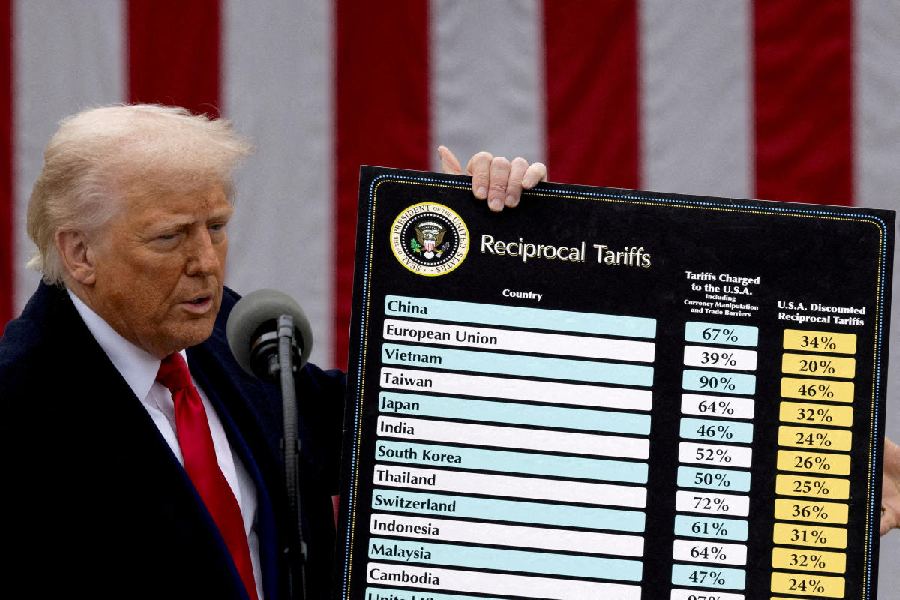
The US claims about the imposition and reductions of tariffs are immediately challenged by the more ‘developed’ countries involved, even though the merchant media including in Sri Lanka reports them as gospel truth. It is also blatantly clear that the US tariffs have less to do with seeking equitable trade & enabling industrialization, than with ensuring & extending US domination. The USA’s 50% tariff on Brazil accompanies their demand for interference in Brazil’s judiciary to exonerate a former President accused of an attempted coup, while threatening other countries who join the BRICS, etc. The US & Europe are apparently mortified at any attempt by countries to collectively challenge the ongoing practice of their multinational corporations (MNCs) to play workers against each other, driving wages down. The US calculations of tariffs have, however, underplayed our huge net imports of US ‘services’ as well as royalty payments for intellectual property rights (IPR), etc.
*
‘No digital space is 100% secure. Data is systematically collected
& used to assess & classify individuals & groups based on
their behavioral patterns & political or intellectual orientations.’
– see ee Quotes, Spying on Personal Data
*
In addition to using the tariffs to divide & tame socialist & nationalist forces in Sri Lanka by harassing, jailing & decapitating leaders, the US is trying to prevent an actual accounting of the state of international relations, including such economic measures as taxes on especially services, and more particularly, digital services. The US is also trying to obstruct & eliminate the proposed taxes on digital services, such has Google, FB & Hollywood (Netflix, Youtube), etc, which will begin on 1 October. Their subversion of such laws is linked to the larger challenge of controlling multinational banks & corporations, with budgets larger than the economies of most countries. (see ee Quotes, VAT vs Digital Tax)
The USA’s ‘Magnificent 7’ high-tech companies (NVIDIA, Microsoft, Alphabet/Google, Apple, Meta, Tesla, & Amazon: see ee Quotes) now dominate their economy & their politicians, and are supposed to be highly hyped, inflated & vulnerable – with most also profiting off the ongoing starvation of Palestinians. While their countries never divulge the actual state of their economic & military machineries, corporations & banks, generally, are plagued by a falling rate of profit, and the failure to provide increasing dividends to their shareholders (see ee Quotes, Fake Dividends).
*
AKD’s silent, pragmatic leadership enabled US tariffs to 20%
– Malik Samarawickrama, Economic advisor to UNP leader
Ranil Wickremesinghe (see ee Economists)
*
The USA’s promised ‘reduction’ of their inflated ‘tariffs’ have been profusely hailed by ‘industry bodies’ aka merchant mafia, eg, the Planters’ Association, Ceylon Chamber of Commerce, Joint Apparel Association Forum (JAAF), Exporters Association (EASL), Association of Manufacturers & Exporters of Rubber Products (SLAMERP), Colombo Rubber Traders’ Association (CRTA). Despite claiming to be ‘of Sri Lanka’, these associations are fronts for the English & US MNCs (eg, Exxon, Unilever, CTC, Proctor & Gamble, etc.) & banks (Standard Chartered, Ciitbank, etc.), who are the real source of so-called corruption (actually, business as usual) through their tax magic & transfer pricing, over- & under-invoicing.
The merchant & moneylender mafia in Sri Lanka know very clearly that the US & England & EU through their control of the internet, etc., are well aware of their exorbitant acquisitions of offshore assets in real estate etc, with the cash from their exports never ever being transferred into. They are taken out of Sri Lanka, tax-free, often stolen from other Sri Lankans or the state. Concealed by so-called (London or US) chartered accountants in chains of transfers between opaque holding companies, trusts & cutouts, they are laundered in violation of Sri Lankan statutes on money laundering, ignoring orders by the government or the Central Bank. Being exposed, or being cut-off from accessing their ill-gotten wealth via visas etc, ensures their submission to the USA. Sri Lankan money is being held in famed tax hideouts as England’s Guernsey, Isle of Man, Cyprus, Cayman Islands, British Virgin Islands, Luxembourg, Bermuda (many with the English King or Queen’s head on their stamps!) and the USA’s Delaware, Nevada, & South Dakota; as well as Singapore, Switzerland, United Arab Emirates (UAE), Panama, Hong Kong, Puerto Rico, Costa Rica.
The US threats to take Sri Lanka’s and most other countries’ leaders & economies down, are accompanied by increased war mongering. With their loss of profits and increasing unemployment, with the USA deploying nuclear subs ever closer to Russia, midst the sparking of proxy wars between countries in Asia & Africa, Sri Lanka has little choice for real survival but to abandon fake political partisanship and unite internally & internationally, to face the coming days. Nationalism & internationalism has to be girded by strong economic (modern industrial, the making of machines, not assembly, not just labor-intensive manufacture) policies & practices, that will enable the rule of the real producers, i.e., the working class.
*
• This ee Focus continues its reproduction of Chapter 1 of SBD de Silva’s Introduction to his classic The Political Economy of Underdevelopment (PEU). Here de Silva challenges the claim that the import-export plantation economy is more modern compared to peasant agriculture, and has impulses and advances to impart. This excerpt looks at the attempt to go beyond the limitations of neoclassical economic theory, by focusing on human foibles and so-called good governance (corruption etc). They blame Theravada Buddhism, primordial ethnicities, lack of civilization, etc. He also examines the critiques by so-called independent Marxists, focusing not on production but on distribution, and unequal exchange (dependency theory, promoted by white academia), etc. SBD emphasized Marx’s insistence that he had studied in detail only England’s trajectory into industrialization, and economists should be careful about crudely imposing his ‘historical sketch’ onto our countries.
This ee Focus also continues looking at the roots of demagoguery in the white settler dominion called the USA, through Gustavus Myers’ 1917 History of Tammany Hall, an early charitable NGO! This excerpt looks at the rise of the ‘big boss’ system – through the testimony of its later-indicted leader ‘Boss Tweed,’ after he was broken and diseased, about the control of politicians & elections, judiciary & police, through thuggery, fraud and the distribution of municipal contracts & employment…
By Darshana Sanjeewa Balasuriya Courtesy The Daily Mirror
300 Police officers suspended in 2025 for corruption
In 2025, Sri Lanka witnessed an unprecedented crackdown on police corruption, with over 300 officers suspended for various offences, including direct involvement in drug trafficking and abuse of power, a Minister said.
Minister of Public Security Ananda Wijepala said that the year has seen a dramatic rise in disciplinary action within the police force compared to 2024, where 200 officers were removed from their service in connection with the incidents related to misconduct, including having links to drug dealers and organised crime groups, assaults on suspects, deaths in custody, and illegal detentions.
The year has already seen multiple high-profile incidents. In the latest incident, the OIC of the Okkampitiya Police Station has been suspended after he was arrested by officials of the Commission to Investigate Allegations of Bribery or Corruption for allegedly soliciting a bribe of Rs. 40,000 from a businessman in Okkampitiya, in connection with a sand mining operation.
The Bribery Commission has arrested at least 10 police officers by mid-2025 on various bribery and corruption charges. One of the serious cases involved the Officer-in-Charge (OIC) of Poovarasankulam Police Station, who was arrested inside his office for accepting a Rs. 500,000 bribe to settle a land dispute.
Another serious case took place in Ragama, where two officers from the Western Province Crime Division were arrested for fabricating a narcotics possession case. The officers falsely accused a man of possessing 50 grams of illegal drugs and demanded Rs. 500,000 to drop the charges. They initially accepted Rs. 180,000 and held the victim’s wife’s passport as collateral before being caught during the final handover.
While some of the suspended officers were involved in minor bribery, such as a constable in Arachchikattuwa who took Rs. 1,500 to issue a clearance certificate, others were deeply entangled in more severe crimes, including shielding known traffickers and planting false evidence.
According to the reports, many police officers who had links with underworld figures and drug traffickers have also been suspended. Last month, three Police Constables attached to the Maradana Police Station were interdicted after being found to have maintained links with drug traffickers. In July, three police officers attached to stations in the Matara Police Division were suspended following misconduct at a spa in the Walgama area. In May, a police sergeant from Gokarella Police Station was suspended after a video went viral showing him assaulting a civilian during a late-night stop involving a man and a woman reportedly speeding on a motorcycle.
The crackdown has also extended to officers using illegal drugs. According to the Ministry, dozens of officers have been dismissed after testing positive for substances such as heroin and synthetic drugs like ICE. Intelligence and Special Investigations units compiled a list of suspected officers, who were later tested and removed from service following confirmation by the National Dangerous Drugs Control Board.
Minister Wijepala said that under the current government, roughly 2,000 to 3,000 internal investigations have been launched into police misconduct, particularly concerning links to drug trafficking and peddling and other organised crimes.
He said that disciplinary action will be taken without exception, even against long-serving or senior officers. Some officers with over 25 years in public service have lost their pension rights due to corruption findings.
The public must trust the police. We cannot afford to have a force tainted by criminality,” he said. These steps are critical in addressing our country’s drug crisis and restoring public confidence.”
The minister also said that several top positions in key law enforcement institutions are currently filled by acting officials, as the former officeholders are under investigation or involved in ongoing legal matters.
Why is that the case? The Controller General of Immigration is in remand custody. The Inspector General of Police has been imprisoned and is now out on bail. The Commissioner of Prisons was jailed in his prison and is also out on bail,” he said.
As a result, these key institutions are now led by officials in acting roles. This is what happens when public service is treated as a mere job or a personal opportunity.”
That is why we, as a government, must ensure that the law is enforced against anyone who commits an illegal act, regardless of their rank or position,” Minister Wijepala said.
Colombo, August 3 (Daily Mirror) – Foreign tourists arriving in Sri Lanka can obtain temporary driving licenses directly at the Bandaranaike International Airport (BIA) at Katunayake from today.
The on-arrival service counter, launched today aims to enhance convenience for travellers, particularly those who rent vehicles near the airport and prefer to drive during their stay.
Previously, tourists could only obtain temporary driving permits from the Department of Motor Traffic in Werahera.
According to the Ministry, most tourists use motorcycles, three-wheelers and light vehicles to travel across the island.
However, under the new system, licenses will be issued only for motorcycles and light vehicle categories. Driving permits for heavy vehicles and three-wheelers will not be provided through the BIA counter.
To apply for a temporary Sri Lankan driving license at the airport, foreigners must present a valid full driving license from their home country. Learner, probationary, provisional or temporary licenses will not be accepted. If the license is not in English, a certified translation is required. Applicants must also show a valid passport and visa.
The foreign driving license must be valid for at least one year from the date of conversion.
Temporary Sri Lankan licenses issued through this process will be valid for a maximum of five months. All restrictions noted on the foreign license—such as requirements for corrective lenses, use of automatic transmission or hearing aids—will be applied to the converted license as well.
The service will charge Rs. 2,000 per month of validity.
There was a time — not too long ago — when life was rooted in villages, families, faith, and community. People lived modestly, but with dignity. Homes were humble, yet filled with warmth. Families shared meals, elders were cared for, and children played under open skies, free from fear.
Evenings were filled with shared laughter, storytelling around flickering lamps, the simple melodies of a traditional instrument, or the quiet comfort of family presence. Joy was found in connection, not consumption.
There was no jealousy, no backstabbing, no envy. People were never looked down upon for who they were, or what they did. There were no high walls, no padlocked gates, no surveillance cameras. Doors were often left open — not because people were careless, but because they trusted one another.
Children walked to school alone, played until sunset, and returned home safely. They climbed trees, played in the mud, chased birds, and watched clouds. They were part of nature, not detached from it. They lived in harmony with the natural world. Trees were not just wood — they were shade-givers, fruit-bearers, and part of the family yard. Rivers were revered, not polluted. Animals were not pests or property, but companions and co-dwellers. Cows were respected, stray dogs were fed, birds nested freely in rooftops. No one needed to be taught environmentalism — it was a way of life. People took only what they needed, and left the rest — for others, and for nature.
No one worried about abduction, assault, or trafficking — nor felt the pressure to constantly acquire, upgrade, or keep pace with ever-changing material ideals.
Fulfillment was found in sufficiency, in the simple bounty of the land and the warmth of human connection, not in the relentless pursuit of material accumulation.
There were no lawyers needed for dispute – Conflicts were resolved by elders through dialogue and wisdom — not anger and litigation. Solutions were win-win, and no one walked away bitter.
There was no need for CCTV to protect one’s belongings, and very few prisons to hold broken men — because society was built on trust, honor, and mutual responsibility.
There were no banks or ATMs. No hospitals filled with strangers or machines. Instead, people relied on the native doctor— who, by feeling the pulse on the wrist, could diagnose illnesses even before modern tests like CT scans existed. Medicines came from herbs, nature’s pharmacy, tended with care and knowledge passed down generations.
Knowledge was passed orally from elders to youth. Storytelling, apprenticeships, and shared wisdom formed the backbone of education — practical, moral, and deeply connected to everyday life.
Money was scarce, and bartering was common — people exchanged goods, labor, and favors in trusted community circles. Most earned their living through farming, fishing, weaving, or craftwork.
Work was steady but sustainable, rooted in respect for the land and community, without exploitation or greed. Food was grown in their own plots or caught from unpolluted waters – fresh, wholesome, and shared freely. Meals were communal events, where the day’s harvest was celebrated, and no one went hungry.
There was no gambling, no pawning of belongings, no shadowy mafias, no money laundering or financial crimes to fear. Life was free from the complexities and vices that came with large-scale money economies.
The village temple, mosque, church, or kovil was not just a place of worship — it was the moral compass of the community. Faith was not a performance; it was quietly lived — through restraint, kindness, and integrity.
There were no placards demanding rights, no angry protests on the streets — because people understood their duties first. When duties were honored — to parents, to children, to community — there was no need to shout for rights.
What one gave, another received — in balance.
Neighbors weren’t strangers.
Everyone knew everyone. A child belonged not just to one family, but to the entire village. Children were raised collectively, embraced by the love and guidance of many, not just their parents. There was a profound sense of belonging, a knowing that one was woven inextricably into the fabric of the land and its people, their identity rooted in generations of shared soil and sky.
If someone fell ill, others came with meals and medicine. If a funeral took place, the whole community grieved. Survival was shared. Struggles were communal. Success was humble. Life’s slower pace fostered peace of mind and strong social bonds. Without the pressures of endless competition or digital distractions, people were more connected to themselves, their neighbors, and the natural world.
Women played a central role in nurturing family and community — not through demands for rights, but through daily acts of care, wisdom, and strength. There was no competition between males or females and definitely no people questioning their sex or gender!
There was no ceaseless stream of news, no constant demand for attention from invisible networks, no pervasive advertising whispering desires. Minds were free to wander, to observe, to dream, and to simply be present.
Life unfolded with the rhythms of the sun and seasons, dictated by natural cycles, not artificial deadlines. Work began with the dawn, rested in the heat of the day, and concluded as dusk settled, allowing time for reflection and genuine connection.
That world may not have been rich in numbers or machines — but it was rich in values.
And then… It changed.
The Arrival of Colonialism — The First Blow to Humanity
The real rupture in simple village life began not with development — but with invasion.
For over 500 years, Sri Lanka and much of the Global South endured wave after wave of colonial rule — by the Portuguese, Dutch, British, French, and others — who came not to settle peacefully, but to conquer, convert, extract, and control.
Villages that once lived in rhythm with the land were turned into territories of exploitation. The communal ownership of fields, forests, and water was upended by foreign-imposed land deeds, taxes, and private property laws.
Traditional livelihoods were criminalized, local industries crushed, and native medicine dismissed as superstition.
Spiritual life too was targeted. Temples and kovils were desecrated or abandoned, their custodians stripped of authority. Colonial missionaries rewrote the spiritual map — replacing millennia of inherited values with imported dogma and divisions.
Language was replaced, names were anglicized, and the sacred was redefined to serve a new foreign hierarchy.
The colonial project brought with it:
Forced conversions and cultural erasure
The plundering of forests, spices, gems, and labor
Introduction of cash crops and plantation slavery
Redefining caste and kin-based responsibilities
The criminalization of local justice and healing systems
A foreign legal and education system designed to divide, not elevate
Colonial rule taught communities to mistrust their roots and to aspire toward foreign ideals. The native was shamed into mimicry. The village teacher became less valued than the colonial clerk.
Colonial cities grew by draining villages — drawing in men as cheap labor and women as domestic servants, leaving families broken and communities hollow. The human cost was invisible behind the profits of tea, rubber, cinnamon, and pearls — all shipped away.
The colonizer came with flags and crosses, maps and guns — and left behind borders, prisons, poverty, and trauma.
This was the beginning of displacement.
Not just from land — but from identity, dignity, and self-sufficiency.
And long after flags were lowered and empires collapsed, their systems remained — repackaged as modernization,” progress,” and development.”
Colonials handed their role to local agents who had been molded to continue their agenda.
Development Arrived — But Humanity Declined
When colonial flags came down, the damage was already done. Villages were fragmented. Indigenous systems were dismantled. Faith and identity were distorted.
Then came the next wave — industrialization and development” — which did not heal the wound. It widened it.
Governments, independent only in name, adopted the very models the colonizers left behind. Urbanization was hailed as progress. GDP became the measure of success. Concrete replaced clay. Machines replaced hands. Quantity replaced quality. Speed replaced spirit.
Villagers were herded into cities in search of jobs — not freedom, but survival. Fields were abandoned for factories. Thatched roofs were traded for tin shanties. Family lands were mortgaged for quick loans. And in the shadows of rising skylines, slums mushroomed.
The price of development was displacement — not just of homes, but of hearts.
Prostitution rose — poverty pushed women and even children into exploitation.
Child labor became normal — tiny hands carried bricks instead of books.
Mental illness grew — but few noticed, fewer cared.
Elders, once revered, were left alone or sent to institutions. Parents worked double shifts, while children were raised by screens and strangers. Marriages became transactional. Friendships became digital. Communities became anonymous.
Morality no longer came from the temple, the church, or the family — but from trends, ads, and algorithms.
Technology promised connection — but delivered distraction. Phones replaced face-to-face conversations. Likes replaced love. Privacy disappeared, even in one’s own home.
And while material goods became abundant, emotional poverty deepened.
People began to live next to each other — but not with each other. They began to earn more — but feel less. To move faster — but care less. To know more — but understand nothing.
It was a world of progress — but not peace.
Of knowledge — but not wisdom.
Of wealth — but not values.
Neocolonialism — The Empire without a Flag
When colonial empires formally withdrew, the flags changed — but the chains remained. The end of European rule did not restore people’s sovereignty.
Instead, power passed silently into the hands of global financial institutions, international agencies, and local elites groomed to obey foreign agendas.
Colonialism evolved into neocolonialism — a more sophisticated and invisible system of control.
Where muskets and missionaries once ruled, debt, trade, and diplomacy took over. Where foreign governors once dictated terms, UN bodies, IMF/World Bank officials, and corporate boards now issue commands — with local politicians and media as their agents.
From World Wars to World Order
The two World Wars, often portrayed as battles for democracy, were in reality the birth pains of a new global hierarchy.
World War I redrew borders and buried empires — but introduced a system of global financial control.
World War II devastated old powers — and crowned new ones, particularly the United States, as the global enforcer.
In the post-war world, institutions like the World Bank, IMF, UN, NATO, and WTO emerged not as neutral helpers — but as tools to enforce a Western-designed economic and political order.
Loans came with conditions. Aid came with strings. Debt became the new form of colonial taxation — never-ending, ever-deepening debt.
A new empire without a Flag
This empire had no borders — but it controlled them all. It dictated:
What countries could grow and export
Who could build dams, ports, or power plants
What children would be taught in schools
What laws must be changed to attract investment”
Who would lead — and who would be removed, assassinated, or sanctioned
Nations that resisted this new order were destabilized, overthrown, or invaded:
Iraq, Libya, Syria, Venezuela, Iran — all bear the scars of resisting global hegemony
Assassinations of leaders like Patrice Lumumba, Aung Sang, Salvador Allende, and Muammar Gaddafi were not coincidences — they were calculated removals of resistance
While bombs fell on cities, loans buried nations under mountains of debt.
Progress — for Whom?
The story of development” was rewritten — no longer to serve people, but to serve corporate profits and foreign interests.
Villages were sacrificed for highways and hotels. Rivers were dammed for foreign energy exports. Farms were bought up by multinationals to grow export crops — while locals went hungry.
Local industries were shut down, called uncompetitive,” while cheap imports flooded markets.
Free trade” meant foreign goods got richer, and local producers went bankrupt. Privatization” meant handing public resources to a few powerful hands — often foreign-owned.
Economic reforms” meant cutting healthcare, education, and food subsidies — while paying billions in debt interest to global banks.
Under the new development model:
Culture was commercialized
Faith was politicized
Family was fragmented
Youth were alienated
Nature was monetized
Humanity was devalued
The dream of freedom became a nightmare of dependency. We were told we were progressing — but in truth, we were being programmed.
The War on History, Identity, and the Sacred
As global powers consolidated economic control, they turned to the next target — cultural sovereignty.
This new war was fought not with armies, but with narratives, media, education, and migration.
History was rewritten, or erased altogether. National heroes were vilified. Indigenous achievements were ignored. Colonial crimes were downplayed or glorified.
Mass migration was engineered — displacing millions, fragmenting traditional communities, and forcing multiculturalism” as a virtue while ignoring its failures. Instead of celebrating local identities, people were told to become rootless global citizens.”
Sacred sites were seized, destroyed, or rebranded— temples turned to tourist traps, ancient lands converted into military bases or mining fields.
Territories were claimed through international courts and bought through predatoryby arming rebel groups, insurgents, and non-state actors — always under the guise of freedom,” human rights,” or democracy.”
Education systems were globalized to alienate children from their culture.
Art and tradition were commercialized.
Language and literature were replaced with global pop culture.
Religion was either politicized or privatized.
A people disconnected from their history become easy to manipulate.
A nation without pride in its past will not fight for its future.
The attack was clear:
If you erase the past, you erase identity.
If you erase identity, you erase resistance.
If you erase resistance, you rule without chains.
We are not merely being developed. We are being redefined.
And the question remains: Progress for whom? At what cost? And who decides?
The Great Disconnect — From Humanity to Artificial Intelligence
In the final phase of this transformation, humanity has entered the age of artificial intelligence — a world governed not by elders, but algorithms. Where once we turned to nature and community for guidance, we now look to machines, metrics, and screens.
AI promises efficiency, but at the cost of empathy. Algorithms predict our desires before we even know them — curating choices, filtering facts, and reshaping thought itself. Decisions once made with wisdom and heart are now made by data sets and corporate code.
Children are raised on screens rather than stories.
Identity is shaped by digital affirmation, not family or faith.
Relationships are filtered through apps, and emotions measured in likes, shares, and emojis.
The rise of AI has not just replaced human labor — it has begun to replace human judgment, human bonds, and even human purpose.
As machines grow smarter, societies grow more disconnected.
And with the digitization of education, healthcare, commerce, and even spirituality, the human touch is disappearing. What was once sacred — from a mother’s lullaby to the village healer’s touch — is now simulated, recorded, and monetized.
Surveillance has replaced trust. Predictions have replaced conversation. Automation has replaced vocation.
The human being — once at the center of community and creation — is being reduced to a data point in a vast, impersonal system.
In the name of progress, we have forgotten presence.
In pursuit of convenience, we have abandoned connection.
AI may solve equations, but it cannot feel loss, love, loyalty, or longing. It cannot raise a child with values. It cannot mourn with the grieving. It cannot laugh without reason or give without expectation.
This is the great disconnect — a world that seems smarter, but feels less human.
Reclaiming Humanity — The Path Forward
But this story need not end in despair. The tide can turn.
The path forward is not to reject technology outright — but to reclaim our humanity alongside it. It is not about going backward, but going inward — to recover what was stolen, suppressed, or forgotten.
A future worth living demands that we:
Revive Community
Rebuild the lost village — not just physically, but spiritually.
Return to cooperative living, shared labor, and collective care.
Make neighborhoods places of knowing, not anonymity.
Restore communal responsibility: where children belong to everyone, and no elder is left behind.
Restore Faith and Moral Anchors
Not for the sake of religious dominance — but for moral clarity.
Re-center duty over entitlement, restraint over indulgence.
Let temples, churches, mosques, and kovils again be moral compasses — not performance halls.
Reconnect the sacred with the everyday — where integrity is lived, not preached.
Rebuild Wisdom Chains
We must reconnect generations.
Let elders pass down experience, stories, and ethics — not be discarded as obsolete.
Let youth listen, learn, and evolve — not wander rootless in digital confusion.
Restore apprenticeship, oral tradition, and mentorship as cornerstones of real education.
Reintegrate with Nature
This planet is not a resource — it is a relative.
Return to living with the rhythms of the sun, the soil, and the seasons.
Design homes and cities that breathe with nature, not against it.
Let healing return to herbs, food return to gardens, and respect return to all life forms.
Realign Education
Shift from schooling to true learning.
Teach values, character, and compassion — not just competition and compliance.
Embed tradition with innovation, memory with skill, conscience with curiosity.
Let education root identity, not erase it.
Reclaim the Family
The family is the first institution of civilization.
Defend it from being diluted, dismantled, or commercialized.
Celebrate the sacred bonds of motherhood, fatherhood, and kinship.
Create economies and policies that support strong, stable, multigenerational families.
Redesign Economies
From GDP to GNH — Gross National Happiness.
Shift from extractive to regenerative economics.
Prioritize local production, fair trade, and meaningful work over speculation and speed.
Ensure that every economic policy answers one question:Does it serve human dignity?
Rethink Development
Development must mean deepening life, not just expanding infrastructure.
Stop mistaking concrete for civilization, or speed for success.
Redefine progress as harmony — with self, society, and soil.
Choose balance over excess, slowness over stress, and depth over data.
Not Utopia — But Survival with Soul
This is not utopian nostalgia. It is grounded realism. These were once the principles by which humanity survived, thrived, and found peace.
If we do not choose to remember what made us human, we will be reshaped into something post-human — efficient, connected, productive, but ultimately empty.
The past is not to be worshipped — but learned from.
And from the ashes of lost villages, temples, forests, and families — a new civilization can rise, rooted in ancient wisdom, reborn with new resolve.
Let us replant the seeds of humanity — in our homes, in our hearts, and in our hopes.
Let us begin again
We do not need to return to the past — but we must remember what made us truly human.
Let us all start small:
Slow down.
Speak kindly.
Share a meal.
Plant a tree.
Listen to elders.
Teach our children values.
Reconnect with the sacred and the soil.
One act of care at a time.
One home at a time.
One village at a time.
This is how we rebuild what was lost — by living differently, starting now.
The future doesn’t need to be written in code or concrete.
It must be written in how we choose to live — with courage, with compassion, and with conscience.
Over the last two decades, the Western education system—particularly in the United States, United Kingdom, and European Union—has undergone a dramatic ideological shift. Under the banners of inclusivity,” diversity,” and progress,” gender ideology and LGBTQIA+ curricula were introduced into classrooms—often without parental knowledge or consent. What began as anti-bullying efforts evolved into sweeping programs that redefined sex, gender, identity, and parental authority.
This article traces how these changes occurred, who led them, and how they reshaped the educational landscape—and the moral foundations of Western society.
· Stonewall, the UK’s most influential LGBTQ+ group, shaped policy and teacher training across the country.
· Ofsted began evaluating schools on LGBTQ+ inclusivity” as part of inspection criteria.
2019–2020: New RSE Curriculum
· The new Relationships and Sex Education (RSE) framework mandated teaching:
o Different family types,” including same-sex parents.
o Transgender concepts from primary school onward.
o Gender identity as a matter of personal choice.
· Parents were given limited opt-out for sex education—but not from gender ideology content.
Backlash and Legal Scrutiny
· Muslim parents in Birmingham protested the No Outsiders” program in 2019.
· Some schools revised or paused LGBTQ curricula due to community resistance.
· In 2023, Prime Minister Rishi Sunak announced a review of gender identity teaching in schools.
3. EU Commission Guidelines: Reinterpreting Rights without Legal Basis
· Since the early 2010s, the EU has aggressively promoted LGBTQIA+ rights as part of its human rights agenda—despite there being no legal basis in international law to classify LGBTQIA+ lifestyles or gender ideology as human rights.”
· No core treaty—whether the UDHR, ICCPR, or ECHR—recognizes sexual orientation or gender identity as protected rights. Yet, the EU pressured member states to implement LGBTQ-inclusive education, anti-discrimination training, and identity policies.
· Compliance was often linked to funding, EU alignment, or values” standards—bypassing public debate and national sovereignty.
Key Methods used to introduce LGBTQIA+ and Gender Ideology into Schools
1. Teacher Training and DEI Indoctrination
Mandatory Diversity, Equity, and Inclusion” training redefined gender as a spectrum and encouraged the affirmation of all identities. Traditional views were framed as outdated or discriminatory, leaving little room for academic debate or personal belief.
Textbooks were updated to include same-sex relationships, transgender characters, and historical LGBTQIA+ figures. Biology lessons began teaching that sex is assigned at birth” and that gender is fluid—blurring the lines between science and ideology.
Schools adopted strict pronoun usage rules. Teachers and students were required to use preferred names and pronouns, even if they conflicted with biological reality. Refusal was equated with bullying or discrimination – some teachers were even fired.
4. Social Transitioning Without Parental Consent
In many cases, schools helped children transition socially—changing names, pronouns, and bathroom usage—without informing their parents. This secrecy sparked outrage and lawsuits across the U.S. and U.K.
LGBTQIA+ clubs and Gender & Sexuality Alliances (GSAs) were introduced as early as elementary school. These groups, often supported by outside activist organizations, encouraged children to question gender roles and identity—frequently without parental consent.
6. Drag Queen Story Hours and Pride Events
School events included drag performances, pride parades, and gender-themed assemblies, often described as diversity celebrations.” These programs exposed young children to adult concepts under the banner of tolerance.
Policy guidance from bodies like the EU Commission, UNESCO, and national education departments enforced ideological compliance. NGOs such as Stonewall (U.K.), GLSEN (U.S.), and ILGA-Europe created training materials and pushed “inclusive education” as a rights issue—linking it to school performance ratings and funding.
Impact on Normal Children, Traditional Families, and Religious Values
1. Psychological Confusion Among Normal-Developing Children
Children raised in stable homes are now exposed to lessons that question their biological sex and upbringing. Many feel pressured to adopt alternative identities just to avoid being seen as old-fashioned or privileged.”
Parents with conventional values—moral, religious, or cultural—find themselves sidelined. Their parenting is framed as intolerant,” and children are subtly taught to distrust or reject their family’s worldview.
In many cases, the school—not the parent—is given authority over a child’s identity decisions. Parents who question transitioning are sometimes reported to child services or treated as abusers.
Major religions uphold the binary nature of sex and gender, but these beliefs are now classified as hateful” or extremist” in some Western institutions. Faith-based students and staff face pressure to conform—or be silenced.
Ironically, while LGBTQIA+ policies were introduced to stop bullying, they’ve enabled ideological bullying. Children with religious or modest beliefs are mocked as bigots” or punished for nonconformity.
The deconstruction of sex, family, and identity has left a generation without clear moral grounding. Rising mental illness, anxiety, and identity instability among teens reflect a deeper crisis of meaning and structure.
7. Decline in Educational Focus and Discipline
Academic performance suffers when classrooms become ideological battlegrounds. Teachers spend more time on pronouns and identity politics than on core subjects, and classroom discipline erodes under fear of offending marginalized” identities.
The introduction of LGBTQIA+ and gender ideology into Western schools was not a democratic or organic shift. It was driven by activist agendas, supported by international institutions, and enforced through policy. While it claims to promote inclusion, it has done so at the expense of truth, parental rights, academic integrity, and the well-being of children.
The damage is not just statistical—it is spiritual, social, and generational. And for many families, the school has ceased to be a place of learning and become a battleground for their child’s identity, morality, and soul.
The genesis of the player referral system in cricket, now known as the Decision Review System (DRS), can be traced back to Sri Lankan lawyer Senaka Weeraratna in 1997.
He proposed a system where players could challenge on-field umpire decisions, drawing an analogy to the appellate function of the legal system. This concept, first published in The Australian newspaper, ( March 25, 1997) was revolutionary as it challenged the long-standing principle of the umpire’s decision being final. The ICC later adopted and implemented this concept as the DRS, significantly changing how decisions are made in cricket.
Here’s a more detailed breakdown:
Early Concept (1997): Senaka Weeraratna, then living in Darwin, Australia, proposed a system where players could refer decisions to a third umpire for review, arguing that the umpire’s decision wasn’t always accurate.
Analogous to Legal System: Weeraratna’s concept was unique as it drew a direct parallel between cricket’s decision-making process and the legal system’s appellate structure.
Challenging the Norm: The idea was groundbreaking because it directly questioned the umpire’s final say, a fundamental principle in cricket since its inception.
Formal Adoption (2006): The International Cricket Council (ICC) formally adopted the concept of player referral and, after further development and testing, introduced it as the Umpire Decision Review System (UDRS or DRS).
Initial Implementation (2008): The DRS was first tested in a Test match between India and Sri Lanka in 2008.
Official Launch (2009): The system was officially launched by the ICC in November 2009 during a Test match between New Zealand and Pakistan.
Evolution and Refinement: The DRS has undergone several changes and refinements since its introduction, with the ICC continuing to work on improving the technology and its application.
Sri Lanka has the potential to become for India what Macau is to China, according to Lawrence Ho, chairman of Melco Resorts & Entertainment Ltd., as the Hong Kong-listed gaming resorts operator opened its first South Asian property in Colombo on August 2.
Sri Lanka can be to India what Macau is to China,” Ho said at the launch of the $1.2 billion City of Dreams Sri Lanka project, developed with the country’s John Keells Holdings.
Macau is by far the biggest gaming market in the world. Colombo is the closest destination to India, and an integrated resort like this gives the city a lot of potential,” he added.
The plush property – more than a decade in the making – includes two hotels, apartments, adult gaming facilities, restaurants, a shopping mall and event spaces.
A star-studded launch event is scheduled for tonight, with Bollywood actor Hrithik Roshan performing at what is expected to be a glittering affair.
Targeting India and the Middle East
The top executive added that the sea-facing resort is designed to draw affluent tourists from India, the Middle East, Russia and China, positioning Colombo as a gateway destination.
Sri Lanka is perfectly positioned as a gateway to key feeder markets,” said Balendra.
India in particular is showing tremendous growth in its affluent middle and upper classes. By leveraging our global network of properties and expertise, we aim to attract high-end international travelers who are seeking world-class experiences in an authentic and unique destination like Sri Lanka.”
Investment signal
At the same conference, Krishna Balendra, Chairperson of the John Keels Group, pointed out that the scale of the development sends a strong signal to global investors that Sri Lanka is open, stable and investable after years of political turmoil and an economic crisis.
This project with an investment of $1.2 billion is expected to generate a significant multiplier effect for the Sri Lankan economy. 1000s of jobs in construction, retail, technology, hospitality, FDI,” said Balendra. He added that it’s their most ambitious project, but is confident that it will boost the country’s GDP.
Today is not just a launch of a milestone project, it’s a defining moment for Sri Lanka. This is our country’s largest private sector investment and it’s our declaration of belief in Sri Lanka’s future … Through every challenge from economic headwinds to the global pandemic, we have chosen to invest not retreat.”
Ho was equally enthusiastic.
This project is about more than creating a luxury resort,” Ho said. It’s about helping to elevate Sri Lanka’s global profile and contributing to its tourism economy. A development of this scale has a cascading effect — it drives demand for local products, services and supply.”
‘A long bet on Sri Lanka’
Ho said he first visited Colombo in 2013 and was shown renderings of the building.
We’ve built some pretty amazing properties around the world, but this one seemed impossible,” he said. And today, we are standing in this iconic building.”
He described the project as a collaboration aimed at helping to raise Colombo’s profile on the map of global cities” by leveraging Melco’s experience in luxury hospitality and entertainment.
Stability after setbacks
Balendra said the resort was conceived in 2010 as Sri Lanka emerged from a 25-year civil war.
We stayed the course despite the Easter bombings, the pandemic and the economic crisis,” he said. We believe the stability we are seeing now creates an opportunity to position Colombo as a regional and global hub.”
A formal legal framework for gaming, introduced in 2023, enabled Melco to enter the market. The company has a 20-year license to operate adult gaming facilities within the resort.
Early signs
Balendra said winter bookings at the group’s hotels, including the new resort, are ahead of last year.
Melco Resorts operates integrated resorts in Macau, Manila and Cyprus, with City of Dreams Sri Lanka marking its first move into South Asia.
Minister of Education, Higher Education, and Vocational Education, Prime Minister Dr. Harini Amarasuriya stated that there will be no obstruction whatsoever to university students engaging in protests, struggles, or student politics.
However, there will be no forgiveness for those involved in violence or ragging.
The Prime Minister made these remarks during a discussion held with the academic staff, administrative officers, and students following the ceremonial opening of the newly constructed library building at the University of Vavuniya, according to the Prime Minister’s Media Division.
The Prime Minister unveiled the commemorative plaque to mark the opening of the new library and also participated in an inspection tour of the new library premises. Special attention was then drawn to issues concerning university students.
Further elaborating, Prime Minister Dr. Harini Amarasuriya stated:
The government’s expectation is not just quantitative expansion in the field of education, but to transform universities into spaces that offer quality education producing students who can face the world and engage with it meaningfully.
Universities must go beyond simply producing first-degree graduates and the government’s goal is to develop institutions that offer postgraduate education and conduct impactful, meaningful research that benefits both the nation and the world.
Over the years, our university system has expanded, but not enough attention has been drawn to the quality. We must ensure that graduates from our universities are prepared with confidence to face the global stage.
In the upcoming years, it is necessary to transform universities into postgraduate institutions, centers of teacher education, and hubs of research excellence ensuring that the quality of higher education meets international standards.
Many in this assembly may agree that universities often fail to produce graduates that meet the expectations of their institutions.
New entrants to universities frequently lack the expected quality and essential foundational skills. As a result, universities are forced to teach what should have been taught in school. This is because the responsibilities of school education are not being properly fulfilled.
This situation has placed a considerable burden on the country’s higher education system. We must not forget to ensure that the children are ready for the workforce or higher education when a child completes school.
Through the new education reform, we are working to change this situation.
At the same time, we place no restrictions on university students raising their voices, protesting, or engaging in student politics to claim their rights. However, there will be no tolerance for violence, ragging, or any act that harms the peaceful student community within universities. We are not prepared to offer forgiveness for such acts.
The government is in a policy decision to provide the facilities necessary to deliver quality education for university students at the highest standard, and is actively working toward that goal.”
The event was attended by the Chancellor, Vice-Chancellor, academic staff, administrative officials, and students of the University of Vavuniya, the statement said.
The Judicial Service Commission has suspended Thilina Gamage, who served as the District Judge and Magistrate of Moratuwa.
The suspension is due to an ongoing investigation by the commission into charges of misconduct against him.
The Magistrate was officially informed of the suspension in writing yesterday (1) and has been given 21 days to respond.
The investigation is related to Gamage’s alleged involvement in elephant trafficking.
The Judicial Service Commission filed a charge sheet against him last June.
This is not the first time Thilina Gamage has been suspended.
In 2015, the Attorney General filed a case against him on 25 counts under the Public Property Act.
He was accused of illegally possessing an elephant calf named “Sakura” using a forged permit.
The Criminal Investigation Department (CID) launched an investigation into the matter, and the elephant calf was handed back to the Department of Wildlife in May of 2015.
The Judicial Service Commission suspended Thilina Gamage, who was then an Additional Magistrate in Colombo, in May 2016.
However, on December 16, 2021, the Colombo High Court acquitted him of the charges after the Attorney General’s Department failed to present sufficient evidence.
Dr. Gamini GoonetillekeFRCS and Dr. Ruwan M Jayatunge M.D. PhD
The three decades of conflict in Sri Lanka left a profound impact on its victims, mainly soldiers, rebels, and civilians with numerous serious injuries. Wretchedly, many victims did not survive these injuries. Those who were wounded grappled with both physical challenges and long-term psychosocial issues, highlighting the urgent need for comprehensive healthcare services tailored to their needs. Across the island, a significant number of injured individuals face enduring disabilities that hinder their daily activities. Recognizing the depths of their physical and emotional wounds is crucial, as is understanding the broader psychosocial ramifications of their experiences. These victims must receive effective medical treatment to facilitate their recovery and prevent further health complications.
Weapons used in the Eelam War.
The Eelam Wars were marked by a diverse and deadly combination of weaponry employed by both the Sri Lankan military and the Liberation Tigers of Tamil Eelam (LTTE). The conflict featured an extensive range of missiles, explosives, and high-velocity arms. While the military relied on conventional weapons, the LTTE utilized both captured and locally produced arms, including improvised lethal explosive devices. Their arsenal comprised AK-47s, T-56s, M-16s, long-range artillery, rocket-propelled grenades, mortars, alongside booby traps, sea mines, landmines, and anti-personnel mines. This varied and lethal assortment of weaponry turned the battlefield into a harrowing environment.
Gunshot Injuries
Gunshot injuries were prevalent during the armed conflict in Sri Lanka, leading to complex medical challenges. The impact of a bullet can create permanent spaces in the tissue known as cavities, and the surrounding damage can significantly affect overall health (Shrestha et al., 2023). Victims of gunshot wounds often face serious complications, including direct damage to tissues, vascular issues, and bone fractures, which can lead to chronic infections such as osteomyelitis. The consequences of these injuries can be long-lasting, affecting not only physical health but also mental well-being and social interactions. Survivors frequently deal with chronic pain, neurological issues, and diminished physical and mental health.
Injuries Following Artillery Fire
Artillery constituted one of the most devastating forces during Sri Lanka’s armed conflict, resulting in numerous battlefield injuries. The explosive power of artillery fire led to various types of injuries, with many arising from the blast wave itself. This blast can inflict trauma on the lungs, ears, and gastrointestinal tract. Additionally, shrapnel from artillery can cause penetrating wounds, fractures, burns, and damage to internal organs. The long-term repercussions of these injuries can be severe and varied, often manifesting as chronic pain, infections, nerve damage, and psychological trauma.
War Injuries from Mortar Explosions
During the Eelam War, mortar attacks became a prominent tactic, causing a wide array of injuries through blast effects, fragmentation, and blunt force trauma. The force of these attacks can result in anything from minor injuries to life-threatening trauma. Typical injuries include damage to internal organs due to the explosion, penetrating wounds from fragments, burns from the heat, and blunt force trauma from impacts with surrounding objects. The lasting impact of injuries from mortar explosions can be profound, influencing various aspects of a person’s life, including their physical health, mental capacity, and emotional stability. These injuries encompass conditions like traumatic brain injuries (TBIs), post-traumatic stress disorder (PTSD), chronic pain, and even the loss of limbs. The repercussions can extend beyond just health issues, affecting one’s quality of life, job prospects, and social relationships.
Injuries from Antipersonnel Mines
Antipersonnel landmines, designed to target individuals, were prevalent throughout the Eelam War. Both conventional and improvised mines were used, often fashioned to blend seamlessly into their surroundings. Their camouflaged designs, made from various materials including wood, plastic, and metal, make them difficult to detect. These mines are triggered by pressure or tripwires, leading to catastrophic consequences. The explosive force of antipersonnel mines can result in severe injuries, especially to limbs and soft tissues, often resulting in traumatic amputations, significant soft tissue damage, and shrapnel wounds. The aftermath of these injuries can extend beyond the physical, leading to psychological issues such as PTSD, anxiety, and depression. Survivors frequently face social challenges too, including stigmatization, unemployment, and a loss of independence, all of which can strain family and community dynamics.
Treating War Injuries
Addressing war injuries demands a comprehensive strategy that prioritizes immediate treatment, surgical care, infection prevention, and rehabilitation. The harsh realities of war lead to injuries, fatalities, disabilities, and the impairment of essential bodily functions. Initially, the focus is on emergency care and life-saving procedures, quickly followed by critical interventions that include repair work, reconstructive surgery, and physical rehabilitation. These essential services are provided by committed teams of specialists, including orthopedic, plastic and reconstructive, and maxillofacial surgeons, primarily from the National Hospital and the Military Hospital in Colombo.
Psychological Injuries of the Eelam War
The toll of war extends deeply into mental health. Physical injuries from conflict, exposure to traumatic combat experiences, forced displacement, and the mourning of lost loved ones all contribute to significant psychosocial stress. The psychological impact of war can be profound, leading to disorders such as PTSD, depression, and anxiety. These invisible wounds affected not only the veterans; civilians—especially children—often grapple with long-lasting mental health challenges that hinder their ability to lead fulfilling lives. The Eelam War in Sri Lanka left lasting psychological scars on combatants, members of the LTTE, and a large number of civilians.
Conclusion
War-related injuries embody both physical and psychological trauma, carrying extensive ramifications for individuals and society as a whole. While physical injuries are generally visible and immediate, psychological wounds like PTSD and moral injuries may manifest in subtler, enduring ways, potentially fostering cycles of violence. Effective treatment necessitates a multi-faceted approach that incorporates trauma-informed care, mental health support, and addressing the social and economic conditions that fuel conflict.
Dr. Gamini Goonetilleke is a senior consultant surgeon in Sri Lanka with four decades of experience, having worked in many hospitals across Sri Lanka, including the combat zones during the civil war in Sri Lanka, where he gained much experience in managing battle casualties. His surgical experiences have been documented in three published books titled In The Line of Duty: The Life and Times of a Surgeon in War and Peace, The Extra Mile: A Surgeon’s Experiences, and The Healing Cut: Extraordinary Surgical Triumphs.
Dr. Ruwan M. Jayatunge, M.D., PhD, is a medical doctor and a clinical psychologist, and also a member of the American Psychological Association (APA). He is a guest lecturer at Sri Lankan and North American universities.
References
Banford Witting A, Lambert J, Wickrama T, Thanigaseelan S, Merten M. (2016). War and disaster in Sri Lanka: Depression, family adjustment and health among women heading households. Int J Soc Psychiatry. 425-33. doi: 10.1177/0020764016650213. Epub 2016 Jun 9. PMID: 27282175.
Bourke J. War’s carnage: wounds and weapons. (2016). Lancet. 16;387(10028):1610-1. doi: 10.1016/S0140-6736(16)30209-4.
Somasundaram D. (2010). Collective trauma in the Vanni- a qualitative inquiry into the mental health of the internally displaced due to the civil war in Sri Lanka. Int J Ment Health Syst. doi: 10.1186/1752-4458-4-22. PMID: 20667090; PMCID: PMC2923106.
The Ambassador of France to Sri Lanka, H.E. Rémi Lambert, paid a courtesy call on the Deputy Minister of Defence Major General Aruna Jayasekara (Retd) at his office in Colombo, yesterday (Jul 31).
During the cordial meeting, the Deputy Minister and the French Ambassador engaged in discussions on matters of mutual interest, including strengthening bilateral defence cooperation and exploring opportunities for collaboration in areas of maritime security and capacity building.
The Deputy Minister expressed sincere appreciation for France’s sustained engagement and valuable cooperation with Sri Lanka, particularly highlighting the significant contributions of the Regional Centre for Maritime Studies (RCMS) located at General Sir John Kotelawala Defence University (KDU) in Rathmalana.
The meeting served as a productive platform to exchange perspectives on current regional security developments and explore potential areas for future bilateral collaboration.
Colonel Paltriaux, Defence Attaché of France, also participated in the discussion.
Bangladesh secures 20% tariff on key garment exports to US. India faces higher 25% tariff on apparel shipments. Pakistani, Sri Lankan exporters cautious about impact of 19% tariff
Donald TrumpFile picture
India’s neighbours Bangladesh, Sri Lanka and Pakistan all got better rates than India as US President Donald Trump put steep tariffs on exports from dozens of trading partners, including Canada, Brazil and Taiwan, ahead of the trade deal deadline Friday.
Bangladesh, the world’s second-largest garment supplier, heaved a sigh of relief after negotiating a 20 per cent tariff on exports to the US, down from the 37 per cent initially threatened, bringing relief to exporters.
Dhaka’s rate is in line with other major apparel-exporting countries such as Sri Lanka, Vietnam, Pakistan and Indonesia. India will face a steeper 25 per cent tariff.
“Protecting our apparel industry was a top priority, but we also focused our purchase commitments on US agricultural products. This supports our food security goals and fosters goodwill with US farming states,” Khalilur Rahman, Bangladesh’s national security adviser and lead negotiator, told Reuters.
Muhammad Yunus, head of the country’s interim government, called it a “decisive diplomatic victory” for Bangladesh, which has a $40-billion apparel export sector –
The readymade garments sector is the backbone of Bangladesh’s economy, accounting for more than 80 per cent of total export earnings, employing about 4 million workers, and contributing about 10 per cent to its GDP.
“While the 20 per cent tariff will cause some short-term pain, Bangladesh remains better positioned than many of its competitors,” Mohiuddin Rubel, additional managing director at Denim Expert Ltd, which makes jeans and other items for brands including H&M, told Reuters.
In India, Chintan Thakker, chairman of industry body ASSOCHAM in Gujarat, a major apparel exporter, said Delhi was hoping that the tariffs will be rationalised.
“We will have to recalibrate our strategies depending on the final tariff imposed,” Thakker told Reuters.
Sri Lanka, Pakistan cautious
Pakistan, which exported about $4.1 billion worth of apparel to the US in the 2024 fiscal year, secured a tariff rate of 19 per cent, but industry figures were cautious about the immediate impact.
“Considering India’s lower production costs and the likelihood of it negotiating reduced tariffs in the near term, Pakistan is unlikely to either gain or lose a meaningful share in the apparel segment,” Musadaq Zulqarnain, founder and chair of Interloop Limited, a leading Pakistani exporter, told Reuters.
“If the current reciprocal tariff structure holds, significant investment is likely to flow into DR-CAFTA countries and Egypt,” he said, referring to a trade agreement between the US and a group of Caribbean and Central American countries.
Sri Lanka also secured a 20 per cent tariff rate from the US, which accounted for 40 per centof its apparel exports of $4.8 billion last year.
“The devil will be in the details as there are questions over issues such as trans-shipment, but overall it’s mostly good,” Yohan Lawrence, secretary general of the Joint Apparel Associations Forum, a Sri Lankan industry body, told Reuters.

.jpeg)