චානක බණ්ඩාරගේ
රටේ ජනාධිපති, ප්රබල ඇමතිවරු, විපක්ෂනායක, සභානායක සහ බොහෝ මන්ත්රීවරු තමන්ගේ මන්ත්රී පදවි ලැබීමට පෙර කිසිදා රැකියාවක් කර නැති අය නම් ඒ රටට දෙවියන්ගේම පිහිටයි.
රටේ සාමාන්ය ජනතාව මෙන් රට කරන පාලකයන් කළින් කිසියම් හෝ රැකියාවක් කර තිබු අය විය යුතුයි. එවිටයි ඔවුනට රටේ වැඩ කරන ජනතාවගේ හර්ද ස්පන්දනය දැනෙන්නේ, තේරෙන්නේ.
ආයතනයක සේවකයෙක් මාසික වැටුපක් ලබා, EPF/ETF ගිණුම් පවත්වා ගෙන අය. කිසිදා රක්ෂාවක් නොකළ කෙනෙකුට මේ අත්දැකීම් නැහැ, මේවා තේරෙන්නේ නැහැ.
ආයතනයක සෙසු සේවක සේවිකාවන් සමඟ වැඩ කර, සාමුහික වගකීම යනු කුමක්ද (team spirit) යන්න රක්ෂාව තුලින් අත් දැකීම් ලබනවා. ඇඳුම් පිලිසකරණ කරන ගාමන්ට් එකක වැඩ කරන සේවිකාවකට පවා මේ මහඟු අත්දැකීම් තිබෙනවා. එයින් ඔවුන් එදිනෙදා සමාජයේ ජීවත් වීම හදා ගන්නවා.
කිසිදා රැකියාවක් සිදු කර නැති අපේ බොහෝ පාර්ලිමේන්තු නිතී සම්පාදකයෝ. ඔවුන්ට එය නැහැ.
නැවතත්, රට පාලනය කරනවා නම්, නිතී හදනවා නම් කළින් රක්ෂාවක් (රජයේ හෝ පුද්ගලික අංශයේ) කර ලබා ගත් අත්දැකීම් ඉතා අවශ්යයි. නැත්නම් ඒ කෙනා මහජන නියෝජිතයෙක් ලෙස අසම්පූර්ණයි, ලොකු හිදැසක් තියෙන කෙනෙක්. සමාජයේ කොටසක් නෙවෙයි වගේ ඒ අය.
රැකියාවක් කරනවා යනු කුමක්ද කියා දන්නේ රැකියාවක් කල කෙනා පමණයි. රැකියාවක අංගයක් තමා උසස් විධායක නිලධාරින්ගේ විධාන යටතේ වැඩ කර තිබීම, වෙලාවට වැඩට පැමිණීම, ආචාරශීලීව විනීතව හැසිරීම වැනි දේ.
ආයතනයේ සෙසු සේවකයන් සමඟ විනෝද ගමන් යාම, අවුරුදු/නත්තල් පාටියට සම්බන්ධ වීම ආදිය සිදු වෙනවා.
මේ පළපුරුද්ද සමාජයේ ජීවත්වීමටත් ඉතා වැඩ දායකයි. මේ අත් දැකීම් නැති පාලකයන්ට රටේ වැඩ කරන මිනිසුන්ගේ එදිනෙදා ප්රශ්ණ නිසියාකාරව තේරුම් ගැනීමට අපහසුයි.
නිදහසෙන් පසු අපේ රටේ හිටපු පාලකයන් දෙස ආපසු හැරී බැලීමේදී බොහෝ දෙනෙකුට කළින් රැකියාවක් කර ලබා ගත් අත්දැකීම නැති බවයි පෙනෙන්නේ. හැමෝම වගේ රටේ නායක පුටුවට වැටුනේ කළින් කිසිම රක්ෂාවක් නොකර.
වසර 77 තුල මේ රට අගාධයට යාමට මෙයත් ප්රබල හේතුවක්.
කළින් ලිපියක සඳහන් කලාක් මෙන් රටේ පාලකයෝ අඩුම තරමින් ස්වයං රැකියාවක් කරලා හොඳට ‘කට්ට කාපු’ අය හෝ වෙන්න ඕන. ගොවියෙක්, බාස් කෙනෙක්, ඩ්රය්වර් කෙනෙක් වෙලා සිටියත් කමක් නැහැ. ඒ අයටත් වැඩ කරන මිනිසාගේ ප්රශ්ණ, දුක අත්දැකීමෙන් තේරෙනවා.
වැඩේ දරුණුම වෙන්නේ තරුණ කාලේදී රටේ ට්රාන්ස්ෆොර්මර් ගිණිතියපු, බැංකු වගේ දේවල් කඩපු අය දැන් රටේ බලය හොබවනවා නම්. කළින් ලිපියක සඳහන් කලාක් මෙන් මේ අයට කවදාවත් සැබෑ දේශප්රේමීන් වෙන්න බැහැ.
රට ගැන ආදරය තිබෙන කෙනෙකුට කිසිදා රටේ සම්පත් විනාශ කරන්න හිත දෙන්නේ නැහැ.
රාවණා ඇල්ල බස් අනතුරේ ඩ්රයිවර් ඊට කළින් කවදාවත් බස් එකක් එලවපු නැති කෙනෙක්ලු. කොතරම් හානියක්ද ඔහු කළේ – රියපදවීමේ අත්දැකීම, පළපුරුද්ද ඔහුට නොමැති වීම නිසා.
පාර්ලිමේන්තු මන්ත්රී කෙනෙක් හැටියට වසර ගණනාවක් වැඩ කළා කියන එක කළින් රැකියාවක් කල කෙනෙක් ලෙස පිළිගන්න අමාරුයි. පාර්ලිමේන්තුවේ හිටපු මන්ත්රීලා 225ම හොරු බවයි පොදු මහජන පිළිගැනීම.
පාර්ලිමෙන්තුවේදී සෙසු මන්ත්රී වරු සමඟ විනෝද ගමන් යාම, ක්රිකට් ගැසීම, අවුරුදු/නත්තල් පාටිවලට සහභාගී වීම සාමාන්ය රැකියාවක් තුලින් ඒ දේ කිරීමෙන් ලබන අත්දැකීමට වඩා වෙනස්. බොහෝ විට මේ දේවල් සඳහා වියදම් කරලා තිබෙන්නේත් මහජන මුදල්.
1/10/25 සිට සියළු බස් වල ටිකට් නිකුත් කිරීම අනිවාර්ය කරලා. නැවතත් ‘ටික්කො’ බස් වලට පනිනවා – හොඳ වැඩක්.
හැබැයි කොච්චර කාලයකටද?
කෙටි දුර ධාවන බස් වල ගොඩාක් අය නිකං යනවා ගාස්තුව ගෙවා ගන්න බැරුව – දුප්පත්කම නිසා. කොන්දොස්තරලා යන්න දෙනවා. 1/10/25 සිට දඩ ගහන නිසා ඒ අසරණයන්ට ඇමතිතුමා සහනයක් සලසන්න ඕන. කොන්දොස්තර ටිකට් එකක් කඩලා ඒ මගියාට දීලා, රජයෙන් ඒ මුදල ලබා ගැනීම වැනි. කොන්දොස්තර වාර්තාවක් දෙන්න ඕන මාසේ අන්තිමට.
5 ස්ටාර් හෝටලයකට ගියා කෑම කන්න – එතනත් කෑම වලට මැස්සෝ වහනවා.
ශ්රී ලංකාවේ මැස්සෝ නැති හෝටලයක්, රේස්ටොරාන්ට් එකක් තියෙනවා නම් කියන්න. මැස්සන් සිය පාද මඟින් ප්රබල ලෙස කසළ වාහනය කරනවා.
මෙහි බරපතල කම රටේ ජනයා අවබෝධ කරගෙන නැහැ – ඒවගේමයි මී, කැරපොතු, හුනු උවදුරු. ජනයා මේවා සමඟ නිවෙස්වල් ජීවත් වෙනවා.
අද කාලේ හැටියට කෙනෙකුට රු කෝටි 27ක වත්කමක් තියෙනවා කියන්නේ ඒ හැටිම ගානක් නෙවෙයි. බොරැල්ලේ පර්චස් 28 ගෙයක් විකුනන්න දාලා තියෙනවා රු කෝටි 66යි.
රට පාලනය කරන්න හැම ඇමති කෙනෙකුටම රු ලක්ෂ 700/800 බෙන්ස් කාර් එකක් අවශ්ය නැහැ. සෝභන අවශ්ය නැති, ආත්ම විශ්වාසයෙන් වැඩ කරන, නිහතමානි ඇමතිවරයෙක් නම් ත්රීවිලයෙන්/මොරිස් මය්නරයෙන් හරි රාජකාරි කරන්න වැඩට යයි. මිනිස්සු ආදරයෙන් ඒ අයව වැළඳ ගන්න හැටි බලාගන්න පුළුවන් එක ඇමතිවරයෙක් හරි ඒ විදියට හැසුරුනොත්.
නමුත්, තම තනතුරේ ගරුත්වය රැකෙන පරිදි වැඩ කිරීමට ඔවුන්ට හැකියාව තිබිය යුතුයි.
චාම්ව ජීවත් වුනාට කමක් නැහැ; නමුත් සම්ප්රදාය, සිරිත් විරිත්, සාරධර්ම වලට මුල් තැන දෙන අයුරින් කටයුතු කළ යුතුයි.
LGBT විවාහ අපේ රටට අවශ්ය නැහැ.
හර්ෂණ නානායක්කාර මහතා ආදර්ශවත්ව ජීවත් වෙනවා – ආරක්ෂකයන් නොපිරිවරා, සාමාන්ය රථයකින් ගමන් බිමන් යනවා.
ඇමතිතුමා ලාභ, මිල අඩු වාහනයකින් නම් වැඩට එන්නේ එයා යටතේ ඉන්නේ ලේකම්ලා, සභාපතිලා, අධ්යක්ෂකලත් මිල අඩු වාහන වලින් එන්න වෙනවා; රජයේ මුදල් බිලියන ගණන් ඉතිරි වෙනවා.
ඇමතිවරු, මන්ත්රී වරුන්ට ඩබල් කැබ් වාහන ලබා දීම හොඳයි ඩ්රයිවර් කෙනෙක් සමඟ, හැබැයි අස්වෙලා යන කොට ආපසු භාර දිය යුතුයි.
ගාල්ලේ දහනායක මහත්තයාට කාර් එකක් තිබුනේ නැහැ (හිටපු අගමැති වරයෙක්), ලංගම බස් එකෙන්මයි ගමන් බිමන් ගියේ. අනිතිමට ස්වාධීනව තරඟ කරලා යුඑන්පි, ශ්රී ලංකා දෙගොල්ලම පරද්දලා දින්නා.
ඉඩම්, පොලිස් බලතල කිසිම පළාත් සභාවකට කිසිදා ලබා නොදිය යුතුයි. නියතව රට කඩෙන වැඩක් වෙන්නේ දුන්නොත්.
‘සිංහළ අයිතීන්’ බෞද්ධ අයිතීන්’ අද තහනම් වචන වෙලාද?
මේ රටට ඇතුළුවන දොරටුව (gateway) මන්නාරමයි. ශ්රී ලංකාවේ තලෙයිමන්නාරම සිට දකුණු ඉන්දියාවේ ධනුස්කොඩියට කිම 20 ගානයි තියෙන්නේ. සමහර කාලවලදී සමහර තැන්වල මුහුද කොපමණ නොගැඹුරුද කියනවනම්, ඇවිදගෙන එන්න පුළුවන්. බොහොම දුකසේ ජිවත්වන අවතැන්වූ සිංහල පවුල් 50 ගානක් කිසිම උදවු උපකාරයක් නැතිව, දුකසේ, මන්නාරමේ ඉන්නවා. තමන් අවට ලස්සන ගෙවල්, ගෙමිදුල් සමඟ හැදෙන හැටි මේ අයට පේනවා. ඒත් මේ ගොල්ල බොහෝ දෙනෙක් තාම ඉන්නේ ටකරන් මඩු වල.
මඩකලපුවේ ‘මංගලගම’ ඉන්න දෙමල කථා කරන සිංහලයන්ගේ තත්ත්වය අති ශෝචනියයි. මේ අයට උදවු කරන මඩකලපුව වාසි, සංඝයාවහන්සේ පොලිස් අත් අඩංගුවට නිතර නිතර පත් උනා.
ශ්රී ලංකාවේ ජනගහන සංක්යාලේඛන, විශේෂයෙන්ම කොලඹ සහ වෙනත් ප්රධාන නගරවල සීග්ර ජනගහන වෙනස්වීම් දිහා බැලුවහම සිංහළ නමැති ජන කොටසේ ජනගහන ව්යාප්තිය සෙසු ජන කොටස් හා සසඳන විට අඩුයි කියා පිළිගන්න වෙනවා.
එදා කොළඹ නගර සභා සිමාවේ 70% පමණවූ සිංහළ ජනගහනය අද 40% වත් නැති තරම්ද? මේ වෙනස ඇතිවී තිබෙන්නේ අවුරුදු 40 ක් වැනි කෙටි කාලයක් ඇතුලතදිලු.
හරියට අධ්යාපන ක්රමය නැත්නම් රටක බුද්ධිමත් ජනතාවක් බිහිවන්නේ නැහැ.
බස්නාහිර පළාතේ එක් ප්රධාන මහ නගර සභාවකට දවල් 2ට විතර යන්න (විශේෂයෙන්ම, එහි නගර නිර්මාන සෙක්ෂන් එකට), සේවක, සේවිකාවෝ කී දෙනෙක් මේසෙට ඔලුව ගහගෙන නිදිද බලන්න. තව කිදෙනෙක් පත්තරේ බලනවද?
අපේ රටේ තට්ටු මාලිගා වල ජීවත්වෙන, නැව් වගේ වාහන වල යන, මාස දෙක තුනකට වරක් බටහිර විදේශ සංචාරය කරන අයට අපි ගරු කරනවා, කට ඇරලා ‘සර්’ ගානවා. නමුත්, සමහරෙක් ඒ අය ඒ සල්ලි හොයා ගත්තේ දුෂණ, වංචාකරලා, පරිසරය විනාශ කරලා නේද කියන එක අප ගණන් ගන්නේ නැහැ. අහිංසක, දහඩිය මහන්සියෙන්, සාධාරණ විදියට එදා වේල සොයා ගන්න මිනිහෙකුට ‘සර්’ කියන එක ඊට වඩා සැපයි.
හොරකම් කල දේශපාලනඥයන් සිරේ නොයවන රටක්, ශ්රී ලංකාව. ඉන්දියාවේත් හිරේ යවලා තියෙනවා. ඊයේ පෙරේදා එක්කෙනෙක් දෙන්නෙක් හිරේ ඇරියා තමයි. ආයි යවන පාටක් නම් පේන්න නැහැ.
බිම් මට්ටමේ පාක්ෂිකයෝ ගහ බැන ගනිද්දී, පක්ෂ වල දේශපාලනඥයන් තරු පහේ හෝටලවල එකට කනවා බොනවා – මේ ළඟදිත් අපි එය දැක්කා. මෙයට කියන්නේ ‘නුඹ මගේ පිට කසාපන්, මම නුඹේ පිට කසන්නම්’ කියලා.
ටික කලකට රිමාන්ඩ් භාරයේ සිටීම (ඒකත් බොහෝ වෙලාවට රෝහලක), සිරේ යාමක් නොවෙයි.
බොහෝ දේශපාලනඥයන් රිමාන්ඩ් කල පසු බන්ධනාගාර රෝහල් ගත වෙනවා. අදත් (2025) මේ දේ වෙනවා. මෙයින් රටේ ජනතාවට උගන්වන පාඩම හොඳ දෙයක් නොවෙයි.
සමහරවිට ආණ්ඩුවකට වෙනවා දක්ෂ ව්යාපාරිකයෙක් සාර්ථක බිස්නස් එකක් කරන විදියට රට කරන්න. අනවශ්ය වියදම් කපා හැර, රටට උපරිම ආදායම් එන මං සොයා ඒවා වර්ධනය කරන්න ඕන. තියෙන ණය ගෙවා අයවැය හිඟයක් වෙනුවට සංචිතයක් හදා ගන්න උත්සහ ගන්න ඕන.
තුම්මුල්ලේ, බෞද්ධාලෝක පාරේ ලක්සළ ආයතනය ලස්සනට පවත්වාගෙන යනවා. කවුද කියන්නේ රජයට පුද්ගලික ව්යාපාර කරන්න බැහැ කියා. නියම පාලකයෝ පත් කරනවා නම් රජය කියලා නැහැ, ලාභ ලබන ව්යාපෘති පවත්වා ගෙන යන්න පුළුවන්.
මේ ආණ්ඩුව ආර්ථිකය හැසිරවීමේ යම් සාර්ථකත්වයක් තිබෙන බව පේනවා. තව බලන්න ඕන.
කළින් තිබු යුරෝපීය මත්ස්ය අපනයන තහනම දැන් අපට නැහැ. ඒත් ලෝකෙටම දෙන්න තරම් මත්ස්යය සම්පතක් අපට තියෙනවද? පරණ ධීවරයන්ගෙන් අහලා බලන්න අපේ මුහුදේ මත්ස්යය සම්පත දැන් ඉස්සර වගේ නැහැ, හොඳටම අඩුවෙලා.
සුද්දන්ට කන්න දෙන්න ඉස්සෙල්ලා අපේ රටේ මිනිස්සුන්ට, විශේෂයෙන්ම අපේ දරුවන්ට, හොඳට කන්න අළුත් මාළු තියෙන්න ඕන, අඩු මිලට. නැහැ නේද?
උතුරේ ඉන්දීය ධිවර මංකොල්ලයට ස්ථිරසාර පිලියමක් හොයා ගන්න මේ රජයට බැරි ඇයි? ඔය අත්සන් කළා යයි කියන ගිවුසුම් 7ට මෙය ඇතුලත් නොකලා නම් ඒ ඇයි?
මෙයින් වසරකට අපට වන පාඩුව ඇමරිකන් ඩොලර් බිලියනය පන්නනවා කියලයි සමහරු කියන්නේ. ඉන්දියාව නම්යශීලි නැත්නම්, ICJ (International Court of Justice) එකේ නඩුවක් දාන්න පුළුවන්. ඕස්ත්රේලියාව එවැනි නඩුවක් දැම්මා තම ඉතා හිතවත් රටක් වන ජපානයට විරුද්ධව (තල්මස් දඩයමට විරුද්ධව). ජපානය මුකුත් කිවේ නැහැ.
ලෝකයේ හොඳම තේ නිෂ්පාදනය කරන්නේ අපේ ශ්රී ලංකාවේ. ඒත්, ‘ටී ඩස්ට්’, ‘ස්වීපිං තේ’ වලින් අපේ ‘ලෝකල් මාකට්’ එක පිරිලා.
වස විස නැති ආහාර නිෂ්පාදනය නගා සිටුවීම සහ ප්රචලිත කිරීම ඉතාම හොඳ දෙයක්, ඒ දේවල් වෙනුවෙන් වැඩ කරන්නන්ට රටේ ප්රණාමය පිරිනැමිය යුතුයි.
කෘමි නාශක, රසායනික පොහොර මුළුමනින්ම නැතිව වී ගොවිතැන් කරන්න පුළුවන් කීම ප්රායෝගික නොවන බව හැමදාම වී ගොවිතැන් කරන ගොවි මහතුන් දන්නවා, කියනවා. ආවේගශීලිව කරන, වගකීමෙන් තොර මේ ප්රකාශ මඟින් වර්ෂ ගණනනාවක් එක දිගටම ගොවිතැන් කරගෙන යන ගොවියන් අතරමං වුනා.
දැනටමත් අඩාල වී ඇති වී ගොවිතැන නැත්තටම නැතිවෙන්න පුළුවන්.
කෘමි නාශක, රසායනික පොහොර නැතිව, මහා පරිමාණයෙන් සැම වසරකම වී ගොවිතැන් කරන්න පුළුවන් කීම හරියට මැලේරියා/ඩෙංගු මදුරුවාව දුන් ගහලා මර්ධනය කරන්න පුළුවන් කියනවා වගේ වැඩක්.
රජ කාලේ එහෙම කළා කියා (කෘමි නාශක/රසායනික පොහොර නැතිව), මේ 21 වන සියවසේද එසේම කල යුතු/හැකි යයි කීම බුද්ධිගෝචර නොවේ.
කුඹුරකට ඉතාම හානිදායි කෘමින් වර්ග, වල් පැල වර්ග බොහෝයි. වසර ගණනාවක් වගා කිරීම (ශාක මඟින් සාරය උරා ගැනීම ආදිය), සෝදා පාළුව නිසා පස් ඉතා නිසරු වෙනවා. රසායනික පොහොර නොයොදා මේවා නගා සිටුවන්න බැහැ.
කාබනික පොහොර හොඳයි, ඒත් රසායනික පොහොර වලින් කෙරෙන කාර්යය කෙරෙන්නේ නැහැ.
කෘමි නාශක/රසායනික පොහොර නොයොදා කාබනික/කොම්පෝස්ට් වැනි ද්රව්යය භාවිතයෙන් ආහාර නිපදවීමට වඩාත් ශ්රමයක් සහ කාලයක් වැය වෙනවා. මහා පරිමාණයෙන් අක්කර සිය ගණන් කුඹුරු ගොවිතැන් කරන ප්රදේශවල වසරක් හෝ දෙකක් කෘමි නාශක/රසායනික පොහොර නොයොදා වගා කරන්න පුළුවන් වේවි (ඒ ද්රව්යවල බලපෑම තවමත් පසේ/පරිසරයේ තිබෙන නිසා). ඒ නිසා හැමදාම ඒවා නොයොදා වගා කරන්න කීම ප්රායෝගික සහ තර්කානුකුල නැහැ.
හැමදාම කෘමි නාශක/රසායනික පොහොර නොයොදා කුඹුරු හෝ වෙනත් ගොවිතැන් කරන්න බැහැ. කෘමි/වල් නාශක, නිසරු පස් අප හිතනවාට වඩා ගැඹුරු ප්රශ්න. ඒවාට රසායනික ප්රතිකර්ම අවශ්යයි. මුළු ලෝකයේම තත්ත්වය එයයි.
ගොයම් මකුණා කුඹුරු යායවල් වලට කරන්නේ අතිමහත් විනාශයක්. ගොයම් කරල් පිටින්ම කා විනාශ කරනවා. පැල මැක්කා, ගොක් මැස්සා, දුඹුරු පැල කීඩැවා, කොළ හකුලන දළඹුවා වැනි කෘමින්ද ප්රධාන පෙලේ ගොයම් පලි භෝධකයි. රජ කාලේ නොතිබුණු මේ ප්රශ්ණ විසඳිය හැක්කේ කෘෂි රසායනික ද්රව්ය වලින් පමණයි. විශේෂයෙන්ම අම්පාර, මඩකලපුව වැනි ප්රදේශවල ඇති අක්කර සිය ගණන් විශාල කුඹුරු යායවල.
රජ කාලේ මෙන් වතුර බැඳීමෙන් පමණක් වල් පැල අද මර්ධනය කරන්න බැහැ. අද, ගොවි මහත්වරුන්ට ඕන අඩු කාලයක් තුල උපරිම ප්රතිපල ලබාදෙන ගොවිතැන් ක්රම. වසර ගණනාවක් එකම භුමියේ වගාවන් කරන කොට ඒ පස නිසරු වෙනවා. ඒ පස සරු කිරීමට නම් රසායනික පොහොර යෙදිය යුතුයි. කුඹුරු පමණක් නොවෙයි අනෙක් වගාවන්ටද බලපාන්නේ මේ මුල ධර්මයමයි.
වී ගොවිතැනේදී ‘භූතයා’ අද හොඳ කාර්ය භාරයක් කරනවා. එය ගොවියාගේ නියම මිතුරෙක්.
සමහර පස් වල පැලෑටි වලට අවශ්ය සියළුම පෝෂනයන් ඇති අතර ක්ෂුද්ර ජීවීන් මගින් අර්ධ පාෂාන ජීරනය කර පැලෑටි වලට උරා ගැනිමට අවැසි ලෙස රසායන ද්රව්ය සකස් කෙරෙනවා. මේ නිසා කිසි කරදරයක් නැතිව වස විස නැති අහාර (එළවලු/පලතුරු/ධාන්ය) සකසා ගත හැකියි. නමුත් බොහෝ ස්ථාන වල ආර්ථික බෝග ලෙස වැවීමට සුදුසු පසක් නැහැ. රසායනිකයන්ම යෙදීමටම සිදුවේ.
කාබනික පොහොරම පමණක් යොදන්න කියන අය, දන්නවද ඒවා හදන්නේ මොනවායින්ද කියා? අක්කරයක වානිජ වගාවක් සඳහා අවශ්ය කාබනික පෝර සැදීමට තව අක්කර කීයක් කැලය වැවිය යුතුද? අපට එහෙම වවන්න ඉඩම් තිබේද?
අද නගරවල කොම්පෝස්ට් යැයි කියා විකුණන්න තිබෙන්නේ බොහෝ විට ඉවතලන කුණු එකතු කර ජීරණය වූ කාබනික, අකාබනික ද්රව්යයි. ඉතා සුළු පිරිසක් පමණක් නියම ශාක ද්රව්ය , දිරූ කොහුබත්, ඩොලමයිට්, පිරිසිදු කාබනික අපද්රව්ය, හිතකර බැක්ටීරියා ආදී එකතුවක් මිශ්ර කර කොම්පෝස්ට් සාදති.
බොහෝ විට, නගරයේ කුණු දිරූ කොම්පෝස්ට් යනු අති භයානක බැර ලෝහ, පොළිතීන්, විස ද්රව්ය අඩංගු එකතුවකි. ඒවා යොදා ගෙවත්තේ වගා කිරීම කොහේවත් යන විස සිරුරට එක් කර ගැනීමක් විය හැකියි. ඊට වඩා හොඳයි කෘෂි රසායනික පොහොර.
බොහෝ ගොවි මහතුන්, මහත්මියන් පිළිගත් ආරක්ෂිත ආවරණ නොපැළදගෙන කෘෂි රසායන, රසායන පොහොර සමඟ වැඩ කරනවා. ඉතාම නරකයි. පිළිකා/හුස්ම ගැනීමේ/වකුගඩු රෝග හැදෙන්න පුළුවන්.
ආසනික්, කිවුල් ජලය සහ කුඹුරු පස කියන තුනම එකතු වෙලා වකුගඩු රෝගය හැදෙන බව එදා කිවූ අය ඉන් පසු හේතුව ආසනික්, කැඩ්මියම්, ග්ලය්ෆොස්පටේ (රවුන්ඩ් අප්) ආදීය යයි කියා, තවත් නොයෙක් හේතු දැක්වුවා.
හරියටම හේතුව මේකයි (උදා:බොන ජලයට මේ දේවල් මිශ්ර වෙලා), කියා කියන්න පුළුවන් ලොව පිළිගත් විද්යාඥයින්, මේ පිළිබඳව කල යුතු සම්පුර්ණ පරීක්ෂණ වලින් පසුව එලි දක්වන වාර්ථා අනුවයි. එවැන්නක් අද වෙනතුරු හරියට වෙලා නැහැ.
ආවට ගියාට විශේෂඥයන්, විද්යාඥයින් නොවෙන අය කරන ප්රකාශ වලින් වෙන්නේ ප්රශ්නය විසඳීම නොව තව තවත් උග්ර වීමයි. වකුගඩු රෝග හැදීමට විවිධ හේතු සාධක තියෙනවා; එකක්ම පමණක් යයි කියන්න අපට තියෙන විද්යාත්මක සාක්ෂි කවරේද?
හොඳ, බුද්ධිමත්, තීක්ෂණ නීති උපදෙස් නොතකා තත්ත්වයෙන් අඩු නීති උපදෙස් උඩ ජාත්යාන්තර ගිවුසුම් අත්සන් කිරීම නිසා අපට ඩොලර් බිලියන් ගණන් ගෙවන්න වුනා. හෙජින් ගිවුසම හොඳ උදාහරණයක්. මෝඩකමකට මිස එවැනි ගිවුසුමක් අත්සන් කරන්නේ නැහැ.
ග්රීසිය ආර්ථික අතින් බිමටම පෙරලෙන බව දැන දැන කෝටි ගණන් ශ්රී ලංකාවේ මහජන මුදල් ආයෝජනය කරන්න ඔලුව හෝන්දු මාන්දු වෙන්න ඕන.
‘එයාර් ලංකා’ ගිව්සුමේ අඩු පාඩු නිසා කටුනායක බෝම්බ වලින් විනාශ වූ අපේ ගුවන් යානාවලට ගෙවූ රක්ෂණ වන්දි මුදල් ගියේ අපට නොවේ, එවකට එයා ලංකා පාලනය කල විදේශ ගුවන් සමාගමට. ඩොලර් මිලියන බොහෝ ගණනක් ඒ අය ගත්ත්හා, හැබැයි අපට අයත්ව තිබු ගුවන් යානා. චන්ද්රිකාගේ දක්ෂ කම්.
ඉතා කුඩාවට තිබු ඒ මැද පෙරදිග ගුවන් සමාගම අද ලෝකයේ තිබෙන විශාලතම ගුවන් සමාගම බවට පත් වෙලා.
අද ශ්රී ලන්කන් එයා ලයින්ට සින්නකරව අයත් ගුවන් යානා කීයක්ද තියෙන්නේ? සියල්ල මෙන් කුළියට අරන් දුවන්නේ.
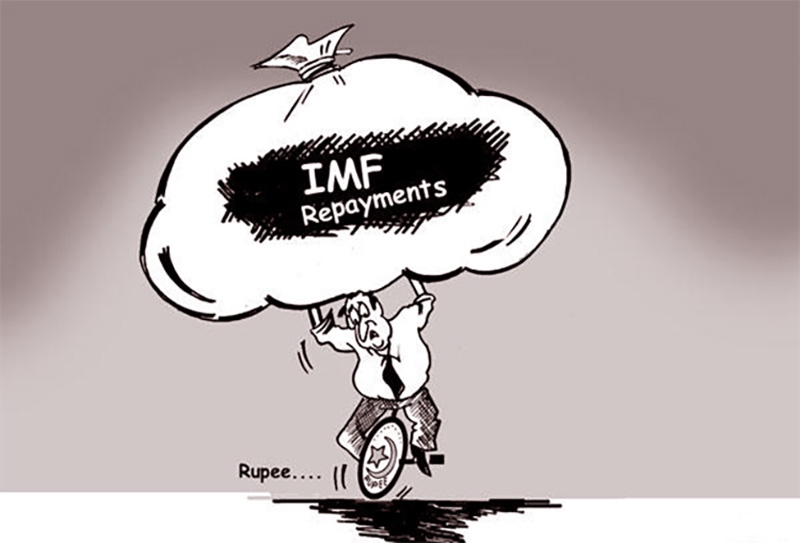
අද තිබෙන දරන්න බැරි විදේශ ණය නිසා අපි ඒ ණය පොලි ගෙවන්න තවත් විදේශ ණය ගන්නවා. මේක පුද්ගලයෙක් බංකොලොත් වෙනවාට සමාන දෙයක්. ග්රීසිය බේරාගන්න යුරෝපිය ප්රජාව සිටියා, අපට කවුරුවත් හරියට ආවේ නැහැ. ඉන්දියාව කළ උපකාර ඉතා අගය කල යුතුයි.
අප චීනයේ ණය උගුලක හිර වෙලා. ණය බරින් නිදහස් වීමට සෙසු රටවල් යම් බුරුලක් දෙන්න සුදානම්, මේ රට නම් එහෙම නැහැ.
දැන් ඉන්න අය බලයට ඒමට පෙර කයිවාරු ගැහුවේ දරුණු IMF කොන්දේසි ලිහිල් කරනවා, විදෙස් ණය හිමිකරුවන් සමඟ අපට වාසි දායක ලෙස ණය ප්රතිව්යුහ ගත කරනවා කියා. ඒ කිසිත් හරියට කරගන්න බැරි වුනා නේද?
විපක්ෂනායකතුමාට ඉතා හොඳින් ජාත්යාන්තරය සමඟ වැඩ කිරිමේ දක්ෂතා, කුසළතා තිබෙන බව විද්යාමාන කර තිබෙනවා.
ඔහුට තිබෙන සහජ කුසළතා ඉතා ඉහලයි – විවිධ සංගීතභාණ්ඩ ඉතාම දක්ෂ ලෙස වාදනය කිරීමේ හැකියාවන් ඔහු පෙන්වා තිබෙනවා.
IMF කොන්දේසි ලිහිල් කරගන්න, අපිට වාසි සහගත ලෙස විදෙස් ණය ප්රතිව්යිවහ ගත කරගන්න, ණය කපා හැරීම සහ ණය ගෙවීම් ප්රමාද කිරීම් සජිත්ට තමා කළ හැකි වන්නේ.
තම ශ්රේෂ්ට පියා ‘මාර්කට්’ නොකිරීම (එසේ කිරීමට ඔහු තුල ඇති බිය) සජිත් සැමදා පරාජය වීමේ මුලික රහසක්. සත්ය ජනතාවට පැවසීමට කිසිදා බිය විය යුතු නැහැ.
ඊරාන් ඕනෑම ආණ්ඩුවක මුදල් ඇමති තනතුර දැරීමට සුදුසුයි. හර්ෂ, කබීර්, නලීන්, අජිත්, නිරෝෂන් ඉදිරි කාලයක හොඳ සජබ ඇමතිවරු වනු ඇත.
ඉන්දියාව සහ චීනය අපට දෙන මුල්යමය, ද්රව්යමය ආධාර අප ඉතා අගේ කල යුතුයි. නමුත් ඔවුනගේ ඉත්තන් බවට අප පත් නොවිය යුතුයි.
ලක්ෂ සංක්යාත ශ්රී ලාංකිකයන් පිරිසක් දැන් ඕස්ත්රේලියාවේ සිටිත්. මෙල්බර්න් වල දකුණු ඊසාන දිග – ඩැන්ඩිනොන්, නරේ වරන්, ස්ප්රින් වේල්, නෝබල් පාර්ක්, ග්ලෙන් වේවර්ලි, එන්ඩේවර් හිල්ස්, ක්රැන්බර්න් උතුර අති විශාල ශ්රී ලාංකික ජනගහනයන් වෙසෙන ප්රදේශ. ඒ පලාත්වල ෂොපින් මෝල් වල ඇවිදිනකොට ඇහෙන්නෙම සිංහල. ඒ පළාත්වල මෙට්රෝ දුම්රිය වල, ට්රෑම් කාර් වල ශ්රී ලංකා වැසියෝ පිරිලා, ශ්රී ලංකා Take Away Shops බොහෝයි – සුද්දෝ පවා ඇවිත් කනවා ඉතා රසවත් ශ්රී ලංකා කෑම.
ඉස්සර, 1990 අග භාගයේ, සිඩ්නි, මෙල්බර්න් ඉඳන් කෙලින්ම කොළඹට ෆ්ලය්ට් තිබුනා (දැන් නැවත තියෙනවා). මේ ෆ්ලයිට් තිබුන කාලයේ බොහෝ යුරෝපය බලා යන සංචාරකයෝ ශ්රී ලංකාවේ නතර වෙලයි ගියේ. මේ තත්ත්වය නැවත ඇති කර ගත යුතුයි. අපට අහිමිවූ යුරෝපිය සංචාරකයෝ සිංගප්පුරුව, හොංකොං, බැංකොක්, KL වගේ රටවල්/නගර ඩැහැ ගත්තා.
මේවා නැවත ස්ථාපිත කර ගැනීමට කලින් තිබු රජයන් අසමත් වුනා.
1949 දී ඕස්ත්රේලියාව සිය ක්වන්ටාස් ගුවන් සේවය ආරම්භකර ප්රථම (මංගල) ගුවන් යානය බ්රිස්බන් සිට ලන්ඩන් දක්වා යැවුවා. එය නැවත්වුවේ කොහිද? සිංගප්පුරුව, හොංකොං, බැංකොක් හෝ ක්වාලා ලම්පුර් නොවේ ….. කොළඹ, ශ්රී ලංකාවයි. අද ක්වන්ටාස් ලංකාවට එන්නෙවත් නැහැ.
ගෙන්න ගන්න බලන්න ඕන.
ඕස්ත්රේලියාවේ සිට ලන්ඩනයට යන කෙටිම ගුවන් මාර්ගය ඇත්තේ කොළඹ ශ්රී ලංකාව හරහා යයි කියනවා.
මෙය, අප ඕස්ත්රේලියාව තුල තදින් ‘මාර්කට්’ කළ යුතුයි.
මුළු ලෝකෙටම ණය වෙලා බොරු මෙගා හෝ ඒ වගේ වෙනයම් ප්රොජෙක්ට් පටන් අරං කරන වැඩ වලින් වෙන්නේ මුළු රටම අගාධයට යාමයි. ඉපදින්න ඉන්න පරම්පරා ගානක් අපි තව තව ණය කාරයෝ කරනවා.
2022දී ශ්රී ලංකාව මුළුමනින්ම කඩා වැටෙන්න එච්චර අමාරු උනේ නැහැ, වැඩි කාලයක් ගියෙත් නැහැ.
තේ, පොල්, රබර් වලින් මේ රට ඉදිරියට ගෙනි යන්න බැහැ කියන්නේ රටට ආදරය නැති අය. ඒ අය ආණ්ඩුව, ජනතාව වැරදි මඟ දාන්න හදනවා. රට කඩා වැටෙනවා නම් මේ අය කැමතියි.
අපේ ප්රධාන වැවිලි අපනයන තේ, රබර් සහ පොල්. ඇත්ත; මේ වැවිලි කර්මාන්ත අද ඉතා දුර්වල වෙලා, ක්රමයෙන් අභාවයට යන බවක් තමයි පේන්න තියෙන්නේ. සුළු වගා හිමියන් වගා අතහැර ගස් ගලවා ඉඩම් විකිණීමට පටන් ගෙන ඇති බව සමහර දිස්ත්රික්ක වලින් වාර්ථා වෙනවා (මේ නිසා කදු නායයෑම් පිළිබඳවද විශාල අවදානම් ඇති වෙනවා). දැන් පොහොර ගබඩාවලින් පොහොර අලෙවි වෙනවා අඩුයි.
විද්යාරත්න ඇමතිතුමා වැවිලි ආර්ථිකය දියුණු කරන්න යම් හොඳ වැඩපිළිවෙලක් සිදු කරන්න උත්සහ ගන්න බව පේනවා. කරන්න ඉඩ දෙයිද?
පොල් වගාව දැනට ඉමහත් පරිහානියකට ලක් වී තිබෙනවා. පොල් කර්මාන්තය ආශ්රිතව රැකියා කල විශාල පිරිසකට රැකියා අහිමිවෙලා.
සාරවත් පොල් වගාවක් පවත්වාගෙන යාම සඳහා සිදුකල යුතුම පොහොර දැමීම, පාංශු ඛාදනය වැලැක්වීම, වල් පැල මර්ධනය වැනි නඩත්තු කටයුතු දැන් කරනවා අඩුයි. කුඩා පොල් වතු හිමියන් අධික කැඩුම් කුලී හා අධික එකුතු කිරීමේ වියදම් නිසා පොල් කැඩීම නවතා වැටෙන පොල් පමණක් අහුලා කීයකට හෝ විකුණා දමනවා. කොහුමෝල් පමණක් නොව පොල් තෙල් මෝල් සෑහෙන ප්රමාණයක් වැහිලා ගිහිල්ලා.
මිනිසුන් නොයොදා, පොල් කැඩීමේ යන්ත්ර මඟින් පොල් කැඩීම පිලිපීනයේ ක්රියාත්මක වෙනවා. මෙහාටත් ඒවා අවශ්යයි.
හැමදාම ‘සිලෝන් ටී’ කියලා අපේ කළු තේ ලෝක වෙළඳ පොලට ගිහින් මහාපරිමාණයෙන් විකුන්නන්න අමාරුයි. 19 වන ශතවර්ෂයේ තේ විකුනපු විදියට මේ 21 වන ශත වර්ෂයේ තේ විකුනන්න බැහැ. ලොව නුතන තරුණ පරම්පරාව බොන්න කැමති රස්නේ ඇති පාන වලට වඩා ශිතල බිමයි.
අයිස් ටී හොඳට ඉස්තරම්ම තත්ත්වයෙන් නිෂ්පාදනය කරලා, හොඳට මාර්කට් කරලා, ලෝක වෙළඳපොළට දැම්මොත්, කොකා කෝලා එකාධිකාරය පවා කඩන්න පුළුවන්. රජයන් අත දෙන්නේ/අත ගසන්නේ නැතිව පුද්ගලික අංශයට මේ දේවල් තනියම කරන්න බැහැ.
සිඩ්නි, මෙල්බර්න් ගිහිං බලන්න. මැක්ඩොනල්ඩ්ස් වැනි තේ බීම සඳහාම වෙන්වූ දැවැන්ත අවන්හල් බිහිවෙලා අඩියෙන් අඩියට වගේ. කවුද මේ දෙය කරන්නේ? එකම තේ ගසක්වත් නැති තායිවානයෙන් ආ අය.
ඔවුන් ඒවායේ පාවිච්චි කරන්නේ ශ්රී ලංකා තේ (Ceylon Tea).
අපි එතනදිත් පරාද වෙලා. One Galle Faceහි ඉතා හොඳ තේ අවන්හලක් ඩිල්මා ආයතනය පවත්වා ගෙන යනවා. එහි විවිධාකාර තේ ආශ්රිත පාන තියෙනවා නමුත් තායිවානුන් ඉන්නේ ඊට වඩා ගොඩාක් ඉහළින්. ඔවුන් තේ වලට අයිස්ක්රීම්, පළතුරු, චොක්ලට් වැනි බොහෝ දේ එකතු කර විකුනනවා. ඒවා ලස්සණට ඉදිරිපත් කරනවා.
ලෝකෙන් හොඳම තේ නිපදවන රට ශ්රී ලංකාවයි. ජාත්යාන්තර ලෝක තේ වෙන්දේසි වෙළඳපොළක් (ලන්ඩනයේ වගේ) අද වෙනතුරු කොළඹ බිහි නොකළේ මන්ද කියා සිතාගන්න අපහසුයි.
කෝපි වවා රට හදන්න පුළුවන්. හාපිටිගම් කෝරලේ තමයි කෝපි වවන්න ඉස්තරම්ම ප්රදේශය. හරියට කලොත්, අපට කොපි වලින් ස්වයංපෝෂිත වී කෝපි පිටරටින් ගෙන්වීමට යන අධික විදේශ විනිමය ඉතිරිකර ගත හැකි වෙනවාට අමතරව කෝපි අපනයෙන් කෝටි ගණන් මුදල් මහා භාණ්ඩාගාරයට එක් කරගන්නත් පුළුවන්.
එදා තෙල්දෙණිය, කුණ්ඩසාලේ, මාතලේ ප්රදේශවල අති සාර්ථක කොකෝවා වගාවන් තිබුනා, දැන් නැහැ හෝ ඉතා අඩුයි. රටේ හොඳම සශ්රීක ඉඩම් කඩිනම් මහවැලි සංවර්ධන ව්යාපෘතිය මඟින් ගිල ගනු ලැබුවා. – තෙල්දෙණිය, කුණ්ඩසාලේ, හාරගම, අධිකාරිගම වැනි ප්රදේශවල.
කුරුඳු යනු හොඳ කුළු බඩුවක්,ඖෂධයක් වගේම බෙහෙත් සහ රූප ලාවන්ය නිපදවීමට ගන්නා ප්රධාන අමු ද්රව්යයක්. පිළිකා නාශකයක්. කාලයක්, (15/16 වෙන සියවසේ), එය රත්තරං වලටත් වඩා වටිනවා කියා කිවා. ලෝකයේ හොඳම සහ වැඩියෙන්ම කුරුඳු නිපදවන රට ශ්රී ලංකාවයි. මෙය අපට ‘අවියක්’ ලෙස භාවිතා කරලා ලෝකේ කුරුඳු අපනයනය කරන සහ කුරුඳු මිළ පාලනය කරන ප්රධාන මධ්යස්ථානය බවට පත්වෙන්න පුළුවන්.
අපේ මුස්ලිම් ව්යාපාරිකයන් මේ වගේ දේ ට උපන් දක්ෂයෝ.
ඩුබායි දැනටමත් අල්ලා ගෙන ඉවර වුනත්, ලෝකයේ ප්රධාන කුරුඳු වෙන්දේසි පොල ශ්රී ලංකාවේ පිහිටවිය හැකියි, ලංඩනයේ තේ වෙන්දේසි පොල වගේ. එවිට, මෙහි සිටින සහ මෙහි පැමිණෙන කුරුඳු ගැනුම්කරුවන් ගණන වැඩි වේවි.
හොර, බාල මැණික් (කෘතීම ගල්/විදුරු ගල්) වෙළඳපොළට නිකුත් කරලා ශ්රී ලංකාවට ලොව හොඳම මැණික් නිපදවන රට යන ගෞරවාන්විත නාමය ඉදිරියේදී නැති කරගන්න පුළුවන්. ලෝකයේ විශිස්ටතම නිල් මැණික් ගල් ලැබෙන්නේ ශ්රී ලංකාවෙන් බව මුළු ලොවම දන්නවා. බ්රිතාන්යයේ කේට් කුමරිය අදත් පළඳින්නේ ශ්රී ලංකාවේ නිල් මැණික් ඔබවපු රන් මුදුවක්.
හැකි තරම් විදේශ විනිමය (ඩෝලර්, යුරෝ, යෙන්, පවුම් වැනි) අප රටට ගෙනෙන ව්යාපාරවලට අත හිත දිය යුතුයි (අපනයන භාණ්ඩ නිෂ්පාදනය වැනි). ඔය ත්රිවීල් එළවලා, රුප ලාවන්ය කරලා රැකියා ප්රශ්නයට විසඳුමක් ලැබුනත්, රටට රිජුව විදේශ විනිමය ($) නම් ලැබෙන්නේ නැහැ, නැත්නම් ටිකයි.
නමුත් රටේ ආර්ථිකය ඉදිරියට ගෙනයාමට ත්රී වීල් විශාල සේවයක් කරනවා, විශේෂයෙන්ම බස්/දුම්රිය මගී ප්රවාහන සේවා දුර්වල මේ අවධියේ.
ආණ්ඩුව වාහන බදු වැඩි කිරීමේදී ඉතා වැඩි ප්රතිශතයකින් වැඩි කර තිබෙනවා ත්රීවීල් රථවලට. හොඳ දෙයක් නොවේ. රුපියල් ලක්ෂ 6ක සීමාවේ තිබූ ත්රීවීල් රථයක් අද රුපියල් ලක්ෂ 20 වගේ අතර මිලකට වැඩි වෙලා. ඉදිරියේදී ඉතා උග්ර ත්රීවීල් හිඟයක්, විශේෂයෙන්ම කොළඹ, එන්න පුළුවන්. මෙයින් වෙන්නේ රටේ ආර්ථික වර්ධනය තදින් අඩාල වීමයි. ඒ වගේම ත්රීවීල් ගාස්තුත් ඉහල යයි.
හැරී ට්රුමන් හොඳ පුද්ගලයෙක් නොවෙයි. නිරපරාදේ ජපානයට පරමාණු බෝම්බ දමා ලක්ෂ සංඛ්යාත ජනතාවක් මැරීමට අණ දුන්නේ ඔහු.
ජපන් ජාතිකයන් තුල ඔහු පිළිබඳව මොන තරම් අප්රසාදයක් ඇද්ද?
අද අපි විදේශ බැංකුවලට, දේශීය බැංකුවලට ඔක්කොම ගත්තොත් ඩොලර් බිලියන 100ට කිට්ටුවෙන්න ණයයි හෝ ඊටත් වැඩියි. ධනවත් ඕස්ත්රේලියාවත් ලෝකෙට ණය ඩොලර් බිලියන 150ට අඩුයි.
පහුගිය ආණ්ඩු ඔක්කොම සෙල්ලම් දැම්මේ ඔය ගත්ත ණය වලින්. මේවා ගෙවන්න පරම්පරා කියක් යයිද? මැතිණි 77 රට බාර දෙනකොට විදේශ ණය ඩොලර් 0යි.
2015/16 (මුල) අතර පමණක් අප ඇමරිකන් ඩොලර් බිලියන 6ක පමණ විදේශ ණය අරං තියෙනවා කියලයි කියන්නේ. ඒ නිසා 4%ක වගේ (කෘතීම) ආර්ථික වර්ධනයක් පෙන්වූවා.
ජාජබ රජය තව ඉදිරියට ණය ගන්න යනවා; විශේෂයෙන්ම 2028 සිට. කලින් ගත්ත විදේශ ණය වල පොලී ගෙවන්න.
ඔය බිලියන ගණන් ණය අරගෙනත් උද්ධමනය පහතට ආවේ නෑහැනේ, වැඩි වුනා මිසක්.
රැකියා විරහිත භාවයේ අඩුවක් දැන් පෙන්වනවා.
උද්ධමනය පාලනය කරගෙන යාම හොඳයි. මුදල් ඇමතිට සහ මහ බැංකුවට මල් මිටක්.
2022 පමණ කාලයේදී උද්ධමනය ඉතා වැඩි වෙන විට රුපියල් 10,000 නෝට්ටුත් එයි කියලයි අපි හිතුවේ.
අද තිරිඟු පිටි වලට අපි තදින්ම ඇබ්බැහි වෙලා. මේක විදේශ අධිරාජ්ය වාදීන් යටතේ සිටි කාලයේ අප පුරුදු වු දෙයක්. තිරිඟු ඇටයක් වත් හදන්නේ නැති මේ රටේ අපි මේ තරම් තිරිඟු වලට වහල් වීම ඉතාම නරක දෙයක්.
මේ නිසා අප බිලියන ගණන් වැය කරනවා තිරිඟු පිටි ආනයනය කිරීමට. සෑම ආපන ශාලාවකම තිබෙන්නේ තිරිඟු පිටි වලින් සෑදු පාන් හෝ ඒ ආශ්රිත ආහාර.
ඇයි අපේ රටේම වැවෙන සොයා, සෝගම්, මුන්, කවුපි, මෙනේරි, කුරක්කන්, හාල් පිටි වලින් නිපදවන ආහාර, කඩවල පාන්/ෂෝර්ට් ඊට්ස් සෑදීම සඳහා භාවිතා නොකරන්නේ? ඇයි එවැනි දේශිය පිටි වර්ග වලින් සාදන කෑම කෑමට අප හොර?
ඒ වගේමයි ඛනිජ තෙල් වලට අපේ තියෙන යටත් වීම. එක තෙල් බින්දුවක් නොනිපදවන අපි ඩොලර් බිලියන් ගණන් බලශක්ති ආනයන වෙනුවෙන් වැය කරනවා. මෙවන් ආර්ථික රාමුවක ඉඳගෙන රට පෝසත් කිරීම ඉතා අපහසුයි, අපනයන ආදායම බොහෝ සෙයින් වැඩි නොකර.
තෙල් බිංදුවක් වත් නැති සිංගප්පුරුව මුළු ලෝකෙටම වගේ ඛනිජ තෙල් ඩිපෝවක්. ඉතා ඉස්තරම් තෙල් ටැංකි 99ක් අපට තිබෙනවා ත්රිකුණාමලයේ. නමුත් ඒවායෙන් වැඩ ගන්නේ වෙනත් රටක්. 2022 ඒවා භාරව හිටපු ඇමති මේවාට වග කියන්න ඕන.
රටේ රාජ්ය නායකයා අඩු තරමින් මසකට දෙවරක්වත් රටේ පිළිගත් රුපවාහිනි මාධ්යයක් තුලින් සම්මුඛ සාකච්චාවකට, රටේ ප්රශ්න පිළිබඳව, තදින් ප්රශ්ණ කිරීමකට බඳුන් කල යුතුයි. මාධ්ය කිහිපයක් එකවර ගෙනල්ලා ‘හාඩ් ටෝක්’ සම්මුඛ සාකච්චා හෝ එක් එඩිතර මාධ්යවේදියෙක් සමඟ රාජ්ය නායකයා ‘හාඩ් ටෝක්’ සම්මුඛ සාකච්චාවන්ට එන්න ඕනා. හැබැයි ච _ _ ත නම් නොවෙයි.
ලොකු ලොකු වෘත්තීන් වලට මහජන සුභ සෙත පතා රෙගුලාසි පනවා, මනා ලෙස සැලසුම් සහගත කිරීමට රජයන් බයයි. මොකද ඒ වෘත්තීන් සතු අධි බලසම්පන්න භාවය නිසා. මේ අඩුපාඩුව නිසා තැලෙන්නේ අහිංසක ජනතාව.
එංගලන්තය, ඕස්ත්රේලියාව, ඇමෙරිකාව වගේ රටවල වෛද්ය, නීති වැනි ක්ෂේත්රවල යෙදීමට ඉඩ දෙන්නේ වාර්ෂිකව නිකුත් කරන බලපත්රයක් මතයි. බලපත්රය දීමට පෙර වෘත්තීය රක්ෂණයක් ලබා පෙන්වීම අත්යාවශ්යයි. නව බලපත්රයක් දෙන්නේ එම වසර තුල වැඩිදුර අධ්යාපනය ලැබූ බව පෙන්වන සාක්ෂි ඉදිරිපත් කලහොත් පමණයි.
මේ ක්ෂේත්රයන්හි නව දියුණුවීම්, වෘතිකයන් මුහුණ පාන ප්රායෝගික ගැටළු ආදිය මේ නොකඩවා ලබන වාර්ෂික අධ්යාපනය නිසා ලැබෙනවා. ලංකාවේ මේ කිසිවක් නැහැ; වාර්ෂික බලපත්ර/රක්ෂණ කියා දෙයක් නැහැ. කොටින්ම මෙහෙ බොහෝ වෛද්යවරු (විශේෂඥයන් නොවේ), නීතින්ඥයන් මුදල් ලබාගෙන රිසිට් පතක්වත් නිකුත් කරන්නේ නැහැ.
ඕස්ත්රේලියාවේ නඩුවට හෝ වැඩයට කළින් දෙන මුදල් යන්නේ නීතිඥතුමාගේ ට්රස්ට් අකෞන්ට් (Trust Account) එකට. ඒ සල්ලි දෙයියන්ගේ සල්ලි. නඩුව කථා කරලා ඉවරවෙනකම්, වැඩ කොටසක් කරනකම් ඒ සල්ලි වලට අත තියන්නවත් නීතිඥතුමාට අවසර නැහැ. අන්තිම සත 5ටත් ගණන් හදලා බදු ඉන්වොයිසියක් වහාම නිකුත් කරන්න ඕන.
පොඩි ට්රස්ට් අකෞන්ට් දෝෂ නිසා සිරේ ගිය නීතිඥයෝ බොහෝයි ඕස්ත්රේලියාවේ.
එංගලන්තයේ, ඕස්ත්රේලියාවේ නීතිඥතුමා නිතී කෘත්ය භාර ගැනීමට පෙර තම සේවා දායකයා සමඟ ලිඛිත ගිවුසුමකට එළඹිය යුතුයි (Cost Agreement). මෙහි?
JR හඳුන්වා දුන් චැනල් ක්රමය හොඳයි, විශේෂඥ වෛද්යවරයෙක් ඉක්මනින් හම්බවෙනවා. ඒත්, තමන්ගේ එදිනෙදා දොස්තර (GP) විසින් නිර්දේශ කරලා, විශේෂඥ වෛද්යවරයා වෙත යොමු කරනවා වගේ නැහැ.
GP මොනිටර් කරනවා නම් ලෙඩා තනිවෙන්නේ නැහැ, මොකද ලෙඩාගේ වෛද්ය වාර්ථා තියෙන්නේ GP ළඟ. GP කෙනෙක් නොමැති නිසා සමහර ලෙඩ්ඩු වැරදි විශේෂඥ වෛද්යවරයෙක්ව චැනල් කරන්න පුළුවන්.
තවත් ප්රශ්නයක් තමන්ගේ GPගෙන් පසුව අහන්න ආවහම වැඩක් නැහැ මොකද විශේෂඥ වෛද්යවරයා වෛද්ය වාර්තා GPට යවන්නේ නැහැ, එයා ළඟ තියාගන්නෙත් නැහැ; රෝගියා ළඟ තියෙන ටික පමණයි.
සමහර රෝගීන් වෛද්ය වාර්තා නැති කරගන්නවා. GP කෙනෙක් ඉන්නවානම් සේරම එයාගේ ෆය්ල් එකේ/කොම්පුටරයේ එක් රැස්ව තියෙනවා.
දොස්තර කඩ මෙන් අධ්යාපන කඩත් අද ප්රබල වෙළෙඳ ව්යාපාරයක් වෙලා. කළින් තිබුණු, හිනා පිරුණු කටවල් සහිත දේශපාලනඥයින්ගේ පින්තූර සහිත බැනර් වගේ දැන් ටියුෂන් ගුරුවරුන්ගේ පින්තූර විශාල බැනර්, කට්අවුට් වල.
පිළිකාවක් වගේ මේ ලෙඩේ පැතිරීලා. රජය ප්රශ්නයක් නෑ වගේ ඉන්නවා.
ටියුෂන් කඩේ ළඟ පමණක් පොඩි බෝඩ් එකක්, බැනර් එකක් ගසා ගැනීමට ඉඩ දුන්නට කමක් නැහැ.
ටියුෂන් මාෆියාව පටන් ගත්තේ 1980/90 ගණන් වල. දැන් නිදන්ගත වෙලා. රජයන් බයයි මේ අයව නියාමනය කරන්න.
ජන්ද වලදී මේ අය අත දිග හැරලා වියදම් කරනවා පක්ෂවලට, අපේක්ෂකයන්ට.
මෙම ලියුම්කරු කළින් ලිපියක සඳහන් කලාක් මෙන්, උවමනාවෙන්ම ඉරිදා උදේ ටියුෂන් ක්ලාස් දාගන්නවා. දහම් පාසැල් වැහෙනවා. ගරුතර සංඝයාවහන්සේලා පවා මේ ගැන කථා කරන්නේ නැහැ.
මේ සමහර මහා පරිමාණ ටියුෂන් ගුරුවරුන්ට ගුරු වෘත්තියේ යෙදෙන්න අවශ්ය මුලික සුදුසුකම් වත් නැහැ.
ඉතා හොඳ ටියුෂන් ගුරුවරු අනන්තවත් ඉන්නවා
දැවැන්ත ටියුෂන් කඩ අද අධ්යාපනය මුළුමනින්ම වගේ වෙළෙඳ භාණ්ඩයක් බවට පත් කරලා ඉවරයි. ඉස්සර මෙන් නොව සිංහල, ඉතිහාසය, ප්රජාචාරය, බුද්ධාගම වැනි විෂයයන්ටත් අද අනිවාර්යයෙන්ම ටියුෂන් ගන්න වෙලා. ටියුෂන් පන්තිවලට රුපියල් දහස් ගණන් මාස්පතා ගෙවන්න ඕන.
රජයේ/පුද්ගලික අංශයේ සේවයේ යෙදී සිටින මවුපියන්ට දරුවන්ගේ අධ්යාපනය සඳහා ටියුෂන් පංතිවලට මුළු පඩියම වගේ දිය කරනවා හැරෙන්නට එදා වේලවත් හරියට කන්නවත් නෑ. ළමයි දවස ගත කරන්නේ ටියුෂන් කඩවල.
තම දරුවාගේ ටියුෂන් වෙනුවෙන් මසකට රුපියල් 30,000 අමාරුවෙන් වියදම් කරන පියෙක් ගැන දන්නවා.
විවධ දක්ෂතා පෙන්වූ ළමයින්ගේ රූප පාසැලෙන් පිටත විශාල බිල්බෝර්ඩ්, කට් අවුට් වල ගසා ප්රදර්ශනය කරනවා, හරියට පොප් සංගීත ශිල්පීන් වගේ. මේවා ඉතා ප්රවේශමින් කරන්න ඕන දේවල්.
මේවා හරියට නොකලහොත්, විශේෂයෙන්ම දරුවාගේ කැමැත්ත නොමැතිව කළහොත්, ඒ ළමයින් දක්ෂතාව පෙන්වූ අධ්යාපන/ක්රීඩා කටයුත්ත පමණක් නොව අධ්යාත්මික දියුණුව පවා, අඩාල වෙන්න පුළුවන්.
ළමයින්ට ඒ අයගේ ළමා විය අහිංසක ලෙස ගෙවන්න ඉඩ හැරිය යුතුයි. බොහෝ දක්ෂ ළමයි අනවශ්ය (බාල) ප්රසිද්ධියට කැමති නැහැ – තමන්ගේ කාමරය තුලට වී පොතක් පතක් බලා ඉන්න/කොම්පුටරයේ වැඩ කරන ළමයි.
පාසැලේ/විදුහල්පති/ගුරුවරන්ගේ නම් පුම්බා ගැනීම සඳහා පාසැලේ ළමුන්ව වෙළඳ භාණ්ඩ කරගන්න හදනවනම් ඒවාට ඉඩ දීම වැරදියි. මෙයින් වෙන්නේ ඒ හොඳ ළමයිනුත් තමන් වෙළඳ භාණ්ඩ බව ලෙසට සිතීමට පුරුදු වීමයි.
හොඳ ළමයි විනාශ වෙලා යන්න පුළුවන් ඒ අයව පොප් ගායකයන්ගේ තත්ත්වයට එක් වර උස්සා තැබීම නිසා ලොකු කට් අවුට් මඟින්.
පාසැල් වල අති විශිෂ්ට ප්රතිපල ගත් ළමුන්, පාසැල් ශිෂ්ය නායකයින්/නායිකාවන් සමහර දේශපාලනඥයින් කොළඹට ගෙන්වා ඒ අය වෙනුවෙන් තේ පැන් වගේ සාද පවත්වනවා. අනවශ්ය දේවල් මේවා.
දේශපාලනඥයින්ගේ බොරු මාධ්ය සංධර්ෂණ.
පාසැල් ළමුන්ට තියෙන්නේ පාසැලේ පාඩම්/බාහිර ක්රියා කටයුතු හොඳට කර හොඳ ශිෂ්යයන් වශයෙන් කාලය ගත කිරීම මිස දේශපාලනඥයින් හමුවීමට යාම නොවෙයි (ඒවාට කාලය පස්සේ එනවා). පාසැල් ළමුන් පුළුවන් තරම් දේශපාලනඥයින්ගෙන් ඈත් කර තබන තරමට හොඳයි.
දේශපාලනඥයින් විසින් අදක්ෂ, අසාර්ථක ළමුන් ගැන පුද්ගලිකවම සොයා බලා ඒ අයගේ අනාගතය හොඳ වෙන ක්රියාමාර්ග දෙමවුපියන් සහ දෙගුරුන් සමඟ සාකච්චා කර ක්රියාවට නඟනවා නම් එහි කිසි වරදක් නැහැ.
10 සහ 12 වසර විභාග ඉතා හොඳින් පාස් වුනත් විශ්ව විද්යාලයට නොතෙරුන තරුණ ළමයෙක් රජයේ හෝ පෞද්ගලික අංශයේ රැකියාවක් සොයා ගැනීමට දරන ලද අනේක විධ උත්සාහයන් අසාර්ථක වීම නිසා (ඇගේ දෙමව්පියන්ට කිසිම දේශපාලනඥ සහායක් තිබුනේ නැහැ), ඇයව ඕස්ත්රේලියාවේ විශ්ව විද්යාලයක ඉගෙනුමට හැරියා (ඉතා අමාරුවෙන්). අපට ‘එපාවූ’ ඇය ඕස්ත්රේලියාවට හොඳ වුනා, දැන් එහි පෞද්ගලික සමාගමක ජෙය්ෂ්ට විධායක නිලධාරිනියක්.
අප්රිකාව සහ සමහර දකුණු ආසියා රටවල් හැරුනහම ශ්රී ලංකාවේ නගර තරම් වෙනත් කොහෙවත් මේසා දැවැන්ත, අඩියෙන් අඩියට බිල් බෝඩ්, කටවුට් ඇති රටක් වෙන නැතුව ඇති. දැවැන්ත පරිසර සහ දෘශ්ය දුෂණයක් මේවායින් වෙන්නේ.
සමහරක් ඒවා ප්රමිතිය බාල නිසා තද වැස්සට, සුළඟට කඩා ගෙන වැටෙනවා.
සමහර නගර සභාවල ප්රධාන ආදායම් මාර්ගය බිල් බෝඩ් වලින් ලැබෙන මාසික කුලිය.
රටේ සෑම බරපතල සමාජ ප්රශ්නයක්ම කාදිනල් තුමා පමනක්ද කථා කරන්න ඕන විසඳලා දෙන්න. එතුමා නැති දවසක?
UN ලෝක නායක සමුළුවේදී ජනාධිපතිතුමාගේ කථාවේ හරය සහ සාරභුථය ඉතා හොඳයි.
නමුත් ඉදිරිපත් කිරීම 0යි. ප්රාථමික පන්තියේ ළමයෙක් පන්තියේ සෙසු ළමයි ඉදිරියේ අමාරුවෙන් පොතක් කියවනවා වගේ තමා කථාව ඉදිරිපත් කලේ.
ටෙලිප්රොම්ටය භාවිතා කරලා, සභාවේ ඉන්න අයගේ මුහුණු බලලා, ඒ අයගේ ඇස් වලට ලස්සනට සිංහලෙන් කථා කරන්න එපායැ.
ලංකාවේදී පුළුවන් නම් පිටරටදී බැරි ඇයි?
හොඳට දැනෙන්න, උසාවියකදී දක්ෂ නිතීඥ වරයෙක් හොඳට කට ඇරලා හයියෙන් කථා කරනවා වගේ.
කථාව අවසානයේ මිනිස්සු නැගිටලා අත්පුඩි ගසාවි.
පළපුරුද්ද නැති කම.
මෙහෙම යන්න බැහැ, ඉක්මනින් හදා ගන්න වේවි.
චන්ද්රිකා ඉන්න කාලේ ලෝක සමුළුවලට ගොස් මේ රට පුංචි කර දෙන කථා පැවැත්වුවා. කථාව පටන් ගත්තෙම ‘අපි ඉතාම දුප්පත් රටක්’ වැනි දේ කියලා. මොහුටත් ඒ ලෙඩේ බෝ වෙලාද?
අපි පුරවැසියන් ලෙස පුළුවන් තරම් ශ්රී ලංකාව විදේශයන්හිදී ප්රචලිත කරන්න උත්සහ දරනවා – අපේ වසර 2500 පැරණි සිංහල බෞද්ධ සංස්කෘතිය, වන ජීවින්, දිය ඇලි, රටේ ජනතාවගේ මිත්රශීලීභාවය වැනි දේ ගැන කීවාම විදේශිකයෝ මවිත වෙනවා. සමහර අපේ SAAC රටවලින් ආ මිතුරන්ට ඊර්ෂ්යාව ඇති වෙනවා.
මිලියන 22 ක ජනගහනයක් කියන්නේ පුංචි සංඛ්යාවක් නොවෙයි.
අපේ ජනගහනය සිංගප්පුරුව, හොංකොං , ස්විට්සර්ලන්තය, නව සීලන්තය, පින්ලන්තයට වඩා ඉතා වැඩියි.
ශ්රී ලංකාව මේ කළාපය තුල බලවත් රටක් බව අපේ පාලකයන් සිහිතබා ගැනීම වටී.
ගුණාත්මක හොඳ අධ්යාපනයක් ලැබූ, උ/පෙල ඉහළින්ම සමත් සිසුන්ට ප්රමිතිගත උසස් මට්ටමේ දේශීය පෞද්ගලික වෛද්ය විද්යාලයකින් වෛද්ය උපාධියක් ලබා ගැනීමේ හැකියාවක් තිබීම වරදක් නෙවෙයි.
විදේශ විශ්වවිද්යාල වලින් වෛද්ය උපාධි ලබා ගත් අය අද රජයේ රෝහල්වල වෛද්යවරු හැටියට රැකියා කරනවා, අදාළ දේශීය වෛද්ය විභාග ද සමත්වීමෙන් අනතුරුව.
සයිටම් වහන්න කියලා කෑ ගහපු වෛද්යවරු, ජවිපෙ සහෝදරවරු චැනලින් නවත්වන්න කීවේ නැහැ, කියන්නෙත් නැහැ.
සයිටම් තිබ්බනම් කොරෝනා කාලේ තිබුණු අධික වෛයද්ය හිඟයට ඒ වෛයද්යවරු හොඳ පිළියමක් වෙන්න තිබුනා.
දැන් චැනල් දොස්තර කෙනෙක් රුපියල් 4, 000 – 4,500 විතර ගන්නවා, රෝහල් ගාස්තුත් ඇතුළුව. ලෙඩ්ඩු මේ අධික ගාස්තු ගෙවන්නේ පුළුවන් කමකට නොවෙයි.
විනාඩි 5 – 10න් ලෙඩා බලලා ඉවර කරන චැනල් දොස්තරලා ඉන්නවා.
එක චැනල් දොස්තර කෙනෙක් ඉන්නවා උදේ 6ට පටන් ගන්නේ, රෑ 10 විතර ඉවර කරන්නේ, සතියකට දින 6යි. ගෙදර ප්රශ්ණ ගැන සොයා බලන්නවත් එතුමාට වෙලාවක් නැහැ.
ලෙඩාට 5ට එන්න කියලා චැනල් දොස්තර 7ට එනවා නම් ඒවටත් GMOA එක කෑ ගහන්න ඕන.
මතු සම්බන්ධයි ……

 Peter Hill