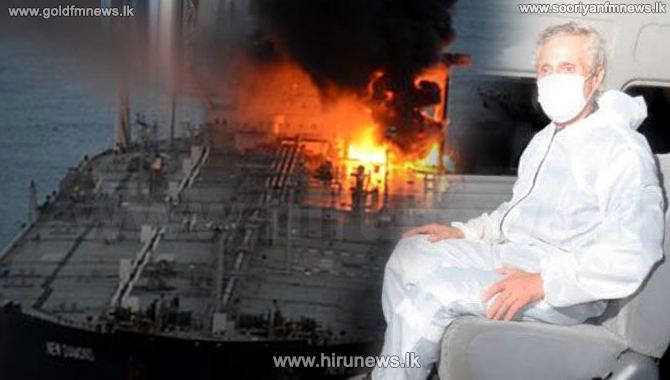
Harin faces protest from various factions including the maha Sanga- Urged to seek pardon from the Cardinal

September 19th, 2020

Courtesy Hiru News

The statements made by parliamentarian Harin Fernando at the Presidential Commission of Inquiry on the Easter Attacks was criticized by various factions today as well.

State minister of Prison Reforms & Prisoners’ Rehabilitation Sudharshini Fernandopulle said parliamentarian Harin Fernando should publicly apologize to his eminence Malcolm Cardinal Ranjith and the Catholic community.

Giving witness before the commission recently Harin Fernando said that he believes that the Catholic Church was aware of the attacks.

Several protests against the statement were voiced yesterday as well, while State Minister Sudharshani Fernandopulle said he needed to publicly apologize for his statement.

She further said that parliamentarian Harin Fernando previously accused the Cardinal of having a political agenda but visited the cardinal secretly and apologized.

She reiterated that he should publicly apologise to the cardinal and the catholic community regarding his recent statement.

Meanwhile speaker Mahinda Yapa Abeywardena visited venerable professor Medagoda Abayatissa thero this afternoon.

The thero expressed the following views regarding parliamentarian Harin Fernando’s statement.

Mahinda Rajapaksa wants Colombo Port City project to be accelerated as it will be the main source of income in future

September 18th, 2020

Courtesy NewsIn.Asia

The Lankan Prime Minister echoed the view of Forbes magazine which in 2018 listed the CPC as one of the “Five New Cities to Shake Up the Future.”

Mahinda Rajapaksa wants Colombo Port City project to be accelerated as it will be the main source of income in future

Colombo, September 18: (Xinhua): Sri Lankan Prime Minister Mahinda Rajapaksa Thursday called for the construction of a multi-billion U.S. dollar Colombo Port City project to be accelerated, saying it is a landmark in the island country and will be the main income generator in the future.

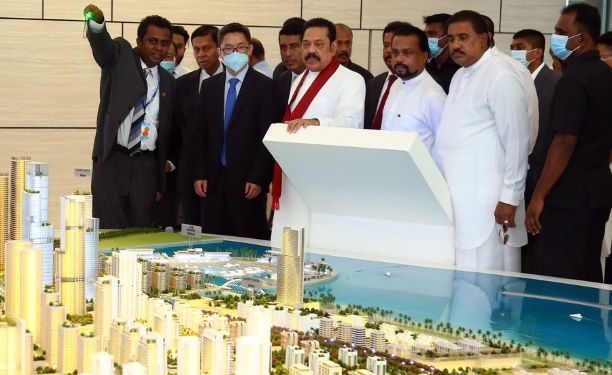
Rajapaksa inspected the Colombo Port City construction site, in the heart of capital Colombo, to mark the sixth anniversary of the launch of the project, jointly developed by the Sri Lankan government and China’s CHEC Port City Colombo (Pvt) Ltd.

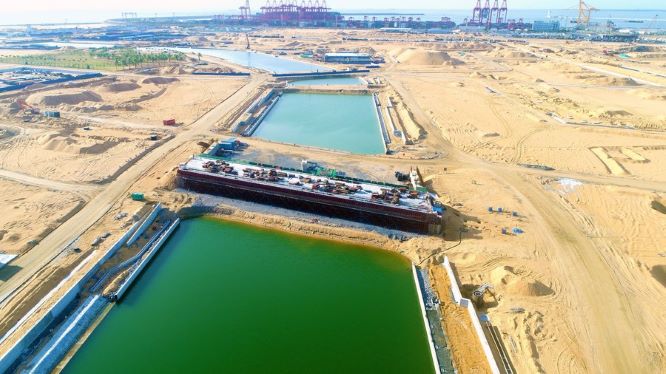
Colombo Port City under construction: Waterway

The prime Minister said he hoped that the project would be completed soon, so that it would be a major economic boost for the island country.

Rajapaksa, along with a large government team which included several ministers, visited the marina area, the beachfront, and the central garden of the Port City, which continued construction amid the COVID-19 pandemic, adhering to all safety protocols.

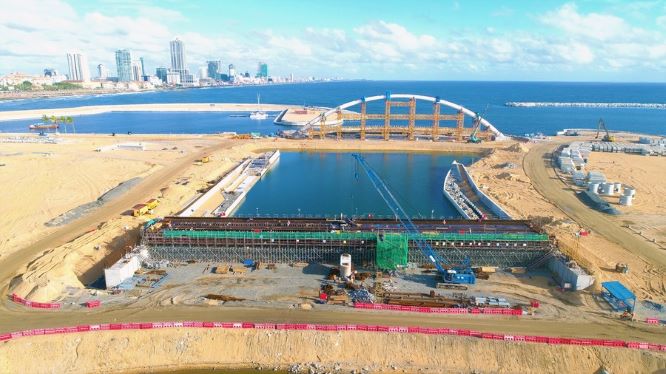
Colombo Port City under construction another view

Rajapaksa toured the project along with Hu Wei, Charge d’Affaires of the Chinese embassy in Sri Lanka.

Colombo Port City is a large-scale urban development project invested, constructed and operated by China Harbor Engineering Company (CHEC), a subsidiary of China Communications Construction Company.

In 2018, Forbes magazine listed the port city as one of the Five New Cities to Shake Up the Future.”

A fruit which saved Sri Lankans from starvation

September 18th, 2020

By Zinara Rathnayake/BBC Courtesy NewsIn.Asia

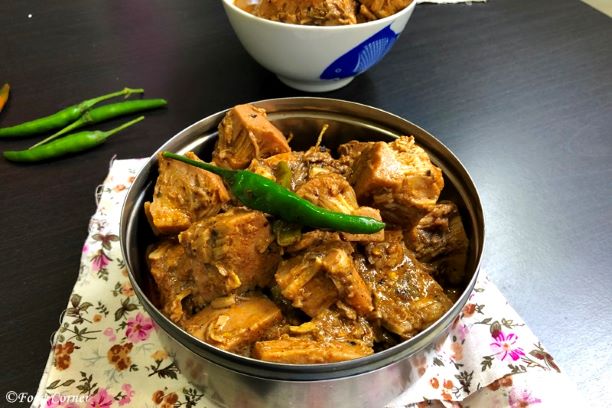
An amazing variety of dishes can be made from Jackfruit which is also the heaviest fruit in the world

A fruit which saved Sri Lankans from starvation

Colombo, September 18: My mother grew up in a house of eight people in Kurunegala, Sri Lanka, 100km north-east of Colombo. During the island’s severe droughts in the 1970s, most of her family’s humble, home-cooked meals consisted of boiled jackfruit served in a clay pot with a handful of freshly grated coconut. This simple, carb-rich meal fused with natural fats fuelled enough energy for the farmer-family to toil day and night in the dry plains.

Today, Starbucks serves jackfruit in wraps, while Pizza Hut offers it as a topping. The London Evening Standard called jackfruit the new kimchi, kale and cauliflower all rolled into one”. Pinterest named it the hottest food trend of 2017”, and more recently, The Guardian declared it a vegan sensation” thanks to its shredded meat texture.

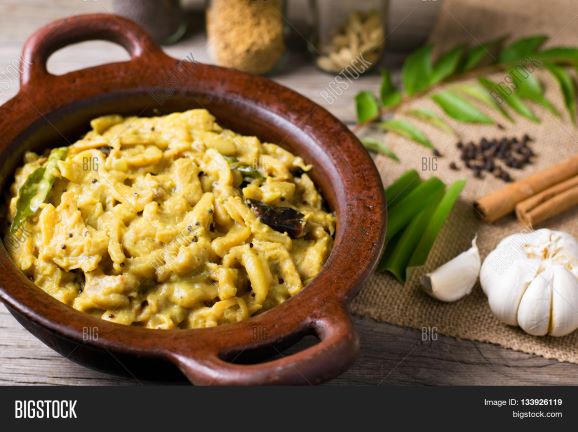
But for my mother, her memories of growing up are studded with her eldest sister’s myriad jackfruit dishes. She’s particularly fond of kiri kos, a creamy jackfruit curry cooked in coconut milk. For kiri kos, my aunt plucked unripe jackfruits. Decades later in the early 2000s, it was the same tree that pleased my jackfruit cravings as a child. My mother recalls the days where I sat side by side with her as she removed and discarded the sticky white sap – koholla, as she called it in Sinhala – from ripe jackfruit, gobbling up each yellow, egg-like pod.

This humble fruit has been revered by Sri Lankans, as it has repeatedly saved the island from starvation

I loved the strong smell of the ripe fruit. People in the West often describe it as stinky”, but for me, other Sri Lankans and those living between many parts of India and the rainforests of Malaysia where the fruit naturally grows, this seasonal smell of ripe jackfruit brings immense joy.

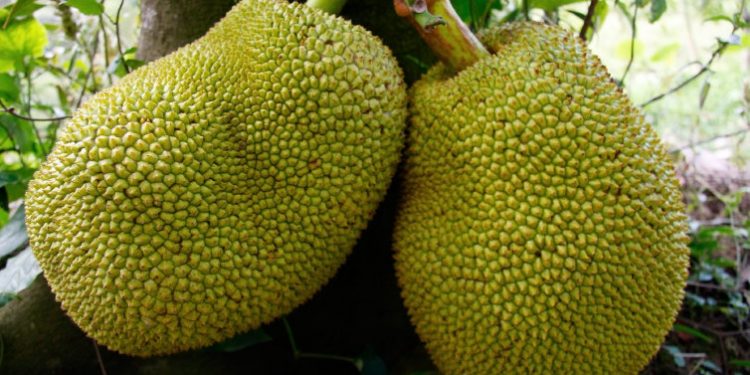
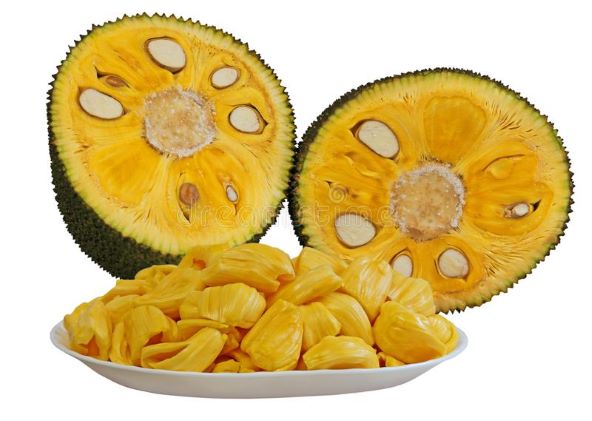
Jackfruit is the world’s largest tree-borne fruit and it has a spiky skin that changes colour from green to yellow as it ripens. We use unripe jackfruit in our cooking and eat the ripe fruit raw, just as we eat a ripe mango or an apple. While the West is now touting it as an ethical meat alternative, for centuries, this humble fruit has been revered by Sri Lankans, as it has repeatedly saved the island from starvation.

Jackfruit is the world’s largest tree-borne fruit and mature trees produce 200 fruits each year (Credit: Utopia_88/Getty Images)

Across Sri Lanka, the jackfruit tree is known as bath gasa (rice tree”). Sri Lankans are rice eaters and pre-colonial Sri Lanka took pride in the country’s vast reservoirs and irrigation canals that harnessed monsoon rains, suppling water for paddy cultivation. But when British forces occupied the island starting in 1815 and subsequently stripped farmers of their land, they made it difficult for islanders to grow rice and instead expanded plantation crops such as tea, rubber and cinnamon for their export gains.

Sri Lankan jackfruit curry

In 1915, a member of Sri Lanka’s independence movement named Arthur V Dias, who had been sentenced to death by the British for his perceived role in an uprising, was freed from prison. Upon his release, Dias dedicated himself to helping Sri Lankans fight British rule and he realised that islanders would soon face food shortages as rice cultivation continued to decline. During his independence movement marches in Sri Lanka’s central highlands, he also saw the destruction of the island’s native jackfruit trees. When he learnt about the harrowing food shortages caused by World War One across Europe, Dias sought to establish food security and self-sufficiency throughout Sri Lanka.

One person can’t build a tank for paddy cultivation, but Arthur V Dias realised he could plant jackfruit trees, which [would] be the same as rice and eradicate starvation in Sri Lanka,” said Damith Amarasinghe, a history teacher at St Mary’s Maha Viduhala in the town of Uswetakeiyawa.

Dias came up with the ambitious goal of planting one million jackfruit trees across Sri Lanka. A planter by trade, Dias imported jackfruit seeds from Malaysia and gathered healthy seeds for germination. He visited villages to distribute seedlings and mailed seeds to far-flung corners in the country. Over time, Dias’ campaign paved the way to many successful jackfruit plantations across the country and earned him the heroic nickname of Kos Mama, or Uncle Jack.

Jackfruit was also known as the ‘starvation fruit’ in Sri Lanka

Today, Dias is considered a national hero, and like most Sri Lankan children, I first learned about Dias in a school textbook. His jackfruit campaign also helped establish food security in Sri Lanka during World War Two while nearby places such as Bengal and Vietnam experienced horrific famines in the 1940s. Amarasinghe explained that jackfruit was also known as the starvation fruit” in Sri Lanka during the 1970s, fleetingly transferring me to my mother’s memories of her childhood.

In the 1970s, a combination of inflation, droughts and a food shortage pushed Sri Lanka to the verge of collapse. A 1974 New York Times article quotes Sri Lanka’s then-prime minister Sirimavo Bandaranaike as saying the dire economic situation has almost squeezed the breath out of us – we are literally fighting to survive”.

But thanks to Dias’ campaign in the early 1900s, people had jackfruit growing in their backyards. Amarasinghe explained that those saplings – which had become tall, fruit-bearing trees long before the 1970s – are what got people through the crisis.

My grandmother hailed from a well-to-do family, but the government only allowed them to purchase 2kg of rice for a week. During these years, it’s jackfruit that kept them fed,” Amarasinghe told me.

Jackfruit has birthed a host of flavourful delicacies, and we welcome every bit of it into our diverse cuisine

Most recently, Amarasinghe says that jackfruit also became a staple during Sri Lanka’s months-long curfew to control Covid-19. During the initial weeks of the pandemic, many people in rural villages lost their incomes and it took weeks or even months for government welfare programmes to reach these remote hamlets. Without access to money or food, many villagers resorted to boiling jackfruit – just as my mother’s family did in the 1970s.

But jackfruit isn’t just a starvation fruit. The island’s deep love and gratitude for jackfruit has birthed a host of flavourful delicacies, and we welcome every bit of it into our diverse cuisine. Tender baby jackfruit without seeds go into a flavourful curry known as polos ambula. The curry’s labour-intensive process involves slow cooking the young fruit in a clay pot over an earthen fire for at least six hours. As the hours pass, the baby jackfruit slices simmer in a spice-infused coconut broth, soaking up the flavours of cloves, cardamom, dried tamarind and other aromats.

Kiri Kos curry, another jackfruit dish

Sri Lankans incorporate jackfruit into a wide variety of traditional dishes (Credit: Nathan Mahendra)

Ripe jackfruit pods are slimy and taste better with a sprinkle of salt. Seeds don’t go to waste in our homes; we eat them boiled. When combined with a ground mix of pan-fried rice and shredded coconut, boiled seeds make for a dark curry called kos ata kalu pol maluwa. My mother loves seeds as a snack, smoking them over a charcoal fire. My favourite is my father’s kos ata aggala, pan-roasted and ground jackfruit seeds blended with scraped coconut, sugar and a hint of pepper that are formed into balls for sublime taste and a subtle crunch. He makes them for evening tea when I’m home as a token of his love.

This jack-of-all-fruits’ versatility runs beyond the kitchen. It’s hard to think of another tree with so many uses,” said Diwani Welitharage, a pharmacist who cooks with locally sourced ingredients in her spare time. Welitharage cites jackfruit trees’ popularity as timber and the many uses of its leaves and flowers in Ayurvedic medicine to treat diabetes. Rich in carbs, jackfruit is also a good source of dietary fibre and vitamin C.

Ripe jackfruit

Welitharage uses jackfruit flour in muffins and cakes, and fries sliced jackfruit pods into chips laden with sugar. Similarly, many Hela Bojun restaurants – an initiative by the Ministry of Agriculture allowing women to cook traditional Sri Lankan cuisine and earn a living – prepare kos kottu. Kottu, a popular street food and hangover cure, is a greasy mix of leftover flatbread, sliced vegetables, eggs and meat. The female-run Hela Bojun stalls dish up a healthier vegan kottu using boiled jackfruit pods.

Jackfruit is often fried and made into crunchy chips as a snack (Credit: Credit: santhosh_varghese/Getty Images)

Jackfruit is often fried and made into crunchy chips as a snack (Credit: santhosh_varghese/Getty Images)

Though jackfruit is traditionally cooked at home, this humble fruit is increasingly found in many upscale restaurants across the country.

One day we had additional baby jackfruit, so I thought of preparing cutlets [a croquette-like snack] with it for guests who are vegetarian or vegan,” said chef Wasantha Ranasinghe at Upali’s by Nawaloka, a popular restaurant in Colombo that serves authentic local dishes. His tender jackfruit cutlets, served with a homemade spicy chilli sauce, soon became a hit among the epicureans frequenting the restaurant.

Curious to see how jackfruit fares at hipster cafes, I visited the chic Colombo restaurant Cafe Kumbuk, which plates tacos with fried baby jackfruit alongside mango salsa and guacamole. Living in Sri Lanka, I realised jackfruit is such a widely available, versatile fruit that can be cooked and enjoyed in so many ways,” said cafe founder Shana Dandeniya, who returned to Sri Lanka a few years ago after growing up in the UK. To me, it’s one of the greatest local superfoods we have access to, and we should champion it more.”

She is particularly fond of the pulled pork-like texture in cooked jackfruit and has plans to reintroduce a pulled jackfruit burger on the cafe’s menu following customer requests. It’s great when slow-cooked and pulled; I think it’s even better than pulled pork.”

Consequences of the commemoration of an LTTE hero’s death

September 18th, 2020

By P.K.Balachandran/Weekend ExpressCourtesy NewsIn.Asia

Besides exacerbating Tamil-Sinhala ethnic tension in Sri Lanka, the commemoration of Thileepan’s death could sour the Lankan Tamils’ relationship with India

Consequences of the commemoration of an LTTE hero’s death
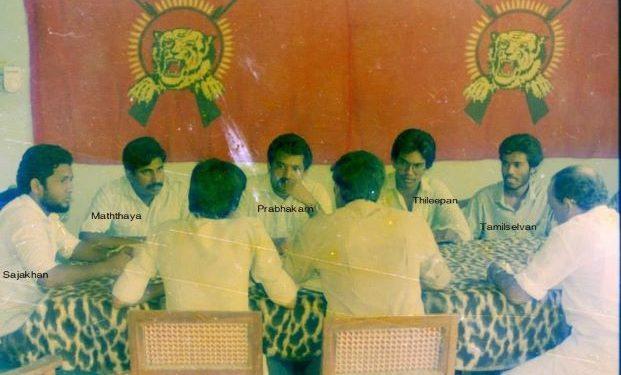
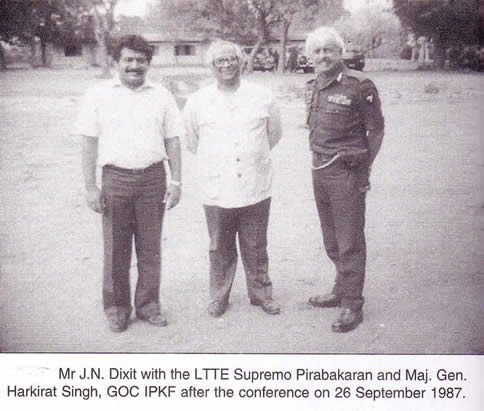
Thileepan is to the left of Prabhakaran. He belonged to the inner circle in 1987

Colombo, September 17: The commemoration of the 33 rd.Anniversary of the fast-unto-death of the Tamil Tiger hero Thileepan this year has become an issue in Sri Lankan politics. It has the potential to further sharpen the divide between the Tamils and the Sinhalese and sour the Tamils’ relations with India, whose help they are seeking to safeguard the 13 th. Constitutional Amendment, which is now under threat from Sinhala radicals entrenched in the current Sri Lankan regime.

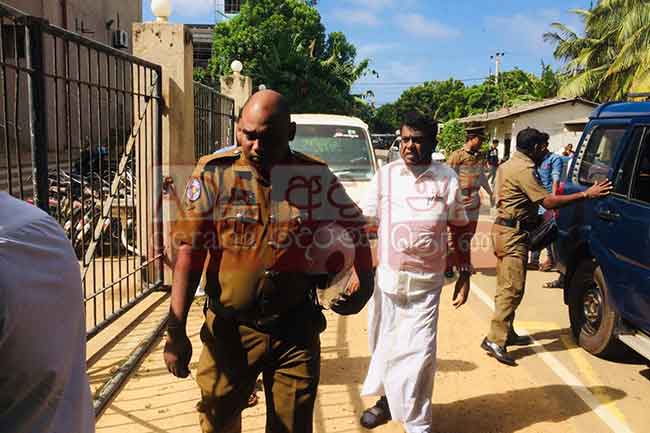
The Tamil-Sinhala division surfaced after the arrest of former Tamil MP M.K.Shivajilingam for commemorating Thileepan’s fast unto death in September 1987, in the aftermath of the India-Sri Lanka Accord. The Jaffna district police had obtained a court order against the commemoration on the grounds that no member of a banned terrorist organization could be honored. The magistrate acceded to the police’s request to bar the event disregarding the defense’s argument that in the past, the commemoration had taken place with the consent of the government and the court. Shivajilingam was arrested when he held a ceremony in defiance of the ban and was later released on bail.

However, the issue is unlikely to rest there as Tamil political parties are making it an issue to build their strength vis-à-vis each other and the Sinhala nationalist government of President Gotabaya Rajapaksa. The Ilankai Tamil Arasu Katchi (ITAK) called for a meeting of the Tamil National Alliance (TNA) to discuss the issue of new restrictions on commemorating heroes of the Tamil liberation struggle and other grievances of the Tamils. The ITAK leader has now called for a meeting of all Tamil groups, including its Tamil rivals, to chalk out a common agitation program. The wide media coverage given to Shivajilingam’s arrest has made the commemoration a Tamil” issue. A routine annual event which would not have caused even a ripple if allowed to take place has been made a divisive public national security” issue by the ban and the arrest, a moderate Tamil leader said. If the issue snowballs, the State would react, further exacerbating the issue and sharpen the ethnic divide, the moderate leader feared.

M.K. Shivajilingam arrested and graned bail

The first shot from the pro-government side was fired by Dr.Rohan Gunaratna, an international expert on terrorism, who is now Honorary Professor at the Sir John Kotelawala Defense University. Those who glorify terrorists should be arrested, charged, tried, and given the maximum punishment to deter others from following their destructive path. It will deter others funded by LTTE front organizations in the Tamil Diaspora from reviving the separatist agenda of the LTTE,” Dr.Gunaratna said.

The LTTE’s propaganda and paraphernalia should remain banned forever, just as Germany banned Nazi symbols and activities after World War II. It is LTTE propaganda that fosters an environment for LTTE plots, plans and preparation aimed at revival,” he pointed out.

The tolerance of democracies revives violence, he added. Research demonstrates that if there is looseness (government neglect) as opposed to tightness (government vigilance), terrorist groups exploit the gaps and loopholes and come back,” Dr.Gunaratna said.

If a democracy permits display of terrorist paraphernalia and allows the dissemination of propaganda, the next step will be protests and demonstrations breaking out into violence. Like the Islamic State and al Qaeda, LTTE glorified death. If commemoration and celebration of death are permitted, it will lead to a culture of destruction,” Dr.Gunaratna warned.

According to him, there have been a dozen plots by the LTTE to revive since the end of Eelam War IV in May 2009. Most of the LTTE plots were supported by LTTE fronts overseas. The number of plots increased due to the delisting of LTTE fronts overseas by the Yahapalanaya government in 2015, he alleged.

It is essential for the government to relist the delisted LTTE fronts overseas as some of them are operating in Sri Lanka. Therefore the security and intelligence platform in Sri Lanka’s north and east should continue for one generation until the separatist ideology disappears,” he recommended.

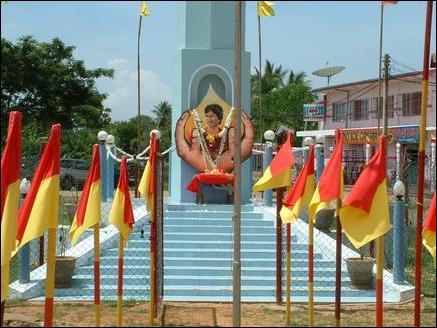
Thileepan memorial in Jaffna

International Dimension

In addition to the internal divisiveness triggered by the Thileepan issue, there could be an international dimension, which might have a deleterious effect on the Tamils’ relations with India, whose help they are counting on to keep the present system of power devolution intact.

Thileepan’s eleven-day fast unto death which ended in his death on September 26, 1987, was against the then Indian government’s alleged failure to get the Sri Lankan government to implement the agreements entered into in regard to a number of issues. The chief issue at that time was the setting up of an Interim Administrative Council (IAC) before the establishment of an elected North-Eastern Provincial Council with devolved powers.

The former Indian envoy in Sri Lanka, J.N.Dixit, in his book Assignment Colombo” writes that it was clear that the Sri Lankan government was unwilling to delegate financial, law and order and land management powers to the Provincial government of the North and the East.” He further said that the Sri Lankan side also indicated that the constitutional amendment to give Tamil a status equal to Sinhala would be a complicated and prolonged process. There was also little enthusiasm for absorbing Tamil youth into the administrative and security forces of Sri Lanka. All this resulted in a revival of apprehensions among the Tamil groups.”

Dixit said that the LTTE was in daily touch with the Indian Keeping Force (IPKF) HQ in Jaffna, and its chief, V.Prabhakaran, was a frequent visitor. However, by the middle of September the LTTE decided to pull back from the limited cooperation” stance it had taken on the July 1987 India-Sri Lanka Accord.

Finding fault with New Delhi, the LTTE got people to demonstrate against the IPKF. New Delhi moved to press Colombo to set up the Interim Administrative Council (IAC) at the earliest. But Lankan President J.R.Jayewardene was under pressure from Prime Minister R.Pramadasa and Internal Security Minister Lalith Athulathmudali not to give in.

It was at this time that Thileepan, a close associate of Prabhakaran, entered the scene going on a fast unto death. Dixit described him as an idealistic and committed LTTE leader” whose stand was that the India-Sri Lanka Accord did not fulfil the aspirations of the Tamils and that India was not doing enough even to implement the provisions of the agreement.”

According to Dixit, Prabhakaran was insistent” that Jayewardene first devolves all the required powers immediately” to the IAC. He was not willing to wait for the necessary constitutional amendments and the procedural requirements. On page 196, Dixit says that Prabhakaran suspected that Premadasa and Athulathmudali were even planning to pit the Lankan military against Jayewardene if they latter gave in to the Indians and the LTTE.

New Delhi was pressing Dixit to talk to Prabhakaran and reassure him, but Dixit wanted the Indian intelligence agencies to do it as they knew Prabhakaran. Eventually, New Delhi forced Dixit to meet Prabhakaran. Dixit met Jayewardene first. The Lankan President promised to appoint Prabhakaran as Chief Minister and devolve some routine law and order and administrative powers to the IAC.

When Dixit met Prabhakaran, the latter stiffened his stance and said that the LTTE should have a majority in the IAC and also a hand in the choice other members of the IAC including the Chief Administrator. He wanted all policing in the North East to be left to the LTTE. He agreed to submit three names for the Chief Adminisrator’s post allowing Jayewardene to pick one from the list. But when the President picked C.V.K.Sivagnanam, Prabhakaran said it has to N.Pathmanathan. Jayewardene considered this unreasonable and refused to oblige.

In the meanwhile, the fasting Thileepan died. And as if this was not enough there was an imbroglio over the arrest and the simultaneous suicide of 17 LTTE cadres including top leader Pulendran. The LTTE’s confrontation with the IPKF intensified and war broke out, leading to the alienation of India from the LTTE-led Tamil movement.

After the exit of the LTTE from the scene in 2009, India took up the Tamil cause again through the ITAK and the TNA. One wonders if this will suffer a setback when all the Tamil parties blow up the Thileepan issue.

Welcome the Presidents move to develop Sri Lanka as the maritime hub of the Indain Ocean

September 18th, 2020

Dr Sudath Gunasekara Mahanuwara

The maritime and Air hub of Asia in the 21st  century

The above map shows the relative location of Sri Lanka in the Indian Ocean in relation to four continents and four Oceans Atlantic, Indian Pacific and Antarctic Oceans. This also shows the maritime and Air links of all these four continents with Sri Lanka. The validity of the President’s plan has to be viewed in this broader perspective. You will also notice the unique geographical location Sri Lanka enjoys in its centrality in relation to four continents and the wide expansion of four oceanic territory extending from, Africa in the West to Australia in the East and the Arabian Sea and the Bay of Bengal in the North to Antarctic in the South pole across the Indian Ocean which no other country in the world is blessed with. Its unique location right at the center of the Great East- West oceanic trade route that carries the biggest volume of freight to and fro the 21st century Indo Pacific pivot of economic and political power itself has bestowed a rare fortune unbelievable for any country in the world.

Besides making it the South Asia’s foremost maritime logistic and distribution hub located at the cross roads of fastest growing region in the world in proximity to many emerging markets in the world it is in this backdrop development planners and politicians have to assess the future development potentialities of this country. Already it is said that Sri Lanka is served by all the top 20 global shipping lines and Colombo is already ranking no 23 among the top 30 container ports in the world.  Its locational advantage in terms of sea and Air connectivity with all these countries and its unlimited potentials for development in terms of comparative advantages are even over Dubai and Singapore is a foregone conclusion.

The Island is also blessed with physical facilities for first class harbours right round its maritime belt. Already we have six such developed ports Colombo, Galle, Hambantota, Oluwil, Ttrincommallee and Kankasasnature and six Airports vize Katunayaka.Ratmalana, Mattala, Trinco and KKS.  What is required is to develop these ports and harbours to their maximum capacities with all modern technologies and service facilities perhaps with first class land connectivity between Colombo Trinco and KKS, as we already have the Colombo Hambantota link is a first class national master development plan.

Beside developing Sri Lanka as the maritime and Air hub in the Indian Ocean I also would like to draw the attention of the government in other areas alike Ship Building Ship Repairing, and Fishing industry making use of the vast expanse of oceanic territory that has the potential to claim the biggest fishing nation in the world. The availability of skilled technical, managerial and work force will definitely be a boost to these industries. The only missing link is visionary and patriotic political leadership for the past 72 years. The 69.5 million who elected Gothabhaya as their President expect him to fill this long felt vacuum. His above declaration therefore I hope will be a good omen in this direction.

 The Indian Purana rishis said ‘Bhuu madyaye Lankiyatiti Lanka’

At this point it may be recalled that even in prehistoric times this Island was regarded as a world  hub For example.The Indian Purana rishis perceived it as lying at the centre of the world when they said ‘Bhuu madyaye lankiiyatiti Lanka”. They wrote, it is called Lanka as it is located right at the centre of the earth.

Even in the early historic times this Island had always been the Asia’s cynosure and meeting place and trade hub between the East and the West. Traders and travellers both from the West Rome, Greece and the Arab world and China in the Far East have passed through this Island as a transshipment point and a trading hub. It had been famous for its gems, spices and elephants and it had been a bee hive of international trade, in the Indian Ocean. Moreover Sri Lanka also had established diplomatic ties both with the West and the East at very high levels. For example Diplomatic contact between the Emperor Claudius and a King of Sri Lanka in AD 52 is recorded. It is said that the Sri Lankan Kings Ambassador sat next to Claudius on his right when the British captive King was paraded before Emperor as a war captive.  That was the name and the fame this country enjoyed at such ancient times. This shows the recognition Sri Lanka had got in the ancient world.  This also shows how nature had already decreed Sri Lanka as the maritime trade hub in the Indian Ocean long before we began to realize about it.

I wish  in ten years’ time once again Sri Lanka will emerge as the modern miracle of Asia under the direction of President Gotabhaya Rajapaksa.

Activities of foreign organizations

September 18th, 2020

Garvin Karunaratne former S:LAS, GA Matara

I enclose below what I read in the Divayina issue of 17/9

කැනේඩියානු  මහ කොමසාරිස් අම්පාරේදී අප‍්‍රකට සාකච්ඡා

කැනේඩියානු මහ කොමසාරිස් ඬේවිඞ් මැක්යිනොන් මහතා පසුගිය දිනවල අම්පාර සංචාරයක නිරත වුණා. පොතුවිල් ප‍්‍රදේශයේ සංචාරය කළ ඔහු පසුව ඉලංකෙයි තමිල් අරුසු කච්චි පක්ෂයේ අම්පාර දිස්ත‍්‍රික්කයට ජාතික ලැයිස්තුවෙන් පත්කළ කාලෙයි අරසන් මන්ත‍්‍රීවරයා සමගින් නාවිදන්වෙලි මන්ත‍්‍රීවරයාගේ නිවසේදී සාකච්ඡුා පවත්වා තිබෙනවා.

ඊට පසුව කැනේඩියානු මහ කොමසාරිස්වරයා සමස්ත ලංකා මහජන කොංග‍්‍රසය අම්පාර දිස්ත‍්‍රික් පාර්ලිමේන්තු මන්ත‍්‍රී යූ. එල්. මුෂාරෆ් මහතා සහ තවත් කීප දෙනකු සමඟ අම්පාර ප‍්‍රසිද්ධ තානායමකදී තවත් සාකච්ඡුාවක් පවත්වා තිබෙනවා.

ඉන්පසු අම්පාර ගැමුණුපුර ප‍්‍රදේශයදී සහජීවනය සඳහා වන මිත‍්‍රත්ව පදනම නමැති සංවිධානය සමග තවත් සාකච්ඡුාවක් පවත්වා තිබෙනවා. මෙම සාකච්ඡුා සියල්ලම මාධ්‍යයට අනාවරණය කිරීමට ඉඩ ලැබී නැහැ.

We will be doomed if our authorities do not look into the concealed activities of our foreign ambassadors and their feigned activities. 

In nostalgia I remember what did happen when I was the G.A. at Matara in 1971. After the JVP cadres that ruled Deniyaya for some three weeks with their  kangaroo courts and wild ways were chased out by the Army , when they had taken refuge in the Sinharaja forest, the Army Unit at Deniyaya reported that a European DPL vehicle had made visits to the Sinharaja jungles and had been in the Sinharaja for a few hours. This was reported by me to Colombo. DPL meant that no one could question them. I instructed the Army to have a jeep fully loaded with armed men ready which will follow any DPL vehicle and be at a distance, but to be seen by the DPL vehicle, also to do some sabre rattling and wait near the DPL vehicle as long as it is in our District. This did the trick and DPL visits ceased.

The DPLs ruled Sri Lanka from 2015 to 2019. We have to take ample care and I am certain that our Defence Secretary will be up to that task.

Garvin Karunaratne
former S:LAS, GA Matara

රජීව් ගාන්‌ධි හාරාදුන් රන්‌ආකරය: දකුණේ පළාත් සභා

September 18th, 2020

චන්ද්‍රසිරි විජයවික්‍රම, LL.B., Ph.D.

පළාත් සභා මිණියට ඔක්‍ෂිජන් පිඹීමේ ව්‍යායාමය

මේ වන විට මියගොස් සිටිනා, පලාත් සභා, වලෙන් ගොඩට ගන්නා මෙන් ඉල්ලමින් කනා අඳෝනාව සිහිපත් කරන්නේ, පාරේ දමා තිබූ මී මළකුණක් විකුණා ධනවත්‌වුන සිටුවරයෙක් ගැන ජාතක පොතේ ඇති කතාවය. බුදුන්ගේ කාලයේ ඉන්‌දියාවේ සිටි හැමෝම සතුටින් ලංවූ සිරිමා නගර නම් සෝබිනියගේ සිරුර, ඇය මළ පසු වෙන්දේසියෙන් තියා නොමිලේ වත් ගෙනියන්නට කිසිවෙක් ඉදිරිපත් නොවීම ධම්මපදයේ එක් ගාථාවක නිදාන කතාවය. 1987 දී පලාත් සභාවට විරුද්‌ධ අරගලයේදී වෙඩිතබා ගොඩගැසූ මිණී 144 ක් සහිත ශාලාවක දින තුනක් චම්පික රණවක සිටියේය. ජේ.වී.පී. මුල්‌වූ විරෝධතා සටනින් 60,000 ක් වත් මියගියේය. අද වනවිට මේ පලාත් සභාවල කෙරුවාව දෙස බලන විට, දකුණේ තිබුණේ දැලිපිහි ගත් වඳුරන්ගේ සභාය. උතුර කලේ විග්නේෂ්වරන්ගේ දෙමළ සමූලඝාතන යුරෝපයට වාර්‌තා කිරීමය. නැඟෙනහිර, හිස්බුල්ලාගේ රට‌ඉඳිගස් හා පිටින් පාත්‌වූ රිෂාඩ්ලාගේ, අසාත් සාලිලාගේ ශාරියා බලකොටු ගැනය.

ප්‍රභාකරන්ටත් අරහංවුන පලාත් සභාව

1987 දී පලාත් සභාවට පක්‍ෂව හිටියේ, ඉන්‌දියාවේ ඩික්‍ෂිට් හා රජිව් ගාන්‌ධිත්, ලංකාවේ මාක්ස්වාදී හා සමහර ක්‍රිස්තියානි කොටසුත් පමණය (ජූලි 29 දා ගිවිසුම අත්සන් කරණ පොටෝ එකේ ජේ. ආර්. ගේ පරාජිත අනාථ අසරණවූ මූණ දෙස බලන්න. විජිත රෝහණ විජිතමුණි, ජූලි 30 දා කලදේට ජේ.ආර්. දුක්‌‌වුණාද, නැත්නම් හිත යටින්වත් සතුටු වුණාද?). 2013 වනතුරුම උතුරේ පලාත් සභාවක් නොවීය. පසුගිය අවුරුදු 3 ක පමණ කාලයක් මේවා අකර්‌මණ්‍යව පැවතින. 2020 දී ඒ වෙනුවෙන් මාක්ස්වාදී-ප්‍රජාතන්ත්‍රවාදී සටනක් කරණා දේශයට-ප්‍රිය මැකෝ හැරුණු විට, ඒ වෙනුවෙන් පෙලපාලි ගිය මහජනතාවක් නැත. අඩුතරමින් ශිවාජිලිංගම්වත් කතා කලේද නැත.

පළාත් සභා මාෆියාව

එසේ නම් පලාත් සභාවලට යළි පණ දීමට කෑගසන්නේ කවුරුන්ද? 1987 සිට දකුණේ, <පලාත් සභා මාෆියාවක්> වර්‌ධනය වූයේ, 1988 දී ගෙනා අළුත් දිස්ත්‍රික් හා මනාප චන්ද-බලුපොර ක්‍රමය සමඟ වෙලී හෙමින් හෙමින්‌ය. මෙම මාෆියාව, දේශපාලකයා-නිලධාරීයා- එන්.ජී.ඕ.කාරයා, යන ලංකාවේ දුෂ්ඨ ත්‍රිකෝණය තුල ඇති දකුණු පලාත් සභා හතේ අනු ත්‍රිකෝණය.

  1. පැණි හැලියේ වැටුණ ඇඹලයෝ

පලාත් සභා නම් සුදු අලියාගේ පිටිපස්සේ බැඳි මීවදයෙන් බේරෙන පැණි සඳහා කෙලගිලින ප්‍රධාන කොටස වන්නේ ඒවා ලෙවකෑ, පලාත් වල, ප්‍රාදේශීය සභාවල, කුලය අනුව චන්දය ලබාගත හැකිවූ සුළු පිරිස හා, ඔවුන්ට එකතුව මස් කටු ලෙවකමින් හෝ හරක් ගාතා පිටින් අනුභව කරමින් සිටිනා නිලධාරීන්‌ය. මේ දෙකොටසටම ඩොලර් පෙන්නීම, විදේශ න්‍යායපත්‍ර ඇතිව හෝ නැතිව පැමිණෙන එන්.ජී.ඕ. කාරයින්ට, කොළඹ තෝරුන් මෝරුන් ලඟට යනවාට වඩා ලේසි විය. පලාත් සභා අපේක්‍ෂකයෙක් වීමේදී ධන බලය හා මැර බලයද ඊට එකතුවිය. කොළඹ දේශපාලන පක්‍ෂ විසින් සම්මුඛ පරීක්‍ෂණ වලින් අපේක්‍ෂකයින් තේරීමේදී මේවා සළකා බැලුවේ චන්දය දිණීමේ සුදුසුකම් ලෙසටය. පාර්ලිමේන්තුවට, පලාත් සභාවට, ප්‍රාදේශීය සභාවට යෑම නොයෙක් වරප්‍රසාද සහිත ආණ්ඩුවේ රක්‍ෂාවකට හතවත් පාස් නැතිව යෑමක්, සරු සාර ජීවනෝපය ක්‍රමයක් මිස, මහජන සේවයක් නොවන බව ප්‍රසිද්‌ධ රහසක් විය. මේ නිසා පලාත් සභා ඉණිමඟට නැග්ගොත්, පාර්ලිමේන්තුවට ගොස් ඉක්මණින්ම ඇමතිකමක් ලබාගෙන හොඳට සල්ලි හම්බකරගත හැකි නොවේද යන අදහස පැතිරිණ. එපමණක් නොව තමන්ගේ දූදරු පරම්පරාවලට මේ බිස්නස් එකට ඒම සඳහා පුහුණුව ලබාදිය හැකි මොන්ටිසෝරි බවට පලාත් සභාව පත්‌විය.

පලාතේ හා කොළඹ පක්‍ෂ මාෆියා බද්‌ධවීම

මනාප චන්ද ක්‍රමයක් යටතේ හා 15 වන ව්‍යවස්ථා සංශොධනයෙන් (1988 දෙසැම්බර් 17) දිස්ත්‍රික් අවම චන්ද අවශ්‍යතාවය 12.5% සිට 5 දක්වා අඩුකල පසු, ජාතික තලයේ පක්‍ෂ දේශපාලකයින්ට පලාත් සභා මන්ත්‍රීන් නැතුවම බැරි ඇබිත්තයින් පිරිසක් විය. දෙකොටස අතර වංචා සහගත, නිල නොලත් උගුරට හොරා බේත් කෑමේ, පිටවල් කසාගැනීමේ ගිවිසුමක් බුර බුරා ලියළුවේය. මේ නිසා 1987 දී පලාත් සභාවලට එරෙහිව මැරෙණ්නට සුදානම්‌වු අයම රහසින් වත් පව් කරණ පිරිසක් බවට පත්‌විය. අද වනවිට නිල්, රතු, කොල යනාදී හැම දේශපාලකයෙක්ම පලාත් සභා අහෝසිකිරීමේ යෝජනාවේදී හොරගල් අහුලන්නේ මේ නිසාය. ඔවුන්ගේ පවුල් පරම්පරා වලටද එය අහම්බෙන් කඩා වැටුණ නිධානයක්ම වී ඇත. 2020 පාර්ලිමේන්තුවේ පලාත් සභා මහaැමතිලා, ආණ්ඩුකාරයින්ව සිටි අය 15 ක්ම සිටී. මීට අමතරව එහි සාමාන්‍ය පලාත් සභා මන්ත්‍රීලාව සිටි අය කෙතරම් සිටීද? මොවුන් ඉණිමඟ නැග ගත්තත්, ඔවුන්ගේ දූ දරුවන්, ඥාතීන් ඉණිමඟ පහලින් බලාගෙන ඉන්නවා නේද?

වළල්ලාවිට ප්‍රාදේශීය සභාව

බස්නාහිර-දකුණු පලාත් දෙකේ මායිමේ, කළුතර දිස්ත්‍රික්කයේ අළුත්ගමින් රට ඇතුලට ඈතට යනවිට හමුවන වළල්ලාවිට ප්‍රාදේශීය සභාව විසින් 21-0 චන්දයකින් පලාත් සභා අහෝසි කරන්නට යෝජනාවක් සම්මත කිරීම (ලංකාසීනිව්ස්/ඩේලි මිරර් සැප්. 15, 2020), පලාත් සභා ගැන රටේ ගැමි ජනතාවගේ ඇති තක්සේරුව එලිදරව් කරන්නේය. මෙවැනි යෝජනා ප්‍රාදේශීය සභා 345 හේම පැවැත්‌වුවහොත්, එය පලාත් සභා චන්ද නොපැවැත්‌වීමට දුන් මහජන චන්දයකට සමාන නොවන්නේද?

  1. මහාවංශ විරෝධී ව්‍යාපාරය නොහොත් රට කැබලි කිරීම

සිංහල පැණි ඇඹලයින් නොදන්නා කරුණක් නම් පලාත් සභා යනු රට දෙකට හෝ දහයකට කැඩීමේ ඩොලර් බලවේගවල මෙහයුමක් බවය. 2009 වනතුරු පැවතියේ රට දෙකට කැඩීම අරමුණු කරගත්, දකුණු ඉන්දියාවේ ද්‍රවිඩස්ථාන් ව්‍යාපාරයෙන් අභාෂය ලත් ක්‍රියාවකි. 1918 දී ඉන්දියා-ලංකා පෙඩරේෂන් එකක් සදන්නට යෝජනාකල අරුණාචලම් පොන්නම්බලම්, 1919 දී ඔහු මූලිකව සදාගත් ලංකා ජාතික සංගමයෙන් 1921 දී අස්වී, 1923 දී ලංකා දෙමළ සමිතිය පිහිටුවා ගත්තේය. ඒ දෙමළ වැසියන් ඉන්නා මලයාව වැනි යටත් විජිතවල, දෙමළ කම (ටැමිලක්කම්) පණ ගැන්‌වීම, පැතිරවීම, එකමුතුකම හා සංවිධානය කිරීමටය. ජී. ජී. පොන්නම්බලම්, 1931 දී ඩොනමෝර් කාලයේදී එය පනහට-පනහ ලෙසත්, 1949 න් පසු චෙල්වනායගම් විසින් එය දෙමළ රටක්/පෙඩරල් රටක් වශයෙනුත්, 1976 වඩුකෝඩ්ඩෙයි ප්‍රකාශණයෙන් වෙනම ඊළමක් ලෙසත් ඉදිරිපත් කලේ, ස‌ර්‍වජන චන්දබලය යටතේ රටේ නායක තනතුරු අහිමිවී යමින් සිටි කොළඹ ජීවත්‌වන බොහෝසෙයින් ක්‍රිස්තියානී දෙමළ පංචස්කන්‌ධ දුසිම් ගණනක් මිස, වෙල්ලාලයින්ගේ අර්‌ධ වහල් ක්‍රමයක් යටතේ පෙලෙනා පොදු දෙමළ ජනතාව නොවේ. මේ බව අරුන් සිද්‌ධාර්‌ථන් (ආවා කල්ලිය බොරුවක් බව කී) හැසිරීමෙන් හා යුද හමුදා කර්‌නල් රත්නප්‍රිය බන්‌ධුට වන්නි ජනයා දැක්‌වූ උපහාරයෙන් පැහැදිලි විය.

උතුරු-නඟෙනහිර දෙමළ නිජභූමියක් තිබේය යනුවෙන් චෙල්වනායගම් ගෙනා මිථ්‍යාවට, 1957 දී බණ්ඩාරනායක-චෙල්වනායගම් <ඉරාදැමූ> ගිවිසුමෙන් එක්තරා ශක්තියක් ලැබිණ.1965 ඩඩ්ලි-චෙල්වා <අතහැරදැමූ> ගිවිසුමෙන් එය තවත් බලවත් විය. සිංහල කළුසුද්දන්ගේ, දේශපාලකයින්ගේ, නොමනා හැසිරීම යටතේ මේ මිථ්‍යාව, 1987 දී ව්‍යවස්ථාවේ කොටසක් විය. 13 වන සංශොධනය යටතේ ලංකාව තවදුරටත් ඒකීය රටක් නොවන බව සුප්‍රීම් උසාවි තීන්දුවෙන් එලිවිය. ලංකාව පෙඩරල් රටකි. පොලිස් හා ඉඩම් බලතල නොදීමත්, විධායක ජනාධිපති ක්‍රමය හා ඔහුගේ නියෝජිත ආණ්ඩුකාරයා නිසාත් දැනට ඊළම ප්‍රමාදවී ඇණහිට තිබේ. 2013 දී විග්නේශ්වරන් උතුරේ මහaැමතිවී කලේ ජනතාවට සේවය නොව ඊළමට පාරකැපීමට විදේශීය උදව් ලබාගැනීමට හැම ගලක්ම ගැසීමය. රටේ අවාසනාව නම් හිසළක වීරයා වැනියවුන් දිවිගෙවා 2009 මැයි 18 දා නිදහස් කරදුන් රට දැන් 2020 වනවිට 1976 ට ආපසු ගොස් තිබීමය.

දකුණේ පැණි ඇඹලයින් පලාත් සභා චන්ද ඉල්ලීමත්, විග්නේශ්වරන්-සුමන්තිරන්-දයාන් ජයතිලක යන අය පලාත් සභා චන්ද ඉල්ලීමත් අතර වෙනස එයය. දයාන් ජයතිලක වැනි මාක්ස්වාදී-ක්‍රිස්තියානීන් යන්නේ, චන්ද්‍රිකා-රෝසි සේනානායක- රනිල්-මංගල සමරවීරලා යන සිංහල බෞද්‌ධ පදනම විනාශකල යුතුය යන පාරේය. නොපවත්‌වන්නට යන පලාත් සභා චන්දය සඳහා අයැදුම්පත් කැඳවමින් ඉන්නා (ලංකාදීප, සැප්. 14, 2020) සජිත් ප්‍රේමදාස ඉන්නේද ඔවුන් පිටු පසින්‌ය.

  1. මිලේනියම්-ශාරියා පාර

ඉඩම් හා පොලිස් බලතල දී 13 වන සංශොධන නීතිය බලගැන්‌වීමට සිතා කටයුතු කල ඇමෙරිකන් තානාපතිලා තිරයෙන් පිටු පසට ගොස්, මෝඩිගේ ඉන්‌දියාව ඉස්සරහට පැමිණ සිටී. දයාන් 13 ප්ලස් ගැන කතාකරද්දී, මිලින්ද මොරගොඩ 13 අහෝසි කලයුතු යයි කියයි. ඇමෙරිකාව 13 අතහැර ඇත්තේ මිලේනියම් ට්‍රෝජන් අශ්වයා නිසාය. ඒ මඟින් ඇමෙරිකාවට 13 යටතේ ඊළමක් හරහාට වඩා ලංකාවේ විශාල බලයක් ලබාගත හැකිවේ. එහි ජොකියා ලෙස මිලින්ද සිටී. අනිත් අතට දයාන් කියන්නේ මිලේනියම් හරහා රට බෙදීම වෙනුවට 13 ප්ලස් දුන්නොත් රට නොකැඩෙන බවය! මේ දෙන්නාම ජාතිභ්‍රෂ්ටයින්‌ය. මෝඩ එහෙත් ආත්මාර්‍ථකාමි දකුණේ පලාත් සභා හෙංචයියලාට මේවා නොතේරේ. ඔවුන් සිතන්නේ රටගැන නොව තම පවුල්වල බඩගෝස්තරය ගැන පමණය.

  1. ශාරියා-ඉක්වාන් පාර

ප්‍රභාකරන්ට උතුරු පලාත සින්නක්කරව දීමට ප්‍රේමදාස හා චන්ද්‍රිකා යන දෙන්නා දෙපාරකට කල යෝජනාව ප්‍රභාකරන් විසින් ප්‍රතික්‍ෂේපකලේ රටේ හඳහන හොඳ නිසාමය. නැත්නම් අද වනවිට ලංකාවක් නැත. ඉන් පසුව, 1995-2000 චන්ද්‍රිකාගේ පැකේජ් ඩීල් සමයේදී, 13-ඒ ඉදිරියට ගෙන යමින් රට කෑලි 10 කට කඩන්නට ප්ලෑන් කලේය. එහිදී ගිණිකොණදිග ප්‍රදේශයක් මුස්ලිම් ජනයාට දීමට ඇය එකඟවිය. ඊට අදාල සිතියම පවා රටෙන් හංඟන ලද්දේ, දැන් රටෙන් පලාගොස් සිටින, පසුව 19 සංශොධන කේවට්ටයෙක්‌වූ ජයම්පති වික්‍රමරත්න ප්‍රධාන කල්ලියය. දැන් 2020 සැප්තැම්බර් වලදී පාස්කු ප්‍රහාර කොමිෂමේදී රාවුෆ් හකීම් කියා සිටියේ මේ මුස්ලිම් ප්‍රදේශය අවශ්‍ය බවය. සිංහල පලාත් සභා පෙරේතයින් මේවා නොදන්නවාද?

මිලේනියම් පාරේ යනවා නම් මේ මුස්ලිම් ප්‍රදේශය සුවර්‌ය. එය චන්ද්‍රිකාගේ ගිණිකොණට, ඔළුවිල් ප්‍රකාශයට, වඩා විශාල වන්නේය. එහෙත් එය චන්ද්‍රිකා-නීලන්-ජිිෙල් පැකේජ් ඩීල් දෙමළ ප්‍රදේශය සමඟ හරහට ඉන්නේ ඇමෙරිකන් ඉන්දු-පැසිපික් හමුදාව, මඩකලපු මුස්ලිම් ප්‍රදේශයේ පාසැල් බලකොටු හදමින් කරගෙන යන ප්ලෑන නිසාය. දැනටමත් දෙකක්ම හදා ඇත. කලින් එක වි‌වෘත කලේ පාස්කු ප්‍රහාරයට දිනකට දෙකකට කළින්‌ හිස්බුල්ලා සමඟය. හරියට ඊළඟ සුනාමියට සූදානම් වනවා මෙන් පසැලේ අනාථයින් 400 කට ලැගුම් දිය හැකිය. දෙවන පාසැල, ලඟදී ආණ්ඩුකාර අනුරාධා යහම්පත්ද සහභාගීවී විවෘත විය. එහි තව 400 කට ඉඩ ඇත. තව බලකොටු කීයක් මුස්ලිම් (හා දෙමළ?) අධ්‍යාපනයේ නාමයෙන් විවෘතවේවිද? (අධ්‍යාපන විෂය 13-ඒ වලින් ඉවත්කල යුතුබව ජනාධිපති ගෝඨාභය කියා තිබීම වැදගත්‌ය; සෞඛ්‍යය විෂය එසේ 13-ඒ යටතේ පලාතට දීමේ අනතුර කොරෝනාවේදී යුද හමුදාව මැදිහත්‌වීම නිසා යටපත්‌විය).

මේවා යම් ඉදිරියේ දිනක, මිලේනියම්, ඇස්කා, සෝෆා ගිවිසුම් යටතේ ඇමෙරිකන් යුදභටයින්ටද ඕනෑ වෙන්නත් පුළුවන්නේද? <නිකං කෑම වේලක් කියා දෙයක් නැත> යන්න ඇමෙරිකන් ඩී.එන්.ඒ. වල පලපදියම්ව ඇති වානිජ වාක්‍යයකි. පලාත් සභාවලට ඉඩම් බලතල ලබා නොදීත් මෙසේ නම්, ඉඩම් හා පොලිස් බලතල දුන්නොත් කෙසේ සිටීවිද? ඇත්තවශයෙන් කියනවා නම් නීතියට අනුව විග්නේශ්වරන්ලාට මේ බලය ලැබී තිබුණේය. එය වැළකුණේ ආණ්ඩුකාරයාට ඇති නිෂේධ බලය නිසාය. දැනටමත්, 16 වන සංශොධනය අනුව, උතුරු නගෙනහිර සිංහල ජනයාට, ග්‍රාම සේවකයාගේ සිට ඉහලට ආණ්ඩුවේ නිලධාරීන් හා උසාවි සමඟ ගණුදෙණු කල හැකි දෙමළෙන් පමණක් බව දකුණේ පලාත් සභා හත නමැති ඉල්ලමට පණින්නට බලා ඉන්නා පක්‍ෂ හෙංචයියලා දන්නවාද?

  1. 20 වන සංශොධන කෙටුම්පත

19 සංශොධනයේ ආරම්භය චන්ද්‍රිකාගේ පැකේජ් ඩීල් 1997 ඔක්තෝබර් ව්‍යවස්ථා කෙටුම්පතය. ඉන් පසු ගෙනා 2000 අගෝස්තු අවසාන කෙටුම්පත මඟින් චන්ද්‍රිකා විධායක අගමැතිවීමට ප්ලෑන්කරණ බව දැනගත් රනිල් ඊට පාර්ලිමේන්තුවේදී ගිනි තැබ්බවූවේය. එසේ කර තමාට එය ගන්නට සිතා 2002 දී රනිල් ගෙනා විධායක අගමැති ප්ලෑන සුප්‍රිම් උසාවියෙන් බකල් වුනේ ජනමත විචාරණයකට යායුතුයයි තීරණයක් දුන් නිසාය. 2001 ඔක්තෝබර් 03 ගෙනා 17 වන සශොධනය මඟින් විධායක ජනාධිපතිගේ බලය අඩුකිරීමට රනිල්ලා ක්‍රියා කලේ ඉන් උතුරේ පලාත් සභාවට ඔක්‍ෂිජන් දීමටදය. ඇමෙරිකන් ඩොලර් තිබුණත් 2005 දී නූලෙන් පැරදුන රනිල්, 2010 දී රොබට් බ්ලේක්ගේ ලණුවක් කෑ සරත් ෆොන්සේකාව අල්ලා ගත්තේය. 2010 දී ඇමෙරිකන් තානාපතිනියගේ අටපිරිකරට රැවටුන මාදුළුවාවේ සෝභිත හිමියන් හරහා මෛත්‍රීපාල සිරිසේනව රැවටීමට චන්ද්‍රිකා හා රනිල් සමත්‌විය. ඔහු පඹයෙකු සේ යොදාගෙන ගෙනා 19-ඒ, 13-ඒ බලගැන්‌වීම සඳහා අවශ්‍ය විධායකය දුර්‌වල කිරීම හා මධ්‍යම රජය අස්ථාවර කිරීම යන කූඨ සැලැස්මක් බව දැන සිටියේ, ලාල් විජේනායක, ජයම්පති වික්‍රමරත්න, චන්ද්‍රිකා, රනිල්, මංගල හා ඒබ්‍රහම් සුමන්තිරන් පමණක්ද? එහෙත් <මුන් 225> අතරින් මේ ගැටයට අසු නොවූයේ අම්පාර මන්ත්‍රී සරත් වීරසේකර පමණය. මේ අනුව 16, 17 හා 19 සංශොධන, 13 සංශොධනය හා බැඳී ඇත.

13-ඒ රජ කරවීමට, 2018 සිට සුමන්තිරන්-ජයම්පති දෙන්නා ඉස්සරහට දමා රනිල්-චන්ද්‍රිකා හවුල්‌වී කල ඔරුමිත්තනාඩු ව්‍යවස්ථා මගඩියට ඔක්‍ෂිජන් ආවේ 19-ඒ හරහාය. පාස්කු ප්‍රහාරයට ඔක්‍ෂිජන් දුන්නේද එයමය. තමන්ගේ 2000 පැකේජ් ඩීල් එක දැන් 2018 දී ක්‍රියාත්මක වෙනවා යයි චන්ද්‍රිකා කටමැත දෙඩවූවාය. මේ කුමන්ත්‍රණ ගැන දැන් එලිවන්නේ 20-ඒ ගෙනාවිට, 19-ඒ ගර්‌භනිය වෙනුවට, දයාන් ජයතිලක වැනි 13-ඒ කරේදාගත් වින්නඹුවන්ට විලිරුදා ඒමෙනි! ඔහුට දැනට ඉතිරිව ඇති, කලම්බු ටෙලිග්‍රාෆ් වෙබ් අඩවියේ දිනපතාම වාගේ මාරාශ වූවෙක් මෙන් ඔහු විකාර කතා ලියන්නේ ජෙහාන් පෙරේරලා, පාකියසෝතිලා, කුමාර් ඩේවිඩ්ලාවද යටකරමින්‌ය.

13-ඒ මර උඟුලට සුදුහුණු ගෑම

13-ඒ මර උඟුලක් වන්නේ එය රටේ ඉතිහාසයට හා භූගෝල විද්‍යාවට, පරිසර විද්‍යාවට පටහැනි නිසාය. එහෙත් ඒ බව අමතක කර, ඊට සුදු හුණු ගෑමට අරුම පුදුම බේගල් ඉදිරිපත් කරමින් පවතී. ඒ පිළිඹදව මීට පෙර කල විග්‍රහ රාශියකි. ඒ නිසා මේ ලිපියේ ඉතිරි ඉඩ යොදාගන්නේ, 20-ඒ නිසා මතුව ඇති 13-ඒ කලබගෑණියට අදාලව ලඟදී පලවූ ලිපි දෙකක හෙළුව එලි කිරීමටය. එකක් ජයවර්‍ධනපුර සරසවියේ දේශපාලන විද්‍යාව උගන්වන ටෙරන්ස් පුරසිංහ සමඟ කල සාකච්චාවකි (ලංකාදීප, සැප් 10). අනික දයාන්ගේ කලම්බු ටෙලිග්‍රාෆ් ලිපිය ය (සැප්. 14). මේ දෙන්නාම හදන්නේ 13-ඒ නමැති දරුවාගේ පියා ඉන්‌දියාව නොවන බව පෙන්‌වා දීමටය! පියා ඉන්නේ ලංකාවේය යන්න ඉන්‌දියාවේ නිදහසට කරුණුය. උදාහරණ වශයෙන්:

  1. මුලින්ම පෙඩරල් ඉල්ලුවේ දමිළ නායකයින් නොව උඩරට නායකයින් (මහනුවර මහජන සභාවේ නායක එෆ්. ඔබේසේකර) විසින් 1928 දී ඩොනමෝර් කොමිෂමෙන් යයි ටෙරන්ස් කියයි. ඔබේසේකර නුවර ලිපිනයක් තිබූ පහතරට වේයන්ගොඩ සිංහලයෙක් බව ටෙරන්ස් නොදනී!

1926 දී යාපනේදී එය යෝජනාකල බණ්ඩාරනායකද පහතරට සිංහලයෙකි. තවද, මේ උඩරට-පහතරට භේදය හෝ තරඟය, ඩී.එ‌ස් හා බණ්ඩාරනායක යන දෙන්නා උඩරට ගෑණුන් විවාහකර ගැනීමත් සමඟ නිමවූ බව ටෙරන්ස් නොදනී.

  1. ඒ කාලයේ දමිළ නායකයින් ඉල්ලුවේ පෙඩරල් නොව ඒකීය රාමුවක් තුල සමබර නියෝජනයක් යයි ඔහු කියයි. 1921/23 කාලයේ අරුණාචලම් පොන්නම්බලම් ඉල්ලුවේ කොළඹට දෙමළ නියෝජිතයෙක්‌ය.
  2. ඒ නිසා ඇතිවූ ගැටුමෙන් පසු ලංකා ජාතික සංගමයෙන් ඉවත්‌වූ ඔහු ටැමිලක්කම් සංවිධානය පිහිටුවා ගත්තේ (1923) සමබරකට නොව දෙමළ රාජ්‍යයක් සඳහාය. මේ කාලයේ දෙමළ බදුම්වාදයට උල්පන්දම් දුන්නේ ගවනර් මැනිංය. ඔහු ගෙන් පසුව සමබර කතාව ඩොනමෝර් කොම්ෂමට ගෙනාවේ ජී.ජී. පොන්නම්බලම් විසින් හරහාය.
  3. 1949 දි චෙල්වනායගම් පෙඩරල් ඉල්ලුවේ සමබර (පනහට පනහ) නොදුන් නිසායයි ටෙරන්ස් කියයි. වෙල්වනායගම් කොසොවෝ ප්ලෑන ගැන කතාකලේ කවදාදැයි ඔහුගේ බෑණා ඒ. ජේ. විල්සන්ගේ පොතෙන් ටෙරන්ස්ට බලාගත හැකිය.
  4. 1949 පක්‍ෂයේ ඉංග්‍රීසි නම පෙඩරල් වුවත් දෙමළ නම එක්සත් දෙමළ රට කියාය.
  5. ඊළඟට ටෙරන්ස් සුදුහුණු ගාන්නේ පෙඩරල් චෙල්වා ඉල්ලුවේ උතුරු නැඟෙනහිරට පමණක් සීමාවූ අසමතුලිත බලය බෙදීමක් බව කීමෙනි. මෙය ඒ දෙපලාතට ප්‍රාදේශීය සභා දීමට යෝජනා කොට, ප්‍රසිද්‌ධියේ ඉරා දැමූ, 1957 බ-චෙ ගිවිසුමය. 1965 දී ඩඩ්ලි-චෙ හොර ගිවිසුම අනුව ඒවා රට සභා (දිස්ත්‍රික් සභා) ය.
  6. 1972 දී ඒකීය ආණ්ඩු ක්‍රමය, පෙඩරල් තහනම් මේ නිසා දෙමළ සමාජය වෙනම රටක් ඉල්ලන තැනට තල්ලු විී යයි ටෙරන්ස් කියයි.
  7. 13 න් වූයේ දෙමළ නායකයින් ඉල්ලූ අසමතුලිත වෙනුවට සමතුලිත (මුලු රටටම) බෙදීමක් නිසා, 13 න් ජාතික ප්‍රශ්ණය විසඳුනේත් නැත, රට බෙදුනේත් නැත යයි ටෙරන්ස් කියයි.
  8. එහත් 13 න් යම් ස්වයංපාලන අයිතියක් දෙමළ ජනයාට ලැබී ඇත යන ඔහුගේ කියමන 13-ඒ යනු මර උගුලක් බව ස්ඵුට කරයි. යකඩ මත ඇසිඩ් මෙන් එය සිංහල රට කා දමණු ඇත. චන්ද්‍රිකාගේ පැකේජ් ඩීල් (1995-2000), රනිල්ගේ-සුමන්තිරන් ඔරුමිත්තනාඩු ඩීල් (2018-19) ගැන ටෙරන්ස් නිහඬය.
  9. ඉන්දියාවේ සබ්මැරින්, ඇමෙරිකාවේ යුද නැව් ගැන කියමින් කලින් කලට සිංහලයා බිය ගන්වන දයාන් ඉදිරිපත් කරන තර්‌කය නම් 1987 දී ගෙනා 13-ඒ සංශොධන යෝජනාව, 1986 දී-ජේ.ආර්-විජය කුමාරතුංග-කොල්වින්-පීටර් කේනමන්- යන අය විසින් ස‌ර්‍ව පාක්‍ෂික සමුළුවේදී ගෙනා යෝජනාම බවය. මීට ශාක්‍ෂිකාරයින් ලෙස, ඩිව් ගුණසේකර හා වාසුදේවගේ නම් ඔහු සඳහන් කරයි. මේ යෝජනා දෙකේ එකම වෙනස යයි ඔහු දකින්නේ 13 න් උතුර හා නැඟෙනහිර තාවකාලිකව එකතු කිරීමය.

රටේ ජනතාව, පලාත් සභා මිණී වලෙන් ගොඩ ගැනීමට, මේ ශාක්‍ෂි දෙක පිළිගනීවිද?

https://www.lankaweb.com/news/items/2020/03/09/attempts-to-exhume-the-provincial-council-cadaver/.

දේශපාලන පළිගැනීම් සොයා බලන කමිටුවේ නව සභාපති අග්‍රාමාත්‍යතුමා හමුවෙයි

September 18th, 2020

අග්‍රාමාත්‍ය මාධ්‍ය අංශය

රාජ්‍ය සේවයේ දේශපාලන පළිගැනීම් පිළිබඳව සොයා බලන (2015-2019) කමිටුවේ නව සභාපති ප්‍රවාහන අමාත්‍ය ගාමිණී ලොකුගේ මහතා ප්‍රමුඛ කමිටු සාමාජිකයන් අද 2020.09.18 දින අරලියගහ මන්දිරයේදී අග්‍රාමාත්‍ය මහින්ද රාජපක්ෂ මැතිතුමා හමුවිය.

මෙම කමිටුවේ සභාපතිවරයා ලෙස මෙයට පෙර මහින්ද යාපා අබේවර්ධන මහතා කටයුතු කළ අතර එතුමා කථානායක ධූරයට පත්වීමත් සමඟ නව සභාපතිවරයා ලෙස ප්‍රවාහන අමාත්‍ය ගාමිණී ලොකුගේ මහතා පත් කෙරිණි.

නව සභාපතිවරයා පත්වීමෙන් පසු පැවති පළමු හමුව මෙය වේ.

රාජ්‍ය සේවයේ දේශපාලන පළිගැනීම් පිළිබඳ සොයා බලන කමිටුවට මේ වන විට ඉදිරිපත්ව ඇති අභියාචනා ප්‍රමාණය 6952 කි. ඉන් අභියාචනා 2365ක් කමිටුවට සෘජුවම ලැබී තිබේ.

2015-2019 කාලයේ රාජ්‍ය සේවය තුළ සිදු වූ දේශපාලන පළිගැනීම් සොයා බැලීමට අග්‍රාමාත්‍ය මහින්ද රාජපක්ෂ මැතිතුමා විසින් මෙම කමිටුවට පත් කර තිබිණි. මෙම කමිටුවේ මූලික වාර්තාව පසුගිය දා අග්‍රාමාත්‍යතුමාට භාර දුන්නේය.

මෙම අවස්ථාවට වාරිමාර්ග අමාත්‍ය චමල් රාජපක්ෂ, අග්‍රාමාත්‍ය ලේකම් ගාමිණී සෙනරත්, අතිරේක ලේකම් චමින්ද කුලරත්න, දේශපාලන පළිගැනීම් පිළිබඳ සොයා බැලීමේ කමිටුවේ ලේකම් නීතීඥ චතුරිකා විජේසිංහ, කමිටු සාමාජිකයින් වන ඒ.ඒ.ආරියරත්න සහ මහින්ද සෙනවිරත්න මහත්ම මහත්මීන් එක්ව සිටියහ.

කොළඹ වෛද්‍ය පීඨ සිසුවාගේ නව නිපැයුම් CPR යන්ත්‍රය අග්‍රාමාත්‍යතුමාට හඳුන්වා දෙයි

September 18th, 2020

අග්‍රාමාත්‍ය මාධ්‍ය අංශය

සෞඛ්‍ය ක්ෂේත්‍රයේ කාර්යක්ෂමතාව ඉහළ නංවමින් කොවිඩ්-19 වසංගතයට මුහුණ දීම සඳහා කොළඹ වෛද්‍ය පීඨයේ ඩිල්ෂාන් අබේසිංහ සිසුවා නිර්මාණය කළ සී.පී.ආර්. (CPR) යන්ත්‍රය අග්‍රාමාත්‍ය මහින්ද රාජපක්ෂ මැතිතුමාට හඳුන්වාදීම අද 2020.09.18 දින අරලියගහ මන්දිරයේදී සිදු විය.

සෞඛ්‍ය ක්ෂේත්‍රයේ කාර්යක්ෂමතාව වැඩි කිරීමට නව නිපැයුම්කරුවන්ට ලබාදුන් අවස්ථාව ප්‍රයෝජනයට ගනිමින් මෙම නිර්මාණය කර තිබිණි.

හදවතට නැවත පණ දීමට කෙරෙන ප්‍රතිකාරයක් ලෙස සී.පී.ආර්. (CPR) ලබාදීම සඳහා යාන්ත්‍රික ක්‍රමයක් මේ ඔස්සේ හඳුන්වා දෙනු ලැබේ.

වෛද්‍ය සිසුවා කළ මෙම නව නිර්මාණකරණයට මේ වන විට නව නිපැයුම්කරුවන්ගේ සංගම, ජාතික ඖෂධ නියාමන අධිකාරිය, ශ්‍රී ලංකා වෛද්‍ය සංගමයේ අවසරය ද ලැබී තිබේ.

මෙම යන්ත්‍රය අනාගතයේ දී මෙරට රෝහල්වලට හඳුන්වාදීම පිළිබඳව රජයේ වෛද්‍ය නිලධාරීන්ගේ සංගමය අග්‍රාමාත්‍ය මහින්ද රාජපක්ෂ මැතිතුමාගේ අවධානය යොමු කළේය.

මෙම අවස්ථාවට කොළඹ වෛද්‍ය පීඨයේ පීඨාධිපති මහචාර්ය වජිර දිසානායක, මහාචාර්ය ජෝශප් ඇන්තනී, රජයේ වෛද්‍ය නිලධාරීන්ගේ සංගමයේ ලේකම් ෂෙනාල් ප්‍රනාන්දු, සහකාර ලේකම් නවීන් ද සොයිසා මහත්වරු එක්ව සිටියහ.

රජයේ ඉඩම්වල කළුගල් කැණීම් කර්මාන්තය පිළිබඳ වාර්තාව අග්‍රාමාත්‍යතුමාට භාරදෙයි

September 18th, 2020

අග්‍රාමාත්‍ය මාධ්‍ය අංශය

රජයේ ඉඩම් තුළ සිදුකරන කළු ගල්  කැණීම් කර්මාන්තය පිළිබඳ සොයා බැලීමට පත්කළ කමිටුව විසින් අදාළ වාර්තාව අද 2020.09.18  දින අරලියගහ මන්දිරයේ දී ගරු අග්‍රාමාත්‍ය මහින්ද රාජපක්ෂ මැතිතුමාට භාර දෙන ලදී.

ඉඩම් කොමසාරිස් ජනරාල්  ආර්. එම්. සී. එම් හේරත් මහත්මියගේ සහභාගීත්වයෙන් යුතු එම කමිටුව, කමිටු සාමාජිකයන් 12 දෙනෙකුගෙන් සමන්විත ය.

කමිටු වාර්තාව භාරදීමෙන් අනතුරුව අග්‍රාමාත්‍යතුමා එම කමිටුවේ නිර්දේශ සහ යෝජනාව පිළිබඳ විමසා බැලුවේය.

කළු ගල් කර්මාන්තයේ යෙදෙන ව්‍යාපාරිකයන්ට ප්‍රායෝගිකව මුහුණපාන ගැටලු අවම කිරීම සඳහා පරිහරණ හා කැණීම් ගාස්තු එකම ක්‍රමවේදයක් යටතේ ක්‍රියාත්මක වන පරිදි සංශෝධනය කිරීමට අග්‍රාමාත්‍ය මහින්ද රාජපක්ෂ මැතිතුමා මෙහිදී උපදෙස් දුන්නේය .

ඒ අනුව කළු ගල් කැණීම් කර්මාන්තයේ නියැළෙන ව්‍යාපාරිකයන්ගේ හිඟ බදු මුදල් සහනදායී ක්‍රමවේදයක් යටතේ ගෙවීමට හැකි වන පරිදි සංශෝධන ක්‍රියාත්මක කරන්නැයි අග්‍රාමාත්‍යතුමා දැනුම් දුන්නේය.

මෙම සංශෝධනයන් ක්‍රියාත්මකවීමේදී නිවසක් තැනීමට කළු ගල් මිලට ගන්නා පාරිභෝගික ජනතාවට බලපෑමක් නොවන පරිදි මිල ක්‍රියාත්මක විය යුතු බව අග්‍රාමාත්‍යවරයා අවධාරණය කළේය.   

රජයේ ඉඩම්වල කළුගල් කැණීම් සඳහා බලපත්‍ර ලබා ගැනීමේදී ආයතන කිහිපයකට ගොස් නිර්දේශ ලිපි ලබා ගැනීමට සිදුව තිබෙන බව මෙම හමුවට එක් වූ ජාතික කළුගල් නිෂ්පාදන සංගමයේ සාමාජිකයෝ පෙන්වා දුන්හ.

ඊට විසඳුමක් ලෙස අදාළ කැණීම් බලපත්‍ර නිකුත් කිරීමේදී පොදු එක් ක්‍රමවේදයකට යොමුවීමත්, භූ විද්‍යා සමීක්ෂණ හා පතල් කාර්යාංශය පමණක් පාරිසරික හා පුරාවිද්‍යා නිර්දේශය ලබා ගැනීම හා පුරාවිද්‍යා නිර්දේශය එක් පාෂාණ නිස්සාරණ ව්‍යාපෘතියකට එක් වරක් පමණක් ලබා දීමටත් මෙහිදී තීරණය විය.

සූරියවැව ප්‍රදේශයේ ලෙන් හා පොකුණු සහිත භූමියකට පසුගිය කාලයේ කළු ගල් කැණීමේ බලපත්‍ර නිකුත් වී ඇති බවත්, එහි විශාල ගල් පර්වත දෙකකින් එක් ගල් පර්වතයක් මේ වන විටත් කළු ගල් කැණීම් කොට විනාශ කර දමා ඇතැයි  අමාත්‍ය චමල් රාජපක්ෂ මහතා පෙන්වා දුන්නේය.

මේ පිළිබඳ අවධානය යොමු කළ අග්‍රාමාත්‍ය මහින්ද රාජපක්ෂ මහතා, ඒ මොහොතේදීම පුරා විද්‍යා අධ්‍යක්ෂ ජනරාල් මහාචාර්ය සෙනරත් දිසානායක මහතාට ඒ පිළිබඳ සොයා බලන්නැයි උපදෙස් දුන්නේය.

මෙම අවස්ථාවට අමාත්‍යවරුන් වන චමල් රාජපක්ෂ, මහින්ද අමරවීර, අග්‍රාමාත්‍ය ලේකම් ගාමිණී සෙනරත්, වාරිමාර්ග අමාත්‍යංශය ලේකම් අනුර දිසානායක, වනජීවී හා වන සංරක්ෂණ අමාත්‍යංශයේ ලේකම්  එම්. කේ. බී. හරිස්චන්ද්‍ර, ඉඩම් අමාත්‍යංශයේ ලේකම් ආර්. ඒ.ඒ.කේ.රණවක, පරිසර අමාත්‍යංශයේ ලේකම් අනිල් ජාසිංහ, අග්‍රාමාත්‍ය අතිරේක ලේකම්වරුන් වන චමින්ද කුලරත්න, ඇන්ටන් පෙරේරා, ඉඩම් කොමසාරිස් ජනරාල් ආර්. එම්. සී. එම්. හේරත්, වනජීවී සංරක්ෂක දෙපාර්තමේන්තුවේ අධ්‍යක්ෂ ජනරාල් ඩබ්ලිව්.ඒ.සී වේරගොඩ, භූ විද්‍යා සමීක්ෂණ සහ පතල් කාර්යාංශය අධ්‍යක්ෂ ජනරාල් ඉංජිනේරු ඩී. සජ්ජන ද සිල්වා, මධ්‍යම පරිසර අධිකාරියේ සභාපති සිරිපාල අමරසිංහ, ඉඩම් ප්‍රතිසංස්කරණ කොමිෂන් සභාවේ සභාපති නීතීඥ නිලන්ත විජේසිංහ මහත්වරු ඇතුළු රාජ්‍ය ආයතන ප්‍රධානීන් සහ ජාතික කළුගල් නිෂ්පාදන සංගමයේ නියෝජිතයින් පිරිසක් මෙම අවස්ථාවට එක්ව සිටියහ.

ඉන්දීය අග්‍රාමාත්‍යතුමාගේ ජන්ම දිනයට අග්‍රාමාත්‍ය මහින්ද රාජපක්ෂ මැතිතුමා සුබ පැතුම් එක් කරයි

September 18th, 2020

අග්‍රාමාත්‍ය මාධ්‍ය අංශය

ඉන්දීය අග්‍රාමාත්‍ය නරේන්ද්‍ර මෝදි මහතාගේ 70 වෙනි ජන්ම දිනයට අග්‍රාමාත්‍ය මහින්ද රාජපක්ෂ මැතිතුමා අද 2020.09.17 දින දුරකථන ඔස්සේ සුබ පැතුම් එක් කළේය.

උපන්දින සුබ පැතුම් එක් කිරීම සම්බන්ධයෙන් ස්තූති කළ ඉන්දීය අග්‍රාමාත්‍ය නරේන්ද්‍ර මෝදි මහතා, අග්‍රාමාත්‍ය මහින්ද රාජපක්ෂ මහතා සමඟ සුහද කතාබහක නිරත වෙමින් ක්‍රීඩා අමාත්‍ය නාමල් රාජපක්ෂ මහතාගේ සහ ඔහුගේ බිරිද ලිමිණි රාජපක්ෂ මහත්මිගේ පළමු පුත්‍ර රත්‍රනයේ උපත වෙනුවෙන් ඔවුන්ට සුබ පැතුම් එක් කළේය.

හෙක්ටර් කොබ්බෑකඩුව ගුණානුස්මරණ උත්සවය සඳහා ගරු අග්‍රාමාත්‍ය මහින්ද රාජපක්ෂ මැතිතුමා එක් වෙයි

September 18th, 2020

අග්‍රාමාත්‍ය මාධ්‍ය අංශය

හෙක්ටර් කොබ්බෑකඩුව මධ්‍යස්ථානයේ පැවති, දිවංගත හෙක්ටර් කොබ්බෑකඩුව මහතාගේ 37 වැනි ගුණානුස්මරණ උත්සවය සඳහා ගරු අග්‍රාමාත්‍ය මහින්ද රාජපක්ෂ මැතිතුමා අද 2020.09.18 දින සහභාගී විය.

හෙක්ටර් කොබ්බෑකඩුව සංසදය සහ හෙක්ටර් කොබ්බෑකඩුව ගොවි පර්යේෂණ ආයතනය විසින් සංවිධානය කළ මෙම අවස්ථාව සඳහා එක්වුණු අග්‍රාමාත්‍යතුමා හෙක්ටර් කොබ්බෑකඩුව මහතාගේ පිළිරුවට පුෂ්පෝහාර දැක්වීය. 

මෙහිදී හෙක්ටර් කොබ්බෑකඩුව සංසදය විසින් අග්‍රාමාත්‍යතුමාට සමරු තිළිණයක් හා ග්‍රන්ථයක් පිළිගැන්වීය.

මෙම අවස්ථාව සඳහා වෙළඳ අමාත්‍ය බන්දුල ගුණවර්ධන, රාජ්‍ය අමාත්‍යවරුන් වන ශෂේන්ද්‍ර රාජපක්ෂ,  අනුරාධ ජයරත්න,  පාර්ලිමේන්තු මන්ත්‍රී මදුර විතානගේ හා හෙක්ටර් කොබ්බෑකඩුව මහතාගේ පවුලේ සාමාජිකයින්, ඥාතීන් හා සම්භාවනීය අමුත්තන් රැසක් එක්ව සිටියහ.

The Imminent Requirement to Regulate Online Education Providers in Sri Lanka

September 17th, 2020

Dilan De Silva Chartered Quantity Surveyor

  1. Introduction

Disruptive innovation fundamentally transforms a sector by replacing expensive, complicated, and inaccessible products or services with much less expensive, simpler, and more convenient alternatives.” (Staker, P.1)

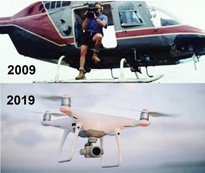
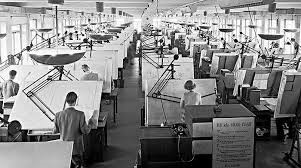
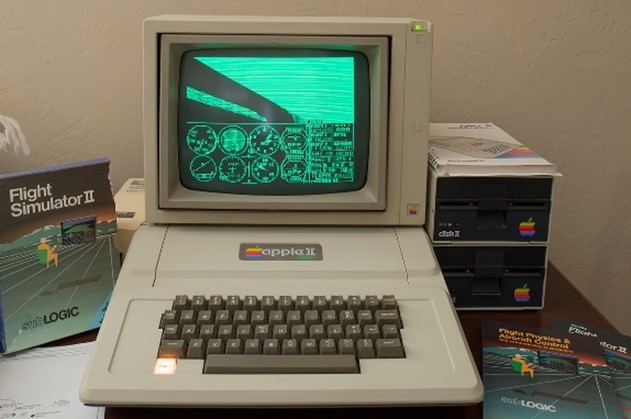
(Source: https://twitter.com/kenradio/status/1203204477655769088)   (Source: https://www.theengineeringcommunity.org/19-amazing-vintage-photos-that-show-how-people-worked-before-autocad/)   (Photograph by John Miranda: Source: http://www.cs.cornell.edu/wya/AcademicComputing/text/workstations.html)  

Let’s take a few examples of disruptive innovations; Within just a decade, an expensive helicopter, a pilot and a camera were  replaced with an inexpensive drone, a single software reduced the requirements for many drafters to one, the computer creates an inexpensive, simple and convenient work environment when compared with  the pre-computer era work environment.

Online learning is also a disruptive innovation which provides an inexpensive, flexible and convenient learning environment compared to the traditional face to face learning.

Online learning has been started as a solution to provide learning facilities to students who have no alternative for learning and also to provide high-quality courses for the schools located in rural areas where experienced and well-qualified teachers are hard to find. (Staker, P.1).

  1. The History of Online education in Sri Lanka

Until early 2000, distance education in Sri Lanka was primarily limited to a blended program which consisted of a print-based system with few face-to-face lectures conducted mainly by the Open University.

In 2002, University of Colombo School of Computing  established the National e-Learning Centre (NeLC)  funded by the Swedish International Development Agency (SIDA) to provide  “Open, Flexible and Distributed e-Learning Environment to provide effective, efficient, scalable and economical learning opportunities to stakeholder communities in Universities, Schools, the Public Sector and Society at large”. Currently, it has made available more than 40 free online courses and is branded as ‘Vidupiyasa’ (www.e-learning.lk).

Later in 2003, the Distance Education Modernization Project (DEMP) aided by the Asian Development Bank commenced resulting in a positive movement in the resources available for online education. The DEMP has established the National Online Distance Education Service (NODES) to facilitate the universities and other private and public sector post-secondary educational institutions to deliver the online educational program. The Access Centers” established under the DEMP, the Nanasala” established under the E-Sri Lanka” initiative by the Government Initiative Information and Communication Technology Agency(ICTA) and “Sarvodaya” centers, played a virtual role in providing access to the online component of various educational programs.

Among many other government initiatives, ‘One Laptop Per Child (OLPC)’ initiative launched by the Ministry of Education in 2011, and eBIT, the online version of the Bachelor of Information Technology degree offered by the University of Colombo introduced in 2003 are remarkable.

The online learning era of Sri Lanka has started as a novel tendency during the Coronavirus outbreak in 2020. It started becoming popular among learners from grade 1 to postgraduate level, as a solution to continue the education since the traditional face to face learning has stopped as the schools and universities were closed as a result of the actions taken by the government to manage the Coronavirus outbreak.

Even though many other developed countries use online learning to deliver various courses including post-graduate-level courses, in Sri Lanka, its usage is minimum. Online courses were conducted by very few government and private institutions. Currently, there are many online courses delivered by various public and private institutions, however, this will grow up further in the online learning era.

  1. Why Online Education is Popular

Online education is more popular over traditional education mainly due to its flexibility and convenience. It’s not a necessity for the students to attend lectures according to a specific timetable and they can watch recorded lectures later which is very convenient specially for knowledge seekers who are also working. Since learners only require a good internet connection and a device like a computer to attend lectures, it saves the travelling time while overcoming the geographical barriers of learning.

On the other hand, course fee of online learning may lesser when compared with face to face learning, as the number of attendees in the former is theoretically unlimited, many costs associated with face to face learning such as building rent, utility and insurance cost are also eliminated. According to Loxley, Ho et al. (2003) as cited in Liyanagunawardena, T.R et at (2014), the average unit cost of the Open University of Sri Lanka (Conducts Distance learning) is circa 20% of the cost of the conventional university system.

Moreover, the multi-modal approach using a diverse range of teaching and learning activities will make online learning more effective and interesting. Also, it creates a conducive environment for the learners to interact with peers and the lecturer.

  1. Government Intervention to Regulate Tertiary Education and/or Vocational Education Institutes

There is a strong government intervention to regulate tertiary education and vocational education through the Act No 20 of 1990(Tertiary and Vocational Education Act).

According to Article 14 of the Act, any institute which provides tertiary education and/or vocational education courses shall be registered under the Act (with Tertiary and Vocational Education Commission). Applications for the registration shall be submitted to the Director-General and the Tertiary and Vocational Education Commission shall approve such application if they are satisfied with the report submitted by the Director-General on the institute’s ability to adequately provide tertiary education and/or vocational education.

Also, the Article 15 of the Act states that, no person or establishment shall conduct any tertiary education and vocational education course or tertiary education course or vocational education course being a specified course without being registered under this act”

  1. Current Registration Process Conducted by TVEC

The current registration process accommodates only the face to face education providers and not the online education providers. The criteria for registration include the information regarding the institute’s permanent location, infrastructure such as classrooms (minimum 0.5m2 per student), sanitary facilities (Toilet requirement is 25: 1), safety and fire protection measures which are only required for face to face education providers. However, other criteria such as institute’s information, recordkeeping information, details of courses and academic staff information are common for both online and face to face education providers.

  1. Importance of Registration of Online Education Providers

The Act empowered the TVEC for the registration of any institute which offers tertiary education and/or vocational education courses, therefore, it shall apply for the institutes which provide online education, whilst the act didn’t expressly address the mode of delivery either face to face or online.  Therefore, the current registration process conducted by TVEC is doing an injustice for the online education providers.

On the other hand, such a loophole will be diminishing the TVEC’s achievement of its third objective; the maintenance of academic and training standards in institutes providing tertiary education and vocational education”, as no other mechanism is available to register, monitor and control those online education providers. Kaye, 2002, as cited in Liyanagunawardena, T.R et at (2014) states that distance education programs conducted by state universities except the programs conducted by the Open University are heavily criticized for their quality.

Therefore, it’s vital for the online education providers to get registered in order to achieve the objectives of the Act.

  1. Changes Required for the Current Registration Process Conducted by TVEC

As mentioned earlier, some criteria for registration are identical in both modes. However, criteria related to physical facilities shall not apply for the online education providers. A new set of criteria related to the technical and other online education specific requirements shall be introduced.

Online learning industry comprises many stakeholders including providers of learning management systems (e.g. Talent LMS), online assessments providers, online libraries (e.g. the Construction Information Service (CIS)), conference facility providers (e.g. Zoom), the plagiarism detection services (e.g. Turnitin) and various other online learning resources (e.g. Wiki) and tools (e.g. Google Form). Therefore, the technical and other specific requirements for the online education shall establish with due consideration to those stakeholders. For example, the criteria should include the specification for a Learning Management System (LMS) (as a substitute for the physical classroom) and a backup plan in case of a technical failure (as a substitute for the safety) among others.

The current registration process shall be modified to cater to the above addressed technical requirements and facilitate any new institutes to provide face to face and/or online education courses. Also, it is important to note that, since the current TVEC registered institutes have not been evaluated for their capability to deliver online education courses during the registration process, TVEC should assess their capabilities and permit them to deliver online education courses if they wish to deliver such courses.

  1. Amendments Required to the Tertiary and Vocational Education Act

Even though the TVEC should treat the face to face and online teaching as two different methods as some capabilities required to deliver those are different, and register them differently, the Act has not differentiated them clearly. Therefore, any organisation which had been registered under the TVEC may conduct online education programmes even without any further registration whilst fully complying with the Act. However, the Commission, can make rules, under the Article 4(g) or 4(i) of the Act and request any such registered institute to get the approval from the Commission to conduct any online education courses, until such time the Act amended to distinguish the mode of delivery; face to face or online teaching.

  1. Urgent Requirement for an Online Teaching Course

Teaching online is different from face to face teaching.  Lecturers may not possess expert skills in online teaching. So, it should be a mandatory requirement for all the online education providers to employ/hire a professional who has expert knowledge and skills on online teaching. They can guide the institutes/lecturers on online teaching; on the use of available resources/tools to teach and assess the learners, how to keep motivating the learners, etc. However, currently no such online teaching education courses are available in Sri Lanka. Therefore, TVEC shall treat it as an urgent requirement and coordinate with the relevant authorities and introduce at least an NVQ 4 level online teaching course. Until a sufficient number of qualified online teaching personnel become available in the country, provisional registration can be granted.

  1. Online Library

Even though the current TVEC registration process is not looking for a (physical) library, the quality of the online education might be enhanced if an online library is available for the learners. However, most online libraries/databases are based on foreign countries (e.g. UK) and may not be affordable for small scale local institutes. So, it will be beneficial for the learners if the TVEC can coordinate with the government and establish an online library for the Sri Lankan online education providers at  an affordable price.

  1. Conclusion

To get the best benefit from the online learning era, TVEC should promptly act on this matter and take necessary immediate and long-term actions to register online training providers, in order to get their contribution and also to expand the tertiary education and/or vocational education in Sri Lanka.

  1. References
  2. Staker, H. (2011). The Rise of K–12 Blended Learning. Innosight Institute.
  3. Liyanagunawardena, T.R., Adams, A.., Rassool, N. and Williams, S.. (2014). Blended learning in distance education: Sri Lankan perspective. International Journal of Education and Development using Information and Communication Technology (IJEDICT),

10(1), pp.55–69. Available at: https://files.eric.ed.gov/fulltext/EJ1071196.pdf [Accessed 2020 Aug. 29].

  • 2013. Sri Lanka: Distance Education Modernization Project. [online] Colombo: Asian Development Bank. Available at: <https://www.adb.org/sites/default/files/evaluation-document/36186/files/pvr-277.pdf> [Accessed 31 August 2020].
  • E-learning.lk. 2020. FOOE: Free And Open Online Education | E-Learning.Lk. [online] Available at: <http://www.e-learning.lk/node/96> [Accessed 31 August 2020].
  • Mozelius P., Hewagamage K.P., & Hansson H. (2011) Towards e-learning for all in Sri Lanka – progress and problems in some selected Sri Lankan 21st century initiatives., In Proceedings of The Fourteenth Cambridge International Conference on Open, Distance and e-Learning, Cambridge, England
  • Tertiary and Vocational Education Act No 20 of 1990(Sri Lanka)

Dilan De Silva
Chartered Quantity Surveyor

dilanqs@yahoo.com

අග්‍රාමාත්‍යතුමා, 6 වැනි සංවත්සරය යෙදෙන කොළඹ වරාය නගර ව්‍යාපෘතියේ නිරීක්ෂණ චාරිකාවකට එක් වෙයි

September 17th, 2020

අග්‍රාමාත්‍ය මාධ්‍ය අංශය

කොළඹ වරාය නගර ව්‍යාපෘතියේ 6 වැනි සංවත්සරය යෙදෙන අද 2020.09.17 දිනයේ අග්‍රාමාත්‍ය මහින්ද රාජපක්ෂ මැතිතුමා එහි නිරීක්ෂණ චාරිකාවට එක් විය.

වරාය නගරයේ සැහැල්ලු යාත්‍රාංගනය, පොදු වෙරළ තීරය නිරීක්ෂණය කළ අග්‍රාමාත්‍යතුමා එහි ස්ථාපිත වන ඇක්වා ගෝල්ෆ් ක්‍රීඩා පිටියට පැමිණ ගොල්ෆ් ක්‍රීඩාවේ ද නිරත විය.

අනතුරුව වරාය නගර මධ්‍ය උද්‍යානයේ  අග්‍රාමාත්‍යතුමා විසින් මැයි මාර ගසක් රෝපණය කරන ලදී.

ඉදිවෙමින් පවතින වරාය නගරයේ ආදර්ශ ආකෘතිය සහිත ප්‍රදර්ශනය පීඨයට ගිය අග්‍රාමාත්‍යතුමා දැනට සිදුවන ව්‍යාපෘතියේ යටිතල පහසුකම් සංවර්ධනය වන ආකාරය ගැන විමසා සිටියේය.

මෙහිදී අග්‍රාමාත්‍ය මහින්ද රාජපක්ෂ මහතා මෙසේද කීය,

චීන ජනාධිපතිතුමයි මමයි ආරම්භ කරපු මෙම ව්‍යාපෘතියට අදට වසර 6ක් ගත වෙනවා. පසුගිය කාලයේ සිදු වූ යම් යම් දේ නිසා වසර 2 පමණ එම ව්‍යාපෘතියේ වැඩ ප්‍රමාද වුණා. දැන් නැවත වරාය නගර ව්‍යාපෘතියේ වැඩ ආරම්භ වී තියෙනවා. අනාගත ශ්‍රී ලංකාවේ ප්‍රධාන ආදායම් මාර්ගය බවට කොළඹ වරාය නගර ව්‍යාපෘතිය පත් වෙනවා. එමඟින් රැකියා 83000 පමණ බිහි වෙනවා. මෙම ව්‍යාපෘතිය සඳහා සමස්ත වියදම ඩොලර් බිලියන 15ක්. අපි කුඩා අවධියේ අසා තිබුණේ මුහුදට මේ රට ඛාදනය වෙනවා කියලා. පළමුවතාවට අපි මුහුද අපේ රටට එකතු කර ගත්තා. කොළඹ වරාය නගරය ඉදි කරන්න සහය වන චීන රජයට අපි ස්තූති වන්ත වෙනවා. චීන කොමියුනිට්ස් පක්ෂය හදලා වසර 100 ගත වෙනවා. එළඹෙන ඔක්තෝම්බර් 01 වෙනිදා මහජන චීන සමූහාණ්ඩුව ජාතික නිදහස් දිනය සමරනවා. අපි ශ්‍රී ලාංකිකයින් හැටියට චීන ජනාධිපතිතුමා ඇතුලු සමස්ත චීන ජනතාවට අපේ සුභ පැතුම් එක් කරනවා.  යැයි අග්‍රාමාත්‍යතුමා පැවසීය.

චීන ජනාධිපති ෂී ජි පිං මහතාගේ හා එවකට ජනාධිපති, අග්‍රාමාත්‍ය මහින්ද රාජපක්ෂ මැතිතුමාගේ ප්‍රධානත්වයෙන් කොළඹ වරාය නගර ව්‍යාපෘතිය ආරම්භ වූයේ 2014 සැප්තැම්බර් 17 වෙනිදා ය. පසුගිය ආණ්ඩුවේ අදූරදර්ශී  වැඩපිළිවෙළ හේතුවෙන් වරාය නගර ව්‍යාපෘතිය වසරකට වැඩි කාලයක් ඇණ හිට තිබිණි.

වරාය නගරය වෙනුවෙන් හෙක්ටයාර 269 මුහුද ගොඩකර භුමිය සකසා ඇති අතර කිලෝමීටර 3.2 ක් දිගුවන දිය කඩනයේ ඉදිකිරීම් මේ වන විට අවසන් කර තිබේ.

මෙම අවස්ථාවට විදේශ කටයුතු අමාත්‍ය දිනේෂ් ගුණවර්ධන, කර්මාන්ත අමාත්‍ය විමල් වීරවංශ, වරාය හා නාවික අමාත්‍ය රෝහිත අබේගුණවර්ධන, මුදල් රාජ්‍ය අමාත්‍ය අජිත් නිවාඩ් කබ්රාල්, ශ්‍රී ලංකවේ වැඩ බලන චීන තානාපති හූ වෙයි,  කොළඹ වරාය නගර ව්‍යාපෘතියේ කළමනාකරණ අධ්‍යක්ෂ ජියන් හෝයි ලින්ග් මහත්වරු ඇතුළු වරාය නගර ව්‍යාපෘතියේ නිලධාරීන් රැසක් එක්ව සිටියහ. 

කොළඹ කොටස් වෙළඳපොළ ඩිජිටල්කරණ කිරීමේ අවස්ථාවට අග්‍රාමාත්‍යතුමා එක්වෙයි

September 17th, 2020

අග්‍රාමාත්‍ය මාධ්‍ය අංශය

කොළඹ කොටස් හුවමාරුව සහ ශ්‍රී ලංකා සුරැකුම්පත් විනිමය කොමිෂන් සභාව එක්ව හඳුන්වා දෙන ලද  ඩිජිටල්කරණය  වූ කොළඹ කොටස් වෙළඳපොළ ජනගත කිරීමේ උත්සවය අද 2020.09.17 දින ගරු අග්‍රාමාත්‍ය මහින්ද රාජපක්ෂ මැතිතුමාගේ ප්‍රධානත්වයෙන් කොළඹ කොටස් හුවමාරු පරිශ්‍රයේදී පැවැත් විණි.

”අනාගතයට අධි පිම්මක්  ”  (Hyper  leap to the future) යන තේමාව යටතේ සංවිධානය කර තිබූ මෙම සැමරුම් උත්සවය සඳහා එක්වුණු ගරු අග්‍රාමාත්‍ය මහින්ද රාජපක්ෂ මැතිතුමා, ඩිජිටල්කරණය වූ කොළඹ කොටස් වෙළඳපොළ විවෘත කිරීමේ අවස්ථාවට එක් විය.

මෙහිදී සමරු සටහනක් තැබූ ගරු අග්‍රාමාත්‍යතුමා කොළඹ කොටස් වෙළඳපොළ හඳුන්වා දුන් නව වෙබ් අඩවිය අන්තර්ජාලයට මුදා හැරියේය.

ඩිජිටල්කරණ වැඩසටහන හරහා නව ආයෝජකයින් ට ශාඛා කාර්යාලයකට නොගොස් මධ්‍යම තැන්පතු ගිණුමක් විවෘත කිරීමට අවස්ථාව හිමි වේ.

ඒ අනුව කොළඹ කොටස් හුවමාරුව (CSE) ජංගම දුරකථන යෙදුම හරහා දිවයින පුරා විසිරී සිටින ආයෝජකයින්ට කොටස් වෙළඳපොළ හෝ තැරව්කාර ආයතනවලට යාමකින් තොරව ගිණුම් ආරම්භ කිරීමේ පහසුව සලසා දී තිබේ. එමඟින් නව ආයෝජකයින්ට කොටස් ගනුදෙනු සඳහා අවතීර්ණවීම කෙරෙහි බාධාවක්ව පැවති දුරස්ථභාවයේ ගැටලු මඟහැරී යනු ඇත.

ඩිජිටල්කරණ ව්‍යාපෘතියට සමගාමීව විශාල තොරතුරු ප්‍රමාණයක් අන්තර්ගත කරමින් කොළඹ කොටස් හුවමාරුව (CSE), SEC, CDS වෙබ් අඩවිය නව්‍යකරණයට ලක් කර තිබේ. ඒ යටතේ ආයෝජන, අධ්‍යාපන හා මූල්‍ය සාක්ෂරතාව අරමුණු කර ගනිමින් ශ්‍රී ලංකා සුරැකුම්පත් හා විනිමට කොමිෂන් සසභාව හඳුන්වා දෙන You Tube නාලිකාවද අද දිනයේ එළි දක්වන ලදී.

කොළඹ කොටස් හුවමාරුවෙහි ජංගම දුරකථන යෙදුමෙහි නවතම සංස්කරණය ඔස්සේගිණුම් විවෘත කළ හැකි අතර වෙළඳ ගනුදෙනු කිරීම, ගෙවීම්  පියවීම සහ සිය ගිණුම් ඕනෑම ස්ථානයක කැමති වේලාවක පහසුවෙන් නිරීක්ෂණය කිරීමට පහසුකම් ඇත.

කොළඹ කොටස් වෙළඳපොළ  ඩිජිටල්කරණය  මඟින් අනාගතයේ දී ශ්‍රී ලංකාව ගෝලීය මූල්‍ය මධ්‍යස්ථානයක්  ලෙස තහවුරු වීම සිදුවේ.

මෙම උත්සවය සඳහා රාජ්‍ය අමාත්‍යවරුන් වන  අජිත් නිවාඩ් කබ්රාල්, ශෙහාන් සේමසිංහ, ලොහාන් රත්වත්තේ, අග්‍රාමාත්‍ය ලේකම් ගාමිණී සෙනරත්, මුදල් අමාත්‍යංශ ලේකම් එස්.ආර්. ආටිගල, ශ්‍රී ලංකා සුරැකුම්පත් විනිමය කොමිෂන් සභාවෙහි සභාපති, ජනාධිපති නීතීඥ විරාජ් දයාරත්න, අධ්‍යක්ෂ ජනරාල් චින්තක මෙන්ඩිස් මහත්වරු සහ ශ්‍රී ලංකා විදේශ දූත මණ්ඩල වලින් පැමිණි ජ්‍යේෂ්ඨ  ආරාධිතයින්, තැරැව්කාර සමාගම් , ලැයිස්තුගත සමාගම් සහ  ශ්‍රී ලංකා ව්‍යපාරික ප්‍රජාවද සහාභාගී වූහ.  

අලි මිනිස් ගැටුම සමතයකට පත් කරමු.

September 17th, 2020

චන්ද්‍රසේන පණ්ඩිතගේ 

අලි මිනිස් ගැටුමක් කලක පටන් නිර්මාණයවී ඇත. එහි ආරම්භය කවදාදැයි අපි නොදනිමු. නමුත් ඒ සටනින් මිනිසා ජයගෙන අලින් අල්ලා මෙල්ලකරගෙන උන්ගෙන් වැඩ ගන්නා තත්වයට පත්ව සිටියහ. එදා අලින් අල්ලා මෙල්ලකර උන්ගෙන් වැඩගත් සමාජය අද උන්ට දුටු තැන වෙඩි තබන තත්වයට පත්ව ඇත. ඒ වර්තමානයේදී පවතින අලි මිනිස් ගැටුමේ ස්වරූපයයි.

මේ තත්වය වෙනස්කල යුතුය.අලියාට අලියෙක් ලෙසත් මිනිසාට මිනිසෙක් ලෙසත් නිදහස්ව ජීවත්වීමේ වටපිටාවක් නිර්මාණය කල යුතුය. ඒ සඳහා අලි ගම්වැදීම නතර කොට කැලාවට සීමාකොට තැබිය යුතුය, මේ සඳහා ගම හා කැලෑව අතර ඇති මායිම දෙපාර්ශවයම හඳුනාගෙන කටයුතු කිරීමේ ක්‍රියාවලියක් නිමානය කිරීමට කාලය එළඹ ඇත. මේ මායිමෙන් මෙහාට අලින්ගේ පැමිණීම නතර කිරීමේ ක්‍රියාවලිය තුලින් මෙය ස්ථිරවම නතර කල හැක.ගැටලුව වන්නේ මෙසේ කල හැකි ක්‍රියාවලිය කුමක්ද යන්නයි.

සෑම ගැටළුවකටම විසදුමක් ඇත. එබැවින් මේ ප්‍රශ්නයටද විසදුමක් තිබේ. මේ විසදුමේ ස්වරුපය තීරණය කරන්නේ,

1.මායිම ආසන්නයේ ඇති පාරිසරික තත්වය.
2.අලියාගේ කායික ශක්තිය.
3.අලියාගේ බුද්ධිය.
4.විසදුම ක්‍රියාත්මක කරන මිනිසුන්ගේ,මනස තුල පවතින අපේක්ෂාවන්ය.

පළමුව මේ ගැටලුව විසදීම සඳහා අනාදිමත් කාලයක සිට කල ක්‍රියාකාරකම් සඳහා ගිය අතිවිශාල ධනස්කන්දය, හා එම  කාර්යන් ව්‍යාවර්ත වීමට හේතුව අවබෝධ කරගත යුතුය.

A . අපට දුම්රිය දෙපාර්තමෙන්තුවක් තිබේ. වාර්ෂිකව භාවිතාවට නුසුදුසු රේල්පීලි ඉන් ඉවත්කර දමන බවද අපි දන්නෙමු.මෙම රේල්පීලි ඉතාම ශක්තිමත්ය. දුම්රිය දෙපාර්තමේන්තුවට අනවශ්‍ය දෙයකි. මේවා මිලදී ගැනීමේ යාන්ත්‍රණයක් පළමුව ගොඩනගා ගත යුතුය.

B මෙම රේල් පිල්ලක සාමාන්‍ය දිග මීටර් 6කි. ආසන්න වශයෙන් අඩි 20කි. මෙම පිල්ලක් දෙකට කැපු විට අපිට අඩි 10 කොටස් දෙකක් ලැබේ. මෙම අඩි 10 සෑම කොටසකම එක කෙළවරක් කොන්ක්‍රීට් වලට බදා අල්ලා ගැනීම සඳහා යකඩ පාදමක් අවම තරමින් අඩි 3′-0” x 3′-0″ ප්‍රමාණයේ කොන්ක්‍රීට් පදනමකට උචිත සේ සකස් කරගත යුතුය.

C. දැන් අඩි  3′-0″ x 3′-0″x 4′-0″ ගැඹුරු වැලක් හදා එම නිර්මාණය කරගත් අඩි 10 රේල්පිල්ල එහි තැන්පත්කොට නිසි ලෙස සකස් කරගත්  1:2:4 (3/4″) කොන්ක්‍රීට් නිසි ප්‍රමිතියකින් යුතුව, යකඩ කිසිම ආකාරයකින් පොලොව හා ස්පර්ශ නොවනසේ, අඩියක ඝනකමට දමා ගත්විට පොළොවේ සිට අඩි 6ක් උස ශක්තිමත් රේල්පිල්ලක් නැගී සිටි.

D.මෙලෙස පිලි අඩි 5-4 පරතරයට සිටවා ගත කල ඒ අතරින් අලියෙකුට රිංගා ඒමට නොහැක.

E. ගම හා කැලාවේ මායිම කිලෝ මීටරයක ප්‍රමාණය සඳහා ආවරණය කරන්නට නම්,

     1. පස් කැපීම කියුබ් 234 කැපීමට සිදුවෙන අතර,
     2. මීටර් 6 රේල්පීලි 350ක් දෙකට කපා ගත යුතුවේ.
     3. 1: 2: 4: (3/4″) (grade 25 හෝ grade 30 වුවද කම් නැත.) කොන්ක්‍රීට් කියුබ් 60ක් අවශ්‍ය වේ.
     4. පාදමේ වැරගැන්වීම් සඳහා 2′-9″ x 2′-9″ 10mm කම්බි කුඩු 700ක්
     

මේවායේ වර්තමාන මිලගණන් ගත්විට පැහැදිලි වියදමේ ච්ත්රයක් නිර්මාණය වෙන අතර මෙයට ඇතුලත් කිරීමට ඇත්තේ ප්‍රවාහන වියදම් හා බිමේ පල හා පඳුරු ඉවත් කිරීමේ වියදම් පමණි.

මේ අනුව සම්පුර්ණ ඇස්තමේන්තුව වන්නේ, 1+2+3+4+ප්‍රවාහන වියදම් +භුමිය සකස් කිරීමේ වියදම් + මේ යන වියදම්වල් එකතුවේ 15%අගයයි.

මෙහි ඇති වාසිය වන්නේ අලියාට ගමට පැමිණීමට නොහැකි තත්වයක් නිර්මාණය වීමයි. නමුත් මිනිසුන්ගේ අවශ්‍යතා සඳහා  කැලා වැදීමට ඇති හැකියාවද මින් සුරකිනවා.

මීළඟට අප වටහා ගත යුත්තේ, අපිට අවශ්‍ය නම් මේ කණු එකිනෙකට බද්ධ කිරීමෙන් ඕනෑම අවස්තාවකදී මේ වැටේ ශක්තිය විශාල ප්‍රමාණයකින් වැඩිකරගත හැකි බවයි.

මීළඟට ගැටලුව ඇත්තේ මෙවැනි වැටක් නිර්මාණය කිරීමට බාර දෙන්නේ කුමන වර්ගයේ, කොන්ත්‍රාත්කාරයෙකුටද යන්නයි.

මෙය ජාතික කර්තව්‍යක් බැවින්, මෙම කටයුත්ත ලංකාවේ ඇති ඉහල ප්‍රමිතියකින් යුත් (උදාහරණ ලෙස, ICC හෝ MAGA ) වැනිම වූ සමාගමකට හෝ යුද්ධ හමුදාවට බාරදිය යුතුයි මම යෝජනා කරමි.

මෙම යෝජිත කණු පෙර සවි අංගනයක සාදා ඒවා භූමියට ගෙනගොස් සැලසුමට අනුව ස්ථානගත කිරීමටද හැකියාවක් ඇත. එය තීරණය කරන්නේ, ස්ථානයට යාමට ඇති හැකියාවයි.

Trump on ABC News town hall: We will protect coverage for preexisting conditions

September 17th, 2020

WATCH THE FULL TOWN HALL

Coronavirus: The lost six weeks when US failed to contain outbreak

September 17th, 2020

BBC

Having watched Asian and European countries struggle against Covid-19, the US was slow to ramp up testing and order its residents to stay at home. We look at this crucial time period and what exactly was done to prevent the outbreak.

Produced by the BBC’s Franz Strasser, narrated by Hannah Long-Higgins

https://www.bbc.co.uk/news/av/world-us-canada-52622037

Street vendors’ survival instinct sees them through the pandemic

September 17th, 2020

By Dr. Lopamudra Maitra Bajpai Courtesy NewsIn.Asia

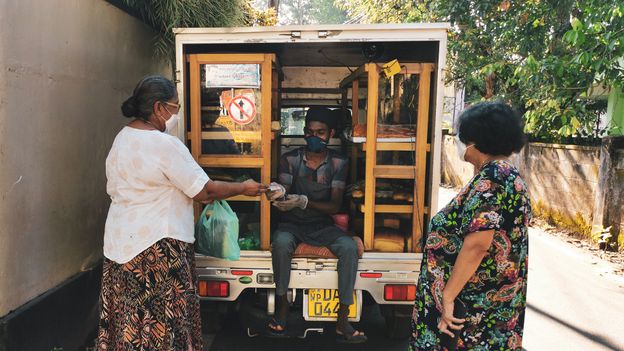
During the lockdown in Sri Lanka, the rich and the poor alike got their daily bread from the humble itinerant “choon paan” man

Street vendors’ survival instinct sees them through the pandemic

Street vendors and hawkers are ubiquitous part of everyday business. The secret of their survival even under stressful conditions is that they are very adaptable to changing conditions. And they have been around for a long, long time, from the era of the ‘The Jataka’ and ‘The Panchatantra’. They are also part of the modern popular culture, being shown in cartoons, animation movies and advertisements. And they are seen all over South Asia.

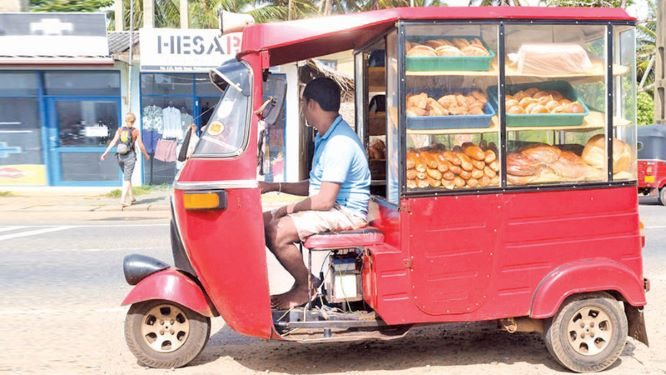
Rabindranath Tagore’s Bengali poem- ‘Bichitra Sadh’ (Vocation), is about the wish of a child to be a street vendor when he grows up. In Sri Lanka street hawkers are on by-cycles or auto-rickshaws tuk-tuks- peddling Lamprais, a Dutch-Lankan dish which is a mix of steamed rice, served with a curry of fish or chicken, along with other curries made with vegetables, lentils, or fruits and a spoonful of pickled fruits or vegetables, chutneys, and sambol. Other popular street vendor are those who sell Bombai Muttai, fluffy coloured candy, a candy floss as it were. Still more interesting are the ‘choon paan’ trucks- plying in the early mornings and evenings. These are the famous bread-trucks and bun combo known as choon paan” loosely translates to music bread” in Sinhala. These are driven by men, who would play a song on a CD player, blaring out of a loudspeaker. This was their unique method of advertising and this was their method of letting the neighbourhood know about their arrival.

Interestingly enough, a closer look at the methods of selling also reveals distinct traits. While the streets of Colombo had the bakers selling their products, using a CD player with a Hindi film number or more interestingly, Fur Elise the bakers at other remote regions would often have a different repertoire, where Fuer Elise would be supplemented with the traditional, mellifluous tune from a flute. I remember listening to one such ‘choon pan’ man and his arrival in the early hours of mornings and evenings during my stay at the Guest house of Eastern University in Batticaloa.

The ‘choon paan’ man and his products were in news once again recently, during the present pandemic lockdown in the country of Sri Lanka. After being marked by the government as ‘essential business’- these bakery trucks continued to ply. In fact, they also witnessed a rise in their otherwise diminishing sales. This was further confirmed by a report in BBC (June 11, 2020) and a report by Maljini Ranaraja (July 8, 2020, Asia Foundation).

Just like most street vendors, the ‘choon paan’ men and their products are not new to adaptability. One popular story about their favourite music- Fuer Elise by Beethoven on their regular hawking routes speak of particularly points to this fact. This local story goes back to the early 2000, when the plying of tuk-tuks as well as the use of cell phones became common across the country, including villages. A particular favourite ringtone that probably rang throughout the country was that of Beethoven’s Fuer Elise on all cell phones. The ‘choon paan’ men started to play this tune over a horn speaker to let residents know about their arrival and thus, Fuer Elise came to signify the arrival of fresh-baked bread, twice a day. In recent years however, Beethoven has joined hands with Hindi film music, while in specific spaces in the interior, one can still hear traditional music.

Families depend on the choon paan man for their breakfast, tea and dinner

Peddlers and street hawkers have always been an important part of the local and regional economy of South Asia. With the present global pandemic situation, the ensuing lockdowns across the world and its effects on the economy, many of the smaller industries are facing hardships. The street hawkers are among them. While many new hawkers take to the streets, the previous ones are still far from finding a solution. Noted journalist, Sikha Mukherjee, in her piece, dated April 23, 2020 in the online portal The Wire mentions the beginning of the doom for the street hawkers as a result of the cyclical effects of the lockdown. Mukherjee speaks about The National Federation of Hawkers, which says that 40 million people are engaged in the business of selling on the streets, in the metros, in small towns, in rural hubs across India. Nearly 800,000 vendors also started to face trouble as trains stopped plying at the beginning of the lockdown in India in March, 2020. Certain recovery measures were taken as well, including the one by SAAG (South Asian Association for Gastronomy).

A report by Mrityunjay Bose (Deccan Herald, July 14, 2020) mentioned SAAG’s attempts to draft a charter for initial financial help to street food vendors. SAAG is also a think tank drawn from across South Asia and has an annual platform called ‘The Food For Thought Fest’. This is the only platform in India that looks into food across South Asia and is a collective of hospitality industry professionals, food scholars and policy influencers from South Asian nations, who believe in promoting a common platform for regional unity and diversity.

With changing and challenging circumstances in the present times, it is indeed painful to see these varied attempts at survival and continuity.

Court dismisses taxi driver’s bid to remove LTTE from Malaysia’s terrorist list

September 17th, 2020

BY ASHMAN ADAM Courtesy Malay Mail

KUALA LUMPUR, Sept 17 — The Kuala Lumpur High Court today dismissed a taxi driver’s legal bid to delist the now defunct Liberation Tigers of Tamil Eelam (LTTE) as a terrorist group in the country.

Malaysiakini reported Justice Mariana Yahya issuing the ruling over V. Balamurugan’s judicial review application during proceedings this morning.

Mariana had also ruled that Balamurugan had already been discharged and acquitted of an LTTE-linked court case, therefore the applicant no longer has the right or capacity to proceed with the judicial review.

It was reported that the court had set today for a decision on Balamurugan’s judicial review, which listed the Home Minister and the government as respondents. 

The judicial review was dismissed, with no order to cost,” the applicant’s lawyer Omar Kutty was quoted as saying.

The judge ruled that there had been a delay in the filing of the judicial review application because any such filing should have been made within three months of the gazette in 2014.”

On whether an appeal would be lodged over today’s High Court ruling, Omar reportedly said they would first seek the full grounds of the decision, analyse it, and then decide whether to do so.

On January 8 this year, Balamurugan filed the leave application to initiate a judicial review to declare that the LTTE details in the gazette were null and void and that the listing of LTTE as a terrorist group was unlawful, among others.

Balamurugan was among 12 individuals who were detained late last year and charged over alleged support of LTTE, among others.

However on February 21 this year, then attorney general Tommy Thomas discontinued the terrorism charges against the 12 individuals.

It was reported on February 24 that after being discharged and acquitted of the LTTE-linked charges, Balamurugan chose to continue with his legal challenge to delist the LTTE as a militant group.

In the same month, then home minister and now prime minister Tan Sri Muhyiddin Yassin said LTTE is still a terrorist organisation in the Home Ministry’s books.

‘Angoda Lokka’ died of heart attack, India’s CB-CID says

September 17th, 2020

Courtesy Adaderana

The person alleged to be the fugitive gangster Maddumage Lasantha Chandana Perera alias ‘Angoda Lokka’ had died of heart attack in Coimbatore and no foul play was involved in his death, a senior officer of India’s CB-CID said on Wednesday based on the findings of the post-mortem, chemical examination and histopathology reports.

https://youtu.be/XuQSIu76hTk

K. Shankar, Inspector General of Police, CB-CID, told The Hindu the three reports did not have any finding related to unnatural death. There was no finding of poisoning or other suspected aspects in the reports,” he said.

As per the initial statement given by a Sri Lankan woman named Amani Thanji, who lived with the person believed to be ‘Angoda Lokka’ in a rented house at Balaji Nagar near Cheran Ma Nagar in Coimbatore, he suffered chest pain on the night of July 03 and was declared dead by doctors of a private hospital where she took him with the help of two neighbours. The body was later shifted to the Coimbatore Medical College Hospital (CMCH).

Reportedly, ‘Angoda Lokka’ lived in Coimbatore under the assumed identity of Pradeep Sigh for around two years. He possessed an Aadhaar card in the name of Pradeep Singh which he managed to obtain with the help of two persons D. Sivakamasundari, an advocate of Madurai, and her friend S. Dyaneswaran from Erode.

Sivakamasundari, Dyaneswaran and Thanji had taken Angoda Lokka’s body to Madurai after post-mortem at CMCH on July 5 and cremated it there.

The Coimbatore City Police later found that the Aadhaar card, a copy of which was produced by Sivakamasundari at the Peelamedu police station, was obtained using forged documents. The police arrested the three persons on August 2.

The CB-CID later took over the case and registered two separate cases – one related to the death of Lokka and the other against the three on various charges, including furnishing false documents, harbouring offender, criminal conspiracy and forgery of records.

With suspected foul play in the death of the person alleged by Indian authorities to be ‘Angoda Lokka’ ruled out, CB-CID will now concentrate on the second case, added Mr. Shankar.

CB-CID investigation had also found that the ‘Angoda Lokka’had a pistol which the accused handed over to a Sri Lankan national in Madurai after his death. Efforts to trace the man are under way.

However, Sri Lankan authorities have not yet confirmed that the deceased person in question is in fact the Sri Lankan don hiding in India, ‘Angoda Lokka’.

Source: The Hindu

PCoI on Easter attacks warns Harin over impulsive behavior

September 17th, 2020

Courtesy Adaderana

The Presidential Commission of Inquiry probing the 2019 Easter Sunday terror attacks warned MP Harin Fernando over the impulsive behavior displayed during his testimony at the commission.

The former Sports Minster appeared before the Commission yesterday (16), to testify regarding the statement he made to the media that his father had pre-warned him of the Easter attacks.

Testifying at the Commission, Fernando said that his sister had called him when the first series of attacks happened on Easter Sunday last year, and told him that they were planning to go to the church and the Kingsbury hotel, yet, their father had asked them not to, on the previous night.

Fernando said, after relaying this information to then-Prime Minister Ranil Wickremesinghe, he visited his father who was receiving medical care at an Intensive Care Unit in Colombo to ask how he knew about the attacks. However, his father only replied to him with ‘I know a lot more than you’, said Fernando.

Witness Harin Fernando said that he suspects that an official of the Criminal Investigation Department (CID) may have warned his father of the attacks.

The Senior State Counsel, then making submissions at the Commission, stated that it has been revealed that Harin Fernando’s father had engaged in a 356-second long phone conversation with Sergeant Nandalal, attached to the CID, on the day before last year’s Easter Sunday.

The Senior State Counsel further pointed out that this is the same Sergeant Nandalal who was a part of the CID team that visited Pasikudah to arrest Zahran Hashim’s team member ‘Army Mohideen’ and to recover the explosives in Wanathawilluwa. He is also the person whose photograph was found among the contacts in the phone of the said ‘Army Mohideen’, the State Counsel added.

Speaking further, Witness Fernando told the Commission that his father had never directly warned him against going to churches and that he had only revealed to the media what his sister had told him.

Fernando alleged that, his statement –”My father is currently in the hospital. He called me last night asking me not to visit a church saying he had a tip-off. There is intelligence information. My father told me not to go to Kochchikade Church.” –, made to the media, was misused by the media to slander him politically.

The Appeal Court Judge on the Commission then questioned the MP whether the media had published anything he did not say, to which the MP replied in the negative.

However, the MP added that he had held a 45-minute press conference but the media had only used the part where he tells his father warned him of the attacks.

The Commission member then told Fernando that even if he held a 45-minute press conference, the media can only use the ‘hottest minute’ to broadcast.

Parliamentarian also said that he was greatly inconvenienced by the Cardinal’s statement ‘Our people died, Minister’s son survived’.

He further said that he does not believe that the church was not aware of the attacks in a context where many parties were pre-warned of it.

Fernando went on to say that a special investigation must be carried out to determine whether the Cardinal was aware of the attacks, because he did not hold a morning service on last year’s Easter Sunday, when the leader of the Catholic Church Council traditionally holds a morning mass on every Easter Sunday.

The President’s Counsel representing the Cardinal inquired the MP Fernando whether if he would accept it if he says that the Cardinal, as usual, conducted the midnight service at the St. Lucia’s Cathedral in Kotahena on April 20th last year, stating that the Archbishop holds the Easter service every year at midnight on the Saturday before Easter Sunday.

To which Fernando said that he was unaware of this and admitted that the above statement was made without any evidence and just because it came to his mind.

Thereafter, the President’s Counsel inquired Fernando about a nephew of the MP who is currently studying at a Catholic private school in Colombo.

He informed the Commission that the nephew in question is member of the school’s rugby team and that the team had made plans to practice at the Sugathadasa Stadium and visit the Kochchikade St. Anthony’s Church afterwards on Easter Sunday last year.

However, the President’s Counsel pointed out that, the MP’s nephew was the only person who did not attend practices that day.

MP Harin Fernando aggressively objected to President’s Counsel Shamil Perera regarding the question.

The Commission then sternly warned the MP on his impulsive behavior and stated that if he, as a witness at the Commission, treats a lawyer with disrespect, it is considered as an act of disrespect towards the Commission as well.

156th birth anniversary commemoration of Anagarika Dharmapala held under patronage of President

September 17th, 2020

Courtesy Adaderana

The 156th birth anniversary commemoration of Anagarika Dharmapala was held under the patronage of President Gotabaya Rajapaksa at the Mahabodhi Agrashravaka Maha Vihara in Maligakanda today (17).

President was received by the Chairman of Mahabodhi Society and Chief Sanghanayaka of Japan Ven. Banagala Upatissa Thero at the venue.

After paying floral tribute to the memorial of Anagarika Dharmapala, President Rajapaksa planted a sapling of Rath Handun to mark the launch of Suwa Dharani”, the traditional medicine preservation project by the Ministry of Promotion of Indigenous Medicine.

President who engaged in religious observances at Dathu Mandira at Agrashravaka Vihara paid floral tribute before the Dharmapala statue inside the main hall.

Addressing the gathering Ven. Upatissa Thero said President Rajapaksa who leads the country along a nationally recognized thinking is the only leader, he saw, to follow the path of Anagarika Dharmapala.

The Governor of the Central Bank, Prof. W. D. Lakshman presented the Dharmapala Commemorative Coin of Rs. 500 denomination to the President.

Mr. Sudhammika Hewawitharana, a relative of Srimath Anagarika Dharmapala presented a souvenir with the image of Anagarika Dharmapala to the President.

President Rajapaksa presented mementos to Bodhi Chiththa Bhikkhuni, the Head of the Vietnamese delegation and to Mr. Dilshan Jayasuriya, Secretary of the Mahabodhi Society, now in Sri Lanka to attend the Anniversary celebrations.

The President launched the Relax TV channel on Peo TV 113 which will go on air under the guidance of the Board Member of the Sri Lanka Mahabodhi Society and the Chief Incumbent of the Agrasrawaka Maha Viharaya, Ven. Monaragala Pannalankara Thero.

Ven. Upatissa Thero handed over 10 locally manufactured bicycles, donated by Managing Director of the Raleigh Bicycle Company Mr. J. Perumal to the Mahabodhi Society, to the President.

The Maha Sangha including Most Venerable Ittapane Dhammalankara Thero, Ministers Dinesh Gunawardena, G. L. Peiris, State Ministers Nalaka Godahewa, Sisira Jayakody and UNP Deputy Leader Ruwan Wijewardena were also present at the occasion.

-PMD

Sri Lanka progressed in human capital gains but can accelerate with better nutrition and learning outcomes – World Bank

September 17th, 2020

Courtesy Adaderana

The World Bank Group’s 2020 Human Capital Index, released today, finds that a child born in Sri Lanka today will be 60 percent as productive when she grows up as compared to if she enjoyed complete education and full health. This is higher than the average for South Asia region and lower middle-income countries.

Investments in human capital—the knowledge, skills, and health that people accumulate over their lives—are key to unlocking a child’s potential and to improving economic growth in every country.

In the wake of the COVID-19 pandemic, investing in people is more vital than ever, as it can lay the strong foundations needed for the recovery and for resilient growth,” said Faris H. Hadad-Zervos, World Bank Country Director for Maldives, Nepal and Sri Lanka. 

Stunting due to chronic under-nutrition and the need for higher quality learning are the two areas of the Human Capital Index in which Sri Lanka has an opportunity to accelerate progress, especially as a country on the threshold of upper-middle income status.”

To help address these gaps, a strategic focus on improving nutrition and enhancing learning in less developed regions of the country is needed, along with consistent measurement of stunting and internationally comparable learning outcomes to inform policy development and track progress in human capital development over time.

Globally, due to the pandemic’s impact, most children – more than 1 billion – have been out of school and could lose, on average, half a year of schooling, translating into considerable monetary losses in the future. Data also shows significant disruptions to essential health services for women and children, with many children missing out on crucial vaccinations. The economic impact of the pandemic has been particularly deep for women and for the most disadvantaged families, leaving many vulnerable to food insecurity and poverty.

The 2020 Human Capital Index includes health and education data up to March 2020 for 174 countries covering 98 percent of the world’s population, providing a pre-pandemic baseline on the health and education status of children.

The analysis finds that human capital outcomes for girls are on average higher than for boys. However, this has not translated into comparable opportunities to use human capital in the labor market. On average, employment rates are 40 percentage points lower for women than for men in South Asia. Moreover, the pandemic could exacerbate risks of gender-based violence, child marriage and adolescent pregnancy, all of which further reduce opportunities for learning and empowerment for women and girls.

Sri Lanka and the World Bank have worked together for decades to invest in human capital and today these hard-won gains are at risk,” said Chiyo Kanda, Country Manager for Sri Lanka and the Maldives. 

We will continue supporting Sri Lanka to expand the coverage and quality of health services in underserved areas, boost early childhood development and learning outcomes, improve higher education, and support vulnerable families with social protection measures to mitigate the impacts of the COVID-19 pandemic.”

The World Bank Group is working closely with governments all over the world to develop long-term solutions to protect and invest in people during and after the pandemic. In Sri Lanka the Bank is supporting initiatives to increase access to early childhood education and care, to improve learning in general education, and to strengthen the relevance of higher education for economic development. The Bank is also helping strengthen the efficiency of social safety nets to support vulnerable families and households. In addition, the Bank is assisting the government to strengthen health systems, including to respond to the challenges of the Covid19 pandemic.

Source: World Bank

Attempt to claim property of Easter Sunday suicide bomber – 05 suspects including a lawyer remanded

September 17th, 2020

Courtesy Hiru News

05 suspects including a lawyer arrested by CID for forging documents to claim a property of one Easter Sunday suicide bomber, remanded until September 28

Captain of the New Diamond ship made no attempt to extinguish the fire – AG’s dept

September 17th, 2020

Courtesy Hiru News

The captain of the M.T. New Diamond ship was issued a notice to appear before the Colombo Chief Magistrate’s Court on the 28th.

This was when the CID made submissions before Colombo Additional Magistrate Priyantha Liyanage.

Captain+of+the+New+Diamond+ship+made+no+attempt+to+extinguish+the+fire+-+AG%27s+dept

The Attorney General had instructed the CID to name the captain of the ship as a suspect and produce him before a Magistrate’s Court yesterday.

Accordingly, the Attorney General’s Department presented information in this regard in court today.

Deputy Solicitor General Dileepa Peiris stated that the captain of the ship had not made any formal attempt to extinguish the fire.

The 60-year-old captain had joined the ship on August 20.

Investigations have revealed that the ship caught fire on September 03 and no proper communication process was initiated.

Deputy Solicitor General Dileepa Peiris told the court that the captain and his crew had not assisted the CID in its investigations.

Three (03) more persons confirmed for Covid -19: SL Country total increases to 3,274.

September 17th, 2020

Courtesy Hiru News

One arrival from Qatar, one from UAE &amp; one from Madagascar tested positive for Covid-19 raising the total in Sri Lanka to 3,274.

Constitution Reforms

September 16th, 2020

N.A.de S. Amaratunga

The 19th A is being replaced by the 20th A and a new constitution is being planned.  A Committee has been appointed for the drafting of a new constitution comprising some of the leading intellectuals in the country. That would be the fourth new constitution for the country since independence. And there had been 19 amendments too. It is interesting to ponder why the country could not draft a constitution that could last at least 25 years without radical changes. Almost all the amendments had been radical. 13th A had introduced some almost federal features. 16th A had precluded Sinhala Language being used in the courts in the North and East provinces. 1978 constitution brought in a hybrid system with a mixture of  parliamentary and presidential arrangements. 19th A was full of contradiction and confusion lacking in clarity in the most important aspects. 20th A seems to be a total rejection of the 19th A.

This is not to say a constitution should be rigid, some flexibility is required to bring about change when and if necessary. But these changes need not be radical which would be the case if the constitution has been well constructed.

This lack of lasting quality and a degree of permanency and a semblance of consistency in constitution making in Sri Lanka is a reflection of the complexity of the issues that need to be addressed. Some of these complexities are due to the nature of our state and its inhabitants while some are created by the politics within as well as without. It is prudent to take into consideration these several factors when thinking about constitution reforms.

Now that the people has given the new government a 2/3rd majority it is up to the government to construct a good constitution once and for all which could take the country to peace and prosperity with secure sovereignty and territorial integrity. It must be said that even a 2/3rd majority victory is possible even in a full PR system when the people are desperate for a change including an overhaul of the constitution. The government must respond to this phenomenon with sufficient seriousness it deserves and not treat it frivolously as all governments do with regard to people’s will. People’s burning problems must be addressed with commitment and vigour and constitutional reforms is one such issue that needs to be undertaken with people’s interest at heart and not political expedience.

Leave History aside

History of the country and its civilization have not been clearly understood and is being very often misinterpreted for political expedience. Extremists of both sides of the divide make claims and counter claims about original inhabitants, superiority of language, religion and race, homeland concepts, historical kingdoms etc. They do not, in the process, hesitate to distort history. Recently a leading politico from the North after taking a vow at the LTTE memorial, to fight for Tamil aspirations, claimed in the parliament that Tamil language had been in use in Sri Lanka before the Sinhalese language. His argument is based on the fact that Tamil is one of the oldest languages in the world. He did not explain why there is no epigraph or archaeological evidence that Tamil had been in use in this land prior to Sinhalese.  Similarity between  Tamil spoken in the North of Sri Lanka and Tamil Nadu is greater than the similarity between Tamil spoken in Karnataka and Tamil Nadu proving that Tamil in the North of Sri Lanka had not been evolving independently for a long period of time but had been imported from Tamil Nadu comparatively recently.

Let us leave history aside for we will not get anywhere by hanging on to dubious theories. Tamils as a minority in the country must have their rights fulfilled irrespective of whether they were the original inhabitants or arrived here in the 12th Century as Karthigesu Indrapala concluded in his research. So must Muslims who were settled in the East in the 17th Century by the Kandyan Kings and any other minorities for that matter. Their rights regarding language, religion, education, employment, culture must be guaranteed in the constitution and all necessary institutions and space for that purpose must be made available. They must be treated as equal citizens in every respect and constitutional provision made for that purpose.

Language

Language is a defining feature of a people, their civilization and their identity and therefore needs to be given its rightful place in the constitution that pertains to those people. Sinhalese is the language that the people of Sri Lanka developed as part of their civilization on this land. Epigraph and archaeological evidence show how Sinhala developed on this land. Other languages spoken and  in use in Sri Lanka were imported from abroad. At present it is the mother tongue of more than 70% of the people in Sri Lanka. A nation must have a language unique to it and which facilitates its cultural development. It must contribute to the development of national pride and patriotism which are vital for the independence, sovereignty and economic development of a country. Therefore Sinhalese must be made the National Language of Sri Lanka and this must be stated in the constitution in clear terms. 

Tamil is spoken by about 20% of the people though it is a language that did not develop in the country. Tamil speaking people are fairly well distributed in the country and their contribution to the economy and culture are substantial. They need a language to communicate with the government and do their business. Their language must receive state assistance for its development. Therefore Tamil must be made an official language.

English is the lingua franca of the world and our dependent economy must have the support of a world language. Further English could be the link language among the different communities. English too could be an official language in Sri Lanka. 

Religion

Secularism may be suitable and necessary for some countries but not for Sri Lanka. Buddhism has been its lifeblood from early times and has been the font of its civilization. Buddhism has been the heart and soul of its people and the rallying point at times of peril.  The King, Sanga and the People comprised the ancient  governing system in Sri Lanka. At present more than 70% of its people believe in Buddhism. Theravada which is doctrinally the closest to Buddha’s original preaching has been preserved in Sri Lanka due to the state patronage it  received through out history. Buddhism is protected by the people and people in turn are protected by Buddhism. For these reasons Buddhism must be made the State Religion. All other religions must be given their due place, freedom and space for their practice and development 

State

Sri Lanka has always been a unitary state in its 2500 year long history. Political power was centralized and when ever there was a threat to that power domain people and the Sanga rallied to protect it. There may have been provincial  rulers but they came under the rule of the central Kingship. The so called  Jaffna Kingdom in the North was nothing but a manifestation of foreign occupation by South Indian invaders.

Since those times of unitary rule nothing has happened that could necessitate a change in the unitary nature of the State of Sri Lanka. The war waged by terrorists was a construct of local separatists and regional and global hegemonic powers. The political power that Tamils demand cannot be granted at the regional level without jeopardizing the single sovereignty and rights of other communities but could be done at the centre via a power sharing mechanism within a unitary state. Decentralization of administration could be achieved more efficiently at district level.

13th Amendment and Provincial Councils

Sri Lanka is too small to be divided into nine political and administrative areas  Each area becomes too small for optimum utilization of resources for

economic development and too expensive and unnecessary burden on the poor people even under best of conditions. Such a division along ethnic boundaries is not possible as a large majority of the ethnic minorities are distributed widely in the country. Neither is it desirable for it would strengthen the ethnic consciousness and centrifugal forces instead of facilitating reconciliation and peace among different communities. Peace cannot be achieved by treating the majority community unfairly with regard to their right for sovereignty over the whole island. 

Several Provinces have existed without their Councils with no breakdown of essential services to the people for more than two years due to elections not being held. Though it is argued that not holding elections on time is a denial of democratic rights not holding elections for redundant institutions which in fact are a white elephant and a burden on the tax paying poor people could be considered a blessing in disguise. PCs were created as a solution to the so called ethnic Tamil problem but the silence of Tamil politicians on the issue of delay in elections to the Northern PC is deafening to say the least.

If they can do without their PC there cannot be an ethnic problem of enormous magnitude which necessitated a protracted war of 30 years and the introduction by force of the 13th A by India. People of this country did not ask for the 13th A, it was forced on us by a hegemonic imperialist India partly to pacify Tamil Nadu politicians, and to prevent other interested global powers getting into the fray for geopolitical reasons. Our poor people have to pay for global geopolitical vagaries and local communal dubious ‘aspirations’.

Moreover 13th A has clauses which when fully implemented assume federal proportions eg police and land powers. Also the danger of a North and East merger and finally a total separation is ever present when the 13th A is in the statute.  Sri Lanka and its people specially the Tamils could do well without the burden and the potential danger of the 13th A and PCs.

Electoral System

The electoral system is another vital matter that has been repeatedly changed and tampered with for political needs. As a result twice the number of members than what was intended, including the defeated, got into local government bodies at the last elections. An electoral system that ensures the election of a stable government and which reflects the will of the people is required. A ‘first past the post’ system would serve this purpose. Minority representation could be accommodated with a PR system electing a suitable proportion of members. In this regard Dinesh Gunawardena Committee recommendations could be adopted 

Presidential powers and Independent Commissions

Democracy is enhanced with the separation of power into the three arms of governance; the executive, the legislature and the judiciary but if there is concentration of power in any one of these institutions the purpose is defeated. On the other hand the president should not be bereft of power he needs to perform the duties of the executive that the people by their vote had wanted him to be. An executive president has to be the head of the state, head of the government and head of the cabinet and he also must have control over the forces and the  defense portfolio under him.

Independent commissions aim at reducing the concentration of power but if they are to serve the purpose they have to be truly independent which was not the case when ‘yahapalana’ was in office. This was mainly because the opposition comprising the TNA and JVP colluded with the government in appointing these commissions. This may not happen with the present government.

Anyway the independent commissions have to be appointed by the people’s representatives ie the president and the parliament. However there is no harm having in the Constitution Council religious leaders, one from each major religion practiced in Sri Lanka nominated by a recognized religious body. This would further depoliticize the committees and make them more independent. The independent commissions must have sufficient number of members and a quorum for meetings and a system to arrive at decisions by vote rather than 100% consensus 

N.A.de S. Amaratunga

ERASING THE EELAM VICTORY Part 17 C 8

September 16th, 2020

KAMALIKA PIERIS

Why did the two JVP uprisings happen precisely in 1971 and 1987, asked Nira Wickremasinghe. The answer is that they were both linked to the Eelam war.

Rohan Gunaratna observed that JVP insurgency and the Eelam Wars both started around the same time.  The first JVP insurgency started in the south in 1971 and violence in the  north started in 1972.   The second JVP insurgency   of 1987-89 ran parallel to Eelam War 2.

The timing of the second JVP insurrection was significant.  1987 was the year of the Vadamarachchi campaign in Jaffna. This campaign, set for May and June, was certain to succeed, but it was called off by President JR Jayawardena. 1987 was also the year when JVP started its  second insurgency in the south.  The 1987-1989 JVP insurgencies forced the army to fight on two fronts, up in the north against the LTTE and down in the south against JVP. This, it was hoped, would enable the far weaker LTTE win the Eelam war.

In  April 1987, JVP attacked Pallekelle Army camp  and took away a quantity of automatic weapons. In June 1987 JVP  attacked Katunayake Air Force base and Kotelawala Defence Academy (KDA) and removed a valuable haul of weapons from each. From KDA  they got eleven T56 and 15 submachine guns.

 In 1988, JVP attacked Katunayake air force base  a  second time and took away weapons and ammunition.  In  the same year,  JVP also attacked Pannala National Air Force training camp and  the army training camp at Kumbukke in Horana . There was also an unsuccessful attack on Panagoda army camp.

Analysts  have shown connections between JVP and LTTE . JVP was the Sinhala twin of the LTTE said Rohan Gunaratna. Gamini Samaranayake said his thesis consisted of a comparison between JVP and LTTE. The JVP insurrection of the 1987-1989 period should also be investigated, not only the Eelam war, said Nalin de Silva.

PLOTE and the LTTE were reported to have sold weapons to the JVP.  The intention was to create a second front against the Sri Lankan armed forces.  EPRLF had provided training for JVP‘s Vikalpa Kandayama in north east Sri Lanka and in   India. Gunaratna was told that they had received the training first and joined JVP after.

An explosive expert from PLOTE had given JVP training in improvised land mines in the jungles between Matale and Batticaloa, reported Chandraprema.  JVP   exploded its first experimental land mine in Kumbiyangoda in Matale.  The first landmine of JVP was the work of a PLOTE operator, said Gunaratna. A Tamil instructor had been present, said Chandraprema.  In 1989 PLOTE was seen in Akuressa training JVP of the Matara district in land mines. JVP  carried out a series of land mine attacks.  Landmines in Weerawila and Hungama killed six policemen.

There may have been  a transfer of explosion technology between the LTTE and JVP, as well, said A.J. Behra.  JVP had used powerful land mines similar to those used in the north by the LITE. Intelligence reports had indicated that JVP was receiving regular supplies of explosives from overseas, he added.

In the early 1970s JVP gave the impression that they were champions of the Sinhala race. This would have been done to capture Sinhala youth for the movement. After 1977 JVP changed its stance. JVP discarded its pro Sinhala attitude. JVP recognized the right of Tamil people for self determination and by 1980 they were supporting the secession of Tamil areas.

During the Eelam wars, there was collusion between LTTE and JVP. No member of the JVP was ever harmed when the LTTE attacked Sinhalese. JVP had   established JVP  cells in the  Sinhala border villages  in the east, by the end of 1987, said Gunaratna. When LTTE swooped down on a Sinhala village they avoided going to the homes of JVP  activists in the village, said Chandraprema.

There were allegations  in 1987  that JVP was in collusion with LTTE  in Trincomalee . This appears to be correct,  said Chandraprema. There was an instance when an  armed JVP contingent had met an LTTE  contingent in the Trincomalee jungles and JVP warned the LTTE not to proceed as the army was in that area.

There was evidence to show that JVP was supporting the separatist Tamils, said Godahewa. There is evidence to show that the JVP was actively collaborating with the LTTE to chase the Sinhalese out, agreed Chandraprema.  

In December 1987, JVP had  entered Sinhala  settlements in Aluth oya where settlers were armed, threatened them and took away 20 shot guns.   Sinhala refugees  from Trincomalee ,escaping after an attack on their village, said they were absolutely certain that their attackers were Sinhala. One had shouted obscenities in perfect Sinhala which showed that he was Sinhala not Tamil.

In October 1987 JVP  attacked Kallar army camp in Trincomalee  and after a 20 minute gun battle,    took away a huge amount of weapons, including  six T56 and  three LMG spare barrels.  This was JVP ‘s largest haul of weapons.  JVP attacked  Kallar camp at the  height of the IPKF sponsored LTTE attacks on Sinhala peasants in Trincomalee

JVP, though armed never tried to defend the Sinhalese in the border villages.. If  JVP had the ability to successfully attack the Kallali army camp,  so why could they not defend the Sinhalese, asked Chandraprema. 

However, there is not a single confirmed account of a JVP attack on the LTTE or IPKF. JVP never killed a single Tamil or Indian soldier, said Chandraprema.   JVP instead, used their arms on the Security forces,  on the JVP’s  Sinhala opponents and on  ‘traitors’. JVP killed more Sinhalese than the LTTE.  ( Continued)

අපට විද්‍යාත්මක චින්තනය ඉගැන්වූ කේ ආරියසිංහ ගුරුතුමා

September 16th, 2020

වෛද්‍ය රුවන් එම් ජයතුංග

විද්‍යාව ඉගැන්වූ දක්‍ෂ ගුරුවරු තිදෙනෙක් මුණ ගැසීමට සහ ඔවුන් ගෙන් ඉගෙනුම ලැබීමට මට භාග්‍ය ලැබුණි. පිළිවෙලින් ජී .ගෞතමදාස , පී.ඩී.ඩබ් ජයවර්ධන සහ කේ ආරියසිංහ යන මහතුන් මෙසේ නම් කල හැකිය. කේ. ආරියසිංහ මහතා අපට විද්‍යාව ඉගැන්වූයේ ප්‍රගති විද්‍යායතනයේය. එතුමාගෙන් ඉගෙනුම ලැබූ දහසක් වූ වෛද්‍යවරු ඉන්ජිනේරුවරු සහ විවිධ විශේසඥයෝ අද ලෝකය පුරා තම සේවය ප්‍රජාවට ලබා දෙති. 

කේ. ආරියසිංහ මහතා අපට දුන්නේ විද්‍යා දැණුම පමණක් නොවේ. විද්‍යාත්මක චින්තනයටද ආරියසිංහ මහතා අපව හුරු කලේය. එතුමාගේ පන්ති වලදී බොහෝ විට සිසුන්ට පත්‍රිකා ලැබුනු අතර එහි විවිධ ප්‍රශ්න තිබුනේය. මේ ප්‍රශ්න සාමාන්‍ය ජීවිතයේ අප මුහුණ දෙන ඒවාය. එම ප්‍රශ්න විද්‍යාත්මකව විශ්ලේෂණය කිරීමට එතුමා අපව යොමු කලේය. උදාහරණයක් ලෙස 1981 වැනි කාලයක එතුමා අපට දුන් ප්‍රශ්නයක් මට තවමත් මතකය. දිගු ගමනකින් පසුව මෝටර් ර්ථයක ටයරයක පීඩනය අඩුවේද ? වැඩිවේද ? මේ ප්‍රශ්නයට අප හතර අතේ කල්පනා කලෙමු. එවැනි ප්‍රශ්න මගින් එතුමා අපට  තර්කාණුකූල ලෙස සිතීමට  හුරු කලේය. මේ තර්කාණුකූල විද්‍යාත්මක චින්තනය විශ්ව විද්‍යාලීය ජීවිතයේදී පමණක් නොව සාමාන්‍ය ජීවිතයේදී අපට උපකාර විය. 

කේ. ආරියසිංහ මහතාට ද්වී භාෂා කුසළතාව තිබේ. එතුමාට සිංහලෙන් මෙන්ම ඉංග්‍රීසි භාෂාවෙන් විද්‍යාව ඉගැන්වීමේ හැකියාවක් ඇත. අද කාලයේ එවැනි හැකියාවක් ඇත්තෝ සීමිතය. තවද කේ. ආරියසිංහ මහතා සිසු විනය පිලිබදවද සැලකිලිමත් විය. වෙනත් ටියුෂන් කාරයන් මෙන් පන්තියේ විනය උලංඝනය කිරීමට උඩ ගෙඩී දීම , දෙපිට කැපෙන කතා සිසුන්ට කීම වැනි දේ එතුමා නොකලේය. ඇත්ත වශයෙන්ම අප පාසලටත් වඩා ප්‍රගති ආයතනයේදී හොඳින් හැසිරුනෙමු. 

සාමාන්‍ය පෙළ කාලයේ සිටම මට විද්‍යාත්මක ලිපි ලිවීමේ පුරුද්දක් තිබුණි. වරක් මගේ ලිපියක් කියවූ කේ. ආරියසිංහ මහතා මාව ලේක් හවුස් ආයතනයට රැගෙන ගොස් නවයුගය කර්තෘට හඳුන්වා දුන්නේය. එසේම ලේඛන කලාවට මට දිරි දුන්නේය. එතුමා ශ්‍රී ලංකා විද්‍යා ලේඛකයන් ගේ සංගමයේ සභාපති වූ අතර එම සංගමයට මාව බඳවා ගත්තේය. මේ වන විට බොහෝ පොතපත ලියා ඇති මා හට ලේඛන කලාවේ අයන්න ආයන්න ඉගැන්වූයේ කේ. ආරියසිංහ මහතා බව මා කෘතවේදීව කියමි. 

කේ. ආරියසිංහ මහතා සිසු සිසුවියන් පරම්පරා කීපයකට ඉගැන්නුවේය. එතුමා හුදු විද්‍යා ගුරුවරයෙකු නොවේ ; කේ. ආරියසිංහ යනු විරල ගනයේ වෘත්තාන්තකි. අධ්‍යාපන පහන් ටැඹකි. ඒ පහනින් ආලෝකය ලැබුවෝ බොහෝ දෙනෙකි. එම ආලෝකය තවමත් වර්තමාන ශිෂ්‍ය පරම්පරාවට ආලෝකය ලබා දෙයි. 

වෛද්‍ය රුවන් එම් ජයතුංග


Copyright © 2026 LankaWeb.com. All Rights Reserved. Powered by Wordpress