Why you should worry about MCC Sri Lanka

June 11th, 2020

Shenali D Waduge

Why you should worry about MCC Sri Lanka

On April 25, 2019, the MCC Board of Directors approved the five-year Sri Lanka Compact. It was days after Easter Sunday mass murder. The controversy of this bilateral-corporation agreement should worry all Sri Lankans.
  1. MCC has to be signed & passed by Parliament of Sri Lankamaking MCCa domestic law similar to 13thamendment (Section 6.4) & impossible to remove.If Compact is only for 5 years why pass it in Parliament?
  • Foreign Personnel & Service Firms given entry/work visas(Section 8.3) – how many for how long & who is paying them & what component of funding will go to them not given
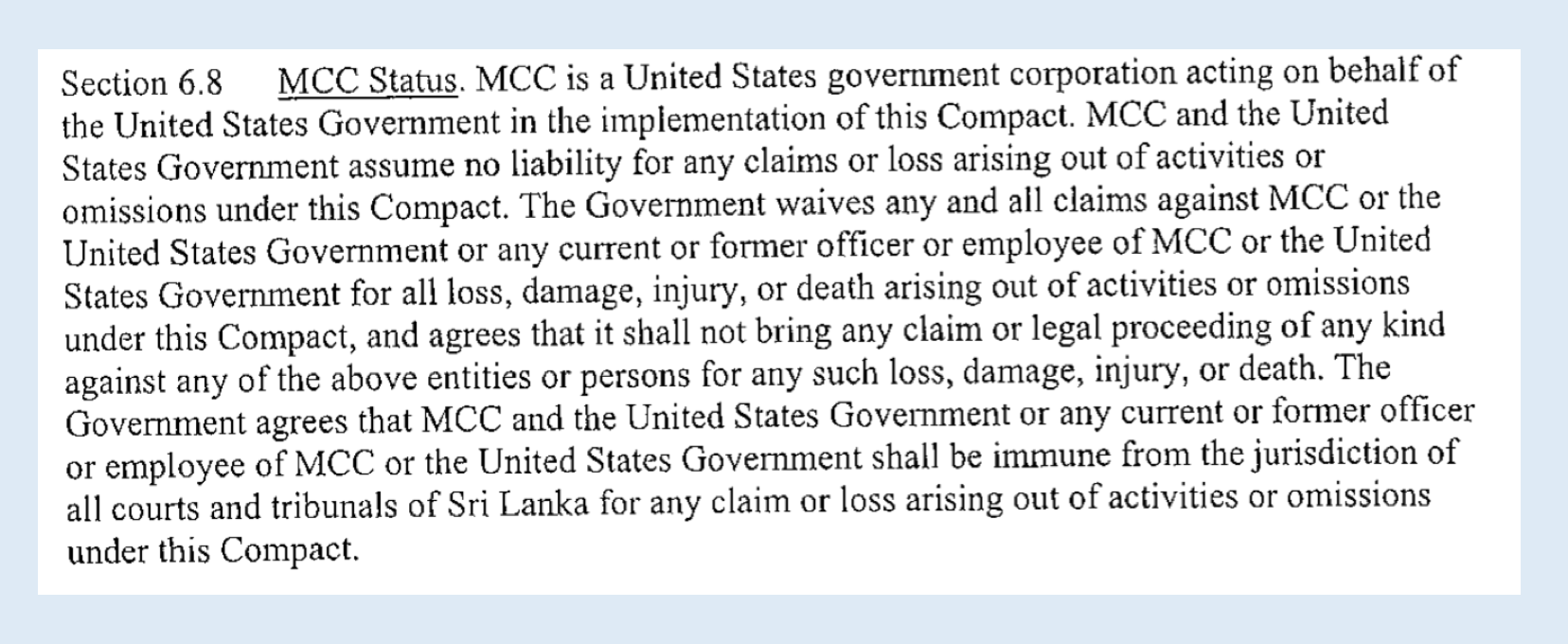
  • MCC granted FULL IMMUNITY(Section 6.8)
  • GoSL delegates all of MCC Compact activity administration to a Private Company(Section 2.6) – its board comprises GoSL Secretaries (can public sector senior officials be employed in a private sector capacity WHILE working for the public?
  • But, GoSL undertakes responsibility & accountability for all that this Private Company– MCA Sri Lanka does(Section 3.2)
  • MCA-Sri Lanka is a private companyset up in Sri Lanka to function as GoSL’s PRIMARY AGENT”responsible for exercising the Govt’s rights & obligations to oversee, manage & implement the Program and Projects”. Is this legally/constitutionally allowed?
  • MCA-Sri Lanka ‘shall have operational and legal independence and full decision-making autonomy’including ‘the ability, WITHOUT consultationwith, or the CONSENT or APPROVALof, ANY OTHER PARTY, to (how can Public servants be given full autonomy to take decisions as they like. Isnt this major conflict of interest)
  1. Enter into contracts in its own name (MCA-Sri Lanka)
  2. Sue & be sued

Establish an account with a financial in its own name (MCA-Sri Lanka) and hold MCC Funding in that account

  • Expend MCC Funding
  • Engage contractors, consultants and/or grantees, including without limitation, procurement & fiscal agents
  • Competitively engage one or more auditors to conduct audits of its accounts

Program Implementation Agreement will provide further details of scope of MCA-Sri Lanka
MCA-Sri Lanka Board of Directors & Management Unit”

Board of Directors (11 voting members 2 non-voting observers) – each Board Member can be represented by an alternate” but be an ‘Additional-Secretary” or equivalent.

2 non-voting observers are CEO of MCA-Sri Lanka & MCC Resident Country Director.

  1. Representative from President’s Office
  2. Representative from Prime Minister’s Office
  3. Secretary to the Ministry of Finance
  4. Secretary to the Ministry of Transport & Civil Aviation
  5. Secretary to the Ministry of Lands & Parliamentary Reforms
  6. Secretary to the Ministry of Megapolis & Western Development
  7. Secretary to the Ministry of Highways & Road Development & Petroleum Development
  8. Secretary to the Ministry of Women & Children’s Affairs & Development of Dry Zone
  9. One Private Sector Representative
  10. Two Civil Society Representatives

Management Unit – comprises CEO & comprise ‘directors and officers as agreed upon’ and supported by appropriate additional staff – number not given

Any additional staff must have MCC approval (the GoSL ends up taking orders from a foreign corporation)

  • MCA-Sri Lanka has to prepare Stake Holder Engagement Plan consistent with International Finance Corporation Performance Standard for the Assessment and Management of Environmental and Social Risks and Impacts and satisfy stakeholder committee structures by MCC’s Guidelines for Accountable Entities & Implementation Structures.

https://www.mcc.gov/content/uploads/2017/05/mcc-oceo-guidelinesforae.pdf

  • MCA-Sri Lanka private company is given access to all of Sri Lanka’s state records (how can a country’s information be given to a foreign corporation?)

10.MCA-Sri Lanka though comprising board of Govt Secretaries must take permission from MCC to engage any entity of the GoSL Implementing Entity Agreement”. Fiscal Agent” Procurement Agent” all appointed meeting criteria of MCC.(Annex 1 – 37)

11.MCC funding dependent on GoSL implementing Bim Saviya (transferring deeds to title registration) & Land Special Provisions Act (converting State land permits & grans to absolute freehold rights-ALL land in Sri Lanka to be privatized) Parcel Fabric Map base for GoSL to complete inventory of State Lands in the same district to help GoSL to determine which State Lands are underutilized and available for investment” (Annex 1 – 28-29)

12.Parliament passes MCC Compact but MCC funds to do Parcel Fabriic Map of only 28% of land (7 targeted districts– Anuradhapura / Kandy/ Kegalle/ Kurunegala/ Matale/ Polonnaruwa/ Trincomalee/) (10 land registries out of 35 land registries) MCC will also fund the scanning & digitizing of valuation of property files in these 7 districts. Valuation will be linked to property registration system and digital fabric map using a unique parcel identification number. This is a violation of the fundamental rights of the citizens as the Parliament is passing an Act that is spending for only 7 districts (28% of land) 

13.GoSL has to undertake transfer of remaining 35 land registries via bim-saviya from deed to title registration at its cost. Has the GoSL costed this – where do they get money for this when they will have no land to tax after privatization?

14.MCC will fund State Land Inventory – mapping and inventory of State Lands vested in State institutions in those 7 districts(eSlims – Electronic State Land Inventory Management System) a basis for the State to determine the rights of citizens who are occupying State Lands and gather available documentation for the citizens claim to the land for future adjudication”(Annex 1-29)

15.GoSL undertakes to provide MCA-Sri Lanka all data by Commissioner General of Land, as custodian of State Lands in Sri Lanka for entry into eSlims (Annex 1-29)

16.GoSL took a loan & paid US firm $154m to cadastral mapping of Sri Lanka in 2017 (1 of 5 activities under MCC Land Project)  – Is this part of MCC or is it falling under GoSL cost. Exactly how much is GoSL incurring against this $480m to be given in chunks across 5 years? How much as GoSL spent so far given $154m has been paid to this US firm?

17.US embassy advertised for company to do e-Land Registry (1 of 5 activities of MCC Land Project)

18.GoSL undertakes to do

  1. Bim Saviya (private deeds to title transfer) – only 600,000 out of 8million private properties has been transferred since 2006 under 1998 Title Registration Act (Bim Saviya)
  2. converting permits & grants of State Land to ‘absolute land grants’ registered as freehold rights through Land Special Provisions Act (the previous Govt failed to pass this Act)

MCC Funding is condition to enacting Registration of Titles Act 1998 & passing LSPA

19.MCC Land Project allocated funding is $67,

Parcel Fabric Map & State Land Inventory                 $23,400,000.00

Deeds Registry Improvement                                        $11,400,000.00

Land Valuation System Improvement                          $6,500,000.00

Land Grants Registration/Deed Conversion              $19,300,000.00

Land Policy & Legal Governance                                  $6,700,000.00

TOTAL                                                                                   $67,300,000.00

(Article II-39)

20.MCC will fund hiring of staff for policy research group – Land Policy & Legal Governance Improvement Activity (5thLand Project Activity of MCC) GoSL to provide location for LPLG Group in State location – Annex 1-31 (does hiring staff include paying salaries & does GoSL have to foot maintenance cost of location)

Note: MCC funding is dependent on 

  • implementation of Bim Saviya program transferring deed system to title registration.
  • State Land Privatization Act (Privatizing all State Land) 

21.MCC requires GoSL to maintain” the land information technology (IT”) systems and provide budget funding for the maintenance & updating of software & hardware of each year during Compact Term (5years)

22.MCC requires GoSL to maintain in place all legislation”required to implement the Land Project

23.MCC requires GoSL to ‘make sufficient resources available to ensure that registration of land parcels’occurs in timely manner

  • MCC requires GoSL to provide all data necessary to MCC for monitoring and evaluations of the outcomes of the Land Project.

25.Though there is a Monitoring & Evaluation Plan” which must follow MCC’s Policy for Monitoring & Evaluation of Compacts & Threshold Programs” (MCC M&E Policy) M&E Plan can be modified without requiring amendments via MCC website (which means 24×7 someone will need to be monitoring MCC website for changes)

26.A 2 a) Program Description says MCC will offer ‘greater economic growth & poverty reduction” but Land Project Constraints Analysis says ‘private sectors finds difficulty in accessing land for investment purposes’ ‘the OBJECTIVE of the land project is to increase the availability of information on private land and under-utilized State Lands in order to increase land market activity”. The 5 land activities aim to address this problem. This is again highlighted in
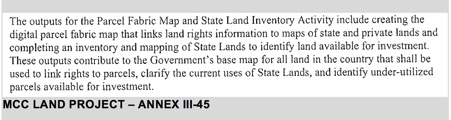
27.If State land is to be privatized – does the State land have land to tax?
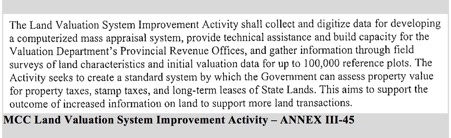
28.When Land Ministry and Central Bank units are already in place for Research Activity – why is a group of external parties allowed access to State confidential records?
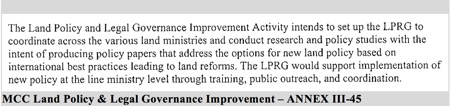
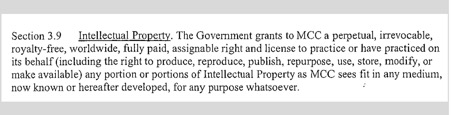
29.Has GoSL factored in the danger of giving US all our intellectual property rights for past-present & future? This hype about digitizing – artificial-intelligence where all backoffice is controlled by US eventually means (Section 3.9)
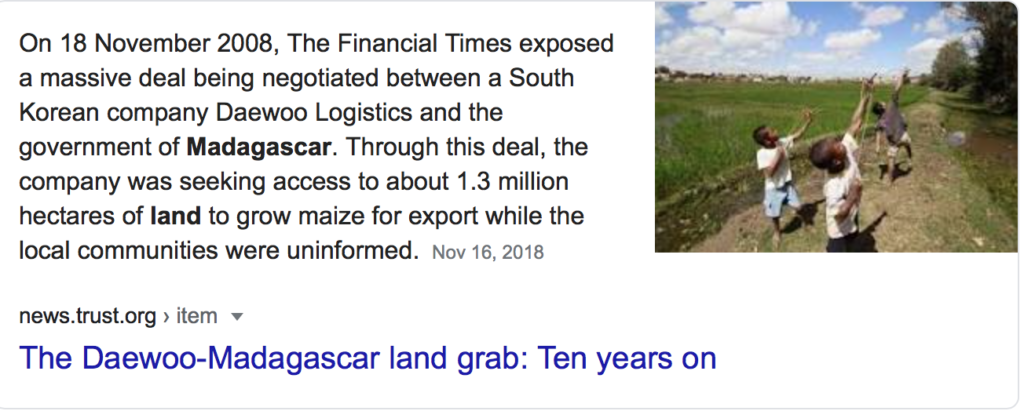
Case Study MCC Madagascar 

http://admin.theiguides.org/Media/Documents/USAID_Land_Tenure_Madagascar_Profile.pdf
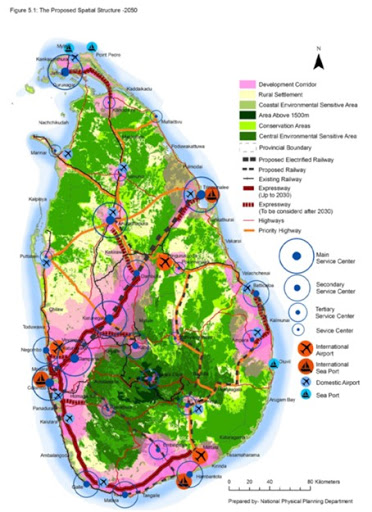
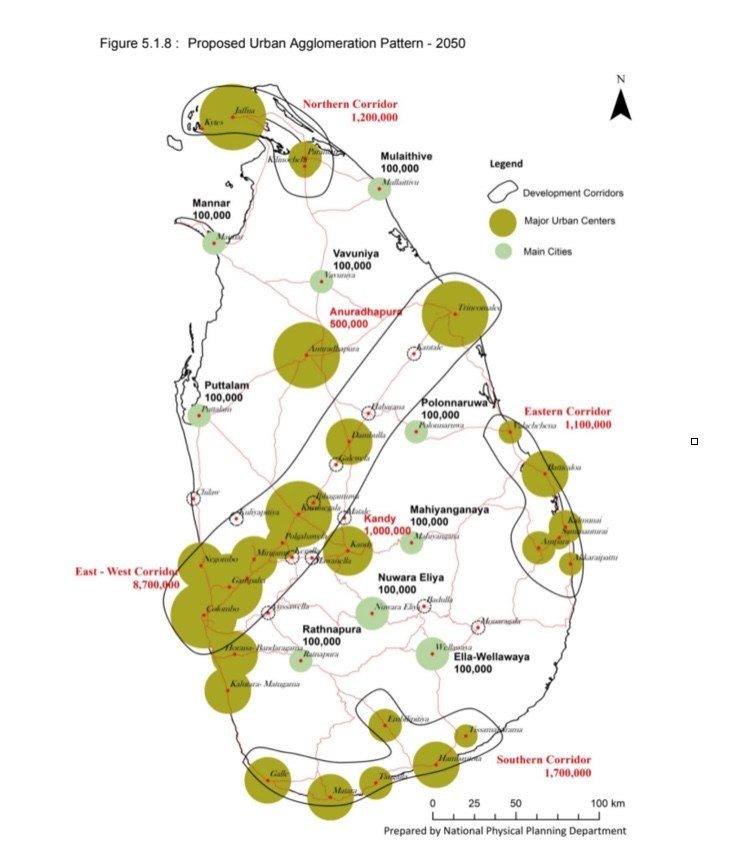
Just think about the dangers for Sri Lanka now & in the future
In 2016, the International Criminal Court broadened its mandate to include land grabbing as a crime against humanity”, which it will now prosecute.

Shenali D Waduge

VEN. ELLAWALA MEDHANANDA Part 7C

June 11th, 2020

KAMALIKA PIERIS

Revised 21.6.20

Historians agree that between the rule of King Devanam Piyatissa (247-207 BC) and king Dutugemunu, (161-137) there was a separate kingdom in Ruhuna. The founder of this Ruhuna kingdom was king Mahanaga, brother of Devanampiyatissa.

Mahanaga left Anuradhapura after a disagreement with his brother and set up a separate kingdom in Ruhuna, with the capital at Magama. This kingdom continued until Dutugemunu went up to Anuradhapura, kicked Elara out and   united the two kingdoms. The Ruhuna kingdom was in existence therefore from 3rd century BC to 2nd century AD.

Historians heartily agreed that there was a significant kingdom in Ruhuna, but avoided researching deeply into the kingdom. It did not seem important, attention was on Anuradhapura.  Ven. Ellawala Medhananda, however, while exploring the Buddhist ruins of the present day Eastern Province, came face to face with the Ruhuna kingdom. Madanakanda inscription spoke of an eastern kingdom, said Medhananda.

Medhananda has researched into two aspects of the Ruhuna kingdom, its boundaries and its kings. Medhananda said ‘I explored theRuhuna area on foot, staying in caves in forests.  It was scary but also interesting. Ruhuna history is interesting. Whenever they were in trouble, at Anuradhapura, not only princes but also monks ran to Ruhuna’.  This Ruhuna was the Ruhuna settlement of Baddhacacchana, said Medhananda.

The Ruhuna of the Magama kings was a very fertile area, said Medhananda. Medhananda had looked for Talapat   wewa, mentioned in the inscriptions, but could not find it. It was not recorded anywhere.   Digamadulla in ancient times included Ampara and Batticaloa. Gal Oya was the boundary between Ruhuna and Pihiti, added Medhananda.

The Magama kingdom did not start in the Tissamaharama – Kirinde area said Medhananda.  He had explored that area. There are absolutely no contemporaneous inscriptions of the early Magama kings south of the Kumbukkan oya. But there were plenty of inscriptions north of Kumbukkan oya. Indicating that the Magama kings ruled north of Kumbukkan oya.

The first Ruhuna settlement was north of Kumbukkan oya towards Heda oya, declared Medhananda.   The evidence lies in the Magul Maha vihara, Lahugala. This vihara was known as Ruhunu Maha vihara. I decided that Magul Maha Vihara was called Ruhunu Maha Vihara because it was the main temple within the Ruhunu kingdom. Medhananda   found that the word ‘Ruhuna’ was not mentioned in inscriptions from Kirivehera, Tissamaharama, Yatala, Situlpavva, or in the viharas in Yala, like Akasa chetiya.

The original Ruhuna settlement thereafter extended over Hulannuge, Karandahela, Lahugala,    and upwards to Pottuvil and Dighavapi, said Medhananda.  Malyadikanda inscription, found by Medhananda, showed that Dighavapi was known as the’ pracheena rajya’ or ‘eastern kingdom’.  Medhananda also found an inscription which spoke of ‘Dighavapi porana’ (nagara) and about the traders there.

The capital, Magama, Medhananda speculated, was at Pottuvil near the 15th milepost. Medhananda said that at this milepost there is a small village called Magama in the map. Also at Vettumbagala close by there was an inscription which referred to the Magama kings .Namaluva, also close by, threw up an inscription which referred to ‘Mahagama’.  Rohana kingdom was not very large then, Medhananda observed. Yalpota  was a  important  village in Magama.

According to Medhananda, therefore, the original Ruhuna kingdom was a small one, situated bang in the middle of the present day Eastern province. Inscriptions show that   the middle of the present Eastern province contains the history of the [first] three Magama kings, said Medhananda. 

While the Magama kings were ruling in Ruhuna, there was a smaller kingdom in Kataragama ruled by a family of ten brothers, the ‘Kataragama dasa be’. They were there from the time of king Devanampiyatissa. Their capital was at Tissamaharama. Their symbol was the fish. This symbol could be seen in Henanegala inscription and elsewhere.   

Bowattegala, Kotademuhela, Budupatunkanda inscriptions gave information on these Kataragama rulers. Bowattegala inscription spoke of the Kataragama family, including their great grandson, Mahatisa.  Mahatisa would later be the father of Vihara Maha Devi. Budupatunkanda cave inscription showed that the Kataragama family was powerful in their area.

Contemporaneous inscriptions for Mahanama and Gotabaya were all found north of Kumbukkan oya, I did not find a single inscription south of Kumbukkan oya, said Medhananda. I decided therefore that the Kataragama family ruled Kumbukkan south and   Magama family ruled Kumbukkan north, said Medhananda. This writer, (Kamalika Pieris) found an observation from historian R.A.L.H. Gunawardene that Kataragama kings ruled between Kumbukkan oya and Menik Ganga.

There appears to have been some contact between the two ruling families. Henanegala inscription had valuable information on the Magama kings interaction with Kataragama kings, said Medhananda. Kotahamula inscription, a little away from Bowattegala, also indicated a link between the Kataragama royal family and Mahanaga royal family.

Inscriptions indicated that king Gotabaya thereafter entered the Kataragama area and eventually took it over.   Inscriptions found on the left bank of Kumbukkan showed that his power was expanding, said Medhananda. Mahavamsa said he killed them.

Medhananda found that inscriptions of Kavantissa were found south of Kumbukkan oya. It appears therefore that Kavantissa had   taken over the administration of the Kataragama territory. Kavantissa also took over several small principalities ruled by minor princes, said Medhananda.  In this way, Kavantissa united Ruhuna under him. The capital of Ruhuna then moved to Tissamaharama. The Ruhuna kingdom which was of such historical importance under Dutugemunu had been created.

Medhananda has given us vital information on the rulers of Ruhuna, also some nice personal information. He may be the first to do so. The information was taken from the inscriptions he had collected. 

These inscriptions indicated that there was a clear, uninterrupted, succession of five kings in the Ruhuna kingdom.  The succession was Mahanaga, his son Yatalatissa, his second son, Gotabhaya,   Gotabhaya’s son Kavantissa and Kavantissa’s son, Dutugemunu.   Medhananda states firmly that   Gotabaya and Yatalatissa were brothers, the sons of Mahanama. They were not father and son as the Mahavamsa said.

Medhananda had found inscriptions   that were decisive. The first of these is the cave inscription at Ahugoda Raja Maha Vihara.  This inscription gave the succession from Mahanaga to Dutugemunu in one sentence. The inscription said Mahanaga, son Gotabhaya, son   Kavantissa, son Dutugemunu”.Samangala aranya inscription spoke of uparaja Mahanaga, the brother of Devanam piyatissa’, kings Gotabhaya and Kavantissa and Saddhatissa. Such inscriptions are rare, said Medhananda.

There were other inscriptions. Malayadi kanda vihara, Ampara inscription speaks of the royal line, Mahanaga,         Gotabaya,        Kavantissa.  It says Yatalatissa was Mahanaga’s son.  Kusalan kanda Inscription speaks of Mahanaga king of Magama, followed by mention of     Gotabhaya and Kavantissa.  Kudulupothana malai   inscription   speaks of king Gotabaya and king Kavantissa. Henannegala len vihara inscription said that Gotabaya ruled Ruhuna south and Yatalatissa ruled the north. They were brothers.   

Malayadi kanda inscription said that during the rule of Mahanaga, his son Yatalatissa ruled Dighavapi, then it was ruled by Gotabaya and Kavantissa. Thereafter Dighavapi  was ruled by Saddhatissa.   Inscription at   Piyakalutota vihara ( near Rugam wewa)  said thatYatalatissa was administering Digamadulla, when Mahanaga was king.     

The inscriptions  found by Medhananda  also  gave information on the viharas constructed by these Magama  kings. Illuppiti Raja Maha Vihara, Gal oya, inscription  stated  that the vihara was built by king Mahanaga. Inscription at   Piyakalutota vihara shows that Yatalatissa built it.

Inscriptions such as Malayadikanda provided  information on Kavantissa,. Kavantissa had built many arama  in Dighavapi when he was ‘ruling’ there before he became king. Inscriptions also showed that Kavantissa had established Kudimbigala, Habutagala vihara and Ilupitikande vihara.  Habutagala was in Hulannuge, Ilupitikande near Hingurana sugar factory.

Medhananda decided that the swastika-on-stand  appearing in inscriptions  which mentioned Kavantissa, was the signature of king Kavantissa. It was there on several  caves.   Henanegala  and Karanda hela vihara, Hulannuge    had this in their inscription s. it was   cut into  the rock at Habutagala vihara.

Medhananda found several inscriptions on Vihara Maha Devi,. Madanakanda len arama inscription said that this cave was donated by the queen of Pachina bhumiya  , Abi Shavera, the daughter of king Damaraja’ son, Mahathisa,   and mother of   the ruler of the east. This valuable inscription  is not protected observed Medhananda .

Paranavitana’s findings on Vihara Maha Devi are confirmed in the Malyadikanda inscription, said Medhananda. It stated that after Kavantissa died, Viharamaha Devi had come to Dighavapi   and became a nun. The inscription found at Mundikulammalai refers to Shavera Shamani, which may be a reference  to Vihara Maha Devi, said Medhananda . 

Medhananda said that Ampara had lots of inscriptions  on Vihara Maha Devi, on how she came to Digamadulla,  to become an upasika. Medhananda found an inscription at Mahanahera cave,  Mullikulam on this subject. The cave was being broken up , Medhananda had managed to stop this and had taken down the inscription .

Medhananda said he founda lot of inscriptions on Dutugemunu and Saddhatissa. Samangala inscription spoke of Saddhatissa . In this collection, Medhananda found inscriptions  giving information on the family of king Dutugemunu. Piyangala inscription  said that Dutugemunu’s wife’s name  was Rajitha and that  Dutugemunu’s  daughter was married to Sunama, son of Nandimitra. Katupotakande  inscription  refers to a gal lena gifted by Dutugemunu..

Medhananda also provides us with  information on  Dutugemunu’s  ‘dasa maha yodayo’ .Medhananda  said in our society we view the story of Dutugamunu’s Dasa maha yodayo with derision.  Most see these as hilarious stories invented by the vamsa writers. But Medhananda found inscriptional evidence to show that at least one of the yodayo, Nandimitra was a historical person. Diyatitta wewa inscription states that Nandimitra was a Senepati of Dutugemunu.

Medhananda found many inscriptions, in places like Horowopotana, Korawakgala, Vavuniya, Periyapuliyankulam, Piyangala  which gave information on Nandimitra.  These inscriptions give  full information on Nandimitra’s lineage on father’s side, and  information on his wife and  daughter. He had two wives.  They were called Pussa and Ihana.    Beravayam kande inscription gave the  lineage of Nandimitra’s wife and his own.

Omunugala   had inscriptions on Nandimitra. His daughter  Gutta was married to Prince Tilakana. I was the first to find this and record this in newspapers, said Medhananda . Another inscription was on a donation from daughter of Nandimitra. An inscription found at Maha kachcha kodiya vihara.( Vavuniya) showed that  the descendants of Nandimitra were active there. Omunugala inscription indicated that  Nandimitra’s descendants lived there as well.

In an interview given to Sunday Observer in 2007, Medhananda provided more information on Nandimitra. Medhananda said he had gone to Diyatitta Wewa, a mountainous area bordering the Eastern province, to encourage villagers there to remain in the threatened village. Medhananda then stumbled upon a rock-inscription at the cave of the Buddhist monk of the village temple, leading to the finding of a series of rock-inscriptions in that mountainous and rather scarcely inhabited area.

Medhananda discovered 30 rock-inscriptions in the mountain range of Diyatitta Wewa, Madaya Kanda and Berawaya Kanda.   The rock-inscriptions showed that Nandimitra, was descended from a lineage of commanders. Nandimitra’s father, was a Senapati, and his mother’s name was Sunama. Nandimitra’s wife was Kusha, daughter of Sata Natata. This was  mentioned in three rock-inscriptions, Diyatitta Wewa, Berawaya Kanda and Maha Cachakodiya.  

Nandimitra’s daughter Upassica Gutta, was married to  prince Tilakana .  Nandimitra’s son was Duta Sumana, an ambassador. His son, as mentioned in Piyangala and Tonigala rock-inscriptions, was Padumaca Abaya. An inscription  found by Medhananda  at  Maha kachcha kodiya vihara, Vavuniya indicated that the descendants of Nandimitra had operated there.

 Paranavitana and Medhananda have looked at the implications of these inscriptions. There have  been three  sets of rulers in Ruhuna in Magama time,,  the Magama kings, Kataragama kings and the   Kelanitissa kings. ( The   history of the Kelanitissa kings  is well known, I am not relating it here.)

The Kelaniya referred to here, is considered to have been situated in Ruhuna itself, not the modern Kelaniya near Colombo. It was not possible for Vihara Maha Devi to come from Colombo all the way to Magama in a boat, without drowning on the way. Vihara Maha Devi was put to sea in Ruhuna and had come ashore at  Pottuvil, said Medhananda .

Paranavitana thought that there was a close connection between Anuradhapura royal family and  the Kataragama royal family. He thought they were related. Medhananda agreed. The Kelanitissa clan is  also linked to Anuradhapura clan,  said Medhananda . There is an  inscription at Yatala vihara, Kegalle which proves this. The Magama kings were of course,  part of the Anuradhapura royalty. Therefore  the  marriage between Kavantissa and Vihara Maha Devi simply  brought together two strands of the same family. This means that during  the Ruhuna period, the north, south and east of Sri Lanka  were all ruled by one single Sinhala royal family, concluded Medhananda .  ( continued)

Appendix.

  • Medhananda  interpreted the word ‘Javacanaya’, in  the rock-inscription at Pottaya Kallu (near Omari at Kanchi kudichchiaru)  seen earlier by Paranavitana, to mean,‘Navicanaya‘ suggesting that  king Mahanaga had  once served as a  naval leader. Subsequent inscriptions  had proved that Mahanaga had served in the Puttalam District as a naval leader prior to his  departure to Ruhuna.  
  • Rugam piyakaluta vihara  inscription showed that Mahanaga has been the  yuva raja in Magama, and Yatalatissa was ruler of Digamadulla. He  had set up an aramaya there.
  • Inscription at Kadolupotana kanda ,Eravur had been destroyed. But Medhananda had found three cave inscriptions which showed that this area was under Kavantissa.
  • Udagala Dagoba Inscription dated to 9  century AD refers to Dutugemunu.

ඉංග්‍රීසි සාහිත්‍යයේ පියා – ජෙෆ්රි චෞසර්.

June 11th, 2020

වෛද්‍ය රුවන් එම් ජයතුංග 

ජෙෆ්රි  චෞසර්  මධ්‍යකාලීන යුගයේ ශ්‍රේෂ්ඨතම  තම ඉංග්‍රීසි කවියා ලෙස සැලකේ. ඔහු “ඉංග්‍රීසි සාහිත්‍යයේ පියා” ලෙසටද හැඳින් වේ. ඔහු තම කාලයේ ලේඛකයන්ට පොදු වූ ලතින් හෝ ප්‍රංශ භාෂාවට පටහැනිව තම ස්වභාෂා ඉංග්‍රීසියෙන් ලියූ ලේඛකයෙකි. ඉංග්‍රීසි කාව්‍යයන්ට එළිසමය හඳුන්වා දීමේ ගෞරවය ඔහුට හිමි වේ.චෞසර්  සමහර විට ඉංග්‍රීසි ස්වභාෂා සම්ප්‍රදායේ ප්‍රභවය ලෙස සැලකේ.   ජෙෆ්රි  චෞසර් ස්වභාෂා සාහිත්‍යයක් නිර්මාණය කිරීම පිළිබඳ පොදු  ඓතිහාසික ප්‍රවණතාවක කොටසක් ලෙස දැකිය හැකිය. කෙසේ වෙතත්, චෞසර්ගේ කාලයට සියවස් ගණනාවකට පෙර ඉංග්‍රීසි සාහිත්‍ය භාෂාවක් ලෙස භාවිතා කර ඇති අතර, චෞසර්   ගේ සමකාලීනයන් කිහිපදෙනෙකු වන ජෝන් ගෝවර්, විලියම් ලැන්ග්ලන්ඩ්, පර්ල් කවියා සහ නොර්විච්හි ජූලියන් ද ඉංග්‍රීසි භාෂාවෙන් ප්‍රධාන සාහිත්‍ය කෘති ලිවීය.  නමුත්  ජෙෆ්රි  චෞසර්  ගේ නිර්මාණ ඉංග්‍රීසි සාහිත්‍යයේ අනාගතය සනිටුහන් කලේය.  ඉංග්‍රීසි නීතියේ භාෂාව සහ ප්‍රංශ රොමාන්තික භාෂාව යන පිලිගැනීම පැවති කාලයක  ඔහු රොමාන්තික වචන එකතු කරමින්  ඉංග්‍රීසි භාෂාව පොහොසත් කලේය

ජෙෆ්රි  චෞසර්  1340 දී පමණ එංගලන්තයේ ලන්ඩන් නුවර සමෘද්ධිමත් වෙළඳ පවුලක උපත ලැබීය.  චෞසර් ගේ පියා වයින් වෙළෙන්දෙකු විය. ඔහුට වයස අවුරුදු හයක් පමණ වන විට කළු මරණය හෙවත් මහාමාරිය එංගලන්තය පුරා පැතිර ගියේය.  ඔහු ජීවත් වූ සමාජය යුද්ධ හා වෙනත් ක්ලමථයන් ගෙන් පිරී තිබුණි.  ඔහු කුඩා කාලයේ සිට කියවීමට යොමු විය. චෞසර් , ඕවිඩ්, සිසෙරෝ, වර්ජිල්, මැක්‍රෝබියස් සහ බොතියස්ගේ කෘතීන්  දැන සිටි අතර ඔහු පාසැලේදී ලතින් භාෂාව ඉගෙන ගත්තේය.  ඔහුට ලිවි සහ වර්ජිල්ගේ සිට ඔගස්ටින් දක්වා සම්භාව්‍ය ලතින් සාහිත්‍ය සම්ප්‍රදාය පිළිබඳ මනා දැනුමක් තිබුනේය. ඕවිඩ්ගේ කෘති ඔහු ප්‍රිය කලේය. 

 ජෙෆ්රි  චෞසර්  සොල්දාදුවෙකු, රාජ්‍ය තාන්ත්‍රිකයෙකු, රාජ සභික, රාජ්‍ය තාන්ත්‍රික  සිවිල් සේවකයෙකු සහ වන නිලධාරියෙකු ලෙස රජුට සේවය කලේය. රජයේ සේවකයෙකු ලෙස  චෞසර්ට සංචාරය කිරීමට අවස්ථාව ලැබුණි.  ඔහු ප්‍රංශයයේ හා ඉතාලියේ සංචාරය කළ අතර, මෙම රටවල් දෙකේ සාහිත්‍ය සංස්කෘතීන්ගේ බලපෑම ඔහුගේ නිර්මාණයන්හි දැකිය හැකිය. බොහෝ සමාජ ස්ථරයන් ආශ්‍රය කල ඔහුට සියලු සමාජ තරාතිරමේ පුද්ගලයන්   පිලිබඳව  හාස්‍යයෙන් හා නිරවද්‍යතාවයෙන් අද්විතීයව ලිවිය හැකි  විය.  චෞසර් 1366 දී පිලිපා රෝට් සමඟ විවාහ විය. ඇය ශ්‍රීමත් පේන් රෝට්ගේ දියණියයි. මෙම විවාහය ජෙෆ්රිගේ වෘත්තියට උපකාරී විය.     

පළමු ඉංග්‍රීසි කතුවරයා ලෙස හැඳින්වෙන චෞසර්  ඉංග්‍රීසියෙන් තම නිර්මාණයන් කලේ  ඉහළ පංතියේ ඉංග්‍රීසි බොහෝ දෙනෙක් ප්‍රංශ භාෂාව කතා සමයකය.  භාෂාමය වෙනස චෞසර් ගේ එංගලන්තයේ පන්ති වෙනසක් විය. ඔහු නෝමන් වංශවතුන්ට වඩා පහළ පංතියේ සැක්සන්වරුන්ගේ භාෂාව තෝරා ගැනීම සියවස් ගණනාවක් පුරා සාහිත්‍ය විචාරකයන්ව ව්‍යාකූල කර තිබේ. ඔහු ඉංග්‍රීසි ඉතා නම්‍යශීලී සාහිත්‍ය භාෂාවක් බවට පත් කලේය.  ජෙෆ්රි  චෞසර්  රාජ සභිකයෙකු වූ අතර, ඔහු ප්‍රධාන වශයෙන් වංශවතුන් වෙනුවෙන් පමණක් ලියූ උසාවි කවියෙකු යැයි සමහරු විශ්වාස කළහ. ඔහුව පරිවර්තකයෙකු හා කවියෙකු ලෙස හඳුන්වනු ලබන්නේ යූස්ටාච් ඩෙස්චැම්ප්ස් සහ ඔහුගේ සමකාලීන ජෝන් ගෝවර් විසිනි.  

1359 දී, සියක් අවුරුදු යුද්ධයේ (Hundred Years’ War)  මුල් අවධියේදී, III වන එඩ්වඩ් ප්‍රංශය ආක්‍රමණය කළ අතර,   ජෙෆ්රි  චෞසර්  ඉංග්‍රීසි හමුදාව සමග ක්ලැරන්ස් හි 1 වන  ආදිපාදවරයා වන ඇන්ට්වර්ප් හි ලයනල් සමඟ පෙරමුණට ගියේය. 1360 දී රයිම්ස් වටලෑමේදී   ඔහුව සතුරන් විසින්  සිර භාරයට ගන්නා ලදී.චෞසර් ගේ  රාජකීය සම්බන්ධතාවන්  මත III එඩ්වඩ් රජු ඔහුගේ කප්පම් මුදල ගෙවීය. නිදහස් වීමෙන් පසු චෞසර්  රාජකීය සේවයට බැඳුනේය. 

1369 වර්ෂය තරුණ චෞසර්  ගේ වෘත්තියෙහි සන්ධිස්ථානයක් සනිටුහන් කළේය. ලැන්කැස්ටර් හි ආදිපාදවරයා වන ජෝන් ඔෆ් ගෝන්ට්, ඉංග්‍රීසි භාෂාවෙන් ලියන ලද අනුස්මරණ කාව්‍යයක් රචනා කරන ලෙස ජෙෆ්රි  චෞසර් ගෙන් ඉල්ලා සිටියේය.  චෞසර්  ප්‍රථම ප්‍රකාශිත කෘතිය වූයේ බ්ලැන්චේ, ලැන්කැස්ටර්හි ආදිපාදවරිය, ඇගේ වැන්දඹුව වන ආදිපාදවරයා අමතන ලද පේළි 1,300 කට අධික කාව්‍යයකි. 1370 දී ප්‍රකාශයට පත් කරන ලද  The Book of the Duchess, 1369 දී වසංගතයෙන් මියගිය   ලැන්කැස්ටර් හි බ්ලැන්චේට ගෞරව කිරීම පිණිස   ලියා ඇති බව විශ්වාස කෙරේ.   ඔහුගේ මෙම වැදගත් කාව්‍ය සංග්‍රහය සඳහා 13 වන සියවසේ අතිශයින්ම බලගතු ප්‍රංශ කාව්‍ය සංග්‍රහයක් වන රෝමන් ඩි ලා රෝස් විසින් ජනප්‍රිය කරන ලද සිහින දර්ශන ස්වරූපය චෞසර්  විසින් ඉංග්‍රීසි භාෂාවට පරිවර්තනය කරන ලදී.   

ඔහුගේ බොහෝ පොත් අතරට රෝමාන්ට් ඔෆ් ද රෝස්” (1370), ශාන්ත සිසිලියා” (1373), ඇනලීඩා සහ ආකයිට්” (1379), පාර්ලිමන්ට් ඔෆ් ෆූල්ස්” (1382) සහ ට්‍රොයිලස් සහ ක්‍රයිසයිඩ්” (1385) ඇතුළත් වේ. චෞසර්ගේ මුල් කෘති ප්‍රංශ සම්ප්‍රදායේ ආදර කාව්‍යයන් කෙරෙහි බෙහෙවින් බලපා ඇත.  චෞසර්  ඉතාලි කවියන් වන ඩැන්ටේ සහ පෙට්‍රාර්ච්ගේ කාව්‍යන් වලට ආශක්ත විය.   චෞසර්  ප්‍රංශ, ඉතාලි සහ ලතින් ඇතුළු භාෂා කිහිපයකින් චතුර ලෙස කතා කරන්නට ඇති බවට සිතීමේ සාධක තිබේ.   චෞසර්  ඉතාලි භාෂාව හා සාහිත්‍යය කෙරෙහි උනන්දුවක් ඇති කළ අතර එය ඔහුගේ ට්‍රොයිලස් සහ ක්‍රයිසයිඩ් කාව්‍යයට බලපෑම් කළේය. ඔහු යුරෝපීය දෘෂ්ටියකින් යුක්ත විය. සමස්තයක් වශයෙන් ගත් කල, රෝම සම්ප්‍රදාය ඔහුගේ කෘති වල දක්නට ලැබේ.

ජෙෆ්රි  චෞසර් රෝම දාර්ශනිකයෙකු වූ බොතියස් (ක්‍රි.ව. 480–524) විසින් රචිත Consolation of Philosophy පරිවර්තනය සම්පූර්ණ කළේය. ඔහු බොහෝ   කෙටි කවි රචනා කර ඇති අතර ඛේදවාචකයක් වන ට්‍රොයිලස් සහ ක්‍රිසයිඩ් ද විය. මෙම දීර්ඝ කාව්‍යය ට්‍රෝජන් යුද්ධයේ පසුබිමට එරෙහිව සකස් කර ඇති අතර එය පදනම් වී ඇත්තේ ඉතාලි ජාතික කවියෙකු වන ජියෝවානි බොකාසියෝ (1313–1375) විසින් රචිත කාව්‍යයකි.  සමහර විද්වතුන් එය පළමු ඉංග්‍රීසි නවකතාව ලෙස නම් කර ඇත.  රොමෑන්ටික හා වීර කාව්‍ය ප්‍රතිනිර්මාණය කිරීමේ සුන්දරත්වය හා සංවේදීතාව, ට්‍රොයිලස් සහ ක්‍රයිසයිඩ් යන විශිෂ්ටතම කෘතියෙන් නිරූපනය වෙයි.

චෞසර්  ගේ කෘතිවල ප්‍රධාන ලක්‍ෂණ වන්නේ විෂය, ප්‍රභේදය, ස්වරය සහ ශෛලිය සහ සංවේදී පැවැත්මක් සඳහා මිනිසා ලුහුබැඳීම සම්බන්ධයෙන් ඉදිරිපත් කර ඇති සංකීර්ණතාවයන් ය. චෞසර්ගේ තාරකා විද්‍යාව පිළිබඳ නිබන්ධනය තාරකා විද්‍යාවේ ස්වරූපය හා භාවිතය විස්තරාත්මකව විස්තර කරන අතර සමහර විට එය ඉංග්‍රීසි භාෂාවෙන් තාක්ෂණික ලිවීමේ පළමු උදාහරණය ලෙස සඳහන් කර ඇති අතර, එයින් පෙන්නුම් කරන්නේ චෞසර්  ඔහුගේ සාහිත්‍ය කුසලතාවන්ට අමතරව විද්‍යාව පිළිබඳ මනා දැණුමක් තිබූ බවය. 

කැන්ටබරි කථා The Canterbury Tales චෞසර්  ගේ සාහිත්‍ය කීර්තිය ලබා ගත් අතර එය ඔහුගේ විශිෂ්ට සාහිත්‍ය ජයග්‍රහණය විය.  කැන්ටබරි ටේල්ස්  ඉතාලි සාහිත්‍යයට සමානකම් දක්වයි. එය කැන්ටබරි හි තෝමස් බෙකට්ගේ දේවාලයට යන බැතිමතුන්ගේ කතන්දර එකතුවකි.ජෙෆ්රි චවුසර් 1387 සිට 1400 දක්වා කාලය තුළ ලියන ලද  කතන්දර එකතුවක් වන   කැන්ටබරි ටේල්ස්  14 වන ශතවර්ෂයේ අග භාගයේ දී ඉංග්‍රීසි ජීවිතය පිළිබඳ සිත්ගන්නාසුලු අවබෝධයක් ලබා දෙයි. එය එංගලන්තයේ කැන්ටබරි වෙත බැතිමතුන් ලෙස සංචාරය කරන තිස් දෙනෙකුගෙන් යුත් කණ්ඩායමක කතාවකි. සමාජයේ සෑම තරාතිරමකම සිටින බැතිමතුන්, කැන්ටබරි වෙත යන අතරතුර  එකිනෙකාට කතන්දර පවසති.මෙම කෘතිය ඇත්තේ මධ්‍ය ඉංග්‍රීසි භාෂාවෙන් වන අතර එය නෝමන් ආක්‍රමණයෙන් පසු වර්ධනය වූ භාෂාවක්  විය. චෞසර් ඔහුගේ වන්දනාකරුවන්ගේ සජීවී ලක්ෂණ තුළ උපහාසාත්මක හා යථාර්ථවාදය මුසු කරයි. ඔවුන්ගේ කථා වල ස්වරය භක්තිමත් භාවයේ සිට හාස්‍ය දක්වා විහිදේ.  කැන්ටබරි කතා ඉංග්‍රීසි සාහිත්‍ය ග්‍රන්ථ සමූහයේ ප්‍රධාන ස්ථානයක් ගනී.  එය සාහිත්‍ය ඉතිහාසයේ වඩාත්ම විස්මිත පරිකල්පනයක වර්ධනය පිළිබඳ කතාවකි. 

කැන්ටබරි කථා යනු අතිශය වැදගත් සාහිත්‍යයකි. එය දහහතරවන සියවස පිළිබඳ යථාර්ථවාදී දෘෂ්ටියක්, මධ්‍යකාලීන සමාජයේ හරස්කඩක් පාඨකයන්ට ලබා දෙයි. කැන්ටබරි කතා සමහර විට 14 වන සියවසේ මැද භාගයේ ලියන ලද ජියෝවානි බොකාචියෝ (1313-1375) විසින් රචිත The Decameron සමඟ සැසඳේ. කෙසේ වෙතත් මෙම කෘති දෙක අතර ප්‍රධාන වෙනස්කම් තිබේ. කැන්ටබරි කථා ඉංග්‍රීසි භාෂාවෙන් ලියන ලද සාහිත්‍යයේ පළමු ප්‍රධාන කෘතියකි. මධ්‍යකාලීන යුගයේ දී මූලික වශයෙන් ආගමික අරමුණක් සහිතව වසන්ත නිවාඩුවක ලෞකික ප්‍රයෝජනය සමඟ ඒකාබද්ධ කළ වන්දනා ගමන හරහා මේ ලෝකයේ සැප සම්පත් හා දුෂ්ටකම් අතර සම්බන්ධතාවය සහ ඊළඟට ඇති අධ්‍යාත්මික අභිලාෂයන් පිළිබඳව  චෞසර් දීර්ඝ වශයෙන් සාකච්ඡා කරයි. 

කැන්ටබරි කථා සම්පාදනයට වෙලෙන්දන් , පැවිද්දන් වඩු කාර්මිකයන් යනාදීන් ගේ සිට  නයිට්වරු දක්වා විවිධ සමාජ ස්ථර නිරූපණය කරන විචිත්‍රවත් චරිත රාශියක් ඇතුළත් වේ. පළමු කතාව කියන්නා නයිට්වරයෙකි. නයිට් නියෝජනය කරන්නේ මධ්‍යකාලීන ක්‍රිස්තියානි මිනිසෙකුගේ පරමාදර්ශයයි. ඔහු සිය යුගයේ මහා කුරුස යුද්ධ 15 කට නොඅඩු ගණනකට සහභාගී වී ඇත. නිර්භීත, පළපුරුදු සහ විචක්ෂණශීලී, කථකයා වන නයිට්වරයා  තමාගේ මහිමය හෝ ධනය වෙනුවෙන් නොව සත්‍යය හා ක්‍රිස්තුස් උදෙසා සටන් කරන උදාර මිනිසෙකි. ඔහු බොහෝ විජාතික දේශයන් පුරා ජයග්‍රාහීව ගමන් කර ඇත.   නයිට්වරයා  නිර්භීත, ගෞරවනීය, බුද්ධිමත්,   හා ත්‍යාගශීලී ය.  නයිට්වරයා සියලු දෙනාගේ පැසසුමට ලක් වේ.  

නයිට්වරයා ගේ පුතා ස්කොයර්  වයස අවුරුදු විස්සක තරුණයෙකි.  ඔහු විශිෂ්ට අශ්වාරෝහකයෙක් වන අතර  ශක්තිමත් හා කඩිසර ය. ඔහුට ගායනා කිරීමට, නැටීමට, නළාව වාදනය කිරීමට, ලිවීමට, ඇඳීමට හා කවි කියවීමට හැකිය. ආදරය ගැන කතා කරන විට ඔහු උණුසුම් හා උද්‍යෝගිමත් අයෙකි. කැන්ටබරි කථා වල කතුවරයා වන ජෙෆ්රි  චෞසර් කතාවේ නිරීක්‍ෂකයෙකු ලෙස පෙනී සිටී. ඔහු වන්දනාකරුවන් පිළිබඳ සත්‍යය දක්‍ෂ ලෙස විස්තර කරන අහිංසක කථිකයෙකුගේ භූමිකාව රඟ දක්වයි.  

මෙම කථා සමූහයේ එන ෆ්‍රැන්ක්ලින් යනු නිදහස්, ධනවත් ඉඩම් හිමිකරුවෙකි.  විශිෂ්ට සත්කාරකයෙකි. ඔහු තම භූමියේ වෙසෙන ගොවීන්ට නිතර ආහාර සහ විනෝදාස්වාදය සපයයි. ග්‍රීක දාර්ශනික එපිකුරස්ගේ මූලධර්ම අනුගමනය කරමින් ෆ්‍රැන්ක්ලින් ප්‍රසන්න ජීවිතයක් ගත කරන අතර ඔහුගේ කතාවෙන් කියැවෙන්නේ විශ්වාසය හා ඇදහිල්ල මත පදනම් වූ විවාහයක ගුණාංග ගැන ය.

ප්‍රියරස් හෙවත් මැඩම් එග්ලන්ටයින්, කතෝලික පල්ලියේ උසස් කන්‍යා සොහොයුරියකි.  ප්‍රියරස් සමඟ කන්‍යා සොහොයුරියක් සහ පූජකවරු තිදෙනෙක් සිටිති. ප්‍රියරස් ක්‍රිස්තුස් වහන්සේ වෙනුවෙන් කැපවිය යුතු වුවත්, ඇය ලෞකික කාරණා කෙරෙහි වැඩි සැලකිල්ලක් දක්වයි: ඇගේ ඇඳුම් පොහොසත් ඇඳ ඇතිරිලි වලින් යුක්ත වන අතර, ඇය කුඩා සුනඛයන් සුරතල් සතුන් ලෙස තබා ගන්නීය.  එය පල්ලියේ නීතිවලට පටහැනිය.  පල්ලියේ නීතිරීතිවලට පටහැනි ආභරණ ද ඇය පැළඳ සිටියාය.  ඇය ප්‍රංශ භාෂාව කතා කිරීමෙන් අන් අයව ආකර්ෂණය කර ගැනීමට උත්සාහ කළත් ඇගේ ප්‍රංශ භාෂාව ඉතා  ග්‍රාම්‍ය බව කථකයා කියයි. ඇගේ කතාව යුදෙව් විරෝධී ආකල්පවලින් පිරී ඇත.  ප්‍රියරස්ගේ වඩාත් වැදගත් අංගයක් වන්නේ ඇගේ නමයි. කන්‍යා මරිය තුමිය සංකේතවත් කරන නමක් වන එග්ලෙන්ටීන්  පොදු සංකේතයක් විය. මරියා සංකේතවත් කරන මලකට පසු චෞසර් විසින් ප්‍රියරස් නම් කිරීම උත්ප‍්‍රාසාත්මක ය, මන්ද මරියා යනු ප්‍රේමයේ සහ දයාවේ ප්‍රතිමූර්තිය වන අතර, ප්‍රියරස් ඇගේ කතාවෙන් පෙන්වන කාරණා අනුව ඇය ප්‍රේමයේ සහ  දයාවේ ගුණාංග වලින් බොහෝ දුරස්ථය.  මෙය චෞසර්ගේ    උපහාසයකි; ඔහු  ප්‍රියරෙස් සඳහා නමක් තෝරා ගත්තේ ඇගේ සැබෑ චරිතයට පටහැනිවය.

පල්ලිය හා සම්බන්ධ කැන්ටබරි කතාන්දර අතුරින්, පාර්සන් වඩාත් අවංක හා සිත් ඇදගන්නා සුළු ය. ඔහු දුප්පත් නමුත් ශුද්ධ  පුද්ගලයෙකි. ඔහුට විශාල පල්ලියක් ඇති අතර, ඔහුගේ පල්ලියේ සාමාජිකයන් හොඳින් රැකබලා ගැනීමට ඔහු උපරිම උත්සාහයක් දරයි. ඔහු බයිබලය හොඳින් දන්නා අතර එය නිසි ලෙස දේශනා කරයි. ඔහු කාසි හෝ භාණ්ඩ ලබා ගන්නා සෑම විටම ඔහු ඒවා දුප්පතුන්ට ලබා දෙයි. ප්ලොව්මන් යනු පාර්සන්ගේ සහෝදරයාය. ඔහු පහත් ගොවි සේවකයෙක් වන අතර, පාර්සන් මෙන් ප්ලොව්මන් ද දුප්පත් නමුත් ශුද්ධ ය. ඔහු බොහෝ විට අයකිරීම් නොකර අන් අය වෙනුවෙන් වැඩ කරයි. පාර්සන්  මධ්යකාලීන යුගයේදී පරමාදර්ශී පූජකයා ලෙස සැලකේ.

යේමන් යනු  නයිට් ගේ සේවකයෙකි. පෙනුමෙන්, යේමන් රොබින් හුඩ්ට සමාන ය. ඔහු කොළ පැහැයෙන් සැරසී දුන්නක් හා ඊතල රැගෙන පලිහක්, කඩුවක් සහ කඩුල්ලක් රැගෙන යයි.  ඔහු ශාන්ත ක්‍රිස්ටෝපර් පදක්කමක් සහ දඩයම් අඟක් ද පැළඳ සිටී. යේමන් වනාන්තරයේ මාර්ග ගැන බොහෝ සෙයින් දැණුවත් ය.

The Wife of Bath -වයිෆ් ඔෆ් බාත් පැමිණෙන්නේ ඇවොන් ගඟේ පිහිටි බාත් නගරයේ සිටය. ඇය වෙළඳාමෙන් මැහුම් ශිල්පිනියක් වන නමුත්  වෘත්තීමය භාර්යාවකි. ඇය පස් වතාවක් විවාහ වී ඇති අතර විවාහය හා පුරුෂයින් හා ස්ත්‍රීන් අතර සබඳතා පිළිබඳ ලෝකයේ විශේසඥවරියක් ලෙස  ඇය ඉදිරිපත් වේ. වයිෆ් ඔෆ් බාත් යනු සොබාදහමේ බලවේගයක් වන අතර එය ජීවිතයට වඩා විශාල චරිතයකි.  ඇගේ තම අදහස් ප්‍රකාශ කිරීමට බිය නැත.  ඇගේ කතාව අතරතුර, නිවසක් පාලනය කළ යුත්තේ කවුරුන්ද යන්න පිළිබඳ ඇගේ හැඟීම් ප්‍රකාශ කරයි. ඉතා ස්ත්‍රීවාදී කාන්තාවක් වූ ඇය  වගකීම පැවරිය යුත්තේ බිරිඳට බව  කියන්නීය.  මධ්‍යකාලීන යුගයේ මෙම අදහස අතිශයෝක්තියක් ලෙස සලකනු  ලැබීය. සියලු කැන්ටබරි කථා චරිත අතුරින් වඩාත්ම විශ්වාස කළ හැකි හා වඩාත්ම විචිත්‍රවත් වන්නේ වයිෆ් ඔෆ් බාත් ය. ඇය චෞසර් ගේ කාලයේ ලිංගික ආශාව සහ කාමුකත්වය පිළිබඳ සංකේතයකි. වයිෆ් ඔෆ් බාත් නිරූපණයක් තුළින් චෞසර් මධ්‍යකාලීන සමාජය තුළ ආවේනික වූ ස්ත්‍රී පුරුෂ සමාජභාවය පිළිබඳ ගැටළු කිහිපයක් විසඳීමට උත්සාහ කරයි . බාත්ගේ බිරිඳ නිසැකවම ප්‍රතිසංස්කරණවාදියෙකි. ක්‍රිස්තියානි මධ්‍යතන යුගයේ කාන්තාවක් සඳහා ඇයට දැඩි රැඩිකල් අදහස් කිහිපයක් තිබේ. වයිෆ් ඔෆ් බාත් නැවත නැවතත් ඉදිරිපත් කරන තවත් කාරණයක් නම් විවාහයකදී පුරුෂයාට හෝ ස්ත්‍රියට වැඩි බලයක් තිබිය යුතුද යන්නයි. පරමාදර්ශී කාන්තාවක් නොවන ඇය විවෘතව තම ලිංගිකත්වය මෙවලමක් ලෙස භාවිතා කරයි. 

සියලු කැන්ටබරි කථා චරිත අතුරින්, සමාව දෙන තැනැත්තා වඩාත් නපුරු ය. ඔහු අනුකම්පා විරහිත, ආත්මාර්ථකාමී සහ වංක ය. පල්ලිය සමඟ ඔහුගේ ස්ථාවරය වන්නේ පව්කාරයන්ට සමාව විකිණීමයි. සමාව ලැබීමෙන් ලැබෙන මුදල් දුප්පතුන්ට උපකාර කිරීම වැනි යහපත් දේ සඳහා පල්ලියට යා යුතුය. කෙසේ වෙතත්, ඔහු තමා වෙනුවෙන් මුදල් තබා ගනී. සමාව දෙන තැනැත්තා ඇටකටු භාජනයක්  ගෙන යන අතර ඒවා සාන්තුවරයන්ගේ ඇටකටු යැයි කියා මිනිසුන්ව රවටා ඒවා විකුණයි.   සමාව දෙන තැනැත්තා සමලිංගික හෝ ද්වීලිංගික විය හැකි බව කථකයා ඉඟි කරයි.

ෆ්රියාර් යනු හියුබට් නම් විහිළුකාර මිනිසෙකි. ඔහු දුප්පතුන් ගැන එතරම් තැකීමක් නොකළ නමුත් අල්ලස් ලබා ගැනීම සඳහා ධනවතුන්ට සමාව දීමට ඔහු සැමවිටම කැමති විය. ඔහු කථනයෙන් දක්ෂ වූ අතර ඔහු තොල්වලින් කතා කළේය. ඔහු තරුණියන් සමඟ විනෝද වූ අතර බොහෝ විට ඔවුන්ට කුඩා තෑගි ලබා දුන්නේය.  

ඔක්ස්ෆර්ඩ් ලිපිකරු වනාහී  ඔක්ස්ෆර්ඩ්හි ශිෂ්‍යයෙකි. ඔහු ඔහු ශරීර ප්‍රමාණයෙන් සිහින් වන අතර කෙට්ටු අශ්වයෙකු පිට නැඟී යයි. ඔක්ස්ෆර්ඩ් ලිපිකරු ඉතා දුප්පත් වන අතර ඔහුට කාසියක් හෝ දෙකක් ලැබුණු විට ඔහු ඒවා පොත් සඳහා වියදම් කරයි.  ඔහුගේ ඉගෙනීමේ කටයුතුවලට උදව් කරන අය වෙනුවෙන් ඔහු යාඥා කරයි. ඔක්ස්ෆර්ඩ් ලිපිකරු සදාචාරාත්මක ගුණධර්ම පිළිබඳ දර්ශනයක් අනුගමනය කරයි. ඔහු සතුටින් ඉගෙනගෙන සතුටින් උගන්වයි. ඔක්ස්ෆර්ඩ් ලිපිකරු සැලකිලිමත් වන්නේ ඔහුගේ අධ්‍යාපනය පිලිබඳ පමණි.

 චෞසර් ගේ  කැන්ටබරි කථා වල එන  පැවිද්දා පල්ලියේ නරක නියෝජිතයෙකි.  පැවිද්දන් දුප්පත් හා ලෞකික භාණ්ඩ නොමැතිව ජීවත් විය යුතු නමුත්  චවුසර්ගේ පැවිද්දා පොහොසත් ඇඳුම් වලින් සැරසී අශ්වයන් ස්ථාවර හා දඩයම් බල්ලන්ගේ කූඩුවක් පවත්වාගෙන යයි.  ඔහු තම කාලය වැඩි වශයෙන් ගත කරන්නේ ආත්මයන් බේරා ගැනීම වෙනුවට දඩයම් කිරීම සඳහා ය. ඔහුගේ කබාය මිල අධික රන් ආවරණයක් සමඟ සවි කර ඇත. ඔහුට , දිලිසෙන මුහුණක් සහ දිලිසෙන තට්ට හිසක් ඇති අතර, ඉදිමුණු, අඳුරු ඇස් ඇත.  එය කෑදරකමේ සහ කුහක බවේ සංකේතයක් ලෙස කථකයා පෙන්වා දෙයි.  ඔහු පැවිදි ජීවිතයකට වඩා ද්‍රව්‍යවාදී ජීවිතය අගය කරන අතර හෙඩොනිස්ට්වාදියෙකු ලෙස පෙනේ. 

 චෞසර්  බොහෝ පූජකයන් හෙළා දකින අතර,  දහහතරවන සියවසේ පල්ලිය තුළ පැවති කුහකභාවයන් හෙළි කරයි.  පැවිද්දා දෙවියන් වහන්සේට වඩා මුදලට ආදරය කරන බව හෙළි කිරීම නිසා ඔහුගේ අත් ලොම් වලින් වැසී ඇති බව විස්තර කිරීම වැදගත් යැයි චෞසර්ට  හැඟුණි. මෙම විස්තරය හරහා චෞසර්   යෝජනා කරන්නේ ඇදහිලිවන්තයන්” සියලු දෙනාම විග්‍රහ කළ තරම් භක්තිමත් නොවූ බවයි.

සියලු කැන්ටබරි කතා චරිත අතුරින්, කැඳවුම්කරු –   Summoner වඩාත් පිළිකුල් සහගත ය. ඔහුගේ මුහුණ ගෙඩිවලින් වැසී ඇති අතර ඔහුගේ මුහුණ පුරා රැවුල තිබේ.. ඔහුගේ පෙනුම කෙතරම් නරකද යත් එය දරුවන් බිය ගැන්වීය. ඔහු කෙරෙන් දුඟදක් හැමීය. ඔහු වයින් වලටද ඇලුම් කළ අතර බොහෝ විට බීමත් වී අතාර්කික ලෙස ක්‍රියා කළේය. ඔහුගේ කාර්යය වූයේ මිනිසුන් උසාවියට කැඳවීමයි.

කථා මාලාවේ එන වෙළෙන්දා රැවුල වවාගෙන මොට්ලි ඇඳුමින් සැරසී සිටියේය. ඔහු බීවර් තොප්පියක් සහ මිල අධික බූට් සපත්තු ද පැළඳ සිටි බව කථකයා කියයි.    වෙළෙන්දා නිතරම තම ව්‍යාපාරයේ සාර්ථකත්වය ගැන පුරසාරම් දොඩයි, නමුත් ඔහු ඇත්ත වශයෙන්ම ණය බරින් මිරිකී සිටී. ඔහු ධනවත් හා සාර්ථක යැයි හැඟීමක් ලබා දීමට උත්සාහ කරන අතර, එය විශ්වාස කිරීමට මිනිසුන් රවටා ගැනීමේ කාර්‍යක් සිදු කරයි. 

 කැන්ටබරි කථාහි ජෙෆ්රි චෞසර් ගේ චරිත නිර්මාණයන් අපූරුය. චරිත ප්‍රබන්ධ වුවද, ඔවුන් තවමත් එකල පැවති සිරිත් විරිත් හා භාවිතයන් පිළිබඳ විවිධාකාර අවබෝධයක් ලබා දෙයි. චෞසර් විවිධ චරිත භාවිතා කරමින් කතාවක් විකාශනය කිරීමට සහ ඔවුන්ගේ අදහස ඔවුන්ගේ පෞරුෂත්වය තුළින් ප්‍රකාශ කරයි. කැන්ටබරි කතා වල චරිත නිරූපණය කරන්නේ ජෙෆ්රි චෞසර් ගේ මධ්‍යකාලීන සමාජයේ සන්දර්භය තුළය.  මෙම කථා වල විවිධ සමාජ පංති නිරූපණය කර ඇති අතර සියලු වන්දනාකරුවන් අධ්‍යාත්මික ගවේෂණයක යෙදී සිටියද, ඔවුන් අධ්‍යාත්මික දේට වඩා ලෞකික දේ කෙරෙහි වැඩි සැලකිල්ලක් දක්වන බව පෙනේ.   

කැන්ටබරි කථා   ඓතිහාසික ලේඛනයකි.  එය  උපහාසාත්මක බුද්ධියෙන් පොහොසත් වන අතර යථාර්ථවාදය පිළිබඳ සංකල්පයක් මෙන්ම   දහහතරවන සියවසේ එංගලන්තයේ ප්‍රබුද්ධ සමාජය පිලිබඳ විවරණයක් සපයයි.  කැන්ටබරි කථා මගින් මධ්‍යකාලීන ජීවිතයේ එක්තරා පැතිකඩක් පිලිබඳව අවබෝධය ලැබේ.   චෞසර් ගේ පද රචනා කුසලතාව සහ පරිකල්පනීය ශක්තිය ගැන සමකාලීනයන් විසින් ඔහුට ප්‍රශංසා කරන ලද අතර, ඔහුගේ ශෛලිය හා විෂය කරුණු තෝරා ගැනීම ඔහුගේ කාලයේ ලේඛකයින්ට සහ පසුකාලීන ලේඛකයන්ටද බලපෑවේය. කැන්ටබරි කතා ලියා ඇත්තේ ඉංග්‍රීසි ඉතිහාසයේ කැලඹිලි සහිත කාලයක ය.  1381 ගොවීන්ගේ කැරැල්ල සහ දෙවන රිචඩ් රජු බලයෙන් පහ කිරීමත් සමඟ ඇති වූ දේශපාලන ගැටුම්, කැන්ටබරි කථා  ලියන කාලය තුළ පැවතුණි.

කැන්ටබරි කථා දහහතරවන සියවස පරිණාමය වූ ආකාරය පිළිබිඹු කරයි.  කැන්ටබරි කථා ආරම්භයේ සිටම ඔහු පෙන්වා දෙන්නේ තරුණ පරම්පරාව පැරණි ජීවන රටාව ප්‍රතික්‍ෂේප කිරීමට පටන් ගත් ආකාරයයි. නිදසුනක් වශයෙන්,   නයිට්වරයාගේ පුතා නයිට්වරයාට වඩා වෙනස් ය. නයිට්වරයාගේ පුතා එම වෘත්තිය සඳහා පුහුණුව ලැබුවද, ඔහුගේ පියා කළ වීරත්වය හා අඛණ්ඩතාවයට වඩා ගායනය සහ කවි වැනි කරුණු කෙරෙහි ඔහු අවධානය යොමු කරයි. ප්‍රභූ පැලැන්තිය තුළ සමාජයේ භූමිකාවන් වෙනස් වූ ආකාරයද මින් නිරූපණය වෙයි. චෞසර් හට ස්ත්‍රිය හා ස්ත්‍රියගේ අයිතිවාසිකම් පිළිබඳව ඔහුගේ කාලයට වඩා ප්‍රගතිශීලී මතයක් තිබුණි.  මධ්‍යකාලීන පල්ලිය විසින් පෝෂණය කරන ලද ස්ත්‍රී-විරෝධී ලියවිලි රාශියක් සමාජය පුරා පැතිරී තිබූ අතර චෞසර් එම අදහස් වලට අභියෝග කරන කාන්තා චරිත හඳුන්වා දුන්නේය.

ජෙෆ්රි චෞසර් ගේ  කැන්ටබරි කථාහි මුල් සැලැස්ම කතන්දර 100 කට වඩා වැඩි ගණනක් සඳහා වූ නමුත් සම්පූර්ණ කර ඇත්තේ 24 ක් පමණි. චෞසර් කැන්ටබරි කථා  නිම නොකළේ මන්ද යන්න පිළිබඳව බොහෝ අනුමාන පවතී. එක් සිද්ධාන්තයක් නම්, ඔහු මරණයට වසර පහක් හෝ හයකට පමණ පෙර 1390 ගණන්වල මැද භාගයේදී චෞසර් එය ලිවීම අතහැර දැමීමයි. හවුස් ඔෆ් ෆේම්” යනු චෞසර්ගේ නිම නොකළ කාව්‍යයන්ගෙන් එකක් වන අතර, දුර්ලභ උසස් චින්තනයක් අඩංගු වෙයි.     මධ්‍යතන යුගයේ දී දායක වූ සාහිත්‍ය කෘති හා ලේඛන ශෛලිය මගින් චෞසර් සාහිත්‍යයට   විශාල බලපෑමක් කළ අතර අතර ඔහු සාහිත්‍ය කෘති 500 කට අධික ප්‍රමාණයක් ලිවීය.  

විලියම් ෂේක්ස්පියර් ජෙෆ්රි චෞසර් ගේ නිර්මාණ අගය කළේය. චෞසර් ගේ කවි විලියම් ෂේක්ස්පියර් ඇතුළු මහා බ්‍රිතාන්‍යයේ කතුවරුන්, කවියන් සහ නාට්‍ය රචකයින් බොහෝ දෙනෙකුට බලපෑම් ඇති කළේය. ෂේක්ස්පියර් ඔහුගේ කතන්දර කිහිපයක් චවුසර්ගේ කවි වලින් ලබා ගත්තේය. 

ජෙෆ්රි චෞසර් අන්තර් සංස්කෘතික සාහිත්‍ය අනන්‍යතාවයේ ආලෝකයක් ලෙස නම් කල හැකිය. ඉංග්‍රීසි සාහිත්‍යයේ පියා ලෙස නම් කරන ලද  ඔහු ඉංග්‍රීසි ස්වභාෂා සම්ප්‍රදාය සොයා ගැනීමට උදව් කළේය. ඔහුගේ කෘති ඉංග්‍රීසි භාෂා ශබ්ද කෝෂ නිර්මාණය කිරීමට වක්‍රව දායක විය.14 වන සියවසේ ජනප්‍රිය ඉංග්‍රීසි කවියෙකු වූ ජෙෆ්රි චෞසර් 1400 ඔක්තෝබර් 25 එංගලන්තයේ ලන්ඩන්හිදී මිය ගියේය.  ඒ වන විට ඔහුගේ වයස අවුරුදු 60 කි.  ඔහුට වෙස්ට්මිනිස්ටර් ඇබේ හි සුසාන භූමියක් ලබා දෙන ලදී. වෙස්ට්මිනිස්ටර් ඇබේ හි  Poets’ Corner  අංශයේ තැන්පත් කරන ලද පළමු පුද්ගලයා ජෙෆ්රි චෞසර් විය . 

Works Cited

Ann W. Astell, Chaucer and the Universe of Learning (Cornell University Press, 1996)  

Bloom, Harold, ed. Geoffrey Chaucer. New York: Chelsea House, 1999.

Chaucer, Geoffrey. “The Canterbury Tales.” In The Norton Anthology of English Literature: The Middle Ages, by Afred, Simpson, James David, 218-315. New York: Norton and Company, 2006.  

Childress, Diana. Chaucer’s England. North Haven, CT: Linnet Books, 2000.

Cooper, Helen. Oxford Guides to Chaucer: The Canterbury Tales. Oxford: Oxford University Press, 1989.

Howard, Donald R. Chaucer: His Life, His World, His Works. NY: Dutton, 1987.

Kolve, V.A. & Glending Olson, Eds. The Canterbury Tales: Nine Tales and the General Prologue. New York: W.W. Norton & Co., 1989.

From lockdown to ‘new normal’ Covid-19 in Sri Lanka:

June 11th, 2020

BY LASANDA KURUKULASURIYA Courtesy The Island

article_image

Sri Lanka’s handling of the Covid-19 outbreak has, comparatively speaking, produced commendable results. Tracing the trajectory of the response, it may be seen that early moves, to prepare for what lay ahead, served well to mitigate the outcome. A Task Force, drawing on expertise of all relevant sectors, was appointed by President Gotabaya Rajapaksa, on January 27th, the day the first Covid-19 case was reported – that of a Chinese woman tourist.

The first local case was detected on March 11th – a tour guide who had been infected by an Italian tourist. School closures were announced the next day, followed by the shuttering of theatres, cinemas, libraries, sports grounds and other public places, along with prohibitions on public and private gatherings. Around mid-March, Colombo’s international airport was closed to inward passengers. The rupee plummeted, the stock market crashed. As part of a now-familiar narrative of lockdown, Sri Lankans hunkered down to an island-wide curfew, on March 20th.

The moves to arrange for essentials of food and medicine, to be delivered to people’s homes, served to cushion the impact of the restrictions. Farmers, and fisher people, were allowed to go about their routine activities, regardless of the curfew, to sustain rural livelihoods, and for food security. Government intervened in purchasing and distributing produce and getting it across to consumers. There were predictable difficulties during these operations, amid the new health and safety measures.

Compared to many Western states, whose daily statistics of death and infection were mind-boggling, Sri Lanka’s report card, on containment of the coronavirus, looked good. Two months after the emergence of the first local patient, as of May 9th, Sri Lanka counted a total of 835 confirmed cases of Covid-19. Of them, 255 had recovered, while nine had died, leaving 571 active cases.

Right track

“Sri Lanka is on the right track to contain the epidemic, through the increased tracking, testing, isolation, and treatment strategy,” said the World Health Organisation (WHO). “Containment is feasible and remains the top priority in Sri Lanka” it said in a statement, on May 10th. The ambassadors of France, Germany, Italy, the Netherlands, Romania and the EU Delegation, in Colombo, met the head of the Presidential Task Force on Essential Services, Basil Rajapaksa, to commend the government’s cooperation in assisting their nationals. The EU said, in a statement, that they were “impressed with the low number of cases in Sri Lanka so far” and made a EUR 22 million grant to help fight the disease. Heads of missions, representing the US, the UK, Australia and Canada, are reported to have likewise acknowledged the government’s progress in dealing with the pandemic and pledged continued support, as have the governments of India and Japan.

The most steadfast assistance, to Sri Lanka, in the wake of the pandemic, has come from China. Having pledged to share its knowledge, and expertise, with Sri Lanka’s Health Ministry, China continued to make donations of tons of medical supplies, tens of thousands of masks, PCR test kits and other supplies. China’s Acting Ambassador assured President Rajapaksa that his government would help rebuild the economy.

Public health system

Sri Lanka’s robust response, to the Covid-19 outbreak, could be attributed to its well-heeled public health system, helmed by dedicated medical professionals, despite being underfunded. Dr Ramya Kumar, from the Department of Community and Family Medicine, Faculty of Medicine, University of Jaffna, wrote, in a conference paper last year, that “The most remarkable feature of Sri Lanka’s public healthcare system is that it offers services on a walk-in basis with no charges at points of use. Financed chiefly through (regressive) indirect taxation, the system has achieved impressive geographic spread at relatively low levels of spending (< 2% of GDP).”

In its bid to curb the spread of coronavirus, Sri Lanka adopted a strategy of aggressive contact tracing and isolating, in quarantine facilities, with positive cases being hospitalized for treatment. The approach to testing did not follow the dictum of ‘test, test, test.’ “Testing is being conducted on a targeted algorithm and policy and not just on a whim at every junction” Director General of Health Services Dr Anil Jasinghe is reported, as saying in the Sunday Times. “Those who are tested are in the highly-vulnerable group, like those in Intensive Care Units (ICUs), those having Severe Acute Respiratory Illness (SARI), those whom the clinicians want tested, those in quarantine centres, and other vulnerable groups, such as those living in congested areas, substance abusers, municipal workers, trishaw drivers, fish vendors, etc.” Between 1500–2000 PCR tests (Polymerase Chain Reaction tests) are said to be carried out, per day.

Asked if Sri Lanka’s approach to testing was appropriate and adequate, the WHO office, in Colombo, in an email response, said “The current testing is appropriate and in line with the cluster phase testing plan and all appropriate groups are currently being tested.”

Health officials say there has been no ‘community spread’ of the disease. This assertion would seem to be based on the random testing carried out in the community, which, according to Dr Paba Palihawadana, Deputy Director General of Health Services, comprises about 50% of the samples collected.

Navy cluster

The Sri Lanka’s armed forces make a significant contribution to the Covid-19 response, under the direction of Lt. Gen. Shavendra Silva, Chief of Defence Staff and Commander of the Army, who heads the National Operations Centre for Prevention of Covid-19 (NOCPC). Forces personnel are tasked to move identified persons to the quarantine facilities, run by the military, at 45 locations around the country. Diverse groups, leaving after their 14-day stay, and interviewed on public television, have, without exception, praised their high standard and the attentive treatment they received. The State Intelligence Service focuses on contact tracing, while forces personnel continue to assist in a variety of tasks.

So, it is ironic that the first major spike in numbers was triggered, within the Sri Lanka Navy. An officer had been infected while on duty during an operation, in Ja-Ela, to round up drug addicts for quarantining, who later tested positive, a statement by the Army Commander said. The largest cluster yet, resulted from this calamity. A Situation Report of the Epidemiology Unit showed that between April 22nd (the start date of the Navy cluster) and May 31st, 794 out of 1,312 confirmed cases reported, were Navy personnel and their close associates. However, the recoveries, within this group, have been swift, possibly owing to their age and fitness profile.

Sri Lankan returnees

The bigger challenge, that emerged recently, has been an increasing number of Sri Lankans returning, from overseas, under a government repatriation programme, and found to be Covid-19 positive, on arrival. Health authorities say these returnees were already infected at the time of their departure, and categorise them as ‘imported’ cases. Out of 466 migrant workers, who returned from Kuwait on May 19th, 324 were reported to be Covid-19 positive.

The new development has presented a complex set of issues. The anxiety of health officials is palpable. Dr Sudath Samaraweera, Chief Epidemiologist, has urged vigilance, saying “At this point there is no undue pressure on the health system, It can be carefully managed. Right now, there are no cases reported from within the community. But this does not mean we can claim there are no cases within the community. Therefore, we must continue to assume there may be infected persons out there. That’s the only way we can bring it under control because we are not 100% safe as yet.” (Ada Derana TV 28.05.20) The total number of confirmed cases of Covid-19, as of May 31st, stood at 1,620, which included 10 deaths. With 801 having recovered, this left a total of 809 active cases.

There has been a clamour, among Sri Lankan migrant workers, to return, owing to the worsening risk of contracting Covid-19 in the host countries, lack of access to medical facilities, loss of job, or lodging, and other contingencies, in the wake of the pandemic. Around 40% are believed to be working illegally (‘not registered’), making them more vulnerable.

As at 27 May, 42,522 persons, from 123 countries, were seeking to return to Sri Lanka, according to a statement from the Ministry of Foreign Relations, on May 29th. “Of these, migrant workers amounted to 34,881, of which 20,893 are living in the Middle East, while 4,961 were short term visa holders, and 2,016 were students” it said.

It added that the repatriation programme would continue, with priority being given to those who have lost their legal status, or employment. Of the 466 returnees from Kuwait, 379 arrived on the basis of an amnesty agreement between the two governments, the ministry said, while 87 were from Kuwaiti prisons, and detention centres.

Government’s responsibility

Migrant worker remittances have been Sri Lanka’s top foreign exchange earner for the past several years, ahead of apparel and tourism. Worker remittances constituted 58.9% of export earnings, in 2018, of which over half came from West Asia, according to Central Bank statistics.

On the instructions of President Rajapaksa, returnees, from overseas, will now be subjected to PCR testing at the airport, where a lab will be set up for the purpose. They will be sent for quarantine, only after the results are known. ‘Everyone who wishes to return to the motherland’ should be given the opportunity to do so as soon as possible, the President’s office reported him as saying.

“The bottom line is that we want to get the Sri Lankans back, but in a manner that would not jeopardise (the safety of) people here” said Admiral Jayanath Colombage, Additional Secretary to the President, and a member of the Task Force.

Statements suggest that the government considers Sri Lankan migrant workers as its responsibility. This is a welcome change in governmental attitude, since 2013, when a young Sri Lankan housemaid, Rizana Nafeek, was barbarically beheaded in Saudi Arabia, without a fair trial, for the alleged murder of an infant, in her care, when she was underage.

The plight of migrant workers, caught up in the pandemic, raises questions as to why so many are working illegally – making them more vulnerable – and why such a large number of citizens need to leave the country to provide for their families in the first place. If more decent employment was generated, within the country, would they not be spared these ordeals?

These are issues for which long term solutions would be needed – assuming the government has the political will to address them. The immediate challenge is that of fulfilling obligations towards Sri Lankans, in distress overseas, without compromising the safety of its citizenry at home. As the country gradually comes out of a gruelling two-month lockdown, to resume life under the ‘new normal,’ this could be the acid test that determines whether Sri Lanka’s impressive record (so far) of battling Covid-19 can be sustained.

Nautical tourists are badly treated in Galle

June 11th, 2020

Dr. Sarath Obeysekera 

Photos illustrated here show Galle Harbour with several yachts owned by foreign sailing tourists who are in Sri Lanka during this lull tourist period 

Next to the yacht park in the Harbour Is the building which is a  yacht repair facility established in 2014

This project was abandoned in 2015 by the foreign investor with local participation due to various reasons in the country at that time 

Local partners tried several years to recommence but four ministers who were in charge the port since that time never wanted it to be revived When I personally met them and proposed various ways of reviving the yacht repair yard in smaller scale    Ministers were not willing to help due to reasons you can always guess.

One minister called me  Panditaya when I was persistent that it is a waste of a valuable space 

Southern area development minister was approached once again and he gave many excuses not to allow it. At one point I shook my head due to sheer frustration and dismay and  I was severely reprimanded by the minister.

When I pass by the Galle port I feel sad that our  country cannot go forward because of these type of short-sighted ministers 

Today building which was purchased by investors from the  Port is standing idle for six years and finally, last week has taken over for by the Navy for Corona quarantine per purpose 

Now you can see the garbage lying in the Harbour and lack of basic facilities. Foreign yacht owners were treated badly by customs and Port with no food supplies and other basic needs 

It is unfortunate that the Tourist Board and SLPA do not understand the potential of Galle as a Tourist destination.

We have to do something about developing nautical tourism and attract more foreign Income during these lean days 

Tourist Board once asked us what is Nautical Tourism when we met them to explain  they said that they know only about tourist arriving by air and going to beach 

It is paramount that The president takes immediate action and develop Galle  port firstly by removing the scrap barge originally imported by Mundo Gas and now obstructing the port’s valuable berthing space 

This mammoth ugly scrap barge is  berthed for over 16 years which can sink at any moment 

This barge was deployed with the connivance of the minister at that time and now trying to keep mum about it 

The new minister can do a few things to develop Galle .

Fast track expansion of Galle Marina project with state of the art facilities to attract tourists 

Remove the scrap barge and cement bagging plant next to the pier ( again allowed by a minister which is an eyesore)

Restart the yacht repair yard

Establish a tourist office to help the yacht owners 

Allow the private sector to develop social entertainment in Galle Harbour or in vicinity especially in Galle Port 

Simplify custom and Security Procedures and allow free movement of tourists to Galke Port to spend  the day 

Dr. Sarath Obeysekera 

THE AMAZING STORY OF THE ELEPHANT WHISPERER

June 11th, 2020

Protect All Wildlife

When South African conservationist Lawrence Anthony was asked to accept a herd of 7 ‘rogue’ and ‘trouble-making’ Elephants on his reserve at Thula Thula in 1999, his common sense told him to refuse. But he was the herd’s last chance of survival – notorious escape artists, they would all be killed if Lawrence wouldn’t take them. He agreed, but before arrangements for the move could be completed the animals broke out again and the matriarch and her baby were shot.

The remaining Elephants were traumatised and very angry. As soon as they arrived at Thula Thula they started planning their escape. As Lawrence battled to create a bond with the Elephants and save them from execution, he came to realise that they had a lot to teach him about love, loyalty and freedom.

Set against the background of life on the reserve, with unforgettable characters and exotic wildlife, he wrote The Elephant Whisperer, a book that appealed to animal lovers worldwide.The original herd of 7 Elephants has now increased to 29 Elephants, the maximum sustainable capacity of Thula Thula. Thanks to the local community, Thula Thula has the opportunity to add a further 3500 hectares of land to increase their habitat.

This solution requires 35 km of electric fencing as well as roads, increased security, guard training, security equipment and vehicles, conservation, land management and the list just go on, to keep the wildlife safe. Community projects such as this, not only support the wildlife but also improve local employment and education.

Why successive US governments haven’t been able to ensure racial equality

June 11th, 2020

By P.K.Balachandran/Daily Express Courtesy NewsIn.Asia

Reasons are ineffective implementation, absence of a holistic approach and entrenched biases against the Blacks

Why successive US governments haven’t been able to ensure racial equality
a demonstration in Germany for the rights of US Blacks. Courtesy AP

Although America is recognized as the oldest democracy, its record in ensuring racial equality has been embarrassingly poor. Though governments had legislated in the right direction since 1862, the efforts had been half-hearted and piecemeal. A holistic approach, taking into account the basic issues, was missing. And most importantly, the White majority had consistently scuttled affirmative action in favor of Blacks, through both covert and overt means.

Admittedly, there is a marked change now. After George Floyd’s murder by a White cop in full public view, the issue of racial inequality has come to the fore again with multi-racial demonstrations, both peaceful and violent, taking place all over the US. There is even a move to defund” the police department, which in effect, means cutting funds and diverting these to bridging the yawning socio-economic Black-White gap. In many Southern States statues of 19 th. Century Confederate (secessionist) leaders are being pulled down.

However, the nagging question is: Will progress towards equality be holistic and sustained? Donald Trump’s White majoritarian constituency cannot be wished away especially as the Presidential election is only five months away.

Chequered History

In 1808 President Thomas Jefferson officially ended the African slave trade, but domestic American slave trade was allowed. In 1822, steps to send freed slaves to Liberia in Africa was instituted instead of absorbing them in America itself. But repatriation was only partial. In 1862, President Lincoln passed the Emancipation Law, formally ending slavery while fighting a bloody war against the Southern Confederate States which were against the abolition of slavery. In 1865, after the defeat of the Southern States, the 13th Constitutional Amendment was passed to formally abolish slavery. In 1870, the 15th Amendment gave Black men the right to vote, but the Southern States began to pass segregation laws to counter it.

Lincoln was assassinated in April 1865, and was succeeded by the pro-slavery Andrew Jackson. But Lincoln himself was confused about what to do with the freed Black slaves. His favored option was to renew repatriating them to Liberia but he acknowledged that was not a practical proposition. At the same time, he found keeping freed Black slaves in the US equally problematical as it meant giving them equal rights, which he and the Whites at large, were averse to.

However, Prof. Eric Foner author of The Fiery Trial: Abraham Lincoln and American Slavery” says that in the twelve years following the Civil War and the abolition of slavery, the former slaves made meaningful political, social and economic gains. Black men voted and even held public office across the South. Biracial experiments in governance flowered. Black literacy surged, surpassing those of whites in some cities. The Civil Rights Act of 1866, was the first US federal law to affirm that all citizens are equally protected by the law. The 14th constitutional Amendment of 1868, granted citizenship to all persons born or naturalized in the US, including former slaves, and guaranteed all citizens equal protection of the laws.”

Shot-lived Gains

But progress in the Blacks’ position these acts brought about, were short-lived. By the early 1900s, nearly every Southern State had barred Blacks from voting and from serving in public office, on juries and in the administration of the justice system. The justice system tended to send Blacks to jail even on petty grounds like roaming around employed (under the Vagrancy Law). These convicts would then be leased” out to White-owned farms and factories where the conditions of employment were no different from the days of slavery.

Successive US governments failed to give any material assistance to the freed Blacks to do business or farm. Martin Luther King told a TV interviewer in the 1960s, that no land was given to the former slaves while millions of acres were given to immigrants from Europe.

In the decades that followed, tough crime laws with racist undertones kept hitting the Blacks hard. Mandatory minimum sentencing laws were applied in racially discriminatory ways. Even today, the US has the highest incarceration rate in the world, with 2.2 million behind bars, even though crime has decreased significantly since the early 1990s. And while black Americans make up only 13% of the US population, they are 37% of the incarcerated population. 40% of police killings of unarmed people involve Black men, who make up merely 6% of the population, according to a 2015 Washington Post report. George Floyd was killed on a Minneapolis street brazenly in public view for trying to buy a packet of cigarettes with a 20 dollar fake note. Any complaint of a suspicious” movement of a Black or a Brown man (even if he is grandfather going for a walk) can lead to the police killing him on the spot and the jury and the courts would go with the police version.

Issue of Segregation

In the 1950s and 1960s, racial segregation was a major issue in the Southern States. Buses and public utilities were separate for the Blacks. There was advancement on the legal front, but implementation was poor. In 1948, President Truman issued an Executive Order to end segregation in the armed services. In 1954, the Supreme Court ended racial segregation in public schools. But still, many schools remained segregated. In 1955: Emmett Till, a 14-year-old Black was brutally murdered in Mississippi for allegedly flirting with a white woman. Nine black students known as the Little Rock Nine” were blocked from integrating into Little Rock Central High School in Little Rock, Arkansas. President Eisenhower eventually sent federal troops to escort the students. Eisenhower signed the Civil Rights Act of 1957 to help protect voter rights. The law allowed federal prosecution of those who suppressed another’s right to vote.

Throughout 1961, Black and White activists, known as Freedom Riders, took bus trips through the Southern States to protest segregated bus terminals and attempted to use Whites-only” restrooms and lunch counters. The Freedom Rides were attacked by White protestors, which drew international attention. In 1963, Governor George Wallace personally blocked the doorway at the University of Alabama to prevent two black students from registering. The Alabama standoff continued until President Kennedy sent the National Guard to the campus.

On August 28, 1963, 250,000 people Blacks and Whites took part in The March on Washington” for Jobs and Freedom in which Martin Luther King gave his I Have A Dream” speech in front of the Lincoln Memorial. He said: I have a dream that one day this nation will rise up and live out the true meaning of its creed: ‘We hold these truths to be self-evident: that all men are created equal.” In 1964: President Lyndon Johnson signed the Civil Rights Act, preventing discrimination due to race, color, sex, religion or national origin in employment. The same year, Johnson signed the Voting Rights Act of 1965 to prevent the use of literacy tests as a voting requirement. It also allowed federal examiners to review voter qualifications and federal observers to monitor polling places.

On April 4, 1968, Martin Luther King was assassinated Memphis, Tennessee. A White man, James Earl Ray, was convicted of the murder. A few days later, on April 11, President Johnson signed the Civil Rights Act of 1968 (the Fair Housing Act) providing equal housing opportunity regardless of race, religion or national origin.

Despite the Civil Rights Movement and progressive governmental measures, the Blacks’ socio-economic conditions did not improve and the Black-White gap remained wide, for want of effective implementation, the absence of a holistic approach and entrenched biases against the Blacks.

Imported Sri Lankan pepper boosts demand

June 11th, 2020

V Sajeev Kumar  Kochi Courtesy The Hindu Business Line

The availability of imported Sri Lankan pepper in the consuming markets of Delhi and Mumbai seem to have perked up some demand from end-users.

Traders in these markets are reported to have covered Sri Lankan produce from Tamil Nadu dealers at ₹300 + GST+ freight and this sale confirms the arrival of more containers in the domestic market and are being traded after the first consignment of 167 tonnes, said Kishore Shamji of Kishor Spices.

The RBI and the Customs authorities have to play a major role as regulators since FEMA rules are grossly violated in such shipments. It is feared that the Customs authorities have not looked into the value of the imported pepper at which the duty is paid and the prices prevailing in the producing country (Sri Lanka) and the consuming country (India), which is a major factor to look into for such imports, he said.

Meanwhile, the prices of other origin pepper in Indonesia have moved up to $2,950, Brazil ($2,450) and Vietnam ($3,000-3,100) for shipment of Asta grade pepper. There were also reports that Sri Lankan importers are planning to approach their authorities for redress under bilateral agreements of SAFTA and ISFTA as well as the removal of MIP that would cater to the flow of Sri Lankan pepper.

As agreements are due for renewal, Shamji said the government should take a judicious decision by taking into account the past incidents of other origin pepper slipping into India via Sri Lanka with a due certification of their produce. Even Swaminathan Committee had warned the Indian government on the consequences of such imports.

Meanwhile, spot pepper prices in Kochi remained steady at ₹315 for ungarbled on an offtake of 33 tonnes.

Won’t hesitate to replace CB or state bank officials who don’t follow govt. guideline – President.

June 11th, 2020

Courtesy Adaderana

President Gotabaya Rajapaksa says the Government is ready to give its fullest support to the export sector to realize its full potential through correctly identifying and rectifying prevailing grievances and obstacles faced by it.

The challenge before the exporters is to show results by expanding the export sector which is at present limited to a range of few items to greater heights aiming the international market, President said.

President Rajapaksa made these comments during a meeting with a large number of leading exporters called to apprise them on the current steps taken by the Government to revive the economy whilst the country returning to normalcy and to identify issues in the sector, held at the Presidential Secretariat today (11).

The COVID-19 pandemic has caused an adverse impact on every sector of the economy; with the gradual resumption of day to day activities followed by the successful mitigation of the virus, the economy is re-bounding beyond expectations, President pointed out.

We have very few export businesses that surpass 1 billion US dollars in foreign exchange income. Opportunities are available to expand this, President added.

Higher incomes can be earned by adding values to agro products such as cinnamon, cloves, and nutmeg. A new market is now emerging in the global economy with the spread of COVID-19. A large market has emerged in the Asian region centered around the Middle East, China, and India.”

The President said that he firmly believes our exporters with their broad knowledge in management and marketing will be able to conquer this new market.

Using this potential, the exporters will also have the responsibility of strengthening the economy rapidly with new vigor, emphasized the President.

Even though Sri Lanka is a small island state we allocate more funds for the education and health sectors. As a result of these steps our country successfully faced the COVID-19 epidemic situation.”

President Rajapaksa said that the government was able to control and prevent unhealthy developments in the foreign exchange market by introducing prudent measures to halt the importation of agricultural products that can be grown domestically and halting the importation of non-essential products as well as to protect the farmers.

There is criticism in the society regarding the contribution of the public and private banking sector for the economic revival of the country. It can be clearly seen that the reliefs granted by the government for the benefit of the public as well as for business enterprises were not passed down adequately to society. It is a matter that should be promptly addressed.

President Rajapaksa emphasized that if the officials of the Central Bank or the State Banks do not take steps to implement the guidelines formulated by the government, he will not hesitate to remove them from their positions and continue to work with individuals who are ready to fall in line.

The President also said that he will take decisions without fear to deviate from conventional thinking and work methods to overcome the recession.

The entrepreneurs pointed out the issues related to the non-availability of fertilizer for certain export crops and the shortage of animal food for animal husbandry. 

The President said that steps have already been taken to solve these issues. The exporters said that the support given by the institutions directly related to the export process like Port, Airport, BOI, and Customs is praiseworthy. The representatives also commended the role played by the Head of the Presidential Task Force, Mr. Basil Rajapaksa in this regard.

Issues revolving the exportation of coconuts, coconut oil, coconut-based products, tea, apparels, vegetables, fruits, rubber and rubber-based products, Information Technology, seafood, minor crops including black pepper were discussed in depth. Export diversification was recognized as essential during the discussion.

Several raw materials have to be imported for re-exportation purposes. However, this should be done without causing adverse effects to the local farmers, Basil Rajapaksa stated.

The Government expects households to meet their coconut consumption requirement from their own home gardens. In the global market, there is a very high demand for coconut-based exports. As such, the government has devised plans to protect coconut plantations and uplift the Coconut industry in the Northern Province along with other provinces. The exporters stated that the use of advanced technological methods to gather data of the agro harvests across the country will allow them to purchase these harvests without difficulty.

Exporters were confident that if the right technical equipment and devices are imported they will be able to produce low-cost laptops, computers, mobile phones, and telephones locally. President Rajapaksa agreed to assist them in this endeavor.

Ministers Ramesh Pathirana, Prasanna Ranatunga, Chairman of the Presidential Task Force, Basil Rajapaksa, Secretary to the President, P.B Jayasundera, business leaders in the export sector and several heads of institutes related to imports and exports were present at the discussion, stated President’s Media Division.

Easter attacks: Was skeptical of warnings, senior cop tells PCoI.

June 11th, 2020

Courtesy Adaderana

The hearing of evidence by the Presidential Commission probing the Eater attacks continued today (11) with the recording of statements from the Senior DIG in charge of the Western Province who stated that he was skeptical rather of the possibility of an attack since no prior information had been circulated of the existence of such a group before.

The DIG responsible for the Western Province at the time of Easter attacks Nandana Munasinghe giving evidence before the Presidential Commission revealed that he had received a confidential document from the office of the Inspector General of Police (IGP), warning of an imminent attack by the National Thowheed Jamaath (NTJ) organization.

The witness stated that the letter, marked ‘Top Secret’ and ‘Top Priority’ was based on information provided by State Intelligence Services (SIS) Director Nilantha Jayawardena which has been forwarded to the IGP by National Intelligence Chief Sisira Mendis.

He added that the letter had been marked ‘For Necessary Action’ by the IGP and was shared with STF Commandant DIG M. R. Lathif, DIG in charge of the Special Security District DIG Priyalal Dissayanake and the Director of Terrorism Investigation Division (TID).

The Commission then asked the witness whether there had been any attempts made to contact the IGP for further instructions. To which he responded that as the LTTE had taken 10 years to develop the use of suicide vests he remained skeptical about the veracity of the information as no prior intelligence had been received regarding the emergence of such organization. 

To this he added that he did not seek any such instructions and neither did the IGP contact him to confirm the receipt of the letter.

The Commission then asked the witness whether he had attempted to contact the National Intelligence Chief due to the letter being an intelligence document, to which he replied, that 2 days after receiving the letter he had contacted SIS Director Nilanthe Jayawardena.

The Senior State Counsel then asked the witness if any reports on Muslim extremism were received before the warning letter to which he responded in the negative.

The witness was then asked whether he was aware of the discovery of explosives in Wanathawilluwa and the arrest of 04 Muslim suspects on January 16, 2019. He responded although he was aware of the incident, as the Criminal Investigation Department (CID) had not informed him of the details of the probe, or the fact that the group was an organized terror outfit, was not convinced that an attack could take place.

The Commission then questioned the witness whether the original confidential letter from the IGP containing the warning of the attack was submitted as evidence, to which he stated that letter in question had been handed over to the CID on June 10, 2019.

In response being questioned as to why he had kept such letter in his possession for a period of two months before handing it over for evidence, the witness told the Commission that the decision to keep the letter or even destroy it remained solely at his discretion.

The witness’ statement was chided by the Commission who reminded him that it was a legal requirement to keep to keep a record of every document for a period of five years.

The witness was then questioned by the Senior State Counsel if any discussion were held on the content of the letter between the IGP and other senior police officials, to which he replied in the negative.

The witness accepted that if going by media reports where it had been made clear that the IGP had been informed of a threat on numerous occasions by the National Intelligence Chief, any discussion on the subject could have prevented the incident.

ETI has not functioned properly since its inception – The Commission informs the President

June 11th, 2020

Courtesy Hiru News

The inquiring committee appointed to investigate alleged irregularities in the ETI Investments met President Gotabaya Rajapaksa at the Presidential Secretariat today(June 11).

The Committee informed the President that the ETI Investments had not followed the proper procedures in their conduct from its inception. It had invested its assets in other institutes and at the same time, it had not been supervised by the Central Bank, the Committee pointed out.

President Rajapaksa instructed the Committee to investigate into the irregularities in depth and pay more attention to return people their deposits immediately. The Central Bank cannot evade its responsibility in this matter, President emphasized.

The Central Bank is obligated to protect depositors if any irregularities are discovered in a financial institution. The Central Bank has failed in its duty, the President said.

Retired Supreme Court Judge K.T. Chitrasiri chairs the three-member committee. The other members are retired Solicitor General Suhada Gamlath and Senior Banker D.M. Gunasekara.

Secretary to the President, P.B. Jayasundera also participated in this meeting

One (01) more person confirmed for Covid -19: SL Country total increases to 1,876

June 11th, 2020

Courtesy Hiru News

One (01) more person has tested positive for Covid-19 (new coronavirus) infection.

The country total has increased to 1,876 according to the latest information by the Epidemiology unit of the Ministry of Health.

Two (02) more persons confirmed for Covid -19: SL Country total increases to 1,875

Two (02) more persons have tested positive for Covid-19 (new coronavirus) infection.

The country total has increased to 1,875 according to the latest information by the Epidemiology unit of the Ministry of Health.

Politicians comments on Mangala’s resignation (Video)

June 11th, 2020

Courtesy Hiru News

Opposition and ruling party politicians have expressed their views regarding the resignation of former MP Mangala Samaraweera.

30 years since 600 police officers in the Eastern Province were killed (Video)

June 11th, 2020

Courtesy Hiru News

It is 30 years since the LTTE terrorists killed 600 unarmed policemen in the Eastern Province.

The commemoration of the death of the police officers was held at the Ranaviru Memorial in front of the Ampara Police Superintendent’s office today.

Pasindu Hirushan who was injured in an accident at the J’pura University has been discharged from hospital –

June 11th, 2020

Courtesy Hiru News

Pasindu Hirushan who was admitted to hospital with serious head injuries has left the hospital today.

Pasindu, a student of the University of Sri Jayewardenepura, was hospitalized for nearly three months after a tire fell on his head.

Hospital sources further say that the student’s health is good.

A series of photographs showing how he was recovering has now surfaced on social media.

Pasindu+Hirushan+who+was+injured+in+an+accident+at+the+J%27pura+University+has+been+discharged+from+hospital

What a reception, although it would have been meticulously planned.

June 11th, 2020

Old News

PLEASE ALLOW INNOCENT SRI LANKANS TO BREATHE!

June 10th, 2020

By Rohana R. Wasala

The Sinhala language online lankacnews/June 6, 2020 reported that the controversial Elections Commission member Ratnajeevan Hoole, in an interview with the regional Tamil language DAN TV channel in Jaffna, asked the voters in the north not to vote for the SLPP at the coming general election. The website carried the piece of news with a facsimile of the top part of an English language publication from which it was relaying the item of news; the latter carried Hoole’s picture alongside the headline in big letters, which ran: ‘Do not vote for SLPP…’. Hoole allegedly said this in Tamil. A number of other news sources have disputed this; Hoole said no such thing; his message had been garbled by supporters of the SLPP. According to lankacnews/June 8,Hoole,  interviewed by Sirasa TV/June 7, 2020, denied having asked voters not to vote for the SLPP; he had only stated that they should not vote for corrupt persons, liquor bar owners, individuals prone to violence, etc. Asked to comment on Hoole’s alleged controversial remarks supposed to have been made in Tamil, EC chairman Mahinda Deshapriya refused to comment on it until he received an authentic translation of the same. (Subsequently, Deshapriya has declared that he agrees with Hoole’s position, which suggests that the latter is not acting alone.) Some opposition speakers, meanwhile, are gleefully taunting the SLPP: ‘If the cap fits, wear it!’ 

Of course, the opposition might have something more than this chance of jeering the SLPP to thank Hoole for. Be that as it may, what, in my view, is important here is whether Ratnajeevan Hoole is capable of saying what he has been rightly or wrongly blamed for saying. Certainly he is capable of shooting his mouth off like that in the current highly charged pre-poll situation. His accustomed political postures, actions, and utterances over a long period of time, apparently inspired by a strange tribalism never expected in such a respected knowledgeable person, leave us in no doubt that it is not beyond him to act in that morally and legally unacceptable way.                                                                                                                                                                                                          

Is it because he probably thinks that he is about to be in at the kill, when, as he hopes, the coup de grace is delivered to the unitary Sri Lanka by completing the interrupted Yahapalana agenda after having the dissolved parliament recalled through some constitutional sleight of hand with the help of Sumanthiran exploiting the Covid-19 situation? Hoole charged, as reported in the online lankacnews mentioned at the beginning of this piece, that the SLPP is engaged in spreading misinformation against him through the media; news channels supportive of the SLPP are disseminating falsehoods about him, he complained. He has declared that he does not know Sinhala to read the ‘garbage’ published in that language. He is also reported to have stated that some people claim that he is going to resign from the EC, because they think that, when they say so, he will stop his activities. But, he added, the 19th Amendment makes it difficult to mess around with the election. (Now, who is trying to ‘mess around with the election’ by trying to postpone it indefinitely or cancel it altogether under the pretext of allowing time for dealing with the catastrophic Covid-19, which, however, has by now been definitely brought under control?  The government or the opposition? Any rational observer can understand it is the opposition.)

To date, while being an EC member, he has conducted himself as if he is interested only in what he believes is good for his own tribe, to the exclusion of the rest 85% of the multiethnic population. I am 100% sure that the vast majority of ordinary Tamils do not expect him to behave in the way he does, which must be embarrassing to them. Obviously, the LTTE’s alleged hostility to him did not mean that he was a friend of the Sinhalese, or of all those including Tamils who opposed it. The older Sri Lankans have not forgotten news reports to the effect that he was accused of collecting funds for the LTTE in Nigeria in the 1980s.  Just before the presidential election in November 2019, Hoole made public utterances encouraging MP Sumanthiran of the appointed opposition’s TNA, who used to hector in parliament to bungling ministers of the UNP administration (the rump of Yahapalanaya on its last legs); when parliament was dissolved, he unsuccessfully moved court against it. Wikipedia says that Ratnajeevan Hoole is a dual citizenship holder (SL and US), which must be true. But he  didn’t seem concerned about the injustice the current president Gotabaya Rajapakse was subjected to by his opponents and their NGO allies or sponsors persistently challenging his candidature for presidency on the false charge that he had failed to renounce his USA citizenship, despite the American embassy in Colombo having confirmed that GR had legally given up his American citizenship well ahead of the announcement of his nomination. 

Practically, Hoole opens his mouth only with a view to frustrating the country’s democratic return to the permanent peace and political stability of the five years 2009 to 2015, established after the nation having paid for it in blood, sweat, and tears, and thousands of innocent lives lost, and some fourteen thousand young soldiers – some in their early twenties – maimed for life, and now lingering in army hospices, some of them lying in bed like vegetables; to this must be added losses incurred and casualties, mostly suffered by the young, on the rebel side, very much a part of the cream of Sri Lanka’s human population, like the young soldiers who fought in defence of the state. Only the mindless racist fringe represented by Hoole and others of his ilk are impervious to their pain and suffering, and now remain deliberately in denial of the collective anxiety experienced in that deadly past returning to haunt innocent Sri Lankans of all communities  in the menacing shadow of the Covid-19 monster.

Ratnajeevan Hoole seems to be nursing a pathological hatred of the Sinhalese, particularly, of Sinhalese Buddhists. He despises everything associated with the Sinhalese, their history, their literature, their ancient knowledge, and their spiritual heritage. Once, referring to the claim by a scholar that the 15th century CE Sri Lankan Buddhist university Vijayaba Pirivena of Thotagamuva (- though primarily a large Buddhist pirivena, it was a centre of secular learning as well, that flourished during the reign of king Parakramabahu VI of Kotte) was one of the earliest universities of the world, Hoole took umbrage at that description and denounced it as an insult to other universities of the world! His recent confession that he does not know the Sinhala language reflects his mysterious antagonism towards the Sinhalese. It doesn’t seem to matter that he was born and had school education in Nallur, Jaffna, in the north and that he completed his university education in Colombo in the south, as a beneficiary of free education, among the traditionally peaceful and egalitarian Sinhalese, before proceeding to UK and US for his postgraduate studies in engineering. 

The trouble dealing with Hoole is that, in the country’s dominant traditional culture, people believe that the learned are disciplined (vidya dadaati vinayang – knowledge imparts discipline)   and therefore, are worthy of respect and paying heed to); in their innocence, they equate learning with education; they don’t know that a person may have much learning but little education. We have been plagued with quite a number of characters like that in politics recently. But the cultured ordinary citizens, out of the respect they have for this engineering professor, have so far viewed his ludicrous behaviour which is unworthy of him as a member of the august body that the elected parliament assigned him to, with some amused indulgence. Probably, he has forgotten about his own self respect in his anxiety to live up to the commitments he might have made to the cynical politicians who put him in that position with certain ulterior motives. But enough is enough! He must either resign or serve out his term with the appearance of an honoured senior citizen who is growing old gracefully, something he owes to the peace-loving Sri Lankan people.

No One Misses You Mangala

June 10th, 2020

Dilrook Kannangara

At long last Mangala Samaraweera has decided to end politics. Assuming it is true, a wise decision, albeit too late. Mangala was a regressive force in Lankan politics contributing nothing much positively. He earned the wrath of the people in whatever ministerial portfolio he held – media, construction, foreign, finance, etc.

He played a not so small part in disrupting the war effort by Chandrika and Mahinda regimes. While the army was battling Tamil terrorists under trying conditions in July 1995, his ‘Sudu Nelum Movement’ ridiculed the military while he was a senior minister of the same government. Around 1998 he said the report of the ‘Sinhala Commission’ that looked into some Sinhala grievances must be rubbished. That was both racist and malicious. He was the campaign manager of Mahinda in 2005 but soon after Mahinda’s election as president, Mangala disrupted him and defected from his regime.

Mangala was a burden to whatever party he aligned. Although he could win in his home district of Matara thanks to his paternal and maternal political heavyweights, his views were in sharp contrast to mainstream views.

Mangala, you won’t be missed.

Secretary-General’s letter to staff on the plague of racism

June 10th, 2020

Dr. Sarath OBEYSEKERA 

Secretary-General’s letter

Dear Colleagues,

Following the virtual town hall meeting held on Thursday, 4 June 2020, in New York, I wish to share with you a rough transcript of what I said to the colleagues in New York.  We gathered amidst the COVID-19 pandemic to focus on another urgent challenge – the plague of racism, prompted by a murderous act of police brutality that has led to widespread protests in the United States and, now, cities around the world.

The position of the United Nations on racism is crystal clear: this scourge violates the United Nations Charter and debases our core values.  Every day, in our work across the world, we strive to do our part to promote inclusion, justice, dignity and combat racism in all its manifestations.  

I also want to be clear about the recent guidance issued by the Ethics Office and relevant Departments.  It does not in any way indicate that staff are to remain neutral or impartial in the face of racism.  To the contrary, there is no ban on personal expressions of solidarity or acts of peaceful civic engagement, provided they are carried out in an entirely private capacity; rather, the guidance was meant to emphasize the need to balance such activities with one’s best judgement as international civil servants and our official duties.

The United Nations has a proud record of fighting racism and all forms of discrimination, from our leading role in the struggle against apartheid to the welcome extended to Dr. Martin Luther King, Jr.  Indeed, our own illustrious former colleague –Ralph Bunche – was the first person of colour to be awarded the Nobel Peace Prize and a front-line figure in the civil rights struggle.

You will see in the attached transcript that I am calling for a deep and sincere discussion among colleagues about racism, including at the United Nations.  I look forward to continuing our dialogue and, together, strengthening our Organization to face the critical challenges of our age.  

Yours sincerely,

António Guterres

********

THE SECRETARY-GENERAL’S REMARKS AT TOWN HALL MEETING, 4 JUNE 2020

Before we start I want to suggest that we have a minute of silence for all the victims of racism in the United States and abroad.

I want to once again express to all colleagues my enormous appreciation, my enormous gratitude, for your fantastic professionalism, your flexibility and the way you have been able to fully deliver for the people we care for during this period. And to say that as we hopefully approach a moment in which we might return to normality, that we will do it very carefully and in a phased way, because the safety and the well-being of the staff will be the primary consideration.

But of course, today we are here gathered for another reason. I will not be able to stay until the end, and management colleagues are here to answer any questions. But I felt compelled to give you my testimony in these dramatic moments.

We are all shocked by the brutality of the murder of George Floyd. And we are all impacted and concerned, with lots of events that followed that we have been very attentively looking at. And I think it’s important to recognize that the center of these is a serious question of racism. Now, racism is abhorrent, nasty, and must be rejected everywhere at any moment, condemned in a clear way. Racism is the rejection of our common humanity, which is a central aspect against the Charter of the United Nations. So something that justifies the Charter of the United Nations is the fight against racism.

But I think we need to go a little bit further, and to look into this from an ideological perspective, from an economic and social perspective, and also from a perspective of relations between police, governments and people.

First, the ideological perspective. We are unfortunately entering a phase that some have called the post-enlightenment. Enlightenment is a European concept largely but I think the values of the enlightenment — the primacy of reason, tolerance, mutual respect — are common to many civilizations and many cultures around the world.

And indeed it is as if these values are now being put dramatically into question. It is nationalism, it’s irrationality, it’s populism, it’s xenophobia, it is racism, white supremacism, it is different forms of Neo-Nazism, that are apparent in our societies. And it is clear that in the center of these drives to irrationality, there is racism, and many other things have racist components. We have been fighting a lot against antisemitism and anti-Muslim hatred. And in antisemitism and anti- Muslim hatred, there is a racist dimension. So racism is in the center of many other things that we deal with and fight against.

It’s important to recognize that this is an ideological battle, in which it is essential to assert our values, the values of common humanity, the values of the Charter, equality, non-discrimination,

mutual respect, and the capacity to support all the movements that fight for these values that are also deeply linked to the affirmation of human rights.

Now, if racism is something that exists everywhere, racism also exists within the United Nations. This is another aspect that I would like to underline today. We have very robust policies in relation to discrimination, harassment, abuse of authority. There was recently a review of those policies that are in the SG bulletin. But we have not paid enough attention within the Organization to the specific question of racist bias and racist discrimination.

Of course, there is a general question of diversity and inclusivity. When we try to fight sexual harassment, the most important instrument is gender parity. When you try to fight racism, the most important instrument is to have regional diversity and inclusivity in our work. But this is general and of course we are fighting for it. But we need to go deeper.

I think we need to have within the United Nations an honest conversation on racism. We have some instruments already that were decided. We have the united in respect” dialogues. We have the inclusion dialogues. But these are, again, generic. We need to have something specific. I asked the Ombudsman together with the human resources department to prepare, in articulation with the staff representatives, a plan of action for a one-year debate on racism within the Organization, aiming at conclusions that, obviously, I want to listen to and be able to act upon. I would like to have a chapter on racism in the next staff engagement survey to see if we are able to make progress or not in this regard. My idea is for there to be a free-flowing discussion. I want people to feel totally at ease through the Ombudsman offices, through the civility café, through inviting experts to come and do TED talks and through debates that are organized. I’ve seen the staff engagement survey, I know that some feel that there is not enough respect within the Organization, that they can’t freely express themselves because they are afraid. I want this debate to be a clearly open, free-flowing debate without any restriction, and I’m very much interested in participating.

There is also a social and economic dimension in all of this, the central question of inequality in society, the central question of discrimination in society. And it is clear that diversity is a richness, not a threat. The societies that are diverse can only succeed if there is a massive investment in social cohesion, by governments, local authorities, civil society, churches, against discrimination and inequality. This is central to our 2030 Agenda, and this is central to the Sustainable Development Goals, and central to the values of the United Nations. So our values are not only related to the questions of racism as a human rights violation, they are central to the questions of inequality and discrimination. And these are vital in the perspectives of the work we do in relation to the 2030 Agenda and to diversity.

We also need to understand that when we have situations in which social cohesion does not exist, where social protection is not enough, and where we have different forms of discrimination, there are grievances: those grievances have a legitimate right to be expressed in societies. And for that demonstrations are something that is perfectly normal. It is our role to ask for demonstrations to be peaceful and at the same time to ask authorities to listen to the grievances and for police forces and others to be restrained in the way they handle these situations. And this is very much at the center of what we have been saying in relation to the recent events and other similar ones around the world.

And this brings us to the question of police brutality. One of the central problems that we are witnessing, and it’s very general, it’s not only police brutality, it is the difficulty of many authorities to deal with diversity. The most obvious aspect, which is less evident, but many colleagues have already felt it, is the so-called profiling.

But more dramatic than that is, of course, the police brutality in itself. We have seen a murder, but there are many other forms of police brutality that we see around the world, expressing racism. Police forces need to be fully trained on human rights. Many times police brutality is the expression of the frustrations of the police officers themselves, as well as of the lack of adequate psychosocial support to them.

Now the UN positions have been clear. The Human Rights High Commissioner has spoken. I have also been very clear in all my messages. Of course, many colleagues would like to be much more vocal and active, and we have the limitations of being International Civil Servants. But there is one thing that we all can do, which is to spread the UN messages. This can be done by everybody with the tools at their disposal. All of us can multiply and amplify our messages against racism, our message against police brutality, our messages against the inequalities and discriminations that lead to situations like the ones we live in, fully asserting our values.

And I’d like to say that I count on our colleagues and on the staff representatives to help us organize an effective internal discussion on racism. Because I think we need to look deeply into it. And we all need to look into ourselves, into our prejudices and do everything possible to eradicate these aberrations from us and from the societies around us.

Dr. Sarath OBEYSEKERA 

Dr Sarath Obeysekera
CEO Walkers Colombo Shipyard
Colombo
Sri Lanka

Dozens protest in Jerusalem against police violence

June 10th, 2020

Courtesy PBS News

JERUSALEM (AP) — Several dozen people protested against police violence in Jerusalem on Tuesday following the deadly shooting of a Palestinian man last month.

Police said they arrested six people for blocking the city’s light rail line during the demonstration. Protesters chanted: A violent cop needs to be in jail,” and held signs with the picture of Eyad Hallaq, the 32-year-old Palestinian with autism who was shot and killed by Israeli police in Jerusalem on May 30.

Similar protests were staged in Haifa and Jaffa, the latest in a series of demonstrations against police violence in Israel following Hallaq’s death. The shooting has drawn comparisons to the death of George Floyd in the U.S.

Speaking earlier Tuesday while hosting a committee to address police treatment of special needs individuals, Israeli President Reuven Rivlin said the country must do everything so that a terrible incident like this doesn’t repeat itself.”

Hallaq was chased by Israeli border police forces into a nook in Jerusalem’s Old City and fatally shot as he cowered next to a garbage bin after apparently being mistaken for an attacker.

On Sunday, Israeli Prime Minister Benjamin Netanyahu called the deadly police shooting of Hallaq a tragedy.”

Palestinians and Israeli human rights groups have long accused Israeli security forces of using excessive force in some cases. Last summer, the killing of Ethiopian Israeli teen Solomon Teka by police officer sparked widespread protests by the country’s Ethiopian community over its treatment by law enforcement.

Government action in stopping protest by Frontline Socialist Party

June 10th, 2020

Aloysius Hettiarachchi

The world is in the midst of a serious pandemic in which several hundreds of thousands of people have already died. Fortunately for us in this country, we have not been affected badly up to now, but that does not mean that another wave cannot come with a new and dangerous mutation of the virus. Therefore we cannot allow a large number of people to gather at this moment where the country is heading for an important and decisive election is to take place in less than two month’s time. Also fortunately for us, there is a law promulgated by the British in the 1880s as a result of some other pandemics that may have prevailed at that time. I think that law is the one that saved Sri Lanka from the influx of millions of Tamils from Tamil Nadu. According to an article that I read recently, they had been coming into the country freely without any restriction through Colombo port. However, when Cholera broke out in India they had to stop them coming here probably to save the lives of Brits serving in Colombo. They were allowed to come via Manar and taken directly to plantations.

Frontline Socialist party has somehow taken control of university students, and we all know who its leader Kumar Gunaratnam is The guy was engaged in disruptive activities and when the government was going to arrest him during the time when present Prez was the defence secretary he slipped out to Australia and got citizenship there. And it was Ranil Wickeramasinghe who brought him back and gave the dual citizenship, perhaps to use him in a future date. That date has now arrived. No other people would venture out to stage protests like this. A small group comprising many Tamils took part in these protests. That was evident as they were mainly speaking in Tamil when they were being pushed to the police vans. It was these people who created havoc during the Yahapalana days every other day blocking Colombo roads. RW did not mind it because he wanted to disrupt everything and make the maximum inconvenience to Sri Lankans as they did not put him to power. And now the stage is set for all those good for nothing trade unions also to get together and create chaos saying they are sympathizing these people. Now the look at the people who are coming for their support- Samanali Fonseka, Dr. Nimal Ranjit Devasiri etc etc. All NGO kakkos who have no love for this country at all. In addition, there comes a tweet from the Jewish woman Teplitz, the American ambassador. She says she is with the minorities who are protesting for their rights. This has double meaning: it can be a way of supporting the campaign the blacks have mounted against the whites for the inhuman way George Floyd killing. He may have had criminal records. But looking at the picture ( those who are surrounding him) of that famous speech by Martin Luther King Jr, one can now understand what he actually was trying to do. Therefore there is a lot more than that meets the eye in that killing. Looking at what the ambassador said there is the possibility that this whole thing can even be financed by the US embassy. Considering the fact that US-funded the creation of the disaster management facilities funded by the US in sensitive areas like the East of our country, her activities should be closely guarded. They can even bring Covid-19 sufferers and give another gift to us qui4etly.

Now back to FSP and JVP and see who are these fellows: starting from the mid-60s these are the people who destroyed our university education system.  Our usual enemies may have funded some academics like Doric De Souza who secretly conducted classes in Peradeniya in their houses to unleash an armed struggle against the democratically elected government of the country. My roommate was insisting that I also join him on those classes. He was once beaten by the police and hospitalized when he took part in one of those protests. People like Bahu who got scholarships did nothing to the country in return after coming back. Kumar David is another one. Until today he will write about politics and not anything about his subject- electrical engineering. When his contemporaries in the US universities were engaged in the initial stage of the computer development and some were even becoming billionaires these guys were thinking about how to create disorder in the system. If it is the Tamil Nadu (or the Indians) that is involved, they have been largely successful. Their boy is the head of google while our fellows are thinking of starting on digitalization. Theirs graduated after passing out almost immediately get places in high tech companies like intel while our guys have to do the menial software development job. I know this personally as they are of higher quality.

I am sure when those universities open again the same situation will prevail: the students will be granted the Mahapola funds just to while away the time on our streets demanding silly things. When they come out it is the same GOSL that will have to find employment for them.

We as a nation cannot identify our real enemies and friends; we just act with our hearts without using the heads. Trade unionists are the worst offenders. They just sleep while racketeers siphon off EPF money which is their member’s pension fund. Perhaps they even benefit from a portion of the loot, as was explained by the SLVlog site in the case of Central Bank bond scam.

During the Yahapala days, those FSP fellows built Attala (raised platform) at the very place where their leader was arrested yesterday. I used to walk past that place a few times every week and I saw middle-aged fellows reading Sinhala novels while seated on the Attala.  There must be a funding mechanism for them to waste time. Or are they still Mahapola fund receivers?.

May we request the US ambassador to give visas to some of these fellows to migrate to US and help those underprivileged minorities in the same way the Australian government gave citizenship to KG.

Sri Lanka reopening in August with minimum stays and Covid-19 tests for tourists.

June 10th, 2020

Courtesy thenational.ae

Travellers will have coronavirus tests at the airport and must stay in the country for at least five nights

Mirissa, a town in southern Sri Lanka, is popular with tourists. Unsplash 

Sri Lanka will reopen to travellers from Saturday, August 1.

The country had closed its borders in a bid to prevent the spread of Covid-19, but will reopen to all nationalities and all types of travellers in August, according to the Sri Lanka Tourism Promotion Bureau.

In preparation for its reopening, several safety guidelines and precautionary measures are being implemented across the country.

These include mandatory face masks on flights, in airports and when travelling around the country.

The traditional Sri Lankan greeting of Ayubowan is also being promoted as the recommended way for people to greet one another, as it involves less contact than shaking hands, hugging or kissing on the cheeks.

Covid-19 tests will be free

All travellers landing in Sri Lanka will need to bring a valid, negative Covid-19 test that has been taken within the past 72 hours. Travellers will then be tested at their arrival airport in the teardrop nation. Results are expected within 24 hours, with hopes that the process will get faster in the future.

Once travellers enter the country, they will need to have another Covid-19 test five to seven days later, and again between 10 and 12 days for anyone staying longer. The tests will be conducted free of charge, but if results are positive, travellers will need to foot the bill in designated quarantine hotels or hospitals where they will be charged $100 (Dh367) per night.

All tourists need visas

Popular tourism attractions in Sri Lanka will reopen in August with strict hygiene procedures in place. 
Popular tourism attractions in Sri Lanka will reopen in August with strict hygiene procedures in place.

There will be no more visas issued on arrival or visa free statuses given to travellers. From August 1, all tourists entering Sri Lanka must apply online for tourist visa. The cost of this visa is $100 per person.

Visas will be issued for a period of 30 days and are extendable for up to six months after arrival. Applications can be made here. Before applying for the visa, travellers must have confirmation of their accommodation booking.

Travellers can only book approved hotels

Travellers can only book to stay in hotels and accommodation approved by the Sri Lankan tourism board. Courtesy Haritha Villas & Spa 
Travellers can only book to stay in hotels and accommodation approved by the Sri Lankan tourism board. Courtesy Haritha Villas & Spa

Travellers need to plan to spend the first night of the holiday near the airport. That means booking a stay in Colombo or Negombo for anyone flying into Bandaranaike International Airport. This is so that travellers are in proximity to the airport while their Covid-19 tests are being processed.

The train journey from Kandy to Ella is said to be one of the most scenic in the world, but for the moment it’s going to be off limits to tourists in Sri Lanka

Once cleared to leave, visitors might not be able to head for that tiny homestay in the hills of Jaffna or coveted surf shack in Kalametiya. That’s because tourists can now only book to stay in hotels and guesthouses approved by the ministry of tourism.

All approved accommodation will have enhanced hygiene policies, including on-call doctors, temperature scanners and strict policies on food services. An updated list of places to stay can be found on the Sri Lanka tourism website and there are several varieties of accommodation on offer with everything from luxury five-star hotels to boutique villas and heritage homes.

Swimming pools and health facilities remain closed in Sri Lanka, but the tourism bureau has published detailed rules that properties must follow for their operation if the government relaxes this restriction.

No public transport

The train journey from Kandy to Ella is said to be one of the most scenic in the world, but for the moment, it’s going to be off-limits to tourists in Sri Lanka. Foreign travellers cannot use public transport and must arrange transportation to their accommodation before arriving in the country.

Popular tourist destination, Nine Arches Bridge in Ella, Sri Lanka. Unsplash
Popular tourist destination, Nine Arches Bridge in Ella, Sri Lanka. Unsplash

No travel restrictions will be put in place between districts and travellers will be able to visit the majority of the country’s tourism sites where enhanced safety protocols will be in place. Places such as Yala National Park, Udawalawe, Arugam Bay and Trincomalee will be among those open to tourists.

Travellers can opt to get around the country by private taxi, car or bus and these should be arranged via accommodation providers or travel agents.

Previous reports that Sri Lanka planned to reopen its tourism sector in mid-June by allowing only small groups of visitors to begin with, were deemed false by the tourism bureau. All types of travellers whether tour groups, families or individuals can travel to Sri Lanka from August.

The country reported another 20 cases of the virus on Saturday, May 30, taking the total number of cases so far to 1,859.

The country attracted about two million tourists last year, and the sector contributes about 11 per cent to the nation’s gross domestic product.

The main tourist season in Sri Lanka typically begins in November, but the teardrop island is popular with holidaymakers from the UAE year-round.

Covid-19 cases in Sri Lanka climb to 1,868

June 10th, 2020

Courtesy Adaderana

Five more navy personnel have tested positive for COVID-19 increasing the total number of cases reported in the country to 1,868.

The five new cases are navy personnel from Iyakachchi quarantine camp, the Ministry of Health confirmed.

Accordingly 09 new cases of Coronavirus have been reported so far today (10).

This includes 07 navy personnel, a returnee from Qatar and a returnee from Mumbai.

A total of 733 patients infected with the virus are currently under medical care while recoveries has reached 1,122 in Sri Lanka.

Housing for middle and low income families a priority – President

June 10th, 2020

Courtesy Adaderana

President Gotabaya Rajapaksa has instructed the officials of the State Development and Construction Corporation to pay attention to the construction of housing schemes for middle and low income families.

The President gave this directive at a meeting to review the progress of the State Development and Construction Corporation held at the Presidential Secretariat today (10).

He emphasized the need for State institutes to deviate from routine practices and transform them into profit making entities, the President’s Media Division said. 

The President requested the officials to present him with a report on the status of the organization when it was handed over to the new administration at the end of the previous 5 year period and the progress thereafter. President also told them to plan out targets this year itself which are to be achieved next year.

Highlighting the importance of securing new construction opportunities available in the private sector by the State entities, the President reiterated the necessity of promoting the standards and the quality in order to compete with the private sector.

Attention was also paid to the issue of outstanding dues owed by state organizations to the corporation, the PMD said.

President Rajapaksa instructed the officials to probe into this matter and work out a mechanism to recover this money.

Secretary to the President P. B. Jayasundera, Chairman of State Development and Construction Corporation D. P. M. Chandana and the members of the Board of Directors were also present during the discussion.

Sri Lanka’s General Election on August 05

June 10th, 2020

Courtesy Adaderana

Sri Lanka’s parliamentary election, which was postponed twice due to the Covid-19 pandemic, is scheduled to be held on August 05, the Election Commission said.

Chairman of the commission Mahinda Deshapriya said that the members of the Election Commission unanimously decided to hold the 2020 General Election on August 05.

He stated that the relevant gazette notification has been signed and sent to the Government Printer.

The Election Commission is comprised of Chairman Mahinda Deshapriya, and members Nalin Abeysekara and Prof. Ratnajeevan Hoole.

The commission had yesterday issued the gazette indicating preferential numbers of the candidates and the designated polling stations.

The parliamentary polls were initially to be held on April 25 but had to be postponed due to the outbreak of the COVID-19 pandemic, which prompted the authorities to announce a nationwide lockdown from March 20.

Later, the election commission shifted the date to June 20. It was again deemed not suitable due to the raging COVID-19 pandemic.

The election commission this week held a mock poll in the southern Galle district to test the COVID-19 health guidelines and its preparedness for the parliamentary polls likely to be held between late July and mid-August.

Deshapriya said there will be five more such mock polls soon to determine the likely time needed to cast each vote while sticking to the health guidelines.

The Opposition parties and civil society groups had petitioned the highest court to delay the election until COVID-19 threat could be negated. The court rejected their petitions.

President Gotabaya Rajapaksa on March 2 called a fresh parliamentary poll six months ahead of the schedule after dissolving the parliament.

Some 16 million people are eligible to vote in the election to choose the 225-member parliament for a 5-year term.

Prof. Hoole is not a fool. HE is a tool. How did the Constitutional Council Appointed a Nigerian Citizen as a member of the Sri Lanka Election Commission?

June 9th, 2020

Dr Sudath Gunasekara Mahanuwara

This controversial man’s full name appears as Samuel Ratnajeevan Herbert Hoole and he is referred to as a Sri Lankan Tamil engineer and academic. He is a member of the election commission of Sri Lanka appointed by the Constitutional Council headed by former Speaker Karu Jayasuriya.

According to his Bio data as given in Wikipedia, he was born on September 15, 1952, in Sri Lanka But his nationality is shown as Nigerian. I am surprised as to how a Nigerian national was appointed to the Sri Lanka National Election Commission. Well if Rani’s Government could appoint Arjuna Mahendran, a Singaporean national and citizen as the Governor of the Central Bank (the whole world knows what Mahendran did to the Central Bank of this country with the assistance of Ranil and Ravi ) one could ask the question as to what is wrong in appointing a Nigerian national as a member of the Election Commission. The rationale must be lying there. That may be the reason as to why both the Speaker of the House at that time Karu J who is supposed to be the Chairman of the Constitutional Council and President Sirisena must have kept mum when Ranil wanted Hoole appointed as a member of the Election Commission, for reasons he may have had, up in his sleeves.

Though he is called a Nigerian National his name indicates that he is a hybrid product of the Christian Church a combination of British Tamil hybrid genre like Ramanadans and Coomaraswamies. Who were bred by the British to destroy the Sinhala Buddhists of this country and take over the leadership of British Ceylon after they leave.. But contrary to Coomaraswamies and Ramanadans who recognized the  true place of the Sinhala Buddhist civilization as the hall mark of this country, Hoole appears to behave just like a real slave Tamil Christian of the British Colonial plunderers. And a bull in a china shop in our context.   Looking at his upbringing and cultural back ground his anti- Sinhala, and anti Buddhist behavior is not surprising by any means.

The following four incidents clearly shows that he is not suitable to be appointed to independent Commission and he has never been independent in his duties and also  his in born animosity  towards the Sinhala Buddhists.

1His going to the Supreme Court against holding elections while continuing as a member of the country’s National election Commission which is expected at least in theory to be independent and conduct election impartially

2 His entering the Election Commission with this daughter, a Covid 19 suspect under quarantine,  who had nothing to do with election work, violating the Covid 19 related guidelines of the Government of the country

3 Suggesting that holding Election in this country should get the approval of the WHO and Health Authorities of this country and he does not accept the authority of the Director General of Health  of the Government of the country

4 His public statement over a Tamil TV Channel in Jaffna asking the people to not to vote the SLPP

 Furthermore the nasty and ridiculous comment on the Sinhala as ‘Garbage” and his declaration he does not know Sinhala the language of the country. While condemning his behavior out right, in this backdrop the whole country should demand him to resign immediately from the Commission. If he doesn’t the authorities should sack without any delay. Meanwhile I am also puzzled as to why the Chairman ask him to resign or ask the authorities to replace him with a suitable person.

 My biggest puzzle is as to why the Appointing authorities or the Government doesn’t take immediate action against this Tool Man and sack him from the NEC immediately and arrest him and put him behind bars for these treacherous acts so that all such treacherous fellows will learn a good lesson.

WITH HIS LATEST LUNACY, TRUMP HAS MOVED INTO NIXON TERRITORY — AND PERHAPS BEYOND.

June 9th, 2020

courtesy theintercept.com

IT’S TOUGH TO determine the most bizarre thing President Donald Trump has ever said. But what he tweeted on Tuesday morning is definitely in the running:

Donald J. Trump@realDonaldTrump

Buffalo protester shoved by Police could be an ANTIFA provocateur. 75 year old Martin Gugino was pushed away after appearing to scan police communications in order to black out the equipment. @OANN I watched, he fell harder than was pushed. Was aiming scanner. Could be a set up?149K1:34 PM – Jun 9, 2020Twitter Ads info and privacy205K people are talking about this

This appears to be based on a segment on One America News Network, the cable channel for people who find Fox News unbearably liberal. The segment is narrated by OANN reporter Kristian Rouz, a Russian who speaks in a delightful, heavy accent; Martin Gugino, he says, was show-vd” by the police.

Rouz goes on to declare that Gugino has been referred to as an agitator” and now reports say police departments across the nations must not repeat the mistakes of the Buffalo PD, falling for far-left tricks.”

Matthew Gertz@MattGertz

Here’s the first half of the batshit OANN segment Trump just tweeted. It alleges the 75 year old man assaulted by Buffalo police officers was an antifa operative, based on a report from Conservative Treehouse.

It’s tempting to dive into the details to demonstrate that the president of the United States was wrong to claim the sky is green. But it may be more useful to ask what this says about Trump’s current psychological state, and how it compares to other Americans who’ve wielded the power of life and death.

On June 8, 1972, South Vietnamese troops dropped napalm on the village of Trang Bang. As Phan Thi Kim Phuc, a nine-year-old girl, fled naked down a road — her clothes had been burned off by the 2,000-degree jellied gasoline — an Associated Press photographer took a picture. The photograph went around the world, and immediately became a symbol of the war’s berserk cruelty.

Four days later, on June 12, President Richard Nixon mused about the picture in a conversation captured by his Oval Office taping system. I wonder if that was a fix,” he said to his chief of staff H.R. Haldeman. Could have been,” Haldeman replied. Because they got that picture of the little girl without any clothes … Napalm bothers people.”

What we see here is the people at the summit of power as they actually are — not super-villains delighting in their barbarism, but regular human beings who, like many, can’t bear to face the reality of what they do to others. So the immediate instinct of Nixon was to escape into a fantasy world.

William Westmoreland, a general who’d served as the U.S. commander in Vietnam, displayed the same predilection for psychological self-preservation. In a 1986 speech to Florida businesspeople, he learnedly explained that an investigation determined that Kim Phuc had been burned in an accident involving a hibachi.” No such investigation ever occurred.

It wasn’t just Vietnam, of course. In 2011, U.S. Apache gunships staged an attack in Afghanistan’s Ghaziabad District. The administration of Hamid Karzai, then the Afghan president, received reports that 50 civilians had been killed, including numerous women and children, and many children had survived with burns. In a meeting with Afghan officials, David Petraeus, the U.S. commander in Afghanistan, shocked them by suggesting that the children had been burned by their own parents, in order to pressure the U.S. and its allies to cease operations in the area.

And this behavior is obviously not unique to American officials. During Saddam Hussein’s interrogation by the FBI, he was repeatedly shown evidence of his brutal actions. He generally did not attempt to justify what he’d done; instead, he simply refused to accept that he’d done it. Stories and tales have been woven” about Iraq’s treatment of Kuwaiti POWs after the 1991 Gulf War, he said. When the FBI screened a documentary about his suppression of the post-Gulf War insurrection, he declared it to be a propaganda film.”

But the connection leaders have to reality can wax and wane. According to Haldeman’s diaries, Nixon called him on Easter in 1973 to commiserate about the metastasizing Watergate scandal. Just remember you’re doing the right thing,” Nixon told him. That’s what I used to think when I killed some innocent children in Hanoi.” In other words, at this point Nixon was not telling himself fairy tales about his enemies hurting children to make him look bad. Instead, he took the more psychological healthy route of believing that he was responsible for mass murder, but that it was necessary.

Kim Phuc suffered grievous third-degree burns across her body. When the AP photographer took her to a Saigon hospital, doctors did not expect her to survive. She did live, however — and it appears that Martin Gugino will. Like Gugino, she has spent her life as a peace activist. So it’s no surprise that Trump is desperately grasping for any explanation that his side” does not casually hurt people like this. As the poet T.S. Eliot said, human kind cannot bear very much reality.” Those who run the world can bear the least.

VEN. ELLAWALA MEDHANANDA Part 6

June 9th, 2020

KAMALIKA PIERIS

REVISED 21.6.20

Medhananda has shown, through his explorations and his writings, that the Eastern Province had a vibrant Buddhist civilization in the ancient and medieval period.  He has also shown that it had special features, such as hillside monastic complexes and a series of ‘Muhudu Maha vihara’.

Monastic complexes

Medhananda found evidence of huge monastic complexes in the Eastern province. He was one of the first, if not the first, to draw attention to the magnificent monastic complex at Rajagala. Medhananda has gone there and done a thorough exploration. No formal examination of Rajagala had been done, at the time, said Medhananda.

The Rajagala monastery was known as Girikibalavi Tisa Mahavihare. The Rajagala hill range, also known as  Rassehela kanda,  is  1030 feet above sea level. Both north and south slopes have many ruins. All over the hills there  are   ruins of stupa.  There is a hermitage to the  north. Many stone pillars of various heights and sizes, circular, rectangular, octagonal are seen scattered. Stone ponds, one had a sluice. Medhananda noted its special features such as the two water spouts to fill large stone cisterns.There were decorated urinal stones.

There were over hundred caves. Brick and stone walls created separate rooms inside the caves. One cave had a bed and pillow cut out of rock. Cave walls were plastered and painted, paintings have faded. One cave has a roof carved in shape of an umbrella and handle of the umbrella is done in most exquisite fashion, said Medhananda .

Rajagala yielded 70 cave inscription, 20 slab inscription and rock inscriptions. One huge inscription said that the ashes of Mahinda and Ittiya are enshrined there. Another inscription spoke of Saddhatissa and Lanjatissa. (This is not king Lanjatissa) Inscriptions spoke of donations of tanks, caves, fields. Inscription also made reference to statues, taxes and coins. One inscription refers to tilling the land with a  golden plough. One Inscription has been tampered with, concluded Medhananda.

Medhananda drew attention to the monastic complex at Bambaragastalawa in Kumana. This monastery extends to over 450 acres. There was no road access and Medhananda had to go through dense forest which held wild animals. His route was Panama, Salawa Eliya, Okanda, Tunmulle, Yoda lipa, Manhasara, Sala eliya, Kudumbigala to Bambaragastalawa.

At Bambaragastalawa he found over ten stupa,  on hill tops and flat ground.  He found rock cut steps,   Buddha statues, asanaghara,  pillars, caves, viharas, image houses, chaitya  and  very old bricks. There was a stone seat, 15’ by 5’9”, beautifully carved at the edges. This may be an asanaghara, said Medhananda. He also saw a stupa 50 ft wide and 23 ft high. He  found a rectangular arrangement of six rows of six columns each.  

There is a huge pilima lena surrounded by smaller lena, said Medhananda.  In it there was a reclining Buddha image, 36 feet in length, built with brick, mud and lime plaster, vandalized by treasure hunters. There is a  drip ledge all round the cave. Brick walls were built dividing the cave into many rooms, with the top decorated with swan sculptures. The bricks used were excellently  burned ones.  There was a vestibule 16 by 48 ft in front of cave. It had  ten square holes  for wooden beams. There was a stone pillar in front, and  stone steps indicating two entrances,  a  wooden door frame and  a wooden pillar, of milla wood, concluded Medhananda.   

Medhananda  had  also explored Sembumale monastery,  in  Kuchchaveli,  which covered over hundred acres. He  visited the monastic complex at Mahapattuwa in Veheragoda area. This has not been explored by the Department of Archaeology and there is no official record of it.

Medhananda went to Bovattegala  from Panama, past Kumana villu, through forest, then  north east along a footpath to Bovattegala . There is another route, on Kumbukkan oya, to Mahagal amuna, to Kumana wewa bund to Bovattegala, observed Medhananda .  Bovattegala showed ruins of a monastery, said Medhananda . 

Medhananda drew attention to Omunugala Cave Monastery ( ‘len vihara’ ) at Ampara. The meditation caves at Omunugala extended from the foot of the mountain to a level little below the summit.  They  were very  impressive. Every cave had its   drip ledge inscription ,  Most caves had remains of walls. There are ancient  paintings in one cave. One cave is startling, said Medhananda .  The cave and the rock in front have been combined to make something like a two storey house. Another cave had rectangular holes drilled into it probably to support beams to an upper storey. 

The largest cave, a shrine cave, is about 120’ in length, had walls on three sides and a window. There was a  flight of steps leading to a door frame to enter the cave.  It had a makara thorana.  There are more undiscovered   caves but access was very difficult  and  I did not climb them, said Medhananda. 

 Forest hermitages

Medhananda  visited the many forest hermitages in the Eastern Province. It is Medhananda who drew attention to Kudimbigala.  This is acknowledged in the media references to  Kudimbigala. Medhananda said that there were  Buddhist ruins extending over at least    600 acres around Kudumbigala   with numerous stupas  on the rocks. Kudimbigala has  the only cylindrical stupa known in Sri Lanka, said Medhananda . inscriptions show that Kudimbigala was established by  king Kavantissa.

The  cave architecture of Kudimbigala was astounding, said Medhananda . The cave technique is amazing. Cave after cave, placed on top of each other for 100 acres or so. He had counted 105 caves. one cave was a Budu madura.   One cave was named Maha Sudarsana , another was Yoda lena. Sita pokunu lena had paintings of  7th century.

There was a huge cave project at Samangala forest hermitage, Ampara, , said Medhananda . This was a high level hermitage. Inscription  indicates that this was started by Saddhatissa. One cave is 60 feet in height and can shelter about 500 people. All caves had drip ledges. There were many inscriptions which have not yet been  recorded. No archaeological  explorations have been done here. An attempt to turn this into a meditation centre, some years ago, failed, said Medhananda.

There has been a monastery at present day Namalu chetiya. Namalu chetiya was huge, almost as large as Ruvanveli. The villagers used to worship there. The monastery of 150 acres  occupied flat ground , rock, hill and forest. There were ponds, flights of steps, heaps of inscriptions and several stone beds. The monastery ended at Heda oya. This would have been a developed, scenic, large monastery, said Medhananda . A monk was living by the stupa in a small  hut when Medhananda went there.

Buddhangala aranya Senasana,  Ampara has 200 acres of ruins,  on  five hills. stone bridges connect one rock to the other. Caves were partitioned into three by walls. Bricks with decorations and inscribed are found in plenty. There was a fine siripatula, circular , 11 feet and well carved.  In 1964 Buddhangala was restarted as a hermitage.

Piyangala vana Senasuna,  Ampara has over 100   meditation caves with and without drip ledges. Some of the old walls remain. The old badama is there,  this is worth examining, said Medhananda.  

Medhananda has also visited Rangiri len senasuna, Hiriyala,  and Seethakanda aranya senasana, Moneragala. Karambagala senasuna, (Bilivana  vihara) Hambantota had caves all over. One cave could accommodate 400. There was a seat in another cave. At  Nimala vana senasuna there is a rock with a stone carved bed, said Medhananda .

.Madama gama Kanda Aranya senasanaya in Hurulu palata, Anuradhapura  had a cave with a roof built above. The stone beds here are unique. They have been carved out of the stone. There are 7 beds near the pool , two more behind , one above and four near the cave mouth. There are beds at Ruhuna Namalu also but not in a row like this. This monastery had a  huge cave 150 feet long on a hill which was  300 feet up. there was a frightening slope on one side  of this cave.

Cave shrines.

Medhananda has drawn attention to the existence of   cave shrines. caves converted to shrine can be seen in  Ruhunu and Pihiti rata he said. The most notable  of the cave shrines explored by Medhananda  was   the Karandahela  cave complex, in Hulannuge, Ampara, 633 feet above sea level. Karandahela has the biggest cave in Asia. .https://roar.media/sinhala/main/features/caves-in-karandahela-sri-lanka/

At Padikemgala Medhananda found many caves first inhabited by monks, then turned to shrines. There were many shrines in these caves, the paintings on the walls could  still be seen. One  cave had brick wall with many niches and no windows.   Neelagiri  pilima lena  had    two important caves at the top, both are shrines.  The caves had walls, one wall was of stones. The walls  had been plastered, the plaster can be seen, also the  paintings.

Muhudu Maha viharas

Medhananda drew attention to the Muhudu maha viharas. Muhudu Maha viharas could be seen in abundance on south, east and northern coastal areas, said Medhananda. These  shrines were built  to be seen  from the sea.  Medhananda particularly  focused on the Muhudu Maha viharas built along the coast of the Eastern province  .  Kucceveli Maha vihara was one of these muhudu viharas, he said. Magul Maha vihara , Kirinda  had rows of caves with walls and  drip ledge. The viharas at Bundala,  Gokanna, Gotha pabbata, Jambulkolaptuna  Kirinda, Lankapatuna,Okanda, Potuvila, Sangaman kanda, Sastravela, were in existence  until recently, he said. Stupas were also  built at the mouths of the rivers where they  meet the sea, as at Walawe ganga.

Ariyakara viharas

Ruhuna has had several Ariyakara vihara where venerated arahats lived and Ariyawansa sutra was preached. This was very popular in Ruhuna, there is evidence to prove this., said Medhananda . There was Ariyakara Raja maha vihara   at Kettama village, in the Eastern Province.  It has steps, siripatul, gal vangediya, faded inscription, naga carvings on rock as well as  carvings of horse and  bahirawa.

Ariyawansa sutra was  also preached at Mulhitiya Velegoda near Pulligoda, said Medhananda . this was Pelegama vihara originally. Veheragala, at Rajagala, had Ariyawansa preached there. Inscription says Kubira bhikkhu stayed there. This inscription is still there. Bovattegala Inscription  indicates that the  Ariyawansa sutra was preached there.

There were other viharas where the Ariyawansa sutra was preached from a seat set on a hilltop. There are such open places with a seat at Molhitiya, Velegala, Mutugalla ,  Panama, Sastravela, said Medhananda .  

Medhananda thinks that there was also an Ariyakara building at ‘Punchi Sigiriya” in Digamadulla. Punchi Sigiriya is not a rock, it is a cave. With a one  Sigiriya like painting, seen by Paranavitane, which is fading away. Medhananda was more interested in a ruined building  on a hill close by, reached by a flight of steps. Medhananda  thinks  this was for preaching Ariyawansa sutra.  

Forgotten viharas

Medhananda has  discovered  many forgotten viharas, specially in the eastern province. In his book, Sangavunu aitihasita pudabim” ( Dayawansa Jayakody,  2 ed 2014) he has described  the following viharas in detail. Andiya gala Raja Maha Vihara  Vilachchiya  korale, Anuradhapura .  Bingoda Raja Maha Vihara   Wellassa.  Boralukanda vihara ,Nilaveli.  Budumuttawa Raja Maha Vihara   Nikaveratiya. Gal kandegama Kanda len Vihara,  Vavuniya. Illukpitiya kanda len vihara, Ampara. Katupotha kande lena, Mihintale. Kebellena vihara Hiriyala. Naindanava vihara. Polpitigama,, Kurunegala. Piyan galle vihara,  Eravur. Rangirimada Raja Maha Vihara   Hiriyala. Sadun giri Magam pura Raja Maha Vihara,   Kurunegala. Sri Pana Raja Maha Vihara, Pottuvil. Suduveli Mankada ha gal hira Mankade vihara ,  Moneragala.

Another of these forgotten vihara is Kotaveheragala vihara in Yalpota village, Lahugala, the village has just four families doing chena cultivation. Kotaveheragala vihara has a cave second only to that in Karandahele. It has a carved drip ledge. It is divided into four  rooms and the walls are still standing.  there is an  inscription on the steps, faded which says the steps were donated by a monk. It must have been an image house .  there are  lovely overflowing ponds on the rock . Lots of bricks all over.  It is possible to go round the rock to the caves on the other side,  but it is dangerous, because   bears and leopards come there. This vihara  has not been seen by the Department of Archaeology.

Medhananda  has  explored Somawathi vihara at Kombanachchiya, near Kiliveddi. It has ruins no one has seen before. Malayadikanda vihara  has  27 caves and ruined stupa. Niyagunakanda vihara   has caves near it with drip ledge inscription. Site has never been examined. Both viharas  are near Hingurana sugar factory. In Gal len vihara at Giribawa, Kurunegala the caves had specific names such as sheeta guhe, two caves were maha lena. Kappangamuyaye Kadurugoda vihara by Namal oya had stupa, columns, and moonstone. There were  ruins in the forest around. Ganegama vihara, Ampara had veddha paintings of crocodiles, elephant and other figures . it had a simple sandakada pahana,  and a doratupala with  punkalasa. there were many Veheragalas in the island, observed Medhananda . Medhananda    has also looked at Balahudu , Kukuluvagala   and Galaba len vihara.

Some forgotten viharas catered to small populations. Kirivehera Raja Maha Vihara   Lahugala,  was in village where a few families were living off     banana plantations. It was reached  by a footpath from Hulannuge junction.

Medhananda also commented on  some of the  objects found in his explorations. Medhananda took special interest in the bricks that lay in abundance in the sites he explored. He had inspected the ancient bricks at Diyahinna. Around Verugal ara  near Uppar lagoon there are  hillocks  full of old bricks, he said.   At Henangala  he found three types of ancient bricks.. At Veheragoda, Ampara ,  in the ‘Pansal kalla’ section there were bricks measuring 2’1” and 1’2”. Kudagala  had  bricks some  1’4’x8”x 2 ½ and others 8”x9”x 2 ½ .Buriyakulam kanda ruins would have had  very attractive steps judging by  the decorative  bricks found there.  Vachinikulam ruins, in Mannar district had  bricks  which were  16”  x 9x 3  , Punyadi had had  ancient bricks of different types. Some had rounded edges., Daluggala Raja Maha Vihara  bricks can be dated to 8  century AD, Medhananda concluded.

Medhananda found two clay puvaru 14” by 11” by 1 ½ at Medagama kanda Aranya senasanaya. On one puvaru there was garadi veta carved, resembling the veta at Sanchi. Also an attractive line  of flowers. The  carvings have been  done before firing. These puvaru  were probably used for decoration .

The rock cut  steps at Padi Kemgala ruins are unique. there are  several flights of steps. The first consists of 52 steps   which were  2’6” long and 1’2’ wide. This was followed by several sets of 7 steps each, with a resting stone between,  ending with a set of rounded steps .the resting stone was 10” by 5 with three circles in it,  and a lotus design in the center. The last step was decorated with a curled elephant trunk. I have never been seen such a flight of steps, before exclaimed Medhananda . There was also an inscription which said how the steps were made.  That inscription was  decorated with two lotus buds on stems.  Padi Kemgala ruins  also had a moonstone carved  in the  rock.

Neelagiri  pilima lena  was probably a very important aramaya.  There is set of steps all the way up the hill. there seem to be more than 200 steps. It has breaks in it, for people to stop and rest every   50 feet or so, with arukku gal. There are moon stones at the breaks. the only other flight of steps like this is at Hachchikuchi, said Medhananda .

Medhananda Found a special siripatul gala at  Konduvattavana ruins in Inginiyagala. It was a round siripatula gala, and siripatula is elevated in the middle of the  sculpture. This is rare. the upper terrace of the stupa  at Panama Raja Maha Vihara has siripatula on it.  I have seen this only in twow other places, vehera galkanda and dammina, said Medhananda . At Bollagama Raja Maha Vihara the  siripatula is  joined to the base of stupa. This is  found in very old stupa.  

In early Buddhism, the  Buddha was depicted symbolically by an empty chair. This was one of the earliest symbols used for the Buddha. These empty chairs were housed in Asanghara. The Asanagara found at  Pulunkunawa is unique, and not found anywhere else in the country, said Medhananda . It was owalankara  in shape. Veheragoda ruins, Ampara     had an  asanaghara. Medhananda saw a possible asanaghara at Bambaragastalawa too. 

Diviyagala vihara in Ampara district has a beautiful moonstone and umbrella stone in good preservation as well as a complete chatragala, and three siripatul. Tampitiya vihara by Tampita wewa, off Pullumalai junction, Batticaloa district,    has a very unique guard stone with 9 snake heads, a person holding a pun kalasa and a woman bending down and collecting water.

When he was at Ellepola Medhananda  heard that Bambaragala kande in Diyawinna had archaeological  remains.  He went from Balangoda, along  Kattota road, Thanjan tenne, turned left  at ancient wewa, through jungle, to Bambaragala kande,  where he found  a Punchi Sigiriya. There were  fading frescos and stone seats  there. Medhananda wrote about it  to ‘Silumina.’

Medhananda had also found a second Punchi Sigiri” at Kudagala. .One cave in this complex had valuable paintings on one whole wall. Villagers say they had seen the drawings.   There were large lotuses brown, red, orange. They were described by Medhananda  in 1968 in ‘Davasa’  newspaper. But someone had whitewashed most of it. They have now disappeared said Medhananda in 2003.  ( continued)

VEN. ELLAWALA MEDHANANDA Part 7A

June 9th, 2020

KAMALIKA PIERIS

Revised 27.6.20

Ven. Ellawala Medhananda made a special effort to find and record stone inscriptions from the archaeological sites he explored. Medhananda had been very successful in this venture. He says he has found over 500 ‘new’ inscriptions. This can be accepted as Medhananda has been engaged in archaeological explorations for over 35 years.

Medhananda is a self taught epigraphist.  He said he learnt epigraphy from Tennekoon Wimalananda’s ‘Sellipi Sangrahaya. As far as I can see, Medhananda’s findings and interpretations have not been dismissed by academics.  His findings were first published in newspapers, such as ‘Divaina’ and ‘Davasa.’ These essays had a good reception. Medhananda received many letters of praise and was asked to compile his writings into books, which he did.His book on the Sinhala Buddhist heritage in the north and east,” won a State Literary Award.

The inscriptions found by Medhananda cover a wide time period.   Lahugala wewa inscriptions are dated from 1 century AD to 6 AD. Udagala Dagoba (Kalakulam) inscription was 9th century AD. This inscription shows the ‘pirisindu Sinahla viyavahara of the time,’  said Medhananda.

Medhananda has found several important inscriptions. They are discussed in the next essay, but here is one unique finding. Medhananda found a cave inscription in Erabadda, in Nivitigala in Ratnapura district, in brahmi script, dated to 2 century AD. The inscription said that one Revata had donated a cave. This is the only inscription found so far in Ratnapura in brahmi script. It shows that Ratnapura was a part of the Sinhala-Buddhist civilization of the time, said Medhananda.

 Unlike some epigraphists, Medhananda never disparages Senerat Paranavitana. Medhananda  noted that the Bovattegala inscription  was found by Paranavitana. Medhananda’s   Interpretations are always intended to support and expand the good work done by Paranavitana.. For instance, at Diyahinne, the Department of Archaeology had taken down just one part of an inscription. Medhananda stated that Paranavitana had used this defective copy. Medhananda had recorded the full inscription. At Kirimakulgolle Medhananda said he found an inscription on the same rock, in addition to the inscription there which Paranavitana had seen. Medhananda said he had found ten more inscriptions to what Paranavitana had found at Kudimbigala.

Medhananda is not so kind towards the Department of Archaeology. Medhananda complained that the Department does not help outsiders who engage in archaeological exploration voluntarily. During Paranavitana’s time, if you sent in a finding you got a letter thanking you. Now they do not do even that.

Medhananda observed that the Department of Archaeology, which was set up in 1890 had collected a total of 3339 inscription by 2007. That means 30 per year. Medhananda found 86 inscriptions in one month. In Horowopotana area alone Medhananda found 80 ‘new’ inscriptions.

Medhananda added further factual data to this. Henanigala had yielded one column inscription and 22 rock inscriptions. Kongala ruins yielded 14 cave inscription and 4 rock inscriptions. Maragala kanda had an old forest monastery with lots of Inscriptions. There were lots of inscriptions at Uhana too, concluded Medhananda.   

Medhananda said he had found inscriptions which the Department of Archaeology had not found.  Here is a selection.  Department of Archaeology had found 20 inscriptions at Bambaragastalawa, I found 14 more, said Medhananda. Medhananda had found three more to the 14 already known at Pulakunawa kande, Ampara. At Ritigala, Medhananda had found one inscription which the Department had not seen.

Medhananda has gone to sites which the Department of Archaeology had not explored and found ‘new’ inscriptions. At Katupotakande (close to Mihintale) Medhananda had found 4 inscriptions. Department had not explored there, said Medhananda. The inscriptions at Diviyagala vihara in Ampara district also had not been read by the Department. Sipavata vihara at Linemalai has inscriptions which have not been examined before. They indicate that this area was once a Sinhala Buddhist agricultural area.  

Medhananda is definite that he has found inscriptions which had not been seen before. That can be accepted. Medhananda has deliberately gone to difficult, inaccessible places which have not been visited before. Once he got there, he surveyed the site as fully as he could.

 At Gal len vihara, Giribawa, Kurunegala, Medhananda had found 14 inscriptions, some were carved under the drip ledge, others on cave wall or the rock.  At Nimala vana senasuna, Kirinda  Medhananda had found 14 inscriptions, cave 14, rock 7.

Medhananda  found 17 inscriptions at Samangala, one in Karosthi script. No one  knew these inscriptions existed, said Medhananda.  Medhananda had found 19 inscriptions at Magul Maha vihara, Kirinda. They were first copied and published  by me, he said. At Namalu vihara  Medhananda found 12 inscriptions, not listed before. At Akasa chetiya, Hambantota, he found 2 cave and I rock inscription.

At Sastravela   Medhananda had found  three brahmi inscriptions,  two rock inscriptions and  one cave inscription dated to 1 century  AD. Medhananda had  found 15 inscriptions at Malayadikanda, having gone there several times.  He published his findings in 1968 and 1984. ‘Till then nobody knew about them’ said Medhananda .

Medhananda provides the original names for many temples, wewa and villages. Perilya kulam was known as Manavatu tank. Uruwela is known as Arippu today. Arugam bay was formerly ‘Rugama’ derived from Aramagama. Kodavattuvana tank is the  Tamilised version of ‘Kandewattavana’. Verugal Aru is Veheragala . Ilukpiti vihara was Malayagikanda. Eravur was Erahulu.. Bambaragastalawa had Viyolaka vihara. The vihara  at Sastravela was originally Bodigiri naga pabbata vihara.’ Linemalai  had a monastery called Sipavata ( Sinha parvata). “Vav niyava” became Vavuniya.

Medhananda did not fail to record the pictures and decorations in the inscriptions he found. there is   an   inscription with wrestlers carved on it in the second Henannegala cave, he said. Duvegala vihara Tamamkaduva inscription had a sailing ship carved on it. Halbe Raja Maha Vihara pillar inscription dated to Kassapa IV, had carving of    snake,     sickle, dog and crow and a large Sri at the top of the inscription.  The inscription at Padikemgala ruins had two lotus flower bouquets on either side of the inscription. Samangala forest hermitage had an inscription with a sketch of a stupa resembling the Sanchi stupa. 

Medhananda did not explore sites blindly, he made inquiries first.  At Diyahinna, a chena farmer directed them to the inscriptions there.  One Samel, living in Uhana had directed Medhananda to the inscriptions in Samangala. He had seen them when he went there. Samel also directed Medhananda to the Piyangala inscriptions and told Medhananda how to get to Madanakanda.

Some inscriptions were found by accident. On the way to Halambagala, Medhananda got caught to the rain and took shelter under a rock, with a sandy floor. Then they found that there was an inscription under the sand. They photographed it.  

Medhananda has been very determined when it came to copying inscriptions. At Samangala Medhananda saw an inscription about 60 feet above the ketarama. There was a tree about the same height close by. ‘I climbed the tree and copied the inscription,’ he said.

Medhananda visited Kirimakulgolle six times to gather inscriptions. One the fifth visit, the inscription he was aiming at was difficult to get close to. Medhananda undaunted, climbed on to a ledge with aid of trees and bushes. Then he decided to cut a tree and climb up further using it.  The tree was cut but it did not stay in place. Medhananda and tree fell down. 

So Medhananda went again, for the sixth time. This time they took axes and ropes. They lifted up the tree they had cut earlier and put cross pieces on it, like a ladder. As Medhananda climbed up, the tree turned over, he clung to it and both came down, for a second time. Then the team re-fixed the trunk onto the tree stump, wedging it firmly this time, and Medhananda climbed again, ‘risking his life’.

Maragala kanda had an old forest monastery with lots of inscriptions.  On an instinct, Medhananda put his hand   under a low lying rock. This was a dangerous thing to do, since he could be bitten, but instead he felt an inscription. He had to dig to get at it.  He found a sharp pointed piece of wood and scraped with it. The soil was very hard as it was dry season. Then he lay on his back with his head knocking on the ketarama and copied what he could, since most of it had faded. (Continued)

Appendix  1

  • Medhananda had explored Bambaragastalawa,      Lenama, Budubava,  Nalitta,   and found ruins which the Department of archaeology had not found. .
  • Niyagunakanda vihara close to Hingurana sugar factory has caves near it with drip ledge inscriptions. This site has never been examined before.
  • Saman gala forest hermitage on Ampara Mahaoya road has inscriptions which have not yet been  recorded. There is a cave 60 feet in height which can shelter about 500 people.
  • After the Eelam war ended, Medhananda  went to Vakarai, Mavil aru, Sampur. He found 25 archaeological  sites which had not been listed before.  He also found 6 inscriptions.  Till I found  these inscriptions with the assistance of  the army, no one knew about them. they are historically important. After I told them  the Archaeological  Department went and copied inscriptions from Kalladi.

Appendix  2

  • Medhananda found four inscription  close to Mihintale and was openly surprised that the Archaeological Department had not seen them.
  • Medhananda discovered an important inscription on Devanampiyatissa  in  Kegalle district ,  covered in soil. Department of Archaeological had not  seen it.
  • Medhananda had seen over 200 unrecorded inscriptions at Weli oya Sampath nuwara. They are not recorded in any Archaeological Department register, said Medhananda. 
  • Medhananda found 22 broken chaitya at Sastravela, Ampara. There was no record of these in the Department. Medhananda discovered  one rock and two cave inscriptions. 
  • Viharagal kanda at Trikonmadu has ruins for 10 acres. These have not been explored before. Medhananda found Stupa, walls, caves, asanaghara and an old wewa. He also found a cave inscription dated to 1 century AD. 
  • There are no reports in the archeological depts. as to the ruins at Mahapattuva. Mahapattuva is about 8 km from Timbirigolla Vidyalaya aside the Ampara Ambalan oya road.
  • Toppigala had not been examined ‘properly’ by the Department of archaeology. Not one place in Toppigala had been looked at, said Medhananda.
  • After the Eelam war ended Medhananda went to Vakarai and Mavil Aru in Batticaloa and Sampur in Trincomalee. He found 25 archaeological sites which had not been listed before.   He also found five archaeological ruins at Kadavat maduva near Batticaloa   railway station. No one had looked there before. There is very useful archaeological evidence there, said Medhananda.
  • C. W Nicholas had found the cave inscription at Karandahela. Medhananda had found, and publicized, the cave inscriptions   there.
  • Serupitiya ruins had not been examined till Medhananda got there.
  • Six important inscriptions were found by Medhananda at Punyadi ruins.
  • Ruins at Pillumalai, Kopavali, and Tamketiya in Ampara have never been investigated, till I did so, said Medhananda. The same with the ruins around Dighavapi.

VEN. ELLAWALA MEDHANANDA Part 7B

June 9th, 2020

KAMALIKA PIERIS

Revised . 27.6.20

The inscriptions found by Medhananda have helped to confirm known historical facts and also advance our knowledge of the Sinhala Buddhist civilization of ancient and medieval Sri Lanka.    

The inscriptions Medhananda   found refer to a wide range of Sinhala kings. This indicates the extent of Medhananda‘s explorations. Here is a list. Galkiriyagama kande vihara, Vavuniya inscription show that queen of king Uththiya built a Buddhist structure here. King Uththiya reigned in Anuradhapura right after Devanampiyatissa.

 Nagapabbata vihara inscription says the vihara developed under Kutakanna Tissa (44-22BC). Linemalai  has an  inscription of  Bhatika abhaya,(22Bc-47AD). Galkiriyagama kande vihara. Vavuniya also has an inscription  dated to Bhatika abhaya. Muvangala temple, near Hingurana sugar factory has an inscription by king Subha (60-7).  

 Kanitta Tissa (167-86) was son of Mahallaka Naga said an inscription. Bovattegala inscription was issued in the 8th regnal year of king Jettatissa (263-73). Bilivana vihara inscription says Sirimeghavarna (301-328) donated a cave. Namalu vihara inscription also refers to king Sirimeghavarna.

An inscription found near Allai wewa speaks of a donation to Kavudulu vehera by Dappula IV (924-35)    Paranadu Amuna pillar inscription, Ampara refers to king Udaya IV  (946-54). Veheragala Raja Maha Vihara Tammankaduwa has an inscription where Nissanka Malla (1187-96) advises   the people of Ruhuna not to eat bulat. Kanichchigala in Beerihorowwa division also has an inscription by Nissanka Malla.

Medhananda has found a lot of inscriptions relating to Mahadatika Mahanaga (7-19 AD).   Pasana pabbata Vihara inscription says Mahadatikabuilt the vihara, then purchased and donated 20 paddy fields, free of tax. He also gave the water tax from Naga Ela for maintenance of the vihara. Another inscription says Mahadatika Mahanaga built Maninaga Pabbata vihara at Panam pattu. 

Mahasilu Mahatis’s grandson and Kutakanna Tissa’s son Mahadatika Maha Naga had gifted lands to Sastravela vihara, said yet  another inscription.     Medhananda also found inscriptions of cave donations which showed that Rabaya, a minister under Mahadatika Mahanaga, had functioned in both Toppigala and Seruwila.

There were inscriptions about Vasabha (67-111) too. There has been an administrative division of the Eastern province   known as Pajinikara. According on one inscription, Pajinikara was administered by Sona, the son of the minister Bhojaka. Sona had obtained permission from Vasabha and built a huge stupa in present day Kasimottai. This shows the region was under Vasabha, said Medhananda. Otherwise why ask for permission.  An Inscription at Eravur   showed that Pajinikara area was also administered   in Vasabha’s time by minister Asigira.

Medhananda has found inscriptions which  seem to indicate that the ancient Eastern province did have an international perspective. The inscription at Kandegama kande len vihara, Tamankaduwa  spoke of Supparaka”. Supparaka port, located close to present day Bombay, was an important  port in the international trade route  of the time.

Medhananda also observed that there were  many inscriptions with  the word ‘bharatha’ . ‘Bharatha’ is found in inscriptions from Mulgirigala len vihara, Puttalam and  Vanni Hatpattuwa.   Another  inscription said bharatha gothra Shavita’s son Rakshita”. India is now thinking of changing its name from India to Bharat adds this writer, Kamalika Pieris

There was also information on the local  social structure. Henangala inscription  speaks of five   villages,  Giritissa gama,  Karajinitissa gama,  Vilagama, Kasyapa nagara, Malagama,  and Nokapika gama.  In  Ganekanda vihara inscription there is a reference to Gokani grama which must mean Trincomalee, said Medhananda .

Nimala vana Senasuna inscription  speaks of the paddy fields in Mayalisara, Paharakara, Lagamasara, and Dohatana. It also mentions the irrigation  channel Kana DIgana yala”. Girikumbara vihara  lists Mahagala ketha,  Seethakala ketha, Kakalaha ketha,  Hakala ketha, Maha raja ela,   Abalaketha ela, Marachiya ela.   

Buddanehela  Raja Maha Vihara gives names of  gardens, Asunbada watte, Bowatte,  Pardevi nama watte,  Endihi nama watte,     Nanadalisatha nama watte, Nenanile watte. Girikumbara vihara, Ampara lists names of wewa, Maragama wewa, Abalaketha wewa, Maradagama wewa,  Baramanaka wewa, Marachiya wewa.  Galkiriyagama kande vihara, Vavuniya refers to Pahata wewa, Manikara wewa and Naga wewa.

The inscriptions found by Medhananda, provided   interesting information on temples and Sangha. Ganekanda vihara Kurunegala speaks of a donation to Sudamma chetiya. It is rarely that stupa get names, except for Ruvanveli, observed Medhananda .

.An inscription from Mullikulam malai referred to    ‘stupa, vihara, and cave’  in a single inscription. Danurdhara had built a stupa and vihara and had donated them to the Sangha together with a cave,” said the inscription. Medhananda says this is the first time he has seen these three structures mentioned in a single inscription.

Inscriptions have provided useful information on the Sangha. Lahugala wewa rock inscription refers to Galaturumula parapura. An inscription found in Ampara spoke of a diga majjima banaka’, a bhanaka who had studied the Diga Nikaya and Majjima Nikaya.

Piyangalle vihara, Eravur inscription said that Piyangalle was not only for Maha Vihara but also for Pansakulika, Abhayagiri and Dakkina vihara monks. Halbe Raja Maha Vihara  pillar inscription had a  complicated set of instructions as to who could enter  the temple.

Buddanehela Raja Maha Vihara pillar inscription said that all trees, paddy fields and so on within the boundary, should be shared in turn by the monks living in Sagiriya and Nagiriya. The inscription also showed how this was to be managed. 

Inscriptions spoke of donations to temples.   Gal len vihara, Giribawa, Kurunegala  inscription had a simultaneous  donation  of a cave, pittaniyak, kumburak, and  part of an amuna.  In Kongala inscription  the donation was kahavanu.

At Ganekanda vihara/ Mandalaramaya, Kurunegala one  cave has been donated by  the head  and deputy head of a trading  concern (velenda samagamak) . Nimala vana Senasuna inscription said a cave was donated by the cloth weavers society.

At   Padikemgala  all donations were by monks. Medhananda thought this most unusual.  In the Magul Maha vihara, Kirinda inscription donations were from village leaders,      upasika, doctor,  householders, elite and Sangha,  but  none  by royalty,   observed Medhananda .

Cave donations   showed  the many official designations and occupations in the island.  Karandahela inscription spoke of  a  swami,  an acharya and a  kumbalkara. Inscription at  Habutagala vihara  said one donor was a  ‘potter’. This shows that   a potter was not considered  to be a person of inferior rank, argued Medhananda . Malayadi kanda vihara  inscription speaks of a  donation by a government nurse.  In another inscription , the donor was an intelligence or secret service officer.

From  a feminist perspective, cave  inscriptions  indicated the  status of women.  Medhananda had found Inscriptions  which said  Cave of Chitra daughter of chief minister Utara”, donation of      Sachini, daughter of educationist Shata” and  Cave of  female devotee Yasashini. An inscription  saying , ‘Selabe, daughter of Paravata Kala constructed this flight of steps,’ was found at Bandara vava on Ampara –Mahaoya .

Inscriptions found by Medhananda yielded valuable information on  commerce and finance in Ruhuna. Himidurawa inscription  speaks of a cave  donated by an accountant ( ganaka) named Tisha. Other inscriptions said cave of Vahali, chief accountant and daughter of Asha”  and  cave of   accountant Suriya.

Tonigala  and Punnyadi/Kalladi  inscriptions  went further. One inscription, dated to Anuradhapura period, spoke of a market town called Kalahumanika . Kalahumanika   had a bank  where a minister called Pahejasiva  had deposited grain. A second inscription indicated that there were two large trading towns, Tambavita and  Tubavatiya  in Seruwila having banks which did international transactions.(sic) A third inscription  spoke of  yet another trading town called Kadavita. There was a banking centre there called Manarama. It states that king Mahasen had deposited the paddy from a field owned by him in Seruwila area, to a bank there  and the interest was to go to the temple.

Inscriptions  also yielded information on ownership and use of money. Samangala forest hermitage had an inscription which refers to the ownership of a forest. Ganekanda vihara, Kurunegala inscription said  that a king gave one lakh for the labour  needed to build a wall to obtain water for Tarapa gama. This is probably an amuna, said Medhananda .

  Kondawattawana inscription, Gal Oya, dated to 10th century ,spoke of  the taxes on paddy fields and the law regarding it. Another inscription  spoke of a tax called  Patta.Nelumpath inscription, Kumana    said a water tax called Mahanakaraka had to be paid to this vihara.

Udayagiri Raja Maha Vihara, Ampara yielded  an inscription   which said that in the time of Udaya I, the Senapathi Udaya and Abhaya  exempted the lands owned by the vihara from the Veletti tax. This was the first time we hear of Veletti tax. May be a  grain tax, said Medhananda .  ( continued)


Copyright © 2026 LankaWeb.com. All Rights Reserved. Powered by Wordpress