Killing Fields of Batalanda !
January 20th, 2019List of Journalists , Eminent Lawyers , Students killed by UNP !
https://youtu.be/sfpQpHRcRCM
|
|
 |
https://youtu.be/sfpQpHRcRCM
Manila, January 18 (newsin.asia): The Sri Lankan government on Friday signed a five-year action pact with the International Rice Research Institute (IRRI) in Los Banos, Philippines, to help Sri Lanka produce rice varieties which are resistant to climate change and which will contribute to the attainment of self-sufficiency in the staple.
President Sirisena, who was on a four-day state visit to the Philippines, toured the International Rice Research Institute which he had visited three times before as a minister in the Lankan government.
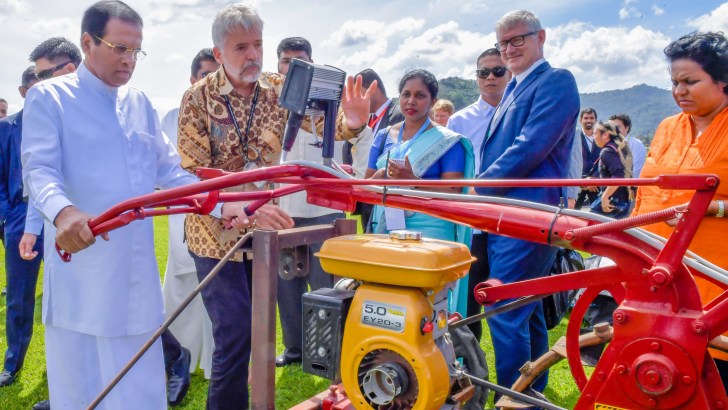
The Director General of the IRRI, Dr. Matthew Morell, Deputy Director General and the Additional Secretary of the Ministry of External Affairs of Sri Lanka signed this action plan.

The IRRI has the biggest rice bank containing rice from different parts of the world. The Lankan President was shown varieties which are peculiar to Sri Lanka. The institute releases variety of seeds. The research Institute produces varieties of seeds that are highly resistant to drought, floods, antibiotics and global warming.
President Sirisena’s interest in agriculture was highly appreciated by the Director General Dr.Morrell. The Director General hailed President Sirisena as a global leader who has a clear vision of agriculture” which can revolutionize the world. The President in turn stressed the need to make Sri Lanka self-sufficient in rice.
Appreciating Sri Lankan President’s commitment to Agriculture a piece of land in the IRRI was named after him. The President expressed gratitude for this.
(The featured image at the top shows Sri Lankan President Maithripala Sirisena at the International Rice Research Institute in the Philippines with its Director General Dr.Mathew Morell)
Colombo, January 19 (The Citizen): Sri Lanka’s premier Tamil party, the Tamil National Alliance (TNA), is caught in a cleft stick.
On the one hand, it has to cooperate with and need be prop up the United National Front (UNF) government led by Ranil Wickremesinghe. The Tamils see Wickremesinghe as being sympathetic to their interests and concerns in contrast to opposition leader Mahinda Rajapaksa, who is seen as being anti-Tamil”. The TNA has to do the utmost to keep Rajapaksa away from power.

But the TNA needs Rajapaksa’s Joint Opposition Group and President Sirisena’s Sri Lanka Freedom Party (SLFP) to get the two thirds majority necessary to get a new pro-Tamil constitution passed by parliament. The challenge is to oppose Rajapaksa and yet get his support for a new constitution.
Dire Political Necessity
The TNA’s political future, indeed its very existence, depends on what it does at this juncture when the constitution-making process has reached a critical stage and political opinion is still very sharply divided on it.
The opposition led by Rajapaksa has virtually declared war on the attempt to change the constitution. Sirisena’s SLFP is not enthusiastic about it. The silence of Wickremesinghe’s United National Party (SLFP) is ominous, though leader Wickremesinghe himself is in favor of a new constitution.
In fact, the TNA had a hard time getting Wickremesinghe to table the draft constitution approved by the Steering Committee.
It had to use the recent constitutional crisis to force him to agree.
Constitutional Crisis Offered Opportunity
The bargain was struck during the October-November 2018 constitutional crisis which was triggered by the unconstitutional ouster of Wickremesinghe from the Lankan Premiership on October 26 by President Sirisena.
In a swift and secret move, Sirisena had replaced Wickremesinghe by Rajapaksa, triggering an outrage throughout the democratic world.
The 50-day crisis put Sri Lanka in sixes and sevens, but threw up a great political opportunity for the TNA, not just to get the constitution making process resumed, but to arrest its own declining electoral prospects in the Northern and Eastern provinces.
The TNA, with its 16 MPs (later down to 14), played a critical role in ensuring the survival of the Wickremesinghe regime. But for its staunch support, and the critical role played by Jaffna district TNA MP, M.A.Sumanthiran, the newly appointed Prime Minister Mahinda Rajapaksa would have succeeded in engineering the defection of enough UNF MPs to consolidate his ill-gotten position.
According to President Sirisena himself, MPs were offered up to Rs.500 million to defect. About 45 UNF MPs were seriously considering crossing over to Rajapaksa’s side. But when they learnt that the TNA and the Muslim parties had committed themselves to remaining with Wickremesinghe, they developed cold feet and banished all thought of defecting.
They stayed put in the UNF, thus preventing Rajapaksa from getting the required majority support in parliament to remain in office.
The Bargain
However, the TNA did not support Wickremesinghe blindly. It bargained hard to get a political deal which will help shore up its political fortunes in the Tamil speaking North and East.
The TNA’s stock there had declined noticeably since the 2013 provincial and 2015 parliamentary elections. Its performance in the February 2018 local bodies’ elections was disappointing to say the least.
The TNA could not deliver on its election promises to the Tamils about finding a political solution to the Tamil question and ensuring war-time accountability issues.
The TNA-led Northern Provincial Council had failed to ensure any economic development despite the allocation of hundreds of millions of rupees by the government in Colombo. Large amounts of funds allocated by the Central government were returned unused.
In its negotiations with Wickremesinghe and his lieutenants during the constitutional crisis, the TNA demanded that the draft constitution giving wide powers to the provinces which had been cleared by the Steering Committee, should be tabled in parliament as a priority, so that the constitution is passed before the next parliamentary elections in August 2020.
The TNA also demanded that its MPs should be involved in the Central government’s economic development schemes in the Tamil areas in the North and East.
This was considered to be of utmost importance because people had been complaining of the top down” approach adopted by Colombo in designing and executing development projects in the North and East.
The TNA wanted Wickremesinghe to give these assurances in writing in the form of an MoU. But Wickremesinghe sensed a political danger in doing that. However, he verbally assured that TNA MPs will be coopted in the developmental process and that he will table a draft constitution in parliament before Sri Lanka’s independence day on February 4, 2019.
On becoming Prime Minister again, thanks to the Supreme Court, Wickremesinghe did place the Experts’ Committee’s report on the constitution. But he took the precaution of denying that it was a draft constitution” in order not to give the document any finality.
On its part, the TNA let it be known that the Wickremesinghe government will consult it on all matters relating to the North and East.
Deal Runs Into Storm
But both the placing of the draft” constitution on the table of the House and the understanding about consulting the TNA on North-East issues have run into a storm.
The main opposition Sri Lanka Podujana Peramuna (SLPP), led by the Leader of the Opposition Mahinda Rajapaksa, opposed it both tooth and nail.
Rajapaksa has dubbed the draft constitution as a scheme to divide Sri Lanka into nine semi-independent provinces”. His party leaders have said that the main demand of the Tamils is not a new a constitution with greater devolution of power, but economic development and social welfare.
The SLPP also believes that a new constitution is not needed and that amending the present one from time to time will suffice. And if a new constitution is indeed necessary, it should be made an issue in the coming parliamentary elections so that the people of Sri Lanka have a say.
On the issue of involving the TNA in designing and executing development schemes in the Tamil areas, the SLPP’s view is that the main purpose of the scheme is not to help the people but to help the TNA refurbish its jaded image among the Tamils of the North and East and garner votes in the coming elections.
(The featured image at the top shows the Tamil National Alliance’s top leaders, M.A.Sumanthiran, R.Sampanthan and Mavai Senathirajah)
Colombo, January 20 (newsin.asia): At a special ceremony held at the Dayagama West Estate in Nuwara Eliya District on Sunday, 150 houses built under the Indian Housing Project were handed over to the beneficiaries jointly by Palani Digambaram, Minister for Hill country New Villages, Infrastructure and Community Development and Gayantha Karunathilake, Minister of Lands and Parliamentary Reforms, V. Radhakrishnan, Non-Cabinet Minister for Special Area Development and Dr. Shilpak N. Ambule, Deputy High Commissioner of India to Sri Lanka.
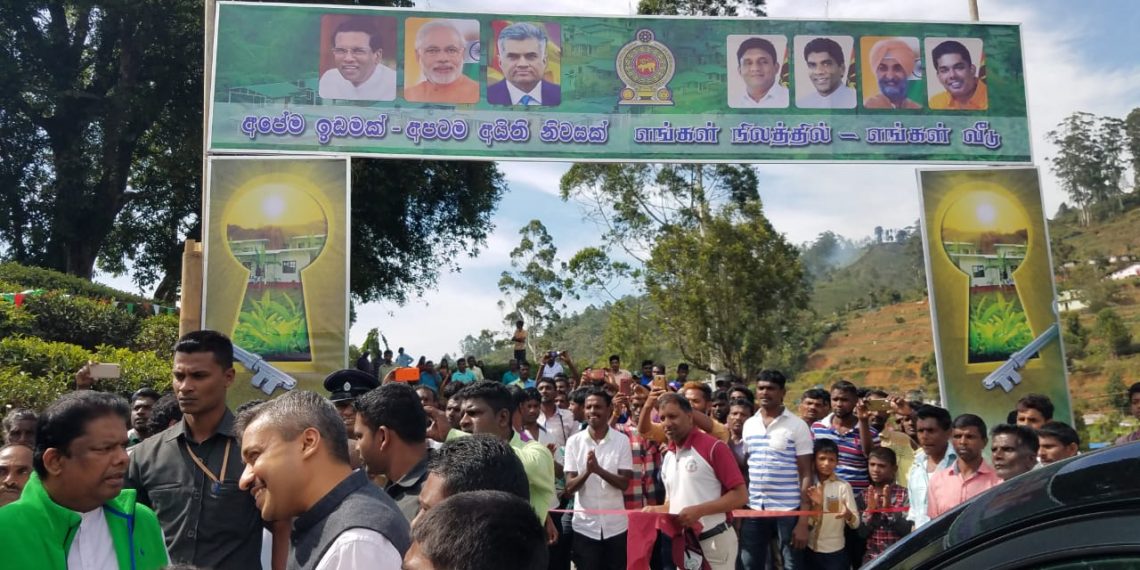
Several Members of Parliament and Central Provincial Council, officials from Plantation Human Development Trust (PHDT),UN Habitat, representatives of Regional Plantation Companies and a large number of people from the Dayagama West Estate, attended the function.
In his remarks, Deputy High Commissioner Ambule congratulated the owners of the newly built independent houses. He underscored that the Indian Housing Project in Sri Lanka with a grant of over US$ 350 million (close to LKR 50 billion), was the largest Indian grant assistance project to any country. He also recalled that out of the total commitment of 63,000 houses, 47,000 houses had already been built.
Expressing India’s support for the realization of Sri Lanka’s developmental priorities, he reiterated his government’s and the Indian people’s commitment to being with the people of Sri Lanka in their journey towards greater peace and prosperity.
(The picture at the top shows the Indian Deputy High Commissioner Shilpak Ambule with the Sri Lankan Minister of Lands, Gayantha Karunathilake at the ceremony to hand over 150 houses built with an Indian grant)
MANILA: Sri Lankan President Maithripala Sirisena on Saturday invited Philippine drug war experts to visit his country and share their experiences with their counterparts apparently to help them in their own campaign against drugs.
I would like to invite some experts from your side to visit Sri Lanka when possible. My government will make all the necessary arrangements,” Sirisena told officers when he visited the headquarters of the Philippine National Police (PNP) in surburban Quezon City, Metro Manila.
The experiences you have gained and the knowledge that you can share with Sri Lanka,” he said, will be highly instrumental in our fight against drugs.” Director General Oscar Albayalde, the PNP chief, later confirmed Sirisena’s invitation during his visit to the police headquarters where he was given a briefing on the country’s violent war on illegal drugs launched by President Rodrigo Rody” Duterte in June 2016.
The Department of Foreign Affairs also reported that the PNP visit marked the last of Sirena’s five-day visit state to the Philippines which ended on Saturday and where he and Duterte witnessed at Malacanang Palace the signing of five agreements, among others, on defence, education, tourism and people-to-people exchange between the two countries.
But more than that, Sirisena created a stir when he called Duterte’s war on drugs an example to the world.” During a state dinner at Malacanang hosted by Duterte in his honour late on Wednesday night, the visiting leader said Sri Lanka should follow the Philippines crackdown on narcotics to address its own drug problem.
Excellency, the war against crime and drugs carried out by you is an example to the whole world and personally to me. Drug menace is rampant in my country and I feel that we should follow in your footsteps to control this hazard,” Sirisena said in his toast.
London, Paris, Milan, New York… it has been a frantic January for model Jeenu Mahadevan, as he flies around the world for Men’s Fashion Week.
“There’s no such thing as downtime in Fashion Week, it’s just chaos for three weeks straight,” he tells the BBC.
Since the 20-year old made his international debut in 2017 in Paris, his profile has skyrocketed.
He’s modelled for fashion powerhouses including Versace, Givenchy Alexander McQueen and Burberry.
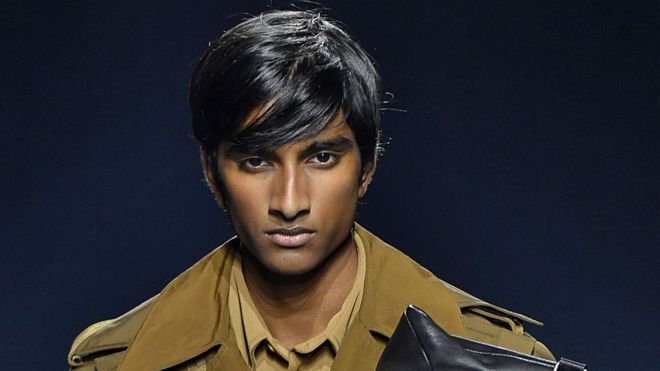
Image copyrightGETTY IMAGESImage captionJeenu Mahadevan modelling for Givenchy as part of Paris Fashion Week
Not bad for someone who was discovered on a bus home in Oslo in March 2016.
“It was weird because this lady was just staring at me for like three stops straight – I had no idea what was going on, and I thought it was a joke to begin with.”
He says that modelling had never been an option for him – he was planning a career in computer science or astrophysics. But the fashion world had other ideas.
“I always get told that I look like Indian royalty and people think I look majestic – obviously I don’t!”
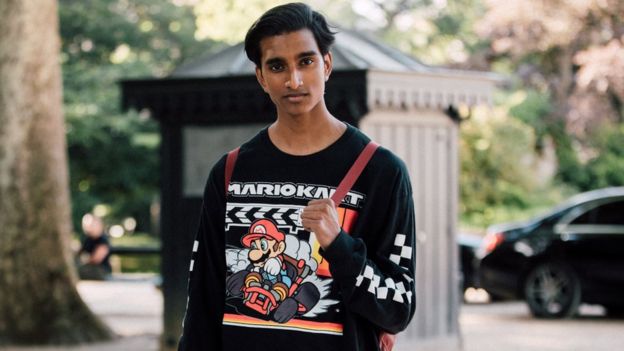 Image copyrightGETTY IMAGES
Jeenu is Norwegian with Sri Lankan heritage. He joins only a few models of South Asian origin, including Neelam Gill and Lakshmi Menon, to break into the global fashion scene.
“I felt so out of place the first few times, because there’s a bunch of white people, there’s a few black people, and you have me. And I just felt like I stood out everywhere I go, and not necessarily in a good way.”
For Jeenu the process was more isolating because of criticism from his own Asian community. He says he has faced colourism – prejudice against people who have a darker skin tone.
In Asia, fair complexion is considered superior – most Indian models and Bollywood stars are light-skinned, and some even appear in adverts backing skin-lightening products.
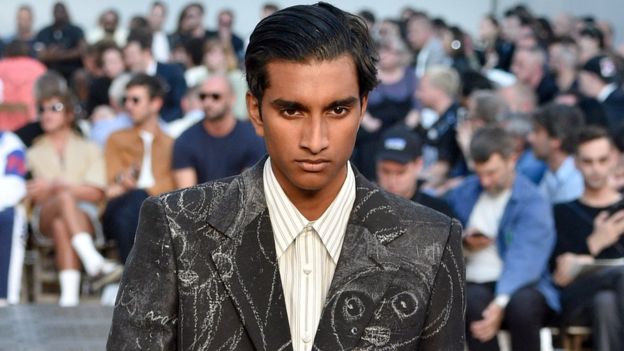 Image copyrightGETTY IMAGES
Jeenu says that this preference for light skin is also common among Asians who have moved abroad.
“Most of the negative feedback I got in the beginning was from Indians – many Indian people thought that a dark-skinned guy shouldn’t necessarily be in fashion.”
Even his fellow Sri Lankans doubted his career choice.
“My parents were a bit hesitant at first because they thought no one would consider me model material. But now obviously they’re fine with that.”
Jeenu says the Asian community’s attempt to combat colourism has been glacial compared to the fashion world, where the appointment of Edward Enninful as British Vogue editor in 2017, and the presence of supermodels like Eunice Olumide have shaken up the industry.
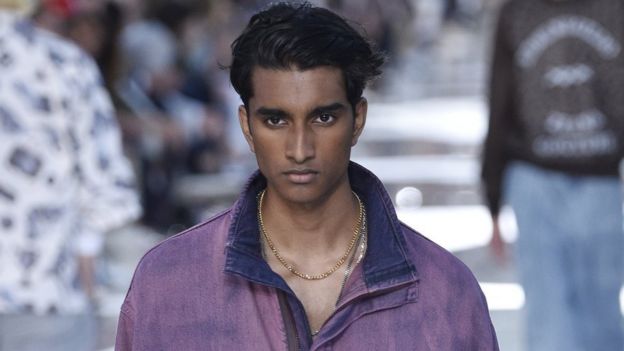 Image copyrightGETTY IMAGES
“I think Europe now has a different view of fashion and beauty than people in India, Sri Lanka… most of the support I’ve got has been from European brands.”
Jeenu says that despite criticism from some in his community, he has received personal messages from young, dark-skinned Asians who have been inspired by him.
“I was one of the first few dark-skinned guys. And now you see that every time there’s a new Asian guy joining the industry, they know of me and they’re always like ‘Wow you’re famous’.”
Jeenu hopes other Asians – dark-skinned or not – will pursue modelling.
“The more the world progresses, the more ethnicities you’ll see in fashion. Now it’s South Asia’s turn to break into fashion.”
As the China-invested Colombo Port City project has completed its land reclamation, a milestone in the progress of the project, Chinese analysts said on Sunday that it is set to become a template for investment in South Asia under the Belt and Roadinitiative (BRI) if it develops smoothly.
A ceremony held on Wednesday in Sri Lanka’s capital marked the reclamation of 269 hectares of land from the ocean, and the last four state-of-the-art dredgers used for the sand mining operation left the project site, the Xinhua News Agency reported on Thursday.
The process also showcased China’s high-standard technology in land reclamation represented by dredgers such as “Jun Yang 1” and “Wan Qing Sha” operated by CCCC Guangzhou Dredging Co.
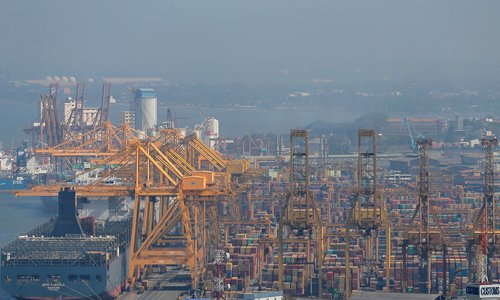
The four big dredgers including “Jun Yang 1” and “Wan Qing Sha,” with a total value of $400 million, started reclamation work simultaneously in June last year.
Zhao Gancheng, director of the Center for Asia-Pacific Studies at the Shanghai Institute for International Studies, said China’s technology in land reclamation is currently leading the world with strong hardware.
“The completion of the first phase of the Colombo Port City project is very significant since it lays a solid foundation for further construction,” Zhao told the Global Times on Sunday.
Chinese Ambassador Cheng Xueyuan said at the event that “269 hectares of land were completely formed, ahead of schedule. This shows that the friendship between China and Sri Lanka has a long history and is worth more than the value of the investment,” according to the Xinhua report.
The ambassador added that the Colombo Port City had created more than 4,000 jobs so far for local people, benefiting thousands of Sri Lankan families.
The port city, built on the reclaimed land, will accommodate 200,000 residents. It will have apartments, hotels, offices, malls and exhibition centers, and it will also provide 80,000 new jobs. It is expected to become Colombo’s central business district by 2030, media reports have said.
The mega Colombo Port City project, with initial investment of $1.4 billion, is being jointly developed by the Sri Lanka government and China’s CHEC Port City Colombo under the BRI. It is by far the largest foreign direct investment project in Sri Lanka.
Long Xingchun, a visiting senior fellow at the S. Rajaratnam School of International Studies, Nanyang Technological University, told the Global Times that the project will bring huge benefits to Sri Lanka’s economic development and improvement of the city’s image, which will directly help it in attracting foreign capital.
“The Port City project has witnessed the down-to-earth efforts of China and Sri Lanka. If it proceeds smoothly, it will become the best case or template for other countries to invest there,” Zhao said.
However, Zhao noted that it’s imperative for Sri Lanka to improve its business environment, which is relatively less attractive compared with other South Asian countries like India due to its limited domestic market.
In addition to the Port City project, China has also invested in other infrastructure facilities. In November, a liquefied petroleum gas terminal in the Hambantota Port in the south of Sri Lanka came to mechanical completion. It was built by a subsidiary of State-owned China National Petroleum Corp.
In 2017, the Sri Lanka Ports Authority and China Merchants Port Holdings signed an agreement to co-run the Hambantota Port.
As China’s footprint is expanding in the South Asian country, a key node along the Maritime Silk Road of the BRI, other countries such as India and Japan have also adjusted their plans in Sri Lanka.
India had been pushing Sri Lanka for an estimated $1 billion contract for a second foreign-operated container terminal in Colombo, Reuters reported in November last year.
For Japan, which is also increasing its port development activities in Sri Lanka, it is possible that China and Japan will reach a consensus in third-market investment in nations like Sri Lanka, which would be helpful to mitigate tensions from such major countries as the US, Zhao remarked.
“If foreign enterprises from China, India or Japan can forge beneficial cooperation or competition in Sri Lanka, it will greatly benefit the country’s economic development and also dispel doubts over China’s engagement,” Long noted.
Activists warn the true nature of the Thatcher government’s collusion with Sri Lanka may never be known
RITAIN’S Foreign Office is being accused of shredding history” after it admitted to destroying nearly 400 diplomatic files from the start of a Tamil uprising in Sri Lanka.
Margaret Thatcher’s government armed Sri Lankan forces against left-wing Tamil independence fighters, but activists including superstar M.I.A. are now warning the full extent of this deadly collusion may never come to light.
The Foreign Office has shredded nearly twice as many files on the conflict than it previously admitted, a freedom of information request by the Morning Star has found.
Last year the department said it had destroyed 195 files from the late 1970s, when MI5 and SAS personnel advised Sri Lankan spies and commandos how to counter Tamil guerillas.
The Star can now reveal that diplomats shredded another 177 files from the early 1980s, bringing the total to 372.
Only lists of file names survive, many of them relating to arms sales.
Last night the Campaign Against Arms Trade (CAAT) condemned the destruction, saying the Foreign Office cannot be allowed to erase its complicity” in Sri Lanka’s war crimes.
CAAT spokesman Andrew Smith said: The conflict in Sri Lanka had devastating consequences, and killed tens of thousands of people.
Britain’s role in the war might be embarrassing for the government, but if there is to be justice and accountability it needs to be fully exposed and understood.”
As well as arming Sri Lanka’s right-wing president throughout the 1980s, Britain also advised the country’s top brass.
The Star can reveal that Sri Lanka’s defence secretary General Attygalle made a secret visit to Belfast in 1984, just weeks after his forces massacred Tamil civilians.
The general dined with the head of the Royal Ulster Constabulary and discussed counter-insurgency tactics used in the Troubles.
The full details of this covert liaison may never be known as the Foreign Office has shredded a file from that year titled Sri Lanka interest [sic] in Northern Ireland as a military problem.”
All government departments are supposed to preserve historic files and make them available to the public at the National Archives after 30 years, but the Foreign Office has repeatedly destroyed documents before they are due to be declassified.
The Morning Star has found that the Sri Lanka records were destroyed in 2014, just weeks after the Foreign Office apologised to top historians for burning files about Britain’s abuse of Mau Mau anti-colonial activists in Kenya.
We can also reveal that diplomats have now drawn up secret plans to destroy a further 40 files on Sri Lanka dating from the mid-1980s.
These files contain details about political asylum applications, training of Sri Lankan forces in Britain and nine volumes on arms sales.
Dr Rachel Seoighe, a Sri Lanka expert at Kent University, is trying to rescue the remaining files from government shredders.
Dr Seoighe warned: The destruction of files is happening on an even larger scale than initially thought. They are shredding history.”
So far, diplomats have rejected her freedom of information requests to declassify the surviving files, forcing her to appeal to the Information Commissioner watchdog.
She told the Star: The British government’s role in the conflict, particularly in arming and training the Sri Lankan forces, is not yet fully understood. That’s why its eagerness to destroy files from that period is suspect and concerning.
We cannot allow for a rewriting of history through this selective destruction of documents.”
Last night, British Tamil activists also condemned the destruction. Vairamuttu Varadakumar, executive secretary of the Tamil Information Centre in London, is understood to be seeking urgent legal advice.
Pioneering Tamil superstar M.I.A. said Western powers supported Sri Lanka’s atrocious armed actions against the Tamil people and their political struggle for equality and self-determination.”
She told the Star: This support naturally includes erasing and rewriting history.”
Socialist group Tamil Solidarity said it was appalled” by the scale of the shredding. Its international co-ordinator TU Senan asked: what’s the British government trying to hide?”
The Foreign Office told the Star it was not able to comment until later on tomorrow.
The cat is out of the bag. While addressing a seminar at the Weerasingam Hall, Jaffna on 12 January, TNA Parliamentarian and Leader of ITAK Mavai Senathirajah revealed that there is a joint mechanism for the Government to hold discussions with the TNA, prior to the Cabinet making its
decisions.
Addressing the same seminar, TNA Spokesman M.A. Sumanthiran said that the development, in the North, must be the priority. He also admitted that it was on this agreement that the TNA backed the United National Party and Ranil Wickremesinghe; when unceremoniously sacked by Maithripala Sirisena on 26 October, 2018.
It was during this particular political upheaval, that Sumanthiran aggressively stormed up to Lakshman Kiriella while he was addressing Parliament and effectively shut him up. RW appeared as if he did not even dare look up. That, however, did not deter Sumanthiran from extending his angry gesticulation to him as well. This video clip went viral in social media and many speculated the basis for Sumanthiran to wield so much power over the country’s Prime Minister. Well, now we know.

The point that Sri Lanka must never forget is that the TNA was the political proxy of the LTTE. They have not reformed their thinking, nor apologised for the many atrocities committed by the LTTE against the Sri Lankan people. The Tamils in the North suffered greatly at the hands of the LTTE and not only in terms of property, intimidations and dignity.
Atrocities against Tamils
The LTTE engaged in the most despicable strategy to forcibly conscript children into the terrorist organisation. Children as young as eight were abducted either from classrooms or en route from school to home. They were used as cannon fodder to clear anti-personnel mined land for the fighting cadres to cross over. They were also thrown over the sentinel wire that surrounded military establishments so as to cushion the feet of the fighting cadres to break into the complex.
The LTTE plan was to recruit at least one child from each family. Then, the families would be forced to support the LTTE for that would be the only slim chance for their child to survive. Interestingly, this blatant exploitation of the parents’ bond to their child is hardly being categorised as a war crime or even a crime against humanity.
Instead of at least apologising for this atrocity, the TNA is insisting that they are the representatives of the Tamils. The LTTE too, while committing all these atrocities, insisted that they were the sole representatives of the Tamils. Therefore, in every sense, the TNA has simply filled the void created by the annihilated LTTE.
The only difference between the cadres of the LTTE and the TNA is that the former wore fatigues and were armed to the teeth, while the latter is in well tailored suits and armed with law degrees. Their objective however is one and the same. They differ in their modus operandi. Perhaps the subtle ways and the underhand dealings of the lawyers are much more dangerous than the sheer brutality of the terrorists.
The confounding question here though is the new Constitution that Sumanthiran always harps about. He has pledged to bring it to Parliament before the 4 February. The Most Venerable Prelates of the Malwathu and Asgiriya Chapters have voiced their concerns regarding this matter.
When the State Minister for Defence Ruwan Wijewardene paid his respects to the two Venerable Prelates on 15 January, they had both advised him that the Government’s priority must be on solving the economic crisis of the country than this attempt to introduce a new Constitution. They had brought to his attention the increasing economic strain the ordinary people are buckling under and had stressed the need for the Government to show an active interest in easing this burden.
Indeed, the woeful economic situation was acknowledged by none other than Ranil Wickremesinghe, when he admitted that the Government is struggling to pay back debt. In the past four years the Government’s foreign borrowings had increased from USD 23 billion to USD 35 billion and the total national debt had increased by a staggering Rs 5 trillion. The Rupee’s depreciation by 41 per cent is unprecedented and the interest rates have increased by almost 50 per cent.
Finance Minister Mangala Samaraweera, in a recent tweet, boasted that despite the 51-day coup” the government maintains the unblemished record” of paying debts on time by re-paying the 5-year USD 1 billion sovereign bond taken in 2014. Central Bank Governor Indrajit Coomaraswamy, however, admitted that the repayment was done using the reserves entirely after the Government failed to raise the funds from three State Banks.
Central Bank (CB) Governor during Rajapaksa Administration, Ajith Cabraal noted that the CB had about USD 6.9 billion as reserves at the beginning of this year. This has now reduced to USD 5.9 billion. When this Government assumed power in 2015, CB had reserves of USD 8.2 billion. Yet, even after the massive borrowings and selling/leasing of assets, the Government was unable to even roll out a USD 1 billion. He also observed that with the Rupee depreciation, the Government has to now spend Rs 54 billion in order to buy the same amount of US dollars.
Rise in crimes
The Most Venerable Prelates also brought to the State Minister’s attention that the crime rate of the country is also on the rise. This observation comes in the wake of news alleging Sumanthiran of trying to intervene against the arrest of a narcotics dealer, apparently one of his supporters.
Maheswari Vijayakala too tried to protect Swiss Kumar. Given this background, if this new Constitution actually sees the light of day, the only recourse for parents in the North is to send their children to the South as they did during the LTTE days.
Sri Lanka is not only being gripped by local underworld gangs. It was reported that on 16 January an Indian fishing trawler had deliberately rammed into a Sri Lanka Navy vessel and caused damages. This is the first time such an incident had taken place. Serious note must be taken of the confidence displayed by the aggressors.
India’s unwillingness to redress the issue of poaching, by Indian trawlers in Sri Lankan seas, exposes their hypocritical concern for the Tamils in Sri Lanka. This very act adversely affects the Sri Lankan fishermen, who depend on their catch to sustain. It is this very livelihood that the Indian counterpart attacks and destroys, backed by the Tamil Nadu politicians who do not lose an opportunity to cry for the plight of Sri Lankan Tamils.
It is not only India, but also the West that remains studiously blind, to the situation. Their attention is more on the alleged war crimes that they insist the Sri Lankan military have committed. Their latest victim is Major General Shavendra Silva, who commanded the 58 division during the war. Earlier, this year, he was promoted as Sri Lanka Army Chief of Staff. This is being interpreted as an outrage and shows that the Government is not serious about accountability and security sector reforms.”
Real woes
The actual burden on the people is the ever increasing economic woes and the rise of the underworld. Yet, the solution pushed by the so-called international experts is on introducing a new Constitution that aims to place Tamils under the very hands that worked with the LTTE, who only differ in their attire. This new Constitution that is apparently still on the drawing board with the presentation deadline aimed at the country’s Independence Day seems almost a red herring.
Even if this deadline was met, with this being an election year, would the Government have the time to debate on it, vote in Parliament to win a two-third majority and then go for a referendum is a question. It is almost as if this is a decoy to keep us engaged, while the country’s economy and security are being sabotaged. Of course, the Government can always opt to emulate the Speaker’s style of No Confidence Motion to the clapping of the Western diplomats and get the new Constitution moving on fast motion.
ranasingheshivanthi@gmail.com
There is a doubt as to whether the plague of Fall Armyworm (Sena Caterpillars) is someone’s conspiracy to destroy agriculture in the country by importing food from other countries, said Leader of Opposition Mahinda Rajapaksa.
He mentioned this following an event held in a temple in Beliatta, today (20).
Further commenting, Rajapaksa stated that his party also speaks up for the rights of the Tamil community.
According to him, the propped new constitution is an idea of Prime Minister Ranil Wickremesinghe and MP M. A. Sumanthiran and only those two know the correct information about it.
Although the current government declared that they will spend on education, there is a plan of cutting back facilities of education, he added.
හිටපු ජනාධිපතිනි චන්ද්රිකා කුමාරතුංග මහත්මියගේ නායකත්වයෙන් යුතු නමුත් දේශපාලන පක්ෂයක් පිහිටුවීම සඳහා මේ දිනවල කඩිමුඩියේ සාකච්ඡා පැවැත්වෙමින් තිබෙන වාර්තා වෙයි.
එහි නායකත්වය හිටපු ජනාධිපතිනිය විසින් දරනු ඇති බවත් ලේකම් ධුරයට ශ්රී ලංකා නිදහස් පක්ෂයේ ජාතික සංවිධායක දුමින්ද දිසානායක මහතා පත් කරනු ඇතැයි ද පැවසේ.
පක්ෂයේ ප්රචාරක ලේකම්වරයා ලෙස රෙජිනෝල්ඩ් කුරේ මහතාත් භාණ්ඩාගාරික ධුරයට ජී.එච්. බුද්ධදාස මහතා පත් වනු ඇති බවද ආරංචි මාර්ග කියා සිටී.
මෙම නව පක්ෂය සඳහා යෝජනා වී ඇති නම වන්නේ ‘ශ්රී ලංකා නිදහස් ප්රගතිශීලී ප්රජාතන්ත්රවාදී පක්ෂය’යි.
නව පක්ෂය එළිදැක්වීම සඳහා දැනට නැකත් කීපයක්ම බලා ඇති අතර ගැලපෙන අවස්ථාවකදී පක්ෂයේ එළි දක්වනු ඇතැයිද වාර්තා වේ.

Human intelligence in the third world is limited to the level that some animal behaviour persists in the people and politicians in a multi-dimensional plane. Its based on the assessment of their behaviour and the output level and how they were trained.
Humans Intelligence
Quote: Perception is an active mental act. It is a dynamic, a dialectical conflict between the self-perspective transformation and external vectors of power bearing upon us. That which we perceive is a balance between these antagonists”. (Ref: Understanding Conflict and War: vol. 1: the dynamic psychological field, chapter 11, by R.J. Rummel)
The author’s view is that humans perceive different effects about the same state, as perceptions vary from person to person. People assign different meaning to what they perceive. This is the reason why conflicts arise. For a solution, the different level of perception may require a higher authority to involve in judging the conflict. The biggest question is: what is the intelligence of the higher authority and how were they assessed and who made the assessment. Do they have a partisan or non-partisan belief?
Quote: Guideline 5-2. A judge should be evaluated on his or her integrity and impartiality, including the following criteria: Please refer the article in the link given.
Although all human males are born with ≈1.5 kg of the brain, not all perceive the same thing in the same perspective, the same way.
Do we believe that the UN or the GOSL have the competency to make a correct judgement for the humanity? Are they partisan or non-partisan actors?
Belief is somewhat on concepts, events, hypotheses, and models, those a person assumes and convinces, is right. Belief outlines a thought/assumption or dogma that people judge to be true. The belief of Tamils’ Tamil Eelam or Federalism is Absolutely incorrect as there are so many negative outcomes for the future which is dormant at this stage.
Knowledge is defined as information, proofs, aptitudes, and proficiencies, acquired through involvement and practice; i.e. appreciation of the theoretical and practical training, and understanding of a subject or job. We cannot agree that V. Rudrakumaran or MA Sumanthiran has the absolute knowledge in talking drive towards Federalism or Tamil Eelam. Their partisan act is a political drama to be in the forefront and politics forever.
In a person’s domain intelligence can be explained as an understanding of a topic, subject or thing with pure reasoning. Every human is born with intelligence. Every living thing, the organism has its intelligence in its own way. The difference between humans and animals is that human has the sixth sense. However, can we categorically state that chimps can do what humans can do? Maybe chimps can do what humans can do in its own way. If we carefully think, we can arrive at the similarity.
Can we ascertain that the MPs in GOSL have an IQ score of more than 65 or less than 65? Well, they all have saturated crookedness and absolute unfaithfulness and dishonesty
Competency is defined as the capability that person(s) can apply using the appreciation of the theoretical and practical knowledge acquired, to successfully perform and complete a work/function, in the defined work environment.
Modern Art of Training” in Colleges, Universities, and workplaces is competency based training, where the emphasis is placed for people to utilize this training in their workplace. Humans have to be competent in whatever they perform”. Well, the king of the forest Lion” is highly skilled and competent to hunt down its prey, which could be queried as, Where did they get their training to be competent”? Citizens could become more competent in listening skills, reading skills, conflict resolution, and general political affairs to progress to understand principles applied in politics.
Are the governors appointed recently based on competency? What are the criteria adopted to assess the competency? For example the Governer for NPC?
Reality is the true state of things, and reality can be viewed through perception which acts as the lens. Citizens could believe that there is something known as reality and that they could see reality by attempting to see through their ability of perception”.
Understanding democracy by the people in the third world cannot be interpreted as obvious and automatic. Most third world people’s belief is that a 50.1% against 49.9% is a democracy.
Business Dictionary definition for Belief: Quote; – Assumptions and convictions that are held to be true, by an individual or a group, regarding concepts, events, people, and things”.
The understanding of 50.1% to 49.9% Belief” contradicts reality, since Democracy” embraces several dimensional elements of human life in a free country.
The 50.1% against 49.9% to elect an executive President, can be regarded as democracy in terms of numerical superiority, and number crunching. However, there is much more to number crunching in practising Democracy”. The main question would be: Is the 50.1% of the votes distributed evenly with a minimum of a specified percentage of ”% from each administrative district or Province? These are prerequisites that should have been built into the constitution”.
People in the third world and the politicians should be fully knowledgeable, up-to-date, with the electoral procedures and prescriptions for legitimacy and righteousness to prevail in the democratic environment.
The six inborn ability of the human mind outlined above is a prerequisite in their own Mind”, for all citizens should have, to elect good democratic governance. In the context of illiteracy prevalent in a country, media is coverage, where political analysts and political investigative journalists can write to educate the masses.
Politicians in the third world should be competent in their area of politics, political science, and political affairs, to serve the people who elected them. Third world democracy is in fracas because of the limited or decreased functioning of the six inborn ability of the mind, which may not be effective to do what it is supposed to do.
Behavioural manner inflicts upon leadership quality. A member of parliament can be identified as the leader of his/her electorate, and his/her leadership quality can only be judged by his behavioural manner, interaction with the people, the ministers, and his/her output to the electorate and the people.
Quote:[Ref: http://plato.stanford.edu/entries/morality–definition/#DesDefMor)
The morality of a person, politician, and citizen plays the foremost, imperative role in understanding and practising factual democracy. An immoral person cannot be a good person to enter politics, as his actions would be against moral principles. In this context reference from Stanford Encyclopaedia of Philosophy.
To be continued
No one is more hated than he who speaks the truth – Plato
Think only TNA, UNP, JVP and SLFP support more devolution? Think again! SLPP Convener Basil recently stated that more devolution is needed to resolve problems affecting the minorities. In an interview with Anidda” he stated that minorities have problems and devolution must not be done for a particular ethnic group. Instead more devolution is needed to help people resolve their problems better. SLPP Chairman GL Pieris is also no stranger to more devolution! In fact, he was behind four spirited attempts to devolve more power in 1995, 1998, 2000 and 2002. In 2005 Mahinda’s manifesto included maximum devolution within a unitary country”. LLRC Report 2011 and 2013 Wijerama Resolution also called for more devolution. This is the grim reality faced by Sri Lanka. Every political party wants to take the nation further along the federal path into a confederated country like Yugoslavia. Unfortunately, Sinhala elements are fighting over who is least bad not knowing they all want the nation to become a confederate country while retaining the sham word unitary only to fool Sinhala people.
Sri Lanka is Already Federal Plus
Sri Lanka’s Constitution has so many contradictions thanks to plastered amendments. In one Article it says the President can dissolve parliament at will but another says he cannot. Articles specify inalienable fundamental rights but a subsequent article reintroduces feudal and discriminatory ancient laws. Although it is stated that Sri Lanka is a unitary country subsequent articles introduce federal powers to provinces.
Some key features of federalism plus are as follows. There is an elected Chief Ministers for each province. Provincial powers are clearly stated in the Constitution. Land powers and police powers are already vested in the province by the Constitution. Provincial powers cannot be withdrawn by the parliament! This makes Sri Lanka an extreme federal country far beyond India. If provincial powers are to be assumed by parliament or another body, it must be approved by two thirds of parliament and by all provincial councils. The President has no power over provinces except for the appointment of the ceremonial Governor and dissolution of provincial councils. However, dissolution achieves nothing in the Northern and Eastern Provinces post-war. Same parties win the following election.
After introducing 13A Rajiv Gandhi corrected noted in Tamil Nadu that Sri Lanka is more federal than India in terms of devolution of power to Tamils.
Divi Neguma and Super Ministry Bills failed as they went against the federal model of Sri Lanka. Centre’s powers are constitutionally restricted. Unlike India, Sri Lanka’s parliament cannot subdivide a province to lessen its ability to assert itself. In essence Sri Lanka is already an extreme federal country. Any more devolution means the nation will become a confederated country like Yugoslavia.
All Powerful Countries Support Sri Lanka’s Division
Not just all local political parties, all major world powers – NATO, Russia, China, India and Japan support the division of Sri Lanka for their own geopolitical gains. Each group can have their military bases at the heart of the Indian Ocean cheaply. They have their local agents in all parties.
The collapse of the unitary camp in Sri Lanka has been tragic and driven by greed. UNP, SLMP, SLMC, EPRLF and TULF accepted the 13A federal model by 1988. SLFP took a bit longer. By 1993 the SLFP has also embraced it. By 1999 JVP stopped resisting it and by 2011 JHU has also embraced federalism.
It is the politicians that changed not the definition of federalism from 1987 to 1993.
Confederation Attempts to Continue No Matter Who Wins the 2019 and 2020 Elections
Given this background, attempts to further divide Sri Lanka will continue no matter who wins the 2019 and 2020 elections. Those who want to stop this must reject all current political groups unless they drop further devolution. Voting like fools into various political clans only accelerates the division of the nation.
71 කැරැල්ලත් සමඟ ජෙගනාදන් මහතාගේ නම නිතැතින්ම සඳහන් වෙයි. කැරළිකරුවන් පිළිබඳ පරීක්ෂණ වලදී ඔහු විශේෂ කාර්යයක් කළේය. රහස් පොලිසියේ විශේෂ විමර්ෂණ ඒකකයේ නිලධාරියෙකු වූ ජෙගනාදන් මහතාගේ නියම නම බී.ඇන්ටන් ජෙයනාතන් ය. එහෙත් වැඩිදෙනා ඔහුව අමතන්නේ ජෙගනාදන් නමිනි. දැනට කොළඹ පෞද්ගලික ආරක්ෂක සමාගමක් පත්වාගෙන යන ජෙගනාදන් මහතා දක්ෂ රහස් පරීක්ෂකවරයෙකි. මට ඔහුව මුණ ගැසුනේ ඔහුගේ කාර්යාලයේදී ය. හිටපු විමර්ශණ නිලධාරියා අතීත විස්තර පැවසූවේ මේ ආකාරයටය.
…චේගුවේරා බියුරෝව මගින් 1968 පමණ කාලයේ පටන් අපි තරුණ කැරළිකාර දේශපාලන ප්රවාහය ගැන සෝදිසියෙන් සිටියේ. අප මෙම ව්යාපාරය ගැන තොරතුරු එකතු කලා. විෙජ්වීර ප්රථම වතාවට හම්බන්තොට දී අත්අඩංගුවට ගැනීමෙන් පසු අප සෝවියට් තානාපති කාර්යාලයේ තිබූ ඔහුගේ විසා අයැදුම්පතේ පිටපතක් හා ඒ සඳහා ඔහු විසින් ලබා දී තිබු ඡායාරූපය අප ගෙන්වා ගත්තා.
ජ.වි.පෙ. විසින් ප්රසිද්ධ රැස්වීම් ආරම්භ කිරීමෙන් පසු රහස් පොලිස් නිලධාරින්ද එම රැස්වීම් වල සැරිසැරුවා. වරක් එවැනි අවස්ථාවක රහස් පොලිස් නිලධාරියකු වූ කේ.එස්.ද. සිල්වා මහතාගේ කොළර් එකේ අපහාස වැකියක් එල්ලා තිබ්බා. කේ.එස්.ද සිල්වා මහතා හිසේ කෙස් නැති තට්ට පුද්ගලයෙකු වූ නිසා ඔහුව හඳුනා ගන්න ඇති.
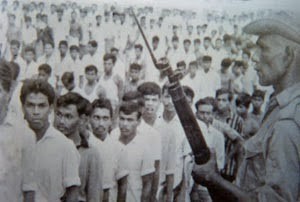
කැරැල්ල පටන් ගත් පසු කෑගල්ල. දෙනියාය. වගේ ප්රදේශ වල පොලිස් ස්ථාන විනාශ කලා. ඇතැම් විට පොලිස් නිලධාරින් මරා දැමුවා. ඇල්පිටිය පොලිස් ස්ථානය ජයතිස්ස නම් ගුරුවරයකුගේ නායකත්වයෙන් යටත් කොට විප්ලවේ කොඩිය පවා දැම්මා. මේ නිසා පොලිස් නිලධාරින් කැරලිකරුවන් සමග යම් තරහකින් හිටියේ. ඒ නිසා යම් යම් අවස්ථාවල කර්කශ අන්දමට ක්රියා කරන්න ඇති.
කැරලිකරුවන් පිළිබඳ විමර්ශනයට විශ්රාමික පොලිස්පති වරයකු වූ ඇලරික් අබේගුණවර්ධන මහතා ගෙන්නුවා. ඔහු නිලධාරීන් පනහක් පොලිස් දෙපාර්තමේන්තුවෙන් ලබා ගෙන තම විමර්ශන කටයුතු ආරම්භ කලා. මමද අයත් වූයේ මෙම පරීක්ෂණ කණ්ඩායමටයි. කැරලිකරුවන්ගෙන් ලබා ගන්නා ප්රකාශ අපරාධ යුක්ති විනිශ්චය කොමිසම් සභාව ට දුන්නා. මෙම ප්රකාශ ලබා ගැනීමට බලය තිබ්බේ ඉයන් වික්රමනායක, කෙනත් සෙනෙවිරත්න, ෂන්මුගනාදන් වැනි රාජ්ය නීතිඥවරුන්ට. නමුත් කැරලිකරුවන්ගේ ප්රකාශ වලින් 99% ම සටහන් කර ගත්තේ ඉයන් වික්රමනායකයි.
ඉයන් වික්රමනායක ඒ කාලයේ තනතුරුගණනාවක් දැරුවා. ඔහු ඉතා කාර්ය බහුල පුද්ගලයෙක්. ඒ නිසා ඔහුගේ නියමය පරිදි විමර්ශන නිලධාරීන් සැකකරුවන් ගෙන් ප්රකාශ ලබා ගත් පසු ඉයන් ඒවා කියවා බලා අත්සන් කළා. ඔහුගේ හෝ කෙනත් සෙනෙවිරත්න ගේ හෝ ෂන්මුගනාදන් ගේ අත්සනින් යුතු සාක්ෂි සටහන් පමණයි අ.යු.වි. හෙවත් සී.ෙජ්.සී. කොමිසම භාර ගත්තේ. කැරැල්ලෙන් පසුව රෝහණ විෙජ්වීර රඳවා සිටි යාපනය බන්ධනාගාරයට ඉයන් වික්රමනායක සර්නි් විෙජ්සූරිය, උපාලි සෙනෙවිරත්න හා මම ගියා. අපි ගුවන් හමුදාවට අයත් ගුවන් යානයකින් තමයි උතුරට ගියේ.
අපි යාපනය කොටුවේ කිංස් පැවිලියන් කියන ගොඩනැගිල්ලේ නැවතුනා. මෙය බංගලාවක්. උසස් රජයේ නිලධාරින් යාපනයට පැමිණි විට නවතින්නේ මෙම ස්ථානයේ. රෝහණ විෙජ්වීර ගෙන් කට උත්තර ලබා ගැනීමට අපට විශේෂ අවසරයක් ලැබුනා. අපි ප්රශ්න කරන්නට ගිය විගසම විෙජ්වීර පෙන්නුවේ කෝපවූ ස්වභාවයක්. zzමගෙන් අහන්න එපා ඒකිගෙන් (අගමැතිනිය සිරිමාවෝගෙන්) අහන්නZZ යැයි කියමින් කැරැල්ල මර්ධනය කිරීම පිළිබඳව මැතිනියට දොස් කිව්වා. ඉන් පසුව කැරැල්ල ලොකු අතුලගේ වැඩක් බවටත් ප්රකාශ කලා.
දිගින් දිගටම විෙජ්වීර කථා කලේ කෝපයෙන්. මෙහිදි මම මගේ රිවෝල්වරය හා හදිසි නීතිය ගැසට් පත්රය ඔහුට පෙන්නුවා. මම ඔහුව ඇමතුවේ විෙජ්වීර සහෝදරයා කියලා. මම කිව්වා විෙජ්වීර සහෝදරයා දන්නවා නේ මේ මොකක්ද කියලා. මේක තුවක්කුව. මේක මොකක්ද දන්නවානේ මේක ඕනෑම සැකකරුවෙකු මරා දැමීමට හා මරණ පරීක්ෂණයකින් තොරව සිරුර වළලා දැමිය හැකි බලතල තියන ගැසට් පත්රය. අපිට බලය තිබ්බත් එහෙම කරන්න අවශ්ය නැහැ. අපි කථා කරමු. ඉන් පසුව ඔහු මඳක් මෙල්ල උනා.
අපි විෙජ්වීරව දිවා කාලයේ රැගෙන ගියා, ප්රශ්න කිරීමට කිංස් පැවිලියන් වෙතට. ඔහු බියසුළු චරිතයක්. නමුත් කථාවේ අති දක්ෂයි. සිංහල භාෂාවෙන් කථා කොට පුද්ගලයන් නම්මා ගැනීමේ දක්ෂ අයෙක් මට ජීවිතයට දැකලා නැහැ. ඔහුගේ කථා වලින් ඇතැම් විට අපේ නිලධාරින් පවා වශී උනා.
ප්රශ්න කිරීමේදී ඔහු බිය පෙන්නුවා. දාඩිය දැම්මා. ඔහුව ප්රශ්න කරන අතර තුර යාබද කාමරයේ නිලධාරින් අනෙකුත් සැකකරුවන්ට පහර දුන්නා. ඔවුන් කෑ ගහන ශබ්දයට විෙජ්වීර දැක්වූයේ බියපත් වු ප්රතිචාර. ඔහු තමාගේ උපැස් යුවල ගැලෙව්වා. ඉන් පසුව ඔහු තම ව්යාපාරයේ අභ්යන්තරය තමන්ගේ සගයන් ගැන තොරතුරු ලබා දුන්නා. අපි ඔහුගේ කට උත්තරය පටිගත කලා. ඇතැම් අවස්ථාවලදී ඔහු අනෙකුත් කැරලි කරුවන් ගැන කළ හෙලිදරව් පටිගත වනවාට ඔහු කැමති උනේ නැහැ. එවැනි අවස්ථා වල පටිගත කරන යන්ත්රය නවත්තන්න යැයි ඉල්ලීම් කලා. ඒ අනුව වරින් වර අප යන්ත්රය නවත්තලා ඔහුගේ කරුණු වලට සවන් දුන්නා.
දවස් 14-15 විතර මේ ආකාරයට විෙජ්වීරව දිවා කාලයේ යාපනය කොටුවේ පිහිටි බංගලාවට ගෙන්වා ගෙන විස්තර ලබා ගත්තා. රෑට ඔහුව යාපනය බන්ධනාගාරයට ගෙන යනවා. දිනක් හදිසියේ මට බඩේ කැක්කුමක් ආවා. මාව වහාම යාපනය රෝහලට ගෙන ගියා එහිදි ඇපන්ඩිසයිටිස් ශල්යකර්මයට මාව භාජනය කෙරුනා. මාව රෝහලේ දින කිහිපයක් රඳවාගෙන පසුව ගුවන් මගින් කොළඹ ගෙනාවා. එහිදි මට ආරංචි උනා විෙජ්වීර මම ඔහුට රිවෝල්වරය පෙන්වා මරා දමන බවට තර්ජනය කිරීමක් පිළිබඳව බන්ධනාගාර අධිකාරීන්ට පැමිණිලි කළ බව. මම තර්ජනය කිරිමක් කලේ නැහැ. ආයුධය හා ගැසට් පත්රය පෙන්වා බලතල අනුව නොව සහයෝගයෙන් ක්රියා කිරීමට කැමති බවයි කීවේ. මේ පිළිබඳව යාපනය පොලිස් අධිකාරී එස්. පී. සුන්දරලිංගම් මහතා පරීක්ෂණයක් කළා. මෙම පරීක්ෂණය එවකට සිටි පොලිස්පති ස්ටැන්ලි සේනානායක මහතා දක්වා ගියා.
ලොකු අතුල අත් අඩංගුවට පත් වූයේ ප්රහාරයේ දී. එදා සිටි ඉහල නායකයන් සටන මඟහරිද්දී ප්රහාරයේ සිටයේ ලොකු අතුල විතරයි. ඔහු චේගුවේරා නිල ඇදුම පිටින් සී.අයි.ඩී. එකේ හතරවන තට්ටුවට ගෙනාවා. ඔහුගේ කකුලක් පවා තුවාල වෙලා තිබුනා. ඉහල නායකයන් සටන කර අරිද්දී සටනේ සිටි ලොකු අතුල කෙරෙහි පොලිස් හා හමුදා නිලධාරීන් කෙරෙහි යම් ගරුත්වයක් තිබුනා. ඉයන් වික්රමනායක මහතා වහාම පියවර ගත්තා ඔහුට වෛද්ය ප්රතිකාර ලබා දීමට.
ප්රතිකාර වලින් පසු යළිත් මට ලොකු අතුල මුන ගැසුනා හතරවන තට්ටුවේදී. ඔහු අපෙන් ඉලAලුවා සර් මට මගේ කෙල්ල සොයලා දෙන්න. කියලා. ඔහුගේ පෙම්වතිය ධම්මිකාත් ප්රහාරයේ හිටියා. ඇයත් සිටියේ අත්අඩංගුවේ. අප ධම්මිකාට ලොකු අතුලව මුන ගස්සවලා දුන්නා. ඒ අව්සථාව ඉතා හැඟීම්බර මොහොතක්. ඇය දැන් ඔහුගේ බිරිඳ.
වසන්ත කනකරත්න අත්අඩංගුවට ගැනීමෙන් පසු අප ඔහුගෙන් ප්රශ්න කළා. ඔහු අපට යාපනයේ ප්රහාරයට ගිය පිරිස ගැන කිව්වා. මේ වන විට යාපනේ පොලිසියට හා බන්ධනාගාරයට පහර දුන් පිරිස රඳවලා හිටියේ හැමන්හිල් බන්ධනාගාරයේ. ඔවුන් පොලිසියට දී තිබුනේ ව්යාජ නම් ගම්. මේ නිසා අපිට ඉදිරි පරීක්ෂණ කටයුතු කර ගෙන යාම අතිශයින්ම දුෂ්කර වුනා. අපි විසදුමක් සොයා ගත්තා.
අපි වසන්ත කනකරත්නට කොස්තාපල් නිල ඇඳුමක් අන්දවලා හැමන්හිල් ගෙන ගියා. වසන්ත ඇතුළු රහස් පොලිස් නියෝජිතයන් හැමන්හිල් බන්ධනාගාරයේ තාප්පය උඩ හිටියදී පහල ඩන්ජන් වලින් සැකකරුවන් වරින් වර ගෙන්වමින් ඔවුන්ගේ නම ඇසුවා. සැකකරුවන් කියන්නේ ව්යාජ නම්. උදාහරනයක් හැටියට භද්දිය ආවා. කිව්වේ ජයපාල වැනි නමක්. වසන්ත කනගරත්න අපිට කෙඳිරුවා ඔහුගෙ නියම නම එවිට අප ඔහුව උඩට ගෙන්වා ගෙන යළි ප්රශ්න කරනවා. එහිදි නියම නම ඔහු පිලිගන්නවා. මේ අයුරින් සියළුම සැකකරුවන්ගේ වත ගොත අපිට ලැබුනා. ඔවුන්ට වසන්තව හඳුනා ගන්න බැරි උනා. වසන්ත පොලිස් නිල ඇඳුම ඇඳ පොලිස් කැප් එක දමා තවත් පොලිස් නිලධාරීන් අතර තමයි සිටියේ. ඒ නිසා ඔහුව දැක්කත් හඳුනා ගන්නට ඉතා අපහසුයි. කිසිම අයෙක් පොලිස් නිල ඇඳුමෙන් සිටි වසන්ත කනකරත්න හඳුනා ගත්තේ නැහැ.
විරාජ් ප්රනාන්දුගෙන් ප්රශ්න කිරීමේදී ඔහු මුලින්ම අපට සත්ය පැවසුවේ නැහැ. ඔහු සේවය කලේ කැකිරාව පැත්තේ විරාජ් හොඳ පවුල් පසුබිමකින් පැමිණි උගත්, ඉංග්රිසි භාෂාව කතා කළ හැකි තරුණයෙක්. ඔහුව අත්අඩංගුවට ගත් කොස්තාපල්වරු චේගුවේරා පෙන්නපන් කියලා ඔහුට පහර දී තිබුනා. ඒ කාලේ ඇතැම් කොස්තාපල්වරු චේගුවේරා කියන්නේ කවුද කියලාවත් දැනගෙන හිටියෙත් නැහැ.
විරාජ් අප ලඟට ගෙන්වා ගැනීමෙන් පසු ඔහුට අපි හොඳට සත්කාර කළා. හිරිහැර කලේ නැහැ. විරාජ් බුද්ධිමත්. ඒ වගේම ලිස්සා යන පිළිතුරු දුන්නේ. අපිට අනෙක් අයගේ සාක්ෂි වලින් දැන ගන්නට ලැබුනා විරාජ් වනාතමුල්ලේ ඔස්මන්ගේ නිවසේදී බෝම්බ සාදන අයුරු ගැන දේශනයක් කල බව. මම මේ කරුණු ඇසුවේ වටින් ගොඩින්. මුලින්ම ඇසුවා විරාජ්ගෙන් ඔයා වනාතමුල්ලට ගිහිල්ලා තියනවාද? ඔහු කිව්වා ඔව් ඕවල් එකේ මැච් බලන්න ගිහිල්ලා තියනවා. ඉන් පසුව මට ඔස්මන්ඩ් ගැන ඇහුවා. එවිට විරාජ් කියා සිටියා ඔස්මන් ගැන නොදන්නා බව. අප විසින් ප්රශ්න කරන ලද සැකකරුවන් කිහිප දෙනෙක් සාක්ෂි ඉදිරිපත් කලා. එදා විරාජ් ඔස්මන්ඩ්ගේ ගෙදර බෝම්බ
නිෂ්පාදනය ගැන දේශනය කරපු අයුරු. එවිට විරාජ් එය පිළිගත්තා. ඔහු විස්තර පැවසූවා. යළිත් කට උත්තර දීම නවත්වා අගමැතිනිය සිරිමාවෝ බන්ඩාරනායක හමුවිය යුතු බවට බල කලා. නමුත් මම ඔහුට පෙන්වා දුන්නා එවැනි ඉල්ලීමකට ඉඩ නොදිය හැකි බව. එවිට ඔහු ප්රකාශ කළා ලන්ඩනයේ තමා හා ගිනි පුපුර සංවිධානය අතර තිබූ සම්බන්ධතා. කුමාර් රූපසිංහ හා සුනේත්රා සමග ඔහුට තිබු මිත්රකම යනාදිය. මැණික් ගෙන යාම ගැනත් ඔහු කිව්වා. විරාජ් පැවසූ පරිදි සුනෙත්රාට බන්ඩාරනායක මැතිණිය හා විෙජ්වීර අතර හමුවක් සංවිධානය කිරීමට අවශ්ය කෙරුනා කැරැල්ලට පෙර. නමුත් එම හමුව ආරක්ෂක අංශ වල උපදෙස් මත පැවැත්වූයේ නැහැ. එහි යම් සත්යතාවක් තියෙන්න ඇති. විරාජ් සුනේත්රා පිළිබඳ කළ ප්රකාශය ඔහුගේ කට උත්තරයට අඩංගු කලේ නැහැ. එය ඉහලින් පැමිණි නියෝගයක්. ඇතැම් විට සුනේත්රාවද මෙයට පැටලිම මගින් යම් කේවල් කිරීමක් විරාජ් බලාපොරොත්තු වන්නට ඇතැයි මට සිතෙනවා.
විරාජ් වෙනුවෙන් පෙනී සිටියේ නීතිඥ එස්. නඩේසන්. ඔහු ඉයන් වික්රමනායක සාක්ෂි කූඩුවට නංවා බොහෝ සෙයින් ප්රශ්න කලා. ඉයන් අ.යු.වි. කොමිසමේ දී වාර 100 පමන සාක්ෂි දුන්නා. සෑම අවස්ථාවකම ඔහු ඇඳ සිටියේ එකිනෙකට වෙනස් ටයි කෝට්. ඔහු විශාල ටයි පටියක් පැලදුවා. අප අතර විහිළුවක් තිබුනා මුලින්ම පේන්නේ ටයි එක ඉන් පසුව දකින්නේ ඉයන් ලෙසට.
ඉයන් ඔහුගේ යටත් නිලධාරින්ට ආවරණය දෙමින් ඉදිරිපත් වී සාක්ෂි දුන්නා. වර්තමානයේ උසස් නිලධාරින්ට එවැනි කොන්දක් තිබේද පවා මට සැකයි. ඔවුන් බොහෝ විට පහල නිලධාරින්ගේ ඛෙල්ල ඉදිරිපත් කොට තමා ගැලවෙනවා. නමුත් ඉයන් එසේ කලේ නැහැ. කැරැල්ල මර්ධනයේදී ඉයන් විසින් කළ කාර්ය භාරය තවමත් ඇගයීමකට ලක් වෙලා නැහැ.
අප්රේල් කැරැල්ලේ මහ නඩුව ආරම්භ වූ විිට ඇතැම් විත්තිකරුවන් අත්අඩංගුවේ සිටියේ නැහැ. නමුත් ඔවුන් නොමැතිව නඩු විභාගය ආරම්භ උනා. මට ඔත්තුවක් ලැබුනා ඩබ්ලිව්. ටි. කරුණාරත්න හෙවත් ඉන්කම්ටැක්ස්කරු සිටින තැන පිළිබඳව.
ඉන්කම්ටැක්ස් කරු රත්නපුර දිස්ත්රික්කයේ තිරුවාණ කැටිය ප්රදේශයේ නවාතැනක සිටියේ වෙනත් නමකින්. අපි ඔහු සිටි නවාතැනට ගොස් ඇසුවා කොහොමද කරු කියලා. ඔහු වික්ෂිප්ත උනා. මම කිව්වා දැන් ලොකු අතුල ඇතුළු ඔබගේ මිතුරන් සෑම දෙනා පාහේ අපි ලඟ ඉන්නවා අපිත් එක්ක යං යනාදි වශයෙන්. කරු නිහ~වම අපි සමඟ ආවා.
ඒ වගේම යාපනයේ බාස්කරන්, ලිනස් ජයතිලක පියතුමා වැනි පුද්ගලයන් පිළිබඳවත් අපි පරීක්ෂණ පැවැත්වූවා. බාස්කරන් ගුරුවරයෙක්. ඔහු එස්.ඩී. බන්ඩාරනායක ගේ මිතුරෙක්. විෙජ්වීර එස්. ඩී. බන්ඩාරනායක හරහා යාපනයේ තරුණයන් ව්යාපාරයට සම්බන්ධ කර ගැනීමේ වෑයමක නිතර වූවා. ඒත් එය සාර්ථක වූයේ නැහැ.
ලීනස් ජයතිලක දිළිඳු ධීවර පවුලක දරුවෙක්. ලීනස් ු පූජකවරයෙක් බවට පත් වුන නමුත් ඔහු යම් ආකාරයක රැඩිකල් චරිතයක්. ඔහු කැරලිකරුවන්ට යම් හිතවත්කමක් පෑවා.
71 කැරැල්ල පිලිබඳ විමර්ශනය කණ්ඩායම් වැඩක්. අපි ඉතා සහයෝගයෙන් කැපවී වැඩ කළා. බොහෝ දින වල අපි රැය ගත කලේ කාර්යාලයේ. විමර්ශන කටයුතු වලදි මා සමඟ ඉතා සහයෝගයෙන් යුද හමුදාවේ ඩෙන්සිල් කොබ්බෑකඩුව ක්රියා කළා. ඔහු එවකට කපිතාන්වරයෙක්.
අපි කැරලිකරුවන් සමඟ පෞද්ගලික ආරොAවක් තිබුනේ නැහැ. අපි කලේ අපේ රැකියාව. අපිට නියමිතව තිබුනා රට ආරක්ෂා කරන්න. ප්රජාතන්ත්රවාදී රජයකට එරෙහිව සන්නද්ධ ප්රහාරයක් වැලැක්වීම අපගේ පරම යුතුකමක්. අපි රජය, ජනතාව ආරක්ෂා කලා.
මම විශ්රාම ගියේ 1996 දී නියෝජ්ය පොලිස්පතිවරයකු ලෙසට. 1988 කැරැලAල අවස්ථාවේ දී අපට විශේෂ වැඩ කොටසක් ලැබුනේ නැහැ. එහෙත් වරක් ඉතා උසස් පොලිස් නිලධාරියෙක් මට බැන්නා ඔහේලා 1971 දී මුං (විෙජ්වීර ඇතුළු නායකයන්) මරා දැමුවෙ නැති එකේ ප්රතිඵල තමයි අද අපි විඳින්නේ කියලා. මම ඒ කතාවට එකඟ උනේ නැහැ. අපිට බලය තිබුනා කැරැල්ලේ නායකයන් මරා දමන්න. අපි ක්රියා කලේ හිතට එකඟවම. වැදගත් තොරතුරු ලබා ගැනීමේදී පහර දීමට බලය පාවිච්චි කරන්න සිදු වෙනවා. එය ස්කොට්ලන්ඩ්යාඩ්, එෆ්.බී.අයි. ආයතනය පවා කරනවා. නමුත් තිරිසන් ක්රමයට මිනිසුන්ට වද දීම මා අනුමත කලේ නැහැ.
විෙජ්වීර නිදහස් වුනු පසු ටවුන් හෝල් එකේ පැවති මුල්ම රැස්වීමේදී මට හා සර්නි විෙජ්සූරියට දොස් පැවරුවා. නමුත් 1988 කැරැල්ලේදී ඔහුට ගනුදෙනු කිරීමට සිදු වූයේ අප වැනි නිලධාරින් සමඟ නොවේ. ඔවුන් අප කලාක් මෙන් විෙජ්වීරට සැලකුවේ නැහැ. ඔහුව මරා දමන්ට පසුබට වූයේ නැහැ. එය විෙජ්වීර තේරුම් ගත්තද යන්න මට සැකයි.
සැඟවී සිටි දෙමළ පාතාලය යළි අළු ගසමින් නැඟිටින්නට වූයේ මෑතක සිටය. දෙමළ පාතාලයේ මෙවර ඉලක්කය කාගේත් ඇස් අරවන ප්රහාරයක් වූයේය.
වත්තල, හේකිත්ත පාරේදී ඉකුත් ඉරිදා (13දා) චිකාගෝ ක්රමයට දෙනෝදාහක් බලා සිටියදීම ප්රහාරයක් මෙහෙයවන්නේ කොටි සංවිධානයේ සිටි වෙඩික්කරුවන්ගේ මෙහෙයවීමෙනි
ප්රහාරයෙන් සුදු පැහැති වැගන් ආර් රථයේ ආ කුඩු සෙල්විගේ පවුලේ අයකුගෙන් දෙදෙනකු එතැනම මියැදී තිබුණේය. වාහනයේ පසුපස සිටි කුඩු සෙල්විගේ ලේලි හා මුනුපුරන් දෙදෙනා අනූ නවයෙන් දිවි ගලවා ගත්තේය. වෙඩික්කරුවන් කෝණයකට මෙන් රියැදුරු අසුනට, ඉදිරියෙන් හා පැත්තෙන් ප්රහාර එල්ල කළ නිසා පසුපස අසුනේ අය දිවි ගලවාගෙන තිබිණි.
වෙඩි ප්රහාරයෙන් මරු දකින්නේ චාල්ස් හෙවත් ස්ටීවන් රාජේන්ද්රන් (31) හා මදි ඉවන් සුප්පයියා මාදිවානන්ය. දෙදෙනාම කොටහේන, ජින්තුපිටියේ පදිංචිකරුවන්ය. ජීවිතය බේරාගන්නේ ශිරාල් රූත් නමැති කුඩු සෙල්විගේ ලොකු පුතා වූ පලනි ශිරාන්ගේ බිරිය ය. මෝටර් රථයේදී මැරුම් කෑ චාල්ස් විවාහ වී සිටින්නේ කුඩු සෙල්විගේ බාල දුවය. රූත් යනු චාල්ස්ගේ නැඟණිය ය. චාල්ස් සමඟ මැරුම් කෑ මදි චාල්ස්ගේ මිතුරාය.

මේ තිදෙනාම හුණුපිටියේ නිවෙසක පදිංචියට යන්නේ ප්රතිවිරුද්ධ කල්ලිය වූ පුකුඩුකන්නාගේ පිලෙන් එල්ල වූ තර්ජනයත් සමඟය. පුකුඩුකන්නාගේ පියා මැරූ චෝදනාව එන්නේ චාල්ස්ට හා ඔහුගේ නැඟණියටය. එහි පලිය ගන්නට පුකුඩුකන්නා අරඅඳින වග මොවුන්ද දැනසිට තිබුණේය. ඒ නිසා නිවෙස මාරු කර සැඟවුණු ජීවිතයක් ගත කර තිබිණි.
පලනි ශිරාන් නමැති සෙල්විගේ වැඩිමල් පුතා සිරබත් කන්නේ මත්කුඩු ජාවාරමටය. ශිරාන් සිරගෙදර සිටත් දුරකථන මඟින් කුඩු ජාවාරම මෙහෙවන්නේ බිරිය හා මස්සිනාගේ සහායෙනි. තම ප්රතිවිරුද්ධ කල්ලිවල සාමාජිකයන් මරා දැමීමට හා කුඩු ජාවාරමට මොවුන් සියලු දෙනා සම්බන්ධව සිටියහ.
ඉකුත් වසරේ අගෝස්තු 03දා මෝදර තැපැල් කන්තෝරුව ආසන්නයේදී පුකුඩුකන්නාගේ පියා ඝාතනය කරන්නේය. සෙල්විගේ අනිත් දරු දෙදෙනා වෙත පලනි කැනිස්ටර් හා පලනි ඉමෝෂන් වෙත ඝාතනයේ සැකය එල්ල වූයේය.
ජංගම දුරකථන අංකයක් ඔස්සේ විමර්ශන කරන කොළඹ අපරාධ කොට්ඨාසය වැල්ලම්පිටියේදී මේ දෙදෙනා කොටුකරගන්නේ මෙවැනි අපරාධ වැලක් සම්බන්ධවමය. කොළඹ අපරාධ කොට්ඨාසයේ අධ්යක්ෂ ජේයෂ්ඨ පොලිස් අධිකාරි නිශාන්ත සොයිසා මහතාගේ උපදෙස් මත එහි ස්ථානාධිපති ප්රධාන පොලිස් පරීක්ෂක නෙවිල් සිල්වාගේ මෙහෙයවීමෙන් මෙම මෙහෙයුම සිදුකරන්නේය.
සෙල්විගේ බාල පුතා විසින් පුකුඩුකන්නාගේ පියාගේ ඝාතනයේ වෙඩික්කරුව යතුරුපැදියේ දමාගෙන ආ බව හෙළිවූයේය.
ඉකුත් වසරේ ජූලි 08 දා ජම්පටා වීදියේදී වෙඩි තබා ඝාතනය කරන්නට මුල්වන්නේ සෙල්විගේ පුතුන් දෙදෙනාය. එම ඝාතනයේ වෙඩික්කරු යතුරුපැදියේ ගෙන යන්නේ සෙල්විගේ බාල පුතාමය.
ජම්පටා වීදියේ 131 වත්තට පිවිසෙන මංසන්ධියේ ඉකුත් වසරේ ජුනි 24දා පාතාලයේ වෙඩික්කරුවකු පොල් වෙළෙඳසලක් කරගෙන ගිය කරුපයියා නොහොත් ගනේෂ්ට වෙඩි තබන්නේය. ඉලක්කය පුකුඩුකන්නාගේ පාර්ශ්වයෙන්ය. වෙඩික්කරු කෙනඩිය.
කරුපයියාට වෙඩි තුනක් තබන කෙනඩි නිමේෂයකින් පලායන්නේ කුඩු සෙල්විගේ අඩවියේදීම කුඩු සෙල්විගේ සැමියා වූ කරුපයියා මියැදුණු බව සිතාය. කරුපයියාට වෙඩි තුනක් එල්ල වූවත් ජීවත්වන්නට වරම් තිබුණේය. ජම්පටා වීදියේ කුඩු රැජනක් සේ මුදල් බලය, පාතාල බලයෙන් රජකළ කුඩු සෙල්විගේ සැමියා මරා දමන්නට පුකුඩුකන්නා සැලසුම් කරන්නේ කොළඹ මත්ද්රව්ය ජාලය සියතට ගන්නටය.
පුකුඩුකන්නා ඊට පෙර කුඩු සෙල්විව මරා දමන්නේත් මේ ආකාරයටය. එයට යොදා ගත්තේත් කෙනඩිවමය. 2015 සැප්තැම්බර් 12දා කුඩු සෙල්වි අවසන් ගමන් ගියාය. ජම්පටා වීදියේ කුඩු සෙල්විගේ රාජධානියට එන නාඳුනන වෙඩික්කරු දෙනෝදාහක් බලා සිටියදීම කුඩු සෙල්විගේ පාලනයට තිත තබන්නේය.
පුකුඩුකන්නා යනු මෝදර කිඹුලාඇළ දෙමළ පාතාල නායකයකු වූ කිඹුලාඇළ ගුණාගේ ඥාතියෙකි. කොටි සංවිධානයට ආධාර අනුබල දෙමින් කොළඹ රැකවල් දුන් චෝදනා කිඹුලාඇළ ගුණාට තිබ්බේය. මත්කුඩු රජකු ලෙසද ගුණා ප්රසිද්ධ විය.
ඒ අතරේ කුඩු සෙල්විගෙන් පලියක් ගන්නට වෙර දරන තවත් අයකු වූයේ කෙනඩිය. කෙනඩි හෙවත් ස්ටැන්ලි කෙනඩි ප්රනාන්දු කොටහේනේ පදිංචිකරුවෙක්ය. තම පියාගේ ඇවෑමෙන් කොළඹ මත්ස්ය වෙළෙඳපළට වෙළ¼දාම් සඳහා යන අතරේ කෙනඩි කොටි සංවිධානයට එක්වන්නේ වයස අවුරුදු 13 දීය.
කිලිනොච්චියට මාළු ගේන්නට යන මොහොතක හමුවූ කොටි නායකයකු යටතේ කොටි සංවිධානයට බැඳෙන කෙනඩි දක්ෂ වෙඩික්කරුවකු ලෙස කැපී පෙනුණු නිසා කොටි නායක ප්රභාකරන්ට ආරක්ෂාව සැපයූ චාල්ස් ඇන්තනි කොටි බි්රගේඩියර්ට එක්වන්නේය. ඒ එලීලෝන් නමින්ය. සටන් බිමේදී යුද හමුදාව අතින් කිහිප විටෙකම තුවාල ලද කෙනඩි කොටි සංවිධානය යුද්ධය සම්පූර්ණයෙන්ම පරාජයට පත්වෙද්දී ආරක්ෂක හමුදා පාලන ප්රදේශයට පැමිණෙන්නේය. ඒ 2009 මැයි 14 දාය.
ඊළාම් සටනේ කොටි නායක ප්රභාකරන් මරා දමන්නට දින හතරකට කලින් හමුදා පාලන ප්රදේශයට කෙනඩි පැමිණෙන්නේය. එහිදී බුද්ධි අංශ මඟින් හඳුනාගත් කෙනඩි පුනරුත්ථාපනයට යොමු කරන්නට ත්රස්ත විමර්ශන කොට්ඨාසයට භාර කෙරුණේය.
බූස්ස බන්ධනාගාරයට යොමුකරන කෙනඩිට පාතාල ලොවේ කෙරුමන්ද හමුවන්නේ එතැනදීය. දකුණේ පාතාලයේ ගෝඩ් ෆාදර් වූ කොස්ගොඩ සුජී හමුවී සබඳකම් පවත්වා ගන්නේ එතැනදීය. පුනරුත්ථාපන කටයුතු අවසන් වූ පසුව යළි තම මව වූ සුබ්රමනියන් සෙල්වරාණි සොයාගෙන කොටහේනට එන්නේය. ඒ 2015 දීය. තම මව ඒ වනවිට සිටියේ ගිනිගොඩකය. ඒ කෙනඩිගේ සොහොයුරා වූ මාර්ක්ස් මරා දමන්නට කුඩු සෙල්වි කටයුතු යොදා ඇතැයි එළිවීම නිසාය.
කුඩු සෙල්විට මේ වන විට ඕනෑ තරම් මිල මුදල් යාන වාහන තිබුණේ කුඩු ජාවාරමෙන්ය. සෙල්විගේ වැඩිමහල් පුතා ශිරාන් එයින් වැජඹුණේය. කෙනඩිගේ නැඟණිය රූමත් අයකු වූවාය. දිනක ශිරාන් ඇයගේ
අතින් අල්ලා බලහත්කාරකමක් පාන්නේ තමන්ට ඇති බලය නිසාය. කුඩු සෙල්විගේ රාජධානියේ කිසිවකුත් ඔවුන්ට උඩින් නොගියද තම සොහොයුරියට කළ දේට මාර්ක්ස් විසින් ශිරාන්ට හොඳ හැටි පහරදුන්නේය. ඒ තම නැඟණියට කළ අපහාසයටය. ශිරාන්ට පහරදීමත් සමඟ කුඩු සෙල්වි ලැජ්ජාවට පත්වූවාය. ඒ තම රාජධානියේදීම පුතුට පහරදුන් සිද්ධියටය.
ඒ නිසාම මාර්ක්ස්ව මරා දමන්නට රුපියල් ලක්ෂ දහයක කොන්ත්රාත්තුවක් පාතාලයට දුන්නාය. ලැජ්ජාවෙන් බේරෙන්නට ශිරාන් කණ්ඩායමක් සමඟ ගොස් මාර්ක්ස් ඇතුළු කෙනඩි පවුලේ හැමෝටම පහර දුන්හ. නැඟණියට හා මවටත් පහර දුන්හ.
රිගන්ව මරා දමන්නට සෙල්වි, සැමියා හා පුතුන් තිදෙනා යොදන්නේ රිගන් තමන්ට කරදරකාරයෙක් වන්නට වූ නිසාය. රිගන් මරා දැමූ පළියත් තමාව කුඩු ජාවාරමට කොටුකළ පළියත් ගන්නට සැලසුම් කළ පුකුඩුකන්නාට කෙනඩි හමුවන්නේ නොසිතූ මොහොතකය.
සෙල්විව මරන කොන්ත්රාත්තුව භාරගත් කෙනඩි පුකුඩුකන්නාගෙන් ඉල්ලන්නේ ගිනි අවියක් පමණි. බන්ධනාගාරයේ සිට කන්නා ගෝලයන් මෙහෙයවමින් එවූ පිස්තෝලයෙන් දෙනෝදාහක් මැද කුඩු සෙල්වි සැප්තැම්බර් 12දා ඝාතනය කරන්නේය. එම ඝාතනයෙන් පසුව කෙනඩි දකුණට පනින්නේ කොස්ගොඩ සුජීගේ රැකවල් පතාය. සුජී දකුණේ පාතාල රැල්ලත් සමඟ පොලිස් විශේෂ කාර්ය බළකායේ පාතාල මර්දනයට බියෙන් මේ වනවිට ඩුබායිවලට පැනගොස් තිබුණේය. කොස්ගොඩ සුජීට කටුනායක ගුවන්තොටුපොළින් පැන ගන්නට ප්රබල දේශපාලනඥයකු සහාය වී තිබුණේය.
ඩුබායි සිට පාතාල ඝාතන හා කුඩු ජාවාරම මෙහෙයවූ සුජීට කෙනඩිගේ ආගමනය මහත් අස්වැසිල්ලක් විය. ඒ තමාගේ සගයන් සියල්ල පාතාල මර්දන කණ්ඩායම් දන්නා නිසා කෙනඩිව සැඟවුණු වෙඩික්කරුවකු කරන්නටය. කෙනඩිව යොදා පොලිසියටත් සොයා ගන්නට බැරි ඝාතන කිහිපයක්ම සුජී ඩුබායි සිට මෙහෙය වන්නේය.
බළපිටිය උසාවිය ළඟදී පියරත්න නමැති පාතාල නායකයා ඇතුළු දෙදෙනකු යතුරුපැදියකින් පැමිණ ඝාතනය කරන්නේ කෙනඩි යොදාගෙනය.
ඒ 2016 පෙබරවාරි 16දාය. ඒ අයුරින් තවත් ඝාතන කිහිපයක්ම කළ සැඟවුණු වෙඩික්කරු වූ කෙනඩි ගැන මුල්වරට තොරතුරු ලැබෙන්නේ පොලිස් විශේෂ කාර්ය බළකා පාතාල මර්දන ඒකකය වෙතය.
එහි බුද්ධි අංශයේ ස්ථානාධිපති ප්රධාන පොලිස් පරීක්ෂක ඊ.එස්. ධර්මප්රිය හා පොලිස් පරීක්ෂක කැලුම් සංගීත් යන දෙදෙනා කළ මෙහෙයුමකින් කෙනඩිව අල්ලා ගත්තේ තවත් ඝාතනයකට යමින් සිටියදීය. ගාල්ල හොල්සිම් සිමෙන්ති කර්මාන්ත ශාලාව අසලදී කෙනඩි කොටුවන්නේ පිස්තෝලයක්ද සමඟය.
පාතාල ලෝකයේ ඝාතන සඳහා අබිරහස් වෙඩික්කරුවකු ලෙස කෙනඩි හෙවත් එලීලෝන් නමැති කොටි ත්රස්තයකු යොදාගෙන ඇතැයි හෙළිවන්නේ මේ අනුවය.
මින් පසුව ත්රස්ත විමර්ශන කොට්ඨාසයට භාර කෙරෙන කෙනඩි යළිත් බන්ධනාගාර ගත වන්නේය. කෙනඩි ඇප මත හිරෙන් නිදහස් වෙද්දීම පුකුඩුුකන්නා යළිත් රැගෙන යන්නේ තමාගේ ගැලවුම්කාරයා කෙනඩි වූ නිසාය.
කෙනඩි ඉන්පසුව කුඩු සෙල්විගේ සැමියාට වෙඩි තබන්නේය. කොළඹදී නගර සභා මන්ත්රිවරයකු වෙළෙඳසලටම පැමිණ මරා දමන්නේද කෙනඩිය. මේ අයුරින් කෙනඩි ඝාතන රැල්ලක් ඇරැඹීමත් සමඟ සෙල්විගේ පුත්තුත් ප්රතිවිරුද්ධ ප්රහාර එල්ල කරන්නට වූයේය.
2018 මාර්තු 19දා ආමර්වීදියේදී උසාවියේ නඩුවකට ගොස් එමින් සිටි ඇන්ටන් රාජ්ට සෙල්විගේ පුත්තු වෙඩි තබන්නේත් මෙම ඝාතන රැල්ල අස්සේය. කුඩු සෙල්විගේ පුත්තුන්ට මේ වනවිට මාකඳුරේ මධුෂ් හා අංගොඩ ලොක්කගේ කල්ලියේ සහායද ලැබුණේය. ඒ කුඩු ජාවාරම සඳහා මධුෂ්ට මොවුන්ගේ සහාය අවශ්ය වූ නිසාය. මධුෂ්ව ඩුබායිවලට ගෙන්වා ගත් කන්ජිපානි ඉමිටියාස් හරහා මෙම මිතුදම තවත් ගොඩනැඟී තිබුණේය. මුස්ලිම් පාතාල නායකයකු වන පොලිස් විශේෂ කාර්ය බළකා ප්රහාරයකින් මාලිගාවත්තේදීම මැරැම් කෑ ෆාජිගේ කල්ලියේ සිට ඩුබායි පැනගත් කන්ජිපානි ඉමිටියාස් මුස්ලිම් පාතාලය යළි නඟාසිටුවන්නට එන සැඟවුණු පාතාල නායකයා වූයේය.
මාකඳුරේ මධුෂ්ගේ නියෝගයෙන් අඟුණකොළපැලැස්සට ගොස් මරා දමන කොස් මල්ලිගේ සිරුරෙන් වෙන් කළ බෙල්ල කොළඹට ගෙන ආ පසු අලුත්කඩේ උසාවිය ළඟට ගෙනගොස් දැමීම භාර දුන්නේද කන්ජිපානි ඉමිටියාස්ය. ඉමිටියාස්ගේ කීමට සෙල්විගේ පුතුන් දෙදෙනා එය අලුත්කඩේට රැගෙන එන්නේ ආමර්වීදියේදී ලබාදුන් පසුවය. මේ අයුරින් සිදුවන ඝාතන රැල්ලට විරාමයක් ලැබෙන්නේ කුඩු සෙල්විගේ පුතුන් දෙදෙනා කොටුකර බන්ධනාගාර ගත කිරීමත් සමඟය. පොලිස් විමර්ශන කණ්ඩායම් තමන් පසුපස එළවන බව දැනගත් පුකුඩිකන්නා හා කෙනඩි ඉන්දියාවට පනින්නේ කිඹුලාඇළ ගුණාගේ තමිල්නාඩු තිප්පොළේ සැඟවෙන්නටය. බෝට්ටු මඟින් මොවුන් ඉන්දියාවට පැනගිය බවට සැක කළ හැක්කේ කෙනඩි වන්නියේ උපන් අයකු නිසාය.
කිඹුලාඇළ ගුණේගේ මල්ලී වන සුරේෂ් මේ වන විටත් දෙමළ පාතාලයට යළි නායකත්වය දෙමින් ඉන්දියාවේ සිටියේය. සුරේෂ් යටතේ කෙනඩි හා පුකුඩිකන්නා ඉදිරි ප්රහාර සැලසුම් කරමින් සෙල්විගේ පුත්තුගේ කුඩු ජාලය තමන් අතට ගන්නට ඉන්දියාවේ සිට ප්රහාර සැලසුම් කරන්නේය.
පුකුඩිකන්නාගේ පියාගේ ඝාතනයේ පළිය ගන්නට වෙඩික්කරුවන් සූදානම් කරන්නේ ඒ අනුවය.
වත්තල, හුනුපිටියේ නිවෙසක් ගෙන නැවතී සිටි පලනි ශිරාන් බිරියත්, සොයුරාත් ඉලක්ක කර ප්රහාරය සැලසුම් කළේ ඉන් පසුවය. ප්රහාරය සඳහා වාහනයක් හා වෙඩික්කරුවන් සූදානම් කර වත්තල හේකිත්තේදී බිහිසුණු ජවනිකා මවමින් පසුගිය ඉරිදා (13දා) ඉලක්කය ගන්නේ මේ අනුවය.
ඝාතනය සැලවූ වහාම බන්ධනාගාරගතව සිටින සෙල්විගේ පුතුන් හත් දවස යන්නට කලින් පළිය ගන්නා බව හිරගෙදර සිටම දිවුරන්නට විය.
ඝාතනයට පැමිණියේ බුම්මා බව චාල්ස් සමඟ ගොස් දිවි බේරාගත් නැඟණිය වූ රූත් පොලිසියට පැවැසුවේය. නමුදු පොලිස් විමර්ශනවලදී බුම්මා හෙවත් කෙනඩි නමැති එල්.ටී.ටී.ඊ. වෙඩික්කරු ප්රහාරය මෙහෙයවූ බවට අනාවරණය වූවත් බුම්මා මෙම ප්රහාරයට නොපැමිණි බව සී.සී.ටී.වී. දර්ශනවලින් තහවුරු විය. දක්ෂ වෙඩික්කරුවන් ප්රහාරයට පැමිණි බවට කැමරා දර්ශනවලින් තහවුරු කෙරිණි.
හමුදාවෙන් පැනගිය වෙඩික්කරුවකු හෝ එල්.ටී.ටී.ඊ. වෙඩික්කරුවන් මෙම ප්රහාරයට පැමිණෙන්නට ඇතැයි සැක පහළ විය. එල්.ටී.ටි.ඊ.යට සම්බන්ධ බුම්මා හා පුකුඩිකන්නා සිටි නිසා එල්.ටී.ටී.ඊ.යේ සිටි වෙඩික්කරුවන් මෙහි ආවාද යන සැකය පහළවී තිබුණේය. දකුණු ඉන්දියාවේ වැඩිපුරම කොන්ත්රාත් ඝාතන සඳහා යොදාගෙන ඇත්තේද එල්.ටී.ටී.ඊ.යේ හිටපු වෙඩික්කරුවන්ය. එවැනි පුද්ගලයන් මුහුදු මාර්ගයෙන් රැගෙන ආවද නැතිනම් කොළඹ පාතාල කල්ලිවල සිටින හමුදා පුහුණුව ලබූ පාතාලයන් ප්රහාරයට ගත්තද යන්න ළඟදීම හෙළිකරගත හැකිය.
කොළඹ උතුරු දිශාව භාර නියෝජ්ය පොලිස්පති දේශබන්දු තෙන්නකෝන් මහතාගේ නියෝග මත මෙම විමර්ශන සඳහා දක්ෂ විමර්ශන කණ්ඩායම් කිහිපයක්ම යොදවා ඇත්තේය.
මෙම පාතාල ඝාතන රැල්ල නිමාවන ලකුණුද නැත්තේය. ඒ බන්ධනාගාරයේ සිට සෙල්විගේ පුතුන් තම කණ්ඩායම මෙහෙයවීමත්, ඉන්දියාවේ සිට පුකුඩිකන්නා තම කණ්ඩායම මෙහෙයවීමත් නිසාය.
කෙසේ වුවද දේශබන්දු තෙන්නකෝන් මහතා යටතේ සිටින විමර්ශන කණ්ඩායම් පැති ගණනාවක් ඔස්සේ ප්රහාරයේ සුලමුල සොයා ගනිමින් සිටින්නේය.
දැන් කළ යුත්තේ ඉදිරියේදී ඉන්දීය රජයේ සහාය ඇතිව හෝ පුකුඩුකන්නා, කෙනඩි වැනි අපරාධකරුවන් රාජ්ය තාන්ත්රික මෙහෙයුමකින් කොටුකරලීමය.
මෙම ඝාතන රැල්ල නවත්වන්නට නම් කළ යුත්තේ සෙල්විගේ පුතුන් කොළඹ බන්ධනාගාරවලින් කිසිදු දුරකථන පහසුකමක් නැති අඟුණකොළපැලැස්ස වැනි බන්ධනාගාරවලට යවා හුදකලා කිරීමය.
2019 උදාවීමත් සමඟම, අගමැති රනිල් වික්රමසිංහ මහතා, හදිසියේ දින තුනක දැනුම් දීමකින් ව්යවස්ථා මණ්ඩලය කැඳවා යෝජිත නව ආණ්ඩුක්රම ව්යවස්ථාවට අදාළ විශේෂඥ වාර්තාවක් ඉදිරිපත් කළේය. ඒ අතර, දමිළ ජාතික සන්ධානයේ පාර්ලිමේන්තු මන්ත්රි සුමන්තිරන් මහතා මාධ්ය ප්රකාශයක් කරමින්, යෝජිත නව ආණ්ඩුක්රම ව්යවස්ථාව පෙරබවාරි 4දා නිදහස් දිනට පෙර සම්මත කර ගන්නා බව කියා සිටියේය. මෙම සිද්ධීන් දෙක රට තුළ ක්ෂණිකව මහත් ආන්දෝලනයක් ඇති කළේය. විරෝධතා ප්රකාශ සහ විවිධ මතවාදී ප්රකාශ නිකුත් වන්නට විය. අගමැති රනිල් වික්රමසිංහ මහතා එකී විරෝධතා හමුවේ ආරක්ෂක තත්ත්වයට පත් වූයේය. නව ආණ්ඩුක්රම ව්යවස්ථාවක කෙටුම්පතක්වත් තවමත් සකස් කර නැති බව පුන පුනා කියන්නට අගමැතිට සිදුවිය. කුමන ප්රකාශ කළත්, රටට ගොස් ඇති පණිවුඩය වන්නේ, රට බෙදන ව්යවස්ථාවක් ඉදිරිපත් කර ඇති බවයි. මහ නායක හිමිවරුන්ටද ප්රකාශ සිදු කරන්නට සිදුවිය.
අගමැති රනිල් වික්රමසිංහ මහතා මේ කළේ කුමක්දැයි, බොහෝ යූ.එන්.පී. අමාත්යවරුන්ට පවා අදහා ගන්නට බැරි විය. අගමැති රනිල් වික්රමසිංහ මහතා විශේෂඥ වාර්තාවක් කඩිමුඩියේ ව්යවස්ථා මණ්ඩලයට ඉදිරිපත් කළේ ඇයිද යන්න බොහෝ අයට උභතෝකෝටික ප්රශ්නයකි. ටී.එන්.ඒ. එකේ ඉල්ලීම අනුව, ඉදිරිපත් කළේද? මුට්ටිය දා බැලීමේ ව්යායාමයක්ද? නව ආණ්ඩු ක්රම ව්යවස්ථාවක් නොගෙනීමට කළ දේශපාලන උප්පරවැට්ටියක්ද? සද්භාවයෙන්, ව්යවස්ථා මණ්ඩලය තුළ සංකල්ප පිළිබඳ සාකච්ඡාවක් ඇති කිරීමට දැරූ ප්රයත්නයක්ද? කුමන චේතනාවකින් කළ දෙයක් වුව පරිණත දේශපාලනඥයකු වන රනිල් වික්රමසිංහ අනවශ්ය, අඥාන, දේශපාලන උපක්රමයකි. එය තමන් වෙතම එල්ල කරගත් පාරාවළල්ලකි.

2015 ජනාධිපතිවරණයේ කේන්ද්රීය දේශපාලන සටන් පාඨය වූයේ යහපාලනයයි. ඊට අදාළ විධායක ජනාධිපති ක්රමය අහෝසි කිරීමේ ප්රතිඥාවක්ද විය. එම මැතිවරණයේදී ඇත්ත වශයෙන්ම විධිමත් ආණ්ඩු වැඩපිළිවෙළක් නොවීය. එම මැතිවරණය වූ කලී එක් නිශ්චිත කරුණක් උඩ, එනම් මහින්ද රාජපක්ෂ වෙනුවෙන් වෙනත් නව ජනාධිපතිවරයකු තෝරා ගැනීමයි. ඒ සඳහා වූ අපේක්ෂකයා වූයේ මෛත්රිපාල සිරිසේනයි.
පසු කාලයේදී, අගමැති – ජනපති අතර ප්රතිපත්ති ගැටුම් ඇති වූයේද එවැනි දෙපාර්ශ්වය පිළිගත් ආණ්ඩු වැඩපිළිවෙළක් නොතිබීමය. ජනාධිපති පත්වීමත් සමඟ සුළුතර ආණ්ඩුවක රනිල් වික්රමසිංහ අගමැති විය. ජනාධිපතිවරණයට එක්වූයේ විවිධ දේශපාලන මත, ස්ථාවර ප්රතිපත්ති තිබූ දේශපාලන බලවේගයන්ගේ එකතුවකි. එකඟ විය හැකි එකම වැඩපිළිවෙළ වූයේ යහපාලනයයි. ඒ අනුව එම රජය යහපාලන රජය වශයෙන් හඳුන්වනු ලැබීය. නව ආණ්ඩුක්රම ව්යවස්ථාව පිළිබඳව පොදු එකඟතාවක් නොතිබිණි. ඒ බව, දැනට නිකුත් වන විවිධ මත ප්රකාශවලින් පෙනේ. විධායක ජනාධිපති ක්රමය මුළුමනින්ම අහෝසි කරලීමට ශ්රී ලංකා නිදහස් පක්ෂය විරුද්ධ බවද ප්රකාශයට පත්ව ඇත. අති දක්ෂිණාංශිකයේ සිට අති වාමාංශික දේශපාලන ආධාරකරුවන් එම එකතුවට අයත් විය.
සුළුතර නව රජය පිහිටුවී දින කිහිපයක් ගතවීමත් සමඟ අනපේක්ෂිත දේශපාලන වර්ධනයන් හදිසියේ ඇතිවිය. එනම්, පරාජිත මහින්ද රාජපක්ෂ මහතා තම මැතිවරණයට නායකත්වය දුන් ශ්රී ලංකා නිදහස් පක්ෂය සහ එක්සත් ජනතා නිදහස් සන්ධානයේ නායකත්වය මෛත්රිපාල සිරිසේන මහතාට පවරනු ලැබීම එම දේශපාලන වර්ධනයයි. 2015 ජනවාරි 09 වැනිදා පිහිටුවනු ලැබූ නව සුළුතර ආණ්ඩුව, බහුතරයේ ආණ්ඩුවක් බවට පත්වූයේ ශ්රී ලංකා නිදහස් පක්ෂය සහ එක්සත් ජනතා නිදහස් සන්ධානයට අයත් මන්ත්රිවරුන් කණ්ඩායමක් රජයට එක් වූ බැවිනි. ජාතික ආණ්ඩුවකට එම සුළුතරයේ ආණ්ඩුව පත් වූ හැටි අපි දනිමු. ඒ අනුව අමාත්ය මණ්ඩලයේ 30 සිට 45 දක්වා වැඩි විය. රජයට එක් නොවූ කණ්ඩායම ඒකාබද්ධ විපක්ෂය බවට පත්විය.
2015 ජනවාරි – ජුනි අතර තුළ ආණ්ඩුක්රම ව්යවස්ථාවේ 19 වැනි සංශෝධනය සම්මත වූයේ ආණ්ඩුව තුළ සහ ආණ්ඩුව හා ඒකාබද්ධ විපක්ෂය අතර වූ තියුණු අභ්යන්තර අරගලයකට පසුවය. 19 සංශෝධනය සම්මත වූයේ සංශෝධන සහිතවය. මැතිවරණ ක්රමය සංශෝධනය සඳහා වූ 20 වැනි සංශෝධනය, දෙවරක් අමාත්ය මණ්ඩලය විසින් අනුමත කළද, එය පාර්ලිමේන්තුවට ඉදිරිපත් නොවීය. ජනපති ඒ පිළිබඳ පූජ්ය මාදුළුවාවේ සෝභිත හිමියන් සමඟ එක්ව විවෘත අරගලයක් ගෙන ගියද, එය වළක්වාලීමට අගමැති රනිල් සමත් විය. 2015 ජුනි 5 වැනිදා විහාරමහදේවි උද්යානයේ පැවැති විවෘත දේශපාලන පක්ෂ රැලියේදී නව මැතිවරණ ක්රමය සඳහා විශාල රැලියක් පැවැත්වූද එම 20 වැනි සංශෝධනයට වූ දේ දන්නේ ජනපති සහ අගමැති පමණය. ජුනි 26 වැනිදා මහ බැංකු කොල්ලය සමඟ හදිසියේ පාර්ලිමේන්තුව විසුරුවා හරිනු ලැබීය. ඉන් වාසිය ලැබුණේ “කෝප්” වාර්තාව යටපත් කිරීමට පමණක් නොව 20 වැනි සංශෝධනය යටපත් කිරීමටද අවස්ථාවක් ලැබිණි. එදා 20 වැනි සංශෝධනය සම්මත වූවා නම්, අගෝස්තු මස මැතිවරණ ප්රතිඵල වෙනස් වන්නට තිබිණි. එය වළක්වාලනු ලැබුවේ පැහැදිලිවම රනිල් වික්රමසිංහ මහතා විසින්ම යැයි දැන් නිගමනය කළ හැකිය.
ඉහතින් දැක්වූ කරුණු ඉදිරිපත් කරනු ලැබුවේ පාඨකයාගේ මතකය හාරා ඇවිස්සීමටය. එම පසුබිම නොමැතිව, අද සිදුවන දේශපාලන වර්ධනයන් මැන බැලිය නොහැකි හෙයිනි.
ආණ්ඩුක්රම ව්යවස්ථා සම්පාදනය ගැන අපටද ඉතිහාසයක් ඇත. සෝල්බරි කොමිෂන් සභාවේ වාර්තාව පදනම් කොට ගත් පළමුවැනි ආණ්ඩුක්රම ව්යවස්ථාව රාජ්ය මන්ත්රණ සභාවට ඉදිරිපත් කරනු ලැබුවේ 1945 ඔක්තෝබර් 31 වැනිදාය. ධවල පත්රිකාවක් හැටියට ඉදිරිපත් වූ එම ආණ්ඩුක්රම ව්යවස්ථා කෙටුම්පත දින හතක් ඇතුළත කඩිමුඩියේ සම්මත වූ බව මතක් කර දිය යුතුය. බි්රතාන්ය පාර්ලිමේන්තුවේ අනුමැතිය සඳහා යවනු ලැබූ ව්යවස්ථා කෙටුම්පතේ නිදහස් පනත වශයෙන් හැඳින්වුවද, එම ආණ්ඩුක්රම ව්යවස්ථාව තුළින් බිහි වූ පළමු ඊනියා රජය ස්වෛරීය රාජ්යයක් නොවීය. අපේ රාජ්ය නායකයා හෝ නායිකාව බවට පත් වූයේ බි්රතාන්ය රජුය. අපේ ඉහළ අභියාචන අධිකරණය වූයේ බි්රතාන්යයේ සාම මන්ත්රි මණ්ඩලයයි. දෙවැනි ආණ්ඩුක්රම ව්යවස්ථාව වූයේ ආචාර්ය කොල්වින් ආර්. ද සිල්වාගේ පළමුවැනි ජනරජ ව්යවස්ථාවයි. බි්රතාන්ය කිරීටයෙන් ඉවත් වීම එහි ප්රධාන ලක්ෂණයයි. ශ්රී ලංකාව ජනරජයක් බවට පත් වූයේ එම ව්යවස්ථාවෙනි. එය අපේම පළමු ආණ්ඩුක්රම ව්යවස්ථාව විය. එය සම්පාදනය කරනු ලැබුවේ ව්යවස්ථා මණ්ඩලයක් විසිනි.
තුන්වැනි ආණ්ඩුක්රම ව්යවස්ථාව වූ කලී ජේ.ආර්. ජයවර්ධන ව්යවස්ථාවයි. එය මුළුමනින්ම නව ආණ්ඩුක්රමයක් සඳහා වූ ව්යවස්ථාවකි. විධායක ජනපති ක්රමය, සමානුපාතික මැතිවරණ ක්රමය, දිස්ත්රික් ආසන ක්රමය, ජාතික ලැයිස්තු එහි සුවිශේෂ ලක්ෂණයි. ජනපති, අගමැති, ත්රිවිධ හමුදා සේනාධිනායක, තනතුරු තුනට අමතරව පක්ෂයේ නායකකමට නීතිමය හිමිකමක් ලැබූ රාජ්ය නායක තනතුර බිහි විය. පාර්ලිමේන්තුව හුදෙක් පනත් සම්මත කරන ආයතනයක් බවට පත් විය.
නිදහසින් පසු සම්පාදනය කරනු ලැබූ ජනරජ ආණ්ඩුක්රම ව්යවස්ථා දෙකම, මහා මැතිවරණ වරම් තුළින් මුල් වසර දෙක තුළ ස්ථාපනය කරනු ලැබූ ව්යවස්ථාවන්ය.
1978 ව්යවස්ථාව, සංශෝධන 19කට ලක්විය. වසර 40ක අත්දැකීම් අප සතුව ඇත.
විධායක ජනාධිපති ක්රමයට මුල සිටම, වමේ පක්ෂ සහ ශ්රී ලංකා නිදහස් පක්ෂය විරුද්ධ විය. සෑම මැතිවරණ ප්රකාශයකින්ම, විධායක ජනපති ක්රමය අහෝසි කරන බවට ප්රතිඥා දෙනු ලැබුවද, එය මේ වන තෙක් සිදු නොවීය. 2000 වසරේදී චන්ද්රිකා කුමාරණතුංග ජනාධිපතිනියගේ පාලන සමයේදී, නව ව්යවස්ථාවක් කෙටුම්පත් කොට පාර්ලිමේන්තුවට ඉදිරිපත් කරනු ලැබුවද එය පාර්ලිමේන්තුවේ සභා ගර්භය තුළදීම ගිනිබත් කරනු ලැබීය.
නව ආණ්ඩුක්රම ව්යවස්ථාවක් සම්පාදනය කරන්නේ නම්, එය කළ යුත්තේ සහ එය කළ හැක්කේ බලයට පැමිණ මුල් වසර දෙක තුළය. එය අපේම මෙන්ම ලොවේ අත්දැකීමයි.
එසේ නොකොට, වසර හතරක් ගෙවී ගියායින් පසු නව ව්යවස්ථාවක් ගැන කතා කිරීම විහිළුවකි. බණ්ඩාරනායක මැතිනිය සිය තුනෙන් දෙකේ බලයත්, ජේ.ආර්. ජයවර්ධන තම හයෙන් පහක බලයත් යොදා ගනිමින් ඉටු කළ කාර්ය අපි දුටිමු.
වත්මන් රජයට, අවංකවම විධායක ජනපති ක්රමය අහෝසි කිරීමට අවශ්ය වූයෙහි නම් එය කළ යුතුව තිබුණේ මුල් වසර දෙක තුන තුළය. එනම් ජාතික රජය පැවැති වකවානුව තුළය. සතර වසරක් ගෙවී යන තෙක් එය සිදු කිරීමට උත්සාහයක් නොගත්තේ ඔවුනට එවැන්නක් කිරීමට වුවමනාවක් නොතිබූ බවයි මගේ හැඟීම. විධායක ජනාධිපති ධුරයට පැමිණීමට ඉඩක් ඇතැයි රනිල් වික්රමසිංහ මහතා සිතන්නට ඇත. දැන් සුළුතරයේ ආණ්ඩුවක් පාර්ලිමේන්තුවේ තුනෙන් දෙකක ඡන්දය ලබා ගන්නේ කෙසේද? ජනමත විචාරයකින් කෙසේ ජයගත හැකිද? ටී.එන්.ඒ. එකේ දුරස්ථ පාලකයෙන් ගෙන යනු ලබන ආණ්ඩුවකට නව ව්යවස්ථාවක් සම්පාදනය කළ හැක්කේ කෙසේද?
තවමත්, නව ව්යවස්ථාවේ කෙටුම්පතක්වත් සම්පාදන කර ඇත්තේ නැත. ව්යවස්ථා මණ්ඩලයට ඉදිරිපත් කර ඇත්තේ විශේෂඥ වාර්තාවකි. එය ව්යවස්ථා කෙටුම්පතක් නොවන බව අගමැතිවරයාම කියා සිටී. ව්යවස්ථා මණ්ඩලයට විශේෂඥ වාර්තාවක් ඉදිරිපත් කිරීමෙන් ඵලක් නැත. එය ඉදිරිපත් කළ යුතුව තිබුණේ කෙටුම්පත් කරන කමිටුවටය. එහි දැක්වෙන්නේ ව්යවස්ථාවට ඇතුළුවිය හැකි ප්රතිපාදන සඳහා වූ සංකල්පයයි. සංකල්ප ඉදිරිපත් කිරීමෙන් විවාදයක් ඇති කළ හැකිය. ඉන් රට තුළ මතගැටුම් ඇති කරනු ඇත. ඇත්ත වශයෙන්ම, ජනතාවට අවශ්ය අවසාන කෙටුම්පතයි. ශාස්ත්රීය විවාද පොදු ජනයාට අවශ්ය නැත. වසර සතරක කාලයක් ගත කොට, ව්යවස්ථා මතභේදයට ඉදිරිපත් කරනු ලැබුවේ එකී සංකල්පයයි. රට පුරා විරෝධතා මතුවූයේ ඒ නිසාය.
ව්යවස්ථාවට ඇතුළු විය යුතු නව ප්රතිපාදන නිශ්චිත වශයෙන් තීරණය නොකොට හුදෙක් සංකල්ප පමණක් ඉදිරිපත් කිරීමෙන් රට තුළ කැලඹිලි ඇති වනු ඇත. තවද විවාදාත්මක ප්රශ්න නිරාකරණය කිරීමට හැකි වන්නේ පක්ෂ අතර ද්විපාර්ශ්වීය මෙන්ම, බහුපාර්ශ්වීය සාකච්ඡා ඇති කොට, පොදු එකඟත්වයකට පැමිණීමෙන් පමණය. කෙටුම්පත ව්යවස්ථා මණ්ඩලයට පවා තවමත් පැමිණ නැත. එය කෙටුම්පත් කරන අවධියටවත් පැමිණ නැත. ආණ්ඩුව කළ යුතුව තිබුණේ සෙසු පක්ෂ, විශේෂයෙන්ම ප්රධාන දේශපාලන ධාරාවන් අතර පොදු එකඟතාවකට පැමිණීමට උත්සාහ දැරීමය.
එසේ නම්, රනිල් වික්රමසිංහගේ ව්යායාමයේ යටි අදහස කුමක්ද? මුට්ටිය දමා බැලීමක්ද? ටී.එන්.ඒ. සතුටු කිරීමට ගත් උත්සාහයක්ද? ආර්ථික අර්බුදයෙන් ජනතාවගේ අවධානය වෙනතකට හැරවීමේ අදහසින්ද? මැතිවරණ තුනක් ඉදිරියේ තබාගෙන අගමැති ගත් උත්සාහය තුළින් කළේ රට තුළ අනවශ්ය කැලඹිලි තත්ත්වයක් ඇති කිරීම පමණය. පාර්ලිමේන්තුවෙන් සම්මත කර ගැනීමට බැරි දෙයක් සඳහා අගමැති වෙර දරන්නේ ඇයි දැයි යූඑන්පීයේ මන්ත්රිවරුන්ටද ප්රශ්නයකි.
මෝඩකමට බෙහෙත් නැතැයි කීම හැර, මේ ව්යායාමය කෙසේ හැඳින්විය හැකිද? අගමැතිගේ ගමනක අවසානය, මේ ව්යායාමයෙන් සහතික වූ බව පමණක් කිව හැකිය.
2015 ජනවාරි මස 15 වැනි දින සිට 2018 දෙසැම්බර් මස 31 වැනි දින දක්වා කාලය තුළ රජයේ ආයතනවල සිදුව ඇතැයි සැලකෙන දූෂණ, වංචා පිළිබඳ සොයා බැලීමට ජනාධිපති මෛත්රිපාල සිරිසේන මහතා විසින් ජනාධිපති පරීක්ෂණ කොමිෂන් සභාවක් පත් කරනු ලැබ තිබේ.
මෙම ජනාධිපති පරීක්ෂණ කොමිෂන් සභාවේ සභාපතිවරයා වශයෙන් විශ්රාමික ශේර්ෂ්ඨාධිකරණ විනිසුරු උපාලි අබේරත්න මහතා කටයුතු කරන අතර, විශ්රාමික මහාධිකරණ විනිසුරු සරෝජනී කුසලා වීරවර්ධන, විශ්රාමික විගණකාධිපති පස්දුන් කෝරලේ ආරච්චිගේ පේමතිලක, විශ්රාමික අමාත්යාංශ ලේකම් ලලිත් ආර්. ද සිල්වා, විශ්රාමික නියෝජ්ය පොලිස්පති එම්.කේ.ඩී. විජය අමරසිංහ යන මහත්ම මහත්මීහු එහි සෙසු සාමාජිකයෝ වෙති.

2015 ජනවාරි මස 15 වැනි දින සිට 2018 දෙසැම්බර් මස 31 වැනි දින දක්වා කාලය තුළ රජයේ ආයතනවල සිදුවී ඇතැයි සැලකෙන දූෂණ ක්රියා, වංචා. සාපරාධී ලෙස විශ්වාසය කඩ කිරීම්, දේපළ සාපරාධී පරිහරණය, රැවටීම සහ බලය හෝ අධිකාරය, රාජ්ය සම්පත් හා වරප්රසාද අනිසි ලෙස භාවිත කිරීම හෝ අවභාවිතය සහ එකී වරදවල් සහ වැරැදි ක්රියාවන්ගේ ප්රතිඵලයක් ලෙස රාජ්ය වත්කම්වලට, රාජ්ය ආදායමට බරපතළ අලාභ හෝ හානි සිදු වී තිබීම ආදිය සම්බන්ධයෙන් දේශපාලන පදවි දැරූ හෝ තවදුරටත් දරමින් සිටින පුද්ගලයන්ට සහ රජයේ සේවකයන් හා ව්යවස්ථාපිත මණ්ඩලයන්හි නිලධාරීන් වශයෙන් සේවයේ නිරතව සිටි සහ තවදුරටත් සේවයේ නිරතව සිටින පුද්ගලයන්ට එරෙහි බරපතළ චෝදනා පිළිබඳව මහජන පැමිණිලි, තොරතුරු සහ සෙසු කරුණු කැඳවීම සහ ඒවා කඩිනම් අපක්ෂපාතී, පුළුල් විමර්ශනයකට ලක් කිරීම මෙම කොමිෂන් සභාවේ කාර්ය භාරයයි.
එබඳු වරදවල් සම්බන්ධයෙන් නීති ප්රකාරව වගකිව යුතුව සිටි හෝ වගකිව යුතු වන පුද්ගලයන් හඳුනා ගැනීම හා සාක්ෂි එක් රැස් කිරීමද මෙම කොමිෂන් සභාව හරහා සිදු වේ.
එහි පළමු අතුරු වාර්තාව මාස 03ක් ඇතුළතත්, නිගමනයන් හා නිර්දේශයන් ඇතුළත් අවසන් වාර්තාව මාස 06ක් ඇතුළතත් ජනාධිපති මෛත්රිපාල සිරිසේන මහතා වෙත ඉදිරිපත් කිරීමට උපදෙස් දී තිබේ.
2015 ජනවාරි 08 වැනිදා ජනාධිපති මෛත්රිපාල සිරිසේන මහතා වෙත මේ රටේ හැට දෙලක්ෂ පනස් දහසක ජනතාව එක්ව ජනවරමක් ලබාදෙන ලද්දේ දූෂණය සහ වංචාව පිටුදැකීම සඳහායි.
ඒ වෙනුවෙන් සිය ධුර කාලය තුළ පියවර රැසක් ගත් ජනාධිපතිවරයා විසින් එහි තවත් පියවරක් ලෙස මෙම නව කොමිෂන් සභාව පත් කිරීමට කටයුතු කරනු ලැබීය. ‘දූෂණයෙන් තොර ශ්රී ලංකාවක්’ යන තේමාව යථාර්ථයක් බවට පත් කිරීමට මෙම පියවරද ඉවහල් වනු ඇත.
President Maithripala Sirisena praises Philippines over policy that has led to thousands of extrajudicial killings

Sri Lanka’s president has praised his Philippines counterpart Rodrigo Duterte’s brutal war on drugs, which has taken thousands of lives, calling it an example to the world”.
In a speech during a visit to the Philippines this week, Maithripala Sirisena said he intended to replicate Duterte’s ruthless approach to tackling illegal drug use.
The war against crime and drugs carried out by you is an example to the whole world, and personally to me,” said Sirisena. Drug menace is rampant in my country and I feel that we should follow your footsteps to control this hazard.”
In his own statement, Duterte said that their aligned vision could mean partnering with Sri Lanka in the future to address international drug trafficking.
Duterte’s bloody war on drugs, which has seen police handed unprecedented powers to carry out drug-related raids and arrests, has officially killed more than 5,000 people since 2016, though campaigners allege the real death toll could be up to 20,000. Those who have died have mainly been the urban poor. The international criminal court (ICC) is carrying out a preliminary investigation into whether the extrajudicial killings constitute crimes against humanity.
Duterte has remained unrepentant about the scale of the deaths in the crackdown, saying he would promote police officers who massacre” drug dealers and describing those killed as just carcasses to me”.
The speech was not the first time Sirisena has signalled his admiration for Duterte’s war on drugs. In July, Sri Lanka ended its 43-year moratorium on executions to bring back hanging as a punishment for drug dealers, a move the Sri Lankan president said was directly inspired by Duterte’s policy in the Philippines.
During a cabinet meeting in July, Sirisena said he was ready to sign the death warrants” of repeat drug offenders, according to his spokesperson Rajitha Senaratne. Nineteen drug offenders who were serving life sentences now face the death penalty.
The Sri Lankan government says narcotics are a growing problem in the country and in January this year, authorities seized a cocaine stash worth $108m from a single shipment in the port of Colombo, which is a growing hub for international drug trafficking.
We were told that the Philippines has been successful in deploying the army and dealing with this problem,” said Senaratne in July. We will try to replicate their success.
… we’re asking readers to make a new year contribution in support of The Guardian’s independent journalism. More people are reading our independent, investigative reporting than ever but advertising revenues across the media are falling fast. And unlike many news organisations, we haven’t put up a paywall – we want to keep our reporting as open as we can. So you can see why we need to ask for your help.
The Guardian is editorially independent, meaning we set our own agenda. Our journalism is free from commercial bias and not influenced by billionaire owners, politicians or shareholders. No one edits our editor. No one steers our opinion. This is important as it enables us to give a voice to those less heard, challenge the powerful and hold them to account. It’s what makes us different to so many others in the media, at a time when factual, honest reporting is critical.
Please make a new year contribution today to help us deliver the independent journalism the world needs for 2019 and beyond
Yasmin Sooka, have you visited the poor Africans living in squalid conditions in Squatter Camps, seen with your eyes the misery of the poor blacks living in shanties of Johanesbourg or the living conditions in Barcelona with strewn filth ?
I am sure not Sooka, because you only write reports sitting in comfortable offices or speak to well off political leaders who do not understand human suffering, and to NGO parasites living on the miseries of others.
Yasmin Sooka what has truth and justice you direct given to the poor South Africans still living in utter poverty and in inhuman misery.
In the history of civil rights, South Africa lays claim to a momentous achievement — the demolition of apartheid and the construction of a democracy. But for black South Africans, who account for three-fourths of this nation of roughly 55 million people, political liberation has yet to translate into broad material gains. ” Peter .S.Goodman , NYT.
Yasmin Sooka was a member of a UN Panel which prepared a faulty report on Accountability in Sri Lanka for the personal use of UN SG Ban Ki Moon- the Darusman report. It was prepared depending on emails and hearsay evidence collected from files and members of the Tamils living abroad, most of them had not been in Sri Lanka during terrorism to even know what it was like.
The Tamil diaspora has a burning prejudice against Sri Lanka and its Sinhala majority. The report was accepted by UN Commissioner for Human Right Navi Pillai a Tamil herself who hero worshipped the terrorist leader Prabhakaran, to accuse Sri Lanka Armed Forces for war crimes, during her period of service in the UNHRCouncil and passed it on to Prince Zeid Al-Hussein who continued repression against the Government imposing on it the notorious resolution by America and the West for human rights violation and war crimes.
Yasmina Sooka’s only connection to Sri Lanka is her member ship in the Darusman Panel and her friendship with Navy Pillai sworn enemy of the Sri Lanka Government and its Armed Forces. Sooka wants to be in the international lime light” by jumping now and then to accuse for no valid reasons the Officers of the Sri Lanka Armed Forces.
She accused former General Jagath Jayasuriy when he was in Brazil for war crimes and that he should be taken into custody while abroad. The latest is her condemnation of the Government of Sri Lanka for the appointment of Major General Shavendra Silva as the Chief of Staff of the Sri Lanka Armed Forces.
She had said speaking about Majaor General Shavendra Silva, The military officer is arguably the most wanted man in Sri Lanka–yet a decade later, tragically, he is being promoted instead of standing trial.
Tamil survivors of the war, thousands of whom have been driven into exile since, have expressed horror that Silva has been chosen for such a senior military position. This is an incredible affront to the victims of that war–and jeopardises any reconciliation attempt in Sri Lanka,”
What Yasmin Sooka does not know, or does not want to acknowledge is the fact that, had it not been for the likes of the Chief of Staff Shavendra Silva, the Tamil civilian population in the North and East would have been driven like cattle by the terrorists from place to place in the jungles of the north to be kept as human shields for their protection.
That suffering of the poor Tamil civilians neither Yasmin Sooka nor the Tamil Diaspora will never ever understand.
The Government armed forces of Sri Lanka never fought against the Tamil civilians , but against the terrorists who were Tamils. If they fought against the Tamils why did the Sri Lanka Armed Forces specially the Division 58 led by Major General Shavendra Silva evacuated 320 thousand Tamil civilians forcibly kept by the terrorists as a human shield under most inhuman sanitary conditions ?
This continued accusation of our of the officers of the Armed Forces by Yasmin Sooka should stop. It is a humiliation for a man who took risks for himself and his men to end the suffering of all the people of Sri Lanka. Humiliation of that one man is a humiliation directed to all the people of Sri Lanka.
Therefore, the Government of Sri Lanka should initiate some sort of action through the Secretary General of the UN to stop Yasmin Sooka taking on herself the role of a world police woman” hunting for war Criminals, as she has no official position to make false accusations any Officer of the Armed Forces of Sri Lanka..
The Armed Forces of Sri Lanka are respected by the people of Sri Lanka. All those officers and member of the Armed Forces who took an active part in the elimination of terrorism and putting an end to 30 years of suffering more of the Tamils of the north and East and other Communities in the rest of the country outside the North and East, are our heroes and saviours of the country and the people. How dare does Yasmin Sooka continue to be ittle our heroes and treat them as having committed war crimes in their legitimate war against the terrorists the enemies of Sri Lanka and its people.
No body has the right to make vain accusations against them and least of all Yasmin Sooka who made a false report knowing that it was false, to dupe the UN and satisfy the Tamils of the Diaspora.
Let us see why Yasmin Sooka meddles in an affair that does not concern her, when after her participation in writing the false Daruman reports, she became the Director of the International Truth and Justice Project. If she has real humanitarian interests, why doe not she turn to South Africa, her own country where life is not so rosy to the majority of the black South Africans who live below the poverty line.
Yasmin Sooka has a long list of Commissions and Panels in which she served and many writings of all sorts of reports, as well as making speeches at forums , but Yasmina Sooka has not actively participated, and actually engaged herself in any project to ameliorate the conditions of the poor people in South Africa, whose human rights are daily in conflict, with government officials and the rich and well to do.
There is however not that great poverty in Sri Lanka after elimination of terrorism but living conditions of the Tamils as well as the Sinhala and Muslims have largely improved. The Sri Lankans live happily despite the interference by persons like Yasmin Sooka and members of multifarious NGOs working in Sri Lanka earning their living accusing the Armed Forces of Sri Lanka, and political leaders of the Sinhala Community opposing the puppet Government set up by the West, lead by a Prime Minister supported by the West and the NGOs.
Yasmin Sooka is still sought after by the Sri Lanka Tamil politicians of the TNA to continually accuse the Armed Forces, as they want anti Sri Lanka Armed Forces publicity continued as they are planning to have a Tamil only Provinces in the North and East without Army Camps after helping the Present Ranil Wickramasinghe Government to prepare a Federal Government which they are determined to get passed in Parliament .
The Tamil Politicians down play the Sri Lanka’s development after the elimination of terrorism. There were proposals to set up a Truth and Justice project in the line of South Africa and even suggestion to put up a statue of Nelson Mandela.
Nelson Mandela is of course a man respected for his indefatigable fight against South African Apartheid and actively engaged himself until the end of the racial regime. The South Africans should put up statues of Nelson Mandela every where in South Africa as a reminder that South Africans should not allow themselves to suffer once again because of the colour of their skin.
But Yasmin Sooka has apartheid been completely erased from South Africa ?
Yasmin Sooka open your eye and see the suffering of your people in South Afrika, instead of trying to create misery where there is none in Sri Lanka. The trouble with Sri Lanka is that the Tamil Politicians are living in a mental state of segregation, and suffer through a racial difference created on their own.
In South Africa the wealth is not reasonably distributed and the people still lack land and wealth and suffer from utter poverty, that Sooka is economic apartheid. It is for you to get involved to finish what Nelson Mandela began to liberate people completely both from social and economic segregation. You cannot do that by accusing our armed forces which liberated its people completely from terrorism and gave the people peace and security which you have not given to your own people.
What action did you take against reported high level corruption of the President Jacop Zuma’d Government , will things be better under Cyril Ramaphosa ?
https://www.nytimes.com/2017/10/24/business/south-africa-economy-apartheid.html
A Statue of Nelson Mandela has no place in Sri Lanka, as Sri Lanka never had apartheid and the Tamil people were and are as free as the Sinhala, and other minority Communities living in Sri Lanka. The comparison to apartheid, genocide by the Sinhala are stories concocted by the Tamil politicians to keep the Communities separated and create a separate Eelam State led by the high Caste Tamil politicians. There is no reason why we should have a Statue of a political leader of South Africa who emancipated his people from apartheid erected in our country. It is the high caste Tamils who create apartheid against the low caste Tamils in Sri Lanka, not the Sinhala who treat every one equal.
But we should have statues erected for the Armed Forces that freed the country and the people from terrorism. We should have a statue of Major General Shavendra Silva in Jaffna as it was Major General Shavendra Silva and his 58 Division that led its assault against the terrorists to liberate 320 000 Tamil Civilians kept as human shields under repressive condition without prper sanitary conditions, food , water or even clean clothes to wear.
South Africa unlike Sri Lanka is a country with great potentials for development. It is, better than many other African States but still second to Nigeria in development. But the wealth as much of the land is in the hands of the rich white population. While not only the poor blacks but well over 400 000 white south Africans are living in poverty in squalid conditions in squatter camps. This is being challenged by some white media reporters as they do not want to put the poverty stricken whites along side the blacks.
Education system is much to be desired. The schools have no adequate space and the Principles of Schools are corrupt squandering money from school accounts. The private schools are better, but the poor cannot afford to send their children to them There is no teacher training . Parents yearn to have their children educated but they cannot afford to do so. The gap between the rich and the poor is far greater. Tin and mud shacks in which the poor live in squalid conditions jostle besides luxury mansions of the rich. Health Care in South Africa is low and not within the reach of the poor blacks.
There is an increasing crime rate , and never ending streams of immigrant coming from countries in the rest of Africa. The government puts the increasing crime rate to the inflow of immigrants.
The South Africa has been nominally freed from apartheid , but the black Africans have not been freed from economic apartheid as yet . The Indians and others like Yasmin Sooka are better off than the native Africans , but being better off Yasmin Sooka is interested in doing service to Tamils in Sri Lanka and not helping the poor black Africans who need every ones help to find their way out of poverty.
I give some internet references below to educate Yasmin Sooka what her duties should be as a South Africans. She should leave her interest in looking after the interest of Tamils in Sri Lanka and ask her self how to help her own people suffering in South Africa, as they are worse off than the Tamils in Sri Lanka.
Refernces:
http://emergingmarkets.blog.franklintempleton.com/2017/03/16/south-africa-key-issues-and-challenges/
https://www.nytimes.com/2017/10/24/business/south-africa-economy-apartheid.html economic apartheid
New theories in neuroscience suggest consciousness is an intrinsic property of everything, just like gravity. That development opens a world of opportunity for collaboration between Buddhists and neuroscientists.
The heart of consciousness,” says neuroscientist Christof Koch, is that it feels likesomething. How is it that a piece of matter, like my brain, can feel anything?”
In 2013, Koch, one of the world’s leading experts on consciousness, went to a monastery in India to discuss that question with a group of Buddhist monks. He and the Dalai Lama debated neuroscience and mind for a full day.
They had different approaches. Koch offered contemporary scientific theories on the subject, and His Holiness countered with ancient Buddhist teachings. Yet, at the end of their discussion, the two thinkers agreed on almost every point.
What struck me most was his belief in what we in the West call ‘panpsychism’ — the belief that consciousness is everywhere,” says Koch. And that we have to reduce the suffering of all conscious creatures.”
Panpsychism, the idea of universal consciousness, is a prominent thought in some branches of ancient Greek philosophy, paganism, and Buddhism. And it has been largely dismissed by modern science — until recently.
In his work on consciousness, Koch collaborates with a researcher named Giulio Tononi. Tononi is the father of the most popular modern theory of consciousness, called Integrated Information Theory (IIT), which Koch once called the only really promising fundamental theory of consciousness.”
Tononi’s theory states that consciousness appears in physical systems that contain many different and highly interconnected pieces of information. Based on that hypothesis, consciousness can be measured as a theoretical quantity, which the researchers call phi.
Tononi has a test for measuring phi (the amount of consciousness) in a human brain. It is similar to ringing a bell; scientists send a magnetic pulse into a human brain and watch the pulse reverberate through the neurons — back and forth, side to side. The longer and clearer the reverberation, the higher the subject’s amount of consciousness. Using that test, Koch and Tononi can tell whether a patient is awake, asleep, or anesthetized.
There are already pressing and practical needs for a way to measure consciousness. Doctors and scientists could use phi to tell if a person in a vegetative state is effectively dead, how much awareness a person with dementia has, when a foetus develops consciousness, how much animals perceive, or even whether a computer can feel.
That’s more urgent,” asserts Koch. We’re witnessing the birth of computer intelligence. Is a machine conscious? Does it feel like anything? If it does, it may acquire legal rights, and I certainly have ethical obligations towards it. I can’t just turn it off or wipe its disc clean.”
Christof Koch speaking at TEDxRainier Seattle.
IIT also marries these practical applications with profound ideas. The theory says that any object with a phi greater than zero has consciousness. That would mean animals, plants, cells, bacteria, and maybe even protons are conscious beings.
Koch sees IIT as promising because it offers an understanding of panpsychism that fits into modern science. In an academic paper, Koch and Tononi make the profound statement that their theory treats consciousness as an intrinsic, fundamental property of reality.”
Modern research and recent dialogues between Buddhists and scientists have focused mainly on understanding the physical brain. But scientists have barely begun to develop an understanding of mind — or consciousness — itself.
On the Buddhist side, however, this is a discussion that has been going on for thousands of years. Buddhism associates mind with sentience. The late Traleg Kyabgon Rinpoche statedthat while mind, along with all objects, is empty, unlike most objects, it is also luminous. In a similar vein, IIT says consciousness is an intrinsic quality of everything yet only appears significantly in certain conditions — like how everything has mass, but only large objects have noticeable gravity.
In his major work, the Shobogenzo, Dogen, the founder of Soto Zen Buddhism, went so far as to say, All is sentient being.” Grass, trees, land, sun, moon and stars are all mind, wrote Dogen.
Koch, who became interested in Buddhism in college, says that his personal worldview has come to overlap with the Buddhist teachings on non-self, impermanence, atheism, and panpsychism. His interest in Buddhism, he says, represents a significant shift from his Roman Catholic upbringing. When he started studying consciousness — working with Nobel Prize winner Francis Crick — Koch believed that the only explanation for experience would have to invoke God. But, instead of affirming religion, Koch and Crick together established consciousness as a respected branch of neuroscience and invited Buddhist teachers into the discussion.
At Drepung Monastery, the Dalai Lama told Koch that the Buddha taught that sentience is everywhere at varying levels, and that humans should have compassion for all sentient beings. Until that point, Koch hadn’t appreciated the weight of his philosophy.
I was confronted with the Buddhist teaching that sentience is probably everywhere at varying levels, and that inspired me to take the consequences of this theory seriously,” says Koch. When I see insects in my home, I don’t kill them.”
The theory of IIT shows promise for the future. With more research, Koch and Tononi could better test consciousness, to prove scientifically that all beings are sentient. Meanwhile, Buddhists around the world are constantly working to develop an understanding of the mind. Traleg Rinpoche said that analytical methods can only go so far toward understanding the mind. Instead, he says, by resting his or her mind and contemplating it, a meditator can develop an understanding of the nature of mind and how it relates to everything else.
Critics of IIT argue that the theory fails to explain where consciousness comes from. Science writer John Horgan argues, you can’t explain consciousness by saying it consists of information, because information exists only relative to consciousness.”
Understanding the source of consciousness is an extremely difficult hurdle, but Koch is up to it. He says that his ultimate goal is to understand the universe. Some say that the best way to do that is to look inside your own mind. Maybe Koch is on to something.

The famous Penrose Triangle is an impossible object devised by Sir Roger Penrose and his father Lionel Penrose in the 1950s. Roger described it as impossibility in its purest form.” Photo by Philippe Put.
If you don’t study physics or mathematics, you likely don’t know about Sir Roger Penrose. Penrose, a groundbreaking theorist on the nature of mind, is a model for how Buddhists can let go of their assumptions and use empirical inquiry to develop an understanding of the nature of mind and the universe.
He has collaborated with Stephen Hawking on black hole theory and the popular book The Nature of Space and Time, and he is the author of two important books on the nature of mind, The Emperor’s New Mind and Shadows of the Mind. Now in his eighties, Penrose remains a tenacious contrarian, and embodies a scientific version of what Zen Buddhists call not knowing,” fearlessly questioning beloved concepts and theories. His newest book, Fashion, Faith and Fantasy, challenges the meaning of several well-known theories. Penrose suggests that much of what is generally accepted in science, like string theory, is fashionable in part because it is near impossible to prove false. He argues that some physicists base their science on faith — like belief in multiple dimensions — and that some popular theories may be outright fantasy.
When I asked Penrose, after a recent lecture at New York’s Hayden Planetarium, what it is that continues to inspire him in his work, he smiled shyly and said that he likes to go back to the beginning, or prime, and work from there as a fresh way to see things.” I couldn’t help but think of Shunryu Suzuki’s classic teaching about not knowing, that in the beginner’s mind there are many possibilities, but in the expert’s there are few.”
Penrose has employed his beginner’s mind methodology to controversially challenge the prevailing theories of mind and consciousness. In his orchestrated objective reduction” theory (a.k.a. Orch-OR), Penrose posits that consciousness derives from quantum vibrations in microtubules throughout neurons in the brain. In this view, individual consciousness is connected to a universal proto-consciousness. This theory may resonate with the classical Buddhist view, that consciousness is the ground” or primordial nature of the universe. Indeed, Integrated Information Theory, the most popular competing theory of consciousness, also suggests that consciousness is an intrinsic property of the universe and has been met favorably by the Dalai Lama.
Sir Roger Penrose. Photo courtesy of Festival della Scienza.
Penrose’s theory on the origin of the universe also finds common ground with Buddhism. Buddhist theory holds that our universe is ony of many in a cycle of cosmic death and rebirth, as the Buddha explained in the Aggañña Sutta. Based on evidence found in the background microwaves of the universe, Penrose has proposed a theory, known as Conformal Cyclical Cosmology, ”that the universe cycles through eons dominated by big bangs and black-hole collisions.Penrose’s theory casts aside the popular linear Inflationary Theory” origin of the universe, which posits that the universe began with the Big Bang and will continue to expand into the future, and eventually end.
Penrose’s work demonstrates how science and religion can find a confluence. Many believe that science and religion should be kept separate, some positing even that science threatens religion. But there is a middle way of cooperative engagement that can contribute toward expanding human understanding. The Buddhist tradition has an exciting role to play in such a dialogue. It shares with science a common modus operandi. First, it promotes the practice of not knowing, the power of honest inquiry matched with the humility of understanding conditioned perception. Second, it bears witness to an interdependent and continually emerging evolutionary process. Third, it values experimental, experiential action above all other testimony.
In this way, Dr. Penrose is a model for Buddhists and their practice of constant inquiry, reminding us that when we begin to take ideas for granted because they are fashionable, we can summon the great courage necessary to challenge the consensus. Only then can we open to a larger reality beyond our beloved or beleaguered boundaries, and perhaps move forward in this vital quest to develop true understanding.
For those who would like to learn more about the relationship between Buddhism and contemporary cosmology and physics I would recommend the following books:
Physics and Buddhism both posit that it’s hard, if not impossible, to pinpoint you.” Harrison Blum, the Buddhist spiritual advisor at Northeastern University, has created a new guided meditation that allows practitioners to experience that truth.
In three sessions last fall, participants sat and danced in meditation, while watching molecules and energy fields interact with their bodies on a screen. The meditation uses a simulation called danceroom Spectroscopy,” or dS” for short. dS was created in 2011 by physicist and Royal Society research fellow David Glowacki, who wanted an easy way to share his research findings with non-scientists. Using supercomputers, cameras, a projector, speakers, and a screen, he created the simulatihon, which puts participants directly inside the molecular world. Participants’ bodies are interpreted as energy fields that interact with atoms and molecules on the screen in real time. The simulation uses the same equations used by physicists to model the complex movements of atoms. Glowacki’s work has won a host of awards for breaking down barriers between art, science, and education.
Glowacki observed that dS participants found the experience to be deeply spiritual and introspective, so he reached out to Blum, who was an old friend from college.
I think he was interested in what would happen if there was a specific invitation to experience dS as a spiritual practice,” says Blum, who is a Community Dharma Leader in the Insight Meditation tradition, and has just finished editing Dancing with Dharma,” a collection of essays on movement in Western Buddhism.
In the video above, Blum describes how the event unfolded.
In dS, the visual representation of our form dissolves, and is populated by particles or movements of energy that are not owned by anyone. They’re dynamic,” says Blum.
Blum set up dS in Northeastern’s Sacred Space, with cushions set around the room. The sessions began with a guided meditation, and then participants were allowed to move around the room freely.
The idea was that, whether you were moving our sitting, you would be engaged in a form of meditation,” says Blum in the above video. It was thrilling. I felt like I was seeing Buddhist principles brought to life in front of my eyes.”
Glowacki has also pointed to on overlap between Buddhist thought and the principles of physics. He has described dS as an invitation to contemplate the interconnected dynamism of the natural world.”
As participants in dS watch the energy fields of their bodies push and pull on the atoms around them, it becomes apparent that there is no clean-cut entity that can be identified as self,” and that the elements that we comprise are constantly shifting and changing. These observations resonate strongly with the Buddhist concepts of no-self and impermanence.
It’s pretty obvious that people are interpreting this on a metaphysical, spiritual level,” says Glowacki in the video below. dS creates the opportunity for participants to ask themselves questions, says Glowacki, like What is the separation between ourself and the environment in which we are situated?”
In The Guardian, Glowacki, who has a personal interest in Buddhism, writes,
Tibetan texts quote the Buddha as having said: ‘All the many things in the universe are appearances of collections.’ These words, spoken nearly 2,500 years ago, resonate with the recent Nobel Prizes in medicine, chemistry, and physics – which recognize advances in our understanding of how tiny things are composed of even tinier things.”
Blum and Glowacki are discussing ways to use dS in a therapeutic context. Blum currently teaches mindfulness meditation to teenagers with mental health issues. Mindfulness meditation is an effective treatment because it helps patients see painful thoughts and emotions as dynamic and transient. In the same way, dS allows participants to see themselves as ever-changing energy. Blum hopes dS could be an entry-point for patients who are less likely to try mindfulness meditation on its own, as well as a powerful tool for contemplation and discussions.
The word ‘conciousness’ is derived from Latin, having its roots in conscio formed by the coalescence of cum meaning ‘with’ and scio meaning ‘know’ (Sousa, 2013). Consciousness has been one of the most important and tantalizing issues ever since the origin of philosophy and medicine (Facco et al., 2017). The understanding of consciousness has been one of the most complex intellectual, philosophical and cognitive challenges faced by a spectrum of disciplines, ranging from quantum physics and psychology to neurosciences (Jasper et al., 1999; Sousa, 2013).
In general terms consciousness is defined as the state of awareness of self and the environment. In biological terms, human consciousness appears as a feature associated with the functioning of the human brain (Gierer, 2008). Consciousness can be defined as the subjective awareness of the momentary experience interpreted in the context of personal memory and present state (John, 2003). The English philosopher John Locke stated that consciousness is the awareness of all that occurs in the mind of a person. According to Meares (1999) self is a manifestation of this highest level of consciousness.
Consciousness is the experience or the content of experience from moment to moment. According to Boly (2011) to be conscious, is to be alert, active and vigilant. Consciousness has two major components: Awareness (i.e., the content of consciousness) and arousal (i.e. the level of consciousness) (Laureys, 2005). Synchronized activity of 10 million neurons over merely 230 ms produce conscious states (Hebb, 1949). Libet (1993) states that consciousness is associated with neuronal activities that persist for a long enough time with a minimal duration of 500 ms.
As described by van Gulick (2004) consciousness is the state or quality of awareness, or, of being aware of an external object or something within oneself. In modern science it is defined as a continuous state of full awareness of the Self and one’s relationship to the external and internal environment, describing the degree of wakefulness in which an organism recognizes stimuli (Jellinger, 2009).
Consciousness arises as a result of integration of many inputs by reentrant interactions in the dynamic core (Edelman, 2003). Consciousness is a rich biological phenomenon and consciousness is based on the premise that phenomenal experience is entailed by neuronal activity in the brain (Seth et al., 2006). The thalamus governs levels of the conscious state and the content of consciousness depends on the activity of various cortical areas (Edelman, 2003). Direct injuries to the central thalamus can alone produce global disturbances of consciousness (Parvizi and Damasio, 2008).
According to the apical dendrite activity theory the pical dendrite part of thalamocortical circuits is the generator of consciousness (LaBerge, 2006). According to the biological theories consciousness is some form of biological state of the brain depends on brain chemistry and electrical impulses. Current research suggests that human consciousness is associated with complex, synchronous interactions between multiple cortical networks (Panda et al, 2016). According to Szirmai and Kamondi (2006) higher functions” of human mental ability have been ascribed to the prefrontal and parietal association cortices. The paleocerebrum, limbic system and their connections have been considered to be the center of emotions, feelings, attention, motivation and autonomic functions.
Consciousness is a primary function and activity of the human brain itself (Mahowald, 1997). Conscious perception arises from dialogue between prefrontal cortex, as the seat of the self, and sensory cortex (Baars et al, 2003). Consciousness is strongly connected with awareness. Neuroimaging studies suggest that frontoparietal activity makes an important contribution to conscious perception (Sousa, 2013). However there is no conscious perception without attention (Mack & Rock, 1998). There are four states of consciousness such as Waking: Sleeping: Dreaming: Meditation.
The American Psychologist William James postulated that our conscious mental life flows continuously like a stream in which the transition between the thought of one object and the thought of another is no more a break in the thought than a joint in a bamboo is a break in the wood. William James described consciousness as a stream – a continuous succession of experiences. For William James consciousness is something flowing uninterruptedly.
The basic problem of existence, according to the Yoga Sutras, is that one is in ignorance of and separated from pure consciousness (Sedlmeier et al., 2012). Meditation is pure consciousness without objectification. Meditation practice is geared to reach higher consciousness. A.K Nair of the Department of Neurophysiology, National Institute of Mental Health and Neuro Sciences Bengaluru, India indicates that Meditation induces a modified state of consciousness that remains under voluntary control.
Meditative consciousness is characterized by receptive attention to and awareness of present events and experiences. It constitutes the ability to become aware of mental activities such as sensations, images, feelings, and thoughts, and to disengage from judgment, conditioned emotions, and their cognitive processing or automatic inhibition (Gartenschläger et al., 2017). In meditative consciousness there are no cognitive elaborations or emotional reactivity. This state is characterized by improved task performance and decreased stress-related symptomolog and without maladaptive mental processes. Some experts state that in meditative consciousness brain activation in the left prefrontal cortex can be detected via functional magnetic resonance imaging.
අද (16) දින මාධ්ය සාකච්ඡාවට සහභාගි වූ නියෝජිතයින්
• ශී්ර ලංකා පොදුජන නීතීඥ සංගමයේ ප්රධාන ලේකම් නීතීඥ අතුල ද සිල්වා මහතා
• ශී්ර ලංකා පොදුජන නීතීඥ සංගමයේ සහකාර ලේකම් කුරුණෑගල නීතීඥ සංවිධානයේ ලේකම් ඉන්දික ජයතිලක මහතා
• ගම්පහ දිස්තී්රක් නීතීඥ සංගමයේ ජ්යෙෂ්ට නීතීඥ ලලිත් පියුම් මහතා
• කොළඹ දිස්ති්රක් නිතීඥ සංගමයේ නීතීඥ ෂමානා සනූස්් මහත්මිය
• මාධ්යයට කෙරෙන තර්ජන හෙළා දකිනවා
• ලංකා ඉතිහාසයේ මාධ්යට තර්ජනය කළ පළමු අගමැතිවරයා රනිල් වික්රමසිංහයි
• මාධ්යයට තර්ජනය කිරීම සම්බන්ධයෙන් අගමැතිවරයා මෙතෙක් කිසි`දු ප්රකිශයක් කර නැහැ.
මේ මුලූ රටම මැතිවරණ ගැන කතාවෙන වර්ෂයක්. පළාත්සභා මැතිවරණය පැවැත්වීමට නියමිතව තිබුණත් ආණ්ඩුව මැතිවරණය කල් දමමින් සිටිනවා. ඉදිරියේ පැවැත්වෙන ඕනෑම මැතිවරණයකට ශී්ර ලංකා පොදුජන පෙරමුණ, පොහොට්ටුව ලකුණින් ඉදිරිපත් විය යුතු බවත්, පොදුජන පෙරමුණ මුලිකත්වය ගත යුතු බවත් ශී්ර ලංකා නිතීඥ සංගමයේ දිස්තී්රක් සංවිධාන සියල්ල රැස්වෙලා තිරණයකට ආවා. පහුගිය පළාත් පාලන මැතිවරණයේදී වයසින් අඩු වුනත් රටේ වැඩිම ආයතන ගනණක් දිනාගත්තේ අපේ පක්ෂයයි. වැඩිම ඡන්ද සංඛ්යාව, වැඩිම සභික සංඛ්යාව වැඩිම ආයතනය ගණනක් ගත්ත පක්ෂය වුනේ අපියි. අනෙක් සියලූ පක්ෂ ඉන්නේ පොදුජන පෙරමුණට වඩා පහළින්. අපි බලය ස්ථාපනය කරගත්ත ප්රමානයෙන් අටෙන් එකක් වගේ තමයි දෙවැනි තැන ඉන්න පක්ෂයට ලැබුනේ. එවැනි දැවැන්ත පක්ෂයක් ඊළග ඕනෑම මැතිවරණයට පොදුජන පෙරමුණ විදියට තර`ග කරන්න ඕනේ කියලා ශී්ර ලංකා පොදුජන නිතීඥ සංගමයේ විධායක සභාව එළැඹී තීිරණය දිස්ති්රක් සංවිධාන සම්මත කළා. අපි අපේ තීිරණය පක්ෂයේ නායකතුමාටත් විධායක සභාවටත් දැනුම් දුන්නා.
ඉතිහාසයේ නොවූ විරූ ලෙස මාධ්යයට ආණ්ඩුවෙන් තර්ජනය එල්ල කරමින් සිටිනවා. අපි එය හෙළාදකිනවා. එජාප පාලන සමයේදී මේ රටේ මාධ්ය නිදහස හා මාධ්යවේදීන්ට වුනු දේවල් අපි දන්නවා. අගමැතිවරයා පුද්ගලිකව නම් කියලා මාධ්යවේදීන්ට තර්ජනය කළා. අගමැතිවරයෙක් එවැනි තර්ජනයක් කළ පළමු අවස්ථාව මෙයයි. එහි ඊළග ප්රතිඵලය ලෙස සමහර ආයතනවලට දැනAවීම්දීම අහෝසි කරලා තියෙනවා විතරක් නෙවෙයි අපි එහෙම කරනවා කියලා ප්රසිද්ධියේ කියනවා. මේ අයගේ කණ්ඩායමක් කලූ ඇදන් මුහුණ වසාගෙන ගිහින් දැන් මාධ්ය ආයතවලට තර්ජනය කරනවා. මාධ්ය ආයතනවලට අනන්ය වූ මත තියෙන්න පුලූවන්. එහෙම වුනා කියලා මාධ්ය ආයතනය ඉදිරියට ගිහින් තර්ජනය කරන්න පුලූවන්ද? මාධ්ය සාකච්ඡාවක් තියලා තමන්ගේ මතය කියන්න ඕනේ නැත්නම් අපහාසයක් වුනා නම් නීතිය ඉදිරියට යන්න පුලූවන්. මේ නිර්ලජ්ජීය කි්රයාව අපි හෙළා දකිනවා. මේ රටේ මාධ්ය ඇමැතිවරයා තවමත් මේ සම්බන්ධයෙන් වචනයක්වත් කිව්වේ නැහැ. ඔහුට ස්ථාවරයක් නැහැ කියන්නේ ආණAඩුවට ස්ථාවරයක් නැහැ කියන එකද? මේ කි්රයාවලිය ආණAඩුව විසින් ආණ්ඩුවේ වුවමනවාට කළ එකක් බව පැහැදිලි. එජාපයට මැතිවරණ ජය ගන්න බැහැ කියන දේ දන්න නිසයි මෙවැනි දේ කරන්නේ. පළාත් සභා මැතිවරණය තියන්නේ නැත්තෙත් ඒ නිසයි. ශ්රේෂ්ඨාධීකරණ තීරණය දිලා තියෙද්දි ඒ අයට ඕනේ විදියට සංශෝධන ගෙනත් පනත සංශෝධනය කළා. දැන් ශ්රේෂ්ඨාධිකරණය කියන්නේ අපේ ආණAඩු ක්රම ව්යවස්ථාවේ පසුව සමාලෝචනය කිරීමේ අවස්ථාවක් දීලා නැහැ කියනවා. ආණAඩුව වහාම පළාත් පාලන මැතිවරණය පවත්වා ජනතාවගේ ඡන්ද බලය සදහා වූ අයිතියට ඉඩදිය යුතුයි. ඒ වගේම මාධ්ය මර්ධනය නතර කළ යුතුයි.
• ආණAඩුව ප්රජාතන්ත්රවාදය කියන වචනය පාවිච්චි කරමින් ජනතාවගේ ප්රජාතන්ත්රවාදී අයිතීන් අහිමි කරනවා.
• පළාත් සභා මැතිවරණය දිනාගැනීම සදහා ශී්ර ලංකා පොදුජන නිතීඥ සංගමය නායකත්වය දෙනවා.
• අනිවාර්යයෙන්ම පැරදෙනවා කියද්දිත් උතුරු පළාත්සභා මැතිවරණය පවත්වන්න මහින්ද රාජපක්ෂ මහතා නිහතමානී වුනා.
• නව ආණ්ඩුක්රම ව්යවස්ථා සංශෝධනය ඉදිරියට දාලා ජනතාවගේ අයිතීන් යටපත් කිරීම අරඹලා.
ආණAඩුව ජනතා පරමාධිපත්යයට පටහැනිවයි කටයුතු කරන්නේ. ජනතාවගේ ප්රජාතන්ත්රවාදී අයිතින් ගැන කතා කළත් කි්රයාකරන්නේ ඊට විරුද්ධවයි. අවුරුදු තුනහමාරකට කළින් ජනතාවගේ ප්රජාතන්ත්රවාදි අයිතියක් වන ඡන්ද අයිතිය උරගා බලන්න අවස්ථාව හිමිවුනා. පොදුජන පෙරමුණ පිහිටුවීමෙන් අනතුරුව අපි ආණAඩුවට අභියෝග කරමින් බලහත්කාරයෙන් පළාත් පාලන මැතිවරණය ලබා ගත්තා. මේ රටේ ජනතාව ඉන්නේ පොදුජන පෙරමුණත් එක්ක කියන දේ ඒ මැතිවරණයෙන් ඔප්පු වුනා. ප්රජාතන්ත්රවාදය කියන වචනය පාවිච්චි කරමින් ජනතාවගේ ප්රජාතන්ත්රවාදි අයිතීන් අහිමි කරන එකයි මේ ආණAඩුව කරන්නේ. පාර්ලිමේන්තු ප්රජාතන්ත්රවාදයේ නාමයෙන් කියලා කිව්වට බලයට ආවට පස්සේ මැතිවරණ ගැන කතා කරන්නේ නැහැ. අද පළාත් සභා හයක මැතිවරණය පවත්වලා නැහැ. ඉදිරියේ තවත් පළාත් සභා තුනක කාලය අවසන් වෙන්න නියමිතයි. එජාපයට දිනන්න පුලූවන් ජනාධිපතිවරණයක් කියලා පක්ෂයේ මහ ලේකම්වරයා කියනවා. ඒකෙන්ම පේනවා ඔවුන් පළාත් සභා මැතිවරණය පරාජය වෙන බව පිළිඅරන් සිටින බව. ජනතාවට ව්යවස්ථානුකූලව හිමිවිය යුතු පළාත් සභා මැතිවරණය දිනා ගැනීමේ අභියෝගයයි අපිට දැන් තියෙන්නේ. ජනතාව වෙනුවෙන් පළාත්සභා මැතිවරණය ජනතාවට දිනා දෙන්න අපි නායකත්වය දෙනවා.
මහින්ද රාජපක්ෂ මහතා කිසි`දු මැතිවරණයක් පවත්වන්න බිය වුනේ නැහැ. උතුරු පළාත් සභා මැතිවරණය තිබ්බොත් අනිවාර්යනේම මැතිවරණය පරාජයවෙන නිසා මැතිවරණය පවත්වන්න එපා කියලා බොහෝ අය කියන විටදිත් එතුමා ජනතාවගේ ප්රජාතන්ත්රවාදී අයිතියට ගරු කරමින් මැතිවරණය පැවැත්වුවා. නායකයෙක් විදියට නොබියව මැතිවරණය පවත්වලා තමන්ගේ නායකයෝ පත්කර ගන්න ජනතාවට අවස්ථාව හිමිකර දුන්නා. එතුමාගේ නායකත්වය යටතේ අපි බලාපොරොත්තු වෙන්නේ ඉදිරියේදීත් ජනතාවගේ ඡන්ද අයිතිය දිනාදිමටයි. ආණAඩුක්රම ව්යවස්ථා සංශෝධනය ඉදිරියට දාලා ජනතාවගේ ප්රශ්න යටපත් කරමින් සිටිනවා.
පහුගිය දිනවල පාර්ලිමේන්තු මන්’තී්ර හර්ෂන රාජකරුණා කිව්වා මහින්ද රාජපක්ෂ මහතාගේ සහාය නැතිව ජයගන්න බැරි ආණ්ඩුක්රම ව්යවස්ථාවක් ඇයි ඉදිරියට ගෙනාවේ අහනවා. එජාපයේ පසුපෙල මන්තී්රවරුන්ටත් දැන් මේ ආන්ඩුක්රම ව්යවස්ථාව ප්රශ්නයක් වෙලා. රටේ ආර්ථීකය බිද වැටිලා. ආර්ථීක , දේශපාලන ප්රශ්න මැද එජාපයට අපෙක්ෂකයෙක් හොයා ගන්න නැහැ. ඉදිරි මැතිවරණවලට පක්ෂයට නායකත්වය දෙන්න නායකයෙක් හොයාගන්න බැරි පක්ෂයක් අද රටේ ජනතාවගේ දේශපාලන අයිතිය නැති කරනවා. මැතිවරණ කොමිසම මෙහි වගකිම භාරගත යුතුයි. ජනතාවගේ ස්වාධින අයිතීන් ආරක්ෂා කරයි කියන දේ මැතිවරණ කොමිෂම පිහිටුවීමෙන් බලාපොරොත්තු වුනත් මේ වන තෙක් ඒ සම්බන්ධයෙන් කොමිෂම පියවර අරන් නැහැ. ස්වාධින් ආයතනයක් නම් ජනතාවගේ ඡන්ද අයිතිය ලබා දෙන්න ගතහැකි කි්රයාමාර්ග ගන්න කියලා අපි අභියෝග කරනවා.
• කලූපටි බැ`දගෙන යන්නේ කලූමාධ්ය ඉදිරියට නම් සුදු මාධ්ය මොනවාදැයි අගමැතිවරයා හෙළිකල යුතුයි.
• රිචඩ් ද සොයිසා, ප්රේමකිර්තා අල්විස්, තේවිස් ගුරුගේ ඝාතනය කළා වගේ ප්රතිනිර්මාණයක් මේ දිනවල සිදුවෙමින් තිඛෙනවා.
• අර්ථ නිරූපන ආඥා පනතේ 6.2 වගන්තිය අනුව අනුව පළාත් සභා මැතිවරණය සම්බන්ධයෙන් පරණ පනත කි්රයත්මක විය යුතුයි.
• ඒ අනුව ශ්රේෂ්ඨාධිකරණයේ අර්ථ නිරූපනයක් නොයිල්ලාම හෙට වුනත් මැතිවරණයක් කැදවීමේ හැකියාව තියෙනවා.
• ස්වාධීන කොමිෂන් සභාපත්වුනාම රටේ සියලූ දෝශ නිවාරණය වෙලා දොස් දුරුවෙනවා කියලා මවලා පෙන්නුවා.
ජනමාධ්ය ඉලක්ක කරගෙන කලූ පටි බැ`දගෙන ආයතන ඉදිරියට ඇවිත් කටයුතු කළ ආකාරය අපි දැක්කා. අගමැතිවරයා ජනවාරි මාසයේ කලූ මාධ්ය නිරාවරණය කරන බව පාර්ලිමේන්තුවේ දී සදහන් කළා. ඊට පස්සේ ජවිපේ පාර්ලිමේන්තු මන්තී්ර බිමල් රත්නායකත් මේ හා සමානම ප්රකාශයක් නිකුත් කළා. දැන් වෙන්නේ එහි දිගුවක්ද කියලා අපිට හිතෙනවා. රනිල් වික්රමසිංහ මහතා ගෙන් අපිට අහන්න තියෙන්නේ මේ කලූ මාධ්ය නම් සුදු මාධ්ය මොනවාද කියලයි.ප්රජාතන්ත්රවාදයේ ඉෂ්ඨ දේවතාවෝ වගේ පහුගිය කාලයේ ප්රකාශ නිකුත් කලේ. සුදු ජනමාධ්ය හෙළි නොකලොත් අපිට තිරණය කරන්න වෙනවා මේ රටේ කලූ ජනමාධ්යයක් නැති බව. කලූ බැදගෙන ආපු කට්ටියට පුලූවන් ඇමරිකාවට ගිහින් ජනමාධ්ය කි්රයාත්මකෙ වන ආකාරය බලාගන්න. සී. එන්. එන්. රුපවාහිනිය ප්රසිද්ධියේ පිළිගන්නවා ඩිමොක්රටිස් පක්ෂය වෙනුවෙන් පෙනී සිටින බව. ෆොක්ස් ජනමාධ්ය කන්ඩායම රිපබ්ලිකන් පක්ෂය වෙන්වෙන් පෙනිසිටන බව කවුරුත් දන්නවා. යම් ජනමාධ්යකට ඔවුන් නියෝජනය කරන මතය ප්රකාශ කරනවා නම් එය රජයේ තරංග භාවිතා කරමින් කරනවා කියලා ඔබ අදහන ප්රජාතන්ත්රවාදය අනුව තීරණය කරන්න බැහැ. අදහන්නේ ඇමරිකානු ප්රජාතන්ත්රවාදය නම් එහි ජනමාධ්ය කි්රයාත්මක වෙන ආකාරය උදාහරණ සහිතව පෙන්වා දෙන්න පුලූවන්. රිචඩ් ද සොයිසා, ප්රේමකිර්තා අල්විස්, තේවිස් ගුරුගේ ඝාතනය කළා වගේ ප්රතිනිර්මාණයක් ලංකාවේ සිද්ධ වෙනවාද කියලා අපිට හිතෙනවා. රටේ ඉන්න ඕනෑම වැඩිහිටියෙක් ඒ සම්බන්ධයෙන් දන්නවා. ඒ නිසා වහාම කලූමාධ්ය හෙළි කරන්න කියලා අපි ඉල්ලා සිටිනවා.
අගමැතිවරයා ලෙස මහින්ද රාජපක්ෂ මහතා පත්කලේ කිසිවෙක් නොදැන හදපානේ කිව්වා. 2017 පළාත් සභා සංශෝධනය කරපු හැටි අපි දන්නවා. රෝහල්වල සිටින මන්තී්රවරු අහසින් ගෙන්වලා. ඡන්දය කල්දමලා, කොමිටි අවස්ථාවේදී වගන්ති දෙකක් තිබුණු පනතට තව වගන්ති 27ක් එකතු කරලා ගෙනාපු හැටි මේ රටේ මිනිස්සුන්ට අමතක වෙලා නැහැ. යු. ඇන්. පී යේ ලාම්පු කළගෙඩි සටන, යාපනේ පළාත් පාලන සංවර්ධන සභා ඡන්දය, මහර ඡන්දය ගනින කොට දිනාල තිබුණ විජය කුමාරතුංග ලයිට් ගිහින් ලයිට් එන කොට දිනපු ඉතිහාසයක් එජාපයට ඡන්ද සම්බන්ධයෙන් තියෙන්නේ. මේ යහපාලන ආණ්ඩුව ජනාධිපතිවරණයක් ඉල්ලමින් නාඩගමක් කරන්නේ පළාත්සභා මැතිවරණය කල්දාන්නයි. මැතිවරණ කොමිෂමේ සභාපති පළාත් සභා ඡන්දය පවත්වන්න උසාවි යන බව කිව්වා. සංශෝධන පනතට අනුව කි්රයාත්මක කළ හැකි තත්ත්වයේ නෙවෙයි තියෙන්නේ. මෙවැනි තත්ත්වයකදි අර්ථ නිරූපන ආඥා පනතේ 6.2 වගන්තිය අනුව අනුව පරණ පනත කි්රයත්මක විය යුතුයි. ඒ අනුව මැතිවරණ කොමිෂමේ සභාපතිට, ශ්රේෂ්ඨාධිකරණයේ අර්ථ නිරූපනය ඉල්ලා ගිය රත්නජිවන් හූල් මහතාට අර්ථ නිරූපනයක් නොයිල්ලාම හෙට වුනත් මැතිවරණයක් කැදවීමේ හැකියාව තියෙනවා.ඒ සම්බන්ධයෙන් අකමැත්තක් තියෙන කෙනෙක් ඉන්නවා නම් ඔහුට උසාවි යන්න පුලූවන්. නියෝජිත ප්රජාතන්ත්රවාදයට ගරු කරමින් පළාත්සභා මැතිවරණය තියන්න කියලා අපි කොමිෂමෙන් ඉල්ලා සිටිනවා.
මේ කොමිෂන් පත්වුනාම රටේ සියලූ රෝග නිවාරණ වෙනවා. ඒකාධිපති තත්ත්වය නැති වෙලා සියලූ දෝශභංග වෙන බවක් මවලා පෙන්නුවා. එවැනි මන්තරයක් තියෙනවා නම් මැතිවරණය කැදවන්න.
COLOMBO: Sri Lanka has appealed to the International Monetary Fund to revive a US$1.5-billion bailout suspended during the island nation’s political crisis late last year, the finance ministry said Wednesday (Jan 16).
In October, President Maithripala Sirisena sparked weeks of high political drama, even featuring brawls in parliament, by sacking Ranil Wickremesinghe as prime minister and dissolving the legislature.
Courts and the parliament subsequently held that the president’s actions were unconstitutional and restored the status quo after more than seven weeks of upheaval that alarmed the international community.
The crisis prompted three international credit rating agencies to downgrade Sri Lanka and the IMF to suspend its bailout programme – that began in 2016 – just as it was about to disburse another installment.
Sri Lanka’s finance ministry said in a statement the request to revive the bailout was made during talks between Finance Minister Mangala Samaraweera and IMF chief Christine Lagarde in Washington on Tuesday.
A Sri Lankan delegation made the request “with a view to stabilising the economy” after the country’s political “disruptions”, it said.
Meanwhile, the IMF said it would send a team to Colombo next month to discuss resuming assistance.
“We discussed the challenging economic environment and the policy priorities for the country,” it said in a statement quoting Lagarde.
“The IMF remains ready to support the Sri Lankan authorities in these endeavours and an IMF team is scheduled to visit Colombo in mid-February to resume program discussions.”
Wickremesinghe told parliament last week that his shock dismissal on Oct 26 was a “coup” and a “death blow” to the economy. Sri Lanka will have to repay a record US$5.9 billion this calendar year, he added.
The Washington-based fund has been urging Colombo – which is emerging from a balance of payments crisis – to conserve its foreign exchange reserves and ensure economic reforms.
Last year, the IMF warned that Sri Lanka was vulnerable to shocks from at home and abroad and stressed that restructuring the island’s loss-making national airline and reforming its energy sector were vital.
One of the biggest drags on the country’s balance sheet is national carrier Sri Lankan, which has accumulated losses and debts of over US$2 billion and is a huge burden on taxpayers.
The government has failed to privatise the airline, but the president last week appointed another committee to restructure the loss-making carrier.
Sri Lanka hopes to raise US$1 billion from the international debt market, another US$500 million from China and Japan and a further US$400 million from India
Read more at https://www.channelnewsasia.com/news/business/sri-lanka-asks-imf-to-revive-us-1-5-billion-bailout-11130660
The Tamil National Alliance (TNA) said it was only in consultation with the party that the Cabinet could take a decision on the development of the post-war areas in the Northern and Eastern Provinces.
TNA MP Mavai Senadhirajah told a public rally in Jaffna on Monday that they had discussed this matter with the government and had appointed a 10-member committee for this purpose.
Meanwhile, TNA MP M.A. Sumanthiran said the Ministry of Northern Province Development would be soon renamed as the Northern and Eastern Provinces’ Development Ministry.
He said the TNA was accused of backing a confidence motion on Prime Minister Ranil Wickremesinghe.
We did it for a valid reason when there was political instability in the country. We discussed several matters before pledging to back the Prime Minister. One thing was the experts report on constitutional-making and the other was the development of our region. We said a higher level management was required to develop the North and East in a systematic matter. Therefore, the Northern Province Development Ministry will become Northern and Eastern Provinces’ Development Ministry. This is also why the Northern Province Development Ministry is currently under the purview of the Prime Minister,” he said.
ආණ්ඩුව කැබිනට් තීරණයක් ගන්නා විට දෙමළ ජාතික සන්ධානය සමඟ සාකච්ඡා කිරීමෙන් අනතුරුව එම තීරණය ගත යුතු බවට වන ඒකාබද්ධ යාන්ත්රණයක් මේ වන විට ක්රියාත්මකව පවතින බව දෙමළ ජාතික සන්ධාන පාර්ලිමේන්තු මන්ත්රි මාවෙයි සේනාධිරාජා මහතා ප්රකාශ කෙළේය.
එම යාන්ත්රණයට අනුව ආණ්ඩුව වැඩ කළ යුත්තේ දෙමළ ජාතික සන්ධානය සමඟ සාකච්ඡා කිරීමෙන් අනතුරුව වන බවද හෙතෙම අවධාරණය කළේය.
ඒ සඳහා ආණ්ඩුව සමඟ සාකච්ඡා කිරීමට දෙමළ සන්ධාන පාර්ශ්වයේ කණ්ඩායමක් නම් කර තිබෙන බවද ඊළාම් තමිල් අරසුකච්චියේ නායකයකු වන සේනාධිරාජා මහතා තවදුරටත් සඳහන් කළේය.
හෙතෙම මේ බව සඳහන් කළේ යාපනයේ වීරසිංහම් ශාලාවේදී පසුගිය සෙනසුරාදා (12දා), වර්තමාන දේශපාලන තත්ත්වය පිළිබඳව කරුණු පැහැදිලි කිරීම සඳහා පැවැති සම්මන්ත්රණයකදීය.

මේ අතර අගමැතිවරයා යටතට උතුර, නැඟෙනහිර සංවර්ධනය පවරාදීමට හේතුවූයේ ඔහුගේ නායකත්වයෙන් දෙමළ ජාතික සන්ධානයේද නියෝජිතයන් සහභාගි කරගෙන ඉක්මනින් සංවර්ධන කටයුතු සිදු කිරීමට බවත් ඒ සඳහා රජය සමඟ එකඟතාවකට පැමිණ තිබෙන බවත් එම සම්මන්ත්රණය ඇමැතූ දෙමළ ජාතික සන්ධාන පාර්ලිමේන්තු මන්ත්රි එම්.ඒ. සුමන්තිරන් මහතා පැවැසීය.
අගමැතිවරයාට එරෙහිව විශ්වාසභංගය ගෙනා අවස්ථාවේ ඔහුට දෙමළ ජාතික සන්ධානය සහාය දීම පිළිබඳ නොයෙක් විවේචන තිබුණත් එම අවස්ථාවේ කළ සාකච්ඡාවන්හි ප්රතිඵලයක් ලෙස මෙම තත්ත්වය ඇතිව තිබෙන බවද සුමන්තිරන් මන්ත්රිවරයා එහිදී සඳහන් කෙළේය.
අපගේ ප්රදේශය සංවර්ධනය කිරීමට ප්රමුඛතාව ලබාදිය යුතු බව එහිදී සඳහන් කළ බව පැවැසූ සුමන්තිරන් මන්ත්රිවරයා උතුර සංවර්ධන විෂය අගමැතිවරයා යටතට පැවැරුණේ එහි ප්රතිඵලයක් වශයෙන් බවද සඳහන් කළේය.
දැනට එය උතුර වශයෙන් පමණක් තිබුණත් පසුව එහි නම වෙනස් විය හැකිව තිබෙන බවද හෙතෙම එහිදී වැඩිදුරටත් පැවැසීය.
As I have pointed out many occasions political activities and strategies in Sri Lanka have become politic (Machiavellianism) of parties, which is attracted by public and media. It can be popularly seen in democratic countries, however, in Sri Lanka, these politic games are used by the ruling party and the opposition parties to play strategical games to eyewash of people and coverup self-weakness and ignore most important issues in relation to the economic and social development of the country. After the political independence in 1948 these Machiavellianism has been gradually expanded and now it seems that politic in Sri Lanka has become serious constraint to economic development and growth.
When I was in the high school, I read books and articles on underdevelopment and poverty in third countries and talked about development decades of UN and interesting studied about the features of developing countries, which were not included the Machiavellianism in politic in developing countries. There were a group of economists who were doing research and publications on underdeveloped countries in the Sussex School of Economics and I had a keen interest in reading their publications. My last reading on this matter was How the Other Half Dies (The Real Reasons for World Hunger) by Susan George (1976). During the first decade of 21th Century, we talked about Millennium Goals and I feel that our politicians in Sri Lanka have not learned anything about this situation but they are using politic for survival than developing right policies for economic development and growth, monitoring policies and identifying remedial management of policies for failed policies.
The proposed ideas for a new constitution are a part of Machiavellianism in political administration. The Yahapalana regime elected in 2015 had no effective programs for the country with the approval of the public with a proper debate on its objectives and possible impacts on the public. During the past four years, they were dissimulating in public platforms and so-called NGO people supported them with hidden advantages. They also used technical terms, which used by parent organisations and these terms are called jargons. These NGO groups fabricated many things and international organizations closely observed the ruined Yahapalana regime and NGO people what they were doing. If they wanted to attract foreign money, they had to show the results of what they have promised. A new constitution was a promise, which had not the consent of the major community (estimated 79% of total population). Mr. Mahinda Rajapaksa clearly expressed at the Constitutional Council that the government appointed, has no legitimacy for writing a new constitution and his view was approved by major Buddhist leaders of the country.
A new constitution for a country should have a legitimate foundation and if it attempts to build the country with a new constitution without a strong foundation, it would be a castle that is builded on sands, as Jesus Christ stated. Lots of opinions expressed and debated on the proposals of expert panel in the constitutional council before submitted the report. Although the prime minister wanted to hide the proposed structure, it was leaked to public with the support of the members of expert panel.
The behaviour of the Yahapalana regime has not been transparent to the public and so many fabricated gossips traveled in the society. Although the regime attempted to show they were against corruptions the real behavior of the regime was Machiavellian because they were doing largest corruptions, they attempted to punish small procedural mistakes ignoring large scale corrupt work such as Central Bank bond scam. The committees appointed were neither independent nor efficient. It clearly seemed that the administration of the executive president is more democratic and reasonable to the community than committees.
Elections are watchtower of a democratic government and holding elections were either stopped or tactically delayed by the government. Public openly questions about the behavior of the government.
The proposed ideas for a new constitution have created serious questions among the public.
There are many issues in connection with the expert views on the proposed constitution.
The government did not transparent on these matters and that is why the yahapalana regime was unsuccessful in Sri Lanka.
To the surprise of the nation, President Maithripala Sirisena suddenly turned against the Yahapalana government which had made him President and decided to dissolve Parliament. On November 9th 2018, President Sirisena issued a Gazette notification dissolving Parliament and declaring a general election on January 5, 2019.
This was challenged in Supreme Court by several parties, most of whom belonged to the ‘minorities.’ There were ten fundamental rights petitions. They came from UNP, TNA, SLMC, JVP, Tamil Progressive Alliance, All Ceylon Makkal Congress, and also individuals such as Pakiasothy Saravanamuttu of the Centre for Policy Alternatives, and Ratnajeevan Hoole, a member of the Elections Commission.
These petitioners were in a quandary. There were two opposing clauses in the Constitution, one which said ‘can dissolve’ and another which said ‘can’t dissolve’. Therefore, the petitioners avoided the text of the Constitution and went on Fundamental Rights. They appealed on the grounds of Fundamental Rights, citing Article 12 which declared that all persons are equal before the law and are entitled to the equal protection of the law.”
The petitioners said the Fundamental Rights of the MPs to stay on in Parliament for four and half years was affected by this Gazette. They were entitled to complete their term in Parliament. The dissolution also violated the rights of the voters who had sent them there. Critics said that these petitioners were in effect saying that they feared an election.
The Supreme Court verdict was given on December 13, 2018. The judgment was a unanimous one. The judges said that the decision to dissolve Parliament prematurely was unconstitutional. The Gazette was illegal. It was a violation of the rights of the petitioners and all Members of Parliament. The MPs were entitled by law to complete their respective terms in Parliament and have been denied this. The Gazette also violated the rights of the electors who sent this lot to Parliament.
The election set for 2019 was also unlawful. A General Election can only be held when Parliament was dissolved within the terms of Article 70, otherwise it will not be a lawful election. It will not be a true exercise of the franchise of the people. ‘Any exercise of franchise, must be at an election which is duly and lawfully held and which satisfies the results of an ensuing election’.
The decision rests on the manner in which Article 33 (2) (c), Article 62 and Article 70 of the Constitution are to be read, understood and applied, said Supreme Court. Article33 (2))(c) vests in the President the power to dissolve Parliament, but the manner in which it can be done is specified in Article 70, which says Parliament cannot be dissolved till 4 ½ of its five year term had expired.
The judges observed that ‘our Law does not permit Court to review or question the validity of a statute which has been enacted by the Legislature’. Supreme Court is not permitted to review or question any law passed by Parliament. The duty cast on this Court therefore is to read and give effect to the provisions in the Constitution, taking into account intention, without twisting the clauses and arrive at a conclusion which would uphold democracy and the Rule of Law.
Critics had observed that what went before Supreme Court is not a determination of the constitution, but a Fundamental Rights” application. The panel of judges recognized this. They agreed that these petitions were for the protection of the MPs Fundamental Rights.
They said every citizen had the inalienable right to invoke Fundamental Rights in Supreme Court and the foremost duty of the Supreme Court, is to protect Fundamental Rights They also added that Fundamental Rights was linked to sovereignty, using Clause 4 of the Constitution. Actually Fundamental Rights has nothing to do with sovereignty. Fundamental Rights are absolute rights.
The decision of the judges seems to have been known before hand, because we saw on television a small group of UNP supporters assembled before the Courts complex, waiting to hear the decision, and the first we knew of the judgment was when we saw this group erupt in cheers. This judgment was not what the SLFP, Pohottuwa and the general public wanted but no one protested, since it was a relief to have the matter settled.
The Supreme Court judges have rendered a pedestrian judgment, said critics. The judges had simply decided between the two opposed alternatives, ‘dissolve’ or ‘not dissolve’ and opted for the latter. Critics said that the judgment had ignored the pulse of the people. People must be given the chance to choose a new set of representatives with a fresh mandate.
If reading the constitution is relegated only to simple reading alone with no consideration for what the Constitution is intended for in the first place, there is no point in going to Supreme Court, continued critics. Supreme Court should have take the whole picture into account and arrive at a ‘noble decision’ that would benefit the nation and create a valuable precedent. One critic took a novel approach. He said Supreme Court has ignored the fact that the masses did not vote for the 19th amendment. The 19 amendment was not in the Constitution at the time the electorate voted Yahapalana government in.
Critics drew attention to India, where the Supreme Court of India in December 2018, refused to interfere with the decision of Governor of Jammu and Kashmir, to dissolve the state assembly of Jammu and Kashmir. Critics observed that in the case of Kashmir, it was the decision of a governor of just one Indian state. ‘In Sri Lanka we are talking of the decision of the Executive President.’
There were many contemptuous comments on the use of word ‘democracy’ when preventing an election. An invigorating national debate capturing the essence of democracy and upholding the rule of law” took place, said one NGO. This was laughed at. Denying, or postponing, the right to vote was seen as a positive sign of the triumph of democracy observed H.L.D Mahindapala. The vast majority has been denied their right to express their will through the exercise of universal franchise.
it is comical to witness the sudden discovery of the virtues of democracy by the upper-crust of the middle class and by the cabal of self-appointed, unrepresentative civil society interventionists and NGO activists , funded principally by the west who support a disruptive unchangeable government. They are opposed to Mahinda Rajapaksa re-gaining political power, not democracy.
A lot of undemocratic things were done by the Yahapalana government, pointed out critics. There was the appointment of Ranil Wickremesinghe as the PM in January 2015 with only 42 members, the recognition of the TNA leader as the Leader of the Opposition, the recent holding of Parliamentary sessions without Standing Orders, freezing of elections for local government and then provincial councils. These are all undemocratic.
The call for a general election continued throughout and after the Supreme Court judgment. A petition with 5 million signatures requesting a general election was collected by Ven Muruthetuwe Ananda of the Abhayarama, Colombo. Derana television news of 7.12.18 showed persons signing this at the Abhayarama. Derana news of 29.11.18 showed foreigners signing the NGO appeal against the dissolution.
The Maha sangha were very active in this matter. They continuously addressed the public through media conferences. They had one at SEMA building in November 2018, where there were seven of them seated on the platform in a row. Vice Chancellor of the Buddhist and Pali University, Colombo Ven. Prof. Gallelle Sumanasiri presided. Ven. Kegalle Rathanasaara Nayaka, incumbent Monk of the Veherahena Temple, Matara and President of Sasanaarakshaka Mandalaya, Matara, Ven. Paraduwe Jinarathana, Ven. Athuraliye Indrajothi and Ven. Hegoda Vipassi, Director of the Paramadhamma Research Centre, Ratmalana were among those present at the media conference.
The ‘Dissolution drama,’ helped to expose the countries that were propping up the unpopular Yahapalana government. USA, EU, UK, Canada and Australia came out openly for Yahapalana. Having ‘invested’ heavily in Sri Lanka to install an administration in 2015, free of Chinese influence, the US reacted angrily to President Sirisena’s 26 October move,” reported the media. US and its allies are openly supporting the side that does not want an election. They claim this is to restore” democracy in the country, the media said. Why did USA not speak of democracy when Provincial Council elections were delayed for more than two years.
The U.S. Bureau of South and Central Asian Affairs said that the United States was “deeply concerned by news the Sri Lanka Parliament will be dissolved, ” It said democracy needed to be respected.” European Union also saw the action as a challenge to democracy. “Mark Field, the British minister of State for Asia and the Pacific, tweeted his concern about the dissolution of Parliament. Canada’s Foreign Policy twitter feed said that it was “deeply concerned” about the decision.” Australian Minister for Foreign Affairs said the move “undermines Sri Lanka’s long democratic tradition and poses a risk to its stability and prosperity.”
The ambassadors for Britain, Netherlands, Norway, France, Australia, South Africa, Italy, and Canada did not attend a meeting called by the new Foreign Minister as a way to ‘register their protest’ over President Sirisena dissolving Parliament. US, EU, India, and Germany sent junior representatives to the meeting.
However, representatives from United Nations, Germany, Canada, European Union, the Netherlands and Norway were present in the VIP gallery of Parliament to witness the No Confidence Motion against Prime Minister Mahinda Rajapaksa being taken up. Speaker Karu Jayasuriya had invited them to the gallery to see the day’s proceedings.
A local TV channel broadcast images of the ambassadors cheering when the vote count, in favor of Wickremesinghe, was announced by the Speaker. Diplomats from US, UK, UE and Canada were also in Supreme Court when the fundament rights petition was heard. They were seen sending messages across, said critics.
The US and its allies strongly opposed Rajapaksa’s appointment as Prime Minister. They applauded the return of Ranil Wickremasinghe as Prime Minister. US said it welcomed the appointment. Sri Lanka is a valued partner in the Indo Pacific. The European Union, and Norway, said we welcome the peaceful and democratic resolution of the political crisis, in accordance with the Constitution..” Five days after the resignation of Prime Minister Mahinda Rajapaksa Japan welcomed ‘the return to political stability’.
Analysts observed that a section of the diplomatic community in Colombo openly sided with the UNP throughout the eight weeks of political dispute, and in doing so, they violated the Vienna Convention on Diplomatic Relations (1961).These diplomats made public statements on domestic politics, issued veiled threats of sanctions and were present in the Parliamentary gallery when Speaker Karu Jayasuriya controversially accepted a no-confidence motion on the newly-elected PM Rajapaksa.
This active involvement of certain Western diplomatic missions in Colombo and of the United Nations regarding the actions of the President of the country cannot be justified, said Palitha Kohona and Tamara Kunanayagam. There are no gross and systematic violations of human rights, politically motivated violence or the breakdown of social norms in Sri Lanka.
By interfering in the domestic affairs of the receiving country, these diplomats are directly violating the Vienna Convention on Diplomatic Relations . US, Australia and some EU ambassadors have been involved. Special mention was made of the heads of mission of Canada, Norway and Germany. It was reported that the German Ambassador even sought a public confrontation with a Sri Lankan parliamentarian.
Palitha Kohona and Tamara Kunanayagam charged that the UN also was joining the countries which were supportive of Ranil Wickremasinghe, such as UK, Germany, Canada, and EU. This was contrary to the neutrality expected of a UN official. What happened in Sri Lanka was a domestic matter and the UN representative should stay neutral.
Soon after the judgment was declared, Ranil Wickremasinghe was reappointed as Prime Minister and the same old UNP cabinet was also reappointed, by a grim faced President Sirisena. But things were not the same. The return of the Yahapalana/UNP government was not welcomed. Analysts said that we should be very watchful as to what Yahapalana government is going to do in the coming 1 ½ years. The boisterous, cocky Yahapalana government was now somewhat subdued. It had got an awful fright. Also its action of opposing the Gazette had spoiled its image. Yahapalana government had succeeded in preventing a much wanted general election.
President Sirisena and former President Mahinda Rajapaksa now acquired greater stature. President Sirisena was not a newcomer to politics, though he looked utterly diffident at his swearing in as President. He has been a Member of Parliament from 1989 and had been the Minster for agriculture, health, irrigation, Mahaweli and Rajarata development. He has been Leader of the House, and General Secretary of the SLFP. Sirisena is now backed by SLFP, Pohottuwa and the Rajapaksas .He looks resolute. He keeps complaining about Prime Minister Ranil Wickremasinghe.
After Ranil Wickremesinghe took oaths before him as the Prime Minister, at the Presidential Secretariat, President Sirisena spoke to United National Front Parliamentarians. In that speech, President Sirisena said, inter alia, the statement he made that he would not appoint Ranil Wickremesinghe as Prime Minister even if all 225 Members of Parliament should present a signed request was his political opinion. “I still stand by that statement, but as a leader who respects Parliamentary traditions and democracy, I offered him that post,” he said.
Neither Parliament or the Judiciary have the power to name a Prime Minister, but since a majority of Parliamentarians had expressed the view that Ranil Wickremesinghe should be given the Premiership after casting 117 votes in his favor, had he agreed because he respected Parliamentary tradition.
The President said he took steps to dissolve Parliament, prorogue Parliament, and appoint a new Prime Minister, after consulting legal experts. Those decisions were taken with good intentions putting the country’s interest first. He had not the slightest intention of breaching the Constitution. The President said he believed the best solution to the unrest was holding a general election, because, the opinion of 15.5 million voters was more important than the opinion of 122 Members of Parliament.
“The President criticized the government for the way it acted for three-and-a-half years, indefinitely postponing the enactment of the Bribery Commission Act which aimed to penalize the accused in the Central Bank bond issue and to recover the money lost by it. Failing to apportion ministries on a scientific basis as stated in the election manifesto, failing to implement the recommendation of the Presidential Commission which investigated the Central Bank bond issue, losing the confidence of the Maha sangha, and the imprisonment of war heroes were the other issues that he had objected to. These factors influenced my recent decisions. “Whatever people say, I took my decisions in the interests of the public, he said. Now, a political movement that is against fraud and corruption is needed in the country to rebuild its economy.
During the time Ranil Wickremasinghe was out of power, critics had much to say about Ranil Wickremasinghe . Ranil Wickremasinghe holds the record for the most number of elections lost under a party leader, they said. Ryp Van Winkle observed that Ranil Wickremasinghe had been the leader of the UNP for almost 25 years. ‘Under your leadership the UNP has never won a simple majority. Also you have never served a full term of office,’ Ryp Van Winkle pointed out.
Wickremesinghe has relied on former Sri Lankans including Arjuna Mahendran (Singapore), Razeen Sally (Singapore), Suri Ratnapala (Australia) as well as prominent foreign personalities in the Economic field such as George Soros, Professor Ricardo Hausmann of Venezuela, Joseph Stieglitz (who came as the chief guest of the former Prime Ministers 2023 agenda for economic prosperity) for his Vision to build Sri Lanka, said Rusiripala Tennekoon.
Tennekoon listed the institutes that were used by Ranil Wickremasinghe to further Yahapalana economic aims. They were, the institute of Policy Studies, . Advocata Institute, launched at the Lakshman Kadirgamar Institute as an independent Public Policy Think Tank working towards a free and prosperous Sri Lanka, and Millennium Challenge Corporation a unit located within the Strategic Policy Development Unit of the Prime Minister’s Office. The objective of this MCC is to influence the regulatory environment and rule of law in the South. former Prime Minister Wickremesinghe created his own team, the Cabinet Committee on Economic Management (CCEM). This CCEM took decisions bypassing Cabinet.
Pradeep Jayawardene, said in an interview in November 2018, said that Ranil Wickremesinghe brought in a gazette to close down the JR Jayewardene Centre, continued Pradeep, who is JR’s grandson. Ranil stopped the Centre’s rental income and said he wanted to establish an institute to train Parliamentarians with funding from a German political group. The Act for this was drafted and brought into Parliament, but cancelled due to the recent events. Ranil also held a meeting at the JRJ Centre and said this is the last meeting of the JRJ Centre, concluded Pradeep.
Mahinda Rajapaksa continues to be popular. He has not lost face despite getting and losing the post of Prime Minister within a matter of months. In fact his popularity seems to have increased and so visibly, has his confidence. Rajapaksa cannot even take a sea bathe in peace. Television cameras showed Rajapaksa receiving the greetings of supporters when he emerged from the sea, at Galle, in swimming trunks with a towel wrapped around him.
Mahinda Rajapaksa arrived late at a Nelum Pokuna function in January 2019. President Sirisena and Prime Minister Ranil Wickremasinghe were already there. When it was announced that Mahinda Rajapaksa was now in the audience, there was a round of applause.
A test run on the Matara-Beliatte stretch of the southern railway extension, took place amidst cheers and boos, in January 2019. A group of protesters, holding photographs of former President Mahinda Rajapaksa, delayed the start of the train at the Beliatta station by blocking the line. A second group stopped the train midway, demanding compensation. A third group of Rajapaksa supporters protested at the Bambarenda station.
People are now saying how effective Mahinda Rajapaksa has been as President. Sarath Obeyesekera recalled, I remember attending a meeting of the Southern Development Committee chaired by Minister Sagala Ratnayake. When the issue of re-commencing the Galle Yacht and Boat Repair Industry was taken up, I pointed out that the Sri Lanka Ports Authority did not allow me to proceed. At another meeting in the CECM, chaired by the Prime Minister, I again took up the same problem expecting a decision to be made. The PM instructed the Minister to allow the project, despite some ludicrous reasons the Minister had given for not permitting it. I argued about it, but once the meeting was over I knew that the Minister was against it” Business leaders want firm decision from the political leadership.. This was conspicuously absent during the last three and a half years, said Obeysekera.
When I was in UK, continued Obeyesekera, the current Prime Minister Mahinda Rajapaksa visited the London Buddhist temple just before his first presidential election, to attend a religious ceremony, where I was also present. He had seen me after 10 years. He beckoned me with a wave. When I went near him, he held my hand and asked when I was planning to return to serve the country. One of my friends, while returning from Kataragama happened to meet Rajapaksa, who was the President at that time. The President did not know him but cared to talk to him.
We experienced labor unrest when Mahinda Rajapaksa was the Minister of Labor, continued Obeysekera. We had been compelled to close the shipyard temporarily in view of trouble. The workers met the Minister, who called me for a meeting. He asked me why I had resorted to such drastic action. I told him that I wanted to maintain discipline. Apparently annoyed, he told me that I did not even listen to the Minister, under whom I worked as Chairman.
Minister Rajapaksa asked me whether I wanted to fight him. He said he was a street fighter and if I was ready we could fight it out, outside the ministry. Then, he winked at me and I realized that he was joking. A three-year collective agreement was signed and the strikers returned to work. Rajapaksa sorted out the issue to the satisfaction of both sides to the dispute. A leader should have these qualities to win the hearts of the people if you want him to lead the country. We need a leader capable of making firm decisions, concluded Sarath Obeysekera.”
Yahapalana thinks otherwise. In January 2019 a group of persons clad in black and calling themselves civil activists demonstrated outside Capital Maharaja Organization, Hiru , Derana, Sirasa , Maubima newspaper office and several other media organizations. Earlier, a row of protesters clad in black sat protesting at Railway station, Maradana against the gazette and Mahinda Rajapaksa. They were there for days.
This new group handed over a letter which said, “Owners of media organizations and Mediamen, you became a part of the anti-constitutional and anti-democratic coup of October 26. Your conduct after October 26 showed how unethical the media can be. By taking the side of a specific political group during the coup and justifying it, you flouted the expectation among the public that the media would conduct itself ethically.
The letter objected to the manner in which the media had reported the Supreme Court judgment against the dissolution of Parliament, They had misrepresented facts said the letter. No , said Chandraprema, the media had reported the matter accurately. The letter also accused the media of promoting jathiwadaya by which was meant Sinhala jathiwadaya . However, some of the media organizations were owned by Tamils and non-Buddhists, commented Chandraprema. The letter ended with the warning “We are watching you.”
The letter accused the media of not reporting both sides of a story. That was not so. Chandraprema point out that none of the mainline media organizations demonstrated against, can be accused of having reported one sidedly during the political crisis following October 26, 2018. The press conferences held at Temple Trees were given wide coverage by all TV stations and newspapers. Since the mainline media is doing a good job of reporting on both the government and the opposition, there is no room for an alternative media to make headway. That is the problem, he said.
The organizations that participated in the protest were: Sri Lankawe Kanthavo, Aluth Piyapath, Aluth Parapura, Maruthaye Handa, Didulana Hadawatha, Prajathanthrawadaya Sandaha vu Samanallu, Yuththeeya Web Madhyawedeenge Sangamaya, Sadhu Janarawa, Negee Sitimu Sri Lanka, Chitrapata Adhyakshakawarunge Sangamaya, Athurudanvuwange Pavul Ekathuwa, Prajathanthrawadaya Sandaha vu Neethignayin, and Samabima Organization. Among the prominent people seen among the protesters were the film director Vimukthi Jayasundera, actress Samanalee Fonseka, Brito Fernando , also one Dhanushka who was identified as a JVP activist.
The persons demonstrating were mostly employees of NGOs funded by the foreign countries that had openly backed the move to block the holding of a general election, said Chandraprema. The whole country saw the manner in which diplomats of Western embassies in Colombo went to Parliament to express support for the move not to have a general election and even sat in the court rooms to ‘observe’ the proceedings. When people paid by the countries that these diplomats belong to demonstrate in front of local media organizations, what are we to understand from that, he asked.
The media stations did not take this challenge lying down. They said that this was the work of the UNP government, because UNP felt that the media had backed the Oct. 26 government change. Yahapalana government had launched the protest campaign. Maubima staff came out of their office with placards of their own and held a counter demonstration charging that the demonstrators were from foreign funded NGOs. The Maubima staff hooted and jeered as the protestors left.
The UNP has recommenced its attacks on the media, said Chandraprema. Some time ago Prime Minister Ranil Wickremesinghe threatened journalists and media organizations mentioning some by name. this included Divaina. Since the restoration of the UNP government some weeks ago, these attacks have assumed a more sinister aspect. There has been a stoppage of advertising from government owned institutions to the two premier private TV stations in the country Hiru TV and Derana TV.
The silent masked black clad demonstrators are a warning of something sinister said Chandraprema. These deliberate planned actions are carried out by educated, English speaking middle class persons. alarm bells should start ringing throughout the country. The entire nation should stand up and take notice.
Sri Lanka is now in the middle of a full scale neo-imperialist, neo-liberal invasion with a determined attempt to whip the local media into submission. After January 9, 2015, the media has been the only democratic institution still holding out. Until just days ago, both the government and the opposition were dominated by the same Yahapalana group. The genuine opposition in the country, the Joint Opposition with 53 MPs was given less time to speak in Parliament than the JVP which had only 6 MPs. It was the media that enabled the Opposition to be heard by giving them coverage in the news bulletins. This was why the media has earned the wrath of the UNP and the neo-liberal mafia supporting them.
The Tamil National Alliance (TNA) came into unexpected prominence due to the Dissolution issue. In December 2018, Parliament passed a vote of confidence in Ranil Wickremasinghe to show that he should be the Prime Minister. Ranil Wickremasinghe obtained 117 votes. UNP had only 106 votes of its own. The winning votes came from TNA. Ranil musters 117 with TNA support” said Daily News on 13.12.18.
United People’s Freedom Alliance said the UNP today is dictated by the TNA.TNA MP Sumanthiran is dictating terms on the UNP,” he said. The Opposition charged that ousted UNP leader Ranil Wickremesinghe had received Tamil National Alliance (TNA) backing for a Confidence Motion presented on his behalf in return for promises. The Tamil National Alliance (TNA) put forward four main conditions along with a few other conditions in order to extend their support to the United National Party (UNP) in Parliament. The TNA wanted the UNP to give their consent in writing, said informants.
The conditions laid-down by the TNA included the following, Solutions without any delay to the pressing problems faced by the Tamil Community, Release of political prisoners, free all the lands now under the Sri Lanka Army and assign all important posts to the TNA in the North and East development projects and programmes.
United People’s Freedom Alliance said TNA has offered its support to the UNP because Wickremesinghe had agreed to their terms, he will agree with anything and anyone to stay in political power, irrespective of policy, national security or integrity of the country.
We have reasons to think that Ranil has already signed an agreement with the TNA to give away the provisions for Police Powers and Land Powers to the North. This is no big deal for him, if he sees an opportunity to stay in power,” said UPFA. PLOTE also thought that Ranil Wickremesinghe would have given in writing that he agrees with the proposals made by the TNA, to support him in Parliament.
United National Party (UNP) and the Tamil National Alliance (TNA) categorically denied signing any secret, private or political agreement between them about the 13th Amendment, releasing ex-LTTE cadres from prisons, or withdrawing Army from the North.
TNA admitted that they had discussed their problems with UNP leader Ranil Wickremesinghe.We discussed particularly releasing our people’s lands from military occupation, freeing those political prisoners held in government custody, and being vested with more governing powers to the Northern and Eastern Provinces,” but we never signed any agreement with the UNP.”
With the TNA supporting UNP and voting with it, another issue came up. Is the TNA with the government or the opposition? When Parliament reconvened after the Supreme Court judgment the post of Opposition leader was taken away from TNA leader R Sampanthan and given to Mahinda Rajapaksa.
The loss of the Leader of the Opposition position was a major political blow to the TNA., said Jehan Perera. TNA did everything they could do to ensure that the government was restored after it had been sacked by President Maithripala Sirisena.
The Leader of the Opposition’s position gave the TNA, which represents a minority community, a position within Sri Lanka’s hierarchy of political leaders. The Leader of the Opposition is a prestigious position that gave the TNA an official status both within and outside the country and made its leader one of the topmost in the pantheon of the country.
There was also a very practical reason why TNA wanted the Leader of the Opposition position., the Leader of the Opposition is able to get more things done than can be done by an ordinary MP or even a leader of a political party. A request by the Leader of the Opposition would carry more weight and get more things done especially from the government bureaucracy and even the military.
In addition, the Leader of the Opposition is provided with a fully equipped office with staff. Over the past three years the TNA enjoyed this source of state power that the Tamil community has seldom had the opportunity to enjoy, said TNA regretfully.
The Dissolution debate was based on the 19th Amendment to the Constitution. The 19th Constitutional Amendment Bill was presented to Parliament by Prime Minister Ranil Wickremesinghe on 24 March 2015, just two months after Yahapalana came into power. 19 petitions were filed in Supreme Court, with regard to this amendment. Five for and 14 against the amendment. The petitions were considered and the amendment was reviewed by a panel of Supreme Court Judges led by Chief Justice K. Sri Pavan and recommendations sent back to Parliament.
Yahapalana government changed the bill several times to get the backing of parliamentary opposition parties. It amended the relevant clauses and removed the sections that needed a referendum before presenting it to Parliament. 19 Amendment was enacted In April 2015. This law was passed by a nearly unanimous vote in parliament with only one MP Sarath Weerasekera opposing it. UPFA later said that UPFA was not prepared to support it but President Sirisena wanted them to do so, so they did.
The 19th amendment introduced clause 70/1 which said that Parliament cannot be dissolved for 4 ½ years out of its five years, unless Parliament decided to dissolve itself. But the same 19 amendment also brought in article 33/2/c which said, ‘in addition to the powers given by the Constitution or any other law, President shall have the power to dissolve Parliament’ .These contradict each other. The 19th Amendment also said that the Prime Minister cannot be removed , he has to resign.
The Dissolution Issue” brought the ugly aspects of the 19th amendment before the public. This Amendment was designed to do three things, restrict the power of President Sirisena, make Ranil Wickremasinghe secure in his position as Prime Minister and keep Yahapalana government going for 90% of its term.
The current constitution is an imperfect document full of holes, lacking even simple logic, brought about to safeguard not the people, but a few politicians and deprive certain others of their legitimate rights, said one commentator. For this reason alone, people must be given the chance to choose a new set of representatives with a fresh mandate” he said.
Our Constitution does not permit Supreme Court to challenge a law passed by Parliament and has received the Speaker’s assent, analysts observed. Improperly enacted laws must not to be protected in this way. If a law is passed by surreptitious means, it should be possible to challenge it in Supreme Court even after it has received the Speaker’s assent. Legislation pushed through without proper examination of its provisions surely, cannot be considered valid law.
The Dissolution debate also tried to use the notions of ‘Constitutionalism’ and the ‘Rule of Law’. These two concepts usually stay inside the disciplines of law and political theory. For a proper Rule of Law there must be, inter alia, just laws, not biased laws like the 19th amendment. For Constitutionalism, which means ‘adherence to a constitutional system of government,’ the constitution must be a good one, well thought out, meaningful and without howling contradictions and dangerous clauses.
The Dissolution debate, also gave a new slant to the concept of sovereignty.” Yahapalana supporters complained that the concept of sovereignty is now interpreted as a concept outside the framework of the Constitution, when it should be firmly lodged inside the Constitution.
Sovereignty is defined in all sorts of ways, but this is the first time I have come across this argument. Of course sovereignty is outside the constitution. The Constitution derives from the sovereign state, not the other way round. We, the sovereign people of Sri Lanka, or wherever, herewith declare this to be our Constitution etc etc .”
There is a related matter which has not been debated and that is the right of Parliament to pass amendments to the Constitution. Parliament is created by the Constitution. It is a creature of the Constitution and it is under the Constitution, not the other way round. Parliament should not, therefore have the right to make any amendments at all to the Constitution or tamper with it in any way
The intelligentsia have been trained to think that the notions of ‘state’, ‘constitution’, ‘rule of law ‘ originated in the west in the 17 century , This cannot be accepted. There were successful centrally ruled states from ancient times in Asia. In Sri Lanka the Sinhala king was expected to rule according to ‘pera sirit.’ There is also the concept of Dasa Raja Dharma which is found in the Mahahamsa Jataka of the Khuddaka Nikaya. Gautama Buddha, who lived in the 6 century BC, was able to comment on governance because the north Indian states around him were republican states. However, only the organization in the Lichchavi republic is known to day.
Around the same time as our Dissolution drama, a strong reaction against the government developed in France, the ‘yellow vest” demonstrations. These began over fuel taxes and ballooned into a wider revolt against President Emmanuel Macron’s policies and governing style. It appears that many in France were starving, their salaries were insufficient to live. This protest is now in its ninth week. Yellow Jackets want the right to make the government repeal a law, amend the constitution or remove a public official from office.
THIS ESSAY ENDS WITH SOME EXTRACTS FROM CASSANDRA CRY” They give the opposite point of view.
Copyright © 2026 LankaWeb.com. All Rights Reserved. Powered by Wordpress