With elections coming, Lankan foreign policy may veer away from the West

May 22nd, 2018

Courtesy NewsIn.Asia

Colombo, May 22 (newsin.asia): Due to geo-political compulsions, Sri Lanka has to keep its relations with the West and India on an even keel. But there are indications that it might veer away from the West and tilt towards Russia, China and Iran as it inches towards Presidential and Parliamentary elections in 2020.

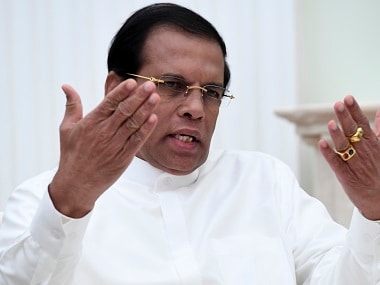
The socialist-nationalist Sri Lankan President, Maithripala Sirisena, is noticeably taking over foreign policy from his right wing and pro-West coalition partner, Prime Minister Ranil Wickremesinghe of the United National Party (UNP).

With elections coming, Lankan foreign policy may veer away from the West

The latest sign of this is the appointment of Dr.Saman Weerasinghe as Presidential Adviser on Foreign Policy.

A known Russophile, Dr.Weerasinghe has had a longstanding link with Russia. He not only has a Russian medical degree but was a Consultant-Adviser  to the Moscow Medical Academy. When he was Sri Lanka’s Ambassador to Russia, he vigorously promoted business ties between the two countries. And for his efforts he was given the Order of Honor” by the Russian government in 2013.

Weerasinghe had been foreign policy adviser to former Sri Lankan President Mahinda Rajapaksa ,who was known to be anti-West and pro-Russia and pro-China.

As per the arrangement worked out when the National Unity Government (NUG) was formed in January 2015, the UNP should have control over foreign policy and economic matters.

President Maithripala Sirisena with Russian President Vladimir Putin

But in the past year, President Sirisena has been encroaching upon these areas to prevent the government from becoming too neo-liberal when the majority in the country are poor and are looking  assistance from the State.

He has been steering the government towards populism, socialism and nationalism by reversing some unpopular decisions taken by the UNP ministers.

Sirisena has not been too pleased with the UNP’s apologetic stance in its responses to the demands of the West in respect of the minority Tamils’ rights, war crimes and other areas which impinge on Sri Lanka’s sovereignty.

Following the utter defeat of NUG partners, the UNP and his own Sri Lanka Freedom Party (SLFP) in the February 10 local bodies elections, Sirisena has been taking several steps to shore up the image of the government by making it more people oriented, more responsive to the Sinhalese majority’s views, and more nationalistic  to face the challenge from the populist and nationalistic  Sri Lanka Podujana Peramuna (SLPP) led by ex-President Rajapaksa.

Such corrective actions had been taken even prior to the local elections fiasco.

Sirisena nullified the Cabinet Committee on Economic Management (CCEM) set up by Prime Minister Ranil Wickremesinghe and replaced it with the National Economic Council (NEC) ,a body which he would control.

As Executive President the President can make any change in the structure of the government, and Sirisena has begun using this facility of late.

Using his over-riding powers, Sirisena had also been reversing many of the controversial and unpopular policies and actions of the UNP.

He made the UNP ministers re-negotiate the government’s deal on the Hambantota port with China; revered the decision to set up a coal powered power plant in Sampur in Trincomalee district by an Indian company; and stopped the Eastern Container Terminal from being given to two Indian companies and gave it the Sri Lanka Ports Authority.

He has also seen to it that the country’s assets are not given to foreigners for geo-political reasons.

(The featured image at the top shows Dr.Saman Weerasinghe, Foreign Policy Adviser to Sri Lankan President Maithripala Sirisena)  

The Interim Report of the Constitutional Steering Committee of Sri Lanka:  A Brief Analysis, Part 3

May 21st, 2018

Dharshan Weereasekera, Attorney-at-Law 

In this third and final installment, I turn to what I think is the most diabolical and dangerous aspect of the plan of the writers of the Interim Report (‘IR’) to replace the term ‘Unitary State’ in Article 2 of the Constitution with the term ‘aekiya rajyaya/orumiththa nadu.’  In Part 1, I discussed the definitions of the terms ‘Unitary State’ and ‘Federal Government’ that are now valid for purposes of Sri Lankan constitutional jurisprudence on account of the latest interpretations of the aforesaid terms by the Supreme Court.

I argued that, given those definitions and what they entail, one can draw a very strong inference as to what the writers of the IR intend on achieving with the aforesaid switch, namely, to turn Sri Lanka into a confederation consisting of the nine Provinces, and thereby to give the Provinces powers, including the right to unilateral secession, that go well beyond what is permitted even under federal systems.

In Part 2, I discussed the principle of subsidiarity, which the IR recommends should be the sole guide to center-periphery relations under the new Constitution.  I explained that, the aforesaid principle is a principle of confederation, or at any rate a principle that is useful in making a confederation more efficient and effective (for example, as in the Maarstricht Treaty of the European Union).  Hence, this bolsters the argument made in Part 1 that the writers of the IR intend to turn SL into a confederation.

In the present paper, I turn to the most diabolical aspect of the IR’s plan, namely this.  A proponent of the IR can raise the following two objections:  First, there are intrinsic safeguards provided in the proposed Constitution to prevent secession, so, even if the Constitution creates a confederation or something close to one, the aforesaid safeguards will ensure that the territorial integrity of Sri Lanka will never be compromised.

Second, even if the new Constitution turns Sri Lanka into a confederation, there is nothing to prevent the people from exercising their democratic rights at the next elections and choosing a government that will bring the necessary constitutional amendments to turn Sri Lanka back to a ‘Unitary State,’ or any other form that the people at such time wish.

In my view, if the IR’s proposals are implemented, it will create the ideal conditions for the Tamils in the North to issue a unilateral declaration of independence and have it endorsed by the international community, and thereby gain Eelam regardless of the purported ‘safeguards’ against secession.

Furthermore, as to whether the Sinhalas will be able to change the Constitution in order to prevent a possible unilateral declaration of independence in case they sense that such an attempt is imminent, it is my contention that, the proposed Constitution will make it difficult if not impossible to initiate such changes.

In order to understand the aforesaid two matters, it is necessary to understand, a)  the Advisory Opinion of the International Court of Justice in respect of the Unilateral Declaration of Independence by Kosovo, and its significance to Sri Lanka, and b) the IR’s recommendations on the proposed Senate.  I shall take each of these in turn.

  1. i) The ICJ’s Ruling on Kosovo Independence

The gist of the ICJ’s ruling on Kosovo independence[1] – which I shall explain in more detail in a moment – is that though international law does not condone the Government of a Province issuing a unilateral declaration of independence if such an act is expressly prohibited by the Constitution of the country, it is not incompatible with international law for an organization or party not recognized by the Constitution (but whose members include members of the Provincial Government) to issue such a declaration.

To apply this principle to Sri Lanka, suppose Sri Lanka is comprised of a number of semi-autonomous Provinces, and the Constitution expressly bars the Provincial Assemblies from declaring independence.  It will nevertheless be possible for an organization or group operating within a Province, a group whose members include members of the Provincial Government, to issue a unilateral declaration of independence and have it endorsed by the international community.

It is my contention that, the aforesaid situation is precisely what the IR is setting up under the guise of the purported ‘safeguards to secession.’  I shall briefly discuss three things:  first, the ‘safeguards’; second, the facts and reasoning behind the ICJ’s ruling, and finally, some statements and/or actions of the Tamil separatists that show that they have an intention of someday demanding secession, for instance by a referendum.

The ‘Safeguards’

The following is the IR’s entire section on the purported ‘Safeguards against Secession’:

‘It is recommended that the Constitution include a clause(s) including safeguards against secession.

The Constitution should specifically state that the Sri Lankan State is ‘undivided and indivisible.’  It should additionally specify that:

‘No Provincial Council or other authority may declare any part of the territory of Sri Lanka to be a separate State or advocate or take steps towards the secession of any province or part thereof, from Sri Lanka.’

The Constitution shall provide adequate safeguards with regard to Public Security. Suggested principles/formulations are contained at page 26 of this Report.’[2]

The IR’s argument is that it will be impossible for a Province or Provinces to secede from the rest of Sri Lanka under the new Constitution, because, a) the Constitution explicitly says that the Sri Lankan State is ‘undivided and indivisible,’ and b) the Constitution will contain a clause that says something to the effect that no Provincial Council or other authority may declare any part of Sri Lanka to be a separate State.

Of the two points above, the first is no safeguard at all, because the mere fact that a Constitution says the State is ‘undivided and indivisible’ will not discourage a Province that wants to secede from trying to do so unless the Central Government has sufficient powers – for instance the power to dissolve the Provincial Assembly and take over the administration of the Province, the power to arrest, try and punish persons responsible for inciting secession, and so on – to prevent an attempt if and when it is made.

Therefore, we are left with only the second ‘safeguard.’ Recall that, according to the IR, the purported protection that the ‘safeguard’ provides is that it prohibits a Provincial Council or other authority from declaring any part of Sri Lanka a separate State.  As I explained earlier, this protection does not cover the actions of organizations or groups other than Provincial Councils or other authorities recognized by the Constitution.  And that brings us to the ICJ’s ruling on Kosovo Independence.

The ICJ’s Ruling

To the best of my knowledge, the facts and reasoning behind the ICJ’s Kosovo ruling are as follows.  After the NATO-led bombing campaign against Serbia in 1999, Serbia withdrew from Kosovo, and left it to the care of the United Nations.  The plan at that time was for the U.N. to administer Kosovo for a certain period in order to develop provisional institutions of self-government, and, at a future date, under a ‘final status agreement,’ to relinquish control over Kosovo to the Kosovans.

The Security Council by resolution 1244(1999) established the ‘United Nations Mission in Kosovo (UNMIK)’ to administer Kosovo during the interim period, and UNMIK set up something called the ‘Assembly of Kosovo,’ as part of the ‘Provisional Institutions of Self-Government’ that the U.N had pledged to develop.  Meanwhile, Serbia, as one of the prime stakeholders in the dispute, was assured of an opportunity to participate in and provide input during the negotiations that would lead to the ‘final status agreement.’

On 17 February 2008, a group of persons including the President and other members of the ‘Assembly’ issued a unilateral declaration of independence.  However, when they signed the declaration, they did not do so as members of the Assembly, but as the ‘democratically elected leaders of our people.’ (I shall explain the significance of this in a moment.)

The declaration was immediately endorsed by a number of nations, including the United States, and the nation of Kosovo came into existence.  Serbia, aggrieved by these developments – it had been assured of having a say in the ‘final status agreement’ –complained to the U.N. and sought an Advisory Opinion of the ICJ on whether the aforesaid declaration of independence was in accordance with international law.

The court ruled that, the declaration was in accordance with international law, because, the authors of the declaration were not acting as members of the ‘Assembly’ when they signed the declaration, and international law does not prohibit people from issuing declarations of independence where local constitutional structures do not prohibit them either.

The Court said inter alia:

The Court has already held…that the declaration of independence of 17 February 2008 was not issued by the Provisional Institution of Self-Government….It follows that the authors of the declaration of independence were not bound by the framework of powers and responsibilities established to govern the conduct of the Provisional Institution of Self-Government.  Accordingly, the Court finds that the declaration did not violate the Constitutional Framework.[3]

In short, if the declaration was an official act of the Assembly of Kosovo, it would have violated international law:  since it wasn’t – i.e. since the signatories professed to act independently of the Assembly – their act did not contravene international law.  For good or bad, that was the Court’s decision, and that is the position of the law at present.

To turn to Sri Lanka, as explained earlier, the IR’s purported ‘safeguard’ protects the country only on those occasions where a Provincial Council or other authority presumes to declare a part of the country a separate State.  It does not provide for those occasions where an organization or group not recognized by the Constitution issue a unilateral declaration of independence.

To put it another way, a political party such as the Tamil National Alliance (TNA) or Illangai Tamil Arasu Kadchchi (ITAK) under Sampanthan and his lot can cut a deal with the Government and agree to the Constitution, and then, at an opportune time an organization or group operating independently of the Northern Provincial Council or any other recognized authority in that Province, but whose members include members of the Provincial Council, can issue a unilateral declaration of independence.

It should be noted that, news of a ‘rift’ between Sampanthan’s camp (i.e. TNA) and Mr. Vigneswaran the erstwhile Chief Minister of the Northern Province have begun to circulate in recent days.   For instance, the Daily Mirror of 17th April 2018 reports that, the Chief Minster, fed up with the way he is being treated by Sampanthan et al, has decided to form a new alliance to challenge the TNA in upcoming elections.[4]

I need not mention that there are no elections scheduled for the near future.[5]  On the other hand, a second Tamil ‘Front’ in the Northern Province, a ‘Front’ unaffiliated with any constitutionally recognized body but under Mr. Vigneswaran, arguably one of the most recalcitrant of Tamil ethno-centrists, will be the perfect tool to facilitate the adventure described above.

All that remains for me to do is to provide some evidence that Mr. Sampanthan and his friends in fact harbour an intention of following the Kosovo model, and to that I turn next.

The Intentions of Mr. Sampanthan and his friends

I shall present below some quotes and related actions by the TNA and its allies that I think show at least at the level of a balance of probabilities that they are planning on demanding secession at some time or other by way of a referendum, and furthermore, that the Kosovo model (as a means of overcoming constitutional barriers to a unilateral secession) is very much on their minds.

I shall start with a quote by Vishvanadan Rudrakumaran, the head of the self-proclaimed ‘Transnational Government of Tamil Eelam’ operating out of the United States.  It’s from an article in 2013.

To digress a moment, the year 2013 was a banner year for the TNA and its allies.  In the previous year (2012) the U.N. Human Rights Council had passed a resolution calling for an international investigation into war crimes allegedly committed during the last phase of the war that ended in May 2009.  Rudharakumaran, in the quote below, is setting out the future game plan of his group in the light of the aforesaid developments at the UNHRC.  He says:

The Tamil struggle in Sri Lanka for an independent and sovereign State has two dimensions. One is to create conditions for international recognition and full realization of the Tamils’ right to self-determination and the other to bring to light what happened in the final stages of the war in 2009…..

After justice is done to our people, we want the UN to deliberate, similar to its deliberations pertaining to Kosovo, about the measures that should be taken to prevent reoccurrence of genocide on the island of Sri Lanka.

As Tamils who have been subjected to genocide, despite our repeated efforts over three decades to peacefully cohabit in the island, today we firmly believe that only an independent sovereign state can ensure the Tamils’ physical security.

And we hope that the UN will organize a referendum to ascertain the will of the people in the North Eastern parts of the island of Sri Lanka.’

In all the referendums held in recent years, whether it is Kosovo, South Sudan or even East Timor, the Diaspora was entitled and allowed to vote. Tamils inside the island of Sri Lanka and those outside it are indeed like two sides of the same coin, namely the nation of Tamil Eelam.[6]

I next turn to the Tamil Nadu [State] Assembly, which in May 2013 adopted a resolution calling for a U.N.-sponsored referendum on Eelam in Sri Lanka.  The Hindu of 27th March 2013 reports on this event as follows:

The Tamil Nadu Assembly on Wednesday urged the Centre to move a resolution in the United Nations Security Council seeking various measures against Sri Lanka, including a referendum on creation of Eelam.

Considering the future of Sri Lankan Tamils, such a referendum should be held among Tamils living in Sri Lanka and the Sri Lankan Diaspora, says the resolution, which the House adopted unanimously through a voice vote after it was moved by Chief Minister Jayalalitha.[7] 

I next turn to the 2015 ‘Genocide Resolution’ adopted by the Northern Provincial Council, a resolution assiduously pushed by C. V. Vigneswaran  among others, all of whom are members of the TNA.  The resolution states inter alia:

The obligation to prevent and punish genocide under the Genocide Convention is not a matter of political choice or calculation, but one of binding customary international law. This Council urges OISL to comprehensively investigate and report on the charge of genocide in its submission to the UN Human Rights Council in March 2015. The UN Security Council should refer the situation in Sri Lanka to the International Criminal Court for prosecutions based on war crimes, crimes against humanity, and genocide. Alternatively or concurrently, domestic courts in countries that may exercise universal jurisdiction over the alleged events and perpetrators, including but not limited to the United States, should prosecute these crimes.[8]

And also,

To this day, Tamils in the North-East suffer from Sri Lanka’s ongoing genocide. In some areas of the North-East, there is 1 soldier for every 3 Tamils; this level of militarization is utterly unjustifiable, given that war ostensibly ended over 5 years ago. In Tamil-speaking areas, the Sri Lankan military has exponentially increased its role in Tamils’ daily life, expanded the amount of land it controls, and is establishing itself as a permanent, occupying presence. There has been no change in the oppressive level of militarization in the North-East with the election of Maithripala Sirisena.The extreme level of militarization uniquely affects Tamil women. There are approximately 90,000 female-headed households in the North-East after the end of the armed conflict. These women are especially vulnerable to sexual violence due to the military’s predatory practices. This Council urgently calls upon the international community to create conditions suitable and sustainable to protect the Tamils of the North-East Provinces in Sri Lanka from genocide.[9]

The resolution does not explicitly call for a referendum on secession, but if genocide against Tamils is taking place in Sri Lanka, then by necessary inference, Tamils would have a natural right to demand a referendum on secession, and the international community will have to recognize such a right.  And that appears to be precisely what the NPC is asking the international community in the last sentence of the second paragraph quoted above.

To digress a moment, it is important to address this charge of genocide, because the TNA and its allies never tire of raising it whenever they can get a foreigner to lend them an ear.  I shall provide below the briefest possible rebuttal to the allegation in question.

First, if the charge of genocide is with respect to the period from Independence to the start of the war with the LTTE (roughly 1948 – 1981)[10], statistics are available on key economic factors such as income, production assets in agriculture and manufacturing, employment, access to education and health services, from which reasonable inferences can be drawn as to whether Tamils as a group have been subjected to systematic discrimination indicative of a campaign of genocide.

Professor G. H. Pieris, one of Sri Lanka’s most respected scholars, has analyzed the aforesaid data and according to him there are no discernible differences between the Sinhalas and Tamils on any of the aforesaid factors.  In a chapter entitled, ‘Economic Causes for Ethnic Conflict’ in his book, Sri Lanka:  Challenges for the New Millennium, he says inter alia:

To generalize, the overall impression conveyed by these conclusions is that, except when the ‘Indian Tamils’ of the plantation sector (who still suffer various deprivations compared to other groups) are taken into account, up to about the third decade after independence, socio-economic stratification – variations in wealth, income, power and privilege, or dichotomies such as those of ‘haves and have-nots’ or ‘exploiter verses ‘exploited’ – did not exhibit significant correspondences to the main ethnic differences in the country.  And there was certainly no economically ‘dominant’ ethnic group.[11]

Second, if the charge of genocide is with respect to the period of the war, census data exist which indicate that between 1981 – 2001 there was a substantial increase in the Tamil population in the Sinhala-majority areas due to the migration of Tamils from the North-East to those areas.  Such a movement could not have occurred if the Tamils were being subjected to genocide.

Also, one must consider the fact that throughout the 30-year war, the salaries of government workers in the North and East, large parts of which were under the de facto control of the LTTE, were paid by the Government.  Food, medicine and essentials were also sent to these areas throughout the conflict.  All this does not bespeak an attempt at genocide, rather the exact opposite.

Third, if the charge of genocide is with respect to the past phase of the war i.e. January 2009 – May 2009, the undisputed fact that the security forces were able to rescue approximately 350,000 Tamils who were held hostage by the LTTE indicates the absence of ‘genocide.’

Finally, one has to consider circumstantial evidence gathered by foreigners, such as the following.   The respected Canadian journalist Barry O’Regan, writing in 2010, reports that surveys done by the Canadian Government reveal that a substantial number of Sri Lankan Tamils seeking asylum in Canada have been visiting Sri Lanka for holidays.  He says:

Internal government documents show that 70% of Tamils who claimed refugee status in Canada continue to take holidays in Sri Lanka, a country which they claim is genocidal towards Tamils.[12]

Needless to say, if Tamils who had left Sri Lanka purportedly out of fear for their lives keep coming back to this country for holidays, the idea that Tamils are being subjected to genocide is absurd.

The inevitable inference suggested by all of the aforesaid considerations is that, the charge that the Tamils are being subjected to genocide in Sri Lanka is quite baseless, and the conclusion is inescapable that, when Tamils cry ‘Genocide!’ they are doing so purely for political purposes.

Finally, I give below part of the ‘Condolence Message’ that R. Sampanthan issued on the occasion of the death of Chief Minister Jayalalitha in December 2016.  He says inter alia:

The Hon. Chief Minister also had a special concern for the resolution of the issues pertaining to the rights of the Tamil speaking people in Sri Lanka. Her concern resulted in the passing of several resolutions at the Tamil Nadu State Assembly and frequent interactions with the Central Government in New Delhi on Sri Lanka.

As the Leader of the Tamil National Alliance, I am grateful for the work of late Hon. Jayalalitha and the desire she had to find a solution to the issues faced by the Tamil people in Sri Lanka. I also take this opportunity to place on record our sincere appreciation for all the support and facilities Hon. Jayalalitha and her government rendered to the Sri Lankan Tamil refugee community in Tamil Nadu.[13]

Note that, Sampanthan expressly mentions the resolutions passed by the Tamil Nadu Assembly under Jayalalitha’s tutelage.  He is thankful for those resolutions – one of which, to repeat, called for a referendum on secession in Sri Lanka.  Therefore, in my view, he is also clearly associating himself with the aforesaid call for secession.[14]

I should mention that, because of the 6th Amendment to the Constitution (which I have explained previously in Chapter 1 of this essay) Sampanthan, Vigneswaran and others of their ilk who live and work in Sri Lanka cannot explicitly call for separation.  But, as shown by the ‘Condolence Message,’ the ‘Genocide Resolution’ and other means, they take every opportunity to let their supporters know that they have never abandoned their pursuit of Eelam.

To make a long story short, the IR’s purported ‘Safeguards to Secession’ do not, indeed cannot, prevent secession.  In fact, they offer Mr. Sampanthan and his friends the perfect cover, once they consolidate their power in the North and East using the other provisions of the proposed new Constitution (provisions I have previously discussed in Parts 1 and 2 of this essay) to legally affect the separation they have always craved.

  1. ii) The Proposed Senate

In this section, I turn to the second objection that a proponent of the IR might make to the criticisms made in the present essay, namely, no matter what might happen under the proposed Constitution if it is enacted, the people always have the power to choose a different Government at the next elections and make whatever changes they want to the Constitution at such time.

I argue that, the proposed Senate will help neutralize the numerical advantage of the Sinhalas in the overall populace, and make it difficult if not impossible for the People especially the Sinhalas to bring constitutional amendments at a future date even if they wanted.  Chapter VI of the IR, titled ‘The Second Chamber’ contains all the recommendations on the proposed Senate.  The following is that chapter in its entirety:

SECOND CHAMBER:  1. There is general consensus that a Second Chamber should be established, which is largely representative of the Provinces.  2.  It is suggested that the Second Chamber should consist of 55 Members, 45 drawn from the Provincial Councils (each PC nominating 5 Members of such PC on the basis of a single transferable vote), and 10 Members elected by Parliament on the basis of a single transferable vote.  Such 10 members should be persons of eminence and integrity who have distinguished themselves in public or professional life. 3.  The Second Chamber shall not have the power to veto ordinary legislation, but may refer ordinary legislation back to Parliament for reconsideration.  After Bills are placed on the Order Paper of Parliament, they shall be referred to the Second Chamber to obtain its views, if any, prior to the Second Reading.   4.  In addition to the legislative powers set out below, the Second Chamber shall also exercise such oversight and other functions as may be prescribed by the Constitution or law.  5.  No Constitutional Amendment shall be enacted into law unless passed by both Parliament and the Second Chamber, with special (2/3) majorities.  If the Referendum requirement is triggered, the Amendment shall not be enacted into law unless also approved by the People at a Referendum.  6. Constitutional Amendments seeking to amend the basic features of the Constitution including the Fundamental Rights and Devolution may not be passed except by way of additional constitutional safeguards.[15] 

I shall focus on the two main problems with the Senate envisioned above.  First and most obvious is the provision in Section ‘5’ above, namely, no constitutional amendment is possible without special (2/3) majority approval by both Houses.  2/3 of 55 is 37.  That means, if 19 Senators oppose a constitutional amendment it will never pass in Parliament.

The Northern and Eastern Provinces together give the minorities 10 Senators.

Meanwhile, quite conveniently, there are 10 Senators appointed by Parliament, with no affiliation to any of the other Provinces.  Therefore, the Northern and Eastern Provincial Councils, that is to say the Tamils and Muslims working in concert will be able to stop any future constitutional amendment as long as they can get a mere 9 Senators to back them, even if the vast majority of the Sinhalas, including the minorities in Provinces other than the North and the East, support such changes.

Second, though the IR says that the Senate is ‘largely representative of the Provinces,’ in reality it will hardly be representative of the People of the Provinces, rather, it will be representative of the Provincial Councils and the political parties that invariably control them, with predictable results, as follows.

According to the IR, the Senators will be appointed by the Provincial Councils and the Parliament, and not directly by the People.  The problem with this arrangement, confirmed by the experience of countries including Sri Lanka (Sri Lanka had a Senate under the Soulbury Constitution) is that when the Senators are not elected by the People but by the Lower House or some other institution, their loyalty is ultimately to those institutions rather than the People as a whole.

I quote below a passage from Dr. L. J. M. Cooray, widely recognized as one of the leading experts on Sri Lanka’s constitutional history, on the fate of the Senate under the Soulbury Constitution:

The Senate had not functioned as it was intended to as a brake on hasty and ill-conceived legislation.  If it had delayed legislation this was because the government had not had a majority in the Senate.  The members of the Senate had generally supported the party of the Prime Minister who advised the Governor-General to appoint them or in the case of selections through the House of Representatives the party interests, whether of government or opposition which promoted them, and except during the early years of office, a government in power had been able to command the support of the Senate.  Thus it may be said of the Senate that when it had supported a government in power it had been superfluous and when it had opposed it, it had been mischievous.  It could be said that it had not fulfilled the other purposes for which it was set up, which was to provide for debates of a high standard at a non-partisan and non-political level and to contribute to the political education of the general public.[16]

Thus, the IR’s writers have failed to learn the relevant lessons from Sri Lanka’s own recent constitutional history.

In contrast, it is worthwhile to consider the conduct of a people such as the Americans who, in spite of their many faults, are universally envied as the heirs to one of the world’s great Constitutions.  Under the original version of the U.S. Constitution enacted in 1789, the Senators were appointed by the State Legislatures.  However, the Americans changed this in 1913 with the 17th Amendment, and made it mandatory that Senators for the respective States be elected directly by the people of those States.

It should be noted that, James Madison, regarded by many as the ‘father’ of the U.S. Constitution, saw the Senate as a vital ingredient in the Constitution’s system of separation of powers.  His idea was that, one of the primary advantages of having a Senate is to protect the interests of the country as a whole if and when the people themselves, for whatever reason, urge the more numerous Lower House to pass a law or laws detrimental to the long-term interests of the country.

In a memorable passage in Federalist 63, he says:

As the cool and deliberate sense of the community ought, in all governments, and actually will, in all free governments, ultimately prevail over the views of its rulers; so there are moments in public affairs when the people, stimulated by some irregular passion, or some illicit advantage, or misled by the artful misrepresentations of interested men, may call for measures which they themselves will afterwards be most ready to lament and condemn.  In these critical moments, how salutary will be the interference of some temperate and respectable body of citizens, in order to check the misguided career and to suspend the blow meditated by the people against themselves, until reason, justice, and truth can regain their authority over the public mind?  What bitter anguish would not the people of Athens have often escaped if their government had contained so provident a safeguard against the tyranny of their own passions?  Popular liberty might then have escaped the indelible reproach of decreeing to the same citizens the hemlock on one day and statues on the next.[17]

Today, many scholars of the U.S. Constitution argue that the Senate remains a vital institution in American politics precisely because it has to some extent or other managed to play the role sketched out above by Mr. Madison and others so long ago.  Furthermore, they argue that, the 17th Amendment which makes Senators ultimately accountable to the People is the key reform that has enabled if not ensured that the Senate plays the aforesaid role.

To digress a moment, I shall point out two recent episodes – in this case during the Administration of George W. Bush – where I think the U.S. Senate lived up to its promise.

The first is when the late Senator from Vermont James Jeffords, a Republican, switched to being an Independent in 2001.  At the time, the Republicans had control of the White House and the House of Representatives, and were on the brink of dominating the Senate as well, in which case there was virtually nothing that could stop Mr. Bush’s camp from pushing through what was turning out to be an ultra-rightwing legislative agenda.

Mr. Jeffords’ defection caused a profound power-shift in the Senate and gave the Democrats control of the Senate for 18 months.  This gave the Democrats along with much of the rest of the country including moderate republicans the maneuvering room to try and slow down the aforesaid ultra-rightwing agenda being pushed by Bush’s camp.[18]

The second is the saga surrounding the attempt by the Administration in early 2005 to push through a series of judicial nominations of ultra-conservative judges, and the threat by the Republican-controlled  Senate to invoke the ‘Nuclear Option’ in order to cut off a Democratic filibuster.

The Senate’s rules of procedure at the time prescribed that 60 Senators were needed to cut off endless debate on a nomination (filibuster.) The ‘Nuclear Option’ refers to a situation where a party that enjoys a majority in the Senate, using that majority, changes the rules of procedure to make it possible to end a filibuster with a bare majority.  This is what the Republican Senators at the time threatened to do.[19]

However, at the last moment, a bipartisan group of 14 Senators negotiated a deal.  Mr. Bush got most of his nominations, but the Republicans agreed not to invoke the ‘Nuclear Option,’ which everyone agreed would have set a very bad precedent.

In both episodes above, whatever other personal motives may have operated on the Senators in question, they had to at some level or other be actuated by a concern for the general welfare and interests of the country.  Otherwise, it is inconceivable that they would have taken the steps they did, given the enormous pressure put on them at the time by their respective political parties and other lobbies to back the policy of the President.

To the extent that they were actuated by such public-spirited impulses, it is testimony to the lasting relevance of the Senate in American politics.  The point is this.  The Americans have seen to it to bring a much-needed reform to their Constitution in order to ensure that the Senate continued to serve them as their founding fathers intended.

Sensible people learn from history and experience, both their own and that of others.  The writers of the IR, on the other hand, have failed to learn from Sri Lanka’s own recent past, let alone that of other nations including especially the United States, some of whose constitutional principles are already very much a part of our system.

They have recommended an institution that, first, repeats the exact same mistake that Sri Lankans made the last time they had a Senate.  And second, posit a role for the Senate, i.e. that it is ‘largely representative of the Provinces,’ that is diametrically opposed to the role – i.e. that the Senate is an institution that among other things protects the country a whole on occasions where the People themselves or their representatives in the other branches of government, contemplate rash action.

In sum, under the new Constitution, even if the Sinhalas manage to get a 2/3 majority in Parliament and contemplate bringing constitutional amendments, a) a combination of the minorities in the North and East can put an end to such efforts if they can gain the support of 9 other Senators. And b) more generally, the wish of the Sinhalas for constitutional changes, duly transmitted to their representatives in the Lower House, can be thwarted at will by a combination of Provincial Councils acting though ‘their’ Senators.

Conclusion

In the preceding three papers, I have analyzed just a few crucial provisions in the proposed new Constitution.  I hope it is sufficient to acquaint the reader, if he or she is not already, of the con that the Government was preparing to pull on the People of Sri Lanka especially the Sinhalas, and indeed still might succeed in pulling if the People let down their guard even for a second.

Recommendations

  1. Patriotic Sinhala organizations must make every effort to inform the U.N in no uncertain terms that it cannot get involved in encouraging or supporting separatism under the guise of promoting human rights, and in particular that the UNO must honour Article 2(7) of the U.N Charter, and Article 30 of the Universal Declaration of Human Rights in its dealings with Sri Lanka.

            Article 2(7) of the U.N Charter:

Nothing contained in the present Charter shall authorize the United Nations to intervene in matters which are essentially within the domestic jurisdiction of any state or shall require Members to submit such matters to settlement under the present Charter.”

Article 30 of the Universal Declaration:

Nothing in this Declaration may be interpreted as implying for any State, group or person any right to engage in any activity or to perform any act aimed at the destruction of any of the rights and freedoms set forth herein.”

  1. Patriotic Sinhala organizations must make every effort to educate the international community about the moral and historical rights of the Sinhalas in the Northern Province of Sri Lanka.
  2. Patriotic Sinhala organizations must make every effort to call for a Presidential Commission of Inquiry or similar mechanism to study and report on the possible ethnic-cleansing of Sinhalas from the Northern Province since Independence.
  3. Patriotic Sinhala organizations must make every effort to call for a Presidential Commission of Inquiry or similar mechanism to study and report on the settling of other ethnic/religious groups in the North, North Central and Eastern Provinces since Independence, and the countries, organizations or parties if any that have been supporting such settlements including the funding-sources of such settlements.
  4. Patriotic Sinhala organizations must make every effort to call for an official governmental report on the destruction of Archeological sites in the Northern and Eastern Provinces.
  5. Patriotic Sinhala organizations must make every effort to call for a moratorium on any further discussion of devolution of power to the provinces in Sri Lanka until, one, the right of return of the Sinhalas to the Northern Province is officially recognized by the international community, and two, the Government sees to it that Sinhalas are in fact resettled in the Northern province in sufficient numbers.

Dharshan Weerasekera lives and works in Colombo, for constructive criticism and comments on this paper or any of his other work he can be reached at:  dharshanweera@yahoo.com  

[1] Accordance with international law of the unilateral declaration of independence in respect of Kosovo, 22 July 2010, www.icj-cij.org

[2] Interim Report, Chapter 2, Section 2.2, page 4

[3] Accordance with international law of the unilateral declaration of independence in respect of Kosovo, 22 July 2010, www.icj-cij.org

[4] See ‘Wiggy Plans New Political Front Against TNA,’ Daily Mirror, 17th April 2018

[5] The Provincial Council Elections in particular have been postponed indefinitely on account of the Provincial Councils (Amendment) Act of August 2017

[6] ‘Diaspora Tamils should be a part of U.N. referendum on Eelam, ‘ Vishvanadan Rudhrakumaran, The Weekend Leader, www.theweekendleader.com, 3rd April 2013

[7] ‘T.N. Assembly demands referendum on Eelam,’ The Hindu, www.thehindu.com, 27th March 2013; See also, Jayalalitha’s Letter to Manmohan Singh, ‘On the Future of the Tamils of Sri Lanka an holding of a Referendum on Eelam,’ Colombo Telegraph, www.colombotelegraph.com , 15th July 2015

[8] ‘Full text:  NPC’s Resolution of Genocide of Sri Lankan Tamils,’ 11th February 2015, Colombo telegraph, www.colombotelegraph.,com

[9] Ibid, NPC’s genocide resolution

[10] The last island-wide census conducted prior to the start of the war was in 1981, while the latest census was in 2012, which was after the war.

[11] G. H. Pieris, Challenges for the New Millenium, 2006, p. 436

[12] ‘Tamil Refugees Still Going Home for Holidays,’ Barry O’ Regan, www.examiner.com, 25th October 2010

[13] ‘Jayalalitha’s Demise is a Great Loss to the Tamil people in Sri Lanka:  Sampanthan,’ Colombo Telegraph, www.colombotelegraph.com , 6th December 2016

[14] In this regard, see also, ‘Sampanthan calls for referendum on power-sharing in North East,’ Tamil Guardian, 29th April 2016, and ‘Flogging the Tamil Eelam Issue,’ Col. R. Hariharan, The Island, 7th May 2012

[15] Interim Report, Chapter VI

[16] L. J. M. Cooray, Constitutional Government in Sri Lanka 1796-1977, Stamford Lake, 2005, pg. 155

[17] James Madison, Alexander Hamilton and John Jay, The Federalist Papers, (ed. Isaac Kramnick), Penguin, London, 1987, p. 371

[18] See, ‘Republican-turned-Independent former U.S. Senator Jeffords dies,’ www.reuters.com, 18th August 2014

[19] See Jeoffrey Toobin, ‘Blowing Up the Senate,’ The New Yorker, www.newyorker,com, 7th March 2005

Look at these colonial idiots whose ancestors destroyed us for 143 years and still f  ???

May 21st, 2018

Dr Sudath Gunasekara 21.5.2018

I urge the President of this country (if there is one of at all)  to first read these mad statements of these British politicians published in the Tamil guardian or ask his Secretary  to read it and lodge the strongest protest of this nation against their uncalled for interference with our internal affairs with the British.Government.

And then why don’t this stupid Government ask the British  Government whether this is the policy of the British Government and if the answer in the affirmative, then why doesn’t the Government severe all diplomatic ties with their bloody Government of colonial parasites who have plundered us for 150 years and still continuing to do so shamelessly.

Also why don’t he tell them point blank to stop this nonsense and also tell them to mind their own business and we will look after our country and people as we had done it for 2600 when these British were naked barbarians eating raw flesh living in stone caves.

He may also tell these decedents of British sons of rogue Vikings to take back all the Tamils living in Sri Lanka ( who were  brought by them) and make their citizens .full or even honorary citizens if they are so crazy about the Tamil votes in Britain.

It may be that the Tamil Guardian has paid and got these idiots to issue these statements and trying to get wide publicity to win sympathy for the LTTE cause while wooing the Tamil votes back at home

What ever it is, it is the duty of the President and the Government by the people of this country to take immediate steps to stop this type of nonsense and restore the independence and dignity of the nation.

What the Colonials have done for centuries to plunder our resources and destabilize the Governments is more than enough. We must arrest this situation  as soon as possible and assert ourselves as free and independent nations

If it cannot be done then any government has no right to remain in power even for a second.  Either you must govern with dignity or depart.

Attachments

(The press release )

British MPs release messages to commemorate Mullivaikkal genocide

Several British MPs and other politicians have released messages of solidarity as the Tamil nation around the world marks Tamil Genocide Remembrance day today.

See some of their messages of support below.

Theresa  Villiers MP and former Secretary of State for Northern Ireland said,

Today is an important occasion to remember those that lost their lives in the tragedies that occurred in the closing stages of the civil war in Sri Lanka.

Thousands of people lost their lives, many at the hands of those committing war crimes and human rights abuses. So Mullivaikkal day today is another opportunity for me and parliamentarians across the United Kingdom to call on the government of Sri Lanka to introduce the accountability mechanisms that they promised to do when they signed up to the UN Human Rights Council resolution on these matters.

It’s time to ensure that we have accountability in Sri Lanka and to ensure that those who are guilty of war crimes are brought to justice.

Ed Davey MP, the vice chair of the All Party Parliamentary Group for Tamils, also told the Tamil Guardian,

We’re remembering the 9th anniversary of the massacre of Tamils… it’s an occasion where we should commit ourselves to redouble our efforts to fight for justice, for peace, for human rights and to hold the people who committed this genocide to account.”

We need the EU to remove the trade preferences given to the Sri Lankan government – they shouldn’t have been given in the first place… That way we can use real power to force the Sri Lankan government back to the table so it does actually allow itself to have that independent international investigation into war crimes”.

Robert Halfon, Member of Parliament for Harlow said,

On this very important day of remembrance, we should give our thanks to every member of the Tamil community who keep the flame of the Tamils alive.

And we remember all the tragic victims of the genocide of the Tamils. We remember all the awful treatment of the Tamils by the Sri Lankan regime. The Tamils deserve their autonomy. The Tamils deserve equality of opportunity. The Tamils deserve equality. One must never forget.”

Paul Scully, chairman of the All Party Parliamentary Group for Tamils, said,

Even now, nine years on, we still have to get justice for the people who remain so that they can rebuild their lives, rebuild their future in Sri Lanka and elsewhere around the world. It’s very difficult to hear the stories of the survivors of Mullivaikkal, but we really do need to listen to them and redouble our efforts to get that justice.”

Speaking to the Tamil Guardian in London, Mr Scully went on to add,

We’ve got to hold the Sri Lankan government’s feet to the fire, making sure that they adhere to the resolution at the United Nations that they sponsored.

Zac Goldsmith, Member of Parliament for Richmond Park, stated that this day of remembrance was in particular for the many tens of thousands of civilians who were killed in Vanni by Sri Lankan state forces at the very end of the war”.

But we must also consider the t of those who survived. Particularly the mothers, fathers, brothers and sisters, of the disappeared.”

Many of them handed their children to the Sri Lankan military at the end of the war, fully expecting them to be released after a brief vetting process. That was the last time many of them saw their children. 9 years later the Sri Lankan military has provided no answers. So on this Mullivaikkal remembrance day, I want to send my support to those mothers, who have been protesting peacefully and calling on the Sri Lankan state to release their children.”

Former parliamentarian Lee Scott released a short message stating that, Justice will be done and I will always be by your side”.

We thank the Sri Lankan Government for waking Sri Lankans

May 21st, 2018

A regime change puts puppets into power. The Sri Lankan government has exposed itself as possessing no powers to even stop banned terrorists from commemorating their dead. It further seals the ineffectiveness & incapacity to lead of a government that is stooping into unpopularity & hatred amongst the masses in just 3 years of coming to power. Every action that the Yahapalana leaders have taken have exposed their inefficiency across all ethnic groups in Sri Lanka. The manner that the government has sided with separatist TNA & terrorist LTTE has sealed the fate of its own political future.

Let’s first get some facts straight

LTTE & other militant groups are pawns of a greater geopolitical game. That explains why inspite of 32 nations banning LTTE nothing much has been done against the LTTE fronts operating from foreign nations providing material & funding to kill innocent people in Sri Lanka. LTTE in 2004 were making $300m annual profits now without expenses incurred for LTTE killer machine, the LTTE Inc must be making double profits! Sinhalese, Muslims, Foreigners & even Tamils have fallen victims to LTTE guns/bombs & suicide missions. This negates the notion that Sri Lanka’s conflict is ethnic. It negates the notion that LTTE were the sole-representatives of the Tamils. No freedom fighters kill their own people. It also highlights an oft hidden factor – LTTE’s cadres were from poor & low caste Tamils. The caste factor among Tamils ensured no high caste/class Tamil desired to champion their cause. The caste differentiation in Jaffna, Trinco, Batticoloa, Estate Tamils is what eventually paved the way for Karuna’s defection when he realized his lowcaste cadres were used as cannon fodder first! These intricate aspects need to be brought into the open just as the reality of the new kids on the block now championing the Tamil cause – Where was the Chief Minister pre 2009? Where was Sambanthan & the TNA pre May 2009?

Where were all these LTTE fronts all of whom have been set up after LTTE defeat when the decision was taken to repackage the separatist endeavor from militancy to political & the players were selected for this role.

It is in keeping the LTTE & its new political demands aligned to the greater geopolitical game that we can understand who the players are be they from the Western bloc who desire to have a foothold in Asia or India who is now riding on the US allegiance to subtly advances its own agenda. Knowingly or unknowingly the Tamil minority are playing a dangerous game. Do we require to remind them that minorities are the political bait for geopolitics & minorities used as pawns have facilitated the division of nations (Yugoslavia/Serbia & Kosovo), South Sudan, Libya, Iraq, Afghanistan and now Syria. None of these minorities got what they were promised. Their allegiance was used to attack the majority & internationally present the majority as evil & the only solution to divide the country giving minorities their own self-rule. This is the game they are playing in Sri Lanka facilitated by the leaders of the minorities who are drawn into the game through other deceptive means.

Sri Lanka’s minorities cannot be naïve to think that these same geopolitical players will treat Sri Lanka’s minorities any differently and actually deliver the demands.

LTTE is banned in Sri Lanka. This means NOTHING associated with LTTE can be allowed by a State. No LTTE flags, no LTTE emblems, nothing that represents LTTE & its separatist ideology.

The next question is why has the government allowed a Jaffna State university which runs on the funds of the taxpayer to erect a monument for dead LTTE cadres? Why are lecturers & academics on taxpayers salary allowed to use the hall of the university to hold pro-LTTE functions? Why has the Government not called for explanations from the Vice Chancellor & the entire staff who are drawing state salaries. Why was a circular not sent to immediately stop such commemorations.

The government’s response has been anything but shocking. The spokesman Rajitha Senarath’s media conference which has drawn protests is no different to the statement by the former Defense Secretary K. Hettiarachchi said ‘LTTE are our own”. UNP does not have a good record of defending the national armed forces – the PM himself laughed at the Eastern liberation calling it just a jungle, his finance minister claimed the army commander was not good enough even for the salvation army, his former finance minister ridiculed the war victories – remember alimankada – pamankada. Is it any surprise that the government is having to issue statements claiming it is not releasing LTTE cadres & putting soldiers into prison.

http://www.hirunews.lk/190956/minister-rajithas-statement-draws-ire

The audacity to call it Genocide Day should make the Sri Lankan government feel ashamed of itself. By this action the Government has presented itself as siding with the LTTE separatists completely ignoring the rest of the communities in Sri Lanka.

When Tamil population has not reduced how can there be a genocide of Tamils?

When 33% of LTTE cadres are said to be from Tamil Nadu how can these be children of Sri Lankan mothers.

The children of mothers killed by LTTE should take precedence by any Sri Lankan Government instead of giving prominence to LTTE dead when LTTE remain banned & proscribed as terrorists. LTTE were given ample time to surrender & lay down their arms which they chose not to. Their choice was to die & they would not have spared any soldier who had surrendered which is why 5000 soldiers remain missing still and no UNHRC is concerned to locate their whereabouts or call for accountability from the LTTE.  That LTTE killed Tamil civilians attempting to flee to safety is confirmed in statements released by the UNSG head & UN associate bodies including foreign envoys who appealed to LTTE to release the dead. The Tamil civilians interviewed too confirmed that LTTE shot & killed many Tamils. So are these the dead the Chief Minister & the TNA are commemorating? We think not.

The sham & farce is exposed in the photos itself. No civilian death is required to be commemorated in the midst of yellow & red flags, LTTE flags, LTTE leaders photo etc. People are really fools if they fall for these lies & propaganda.

https://www.lankaweb.com/news/items/2016/05/19/mullaivaikkal-commemoration-mourning-the-civilians-killed-by-ltte-or-ltte-cadres-killed-in-final-battle/

The photos reveal that the commemoration is of dead LTTE & certainly not Tamil civilians. How can LTTE claim to commemorate dead civilians because they shot at Tamil civilians who began fleeing from them to escape to the army!

The fact that only a few hundreds were present in all of these LTTE commemorations spearheaded by the TNA leaders reveals that the majority of the Tamil populace are not giving their nod of approval.

The international community through their ground operatives feeding information to the embassies in Colombo would realize that TNA is losing popularity in the North, the allegiance with the LTTE is scaring many Tamils who now prefer to live in peace & not go down the road of turning the country to pieces. The intelligence operatives would have also sounded them on the fact that no Tamil is ready to go back to a period where LTTE ruled with a mighty fist and many Tamils did suffer.

By taking the side of these minority LTTE – TNA Tamil racist & separatist segment, the Government has committed a great electoral faux pas for it has by its own actions distanced itself from the non-LTTE/TNA separatist Tamil voters while also making their own supporters in the South exasperated on how to respond to everyone who is asking them – Why is the Yahapalana Government supporting LTTE terrorists & if this is happening they are unlikely to get their votes at a future election. Even people in the South do not want to have rebirth of terrorism and neither do they want to divide the country as Yahapalana is doing through constitutional makeovers. With the antics of the TNA together with the statements & actions of the Yahapalana government the unlikelihood of the voters in Sri Lanka agreeing to a new constitution with every provision that the TNA is demanding is now drawing momentum. The People across the island are now beginning to realize that every new draft that the Government is producing in parliament is not only dangerous for the country but will end up in totally destabilizing Sri Lanka as well.

The people are now being woken up thanks to Yahapalana and its own ridiculous actions and polices.

What kind of Government humiliates its Armed Forces by asking them to serve drinks to the pro-LTTE supporters attending the LTTE dead commemoration???? This is absolutely shocking & a disgusting sight to see.


Shenali D Waduge

https://www.facebook.com/nilanthikaluarachchiofficial/videos/1978397882423850/UzpfSTEwMDAwMDA1ODEzMDI5MjoyMTg3NzU1MzIxMjM2Mzg0/

Using taxpayers’ money to mislead the people

May 21st, 2018

MEDIA RELEASE Rohan Welivita Media Secretary to Former President Mahinda Rajapaksa

Members of the public would have noticed that the Finance and Media Ministry has been publishing advertisements stating that in 2014, the world price of crude oil was USD 60 and that petrol was being sold at that time at Rs. 157 per litre whereas today in 2018, the price of crude oil is USD 78, and the local price of petrol is Rs. 137 per litre – thereby implying that the price or petrol is lower under the yahapalanaya government than it was under the Rajapaksa government. Anyone who reads the latest Central Bank report will see that the average price of crude oil imports during the year 2014, was over USD 104 and not USD 60 as claimed in the Finance and Media Ministry advertisements. During the last three months of 2014, crude oil prices did start sliding, but because of the high price in the first three quarters of the year, the average price remained at over USD 104.

As the Central Bank reports show, during the last four years of the Rajapaksa government, in 2011, 2012, 2013 and 2014, the average price of crude oil imports was over USD 109. But by the time the present government came into power in January 2015, the oil price had suddenly gone down to USD 51 and it went down further during the past three years. It is only after around October 2017 that crude oil prices began rising again to reach USD 70+ today. The Ministry of Finance and Media is lying to the public in claiming that the price of crude oil was USD 60 in 2014. The people should note that taxpayers’ money is being used to carry out the false political propaganda of the yahapalana government.

The public should also note that even though Mr. Maithripala Sirisena’s presidential election manifesto said that the taxes on fuel will be removed, the yahapalana government never removed or reduced taxes on fuel. They reduced the price of fuel in 2015, only on the sharp reduction in world crude oil prices that took place after the end of 2014. Central Bank Reports show that during the Rajapaksa government, crude oil was imported to Sri Lanka at an average price of about USD 80 only as far back as 2010. Back in 2010 the retail price of petrol was Rs. 115, diesel Rs. 73 and kerosene Rs. 51. So people will see that the yahapalana government is selling fuel at prices far in excess of what is warranted by the present world market price of crude oil.

When the Indian oil company recently increased the price of petrol by Rs. 9, the government increased the price by more than twice that amount. Not only is the yahapalana government levying a massive tax on fuel, they are making a significant profit on the difference between the world market price of crude oil and the retail price of fuel as well. Thus the people are being made to pay the cost of keeping the yahapalana government afloat.

Rohan Welivita

Media Secretary to

Former President Mahinda Rajapaksa


ජනතාවට බොරු කීමට බදු ගෙවන්නාගේ මුදල් භාවිතා කිරීම

May 21st, 2018

මාධ්‍ය නිවේදනය රොහාන් වැලිවිට හිටපු ජනාධිපති මහින්ද රාජපක්‍ෂ මහතාගේ  මාධ්‍ය ලේකම්

2014 වසරේදී ලෝක බොරතෙල් මිල ඇමරිකානු ඩොලර් 60ක් වූ බවත්, ඒ කාලයේදී ලංකාවේ පෙට්‍රල් මිල ලීටරයට රුපියල් 157ක් වූ බවත්, 2018 දී බොරතෙල් බැරලයක මිල ඇ.ඩො. 78 ක් වන අතර පෙට්‍රල් ලීටරය රුපියල් 137 ක් වැනි අඩු මුදලකට යහපාලන ආණ්ඩුව විසින් ජනතාවට ලබාදෙන බව කියමින් මුදල් හා ජනමාධ්‍ය අමාත්‍යංශය විසින් මැතක සිට පලකරන දැන්වීම් කවුරුත් දැක ඇත. නවතම මහබැංකු වාර්තාව කියවන ඕනෑම කෙනෙකුට පෙනෙනු ඇත්තේ 2014 වසර පුරා පැවති සාමාන්‍ය බොරතෙල් මිල වූයේ ඇ.ඩො. 60 නොව, ඇ.ඩො. 104 බවය. 2014 වසරේ අවසාන මාස තුනේ දී බොරතෙල් මිල පහත වැටීමට පටන් ගත් අතර ඊට කළින් මාසවල පැවති අධික මිල නිසා 2014 වසරේදී බොරතෙල් වල සාමාන්‍ය මිල ඇ.ඩො.104 ටත් වඩා වැඩි විය.

මහ බැංකු වාර්තා වලින් පෙන්වා දෙන පරිදි රාජපක්‍ෂ ආණ්ඩුවේ අවසන් වසර හතරේ දී එනම් 2011, 2012, 2013 හා 2014 වසර වලදී බොරතෙල් බැරලයක සාමාන්‍ය මිල ඇ.ඩො.109 ක් විය. නමුත් වත්මන් ආණ්ඩුව 2015 ජනවාරියේදී බලය ගන්නා විට බොරතෙල් මිල ඇ.ඩො. 51 දක්වා අඩුවී තිබුණු අතර පසුගිය වසර තුන ඇතුලත එය තවත් අඩුවීය. බොරතෙල් මිල නැවත වැඩි වීමට පටන් ගත්තේ 2017 ඔක්තෝබර් මාසයේදී පමණ සිටය. 2014 වසරේදී බොරතෙල් බැරලයක මිල ඇ.ඩො. 60ක් වූවා යැයි කීමෙන් මුදල් හා ජනමාධ්‍ය අමාත්‍යංශය පවසන්නේ සම්පූර්ණ මුසාවකි. යහපාලන ආණ්ඩුව ජනතාවගේ බදු මුදල් භාවිතා කොට දේශපාලන බොරු ප්‍රචාර ගෙන යන බව මේ අවස්ථාවේදී කවුරුත් නීරීක්‍ෂණය කල යුතුය.

රාජපක්‍ෂ ආණ්ඩුවෙන් ඉන්ධන මත අයකරන බද්ද නැතිකරන බවට මෛත්‍රීපාල සිරිසේන මහතාගේ ජනාධිපතිවරණ ඡන්ද ප්‍රකාශනයේ සටහන්ව තිබුණත් යහපාලන ආන්ඩුව ඉන්ධන මත පනවා ඇති බදු කිසිදාක ඉවත් කලේවත් අඩු කලේවත් නැත.  2015 දී ඔවුන් ඉන්ධන මිල අඩු කලේ එවක ලෝක වෙළඳපලේ සිදුවී තිබුණු බොරතෙල් මිල පහත වැටීම ප්‍රයෝජනයට ගෙනය. අද බොරතෙල් බැරලයක මිල ඇ.ඩො.70 ක් පමණ වේ. මහ බැංකු වාර්තා වලට අනුව රාජපක්‍ෂ සමයේදී එවැනි මිලකට එනම් ඇ.ඩො.80කට බොරතෙල් අපට ලැබුණේ 2010 දීය. නමුත් 2010දී ලංකාවේ පෙට්‍රල් මිල රු.115 කි. ඩීසල් රු. 73 කි. භූමිතෙල් රු.51 කි. ඒ අනුව වත්මන් බොරතෙල් මිලට අනුව සාධාරණීකරනය කල හැකි ගණනකට වඩා බෙහෙවින්ම වැඩි මුදලකට වත්මන් ආණ්ඩුව  ඉන්ධන අලෙවි කරන බවට කාටත් පැහැදිලි වනු ඇත.

මෑතකදී ඉන්දියනු තෙල් සමාගම පෙට්‍රල් මිල රුපියල් 9 කින් ඉහල දමන විට ආණ්ඩුව ඉන් දෙගුණයකටත් වඩා වැඩි මුදලකින් පෙට්‍රල් මිල ඉහල දමනු  ලැබුවේය. යහපාලන ආණ්ඩුව ඉන්ධනවලින් බදු මුදල් ලබා ගන්නවා පමණක් නොව ලෝක බොරතෙල් මිලත් ලංකාවේ ඉන්ධන මිලත් අතර ඇති වෙනසින් වෙනම ලාබයක් ලබා ගන්නා බවද මෙයින් ජනතාවට පැහැදිලි වනු ඇත. යහපාලන ආණ්ඩුව පවත්වාගෙන යාමට ජනතාවගෙන් මුදල් ලබා ගන්නේ ඒ ආකාරයටය.


රොහාන් වැලිවිට

හිටපු ජනාධිපති මහින්ද රාජපක්‍ෂ මහතාගේ

මාධ්‍ය ලේකම්


President says that it is a shame failing to identify the true identity of the terrorist and a war hero (PMD News (Ge) Saturday May 19th, 2018)

May 21st, 2018

Sudath Gunasekara 21.5. 2018

While congratulating the President on this press release I thought asking him whether he will sack Rajita Senaratna his Minister Confidante” and adviser first, the gabbler media spoke man of the Cabinet who cannot identify the true difference between the terrorist and a war hero.

This man of many tongues has already reached the climax of unpopularity in the country. Isn’t it better at least for your own safety, if you remove him before he does any more damage to you and your Government and commits further treachery leading to the downfall of your Government?

‘බදු ගෙවන ඔබට ස්තුතියි..’ ටොං පච කියන්න ජනතා බදු මුදල් අවභාවිතා කිරීම මෙන්න..

May 21st, 2018

හිටපු ජනාධිපති මහින්ද රාජපක්‍ෂ මහතාගේ මාධ්‍ය ලේකම් රොහාන් වැලිවිට මහතා විසින් නිකුත් කරන ලද නිවේදනයක් මෙහි දැක්වෙයි.

ජනතාවට බොරු කීමට බදු ගෙවන්නාගේ මුදල් භාවිතා කිරීම

2014 වසරේදී ලෝක බොරතෙල් මිල ඇමරිකානු ඩොලර් 60ක් වූ බවත්, ඒ කාලයේදී ලංකාවේ පෙට්‍රල් මිල ලීටරයට රුපියල් 157ක් වූ බවත්, 2018 දී බොරතෙල් බැරලයක මිල ඇ.ඩො. 78 ක් වන අතර පෙට්‍රල් ලීටරය රුපියල් 137 ක් වැනි අඩු මුදලකට යහපාලන ආණ්ඩුව විසින් ජනතාවට ලබාදෙන බව කියමින් මුදල් හා ජනමාධ්‍ය අමාත්‍යංශය විසින් මැතක සිට පලකරන දැන්වීම් කවුරුත් දැක ඇත. නවතම මහබැංකු වාර්තාව කියවන ඕනෑම කෙනෙකුට පෙනෙනු ඇත්තේ 2014 වසර පුරා පැවති සාමාන්‍ය බොරතෙල් මිල වූයේ ඇ.ඩො. 60 නොව, ඇ.ඩො. 104 බවය. 2014 වසරේ අවසාන මාස තුනේ දී බොරතෙල් මිල පහත වැටීමට පටන් ගත් අතර ඊට කළින් මාසවල පැවති අධික මිල නිසා 2014 වසරේදී බොරතෙල් වල සාමාන්‍ය මිල ඇ.ඩො.104 ටත් වඩා වැඩි විය.

මහ බැංකු වාර්තා වලින් පෙන්වා දෙන පරිදි රාජපක්‍ෂ ආණ්ඩුවේ අවසන් වසර හතරේ දී එනම් 2011, 2012, 2013 හා 2014 වසර වලදී බොරතෙල් බැරලයක සාමාන්‍ය මිල ඇ.ඩො.109 ක් විය. නමුත් වත්මන් ආණ්ඩුව 2015 ජනවාරියේදී බලය ගන්නා විට බොරතෙල් මිල ඇ.ඩො. 51 දක්වා අඩුවී තිබුණු අතර පසුගිය වසර තුන ඇතුලත එය තවත් අඩුවීය. බොරතෙල් මිල නැවත වැඩි වීමට පටන් ගත්තේ 2017 ඔක්තෝබර් මාසයේදී පමණ සිටය. 2014 වසරේදී බොරතෙල් බැරලයක මිල ඇ.ඩො. 60ක් වූවා යැයි කීමෙන් මුදල් හා ජනමාධ්‍ය අමාත්‍යංශය පවසන්නේ සම්පූර්ණ මුසාවකි. යහපාලන ආණ්ඩුව ජනතාවගේ බදු මුදල් භාවිතා කොට දේශපාලන බොරු ප්‍රචාර ගෙන යන බව මේ අවස්ථාවේදී කවුරුත් නීරීක්‍ෂණය කල යුතුය.

‘බදු ගෙවන ඔබට ස්තුතියි..’ ටොං පච කියන්න ජනතා බදු මුදල් අවභාවිතා කිරීම මෙන්න..

රාජපක්‍ෂ ආණ්ඩුවෙන් ඉන්ධන මත අයකරන බද්ද නැතිකරන බවට මෛත්‍රීපාල සිරිසේන මහතාගේ ජනාධිපතිවරණ ඡන්ද ප්‍රකාශනයේ සටහන්ව තිබුණත් යහපාලන ආන්ඩුව ඉන්ධන මත පනවා ඇති බදු කිසිදාක ඉවත් කලේවත් අඩු කලේවත් නැත.  2015 දී ඔවුන් ඉන්ධන මිල අඩු කලේ එවක ලෝක වෙළඳපලේ සිදුවී තිබුණු බොරතෙල් මිල පහත වැටීම ප්‍රයෝජනයට ගෙනය. අද බොරතෙල් බැරලයක මිල ඇ.ඩො.70 ක් පමණ වේ. මහ බැංකු වාර්තා වලට අනුව රාජපක්‍ෂ සමයේදී එවැනි මිලකට එනම් ඇ.ඩො.80කට බොරතෙල් අපට ලැබුණේ 2010 දීය. නමුත් 2010දී ලංකාවේ පෙට්‍රල් මිල රු.115 කි. ඩීසල් රු. 73 කි. භූමිතෙල් රු.51 කි. ඒ අනුව වත්මන් බොරතෙල් මිලට අනුව සාධාරණීකරනය කල හැකි ගණනකට වඩා බෙහෙවින්ම වැඩි මුදලකට වත්මන් ආණ්ඩුව  ඉන්ධන අලෙවි කරන බවට කාටත් පැහැදිලි වනු ඇත.

මෑතකදී ඉන්දියනු තෙල් සමාගම පෙට්‍රල් මිල රුපියල් 9 කින් ඉහල දමන විට ආණ්ඩුව ඉන් දෙගුණයකටත් වඩා වැඩි මුදලකින් පෙට්‍රල් මිල ඉහල දමනු  ලැබුවේය. යහපාලන ආණ්ඩුව ඉන්ධනවලින් බදු මුදල් ලබා ගන්නවා පමණක් නොව ලෝක බොරතෙල් මිලත් ලංකාවේ ඉන්ධන මිලත් අතර ඇති වෙනසින් වෙනම ලාබයක් ලබා ගන්නා බවද මෙයින් ජනතාවට පැහැදිලි වනු ඇත. යහපාලන ආණ්ඩුව පවත්වාගෙන යාමට ජනතාවගෙන් මුදල් ලබා ගන්නේ ඒ ආකාරයටය.

රොහාන් වැලිවිට
හිටපු ජනාධිපති මහින්ද රාජපක්‍ෂ මහතාගේ
මාධ්‍ය ලේකම්

බුදු දහමට ප‍්‍රමුඛස්ථානය.. ‘නැගපිය පරයා ඉක්මනට’ කියා නියෝජ්‍ය පොලිස්පති නාලක ද සිල්වා සෝභිත හිමිගේ බඩට පයින් ගසයි..

May 21st, 2018

 අරවින්ද අතුකෝරල

පිවිතුරු හෙල උරුමයේ නායක පාර්ලිමේන්තු මන්ත‍්‍රී උදය ගම්මන්පිල මහතා එම පක්‍ෂ මූලස්ථානයේදී පැවති මාධ්‍ය හමුවක් අමතමින් මෙසේ අදහස් පල කලේය.

දිගන ප්‍රදේශයේ ඇති වුණු සිංහල – මුස්ලිම් ගැටුම සම්බන්ධයෙන් 129ක් පොලිසියෙන් අත්අඩංගුවට ගත්තා.  එයින් 105ක් තවමත් අත්අඩංගුවේ පසු වෙන්නේ.  ඔවුන් නිදහස් කරන්නෙත් නෑ.  නඩු පවරන්නෙත් නෑ.  මහ සොහොන් බලකායේ නිර්මාතෘ අමිත් වීරසිංහ අනුරාධපුර බන්ධනාගාරයේ රඳවා තිබෙනවා.  අනිත් 104 දෙනා පල්ලේකැලේ බන්ධනාගාරයේ රඳවා තිබෙනවා.  සැබැවින්ම කලබල කළ අය අත්අඩංගුවට ගෙන නැති බවත් අත්අඩංගුවට ගත්තේ කලබල සම්බන්ධයෙන් කිසිම සම්බන්ධයක් නොමැති අය බවත් සිංහල සංවිධාන ඇවිත් මා දැනුම්වත් කළා.  ඒ අනුව මම අනුරාධපුරයේ සහ පල්ලේකැලේ බන්ධනාගාර වලට ගිහින් මේ අය මුණ ගැසුණා.

මේ පිරිස අතරේ පන්ති අවසන් කර ගෙදර යන ළමයි ඉන්නවා.  බිරිඳට දරුවා ප්‍රසූත කිරීමට ආසන්නව අමාරු වුණු නිසා රෝහලට ගෙනි යන්න ත්‍රිරෝද රථයක් ගෙන යෑමට පැමිණි සැමියෙක්.  බඩගින්නට කොත්තුවක් මිළ දී ගැනීමට පැමිණි පොලිස් නිලධාරියෙක් සහ හමුදා භටයින් දෙදෙනෙක් මේ අතර ඉන්නවා.  මේ අය කර ඇති එකම වරද වන්නේ සිසිටීවි කැමරාවන් ගේ මුහුණ සටහන් වෙන අයුරින් පාරේ ගමන් කිරීමයි.

බුදු දහමට ප‍්‍රමුඛස්ථානය.. ‘නැගපිය පරයා ඉක්මනට’ කියා නියෝජ්‍ය පොලිස්පති සෝභිත හිමිගේ බඩට පයින් ගසයි..

අමිත් වීරසිංහ ප්‍රකාශ කරන අයුරින් මහ සොහොන් බලකාය මේ කාරණයට සම්බන්ධ කර ගන්නේ  පොලිසියමයි.   ගැටුම් ඇති විය හැකි බැවින් සිංහල තරුණයින්ට කතා කර තත්වය පාලනය කිරීමට උදව් කරන මෙන් මහනුවර නියෝජ්‍ය පොලිස්පති අමිත්ට දුරකතනයෙන් දිගින් දිගටම කතා කළ නිසා තමයි අමිත් සම්බන්ධ වෙන්නේ.  මේ කතාවේ ඇත්ත නැත්ත අමිත්ගේ දුරකතන බිලක් පරික්ෂා කර දැන ගන්න පුළුවන්.   ඒ අය ගැටුම පාලනය කිරීමට උත්සහ දැරුවත් මුහුණු වසා ගත් පිරිසක් ගැටුම් ඇති කළා.  ඒ අය පාලනය කරන්න පොලිසිය කිසිම උත්සාහයක් ගත්තේ නෑ.

තෙල්දෙණිය සහ දිගන අතර දුර කිලෝ මීටර් 5ක්.  තෙල්දෙණියේ සිට මුස්ලිම් කඩ පිරි දිගන බලා කලහකාරි පිරිස පිටත් වන විට දෙසීයක් පමණ සිටියේ.  දිගනට යෑමට පැයක් පමණ ගත වෙනවා.  නමුත් පොලිසිය ඒ පිරිස මග දී නතර කරන්න උත්සාහ කරන්නේ නෑ.  පොලිසිය මැදිහත් වෙන්නේ දිගන හන්දියේ දී.  ඒ වන විට පිරිස දහස ඉක්මවා ගිහින් ඉවරයි.

මේ ගැටුම ඇති කිරීමට තමන්ට උපදෙස් දුන්නේ ගෝඨාභය රාජපක්ෂ මහතා බවට ප්‍රකාශ කරන මෙන් නියෝජ්‍ය පොලිස්පති නාලක ද සිල්වා දිගින් දිගටම අමිත්ට බල කර තිබෙනවා.  නමුත් ඔහු එය ප්‍රතික්ෂේප කර තිබෙනවා.

ගැටුම වර්ධනය වන අයුරින් පොලිසිය හැසිරුණු ආකාරය පිලිබඳ අත්අඩංගුවට පත් අය දිගු විස්තරයක් කළා.  ඒ නිසා මෙය 1983 ජූලි කලබල වගේම දේශපාලන උවමනාවක් මත ඇති කළ ගැටුමේ වරද අවසානයේ සිංහල පිරිස් මත පටවලා කිසිදු අයුරකින් සම්බන්ධ නොවු පිරිස් පවා අත් අඩංගුවේ රදවා ගැනීම අතිශ්‍යයින්ම බරපතල වරදක් කියන එක අපි ආණ්ඩුවට සිහිපත් කරනවා.  මෙම ගැටුමේ ඇත්ත තත්වය දැන ගැනීමට නම් ආණ්ඩුව අනිවාර්යෙන්ම විශ්වාසනීය පුද්ගලයින්ගෙන් සමන්විත ජනාධිපති කොමිසමක් පත් කළ යුතුමයි. අර අගමැතිතුමන් බැදුම්කර සිද්ධිය සම්බන්දයෙන් පත් කළ කොමිසම වගේ නැතුව ස්වාධීන විශ්වාසනීය පුද්ගලයන් ගෙන් සමන්විත කොමිසමක් පත් කළ යුතුමයි.  මේ අතරේ බේරුවල සිද්ධිය සම්බන්ධයෙන් ද කොමිසමක් පත් කලොත් ඇත්තටම වගකිවයුත්තන් කවුද කියා දැන ගත හැකියි.

ආරච්චි කුඹුරේ සෝභිත හිමිට පොලිසියෙන් අමානුෂික ප්‍රහාරයක්

විසි හැවිරිදි ආරච්චි කුඹුරේ සෝභිත හිමියන් පුත්තලම දිස්ත්‍රික්කයේ පදිංචි හිමි නමක්.  ඇතිවු ගැටුම් වලින් සිංහල තරුණයෙක් මිය ගිය බවට ලද ආරංචියට මාර්තු 07 දින මළ ගෙදර පැමිණ උන් වහන්සේට රෑ ඇඳිරි නීතිය පැන වූ  නිසා ආපසු සිය විහාරස්ථානය වෙත වැඩම කරන්නට නොහැකි වෙනවා. ඒ නිසා උන් වහන්සේ අමිත් වීරසිංහගේ ආරාධනයෙන් ඔහුගේ නිවසේ නවාතැන් ගන්නවා. එය මාරක දිනයක්. පසුදින එළිවෙන යාමයේ  පාන්දර 1.45ට පමණ පොලිසියෙන් පැමිණ ඒ ගෙදර සිටි පිරිමි සියළුම දෙනා අත්අඩංගුවට ගන්නවා. අමිත් වීරසිංහගේ සහෝදරයාද ඇතුලුව පිරිමි හත් දෙනෙක් එදා ඒ නිවසේ ඉන්නවා.  කවුරුත් කලබල කරන්නේ නෑ.  පැනලා යන්න හදන්නේ නෑ.  පේලියට පාරේ නවතා තිබු පොලිස් බසය කරා ගමන් කරනවා. බස්රතයට ඔවුන් ගොඩ වන අවස්තාවේදී   නැගපිය පරයා ඉක්මනට බස් එකට කියා නියෝජ්‍ය පොලිස්පති නාලක ද සිල්වා සෝභිත හිමියන්ගේ බඩට පා පහරක් එල්ල කරනවා. බුදු දහමට ප්‍රමුඛස්ථානය දෙන ආණ්ඩුක්‍රම ව්‍යවස්ථාව දිවි හිමියෙන් සුරකින්න ප්‍රතිඥා දීලා උදේට භාවනා කරලා වැඩ පටන් අරන් උරයේ ධර්ම චක්‍රය පැලැඳ ගෙන භික්ෂුන් වහන්සේලාට පා පහර දෙනවා මේ පිළිබද පොලීසිය කියන්නේ මොකක්ද? ඒ වගේම රට ජාතිය ආගම ගැන දැඩි ඇල්මකින් කටයුතු කරන අප හිත මිත්‍ර නීතිය සහ සාමය භාර අමාත්‍යතුමන් මේ ගැන කියන්නේ කුමක්ද කියලා අපි දැන ගන්න කැමති.

මේ අත්අඩංගුවට ගත් හත් දෙනා අතරේ සිටි එකම භික්ෂුන් වහන්සේ සෝභිත හිමියන් මේ පා පහර දීමට තෝරාගත් බවත් අපි සිහිපත් කරන්නට අවශ්‍යයයි.

පා පහර නිසා බඩ ප්‍රදේශය ඉදිමී අධික වේදනාවකින් සිටියත් ත්‍රස්ත විමර්ශන කාර්යාංශයේ රඳවා ගෙන සිටි දින දහය තුල කිසිම ප්‍රතිකාරයක් කරන්නේ නෑ.  මේ පිලිබඳ අධිකරණයට ඉදිරිපත් කල අවස්ථාවේ අධිකරණයට දැනුම් දුන්නාම අධිකරණ වෛද්‍ය නිලධාරියාට යොමු කරනවා. අධිකරණ වෛද්‍ය නිලධාරියාට මේ පහරදීම ගැන පැහැදිළි කරනවා.   ඒ වගේම රක්ෂිත බන්ධනාගාරයේ නිලධාරින්ට දැනුම් දුන්නාම වෛද්‍යවරයෙකුට යොමු කර ප්‍රතිකාර කරනවා.

මේ පිළිබඳ අධිකරණයෙන් යුක්තිය ඉටු නොවුණාම සෝභිත හිමියන්ගේ දෙමව්පියන් මානව හිමිකම් කොමිසමට පැමිණිලි කරනවා.  නමුත් තවමත් නියෝජ්‍ය පොලිස්පති නාලක ද සිල්වා මහතාට එරෙහිව කිසිදු විමර්ශනයක් සිදු වන්නේ නෑ. මේ ආකාරයට භික්ෂුන් වහන්සේට පහර දෙනවානම් ඒ පිළිබද  පැමිණිලි කළාම රටේ නීතිය ක්‍රියාත්මක නොවෙනවා නම් ජනාධිපතිතුමන්ට තියෙන මුක්තිය නාලක ද සිල්වා මහතාටත් ලබාදීල ද කියන සාධාරණ සැකය අපිට ඇතිවෙනවා.

භික්ෂුන් වහන්සේට පදනම් විරහිතව අමානුෂිකව පහර දෙද්දී රටේ නීතිය ක්‍රියාත්මක වන්නේ නැත්නම් කුමට මෙරට අධිකරණය නීතිය සහ විනිසුරන් යනුවෙන් පවන ගීත සමුච්චඡයේ දී සුනිල් ආරිය රත්නයන් සහ නන්දා මාලනිය එක්ව මේ ජාතියෙන් අසපු ප්‍රශ්නය මයි අපිට නැවත වතාවක් ජාතිය හමුවේ තබන්න සිදුවෙන්නේ.

මේ භික්ෂුන් වහන්සේ  ත්‍රස්ත විමර්ශන අංශයේ රඳවා ගෙන සිටිය දී රාත්‍රි රාජකාරියට බීමතින් පැමිණි නිළධාරින් දෙදෙනෙක් භික්ෂුන් වහන්සේට දිගින් දිගටම හිරිහැර කර තිබෙනවා. මේ පිළිබද ඉවසගෙන ඉන්න බැරිම තැන පස්වෙනි දවසෙන් පසුව පැමිණිලි කලාට පසුවයි රාත්‍රි රාජකාරියට ඔවුන් පැමිණීම නතර වෙලා තිබෙන්නේ.  ඒ වගේම සෝභිත හිමිගෙන් කටඋත්තරය ගත් පොලිස් නිළධාරින් හාමුදුරුවන්ට එය කියවීමට අවස්ථාවක් දෙන්නේ නැතුව බලහත්කාරයෙන් ප්‍රකාශයට අත්සන් ලබා ගෙන තිබෙනවා.

අපි මේ පිලිබඳ පොලිස් කොමිසමට පැමිණිලි කරන්න තීරණය කරලා තිබෙනවා. මම දැක්කා මාධ්‍යවල වාර්ථාකර තියෙනවා,  පොලිස් කොමිසම කියන දේ පොලිස්පතිතුමන් පිලිපදින්නේ නෑ කියා පොලිස් කොමිසම ජනාධිපතිට පැමිණිලි කල  නිසා පොලිස් කොමිසමට පැමිණිලි කලත්  එයත් වැඩක් වේවි ද දන්නේ නෑ කියලා රටේ ජනතාව කල්පනා කිරීමට ඉඩ තියෙනවා.

පොලිසියේ සාතිශය බහුතරයක් ඉන්නේ හොඳ නිලධාරින්. දේශපාලකයන් ඉදිරියේ නැවෙන් නැතුව යුක්තිය ඉටු කරන්න කාරුණිකව සාධාරණව ඔවුන් වැඩ කරනවා. නමුත් මෙවැනි නිලධාරින් කීපදෙනෙකු නිසා සමස්ත පොලිසියම නින්දාවට පත් වෙනවා කියන කාරණය අපි සිහිපත් කරනවා.

– අරවින්ද අතුකෝරල

අපි යාපනය පුස්තකාලයට ගිනි තියපු උදාර ජාතියක්…- ධර්මසිරි බණ්ඩාරනායක

May 21st, 2018

වෛද්‍ය රුවන් එම් ජයතුංග 

ධර්මසිරි බණ්ඩාරනායකගේ මේ කතාව වැරදි බවයි මගේ හැඟීම​. යාපනය පුස්තකාලයට ගිනි තිබ්බේ දේශපාලන මැරයෝ. ඒකට ජාතිකත්වයක් ගාවා ගැනීම වරදක්. යාපනය පුස්තකාලයට ගිනි තිබ්බේ සිංහලයන් කියන අර්ථයෙන් ගතහොත් දළදා මාලිගාවට බෝම්බ ගැහුවේ ද්‍රවිඩයන් කියන්න පුලුවන් . මේ අර්ථ දෙකම වැරදියි නේද ? මේ එම සිදුවීමට සම්බන්ධ වූ එක් පුද්ගලයෙකු මට කියූ කතාවක්

යාපනය පුස්තකාලයට ගිනි තැබූ පුද්ගලයෙකුගේ පාපොච්චාරණය

යාපනය පුස්තකාලයට ගිනි තිබූ පුද්ගලයෙකු විසින් මට හෙළි කල කතාව මා ලියන්නේ වසර ගනනකට පසුවය​. එහෙත් මෙම සිදුවීම ගැන පුද්ගල සඳහනක් නොකොට 2002 වසරේදී මා විසින් මාගේ ප්‍රභාකරන් සාධකය පිලිබඳව මනෝ විද්‍යාත්මක විශලේෂණයක් කෘතියට අඩංගු කලෙමි. 
මේ පුද්ගලයා මට හමු වන්නේ 1994 වසරේදී මා මාතලේ රෝහලේ සේවය කල කාලයේදීය​. ඔහු මාගේ (අර්ධ) රෝගියෙකි. අර්ධ රෝගියෙකු යැයි කියන්නේ මම ඔහුට සහමුලින්ම ප්‍රතිකාර කොට නැති නිසාය​. එහෙත් ඔහුගේ කායික රෝග තත්වයන් හිදී මම යම් යම් වෛද්‍ය උපදේශ මෙන්ම සාම්පල් ඖෂධ නොමිලේ දීම නිසා ඔහු මා සමග හිතවත් විය​. මා මේ කියන්නේ මේ පුද්ගලයා විසින් මට කියන ලද කතාවයි. එහි සත්‍ය අසත්‍යතාව පිළිබඳ නිගමනය පාඨකයා සතුය​.  (විශ‍්‍රාමික ජ්‍යෙෂ්ඨ නියෝජ්‍ය පොලිස්පති එඞ්වඞ් ගුණවර්ධන විසින් ඉදිරිපත් කරන ලද ‘බුද්ධි වාර්තාවට’ අනුව, යාපනේ පුස්තකාලය ගිනි තැබීම එල්.ටී.ටී.ඊ. සංවිධානයේ ක්‍රියාවකි. ඔවුන්ගේ අරමුණ වී ඇත්තේ ඊට සිංහලයන් සම්බන්ධ බව පෙන්වා ජාත්‍යන්තර ප‍්‍රජාවගේ අනුකම්පාව දිනා ගැනීමය) 
ඔහුගේ රැකියාව මම නොකියමි. ඒ මන්ද යත් එය  මතභේධයන්ට  තුඩු දෙන්නටත් ඊලාම්වාදීන් විසින් මේ කරුණ ඔවුන් ගේ ප්‍රචාරක උපක්‍රමයන්ටත් භාවිතා කල හැකි නිසාය​. කෙසේ නමුත් මෙම සිදුවීම වන විට ඔහු සිටින්නේ උතුරේය​. 
පොත් ලක්‍ෂයකට අධික  සංඛ්‍යාවක් තිබුණු ආසියාවේ තිබුණු විශාලතම පුස්තකාලයන්ගෙන් එකක්  වූ  යාපනය පුස්තකාලයට ගිනි තබන්නේ  1981 මැයි 31 දිනයේදීය​. මේ වන විට යාපනය සංවර්ධන සභා ඡන්ද  පැවතුන අතර කොලඹින් ගොස් සිටි මැරයන් යාපනයේ කලබල ඇති කරමින් සිටියහ​.  මෙම සිදුවීම ජනවාර්ගික අර්බුදයේ හැරවුම් ලක්‍ෂයක් වූයේය​. 
යාපනය පුස්තකාලයට ගිනි තබන්නේ යාපනයේ ද්‍රවිඩයන් ගේ අභිමානයට පහර දීම සඳහා බව ඔහු කියයි. මෙයට සමහර දේශපාලකයන් ද අනුමැතිය දී තිබුනහ​. එය සාධාරනීකරණය කිරීම සඳහා කොටි ත්‍රස්තවාදීන් පුස්තකාලයේ හමුවී පහරදීම් සැලසුම් කරන බවත් මේ නිසා ඔවුන් හමු වන ස්ථානය විනාශ කල යුතු බවත් කියන ලදි.  ඊට අමතරව දෙමළ එක්සත් විමුක්ති පෙරමුණේ අවසාන ප‍්‍රචාරක රැුලිය පැවති ස්ථානයේ රාජකාරී කටයුතුවල යෙදී සිටි පොලිස් නිලධාරීන් දෙදෙනකු ත‍්‍රස්තවාදී කල්ලියක් විසින් ඝාතනය කිරීම නිසාද මේ පිරිස සිටියේ නොසන්සුන්වය.   
මේ පුද්ගලයා විසින් කියූ පරිදි ඔහු සමග සිටි පුද්ගල කණ්ඩායමක් විසින් මුලින්ම පෙට්‍රල් සහ වැලි පිරවූ අරක්කු බෝතලයකට පාන්කඩයක් ඔබා එම පාන්කඩය පත්තු කොට එය පුස්තකාලයට විසි කරන ලදි. මෙම බෝතලයේ හතරැස්ව කපන ලද රබර් සෙරෙප්පුවක කොටස්ද වූයෙන් ගින්න තදින් ඇවිලුනේය​. මේ අතර අයෙක් ගින්නක් ගින්නක් කියා කෑ ගැසුවේය​. ඒ සමගම කලින්ම සූදානම් වී සිටි පිරිසක් ගින්න නිවීමට වතුර විසි කරන්නාක් මෙන් පෙට්‍රල් හෝ භූමිතෙල් සහිත බාල්දි ගින්නට විසි කලෝය​. මේ නිසා ගින්න බුර බුරා පත්තු වන්නට විය​. 
පුස්තකාලයේ තිබුණු පොත් වලටද ගින්න අැවිලුනෙන් සුළු වේලාවක් තුලදී යාපනය  පුස්තකාලය දැවී යන්නට විය​. අඳුරු අහස රත් පැහැ ගැන්විනි. ගින්න විසින් ඉතා අධික උෂ්නත්වයක් ජනිත කල නිසා ගිනි තැබූවෝ මඳක් ඈතට ගොස් මේ දර්ශනය නරඹමින් ප්‍රීති ඝෝෂා කළහ​. ඒ අතරවාරයේ යාපනයේ දමිළ ජනතාව පුස්තකාලය අසලට විත් තම අධ්‍යාත්මය ගිනි ගන්නා අයුරු සහ ඒ නිසා අපරාධකරුවන් සතුටින් උදම් වන අයුරු දුටුවෝය​. අපගේ පාපෝච්චාරණය කරන්නා කියූ පරිදි මේ ගිනි තැබීමට සහභාගී වූ අයගෙන් සමහරෙකු අරක්කු බෝතල් අත තබාගෙන ඒවා බොමින් වාර්ගික වැකි කියූහ​. බමන   මතින් කොටි ත්‍රස්තවාදීන්ට අභියෝග කළහ​. පසුව පොලිසිය පැමිණ ඉතා මෘදු ලෙස ඔවුන්ව විසුරුවා හරින ලදි. 
ඉතා විරල අත් පිටපත් තිබුණු යාපනය පුස්තකාලය විනාශ කිරීම මහාචාර්‍ය දයා සෝමසුන්දරම් විසින් හඳුන්වන ලද්දේ කල්චරල් ජෙනසයිඩ් හෙවත් සංස්කෘතික සංහාරයක් ලෙසටය​. යාපනය පුස්තකාලය විනාශ කිරීමට හමුදා නිලධාරීන් ගෙන් සහයෝගයක් තිබුණා කියා මම නොසිතමි. ඒ මන්ද යත් හමුදා නිලධාරීන් වූ ජෙනරාල් වජිර විජේරත්න , කර්නල් වෛද්‍ය රංජන සෙනෙවිරත්න වැනි හමුදා නිලධාරීන් ද යාපනය පුස්තකාලයේ පාඨකයන් වී සිටි අතර ඔවුන් ද එය පරිශීලනය කලෝය​.  මේ අපරාධය සඳහා මැරයන් මෙහෙයවන ලද දේශපාලකයන් වග කිව යුතුය​. 
කෙසේ නමුත් යාපනය පුස්තකාලයට ගිනි තැබූ පුද්ගලයන් කණ්ඩායමේ සිටි ඔහු   පසුව ඒ ගැන තැවෙන්නට විය​. ඔහුගේ එකම දරුවාද වයස දහසය වීමට ප්‍රථම මිය ගියේය​. මේ නිසා ජීවිතය ගැන උකටලී වූ ඔහු මධු පානයට යොමු විය​.  ඔහුව​ මට අවසාන වරට හමු වන්නේ 1995 වසරේ අප්‍රේල් මාසයේදීය​. මේ වන විට ඔහු ජීවතුන් අතරද කියා මම නොදන්නෙමි. 
වෛද්‍ය රුවන් එම් ජයතුංග 

Bandula questions about CID’s action on Northern CM’s statement

May 21st, 2018

උතුරේ මහ ඇමති කළ ප්‍රකාශය ගැන CID එක ගන්න ක්‍රියාමාර්ගය මොකද්ද?

Commemorating terrorists is not reconciliation – Gotabhaya Rajapaksa (English)

May 21st, 2018

Protests against Rajitha’s statement today (English)

May 21st, 2018


The Island fruit that caused a mutiny

May 21st, 2018

By Laura Kiniry Courtesy BBC

18 May 2018

In French Polynesia, breadfruit is an essential part of both the islanders’ diet and their culture – so much so, that its story is cemented in history.

On my visit to French Polynesia, I didn’t need a story to deduce that breadfruit, or uru, as local Polynesians call it, is a prominent part of both the islanders’ diet and their culture. Everywhere I went, I saw the towering trees with their waxy leaves and heavy-hanging fruits, each the size of softballs or larger. They decorated roadsides and the yards of low-slung homes (A common thing,” a native Polynesian named Tea told me, because it means you can feed your family for many years”). At market stalls, the circular and oblong-shaped breadfruit (there are dozens of varieties in French Polynesia alone) lay alongside coconuts, plantains, soursops and passionfruit, their green exterior covered in tiny hexagonal shapes. Some were cut in half, exposing a fibrous white flesh. They resembled jackfruit, though smaller, and it turns out that they’re part of the same family, along with figs.


On the more than 100 islands that make up French Polynesia, breadfruit is a staple food. The name derives from the fact that when it’s just ripe enough to eat, the cooked, starch-heavy fruit resembles freshly baked bread. It gets sweeter as it ripens, and can be prepared in a multitude of ways, including mashed, boiled, roasted and fried, or even devoured raw. Some locals call breadfruit the ‘Tree of Life’, because it can provide so much for so many: both the fruit and the tree’s young leaves are edible; the trunk’s lightweight timber can be used to build homes and traditional outrigger canoes; and the bark is even used to make clothes.

Experts say it’s a superfood of the future that has the potential to solve world hunger

Uru, it turns out, is no secret. Native to greater New Guinea, Polynesians have been carrying and cultivating breadfruit on their explorations through the South Pacific for thousands of years. Once British explorers caught wind of the high-yielding plant and its nutritious fruit, it was only a matter of time before uru would end up around the world. Today, breadfruit trees abound in the tropical lowlands of 90 or so countries, including Malaysia, where it’s called buah sukun, Venezuela (pan de año) and India (kadachakka).

In 1768, when Captain James Cook set out aboard the British Royal Navy vessel HMS Endeavour, English botanist Sir Joseph Banks in tow, their three-year exploratory voyage included a three-month stop in Tahiti. Here, both men were quickly taken by breadfruit’s potential for feeding slaves in the British West Indies, seeing that the trees were fast-growing, required little care and produced ample amounts of carb-heavy fruits. On returning to England, Banks (who later became president of the Royal Society, the world’s oldest national scientific institution) alerted King George III of their finds; the botanist even offered a reward to anyone successful in transporting 1,000 breadfruit plants from Tahiti to the West Indies.

I soon found myself on a little breadfruit expedition of my own. At Tropical Garden, a family-owned farm filled with tropical flowers and fruit trees on the island of Mo’orea, I feasted on a square of sweet, steamed breadfruit soaked in tapioca known as po’e (Tahitian fruit pudding). From the moment I tasted its rich, custardy flavour I was sold. Everywhere I went I scoured menus for breadfruit treats like fritters, salads and ice cream. I read about it cooked over fire, saturated in fermented coconut milk and eaten warm with punu pua’atoro, or canned corned beef, and ground into flour to make gluten-free bread. Some plant experts even say it’s a superfood of the future that has the potential to solve world hunger. I asked myself, how did such a substantial fruit – and one, I would soon find, with an intriguing pedigree – stay under my radar for so long?

Nearly two decades after Cook’s original expedition, King George III appointed Lieutenant William Bligh to lead the breadfruit expedition to Tahiti. On 28 November 1787, Bligh set sail with his crew aboard the HMS Bounty. Their journey was rough from the start. High winds and stormy weather significantly slowed their voyage, and once they reached Tahiti, Bligh and his crew had to wait another five months for the plants to be ready to transport.

By the time they set sail for Caribbean waters, Bligh’s men had grown used to island living – and to the Tahitian women. Many of them didn’t want to leave. So, on 29 April 1789, just a month into their voyage across the South Pacific towards the West Indies, Master’s mate Fletcher Christian and 18 other disaffected crew members forced Bligh, with 18 of his supporters, into a 7m longboat and dispatched them into the open waters, tossing all the breadfruit plants overboard and sailing off on their own.

The ‘Mutiny on the Bounty’ is now the stuff of legends, and most historians believe that it happened because those siding with Christian thought he could help them return to Tahiti – something that although eventually did happen, didn’t quite go as planned. Bligh and his crew surprisingly survived, making their way by instinct and memory a total of 3,618 nautical miles (6,701km) over 48 days to Timor, an island in maritime Southeast Asia. Bligh soon returned to England, where he was honourably acquitted of any misconduct, and, two years later, set out once again for Tahiti, this time successfully completing his mission. In fact, some of those original trees Bligh delivered are rumoured to be still producing fruit in Jamaica.

This is a fruit worthy of some legendary history

On the final day of my trip I found myself at Papeete Market, a massive, buzzing marketplace just a few blocks from the bay in Tahiti. While other travellers perused the countless stalls selling colourfully printed pareos, a type of sarong, bottles of monoï (a mix of coconut oil and flowers) and vanilla oils, and fragrant gardenia hair adornments, I headed upstairs to Cafe Maeva to try the one breadfruit dish that had eluded me so far: frites de uru, or deep-fried, thick-cut breadfruit chips. Each bite into one of those crisp skins to taste the warm, pulpy interior told me straight-up: this is a fruit worthy of some legendary history.

Hundreds Of Migrant Workers Return In Sealed Coffins

May 21st, 2018

By Nirmala Kannangara Courtesy Sunday Leader

Shocking revelations have come to the fore on how hundreds of bodies of Sri Lanka’s migrant workers in Middle East countries had been brought back to the country each year, although the numbers had been kept as a ‘top’ secret by the Sri Lanka Bureau of Foreign Employment (SLBFE) and the Ministry of External Affairs (MEA).

In 2014 alone, up to end September, 350 bodies had be brought to the country of which figure, 202 had been from Saudi Arabia and other Middle Eastern countries while 148 bodies had been sent from other countries. UNP Parliamentarian, Ranjan Ramanayake, had challenged Foreign Employment Promotion and Welfare Minister, Dilan Perera, to reveal the truth behind the increasing number of deaths of migrant worker in Middle East countries.


Although the SLBFE or the External Affairs Ministry do not release data pertaining to those who had died while being employed abroad, MP Ramanayake told The Sunday Leader that, it had become a serious issue as the number of bodies of migrant workers that are being brought back to Sri Lanka is on the rise.

Foreign Employment Insurance and Welfare Scheme document that shows the entitlement benefits

This cannot be considered as a minor issue. Up to now, we have not heard of more than 10 migrant workers who had died over the past several years although we know that our migrant workers are subjected to much harassment by their employers.

But it is shocking to know that many of them had died mysteriously, especially as they had toiled hard to earn foreign exchange for the country, and are being brought back in sealed coffins.


SLBFE and MEA numb


Why wasn’t this bad trend brought to the notice of our people? If that had been done, those who still want to go abroad to earn money with the intention of leading a comfortable life thereafter, would think twice before they leave the country on employment. However, I want to know what action had been taken by the SLBFE and the External Affairs Ministry against the employers of these unfortunate persons, over their mysterious deaths?” Ramanayake questioned.

I wonder how many job agencies had been blacklisted by the SLBFE for sending these workers to places that have proved to be unsafe?” he further asked.

Meanwhile, reliable sources from the Bandaranaike International Airport (BIA) Katunayake, on grounds of anonymity, confirmed Ramanayake’s claim, and added that, 350 bodies had been brought back to the country for the period January 1, 2014 up to end September.

According to sources, 227 male and 123 female bodies had been sent back to the country during this period, out of which 65 bodies were from Saudi Arabia while 135 bodies were from other Middle Eastern countries including Lebanon, Jordan and Kuwait.

Another 148 bodies had been returned from other countries, and we believe there could be migrant workers as well among them,” sources added.


Statistics on the rise


They further said that according to statistics collated in the past three years, the number of bodies returning to the country had gone up, and went on to say that the majority of them are of migrant workers.

In 2012, 462 bodies had been brought to the country; of this figure, 190 were of males while 172 were of females. In 2013, 480 bodies had been brought to the country,” sources claimed.

Sources were also critical of the SLBFE and the MEA for not conducting inquiries into these deaths as the causes of death given in the death certificates of the deceased were deemed to be suspicious.

The cause of death of 99 per cent of the unfortunate victims had been cited as being due to ‘cardiac and respiratory arrest’ while one per cent states the cause of death as ‘suicide.’ How can all these young migrant workers get cardiac arrest when they have not shown sings of any illness before they left the country?” sources demanded to know.

When we spoke to the families of the deceased, it was revealed that all of them had complained of ‘harassment’ meted out by their employers. Although these issues had been brought to the notice of the job agents and the SLBFE, nothing had been done to safeguard the unfortunate migrant workers until they had met with untimely deaths,” sources alleged.

Meanwhile, Ramanayake further accused the SLBFE and the subject minister, Dilan Perera, for having spent the money they obtain from the migrant workers prior to their departure, to hold reality shows without using the same for the welfare of the migrant workers or their families.

One of Sri Lanka’s foremost foreign exchange earners is the migrant worker. The SLBFE earns enormous revenue from the workers but it had never spent any money on their welfare or that of their families. What has the SLBFE given to the families of the deceased migrant workers? When I spoke to the grieving families, I came to know that not even 0.1 per cent had received any benefit from the SLBFE,” Ramanayake charged.

According to him, all the families had received only Rs.10,000 from ‘Sahana Piyasa,’ – a welfare scheme, but nothing from the SLBFE, per se.

Workers’ money squandered


The income of the SLBFE exceeds US$ Eight billion but on what do they spend the money? Instead of spending money on the migrant workers and seeing to the welfare of their families, millions of rupees are spent on reality shows,” Ramanayake claimed.

I have visited many Middle Eastern employers in their respective countries, and they had openly stated that women migrant workers are mainly taken to be sex slaves although they are employed as housemaids.

The wives of these employers do not seem to mind their husbands having sex with our migrant workers as they do not want their husbands to marry another woman as this would cost them a tidy sum of money. The wives of these employers do not want their husbands to spend money on another wife.

Therefore they allow them to have sex with the housemaids. Because of these issues, Sudan, Ethiopia, Nepal, Bangladesh, India and Pakistan had stopped sending women from their countries for employment overseas as domestic aides,” Ramanayake said.

Foreign Employment Insurance and Welfare Scheme


The document pertaining to the Foreign Employment Insurance and Welfare Scheme clearly states that migrant workers who are repatriated due to harassment, illness, accident or injury after leaving for employment abroad, are entitled to receive the actual cost of a one-way air ticket, without taxes, and medical expenses amounting to Rs. 25,000.

According to this document, the migrant worker will be entitled to this benefit even after three months of the contract period expiring, while she is still abroad. It further states, If the worker returns due to pregnancy as a result of sexual harassment by the sponsor or his family members whilst working abroad during the contract period, she is still entitled to medical expenses up to Rs 25,000 she would have incurred after returning to Sri Lanka, and the actual cost of a one-way air ticket. However, a worker who runs away from her place of employment is not entitled to this facility.

In case of death due to any cause whilst working abroad and the SLBFE certifies the cause of death as ‘homicide’ according to the evidence available, the legal heirs of the deceased worker will be entitled to receive Rs.400,000 even though the death certificate would state the cause of death as suicide.

In case of death in Sri Lanka within three months of arriving due to a critical illness borne by the worker from the time s/he was insured, and if an accident would have occurred while working abroad during the contract period, the legal heirs are entitled to receive Rs. 200,000.

Although the legal heirs of the deceased migrant worker are entitled to such benefits, the family members of some of the deceased workers confirmed to The Sunday Leader that they did not receive any compensation or any other benefit from an insurance company or from the SLBFE. All they had received was a mere Rs.10,000 from ‘Sahana Piyasa.’


Employee Forcibly Held Back By The Employer

Forty seven year old Sarath Vasantha Kumara of Kegalle had gone to Saudi Arabia as a horse rider in 2011. Although his visa had expired in September 2013, the employer had not allowed Sarath to return to Sri Lanka.

My father called us every day and wanted us to get him back as the employer allegedly assaults him frequently. Although his visa had expired in September 2013, the employer had not allowed him to come back as he was planning to hold horse races in April this year.

As he had complained of being harassed by his employer, we spoke to the employment agent, located at Maradana, Colombo 10, and wanted the company to get him back. Neither the agency nor the SLBFE had taken any action to get my father back. We had lodged eight complaints with the SLBFE, and the lady officer in Room No. 10 did not bother to take any action.

My father died on March 8 this year and his remains were brought to Sri Lanka on May 12. My father’s salary had not been paid for 18 months, and neither the SLBFE nor the agency had taken any action against the employer,” Ajith said.

According to Ajith, the cause of death stated in the death certificate had been ‘cardiac arrest’ Other than Rs.10,000 given by ‘Sahana Piyasa’ they had not received any other payment, consequent to his father’s death.


——————————–


Died Under Mysterious Circumstances

The circumstances relating to the death of Dammika Wijenayake, too, were mysterious according to her niece, Swarnalatha. Dammika had gone to Saudi Arabia on April 8, 2012 through an agency in Borella, and had last spoken to the family on November 10, 2013.

My aunt called and said she had fallen and had injured her spine. We were told that her employer had not paid her the salary, and when we informed the agency in this regard, we were told that the employer was not ready to pay the salary as they had spent money to have my sister medically treated at a private hospital. Once again we informed the agency about the situation, and we were asked to pay Rs. 200,000 to get her back.

We lodged complaints at the SLBFE as well but nothing was done in this regard. However, my sister died mysteriously, and when the body was brought to the country, we were given only Rs.10,000; we received nothing else. Although the SLBFE had guaranteed the security of migrant workers, they did not bother to call my sister’s employer to find out what had happened to her. This should serve as a bitter lesson for our migrant workers, as neither the SLBFE nor the agencies that send them on employment, look after migrant workers,” Swarnalatha said.


———————————–


Dried Blood Clots On Victims Nostrils

Hemantha Kumara had died of a ‘heart attack’ in Saudi Arabia on March 15 and his body had been brought to Sri Lanka on March 29, 2014. Hemantha’s wife, Lalani Jayasekera, claimed that her husband’s death was due to foul play, and had accused the agency and the SLBFE for not inquiring as to what happened to her husband.

I do not believe that my husband died of cardiac arrest as he had never complained of any sickness. I suspect foul play in this regard as I noticed dried clots of blood in his nostrils when I saw the body. Sri Lanka Insurance Corporation paid Rs. 400,000 as compensation to me and my children,” she said.


—————————–


Dilan Perera not contactable

Foreign Employment Promotion and Welfare Minister Dilan Perera was not contactable for a comment. All attempts taken thereafter to contact General Manager (Foreign Relations), Sri Lanka Bureau of Foreign Employment R. K. K. M. P. Randeniya too was not fruitful as he was not available for a comment.


—————————–


Had To Work For Two Years Before Being Paid

Nadeeka Kumari who had gone to Malaysia to work at a Chinese house had to come back to Sri Lanka on September 26, with her hopes of earning hundreds of thousands of rupees and thereafter leading a comfortable life with her family, being dashed.

I went to Malaysia on January 22 this year and worked at a Chinese house for six months. Although I was treated well for two months, from the third month onwards, my salary was not paid. When I told the lady of the house that I needed the salary as I had to settle a loan in Sri Lanka, she still refused to pay me. When the employer did not give me the money, I spoke to the agency in Colombo. However, the agency took no action in this regard, and instead was so harsh, saying I had to work for two years which was the period of the contract, before I would be paid. Although the situation was notified to the SLBFE, no tangible action had been taken to address the issue,” Kumari explained.


—————————-


Family Abused By Local Agent

K. Jayamalee (27) too had gone through an unfortunate period. She had left for Riyadh on September 3, 2014, under a month ago. On September 7, she had called her family and had wanted them to get her back as soon as possible as she was bleeding from her nose in addition to having fractured her arm.

When I asked my sister what had happened, she said she was unable to relate the incident over the phone. She said she will explain when she returns to Sri Lanka,” Jayamalee’s sister, Sandamali said. According to Sandamali, her sister had been kept in a room on the top floor of the  house without any food by her master.

When we asked her again as to what had happened, she said she had slipped and had fallen, and she said she will tell us everything once she returns. I presume the man of the house would have sexually abused her. When I informed the agency we were asked to pay Rs. 520,000 to get her back. As my sister is now disabled, I asked the agency to claim the amount from the insurance. The agency said they would not do so, and abused me in bad language. When my older sister spoke to the employer, she was told that Jayamalee had been handed over to the embassy as her had hand was fractured. Now the agency wants us to pay Rs. 800,000 to get my sister back to Sri Lanka,” Sandamali said.

Arrya founbdation + 1990 Kokavil SBS interview web links WITH CHARITA KIRIELLA AT RANAVIRU UPAHARA ,MELBOURNE 2018

May 21st, 2018

මවුබිම වෙනුවෙන් සටන්වැදි රණවිරුවන් අද කොතැනද? ‘ආර්ය’ පදනම SBS සිංහල ට හෙළිකල දෑ

ශ්‍රී ලංකාවේ 30 වසකට ආසන්න කාලයක් පැවති යුද්ධය නිමාකිරීමට දායක වුනු රණවිරුවන්ගේ සුභසාධනය වෙනුවෙන් ස්වේච්චාවෙන් කැපවුණු සංවිධානයක් වන ‘ආර්ය’ සංවිධානය මේ දිනවල මෙල්බර්න් නුවරට පැමිණ සිටී. එම සංවිධානයේ ප්‍රධානී සහ ජත්‍යන්තර සම්බන්ධිකරණ නිලධාරී තනුජා දන්වත්ත SBS සිංහල ගුවන් විදුලිය සමඟ ආර්ය සංවිධානයේ කාර්යභාරය පිළිබඳව හෙලිකල තොරතුරු මෙම විශේෂාංගයෙන් ..

https://www.sbs.com.au/yourlanguage/sinhalese/si/audiotrack/mvubim-venuven-sttnvaedi-rnnviruvn-ad-kotaend-aary-pdnm-hellikryi?language=si


‘1990 කොකාවිල්‘ : කොකාවිල් ප්‍රහාරය ශ්‍රී ලංකා සිවිල් යුද්ධයේදී අභීත විරු සැමරුම් අතරට එක්වුණු කතාව SBS සිංහල වෙතින්.

ශ්‍රී ලංකාවේ පැවති සිවිල් යුද්දය අවසන්ව වසර 9 ක් ගතවීම වෙනුවෙන් SBS සිංහල වැඩසටහනෙන් විරෝධාර රණවිරුවකුගේ මවුබිම බේරාගැනීමේ අභීත ක්‍රියාදාමයක් පිලිබඳ මතකාවර්ජනයක්  ” 1990 කොකාවිල් “

‘1990 කොකාවිල්’ ග්‍රන්ථයේ කතුවර, මධ්‍යවේදී, වාර්තා සිනමා පට අධ්‍යක්ෂ චරිත් කිරිඇල්ල මහතා SBS සිංහල වැඩසටහන හමුවේ පැවසූ අදහස් මෙම සම්මුඛ සාකච්චාවෙන්

සාකච්චාව මෙහෙයවීම – දිනේෂා දිල්රුක්ෂි විජේසූරිය – SBS සිංහල ගුවන්විදුලිය

https://www.sbs.com.au/yourlanguage/sinhalese/si/audiotrack/1990-kokaavil-prhaary-sh-prthm-prm-viir-vibhuussnn-smmaany-shrii-lnkaa-sivil-yuddhyeedii?language=si


SBS සිංහල ගුවන් විදුලිය – සමස්ත ඔස්ට්‍රේලියාවටම ඇහෙන එකම සිංහල ගුවන් විදුලිය”

Sri Lanka: Heavy rains, landslides kill 7, leave 1,000 displaced

May 21st, 2018

Courtesy WION News

Heavy monsoon rains in Sri Lanka have killed seven people, prompting authorities to warn against landslides and floods in low-lying areas after spill gates had to be opened across the Indian Ocean island.

Lightning killed three people, a landslide a fourth, and the fifth death was the result of a fallen tree, said officials at the country’s Disaster Management Centre.

The Disaster Management Center said 1,024 people were moved to 20 safe locations. Hundreds of army troops and police were deployed to carry out relief work and rescue operations as heavy rains caused flash floods in many parts of the country.


A man looks at the rough sea as rainy clouds gather above during the monsoon period in Colombo, Sri Lanka. Photograph: (Reuters)

Sri Lanka has been experiencing heavy rains since Sunday, prompting the government to issue landslide warnings for five districts.

The meteorology department warned of thundershowers with strong winds over the next 24 hours and asked people to take precautions against lightning strikes.

The army has sent more than 100 soldiers with more than 25 boats to tackle the emergency, its spokesman, Sumith Atapattu said.

May kicks off the monsoon season in Sri Lanka`s south, usually the region`s wettest time of year, running until September. From November to February, the northwest monsoon also brings the island heavy rain.

Heavy rains and intermittent droughts have hit tea, the country`s main export crop, which brings in earnings of more than $1 billion. Tea output rose last year for the first time in four years.

However, the weather this year has not been harsh enough to affect the stock market and companies, brokers said, although firms in the plantation industry could be hit.

Growth in Sri Lanka hit a 16-year low of 3.1 percent in 2017, mainly due to a flood that killed more than 100 people and a lengthy drought in some areas.

සල්ලිවලට ගිවිසුම් හරහා රට පාවාදෙන ජාතිභ්‍රෂ්ටයෝ

May 21st, 2018

-ලසන්ත වික්‍රමසිංහ

දූෂණයේ ඇති ප්‍රධානම ගැටලුව දූෂණය නොවේ. දූෂණයේ ඇති ප්‍රධාන ගැටලුව රට පාවා දීමට දූෂණය යොදා ගැනීමයි.

ශ්‍රී ලංකාව සිංගප්පුරුව සමඟ භාණ්ඩ, සේවා, ආයෝජන සහ ආගමන විගමන යන සියලුම ක්ෂේත්‍රයන් ඇතුලත් ඉතා පුලුල් නිදහස් වෙළඳ ගිවිසුමක් අත්සන් කර ඇත. එසේම නොබෝ දිනකින් ඉන්දියාව සමඟ එට්කා ගිවිසුම අත්සන් කිරීමට ද නියමිතය. චීනය සහ තායිලන්තය සමඟද මෙවැනි පුලුල් ආර්ථික ගිවිසුම්වලට එලැබීමට රජය මානබලමින් සිටියි. මේ ගිවිසුම් සඳහා රජය එළඹෙන්නේ ජාතික වෙළඳ ප්‍රතිපත්තියක් නොමැතිවය. විදේශීය වෘත්තිකයන්ට රට තුළට එන්නට ඉඩ සැලසුවද ශ්‍රී ලංකාව තුළ වෘත්තිකයන් ලියාපදිංචියට සහ නියාමනය සඳහා අවශ්‍ය කිසිදු ක්‍රියාමාර්ගයක් ස්ථාපිත නොකරය. එපමණක් නොව මෙම ගිවිසුම් මඟින් රටට වාසිද අවාසිද යන්න සොයා බැලීම සඳහා ශක්‍යතා අධ්‍යනයක්වත් සිදු නොකරය. කොටින්ම මලික් සමරවික්‍රම අමාත්‍යවරයා, අමාත්‍යංශ ලේකම් චාන්දනී විජේවර්ධන, කේ. ජේ. වීරසිංහ ඇතුලු වෙළඳ ගිවිසුම් සඳහා ශ්‍රී ලංකා සාකච්ඡා කණ්ඩායම නිදහස් වෙළඳ ගිවිසුම්වලට එළැඹීම සඳහා කටයුතු කරන්නේ වළං කඩයකට පැනගත් ගොනුන් රැළක් මෙනි.

රජය මෙලෙස කටයුතු කරන්නේ විදේශීය බලපෑම් මත බව පැහැඳිලිය. මෙලෙස රටට අගතියක් අත්වන පරිදි ක්‍රියා කිරීම සඳහා වුව රජයට කිසියම් පිරිසක් මෙම කාර්යයෙහි යොදවා ගැනීමට අවශ්‍ය වේ. ඒ සඳහා රජය අනුගමනය කර ඇත්තේ අපූරු ක්‍රියාමාර්ගයකි. මෙම නිදහස් වෙළඳ ගිවිසුම් සඳහා කටයුතු කිරීමට ඒ සඳහා සුදුසුකම් නැති පුද්ගලයන් එක්කර ගන්නා අතරම ඔවුනට මෙම ගිවිසුම් මඟින් වෙනත් පෞද්ගලික වාසි හිමි වීම අමතර සුදුසුකමක් බවට පත්ව තිබේ. එක වර්ගයේ කුරුල්ලන් එක අත්තේ වසන්නාක් මෙන් මේ ක්‍රියාදාමය සඳහා දූෂිතයන් හට දූෂිතයන් එක් වී තිබේ. රුපියල් සත ඉදිරියේ වර්තමාන සහ අනාගත පරපුර පාවා දීමක මේ දූෂිතයන් නියැළෙන්නේ කිසිදු හිරිකිතයකින් තොරවය. මෙම ගිවිසුම් මඟින් ශ්‍රී ලංකා සාකච්ඡා කණ්ඩායෙමේ පුද්ගලයන් වාසි ලබන ආකාරය පැහැදිලි කර ගැනීම මඟින් මෙම අත්තනොමතික ක්‍රියාදාමය ඉදිරියට ඇදගෙන යනා ආකාරය ගැන අදහසක් ලබා ගත හැකිය.

සිය හදිසි අභාවය සිදුවන තෙක්ම එට්කා ගිවිසුමේ සහ චීන-ශ්‍රී ලංකා නිදහස් වෙළඳ ගිවිසුමේ ප්‍රධානියා වශයෙන් කටයුතු කර ඇත්තේ ආචාර්ය සමන් කැලේගමයි. ඔහු එසේ කටයුතු කර ඇත්තේ බහුජාතික සමාගමක ශ්‍රී ලංකා ශාඛාවේ සභාපතිවරයා වශයෙන් කටයුතු කරන අතරය. එම බහුජාතික සමාගම විසින් ප්‍රධාන වශයෙන් සිදු කරන්නේ ඉන්දියාවේ සහ චීනයේ නිපදවන භාණ්ඩ මෙරටට ආනයනය කර අලෙවි කිරීමය. එවැනි සමාගමක සභාපතිවරයෙක් ආනයනික බදු සහන ලබා දෙන භාණ්ඩ ලැයිස්තුව තීරණය කෙරෙන ගිවිසුමක් සම්බන්ධයෙන් සාකච්ඡා කරන කණ්ඩායමක ප්‍රධානියා ලෙස පත් කිරීම ඉතා පැහැදිලිවම බැදියාවන් අතර ගැටුමක් නිර්මාණය කිරීමකි.

 කැලේගමගේ අභාවයෙන් පසුව එම තනතුර සඳහා පත් කළ කේ. ජේ. වීරසිංහ සම්බන්ධ කාරණය වඩාත් ජුගුප්සාජනකය. කේ. ජේ වීරසිංහ මෙම ආර්ථික ගිවිසුම් සඳහා සාකච්ඡා කණ්ඩායමේ සාමාජිකයකු වශයෙන් කටයුතු කරන අතර ඒකාබද්ධ ඇඟලුම් සංගම් සංසඳයේ (Apparel Association Forum – JAAF) උපදේශකයෙකු වශයෙන් “වැටුපක්” ලබාගත්තේය. ඇඟලුම් නිෂ්පාදනය හෝ ඇඟලුම් වෙළඳාම සම්බන්ධයෙන් හෝ ප්‍රවීණයකු නොවූ වීරසිංහ ඊනියා උපදේශකයෙකු ලෙස ඉහළ වැටුපක් එම ආයතනයෙන් ලබාගත්තේ කෙසේද යන්න අනෙකුත් දේශීය නිෂ්පාදකයන්ගේ ඉරණම සමඟ බැදී පවතින්නකි.

 
Lead Negotiator for Sri Lanka on FTAs

ලංකාවේ ඇගලුම් ඉන්දියාවට අපනයනය කරන විට බදු සහන යටතේ ඉන්දියාව වෙත ලබා දිය හැකි ඇඟලුම් සඳහා කෝටාවක් (සීමාවක්) පවතියි. එට්කා ගිවිසුම තුළ කේ. ජේ. වීරසිංහ එම සීමාව වැඩි කර ගැනීමට විශාල ප්‍රයත්නයක් දරමින් සිටියි. පෙබරවාරි 21 වනදා ඉන්දියාවේ ආරම්භවූ අටවන එට්කා සාකච්ඡා වටය සඳහා ලංකාවේ පුද්ගලික ව්‍යාපාරික ක්ෂේත්‍රය නියෝජනය කරමින් යයි පවසමින් ඇඟලුම් ක්ෂේත්‍රයට සම්බන්ධ ටියුලි කුරේ නම් පුද්ගලයෙකු පුද්ගලික ව්‍යාපාරික ක්ෂේත්‍රයට හොරෙන්ම සහභාගී කරවීය. 

වීරසිංහ කොතෙක් උත්සාහ දැරුවත් මෙම ඇඟලුම් කෝටාව ඉවත් කිරීමට ඉන්දියාව තවම එකඟ වී නොමැති වීම මඟින් සිය කේවල් කිරීමේ බලය උපරිම මට්ටමකට පවත්වා ගැනීමට ඉන්දියාව සමත් වී තිබේ. වීරසි‍ංහට එය ඉටු කරගැනීමට නම් ඉන්දියවට අවශ්‍ය ඉන්දියානු භාණ්ඩ වැඩි ප්‍රමාණයක් සඳහා ශ්‍රී ලංකාවේදී බදු සහන ලබාදීමට සිදුවේ.  ඒ මඟින් සිදු වන්නේ ජනාධිපතිතුමා රැක ගත යුතු යයි පවසන දේශීය නිෂ්පාදකයා විනාශ වීමයි. කේ. ජේ. වීරසිංහ  ඒකාබද්ධ ඇඟලුම් සංගම් සංසඳයෙන් ලැබුවේ වැටුපක්ද අල්ලසක්ද යන්න තීරණය කිරීම එතරම් අපහසු නොවේ.

 
රවී රත්නායක – Bridging the Gap NGO

මෙම සාකච්ඡා කණ්ඩායමේ තවත් සාමාජිකයකු වන නවසීලන්ත පුරවැසිභාවය හිමි ආචාර්ය රවී රත්නායක Bridging the Gap නමැති එන් ජී ඕ ආයතනයේ සාමාජිකයෙකි. එම ආයතනය හරහා මේ පුද්ගලයා ASEAN සංගමයේ සාමාජික රටවලට ශ්‍රී ලංකාවට භාණ්ඩ අපනයනය සඳහා පෞද්ගලික උපදේශකයෙකු ලෙසද කටයුතු කරයි. සංවර්ධන උපායමාර්ග සහ ජාත්‍යන්තර වෙළඳාම අමාත්‍යාංශය විසින් ශ්‍රී ලංකාවට ආනයනය කරන භාණ්ඩවලින් බදු සහන ලබාදෙන භාණ්ඩ ලයිස්තුව සකස් කිරීමේ වගකීම මොහුට ලබාදීම ඉබ්බා දියේ දැමීමකි. මේ පුද්ගලයා අනෙක් රටවලට ශ්‍රී ලංකාවට භාණ්ඩ අලෙවි කිරීම සඳහා උපදෙස් ලබා දෙන අතරම ලංකාවේ වෙළඳ ගිවිසුම් සකස් කිරීම සඳහා ප්‍රධාන භූමිකාවක් ඉටුකරන්නේ කෙසේද? 


 පිටරටවල වුවමනාවලට සේවය කරමින් වැටුප් ලබන අතරම ඒ රටවලව අවශ්‍ය පරිදි මෙරට තුළ වැඩ කරනවාට දෙනවාට අපේ බදු මුදලින්ද මේ දූෂිතයෝ වැටුපක් ලබති. ඔහු වෙනත් රටවලින් උපදේශනය සඳහා යයි කියමින් ලබාගන්නේ ශ්‍රී ලංකාව, අනෙක් රටවල භාණ්ඩ සඳහා වෙළදපලක් බවට පත් කර දීම සඳහා වන අල්ලසක් නොවේද?

 
අරිත වික්‍රමනායක – නිත්‍යා පාට්නර්ස්

ආචාර්ය අරිත වික්‍රමනායකට මෙම ආර්ථික ගිවිසුම්වල නීතිමය සැකැස්ම සහ ආයෝජන පිළිබඳව වගකීම පවරා ඇත. ඔහුට අයත් නිත්‍යා පාට්නර්ස් නම් සමාගමක් වෙයි. එහි කාර්යය වන්නේ ජාත්‍යන්තර වෙළඳාම සහ ආයෝජන පිළිබඳ නීති උපදෙස් සැපයීමයි. නීතිපති දෙපාර්තුමේන්තුව තුළ සේවය කරන තම පුත්‍රයාගේ සහ තවත් ඥාතියකුගේ දායකත්වය මෙම ආර්ථික ගිවිසුම් වල නීතිමය සැකැස්ම සකස්කිරීම සඳහා ඔහු විසින් ලබා ගෙන ඇත. මෙම ආර්ථික ගිවිසුම් නිසා ඇතිවන නීතිමය ගැටලු නිසා නිත්‍යා පාට්නර්ස් හි සේවා දායකයන් ප්‍රමාණය සහ එම සමාගමේ ආදායම අනිවාර්යයෙන් ඉහළ යනු ඇත. මෙම ගිවිසුම් මඟින් ගැටලු වැඩිපුර උද්ගතවන තරමට අරිත වික්‍රමනායකට වාසිය.

මේ මඟින් පැහැදිලි වන්නේ රුපියල් සත ඉදිරියේ මවුබිම පාවාදෙන අමනයන් කිහිප දෙනෙකු නිසා ශ්‍රී ලංකාවේ පරම්පරා ගණනාවකට වන්දි ගෙවන්නට සිදුවන බව නොවේද? රජය මේ දූෂිතයන් මේ කාර්යය සඳහා යොදා ගන්නේ මේ දුර්ධාන්ත කර්තව්‍යය සිදු කරවා ගැනීමට ඇති හොඳම දේ මේ සඳහා මෙවැනි දූෂිතයන් පිරිසක් යොදවා ගැනීම බව යහපාලන රජය ඉතා නැවැරදිව අවබෝධ කරගෙන ඇති නිසා බවට සැකයක් නැත. 

ලංකාවේ විකල්ප උගත්තු දෙවැනි ලෝක යුද්ධ කාලේ රුසියාවේ හිටියා නම් කියන කතා ටිකක්..

May 21st, 2018

ඉසුරු ප්‍රසංග  යුතුකම සංවාද කවය

> රට ජාතිය වෙනුවෙන් මිනී මරන, අහිංසක ජර්මානුවන්ගේ හිස් මතට බෝම්බ අතාරින ජාතිවාදී රුසියන් රතු හමුදාව… 

> තවත් රටක මිනිස්සු තොග පිටින් මරලා ලේවලින් කිරිබත් උයාගෙන කන නරුම රුසියානු අධිපතිවාදය… 

> යුගයක රජයන අදහස් කියන්නේ පාලක පන්තියේ අදහස්… ව්‍යාජ සමාජවාදී රතු සලුවක් පොරව ගත්තු අන්ත දූෂිත ඒකාධිපති පාලක පන්තියේ දෘෂ්ටිවාදය තමයි අද දේශප්‍රේමය ඔස්සේ මිනීමරු ජාතිවාදය, යුධවාදය, මිල්ටරිකරණය දක්වා ගමන් කරලා තියෙන්නේ… මාක්ස්…. අල්තුසර්… ලැකාන්… ෆුකෝ… ඩෙරීඩා….

> නාසිවාදියෝ කියන්නේ පීඩිත පන්තියේ අපේම සගයෝ… නාසි තරුණයෝ ආයුධ ගන්න, ගෑස් කාමර හදන්න බලපාපු හේතු තියනවා. ඒ හේතුවලට විසඳුම් නොදී පලය විනාශ කළාට වැඩක් නෑ.

> අපි කරන්න ඕන නාසිවාදය බිහිවුණු ආර්ථික සමාජ මූලයන්ට විසඳුම දෙන එක මිසක් යුද්ධ කරලා ලේ හලන එක නෙමෙයි. 

> ස්ටාලින් දන්නේ නැතුවට මාක්ස් පවා ජාතීන්ගේ වෙන් වීමේ අයිතිය පිළිගත්ත බව. ආර්ය ජාතියට ඒ අයිතිය නැද්ද? අපි ආර්යයන්ගේ ස්වයං තීරණ අයිතිය වෙනුවෙන් පෙනී සිටිනවා. 

> යුද්ධ කරලා කවදාවත් මේ ප්‍රශ්නේ විසඳන්න බෑ. මේ සමාජ දේශපාලන ගර්භාෂය තුළ එක හිට්ලර් කෙනෙක් මැරුවට තව හිට්ලර්ලා සිය ගාණක් උපදිනවා. මේකට අවශ්‍ය වෙන්නේ දේශපාලන විසඳුමක්.

> මේ යුද්ධෙන් පස්සේ ඇති වෙන්නේ බැරැක්ක සමාජයක්… රටම මිල්ටරිකරණය වෙලා යුධ උන්මාදයෙන් ගිනි කන වැටෙනවා. 

> මිනිස්සුන්ට තමන්ගේ සැබෑ සතුරා අඳුන ගන්න බැරි වුණාම බොරු සතුරෙක් ඕන වෙනවා. 

> අද ඒකාධිපති ස්ටාලින් කල්ලිය තමන්ගේ නොහැකියාව වහගන්න ෆැසිස්ට්වාදී නාසිවාදී බිල්ලෙක් මවනවා. හිට්ලර් කියන බිල්ලා පෙන්නලා තමයි මේ ඊනියා සමාජවාදී පාලකයෝ තමන්ට එරෙහි සැබෑ පන්ති බලවේග මර්දනය කරන්නේ… 

> යුද්ධාතල්වලින් රටම නිර්වින්දනය වෙලා ඉද්දි හාල්, පොල්, කිරිපිටි, බස් ගාස්තු ඉහළ යනවා. 

> ජර්මන් සංහාරයෙන් පසු කවි නොලියවෙනු ඇත. 

> ස්ටාලින් හිට්ලර්ට සල්ලි දීලයි යුද්ධෙ දිනුවේ. ඒ නිසා ස්ටාලිනුත් නාසිවාදියෙක්.

ඉසුරු ප්‍රසංග

යුතුකම සංවාද කවය

Mangala knows I can, that’s why false propaganda: Gota

May 21st, 2018

Lahiru Pothmulla Courtesy The Daily Mirror

Former Defence Secretary Gotabhaya Rajapaksa on Sunday said Finance Minister Mangala Samaraweera was spreading false propaganda against him because the minister was aware of his ability.

He recalled how Minister Samaraweera pasted posters against Prime Minister Ranil Wickremesinghe during the time of President Chandrika Bandaranaike Kumaratunga.

Recently, Minister Samaraweera said he knew Mr. Wickremesinghe could perform well and that was why he pasted posters against Mr.Wickremesinghe. Similarly, he has initiated a false propaganda campaign against me and I can say this is because he knows I can,” Mr. Rajapaksa told an event organised by the Federation of National Organisations in Badulla.

He said the minister’s special statement which said Gotabhaya Rajapaksa was the most corrupt and dangerous government official and should not be brought to power had been issued amid many crises on the economic front.

The government has increased taxes and the prices of essential items. There is no development in any sector. Businessmen and entrepreneurs are going through a difficult time while local and foreign investors get discouraged. Minister Samaraweera who is responsible for these, issues a special statement about me. When he was the Foreign Minister, he went to Geneva and co-sponsored a resolution against the country even without informing the President. After he was appointed Finance Minister, taxes were imposed as per the needs of the IMF and the cost of living increased. Without replying to these issue, he uses his old Goebbels theory, thinking that people can be taken for a ride. We need to oust selfish politicians and elect those who can work for the betterment of the country,” Mr. Rajapaksa said.

He said Minister Samaraweera approached him several weeks prior to the presidential election in 2014 with the intention of joining then president Mahinda Rajapaksa.

In 2014, two weeks before calling for nominations for the presidential elections, an associate of Mr. Samaraweera named Ruwan Ferdinandez phoned me and said he wants to meet me. He said I have to bring all elements together to strengthen Mahinda Rajapaksa for the presidential election. He said Mangala Samaraweera is ready work with me to join the government, to which I replied saying I’m a secretary and therefore, Mr. Samaraweera should contact president Mahinda Rajapaksa. Then, Mr. Ferdinandez said I’m the most reliable person in the then government and the arrangements should be made with my intervention. I said I will inform the President but the rest is up to him and Mr. Samaraweera. After that, discussions were held between president Rajapaksa and Mr. Samaraweera who requested the ministerial portfolios of Foreign and Justice. Another set of meetings were held with Basil Rajapaksa and another friend of Mr. Samaraweera submitted their requirements in writing. The then president rejected the request and therefore, Mangala went against Mahinda Rajapaksa. These kind of politicians have no principles and their concern is their own benefit and not the country. At the end of 2014, Gotabhaya Rajapaksa was the most reliable person in the government and was ready to work with him in order to join that government. Today, statements are being issued saying Gotabhaya Rajapaksa is the most corrupt out of the fear that I would come to power. These politicians put personal needs first and they attempt to retain power by any means. We know this person was a minister in many governments.What did he do? I have done more than him during the two and half years I was given to develop Colombo,” Mr. Rajapaksa said.

He said the previous government didn’t keep pointing fingers at people or locked horns with political opponents.

We had work to do. We didn’t keep blaming the Opposition or fight with political opponents. We were fighting with the ruthless terrorists who killed innocent civilians and damaged properties,” he said.

He said what the country requires at the moment is a team who can work efficiently, identify policies and challenges in order to create polices to face those challenges.

We shouldn’t wait until the last moment to create policies after coming to power,” Mr. Rajapaksa said.

Meanwhile, he said the government keeps opening projects almost completed by the previous government in order to score points.

He also said there is no national security in the country today. The country should be stable and the security should be established in order to develop the country. Otherwise, no investor will come to Sri Lanka,” he said.

THE RESCUE THAT WORLD FORGOT

May 20th, 2018

BY M.L.WICKRAMASINGHE

As the country looks back on May 19, 2009, the memorable day that three decades of terrorism was mercifully ended, the world has deliberately forgotten one of the key contributors to that  outcome-the rescue of Tamil civilian human shields taken hostage by LTTE for use as its sole survival strategy during the last stages of Eelam War IV.

The western governments and the international media consistently used the war crimes allegations to tarnish Sri Lankan Security Forces (SLSF) and downgrade one of its heroic and humanitarian acts – the mass rescue of Tamil civilians at Nanthikadal. The intention of this article, as Sri Lankans are notorious for having  short memories of the good done unto them by their own, is to remember the civilian hostage rescue operation undertaken by the Sri Lankan Security Forces facilitated  by the political will of the then President Mahinda Rajapaksa and the guidance of the defense officials.

The war crimes allegations against Sri Lanka leveled by western governments, human rights INGOs, and the international media has been under challenge since late 2011. The Sri Lankan Lessons Learned and Reconciliation Commission concluded that the Sri Lankan Security Forces (SLSF) did not deliberately target civilians and hence did not commit war crimes.

In late 2014, key western legal and military experts commissioned by the Paranagama Commission including Major General J.T. Holmes, the former Commander of the British Special Forces, concluded that Sri Lanka had not committed war crimes during the last stages of the war.

In October 2017, Lord Naseby, after scrutinizing the diplomatic dispatches sent by Lt. Colonel Gash, the Defense Adviser in the British High Commission in Colombo, on the situation existent during the last stages of Eelam War IV, made a significant statement in the British Parliament that action may be taken to remove allegation of war crimes against Sri Lanka.

The rescue of civilians (taken hostage by LTTE for forcible use as human shields, forced labour, ill trained military auxiliaries and child soldiers ) took place at a location of Prabhakaran’s choosing – a narrow strip of land lying between the Nanthikadal Lagoon and the Indian Ocean beginning at Puthumaathalan to the north, and running through Ambalavanpokkanai and Valayanmadam and down to Vellamullivaikkal to the south. This was the final location to which LTTE brought the Tamil civilians as hostages. The northern and southern borders of this strip of land were very narrow making it difficult for civilians to escape the LTTE guards. The Government lines to the west were separated by the Nanthikadal Lagoon. The Indian Ocean was to the east, opening a potential escape route for the LTTE leadership. But for the ‘Tamil civilian human shields’ caught in the LTTE nutcracker it was a veritable open prison camp, where death stalked for anyone who dared to escape.

Complicating the situation further, was the high earthen bund built by LTTE blocking access of the civilians to the lagoon and across the waters to the Government lines. Yet, civilian escapes or attempts at escape  that occurred around Nanthikadal in the weeks and days before the Sri Lanka Security Forces (SLSF) engineered the  rescue operation, clearly showed that Tamil civilian hostages  were willing to take the gamble of escaping from the clutches of LTTE even in the face of death. Such was the desperation of majority of the civilian hostages, especially those who had young teenage children.

LTTE was equally adamant to keep them as hostages/human shields for the protection of the top leadership due to two future expectations. One was the belief that large numbers of civilians corralled as human shields would provide an excuse for the western international community to intimidate the Sri Lankan government to bow down and announce a cease-fire to enable top LTTE leadership to escape via the Indian Ocean with probable western international community assistance. The Indian establishment, too, was aware of a plan by the West to save Prabhakaran and his top aides to fight another day politically or militarily” according to Shivashakar Menon in his book titled ‘Choices: Inside the Making of India’s Foreign Policy’, Menon emphasized that political leaders both in Delhi and Tamil Nadu were not amenable to such a plan. The then Sri Lankan President too declined such a demand made by the West.

The second was a ‘bait’ offered to SLSF to begin an attack with all fire-power at its disposal  to take this last small bit of LTTE occupied land abutting Nanthikadal and to finish off the war quickly. This of course would certainly lead to a humanitarian catastrophy providing a quick opportunity to western governments to rapidly and physically intervene in Sri Lanka and pluck the LTTE leadership out of Sri Lanka .(Ref:- Michael Roberts: Reflections: Interpreting Gash Files IV-https://thuppahi.wordpress.com/2018/04/29/reflections/interpreting-the-gash-files) and even lay the ground-work for other far –reaching geo-political and devolution goals. The Sri Lankan Government, too, perhaps being aware of the game plan did not fall into either of these traps. Even if GOSL was unaware of these plans, neither the Sri Lankan Government nor the SLSF would have taken the second option.

In this situation it became the responsibility of the Sri Lankan Security Forces (SLSF) to release Tamil civilian hostages/human shields from the clutches of LTTE. If SLSF was resigned to allow the status –quo to remain on the banks of Nanthikadal, then civilians who try to escape would be preyed upon by LTTE cadres. As Major General Holmes observed in his Report to the Paranagama Commission, the dilemma facing the SL Army was whether to stay put on their lines, permitting the daily preying of Tamil civilian hostages by LTTE on the one hand, as well as absorbing LTTE attacks on SLSF lines, soldiers and officers, and military assets. Major General Holmes was of opinion that the only option open for SL Army (or, for that matter, any Army facing such a situation) was to go in to the LTTE area slowly and with calculated caution for the protection of civilians, which task, according to Major General Holmes, the SLSF had accomplished very well and within the rules of IHL.

Sri Lanka’s hostage rescue in the area spreading from Puthumaathalan to the north to Valayanmadu   to the south was one of the biggest hostage rescue operations in the world. It was planned and implemented with restraint, and due care, and commitment to civilians. Here the army adopted different measures and ways of fighting to minimize adverse effects on civilians they were trying to rescue. In this operation, there were even self imposed restrictions on how they used their own personal weapons. They did not use personal weapons as freely and normally as they would in other battle situations due to the presence of civilians.

In this operation, the soldiers were not given any air support. Although the area was bordered by the sea, the troops were told that they would not be given naval gun-fire support either. All these operational limitations were placed on the Army rescuers to absolutely minimize adverse effects on civilians who were to be released. The soldiers and field level officers who went in to the rescue, knew, that for some of them, it would be a journey of no return, but the assigned tasks were accepted heroically and with dedication. The exceptions would have been negligible. There were more exceptions at the ‘higher moral end’ symbolized by Captain Ajith Gamage. He sacrificed his life in protecting lives of escaping civilians and his men who were assisting the civilians, by consistently targeting the LTTE cadres who were seen directing fire at the escaping civilians, from dawn to mid-morning of April 20, over and above the call of duty. In death he showed that his call of duty was also for the civilians. He was posthumously awarded the highest military medal for gallantry- the Parama Veera Vibhushana and promoted as a Major.

Retired Major- General Kamal Gunaratna in his Sinhala language book titled ‘Rana Maga Osse Nandhikadal’ likened the handicaps faced by soldiers in this particular rescue operation – to a man fighting with both feet and one arm chained. Professor Michael Roberts analyzing Situation Reports sent by Colonel Gash to British Foreign Office as released through Lord Naseby, highlights  Gash’s view, – that the Sri Lankan Security forces were adopting a measured and restrained approach in military action. Major General Gunaratna’s analysis  of the SLSF’s military approach to release civilian human shields kept by LTTE in the narrow strip of land abutting Nanthikadal, and Colonel Gash’s observation of SLSF approach to battle during the last stages of Eelam War IV match well. Kamal Gunaratna’s book gives a perceptive and useful account of the marked difference with which SLSF approached, planned and implemented the rescue of Tamil civilians forcibly corralled by LTTE on the banks of Nanthikadal, compared to Army’s normal operations.

The SLSF hostage rescue plan envisaged the Special Forces soldiers and commandos to infiltrate into LTTE held area and open passage-ways in the earthen bund while other soldiers were to provide support and protection for civilians to cross the lagoon, with another group of soldiers  deployed to receive the Tamil civilian escapees at government lines.

The rescue process began after the mid-night of April 19. The Special Forces and Commandos secretly crossed the Nanthikadal lagoon at points close to Puthumaathalan and breached the earthen bund in the wee hours of the morning at three places. These became ‘pathways to freedom’ for the Tamil civilian human shields of LTTE. Captain Gamage referred to earlier for his gallantry, led one of the Teams that opened one of the ‘pathways to freedom’. Thousands upon thousands of civilians went through the opened pathways in the bund to wade across the lagoon to government lines; those who were corralled closer to the sea chose to reach the sea and run north along the beach to cross into newly liberated area north of Puthumaathalan. On the first day itself (April 20), about 40,000 Tamil civilians had crossed over to SLSF lines.

On April 21, the Army succeeded in bisecting the earthen bund, thus opening a wide corridor from Nanthikadal lagoon to the sea-coast just south of Puthumaathalan. This enabled another 26,000 + civilians to escape. On April 22, the soldiers again breached the bund at several places close to Valayanmadam, helping about 34,000 to reach the SLSF lines safely. ( Ref:-Professor Michael Roberts- https:// thuppahi.wordpress.com)

As the rescue progressed (although LTTE cadres were under strict orders to prevent the escape of civilians by any means), some LTTE cadres themselves threw away their weapons and crossed over to the government side mingling among the escaping civilians. This was easily done as almost all LTTE cadres by that time fought in civilian attire. Some LTTE cadres subtly escorted their near and dear ones to the mainstream of escapees so they could be enabled to safely cross over to the SLSF lines.

But a few other LTTE cadres in civilian attire also mingled with the escaping civilians for a separate but villainous purpose. They were the suicide bombers who venomously exploded their suicide bombs killing escaping civilians as well as soldiers helping in the rescue. Aerial surveillance photos also showed some LTTE cadres firing indiscriminately at the fleeing Tamil civilians. They shot at both Sri Lankan soldiers as well as at the Tamil civilians. During the hostage rescue, some soldiers, a few officers as well as some Tamil civilians made the supreme sacrifice. Despite these tragic aberrations, (which unfortunately is inherent to any hostage rescue operation in any part of the world), the hostage rescue operation was a high success.

Statistics confirm the significance of this humanitarian campaign. During January 01 to April 18, 2009, only 72, 570 Tamil civilians had escaped from LTTE. The SLSF hostage rescue (under reference) enabled 103,873 Tamil civilians to escape from the clutches of LTTE in 04 days.

Sri Lanka gained independence from Britain 70 years ago. It is now about time for Sri Lankans to learn to assess the veracity or otherwise of undue western condemnation of positive actions of Sri Lankans. In this aspect Sri Lankans can take Indians and Chinese as examples. And pertaining to this event, it is also about time too, for Sri Lankans, to remove their ‘political party and ethnic group (viewing) glasses’ and recognize this feat of our Security Forces in staging a laudable civilian hostage/ human-shield rescue operation.

(The writer is an ex-Journalist, Communication Researcher, and a retired Officer of the International Civil Service.)


9th Successive Annual Ranaviru Commemoration Wellington New Zealand 19th May  2018.

May 20th, 2018

Dr. Chula Rajapakse MNZM Spokeperson USLA

The 9th successive annual Ranaviru commemoration organized by the United Sri Lanka Association (USLA), Wellington NZ was held at it’s premises Lak Madura, in Tawa Wellington starting at 4pm., with Mr. Palitha de Silva , USLA vice President in the chair.

Following the singing of Namo Namo Matha and observing a two minutes silence in memory of the victims of the war, Mr. De Silva addressed the meeting. He reminded that the meeting  was honoring  the  sacrifices  & memory of all those killed during the war, including those of all sections of the security forces, the innocent civilian victims of terrorist attacks and those in the administration similarly affected. He also recalled that following the end of the war on 19th May 2009 the executive committee  of USLA met in emergency session and resolved to commemorate this day annually noting that the preservation of the territorial integrity which was achieved by the war was also the primary objective of the formation of USLA. He also observed that USLA’s efforts over the years to expose the terrorist nature of the LTTE would have contributed to the attrition of the support from the west to the LTTE that also contributed to it’s ultimate defeat.

Dr. Chula Rajapakse USLA spokesperson speaking next thanked the chair for affording him an opportunity to once again reinforcing & reaffirming our eternal gratitude to the members of the security forces for liberating Sri Lanka from here decades of Tiger terror, many of whom paid the price of loss of life and limb”.

He observed that but for these sacrifices we and  all of Sri Lanka would not have the freedom to visit and travel to Sri Lanka without fear of being a victim of a terror attack. It is this liberation and these sacrifices that has now made it possible for,

  • Mothers and fathers of Sri Lanka  to travel to the same destination in the same vehicle without fear of their children loosing both parents in one terrorist attack as they feared during the war.
  • All in Sri Lanka to travel by bus without being a victim of a terror attack as happened in the Petah central bus station, opposite the the Maradana railway station, and many other locations.
  • All in Sri Lanka to travel by train without fear being a victim of  a terror attack as happened at the Dehiwala railway station. This happened a few days after an abortive much publicized meeting in Wellington NZ, which the organizers declared was to let the world know who they are and what they stand for”. Following the bombing, I was able to tell the world via a letter to the Dom Post news paper that, ‘”the bomb that was heard for miles around stated more louder and clearly than any meeting could say of who they are and what they stood for”.
  • Ordinary citizens  and trainee Buddhist monks  in border villagers could sleep in peace without fear of being hacked to death in their sleep as happened many times during the war.
  • Pilgrims to go about religious worship without being victims of terrorism as happened at Sri Maha Bodhi  in Anuradapura.
  • The Prime Minister to go about attending public functions and mingling with people without fear of being a victim of  terrorist attack as happened to Prime Minister Rajiv Ghandhi.
  • The President to similarly attend public functions & mingle with people without fear of being a victim of a terrorist attack as happened to President Ranasnghe Premadasa

These are just a few of many , many reasons for why we should be grateful and honor the achievements and sacrifices of the Ranaviru. The importance of doing so is also driven home to us in NZ three weeks before Ranaviru Day , on ANZAC day where New Zealanders in increasing numbers gratefully honor the sacrifices of their Ranaviru, The ANZAC Soldiers. Their sacrifices however were made over one hundred years ago in Gallipoli and the first world war, not under ten years as in our case. Yet, more and more especially from among the young turn up for dawn parades and other functions every year with the government emphasizing the need to keep this memory of gratitude alive especially among the future generations.

Unfortunately, in Sri Lanka  the exact opposite appears to be happening with every attempt being made to forget the achievements and sacrifices of the Ranaviru.

Besides commemorating their achievements , we also owe it to them to protect the sanctity and dignity of their achievements from being wrongfully tarnished as is happening with the UNHCR resolution alleging , without substantiation, that their liberation of SL from Tamil Tiger Terror was achieved at an unacceptably high civilian casualty rate upwards of 40,000. , in the last few weeks of this war

In October 2017 Lord Naseby, tabled in the House of Lords UK, a series of dispatches  from the defence attaché of the UK High Commission in Colombo ,obtained after a considerable struggle, clearly showing that the SL security forces exercised considerable caution to  minimize civilian casualties and that the civilian casualties in the said period was considerably lower than the claimed 40,000, around 7000, tallying well with other estimates.

This information could  and should have been tabled at the UNHCR in March to negate the fundamental basis of it’s resolution and hence the resolution it self ,as suggested by Lord Naseby to President Sirisena when he offered him a grudging and belated thanks for his efforts. But non of these  has happened and the honor of the achievements and sacrifices of the Ranaviru remains under a cloud.

These are serious lapses  and those responsible should be made accountable for these some day.

Not withstanding these, we in little old New Zealand, little old Tawa and little old Lak Madura, will continue to gratefully acknowledge  and thank the Ranaviru for their achievements and sacrifices,and help the rehabilitation of the disabled Ranaviru, said Dr. Rajapakse.

This was followed by the lighting of  candle by all attendees, in grateful memory of the Ranaviru.

There after a video prepared by Mr. Lilupa Karunaratne  was screened . This was    on the Mihindu Seth Medura , a permanent rest home for  thirty disabled  soldiers, to the up keep of which  USLA has donated over forty thousand NZ dollars over the past few years , most recently  four computers to start a computer room . Mr Sadun Kithulagoda, the previous USLA President, gave an account of the great work going on in this rest home, that he had observed on his visit there in the previous year. He recalled emotionally how a soldier who had lost his sight in both eyes in battle touched cricketer Tilekeratne Dilshan who accompanied him, saying that before he lost his sight he loved to watch him bat , but now he was happy that though he could not see him bat, he could touch him.

The video also included a discussion between President Manori Hettiarachi , presently in Colombo on a visit to the Mihindu Seth Madura , discussing with the Colonel in charge,   what further help USLA could offer it.

The treasurer  Mr.Ranjith Nanayakkara drew attention to the USLA Ranaviru fund Ac,   01 0517 0292026 03 ANZ Bank , for continued donations.

Mr Daya Wijewardena , another  past president  drew attention to an instance of NZ refusing a visitors visa to a  Sri Lankan to visit his daughter in NZ on the grounds of having served in the SL police and contributed to security operations during the war . He also informed that SL security force persons who  served during the  war were being refused UN peace keeping operation postings,  leading to considerable financial loss to  SL . Both of these seem to be consequences of the continuing sanctions based on the UNHCR resolution and it’s unsubstantiated allegations.

The meeting terminated with tea and refreshments

Later in the evening, in another location  in Wellington,at the Dharma Ghavesi Meditation Centre , in Wainuiomata  , at it’s  Wesak Celebration’s Atavisi Buddha Puja , it’s chief incumbent ,Bhante Jinalankara,   made a special offering in memory of the Ranaviru. Later in his sermon he recalled the many hardships ordinary people endured during the war , which they no longer have to .

Dr. Chula Rajapakse MNZM

Spokeperson USLA

මේ ර ට ගොඩ ගන්නපු`ථවන් සර්ට විතරයි – ව්‍යාපාරිකයෝ මහින්දට කියති  බුලිත ප්‍රදීප් කුමාර  Irida Divaina

May 20th, 2018

Dr Sarath Obyeskera

Just three years ago same business leaders were flocking around MS to get rid of MR .Now they may opt to get GR as the leader .Neither MR nor GR let alone MS were people who were of capitalist upbringing like JR or RW.Even SWRD was not a leader who could see the future of free marker development. They were just opportunistic politicians waiting to grab power riding on the people’s back .They got hold of power by finding faults of the leaders who were suppressing the masses.

SWRD was never a socialist but  educated in capitalist world .He never knew the pulse of the poor masses .When he looked at the political landscape and noted that Sinhala only slogan with Buddhist clergy and farming community in the background can be the cart to ride .He succeeded ,but the country went few  decades back vis a  vis development .

Colonial ruling which brought discipline to the country was completely destroyed, but people enjoyed the freedom from colonial rule .  

RP was a leader who had again had no aristocratic upbringing or capitalist roots .He was a man who felt the pulse of the masses and knew where to hit the nail .He recognized the need to find shelter to poor masses in the villages and came up in the ladder .Once he was elevated to power he used his ruthlessness to execute tasks untrusted.

After RP,s demise CBK came to power who was neither a capitalist nor socialist ,clinged onto power due to her charisma and there was no other leader to take over .When she did her two terms with no growth ,RP came back under JVP and tiger threat and yet the development went on.

Secret of RP and later MR during her second term was that they were somewhat ruthless and decisive .Human rights was on the back seat and Journalists were controlled and suppressed. Many development projects were initiated with minimum state intervention unlike today .Garment factories were built with no Environment and Social Impact studies completed .Highways, Ports Airports were built minimum intervention and approvals.

This was the SECRET of visible development .During the last few years entrepreneurs could not start any project due to yahapalana transparency and red tape.

Now many local and foreign investors want to start industries?Under Blue economy ,Marina ,Boat Building etc are promoted .One investor wants to start a boat yard and a marina where he wants to deploy Yachts to develop tourism .When he applied for the permission ,following institutions were asked to give permission

Department of Wild life because it is  in close proximity to a Sanctuary– miles away .UDA .RDA.CCD.NAQDA.MEEPA ,CEA.Fishery Department .Sri Lanka Navy ,Director Merchant Shipping .BOI .EDB.Divional Secretariat  should give their consent to start this venture !and he is still struggling

How can any investor start any project in Sri Lanka ???

This may be reason why Business Leaders want a regime change?

Back to the heading of this Opinion..

Industrialist prefer to have a leader like  MR backed by GR or other way around for only one reason .

Like RP, they will personally monitor progress .use the authority and tell the heads of Statutory Bodies to go to hell with rules and regulations and to get on with granting approvals.

We all waited for three years of calm water and now it is high time the country gets into rough weather and generate energy to sail forward.


මෛත්‍රී චන්ද්‍රිකාට එරෙහි වෙයි

May 20th, 2018

ඩබ්ලිව්. කේ. ප්‍රසාද් මංජු උපුටාගැණීම  මව්බිම

2020 වනතුරු ජාතික ආණ්ඩුවේ සිටීමට ශ්‍රී ලංකා නිදහස් පක්ෂයේ සමහරුන්ට වුවමනා වී තිබුණද එසේ සිටියොත් ශ්‍රී ලංකා නිදහස් පක්ෂය කුණු වී දිය වී යනු ඇති බව ජනාධිපති මෛත්‍රිපාල සිරිසේන මහතා ශ්‍රී ලංකා නිදහස් පක්ෂයේ මධ්‍යම කාරක සභා රැස්වීමේදී ප්‍රකාශ කරනවාත් සමඟම හිටපු ජනාධිපතිනි චන්ද්‍රිකා බණ්ඩාරනායක කුමාරතුංග මහත්මිය රැස්වීමෙන් පිටව ගොස් තිබේ.

ජාතික ආණ්ඩුවෙන් ඉවත් වෙනවාද නැද්ද සම්බන්ධයෙන් දැනට ජාතික ආණ්ඩුවේ සිටින ශ්‍රී ලංකා නිදහස් පක්‍ෂයේ ඇමැතිවරුන් 23 දෙනා කඩිනමින් තීන්දුවක් ගත යුතු බව ජනාධිපතිවරයා මෙම මධ්‍යම කාරක සභා රැස්වීමේදී ප්‍රකාශ කර ඇත.

ජාතික ආණ්ඩුවේ වැඩි කාලයක් රැඳී සිටීම දේශපාලනමය වශයෙන් ශ්‍රී ලංකා නිදහස් පක්‍ෂයට අවාසියක් බවත් මේ සියලු කරුණු සලකා බලා සියලුමදෙනා එක් තීරණයක් ගැනීම වැදගත් බවත් ජනාධිපතිවරයා පෙන්වා දී තිබේ.

ශ්‍රී ලංකා නිදහස් පක්ෂය ජනතාව අතරට ගෙනයා හැකි පරිදි ප්‍රතිසංවිධාන කටයුතු සිදුවිය යුතු බවත් ඒ ගැන පාක්‍ෂිකයන් දැඩි අවධානයකින් බලා සිටින බවත් ජනාධිපති මෛත්‍රිපාල සිරිසේන මහතා ප්‍රකාශ කර ඇත.

යුද විජයග්‍රහණය සමරන්නට ආණ්ඩුව බය ඇයි?

May 20th, 2018

ගාල්ල දෙව්සිරි පී. හේවාවිදාන ලන්ඩන් නුවර සිට  උපුටාගැණීම  මව්බිම

සිංහලයන්ට හැම දෙයක්ම මතක තියෙන්නේ සුමාන දෙකකට පමණයි කියා කිව්වේ ලෝකයේ දරුණුතම ම්ලේච්ඡ මිනීමරුවා වූ ප්‍රභාකරන්ය. ඒ කෘෘර මිනිසා මියගොස් වසර නවයක් ගත වුවද ඒකා කියූ දේ කොතරම් සත්‍යයක් දැයි මට හිතෙන්නේ අපේ මිනිසුන් දැන් හැසිරෙන විදිය දෙස බලන විටයි.

මෙයට වසර දහයකට විස්සකට පෙර ශ්‍රී ලංකාවේත් විශේෂයෙන් කොළඹ තිබුණු බිහිසුණු තත්ත්වය අපට දැන් අමතකය. උදේ වැඩට යන සැමියා ආපසු ගෙදර එතැයි බිරියට විශ්වාසයක් තිබුණේ නැත. කඩේට බඩුවක් ගන්න අපි ගියේ අප්‍රමාණ බයකිනි. පාන්දර සුපිරි ඉස්කෝලෙට ගිය පුතා-දුව හැන්දෑවට ගෙදර එන්නේ පෙට්ටියක් තුළ වැතිරී විය හැකිය යන අප්‍රමාණ බය මවුපියන් තුළ තිබිණි. සංගීත සන්දර්ශනයකට, සිතාම චිත්‍රපටයක් නැරඹීමට බොහෝ දෙනා අදිමදි කළේ පණපිටින් දැවී අඟුරු වීමට තිබූ ඉඩකඩ වැඩි නිසාය. කොළඹ හැම තැනම තිබුණේ මාර්ග ආරක්ෂක කපොලුය. හැම ගොඩනැඟිල්ලකම හා හැම පිට්ටනියකම අපි දුටුවේ මරණයේ සෙවණැලිය.

කොටි ත්‍රස්තවාදීන් බෝම්බ ගැසූ මහ බැංකු ගොඩනැඟිල්ල තුළ විලාප දෙමින් පිච්චී යන අපේම රට වැසියන් රූපවාහිනියෙන් නරඹමින් අපි විලාප දුන්නෙමු. මරදානේ බෝම්බයෙන් අහිංසක දූ පුතුන් අතර සියයක් පමණ බිහිසුණු මරණයකට ලක් වෙද්දී අපි ත්‍රස්තවාදීන්ට සාප කළෙමු. කැබිතිගොල්ලෑවේ බස් රථය තුළ අපේ දූ පුතුන් 50ක් කෑලි කැබලිවලට කැඩෙමින් මිය යද්දී අපි දවස් ගණනක් හැඬුවෙමු. අනේ මේ ව්‍යසනයෙන් අපි බේරාගන්නට කවුරුත් නැද්දෝයි අපි හදවතින් කෑගැසුවෙමු. නිතර නිතර හැඬුවෙමු. මුළු රටම භීෂණයට පත් කරමින් එදිනෙදා ජන ජීවිතය විනාශ කළ කොටි ත්‍රස්තවාදය මැඬ පැවැත්වීමට පුළුවන කොන්ද පණ ඇති කෙනකු නැතුව අපි දිනපතා ළතැ වුණෙමු. රටේ අනාගතය සුරැකීමට සිටි ජාතික නායකයන් එක පිට එක ඝාතනය කරමින් කුරිරු ත්‍රස්තවාදීන් ශ්‍රී ලංකාව අමු සොහොනක් කරද්දී ඔවුන්ව විනාශ කොට ජාතිය බේරා ගැනීමේ පරම ආසාවෙන් පෙළුණු ආරක්ෂක හමුදා ඊනියා සාම ගිවිසුමක් යටතේ කඳවුරුවලට සීමා කරන ලදී.

රටේ ජනාධිපතිනිය මේ කුරිරු ත්‍රස්තවාදීන්ට කොතරම් බය වූවාද කියනවා නම් ලංකාව ලේ විලක් කළ ප්‍රභාකරන් මිනීමරුවාට උතුරු හා නැඟෙනහිර අවුරුදු දහයකට බදු දෙන්නට යෝජනා කිරීමට තරම් ඇය නිවට වූවාය. (එදා එසේ කියූ ඇය අද “මම තමයි යුද්ධයෙන් හතරෙන් තුනක් ඉවර කළේ” යැයි නිර්ලජ්ජිතව තැනින් තැන කියන හැටි)

මේ යුද්ධයෙන් කෙසේ හෝ ත්‍රස්තවාදීන් පරාජය කොට රට හා ජාතිය බේරා ගත යුතුයැයි යන අභිමානවත් අධිෂ්ඨානය හමුදාව තුළත් මහජනතාව තුළත් ඇති කිරීමට මහින්ද රාජපක්ෂ ජනාධිපතිවරයා සමත් විය. උදාර හමුදා නායකයන් වූ ගෝඨාභය, කරන්නාගොඩ, ෆොන්සේකා, රොෂාන් ගුණතිලක, ජගත් ඩයස්, ප්‍රසන්න ද සිල්වා, කමල් ගුණරත්න, රඹුක්පොත, චාගි ගාල්ලගේ, නන්ද මල්ලවආරච්චි, සරත් වීරසේකර, ආනන්ද පීරිස් හා මහේෂ් සේනානායක වැනි විරුවන් අවසන් යුද්ධය අභීතව නැඟෙනහිරට ගෙන ගියේය. මිලියන දෙකක ශ්‍රී ලාංකේය ජනතාව ඔවුන්ගේ ජය පතමින් වෙහෙර විහාරවල බෝධි පූජා පැවැත්වූහ. පින්කම් කළහ. වීරෝදාර හමුදාවට දිවා රෑ ආශීර්වාද කළහ. වසර 3ක අති බිහිසුණු අවසාන යුද්ධයෙන් පසු ශ්‍රී ලංකා වීර හමුදා භටයන් 2009 මැයි 18 දා නන්දිකඩාල් කළපුවේ දී ලෝකයේ කෘෘරතම මිනීමරුවා ප්‍රභාකරන් මරා දමමින් යුද්ධයෙන් ත්‍රස්තවාදය අවසන් කළ ලොව ප්‍රථම රට වශයෙන් ඉතිහාසයට එක්වූවේය. මුළු රටම සැනසුම් සුසුමක් හෙළුවේ එදාය.

නමුත් අද ශ්‍රී ලාංකිකයන් අප්‍රමාණ සතුටකින් භුක්ති විඳින එම නිදහස අපට ලබා දීම සඳහා සෙබළුන් 27,000ක් තම දිවි පිදූ බවත් තවත් 34,000ක් සදාකාලික ආබාධිතයන් වී ඇති බව අද බොහෝ දෙනකුට අමතකය.

ඇමැතිතුමා තම පවුල සමඟ අලුත්ම බී.එම්.ඩබ්ලිව්. මෝටර් රථයෙන් නුවරඑළි නිවාඩුවට යන්නේ රෝද පුටුවේ අසරණ වී බලා සිටින වීර හමුදා සොල්දාදුවාට පින් සිදුවන්නටය.

මන්ත්‍රිතුමන්ගේ “කොළොම්බියන්” බිරිය හා දරුවන් ජිම් එකට ගොස් අත් පා සොලවමින් රිසි සේ ව්‍යායාම් කරන්නට අද වරම් ලබා ඇත්තේ ඔහුගේ ආසනයේ පැලක අද දුක්විඳින දුප්පත් වීර සෙබළිය තම අත් පා රට වෙනුවෙන් දන් දුන් නිසාය.

ෂැන්ග්‍රිලා හෝටලයට ගොස් රු. දහදාහේ බීර වීදුරුවක් බොන “කොළොම්බියන්ට” රට වෙනුවෙන් දිවි පිදූ වීර සෙබළුන්ගේ අසරණ වූ දරුවන් මතක් වෙන්නේ නැත.

රජයෙන් නොමිලේ ලැබුණු මහා නිල මන්දිරවල රජ බොජුන් කන බොන මැති ඇමැතිවරුන්ට බොරු කකුලක් මිලදී ගැනීමට රු. 15,000ක් නොමැති නිසා රැකියාවකට යෑමට නොහැකිව ගෙදරට වී සුසුම් හෙළන නාවික භටයා ගැන දැනගන්නට වුවමනාවක් නැත. මියගිය හමුදා සෙබළාගේ දරු පවුල රැක බලා ගැනීම හා ආබාධිත සෙබළාට දිවි තිබෙන තුරු බෙහෙත් කිරීමේ යුතුකම් හමුදාවට පමණක් අයත් දෙයක් කියමින් අපි කොළඹට වී ජොලි කරමු. පාටි දමමු. ඩිස්කෝ ඩාන්ස් නටමු.

සමහර කුරුඳුවත්තේ නෝනලාට ආබාධිත සෙබළකු මතක් වෙන්නේ රෝද පුටුවක් පරිත්‍යාග කොට පත්තරේට මුහුණ දමා ගන්නට අවශ්‍ය විට පමණය. (පින්තූරයක් වෙනුවෙන් වීර සෙබළකු අසරණ තත්ත්වයට පත් කොට රටට පෙන්වීම ඔහුගේ අභිමානයට කැළලක් යැයි මට හිතේ. හමුදාව මෙයට තවදුරටත් ඉඩ දිය යුතු නැත)
කොළඹ ධනවත් පාසල් දරුවකුගෙන් “අබිමංසල” මොකක්දැයි ඇහුවොත් “ඒක මේ කොල්ලුපිටිය පැත්තේ අලුතෙන් දාපු ඊඅඡ්ව්ච්ක රෙස්ටුරන්ට් එකක් නේදැ”යි ඔහු ඉඳුරාම ඔබෙන් අසනවා ඇත. ඒ තරමටම යුද්ධය හා රට රැකගත් සෙබළුන් ඔවුන්ට අමතකය.

රට බේරා ගැනීමට ගොස් සදාකාලික ආබාධිත තත්ත්වයට වැටුණ සෙබළුන්ට ශාරීරික හා මානසික සුවය ලබාදීම සඳහා “අබිමංසල” නිවාඩු නිකේතන සංකල්පය බිහි කිරීම ගැන එවකට ආරක්ෂක ලේකම් ගෝඨාභය රාජපක්ෂ මහතාට ජාතියේ ගෞරවය හිමි විය යුතුය. වත්මන් හමුදාපති මහේෂ් සේනානායකගේ පෞද්ගලික අධීක්ෂණය යටතේ පවත්වා ගෙන යන කුරුණෑගල, අනුරාධපුර හා කඹුරුපිටියේ ඇති “අබිමංසල්වලින්” මෙම ආබාධිත සෙබළුන්ට කෙරෙන උදාර සේවය ගැන ලිවීමට මෙහි ඉඩ මදිය.

යුද හමුදා සේවා වනිතා පදනම, ගම්පහ වික්‍රමාරච්චි පදනම ඇතුළු දිවයිනේ ආයතන ගණනාවක්ම මෙම ආබාධිත සෙබළුන්ගේ හා ඔවුන්ගේ පවුල්වල සාමාජිකයන්ගේ දියුණුව වෙනුවෙන් ඇප කැප වී දිවා රෑ වෙහෙසෙති. ආබාධිත සෙබළුන්ගේ විවාහ මංගල්‍ය සංවිධානය කරමින් හා ඒවාට මුදලින් උදවු කරමින් “සියනෑවේ අප” සංවිධානය ද විශාල සේවයක් කරති.

අබිමංසල් තුනේ සිටින භටයන් 128 හැරුණුවිට තවත් තුවාල ලැබූ ආබාධිත භටයන් සිය ගණනක් රාගම රණවිරු සෙවණ, අත්තිඩියේ සෙත් මැඳුර ඇතුළු තවත් රණවිරු ගම්මාන තිහ හතළිහක සිටිති. එයට අමතරව පහළොස්දහසක් පමණ ආබාධිත භටයන් අද ඔවුන්ගේ නිවෙස්වල ප්‍රතිකාර ගනිමින් සිටින බව අප අමතක නොකළ යුතුය. ඔවුනට තම පවුල් ජීවත් කිරීම සඳහා දහසක් ගැටලු ඇති බව අමුතුවෙන් කිව යුතුද?

එහෙත් රට බේරාගත් මේ වීරෝදාර සෙබළුන් රටේ තැන තැන දුක් විඳින බව නොදන්නවා මෙන් අපි හැසිරෙමු.

තමන්ගේ පුතාගේ පරණ ස්මාර්ට් ෆෝන් එක වෙනුවට රු. ලක්ෂ දෙකේ අයි ෆෝන් (ඪ නඩධදඥ 7) දුරකථනයක් අරන් දෙන්නට පසුබට නොවන කොළොම්බියන් රජයේ නිලධාරියාට අසරණ රණවිරු පවුලක දූ පුතුන් හතර පස් දෙනකුට ඇඳුම් දෙක තුනක් පොත් මිටියක් අරන් දෙන්නට බැරි ඇයි?.

‘සුපර් මාකට්’ එකට ගොස් සතියේ කෑම වෙනුවෙන් රු. 40,000ක් ලෝස් නැතුව වියදම් කරන කුරුඳුවත්තේ නෝනලාට රුපියල් දෙතුන් දාහක හාල් පොල් කුළුබඩු මල්ලක් රැගෙන රණවිරු නිවෙසකට ගොස් “දුවේ ඔයා මේක තියා ගන්න ඔයාගේ තාත්තා රට වෙනුවෙන් දිවි දුන් නිසා තමයි අපිට මෙහෙම අද නිදහසේ ඇවිදින්න පුළුවන්” කියා පරිත්‍යාගයක් කරන්න හිත නොදෙන්නේ ඇයි?.

රටේ ස්වෛරීභාවය රැක ගැනීම සඳහා වීර සෙබළුන් 35,000ක් දිවි දුන් බවට පමණක් නොව රටේ 30 වසරක යුද්ධයක් තිබුණු බවත් අමතක කරන්නට වත්මන් යහපාලන රජය බලවත් උත්සාහයක යෙදේ.

යුද්ධය දිනා වසරකට පසු රට බේරා ගැනීම සඳහා දිවි දුන් වීරෝදාර හමුදා භටයන් සිහි කිරීමට කොළඹ දී ලක්ෂ සංඛ්‍යාත ජනකායක් ඉදිරියේ පැවැති අභිමානවත් රැලිය කාට අමතක කළ හැකිද? යුද්ධයට සහභාගි වූ වීර සෙබළුන් හා සේනාධිපතිවරු, රණවිරු මවුපියන් හා ජනාධිපතිතුමා ඉදිරියේ සාඩම්බරවත් ලෙස ආචාර පෙළපාළියේ යෙදෙද්දී ඔවුන් නිසා ජීවිත රැක ගත් ලක්ෂ සංඛ්‍යාත ශ්‍රී ලංකා ජනතාව ජාති ආගම් කුල භේදයකින් තොරව ඔවුනට අත්පුඩි ගැසූහ. ජය ඝෝෂා නැඟූහ. එදා මේ රජය හා ජනතාව හමුදා භටයන්ට කළගුණ සැලකුවේ එසේය.

නමුත් එදා රජයේ මෙහෙයුමෙන් වාර්ෂිකව පැවැත්වුණු මේ විශිෂ්ට ආචාර පෙළපාළිය හා නිදහස් සැමරුම යහපාලනය රජය විසින් අමු අමුවේ මරා දමා ඇත. රාජපක්ෂ යුගයේදී දේශපාලන භේදයකින් තොරව සිංහල, දෙමළ, මුස්ලිම් අපි සැවොම ඉතාමත්ම අභිමානවත්ව සැමැරූ යුද විජයග්‍රාහී දිනය වාර්ෂික කැලැන්ඩරයෙන් අතුගා දමන්නට තරම් රජයට හිතක් පපුවක් නැති වී ඇත. ඒ කැනඩාව, ඇමෙරිකාව හා බි්‍රතාන්‍යයේ සුද්දන්ට ඇති බය නිසාය.

ඒ වෙනුවට මැයි 18දා ඇඟ බේරා ගැනීම සඳහා විනාඩි තිහක පමණ ඉතා සුළු සමරු උත්සවයක් පැවැත්වීමට යහපාලන රජය කටයුතු කිරීම රට බේරා ගැනීමට දිවි දුන් 27,000ක් රණවිරුවන්ට කෙරෙන බරපතළ අවමානයකි.

නමුත් ඔවුන් නිදහසට කරුණු වශයෙන් කියන්නේ රණවිරු උත්සවය පැවැත්වීම සහජීවනයට බාධාවක් කියාය. මේ මොන බම්බු කතාවක්ද, ශ්‍රී ලංකා යුද හමුදාව 2009 මැයි 18 දා බේරා ගත්තේ ශ්‍රී ලංකාවේ සිංහල ජනතාව පමණක් නොවේ. දෙමළ, මුස්ලිම්, බර්ගර් හැම ජන කොට්ඨාසයක්ම කෘෘර ප්‍රභාකරන්ගේ පරාජයෙන් එදා සැනසුම් සුසුම් හෙළුවෝ වෙති. ඩයස්පෝරාකාරයන් සහ කොටි ගැත්තන් හැරුණු විට ලෝකයේ දරුණුතම මිනීමරු නායකයා මරා දැමීම ගැන දුක් වන කිසිවකුද නැත.

ඒ නිසා වාර්ෂිකව මැයි 18දා ඉහළින් රණවිරු උත්සවය පැවැත්වීම සහජීවනයට බාධාවක් වන්නේ කෙසේද?

මිනිස් බෝම්බවලට හා මැෂින් තුවක්කුවලට ගොදුරු වෙමින් සිටි සිංහල, දෙමළ, මුස්ලිම්, බර්ගර් ඇතුළු සෑම රටවැසියකුම අභීතව බේරා ගත් ශ්‍රී ලංකා යුද හමුදාව ලැබූ විජයග්‍රහණය නිසි පරිදි සැමරීමට ශ්‍රී ලාංකිකයන් වන අපට අවසර නැත. එහෙත් 65,000ක් වන අහිංසක ළමා ළපටින් කාන්තාවන් අමු අමුවේ මරා දැමූ කෘෘර මිනීමරුවා ප්‍රභාකරන් ඉහළින් සමරන්නට, ඔහු වෙනුවෙන් පුද පූජා පවත්වන්නට උතුරේ විග්නේශ්වරන්, සම්පන්දන් ඇතුළු කොටි ගැත්තන්ට ඇති තරම් අවසර තිබේ. ඔවුන් පසුපස පොලිසිය පන්නන්නේද නැත. මැයි 18දා උතුරේ දෙමළ සංහාර දිනයක් ප්‍රකාශ කළ යුතු යැයි සශිකලා මන්ත්‍රි ගැහැනිය යෝජනා කරන විට අපේ ඉහළ පෙළේ ඇමැතිවරයෙක් එය බොහොම හොඳ අදහසක් යැයි රජයේ මාධ්‍ය හමුවේදී ප්‍රකාශ කළේ පසුගිය 16 බදාදාය. ලෝකයේ කෘෘරතම මිනීමරුවාට මහත් ගෞරවයෙන් ප්‍රභාකරන් මහත්මයායි කියමින් තම දීන බවද ඔහු රටට හෙළි කළේය.

මහා ජාතියට එක නීතියකුත් කොටි අනුගාමිකයන්ට තවත් නීතියකුත් ක්‍රියා කරන්නේ කාගේ වුවමනාව පිටද? මේ රටේ ඇති විවිධ ජාතික හා පුරවැසි සංවිධාන මේ ගැන හඬක් නොනඟන්නේ ඇයි?

ඇමෙරිකාව, මහා බි්‍රතාන්‍ය, තුර්කිය, ඉරානය ඇතුළු ලෝකයේ රටවල් විශාල ගණනක් එම රටවල යුද ජයග්‍රහණ උත්සවාකාරයෙන් සමරති. නරඹන්නන් දස දහස් ගණනකගේ ජයඝෝෂා මැද අගමැති හෝ ජනාධිපතිවරයා ඉදිරියේ රටේ හමුදා භටයෝ අභිමානවත් ලෙස ආචාර පෙළපාළියේ ගමන් කරති. නමුත් ත්‍රස්තවාදය මුළුමනින්ම තුරන් කළ ලෝකයේ එකම රට වන ශ්‍රී ලංකාවේ අපිට ඒ අති විශිෂ්ට ජයග්‍රහණය නිසි සේ සමරන්නට අපේම රජය ඉඩ දෙන්නේ නැත. ඒ යුද්ධය දිනා ගැනීමට අපට රුපියලක්වත් ආධාර දීම ප්‍රතික්ෂේප කළ බටහිර රටවලට ඇති බය නිසාය. වත්මන් රජයේ ලොක්කන් සුද්දන් ඉදිරියේදී දීනයන් ලෙස මෙසේ හැසිරෙන්නේ ඇයි?

“සෙබළුනේ තවමත් අපි ඔබ සමඟයි” යන අභිමානවත් පණිවුඩය වගකිවයුත්තන්ට දැනෙන්නට හා රිදෙන්නට ඔබ රටට පෙන්විය යුතුය. මේ වීර සෙබළු ඔවුන්ගේ වර්තමානය අපේ අනාගතය වෙනුවෙන් පුද කළ ජාතික විරුවන්ය. ඔවුන් රැක බලා ගැනීම හමුදාවට පමණක් භාරකොට ඇඟ බේරා ගැනීම කෙළෙහි ගුණ නොදන්නා ජාතියක් වශයෙන් අප නොකළ යුත්තකි.

රට බේරාගත් අභිමානවත් සෙබළා හා සෙබළිය ආබාධිත අසරණ පුද්ගලයකු බවට පත් වූ පසු ඔබ ඔහු හැරදා නොයන්නේය යන උතුම් පණිවුඩය ඔවුන්ට නොපමාව ලබා දීම ශ්‍රී ලංකාවේ පුරවැසියන් වන අපගේ පරම යුතුකමයි.

ගාල්ල දෙව්සිරි පී. හේවාවිදාන
ලන්ඩන් නුවර සිට

Logjam in ethnic reconciliation spurs extremism in Sri Lanka

May 20th, 2018

Courtesy NewsIn.Asia

Colombo, May 20: Nine years after the war between the Sri Lankan armed forces and the Liberation Tigers of Tamil Eelam (LTTE) ended in May 2009, reconciliation between Sri Lanka’s majority Sinhalese and minority Tamils still appears to be a far cry.

And most disturbingly, the logjam is creating the ground for extremist thinking on both sides of the ethnic divide, forcing President Maithripala Sirisena to take note of it in his address to the Security Forces on the occasion of War Heroes’ Day here on May 19, writes P.K.Balachandran.

Logjam in ethnic reconciliation spurs extremism in Sri Lanka

He vowed to fight extremism in the South as well as the North” and asked people to eschew extremism. With the Southern Sinhalese politicians dragging their feet on setting up post-war justice and reconciliation mechanisms, Northern Tamil leaders are voicing extremist demands.

According to the Colombo-based Verite Research Sri Lanka has fulfilled only five out of its 36 commitments made to the UN Human Rights Council (UNHRC) through a co-sponsored resolution in September 2015. And this is the record of an avowedly pro-reconciliation government led by President Maithripala Sirisena and Prime Minister Ranil Wickremesinghe.

Earlier, under the Mahinda Rajapaksa regime (2005-2014),no attempt was made to address the Tamils’ grievances as the government was basking in the glory of winning the war against the Tamil Tiger rebels.

After much delay, the government of Sirisena and Wickremesinghe operationalized an Office of Missing Persons (MOP) this year. But the OMP lacks teeth. It has no investigative or enforcing authority. It is now doing what previous commissions on missing persons did, namely, collecting data all over again.

The Prevention of Terrorism Act is yet to be replaced by a more internationally acceptable Act. Fifty six political prisoners” (former LTTE activists) are languishing in jail for years as under trials with no hope of release.

Lands seized by the armed forces from civilians are still to be fully released. According to Verite Research in August 2017, more than 6,000 acres remained with the Security Forces. And on top of it, the forces had plans to acquire 5,000 acres more Verite said.

But Army Commander Maj.Gen. Mahesh Senanayake contended this month, that 77% of the seized lands, mostly private lands, had been released.

C.V.Wigneswaran, Chief Minister of the Tamil-majority Northern Province, has alleged that the government is paying” the army to leave lands, and that the funds for this are being taken out of the money earmarked for resettlement of war- affected Tamils.

The government promised the UNHRC that it would set up a credible independent Judicial Mechanism to probe and try cases of alleged war crimes. But the mechanism is still to see the light of day.

Changing the country’s constitution to give sufficient devolution of powers to the provinces, including the Tamil-speaking Northern and Eastern provinces, is in the doldrums now as it is a political hot potato. But due to approaching elections, the process of drafting a new constitution was stopped abruptly.

Maithripala Sirisena

Wigneswaran’s Extremist Demands :Given the grim scenario, the Northern Province Chief Minister Wigneswaran organized a huge protest rally on May 18 at Mullivaikkal in an area where thousands of Tamil civilians, trapped by the militants, the armed forces, a lagoon and the deep blue sea, died in the closing stages of the war in 2009.

Commemorating the Tamil civilian dead, Wigneswaran said that May 18 should be observed annually as Tamil Genocide Day” and launched a tirade against the Lankan armed forces, saying that they are occupying Tamil lands, seizing other resources including businesses, and settling Sinhalese.

He alleged that the social services rendered by the Security Forces are but Trojan Horses, and demanded the total withdrawal of the Lankan armed forces from the North.

Wigneswaran sought direct international involvement to help the Tamils regain their sovereignty” and also in the administration of resettlement schemes.

He also seconded the suggestion of the UN High Commissioner for Human Rights that the principle of Universal Jurisdiction” be extended to Sri Lanka to force it comply with its promises to the UNHRC.

Immediately after the Sirisena-Wickremesinghe government came into being, there was a proposal to have a joint remembrance day to commemorate all dead, all combatants and non-combatants. This was to replace the militaristic and triumphal practice of observing Victory Day” with an impressive parade prevalent during the Presidency of Mahinda Rajapaksa.

But the joint remembrance proposal was dropped for lack political support and was replaced by Heroes’ Day” a somber ceremony with awards being given to distinguished soldiers.

Meanwhile, on both the Sinhalese and Tamil side, the issue has become an instrument of political mobilization, specially on the Tamil side.

While some Sinhalese leaders called for a ban on the commemoration of the Tamil dead as its glorifies LTTE terrorists, others like cabinet spokesman, Dr.Rajitha Senaratne, have said that commemoration of the civilian dead could not be objected to.

In the past, individual Tamil political parties had been using the annual commemoration ceremony at Mullivaikkal to mobilize their cadres. But this year, the Jaffna University Students Union had asked the Northern Provincial Council to conduct the ceremony on behalf of all, so that partisan divisions are avoided.

Therefore, for the first time this year, the Tamils rallied round the NPC headed by Chief Minister Wigneswaran, investing the event with the stamp of Tamil Unity.”

It is only now that the commemoration is helping the Tamils rally together,” said a senior Tamil journalist.

Seyed Ali Zahir Moulana

But even as Wigneswaran was voicing extremist demands at the rally, the Sri Lankan Deputy Minister of Reconciliation Seyed Ali Zahir Moulana, publicly expressed concern over the twin issue of indifference of the Sri Lankan top leadership to the Tamils’ plight and a dangerous trend towards extremism evident in the Tamil-dominated North.

In a statement put on his Facebook account, Moulana appealed to the majority Sinhalese and minority Tamils to work pro-actively” for the future even as they remember and commemorate their war dead.

Moulana said that hateful attitudes of the past” (among the Sinhalese) should not be sustained because these are only pushing the Tamils, who were once held hostage by the militants, into immortalizing the undesirable political agendas of the past.”

He said: I am of the fervent opinion that the significance of May 18, 2009 should never be forgotten. But as someone who has experienced these challenges first hand from its inception to its conclusion, I must state that it is now time to go further. While we honor and remember the fallen, let us work proactively forward.”

Let us use the significance of May 18 as a way to reflect on our nation’s past, and build a stable, peaceful and prosperous future. Let us work fervently to reconcile our differences, and unite harmoniously with pride in our diversity as citizens of a singular, sovereign and free Sri Lanka.”

(The featured image at the top shows Northern Province Chief Minister C.V.Wigneswaran lighting the lamp at the Mullivaikkal memorial on May 18, 2018)

China, India and the Indian Ocean: Sri Lanka’s Foreign Policy Challenges Part II

May 20th, 2018

by Dr Palitha Kohona  Courtesy The Island

(Continued from Saturday)

The need to develop and catch up

Today, dragged behind in the development race by 30 years of terrorism, (terrorism resulted in $200 billion in lost opportunity costs for Sri Lanka) mismanagement, credibility gap, and increasingly poor governance, the country, with the economy struggling, is seeking to attract foreign investments to fast track its economic development. When the new government was elected to power in 2015, misguided attempts were made to attract Western resources through ill-considered international commitments made at the Human Rights Council, and an unfortunate effort to crudely distance Sri Lanka from China, a long standing and reliable friend which had begun to finance our infrastructure development with endorsement at the highest levels in China. With not much relief coming from the West, now a concerted renewed endeavour is being made to reengage with China. While there is doubt whether the initial damage can be undone, there is some nervousness that India and the West might not view this development too enthusiastically. Neither India nor the West, though provided the opportunity to do so, are in a position to infuse the large capital inputs necessary to enable Sri Lanka to push its way up the development ladder within an acceptable time frame.

One Belt One Road

President Xi Jinping’s One Belt One Road (OBOR) also known as the Belt and Road Initiative (BRI) provides Sri Lanka with a unique opportunity to fast track its economy along the path to development. The investment bonanza that is being made available under the BRI could revive the glory days of the ancient Silk Route for Sri Lanka. China’s BRI investment ambitions, focused mainly on cooperative infrastructure and connectivity enhancement, have been compared with the post World War US Marshall Plan. But the funds available under the BRI make the Marshall Plan pale in to insignificance. The Marshall plan provided over $140 billion, at 2017 dollar values, and was designed to assist selected Western European economies recover from the devastation of the World War. The BRI expects to make available a stunning USD 4-8 trillion. While the Marshall Plan achieved much, the BRI funds can be expected to realize substantially much more by creating a vast region of shared prosperity, the clear beneficiaries being a large number of developing countries.

Additionally, the Chinese Yuan has now been recognised as a reserve currency by the IMF and China appears to be increasingly moving towards international payments in Yuan.  The IMF elevated the Yuan, also known as the renminbi, or “people’s money”, on the same day that the Communist Party celebrated the founding of the People’s Republic of China in 1949.

The Yuan joins the U.S. Dollar, the Euro, the Yen and British Pound in the IMF’s special drawing rights (SDR) basket,which determines currencies that countries can receive as part of IMF loans. This would be the first time that a new currency has been added since the Euro was launched in 1999. It is an impressive achievement as the Yuan had very little credibility as recently as thirty years ago.

Challenge before policymakers

The challenge confronting the policy makers is to sensitively manage our international approach to benefit from the BRI without unnecessarily causing discomfort to the West or India or both. Developing countries in a hurry appear to have little choice but to join a bandwagon such as China’s BRI .

Historically, Sri Lanka has had close relations with China stretching over two Millennia and seeking to renew those connections would seem to be the natural thing to do.

The copious writings of the fifth century scholar monk Fa Xian from China who spent six years at the Jetawanaramaya Monastery in the ancient capital, Anuradhapura, tell a tale of bygone prosperity and complex international diplomatic and trading relations. Fa Xian carried a ship load of religious texts from Sri Lanka to China.

Sri Lanka, like other countries of South Asia, had developed important relations, religious, trading and social, with the Middle Kingdom from early days, and the writings of scholars, soldiers, monks, travellers and traders suggest a strong Chinese interest in Lanka from times immemorial. The country also attracted waves of traders, businesses and holy monks seeking the sublime teachings of the Buddha over the centuries, from far afield as ancient Rome on the one side and Khan Balik on the other, not to mention rapacious invaders. Those who came from, especially from China, not only left detailed observations which have been used to corroborate our own historical records but also bits and pieces of their own cultures, enriching ours. The Chinese traders and Shaolin monks probably introduced Chinese martial arts. One word in Sinhala for the indigenous martial arts is Cheena – Adi. This is too much of a linguistic coincidence. The Chinese account “The Biography of Bhikkunis” written in the sixth century details a visit by Sinhala nuns to Nanjing to inaugurate the order of nuns in China. Four embassies were sent from Lanka to the Chinese imperial court in the fifth century. The Lankan King sent an embassy with a valuable Buddha statue to the court of Emperor Xiaowu.

The Arab geographer Edrisi details the extent of Lanka’s international trade during the time of Parakramabahu the Great who also sent a royal princess to the court of the Emperor. The great Kublai Khan dispatched an envoy to Lanka asking for the alms bowl of the Buddha venerated by the Sinhala people but the Lankan king refused this request.

Lions and the Chinese

The lions at Yapauwa are very much Chinese influenced. The troves of Chinese coins and porcelain being recovered from various parts of the country suggest a thriving trade. A large number of Chinese vessels lie beneath our waters, having sunk in rough weather. Admiral Zheng He’s visits and his involvement in the replacement of the Lankan king with Parakramabahu vi who was later ousted by Parakramabahu vii are well recorded. Parakramabahu vii sent six missions to the Ming court.

More recently, particularly during the time of the domination of Asia by Western powers, many Chinese migrated to other countries in search of a better life. Some came to Ceylon (Sri Lanka) and settled down to become the Sri Lankan Chinese community.  In 1950, independent Ceylon became the 13th country to recognise the People’s Republic of China and, since then, has unconditionally endorsed the

One China Policy

One China Policy. Subsequently, in 1952, Ceylon breached a Western embargo and concluded the Rubber Rice Pact with China to swap rubber (listed as a strategic material) for rice. Prime Minister Zhou En Lai visited Sri Lanka in 1957 and established the framework for a lasting solid relationship which flourished particularly during the stewardship of Prime Minister Mrs Sirimao Bandaranayaka. The Bandaranayaka Memorial Conference Centre stands proudly as a symbol of the bonds developed during this period. It is said that Chairman Deng Xiaoping sent a delegation to Sri Lanka to study the Greater Colombo Economic Commission before setting up the spectacularly successful Shenzhen Special Economic Zone. During Sri Lanka’s conflict with the terrorist LTTE, China provided weapons and other assistance unconditionally to Lanka while Western countries progressively distanced themselves from Sri Lanka and withheld weapons and funding as a means of exerting pressure on the government. China’s generosity contributed in no small measure to the eventual defeat of the LTTE and the elimination of the terrorist threat.

China also provided unqualified support to Sri Lanka at international fora, including the UN. Subsequently, as the country sought desperately to recover and reconstruct and Western assistance continued to dry up, an economically resurgent China, contributed magnificently to Sri Lanka’s recovery efforts. In addition to the Hambantota Harbour, the Mattala Airport, the roadways, the Performing Arts Centre in Colombo and the Lotus Tower bear testimony to the economic and cultural relationship that blossomed during this period.

The key lesson for us is to cultivate assiduously  those countries that are genuinely interested in working for the mutual benefit but also be cautious of those whose interests are not our own.

BRI and regional prosperity

While traders from distant lands sought mutual prosperity, invaders sought and succeeded in grabbing the country’s wealth and stunting the development of the people. The BRI initiative can be compared to the multitude of traders who visited us in the past and gave us the opportunity to prosper.

Despite muttered reservations and orchestrated criticisms, already the countries of the region, especially in Africa, are reaping the benefits of China’s investments. Economists agree that the recent rapid upward movement of the economies of a number of African countries has been the result of significant Chinese investments. Many African economies are prospering for the first time in years and analysts ascribe this development to Chinese investments in infrastructure in Africa. By 2014, that had risen more than 20-fold to $220 billion according to the China Africa Research Initiative at Johns Hopkins School of Advanced International Studies in Washington. It is likely that this trend will accelerate as China also learns from experience, irons out irritations and responds more to the aspirations of the people of the region.

Africa and Chines loans

Since 2000, Ethiopia has been the second-biggest recipient of Chinese loans to Africa, with financing for dams, roads, rail and manufacturing plants worth more than $12.3bn, more than twice the amount loaned to oil-rich Sudan and mineral-rich Congo. The BRI while raising some concerns, especially among the former colonial powers who ruthlessly ravaged Africa, can be used by countries of the Indian Ocean region and beyond to enhance their mutual prosperity without being constrained by fears and suspicions inculcated by the colonial past.

Australia received AUD 15.4 billion in Chinese investments involving 103 deals. Australia is the second biggest country recipient of Chinese investments after the US and investors have grabbed hotel assets, real estate, agri business, healthcare, infrastructure, etc. The port of Melbourne is now controlled by a Hong Kong-Chinese concern.

Bombing Syria – Bill Maher New Rules on Bombing Random countries

May 20th, 2018


Sri Lanka commemorates 9 years since the war victory (English)

May 20th, 2018

Adaderana

https://youtu.be/a4RJFMH_iak

Sri Lanka warns of resurgence of demand for Tamil Eelam; President Maithiripala Sirisena says separatists regrouping abroad

May 19th, 2018

Courtesy Firstpost

Colombo: Sri Lanka’s president warned that Tamil extremists were regrouping abroad to revive their demand to divide the island nation nine years after the end of its decades-long ethnic war.

Maithripala Sirisena said government forces had failed to quash the Tamil rebels’ separatism, although they were militarily conquered by May 2009 following a no-holds-barred offensive. “We have defeated terrorism of the LTTE (Liberation Tigers of Tamil Eelam), but we have not been able to defeat their ideology,” Sirisena said.

At a ceremony to mark the ninth anniversary of the end of the war, Sirisena said Tamil extremists abroad were still hoping to establish an independent homeland in Sri Lanka.

File image of Sri Lankan president Maithripala Sirisena. Reuters

“They are very active abroad. They protested when I visited London last month,” Sirisena said, referring to his participation at the Commonwealth summit.

 There has been no violence blamed on Tamil rebels since their top leader Velupillai Prabhakaran was shot dead on 18 May, 2009, but pro-rebel activists abroad are known to have staged frequent anti-Sri Lankan protests.

Sirisena came to power in January 2015 on the back of strong support from the minority Tamil community after pledging reparations for war victims and accountability for rights abuses.

International rights groups have said that at least 40,000 Tamil civilians were killed by government forces under the command of former president Mahinda Rajapakse in the final months of the war.

Sirisena said there were no reliable figures for civilian casualties, but said the total number of Sri Lankans killed could be about 100,000. Official records showed that 28,708 security personnel were killed while another 40,107 were wounded, he said.

Sirisena has relaxed restrictions on the former war zones in the island’s north and east, and released much of the military-occupied land back to Tamil owners.

However, he is yet to deliver on a promise to grant greater political autonomy to Tamils and set up a mechanism to probe what the UN has said were credible allegations of war crimes.

His latest remarks came a week after Sri Lanka’s army chief announced forming a special unit to defend itself against allegations of grave rights abuses during the final stages of the ethnic war.

Army chief Lieutenant General Mahesh Senanayake has distanced the military from the previous government’s claim that no civilians died, and acknowledged there may have been individual excesses, but there have been no prosecutions.


Copyright © 2026 LankaWeb.com. All Rights Reserved. Powered by Wordpress