ගිරුවායේ චානකගේ බැදුම්කර බරඅවි ප‍්‍රහාරයෙන් ‘සුජීවයි අනාගතේ’ චප්පචෝරු වෙයි..

November 21st, 2017

බැදුම්කර මගඩිය සම්බන්දයෙන් චෝදනා එල්ල වී ඇති අර්ජුන් ඇලෝසියස් සමග විශලා දුරකතන ඇමතුම් ප‍්‍රමාණයක් ලබා ගත්තේ යයි හෙලිව සිටින රාජ්‍ය ඇමති සුජීව සේනසිංහට පාර්ලිමේන්තුවේදී ප‍්‍රබල විවේචනයකට ලක් වන්නට සිදු විය.

පාර්ලිමේන්තු මන්ත‍්‍රී ඩී.වී. චානක එක හුස්මටම ඇමති සේනසිංහට චෝදනා එල්ල කලේ කිසිවක් කීමට ඉඩක් නොතබමිනි.

එල්ල වන චෝදනාවන්ට රාජ්‍ය ඇමතිවරයා සුළ මැදිහත්වීම් කරන්නට උත්සාහ කලද මන්ත‍්‍රී චානකගේ දැඩි ප‍්‍රහාරය වලකන්නට හෝ බාධා කරන්නට ඒ ප‍්‍රමාණවත් නොවීය.

වෘතියෙන් නීතිඤයෙක් උවත් රාජ්‍ය ඇමති සුජීව සේනසිංහට අපරාධ විමර්ශනයක් කරන අතර චූදිකයෙක් හා සම්බන්දයක් පැවැත්වීම සදාචාරයට පටහැනිබවත් අවශ්යතාවයන්ගේ ගැටුමක්  (Conflict of Interest) ඇත්වෙන බව නොතේරුනත් වෘතියෙන් නීතිඤයෙක් නොවන පාර්ලිමේන්තු මන්ත‍්‍රී ඩී.වී. චානකගේ පිලිතුර ඉතා ප්‍රසංසනීයයි. පාර්ලිමේන්තු මන්ත‍්‍රී ඩී.වී. චානක කී පරිදි කිසිම උසාවියක විනිසුරුට හෝ ජූරි සභාවේ සාමාජිකයින්ට චූදිකයෙක් හා සම්බන්දයක් පැවැත්වීම දඬුවම් පැමිණවිය හැකි වරදක් බව ඔහු ඉතා දක්ශලෙස පෙන්වා ඇත.

https://youtu.be/vHcH9vhAfWU

වීඩියෝව මෙතනින්…

: Central Bank Robbery : “We have nothing to hide – PM” : True – All has come out

November 21st, 2017

“We have nothing to hide – PM” : Yes, True : Every things has come out. 

(1st  Nominated  3 goons to investigate the robbery by himself, blackmailed  & framed the Junior UNP MPs to protect his corrupt acts,  setup  the UNP goons  to messed with  the COPE  enquiry & ..  : despite all ,  everything  things has come out)

End of the Yahapalanaya and the Democracy.

What MR did (bring the goons by buses to courts or to the enquiry) Ranil W has done the same by bringing over 30 UNP goons but by officials vehicles.

Disgrace to Sri Lanka! Disgrace to the decent UNPers.

We have nothing to hide – PM

We have nothing to hide – PM

Prime Minister Ranil Wickremesinghe today stated that mistakes can happen, but the government will continue forward with good governance as it has nothing to hide.

The Premier was speaking to reporters outside the Presidential Commission of Inquiry, probing the Central Bank treasury bond scam, after appearing before the commission this morning following a request made to testify.

Wickremesinghe stated that for the first time a Prime Minister appeared before a commission to make a statement.

He expressed gratitude to the Chairman of the commission for providing him with this opportunity and said that he was able to make clarifications with regard to many facts.

I was given the opportunity to explain about our economic policy, the damages caused to the country and many things,” he said.

Therefore I would like to specially state that myself, the chairman of our party, secretary and ministers came forward without any fears. We will take good governance forward because we have nothing to hide. Mistakes can happen, there can be shortcomings but we will continue with good governance.”

Wickremesinghe today became the first sitting Sri Lankan PM to testify before a commission. He was questioned for nearly an hour by the commission and the Attorney General, who participated in the session today on a special invite to lead the questioning.

A number of ministers representing the United National Party (UNP) were also present at the commission for the session today.

Questions raised by Shamindra Fernando Rupavahini video

November 21st, 2017

“මහින්ද සමග එක්ව ඡන්දය ඉල්ලන්නේ නෑ.. සරමක් ඇදගෙන මට ඒක කරන්න පුළුවන්ද..’- ජනපති මෛත‍්‍රී කියයි…”

November 21st, 2017

ඇම්  ඩී  පී  දිසානායක විසිනි


තාප්ප කණුවෙ තනි කකුලෙන් හිටපු    මට

කෝප්ප නැතුව පොල් කට්ටෙන් බීපු    මට

ආප්ප කකා මහරජු ගොන් කරපු        මට

හෙලුවෙන් වුනත් රජකම කලහැකිය    මට

Environmental issue related to Hambanthota Industrial Zone

November 20th, 2017

Dr. P. Attanayake.

I am writing to bring up an important environmental issue related to Hambanthota Industrial Zone.  If this issue is not addressed now, it may result in serious ecological and human health problems in the near future.

As we all know, foreign companies will be setting up industries in the newly created Industrial Zone (IZ).  Regardless of the industry, most of these facilities will be generating wastes that will be hazardous to the environment and human health.  The area is currently farm land and not likely to contain any toxic substances in significant quantities (perhaps some fertilizers and herbicides may be present) in the soil, water and air.  As we have seen in places such as Taiwan, Malaysia and Vietnam, computer chip manufacturing is likely to be one of the major industries in the IZ.  Poor waste management at such facilities have resulted in environmental disasters in many places around the world.  Silicon Valley in California, is a good example.  The soil and water resources in many parts of the Silicon Valley are beyond cleanup.  Cancer causing industrial solvents such as TCE, PCE are used extensively in these facilities and if discharged with no controls, they can be present in the soil and water for many decades.  These contaminants are long lived and migrate in the environment for long distances.  Once contaminated, cleaning up is almost impossible.  Similarly, air pollution from these manufacturing facilities can travel long distances by air dispersion and affect health of the people down wind of the facilities

This is just one example.  Waste from manufacturing facilities contains many other toxic chemicals that can have adverse effects on the environment and human health.

So here are some of the main issues:

  1. How can we measure the impacts of the industries on the environment?
  2. How can Sri Lanka protect its environment and people from the toxic chemicals that will be byproducts of the industries?
  3. How can we make sure the waste is handled properly and disposed of it properly without impacting our ecology and human health?             .

To answer above questions, Sri Lanka must be proactive.  We have a to act now, before any industry is established.  First, environmental background conditions of the general area must be established.  Then, when a manufacturing facility is proposed, a more industry specific background conditions should be established for the locale area.  That will establish the background environmental conditions so that appropriate authorities can monitor and compare environmental conditions during operation of these facilities against the background to make sure no adverse effects occur.  Second, a rigorous waste management practice should be established and implemented.  The waste management must be industry specific, and the manufactures must identify the industrial chemicals used in their facilities, their quantities.  They also must identify the type and the volume of waste generation and the plan for its disposal.  These plans should be reviewed and approved by appropriate local authorities.

Shame on the politicians

November 20th, 2017

Dr. Mareena Thaha Reffai,

After massive damage had been caused at Gintota, to people’s lives, property and morale,  the Muslim politicians visiting the  place, having meetings and expressing their views and promises is – to say the least –  shameful.

Where were they when the problem was brewing, when the damage was being enacted by planned group of thugs from outstations? When the social media was giving  details ball by ball, with live videos and audios, what were the politicians doing? Their phone numbers are regularly circulated  by the social media as a long long list but how come none of them could be contacted during the crisis? It is not as if it happened in the dead of the night.  And this is not the first or second time such co incidences” of the phones of all the politicians going non functional at times of crisis happened.

Having gone through Aluthgama crisis, and many more attacks on shops, places of worship and individuals, still the reactions of the politicians come always too late.

Why? Are they scared to face the mob? Are they powerless to wake up the powers that be? Or – Are they too part of the plan anyway? These are questions the people are asking – not unfairly.

Enough is enough.  It’s time the politicians rise to the occasion as and when the calamity is happening. Not long later when the dust has settled. When a few lives are lost. When irreparable damage is done.  It’s time every politician set up hot lines – preferably more then one at each ministry – to receive warnings when any trouble is brewing in any part of the country. It’s time the politicians give up their beauty sleep once in a blue moon to attend to the crisis BEFORE IT HAPPENS.

IT’S TIME PEOPLE DMEANDED THE POLITICIANS TO  PROTECT AND SAVE THE PEOPLE WHO VOTED FOR THEM. After all, they did come to power by promising a better tomorrow. When is that tomorrow due?

Sent by:

Dr. Mareena Thaha Reffai,

23A, Auburn side, Dehiwela

Island in Dire Peril

November 20th, 2017

IMRC Iriyagolle

Ayubowan,

We cannot allow India, any other country or any other force to dictate to us.  The country must develop a strategy to destroy the enemies within first,  the corrupt, destructive, selfish and sadistic politicians who have become ‘pawn brokers’ to remain in power by any means.   The nation should consider rejecting demagogues as well.

Our ancient rich Buddhist cultural heritage, an ancient superior civilisation cannot be, should not be destroyed by hostile forces from within or without.  The Sinhalese have portrayed self destructive  traits.  JVP launched an insurgency to kill the Sinhalese to combat this the United National Party(UNP) government unleashed forces to ‘kill the brutes’ as JR Jayawardena gave the orders to exterminate the JVP, all Sinhalese.   The Buddhist Cultural Heritage was ignored.

Torture of the victims became an industry during this period (1987-1990) of UNP initiated savagery,  Ranil Wickremasinghe one of the main perpetrators of this savagery has been rewarded, being appointed as the Prime Minister of this great island.   The UNP and Ranil Wickremasinghe has not been held accountable for the atrocities committed.   The UNP with the blessings of the Sinhalese majority is guilty of treason and continues to commit acts of treason without any hindrance from anybody in the practical sense.

The island is ‘pawned’, stripped of its Sovereignty, armed forces betrayed and the UNP carries on relentlessly to destroy the Sinhalese and the Buddhist Cultural Heritage.  In the past  there were punishers, snipers, armed forces, law enforcement agencies, and patriots to eliminate the enemy.  Many politicians perceived to be traitors were assassinated.  Today traitors thrive as the whole island is in their grip with the support and blessings of all communities.

The nation and  the island is gifted to traitors, mass murderes, rapists, fraudsters and drug traffickers.   The inertia, the inaction in the practical sense and the complacency of the Sinhalese is deplorable.

If there were strong, great, honourable, dynamic, visionary Sinhalese statesmen, political leaders as in the past no one, no country or the UN would dare to act against Sri Lanka.   Recent history has shown how some Sinhalese jealous and selfish in the different spheres themselves rise up against the good and the great Sinhalese to destroy them.   Whether in the political arena. social, religious or educational spheres society should punish and shun the destructors not reward them for there betrayal and treachery.  Then there would be a chance for the survival of the Sinhalese, the sacred Buddhist Cultural Heritage and our sacred island.

Theruwan Saranai

IMRC Iriyagolle

www.savethesinhalese.org

Caesar’s wife,brave volunteers et al

November 20th, 2017

Editorial Courtesy The Island

There are many Sri Lankans who evince a fetishistic interest in George Orwell’s immortal works. They may wonder whether the literary genius had a premonitory vision of the future of a tiny, teardrop-shaped island in the Indian Ocean, when he authored the dystopian, allegorical novella, The Animal Farm, in the early 1940s though it is popularly thought to be about the Stalinist Russia. For, the post-2015 situation in that resplendent isle, where ‘every prospect pleases’ and only politicians are vile, bears uncanny resemblance to the metaphorical representation of the turn of events in the aforesaid unputdownable book.

Having ousted the Rajapaksas, the yahapalana leaders vowed to restore the rule of law and ensure that everyone would be equal before the law al la the motto of The Animal Farm—‘All animals are equal’. But, today, the self-appointed liberators have emulated the ruling pigs in The Animal Farm, which, after savouring power for a while, proclaim, “All animals are equal but some animals are more equal than others.” They are no better than their predecessors!

Members of the Fourth Estate who covered yesterday’s proceedings of the presidential commission of inquiry probing the bond scams were pleasantly surprised to find a convivial ambience characteristic of a ladies’ tea party. Prime Minister Ranil Wickremesinghe was there to testify with his evidence led by Attorney General (AG) Jayantha Jayasuriya himself. One could hardly believe it was the same place where the likes of Saman Kumara et al had been grilled by the AG’s Department officials and the good commissioners alike on bond scams. We are reminded of the hospitable atmosphere in otherwise hostile court house, under the Rajapaksa government, when the then Defence Secretary Gotabhaya Rajapaksa once made a grand appearance.

Two former Presidents, to wit, Chandrika Kumaratunga and Mahinda Rajapaksa, have had the nasty experience of being hauled up before courts and special presidential commissions over what they did while in power. Many of the top guns of the Rajapaksa regime now have to appear before courts or commissions for having allegedly abused power and public property in their heyday.

What’s this world coming to when political leaders fail to be beyond reproach? A true leader worthy of the name must be above suspicion like Caesar’s wife.

When it comes to charges against the Joint Opposition firebrands, the yahapalana leaders promptly order arrests. But, when someone connected to the incumbent administration is found to be on the wrong side of the law, they opt for endless probes like the one into bond scams.

The government would have us believe that the PM appeared before the bond commission entirely of his own volition. But, it has only sought to make a virtue of necessity, we reckon.

We believe President Sirisena, too, owes an explanation to the public anent his executive action which prevented the submission of the COPE (Committee on Public Enterprises) report on the yahapalana government’s maiden bond scam in 2015 to Parliament. He should also explain why he baulked at sacking the then Central Bank Governor Arjuna Mahendran under a cloud before the August 2015 parliamentary election. Good governance consists in accountability and transparency among other things, doesn’t it?

It may be recalled that President Rajapaksa had a grand pratfall at the last presidential election because he was seen to be shielding the corrupt. Minister Rajitha Senaratne has gone on record as saying that he never accused Mahinda of corruption and it was those near and dear to the latter who were responsible for corrupt deals. This shows that any leader who protects the corrupt runs the risk of being punished at elections even if there are no specific, provable charges against him or her. No wonder the yahapalana leaders are scared of facing electoral contests!

As for the government propagandists’ claim that the PM volunteered to appear before the bond commission reminds us of an interesting yet apocryphal story. A group of lifesavers, upon the completion of a special training programme, asked the guests present on the occasion, whether anyone would kindly volunteer to jump into the deep water so that they could demonstrate their newly acquired skills. There was pin-drop silence around for a few moments and, then, suddenly, an elderly man, in a lounge suit, of all people, plunged into the icy cold water––slap bang. After he had been rescued and profusely praised for being a brave volunteer he was asked by a journalist what he got to say about his daring plunge. “Well,” the man fumed, gnashing his teeth, “if I find the rascal who pushed me into the water, I’ll beat him to a pulp.” So much for some volunteers and their heroics!

No policy decision to ask state banks to make lower bids at bond auctions PM testifies before bond probe commission

November 20th, 2017

By Shamindra Ferdinando Courtesy The Island


Prime Minister Ranil Wickremesinghe yesterday said the government hadn’t taken any policy decision to instruct the state-owned banks to make bids at the treasury bond auctions at lower interest (yield) rates.

PM Wickremesinghe said so answering a question posed by Attorney General Jayantha Jayasuriya, PC, who led the Attorney General’s Department team assisting the Presidential Commission of Inquiry probing treasury bond scams involving the Central Bank of Sri Lanka and Perpetual Treasuries Pvt Ltd (PTL).

The commission comprises Supreme Court judges K. T. Chitrasiri (Chairman), P. S. Jayawardena and retired Deputy Auditor General K.Velupillai.

Asked whether the state banks had made bids at lower yield rates in accordance with a government policy decision, the Prime Minister emphatically denied having taken any such policy decision.

The chairmen and senior officials of three major state banks––the Bank of Ceylon, the People’s Bank and the National Savings Bank––early last month told the commission that on two occasions in 2016, they had received instructions from the then Finance Minister Ravi Karunanayake to make bids at the treasury bond auctions at lower interest (yield) rates.

At the commencement of the proceedings, Justice Chitrasiri said that the commission had requested AG Jayasuriya to lead his team of officers on the final day of the proceedings.

Justice Chitrasiri said that PM Wickremesinghe was there to make some clarifications with regard to the questions he had provided answers to by way of affidavits previously. He explained that the commission had received the PM’s responses to 28 questions first and 20 more questions sent to him later on.

Justice Chitrasiri emphasised that the question of compelling PM Wickremesinghe to appear before the commission had never arisen.

In answer to another query, the PM said the Banking Supervision Division had been weak and some non-banking finance institutions were on the verge of collapse.

The PM has, in his affidavits, denied having knowledge of the meetings the then FM Karunanayake had had with senior officials of the state banks.

Asked whether R. Paskaralingam had been present at those meetings, the PM said that, in his capacity as advisor to the PM, Paskaralingam had attended many meetings. He said that Paskaralingam didn’t report to him on a daily basis.

PM Wickremesinghe was also asked whether he was aware that Central Bank Governor Arjuna Mahendran’s son-in-law Arjun Aloysius being Chief Executive and a director of the primary dealer PTL. The PM said he had asked Governor Mahendran to ensure that the latter’s son-in-law did not get involved with the company and divested his shares. The PM said he had received repeated assurances from Governor Mahendran that his concerns would be addressed, but those promises hadn’t materialised.

The commission also sought further clarification from the PM as regards a controversial government decision to do away with direct placements and introduce public auction mechanism. The PM, while acknowledging that he had told Governor Mahendran to consider issuance of bonds through auctions, said that he had expected the Governor to follow the due process.

PM Wickremesinghe explained four telephone calls that had been received from Mahendran in late February with regard to the issuance of treasury bonds and perhaps some other matters. He quoted Governor Mahendran as having told him, ‘Don’t worry Rs. 10 bn have been raised at the auction’.

Answering query about changing of CBSL practice of raising funds by way of direct placements after the change of government in January 2015 to pave the way for the auction method and then reverting to the old system in July this year, Wickremesinghe said it was due to a role played by the US Treasury; a mix system had been adopted by Sri Lanka. He said the July 2017 change had been introduced following a thorough study though it hadn’t been the case in 2015.

Referring to Governor Mahendran’s involvement with W. M. Mendis, PM Wickremesinghe pointed out that former Governor’s (Ajith Nivard Cabraal’s) sister had been with Perpetual Treasuries during the previous administration.

The PM explained the circumstances under which he had appointed the three-member Pitipana Committee. He mentioned the first COPE Committee headed by the then MP D. E. W. Gunasekera.

Toxicity of heavy-metal toxins to earthworms and cattle.

November 20th, 2017

By Chandre Dharmawardana

My article entitled Why do ‘Vanniye-Attho’ and NCP Farmers get CKDu while their cows don’t?
produced several curious responses (Lanka Web, 17-11-2017) which fit in with the well-known way in which proponents of pseudoscience and conspiracy theories extend their claims when faced with the actual facts. Basically, they spin additional explanations that are unsupported by facts, but seemingly  plausible at first sight.
The myth makers introduce these  additional extensions  to cover qualitative but poignant observations (e.g., that Kokku” flocking to eat earthworms is evidence of a healthy soil, or that cows too should be affected by the alleged toxins). They construct denials of established facts – a form of ostrich policy. The more detailed  quantitative facts (e.g., results of chemical analysis) are ignored, i.e., another form of ostrich policy.  Such patently incorrect extensions and denials  need to be rebutted to ensure that they do not take a life of their own.

Some of the responses suggest that cows are unaffected by metal toxins because they have a different digestive system”, while it is claimed that the presence of earth worms is no indication of soil toxicity”.  Another remarkable claim is that Cows with a very short lifespan and a very large body mass cannot be compared to humans”. These contravene the  well known fact that  toxicity tests are routinely effected using creatures with even shorter life spans like amoeba, fruit flies, rabbits, guinea pigs,  and mice.  In fact I referred to the important experiments on CKDu by Dr. Wasana, Dr. Bandarage and their team on mice, published in the world famous journal Nature in 2016.

Heavier humans and heavier animals eat more and accumulate more toxins. So the body mass is not directly a problem in specifying toxicities. The chronic toxicity of a substance is measured or quoted   as a daily intake per kilogram of body weight and usually the extent of the scalability is also established in the experiments used to measure experiments.

It is well documented that arsenic (As), cadmium (Cd), lead (Pb), and mercury (Hg) among many other substances are the most toxic to humans, animals and birds. Even though As is  not ‘heavy’ and not a proper metal, it is put together with  Cd, Pb, and Hg for convenience are called heavy-metal” toxins. Even those who have not studied these materials in college courses (in toxicology or environmental science) can find information on them in the internet.

Of course, a lot of  information on the internet tend to be partially or completely untrue. However,  when it comes to matters of doom and gloom, it does not fail to report them. So, the toxicity of heavy metals to livestock is well recorded, and one may download technically specifications and discussions from the regulatory agencies of the European Union, Canada or Ireland, etc.. They are all very similar, and show that parts per million quantities of heavy-metal toxins can cause chronic diseases in livestock. Livestock include calves much smaller than humans, and they are very vulnerable to toxins. Even fully grown cows are far more sensitive to lead toxicity than are humans.

Within the above picture one may consider the following surprising claims made in response to my article.
(i) the cattle that feed on the grass and straw grown on soil containing toxins need not get sick because they have differences from humans”.
(ii) a first sign of the  toxicity of the soil is the death of earthworms and other soil organisms, and the effect on birds and other  predators who might feed on any remaining soil organisms. And yet, some have come forward to question even this. We will discuss these in greater detail below.

A third uncanny and utterly lame argument is that chronic diseases like CKDu did not exist prior to 1970, and hence it must be caused by the introduction of agrochemicals around 1970 to the Rajarata,causing its residents to get CKDu within a decade.

The latter  question is often asked by those who come discuss CKDu without  (a) realizing the difficulty in detecting and diagnosing CKDu in a patient. (b)  The  Agrochemicals have been introduce to the whole country, and NOT just to the Rajarata. It was the tea plantations and the Nuwara-Eliya vegetable gardens that first began to use agrochemicals. Farmers in low country areas (e.g. Agalawatte or Deniyaya) also have used (and continue to use) agrochemicals in much larger quantities than the paddy farmers in the Rajarata.

Prior to 1970, or even in the 1980s, there were no hospital procedures to detect CKDu in a patient. The modern tests, based on the value of the ratio of two proteins found in the blood (and also in urine) became available only in the 1990s, and that too  in advanced University hospitals. Today it is routinely available. The first reports of CKDu, attributed to Dr. Ramachandran in some publications are tentative and unconfirmed, but more well confirmed  detections were made later, by Nephrologists like Dr. Tilak Abesekera (Consultant Nephrologist, Kandy). The disease may exist in a patient with no outward signs until he is left with only the equivalent of less than half a kidney in good condition. Then various symptoms begin to set in and the patient degrades and dies very soon. Even today villagers only know of the illness when they come to the last stage and attribute it to various other causes like the delayed effect of snake bites, hornet attacks, the attack of an evil spirit like Mahasona”, or the wrath of `Daedimundi’ or `Kadawara’  (regional gods).

It should also be noted that until the coming of the Accelerated Mahaweli Program (AMP) came, people were living in thinly populated settlements where their water supply was the local river,  canal or Wewa. People were not settled far away from agricultural canals and there was NO NEED for private HOUSEHOLD wells. According to the mainstream view (e.g., see  the article by Dr. Tilak Abesekera, kidney specialist, Kandy,   in the Daily News, 9-March-2017),  it is the fluoride-rich hard water from these wells that cause CKDu which is listed among the many possible causes. Such house hold wells became necessary only with influx of more settlers under the AMP.

Chemical analysis of the well water confirm that the well water contains fluoride and hardness. Also, chemical analysis of the Mahaweli water up-stream and down stream (e.g., by Dr. Diyabalanage et al., University of Peradeniya, 2016) , as well as the water in the local irrigation canals and tanks do not show any heavy-metal toxin levels above the WHO specified values. It was such water that was (and is) consumed by the early settlers and those who live close to the irrigation network. It is confirmed that agrochemicals bring in excess phosphates and increase algae growth, but no increased metal toxins have been found by at least five independent research efforts. And yet, the anthropologist Amarasiri de Silva and the swedish student take it for granted that the environment is awash with agrochemical toxins and caused CKDu.

Let us take the responses in detail:

5 Responses to Why do `Vanniye-Attho’ and NCP Farmers get CKDu while their cows don’t?”

Senerath Says:
November 16th, 2017 at 3:21 pm

Digestive system of cows is not the same as humans ( we don’t eat grass, specially dried grass). Cows have a shorter life span. If humans get the decease after 10 years of exposure, by the time cow gets it, it is dead.

If we ate grass, we will be worse off, because leaves of plants like grass or paddy concentrate toxins that they suck up with the water during the lifetime of the plant.  If the soil and water only contained three parts per  billion of lead, or cadmium, the material accumulates in the plant and one may have100  times more amounts of toxin in the leaves. Once the leaves are consumed, and the toxin gets into the body, it finds its way to organs like the liver and ultimately to the kidney in the effort of the animal or human body to excrete it. But the toxin breaks up the epilayers of the kidney glomerulus and tubules, be it they of  human or bovine. This begins to happen in even a few weeks as seen in experiments on mice who live only a few months. Even in a human, CKDu begins as soon as water or food containing toxic agents exceeding the maximum allowed limit given by, e.g., the WHO. So you don’t have to wait 10 years for the onset of CKDu. In 10 years a man, or a cow would have lost most of both kidneys and then the disease becomes manifest. But detecting CKDu earlier to that is difficult without lab facilities.  In the case of cattle, it will be observed  that  calves affected by the diseases will not grow and have to be eliminated as there is no economically useful veterinary intervention available.

aloy Says:
November 17th, 2017 at 3:39 pm

Here is an expert who doesn’t understand the difference of life span between a cow and a human.

You don’t have to wait till the end of a human’s life or animal’s life for it to get CKDu. The cells in humans or mice or cows are very similar, and any given cell (irrespective of the source)  gets affected by toxins at the same rate, right from the first day, gradually. Cows have a life span of about 20 years (i.e., shorter than human life span of about 70-80 years) and hence the effect of CKDu is seen in bovines   sooner than in humans. Mice have an even shorter lifetime and so they are preferred for lab experiments.

There is a saying a that ‘kanna ona unama kabaragoyath thalagoya’. These are serious matters affecting lives of our farmers. They have been doing the farming for thousands of years without any problem. Suddenly CKDu appears.

I believe some people want to eliminate Sinhalas from Rajarata.

Conspiracy theory! A better conspiracy theory could be:
The government, by banning the herbicide known as glyphosate has ensured the death of modern agriculture not only in the Rajarata, but in most parts of the country. Once the farmers are bankrupt, the megalopolis planners and  the multinationals like Dole can just buy up the land at fire-sale prices.

So why does CKDu appear  ONLY in the Rajarata? Agrochemicals began to be used in the rest of the country even before the Rajarata, and much more intensely. There is no CKDu in Nuwara Eliya although their soils are full of agrochemical residues (phosphates). Same is true for, say, Jaffna peninsular  soils, as shown by a recent study by the International Water Resources Board) . This is a result of   decades of intensive farming (including during some Eelam-war years when smuggled fertilizers were allegedly available in plenty). Any explanation of CKDu must explain its specific geographic distribution.

Dilrook Says:
November 17th, 2017 at 6:11 pm

   A very poor comparison on more than two counts.

    Presence of worms in soil is no indication of lack of toxicity. Cows with a very short lifespan and a very large body mass cannot be compared to humans.

An ex cathedra statement is made that the presence of earthworms  is no indication of lack of toxicity”. On the contrary, it is the accepted scientific position that As, Cd, Pb, Hg etc are deadly to earthworms and the presence of thriving earthworms is a sign of a healthy soil not containing such toxins; the amount of toxins in an earthworm’s body is directly proportional to that in the soil and toxifies the worm. See for instance, the report by Janssen et al.   in the Journal of Environmental Toxicology and Chemistry, 1997, and the 2004 study by Lukkari et al published in Ecotoxicology and Environmental Safety.

As for the body mass, calves  are less heavy than humans and their growth is atrophied if they feed on grass or fodder containing more than a few parts per million of metal toxins. Hence the livestock industry follows the appropriate maximum allowed limits specified by farm-regulatory organizations. Furthermore, such toxins imbibed by cattle can come into the human food cycle via meat and milk. Hence there are strict controls.

Senerath Says:
November 17th, 2017 at 7:02 pm

    I seriously think LTTE and their supportes have poisoned waterways and Wevas of certain areas and are still doing it secretly. This cannot be ruled out.

This can be, and has been totally ruled by the analysis of water. It is also ruled out by the existence of fish and other aquatic life in the water.

But here we have a typical  conspiracy theory. The more common conspiracy theory is that the agrochemical companies have bribed the vast majority of agricultural scientists, kidney specialists,  chemistry professors, government civil servants  etc., and hence they are falsely claiming that the  agrochemicals are safe to use and are not the cause of CKDu. The rare maverick scientist (or sometimes a person with no scientific credentials) who makes statements in agreement with public beliefs becomes and an eco-hero and his message is internationalized through questionable websites like those of Dr.” Mercola.

People who drink water from Wewas (tanks) do NOT get CKDu as has now been established fairly well.  Prof. Kamani Wanigasuriya of the SJP University medical faculty had already conjectured that the use of household wells may be linked to CKDU in an early research paper. The WHO-NSF study of CKDu in the Rajarata (published 2013, 2014)  was the first to show that the irrigation water had no significant amounts of heavy metal toxins or pesticides by studying some 250 water samples.

Senevirath Says:
November 18th, 2017 at 11:36 am

අහෝ,, පනුවෝ සහ හරක් ද නරයන්ට සමානලු බොහෝ දෙනෙක් ලියු හෙයින් මේ ගැන වැඩිදුර නොලියමි
Worms, cattle and humans are all aggregates of cells like those of an amoeba, and hence these cells are extremely similar to each other. The metal toxins also act on cells in worms, mice, rabbits, cows, monkeys or humans by disrupting the epilayers of cells where the toxins accumulate; so they all get sick in the same manner. In addition, there are other pathways for toxification. For example, cadmium can replace the calcium in bones of humans or cows and form human or bovine versions of the itai-itai disease.

On Thursday, November 16, 2017, 3:26:40 PM EST, Chandre dharma-wardana <chandre.dharma@yahoo.ca> wrote:

Regarding Kidney disease among the Vanniye-Aththo.

Unfortunately, this author (Dr Amarasiri De Silva, an anthopologist)  has not checked his facts and instead simply followed what a young Swedish Research student who had come to write a social studies  thesis on Anthopology has said, ignoring the excellent work done by local scientists and medics.

Even for the correct word form for “sinhalese”, this author relies on the Swedish student, as to whether we should write it as “Singhalese”, or “Sinhalese”. English is not a phonetic languages. Even the Sidath Sangara (mdieval sinhalese grammar and literary style book) says that common usage dictates the “right usage”.

Same for  the usage  “Vanniyala-Aththo” where he  follows the swede.

The attached note (included also as text below) may help in clarifying the issues).

——————————————————————————————————-

Why do `Vanniye-Attho’ and NCP Farmers get CKDu while their cows don’t?

Dr. Amarasiri de Silva (AS), a retired anthropologist, has made a provocative contribution (Island, 15-11-2017) on chronic kidney disease of unknown origin (CKDu)  that goes counter to  main-stream scientific discourse (e.g., by Dr. Tilak Abesekera, Consultant Nephrologist of the Kandy Hospital, see:  Daily News, 9-3-2017), while strongly echoing the  beliefs immensely popular with a section of the wider public.  A young Swedish student named Wiveca Stegeborn (WS)  who prepared a social-anthropology thesis on the  Vanniye-Attho, i.e,  Veddahs”,  is his main source of information.  We are told that the Vanni-Attho contracted CKDu when they joined the Mahaweli settlements, adopted  urban foods,  and became farmers using toxic agrochemicals”.

If AS and WS also imply that DDT and GMO seeds are being used, then we have some truly astounding claims in the article.  AS pushes to extremes the seemingly  credible public view of agrochemicals creating a  toxic environment and causing chronic diseases. Accordingly,  (i) the use of agrochemicals since the 1970s has poisoned the soil, the water and the diet;  (ii) the NCP gets a `double whammy’ because  the  agrochemical runoff from the tea estates gets  to the NCP via the Mahaweli irrigation system. The NCP farmers get chronic kidney disease (CKDu) in due course.

The present author held similar views prior to 2012.  They had to be  drastically modified  during 2012 to 2014 when important field studies appeared. The first was the NSF-funded  WHO  study which medically bench-marked CKDu, and also showed that  toxins in the soil, water and the diet were well below the maximum allowed limits (MALS) for toxicity and hence safe. There was no arsenic or glyphosate, as claimed by the Natha Deviyo” devotees linked to Dr. Jayasumana.

Dr. Sarath Amarasiri, a retired Director General of agriculture points out that when farmers tilled the land, vast flocks of egrets (Kokku”) follow the ploughs to eat the exposed  earthworms and other bugs. If the soil had become toxic, it will not be teeming with organisms, and if they are toxic, the egrets should  also get sick. Clearly, the NCP soil and water are not awash with toxins”.

The present writer used to ask, if the people in some NCP villages get sick, why not the cows? If it is a presence of cadmium and other agrochemicals in the rice, the cows get even more of it from the straw and the grass which also accumulate cadmium and other toxins.  Today many scientists think that they understand these puzzles, and why some Rajarata villagers get CKDu while their cows don’t, while other villagers and their  cows also don’t get CKDu!

Studies  of the blood and urine of the patients showed that 97% of them had no significant traces of glyphosate, the most commonly used herbicide. A mild warning was raised in the WHO-NSF report about possibly elevated levels of cadmium in the diet, but this was also true of the  diet used in the rest of the country that does not have CKDu. The traces of cadmium found in the rice are  amply counteracted by the presence of other substances like zinc and selenium (just as is the case with cadmium-containing shell fish sold in Europe).

The lack of toxic agents in the soil and water were confirmed by independent research including a Japanese-Sri Lankan study led  by Dr Nanayakkara.   A  National Water Board (NWB) study by Dr. Pathmakumara Jayasinghe showed that the canals, rivers and reservoirs in the NCP had clean water, and that expensive Reverse-Osmosis (RO)  machines are cleaning” water which is already clean! The poor farmers, frightened by the threat of CKDU and toxins buy bottled RO water at Rs 2-3 per litre while Colombo gets water for pennies.

Dr AS has ignored the good work of the local medics and scientists. The NSF-WHO study, the Japanese study, the NWB study etc. , have been summarized  in popular articles by Dr. Waidyanatha, Dr.  Tilak Abesekera and others.  The young Swedish student prepared her thesis on the Vanniye-Aettho, but not on the chemistry of the local environment.

Social anthropologists like AS and WS should study the two adjacent villages named Badulupura and Saaragama, both in Girandurukotte, with common life styles, food, and kinship. And yet Badulupura has CKDu, while Saaragama is healthy.  The Badulupura residents who use their private well water get CKDu, while neighbouring Saarapura , being closer to the agricultural land,  gets its water from irrigation canals or private wells connected  to the groundwater of the paddy fields. Research groups like CERTKID of the Kandy Hospital and the University find that  the consumption of water in isolated shallow household wells  may be causing CKDu.

Peradeniya Chemists like Prof. Illeperuma,  and Geologists like Professors Dissanayake, Chandrjith and others had noted that the endemic areas have hard water and a geology rich in fluoride.  The present author  and several colleagues argued (in a research paper) that Panabokke’s redox mechanism worked in the stagnant wells to progressively leach out fluorides and other mineral salts (known as Hofmeister-active salts) into the  well water.

Hard water has dissolved magensium and calcium. If hard water containing fluorides were the cause of CKDu, one can immediately explain why the people in Badulupura got CKDu, and why those in Saaragama are healthy. We also understand why the cows don’t get CKDu. The cows do not drink water from wells, but drink surface water in canals and fields connected to the agricultural system.  AS and SW claim agricultural water to be contaminated, where as it is not.

A milestone  in CKDu research was the work of Dr. Wasana, Dr. Bandarage et al. of the IFS, Kandy. They fed HARD water containing fluoride to laboratory rats, and established a dose dependent causal relationship between damaged kidneys in the rats, the fluoride, and hard water. If the water was free of fluoride, or if the water was soft, no kidney damage!  Both hardness and fluoride were simultaneously necessary. The present write provided evidence that the magnesium in hard water joined itself to the fluoride forming a pair. Magenisum is not toxic; but it synergistically augments the toxicity of fluoride. Independent  experiments by Dr. Tammityagoda et al. (veterinary science) used water from endemic village wells and showed that mice fed on such water contracted CKDu, while mice given normal water remained healthy. These experiments, the geology of the endemic villages and the chemistry of the well water  led most scientists  to  conclude that CKDu in the NCP  is caused by consuming hard water  containing fluoride. Professor Gamini Rajapaksa’s Moneragala studies confirmed these conclusions.  Provision of cheap clean water by harvesting rain water has been launched.

Scientists have shown that farmers are using agrochemicals in excess, especially with the free market in 1977 cutting out the agriculture department’s control on agrochemicals.  Such excessive use leads to algae blooms and environmental problems. The agriculture department has issued 25 booklets for the 25 districts, indicating where fertilizers are NOT needed, or how much is needed.  Agrochemicals are used thorough out the country, and especially in the hill plantations. But no CKDu and other diseases attributed to agrochemicals have been detected. We now understand why some villagers get CKDu while their cows stay healthy, or why other villagers escape the  illness. Fluoride and hard water are not found together in the hill country, or in Jaffna where there is heavy agrochemical usage, and so there is no CKDu in those areas.

Finally, let us look at the Swedish student’s views on the rural food culture, since they apply equally well to most of the country without CKDu.
(quote)… with time diabetes started to spread. It came with junk food, and with Cokes, Seven-Ups and Fantas … welfare coupons for sugar and white flour… The tea was no longer taken with honey or hackuru [Kithul jaggery], it was with refined sugar. …This is a common ailment among indigenous people introduced to a ‘western’ excessive food culture (end quote).

Honey and jaggery are nearly as bad as refined sugar. Sugar is 50% fructose and 50% glucose, while honey (i.e., bee’s vomit) contains 40% fructose, 30% glucose while the remaining 30% is water, pollen and bio-matter from the bee. Honey has  some 31% more calories than sugar. The pollen can cause botulism especially in children younger than 12. Honey has similar effects as sugar on blood glucose levels, causing problem for diabetics, whether they are Vanniye-Attheo or not. The digestive tract absorbs fructose poorly, and the fructose end up in the liver, leading to metabolic problems including type-II diabetes. The American Diabetes Association regards  palm sugars (e.g, Jaggery) to be no better than pure sugar.

The embrace of western food culture”, or the equally unhealthy Kalu dodol, Kaevum, athiraha, kiri-paeni, ala dosi” or baedum, ghee rice” etc by the Vanni-Aetto or anybody else reflects the lack of nutritional education in Sri Lanka. There were no courses on food science, environmental science etc., in any Sri Lankan university until the mid 1970s.  The present writer, as a Professor of Chemistry and as a  Vice Chancellor of the Vidyodaya (SJP) University  worked to introduce them to the university curriculum.   Course units in nutrition, health and environmental science  are badly needed even in our schools.

Chandre Dharmawardana.

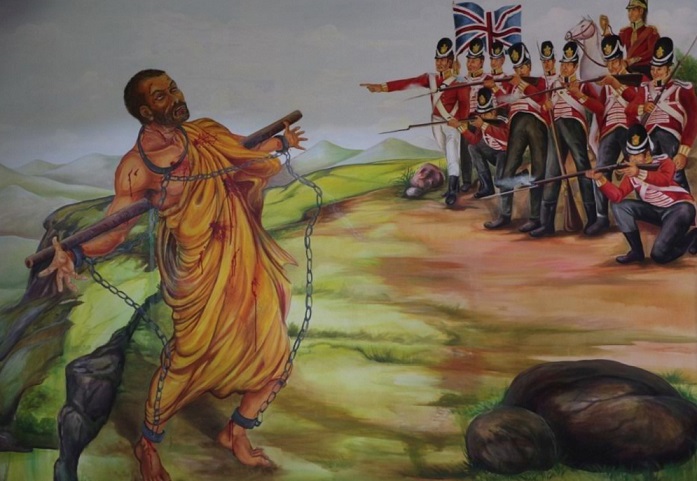
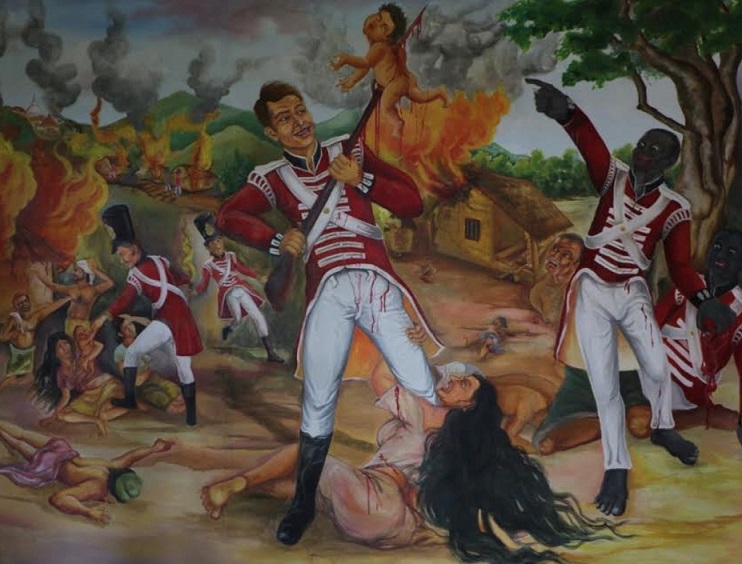
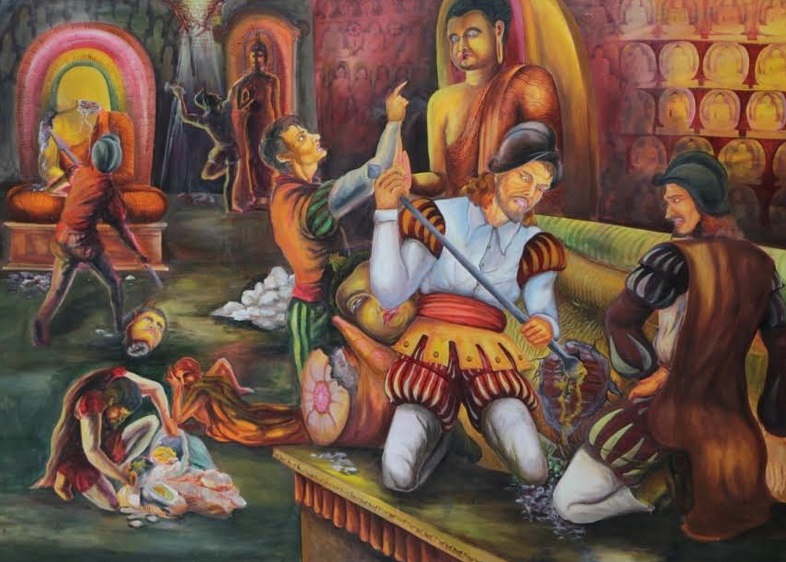
Resonance of the Massacre 1818-2018: Art Exhibition depicting Colonial Crimes of Portuguese, Dutch & British – November, 25,26,27

November 19th, 2017

Shenali D Waduge

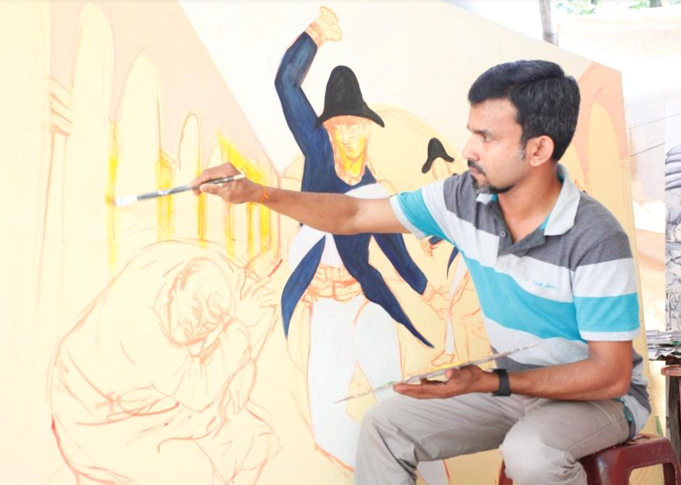
 History cannot be kept hostage by lies or kept hidden because it exposes the perpetrators many whom project themselves as human rights angels expecting us to forgive and forget the crimes they committed as policy during 500 years of colonial rule. To depict the suffering inflicted by these foreign invaders upon our people 20 canvas paintings will be on public display at the Sri Sambuddhatva Jayanthi Hall from November 25-27th 2017 from 0900a.m. to 0730p.m. All parents & children are specially requested to attend and view the paintings that are accompanied by a historical summary to prove authenticity of the events that occurred.

When foreigners landed, inspired by their rulers entitling them to declare all non-Christian lands as Christian and engage in commerce and conversion of inhabitants of every country they stepped ashore in, our island became one of the many victims of colonial rule. Our people never expected the white colored men in unusual clothes to be cruel with murderous intent. The friendly smiles of welcome were returned with fire & fury until they took possession of the entire island and began dividing the people to their advantage and taught our people to be at loggerheads with each other, planting evil thoughts and evil motives. We are yet to recover from the seeds of hate and anger that colonial rulers planted to facilitate their rule. These problems have become unsolvable as these very colonial countries deem it their right to again interfere into our internal affairs in more sophisticated methods than what was adopted during colonial rule.

The art exhibition encapsulates some of the most horrific incidents by these 3 invading foreign occupiers. Accepting the white man’s word and the assurances given proved how naïve the natives were and the first attempt of the natives to win back their country from foreign rule was in 1817-1818. The struggle to regain the nation that was betrayed to the British in 1815 began in 1816 itself after realizing that the British had not honored the promises pledged in the Kandyan Convention. The response by the British was gruesome. Led by Governor Robert Brownrigg and applying the ‘Scorched Earth Policy’ orders were given to not even spare babies or nursing mothers. The specific orders were to destroy livelihood, homes, cattle & set fire to everything and kill anything moving. It is believed that some 10,000 Sinhalese were brutally murdered. The murders earned Brownrigg the name ‘Butcher of Uva-Wellassa’. The entire country-side became a lake of blood and no one was left to mourn or even count the dead.

In 2018 it will be 200 years since that brutal genocide one of many others that have gone unaccounted because the perpetrators are the one’s who have drafted present international laws making themselves immune from accountability hiding behind laws that they created for their own advantage. The injustices that Sinhalese suffered have thus gone ignored, unnoticed and unaccounted. But the very nations that are guilty of genocide as a policy today proudly preach accountability and justice. Do they have a moral right to do so? We think not. Yet how many of us know of these facts? When a country’s history is being removed from school syllabus it is denying the future generation the right to know the history of their birth nation. Simply because the bloodied past is an embarrassment to those that committed the act and to those that worship the perpetrators, it should not deny the facts from being known by all.

Resonance of the Massacre 1818-2018” is an art exhibition that will depict in 20 canvass paintings the cries of thousands of majority Sinhalese, native Tamils & Muslims who were assassinated brutally during colonial rule. The sorrow is something that all citizens shared.

They say a picture speaks a thousand words and the art exhibition organized by Sinhala Sangedama (Sinhalese Struggle) has attempted to do what no organization has by bringing to picture form the brutal acts of the 3 colonial rulers.

It is to commemorate how the colonial rulers ruled over local gluttonous Sinhala chiefs, and how Tamil & Muslim minorities exploited to weaken ancient Sinhale nation (present Sri Lanka). We must never forget that we are still trapped in the conspiratorial political reticulations of colonial jurisdication instead of fighting against or among us, ignoring the rea foe” says Dr. Chamila Liyanage, convenor of the Sinhala Sangedama and chief organizer of the exhibition. 

The paintings will be accompanied by a historical summary citing sources to confirm authenticity.

What is poignant about the exhibition is that it is coming at a time when the very perpetrators are screaming accountability for crimes in Geneva & among diplomatic circles. Why are the crimes of these colonial rulers never investigated and asked to compensate for the war crimes, plunder and genocide?


The exhibition is open to the public from 25th, 26th & 27th November, 2017 at the Sri Sambuddhathwa Jayanthi Mandira (Level 3) from 0900a.m. to 0730p.m. Entrance Free. The organizers are planning to take the exhibition to other parts of the island too.

The organizers will be inviting Members of the Government, Opposition, Diplomatic Community, UN & associate bodies, Schools & Universities, researchers & media too.

Parents are asked to accompany their children and view the exhibition and read the background of each painting to realize what our ancestors had gone through under colonial rule for over 440 years.

Shenali D Waduge

කාවන්තිස්ස වැඩපිළිවෙලක්!

November 19th, 2017

වරුණ චන්ද්‍රකීර්ති

ඉවරයක් නැතුව උදේ දවල් රෑ දේශපාලනඥයන්ට බැන බැන හිටියා කියලා අපිට විසඳගන්න පුළුවන් ප්‍රශ්නයක් නෑ. පුළු පුළුවන් විදිහට පොඩි පොඩියට හරි අපේ ප්‍රශ්නවලට විසඳුම් හොයාගන්න වැඩේ අපි පටන්ගන්න ඕන. ඉතින් මේ ලිපි පෙළ ලිව්වේ ඒ විදිහේ විසඳුම් හොයද්දි යොදාගන්න පුළුවන් මූලික අදහස් කීපයක් ගැන මූලික සංවාදයක් ඇතිකරගන්න අදහසින්. අද අපේ සමාජය පෙළන ප්‍රශ්න දවසකින් දෙකකින් විසඳන්න පුළුවන් කියලා මේ ලේඛකයා විශ්වාසකරන්නේ නෑ. ඉතින් මේ ලිපි පෙළින් ඉදිරිපත් කරපු අදහස් අදාළවෙන්නේ තරමක් දීර්ඝකාලීන, සැලසුම් සහගත වැඩපිළිවෙලකට. තමන් ගේ ප්‍රශ්නවලට ක්‍ෂණික විසඳුම් හොයන සමාජයක ජීවත්වෙන අපිට මේ වගේ දීර්ඝකාලීන වැඩපිළිවෙලක් ගැන හිත යොමුකරන එක ඒ තරම් ලේසි වැඩක් නෙවෙයි.

මේ වගේ සැලසුම් සහගත දීර්ඝකාලීන කටයුත්තක් සසඳන්න පුළුවන් කාවන්තිස්ස මහ රජතුමා අනුගමනය කරපු වැඩපිළිවෙලත් එක්ක. එතුමා යෝධයෝ හැදුවා. තමන්ට ගෑණු ඇඳුම් එවද්දී පවා ඒ අපහාසවලින් කම්පා නො වී පිළිවෙලකට අපේ හමුදා බලය තරකළා. ඉතින් අපේ ජාතියේ මහා වීරයා කියලා අපි සළකන දුටුගැමුණු මහ රජතුමා බිහිවුනේ ඒ වැඩපිළිවෙලේ ප්‍රතිඵලයක් විදිහට. ඉතින් ඒ විදිහේ ක්‍රමවත් දීර්ඝකාලීන වැඩපිළිවෙලක් ගැන හිතන්න ඕන කාලයක් ආයෙත් ඇවිල්ලා. මේ වගේ වැඩපිළිවෙලක ප්‍රතිඵල අපේ ජීවිත කාලය තුළ නොලැබෙන්නත් පුළුවන්. මේ හැම දෙයක් ම තීරණය වෙන්නේ අපේ අය කොච්චර බුද්ධිමත් ද අපේ අයට කොච්චර ඉවසීමක් තියෙනවා ද කියන කාරණා උඩ. ඉතින් අපේ සමාජය අපි කරන කියන දේ අගයකරන්නේ නෑ කියලා, අපි කරන කියන දේවල්වල ප්‍රතිඵල තරමක් කෙටි කාලයක් ඇතුළත අපිට දකින්න නො ලැබුනා කියලා කලකිරෙන්න පුළුවන්කමක් අපිට නෑ. මේ හැම දෙයක් ම වෙද්දි වෙනදාටත් වඩා ඉවසීමකින් හා ධෛර්යකින් ඉස්සරහට යන්න පුළුවන්කමක් අපිට තියෙන්න ඕන.

මේ විදිහේ වැඩ විවිධ මට්ටම්වලින් වෙන්න පුළුවන්. ආරම්භක අවස්ථාවේ දී මේවා හුදෙක් ම තනි තනි පුද්ගලයන් ගේ අදහස් පළකිරීම්වලට සීමාවෙච්ච හුදෙකලා සටන්. මාක්ස්වාදී අදහස් සමාජයට මුලින් ම ඉදිරිපත් කළේ තනි පුද්ගලයෙක්නේ. සමාජවාදය ගැන, ආර්ථිකය ගැන තමන් ගේ අදහස් මාක්ස් මුලින් ම ලිව්වේ පත්තරේකට. ඒත් පස්සේ කාලයක ඔහු ප්‍රංශයේ පැරිස් නුවර පදිංචියට ගියා. එහි දී මුණගැහිච්ච ෆෙඩ්රික් එංගල්ස් තමයි වැඩකරන පංතියක් ගැන අදහස මාක්ස්ට කියලා දුන්නේ. ඒ දෙන්නා එකතුවෙලා කොමියුනිස්ට් ප්‍රකාශනය කියන ලියැවිල්ල ලිව්වේ ඊටත් අවුරුදු හතරකට පස්සේ. ඉතින් තවත් කාලයක් ගතවුනාට පස්සේ තමයි ඒවාට යම් ආකාරයක හරි සමාජ පිළිගැනීමක් ලැබුණේ. කොමියුනිස්ට් ප්‍රකාශනය ලියලා අවුරුදු තිස්පහකට පස්සේ මාක්ස් මියගියා. ඊට පස්සේ තවත් අවුරුදු තිස්පහක් විතර ගතවුනා ම තමයි ඒ කොමියුනිස්ට්වාදී අදහස්වලට ලෙනින් ගේ අදහසුත් එකතුවෙලා සමාජවාදයේ නාමයෙන් මුල් වරට විප්ලවයක් සිද්දවුනේ.

ඉතින් යම් අදහසක් සමාජයට ඉදිරිපත් කරපු පමණින් ඒක සමාජගත වෙයි කියලාවත් ඒ අදහස්වලින් බලාපොරාත්තු වෙන සමාජ විපර්යාසය සිදුවෙයි කියලාවත් හිතන්න බෑ. කොහොම වුනත් අපේ සමාජයට ඕනකරන්නේ මාක්ස් බලාපොරොත්තු වුනා වගේ සමාජය උඩ යට පෙරලන වෙනසක් නම් නෙවෙයි. ඒ විදිහේ පෙරැලිවලින් වෙන්නේ සමාජයේ එක පැලැන්තියක් වෙනුවට තවත් පැලැන්තියක් බලයට පත්වෙන එක විතරයි. මොන පැලැන්තිය බලයට ආවත් ඒ අය විසින් හසුරුවන බලය අවම කරන විදිහක් ගැනැයි අපි හිතන්න ඕන. මේ ලිපි පෙළේ දී ඒ පිළිබඳවත් යම් පමණකින් අදහස් ඉදිරිපත් කළා. රටේ හමුදා පාලනය කරන වැඩේ, නීති හදන වැඩේ වගේ ලොකු ලොකු වැඩ ආණ්ඩුව තියාගත්තාට කමක් නෑ. ඒත් අනිත් වැඩ මිනිස්සුන්ට ම පවරගන්න විදිහක් ගැන අපි හිතන්න ඕන.

අනිත් වැදගත් ම කාරණය තමයි මාක්ස් වගේ අයන්නේ ආයන්නේ ඉඳලා ම මුල ඉඳලා හදාගත්ත මතවාදයක් අපි ඉදිරිපත්කරන්නේ නෑ කියන එක තේරුම්ගන්න එක. අපි උත්සාහකරන්න ඕන අපේ අතීත අත්දැකීම් උඩත් පදනම්වෙලා අද තියෙන දේවල්වලිනුත් පාඩම් ඉගෙනගෙන අපිට ගැලපෙන සමාජ ආර්ථික ‍ක්‍රමයක් ගැන වැඩපිළිවෙලක් සකස් කරගන්න එක. ඉතින් මාක්ස්වාදීන් බලාගෙන ඉන්නවා වගේ මහා දීර්ඝ කාලයක් බලාගෙන ඉන්න අපිට සිද්දවෙන එකක් නෑ.

ඒ වගේ ම, මුළු ලෝකයේ ම තියෙන සියළු ලෙඩ රෝග සනීපකරන තෛලයක් හිඳින්න ඕනකමකුත් අපිට නෑ. අපිට ඕනකරන්නේ අපේ දැන් තියෙන අවුල් නැති කරගන්න පුළුවන් විදිහේ විසඳුමක් විතරයි. අනිත් රටවල්වල අයත් ඒ අයට කැමැති කැමැති විදිහට ඒ අය ගේ ප්‍රශ්න විසඳාගත්තාවේ.

ඉතින් මේ කරුණු කාරණා ගැන සළකලා මේ ලිපි පෙළෙන් ඉදිරිපත් කළේ අපේ සමාජ – ආර්ථික ප්‍රශ්න විසඳගන්න පුළුවන් ආකාරයේ මූලික අදහස් කීපයක්.

ආර්ථික වශයෙන් අපේ ගම් ශක්තිමත් කරගන්න පුළුවන් ක්‍රම කිහිපයක් ගැනත් ඒ අදහස්වලින් ප්‍රකාශ කෙරුනා. දැනට ආණ්ඩුව පවරාගෙන ඉන්න තැපැල් සේවා, ප්‍රවාහන සේවා වගේ දේවල් මිනිස්සුන්ට පවරාගන්න පුළුවන් ක්‍රම ගැනත් කරුණු කිව්වා. අලුත් රැකියා, ආදායම් මාර්ග උත්පාදනය කරගන්න මග සලස්වගන්න පුළුවන් ජාත්‍යන්තර බෙර වාදන සහ වෙස් මුහුණු උත්සවයක් ගැනත් සිංහ කුසලානයක් වෙනුවෙන් සූරියවැවේ පවත්වන්න පුළුවන් ජාත්‍යන්තර පාපන්දු තරගාවලියක් ගැනත් කරුණු කිව්වා. අපේ ආර්ථික ශක්තිය තර කරගැනීම වෙනුවෙන් කරන්න පුළුවන් දේ තවත් තියෙනවා. ඒත් ඒ හැම දෙයක් ම කියව කියවා ඉඳලා හරියන්නේ නැහැනේ.

අද අපේ සමාජය පෙළන ලොකු ම ව්‍යාධිය තමයි අපි කල්ලි කණ්ඩායම්වලට බෙදිලා කා කොටගන්න එක. ඒ ගැනත් මේ ලිපි පෙළින් පෙන්නලා දුන්නා. මමත්වය ඉස්මතු කරගෙන අනුන් හෙළා තලා කතාකිරීමේ රෝගය ගැනත් කරුණු කිව්වා. යෝධයෝ හදාගන්න ඕන බවත් වීරයන් නොමැරිය යුතු බවත් පෙන්නලා දුන්නා. විවිධ බාහිර උපද්‍රව හින්දා අපේ සමාජය තුළ ඇතිවෙලා තියෙන ගැටලුවලින් ගොඩ එන්න කියලා හිතාගෙන අපි කරන කියන දේවල් ඉතා උපක්‍රමශීලි ව කළ යතු බවත් පෙන්නලා දුන්නා.

අවසාන වශයෙන් සාකච්ඡා කළේ අපේ අධ්‍යාපන ක්‍රමය ඇතුළේ තියෙන එක්තරා අඩුවක් ගැන. අපි අපේ ළමයින්ට ගම ගැන කියලා දෙන්නේ නෑ. අපේ රටේ ජනගහනයෙන් බහුතරයක් ගම්වල ජීවත්වෙන වාතාවරණයක් ඇතුළේ ගම ගැන කියලා නොදෙන එක විශාල අඩුවක්. ඇත්තෙන් ම ළමයින්ට උවමනාකරන ප්‍රාථමික අධ්‍යාපනය ලබාදෙන එක ගමට ම වුනත් කරගන්න පුළුවන්. ඒකට උවමනාකරන උදව් ආණ්ඩුවෙන් ලබාගත්තා ම ඇති. 1960 අවුරුද්දේ මැතිවරණයක් වෙනුවෙන් එල්. එච්. මෙත්තානන්ද මහත්තයා ඉදිරිපත් කරපු ප්‍රතිපත්ති ප්‍රකාශනයක ප්‍රාථමික අධ්‍යාපනය ගම් සභාවට පවරන්න ඕන කියලා තිබුණු බවක් මේ ලේඛකයා කියවලා තියෙනවා.

කොහොම වුනත් මේ කිසිම දෙයක් සමාජය ඇතුළේ වර්ධනය වෙන්න ඉඩ නො දී පිටින් ගෙනැල්ලා පැළකරන්න පුළුවන් කියලා මේ ලේඛකයා හිතන්නේ නෑ. අද අපිට ඕනකරන්නේ අපේ රටේ මිනිස්සුන් ගේ අදහස්, ආකල්ප වෙනස්කරන්න පුළුවන් විදිහේ සමාජ ව්‍යාපාරයක්. ස්වශක්තියෙන් නැගිටින්න පුළුවන් කියලා හිතන මිනිස්සු ඇති වුනොත් තමයි ඒ විදිහේ අදහස් තියෙන දේශපාලන නායකයෝත් බිහිවෙන්නේ. දේශපාලනඥයෝ කියන්නේ සමාජයෙන් ම බිහිවෙන පිරිසක්නේ. ඉතින් තමන් ගේ වැඩ වෙනත් කවුරුවත් කරලා දෙයි කියලා හිතන සමාජයකට බෑ හොඳ ශක්තිමත් නායකයෝ බිහිකරගන්න. ඒ හින්දා දේශපාලනඥයන්ට ම දොස් නොකියා තම තමන් ගේ අඩුපාඩු හොයලා බලන්නත් අපි පුරුදුවෙන්න ඕන.

මේ විදිහේ ලිපි ලියන එක අපි බලාපොරොත්තු වෙන සැලසුම් සහගත සමාජ ව්‍යාපාරය වෙනුවෙන් කරන මූලික කටයුත්තක් විතරයි. ලිවිල්ලෙන් විතරක් මේ වැඩේ කරන්න බෑ. මේ කියන්නේ ලියන්න ඕන නෑ කියන එක නම් නෙවෙයි. ඒ වැඩේ විතරක් කරලා අපි බලාපොරොත්තු වෙන දේවල් ඉෂ්ටකරගන්න බෑ කියන එකයි මේ කියන්නේ. අපිට මේ වෙනුවෙන් මිනිස්සු අතරට යන්න වෙනවා. ඒ කියන්නේ මිනිස්සු අතරට ගිහිල්ලා දේශන කරන්න ඕන කියන එක ද? දේශනත් කරන්න ඕන තමයි. ඒත් ඒකත් තවත් වාචික සන්නිවේදන කටයුත්තක් විතරයි කියන එක අපි අමතක කරන්න හොඳ නෑ.

එහෙම නම් අපිට තව කරන්න පුළුවන් මොනවා ද?

අපි යමක් කරලා පෙන්නන්න ඕන. එක ගමක් හරි පණගන්වගන්න අපිට පුළුවන් වෙන්න ඕන. ඉතින් මේ දේ කරන්න පුළුවන් කොහොම ද? ඇත්තෙන් ම අපේ රටේ ජාතියේ අභිවෘද්ධිය ගැන වදවෙන කොච්චරක් නම් පිරිසක් අපි අතර ඉන්නවා ද? ඉතින් ඒ අයට බැරිකමක් නෑ මේ විදිහේ වැඩපිළිවෙලක් වෙනුවෙන් මුල්වෙන්න. මේ වගේ දෙයක් වෙනුවෙන් සංවිධානය වෙන්නේ කොහොම ද, ඒ වෙනුවෙන් අවශ්‍ය අරමුදල් හොයාගන්න පුළුවන් මොන මාර්ගවලින් ද කියන එක ගැනත් හිතන්න ඕන තමයි. ඒ වගේ මූලික කාරණා ගැන යමක් මී ළඟ ලිපියෙන් – ඒ කියන්නේ මේ ලිපි පෙළේ අවසාන ලිපියෙන්; කියන්නම්.

කොහොම හරි අපි ගොඩ නගාගන්න ඕන සැලසුම් සහගත දීර්ඝකාලීන සමාජ ව්‍යාපාරයක්. අපේ ඉතිහාසයෙනුත් පාඩම් ඉගෙනගෙන ඒ කටයුත්ත කාවන්තිස්ස වැඩපිළිවෙලක් විදිහට නම්කරන්න මේ ලේඛකයා කැමැතියි. මේ වගේ කාර්යයක් වෙනුවෙන් උවමනාකරන දැනුම, උපදෙස්, අවවාද අනුශාසනා පාඨකයන්ගෙන් ලබාගන්නත් මේ ලේඛකයා කැමැතියි.

වරුණ චන්ද්‍රකීර්ති ෴

ගිංතොට ප්රහාරයට – සැලසුම් සහගත දේශපාලන ක්රියාවකි.

November 19th, 2017

කීර්ති තෙන්නකෝන් කැෆේ සංවිධානයේ හා ශ්රී ලංකා මානව හිමිකම් කේන්ද්රයේ විධායක අධ්‍යක්ෂ

ගිංතොට ප්‍ර‍හාරයට – සැලසුම් සහගත දේශපාලන ක්‍රියාවකි. ප්‍ර‍හාරයට ඉඩ දෙමින් STF ඉවත් කළේ ඇයි? වචනයෙන් නොව ක්‍රියාවෙන් නීතිය රැකීම රජයේ වගකීමකි

ජනමාධ්‍ය ද, ෆෙස් බුක් ද, කොතරම් සැගවීම උත්සහ දැරූව ද, සත්‍යය නම් ‘අලුත්ගම‘ වැනිම වූ ‘සිදුවීමක්‘ ගිංතොට ද සිදුව ඇත. සැගවීම තුල සංහිදියාවක් ඇති කර ගත නොහැකි අතර සත්‍යය හෙළි කළ යුතුව ඇත.

රෝද දෙකේ බයිසිකලය ‘තනි රෝදයෙන්‘ පදින්නට ගොස් මුස්ලිම් තරණයෙකු අනතුරට පත්වීම හා එය සිංහල – මුස්ලිම් තරුණයින් අතර ගැටුමක් බවට පත්වීම අරුමයක් නොවේ. එම සිදුවීම කලබැගෑනියක් බවට පත් කොට ඇත්තේ ‘බුදුන්ගේ ධාතුවක්‘ ඇතැයි කියන අනුරාධපුර පන්සලක නමින් ඇති පන්සලකට රැස්වු ‘තංගල්ල හා අම්බලන්ගොඩ‘ නම් ඇති දෙදෙනෙකු විසිනි. මුස්ලිම් ජනයා බහුලව සිටින පෙදෙසේ පිහිටි ‘සෝමාරාමය හා ගංගාතිලකය‘ යන පන්සල් මෙයට සම්බන්ධ නැත.

සිංහල ජනතාව බහුලව සිටින ප්‍රදේශයේ පිහිටි උක්වත්ත චන්දිම හිමියන් බෝපේ පොද්දල ප්‍රාදේශීය සභාවේ හිටපු සභිකයෙකි. නෙළුම් පොහොට්ටුවෙන් ඡන්දය ඉල්ලන්නට සුදානම් ය.

මෙවර මැතිවරණයේ එජාපය නියෝජනය කරමින් සභාපති ධූරය ලබාගන්නට නියාස් හා අමිල නුවන් ලොකු තරගයක සිටී. සැබෑ ලෙසම ගැටුමට එක් හේතුවක් වන්නේ එජාප ලැයිස්තුවේ ඇති මේ හබය යි.
ඊයේ මුල් සිදුවීමෙන් පසුව පොලිස් විශේෂ කාර්ය බලකාය ප්‍රදේශය වෙත යොමු කර තිබුණි. ගාල්ලේ දේශපාලනඥයෙකු විසින් රාත්‍රීයේ එම සෙබළුන් ඉවත් කිරීමට උපදෙස් දී ඇත. රාත්‍රී 08.30 ට පමණ ගැටුම් ඇති වී ඇත්තේ පොලීසිය ඉවත් කිරීමෙන් පසුවය.

ගැටුම් හේතුවෙන් නිවාස හා වෙළෙද ස්ථාන 66 ක්, වාහන 14 කට කුමන හෝ ආකාරයක අලාභයක් සිදුවී ඇත. එයින් බහුතරය මුස්ලිම් ජාතිකයින් සතු දේපල වුව ද, සිංහල ජනතාව ගේ දේපල ද මේ අතර වේ. ගිණි තැබීම් හේතුවෙන් හානි වූ නිවාස ද ජාතීන් දෙකටම අයත් පිරිසගේ ය.

අද ගැටුමෙන් පසුව සාම කමිටුවේ සභාපති ලෙස පත් කොට ඇත්තේ ‘ගැටුමට සම්බන්ධව ජනතාව එක් වූ පන්සලක හිමිනමකි. ගැටුමේ පාර්ශයක් යැයි චෝදනා එල්ල වූ තැනක උදවිය ‘සාම කමිටුවක‘ ප්‍ර‍ධානීත්වයට පත් වන්නේ ‘ගැටුම් නිරාකරණයේ‘ කුමන නිර්ණායක යටතේ ද යන්න ඇමති වජිර අබේවර්ධන හා ගාල්ලේ දිසාපතිගෙන් ඇසිය යුතුව ඇත.

ගැටුමක් ඇතිවිය හැකි තැනක, රාත්‍රීයේ පොලීසිය ඉවත් කිරීම, හා ඉන් පසුව ප්‍ර‍හාර එල්ල කිරීම අලුත්ගම, දර්ගා නගරයේ ද ප්‍ර‍හාරයේ ස්වභාවය විය. ගිංතොට ද සිදුව ඇත්තේ එයම ය. මෙය සිංහල – මුස්ලිම් ගැටුමකට වඩා පළාත් පාලන ඡන්දය ඉලක්කකොට ගත් ‘ඉඩ කඩ ලබාදීමෙන් පසුව සිදුවූ ගැටුමකි‘.

කීර්ති තෙන්නකෝන්
කැෆේ සංවිධානයේ හා ශ්‍රී ලංකා මානව හිමිකම් කේන්ද්‍රයේ විධායක අධ්‍යක්ෂ

————————————————————————

ගිංතොට ගිණි තැබූ දේශපාලනයේ කථාව

ගිංතොට දී බරපතල සිංහල – මුස්ලිම් ගැටුමක් ඇති විය.  එහි දී දෙපාර්ශවයේම පුද්ගලයින්ගේ දේපලවලට බලවත් හානි සිදුව ඇත.  සත්‍ය ලෙසම මෙම ගැටුම පිටුපස දේශපාලනය තේරුම් ගැනීම තුළින් පමණක් මෙය සිංහල – මුස්ලිම් කෝලාහලයක් නොවන බවත් නින්දිත ජාතික දේශපාලනයේම කොටසක් පමණක් බව වටහා ගැනීමට හැකිවනු ඇත.

සිද්ධිය සැකෙවින්

මහහපුගල දී නොවැ. 13 බයිසිකල් අනතුරක් සිදුවන අතර සිංහල යතුරුපැදිකරු රු. 25,000 ක් අගතියට පත් මුස්ලිම් පාර්ශවය වෙත ගෙවා සිද්ධිය පොලීසියේ දී සමතයක පත්වී ඇත. 

නොවැ. 16 දින සිංහල පුද්ගලයින් කිහිපදෙනෙකු විසින් මුස්ලිම් පුද්ගලයින් දෙදෙනෙකුට පහර දී ඇත.  ඔවුන් කිසිවෙකු 13 දින සිදු වූ බයිසිකල් අනතුරට සම්බන්ධ නැති පිටස්තරයිය.    නොවැ. 16 දින හිටපු එජාප නාගරික මන්ත්‍රී කීයාස් (කයිම් හුසේන්) සමග පැමිණි කණ්ඩායමක් සිංහල පුද්ගලයින්ගේ නිවාස 2 කට පහර දී ඇත. පොලීසිය අමාත්‍ය වජිර අබේවර්ධන ගේ සමීපතමයෙකු හා මැතිවරණයේ දී සභාපති ධූරය අපේක්ෂා කරන  කීයාස් අත්අඩංගුවට පත් විය.  පසුව කීයාස් නිදහස් කරනු ලැබීය. පොලීසිය විසින් මුස්ලිම් අයට පහර දුන් සිංහල පුද්ගලයින් දෙදෙනා ද අත්අඩංගුවට ගෙන ඇත. දැන් ඔවුන් රිමාන්ඩ් බන්ධනාගාරයේ ය.

පොලිස් මාධ්‍ය ප්‍ර‍කාශක පවසන්නේ ගිංතොට ථුපාරාමයේ දී අම්බලන්ගොඩ සුමේදානන්ද හිමි හා තංගල්ල අනුරුද්ධ හිමි විසින් ප්‍රකෝප කරවන ලද පිරිස් නොවැ. 17 දින රාත්‍රී ගැටුම් ඇති කළ බවයි. එය සත්‍යයකි.  (එය ඊයේ මා ලියූ සිටහනේ ද නම් රහිතව දැක්වේ.)

1997 බෝපේ පොද්දල සභාවට පුටුව ලකුණින් තරග කළ .උක්වත්ත චන්දිම හිමියන්ගේ  පන්සලට එදින සවස මොල්ලිගොඩ, බිම්බිරිගොඩ හා උක්වත්ත ගම්මානවල වැසියන් එක් වී ඇත.  එම පිරිස අතර ‘හපුගල‘ ගමේ වැසියන් ද විය.  රාත්‍රී 8.30 ට පමණ ප්‍ර‍හාරය එල්ල කළේ ද, උත්සන්න කළේ ද එම පිරිස ය. 

පිටතින් පැමිණි මෙම පිරිසගේ ප්‍ර‍හාරයෙන් මුස්ලිම් බහුතරයකගේ දේපල පමණක් නොව සිංහල අයගේ දේපල ද හානි වී ඇත.  මෙහි දී අවධාරණය කළ යුත්තේ ගැටුම ඇති වූයේ එකම ගමේ මුස්ලිම් – සිංහල අය අතර නොවන බවයි!  චන්දිම හිමි සහ ගැටුම සිදුවන විට එහි සිටි අනෙක් ප්‍රාදේශීය දේශපාලනඥයා වන මාදුගොඩ මහතා  පොහොට්ටුවෙන් ඡන්දය ඉල්ලන්නට සුදානම් අය ය.  (හිටපු සභාපති මාදුගොඩ මහතා හපුගල පදිංචිකරුවෙකි)

අමාත්‍ය වජිර අබේවර්ධන මහතා ගේ ප්‍ර‍ධාන එජාප අපේක්ෂකයින් දෙදෙනා කීයාස් හා අමිල නුවන් ය.  ඔවුන් දෙදෙනාම සභාපති ධූරයේ තරග කරුවන් ය.  දෙදෙනාම සිංහල – මුස්ලිම් විරෝධය මත තම දේශපාලන පැවැත්ම සකසා ගෙන ඇත. දෙදෙනාම ගැටුමට සෘජුව සම්බන්ධය.

මෙම ගැටුම ඇරඹීමට පෙර ගාල්ලේ එජාප ප්‍ර‍බලයින් ඇතිවිය හැකි තත්වය පිළිබද රටේ ඉහළම දේශපාලන නායකත්වයට දැනුම් දී ඇත.  ඒ අතර, ගිංතොට පාරම්පරික එජාප බලවත් ද වෙති.  නමුත්, ගැටුම වලක්වන්නට අතිරේක පොලිස් ආරක්ෂාව ලැබුණේ නැති වා පමණක් නොව තිබූ ආරක්ෂාව ද දැවැන්ත දේපල විනාශයක් සිදු කිරීමට අවශ්‍ය ලෙස සැලකිය යුතු වේළාවකට ලිහිල් විය.

මෙය ගැටුම දර්ගා හා මාවනැල්ල ගැටුම්වල මුලික ව්‍යුහය හා සර්ව සම ය.  ඒ ලෙසම අවසනාවන්තය.  ඒ ලෙසම දේශපාලන අවස්ථාවාදය පෙරදැරිව සිදුව ඇත.

මෙම ගැටුම නිසා සෘජු වාසි බලන කණ්ඩායම් තුන කි.

  1. එයින් පළමු කණ්ඩයම, ගිංතොට සභාපති පුටුව කීයාස් ට හිමිවීම වැලැක්වීමට උත්සහ කරන එජාපයේ හා පොහොට්ටුවේ කණ්ඩායම් ය. (ප්‍රාදේශීය දේශපාලනය)
  2. සදුදා බැදුම්කර කොමිසමේ දී සාක්ෂි ලබාදෙන විට රට ගිණි ජාලාවක් කොට එහි අවධානය වෙනතකට යොමු කිරීම තුලින් වාසි ලැබිය හැකිව තිබූ පිරිස ය.  (ජාතික දේශපාලනය)
  3. තෙවැන්න, අද ලංකාවේ සෑම දෙයකටම බැනුම් ඇසු, එදා දර්ගා හා මාවනැල්ලේ මුස්ලිම් – සිංහල ගැටුම්වලින් දේශපාලනික අවාසියක් ලැබූ මහින්ද රාජපක්ෂ මහතා ගේ නෙළුම් පොහොට්ටු කණ්ඩායම ය. (එජාප රජයක් යටතේ ද, මුස්ලිම් ජාතිකයින් අනාරක්ෂිත බව තහවුරු කිරීමට මේ සිදුවීම ප්‍ර‍මාණවත් ය.  සැබවින්ම, රජයටත්, රජයේ දේශපාලනඥයින්ටත් අවශ්‍ය නම් මේ ගැටුම වලක්වාගත හැකිව තිබුණි.  එය සිදු කළේ නැත.)

නොවැ. 13 දින පළමු සිදුවීම සාමාන්‍ය රිය අනතුරකි. (ලංකාවේ දිනකට රිය අනතුරු 130 ක් පමණ සිදුවන අතර 8 දෙනෙකු එයින් මිය යයි.)  නොවැ. 16 දින මුස්ලිම් අයට සිංහල අය පහරදීම මගින් ජාතිවාදී ගැටුමක් බවට පරිවර්ථනය විය. එජාප මුස්ලිම් දේශපාලනඥ කීයාස් හා කණ්ඩායම විසින් එළිපිට සිංහල ජාතිකයින්ගේ නිවෙස් 2 කට පහර දී එය ජාතිවාදී ගැටුමක් බවට පත් කළේය.  එමගින් ඔහු මුස්ලිම් ජාතික ඡන්ද කදවුර ස්ථාපනය කර ගැනීම අපේක්ෂා කරන්න ඇත.  ඉහළ දේශපාලනඥයින් රට පුරා ගැටුමක් බැදුම්කර සාක්ෂිය වෙත ඇති අවධානය අවම කිරීම අපේක්ෂා කළ බව පැහැදිලිය.  උක්වත්ත පන්සලේ සිට සිදු වූ මෙහෙයුම ‘පොහොට්ටු‘ දේශපාලනය යි. ජාතික දේශපාලනයේ දී ගැටුමේ උපරිම වාසිය එම කණ්ඩායමට නුදුරේ දී ලැබෙනු ඇත!

මේ සියල්ලේම එකතුව පහත ඡායාරූපවලින් දැක්වෙන ව්‍යසනය යි.  මෙය සිංහල – මුස්ලිම් ගැටුමක් නොව ‘ප්‍රාදේශීය හා ජාතික දේශපාලනයේ කොටසකි.

රජිත් කීර්ති තෙන්නකෝන්

විධායක අධ්‍යක්ෂ/ශ්‍රී ලංකා මානව හිමිකම් කේන්ද්‍ර‍ය හා කැෆේ සංවිධානය


ජනාධිපති ඉස්සරහ තියාගෙන විමල් අද (18) පාර්ලිමේන්තුවේදී කළ අපූරු කතාව

November 19th, 2017

Wimal Weerawansa


රොබරිපාලලා අලුත් රටක් හදන්න ඇවිත් දින විස්සෙන් මහ බැංකුව කැඩුවා.. මේව කුරුදුවත්තෙ රොබරි.. ජනපති ඉදිරියේදී විමල් කියයි..

November 19th, 2017

lanka C news

බෙදුම්වාදී ව්‍යවස්ථාව පාර්ලිමේන්තුවට ගෙන නොඑනා ලෙස මොන මත වෙනස්කම් තිබුනද පොලොන්නරුවේ හැදුනු වැඩුනු පුද්ගලයෙකු ලෙස ජනාධිපති මෛත‍්‍රීපාල සිරිසේන මහතාගෙන් ඉල්ලා සිටින බව පාර්ලිමේන්තු මන්ත‍්‍රී විමල් වීරවංශ මහතා පවසයි.

පාර්ලිමේන්තුවේදී ඔහු මෙම අදහස් පල කරද්දී ජනාධිපති මෛත‍්‍රීපාල සිරිසේන මහතාද පාර්ලිමේන්තුවේ අසුන් ගෙන සිටියේය.

ආණ්ඩුවේ මන්ත‍්‍රීවරුන්ම මන්ත‍්‍රීවරයාගේ එම ප‍්‍රකාශයට බාධා කරද්දී ඔහු කියා සිටියේ ‘ඔ්ගොල්ලන්ගෙ ජනාධිපතිතුමාට එහෙම කියනකොට මොකද්ද ඔ්ගොල්ලන්ට තියෙන අමාරුව. සංතෝසම් මහත්තයො හිනාවෙන්න. කෑගහන්න.

දැං ජනාධිපතිතුමාට තේරෙනවනෙ එතුම ගැන අපි පොඩි හරි දෙයක් කියනකොට කලබල වෙන්නෙ කවුද කියල. කලබල වෙන්නේ ඇයි කියල’

‘රොබරිපාලලා දින සීයෙන් අලුත් රටක් හදන්න ඇවිත් දින විස්සෙන් මහ බැංකුව කැඩුවා’ යයිද මන්ත‍්‍රීවරයා කියද්දී ජනාධිපතිවරයා සිනාසෙනු පෙනින.

විමල් වීරවංශ මහතා පාර්ලිමේන්තුවේදී කරන ලද සම්පුර්ණ කතාව මෙතනින්

අදාල වීඩියෝ මෙතනින් 01 02

https://www.facebook.com/WimalWeerawansa.sl/videos/1415866648531151/

PM summoned by Commission only to clarify certain points

November 19th, 2017

BY GAGANI WEERAKOON Courtesy Ceylon Today

Prime Minister Ranil Wickremesinghe will appear before the Presidential Commission of Inquiry into the Treasury Bonds scam tomorrow in an unprecedented incidence. Much has been said about the matter with Government and Opposition ranks arguing on the correct position – that is whether the Prime Minister has been summoned by the Commission or whether he is voluntarily appearing before the Commission.

Ever since PM Wickremesinghe ‘offered’ to appear before the fact finding Commission, much had been said. By last week, speculation was circulating amongst both United National Party (UNP) and Sri Lanka Freedom Party ranks to the effect that President Maithripala Sirisena might ask the PM to step down from the post before the latter’s expected appearance at the Commission. It was also reported that three senior UNP Ministers met President Sirisena and protested against the PM being ‘summoned’ to give evidence.

With all these stories starting to circulate, Prime Minister Wickremesinghe and Ministers Malik Samarawickrema and Kabir Hashim met the President on Monday (13). They had pointed the finger at President’s Coordinating Secretary Attorney-at-Law Shiral Lakthilaka of being responsible for all these stories being circulated, a UNP source stated.

Premier Wickremesinghe who will go before the Commission, will most probably be not questioned by the officials of the Attorney General’s Department as he is only being requested to come and clarify certain answers he had already forwarded to the Commission through an affidavit. The questionnaire was sent to him by the Commission on an earlier date.

The PM made a statement to Parliament on 17 March 2015 about the Bond issue. That was the first official statement on behalf of the Government on the matter after the commotion following the 27 February 2015 Bond issue.

“The entire speech is in the Hansard of the day. Based on that, there are some of the questions that have to be asked for clarification, verification and explanation from the PM in the public interest. Why did he appoint a committee of inquiry on the 27th itself? Who asked him to do it? Why did he select three UNP lawyers for this investigation? Why didn’t he nominate a financial expert or a person knowledgeable on the subject?” the Anti-Corruption Front stated yesterday.

Meanwhile, the Janatha Vimukthi Peramuna (JVP) said in Parliament that Prime Minister Ranil Wickremesinghe is directly responsible for the Treasury Bonds scam.

JVP’s Kalutara District MP Dr. Nalinda Jayatissa participating in the third reading stage debate on Budget 2018 said: “When we look in retrospect from the taking of the Central Bank under his ministerial purview to appointing the Central bank Governor and to the matters which had been revealed in the COPE and the Presidential Commission of Inquiry, it is crystal clear that the Prime Minister should be held responsible for the massive loss caused by the Treasury Bond scam. He cannot get away from this crime.

His complicity in the crime is now very clear”.

MP Dr. Jayatissa said that the Prime Minister’s involvement in the scam is proven with ten factors and outlined them one by one. “The first factor was the Prime Minister taking over the Central Bank separating it from the Finance Ministry. The Central Bank had always been under the Finance Ministry. His taking over of the Central Bank under his wing was similar to then President Mahinda Rajapaksa keeping the Attorney General’s Department and Legal Draftsman’s Department under his purview.

“The second factor was appointing a foreign citizen for the post of Governor of the Central Bank irrespective of opposition from various quarters.

“Third factor was appointing three lawyers connected to the Sirikotha, UNP headquarters to investigate the Bond scam. The three lawyers had no credentials to prove their ability to investigate a Bond transaction.

“The fourth factor was removing UNP MP M. Velukumar from the COPE in the middle of the investigation of the Bond scam and filling the vacancy with Deputy Minister Sujeewa Senasinghe who had already written a book titled ‘Ettha Nettha’ (Truth and Untruth) on the issue. Senasinghe had already given his judgment on the matter in his book so he was prejudiced in the investigation.

“The fifth factor is that former Central Bank Governor Arjun Mahendran’s statement to the COPE that it was he who ordered the direct placement method for Bond sales.

“The sixth factor was the behaviour of UNP members at the COPE sittins during the Committee’s probe on Bond scam. The UNP members of the COPE behaved on the direct instructions of the Prime Minister. Their actions in the Committee proved that they received instructions from a single source.

“The seventh factor was the addition of some facts which had no relevance to the COPE report by the UNP members of the Committee.

“The Governor of the Central Bank Arjun Mahendran was kept in the same position till his term ended though the entire country was shouting against it. That was the eighth factor. The Prime Minister was against the removal and insisted that Mahendran should be there till the latter’s term ends.

“The ninth factor was to get Ven. Thiniyawala Palitha Thera of the UNP’s Bhiikhu Front to file a petition before the Supreme Court against the COPE report after the release of the report.

“The last factor was not taking any action against those responsible for the crime of the Bond scam even after its exposure and revelation.

“These ten factors would indicate to anyone that the Prime Minister is directly responsible for the Bond scam. He cannot absolve himself of the crime now. The case is proven before the eyes of all,” MP Dr. Jayatissa said.

Speaker should probe members of COPE committee – Mahinda

November 19th, 2017

Former President Mahinda Rajapaksa stated that the speaker of parliament should investigate the undocumented communication between the members of the COPE committee and those accused of being involved in the Central bank bond scandal.

He further stated that the behavior of those parliamentarians has destroyed the faith bestowed in the COPE committee.

The former President expressed these sentiments following his visit of the Asgiriya chief prelates earlier today (19).

Match at Hulftsdorp

November 19th, 2017

Editorial Courtesy The Island

Monday, November 20th, 2017

The government is left with egg on its face, having done its damnedest to cover up the bond scams, but in vain. It, initially, ordered a sham probe in an abortive bid to hoodwink the public and unleashed its propaganda hounds on its critics who flagged the issue. Today, everybody knows that some yahapalana cronies have made huge profits through fraudulent Treasury bond transactions.

Prime Minister Ranil Wickremesinghe is scheduled to appear before the presidential commission of inquiry probing bond scams, today. All eyes are on commission proceedings.

Meanwhile, some UNP MPs are reeling from the findings of a CID probe into their links with Arjun Aloysius, the owner of the Perpetual Treasures Pvt. Ltd (PTL), involved in the bond scams. Pretending to be the victims of a political witch-hunt, they claim they have been singled out whereas about 40 MPs have received calls from Aloysius.

Let these protesting politicians be told that the problem is not MPs calling Aloysius or receiving calls from him. The problem is that some of the COPE (Committee on Public Enterprises) members called him and/or were called by him while they were conducting a parliamentary investigation into bond scams his company was held responsible for.

The Joint Opposition (JO) is flogging the telephone issue hard and baying for blood in a bid to gain political mileage. What moral right does it have to do so? Its cantankerous members did not make a whimper when it was revealed, while they were in power, that the then Prime Minister D. M. Jayaratne had issued a letter to the Customs, requesting priority clearance for a container, which was later found to contain a massive haul of heroin. The CID did not probe the PM, who should have been arrested, interrogated and remanded pending investigations. We, in this space, called for legal action against Jayaratne, but to no avail.

In a country, burdened with ‘governments of rogues by rogues for rogues’, any citizen, in his proper senses, needs a national government like a hole in the head. For, the coming together of inveterate thieves of all political stripes is bad for the people. Between the Jan. 2015 regime change and the general election that followed a few months later, the UNP and the SLFP, having formed a national government, got on like a house on fire and, together, covered up the first bond scam (Feb. 2015). President Maithripala Sirisena prevented a COPE report on that mega financial crime being presented to Parliament. Thus, he ensured that the damning COPE findings would not have an adverse impact on the UNP’s general election campaign. He wanted the UNP to win so as to thwart his bete noire, Mahinda Rajapaksa’s attempt to make a comeback as the Prime Minister and claw his way up through the political rubble. If President Sirisena had acted out of principle rather than expediency, letting the COPE findings be publicised, people would have been able to make an informed decision at the August 2015 general election, and the second bond scam could have been prevented in 2016. However, he deserves the credit for appointing the current presidential commission which has dug much deeper into the bond scams than the COPE headed by JVP MP Sunil Handunnetti.

It was the relentless efforts by a section of the media, intrepid Central Bank officials and a handful of courageous Attorney General’s Department counsel, backed by some CID officers of integrity that helped prevent the truth anent the bond scams being suppressed. The government shamelessly continues to defend the bond racketeers. It is flaying Senior Additional Solicitor General Dappula de Livera et al for not giving the rogues who appear before the bond commission kid glove treatment. The errant COPE members are out for the scalps of the CID officers who obtained their call data. The police did not release their findings to the media. A document pertaining to the telephone calls at issue was placed before the bond commission and the media picked it up.

The ground was craftily prepared for Attorney General Jayantha Jayasuriya’s cameo performance before the bond commission today. He is expected to lead the PM’s evidence. Government propaganda hit men demonised De Livera et al as persons who couldn’t question witnesses in a decent manner.

Everybody will be watching today’s match, as it were, to be played at Hulftsdorp, where a batting wicket is believed to have been prepared. The ball is expected to be tossed. De Livera, the much-feared pacie, known for his toe crushing yokers, won’t be played today, we are told. Cheerleaders are ready. But, let the yahapalana worthies be urged to bear in mind that it is not the decisions of the two umpires on the field that matter in this encounter but those of the independent third umpire—the discerning public.

WILL BRITAIN DO THE RIGHT THING BY SRI LANKA?

November 19th, 2017

By SANJA DE SILVA JAYATILLEKA Courtesy The Island


On Tuesday, 14th of November 2017, Dinesh Gunawardena introduced a resolution in Parliament requesting that in view of Lord Naseby’s revelations in the House of Lords on the number of civilian deaths during the last stages of the war, “Sri Lanka should take action to pursue this matter with Britain’s Foreign and Commonwealth Office and with the Human Rights Commission[sic] to change their unjust position in regard to Sri Lanka…and that the Government should also report back to Parliament on this matter.”

State Minister of Foreign Affairs Mr. Vasantha Senanayake responding, informed the House that he had already written to Lord Naseby in his official capacity, thanking him for his efforts. More importantly, he also said he suspects that should the Foreign and Commonwealth Office remove the redacted sections of the letters obtained by Lord Naseby, it would prove that “the Sri Lanka Army fought a much cleaner war than is often alleged in the international arena” and that “the sincerity of the armed forces will become undisputed”.

article_image

The UK was one of the drivers of Resolution 30/1 on 1st October 2015. Were Britain’s representatives in Geneva aware at the time that UKwas in possession of information that could radically alter the estimates of civilian deaths?

Before that Resolution was taken up for discussion, the UN High Commissioner for Human Rights presented the “Comprehensive report of the Office of the United Nations High Commissioner for Human Rights on Sri Lanka on its investigation on Sri Lanka”.

Responding to the presentation of this report, the British representative at the UN Human Rights Council said:”Without facts, there can be no justice, no end to impunity… We therefore welcome the report’s conclusion and recommendations…seeking the truth, ensuring justice…are essential.”

Indeed. But not all the facts were at hand. When these sentiments were being expressed at the Human Rights Council by its representative, the Foreign and Commonwealth Office (FCO) already knew that not all the facts had been considered. The facts that had been withheld were of critical importance to the conclusions of the investigation by the Office of the Human Rights High Commissioner, not least because of the principle of proportionality in war.

The British representative, making General Comments after the co-sponsored Resolution was adopted, said significantly:”And I wish to express my deep appreciation to the

High Commissioner and his OISL team who produced such a professional and significant report which has formed the key basis for this resolution.”

Since Britain was a leading sponsor of Resolution 30/1, one has no reason to doubt this. It therefore has to be questioned as to why Britain did not proffer to the High Commissioner’s team of investigators, information that would be critical to their conclusions, and proceeded instead to sponsor a Resolution that they knew was based on a report that lacked the completeness of information that would perhaps have led them to a different conclusion.

The Human Rights High Commissioner’s report, under the section “Impact of hostilities on civilians and civilian objects”, starts its first paragraph with the sentence:

“On the basis of the information in the possession of the investigation team, there is reasonable grounds to believe that many of the attacks reviewed in the present report did not comply with the principles on which the conduct of hostilities, notably the principle of distinction.”

It further speaks of “large scale crimes” and “system crimes” which necessitate going beyond Sri Lanka’s existing legal system:

“Effective prosecution strategies for large-scale crimes, such as those described by the investigation team, focus on their systemic nature and their planners and organizers. The presumption behind such “system crimes” is that they are generally of such a scale that they require some degree of organization to perpetrate them. Even sophisticated legal systems like those in Sri Lanka – which may be well suited to deal with ordinary crimes – may lack the capacity to address system crimes and to bring effective remedy to their victims.”

It has now been convincingly revealed thanks to Lord Naseby, that the OISL reportdid not possess an adequate basis on which to come to those very damaging conclusions.

The High Commissioner’s comprehensive Report, which the British representative said “formed the key basis” for the Resolution, says under the same heading, “… the investigation was not conclusive on the proportionality assessment for each of the incidents in the present report…” This is an important principle in arriving at a conclusion of whether a state has committed genocide or crimes against humanity. These are the most serious crimes that a state can commit, and no state in the world would want to be falsely accused of it.

A solution based on a falsehood can never benefit humanity, as we all saw after the “WMD” intervention by the US-UK in Iraq. The tale of the “dodgy dossier” is now the stuff of International Relations history. It only led to breeding more, and more vicious, terrorism. Withholding information which could help arrive at the truth,damages any country’s credentials as a champion of human rights.

In his impressive address to Parliament on the matter,the State Minister of Foreign Affairs Vasantha Senanayakespoke of the long standing friendly relations with Britain and “the level of trust we have always enjoyed with the UK”. He hopes his letter to Lord Naseby will help to bring “real justice” for Sri Lanka while questioning why the British authorities had gone to such “extraordinary lengths” to deprive Lord Naseby of “pertinent information”.

It is curiousthat if there exists any evidence that would assist in removing false allegationsof a very serious sort against a friendly country that the FCO would refuse to provide that information. It is fairly clear that they have a moral obligation to comply with Lord Naseby’s request for further information. Lord Naseby revealed that it wasn’t easy to get hold of the dispatches from the Foreign and Commonwealth Office and that he had to resort to the Right to Information Act to get them.

At the UPR in Geneva this week, Sri Lanka has accepted 177 of the 230 recommendations presented to it. The full report of the summary of proceedings after editorial adjustments, including the recommendations, will be made available on the 24th of November 2017. No attempt was made by Sri Lanka’s delegates to the UPR to bring the new evidence unearthed by Lord Naseby to the attention of the Human Rights Council, nor formally request the British government to release the information to the Council. Instead, they reiterated the Government’s firm commitment to implementing Resolution 30/1.

In the meantime, the second edition of Gordon Weiss’ book ‘The Cage’ is out with its back cover screaming in capital letters of “TENS OF THOUSANDS OF CIVILIANS KILLED”.

Sri Lankan citizens are not interested in a cover-up of past misdeeds. Nor however are they happy to be pawns in a wider game of international politics or electoral politics in Britain, and would do what they can to ensure that the truth about an important period of their country’s history will be established. Hon. Dinesh Gunawardena and State Minister Vasantha Senanayake showed that parliamentarians on both sides of the aisle are of the same view. Sri Lankans want to live in a decent society, enjoy human rights and have no desire to encourage impunity in their government or their military. But above all, they want justice based on truth, notfalse allegations.

COPE members’ nexus with Aloysius-Speaker urged to take swift action

November 19th, 2017

By Shamindra Ferdinando Courtesy The Island

Dismissing UNP’s claims that parliamentary privileges of its COPE (Committee on Public Enterprises) had been violated by the releasing of telephone data pertaining to ongoing treasury bond scam probe, the Joint Opposition (JO) yesterday urged Speaker Karu Jayasuriya not to drag his feet on dealing with those who had been in touch clandestinely with Arjun Aloysius of Perpetual Treasuries under investigation.

UNPers, Deputy Minister Sujeewa Senasinghe, Harshana Rajakaruna, MP, Hector Appuhamy, MP and Deputy Minister Ajith P. Perera have been named by the Criminal Investigation Department (CID) as those who have been in touch with Aloysius. In addition to them, Sports Minister Dayasiri Jayasekera has been named as the only SLFPer contacted by Aloysius.

Top JO spokesman MP Bandula Gunawardena yesterday emphasised that it would be Speaker Jayasuriya’s responsibility to take action as regards the conduct of those COPE members in accordance with the Powers and Privileges Act of Parliament.

Gunawardena pointed out that the Act recommended that the conduct of COPE members should be dealt with according to the practice in similar matters in the Commons House of Parliament of the United Kingdom.

Alleging that the UNP project had been uncovered in spite of its efforts to derail the investigation, MP Gunawardena discussed the role played by Deputy Minister Senasinghe in the overall attempt to scuttle the inquiry. MP Gunawardena recalled Deputy Minister Senasinghe authoring a special booklet defending treasury bond transactions.

The MP reiterated that Premier Ranil Wickremesinghe, who had been asked to come before the Presidential Commission of Inquiry probing treasury bond scams, today (Nov 20), forced President Maithripala Sirisena to dissolve parliament in mid 2015 to thwart presentation of the first COPE report on Feb 2015 treasury bond scam.

The JO spokesman said that it would be Speaker Jayasuriya’s responsibility to restore confidence in COPE.

Quoting Bloomberg report titled ‘Bloomberg rates Sri Lanka in high risk zone’ released in late January 2017, Gunawardena said that treasury bond scams had caused irreparable damage to Sri Lanka’s reputation abroad. Who would consider investing here when the party in power faced corruption charges, the MP asked. Pointing out that Sri Lanka has received 12 marks out of 100, Gunawardena stressed that the country never received such adverse reports even at the height of the war.

The JO economic affairs spokesman said that Bloomberg report dealt with countries on the basis of financial, economic and political risks facing investors.

Gunawardena warned of dire consequences unless the Attorney General acted swiftly and decisively on the recommendations of the bond commission.

Colombo District MP Gunawardena said that the SLFP couldn’t continue its marriage of convenience with the UNP in the wake startling revelations in the bond commission. Gunawardena said for God’s sake arrest bond racketeers. How could those who had been exposed to varying degrees remain free when UPFA MP Wimal Weerawansa was remanded for alleged misuse of vehicles maintained by the government.

Responding to a query, MP Gunawardena said basically their stand vis a vis treasury bond scam could be explained in three demands, arrest those who had been involved, take action against COPE members named in the CID report to the bond commission and the SLFP should quit the government.

Main excerpts from the historic address of the National President of the BSP and Mahanayika of the social transformation movement in India

November 19th, 2017

Ms. Mayawati (BSP National President, MP (Rajya Sabha & former Chief Minister, Uttar Pradesh)

(1) BJP since the time of its old form ‘Bharatiya Jan Sangh’ has been a party working with a mindset antagonistic to particularly depressed SC/STs, backwards, Muslims and the poor, workers anf farmers etc., of the Sarvasamaj (all sections of the society}.

People with this kind despicable casteist mindset, which always dominated the politics of the country, persistently caused a severe harm to the equalitarian and humanitarian movement of most revered (parampujya) Baba Saheb Dr. Bhimrao Ambedkar. And despite his being the architect of the marvel Constitution of India, they never allowed him to get elected to the Lok Sabha and kept on getting him defeated in elections.

(2) They also mounted an all-out opposition all over the country to the grant of reservation in education and government jobs to the Other Backward Classes (OBCs) under the recomendation of Mandal Commission, and even now they are not filling up the government quota of reservation in servics etc., and have almost rndered this constitutional provision inactive and ineffective, depriving the SC/STs and OBCs.

(3) At the same time, under their government in centre and various states, casteist discrimination of every kind and inhuman atrocities and excesses of every kind are also continuing without any break against the people of these deprived classes.

(4) It is very necessary to be alert against casteist and political conspiracies of the BJP government and its parallel organisation, the RSS., and against any tactics of theirs like cajolery, inducement, coesion and diviive politics ets,. otherwise these people would again make the SC/STs and other backwards helpless and enslaved : historic address of Ms, mayawati Ji in Lucknow on the occasin of the birth anniversary of Baba saheb Dr. Bhimrao Ambedkar on 14 April 2017

Main excerpts from the historic address of the National Preident of the BSP and Mahanayika (great leader) of the social transformation movement in India, Hon. Behen Kumari Mayawati Ji on the auspicious occasion of 126th birth anniversary of the architect of the Indian Constitution, Bharat Ratna, Bodhiosatva most revered Baba saheb Dr. Bhimrao Ambedkar on April 14, 2017 in a massive public meeting held at the grand Dr. Ambedkar Memorial, built in Lucknow by the BSP government, in the backdrop of a bad result secured by the party in terms of seats in Uttar Pradesh, despite its having obtained a good percentage of votes.In other words, higher than that of even then ruling Samajwadi Party (SP) at 22.02percentand in number about two crore (1,92,81,352 to be exact), because of the tampering done with the Electronic Voting Mchines (EVMs) by the BJP, as also in view of rabidly casteist mindset and policies of the BJP antagonistic to particularly the SC/STs, backwards an religious minorities and the poor, workers and farmers etc., of Sarvasamaj i.e., all sections of the society.

Followers of Baba Saheb Dr. Bhimrao Ambedkar and well-wishers who have come from various parts of Uttar Pradesh, as you people are aware today is the Jayanti of the messaiah of particularly SC/STs, the Other Backward Classes (OBCs) and other neglected classes of the country, most revered (Paramlujya) Baba Saheb Dr Bhimrao Ambedkar, and on this occasion, you people have reached the Dr. Ambedkar Smarak Sthal in Lucknow to offer him floral tributesfor which I express my gratitude to you from the core of my heart.

However, about observanceof his jayanti, you people are aware that ever since the BSP has been constituted in 1984 its government has been formed four times in Uttar Pradesh and since then in pusuit of votes of his followers not only in Uttar Pradesh, but all over the country, all the opposing parties and their governments have started hi jayanti and organising government and non-government programmes of various types on this occasion. But after doing so, all these opposing parties by following their casteist mindset exploit his followers at every level throughout the year and this process is still continuing.

Not only this, rather as long as Baba Saheb Dr, Ambedkar was alive their forefathers created obstecles of various kinds on his way so that Baba Saheb was not able to make the people of these SC/STs/OBCs and other neglected classes self-relient. Keeping the current political situation in view, I consider it necessary to place some special instances before you,

However, in this regard, you people are aware that during the British rule, the people of the SC/STs/OBCs/ who earlier under varna system of Hinduism known by the names Shudras (OBCs) and extream Shudras ((SC/STs), these people were doubly enslaved. On one side to the British and on the other to caste and creed and the consideration of high and low born under the varna systemof Hinduism because of which people in a large number from these shudras and extreme  shudras, in other words from those currently called the SC/STs/OBCs, left Hindu religion and embraced other religions, i.e., they in large number converted and became Sikhs, Muslims, Christians, parsis and Buddhists etc., and among those believing in these religions 90 percent areconverted people, and the BSP has, regarded them as part of the “Bahujans”. And the conition of those who did not get converted remained very bad under the Hindu religion. They did not have right to education, business and ownership of land over which Baba Saheb used to be highly concerned.

In such a bad condition, Baba Saheb Dr, Bhimrao Ambedkar uring British rule prepared himself by getting educated with the help of princely states opposd to varna system an waged a battle for their rights.

On insistence of Baba Saheb, the British constituted an enquiry committee for identification of shudras and extrem shudras in the country of which Baba Saheb himself was a member. This enquiry committeecompiled a list of extreme shudras which is known as SC/STs, while shudra were instigated not to get included i that list. They becme fake high caste people and were left out of that list. After further enquiry in their respect, another list was prepared for them on the basis of which they latergot reservation and other legal rights under the Indian Constitution,

But Baba Saheb in the interest of those shudras, in other words, of OBC (fake high-caste) classes, made provision underthe Article 340 of the Indian Constitution so that they can later on get the benefit of reservation and they can also progress in the future.

And then on independence of the country, governments of casteist parties were formed in Cebtre and the states and under the same Article 340 of theIndian Constitution first the Kaka Kalelkar commission and later Mandal commission was constituted. But the government did not implement their recommendations. In the year 1989, a coalition government was formed under the leadership of Mr. V.P.singh of te janata Dal an then the BSP had three MPs of whom I was the member of the Lok Sabha from Bijnore (areerved seat at that time). Then the BSP supported this government on two special conditions of conferring Bharat Ratna to Baba Saheb Dr.Bhimrao Ambedkar and giving reservation in education and jobs by implementing the Mandal Commission recommendation.

But the BJP did not like all this at all an it withdrew support from VP Singh government and the BJP agitated all over the country against the OBC reservation and adopted an agressive stance an thus betrayed the OBCs as a whole.And now in 2017, the BJP has again betrayed thye OBCs and at the bidding of the RSS (Rashtriya Swayamsevak Sangh) made “Yogi” rather than someone from the OBCsthe Chief Minister of Uttar Pradesh.

However, in this regard, the BJP also betrayed the Brahmins  from the high caste society and ignored the local Kshatriyas in respect of making the Chief Minister. The Brahmin society was told that keeping in view the election a person from backward class was being made the state president  by removing Brahmin from the post, but after the election only a person from Brahmin society would be made th chief minister, but this was not done.

At the same time, the RSS and the BJP also carrie a lot of false propaganda against the BSP, which is still continuing. Here, i this regard, I wish to tell the SC/STs, bckwards and the people of high caste society by way of advise that the manner which the people of the Muslim society used to have full trust in my policy an work style during all the four terms of my governance in the state, exactly in the same way the people of these classes should have trust in me, in other words, they should not at all get misled by the false and mischevious propaganda of the BJP & Co. that it was because of more tickets given to Muslims in the election by the BSP that the people of these classes out of fear that formation of BSP government may lead to Uttar Pradesh becoming like Pakistan panicked and voted much less for the BSP.

But the people of these classes must not at all be misled by this conspiracy of the BJP nor should they allow their relation with Muslims aligned with the BSP to deteriorate. But still,in this regard, I certainly wish to say to this to the people of these classes that when when a BSP government was formed four times under my leadership in Uttar Pradesh and particularly in 2007 when the BSP formedits government on its own strength there were Muslim MLAs in a largenumber, but uring that period also I did not allow Uttar Pradesh to become like Pakistan.

As a mater of fact, they should learn a lesson in this regard from the Muslims aligned with the BSP and in this regardI wish to remind them in this context that in the beginning when my government was formed thrice with the cooperation of the BJP, then the Muslim MLAs of the BSP by placing their full trust in me had not at all opposed the formation of the government in alliance with the BJP and by honestly reposing their faith with mein all these three governments formed with the cooperation of the BJP.

Similarly the SC/STs,backwards andthe people of the high caste society aligned with the BSP. Here should have trust in me, and today I wish to assure them again that on formation of a BSP government in future too, I can never allow Uttar Pradesh to become like Pakistan.

Therefore, these people must not at all be misled by this false propaganda of the BJP because the BJP people are carrying out this false propaganda under a conspiracy to hide their dishonesty with regard to the Electronic Voting Machines (EVMs). Keeping particularly this in view, the people of these classes must not at all jeoparadise the feeling of brotherhood with the Muslims.

Not only this, rather the BJP people by joining hands with gullible people from party are getting this false notion stressed by them that ‘Behenji” should herself after the organisational work in each assembly constituency for then alone the party can now be strengthened. All this is a very big conspiracy of theirs so that I am not able to giove my time outside Uttar Pradesh to other parts of the country, an a s a consequence my party remains confines to Uttar Pradesh. It is very necessary to caution you against this.

Noe I once again wish to tell you people that for whatever little that the SC/STs and the people of the other backward classes are getting today in theentire country, Baba Saheb had to wage a very tough struggle at every step. In this regard, you people are aware that when the British agreed to grant independence to India, they asked India to frame its own constitution.

At that time when casteist parties and Hindu organisations did not allow Baba Saheb to get elected to the Constituent Assembly from Mahashtra, then the SC/STs of Bengal with the cooperation of the Muslim League got him elected to the Constituent Assembly of India from the Khukana and Jaysore set tere as on this seat SC/STs had largerpopulation among the Hindus.

But under a conspiracy, the Khulna andJaysore seat of Bengal from which Baba Saheb was elected because of its being SC/STs majority area was forcibly included in Pakistan instead of keeping that with India. Although it was in violation of the condition stipulated, despite knowing all this, this area of Bengal was handed over to Pakistan. But Baba Saheb in the interest of his own people resigned from the Constituent Assembly of Pakistan.

After resigning, Baba Saheb went to England and spoke there about the injustice done to him. The British then asked India to get back that area or else to get Baba Saheb elected to the Constituent Assembly of India. Then he was elected to the Constituent Assembly of India in July 1947. Thus whatever legal rights the SC/STs/OBCs to have are a contribution of Baba Saheb alone.

At the same time, a little bit of security that the people of religious minorities enjoy in this country is solely contribution of Baba Saheb Dr. Ambedkar. But it is also very necessary to understand how the casteist forces and parties behaved with Baba Saheb after the British left and the India Constitution came to force.

In this regard, you people are aware that after the British quit, Baba saheb became the first Law Minister of Independent India and when he said this while pioleting the “Hindu Code Bill” in Parliament as the Law Minister that if you wish to protect the Hindu system, Hindu culture and the Hindu society, then Hindu Shankarachariyas must not be adverse to removing whatever shortcomings that are in these. This bill aimed at improving only such areas as wrre not proper. There was nothing morein that bill. But soon after that bill, this was opposed in Parliament so strongly that Baba Saheb Dr. Ambedkar had to resign from his ministerial post in September 1951. But despite his having resigned, the then speaker of the house in contravention of the convention did not allow him to speak. Then he had to come out of the House and express his views in the media.

to be contd

Network of corrupt people behind bond issue: JVP

November 19th, 2017

Yohan Perera and Ajith Siriwardana Courtesy The Daily Mirror

There is no one person behind the bond issue but apparently carried out by a network of corrupt persons including some MPs, Chief Opposition Whip Anura Kumara Dissanayake said in Parliament yesterday.

He said there are other MPs other than the COPE members whose names had been disclosed.

“I agree with MP Karu Paranawithana who said there are others who had dealt with PTL owner Arjun Aloysius because a network comprising Central Bank officials, members of the business community and politicians. Information on this corrupt network will be disclosed soon,” Mr Dissanayake said.

He said it was those who had dealings with Mr. Aloysius who created havoc at the COPE meetings and claimed that some COPE members had even threatened the Auditor General.

Mr. Dissanayake said the punishment meted out to those found guilty in this instance would be an example of how the government dealt with people involved in other financial frauds. “The Presidential Commission investigating into serious frauds has completed inquiries on 17 cases such as the fraud at the ITN, the opening ceremony of the Hambantota Port and the Avant Garde, but one wonders what the outcome will be,” he said. ()

Political instability has dissuaded foreign investors – Mahinda

November 19th, 2017

By Sanchith Karunaratna Courtesy  Adaderana

Former President Mahinda Rajapaksa stated that the volume of foreign investments arriving into Sri Lanka has gravely declined due to the prevailing political instability that has dissuaded many international investors.

He further stated that the only foreign reserves remaining in the country are those that arrived during the previous regime.

Mahinda Rajapaksa expressed these sentiments while addressing the media following a religious observance at the Abhayaramaya temple.

‘Robbery palanaya’ has been elected into power – Wimal (English)

November 19th, 2017

‘Robbery palanaya’ has been elected into power – Wimal (English)

Sri Lanka and International Conventions and the Debasement  of our Legislative Process

November 18th, 2017

by Sriyan de Silva

 Concerns have been expressed about the possibility that in consequence of the Government’s ratification of the Convention on Enforced Disappearances, Sri Lanka would appear to have submitted to the jurisdiction of the International Criminal Court, and is therefore legally bound by the Convention. Therefore it is vitally necessary to examine and be clear about the point at which Sri Lanka is legally bound by International Conventions it has ratified.

My article first seeks to explain why Sri Lanka is yet not legally bound by the Convention on Disappearances. In essence, mere ratification of a Convention does not by itself create legal obligations for Sri Lanka to observe its provisions. This is of paramount importance because those who wish to give legal rights to other countries to have Sri Lankan nationals extradited in the circumstances envisaged by the Bill, may well resort to surreptitious means to have it passed in Parliament in accordance with the new strategies adopted by the Government as exposed by the media and several writers. If this fails, they may well try to fundamentally change our system of law into one where ratification of Conventions would result in their automatic incorporation into our law, thus by-passing Parliament.

My second objective is to suggest, in the last few paragraphs, the need to develop a certain doctrine or principle to enable a law which has been enacted under a procedure which is inconsistent with the democratic legislative process, to be disputed before the Supreme Court even after the law has been passed. The extent of misinformation in order to mislead the public in respect of proposed laws has been highlighted by several writers, and may well be a prelude to a strategy to further speed up the debasement of our legislative processes in the future through surreptitious means. The misinformation campaign continues even in regard to the proposed constitutional changes.

The Bill on the subject of Disappearances which was to be presented to Parliament is deeply flawed as explained by several writers. Crucially, Neville Ladduwahetty has earlier clearly and succinctly explained why the Bill is contrary to the provisions of our Constitution, and highlighted those provisions which even contradict each other. The Bill is an attempt to pass a law which in particular respects is even contrary to the Constitution and therefore would be unenforceable in those respects. The fact that the President stymied the debate on the Bill in Parliament does not necessarily mean the end of the matter. Attempts have been made to mislead the public by claiming that the extradition clause in the Bill on Disappearances is not a problem since it is the same as in our statute on torture, when in fact the latter is confined to extradition of non-nationals, while the Bill on Disappearance refers to extradition of Sri Lankan nationals to foreign countries. Obviously there must be a whole body of Sri Lankans who have been identified whose extradition to foreign countries has been already planned if the Bill is passed.

This article will deal among other things, with the point at which a Convention or Multilateral Treaty [Conventions are Treaties] becomes a part of the national law of a State that ratifies it.  For this purpose it is necessary to first be clear on what is meant by signing” and ratifying” a Convention. These two words mean the same thing unless a Convention specifically makes a distinction between them.

Signing or ratifying a Convention/Multilateral Treaty does not automatically make its provisions part and parcel of our national legal system [known in International Law as municipal law”], so as to create rights and obligations for the State. To explain why this is so, it is necessary to distinguish between two concepts in International Law – the Monist and Dualist systems of law. These concepts have been the subject of considerable discussion and debate for over seventy years among eminent international jurists. Whether Sri Lanka has submitted to international laws in the form of Conventions by only ratifying them, depends on whether Sri Lanka operates the Monist or Dualist system. The very fact that the Government finds it necessary to get Parliament to ‘transform’ international Conventions into our law, is an admission that such transformation into our legal system is necessary through our own legislative process to make such a Convention  binding on us, and therefore Sri Lanka operates under a Dualist, and not a Monist, system of law.

Those advocating the Monist Theory have claimed that both national and international law are based on one principle, which has been variously described as ‘right’ or social solidarity or that agreements must be implemented [pacta sunt servanda]. The large majority supports the Dualist theory. While the State may have consented to a Convention by ratifying it, the Dualist theory requires that to be bound by such Convention, a State should have, by whatever means it promulgates laws, incorporated the International Law into its own legal system. There is, of course, nothing to prevent a State providing in its own Constitution for automatic incorporation into its laws by mere ratification. That would make it a Monist system. The Dualist Theory is implicitly based on the supremacy of the State. It claims that International and Municipal [national] laws exist as separate systems, and cannot over-rule each other. Liability under International Law, where there is provision for enforcement, can arise when a State which has violated the International Law [such as a Convention] has, in accordance with the doctrine of transformation”, incorporated such law into its own legal system. The position has never been different where Sri Lanka is concerned. It is a matter of prime importance that no so-called developed country has submitted to the Monist theory. The overall conclusion is that Sri Lanka, operating under the Dualist system, can incur legal obligations under international Conventions ONLY if their provisions have been incorporated into our legal system through the proper procedures.

I will therefore rest my case, for the benefit of any Monists who may be lurking somewhere, on the following words of W. Friedmann the eminent former Professor of International Law and Director of International Research at Columbia University, in his classic book Legal Theory [5th ed., p. 580]:

The weakness of the ‘monist’ theory is that it stipulates the model of a sovereign equipped with the power both of command and punitive sanctions, as the only type of legal order. But once we admit that there are different types of legal systems, with different degrees of authority and sanctioning power, we can accept international law as a weaker, but nevertheless real legal order, distinct in this and many other respects from the characteristics of a municipal legal system.”

The conduct of officials of UN Agencies such as of the UNHRC for example, which includes sponsoring palpably false reports and threatening small/defenceless countries to please certain powerful countries, whilst turning a blind eye to their abuses, stands in stark contrast to that of a major UN specialized agency, the International Labour Organization [the ILO, founded in 1919]. Its impeccable Constitution ensures its governance through its tripartite structure of governments, employers’ and workers’ organizations, all of which are represented on its Governing Body and participate in its decision-making processes. This makes it impossible for a few powerful governments to control its agenda. It has passed 189 Conventions – more than any other body. ILO Conventions become a part of national law not on ratification by States, but by incorporation of their provisions in their national laws. Unlike individuals in some UN agencies, ILO officials treat members with the utmost respect and in a civilized manner – a culture alien to many of these human rights specialists.

What if a Sri Lankan Government finds a way to incorporate foreign laws into our law through a process inconsistent with the law making procedure, even unconstitutional, and by-passing the Supreme Court? In such an event, it would require the development of a doctrine of nullity [as the law has in other areas] applicable to such law. Our Constitution debars a challenge of a law passed by Parliament and has received the Speaker’s assent.  We need to develop a principle that if a law is passed by means which are surreptitious, a process which denies adequate scrutiny to prevent opposition, uses language in the Bill/Law which signifies different meanings in the three languages – such laws should not be covered by the constitutional bar to challenging it in the Supreme Court after it has received the Speaker’s assent. Prior to December 1968 Courts in England took the view that a statutory provision that a Minister’s decision on a particular matter shall not be called in question in any court or otherwise, ousted the jurisdiction of the courts to examine and rule on such decision.  However, in what came to be a famous decision of the House of Lords in Anisminic Ltd. v. Foreign Compensation Commission [1968 2 AC 147] the Court held that the principle of the exclusion of the Court’s jurisdiction to challenge a Minister’s decision in the earlier mentioned circumstances, did not apply where the MInister acted without jurisdiction [i.e. outside his jurisdiction]. A similar doctrine could be developed to the effect that the Constitutional bar to a challenge of a law after it is enacted would not apply where such enactment was improperly obtained through means earlier referred to.

The government has resorted to a strategy of introducing amendments at the last moment into Bills which are unrelated to the subject matter of the Bill. In essence, the government  introduced a Bill to increase female representation in the PCs, but subsequently added at the committee stage, provisions contained in the proposed 20th Amendment which had failed to find acceptance by the Supreme Court. These additions were unrelated to the subject matter of the Bill. What should have been done at that stage is for the Bill to have been returned as being inconsistent with proper legislative procedure. The standard work on the subject, Erskine May’s Parliamentary Practice [17th ed.] refers to types of Bills returned by the Speaker in the House of Commons. Significantly it includes a Bill which has gone beyond its title” [page 248]. The chief characteristics of the Speaker’s Office are authority and impartiality [May, page 247]. He further states: Confidence in the impartiality of the Speaker is an indispensable condition of the successful working of procedure, and many conventions exist….. to ensure the impartiality of the Speaker…..” We thus need to develop a doctrine of nullity or an equivalent in the context of what is happening in the country, or else remove the constitutional bar to challenging a law after it has been enacted and the Speaker’s assent obtained.

Legislative powers are too important for the well-being of people in a country to allow laws improperly enacted to be protected from challenge due to a failure to dispute them prior to the Speaker’s assent. Legislation pushed through by curtailing the right to proper examination of its provisions or through other practices which amount to deception and/or a lack of transparency and/or a fraudulent procedure, is surely not valid law and is therefore a nullity. If a law is enacted through such means before it can be challenged in Court authorizing the Government to seize the assets of any citizen, or even order his/her imprisonment without due process, such would not be a law that would enjoy our Constitutional protection because it must surely be deemed a nullity. These extreme examples raise questions such as: what is a law, what procedures must be followed for a law to acquire that status, etc. If the Bill on Disappearances had been passed by Parliament before being challenged in Court, it would not qualify as a valid law due to its conflict with the Constitution, and therefore should be regarded as a nullity. If it is not a nullity and therefore it cannot be contested in the Supreme Court after the Speaker’s assent, then the implication is that a government can change most of the Constitution by slipping unconstitutional provisions into other Bills. Even a fully fledged dictatorship could be established through the means presently being resorted to. If they are not contested before the Speaker’s assent, such would become law. We would then reach the situation that even non-laws become laws.

All this calls for an appropriate legal fraternity willing to challenge the actions of the Government. It also requires a degree of jurisprudential thinking. Crucially, we also require an independent Supreme Court which we do have notwithstanding politically motivated criticisms, willing to uphold such a doctrine. The law is not static. We need to accept that legal development is required not only in the sphere of human rights. Just as much as human rights are said to be an integral part of a democratic system, so also should the right to be subject to laws which are passed in a manner which does not debase or destroy the very fundamental legislative system which is an integral part of a democratic system.

13 October 2017.


The Illegality of the Geneva Resolution Against Sri Lanka

November 18th, 2017

by Sriyan de Silva

 The article by Mr. Neville Ladduwahetty in The Island of 07 November 2017 on Transitional Justice is a complete exposure of the hollowness of the idea that Transitional Justice applies to Sri Lanka as claimed. Further and crucially, he has pointed out [as he has done in many of his previous articles which have been published in The Island from time to time] that it is International Humanitarian Law [IHL] and not Human Rights Law that applies to Sri Lanka’s armed conflict. This position has also been confirmed by other sources he has referred to. He has further pointed out that nevertheless the Geneva Resolution requires Sri Lanka … to investigate allegations of violations and abuses of human rights and violations of humanitarian law as applicable.”

There is a good case for arguing that the introduction of alleged violation of human rights law into the Resolution renders the Resolution unlawful. I will not develop this argument here because it would be too lengthy. In any event, this Government [other than the President] is hardly likely to even want to dilute its own, or co-sponsored, Resolution.

A second reason which would affect the legality of the Resolution is due to the following circumstances. During the first 100 days of the new President’s tenure, he specifically ruled out the involvement of foreign judges in any inquiry into alleged war crimes. Subsequent to the Geneva Resolution the Prime Minister made a similar statement. It was made clear that such involvement of foreign judges was contrary to our Constitution. This suggests that the Foreign Minister at the time who went to Geneva and committed Sri Lanka to the contents of the Resolution which included the participation of foreign judges, did so without a Cabinet decision authorizing him to do so. Moreover, he committed Sri Lanka to provisions which were in violation of Sri Lanka’s Constitution. Therefore the Resolution is not binding on Sri Lanka because it contains provisions contrary to our Constitution, and in any event was co-sponsored without the imperative procedures that should have been followed before any Resolution could have been agreed to, let alone co-sponsored.

10 November 2017.

WHY RESTRICT TELEPHONE CALLS OF ALOYSIUS TO COPE MEMBERS ONLY? IF RAVI K HAD HUNDREDS OF CALLS, TO WHOM RAVI SPOKE IMMEDIATELY AFTER EACH CALL TO GET ORDERS?

November 18th, 2017

By M D P DISSANAYAKE

The biggest financial scandal in Sri Lanka now known as Bond Scandal” is continuing to expose politicians who were supposed to be guardians of the rule of law.  However, few names so far published are not enough?  What is the reason to restrict the relationships   between Aloysius and his partners in Business” only to 6 names consisting Cope Members who refused to endorse the contents of the Report?

As all those who refused to endorse the Report  were members of the UNP, was there any person in the UNP hierarchy who influenced the UNP members sitting in the Cope Committee not to endorse the report, but to provide dissenting FOOT NOTES?  If so, who is that Person?

  1. Does this mean Aloysius had not phoned other influential  VVIPs, seeking help, including such people as: President Maithreepala Sirisena, Prime Minister Ranil Wickremasinghe, Speaker Karu Jayasuriya, (Clayton) Opposition Leader Sambandan, Laksman Kiriella, Other Cabinet Ministers other than Ravi Karunanayake ( more particularly Rajitha Senaratne, ) etc. during the intervening period when the illegal financial transactions  took place.  Opposition Leader Sambandan was in Batticaloa when the debate took place in Parliament???
  2. If POOR RAVI K ( appears to be a scapegoat) had received hundreds of calls from Aloysius, did Ravi K contact  his superiors or political God Fathers immediately after calls from Aloysius, to get approval from HIS BOSS, if so to whom did he call almost each time after incoming calls from Aloysius?
  3. Did Ravi K return the calls to Aloysius after he called HIS BOSS  to disseminate information or decision?  This will establish a link, if any, with the those who played the game behind the scenes.  It is impossible to believe that Ravi K acted alone, especially considering the Central Bank was not under his purview.

The statement made by former Minister of Justice Mr Wijedasa Rajapakse that I was removed in an attempt to sweep the bond scam under the carpet” will have far reaching consequences

පාන් නැතිනම් කේ්ක් කාපල්ලා!

November 18th, 2017

තේජා ගොඩකන්දෙආරච්චි

අප කැමති වුවත්, අකමැති වුවත් රටේ සෑම දෙයකටම දේශපාලනය ගෑවී ඇත. මෙසේ දේශපාලනීකරය වූ ශ්‍රී ලාංකික ඉතිහාසය හරහා හමාගිය කුණාටු බඳු සිදුවීම් ජාලයක මතක සටහන් මේ මාසයේ යෙදෙන නිසා, ඉල් මස යනු ශ්‍රී ලාංකික දේශපාලනය පිලිබඳව නැවත විමසා බලන්නට ජනතාව පොළඹවන සුලු මාසයකි.

ශ්‍රී ලාංකික දේශපාලන ඉතිහාසයේ ඉල් විරු සමරු දෙකකි. එකක් ජනතා විමුක්ති පෙරමුණේ නායකයාව සිටි රෝහණ විජේවීර මරා දැමූ නොවැම්බර් 13 වන දා ට යෙදෙයි. අනෙක නම් එල්ටීටීඊ නායකයා වූ වේලුපිල්ලේ ප්‍රභාකරන්ගේ ජන්ම දිනය යෙදෙන නොවැම්බර් 26 වන දා ට යෙදෙයි. දෙමළ ජනතාව මෙය සමරන්නේ මහවිරු සතියක් නිර්මාණය කිරීමෙනි. ඔවුන් ඊට හේතුව වශයෙන් පවසන්නේ උපවාසයක් හේතුවෙන්, තිලීපන් නැමති එල්ටීටීඊ සාමාජිකයා මියගිය දිනය නොවැම්බර් මස 27 වන දිනට යෙදී තිබීමයි.

කෙසේ නමුත් ජවිපෙ හි ඉල් විරු සැමරුම දෙස උපේක්ෂාවෙන් බලන සිංහල බහුතරය, ද්‍රවිඪ ජනතාවගේ මහවිරු සතිය දෙස බලන්නේ සිදු නොවිය යුතු යමක් සේ සලකමිනි. නමුත් මේ අරගල ද්විත්වයම සඳහා හේතු සාධක වූ කාරණා  ශ්‍රී ලාංකීය දේශපාලනයේ අඩු ලුහුඬුකම් මත සිදුවූ පිපිරීම්වල ප්‍රතිඵලයන්ය. ඔවුන් තම අරගලය ගෙන ගිය දිශානතියේ වෙනස්කම් තිබූ බව සැබෑවකි. කෙසේ වුවද අප යම් දෙයක් ගැන විනිශ්චයක් දෙන්නට ප්‍රථම එය එසේ වූයේ ඇයිද කියා සිතිය යුතුය.

දේශයකට පාලනයක්, නීතියක් අවශ්‍ය වනුයේ එම දේශයේ වසන සියලුම ජනයාගේ ජීවිතවල යහපැවැත්ම තහවුරු කර දීම සඳහාය. එබැවින් දේශපාලකයා යනු එම තහවුරු කිරීමෙහි වගකීම අත දරන්නාය. එම වගකීම හරියට ඉටු නොවන තැන, එය නිවැරදි කරනු උදෙසා නීතිය හා පාලනය තම අතට ගැනීමට පෙළඹවීමක් ජනතාව කොටසක් හෝ තුල ඇතිවීම වලකනු නොහැකිය. 1971 දී සහ 1987-90 යන කාල වකවානු තුල දකුණේ ඇතිවූ තරුණ නැගිටීම්ද, 1975 පමන කාලයේ ඇරඹී 1983 වන විට නිළ වශයෙන් ප්‍රකාශ වී 2009 දක්වා ඇදීගිය වර්ගවාදී යුද්ධයද මෙසේ පුපුරා ගිය ආතතීන්ගේ ප්‍රතිඵලයි. අද පවා ජනතාව නිතිපතා වීදි බැස, මාර්ග අවහිර කරමින් ප්‍රකාශ කරන විරෝධතා  තමන්ගේ නොසැලකිලිමත් අඩුපාඩු නිසා, තවත් මෙවන් යුගයකට කරන මුල පිරීම් විය හැකි යයි, මේ ගැන අතීත අත්දැකීම් ඇති පාලකයන් නිකමටවත් සිතනවාද?

1948 දී ශ්‍රී ලංකාවට බ්‍රිතාන්‍යයන් වෙතින් නිදහස ලැබීමෙන් පසුව බිහිවූ පක්ෂ දේශපාලන ක්‍රමය තුල ජනතාව දේශපාලකයන් පිලිබඳව සලකන්නට වූයේ තම මතය නියෝජනය කරන අය ලෙස බව පැහැදිලිය. මේ පක්ෂ වෙත ජනතාව වෙනුවෙන් නොයෙකුත් පොරොන්දු තිබිනි. එම පොරොන්දු තමන්ට අදාලවන ප්‍රමානයට ජනතාව ඒ වෙත නැඹුරු වෙති. තමන් යම්කිසි අසාධාරණයකට ලක්වේ යයි සිතෙන තැනදී එම වරද, නිවරද කරන්නට පොරොන්දුවන පාර්ශ්වය වෙත ජනතා ආකර්ශනය ඇතිවීම ස්වභාවිකය. 1940 දශකයේදී ශ්‍රී ලංකාවේ නිදහස් අධ්‍යාපනය ලබාදීම අරඹා තිබුනත් ස්වභාෂාවෙන් අධ්‍යාපනය ලබන පුද්ගලයන්ට සමාජය තුල හිමිව තිබූ තත්වය එතරම් සතුටුදායක නොවීය. බහුතර සිංහලයන් 56 දී බණ්ඩාරනායක රජයක් කරා ඇදී ගියේ එම හේතුව නිසාය. නමුත් ස්වභාෂාවෙන් ඉගෙනගත් දෙමළ ජාතිකයන් මේ හේතුව මත වඩ වඩාත් කොන්වී යාම, ඔවුන්ව සාධාරණය ඉල්ලා කරන අරගලයක් වෙත නැඹුරු කරවීය.

එකල තිබූ කොට්ඨාශ ක්‍රමය තුල, චන්ද කොට්ඨාශයක ජීවත්වන ජනතාව අතරින් බහුතරයකගේ මතය නියෝජනය කරන තැනැත්තා ජයග්‍රහණය කලද, තම කොට්ඨාශයේ දියුණුව වෙනුවෙන් වැඩ කිරීමේදී එම පුද්ගලයාට සදාචාරය අනුව නම් තමාට චන්දය දුන් හා නොදුන් ලෙස වර්ග කරමින් වෙනසක් කල නොහැක. නමුත් දේශපාලකයෝද පෘථග්ජනයෝය. මුල් කාලයේදී සිටි දේශපාලකයන්ගේ අරමුණ වන්නේ බලය පමනය. මෙම බලය අත්පත් කරගන්නට තමන් නියෝජනය කරන සමාජ පන්තිය ඉවහල් වීම නිසා පැරණි දේශපාලන පරම්පරාව මොන පක්ෂයෙන්, මොන පාටින් ආවත් ඔවුන් නියෝජනය කලේ ඉහල ධනේශ්වර පන්තියයි. ඔවුන් ඒ තැනට ගෙන ඒමේදී ඔවුන් වටා රැඳී සිට උදව් කලේද එතුලින් තමන් අපේක්ෂා කරන යම් යම් දේ නොලැබෙනවිට අනිත් අතට හැරී අනෙකා බලයට ගෙනාවේද එම පන්තියටම නෑකම් කියන පිරිසකි. ඉතින් බලය ඔස්සේ ගලා එන වරප්‍රසද භුක්ති විඳින්නට දේශපාලකයන්ගේ සමීපතමයන්ට හැකිවූ අතර ඕනෑම පක්ෂයක නියෝජිතයන් අතින් කොන්වන ජන කොටසක්ද සමාජය තුල ඉතිරි වූහ. මෙය බොහෝවිට තීරණය වූයේ දුප්පත් පොහොසත් භේදය මතය. ජන වාර්ගිකත්වය අනුවද කොටසක් කඩා ගන්නට අවශ්‍ය වූ දේශපාලකයන් කොටසක්ද සිටියහ.

ඉන්දියාවේ සිදුවූයේද එයමය. බ්‍රිතාන්‍යයන් වෙතින් නිදහස ලබා ගන්නට එක්ව සටන් වැදුනද, නිදහසින් පසු තම තමන්ට රජ කරන්නට වපසරියක් මේ සියල්ලන්ටම ඕනෑවිය. ඒ අනුව ඉන්දියාව, පාකිස්ථානය හා බංග්ලාදේශය ලෙස කැඩීගිය අතර ලංකාවට අත්වන්නට ගියේද ඒ ඉරණමය. ශ්‍රී ලංකාව කුඩා රටක් වූයෙන් ජනතාව විසිරෙන, මුහුවන ප්‍රමානය අනුව රට කැඩීමට පහසු වූයේ නැත. අද දකුණු ආසියාවේම ක්‍රියාත්මකවන දූෂිත දේශපාන ක්‍රමය තුල එසේ කැබලි කැඩුවා කියා කිසිවෙකුට සෙතක් අත්වනු ඇතැයි කියාද සිතිය නොහැකිය. අදද කුමන වර්ගයක හෝ දේශපාලකයන් යටතේ සිදුවන්නේද එයමය. දෙමළ ජාතික සන්ධානය, සියලු රෝග නිවාරණය පිනිස මෙන් ස්වයං පාලන අයිතියක් ඉල්ලද්දී, ඊට අනුගතවන දෙමළ ජනතාව, රටේ අනිත් කෙලවරේ සිංහලයන්ද අනුභව කරන්නේ තමන්ගේ පතේම රැඳුන දුක් ගැහැට කන්දරාවම බව වටහා නොගනිති. එසේ වටහා ගන්නට එම දේශපාලකයන් ඉඩක් තබන්නේද නැත. මන්ද තම බලය රඳා පවතින්නේ මෙම අන්‍යොන්‍ය නොවැටහීම මත බව මොවුන් හොඳාකාරවම දනිති.

අද වනවිට රට තුල අත්‍යවශ්‍ය ආහාර ද්‍රව්‍යවල අධික මිල, ජීවන වියදම සහ වරින්වර අතිවන ඉන්ධන හිඟය වැනි ප්‍රශ්න බලපාන්නේ සාමාන්‍ය ජනතාවටයි. ඉන්ධන හිඟය රට පුරා දැවෙන ප්‍රශ්නයක් බවට පත්ව තිබියදී එය කිසිදු දේශපාලකයෙකුට බලපෑ බවක් ඔබ දුටුවාද? හිටපු ජනාධිපතිවරයා සහ ඒකාබද්ධ විපක්ෂයේ මන්ත්‍රීවරුන් පාපැදි හා ගොන් කරත්ත යොදාගෙන ගමන්කලේ ඉන්ධන හිඟය සංකේතවත් කිරීමට සහ එම ප්‍රශ්නය යට ඇති සැබෑ හේතු ගැන රටේ කතිකාවක් ඇති කිරීමට මිසෙක තම වාහනවලට ඉන්ධන හිඟයක් ඇතිවාට නොවේ. රට පුරා යමින් තම දින දර්ශනයේ ස්ථාන ගතවූ වැඩසටහන්වල නියැලුනු ජනාධිපති, අගමැති සහ මැති ඇමතිවරුන්ගේ පරිවාර රථ ඇතුලු යාන වාහනවලට එම ප්‍රශ්නය බලපෑ බවක් නොදැනුනි. ඔවුන්ගේ අති සුඛෝපභෝගී වාහනවලට ඉන්ධන වැයවන ප්‍රමානයන්ද දන්නෝ දනිති. අනික ඔවුන්ට බිමින් යන්නට නොහැකිනම් උඩින් යාමේ පහසුකම්ද ඇත. තෙල් සංස්ථාවෙන් ඉන්ධන නිකුත් කිරීමේදී පනවනු ලැබූ සියලු නීතිරීති අදාල වූයේ සාමාන්‍ය මහජනතාවටය. ඒ හැරෙන්නට අද සෑම තැනම කතා බහට ලක්ව ඇති හාල්, පොල්, අමුමිරිස්, දෙහි යනාදියේ මිල නම් දේශපාලකයන්ට දැනෙනවාවත්ද කියා නොදනිමු. මේවා පාරිභෝගිකයාට මෙසේ දැනුනද, ගොවි ජනතාවටද මින් ලැබෙන ලාභයක් නැත. කෙසේ වුවද ආහාර පිලිබඳ ප්‍රශ්නය මැතිවරණ වේදිකාවල පට්ට ගසමින් ජනතාවට තදින් බලපෑ යුගයක්ද තිබිනි. මෙයට ජනවාර්ගික වෙනස බලනොපෑවේය.

1977 දී 5/6 ක බලයක් සහිතව අගමැති ලෙස තේරී පත්වුන ජේ. ආර්. ජයවර්ධන ව්‍යවස්ථාව වෙනස් කරමින් තමාවම විධායක අගමැති බවට පත් කරගත්තේය. එදා දුන් චන්ද පොරොන්දු අතර විධායක ජනාධිපති තනතුරක් ගැන කියවුනිද කියා මගේ මතකයේ නොමැත. නමුත් සියල්ලන්ගේම මතකයේ රැඳුනේ ධාන්‍ය රාත්තල් 8 ක් දෙන බවට දුන් පොරොන්දුවයි. වරක් රොනල්ඩ් රේගන් ඇමරිකාවේ ජනාධිපති තනතුර දැරූ කාලයේ එහි සංචාරයක නිරත වූ ජේ ආර් එහිදී කල කතාවක පවසනුයේ තමා මහජනයා විසින් තෝරා පත්කරගත් ජනාධිපති බවය. 77 න් පසු 88 අග දක්වාම ජනතාවට තමන් කැමති මහජන නියෝජිතයෙකුට කතිරය ගැසීමේ වරම අහිමිව තිබිනි. අතුරු මැතිවරණවලදී කතිරය භාවිතා කලත් එම කතිරය වලංගු වනවාද නැද්ද කියා තීරණය වූයේ බලවතුන් අතය. වරක් කමලවර්ණ ජයකොඩිට එරෙහිව විජය කුමාරතුංග තරග වැදුනු මහර අතුරු මැතිවරණය මීට හොඳම නිදසුනකි. ඉතින් මේ ආකාරයෙන් තම හිමිකම් අහිමිව යාම පසුව ඇතිවූ ඛේදවාචකයනට මුල පිරීය.

1971 අප්‍රේල් මාසයේදී ඇතිවූ ජවිපෙ පලමු කැරැල්ල අවධියේදී සාමාන්‍ය ජනතාව බහුතරයකට මෙවන් දේශපාලන දැක්මක් තිබිනිදැයි පැහැදිලි නැත. පසුගිය වසරේදී මේ කැරැල්ල ගැන විග්‍රහයක් කල ලයනල් බෝපගේ සහෝදරයා පැවසුවේ  තමන්එම කැරැල්ල මෙහෙයවූයේ ‘ධනේශ්වර පන්තියේ ආධිපත්‍ය සහ ධනේශ්වර ක්‍රමය තහවුරු කරගැනීම සඳහා වැඩවසම් යුගයේ නෂ්ඨාවශේෂ යොදා ගන්නා ආකාරය ජනතාවට හෙලිදරව්කර, ඒවා අහෝසිකර දැමීමේ ක්‍රියාවලියකට අවතීර්ණ වීමට’ බවයි. එය ඉතා හොඳ අරමුණක් වුවද, එය නිසි ලෙස සමාජගත කර ගැනීමේ හැකියාවක් ඔවුනට නොතිබිනි. එබැවින් 80 දශකයේ අග භාගයේ ජවිපෙ දෙවන කැරැල්ල ඇති වනවිට, 77 න් පසු ඇතිව තිබූ දේශපාලන පෙරලිය තුල, අර එදා කියූ ධනේශවර පන්තියේ ආධිපත්‍ය වඩාත් තහවුරුව තිබිනි. හරි අවබෝධයක් ජනතාවට නොදී මුදාහල 71 කැරැල්ලෙන් වාසිය අත්වූයේ එජාපයටමය. ඒ ඊලඟ මැතිවරණයේදී, රජය විසින් තරුණ තරුණියන් 20,000 ක් පමන මරා දමන ලදැයි යන කාරණාව මගින්, රජයට එරෙහිව ගොඩගැසුන චෝදනා කන්ද තවත් අඩියක් ඔසවා තැබීමෙනි. නමුත් තමන්ට අවස්ථාව ලැබුන කල්හි යලිත් තරුණ පරපුර ඒ වෙතට තල්ලුකල එජාප ය එමෙන් තුන් ගුණයක් මරා දැමූහ.

කෙසේ වුව එදා බෝපගේලා දුටු ඒ වැඩවසම් යුගයේ නශ්ඨාවශේෂ දැන් නැවත ඉදිවී, ප්‍රතිසංස්කරණයවී සමාජයම වසා පැතිරගොස් ඇත. අද සමාජ ජාලාවල දෙපිල බෙදී වගපල කියාගන්නා මිනිසුන් බොහොමයක් දෙපාර්ශ්වයම අදහන ප්‍රතිරූප වෙත පවතින මෙම ප්‍රතිසංස්කරණයන් නොදකිති. මේ වනවිට ශ්‍රී ලංකාවේ දේශපාලනය, බලය පමනක් නොව ධනයද මැවීමේ උල්පතක් බවට පත්ව ඇත. ඒ ජනතාවට ලැබිය යුතු සම්පත් දේශපාලන බලය ඔස්සේ සීමිත පිරිසක් අතට පත්වීමෙනි. එසේ සිදුවන බව දැන දැනම ජනතාවගෙන් කොටසක් මේ පිරිස වන්දනීය ප්‍රතිරූප සේ සලකති. එදා බලයේ රසයම අරභයා දේශපාලනයට පිවිසි දේශපාලකන් විසින් තම බලයේ රශ්මි කදම්භය යට ඇතිදැඩිකල දරු පරපුර අද වත්මන් දේශපාලන පිටියේ ප්‍රධාන තැනක් ගනිති. මේ බොහෝ අය දේශපාලනය දකිනුයේ තම පරවේනිගත උරුමයක් ලෙස මිසෙක එහි ගැඹුරක් ඇතිව නොවේ. ඔවුන්ට සමාජය හසුවන පරිවර්තන ගැන අවබෝධයක් නොමැත. එකල තම කොට්ඨාශයේ සුලු පිරිසකට හෝ වැඩක් ඇති ක්‍රමයක් තිබුනද අද වනවිට කිසිම කෙනෙකුට කිසිම වැඩකට නැති ක්‍රමයක් ඇතිව තිබෙන්නේ ඒ නිසාය. හොඳම උදාහරණය නම් තම ඇමති පියාගේ ආනුභාවයෙන් රාජකීය විදුහලේද, ඉන්පසු එංගලන්තයේද මෝස්තර නිර්මාණය ඉගෙනගත් මංගල සමරවීර, දැන් මුදල් ඇමති බවට පත්ව ජනතාවට පැණි බීම වෙනුවට බියර් බොන්න කීමයි. මෙය මාරි ඇන්ටොයිනට් රැජිණ කියූ ‘පාන් බැරි නම් කේක් කාපල්ලා’ කතාව සිහි ගන්වයි.

දැන් ඉතින් පලාත් පාලන මැතිවරණය ලඟ එන බව රහසක් නොවේ. මෙයට ඉදිරිපත්වන අපේක්ෂක ලැයිස්තුවල පාතාල සාමාජිකයන්ද සිටින බවත් නොරහසකි. මේ පාතාල සංස්කෘතිය ඇරඹුනේද එජාප යේ ගියවර පාලන සමයේදීය. ඒ අතර ජනතාවට බියර්, මයිලෝ තබා දිව ගිලෙනකොට වතුර උගුරක්වත් නොපෙවෙන තරමට ජීවන වියදම ඉහල ගොසිනි. ඒ අතරේ ෆෙඩරල් කතාවක්ද ඇදී එයි. මේ එකකින්වත් සමාජයේ සෑම අස්සක් මුල්ලකම පැතිර ඇති අසමානාත්මතාවයට පිලිතුරක් ලැබෙන්නේ නැත.

විශේෂයෙන් 1977 න් පසුව කෘෂිකර්මයට අත්වූ ඉරණම තුල පමනක් නොව ඔවුන් පිට මුදා හැරුනු බලහත්කාරකම් තුල තදබල පහරක් වැදුනු උතුරු නැගෙනහිර ජනතාව වෙනුවෙන් එහි තරුණ පරපුර එදා ආයුධ අතට ගත්හ. නමුත් යුද්ධය ඇදී යද්දී තමන්ද, ක්‍රම ක්‍රමයෙන්, පවතින ජරාජීර්ණ දේශපාලන සත්වයන් බවට පරිවර්තනය වනු එහි නායකයන්ට නොදැනෙන්නට ඇත.

87-90 යුගයේ ජනතා විමුක්ති පෙරමුණද දේශප්‍රේමී ජනතා ව්‍යාාරය ලේබලය යටතේ කරන්නට ගියේද මේ ටිකමය. නමුත් මේ සියලු වර්ගයේ විප්ලව තුල තැලී පොඩිවී ගියේ මේවාට මැදිව අසරණ වූ සාමාන්‍ය ජනතාවයි. මේ විඳවීම් තුල ජනතාව හරි දේශපාලන දැක්මකට යොමුවනු ඇතැයි විප්ලව කලවුන් සිතන්නට ඇත. නමුත් අදද රෝහණ විජේවීර පිලිබඳව ජාතික පුවත්පතක පලවූ ලිපියකට ජනතාව වෙතින් ලැබුන ප්‍රතිචාර දකින විට ඔවුන් තම ක්‍රමයේ යම් වරදක් ඇති යැයි වටහා ගනීවිද? ජනතාව වෙනත් විකල්පයක් ගැන නොසිතනුයේ ඇයි? එය හරියට වාර්ගික යුද්ධයේ අවසන් භාගයේදී හමුදා පාලන ප්‍රදේශවලට සරණක් පතා දිව ආවාක් බඳුය.

පලාත් පාලන මැතිවරණය ආසන්නයේ දැන් දැන් ‘මුස්ලිම් ජනතාවට ආවේනික ප්‍රශ්න’ ගැනද කතා කරනු ඇසේ. ඒ අතරම බහු ජාතික, අනාගමික රටක් ගැනද කතා කරති. එය එසේ වන්නට නම් දේශපාලකයන් තම තමන්ගේ පුද්ගලික රාමුව තුල සිට නොව ‘ශ්‍රී ලාංකීය’ නම් ජාතිය පිලිබඳව කතා කල යුතුය. දේශපාලනය යනු බලය හා ධනය ඔස්සේ තම පැවැත්ම තහවුරු කර ගැනීම බවද ඔවුන් එහි ඇමට යොදා ගන්නේ ජාති ආගම් බවද මින් පැහැදිලි වෙයි.

මේ ක්‍රමය වෙනස් වන්නට නම් ජනතාව ස්වාධීන වෙමින් තමන් සතු බලය ගැන අවබෝධ කරගත යුතුය. අසීරුතම ඉලක්කය එයයි.

ජාතිවාදී බලය බෙදීම ගැසට් කිරීම ඇරඹේ

November 18th, 2017

මතුගම සෙනෙවිරුවන්

නව ව්‍යවස්ථාවක් පිළිබඳ යෝජනා තව වරක් යටපත් වී ඇත. පළාත් පාලන මැතිවරණයට දින නියම කරලීම නිසා  ව්‍යවස්ථා අතුරු වාර්තාව මදක් පැත්තක තබා තිබෙන බව දක්නට තිබේ.ලබන මාර්තු මාසයේ ජිනීවා මානව හිමිකම් සැසිවාරය නිමිති කොට එය නැවත වරක් කරළියට පැමිණීමට ඉඩ ඇත.කෙසේ වෙතත් යහපාලන රජයේ ඒකායන පරමාර්ථය කුමක් හෝ උප්පර වැට්ටියක් යොදා දෙමළ සහ මුස්ලිම් අන්තවාදීන් සැනසීමයි.ඒ සඳහා හොඳම උදාහරණය අඹගමුව ප්‍රාදේශීය සභා සීමාව තුනකට කැඩීමේ ගැසට්ටුව නිකුත් වීමෙන් පසු පෙන්නුම් කර තිබේ. පළාත් පාලන සභිකයන් සංස්ථාපනය කිරීමේ ගැසට් පත්‍රයට පළාත් සභා සහ පළාත් පාලන ඇමති ෆයිසර් මුස්තාපා මහතා  අත්සන් තබන ලද්දේ නොවැම්බර් මස 02 දිනදීය. එය දින දෙකක් තුළ මහජනතාවගේ දැන ගැනීම පිණිස මුද්‍රණයෙන් ප්‍රකාශයට පත් කළ හැකිය. යම් විරෝධතාවයක් තිබේ නම් නීතිමය ස්ථාවරයකට එවිට යා හැකිය.නමුත් ඇමතිවරයා විසින් අත්සන් කරන ලද මෙම ගැසට්ටුව අන්තර්ජාලයේ ප්‍රසිද්ධියට පත් කරන ලද්දේ දින නවයක් ඉකුත් වීමෙන් පසුවයි.එම ගැසට්ටුවේ අඹගමුව ප්‍රා දේශීය සභාව පිළිබඳ නිවේදනයත් තමන්කඩුව ප්‍රා දේශීය සභාව පිළිබඳ නිවේදනයත් අඩංගු නොවිණි. ඒ වෙනුවට එම කරුණු යොදා අංක 2043/57 නමින් තවත් අති විශේෂ ගැසට්ටුවක් නිකුත් කෙරී තිබේ.

         .1980 දී ගම් සභා අහෝසි කරලීමෙන් පසු පැවති පළමුවැනි පළාත් පාලන මැතිවරණයේ දී අඹගමුව ප්‍රාදේශීය සභා බල ප්‍ර දේශය නිර්ණය කෙරිණ. එහිදී පත් වූ මන්ත්‍රී සංඛ්‍යාව විසිතුනකි. එයින් 13 ක්ම දෙමළ මන්ත්‍රීවරුන් වෙති. එහෙත් පළාතේ වාසය කරන සිංහල ජනතාව එයට වෙනස් කමක් නොපා සාමයෙන් වාසය කළහ. මේ කාලයේ සිටම අලුතෙන් පුරවැසි බව ලැබූ දෙමළ ජනතාව වෙනුවෙන් වෙනමම පරිපාලන බල ප්‍ර දේශයන් ඇති කර ගැනීම සඳහා දෙමළ දේශපාලනඥයන් තර්ක කළහ. නමුත් එයට ඉඩ නොලැබුණි.ඒ මන්ත්‍රී ආසන 13ක් හිමිව තිබියදීය. 2013 සීමා නිර්ණ කටයුතු ආරම්භ කරලීමෙන් පසු නුවර එළි දිස්ත්‍රික් ලේකම් කාර්යාලයේ පවත්වන ලද සෑම රැස්වීමකදීම මෙම දෙමළ දේශපාලනඥයන් වෙනමම පරිපාලන ප්‍ර දේශ කඩා ගැනීමට  සටන් කළහ. එසේම තමන් ගේ කොට්ඨාශ යන් සඳහා දෙමළ නම් තබා ගැනීමටද අවසර ඉල්ලූහ. නමුත් මෙම කමිටු රැස්වීම් වලට සාභාගි වූ හිටපු  ප්‍රා දේශීය සභා මන්ත්‍රී හෙළප්‍රිය නන්දරාජා මහතා ඇතුළ අයගේ තර්ක හමුවේ මෙම ජාතිවාදී ඉල්ලීම්වලට ඉඩ නොලැබුණි.

       නමුත් සීමා නිර්ණ කටයුතු අවසන්ව එම ගැසට් පත්‍රය නිකුත් වීමෙන් පසුව මනෝගනේෂන් දිගම්බරන් වැන දේශපාලනඥයන්ද රවුෆ් හකීම් ෆයිසර් මුස්තාපා වැනි මුස්ලිම් දේශපාලඥයන් ගෙන් ද සමන් විත හමුවක් අගමැති ගේ ප්‍රධානත්වයෙන් රැස්වී නැවත එම ජාතිවාදී ඉල්ලීම් සාකච්ඡා කරනු ලැබිණ. එහිදී එම ජාතිවාදී ඉල්ලීම් වලට අනුමැතිය ලැබුණු අතර පළාත්සභා ඇමතිවරයාට තිබෙන බලතල ප්‍රකාරව 2017 නොවැම්බර් මස 02 දින මෙම බල ප්‍ර දේශය අඹගමුව නෝර්වුඩ් සහ මස්කෙළිය යනුවෙන් කොටස් තුනකටද නුවරඑළිය බල  ප්‍ර දේශය ආගරපතන කොටගල සහ නුවරඑළිය යනුවෙන් කොටස් තුනකටද බෙදා වෙන් කරන ලදී. මෙම කැඩීම තුළින් ඉස්මතු වන ජාතිවාදී බල තුලනය මෙසේ වෙයි.

        ශ්‍රී පාද රක්ෂිතයට ආසන්නයේ ම තිබෙන ග්‍රාම නිළධාරි කොටස සීතගඟුලයි.එය මස් කෙළියට කඩා ඇත.මස්කෙළි කොටසේ ග්‍රාම නිළධාරි වසම් 10 කි. තෝරා පත් කරගන්නා සභිකයන් සංඛ්‍යාවද 10 කී.එක් වසමකට එක් මන්ත්‍රී වරයෙකු බැගිනි.ලැයිස්තුවෙන් තවත් මන්ත්‍රී වරු 06 දෙනෙකි. මෙම ප්‍ර දේශයේ සිංහල ජනතාව පන් දහසක් පමණ දිවි ගෙවූවද ප්‍ර දේශය පුරාම විසිරී සිටින බැවින් ඔවුන් හට කිසිම නියෝජනයක් නොලැබේ. එහෙත් වතු ආශ්‍රීතව පොකුරු වශයෙන් දිවි ගෙවන දෙමළ ජනතාවට විශාල මන්ත්‍රීවරු පිරිසක් ලැබේ. ඒ පාරවල් හදන්නට ලයිට් දෙන්නට වැසිකිලි කැසිකිලි හදන්නටය. එහෙත් ඒවා දැනටමත් සම්පූර්ණ කර ඇත.  නෝර්වුඩ් කොටසේ ග්‍රාම නිළධාරි කොටස් 17 කි. තෝරා පත් කරගන්නා මන්ත්‍රීවරු 12 කි. ලැයිස්තුවෙන් 08 ක් හිමිවේ. මේ කොටසට හැටන් දිකඔය පෙදෙසින් ද ග්‍රාම නිළධාරි වසම් එක කර තිබෙන්නේ දෙමළ නියෝජනය වැඩිවන ආකාරයටයි. බහුතරයක් සිංහල ජනතාව ජීවත් වන අඹගමුව කොටසේ ග්‍රාම නිළධාරි වසම් 40 කි. තෝරා පත් කරගන්නා මන්ත්‍රී වරු 13 කි. ලැයිස්තුවෙන් 08 කි. මේ කොටසටද හැටන් දික්ඔය කොටසින් ග්‍රාම නිළධාරි වසම් කඩා දමා තිබේ.ඒ අඹගමුව බල ප්‍ර දේශයටද දෙමළ නියෝජනය ලැබ ගැන්මටයි. අතැම් ග්‍රාම සේවා වසම් කීපයක් එකතු කර එක් කොට්ඨාශයක් තනා ඇත. අඹගමුව ඓතිහාසික සෙල් ලිපිය පවතින සෙල් ලිපි වසම ද වෙනත් වසම් කීපයක්ද එක් කර එලෙස එක් මන්ත්‍රී කොටසක් ඇත කර තිබේ.ඒ සිංහල මන්ත්‍රී සංඛ්‍යාව තුනී වන ලෙසටය.

       නුවර එළි දිස්ත්‍රික් ලේකම් කාර්යාලයේ පැවති සීමා නිරණ කම්ටු රැස්වීම් වලදී අවධාරණය කළ එක් කාරණයක් නම් පැරණ ග්‍රාම වසම් වල නම් වෙනස් නොකරන ලෙසයි. මෙම ගැසට්ටුව මගින් පහළ ලෙච්චමී ඉහළ ලෙච්චමී තෙන්මදුරි යනුවෙන් මස් කෙළිය වසමේ සහ නෝර්වුඩ් කොටසේ කොට්ඨාශ වල නම් අළුතින් යොදා ඇත. මෙම වසම් කඩා ඇත්තේ   ජන ඝනත්වය අනුව වුවද භූගෝලීය විවිධත්වය ආගමික හා සංස්කෘතික විවිධත්වය ආදී අනෙකුත් නිර්ණායක නොසලකා හැර ඇත.

       නව සිය පණහ දශකය වන විට. නුවර එළි දිස්ත්‍රික්කයේ පරිපාලන ප්‍ර දේශ බවට( ආදායම් පාලක කොට්ඨාශ) පත්ව තිබුණේ උඩ හේවාහැට කොත්මලේ සහ වලපනේ වශයෙනි. අඹ ගමු ඇතුලත්ව තිබුණේ කොත්මලයටයි. පසුව ගම් සභා සීමා නිර්ණය කිරීමේදී අඹගමුව උතුර සහ අඹගමුව දකුණ වශයෙන්ද එය සළකුණු කර තිබේ.මේ කාලයේ මෙහි වතු වල සිටි දෙමළ ජනතාවට චන්ද බලය හිමිව නොතිබුණි. පුර වැසි කමද නැත. සිරිමා මැතිණිය සිරිමා ශාස්ත්‍රී ගිවිසුමෙන් වතු දෙමළ ජනතාවගෙන් ලක්ෂ පහක් පමණ ඉන්දියවට යැවීමට ගිවිස ගත්හ. නමුත් 1965 බලයට පත් වූ ඩඩ්ලි සේනානයක ආණ්ඩුව ඉතාමත් ජාතිවාදී ලෙස අනාගත දෙමළ චන්ද වලට තිබෙන ආශාව නිසා ඔවුන් ගෙන් වැඩි කොටසක් මෙහිම නවත්වා ගත්හ.මේ කාලයේ නුවර එළි මන්ත්‍රී වරයාව සිටි විලියම් ප්‍රනාන්දු මහතා ශාන්ති පුර ගාමීණී පුර ඇතුළු සිංහල ගම්මාන රාශියක් බිහිකරන ලද්දේය. ඒ උඩරට සිංහල ජනතාවට සිදුවූ ඓතිහාසික අසාධාරණය සමහන් කිරීමටයි. එහෙත් එතුමා සිංහල මෙන්ම දෙමළ ජනතාවටද සිය ගම්මාන ව්‍යාපෘතින් තුළ තැනක් දුන්හ. නමුත් 1970 දශකයෙන්  පසු මෙ තත්ත්වය වෙනස් විය නුවර එළිය ආසනය නුවර එළිය මස් කෙළිය බවට පත් විය. එක්සත් ජාතික පක්ෂ රජය දෙමළ වතු කම්කරුවන්ට දිව්රුම් පෙත්සමකින් චන්ද බලය ලබා දුන්හ. එයින් සිදු වූයේ නුවර එළි දිශාවේ සිංහල ජනගහනයේ චන්ද බලය යටපත් වීමයි.

         දැන් වර්තමාන යහපාලන රජය යටතේ නව කඳුකර ගම්මාන අමාත්‍යංශයක් ඇති කර තිබේ. එයින් දෙමළ වතු කම්කරුවන්ට පර්චර්ස් 07 ක් පමණ ප්‍රමාණයක් නිවසක් සාදා ගන්නට ලබා දෙනු ලැබේ. එහෙත් උඩරට සිංහල ජනතාවට සිදු වූ අසාධාරණ කම් සමහන් කරන්නට එකදු නිවාසයක් සෑදීමට එයින් අනුමත නොකෙරේ. ඒ වෙනුවට අද ඔවුන් ගේ උත්සාහය වී ඇත්තේ සෑම ග්‍රාම නිළධාරී කොට්ඨාශයකටම එක් මන්ත්‍රී වරයෙකු බැගින් පත් කරගෙන අනාගත මලයහ නාඩුවට පාර කැපිය හැකි දෙශපාලන බල තුලනයක් සාදා ගැනීමයි.එවිට දිගම්බරන් මනෝ ගනේෂන් වැනි දේශපාලනඥයන්ට කඩේ යන දේශපාලන හෙංචයියන් බිහි කර ගත හැකිය. අඹ ගමුව ප්‍රා දේශීය සභාව කොටස් තුනකට කැඩීමෙන් එහි පළමු පියවර ඇරඹේ. මෙම ප්‍රා දේශීය සභාවේ හිටපු සභාපති නගුලේස් මහතා සීත ගගුල සහ මරේ වසම් වල ආසන්නයේ දැනටමත් ඉඩම් මිළදී ගනිමින් සිටී. එසේම මීට කලකට ඉහත කොත් ඇල්ලන වසම ආසන්නයෙට කඩා වැටුණු  ගුවන් යානයේ සිටි මුස්ලිම් වන්දනා කරුවන් සඳහා සොහොන් කීපයක් දැනටමත් මේ වසමේ ඉඳි කර ඇත. මුස්ලිම් දේශපාලනඥන් ගේ බලාපොරෙත්තුව වන්නේ මෙම් වසම් වල තමන්ට රිසි බලයක් ගොඩනගා ගෙන පල්ලි ඇටවීමටයි.ශ්‍රී පාද රක්ෂිතය අවට ඉඩම් නව බෙදීම නිසා මස්කෙළිය ප්‍රා දේශීය සභාවට අයත් වේ. මාවුස්සා කැලේ සමන් දේවාලයද මස් කෙළියට කැඩී තිබේ.එසේම ශ්‍රී පාද මාර්ගයේ කැලිකසල බැහැර කිරීමද  කඩ බදු දීමද මින් පසු මෙම දේශපාලනඥයන් අතට පත් වනු ඇත. ඉදිරියේදී මස් කෙළිය සඳහා නව ප්‍රා දේශීය ලේකම් කාර්යාලයක් පවා ස්ථාපිත කරලීමට ඉඩ තිබේ.මේවා අනාගත සැලසුම්ය.

         ඉංග්‍රීසීන් ගේ තාඩන පීඩන වලට හසු වුණ සිංහලයන් සදා කල් අසරණය. ඔවුන්ට ඔවුන් ගේ නව පරම්පරාවට නව ඉඩමක් නව නිවසක් පිලබඳ බලාපොරෙත්තුව සිහිනයක් පමණි. ඒවා සියල්ල මේ යහපාලන රජයේ වසල ප්‍රතිපත්ති මත සුණ විසුණු ව යයි. අනාගත මලය නාඩු ව තුළ ඇවිලෙන ජාති වාදී ගැටුම් නිවන්නට මේ දේශපාලනඥයක් කිසිවකුත් ඉතිරි නොවුණු ඇත. ශ්‍රී පාදය පවා අන්‍යාගමිකයන් සතු වීමට පසුබිම සැකසෙනු යයි කීම හුදෙක් හිතළුවක් නොවේ.එදාට සුසුම් හෙළනු ඇත්තේ අපේ අනාගත දරු පරම්පරාවයි.

මතුගම සෙනෙවිරුවන්

Dinesh Gunawardena දිනේෂ් ගුණවර්ධන

November 18th, 2017

“Lord Naseby proves 7000 not 40000, not a Genocide, no war crimes”- Dinesh Gunawardena
Parliament
2017.11.14

******
13 November 2017

Hon Speaker
Parliament of Sri Lanka
Sri Jayawardanapura Kotte

Adjournment Resolution 2017 November 14

I intend to place before the House the following resolution at adjournment on 14 November 2017.

This House resolves
that,
Since Lord Naseby, addressing Britain’s House of Lords, drew attention to the fact that the casualty figures for the last period of the civil conflict in Sri Lanka, which ended in May 2009, cited in the
United Nations’ Darusman Report, were brought into question by the figures quoted by former UN spokesman Gordon Weiss, by former US Ambassador Blake, in the report by the UK’s Major General Holmes, and finally, by the heavily-redacted ommunications from the UK’s Lieutenant Colonel Anton Gash released to him by the British Government; and since he further stated that the UK must recognize that this was a war against
terrorism, so the rules of engagement are based on international humanitarian law, not the European Convention on Human Rights” and that the West, and in particular the US and UK, must remove the threat of war crimes and foreign judges that overhangs and overshadows all Sri Lankans, especially their leaders,” the Government of Sri Lanka should take action to pursue this matter with Britain’s Foreign and Commonwealth Office and with the UN Human Rights Commission to change their unjust positions in regard to Sri Lanka and thereby remove the threat to this country, to its defence forces, and to its leaders, and that the
Government should also report back to Parliament on this matter.

Dinesh Gunawardena, MP
Leader of Joint Opposition

CC: Secretary General

https://www.facebook.com/Gunawardena.Dinesh/videos/10155059288826680/?hc_ref=ARRo2vb2SgmmZ7tUK6P5tRgbrGGt1CfEtnkUS7YtoiYFdqEIzsLbQfR70LX6vNAdyP8


Copyright © 2026 LankaWeb.com. All Rights Reserved. Powered by Wordpress