The US is going isolationist while China is going the opposite way, what an exceptional phenomenon. China was happy to buy instead of making their own chips, but the US cut them off. So China has to develop chips by themselves. Once they do, the US chip industry will suffer greatly. Chinese think long term, the US thinks quarter to quarter. China is actually adapting with realities and pragmatism, they’ve incorporated/embraced the best essence of democracy, socialism, capitalism, Communism, meritocracy, and confucianism.
The more the U.S., EU and their allies push China closer to the edge of a cliff, the more innovative and more global China would be, and even be more self-reliant in economic development and defense. China was not born 248 years ago.
The US expected China to fold like Japan did just after the Plaza Accords. The US is now in uncharted waters and doesn’t know what to do except double and triple down on failed policies. People in the west still think they are the “world”.
Americans are only 340 million people in a world of 8 billion people. China does not need the USA as more than Americans think China needs the USA. Do Americans have a replacement for the Chinese Market?
China is not interested in a trade war. The focus of China is not on the US. China has a new trading system and a new globalization network.
The USA can only shut off one channel, but China will reshuffle the other pieces and they will realign. In fact thanks to the blockade internal drive has never been as high in China and you have an entire nation going after the cutting edge technology. The objectives of the US trade War were to reduce Chinese exports to the US and thereby reduce the bilateral deficit or to mitigate China’s Global position in manufacturing. In that sense the US has totally failed since trade wars really accomplish very little except to hurt the countries involved. Going beyond that there are also unexpected consequences which is that it’s really been a long march since the first trade war where Chinese companies have already been braced for this new uncertainty and it has set off a globalization frenzy among Chinese companies.
If we look at the data in many major sectors, the majority of these Chinese companies have either already considered or already implemented going Global plans and that would not have taken place as rapidly had there not been the first time trade or tariff war.
Moreover if we look at the data, Chinese exports really seamlessly flowed away from the US to other countries and that is why currently Chinese exports are back at pre trade war levels. Chinese exports as a share of Global exports have actually even climbed up meanwhile the US share is declining which means that China is even more integrated in the global economy than in the past. It’s not just the US that is the only country which China can export. China has a huge Market in the developing countries. China is selling to Europe and especially with Trump’s incoming presidency the potential to weaken the ties with the US allies in Europe means that there’s an opportunity for China to embrace to strengthen and to reinforce these relationships and create new ones – that’s what US-China trade war has accomplished.
This is a new trading system, a new globalization network which is not static; it’s dynamic. We are seeing a lot of countries around the world against this background of US-China competition, signing up new trade agreements; building new trade partners; reinforcing regional trade ties; and so on and so forth as a reaction and this is also what China is doing.
There’s a reshuffling dynamic optimization in trading networks, financial networks or Technology networks because in the end it is no longer just uUS and China in this world; it is really a global economy. For all of these tactics or strategies or restrictions, there are always unintended consequences to consider and China is not a place where they would voluntarily just submit to these aggressions like Japan and Germany but would actually react to it.
If we look at historical cases at either sanctions or restrictions or export controls or all kinds of barriers to another country’s progress has ever worked. In fact most of the time they have backfired in so many historical episodes including the Spanish blockade of Portugal, where Portugal built an entire navy thanks to the blockade.
In China there is a massive reaction to the technological restrictions. China used to comfortably import semiconductors from the USA. Now all that demand is given to domestic companies which are seeing more profitability, more capability and more scope to invest in research and development and it’s really just pushing them; forcing them to accomplish something that they didn’t need to achieve before.
Internal drive has never been as high in China and you have an entire nation going after the cutting edge technology – this is coming from central to bottom but also bottom up where the local governments work with private sectors and entrepreneurs and forcing the private entrepreneurs who are actually the driving force of innovation to do more and give them more opportunities.
The world is much better where technology can be to a certain extent shared for the advancement of the entire global economy but in this context it is not as easy to just stop a very rapidly developing big nation with lots of engineers and hardworking people with big market access. It’s not possible to stall it – in fact you can spur them to achieve more.
First of all, the Chinese government’s response is first let the companies decide right; if it’s a mutually beneficial thing; they will go ahead with it. That’s up to them; shouldn’t be imposed from the government. This is capitalism – you’re trading one thing for another which is trading technology for market access and Chinese companies understand that very well.
If you look at the EV sector or the batteries, Chinese companies are heavily investing in Europe- they’re setting up factories and joining ventures; shifting some of the production or research centers – not into the US but in Europe and that is good for both the Chinese companies and for Europe.
China is not interested in a trade War; China is not interested in engaging in more economic financial confrontations with the United States because it’s not going to be good for China and it’s not going to be good for the US either.
The majority of China’s economic challenges remain within the country – it’s internal. It’s not external – the focus of China is not on the US contrary to the dangerous obsession with China in Washington DC.
China is going to be the world’s opportunity meaning China is going to open up widely, deeply broadly and even unilaterally if needed. China is going to impose zero tariffs on the least developed countries. That is a symbolic gesture of a big country trying to be part of a global story trying to lift up other countries in the network as well. This is a shifting paradigm, both geopolitically, and economically speaking, China’s approach make as many friends as possible – a very different approach from the US with President Trump pursuing a more anti-globalist anti-multilateralist Global strategy.
China is embracing the opportunities to create more alliances, forge more partners, new trading partners, and new economic collaborative possibilities around the world and it’s trying to come up with new paradigms. There is scope to create this new paradigm among developing countries because China is being more sensitive to the needs of developing countries. It is a learning curve of how to pursue strategies that really is a win-win situation for everyone but China is still very much embracing that win-win possibility rather than the Zero Sum concept.
The sooner Europeans stop being Washington’s lapdog, the better off Europeans are. China only has one country to compete, and that is China itself.
When the US could just as easily cooperate and prosper together, why does Washington keep talking about going to war with China? How many countries has the USA been in wars with in the last forty years, and how many has China been involved in? The biggest employers in the US are military industries. The USA will have to find a different soul if it is to choose cooperation over confrontation. Even though the US was so much more powerful as compared to Vietnam and Afghanistan, the US lost both wars because the Vietnamese and the Talibans were fighting to unite their country whereas the US military were there to fight somebody’s war. So when it comes to Taiwan, which is part of China, the US will not win for sure for the same reason plus the fact that the country is as strong, if not stronger, than the US right now economically and military-wise.
If we look at the amount of investments that China has put in the world class infrastructure, ports, airports, roads, rail and so on and so forth that China has built, that kind of world class infrastructure reaps dividends, plus the Chinese Communist Party in many ways one of the most meritocratic organization in the world and the quality of mind of key Chinese policymakers has never been as good as it it today. If you have a government which have a remarkably good minds taking advantage of a world class infrastructure, we all will see the possibility of China maintaining good growth there.
If anybody has any doubts about the capacity of the Chinese mind to do well, look at the exam results of the Chinese students in any leading American university. Look at the list of PhDs that the Chinese come to collect. You see the success of the Chinese intellectual. Western education was developed for the Western mind, but one thing many people haven’t noticed is that in the last 15 years when you take western education and combine it with an Asian mind including the Chinese mind, it has an explosive effect. So the Asian are thriving with Western education and inevitably this is gonna fuel the rise of China in a big way.
The probability is very clear that if you have a country with a 1.4 billion human population which is China and a country of 335 million which is the United States, if the average Chinese can perform at 25% the level of the average American, China will have a bigger economy. And I’m confident that the average Chinese person can perform more than 25% the level of the average American.
Why is Washington worrying about the rise of China? The western countries have dominated the world in a quite unfair manner for decades. Asian and African countries prefer working with Chinese companies due to more reliability and fairness. The West should rethink themselves, and should step back from Washington’s militarism, which developed away from securing economic development to securing exploitation. Taiwan reunification with Motherland China is inevitable. No one should interfere in their family affairs. The One China Policy is very clear.
US hegemony in Asia has been TERRIBLE for Asia. Let’s look at the record.
The Korean War – around 5 million Koreans killed in a tiny country and most of the buildings destroyed by saturation fire-bombing, only to return to the status quo, with no clear winner.
The American War in Vietnam – up to 4 million Vietnamese killed, again with massive bombing and defoliant use against crops with long-lasting effects (‘Agent Orange’). The war was started by the US after they thwarted the 1954 Geneva Agreements, which would have reunited the country by 1956 following the Viet Minh defeat of the French colonialists aided by Washington at the 1954 Battle of Dien Bien Phu. The US lost the war in 1975, but applied swingeing economic sanctions to Vietnam for many years afterwards – what a country! As is widely known, the neighbouring countries of Laos and Cambodia also suffered from devastating bombing and other war crimes committed by the US.
The US government and its allies, particularly Britain, acted to undermine and remove the government of President Sukarno, seen as too close to the USSR, leading to the ascension of President Suharto in the 1960s and his thirty years of authoritarian rule. In the convoluted process, a massive genocide of suspected leftists and communists occurred, with around a million people killed. Vast numbers were also imprisoned and tortured without trial. These events have been largely covered up in western discourse.
China has never been a warmonger like the US. The people of Taiwan aside from the indigenous Ainu have full Chinese heritage – mainly from Fujian province, and each person/family have their ancestral home on the mainland. It’s a deep-rooted cultural identity thing. War with Taiwan and spilling Chinese blood on both sides of the strait – NEVER GOING TO HAPPEN.
Also while China has been grumbling about Taiwan for the last 75 years, nothing happened and commerce just carries on, however the US and its acolytes would have you believe that China is about to invade Taiwan today and simultaneously go to war with Australia.
The intended effect of this misinformation is threefold: 1. to surround China with US military bases already in place to blockade China’s trade shipping routes in the South China sea, a real threat. Look at what the US did to Iran….UN sanctions… 2. launch attacks on China from those bases, 3. keep selling enormous amounts of arms to the nearby countries because if they don’t buy and ‘China attacks them tomorrow’, the US won’t assist. Sounds familiar? It’s called extortion.
Australia then gets suckered into the AUKUS contract to pay billions for nuclear subs that will never be delivered, or if delivered, they’ll be defective and have decades-old technology. Australia really needs to have a close look at its inept, short-sighted marriage to the US which is entirely capable of divorcing us at any time convenient to it and develop a wise inclusive foreign policy but of course it won’t.
The US has adopted the one China policy, so why does the US want to defend Taiwan? Taiwan is a breakaway province of China, unification of Taiwan is unstoppable. China does not need to unify Taiwan by force. China could simply stop all trades (water, foods and essentials) with Taiwan and blockade Taiwan coast; that may achieve unification. The US has been waging wars all over the world because it is protected by a big body of ocean. With todays’ military might and capability, China’s supersonic missiles could reach the US. If the US decides to hit China mainland, China will retaliate by hitting the US mainland. It is a bloody no win situation for either party! The US Administration knows full well, but maintains the propaganda because US politicians want to make as much money as they can. They have basically lost faith with the US broken system! BTW, the US could not win over China in the Vietnam and Korean Wars some 50 years ago; How would the US win now? The United States cannot win a war with China over Taiwan because the Chinese have very effectively developed the air and Maritime capabilities to deny the United States the capacity to project power to the waters around Taiwan which they used to take for granted now.
The US has relied on being the reserve currency but now the US itself is forcing countries away from its reserves by poor management and abuse of that status.
Western countries and the US Empire wouldn’t think in terms of win/lose. China won’t “win” – China will thrive. To aim to “win” is entirely different from aiming to “thrive”. To thrive isn’t about competition – the Western fixation. Thriving is about self-fulfilment. To “win” is to stop when the opposition is bested.
It is much harder for the United States to preserve its primacy in East Asia. We’ve all been living with the rise of China for so long that we’ve stopped focusing on what a remarkable thing it is. Today China’s economy is 19% of global GDP whereas USA’s economy is 16% of global GDP. In 2035 China’s economy will be 24% of global GDP while USA’s economy is 14% of global GDP.
China’s economy is changing in composition as it matures and that really matters because throughout history strategic weight power does derive essentially from economic scale. Why was Britain the world’s strongest economy and the strongest power all through the 19th century because it had the biggest economy; why was America the world’s strongest power all through the 20th century because it had the biggest economy. So China is going to be the most powerful country in the world in the decades ahead. It’s the change in the distribution of wealth and power in the decades since the end of the Cold War which has been the biggest and fastest and most significant shift in distribution of wealth and power probably in human history.
Sashi Tharoor – a political priority for India.. .. relevant for Sri Lanka as much as it is for India.. …policy our past dynastic political leaders chose to do otherwise…
Geneva: New Year has brought sad news for the Indian media fraternity as a young scribe was found murdered in Bijapur locality of Chhattisgarh State on Friday. Local media persons informed that the body of journalist Mukesh Chandrakar was recovered from a newly constructed septic tank belonging to an influential contractor based in Chattanpara area. Mukesh (30), who made daring media reports on corruption and insurgency in central India, went missing on 1 January 2025 and his family members lodged a police complaint. A seasoned journalist, Mukesh used to run a YouTube channel named Bastar Junction and enjoyed millions of views.
It’s unfortunate that a young media person is seemingly targeted for his string reporting on powerful corrupt people. Incidentally, Mukesh Chandrakar becomes the first journalist to be killed this year across the world. We demand a fair probe to identify the culprits behind his killing and subsequent punishment under the law. PEC urges Chhattisgarh chief minister Vishnu Deo Sai to take personal interest to deliver justice to the bereaved scribe’s family as early as possible,” commented PEC president Blaise Lempen.
PEC’s south Asia representative Nava Thakuria informed that Mukesh worked in several media outlets including a satellite news channel. He made a mark in investigative journalism while reporting on misappropriation of funds in various government projects in his locality. The courageous journalist also faced wrath from the ultra left insurgents, who remained active in Bastar district, and finally Mukesh established himself as a strong voice for the deprived section in the society.
The global casualty of media workers reached 179 in 2024 across 25 countries. India maintained the number of journo-murders within 4 which is one more than the casualty reported in 2023. All the media victims reported last year from the central Indian region, where Uttar Pradesh witnessed the killing of two journalists (Ashutosh Srivastava and Dilip Saini), followed by Bihar (Shivshankar Jha) and Madhya Pradesh (Salman Ali Khan).
If the intention of the program is to make Sri Lanka clean it is a fantastic idea. Sri Lanka is perhaps the cleanest country in South Asia, but it is one of the dirtiest in South East Asia (Sri Lanka can also be categorised as part of South East Asia).
The problem is that through this program the government seems trying to achieve all or most of its policy objectives – social, environmental, economic, ethical etc.
The 3 main elements of the program are: ‘Socially, Environmentally and Ethically’.
According to the Ministry of Mass Media Communique, the Program’s objectives are –
The programme is designed to foster the social, environmental, and ethical awakening of the country while strengthening environmental, economic and social sustainability. It also aims to enhance the efficiency of state machinery to ensure the successful realisation of its objectives.”
This raises the doubt whether or not the program is messy/complicated.
Is the government trying to kill many birds with one stone? Then, sadly, the program would fail.
Through ‘Clean Sri Lanka’, the government ought to concentrate on cleaning the environment (‘Clean Sri Lanka’ literally means cleaning of Sri Lanka).
If the government wants to ‘clean’ the Society, Ethics (they are not part of the government’s ambit anyway), there are other ways to achieve them. The same applies to achieving economic sustainability.
During the recent parliamentary election campaign, the NPP asked people to elect a maximum number of members for them, so that the parliament can be ‘cleaned up’. People reciprocated by electing 159 MPs. How well it is doing this cleaning, we have seen in the ‘Qualifications Gate’ and various other rorts that emerge frequently.
In the past 76 years, the governments have introduced various National Programs – from Dudley Senanayake to Gotabhaya Rajapakse. The readers are well aware of them.
All of them started off with big bangs, but ended in flops.
On 1 January 2025 this government initiated ‘Clean Sri Lanka’ with a bash where the county’s ‘top most luminaries’ attending. If anything important of the government happens, there are ‘elite’ individuals who turn up. It is nice if the grassroots level fathers and mothers were invited; they are the people who are going to do the hard yards.
Again, the government’s initiative – ‘Clean Sri Lanka’ is very good, but its focus must be solely on cleaning the environment. It is ludicrous to expect it to clean everything (all) in one program – society, economy, ethics etc.
An earlier government document mentioned that the program will only be for a limited time. We note that part is now withdrawn. This is good.
‘Clean Sri Lanka’ must be an ongoing one. There is so much to clean; cleaning never ends.
It is not sure how exactly the government is going to do the program. The government has not well articulated its action plan. We note that a Presidential Task Force has been appointed (another White Elephant?)
How much will be the total budget? Must be running into many millions. Will there be a sufficient return for the money spent?
The government is going to utilise its Development Officers to run the scheme. Those officers will be attached to the President’s Office and stationed at the Presidential Secretariat, Fort. According to the job advertisement, they must possess a Post Graduate degree. Why?
Like how the previous governments have done in similar clean-up campaigns, this government is also gearing up to use the Army, Navy, Air Force, Police, Civil Defence force etc to do the leg work (ie, the clean-up). This is a sham.
It must be a massive people’s movement. That momentum is still not there.
If prominence is given to ‘elites’, the public may not participate. After the ‘Aragalaya’ we all are one now.
When Gotabhaya won, thousands of young people turned up to draw graffiti on public walls. The public cheered for them. That was spontaneous action.
There is so much affection for AKD in the country; surely people will come in droves.
The President and his cabinet must practically participate in the works.
For the program to succeed, the President must declare that every first Saturday of the month is the ‘Clean Sri Lanka Community Clean Up Day’, from 8 am to 11 am. All vehicular traffic must be stopped for those 3 hours.
All Sri Lankans aged 18 to 65 must participate. Those who are medically unfit must be excused.
As people are clever at dodging, the participation of each adult must be made compulsory. Those who abscond must be subject to a severe fine.
But, if the government wants to do it purely on voluntary basis, then the mass involvement of people through ‘Shramadana’ is the best way. The late Dr A.T. Ariyarathne’s Shramadana movement of the 60s and 70s come to mind. It was so successful. This 2nd method is not good and effective as the 1st.
The government has given an English title to the program. This is bizarre. We are no longer a British colony. The government must know that there are millions of Sri Lankans who do not understand any English. Some cannot even read and write in their own native language – Sinhala or Tamil. Appropriately, the title should be in all 3 languages – ‘ පිරිසිඳු ශ්රී ලංකා, Clean Sri Lanka and சுத்தமான இலங்கை. Even in the Sinhala Development Officers job advertisement, it states the English ‘Clean Sri Lanka’.
We are a sovereign country.
The Writer is an International Lawyer, for a number of years he was the Principal Barrister- at Law in a prominent Australian law practice.
In the 1980s, India and China’s GDPs were relatively close, but the countries have since diverged significantly: GDP: In 1980, China’s GDP was $302.9 billion, while India’s was $189.4 billion. Per capita GDP: In 1980, China’s per capita GDP was $306.9, while India’s was $276.3. Growth rate: China’s average growth rate was typically 100% higher than India’s. International trade: In 1980, China’s exports represented 1% of the world’s exports, while India’s represented 0.5%.
The gap between the two countries has widened over the past three decades. In 2022, China’s per capita GDP was $12,720, while India’s was $2,388. Not to mention the total length of Chinese high-speed rail is more than the total sum of Japan and the whole EU. China has been built on infrastructure, investment and manufacturing; India has barely scratched the surface on all three. China has better nation building engineers than India. Even Europe doesn’t look as cool as China anymore.
There are many companies who moved from China to India. All of them ended up biting the dust and moved back to China. Because India has very poor quality control, people are careless in manufacturing and produce less. Indians talk, whereas the Chinese work hard and produce excellent-quality products. Indians just chase the big money and don’t worry about the company’s reputation.
Though we are yet to see an Indian CEO manage a struggling company and turn it into a star company, so far all Indian CEOs only managed already big monopoly corporations like Starbucks,IBM and even Microsoft and Google. When the CEO is Indian, the whole room is filled up with Indians. Indian CEOs are good at cost cutting, replacing highly paid employees with cheap Indian labour throughout the entire organization. This results in huge savings in salary cost thereby boosting profits during the initial years for the greedy shareholders. Over time, the entrepreneurial nature of the Company is being compromised by mediocre performance up failing to cope with changes; fault lines creeps in to destroy the Company credibility and critical assurances; Microsoft, Google and Boeing are good example of sad victims but the blame lies with their top greedy management who have soft ears to sweet words of Indian sleek oratory. Indians really can talk their way to a solution” but when it comes to delivery it’s always not even half baked due their gross incompetence. To be fair not all of them are like that but most of them are. Most of the Indians can’t think on their own. Most Indian students resort to malpractices in examinations.
Boeing hired a large number of Indian engineers including software and hardware engineers at the same time they also cooperated with a large number of Indian companies to determine that they are Boeing suppliers some of which are startups with no Aerospace experience and some are large Indian groups such as Tata. Boeing’s Starliner spacecraft experienced problems after an Indian manufacturer replaced titanium alloy valves with aluminum alloy. This led to propulsion failures and helium leaks, which affected the spacecraft’s performance. Boeing uses titanium and aluminum alloys from India in many of its civilian and military products, including the 737 and the F15. Boeing sources vertical fin structures for 737 airplanes from India. TBAL manufactures the vertical fin structure for the Boeing 737 aircraft, with over 90% of the parts manufactured in India. Boeing sources fuselages for Apache helicopters from more than 300 local companies in India. Boeing has also partnered with the Indian firm AIESL to support the navy’s P-8I fleet. Boeing mentioned in a previous investigation that Indian companies use aluminum alloys to replace titanium alloy parts from China which makes Boeing’s aircraft unable to withstand pressure in extreme environments resulting in frequent safety accidents. They also pointed out that the code quality of Indian Engineers is very poor resulting in a surgent bugs which seriously threatens flight safety. Boeing then made a decision to lay off Indian management and employees on a large scale. In fact it is not only Boeing, Twitter has also fired Indian CEO and executives.
It remains the mystery at the heart of Boeing company’s 737 Max crisis, how Boeing made basic software mistakes leading to a pair of deadly crashes. Longtime Boeing engineers said the effort was complicated by a push to outsource work to lower paid contractors. The 737 Max software plagued was developed at a time Boeing was laying off experienced engineers and pressing suppliers to cut costs. Boeing and its subcontractors have relied on temporary workers making as little as $9 an hour to develop and test software often from countries lacking a deep background in Aerospace notably India. In offices across from Seattle’s Boeing field, recent college graduates employed by the Indian software developer HCL Technologies limited occupied several rows of desks, said Mark Rabin, a former Boeing software engineer who worked in a flight test group that supported the 737 Max. The coders from HCL were typically designing to specifications set by Boeing, still it was controversial because it was far less efficient than Boeing engineers just writing the code.
Mark Rabin said frequently he recalled it took many rounds going back and forth because the code was not done correctly. Boeing’s cultivation of Indian companies appeared to pay other dividends in recent years. It has won several orders for Indian military and commercial aircraft such as a 22 billion dollar order to supply SpiceJet an Indian low-cost airline that order included ten 737 Max 8 Jets and represented Boeing’s largest order ever from an India where airlines are dominated by Airbus.
HCL Engineers helped develop and test the Boeing 737 Max’s flight display software while employees from another Indian Company Cyient(formerly Infotech Enterprises Limited) handled software for flight testing equipment. Sales are another reason to send the work overseas in exchange for an $1 billion order from Air India, Boeing promised to invest 1.7 billion in Indian companies that was a boon for HCL and other software developers from India such as Cyient whose Engineers were widely used in Computer Services Industries but not yet prominent in air space space.
Boeing Engineers were saying they had to keep fixing the work of the Indian Engineers. Boeing was celebrating the fact that Air India made a big order of the 737-Max and the 787-Dreamliner both planes that whistleblowers have said are dangerous and poorly designed. Boeing outsourced Engineers to India for $9 an hour as an effort to save money. Now Boeing is losing panels, wheels and even getting people stuck in space.
If India is a source of vast technical talent, why does India look like India? Boeing was literally destroyed by Indian software developers. The incentives of capitalism destroyed Boeing because in the end a company that was run for decades with a philosophy of just build the best plane eventually merged with McDonald Douglas which had a culture of chasing the stock market and that culture wound up eating the company because the incentives of making the best plane aren’t really compatible with the incentive of driving the stock price higher for the next quarter that involves cost cutting and showing how much money you saved and how much the labour costs are coming down and it is inherently in conflict with a company that is known for engineering the best plane no matter what the costs are to do that.
They brought in a bunch of college kids to design software that millions of lives are going to be dependent on. Hiring people for less money; paying someone $9 an hour to design a plane you’re going to get a poorly designed plane.
Elon Musk is wrong about the H-1B visa, which is designed to bring foreign workers to work in the United States to exploit foreign workers while enriching corporations. The main function of the H-1B visa program is not to hire the best and the brightest, but rather to replace good-paying American jobs with low-wage indentured foreign workers. The cheaper the labour they hire, the more money the billionaires make.
The Indian Institute of Technology has trained a large number of elites and it is no less difficult for these people to get admission in the fierce competition than to be admitted to MIT. All handed in beautiful transcripts.
Once a company hires an Indian executive, it will soon be filled with a large number of Indians and then quickly become Indianized, entering a terrible strange disease: the company’s efficiency rapidly declines, the product quality rapidly declines and reliability becomes unknown. Rather than looking at Boeing and IBM which are already on the verge of crisis or Twitter which has been hit hard, let’s look at Microsoft which is still quite successful. The probability of Windows crashing is much higher than Apple. In the past my MacBook has only crashed three times in its more than four years of operation, which is the same number of crashes that happened to my Windows laptop last week. I was even forced to turn off Windows automatic updates because this stupid update program always caused my laptop to not work properly and I had to reinstall drivers. Microsoft’s stock price is high but has Microsoft developed any revolutionary products after Steven Anthony Ballmer stepped down?
Let’s look at Google again – it also has a high stock price and beautiful data but Google has also lost its ability to innovate. Google used to be a leader in AI and the DeepMind team can be said to be far ahead of other AI teams. However when open AI became popular and launched ChatGPT, Google’s various AI assistants from Bard to Gemini couldn’t challenge ChatGPT. ChatGPT is the more powerful option for doing tasks like decoding a cipher text, solving a crossword, and correctly answering math and English questions. ChatGPT’s memory functionality is turned on by default for all ChatGPT Plus accounts and automatically picks up on the details and preferences shared in your chat to tailor its responses. With Google Gemini, you need to manually add memories in your settings, making it operate more like ChatGPT’s custom instructions. ChatGPT can convert files from one format to another—for example, you can turn an article into a presentation and vice versa. Google’s Gemini doesn’t offer this functionality. You can extend ChatGPT even further by using Zapier’s ChatGPT integration to send data across thousands of other apps and incorporate AI into your other workflows. Google was once the world’s first large-scale IT company to carry out driverless research and development and its driverless experimental model made other companies out of reach. However when the driverless business in many large cities in China has been commercialized Google seems to have fallen behind big time.
A very simple question – has India created any popular apps like WeChat, TikTok, Temu? Has there ever been even one Indian hardware company like Huawei, DJI, or BYD?
Greedy Americans believe that Indian Engineers will make their products well. In fact when the Indian team poured into Blizzard Entertainment, they ruined favorite classic games such as Diablo and World of Warcraft making Blizzard Entertainment-a company with no ambition and only relying on past glory to make money Blizzard’s Warcraft and World of Warcraft used to dominate the desktop games. But now the overlords of desktop games are League of Legends and Dota 2 – the former is a subsidiary of China’s 10 cent and the latter is a substitute developed by a group of gamers who are dissatisfied with Blizzard and joined VALVE. On the mobile side, top games such as Honor of Kings and Genshin Impact are basically developed by Chinese companies. It is difficult for Indian Engineers at Blizzard Entertainment to keep up with the pace of competition.
Indians moreover are very good at talking and their words make leaders and shareholders feel comfortable and fulfilled. Chinese can do nothing except bury their heads in work. The United States is shorting India on a large scale. Western capital is also withdrawing from India on a large scale and American companies have to clean up Indian executives and employees. The elusory glory will quickly fade in the face of reality. Bragging is not necessarily a crime but it is really harmful.
India has grown oblivious to the realities of its neighbours: this is the principal driver of the anti-Indian sentiment currently sweeping its neighbours — a warning that New Delhi may pay a price if it fails to recalibrate its diplomatic toolkit toward regional wellbeing. At the same time, at the political level, a de facto shift toward closer ties with China is unfolding in the region. Public sentiment perceives Beijing as less intrusive in domestic political affairs than New Delhi.
India has failed to promote robust people-to-people relations that could establish it as the organically embraced, legitimate moral leader of its neighbours, capable of voicing the collective interests of the neighbourhood on the global stage. Having less historical baggage, with fewer past grievances and a cleaner slate with India’s neighbours, Beijing has leveraged India’s missteps in these areas to strengthen its position in the region.
Modi’s Neighbourhood First policy, which in reality relies on behind-the-scenes head-of-government interpersonal ties, has fueled anti-Indian sentiment among citizens of neighbouring countries. The outcome is bad for New Delhi: India is seen as an antagonistic, aspiring hegemon.
In Sri Lanka, during the 2018 constitutional crisis, India’s lack of a clear stance and delayed response were perceived as signs of diplomatic indecisiveness. Although India provided a $1 billion credit line and other financial assistance packages during Sri Lanka’s economic crisis in 2022, these efforts were overshadowed by China’s strategic long-term investments, such as the 99-year lease of the Hambantota port and funding for the Colombo Port City project.
In the Maldives, India’s influence has been waning. The election of President Mohamed Muizzu, who ran on a strong anti-Indian platform, marked an unprecedented shift in Maldivian foreign policy. Muizzu’s India Out campaign, calling for the withdrawal of Indian military personnel, echoed nationwide discontent with Indian military presence in the islands and gained traction across the region, including and most forcefully in Bangladesh.
India’s dream of being the next Global Superpower is like people house-hunting for mansions after buying a few lottery tickets.
Despite Government attempts at imposing price controls on the market with the ostensible goal of providing relief to consumers, it has often led to supply and demand issues, with consumers bearing the brunt of the impact.
According to economists, when price controls are imposed, price signals are distorted and no longer valid for that good or service, causing the market to imbalance as excess demand or supply occurs.
For instance, when it comes to the rice market in Sri Lanka, price controls have proven contentious. The market is currently facing widespread shortages of certain varieties of rice, with many stores no longer selling red rice after price controls were imposed by the Consumer Affairs Authority (CAA) while import controls reduced the supply of other varieties.
Meanwhile, President Anura Kumara Dissanayake in early December 2024 directed rice traders to sell rice at a fixed price. Accordingly, the maximum wholesale price of 1 kg of local white rice is Rs. 215, with a maximum retail price of Rs. 220.
The wholesale price of 1 kg of local nadu rice is Rs. 225, while its maximum retail price is Rs. 230. Furthermore, the wholesale price of 1 kg of keeri samba is Rs. 255 and the maximum retail price is Rs. 260.
Need for long-term policies
Speaking to The Sunday Morning, former President of the All-Island Small- and Medium-scale Rice Mill Owners’ Association andMarandagahamula Rice Traders’ Association President B.K. Ranjith said that the distorted pricing in the market had been an issue they had raised with every government for the past 30 years.
He noted: Each time, they make plans when there is a crisis. Once the crisis passes, it is forgotten.”
Ranjith further pointed out that small-scale mills currently possessed no paddy, with his mill having been closed for two months, a situation he described as being unprecedented. Even if there is paddy, they will be unable to provide it at the control price.
For small- and medium-scale producers especially, in order to provide rice at Government-imposed control prices, there needs to be a mechanism where paddy is received at appropriate prices, with mill owners also being able to keep a profit margin and supply the stock to the market. However, in order to carry this out there needs to be Government policies.
We have been saying this for a long time, and we have also informed the incumbent President that suitable price controls need to be implemented appropriately for the Yala and Maha seasons. A control price should not last a full 12 months; it must vary depending on the factors influencing the two cultivation seasons.”
According to Ranjith, a month-and-a-half or two months before harvesting, the Ministry of Agriculture can estimate how much will be harvested, allowing the authorities to set a control price for farmers by taking into account the cost of all the agricultural inputs.
However, he expressed that rice prices should ideally be decided by the competitive market instead of a control price being imposed. Given the centrality of rice in Sri Lanka, he stressed that what was needed was a long-term Government policy to address the situation.
An issue of supply and demand
Meanwhile, speaking to The Sunday Morning, University of Peradeniya (UOP) Department of Economics and Statistics Professor Wasantha Athukorala outlined market behaviour in cases of Government intervention through price controls.
In a competitive market, prices are determined by demand and supply. Whenever the Government tries to control the price, it affects the market price since it is an attempt at artificially creating a price. This affects market equilibrium, leading to changes in consumer and producer behaviour.
If the Government price is higher than the equilibrium price, there will be a greater influx of commodities to the market, leading to a supply increase but lower demand. This creates a mismatch between demand and supply.
If the Government price is less than the market price, there will be greater demand in the market while supply will be less. While this will lower prices, suppliers will be reluctant to supply, although more people will demand the commodity because it is cheaper.”
Outlining how price controls could be feasible, he explained: When the Government sets an artificial price, it should have the capacity to purchase the excess supply or provide the additional demand. If the Government price is higher than the market price, this creates an extra supply in the market because more people are supplying given the higher price. The Government should then be able to purchase that extra supply.
Similarly, if the Government price is less than the equilibrium price, additional demand is created in the economy and the Government should be able to supply that demand. Otherwise, it will create black market prices because there is a higher demand but supply is less.”
Potential solutions
However, given Sri Lanka’s long history of imposing price controls, which have often led to unintended economic consequences, the Government’s continued reliance on such a mechanism requires explanation.
Prof. Athukorala attributed this continued failure to a lack of comprehensive market-related information on the country’s requirements.
We don’t know how much the country requires. We don’t know where the stocks of commodities are available because this information is missing.”
This had led to a few people trying to control the market, he noted, pointing to the egg, coconut, and rice markets as examples, where such individuals attempted to artificially create prices.
According to him, the solution to this situation lies in opening the economy to the world market in the short term and developing a competitive market in the long term.
Noting that the short-term measure would be to liberalise the market, he said: When there is excess supply, we should be able to export. When there is extra demand, we should be able to import those commodities.”
Meanwhile, the long-term solution of developing a competitive market entails having a larger number of producers, ensuring that a single producer cannot change prices since their market share is smaller.
However, the issue in implementing price controls is that the Government is unable to monitor every sales outlet to ensure that such controls are in place. Accordingly, if the Government wishes to impose price controls, it should also be able to implement these controls, which is not impractical.
Therefore, Prof. Athukorala noted that while the Government should intervene when there were large price fluctuations, it should not be a permanent or long-term intervention.
While the lower prices resulting from price controls are popular among consumers, Prof. Athukorala explained that implementing a maximum price rather than a minimum price was what would actually help the consumer.
The Government implements the maximum price to help the consumer, which is always lower than the equilibrium price. But in the Sri Lankan context, the Government often sets a minimum price, which is higher than the equilibrium price,” he stated.
In the paddy market, for instance, if producers claim that the market price is insufficient, the Government will agree to purchase at a price higher than the market price, thus helping producers rather than consumers.
Nevertheless, traders often object to selling at prices set by the Government. Traders wish to distort the market as they dislike Government intervention, since they prefer to reap the maximum possible benefit,” Prof. Athukorala noted.
Consumer protection
Meanwhile, National Consumer Front (NCF) President Asela Sampath told The Sunday Morning that while control prices were useful, the issue was that there was no means of implementing them.
What needs to be done is to identify the wholesale and retail price through an economic committee. The Government needs to intervene in the process by supplying goods at the village level through Sathosa. Otherwise, wholesale traders who obtain goods from Colombo will sell those goods elsewhere at a profit, which will lead to higher prices,” he commented.
Sampath stressed that there needed to be a programme to identify the quantity of goods needed for consumption each quarter, whether sufficient stocks were available, etc.
There needs to be a national plan for the entire consumer process without which there will be issues in terms of quality of goods, exploitation of consumers, and service,” he noted, adding that black market operators with undue political influence needed to be eliminated to ensure that consumers were protected in the market.
Given the long-standing nature of this dilemma, addressing both supply- and demand-side issues is essential for Sri Lanka to achieve food security and price stability.
A special meeting is scheduled for tomorrow (6) between President Anura Kumara Dissanayake and Attorney General (AG) Parinda Ranasinghe, PC at the Presidential Secretariat, The Sunday Morning learns.
This meeting comes amid ongoing speculation that the President’s Office has requested AG Ranasinghe to resign from his post.
However, sources within the AG’s Department have confirmed that no official communication has been made in this regard.
Despite the speculation, it is understood that the AG plans to brief the President on the progress of high-profile cases, including the contentious MiG deal, during their meeting.
It has been alleged that the relaunch of investigations into high-profile cases has been delayed under the current AG.
A senior official from the AG’s Department clarified that the department could not interfere in ongoing legal matters and any delays in these cases were due to mandatory legal processes.
The official further stressed that none of the major cases currently in court had been initiated during the tenure of the current AG.
Since President Dissanayake assumed office, his administration announced the re-launching of investigations into all past crimes in order to hold those responsible accountable.
As part of this effort, the Ministry of Public Security has been directed to expedite investigations into seven high-profile cases: the Central Bank bond scam, Easter Sunday terror attacks, kidnapping and murder of journalist D.P. Sivaram, disappearances of Lalith Kumar and Kugan Muruganandan, murder of Dinesh Schaffter, and shooting incident in Weligama.
If Maname was Sarachchandra’s first experimental drama, then his next play Sinhabahu with its rich dramatic text, the powerfully complex tragic characters he created around the popular yet simple folk legend, their singing of his poignant poetry was, I think the high point in his dramatic career, said Ranjini Obeyesekera. Sarachchandra remained a dramatist to the end of his life and continued to write poetic drama yet none has remained as popular or as powerful as Sinhabahu.[1]
Most of Sarachchandra’s best work is a kind of private drama played out in the minds of men and women. He favored a kind of individualistic drama which does not touch political or social horizons, observed Ajit Samaranayake.[2] ‘Maname’ centers on the ambiguity in the Princess’ mind, the conflicting pulls of loyalty between the Prince and the Veddah King.
Sarachchandra had a challenging approach to modern Sinhala culture long before he did Maname. He published Modern Sinhalese Fiction in 1943. But he wrote it in English, not Sinhala. Sarachchandra told me (Kamalika Pieris) personally that he wrote it in English deliberately as he wanted the English speaking literati to know about contemporary Sinhala literature.
He had probably seen a latent desire in this group for something indigenous. Otherwise he would not have written this book. Sarachchandra was, I think, trying to give this unfortunate group a way out of the half baked, received western culture they were trapped in.
Sarachchandra together with Martin Wickremasinghe tried to introduce the Sinhala reader to literary criticism of the west. I also listened to these lectures by Sarachchandra as a student at Peradeniya. I was not impressed. I was simultaneously getting a dose of in the English Department as well. These western theories had no connection whatsoever to Sinhala writing. They were devised for a different literature, different setting, different readership. Sarath Amunugama, in an interview with Nirmal Dewasiri, stated that this venture was criticized on all sides.
Sarachchandra s contribution did not end with Maname and Sinhabahu. After Maname and Sinhabahu, Sarachchandra wrote and directed several naturalistic dialogue plays. In these plays too, he experimented with different styles. [3]
Sarachchandra is unique, said Amunugama. Other dramatists could not match the stylized drama h e created. [4] The poetic language he created was not easy to reproduce. The appeal of this poetic language and its intrinsic power came from the incredible wealth of linguistic resources that Sarachchandra was able to draw on.
Sarachchandra’s unassuming personality, his knowledge which spanned the Indian and western philosophy and literary traditions, his wit and playful humour, his critical sensibility and his creative genius draw round him a host of multitalented people, colleagues and students said Ranjini Obeyesekere reviewing Sarath Amunugama’s book “Maname matak vee”.
Sarachchandra has received some international recognition. This has not got the publicity it deserves in Sri Lanka. How many know of this. The first recognition was from Sweden. In 1972, the Swedish Academy appointed him to nominate writers for the Nobel Prize for literature in 1974. He nominated Martin Wickremasinghe.[5]
In 1983 the State of Kerala India awarded Sarachchandra the Kumaran Asan World Prize. In 1988 he received the Ramon Magsaysay award from the Philippines for creating modern theater from traditional Sinhalese folk dramas and awakening Sri Lankans to their rich cultural and spiritual heritage.” In 1996 Japan awarded him The order of the Sacred Treasure, Gold and Silver Star”.
The 100th birth anniversary was commemorated at UNESCO Headquarters in Paris on 10th June 2014. Sarachchandra is the first and only Sri Lankan artist to be recognized in this manner by UNESCO. There was a symposium on Sarachchandra in Paris where Ranjini Obeyesekera gave the oration. J. B. Disanayaka, K. N. O. Dharmadasa and Tadashi Noguchi, a renowned Japanese national on Sinhala language were also present.
. There was a Book and Photographic Exhibition on Sarachchandra. A documentary on the life and works of Professor Sarachchandra was screened. The play, Maname, performed by the Sarachchandra Theatre Troupe was staged in the main hall of UNESCO, before a large audience of diplomats and members of the Sri Lankan community.
Back home, as far as I am aware, the state has not honored Sarachchandra, with a stamp or statue or plaque or any such thing. Instead they assaulted him. In 1979 Sarachchandra wrote a book against the JR government, Dharmishta Samajaya”. It was launched at the All Ceylon Buddhist Congress Hall. Sarachchandra was given a sound beating by thugs at this launch. Then the mood changed. University of Peradeniya named the Wala after Sarachchandra in the late 1980s . When Sarachchandra died in 1996, University of Colombo permitted the cremation to be held on University grounds. They do not usually allow that.
Sri Lanka National Commission for UNESCO published Ediriweera Sarachchandra : festschrift. IN 1988 University of Colombo launched Ediriweera Sarachchandra Birth Century Volume in September 2018 . The Department of Cultural affairs set up the Ediriweera Sarachchandra Drama Research & Training Centre on 11th March 2015 at Battaramulla and University of Peradeniya named its Meewatura students hall of Residence as Ediriweera Sarachchandra Hall many years later.
There is no definitive biography of Ediriweera Sarachchandra (1914-1996). I have inquired from book publishers and book sellers and they have not been able to come up with anything. There are lots of writings on Sarachchandra which include biographical information, and of course, there is Sarachchandra’s Pin ati Sarasavi, but they do not amount to a comprehensive critical biography. There is no authoritative list of his writings, his plays, novels either
To end this series on Maname and as a salute to Sarachchandra, whom we all liked so much as a person and are so grateful to, for Maname and Sinhabahu, I present extracts from Ranjini Obeysekere’s speech at the UNESCO commemoration of the Sarachchandra centenary in 2014 in Paris. It is a lovely speech and should be read in is entirety. I have already quoted from Ranjini’s speech in the earlier essays. Those extracts are not repeated here.
Born at the cusp of the 20th century, at a moment when the cross influences of colonialism, nationalism, and Buddhist revivalism had a powerful impact on the psyche of Sri Lankan intellectuals, the life and work of Ediriweera Sarachchandra, represents a transformation of these forces into works of path breaking scholarship and brilliant creativity. His erudition was legendary, and his influence on generations of students as well as the public has made him a household word in the country, said Ranjini Obeyesekere.
Born to a Christian mother and a Buddhist father, and named Eustace Reginald de Silva, he transformed himself, his name, and his world, to become Ediriweera Sarachchandra ,perhaps the foremost intellectual, scholar, teacher, and creative artist of 20th century Sri Lanka.
As a young intellectual caught in the ferment of anti-colonial nationalism and Buddhist revivalism he fiercely rejected his early Christian cum western identity, studied Pali, Sanskrit and Sinhala, at the University of Ceylon, and with his sharp intellect and amazing memory became very proficient in those languages and their literature.
After graduation he chose to go to Shantiniketan and spent two years there as a full time student of music. Tagore’s world with its openness to a range of influences, its fusion of native cultural, and artistic modes of expression in creative experiments in art, music, and performance, had a deep impact on the young Sarachchandra and strengthened his innate critical and creative instincts.
Sarachchandra joined the University of London for graduate work. He combined his Pali and Sanskrit background with his interest in philosophy and psychology and wrote his PhD dissertation on ‘Buddhist Psychology on Perception.
Sarachchandra was not merely a good teacher, scholar and critic he was also a novelist and a writer. But it was in the field of drama, the explosive new direction he gave to the Sinhala theatre with his experimental works such as Maname and Sinhabahu that were the high point of his creative career. In drama he stands a colossus and has remained so, the sheer poetry of Sarachchandra’s language and music still enthrall his audiences.
the intellectual range of his erudition, his sensitivity to the cultural and social demands of his time and his innate creativity that enabled him to fuse the many influences and exposures of his life into magnificent literary and dramatic works, continued Ranjini.He had a sensitivity to language, literature and music which was special and an uncanny ability to communicate it to others.
Ediriweera Sarachchandra was a renaissance man. His brilliant, wide ranging intellect, could compare, absorb and integrate the multifaceted influences he was exposed to and transform them into powerful works of critical scholarship, fiction, biography, poignant poetry and magnificent dramas. It was done effortlessly, with ironic wit and often a slight note of self deprecation that endeared him to his friends and subtly destabilized his critics. His boyish laughter was always directed at all forms of intellectual or ideological pomposity. Over his long life he touched the minds and lives of many, but to the very end he was a man on whom years of fame and popularity sat lightly, concluded Ranjini Obeyesekere in her oration on Sarachchandra. ( CONCLUDED)
Asian Human Rights Commission writes the second letter to the Honorable President of the Democratic Socialist Republic of Sri Lanka on needed bribery and corruption control investigations
Honorable Anura Kumara Dissanayake
President Democratic Socialist Republic of Sri Lanka
Presidential Secretariat, Galle Face, Colombo 01, Sri Lanka.
The Test of Effective Bribery and Corruption Control Investigations
Preliminary Remarks
Encouraged by the Presidential address delivered as a Christmas message to the people of Sri Lanka by the Hon. Anura Kumara Dissanayake, the President of Sri Lanka, the Asian Human Rights Commission (AHRC) wishes to reiterate its earlier appeal regarding the urgent need for fundamental reforms in Sri Lanka’s justice system. The AHRC appreciates the clarity with which the Hon. President has understood and expressed the gravity of the situation, particularly the complete collapse of the justice system in recent decades. If left unaddressed, this collapse could render many of the current efforts futile, despite the clear mandate given by the people through the recent Presidential and Parliamentary elections.
The AHRC has consistently maintained the view that the changes made after 1978 led to the collapse of Sri Lanka’s entire justice system. As early as 1990, the AHRC described the situation in Sri Lanka as a severe breakdown of the rule of law. Today, a few decades later, the situation has worsened. As the Hon. President rightly noted, the people are fully aware of these issues, and thus, merely reiterating the problem is no longer sufficient. What is needed now are concrete strategies to address the issue, involving both short-term, medium-term, and long-term measures.
In our first letter to the Hon. President, we emphasized three key issues. The first was the restoration of the hearing of trials in High Courts, particularly for serious crimes. The practice of postponing each case indefinitely after an indictment has been filed has become entrenched over the years. As long as this delay continues, the trial process will remain a mockery. When a trial drags on for a decade—often the minimum duration—the process of criminal justice loses its value. What should be a fair trial becomes an empty exercise, a mere façade of justice. As the Hon. President has repeatedly stated, delayed justice is denied justice. However, in Sri Lanka, the denial of justice through delay has become a strategic tactic to maintain the illusion of a functioning criminal justice system, while in reality, it serves the exact opposite function. This undermines the very idea of a criminal trial, particularly for serious crimes.
Addressing crime is not merely about crime prevention; it is a fundamental aspect of ensuring a functioning state. The erosion of the criminal justice system in Sri Lanka has directly contributed to the weakening of the state itself, a position strategically adopted after 1978 to allow the executive and the presidency to wield arbitrary power, free from the constraints of law. Abuse of power became the norm, not an exception. The executive no longer needed to worry about the law when making decisions—whether about matters of life and death, enforced disappearances, or the misuse of national resources. This disregard for law and justice became a hallmark of governance.
The present economic crisis—characterized by default, foreign exchange issues, and the paralysis of the economy—is deeply intertwined with the collapse of the justice system. These issues are not separate; they are interconnected. Resolving one without addressing the other is impossible.
We reiterate these preliminary remarks, which were also addressed in our first letter, to express our appreciation for the government’s stance that these matters cannot be delayed any longer.
Bribery and Corruption Control
In this letter, we wish to focus more specifically on the role of investigating offenses related to bribery and corruption, which is crucial for bringing about meaningful change in Sri Lanka. Addressing corruption will not only help eliminate it but also restore stability to the country, creating an environment conducive to investments, economic development (such as improving tourism), and, most importantly, rebuilding public trust and security. We cannot ignore the widespread theft, robbery, and other serious crimes faced by the people—issues that are symptomatic of the hopelessness created by the economic crisis and a state apparatus that fails to address the basic security needs of the people. For small local investors, law and order are the most important considerations. Livelihoods depend on the ability to conduct business in a stable, secure environment.
In any country, the best test of the effectiveness of bribery and corruption control through a proper system of investigation is the capacity to investigate the highest-ranking police officers if allegations of corruption or bribery arise against them. If bribery and corruption can be controlled among senior officers, it signals that there will be very little room for such activities within the rest of the system.
Why is this so? The entire law enforcement system depends on the policing system, which is hierarchical, running from top to bottom. It is a command structure, and if this structure operates within the framework of the rule of law, many problems related to crime and similar offenses are likely to be brought under the overall control of the legal mechanisms within the country. The top-to-bottom structure relies on the leadership of a hierarchy of police officers, all under the control of the Inspector General of Police (IGP).
Theoretically, the top commander of the policing system is the IGP. His deputies, and those in higher positions, function like the nervous system, carrying out the requisite functions of the rule of law. Therefore, this top layer must operate solely within the framework of the law, without any suspicion that they are acting according to principles outside the legal system. This is an essential precondition for the functioning of the rule of law.
For this reason, the elimination of bribery and corruption at the top of the police force becomes the test of whether bribery and corruption can be controlled elsewhere in society. The mechanism through which bribery and corruption are brought under control is through investigations of allegations relating to these offenses. It is crucial that these investigations are conducted without any suspicion, ensuring that genuine inquiries are being made. If there is a belief that interference can occur during investigations into bribery and corruption, it undermines the very possibility of controlling these crimes.
This brings us to the need for and the role of independent investigators from outside the police force. If police officers are to investigate their fellow officers, it is natural that information leaks will occur. Those being investigated may become aware of the inquiry and take steps to sabotage it, such as fleeing the country to escape responsibility, destroying key documents, or harassing witnesses and complainants. In some cases, officers may use their influence to manufacture evidence in their favor or prevent the investigation from progressing. These practices are not new and have been observed in many countries, which shows that such risks are inherent in allowing police officers to investigate their own.
Merely instructing officers to treat everyone equally does not work, especially when investigating fellow officers. Even in the medical profession, it is difficult for colleagues to gather evidence against another doctor when misconduct is involved. This is a natural consequence of shared experiences, friendships, family ties, and the close-knit nature of the professional community. Bribery and corruption are closely linked to human nature. If someone seeks assistance, they are more likely to turn to someone they know well, rather than a stranger. The bond between colleagues working in dangerous jobs, who share similar experiences and often socialize together, is not unlike that of family members. Therefore, allowing “brother officers” to investigate their fellow police officers is akin to having family members investigate each other. Expecting them not to assist each other or not interfere is unrealistic. While exceptions exist, the rule is that people tend to help those they know well, particularly when they have long-standing relationships.
For this reason, bribery and corruption investigators should be entirely separate from the police force. They must not be under the control of the IGP, as the IGP may be influenced by other officers and could remove or transfer investigators at will. This would undermine the independence of the investigation, as such actions are normal within the policing department for other investigations. However, investigations into bribery and corruption are a unique set of crimes that require special procedures, criteria, and independent capacities to ensure impartiality.
Thus, maintaining a clear social distance between those investigating bribery and corruption cases and those involved in other types of criminal investigations is essential for the system’s integrity. In fact, the necessary first step to control corruption is to ensure the independence of the investigators. In Sri Lanka, this will require not only changes in laws related to bribery and corruption, but also reforms in the organizational structure of the Bribery Commission. The commission must have the resources to recruit, train, transfer, and promote its own investigators. In countries with effective anti-corruption systems, internal controls ensure that investigators are supervised to prevent them from becoming involved in corruption. With the right principles, values, and organizational structures in place, a bribery commission is more likely to succeed in eliminating corruption, starting from the top of the police force.
If the police force officers realize that they are not exempt from undergoing proper investigations, it is likely that other branches of the bureaucracy, such as customs or foreign exchange departments, will also realize that they too are not exempt from being subjected to investigations.
Sri Lanka requires a dynamic approach to the functioning of state mechanisms: proper functioning has been hindered by the very nature of the current policing system, which allows for the spread of bribery and corruption. This issue is not just about individuals or the politicization of the police, although those factors are also important. It is about an organizational defect that needs to be addressed if the country is to achieve its promise of eliminating corruption.
Where independent investigation agencies, such as the Independent Commission Against Corruption (ICAC) in Hong Kong, have been established, they have proven effective in bringing bribery and corruption under control, not only within the police force, but throughout the system. However, when the ICAC was first created, the Hong Kong Police revolted against it, even going on strike, demanding its closure. It was only after tough negotiations, involving the then British Governor, that the police agreed to cooperate. Since then, the Hong Kong Police have earned a reputation for being corruption free and efficient. This has contributed to the overall security of the region, where even a young girl can travel at midnight without fear, knowing that an efficient police system is in place to protect her. This efficiency was achieved not only by improving police practices, but especially by taking the investigation of allegations of bribery and corruption outside the police force and placing investigations under a separate commission.
Several Important Steps
To address the separation of investigative functions and shift them entirely to independent experts under the control of the Bribery and Corruption Commission, several important considerations must be taken into account.
First, the change from relying on police investigators to using independent experts does not require any constitutional amendments. The power to investigate bribery and corruption lies within the purview of the Commission, and the way in which this function is carried out is a matter for the Commission to decide, in accordance with existing statutes. With the passage of certain regulations, this change could be implemented without requiring a constitutional amendment. At worst, the government has the necessary parliamentary majority to address this issue administratively.
The next challenge is to address the practical issues involved in ensuring this change takes place. This would include developing regulations and administrative measures for receiving complaints of bribery and corruption. In today’s digital age, the entire process could be digitized, which would enable more efficient management. Complaints should be reviewed within a few days by a group of competent individuals authorized by the Commission, who would assess whether the complaint meets the necessary legal criteria. These criteria should be objective, law-based, and free from extraneous considerations. Once a decision is made to proceed, the next steps should include assigning competent individuals or teams to investigate the case and determining the timeline for reporting. Technology and expert input could be used to support these investigations.
Once all evidence is collected and reviewed, ensuring that all legal requirements for a valid indictment are met, the process of indictment can begin. Whether an independent prosecutorial branch should handle this process is a separate issue, but the current practice of leaving it entirely to the Attorney General’s Department should be reconsidered if it continues to result in ineffective outcomes.
Another important consideration is the development of the necessary resources to support this independent expert team working under the control of the Commission. This issue should be studied separately by a suitable mechanism appointed by the Cabinet to identify the resources needed for effective implementation. This will also require the recruitment of independent experts from various fields within the country, along with basic training and the establishment of an efficient working system. Experienced state bureaucrats could assist in ensuring the efficiency of this process. If necessary, external expertise could be sought from countries with successful models of such systems.
Given the gravity of the matter, as indicated by the President, we suggest that a Cabinet subcommittee of senior officials be appointed to study these issues in detail. Within three months, they could report on the measures needed to bring about this change. If necessary, statutory changes could be proposed and passed through Parliament.
This letter is not intended to be exhaustive. Rather, it is meant to outline the direction we believe should be taken. As the President has invited input and support for this initiative, we offer our support for the sentiments expressed by the Hon. President in his Christmas address.
Elon Musk says the KING should order a new general election David Wilcock The billionaire X owner and Donald Trump adviser shared a post demanding the monarch step in, as he clashed with…
Will King Charles listen to King” Musk?
When will USA Tell Musk It is Time?
Who is Elon Musk?
Now Musk has become the un-elected default President of USA, sitting-on-top of the President-elect Donald Trump, calling the shots over & above the Elected Law Makers of USA.
Educated” Elon Musk dropped the F–bomb as MAGA Republicans continue to oppose the H-1B visa scheme.
Donald Trump is known to love the rich, and now he has the richest man on the planet as his Shooting-Stick!
Trump is using the panache of Musk to cause regime-change in Germany, France, UK and any other Sovereign State, to have Vladimir Putin of Russia as his Poodle!
Although Musk is the Richest-on-the-Planet, Trump is still the President of the USA, the most powerful country on this Planet, and can dispose of Musk, despite his SpaceX, TESLA, Tunnelling expertise!
Bigger Men have Fallen off the Perch! Time will tell!
Express Your Opinion – Read What Others Say! The Independent Interactive Voice of Sri Lanka on the Internet.
By Palitha Ariyarathna Former Beachfield and Life Safety Officer and Deep Sea Diver
Synopsis: The Sethusamudram Ship Canal Project (SSCP), aimed at creating a direct shipping route between India’s east and west coasts, poses serious environmental, economic, social, and legal risks. The project threatens the ecologically sensitive Gulf of Mannar and Palk Strait, home to endangered species and vital marine resources. Economically, the canal offers minimal benefits while incurring high maintenance costs, and it risks displacing local fishing communities. Culturally, it threatens the sacred Rama Sethu” site, sparking religious opposition. The project also raises international concerns, especially with Sri Lanka, over potential environmental damage.
Minister Nitin Gadkari inspects the Sethusamudram project site by Hovercraft, accompanied by key officials including Shri A. Subbiah, IAS, Chairman of Tuticorin Port Trust and Sethusamudram Corporation Limited. The project, established in 2005, serves the Tamil Nadu region and aims to create a navigational canal between India’s east and west coasts.
The proposed Sethusamudram Ship Canal Project (SSCP), which seeks to carve a navigational route through the Gulf of Mannar and the Palk Strait, aims to connect India’s east and west coasts. While touted as an economic boon that would reduce traveltime for ships, the project raises profound environmental, economic, social, and legal concerns that could have devastating and irreversible consequences for the region. Given its scope and potential impact, this project warrants critical scrutiny and reconsideration, particularly in light of its ecological, cultural, and geopolitical ramifications.
The Gulf of Mannar and the Palk Strait are among the most ecologically sensitive areas in the world, home to over 3,600 species of plants and animals. These include endangered species like sea turtles, whales, dolphins, and the dugong (sea cow), all of which play crucial roles in maintaining the region’s delicate ecosystems. The construction of an 83 km deep-water channel through this biologically rich marine area would pose a significant threat to this unique biodiversity.
Dredging the sea bed to create the channel could stir up sediments and potentially release harmful toxins that have been trapped in the sea floor for years, thus adversely affecting marine life. The proposed dredging could also lead to the destruction of coral reefs, which are already suffering from the effects of ocean acidification. Moreover, alterations in water temperature, salinity, and nutrient flows could destabilize the entire ecosystem, leading to coastal erosion and a potential collapse of vital marine habitats. Such disruption could result in the loss of numerous species that depend on these ecosystems for survival.
The Gulf of Mannar and the Palk Strait also support important marine resources, such as fish, crustaceans, mollusks, and seagrasses, which are vital for both the marine ecosystem and local livelihoods. The region’s mangrove forests and seagrass beds serve as important breeding and feeding grounds for a variety of marine species, including juvenile fish. For many local fishing communities, these resources are not only part of the region’s biodiversity but also essential to their way of life. The potential disruption of these ecosystems due to the canal’s construction would threaten the region’s biological wealth and the sustainability of local economies that depend on these natural resources.
The economic arguments supporting the SSCP fall short when closely examined. While proponents suggest that the canal would save significant time for ships by offering a shortcut between India’s east and west coasts, shipping experts argue that the benefits are minimal. The narrow, shallow nature of the proposed waterway would require ships to slow down drastically, negating any time savings. Furthermore, the canal would require continuous dredging to keep it navigable, imposing substantial ongoing costs that would likely outweigh the marginal economic benefits.
A study by the National Environmental Engineering Research Institute (NEERI) in 1988 highlighted the technical challenges and environmental risks associated with the project. Dredging and maintaining the canal would be a financial burden on the Indian government, with no guarantee of positive returns. Moreover, local fishing communities that rely on the region’s marine resources for their livelihood would be disproportionately affected. The displacement of these communities and the degradation of local ecosystems could result in severe socio-economic consequences, exacerbating existing regional inequalities.
The SSCP poses significant social and cultural challenges, particularly for local communities. The canal’s proposed route would disrupt the Rama Sethu,” a structure of limestone shoals that holds immense cultural and religious significance for Hindus. Believed to be the remnants of the bridge constructed by Lord Rama in the epic Ramayana, the Rama Sethu is a sacred site for millions of Hindus. The potential destruction of this landmark has sparked widespread opposition from religious groups, including petitions to halt the project on religious grounds.
Beyond the cultural implications, the project threatens the livelihoods and traditional ways of life of local fishing communities. Displacement and the disruption of fishing resources would affect these communities’ ability to sustain themselves, pushing them further into poverty and social instability. As noted by S.C. Withana and C.V. Liyanawatte of the Sir John Kotelawala Defence University, the construction of the SSCP would create significant social upheaval in a region already grappling with socio-economic challenges.
The SSCP has wider geopolitical implications, particularly for India’s relationship with Sri Lanka. While the canal is proposed to be built within India’s territorial waters, Sri Lanka has raised serious concerns about its environmental impact. Given the proximity of the canal to Sri Lanka’s coast, the project’s environmental consequences do not respect national borders. In 2005, Sri Lanka called for the establishment of a joint Indo-Sri Lankan mechanism to monitor the project’s impact, but these concerns have largely been ignored by the Indian authorities.
Sri Lankan experts, such as Withana and Liyanawatte, have criticized the Environmental Impact Assessment (EIA) conducted by India for neglecting to incorporate the latest scientific studies on sediment dynamics and marine resource depletion in the Palk Bay. The absence of a collaborative, cross-border environmental and social impact assessment undermines the principles of international cooperation outlined in the United Nations Convention on the Law of the Sea (UNCLOS), which mandates that states should ensure their activities do not cause harm to neighboring countries’ marine environments.
Map of the Sri Lankan Exclusive Economic Zone (EEZ). Source: Maritime Boundaries. ResearchGate – https://www.researchgate.net
The project’s impact extends far beyond the immediate vicinity of the canal, especially with regard to the high tide line, which could have significant consequences for both Sri Lanka and India. Rising sea levels, coupled with changes in salinity and the release of toxins from disturbed sediments, can drastically affect rivers in both nations. Sri Lanka has an estimated 103 rivers, and these river systems, such as the Mahaweli, Kelani, and Walawe Rivers, could experience a rise in salinity, leading to disruptions in freshwater availability and negatively impacting agriculture, fisheries, and local populations. In India, rivers like the Godavari, Krishna, and Cauvery may also face the threat of saline intrusion, compromising their ecological balance and sustainability for agriculture.
Moreover, the canal’s construction could damage nearby rivers, bays, and coastal areas by altering sediment flows and water currents. The total length of Sri Lanka’s coastline is 1,340 km, and its territorial waters extend up to 22 km from that shore to cover a total area of about 21,500 km². The Exclusive Economic Zone (EEZ) extends outward 370 km from the shore, covering an area of about 510,000 km² of the Indian Ocean. These delicate coastal ecosystems could be severely impacted by the changes in water flow and sediment deposition caused by the canal’s construction. The disruption of sediment transport could damage bays, beaches, and the coastal environment, leading to long-term ecological degradation.
Additionally, increased salinity and the release of toxic sediments could cause significant social and economic changes. The livelihoods of thousands of people in coastal regions, particularly those dependent on fishing and agriculture, would be endangered. Communities along these rivers may suffer from a lack of freshwater resources, resulting in intensified poverty, displacement, and migration. The social unrest caused by these changes could destabilize local economies, leading to long-term socio-economic upheaval.
The canal’s underwater current system could have unpredictable consequences on the global marine environment. Alterations in sea flow patterns could affect marine currents that regulate weather systems, fish migration, and global climate. Such shifts could disrupt marine ecosystems around the world, impacting fishing industries and biodiversity in far-flung areas. The full scope of the canal’s impact on the world’s oceans cannot be overstated, and its potential for cascading negative effects across multiple ecosystems is profound.
Sri Lanka could invoke UNCLOS to seek redress for the environmental degradation caused by the canal. As per Article 194(2) of UNCLOS, India is obligated to take measures that do not result in pollution or damage to Sri Lanka’s marine environment. Failure to address these concerns could lead to legal disputes, as seen in the 2003 case between Malaysia and Singapore over land reclamation. Sri Lanka could, if necessary, take the matter to the International Tribunal for the Law of the Sea (ITLOS) for binding decisions.
The Sethusamudram Ship Canal Project is fraught with significant environmental, economic, social, and legal challenges that cannot be overlooked. The project poses an existential threat to one of the world’s most biodiverse marine ecosystems, risks exacerbating socio-economic inequalities, and threatens to destabilize India’s geopolitical relations with Sri Lanka. The financial cost of the project, coupled with the marginal benefits it would provide, makes it an unwise and unsustainable investment.
In light of these considerations, the implementation of the SSCP should be reconsidered. Authorities must explore alternative solutions that prioritize the preservation of the region’s natural resources, the protection of local communities, and the safeguarding of international relations. The future of the Gulf of Mannar, the Palk Strait, and the surrounding regions depends on a balanced approach that recognizes the interconnectedness of environmental, economic, social, and geopolitical factors. Only by fostering dialogue, collaboration, and long-term sustainability can India and Sri Lanka ensure that their shared natural heritage is protected for future generations.
Sustainability and Marine Life Impact (Photo Date: August 10, 2013): Large-scale construction projects like the Dubai Eye raise concerns about long-term environmental sustainability. Without proper mitigation, such projects can disrupt local ecosystems. Noise from construction and plumes from dredging can force marine animals, such as fish, to avoid affected areas. Dredging vessels, using equipment like backhoe or suction tools, disturb seabeds, potentially harming marine habitats and species, especially in biologically sensitive regions.
As a deep-sea diver and beach field supervisor with over 25 years of experience in beach and marine environments, I have spent countless hours underwater, observing the beauty and fragility of marine ecosystems. During this time, I’ve witnessed firsthand the environmental damage caused by human activities such as dredging and construction projects. I’ve seen coral reefs, once teeming with life, now reduced to barren, bleached structures. I’ve encountered seagrass beds destroyed by dredging, leaving behind lifeless patches of sand where marine species once thrived.
These personal experiences have shaped my understanding of the delicate balance that exists beneath the surface and the profound impact such projects can have on our oceans. The potential damage from the Sethusamudram Ship Canal Project is a matter of great concern. The dredging and disruption of these ecosystems could have far-reaching consequences, not only for marine life but also for the livelihoods of local communities who rely on these resources. My firsthand knowledge compels me to speak out and oppose this project before irreversible damage occurs.
The British envisioned a navigational canal through the Gulf of Mannar to strengthen their control over Indian waters, enhance trade efficiency, and secure their maritime dominance in the region.”
By Palitha Ariyarathna Former Beachfield and Life Safety Officer and Deep Sea Diver
Note: Geopolitical – This Article is Based on Research Writing
References:
· S.C. Withana & C.V. Liyanawatte (2005) – Highlight environmental and social concerns of SSCP, focusing on sediment dynamics and marine biodiversity.
· NEERI Report (1988) – Discusses technical challenges and environmental risks of SSCP, especially from dredging and canal maintenance.
· UNCLOS Article 194(2) – Emphasizes states’ obligations to prevent transboundary pollution, relevant to Sri Lanka’s concerns over SSCP.
· Sri Lanka Ministry of Environment (2005) – Addresses risks to coastal waters, including coral reefs and marine habitats.
· Sri Lanka Coast Conservation Department (2011) – Highlights risks to Sri Lanka’s coastline and Exclusive Economic Zone (EEZ) from the SSCP.
· Sri Lanka Geological Survey & Mines Bureau – Provides insights into sediment transport and coastal dynamics in the Gulf of Mannar.
· WWF India (2005) – Discusses environmental impacts on the Gulf of Mannar, highlighting risks to endangered species.
· NIO Report (2010) – Assesses the effects of dredging on salinity and marine ecosystems in the Palk Strait.
· ITLOS – Legal perspectives on cross-border environmental disputes under UNCLOS.
· Sri Lanka Department of Fisheries (2010) – Discusses potential damage to fisheries from SSCP-related changes in marine environments.
· EFL Sri Lanka (2010) – Assesses the irreversible ecological damage to the Gulf of Mannar from large infrastructure projects.
Sarath Wijesinghe President’s counsel, former Ambassador to UAE and Israel former Chairman Consumer Affairs Authority and President Ambassador’s Forum UK/SL and Solicitor in United Kingdom and Wales
Current Legislation
Current legislation on consumer law and practice is inadequate, insufficient and ineffective and as a result the citizen suffers from all corners and the life is day bey day become harder due to the inadequacies on law and procedure. No changes have been made on the law and procedure since the inception of the enactment in the year 2003 in setting up the act no 9 of 2003 which is a mixture of USA, Canadian, Australian and English expected to be effective on competition law and based on the network of consumer organization. To the utter disappointment neither the competition law principles nor the network of the consumer organization’s net work has not been materialized and effect and effectiveness of the law and procedure based on regularization has a failure and a nonstarter. If one is critical of the current legal basis it is the duty of the critic to suggest better alternatives to the citizen aggrieved and pressed by the trader, industrialist, regulator and the rest of the population.
Proper trade policy and new consumer act
it is a necessity for a country to possess a proper trade policy and an effective implementation of a protective measure for consumer which is considered to be the citizen of any country not properly organized in Sri Lanka. The current system is to be completely changed to meet the challenges of the current trends due to changes of trade and economic structure ever changing. Naturally the trader and industrialist is always prune to work for maximum profits and it is the duty of the regulator (governance) to adopt measures to protect the citizen which is effectively done in other aorta sf the world. In the United Kingdom the legal system of protecting the consumer is effective and advance followed by India adopting same or similar principles and guidelines which is an ideal system for Sri Lanka too to follow.
Way forward
Though the CAA act envisages formation the network of the consumer organization it is not implemented properly due to the inefficiency of the CAA which needs drastic changes and compete overhead of the system. The \minister of trade is a go getter and entotic but lacks knowledge and proper advice and guidance. He is an in ‘’Ivory tower’’ assuming that he knows the subject and depends on the officials surrounded the mistake generally committed by his predecessors. Way out for success and so simple and Strater forward. Take a step back words and with his education the university stud the subject carefllly and seek advice of experts and professionals generally yes men in any governances. and not necessarily the government officials around any Minister, and start the programmer with the professionals and academic’s at OPA and other local and international organizations. There is a classic opportunity on 15th March 2025, which is the world Consumer Day to start with harnessing and getting assistance of the OPA, BASL, and Consumer Organizations.
Suggest to incorporate consumer ombudsman and consumer courts in the new act
These two principles are successfully implemented in India with the help of the judiciary and governance promoting judicial activism and public interest litigation linked to consumerism, with advanced competitive law system and trade policy and active trade ministry unfortunately lacking and ineffective in Sri Lanka.
Author could be contacted on Sarath dw28@gmail.com and for references read price control 10th June 1916/consumer courts Hyde Park interview by Indeevari on U Tube/Consumer Ombudsman Ceylon Today 25.10.24/12.12.24 main challenge on consumerism Lanka Web/ How to protect consumer12.4.2018 Lanka web/ 2.1.23 price control telegraph/ and many other that could be browsed from the internet on published articles by the author in various journals and papers.
Umpire Decision Review System in Cricket Watch “DRS, Snicko, Hot Spot, Hawkeye, Umpire’s call and Player Referral’ explained in a YouTube presentation
Watch “DRS, Snicko, Hot Spot, Hawkeye, Umpire’s call explained and Sri Lankan lawyer Senaka Weeraratna identified as the world’s first person to conceive and publish internationally (in 1997) the concept of ‘ Player Referral” which is the true underlying basis of the Umpire Decision Review System ( UDRS or DRS).
A controversy has erupted following Health Minister Nalinda Jayatissa’s remarks at the opening ceremony of the children’s bone marrow transplant unit at Maharagama Apeksha Hospital. The unit, the first of its kind in a government hospital, was built with donations from the Ruhunu Kataragama Maha Devalaya, amounting to Rs. 176 million, and with labor contributions from the Air Force.
Minister Jayatissa’s comments have drawn strong criticism, with many parties questioning the health system’s ability to effectively manage public donations amidst ongoing crises in the sector. Critics argue that health authorities should be held accountable for the management of such contributions, especially in light of the current challenges faced by the healthcare system.
The opening ceremony on January 2nd has sparked a significant opposition to the Minister’s statements, further fueling the controversy surrounding the event.
The Government has updated its terror advice to Brits heading to Sri Lanka, warning terrorist groups ‘are likely’ to carry out attacks
The Foreign Office has warned Brits travelling to Sri Lanka that a terror attack is likely
UK holidaymakers are being warned of a potential terror threat in Sri Lanka. The Foreign Office has stated that terrorist groups ‘are likely’ to target the popular tourist hotspots. British travellers could be at risk in areas such as beaches, bars and restaurants. Those travelling to Sri Lanka are advised to avoid crowded public places and remain vigilant of their surroundings.
On November 14, the Foreign, Commonwealth and Development Office (FCDO) issued an update on terrorism in Sri Lanka, stating: “There is a high threat of terrorist attack globally affecting UK interests and British nationals, including from groups and individuals who view the UK and British nationals as targets.”
They further advised: “Stay aware of your surroundings at all times. UK Counter Terrorism Policing has information and advice on staying safe abroad and what to do in the event of a terrorist attack.”
They also added: “Terrorists are likely to try to carry out attacks in Sri Lanka. Find out how to reduce your risk from terrorism while abroad. Avoid crowded public places. Stay aware of your surroundings at all times, keep up to date with local media reports and follow the advice of local authorities.”
The Foreign Office has updated its travel advice to certain destinations owing to the increased global tensions resulting from the continuing conflict between Israel and Palestine. According to the FCDO: “The current conflict in Israel and the Occupied Palestinian Territories has led to heightened tensions around the world.
They warned that terror groups like Al-Qaida and Daesh are urging their followers to launch attacks in the wake of the strife, stating: “Terrorist groups such as Al-Qaida and Daesh, have called on their supporters to carry out terrorist attacks in response to the conflict. The conflict could also motivate individuals to carry out attacks.”
They further cautioned travellers that deliberate or haphazard attacks may target communities and interests linked to Jewish, Muslim, Israeli, or allied nations, explaining: “Terrorist attacks could target Jewish or Muslim communities, or the interests of Israel and its allies. Attacks could also be indiscriminate and occur without warning.”
Reflecting on past atrocities, the Foreign Office said that over 250 lives were lost in a series of devastating terrorist actions on Easter Sunday in 2019. The attacks targeted three churches and three hotels across Sri Lanka, hitting Colombo, Negombo and Batticaloa, with eight British nationals among the casualties.
It takes nine months to complete the drug procurement process, thus there is no immediate solution to address various glitches in the system. In order to address the importance of tackling the root causes of the issue and introducing a comprehensive plan to address it, we have to study the problem, identify the factors that sustain it, and present a clear plan for its resolution. If the public sees that we are genuinely working on solutions and we communicate a plan, they will support it,” Deputy Minister of Health Dr Hansaka Wijemuni
The Sri Lanka Medical Association says that the countries total pharmaceutical expenditure covering both state and private sectors in 2022 was estimated at LKR 163 billion per annum, and about LKR 58 billion for the state sector and LKR 105 billion for private sector (https://slma.lk/wp-content/uploads/2023/05/newsletter_APRIL_
2023_PROOF_compressed.pdf). However, despite this, drug shortages and out of stock situations persist depriving patients of a fundamental human right.
Drug shortages and being out of stock of drugs is commonly understood as a supply issue. However, even if the supply side was perfect and worked efficiently and effectively, it will only supply the items and quantities of drugs that were demanded. If demand computation was inaccurate, what is supplied will be inaccurate as the supply side is only geared to supply what is demanded. Quantifying demand is a complex issue as many factors have direct and indirect linkages to the demand for drugs. However, it is critical to be as accurate as possible with the quantification of demand for drugs. If this is not done, the result is not only shortages of some drugs but also an excess stock of some others. Often, there is significant wastage of funds provided for drug procurement as these excess stocks expire before use and large amounts of money which could have been used to procure drugs that are in short supply, is wasted. In some countries this waste is estimated to be more than 30% of the drug budget.
It is not uncommon for health authorities in many developing countries to address the symptoms or effects of several causes that create issues such as drug shortages, overlooking the causes. Such a reaction is understandable especially where acute shortages of essential drugs are concerned and where emergency procurement of such drugs could be a necessity. However, it is also not uncommon to create drug shortages by design, and resort to emergency procurement as such a practice presents opportunities to deviate from standard government procurement procedures and buy drugs at exorbitant prices. Such procurement obviously benefits those responsible for creating shortages.
Drug procurement is only one component of a medical supply system. There are several other directly and indirectly linked components in the supply chain. Quality assurance, inventory management, store keeping and stock management, transportation, morbidity data analysis, clinical assessments and drug prescriptions, monitoring unforeseen disease outbreaks and seasonal morbidity patterns are some of these. The entire system operates as a chain of activities, each interlinked, and inter dependent. Consequently, if one activity in the chain is inefficient, ineffective and sub optimal, it effects the performance of the next activity that follows. Consequently, the entire chain malfunctions.
Although there is no starting point in a chain, in a medical supply chain, forecasting demand for drugs could be considered the starting point, as the end objective of the exercise is to supply what has been forecast as demand. As stated earlier, it is logical therefore that the success of a medical supply system rests largely, although not exclusively, on accurate demand estimations that have relevancy to patient needs as determined by medical practitioners.
An efficient and effective information system is vital in a medical supply chain as such a system could provide information needed for decision making within the key components of the chain. It is imperative of course for the Information to be accurate as inaccurate information will lead to incorrect decisions.
In terms of decision making, particularly regarding which drugs to procure and how much of such drugs should be procured, different methods could be adopted based on accurate information on usable hand stock availability (without counting expired, quality not assured or damaged stock), morbidity forecasts and priorities, availability of funding etc.
The WHO essential drugs classification, rules such as the Pareto rule where the number of drugs costing a major component of the budget (as a general rule, 80 percent of a drug budget goes for 20% of drugs although this rule can have variations), rationalization of the formulary which can reduce the number of similar drugs being imported or manufactured to treat similar diseases identified in a Pharmacology Classifications of Drugs (Drug Classifications). Classification means grouping medications by similarities. For example, it is based on medical value of drugs and the risk of inappropriate or misuse.
In Sri Lanka such a classification was at the center of drug policies formulated by an expert committee led by late Professor Senaka Bibile in 1972 during the government led by Mrs Sirimavo Bandaranaike. These policies led to the formation of the State Pharmaceuticals Corporation of which Professor Bibile was the first Chairman.
These policies witnessed the drastic reduction in number of drugs in the national formulary and systematic rationalization of prescribing habits.
The requirement, for the first time, to import and distribute drugs by their generic names rather than their brand names, was another major revolutionary step taken by Professor Bibile and the expert committee and this saw the ability for an increased number of overseas manufacturers noted for their excellence in manufacturing generic drugs, to take part if worldwide tenders invited by the State Pharmaceuticals Corporation and offer considerable reductions in price of drugs.
While many developing countries and the WHO adopted these policies, Sri Lanka subsequently veered away from them after the election of the new government in 1977 which introduced an open economic policy resulting in deviation from the Bibile policies. Although many Presidents and Prime Ministers who succeeded Mrs Bandaranaike have all vowed to reintroduce the Senaka Bibile policies, none have delivered on their promises.
As stated in the Wikipedia, the Sri Lanka experience became a model for the rest of the world. The policy was supported by the World Health Organization and other United Nations agencies with enormous benefit to Third World countries. The United Nations Conference on Trade and Development Secretariat examined the Sri Lankan experience, concluding that an analysis of the Sri Lankan model could give other developing countries an insight into ways of formulating, developing and implementing integrated national pharmaceutical policies. With Bibile’s assistance, it published “Case Studies in the Transfer of Technology: Pharmaceutical Policies in Sri Lanka”. This document has proved to be a very valuable guideline for developing countries intending to initiate pharmaceutical reforms. Translated into other languages, it may be found with health planners of almost every Third World country”.
While it may not be possible or even feasible now to wind back to the entirety of the policies of 1972, from a broader perspective, the key policy of rationalization of the National Formulary and how it applies to the public sector and the private sector needs to be considered. While this policy seems to operate to some extent for the public health sector, it does not seem to apply for the private sector which is responsible for a significant component of drug imports to the country. Rationalization of drug imports for the private sector and reduction in the number of similar drugs under pharmacological groupings is something that needs to be considered by the NPP government if they are keen on re visiting the Senaka Bibile policies.
The Deputy Ministers statement that In order to address the importance of tackling the root causes of the issue and introducing a comprehensive plan to address it, we have to study the problem, identify the factors that sustain it, and present a clear plan for its resolution”, is clearly what is needed to develop a plan of action with immediate and short term solutions, and medium to long term solutions.
Drug shortages in the country have made headlines for a long time. Emergency procurement has happened on numerous occasions. Even Ministers of Health reportedly visited one or two countries to undertake such emergency procurement! Clearly, the root causes have neither been investigated nor addressed even if some causes had been identified.
So, as the Deputy Minister has stated, the problem must be studied, meaning, an assessment has to be carried out of the medical supply chain to identify the root causes that result in drug shortages. It is understood that a recent study has been done by the health department with technical assistance and funding by WHO/ADB.
This could be used and its findings and recommendations considered by the Minister and Deputy Minister for the health department to develop a plan of action to avoid/minimise drug shortages and drug out of stock situations. As stated earlier in this article, the direct and indirect links within the supply chain which impacts on the accuracy of demand quantification needs to be clearly understood and attended to in developing a plan of action.
When one refers to drug shortages, these relate to shortages in public hospitals which are supplied by the state while private hospitals do their own procurement or are supplied by private pharmacies and other importers. It is interesting to note that many private pharmacies operate outside public hospitals which often are out of stock of some key drugs.
It is very common for public hospital patients to be given prescriptions by government medical practitioners to buy such drugs from private pharmacies. Besides doing this for drugs that are out of stock, it is possible that it is done for drugs which are not stocked in public hospitals as they are outside the formulary of the health department but prescribed by doctors as a drug of choice for some health conditions. In this regard, the role played by private sector marketing personnel in promoting particular drugs that are outside the national formulary should not be underestimated. While the State owned and run pharmacy outlets, the Osu Sala’s, as well as Osu Sala franchises operate in the market, the retail market is dominated by the privately owned and run pharmacies who can source many drugs that are outside the national formulary.
Fixing the drug shortage and being out of stock of drugs is a complex issue as its causes lie in several areas. However, shortages arise from the inability to supply the demand that has been worked out and quantified. In saying this, other key factors such as the criticality of quality assured drugs being imported and released to the public, and maintenance of quality throughout the supply chain including in storage locations is vital as use of drugs that are substandard has far reaching effects on patients and the supply chain.
As stated in the abstract of a paper titled Substandard drugs: a potential crisis for public health byAtholl Johnston and David W Holt (https://pmc.ncbi.nlm.nih.gov/articles/PMC4137817/# :~:text =Substandard %20medicines%20are%20widespread%20and,or%20additional%20illness%20in%20individuals), poor-quality medicines present a serious public health problem, particularly in emerging economies and developing countries, and may have a significant impact on the national clinical and economic burden. Attention has largely focused on the increasing availability of deliberately falsified drugs, but substandard medicines are also reaching patients because of poor manufacturing and quality-control practices in the production of genuine drugs (either branded or generic). Substandard medicines are widespread and represent a threat to health because they can inadvertently lead to healthcare failures, such as antibiotic resistance and the spread of disease within a community, as well as death or additional illness in individuals. This article reviews the different aspects of substandard drug formulation that can occur (for example, pharmacological variability between drug batches or between generic and originator drugs, incorrect drug quantity and presence of impurities). The possible means of addressing substandard manufacturing practices are also discussed. A concerted effort is required on the part of governments, drug manufacturers, charities and healthcare providers to ensure that only drugs of acceptable quality reach the patient”
In a nutshell, this summarises the quality issue pertaining to drugs, and the impact on the health of patients, but also on the supply chain, specifically on the demand that had had been forecast and how it could change due to effects arising from consuming substandard quality drugs, and also the inability to use drugs that are determined as substandard, and eventually, the impact on what is being supplied. Predesigned and planned introduction of sub-standard quality drugs is an inhuman and unjust practice and as the above abstract points out, it is unfortunately not an uncommon phenomenon. The increasing availability of deliberately falsified drugs, and substandard medicines reaching patients because of poor manufacturing and quality-control practices is something that needs to be arrested by authorities.
As outlined in this article, many factors contribute to the inaccuracies in demand forecasting which then leads to drugs being out of stock, drug shortages, excess stock of some drugs and wastage that follows due to expiry prior to use. To avoid or minimise this, the focus has to be on the accuracy of demand forecasting and ways and means of achieving this goal. It is no doubt a complex exercise, but unless it is done, the medical supply chain will continue to be dysfunctional and drug shortages will continue to make headlines.
In the decades since the formal end of colonialism, nations across the Global South have proudly waved the banner of independence, self-reliance, decolonization, and now—deglobalization. The rhetoric of national empowerment, however, generally masks the perpetuation of colonial-era economic structures and cultural impositions.
Local elites are replacing foreign powers as the primary beneficiaries and arbiters of national identity.” Ironical, because many of these elites have profited from the earlier decades of globalization, having formed international connections and amassed wealth through global networks. Their calls for economic nationalism and cultural authenticity often serve as a smokescreen for maintaining their privileged positions simultaneously within both local and global power structures. This effectively perpetuates and reinforces systems of inequality and suppression of local populations, all under the guise of decolonization.
Congo: Crushing Poverty amid Resource Wealth
The Democratic Republic of Congo presents perhaps the starkest example of this phenomenon. Despite its vast mineral wealth – it’s crucial for modern technology– the country remains one of the poorest in the world. The push for Congolisation” of the mining industry has largely resulted in opaque deals between politically connected individuals and multinational corporations, Few benefits trickle down to the Congolese people.
Congo’s situation epitomizes several key issues:
The exploitation of natural resources under the guise of national development
The concentration of wealth among a new class of elites, rather than broad-based development
Continued partnerships with multinational corporations, despite claims of increased local control
The ongoing marginalization of the most disadvantaged communities, particularly in mining regions
Bolivia: Economic Nationalism leads to Political Elites
Even in Bolivia, where an indigenous-led government under Evo Morales explicitly championed decolonization, the reality has fallen short of the rhetoric. The nationalization of key industries was hailed as a victory for sovereignty, but it appears to have primarily benefited a new class of indigenous and mestizo political elites. Export-oriented, elite-profiting extraction continues to be prioritized over the interests of local communities.
Bolivia’s experience highlights:
The use of nationalist rhetoric to justify policies that primarily benefit a select few
The challenges of balancing national development with the rights and interests of indigenous populations
The complexities of resource nationalism in a globalized economy
India: Contradictory Narratives and Appropriations
India, often hailed as the world’s largest democracy, provides a particularly complex example of the challenges of decolonization. The country’s Make in India” campaign, launched in 2014, was ostensibly aimed at boosting domestic manufacturing and creating jobs. In reality, it has disproportionately benefited a few large old-economy” conglomerates.
Beyond economic policies, India’s decolonization narrative is fraught with contradictions:
The New Education Policy (NEP), introduced in 2020, claims to promote a more holistic and culturally rooted approach to learning. However, critics argue that it reinforces existing inequalities and promotes a particular ideological vision of Indian culture and history.
The push for Hindi as a national language, despite India’s rich linguistic diversity, and the proposed Uniform Civil Code, while presented as a step towards national unity and gender equality, risks overriding the diversity that reflect India’s multicultural heritage.
The overhaul of India’s criminal procedure codes introduces new draconian measures which clearly limit civil liberties and bypass due process—a recurring theme going back to Pre-Independence India.
The takeover of forests in central and eastern India and the Andaman Islands, ostensibly for development and national security, threatens the millennia-old livelihoods and cultures of indigenous populations.
Top of Form
Bottom of Form
Top of Form
Bottom of Form
True decolonization means embracing plurality and equity
Tying these diverse cases together is a common pattern—of local elites leveraging the rhetoric of decolonization and national development to consolidate their own power and wealth, often at the expense of broader societal interests. The challenge, then, is to move beyond surface-level changes and performative nationalism towards genuine structural reforms. This requires not just replacing foreign control with local faces, but reimagining economic systems that prioritize broad-based development and true community empowerment.
We must hold our leaders accountable – in Kinshasa, La Paz, Abuja, or New Delhi — and demand more than just the appearance of change. For genuine decolonization and equitable development, we must insist on policies that respect diversity, protect the rights of marginalized communities, and ensure that the benefits of development are shared equitably among all citizens—no matter in which country..
Dev Chandrasekhar advises decision-makers on Big Picture narratives and strategy
Sharma has weaknesses that he has developed, which are not playing within the V and not going forward or back precisely when playing his defensive strokes both on the front and back foot. Also he is not very fit physically and tactically is making mistakes when captaining the Indian national cricket team. He therefore is holding a position for an up and coming player for example Gill who was dropped to give place for Sharma should have played and hopefully learnt from his mistakes from the previous Test Match, which Gill played. So the time has come for Sharma to retire as his reflexes are not the same as five or ten years ago.
Kohli has always had a weakness in regard to bowlers targeting a fourth stump line to him. This has been significantly increased with lack of form and age. He also does not believe in playing in regard to the V and takes many deliveries from off stump and plays them on the onside. This is fine when in good form, but when things are tough he should be going to the basics and knowing where his off stump is, which he seems to not know at present especially and keeps making the same mistake by playing at deliveries, which he should be leaving alone. Again the time has come for him to retire from Test Match Cricket and allow a young player with promise and form to take his place. It is very important that a quality player such as Kohli to realize and know when to retire. This is paramount in my view.
Khawaja also should retire from Test Match cricket as his relaxes are not the same as it was in the past as he is 38 years of age, and he does not move forward or back precisely when playing defensively in particular. He plays from the crease so to speak, which has caused his downfall on many occasions in this current Test Match series against India. Khawaja also opens up when playing defensively on the back foot. These weaknesses have not been addressed by Khawaja or the batting coach of the Australian team to date. So much so that Khawaja has become a liability, as he also does not rotate strike regularly and he is not a very good runner between wickets historically, including presently. In conclusion, as Sydney was his first State where he played his First Test Match against England, I believe it will be fitting for him to call it a day in Sydney in the final Test Match against India starting tomorrow.
Khawaja was given the opportunity to graduate at the Cricket Academy in Adelaide where he lived the game of cricket for three years, but yet he came out with significant weakness, such as his stance which is too front on, his grip on the bat is U grip rather than a V grip which traditionalist opts. He does not have a top hand grip so his drives through the off side do not have great timing like having a traditional V grip. He is more a front on player rather than a side on traditional player, so if there is any movement off the deck and in the air he is a candidate to get caught behind the wickets. He is more of an onside player rather than traditional left handers who poses great cover drives for example Gower or Hussey who had great cover drives.
Sharma and Kohli were brought up in lower turning wickets and they did not graduate like Khawaja from the Cricket Academy. Both Sharma and Kohli have great hands and are good at turning the balls or deliveries to leg, but have weakness as indicated above as they did not graduate from a living academy such as Khawaja had the privilege in Adelaide.
Utilities have been suspended for non-payment of bills, yet another consequence of the economic crisis that has gripped Sri Lanka for three years. To cope with the situation, demand for solar panels has also increased, but the authorities have been forced to issue a warning to prevent fraud by unauthorised companies.
Colombo (AsiaNews) – More than half a million families in Sri Lanka have been forced into darkness after 505,949 consumers were suspended for non-payment of bills, reported by Sanjeeva Dhammika, secretary of the Electricity Consumers’ Association (ECA).
Citing data from the Ceylon Electricity Board (CEB) during a press conference in the capital, Colombo, the secretary emphasised the need for government measures to help consumers, who are struggling to cope with the high cost of living.
Apart from private households, power supplies were also disrupted in the first half of 2024 at 8,579 factories, 2,090 places of worship, 353 state properties and over 1.1 million other places.
By 2023, the CEB and the Lanka Electricity Company Limited (LECO) had suspended 965,566 and 98,834 supplies respectively, affecting more than 1.06 million out of seven million users.
Sri Lanka is trying to recover from the worst economic crisis since its independence, and many citizens, such as Kapurubanda Jayasekera, 72, Ranmenika Appuhamy, 68, and Hector Wijepala, 65, residents of Malabe, are in desperate situations.
‘We are forced to spend nights at relatives’ houses because the electricity has been disconnected due to unpaid bills of between five thousand and ten thousand rupees (equivalent to EUR 16 and 32) accumulated over two or three months. We had to borrow at high rates to pay the bills. We are unable to buy essential food and medicine and may have to sell the few possessions we have, such as a table and chairs,’ they told AsiaNews.
In Grandpass, a suburb of Colombo, Jeyalakshmi Selvarajah, 55, and Arul Gnanaprgasam, 53, find themselves in a similarly difficult situation: ‘It is completely unreasonable to charge three thousand rupees to restore the electricity supply, when it used to cost only 200 rupees. We are surviving on just two meals a day and have pawned jewellery and sold furniture to meet the expenses. How can we afford such high figures without a fixed income?’
Dhammika argues that consumers should benefit from a 58% share of the profits generated by the CEB. Meanwhile, rising electricity costs have stimulated interest in sustainable energy solutions, in particular the installation of solar panels on roofs. The programme has gained considerable popularity, especially as of 2022, due to its low maintenance costs.
However, the Sustainable Energy Authority (SLSEA) was forced to issue a warning to property owners and institutions to check the legitimacy of service providers before installing solar panels. A warning issued in response to an increase in complaints of fraud by unlicensed companies.
According to the SLSEA, only suppliers registered with the body can carry out installations that comply with technical and regulatory standards. ‘Imports or installations outside of registered suppliers are not permitted.
Users can consult the official list on our website to ensure the regularity of installations,’ SLSEA sources said. This list has been made available to help consumers make informed choices and ensure compliance with safety standards.
General Shavendra Silva inspects a farewell parade in his honour at ‘Home of Gajaba’ at Saliyapura, Anuradhapura, on Dec 29, 2024, on the eve of his retirement. He was the first Gajaba Regiment officer to serve as Commander of the Army (August 2019 to May 2022) as well as the first Gajaba officer to ascend to the post of Chief of Defence Staff (January 2020 to December 2024) (pic courtesy CDS Office)
Responds to GR on the eve of his retirement Pays glowing tribute to Wijaya Wimalaratne
Outgoing Chief of Defence Staff Gen. Shavendra Silva has finally responded to the former Commander-in-Chief of the armed forces and President Gotabaya Rajapaksa’s high profile accusations with regard to his failure to suppress the violent Aragalaya protest campaign (March 31, 2022, to July 14, 2022) that forced the elected President out of office in July 2022.
The former General Officer Commanding (GoC) of the celebrated 58 Division (formerly Task Force 1) declared that he was not bent on betraying the state nor being a cat’s paw of a foreign power nor served the interests of a foreign mission in Colombo.
The Gajaba Regiment veteran said so in a farewell message issued on the eve of his retirement on Dec. 31, 2024.
Gotabaya Rajapaksa in his memoirs ‘Conspiracy to oust me from presidency’, launched in early March, 2024, questioned the conduct of the then Commander of the Army General Silva who also served as the Chief of Defence Staff (CDS).
Accusations were made against the US and India by National Freedom Front (NFF) leader and former Minister Wimal Weerawansa in ’09: The Hidden Story’ with regard to the overthrowing of President Gotabaya Rajapaksa.
Commenting on the threat on the then Premier Mahinda Rajapaksa’s life at the height of Aragalaya, General Silva reminded critics that he deployed the Air Mobile Brigade to rescue the Fifth Executive President who had been trapped inside Temple Trees by marauding mobs laying siege to it.
In an obvious reference to the violence and counter-violence that had gripped Bangladesh last year, General Silva stoutly defended his decision not to use force to crush the civil protest campaign. Had that happened, the country would have been turned into a hell, General Silva declared, emphasising that in his capacity as the Army Commander, troops were directed to use minimum force.
General Silva alleged that those who wielded political power, at that time, had failed to comprehend his strategy. The hero of many a battle found fault with the then government for removing him from the post of Army Commander on May 31, 2022, and appointing him as the CDS, with effect from June 01, 2024, seven months before his scheduled retirement.
President Gotabaya Rajapaksa promoted Maj. Gen. Vikum Liyanage to the rank of Lt. Gen. and appointed him the Army Commander.
General Silva stressed that at the time President Gotabaya Rajapaksa had to flee the country, he was away on official business as the CDS.
Declaring that his 41-year military career couldn’t be challenged by anyone under any circumstances, General Silva paid a glowing tribute to the late General Wijaya Wimalaratne, the founding father of one of the foremost fighting regiments for facilitating his career. Recalling that he joined the Army at a time the deaths of soldiers was routine, the brave frontline officer found fault with the disorganised and illogical security policy of the then government.
General Silva proudly recalled that he was the first officer to be taken to the Gajaba Regiment as a Second Lieutenant.
Referring to major ground offensives conducted in the Northern theatre leading to the Eelam War IV, General Silva said that Yal Devi operation conducted in late 1993 was the only one he didn’t participate. Yal Devi, launched from Elephant Pass, resulted in considerable losses to the Army, in terms of both men and material, and was called off by the then Army Chief Lt. Gen. Cecil Waidyaratne.
Making reference to his role in leading the Air Mobile Brigade in saving what he called the Muhamalai national front of which ¾ had been brought under enemy control, General Silva declared that he was the only officer holding the rank of Second Lieutenant or the equivalent rank in other forces to receive gallantry medals Weera Wickrema, Rana Wikrama and Ranashura simultaneously.
Shavendra Silva was promoted to the rank of Brigadier in 2007, the year the then Army Chief Lt. Gen. Sarath Fonseka opened another front in the Vanni theatre.
General Silva said that he was tasked to spearhead Task Force 1 (TF 1)after its original commander Brigadier Chagi Gallage fell sick. The outgoing CDS briefly mentioned the major victories achieved by TF 1 later named 58 Division on both the Vanni west and east before the Division reached Vellamullivaikkal.
The former Army Chief said that if the great role played by his Division in the eradication of the LTTE couldn’t be properly recorded, it would be a tragedy of immense proportions. The CDS stressed that his Division, having launched offensive operations on the Mannar front in late 2007 fought its way to Vellamullivaikkal – a distance of about 200 kms overcoming fierce resistance.
General Silva talked proudly of his tenure at the UN as Sri Lanka’s No 02 there with the focus on his role in paving the way for the deployment of an SLAF squadron, consisting of six helicopters in the Central African Republic, and setting up of a military hospital in South Sudan.
President Maithripala Sirisena appointed Shavendra the Army Commander on August 19, 2019, and President Gotabaya Rajapaksa made him Acting CDS with effect from 01 Jan., 2020.
A Memorandum of Understanding (MoU) has been signed between India and Sri Lanka for rehabilitation of the Karainagar Boatyard in Northern Province of Sri Lanka with grant assistance from the Government of India to the tune of LKR 290 million.
The MoU was signed and exchanged by High Commissioner of India to Sri Lanka Santosh Jha and the then High Commissioner of Sri Lanka to India Kshenuka Dhireni Senewiratne on December 16, 2024.
Issuing a statement, the Indian High Commission in Colombo said the project envisages rehabilitation of Karainagar Boatyard of the Cey-Nor Foundation Ltd, incorporated under the Ministry of Finance, Planning and Economic Development and operating under the Ministry of Fisheries, Aquatic and Ocean Resources.
The project will cover civil works and procurement including installation of plant, machinery, equipment, material, services etc. Once fully operational, the rehabilitated boatyard will augment livelihood opportunities of local fishermen, create more job opportunities in the area including through small establishments around the boatyard, and help enhance the supply of quality fisheries products, the statement added.
With a development cooperation portfolio with Sri Lanka of over USD 5 billion, India’s people-centric development assistance initiatives in virtually all major sectors are making a tangible difference to the daily lives of the people of Sri Lanka across all the 25 districts of the country, the Indian High Commission noted.
Notable past projects in the Northern Province include construction and renovation of over 41000 houses; a state-of-the-art Cultural Centre at Jaffna as a reconciliation project; removal of wrecks and dredging at Kankensanthurai Port; construction and repairs at numerous schools and hospitals across Jaffna, Kilinochchi, Mullaithivu, Vavuniya; restoration of Thiruketeeswaram Temple; distribution of significant quantities of assistance to the agricultural community, as well as fishing community including boats, nets, outboard motors, freezers, etc; among numerous others, the statement highlighted.
Veteran Sri Lankan politician and former Member of Parliament J. R. P. Suriyapperuma has passed away.
He was aged 96 at the time of passing.
Suriyapperuma has previously served as the chief organiser of the the Sri Lanka Freedom Party (SLFP) for the Dedigama electorate in the Kegalle District.


 Elon Musk says the KING should order a new general election David Wilcock The billionaire X owner and Donald Trump adviser shared a post demanding the monarch step in, as he clashed with…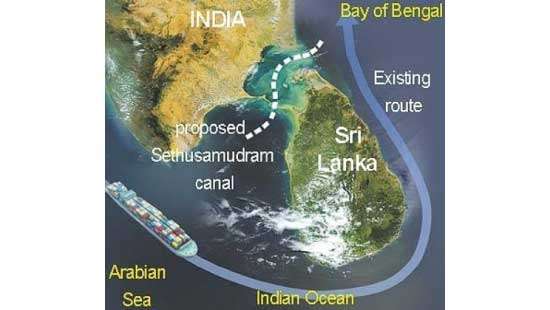
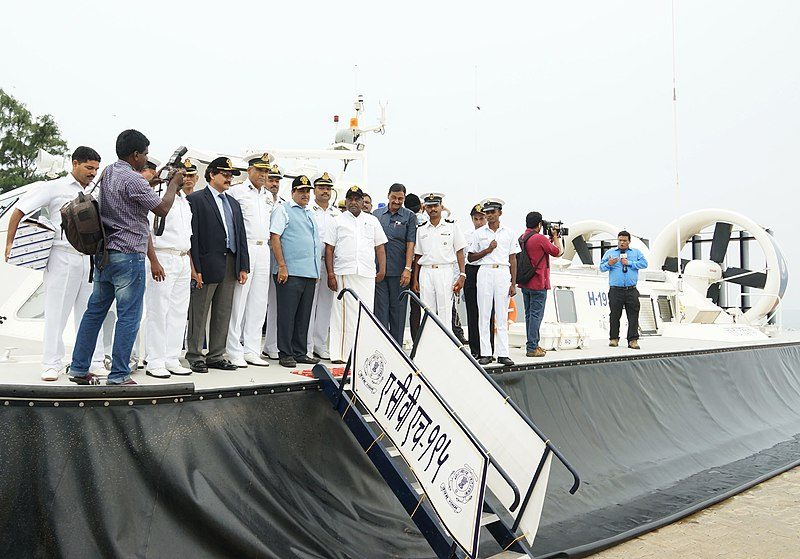
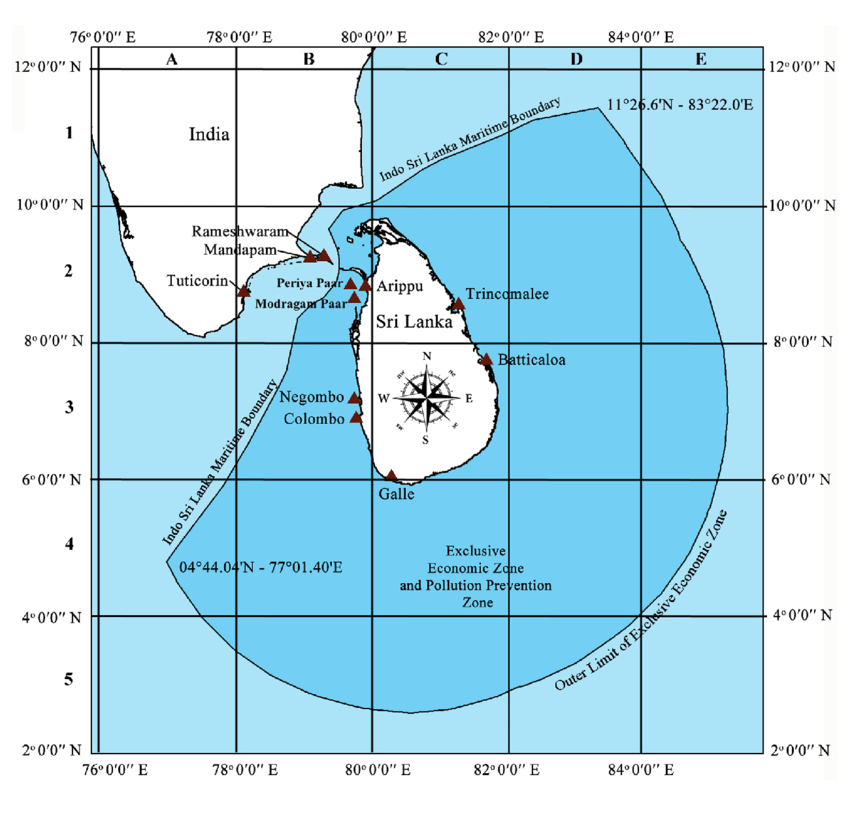



.jpg)