
YAHAPALANA AND CORRUPTION Part 1
March 3rd, 2017KAMALIKA PIERIS
Yahapalana government came to power on the promise that it would eliminate corruption. Yahapalana forgot this promise once they got elected and engaged in a whole bouquet of corrupt actions. These are regularly discussed in newspapers, websites and broadcast in TV news. The public are watching avidly. Sunday Times BT-RCB Poll did street interviews in Colombo and Galle in 2016 and found that there was high awareness of the Central Bank bond issue, coal tender, port city project and other such issues.
The respondents had much to say. ‘The government accused the previous government of being rogues but within the first 100 days came the bond scam followed by the coal tender’, said one. Yahapalana has helped the favorites of politicians earn big commissions on projects, ignoring tender procedure, said another.’ ‘The corrupt from the other side have crossed to this side’, they added. ‘Norochcholai issue is the same then and now’.
The Corruption Perception Index (CPI) for 2016, prepared by Transparency International, ranked Sri Lanka 95 out of 176 states. In 2015 Sri Lanka was ranked at 83 out of 168 countries. ‘Friday Forum’ observed that siblings were appointed to offices of high profit, friends were appointed to high offices of state and their corrupt activities were overlooked. Everyone agreed that Incompetent and corrupt persons were accommodated and a blind eye shown to malpractice. Those who opposed corruption were removed from office. Rohantha Athukorala, head of Lanka Sathosa, had taken a firm stand against alleged irregularities at Sathosa. He had opposed a move to appoint a consultant for a monthly salary of Rs. 2.5 million. He had suggested a salary of 3 lakhs instead as Lanka Sathosa was facing a grave financial crisis. He was abruptly removed from office (Sunday Island 26.2.17 p 1).
President Sirisena had appointed his brother P.G. Kumarasinghe Sirisena as Chairman of Sri Lanka Telecom. This was heavily criticized. But Kumarasinghe Sirisena stated firmly that he was a management graduate of Sri Jayewardenepura University, had considerable administrative experience and had the ability to run Sri Lanka Telecom efficiently. At the Pada Yatra of July 2016 , when Mahinda Rajapakse asked who is benefiting from the paddy issue the crowd shouted ‘Araliya’ the brand name of a rice miller who has links with the government. However, President Sirisena’s brother, a rice mill owner, stated publicly that he was not responsible for paddy shortages or paddy prices.
According to the information published in the Australian newspapers ‘The Age’ and ‘Sydney Morning Herald’ , President Maithripala Sirisena, when he was a Cabinet Minister, had, together with his Secretary, and an unnamed advisor, allegedly demanded a donation from Snowy Mountain engineering Co (SMEC), to award it a tender for a World Bank funded dam project in Sri Lanka in 2009. The contract was worth USD 1.82 million. It is alleged that SMEC manager had personally met Sirisena. The amount decided on was Rs 2.5 million and this money had been withdrawn in cash. The Age and Sydney Morning Herald belong to Fairfax group, a major Australian media company. The Australian media are well known for their doggedness in these matters, observed Chandraprema. Australian Federal Police is also involved in the investigation. (Island 26.8.16 p 1 Sunday Island 28.8.16 p 5)
The news went viral within one hour with people informing over the phone that Sirisena (and others) had solicited bribes. This is the first time that the head of state of Sri Lanka has been accused of corruption by a foreign press or named in an investigation by a foreign police force. President Sirisena has ordered the Attorney General to investigate the matter. However, no report on the investigation has yet been made public or tabled in Parliament.
The government said it would sue those who leveled bribery allegations against President Sirisena (Sunday Island 28.8.16 p5, Island 26.8.16 p 1). But this has not prevented Transparency international from using the information. Executive Director, Transparency International, Sri Lanka said ‘controversies such as the bond issue and the alleged Australian corruption scandal implicating the President have raised serious questions about the government commitment towards Yahapalana and anti corruption. ‘
The biggest corruption scandal talked about today, Is the Central Bank bond issue of February 2015. The loss to the government is placed at around Rs 1700 million. It could be higher. Till 2015 Central Bank (CB) raised money through direct bond placements which were purchased by state institutions. After Yahapalana government came in, direct placements ceased and bonds were sold by auction. They were purchased by primary dealers. State institutions were unable to compete with them.
A 30 year Bond was advertised by the Central Bank for a value of Rs.1 Billion at the rate of 9.5% , for the auction to be held on 27th February 2015. On February 26th the sum was increased to Rs 10 billion and the rate to 12.5 %. The original increase was to be Rs 20 billion but Central Bank officers had objected. They had also made a minute in their records that the new figure of Rs 10 billion was made on the order of the Governor, Arjuna Mahendran. The Superintendent of the Public Debt Department had made a spirited attempt to stop the matter, but failed. The decision to call an auction lay exclusively with the Monetary Board, not Governor. But in this case Mahendran had informed the Monetary Board only after carrying out the bond sale.
While the other bidders were bidding at 9.5% Perpetual Treasuries, owned by Mahendran’s son in law, Arjun Aloysius, made a successful offer for Rs 5 billion at 12.5%. It is argued that Aloysius obviously had inside information. The auction was to end at 11 am but was extended to 11.05 to entertain the Perpetual Treasuries bid. Usually, the first seven bidders were entitled to the bonds. Perpetual was no 16. While the auction was going on, Governor Mahendran had come in twice and inspected the bidders list. Central Bank governors never attended bond auctions. They kept aloof from such proceedings, said bank officials. The Central Bank had never experienced such a thing before.
Perpetual Treasuries did not have the money to pay for their offer and had obtained a low interest loan from the Central bank itself to buy some of it. Bank of Ceylon had paid up the remaining money. For the first time one primary dealer, BOC had bid on behalf of another primary dealer. Perpetual then sold its bonds to Employees Provident Fund and made a profit of Rs 10 billion. This has raised the question as to why EPF did not buy in the primary market and instead bought in the secondary market. The EPF said later, that the fund had incurred a loss of over Rs. 14,000 million by buying from Perpetual Treasuries without buying direct at the auction.
Perpetual Treasuries thereafter declared a phenomenal post tax profit of over Rs 5 billion, while other companies were struggling. The next highest profit was Rs 57 million. This bond deal had caused heavy losses to the other primary dealers and investors. Perpetual’s assets went up from Rs 11.8 billion in 2015 to over Rs 23 billion. Perpetual thereafter started buying into shares in finance and banking companies and land in Colombo. Perpetual’s success in the bond scam did not shock to the investment sector. They knew the company.
Arjuna Mahendran is a citizen of Singapore and was head of a division in HSBC Singapore. He was Chairman BOI, Sri Lanka from 2001-2004. In January 2015, as soon as the new government came in, Mahendran was appointed Governor of the Central Bank of Sri Lanka. The appointment was clearly planned earlier. It is said that Mahendran and his son in law Arjun were very close to PM Ranil Wickremasinghe. ‘They have too strong an influence with the Yahapalana to be shaken easily.’ Mahendran’s main promoter was Ranil said ‘Don Manu.’
When the bond scandal broke, the Prime Minister , under whom the Central Bank came was not prepared to remove Mahendran. Mahendran was removed on the order of the President. ‘It was a reluctant and belated response to overwhelming external pressure.’ Mahendran, it is alleged, was then taken into the PM’s Office. He was part of official delegations that travelled abroad with the PM and he was introduced to heads of state. He attended decision making meetings at Finance ministry. The government however denied this. It said Arjuna Mahendra is not an advisor to PM. He is not in any government position either. He is not in prison either. Perpetual Treasuries continues to be listed as a primary dealer. No action has been taken against it.
There was a strong reaction from the public when they got to know of this matter. COPE (Committee on Public Enterprises) was asked to investigate. COPE issued a 13 volume report on the subject in November 2016. COPE report stated that Mahendran was directly responsible for the bond scandal. COPE recommended legal action agonist Mahendran and all officers of the CB involved in the matter. The state should reclaim all monies. Auditor General stated in his report that the bond auctions were not held according to the regulations of the IMF handbook on Bond markets which is used by the CB and that Mahendran should be held responsible for the irregularities.
Yahapalana government tried to hush up the issue. The loss from CB bond scam was imaginary, said one minister. Nothing illegal happened in the bond sale. The opposition had been given false information. Instead of arresting the culprits who are responsible for the Central Bank bond fraud, arrangements have been made to arrest those who provided the details of the fraud to the relevant institutions, observed the Opposition. Island editorial pointed out that the government wanted a very weak case filed against the Central Bank officials, treating it as a civil offence and not criminal one, so that the accused ‘can go scot free’.
When the investigation began there was resistance from the Central Bank to queries by Auditor General and COPE. UNP ministers tried to protect Mahendran at COPE discussions. One UNP member (name withheld) only came for COPE discussions on the bond scam, he did not come for any other discussions. Semasinghe and Perera had openly faulted COPE chairman and Auditor General at a meeting in a threatening manner demanding that they amended their finding (Island 22.10.16 p 1). The UNP members of the COPE investigation including Harsha de Silva, Ajit Perera and Sujeewa Semasinghe wanted to submit an alternative report. However, instead of a dissenting report, they were allowed to provide ‘footnotes’ giving their position. These showed who was for and who was against the scam.
The government heavily criticized the Auditor General in Parliament regarding this matter. The comments are very revealing and the debate is described here at length. The Auditor General had sent his report, inter alia, to the COPE Chairman, Sunil Handunnetti. The government objected to this. Auditor General shouldn’t to have revealed sensitive details of the Treasury bond issue to anybody other than those entitled said Prime Minister, Ranil Wickremasinghe. Attorney General had instructed Auditor General in writing not to do so to anybody other than the Central Bank Governor.
Legal action should be taken against the Auditor General and his staff for leaking a sensitive report pertaining to the Treasury Bond issue to JVP Parliamentarian Bimal Ratnayake and not giving the same to him, said Finance Minister Ravi Karunanayake. It was a report that I had asked for”. The Auditor General has given the report to an MP. He has done so even without putting it in an envelope.” It is a sensitive report, containing secret information and was intended only for the eyes of Prime Minister, Finance Minister and the President. Only they are permitted to access such sensitive information.
This is very sensitive information relating to the financial markets and revealing such information would be detrimental to the Bond Market . This had been done without my approval. AG has also made the report public through the media and further, he has not signed it. The Auditor General has acted in an unprofessional manner. No other Auditor General had acted in such a manner before. It was not up to the public servants to act in this manner. Action should be taken against all officials who involved in this act, said Minister Karunanayake.
The Auditor General, unperturbed, said he had signed the report and submitted it according to proper procedures. Report was then put on the AGs official website. The report had been made available to Minister Karunanayake and a receipt received from the Ministry. There couldn’t be any information pertaining to the Central Bank bond scams which couldn’t be shared with Chairman, COPE The AG’s Department is answerable to Parliament. Auditor General added that he also prepared a report on the bond placements of 2008-2016. But adequate time could not be spent on the investigation ‘due to the impatience and the unethical reminders of the Minister of Finance’. There were more than 2000 TB transaction between 2008 and 2016 to get through.
MP Bimal Ratnayake said, the report tabled by me was not a copy that was given to me by the Auditor General but the report that was given to the COPE chairman Sunil Handunnetti”. Sunil Handunnetti had instructed me to study the report on his behalf as he was abroad. I clearly stated in Parliament that I was tabling the report on the instruction of MP Handunnetti. This was recorded in the unedited copy of the Hansard.
The Central Bank bond scam is still a burning issue. Ven. Bellanwila Wimalaratne made a strong speech about it in January 2017. This is robbery, this is fraud, even a child is aware of this scam. Is this going to be covered up? he asked. A ‘group of professionals’ led by Retired Rear Admiral Sarath Weerasekera protested opposite the Commission to Investigate allegations of Bribery and Corruption (CIABOC) in January 2017,against its failure to look into a petition handed over by them three months ago demanding a proper inquiry into the matter. They have handed over another letter.
In January 2017, under pressure, a Presidential commission of inquiry was appointed. This commission can only investigate and inquire’, they cannot probe violations of the law. The words used irregularities,” proper procedures,” ‘malpractice” all come within the ambit of civil and not criminal law. The commission has commenced sittings. Monetary Board was asked to inquire into the EPF purchases. Why did the President wait for two years to probe the bond scam, asked the Opposition. There have been issues over bond transactions since 2007/2008 period. Nobody spoke of them,” President Sirisena countered.
There had been another Central Bank bond scam in March 2016. Treasury bonds to the tune of Rs. 80 billion were issued on March 29, 2016, though Central Bank had originally stated that bonds will be issued for Rs. 40 billion. Anti-Corruption Front noted that the manner in which this had taken place was ‘extremely suspicious’ even though the Central Bank had claimed that they had to double the issuing of the bonds due to the increased demands for the Treasury bonds. The Front also expressed concern over the failure by the Central Bank to reveal details of the primary dealers who had purchased the bonds.
In February 2017 Ramanathan Kannan a lawyer practicing in the private bar in Batticaloa was appointed as a High Court Judge of Civil Appellate Court, Jaffna G.L. Peiris, Emeritus professor of law, drew immediate attention to this appointment and called on the government to explain this controversial appointment. High court judges were usually appointed from the lower judiciary or the Attorney General’s Department.
President Sirisena announced at the ‘National Law Conference 2017’ that the Bar Association had written to him about this appointment. He had initially turned it down, but a Bar Association delegation had met him personally and he had given in to their request. However, he had obtained the approval of the Judicial Service Commission and Attorney General. President Sirisena’s statement ‘sent shock waves through the judiciary’. Those who had pushed for the appointment never thought the President would spill the beans at the inauguration of the National Law Week.
Then it transpired that it was not the Bar Association but the President of the Bar Association acting alone, without the sanction of the Bar Association who had recommended the appointment of Kannan. Geoffrey Alagaratnam, President of the Bar Association explained that he had received a letter from the President of the Batticaloa Bar Association, requesting that Kannan be appointed a High Court judge. Alagaratnam did not know Kannan. He made inquiries and was told that Kannan was competent, possessed integrity, was trilingual, had over seventeen years experience at the bar, and had a successful practice at the Batticaloa Bar. Alagaratnam forwarded the letter to President Sirisena, Chief Justice and the Minister of Justice in September 2016. He said he did so because of the shortage of Tamil speaking judges in the north.
The Judicial Services Association (JSC), it appears, knew nothing about this. They met the Chief Justice, Kanagasabapathy Sripavan, who told them the appointment had been made at the request of President Sirisena. JSC observed that this appointment should have been made only from the 66 serving judges awaiting for promotions. The JSC, mindful of the concerns of the minor judiciary wanted the appointment withdrawn since it was based on the misrepresentation of facts.
The Judicial Services Commission further pointed out that this appointment of a lawyer practicing at the unofficial bar over the heads of many senior judges, affected the entire subordinate judiciary. 39 members of the JSA had been deprived of promotions. Further, Kannan had in 2004 applied for the position of Magistrate but had failed the interview and was not appointed as a Magistrate. Kannan now ranked above both magistrates and district court judges. This is a ‘thing that has not happened in recent history’.
The JSC went on to point out that Kannan was to function as a High Court judge in the area he served as a lawyer. The prime mover for his appointment was the President of the Batticaloa Bar Association, who is a lawyer engaged in private practice. This President has recommended another lawyer engaged in private practice at the Batticaloa bar for appointment as a High Court judge. This means that the President of the Batticaloa bar now has a tame High Court judge who is under obligation to him. If all Presidents of the Bar Associations across the country were allowed to recommend their buddies for appointment as judges in this manner and If the judges of this country are going to be dependent on the lawyers appearing before them for their promotions, they will be compelled to keep those lawyers happy by giving them the verdicts that they want and this will lead to unimaginable corruption in the judiciary.
The Bar Association also made it clear that they knew nothing of this matter. Neither the Bar Council and nor the Executive Committee of the BASL had been asked to consider the appointment of Ramanathan Kannan for the position of High Court Judge. The Association stated that there has never been a practice of either the Bar Council or the Executive Committee of the Bar Association or Branch Associations approving persons that are to be recommended for appointment to the judiciary though there have been several appointments to the judiciary from the Unofficial Bar in the past. Alagaratnam had violated the BASL Constitution by sending the recommendation letter without the approval of the Bar Council or Executive Committee”.
Lastly, Mahinda Rajapakse said in a statement that when he was President, he had appointed only one Supreme Court judge from the private bar and not a single member of the private bar had been appointed to either the Court of Appeal or the High Court by his government.
Yahapalana has made political appointments to the Foreign Service. 27 political appointees of the Rajapakse period were called back and replaced with Yahapalana’s own political appointees. The Heads of Mission in 33 countries did not come from the Foreign Service. The countries are: Afghanistan, Canberra and Sydney in Australia, Austria, Brazil, China, Egypt, France, Germany, India, Iran, Iraq, Italy, Japan, Nairobi, Malaysia, Myanmar, Norway, Pakistan, Poland, Palestine, Qatar , Russia, Saudi Arabia, Seychelles, Singapore, South Africa, UAE, Britain, Washington DC and Los Angeles in USA, and the UN in New York.
The second tier appointments, such as Counselor, First Secretary, too were political ones in 14 missions, Australia, Austria, Belgium, Ottawa in Canada, Israel, Kuala Lumpur, Poland, Qatar, South Africa, two in Britain, UN, and two in Washington DC. Minister for Foreign affairs had nominated a junior member of the Foreign Service over a senior one to head the mission in Berlin (Sunday Times 15.1.17 p 6). The President’s office has always maintained list of senior members of the Foreign Service. This practice has been stopped after Yahapalana took over.
Next we come to lucrative tenders for energy purchases. The three year contract for procurement of coal for the Norochcholai power plant is by far the biggest regular tender awarded by the Sri Lankan government Noble Resources Ltd of Singapore, a Fortune 500 company had been providing coal to Norochcholai for over four years, during Rajapakse government, at best possible price. It had repeatedly waived conditions of contract In order to assist Sri Lanka, had reduced prices, shipped without letter of credit or guarantees, shipped without payment of freight, released bill of lading without receiving full payment, adjusted delivery schedules, waived penal interest due to late payments and in general shown great commitment to its customers in Sri Lanka .
When the tender came up again in 2015, the Yahapalana cabinet excluded Noble and gave the tender to Swiss Singapore. The bidding criteria had been changed after the tenders were opened. The granular size of the coal was reduced .This permitted the import of substandard coal with a higher content of coal powder. Noble Resources went to court and Supreme Court heard the case as a matter of national interest. Supreme Court ruled that the tender had been granted in a manner which was against all known rules and regulations. It was invalid in the ‘eyes of the law’. The government wanted to keep Swiss Singapore Ltd as the main supplier of coal despite the Supreme Court ruling. The Cabinet consulted the Attorney General and re-awarded the tender to Swiss Singapore.
Minister of Power of Renewable energy thereafter appointed a three member committee led by K. K.Y. W. Perera to see whether the government has suffered any monetary loss due to the way coal was purchased after the present government came into power. This committee observed that the quality of each coal shipment differed and that Swiss Singapore had delivered 18 coal shipments after the removal of the penalties for granular size and the amounts actually paid after negotiation had been different to the originally agreed amounts. In the case of nine shipments the amount actually paid had been less than the original amounts and in the case of the remaining nine, it had been more than the originally tendered amounts. After balancing out the losses against the gains, the committee calculated that a sum of USD 287,029 had been gained by the Sri Lankan government.
However, the committee went further. It observed that the amount of fine particles in the coal supplies should be limited. Powdery coal dust had a serious environmental impact which was ‘not quantifiable’ . It was indirectly saying, that the decision that the Yahapalana government took to disregard the granular size of the coal in order to award the contract to Swiss Singapore Ltd was wrong. Critics observed that one dangerous consequent of this import of substandard coal was its appalling impact on the environment in the area surrounding the coal power plant Chairman of Lanka Coal Company (LCC) Maithri Gunaratne, who objected to the deal, was asked to quit.
Liberty Commodities Ltd was awarded the tender to supply 165 metric tons of coal in May 2015 by a Cabinet appointed procurement committee. The sulphur and ash content of coal had been altered to Liberty’s benefit after the tender had been awarded to it. The contract signed was not the one approved by the Tender board but what LCC had passed off as an amendment to a previous tender. In January 2016 LCC again altered the document to benefit Liberty. The Ceylon Electricity Board incurred huge losses through these transactions.
An Iranian company has offered a US$ 1.8 billion interest-free loan for the Sapugaskanda Oil Refinery Expansion Project. This offer was a zero commission instrument so Tender board was trying to scuttle the deal. There was no chance of a commission. Ceylon Petroleum Corporation officials said this is a very advantageous offer. We can pay back the loan in 20 years without any interest. The PFN of Iran likes to establish a rupee company in Sri Lanka. We can pay back our loan in rupees. We can earn about US $ 350 – 400 by way of profits after modernization of the Sapugaskanda oil refinery, but the government is dragging its feet, offering several excuses”.
The tender for construction of a new aircraft refueling facility at the Bandaranaike International Airport (BIA), Katunayake was cancelled by Presidential Secretariat, following complaints of irregularities. Bidders objected to the tender being awarded to a Greek company, saying the company had no experience in such work and didn’t meet the prescribed criteria set out in the tender announcement. This work should be carried out by a company with considerable experience and technical expertise, since an unintended spark can ignite the fuel vapor, causing a major fire. The bidder had to submit proof that he had carried out fuel terminal construction to the magnitude of US$ 25 million.
Bidders who participated in the tender alleged that, members of the Cabinet Approved Procurement Committee (CAPC) and the Technical Evaluation Committee (TEC) had not properly scrutinized the bid documents and had little knowledge of handling US$ 25 million-size projects. Trade unions noted that the same tender had been called twice, on June 18, 2015 and on April 29, 2016.The first tender was cancelled by the same CAPC and TEC without any valid reasons.
The costly third section of the Central Highway was awarded to Japanese firm Taisei Corporation which has been charged with bid rigging in Japan. Cabinet has instructed that instead of transparent competition bidding, tenders be called only from Japanese companies as the finance came from Bank of Tokyo Mitsubishi Ltd. Japanese Embassy was asked to send in three names, the first bid went wrong and the government then restarted the tenders to allow the same three companies to bid again this time with the bid bonds too. Officials say that this makes a mockery of the procurement process.
Vehicle Lanka (Pvt) Ltd. has been engaged in assembly of vehicles with used spare parts since 2005. A Cabinet sub-committee appointed in 2015, decided to give a three year concession to the company. Eight containers of spare parts belonging to Vehicles Lanka (Pvt) were released from the Customs with reduced customs charges . Ravi Karunanayake, Minister of Finance said this was done in accordance with the Cabinet decision, supported by legal advice by the Attorney General. He had no personal interest in the company. The loss to the country from this customs waiver is Rs 656 million said Udaya Gammanpila.
The government has given eight acres of land in Slave Island, Colombo to a private company, One Colombo Project , to construct a multi-storied building complex as a re-development and mixed development project. It has been granted an income tax holiday for 10 years and a tax exemption for six years. The company was also exempted from paying Withholding Tax for interest on foreign loans, management fees , royalty payments, marketing fees, and incentive management fees provided that the total of such fees did not exceed 1.5 percent of the gross operating revenue. Imports and local purchases for the project were exempt from VAT for eight years. The company was exempted from the payment of Ports and Airports Development Levy (PAL), Construction Industry Guarantee Fund Levy and Customs duty for eight years on importation of project related items. The expatriate staff of the project company, not exceeding 15 at a time, were exempted from the payment of Pay As You Earn tax.
Here is a list of some other controversial activities of the Yahapalana government. Agriculture ministry rented a house for Rs 2.5 million, amidst much opposition. Lanka Thriposha moved to procure one million kilos of soya and three million of maize at the cost of Rs 271 million outside tender procedure from a single supplier, other players were left out. Customs was ordered to suspend a probe into 800 undervalued super luxury vehicles. The country lost 40 million by this. 212 Prado vehicles were released from Customs allowing those who had imported them to pay paltry sums as duty. This too had caused a colossal loss to the government. A writ application was filed in court against a gazette notification giving tax relief up to Rs 600 million to ‘Ceylon Breweries’ and three other companies to import beer. Notice was issued on Ravi Karunanayake, Minister of Finance. A Cabinet appointed procurement committee decided to reinstate Singapore based Vitol Company as a registered supplier of fuel. It has previously been blacklisted for allegations of supplying substandard fuel stock.
To conclude, here is an entertaining Yahapalana attempt at eliminating corruption. In 2016, the Commission to investigate Allegations of Bribery (CIABOC) told the private sector that if they sent gifts, such as free air tickets and gift vouchers, to public servants at Christmas time and the public servants accepted the gifts, both parties could be tried under the Bribery Act. Soliciting gifts, especially Christmas hampers, was also a crime.
The K Point alias the Eliyakanda Torture Chamber
March 3rd, 2017Dr Ruwan M Jayatunge
In 1988 the JVP launched its 2nd insurrection against President Premadasa’s regime. The rebels and the security forces were responsible for gross violation of human rights during this period. The JVP insurrection claimed more than 60,000 lives. A large number of youth were arrested in connection with anti-government activities. The suspects were kept in numerous detention centers.
Eliyakanda camp (in Matara District) became one of the detention centers and it was well-known for its inhuman handling of the detainees. It was also known as the K (killing) point. Mr. Rohitha Munasinge’s book titled ‘Eliyakanda wada kandawura (Eliyakanda Torture Camp the Killing Point) published in 2000’ gives firsthand narration of torturing methods and merciless behaviour of the K point guards. Mr. Rohitha Munasinge who was a detainee in this center underwent torture and also witnessed horrific events. He is now living in France.
According to Rohitha Munasinge the guards of the K point unleashed extreme brutality on the suspects. They used sledge hammers to beat prisoners. When a prisoner was hit on the head with a sledge hammer he falls down and then goes in to seizure with violent body movements says Rohitha Munasinge who witnessed such events. For sadistic amusement the guards named two of such sledge hammers as ‘Loku Molaya’ (Large Brain) and ‘Podi Molaya’ (Small Brain). If a detainee was found with a relatively minor offence he was hit with the small brain or the small sledge hammer on the occipital region of the skull. For a big offence they used Large Brain or the big sledge hammer to hit on the parietal region of the skull. When a victim falls and starts convulsions the guards became very excited and gathered to observe it. They called it ‘break dance’.
The inmates were kept for long hours without giving water. When they were given food the detainees had to eat everything within ten seconds. If any food were remained on the plate after the 10th second the victims were beaten with clubs.
The Guards of the K Point
The K point guards were under educated youth who joined the Army low ranks during the height of the Eelam War. In 1989 the JVP issued an announcement to the armed forces members to resign from the military and they further said that those who disobey the order would suffer heavily. Several family members of the soldiers were killed after this notification and the soldiers became extremely hostile towards the rebels. They hated the JVP suspects and tortured them repeatedly.
Mr. Rohitha Munasinge says that many of the K-Point guards sexually molested the under aged suspects mostly the school boys those who were arrested for pasting JVP posters. Some guards openly talked about their atrocious acts and killings and boasted in front of others. However he describes on one remarkable guard who was kind to the prisoners. He had a minor disability in his right arm following a burn injury and he was less cruel to the suspects. When he was on guard he allowed the prisoners to have their meals without pressing for time. Once another guard tried to torture the prisoners unnecessarily he became so annoyed and pointed his gun at him. But on one occasion when he saw prisoners were talking to each other disobeying orders he became angry and flogged the prisoners with his leather belt.
According to another detainee there was a senior K –Point guard who was fond of cutting throats of the prisoners with a sharp razor blade. Often he behaved like a savage and inflicted pain on prisoners. When he was in a joyful mood he used to play music and dance.
The K Point Guard Who Suffered from Malignant PTSD
Private xx2 worked as a guard at the K -Point during the 88/89 insurrection period. He used to physically beat the inmates, used to burn them with lighted cigarettes, pushed the genitals of the victims inside the drawer of a table then close the drawer causing them enormous pain, and sometimes conducted executions. He worked in the K -Point for about a year and half then got a transfer.
From 1992- 1993 his mental health started fading. He could hear the voices of his victims, their shouting in pain. Private xx2 had intense rage and as a result of repeated physical abuse, his wife and children left him. Several times, he tried to commit suicide. In 2002, he was diagnosed with PTSD after a series of psychological assessments and detailed clinical interviews.
Private xx2 had intrusions, nightmares, phobias, ideas of reference, hallucinations and various other trauma related symptoms. He was severely abusing alcohol in order to forget the events that occurred at the K -Point. His recollections of the K -Point concurred with many descriptions given in the book ‘Eliyakanda Wada Kandawura (The Eliyakand Torture Camp)’ by Mr. Rohitha Munasinge. When Private xx2 was asked the color of the double cab vehicle in which they disposed dead bodies he gave the correct answer. This yellow color vehicle was vividly described in the book by the author.
The story of Private xx2 and his brutal experience as a guard at the K -Point recounts that the torture is a doubled edged sword that can harm not only the victims but the perpetrators too.
Echoing Tamils nationalistic slogans, Mangala Samaraweera’s speech at UN on 1 March 2017, clearly implicated that Sri Lanka was a “failed state”!
March 3rd, 201734th Session Of UNHRC: FM Mangala Samaraweera’s Speech – Full Text
Mr. President
High Commissioner for Human Rights/ Madam Deputy High Commissioner
Excellencies
Distinguished Delegates
Ladies and Gentlemen
It is an honour for me to be here today at the 34th Session of the UN Human Rights Council which I believe has the highest number of dignitaries in attendance.
I stand here today at a time when the very basis and fundamentals of human rights are being questioned around the world. Many of the universal values that we subscribe to are being challenged in the name of ‘populism’, with populists spinning webs from threads of ignorance. The role of this Organisation, in this context, is becoming more important than ever.
Mr. President,
This Council is familiar with Sri Lanka’s story. After years of denial, disengagement, and self-isolation, the National Unity Government of President Maithripala Sirisena and Prime Minister Ranil Wickremesinghe, proceeded to set our country on a transformative trajectory in terms of human rights, good governance, rule of law, justice, reconciliation and economic development.
The people of our country voted in large numbers granting a resounding victory to President Sirisena at the election in January 2015. The voter turnout was the highest recorded for any Presidential candidate, and in the North and the East, President Sirisena’s share of the vote was also the highest ever as people placed their trust in President Sirisena who they believe will not short change them as in the past. Therefore, we not only owe the people who voted for us 2 years ago, but also to history to uphold that trust, and we are committed to do so.
Mr. President,
It is with this firm conviction, that soon after the August 2015 Parliamentary Election, we co-sponsored Resolution 30/1 titled ‘Promoting Reconciliation and Accountability in Sri Lanka’, which was adopted unanimously by this Council, on the 1st of October 2015.
I speak today, just over a year, or 15 months since Sri Lanka took the historic step of co-sponsoring Resolution 30/1. Many in our country criticised and continue to criticise us for this step. Some even see this as an act of treachery and betrayal of the nation. We have a simple message for them, as we journey towards 2018, our 70th year as an Independent Nation:
The Sinhalese, the Tamils, the Muslims, the Burghers, those of different faiths and beliefs, across gender, caste and creed, that constitute our country, worked together to gain Independence for our nation in 1948. That achieved, we failed to forge the perfect nation of individuals who all hold equal rights, working as one to achieve the heights our nation could attain. As a result, for 69 long years, we journeyed through pain, violence, loss of life and precious human resources, ruining chances of socio economic progress. This was clearly an experiment in nation building that failed, which is certainly not worth pursuing further. We must have the courage to acknowledge that truth, and that era must now end. The Sri Lanka that we seek to build here onwards, should be one where justice reigns; where human rights are valued; where every individual’s dignity is upheld; and where civil society and the media play their due role; a society that believes in the importance of the independence of the judiciary, and the rule of law; and where everyone has equal rights.
Mr. President,
As we move forward in this journey, the forces of extremism and regression on both sides of the divide are creating road blocks for narrow, short-term political gain. While stubbornly refusing to acknowledge any of the far-reaching gains we have made in the last 2 years, they argue that we have either done too much or too little. I would, in this backdrop, like to say that the recommendation of the GSP+ concessions from Brussels, and MCC compact assistance from USA were announced recently, in recognition of the progress made in Sri Lanka in the last two years, and we await their formal approval in the coming months.
Mr. President,
Since I last addressed this Council, on the 29th of June 2016,
- legislation to give effect to the International Convention for the Protection of All Persons from Enforced Disappearance was approved by the Cabinet of Ministers, and published in the Government Gazette, and is expected to be tabled in Parliament shortly;
- the formulation of the Policy and Legal Framework of the proposed Counter Terrorism Act has progressed in keeping with accepted international practices;
- Sri Lanka’s Parliament has enacted legislation to establish a Permanent Office on Missing Persons. The Act that has been certified by the Speaker of Parliament, is now the law of the land, and awaits the assignment of the subject to the Prime Minister, by the President, for its operationalisation. The budget for the year 2017 has, in the interim, allocated over a billion Rupees for this Office.
- a National Policy on Durable Solutions for Conflict-affected Displacement was approved by the Cabinet of Ministers;
- the Registration of Deaths (Temporary Provisions) Act No 19 of 2010 was amended by Parliament, and the issuance of Certificates of Absence was enabled;
- the UN Secretary-General at the time, Mr. Ban Ki-moon, and the Special Rapporteur on Minority Issues visited the country, at the invitation of the Government;
- the List of Designated Persons under Regulation 4(7) of the UN Regulation No. 1 of 2012 was further amended;
- Sri Lanka’s periodic reports were considered by the Committee on Migrant Workers, the Committee on the Elimination of Racial Discrimination, the Committee Against Torture, and the Committee on the Elimination of Discrimination Against Women;
- the Reports of the 6 Sub Committees of the Steering Committee tasked with deliberating and submitting reports on fundamental rights; judiciary; law and order; public finance; public service; and centre-periphery relations; have been completed, and handed over to the Constitutional Assembly;
- the National Human Rights Action Plan for the period 2017-2021, evolved through a wide consultative process, was approved by the Cabinet of Ministers;
- the Right to Information Act was brought into force on the 3rd of February this year;
- 11,253 houses were handed over during 2016 to the internally displaced; and Rs. 4,785 million has been allocated for 5,732 houses for the internally displaced for 2017;
- the Rehabilitation of Persons, Properties and Industries Authority (REPPIA) payments for beneficiaries in 2016 amounted to Rs. 605,809,359.00; and Rs. 574,000,000.00 has been allocated for 2017;
- 5,515.98 acres of state land and 2,090.03 acres of private land were released in 2016; and 1,383.51 acres of state land and 30.54 acres of private land were released last month, in January 2017;
- the first ever National Integration and Reconciliation Week was observed from 8th to 14th January 2017, with all public officials as well as school children taking a pledge, resolving to work together, hand in hand, respecting the richness of our diversity, to foster peace, understanding, and mutual trust, for a new Sri Lanka that is united in its diversity;
Mr. President,
Another important undertaking that was successfully concluded during this period, is public consultations carried out by the Consultation Task Force on Reconciliation Mechanisms, the first of this nature carried out in the country. Over 7000 written submissions were received from persons from all walks of life, many of them victims of human rights violations who came forward to give their views. The Report of the Task Force is presently being studied in the context of designing the relevant Mechanisms for Truth-seeking, Reparations, Justice, and other reconciliation processes.
We expect the draft legislation on the Truth-Seeking Commission to be presented to the Cabinet of Ministers within the next two months. Our resolve to bring justice to the victims of human rights violations remains firm.
While taking the allegations of widespread torture seriously, the Government has a zero-tolerance policy towards torture. Although the National Human Rights Commission has recently indicated to us that there is a downward spiral of incidents, even one incident of torture is one too many. The Human Rights Commission of Sri Lanka, the Police Commission, the Ministry of Law & Order and other relevant agencies are working together to prevent and combat torture. As in many other areas, this too is an area in which we require technical assistance, and I hope that countries with experience in this area will come to our assistance.
Mr. President,
The Constitution drafting process is for us both central and essential not only for democratisation, but also for ensuring non-recurrence of conflict. As this Council is aware, the Parliament of Sri Lanka, in April 2016, unanimously adopted a Resolution to prepare a draft Constitutional Bill for the consideration of Parliament. As we approach the 70th year of our nation’s Independence, we seek, for the first time in our country’s modern history, to engage in this process wholeheartedly as an exercise that would unite our people who have been divided for far too long. The Parliamentary process and referendum are for us, imperative. We want to ensure that this Constitution, the 3rd Republican Constitution, unlike those before, that did not involve consensual and consultative processes, would reflect the true aspirations of our people. An exercise where, after years of conflict, the executive, legislature and sovereign – that is the people of our country – will unite to define and chart our nation’s future, guaranteeing equal rights, justice, and dignity for all citizens, honouring the multi-ethnic, multi-religious, multi-lingual character of our nation, upholding the right of citizens to participate more fully in decisions that impact their lives, and guaranteeing non-recurrence of conflict.
Mr. President,
The journey we have undertaken, arising from our commitments to our people and the mandates received at elections, is challenging. This may be a journey strewn with both success as well as some setbacks. In the face of roadblocks and other obstacles in the day to day world of realpolitik, there may have to be detours from time to time, but the destination will remain the same. Our resolve to see the transitional justice process through has not diminished. With the help of all our citizens in all walks of life, our friends and partners in the international community, and Sri Lankans overseas; with patience, understanding, and constant and consistent effort and perseverance; we strongly believe that we can make the reconciliation process a success, and establish a progressive and united society, working in harmony to take our nation towards new heights of socio-economic development. We believe that we can make Sri Lanka a shining example of a country that is prosperous, united in its diversity, upholding human rights, justice, and the rule of law.
Thank you.
‘Toxin-free Agriculture’ and Microbial Fertilizer Technology Efficacy
March 3rd, 2017Dr Parakrama Waidyanatha
The government’s new agriculture policy as enunciated in its policy document ‘Toxin –Free Nation- Three year Plan, 2016, is sadly full of errors and un-achievable. The policy, among other things, stipulates replacing agrochemicals over a specified time frame( 3 years according to the document), with organic agriculture and microbial fertilizer technologies; and cultivation of 30% of the rice extent in traditional varieties. It is argued that traditional varieties(YVs) are more nutritious and of higher medicinal value than the new improved varieties(NIVs). This is not true and there are NIVs with comparable nutritive value. On the other hand, the staple food is fundamentally to provide the carbohydrates or calories the balance nutrition being essentially derived from other foods. Most importantly, NIVs yield, on average, four times more than the Tvs, and hence overexpansion of Tvs could negatively affect the national food production. Nobel Laureate Norman Borlaug, the Father of the Green Revolution in his address to the Nobel forum in 2000 remarked that, had the pre-green revolution global cereal yields (ca 1t/ha, also the yield of our traditional rice) prevailed today we would need nearly 1.8 billion hectares of additional land as against the current 600, 000ha to equal the present global harvest! Imagine the consequent environmental degradation! Agriculture can never be totally toxin free. Organic farming is not toxin free either! What needs to be done is to minimize toxins through judicious agrochemical use. Sadly the government has not addressed this matter effectively! Alternative more sustainable technologies to agrochemicals are now being widely researched on globally and should be vital for minimizing pollution, environmental degradation and the health of all living beings in the future. The world cannot, however, at least in the foreseeable future, feed its populace without agrochemicals! And that is a fact whatever the ‘toxin-free’ purists say! Norman Borlaug in the above address also remarked that half the world population today is alive thanks to the Haber-Bosch Process of synthesis of ammonia (nitrogen fertilizer)! Globally, however, only 1% of the agriculture is organic of which only 0.22% is in arable crops, less than 0.2% is in other crops, the bulk of the extent (0.66%) being in pastures. Organic agriculture is so restricted because of the inadequacy of organic matter or consistently reliable alternatives such as microbial technologies to provide optimum crop nutrient demands. Cuba was the only country in the world that was compelled to go totally organic in 1989 , with the collapse of USSR and consequent discontinuance of agricultural aid from it on which Cuba was nearly totally dependent. However, over the years it has returned in part to agrochemical technologies. It now uses chemical fertilizers increasingly, currently consuming 50 kg/ha/yr, and has its own glyphosate manufacturing enterprise!
Microbial fertilizers and their efficacy
The ‘toxin –free’ policy makers have realized that it is impossible to physically provide the requisite organic matter to produce the national food demand, and is resorting to microbial fertilizers as an alternative. The policy document states that local scientists have taken steps to provide robust non-toxic fertilizer, and many of them are being sold at competitive prices. It further states that the government will create an enabling environment for these manufacturers. In a recent newspaper report it is claimed that a ‘revolutionary product, which is a world’s first from Sri Lanka can replace up to 50% of the chemical fertilizer usage in major commercial crops, and increase yield by 20-30%’, ‘saving the country billions in foreign exchange’! The new product carries the name Biofilm Biofertilizer(BFBF), a microbial technology based on the principle that some microbes(bacteria, fungi and algae) have the tendency to attach to surfaces and form multiple cellular communities bound together by extracellular polymers referred to as biofilms, which are supposedly more effective than individual microbes in nutrition provision to crops. . Although it is claimed that this product is a result of ten years of research participated by various research institutions, there is as far as I am aware, published evidence of it being responsive with only young tea and rubber plants, but not with mature crops, in work done at the Tea and Rubber Research Institutes. On the other hand, research conducted at the Rice Research and Development institute of the DOA with this product, according to its officers did not give positive responses to it and more trials are now in progress. In an experiment conducted with maize at the Field Crops Research and Development Institute of the DOA at Mahailluppallama, BFBF did not improve plant growth or yield . Despite all this, the product is vigorously promoted by a firm as evident in The Island’s article referred to above. Furthermore, although claimed in the above article, there had been no research conducted with the Sugarcane Research Institute on BFBF according to its officials, and I have not seen any published research on the efficacy of this product from any of the other institutions mentioned in The Island’s article referred to above.
I was, however, able to pick up the Table given below from published literature, from an article: Udugama, V.A et al (2016) ‘Biofilmed Biofertilizers – Application in Agroecosystems ; The Handbook of Microbial Bioresources: 96- 106; Commonwealth Agricultural Bureau International (eds V K Gupte et al)There are in all 15 authors in the publication. I have inserted in the last column of the Table, the mean crop yield data from 30 farms for Yala 2014 and Maha 2014/15 obtained from a DOA publication( Cost of Cultivation) for comparison. Clearly, something is seriously wrong with the trial crop yields in being often many fold less than the comparable farm yields despite the trial being repeated at several sites! For example, Hungarian Wax Pepper, tomato and cabbage research yields treated with BFBF are a mere 238, 335 and 1305 kh/ha, as against corresponding farm yields of 12, 617, 19,834, 27,935 kg/ha, that is, 53,59 and 21 fold lower than the corresponding farm yields respectively ! How come the research yields are so low! Is it an error? If so how did all 15 researchers/co-authors and even the editors/referees of the publication miss it! The design of the trial too is faulty in that the corresponding control treatments, viz, 50% fertilizer only and BFBF only had not been tested. Without the former treatment one cannot conclude that the BFBF had been efficacious. It is surprising that the journal has accepted this article for publication with these serious faults. Nevertheless, has the company got other adequate research evidence from trials ideally carried out in collaboration with the respective research institutions to enable recommending the products confidently? If not, is it not unethical on the part of the company to promote the product among farmers? That is not all! This product is being promoted in the website of the Strategic Enterprise Management Agency (SEMA) apparently the primary body promoting the concept of ‘toxin –free agriculture . How could any governmental organization ethically promote any commercial product without itself or a dedicated state institution’s adequate testing?
There are various microbial formulations in the market but they should be promoted among farmers only following adequate testing by the dedicated research institutions. Sadly, this does not seem to happen and farmers are being fooled into using various concoctions by agrochemical companies. The Ministry/Department of Agriculture should set up a regulatory authority in line with the Registrar of Pesticides to ensure that such products do not enter the market without adequate testing by the dedicated state institutions and approval by such an authority.
There is, however, now a massive research thrust by some agrochemical companies in the search for effective microbes for replacing agrochemicals. The agrochemical firms Monsanto and Novozymes appear to be leaders in this regard. The two companies have set up an enterprise, BioAg Alliance which is reported to have in 2016 concluded the world’s biggest soil microbial test programme of over 2000 different microbial seed coatings grown in some 500, 000 test plots across US from Louisiana to Minnesota. The early results are supposed to be promising in that the selected top five microbes increased corn yields by an average of 4 – 5 bushels per acre and soya yields by 1.5 bushels/ac. A microbial product, Novozymes’ Met 52, a fungus that limits vine weevils is already used in millions of acres There is no argument that such research should take high priority in the future given the universal need to cut down on agrochemicals for sustainability of future agriculture, but any new findings should be adequately tested before introducing to farmers. The global market of microbial fertilizers for 2017 was forecast to be 10 billion USD. Latin America and Europe are currently the top consumers of biofertilizer. In Mexico one microbial product is used now in some 1.5 million hectares. However, formulation of inocula that have a reliable and consistent effect under field conditions is still a serious challenge for their wider use.
COMPARISON OF BIOFERTILIZER TRIAL YIELDS WITH STANDARD FARM YIELDS
_________________________________________________________________________
Crop **Biofertilizer Trial Yields (Kg/ha) ***Farm Yields (kg/ha)
50% Chemical Fert. + BFBF__100% Chemical Fert.____________________
Tea 4300 ± 606 4100 ± 678 ____
Rice 4420 ± 715 3580 ± 1295 6059 (Ampara)Y/I
Maize 2681 ± 322 2502 ± 338 8594 (A’pura) Y/I
4571( -do-) M/R
Radish 1192 ± 251 992 ± 188 ____
Cabbage 1302 ± 342 980 ± 249 27,945(N’eliya) Y/I
Bitter gourd 1547 ± 445 1563 ± 440 13,343 (H’tota) Y/I
Aubergine 748 ± 175 678 ± 260 ____
Okra 3107 ± 1719 1739 ± 710 ___
Chilli 3478 ± 1754 2350 ± 919 17,618 (A’pura)Y /I
7,116 (-do-) M/R
Hungarian wax pepper 238 ± 50 152 ± 39 3 12,617 (Badulla) M/I
Tomato 335 ± 86 397 ± 131 19,834 (Badulla) Y/I
Pole bean 2762 ± 886 2396 ± 753 11,330 ( -do-)Y/I
5,782 (-do-) M/R
—————————– —————————— —————————————————————
* Fertilizer recommended by the relevant institutions. **Commonwealth Agric. Bureau J 2016
*** Average of 30 farms: Source – Dept of Agriculture; Cost of Cultivation Yala 2014& Maha 2014/15
Y = Irrigated R = Rainfed M = Maha season Y= Yala season
අයි .එම් උදය ඉඳුනිල්ව මරා දැමුවේ කවුද ?
March 3rd, 2017වෛද්ය රුවන් එම් ජයතුංග
උදය ඉඳුනිල් කොලඹ නාලන්දා මහා විද්යාලයේ සිසුවෙකු විය. එසේම ඔහු හිටපු බාලදක්ෂයෙකි. ජනාධිපති බාලදක්ෂ පදක්කම්ලාභියෙකි. ඉඳුනිල් ඉතා හොඳ හැසිරීමක් සහිත වූ ඉගෙනීමේ දක්ෂතාවයක් තිබූ සිසුවෙකු විය. බාලදක්ෂයෙකු ලෙස ඔහු කුසළතා පෙන්වූ අතර අප සමග බාලදක්ෂ කඳවුරු ගනනාවකට සහභාගී විය. මට වසර දෙක තුනකින් ජ්යෙෂ්ඨ වූ ඉඳුනිල් සමග මම ගාල්ල රජෙස් කන්ද පස් දින බාලදක්ෂ කඳවුරට සහභාගී වූයෙමි. මට අමතරව රාජකරුණාද මාතර ආරච්චිද මෙම කඳවුරට සහභාගී වූහ. ගාල්ල රජෙස් කන්ද පස් දින බාලදක්ෂ කඳවුරෙන් පසු මම 1982 දී ඉඳුනිල් සමග අනුරාධපුරයේ පැවති ලෝක බාලදක්ෂ ජම්බෝරියට සහභාගී වූයෙමි. එය මගේ අවසන් බාලදක්ෂ කඳවුර විය. ඉන්පසු මම උසස් පෙළ අධ්යනයන්ට අවධානය යොමු කලෙන් බාලදක්ෂ ජීවිතයට ආයුබෝවන් කීවෙමි. එහෙත් ඉඳුනිල් දිගටම බාලදක්ෂ ව්යාපාරය තුල සිටියේය.
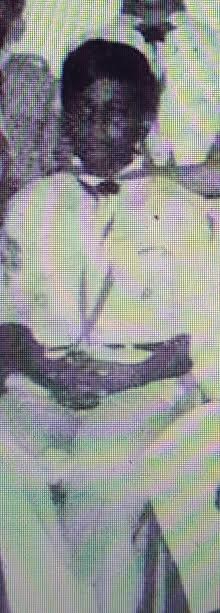
අපොස උසස් පෙළ ගණිත අංශයෙන් ඉහලින්ම සමත් වූ උදය ඉඳුනිල් මොරටුව විශ්ව විද්යාලයට තේරුණි. එය ඔහුට මෙන්ම සෙසු බාලදක්ෂයන්ටද සතුට ගෙන ආවේය. අපගේ බාලදක්ෂ සමූහයේ ප්රථම වරට විශ්ව විද්යාලයකට තේරුණු සිසුවා ඔහු විය. එහෙත් මෙම සතුට කෙලවර වන්නේ ඛේදවාචකයකිනි.
උදය ඉඳුනිල් ගේ මරණය පිළිබඳ ආරංචිය මට ගෙන ආවේ මහත් විමතියකි. මුලින් මම සිතුවේ එය හදිසි අණතුරක් කියාය. එහෙත් පසුව ඔහු ලිපියක් ලියා තබා දිවි තොර කරගත් බව පසුව ආරංචි විය. ඔහු මැසි තෙල් බී දිවි නසා ගත්තේය. ජනාධිපති බාලදක්ෂයෙකු මෙන්ම පරමාදර්ශී සිසුවෙකු වූ උදය ඉඳුනිල් දිවි නසා ගත්තේ මන්ද කියා මම වසර ගනනාවක් පුරා සිතුවෙමි.
මැතකදී හිටපු බාලදක්ෂ නායකයෙකු වූ අයර්ලන්තයේ ජීවත් වන සමන් කුරේ සමග මම උදය ඉඳුනිල් ගැන කතා කලෙමි. එහිදී මට ඉඳුනිල් ගේ මරණයට පාදක වූ තොරතුරු බොහොමයක් මට අසන්නට ලැබුණි.
ඉඳුනිල් නවක සිසුවෙකු ලෙස මොරටුව විශ්ව විද්යාලයට ගිය විට ඔහුව ඉතා ක්රෑර නවක වදයට ලක් කොට තිබේ. මේ නවක වද අතර නිරුවත් කොට පොළවේ වතුර බිඳුවක් උඩ පිහිනීම, පහර දීම් මෙන්ම ලිංගික අතවරද තිබී ඇත. මේ කාලයේදී වරක් සමන් කුරේ හමුවූ ඉඳුනිල් ” මට ජීවිතයේ කරන්න තියන ඔක්කොම ජරා වැඩ විශ්ව විද්යාලයේදී කෙරුවා කියා ඉතා කනස්සල්ලෙන් කියන ලදි. ඉඳුනිල් ගේ මනස සුවපත් කිරීම සඳහා සමන් කුරේ ඔහුව බාලදක්ෂ කඳවුරකට ගෙන ගොස් තිබේ. එහිදී සමන් කුරේ දුටුවේ පැරණි ඉඳුනිල් නොවේ බලාගත් අත බලා සිටින උකටලී වූ වෙනත් ඉඳුනිල් කෙනෙකි.
ඒ කාලයේ නවක වද වින්දිතයන් ගැන කතිකා , උපදේශන සේවා , සුලභ මානසික සෞඛ්ය සේවා තිබුනේ නැත. එසේම ඉඳුනිල්ට තමන්ට සිදුවූ අතවර කීමටද කෙනෙකු නොවීය. ඔහු තනිවම තැවුනේය. මේ අතර 1988-89 කළබල නිසා විශ්ව විද්යාල වසා දැමුනි. මෙයද ඔහුව වඩ වඩා කලකිරවන්නක් විය. අවසානයේදී මේ සියළු ගැටළු වලට පිලිතුර ලෙස ඔහු මරණය තෝර ගත්තේය.
ඉඳුනිල් ගේ මරණය ගැන මනෝ විද්යාත්මක පශ්චාත් මරණ පරීක්ෂණයේදී මට පෙනී යන්නේ විශ්ව විද්යාලයේදී සාහසික නවක වදයට ලක් වීම නිසා ඔහු තුල පශ්චාත් ක්ලමථ ලක්ෂණයන් සමග විශාදය වර්ධනය වී ඇති බවයි. මානසික ප්රතිකාරයකින් තොරව වර්ධනය වූ මෙම විශාදය විශ්ව විද්යාල වැසීම නිසා තවත් උග්ර විය. එබැවින් හඳුනා නොගත් සහ ප්රතිකාර නොලැබුනු විශාද තත්වය උග්ර වීම නිසා ඔහු දිවි නසා ගත්තේය.
අයි. එම් උදය ඉඳුනිල් යනු පේරාදෙනියේ රූපා රත්නසීලී වැනි සහාසික නවක වධය විසින් පැහැර ගන්නා ලද මිනිස් බිල්ලකි. ඉඳුනිල් ගේ මරණයට වගකිව යුත්තෝ කවුද ? ඔහුව තිරිසන් නවක වදයට ලක් කොට මරණයේ දොරටුව වෙත තල්ලු කල වධකයන් අද ඉංජීනේරුවන් වී ලංකාවේ , ඕස්ට්රේලියාවේ , එක්සත් රාජධානියේ , උතුරු ඇමරිකාවේ ජීවත් වෙමින් ජීවිතය විඳිති. ඔවුන් විසින් අනියම්ව මරා දමන ලද සිසුවා ගැන මතකය දැන් වියැකී ගොස් විය යුතුය.
වෛද්ය රුවන් එම් ජයතුංග
Stalin’s Mind
March 3rd, 2017Dr Ruwan M Jayatunge
Joseph Stalin was one of the main architects of creating a collective trauma in the Soviet Union. His actions and policies brought immense suffering to the people. The aftermath of Stalin’s repression still impacts the post Soviet Society. However despite all the negative consequences Stalin is still remembered in Russia as a great hero who saved the Soviet Union from Hitler’s Fascist aggression and transformed the country in to a super power. The Stalinist past still shapes the Russian society today (Gouldner 2009). A survey commissioned by the Carnegie Endowment in 2012, suggested that Soviet dictator Josef Stalin has remained widely admired in Russia and other former Soviet nations (The Moscow Times, 2013).
Joseph Stalin was the leader of the Soviet Union from the mid-1920s until his death in 1953 ruled the country with an iron fist. According to Professor Harold Shukman of all the dictators the world endured in the twentieth century, Joseph Stalin was unquestionably the mightiest. Nisbet (1986) describes Joseph Stalin as a low-born revolutionist and bandit from early years, successor by sheer ruthlessness to Lenin as absolute ruler of the Soviet Union, liquidator of the Kulak class in the Ukraine, purger of his own party and totalitarian to the core.
Joseph Stalin’s political strategy to construct socialism is known as Stalinism. Stalinist policies in the Soviet Union included: state terror, authoritarianism, rapid industrialization and the theory of socialism in one country, a centralized state and collectivization of agriculture (Bottomore, 1991). According to Gouldner (2009) Stalinism is historically analyzed as a regime of terror in furtherance of a property transfer which utilized a personal dictatorship and a burgeoning bureaucracy.
Many Soviet and the international politicians observed certain abnormal traits in Stalin’s character. Vladimir Ilyich Lenin saw Stalin as a rude unsympathetic person. Leon Trotsky noticed Stalin’s unstable emotions. Nikolai Bukharin identified his insatiable desire for power disregarding moral values. Among the international politicians Winston Churchill become aware of Stalin’s coldness when he laughed and joked about the killing of hundreds of thousands of Soviet Kulaks while dining with him in 1942 at the Yalta conference. The Yugoslav Communist politician Milovan Đilas perceived inappropriate humor, sycophancy, vulgarity and extreme manipulativeness in Stalin.
Mental capacity of Joseph Stalin was questioned by the Soviet and the foreign experts. Dr Vladimir Bekhterev detected paranoid symptoms in Stalin in 1927. Stalin’s physician Dr. Alexander Myasnikov who treated him in 1953 believed that atherosclerosis of the cerebral arteries caused abnormal behavior and impaired judgment in the Soviet dictator. There are a number of theories that intensely discuss Stalin’s terrorizing behavior and long lasting paranoia. As indicated by Birt (1993) paranoia often begins during childhood in a situation in which the child feels both dependent on and threatened by the father. Birt (1993) further states that severe emotional ambivalence that Stalin experienced in his childhood may have caused lasting impact on him.
He worked with the Bolsheviks. But unlike Lenin or Trotsky, Stalin had no profound theoretical knowledge in Marxism. Stalin was famously weak in his Marxism on a personal and interpersonal level (Amadon, 2011). He was not a revolutionary hero either. However he was a pragmatic activist and was highly manipulative. Stalin was able to win Lenin’s trust. He had organizational skills and worked with an iron will. He knew the importance of terror in achieving the goals and defending the Revolution. Stalin used ruthless measures during the Russian Civil War earning a fearsome name.
Stalin encountered series of identity crisis throughout his life probably due to insecurities that vastly affected him. In his young days he adopted the name Koba -a Georgian fictional hero. According to Lerner (2014) Koba -the name of hero from the1883 novel, The Patricide by Alexander Kazbegi. Stalin very liked this book and he used the name as pseudonym). then Stalin (man of steel), Thovarisch Stalin (Comrade Stalin), Velikiy Stalin (Great Stalin), nash Velikiy Vozhd’ (Our Great Leader) and finally Otets Narodov (Father of the Nation). He was troubled by his Georgian heritage ruling the Russian masses. He spoke Russian with a thick notable accent.
Between the late 1920s and the early 1950s, one of the most persuasive personality cults of all times saturated Soviet public space with images of Stalin. A torrent of portraits, posters, statues, films, plays, songs, and poems galvanized the Soviet population and inspired leftist activists around the world (Plamper, 2012). For Communists of the old guard, the Stalin cult was probably something of an embarrassment. Yet in their eyes too, he was becoming a charismatic leader, though of a somewhat different kind than for the broad public. Stalin’s public image in the 1930s, like the Tsars’ before him was that of a quasi-sacred leader, font of justice and mercy, and benevolent protector of the weak; he was often photographed smiling paternally on shy peasant women and children (Fitzpatrick, 2000).
Joseph Stalin’s economic plans swallowed human lives in gigantic proportions. His actions weakened the Red Army and it gravely affected the Winter War with Finland in 1939. He miscalculated Hitler’s intensions. Stalin disregarded reports from the Red Army military intelligence. On 3 April 1941 Churchill sent a message to Stalin, informing him of Hitler’s intention to invade the Soviet Union. Stalin was receiving similar warnings from various sources, but shrugged them off as attempts by Britain to sow discord between him and Hitler. A former Czech agent in Berlin, code-named ‘Shkvor’, reported to Soviet intelligence the concentration of German troops along Soviet borders. Stalin read Shkvor’s report and wrote on it in red pencil, ‘English provocation’. He ordered the NKVD to assassinate Shkvor (Brackman, 2003). Although Stalin found enemies everywhere he failed to see his biggest enemy. He thought that he could ally with Hitler. When Hitler invaded the Soviet Union Stalin went in to despair. He abandoned all his work and hid from the public eye. Paradoxically, the war years were psychologically the most normal time during Stalin’s rule: for once, the country was not fighting ‘enemies of the people’ who were figments of his imagination (Brackman, 2003).
Stalin’s paranoid defense grew more and more. He saw spies, saboteurs, foreign collaborators, Trotskyites, etc everywhere. Stalin feared his own shadow and trusted no-one, even him-self. He increasingly withdrew from official functions and he muttered menacingly to his close associates that it was time for another purge. (Hachinski, 1999) His list of enemies became extensively long. His rational thinking was obscured by fear and paranoia.
During the Stalinist period intelligentsia were exposed to reprisals. Stalin executed thirteen Jewish intellectuals who were academics, writers and poets active in various cultural realms. The Soviet poet Vladimir Mayakovsky became disillusioned with Stalin’s repressions committed suicide in 1930. Stalin banned Boris Pasternak’s novels and poems condemning it as anti-Soviet literature. Pasternak’s partner Olga Vsevolodovna Ivinskaya who was an editor at “Novy Mir” magazine was arrested in 1949. She was sentenced to five years in prison. Olga became the main inspiration for the character of Lara Antipova in Pasternak’s novel Doctor Zhivago. Aleksandr Solzhenitsyn was arrested in 1945 for criticizing Stalin in a letter. He was sent to a Gulag. Solzhenitsyn described his personal experiences in Lubianka –the central Soviet political prison– through Innokentii Volodin in The First Circle. Interrogations started in late February 1945 with the obligatory sleepless nights, bright lights, the box, and total isolation from other human beings. Solzhenitsyn’s eight-year camp experience opened his eyes to the reality of the Soviet Union’s economic foundation, of which prison labor made up a third (Fedyashin & Kondoyanidi, 2009). In the later years Solzhenitsyn vividly described the victims of the infamous political Article 58” and exiled inhabitants of the Kolyma. His books: the Gulag Archipelago and One Day in the Life of Ivan Denisovich are testimonials of Stalinist horror.
Stalin’s neurotic traits were known to the professionals as early as in 1927. The Great Russian Psychologist Vladimir Mikhailovic Bekhterev (1857–1927) was ordered to examine Josef Stalin in December 1927 during the First All-Russian Neurological Congress in Moscow (Kesselring, 2011). Vladimir Bektharev found psychopathology in Stalin. Bekhterev said only one word paranoiac” (Antonov-Ovseyenko, 1981). Vladimir Bektharev’s diagnosis of Stalin was paranoia. After making this diagnosis Bekhterev had less than 24 hours to live. He died mysteriously and without a post mortem his body was cremated. His family members suspected foul play (Lerner et al., 2005).
The Kremlin doctor – Professor D. Pletnev knew Stalin for a long time. According to Professor Pletnev Stalin was vindictive and had a strong tendency to adventurism and delusions of persecution (Lerner, 2014). Professor Pletnev was arrested in 1937 on Stalin’s orders. He was tortured and his tormentors forced him to sign a false confession stating that he was involved in the murder of Maxim Gorkey. Pletnev was shot in 1941 in Medvedevsky forest.
In the later years some prominent Soviet psychiatrists suggested a number of other definitions of Stalin’s malady: ‘paranoid schizophrenia, delirious condition, derived from paranoid psychopathy, heavy psychopathy’, placing Stalin in the category of ‘epileptic-psychopaths’ During a panel discussion a psychiatrist stated that Stalin was ‘cruel, devoid of any feeling of pity, completely amoral, easily excitable. I personally consider [his condition] a psychical monstrosity, a moral depravity. It is an anomaly but not a sickness.’ Another psychiatrist reminded the audience of Hamlet’s ‘method in the madness’, adding that Stalin was afflicted with ‘megalomania of a limitless scale (Brackman, 2003).
The Western Professionals too analyzed Stalin’s behavior. Robert Tucker in his authoritative biographical study of Josef Stalin suggested that Karen Horney’s theory of neurosis can be used to explain his grandiosity and insecurities (Tucker, 1990, pp. 3-5; Glad, 2002). Karen Horney held that neurosis originates in emotional insecurity. The neurotic forms an unrealistic ideal of what the person should be which is separated from the actual innate capacities and the concrete circumstances of the person and traps the neurotic in an impossible task (Gudan, 2007). Stalin suffered emotional insecurities since his young days. Following his emotional insecurity Stalin fixated on a narrow view and had apathy, isolation, arrogance, increased fear and suspicion.
Professor Russell V. Lee of the Stanford University Medical School wrote: In Russia there was Joseph Stalin, the man of steel and ruthless slayer of millions of his own people; completely devoid of scruples of any kind, he was a sociopath, a moral imbecile, and in complete control of Russia (Lee, 1974).
Stalin had a mind of a murderer. Stalin was allegedly involved in many murders on a personal basis even before the October Revolution. He meticulously planned the assassination of Leon Trotsky in 1940. After the Moscow Trials it was inevitable that Stalin should make a desperate effort to kill Trotsky. Trotsky was the man Stalin feared and hated most. Stalin’s determination to get rid of Trotsky must have increased ten-fold after his pact with Hitler and after war was declared. Envy, hate and desire for revenge play a large role in his make-up (Goldman, 2010).
Stalin could disconnect himself from warm human emotions. Stalin’s ability to psychologically cut himself off from individuals who had once seemed to be close to him was one of the sources of his cruelty (Glad, 2002). He drove his second wife Nadezhda Allilueva to commit suicide. He had shallow feelings for his son Yakov from his first marriage. When Yakov became a POW during the Battle of Smolensk in 1941 Stalin did not make any attempt to release or comfort him. Yakov committed suicide at the Sachsenhausen death camp in 1943. Stalin’s malevolent attitude towards his other children affected them detrimentally. Vasily Stalin died of chronic alcoholism. Svetlana Allilueva (Lana Peters) defected to the West in 1967.
Stalin was a self centered person and an isolated character who had no value in friendships. He could harm his close associates without any personal feelings. One refinement of Stalin’s sadistic cruelty was to reassure personally some of his colleagues and subordinates that they were safe to the extent of toasting their “brotherhood,” and then have them arrested shortly afterward sometimes the very same day (Fromm, 1973, p. 285; Glad, 2002). Sergo Ordzhonikidze was one of his old comrades. But Stalin gave Sergo only two options: either to denounce Nikolai Bukharin and testify against him or to commit suicide. After removing Yagoda Stalin appointed Yezhov as the NKVD chief showing him friendship and brotherhood. He was known as Stalin’s faithful friend. In December 1938 Yezhov was removed accusing him as an enemy of the people. Yezhov was shot in 1939. Stalin made his old Georgian friend Alexander Egnatashvili as his personal bodyguard. He served Stalin with utmost loyalty. He disappeared somewhere in 1953. He was probably shot on Stalin’s orders.
Stalin was troubled by delusions of conspiracy and feelings of victimization. He saw enemies everywhere. He suspected Red Army Marshal Vasily Blyukher was a Japanese spy and he was killed in 1938. He thought the Foreign Minister Vyacheslav Molotov, was an American agent. He constantly accused Beria for being an English spy. He thought that his personal physician Professor Vinogradov was an agent of British intelligence. Stalin fantasized the doctors’ plot in 1953. General Vlasik, the head of Stalin’s bodyguards was arrested on false charges in connection with the Doctors’ plot. As Khrushchev recalled, Stalin “instilled in … us all the suspicion that we were all surrounded by enemies” (Khrushchev, 1970, p. 299; Glad, 2002). Trotsky intensely documented Stalin‘s unstable moods and mood swings. According to Trotsky Stalin had unpredictable moods. Lazar Kaganovich one of the main associates of Joseph Stalin remarked: he was a “different man at different times … I knew no less than five or six Stalins.
Stalin also had all the signs of what was described recently as ‘hubris syndrome (Owen & Davidson 2009; Kesselring, 2011). As clarify by Owen & Davidson (2009) extreme hubristic behavior is a syndrome, constituting a cluster of features (‘symptoms’) evoked by a specific trigger (power), and usually remitting when power fades. The key concept is that hubris syndrome is a disorder of the possession of power, particularly power which has been associated with overwhelming success, held for a period of years and with minimal constraint on the leader.
Some experts suspect malignant narcissistic syndrome in Joseph Stalin. According to Glad (2002) Stalin’s behavior could be explained through the malignant narcissistic syndrome. His extreme lack of empathic ties is evident in his destruction of people who had been in his inner circle without evident remorse. Stalin exhibited the classic symptoms of narcissism with strong additional elements of sadism and paranoid tendencies. The latter trait quite probably also concealed an element of inferiority and personal cowardice (Retief & Wessels, 2008).
Stalin was pathologically fascinated by death. He saw deaths in his family and later in the society that he lived. He saw death as a perfect remedy for all social maladies. He publicly stated yest’ chelovek – yest’ problema: net cheloveka – net problemi” (“[there] is [a] person; [there] is [a] problem: [there] is no person, [there] is no problem.”) He thought that death solves all problems. For Stalin deaths of millions became merely statistics.
Stalin transformed the Soviet Union in to a nuclear superpower. Under his leadership the country made tremendous economic, industrial, educational, scientific advances. But the social cost was extremely high. He stirred fear psychosis in the society deporting massive numbers of people to the Gulags and also killing millions. His slave army built canals, hydro dams, railways and cites and finally perished in to oblivion. The Soviet society achieved its glory via blood and sweat of the millions of innocent people. The psycho social consequences of Stalin’s reign impacted the later generations. The aftermath still echoes in the post Soviet society.
The imbecile British MPs should understand that Sri Lanka is not a colony of theirs
March 2nd, 2017By : A.A.M.NIZAM – MATARA
The British Imperialists who grossly plundered the wealth and resources of the Asia Pacific and African nations in competition with several other European tyrant countries, who butchered scores of natives in countries they set their dirty foot in, who created ethnic divisions in their colonized countries and made people to hate each other, who denied even basic and employment rights to the majority people in these colonies, who created a bourgeois class in these countries, to continuously sustain their interests and remain ever slavish to them, left Sri Lanka in 1948 leaving a horde of Kalu Suddha Sinhalayas and Tamil chauvinists as their flunkies.
Fortunately, with the people’s power established in 1956 and thereafter, under the premierships of S.W.R.D.Bandaranaike and Madam Sirimavo Bandaranaike we were able to remove all their anchors and make Sri Lanka a free and sovereign State. Despite this these crest fallen Britishers still think the sovereign independent State of Sri Lanka is a colony of theirs perhaps due to the existence yet in the country the progenies of their Kalu Suddhas and Tamil chauvinists who are ever willing to dance to heir tunes and who totally lack patriotism.
It is indeed queer to find that these British imperialists speaking about Sri Lanka as it is a country of their own and holding Parliamentary debates on Sri Lanka affairs without minding about their own issues.
The British House of Commons Hansard has published details of a debate held there on 28th February under the topic Sri Lanka : UN Human Rights Council” in which members of Conservative, Labour and other Parties have participated and have made much contributions in support of full implementation of the UN resolution No. 30/1 of 2015. The debate had been led by the Conservative MP for Kingston and Surbiton Constituency Mr. James Berry who is a fervent supporter of tiger terrorist Tamil diaspora and a zealot of the British Tamil Forum. At the time of writing this article it was mentioned in his website that this British MP left for Geneva this morning (2nd March) to argue for the full implementation of the UNHRC resolution 30/1 of 2015 which was co-sponsored by the western stooge Sri Lankan Foreign Minister Mangala Samaraweera.
As per the House of Commons Hansard the Labour party lady MP for Enfield North Joan Ryan who is a staunch supporter of Tamil terrorists has said that it is a timely debate and many of the key promises made by the Government of Sri Lanka in 2015—justice, accountability, human rights protections, reconciliation—have not been fulfilled yet and that the UK Government must support a follow-up resolution in Geneva calling on Sri Lanka to provide a clear timetable for the implementation of all outstanding commitments.
James Berry has also stressed that in resolution 30/1, the Government of Sri Lanka agreed to a clause that included the words the importance of participation in a Sri Lankan judicial mechanism, including the Special Counsel’s office, of Commonwealth and other foreign judges, defence lawyers, and authorised prosecutors and investigators”.
He has pointed out that there had been scant progress towards the establishment of that tribunal—the judicial mechanism. He has criticized the Sri Lankan Government for not yet having started to hold hearings; and has also criticized the government for not having a timetable for setting up the judicial mechanism. .He has called on all members of the UN Human Rights Council, including the British Government, to lead the world in seeking proper accountability for human rights abuses in Sri Lanka and full delivery of the hard-won commitment in resolution 30/1 to an independent, or at least international, tribunal with the involvement of foreign and Commonwealth judges, prosecutors and defence lawyers.
Meanwhile, insomnia infected Mangala Samaraweera who has completely forgotten the agonies endured by the Sri Lankan Sinhala and Muslim populations and the destructions caused to Sri Lanka’s economy under 30 years of ruthless LTTE terrorism, speaking at the 34th session of the UNHRC in Geneva has blamed that extremist forces in Sri Lanka are delaying reconciliation. It seems that fellows like Sambandan and Sumandiran et al are not extremists but peace loving individuals for this guy. He has said that those living in the north and east, have been dissatisfied with the pace of government initiatives.
He has also outlined the steps being taken by the diaspora appeasing government which include formulation of the legal framework of the proposed Counter Terrorism Act to meet international standards, expedite the Constitution-making process, and has begged for more time to take its efforts forward. This person has no shame and genuflects before the aliens without standing firm as a proud Sri Lankan.
Jousting with the JO: Let the real opposition do its duty to the country
March 2nd, 2017By Rohana R. Wasala
Kumar David (‘First trounce the Joint Opposition’/Sunday Island/February 19, 2017), speaking for those whom he calls ‘many experts’, asserts that ‘if amendments to the constitution live up to what is really needed, they have to be substantial and hence need to be approved at a referendum. If an entirely new constitution is to be enacted it will of course require a referendum’.
By ‘what is really needed’, doesn’t he mean a camouflaged federal constitution? the federal seed inside unitary seed coat of the constitutional rice grain, as one Joint Opposition MP puts it?
Kumar David’s concern about a referendum being defeated shows that the amendments that he and his ilk envisage are such that the resultant document will be nothing but a new constitution.
According to Kumar David, ministers from the Sirisena faction of the SLFP are among the majority of those who believe that a referendum cannot be won, though ‘political radicals seem confident of victory’. But the point, he says everybody has missed, is ‘that the Joint Opposition (JO) and hate-mongering chauvinists have to be confronted and defeated BEFORE the referendum.
This hate-mob has to be shattered now before it goes on the rampage.
Once the JO is politically broken the referendum will be plain sailing’.
Kumar David warns that if ‘chauvinist terrorism” runs riot and law and order is undermined it may not even be possible to conduct a referendum’. He claims that there can be seen ‘on every side incitement, disruptions and street actions, some genuine and justified, others JO instigated attempts at sabotage’.
To make such utterly false, misleading and malicious statements, Kumar David has to be boiling with unquenchable hatred against the JO and the patriotic forces and the masses it represents (whose ranks have swollen two or three-fold over the past two years since the uncalled for ‘change’ in January 2015).
If, as Kumar David implies, the JO is full of chauvinists and hate-mongers, then the millions of currently disgruntled ordinary citizens who support it and the thousands who attend its rallies amidst obstacles placed in their way by the powers that be must be assumed to approve of racist chauvinism and hate-mongering.
The failure of Ven. Gnanasara Thera (who is normally attacked as a racist and fanatical rabble-rouser) to attract a crowd of more than a few hundreds shows that unlike Tamil and Muslim leaders, who explicitly urge the exclusive interests of their respective communities, Sinhalese leaders who choose to do the same for their fellow Sinhalese quickly go out of circulation.
Ven. Gnanasara’s recent Bodu Bala Sena organized Nugegoda rally was poorly attended, and the firebrand monk was visibly upset and demoralized by the fact, and he vowed there and then to keep away from his accustomed awareness-raising activities for a time!
Of course, he is not of the JO. Even the former president was a target of his attack in that speech.
(Ven. Gnanasara’s problem, as I see it, is mainly the undeniable truth of his message – that the unitary state of Sri Lanka and the Buddhist culture that is inbuilt in it and defines it are both facing serious threats to their survival from federalists on the one hand and from religious fundamentalists on the other; his fiery temper doesn’t help.
Though his message is genuine, the manner of his communicating it puts people off. I know that few people expect to hear anything positive said about this monk and as a result I am running the risk of being censored for saying this. But the truth must be told. To anti-Sinhalese racists, he sounds like a racist; besides, Buddhist monk bashing is today a global phenomenon.)
Kumar David makes a pathetically frivolous attempt to argue that JO rallies are not so well attended as claimed. Like me, thousands of others must have seen these rallies live online broadcasts, from various points across the world. Only those who refuse to see miss what is obvious to others who view things unbiased.
No foreign authority is necessary for us to deny, in emphatic terms, false allegations (about chauvinism, hate-mongering, terrorist violence etc) leveled against those in the JO.
Kumar David says that the JO is ‘a bloated corpse’. That is one of his many baseless anti-majority assumptions without a shred of evidence to support them. The federalists are exhuming the putrefied carcass of the tiger.
At least 80% of the ordinary people of Sri Lanka (including all communities) would not approve of the present dysfunctional government’s indecently hurried attempts to introduce a new constitution drawn up by some nondescript ‘constitutional experts’, who don’t have any empathy with the ordinary people of the country.
In reality, the JO is a legitimate political entity that the country will not agree to turn against, simply because foreign NGO backed anti national marginal elements would like to write it off as a mob of mischievous troublemakers.
As for Kumar David, he surely should know better than to denigrate those whom he doesn’t agree with, or to betray in his own make-up qualities that he maliciously attributes to others he chooses to personally dislike for their views.
The millions of ordinary Sinhalese he disparagingly calls ‘Citizen Bandas’ and ‘Jane nonas’ and has already injured by helping engineer the ouster of the national leaders who restored normalcy to the country, despite undue obstructions, after decades of terrorist violence against them, are not likely to have even heard of him. Can such a person lay down rules for the free sovereign citizens of a democracy?
The nascent political stability and economic progress achieved under independent local initiative in a newly terror-free secure environment in May 2009 were undermined by global and regional interventionist forces pursuing their respective geopolitical ends, making use of the minority of extortionist separatists among thousands upon thousands of migrant Tamils in Western countries who had earlier been living in and outside particularly the terrorist-ravaged areas of Sri Lanka, but who had wanted to escape actual poverty, not any real persecution by the Sinhalese, camouflaged as war refugees. (This false pretext stood the latter in good stead; but the same stratagem had condemned the vast innocent majority of Sri Lankans left behind to decades of untold suffering on account of the separatist war).
Trouncing the JO won’t be ‘plain sailing’ this time around. It won’t be easy to defeat the nationalist forces that are against the coalition of the accidentally rejuvenated comprador class and the few frustrated old Marxists long since rendered hors de combat, who are on their last legs, determined to destroy a nation that consistently refused to accept either group for sound reasons.
Kumar David was the Marxist mastermind that conceived of the evil ‘Single Issue Common Candidate’ (SICC) mobilization strategy (later repudiated by the late Ven. Sobhita Thera, one of its prominent backers, on his deathbed). The idea was adopted by the foreign backed agents of the 2015 ‘regime change’, though there was no groundswell of rational opposition to the then incumbent that justified such a change.
The need for a ‘common candidate’ was created because the United National Party (UNP) leader, who was losing elections at an incredible rate, had no chance against the justifiably popular then Sri Lanka Freedom Party (SLFP) leader who was also successfully leading the United People’s Freedom Alliance (UPFA). The marginal victory secured after making a mountain out of a molehill of a ‘single issue’ was going to be decisively reversed by a quickly disillusioned electorate at the parliamentary election that followed the much touted ‘change’, but this was cunningly prevented by certain acts of omission and commission of the new SLFP leader which were prejudicial to the preceding one. This demoralized a substantial proportion of the pro-UPFA voters who had supported the ousted president. They decided to keep away from voting on the D-day (August 17, 2015).
Had the former president been denied SLFP nomination, the UNP would have easily trounced the SLFP making use of his absence in the fray as well as the ‘jump on the bandwagon’ atmosphere that emerges after a presidential election, that is favourable to the party of the winner (notwithstanding the fact that, in this case, the winner had to temporarily quit the party to win the election).
The UPFA got 95 seats even after those manipulative actions and non-actions, almost entirely due to the popularity of the former head. Pre-election opinion polls had predicted 117 seats for the UPFA, 4 in excess of the critical 113 required in a house of 225 members to form a government. Even with such lowly scheming, the yahapalanists missed by miles a popular mandate comparable in its strength to the legitimate electoral victories of 1972 and 1977 scored respectively by the SLFP-led coalition of left parties and the UNP, nor even to the parliamentary majority built up by the then UPFA in 2010 solely on the basis of a call for national unity for dealing with the aftermath of the devastating civil conflict that had just been ended.
Kumar David boasts about alleged gains made through his SICC mobilization ploy and sounds a warning:
‘Remember the ‘Single Issue Common Candidate’ mobilisation? We did not get everything we wanted; the executive presidency was downgraded, not abolished. But what victories we have scored; removed Rajapaksa, safeguarded democracy and now we have a chance to pursue a constitutional option which may overcome the worst transgressions on the national question. If like then, we get a fairly decent even if not perfect constitution by broadening mobilisation, it would be a big step forward. But to repeat, be warned, unless the JO and its goons are FIRST defeated, we will have no constitutional options at all!’
The ordinary masses know the nature and extent of the achievements made after the ‘change’. Whatever gains are claimed to have been made due to the ‘change’, they may not be impressive enough to dissipate the growing public disaffection with the government. The indefinite postponement of provincial elections, suppression of dissent, witch-hunt of political opponents, stepmotherly treatment of security personnel who sacrificed their life and limb for the unity and safety of all communities, and humiliation of Buddhist monks on the slightest pretext cannot be hailed as safeguarding democracy. Opposition politicians remind us that if people’s democratic right to express their criticisms of a government that they think is inept and corrupt through peaceful means is denied, then they will feel forced to take to the streets as has happened in some countries already. No amount of calling the JO a bunch of racists, chauvinists, hate mongers, etc will be of any use.
However, there’s no need for street protests to be staged if the ruling politicians act wisely; such demonstrations are not developments that anyone could relish, for obvious reasons. The government’s responsibility is to meet the just demands of the masses, and desist from implementing policies that the majority think are unwise, and prevent such untoward eventualities.
What Kumar David is trying to do is to interpret public agitations that he anticipates in his wisdom as acts of thuggery and sabotage instigated by the JO. According to some critics of the government, such public displays of democratic dissent seem inevitable due to the wrong policies of a set of blundering ‘strange bedfellows’ at the helm who have begun feuding among themselves, that too in public, lately. Needless to say, on the other hand, Kumar David’s warnings can
have ominous implications for oppositional forces. For, who is he addressing in this article (as can be inferred from the paragraph quoted above from the same)? Obviously, not the ordinary masses who are supposed to be sovereign in the country, nor the genuinely concerned, more enlightened sections of the Sri Lankan society, but the international ‘gallery’.
What does ‘broadening mobilisation’ mean? Who is there to mobilize to do or achieve what? Does he expect to mobilize the majority against itself to agree to a plan that divides the country into several mutually non-cooperative ethnic enclaves? (Implicitly, the mobilization he talks about is for the purpose of defeating alleged Sinhala racism. But we know that the Sinhalese are not racist unlike their accusers.)
Does it mean some cancerous extra-parliamentary extension of the 2015 scheme (whatever form it metastasizes into, including, Heaven forbid! a return to armed conflict)?
Not an encouraging extrapolation of possible future events! Or maybe the importunate change advocates behind the constitution making project have something up their sleeve to make use of as a last resort to prevent the return to power of the forces that are represented in the JO, such as launching a rival party under a ‘friendly’ defector pretending to champion a nationalist agenda to rival that of the JO, thereby dividing the nationalist electorate and weakening it.
(Please await a sequel to this essay. – RRW)
Written February 22, 2017
The claims and counter-claims of intransigence
March 2nd, 2017BY MALINDA SENEVIRATNE
Leader of the Opposition and the senior citizen of Tamil Nationalism R Sampanthan in an adjournment motion has made some interesting points.
All people who lived in Sri Lanka, irrespective of their ethnicity, religion, or any other difference, whether Sinhalese, Tamil, Muslim or Burgher made their fullest contribution to the achievement of independence. It is almost 70 years since Sri Lanka attained Independence from Colonial Rule. Ethnic strife had plagued the country from shortly after it attained Independence. Pacts entered into between Prime Ministers and the Tamil Political Leadership to help resolve such ethnic strife and enable all citizens to live together in peace and amity, with equality and justice were not fulfilled by the ruling elite. As a result of such ethnic strife and ethnic violence against the Tamil people in the 1950s, 1960s, 1970s, 1980s and thereafter, up to 50 per cent of the Sri Lankan Tamil population were compelled to leave their own country largely on grounds of insecurity and take up residence in different countries the world over.”
Some of the above is true, some can be contested. Yes, people from all communities contributed to the achievement of independence, but it was the Sinhalese or rather the Sinhala Buddhists who sacrificed lives, over and above ‘the call’ of demographic slice. The ‘other contributions’ came much later. They were important, though.
Yes, ethnic strife has plagued the country. Pacts between Tamil political leaders and various governments have collapsed, yes. On the other hand it is not the case that what was contained in the pacts died natural deaths. Some of it survived and was even enshrined in constitutions later on. Still, the objective of peace and amity, equality and justice, were not achieved, and not just as far as the Tamils are concerned.
Sampanthan implies that successive governments are to blame, first for not resolving the ‘problem’ and secondly for being unsuccessful in stopping attacks on Tamils. He is correct.
On the other hand, it is not that the Tamils have been blameless in all this. When you paint aspiration as grievance, when aspiration includes a desire to take control of one third the land mass and half the coast, when myth is called history and fiction called fact, you are essentially robbing your cause of legitimacy. When you deliberately feed anxiety to the point that it evolves to self-righteous objection to perceived hurt, when you are silent as the demons unleashed by you turn into blood thirsty terrorists who will not stop at abducting your own children and holding your own community hostage, you are not helping your cause.
Things then are not pretty. Maybe this is why Sampanthan says, ‘Ethnic violence against Tamils is an imminent danger unless and until there is a political resolution of the conflict.’ In other words, he believes that if there’s no ‘political resolution’ to ‘the conflict’, then Tamils would get attacked. This brings up two issues. First ‘the conflict’ and secondly, the inability of successive governments to resolve it.
Why have government’s failed? The common explanation is that successive governments have ‘capitulated to pressure from extremist Sinhalese’ (sometimes called ‘Sinhala Buddhist extremists’ or chauvinists or racists). Sometimes the ‘extremist’ qualifier is dropped and it’s blamed on the entire community or else the entire community is described as ‘extremist’. Even the ‘state’ as well as particular governments have been described as ‘Sinhala’ or ‘Sinhala Buddhists’, never mind the fact that neither the state nor governments have exactly been kind to these communities, butchering them on occasion by the thousands.
One possible reason, however, for ‘Sinhala intransigence’ is the absurdity of Tamil demands. Just because you want something, it doesn’t mean that others are supposed to desist from assessing the fairness of the demand. You can say they are ‘racists’ for saying ‘no’, but then again that’s crass politics, nothing more.
We can interpret all this as a simple matter of politicians who depend on votes desisting from doing something that might get them thrown out of office. We can also bring in the pertinent reality of political parties playing political cards ‘right’ to retain or regain political edge. For instance, oppositions have typically opposed the bad as well as the good, clearly for reasons of political expedience. And this kind of choice is not the preserve of Sinhala politicians. Tamil politicians, as Sampanthan knows only too well, have upped the nationalist ante just to secure votes. Exaggeration is a useful tool in anxious times, we should not forget.
It is prudent to take fixations of communal identity as givens. It is silly to paint one community as villains and others as innocents. Given these realities, we need to understand that anxieties as well as the fact that extremists are best served by falsehood and not the truth with respect to grievances. This is where Tamil politics has failed. Sinhalese cannot be expected to swallow a tall story.
This is also where successive governments have floundered. The homeland myth has not been unpacked. The issue of lines arbitrarily drawn by the British being taken as the boundaries of this mythical homeland has not been challenged. The contradiction between claiming discrimination and the reality of half the Tamil population choosing to live outside the so-called historical homelands has to be taken up.
It is time for a historical audit. Otherwise, we will continue to have people like R Sampanthan disappointed and claiming that Tamils are running out of patience. The truth is that the Sinhalese have been patiently listening to fabrications tossed out by Tamil extremists for decades. It is time to stop keeping everyone in suspense. It is time that the Government did the hard thing: get the homeland story, shake it, strip it of frills and obtain its true dimensions. Until then we will have Tamil nationalists talking about the intransigence of Sinhalese and Sinhala nationalists returning the favor, charging that their Tamil counterparts are charlatans trying to shove fictions down the throats of Sinhalese to serve a land-grab objective. It will be a ‘they are the bad guys’ back and forth that takes no one anywhere any time soon.
TNA’S TRAP REFERENDUM FOR EXIT
March 2nd, 2017Dr. Dayan Jayatilleka Courtesy The Daily Mirror
A funny thing happened in-between the reconvening of the Steering Committee of the Constitutional Assembly (Feb 21) and the adjournment motion on the Constitution held the next day in Parliament. TNA MP MA Sumanthiran and target of an assassination attempt by the LTTE, struck a discordant note in his speech at a seminar on The Constitution, Reconciliation & You”, organized by Sri Lanka Inc. and held at the Buddhist Cultural Center auditorium on February 21st evening. His speech and mine (which came much later) triggered off a heated debate that kept the event going until 9:30 p.m.
Mr. Sumanthiran spoke second, following upon Prof GL Pieris. My own speech took on more of an edge than it otherwise would have, in response to the latent note of intimidation vis–a-vis the Sinhala majority struck by both Suma and former Chief Secretary of the North Eastern Provincial Council, Dr. Wigneswaran.
When criticizing the concept of majority rule based on the principle of one man one vote, Mr. Sumanthiran chose to quote from the remarks in Parliament of Mr. C. Sundaralingam, a pioneering Eelamist (he called it Eylom”) who stood for a separate state even when the TULF did not, and ran for election on that slogan. More curiously, but quite revealingly, Mr. Sumanthiran chose a quote in which Mr. Sundaralingam’s critique of democratic majority rule included an explicit threat of physical violence.
Addressing the Speaker of the House who was of the Islamic faith, Mr. Sundaralingam had said that a parliamentary majority, reflecting the country’s demographics, may legislate that the Hon Speaker cannot wear his fez cap in parliament, but if such a majority attempted to legislate that he, Mr. Sundaralingam, could not wear holy ash on his forehead in the precincts of Parliament, his fist would meet their faces, and it would then be a matter, not of counting heads but of cracking of heads!”
If Mr. Sumanthiran wished to quote a Tamil parliamentarian in his speech at a public event on the eve of the parliamentary adjournment motion for a new Constitution, he could surely have quoted Neelan Tiruchelvam. Instead, his choice of source and quote demonstrated just how far he was from the Harvard educated intellectual and genuine moderate Neelan Tiruchelvam.
When a moderate invokes the discourse of physical violence against the principle of majority rule, it tells me that something is going on. When a moderate behaves in that manner under a liberal government a few weeks after he has been the target of an assassination attempt by separatist terrorists, it tells me that something is rotten—or remains rotten—in the (separate?) state of Tamil politics.
This was not a one-off reference that evening. Both Mr. Sumanthiran and Dr. Wigneswaran brandished the threat of external pressure and intervention. In the Q&A spell Mr. Sumanthiran approvingly quoted a Rwandan Bishop who visited Sri Lanka and warned the Sinhalese that if they couldn’t treat their Tamil brother as an equal, the Tamil brother’s older brother living overseas would ensure that the Sinhala brother could not live in peace.
I replied saying that in a democracy, no minority can be the political equal of the majority as a collective, but that as individual citizens everyone should enjoy equal rights and opportunities and that this is why I had called in my speech for a powerful Bill of Rights, anti-discrimination legislation and an Ombudsman, which I dubbed the Soulbury Plus model (meaning a reinforced Section 29 C). I pointed out that the majority community on this island had taken the worst that the Tamil Big Brother outside the island could throw at it during a thirty years war which had included an episode of foreign intervention, and yet the Sri Lankan State had prevailed.
Dr. Wigneswaran’s threat came in the course of his speech, not the debate session. Dr. Wigneswaran reminded the audience that the 13th amendment was due to Indian intervention and cautioned that we risk external intervention yet again if we do not agree to a new Constitution which goes beyond the 13th amendment. He rhetorically queried as to whether we want foreign intervention.

The most important thing that happened that evening, and it is of truly national importance, is that the real strategy and battle-plan of Tamil nationalism was revealed or uncovered. I had made the point in my speech that Sri Lanka needed constitutional change but not a change of Constitution. I drew the distinction between ‘structure’ and ‘system’, making the case for structural reform but standing firmly against the replacement of the state system, the state form as enshrined in the Constitution.
Arguing against me and much more importantly against the perspective of the SLFP and the JO as stated in Parliament and outside, Mr. Sumanthiran challengingly queried as to why we were opposed to a referendum at which the Sinhala majority had the opportunity to shoot down the new Constitution, and why we were for a mere reform which could be enacted by a two thirds majority in parliament. Addressing Parliament on Feb 22nd in a 90 minute long speech (a written text) Mr. Sampanthan pushed the case for a new Constitution and a referendum. He was assisted by UNP Minister Mangala Samaraweera who made a 30-minute speech (also from a written text).
The real question was not why the SLFP and JO were against a new Constitution but why the TNA preferred a risky referendum at a time in which incumbent administrations were losing referenda to nationalist-populist protest votes throughout the world. Why did the TNA not prefer the far safer and surer option of one or more amendments that could be enacted by a two thirds majority in parliament?
At the previous evening’s seminar, I ventured an answer to the riddle—and neither Mr. Sumanthiran nor Dr. Wigneswaran rebutted me. I expressed the view that what was more important for Tamil nationalism was not winning or losing at a referendum but the very holding of the referendum! For the Tamil nationalist project what matters more than a new Constitution is the referendum itself!
At a referendum the Tamils can be counted on to vote en bloc for a non-unitary model and call it a plebiscite which rejects living in a unitary state. It could be billed as an assertion of Tamil sovereignty and self-determination as a nation, and a huge endorsement obtained in the North and parts of the East. The Tamil nationalists pulled the same number at the general election of 1977 at which they called for a vote on the single slogan of a ‘an independent, sovereign, secular,socialist state of Tamil Eelam’ and swept the board in the North as well as part of the East. It is that electoral result that was hawked throughout world as a mandate for Tamil Eelam.
Theirs is an exit strategy from Sri Lanka—let’s call it ‘TEXIT’ (for ‘Tamil Exit’).Either (A) the new constitution is passed at a referendum, in which case they will have the benefit of a weak, non-unitary, de facto federal state in which the majority will fragment along provincial lines under Chief Ministerial warlords while the Tamil-speaking North and East will be magnetically drawn by the demographics and geography of neighbouring Tamil Nadu into a separate existence, or (B) the Constitution will be shot down by the Sinhala majority but the massive ‘yes’ vote in the North and East (Trincomalee district) will be the stepping stone for a Kashmir-style permanent civic uprising and a call for external intervention. Given that Tamil Nadu is to Sri Lanka what Florida is to Cuba, with its attendant electoral dynamics, a Bangladesh/Kosovo outcome down the road is almost inevitable.The referendum is the first step in the process.
– See more at: http://www.dailymirror.lk/article/TNA-S-TRAP-REFERENDUM-FOR-EXIT-124646.html#sthash.PtIujIvn.trt0TjGF.dpuf
BASL should not interfere in the appointment of judges – Hemantha Warnakulasuriya, PC
March 2nd, 2017Courtesy The Island
March 2, 2017, 9:28 pm
The standoff between the Judicial Services Association and the Bar Association of Sri Lanka over the appointment of Ramanathan Kannan as a High Court judge still remains unresolved with the BASL not taking any action to have the appointment reversed as requested by the JSA. The most serious allegation against the new High Court judge is that he had on an earlier occasion, been recommended for appointment to the judiciary by an unnamed political party. In this interview, The Island staffer C. A. Chandraprema speaks to one of the most senior members of the private bar President’s Counsel Hemantha Warnakulasuriya about this unprecedented situation that has arisen within the justice system.
-Sab.jpg)
Q. There is this still unresolved controversy over the appointment of Mr Ramanathan Kannan as a High Court judge. The President claims that the appointment has been made according to the existing provisions of the constitution with the recommendation of the Judicial Services Commission and the concurrence of the Attorney General. But there are serious questions about this appointment, one of them being the involvement of the private bar in making this appointment.
A. Neither the constitution of the country nor the constitution of the BASL gives the Bar Association the power to be involved in making such appointments. The only instance when the Bar Association appealed to the executive was over the appointment of President’s Counsel. PCs are appointed by the president without reference to anyone. When I was the Secretary of the BASL, a very junior counsel with about 18 years of practice was appointed as a PC and the BASL passed a resolution requesting the President to consider the criteria of at least 20 years of practice when appointing PCs and to consult the President of the BASL before making such appointments. But we have never intervened in the appointment of judges. No President consulted the Bar Association and the private bar interfering with judicial appointments was unheard of.
Q. However in this instance, the President of the BASL did intervene to get Ramanathan Kannan appointed.
A. Geoffrey Alagaratnam the President of the BASL has made this recommendation to the President. The President stated at the National Law Conference that he was given the recommendation in writing. When the BASL Executive Committee wanted to examine the letter written by Alagaratnam, to the President, he is supposed to have said that the letter from the Batticaloa Bar Association had been forwarded to the Presidential Secretariat with a covering letter. But even a copy of this letter was not in the file. The President also said that he had initially declined to appoint Kannan and a reply was sent to the BASL to that effect. Alagaratnam said there was no such letter but the Assistant Secretary of the BASL said that there was an acknowledgement that a letter had been received from the Presidential Secretariat in the inward register but this letter is now missing. The letter to the President was written by the BASL President without the Secretary and the others not knowing about it. If this was such a straight forward matter, why are these letters being concealed from the membership? Even if there was the problem that there are no Tamil judges or Tamil speaking judges, then that is a matter that could have been gone into properly and applications called from all over the country. Why was a candidate chosen only from Batticaloa? There are eminent Tamil speaking lawyers in Hatton and other places, who may like to serve at least for a short time as a High Court judge.
Q. Kannan is obviously being backed by an influential lobby.
A. The question is why is Lal Wijenayake supporting this candidate? I am told that Ramanathan Kannan’s father was a dentist and an important person in the Samasamaja trade unions and Lal Wijenayake was very close to him. That is why he is supporting this appointment. Lal Wijenayeke also says that only the President of the BASL should have the sole right to nominate judges because if it is discussed in the Executive Committee or the Bar Council that would amount to canvassing and campaigning for appointment. These are the very people who campaigned against Mahinda Rajapaksa for appointing judges, saying that such decisions must be made by a Constitutional Council. They don’t want that power wielded by the executive of the country who is elected by the people, but they want the president of the BASL to wield that power without referring to any of the decision making bodies in the BASL. Obviously they are only interested in getting judges appointed so that they can get judgments in their favour.
Q. Is there any justification to the claim that there is no suitable Tamil speaking person of sufficient seniority in the judicial service or the AG’s Department to take up this position?
A. The senior-most judge who should have been promoted was D. L. A. Manaf.
Q. A certain website published an article stating that Judge Manaf had not been considered because of an alleged prior wrongdoing on his part. Firstly, he is supposed to have served on the Council of the Eastern University without the permission of the Judicial Services Commission and while he was there, an employee had been sacked and Judge Manaf had then heard the case against the University filed by this employee.
A. I am told that Manaf was never on the Eastern University Council. Furthermore, if an employee is sacked, he has to go to the Labour Tribunal, not to the District Court. This allegation against Manaf is an absolute lie. They can say anything against any judge and get away with it because the judges cannot defend themselves in the media or any other public forum. These falsehoods are being propagated by people who claim to be champions of democracy. They want the word to go around the entire judicial service “Look here, I am the person who appointed this judge, I can do anything with the President and the CJ, so when I appear before you, you had better heed my submissions.”
Q. Mr Alagaratnam now has a High Court judge who is beholden to him.
A. Absolutely. H. W. Jayewardene was a good lawyer. A lot of his juniors joined the judiciary. They were highly qualified people but non-UNP lawyers were very critical of those appointments because H. W. Jayewardene used to appear before them in court. How can that be correct? But HW was not making those recommendations as the President of the BASL. He was doing it as the President’s brother. But here the President of the BASL has done something wrong and people are trying to defend him. A former President of the BASL Upali Gunaratne, PC, said at the Bar Council meeting last Saturday that the President of the BASL cannot act independently. That is shown by the fact that the first address made by the President of the BASL at the Convocation should be written and approved by the Executive Committee. So the question is whether the President of the BASL can recommend judges without the knowledge of the Executive Committee? People come to the Bar Council and discuss malfunctioning toilets but not these important appointments. Furthermore, the President of the BASL has deceived the President and made him believe that the BASL had wanted this appointment made. Amal Randeniya the Secretary was shocked. He said they had not made any such recommendation. Normally it’s the Secretary who writes the official letters of the BASL, not the President.
Q. The Judicial Services Association claims that the Minister of Justice had told them that this Mr Ramanathan Kannan had on an earlier occasion been recommended for appointment as a High Court judge by a certain political party.
A. I asked Mr Wijedasa Rajapaksa and he confirmed that a political party had contacted him but that he declined to make the recommendation. Sources from the Presidential Secretariat said that Geoffrey Alagaratnam had met the President twice to canvass for Kannan’s appointment not with members of the BASL Executive Committee but with some outsiders. This was denied by Alagaratnam at the last Executive Committee meeting where he had said that he did not meet the President and that His Excellency may have been mistaken about his presence! It is this same group of people who are involved in appointing judges and are also having judges who don’t toe the line attacked through certain websites.
Q. The BASL is a highly politicised body. At one point the President of the BASL was a sitting UNP parliamentarian. After that the President of the BASL was appointed Chairman of the BOI by a UNP government. Where will things end up if a body like this is given the power to recommended the appointment of judges?
A. Upul Jayasuriya is my good friend and I fully endorse the role he played during the impeachment, (of Shirani Bandaranayake) but I told him that it was not correct for him to accept that appointment as the President of the BASL. The point however is that neither Wijedasa Rajapaksa nor Upul Jayasuriya got involved in the appointment of judges.
Q. The first draft of the 19th Amendment had a provision saying that the Constitutional Council should consult the BASL when appointing judges to the superior courts. This was shouted down at that time, but the same proposal has resurfaced in the Constitutional Council’s Subcommittee report on the Judiciary. The same group that promoted Ramanathan Kannan is also promoting the constitution.
A. You can see that. They want to intimidate the judges and get them to rule in their favour and they attack those who do not fall in line, through various websites. There was a news item that said that a High Court judge in Ratnapura had assaulted a stenographer and had broken her collar bone. Then this mafia had got worked up about it and told the BASL President. Alagaratnam should have first consulted the Ratnapura Bar Association and found out what it was all about. But he wrote a letter to the Chief Justice and the CJ got upset and transferred this High Court judge to Moneragala pending inquiry. Then the Ratnapura bar made representations about this matter and ultimately, the police investigation found that the supposed victim had been lying. So look at the damage that was done by the president of the BASL writing a letter to the CJ without consulting anybody. The other example is Kanishka Wijeratne the Nugegoda Magistrate. There was a news item saying that he had given preferential treatment to another magistrate Tilina Gamage who was granted bail over the baby elephant affair. The story was that he had taken Gamage in the judge’s lift to his chambers and granted him bail. Once again the BASL President wrote a letter to the CJ. What saved Kanishka Wijeratne was that he had installed CCTV cameras all over the place including his chambers. On examining the footage, the JSC was able to ascertain that the news reports were false. Furthermore there is only one lift in the courts complex without a special lift for judges. Then there was the complaint that Shiran Gunaratne the High Court Judge made to the effect that his telephone has been tapped, I asked Geoffrey Alagaratnam what he is going to do about this but I did not get a proper reply. I told Alagaratnam that he should go to see Shiran Gunaratne and find out whether this was true or not. He said he can’t do that. When I wrote about this matter to the Executive Committee of the BASL, he had told them to ask me whether I had a personal interest in this matter.
Q. The President of the Batticaloa Bar Association has recommended one of his colleagues for appointment to the High Court and now he has a judge in Jaffna who is beholden to him.
A. There was an unusual number of lawyers from Batticaloa at the BASL meeting last Saturday to defend Alagaratnam. I was totally against the impeachment of Shirani Bandaranayake and I am totally against the appointment of Kannan as well
Q. The Judicial Services Commission also has to be even handed. In January this year, a newly recruited magistrate one D. M. A. I. Dissanayake was sacked on the allegation that he was politically involved. Now however there is a High Court Judge whom the Minister of Justice himself says was recommended by a political party. It was the same NGO crowd including Ranjith Keerthi Tennakoon of CAFFE who is fighting on behalf of Kannan that was agitating for Dissanayake’s removal. How can the JSC be justified in applying different standards to different individuals?
A. At the time the appointment was made, the JSC was obviously not aware of these things about Kannan that have subsequently come to light. I noticed that the mafia that has been promoting Kannan has been speaking of a similar appointment that was made when Sarath N.Silva was the CJ. That was in 2007 when the High Court judge in Jaffna retired and no other Tamil speaking judge was willing to go there out of fear. One of the things that the LTTE wanted was for the courts to cease functioning so that there was no state apparatus operating in the North. Then Sarath N Silva went to Jaffna, and appointed S. Paramarajah a highly respected senior lawyer as a High Court judge. The Jaffna Bar Association and The BASL was not informed that such an appointment was being made. Paramarajah was posted to the Eastern province and the Eastern province HC judge was posted to the North. That was a special appointment made in difficult circumstances by the JSC so as to keep the Jaffna courts functioning. You have to look at all this from the point of view of the members of the judicial service. Those who join the service as Magistrates serve in various difficult areas and gradually get promoted. Their ultimate aim is to reach the superior courts, after which they retire. That is their chosen career path. To deprive any one of them of a justly earned promotion by appointing an outsider is a crime.
Lawyer’s statement recorded on impeachment of Chief Justice Complaint against former CIABOC chiefs et al
March 2nd, 2017By Shamindra Ferdinando Courtesy The Island
March 2, 2017, 10:42 pm
The Commission to Investigate Allegations of Bribery or Corruption (CIABOC) has recently recorded a statement from attorney-at-law Nagananda Kodituwakku regarding the circumstances leading to the impeachment of Chief Justice Dr. Shirani Bandaranayake on January 11, 2013.
Dr. Bandaranayake was reinstated on January 28, 2015 and she retired the following day following the change of government on January 8, 2015.
The CIABOC has called Kodituwakku nearly a year after he sought its intervention to have three former commissioners, the then Director General and the Attorney General investigated in terms of the Bribery Act (Section 70) for contradictory positions taken in respect of three cases filed against Justice Bandaranayake in Colombo Chief Magistrate court in respect of Bandaranayake’s cases. On the basis of the CIABOC action, the court charged Bandaranayake on two counts in three different cases under Section 9 (1) of the Declaration of Asset and Liabilities Act No 01 of 1975.
-pdc-d.jpg)
Kodituwakku has pointed out the CIABOC after having moved the Colombo Chief Magistrate court against Bandaranayake during the Rajapaksa administration had withdrawn the three relevant cases in Feb. 2016.
The then Chief Magistrate Gihan Pilapitiya exonerated her and directed that her passport be returned to her immediately.
President Kumaratunga appointed Dr. Bandaranayake to the Supreme Court in Oct 1996, President Rajapaksa elevated her Chief Justice in May 2011.
Kodituwakku has told the CIABOC that on the basis of the case filed in the Colombo Magistrate’s court, the then government had the Chief Justice impeached to pave the way for the then Chief Legal Advisor to the Cabinet Mohan Peiris, PC, appointed the Chief Justice. Kodituwakku has alleged that the CIABOC Commissioners, its Director General and the AG abused office.
The civil society activist has informed the CIABOC that Prime Minister Ranil Wickremesinghe on January 30, 2015 in Parliament declared the entire impeachment process initiated by President Rajapaksa illegal.
Responding to a query by The Island, Kodituwakku said that the application made by the AG to the Chief Magistrate Court on Feb 19, 2016, seeking permission to withdraw all charges against Bandaranayake on July 12, 2013, had proved the gross abuse of above mentioned officers.
In his complaint to the CIABOC, Kodituwakku claimed that Bandaranayake had incurred the wrath of President Rajapaksa for declaring several Bills including Basil Rajapaksa’s Divineguma Bill presented to court not consistent with the Constitution.
Kodituwakku further stated that Local Government and Provincial Council Minister Faizer Musthapa had recently admitted in an interview that members of the then Cabinet had been left no option but to go along with President Rajapaksa’s decision to impeach Bandaranayake.
Prez inquiry on bond scams: Official confirms Mahendran entered public debt dept. Auction extended following Primary Dealer’s request
March 2nd, 2017By Shayam Nuwan Ganewatte and Sarath Dharmasena Courtesy The Island
March 2, 2017, 10:39 pm
Top Central Bank official Dr. M. Z. M. Aazim yesterday told the Presidential Commission of Inquiry that Governor Arjuna Mahendran had entered the Public Debt Department on the tenth floor of the CBSL building at 10.45 am on Feb 27, 2015 while an auction of treasury bonds was taking place.
Dr. Aazim was the Additional Superintendent of the Public Debt Department at that time.
In answer to a query from Senior Deputy Solicitor General Priyantha Nawana, Dr Aazim said that during the time he served at the Public Debt Department, Mahendran’s predecessors had never entered that section.
When Supreme Court judge Prasanna S. Jayawardena asked whether a Governor visiting various departments was normal, Dr Aazim said he had not seen a Governor visit the Public Debt Department earlier while an auction was on.
-pdc-f.jpg)
Aazim
Dr. Aazim said that he couldn’t recall the exact time the Governor had left the Public Debt Department. The top official stressed that the Governor hadn’t been accompanied by any other official. Dr Aazim confirmed reports that the auction had been extended by five more minutes on a request made by a primary dealer though the auction was scheduled to end at 11 am.
Dr Aazim said that the Governor had also entered the office of Superintendent of Public Debt department Deepa Seneviratne and made inquiries about the auction.
Dr Aazim further said that the Governor had insisted that funds required for payments in respect of road development work be raised through the auction though the practice was to use a combination of two methods—auctioning of treasury bonds and direct placements.
BODU BALA SENA – A NEW BUDDHIST MOVEMENT IN SRI LANKA:
March 2nd, 2017By Ram Madhav, RSS Akhil Bharatiya Sah Sampark Pramukh Courtesy SAMVDA
New Delhi March 28:
Bodu Bala Sena (BBS) – a Buddhist organisation many wish to call as Right or Ultra Right – is a new phenomenon in Sri Lanka. One may prefer to brand them in any manner one would like to. But the fact remains that this new outfit is slowly growing in stature and popular support in the country’s Buddhist-dominated areas.
It came into prominence due to its public opposition to the Halal mark on all products marketed in Sri Lanka. This was the demand made and achieved by the less than 10% population of the Muslims of the island. Halal mark has been made mandatory to all products in Sri Lanka due to the pressure of the Muslim leadership although a large population of the country – Buddhists, Hindus and Christians – who constitute around 90% of the population don’t need it at all. All producers of food products have been forced to manufacture Halal products and approach a Muslim council for Halal certification. While this rule has become a revenue earner for the Ulemas it has become a burden on the manufacturers whose majority clients don’t need this mark.
 Ram Madhav
BBS’ opposition to this issue had led to the Ulema council withdrawing the mandatory demand for Halal certification. However the story didn’t end there. The BBS has turned its attention to growing Islamisation and Christianisation of the Island nation.
Like everywhere else, there is a spurt in Islamic identity politics in this country too causing alarm to the local population.
The Muslim population in Sri Lanka is growing fast. Muslim parties won elections in the country’s East province, which was one of the strongholds of the LTTE’s second-in-command Karuna. In fact in spite of Hindus – Tamils – being the majority in that province, which was ruled by a henchman of Karuna until last year, elections saw the Muslim party securing majority in the local provincial council and forming the Government.
There are mosques and madrassas sprouting everywhere in the country. A rough estimate suggests that of the 1.2 million Muslim population every 50 households have a mosque. In Colombo itself a new magnificent mosque is coming up, so are in many other places. Increasing number of burqa-clad women and skull cap-wearing men can be sited on the streets of Sri Lankan cities and towns now.
Changing demographics in many villages, districts and even provinces has rung alarm bells in the Buddhist community. A recent media report indicated high rate of growth among the Sri Lankan Muslims compared to other groups like the Sinhalese and the Tamils. According to that report Muslims had outstripped other ethnic groups in Sri Lanka in population growth between the censuses of 1981 and 2011.
During this period, the majority Sinhalese had grown by 38 per cent (from 10,979,400 to 15,873,800); Sri Lankan Tamils by 20.3 per cent (from 1,886,900 to 2,270,900) and the Indian Origin Tamils by 2.8 per cent (from 812,700 to 842,300). But the Muslims grew by 78.6 per cent (from 1,046,900 to 1,869,800). Increase in Muslims had been significantly higher in the districts of Colombo (73.7 per cent), Kandy (74.1 per cent), Matale (76.4 per cent) and Nuwara Eliya (43 per cent).
This almost double growth rate of Muslims has naturally attracted the attention of even the ordinary citizens. It has triggered fears of the possibility of the minorities in general and Muslims in particular dominating the Sinhalese over time. BBS clearly represents that popular resentment against growing Muslim influence on Sri Lanka. Increasing presence of the Pakistanis and the ISI also are an important factor.
The BBS essentially talks about protecting the Buddhist culture of the country from foreign religions. By this it also means the Christian missionaries who are trying to convert people. It is interesting here to note that in Sri Lanka there exists a gentlemen agreement between the Buddhist and Christian leadership that each would not disturb the flock of the other. This agreement was agreed upon by the Catholic Bishop of Colombo who is Simhalese. Of course the non-Catholic denominations don’t recognise it. Also, the Tamil-origin Bishops and priests in Jaffna, Trincomali etc do not pay any heed to it. In any case their targets are the Tamils of the North. The entire Tamil Eelam movement, right from its inception to the LTTE until its wiping out in 2009, was actively supported, if not sponsored, by the Church in Jaffna. It continues to control the Tamil National Alliance leadership – a group of parties that essentially represents the Tamils of the North and East.
The BBS is opposed to Christian conversions also. But so far the BBS has maintained that Hindus and Buddhists of the country should work together on these issues. Recent anti-Sri Lanka campaign in Tamil Nadu and unfortunate attacks on two Buddhist monks in Chennai, which were very widely and vividly discussed in Sri Lankan media, were enough for this body to turn heat on India and Tamils. Fortunately that didn’t happen. BBS restricted itself to marching in a procession to the Indian High Commission in Colombo and submitting a memorandum. But the risk remains.
So far, the issues raked up by the BBS are worthy of active and sympathetic consideration. BBS is able to capture the attention of the Buddhist population of Sri Lanka. This may lead to tensions between the Muslims and Sinhalese there. Naturally any such tensions in the neighbourhood will be a matter of concern for India too. After Myanmar and Bangladesh anti-Muslim campaign in Sri Lanka is certainly causing concern to our intelligence agencies too.
We should not prohibit Demonstrations but charge for the national losses
March 2nd, 2017Dr Sarath Obeysekera
Yesterday I was passing by the road way in front of President’s office and noted some union members of Tamil community holding demonstrations. By 12 noon I was going back and police was trying control another group of people holding placards protesting about something else . Doctors and some medical staff were demonstrating in front Gampaha railway station inconveniencing the public.
We see that it is daily occurrence in our life
We also heard that under the principles of Yahaplanaya ,government is planning to allocate certain designated areas for Demo’s in order to minimize the inconvenience to the public .We all know that there is massive loss to the country because of loss of man hours of working people and over consumption of fuel due to traffic jams caused by road blocks .
There is a solution to avoid or minimize the losses if we carry out following
Government should do a simple calculation of 500-1000 vehicles which burn fuel ( i,e 10 litres per vehicle for 2 hours costing 1500 Rs per vehicle and for 1000 vehicles cost will be Rs 1,500,000 ) .Loss of productive man-hours ( i.e 3000 people at Rs 200 per manhour costing Rs 400×3000 = Rs 1,200.000 )
Total loss is minimum Rs 2,700,000 /= without considering the cost of police force and water used for cannons !) .You may add another 2,300,000 Rs for maintaining law order including filing action against violators of public peace)
Total cost of one single demonstration for two hours will be 5 million Rs and if one carry on demo for 10 hours in will cost 50 million Rs to the country .
My golden suggestion is allow registered unions or political parties to hold demos other than in designated areas and impose a charge of 5 million Rs for two hours –say in Lipton Circle or Lotus round about .This amount should be paid to National Development fund.Total contribution to the national development fund for a month will exceed one billion Rupees. ( unions and parties can hold demo’s free during weekends !)
Unions may have to increase membership fees for members including party members to cover the payment charges for holding demo’s !!
I am sure this action by the government will be praised by IMF and World Bank .ADB ,OECF .JAICA etc rather than increasing taxes and price of essential goods .
Dr Sarath Obeysekera
Report of the Special Rapporteur on Torture and other Cruel, Inhuman or Degrading Treatment or Punishment on his Mission to Sri Lanka, from 29 April to 7 May 2016
March 2nd, 2017The Permanent Mission of Sri Lanka to the United Nations and other International Organizations in Geneva
Human Rights Council
34th Regular Session
Report of the Special Rapporteur on Torture and other Cruel, Inhuman or Degrading Treatment or Punishment on his Mission to Sri Lanka, from 29 April to 7 May 2016
Presented under the Agenda Item 3,
Clustered Interactive Dialogue with the Special Rapporteur on Torture and other Cruel, Inhuman or Degrading Treatment or Punishment and the Special Rapporteur on the Situation of Human Rights Defenders
Statement by
H.E. Mr. Ravinatha P. Aryasinha
Ambassador / Permanent Representative of Sri Lanka
(Geneva, 2 March 2017)
Clustered Interactive Dialogue with the Special Rapporteur on Torture and other Cruel, Inhuman or Degrading Treatment or Punishment
2 March 2017
Mr President
As this Council is aware, since the January 2015 Presidential Election and August 2015 Parliamentary Election, the National Unity Government in Sri Lanka pursues a policy of frank and active engagement with the UN and its systems and procedures. It is our firm belief that such engagement and deliberation will help us identify the problems and challenges faced in human rights and related areas, thereby enabling us to find solutions to problems, to ensure that we take the steps that are necessary for the promotion and protection of rights of all in our country. It also helps us identify specific areas where we require technical assistance for capacity building.
In keeping with this policy, in December 2015, Sri Lanka extended a standing invitation to all Special Procedures Mandate Holders.
We were accordingly pleased to have received the Special Rapporteur on torture and other cruel, inhuman or degrading treatment or punishment as well as the Special Rapporteur on the Independence of Judges and Lawyers on a joint visit from 29 April – 7 May 2016, at the invitation of the Government.
In addition to the visit of these two Special Rapporteurs, Sri Lanka also received the Working Group on Enforced or Involuntary Disappearances from 9 – 18 November 2015 and the Special Rapporteur on Minority Issues from 10 – 20 October 2016.
These visits reflect the Government’s commitment to address, in all sincerity, its obligations to the people of Sri Lanka with respect to the promotion and protection of their human rights.
In keeping with our commitment to transparency and honest engagement, the Special Rapporteur on Torture was granted unrestricted and unhindered access to all places that he wished to visit, and practically all the meetings requested, were secured. The Special Rapporteur and his team had unrestricted access to all places of detention and unimpeded access to meet with detainees in private, in any part of the country. We are extremely pleased that the Special Rapporteur has acknowledged this in his Report and we wish to continue this level and nature of engagement with all Special Rapporteurs who visit our country.
We are also pleased that the Report has acknowledged the positive developments that have taken place in Sri Lanka since January 2015. The Minister of Foreign Affairs, a few days ago, on 28th February, addressing this Council, elaborated on some of the steps that have been taken by the Government towards the promotion and protection of human rights in the country, and the process of reconciliation. On the specific matter of incidence of torture, the National Unity Government is firm in its commitment to a zero-tolerance policy on torture, which was demonstrated by the participation of the President’s participation in a walk against torture organised by the National Human Rights Commission of Sri Lanka last year. The Minister, giving voice to the Government’s approach in this regard, stressed that even one incident of torture is one too many.
Mr. President,
We take note of the Report submitted by the outgoing Special Rapporteur, to this Council, on his visit to the country, at an important transformative time in Sri Lanka. We are studying the Report with due diligence. Our end objective and aim is to prevent and combat torture and we are committed to taking steps towards this end. In seeking a comprehensive approach to address issues raised, we have drafted, through a wide-ranging consultative process, the National Human Rights Action Plan 2017-2021, which has been approved by the Cabinet of Ministers in January. Apart from that, we are currently in the process of deliberating on establishing an effective mechanism for constant and continuous follow-up and implementation of recommendations by Special Procedures and other human rights mechanisms.
Some of the steps taken so far include the following:
- Issuance of directions, in June 2016, by the President, who is also the Commander-in-Chief of the Armed Forces and Minister of Defence, requiring the Armed Forces and the Police to,
(1) ensure that fundamental rights of persons arrested or detained are respected and that such persons are treated humanely; and
(2) assist and facilitate the Human Rights Commission of Sri Lanka to exercise and perform its powers, functions and duties.
- Depositing a Declaration with the UN Secretary-General under Article 22 of the Convention Against Torture in August 2016. This allows Sri Lanka to participate in the communication procedure of the Committee Against Torture;
- In February 2015, the Parliament unanimously enacted the Assistance to and Protection of Victims of Crime and Witnesses Act. The Ministry of Justice has established a Committee to undertake a review of all the provisions of this Act and to recommend amendments based on that review;
- In keeping with its pledge to the people to uphold, promote and protect the human rights of all, and in accordance with international treaty obligations, the Government approved a National Human Rights Action Plan for the period 2017-2021. Prevention of Torture is one of the thematic areas of focus in the Action Plan;
- The Right to Information Act that was approved by Parliament on 24 June came into effect on 3rd February this year;
- The Cabinet of Ministers approved an Amendment to the Criminal Procedure Code providing for a suspect to have access to legal counsel.
- Following the visit of the Special Rapporteur, a Committee was established in July 2016 by the Ministry of Law and Order to visit / examine and take preventive measures on allegations of torture,
- requiring the Police to forward a monthly report to the Committee in respect of torture cases reported to the Police during each month;
- providing tools, mechanisms, methodologies in order to enhance the capacity to investigate and trace scientific evidence;
- providing suggestions and recommendations to improve the skills of investigation officers on modern investigation methods;
- adopting best-practices and modern methodologies followed by police forces elsewhere;
- studying the sociological and psychological factors that lead to the practice of torture; and
- implementation of a monitoring mechanism to prevent torture
Experts on torture prevention, representatives of the Bar Association of Sri Lanka, the Attorney-General’s Department, and senior members of the Sri Lanka Police are on this Committee.
The ICRC in Sri Lanka has been granted access and visits persons detained in prisons, based on a MoU between the ICRC and the Government. This Agreement primarily focuses on persons held under the Prevention of Terrorism Act. However, in practice, Sri Lankan authorities have provided broader access to all detainees held in places of detention.
The Human Rights Commission of Sri Lanka receives complaints; conducts investigations pertaining to incidents of torture; regularly monitors activities in places of detention, and makes recommendations. Pursuant to the 19th Amendment to the Constitution, which was passed in April 2015, the Commission has been strengthened further as an independent institution. With a view to facilitating the effective discharge of its functions, the Government has taken steps to increase the resources allocated to the Commission, with Rs. 192 million allocated for 2017.
Towards facilitating the investigation of allegations of torture, we would be grateful for further information being provided to the Government to ensure investigation and justice.
In the context of the concern raised by the Special Rapporteur in para 15 of his report regarding the definition of torture, we wish to inform that there is a clear jurisprudence in Sri Lanka where the Supreme Court, which is the Apex Court, observed that the definition of torture is sufficiently broad to cover the aspect of ‘suffering’ and that no ambiguity exists in that regard.
On the specific issue of the Prevention of Terrorism Act, the draft policy and legislative framework for the Counter terrorism Act was approved by the Cabinet in January 2017. It seeks to effectively and comprehensively respond to contemporary manifestations and threats of terrorism, consistent with principles of democracy, good governance and the rule of law. The role and contributions of the UN Counter Terrorism Executive Directorate (CTED, OHCHR and UNODC were useful in this regard and we appreciate their contributions. The Government expects to continue its collaboration on technical assistance with the CTED as the work on the draft counter terrorism legislation progresses.
Mr. President
The issue of arrest of suspects by the TID – those arrested are produced before the JMO within 24 hours and a report is obtained. Similarly, the Human Rights Commission of Sri Lanka, the ICRC Sri Lanka, and the Next of Kin are informed of the custody.
Prison overcrowding is an issue that has seized our attention very much in recent times, as work is being carried out to introduce a new Prison Administration Act. Further, a new circular that was issued encourages sending more prisoners to the Open Prison Camp to reduce overcrowding.
At present, in line with the relevant 2007 Government Gazette, three detention centres are being maintained, namely, in Colombo, Boossa, and Vavuniya.
A Policy Framework and National Plan of Action to address Sexual and Gender–based Violence (NPoA) was officially launched in November 2016 to provide a holistic policy guideline and to comprehensively address the issue of violence against women through a three-pronged approach of prevention, intervention and policy advocacy.
Mr. President
Consistent with the HRC resolution 30/1, the Government continues to make progress on the reconciliation mechanisms. The Consultation Task Force on Reconciliation Mechanisms handed over its report to the Government in January, and this report is presently being studied with respect to designing mechanisms for truth-seeking, justice, reparation and other steps and processes related to reconciliation.
The Secretariat for Coordinating Reconciliation Mechanisms (SCRM) is consulting experts and is working on obtaining the required training and capacity building for all the relevant mechanisms. In all these processes, the Government works closely and in consultation with the United Nations system and the OHCHR as well as other international organizations and bilateral partners.
Mr. President,
We consider Human Rights mechanisms of value to all Member States. We reiterate our commitment to continue cooperation with the Human Rights Special Procedures Mandate Holders in the spirit of open and constructive engagement, for the benefit of the people of our country.
Thank you.
බැදුම්කරේ බැදුම්කරේ කොයි බද යන්නේ,?
March 1st, 2017චන්ද්රසේන පණ්ඩිතගේ විසිනි
“අසුචි දුර්ගන්ධය සම්බන්ධව ඌරාට පැමිණිලි කලා වගෙයි.” මේ අපේ දේශයට එකතුවූ අලුත්ම ප්රස්තා පිරුලයි. මේ ප්රස්තා පිරුලේ උපතට හේතුව වශයෙන් කියා සිටින්නේ, බෙල්ලන්විල රජමහ විහාරාධිපති සවාමින්වහන්සේ, සිරිසේන ජනාධිපතිතුමාට මහා බැංකුවේ බැදුම්කර වංචාව සම්බන්ධව ඉතා අප්රසන්න ලෙස උන්වහන්සේ තුලවූ පිළිකුල ප්රකාශ කිරීමත් සමගය. බෙල්ලන්විල රජමහා විහාරාධිපති ස්වාමින්වහන්සේ යනු මහා ඥාණාන්විත, කිසිදු දේශපාලන පක්ෂයක් වෙනුවෙන් පෙනී නොසිටින ඇසූ පිරු තැන් ඇති මහා සග රුවනකි. බුදු දහමින් පෝෂිතවූ උන්වහව්සේ, බුදු රජාණන්වහන්සේ විසින් දෙසා වදාළ ‘මහාචොරංග සුත්රය’ විසින් පෙන්වා දෙන මහා හොරුන් විසින් සිදු කරන කාර්යයන් සම්භන්ධව මනා දැනුමකින් පෝෂිත සග රුවනකි. තවද මහා හොරාගේ විනාශයේ ලක්ෂණ සම්බන්ධවත් ඒ තුලින් සමාජයට සිදුවෙන බලපෑමත් දනී. එම නිසා බෞද්ධ දේශනාවට අනුව මහා හොරෙකු විසින් නොකළ යුතු යයි දෙසා වදාල කරුණු අමු අමුවේ උල්ලංඝනය කරනු පෙනී පෙනීත් තව දුරටත් මුනිවත රැකිය නොහැකි වූ තැන, සිරිසේන ජනාධිපතිවරයා අමතා මේ මහා බැංකු බැදුම්කර මහා සොරකමේ නියැලී අයට සිය බලතල පාවිච්චි කොට දඩුවම් ලබාදීමට කටයුතු කරන මෙන් ඉල්ලා සිටියහ.
මේ රජය විනාශය කරාම මෙහෙවන මේ බැදුම්කර වංචාව යනු කුමක්ද? මෙය මතුපිටින් අතගා එහි හැඩතල අවබෝධ කරගත හැකි දෙයක් නොවේ. බැදුම්කර වංචාවේ මුලාරම්භය පටන්ගන්නේ, 2015 ජනාධිපතිවරණය සම්බන්ධව ප්රකාශ කිරීමත් සමගය. මැතිවරණ සටන, ජනාධිපති අපේක්ෂකයා, හා මැතිවරණ සටනට අවැසි මුදල් හා මේ මහ බැදුම්කර වංචාව තුලින් උපයාගත් මුදල් අතර ඇති දේශපාලන ඥාතිත්වය කුමක්දැයි පළමුව අවබෝධ කරගත යුතුය.
මහින්ද රාජපක්ෂ යනු ජාතික හා ජාත්යන්තර වශයෙන් ප්රබල චරිතයකි. මේ චරිතය ශ්රී ලංකා ධරණී තලයෙන් ගැලව මුලිනුදුරා දැමීම ලෙහෙසි පහසු කටයුත්තක් නොවන බව බටහිර අධිරාජ්යවාදීන් අවබෝධ කර ගෙන සිටියහ. නමුත් ඔවුන් තුලවූ අත්දැකීම් කන්දරාව,තුල ජන මනස මෙහෙයවන ආකාරය සම්බන්ධව පරිපුර්ණ පාඩම් ගණනාවක්ම තිබුණි. මහා සෝවියට් දේශය බිද වැට්ටවූ අයට ශ්රී ලංකා රජයක් බිද වැට්ටවීමට උපාය මාර්ග නිර්මාණය කිරීම අපහසු කටයුත්තක්ද නොවේ. නමුත් එදා සෝවියට් දේශය බිද වට්ටවන සමයේ සිටි අමරිකව්වත්, යුරෝපයවත් මේ මැතිවරණය ප්රකාශ කරන සමයේ නොතිබිණි. වැහැරුණ ආර්ථිකයකින් යුතුව සිටි ,මේ බලවතුන්ට, මේ මැතිවරණයට වියදම් කිරීම සදහා කෂණිකව කෙටිකාලීනව ගෙවීමේ අපේක්ෂාවෙන් මුදල් රැස්කරන්නට සිදුවිය. ‘කෙක්කෙන් නැත්නම් කොක්කෙන් ‘ යයි සැලසුම් කරමින් විශාල මුදල් සම්බාරයක් මෙරට මැතිවරණ ව්යාපාරය සදහා යොදවන ලදී. මේ මැතිවරණය සදහා යොදවන ලද අති විශාල මුදල් සම්බාරය, නැවත ලාභාන්ශයක්ද සහිතව ගෙවිය යුතු බව මැතිවරණය මෙහෙයවූ අයත් මැතිවරණයට සහභාගිවූ අයත් මානාව දැන සිටියහ. සටන ජයග්රහණයෙන් කෙළවරවූ පසු මුදල් අයකරගැනීමේ සැලසුම්ද විදේශීය මැතිවරණ සැලසුම් කරුවන් තුල විය. ඒ අනුව මැතිවරණ ජයග්රහණයෙන් පසු ඔවුන් විසින් අනුමත කරන ලද, ඔවුන්ගේම ඒජන්තවරයෙක් මහා බැංකු අධිපතිතුමා ලෙස පත් කිරීමට මෙරට බලධාරීන්ට සිදුවිය.
බැදුම්කර වංචාවේ මුලාරම්භය පටන්ගන්නේ, 2015 ජනාධිපතිවරණය සම්බන්ධව ප්රකාශ කිරීමත් සමග බව අප සටහන් කළෙමු. මැතිවරණ සටන යනු යුද්ධයකි. රටක් හා රාජ්ය බලය අල්ලාගැනීමට, විශාල ධන සම්භාරයක් අවශ්යවේ. ජනාධිපති අපේක්ෂකයා, දුප්පත් ගොවියෙකුගේ පුතෙක්වූ විට, රටපුරාම මැතිවරණ ව්යාපාරය සිදුකරන්නේ කොහොමද? මෙය බරපතල ගැටලුවකි. මහා රජෙක්වන්වූ මහා වංශවත් පවුලකට උරුම කම් ඇතිව සිටි එස්. ඩබ්ලිව්. ආර්. ඩී. බණ්ඩාරනායක මහතා 1956 මැතිවරණ ව්යාපාරය සදහා, එවකට කැලණිය රජමහා විහාරාධිපතිව සිටි මාපිටිගම බුද්ධරක්ඛිත ස්වමින්වන්සේගෙන්ද මුදල් ලබාගත්තා නම්, මේ දුප්පත්, පක්ෂයක්වත්, පක්ෂ කාර්යාලයක්වත් නැති ගොවි පුතා සිය මැතිවරණ ව්යාපාරය සිදුකලේ කෙසේද? ඒ මහා මුදල් කන්දරාව මෙරටට පොම්පකර ජනාධිපති අපේක්ෂකයාවද කුලියට ගන්න ලද්දේ, විදේශීය සංවිධාන ජාලයක් විසිනි.
2015 ජනවාරි මස 8 වෙනිදා මැතිවරණයෙන් ජයගත් සිරිසේන මහතා බලය ලබාගැනීම හේතුවෙන්, මෙරට ජනතාව නොදැනුවත්වම, තවත් ණය බරකට යටවිය. ඒ සිරිසේන මහතාගේ මැතිවරණය සදහා වියදම් කල විදේශීය ආයතන විසින් යොදවන ලද මුදල් වල බරයි. මේ අනුව කාලාන්තරයක් මුළුල්ලේ විවිධ රජයන් විසින් මෙරට සංවර්ධන ක්රියාවලින් සදහා ලබාගන්නා ලද ණය මුදල් වලට සිරිසේනගේ මැතිවරණ වියදම්ද බැරකර මෙරට ජනතාවගේ හිසමත තවත් ඇති විශාල බරක් පටවන ලදී. මේ මුදල් ඉතා කෙටිකාලින පදනමකින් ලබා ගැනීමේ කොන්දෙසිමත ලබාදෙන මුදල් බැවින්, බලය ලබාගත් වහාම ඒවා යලි ගෙවා දැමීම කළයුතුව තිබිණි. ඒවා ගෙවිය යුතු ආකාරයද තීරණය කරන්නේ ණය දුන් ආයතන බැවින්, ජනාධිපතිතුමා ඔවුන්ගේ සේවකයකු බවට පත්ව ඔවුනගේ නියෝග ක්රියාත්මක කරන්නෙකුගේ තත්වයට පත්විය.
‘මා වැනි දිළින්දා
වර වර හනික කැන්දා
මැතිවරණයට අන්දා
දමන නිරිදෝ වෙන කොයින්දා’
යයි සිතමින් සිරිසේන ජනාධිපති තනතුරේ වැජබෙන අතරේ ලෝක බලවතුන් තම සැලසුම ක්රියාත්මක කරන්නට පටන් ගති. සිරිසේන බලය ගෙන ක්ෂණයකින් ජාතන්තර හොර තක්කඩි රැල කඩා වැදුණේ මෙරට මහා භාණ්ඩාගාරය තුලටය. මේ වෙනතෙක් මහා භාණ්ඩාගාරයේ අධිපති තේරීමේ බලය ඇත්තේ විදේශීය හොරුන් අතය. ජනාධිපතිවරණයට මහා ධනස්කන්දයක් වැයකළ විදේශීය බලමුළු මෙරට සැබෑ ආර්ථික මර්මස්තනයවූ මහා බැංකුවේ පාලනය සියතට ගැනීමත් සමග එහි පාලනය කිරීමේ වගකීම අර්ජුන් මහේන්ද්රන් මහතා අතට පත් කිරීමත් සමග මේ රට පාලනය කිරීමේ වගකීමද ඔහු වෙත පැවරිණි, රටේ සැබෑ බලතල ඇති පුද්ගලයා ඔහු බවට පත්වූ අතර, ඔහු ජනාධිපති බලයද ඉක්මවා කටයුතු කළහැකි චරිතයක් ලෙස ස්ථාපනය කර ඇත. ඇති විශේෂ මේ පුද්ගලයා නීතියටද ඉහලින් ස්ථාපිත කර ඇති බැවින් ඔහු ඉදිරියේ නිතිය නිකම්ම නිකම් වචනයක් පමණක් බව මෙරට සියලුම දේශපාලන බලධාරීන් දනී. මේ අධිපතිට ජනාධිපති බලතල ඉක්මවා යන බලයක් ඇති අතර ඔහුට අනුව රටේ සියලුම කටයුතු මෙහෙයවීමේ බල තලද ඇති බව සියල්ලන්ම වටහා ගත යුතුය. පළමු අධිපති ලෙස පත්කළ නියෝජිතයා, සියලු සංවර්ධන කටයුතු නවතා දමා ඒ මුදල් භාණ්ඩාගාරය තුල රදවා ගතහ. බදු මුදල් ඉහල දමා භාණ්ඩාගාරය පුරවගත්හ. රාජ්ය දේපල විකුණා දම ඒ මුදල්ද රැස් කර ගත්හ. විදේශීය ආයතනවලින්ද හැකිතරම් ණය ගෙන, තව තවත් පුරවා ගත්හ. ඒ කිසිදු සතයක් මෙරට ජනතාවට උරුම නොකර විදේශීය මෙරට මැතිවරණය සදහා මුදල් සැපයු ආයතන වෙතට යන්නට සැලසුම කළහ. මේ වනවිට ශ්රී ලංකාව යනු ජාත්යන්තර හොරුන්ට අදායම් සපයන මහා ඉල්ලමක් බවට පත්ව ඇත. මේ රටේ මැතිවරණය වෙනුවෙන් මහා ධනස්කන්ධයක් සැපයු බලවේගයන්ම, මෙරට බලය අල්ලාගෙන බැදුම්කර හා වෙනත් ආකාරයන්ගෙන් මෙරට ජනතාවගේ මුදල් කොල්ලකාගෙන හිලරි ක්ලින්ටන්ලගේ මැතිවරණ ව්යපාරවලටද යොදවා ඇති අතර, මේ බැදුම්කර වංචාව පිටුපස සිටින්නේ, මේ වනවිට ඇමරිකානු ජනාධිපතිවරයාට එරෙහිව සටන් මෙහෙයවන බලවේගයන්ම වන අතර, රුසියානු ජනාධිපතිවරයා විසින් ප්රසිද්ධියේ නම් ගම ඇතිව සදහන් කරන හොර නඩයයි. මේ වනවිට මේ රට තුල බරපතල අර්බුදයක් ඇත. ඒ පාලකයින් ‘ගොරක යකා හා ‘ලුණු යකා ‘ බවට පත්වී මෙරට සම්පත් තරගයට මෙන් විදේශිකයින්ට උරුම කරදීමයි. ඒකාබද්ධ විපක්ෂයට කල හැකි හා කලයුතු කර්යය සම්භාරයක් ඉතිරිව තිබේ. ජනතාව පෙළගැසී අවසන්ය. නායකත්වයේ හා සටන් කළමණාකාරිත්වයේ විශාල අඩුවක් තිබේ. ඉවසිලිමත්භාවය හා කාර්යක්ෂමතාවය අවැසිය. බිම් මට්ටම සම්බන්ධව සැලකිලිමත් විය යතුය. නව ජනතා සටනට අප සුභ පතමු.
අතිරේක විනාඩි 4 කින් මහ බැංකුවේ රුපියල් මිලියන 100 ක මගඩිය සිදු වුනේ මෙහෙමයි. කොමිසම නරඹපු වෙළදපොළේ පෙබරවාරි 27 මොකද වුනේ? – කීර්ති තෙන්නකෝන් කියයි
March 1st, 2017මාධ්ය ඒකකය කැෆේ සංවිධානය
බැදුම්කර වංචාව විමර්ශනය සදහා පත් කොට ඇති කොමිසමේ සමාජිකයින් අද ශ්රී ලංකා මහ බැංකුවේ වෙන්දේසිය නිරීක්ෂණය කිරීම තුලින් ‘බැදුම්කර මගඩියේ’ එක් අන්තයක් පිළිබදව ඔවුනට මනා අවබෝධයක් ලැබෙන්නට ඇති බව විශ්වාස කළ හැකි යැයි කැෆේ සංවිධානයේ විධායක අධ්යක්ෂ කීර්ති තෙන්නකෝන් මහතා ගාල්ලේ අද පැවති පුවත්පත් සාකච්ඡාවක දී පැවසීය.
එහිදී අදහස් දැක්වූ කීර්ති තෙන්නකෝන් මහතා
මහ බැංකු බැදුම්කර වංචාවේ දී 2015 පෙබරවාරි 27 උදේ සිදු වූ දේ තුල බැදුම්කර වංචාවේ ප්රබලම සාක්ෂිය සැගවී තිබෙනවා. මහ බැංකු වෙන්දේසියේ පරිගණක පද්ධතිය තවදුරටත් ලංසු ලබාගත නොහැකිව සාමාන්ය තත්වය යටතේ පෙ.ව. 11 ට ස්වයංක්රීයව වැසී යනවා. නමුත්, ලංකා ඉතිහාසයේ විශාලතව මහ බැංකු මංකොල්ලය සිදු වූ දිනයේ පෙ.ව. 10.55 ට ලැබුණු දුරකථන ඇමතුමකින් මහ බැංකුවේ ස්වයංක්රීය පරිගණක පද්ධතිය තවත් විනාඩි 10 කට එනම් 11 සිට 11.10 දක්වා විවෘත කිරීමට නියෝගයක් ලැබෙනවා.
එම නියෝගය ලැබුණු පසුව පෙ.ව. 11.04 ට එච්එස්බීසී බැංකුව මගින් රු. මිලියන 100 ක මුදලකට 12.5% කට මුදලක් සදහා ලංසුවක් ලැබුණා. මෙය ඉතා වැදගත්. මෙම බැංකුව දැනගෙන හිටියා නිශ්චිතව වෙනදා වගේ මහ බැංකුවේ ලංසු ගැනීම 11.00 ට ස්වයංක්රීයව අවසන් නොවන බව. ඔවුන් දැනගෙන හිටියා අර හොර ගැසට් එකේ තියෙන අනුපාතයට (වෙනදා සාමාන්ය වෙළෙදපොල වටිනාකමට වඩා වැඩි පොළියකට) තමන්ට වාසි සහගත ගණුදෙණුවක් කළ හැකි බව.
අද කොමිසමේ නිරීක්ෂණය තුල ඔවුන් පෙ.ව. 11 ට අවසන් වන ස්වයංක්රීයව ලංසු සදහා පරිගණක පද්ධතිය වැසී යන බව අනිවාර්යෙන්ම නිරීක්ෂයට කරන්නට ඇතැයි අපි විශ්වාස කරනවා. මේ වන විටත් එදා පෙ.ව. 10.55 ට ලැබුණු දුරකථන ඇමතුමකින් ලංසු ගැනීම විනාඩි දහයකට දික් කර බවත් ඒ විනාඩි දහයෙන් විනාඩි 4 ක් තුල ලංකාවේ විශාලතම බැංකු මංකොල්ලයෙන් කොටසක් රු. මිලියන 100 ක ගණුදෙනුව සිදු වූ බව විගණකාධිපති හා කෝප් වාර්තාවන් හි සදහන් වෙනවා යැයි ද තෙන්නකෝන් මහතා පැවසීය.
අද අපට ඇති අභියෝගය මේ මංකොල්ල කෑ මුදල් නැවත මහ බැංකුවට ලබා ගන්නේ කෙසේද යන්නයි. මේ මුදල් අයිති රටේ ජනතාවටයි. ඒ සදහා අප ක්රියාත්මක විය යුතුව තිබෙනවා. අප විශ්වාස කරනවා කොමිෂන් සභාවට එය කරන්න පුළුවන් වෙයි කියලා යැයි ද තෙන්නකෝන් මහතා පැවසීය.
මාධ්ය ඒකකය කැෆේ සංවිධානය
Human rape by Colonial West – Perpetrators are now Preachers
February 28th, 2017Shenali D Waduge
In this day of social media and the advent of information flow, Western countries and Western-government controlled UN are foolish to continue to project themselves as being morally above all others by making baseless allegations, refusing themselves to acknowledge and compensate their own crimes. Rape was a feature of conquest throughout colonial rule and all of the Western nations today pointing fingers had committed crimes far horrendous to what they presently allege against others. Today, EU-employees are churning reports ahead of UN sessions simply to tarnish the image of non-Western nations. The ritual is quite laughable given that these reports are all funded and authorized by the very countries who use the contents of the reports to declare their judgement. It is a pathetic display of how international justice systems continue to be biased and one-sided and calls upon all non-white nations not to accept and not to select western-worshipping stooges and puppets to be their representative at these international forums.
The world was at one time divided between Portugal and Spain. Later joined by France, UK and the Netherlands. Using Papal Bulls Terra Nullius (nobody’s land because they were no Christians) they seized inhabited lands and declared them ‘discovered’ and inflicted upon the natives unheard of and ruthless crimes. Rape was just one of the systematic abuses used.
Ronald Hyam says the expansion of Europe was not only a matter of Christianity and Commerce it was also a matter of copulation & concubinage” adding that ‘sexual opportunities were seized with imperious confidence’ (Empire & Sexuality: The British Experience).
In the eyes of colonizers, Indian bodies were “dirty.” White Californians of the 1860s called Native people “the dirtiest lot of human beings on earth.” Civilizing non-whites became the White Man’s Burden”.
Similarly, Missionaries came with the attitude that all things European were superior to all things African/Asian. Missionaries often failed to distinguish between Christian principles and those of the colonialists. They misused biblical passages.
Women revered by ancient civilizations had their place changed as a consequence of Christian colonial rule. The true history of Jesus Christ was whitewashed, in order to subjugate Black Africans and promote a European male patriarchy. The Victorian concept of women (being confined to the home) began to exclude women from religious, political, and socioeconomic systems all of which previously they had a major say.
Rape and sexual violence became a tool of colonial rule and its legacy continues in all of the post-colonial military interventions of the West. To hide these facts the West enjoys using the apparatus of NGOs, institutions, Missionaries, Charities funded by them to point fingers at others diverting blame from them.
Definition of rape has historically become twisted to favour the white man. It is no exaggeration. The legal system almost always concentrated on proving the innocence of the white males rather than the truth of what occurred. The reputations of the white men mattered more than justice to the victims. The legal system did not entertain versions of the non-white women which served a dual purpose of giving the psychological belief that there was no point in reporting. This became the eventual outcome. Indirect message to women was – do not waste time reporting rape against white men.
This was how the present pro-Western influenced legal system evolved. However, the scenario was the opposite if the perpetrator was a non-white male. The western legal system was one of racist bias. The system allowed the jury to entertain their personal opinions and bias against non-whites. The question we now ask is, what is the quantum of change from the system of original bias? That bias stemmed from the drilled notion that all non-whites were ‘Primitive’ ‘Savage’ and had to be ‘civilized’. The logic of white-man innocent & non-whites guilty revealed in ‘Britania prevails, and does so over a race that may be martial and powerful but is at base savage” (Vilbert) The thought of whites being even questioned for rape of indigenous women was viewed as hilarious. Such was the manner non-whites were mentally treated by the whites.
This gave birth to the superiority complex that lives on in people still – it was part of the colonial administration policy and remains neo-colonial policy of present governments too. So what is the real position of ‘equality’?
Statistical evidence is noteworthy. 2/3 men indicted for rape from 1700 to 1790 and sentenced to hang were blacks, Indians, foreigners or transients (Dayton) Moreover every material on colonial rule is written by the white man who was instrumental in deciding the laws & injustices or justices that prevailed. It was no different to the victor’s trial wherein none of the victors crimes went on trial but all of the loser’s crimes did. The court was by the victors, judged by victors and decisions given by victors!
Therefore, vis a vis the question of colonial rape – historically documented by whites, we seriously have to question the validity of them. Just as we today question the validity of the white-institution funded reports on rape accusing countries they wish to target.
What cannot be omitted from consideration is how entire communities were ‘created’ as a result of mass rape by white men upon indigenous women. No indigenous family would have readily sacrificed their daughters to satisfy the white man’s lust. The question consensual sex would never have existed – consent was not required and refusal meant dire consequences.
Therefore, all of the births as a result of forced sex upon indigenous women remains unaccounted and needs to be shamed. Yet, no white-ruled establishment or institution is even prepared to come to terms with these facts but the same institutions are ever ready to fund reports and make accusations of rape against others. We can no longer accept these double standards and hypocritical bias. Third World Leaders are foolish to accept these allegations until and unless the white man’s crimes are brought to the table first. They cannot simply escape putting forth the argument of these events being past times because when it comes to non-white crimes they pull out every argument they can devise to declare all others guilty.
A vicious circle of crimes ensued – not only were women raped, resulting in a mixed race, they were also kept as concubines, forced into prostitution, used as birthing children for money, enslaved for sex… how has that changed from a new trend of sex tourism where white men return to former colonials to satisfy their lust during their holiday breaks. Most of these men are married and are coming to spend 2 weeks with women in third world countries and it has become a lucrative venture!
The newspapers today accused of being fifth columnists too have a history. When reporting non-white crimes the article headings and bias are clearly visible. It was so during colonial rule and it remains so even now. Report by a Pennsylvania newspaper in 1736. Newspapers concretized the notion of racial bias then and it continues to do so now.
- “Saturday last was tried here a Negro Man for Ravishing a White Woman near Derby, and is condemn’d to be hang’d”
- “Last Thursday Night, one James Gale, a Taylor, was sent to our Goal, for committing a rape on the Body of a Child about six Years old.”
So who is guilty of racial identity and racial bias?
British newspapers printed various apparently eyewitness accounts of English women and girls being raped by Indian rebels, but with little physical evidence to support these accounts. Most of these accounts were found to be false. It presents a consistent picture with the charges being currently made.
To cover the crimes perpetrated by colonial rulers throughout the continents that they invaded and inhabited inclusive of the rapes committed are many. However, what needs to be said is that organized rape, systematic rape as part of colonial agenda began with these Western Christian European explorers and were encouraged by the Church for the victims were gullible converts all perfectly fitting the expansionist agenda. All of the systematic crimes committed by colonial ruling governments continue in fine-tuned measures by post-colonial western governments and the entities that cheered them like the newspapers, Church continue the exact same role even now. Therefore, we need to ask ourselves has the world really developed?
Of course, there are enough of fancy named organizations to deal with the victims but how honest are they? Moreover, are these not centres of crimes themselves. The Church has been accused of pedophilia and has been spending billions in court settlements. While, international bodies that are supposed to be neutral, unbiased and equal are everything but these as we can say with confidence that none of the white European crimes either pre-colonial or post-colonial have been given due sentence in the manner that these perpetrators go after non-European targets.
The hypocrisy of Western governments need to be exposed. Their crimes need to be challenged and brought out as many are either ignorant or do not wish to imagine that the white people they revere are capable of committing the crimes that they have under the slogan of ‘civilizing’ the non-white world.
පොදු න්යාය පත්ර නොමැති සභාග ආණ්ඩු
February 28th, 2017මතුගම සෙනෙවිරුවන්
නිදහසින් පසු ලංකාවේ ආණ්ඩු බලය විවිධ පක්ෂ වල මූලිකත්වයෙන් හෙබවිණි.එක්සත් ජාතික පක්ෂයත් ශ්රී ලංකා නිදහස් පක්ෂයත් වරින් වර ආණ්ඩු බලය සිය මූලිකත්වයෙන් ගෙන ගියහ. නමුත් පණහේ දශකයෙන් පසු ශ්රී ලංකා නිදහස් පක්ෂය වශයෙන් එ.ජා.පයෙන් කැඩී වෙන් වී ගිය බලවේගය නිසා තනි ආණ්ඩුවක් පිහිටුවීම උදෙසා සභාග සෑදීමට ප්රධාන පක්ෂවලට සිදු විය.1956 මෙන්ම 1960වර්ෂයේද එලෙසම 1965 හත් හවුල් ආණ්ඩුව මෙන්ම 1970 සමගි පෙරමුණද පසුව අනූව දශකයේ මෙන්ම 2000 න් අනතුරුව ඇතිවූ හවුල් ආණ්ඩු වලින් සනාථ වූයේ සිංහල ජනතාව බෙදීමේ ප්රති විපාකයයි. මුල් කාලයේදී ප්රධාන පක්ෂයට එකතු වූ ප්රධාන පිළ වූයේ සමසමාජ පක්ෂයයි. නමුත් 1965 සිට එය ක්රමයෙන් වෙනස් විය. සමසමාජ පක්ෂය ක්රමයෙන් දුර්වල වන විට එම තැන ගත්තේ ද්රවිඩ එක්සත් පෙරමුණ තොන්ඩමන් ගේ වතු කම්කරු කොන්ග්රසය හෝ මුස්ලිම් කොන්ග්රසයයි.
සභාගයන් පිහිටුවන්නේ ප්රජාතන්තුවාදී පිළිවෙතට ආණ්ඩු පිහිටුවන්නටයි. වැඩි බලයක් ප්රදර්ශනය කොට ආණ්ඩුවේ ප්රතිපත්ති වලට අනුව අණ පණත් සම්මත කර ගන්නටයි. ඛේදවාචකයට කරුණ නම් නිදහසින් පසු ආණේඩුක්රමය ගත් කිසිම පක්ෂයකට ස්ථාවර ජාතික ප්රතිපත්තියක් නොමැති වීමයි. ඔවුහු කාලීනව රටේ තත්ත්වයද ජාත්යන්තර තත්ත්වයද සැලකිල්ලට ගනිමින් ප්රතිපත්ති එහා මෙහා දෝලනය කළහ.සැබෑවටම ජාතික ප්රතපත්තියක් ශක්තිමත්ම ඇති කොට ගෙන ස්ථාවර ජාතික රජයයක් පිහුටුවීමට තිබූ අවස්ථා කීපයක් අපෙන් ගිලීහි ගොස් ඇත. එකක් නම් 1956 වසරයි. අනෙක නම් 1977 වසරයි. පසුව මහින්ද රාජපක්ෂ මහතාගේ යුධ ජයග්රහණයත් සමගම නැවත එම ස්ථාවර භාවය උදාවිය. එහෙත් සිදු නොවූ එකම දේ නම් ජාතික ප්රතිපත්තියකට පැමිණීමට නොහැකි වීමයි.
1970 බිහිකර ගත් සමගි පෙරමුණ රජය ද සභාගයකි. සමසමාජය සමග ඇති කරගත් සභාගයකි.1965 -70 අතර කාලයේදී එක්සත් ජාතික පක්ෂය ගෙනගිය දුරදාන්ත පාලනයෙන් කෝප ගැන්වුණු ජනතාව එ.ජා.ප.යඅන්ත පරාජයකට පත් කළහ.නමුත් 1975 දී ආචාර්ය එන්.එම්. සතු මුදල් අමාත්යංශය පවරා ගැනීමත් සමග එම සභාගය බිඳි වැටුණි.සිරිමා මැති ණියත් එන්.එම්. මුදල් ඇමතිවරයාද අවසානයේ එකිනෙකාට අවලාද කර ගැනීමේ තත්ත්වයකට ඇද වැටුණි. මෙයට හේතුව කුමක්ද.
1970 සමගි පෙරමුණ රජය පත්වූ පසු එහි මුදල් අමාත්ය ධූරය ලබා ගත්තේ කලින් වූ එකඟතාවයකට අනුවය. ඇමතිකම් අටක්ම ඉල්වා සිටියද සම සමාජයට ලැබුණේ තුනක් පමණකි.මේ වන විට 1965 ආණ්ඩුව විසින් ජගත් මූල්ය අරමුදලේ කොන්දේසි පිළිගනිමින් හැත්තෑකෝටි තිසිහතර ලක්ෂයක් ණය ලබා ගෙන තිබුණි. මුදල් ඇමතිවරයාගේ ප්රමුඛ අරමුණ වූයේ භාණ්ඩාගාරය ශකිතිමත් කිරීමයි. ඔහුගේ ප්රථම අයවැය කතාවේදී මේ ගැන ඔහු සඳහන් කලදේ මෙහි බලහාලීම උචිතයයි සිතමි.
එහිලා අප කළ යුතු පළමු කටයුත්ත අඩු ගණනේ පුනරාවර්තන වියදම් සම්බන්ධයෙන්වත් අය වැය පරතරය අහෝසි කිරීමට ක්රියා කිරීමයි. එදිනෙදා පුනරාවර්තන වියදම් සඳහා අවශ්ය මුදල් බදු මාර්ගයෙන් සොයා ගැනීම අප සතු දෙයක්. එසේම මූලික ප්රාග් ධන වියදම් සඳහා සහ අතිරේක ආදායමක් ද ලබා ගැනීමට අප ක්රියා කරන්නට ඔනෑ. හිඟ අයවැය ලේඛනයක් ඉදිරිපත් කිරීමත් උද්ධමනය ඇතිවී ඒ හා සමානව ඇති වන අනෙක් ස්වභාවික අන්තරාවන්ට මුහුණ පාන්නට වන බව අමුතුවෙන් කියන්න ඔනෑ නෑ.අප සතු දෙවන කාර්යය නම් අයවැයේ ඇති උද්ධමනය පාලනය කිරීමයි.එය කළ හැක්කේ සැම පොදු ජන කොටසක්ම ඇති තරම් මුදල් ඉතිරි කිරීමෙනි.
ආචාර්ය එන්.එම්. පෙරේරා මහතා 1970 ඔක්තෝබර් 27 සිට නොවැම්බර් මද 03 දින දක්වා පරිවර්තන කාලයක් ලබා දෙමින් රුපියල් පණහේ සහ 100 නෝට්ටු අවලංගු කලේය.මේ නිසා රාජ්ය බැංකු වලට ලැබුණු මුදල් ලක්ෂ ගණනකි. නිවෙස් වල එකතු කළ මුදල් මෙන්ම කළු සල්ලි ද බැංකු වට ඇදී එන්නට විය. මෙම ක්රමය මුදල් මගින් කරන ලද සූදුවකි. එයින් රජයට අවශ්ය මුදල් සංචිතයක් ලැබුණද ජනතාවගේ සිත් පෑරිණ.සමගි පෙරමුණ රජය හිතාමතා කළකිරවීමට ගත් උත්සාහයක් යැයි ඇතෙමෙක් සැක කළහ.මැතිණිය 1975 අගොස්තු මස 14 දින දී එන්.එම්ට එවන ලද ලියුමක මෙසේ සඳහන් විය.
1970 මැතිවරණ ප්රකශනය සකස් කරන ලද අවස්ථාවේදී බැංකු ජනසතුව ඊට ඇතැලත් විය යුතුයයි ශ්රී ලංකා නිදහස් පක්ෂය විසින් යෝජනා කරන ලද බවද බැංකු අන්ක්රම වලින් පාලනය කළ හැකි නිසා එම විෂය ඇතුලත් කිරීම අනවශ්ය බව ඔබ සිතූ වගද එහෙත් පසුව අපගේ බලවත් ඉල්ලීම නිසා එය මැතිවරණ ප්රකාශනයට ඇතුලත් කිරීම ගැන ඔබ විරුද්ධ නොවුණ බවද මට පැහැදිලිව මතකය.එන්.එම් එයට දුන් පිළිතර මෙසේය.
කෙසේ වෙතත් විදේශීය බැංකු ජනසතු කිරීමේ ප්රශ්ණය තරමක් පැහැදිලි කළ යුතුව තිබේ. සම්පූර්ණයෙන් රජය සතු බැංකු ක්රමයක් තිබීම අනිවාර්යයෙන්ම අවශ්ය යන්න ගැන මා තුළ කිසිවිටෙක කිසිම සැකයක් නොතිබූ බව පැහැදිලිවම කිව යුත්තකි. එහෙත් මා අදහස් කලේ වන්දි ගෙවීමක් නැතිව මෙය ඉටු කරන්නට පුළුවන් බවයි. විදේශීය බැංකු මගින් ප්රධාන වශයෙන් කරන්නේ මේ රටේ විදේශ වෙළෙදාමටත් වැවිලිකරයටත් මුදල් සැපයීමයි.අපේ ආර්ථිකයේ මේ අංශ දෙකම ජනසතු කිරීමෙන් විදේශීය බැංකු වල ගණු දෙනු වලින් වැඩි කොටස ඉබේම අපේ රාජ්ය බැංකු වලට මාරුවනු ඇත. එවිට වන්දි ගෙවීමේ ප්රශ්ණයයක් මතු නොවේ. තවද මෑතදී සම්මත කර ඇති නීති අනුව ශ්රී ලංකාව තුළ ගණු දෙනු කරන්නටත් දේපොළ අයිති කර ගන්නටත් අවසර ලැබෙන්නේ ශ්රී ලංකාවේ ඒකාබද්ධ කරන ලද සමාගම් වලට පමණි. බැංකුවලට පමණක් විශේෂයක් කොට ඒවාට නීතිය බලනොපාන පරිදි ගෙනෙන යොජනා වලට මං දැඩි විරුද්ධත්වය පෑ බව ඔබ දන්නෙහිය.( මැතිනියනි මෙන්න ඇත්ත)
පක්ෂ දෙකක නායකයන් දෙදෙනෙක් එකම විෂයයක් ගැන දැරූ අදහසින් ගම්ය වන්නේ කුමක්ද .ජාතික ප්රතිපත්තියකට අනුව ඔවුන් වැඩ නොකළ බවයි.වර්තමාන බැංකු බැඳුම්කර සිද්දියට සමාන නොවුවද 1969 දී ඇති වූ පී.එල්. 480 ප්රශ්ණය ගැනද මෙහිදී සඳහන් කළ යුතුය. 1969 පෙබරවාරි 17 දින මධ්යම බැංකුව විසින් භාණ්ඩාගාරයට බැර කළ 151 68 149 ශත 96 ක මුදලක් ඇමෙරිකානු තානාපති කාර්යාලය මගින් එදිනම හිටිහැටියේ වියදම් කිරීම ගැන එන්.එම්. මතු කළ ප්රශණය මගින් පැහැදිලි වූයේ එක්සත් ජාතික පක්ෂය දිනවීමට සී.අයි.ඒ.කුමන්ත්රණයක් සිදු වූ බවයි.එන්.එම් එහිදී මෙසේද පවසා ඇත. මම පී.එල්. 480 ගැන අනතුරු ඇඟවීමක් කළාම පුදුම තත්ත්වයක් ඇතිවුණේ. මම තමයි (Complainant ) හෙවත් පැමිණිලිකරු අන්තිමේදී මැතිණිය මාව තමයි (accused) හෙවත් විත්තිකරු කලේ.ඇයි. ඇමෙරිකානු තානාපති මැතිණිය හමුවන්න ආවා.ඔහු කිව්ව ඔක්කොම දේ පිළිගත්තා.ඊට පසු මට කියනවා උඹ ළඟ තියෙන ලියකියවිලි එහෙම තියනවානම් එවාපන්.කියා.එහෙමද කරන්න තිබුණේ. වෑන් හොලන් ආවා නම් මාවත් ගෙන්නල සැකයක් තියෙනව නම් ඔහු ඉදිරිපිට එය තබන්න කියන එක නේද යුතුකම.
සැබවින්ම එම ප්රශ්ණය දඩමීමා කරගෙන පක්ෂ දෙක අතර අවලාද අඩ ගැසීම් සිදු වුවද ඇමරිකානු මැදිහත් වීම මත කළ කුමන්ත්රණය හෙළිදරව් වූයේ නැත.එහිදී ජාතික ප්රතිපත්තියක පිහිටා කටයුතු කලේ නම් පක්ෂ මතය කෙසේ වෙතත් රටට එරෙහි බලවේගයන්ට විරුද්ධව පියවර ගැනීමට තිබුණි. වත්මන් බැඳුම්කර සිද්දිය පිටිපසද හුදෙක් මුද්ල වංචාවක් පමණක් විය නොහැකිය.මහ බැංකු අධිපති පත් කිරීම. ඔහු අගමැති විසින් සෑම තැනකම ආරක්ෂා කිරීම ආදිය තීක්ෂණව විමර්ශනය කළහොත් පිටිපස සිටින්නේ ඔත්තුසේවාවන් බව පැහැදිලි වේ.ජාතික ආණ්ඩුවකැයි කියා ගන්නා වත්මන් සභාගයටද නැති එකම දේ ජාතික ප්රතිපත්තිය බැවින් ඔවුන් නැටවෙන්නේ විදෙස් ඔත්තුසේවාවල පදයට බව තේරුම් ගත හැකිය.සැබවින්ම.අතීතයේ සිදු වූ දේ නැවත නැවත සිදු වන්නේ රටේ මහත් අවාසනාවන්ත තත්ත්වයක් උඩය. අප එයටද පිළියම් යෙදිය යුතුය.
මතුගම සෙනෙවිරුවන්
SRI LANKANS HAVE BECOME A NATION OF UNKIND PEOPLE?
February 28th, 2017Dr Sarath Obeysekera
We read daily about doctors going on strike with no compassion and kindness towards ordinary people .When you watch TV you could see poor people travel far to get treatment lamenting on OPD waiting for doctors to see them.
Today I was listening to the radio, and heard about wildlife officers on strike .An elephant after being shot on the leg was lying in a irrigation water tank and suffering for days as Wild life Vets were not prepared to rescue the poor animal .
Yesterday we heard about few thugs attacking a bus and indiscriminatingly gunning down prisoners.
Today I was being driven almost hit a three wheeler because he changed the lane unexpectedly and I put down the glass of the door and told him that he should not have done it, resulting barrage of abuse and showing readiness to do bodily harm to me and my driver .It was his fault and he was behaving like a non -human ( I do not call him and animal because animals may be better than humans).
My conclusion is that the behaviour of ruling class is so repugnant and inconsiderate and people may be thinking why should we behave differently ?
පිරිවෙන් ක්ෂේත්රයේ පැනනැගී ඇති ප්රධාන ගැටලූ 10 ක් විසඳා ගැනීම සඳහා ඉක්මන් සාකච්ඡාවක් ලබා ගැනීම
February 28th, 2017වකමුල්ලේ උදිත හිමි සභාපතිලංකා පිිරිවෙන් ගුරුසේවා සංගමය.
අධ්යාප ලේකම්
සුනිල් හෙට්ටිආරච්චි මහතා
අධ්යාපන අමාත්යංශය
ඉසුරුපාය, බත්තරමුල්ල.
අධ්යාපන ලේකම් තුමනි,
පිරිවෙන් ක්ෂේත්රයේ පැනනැගී ඇති ප්රධාන ගැටලූ 10 ක් විසඳා ගැනීම සඳහා ඉක්මන් සාකච්ඡාවක් ලබා ගැනීම
පිරිවෙන් ක්ෂේත්රයේ මේ වන විට පැන නැගී ඇති ප්රධාන ගැටලූ රාශියක් පිළිබඳව ඔබතුමා ඇතුළු අදාළ බලධාරීන් සමග ඉක්මන් සාකච්ඡාවක් කොට විසඳා ගැනිමට අපි අපේක්ෂා කරන්නෙමු.
පිරිවෙන් ගුරුවරයාට හා පිරිවෙන් ආයතන වලටත්, පොදුවේ පිරිවෙන් ක්ෂේත්රයටත් බලපාන ගැටලූ විසඳා ගැනීම වෙනුවෙන් පිරිවෙන් ගුරුවරුන් විසින් ගොඩනගා ගත් පිරිවෙන් ක්ෂේත්රයේ එකම වෘත්තීය සමිතිය ලංකා පිරිවෙන් ගුරුසේවා සංගමයයි.
අපි සෑම විටම තනි තනිව ගැටලූ විසඳා ගන්නවා වෙනුවට පොදු ප්රශ්න පොදුවේ සාකච්ඡාකොට නිරාකරණය කරගැනීම වඩා ඵලදායී ක්රමය ලෙස විශ්වාස කරන්නෙමු. එබැවින් අභිනවයෙන් පත් වූ අධ්යාපන ලේකම්වරයා ලෙස ඔබතුමා සමගද වර්තමානයේ පිරිවෙන් ක්ෂේත්රයේ පැනනැගී ඇති ගැටලූ රාශියක් පිළිබඳව මෙසේ සාකච්ඡාකොට විසඳුම් ලබා ගැනීමට අපේක්ෂා කළෙමු. මින් සමහරක් ගැටලූ ඔබතුමාට පෙර සිටි ලේකම්වරුන්ටද ඉදිරිපත් කළ ඒවා බැවින් ඒවායේ ප්රගතිය පිළිබඳවද විමසාගත යුතුව ඇත. පොදුවේ සාකච්ඡාවේ පහසුව සඳහා පවත්නා ගැටලූ මෙසේ අංකනය කර දක්වන්නෙමු.
- විශ්රාම වැටුප සඳහා පරිවේණාචාර්ය මූලික වැටුපෙන් 12%ක් අයකර ගැනීම
(මෙය අද වන විට පිිරිවෙන් ගුරුවරයාට බලපා ඇති ප්රධාන ගැටලූවකි. ගුරුසේවයට සමාන්තර සේවයක් ලෙස පරිවේණාචාර්ය සේවය තහවුරු කර ඇතත් විශ්රාම වැටුප් හිමිකර දීමේදී දෙ ආකාරයකට කටයුතු කරයි. මේ සම්බන්ධව අවස්ථා ගණනාවකදී හිටපු ලේකම්වරු සමග මෙන්ම අමාත්යවරු සමගද සාකච්ඡාකර ඇත. කැබිනට් මණ්ඩලයට ඉදිරිපත්කොට තීන්දුවක් ලබාදිමට එකඟ වුණි.)
- පරිවේණාධිපති සේවය ස්ථාපිත නොකිරීම
(පරිවේණාචාර්ය සේවය කි්රයාත්මක වීමත් සමග කි්රයාත්මක කරනවා යැයි කියූ පරිවේණාධිපති සේවය මේ දක්වා ස්ථාපිත කොට නැත. විදුහල්පති සේවයට සමාන්තර ලෙස පරිවේණාධිපති සේවය ස්ථාපිත කරන බව පූර්ව බලධාරීන් කොතෙකුත් කියා සිටියද පරිවේණාචාර්ය සේවයට අදාළ පරිවේණාධිපති සේවය වසර 19 ක් තිස්සේ මේ දක්වා ස්ථාපිතකොට නැත.)
- පාරිවේණාචාර්යවරුන්ගේ හිඟ වැටුප් ගැටලූව
- පිරිවෙන් පනත නොසලකා කැබිනට් පති්රකා හා ඇමති බලතල පදනම් කරගත් ක්රමේද අනුගමනය කිරීම විසින් ඇතිවී තිබෙන ගැටලූ
- 2016 අය වැය තුළින් ලබාදීමට පොරොන්දු වූ ශිෂ්ය දීමනා පිළිබඳ ගැටලූව
- වෘත්තීය සමිති කි්රයාකාරිත්වය සඳහා ආයතන සංග්රහයේ ඇති ප්රතිපාදන නොසලකා පිිරිවෙන් බලධාරීන් කටයුතු කිරීම
- පිරිවෙන් අධ්යක්ෂවරයාගේ අනුමැතියෙන් තොරව විවිධ සංවිධාන පුහුණු වැඩමුළු හා රැස්වීම් පැවැත්වීම හා ඒවාට නිවාඩු අනුමත කරගැනීමේදි පැන නැගී ඇති ගැටලූ
- පිරිවෙන් ඒකකයේ බලතල විවිධ පුද්ගලයින් විසින් අක්රමවත් ලෙස භාවිතා කිරීම මගින් අණකිරීම් හා නියෝග නිකුත්කිරීම
- 4/5 ශ්රේණි සඳහා අලූතින් හඳුන්වා දී ඇති විභාග ක්රමය පදනම් කරගත් ගැටලූ
- වෙනත්
මෙම ගැටලූ කඩිනමින් විසඳා ගතයුතු බැවින් නොපමාව දිනයක් ලබාදී ප්රතිඵලදායක සාකච්ඡාවක් සඳහා පහසුකම් සලසනු ඇතැයි උදක් අපේක්ෂා කරන්නෙම
මෙයට,
වකමුල්ලේ උදිත හිමි
සභාපතිලංකා පිිරිවෙන් ගුරුසේවා සංගමය
Optimal versus Stable strategies in the politics of devolution
February 28th, 2017R Chandrasoma
In the study of the dynamics of complex systems a distinction is made between outcomes that are ‘optimal’ and those that are ‘stable’. The ‘optimal state’ is that which is most rewarding for all parties concerned. Unfortunately in many realistic situations, optimal states are unstable as they are vulnerable to ‘attacks’ from competing and potentially destructive options. The good they confer is fragile in the sense that they lower the threshold for organized disruption. Once overthrown, the damaging fall-out can be disastrous. In contrast, a stable strategy confers fewer benefits initially but has the capacity to withstand buffeting from destabilizing influences that threaten to destroy it. It is the preferred option if the long-term well-being of all is the goal.
In essentials, political strategies are no different in dynamical structure from those studied abstractly in such domains as ‘game theory’ and evolutionary ecology. A political settlement (a strategy in the abstract sense) may be wonderfully acceptable to all communities in that it initially maximizes social benefits while also removing all restrictions on civic freedoms in the name of a truly participatory democracy. The moot question is whether the good times will last. Since dissent can grow unchecked, a ‘fissiparous’ and undemocratic counterforce will surely usurp the lax democracy that gave birth to it. In brief, the ‘optimal’ will be destabilized and ousted by an invasive and vigorous ‘parasitic’ option that is far from desirable.
Let us take the case of the ‘options’ (or strategies) open in the political settlement of the ‘ethnic’ North-East imbroglio. The conventional wisdom based on naïve politico-legal thinking is that the maximum devolution of power within a de-militarized ‘federal’ set-up is the best option. This is certainly the ‘optimal’ arrangement = but it has a grave weakness in that it is inherently unstable and defenseless against subversion. Fissiparous tendencies will arise and will develop unchecked. In technical jargon, separatism (or ethnic chauvinism) is an ‘attractor’ to minorities and goodwill alone has no power to thwart this dangerous tendency. An attractor is a stable state that (in this instance) is far less than optimal but is a ‘basin’ into which optimal states are perilously prone to fall. Given this ever-present danger, a ‘stable’ solution for the political problems of the North-East must be resolutely unitary. Federalism must be rejected not because it is intrinsically bad but because the danger of separatism lurks in the background as a potent political attractor = especially so given the sad history of this region. Indeed, it is the very opposite of de-militarization that is the need of the hour. The permanent stationing of troops in strategic locations in the North-East is a sine qua non for long-term political stability. This is a ‘defensive manoeuvre’ in the sense that it a forced option to ensure political stability.
Needless to say these safeguards must be coupled with a determined effort at national integration based on a shared culture and a consensual history effectuated through education and acculturation. There is no better way of doing this than through the compulsory study of the national language Sinhala (as a second language) in areas where Tamil is the mother tongue. These moves may be seen initially as hegemonic impositions undemocratically forced on the minorities by the victorious Sinhala majority. This is a short term and myopic view. The long term benefits will result in the forging of a single nation within a full and participatory democracy that sees no distinctions between races. More importantly, such politic realignments will remove forever the recrudescence of that lethal social pathology associated with the name of Prabhakaran.
වෛද්ය දයානාත් රණතුංග ; අපේ කාලයේ සමාජ ක්රියාකාරිකයා
February 28th, 2017වෛද්ය රුවන් එම් ජයතුංග
වෛද්ය දයානාත් රණතුංග මා මුලින්ම හඳුනා ගත්තේ එක්දහස් නවසිය අනූව දශකයේ අග භාගයේදීය. එවකට ඔහු ඉන්ටර්න්වරයෙකු වූ අතර මම ඔහුගේ ජ්යෙෂ්ඨ වෛද්ය නිලධාරී වූයෙමි.
සීමාවාසික වෛද්යවරයෙකු කාලයේ සිටම මම ඔහු සතු වූ සන්නිවේදන කුසලතාවයන් නිරීක්ෂණය කලෙමි. එසේම ඔහු රෝගීන් විශයෙහි ඉතා සංවේදී වෛද්යවරයෙකු විය.
වෛද්ය දයානාත් රණතුංග සිය මුලික වෛද්ය අධ්යාපනය පේරදෙණිය වෛද්ය පීඨයෙන් ලබා ගත් අතර ඉන් පසුව වෙනත් දිශාවකට යොමුවෙමින් කැලණිය විශ්වවිද්යාලයෙන් ජනසන්නිවේදනය පිළිබඳවත් කොලඹ විශ්ව විද්යාලයෙන් සමාජ විද්යාව පිළිබඳවත් ප්ශ්චාත් උපාධි පාඨමාලා හදාරනු ලැබිය. ඔහුගේ භූමිකාව වඩා ප්රචලිත වනුයේ වෛද්යවරයෙකුට වඩා සමාජයෙන් කොන් කරන ලද ප්රජාවන් වෙනුවෙන් ක්රියාකරන සමාජ ක්රියාකාරිකයෙකු ලෙසය.
2005 වසරේදී එක්සත් ජාතීන්ගේ සංවිධානයට සමග සම්බන්ධ වන ඔහු 2016 මැද එම සංවිධානයෙන් ඉවත් වනවිට එක්සත් ජාතීන්ගේ ඒඩ්ස් පිලිබඳ ඒකාබද්ධ වැඩසටහනේ ප්රධානියා ලෙස කටයුතු කරමින් සිටියේය. වර්තමානයේ ඔහු ස්වාධීන සමාජ ක්රියාකාරිකයෙකු ලෙස ක්රියාත්මකවේ.
ලිංගිකත්වය ගැන ප්රසිද්ධියේ කතා කිරීමට මැලිවන සහ ලිංගික වෘත්තීන් වල නිරත වන පුද්ගලයන් කොන් කරන සමාජයක මෙවන් කතිකාවක් ගොඩනැගීම ඉතා අසීරු සහ අවධානම් ක්රියාවකි. එවන් පරිසරයක ඔහු ශ්රී ලංකාවේ ප්රථම ලිංගික වෘත්තිකයන් ගේ සංවිධානය බිහිකිරීමට පුරෝගමි වන අතර එවකට එක් ජාතික පුවත් පතක් මගින් සිය දේශපාලන අවශ්යතාවයන් මත සමාජයට නිරාවරණය කරන ලද සාමකාමී ප්රජාවගේ සංවිධානයක් වෙනත් ස්වරූපයකින් ස්ථාපිත කිරීමටද මුල් විය. ඊට අමතරව HIV සමග ජීවත්වන කාන්තාවන්ගේ සංවිධානයක් ආරම්භ කිරීමටත් වෛද්ය දයානාත් ප්රමුඛ විය.
HIV නිසා සිදුවන මානව හිමිකම් කඩවීම් පිළිබඳව නිරතුරුව පෙනිසිටිමින් සමාජ කතිකාවක් ගොඩනැගීමට ඔහු නිරතුව දායක වූ අතර කුලියාපිටිය සිසුවාගේ අධ්යාපන අයිතිය සුරැකීමට ඔහුගේ මැදිහත්වීම අමතක කල නොහැක. ඊට පාදක වූ ශ්රේෂ්ටධිකරණය තීන්දුව HIV බලපෑමට හසුවූ පුද්ගලයින්ගේ අධ්යාපන අයිතිය උදෙසා වූ ආසියාවේ ප්රථම නඩු තීන්දුව බවට සැලකේ. ගෝලීය අරමුදල ලෝක බැංකුව සහ එකසත් ජාතීන්ගේ සංවිධානය හරහා HIV නිවාරණ වැඩ සටහන් සහ මුල්යමය සහ තාක්ෂණික ආධාර ශ්රී ලංකාවට ලබාගැනීමට ඔහු මහගු සේවයක් ඉටු කළේය. ඔහු දැනටත් HIV සහ ප්රජනන සෞඛ්යය අධ්යාපනය වෙනුවෙන් හඬනගන සමාජ ක්රියාකාරිකයෙකුද ලෙස ලාංකීය සමාජයට සේවය කරමින්. සිටියි.
වෛද්ය රුවන් එම් ජයතුංග
Dr Wijewardena points out glaring omission in CBSL bond scam probes
February 28th, 2017by Shamindra Ferdinando Courtesy The Island
February 28, 2017, 10:51 pm
Former Senior Deputy Governor of the Central Bank of Sri Lanka (CBSL) Dr W. A. Wijewardena, on Monday (Feb. 27), alleged that even two years after the mega bond scam the government hadn’t conducted a thorough investigation to ascertain how primary dealer Perpetual Treasuries had received prior information as regards the CBSL’s last minute decision to issue treasury bonds to the value of Rs. 20 bn in spite of its initial call for bids for only Rs 1 bn worth of 30-year treasury bonds.

Dr. Wijewardena stressed that Perpetual Treasuries had been privy to information that hadn’t been available to other primary dealers.
Addressing a gathering at the launch of Rusiripala Tennekone’s Bedumkara Andaraya (The Tale of the Bond Scam) at the Mihikatha Medura, BMICH, the civil society activist said the CBSL had offered Rs. 1 bn worth of 30-year treasury bonds with a fixed interest rate of 12.5% to the market and then sold bonds to the tune of Rs. 10 billion, 10 times the original offer.
Stressing that the CBSL had never experienced a similar situation before, Dr. Wijewardena, who served the institution for nearly four decades, alleged that it failed to secure funds required by the government under terms favourable to the country. There couldn’t be any other responsibility far more important than obtaining required funds at the lowest interest rates possible, he said.
Recalling the leadership given by Governor A. S. Jayawardena to the CBSL, Dr. Wijewardena explained specific measures taken at that time to prevent a group of primary dealers from driving up the interest rates to their advantage at the expense of the national economy. ASJ had introduced those measures in 1997.
Dr. Wijewardena said that Rusiripala had revealed the period from Feb 23 to Feb 27 afternoon a la Agatha Christie. Rusiripala alleged Governor Arjuna Mahendran’s intervention on behalf of Perpetual Treasuries and the spirited but the unsuccessful effort made by the Superintendent of the Public Debt Department to thwart the move.
Mahendran had done something unprecedented Dr. Wijewardena said, adding that he had entered the room where the auction was being conducted. The retired CB Deputy Governor insisted that except for those who had been assigned the task no one else could enter that room. The Governor had no right whatsoever to enter that room, Dr Wijewardena said, noting that he hadn’t entered that room during his 37-year career.
Explaining the circumstances under which Mahendran had reduced his decision to issue treasury bonds to the value of Rs 20 bn to Rs 10 bn, the former Central Banker said that by 3 pm, on February 27, 2015, the entire market was aware of the sordid operation though the government ignored the unprecedented crisis.
The Employees’ Provident Fund (EPF) had suffered massive losses due to Feb 27, 2015 bond scam, Dr. Wijewardena said, adding that those who perpetrated the fraud had made a killing at the expense of the workers’ fund.
Noting that the alleged fraud had caused irreparable damage to the CBSL, Dr Wijewardena asserted that the failure on the part of the government to act swiftly and decisively had certainly contributed to rapid loss of CBSL’s reputation in the eyes international investors. He attributed Sri Lanka’s failure to attract foreign direct investment as well as large scale shifting of funds from foreign reserves to the CBSL fraud.
Referring to latest available figures, Dr Wijewardena urged the government to act resolutely at least now. Drastic measures were required to restore investor confidence, Dr. Wijewardena said.
Iron Ladies to the fore
February 28th, 2017Editorial The Island
February 28, 2017, 8:05 pm
The belated yet welcome presidential probe into the bond scams has taken a dramatic turn with the surfacing of a mystery gazette, on the sale of Treasury bonds, published with former President Mahinda Rajapaksa’s name thereon nearly two years after his defeat in Jan. 2015. The government has, true to form, sought to defend the indefensible.
President Maithripala Sirisena has been praised for the special bond probe. But, the fact remains that he sided with the bond thieves in 2015 for political expediency. He dissolved Parliament and thereby thwarted an attempt by the COPE (Committee on Public Enterprises) headed by veteran leftist, D. E. W. Gunasekera, to present a damning report on the bond thefts to the national legislature. The President, desperate to queer the pitch for Mahinda Rajapaksa and ensure the UNP’s victory, did not want the COPE findings published before the last general election.
President Sirisena then went on to deprive Gunasekera of a National List slot in Parliament in a bid to silence the latter’s voice. Such action antithetical to good governance was unbecoming of a leader who had sought and secured a popular mandate to rid the country of bribery and corruption.
It was to atone for his sin that President Sirisena subsequently refused to reappoint Arjuna Mahendran as the Central Bank Governor and went so far as to set up a presidential inquiry into the bond scams. The onus is on him to ensure that the bond thieves won’t be able to go scot free and the colossal losses suffered by the Employees’ Provident Fund etc due to their scams will be recovered.
The credit for blowing the lid off the biggest ever financial fraud should go to several intrepid public officials who chose to be on the side of the truth even at the risk of incurring the wrath of the powers that be and being hounded out of their jobs. They have been at the receiving end of many a vilification campaign carried out by the hirelings of the ruling party politicians. It is a pity that some UNP MPs’ despicable attempts to frighten Central Bank officials including a woman into submission at COPE meeting by shouting at them menacingly were not condemned by the champions of women’s rights. Their barks did not yield the desired result and the officials concerned stood their ground. These men and women who gave evidence against the bond thieves are real heroes and heroines. But for them, the bond scams would have been swept under the carpet. They deserve public plaudits.
Former COPE Chairman D. E. W. Gunasekera, speaking at a ceremony where a book on bond scams, titled, Bandumkara Andaraya (‘The tale of bond scams’), was launched at the BMICH on Monday, paid a glowing tribute to Acting Government Printer Gangani Kalpana Liyanage. He said she had courageously revealed the truth about the above-mentioned mystery gazette, craftily issued by some government politicians and their bureaucratic lackeys after the conclusion of the second COPE probe into the bond scams. They may not have expected a presidential inquiry. He also praised former Superintendent of the Public Debt Department of the Central Bank Deepa Seneviratne for a note which had foiled bond thieves’ attempt to claim that Mahendran had acted on Monetary Board recommendation when he went for the controversial bond auction. Auditor General Gamini Wijesinghe, another intrepid public official who made some conceited UNP MPs eat humble pie at COPE meetings, has also praised her.
The country should be proud of these two Iron Ladies who have stood up to the corrupt and the powerful in the name of public interest. The International Women’s Day is around the corner. Every year, on this day, lip service is paid to empowering women, bringing about gender equality etc. Politicians wax eloquent on women’s role in achieving national progress and the need to recognise and safeguard their rights. We suggest that Gangani and Deepa be felicitated on March 08 for their outstanding contribution to the country’s battle against corruption.
උඹට ආගමක් නෑ, උඹට කොණ්ඩයක් නෑ, උඹට මොලයක් නෑ.. රන්ජන්-ඉන්දික දිවුලපිටියේ මහ සභාවක ගැටේ..රන්ජන් කණ පිරෙන්නම අහගනී..ගුටි පෝරියල් එක නූලෙන් වරදී..[Video]
February 28th, 2017ලංකා සී නිවුස්
දිවුලපිටියේ පස් කැපීම සම්බන්ධයෙන් දිවුලපිටිය ප්රාදේශීය කමිටු රැස්වීවේදී නියෝජ්ය ඇමති රන්ජන් රාමනායක සහ පාර්ලිමේන්තු මන්ත්රී ඉන්දික අනුරුද්ද අතර ඉතා උණුසුම් වචන හුවමාරුවක් ඇති විය.
ගුටි බැට හුවමාරුවක් වැලකී ගියේ අසල සිටි පිරිස් විසින් වැලකු නිසාය.
බලපොරොත්තු නොවූ ලෙස මන්ත්රී ඉන්දික අනුරුද්ද පුටුවෙන් නැගිට නියෝජ්ය ඇමතිවරයා වෙත පනිද්දී ඔහු අඩියෙන් අඩිය පසුබා ගියේය.
ඉන්දික අනුරුද්ද මන්ත්රීවරයා පිරිස විසින් අල්ලා නොගත්තේ නම් රන්ජන් රාමනායක මහතා ස්ථිර වශයෙන්ම ගුටි කෑමට ලක්වෙනු ඇති බව එහි සිටි රාජ්ය නිලධාරීහු කීහ.
රවිගේ අභියෝගය සතුටින් භාරගන්නවා – මහින්ද රාජපක්ෂ
February 28th, 2017නෝමන් පලිහවඩන උපුටා ගැන්ම දිවයින
බැඳුම්කර ගැසට් පත්රයට තමාගේ නම හොරෙන් ඇතුළත් කිරීමේ සිද්ධිය පිළිබඳව හැකිනම් නඩු පවරන ලෙස මුදල් ඇමැති රවී කරුණානායක මහතා කරන අභියෝගය ඉතාමත් සතුටින් භාර ගන්නා බව හිටපු ජනපති මහින්ද රාජපක්ෂ මහතා “දිවයින”ට ඊයේ (28දා) පැවැසීය.

බැඳුම්කර ගැසට් පත්රය සිය නම හොරට යොදා ගැනීම පිළිබඳ තමාට පමණක් නොව මුළුරටේම ජනතාවට නීතිය හමුවට යා හැකි බව පැවසූ හිටපු ජනාධිපතිවරයා ඊට හේතුව මුදල් ප්රශ්න පොදුවේ සියලු ජනතාවට බලපාන නිසා බවද කීය.
හිටපු ජනාධිපතිවරයා වැඩිදුරටත් මෙසේද පැවැසීය.
අද මෙම ප්රශ්න මුළු රටේම ආන්දෝලනයට ලක්වෙනවා දියතලාවේ සිට අද හෙටම කොළඹ පැමිණි විගස මේ පිළිබඳව නීතිඥවරුන් සමඟ සාකච්ඡා කරනවා. මෙම ප්රශ්නය පිළිබඳව නීතිය හමුවට යන ලෙසට අභියෝග කර ඵලක් නැහැ. මම එම අභියෝගය ඉතාමත් සතුටින් භාරගන්නවා.
Abandoned soldiers of a forgotten war!
February 28th, 2017BY SHIVANTHI RANASINGHE Courtesy Ceylon Today
The disabled servicemen have taken to the streets in protests yet again. This would make it their fourth attempt to get a proper pension. One would have thought an issue for disabled servicemen to take to the streets would be volatile enough to make the government shake in their shoes.
Men without limbs, some prostrate in makeshift beds, have all the sensation media craves. Men who have lost their limbs fighting a war that ravaged the country for 30 years have all the fodder for the Opposition to have a field day. Yet, from the media to politicians to civil groups, there is mostly silence.
At the time of writing this article, these men have been protesting for 12 days and fasting for 7 days with three hospitalized in critical condition. So far, there has been no discernible response from the government. It looks like this time too these war heroes will eventually have to pack their prosthetic limbs and camp beds and go home with nothing more than another empty promise. Hopefully though, this time they will be able to go home sans the water jets and tear gas.
The war ended in May 2009. However, before 2010 dawned, we could not decide who should get the credit for ending the war against terrorism. One camp firmly believed the war could not have been won without the political leadership of former President Mahinda Rajapaksa. The other camp believed with equal firmness, that credit belongs to the then General Sarath Fonseka. For all the charisma former President Rajapaksa exudes and the great military strategist Field Marshall Fonseka proved himself to be, they could not put the country back together again. The deep divisions created then, remains to date.
Many to claim credit for victory
By 2015, President Rajapaksa’s predecessor Chandrika Bandaranaike Kumaratunga had claimed credit for 75 percent of the victory. She very categorically explained that the 2009 victory was the cumulative result of hers and her predecessors’ efforts.
Her successor merely finished off the tail end of a war the others had more or less sorted.
According to one time Jathika Hela Urumaya heavyweight, Ven. Rathana Thera, the credit belongs to them. He explains that, had they not marched to Manidasakulam in protest against the Liberation Tigers of Tamil Eelam closing the Marvil Oya anicut and pressured the Rajapaksa Administration to take military action, then, this problem would never have got solved. Hence, the victory belongs to them.
After the 2015 Geneva Session, President Maithripala Sirisena was hailed as the hero who saved our war heroes from being tarnished as war criminals. The incumbent government is univocal in their assertion that their efforts are to safeguard the reputation of our military.
Yet, these disabled soldiers are alone today. If they thought that civilian support will make up for the political lacunae, they have found to their cost that they were mistaken. The authorities at the Fort Railway Station are very concerned that this protest will inconvenience the commuters. They have thus taken their concern to the Police. Accordingly, the Fort Police requested from the Fort Magistrate, Lanka Jayaratna to avoid the public nuisance and disturbance that might be caused by this protest. Magistrate Jayaratna in turn ruled that the protesters may protest peacefully in a manner that would not obstruct the pedestrians.
It is of course a very fair ruling and cannot be faulted at all. Nevertheless, this whole episode makes one wonder the values this society upholds. The obliviousness of all is despicable enough. However, it is the concern of the railway authorities and the request made by the Police that leave an odd aftertaste to the affair. Perhaps it is the wordings such as, “inconvenience the commuters”, “public nuisance” and “disturbance” that in this instance puts law at odds with morality.
Fort Railway authorities ought to remember
These are not ordinary protesters. These men are disabled because they fought against a deadly terrorist organization – the LTTE. More than anyone else, the Fort Railway authorities ought to know the viciousness of the enemy they fought. After all, it was exactly nine years ago on 3rd February 2008, that an LTTE suicide bomber rocked the place by blasting a bomb in a commuter train, stopped at this very station. A female cadre got down from a train and blasted the bomb during rush hour, killing 12 – including eight school children from D.S. Senanayake College’s baseball team and their coach. Hundreds were injured.
That same year, on 26th May, another commuter train running from Colombo to Panadura was blasted in Dehiwela. That bomb killed nine and injured more than 65. Less than two weeks later, on 4th June, another bomb between the railway tracks blasted a packed commuter train between Dehiwela and Wellawatte Railway Stations, injuring at least 24 civilians.
Though the aforementioned bombings all took place in 2008,
the railway authorities have been living with the very possible bomb threats for much longer. The Dehiwela train bombing on 24th July 1996 is a case in point. It is one of the worst railway disasters we suffered. The LTTE stuffed four suitcases with explosives and left it in four separate compartments on the same train. They then blasted all four simultaneously during rush hour, killing 64 and injuring 400 civilians.
For a very long time, we lived in fear of crowded places, suspicious of strangers, especially if they bore unusual scars and panicked at the sight of unattended parcels/luggage.
Families refused to travel together. Mothers would wait by the school gates to escort the child back home. Arriving home after a day’s work was not a guarantee. Rigorous security measures were forced to be adapted that inconvenienced the commuters greatly. However, all bore it with great fortitude. The railway authorities were really living a terrible nightmare. The popular adage then was, we have to be lucky a million times, terrorists only once.
Today, we have none of those concerns. Obviously, our safety is guaranteed to such an extent that we have taken it for granted.
So much so, that we have forgotten the hard battles we had to fight or the sacrifices that were made. It is these sacrifices that are now translated into disabled men.
They were once ‘whole’ men
They were not always disabled. They were once ‘whole’ men, who went to the battlefield in their prime, because that was what the fierceness of the fighting required. Those who opted to the civilian life, like the Railway authorities who are today concerned about the commuters’ convenience, continued to progress with their careers. These servicemen however had their careers cut short as they lost their limbs.
The double whammy for them is that according to military practice established in 1920s, a soldier must enter into a 12-year contract upon completing his training. A soldier who serves lesser period will be entitled to his salary only until retirement at the age of 55 and thereupon a monthly allowance. Thus, as at 2015 a disabled soldier who is 55 or more was entitled to only Rs 12,500 to live on.
When this was brought to the attention of then administration, there were 2,295 military officers and 132 police officers whose careers were cut short before completing even 10 years of service. Thus, on 17th December 2014, a cabinet decision was taken to change the existing system and grant them their full pension. Unfortunately for them, the governments changed and this decision was not implemented.
These disabled servicemen thus began to agitate for the incumbent government to implement this decision. These agitations arose however, by design or otherwise, close to the 2015 general elections. The government moved quickly to promise action after elections.
However, afterwards, despite repeated discussions with relevant officials including Defence Secretary Eng. Karunasena Hettiarachchi and those at the Department of Pensions, the servicemen did not get the relief they sought. According to an interview given by Hettiarachchi to this newspaper on this topic on 13th November 2016, even President Sirisena participated in some of these discussions.
He explains, “We have given everything they had demanded during the protest except the pension. Minister of Agriculture Duminda Dissanayake and I met them near the Fort Railway Station and promised them to find a solution within three months.
We worked hard to meet their demand. In fact, we have had several round-table discussions with all the officials including those from the Department of Pensions to find a permanent solution.”
According to him, the second round of protests these servicemen had towards the end of July 2016 was when these discussions were in progress. That time however, when the protests continued to the following day, Minister Dissanayake gave them a written pledge from President Sirisena to resolve their issue within three months.
Written pledge from President not honoured
However, the government failed to communicate positively or otherwise on the progress though three months passed. Then, for the third time the servicemen took to the streets. This time however, the protest lasted from 31st October to 7th November. By the end, the highly emotionally charged men tried to walk into the Presidential Secretariat and were deterred with water cannons and tear gas. It was a shocking sight that the nation witnessed when the prosthetic limbs went flying off in all directions due to the force of the water jets. To make bad matters worse, a tear gas canister hit a serviceman already blind in one eye and caused such severe injuries to the other eye, that eye too was lost to him.
Though some members of the government were too moved to defend the action, Hettiarachchi was of the view, “It was purely a politically motivated protest. Members of the security forces are a highly trained and a disciplined lot. Certain forces have used the disabled soldiers to fulfil their petty political aims. Both the disabled soldiers and the political forces behind them know that they cannot stage such demonstrations within the high security zone. They were fully aware of the consequences if they started marching towards the Presidential Secretariat.
Police had to use force to prevent them from proceeding towards the Presidential Secretariat. The protesters did not obey the orders and proceeded further towards the Presidential Secretariat and the Police had to take drastic action.”
At the same time though, Hettiarachchi pledged to grant them their pension rights by February 2017. Accordingly, these servicemen became entitled to their pension. Yet, they are back in the streets protesting because they found the government had gone back on their word and had not calculated according to agreed formulae. This mostly affects those injured during the ’90s, whose basic salary was somewhere around Rs 2,000. Thus, as a pension they get a sum slightly more than Rs 1,500.
Perhaps the government is tripping over its own bureaucratic red tape. After all, we are famous for waiting for an issue to hit us to address it. That is why, until the disabled servicemen reached their retirement age, they did not address the gross injustice they were about to face. Perhaps, the government feels ‘giving in’ is tantamount to giving political mileage to politicians such as Udaya Gammanpila – one of the very few politicians to have made this his cause.
If these are indeed politically motivated protests, the government should fast track this issue and resolve it urgently and fairly.
Had that been done, those politically motivated entities would have lost their slogan as well as their power to use these men in dire and desperate circumstances as prey for their own purposes.
Either way, the question is not whether this is politically motivated. Justice must be served to these men. Just as they heeded the call to fight for our country, we must heed our duty and look after them as gods. The last thing we as a national should do is continue in our current path and ignore this very sensitive issue.
ranasingheshivanthi@gmail.com