Theravada economy path to boost Indo-Lanka cooperation – Prime Minister

August 29th, 2024

Prime Minister’s Media Division

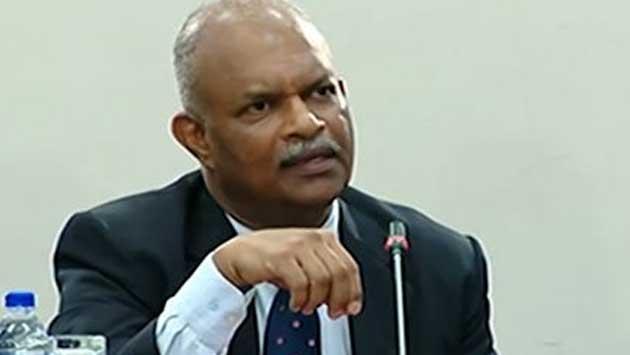
Indian National Security Advisor Ajit Doval said there is immense potential for India and Sri Lanka to further strengthen economic cooperation and it is for mutual benefit considering the aspect of complementarity in bilateral ties.

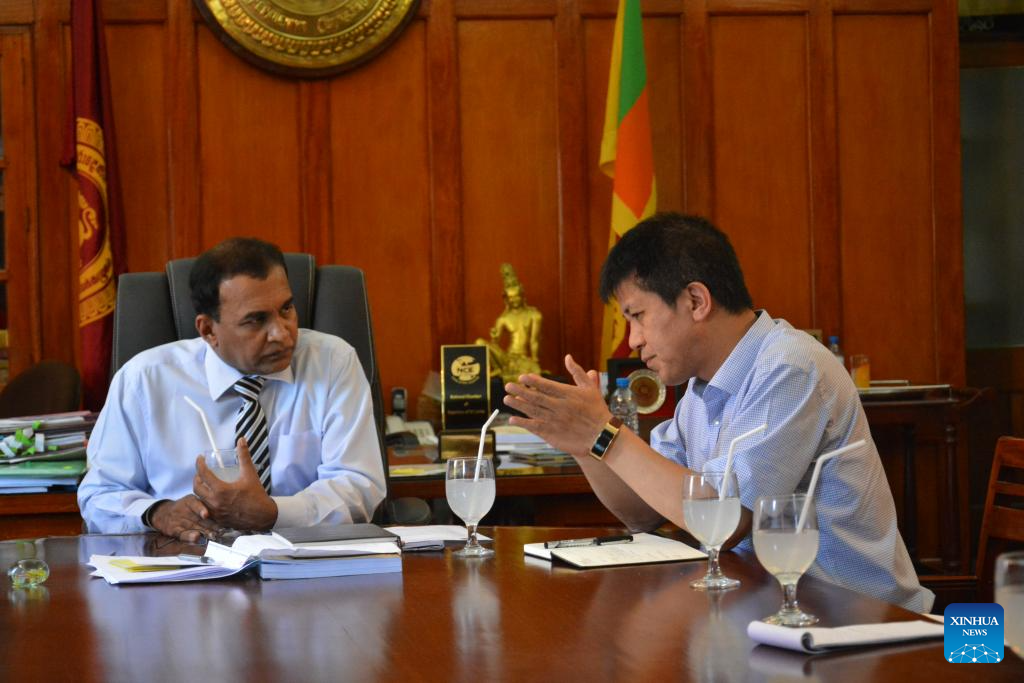
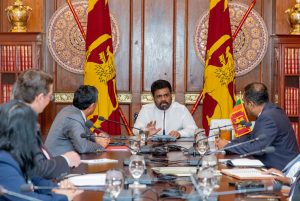
He said this when he called on Prime Minister Dinesh Gunwardena at the Prime minister’s Office in Colombo today (August 29). Mr Doval said India wanted to further expand cooperation with Sri Lanka and sought the Prime Minister’s views on priority requirements.

The Prime Minister said the energy sector is one area and thanked India for supporting the large scale and small scale alternative energy projects. He said that the government has taken steps to amend the Ceylon Electricity Board regulations to facilitate private sector participation in electricity generation and distribution and Indian investments could be increased in solar and wind power projects.

Mr Doval said in the long run Sri Lanka could generate more power than its domestic requirement and sell excess power to India and gain huge financial benefits. He pointed out that Bhutan is selling large amount of hydro power generated electricity to India and it is the largest revenue of that country.

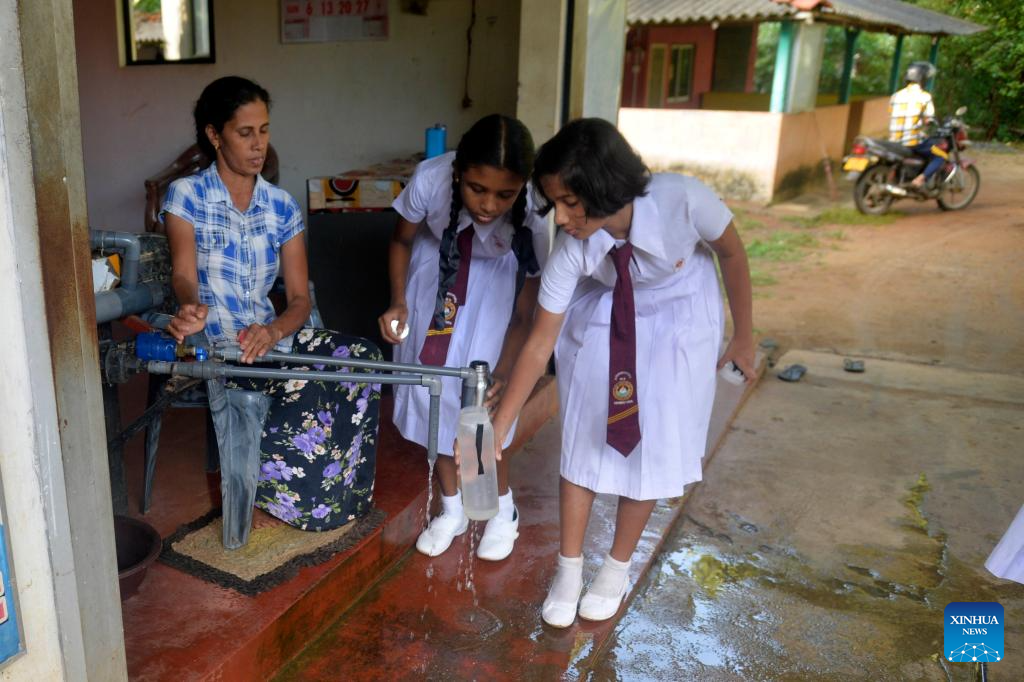
The Prime Minister said Sri Lanka’s theravada economic policy is based from the economic practices in India 25 centuries ago during the time of Gauthama Buddha and it would be complementary for economic growth.

He thanked India for the proving training for armed forces members and the public servants to enhance their skills and efficiency.

The National Security Advisor led a high-level delegation comprising High Commissioner Santosh Jha , Additional Secretary Puneet Agrawal and senior officials Akshay Joshi, Gaurav Aluwhalia and Teja Chandan.

Secretary to the Prime Minister, Anura Dissanayake, Additional Secretary Harsha Wijewardene and Advisor Sugeeswara Senadhira also took part in the discussion.Prime Minister’s Media Division 

ප‍්‍රජාතන්ත‍්‍රවාදය තුළ ”නව නාසිවාදය”

August 29th, 2024

විමල් පටබැඳිගේ (ශාස්ත‍්‍රවේදී, නීතිඥ, සොලිසිටර්*)

මවුබස සහ ඉතිහාසය නො දැනීම, අමතක කිරීම, ගැරහීම සහ තමන්ගේ මවුපියන් සහ
මුතුන්මිත්තන් කවුරුන් දැ’යි නො දැනීම, නො සලකා හැරීම සහ හෙළාදැකීම අතර වෙනසක් නැත.
ඉතිහාසය අධ්‍යාපන විෂය මාලාවෙන් කපා හැරීම 1965 වසරේ ආරම්භය විය. ලංකා ඉතිහාසය,
ඉන්දියානු ඉතිහාසය සහ යුරෝපා ඉතිහාසය යනුවෙන් පුළුල් විෂය තුනක් ලෙස එතෙක් හැදෑරූ
සිසුන්ට එතැන් සිට ලංකා ඉතිහාසය සහ ඉන්දියානු ඉතිහාසය හෝ ලංකා ඉතිහාසය සහ යුරෝපා
ඉතිහාසය යනුවෙන් එක විෂයයක් විය. 1970 වසරෙන් පසු ඉතිහාසය ”සමාජ අධ්‍යයනය” තුළ
අච්චාරුවක් බවට පත් කරනු ලැබීය. ඉතිහාසයෙන් සහ සාහිත්‍යයෙන් කන්න පුළුවන් දැ’යි ඇසූ
පාලකයන් සිටි රටේ ඉතිහාසය ”රට කෑමට” යොදාගෙන ඇති සැටි නැගෙනහිර පළාතේ ගැටළුව
එළිදරවු කරයි.
දෙමළ ජනයා ඇතුළු ලක්වැසි සියලූ දෙනාට සාමය සහ සැනසුම උදා කරමින් 2009 වසරේ
”දෙමළ ඊළාම් විමුක්ති කොටි” ත‍්‍රස්තවාදය මැඩලනු ලැබීය. වර්ගවාදී දෙමළ වෙල්ලාල පක්‍ෂ සහ
ඊළාම් කණ්ඩායම් එක් වී නව පෙරමුණකින් ඉදිරියට පැමිණ ඇත. ”දෙමළ ජාතික සංධානය” (ඔ්පසක
භ්එසදබ්ක ්කකස්බජැුඔභ්* උතුරු සහ නැගෙනහිර පළාත් වාර්ගික භූමියක් කරගැනීමට මේ දක්වාත්
පවතින පුරාණ සංස්කෘතිය සහ ශිෂ්ටාචාරය ඝාතනය, සංහාරය කිරීමේ නිරත වී ඇත. ඇතැම් හින්දු
නොවෙන ටී.එන්.ඒ. ප‍්‍රධානීන් පුරාණ සිංහල බෞද්ධ වෙහෙර විහාර, පුරාවිද්‍යා ස්ථාන විනාශ
කිරීමේ නිරත වෙන්නේ හින්දු ආගමික උන්නතිය සඳහා දැ’යි පැහැදිලි නැත. වර්ගවාදය ජනිත කළ
අයගේ දරුමුණුපුරු පරම්පරාව වර්ගවාදී/ජාතිවාදී උග‍්‍ර අන්තගාමීන් වූ ”නාසිවාදී” වී ඇත. ජාතිවාද
විරෝධී සමහර දෙමළ ජනයා ඔභ් ”දෙමළ නාසි සංධානය” ලෙස හඳුන්වනු ලබයි.
ලෝකයේ බිහිසුණු ම වර්ගවාදියා, ජාතිවාදියා වූ හිට්ලර් යුදෙව් ජනයා සහ ඔවුන්ගේ වසර
දහස් ගණනක් පුරාණ ආගම, සංස්කෘතිය සමූල ඝාතනය කළ, සංහාරය කළ ”මහා නාසි වාදියා”
විය. ඔහුගේ අනුගාමිකයෝ, සහායකයෝ ද ම්ලේච්ඡු ”නාසිවාදියෝ” වූහ. වර්තමාන දේශපාලනයේ
නිරත උග‍්‍ර වර්ගවාදී, ජාතිවාදී වෙල්ලාල නායකයන්, ඓතිහාසික යුගය ආරම්භයේ සිට වසර දෙදහස්
පන්සියයකට වැඩි ඓතිහාසික, ආර්ථික සහ සංස්කෘතික උරුම සහිත සිංහල ජාතික ජනයාට සහ
ඔවුන්ගේ ආගමට, බෞද්ධ සංස්කෘතියට එරෙහි ”ජන ඝාතක”, ”සංස්කෘතික ඝාතක” සහ ”මානව
ශිෂ්ටාචාර විරෝධී” කි‍්‍රයා මගින් ම්ලේච්ඡු නාසිවාදීන් බවට පත් වී ඇත. ඔවුන්ගේ අනුගාමිකයෝ සහ
සහායකයෝ ද නාසිවාදීයෝ ම ය. උතුරු සහ නැගෙනහිර පළාත්වල කි‍්‍රයාත්මක සියලූ දෙමළ
දේශපාලන පක්‍ෂ, සංවිධාන මෙහෙයවන උග‍්‍ර වර්ගවාදී, ජාතිවාදී වෙල්ලාල නායකයන් සහ ඔවුන්ගේ
අනුගාමිකයන් සහ සහායකයන් සියල්ලන් ම ම්ලේච්ඡු ”නාසිවාදියෝ” නාමය ලැබීම නම්බු නාමයක්
ලෙස සලකනවා විය හැකි ය.
ශී‍්‍ර ලංකාවේ වාර්ගික ජාතිවාදී නාසිවාදීන්ට ආරම්භයේ සිට රැුකවරණය, පුහුණුව, ආයුධ,
මුදල්, උපදෙස් ආදිය සපයමින් සියලූ ආකාරයෙන් සහායකයන් වූ ඉන්දියාව, ඇමරිකාව, කැනඩාව,
බි‍්‍රතාන්‍යය, නෝර්වේ ඇතුළු යුරෝපීය, බටහිර රටවල බලධාරීන්ගේ සහ හිටපු මහ ලේකම් බැන්කි
මූන් වැනි එ.ජා.සං. යේ සිටි සහ සිටින නිලධාරීන්ගේ හෘද සාක්‍ෂිය ”නාසිවාදී” නාමය ගැන යළි
යළිත් සිහි කිරීම වැඩදායක වෙනු ඇත.
විදේශීයයන්ගේ සහ ”දෙමළ රාජ්‍යයක්” සඳහා වූ ද්‍රවිඩ පෙරමුණේ ආශීර්වාදය සහ අතහිත
ලබමින් වර්ධනය වූ, ආයුධ සන්නද්ධ ත‍්‍රස්තවාදී භීෂණය මගින් උතුර සහ නැගෙනහිර පළාත් දෙක
දැඩි ලෙස බද්ධ කොට තිබුණි. ව්‍ය.ව. 2009 වසරේ එල්.ටී.ටී.ඊ. ත‍්‍රස්තවාදය පරාජය කරන තෙක් වසර
තිහකට ආසන්න කාලයක් පැවතුණි. එසේ වුව ද, යාපනේ දෙමළ සහ මඩකලපුව දිස්ති‍්‍රක්කයේ
දෙමළ ජනයා අතර සමාජමය අසමාන කමක් සහ විරසකයක් ආරම්භයේ සිට ම තවමත් ඔවුන්
විසින් ම පවත්වා ගෙනයනු ලබයි. යුරෝපීය ආක‍්‍රමණිකයන් විසින් ගෙනෙන ලද සියලූ මලබාර් ද්‍රවිඩ
/දෙමළ ජනයාගේ මවුබිම ඉන්දියාව වුව ද, වතු වගාව හා සම්බන්ධ, ව්‍ය.ව. 1901 දී ”ඉන්දියානු
දෙමළ” යනුවෙන් නම් කරන ලද දෙමළ ජනයා සහ ”ලංකා දෙමළ” යනුවෙන් තමන් ම හඳුන්වා
ගත් යාපනේ දෙමළ ජනයා, අතර ද එ වැනි ම වෙනස් ලෙස සැලකීමක් පවත්වනු ලබයි.
පාර්ලිමේන්තු ප‍්‍රජාතන්ත‍්‍රවාදය ලැබී වසර හැත්තෑ පහක කාලයක් ගත වුව ද මේ පළාත්
දෙකේ සාමාන්‍ය දෙමළ ජනතාව තවමත් දෙමළ වෙල්ලාල කුලාධිපත්‍යය යටතේ ය. වහල් සමාජ
ලක්‍ෂණ සහිත වැඩවසම් සමාජ ක‍්‍රමයෙන් මිරිකෙමින් ඇත. 1801 විප්ලවයෙන් ප‍්‍රංශ අධිරාජ්‍යයෙන්
නිදහස් වූ හයිටි රාජ්‍යය වහල් සේවාව සහ වහල් වෙළ\ම තහනම් කිරීම ලෝකයේ වහල් වෙළ\මට
එල්ල කළ පළමු වෙඩි මුරය විය. ලෝකයේ ප‍්‍රධානම වහල් වෙළෙඳුන් දෙදෙනෙකු වූ ප‍්‍රංශයට සහ
බි‍්‍රතාන්‍යයට වහල් වෙළ\ම නතර කිරීමට සිදු විය. 1844 දී වහල් සේවාව ලෝකය පුරා තහනම්
කරනු ලැබුව ද, අහෝසි කළ ද, තවමත් බලාත්මක ව පවත්වා ගෙනයනු ලබන තේසවලාමෙයි මගින්
නීතිගත කරන ලද ”කුලවාදය” සහ ”වහල්” භාවය, වහල් සේවාව දෙමළ සමාජය තුළ ප‍්‍රායෝගිකව
අහෝසි නො වී, වෙනස් නො වී ඇත. සමහරු බාහිර සමාජය ඉදිරියේ තේසවලාමෙයි නීතිය දෙමළ
විවාහ, දික්කසාද සහ දෑවැදි හිමිකම් පිළිබඳ විධිවිධාන වලට ලඝු කරමින් සිටින බව ද දක්නට ඇත.
1978 ව්‍යවස්ථා නීතියට සහ මැතිවරණ නීතියට අනුකූල ව, උතුර සහ නැගෙනහිර පළාත්වල
දෙමළ වර්ගවාදය පදනමෙන් සහ ආගමික පදනමෙන් ප‍්‍රධාන දේශපාලන ප‍්‍රවාහයෙන් වියුක්ත වූ
දේශපාලන පක්‍ෂ, සංවිධාන රැුසක්, ලන්සු තබමින්, රටේ දේශපාලනය, ආර්ථිකය සහ සමාජය
අස්ථාවර බවට පත් කොට ඇත.
ව්‍ය.ව. 20 වෙනි සියවසේ අවසාන කාර්තුවේ සිට නැගෙනහිර පළාතේ, දෙමළ මවුබස වූ
මුහමදික (මුස්ලිම්* භක්තිකයන් ද අප‍්‍රකාශිත ”අභිලාශ” වෙනුවෙන් දේශපාලන සංවිධාන කීපයක් සහ
ආගමික කඳවුරු නම්වලින් සංවිධාන කීිපයක් ද හදාගෙන ඇතත් ඔවුන් ආගමික වශයෙන් එකට
බඳිමින් සහ බැඳෙමින් ඇත. ඔවුන්ගේ අවසන් අරමුණ මුස්ලිම් ආගමික රාජ්‍ය පාලනයකි. දෙමළ
වර්ගවාදී දේශපාලකයන් ”දෙමළ කතාකරන ජනයා” ලේබලය මගින් මුස්ලිම් භක්තිකයන් තමන්ගේ
ජාතිවාදී දේශපාලනයට යොදා ගැනීමට කරන උපක‍්‍රමයෙන් අන්තවාදී මුස්ලිම් භක්තිකයන්ගේ
අරමුණ වෙනස් කළ හැකිය’යි සිතීම උගහට ය.
එසේ ම, යාපනේ ද්‍රවිඩයන් විසින් විසිවෙනි සියවසේ පවා ”උතුරේ රජ්ජුරුවෝ”, ”යාපනේ
රජ්ජුරුවෝ”, ”ඩයික් රජ” යනුවෙන් බුහුමන් කරනු ලබන ඔහුගේ පාලනය, අධීක්‍ෂණය යටතේ
පැවති යාපනේ, කිලිනොච්චි, මුලතිව්, වව්නියා, මන්නාරම, පුත්තලම සහ නැගෙනහිර පළාත ඊළාම්
භූමිය ලෙස සකස් කරගෙන ඇත. එය ඊළාම් සිතියම පැහැදිලි ව පෙන්නුම් කරයි.
වර්ගවාදී නිර්මාණයක් වෙන ”දෙමළ නිජබිම” තුළ මේ මනෝරාජ්‍යය පිහිටි ලෙස දක්වා
ඇත. නැගෙනහිර පළාත එහි ප‍්‍රධාන ම සහ වැදගත් ම කොටස වෙයි. රටක් නැතිව සිටි යුදෙව්
භක්තිකයන් නැගෙනහිර පළාතේ පදිංචි කොට යුදෙව් භූමිය (ඊශ‍්‍රායලය* නිර්මාණය කිරීමට බි‍්‍රතාන්‍ය
කොලනි පාලකයන්ගේ යෝජනාව කි‍්‍රයාත්මක කිරීමට හැකි වී නම්, 20 වෙනි සියවසේ අවසාන
කාලයේ නැගෙනහිර පළාත ඇතුළත් කොට දෙමළ නිජබිම නිර්මාණය කිරීමට ඉඩ නොලැබෙනු
ඇත. (දෙමළ නිජබිම සහ නැගෙනහිර පළාතේ උරුමයක් ගැන කතාකරන දෙමළ හෝ මුස්ලිම්
කිසිවෙකු එය රැුකගැනීම සඳහා මේ යෝජනාවට එරෙහි වී නැත. විරුද්ධ වූයේ මාතෘභූමි වාසී
සිංහලයන් පමණකි. සිංහල විරෝධය සාර්ථක විය.*
උතුරු පළාතේ මෙන් ම නැගෙනහිර පළාතේ ද දෙමළ කතාකරන හින්දු, කතෝලික/
කි‍්‍රස්තියානි සහ ඉස්ලාම් ලබ්දික ජන කොටස් ද වාර්ගික සහ ආගමික භේදවාදී දේශපාලනයේ
කි‍්‍රයාකාරීව නිරත වී සිටිති. එහෙත් ජාතිවාදී පදනමින් සිංහල ජනතා දේශපාලනය බැඳී නැත. දෙමළ
දේශපාලනය නිරන්තරයෙන් තමිල්නාඩුවේ සහ දිල්ලියේ උපදෙස් සහ පිහිට පතන අතර ඉස්ලාම්
භක්තික දේශපාලනය සවුදි අරාබිය ඇතුළු මුස්ලිම් රාජ්‍ය කීපයක මෙහෙයවීම් සහ බරපැන ලබන
බව රහසක් නොවේ. ඉංගිරිසි/බි‍්‍රතාන්‍ය, ඇමරිකා, කැනඩා, ඕස්ටේ‍්‍රලියා, නවසීලන්ත සහ යුරෝපා
කොලනිවාදීන්ගේ අතහිත සහ ආශීර්වාදය විවිධ මට්ටමෙන් මේ දෙපිරිසට ම ලැබෙයි. නීති සම්මත
කරමින් වර්ගවාදයට, ත‍්‍රස්තවාදයට විරුද්ධව ප‍්‍රසිද්ධියේ ප‍්‍රකාශ කරන අතර ම අතහිත දෙමින්
විවෘතව ම පෝෂණය කරති.
දෙමළ වෙල්ලාලයන් ”දෙමළ වාර්ගික” පාලනයක් ඉලක්ක කොට ඇති අතර අන්තවාදී
ඉස්ලාම් භක්තිකයන් ”ශරියා” පදනම මත ගොඩනගන ”අරාබි සුල්තානයක්” ඉලක්ක කොට ඇත.
(මුස්ලිම් භක්තිකයන්ගේ ඉලක්කය ආගමික රාජ්‍යයකි. ”මුස්ලිම්” ජාතියක් නොවේ. ආගමික ජන
කොටසකි.* කෙසේ වෙතත් ”දෙමළ ඊලාම් රාජ්‍යයක්” හෝ ”අරාබි සුල්තානයක්” බිහිවීම/බිහි කිරීම
මහා ව්‍යසනයක ආරම්භය වෙනු ඇත.
නැගෙනහිර පළාතේ දෙමළ වර්ගවාදී රාජ්‍යයක් සඳහා වෙල්ලාල ප‍්‍රධානීන් මෙහෙයවන
දේශපාලන සංවිධාන සහ මුස්ලිම් ආගමික රාජ්‍යයක් සඳහා දෙමළ මුස්ලිම් භක්තික අන්තවාදීන්
අතර පවතින අප‍්‍රකාශිත සටන විවෘත සටනක් වුවහොත් එය සියලූ පුරවැසියන්ට දැඩි වේදනාකාරී
වෙනු ඇත. කෙසේ වෙතත්, 2006 ශ්‍රේෂඨාධිකරණය නැගෙනහිර පළාත උතුරු පළාතෙන් වෙන් වූ
පළාතක් බව තහවුරු කිරීම, නැගෙනහිර පළාතේ පවතින ආගමික අන්තවාදී ප‍්‍රවණතාවය සහ
ඔලූවිල් ප‍්‍රකාශය දැනට ම ශී‍්‍ර ලංකාවේ ”දෙමළ නිජබිම” මිථ්‍යා නිර්මාණය බිඳ හෙළා ඇත.
ව්‍ය.ව. 16 වෙනි සියවසේ මුල් කාලයේ යාපාපටුනේ සම්පූර්ණ ජනගහණය 120,000 ක් පමණ
විය. එයින් 66% ක් සිංහල බෞද්ධයෝ වූහ. 15% ක් ද්‍රවිඩ/දෙමළ ජනයා විය. සෙස්සෝ මුස්ලිම්
භක්තිකයෝ වූහ.
ඓතිහාසික සහ පුරාවිද්‍යා සාධක සනාථ කරන පුරාණ සංස්කෘතියක උරුම කරුවන් වෙන,
අනාදිමත් කාලයක සිට 19 වෙනි/20 වෙනි සියවසේ පවා යාපාපටුනේ (යාපන දිස්ති‍්‍රක්කයේ* සහ
වන්නි ප‍්‍රදේශයේ පදිංචිව සිටි මාතෘභූමි වාසී දසදහස් සංඛ්‍යාත සිංහල බෞද්ධ වැසියන්ට කුමක් වී
ද? ඝාතනය කරනු ලැබී ද? ඔවුන් නෙරපා හරිනු ලැබී ද? මෙය ජාතිවාදී ප‍්‍රශ්ණයක් ලෙස නො
සැලකිය යුතු ය. එසේ කරනු ලැබී නම් මේ ප‍්‍රදේශවල සිංහල බෞද්ධ සංහාරයට ඉංගිරිසි (බි‍්‍රතාන්‍ය*
කොලනිවාදීන් වගකිව යුතු වෙයි. නො එසේ නම්, ඔවුන් දෙමළකරණය කරනු ලැබී ද? එසේ කළේ
නම්, ඒ ආකාර වූ සිංහල බෞද්ධ සංහාරයට ඉංගිරිසි (බි‍්‍රතාන්‍ය* කොලනිවාදීන් වගකිව යුතුය.
නැගෙනහිර පළාතේ කරනු ලැබූ ලෙසින් ඔවුන් දෙමළකරණය කරනු ලැබී නම් උතුරු පළාතේ
වත්මන් දෙමළ ජනයාගෙන් විශාල සංඛ්‍යාවක් දෙමළකරණය කරනු ලැබූ සිංහල බෞද්ධයන්ගෙන්
පැවතෙන්නෝ ය. එමෙන් ම වත්මන් මුලතිව් දිස්ති‍්‍රක්කයේ දෙමළ ජනතාවගෙන් බහුතරය
දෙමළකරණය කරනු ලැබූ පුරාණ කුරුඳුගමුරට සිංහල බෞද්ධයන්ගෙන් පැවතෙන්නෝ ය. උතුරු
සහ නැගෙනහිර සිටින දෙමළ බෞද්ධයන් බහුතරය ඔවුන් විය හැකි බව නිසැක ය. දෙමළකරණය
කරනු ලැබූ සිංහල බෞද්ධයන් දෙමළ වෙල්ලාලයන් විසින් සමාජයෙන් බැහැර කළ අයගේ තත්වයට
පත් කරනු ලැබ ඇත. විසිවෙනි සියවසේ දෙවෙනි භාගයේ සිට කරනු ලබන සිංහල බෞද්ධ
සංහාරයට හින්දු, කතෝලික/කි‍්‍රස්තියානි දෙමළ ජාතවි ාදීන් (නව නාසිවාදීන්* වගකිව යුතු වෙයි.
මෑත කාලයක සිට දෙමළ ජාතිවාදීන් සහ සමහර ජනමාධ්‍ය, සමාජ මාධ්‍ය ඇතුළු දේශීය සහ
විදේශීය සිංහල බෞද්ධ විරෝධීන්, ශී‍්‍ර ලංකා විරෝධී ”නව නාසිවාදීන්” විසින් සිංහල බෞද්ධ ජනයා
”සිංහල ජාතිවාදීන්”, ”සිංහල බෞද්ධ ජාතිවාදීන්” ලේබලයෙන් ගර්හාවට ලක් කරමින් මානසිකව
සිරකරුවන් බවට පත ් කරනු ලැබෙයි. එමගින ් තමන්ගේ ම පරපුරේ ළමා මනස ද නව නාසිවාදී
වෛරසයෙන් රෝගී බවට පත් කරන බව ඔවුන්ට නො හැෙඟ්. සියලූ ආගමික නායකයන්, ඉහළ ම
නායකයන් ඇතුළු දේශපාලකයන්, බෞද්ධ නායකයන්, උගතුන් සිරකරුවන් බවට පත් ව ඇත. රටේ
සහ සියලූ රටවැසියන්ගේ එකමුතුකම, සාමය, නිදහස සහ සෞභාග්‍යය අගයන, පතන සියලූ
ආගමික නායකයන්, විද්වතුන් ඇතුළු පාලක පාලිත සියලූ දෙනා මේ ”මානසික සිපිරිගෙය” විවර
කිරීමට තව දුරටත් පමා නොවිය යුතුව ඇත.
වර්ගවාදීන්ගේ, ආගම්වාදීන්ගේ සහ ඔවුන්ට සියළු ආකාරයෙන් අනුග‍්‍රහ කරන, සඟවාගත්
න්‍යායපත‍්‍ර සහිත දේශීය, විදේශීය, ජාතික සහ විජාතික සියල්ලන්ගේ අරමුණ වාර්ගික සහ/හෝ
ආගමික රාජ්‍යය(ක්* බිහි කිරීම වුවත් ශී‍්‍ර ලාංකික පුරවැසියන්ගේ අභිලාශය සියල්ලන් ම එකමුතු ව
සහෝදරත්වයෙන් වාසය කරන ඒකීය ස්වෛරී රාජ්‍යය කි. සියලූ පුරවැසියන්ගේ අභිලාශය සම්බන්ධ
තමන්ගේ වගකීම සහ වගවීම පිලිබඳව සිහිඑළවා කටයුතු කිරීම සියලූ ම වර්ගවාදී සහ ආගම්වාදී
උගතුන් සහ න්‍යායවාදීන් සහ පාර්ලිමේන්තුව නියෝජනය කරන සහ නො කරන සිංහල, අසිංහල,
බෞද්ධ සහ අබෞද්ධ සියලූ දෙශපාලකයන්, දේශපාලන පක්‍ෂ, කණ්ඩායම්, රාජ්‍ය සහ රාජ්‍ය නො
වෙන සංවිධාන, සමාජ සහ මුද්‍රිත සහ දෘශ්‍ය මාධ්‍ය වෙත පැවරී ඇති අනුල්ලංගනීය වගකීමක් බව
අමතක නො කළ යුතුව ඇත. සියලූ දේශපාලන පක්‍ෂ සහ සංවිධාන තම තමන්ගේ ”දේශපාලන
ව්‍යාධි” වලට සහ ”සිවිල්” ලේබලයෙන් පෙනී සිටින සකල විධ සංවිධාන භේදකාරී රෝග පතුරුවන
”මානසික වෛරස්” පැතිරවීමට තිත තැබිය යුතුව ඇත. මේ උත්තරීතර වගකීම අමතක කොට, නො
සලකා කටයුතු කරන කිසිම අයෙකුට ”දේශද්‍රෝහී”, ”ජනතා ද්‍රෝහී” හෝ ”නාසිවාදී” හැඳින්වීමෙන්
මිදීමට නො හැකි වෙනු ඇත.
ශී‍්‍ර ලංකාව ජනතා පරමාධිපත්‍යය නියෝජනය කිරීම සඳහා, සිංහල ජනයා දෙමළ සහ
මුස්ලිම් අපේක්‍ෂකයන්ට, දෙමළ ජනයා සිංහල සහ මුස්ලිම් අපෙක්‍ෂකයන්ට සහ මුස්ලිම් භක්තිකයන්
සිංහල සහ දෙමළ අපේක්‍ෂකයන්ට තම කැමැත්ත දී පාර්ලිමේන්තුවට තෝරා පත් කළ සුන්දර
අතීතයක් සහිත රටකි. වර්ගවාදී සහ ආගම්වාදී මනෝ ව්‍යාධියෙන් පෙළෙන රෝගීන් විසින් එය
විනාශ කරනු ලැබ ඇත.
සමස්ථයක් ලෙස මුළු රටේම සහ සියලූ පුරවැසියන්ගේ පූර්ණ ආරක්‍ෂාව, සංවර්ධනය,
සහජීවනය සහ සහෝදරතව් ය වෙනුවෙන් කැපවෙන, අරමුණු සහිත දේශපාලන පක්‍ෂ, සංධාන සහ
පෙරමුණු පමණක් මැතිවරණ සඳහා ලියාපදිංචි කිරීම සහ එක් ජනවර්ගයක්, ආගමක් පමණක්
අරමුණු කොට ඒ වෙනුවෙන් පෙනී සිටින, නියෝජනය කරන, නම් සහිත දේශපාලන පක්‍ෂ, සංධාන,
පෙරමුණු ප‍්‍රතික්‍ෂේප කිරීම නීති ගත කළ යුතුව ඇත. ජනතා පරමාධිපත්‍යය වාර්ගික ආධිපත්‍යයක්
හෝ ආගමික ආධිපත්‍යයක් බවට ලඝු නොකළ යුතුව ඇත. ප‍්‍රජාතන්ත‍්‍රවාදය නාමයෙන් පෙනී සිටින
මුරකරුවන් අවි අමෝරනු ඇත. එවැනි අය වේ නම් ඔවුහු ප‍්‍රජාතන්ත‍්‍රවාදය විකුණා කුස් පුරවා
ගන්නා කූඨ වෙළෙන්දෝ ය.
1978 ව්‍යවස්ථාව අනුව, පරමාධිපත්‍යය නියෝජනයට නුසුදුසු නිසා ජනතාව ප‍්‍රතික්‍ෂේප කළ
සහ එක ඡුන්දයක් හෝ නොලැබූ, ජනතා පරමාධිපත්‍ය නියෝජිතත්වය නොලැබූ 29 දෙනෙකු ද
සිටින වාර්ගිකාධිපත්‍ය තහවුරු කරන පාර්ලිමේන්තුවක් මගින් ජනතා පරමාධිපත්‍යය කි‍්‍රයාත්මක
කිරීම ප‍්‍රජාතන්ත‍්‍රවාදයේ විකෘතිය කි. ජනතා පරමාධිපත්‍ය පරම හිමිකරුවන් වෙන ජනතාවට කරන
සරදමකි. සමච්චලයකි. නතර කළ යුතු සරදමකි, සමච්චලයකි.
අද ලෝක දේශපාලනය තුළ, තමන් ලඟවත් නැති ප‍්‍රජාතන්ත‍්‍රවායේ උරුමයට හිමිකම් කියන
අයගේ භාවිතය අනුව ප‍්‍රජාතන්ත‍්‍රවාදය දේශපාලන කඩතුරාවකි. අභිමතය අනුව අපනයනය කරනු
ලබන වෙළඳ භාණ්ඩයකි. දෙවෙනි ලෝක යුද්ධයෙන් පසු, තාක්‍ෂණික යුගයේ නව අධිරාජ්‍යවාදී,
කොලනිවාදී දඬුකඳකි. ආයුධයකි.
තමන්ගේ මාතෘභූමිය වෙනුවෙන් ”ගල්දොර බිඳලා” පියවි ඇසින්, නැණසින් ලෝකය දෙස
බලා පියවර ගැනීමට තවත් පමා විය යුතු නැත.

AK Dissanayake and Sajith Premadasa lead neck and neck in July voting intent, but support for Pres. Ranil Wickremesinghe surges

August 29th, 2024

IHP MRP Presidential Election Update July 2024

IHP’s Sri Lanka Opinion Tracker Survey (SLOTS) MRP provisional estimates of Presidential Election voting intent for July 2024 show NPP/JVP leader AK Dissanayake and SJB leader Sajith Premadasa leading neck and neck (37% and 36% each within the margin of error) but with both at less than 40% of all adults.

At the same time, July saw a continuing surge for President Ranil Wickremesinghe, whose support grew to 23%. Support for a generic SLPP candidate remained unchanged at 4%, with Namal Rajapaksa only declaring as a candidate in August.

Analysis of the June–July estimates indicates some differences in who is supporting each candidate. Support for AKD was strongest in the youth, a majority of whom supported him (54%), as well as among Sinhala voters (41%) and the most affluent third of voters (42%). In contrast, Sajith Premadasa led among the poorest third of voters (42%) and among minorities (51% in Sri Lankan Tamils and 65% in Muslims).

President Wickremesinghe’s support increased with age, reaching 38% in those aged 60 years and older, and he obtained more support amongst women (26%) than in men (17%). Otherwise, his support was mostly evenly distributed across other demographics.

PEVI3 July

SLOTS polling director, Dr Ravi Rannan-Eliya, noted that: AKD’s strength is due not only to support amongst the young, but also to winning the biggest share of disaffected Gotabaya voters. President Wickremesinghe’s initial strength has also been due to support from that same group since he was only picking up one in five of voters who supported Sajith Premadasa in 2019.”

These estimates use the IHP SLOTS Multilevel Regression and Poststratification (MRP) model (01/2024 revision). This update is for all adults and uses data from 19,015 interviews conducted from Oct. 2021 to 19 Aug. 2024, including 701 interviews during July 2024, and 497 interview in August. One hundred bootstraps were run to capture model uncertainty, with margins of error assessed at 1–3% for July. IHP is planning to expand its interview numbers in the coming weeks and hopes that its next estimates will be more robust. 

IHP’s SLOTS MRP methodology first estimates the relationship between a wide variety of characteristics about respondents and their opinions – in this case, ‘If there was a Presidential Election today, who would you vote for?’– in a multilevel statistical model that also smooths month to month changes. It then uses a large data file calibrated to the national population to predict voting intent in each month since Oct. 2021, based on what the multilevel model indicates about their probability of voting for various parties (‘post-stratification’) at each point in time. The multilevel model was estimated 100 times to reflect underlying uncertainties in the model and to obtain margins of error. The voting intent results for previous months have changed in this update as more data were collected after the last release and these changes are within the margin of error.

About IHP

IHP is an independent, non-partisan research centre based in Colombo, Sri Lanka. The SLOTS lead investigator is Dr Ravi Rannan-Eliya of IHP, who has trained in public opinion polling at Harvard University and has conducted numerous surveys over three decades. 

Methodology

SLOTS combines interviews from a national sample of adults (ages 18 and over) reached by random digit dialling of mobile numbers, and others coming from a national panel of respondents who were previously recruited through random selection. IHP estimates voting intent using an adaptation of Multilevel Regression and Post-Stratification (MRP), with multiple imputation to account for uncertainties in its modelling, exploiting data from all SLOTS interviews to estimate voting in a particular month. 

The July 2024 MRP estimates are based on 19,015 interviews conducted from 1 October 2021–19 August 2024, including 701 interviews conducted in July 2024. The margin of error is assessed as 2.4–2.5% for Ranil Wickremesinghe and Sajith Premadasa, and 0.7–2.2% for AK Dissanayake and the other potential candidate. All estimates are adjusted to ensure the sample matches the national population with respect to age, sex, ethnicity, socioeconomic status, education, geographical location, and voting in the 2019 Presidential and 2020 General Elections.

Funding

The SLOTS survey has previously been funded by the Neelan Tiruchelvam Trust, the UK National Institute for Health and Care Research (NIHR), The Asia Foundation in Sri Lanka, and others. Current fieldwork is financed by the IHP Public Interest Research Fund and others. The sponsors play no role in the study design, analysis, or interpretation of findings. Furthermore, the survey findings do not necessarily reflect the views or positions of past and present funders. Interested parties can contact IHP for more detailed data and results.

අලුත්ම සමීක්‍ෂණ වාර්තාව එයි.. සජිත්, අනුර පසුබෑමක.. රනිල් J හැඩැති සීඝ‍්‍ර වර්ධනයක.. නාමල්ද ඉදිරියට..

August 29th, 2024

උපුටා ගැන්ම ලංකා සී නිව්ස්

ඉදිරි ජනාධිපතිවරණය සම්බන්ධයෙන් සෞඛ්‍ය ප්‍රතිපත්ති ආයතනය විසින් සිදු කරන ලද මත විමසුමේ නවතම වාර්තාව ඔවුන් විසින් එලි දක්වා තිබේ.

එම මත විමසුම අනුව පෙර මාසයන්ට වඩා අනුර දිසානායක හා සජිත් ප්‍රේමදාස යන මහත්වරුන්ගේ ජනප්‍රියතාවය මඳක් අඩු වී ඇත්ත් ඔවුන් දෙදෙනා තවදුරටත් ඉදිරියෙන්ම පසුවෙන්නේ කරට කර මට්ටමේ සිටිමිනි.

ජනාධිපති රනිල් වික්‍රමසිංහ මහතා සීඝ්‍ර වර්ධනයක් අත්පත් කරගෙන ඇති බව එම වාර්තාවේ පෙන්වයි.

මේ වන විට ජනාධිපති රනිල් වික්‍රමසිංහ මහතා 23%ක් දක්වා තම ප්‍රතිශතය වර්ධනය කරගෙන ඇති අතර අනුර දිසානායක මහතා 37%ක් ලබා මත විමසුමේ ඉදිරියෙන් සිටිද්දී සජිත් ප්‍රේමදාස මහතා ඔහු හා ආසන්නයෙන්ම රැඳී සිටින්නේ 36%ක් ගනිමිනි.

ශ්‍රී ලංකා පොදුජන පෙරමුණේ අපේක්ෂක නාමල් රාජපක්ෂ මහතා ද 4%ක් ලබාගෙන සිව්වන ස්ථානයට පත්ව සිටී.

අදාල සම්පුර්ණ සටහන මෙතනින්…

Sri Lanka’s Anura Dissanayake a Strong Contender for President

August 29th, 2024

By Krishan Francis and Bharatha Mallawarachi Courtesy The Diplomat

His alliance’s focus on the working class is expected to win the support of those struggling with the high cost of living.

Sri Lanka’s Anura Dissanayake a Strong Contender for President
Anura Kumara Dissanayaka of the National People’s Power, among the frontrunners in Sri Lanka’s presidential election, Sri Lanka, March 12, 2022.Credit: Wikimedia/Mevindu Moonasigha

A political alliance centered on the working class has emerged as a strong contender in Sri Lanka’s presidential race, announcing itself to be the agent of change that millions of people called for when an unprecedented economic crisis led to disillusionment with traditional political parties.

Anura Kumara Dissanayake, leader of National People’s Power alliance and its presidential candidate, says he’s serving those who were part of public protests that ousted then-President Gotabaya Rajapaksa in 2022. Protesters blamed Rajapaksa for an economic collapse that resulted in a severe shortage of essentials such as fuel, cooking gas, medicines and food.

The people of our country have a great expectation for a change,” Dissanayake told The Associated Press. They wanted a change and we are the agents of that change. All the other candidates are the agents of the old, failed, traditional system.”

Unsustainable debt, poorly timed tax cuts, ill-planned import bans, economic effects of the COVID-19 pandemic, and the government’s insistence on spending scarce foreign reserves to prop up the country’s currency, the rupee, led to the economic collapse in 2022.

Hundreds of thousands held street protests and took control of vital buildings such as the president’s office and prime minister’s office. Rajapaksa fled from his official residence minutes before irate protesters stormed in. He later fled overseas and resigned.

Current President Ranil Wickremesinghe was elected by a majority vote from Rajapaksa backers in Parliament to cover the remainder of the term. Critics say the Rajapaksa family, many of whom held different posts in the government before the ouster, received Wickremesinghe’s protection in return for their support for laws passed by him through Parliament. People were angry about corruption, nepotism and economic mismanagement that the powerful family fostered.

Dissanayake says the people’s wishes for a change were not realized because the protesters did not have a plan beyond ousting the president and weren’t equipped to take charge. Wickremesinghe sent police to disperse them soon after he took charge.

Wickremesinghe negotiated a bailout package with the International Monetary Fund. In the two years since, inflation dropped from 70 percent to around 5 percent under his administration. Interest rates came down, the rupee rebounded and foreign currency reserves have increased. Creditor countries such as India, Japan and France have agreed to defer debt repayments until 2028, giving the island nation space to rebuild its economy.

But professionals and businesses complain of higher taxes, and all people are affected by the high cost of living. The system overhaul people expected has not been realized and critics say economic recovery means little under a corrupt system with no accountability.

Dissanayake says his administration can be the change people want: a sound economy in a corruption-free society.

NPP is a political movement made up of 21 different groups including political parties, youth groups, women’s groups, trade unions and other civil society groups. Dissanayake’s original party is the People’s Liberation Front, which is the key force behind the NPP coalition.

Dissanayake says despite his party’s long-held policy of nationalizing the country’s resources, they accept economic freedom and foreign trade. He plans to uphold the agreement with the IMF while his administration negotiates changes to ease the burden on the public.

We can’t come out from the existing IMF program because we entered into the IMF program only after the country was financially collapsed. We believe there could have been another alternative. But now all the bilateral and multi-lateral agreements have been placed inside the IMF basket,” Dissanayake said.

More attention should be paid to the hardships faced by the people when moving forward with the IMF program,” he said.

Dissanayake said that his administration will not seek to punish anyone accused of human rights violations and war crimes during Sri Lanka’s brutal 26-year civil war.

He said he would instead focus on investigating alleged human rights violations and seeking an agreement with the victims’ families, he said. Both government troops and separatist Tamil Tiger rebels were accused of grave human rights violations during the war that led to the United Nations Human Rights Council calling for investigations and prosecutions.

On the question of accountability, it should not be in a way to take revenge, not in a way to accuse someone, but only to find out the truth,” Dissanayake said. Even the victims do not expect anyone to be punished. They only want to know what happened.”

The People’s Liberation Front — which waged two bloody insurrections to take over the government in a socialist revolution in 1971 and 1987-89 that killed tens of thousands — backed a military solution to the civil war that ended in 2009.

Whichever candidate wins the presidency will have an intricate geopolitical balance to maintain between China and India, both of which hold Sri Lankan debt and are vying for control in the region. While China is economically secure, Sri Lanka is physically closer to India.

Dissanayake says his government will handle the geopolitical rivalry with utmost care.

Sri Lanka’s presidential election will take place on September 21. A record 39 candidates were approved to run, though one candidate died since.

Wickremesinghe is also running, largely on public approval for his economic reform plan.

The more reliable opinion polls have, until recently, put Dissanayake at a significant lead over his main rivals, said political analyst Jehan Perera. Regardless of their accuracy, AKD is a viable candidate to win the presidency,” he said, referring to Dissanayake by his initials.

Those who want change above all will prefer to vote for AKD as he has the least connections with the business and political elites who have been running the country,” he added.

Sri Lanka Leftist Candidate Gains Ground With Anti-Corruption Push

August 29th, 2024


A worker at the site of the Colombo Port City next to a hoarding of the Colombo International Financial City project, both developed by China Harbour Engineering Co., in Colombo in 2018. (Atul Loke/Photographer: Atul Loke/Bloomber)

(Bloomberg) — A candidate with roots in Marxist socialist policy in Sri Lanka is gaining momentum in next month’s presidential election with a strong message to combat corruption and scrutinize investment deals with China to avoid another debt trap.

Anura Kumara Dissanayake, popularly known as AKD, leads the National People’s Power, a coalition of leftist political parties and groups backed by protesters who ousted the powerful Rajapaksa government in 2022. He’s emerged as a key challenger to incumbent President Ranil Wickremesinghe, who remains unpopular for carrying out austerity measures in exchange for an International Monetary Fund bailout. 

Dissanayake is campaigning on a platform of clean governance and combating corruption in a country that’s still saddled with high debt two years after an unprecedented economic crisis and historic default. Sri Lanka’s debt had ballooned over the years partly because of Chinese loans to fund ambitious projects ranging from ports, roads and a lotus tower.” 

Beijing has faced allegations of burdening developing countries like Sri Lanka with debt through its funding of infrastructure projects, accusations it’s denied.   

China had been an easy source of money” for past governments and the NPP wants to ensure future investment isn’t wasteful, said Harini Amarasuriya, a lawmaker and a member of the coalition.

We don’t want easy money coming in to fund unproductive projects and not care about corruption,” Amarasuriya, an academic who has become one of the more public faces of the group, said in an interview in the capital Colombo. That’s what we expect of any country, and that’s how we would want it to be with China.” 

The coalition’s main party is the leftist Janatha Vimukthi Peramuna, which is led by Dissanayake. Once known for its violent uprisings in the 1970s and 1980s, the JVP has since re-branded itself and entered mainstream politics. Some surveys have polled Dissanayake as a leading contender in the Sept. 21 vote while he’s been drawing substantial crowds at his campaign rallies.

Dissanayake is drawing support from the 2022 protesters, who wanted to curb the executive powers of the presidency, eradicate graft and bring the ruling Rajapaksa clan to task for their role in bankrupting the country. The Rajapaksas cultivated ties with China to help rebuild the country in the 2010s after brutally ending a decades-long civil war with Tamil separatists. 

Amarasuriya said the leftist coalition wants to maintain ties with China since the country had been one of the few to back Sri Lanka when it faced global scrutiny for human rights violations as the civil war drew to a close. 

We are cognizant of the fact that China has politically backed us in sensitive moments,” she said. And we want to maintain those relations.”

IMF Bailout

The popularity of the leftists’ candidate adds to political uncertainty that could jeopardize Sri Lanka’s debt restructuring deal with creditors and possibly delay bailout funding from the IMF.

Markets do not have past experience to make a judgment call on NPP policies,” said Thilina Panduwawela, a senior economist at Frontier Research in Colombo. And the election itself is too close to call and that is why there is some uncertainty in markets.”

Also contesting the election is the main opposition leader Sajith Premadasa, who leads a breakaway group from Wickremesinghe’s party, and Namal Rajapaksa, the scion of the populist clan. 

Amarasuriya said her party was against some of the tax measures Wickremesinghe’s government was implementing to meet the IMF targets. Even so, she acknowledged that the conditions of the loan program, including the primary balance and the debt-to-GDP ratio, were fairly standard.”

Dissanayake’s election manifesto, which was launched on Aug. 26, proposes a number of tax amendments and more oversight on government spending. 

He’s pledged to increase the income tax-free threshold and equitably” amend rates and tax brackets. He also wants to remove some essential health, education and food items from the 18% value-added tax to make them more affordable, Amarasuriya said. The tax threshold has had a huge impact on the middle class and professionals, she said, leading to a severe brain drain with over 3,000 doctors as well as IT and banking personnel having left the country.

Amarasuriya added that the current administration has not paid enough attention” to some other IMF conditions, including bolstering social security networks and eradicating graft.

With corruption, the approach will be to clean it from the top” where all elected representatives have to behave based on a code of conduct that is strictly enforced, she said. There will be restrictions on government appointments and the tender processes — two areas where corruption gets initiated,” Amarasuriya said. 

Foreign investors have nothing to fear” as the party will make it easier for business by eliminating corruption and putting in systems, she added. 

Sri Lanka Presidential Elections: Challenges and opportunities for India

August 29th, 2024

Author : Aditya Gowdara Shivamurthy Originally Published The Morning

Sri Lanka Presidential Elections: Challenges and opportunities for India

Source Image: Facebook

Sri Lanka’s upcoming Presidential Election on 21 September has triggered immense curiosity in the country and the region. It involves a lot of first-times: it is the first election after the mass popular uprising ‘aragalaya’ and the economic crisis; it is for the first time that four heavyweights (out of 39 contestants) will be contesting in the election, and it is for the first time that the Tamil parties have come up with their candidate. Given the nature of the upcoming election, there is a lot of unpredictability. For India, which has seen a recent upswing in relations with Sri Lanka, there are a lot of potential challenges and it is bracing itself for any outcome and surprises.

2024 Election: a view from India

The Election will be the first of its kind following the political and economic turmoil in Sri Lanka that began in 2022. The crisis was triggered by structural economic issues like budget and trade deficit, piling debt, and the severe depletion of foreign reserves, which led to a shortage of essential commodities and hyperinflation. Long lines for food and rations, power shortages, high-electricity prices, together with politicians failing to deliver on their promises led to nationwide protests demanding a ‘new system’. While the movement was largely peaceful, violence, clashes, and arson were reported on multiple occasions. In its final days, the protestors stormed into the Presidential Palace, forcing President Gotabaya Rajapaksa to resign.

The crisis was triggered by structural economic issues like budget and trade deficit, piling debt, and the severe depletion of foreign reserves, which led to a shortage of essential commodities and hyperinflation.

Watching from a distant place, policymakers in New Delhi were anxious about the brewing humanitarian, political, and economic crisis and its potential spillover. On par with its ‘Neighbourhood First’ and ‘Security and Growth for all in the Region’ (SAGAR) vision, India soon offered assistance worth $ 4 billion. It offered loan deferrals, currency swaps, grants, a short-term loan facility, humanitarian relief, and multiple lines of credit to ensure the supply of essential commodities. The assistance was to bring stability to the island nation. Besides, it also promoted strategic investments in the country to counter the increasing Chinese presence and promote Sri Lanka’s economic recovery and growth. India also assisted the country with its International Monetary Fund (IMF) negotiations and was part of the Official Creditors Committee that restructured the debts and offered a moratorium on foreign debt repayments worth $ 5.6 billion till 2028.

While India has assisted Sri Lanka in stabilising its economy, there is uncertainty concerning its future political direction. Given that people have continued to call for a ‘systemic change’ and there are four major candidates – Delhi knows that the political pendulum could swing either way.  As a result, all four major candidates – independent Ranil Wickremesinghe, the National People’s Power’s Anura Kumara Dissanayake, the Sri Lanka Podujana Peramuna’s Namal Rajapaksa, and the Samagi Jana Balawegaya’s Sajith Premadasa – have either recently visited or are planning to visit India, on the latter’s invitation. Indian External Affairs Minister (EAM) Dr. S. Jaishankar’s recent visit to Sri Lanka in June also saw meetings between him and political leaders across various party lines. With this non-partisan approach, India is bracing itself for challenges and surprises emanating from the electoral outcomes.

Fishermen & the 13A

A primary challenge could emerge from the 13th Amendment (13A) to the Constitution signed in 1987 as a part of the Indo-Sri Lanka accord. The 13th Amendment calls for Sri Lanka to devolve central powers and pushes for federalism and the empowerment of the provinces. India sees its’ implementation as crucial to ensure justice, equality, and peace for the country and, by extension, to secure itself from any potential spillover of the conflict. However, mainstream leaders in Sri Lanka have hesitated on its full implementation, especially with land and Police powers, due to their fears of feeding into Tamil secessionism and a potential backlash from their Sinhala voter base. Even in the upcoming election, no major candidate apart from Premadasa has agreed on the complete implementation of the 13th Amendment. Wickremesinghe has proposed the 13th Amendment without the Police powers, and Dissanayake is committed to conducting Provincial Elections (last held in 2013) but has urged the introduction of a new Constitution. The split between the Tamil parties – the Tamil National Alliance and the Illankai Tamil Arasu Kadchchi – and their differences on the Presidential candidates is also likely to weaken the calls for the 13th Amendment. India will thus continue to work with the new Government to implement the 13th Amendment and find a lasting solution for the country.

Wickremesinghe has proposed the 13th Amendment without the Police powers, and Dissanayake is committed to conducting Provincial Elections (last held in 2013) but has urged the introduction of a new Constitution.

Another crucial challenge for India is to find a solution to the fishermen’s issue. As Indian fishers continue to enter Sri Lankan waters, they are arrested and their vessels are being confiscated. Last year (in 2023), over 240 fishermen were arrested, and 35 trawlers were seized. However, these altercations have grown increasingly violent in recent days, as demonstrated by the death of a Sri Lankan Navy sailor and an Indian fisherman in recent weeks. Tamil Nadu fishermen had also recently boycotted the annual St. Anthony’s Church festival to protest against a Sri Lankan Court’s sentence against Indian fishermen – demonstrating increasing tensions between local communities. It is with this urgency that President Wickremesinghe is pushing for a ‘once and for all solution’ while India has reiterated to find a ‘permanent solution’. But, till that solution is explored, India expects the Sri Lankan Government to view the issue through a ‘humanitarian approach’. This expectation will continue to be in place, regardless of the electoral outcome.

Connectivity & domestic politics

There has been a significant push for connectivity and economic integration between India and Sri Lanka, post-economic crisis. In the port sector, India is helping with the West Container Terminal in the Colombo Port, the Kankesanthurai Port in Jaffna, and the Trincomalee Port. It is also assisting with the Jaffna Airport and managing the Hambantota Airport. In terms of energy cooperation, wind projects are being developed in Mannar and Pooneryn, a solar project is being developed in Sampur, and the oil refineries in Trincomalee are being upgraded. Similarly, discussions are held on an energy grid, a two-way petroleum pipeline, a land bridge, and the Economic and Technology Cooperation Agreement (ETCA). Indian firms have also expressed interest in Sri Lankan public enterprises.

This push for connectivity from India is to help Sri Lanka recover from the economic crisis and counter the Chinese presence and influence. However, economic cooperation with India has often been subject to domestic politics and nationalist sentiments. With the Presidential Election fast approaching, the current opposition is criticising some Indian projects and is accusing the Government of selling assets to India. Some projects have already slowed down due to accusations of corruption, and contracts could be revoked if there is a change in the Government. There is a possibility that nationalist anti-Indian sentiments could be evoked in this process. This could pose a major challenge to India’s vision for connectivity, foreign investments, and economic integration.

With the Presidential Election fast approaching, the current opposition is criticising some Indian projects and is accusing the Government of selling assets to India.

On the other hand, the fresh dispute in the Afanasy Nikitin Seamount (ANS) is likely to pose a new challenge. Sri Lanka’s application to the United Nations Convention on the Law of the Sea (UNCLOS) in 2009 to extend its continental shelf to cobalt and ferro-manganese-rich ANS has paused India’s application to the International Seabed Authority (ISA) to explore the Mount for mining. India’s interest in the ANS fits well with its energy transition goals. In recent years, India has identified 30 critical minerals to help with its energy transition and is exploring critical minerals in Mongolia, Argentina, Chile, Australia, and the Carlsberg Ridge. Given its priority and interests, India would like to resolve the issue diplomatically at the earliest. It would expect to find a mutually beneficial solution with the new Government without amplifying the country’s nationalist and anti-Indian sentiments.

The China factor 

Finally, regardless of who wins the election, India will continue to have apprehensions of increasing Chinese presence in the country. China’s economic influence has compelled Colombo to entertain its interests and activities. For instance, its foreign direct investments totaled up to $ 5 billion between 2005-2019, and loans increased from $ 0.45 billion to $ 12 billion between 2006 and 2019. Even today, out of the $ 10.5 billion owed to bilateral lenders, China is the highest lender with over $ 4.6 billion. This is besides its $ 2.1 billion in commercial debt. Given its economic dominance, China has and will continue to leverage its influence against India, including leasing ports in Sri Lanka, promoting infrastructure projects, docking spy ships and submarines, and attempting to weaponise the Indian Ocean region. On their part, Sri Lanka is also keen to tap into China’s economic potential to further economic growth and recovery. Good ties with China will also offer more agency to Sri Lanka and provide a better bargaining chip vis-a-vis India and the US. This structural reality is not likely to change with the election outcome.

India knows this reality well. It realises that China will continue to leverage its economic might and influence to make inroads in Sri Lanka, and Sri Lankan leaders will continue to leverage their ties with both countries to further their interests. It will thus continue engaging with the new Government and offer alternative development partnerships and projects by leveraging its geographical proximity and historical ties. Jaishankar’s statement: China is a major economy. It will deploy resources. It will try and shape things in China’s way. Why should we expect otherwise? But the answer to that is not to complain about what China is doing. The answer is, okay, you are doing it. Let me do better”, best explains Indian pragmatism towards the election and the incoming Government. Nonetheless, Delhi expects that its redlines are respected by the new administration – namely, limiting Chinese engagements in defence and security cooperation and its presence in the Tamil-dominated regions. This will, however, be a challenge given Chinese increasing assertiveness in the region.

As we approach the election, there is immense uncertainty regarding the outcome and its aftermath. Some of these could also pose fresh challenges to India on issues like the fishermen’s dispute, the 13th Amendment, connectivity projects, disputed territories, and Chinese inroads in the region. However, by engaging all the main stakeholders, India seems to be bracing itself for the election outcome and its potential shocks. It is only in the best interests of India to leverage this non-partisan approach and find a workable solution to its challenges, regardless of who comes to power.

ජාතික ජන බලවේගයේ ජනාධිපතිවරණ ප්‍රතිපත්ති ප්‍රකාශය එළිදැක්වීම

August 29th, 2024

President Ranil’s election manifesto unveiled

August 29th, 2024

Courtesy Adaderana

President Ranil Wickremesinghe’s manifesto for the 2024 Presidential Election was officially launched in Colombo, a short while ago.

The ceremonial event of unveiling the manifesto titled ‘Five Years of Winning the Country with Ranil’ commenced at the Taj Samudra Hotel in Colombo this morning (29), with the arrival of President Ranil Wickremesinghe at the venue.

This document outlines five principal components: Theravada Trade Economy,” Operation – Beyond 2025,” Make a Radiant Society,” Win the Motherland,” and Unite Sri Lanka.”

The ceremony is also attended by Prime Minister Dinesh Gunawardena, Ministers Ali Sabry, Bandula Gunawardena, Nimal Siripala de Silva, and other ministers, parliamentarians and political leaders supporting the President as well as religious leaders. 

In a post on his official social media accounts this morning, the President said: Today, I lay out my manifesto to rebuild our country. I promise only what I can deliver, and I will do my best for our nation in the next five years. I will rebuild this country, and the next five years will be a triumphant time for Sri Lanka.”

The website www.ranil2024.lk, which features the manifesto of President Ranil Wickremesinghe who is running as an independent candidate in the upcoming presidential election, was also launched during the ceremony today.

In his policy statement, President Wickremesinghe outlines the priorities of the five-year plan: easing the cost of living, creating jobs, offering tax relief, promoting economic growth and implementing the ‘Aswesuma’ and ‘Urumaya’ programs. 

As the first step, 100,000 new sources of employment will be created, thereby expanding the job market. Additionally, the manifesto mentioned that new income generation opportunities will be developed.

https://www.ranil2024.lk/manifesto

Sajith Premadasa launches election manifesto

August 29th, 2024

Courtesy Adaderana

he Samagi Jana Balawegaya’s (SJB) presidential candidate, opposition leader Sajith Premadasa has handed over his presidential election manifesto to the Chief Prelates of the Asgiriya and Malwathu Chapters this afternoon (29).

Accordingly, Premadasa’s presidential election manifesto will be released to the business community and the public on 04 September, 2024.

The manifesto, titled Win For All” has focused on five key points – Building a resilient economy, Empower every citizen, enhance government service, Protect quality of life and safeguarding the nation.

Win For All – Sajith Manifesto ENGLISH by Adaderana Online on Scribdhttps://www.scribd.com/embeds/763827625/content?

පාලකයා විසින්ම ශ‍්‍රී ලංකා රාජ්‍යය විදේශ ආධිපත්‍යයට යට කිරීමේ මහා සැලසුමක්..

August 29th, 2024

උපුටා ගැන්ම ලංකා සී නිව්ස්

ජාතික නිදහස් පෙරමුණේ නායක, පාර්ලිමේන්තු මන්ත්‍රී විමල් වීරවංශ මහතා, ත්‍රෛනිකායික මහනාහිමිවරුන් වෙත දීර්ඝ ලිපියක් යොමු කරමින්, වත්මන් වැඩ බලන ජනාධිපති රනිල් වික්‍රමසිංහ විසින් න්‍යාය පත්‍ර 05ක් යටතේ සිදුකරමින් සිටින, ශ්‍රී ලංකා රාජ්‍යය විදේශ ආධිපත්‍යයට යටත් කිරීමේ මහා සැලැස්ම පරාජය කිරීම සඳහා මැදිහත් වන ලෙස ගෞරව පූර්වකව ඉල්ලා සිටියි.

අද(30) දින එම දීර්ඝ ලිපිය ශ්‍යාමෝපාලි මහා නිකායේ මල්වතු පාර්ශ්වයේ මහා නායක අතිපූජ්‍ය තිබ්බටුවාවේ ශ්‍රී සුමංගල මහනාහිමි, ශ්‍යාමෝපාලි මහා නිකායේ අස්ගිරි පාර්ශ්වයේ මහා නායක අතිපූජ්‍ය වරකාගොඩ ශ්‍රී ඥානරතන මහනාහිමි, ශ්‍රී ලංකා අමරපුර මහා සංඝ සභාවේ සභාපති අතිපූජ්‍ය කරගොඩ උයන්ගොඩ මෛත්‍රී මූර්ති මහනාහිමි, ශ්‍රී ලංකා රාමඤ්ඤ මහා නිකායේ මහා නායක අතිපූජ්‍ය මකුලෑවේ ශ්‍රී විමල මහනාහිමි යන ත්‍රෛනිකායික මහා නාහිමිවරුන් වෙත පිළිගන්වනු ලැබීය.

එම දීර්ඝ ලිපිය අසංක්ෂිප්තව මෙසේය.
—————————————————————————-
අතිපූජනීය ත්‍රෛනිකායික මහා නායක හිමිපාණන් වහන්සේලා වෙත,

පාලකයා විසින්ම ශ‍්‍රී ලංකා රාජ්‍යය විදේශ ආධිපත්‍යයට යටත් කිරීමේ මහා සැලසුම පරාජය කිරීම සඳහා මැදිහත් වන ලෙස දෙපා නැමැද ගෞරව පූර්වකව ඉල්ලා සිටීම

ඔබ වහන්සේලා ඉතා හොඳින්ම දන්නා පරිදි වසර 2000කට අධික කාලයක් තුළ අපගේ මාතෘභූමිය යටත් කර ඈඳා ගැනීම සඳහා ඉන්දියානු ආක‍්‍රමණිකයින් අවස්ථා 17කදී සහ බටහිර ආක‍්‍රමණිකයන් අවස්ථා 03කදී උත්සාහ කළ ද දීර්ඝකාලීනව සටන් වැදී එම උත්සාහයන් පරාජය කිරීමට ජාතියක් ලෙස අපි සමත් වූවෙමු. ජාතියට එම ශක්තිය ලැබෙන්නේ මහා සංඝරත්නය විසින් ඉටු කරනු ලබන ඓතිහාසික භූමිකාව නිසා බව ඉතා පැහැදිලි කරුණකි. එසේම ඓතිහාසික සාක්ෂි අනුව එදා බි‍්‍රතාන්‍ය ආක‍්‍රමණිකයා විසින් ශ‍්‍රී වික‍්‍රම රාජසිංහ රජු සිහසුනෙන් පලවා හැර රාජ්‍යය යටත් කර ගැනීම සඳහා දියත් කළ කුමන්ත‍්‍රණයට බුද්ධිමය නායකත්වය ලබාදුන් ජෝන් ඩොයිලිගේ සැලසුම සහ යටත් විජිත ලේකම්ගේ මතය අතර උපායමාර්ගිකව වැදගත් පරස්පරයක් තිබී ඇත. ඩොයිලිගේ සැලසුමට අනුව පළමු වටයේදී සෘජුව බි‍්‍රතාන්‍ය පාලකයෙකු විසින් යටත් විජිතය පාලනය කිරීම වෙනුවට රූකඩ පාලකයෙකු ලෙස ඇහැලේපොළ නිලමේ රජු ලෙස පත් කර බි‍්‍රතාන්‍යයන් තිරය පිටුපස සිට ඔහු මෙහෙයවිය යුතුය. නමුත් යටත් විජිත ලේකම්ගේ මතය ජයග‍්‍රහණය කිරීම නිසා ආක‍්‍රමණිකයාට වසර 03ක් ඇතුළත ප‍්‍රබල කැරැල්ලකට මුහුණ දීමට සිදුවූ අතර එතැන් සිට බි‍්‍රතාන්‍ය විරෝධය දළුලා වැඩීමට එය හේතුවක් වූ බව ඓතිහාසික සත්‍යයකි.

ඒ අනුව ජනාධිපති ගෝඨාභය රාජපක්ෂ මහතා පලවා හැරීමත් සමග රනිල් වික‍්‍රමසිංහ මහතාට වැඩ බලන ජනාධිපති ධුරය හිමි වන්නේ එදා යටත් විජිත ලේකම්වරයා විසින් සිදු කළ වරද නිවැරදි කිරීමට ද යන ප‍්‍රශ්නය මතුවේ. කෙසේ වෙතත් එදා ඇහැලේපොළ සිහසුන මත අසුන් ගැන්වූවා නම් ජෝන් ඩොයිලිට, පිටුපස සිට ඔහු මෙහෙයවීමට සිදුවන බවට සැකයක් නැත. එහෙත් මෙදා රනිල් වික‍්‍රමසිංහ මහතා ස්වේච්ඡාවෙන් සහ කැමැත්තෙන් යටත් විජිත ලේකම්ලාගේ නියෝග පිළිපදින බව මේ වන විට පැහැදිලිව දැක ගත හැක. යටත් විජිත ලේකම්ලා ලෙස කටයුතු කරන තානාපති නිලධාරිනියන් සහ නිලධාරීන් කිහිප දෙනෙකුගේ නියෝග එක විට ක‍්‍රියාත්මක කිරීමට සහ බොහෝ විට නියෝග ලබාදීමටත් පෙර එකඟ වී ඇති මහා සැලසුමට අනුව ඒවා ක‍්‍රියාත්මක කිරීම සඳහා දක්ෂකම ද එතුමා විසින් පෙන්වමින් ඇත.

එදා රාජසිංහ රජු බි‍්‍රතාන්‍යයන්ගේ අත්අඩංගුවට පත්වීමේදී රටවැසියාට හඬ නඟා පවසන්නේ, ‘‘මට නැති වන්නේ කිරුළ පමණයි – නමුත් තොපිට තොපගේ රට නැති වෙනවා’’ යනුවෙනි. නමුත් ගෝඨාභය රාජපක්ෂ මහතාට එවැනි වැටහීමක් තිබුණා ද යන්න සැක සහිතය. එසේ වූවා නම් අද මහින්ද රාජපක්ෂ මහතා සහ නාමල් රාජපක්ෂ මහතා ප‍්‍රමුඛ ශ්‍රී ලංකා පොදුජන පෙරමුණේ මන්ත‍්‍රීවරුන්, වැඩ බලන ජනාධිපතිවරයා විසින් යටත් විජිත ලේකම්වරුන්ගේ උවමනාවන් ඉටු කිරීම සඳහා ඉදිරිපත් කරන සියලුම යෝජනා සහ අණපනත්වලට අත ඔසවන සිග්නල් කණු බවට පත්විය නොහැක. අඩුම තරමින් ඔවුන්ට දේශපාලන වශයෙන් සහ පුද්ගලිකව වන්දි ගෙවීමට හේතු වූ වත්මන් අර්බුදය නිර්මාණය කිරීමට දායක වූ පුද්ගලයන්ට, එනම් ලෙඩේ උත්සන්න කළ වෙදුන්ට ලෙඩා බාර දී ඇති බව තේරුම් ගැනීමට හෝ දැන් ඔවුන්ට හැකියාවක් නැත. එසේම ඔවුන් සියලුදෙනාට රාජසිංහ රජුට මෙන්ම තමා වටා සිටි ‘ඩොයිලිලා’ විසින් ඉටු කළ භූමිකාව අවබෝධකර ගැනීමට මේ වන තුරු නොහැකි වී ඇති බවට ද විවාදයක් නැත.

වත්මන් සමාජ – දේශපාලන අර්බුදයට මුල් වූ ආර්ථික අර්බුදයේ නිධන්ගත රෝග ලක්ෂණ ත‍්‍රිත්වය වන රාජ්‍ය ආදායම් අර්බුදය, ණය අර්බුදය හා ගෙවුම් ශේෂ අර්බුදය ඇත්ත වශයෙන්ම ආරම්භ වන්නේ 1977දී වත්මන් වැඩ බලන ජනාධිපතිතුමා ප‍්‍රබල අමාත්‍යවරයෙකු ලෙස කටයුතු කළ ආණ්ඩුව විසින් ක‍්‍රියාත්මක කළ විවෘත ආර්ථික ප‍්‍රතිපත්තිය තුළ බව ඔබ වහන්සේලා පිළිගන්නවා ඇත. ඉන්පසුව විවිධ ආණ්ඩු යටතේ ක‍්‍රමයෙන් වර්ධනය වූ එම තත්ත්වය උත්සන්න වීම ආරම්භ වන්නේ 2015 – 2019 කාලයේදී ඉතා ඉහළ පොලියට කෙටි කාලීන වාණිජ ණය ඇමරිකන් ඩොලර් බිලියන 12කට අධික ප‍්‍රමාණයක් ලබා ගැනීම සහ 2017 නව විදේශ විනිමය පනත මගින් විදේශ විනිමය කළු වෙළඳපළ දිරිමත් කිරීම නිසා බව දැන් ඉතා පැහැදිලිව ඔප්පු වී ඇත.

නමුත් වත්මන් වැඩ බලන ජනාධිපතිතුමාට තමා විසින් නිර්මාණය කළ අර්බුදය විසඳීම කෙසේ වෙතත් අඩු තරමින් සමනය කිරීමට දැක්මක් හෝ වැඩපිළිවෙළක් නොමැති බව දැන් ඉතා පැහැදිලිව දැක ගත හැක. මේ වනතුරු ඉහත සඳහන් අර්බුද ත‍්‍රිත්වය සමනය කිරීම සඳහා නිශ්චිත තර්කානුකුල විසඳුම් කිසිවක් ඔහු විසින් රටට ඉදිරිපත් කර නැත. ඒ වෙනුවට එතුමා විසින් තෝරාගෙන ඇති ක‍්‍රමවේදය බව පෙනෙන්නේ ලාභ ලබන උපායමාර්ගික වශයෙන් වැදගත් රාජ්‍ය ආයතන පවා විකුණා දැමීම, මහජනයා මත බදු බර පැටවීම සහ තවදුරටත් ණය ගැනීමය. ඒ අතර එතුමා විසින් රැවටිලිකාර බස් දොඩමින් සහ වැල් පාලමෙන්” එතෙර වන බවට ප‍්‍රතිඥා දෙමින් නැවත ගොඩඒමට නොහැකි මහා අර්බුදයක් දක්වා රට රැගෙන යන බව තේරුම් ගැනීම ඉතා වැදගත් වේ. එම ක‍්‍රියාවලිය දැනුම්වත්ව සැලසුමකට අනුව සිදුවනවාද, යන බරපතළ සැකයක් මතු කිරීමට සාධාරණ ඉඩක් විවර වී ඇත. ඊට එක් හේතුවක් ලෙස දැක්විය හැක්කේ ඔහු විසින් ගනු ලැබූ යම් තීන්දුවලින් අර්බුදය විසඳීම වෙනුවට එය තවදුරටත් වර්ධනය වීමය. දේශීය කර්මාන්තකරුවා දිරිමත් කරමින්, ආනයන අධෛර්යවත් කිරීම වෙනුවට ඊට ප‍්‍රතිවිරුද්ධ දේ සිදුකිරීම පුදුමසහගත නොවේද? උදාහරණයක් ලෙස දේශීය නිෂ්පාදනවලට 18%ක වැට් බදු පනවන අතර අත්‍යවශ්‍ය ලේබලය යටතේ ආනයනික ද්‍රව්‍ය වැට් බද්දෙන් නිදහස් කිරීම දැක්විය හැක. ණය නොගෙවා සිටීම නිසා ඉතිරි වන ඩොලර් ප‍්‍රමාණයෙන් ඛනිජ තෙල් සහ අනෙකුත් අත්‍යවශ්‍ය ද්‍රව්‍ය ආනයනය කිරීමට හැකි වී ඇති බැවින් මහජනයා අතර දැන් අර්බුදයට විසඳුම් ලැබෙමින් පවතින බවට ව්‍යාජ සුබවාදී මතයක් නිර්මාණය කිරීමට හැකි වී ඇත.

ඊට අමතරව රට බංකොලොත්භාවයෙන් මුදවා ගත් බවට ‘සුබ ආරංචියක්’ නමින් ව්‍යාජ සුබවාදී මතයක් ගොඩනැගීමට උත්සාහ කිරීම, දැනුම්වත් පිරිස් අතර හාස්‍යජනක ක‍්‍රියාවක් ලෙස පෙනුණ ද බහුතර මහජනයාට ඒ පිළිබඳ ගැඹුරු අවබෝධයක් නැත. සමස්ත විදේශ ණය තොගයෙන් 25%ක් පමණ වූ ඩොලර් බිලියන 10කට ආසන්න ද්වීපාර්ශ්වික ණය ගෙවීම වසර 5කට කල් දමා ගැනීම මගින් ණය අර්බුදයට විසඳුම් ලැබෙන බව පිළිගත හැකිද? එසේ ණය වාරික ගෙවීම ඊළඟ පාලකයාට භාර දෙන ආකාරයට වසර 5කට කල් දැමුවද ඊට අදාළ පොලිය ගෙවිය යුතුය. නමුත් වාරික එකතු වන බැවින් ගෙවිය යුතු පොලිය පෙර ගෙවූ ප‍්‍රමාණයට වඩා වැඩි වන බව සරල අංක ගණිතමය තේරුම් ගැනීමකි. ඒ මගින් තවදුරටත් ණය බර වැඩි වන නමුත් එම රටවලින් එම වැඩි වන පොලිය ගෙවීම සඳහා නැවත ණය ලබා ගැනීමට හැකි යැයි ව්‍යාජ ලෙස උදම් ඇනීමට හැකියාව ලැබී ඇත. එහෙත් එවැනි ව්‍යාජ සහන යනු ගෙවීමට නොහැකිව හිර” වන පුද්ගලයකුට දේශීය බැංකු මගින් ප‍්‍රතිව්‍යුහගත කිරීමේ නාමයෙන් ලබාදෙන ඊනියා සහනයකට සමාන වන බව ණය උගුල්වල සිරවී සිටින ගමේ සුළු ව්‍යාපාරිකයෙකුට වුවද තේරුම් ගත හැකි සාත්‍යයකි. එම තත්වය තුළ මේ වන විට විදේශ ණය සඳහා ගෙවිය යුතු පොලිය පසුගිය වසරට වඩා 14%කින් වැඩි වී ඇත. එම තත්වය අර්බුදය සමනය කිරීමක් ද එසේ නැතහොත් උත්සන්න වීමක් ද යන්න තේරුම් ගැනීමට මහා අංක ගණිතමය දැනුමක් අවශ්‍ය නැති බව ඔබ වහන්සේලා පිළිගන්නවා ඇත.

ඒ සියල්ලටම වඩා වැල් පාලමින් එගොඩ වෙන බව පවසමින් එය කඩාගෙන වැටෙන ආකාරයට තවදුරටත් විශාල වශයෙන් දේශීය ණය ලබා ගැනීම පිළිබඳව ජනාධිපතිවරයා කිසිදු ප‍්‍රකාශයක් කරන්නේ නැත. එතුමා බලය ලබා ගන්නා අවස්ථාවේදී ඩොලර් බිලියන 83ක් පමණ වූ සමස්ත ණය තොගය මේ වන විට ඩොලර් බිලියන 100ක් දක්වා වර්ධනය වී ඇත. ඊට හේතුව ආණ්ඩුවේ වියදම් පියවා ගැනීම සඳහා දේශීය බැංකු මගින් බැඳුම්කර නිකුත් කිරීම හරහා අසීමිතව ණය ලබා ගැනීමය. ඒ අනුව එසේ ලබා ගෙන ඇති නව ණය ප‍්‍රමාණය රුපියල්වලින් ගණනය කළහොත් දළ වශයෙන් රුපියල් බිලියන 5000ක් ඉක්මවා යයි. ඊට අමතරව දේශීය කර්මාන්තකරුවාට සහ පොදු මහජනයාට වැට් බදු බර පැටවුවද ආදායම් බදු සහ සුරා බදු පැහැර හැරීම මෙන්ම අයුතු ලෙස ආනයනකරුවන්ට බඳු සහන ලබාදීම නිසා රජයට අහිමිව ඇති ආදායම රුපියල් බිලියන 3000කට ආසන්න වේ. ඊට අමතරව ආණ්ඩුවට හිතවාදී මහා පරිමාණ ව්‍යාපාරිකයින් රාජ්‍ය බැංකුවලට නොගෙවා ඇති ණය ප‍්‍රමාණය රුපියල් බිලියන 650 ඉක්මවා යන බව වාර්තා විය. එහෙත් ඒවා අයකර ගැනීම සඳහා හෝ අර්බුදයේ මූල හේතුවක් වූ විදේශ විනිමය පනත සංශෝධනය කිරීමට කිසිදු උත්සාහයක් නොගැනීම මගින් පෙන්වන්නේ කුමක්ද? ඒ මගින් පැහැදිලි වන්නේ ඉහත සඳහන් කළ ආකාරයට එතුමා බලයට පත්කළ බලවේග විසින් ඉදිරිපත් කරන විසඳුම් හැර වෙනත් විසඳුම් නැත, යන තත්ත්වය පිළිගැනීම සඳහා අර්බුදය සූක්ෂ්ම ලෙස වර්ධනය වීමට ඉඩ හරින බව නොවේද?

ගෞරවනීය මහා නායක හිමිපාණන් වහන්ස,

ඉහත දීර්ඝ විස්තරය මගින් ඔබ වහන්සේලා විඩාවට පත් කිරීමට සිදුවන්නේ රට සැබෑ ලෙසම ගමන් කරමින් තිබෙන භයානක දිශාව පිළිබඳව මහා පින්තූරය පෙන්වාදීම සඳහා බව ගෞරවයෙන් යුතුව සඳහන් කරමි. ඊට අමතරව විශේෂයෙන්ම එම ක‍්‍රියාවලිය සැලසුම්සහගත මෙහෙයුමක් බව පෙන්වාදීම සඳහාය. එම ක‍්‍රියාවලිය මගින් රට අවසානයේ රැගෙන යන තැන අවබෝධ කර ගැනීම සඳහා වැඩ බලන ජනාධිපතිවරයා බලයට පත් කළ බලවේග විසින් ඔහු අතට ලබා දී ඇති න්‍යාය පත‍්‍රවල අවසන් ප‍්‍රතිඵලය විමසා බැලිය යුතුය.

එම න්‍යාය පත‍්‍රවල යම් කොටස්, 2001 සිට වත්මන් වැඩ බලන ජනාධිපතිතුමා අගමැතිවරයා ලෙස යළි පුබුදමු ශ‍්‍රී ලංකා” වැඩසටහන මගින් සහ සටන් විරාම ගිවිසුම මගින් ඉටු කර ගැනීමට උත්සාහ කළ ද එදා පැවති ප‍්‍රබල මහජන විරෝධය නිසා හකුළා ගැනීමට සිදුවූ ඒවාය. කෙසේ වෙතත් ඒ අතරින් යම් ප‍්‍රමාණයක් 2015 – 2019 යහපාලන රජය සමයේදී ඉටු කර ගැනීමට එතුමා සමත් විය. ඒ ආකාරයට එතුමා විසින් සංසාරගත කැමැත්තක් හෝ වගකීමක් ලෙස ඉටු කිරීමට උත්සාහ කරන එම න්‍යාය පත‍්‍ර සැකෙවින් මෙසේ දැක්විය හැක.

1. විකිණීමේ න්‍යාය පත‍්‍රය හෙවත් රාජ්‍යය සතු ආයතන සහ ජාතික සම්පත් විදේශිකයන්ට මිලදී ගත හැකි ආකාරයට පුද්ගලීකරණය කිරීම: ඒ සඳහා වත්මන් අර්බුදය යොදා ගනිමින් ජාත්‍යන්තර මූල්‍ය අරමුදල විසින් මීට පෙර 16 වතාවක් ඉටුකරගත නොහැකි වූ සියල්ල අවසන් කිරීම සඳහා ආණ්ඩුවේ අත අඹරන බව දැන් පැහැදිලිව දැකගත හැක. ඒ අනුව ටෙලිකොම් ආයතනය සහ ගුවන් තොටුපළවල් ආදී ලාභ ලබන සහ ජාතික ආරක්ෂාවට පවා ප‍්‍රබල බලපෑමක් ඇති කරන උපායමාර්ගික මර්මස්ථාන පමණක් නොව රජයට අයත් ඉඩම් පවා වෙන්දේසිය සඳහා ඉදිරිපත් කර ඇත. එම ක‍්‍රියාවලියට තවදුරටත් පහසුකම් සැලසීම සඳහා මේ වන විට රාජ්‍ය ණය කළමනාකරණ පනත, රාජ්‍ය මූල්‍ය කළමනාකරණ පනත සහ ආර්ථික පරිවර්තන පනත යනුවෙන් උපායමාර්ගික වශයෙන් එකට බැඳී ඇති පනත් ත‍්‍රිත්වයක් සම්මත කිරීම මගින් සමස්ත ආර්ථික කළමනාකරණය අත්තනෝමතික ලෙස ඒකාධිපතිකරණය කිරීමට මෙහෙයුමක් දියත් වී ඇත. ඒ මඟින් රාජ්‍ය දේපළ පමණක් නොව පුද්ගලික දේපළ පවා පවරාගෙන විදේශිකයන් සතු කිරීම සඳහා පවා ප‍්‍රතිපාදන සලසා ඇත.

2. බෙදුම්වාදී න්‍යාය පත‍්‍රය: මේ වන විට වැඩ බලන ජනාධිපතිවරයා පමණක් නොව විපක්ෂ නායකවරයා සහ අනුර දිසානායක ජනාධිපති අපේක්ෂකයා පවා 13 වැනි සංශෝධනය සම්පූර්ණයෙන්ම බලාත්මක කරන බවට බෙදුම්වාදී දේශපාලන පක්ෂවලට පොරොන්දු ලබා දී ඇත. මීට පෙර සිටි ජනාධිපතිවරු 7 දෙනකුට ඒ සඳහා ධෛර්යයක් නොතිබුණේ එය සිදු කළහොත් පූර්ණ ෆෙඩරල් රාජ්‍යයක් බිහි වී ජාත්‍යන්තර මැදිහත්වීම මත ඊළම දක්වා යන ගමන වැළැක්විය නොහැකි බැවිනි. ඔවුන් එසේ ඔබ වහන්සේලාගේ අනුශාසනා පවා නොසලකා හරිමින් 13 වැනි සංශෝධනය පූර්ණ ලෙස බලාත්මක කිරීම වෙනුවෙන් පෙනී සිටින්නේ බෙදුම්වාදීන්ගේ ඡන්ද පොදිය ලබා ගැනීමට පමණක් නොව ඉන්දියාව ද සතුටු කිරීම සඳහා බව ඉතා පැහැදිලිය. ඊට හේතුව වහාම පළාත් සභා මැතිවරණය පවත්වා 13 වැනි සංශෝධනය සම්පූර්ණයෙන්ම බලාත්මක කළ යුතු බවට ඉන්දියාව විසින් බලපෑම් කිරීමය.

රට බෙදීමේ ක‍්‍රියාවලිය එනම් පූර්ණ ෆෙඩරල් රාජ්‍යයක් හරහා ඊළම දක්වා ගමන් කරන ක‍්‍රියාවලිය සඳහා ජාත්‍යන්තර මැදිහත්වීමකට අමතරව ආරක්ෂක හමුදා දුර්වල කිරීම සහ දුර්මුඛ කිරීම ද ප‍්‍රධාන පූර්ව කොන්දේසියක් බව ඔබ වහන්සේලා පිළිගන්නවා ඇත. ඒ සඳහා 2015 සිට 2019 දක්වා කාලය තුළ රණවිරුවන් දඩයම් කිරීම සඳහා පනත් 7ක් සම්මත කර තිබෙන අතර දැන් සත්‍ය සෙවීමේ කොමිසම පනත සම්මත කළහොත් එම පනත් 7 බලාත්මක කිරීමට ද ප‍්‍රතිපාදන සැලසේ. ඊට අමතරව එම කොමිසම මගින් රට තුළ සිටිමින් ජාත්‍යන්තර මැදිහත්වීම් සිදු කිරීමට අවකාශය සැලසේ.

ඒ සියල්ලමටම අමතරව ආරක්ෂක හමුදා පිරිස් බලය අඩු කිරීම මගින් උතුරු සහ නැගෙනහිර ප‍්‍රදේශවලින් හමුදා කඳවුරු ඉවත් කිරීම සඳහා පිඹුරුපත් සකස් කරන අතර හමුදාව අතහැරයාමේ ප‍්‍රවණතාව ද සිතාමතා වර්ධනය කර බව රහසක් නොවේ. විශේෂයෙන්ම දිවි පිදූ රණවිරුවන්ගේ යැපෙන්නන්ට සහ ආබාධිත රණවිරුවන්ට ලැබිය යුතු ප‍්‍රතිලාභ කපා හැරීම මගින් ඔවුන් දුකට පත් කරනු ලබන්නේ සමස්ත හමුදාව දුර්මුඛ කිරීම සඳහා බව ඉතා පැහැදිලිය. ඒ අතර පුරාවිද්‍යා රක්ෂිත ගැසට් කිරීම වැළැක්වීම, පළාත් සභාවලට විශ්වවිද්‍යාල පිහිටුවීමේ බලය ලබාදීම, මහවැලි පනත අහෝසි කිරීම මගින් එම ඉඩම් ප‍්‍රාදේශීය ලේකම්වරුන්ට නිදහස් කිරීම, වනජීවී ඉඩම් ඊනියා සංවර්ධන ව්‍යාපෘති සඳහා නිදහස් කිරීම මෙන්ම මධ්‍යම රජයේ ඉඩම් බලතල දුර්වල කිරීම සඳහා ඉඞම් කොමිෂන් පනතක් සම්මත කිරීම ආදී ක‍්‍රියාමාර්ග ද බෙදුම්වාදී මාර්ග සිතියමට අවශ්‍ය ආකාරයට දැන් සිදුවෙමින් ඇත.

3. ඉන්දියානු න්‍යාය පත‍්‍රය: ඉන්දියානු ව්‍යාප්තවාදී න්‍යාය හෙවත් සාර්දාර් පනික්කාර් න්‍යාය හෙවත් මහා භාරත න්‍යාය හෙවත් අඛණ්ඩ භාරත් න්‍යාය අනුව ශ‍්‍රී ලංකාව, නේපාලය, සිකීමය ආදී අසල්වැසි රටවල් ගිවිසුම් මගින් අර්ධ යටත් විජිත ලෙස ඈදා ගත යුතුය. මේ වන විට ඒ ආකාරයට සිකීමය ඉන්දියාවේ 22 වැනි ප‍්‍රාන්තය ලෙස ඈඳාගෙන ඇති අතර ශ‍්‍රී ලංකාව 29 වැනි ප‍්‍රාන්තය බවට පත් කිරීම ඉන්දියාවේ වැඩපිළිවෙළ බව දැන් ඉතා පැහැදිලිව දැක ගත හැක. වර්තමාන වැඩ බලන ජනාධිපතිවරයා බලය අත්පත් කර ගැනීමෙන් පසුව 2022 ජුලි මාසයේදී ඉන්දියානු අගමැතිවරයා සමඟ ඇති කරගත් සහ ප‍්‍රකාශයට පත් කළ එකඟතාවට ආර්ථික ඒකාබද්ධකරණ උපාංග 6ක් සහ සමාජ දේශපාලන උපාංගයක් ද ඇතුළත්වේ. එම උපාංග මෙසේ දැක්විය හැක

I. මුදල් ඒකකය ඒකාබද්ධ කිරීම (ඒ සඳහා නව මහ බැංකු පනත මගින් ප‍්‍රතිපාදන සලසා ඇත)

II. රේගු ඒකාබද්ධකරණය

III. මූල්‍ය සහ බදු පද්ධතිය ඒකාබද්ධකරණය (I සහ II ඒකාබද්ධකරණ ක‍්‍රියාවලිය ප‍්‍රායෝගික ක‍්‍රියාත්මක වන්නේ ‘එට්කා’ ගිවිසුමට සමගාමීව බව ඉතා පැහැදිලිය)

IV. බලශක්ති පද්ධතිය ඒකාබද්ධකරණය (ඒ සඳහා නව විදුලි පනත මගින් ප‍්‍රතිපාදන සලසා ඇත.)

V. වරාය සහ ගුවන්තොටුපොළ ඒකාබද්ධකරණය (ඒ සඳහා ත‍්‍රිකුණාමල වරායේ තෙල් ටැංකි සංකීර්ණය සහ නව ජැටියක් ලබාදීම, කාන්කසන්තුර වරාය සම්පූර්ණයෙන්ම ඉන්දියානු වාණිජ ආධිපත්‍යයට යටත් කිරීම, කොළඹ වරාය බටහිර ජැටිය ලබාදීම සහ නැගෙනහිර ජැටිය අත්පත්කර ගැනීමේ සැලසුමක් දියත් කිරීම, ප‍්‍රධාන ගුවන් තොටුපළ 03ට අදාළව කළමනාකරණය අත්පත් කර ගැනීම ආදී ක‍්‍රියාමාර්ග දැන් සිදුවෙමින් ඇත. එසේම පලාලි සහ මඩකලපුව යන ගුවන් හමුදා පාලනය යටතේ තිබූ ගුවන්තොටුපළවල් සිවිල් පාලනයට පවරා ඉන්දියාවේ මෙහෙයුම් ආධිපත්‍යයට යටත්කර ඇත.)

VI. භූගෝලීය ඒකාබද්ධකරණය (ඒ සඳහා ආදම්ගේ පාලම ඉදිකිරීම සඳහා සක්‍යතා අධ්‍යයන දැන් ආරම්භ වී ඇති අතර ත‍්‍රිකුණාමලයේ සිට දුම්රිය මාර්ගය සඳහා සැලසුම් සකස් කර ඇත.)

VII. සංස්කෘතික ඒකාබද්ධකරණය රාමායන මංපෙත ලෙස හඳුන්වන එම ක‍්‍රියාවලිය තුළ ශ‍්‍රී ලංකාවේ ස්ථාන 21ක රාමා කෝවිල් ඉදිකෙරෙන අතර ඒවා ආශ‍්‍රිතව කඳවුරු බඳිමින් පුද පූජා පැවැත්වීමට ඉන්දියානුවන් ලක්ෂ ගණනින් පැමිණීම සඳහා ඊනියා සංචාරක ව්‍යාපෘති සකස් කර ඇති අතර ඊට පහසුකම් සැලසීම සඳහා ඉන්දියානුවන්ට ඉන්දියානු සමාගමක් මගින් ශ‍්‍රී ලංකාවේ ගුවන්තොටුපලේදී වීසා ලබා ගැනීමේ පහසුකම් සලසා ඇත.

එම ක‍්‍රියාවලිය තුළ එට්කා ගිවිසුම අත්සන් කළ පසුව ඉන්දියානුවන්ට සේවා සැපයීම, ආයෝජන සහ රැකියා සඳහා ලක්ෂ ගණනින් ශ‍්‍රී ලංකාවට කඩා වැදීමේ හැකියාව ලැබේ. ඒ අනුව ආර්ථික අර්බුදය තුළ වැසී යාමට ඉඩ සලසා ඇති පුද්ගලික ව්‍යාපාරික ආයතන සහ විකිණීමට නියමිත රාජ්‍ය දේපළ සහ ඉඩම් අත්පත්කර ගැනීමට ඉන්දියානුවන්ට විශේෂ ඉඩක් විවර වනු ඇත. මේ වන විට සම්මත කිරීමට නියමිත ආර්ථික පරිවර්තන පනත මගින් එසේ පැමිණෙන ඉන්දියානු සමාගම්වලට ශ‍්‍රී ලාංකික සමාගමකට සමාන ආකාරයට සැලකීම, ඕනෑම ක්ෂේත‍්‍රයක ආයෝජනය කිරීම සහ පුද්ගලික හෝ රාජ්‍ය ඕනෑම දේපළක් පවරාදීම සඳහා ප‍්‍රතිපාදන සලසා ඇත. ඒ සමස්ත ක‍්‍රියාවලිය අවසන් වන්නේ ශ‍්‍රී ලංකාවේ ආර්ථිකය සම්පූර්ණයෙන්ම ඉන්දියාවේ ආධිපත්‍යයට ගොදුරුවීමෙන් බව ඉතා පැහැදිලිය.

4. ඇමරිකානු න්‍යාය පත‍්‍රය: ශ‍්‍රී ලංකාව කේන්ද්‍ර කරගත් ඉන්දු – පැසිෆික් සාගර කලාපයේ බලය පැතිරවීම සඳහා මේ වන විට QUAD හෙවත් ආසියාවේ නේටෝව ලෙස හැඳින්වෙන ඇමරිකාව, ඉන්දියාව, ජපානය සහ ඕස්ට්‍රේලියාව යන රටවල් 4කින් සමන්විත යුද සන්ධානයක් පිහිටුවා ඇත. ඊට අමතරව කලාපයේ ඒකාබද්ධ යුදමය ක‍්‍රියාකාරකම් සඳහා ඉන්දියාව සහ ඇමරිකාව අතර ප‍්‍රධාන ආරක්ෂක ගිවිසුම් තුනක් අත්සන් කර ඇත. ඒ අනුව ශ‍්‍රී ලංකාව ආශ‍්‍රිත කලාපයේ ඇමෙරිකානු මැදිහත්වීම ඉන්දියාවේ ආශිර්වාදය ඇතිව සිදුවන බව ඉතා පැහැදිලිය.

මේ වන විට ශ‍්‍රී ලංකාව ඇමරිකාව සමඟ ACSA නමින් ගිවිසුමක් අත්සන් කර ඇති අතර ඒ මගින් ඇමරිකානු හමුදාවල සැපයුම් සහ සේවා සඳහා ශ‍්‍රී ලංකාව යොදා ගැනීමට හැකිවන පරිදි බැඳීමක් ඇතිවේ. මහා සංඝරත්නයේ විරෝධය නිසා MCC ගිවිසුම අත්සන් කිරීමට නොහැකි වුවත් ඒ මගින් අපේක්ෂා කළ පරිදි ඇමෙරිකා හමුදාවට අවශ්‍ය සැපයුම් නිෂ්පාදනය කිරීම සඳහා ආයෝජන කලාප බිහි කිරීම සහ ඉඩම් අත්පත්කර ගැනීමට අදාළව ඉඩම් වෙළඳපොළක් නිර්මාණය කිරීම සඳහා පරිපාලන ක‍්‍රියාමාර්ග ගනිමින් ඇත.

ඊට අමතරව මූලික ගිවිසුමක් ලෙස අත්සන් කර ඇති SOFA නම් වූ ගිවිසුමට අදාළව ’ඇමුණුුම බී’ නමින් ඉදිරිපත් කර ඇති කොන්දේසි 15ට ශ‍්‍රී ලංකාවේ ආණ්ඩුව එකඟ වුවහොත් සමස්ත ශ‍්‍රී ලංකාවේ භූමිය ඇමරිකානු හමුදාවට කඳවුරු බැඳිය හැකි දූපතක් හෙවත් ඉඩම් කැබැල්ලක් බවට පත්වේ. එම කොන්දේසි අනුව ඇමරිකානු ආරක්ෂක හමුදා නිලධාරීන්ට සහ හමුදාවලට සේවා සපයන සමාගම්වල නිලධාරීන්ට පූර්ව දැනුම් දීමකින් තොරව ඕනෑම තොටුපලකින් ශ‍්‍රී ලංකාවට ඇතුළු විය හැක. ඔවුන්ට නිල ඇඳුම් සහිතව හෝ සිවිල් ඇඳුමින් රට තුළට ඇතුළු විය හැකි අතර ආයුධ සන්නද්ධව හෝ එසේ නොමැතිව රට තුළ සංචාරය කළ හැක. එසේම ඔවුන්ගේ ගමන්මලු හෝ වාහන පරීක්ෂා කළ නොහැකි අතර යම් වරදකට හසුවුවහොත් නීතිමය ක‍්‍රියාමාර්ග ගැනීම වෙනුවට ඇමරිකානු තානාපති කාර්යාලයට දැනුම් දිය යුතුය. එම නිලධාරීන්ට ශ‍්‍රී ලංකාවේ ඕනෑම ස්ථානයක කඳවුරු බැඳීමේ අවසරය ද ලැබේ. නමුත් ලෝකයේ රටවල් 80ක පිහිටුවා ඇති 750කට අධික ඇමෙරිකානු කඳවුරු ස්ථාපිත කර ඇත්තේ නිශ්චිත සලකුණු කළ භූමි ප‍්‍රදේශවල පමණි. ඒ සියල්ලටම අමතරව ශ‍්‍රී ලංකාවේ ඔත්තු සේවා සහ ආගමන විගමන තොරතුරු පද්ධතිවලට ඇතුළුවීමට ඇමෙරිකානු හමුදාවට සහ අදාළ සමාගම්වලට අවසර ලැබෙන අතර ශ‍්‍රී ලංකාවේ මුහුදු කලාපය ආශ‍්‍රිත ආවේෂණ ක‍්‍රියාවලිය ඉන්දියාව සමඟ ඒකාබද්ධව සිදු කිරීම සඳහා දැනටමත් ගිවිසුමක් අත්සන් කර ඇත.

5. සමාජය බිඳවැට්ටවීමේ න්‍යාය පත‍්‍රය: සමාජය බිඳවැට්ටවීම මගින් රාජ්‍යය අත්පත් කර ගැනීමේ න්‍යාය අනුව මූලික වශයෙන් සුළුතරයකගේ උවමනාවන් පෙන්වමින් බහුතරයකගේ සංස්කෘතික මූලයන්ට සහ බැඳීම්වලට ප‍්‍රහාර එල්ල කිරීම සිදු වේ. ඒ අනුව සමාජය මතවාදීව බිඳවැට්ටවීම සඳහා මහා වංශය සහ ත‍්‍රිපිටකයට ප‍්‍රහාර එල්ල කිරීම සඳහා බුදුන් වහන්සේ ශ‍්‍රී ලංකාවේ ඉපදුනු බවට ව්‍යාජ මතයක් ගොඩනැගීම සහ ඒ මත ගැටුම් ඇති කිරීම සඳහා විදේශීය මැදිහත්වීම් සහිතව ක‍්‍රියාන්විතයක් දියත් වී ඇත. එම ක‍්‍රියාවලියේ දිගුවක් ලෙස සමාජය සංස්කෘතික වශයෙන් බිඳවැට්ටවීම සඳහා අපචාර ප‍්‍රචලිත කිරීම, විශේෂයෙන්ම සමලිංගිකත්වය සහ ලිංගිකත්වය වෙනස් කිරීම මෙන්ම ගණිකා වෘත්තිය සහ කංසා ප‍්‍රචලිත කිරීම සඳහා ආයුර්වේද පනත ඇතුළුව පනත් 6ක් ඉදිරිපත් කර ඇත. ඊට සමගාමීව සමාජ සංස්ථා බිඳවැට්ටවීම සඳහා විශේෂයෙන්ම භික්ෂු සමාජය, පවුල සහ අධ්‍යාපන පද්ධතිය බිඳවැට්ටවීම සඳහා බහුවිද ක‍්‍රියාන්විතයක් දියත් වී ඇති බව පැහැදිලිව දැක ගත හැක. ඊට අමතරව පුද්ගලයා බිඳවැට්ටවීම සඳහා සමාජය ප‍්‍රචණ්ඩකරණය කිරීම මෙන්ම මත්ද්‍රව්‍ය ප‍්‍රචලිත කිරීම සඳහා සැලසුම්සහගත ක‍්‍රියාවලියක් දියත් වන බව පැහැදිලිව පෙනේ.

අවසානයේදී සමාජයට ආදරය කරන පුද්ගලයෙකු වෙනුවට ඊට වෛර කරන පුද්ගලයෙකු නිර්මාණය කෙරේ. රට පිළිබඳව නිශේධනාත්මක පින්තූරයක් නිර්මාණය කරමින්, රට වෙනුවෙන් වගකීම් ඉටු කළ හැකි තරුණ පිරිස් රට අතහැර යෑම සඳහා පෙළඹවීම ද එම ක‍්‍රියාවලියේම දිගුවකි. දීර්ඝකාලීනව, අනාගත පරපුර අප රටේ සභ්‍යත්වයෙන් ගලවා ඉවත් කළ ජීව විද්‍යාත්මක ඒකක බවට පත් කිරීම මගින් සමස්ත සමාජය කනපිට පෙරළීම මෙම සමස්ත ක‍්‍රියාවලියේ අරමුණ බව ඉතා පැහැදිලිය. ඒ සඳහා යොදාගන්නා යම් උපාංග අද දවසේදී සමාජයේ අතිබහුතරයකට හඳුනාගත නොහැක. ඒ සඳහා වන හොඳම උදාහරණයක් වන්නේ පළමු ශ්‍රේණියේ සිට අධ්‍යාපෙන මාධ්‍යය ලෙස ඉංග‍්‍රීසි භාෂාව හඳුන්වාදීම සඳහා වන ඉල්ලුමයි.

ගෞරවනීය මහා නායක හිමිපාණන් වහන්ස,

මෙම පංචවිද න්‍යාය පත‍්‍ර ක‍්‍රියාත්මක කිරීම දැනටමත් ආරම්භ වී ඇති බව ඔබ වහන්සේලා පිළිගන්නවා ඇත. වර්තමාන වැඩ බලන ජනාධිපතිවරයා ජනාධිපතිවරණය කල් දමා ගැනීමට සමත් වුව ද, ජනාධිපතිවරණය ජයග‍්‍රහණය කළ ද වසරක කාලයක් තුළ ඒ සියල්ල අවසන් කිරීමේ හැකියාව ඇත. ඉහත සඳහන් කළ ආකාරයට එම න්‍යාය පත‍්‍රවල යම් අංග එතුමා විසින් 2001දී යළි පුබුදමු ශ‍්‍රී ලංකා වැඩසටහන යටතේ සහ සටන් විරාම ගිවිසුම යටතේ ආරම්භ කළ ඒවා බැවින් එම න්‍යාය පත‍්‍ර සමග එතුමාට ප‍්‍රබල බැඳීමක් තිබෙන බව පැහැදිලි කරුණකි.

එම සමස්ත ක‍්‍රියාවලිය අවසානයේදී ඉහත සඳහන් කළ ආකාරයට 29 වැනි ප‍්‍රාන්තයෙන් 30 වැනි ප‍්‍රාන්තය බෙදා වෙන් කළ විට නිර්මාණය වන ඊළාම් රාජ්‍යය ආසියාවේ ‘නේටෝව’ විසින් ආසියාවේ ඊශ‍්‍රායලය බවට පත් කරන බව අපගේ දේශපාලන තේරුම් ගැනීම බව සඳහන් කළ යුතුමය. ඒ අනුව මැද පෙරදිග ඊශ‍්‍රායලය ත‍්‍රස්තවාදී රාජ්‍යයක් ලෙස එම කලාපයේ යොදා ගන්නා ආකාරයටම ආසියාවේ ඊශ‍්‍රාලය ඉන්දු පැසිෆික් කලාපයේ කූඨ යුද මෙහෙයුම් සඳහා යොදාගන්නා බවට කිසිදු සැකයක් නැත.

මේ වන විට ඇමරිකානු බලය සහිත ඒකධ‍්‍රැවීය ලෝකය රුසියානු සහ චීන මැදිහත්වීම තුළ බහුධ‍්‍රැවීය ලෝකයක් බවට පරිවර්තනය වීමේ ක‍්‍රියාවලිය තුළ ඇමරිකාවට සහ ඉන්දියාවට ශ‍්‍රී ලංකාව ආශ‍්‍රිත කලාපයේ බලය තහවුරු කර ගැනීමේ ක‍්‍රියාවලිය ඉක්මන් කිරීමට අවශ්‍ය වී ඇති බව අපගේ දේශපාලන කියවා ගැනීම වේ. ඊට සමගාමීව බෙදී වෙන් වන ශ‍්‍රී ලංකාවේ බහුතර සිංහල බෞද්ධ ජනතාව ජීවත් වන භූමි ප‍්‍රදේශය ආසියාවේ ගාසා තීරය බවට පත් වන බව ඉතා පැහැදිලිය. ඒ අනුව එම කුඩා භූමි ප‍්‍රදේශයේ ගැටුම්වලට මැදිවන ජනතාවට තම සභ්‍යත්වය පමණක් නොව ජීවිත ආරක්ෂා කර ගැනීම ද බලවත් අභියෝගයක් වනු ඇත.

මේ වන විට ආරම්භ වී ඇති ක‍්‍රියාවලිය අවසන් කිරීමට පෙර නැවැත්වීමට ජාතිය අසමත් වුවහොත් විශේෂයෙන්ම අතීතයේදී එවැනි අභියෝගවලදී මහා සංඝරත්නය විසින් ඉටුකළ ඓතිහාසික භූමිකාව ප‍්‍රතිනිර්මාණය කිරීමට අසමත් වුවහොත් ශ‍්‍රී ලංකාවේ ඉතිහාසය අවසන් වන බව සහ ඒ සමගම ථේරවාදී සම්බුද්ධ ශාසනය ද අවසන් වීමට විශාල ඉඩක් තිබෙන බව බලවත් සංවේගයෙන් යුතුව සඳහන් කරමි.

වර්තමාන පාලකයන් විසින් සිදු කරන මෙම මහා පාවාදීම රාජ්‍යයට ද්‍රෝහී වීමේ වරද යටතට ගැනුණ ද එම පාවාදීමෙන් පසුව ඊට එරෙහිව නීතිමය පියවර ගැනීමට රටක් ඉතිරි නොවනු ඇත. එම නිසා අපගේ මාතෘභූමිය මුහුණ දෙමින් සිටින ඉතිහාසයේ ඉතාමත් දුෂ්කර මෙන්ම ඛේදනීය තත්ත්වයෙන් ජාතිය බේරා ගැනීම සඳහා පාලකයින්ට මෙන්ම මහජනතාවට ද මඟ පෙන්වීම සඳහා ඔබ වහන්සේලා විසින් දැඩි අවවාද සහ අනුශාසනා ලබාදෙනු ඇතැයි ඉතා ගෞරවයෙන් අපේක්ෂා කරමි.

මේ වගට,
ගෞරව පූර්වකව,

විමල් වීරවංශ
පාර්ලිමේන්තු මන්ත්‍රී

“තිස්පන් ලක්ෂයක රැකියා සුරැකි ත්‍රෛපාර්ශවික එකඟතාවය” කෘතිය ජනගත වෙයි 

August 28th, 2024

කර්තෘ – ජ්‍යෙෂ්ඨ මාධ්‍යවේදී ප්‍රියන්ත ප්‍රදීප් රණසිංහ

පොතේ නම – තිස්පන් ලක්ෂයක රැකියා සුරැකි ත්‍රෛපාර්ශවික එකඟතාවය

කර්තෘ – ජ්‍යෙෂ්ඨ මාධ්‍යවේදී ප්‍රියන්ත ප්‍රදීප් රණසිංහ

ප්‍රකාශක – දෙසරැස ප්‍රකාශකයෝ

ජනගත කළ දිනය, ස්ථානය  – 2024.08.21, පොත් ප්‍රකාශයන්ගේ සංගමයේ ශ්‍රවනාගාරය , බත්තරමුල්ල

පළමු පොත පිළිගැන්වූයේ අග්‍රාමාත්‍ය දිනේෂ් ගුණවර්ධන මහතා වෙත 

ප්‍රධාන දේශනය – කම්කරු අමාත්‍යංශයේ හිටපු ලේකම් මහින්ද මඩිහහේවා මහතා

පොත ගැන හැඳින්වීම

කොරෝනා වසංගත සමයේ මෙරට පෞද්ගලික අංශයේ රැකියා ලක්ෂ 35ක් තර්ජනයට ලක්වූ අවස්ථාවේ, වෘත්තීය සමිති, හාම්පුතුන්, කම්කරු අමාත්‍යංශය එක්ව ත්‍රෛපාර්ශවික ගිවිසුමක් හරහා එම සියලු රැකියා සුරක්ෂිත කළ ඓතිහාසික ක්‍රියාදාමය “තිස්පන් ලක්ෂයක රැකියා සුරැකි ත්‍රෛපාර්ශවික එකඟතාවය” පොතට විෂය වී ඇති අතර එය ජ්‍යෙෂ්ඨ මාධ්‍යවේදී ප්‍රියන්ත ප්‍රදීප් රණසිංහගේ පර්යේෂණාත්මක අධ්‍යයනයක් ලෙස සැලකිය හැකිය. ශ්‍රමය, පරිපාලනය, නිෂ්පාදනය, ආදී ආර්ථික සාධක මෙන්ම කාර්මික සාමය, කම්කරු නීතිය ආදී විෂයයන් අධ්‍යයනය කරන්නෙකුට මෙම කෘතියෙන් හෙළිදරව් කරන නිර්මාණාත්මක කාර්යභාරය, අලුත් ආදර්ශය අතිශය ප්‍රයෝජනවත්ය. ශ්‍රමිකයා සහ ව්‍යාපාරිකයා එක්ව ආර්ථිකය ශක්තිමත් කිරීමට මෙම “ත්‍රෛපාර්ශවික ගිවිසුම”ඉවහල් වූ අකාරය සහ එහි ඇති සර්ව කාලීන ප්‍රයෝගිකත්වය මෙයින් ඉතා හොඳින් පැහැදිලි කෙරේ.

රට වසාදමා තිබූ පසුබිමක, මෙරට කම්කරු අමාත්‍යවරයා වූ අග්‍රාමාත්‍ය දිනේෂ් ගුණවර්ධන මහතා, සියලු වෘත්තීය සමිති සහ හාම්පුතුන්ගේ සම්මේලනය(ලංකා සේව්‍ය සම්මේලනය) කැඳවා, ඇඳිරි නීතිය මධ්‍යයේ අඛණ්ඩව කළ සාකච්ඡාවල විස්තර සහ ඒ සඳහා, අන්තර්ජාතික කම්කරු සංවිධානය(ILO) ඇතුළු අන්තර්ජාතික ප්‍රජාව ලබාදුන් සහයෝගය මෙන්ම ඔවුන්ගේ ඇගයීම පිළිබඳවද මෙහි කරුණු පෙළගස්වා ඇත. වැදගත් ම දේ වන්නේ 2020 වර්ෂයේ මෙම ත්‍රෛපාර්ශවික ගිවිසුම උදෙසා වන සාකච්ඡාවලට සජීවීව දායක වූ වෘත්තීය සමිති නායකයන්, හාම්පුතුන්ගේ සම්මේලනයේ ප්‍රධානින්, කම්කරු අමාත්‍යංශයේ ඉහළ නිලධාරීන්ගේ සම්මුඛ සාකච්ඡා කිහිපයක්ද, කෘතියට අන්තර්ගත විමය. මෙය දන්නා කතාවක් යළි කීමක් නොව, සැඟව ගිය ඓතිහාසික සිදුවීමක් කරළිය මත තැබීමකි.

එකල ශ්‍රී ලංකාවේ, ලෝකයේ තත්ත්වයන් සංඛ්‍යා ලේඛන මූලාශ්‍ර උපුටමින් කරුණු ඉදිරිපත් කරන කතුවරයා, මෙම අග්‍රගන්‍ය ගිවිසුම, මෙරට පමණක් නොව ලෝකයට ම මෙවැනි අත්දැකීමක්  වූ පළමු අවස්ථාව බව පවසයි.

අසල්වැසි ඉන්දියාවේ පවා දසලක්ෂ ගණනින් රැකියා අහිමි වෙද්දී, මෙරට පෞද්ගලික අංශයේ කිසිදු රැකියාවක් අහිමිවන්නට නොදී රැකගත් ඒ ඓතිහාසික ගිවිසුම තුළින් ශ්‍රී ලංකාව ලෝකයට දුන් සහයෝගිතාවයේ අලුත් ආදර්ශය වර්තමානයට මෙන්ම අනාගතය දැනගන්නට සැලැස්වීම කෘතියේ අරමුණ බව පෙනේ. සාමාන්‍යයෙන් විෂය නොවන කාර්මික සබඳතාවයේ යහපත් භාවිතය පිළිබඳ ලියවුනු මේ පර්යේෂණ ග්‍රන්ථය, වැඩ ලෝකයේ සියලු හවුල්කරුවන්ට මහඟු සම්පතක් ලෙස සැලකිය හැකිය.

…………….

කම්කරු අමාත්‍යාංශයේ හිටපු ලේකම් ජාත්‍යන්තර කම්කරු සංවිධානයේ උපදේශක මහින්ද මඩිහහේවා මහතාගේ දේශනය ……

“කාර්මික සාමය කඩවීම පිළිබඳ බොහෝ සාකච්ඡා, විමර්ශන සිදුවී ඇති නමුත්, අසීරු අවස්ථාවල කාර්මික සාමය ආරක්ෂා කිරීම පිළිබඳ ගැඹුරින් සාකච්ඡා කළ අවස්ථාව විරලයි. එවන් අවස්ථාවක ලියවුනු මෙම වටිනා පොත් පිංච, අගය කළ යුතුයි.ශ්‍රී ලංකාවේ කම්කරු සම්බන්ධතා පිළිබඳ ලියැවී ඇති මේ පොත් ඉතාම විරලයි. ඉතිහාසයේ අත්දැකීමක් නොතිබූ කොරෝනා වසංගත සමය නැමති අභියෝගාත්මක අවස්ථාවේ එළැඹි අග්‍රගන්‍ය ඓතිහාසික සාමූහික ගිවිසුමක් පාදක කරගෙන පරිච්ඡේද හතරකින් සමන්විත මෙම පොත් පිංච දොරට ජනගත කිරීම වෙනුවෙන්, මෙහි කර්තෘ ජ්‍යෙෂ්ඨ මාධ්‍යවේදී ප්‍රියන්ත ප්‍රදීප් රණසිංහ මහතාට කාගේත් ස්තූතිය හිමි විය යුතුයි.

2020-22 කාලය ගෝලීය වශයෙන් මෙන්ම දේශීය වශයෙන් අප සියලු දෙනාටම මුහුණ පෑමට සිදුවූ අභියෝගාත්මක කාලවකවානුවක් බව අවවාදයෙන් පිළිගත යුතුය. මෙරට ගම් දනව් පුරා කොරෝනා පැතිර යාමත්, 2020 මාර්තු 16 වන දින මුළු රටම lockdown කිරීමත්, ඒ වගේම හදිසි නීතිය පැනවීමත් නිසා, රට බලපතල අර්බුදකාරී තත්ත්වයකට පත් විය.

විශේෂයෙන් ම ශ්‍රී ලංකාවේ කොරෝනා වසංගතය සෞඛ්‍ය අර්බුදයකට වඩා, ආර්ථික අර්බුදයක් බවට පත් විය. එවකට හිටපු කම්කරු හා විදේශ කටයුතු අමාත්‍යවරයා, වර්තමාන අග්‍රාමාත්‍යවරයා ඒ අවස්ථාවේ විශේෂ කාර්ය සාධක බලකායක්, ත්‍රෛපාර්ශවීය නියෝජනය තියෙන කාර්ය සාධක බලකායක් පත් කර, විශේෂයෙන්ම NLAC (ජාතික කම්කරු උපදේශක සභාව) නැත්නම් අපේ කම්කරු අමාත්‍යංශය යටතේ ත්‍රෛපාර්ශවීයව නියෝජනය වන එකම  සාකච්ඡා මණ්ඩපය ගැටළුව විසඳීම උදෙසා යොදාගනු ලැබිය.

කොරෝනා අවස්ථාවේ රටේ ආර්ථිකයේ බැරෑරුම්කම කතුවරයා හොඳින් පැහැදිලි කර ඇත. ජන ලේඛන හා සංඛ්‍යා ලේඛන දෙපාර්තමේන්තුව දත්තවලට අනුව 2020 දෙවන කාර්තුව වන විට මෙරට දළ දේශීය නිෂ්පාදනය 16.5% කින් පහළ ගියා. ඒ වගේම රෙදිපිළි හා ඇඟලුම් නිෂ්පාදන කර්මාන්තයට 44.2% කින් පසුබෑමට ලක්වුණා. සේවා අංශය හා ආහාර සැපයුම් අංශය 63% කින්ම අඩුවුණා. සංචාරක කර්මාන්තය මුළුමනින්ම බිඳ වැටුණා. ඒ වගේම 2020 මාර්තු 1 වෙනි වසංගත රැල්ලේ දී 45% ක් සේවයට වාර්තා කළේ  නෑ.

සේවකයින්ට වැඩට පැමිණීමට නොහැකි වීම මත හාම්පුතුන්ට තම ආයතනය පවත්වා ගැනීම දුෂ්කර වූ අතර ව්‍යාපාර හා කර්මාන්ත කරගෙන යාමට නොහැකි තත්ත්වයක් වාර්තා විය.

ජාත්‍යන්තර හා දේශීය වෙළඳපොළ කඩා වැටුණි. මේ හේතුවෙන් සේවක වැටුපෙන් අඩක්වත් ගෙවීමට නොහැකි බවත්,  ප්‍රකාශ කෙරිණි. මේ අනුව 2020 මැයි වන විට සේවකයින් 65%ක් පමණ සේවය අහිමි වීමේ තර්ජනයකට මුහුණ දුන්නේය. ගෝලීය තත්ත්වය සලකා බලන විට 85% ක් පමණ සේවා ස්ථාන සම්පූර්ණ වශයෙන්ම හෝ අර්ධ වශයෙන් වැසී ගියේය. 2020 මැද භාගය වන විට අසල්වැසි ඉන්දියාවේ ව්‍යාපාර 50% කට වඩා වැඩි ප්‍රමාණයක් වසා දැමීමට සිදු වුණි. විරැකියාව 20% බවට පත්විය. වසර 40ක් තුළ දකුණු ආසියානු කලාපයේ ඇතිවූ දරුණුතම ආර්ථික අවපාතයට මෙම රටවල් මුහුණ දුන්නේය.කෘතියේ කතුවරයා මේ තත්ත්වය දේශීය වශයෙන් මෙන්ම ගෝලීය වශයෙන් ද අධ්‍යයනය කර මනාව විග්‍රහයක් කර තිබේ.

1923, කම්කරු දෙපාර්තමේන්තුව ආරම්භ කර දශක 10ක්, වසර 100ක් වන අතර, මේ කාලය තුළ කිසිම අමාත්‍යවරයෙකුට මුහුණ දීමට නොවූ තරම් දැවැන්ත අභියෝගයක මුහුණ දුන්නේ කොරෝනා සමයේ කම්කරු ඇමතිතුමා හැටියට කටයුතු කළ දිනේෂ් ගුණවර්ධන මහතායි. මේ රැකියා සහ ව්‍යාපාර අර්බුදය සාකච්ඡා කිරීමට ඇමතිවරයා ත්‍රෛපාර්ශවික නියෝජනයක් ඇති ජාතික කම්කරු උපදේශක සභාව, 2020 මාර්තු 11 වැනි දින රැස්කළේය.කම්කරු දෙපාර්තමේන්තුව ආරම්භ කර ගතවූ වසර 100 කාලය තුළ,  වැඩි කාලයක් මම කම්කරු දෙපාර්තමේන්තුවේ කම්කරු නිලධාරියෙක් හැටියටත්, සහකාර කම්කරු කොමසාරිස්වරයෙක් හැටියටත්, නියෝජ්‍ය කොමසාරිස්වරයෙකු හැටියටත්, කම්කරු අතිරේක කොමසාරිස් ජෙනරාල්වරයෙක් හැටියටත්, කම්කරු කොමසාරිස් ජෙනරාල්වරයා හැටියටත් සේවය කළා. ඒ කාලය තුළ මෙවැනි අවස්ථාවක් මේ අත්දකින්න ලැබුණේ නෑ.  වැවිලි ක්ෂේත්‍රයේ සාමූහිකගිවිසුම් සාකච්ඡා කිරීමේදී ඇතිවන ගැටලු විසඳීමට තමයි අපිට හුඟාක් මුහුණ දෙන්න සිදුවෙන්නේ. මොකද ඒක සාමූහික ගිවිසුමක්. විශේෂයෙන්ම මේ සාමූහික ගිවිසුම් රාශියක්ම ඇති වුණේ අපේ ලංකා සේව්‍ය සම්මේලනය සහ අපේ බාලාතම්පෝ මහතානායකත්වය දැරූ CMU (ලංකා වෙළඳ සේවක සංගමය) සමගයි.

මීට වසර 35 කට ප්‍රථම 1989 තමයි කම්කරු අමාත්‍යාංශය සහ කම්කරු දෙපාර්තමේන්තු නිලධාරීන් කණ්ඩායමක් වෙනත් රටවල ඇති සමාන වෙනත් අනු ආයතන පිළිබඳ අධ්‍යයනය කරලා කළ  යෝජනාවලට අනුව, 1989 දී තමයි ජාතික කම්කරු උපදේශක සභාව(NLAC) ස්ථාපිත කළේ. ජාත්‍යන්තර කම්කරු සංවිධානයේ(ILO) තාක්ෂණික උපදෙස් අරගෙන, ඒ වගේම අනිත් රටවල NLAC මේ වගේ ජාත්‍යන්තර උපදේශක සභා පිළිබඳ අධ්‍යනය කරලා මේ දේ කළේ. පසුව නැවතත් ඒක restructuring process එකකට ගියා. සාමූහික කේවල් කිරීම හොඳම තෝතැන්නක්, මණ්ඩපයක් තමයි NLAC එක. පහුගිය කාලයේ වෘත්තීය සමිති 17 ක් පමණ හිටියා. ඒ වගේම ලංකා සේව්‍ය සම්මේලනයේ, වාණිජ මණ්ඩල, ඒවගේම BOI වගේ ආයතන, ඒ වගේම සියලුම රාජ්‍ය නිලධාරීන් එකතු වෙලා තමයි මේ මණ්ඩපය සකස් වන්නේ.

මේ මණ්ඩපයෙන් උපරිම විදියට ප්‍රයෝජනයට ගත්තේ අග්‍රාමාත්‍ය දිනේෂ් ගුණවර්ධන මහතා කම්කරු අමාත්‍යතුමා හැටියට කෝවිඩ් සමයේ ඇතිකරගත්ත ත්‍රෛපර්ශවිය ගිවිසුම. මම හිතන්නේ ඒක ඓතිහාසික, ඒ වගේම ඉතාමත්ම වැදගත් ගිවිසුමක් හැටියට  අගය කළ හැකියි. කොරෝනා සමයේ, හාම්පුතුන් තම ව්‍යාපාර කර්මාන්ත අර්බුදයට පත්ව ඇති හෙයින් 1971 අංක 45 දරන සේවය අවසන් කිරීමේ පනත යටතේ සේවකයන් සේවයෙන් ඉවත් කිරීමට ඉල්ලුම් කර සිටියා. මේවගේ අවස්ථාවක් වුනාම සේව්‍යාගේ පාලනයෙන් තොරව වෙනවා නම්,  කම්කරු අමාත්‍යංශයට, කොමසාරිස්තුමාට ඉල්ලීම් කරන්න පුළුවන් සේවය අවසන් කිරීම ගැන.

ඒක සාධාරණ නම් ඒ පිළිබඳ අධ්‍යයනය කරල සේවකයින්ට අසාධාරණයක් නොවෙන්න වන්දි ලබා දීලා ඒ වගේ කරනවා. නමුත් අග්‍රාමාත්‍යවරයා, පෞද්ගලික අංශයේ ලක්ෂ 37, සේවා නියුක්තියට කිසිම හානියක් නොවන ලෙස කටයුතු කළා. ඒ වගේ කම්කරු දෙපාර්තමේන්තුව මේ සේවය අවසන් කිරීමේ ඉල්ලුම් පත්‍ර භාර ගන්න එපා කියලා කම්කරු අමාත්‍යවරයා හැටියට, අග්‍රාමාත්‍යතුමා ඒ වෙලාවේ උපදෙස් දීලා තිබ්බා.

මම හිතන්නේ මේ වූ තිස්පන් ලක්ෂයක කම්කරුවන්ගෙන් යැපෙන තවත් පවුල් මිලියන ගණනක් ඉන්නවා. මම හිතන්නේ ජීවනෝපාය ඉතාමත්ම අසීරු තත්ත්වය තියෙන අවස්ථාවක කම්කරු දෙපාර්තමේන්තුව උපදෙස් දීලා මේ සේවකයන් ඉවත් කරන්න එපා කියන නියෝගය ලබා දුන්නා. මෙවැනි අවස්ථාවක සමථයකට පත්කර ගැනීමට ප්‍රමාණවත් නීති පද්ධතියක් මෙරට හෝ අසල්වැසි රටවල හෝ ස්ථාපනය වී තිබුණේ නෑ. එවන් පසුබිමක ජාත්‍යන්තර කම්කරු ප්‍රඥප්තිය හා විවිධ රටවල් භාවිතයන් අධ්‍යයනය කරමින් මේ අර්බුදයට පිළියම් සෙවීමට කම්කරු ඇමතිවරයා කටයුතු කරා. ඉන් ප්‍රධානම උපාය මාර්ගය ලෙස එතුමා තෝරා ගත්තේ සාමූහික කේවල් කිරීම.

ඒ සඳහා තමන් වසර 50ක අධික කාලයක් වෘත්තීය සමිති ක්‍රියාකාරී නායකයකු ලෙසත්, වාමවාදී අදහස්  දැරීමත්, ඒවාගේම එතුමාගේ තියෙන පරිචයත්, ඒ වගේම පරිණත බව සහ දූරදර්ශීභාවය පදනම් කරගෙන මේ අවස්ථාවේ මේ අර්බුදය විසඳීමට දැඩි උනන්දුවක් දැක්වූවා, කැපවීමක් දැක්වූවා. මම හිතන්නේ අපේ ප්‍රියන්ත ප්‍රදීප් රණසිංහ ගත්කතුවරයා ඒක ඉතාමත්ම හොඳින් පැහැදිලි කරලා තියෙනවා. මෙහිදී කම්කරු ඇමතිතුමා මැදිහත්ව ජනාධිපතිතුමා සමග අදහස් හුවමාරු කර ගැනීමට සේව්‍ය, සේවක දෙපක්ෂයට අවස්ථාව සලසා දුන්නා. තමන් සභාපතීත්වය දරණ ජාතික කම්කරු උපදේශක සභාවේ එකඟත්වය මත ත්‍රෛපාර්ශවීය කාර්ය සාධක බලකායකුත් පිහිටුවලා ඒ පිළිබඳව කටයුතු කළා. ඇඳිරි නීතිය තිබෙද්දිත් මේ කාර්ය සාධක බලකාය රැස්වූවා. අමාත්‍යවරයා ජාත්‍යන්තර කම්කරු සංවිධානය(ILO) මෙන්ම  සාර්ක් රටවල කම්කරු අමාත්‍යංශද සමඟ සාකච්ඡා කරමින් කාර්මික සම්බන්ධතාවය බිඳ වැටීමට ඉඩ නොදී කාර්මික සාමය පවත්වාගෙන යාමට බලවත් පරශ්‍රමයක් දැරුවා.

මෙම කාර්යසාධක බලකාය විසි වතාවක් සාකච්ඡාවට කැඳවලා කම්කරු අමාත්‍යාංශයේදී ජාතික කම්කරු උපදේශ සභාවේදී සාකච්ඡා කළා. මම හිතන්නේ ඉතාමත්ම කම්කරුවන්ට තියෙන ලැබැඳියාවෙන්,  ඒවගේම ඔවුන්ගේ ජීවිත, ඔවුන්ගේ පවුල් රැකගැනීම ගැන සිතා, කම්කරුවන් සමඟ තියෙන සබඳතාව, ඔවුන්ගේ හද ගැස්ම දන්නා නායකයෙකු ලෙස ඔවුන්ගේ කඳුලු පිස දාන්නට  කම්කරු ඇමතිතුමා හැටියට අග්‍රාමාත්‍යවරයාට පුළුවන් වුණා.

මෙම කේවල් කිරීමේ ප්‍රතිඵල ලෙස 2020 මැයි මාසයේ 05 වැනි දින ඓතිහාසික සිමූහික ගිවසුමා අත්සන් කරනු ලැබුවා. ලංකා සේව්‍ය සම්මේලනය, වෘත්තීය සමිති, රජය  අතර එලැඹි මෙම සාමූහික ගිවිසුමට එළැඹි එකඟතා කිහිපයක් තියෙනවා. සේවක කප්පාදුවකින් තොරව ආයතන පවත්වා ගැනීමට හාම්පුතුන්  පොළඹවා ගැනීමට පුළුවන් වුණා. ඒ වගේම වැඩට එන සේවකයන්ට සම්පූර්ණ වැටුප ගෙවීම, සේව්‍යයන්ගේ අවම වැටුපෙන්  හරි අඩක් හෝ රුපියල් 14,500 යන අගයන්ගෙන් වැඩි අගය ගෙවීම. ඒ වෙලාවෙ තිබුණේ ජාතික අවම වැටුප රුපියල් 13500 යි. ඒකේ 3500 Budgetary relief allowance අයවැය සහන දීමනාව. එතකොට 13500 යි තිබ්බේ අවම වැටුප. ඒකට තවත් රුපියල් 1000ක් එකතු කරලා සේවකයන්ට අසාධාරණයක් නොවෙන විදිහට රු.14500 කට ගෙනාවා.

සේවකයන්ට නිවෙස්වල සිට වැඩ කරන්නේ නම් ඔවුන්ට 50% ක වැටුපක් ගෙව්වා. මේකෙන් මේ නිවසේ වැඩ කරන සංකල්පය ආරම්භ වන්නේ මෙතන ඉඳලා ශ්‍රී ලංකාවේත්. සේවකයන් ඔවුන්ගේ ජීවනෝපාය කරගෙන යාමට කිසිම අඩුපාඩුවක් නැතිවෙන විදියට ඉතාමත්ම සුරක්ෂිතව මේ අවස්ථාව අපිට හඳුන්වා දෙන්න පුළුවන්. මේ කාර්මික ගිවිසුම  කම්කරු ඉතිහාසයේ අද්වතීය ස්ථානයක් හිමි කරගන්නේ එවන් බැරෑරුම් ආර්ථික අවපාතයකදී පවා 37 ලක්ෂයක රැකියා සුරක්ෂා කරමින් සේවක අයිතීන් රැක දීමට එය සමත් වූ බැවිනි.

2008 ලෝක ආර්ථික අවපාතයක් වුණත් මේ වගේ අමාරු තත්ත්වයක් ඇති වුණේ නෑ ශ්‍රී ලංකාව. මේ කෝවිඩ් වසංගතයත් ඒ වගේම, රට මුහුණ දුන්නු ආර්ථික අහේනියත් නිසා ඉතාමත්ම අමාරු තත්ත්වයක් තියෙන අවස්ථාවක අග්‍රාමාත්‍යතුමාගේ තියෙන පරිණත බුද්ධියත්, ඒවගේම වාමවාදී සංකල්පයත් කම්කරුවන් ඔවුන් ආරක්ෂා කිරීමේ දැඩි උවමනාවත් නිසා සියලුම සේව්‍යයන් මේකට එකඟ කරගන්න පුළුවන් වුණා. සාමාන්‍යයෙන් බොහොම  NLAC (ජාතික කම්කරු උපදේශක සභාවේ) එකේ තියෙන අත්දැකීම් තමයි සේව්‍ය පක්ෂය ඒ වගේ එකඟ කර ගන්න ටිකක් අසීරුයි. මොකද ඒ අයගෙනේ ව්‍යපාර. ව්‍යපාරයත් ආරක්ෂා වෙන්න ඕනේ, ඒ වගේම සේවක පක්ෂයත් ආරක්ෂා වෙන්න ඕනේ.  එහෙම අතරමැදි මාවතක් දිගේ මේ කාර්යය කිරීම අගමැතිතුමා  කම්කරු ඇමතිතුමා හැටියට එතුමා ඉතාමත්ම සුවිශේෂ කාර්යභාරයක් ඉටු කරනු ලැබුවා.

දැනට මේ වගේම තව අවස්ථාවක් තියෙනවා. දැනට පෞද්ගලික අංශයේ වැඩවර්ජන නොමැති තත්ත්වයක් වගේ තියෙන්නේ. එහෙත් රාජ්‍ය අංශය ගත්තම වැඩ වර්ජන, පිකටින්, සෙමින් වැඩ, සේවක ලෙඩ නිවාඩු, සිට් ඩවුන් ස්ට්‍රයික් මේ වගේ නොයෙක් විදිහේ වෘත්තීය සමිති ක්‍රියාමාර්ග ගන්නවා. මේ නිසා රාජ්‍ය අංශය අද ඉතාමත්ම අසීරු තත්ත්වය තියෙනවා. විශේෂයෙන්ම වැඩියෙන්ම මහජනතාවත් එක්ක සේවය ලබාගන්න සෞඛ්‍ය, අධ්‍යාපන, ප්‍රවාහන මේ අංශයක් දිහා බැලුවම වැඩ වර්ජන වැඩිම සංඛ්‍යාවක් තියෙනවා. පෞද්ගලික අංශයේ ඒ වගේ වැඩ වර්ජන නෑ. ඒ වගේම තමයි මේ රාජ්‍ය අංශයේ මෙච්චර වැඩ වර්ජන වෙද්දීත් කිසිම දත්ත පද්ධතියක් නෑ. මෙකද විශ්ලේෂණය කරලා කොච්චර මිනිස් දින ගානක් අහිමි වෙනවද, කොච්චර ආර්ථිකයට බලපෑමක් තියෙනවද කියල ගණනය කරන්න ක්‍රමවේදයක් නෑ. මේ නිසා  ජාත්‍යන්තර කම්කරු සංවිධානයේ Decent work policy, සුනිසි මෙහෙවර ප්‍රතිපත්තිය යටතේ ගරු අග්‍රාමාත්‍යවරයා  රාජ්‍ය පරිපාලන ඇමති හැටියට දැන් අලුතෙන්ම වැඩසටහනක් ආරම්භ කරලා තියෙනවා. අර කෝවිඩ් සමයේ අත්සන් කළ සාමූහික ගිවිසුමට නොදෙවෙනි අද්විතීය වැඩසටහනක් දැන් ආරම්භ කරලා තියෙනවා රාජ්‍ය සේවයට.

විශේෂයෙන්ම ජාත්‍යන්තර කම්කරු සංවිධානයේ තාක්ෂණික හා මූල්‍ය සහය ලබාගෙන අපි එකේ නියමු වැඩසටහන පටන් ගත්තා සෞඛ්‍ය අමාත්‍යංශය හා ප්‍රවාහන අමාත්‍යාංශයේ.  මේ සඳහා ඕස්ට්‍රේලියාවෙනුත් ඒ වගේම නව දිල්ලියෙනුත් විශේෂඥයින් ඇවිල්ලා වෙනම වැඩසටහනක් ආරම්භ කරලා මේ වැඩපළවළ ඔස්සේ සංසද පිහිටෙව්වා. ඒකේ  තියෙන්නේ දිවි පාර්ශවීය නියෝජනයක්. මොකද කළමනාකරිත්වය හා සේවකයන් අතර දුරස්ථ භාවය වැඩියි. කිසිම ගැටලුවක් ප්‍රශ්නයක් තිබුණත් සාකච්ඡා කරන්න මණ්ඩපයක් නෑ. ඒ සඳහා අපි සංසද පිහිටෙව්වා. සෞඛ්‍ය අමාත්‍යාංශයේ හෝමාගම රෝහලත්, ඒ වගේම අපේ කළුබෝවිල රෝහලේත් සෞඛ්‍ය අමාත්‍යාංශයේ, මේ සංසද පටන් ගත්තා. ඒ වගේම පටන් ගත්තා අපි ප්‍රවාහන අමාත්‍යාංශයේ රත්මලාන අංගනයේත්, ඒ වගේම මාලිගාවත්ත අංගනයේත්. ඒවා ඉතාමත්ම සාර්ථක ප්‍රතිඵල තියෙනවා.

මේකෙන් පුද්ගලික අංශය වගේම රාජ්‍ය අංශයෙත් වැඩ වර්ජනය අවම කරගන්න අපිට හැකිවෙනවා. මොකද 70% ක්ම සේවකයන් නියෝජනය වෙන්නේ සෞඛ්‍යය, අධ්‍යාපන, ප්‍රවාහන ඒ වගේම බලශක්ති  අමාත්‍යංශවල. මේ අමාත්‍යාංශවල මේ තියෙන වැඩවර්ජන සංඛ්‍යාව වැඩිවීම නිසා මහජනතාවට ජන ජීවිතයට ඉතාමත්ම අහිතකර බලපෑමක් තියෙනවා. ඒ නිසා මේ තත්ත්වය නැතිකර ගැනීමට අග්‍රාමාත්‍යවරයා, අමාත්‍ය මණ්ඩලයේ අනුමැතිය ලබා ගෙන මේ පිළිගත්ත Social dialog and work plays corporation සමාජ කතිකාවත හා වැඩබිම සේවා ස්ථාන සහයෝගීතා ව්‍යාපෘතිය තුළින් මම හිතන්නේ ඉදිරියේදී විශාල මෙහෙයක් ඉටු කරන්න පුළුවන් වෙයි කියලා හිතනවා රාජ්‍ය අංශයේ.

මේ පොත් පිංච අතීත සිදුවීම් මාලාවක වාර්තාවක් පමණක් නොව වැඩ ලෝකයේ සියළුම හවුල්කරුවන්ට මහඟු සම්පතක්. එය කාර්මික සම්බන්ධතාවයේ යහපත් භාවිතයන්හි සාරයෙන් ග්‍රහණය කර ඇත. ඒවගේම ජ්‍යෙෂ්ඨ මාධ්‍යවේදී ප්‍රියන්ත ප්‍රදීප් රණසිංහ මහතා බොහෝ දෙනකුගේ ඇස නොගැටෙන විෂයක් අධ්‍යයනය සඳහා බඳුන් කොට මේ අසීරු කාර්යභාරය මැනවින් සවිස්තරාත්මකව පෙළගස්වලා තියෙනවා. එය අගය කළ යුතු කරුණක් වගේම අධ්‍යයනය කරන පාර්ශවයන්ට මේ පොත ඉතාමත්ම මහොපාකාරී ග්‍රන්ථයක් වනු ඇතැයි කියලා මා විශ්වාස කරනවා.”

Feature: China’s canal of water flows into heart of Sri Lankan people

August 28th, 2024

Source: Xinhua

COLOMBO, Aug. 28 (Xinhua) — In August, the scorching midday sun bakes the land in the central region of Sri Lanka, and the once plentiful river in Galewela has shrunk into a few small shallow patches, with dozens of egrets wandering around in the puddles.

However, not far away, clear water is flowing through an open canal over four meters wide and two meters deep, continuously irrigating the farmland, which is North Central Province Canal Project (NCPCP) undertaken by China State Construction Engineering Corporation (CSCEC) Sri Lanka Branch.

To address severe droughts in certain areas, the Sri Lankan government devised the Mahaweli Water Security Investment Program, aiming to divert the abundant water resources of southwestern Sri Lanka to the relatively water-scarce central, northern and eastern regions, with NCPCP being a significant component.

In May this year, the main part of the project was completed, covering 10 villages surrounding Galewela town and capable of irrigating nearly 400 hectares of farmland.

“In the past, we could only rely on deep well water to irrigate our fields during the dry season. With this canal built by China, our rice will be harvested twice a year instead of once, and we can even grow an additional season of vegetables,” said Kulasekara, a 58-year-old villager from Aluthwewa, Galewela.

Building the canal was not a smooth sail. Since construction began at the end of 2018, the project has faced challenges. Project Manager Guo Bingkui recalled that, due to the mainline of the canal passing through residential areas with much infrastructure, the construction process was fraught with difficulties.

“There was a section of the canal near a school and a mosque, so we had to find suitable times for construction, minimize vibrations, and reduce noise to avoid disrupting the school’s and mosque’s regular activities,” Guo said.

Liu Bingquan, deputy general manager of CSCEC Sri Lanka Branch, said that the project has consistently integrated construction with social responsibilities, providing over 600 local jobs and implementing the platform of the Luban workshop to train more than 80 local technical workers.

The sincerity and respect from the Chinese side have earned the trust of the locals.

“After the Chinese complete the construction, they restore and green the roads or do repairs for the villages, benefiting the villagers, so I’m willing to do my best to mobilize villagers from surrounding towns to support and cooperate with them,” said P.W. Wijekoon, president of the farmers’ association in Aluthwewa.

For many locals, the canal has also brought new joy to life.

In the evening, 24-year-old Mohammed Nurshad eagerly rushes to the canal to swim with friends after getting off work. “This canal benefits the town’s agricultural production and also brings joy to our lives,” he said.

Playing in the water, walking, washing…there’s always plenty to do by the canal after the sunset. ■

Maid in Australia: When international relations and industrial law collide

August 28th, 2024

Daniel Flitton Courtesy The Interpreter

Two recent court cases have raised uncomfortable
questions about diplomatic immunity.

Advocates claim to have helped as many as 20 domestic workers suffering unfair conditions in diplomatic households in Canberra over the years (Getty Images)

Advocates claim to have helped as many as 20 domestic workers suffering unfair conditions in diplomatic households in Canberra over the years (Getty Images)

Australia has seen two extraordinary cases brought before the courts in recent months that have tested the limits of diplomatic immunity. This is not the cliché of foreign envoys flaunting traffic fines in Canberra, but a weighty clash involving the rights of workers and the posts that employ them.

The claims have tangled up a previous deputy head of mission from Sri Lanka and a onetime Indian high commissioner to Australia. Both these senior diplomats, along with their governments, opted not to engage with the legal proceedings.

The court, however, ruled that diplomatic protections do not apply.

The cases are separate, yet the facts as determined by the court are similar. Each case features a woman brought from their home country to work as a house cleaner and cook, only to have her passport taken away, be held in Canberra in effective isolation, and barely paid.

These are not stories about the contours of global affairs or the intricacies of treaty negotiations. Yet this kind of issue carries the potential to generate an international incident.

There is a prospect that similar cases will arise, or that resentments will be harboured that might rebound in unexpected ways.

On 15 August, judgement was handed down in an unpaid wages case against Sri Lanka’s former deputy high commissioner to Australia, Himalee Arunatilaka. The case was brought by Priyanka Danaratna, who travelled from Sri Lanka to Canberra in 2015 to work as a domestic servant for Arunatilaka. Danaratna had at the time never been overseas and had no English-language skills.

I worked seven days a week. I woke up at 5:30am, and by 6am I was working”, Danaratna told the court in an affidavit. I prepared breakfast at home and lunch for Ms Arunatilaka to take to the High Commission. I laid out the clothes for Ms Arunatilaka to wear to work.”

Danaratna would clean the house, do laundry and work in the garden but was not allowed to go to the shops by herself.

On one occasion during my employment with Ms Arunatilaka, I burned my hand on hot oil in the kitchen. It was badly burned. I called Ms Arunatilaka at work, and she came home and took me to the hospital. I had two days off work. Apart from these two days, I did not take any time off.”

Over the course of almost three years in Canberra, Danaratna was paid a total of $11,212 – less than 65¢ per hour.

Complicating the case was the question of diplomatic immunity. If the case had been brought against the Sri Lankan government, it would have had no chance. But the court found no basis to argue” that Danaratna was engaged to perform work for a foreign state. Nor did Arunatilaka’s conduct form part of her functions as a member of the mission” – so again, no immunity. The relationship between Arunatilaka and Danaratna was found to be a private contract between individuals. It followed a ruling in a 2021 case involving a domestic worker for Pakistan’s high commissioner to Australia.

Arunatilaka was found to have contravened the Fair Work Act in Australia as an employer, including requiring in excess of 10 ordinary hours of work in any one day, more than an average of 38 hours a week full-time, failing to pay overtime or penalty rates, or provide a monthly salary or payslip.

Arunatilaka was ordered to pay Danaratna $374,151.90, plus interest – a hefty amount that has caught attention in legal circles. A penalty hearing is expected in the coming days.

Arunatilaka is now Sir Lanka’s permanent representative at the United Nations in Geneva. She did not appear at the hearings or respond to a question I sent asking if she would comply with the ruling. Sri Lanka’s foreign ministry backed her conduct, stating Danaratna absconded” on the eve of her employer’s departure.

The statement also said it was standard practice” for diplomats to take domestic assistants abroad and the salary was mutually agreed”.

If standard practice, this points to a bigger question. How many similar arrangements are hidden in Canberra’s leafy suburbs? Or indeed, in other capitals around the world?

The visa category that allows full-time domestic workers to accompany someone who holds a diplomatic visa to Australia specifies a requirement to “have an employment contract that meets Australia’s workplace laws” (Steven Tritton/Getty Images)
The visa category that allows full-time domestic workers to accompany someone who holds a diplomatic visa to Australia specifies a requirement to have an employment contract that meets Australia’s workplace laws” (Steven Tritton/Getty Images)

Advocates claim to have helped as many as 20 domestic workers suffering unfair conditions in diplomatic households in Canberra over the years. An ABC Four Corners investigation in 2018 also highlighted the problem. The visa category that allows full-time domestic workers to accompany someone who holds a diplomatic visa to Australia specifies a requirement to have an employment contract that meets Australia’s workplace laws” but advocates want stronger monitoring to ensure conditions are met.

Another recent court case also made significant findings.

In March, the federal court fined India’s former high commissioner Navdeep Suri $97,200 for breaches of the Fair Work Act following a case bought by his previous housekeeper, Seema Shergill. The circumstances of this case fall within this definition of slave-like conditions,” the court ruled, also rejecting that immunity provisions applied.

The evidence revealed that Ms Shergill was not employed by the High Commission nor performed any duties for the Commission.”

The court heard that Shergill had travelled from India to Canberra to work for Suri at his residence in September 2015, had endured long hours with no time off, whether for holidays or a sick day, and suffered ill-treatment, including not being allowed to leave the residence. The court also heard that the visa documents Shergill was required to sign were in English, though at the time she could not read the language.

The ruling in the Sri Lanka case included a passing jab at the perplexing” lack of bureaucratic attention for the visa application that saw a domestic worker brought to Australia.

Ms Shergill was paid every three to four months directly into a bank account in India, which had been set up for her by Mr Suri. Ms Shergill received only the equivalent of $2,496.08 during the entirety of the employment claim period [ending in May 2016],” the judgement said.

Suri did not appear in court, nor did he pay Shergill the $136,276.62 plus interest ordered by the court as compensation for unpaid wages.

I had no financial resources to engage lawyers in Australia to defend my reputation,” Suri told me in response to questions, denying wrongdoing.

And the Government of India chose not to contest as a matter of principle. They did not recognise the jurisdiction of an Australian court over an Indian diplomat or over a diplomatic service staff.”

Suri retired from India’s foreign service in 2019 and is now a visiting fellow with the Observer Research Foundation. He said the Indian government had taken up the matter vigorously” via diplomatic channels, while he also wrote to Australian officials ahead of the judgement, setting out a detailed response, and asked for letters to be passed to the court.

Suri said he had neither resources or the intention to pay the costs ordered.

India’s External Affairs department issued a statement following the judgement in November, describing the claim made against Suri as false”.

A spokesperson said that Shergill had wilfully deserted her post” in a bid to say in Australia, that she had travelled on an official passport, was granted an Australian diplomatic visa, and urged Australia to uphold the Vienna Convention on Diplomatic Relations.

Foreign Minister Penny Wong was quizzed by local media about the case last year while in New Delhi, and was careful not to inflame any Indian response, saying only that the court had engaged substantively” with the scope of immunities under the Vienna Convention.

Diplomatic immunity is intended to protect open communication between countries, not be a catch-all excuse (Getty Images Plus)

The court was not asked to consider the role of the Australian government in either case. But the ruling in the Sri Lanka case included a passing jab at the perplexing” lack of bureaucratic attention for the visa application that saw a domestic worker brought to Australia.

There was no apparent attempt to conceal the arrangement,” the court observed, yet it should have been clear from the application that Danaratna was not going to paid nor enjoy the protections entitled to in Australia. It may have been the case,” the judgement said, that insufficient scrutiny was given by the [Immigration] Department prior to the inception of this arrangement. If there had been, the circumstances of Ms Danaratna’s employment may have been very different.”

The risk is now abundantly clear.

In Shergill’s case, the court heard she first slept on Canberra’s cold streets after leaving her job, and was then assisted by the Salvation Army. She was later offered residency in Australia under what is known as a Class DH, Subclass 852 Referred Stay Permanent visa. This plain technical label belies the seriousness of the visa category – intended for eligible victims or witnesses of trafficking who have contributed to an investigation or prosecution of a human trafficking related offence, and as a result would be in danger if they returned to their home country.”

The grant of this visa type indicates an assessment and awareness inside government of a problem with personal staff brought to Australia by foreign diplomats. An earlier court case in the United Kingdom involving a Filippino cleaner employed by a Saudi envoy also highlighted the risk.

A foreign worker in Australia without a passport can only obtain a replacement via their local embassy or high commission.

Neither of the recent judgments has led to a serious flare up in tensions for Australia with either India or Sri Lanka.

Local media in Sri Lanka acknowledged that the court ruling raises questions about exploitation, while arguing cultural context matters: For many Sri Lankan housemaids, such wages might be perceived as relatively high compared to local salaries,” one editorial said.

But this ignores the danger of entrapment that is at the heart of the issue. A foreign worker in Australia without a passport can only obtain a replacement via their local embassy or high commission.

Diplomatic immunity is intended to protect open communication between countries, not be a catch-all excuse. The issues raised by these cases clearly create the potential for friction between governments. The easiest answer would be to stop the practice of allowing domestic staff to accompany diplomats. That hasn’t happened.

The legal requirement to meet local workplace laws involves scrutiny of the arrangements by Australian authorities – this should not just as a box-ticking exercise at the outset, but carry the potential for monitoring. The anti-slavery Mercy Foundation has called for measures to ensure such workers are paid in accordance with local entitlements. Without such guarantees, there is a prospect that similar cases will arise, or that resentments will be harboured that might rebound in unexpected ways.

The United States and India fell out in 2014 after an Indian consulate official was arrested in New York on charges of visa fraud and underpaying a maid. Ironically enough, India retaliated by cracking down on parking around the US embassy in New Delhi.

Bangladesh: Can Protests Avoid Conspiracies?

August 28th, 2024

by Sana Khan Courtesy Counterpunch

The brutal crackdown on the Bangladeshi protestors led to the ouster of Shiekh Hasina, the ruling queen of Bangladesh. Well, my area of expertise is not Bangladeshi political sensitivities. I want to discuss a broader perspective on the right to protest, especially in developing countries like Bangladesh, Pakistan, Sri Lanka, and India.

The addition of India to the list may not be appropriate for developing countries, but considering the recent outrage of its citizens against the brutal violations of citizen rights whether they are farmers, doctors, or athletes adding India to the list is also making sense as the people condition is similar as the people of south Asia as well.

The part that worries me about that protest is how these protests are hijacked by the big geopolitical crisis when they are actually about the violations of local and domestic abuse of human rights and ignorance of sustainable development goals. at the same time, their authoritarian leaders are enjoying economic progress at the cost of sustainable development goals.

Whenever these big leaders like Hasina are ousted from power they accuse big power politics for their ouster as well, and the recent trends that were witnessed in Sri Lanka and Pakistan when there was a wave to uphold the rule of law against the violation of human rights. The protest turns into riots and very incendiary scenes appear on the television and because of the social media, it goes viral. These heated images of chaos take away the rights of people who have been protesting and give an opportunity to leaders like Hasina to escape from the exploitation that they have been doing for ages and using their powers to silence the protest against them.

Well, what is important in this age, the right to protest is a vulnerable right and it can be easily hijacked by the miscreant elements in society who seek to disrupt the polity and maintain the status quo. Well, the job of protestors is not finished with the change of leadership or the one man. The protesting is a perpetual struggle against the injustice and deprivation of human rights when they ignore sustainable development.

The caution is not to be fooled by the statistics of economic data, but to see the matter holistically to improve the polity so that leaders like Hasina cannot exploit the sanctity of protest. The examples of Syria, the Arab Spring and the recent uprising in Sri Lanka are a testament that protesting is a double-edged sword and it can be easily exploited by the global big powers, geopolitics and the politicians who exploit the rights of the people.  In order to do meaningful protest finding the right leadership and guidance is also crucial to save the protest from conspiracies and global geopolitics.

Sana Khan is a lecturer from the School of Law at the University of Karachi, Pakistan.

ආර්ථික මොඩලයේ ගැඹුරු වෙනස්කම් නොකර රටේ අර්බුද කිසිවක් විසඳන්න බැහැ… කිසිඳු අපේක්ෂකයෙක් අර්බුදය ජයගත හැකි ආකාරය ගැන කියන්නේ නැහැ – වෛද්‍ය වසන්ත බණ්ඩාර (වීඩියෝ)

August 28th, 2024

උපුටා ගැන්ම  ලංකා ලීඩර්

අද මෙරට තුළ දක්ෂිණාංශික ලිබරල්වාදී මතවාද ශක්තිමත් වී අධිරාජ්‍යවාදීන් විසින් ඉතා සුක්ෂමව එම ව්‍යාපාර මෙහෙයවමින් සිටින අවස්ථාවක ජාතිකවාදී, වාමවාදී ව්‍යාපාර දුර්වල වෙමින් පවතින බව දේශහිතෛෂී ජාතික ව්‍යාපාරයේ මහ ලේකම් වෛද්‍ය වසන්ත බණ්ඩාර මහතා පවසයි.

ඒ මහතා මේ බව පැවසුවේ සමසමාජ ජාතික සන්ධානයේ ජනාධිපති අපෙක්ෂක කීර්ති වික්‍රමරත්න මහතා, මහාචාර්ය තිස්ස විතාරණ මහතා  ප්‍රමුඛ නියෝජිතයන් විසින් සංවිධානය කළ එම සන්ධානයේ ප්‍රතිපත්ති ප්‍රකාශය එළිදැක්වීමේ අවස්ථාවට සහභාගි වෙමිනි.

මෙවර ජනාධිපතිවරණය සඳහා ඉදිරිපත් වී ඇති කිසිඳු අපේක්ෂකයකු රටේ පවතින අර්බුදය ජයගත හැකි ආකාරය පිළිබඳව කිසිවක් ප්‍රකාශ කර නොමැති බවත්, මෙම අර්බුදය වර්ධනය කිරීමට දායක වූ පුද්ගලයන් අද මෙම අර්බුදය නමැති රෝගය සුවපත් කරන වෙදුන් බවට පත්ව ඇති බවත් වසන්ත බණ්ඩාර මහතා මෙහිදී පෙන්වා දෙන ලදී.

මෙම අවස්ථාවේ සිහියට නැගෙන්නේ කොසොල් රජු දුටු සිහින දාසය බව යැයි සඳහන් කරන වසන්ත බණ්ඩාර මහතා, සියල්ල උඩු යටිකුරු වී පවතින මෙවැනි වාතාවරණයක ජනාධිපති වී කුමක් කරනවාද යන්න ජනතාව විසින් මෙම අපේක්ෂකයන්ගෙන් ප්‍රශ්න කළ යුතු  බව  ද සඳහන් කරයි.

මෙම ආර්ථික මොඩලයේ ගැඹුරු වෙනස්කම් නොකර රටේ අර්බුද කිසිවක් විසඳිය නොහැකි බවත් ඒ මහතා මෙහිදී පැවසීය.

සවිස්තරාත්මක වීඩියෝව නරඹන්න…

CB expects low inflation to persist until early 2025

August 28th, 2024

Courtesy The Daily Mirror


Dr. Nandalal Weerasinghe

The Central Bank of Sri Lanka (CBSL) said it expects inflation to remain well below its upper target of 5 percent until early next year, supporting the ongoing economic recovery by providing some relief to both livelihoods and business activities.

Based on current projections, inflation is expected to stay below the 5 percent target until the first quarter of 2025 before stabilising around the targeted level. 

Although technically a miss on the lower bound (3 percent), the economy could benefit from this extended period of low inflation as it recovers from its deepest crisis following historic inflation levels,” CBSL Governor Dr. Nandalal Weerasinghe said at the Organization of Professional Associations of Sri Lanka’s (OPA) annual conference. 

He emphasised that low inflation has created a favourable environment, alleviating a significant bottleneck previously faced by various economic sectors.

During the peak of the economic crisis, inflation surged to an all-time high of 70 percent in September 2022. However, it returned to single digits within a year due to monetary policy tightening and has remained close to or below the targeted level since then.

Considering the low inflation, well-anchored inflation expectations, and moderation of external sector pressures, the Central Bank began easing the monetary policy in mid-2023 to support the economy in reaching its potential. Our monetary policy stance remains accommodative, aligning with softened inflationary pressures,” Dr. Weerasinghe noted.

Under the current low interest rate environment, the Governor observed a gradual pickup in private sector credit, which has recently reinvigorated economic activity.

We expect a notable expansion in lending to productive sectors, particularly those focused on exports and to Small and Medium Enterprises (SMEs), which have long been the backbone of the economy,” he said.

Dr. Weerasinghe also highlighted the importance of the Central Bank of Sri Lanka Act, enacted in September 2022, in curbing record-high inflation. The Act formally recognized Flexible Inflation Targeting as the Central Bank’s monetary policy framework.

The independence of the Central Bank has been reinforced by limiting monetary financing and ensuring independent decision-making without fiscal influence, thereby strengthening both monetary policy formulation and governance,” he added.

Regarding the financial sector, the Governor noted that the Central Bank provided regulatory guidance to banks and non-bank financial institutions during the crisis to ensure their resilience with adequate capital and liquidity.

An Asset Quality Review (AQR) was conducted as part of a bank diagnostic exercise. Based on the AQR, the expected impact of debt restructuring, and forward-looking stress testing, the Central Bank developed a roadmap to address issues related to capital and foreign currency shortfalls. We expect the financial sector’s resilience to improve further as macroeconomic vulnerabilities dissipate,” he elaborated.

While the country has rebounded faster than expected from the economic crisis, Dr. Weerasinghe stressed that sustained growth depends on consistent reforms, targeted policies and addressing grassroots-level challenges. (NF)

Will develop Trincomalee oil tank farm as joint venture with foreign company’: Anura Kumara

August 28th, 2024

 AJITH SIRIWARDANA  Courtesy The Daily Mirror

Colombo, August 28 (Daily Mirror)-  A future National People’s Power (NPP) government will develop the Trincomalee oil tank farm as a joint venture with Ceylon Petroleum Corporation (CPC) and a foreign investor, NPP leader Anura Kumara Dissanayake said today.

Speaking at a rally in Kanthale, he said a refinery would be constructed in Trincomalee and fuel would be exported through the Trincomalee harbour.

“We have 99 oil storage tanks. We can store 10,000 metric tonnes in one tank and one million MTs in the entire tank farm. We have excessive storage capacity than our requirement. Trincomalee harbour is situated in a strategic location .So, We can be an oil exporting country. We want to establish a refinery in Trincomalee and store refined fuel in our storage tanks and send to the market through the harbour,” he said.

Dissanayake said CPC cannot initiate the project alone and added that the NPP government will give life to the Trincomalee oil tank farm as a joint venture with CPC and a foreign investor.

“The Oil tank farm has gone to waste now. We will give life to it,” he said.

Anura Kumara vows to eradicate drugs and organized crime under NPP govt.

August 28th, 2024

Courtesy Adaderana

National People’s Power (NPP) presidential candidate Anura Kumara Dissanayake vowed to create a government committed to eradicating the influence of drugs and the underworld.
 
Speaking at a public rally held in Negombo, Dissanayake drew attention to the deep-rooted connection between local politicians and organized crime.
 
Drugs and the underworld lie together in our country. There were never organized crime gangs in Sri Lanka in the distant history. Crimes happened, but there were no organized crime gangs. But how are there crimes now? Now they carry out murders while hiding in Dubai. You can conduct drug operations while sitting in jail. These organized crime gangs were created by local politicians,” he said.
 
Commenting further, Dissanayake promised that a government led by the NPP will take swift and decisive action against these organized criminal networks.

3 presidential candidates ‘almost missing’, 24 still off the grid: Election watchdog questions accountability

August 28th, 2024

Courtesy Adaderana

The Executive Director of the Institute for Democratic Reforms and Electoral Studies (IRES) Manjula Gajanayake raised concerns about three candidates who have submitted nominations for the upcoming presidential election but remain unaccounted for.

Speaking during Ada Derana’s current affairs programme Big Focus”, Gajanayake pointed out that 39 candidates have entered the presidential race, with one of them recently passing away. However, he also raised concern about no official replacement been named for the deceased candidate.

I see a weakness in not naming an official replacement for the candidate who passed away,” Gajanayake stated. If the process was organized, there would have been a replacement. There should be a ‘Plan A’ and a ‘Plan B’. The lack of transparency is dishonest.”

Meanwhile, he went on to highlight multiple issues among the remaining candidates as well. Out of the 38 remaining candidates, only 15 have at least organized meetings. Of the 23 who haven’t, at least a meeting of 10 people has not taken place. I am very responsible in making this statement; only 15 candidates have organized at least a pocket meeting.” 

After calling the phone numbers provided to the Election Commission by them, we found that two of the contact numbers were incorrect, and one candidate just hung up”, Gajanayake added.

Additionally, the IRES Executive Director said: Five of the 23 candidates don’t even have a Facebook account. At least three of the candidates have not made any public statements about their candidacy. Although they’ve signed nomination papers and deposited bonds, they have not introduced themselves as candidates anywhere.”

Furthermore, Gajanayake expressed displeasure that the efforts of relevant authorities to obtain at least the basic information of the aforesaid candidates have been hindered, highlighting that We wanted to upload a passport-sized photograph of each candidate on our website, but for the said 24 of the 39 candidates, it has been impossible to even get a picture of them,” Gajanayake signed off.

Sajith Premadasa vows legal action against those involved in forced Covid-19 cremations

August 28th, 2024

Courtesy Hiru News

Opposition Leader Sajith Premadasa has pledged to take legal action against those responsible for enforcing forced cremations during the Covid-19 pandemic. Speaking at a rally in Akkaraipattu, Premadasa also promised that a future Samagi Jana Balawegaya (SJB) government would provide compensation to those affected by the forced cremations.

Government reaches agreement with IMF to revise PAYE tax policy- President

August 28th, 2024

Courtesy Hiru News

President Ranil Wickremesinghe announced that the government has reached an agreement with the International Monetary Fund (IMF) to revise the Pay As You Earn (PAYE) tax, a significant concern for the public. He assured that following further discussions, relief measures would be implemented as soon as possible. The President made these remarks while addressing the “Puluwan Sri Lanka” victory rally held near the new market in Eheliyagoda this afternoon (28).

The rally, organized to affirm President Wickremesinghe’s candidacy in the upcoming presidential election, saw a large turnout from the Eheliyagoda area. During his speech, the President emphasized the government’s awareness of the challenges faced by the citizens and stressed the importance of providing relief while safeguarding the country’s economy. He warned that if the economy were to collapse, there would be no country left for people to live in.

Furthermore, the President criticized Sajith Premadasa and Anura Kumara Dissanayake for making unrealistic promises about reducing taxes and easing the people’s burdens. He cautioned that following their proposed path could lead to severe shortages, leaving the public once again without essential supplies such as gas, fuel, and medicine.

Expressing his views further, the President said: I have previously visited Eheliyagoda and held meetings where the focus was often on blaming and criticizing one another. However, today, we stand united on the same platform, having chosen to come together to save our country. When we faced a crisis with shortages of gas, medicine, and financial resources, we worked collectively to rebuild the nation. Unfortunately, the Jana Balawegaya, led by my friend Mr. Anura Kumara Dissanayake, and the Samagi Jana Balawegaya, led by my former deputy Mr. Sajith Premadasa, chose not to join us. They accused us of coming together for personal gain. This highlights a fundamental difference between us: while they prioritize their party interests, we remain committed to the country and its people.

I am running in this year’s presidential election to seek a public mandate to continue the efforts we have made over the past two years to rebuild the country. There are two main political forces in this country, and although they may move quickly, they fail to grasp the struggles of the people. In contrast, we understand these struggles, which is why we have worked to stabilize the economy. Over the last two years, we have systematically reduced prices and provided relief to the public. However, we recognize that the people deserve even more support. This additional relief can only be achieved by strengthening the rupee and gradually advancing the economy.

With the appreciation of the rupee, the cost of goods can be reduced, allowing us to provide relief to the people. This is the path we must follow. Currently, income tax has become a significant issue. We have reached an agreement with the International Monetary Fund (IMF) on the need to revise it, and I can confirm that a basic decision has already been made. Both parties have submitted proposals, and once we have discussed and agreed on a common approach, we will be able to provide relief to the public.

As President, my mandate is to strengthen the country’s economy and reduce the cost of living for our citizens. We aim to provide relief through tax reforms and cost-of-living adjustments. Additionally, we are focused on creating employment opportunities for young people and accelerating Sri Lanka’s development to build a robust economy. I will outline this vision in my manifesto, which will be presented tomorrow.

Anura Kumara Dissanayake and Sajith Premadasa have recently claimed that they will reduce taxes and provide relief to the public. However, we must ask: is it truly possible to lower taxes and still offer relief? Lowering taxes would decrease government revenue, making it difficult to manage expenses and potentially increasing inflation. If revenues decline while expenses rise, the economy risks collapsing again. Therefore, Mr. Dissanayake and Mr. Premadasa must explain how they intend to sustain the economy under these conditions. People need to recognize that the path they propose could lead to a situation where essential resources, such as gas, fuel, and medicine, are unavailable. I urge everyone to consider this carefully.

Second gunman and driver arrested in Athurugiriya double murder case

August 28th, 2024

Hiru News

The Divisional Crimes Detective Bureau of Panadura Police has arrested the second gunman and the driver involved in the double murder case in Athurugiriya, known as the “Club Wasantha” murder. The suspects were apprehended in the Pinwatta area of Panadura.

The arrested individuals, aged 29 and 32, are residents of Nagoda and Ahugalla. They were detained at a bus stop in Pinwatta after Panadura SSP received information about their location.

Investigations have revealed that after the shooting, the suspects switched from a car to a van and traveled along the Southern Expressway to Matara before heading to Kadawata.

The suspects will be handed over to the Athurugiriya Police for further investigation.

Previously, police had arrested eleven suspects, including the owner of the tattoo studio where the shooting occurred on July 8, and a 21-year-old female accused of aiding the suspects.

The shooting, which took place during the opening ceremony of the tattoo and piercing studio near the Clock Tower in Athurugiriya, resulted in the deaths of 55-year-old businessman Surendra Wasantha Perera, known as “Club Wasantha,” and a 38-year-old male. Six others were hospitalized following the incident

එන්න එපා තොපි එකෙක්වත් රට ඉඳන් අනුරට ඡන්දේ දෙන්න | අපිට ඇරලා ගිහින් තමුසෙලා කකා බිබී ඉන්න

August 27th, 2024

TTV News

එන්න එපා තොපි එකෙක්වත් රට ඉඳන් අනුරට ඡන්දේ දෙන්න | අපිට ඇරලා ගිහින් තමුසෙලා කකා බිබී ඉන්න | Rajitha Senarathne

Assam :  Where indigenous people confront  illegal migrants

August 27th, 2024

NJ THAKURIA

Even the middle aged Assamese nationals remember that Assam agitation was initially propagated as ‘Bohiragata Kheda Andolan’ (literarily meaning agitation to deport outsiders) and later redefined as an agitation against illegal migrants (from East Pakistan/ Bangladesh) by the intellectuals and media barons based in Guwahati.  After decades, the issue of outsiders (read non-Assamese Indians) came  alive with an incident in Sibsagar of eastern Assam, where a community was compelled to apologize  for a crime committed by  some individuals (belonging to that group). The accused individuals, who physically assaulted a minor female  arm wrestler at Babupatty were already arrested but even then the entire community (read Marwari) was made responsible for the crime.  Shockingly a responsible State minister was also present on the occasion, where some aged male &  females were forced to  kneel down to convey their apology.

The Sibsagar  incident was enjoyed by a number of parochial Assamese individuals terming it as an example of Asomiyagiri (domination of Assamese community). They made it clear that anyone living in Assam must respect the Asomiya language and culture. Otherwise they have to leave the State, the exact narrative that inspired the people of Brahmaputra valley to join the students led agitation. Amazingly, some people in Assam still nurture a day-dream of crafting the State as a land of  Assamese speaking people only. They bluntly defy the argument  that hundreds of thousands of Assamese families (precisely students) today live outside the State as proud Indians. The development however annoyed a large number of logical Assamese personalities who outrighly denounced the attitude of the agitators to construct a strong divide between Asomiya and non-Asomiya nationals. Many social media users pointed out them as senseless and trouble makers in the society. Some urged them to raise voices against the illegal Bangladeshi Muslims, who have emerged as a threat to the locals of Assam where no Asomiyagiri will be allowed if those illegitimate foreigners start dominating the politics of Bharat in future.
The Sibsagar incident was immediately followed by  a horrific rape incident of a  minor at Dhing area in central Assam.  The high school student faced the gang rape as she was returning home from tutorial classes in the evening hours.  At least three  youths belonging to the Muslim community on a two-wheeler chased the victim girl and finally overpowered her.  Locals found her in an unconscious condition on a roadside and sent her to a nearby health centre. Later she was shifted to  Nagaon town for better treatment.  Expressing serious concern over the incident, hundreds of Assamese women spontaneously  hit the street and condemned the police forces for its repeated failure to protect the women in their locality.  They accused the habituated rapists as being suspected nationals and demanded justice for the victim girl.
Assam chief minister Himanta Biswa Sarma, also in charge of the State home portfolio, made a stern comment through his social media handling over the Dhing incident and  directed the State police chief GP Singh to rush to the location and ensure swift actions against the monsters. He asserted that the Dhing incident was a crime against humanity and the government will not spare the perpetrators.  Shockingly, the very next morning  news broke that the  prime accused in the gang-rape Tafajjul Islam died by drowning as he tried to escape police custody by jumping into a pond. He  was taken to the location to recreate the crime scene. Tafazzul reportedly attacked the police personnel on duty and tried to flee. After two hours of search by State Disaster Response Force personnel, his body  was recovered from the pond.  Meanwhile, a number of protest rallies were organized in different parts of Assam supporting the demand of Dhing-lady agitators. A group of indigenous people’s organisations even issued a deadline to Miyas (indicating Muslims of Bangladesh origin) to leave upper Assam within a week. They were loud & clear that the Dhing rape was committed by the Miyas and urged the government to do the needful to safeguard the indigenous population in Assam.  
A serious issue that the government needs to deal with, carefully and urgently ! 

2024 Presidential election divides Muslim parties

August 27th, 2024

By D.B.S.Jeyaraj Courtesy NewsIn.Asia

2024 Presidential election divides Muslim parties

Colombo, August 25: Nominations have closed for the long awaited 2024 presidential election. 39 candidates are in the fray.It is widely acknowledged by the press and public that the chief presidential contenders are incumbent president Ranil Wickremesinghe,leader of the opposition Sajith Premadasa and JVP/NPP leader Anura Kumara Dissanayake. Two others expected to make a mark are Namal Rajapaksa and Dilith Jayaweera.

However the icing on the winning candidate’s cake would be the minority vote. In a keenly contested poll that is likely to trifurcate the Sinhala vote in near equal proportion, the minority community vote could very well provide the necessary numbers to clinch victory. In such a situation the voting pattern of the premier numerical minorities assumes crucial importance.

ADVERTISEMENT

Sri Lanka’s last official census was taken in 2012. According to that census, Sri Lanka’s majority ethnic community the Sinhalese comprises 74.9 % of the island nation’s population. Numerically, the second largest ethnicity is the Sri Lankan Tamils who are 11.1% of the population. The third largest ethnicity is the Sri Lankan Muslims or Moors who comprise 9.3% of the population. The fourth largest ethnic group is the Tamils of Indian origin known as Malaiyagath Thamizhar” (Hill Country Tamils) who are 4.1%.

The three numerical minorities namely the Sri Lankan Tamils, Muslims and Indian Tamils together are 25.5% of the population. Since the people of all districts vote together in the Presidential elections, the entire island is transformed into a single” constituency with a 74.9% Sinhala majority and 25.5 % non – Sinhala minorities.

It is against this backdrop that this week’s column examines the impact of the 2024 presidential election on Sri Lankan Muslim politics. The focus of this two-part article would be on the three Muslim political parties represented in Parliament and their response towards the presidential poll. The roles played by Tamil political parties would be discussed in future articles.

Three Muslim Parties

While there are Muslim MPs from different political parties in the current Parliament , there are only three Muslim Political parties represented in Parliament. They are the Sri Lanka Muslim Congress (SLMC) led by Rauff Hakeem MP, National Congress(NC)led by AHM Athaullah MP and All Ceylon Makkal Congress(ACMC) led by Rishad Bathiudeen MP. Their respective tallies in Parliament after the 2020 elections were SLMC – 5 ACMC – 4 and NC-1.

Of these parties the SLMC and ACMC have thrown in their lot with SJB leader Sajith Premadasa. They have joined the Samagi Jana Sandhanaya (SJS) alliance and have pledged their support for Sajith Premadasa in the presidential election. The NC is committed to Ranil Wickremesinghe and will back him at the presidential poll.

In a bizarre turn of events , several Muslim MPs who were elected to Parliament on the SLMC or ACMC ticket have revolted against their party decision to support Premadasa. These MPs have declared their support for Wickremesinghe.The 2024 presidential election therefore has created a split in the main two Muslim parties with some MPs defying their leaders.

Among these are three MPs from the ACMC and one from the SLMC.There is uncertainty over another Muslim Congress MP. The SLMC leadership however has commenced disciplinary action against both MPs. One of these MPs has been appointed as a minister by President Wickremesinghe. The three MPs who were affiliated to the ACMC conducted a press conference where they were sharply critical of leader Bathiudeen.

While the SLMC and ACMC are caught up in the Ranil-Sajith divide, realities on ground indicate that a sizeable number of Muslims will support the JVP/NPP leader Anura Kumara Dissanayake at the elections. It appears that even as the Muslim party leaders are losing their hold over their MPs, the Muslim parties themselves are beginning to lose their grip on their voters.

The Muslim public is also much bemused by this recent turn of events. Although the SLMC and ACMC were part of the Samagi Jana Balavegaya(SJB) alliance at the 2020 elections and remained as part of the Sajith-led opposition in Parliament, both parties were expected to cross over to President Wickremesinghe’s side when the presidential poll took place. That did not happen. Both parties remained with Sajith and joined his SJS alliance. The decision taken by the leaders has led to an open rebellion by some MPs elected from these parties.

Athaullah’s National Congress

When Ranil Wickremesinghe became prime minister in 2022 May and executive president in July 2022, he extended an invitation to all political parties to support him in his efforts to repair and revive the economy.One of the earliest Muslim parties to do so was the National Congress(NC) led by AHM Athaullah.

The NC was aligned to the Sri Lanka Podujana Peramuna(SLPP) at the 2020 elections. It contested separately at the poll because the SLPP master strategist Basil Rajapaksa wanted a predominantly Sinhala candidate SLPP list for Amparai district. Athaullah got elected in 2020 due to the Tamil vote getting divided between the TNA list and the list headed by Vinayagamoorthy Muraleetharan alias Karuna.The NC contesting under the Horse symbol polled 38,911 (10.08%). Party leader Athaullah re-entered Parliament.

Despite winning Athaullah was not given any ministerial post though he had earlier been a senior cabinet minister in the Mahinda Rajapaksa Governments. It was said then that Athaullah’s loyalty was suspected by Basil because the NC leader had alleged secret dealings with former president Maithripala Sirisena. A disgruntled Athaullah marked time in the SLPP government until the Aragalaya”crisis erupted. He then broke away and joined the group of independents”led by Wimal Weerawana and Udaya Gammanpila

When Ranil took over the reins of Govt, Athaullah split from the independents group and backed the Ranil Govt. He expected a ministerial post but that did not materialise. Though disappointed Athaullah remained with Wickremesinghe and was one of the first to pledge support to Ranil’s presidential candidacy.

Athaullah’s decision to support Wickremesinghe was bitterly criticized by his political rivals. Apparently the legendary Muslim Congress leader MHM Ashraff was strongly opposed to Ranil Wickremesinghe in 2000 when Parliamentary polls were held. Ashraff refused to align with the Wickremesinghe-led United National Party(UNP) and opted to remain with Chandrika Kumaratunga’s Peoples Alliance(PA). Ashraff is reported to have then said in Tamil Ranil Saarathiyaai Irukkum UNP busil Naan Aeramaattaen”( I will not get on board the UNP bus if Ranil is the driver) Ashraff died in a helicopter crash in September 2000.

In later years when SLMC leader Rauff Hakeem joined the UNP Govt led by Wickremesinghe, Athaullah referred to Ashraff’s saying and mocked Hakeem for going against the late SLMC leader’s thinking. Now with Athaullah backing Ranil,it is the turn of the NC leader’s detractors to roast him for flouting Ashraff’s wishes.

The important question is whether Athaullah would be able to deliver a sizeable chunk of votes to Wickremesinghe at the presidential elections. Athaullah hails from Akkaraippatru in Amparai district and has a lot of support there. He has even elevated Akkaraippatry town to a municipality and got his own son elected as Mayor. This blatant act of nepotism eroded Athaullah’s Akkaraippatru vote bank.

The NC also enjoyed support in areas like Addalaichenai and Sainthamarudhu earlier. The NC got an MP seat in 2020 due to substantial votes from areas other than Akkaraippatru. This vote base has now shrunk with National Congress stalwarts like Uduma Lebbe from Addalaichenai and Saleem from Sainthamarudhu joining the Muslim Congress. Nevertheless Athaullah the uncrowned King of Akkarapipattru is capable of garnering a minimum of 25,000 votes for Ranil in his fiefdom opine political observers. This is only a portion of the Muslim votes in Amparai district.

Endorsing Premadasa’s Candidacy

While the NC is backing Ranil, the other two Muslim parties are supporting Sajith. The Muslim Congress led by Rauff Hakeem and Makkal (Peoples) Congress led by Rishad Bathiudeen have joined the SJB alliance endorsing Premadasa’s presidential candidacy. Earlier both parties contested the 2020 poll on the SJB ticket and remained in the opposition.

As mentioned earlier both parties were expected to cross over to Ranil’s side and back the incumbent president at the 2024 poll. Most unexpectedly SLMC leader Hakeem and ACMC leader Bathiudeen have supported Premadasa and as a result face an inner-party revolt. How did this state of affairs come about?

Let us take the Sri Lanka Muslim Congress first. As is well known the SLMC is the premier political party representing the Sri Lankan Muslims especially in the Eastern province. The Muslim Congress aligned with the SJB in the 2020 elections. The SLMC contested on the SJB ticket in all districts except Batticaloa where it contested on its own under the party’s tree symbol.

The SLMC obtained five MP seats in 2020.Party leader Rauff Hakeem won in Kandy. HMM Harees and Faizal Cassim won in Amparai district.MS Thowfeek was elected in Trincomalee. Zainulabdeen Nazeer Ahamed was Elected MP in Batticaloa. He contested as SLMC while the other four contested as SJB.

20th Amendment Crisis

The SLMC was faced with an inner-party crisis within a few months of the 2020 election. Re-visiting this crisis and its consequences are very necessary to understand the reasons behind SLMC leader Rauff Hakeem’s current stance in the 2024 presidential poll. What happened in 2020 was this. The ruling Sri Lanka Podujana Peramuna Govt introduced the 20th amendment to the Constitution.

This amendment was brought in mainly to dilute some provisions of the progressive 19th Constitutional amendment passed by the previous Yahapalanaya”Govt. Among these were clauses relating to dual citizenship. The 19th Amendment had forbidden dual citizens from contesting in elections.Gotabaya Rajapaksa had to renounce his US citizenship to contest the presidency in 2019.

His brother Basil Rajapaksa also a US citizen wanted to re-enter Parliament in Sri Lanka but did not want to renounce US citizenship. Basil the master strategist of the SLPP wanted to enable dual citizens like him to become MPs through the 20th amendment. The SLPP had 145 MPs of its own and 6 MPs from parties affiliated to it. This was enough to have a two-thirds majority.Yet Basil did not want to take chances. So he engineered an arrangement with nine MPs from the opposition to get more supportive votes for 20 A.

The MPs consisted of four from the SLMC, three from the ACMC and one each from the SJB and SJB affiliated Tamil Progressive Alliance(TPA). While SLMC leader Rauff Hakim and ACMC leader Rishad Bathiudeen voted against the 20th amendment their party MPs numbering seven voted for it.

This embarrassed SLMC leader Rauff Hakeem greatly. Furthermore two Muslim Congress MPs Nazeer Ahamed and Harees alleged that they had voted for the 20th amendment with the consent and approval of leader Hakeem. This placed the SLMC leader in an unenviable position. His own MPs were now undermining his integrity by making such allegations after undermining his authority y voting for the 20th Amendment. In short they were adding insult to injury.

With four out of five MPs defying the party leadership, Rauff Hakeem was in a predicament. If the party were to take disciplinary action against them,it would be a case of penalizing 80% of its Parliamentary strength.

SLMC Counter Campaign

So Hakeem swallowed his pride and quietly began a counter campaign of re-integrating his prodigal MPs. The party went through the motions of seeking explanations from the errant MPs but was more interested in reconciliation as opposed to retribution. This attempt met with success in stages.

Trincomalee District MP Thowfeek long regarded as Hakeem’s most devoted disciple was the first to return to party folds. He was followed by Faizal Cassim. The mercurial Harees was a tough nut to crack. Ultimately, he too was back. It was Harees and Nazeer Ahamed who had openly accused Hakeem of having encouraged their voting for 20 A. Harees finally apologized openly for this. He was rehabilitated” and appointed senior vice president of the party.

Nazeer Ahamed

But Nazeer Ahamed known as Hafiz for having memorised all 6236 verses of the Holy Quran did not fall in line like the other SLMC parliamentarians. Nazeer a former Eastern province chief minister was also the SLMC deputy leader. Yet he remained defiant of the SLMC leader and ingratiated himself further with the Gotabaya Rajapaksa Govt. He was appointed a cabinet minister for Environment in April 2022. Nazeer Ahamed continued as cabinet minister in the Govt headed by Ranil Wickremesinghe too.

Meanwhile the SLMC’s apex body known as the High Command (Athi Uyar Peedam) took a decision to vote against the 2022 Budget (Appropriation Bill) . Nazeer Ahamed breached party discipline by voting for it. The SLMC then expelled him from the party after going through the due process of calling for an explanation. Nazeer filed a petition in the Supreme court challenging his expulsion. After protracted legal proceedings, a three judge bench of the Supreme Court dismissed the petition and upheld the expulsion. The 62 page judgement delivered on 5 th October 2023 was a unanimous ruling.

As a result Nazeer Ahamed was unseated as an MP and ceased to be a cabinet minister. The SLMC’s Seyed Ali Zaheer Moulana replaced Nazeer Ahamed and was sworn in as Batticaloa district MP. Moulana had polled the second highest number of preference votes on the SLMC list at the 2020 hustings.

Supreme Court Ruling

The Supreme Court ruling on Nazeer Ahamed was a double delight to the Muslim Congress then . The SLMC has over the years established itself as the premier political party representing the Muslim people of Sri Lanka. While the party has an island-wide membership, the SLMC’s stronghold was the Eastern Province of Sri Lanka. Of Sri Lanka’s nine provinces, it is the East that has the largest concentration of Muslims.

Unfortunately, the SLMC has in the past been plagued by defections and cross-overs mainly from Eastern Province party MPs. Even though the SLMC rank and file along with supporters remain faithful to the party and its Tree” symbol, such loyalty has not been displayed by some frontline leaders.

Muslim Congress leader Rauff Hakeem has been struggling to cope with this breakaway tendency and maintain party discipline. The SC ruling and consequent fate of Nazeer Ahamed strengthened the hands of leader Rauff Hakeem and the party hierarchy to maintain party discipline.

When the judgement regarding Nazeer Ahamed’s expulsion was delivered, I wrote an article about it in the Daily FT”. In that I quoted Rauff Hakeem about the case and its implications. What Hakeem said then was as follows –

The judgement by their Lordships have very lucidly compared and contrasted both local and foreign judgements relevant to the ‘Audi alteram partem’ rule and have concluded quite convincingly that duplicitous conduct by the Petitioner in deliberately avoiding to provide a written explanation for his conduct as a precursor to an inquiry by itself absolves the Party in that it had given the Petitioner the fair opportunity to be heard as required by the rule.”

Though there was precedent for this in Gamini Disanayake case 30 years ago, it was frustrating experience for affected political parties ever since then as technicalities, procedural lapses and failure to follow the dictates of the party constitution had been cited by the judges to invalidate expulsions.”

Rauff Hakeem’s comments indicate the his satisfied state of mind at that point in time. The SC ruling upholding the expulsion of Nazeer Ahamed and its consequent unseating of him as MP was a shot in the arm for the SLMC and its leader. A prickly thorn in the flesh had been removed. Nazeer Ahamed like Humpty-Dumpty had had a great fall and been cut to size.

Nazeer Ahamed’s Rise”

But to Hakeem’s utter chagrin , Nazeer Ahamed did rise again from that fall due to Ranil Wickremesinghe. It is this rise”aided by the president that has contributed to the current state of affairs in which the Hakeem-led SLMC opposes Ranil and supports Sajith.

President Wickremesinghe appointed Nazeer Ahamed as Governor of the North-western province in May 2024. This may have irritated Rauff Hakeem but it was well within the rights of the president to do so . But what Nazeer Ahamed started doing after being appointed Wayamba governor was provocative to the SLMC in general and its leader in particular.

Nazeer Ahamed reportedly began canvassing”for Ranil within the SLMC with the blessings of the president. The idea seemed to be that of promoting a split in the SLMC and getting MPs to support Ranil’s candidacy if the party leadership decided to support Sajith Premadasa. SLMC MPs were allocated large sums of money under the district de-centralised budget for development projects in their electoral districts

Rauff Hakeem

According to informed Muslim Congress sources, Rauff Hakeem had not intended to support Sajith over Ranil until the president began reaching out to SLMC MPs over the head of the party leader . Until then the SLMC leader was trying to bring about rapprochement between Ranil and Sajith and promote a re-unification of the UNP and SJB. Wickremesinghe going behind the back of the SLMC ledership with the alleged collaboration of Nazeer Ahamed had hurt and angered Hakeem say SLMC circles.”It became a prestige issue for the Thalaiver”(leader) they say. While addressing the media after the party decision to support Sajith, the SLMC leader was critical of the president communicating with Muslim Congress MPs independently/

Rishad Bathiudeen

It is against this backdrop that the SLMC officially backed Sajith Premadasa;s candidacy as opposed to that of Ranil Wickremesinghe. This in turn has led to Muslim Congress MPs revolting against the leader’s decision to support Sajith over Ranil. What happened thereafter and also matters concerning Rishad Bathiudeen and the CMC will be related in the second part of this article.

END

IMF විවාද අභියෝගය සජිත් බාර ගනී… අනුර සද්ද නෑ

August 27th, 2024

උපුටා ගැන්ම ලංකා සී නිව්ස්

ශ්‍රී ලංකාවේ ක්‍රියාත්මක ණය ප්‍රති ව්‍යුහගතකරන වැඩපිළිවෙල සම්බන්ධයෙන් ජාත්‍යන්තර මුල්‍ය අරමුදල සමඟ සජීවී සංවාදයට එක්වන ලෙස ජනාධිපති රනිල් වික්‍රමසිංහ මහතා විසින් කරන ලද අභියෝගය බාරගන්නා බව සමගි ජන බලවේගය සඳහන් කරයි.

එම පක්ෂයේ මහ ලේකම් රංජිත් මද්දුම්බණ්ඩාර මහතා විසින් මාධ්‍ය නිවේදනයක් නිකුත් කරමින් සඳහන් මේ බව සදහන් කර ඇත.

අභියෝගය බාරගන්නා බව සඳහන් කළ ද සජිත් ප්‍රේමදාස මහතා ජනාධිපති අපේක්ෂකයා ලෙස පුද්ගලිකව ඊට සහභාගී වන බවක් නිවේදනයේ පැහැදිලි නැත.

මේ අතර එම අභියෝගය ජනාධිපතිවරයා විසින් එල්ල කරන ලද ජාතික ජන බලවේග නායක අනුර දිසානායක මහතා ඒ සම්බන්ධයෙන් මේ වනතෙක් කිසිදු ප්‍රතිචාරයක් දක්වා නැත.

JVP and SJB Had Their Own Independent Discussions with IMF, No Need to Discuss IMF Matters with Ranil

August 27th, 2024

Dilrook Kannangara

Ranil seems to assume that he is IMF’s sole representative! IMF has not appointed Ranil as their sole agent or spokesperson so he should stop acting like one. And Ranil is not the only party the IMF deals with. The IMF already held independent discussions with the JVP and the SJB where Ranil was not invited. There is no need for the JVP and the SJB or any other party to discuss with Ranil what they discussed with the IMF. Why a middleman when they independently reach out to the IMF for own discussions?

Ranil’s program for the IMF is not the only program. Any party can have their own IMF program as long as it achieves IMF’s broad outcomes. Ranil goes around with a false IMF boogeyman that only his IMF program can be there. Manifestly untrue. The IMF is open to any program by any government in power as long as the program meets IMF’s economic criteria.

For instance, the program Ranil presented to the IMF relies on selling profitable state-owned corporations and investments, taxing the middle class to death and depriving the poor of basic essentials so that inflation will stay low (as they can’t afford essentials). That is like killing the taxpayer to avoid paying tax. This is not the only way to meet IMF outcomes. In fact, this is not the way to meet IMF outcomes at all! There are many better ways. JVP and SJB can easily and most probably have much better ways than Ranil’s program for the IMF. There is no earthly reason to reveal them before assuming office.

Once again, the IMF has not appointed a sole agent or its spokesman among politicians in Sri Lanka.

Killing the hen that lays golden eggs is not a solution. It is a very temporary and foolish plaster solution with catastrophic consequences. For instance, Ranil says he plans to sell off Sri Lanka Insurance Corporation, National Insurance Corporation, Sri Lanka Telecom, Hilton Hotel Colombo and a number of other profit-making government-owned businesses for a paltry sum of $3 billion. This is not sufficient even to repay the $2.9 billion IMF loan he borrowed since 2002 which has to be repaid with interest. Once sold off, their profits now received by the government, state concessions and benefits now received from them by the government, state policy implementation support which they provide now and vital national security and national economic levers will be lost for good. Billions of dollars of management fees, transfer pricing, profits and dividends will leave the country making both the trade deficit and budget deficit worse.

Instead of uplifting the local poultry industry, capacity and supply, Ranil’s policy was to import eggs and chicken meat from India! That permanently scaled down the local industry and now no one will invest in the local poultry industry. Killed the hens and the economy, literally.

No wonder Ranil’s policies failed to bring foreign investors to Sri Lanka – no Volkswagen, no Google and no Starlink investments just to name a few, despite fanfare. They only serve Sri Lanka as a customer! Sri Lanka gets no employment, taxes, manufacturing plants, etc. Port City was open for foreign investors for years but no foreign investor has invested any money in it. Some promised to do so but later pulled out.

Instead of killing the hen that lays golden eggs, partly divesting the government share of their ownership has worked wonders in the past. Srilankan Airlines, Sri Lanka Telecom were highly profitable under foreign investors who owned part of the corporation while the government owned the rest. World’s best airline operator then (Emirates) managed the former while the world’s best telecommunications company then (NTT Japan) managed the other. Both partnerships were destroyed by politicians by appointing their own people into mismanaging them and wresting them back into total government control.

JVP and SJB obviously have a workable policy as it is a no-brainer. Anyone understands that selling some eggs while using others to produce more hens is a sustainable business model than killing the hen for chicken meat and selling it for a quick dollar. Sadly, Ranil and his 92 highly paid advisors including Paskeralingam who was behind so many economic disasters in the past and director generals don’t seem to grasp it. Or they do grasp it but have another agenda where Sri Lanka and its people have no place in it.

අනුරට එරෙහිව ඔහුම දිවුරුම් ප‍්‍රකාශ සාක්‍ෂි සපයයි.. ප‍්‍රබල අපරාධ චෝදනාවක් එල්ල වේ..

August 27th, 2024

උපුටා ගැන්ම ලංකා සී නිව්ස්

ජාතික ජන බලවේගයේ නායක ජනාධිපති අපේක්ෂක අනුර කුමාර දිසානායක මහතාට එරෙහිව අල්ලස් හෝ දූෂණ විමර්ශන කොමිෂන් සභාවට පැමිණිල්ලක් ඉදිරිපත් කර තිබේ.

සිවිල් පුරවැසි අරගල ව්‍යාපාරය විසින් මෙම පැමිණිල්ල ඉදිරිපත් කර ඇත්තේ ජනාධිපති අපේක්ෂකයෙකු ලෙස ඉදිරිපත් කර ඇති වත්කම් බැරකම් ප්‍රකාශය අනුව අනුර දිසානායක මහතා සිදු කර ඇති රාජ්‍ය දේපළ අව භාවිතාවක් තහවුරු වන බවයි.

පාර්ලිමේන්තු මන්ත්‍රීවරුවෙකුව හිඳිමින් ඔහු පාර්ලිමේන්තු නිල නිවාසයක්ද ඔහු වෙන්කරගෙන ඇති අතර වත්කම් බැරකම් ප්‍රකාශ ඉදිරිපත් කිරීමේදී ඒ සඳහා ඔහුට ඇති නුසුදුසුකම තහවුරු කර ඇති බවද සංගමයේ කැඳවුම්කරු රොෂාන් කරවනැල්ල මහතා කියා සිටී.

අදාළ පැමිණිල්ල ගොනු කිරීමෙන් අනතුරුව හෙතෙම තම සමාජ ජාලක ගිණුමේ ඊට අදාළ ලිපි ලේඛන හා සම්පූර්ණ තොරතුරු හෙළි කර තිබේ.

අනුරට එරෙහිව ඔහුම දිවුරුම් ප‍්‍රකාශ සාක්‍ෂි සපයයි.. ප‍්‍රබල අපරාධ චෝදනාවක් එල්ල වේ..

අනුර දිසානායකට එරෙහි දූෂණ පැමිනිල්ලේ තොරතුරු
උපුටා ගැන්ම FB

========

අද දින අල්ලස් හෝ දූෂණ විමර්ශන කොමිෂන් සභාවට දූෂණ විරෝධි පනතේ 111 වගන්තියේ සදන් වරදක් ගැන පනතේ 43 වගන්තිය ප්‍රකාරව අනුර කුමාර දිසානායක මහතාට එරෙහිව පැමිනිලි කලෙමි. ඊට සාක්ෂි ලේඛන ඔබේ දැනගැනීමට දක්වමි.

පාර්ලිමේන්තු මන්ත්‍රීවරයකුට මන්ත්‍රී නිවසක් ගන්න තිබිය යුතු සුදුසුකම් පහතින් ඇත. ඒ අනුව ඔහු කරන ඉල්ලීමකින් , නිවාස 120 න් , හිස්ව ඇති නිවසක් හිමිවන්නේ පහත කොන්දේසිවලට අනුවය.

ඒවානම් පාර්ලිමේන්තුවේ සිට සැතපුම් 25 ක් ( ආසන්න කි.මී. 40 ක්) ඇතුලත තමාට හෝ බි කලත්‍රයාට ( බිරිද/සැමියා) ට නිවසක් නැත්නම්, කුලීයට බද්දට දී නැත්නම් ( මහල් නිවාසද ඇතුලුව) පමනි. ඒ බව පාර්ලිමේන්තුවේ තොරතුරු නිලධාරී මා වෙත තහවුරු කර ඇත. එම ලේඛනය පහතින් ඇත.

පාර්ලිමේන්තු මන්ත්‍රී නිවාස ලබාගත් මන්ත්‍රී ලේඛනයේ 42වන නම අනුර කුමාර දිසානායක මහතා ගේ ය.

ඔහු විසින් 2024 ජනාධිපති අපේක්ෂකයකු ලෙස නාමයෝජනා ව සමග ලබාදුන් තම වත්කම් බැරකම් ප්‍රකාශයේ තම බිරිදට 2007.05.20 ,මිලදී ගත් නිවසක්/ ඉඩමක් ගැන සදහන් අතර එය කඩවත වැවහේන පාර ලෙස දක්වා ඇත.

එතැන් සිට පාර්ලිමේන්තුවට සැතපුම් 25 ක් නැත. ආසන්න කි.මී.28.5 කි.

ඒ අනුව 2007.05.20 දින සිට අනුර දිසානායක මහතා මන්ත්‍රී නිවසක් පරිහරනයට නුසුදුසුය. එය තමන්ට හෝ අන් අයකුට වාසියක් වන රජයට පාඩුවක් වන එකකි. එමෙන්ම අයුතු පරිහරනයකි.දූෂණ විරෝධි පනත අනුව දූෂණ වරදකි.

අපේ පැමිනිල්ලක් තුල ඔප්පු කල හැකි දූෂණයක්, වරද කල කෙනෙක්, සිදු වූ අලාභයක්/ ලබාගත් වාසියක් වංක පරිහරනයක්, සිදු වූ කාලය ආදී තොරතුරු නිශ්චිතව ඉදිරිපත් කරමු. මක් නිසාද යත් බොරු පැමිනිලි ඉදිරිපත් කලහොත් 2023 දූෂණ විරෝධි පනත අනුව බොරු පැමිනිලිකරු මාස 06 ක් හිරේ ය.

මෙය අප විසින් සිදුකරන දූෂණ විරෝධි පැමිනිලි 1000න් එකක් පමනකි.අනෙකුත් ජනපති අපේක්ෂකයන්ගේ ද වත්කම් බැරකම් ප්‍රකාශ පරීක්ෂා කරමින් යන අතර ඒවා ගැනද කටයුතු කරමු.

මේ දූෂාන විරෝධි පනත ගෙන එන්නට සටන් කල අපි දැන් එයින් වැඩ ගන්නෙමු. සියල්ල කියවා පනත ද කියවා දායක සභාව මට බැන්නාට කම් නැත. දූෂිතයා නිල් ද රතු ද් කොලද දම් ද කහ ද යන්න අපට අදාල නොවේ.

දර්ශන තන්ත්‍රීගේ

රනිල් මාලිමා ප‍්‍රතිපත්තිය අගටම කියවයි.. උත්තර නැති ප‍්‍රබල චෝදනාවක්…

August 27th, 2024

උපුටා ගැන්ම ලංකා සී නිව්ස්

ජාතික ජන බලවේගයේ ප්‍රතිපත්ති ප්‍රකාශනය සම්බන්ධයෙන් ජනාධිපති රනිල් වික්‍රමසිංහ මහතා අදහස් පල කරයි.

මාවනැල්ලේ පැවති ජනාධිපතිවරණ ජන රැලියක් අමතමින් ඔහු කියා සිටියේ එම ප්‍රතිපත්ති ප්‍රකාශනය අනුව වත්මන් රාජ්‍ය ආදායමෙන් රුපියල් බිලියන දෙසීයක් අවම තරමේ අහිමි වනු ඇති බවයි.

එසේ අහිමිවන ආදායම උපයා ගන්නේ කෙසේදැයි කිසිදු තැනක සඳහනක් කර නැති බවටද හෙතෙම චෝදනා කළේය.

ජාතික ජන බලවේගය උත්සාහ කරන්නේ වැල් පාලම එක පැත්තකින් පමණක් නොව දෙපැත්තෙන්ම කපා දමා දැමීමට බවත් ඒ මහතා එහිදී කියා සිටියේය.

මම බැලුවා ජනතා විමුක්ති පෙරමුණේ ප්‍රකාශය. අඩුම බිලියන 200ක් වත් අඩු වෙනවා. ආදායම අඩු කරලා කොහොමද වියදම වැඩි කරන්නේ. ඒ ගණිතය දන්නේ නැතිනම්, ඒ ආර්ථිකය දන්නේ නැතිනම් මේ අය බලන්නේ වැල් පාලම එක පැත්තකින් කපන්න නෙමෙයි දෙපැත්තෙන්ම කපන්න. අපි මේ වැල් පාලම අතහරින්නේ නැතුවයි මේක කරන්නේ”

තමන් අදාළ ප්‍රතිපත්ති ප්‍රකාශනය සම්පූර්ණයෙන්ම කියූ බවත් පැවසූ ඔහු රටේ ජනතාවටද එය ඉදිරි මැතිවරණයට පෙර කියවන්නැයි ආරාධනා කරන බවත් සඳහන් කළේය.


Copyright © 2026 LankaWeb.com. All Rights Reserved. Powered by Wordpress