India to extend $61.5mn support to Sri Lanka’s KKS Port: Reports

May 7th, 2024

Fibre2Fashion News Desk 

INSIGHTS

  • Indian has agreed to provide grant of US$ 61.5 million to fully develop Port of Kankesanthurai (KKS).
  • Slated for implementation under Indian credit facility, the project faced setbacks due to higher-than-expected costs estimated by consulting service agencies.
  • Consequently, discussions were initiated with India to explore alternative funding options.

Indian  has committed to provide a grant of US$61.5 million for the comprehensive development of Sri Lanka’s Port of Kankesanthurai (KKS).

The decision was ratified during a cabinet meeting, sanctioning acceptance of India’s financial assistance to revamp the KKS Port in Jaffna.

This is as per media reports, which added initially intended to be funded through an Indian credit facility, the project encountered obstacles due to higher-than-anticipated costs assessed by consulting services.

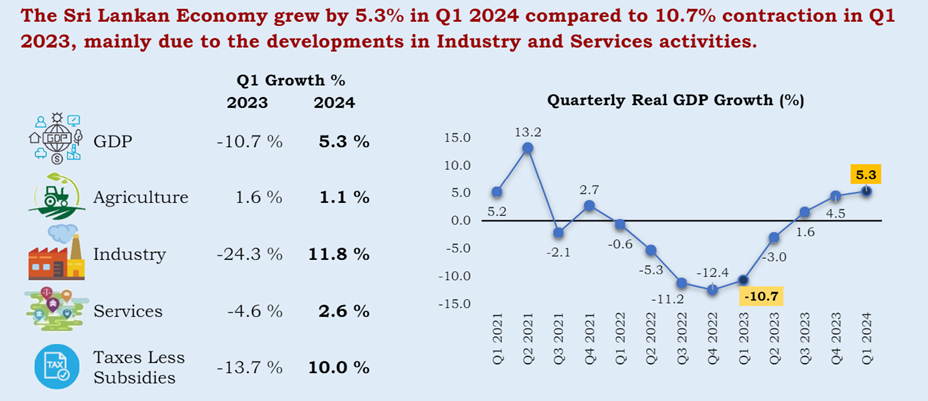
Sri Lanka’s economic wins tempered by IMF concerns

Consequently, discussions ensued with the Indian government to explore alternative funding avenues.

Minister Bandula Gunawardena, serving as cabinet co-spokesman, disclosed that India, recognising the project’s importance, generously consented to cover the entire estimated renovation expenses for the KKS port.

Considering the project’s challenges, further talks were held with India to explore the potential of executing it through a public-private partnership (PPP) model.

The decision follows a communication from Sri Lanka’s Ports, Shipping, and Aviation Ministry in March, announcing India’s commitment to provide a $61.5 million grant for the full-scale development of the KKS port.

This pledge was conveyed during a meeting between Indian high commissioner Santosh Jha and Sri Lanka’s Ports, Shipping, and Aviation minister Nimal Siripala De Silva.

The development project entails the construction of a new breakwater and dredging the port up to a depth of 30 meters to accommodate deep-draft vessels.

Originally approved on May 2, 2017, under Indian loan funds, the KKS port renovation project received subsequent approval for Project Management Consultant Services on December 18, 2019.

In discussions between Nimal Siripala De Silva and Santosh Jha, it was revealed that India also aims to enhance regional cooperation between the two nations and extend full support to attract more Indian tourists to Sri Lanka.

Sri Lanka polls could risk economic recovery, says central bank chief

May 7th, 2024

Courtesy Malay Mail

Sri Lanka polls could risk economic recovery, says central bank chief

Sri Lanka’s Central Bank governor P. Nandalal Weerasinghe speaks during the Central Bank of Sri Lanka Annual Report 2023 press conference in Colombo May 7, 2024. — AFP pic

COLOMBO, May 7 — Sri Lanka’s tentative recovery from its worst economic crisis could be stalled by presidential elections due later this year, the island nation’s central bank chief warned today.

Months-long shortages of food, fuel and medicines culminated in Sri Lanka defaulting on its foreign debt in 2022 and angry protests that led to the ouster of then-president Gotabaya Rajapaksa.

His successor Ranil Wickremesinghe has introduced austerity measures including sharp tax hikes, and cracked down hard on anti-government demonstrations.

ADVERTISEMENT

Nandalal Weerasinghe said the crisis-hit economy had stabilised thanks to tough reforms prompted by an International Monetary Fund rescue package, but the country was not completely out of the woods.

Domestically, what I see as the challenge is to continue the same policies going forward irrespective of the administration,” Weerasinghe said. That is an important one.”

Wickremesinghe’s party has indicated that he will seek a fresh term at the elections due in September or October.

His two main rivals have said they wants to renegotiate terms of the IMF bailout, reduce taxes and increase food and energy subsidies.

Last month, the Asian Development Bank also warned that Sri Lanka’s recovery could be stalled by abrupt policy changes after elections if the outcome weakened the government’s commitment to austerity measures.

Foreign lenders have also warned that any delay in restructuring Sri Lanka’s foreign debt could impact the economy.

Sri Lanka had expected a deal with foreign lenders — including China, its single biggest bilateral creditor — by the end of March, but so far, no accord has been announced. — AFP

Canada’s Counterproductive Policy Of Permitting Separatists – OpEd

May 7th, 2024

By N. S. Venkataraman Courtesy Eurasian Review

Referring to the policy of the Government of Canada permitting the activities of those who are demanding and carrying out campaigns for independent states in other countries (for example the similar demands of the LTTE the Khalistan in Sri Lanka and India, respectively), India’s Foreign Minister reminded the Canadian government about Newton’s Third Law of Motion.

Newton’s Third Law states that  for every action, there is an equal and opposite reaction. This refers to a scenario that if Object A exerts a force on Object B, then Object B exerts an equal amount of force on Object A in the opposite direction.

The Canadian government is freely allowing the activities of such separatist forces, which are creating serious problems for other countries like India and Sri Lanka. Obviously, such aa policy approach of the Canadian government clearly gives an impression that it is totally unconcerned about the problems caused to other countries due to its policy of permitting the activities of separatists in Canada.

The Canadian government seems to be justifying such a policy approach, by claiming what it calls as the free speech policy of the government”. However, it is not concerned about the harmful impact of the free speech and free action policy of the government on other countries. As for the affected countries that are concerned, this is a serious matter and they would be justified in concluding that Canada, which permits the activities of separatists, is a hostile country.

Sri Lanka suffered enormously due to the ethnic war caused by the LTTE separatists, who largely operated from Canada, with that country’s government closing its eyes on the activities of the LTTE on Canadian soil. A prolonged internal war took place in Sri Lanka, for which the Canadian government is largely responsible indirectly, by providing free territorial space to the LTTE separatists in Canada. While a few other countries in Europe have also done this, Canada is the foremost country to have  permitted the LTTE separatists.

When India’s Foreign Minister referred to Newton’s Third Law, he obviously meant that India cannot remain as a silent spectator, when the anti-Indian Khalistani separatist movement is being organised on Canadian soil and particularly with the Canadian government irresponsibly keeping its eyes closed. India has to necessarily protect its territorial integrity.

When LTTE waged ethnic war in Sri Lanka with a considerable base in Canada, Sri Lanka could do nothing about it, as it was a small country facing local difficult situation. But, such would not be the scenario in the case of India, which is a large country with considerable muscle power to defend its territorial integrity and sovereignty.

In the past, Canada had the image of a large, prosperous and under-populated country. The Government of Canada adopted  an open arms policy to refugees and migrants from all over the world, perhaps with minimum checks and controls. While such apolicy approach contributed and continues to contribute to a demographic imbalance in the country, Canada also has become a fertile country for separatists from other countries to establish their bases and operate freely against other countries.  

There is bound to be a negative impact on the social and political climate in Canada due to such a policy, which is suicidal. There is already some evidence to indicate such a trend. Recently, there have been number of incidents of ethnic clashes and hate mongering in Canada. It is unfortunate that  the Government of Canada gives the impression that it is not able to read the writing on the wall.  

In several European countries also such liberal migrant / refugee policies have caused havoc, with several cities in Europe including London, Brussels, having a population mix with migrants close to outnumbering the natives. The recent decision of the UK government to send asylum seekers back to Rwanda indicates the level of concern in European countries.

The Canadian government should derive the right lesson from the present predicament of European countries. It should also understand that if it continues to facilitate separatists in Canada to harm other countries, then Canada cannot escape from the consequence of Newton’s Third Law of Motion then becoming applicable to Canada.

Sri Lanka’s central bank predicts 8% export, 18% import growth

May 7th, 2024

courtesy FibreFashion

INSIGHTS

  • CBSL envisages exports to increase by 8.4 per cent this year in aftermath of decline in 2023.
  • This projection is indicated in the CBSL’s Annual Economic Review of 2023 released recently.
  • Last year exports were down by 9 per cent to $11.9 billion from $13.1 billion in 2022.
  • Imports expected to recover to $20 billion from $16.8 billion last year.

The Central Bank of Sri Lanka (CBSL) predicts an 8.4 per cent increase in exports to $12.9 billion in 2024, following a decline in the previous year.

This projection was outlined in the CBSL’s 2023 Annual Economic Review, released recently.

Exports dropped by 9 per cent to $11.9 billion in 2023 from $13.1 billion in 2022, while imports are anticipated to rebound to $20 billion from $16.8 billion in 2023, a decrease from $18.3 billion in 2022.

In the initial two months of 2024, exports totalled $2 billion, up by 3.6 per cent compared to the same period in 2023, while imports surged by 18 per cent to $2.89 billion.

The CBSL commentary suggests sustained external demand for domestic services, particularly in tourism, and a potential resurgence in export demand given ongoing initiatives to strengthen exports amidst improved growth prospects for Sri Lanka’s key trading partners.

Despite a projected moderate growth in export earnings, the merchandise trade deficit is expected to widen in 2024 due to increased import demand, driven by eased import restrictions and enhanced economic activity.

The services account surplus is predicted to expand, propelled by higher tourism earnings and increased competitiveness in service exports.

The CBSL anticipates a strengthening services account surplus, supported by increased activity in transport services and robust growth in the Information Technology and Business Process Outsourcing (IT/BPO) services subsector.

The medium-term current account deficit is forecast to remain sustainable, aided by restored debt sustainability and favourable policies for the tradable sector.

Reflecting on 2023, the CBSL notes a significant decline in the merchandise trade deficit, primarily due to reduced import expenditure relative to export earnings. Industrial exports, particularly garment exports, experienced a notable contraction, while certain sectors, such as tea, spices, and unmanufactured tobacco, saw marginal declines in agricultural exports.

Imports saw a substantial contraction, driven by restrictions on non-essential imports and subdued economic activity even as declines were observed in intermediate and investment goods imports, while consumer goods imports increased, notably medical and pharmaceutical products.

Sri Lanka’s official reserves up to USD 5.43 bn in April

May 7th, 2024

Courtesy Adaderana

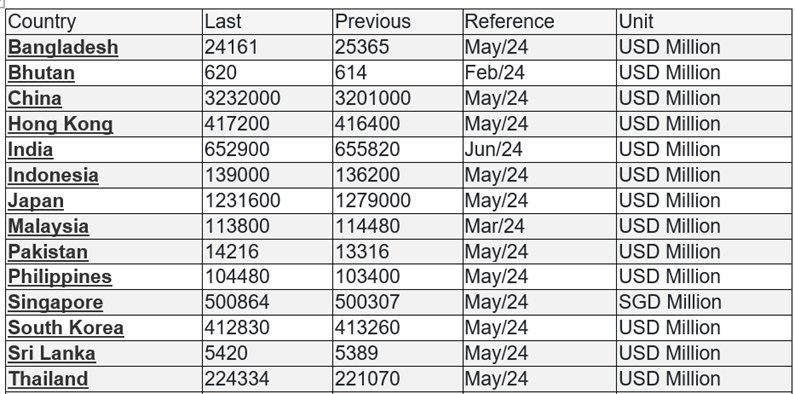
Sri Lanka’s official reserve assets increased by 9.6% to USD 5.43 billion in April 2024, compared to USD 4.96 billion in March 2024, according to the Central Bank of Sri Lanka (CBSL). 

However, this includes proceeds from the swap with People’s Bank of China (PBoC) equivalent to around USD 1.4 billion, which is subject to conditionalities on usability.

TAMIL TEENS promoting LTTE holding foreign passports

May 6th, 2024

Shenali D Waduge

LankaWeb – Do the foreign living LTTE diaspora kids know the suffering of  Tamil LTTE child soldiers?

Is it not curious that the so-called youth promoting the Eelam ideology are all living overseas, holding foreign passports, studying in foreign schools or universities and probably cannot speak a word of Tamil or Tamil with heavy foreign accents. Why is it that you do not see Tamil youth/children in Sri Lanka voicing the same sentiments? This is because these youth know very well what their parents had to go through & in their hearts they do not wish to return to that era of murder & mayhem. It’s all well & fine to be delivering eloquent speeches, making maximum use of technology to drum up graphic presentations & use the power of social media to transcend a message across the world and it may reach out to many, but what good is a false version & who does it really serve?

How many of these foreign living Tamil youth are aware that till 1957 their own low caste Tamils could not even enter a school to gain education. Their caste denounced their own people to enter restaurants or even a kovil. Even to this day the upper castes will not share a tea cup with their fellow Tamil low castes. Take out the calculator and see how many Tamils are marginalized by their own before pointing fingers.

Why mention 1957 – well it was in 1957 that the then PM – SWRD Bandaranaike brought the Social Disabilities Act to enable low caste Tamils to enter schools. How did the Tamils react? Well the Tamil politicians who didn’t take to sea when the Official Language Act was passed in 1956, sailed all the way to UK to appeal to the UK Privy Council to annul the bill. Now, isn’t this a topic the Tamil teens to pluck out from the past? Tamil politicians actually sailed to the UK to ask the British not to allow low caste Tamils to enter schools. Doesn’t this qualify as discrimination?

Fast forward to the university entrance issue – here too, the high castes and classes of not only Tamils but Sinhalese were against the quota system because the quota they were enjoying exclusively was to be divided amongst the poorer and less privileged classes who would for the first time be able to enter university. So the youth plucking issues of the past & cosmetically attempting to fan racist sentiments need to first put facts in proper perspective.

There is much reference to Sri Lanka having a civil” war” – both words are unsuited for what took place. There was no war. There was an armed conflict which is classified as non-international between a non-state actor & the national army that was defending the nation. Tamils were not fighting the Sinhalese. The national army was not only Sinhalese. The LTTE were of course only Tamils but it did not mean all Tamils were LTTE. If these teens doing tiktoks were to take out the list of Tamils killed by LTTE, they would think twice about presenting notion that LTTE stood for Tamils.

Another factor that is oft left out of the discussion table is the type of cadres that made up the LTTE. Was there one single high caste Tamil politician or rich Tamil’s child fighting for the LTTE as a child soldier or a female/male suicide cadre? Nope. LTTE’s child soldiers were all from rural villages, from the poorest of poor Tamils & from low castes.

It is also interesting to return to the July 1983 riots. Unfortunately, this incident too has given injustice to the Sinhalese blaming them for an incident they did not do & not rectifying the truth that the Sinhalese gave shelter to the many Tamils who were attacked by UNP good squads. Ironically, Tamils have forgiven the UNP & do not hesitate to vote for UNP but Tamils do not want to correct the wrong notion that Sinhalese attacked them. Be that as it may, the incident is important because in most cases, it was not the people who were attacked who went to as refugees overseas but people who were well to do – middle class Tamils who made use of the opportunity to seek asylum overseas. Having seen the loopholes in the systems overseas, these avenues continue to be flogged to gain asylum annually & this is why the stories become juicier with each year.  So we are not surprised by genocide, mass murder or whatever other shocking terms that can be plucked out of the dictionary if it serves a purpose.

The Tamil teens on tiktok hesitate to question why LTTE chose to take 300,000 Tamils with them as they retreated. These Tamil teens are not bothered that the Tamils they took were to be used as hostages & human shields. To those overseas, these 300,000 Tamils were marketing tools. Together with the LTTE media unit – all types of lies were spread. Little was asked as to why LTTE did not release children, the elder, the feeble or the injured. No Tamil teen questioned the many incidents of poor Tamils who attempted to flee being shot & killed. These stories were quickly credited to the Sri Lankan army. No Tamil teen bothered to spare a minute for the pleading Tamils who were begging for food & water – because they were all low caste & poor Tamils. They were only good to be used for the bigger cause. No Tamil tiktok teen bothered to even question the injured LTTE cadres put inside several buses and blown up by the LTTE as they did not want to leave them behind & have them captured to be questioned. No Tamil tiktok teen want to cover stories of the rehabilitated former child soldiers who were given education they never had, who were given vocational training so they could start a livelihood of their own. We can go on about what these foreign living Tamil teens have overlooked.

But we can well understand – the LTTE kitty in its heyday was some $300m strong, without having to spend on LTTE troops & with the collections continuing as are the LTTE illegal and legal money generating channels, the LTTE families living overseas are living the high life. Understandably, they do not wish to give that up & they need to keep the LTTE separatist ideology alive as well as fine tune it to suit the modern needs and give it some face lift to make it internationally relevant. They are certainly doing a great job, but the Tamils back home are now more informed and having gone through a horrid past, they are enjoying a life while aware of the life they would have had to lead if LTTE remained ruling the areas that they can now roam freely. None of the tiktok Tamil teens can imagine the fear the families from whom LTTE took children suffered mentally & physically. Look at Northern Sri Lanka today & look at what the North looked under the LTTE. The Tamils overseas can never understand what Tamils in the North are feeling now & what they felt under the LTTE. Only the LTTE families thrived in the North – everyone against the LTTE suffered.

If Tamil teens overseas continue to claim ‘genocide’ – they must first present the names of the dead, they must also present the names of Tamils killed by LTTE when they attempted to flee. All the deaths cannot be credited to the army!

When two sides are engaged in hostilities – they are not exchanging roses, therefore there is casualties, but it was LTTE who kept Tamils with them & refused to release them. So it is totally the fault of the LTTE for keeping Tamils in harms way & firing at Tamils who attempted to flee. The suicide bombing in one of the reception centres kept ready for those who fled LTTE is a good example of the type of gruesome actions LTTE is capable of. When 12,000 LTTE all dressed in civilians were able to surrender and all of them are alive and underwent rehabilitation the made up figures and stories are unsuited for even the fiction corner.

These teens may need to swallow their pride & come to terms with the reality that the Sri Lankan army looked after the Tamil civilians who were threatened by the LTTE. What more when even Prabakaran’s parents had to seek the solace and safety of the armed forces when the Tamil people began to attack the two elderly couple after LTTE’s reign of terror ended.

Therefore, enough of the lies. The Tamil youth in Sri Lanka need time to get on with their lives. The Tamils overseas are not helping them by drilling their minds with lies and innuendos that cater to a narrative that is advantageous to the pro-LTTE Tamils overseas. The Tamils in Sri Lanka (sans those linked to LTTE or fanning separatist ideas) are getting on with their lives and should be left alone to do so. They have gone through enough and so have the rest of the country. None of these youth overseas can imagine what life was like to have LTTE despatching suicide bombers, carrying out bombings in public places and public transport or assassinating people.

Best not to throw stones from glass houses!

Shenali D Waduge

කතිර බාගත කළ හැකි  හාල්කෑලි ආර්ථිකය

May 6th, 2024

මතුගම සෙනෙවිරුවන්

            ලෝකයේ කොහේවත් නැති ප්‍රජාතන්ත්‍රවාදයක් ලංකාවේ ඇත.පක්ෂ විශාල ප්‍රමාණයක් සමග හැල හැප්පෙන  චන්ද දායකයා සිටින්නේ මහා වික්ෂිප්ත තත්වයකයි.බ්‍රිතාන්‍ය පාර්ලමේන්තු සම්ප්‍රදාය අනුව චන්ද බලයෙන් තේරී පත්වන පුද්ගලයා. පාර්ලිමේන්තු සාමාජිකයෙකු බවට පත් වේ.බ්‍රිතාන්‍යයේ පවතින්නේ දේවරාජ්‍යයකි. එවිට රජු දෙවියන්ගේ සෘජු නියෝජිතයා වෙයි. මන්ත්‍රීවරු මේ දේවරාජ්‍යය ක්‍රියාත්මක කරන සාමාජිකයන් වෙති. ලංකාවේ වෙස්මිනිස්ටර් ක්‍රමයද ඇරඹුනේ එසේමය.එයට තේරී පත්වන්නා පාර්ලිමේන්තු වරප්‍රසාද භුක්ති විඳී.ස්ථාවර නියෝග පිළි පදී. මහජනතාවගේ චන්දයෙන් පත් වුවද පාර්ලිමේන්තු සම්ප්‍රදාය අනුව ඇතැම් විට ඔවුන්ට විරුද්ධව යෑමටද මන්ත්‍රී වරුනට සිදු වේ.පාර්ලිමේන්තුව නැතහොත් ව්‍යවස්ථාදායකය ට යන පුද්ගලයා චන්ද දායකයාගෙන් ඈත් වන්නේ එලෙසය.උදාහරණයක් වශයෙන් කන්නන්ගර මහතා දැක්විය හැකිය. ආචාර්ය සී.ඩබ්.ඩබ්. කන්නන්ගර මහතා මතුගම ආසානයෙන් තේරී පත්ව පාර්ලිමේන්තුවට ගොස් රටට පිරිමහින අධ්‍යාපන ප්‍රතිසංස්කරණ පිළිබඳ ඉහළින්ම වැඩ කළ පුද්ගලයෙකු වෙයි. ඔහු බ්‍රිතාන්‍ය සම්ප්‍රදායෙන්ද පිට පැන මෙරටට ගැලපෙන අධ්‍යාපන ක්‍රමයක් සකස් කිරීමට මහන්සි ගත්තේය.එහෙත් ඔහු මහජනතාව සමග පයිරු පාසානමට නොගියේය.ගමෙන් පැමිණි චන්ද දායකයා වෙනුවෙන් කාලය වැය කිරීමට ඔහුට අවස්ථාවක් නොමැති විය. මේ නිසා ඊළඟ චන්දයේ දී ඔහුව පරාජයට පත් කිරීමට චන්දදායකයාට සිදු විය.

          ජනතාව ඉල්ලන්නේ තෙවරප්පෙරුම වැනි පුද්ගලයන්ය.ජනතාවට ව්‍යවස්ථාදායයේ බුද්ධිමත් හැසිරීම් වැඩකට නැත. ඔවුන්ට ඒවා දැනෙන්නේ සම්මත කළ නීතිය  මගින් තමුන් පීඩාවට පත් වීමට සිදු වූ දිනක දීය.එවිට මහජන මන්ත්‍රීවරයා ආසනයෙන් පවා පැරදී ගොසින් විය හැකිය. එසේත් නැතිනම් වෙනත් පක්ෂයකට හේත්තු වී වෙනත් මගක ගමන් කරනවා විය හැකිය.චන්ද කාලයට ඇති පදම් ජනතාවට හාල් කෑලි ලැබෙන්නේ මෙම පරතරය පියවා ගැනීම පිණිසය . හාල් කෑලි යනු හාල් කිලෝ විස්ස පමණක් නොවේ. මත්පැන් බෝතලයේ සිට  ගොඩනැගිලි කොන්ත්‍රාත්, බාර් පර්මිට් දක්වා එය වෙනස් විය හැකිය.දැන් අලුත්ම ප්‍රවණතාවය මන්ත්‍රීවරයෙක් බා ගැනීමට කෝටි විස්සක් පමණ වැය කිරීමය. එසේත් නැති නම් බාර් පරිමිට් එකක් දීමය.නමුත් ජනතාවට ලැබෙන්නේ රුපියල් පන්දාහක් පමණ වටිනා හාල් කිලෝ විස්සක් පමනී. ඒ සියල්ල තමන්ට තමන්ගේ පක්ෂයට කතිර බා ගැනීම පිණිසය.

       ලංකාවේ කුඹුරු  ප්‍රමාණය ගත හොත් හෙක්ටයාර් 851043 කි.ඒ සියල්ල යල මහ අස්වද්දනේ නැති නමුත් වාර්ෂිකව වී මෙට්රික් ටොන් දශලක්ෂ 3.8 ක ප්‍රමාණයක් උත්පාදනය කරයි.ගොවි පවුල් 87900 ක් පමණ ජීවත්වන අතර දළ ජාතික නිෂ්පාදනයේ කෘෂිකර්ම අංශ දායකත්වය වන සියයට 16.5 න් අඩක්ම වී වගා කරන ගොවීන් ගෙන් ලැබේ. නිදහස ලැබෙන විට රන් පවුම සහ වී බුසල එක තරමේ වාටිනාකමකින් යුක්ත වී යැයි කියති.රන් පවුම දිනෙන් දින ඉහළ ගියේ වෙළෙඳ පළ ආර්ථිකය අධිරාජයවාදය නිසා ව්‍යාප්ත වීමත් සමගය. අද රන් පවුමට වඩා ඇමරිකන් ඩොලරය ගැන කා කරති. ඒවා ඉහළ වටිනාකමකින් යුක්ත වන්නේ වාර්ෂිකව අච්චු ගහන ඩොලර් කඩදාසි ලොව පුරා බෙදා හරිමින් කරන සූදුව නිසාවෙනි.රුපියල උඩ යට යන්නේද පහළ යන්නේද  ඩොලරය නිසාය.ලංකාවේ වී මෙට්රික් ටොන් 3.8 ක ප්‍රමාණයක් නිෂ්පාදනය කරමින් සහලින් ස්වයංපෝෂිත වුවද රුපියල උඩ යන්නේ නැත. තේ රබර් පොල් නිෂ්පාදනය කරමින් අපනයනය කළද රුපියල උඩ යන්නේ ඉතාමත් සෙමින්ය.මන්ද අපනයනයෙන් ලැබෙන ඩොලර් සම්පූර්ණ වශයෙන් ලංකාවට ආපසු නොඑන  බැවිනි.ඩොලර්ය කෘතිමව පහළ ගිය හොත් එවිට ඒ ආදායම ලංකාවට ප්‍රේෂණය වේ.ඩොලර් හුවමාරුව එක අතිකින් සූදුවකි.ඒ සූදුව හරියට කරන්නා සූදු අන්තුවෙකි. ලෝකයේ බලගතු රටවල මිත්‍රයෙකි.වෙළෙඳ පළ බලවේග මගින් රට පාලනය කරන විද්වතෙකි.

       එහෙත් ඒ පුද්ගලයාට ද කතිර බාගත කර ගැනීම සඳහා හාල් කෑලි විස්සක් දීමට සිදුවේ. ලංකාව සහලින් ස්වයංපෝෂිත වී ඇති නම් සහල් කෑලි ලබා දීමේ අවශ්‍යතාවයක් නැත. වී අලෙවි මන්ඩලයක් තිබුණද වී ගන්නට මහා භාණ්ඩාගාරයෙන් මුදල් ලැබෙන්නේ නැත. ඒ වෙනුවට  විවිධ එළවලු වර්ග ,වතුර බෝතල් ,ලුණු ඇතුලු ආහාර ද්‍රව්‍ය රැසක් විදෙසින් මෙරටට ගෙන්වීමට විදේශ විනිමය නිකුත් කෙරේ.  ගොවියා දස අතේ ණය වී වී වගා කරයි එලවලු වගා කරයි. නමුත් ඔහුගේ අස්වැන්නට නියමිත මිලක් ලැබෙන්නේ නැත. පසුගිය කාලයේ කොමඩු අක්කර පහක් පමණ වගා කළ ගොවියෙකු ලක්ෂපතියෙකු වූ හැටි මාධ්‍ය විසින් වාර්තා කර තිබුණි.නයි මිරිස් වගා කරන ගොවීන්ද එසේ උපයති. හාල් කෑලි ආර්ථිකය තුළ සුහුරු කෘෂිකර්මය අගය කරන්නේ ඒ නිසාය.නමුත් කොමඩු අක්කරයකින් ලක්ෂ පහක් උපයන විට ලක්ෂ තුනක් පිටරටට ඇදී යයි. ඒ මන්ද ඒ සඳහා යොදා ගන්නා නවීන බීජ පොහොර කෘෂි රසායන සින්තටික් දැල් හෝ ආවාරණ ගෘහ වලට අවශ්‍ය සියලු දේ පිටරටින් ගෙන්වන බැවිනි. නයි මිරිස් ගොවියෙකු සාමාන්‍යයෙන් අක්කරයක වගාවක් සඳහා ලක්ෂ දහයක් පමණ වැය කරයි. වියදමෙන් භාගයක්ම ඔහුට පොලිතින් බෑග් දැල් ,කෘෂි රසායන ආදියට වැය වේ.ඒ අතින් බලන කල්හි සුහුරු කෘෂිකර්මය යනු විදෙස් මත යැපෙන තවත් බරවා කකුළකි.වෙළෙඳ පළ බලවේග මත රට පාලනය කරන්නේ විදෙස් කොම්පැණි වලට අවශ්‍ය ගොවීන් රට තුළ බිහි කරලීමෙනි.හැටේ දශකයේ දී හරිත විප්ලවය මගින් කරන ලද්දේද එයයි. නමුත් තමන්ගේ නිවසේ ගෙවත්තේ හෝ හේනේ ධාන්‍ය එලවුලු පළතුර වවන ගොවියෙකුගේ අස්වැන්නට සාධාරණයක් නැත. ලැබුණ අස්වැන්නෙන් රුපියල උඩ යන්නේද නැත.දළ ජාතික නිෂ්පාදනය තීරණය කරනු ලබන්නේ නිපයන තරමට නොවේ ඩොලර් හුවමාරු වන තරමටය.ඒ  නිසා සූදු අන්තුවන්ට වෙළෙඳ පළ බලවේග සහ විදෙස් බලවේග සමග අත්වැල් බැඳගෙන රට පාලනයට ඉඩ හසර ලැබේ.වරින් වර  හාල් කෑලි ආර්ථිකය ට වටිනාකමක් ලැබෙන්නේමේ සූදුව සහතික කර ගැනීමටයි.මේ ක්‍රමයට රටක් ගොඩ යන්නේ නැතිබව තේරුම් ගැනීමට තරම් චන්දදායකයා බුද්ධිමත් නැත..

මතුගම සෙනෙවිරුවන්

Japan and Sri Lanka agree to resume $1.5bn light rail, other projects

May 6th, 2024

Courtesy Nikkei Asia

The deal comes as Colombo works to restructure foreign debt as part of IMF bailout

Japanese Foreign Minister Yoko Kamikawa and Sri Lankan counterpart Ali Sabry after their meeting in Colombo on May 4.   © Reuters

COLOMBO (Reuters) — Sri Lanka and Japan agreed on Saturday to work to resume stalled bilateral projects including a $1.5 billion Japanese-funded light railway.

The two nations announced the agreement during a visit to Sri Lanka by Japanese Foreign Minister Yoko Kamikawa.

Sri Lanka is working to restructure its foreign debt as part of a $2.9 billion bailout from the International Monetary Fund (IMF), after its worst financial crisis in more than seven decades in 2022 triggered a foreign debt default.

Japan expects the early signing of a memorandum of understanding between Sri Lanka and the official creditor committee appointed to assist in restructuring Sri Lanka’s bilateral debt, which Japan co-chairs, Kamikawa said.

“I also conveyed Japan’s intention to further support Sri Lanka’s development by swiftly resuming yen loan projects once the MoU on debt restructuring is signed and the Sri Lanka government’s intention to swiftly conclude a bilateral agreement is confirmed,” she told reporters in Colombo.

Sri Lanka pulled out of the rail project in 2020, when it was moving closer to China under the then-president.

The Sri Lankan cabinet in July gave approval for President Ranil Wickremesinghe to decide on the appropriate time frame to reactivate projects with Japan.

Japan is Sri Lanka’s biggest bilateral lender after China, with about $2.7 billion in outstanding loans, according to finance ministry data. India is the third key creditor.

Sri Lanka is confident of concluding the necessary agreements in time to complete the next IMF review, Sri Lanka Foreign Minister Ali Sabry said.

Action against man who caused disturbance at BIA visa counters and officers who recorded incident

May 6th, 2024

Courtesy Adaderana

Minister of Public Security Tiran Alles says that action will be taken against the person who had caused a disturbance recently in the visa issuance section at the Bandaranaike International Airport (BIA) in Katunayake.

The minister said that action will also be taken against the officers who had recorded the incident in question.  

Minister Alles revealed this during a special press conference held today (06) in relation to the recent controversial issue concerning the issuance of On-Arrival Visas at the BIA in Katunayake.

The Minister explained that the proposal regarding the new visa system was unanimously passed in Parliament without a debate on November 23, 2023.

He stated that the issue of visa fees was also part of the adopted proposal, and that even though it was passed in November, it was not possible to implement the change through the Electronic Travel Authorization (ETA) system and therefore they had to wait until April 17 to implement it through the VFS system.

The Minister further stated that due to the issues with ETA system, they had proceeded with changing the system.

He further said: The talk was only about the USD 75, which means a 6-month visa, a double entry visa. But there was a small mistake on our end. Our 50-day visa was USD 30. Once we passed this, we couldn’t include it in the system, and therefore we had to go back to the Parliament. We cannot publish a gazette without approving it in the parliament. Before leaving the country, I passed the 50-day visa along with the resident visa. It will be in the system from tomorrow onwards. For 30 days single entry visa is USD 50.”

We had received a proposal regarding the VFS. Everyone who travels overseas knows what VFS is. It is a company used by 67 governments, at around 3,300 centres in 151 countries. There is no one to compete with that service. They are the world’s number one in that.  Every country in the world uses VFS. 

One accusation that was made is that this is an Indian company and that Indians were handling the visa counters. I looked into this. VFS is not an Indian company. ‘Black Stone’ is their major shareholder. VFS will issue a statement today mentioning who they are and what they are doing in Sri Lanka. This issue started on May 01. On that day, only Sri Lankans were in the counter and there were no Indians. I have the list of names with me. Thirteen of them are Sri Lankans. The person who was shouting claims they are Indians. VFS cannot issue visas nor can they reject them. Only the Department of Immigration and Emigration can do that. What VFS does is only check the documents.”

VFS Global issues clarification on Sri Lanka E-Visa system

May 6th, 2024

Courtesy Adaderana

VFS Global, the company at the center of controversy surrounding the issuance of on arrival visa at the Bandaranaike International Airport (BIA), has issued a statement today in response to accusations and to clarify certain concerns which have been raised. 

VFS Global said it has been operating in Sri Lanka since 2004 and has been facilitating the visa application process for 23 governments including the UK, Australia, Canada, New Zealand, and Schengen countries such as France, Germany, Switzerland, Italy, Norway, Austria, Latvia, Hungary, Croatia, Malta, and Greece.        

VFS Global said it operates six visa centres located in Colombo and Jaffna and employs over 123 Sri Lankan nationals. Since 2004, VFS Global Sri Lanka has processed over 3.2 million applications, it said. 

The Department of Immigration & Emigration (DI&E) signed a tripartite contract with GBS Technology Services & IVS Global FZCO being the prime contractor and VFS Global being the technology partner for the Sri Lanka government’s new E-Visa solution. www.srilankaevisa.lk. 

VFS Global said it manages non-judgmental and administrative tasks related to the application process only. The decision to grant or reject the visa is at the sole discretion of the Department of Immigration and Emigration, it pointed out. 

It currently employs a total of 66 Sri Lankan nationals and the number is expected to increase to over 100 Sri Lankan nationals shortly.  

VFS Global says it has experience offering its digital E-Visa platform to 12 governments including Thailand, Dubai, Equatorial Guinea, Azerbaijan, and Suriname, amongst others.  

As part of the digital transformation and modernisation of the visa system, the government of Sri Lanka decided to adopt VFS Global’s digital platform for its E-Visa and Visa-on-Arrival process. The objective is to make the process seamless to aid increased tourism and investment opportunities.  

Travellers (visa applicants) can choose from 17 non-resident visa categories ranging from one month to 10 years. The process is online, which brings convenience to applicants. Additionally, travellers can use the dedicated contact centre that provides 24/7 support in five languages namely English, Tamil, Russian, Mandarin/Cantonese and German. This will be expanded to other languages based on the requirement, it said.  

The solution is offered through a user-pay model, at no cost to the government. All investments related to technology, infrastructure and staff are borne by the company.”  

The total service fee approved by the Cabinet is US$ 18.50 across all visa categories. Payment processing charges and applicable local taxes are in addition to the service fee.” 

The government benefits from increased efficiencies and transparency in managing the complete process and improved resource utilization,” the statement added. 

Existing Visa fees and free Visa services to continue

May 6th, 2024

Courtesy Hiru News

On May 6th, it was decided to maintain the current USD 50 fee for a 30-day visa for foreign visitors to Sri Lanka. Additionally, the free visa service extended to citizens of seven countries – India, China, Russia, Japan, Malaysia, Thailand, and Indonesia – will persist. However, the responsibility for visa issuance will be solely managed by the Department of Immigration and Emigration.

This decision highlights the government’s commitment to facilitating tourism while ensuring streamlined visa procedures. By maintaining the existing visa fees and extending free visa services to select countries, Sri Lanka aims to attract tourists and foster international relations.

The decision to centralize visa issuance under the Department of Immigration and Emigration reaffirms the government’s focus on efficiency and accountability in visa processing. This centralized approach is expected to enhance oversight and streamline visa services for both visitors and officials.

As Sri Lanka navigates its tourism strategy amidst global challenges, maintaining competitive visa policies is crucial for attracting visitors and bolstering the tourism sector’s contribution to the economy.

VFS is not an Indian company – Minister Tiran Alles clarifies VFS controversy (Video) – Hiru News

May 6th, 2024

Hiru News

In a special press conference convened by the Ministry of Public Security, Minister Tiran Alles addressed the controversy surrounding the visa issuance process at Katunayake International Airport involving VFS.

Minister Alles emphasized that VFS is not an Indian institution but rather an international company predominantly owned by the Black Stone Group, with Cooney Company of Germany as another shareholder.

Highlighting VFS’s statement regarding the situation, Minister Alles reiterated that the company’s operations are not limited to India. Contrary to claims made in a contentious video, Minister Alles revealed that 13 Sri Lankans were employed at the visa counters during the incident in question, emphasizing the diverse workforce of VFS.

Minister Alles clarified that VFS does not have the authority to approve or reject visa applications, highlighting that such decisions are solely within the jurisdiction of Sri Lanka’s Immigration Department. Despite protests that arose around May 1 last year, Minister Alles clarified that VFS commenced operations at the airport premises on April 17.

He highlighted VFS’s global reputation and emphasized that their role is limited to document verification, with the Department of Immigration and Emigration retaining authority over visa issuance and rejection.

Furthermore, Minister Alles disclosed that the proposal for establishing such an institution at Katunayake Bandaranaike International Airport was presented to the Cabinet of Ministers four years ago. The Minister’s remarks aimed to provide clarity and dispel misconceptions surrounding the involvement of VFS in visa issuance at the airport.

Providing context to the controversial issue concerning On-Arrival Visas at the BIA, Minister Alles explained that the proposal for a new visa system was unanimously passed in Parliament on November 23, 2023. This proposal included adjustments to visa fees, which were initially intended to be implemented through the Electronic Travel Authorization (ETA) system. However, due to technical constraints, the changes were delayed until April 17, when they were implemented through the VFS system.

රාවණ ඉතිහාසයේ සම්පූර්ණ කතාව මුල සිට අගට | Full Story About King Ravana

May 5th, 2024

TTD Knowledge

රාවණ ඉතිහාසය ගැන රාවණා රජතුමාගේ උපතේ ඉඳන් රාම රාවණ යුද්දේ අවසානය වෙනකන් අපි වීඩියෝ දහයක සීරිස් එකකින් කතා කළා. මට ගොඩක් අය මැසේජ් දාලා කමෙන්ට් දාලා තිබ්බා මේ සම්පූර්ණ කතාවම එක වීඩියෝ එකකින් ඉදිරිපත් කරන්න කියලා එයාලට තේරුම් ගන්න ලේසි වෙන්න. ඉතින් මට හිතුනා මේ රාවණ ශිෂ්ටාචාරය සම්පූර්ණ කථාව එක දිගට පිළිවෙලට ඔයාලට අරගෙන එන්න එහෙනම් මේ තමයි රාවණ ඉතිහාසයේ සම්පූර්ණ හෙළිදරව්ව…

අ‍වු‍රු‍දු 2500‍ක‍ට ‍පෙ‍ර රා‍ව‍ණ ‍හෙ‍ළ ‍ඉතිහාසය ඇත්තක්ද? (II Part) | King Ravana History story

May 5th, 2024

TTD Knowledge

මේ චැනල් එකෙන් අපි උත්සාහ ගන්නේ ඒ අවුරුදු පන්දාහකට වඩා පැරණි අතීතයේ ගැන සාක්ෂි ඔයාලට ඉදිරිපත් කරන්නයි.

Singing Yankee-Doodle-Doo on Hanuman’s Tail down Ramayana Trails

May 5th, 2024

e-Con e-News

blog: eesrilanka.wordpress.com

Before you study the economics, study the economists!

e-Con e-News 28 April – 04 May 2024

• Mathematics Professor Nalin de Silva’s last column in his popular blog kalaya.org pointed to the fingers of India’s National Security Adviser Ajit Doval in the April 2019 terror. ‘Today India is a world power’, he observed, concluding, ‘If our intelligence agencies do not work wisely, we will be dragged down India’s Ramayana Trail…’

     This ee is dedicated to Nalin de Silva who passed away on 02 May 2024. There are many, including so-called nationalists & ‘socialists’, who breathed a sigh of relief when he passed. We are not among them. We looked forward to his daily writings, and enjoyed his iconoclasm especially his smithereening of the most sacred so-called scientific shibboleths of the white world. We wish him a bullet-train ride to Nirvana, for he taught us to be questioning, even while not always agreeing with the good doctor’s diagnoses & prognoses.

     De Silva was dismissed as being opposed to science, and both praised & insulted for his almost impudent & imprudent adherence to mysticism, yet his assertion that ‘Physics is all about finding out whether something works or not’ is most certainly scientific.

     Such a practical definition may be anathema to our scholars – our engineers make no engines; our artists, slaves to an imported science and consumer technology. While constantly blaming politicians, they excel in not making anything that works – for the people of this country, at least. And while de Silva opposed Marxism (he rarely mentioned Leninism, though never forgot his old Trotskyist opposition to Stalin), his statement on physics recalls:

The sporadic use of machinery in the 17th century was of the greatest importance,

because it supplied the great mathematicians of that time with

a practical basis & stimulant to the creation of the science of mechanics

– Karl Marx, Capital, Vol. 1, Chapter 14

*

‘National liberation exists only when the national productive forces

have been completely freed from every kind of foreign domination’

– Amilcar Cabral, The Weapon of Theory, 1966.

*

Our so-called ‘nationalists’, and those opposed to nationalism & the nation-state, have no sense of the modern machine-making industrialization & culture that alone can nourish & undergird demands for ‘freedom’ etc. The multifaceted kamikaze attacks on the economy and the political culture escalated in the last few years to make us vassals of the USA & its poodles, India & Japan, have left both nationalists & socialists bedazzled and bewildered.

     With our government constantly denying it is importing cars (rather than the machines to make them), yet promising to ‘free trade’ (an old English con-job while invading the world), Japan’s Toyota this week took out advertisements to sell new HiAce passenger vans! And the US envoy joined with Justice Minister Wijeyadasa Rajapakshe (who now wishes to be President) to ‘pledge assistance to enhance the effectiveness of Sri Lanka’s judicial processes!’ The US Constitution still enables ‘slavery’ (read its 13th Amendment fully) so know well what justice they wish to enhance!

*

• ‘Ethnonationalist state!’ ‘Ethnocentric parochial Lankans’! ‘Sinhalization & Buddhisization! ‘Ethnoreligious supremacy’! ‘Virulent Sinhala nationalism pursuing cultural purity!’ This ee also examines the penchant of our university pundits & NGO-funded artists to throw out epithets and make idealistic demands, without examining our capacity to materially lift those heavy imported weights.

     This ee Focus reproduces Kanishka Hevavisenthi’s Academics, Art Historians & Ethereal Aesthetes: Know Your Money, Materials, Machines & Machinations! which examines the real aim (to prevent modern industrialization!) behind: ‘The constant attack on Sinhala Buddhism & a united culture by the academic gangs & their artistic cavalcades riding imported cars funded by imperialism…’

*

• ‘To be sure, Sri Lankan apparel has made a distinctive contribution to the nation’s economy since the late 1970s, with local industrialists (MAS, Brandix, Hirdramani Group, eg) growing from strength to strength’, effuses a group of Sri Lankan professors & PhD seekers employed in imperialist countries (see ee Focus). They’re responding to the assertion – also in the Financial Times, by a ‘self-funded PhD student’, researching ‘delusional disorders’ (how apt!) –that some union leaders cause disruptions within factories to acquire better funding and position, disrupting productivity.

     However, both sides do not point to the elephant in the factory: that much of Sri Lanka’s ‘industry’ is not ‘modern industry’ but assembly & manufacture, based on labor-intensive production. In plantations, garments, tourism, etc, even a slight change in wages can cause a large loss of profits, even as the enormous profits these thieves do make, have never been invested in labor-saving technology, raising the skills of workers, in a sector where not a pin, needle, thread or textile are made in Sri Lanka. As SBD de Silva always said: ‘If our country was turned into one big garment factory, one big plantation, one big hotel, we would not need schools & universities anymore!’

*

• This ee examines the various pamphlets & demands made around May Day – the international workers’ day celebrated around the planet (in China it’s a 5-day holiday). These pamphlets & essays are by political parties, academics & NGOs (see ee Random Notes, & Focus) The capitalist media’s role (while lamenting ‘poor’ workers’ manipulation by politicians) is to of course downplay and distort its significance, in a world dominated by capitalism led by the USA, where many multinational corporations (MNCs) are more powerful than nation-states.

     One NGO pamphlet on May Day prioritizes LGBTQ rights higher on its lists of demands than the ‘fight against child malnutrition, the economic & social structure for their future’, ‘the environment for future generations’ and the ‘ethno-national question’. Interesting, how the demands prioritized by the funding provided, to privileged white males & females & in-betweens, snake their way into local discourse.

     Then there is a much-media-advertised promise to raise the daily wages of (tea and rubber) estate workers, midst the avowed opposition by the Planters’ Association (the real rulers of this country, who park their billions outside the country, refusing to invest in modern production) turns out to be a media stratagem to buy votes….

     Meanwhile, plans to sell off the country’s national assets continue apace. This week on the 50th anniversary of Portugal’s so-called ‘revolution’, which saw it flee its colonies in Africa (while promoting horrific genocides to prevent their economic & political advance) – Portugal’s government rejected ‘paying reparations for colonial, slavery legacy!’

      Indeed, why should still-imperialist Portugal pay? And if it tries to do so, how would it do so? There are no stated programs & plans by our own leaders & countries as to exactly how they would invest such.

     The USA, Portugal and South Africa (aka England South) inflicted horrific genocides on Southern Africa throughout the 1980s for their impudence in chasing out the Portuguese colonialists. Amilcar Cabral (quoted above) was assassinated by Portugal’s secret police, 8 months before Guinea-Bissau’s declaration of independence.

     Europe is now a colony of the USA. And the USA – plus its colonial poodles India & Japan – now openly flaunting their colonial power in Sri Lanka, will steal any reparations right back! Or even better, the import-export colonial plantation oligarchy will sell it right back.

     And yet…. everyone is looking deep into imported devices for answers that are better shaped and held by our own hands…

The Students Will Not Tolerate Hypocrisy

May 5th, 2024

Vijay Prashad

Tricontinental: Institute for Social Research.

It was inevitable that the Global North governments’ full-throated support for Israel’s genocide against Palestinians would result in furious retribution from their citizenry. That this retribution began in the United States is also not a surprise, given the ongoing cycle of protests that, since October 2023, have contested the US government’s blank cheque to the Israeli government. The US bankrolling of Israel’s extermination campaign against Palestinians includes over one hundred weapons shipments to Israel since 7 October and billions of dollars of aid.

For a long time now, young people in the United States – as in other countries of the Global North – have felt the demise of promise from their society. Permanent precarious work awaits them, even those with higher degrees, and a more precious hold on morality has developed within them due to their own experiments to become better humans in the world. Cruelties of austerity and of patriarchal norms have forced them to turn against their ruling classes. They want something better. The assault against Palestinians has spurred a rupture. How much further these young people will go is yet to be seen.

Across the United States, students have built encampments on over a hundred of university campuses, including the country’s most prestigious institutions such as Columbia, Massachusetts Institute of Technology, Stanford, Emory, Washington University in St. Louis, Vanderbilt, and Yale. The students are part of a range of local campus groups as well as national organisations, among them Students for Justice in Palestine, the Palestinian Youth Movement, Jewish Voice for Peace, CodePink, the Democratic Socialists of America, and the Party for Socialism and Liberation. At these encampments, students sing and study, pray and discuss. These universities have invested their vast endowments in funds that are entangled with the weapons industry and Israeli companies, with the total endowments at US institutions of higher education reaching roughly $840 billion. Seeing their ever-expanding tuition payments go towards institutions that are complicit in and profiting from this genocide is far too much for these students. Hence their determination to resist with their bodies.

Democracy is corroded when basic civil actions such as this are met with the full force of the state’s repressive apparatus. College administrators and local urban authorities have sent in heavily armed police forces to use any means necessary to remove the encampments, further reinforced by placing snipers on campus rooftops at multiple universities. Scenes of sensitive students and faculty members being ripped away from their campuses, tased, brutalised, and arrested by police in riot gear are scattered across social media. But rather than demoralise the youth, these violent measures have simply sparked the creation of new encampments at colleges not only in the United States, but in countries as far afield as Australia, Canada, France, Italy, and the United Kingdom. Excuses such as the tents being a fire hazard might stiffen the resolve of the administrators, but they make no sense to the students, the faculty members who came out to defend them, or concerned people around the world. The images of this violence are reminiscent of the photographs of the massacres against US students protesting the Vietnam War and of police dogs being unleashed on young Black children during the US civil rights movement.

This is not the first time that young people, particularly college students, have tried to impose clarity upon a world encrusted by compromises. In the United States, earlier generations fought to get their colleges to divest from apartheid South Africa and from the ugly US-driven wars in Southeast Asia and Central America. In 1968, young people from France to India, from the United States to Japan, erupted in anger at the imperialist wars in Algeria, Palestine, and Vietnam, their eyes firmly set on Paris, Tel Aviv, and Washington for their murderous culture. Their attitude was captured by the Pakistani poet Habib Jalib, who sang at Lahore’s Mochi Gate kyun darate ho zindan ki divar se (why do you scare me with the prison’s gate?), and then zulm ki baat ko jahl ki raat ko, main nahin manta main nahin jaanta (oppression’s words, ignorance’s night, I refuse to acknowledge, I refuse to accept).

Since we are at the start of May, it might be valuable to recall the brave young people of China who took to the streets on 4 May 1919 to condemn the humiliations forced upon the Chinese people during the Paris Peace Conference (which resulted in the Treaty of Versailles). During the conference, the imperialist powers decided to give Japan a large part of the Shandong Province, which Germany had seized from China in 1898. In this transfer of power, Chinese youth saw the weakness of China’s republic, which had been set up in 1911. Over four thousand students from thirteen universities in Beijing took to the streets under a banner that read ‘Strive for sovereignty externally, eliminate national traitors internally’. They were angry both at the imperialist powers and their own sixty-member delegation to the Paris conference, led by Minister of Foreign Affairs Lu Zhengxiang. Liang Qichao, a member of the delegation, was so frustrated with the treaty that he sent a bulletin back to China on 2 May, which was published and spurred on the Chinese students. The student protests pressured the Chinese government to dismiss pro-Japanese officials such as Cao Rulin, Zhang Zongxiang, and Lu Zongyu. On 28 June, the Chinese delegation in Paris refused to sign the treaty.

The actions of the Chinese students were powerful and far-reaching, with their May Fourth Movement not only protesting the Treaty of Versailles but unfolding a broader critique of the rot in China’s elite republican culture. The students wanted more, their patriotism finding shelter in currents of left-wing thought such as anarchism but more profoundly in Marxism. Just two years later, several of the important young male intellectuals that were shaped by this uprising, such as Li Dazhao, Chen Duxiu, and Mao Zedong, founded the Communist Party of China in 1921. Women leaders founded organisations that brought millions of women into political and intellectual life, later becoming core elements of the Communist Party. For instance, Cheng Junying founded the Beijing Women’s Academic Federation; Xu Zonghan established the Shanghai Women’s Federation; Guo Longzhen, Liu Qingyang, Deng Yingchao, and Zhang Ruoming created the Tianjin Women’s Patriotic Comrades Association; and Ding Ling became one of the leading storytellers of China’s countryside. Thirty years after the May Fourth Movement, many of these men and women displaced their rotten political system and established the People’s Republic of China.

Who knows where the refusals of students in the Global North today will go. The students’ refusal to acknowledge the excuses of their ruling class and accept its policies are dug deeper into their soil than their tents. The police can arrest them, brutalise them, and displace their encampments, but this will only make radicalisation harder to disrupt.

In the midst of the white heat of the May Fourth Movement, the poet Zhu Ziqing (1898–1948) wrote ‘Brightness’. His words rush from 1919 to our own time, from one generation of students to another:

In the deep and stormy night,
Ahead lies a barren wilderness.
Once past the barren wilderness,
There lies the path of the people.
Ah! In the darkness, countless paths,
How should I tread correctly?
God! Quickly give me some light,
Let me run forward!
God quickly replies, Light?
I have none to find for you.
You want light?
You must create it yourself!

That is what young people are doing: they are creating this light, and, even as many of their elders try to dim it, the brightness of their souls continues to illuminate the wretchedness of our system – at its heart the ugliness of Israel’s war – and the promise of humanity.

https://mail.google.com/mail/u/0/#inbox/FMfcgzGxSvBlcsVrJTSwJjprFlnTGSGZ

දින හතරක් පැවති හැළඹ වැව ගොවි උපවාසය ඇමති මනූෂගේ මැදිහත්වීමෙන් නිමවෙයි

May 5th, 2024

Manusha Media

අය වැයෙන් මුදල් වෙන් කරන බවට සහතිකයක් ජනාධිපතිතුමාගේ අවධානයටත් යොමු කිරීමට පියවර

දින හතරක් පුරා ජල ප්‍රශ්ණයක් මුල්කරගෙන වැලිඔය හැළඹ වැව ගොවි සංවිධානයේ සභාපතිවරයා යෙදෙමින් සිටි උපවාසය කම්කරු සහ විදේශ රැකියා අමාත්‍ය මනූෂ නනායකකාර මහතාගේ මැදිහත් වීමෙන් ඊයේ අවසන් කිරිමට එම ගොවි සංවිධානය එකඟ විය.

 තමන්ගේ ජල ගැටලුවට විසඳුමක් කිසිදු පාර්ශවයකින් නොලැබුන බව හැළබවැව ගොවීහු  ඊයේ (04) මුලතිව් හි පුදුකුඩීඉරිප්පු මහජන ක්‍රීඩාංගණයේ පැවති ” ජයගමු ශ්‍රි ලංකා ජනතා ජංගම සේවයට සහභාගී වෙමින් සිටි  අමාත්‍ය මනූෂ නානායකකාර මහතා හමුවී පැවසුවේය.

මේ පිළිබදව ජනාධිපතිතුමාගේත් විශය භාර අමාත්‍යතුමියගේත් අවධානය යොමුකිරීමට අමාත්‍යවරයා කටයුතු කළේය. 

ඒ අනුව එම ස්ථානයට ඊයේ රාත්‍රියේම පැමිණි අමාත්‍ය මනූෂ නානායක්කාර මහතා, වනජීවී, වනසංරක්ෂණ සහ වාරි මාර්ග ඇමතිනී පවිත්‍රා වන්නිආරච්චි මහත්මිය සමග මෙම තත්ත්වය දුරකථනයෙන් සාකච්චා කරන ලදි. එම සාකච්චාවේදී හැළබ වැව ගොවි ජනපදය තෙක් යාන්ඔය වාරි ජලය ගෙන් ඒමට අවශ්‍ය රුපියල් මිලියන 225 සදහා වන මුදල් ඉදිරි අය වැය මගින් වෙන් කිරීමටද සහතික විය.

මේ බව අමාත්‍ය මනූෂ නානානායක්කාර මහතා විසින් හැළබවැව ගොවි සංවිධනයේ සාමාජිකයන්ට දැන්වීමෙන් අනතුරුව ඔවුන් තම විරෝධතාවය අවසන් කිරිමට එකඟ විය. ඒ අනුව ගොවි සංවිධානයේ සභාපතිවරයා සිය උපවාසය අතහළ අතර තම ගැටළුවට අදාල සියළු ලේඛණ අමාත්‍යවරයාට බාරදී, ඒවා ජනාධිපති රනිල් වික්‍රමසිංහගේ අවධානයට ලක් කරනා මෙන් ඉල්ලා සිටීන ලදි.  ඉක්මනින් මේ සදහා මුදල් වෙන් කිරීමට ඇති හැකියාව පිළිබද ජනාධිපතිතුමාගේ අවධානය යොමු කරන බවද අමාත්‍යවරයා සදහන් කළේය. 

2013 වර්ෂයේ දී ශ්‍රී ලංකා මහවැලි අධිකාරිය විසින් ගොවි පවුල් තුන්සීයක් පමණ හැළඹවැව ගොවිජන පදයේ පදිංචි කරනාලද අතර මේ වන විට පවුල් දෙසීයයක් පමණ එම ජනපදයේ ජීවත් වෙයි.

යාන්ඔය ව්‍යාපාරය යටතේ එම ගොවීන්ට වාරි ජලය ලබාදීම නියමිතව තිබුන මුත් විවිධ හේතූන් මත වාරි ජලය ලබාදීම නිසියාකාරව සිදු නොවූ බව ගොවීහු චෝදනා කරති.

එම තත්ත්වය මත ගොවිපවුල් 200 කට පමන වාරි ජලය නොලැබි යාමෙන් ඔවුනගේ වගාවන් කරගත නොහැකි තත්ත්වයක් ඇතිවිය. 

එම තත්ත්වය මත යාන්ඔය ව්‍යාපාරයෙන් තමන්ට වාරි ජලය ලබදෙන ලෙස හැළඹවැව ජනපදයේ ගොවියෝ  වගකිවයුත්තන්ගෙන් ඉල්ලා සිටි අතර ඊට අදාල ඇස්තමේන්තුව ග්‍රාමීය ආර්ථික රාජ්‍ය ඇමති කාදර් මස්තාන්ගේ මැදිහත්වීමෙන් සකස් කර තිබුනි.

එහෙත් අනුරාධපුර දිස්ත්‍රික්කයේ සිට ත්‍රිකුණාමළය දිස්ත්‍රික්කයට යාන්ඔය ව්‍යාපාරයේ ජලය ගෙන යාම දිනෙන් දින පමා වු අතර ගොවි සංවිධාන විසින් ඊට කලක සිට විරෝධතාවය දක්වමින් සිටිනා ලදි. තම ගම්මානයට සමීප දුරකට යාන්ඔය ව්‍යාපාරයෙ ජලය පැමිණ ඈති බවත්, ඉතිරි කිලෝ මීටර් හතරක දුර ජලය ගෙන ඒමට වැයවන්නේ රුපියල් මිලියන 225 ක මුදලක් බවත් හැළඹවැව ජනපදයේ ගොවියෝ පෙන්වා දුන්හ.

මනුෂ නානායක්කාර අමාත්‍යවරයා මැදිහත්වූයේ මෙලෙස දීර්ඝ කාලයක් තිස්සේ නොවිසදී තිබූ ගැටලුවකටය.

SJB’s India Dilemma

May 4th, 2024

Dilrook Kannangara

Every political party in Sri Lanka has an Indian specialist. Managing India is crucially important for all political parties in the island. SLPP has Basil, UNP has Sagala, TNA, SLMC, CWC have a few of them, JVP has Vijitha and SJB has its own.

Compared to all of them, SJB’s India expert is way more educated, has contacts around the world, experienced and has a good understanding of how diplomacy works. When compared to him others are dwarfs when it comes to managing India.

However, he is facing a major dilemma because India under Modi is a different thing compared to India before Modi. Unlike past Indian PMs, Modi is an ultra-nationalist and an extremist Hindu communalist. Modi’s anti-Muslim rantings, past and current action are well known and loathed in Muslim countries. Arabic and other Muslim majority countries shun Modi for this reason. On the other hand, SJB’s India expert has cultivated excellent relations with all Muslim countries”. They came to help Sri Lanka at the UNHRC although that didn’t quite help defeat UNHRC resolutions against Sri Lanka. SJB’s India expert has to either lose Modi (India) or his friends in Muslim countries”. Further, this expert also made friends in many leftist regimes around the world. They too shun Modi for his tribalistic views. Additionally, his few liberal friends around the world also shun Modi and his band of extremists. He cannot see eye to eye with his old friends on the Modi debacle. It makes him unsuitable to be the India expert of the SJB.

This adds more pressure on the SJB India expert to quit or suppress his conscience.

Due to all these reasons, his worth to the party has seriously eroded. SJB needs another India expert who has no such old and excess baggage and who can work with today’s India which is Modi’s India.

As Sri Lanka heads to polls and parties scramble to put forward manifestoes carefully crafted to be acceptable to India, a reshuffle of their Indian affairs experts is expected. Having been a close friend of SJB leader’s fathers simply doesn’t cut it. Where will this expert end up next? Or will he bury his conscience?

ජගත් මණුවර්ණට එරෙහි දැවැන්ත මුල්‍ය වංචා චෝදනා.. ‘කොඩිගහයට’ නිෂ්පාදක FCID යයි…

May 4th, 2024

උපුටා ගැන්ම ලංකා සී නිව්ස්

කොඩි ගහ යට නම් ටෙලි නාට්‍ය නිර්මාණය කිරීමේදී එහි රංගනයේ යෙදෙන ජගත් මනුවර්ණ තමන්ට මුල්‍ය වංචාවක් සිදු කළ බව එහි නිෂ්පාදක අනිල් බණ්ඩාර මහතා සඳහන් කරයි.

ඔහු සඳහන් කරන්නේ ස්වාධීන රූපවාහිනිය සමඟ තමන් එළඹ තිබූ ගිවිසුමට වංචාවක් කරමින් ජගත් මනුවර්ණ විසින් මුදල් ලබාගෙන ඇති බවයි.

https://youtu.be/3oKDqDL_VBA

ඇතැම් විට ස්වාධීන රූපවාහිනියද මේ සඳහා සම්බන්ධයක් ඇතැයි තමන් සැක කරන බවද ඔහු කියා සිටී.

තමන් මේ පිළිබඳව සියලු තොරතුරු සහිතව පොලිසියට පැමිණිල්ලක් කරන ලද බවද හෙතෙම කියා පවසයි.

ඔහු මේ බව කියා සිටින්නේ ඉරාජ් වීරරත්න සමග දුරකථන සංවාදයක යෙදෙමිනි.

එම සංවාදය ඉරාජ් විසින් තම අන්තර්ජාල නාලිකාව ඔස්සේ විකාශය කර තිබේ.

“Plans are in place to enshrine the Sacred Relics and Treasures in the ‘Deegawapiya Stupa”

May 4th, 2024

Ministry of Defence  – Media Centre

•        Defence Secretary reviews progress of the ‘Deegawapiya Stupa’ restoration project

Defence Secretary General Kamal Gunaratne, the ‘Author of the Deegawapiya Aruna Trust’ and ‘First Trustee’ chaired a meeting to discuss about the enshrining ceremony of the Sacred Relics and Treasures in the ‘Deegawapiya Stupa’ at the Defence Ministry on Friday (May 03).

The discussion was centred on the special matters related to the construction of the Sacred Relics Chamber of the ‘Deegawapiya Stupa’ and plans related to the enshrining ceremony of the Sacred Relics and Treasures in the Reliquary.

Deegawapiya, a place visited by Lord Buddha is considered one of the sixteen hallowed ancient religious sites in Buddhism. Therefore, attention was paid to provide opportunity for local and foreign devout donors to deposit their treasures in the ‘Deegawapiya Stupa’ which is a great opportunity for charity that comes once in a lifetime.

The restoration project which commenced under General Gunaratne’s guidance has witnessed significant progress in the rebuilding work. During discussions Gen. Gunaratne further instructed that the newly constructed Pilgrims Rest and Shrine Hall be opened on the same day as the enshrining ceremony of the Sacred Relics and Treasures in the ‘Deegawapiya Stupa’.

Chief Prelate of Deegawapiya Temple Ven. Mahaoya Sobitha Thero, Chief Incumbent of Sri Sambodhi Viharaya and Chairperson of the Buddhist Channel Ven. Boralande Vajiraghana Thero, Director of the Architectural Conservation Prasanna B. Ratnayake, Senior Project Officer Colonel Sanjeewa and others including architects, planners and development officers were present at the meeting.

President Ranil & Prime Minister Dinesh Gunawardena must stand with classmate Senaka Weeraratna to secure ICC recognition for authorship of DRS

May 4th, 2024

Shenali D Waduge


There is much written on intellectual property rights accompanied by the premise that justice must be seen to be done. In both cases, Senaka Weeraratna is fighting a lone battle against colonial racism together with an attitude of jealousy or better versed as eerisiyawa” that denies acknowledgement for coming up with a mechanism that forever resolved the problem of the hora umpire”. Senaka Weeraratna’s DRS has erased the hora umpire” from sports vocabulary.

President Ranil Wickremasinghe & Prime Minister Dinesh Gunawardena both being, avid cricket enthusiasts themselves are classmates of Senaka Weeraratna and belong to the 1960 Royal College Old Boys batch.

Gaining recognition for the DRS will be a feather in the cap for Senaka Weeraratna at a personal level but to their alma mater Royal College & in particular the 1960 Batchmates & Sri Lanka as a whole.

Therefore, we appeal to President Ranil Wickremasinghe & PM Dinesh who as President & Prime Minister must take up this case at an official & personal level and if need be secure the support of Asia & in particular India & PM Narendra Modi given the cricket enthusiasts in India will also be proud of an Asian being acknowledged in Crickets Hall of Fame.

There have been enough of articles and appeals made on behalf of Senaka Weeraratna. All these appeals seem to have fallen on deaf years over the years with many lavishly giving reasons not to even consider the appeal & reluctant to look at his case empathetically.

The simple fact remains that the idea of using a player referral system did not fall from the sky. Someone had to have thought of the idea – if it is not Senaka Weeraratna, who? No one so far has come forward to present claim. That leaves only Senaka Weeraratne, who in 1997 wrote to an Australian newspaper giving his proposal. The DRS is being applied worldwide but everyone is mum about its author. A song has to be written though it can be sung by many. We are trying to determine the song-writer & in this case the author of the player referral system.

If the color of Senaka Weeraratna’s skin is preventing the stiff upper-lipped Brits from acknowledging Senaka Weeraratna, we consider it is in bad taste and completely demolishes all the fanfare about non-discrimination & non-racial standards. While ICC is being questioned over its supremacist racism, Sri Lankan Cricket authorities are equally guilty including the much hyped former cricket captains who love to make eloquent speeches about equality but have failed to even speak one word on behalf of Senaka Weeraratna. We attribute this to nothing short of eerisiyawa”, only wanting to blow one’s own trumpet but inconsiderate for justice to others.

It’s been a good 27years that Senaka Weeraratna has been fighting a lone battle to get the recognition he rightly deserves.

Now that his classmates Ranil Wickremasinghe is the President of Sri Lanka & Dinesh Gunawardena is the Prime Minister, we sincerely hope that they would together with Royal College & the 1960 Batch make a strong appeal to the ICC & obtain the recognition for the authorship of the DRS/UDRS.

Senaka Weeraratna should be felicitated as the inventor of the DRS system – it is a prestige to the cricket world, to all other sports, to Royal College and Asia as well.

Royal College,– let’s see the boys get into action & win this international accolade.

It will be a feather in the cap for the Alma Mater!

මා අසාර්ථක අයෙක්.. විදේශයකදී මියයාම හොදයි..- නලින්ද සිල්වා වේලාසන ලියලා..

May 4th, 2024

උපුටා ගැන්ම ලංකා සී නිව්ස්

තමන් විදේශයකදී මිය යාමට වඩා කැමති බවත් එවිට බොරුවට මුහුණ පෙන්වීමට ඇතැමුන් තම මළගමට නොඑනු ඇති බවත් මහාචාර්ය නලින්ද සිල්වා මහතා සඳහන් කර ඇත.

ඊයේ දිනයේ ඇමරිකාවේදී අභාවප්‍රාප්ත වූ ඒ මහතා විසින් රචනා කරන ලද ලිපියක මේ සඳහන් කර ඇත්තේ 2019 වසරේදීය.

අදාළ සම්පූර්ණ ලිපිය මෙසේය.

*****

නික්ම යෑමට පෙර –

අදින් අවුරුදු හැත්තෑපහකට කලින් නරක මිනිහෙක් උපන්නා.ඒ මම.

බොහෝ දෙනා මගේ නරක ගතිගුණ දන්නවා. ඒත් ඔවුන් දන්නේ ටිකයි. මගේ නරක ගතිගුණවලට දෙම්ව්පියන් වග කිවයුතු නැහැ. ඔවුන් අප හදා වඩා ගන්න බොහෝම දුක් වින්දා. සිංහල ගුරුවරුන් වූ ඔවුන්ට ලොකු වැටුපක් ලැබුණේ නැහැ. දරුවන් අට දෙනකු ලොකු මහත් කරන එක ලෙහෙසි පහසු වැඩක් නොවෙයි. මගේ දෙමව්පියන්ට අවශ්‍ය වුණේ මා විශේෂඥ වෛද්‍යවරයකු කරන්න. මා එයට අකමැති වූ විට ඔවුන්ට මා ඉංජිනේරුවකු කිරීමට අවශ්‍ය වුණා. මා එයටත් කැමති වුණේ නැහැ. එවිට ඔවුන් මා පරිපාලන සේවයට (එකල සිවිල් සේවය) බැඳේවි යැයි සිතුවා. එහෙත් මට එයත් අවශ්‍ය වුණේ නැහැ. මට අවශ්‍ය වුණේ විශ්වවිද්‍යාලයේ කථිකාචාර්යවරයකු හා විද්‍යාඥයකු වීමට. ඒ අවුරුදු පහළොවේ සිට මගේ කැමැත්ත. එහෙත් එය ඉටු කර ගන්න මට බෑරි වුණා. කථිකාචාර්යවරයකු නම් වුණා. ඒත් එක් වතාවක අවුරුදු දෙකකුත් දෙවැනි වතාවේ අවුරුදු දහයකුත් මට ඒ රැකියාව අහිමි වුණා. විද්‍යාඥයකු වීමට මට බැරි බව තේරුම් ගත්තා. ඒක ලොකු දෙයක්.

දෙමව්පියන් මා වෙනුවෙන් දුක් වින්දත් මා ඔවුන් වෙනුවෙන් කළ දෙයක් නැහැ. බොහෝ විට මා කෙළේ ඔවුන් කැමැත්තක් නොදැක් වූ දේ. මගේ භාර්යාවටත් මා යහපත් සැමියකු වී නැහැ. අප අවුරුදු හතළිස්අටක් දීග කන්නේ ඇගේ ඉවසීම නිසා ම පමණයි. මගේ දරුවන්ටත් මගෙන් යුතුකම් ඉටු වී නැහැ. පළමු වරට මා රැකියාව නැති කර ගත්තේ ලොකු පුතාට අවුරුදු තුනක් පමණ වන විට. දෙවැනි වර රැකියාව අහිමි වන විට චූටි දුවට වයස අවුරුදු තුනයි. දරුවන් තිදෙනාම හදා වඩා ගත්තේ ඔවුන්ගේ මවයි. මේ සියල්ල ගැන මා කණගාටු වෙනවා.

මා මෙය ලියන්නේ උපන් දිනයක් කියන එක වැදගත් නිසා නො වෙයි. මා මරණයට කිට්ටු නිසා. මට කිව යුතු බොහොමයක් තියෙනවා. ඒත් ඒ සියල්ල ලියන්න මෙහි ලියන්න බැහැ. මේ ලිපිය දැක කිසිවකු මට සුබ පතන්න ඕනත් නැහැ. දීර්ඝායු පැතුවත් වැඩක් නැහැ. ගෙනා ආයුෂ ඉවර වුණාම මා යන්න යනවා. එදාටත් මා ගැන කිසිවක් කිසිවකු කියන්න ඕන නැහැ. මා නරක තැනක ඉපදෙන්න පුළුවන්. මගේ දරුවන් මට පින් පමුණුවාවි.

මා උගතකුවත් බුද්ධිමතකුවත් නො වෙයි. මට වඩා උගතුන් බුද්ධිමතුන් රාශියක් මෙරට ඉන්නවා. මා උගතුන්ට හා බුද්ධිමතුන්ට අකමැතියි. ඔවුනුත් මට අකමැතියි. මගෙන් රටටවත් දැනුමටවත් කිසි සේවයක් කෙරී නැහැ. උගතුන් බුද්ධිමතුන් දැනුමට යමක් එකතු කරනවා. මා එසේ එකතු කර නැහැ. මා දැනුම නිර්මාණය කරන්න උත්සාහ ගත්තත් මා අසාර්ථක වෙලා.

මට නිවන කියන්නේ දැනුමෙන් ඉවත් වීමයි. නැති මනස නැති මනසක් බව නැති මනසෙන් සම්මාබෝධ කර ගැනීමයි. එහෙම කිව්ව ම බෞද්ධයන් ය කියන අය විරුද්ධ වෙනවා. මා කන්න හදනවා. ඒත් පුනබ්භවයක් නැහැ කියන අයට කිසිවක් කියන්නේ නැහැ. එසේ කියන අය ප්‍රාඥයන් නිසා වෙන්න ඇති.

මා ආ ගමනක් නැහැ. නිවේදක නිවේදිකාවන් ඇතැමුන්ගෙන් අහනවා ඔබ ආ ගමන ගැන කියන්න පුළුවන් මොනවා ද කියා. ඔවුන් මගෙන් නම් එහෙම අහන එකක් නැහැ. ඒ ඔවුන්ට අනුව මා ගමනක් ඇවිත් නැති නිසා වෙන්න පුළුවන්. මට බලාපොරොත්තුවක් තිබුණා. ඒ විද්‍යාඥයකු වීමට. එහෙත් එසේ වීමට නොහැකි බව මට තේරුණා. මා ආ ගමනක් හෝ ගිය ගමනක් හෝ නැහැ. මා සසර ගමනේ නම් යෙදී ඉන්නවා. එහි අවුරුදු හැත්තෑපහක් කියන එක නොගිණිය හැකි කාලයක්

කොහොමටත් මා ජනමාධ්‍යවේදීන්ට කැමති නැහැ. ඔවුනුත් මට කැමති නැහැ. ඒ ඔවුන් උගතුන් බුද්ධිමතුන් ප්‍රබුද්ධයන් වීමත් මා එසේ නොවීමත් නිසා වෙන්න ඕන. එඩ්මන්ඩ් රණසිංහ මහතා උපාලි පුවත්පත්වල ප්‍රධාන සංස්කාරක ධුරය දරද්දී නම් මට ඒ පුවත්පත්වල ඉඩක් දුන්නා. ගාමිණී සුමනසේකර හා ගාමිණී වීරකෝන් ද මට ඉඩ ලබා දුන්නා. එහෙත් දැන් ඉන්න ප්‍රබුද්ධයන්ට මගේ ලිපි අප්‍රබුද්ධයි. අනෙක් පුවත්පත් ගැන කියා වැඩක් නැහැ. විද්‍යුත් මාධ්‍යත් එසේමයි. දෙරණ මාධ්‍ය නම් මට ඉඳහිට උපකාර කරනවා. ඒ දිලිත් නිසා වෙන්න ඇති.

මෙරට උගතුන්ට හා බුද්ධිමතුන්ට අනුව මා අන්තවාදියෙක්, මිථ්‍යා මත පතුරවන්නෙක්, දෙවියන් ඉන්න බව කියන්නෙක්, මාහැඟි විද්‍යාව ප්‍රතික්‍ෂෙප කරන මුග්ධයෙක්, විද්‍යාත්මක ක්‍රමය යනු හිතළු ගෙතීමක් පමණක් බවත් විද්‍යාව පට්ටපල් බොරු පමණක් බවත් කියමින් දරුවන් මුළා කරන්නෙක්, විද්‍යාව ප්‍රතික්‍ෂෙප කරමින් හදවත් සැත්කමක් කර ගත් බොරු කාරයෙක්, දේශප්‍රේමය හිසින් ගත් තක්කඩියෙක්, ගණිතය, විද්‍යාව, දර්ශනය, ඉතිහාසය, දේශපාලන විද්‍යාව, බුදුදහම ගැන කිසිවක් නොදැන, මූලාශ්‍ර නොදී විකාර කියවන්නෙක්. මා උගතකු හෝ බුද්ධිමතකු හෝ නොවීම ගැන මා කුමක් කරන්න ද?

මට මූලාශ්‍ර දෙන්න බැහැ. මගේ මතකය ඉතා දුර්වලයි. මට කුඩා කළ කවි ගාථා කට පාඩම් කරන්න බැහැ. දැන් කොහොමටවත් බැහැ. මේ කට පාඩම් අධ්‍යාපනයේ විභාග සමත් වුණේ කොහොමද කියන එකත් තරමක ප්‍රශ්නයක්. මට විස්තර මතක නැහැ. මා දන්නේ සාරය හා සංකල්පය පමණයි.

මා ඇත්ත කියා දෙයක් ඇති බව පිළිගන්නේ නැහැ. සියල්ල බොරු. සමහර ඒවා පට්ටපල් බොරු. මෙහි බොරු යන්න යොදන්නේ ඇත්ත කියන එකේ විරුද්ධාර්ථය ලෙස නො වෙයි. එහි ශූන්‍ය කියන අදහසක් තියෙනවා. සියල්ල අපේ නිර්මාණ, අපේ ගෙතීම්. අප ඇති ලෝකයක් තේරුම් ගන්නවා නො වෙයි. නැති ලෝකයක් නිර්මාණය කරනවා. අප සංගත ලෝකයක් නිර්මාණය කරන්න හදනවා. එහෙත් අපට එය කරන්න බැහැ. අප අසංගත ලෝක නිර්මාණය කර ගෙන එහි ජීවත් වෙනවා. අප ජීවත්වන්නේ පරස්පරවල. දේශපාලනඥයන්ට මෙතරම් ඉඩකඩක් ලැබෙන්නේ ඒ නිසයි. පඬියන් පඬි පෝතකයන් පඬි නැට්ටන් හා ඔවුන්ගේ ස්ත්‍රී ලිංගිකයන් මේ කිසිවක් තේරුම් ගන්න උත්සාහ කරන්න අවශ්‍ය නැහැ. ඔවුන්ට තේරෙන්නෙත් නැහැ.

මට කැමති අය ඉන්නේ ඉතා ටික දෙනයි. මගේ විැද්ධවාදීන් මට කොහොමටවත් කැමති නැහැ. ජාතික ව්‍යාපාරයේ ඉන්න අයගෙනුත් බහුතරය මට කැමති නැහැ. ඒ මගේ වරදක් නිසා වෙන්න ඕන. අනෙක් උගතුන් බුද්ධිමතුන් පමණක් නොවෙයි ජාතික ව්‍යාපාරයේ උගතුන් හා බුද්ධිමතුනුත් මා වැඩක් කර ඇතැයි පිළිගන්නේ නැහැ. ඒ කිසිවකු මා කර ඇති කිසි දෙයක් අගයා නැහැ. ගුණදාස අමරසේකර කිසි දිනෙක ප්‍රසිද්ධියේවත් පෞද්ගලිකවවත් මා කළ හොඳක් ගැන කියා නැහැ. ජාතික ව්‍යාපාරයේ බෙංගමුවේ නාලක, ඕමාරේ කස්සප අනුනාහිමියන් හැරෙන්න මා ගැන ඇගයීමක් ප්‍රසිද්ධියේ කරන භික්‍ෂූන් වහන්සේ නමක නැහැ. ජාතික ව්‍යාපාරයේ කිසිම ගිහියකු ප්‍රසිද්ධියේ කිසිම ඇගයීමක් කර නැහැ. ඇගයීමට තරම් දෙයක් මා කර නැතිවා වෙන්න පුළුවන්

මට මේ රට ගැන කණගාටුයි. සිංහල බෞද්ධයන් ගැන කණගාටුයි. ඔවුන් තම සංස්කෘතියේ අගය දන්නේ නැහැ. පුහු දේශපාලනඥයන් පසුපස යනවා. බුදුහාමුදුරුවන් නොදැනුමක් දැනුමක් ලෙස දේශනා කිරීමෙන් කෙළේ අපට නොදැනුම සඳහා මග පෙන්වීමක්. ඒ නොදැනුම අති ශ්‍රෙෂ්ඨයි. ඒ නෙදැනුම ඇසුරෙන් ජීවත්වීම සඳහා දැනුම නිර්මාණය කර ගන්නත් පුළුවන්. පස්වැනි සියවසට පෙර අප එසේ කර තිබෙනවා. ශූන්‍යය සඳහා හල් කිරීම සංකේතය නිර්මාණය කිරීම අපේ අති විශිෂ්ඨ කාර්යයක්. ඒ ගැන මා කොතෙක් කිව්වත් මෙරට උගතුන්ගේ හා බුද්ධිමතුන්ගේ අවධානය එයට යොමු කරවන්න බැහැ.

මිහිඳු හිමියන් කෙළේ මෙරට බුදුසසුන පිහිටුවීම. බුදුදහම එයට පෙරත් මෙරට තිබුණා. බෞද්ධයනුත් හිටියා. භික්‍ෂූන් වහන්සෙත් භික්‍ෂූණින් වහන්සේත් වැඩ වාසය කළා. එහෙත් බුදුසසුනක් තිබුණේ නැහැ. ගැමුණු රජුගෙන් පසු බුද්ධශාසනයේ චිරස්ථිතිය වෙනුවෙන් අප වැඩ කළා. එහෙත් බුදුසසුනට බමුණන් ඇතුල් වෙලා තියෙනවා. මෙරට බ්‍රාහ්මණයන් බලවත් පිරිසක් ව ඉඳ තියෙනවා. බුදුසසුනේ බමුණන් අප නොහිතන්නන් බවට පත් කළා. පස්වැනි සියවසෙන් පසු අපට හිතන්න බැහැ.

බුදුසසුනේ තරම් ස්ත්‍රීන්ට පුරුෂයන්ට මෙන් සමාන තැනක් දෙන වෙන තැනක් ලෝකයේ කිසිම රටක නැහැ. අප කියන්නේ භික්‍ෂු භික්‍ෂුණි උපාසක උපාසිකා කියලයි. එහෙත් අද ඒ තත්වය තරමක් වෙනස් වෙලා. ඒ බමුණන් සසුනට රිංගීමේ ප්‍රතිඵලයක්. අප ඊනියා කාන්තා විමුක්තිවාදිනියන් වෙන්න ඕන නැහැ. බටහිර රටවල කාන්තාවන්ට ඇති නිදහසක් නැහැ.

අපට නොදැනුම අවශ්‍ය නිවනට. එතෙක් දැනුම අවශ්‍යයයි. සිංහල බුද්ධාගම බමුණන් අතට පත්වන තුරු අප දැනුම නිර්මාණය කළා. දැන් එය නැවතිලා. අප දේශපාලනඥයන්ට රැවටෙනවා. ඒ අපේ දැනුමේ අඩුපඩුවක් නිසා සිදුවෙන්නක්. සිංහලයන් අද යමක් දැන ගන්නේ ප්‍රත්‍යක්‍ෂයෙන් පමණයි. බෝම්බ පිපිරෙන්න කලින් ඒ ගැන අපට කියන්න බැහැ. මා කියන්නේ බුද්ධි අංශ ගැන නොවෙයි.

මා දැනුම නිර්මාණය කරන්න උත්සාහ ගත්තා. ඒ සාර්ථක වී නැහැ. උගතුන් හා බුද්ධිමතුන් මා ප්‍රතික්‍ෂෙප කළා. මා සෑම අතින් ම පාහේ අසාර්ථක පුද්ගලයෙක්. මා තව අවුරුදු කිහිපයක් ජීවත් වේවි. මා මිය ගිය පසු මා අමතක කරන්න. මා පිටරටක මිය යනවා නම් හොඳයි. එවිට ඇතැම් උගතුන්, බුද්ධිමතුන්, දේශපාලනඥයන්, ජනමාධ්‍යවේදීන්, ජාතික ව්‍යාපාරයේ යෙදෙන්නන් බොරුවට මුහුණ පෙන්නීමට මගේ මළගමට එන එකක් නැහැ.

ඒත් නැවතත් මෙරට ඉපදීම මගේ පැතුමයි.

ඒ බුදුසසුනේ චිරස්ථිතිය සඳහා සිංහල බෞද්ධ රාජ්‍යය යළි පිහිටුවීම සඳහා උත්සාහ කිරීමටය.

නලින් ද සිල්වා
2019 /10/20

දෑ හිතකාමි ඉසිවරයාගේ නික්මීම 

May 4th, 2024

ප්‍ර සමරසිංහ

සිංහල-බෞද්ධ සංස්කෘතියට සහ එම ඉතිහාසයට එරෙහිව අවි ගන්නෝ බොහෝය. ඔවුන් මේ චින්තනයට අයිතිවිය යුතු හිමිතැන ලබා දෙන්නටත්, ඒ සංස්කෘතිය තුල ඇති සමකරුණා ගුණයෙන් දේශය කරවන්නටත් දක්වන්නේ අසීමිත අකමැත්තකි. එය එසේ වුවත් ඒ ඇත්තන් යුදෙව් -ක්‍රිස්තියානි සංස්කෘතියට එවන් අරුචියක් පෙන්වන්නේ නැත. ඒ බොහෝ විට ඊනියා විශ්ව ගම්මානයේ පැවතිය යුත්තේ මේ  අධිපතිවාදි සංස්කෘතීය පමණකැයි කියා පිළිගන්නට ඔවුනට පුරුදු පුහුණු කර ඇති නිසා විය යුතුය. 

එදා අනගාරික දම්මපාල තුමා පහල නොවන්නට රටේ හැම අස්සක මුල්ලකම අසිංහල-අබෞද්ධකම රජයන්නට තිබුණි. එතුමා වරද දුටු තැන ඉවසීමෙන් ඒ පෙන්වා අභීත සෙන්පතියෙක් ලෙසින්, අලසව වැතිර ගත් රටවැසියනට රැක ගත යුතු දෑ මතක් කර ඒ මග ගෙන ගියේය. ඒ පිබිදීමෙන් ලත් පන්නරය හේතුවෙන් අපට අපේ රටට ජාතියට බසට ආගමට ලැදිව එය පෝෂණය කර ගන්නට අවස්ථාවක් ලැබුනත් මැකෝලි දරුවෝ එය ඉවසුවේ නැත. එතුමන්ට කල ගර්භා වලටද ඉමක් තිබුනේ නැත. ඔවුනගේ ඒකායන පරමාර්ථය වූයේ සිංහල-බෞද්ධකම අකා මකා අධිරාජ්‍යවාදී සංස්කෘතිය පතුරාලන්නටය. කෙසේ නමුත් එම ආධිපත්‍යය මැද සිංහල-බෞද්ධ පිබිදීම ඇතිවී නැති වී යන්නක් සේ පෙනුනත් එහි අක්මුල් සිඳ බිඳලන්නට බැරි වුයේ අනගාරික දම්මපාල තුමාගේ බලවත් කැපවීම නිසාය. 

සිංහල-බෞද්ධ අක්මුල් තව දුරටත් සවිමත් කර හඬක් නගන්නට අනගාරික දම්මපාල තුමාට පසු ආචාර්ය නලින් ද සිල්වා මැතිදුන් රටට ලැබුනේ අපේ පෙර වාසනාවකටය. තනිකර-අනුකාරක-භවතුන් සේ වහල් නොවි, අපේකම රැක ගනිමින් අපේ දැනුම් පද්ධතිය ඔස්සේ යමින්, පිටස්තර දැනුමක් ගැලපේ නම් ඒවා සුදුසු ලෙසින් අවශෝෂණය කර ගන්නට තරම් බුද්ධිමත් විය යුතු බව එතුමා නිතර නිතර සිහි ගැන්නු අන්දම අපූරුය. 

විදෙස් රටවලට තරුණ තරුණියන් යවා ඒ තාක්ෂණය, ඒ දැනුම් පද්ධතීන් ඉගැන්විය යුතු බව අනගාරික දම්මපල් තුමන් සේම ආචාර්‍ය නලින් ද සිල්වා මැතිතුමන් ද කීවේය. තරුණ තරුණියන් සේම භික්ෂුන් වහන්සේලාද ඉංගිරිසි ඇතුළු වෙනත් බස්ද, ගණිතය සහ සයන්ස් ද උගත යුතු බව නිතර මතක් කර දුන්නෝය. අවස්ථාවන් ලබා විදෙස් රටවල රැකියාවල යෙදී අපේ නිවහල්කම රැක ගනිමින් ඒ ඒ  දැනුම් පද්ධතීන් වටහා ගන යුතු බව සැල කලෝය. එනමුත් මැකෝලි දරුවන් ඔවුනට හුරුපුරුදු සටකපට ලෙසින් මේ දෙපලම එවැනි දේට තරයේ විරුද්ධ වූ බව කියන්නේ එතුමන්ලාගේ එවන් එකදු උපුටනයක් හෝ නොදක්වාය.

කිසි දිනක නොපැරදවිය හැකිය කියා ඊනියා විශේෂඥයින් ප්‍රචාරය කල, බටහිර සහ ඉන්දියාව හදා වඩා ඇතිදැඩි කෙරු එල් ටී ටී ඊ මරාගෙන මැරෙන ත්‍රස්තවාදය අපට පරාජය කල හැකිය සහ කල යුතුය කියා ප්‍රසිද්ධියේ කියූ ඒ වෙනුවෙන් වැඩ කල ප්‍රථම අභීත විශ්ව විද්‍යාල ආචාර්‍යවරයා වූයේ නලින් ද සිල්වා මැතිතුමන්ය. ලංකාවේ හුදී සිංහලයන්ට නැති හුදී දෙමල අයට පමණක් සුවිශේෂ වූ ප්‍රශ්ණ මොනවාද, ඉන්දියාවෙන් බලෙන් අපේ ඇඟේ ගැසූ 13 හරහා උතුර පළාත හා නැගෙනහිර පළාත එකතු කිරීමෙන් කොළඹ සහ රට පුරා විහිදී සිටින අනෙක් දෙමල පිරිසගේ ‘එවන් ප්‍රශ්න’ විසඳෙන්නේ කෙසේද කියා එතුමන් එකල ප්‍රසිද්ධියේ ඇසු පැනවලට කිසිවකු අදටත් පිළිතුරු නොදෙති. එතුමා විරෝධය දැක්වුයේ කුහක අවස්ථාවාදී දෙමල වෙල්ලාල ජාතිවාදී දේශපාලකයන්ට මිස හුදී දෙමල මිනිසුනට නොවේය. එහෙත් මැකෝලි අනුකාරකයින් පුරුදු ලෙසින් එතුමන්ට එරෙහිව කථන්තර මැවූහ.

පාසැල් අධ්‍යාපනය ලබන කල බුදු දහම හැදෑරු නමුත්, තරුණ අවදියේ සම සමාජ ව්‍යාපාරයට බැඳීමෙන් පසු තමන් කියවූ කාල් මාක්ස් න්‍යායන් හා භෞතිකවාදී අදහස්වල නිසරු බව අවබෝධ කර ගත් නිසා එතුමන් 1981 දී ඒවායෙන් මිදී, ඉන්පසුව බුදු දහම ඇසුරෙන්, ඕනෑම සංස්කෘතියක තිබෙන ‘චින්තනය’ සංකල්පය ‘මගේ ලෝකය’ කෘතිය තුලින් ලොවට දායාද කලේය.

මිනිසුන් ‘දැනුම’ ලබා ගන්නේ / සංස්කරණය කරන්නේ තම සංස්කෘතියට හා පංචෙන්ද්‍රයිනට සාපේක්ෂව බවත්, දැනුම ලබන විවිධ ක්‍රමවේදයන් සහ, ඒ අනුව විවිධ සංස්කෘතීන් කාලයත් සමග වෙනස් වන හැටිත්, ‘බටහිර සයන්ස්’ යනු ඉන්ද්‍රිය ගෝචර සංසිද්ධීන් පැහැදිලි කිරීමට යම්තාක් දුරට පමණක් වැඩ කරන හුදෙක් ඉන්ද්‍රිය ගෝචර නොවන ‘වියුක්ත කතන්දර ගෙතීමක්’ බවත් එතුමන් මෙම කෘතියෙන් පෙන්වා දුන්නේය. එම නිසා බුදු දහමේ දැක්වෙන පරිදි ඉන්ද්‍රිය ගෝචර ‘මම’ යන්න ‘බොරුවක්’ සේම, වස්තුන් අතර ආකර්ෂණයට හේතු ලෙස නිව්ටන්, අයින්ස්ටයින් ගෙතු බටහිර සයන්ස් වියුක්ත කතන්දර, ඊටත් වඩා ‘පට්ටපල් බොරු’ බවත් පෙන්නා දුන්නේය. එපමනක් නොව, බටහිර ගණිතයේ සහ ජ්‍යාමිතියේ ප්‍රශ්න කල නොහැකි මුලික සිද්ධාන්ත ගැනද අපව දැනුවත් කලේය. නිතර වෙනස් කරන ‘බටහිර වෙදකම’ වනාහි ඉන්දිය-ගෝචර-තාක්ෂණයක් විනා ඉහත සඳහන් ‘බටහිර සයන්ස්’ එකක් නොවන බවත් පැහැදිලි කලේය.

වචනයේ පරිසමාප්ත අර්ථයෙන්ම පඬිරුවනක් වුද තුන්කල් දුටුවා වූද ආචාර්ය නලින් ද සිල්වා මැතිතුමාගේ උපදෙස් ලබා ගන්නට උත්සුක වූයේ ආර්. ප්‍රේමදාස ජනාධිපතිවරයා පමණි. ඒ එකල රාගම පුද්ගලික වෛද්‍ය විද්‍යාල ප්‍රශ්නයට දැනට ක්‍රියාත්මක විසඳුම සොයා ගන්නටය. ඉන් අනතුරුව මැකෝලි දරු බලපෑමට යටත් වුනු නිසාදෝ කිසිම ජනාධිපතිවරයෙක් එතුමාගේ වටිනා සේවය/ උපදෙස් නොපැතීම මුළු රටේම අභාග්‍යයකි.

ආචාර්ය නලින් ද සිල්වා මැතිතුමා ඊනියා පරිසරවේදියෙක් නොවුනමුත්, පරිසරයේ ගතික සමතුලිත බව ආරක්ෂා කරගත යුතු අන්දම දක්වා කෘතියක් කලේය. අධික පරිභෝජනයෙන් දුරස් සරල දිවි පැවැත්මෙන් තොර පරිසරය රැකීමක්වත් රටක ආර්ථිකය නගා සිටුවීමක්වත් සිදු නොවිය හැකි බව එතුමාගේ දැක්ම විය. අපට ගැලපෙන මිණුම් දඬු හදා ගත යුත්තේ සිංහල-බෞද්ධ සංස්කෘතියේ පිහිටා බව නිතර මතක් කලේය. 

රජරට මාරාන්තික වකුගඩු රෝගයට හේතුකාරක සොයා ගැනීමට එතුමාගෙන් ලැබුණු නොසැලුණු දායකත්වය සහ පාරම්පරික සිංහල දැනුම් පද්ධතිය ඔස්සේ එම රෝගීන් සුවපත් කරන්නට යෙදවූ  පුද්ගලික ධනය හා ශ්‍රමය අතිමහත්ය.

මැකෝලි දරුවන්ගේ උදහසට ලක් වුණත් සිංහල-බෞද්ධ අපෙන් නික්ම ගිය ඉසිවර නලින් ද සිල්වා මැතිතුමා ගෙන් අපට පෙනුනේ/ පෙනෙන්නේ එදා අනගාරික දම්මපාල තුමාමය. යුගයෙන් යුගයට වෙන්ව ගියත් නැවත නැවත අප අතරට සැපත් ව සිංහනාද කර මග පෙන්වන මහා ඉසිවරයාණෙනි, අමා මහා නිවන් සුව ලබන තුරු සිංහල-බෞද්ධ සංස්කෘතිය රැක දෙන්න.

දෙස් විදෙස් ශ්‍රමිකයින්ට ප්‍රතිලාභ රැසක් රැගෙන ජයගමු ශ්‍රී ලංකා පුදුකුඩිඉරිප්පුවට – ඊශ්‍රායල් රැකියා අවස්ථාත් ලබාගැනීමේ අවස්ථාවත්

May 4th, 2024

Manusha Media

දෙස් විදෙස් ශ්‍රමියින්ට ප්‍රතිලාභ රැසක් ලබාදෙමින් කම්කරු හා විදේශ රැකියා අමාත්‍යාංශය විසින් ක්‍රියාත්මක කරන ජයගමු ශ්‍රී ලංකා වැඩසටහන පුදුකුඩිඉරිප්පුවේදී අද උදෑසන කම්කරු හා විදේශ රැකියා අමාත්‍ය මනුෂ නානායක්කාර මහතාගේ ප්‍රධානත්වයෙන් ආරම්භ විය.

විදේශ රැකියා අවස්ථාවන් මෙන්ම විදේශ ගත ශ්‍රමිකයින් හා ඔවුන්ගේ පවුල්වල සාමාජිකයින්ට ප්‍රතිලාභ රැසක් මෙහිදී හිමිවන අතර විදේශ ගත ශ්‍රමික හරසර වැඩසටහන අද උදෑසන ආරම්භ විය.

විදේශ රැකියා අවස්ථාවන් අපේක්ෂිත සියලු දෙනාටම තමන්ගේ රැකියා සිහිනය සැබෑ කරගැනීම සිහාා විදේශ රැකියා නියෝජිත ආයතන පනහකට ආසන්න සංඛ්‍යාවක් ජයගමු ශ්‍රී ලංකා වැඩසටහන සමග මුලතිව් දිස්ත්‍රික්කයට පැමිණ තිබේ. මේ අතර ඊශ්‍රායල් රැකියා සදහා ලියාපදිංචි කරගැනීමේ වැඩසටහනක්ද ක්‍රියාත්මක අතර ඊශ්‍රායලයේ ඉදිකිරීම් ක්ෂේත්‍රයේ රැකියා අපේක්ෂිත සියලු දෙනාම මෙහි ලියාපදිංචි කරගනී

මේ අතර මිනිස් වෙළදාම වැලැක්වීම සදහා දැනුවත් කිරීමේ වැඩසටහනක් ශ්‍රී ලංකා විදේශ සේවා නියුක්ති කාර්යාංශය විසින් අද ක්‍රියාත්මක කර තිබේ. මුලතිව් දිස්ත්‍රික්කයේ පොලිස් නිලධාරීන්, ග්‍රාම සේවා නිලධාරීන් සහ බිම් මට්ටමින් රාජකාරී කටයුතු සිදුකරන රාජ්‍ය නිලධාරීන් මෙහිදී දැනුවත් කෙරේ.

අවිධිමත් අංශයේ ශ්‍රමිකයින්ට වෘත්තීය ගරුත්වය සහ සාරවත්භාවය ලබාදෙන ගරු සරු වැඩසටහන අද සවස අමාත්‍යවරයාගේ ප්‍රධානත්වයෙන් පැවැත්වේ. ජනාධිපති අරමුදලේ සහාය ඇතිව විදේශ රැකියා සදහා පුහුණු ශ්‍රමිකයින් යොමු කිරීමේ අවස්ථාවන් ලබාදෙන, තරුණයින්ගේ අනාගතය වෙනුවෙන් ක්‍රියාත්මක ස්මාර්ට් යූත් වැඩසටහන හෙට දිනයේදී ක්‍රියාත්මක කිරීමට නියමිතය. ශ්‍රමිකයින්ගේ දරුවන්ට ශ්‍රම වාසනා අරමුදලේ සහාය ඇතිව පාසල් උපකරණ ලබාදීමේ වැඩසටහන හෙට සවස ක්‍රියාත්මක කෙෙර්.

Academics, Art Historians & Ethereal Aesthetes: Know Your Money, Materials, Machines & Machinations!

May 2nd, 2024

By Kanishka Hevavisenthi

(A review of: ‘Between Abstraction & Empathy in Sarath Chandrajeewa’s Visual Paraphrases’ by Santhushya Fernando, Laleen Jayamanne and Sumathy Sivamohan)

‘In the early 1950s… the US government passed a law which allowed income-tax relief to any citizen giving a work of art to an US museum: the relief was immediate, but the work of art did not have to go to the museum till the owner’s death. The purpose of this measure was to encourage the import of European works of art. (There is still the residue of the magical belief that to own art confirms power.) In England the law was changed – in order to discourage the export of art – so that it became possible to pay death duties with works of art instead of money. Both pieces of legislation increased prices in salerooms throughout the art-loving world.

There was another reason…By the early 1950s the amount of money available for investment had increased to an unprecedented degree. The reconstruction after the war, the stimulus of rearmament, the consolidation of the developed economies at the expense of the underdeveloped ones, had all led to a situation where there the possibilities of foreign and colonial investment had changed since pre-war days. The sums involved were now too vast for the average private investor to take private decisions: now he simply handed his capital over to a highly-organized investing group. Monopoly capitalism becomes anonymous in character for the average investor no less than for the average employee. Consequently, there were investors who were looking – as a side-line – for a field of investment which offered a chance of personal interest and excitement, whilst remaining comparatively safe. Some of them found art. And so, art, at about this time, took in certain lives the place that was once occupied by South American railways, Bolivian tin, or tea plantations in Ceylon. Within ten years the prices in the art salerooms increased at least tenfold.’ – Berger, John, The Success and Failure of Picasso

The Island” carried a 3-part series entitled Between Abstraction & Empathy in Sarath Chandrajeewa’s Visual Paraphrases” by three very lost academics, lost in the word wars providing dissimulatory droning to camouflage imperialism’s long-range missiles and monetary debt-gouging. We do not wish to focus on Chandrajeewa’s art or what these academics have written on his art, or the views expressed in the past on art, film and politics by a gang that includes one pro-Eelamist academic, and another domiciled on stolen land in Australia, although there are many commonalities between the artist and these two critics – the third academic is a thankfully unknown number.

They have all valorised the Nuland- and Chung-inspired Galle Face anarchy, NGO art and films. Chandrajeewa has served his political masters well, for perennially devalued silver, such as Premadasa’s Gam Udava and Mangala ‘Innocent’ Samaraweera’s Ahinsakayange Aramaya” (which when demolished was greeted by the studious silence of the NGO brush-wielders and chisellers). Chandrajeewa and these academics congratulated the blindfolding during the anarchy of the statue of SWRD Bandaranaike (carved by the great Soviet sculptor Lev Kerbel and donated by the USSR). Both Chandrajeewa and the lost Australian academic defend this infantile iconoclasm – the sculptor by even claiming to be a student of Kerbel (who carved famous statues of Karl Marx and Vladimir Lenin and Joseph Stalin).

These academics having long said goodbye to such an emancipatory heritage, prefer to deploy an eye-watering mythical jargon in their writings. Rather than examining how a common national language can be forged, understanding the vital indispensable role Sinhala Buddhism has played in the country’s survival as an independent entity, and seeing how Tamil and Malayali and Malay and Arabic can be bridge languages to link us to the wider world around us, they deride Sri Lanka as an ethno-nationalist state”. They insult the masses as ethno-centric parochial Lankans”, decrying our Sinhalization and Buddhisization”, ethno-religious supremacy”, and virulent Sinhala nationalism pursuing cultural purity”, etc. They join in the hallelujah chorus of US envoy Julie Chung, becoming spokespersons for an imagined Malaiyaha” at the expense of an impoverished peasantry marginalized by the English genocide and occupation of the Kandyan highlands of Sinhale.

In the third part of the series published on 22 April 2024, the writers say In Sarath’s exhibition Visual Paraphrases there are three abstract paintings titled Unwritten I, II, III …” The writers claim that It is no accident that Unwritten III was purchased by H.D. Premasiri, sponsor and Chairman of the famed book shop happily named Sarasawiya (University).”

Let it be understood that Premasiri’s renowned publishing house and network of bookshops are named Sarasavi”, not Sarasaviya (University) as vulgarized by these three critics.

The most comical part of this piece is how the three academics earnestly ‘inform’ the ‘Anglophile reader’ who may not know this history: Sarasawiya has also published one of the most significant cultural magazines or newspapers and also sponsored the very first film festival of Sinhala films, raising its cultural prestige among the intelligentsia of the country”. What type of wrong information are these anglomanic writers give to ‘the Anglophile reader’?

Sarasavi (or Sarasvati) is the Hindu goddess (or patron) who represents learning, knowledge, wisdom, creativity, music and art. Sarasaviya was the term coined by Munidasa Cumaratunga for university instead of Vishva Vidyalaya. He may have been influenced by Sarasavi Maduwa (Sarasvati Mandapaya or seat of learning) as in the verse in the ancient Sinhala classic Kavyashekaraya. The second verse of ancient Sinhala classic Kawsilumina pronounces let people become poets even with a fleeting glance of Sarasvati.

Sarasaviya newspaper, exclusively devoted to film was launched on 10 April 1963 (Meemana Prematillaka as founding editor), by Associated Newspaper Company Ltd (ANCL – Lake House), and the Sarasaviya Film Festival was first launched on 9 May 1964 by ANCL and the Sarasaviya newspaper (Wimalasiri Perera as its editor). Maestro Amaradeva sang its theme song, Jagan Mohinee -Madhura Bhashinee – Charu Dehinee- Sarasvati Devi Wande” (a eulogy to goddess Sarasvati-lyrics by Wimalasiri Perera, continued in every subsequent festival. During this period Sarasavi Bookshop was owned and managed by Premasiri’s uncle, as a solitary institution adjoining the old Nugegoda post office. Premasiri was a child at that time. Fortunately, these academics and art historians do not attribute (construction of) Sarasavi Uyana (University Park) Railway Station at Peradeniya and (floating of) Sarasavi Hardware Stores at Maharagama to Mr.Premasiri!

(Inadvertently we copied the preceding name -Wimalasiri Perera – the then editor of Sarasaviya newspaper as the lyricist of Sarasaviya Film Festival theme song sung by maestro Amaradeva.It should be corrected as the lyricist of the theme song was Sri Chandraratna Manavasinghe and NOT Wimalasiri Perera.

We apologise to our readers as well as the management of ANCL, present editor of Sarasaviya and the family members of the late Sri Chandraratna Manavasinghe for any inconvenience caused.)

In their concluding remarks the writers say In writing this piece we also worked alongside each other because it appears to us as a respectful way to collaborate, to make tracks in unfamiliar zones”. What they have done by attributing the Sarasaviya paper and Sarasaviya Film Festival to Mr. Premasiri, which they say was done by working alongside each other” only amounts to collaborating” to distort history, and deceiving the Anglophile reader” as well as implanting landmines in familiar zones. By attacking Sinhala-Buddhist Nationalists” in everything they write, while harping on linguistic violence and ethno-nationalism”, they are not ashamed to state their allegiances to frigid St. Bridget’s, to the brilliant lineage of Christian Burgher artists of Lanka”, while tracing their (Tamil) Christian cultural lineage” and Negombo Roman Catholicism!

As educated by her native informant Chandrajeewa, one of the authors marooned in Australia, defends David Paynter, saying he was discriminated against because he was a Lansi Catholic”.

We have elsewhere examined the reactionary role of the still-European-dominated Roman Catholic Church, their opposition to ‘free’ education, their portrayal on election posters of churches burning back in 1948 if ‘Communists’ won elections, the refusal to bury Catholics who voted for the ‘Communists’ (hence denying their children access to schools etc), their opposition to schools takeover and occupation of school premises, involvement in coups-d’état and terrorism, etc.

Let us examine this ‘Burgher’ artist, whose ‘brilliant’ art includes the murals at the Trinity College chapel. David Paynter paints Jesus and various disciples and related New Testament characters as white or at least tanned (no hint of even genetic improvement by local colour, though the lost Australian academic claims they are in ‘brown skin tones’) using some of his Burgher relatives and friends as models of the sacred. He also clothes and unclothes his homoeroticism and semi-clad Jesus in these murals. In the painting of the parable of the Good Samaritan he has one character pat the rear of the other, perhaps to indicate an uncaring Levite urging another on, to avoid helping the victim of a robbery. But on the ass! One wonders if a push on the shoulder would have sufficed. Then again, Paynter was perhaps subliminally seeking to arouse the famed homoeroticism of cloistered Trinity boys at frustrated pubertal prayer. Photographs of these boys set against Paynter’s pasty pastels show how inconsonant these ‘brown’ claims are.

One of course grows weary if not nauseated by the continued ‘celebration’ of a concrete canon of permissible heroes and heroines purportedly neglected but constantly glorified in the media, as if they are a subaltern category promising liberation. We rather dispose of the so-called Group of 1943 to the dung heaps of history where they really should belong (if any reader really wishes to know what else was really going on in the 1943 not portrayed in their celebrated art, they should read e-Con e-News’ recent rendition of that era at war to preserve English colonialism).

The expression and suppression of homoeroticism (a sophisticated word for homosexuality) is indeed a prominent theme in the art of the ‘brilliant lineage’ of these so-called exemplars of ‘Sri Lankan’ art, who resorted to a mocking orientalism to claim an anchor to the country. The neo-Aboriginal academic affects the fawning tones of a faghag (a derogatory term for a heterosexual woman who gets off by hanging onto gay men’s hems) by referring to the ‘musculature’ of their rather gender-segregated rendering of the country.

Rajiva Wijesinha’s recent effusive review in the Sunday Times of SinhaRaja Tammita-Delgoda’s, George Keyt: The Absence of a Desired Image notes that Keyt, whose heterosexual priapism inflicted on local womanhood mistook his pinsale for his penis, ‘destroyed an archive of Wendt pictures after his friend’s death. Though a free spirit himself, perhaps his lack of interest in male beauty meant that Keyt thought of Wendt’s pictures as demeaning and could not understand their artistic excellence.’

Wijesinha doesn’t explore if Keyt’s treatment of women sublimated his own homoerotic tendencies. We must confess that Keyt’s so-called erotic idealized art leaves us frigid like that half-baked putty breudher in December. Despite Keyts’ monetization by the Keells conglomerate, etc. – recalling modern art’s inflated role as another device to hide profits, launder money (from arms and drug dealing during our prolonged wars), and avoid paying taxes – we are aware that Keyt rather mechanically stole from the cubism of Picasso, displaying none of the Andalusian’s flair or dedication (Picasso a steadfast member of the French Communist Party until his death) even as Picasso stole from the Africans, particularly the fabulous art of the Niger Delta and Benin. Do any of these so-called artists or academics dare reflect the emerging role and struggles of workers and rural Sinhala cultivators in their so-called art, as a Mexican Diego Rivera decidedly did?

Wijesinha refers to the illustrations Keyt rendered ‘for various Buddhist publications that newspaper groups began to bring out in the 1920s, as an essential component of emerging nationalism. … the seminal work in this respect of Lake House under D.R. Wijewardene, also inspired the Times, while Buddhist Annuals were another regular outlet for a creativity based on a national vision’. But what exactly was this ‘national vision’ that Wijesinha’s relatives, the Wijewardenes, extolled.

The Wijewardenes were part of the colonial press gang that chased out of the country the still-constantly disparaged Anagarika Dharmapala, the true forebear of Sinhala Buddhism and independence. The Wijewardenes were part of the English gangs (featuring the then-power company and now educational gatekeeper and visa-seller Pearson PLC) who also prevented DJ Wimalasurendra’s vision to electrify the country through local industry.

So, what exactly is this ‘male beauty’ that the unrepentant orientalist Wendt appreciated in Sri Lanka. And what exactly was the role of these so-called artists, who we hesitantly call ‘Sri Lankan.’ What national issues did they exactly prioritize and highlight?

The marooned Australian academic also comments on Heywood, forerunner of University of Visual Arts, but her information is pure hearsay. The battle at Heywood was between so-called ‘Western’ and ‘Oriental’ art, over giving undue prominence to this ‘Western’ art, amidst the usual clamour for an equal distribution of foreign trips and scholarships. The reddha-wearing Sinhala teachers were the ‘minority’. As informed by lost-native Chandrajeewa, the lost Australian says Sinhala supremacists dubbed Paynter as a ‘Christian Lansiya’. But she and Chandrajeewa forget that the ‘Western’ tribe at Heywood attacked their opponents, telling them to use ancient paint material (makulu mati, dorana oil etc.) and ancient brushes (made of twigs or locally grown reeds) without using Reeves Greyhound colours and hog-bristle or red sable brushes respectively.

We do recall Ananda Coomaraswamy’s famed An Open Letter to the Kandyan Chiefs at the dawn of the 20th century, lamenting the neglect of famed local paints in the new artwork inflicted (by such US and English multinational corporations like Dupont/Dulux) on traditional temples. One of the biggest scandals that befell the country in the 19thC, the robbery of temple lands, is only given brief mention in that letter.

Another myth propagated by the lost Australian academic is that Chandrajeewa introduced terracotta art. However, it has been there for all the world to see, if they dare, that it has been a material long used by our artisans. Maeti Vaeda (clay work) has been taught in our schools from the 1950s and 1960s. HM Ellepola Somaratna (who translated into Sinhala Ananda Coomaraswamy’s famous work, John Davy and Henry Marshall), wrote textbooks on this matter.

The hagiographers of Chandrajeewa thus claim he is a ‘rare craftsman/artist working unusually, in clay, painting and bronze, Lanka’s civilizational material culture and art, according to Ananda Coomaraswamy’. The omission of steel is curious not just because of the recent sabotage of the Ceylon Steel Corporation, developed with the support of the USSR.

The 400-years of decline of Lanka following the South Indian invasions of the Rajarata and the Anuradhapura Kingdom, were accompanied by a drastic loss of steel technology, even as modern researchers have found many wind-blown blast furnaces dating from 7-11th centuries, producing high-quality iron & steel. This technology appears subsequently to have been lost (or hidden), and indeed Coomaraswamy himself noted the regressive methods of steel making in his report on Sabaragamuwa.

We should add that unlike Dharmapala, Coomaraswamy was a part of those Indian-allied liberals, poets, politicians and theorists, from Tamilnadu’s Bharati to North India’s Nehru to the Malayali Panikkar, who deny Sri Lanka’s long contiguous and centripetal history, and declare Sri Lanka as a part of an India that never was united until the English East India Company claimed to unite it.

These academics – calling themselves ‘doctors’ and professors’ also claims that Chandrajeewa, as Dean of the Faculty of Graduate Studies of the University of Visual and Performing Arts (UVPA) nominated Barbara Sansoni to be awarded an honorary doctorate. (UVPA has become a factory awarding Ph.D. (honoris causa) degrees). How could he do so? It was not his university or place to do so. The Sansonis and other tourist panderers of Colombo have served to valorize handicraft rather than demanding its advancement by modern machine-making technology, even as the so-called Academy of Design is a front for the German industrial import mafia in Sri Lanka, and Mercedes Benz Co. (The foreign exchange spent on one such imported luxury car could pay for a machine to enable light industry, which could then go on to produce tools and machines etc., but this is another tale.)

The origin of the UVPA are traced back to 1893, when the Ceylon Technical College was established, with drawing and design among the first courses taught there. How the English diverted the country from the ‘drawing and design’ of modern machine-making to an effete ‘Arts and Aesthetics’ entombed in the gallery and studio, at the mercy of the arbitrary whims and fancies of Wall Street’s fund managers, is indeed a story yet to be told. Another game is to alienate Tamil people and language from Sinhala Buddhist culture.

The constant attack on Sinhala Buddhism and a united culture by the academic gangs and their artistic cavalcades riding imported cars funded by imperialism, recalls some very important historical and truly heretical citations:

• ‘Throughout the world, the period of the final victory of capitalism over feudalism has been linked up with national movements. For the complete victory of commodity production, the bourgeoisie must capture the home market, and there must be politically united territories whose population speak a single language, with all obstacles to the development of that language and to its consolidation in literature eliminated. Therein is the economic foundation of national movements. Language is the most important means of human intercourse. Unity and unimpeded development of language are the most important conditions for genuinely free and extensive commerce on a scale commensurate with modern capitalism, for a free and broad grouping of the population in all its various classes and, lastly, for the establishment of a close connection between the market and each and every proprietor, big or little, and between seller and buyer.’ –Vladimir Ilyich Lenin, The Right of Nations to Self-Determination

*

• ‘Proletarian in content, national in form such is the universal culture towards which socialism is proceeding. Proletarian culture does not abolish national culture, it gives it content. On the other hand, national culture does not abolish proletarian culture, it gives it form. The slogan of national culture was a bourgeois slogan so long as the bourgeoisie was in power and the consolidation of nations proceeded under the aegis of the bourgeois order. The slogan of national culture became a proletarian slogan when the proletariat came to power, and when the consolidation of nations began to proceed under the aegis of Soviet power’ – J. Stalin

We end by noting e-Con e-News’ recent definition of imperialism, which includes the prevention of modern vocational and technical education, especially through on-the-job training in machine-industrialization, and the wholesale diversion of education into non-technical pursuits and conceits, etc. This is indeed apposite for and opposite to the so-called modern art business in Sri Lanka as exemplified by these imported brushers and chisellers and academic shills.

(We thank Sena Thoradeniya for sharing his views regarding Sarasavi, Heywood and Ellepola Somaratna).

BRIEF HISTORY OF TAMILS

May 2nd, 2024

L.K.N. PERERA  ( LL.B Cey)  Attorney at law,   

L.K.N. PERERA  ( LL.B Cey)  Attorney at law,  Labour Consultant, Ex-Senior Deputy  Registrar, Supreme Court,   Ex Judicial Officer,Ex-President. Lanka Academic Association , Ex Director Waste Management Authority, Co -Chairma- Seruvila  Mangala Maha Chaityawardena  Samitiya .   Advisory Committee Member of All Ceylon Buddhist Congress. Co-Founder Kataragama  Wallimathagama Ama Sisila, Mahameuna  Asapuwa          

No 22/1, Old Kesbewa Road .
Nugegoda  
Tel  2869865, Mob -077- 6096588    Gmail-lknperera@gmail.com

16.04.2024                                                                                                     

Karu Jayasuriya Esq,
Former Speaker,
Meerigama.

I am heavily perturbed by your recent statement that you are going to construct a Hindu Kovil at the Kurundi Vihara   site  which was earlier administered by  late  Venerable   Sumedankara  Maha  Thero of Seruvila Temple during his life time.  I believe  that  as a  Buddhist leader you should be ashamed  to  make such an irresponsible  statement.

I am raising this question whether you are going to do the  same, if these Malabar coolies demand a Kovil at Seruvila Temple Premises.

Please note that  Koneswaram Temple  at  Trincomalee was constructed after demolishing  three Buddhist Temples.

I am attaching a 3 page document  which speaks of  the brief history of  Malabar coolies now named as  Ceylon Tamils.

Please note that birth rate of Muslims are so high that they have exceeded 30% of today’s population.  Surely a Muslim would become the President of this country in the year 1937 .

I would like to know what steps you have taken to prevent  this situation.

L.K.N.Perera

cc

  1. Hon Chief Justice
  2. Hon Mahanayakas
  3. Hon President
  4. Hon Prime Minister
  5. President All Ceylon Buddhist Congress

BRIEF  HISTORY OF TAMILS IN SRI  LANKA

  1.  Tamils in Sri Lanka  formerly called Malabars are  similar  to   Rohingias in   Minemar. They are foreigners.
  • When  Burma ( now Mienmar ) became  independent,  the new  government  chased  them  out  from its soil.   Even today  the Mienmar Government is chasing  them out.   However Sinhalese  leaders including  Sir D.S.Senanayke the first Prime Minister of Ceylon  tolerated  the  presence of  these Malabars .  Our leaders  failed to nip in the bud  and  the Sinhalese are still suffering  not due to any fault  of them  but due to  fault of their leaders.  

        3)   Tamils  have less than 350 years history in Sri Lanka.  They were earlier known as Malabars.  In the year 1901, Sir Ponnambalam Arunachalam the first Ceylonese Registrar General  changed their name  as  Ceylon Tamils.  Reason for this change was  very clear. The term  ‘Malabar’  gave the  impression that they were  foreigners in Sri Lankan soil.   

 4)        Who is Sir Ponnambalam Arunachalam.   He is said  to  be  a grand son of a  toilet

cleaner of a Dutch Officer in Jaffna Fort during  Dutch period.  Sub serving the Dutch and British his  family rose up to aristocratic level  similar  to Bandanayake family.           

  • These Malabars  were brought to Ceylon ( Sri Lanka )  by Dutch and British rulers  as coolies and slaves for tobacco  cultivation and toddy tapping in Jaffna Peninsula.
  •   Balthies a Dutch Calvinist Priest who lived in Jaffna in the  year 1650 to 1665 says that Dutch brought 10,000 Malabar slaves and coolies from  Tanjor, a South Indian City.
  • However Dutch  did  not  recognize  them  as natives of  Sri Lanka, then called Ceylon.
  • Even  the early British  administration  did  not  recognize  these  Malabars  as natives of Sri Lanka.   

                      This is how they were identified by Captain Robert Percival  who was a member of the British  Team that took over the island from Dutch Authorities in  the  year 1796.

( An Account of the Island of Ceylon 1803”)

                  There is also a race  of Malabars formed here  somewhat differing in their appearance  from those on the continent. These different tribes of foreign settlers greatly exceeded in number  of the native Ceylonese in the District of Jaffna.”

Here   the interpretation of the words ‘ greatly exceeded’ is  important.   If  Percival has used the word ‘exceeded’ only,  we have to presume that foreign Malabar population was just over 50%  of Sinhalese population in Jaffna.  As  he has used   the words  ‘greatly exceeded”   we have to presume  that more than 75%  or  80%  in Jaffna  population  was  Malabar coolies by the time Jaffna was taken over by British from Dutch authorities..

This is   crystal  clear  proof   that present Tamil population in Jaffna are  descendants of these  Malabar coolies. 

See Page 59  the book  ‘Eelam Exposed’   for further details.

  •         Even the Government Agent of Jaffna ( Ackland Dyke ) in the year 1829 confirmed the above   identification and further said that they were only migrant labourers in the following words.

On 29th January 1830  Jaffna Collector gave evidence before the Colebrook Commission  and said

 ‘In Jaffna Peninsula there is no permanent population, permanent settlements and permanent cultivations. Malabars who are temporarily resident are engaged in Tobacco cultivation, fisheries and trade”.

             See my book Eelam Exposed – Page  58 for further details

  1.     Thesawalamai Law is not  an ancient law  as claimed by  these Tamil coolies.

Late  Dr. Suriya Gunasekara  has found  that  it was just a reproduction of  a  German Tribal law  named Jus Mandas”  ,  a  tribal law  operative in Holland at that time. Otherwise how can there be references to  Christian marriages to pagans. As we  all know  Christianity  came to Sri Lanka with the arrival of Portugsuese only  ( AD 1505 )

  1.  Queros  a  Portuguese  historian says that Sankili 11  forcibly  took over the  Jaffna Crown from  ‘Levke Bandara’ a three year old infant.Levek Bandar’s custodian was Weerasundara Mudali.  Sankili 11 was not a Tamil  but  a priced hailed  from Great Parakamabahu clan.  
  1.  Balthies says  that beyond  Pacchirapalli of Jafffna Peninsula  , it was the kingdom of Rajasinghe 11. Pachchirapalli  was the Dutch Boundary.   This is clear proof that these Malabar (  Tamil ) coolies have encroached  Mulative , Kilinochhi and Vavunia Districts during the British period. In such a situation how could these coolies claim these districts as their motherland  and there existed a Kovil at Kurundi  from time immemorial.
  1. Our Chritain Historians  namely   Dr.G.C.Mendis and Professor M.B.D.Silva of Peradeniya University have deliberately  hidden  the Jaffna true history.    Educated Sinhalese leaders such as Sir D.B.Jayatilleke and Professor  Malalasekera have acted as deaf and dumb people . Tragedy  is that  they did not expose the myth of Eelam  and Sinhalese have lost their inborn  rights in the North and East.                            

                      As explained in my book the descendants of these Malabar coolies and slaves have distorted  the true history of this country and  created  a bogus history  and misled the whole world . Even former Indian Prime Minister Rajive Ghandi too was deceived by them.  If he knew the bogus nature of their claim, surely he would not have signed 1987  Ragive JR Pact.

                         I went through all the statements of Sir Ponnambalam Arunahalam and S.J.V.Chelvanayakam, the two pioneers of Eelam struggle. It appears that their main aim is to form a Global Tamil Empire. Please note that in such a situation there will be no Sri Lanka or India. Therefore Indian leaders have to be extremely cautious  in handling this Tamil issue in Sri Lanka. 

L.K.N.Perera.

CC  1) Hon Chief Justice

       2) President Ranil Wickramasinghe.

       2) Canadian Hig Commissioner.

       3) British High Commissioner

       4) Ambassador USA.


The widening gap between rhetoric and reality

May 2nd, 2024

By Raj Gonsalkorale

On the 138th observance of World Labour Day, born from a historic struggle for rights, our nation stands at a pivotal moment. Regardless of political affiliations, it falls upon each of us to shoulder the unshakable duty of fortifying our economy and propelling our nation onward– President Ranil Wickremasinghe

Political catch phrases like Dharmishta Samajaya”, Yahapalanaya” have won elections. People voted for these and the leader’s rhetoric as they either felt genuinely that they lived in a society that was not just, or in an ayahapath palanaya”, an unjust governance environment or they were conditioned to think as such with smartly managed political rhetoric. In either case, it’s the people who voted in leaders and governments to office and in either case, the reality after years of governance did not match the rhetoric for the people of the country.

In its 76 years as an independent nation, one legacy that no rational person can deny is the financial dependence of the Nation to others. The nation has survived because of this dependence. Today, the Nation is in debt as it has never been before and this debt exceeds its worth, its GDP, by more than 20%. Even if the country is sold at its GDP value, it will still owe more that 20% of its worth to its debtors.

This unprecedent dire predicament has not brought its current rulers and aspirants together despite the Presidents call which he has been making almost from the time he took office. Sri Lanka needs a different economic governance model as continuing with the status quo, policy wise, will result in another debacle sooner or later. It needs some economic parameters, legislated by the Parliament, to ensure economic discipline by any government of the day that will ensure future generations do not have to face the consequences of economic mismanagement by a government.

What are the economic parameters that the rulers and aspirants could and should agree on irrespective of their political differences? They could for example agree by way of legislation to set some ceilings on debt, expenditure, a GDP target, savings of foreign exchange earned through exports and the sweat and tears of house maids, construction workers and others who have gone overseas and remitting money to Sri Lanka. Examples are,

  1. A legislatively agreed debt to GDP ratio that cannot be exceeded without a 2/3 majority in Parliament. Its is worth noting that as per Central Bank data, this ratio was 75% in 2015, it had increased to 97% in 2019 and it is 120 % today.
  2. A legislatively agreed GDP growth target rate. It is worth noting again that the GDP growth as per the Central Bank was 6.9% in 2015, 2.7% in 2019 and averaging around 2% in 2024 after two years of negative growth. Again, any revision of this target will have to be agreed by a 2/3 majority in Parliament.
  3. A legislatively agreed consumption expenditure component as a percentage of the country’s income. While project expenditure that yields a dividend for the country could be excluded from this, the principle that consumption expenditure must be met with the country’s income has to be enshrined in the constitution. Any revision of this percentage will have to be agreed by a 2/3 majority in Parliament. Savings accrued from this could be credited to a rupee development fund.
  4. A legislatively agreed foreign exchange savings fund that is to be used only during emergency situations and with the approval of 2/3 of the Parliament.

These parameters will ensure the country operates within its income, it will save money for a rainy day and the disastrous situation that befell the country will not happen again. The country could contain its debt by not allowing it to exceed a legislated percentage of the GDP. It will be the responsibility of the government of the day to adhere to these legislative requirements which will be enshrined in the constitution to save future generations from being driven into an abyss as happened. Assigning the responsibility for enacting this legislation and then ensuring its compliance is an onerous task and judging by the reputation of most politicians of the day, one cannot be blamed for having a deep sense of skepticism about the political process related to compliance with the legislation. However, the legislature is the supreme law-making body of the country and along with an independent judiciary, people should have the confidence that they could seek justice from the judiciary if members of the legislature fail to ensure the government of the day complies with the legislation.

Managing economic governance within the parameters that have been legislated will not thwart development and growth as they will give opportunities to increase expenditure, provided they have successfully increased the country’s income. They would have the opportunity to borrow more for new, viable projects if they have been successful in increasing the GDP of the country as debt will be a legislated percentage of the GDP. The amount saved in rupees and in foreign exchange will be more if they have managed to earn more foreign exchange or they have reduced their expenditure by astute expenditure management.

Corruption, waste, unproductive expenditure will all have an impact on these parameters and necessary independent mechanisms will have to be introduced and existing ones strengthened to curb waste that occurs through corruption and unproductive expenditure. As everyone seems to agree, corruption by way of bribery, deliberate higher payments on contracts and tenders have become a way of life afflicting the country and people should have the confidence they could resort to judicial action on these practices to take alleged perpetrators to courts.  The taker of a bribe is not the only party responsible for the unsavory practice. The giver is equally responsible and should face punishment as severe as a taker of a bribe.

In respect of income, the government of the day should have the guts to reign in tax dodgers irrespective of who they are, especially the high-income earners who either do not pay any taxes or pay very nominal amounts. A tax system has to be fair to all concerned whether one is a low-income earner or a high-income earner, but a system should not burden lower income categories and deprive them of funds for essential expenditure. For most higher income categories, a higher tax payment does not cause a reduction in essential expenditure, but a dip in their expenditure for optional luxury items.

Vast amounts could be saved by better expenditure management, and besides, it will increase the confidence of the people that their taxes are being utilized fairly and justly. Luxuries afforded to politicians could be drastically reduced.

While it is possible that institutions like the IMF may have agendas to further the particular interests, a key benefit for Sri Lanka is the degree of forced financial discipline that the IMF agreement brings in. Financial indiscipline is at the root cause of the debacle that the country faced, and the economic governance parameters proposed in this article need to be considered in this light. The country does not have to approach the IMF, resort to borrowings using ISBs or take bilateral and multi-lateral loans if the proposed economic parameters are adhered to. Loans could be obtained for viable income generating projects, but project financing could also be done by opening them to investors.

In this election year, in terms of closing the gap between political rhetoric and reality, a methodology for the ongoing accountability mechanism for political leaders and political parties to the people of the country has to be introduced. The manifestos of political parties and of aspirants to the high office of President should become a legally enforceable social contract between them and the people. Manifestos of the past have basically been useless documents mostly containing motherhood statements. Hardly any debate or discussion has been had on them and voters too have shirked their responsibility in this two-way process that entails accountability and responsibility. A manifesto must enshrine not just grand policies, but key action points as to how they are to be implemented. As implementation of some policies is time consuming, a manifesto could also include the imperativeness of a 5-year action plan as a minimum. Any citizen should be able to seek justice from the courts if a President and/or a government has not delivered on the inclusions in a manifesto without good reasons for non-delivery of promises. It is understood that the NPP is considering this and has sought legal opinion on it. If this is true, it is a welcome development.

Much has been said about increasing export earnings without spelling out how this is to be done. Exporters and would be exporters need incentives and mechanisms for ease of business transactions. Specific proposals to increase the export potential of existing and new areas has to be included in the manifestos of Presidential aspirants and political parties contesting general elections.

Finally, in the context of economic governance, an area that has been the focus of some political parties and Presidential aspirants has been how they will assist small and medium scale entrepreneurs through SME loan facilities.

While this is a welcome move, it would be necessary to identify who, or which category of a SME qualifies as a SME to secure loans. For example, an owner driven cab driver, or a three-wheel driver should qualify as an SME as they are all small-scale entrepreneurs and most if not all of them face major challenges with funding when confronted with repairs on their vehicles.

Their livelihood and the welfare of their families are dependent on their earnings and when this gets adversely affected, it creates a consequential impact on them and their families. SME loan facilities are an attractive mechanism to assist the thousands of small-scale business operators but as far as the writer is aware, the processes to secure an SME loan is a cumbersome one that needs simplification.

‘Dhoni Review System’: A misnomer to mislead the cricket world when all evidence points to DRS as a Sri Lankan invention

May 2nd, 2024

Cricket Observer

https://timesofindia.indiatimes.com/sports/cricket/ipl/top-stories/dhoni-review-system-ms-dhonis-knack-on-drs-delivers-again-in-lsg-vs-csk-clash/articleshow/109547130.cms

The Decision Review System ( DRS ) is a Sri Lankan achievement.  Invented by a Sri Lankan lawyer Senaka Weeraratna and originally termed ‘ Player Referral ‘ it has transformed the game of cricket beyond imagination, by empowering dissatisfied players to appeal against wrong decisions of the on – field umpire.   This revolutionary change in the adjudicatory mechanism of cricket has resulted in a higher rate of accurate decision making by umpires and in turn lessening tension between cricket playing nations which in the previous era were at each others throats sometimes because of umpiring errors.

The failure of Sri Lanka Cricket (SLC) and the Sri Lankan Ministry of Sports to fight for Justice with the ICC on behalf of a Sri Lankan rightfully claiming authorship / ownership of DRS has unfortunately led to third parties i.e. foreigners, who had no involvement in the inventing of this concept to fill the void by claiming honours for themselves over a Sri Lankan innovation. 

The deafening silence of SLC ( not even an inquiry by the ICC has been demanded ) and other relevant Sri Lankan sports departments, on DRS ownership is tantamount to a  betrayal of Sri Lanka at the highest level of the game of cricket. 

This is a sad reflection of the mindset that governs cricket in Sri Lanka. 

Cricket Observer

see

Is Eershiyawa” (Jealousy) blocking Senaka Weeraratna and Sri Lanka from gaining credit for the invention of DRS?

Cricket Justice: DRS is a Sri Lankan Achievement – Rename it WDRS (Weeraratna DRS)

Cricket Australia must take up DRS authorship issue with ICC and resolve it on footing of fair play and justice

https://www.shenaliwaduge.com/cricket-australia-must-take-up-drs-authorship-issue-with-icc-and-resolve-it-on-footing-of-fair-play-and-justice/

‘Father of DRS’ – Story of Sri Lanka’s Senaka Weeraratna

https://www.themorning.lk/articles/168172

The DRS Technology as Idea: Senaka Weeraratna’s Inventive Mind

ගමට නීතිය හදා ගන්න බලය දෙනවා.. කොට්ටාසෙට අධිකරණ බලය දෙනවා..

May 2nd, 2024

උපුටා ගැන්ම ලංකා සී නිව්ස්

ජාතික ජන බලවේග පාලනයක් යටතේ ගමට නීති හදා ගැනීමේ බලයක් ලැබෙන පාලන ක‍්‍රමයක් හදන බව ජාතික ජන බලවේගයේ ජාතික විධායක සභික හිටපු පාර්ලිමේන්තු මන්ත‍්‍රී කේ.ඩී. ලාල් කාන්ත මහතා පවසයි.

එම පක්‍ෂයේ මැයි දින රැළිය අමතමින් ඔහු මෙම අදහස් පල කරන ලදී.

‘ඔබේ කොට්ඨාසේ ගමේ කොට්ඨාසෙ කෙරෙන වැඩ වලදී ගමට නීති හදාගන්න ඔබට බලය ලැබෙන පාලන ක්‍රමයක් අපි හදනවා. අපි ඒ සඳහා ඉහළ තියෙන බලය පල්ලෙහාට දෙනවා. පල්ලෙහාට බෙදනවා.

ඔබේ ගමට නීතිය හදා ගැනීමේ බලයක් ඔබට දෙනවා. ගමේ කොට්ඨාසයේ කෙරෙන වැඩ වලදී ගමට නීතිය හදාගන්න ඔබට බලය ලැබෙන පාලන ක්‍රමයක් අපි හදනවා.

අපි ඒ සඳහා ඉහළ තියෙන බලය පල්ලෙහාට දෙනවා. පල්ලෙහාට බෙදනවා.

ඔබේ ගමට නීතිය ක්‍රියාත්මක කරවන්න බලයක් ඔබට අපි ලබා දෙනවා. නීතිය පසිඳ ගන්න අපි ඔබට දෙනවා.

ඒ කියන්නේ යම් අධිකරණ බලයකුත් ඔබට දෙනවා. අද ඔක්කොම උඩ තියෙන්නෙ’

මාලිමා ඇමතිවරුන් 25යි.. නම් කර අවසන්..- අනුර හෙලි කරයි…

May 2nd, 2024

උපුටා ගැන්ම ලංකා සී නිව්ස්

ජාතික ජන බලවේගය විසින් පිහිටුවන අමාත්‍ය මණ්ඩලය සඳහා මේ වන විට අමාත්‍යවරුන් සූදානම් කර අවසන් බව එම පක්ෂයේ නායක පාර්ලිමේන්තු මන්ත්‍රී අනුර දිසානායක මහතා සඳහන් කරයි.

තම රජයක් යටතේ ඇමතිවරුන් පත් කරන්නේ 25 දෙනෙකු පමණක් බවද ඔහු පැවසීය.

එම අමාත්‍යංශ සඳහා අමාත්‍යංශ ලේකම්වරුන්ද විසි පස්දෙනෙකු පත් කරන බවත් හෙතෙම කියා සිටියේය.

ජනාධිපතිවරණයෙන් ජයගත් පසු එදිනම පාර්ලිමේන්තුව විසුරුවා හරින බවද ඔහු තවදුරටත් පැවසීය.

ජාතික ජන බලවේගය විසින් කොළඹදී පවත්වන ලද මේ රැළිය අමතමින් හෙතෙම මෙම අදහස් පළ කරන ලදී.


Copyright © 2026 LankaWeb.com. All Rights Reserved. Powered by Wordpress