
BUDDHIST VIHARAS AND EELAM Part 21F
July 9th, 2024KAMALIKA PIERIS
The intelligentsia viewed the Ramayana trail with great concern. Ramayana trail is a deliberate distortion of Sri Lanka‘s history. There is a political purpose behind it, charged the intelligentsia.
The Royal Asiatic Society of Sri Lanka held a symposium on the subject in October 2010. Papers presented at this symposium can be downloaded at http://www.royalasiaticsociety.lk/research-projects/symposium-on-the-tourist-authorities-ramayana-trail/isl
At this symposium Malini Dias, the respected epigraphist, commented on a paper presented by N.C.K. Kiriella, Chairman of the Ramayana Trail, Ministry of Tourism, at a symposium held at the Indian Cultural Centre. Kiriella’s paper w as titled, ‘Historical evidence of Ramayana and Ravana in Sri Lanka.” His paper contained many errors including misinterpretations of early brahmi inscriptions, said Malini and gave examples.
Sigiriya has been described as Chitrakoota palace of Ravana’s brother Kuvera in Kiriella’s talk. Isurumuniya is turned into a temple for Ravana’s parents, Visravasamuni and Kaikali. The word Kubakara has been misinterpreted as Kubakana.
The cave inscription from Alulena (Rahalgala) in Aranayake in Kegalle District has had white ink put on the letters in the inscription to change the appearance of the letters and then photographed, said Malini. A new phrase ‘Maha Rakdhaha rawana puta’ has been surreptitiously added and translated as Ravana’s son. The Archeological Department takes ink impressions from the inscriptions. The ink impression is in black and white and is clear for reading, she said.
Cave inscriptions from Wegiriya devale have also been distorted with white ink and translated to suit the Ramayana. The Brahmi cave inscription of Molagoda Vihara in Kandy District has been misinterpreted. ‘Bamana’ has been read as ‘Bimana’ to show that it refers to the pilot of an airplane. The name Dutaka is translated as pilot. Participants at the RASSL symposium wanted to know whether legal action cannot be taken if inscriptions have been tempered with.
Kiriella later responded through the newspapers. The ink impression of a rock inscription is fine, he said, but standing before the entrance to the cave, following the letters carefully and taking photographs is always better than ink impressions. That’s the method I applied.
Danesh Wisumperuma speaking at the RASSL symposium said that there is no historical evidence to show that Rumassala, Ritigala, Dolukanda are remnants of rock brought here by Hanuman. Geologically they were formed around 542-4500 million years ago. Scientific evidence shows that the flora there are not Himalayan flora. They are Sri Lanka flora. The lack of tree cover on top of mountain ridges in several central hills is due to the climatic and geological conditions and not due to any link to Ramayana story.
Ussangoda, according to the Ramayana trail, was the landing place of Ravana’s plane before it was burned by Hanuman. Geologically, this is a serpentine rock formation and the surface is covered with Red Earth. This soil contains a high concentration of heavy metal. That is why the diversity of vegetation is low in such sites, Wisumperuma explained.
The Ramayana trail contained howlers as well, continued Danesh. The Asoka flower, said to be a rare Sita flower, is a common plant in the upcountry and is found in many forests and Patna lands. They said the Bovitiya is also a rare Sita flower. Seetha gangula is not about Sita.
The next speaker at the RASSL symposium, Ven. Hegoda Vipassi said he considered the Ramayana trail distortions as part of a much deeper anti-Buddhist programme. ‘I have found that an organized group is involved in publishing articles in the newspapers and books, which distort the history of Sri Lanka and also Buddhism. The distortions connected to Ravana in only part of larger project of distorting the history and Buddhism.
Scholars ignore these, saying they are not academic. However I received a large number of phone calls and letter of the public inquiring about these matters and this indicate that some members of the public have accepted these distorted ideas.
Ven. Hegoda Vipassi spoke about the Ravana literature that had sprouted along with the Ramayana trail. This is done methodically, he said. One person provides distorted inscriptions and others write books and essays based on these distorted inscriptions. Historians are silent. Some have written introductions to these works.
Suriya Goonesekera had written an article on Ravana, which Suriya said was based on information from ‘Dakunu Budu siripathula pihiti makkam saha ravana rajuge sel lipi’ by Jayantha Pathiraarachchi. Pathiraarachchi’s book is selling well, about 15,000 copies have sold, said Vipassi.
Pathiraarachchi is busy fabricating and distorting inscriptions, said Ven. Vipassi. Inscriptions have had lime put on it and new letters put in. Words are given new meanings. Gam and Ganga is seen as gamga. Jayantha Pathiraarachchi has also written, ‘Lanka ravana ithihasaya’ and Ravana sell lipi”. Public interest in the matter has been aroused. I received a large number of phone calls and letters from the public inquiring about these books.
When I started taking action against this, I got obscene and threatening phone calls, also death threats.One letter disparaged Mahinda and Sanghamitta. I lodged a complaint at the Mt Lavinia Police station and am awaiting leave to proceed. This is a well organized campaign. The Hindu akramanaya is starting, he concluded.
The Ramayana trail has come under fire for its political implications as well. Bandu de Silva spoke on the Foreign policy implications of Ramayana trail in Sri Lanka This is a move to subvert traditional history and focus attention on the pre Buddhist and pre Sinhala era in Sri Lanka. The 50 sites found in Sri Lanka are probably more than even in India, he said.
.
Why is the Ramayana remembered now, he asked. Why is the Ramayana epic, which was not accepted in Sri Lanka for two millennia, making inroads now. Why is the Ministry of Tourism marketing Sri Lanka as the abode of Ravana. The government of Sri Lanka was supporting the venture.
There is Indian sponsorship of the Ramayana cult in Sri Lanka. ICC Colombo had a seminar on the Ramayan trail. BJP Madhya Pradesh chief Minister Chauhan laid the foundation stone for Sita temple at Divurumpola and offered a crore of rupees for its construction.
The tourists participating in the Ramayana trail will not be ordinary tourists but Hindus obsessed with the idea of the supremacy of Rama and Sita. Such pilgrimages can lead to violence. A confrontational situation can be created by Ramayana Trail because in the Ramayana, Rama ( India) invades Ravana’s kingdom ( Sri Lanka ).The Tamil issue was bad enough, a Hinduised intervention would be worse, concluded Bandu de Silva.
Susantha Goonatilake speaking at the RASSL symposium said the Archaeology Department has strict rules and laws against the destruction of archaeological sites. But there are no laws for the opposite, the creation of bogus sites and artifacts.
Government of Sri Lanka is supporting the Ramayana venture. An article titled Sri Lanka government approves Ravana a part of their history” is revealing. Sri Lankan government has declared “Ramayana no more a Myth – Now Authenticated” and has “recognized & authenticated Ravana’s existence”.
Susantha summarized the matter. The Ministry of Tourism is marketing Sri Lanka as the abode of Ravana. They have invented a series of mythical sites which have no historical basis. The Tourist Board’s ramayanaresearch” gives details while a series of videos titled Following the Trail of Ramayana in Sri Lanka” gives fictional sites.
They have established a committee called ‘Ramayana Trail executive committee’ chaired by Neil Kiriella. One of its members, Subash Chawla, is a Pettah shopkeeper, who is also chairman of a Hindu fundamentalist ‘Krishna consciousness” sect.
Susantha lists some of the observations made by Kiriella. Kiriella claims that there are rock edicts pertaining to Ravana and his dynasty in Sri Lanka. Kiriella says that at Sigiriya, there is “an inscription which confirms that Seetha was held in captivity” there. The Vessagiriya Man and Horse” sculpture is from the Ramayana. Lakegala is an abode of Ravana. Kiriella also said that Ravana “ruled over seven continents from Lanka.” A tsunami removed evidence of Ravana’s kingdom.
Gaston Perera noted that Sri Lanka is using an epic from a foreign country to attract Indian tourists into this country. This epic has political implications. The triumph of Rama over Ravana equals India over Sri Lanka, said Gaston, at the end of the RASSL seminar of October 2010. ( Continued)
The choice is yours.
July 9th, 2024Dear People,
You are in a gateway to a Presidential Election or Parliament Election. All of us sang a song about the value of democracy. Right to choose governing bodies. You will have another chance. At this time heightening your observations is very important for our country. Developing your power of observation on politicians has high value
This is a fight between good and bad. our candidates and the voters also represent good and bad. Firmly good people stand on the good side, as the same bad people stand on the bad side. Most people don’t understand this political game’s real picture and wait to observe propaganda campaigns.
If the presidential election comes first. think of the main candidates.
1 President Ranil Wickramasinghe
2 Opposition leader Sajith Premadasa
3 Anura Kumara Dissanayake
Nowadays we see these three leaders on the ground. The observers might think of them together. When you take them together all three leaders have worked together from 2010 to 2019. All these three leaders ruled together from 2015 to 2019.
All three leaders’ rule made the path of Gotabaya Rajapaksha to become Sri Lankan president with 6.9 million votes. He was ousted illegally. No one has taken legal action against that illegality yet. Now you have a chance to select a Sri Lankan president from these three figures. Think wisely what are you going to do? The choice is yours.
අරාබි මුහුදේ සිට එන, බෙංගාල බොක්කේ සිට එන, අත්ලාන්තික් සාගරයේ සිට එන සුළං ධාරාවල පහස විඳින්න අපි කැමැතියි…. ඒත් ඒ සුළඟට රුවන්වැලි සෑයේ කොත හොල්ලන්න අපි ඉඩ තබන්නේ නැහැ – මහාචාර්ය චන්න ජයසුමන
July 9th, 2024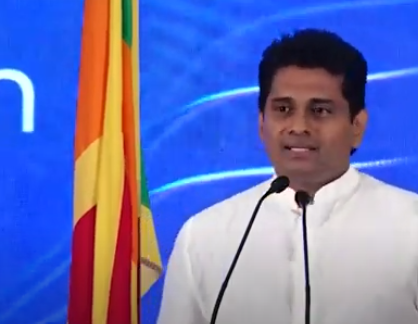 මේ රට ශ්රී ලංකාව බවත්, අමුතුවෙන් සිංගප්පූරුවක්, අයර්ලන්තයක් හෝ මැලේසියාවක් මෙහි සෑදිය යුතු නැති බවත් පාර්ලිමේන්තු මන්ත්රී මහාචාර්ය චන්න ජයසුමන මහතා පවසයි.
මෙරට නිර්මාණය කරන්නේ හොඳ ශ්රී ලංකාවක් බව හා ඒකීය රාජ්යක් බව පවසන ඒ මහතා, මෙරට සභ්යත්වය මත, සංස්කෘතික අනන්යතා මත, මෙරට ශිෂ්ටාචාරය මත පදනම් වූ හොඳ ශ්රී ලංකාවක් නිර්මාණය කළ යුතු බවත් සඳහන් කරයි.
සභ්යත්වය කන්නදැයි ඇසූ අය පසුගිය කාලයේ කූඩාරම් අස්සේ රිංගාගෙන සිටීම නිසා වැඩිම ඒඩ්ස් රෝගීන්ගේ ප්රමාණය අද වන විට වාර්තා වන බවද චන්න ජයසුමන මහතා පවසයි.
අරාබි මුහුදේ සිට එන, බෙංගාල බොක්කෙන් එන සහ අත්ලාන්තික් සාගරයේ සිට එන සුළං ධාරාවල පහස විඳින්නට කැමැති නමුත් එම සුළඟට රුවන්වැලි සෑයේ කොත හොල්ලන්න ඉඩ තබන්නේ නැති බවත් ඒ මහතා පවසයි.
ලෝකය අපිව පිළිගන්නේ නැතුව නැවතුන දවසක් තිබුණා. ලෝකය වහපු දොරටු විවෘත කරගන්න පුළුවන්කම අද ලැබිලා තියෙනවා… -අග්රාමාත්ය දිනේෂ් ගුණවර්ධන මහතා
July 9th, 2024අග්රාමාත්ය මාධ්ය අංශය
අග්රාමාත්යවරයා මේ බව සඳහන් කළේ 2024.07.08 දින මහරගම විද්යාකර විද්යාලයේ තෙමහල් ගොඩනැගිල්ල ඉදිකිරීම් ඇරඹීමේ අවස්ථාවට එක්වෙමිණි.
අග්රාමාත්යවරයාගේ විමධ්යගත අරමුදල් සහ බස්නාහිර පළාත් සභා ප්රතිපාදන ලක්ෂ 250 ක මුදලක් මෙම ගොඩනැගිල්ල ඇරඹීම සඳහා වෙන්කර ඇත.
එහිදී අදහස් දැක් වූ අග්රාමාත්යවරයා –
‟බාලිකා විද්යාල අතර ඉදිරියෙන්ම තිබෙන ප්රදේශයේ එකම බාලිකා පාසල වන මහරගම විද්යාකර විද්යාලයේ විවිධ හැකියාවන් දක්ෂකම් වලින් ඔපවත් වෙමින් අපේ දරුවෝ ඉහළට ගමන් කරනවා. තරඟ විභාග වලින්, විවිධත්වයෙන් විශිෂ්ටත්වය ප්රකාශ කොට විශ්ව විද්යාල හා අනෙක් ක්ෂේත්ර වලට ගමන් කරනවා. දෙමාපියන්, විදුහල්පති, ආචාර්ය මණ්ඩලයේ ඒකාබද්ධ උත්සාහයන් වල ප්රතිඵල දරුවෝ පෙන්වා දී තිබෙනවා.
අධ්යාපනය නැමැති වස්තුව වෙන මොකටවත් හෙල්ලෙන්නේ නැහැ. ඉගෙන ගන්න දේ පමණයි ඉතුරු වෙන්නේ. අනිත් දේවල් අපි ඇති කරගන්නා දේවල්. ඒ නිසා ආදරණීය දරුවනේ ඔබ ගත කරන මේ පාසලේ දැනුම නමැති වස්තුව භාවිතා කිරීමට පුළුවන් මෙවලම් පන්ති කාමරයට ගෙදර දොරට එකතු වෙමින් පවතිනවා.
1983 සිට මම පාර්ලිමේන්තු මන්ත්රීවරයෙක් හැටියට මහරගමට සුවිශේෂ සම්බන්ධතාවයක් ඇතිව කටයුතු කර තිබෙනවා. මහරගම ජනතාවගේ බලාපොරොත්තු අභිප්රායන් වගේම මහරගම ජනතාවගේ දරුවන්ට තිබෙන ආදරය ගෞරවය අපේක්ෂාවන් මුදුන්පත් කරන්න අපට දායක වන්න හැකිවුණා. ඒ අතරතුර විශාල දියුණුවක් සමාජයේ රට පුරා ඇතිවුණා. අපේ සමාජයේ පමණක් නොව ලෝකයේ සමාජයේ තාක්ෂණය වේගයෙන් දියුණුවට පරිවර්තනය වෙනවා. විද්යාකර විද්යාලය මම මහරගම මන්ත්රීවරයා හැටියට පත්වෙන කොට තිබුණට වඩා සම්පූර්ණ වෙනස් පරිවර්තනය කරගෙන දියුණුවට ගමන් කරන්නට පුළුවන්කම ඇතිවුණා. අපි බොහොම ආදර ගෞරවයෙන් විද්යාල වලට උදව් කළේ. මොකද අපි ජීවත් වෙන්නේ මහරගම නගරයේ හදවතේ. විද්යාකර විද්යාලය මහරගම නගරයේ හදවතයි.
අපි අමාරු කාල පරිච්ඡේදයක ජීවත් වෙන්නේ. එවැනි කාල පරිච්ඡේදයකට කළින් මුහුණ දෙන්න ලැබුනේ නැහැ. ආර්ථික වශයෙන්, මූල්යමය වශයෙන් ලබා දිය හැකි සහන අතරින් අමාරු කාල පරිච්ඡේදයකින් අප ගත්ත පියවර නිසා ජනාධිපති රනිල් වික්රමසිංහ මැතිතුමාට පුළුවන්කම ඇති වුණා මුදල් ප්රමාණයක් මේ සැරේ වැඩියෙන් පළාත් සභාවට දෙන්න. විමධ්යගත අරමුදල් වැඩි කරලා දුන්නා. අපි තේරුම් ගන්න ඕනේ මේ ගැඹුරු වෙනස. එහිදීද ප්රමුඛත්වය අධ්යාපනය සහ මහජනයාගේ එදිනෙදා පහසුකම් සඳහා මූල්ය වැය ශීර්ෂ ලබාදීමටයි. මේ අභියෝගාත්මය කාලය අපි පහු කරලා ඉවරයි. මිත්රත්වය හා සහෝදරත්වය ආරක්ෂා කරගත යුතුයි.ලෝකය අපිව පිළිගන්නේ නැතුව නැවතුන දවසක් තිබුණා. යලි පිළිගන්නට පුළුවන් තත්ත්වයට ගෙන ඒමේ මහා කාර්යභාරයට ජනාධිපතිතුමා සමඟ මට අත්වැල් බැඳගෙන ලෝකය අපිට වහපු දොරටු ටික විවෘත කරගන්න පුළුවන්කම අද වෙනකොට ලැබිලා තියෙනවා. කිසිම රටක් අපිත් එක්ක ගනුදෙනු කරන්නේ නැහැ කියලා කිව්වා. එහෙම කළහම කොයිතරම් අමාරුද කියලා මහරගම ජනතාව දන්නවා. පිටකොටුවෙ තිබුණු වෙළඳාම එදා අපි මහරගම පමුණුවට ගෙනාවා. පමුණුවේ වෙළඳාම් කරන අය දන්නවා පසුගිය කාලෙ කොයිතරම් අමාරුකම් තිබුණද කියලා පිටරටින් රෙදි කෑල්ලක් හරි ගෙනෙන්න. විදේශ රටවල් අපිත් එක්ක ගනුදෙනු කරන ක්ෂේත්ර සියල්ල පිළිගැනීම නිසා අපිට රටක් හැටියට අද අවශ්ය ආර්ථික ගමනේ විවිධ වෙනස්කම් හා අලුත් ව්යාපෘතිය ආරම්භ කරන්න පුළුවන්කම ඇතිවී තිබෙනවා. ඒ ආර්ථික වර්ධනය අපි අමාරුවෙන් ගොඩ නඟා තිබෙනවා.
මෙහිදී අදහස් දැක් වූ බස්නාහිර පළාතේ ආණ්ඩුකාර රොෂාන් ගුණතිලක මහතා –
මේ ගොඩනැගිල්ලේ විශේෂ අවශ්යතාවය තිබෙන දරුවන්ට පන්ති කාමර වෙන්වීම සම්බන්ධයෙන් අපි ඉතාම සතුටු වෙනවා. අපි හැම විටම විශේෂ අවශ්යතාවයන් තියෙන දරුවන් ගේ හැකියාවන් පිළිබඳව සහ එම හැකියාවන් වර්ධනය කිරීමට කටයුතු කළ යුතුයි. මේ ගොඩනැගිල්ල පළවෙනි මහලෙන් නවත්වන්න බැහැ. ඉතිරි මහල් දෙකම සම්පූර්ණ කරන්න අවශ්යයි. ඒ වෙනුවෙන් දිගටම වැඩ කරන්න අපි පොරොන්දු වෙනවා. මේ පාසලේ ශිෂ්යත්වය, සාමාන්ය පෙළ සහ උසස් පෙළ සමත් ප්රතිඵල ඉහළයි. ඒ නිසා මෙම පාසලට අවශ්ය සෑම උදව්වක්ම ලබා දීම අපේ වගකීමක්″
පාර්ලිමේන්තු මන්ත්රී යදාමිණි ගුණවර්ධන, විදුහල්පති, ආචාර්ය මණ්ඩලය, දෙමාපියන්, සිසු දරුවන් මෙම අවස්ථාවට සහභාගී වූහ.
අග්රාමාත්ය මාධ්ය අංශය
සිංහලේ (ශ්රී ලන්කාවේ) සකළ ජීවී පද්ධතිය සහ වසර 2566 ක ශිෂ්ඨාචාරය බේරා ගෙන, ඉන්දියාවේ 29 වන ප්රාන්තය වීමෙන් ගලවා ගැනීමේ එකම මඟ.
July 9th, 2024ආචාර්ය සුදත් ගුණසේකර මහණුවර.
2024 ජූලි 9 දා. මහනුවර
සිංහලේ මධ්යම කඳුකරය භූගෝලීය වෂයෙන් පිහිටා ඇත්තේ දිවයීනේ දකුණුදිග මධ්යමයේය. මුහුඳු මට්ටමේ සිට අඩි 8229 (පිදුරුතලාගල) දක්වා කොණ්ඩ කැවුම් ගෙඩියක් මෙන් ඉහලට නැගෙන මු. ම. සිට අඩි 1000 න් පහල හාත්පසින් මහ මුහුද දක්වා පැතිරෙන තැනිතලා භූමියකින් එය වටවි ඇත. 103 ක් වූ මේ දිවයිනේ සියළුම ගන්ගා මෙම මධ්යම කඳුකරයෙන් ආරම්භවී දිවයිනේ අටදෙසට ගලාබසිමින් මුළු දිවයිනේම සකළවිධ ජීවී පද්ධතියටම වසරපුරා දියවර සපයයි. මෙම ගන්ගා පද්ධතියේ නිරන්තර ගැලීම රඳා පවත්නේ මධයම කඳුකරයේ භෞථික ස්ථාවරත්වය මතය.
සිංහලේ වේ මධ්යම කඳුකරය ( සිංහලේ භූගෝලීය හදබිම
වශයෙන් මම නම් කරමි), අපි එය අපේ හදවත මෙන් රැකගත යුතුය. මක්නිසාදයත්,මිනිසෙකුට හදවතින් කෙරෙන ක්රියාදාමය මධ්යම කඳු කරයෙන් සිංහලේටද සිදුකෙරෙන නිසාය. යම්සේ හදවත නතරවූදාට මිනිසා හෝ වෙනත් ඔනෑම සතෙක් මිය යන්නාසේම මධ්යම කඳුරයේ භෞථික ස්ථාවරත්වය නැතිවූදාට සිංහලේ නැමති සත්වයාද මිය යනු ඒකාන්තය. එබැවින් සිංහලේ මධ්යම කඳුකරය අපේ හදවත සේම රැකගතයුතුය.
එහි ආරක්ෂාව රඳා පවත්නේ එය වසාසිටින වනාන්තරය සහ ඉඩම් පරිහරණය වැනි මානව ක්රියාකාරකම් මතය.මේ අණුව මුළු මහත් දිවයිනේම සකළවිධ ජීවී පද්ධතියේ මෙන්ම ශිෂ්ඨාචාරයේ පැවත්මේ ඉරණම රඳා පවත්නේ මධ්යම කඳුකරයේ භෞථික ස්ථාවරත්වය මතය. මධ්යයම කඳුකරය මේ රටේ තිබෙණ විශාලතම ස්වාභාවික ජලාශයමෙන්ද සැලකිය හැක.
මෙම යථාර්තය මැනවින් තේරුම්ගත් පැරණි රජදරුවන් ඉතිහාශය පුරාම අඩි 1000 ඉහල කඳුකරයම දැඩි ජාතික රක්ෂිතයක් වෂයෙන් ආරක්ෂාකොට ඇත. එම යුගයේ මෙම නීතිය බල නොපෑ ප්රදේශ තිබුණේ දෙකක් පමණි. ඒ කොත්මලේ සහ වැලිමඬය. නමුත් එම ප්රදේශ වලද කිසිම ජනාවාශයක් අඩි 3500 සීමාව ඉක්මවා තිබුණු බව නොපෙනේ. මේ නිසාම ගන්ගාවල ජලය වසර පුරා ගලාගිය අතර පහල තැනිතලා වල ජලගැලීම් වලින් සිදුවන හානිද සුලභ නොවීය. ඊට අමතරව අලිඇතුන් ඇතුළු වනසතූන්ටද කඳුරටේ වනාන්තර ආරක්ෂිත නිවහනක් විය.
මෙම පාරිසරික තුළනය මුළුමනින්ම අතුරුදන්වූයේ බ්රතාන්ය ආක්රමනිකයින් විසින් කෝපි සහ තේවගාවට කඳුකරයේ වසර දහස් ගානක් පුරා ආරක්ෂිතව පැවති වනාන්තර ඉවත් කිරීමත්, කඳුකරය පුරා මන්මාවත් සහ කම්හල්, පාලකයින් සහ කම්කරුවන් සඳහා කඳුකරය පුරා ගොඩනැගිලි තැනීම සමඟය. සුදු පාලකයින් ඉවත්ව යාමත් සමඟම පාලනයේ ඇතිවූ දුර්වලතාවන්, ඉන්දීය වතු කම්කරුවන්ගේ දේශපාලන නැගිටීම සහ කම්කරු ලැයින් අවට වගාකටයුතු නිසා පොලොවට ඇතිවන හානි ආදිය නිසා මෙම ජලපෝශක ප්රදේශ වලට සිදුවන හානිය ශීග්රයෙන් ඉහල ගොස් ඇත. එමනිසා මේරටේ සකළ ජීවී පද්ධතිය සහ සින්හල බෞද්ධ ශීස්ඨාචාරය බේරා ගැනීමට නම්
ඒ සඳහා අනිවාර්යෙන්ම ක්රියාත්මක කළ යුතු පහත සඳහන් වැඩපිළිවෙල මම යෝජනාකරමි
1. මධ්යම කඳුකරයේ මු. ම. අඩි 5000 ඉහල සෑම ප්රදේශයක්ම. අධිරක්ශි ප්රදේශ වශයෙන් ප්රකාශ කළ යුතුය.කිසිම වගාවක් හෝ ජනාවාශයක් මේ තුල සපුරා තහනම් කළ යුතුය. එසේම පෙර රජදවස මෙන් රාජ්ය අවසරයකින් තොරව එහි ඇතුල්වීම පවා මරණ දඬුවම ලැබීමේ වරදක් කළයුතුය.
11. මු. ම. අඩි 3500-5000 අතර විශාල තේ වතු තිබුණද ඒ තුළද සෑම වර්ගයේම ජනාවාශ තහනම් කළ යුතුය.
111.ඒ අණුව කඳුකරයේ සියළුම ජනාවාශ අඩි 3500 යේ සීමාවෙන් පහල ප්රදේශ වලට සීමා කළ යුතුය.
සමස්ත කඳුකරය වටා දිවෙන 1000-3500 අතර ප්රදේශය ශ්රී ලංකා හදබිම අධිකාරියේ නිර්දේශිත ගම්මිරිස්,කරාඹු,කෝපි,එනසල්, පලතුරු වැනි මිශ්ර භෝග සහ, සත්ව පාලනය (ගව.එළු.කුකුල් සහ මීමැසී) සහිත කුඩා ගොවිපල ව්යාපාර සඳහා වෙන්කළ යුතුය. මොවුන් අභිප්රේණය සඳහා එම ප්රදේශයේ වාර්ෂික ගොවි තරඟ තැබිය යුතුය.
මධයම කඳුකරය වටේ දිවෙන මෙම තීරුවේ උඩරට ඉඩම් නැති ගොවියන් ප්රමුඛ කොට උඩරට 3500 න් ඉහළ තේ වතු වලින් ඉවත් කෙරෙන දෙමල කම්කරුවන්, මිශ්ර ගම්මාන වශයෙන් පදින්චි කළයුතුය. එසේ පදින්චි කිරිමට අපේක්ෂිත ගොවි පවුල් ගණන 2,50,000 කි. වතු ජනතාව අතුරෙන් මේ සඳහා තෝරාගත යුත්තේ 1953 නේරු කොතලාවල ගිවිනුමේ ප්රතිපාදන අනුවය. එසේ කිරීමට සූදානම් නැති සියළුම වතු දෙමළුන්ගේ සිංහලේ රට වැසිකම අහෝසිකොට ආපසු ඉන්දියාවට යැවීමට කටයුතු කළ යුතුය.මෙසේ කිරීමෙන් උඩරට වතු දෙමළ ප්රශ්නයද සදහටම අවසන්වණු ඇත.මේ රටේ හදබිමේ මලය නාඩුවක් හදා සිංහලේ ඉන්දියාවේ 29 වන ප්රාන්තය වීමේ අවධානමෙන් බේරිය හැකි එකම මඟ එයය.
සිංහලේ තේ වගාකරන භූමියේ උස අනුව 2017 නිශ්පාදනය කි. ග්රෑ. දස/ලක්ෂ
ඉහල මු. ම. අ. අඩි 4000 ඉහල 64.64
මැද 2000-4000 45.65
3පහල 0-2000 197.42
මුළු ප්රමාණය 307.72
මේ රටේ සමස්ථ ජීවී පද්ධතියේ සහ ශිෂ්ඨාචාරයේ පැවැත්ම සඳහා මු.ම. අ. 5000 න් ඉහල බෞතික ස්ථාවරත්වය අරක්ෂාකිරීමේ ඇති වැදගත්කම සලකා බලන විට 5000 න් ඉහල ප්රදේශ දැඩි ආරක්ෂිත ප්රදේශ වෂයෙන් පවත්වා ගැනීමේ ඇති වැදගත් කම අනුව අඩි 5000 ඉහල තේ වගාව තහනම් කිරීමෙන් නිශ්පාධනයට සැලකියයුතු පාඩුවක්ද නොවණු ඇත. තවද මැද සහ පහල මට්ටම්වල නිෂ්පාදනය වැඩිකිරීමෙන් ඉන් ඇතිවන ඌනතාව මඟහැරගත හැකි වේයයිද සිතමි.
ධම්ම කරුනු – සිව්වන කොටස අපට හසුවන ලෝක දෙක
July 9th, 2024තිස්ස ගුණතිලක
අප සියළු දෙනාම ලෝක දෙකක ජීවත් වෙමු.
1. භාහිරව භෞතිකව පවතින ලෝකය හෙවත් ස්වභාවධර්මය හා
2. ඉහත සඳහන් භාහිර ලෝකය විෂය කරගෙන විඤ්ඤාණමායාව තුල අපි එකිනෙකා වෙනවෙන තමතමන්ට ආවේනික ලෙස සකස්කරගත් ‘මගේ’ ලෝකයයි. සංඛාර හරහා පෙරමතකය විමසීමෙන් (විතක්ක විචාර කර) සකස්කර ගන්නා මගේ ලෝකයට ‘සංඛතය’ හෙවත් having been ‘formed’ ලෝකය ‘මගේ ලෝකය’ ලෙසද හඳුන්වමු.
කෙසේ වෙතත් භෞතිකව පවතින්නේ එකම එක ලෝකයකි. ස්වභාවධර්මය යනු එම ලෝකයයි. එයට ‘අසංඛතය – අසංඛත ධාතුව’ (not having been formed – මනසතුල සංකාර ලෙස සකස් නොවූ යන අර්ථය මෙහි වෙයි) යයි තවත් හදින්වීමක් සද්ධර්මය තුල හමුවෙයි. අපි දැනට එය භාහිර ලෝකය නැතහොත් ස්වභාවධර්මය ලෙස හඳුන්වමු. එම භාහිර ලෝකය අපෙන් ස්වයත්තව පවතී. අප එම භාහිර ලෝකය තුල සිටිනා ‘තවත්’ ජීවියෙක් පමනි. එම භාහිර ලෝකයේ සීමාව ප්රසාරනය හෝ සංකොචනයට යටත්ව පවතින විශ්වයයි. එය තමා ඇති එකම reality එක නැතහොත් යථාභූත ස්වභාවය වන්නේ. අප කිසිදාක දැක හෝ විඳ නැති මෙම භාහිර ලෝකය නැතහොත් ස්වභාවධර්මය, reality යථාභූත ලෝකය විදින්නේ පංචේන්ද්රියන් හරහා විඤ්ඤාණමායාවට හසුකරගෙන මගේ ලෝකය ලෙසයි. එනම් භාහිර ලෝකයේ ස්වභාවය යයි අප එකිනෙකා දකින්නේ එකම භාහිරය නොවේ. ඒ නිසා අප කිසිවෙක් භාහිරව පවතින යථාභූත ලෝකය හෙවත් reality එක හෙවත් ස්වභාවධර්මය කිසිදාක දැක හෝ විඳ හෝ නැත.
නිවන පවතින්නේ කොහේද?
‘නිවන’ යන ස්වභාවය පවතින්නේ මෙම භාහිර ලෝකය නැතහොත් ස්වභාවධර්මය (reality) තුලයි. නිවන යන්න චෛතසිකය හෙවත් සිත හෙවත් මගේ ලෝකය තුල පවතින්නක් නොවෙයි. නිවන යනු සිතතුල පවතින අවස්ථාවක් නම් එය එකිනෙකාට අනුව වෙනස්විය යුතුය. නිවන, අවබෝධකරගත් සියළුම දෙනාගේ සිහියට නිවන දැනෙනනේ එකම ආකාරයක ස්වභාවයක් ලෙසයි. එහෙම නම් එය චෛතසිකය තුල පවතින්නක් විය නොහැකි අතර පැවතිය හැකි අනෙක් හා එකම තැන ස්වභාවධර්මය යන යථාභූත reality එක තුලයි.
නිවන අවබෝධ කරගැනීමට නම් ස්වභාවධර්මය තේරුම්ගත යුතුය. කිසිදා දැක හෝ විඳ හෝ නැති ස්වභාවධර්මය තේරුම්ගන්නේ කෙසේද?
බුදුන් දුටු නිවනේ ස්වභාවය
ස්වභාවධර්මය තේරැම්ගතහැකි එකම හා පහසුම විදිහ නිවන අත්දුටු රහතන්වහන්සේ කෙනෙකුගෙන් හෝ බුදුන්වහන්සේ දේශනාකල සද්ධර්මය ඇසුරෙන් පමනි. නිවන් අවබෝධය තුල ප්රතිලාභ රුසකි. එක් ප්රතිලාභයක් තමයි මේ ස්වභාවධර්මය හා එය ක්රියාකරන අන්දම මනාව පසක්කර සහශුද්ධ ලෙස දැකීම. මම ඇති සේ දැනීම හෙවත් සක්කාය මුළුමනින්ම ප්රහානය කලවිට ස්වභාවධර්මය සුවිශද්ධ ලෙස දකී. බුදුන්වහන්සේ ‘සුවිසුද්ධං’ ලෙස හැදින්වූයේ මෙම ස්වභාවයයි. බුදුන්වහන්සේ දේශනාකල සද්ධර්මය තුල ස්වභාවධර්මය මොනවට පැහැදිලිකර ඇත.
ස්වභාවධර්මය තේරුම් ගන්නගන්න ඔබ නිවනට ලාඟාවෙයි. මක්නිසාදයත් නිවන යනු ස්වභාවධර්මයම බැවිනි. එසේනම් නිවනට කිට්ටු වීමට සද්ධර්මය තුල අන්තර්ගත ස්වභාවධර්මය පිලිබඳ ඇති කරුනු එකිනෙක හැදෑරිය යුතුය.
සද්ධර්මය තුල බුදුන්වහන්සේ විවිධ අර්ථ දැක්වීම් (definitions) ඉදිරිපත්කර ඇත. උදාහරනයක් ලෙස බුදුන්වහන්සේ සද්ධර්මය තුල ‘සත්වයා’ හඳුන්වන්නේ ‘ස්කන්ධය’ ලෙසයි. එක් මොහොතක හටගන්නා ස්කන්ධය ඒ මොහොතේ පවතින සත්ව ස්වභාවය පැහැදිලිකරයි.
අංගුලිමාල සූත්රය මෙයට ඇති හොදම උදාහරනයයි. අංගුලිමාල තෙරනුව දිනක් පිඬුසිඟා වඩිනා කල තරුණියක් ප්රසව වේදනාවෙන් සිටිනු දැක ඇයව එම වේදනාවෙන් ගලවාගනු සිත් ඇතිව බුදුන්වහන්සේ හමුවට පැමින කුමක් කල යුතු දැයි විමසනවා. එවිට බුදුන්වහන්සේ අංගුලිමාලට ඇය අසලට ගොස් සත්යයක් ක්රියාවක් කරන ලෙස පවසනවා. ඇයට කියන්න ‘මම උපන් තැන් පටන් දැන දැන සතෙකුගේ දිවි තොර නොකලෙමි. ඒ සත්යයේ බලයෙන් ඔබට සෙත්වේවා, දරුගැබට සෙත්වේවා’.
යතෝහං භගිනි ජාතෝ, නභිජානාමි සඤ්චිච්ච පණං ජීවිතා වොරොපෙතා
තෙන සචේචන සොත්ථි තෙ හොතු, සොත්ථි ගබ්භස්සා’ති.
භගිනි – නැඟණිය,
යතෝහං ජාතෝ – උපන්තැන් පටන්
පණං ජීවිතා වොරොපෙතා – දිවි තොර කිරීමක්
නභිජානාමි සඤ්චිච්ච – දැන දැන නොකෙලෙමි.
තෙන සචේචන – එම සත්යය හේතු කොට ගෙන
සොත්ථි තෙ හොතු – ඔබට සෙත් වේවා
ස්වාමිනි මම එය මුසාවාදයක් කිමක් බව දනිමි. ‘සම්පජාන මුසාවාදො භවිස්සති’. මා විසින් බොහෝ ප්රාණගාත කලබව දනිමි. ඒ නිසා එය මට කලනොහැක.
එසේනම් එම ස්ත්රියට මෙසේ කියව. ‘ මා ආර්ය ජාතියේ උපන්නාට පසුව (පැවිද්ද ලැබ සෝතාපන්නයට පිවිසුන පසු) කිසිවෙකුගේ දිවි තොර නොකලෙමි. එම සත්යය හේතු කොට ගෙන ඔබට සෙත් වේවා. මෙම වදන ගැබිනියට පැවසූ පසුව ඇයගේ ප්රසව වේදනාව පහවගිය බව ධර්ම ග්රන්ථවල සඳහන්වෙනවා.
බුදුන්වහන්සේ අංගුලිමාලට පෙරවදන පැවසුවේ ඔහු මිනිමැරූ බව නොදැනද? සත්වයෙකුගේ දිවිතොර කරනාවිට තිබූ ස්කන්ධය ඊලග මොහොතේ නොපවතියි. ඊලඟ මොහොතේ පවතින්නේ පෙර පැවති සත්වයා හෝ පෙරපැවති ස්කන්ධය හෝ නොවේ. කෙසේ වෙතත් දැන් බුදුන්වහන්සේ හමුවේ සිටින්නේ අංගුලිමාල නම්වූ ‘තෙරණු ස්කන්ධය’ මිස කලකට පෙර මිනීමැරූ සත්වයා හෝ මොහොතකට පෙර සිටි සත්වයාද ස්කන්ධයද නොවෙයි. ඒ නිසා මේ මොහොතේ සිටිනා සත්වයා ‘පෙර නොතිබීම’ හටගත් ස්කන්ධයකි. එම ස්කන්ධය පෙර ක්රියාවන්ට සම්බන්ද නැති නව ස්කන්ධයකි (brandnew). බුදුන්වහන්සේ පෙරවදන එනම් ප්රාණගාතයක් නොකල සත්ය ක්රියාව පවසන්නේ මෙම සත්වයා අර්ථදක්වන ස්කන්ධයේ අර්ථයෙනි.
පසුදිනක ඉහත සඳහන් ස්කන්ධයේ වෙනස්වීම හා මේ මොහොතේ පවතින්නේ පෙර නොපැවති ස්කන්ධයක්ය යන ධර්මතාවය අවබෝධ කරගත් සෝතාපන්නව සිටි අංගුලිමාල ස්තිවිරයන් අර්හත්තයට පත්විය.
පසුකලෙක මෙම සංවාදය පසුපස පවතින ස්කන්ධ ස්වභාවය (පෙර නොතිබීම ගටගත් ස්කන්ධය) සවනට වැටීමෙන්, දැනගැනීමෙන් හා මෙනෙහි කිරීමෙන් (සත්යක්රියාව තුල ඇති අදෘශමාන බලයකින් නොවේ) ගර්භිනී මාතාවකගේ සිත තුල යම්කිසි සැහැල්ලුවක් ඇතිවිය හැකිබැවින් එය ගැබිනි මාතාවන් වෙනුවෙන් දේශනාකරන සූත්රදේශනාවක් බවට පත්විය.
බුදුන්වහන්සේ සත්වයා හැදින්වූයේ (defined) ස්කන්ධයක් ලෙසය.
බුදුන්වහනසේ දේශනාකල සද්ධර්මය තුල විවිධ අර්ථ දැක්වීම් ඇති බවට උදාහරනයක් ලෙසයි ඉහත සඳහන් අංගුලිමාල දේශනාව ඉදිරිපත් කලේ.
ඒ වගේම බුද්ධදේශනාව තුල ස්වභාවධර්මය පිලිබඳ තවත් අර්ථ දැක්වීම් කිපයක්ම හමුවෙයි.
ස්වභාවධර්මය පිලිබද ප්රභලම අර්ථ දැක්වීම තිලක්ෂණය හා ස්වභාවධර්මය හසුරවන නියාම පහයි.
සබ්බේ සංඛාරා අනිච්චාති
සබ්බේ සංඛාරා දුකිඛාති
සබ්බේ ධම්මා අනත්තාති
මෙහි හමුවන ‘සංඛාරා’ හා ස්කන්ධය තුල හමුවන ‘සංඛාර’ එකිනෙකට විරුද්ධ අර්ථ ඇතිබව පමනක් සිතටගන්න. සංඛාරා යනු ‘අසංඛතය’ හෙවත් ස්වභාවධර්මය තුල පවතින සියළුම දේ හැඳන්වීමට යෙදෙයි. මේවා ‘මගේ ලෝකය’ හෙවත් සියල්ල ‘සංඛාර’ කර මනසේ සාදාගන්නා නාම ධර්ම වලින් වෙනස්වු එලියේ පවතින ‘මෙලෝ රසයක් නැති’ යථාභූත (reality) ස්වභාවයයි.
බුදුන්වහන්සේගේ අර්ථදැක්වීමට අනුව ස්වභාවධර්මය ‘සබ්බේ සංඛාරා අනිච්චාති’ ය. සියළුම අසංඛතයන් (සබ්බේ සංඛාරා) නන්දියක් නැති ආශ්වාදයක් (හෝ වෛරයක්, ගැටීමක්) නැති ස්වභාවයක පවතියි (අනිච්චාති). භාහිර විෂයවන අසංඛත වස්තුවක නන්දියක් හෝ ආශ්වාදයක් ඇතිවන්නේ විඤ්ඤාණ මායාව තුල සකස්වන (having been formed) සිත හෙවත් විඤ්ඤාණය තුලයි. දූරියන් ගෙඩියක ආශ්වාදය එම දූරියන් ගෙඩිය තුල නොපවතින අතර එහි ආශ්වාදය කෙනෙක් තම විඤ්ඤාණය තුල සකස්කර ගනී (formed – පෙරමතකය හා සංඛාරකර විඤ්ඤාණය තුල සකස්වෙයි). තවත් කෙනෙක් දූරියන් ගෙඩියට වෛර කරයි. එම වෛරී ස්වභාවය දූරියන් ගෙඩිය තුල නොපවතින අතර එම ස්වභාවය තම සිත තුල පෙරමතකය නිසා සකස්කර ගනී (formed).
සබ්බේ සංඛාරා අනිච්චාති යනු දූරියන් ගෙඩියතුල ආශ්වාදයක් හෝ වෛරී ස්වභාවයක් (රාග ද්වේශ සහගත ස්වභාවයක් හෙවත් නන්දියක්) නොපවතින බවයි – බුදුන්වහන්සේගේ ස්වභාවධර්ම අර්ථ දැක්වීම අංක 1.
දූරියන් ගෙඩිය තුල ආශ්වාදයක් හෝ වෛරී ස්වභාවයක් නොපවතින බැවින් එහි ගතයුත්තක් නැතැයිද එය හිස්, ශුන්ය ස්වභාවයක පවතිනබව දෙවන ස්වභාවධර්ම අර්ථ දැක්වීමයි – සබ්බේ සංඛාරා දුක්ඛාති. ‘දුක්ඛ’ යනු අනිච්චතාවය තුල පවතින හිස් ශුන්ය බවයි.
යමක් අනිච්ච නම් (ආශ්වාදයක් හෝ වෛරී බවක් ගෙන නොදේනම්) එහි පවතින්නේ ගතයුත්තක් නැති ශුන්යතාවයකි. එසේ නම් ශුන්යවූ එවැන්නක් ‘මම මගේ යයි’ ගැනීමට සුදුසුද? මේ බුදුන්වහන්සේගේ තෙවන ස්වභාවධර්මය පිලිබඳ අර්ථ දැක්වීමයි. ‘සබ්බේ ධම්මා අනත්තාති’. මේ කියන්නේ ‘මම’ හෙවත් සක්කාය ප්රහීන කරනා දැක්ම නොවේද?
රූපං නිච්චං වා අනිච්චං වා’’ති? ‘‘අනිච්චං, භන්තෙ’’.
‘‘යං පනානිච්චං දුක්ඛං වා තං සුඛං වා’’ති? ‘‘දුක්ඛං, භන්තෙ’’. ‘‘යං පනානිච්චං දුක්ඛං ……. ‘එතං මම, එසොහමස්මි, එසො මෙ අත්තා’’’ති? ‘‘නො හෙතං, භන්තෙ’’.
ස්වභාවධර්මය දැනගන්න දැනගන්න අපි ස්වභාවධර්මයට කිට්ටුවෙමු. එනම් නිවනට කිට්ටුවෙමු. හරියට අපට හමුවන කෙනෙක් ගැන ඔහුගේ හෝ ඇයගේ ස්වභාවය දැනගන්න දැනගන්න ඔහුට හෝ ඇයට කිට්ටුවීමට ඇති හැකියාව ඇතිවනවා වගේ. ස්වභාවධර්මය ගැන දැනගන්න බුදුන්වහන්සේගේ දේශනාව හැර වෙනත් ක්රමයක් නැත.
ස්වභාවධර්මය හසුරවය නියාමන 5
තවද බුදුන්වහන්සේ ස්වභාවධර්මය හැසිරෙන ආකාරය (behavior) නියාමන පහකික් පැහැදිලි කලා.
1 සෘතු නියාමය
2 බීජ නියාමය
3 කම්ම (ක්රියාව) නියාමය (උදා: ඇස ඇරීමේ, කණ ඇරීමේ ක්රියා නිසා දිට්ඨ, සුත වෙයි).
4 චිත්ත නියාමය (කම්ම නියාමය හේතුව වී චිත්තය හෙවත් පටිච්චසමුප්පාද ක්රියාවලිය හෙවත් සිත/විඤ්ඤාණය හටගනි).
5 ධම්ම නියාමය (සියළුම ධර්මතාවයන් උදා සුලඟ හැමීම, ජලය ගැලීම ආදිය) මෙම නියාමයට යටත්ව සිඳුවෙයි.
ඉහත සඳහන් අර්ථ දැක්වීම් තුන (තිලක්ෂණය) හා පහ (නියාමන පස) තුලින් ස්වභාවධර්මයේ යථා ස්වභාවය අපට හසුකරගත හැකිය.
තවදුරටත් ස්වභාවධර්මයතුල ජීවියාගේ විකාශණයද බුදුන්වහන්සේ ‘වත්ථුනානත්ත ඤාණ නිද්දේසය’ තුල අර්ථ දක්වා ඇත්තේ මෙසේය:
අහුත්වා(නං) සම්භුතා හුත්වා න භවිස්සති.
අහුත්වා – from non existance
සම්භුතා – arisen
යමක් (ජීවියා, ශාකයක්) පෙර නොතිබීම හටගෙන ඉතුරු නැතිවම නිරුද්ධ වෙයි.
මව් කුසෙන් ඉපදෙන ජීවියා පෙර නොතිබීම මව සහ පියාගේ එකතුවීම ප්රත්ය කොටගෙන පමනක් හටගත්තකි. යම් දිනක එම ජීවියා කිසිවක් ඉතුරු නොකොට සතරමහා භූත සමඟ එකතුවෙයි.
පැලෑටියක් එම පැලෑටිය අයත් බීජයකින් හා පොලවේ උචිත තෙතමනය, ලවන හා වාතාශය හිරු එලිය ආදී ප්රත්යයන්ගෙන් පෙර නොතිබීම හටගත්තකි. එම පැලෑටිය මහා වෘක්ෂයක්වී කිසිවක් ඉතිරි නොකොට දිනෙක පොලවට නැතහොත් සතරමහා භූත ස්වභාවය හා එක්වෙයි. මෙම ධර්මතාවයයි බුදුන්වහන්සේ ‘අහුත්වා(නං) සම්භුතා හුත්වා න භවිස්සති’ යන අර්ථ දැක්වීමෙන් අපට කියාදෙන්නේ.
සම්මත ලෝකය
සම්මත ලෝකය යනු කිසිවක් භාහිරයේ හමුනොවෙයි. සම්මත ලෝකය හමුවන්නේ ‘අපේ ලොක’ අයත්වන චෛතසික තලයට භාහිරව පවතින තවත් චෛතසික තලයකය. එනම් යම්කිසි භාහිර රෑපයක ප්රතිබිම්භය සාදන පටිච්චසමුපාද ක්රියාවලිය ‘මවනා’ රූප එකිනෙකා සංකාර කරන්නේ තමතමන්ට ආවේනිකවූ පෙරමතකයේ සටහන්ව ඇති ආකාරයටයි. මේවා කෙනෙකුගන් තවත් කෙනෙකුට වෙනස්ය. නමුත් යම්කිසි පරාසයක් තුල (as a norm – සාමන්යකරනය) සෑම දෙනාම තුලම යම්කිසි භාහිර වස්තුවක් විෂයෙහි ඇතිවන රූප එක්තරා ස්වභාවයකට සාමාන්යකරනය කලහැකිය. එනම් එක්තරා පරාසයක් තුලට (එකම norm එකක් තුලට) ගොනුකල, ලඝුකල හැකිය. උදාහරනයක් ලෙස භාහිරව පවතින අඹගස එක් එක් කෙනාට සංකාරවන්නේ විවිධ අඹගස් ලෙස වුනත් ඒවා එක්තරා පරාසයක් තුල එකට ගොනුකර සැමටම එකඟවිය හැකි අඹ ගසක් නිර්මාණය කල හැකිය.
මෙසේ සැමට එකඟවිය හැකි පරිදි, පවතින සෑම වස්තුවක්ම අයත්වන්නේ “සම්මත ලෝකයටයි’. එවැනි සම්මත ලෝකයක් පවතින්නේ ‘මගේ ලෝකයට’ පරිභාහිරව වෙනත් චෛතසික තලයකයි.
සති දෙකකට වරක් whatsapp හරහා ඉරිදා දින ශ්රී ලංකාවේ වේලාවෙන් උදේ 9 සිට 10.30 දක්වා පැවැත්වෙන ධර්ම සාකච්චාවට ඔබටත් සහභාගිවිය හැකියි. ඊලඟ ධර්ම සාකච්චාව ජූලි 14වන ඉරිදා පැවැත්වෙයි. ඒ සඳහා ඔබගේ whatsapp අංකය පහත සඳහන් ඉමේල් ලිපිනයට යොමුකරන්න.
ඔබට තෙරුවන් සරණයි
තිස්ස ගුණතිලක
2024 ජූලි මස 10 වනදා
What UNP-SJB can learn from France to save the country and themselves at next election?
July 9th, 2024Courtesy The Daily Mirror
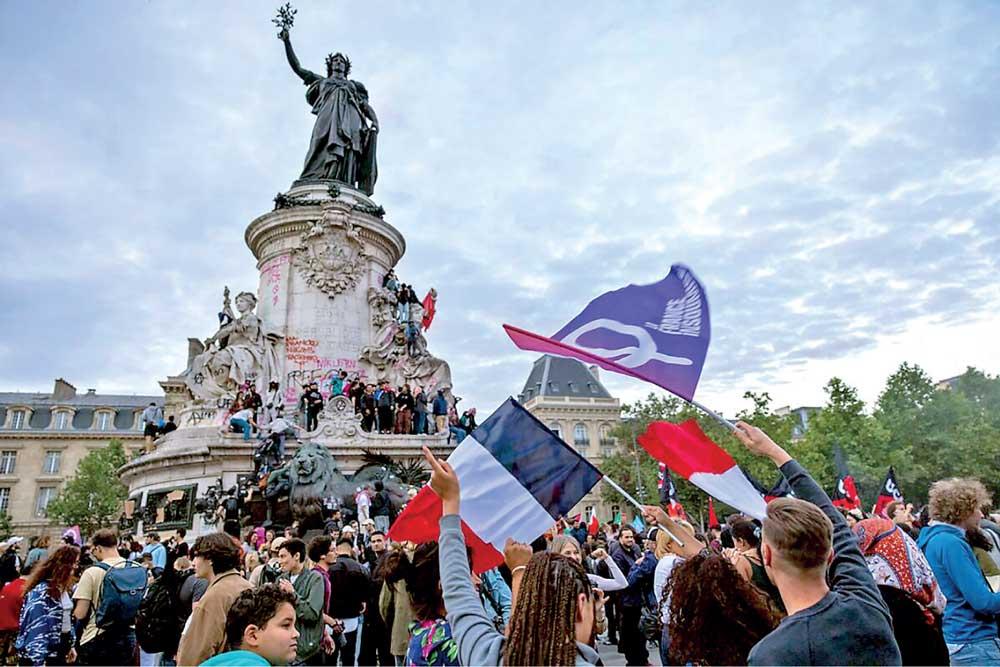
The French experience at the concluded election offers an important lesson of political commonsense and the bare minimum of altruism for the common good
- French politics have little practical implication for Sri Lanka unless you are reading too much into geo politics or a wide-eyed asylum seeker who is feeding into a growing cottage industry in this part of the world
- In a three-way contest, no candidate would secure 50 per cent of popular votes to win the presidency outright
 Early this week, with the far-right knocking at the gates of government power, France pulled off a miraculous comeback to defend the Fifth Republic.
After the far-right and anti-immigrant National Rally won the first round, with projected votes of 260-280 seats, a tad shy of the absolute majority of 579 members of the National Assembly, the usually bickering political parties of the left, right, and centre joined ranks to stop the formation of the first far- right since the World War II.
In order to prevent the split of the Republican vote in a three-way race, hundreds of candidates who came third in the first round withdrew from the contest to allow the better-placed anti-far right candidate to win the race.
(According to Le Monde, all but 33 candidates who came third withdrew). Tactical withdrawals turned the race upside down. The leftist New Popular Front (NFP), a loose group of parties of the far left, moderate socialists and Greens, emerged as the largest party, winning 182 seats, followed by Macron’s Centrist Ensemble with 163. Marine Le Pen’s National Rally won 143 seats, a far cry from the first-round projections.
Tactical withdrawals
The election, and perhaps tactical withdrawals, left France with a hung Parliament, not the first in France that many French considered as umptieth times better than the demise of the Republic at the hands of the reformed former neo-Nazi party founded by Marine’s father Jean Louis Marie Le Pen who famously dismissed Nazi gas chambers as a detail of history.
French politics have little practical implication for Sri Lanka unless you are reading too much into geo politics or a wide-eyed asylum seeker who is feeding into a growing cottage industry in this part of the world.
But, the French experience at the just concluded election offers an important lesson of political commonsense and the bare minimum of altruism for the common good. That is a lesson Sri Lankan politicians should take note of. It would come in handy in the coming presidential elections (not so much the Parliamentary polls, considering Sri Lanka has first past the post system).
The Presidential election: A would-be three-way race
The presidential election would be a three-way race, pitting three main contenders, Ranil Wickremesinghe, Sajith Premadasa and Anura Kumara Dissanayake, against each other. There may be a possible Pohottuwa candidate if Wickremesinghe’s romance with the Rajapaksas hit a snag, but that cannot drastically change the outcome. There will also be other usual culprits who might run to spoil others’ chances or in exchange for a future diplomatic posting. Still, they could not significantly alter the outcome, either.
In a three-way contest, no candidate would secure 50 per cent of popular votes to win the presidency outright. The likely scenario would be that the vote would be split more or less evenly among the three contenders, leading to the counting of the second preference. This, though a provision of the election law, is an unknown and hitherto unexplored, given that the winning candidates in previous elections have managed to secure 50 per cent of the popular vote in the first count. Also, given the past practice of first-round certainty, the average voter often overlooks a second preferential vote.
The presidential election would be a three-way race, pitting three main contenders, Ranil Wickremesinghe, Sajith Premadasa and Anura Kumara Dissanayake, against each other
The count of the second preferential vote may not distort the popular will of the people. However, a three-way race designed to feed into the personal egos of the politicians complicates the process and threatens the country’s future.
Sri Lanka does not need to go for a three-way presidential election. There is even a lesser justification to do so than France. Two main contenders, President Ranil Wickremesinghe and prospective Samagi Jana Balawegaya (SJB) candidate Sajith Premadasa, were both more or less UNPers who shared the same economic vision. Premadasa and the bulk of former UNP MPs parted ways with Wickremesinghe at a time when the political fortune of the Grand Old Party was at its nadir. They blamed Wickremesinghe for their misfortune. Some even tried in vain to ape Gotabaya Rajapaksa. Since then, as Gota and the dynastic regime crashed due to the weight of its own economic mismanagement, Wickremesinghe’s luck changed. After he succeeded Gotabaya Rajapaksa as the president, he lifted the country from its worst-ever economic crisis, tamed the runaway inflation to a low single digit, and restructured its debt owed to its bilateral and commercial lenders. He is also not known to have run the country through white vans or turned the Supreme Court into a rubber stamp, though a new group of civil society activists, who were nowhere to be seen during those far more eventful years of the Rajapaksa, now cry blue murder.
Some accuse Premadasa of running away when Gotabaya offered him the post of prime minister. He might have a justifiable reason to do so, for public uproar at the time was for a system change, beginning with the resignation of Gotabaya Rajapaksa, and not for a mere cosmetic change of the Cabinet headed by elder brother Mahinda.
However, even if Premadasa accepted the offer and, by some luck, ended up in the office of president, whether he could have done any better than Wickremesinghe is a moot point because Wickremesinghe’s manifest level of fiscal discipline and disengagement from the street rhetoric during the past two years is a rarity in your average Third World politician.
Sri Lanka’s Republican Moment
The Sri Lankan economy is recovering from its worst-ever crisis, having grown in two consecutive quarters. During the last quarter, it grew at a commendable 5.2 per cent. But, it is still not out of the woods, and the wrong choices made in the presidential election would not only unravel the progress achieved so far but also herald a crisis from which Sri Lanka is unlikely to recover. This brings Sri Lanka to its ‘Republican moment”. This is also where the Sri Lankan and French experiences, though they appear starkly different on the surface, become vastly similar when the superficial layers are peeled off.
The JVP, the third contender in the race, is surely not of the far right, though where it stands on the scale of the left is unknown. It may not be racist, Islamophobic or anti-minority. In a bid to reassure the public, Anura Kumara sounds more like a moderate socialist- which would be the ideal form of government if you have a large reserve of excess wealth for redistribution, which Sri Lanka does not. Meanwhile, Lal Kantha’s village committees sound like they are straight from the Khmer Rouge’s textbooks.
Either way, anyone who has been to a Sri Lankan university where JVP-run student councils hold a monopoly of politics would not dare have a JVP government at the national level.
Workable political programme
The JVP and the National Rally have a stark similarity. Both capitalised on justifiable public grievances. In France, the National Rally has taken up the reasonable public angst at the government’s failure to manage the runaway immigration and the growing immigrant ghettos and parallel societies. In Sri Lanka, the JVP thrives on public anger about economic hardships. However, instead of offering practical solutions, both groups have thrived on exploiting the public outrage and riding on a protest vote devoid of a workable political program.
What Sri Lanka needs most at the moment is political stability and fiscal discipline. A three-way contest would not only complicate it, but it could also endanger it. There is no plausible reason for the SJB and UNP to field two candidates in a self-defeatist endeavour. It is open to question how many SJB parliamentarians think Sajith Premadasa should run against Ranil Wickremesinghe. Anyone who has not thought it over should consider the far-reaching consequences if a patricidal contest backfires, helping the JVP.
The SJB and UNP should join ranks and field a unified candidate. That ideally should be Ranil Wickremesinghe, given his proven track record during the last two years. That might even make Sajith Premadasa the prime minister of the next government. Leave aside the economy. If the election goes the other way in a three-way contest, and JVP lives truly to Marxist-Leninism, this could well be the last election Sri Lanka would have for a long time to come.
ජනපතිට වසර 5/6?
July 8th, 2024විමල් පටබැඳිගේ (ශාසත්රවේදී, නීතිඥ, විශ්රාමික සොලිසිටර්)
බුද්ධිමතුන්, නීතිවේදීන්, ව්යවස්ථා නීති විසාරදයන්, නීති සම්පාදකයන්, සමාජ කි්රයාකාරීන් පමණක් නොව විවිධ සමාජ ස්ථරවල පුරවැසියන් ද ජනපතිට හිමි ධුර කාලය වසර 5?, 6? යන ප්රශ්නය විවරණය කරමින් ඇත. ව්යවස්ථා නීති විසාරදයෙකු නො වෙන මම ද අනෙක් බොහෝ අය මෙන් අනං මනං වුව ද මෙයට යමක් එකතු කළයුතු බවට ස්වයං පෙළඹවීමට ලක් වූ යෙමි. සාමාන්ය පුරවැසි මනසින් ලියමි.
රටේ ව්යවස්ථාව පුරවැසියන්ට නිග්රහ කිරීමට, දඬුවම් කිරීමට හෝ ප්රශංසා කිරීිමට පනවන ලද නීති පද්ධතියක් නොවේ. පුරවැසියන්ට නෛශර්ගික ව හිමි පරමාධිපත්ය බලය කි්රයාත්මක කිරීම සඳහා යම් සීමිත කාලයකට තෝරාගනු ලබන නියෝජිතයන් කි්රයාකළ යුතු ආකාරය නියම කළ රීති /ව්යවස්ථා මාලාවකි. රාජ්යයේ මූලික ම නීතිය යි. (බොහෝවිට රජයේ මූලික නීතියට අනුකූලව රාජ්ය සේවකයන් සඳහා පනවා ඇති ආයතන සංග්රහය වැනි ය.*
විධායකය, ව්යවස්ථාදායකය සහ අධිකරණය පමණක් නොව ඒ බලය යටතේ පත් කරනු ලබන රාජ්ය නිධාරීන් ද මූලික නීතියට යටත් ය. ඔවුන්ට හිමි තමන්ට පවරන ලද නියෝජිත බලය ව්යවස්ථාවට යටත් ව ඵල සහිතව නිසි පරිදි කි්රයාත්මක කිරීමය. ඔවුන් සියල්ලෝ ම ජනතාවගෙන් යැපෙන, ජනතා පරමාධිපත්යයේ පූර්ණ හිමිකරුවන් වෙන පුරවැසියන්ගේ සේවකයෝ ය. එහෙත් ඔවුන් පුරවැසියන් තමන්ගේ යටත් සේවකයන් ලෙස සලකන සහ යම් ප්රතිලාභයක් නොමැතිව නියමිත සේවය නිසි කල නිසි ලෙස නොකරන දුර්ගුණයෙන් පිරී ඇත. (එසේ නොවෙන අය උරණ නො වෙත්වා!*
නියෝජිතත්වය ලැබූවන් සහ රජයේ නිලධාරීන් බහුතරය පත් වූ දින සිට ම තමන් කළ යුතු සේවාවට වඩා නියමිත කාලයෙන් පසු රැුඳීසිටීමට කුමන හෝ උප්පරවැට්ටියක් යොදා ගැනීම සුලබ දෙය කි. ජනපතිවරණය අත ලඟ තිබිය දී මතු කොට ඇති ”වසර 5?, 6?” ප්රශ්ණය ද එවැන්නක් බව සිතේ. මීළඟ ජනපතිවරණය සඳහා මැතිවරණ කොමිසම අවශ්ය මූලික කටයුතු සිදු කරමින් ඇත.
ජනපතිවරණය සඳහා 2005 වසරේ සිදු වූ එවැනි සිද්ධියක් මතකයට නැගෙයි. දෙවෙනි වාරය ගතකරමින් සිටි එවක ජනපතිනිය ජනපතිවරණය 2005?, 2006? ප්රශ්නය අධිකරණයට යොමු කළාය. එකල ව්යවස්ථාව අනුව ජනපති ධුරකාලය වසර 6 කි. පළමු ධුර කාලය අවසන් වීමට නියමිත වූයේ 2000 වසරේය. නියමිත කාලයට පෙර ජනපතිවරණය පවත්වා 1999 වසරේ දිවුරුම් දීමෙන් දෙවෙනි ධුර කාලය ආරම්භ විය. ඇයට අවශ්ය වූයේ 2005 වසරේ නියමිත ජනපතිවරණය 2006 වසර දක්වා කාලය දිගු කරගෙන ධුරයේ රැුඳී සිටීම ය. පැහැදිලිව ම උප්පරවැට්ටිය කි. සාර්ථක වූයේ නැත.
වත්මන් අනුප්රාප්තික ජනපතිගේ හෝ ළඟ ම අනුගාමිකයෙකුගේ මග පෙන්වීම අනුව තවත් හිතවතෙකු විසින් ”වසර 5?, 6?” ප්රශ්ණය අධිකරණයට යොමු කොට ඇත. ඔහුගේ මූලික තර්කය ජනපති ධුර කාලය වසර පහකට (5* සීමා කළ 19 වෙනි ව්යවස්ථා සංශෝධනය ජනමත විචාරණයක සම්මතයට ලක් වූයේ නැති නිසා වලංගු වෙන්නේ වසර 6 ක ධුර කාලය බව ය.
ධුර කාලය වසර පහකට (5* සීමා කිරීම සඳහා ශ්රෙෂ්ඨාධිකරණයේ නිර්දේශ අනුව ජනතා අනුමැතිය පිණිස ජනමත විචාරණයක් කළේ නැත. 2015 ව්යවස්ථාදායකයේ නියෝජිතයන්ගේ 2/3 වැඩි කැමැත්තෙන් පමණක් අනුමත එම සංශෝධනය ආණ්ඩුක්රම ව්යවස්ථාවේ කොටසක් බවට පත් කොට ඇත. 2015 සිට එම සංශෝධනය ද ඇතුළත් ශී්ර ලංකා ප්රජාතන්ති්රක සමාජවාදී ජනරජයේ ආණ්ඩුක්රම ව්යවස්ථාව, රජයේ මූලික නීතිය, බලාත්මක වෙයි.
2015 සිට විධායකයේ සහ ව්යවස්ථාදායකයේ ධුර කාලය වසර පහ (5* විය. ජනතාව වසර හයකට (6* පවරා තිබූ පරමාධිපත්ය නියෝජන බලය පරමාධිපත්ය හිමි පුරවැසියන් විසින් වසරකින් අඩු කළේ නැත. අඩු කරගනු ලැබුවේ ඒ නියෝජිතයන් විසින් ඔවුන්ගේ ම කැමැත්තෙන් පමණ කි. බොහෝවිට වසර හය දිග වැඩි යයි සිතූ නිසා හෝ සහ නියෝජිතත්වය වසර හයක් දැරීමට තරම් තමන්ට ශක්තිය නැත හෝ තමන් සුදුසු නැතැයි නිගමනය කළ නිසා විය යුතු ය.
2015 නියෝජිතත්වය ලැබූ විධායකය සහ ව්යවස්ථාදායකයේ සාමාජිකයන් වූ ඔවුන් වසර පහේ කාලසීමාව අනුව නියෝජිතත්වයෙන් බැහැර වී ජනපති පදවිය සඳහා වසර පහකට (5* ජනතා කැමැත්ත ලබා ගැනීමට 2019 වසරේ සහ ව්යවස්ථාදායකයේ නියෝජිතත්වය සඳහා වසර පහකට (5* ජනතා කැමැත්ත ලබා ගැනීමට 2020 වසරේ පුරවැසියන් වෙත ආයාචනා කොට ඇත. අනුප්රාප්තික ජනපති ඇතුළු ව්යවස්ථාදායකයේ සියලූ නියෝජිතයන්ට පරමාධිපත්ය හිමියා වූ පුරවැසියන් තම පරමාධිපත්යය නියෝජනය කිරීමට බලය පවරා ඇත්තේ වසර පහක (5* කාලයකට සීමා කරමිනි. ඒ කාලයට පසු ඔවුන්ට නියෝජන බලය නැත. වසර පහක (5* කාල සීමාව යළි වසරකින් වැඩි කරගැනීමට වෙට්ටු දැමීමට පවතින මූලික නීතිය යොදා ගැනීමට හෝ උප්පරවැට්ටි භාවිත කිරීමට ඔවුන්ට සදාචාරාත්මක අයිතියක් නැත. අලූත් පනතක් මගින් පහ (5?, හය (6? තීරණය කිරීමට කෙටුම්පතක් ව්යවස්ථාදායකයට ඉදිරිපත් කිරීමට අනුප්රාප්තික ජනපති සියල්ල සූදානම් කරන බවට තොරතුරක් ද ඇත. එය අධිකරණයට වංගු ගැසීම කි. උප්පරවැට්ටිය කි.
ව්යවස්ථාදායකය රජයේ මූලික නීතියට අදාල නීති කරුණු සම්බන්ධ අර්ථනිරූපණ දීමට හෝ තීන්දු තීරණ ගැනීමට බලයක් නැති බව සහ ඒ අධිකරණ බලය ශ්රේෂ්ඨාධිකරණය හැර අනෙක් කිසිදු අධිකරණයකට නැති බව විධායකයේ සහ ව්යවස්ථාදායකයේ සාමාජිකයන් නොදන්නේ නම් ඒ කිසිවෙකු පරමාධිපත්ය නියෝජන බලය ලබා ගැනීමට හෝ පැවරීමට සුදුසු නැත.
19 වෙනි සංශෝධනය නීත්යනුකූලව සම්මත වී නැති නිසා නීතියක් නොවන බවට තර්කයක් ඉදිරිපත් කොට ඇත. මෙම සංශෝධනය සම්මත වූ බව ව්යවස්ථාවට පටහැනිව සහතික කිරීම කළ කථානායකට එරෙහිව පුරවැසියන් කිසිවෙකු නිසි පියවර ගත්තේ නැත. ව්යවස්ථානේ පනවා ඇති විධිවිධාන නොසලකාහැරීම හෝ කඩකිරීම සම්බන්ධව කථානායකට මුක්තියක් නැත. ජනපතිට ද ව්යවස්ථාව, රජයේ මූලික නීතිය උල්ලංගනය කිරීම කඩකිරීම සම්බන්ධයෙන් මුක්තියක් හිමි නැත. කෙසේවෙතත් වසර දහයකට ආසන්න කාලයක් රජයේ මූලික නීතියට එකතු කොට භාවිත වෙමින් පවතී.
ශ්රේෂ්ඨාධිකරණය ව්යවස්ථාව, රජයේ මූලික නීතිය අනුව කරන ලද නිර්දේශය බැහැර කොට හිතුමතේට තමන්ට නැති බලයක් යොදාගෙන සංශෝධනය සම්මත වූ ලෙස සහතික කළ එකල සිටි කථානායක ව්යවස්ථාවේ ප්රතිපාදන උල්ලංගනය කොට ඇත. අධිකරණ නිර්දේශ නොසැලකීම සහ ව්යවස්ථාව උල්ලංගනය කිරීම සම්බන්ධයෙන් ඒ කථානායක අධිකරණය හමුවට ගෙනයාමට ඔනෑම පුරවැසියෙකුට, නීතිය ආරක්ෂා කිරීමට බැඳීසිටින ඔනෑම නිළධාරියෙකුට, අයිතියක් ඇත.
උප්පරවැට්ටි සියල්ල නතර කොට රජයේ මූලික නීතියට, ව්යවස්ථාවට හිස නමා, මැතිවරණ කොමසාරිස්ට ව්යවස්ථාවෙන් පැවරී ඇති නිල රාජකාරිය කිරීමට ඉඩ සැලසිය යුතුය.
FINANCIAL MANAGEMENT BILL- A CLARIFICATION IS REQUIRED
July 8th, 2024Ranjith Soysa
At a recent discussion hosted by a well-known public TV channel, on the subject of the agreement with the IMF regards the restructuring of foreign debts of Sri Lanka an office bearer of the Government Audit officers’ association revealed a very important issue discussed in the Government’s financial management bill. He stated that when a government official had caused a financial loss due to negligence or wilfully as an act of corruption such incidents will be referred to the Auditor General for investigation. But, under the proposed changes earmarked in the Government’s financial management bill, the responsibility of rectification of such a serious action will be transferred from the Auditor General to the Secretary of the Treasury department with powers to reduce the punishment applicable to the offender or to completely do away with the punishment.
I am certain that the statement made at a public forum by such a responsible person must be true. If so, what is the intention of the Government in formulation of financial management bill to encourage corruption and continue the public waste which is endemic to the state sector?
Can the Government explain why they plan to reward corruption even at this stage of laborious restructuring the debt burden in pardoning the financial frauds when the country was bankrupt mainly due to faulty and corrupt policies of respective governments and government senior officials?
Ranjith Soysa
Hathweni Peya
July 8th, 2024සමහරු දෙන්න එපා කියද්දිත් ගිය සතියේ ගුරුවරු රාශියකට පත්වීම් දුන්නා…• පළාත් පාලන පත්වීම ස්ථිර කළේද අභියෝග මැද…-අග්රාමාත්ය දිනේෂ් ගුණවර්ධන මහතා
July 8th, 2024අග්රාමාත්ය මාධ්ය අංශය
අග්රාමාත්යවරයා මේ බව සඳහන් කළේ අද (2024.07.08) නාත්තන්ඩිය නගර ශාලාවේ පැවැති වයඹ පළාතේ ස්ථිර කරන ලද පළාත් පාලන ආයතන සේවකයින් 800ක් සඳහා පත්වීම් ලබාදීමේ අවස්ථාවට එක්වෙමිණි.
එහිදී අදහස් දැක් වූ අග්රාමාත්යවරයා –
‟වැඩ කරන ජනතාවගේ ජීවන තත්ත්වයන් විවිධයි. වැඩ කරන ජනතාව තම අයිතිවාසිකම් වැඩිදියුණු කර ගැනීම සඳහා දරණ උත්සාහයන් අතර ඔබ අපත් සමග ගැටලුව විසඳගන්න නිරන්තරයෙන් ඉල්ලීම් කළා. කාලයක් කොන්ත්රාත් පදනමේ සේවය කළ ඔබ අඛණ්ඩව එය දීර්ඝ කිරීම සිදුකළේ මේ ආඩම්බර දිනය ඔබට ලබා දෙන්නයි.
ජනාධිපතිවරයාගේ පළවෙනි අයවැය ලේඛනයට කලින් අපේ තිබුණු සාකච්ඡාවේදී මේ ගැටලුව මතු වුණා. ආණ්ඩුකාරවරු හරහා කොන්ත්රාත් කාලය දීර්ඝ කිරීමට කටයුතු කළා. කැබිනට් පත්රිකා කිහිපයක් ගියා. විවිධ වාද විවාද තර්ක ඇතිවෙනවා. භාණ්ඩාගාරය අමාරු තත්ත්වයක පසුගිය කාළේ තිබුණේ. පසුගිය අවුරුදු දෙක තුළ හිස ඔසවන්න පුළුවන් වුණා. ඒ වෙනුවෙන් අපි ජනතාවට ගෞරව කරනවා. මේ දුෂ්කර කාලසීමාවේ ඒ විශ්වාසය අපි කෙරෙහි තිබ්බට. ජනාධිපතිතුමත් ඒ විශ්වාසය ඔබ කෙරෙහි තබා තිබෙනවා. රට කඩා වැටෙන්න ඉඩ තිබ්බේ නෑ. දහස් ගණනින් රස්සාවලින් දොට්ට දැම්මේ නැහැ. රටේ සංවර්ධනය නැවැත්තුවේ නැහැ. අපට පුළුවන් ආකාරයේ සෑම සේවාවකම අඛන්ඩ භාවය ඉදිරියට ගෙන ගියා.
ඔබ දැන් ස්ථීර සේවකයෝ. පළාත් පාලනය කියන්නේ මහජන සේවාවේ ප්රජාතන්ත්රවාදී මහජන නියෝජිතයින්ගේ පහළම තලයයි. සේවාවන් පවත්වාගෙන යාමේ ජන ජීවිතය දියුණු කළ හැකි ආකාරය ඔබයි තීරණය කරන්නේ. නවීකරණයේ නිරත වෙන සෑම ආයතනයකටම තාක්ෂණ දැනුම දෙන්න ජනාධිපතිතුමා තීරණය කරලා තියෙනවා. ඒ ඔබට හයියක් වෙන්නයි. ඊට වඩා වියදමක් යනවා නම් ඒ වගේ තැන්වලදී තාක්ෂණයෙන් එක කාර්යාලයක ඉඳලා මේක වෙලාද නැද්ද කියලා හොයාගන්න පුළුවන්. ආසියාවේ රටක් හැටියට මේ ගමන ඉක්මන් කරමින් ශක්තිමත් කරන්න ඕනෑ. දියුණුවේ තරඟයේ අපි ඉදිරියට ගමන් කරන්න ඕනේ
පසුගිය මාසයක කාලයකදී ගුරුවරුන්ගේ පත්වීම් දහස් ගණනක් දුන්නා. දෙන්න එපා කියලා යම් යම් අය විවේචනය කරනවා. ඔබේ පත්වීම ස්ථිර කළේද අභියෝග මැද. මේවා දෙන්න පුළුවන් වුණ ශක්තිමත් ආණ්ඩුවක් බවට පත් වුණා. මේවට මුදල් කොහෙන්ද කියලා අහනවද? නැහැ.මේ අවුරුද්දේ දෙවරක් විතර පත්වීම් දීලා තියෙනවා. නිදහස් සෞඛ්ය සේවයේත්, නිදහස් අධ්යාපනයේත් පැවැත්ම අපේ දරුවන්ගේ අනාගතයටයි. දරුවෝ කියන්නේ රටේ අනාගතයයි. දරුවන්ට ශක්තිය දෙන්න පුළුවන් සේවාවන් කේන්ද්ර කරගෙන කරන්න පුළුවන් වැඩකටයුතු පිළිබඳව පළාත් පාලනයට ව්යවස්ථාවෙන්ම අයිතිය තියෙනවා.
මේ ජීවිතය වඩා විශ්වාසයෙන් පමණක් නොවේ, වඩාත් ඵලදායි තත්ත්වයකට පරිවර්තනය කරන්න සේවය කරන ආයතන, රැකියා එසේ ඵලදායී තත්ත්වයකට පරිවර්තනය කරන්න. පලදායි තත්ත්වය මතයි ආර්ථික සංවර්ධනයේ තව පිම්මක් අපට ගමන් කරන්න පුළුවන් වෙන්නේ. අමාරුකම් හරහා තමයි සියලු රටවල් ගමන් කරන්නේ. කොයි රටද අමාරුකමක් නැතුව ගමන් කරන්නේ? කොයි රටද එවැනි ගැටලු වලින් ගොඩ ඇවිල්ල නැත්තේ? හැම රටක්ම තම අභියෝගයෙන් ගොඩ ඇවිල්ලා තියෙනවා. ස්ථාවර පාලන තන්ත්රයක් අපි ස්ථාපිත කරලා තියෙනවා. කවුරු මොන ගණන් හැදුවත් අපි පාර්ලිමේන්තුවේ ස්ථාවරව අපේ වැඩපිළිවෙළ ඉදිරියට ගෙන යමින් සිටිනවා. ජාත්යන්තරව හැම රටක්ම අපිව විශ්වාස කරන තත්ත්වයට ගෙනත් තියෙනවා. අපට ජාත්යන්තරව විවිධ ආයතනවලින් සහයෝගය ගන්න පුළුවන් විදියට මූල්ය ප්රතිපාදන අඛණ්ඩව ලැබෙනවා.
රාජ්ය අංශයට පමණක් නොවේ පෞද්ගලික අංශයට තවදුරටත් ඉඩ කඩ වැඩි කිරීමේ අවශ්යතාවයක් තිබෙනවා. අපේම දරුවෝ ඉගෙනගෙන ඇතිකරගත් ඥානයෙන් හා නිර්මාණශීලීත්වය හැකියාව තුළ හැම කෙනෙක්ටම ආර්ථික දොරටුවක් අපි විවර කරනවා.″
මෙහිදී අදහස් දැක් වූ රාජ්ය අමාත්ය අශෝක ප්රියන්ත මහතා –
‟දිනේෂ් ගුණවර්ධන අග්රාමාත්යතුමා විදියට පත් වෙද්දී, රාජ්ය පරිපාලන අමාත්යවරයා විදිහට පත් වෙද්දී තිබුණු පළවෙනි අභියෝගය වන්නේ රාජ්ය සේවකයින්ට පඩි ගෙවන්නේ කොහොමද කියන එකයි. ඔබ රාජ්ය නිලධාරීන් විදියට අද පත්වීම් ලබද්දී හිතාගන්න ඕනේ කාරණයක් තමයි ඔබ රාජ්ය නිලධාරියෙක් විදිහට ස්ථීර පත්වීම ලබන්නේ රට දැවැන්ත අර්බුදකාරී සහ අපහසුතාවයක් තියෙද්දී. එතුමාගේ දේශපාලන සවිඥානය ප්රයෝජනයට අරගෙන එතුමා බොහොම ඉවසීමෙන් මේ රට ගොඩනගන කාරයේදී දැවැන්ත ශක්තියක් ජනාධිපතිතුමාට දුන්නා. ඔබට මේ පත්වීම දෙන්න කැබිනට් පත්රිකාව නව වතාවක් කැබිනට් එකට ඉදිරිපත් කළා.
මම ඔබෙන් ඉල්ලන්නේ ආණ්ඩුක්රම ව්යවස්ථාව තුළ හෝ මූලික අයිතිවාසිකම් තුළ හෝ සේවා ව්යවස්ථාවන් තුළ හෝ ඔබට තියෙන වෙනත් කුමන අයිතිවාසිකම් තුළ හෝ අසනීප නිවාඩු ගන්න පුළුවන්.ඒක ගන්න අසනීප වුනහම. කියලා අසනීප වෙන්න එපා රට අසාධ්ය තත්ත්වයට පත්වෙනවා. ඔබට මේ අවස්ථාවේදී රාජ්ය නිලධාරීන් විදිහට පත්වීම බාර දෙන්නේ ඔබේ වගකීම යුතුකම සහ කාර්යභාරය රටට අවශ්ය නිසයි.
වයඹ පළාත් ආණ්ඩුකාර නසීර් අහමඩ්, රාජ්ය අමාත්ය අශෝක ප්රියන්ත, අරුන්දික ප්රනාන්දු, පාර්ලිමේන්තු මන්ත්රී වරුන් වන චින්තක මායාදුන්නේ, අලි ශබ්රි රහීම්, ජගත් ප්රියන්කර, සමන් ප්රිය හේරත්, යදාමිණි ගුණවර්ධන, රාජ්ය පරිපාලන අමාත්යාංශ ලේකම් ප්රදීප් යසරත්න, පුත්තලම දිසාපති එච්. එම්. එස්. පී. හේරත් ඇතුළු පිරිස මෙම අවස්ථාවට සහභාගී වූහ.”
අග්රාමාත්ය මාධ්ය අංශය
Grasshoppers and superworms among 16 insect species approved as food in Singapore
July 8th, 2024Courtesy Hiru News
Sixteen species of insects, including crickets, locusts and silkworms, have been approved as food in Singapore, the Singapore Food Agency (SFA) said on Monday (Jul 8).
With immediate effect, SFA will allow the import of insects and insect products belonging to species that have been assessed to be of low regulatory concern,” the agency said in a circular addressed to processed food and animal feed traders.

These insects and insect products can be used for human consumption or as animal feed for food-producing animals.
SFA first conducted a public consultation on the regulation of insects and insect products in end-2022.
In April last year, the agency said that 16 species of insects would receive the green light for consumption in the second half of 2023, but the decision was pushed back.
Earlier this year, SFA, in a forum letter reply in The Straits Times, said it was finalising the implementation details and aimed to introduce a regulatory framework in the first half of this year.
UnNamed Sri Lankan Officer Held Hostage in Baltimore, USA
July 7th, 2024e-Con e-News

blog: eesrilanka.wordpress.com
‘Before you study the economics, study the economists!’
e-Con e-News 30 June – 06 July 2024
An unnamed Sri Lankan is being held hostage in Baltimore by the US government. His name has not been released, and neither has the media been allowed to name the other 10 ‘high-ranking officers’ from India being held with him. Media and so-called ‘international’ unions for seafarers are not asking too many questions out loud. The crash took place midst heightened tensions between the US, Canada and India trading accusations of promoting terrorism.
The hostages are part of the crew of the Dali, the Maersk-chartered container ship that hit and demolished the Francis Scott Key Bridge in Baltimore on 26 March. It is now over 3 months, and that port is cleared, but it remains uncertain how long they will be detained. The ‘narrative’ is now being crafted by the shipping insurance companies will nail the ship’s crew as the fall guys. 10 other seafarers were returned to India, on condition they return when demanded. The crash gave another opportunity for media to unleash further tirades against ‘foreign workers’, even as their economies are now even more based on igniting wars and manufacturing refugees to undermine worker power.
*
The capitalist media in Sri Lanka and India act act sunnily blasé about the hurricanes brewing off the Atlantic, let alone off Kollupitiya, against our workers. They are eager to promote their import-heavy ‘exports’! This includes trafficking workers – for they have no plan to skilfully employ them with dignity to build the country. This ee also looks at how a panel of chief economists from the biggest Canadian banks insisted, in January, ‘Too many temporary foreign workers & international students are driving up prices, taking up housing & causing productivity to collapse.’ They are blaming a ‘botched’ immigration plan, which they (& other NATO governments) hatched to discipline a ‘tight’ labor market, with workers demanding higher wages. What the big bankers are ultimately demanding, as usual, to fix their inflation, is unemployment… and war….
*
Suspected of carrying toxic waste & weapons to Sri Lanka, the Danish Maersk-chartered ship Dali, which crashed that Baltimore bridge in March, returned to Virginia, US, this week, and secretly unloaded 1,500 containers there. Media again gives no details of what was in those containers. The Dali, shipping 4,700 containers, had originally gone to Baltimore from Norfolk, Virginia, which also houses the largest US navy base. (see ee Random Notes).
Also, this week, the US Virginia Ports Authority (VPA) signed an agreement with the Sri Lanka Ports Authority (SLPA) to exchange ‘expertise & technical collaboration’. This was follow-up to SLPA grandees being buttered there on a jaunt in May 2024. Just as coincidental was this week’s rather nettling headline, ‘Sri Lanka receives US$5Mn aid to tackle incompetence in chemical imports.’ The $5Million is from Washington-based Global Environment Facility. And what a global environment, Washington facilitates! But, ‘incompetence’?
*
‘80% of global trade is concentrated within Global Value Chains (GVCs),
particularly through
the intra-firm trade of a handful of transnational companies (TNCs)’
– Shiran Illanperuma (see ee Focus)
The largest chemical importers in Sri Lanka involve the major US & EU multinationals – Exxon-Chevron, Unilever, International Chemical CIC-ICI, BAT’s Ceylon Tobacco Co, etc. Indeed, another coincidental headline this week: ‘Medical expert attributes increases in kidney diseases to widespread use of substandard whitening creams.’ What then is the higher-standard bleach? And how & why do these chemicals enter the country? Unilever’s ‘Fair&Ugly’ occupies a major segment of the wannabe vadakaha sudhiya market, in their attack on the nation’s melanin reserves.
*
• The week’s ‘good news’ ended with the National Bankers Association gathering at the Galle Face Hotel, Colombo, on Friday. There is no sunlight about what these suited bankers spat into each other’s bushy ears. Or into the ears of the state. The US-embassy news outlet EconomyNext under the headline ‘Foreign investment is essential for the banks to thrive,’ helpfully informs us: ‘the event was attended by various individuals from the banking sector’, adding only that the President said, ‘neither I nor the Sinhalese nation is beggars.’
The week began with the US government’s latest throw of loaded dice to ‘restructure’ even-more-impossible-to-pay-back debts. Refashion debts incurred from this so-called ‘foreign investment’, that has refused to invest long term. Media also refuse to discuss why, as China asks, the IMF/World Bank & other ‘multilaterals’ are untouchable when it comes to this ‘restructuring’? They don’t cut their hairs! Ex-Central-Bank Governor & erstwhile democrat & house-kneegrow, Indrajit Coomaraswamy dutifully declared that the 15 recommendations of the ‘IMF Governance Diagnostic’ should apply to any party that takes office.
*
‘Do these reforms augment Sri Lanka’s productive capabilities & secure her sovereignty in a technologically competitive world?’, responds Illanperuma (ee Focus) He surveys the possibilities for an industrial renaissance midst the tightening hugs of the clinking chains of the multinational corporations (MNCs), of local ‘bankers’ who refuse to invest in modern production for they are too busy greasing imports of ‘luxuries & other machined joys’.
In Sri Lanka, ‘83% of industrial exports are by companies registered with the Board of Investment, most of which are foreign-invested enterprises (FIEs). Domestic value-added remains fairly low, due to the lack of a local supply chain’.
‘One thing leads to another’, was indeed one of SBD de Silva’s favorite quotes, to describe what real industrialization is all about. He said it so often, we thought it would be apt title for a biography about him. He was also quite aware of who would ensure: one thing leads to nothing.
*
• All this week’s reported foofaraw at the port took place midst righteous teeth-grinding by ‘all the Chambers’ – including the American Chamber of Commerce & European Chamber of Commerce – about a sick-note campaign by Custom officials: ‘Shippers condemn corrupt trade union action at Customs.’ ‘It was grossly immoral…for officials of the department to hold the people of the country and industries at ransom’, said the Colombo port mafia’s fronts led by Shippers’ Council Chairman Sean Van Dort, Joint Apparel Association Forum Secretary General Yohan Lawrence & Rohan Masakorala of Hub Operators Association.
Their media suggests this was an attempt by greedy workers to grab their slice of the renewed profits at the Suez-challenged docks of Colombo, which have been controlled by England’s P&O for over almost 200 years. Meanwhile, after months of media rigmarole about the Indian workers lodged in the hills being restless, and container-loads of kerfuffle about what constitutes decent terms & conditions, an ‘independent’ & ‘unbiased’ Supreme Court has struck down a ‘generous’ President’s plan to increase their wages. Everybody, including the Indian kanganies who control labor, win – except the workers.
*
‘Dangerous are the times for Sri Lanka.
If the importing of rice stops, we would have nothing to eat.
If importing of materials stops from abroad, we would have nothing to wear.
If it was not for the vehicles imported from other countries,
we would have no means of travelling. In essence, without
the accommodation from abroad, we will not be able to do anything’
– Kumaratunga Munidasa (1877-1944)
This ee looks once more at the studiously suppressed demand, from over 100 years ago now, for an industrially developed independent country, made by such leaders as Anagarika Dharmapala & Kumaratunga Munidasa. BD Witharane asks, why ‘the emerging bourgeoisie, the new rich, who while representing different castes also shared common class interests’, did not ‘respond favourably to the call for an industrially developed Ceylon?’ Why did their demand not ‘evolve to be a mature plan’ leading ultimately to the establishment of a Sri Lankan developmental nation? He also asks why if any such ‘plan’ had ‘escaped the gaze of historians for some reason?’
*
‘In the classical approach to the social sciences, economics
& what are now regarded as its border disciplines – especially
politics, sociology & history – were entwined. The first to incorporate
political economy in their writings were the 18th-century Scottish moralists,
including Joseph Hume, who were concerned with the effects of
the development of commerce & wealth on political power as well as on human happiness.’
– SBD de Silva, The Political Economy of Underdevelopment
*
In the commencement year, 1960, the total numbers
admitted to the university were divided roughly
equally into English & Svabhasִā media… In a few years’ time,
the numbers in the English medium came down to a mere trickle…’
– WD Lakshman (ee Focus)
This ee continues with WD Lakshman’s look into the ‘Beginnings of Economics Teaching at University Level’. WDL highlights some of the traumas of the transition from English to Svabhāsִā medium in university education – ‘a challenging and difficult process for teachers as well as students’.
‘No courses with Economics in course-titles are offered
in Wayamba & Uva Wellassa Universities where, however,
there are Faculties of Business & Management.’
– WD Lakshman (ee Focus)
With the expansion of the menu, amply funded at first by untouchable multilaterals like the World Bank to suit the imperialist flavours of the hour, it turns out only a few dishes have been properly cooked, with diminishing supplies of agriculture & industry to keep the kitchen going…
*
• All the news stories mentioned here may be found in our news compendium. ee sincerely believes this compendium to be a true work of modern art. An endless installation on info, misinfo & disinfo. A monument to MNCs like Unilever, which dominate the media through their advertising budgets. It shows that the principal town crier, especially about corruption, is the epitome of corruption itself. Even if we have no idea what Marshall McLuhan meant by ‘the media is the message’… we do know the media – that trumpet, is the most corrupt. Because most of what the media calls corruption is diversion from the real challenges we as a country & the world need to overcome.
*
_________
Contents:
BUDDHIST VIHARAS AND EELAM Part 21D
July 7th, 2024KAMALIKA PIERIS
In the 1990s Sri Lanka decided to embrace the Ramayana .A search for Ravana sites in the Nuwara Eliya and Uva districts started. Rev. Harry Haas (1925-2002) a Roman Catholic priest from the Netherlands, who had settled in Bandarawela in 1983, was very active in looking for these sites. Sri Lanka was full of Ravana and Sita sites which needed discovering, Haas said. The image of King Ravana was a universal one which appealed to the west as well as the east. Haas was the patron of a Ravana Centre set up in Uva. The hunt for Ravana in Sri Lanka had started in the 1990s and the initial focus was on the hill country.
Soon interest moved to locating Ramayana temples elsewhere in the island. Those engaged in the Ramayana project, pounced on selected locations which they said were linked to the Ramayana and quickly built large temples at the locations.
The first such temple to be built was, predictably, a temple devoted to Sita. The project proposal aimed at preserving Seetha Eliya as a place of legendary importance and creating a new place of worship and religious importance for Hindu devotees. “This temple was not well known. We have to make it famous,” said the trustees of the temple.
There were two other motives, to establish a link between Seetha Eliya and Ayodhaya in India. Thirdly, to attract Indian tourists. The idea for a pilgrim centre at Seetha Eliya was first suggested by an Indian team that came on a familiarization tour of Sri Lanka in 1997.
A newSita Amman kovil was completed at Seetha Eliya in Nuwara Eliya in 1999. The original kovil was a small unpretentious structure. A coin dated to 1894 was found when the old building was demolished, indicating that this kovil was built in British times.
The construction of the new Sita temple started in 1998. The estimated cost of building the temple was around Rs. four million. We have collected the funds through public donations. Tills are also placed outside the temple for collections. The Manoj Mody foundation gave about Rs.200,000 for the renovation. They plan to come in August for the opening of the new kovil, bringing with them four new statues made in Jaipur at a cost of Rs.500,000, said the authorities.
At the construction site, a team of ten experienced Indian temple construction workers led by G. Ravishankar worked on the new kovil and the many statues that adorn it. They were assisted by local laborers. The Indian workers are in Sri Lanka on a two year visa. “Minister Thondaman is very supportive,” Ravishankar said.
The new kovil had its kumbhabisheka pooja in January 2008. There was a full page announcement in the newspapers, with messages from President and Ministers. Derrick Schokman recalled ‘the Sita Amman Temple in Nuwara Eliya was simple temple when I first saw it. Now is it an ornate Hindu kovil with images of Rama, Sita, Lakshmana and Hanuman.’
The Seetha Amman Temple in Nuwara Eliya was the only temple in the world dedicated to the Sita in the Ramayana, said devotees. Although there are many Rama and Hanuman kovils in India, there is no kovil dedicated to Sita. This is the only place where Sita came alone. In all the other places Sita is associated with Rama. North Indians worship Rama and they are keen on developing the Sita Kovil with our support,” said Radhakrishnan, Chairman of Board of Trustees of the Sita temple.
The Seetha Eliya Temple became the subject of a controversy in 1999 when the Ministry of Tourism mooted a proposal for the development of Seetha Eliya as a Holy City. It was proposed to vest 35 acres of land surrounding the temple in the Tourist Board and develop it as a sacred area similar to Anuradhapura and Kataragama.
It was suggested that Asoka Vanam, the forest where Sita was held captive is on the mountain, some distance away from the Seetha Amman temple. Behind the temple is a stream. Water flows over a basin like depression carved in the rock. It is said that Sita came through a tunnel to this stream to bathe.
It was hoped to use land behind the temple, upstream and downstream, belonging to the Forest Department as well as some acres from private properties across the road for a vehicle park. This land was to be acquired and vested with the Tourist Board initially for development purposes and then transferred to the Trust, when the project was in full operation. There were protests from environmentalists and the people in the area and the move for the Holy City was halted.
Bandu de Silva commented on this move. The government is trying to create a Hindu complex on the lines of the Cultural Triangle, he said. Tourist Development Authority is promoting the idea of strong Ramayana tradition in the island. The Tourist Board first tried to develop the area behind the Hanuman temple, taking in a tea kiosk built on a road reservation for use by laborers.
However, the Seetha Amman kovil has certainly achieved its purpose, said the media. It is now an accepted part of the tourist circuit and strengthens the notion of a virile Hindu culture in Sri Lanka. Many tourists who visit the Hakgala Gardens, stopover to see the temple, since it is en-route from Nuwara Eliya to Hakgala. During Thai Pongal, in January many devotees from the tea estates nearby visit the kovil to perform poojas, concluded the media.
The Tourist Board estimated that around 200,000 Indian tourists and 100,000 Sri Lankan tourists visiting Nuwara Eliya for an average of two nights would inject a minimum of a billion rupees to the Nuwara Eliya economy. Many tourists who visit the Hakgala Gardens, stopover to see the temple, since it is en-route from Nuwara Eliya to Hakgala. At present, (1999) an average of 1500 local tourists and 1000 foreign tourists stop by the temple each year.
In January, 1999 we had a Festival of Unity organized by the Manoj Mody foundation of India, Radhakrishnan said. About 800 devotees came to Nuwara Eliya for a 10-day bajan programme. About 500 local devotees also joined in. They occupied all the hotels in the area and attended the poojas daily at the temple. Since space was insufficient, a tent was put up at the Buddhist temple nearby, to accommodate the crowd.
Environmental organizations and Buddhist organizations had staged a massive protest, before the festival was held. The people had feared that the 800 devotees expected, were from South India, although they were in fact mostly from North India where there is a strong following for Rama. The Buddhist organizations set down various conditions for holding the ceremony. These were adhered to and the ceremony was held peacefully,” Radhakrishnan said.
Sri Hanuman Temple was constructed at Ramboda, on a tea estate, at Wavendon Ramboda Hill, by Chinmaya Mission of India. This village is considered the place where Sri Hanuman set foot in his search for Sita. Chinmaya mission purchased a plot of 10 acres and built this temple. The consecration ceremony took place in 2001.
In 1997 work commenced on a Hanuman temple complex at Wavendon, Ramboda, Nuwara Eliya with assistance from Tamilnadu government. The complex consisted of a huge 16 foot granite statue of Hanuman, a spiritual centre, library and auditorium. This project was initiated by Gurudev Swami Chimayananda, who purchased 10 acres for the purpose. Minister S. Thondaman donated 5 more acres and provided a motorable road from the main Nuwara Eliya road to the temple site. This temple site, it is claimed, was close to the Asoka vana where Sita was kept captive and Hanuman found her.
The construction of the Hanuman Temple was done by the Sri Lanka Army. Former Army Commander General Rohan Daluwatte said the Army got involved in the construction of the kovil, together with the people of Nuwara Eliya, because they felt it would promote better understanding between the Sinhalese and Tamils. He also said it was a gesture of goodwill towards the Tamils in the area, who had helped build a Buddha statue.
There were large crowds at the first anniversary, of this temple, in 2002 with thousands of devotees drawn mainly from the plantation sector. The procession went with the statue of Holy Hanuman to Sita Amman Temple at Seetha eliya, where Hindu poojas were held.
Zee TV said in 2007 the Chinmaya statue of Hanuman was a copy of the mountain, except that it was in a vertical position. They reported that hundreds come every day to worship there. They also spotted black rocks which looked like monkeys with black lips and ears. The Zee team also saw Rummassala which was brought here by Hanuman. It contains trees only found in the Himalayas. There is a statue of Hanuman there as well. But they reported that the public only came to Sita Eliya to picnic and that few knew about Rama or Ravana. (Continued)
BUDDHIST VIHARAS AND EELAM Part 21E
July 7th, 2024KAMALIKA PIERIS
P Ramanujan, Secretary, Ministry of Tourism stated in 2006 that they were planning to set up a Ramayana Trail for tourists to encourage Indian tourists.
In 2007 S. Kalaiselvam, Director General of the Sri Lanka Tourism Development Authority said in a statement to Press Trust of India that the Sri Lanka government had decided to develop the sites associated with the Ramayana. They were being restored and maintained. There was no archaeological confirmation for any of them, certainly, but these sites were not imaginary and have existed since time immemorial.
Ramayana Trail Committee was set up, consisting of N.Kiriella, Chairman, Dr Suriya Gunasekera, an authority on Sri Lankan pre history. Dr Subash Chawla, an authority on International Ramayana, B.M.U.D Basnayake Additional Secretary Ministry of Tourism and S. Kalaiselvam Director General, Sri Lanka Tourism Development Authority
Fifty (50) sites related to the ‘Ramayana trail’ were selected by Sri Lanka Tourism in 2009 for the Ramayana Trail. Out of these 50 sites, 12 are sites with archeological evidence, the rest are based on unwavering faith and traditional beliefs, said Kailselvam. There is no need to re –establish the authenticity of the sites. People in the areas relate to the Ramayana.
Sri Lanka Tourism Promotion Bureau stated in a press release in 2018 that in Sri Lanka, the popular belief was that the Ramayana story is a true account of what took place. This belief has been supported by research, analysis and reasoning.
Sri Lanka has identified over 50 sites in and around its territory but due to accessibility issues, only around 20 sites are currently being recommended for visitors. Sri Lanka is working towards identifying many other locations and also making these locations accessible to visitors. It has been estimated that a travel period of around 9 to 14 days will be required to visit all 20 sites, the press release said.
The Tourist Ministry had identified five airports where Ravana parked his fleet of pushpak vimanas. Ussangoda was one. The Ministry thinks that Ravana’s flying machine may have landed at Weragantota,about 10 kilometres from Mahiyangana. There is the runway of Ravana’s aircraft, the aircraft landing place, and an aircraft repair centre in Gurulupotha.
Sita was then taken to Gurulupota, now known as Sita kotuwa. This is 10 kilometres from Mahiyangana on Kandy road. Sita was thereafter housed in a cave at Sita Eliya, Nuwara Eliya. The jungle on top of Ramboda along the Kandy Nuwara Eliya road is believed to be the route along which Ravana took Sita to Ashoka Vana.
Sita is said to have performed Agni pariksha to prove her purity at Divurumpola, which is 15 miles from Sita Eliya on Nuwara Eliya –Weligama road. This is a popular place of worship among the locals in the areas. The courts of law in Sri Lanka permits and accepts the swearing done at this temple when settling disputes. In 2010 it was stated that a Ramayana research centre will be set up at Divurumpola.
It was decided that the Ravana-Rama battle took place at Yudhaganapitiya in Matale and that Ravana was making his battle plans at Lakegala just before he was killed. Rama fired the Brahmastra at Ravana in Dunuwila. Rama started his attack on Ravana at Dondra and the main battle was at Yudaganawa. After killing Ravana, Rama performed penance at Munneswaram in Chilaw.
The great basses ( Maha Ravana kotuwa) and Little basses ( Kuda Ravana Kotuwa) are a long line of coral and rock just below the surface of water in the southern sea. They are located not far from Kirinda beach or Rummassala in Galle. King Ravana is said to have established his Lankapura ‘on the reefs.
There are the Ravana Caves in Ella area. The tunnels from Bandarawela past Ella to Ravana cave, were the way Ravana went through the hills, they were his secret passages. These tunnels are manmade and not natural formations. Existing tunnel opening are situated at Isthripura, Senapitiya in Halagala, Ramboda, Labookelle, Wariyapola and Seetha kotuwa.
Hanuman had entered Lanka at Nagadeepa.He dropped the Dronagiri Mountain brought from the Himalayas on Rumassala. He also visited Ritigala, Dolu kanda in Hiripitya, Kachchativu and Thailaddi in Mannar.
The Ramayana tourist trail includes Ravana’s palaces and dairy farm, also temples dedicated to Sita which had been built in a later period. The trail also included a pond which is believed to have come into existence through Sita’s tears. This pond never dries up even in the worst drought.
Other sites were added on thereafter. Ashok vatika in Nuwara Eliya, Vessagiriya cave and Isurumuniya lovers in Anuradhapura ,the cobra hood cave in Sigiriya, the statue near Parakrama Samudra, the Hanuman kovil at Saranankara Road, Colombo 5, and the hot wells constructed by Ravana were included in the Ramayana trail. There is also Munneswaram, where Rama received the blessing of Shiva. According to folklore Ravana’s body is buried in a location in Welimada.
Sri Lanka planned to use the Ramayana trail extensively in India to promote visits by Indian tourists. A team commissioned by Zee TV had toured Sri Lanka in 2007, to find places connected to Ramayana. They went to Sita Eliya where there were statues of Rama, Lakshmana, Sita and Hanuman. They said that these statues had been there for 5000 years. They said that close to Sita Eliya they had seen a mountain which looked like Hanuman.
It was reported in 2008 that the Ramayana tourist package is gaining popularity in India. it is a 7 day package includes visits to at least 10 temples in south and central Sri Lanka. The 12 day package covers at least 54 sites identified by the Tourist Board.
Hindustan Times stated that the Ramayana trail was a hit with Indian tourists. Batches of 50 to 120 visitors had already toured these sites. The tours were from one to three weeks duration and contained a maximum of 25 locations spread across central and western Sri Lanka. About 500 passengers had used 350 Ramayana packages.
Middle aged and elderly persons in India liked the package. Several swamis from North India have visited with 50 visitors each. One swami was planning to bring 400 of his students to go on the trail. School principals are bringing Indian students as Ramayana is a part of the curriculum in India.
Authorities said in 2009 that Indians are coming to get a glimpse of these historical sights.3500 visitors have come in from 2005 onwards. In 2009 approximately 5000 pilgrims were going to visit form India for Ramayana trail. In January alone some 1000 pilgrims are expected.
In 2010, it was reported that 14 high profile ministers from India with a group of 150 pilgrims arrived here on an 8 day Ramayana trails, to see locations where king Ravana had kept Sita Devi. . This is the first time that an Indian VVIP group is in Sri Lanka on a pilgrimage of the Ramayana trail. There was a special reception and bhajan at Hotel Taj Samudra for them. In 2015 Sri Lanka had re-launched the Ramayana trail from Bangalore.
In 2017, Yahapalana government reported that Sri Lanka is preparing to be part of the Ramayana circuit of India. The Indian government is identifying places connected with the Ramayana. Sri Lanka has already identified 71 locations across the island nation for inclusion in the circuit and has appointed a committee to identify more places. We look at Sri Lanka and all south Indian states as one unique unit, housing the maximum Ramayana spots,” said John Amaratunga, Tourism Development Minister.
In 2018 it was reported that Indian and Sri Lankan governments have entered into an agreement to boost the Ramayana trail. This trail was lately gaining momentum with a number of operators offering travel plans. There have been 206,337 Indian visitors to Sri Lanka up to June this year and it is believed that about one per cent of the traffic would be visiting the country solely as pilgrims on the Ramayana trail, reported the media.
Indians are puzzled over the popularity of the Ramayana trail. Ravana is held in high contempt by the large majority of Indian populace, said Kuldeep Kumar. Ravana is hated in India said Bandu de Silva. To a Hindu, Rama is a living hero and Ravana is a villain.
Effigies of Ravana, placed on maps of Sri Lanka, are burnt each year in India during the Ramayana celebrations. In October 2010 NDTV celebrations, in Delhi, two large effigies of Ravana and Vibhishana were carried in by revellers and placed before the Prime Minister. A bow and arrow was given to Prime Minister who shot an arrow at Ravana. The effigies were then stoned and set on fire.
In 2012 media reported that Ruchir Sharma, a leading Indian business man visiting Sri Lanka, said ‘I was surprised to see Tamils in Trincomalee working to attract Indian tourists to the Ravana trail. Locals say that as long as the Ravana trail is drawing tourists, the rest don’t matter. (Continued)
සජිත්ට සල්ලි ලැබෙන හැටි ශිෂ්යාවක් ඇහුවම මරික්කාර්ට සිද්ධ වෙච්ච දේ | SL Diaspora 2024
July 7th, 2024පොහොට්ටුවන්ගේ ජයඝෝෂා මැද ජනපති පොහොට්ටු වේදිකාවට ගොඩවේ..
July 7th, 2024උපුටා ගැන්ම ලංකා සී නිව්ස්
ජනාධිපති රනිල් වික්රමසිංහ මහතා පළමු වතාවට ශ්රී ලංකා පොදුජන පෙරමුණේ වේදිකාවකට ගොඩ වී තිබේ.
ශ්රී ලංකා පොදුජන පෙරමුණේ පාර්ලිමේන්තු මන්ත්රී රෝහිත අභයගුණවර්ධන මහතාගේ දේශපාලන දිවියට වසර 27ක් ගතවීම හේතුවෙන් මෙම උත්සවය සංවිධානය කර තිබුණේ කළුතර දුම්රියපොල අසල ක්රීඩාංගනයේදීය.
ජනාධිපතිවරයා මෙම උත්සවයට පැමිණ තිබුණේ ඊට පෙර ටික වේලාවකට පෙර ගාල්ලේදී පැවති එක්සත් ජාතික පක්ෂයේ දිස්ත්රික් සංමුළුව ඇමතීමෙන් පසුවයි.
2022 මැයි 9වෙනිදා මෙරට ඇති වූ අර්බුදකාරී සමයේ තමන් රට බාරගත් හේතුව සහ ඊට බලපෑ වටපිටාවද ඔහු එහිදී පැහැදිලි කළේය.
රැස්වීමට පැමිණ සිටි පොදු ජන පෙරමුණේ සාමාජිකයන්ගෙන් ජනාධිපතිවරයාට උණුසුම් ප්රතිචාරයක් හිමිවීම විශේෂත්වයකි.
Ranil Wickremesinghe to fight Sri Lanka’s presidential polls as Independent: Aide
July 7th, 2024Courtesy India Today
Deputy Chairman of the United National Party Ruwan Wijewardene confirmed that the Presidential election will definitely be held and Wickremesinghe, 75, will contest the election as an independent candidate, News 1st reported.
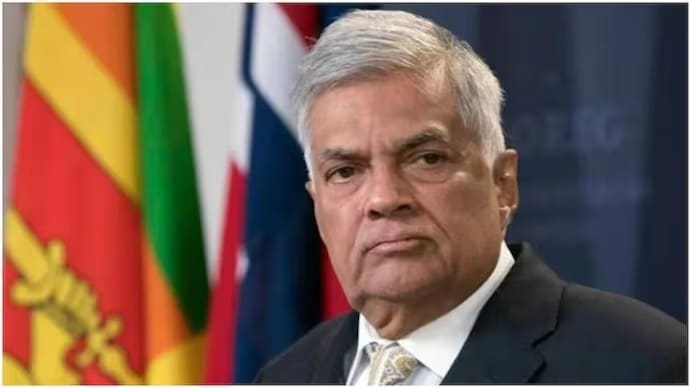
Sri Lankan President Ranil Wickremesinghe.
In Short
- Wickremesinghe to run as independent candidate
- Election date to be announced after July 17
- Over 17 million eligible voters in revised list
Sri Lankan President Ranil Wickremesinghe will contest the Presidential election as an independent candidate, his aide said on Sunday.
Deputy Chairman of the United National Party Ruwan Wijewardene confirmed that the Presidential election will definitely be held and Wickremesinghe, 75, will contest the election as an independent candidate, News 1st reported.
“Only one leader possesses the knowledge to solve Sri Lanka’s economic crisis. That is Ranil Wickremesinghe. He has proved it with his actions,” he was quoted as saying by the news portal.
On Sunday, Election Commission Chairman R M A L Ratnayake said the electoral body would be legally empowered after July 17 to announce the date for the election.
Ratnayake added that the commission will announce the date for the next presidential poll before the end of this month.
The Election Commission in May said the presidential election would be conducted between September 17 and October 16.
Ratnayake said the commission is currently in the process of putting final touches to the 2024 electoral register which will be the basis for the election. Over 17 million would be eligible to vote in the election as per the revised list, officials said.
In April 2022, the island nation declared its first-ever sovereign default since gaining Independence from Britain in 1948. The unprecedented financial crisis led President Gotabaya Rajapaksa to quit office in 2022 amid civil unrest over his inability to handle the crisis.
In July 2022, Wickremesinghe was elected through parliament to become stop-gap president for the balance term of Rajapaksa.
Wickremesinghe, also the finance minister, hasn’t made any public statement on his bid for re-election.
“This election isn’t merely about selecting individuals but about choosing the most effective system for our country’s progress. If you believe in the merits of the current approach, let us proceed accordingly,” the President’s Media Division quoted him as saying earlier.
The government under Wickremesinghe has set in place hard economic reforms as dictated by the International Monetary Fund (IMF) programme.
President Wickremesinghe last month said that his government has finalised a long-delayed debt restructuring agreement for USD 5.8 billion with its bilateral lenders, including India and China, in Paris to meet a key condition of an IMF bailout.
Sri Lanka’s President stops salary increases for government employees this year – Know why
July 7th, 2024Courtesy Financial Express
He emphasised the need for fiscal responsibility, cautioning that further unplanned salary increases could cripple the government.
Sri Lankan President Ranil Wickremesinghe has announced that government sector employees will not receive another salary increase this year, warning that further pay hikes without proper planning could undermine the government ahead of the upcoming presidential and general elections.
The 75-year-old president, widely expected to seek re-election, acknowledged the economic strain caused by previous programs that increased benefits and allowances, depleting excess funds, as reported by News First on Sunday.
Wickremesinghe pointed to the Sri Lankan Rs 10,000 salary increase and additional benefits implemented under the Aswasuma” program. He emphasised the need for fiscal responsibility, cautioning that further unplanned salary increases could cripple the government.
Serving the balance term of ousted president Gotabaya Rajapaksa since mid-July 2022, Wickremesinghe stressed the importance of prioritising national stability ahead of the elections. He announced the formation of a committee to review salary adjustments, with recommendations to be incorporated into the 2025 budget, potentially allowing for salary increases next year.
The president highlighted that his administration’s approach would ultimately benefit the people and reiterated the importance of focusing on the upcoming elections, suggesting that other parties might not prioritise economic stability as effectively.
Wickremesinghe’s independent run amid economic recovery
The next presidential election is scheduled to take place between mid-September and mid-October. Wickremesinghe, who was prime minister during Rajapaksa’s ousting through prolonged public protests, successfully navigated the country through an economic crisis blamed on the Rajapaksa family’s rule.
As finance minister, Wickremesinghe resolved shortages, ended long queues for essentials, mitigated power cuts, and secured a bailout from the International Monetary Fund (IMF), a process initiated during Rajapaksa’s tenure. Sri Lanka obtained USD 2.9 billion over a four-year program from the IMF, with interim assistance from India worth USD 4 billion.
Wickremesinghe plans to run as an independent candidate supported by all political parties committed to maintaining his economic reforms. The other main opposition leaders, Sajith Premadasa and Anura Kumara Dissanayake from the Marxist Janatha Vimukthi Peramuna party, have already announced their candidacies.
Will JVP’s “Series of Strikes” strategy boomerang on them?
July 7th, 2024Courtesy The Daily Mirror
Interests of the country should take precedence over party interests
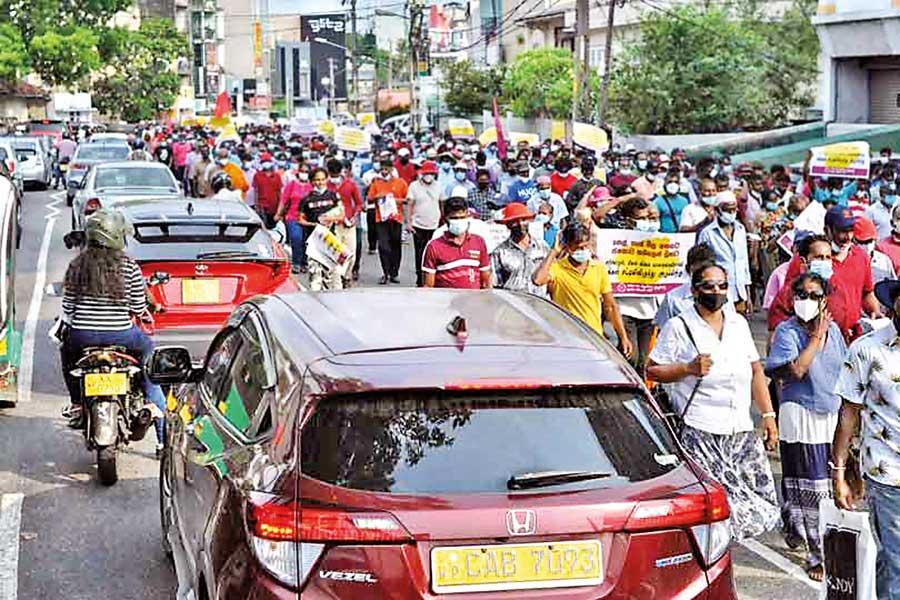
Demonstrations which involves trying to enter a building without permission, trespassing and creating noise nuisances are punishable by law
The 1940s and 1950s are often considered the Golden Era” of the LSSP (Lanka Sama Samaja Party). During this period, 70-80% of the trade unions in the country adhered to LSSP politics, with the most prominent being the Government Clerical Service Union (GCSU), which supported the political struggle of the LSSP. The general strike of 1947 and ‘Hartal’ (strike) in 1953 were followed by a series of strikes from 1956 to 1964 led by Dr. N.M. Perera and his ‘comrades’. Wildcat work stoppages were a common occurrence until the LSSP and CP (Communist Party) joined forces with the SLFP (Sri Lanka Freedom Party) in a coalition in 1964.
Dr. Perera, who became the Minister of Finance in Sirimavo’s coalition government, struggled to manage a strike by workers in his own Giridara Mills. Despite having organized numerous strikes that disrupted various governments since the 1930s, Dr. Perera faced a particularly challenging situation during his second tenure as Minister of Finance in Sirimavo’s 1970-75 administration, when bank employees launched a strike on September 1, 1972. The strong Ceylon Bank Employees Union (CBEU) initiated their longest strike in history, lasting 108 days and causing unprecedented damage to the economy. Dr. Perera had to counter the union’s actions with strong measures. Similarly, if the JVP were to come to power now, they too would face the same challenges. They, like their predecessors, would need to navigate these complexities to maintain stability and economic progress.
The general strike of 1947 and ‘Hartal’ (strike) in 1953 were followed by a series of strikes from 1956 to 1964 led by Dr. N.M. Perera and his ‘comrades’
If the cash-strapped government were to grant all the current strikers’ demands, the next government regardless of who wins the election, would face a severe economic disaster within a few months. Moreover, the new administration would find it challenging to manage the workforce, as they would remain in a combative or agitated state.Launching a countrywide strike action on July 10, 2008, was highly contentious, especially considering the island was partially engulfed in a civil war. The local businesses were also grappling with severe challenges due to an unprecedented fuel price hike. In this context, the strike, led by the Janatha Vimukthi Peramuna (JVP), was seen by many as not only unfair and unacceptable, but also as a deliberate move to jeopardize the war effort and undermine any credit the Rajapaksas would gain. The action aimed to halt transport, power, banking, and other essential services, causing significant disruptions. This had a particularly detrimental impact on the productivity of the private sector, exacerbating the difficulties faced by businesses during an already turbulent period.
In 1980, during the administration of President J.R. Jayewardene and Prime Minister Ranasinghe Premadasa, over 41,000 workers lost their jobs within a single day as a result of the government’s response to the general strike.July marked 44 years since the unprecedented general strike of 1980, during which approximately 41,800 public and private sector employees lost their jobs in Sri Lanka. The rising prices compelled the working class to demand a monthly salary increase of Rs. 300 and an allowance of Rs. 5 for every point on the cost-of-living index. The government, using its majority power, suppressed opposition political parties and trade unions.
The Trade Unions National Congress (UNC), with the participation of 1,024 trade Union Representatives, held a meeting in March 1980 and decided on a protest campaign during the lunch hour on June 5, 1980. The government warned that if a general strike were launched, it would consider the strikers as having vacated their posts. Consequently, an island-wide state of emergency was declared. On June 5, 1980, during the lunch hour demonstrations held in preparation for a general strike, two gangs emerged from the direction of the Government Supplies Department and Lake House, launching a violent attack on the protesters with stones, cycle chains, and sticks. The situation escalated dramatically when a hand grenade was thrown, tragically killing D. Somapala, a demonstrator from the Supplies Department.
The strong Ceylon Bank Employees Union (CBEU) initiated their longest strike in history, lasting 108 days and causing unprecedented damage to economy
A group in a jeep began throwing stones at the picketers, the sound of an explosion was heard. The police report notes that one person lost his life in the violence. Government MP Merril Kariyawasam was noted to have been seated on the front seat of the jeep involved in the attack. In September 1989, the JVP/DJV (Deshapremi Janatha Vyaparaya) took retaliatory action against Kariyawasam, the MP for Agalawatte, for his alleged role in causing the death of D. Somapala during the June 5, 1980, general strike.
The government announced that if a general strike was launched, the strikers would lose their jobs. On July 16, 1980, the Cabinet convened and, that same night, declared an island-wide State of Emergency. Despite this, nearly 90,000 workers participated in the general strike of July 1980, effectively crippling the government’s administrative functions and disrupting daily services. On July 24, 1980, Prime Minister, Ranasinghe Premadasa, announced that the 41,000 workers who had failed to report for work had vacated their posts. Following this announcement, several key figures involved in the strike, including trade unionists Vasudeva Nanayakkara, Alavi Maulana, Dr. Vikramabahu Karunaratne, Gunasena Mahanama, and D.I.G. Dharmasekera, were arrested and remanded. The State of Emergency, which had been imposed to suppress the general strike, was lifted in August 1980.
The aftermath of the strike was devastating for many workers. 56 strikers who lost their jobs committed suicide due to their inability to cope with the suffering and hardships faced by their families.In the UK, it is a criminal offence for picketers to block people or vehicles trying to get into the workplace that is on strike, which is referred to as ‘causing an obstruction’ by the police. Carrying weapons, damaging property, or causing or threatening to cause a ‘breach of the peace’ are also illegal activities during picketing. Additionally, picketers are not allowed to try to block roads near the picket line, which is known as ‘causing an obstruction to the public highway,’ or to interfere with the police who are present at the workplace to perform their duties.
Need stringent laws
Legal action can be taken against individuals who break these laws or encourage others to do so while picketing. This includes trespassing, which involves trying to enter a building without permission, and creating a noise nuisance. Using threatening language or offensive material, including libel or slander in leaflets, banners, placards, chants, or speeches, is also punishable by law. If a court order is issued banning picketing or restricting the activities of the trade union, breaking this order could lead to additional legal consequences.
Unlike in many other countries, there are no restrictions in our country on trade unions calling for sudden work stoppages. This unrestricted freedom sometimes leads trade unions to act irresponsibly, to the detriment of the nation. The interests of the country and the public should take precedence over party interests. While trade unions have a reasonable right to strike, except in a few situations, this right should be exercised sensibly and be limited to genuine trade disputes.
ගෝඨාභය බදු අඩු කළේ ව්යාපාරිකයන් ඉල්ලපු නිසා… අද ඒ අය හොයාගන්නත් නැහැ… රට ආර්ථික ගැටළුවකට මුහුණ දුන්නේ ආනයන ආර්ථිකයක කටයුතු කළ නිසා – ජනපති රනිල් කියයි
July 7th, 2024උපුටා ගැන්ම ලංකා ලීඩර්
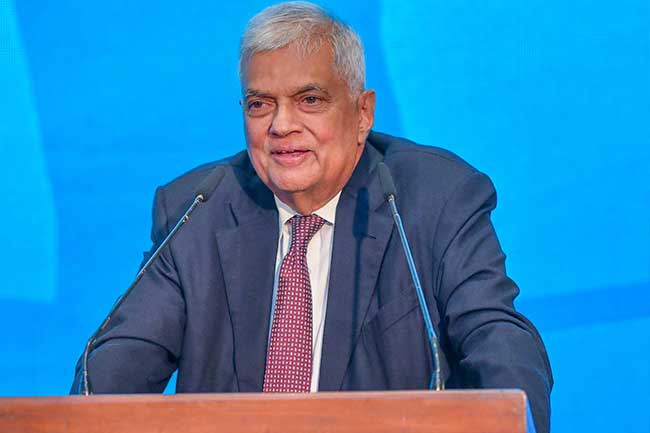 රට තුළ නව ආර්ථිකයක් ගොඩනඟන විට නව දේශපාලන ක්රමයක් ද නිර්මාණය විය යුතු බවත්, වගකීම් භාරගෙන කටයුතු කළ හැකි පිරිසක් මෙන්ම නොබියව සත්ය ප්රකාශ කරන පිරිසක් එම දේශපාලන ක්රමවේදය තුළ බිහිවිය යුතු බවත් ජනාධිපති රනිල් වික්රමසිංහ මහතා පැවසීය.
ජනාධිපතිවරයා මේ බව සඳහන් කර සිටියේ ජාතික බැංකුකරුවන්ගේ සංගමය විසින් කොළඹ ගාලු මුවදොර හෝටලයේ සංවිධානය කර තිබූ බැංකුකරුවන්ගේ සංසඳයට සහභාගී වෙමිනි.
රට හමුවේ ඇති ආර්ථික අභියෝගය තමා ජනතාව හමුවේ නොබියව ප්රකාශ කළ බව මෙහිදී පැවසූ ජනාධිපතිවරයා රට එම අර්බුදයෙන් ගොඩගැනීමට හැකි නිවැරදි වැඩපිළිවෙළ ද මේ වන විට පැහැදිළිව රටට ඉදිරිපත් කර තිබෙන බව සඳහන් කළේය.
එම වැඩපිළිවෙළ හැර වෙනත් වැඩපිළිවෙළක් රටට නොමැති බව පැවසූ ජනාධිපතිවරයා සිහින ලෝකවල කටයුතු නොකර රටට අවශ්ය වැඩපිළිවෙළ හඳුනාගෙන රටේ ආර්ථිකය ඉදිරියට ගෙන යාමට සහාය වීම සියලුදෙනාගේ වගකීම බවද පැවසීය.
ඇතැමුන් ආජර්ටිනාවේ මාටින් ගුස්මාන් ආදර්ශයට ගෙන කථා කළද ඔහු අසාර්ථක පුද්ගලයෙකු බව පැවසු ජනාධිපතිවරයා තවත් පිරිසක් ලෝක නායකයන්ගෙන් මුදල් ඉල්ලාගෙන එන ලෙස තමන්ට පැවසුවත් සිංහල ජාතිය කිසිදා සිඟමන් යැදි ජාතියක් නොවන අතර ස්වඋත්සාහයෙන් නැගි සිටින ජාතියක් බවද අවධාරණය කළේය.
අපනයන ආර්ථිකයක් මත පදනම්ව රට වේගවත් සංවර්ධනයක් කරා ගෙන යාම තම අරමුණ බව පැවසු ජනාධිපතිවරයා අපනයන ආර්ථිකයක් ඇති කිරීම සඳහා අවශ්ය නීති පද්ධතිය මේ වන විට පාර්ලිමේන්තුවට ඉදිරිපත් කර ඇති බවත්, එම වැඩපිළිවෙළ සමඟ ඉදිරියට යාමේ දී බැංකු පද්ධතියට විශාල වගකීමක් පැවරෙන බවත් කියා සිටියේය.
මෙහිදී ජාතික බැංකුකරුවන්ගේ සංගමය විසින් ජනාධිපතිවරයා වෙත විශේෂ සමරු තිළිණයක් ද පිළිගැන්වීය.
ඉන් අනතුරුව ජනාධිපති රනිල් වික්රමසිංහ මහතා, හිටපු මුදල් අමාත්ය රවී කරුණානායක සහ ආර්ථික කටයුතු පිළිබඳ ජනාධිපති ජ්යෙෂ්ඨ උපදේශක ආචාර්ය ආර්.එච්.එස්. සමරතුංග යන මහත්වරුන් සහභාගී වූ සාකච්ඡාවක් ද පැවැත්විණි.
මෙහිදී වැඩිදුරටත් අදහස් දැක්වූ ජනාධිපති රනිල් වික්රමසිංහ මහතා මෙසේද පැවසීය,
“අද අප ආර්ථික වශයෙන් බොහෝ දුර පැමිණ තිබෙනවා. එදා ජෙට්වින් හෝටලයේ සිට මෙම ගාලු මුවදොර හෝටලය දක්වා සිදු වු දේ මම අමුතුවෙන් කිවයුතු නැහැ. ඒ ගිය ගමන, මාගේ නිවසත් ගිනිබත් කරගෙන ගියා. කෙසේ හෝ අද අප ඉදිරියට පැමිණ තිබෙනවා. නමුත් තව දුර යාමට තිබෙනවා. අපේ බැංකු පද්ධතිය ආරක්ෂා කර නොගතහොත් ආර්ථිකය ආරක්ෂා කර ගන්න නොහැකි වන බව මම එදා පැහැදිළිව ප්රකාශ කළා. බැංකු පද්ධතිය බිඳ වැටුණහොත් ආර්ථිකය නැති වෙනවා.
එදා මට මේ රට භාර ගැනීමට සිදු වුණා. අප සියලුදෙනා එකතුව රටේ ආර්ථිකය නඟා සිටුවීමේ වැඩ කටයුතු ආරම්භ කළා. අද එහි ප්රතිඵල ලැබෙමින් පවතිනවා. මේ සියල්ල අපට එකවර ලැබෙන්නේ නැහැ.
ණය ආපසු ගෙවීමේ දී වසර 04ක් ණය නොගෙවා සිටීමටත්, ගෙවිය යුතු ණය මුදලින් ඩොලර් බිලියන 08ක් අඩු කිරීමටත් දැන් කටයුතු කර තිබෙනවා. ඒ වගේම රටේ ආර්ථිකය නැවත දියුණුවෙමින් පවතිනවා. දැන් අප රටක් ලෙස සන්ධිස්ථානයකට පැමිණ තිබෙනවා. අපට රුපියල් බිලියන 08ක ණය සහනයක් ලැබුණ නිසා අපට දැන් අලුත් ආර්ථිකයකට යාමට ඉඩ කඩ තිබෙනවා. එහිදී අපනයන ආර්ථිකයක් ඇති කිරීම සඳහා අවශ්ය නීති පද්ධතිය අප මේ වන විට පාර්ලිමේන්තුවට ඉදිරිපත් කර තිබෙනවා.
අප මෙතැනින් ඉදිරියට යා යුතුයි. මෙහිදී විශාල වැඩකොටසක් බැංකු පද්ධතියට හිමි වෙනවා. අපි මේ මුදල් සොයා ගන්නේ කොහෙන්ද. අප විදේශ ආයෝජන ගෙන ඒමට අවශ්යයි. එවිට බැංකු දියුණු වෙනවා. අප තවම මෙම ඉලක්කයට ළගා වී නැහැ.
අප කැඩුණු ආර්ථික ක්රමය සකස් කරගෙන ඉදිරියට ගියත් කැඩුණු දේශපාලන ක්රමය තවම සකස් කරගෙන නැහැ. එදා නායකයන් බයේ දිව්වා. එවන් තත්ත්වයක් තිබෙනවා නම් , මොකක්ද මේ රටේ තිබෙන දේශපාලන නායකත්වය.
එවන් නායකයන්ට රට ඉදිරියට ගෙන යන්න පුළුවන්ද? එදා ඔවුන් බිය වී පැන ගියේ ඔවුන් ළඟ විසඳුමක් නොතිබූ නිසයි.
හිටපු ජනාධිපතිවරයා ඉවත් වූ පසුව මේ රටේ සාමය සහ ස්ථාවරත්වය බිඳ වැටෙන්න ගියා. ඇතැම් අය මට අගමැතිකමින් ඉවත් වෙන්න කිව්වා. එහෙම දේශපාලන ක්රමයකින් රටක් ඉදිරියට ගෙන යන්න පුළුවන්ද,
අපි ආර්ථික පරිවර්තන පනත් කෙටුම්පත ඉදිරිපත් කළ විට සුනිල් හඳුන්නෙත්ති මහතා නඩුවක් දැම්මා. එම නඩුවෙන් කියැවෙන්නේ ආනයන පදනම් කරගත් ආර්ථිකයක් අවශ්යයි” කියලා. අද අපට ආර්ථික ගැටළුවකට මුහුණ දීමට සිදුවෙලා තිබෙන්නේ අප ආනයන ආර්ථිකයක කටයුතු කිරීම නිසයි.
ඒ වගේම තව කෙනෙක් ආර්ජන්ටිනාවේ මාටින් ගුස්මාන් ගැන කියනවා. ඔහු අසාර්ථක පුද්ගලයෙක්. නැත්නම් ලෝකය වටේ ගිහින් නායකයන්ගෙන් සල්ලි ඉල්ලගෙන එන්නලු. මම හිඟා කන මිනිහෙක් නෙවෙයි, ඒ වගේම සිංහල ජාතිය හිඟා කන ජාතියක් නොවෙයි. ඒ වගේම ඇතැම් අය තවම කියනවා අලුත් දෙයක් ඕන කියලා. ඒ කියන්නේ ආනයන පදනම් කරගත් ආර්ථිකයක්ද ?
මම දවසක් ගෝඨාභය රාජපක්ෂ හිටපු ජනාධිපතිතුමාගෙන් ඇහුවා, ජාත්යන්තර මූල්ය අරමුදල එපා කියද්දි, ආර්ථික ගැටලුවක් තිබෙද්දි ඇයි බදු අඩු කළේ කියලා. එතුමා කිව්වා ව්යාපාරිකයෝ සියලුදෙනා මෙය අඩුකරන්න කියලා කිව්වා කියලා. එතුමා ඇත්ත කිව්වේ. එය මම දන්නවා. ඒ අය මගෙනුත් ඇහුවා ඇයි ඔයා බදු අඩු කළේ නැත්තේ කියලා. ගෝඨාභය රාජපක්ෂ ජනාධිපතිතුමා බදු අඩු කළා කියලා. අද එහෙම කියපු අය හොයා ගන්නත් නැහැ. අද ගෝඨාභය රාජපක්ෂ මහත්මයා තනි වෙලා ඉන්නවා.
අපි නිසි ලෙස තෝරාගෙන රටට අවශ්ය වැඩපිළිවෙළ සමඟ ඉදිරියට යා යුතුයි. සිහින ලෝකවල ඉන්න හොඳ නැහැ. අපි සත්ය දැනගෙන වැඩ කළ යුතුයි. අද අපි ගන්න පියවර අනුව තමයි අපේ ඉදිරි ගමන තීරණය වන්නේ. අපි රටේ ආර්ථිකය හදනවා වගේම අලුත් දේශපාලන ක්රමයක් සකස් කළ යුතුයි. වගකීම් භාරගෙන ඉදිරියට යා හැකි පිරිසක් වගේම ඇත්ත තත්ත්වය දැනගෙන බය නැතිව කතා කළ හැකි පිරිසක් එමඟින් නිර්මාණය විය යුතුයි. එසේ නොමැතිව මේ රටට අනාගතයක් නැහැ.
අපි සෑමවිටම ඇත්ත කථා කළා. දේශපාලනයේ දී ඇත්ත කියන්න බය විය යුතු නැහැ. ආණ්ඩුවට පක්ෂද, විරුද්ධද කියන එක නොවෙයි, ඇත්ත ප්රකාශ කළ යුතුයි. මම සෑම පක්ෂයකින්ම පිරිස එක් කරගෙන මෙම ආණ්ඩුව ඉදිරියට ගෙන ගියා. පක්ෂවල විනයක් තිබුණේ නැති වුණාට ආණ්ඩුවේ විනයක් තිබුණා. බය නැතුව කණ්ඩායමක් අපත් සමඟ එක් වුණා. පොදුජන පෙරමුණේ තරුණ මන්ත්රීවරුන් තමන්ගේ දේශපාලන අනාගතය ගැන සිතන්නේ නැතිව අපත් සමඟ එකතු වුණා. අද අපි ආර්ථිකය සකස් කරගෙන තිබෙන මට්ටමට අපේ දේශපාලන ක්රමය තවම පැමිණ නැහැ. ඒ ගැන අවධානය යොමු කරමින් අප වැඩ කළ යුතුයි.
– Media unit
Prabhakaran’s family warns of diaspora fraudsters raising funds in the name of slain LTTE leader
July 7th, 2024Courtesy The Daily Mirror
Fifteen years after the death of Velupillai Prabhakaran, the leader of the Liberation Tigers of Tamil Eelam (LTTE) and the end of Sri Lanka’s war, the family of LTTE leader warns about a major fraud carried out by sections of the Tamil diaspora defrauding millions of dollars from Tamil around the world. Speaking on behalf of the family, Karthic Manoharan, son of Prabhakaran’s elder brother, Velupillai Manoharan reaffirmed that the entire family of his uncle, Prabhakaran was dead but complained that some greedy diaspora groups who had been deceiving Tamil sympathisers since the end of the war in 2009 carrying out a major racket to under the guise of resurrecting LTTE leader and his daughter Dwaraka Prabhakaran.
Read the Full Story
Prabhakaran’s nephew demands respect for slain uncle and his family
Sri Lanka says it will not ban any foreign research ships from its ports from next year
July 7th, 2024Courtesy The Daily Mirror
Sri Lanka has decided to lift from next year a ban on the visit of foreign research ships imposed after strong security concerns raised by India and the US following frequent docking requests from hi-tech Chinese surveillance vessels, the Japanese media reported.
The change in position was conveyed by visiting Sri Lankan Foreign Minister Ali Sabry to the NHK World Japan.
Sabry said his government cannot have different rules for different countries and only block China. He added that his country will not take sides in a dispute between others, the NHK World Japan said in a report on Friday.
The moratorium is till January next year. Sri Lanka will then no longer ban foreign research ships from its ports next year, Sabry said.
Two Chinese spy ships were allowed to dock in Sri Lanka ports within 14 months through November 2023, with one called for replenishment and the other for research.
Chinese research ship Shi Yan 6 arrived in Sri Lanka in October 2023 and docked at Colombo port, for what Beijing cited as “geophysical scientific research” in collaboration with the island nation’s National Aquatic Resources Research and Development Agency (NARA).
The US had expressed concern to Sri Lanka before the arrival of Shi Yan 6.
In August 2022, Chinese navy vessel Yuan Wang 5 docked at Hambantota in southern Sri Lanka for replenishment.
Meanwhile, Sabry also expressed gratitude for Japan’s plan to provide a ship equipped with sonar, which, he said, will give Sri Lanka “an opportunity to do its own survey and collect its own data, and commercially exploit it.”
Sabry emphasised that Sri Lanka has untapped maritime resources, and research is essential, but it has to be done in a transparent manner, the NHK report added. Located at a strategic point in the Indian Ocean, the island nation is an important stop for marine traf ..
Sabry emphasised that Sri Lanka has untapped maritime resources, and research is essential, but it has to be done in a transparent manner, the NHK report added. Located at a strategic point in the Indian Ocean, the island nation is an important stop for marine traffic between South East Asia and West Asia, which is part of the global trade route.
President criticises some human rights lawyers for defending drug criminals
July 7th, 2024Courtesy The Daily Mirror
Wellawaya, July 7 (Daily Mirror) – Highlighting that today, drug trafficking poses a greater threat to the nation than terrorism, President Ranil Wickremesinghe said that some human rights lawyers also represent drug-related criminals after their arrest.
He emphasised the crucial need for collective support to safeguard the country from this menace, especially as it recovers from economic challenges. He stressed that failing to protect future generations from drug abuse could undermine all government efforts to advance the nation.
The President made these remarks at the Uva Provincial Community Police Committee members’ empowerment workshop, held yesterday (06) at the Wellawaya Public Stadium under the theme “A Law-Abiding Country.”
While speaking at the event the President said the government has taken necessary steps to maintain law and order in the country. During 2021-2022, there was a collapse in law and order, with incidents of arson and destruction of houses and properties. Restoring law and order became imperative under these circumstances.
Drug traffickers too were involved in these destructive activities. Therefore, alongside economic development efforts, we focused on controlling drug trafficking. The establishment of community police committees was part of this strategy. Initially, there were doubts about the success of this programme, but today it has proven to be effective.
In many areas, robberies are linked to drug addiction, as individuals steal to finance their drug habits. This situation is unsustainable. Currently, drugs from Afghanistan are entering our country and are also being trafficked to neighbouring countries like Pakistan and India via sea routes. Consequently, we are mobilizing the Navy to address this issue. Regional cooperation is crucial, and neighbouring countries have collectively committed to finding a solution to combat drug trafficking.
We have initiated this programme in rural areas concurrently with general law enforcement, placing particular emphasis on combating drug trafficking. Our future generation is imperiled by this illicit trade, necessitating our collective cooperation. I urge everyone to collaborate closely with the police on this critical issue. Religious places, including village temples, have been assigned a specific responsibility in this matter. Additionally, schools need to pay special attention as some students bring drugs into school premises.
Therefore, I call upon these committees to rigorously enforce anti-drug laws and uphold law and order in our country. I have reluctantly had to resort to legal measures against certain individuals, but current laws are inadequate. We need new legislation; while Singapore enforces the death penalty for drug traffickers, we seek custodial solutions without going to such extremes.
After the arrest of these individuals, some lawyers who advocate for human rights have come forward in their defence. This raises questions for me. I believe that drug trafficking is a violation of human rights, but they argue that selling drugs is not a human rights violation, while arresting drug dealers is a human rights violation. Therefore, it is essential for the parliament to clarify our stance on this issue,” the President said.
Basil pledges continued support for President Ranil
July 7th, 2024Courtesy Adaderana
Sri Lanka Podujana Peramuna (SLPP) founder former minister Basil Rajapaksa has declared their intention to continue supporting President Ranil Wickremesinghe with the country’s welfare in mind.
He made this statement while attending a ceremony in Kalutara to mark the 27th anniversary of MP Rohitha Abeygunawardena’s political career.
Rajapaksa emphasized that the SLPP’s support for Wickremesinghe was not motivated by fear, saying, President, whenever we work as part of the government in moving this party forward, we did not help you out of any fear. We state with great pride that we have no fear and no debt.”
He further noted that the party collectively decided Wickremesinghe had the capability to save the country at a crucial time, and they had been supporting him sincerely since then.
He assured that as long as the President continued to protect the country and its citizens, he would receive their full support.
Former President Mahinda Rajapaksa, who also attended the event, stressed the importance of working with leadership that accepts challenges and moves the country forward, urging the people to support such leadership.
Tourism earnings soar to over $1.5 Billion in first half of 2024
July 7th, 2024Courtesy Hiru News
Sri Lanka’s earnings from tourism surged to over $1.5 billion in the first six months of 2024, marking a 77.9 percent increase year-on-year, according to the latest report from the Central Bank of Sri Lanka (CBSL).
Tourist arrivals in the first half reached 1.01 million, reflecting a 61.7 percent rise compared to the same period in 2023.
In June alone, tourism earnings were $113.4 million, up from $100.3 million in June of the previous year, reported Xinhua.
In addition, workers’ remittances for the first six months of 2024 totaled $3.14 billion, an increase from $2.82 billion during the same period last year. June’s remittance earnings were $519.6 million.
Tourism and workers’ remittances continue to be among the top foreign revenue generators for the country.
Presidential scholarship awards to commence at District Level
July 7th, 2024Courtesy Hiru News
President’s Fund scholarship program for students from low-income families, spanning from grade 1 to grade 11 and G.C.E. (A/L), will be implemented at the district level starting from July 12, 2024. District secretaries, in collaboration with all zonal education offices and school principals, will oversee the scholarship distribution process.
Details regarding the dates, times and venues for scholarship awards in each district, as well as the list of selected scholarship recipients, will be announced. This information will be published on the official Facebook page of the President’s Fund in the coming days.
The list of students selected for the scholarships for G.C.E. (A/L) scholarship scheme in each district has already been published on the official Facebook page of the President’s Fund at the regional level. These scholarships will be awarded to 6,000 students, with 60 students selected from each educational zone. Each recipient will receive Rs. 6,000 per month for a duration of 24 months.
At the scholarship award ceremony, selected students will receive a grant of Rs. 30,000 along with any outstanding instalments. Starting from next month, Rs. 6,000 will be provided to students monthly until they appear for their G.C.E. (A/L) examinations.
Additionally, the scholarship program will be implemented covering all 10,126 schools across the island, from grade 1 to grade 11, for a duration of 12 months. Each selected student will receive Rs. 3,000 per month, totalling Rs. 36,000 over the year. The arrears for the selected students will amount to Rs. 12,000, which will also be provided at the scholarship award ceremony. Starting from the following month, the scholarship will continue to be paid Rs. 3,000 per month.
Accordingly, the President’s Fund invites the public to follow/like its official Facebook page to stay updated on the scholarship programs being awarded at the district level. This will ensure the public receive timely information about these important initiatives.
BUDDHIST VIHARAS AND EELAM Part 21c
July 6th, 2024KAMALIKA PIERIS
The Ramayana legend did not catch on in Sri Lanka the way it did in South East Asia. Unlike in south East Asia, Ramayana tradition was not allowed to take root here, said historian Bandu de Silva.
Not a single manuscript of Ramayana is found among the many Sanskrit texts preserved in Sinhalese tradition. Dasaratha Jataka has Dasaratha, Rama, Sita and Lakshman as the main characters, but the story is completely different. In Buddhism there was no place for myths like Ramayana. Buddhism abhorred anything which did not stand scrutiny, Bandu said.
Vini Vitharana observed in his book, Sri Lanka the geographical vision” said that the Sinhala and Pali sources of Sri Lanka contain nothing that corroborates the Ramayana story.
Tissa Kariyawasam read a paper titled Ramayana in Sinhala Literature” at the symposium on the Ramayana Trail organized by Royal Asiatic Society, Colombo in 2010. He said that the Sinhala and Pali sources of Sri Lanka contain nothing that corroborates the Ramayana story. Ramayana legend had not caught on in Sri Lanka.
Kariyawasam said that Buddhagosha rejected the Mahabharata and Ramayana as frivolous stories. There is a fleering reference in Culavamsa to ‘as Sita loved Rama’ and ‘going forth to combat like Rama. Kumaradasa, 7th century, versified Rama Sita story into Janakiharana. But in Janakiharana, and earlier creations like Ratnavali, Kathasarit sagara and KavyaMimamsa, Sri Lanka is referred to as Sinhaladvipa. This approach continued till 15 century, said Kariyawasam.
In the reign of Parakrama bahu VI (1412- 1467), there is some interest in Ramayana. It was taught at Vijayaba Pirivena by Ven. Sri Rahula. Sri Rahula’s Kavyasekera compares princess Lokanatha to Sita. His sandesa poems refer to Rama, Ravana, Sita and Vibhishana. Selalihini Sandesa refers to a Vibhishana devale and speaks of a conversation in an ambalama regarding Rama-Sita stories.
The Vedas, Puranas and the two Maha kavyas, Mahabharatha and Ramayana were studied at Vijayaba Pirivena under Sri Rahula. But this was challenged. Ven. Vidagama Maitreya, a contemporary of Sri Rahula was very critical of the Ramayana. He pointed out, inter alia, that while the monkey could swim across to Lanka, Rama needed a bridge.
R.A.L.H. Gunawardana said that in the medieval period, Ramayana and Mahabharata were denounced by the monks as useless works which should be ignored. Several of the Buddhist texts stated that the study of the Ramayana and Mahabaratha was a waste of time.
Ramayana, however, features in the folklore of the Udarata kingdom. C. E. Godakumbura presented a paper titled ‘Ramayana in Sri Lanka and Lanka of the Ramayana” at the international Ramayana seminar, New Delhi, 1975. In this paper he said that there is an abundance of folklore in Ceylon connected with the story of Rama and Sita. Some of these explain place names, some point to special geographical features, other the lay of the land, the positions of hills, nooks and bend in rivers, the color of the soil and various curiosities. All this is folklore and nothing archeologically probable or tested historically, concluded Godakumbura .
Tissa Kariyawasam supported this view. Folk poetry of the Udarata period ‘made a fuss of Ravana,’ said Tissa Kariyawasam. The Ramayana also influenced the Udarata rituals of the 18th and 19th century, such as Kohomba Kankariya. In the Kohomba yak Kankariya, sections like Kuvani asna, Sihaba asna, malaraja uppatiya, vadi dane, Kohomba halle show the influence of Ramayana. “Randunu alattiya” uses as subject matter the breaking of the mighty celestial bow by Rama.
Sena Thoradeniya (2010) said that in his home village Udurawana, a village in Patha Dumbara, there is a legend that the village goes as far back as Ravana. Udurawana is the name given to the place where Ravana fell facing the sky in his battle with Rama and the adjoining Yatiravana, along the present Kandy-Wattegama road is where Ravana fell facing the earth. There is a rock named Athobanagala where imprint of Ravana’s palm is still visible on the hard rock, Ravana had rested his hand there while shooting deer. A tributary from Knuckles flowing along Yatirawana is named Ravana Oya.
The indigenous medicine practitioners of Sri Lanka believe in the existence of King Ravana, said a media report.(2009) Ravana was a great physician credited with authorship of five books on medicine, one of which is available even today. The technique of using underground metal ash process and fermentation” belongs to the period of Ravana. Ravana is supposed to have invented a string music instrument, added this media report.[1]
A ballet titled ‘Maha Ravana’ was presented in Colombo in May 2008 by the Sarasavi Dehena Experimental Theatre School. The choreographer, Pabalu Wijewardana, who comes from the Mihiripenna dancing tradition, said that Sri Lanka lacked a truly iconic figure and he wished to project Ravana as an icon. He had researched into the story of Ravana. He says Ravana was not a demon, but a wise king, who ruled over a vast South Asian kingdom which included Sri Lanka. The flying machine may have been a real one. ( continued)
[1] Island Leisure land. 6.4.09 p 1.
ජනාධිපති ධූරකාලය වසර 6ක් කිරීමට යාමේදී ආණ්ඩුක්රම ව්යවස්ථාවේ 70 වන ව්යවස්ථාව අතහැර ඇත්නම් ලෙනෝ නඩුව පරදියිද?
July 6th, 2024නීතීඥ අරුණ ලක්සිරි උණවටුන B.Sc(Col), PGDC(Col) සමායෝජක, වෛද්ය තිලක පද්මා සුබසිංහ අනුස්මරණ නීති අධ්යාපන වැඩසටහන
ජනාධිපතිවරණය 2024 දී පැවැත්වීම නතර කර ගැනීමට, පානදුරේ ලිපිනයැති චමින්ද ලේනව නම් අයෙක් ආණ්ඩුක්රම ව්යවස්ථාවේ විධිවිධාන යටතේ මූලික අයිතිවාසිකම් නඩුවක් ශ්රේෂ්ඨාධිකරණයේදී පවරා ඇති අතර එය ආණ්ඩුක්රම ව්යවස්ථාවේ 70 ව්යවස්ථාව අදාල කරගෙන පවරා නොමැත්තේනම් සාර්ථක කරගත හැකිද යන්න පෙන්වා දීම මෙම ලිපියෙන් අපේක්ෂා කරයි.
19වන ආණ්ඩුක්රම ව්යවස්ථා සංශෝධනයක් මුල් වරට පාර්ලිමේන්තුවට ඉදිරිපත් කර ඇත්තේ වර්ෂ 2002 දී ය.
19 වන ආණ්ඩුක්රම ව්යවස්ථා සංශෝධන පනත් කෙටුම්පතක් වර්ෂ 2002 දී පාර්ලිමේන්තුවට ඉදිරිපත් කර තිබූ අතර, 2002 සැප්තැම්බර් මස 11 වන දින එය ගැසට් පත්රයේ එය පළ කර වසරකින් පසු පාර්ලිමේන්තුව විසුරුවා හැරීමෙන් ජනාධිපතිවරයා සීමා කරන විධිවිධාන ඇතුළත් කිරීමට එනම් ආණ්ඩුක්රම ව්යවස්ථාවේ 70වන ව්යවස්ථාව සංශෝධනය කිරීමට ඉන් ප්රයත්න දරා තිබුණි.
එම 2002 දී ගෙනා 19 වන ආණ්ඩුක්රම ව්යවස්ථා සංශෝධන පනත් කෙටුම්පත මගින් හඳුන්වා දී තිබූ වසරකට පසු පාර්ලිමේන්තුව විසිරවීමට ජනාධිපතිවරයාට අවශ්ය වන්නේ නම් පාර්ලිමේන්තුවේ නොපැමිණි මන්ත්රීවරයන්ද ඇතුළුව පාර්ලිමේන්තුවේ මුළු මන්ත්රීවරයන් සංඛ්යාවෙන් තුනෙන් දෙකක සංඛ්යාවකට නොඅඩු සංඛ්යාවකගේ සම්මතය ඇතිව යෝජනා සම්මතයක් මගින් පාර්ලිමේන්තුවේ අනුමැතිය ලබා ගත යුතු බවට වන විධිවිධානය ආණ්ඩුක්රම ව්යවස්ථාවට පටහැනිය යන පදනමින් ශ්රේෂ්ඨාධිකරණයේ අභියෝගයට ලක්කරන ලද අතර සරත් නන්ද සිල්වා (අ.වි), වඩුගොඩුපිටිය (වි), බණ්ඩාරනායක (වි) ඉස්මයිල් (වි) එදිරිසූරිය (වි) සහ යාපා (වි) ජේ. ඒ. එන් ද සිල්වා (වි) යන ශ්රේෂ්ඨාධිකරණ විනිසුරුවරුන් 7 විසින් 2002 ඔක්තෝබර් 1 සහ 3 යන දිනවල ඒ සම්බන්ධව ශ්රේෂ්ඨාධිකරණයේ විභාගයට ගන්නා ලදී.
එහිදී ශ්රේෂ්ඨාධිකරණය තීරණය කරන ලද්දේ ජනාධිපතිවරයාට වසරකට පසු පාර්ලිමේන්තුව විසුරුවීම වළක්වන විධිවිධානය නීතියක් වන්නේ පාර්ලිමේන්තුවේ නොපැමිණි මන්ත්රීවරයන්ද ඇතුළුව පාර්ලිමේන්තුවේ මුළු මන්ත්රීවරයන් සංඛ්යාවෙන් තුනෙන් දෙකක සංඛ්යාවකට නොඅඩු සංඛ්යාවකගේ සම්මතය සහ ජනමතවිචාරණයකදී ජනතාව විසින්ද අනුමත කිරීමෙන් පසුව බව දක්වා ඇත. ඒ හේතුවෙන් 2002 දී පාර්ලිමේන්තුවට ඉදිරිපත් කළ 19වන ආණ්ඩුක්රම ව්යවස්ථාව සංශෝධනය පනත් කෙටුම්පත් අදියරේම අවසන් විය.
වර්ෂ 2015 දී දෙවන වරටත් නැවත, පාර්ලිමේන්තුවට ඉදිරිපත් කළ 19වන ආණ්ඩුක්රම ව්යවස්ථා සංශෝධන පනත් කෙටුම්පතේ ඇති ආණ්ඩුක්රම ව්යවස්ථාවේ 70 ව්යවස්ථාව සංශෝධනය කරමින් වසරකට පසු පාර්ලිමේන්තුව විසුරුවා හැරීමෙන් ජනාධිපතිවරයා වළක්වන විධිවිධානයත් තවත් ආණ්ඩුක්රම ව්යවස්ථා සංශෝධන විධිවිධාන 16ක් පමණ සංශෝධනය කිරීමට ගෙනවිත් තිබුණි. ( ආණ්ඩුක්රම ව්යවස්ථා විධිවිධාන සංශෝධන 17ක්)
වර්ෂ 2015 දී දෙවන වරටත් පාර්ලිමේන්තුවට ඉදිරිපත් කළ 19වන ආණ්ඩුක්රම ව්යවස්ථා සංශෝධන පනත් කෙටුම්පතේ ඇති ආණ්ඩුක්රම ව්යවස්ථාවේ 70 ව්යවස්ථාව සංශෝධනය කරමින් වසරකට පසු පාර්ලිමේන්තුව විසුරුවා හැරීමෙන් ජනාධිපතිවරයා වළක්වන විධිවිධානයත් තිබූ හෙයින්, ජනමත විචාරණයකින් ජනතාව අනුමත කිරීම අවශ්යම විය. එහෙත් 2015 දී ගෙනා 19යේ ජනාධිපති බලතල සඳහන් 33.2.ඈ. ව්යවථාවේ ජනාධිපතිවරයාට පාර්ලිමේන්තුව කැදවීම, වාරාවසන් කිරීම, සහ විසුරුවීම කළ හැකි විධිවිධානයක්ද තිබුණි.
වර්ෂ 2015 දී දෙවන වරටත් පාර්ලිමේන්තුවට ඉදිරිපත් කළ 19වන ආණ්ඩුක්රම ව්යවස්ථා සංශෝධන පනත් කෙටුම්පත සම්බන්ධයෙන් අගවිනිසුරු කේ. ශ්රීපවන්, ඩෙප් සහ චන්ද්රා ඒකනායක ශ්රේෂ්ඨාධිකරණ විනිසුරුවරුන් විසින් තීරණ පාර්ලිමේන්තුවට යොමු කළ අතර එම විනිසුරුවරුන් 3නා මීට පෙර 2002 දී විනිසුරුවරුන් 7දෙනකු ලබා දී තිබූ තීරණය වෙනස් කර තිබුණේ නැත. එසේම 2015දී ගෙනා 19යේ ජනාධිපති බලතල සඳහන් 33.2.ඈ. ව්යවථාවේ, ජනාධිපතිවරයාට පාර්ලිමේන්තුව කැදවීම, වාරාවසන් කිරීම, සහ විසුරුවීම කළ හැකි විධිවිධානයක්ද තිබුණ හෙයින් 70 ව්යවස්ථාවේ ජනාධිපතිවරයාට වසරකින් පසු පාර්ලිමේන්තුව විසුරුවීම වැළැක්වීම යටපත්වන බවක්ද උපකල්පනය කරමින් ඒ 2002 දී ගෙනා 19ය, 2/3 කින් පාර්ලිමේන්තුව සම්මත කර ගත්තේය.
ඒ අනුව ආණ්ඩුක්රම ව්යවස්ථාවේ 70 ව්යවස්ථාවේ ඇති පාර්ලිමේන්තුව විසුරුවීම, ආණ්ඩුක්රම ව්යවස්ථාවේ 33.2.ඈ ව්යවස්ථාවේ ඇති පාර්ලිමේන්තුව විසුරුවීමෙන් යටපත්වන බවට තීරණය කර මෛත්රීපාල සිරිසේන ජනාධිපතිවරයා 2018 දී පාර්ලිමේන්තුව විසුරුවා හරිනු ලැබුවද එයට එරෙහිව ශ්රේෂ්ඨාධිකරණයේදී පවරනු ලැබු මූලික අයිතිවාසිකම් නඩුවලදී විනිසුරුවරුන් 7කුගේ විනිසුරු පීඨය තීරණය කරන ලද්දේ 70 ව්යවස්ථාවේ විසුරුවීම, 33.2.ඈ ව්යවස්ථාවේ ඇති විසුරුවීම අභිබවා බලවත් බවයි. එනම් එතෙක් සිතාගෙන සිටි උපකල්පනය වැරදි බවයි. ඒ අනුව කතානායකවරයා 2015 දී 19ය 2/3 කින් සම්මත වූ පසු සහතිකය යෙදීම වැරදි බව පැහැදිලි විය. (70 ව්යවස්ථාව ජනමතවිචාරණයක් නොමැතිව නීතියක් වීම වැරදි වන්නේ 70 ව්යවථාව,33.2.ඈ ව්යවස්ථාව මගින් යටපත් වීම සිදු නොවීම)
පාර්ලිමේන්තුව, ශ්රේෂ්ඨාධිකරණ තීරණවලට, ආණ්ඩුක්රම ව්යවස්ථාවට එකඟව කටයුතු කරන්නේ නම් වසරකට පසු පාර්ලිමේන්තුව විසිරවීම ජනාධිපතිට සීමා කිරීමේ ව්යවස්ථා සංශෝධනයක් (70 ව්යවස්ථාව) නැවත 2015 දී සිදුකරන්නේ නම් එයට පාර්ලිමේන්තුවේ නොපැමිණි මන්ත්රීවරුද ඇතුලුව 2/3 කට නොඅඩු සංඛ්යාවක් අනුමත කළ පසු ආණ්ඩුක්රම ව්යවස්ථාවේ 80.2 ව්යවස්ථාව අනුව ජනාධිපතිවරයා විසින් නීතියක් බවට පත්කරන ආකාරයේ සහ 79 වන ව්යවස්ථාව යටතේ (අවසන් විධානය) පනත් කෙටුම්පත හෝ ඒ විධිවිධානය ජනතාව විසින් ජනමත විචාරණයක දී අනුමත කරනු ලබන තෙක් නීතිය බවට පත් නොවිය යුතු බවට වන කථානායකවරයාගේ සහතිකයක් සඳහන් සටහනක් තබා යොමු කළ යුතු විය.
ඒ බව පැහැදිලි වූ 2018 දී කරූ ජයසූරිය කතානායකවරයා කළ යුතුව තිබුණේ 2015 දී 70 ව්යවස්ථාවට වඩා 33.2.ඈ ව්යවස්ථාව අභිබවා නොයන හෙයින් 2015 ගෙනා 19ය, ආණ්ඩුක්රම ව්යවස්ථාවේ 80.2 ව්යවස්ථාව අනුව ජනාධිපතිවරයා විසින් නීතියක් බවට පත්කරන ආකාරයේ සහ 79 වන ව්යවස්ථාව යටතේ (අවසන් විධානය) පනත් කෙටුම්පත හෝ ඒ විධිවිධානය ජනතාව විසින් ජනමත විචාරණයක දී අනුමත කරනු ලබන තෙක් නීතිය බවට පත් නොවිය යුතු බවට වන කථානායකවරයාගේ සහතිකයක් සඳහන් සටහනක් තබා ජනමතවිචාරණයක් සඳහා ජනාධිපතිවරයා වෙත යොමු කිරීමය. එය මේ දක්වා සිදුකර නැත.
එනම් ශ්රේෂ්ඨාධිකරණ තීරණ අනුව නීතියක් වී නැති 19වන ආණ්ඩුක්රම ව්යවස්ථා සංශෝධනය බලහත්කාරයෙන් නීතියක ආරෝපණය ලබා දී ක්රියාත්මක කරගෙන යාමට පාර්ලිමේන්තුව සහ වර්තමාන ජනාධිපතිවරයාද කටයුතු කරන බව පෙනී යන අතර එය නිවැරදි නැත.
වර්තමාන කතානායකවරයාට පෙර කතානායකවරයා කළ ඒ වැරැද්ද නිවැරදි කළ හැකිය.
2015 දී ගෙනා 19 ට පාර්ලිමේන්තුවේ නොපැමිණි මන්ත්රීවරුද ඇතුලුව 2/3 කට නොඅඩු සංඛ්යාවක් අනුමත කර ඇති හෙයින්, ආණ්ඩුක්රම ව්යවස්ථාවේ 80.2 ව්යවස්ථාව අනුව ජනාධිපතිවරයා විසින් නීතියක් බවට පත්කරන ආකාරයේ සහ 79 වන ව්යවස්ථාව යටතේ (අවසන් විධානය) පනත් කෙටුම්පත හෝ ඒ විධිවිධානය ජනතාව විසින් ජනමත විචාරණයක දී අනුමත කරනු ලබන තෙක් නීතිය බවට පත් නොවිය යුතු බවට වන කථානායකවරයාගේ සහතිකයක් සඳහන් සටහනක් තබා එය ජනාධිපතිවරයාට යොමු කළ යුතුය. එවිට ජනාධිපතිවරයා එකී 19ට පැවැත්විය යුතු ජනාධිපතිවරණ පැවැත්විය යුතු අතර, ජනතාව අනුමත කළහොත් එය නීතියක් බවට පත්වන අතර ජනතාව අනුමත නොකළහොත් එය එතනින් අවසන් වේ.
එයට අමතරව මෙම නීති තර්කය ශ්රේෂ්ඨාධිකරණයේදී නඩුවකදී ගැනීමය.
මෙම නීතිමය තත්ත්වය එනම් ආණ්ඩුක්රම ව්යවස්ථාවේ 70 වන ව්යවස්ථාව, 2002 දී ගෙනා 19යේ ශ්රේෂ්ඨාධිකරණ තීරණය සහ 2015 දී ගෙනා 19යේ ශ්රේෂ්ඨාධිකරණ තීරණය සහ මෛත්රීපාල සිරිසේන ජනාධිපතිවරයා 2018 දී පාර්ලිමේන්තු විසුරුවීම වැරදි බව කියූ ශ්රේෂ්ඨාධිකරණ මූලික අයිතිවාසිකම් නඩු තීන්දුව ඇසුරෙන් සළකා බැලීමේදී 2015 දී ගෙනා 19 මේ දක්වා ආණ්ඩුක්රම ව්යවස්ථාව අනුව නීතියක් වී නැත. ඒ අනුව 2015 ගෙනා 19යේ තිබූ ආණ්ඩුක්රම ව්යවස්ථා සංශෝධන 17ම මේ දක්වා නීතියක් වී නැත.
ඒ අනුව ජනාධිපතිවරණය වසර 6කින් බව ඇත්තය. 19 වැරදි බවත් ඇත්තය….70වන ව්යවස්ථාව අතහැර ඇත්නම් ලෙනෝ නඩුව දිනන්නේ කෙසේද යන්න ප්රශ්නයකි.
http://neethiyalk.blogspot.com/2024/07/6-70.html?m=1
නීතීඥ අරුණ ලක්සිරි උණවටුන B.Sc(Col), PGDC(Col) සමායෝජක, වෛද්ය තිලක පද්මා සුබසිංහ අනුස්මරණ නීති අධ්යාපන වැඩසටහන