Sri Lankan Tamil leaders seek Indian intervention in implementation of 13A – report

January 23rd, 2024

Courtesy Adaderana

A group of Sri Lankan Tamil legislators has sought India’s intervention to ensure that Colombo fully implements the New Delhi-mooted 13th Amendment, which provides for the devolution of power to the minority community, PTI reported quoting sources.

The group led by the veteran politician and TNA Leader R Sampanthan met India’s new High Commissioner to Sri Lanka, Santosh Jha, on Monday, said the source from the Tamil National Alliance (TNA), which represents Sri Lanka’s Tamil minority.

The two-hour-long talks were centred on the 13 Amendment, which created the provincial councils system for the island nation’s nine provinces.

The Tamil parties pointed out the need for India’s intervention in the current Sri Lankan political context for the meaningful devolution of power, the source said.

They also highlighted the issue of the Tamil political prisoners and the Tamil land grabbing by the state.

India has been pressing Sri Lanka to implement the 13th Amendment brought in after the Indo-Sri Lankan agreement of 1987. The 13A provides for the devolution of power to the Tamil community.

The 13A became a part of Sri Lanka’s constitution in 1987 through the direct intervention of the then-Indian government led by Prime Minister Rajiv Gandhi as part of the Indo-Lanka Accord.

The current Tamil political parties are sceptical of the political will of the majority Sinhala to fully implement the 13A, the PTI report said.

Meanwhile, the Indian High Commission in Colombo reports that the new Indian High Commissioner had met with Tamil leaders of Northern and Eastern Provinces, and discussed the issues concerning political, economic and social development of the region.

Reiterating India’s longstanding position on reconciliation and full implementation of the Thirteenth Amendment, High Commissioner reaffirmed India’s continuous commitment to work for the well-being of the people of this region”, the High Commission said in a tweet.

–With inputs from agencies

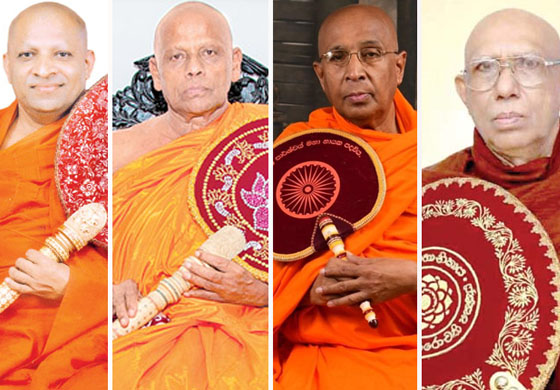
Police recover car suspected to have been used in shooting of Buddhist monk

January 23rd, 2024

Courtesy Adaderana

Police recover car suspected to have been used in shooting of Buddhist monk

Police have recovered the vehicle which is suspected to have been used by the suspects involved in the shooting of a Buddhist monk in Malwathuhiripitiya area of Gampaha earlier today (23 Jan.).

The vehicle was found abandoned in a shrubby area at Godella in Kaduwela, Police said, adding that it had been torched beyond recognition.

According to police, however, another vehicle, bearing the same licence plate as that of the vehicle the suspects had arrived in, was found in a garage in Eluwila, Panadura.

https://youtu.be/C_Ix1RA-lPU

Earlier today, four unidentified individuals had arrived in a car at the temple, and carried out the shooting and fled the scene afterwards, police reported, adding that the shooters had claimed to be officers from the Criminal Investigations Department (CID). 

The 45-year-old Buddhist monk, Ven. Kalapaluwawe Dhammarathana Thero, who sustained critical injuries in the incident, had been rushed to the Gampaha Hospital. 

However, the monk had later succumbed to injuries this afternoon while receiving treatment at the hospital, according to police.

Ven. Kalapaluwawe Dhammarathana Thero is also reported to have been engaged in various activities and practices related astrology and witchcraft.

Police stated that the shooting has been carried out using a T-56 assault rifle.

Why Israel’s Violence Gets So Much Notice: Euro-American Colonialism

January 22nd, 2024

Jon Schwarz

The question of Israel is whether European colonialism can ever make peace with the rest of the world.

Partisans of Israel have often asked: On a planet overflowing with war, famine, and cruelty, why does the world pay so much attention to what’s happening in Gaza (and the West Bank) in comparison with other horrors? The implied or explicit answer is that this must be due to antisemitism.

This question held more power during Israel’s past attacks on Gaza — e.g., Operation Cast Lead from 2008-2009, Operation Pillar of Defense in 2012, and Operation Protective Edge in 2014, when Palestinian casualties measured in the thousands rather than the tens of thousands. The current war, Operation Swords of Iron, is in fact one of the grimmest things currently happening on Earth.

And that’s the key thing, of course — Israel is now before the International Court of Justice charged with genocide. Americans have an obvious reason to focus on its actions, given that they could not happen without our financial and diplomatic support. But what explains the intense interest of everyone else, not just at the present moment, but for the decades and military offensives before? The answer is both clear and important to understand: People across the globe are particularly appalled by Israel’s violence because it is a manifestation and symbol of European colonialism, plausibly the most terrifying and destructive ideology in human history.

This is a difficult concept for most Americans and Europeans, especially the white ones, to get their minds around. To start with, there’s been an effort in the higher-toned areas of the U.S. media to deny that Israel has much to do with European colonialism in the first place.

This is an extremely peculiar denial of reality and can be ignored. The founders of Zionism and Israel, from Theodor Herzl to Ze’ev Jabotinsky to David Ben-Gurion, stated clearly that they were engaged in settler colonialism. This is a specific form of colonialism in which settlers migrate to a territory and attempt to permanently take over the land from its present occupants. For instance: the United States of America. 

Everyone has to face this: The question of Israel is the question of whether European colonialism can make peace with the rest of the world without obliterating it.

To begin with, European colonialism is the most significant political fact of the past 500 years. Christopher Columbus arrived in the Western Hemisphere in 1492. By the start of World War I in 1914, Europe and the U.S. controlled 85 percent of the world’s land mass.

This required atrocities and barbarism across the planet on a mind-warping scale. Spain worked as many as 8 million Indigenous people and enslaved Africans to death mining silver from one mountain near the Bolivian city of Potosí.

Belgium, which seems today like a tiny, inoffensive land of talented cyclists conducted a campaign of murderous colonialism that killed perhaps 10 million people in Congo. During the 19th century, the U.K. imposed conditions on India that murdered 30-60 million people via starvation.

And this barely scratches the surface of this history of violence and blood, a history that was always combined with hilariously self-congratulatory justifications. For instance, the first seal of the Massachusetts Bay Colony depicted an American Indian pleading come over and help us.” 

The French writer Hilaire Belloc famously described the basic facts of Europe’s conquest of the world by putting them in the mouth of a character literally named Blood:

Blood understood the Native mind.
He said: We must be firm but kind.” …
He stood upon a little mound,
Cast his lethargic eyes around,
And said beneath his breath:
Whatever happens we have got
The Maxim Gun, and they have not.”

The Maxim Gun was the first fully automatic machine gun.

The rest of the world remembers this, even if the descendants of the perpetrators do not. As Samuel Huntington, the late conservative Harvard University political scientist, once put it, The West won the world not by the superiority of its ideas or values or religion (to which few members of other civilizations were converted) but rather by its superiority in applying organized violence. Westerners often forget this fact; non-Westerners never do.”

To understand what colonialism means to the rest of the world, white Americans and Europeans should consider that 20th century fascism, including the Holocaust, was in a profound sense the child of colonialism. If you like your horrifying history in entertainment form, this is examined at length in the 2021 HBO documentary series Exterminate All the Brutes.”

This perspective is not the product of Harvard professors driven mad by wokeness; just ask Adolf Hitler. On the eve of Germany’s invasion of the Soviet Union in 1941, he told a small group of companions, We’ll take away its character of an Asiatic steppe, we’ll Europeanize it. … Our colonists will settle. … There’s only one duty … to look upon the natives as Redskins.” Hitler welcomed white people in general, not just Germans, to take part: All those who have the feeling for Europe,” he said, can join in our work.”

At the same moment in the U.S., my grandfather Lewis Hanke — a historian of the Spanish colonization of the Americas — also saw Germany’s project as comparable to European colonialism, except he thought that was a bad idea. One of his students later wrote As Hitler voiced the extremities of racism, Hanke encountered it in the records of the conquest, and he sensed the connection.”

European colonial movements came in different flavors, and Zionism was unique in that its members — certainly after World War II — were fleeing not just persecution, but also extermination. Still, it was of psychological necessity shot through with colonization’s standard ideological racism.Rudolf Sonneborn, an American who would go on to make a fortune in the oil business, was secretary of the Zionist Commission in Palestine following World War I. He reported thatthe average [Arab] is inferior even to our average Negro … I believe there is very little to ever fear from them. Besides, they are a cowardly race.”

This was also true for Christian Zionists. George Biddle, a friend of Franklin D. Roosevelt and the ultra-WASPy descendant of the original settlers on the Mayflower, took this view in an article in The Atlantic after visiting Israel shortly after its 1948 founding. First, Biddle enthused about how Israel would serve Western interests. Then, he explained that Arabs were foul, diseased, smelling, rotting, and pullulating with vermin and corruption.” Fortunately, they were about as dangerous as so many North American Indians in modern mechanized war.”

The fact that European Jewry were the greatest victims of the racism that was central to this worldview, which Zionism adopted (in a less virulent form), is one of the most bizarre twists of human history.

In any case, Europe’s centurieslong reign of piracy and mass death should make it clear why people around the world — including such far-flung, surprising places as South Korea and Peru — look at Israel’s action in Gaza with particular concern. It is not a coincidence that the genocide case at the International Court of Justice in The Hague was brought by South Africa with the participation of Irish lawyers. 

But what happens now? No one knows. 

Israel was, in a sense, both too early and too late. If it had been founded earlier, it could have massacred the entire Arab population, just as the United States killed most Native Americans and Australia wiped out huge swaths of the country’s Aboriginals. Then there would be no Palestinians left for the world to be concerned about.

On the other hand, if it had come along later, Zionists might have believed that they should join forces with the decolonization movements across the Mideast and the world in the 1950s and 1960s. But in our timeline, an Arab nationalist approached Ben-Gurion about fighting the U.K.’s colonial forces together while Palestine was still under the British mandate — and Ben-Gurion reported him to the British.

Inany case, despite the dreams of the Israeli right, the expel and/or kill them all” solution is (probably) no longer available. But it’s also extremely difficult to imagine a South Africa outcome, in which Jewish Israelis accede to becoming a minority in a one-person, one-vote, one-state Palestine. 

Meanwhile, some parts of the Arab world fantasize about an Algeria analogy, in which (after massive bloodshed) the colonists go back to where they came from. Hassan Nasrallah, the head of Hezbollah, recently claimed every Jewish Israeli has a second nationality and has his bag ready.” This is both factually false and extremely foolish. Israelis are not going anywhere any more than Americans or Australians are.

That leaves a two-state solution, one Israeli and one Palestinian. The problem here is that the Israeli government has, with rare exceptions, never been willing to accept this. Israeli Prime Minister Benjamin Netanyahu just reiterated that stance this week.

But if the October 7 attacks showed anything, it’s that it will be difficult for Israel to simply continue on its current path. If the brutalization of Gaza does not end with a future with hope for Palestinians, there will sooner or later be more October 7s, conducted by Palestinians or others, on greater scales. The Israeli revenge will be greater still. The country is therefore on a path to its own destruction, along with the destruction of a big chunk of the rest of the world. Given the momentum of European colonialism, that is plausibly inevitable, and therefore many of us are doomed. 

However, history is not foreordained. It is still possible to imagine a future in which the Israeli version of European colonialism reconciles itself to living with the rest of humanity. That in turn could show the path toward other badly needed reconciliations across the world. Such a future wouldn’t make any side happy; on the contrary. But it’s far preferable to the alternative. As the Israeli writer Amos Oz once perceptively explained:

Tragedies can be resolved in one of two ways: there is the Shakespearean resolution and there is the Chekhovian one. At the end of a Shakespearean tragedy, the stage is strewn with dead bodies and maybe there’s some justice hovering high above. A Chekhov tragedy, on the other hand, ends with everybody disillusioned, embittered, heartbroken, disappointed, absolutely shattered, but still alive. And I want a Chekhovian resolution, not a Shakespearean one, for the Israeli-Palestinian tragedy.

බුදු දහමට පහරදී රටේ සමාජ සංස්ථාව බිඳ දැමීමේ දැවැන්ත මෙහෙයුම ගැන වෛද්‍ය වසන්ත බණ්ඩාරගෙන් සුවිශේෂී අනාවරණයක්

January 22nd, 2024

Politics

මහා සංඝරත්නයට සහ රටේ සමාජ සංස්ථාවට දිගින් දිගටම සිදුවන පහර දීම දීර්ඝ කාලීන න්‍යායපත්‍රයකට අනුව සිදුවන බවත්, රටේ පවතින අර්බුදය මැද එය උච්චම තැනට ගෙනවිත් ඇති බවත් දේශහිතෛෂී ජාතික ව්‍යාපාරයේ මහ ලේකම් වෛද්‍ය වසන්ත බණ්ඩාර මහතා පවසයි.

රූපවාහිනී සංවාදයකට එක්වෙමින් ඒ මහතා පවසන්නේ මහාවංශයට, ත්‍රිපිටකයට පහර දෙමින් බුදුන් වහන්සේ ලංකාවේ ඉපදුනු බව පවසමින් ඇතැම් පුද්ගලයන් මෙරට ජනයාගේ විශ්වාසයන්ට සහ ශ්‍රද්ධාවට දැඩි ලෙස පහර දෙමින් ඇති බවය.

මෙවැනි දේ සිදුකරන එක් පුද්ගලයකු වන්නේ කෘෂිකර්ම දෙපාර්තමේන්තුවේ හිටපු අධ්‍යක්ෂකවරයකු බවත් ඔහු අමෙරිකාවේ පවා නීත්‍යානුකූල නොවන PL 480 නමැති ගිණුමක් පවත්වාගෙන යන බවත් වෛද්‍ය වසන්ත බණ්ඩාර මහතා හෙළිකරයි.

මෙය සම්බන්ධීකරණය කළ අධ්‍යක්ෂකවරයා  අමෙරිකාවට ගොස් පැමිණ මීවලපලානේ නමින් සිවුරක් දමාගෙන මහණ වූ බවද, ඉන්පසුව ලංකාවේ බුදුන් වහන්සේ ඉපදුනු බවට මතයක් සමාජය තුළ නිර්මාණය කරන්නට පටන්ගත් බවද ඒ මහතා පවසයි.

බුදුන් වහන්සේට හා බුදු දහමට පහර දීමට සිවුරක් දමාගත් පුද්ගලයකු යොදා ගැනීම මෙම සැලසුමේ කොටසක් බවත්, මතවාදී වශයෙන් මෙරට ජනයා බිඳ දැමීමේ CIA මෙහෙයුම් ක්‍රියාත්මක වන්නේ මේ ආකාරයට බවත් වසන්ත බණ්ඩාර මහතා පෙන්වා දෙයි.

Fulfilment Of Latter Days Prophecies:

January 22nd, 2024

by A. Abdul Aziz

Muslims should rejoice that the era of the second rejuvenation of Islam has arrived” – Hazrat Mirza Masroor Ahmad

(Given below are the few extracts from the address of Ahmadiyya Khalifa, related to the fulfilment of Latter Days Prophecies, delivered at Concluding Session of the last month Qadian Convention.)

His Holiness mentioned numerous prophecies relating to the latter days and the advent of the Promised Messiah (peace be upon him). One of the prophecies quoted by His Holiness was in relation to chapter 73, verse 16 of the Holy Qur’an, which states:

Verily, We have sent to you a Messenger, who is a witness over you, even as We sent a Messenger to Pharaoh.”

His Holiness mentioned that the verse contained two prophecies whereby the Holy Prophet Muhammad (peace and blessings be upon him) was to be a prophet with certain likeness to the Prophet Moses (peace be upon him). Just as Moses (peace be upon him) overcame his enemies during his lifetime, the Holy Prophet Muhammad (peace and blessings) was also granted victories in his lifetime.

The second prophecy contained in the verse related to the latter days. Hazrat Mirza Masroor Ahmad quoted the Promised Messiah Hazrat Mirza Ghulam Ahmad (peace be upon him) who stated:

The similarity relating to the Latter Days is that God Almighty sent a Prophet in the last days of the Mosaic dispensation, who was against violence, had nothing to do with religious warfare, and preached forgiveness and mercy, and Jesus (peace be upon him) had appeared at a time when the moral condition of the Israelites had badly deteriorated and their character and conduct were thoroughly corrupted. They had also lost their kingdom and lived under the dominion of the Roman Empire. Jesus (peace be upon him) had appeared at the turn of the fourteenth century after Moses (peace be upon him), and since the chain of the Israelite Prophets came to an end with him, he was as such, the last link in the Israelite Prophethood.”

Thereafter, Ahmadiyya Khalifa referenced a chain of verses from chapter 81 of the Holy Qurán:

Speaking of chapter 81, verse 11 which states, And when books are spread abroad,” His Holiness said this tells us of the time when means would become established to publish books in large numbers, which referred to the printing presses and postal services and how they would become abundant so that books are published, and knowledge is spread more widely than ever before in history.

His Holiness also referred to chapter 81, verse 8 which states, And when people are brought together.”

In relation to this prophecy, Hazrat Mirza Masroor Ahmad quoted the Promised Messiah Hazrat Mirza Ghulam Ahmad (peace be upon him) who said:

This prophecy refers to the increased interconnection that was to develop between nations of the world. It means that in the latter days, because of the transportation infrastructure improving and because of the postal and electrical means of communication, humanity would have far greater means of contact. Countries will be able to connect with one another and people would make relations with one another despite living at large distances and there would be trade pacts and contact with people from around the world that will expand.”

Referring to the developments seen in the past few decades, Hazrat Mirza Masroor Ahmad said:

TV and internet, air travel and other facilities are continuous proof of the fulfilment of this prophecy. The fact that people have come together today in Qadian (birth-place of Hazrat Mirza Ghulam Ahmad) is proof of this. The fact is that the message of Islam as a result of preaching the message of the Promised Messiah (peace be upon him) is also proof of this prophecy coming true.”

Speaking of the truth of the Promised Messiah (peace be upon him), Hazrat Mirza Masroor Ahmad said:

The people that have gathered here today in Qadian and the fact that around the world people are viewing and listening to this Convention (Jalsa Salana), are they not a proof of the support that Allah the Almighty is granting to the Promised Messiah (peace be upon him)?

Does a person who makes a false claim to Prophethood ever receive this fame, whereby slogans of his name are raised around the world?

134 years have passed and every day that rises, it carries with it the news of the progress of the Ahmadiyya Muslim Community. Those who oppose the Ahmadiyya Muslim Community, take heed!” 

His Holiness mentioned that countless signs are still being fulfilled and that many people are being guided to the Ahmadiyya Muslim Community, adding that Ahmadi Muslims are being spiritually uplifted by the fulfilment of these signs.

His Holiness emphasized the need for Muslims to rejoice as this is the era for the second rejuvenation of Islam.

Source: www.alislam.org

India raises a grand Hindu temple and simultaneously plans to build a grand mosque

January 22nd, 2024

By P.K.Balachandran Courtesy NewsIn.Asia

India raises a grand Hindu temple and simultaneously plans to build a grand mosque

Design of proposed mosque in Ayodhya

Colombo, January 23: India’s Prime Minister Narendra Modi on Monday consecrated, amidst unprecedented fanfare, an idol of Lord Rama in a grand new temple coming up at Rama’s birthplace in Ayodhya in the North Indian State of Uttar Pradesh.

But even as the consecration was going on, his party, the Bharatiya Janata Party (BJP), with the cooperation of the BJP government in Uttar Pradesh, was planning to build a grand mosque 25 km away on 5 acres of land given by the local government.

ADVERTISEMENT

The mosque will be named after Prophet Muhammad.

Some recent utterances of Modi and the actions of his government show that he is watering down his Hindutwa” or Hindu nationalistic politics to reach out to the Muslims and Christians also ahead of the May 2024 parliamentary elections.

Muslims are India’s largest minority accounting for over 200 million in a total of 1.4 billion Indians.

Looking for third consecutive term in the May 2024 parliamentary elections, Modi is eager not to continue his policy of marginalizing the Muslims electorally and relying only on the Hindu vote.

Recently, he sent his Minister of Minorities, Smriti Irani, a Hindu lady,  to Medina in Saudi Arabia to get from the Saudi government an enhanced annual quota for Muslim pilgrims going for Haj. He also made a traditional offering (a Chadar) to the shrine of a Sufi saint in Ajmer in Rajasthan State.

However, the mosque that his Muslim followers will be building near Ayodhya will be the most eye catching and politically significant for  Modi’s bid to win over the Muslims and end the Congress party’s traditional hold over them.  

Portraying Rama as an All-Indian icon        

At the consecration of the Rama idol in Ayodhya, Modi portrayed  Rama as an all-India figure, not exclusive to the Hindus, his core political constituency.

Modi spoke of Lord Rama not as an embodiment of Hindu consciousness alone, but as an embodiment of a national consciousness”.

Ram is not just ours (by which he meant the Hindu majority). He belongs to everyone,” Modi declared. (In North India, Rama is pronounced as Ram).

This is a temple of national consciousness in the form of Ram. Ram is the faith of India. Ram is the foundation of India. Ram is the idea of India. Ram is the law of India. Ram is the prestige of India. Ram is the glory of India. Ram is the leader and Ram is the policy. Ram is eternal,” Modi said with a flourish.

In India Ram Rajya” or the Ram’s Rule” is considered the most just one. Mahatma Gandhi envisioned an independent India that would usher in Ram Rajya”

Modi made it clear that the India that is being creating by building the temple for Ram is not a mere recreation of the past but a combination of the traditional and the modern.

Ram temple’s construction is a reflection of Indian society’s maturity. India is now full of positive energy. It will attain prosperity by being guided by tradition and modernity,” he said.

The opening of the temple heralded a new era” for India, breaking the shackles of slavery,” he said and added that the country should rise, taking lessons from the past.”  

Ayodhya: Prime Minister Narendra Modi along with Uttar Pradesh Chief Minister Yogi Adityanath waters Parijaat sapling ahead of the inception of Bhoomi Pujan for the construction of Ram Temple, in Ayodhya, Wednesday, Aug 5, 2020. (PTI Photo)

Modi took a dig at those who had warned that if the Ram temple was built, then there would be a fire”. PM Modi said the deity is not fire” but energy”. He invited all to visit the temple and imbibe its energy.  

On his outlook for the future of India he said: We have to now lay the foundation of India for the next 1,000 years. We take a pledge to build a capable, grand, divine India from this moment.”

Those in India who opposed Modi’s Hindu nationalism boycotted the consecration saying that the head of a secular” government, Modi should not officiate in a religious ceremony and that he would be breaking this norm with the petty aim garnering Hindu votes in the May 2024 parliamentary elections.

A Grand Mosque

There was a protracted legal dispute over the site on which the Ram temple was to be built. On the site stood a disused 16th. Century mosque built by Mughal Emperor Babar after destroying a Rama temple there. In December 1992, in a fit of revenge and frenzy, a Hindu mob led by BJP stalwarts like L.K.Advani, destroyed the mosque.  

But the plan to build a Ram temple on its site was stalled because the matter had been taken to court. In 2019, the Supreme Court ruled that the destruction of the mosque was illegal, but allowed a Hindu organization to build a Ram temple on the site. The court compensated the Muslims by ordering the allocation of 5 acres at a suitable place for a new mosque.

A plot located 25 km away from the heart of Ayodhya, in Dhannipur, was allotted by the government of Uttar Pradesh in February 2020.

In November 2023, the Indo-Islamic Cultural Foundation (IICF), the trust overseeing the construction of the mosque in Ayodhya, appointed Haji Arfat Shaikh, a Bharatiya Janata Party (BJP) leader from Maharashtra State, to do the job.  Shaikh is a former Chairperson of the Maharashtra State Commission for Minorities.

The IICF was set up by the Uttar Pradesh government’s Sunni Central Waqf Board.

The mosque will be called Muhammad Bin Abdullah Masjid, after Prophet Muhammad, Sheikh told The Hindu.

The aim is to build one of the biggest mosques of India, better than the Taj Mahal”, along with the world’s biggest Quran that will measure about 21 feet”, Shaikh added.   

It will also be the first mosque in India to have five minars or towers. A water-and-light show is also being planned.

We will have water playing in sync with the azan (prayers) inside the mosque. The lights of the mosque will come on at sunset and go off at sunrise automatically. We will also have a giant fish aquarium, bigger than that of Dubai,” Shaikh said.

The new design by a Pune-based architect, Imran Shaikh, will be ready by the end of February. A brick with verses of the Quran inscribed over it will travel to Madina in the Kingdom of Saudi Arabia (KSA) and to prominent dargahs across India, and will be laid at the mosque site finally,” Sheikh added.

He expects to begin construction in the second half of 2024, after Ramazan.

Special songs are being recorded ahead of the mosque construction,  Shaikh said. Vijay Vikram Singh, the voice-over artist made popular by the TV series Bigg Boss, will be engaged to make small videos related to the mosque.

Sheikh said that the IIFC will not go door-to-door for donations, but will launch a website in late February or early March, with QR codes for easy donation.

Ayodhya is the biggest subject in India and the construction of both the temple and the mosque will end tensions among communities. We will ensure that Ayodhya becomes the finest example of Ganga-Jamuni tehzeeb (the term used for a refined mixture of Hindu and Muslim cultures).”

Sheikh expects that those who visit the Ram temple will also visit the mosque.

Nearly 1,000 arrested during ’Yukthiya’ operation within 24 hours

January 22nd, 2024

Courtesy The Daily Mirror

Colombo, Jan 21 (Daily Mirror) –  A total of 987 suspects have been arrested during the islandwide operation ‘Yukthiya’ within the last 24 hours, the Public Security Ministry said.

They said 663 suspects have been arrested over drug offenses and 324 suspects who were on the list referred to Crime OICs of police station were also arrested accordingly.

Among the 638 suspects arrested over drug offences, 12 are being further investigated into under detention orders while 14 drug addicts have been referred for rehabilitation.

Meanwhile, 14 suspects who were on the wanted list of the Police Narcotics Bureau and Police Special Bureau were also arrested.

Also, among the 324 arrested suspects in the list sent to the criminal division, there are 90 who had pending open warrants over drug offenses and 222 open warrants over non-drug offenses.

Give high priority to renewable energy in 2024 to reduce recurrent costs of local governments: Dinesh

January 22nd, 2024

Courtesy The Daily Mirror


Colombo, Jan 22 (Daily Mirror) – Public Administration, Home Affairs, Provincial Councils and the Local Government Minister requested that high priority be given to renewable energy in order to reduce the recurrent costs of the local government bodies in 2024.

He made these comments while participating in the progress review meeting of the Domestic Credit Fund Board for the year 2024.

“High priority should be given to the government’s programme of optimal utilization of solar energy, and to increase the IT literacy of the rural youth community, efforts should be made to provide loans by finding possibilities for creating libraries and IT centers,” the Minister said.

“It was also revealed that Rs. 1,115 million have been allocated for this purpose in 2024, and plans have been prepared to implement the related grant proposals of 50 local government bodies. It is clear that the local government is highly interested in obtaining loans through this institution because the loan is given by this fund at a lower rate than the interest rate of commercial banks,” he said.

Government with 6.9 mn mandate shattered by its own leaders: SB

January 22nd, 2024

Courtesy The Daily Mirror

Colombo, Jan 22 (Daily Mirror) – The government which was formed with a 6.9 million mandate and a two-thirds majority was shattered by its own leaders, Parliamentarian S.B. Dissanayake said today.

“I am dissapointed that the government formed with a 6.9 million mandate and a two-thirds majority was shattered by our own leaders,” he said.

The MP said even though the President had powers to dissolve Parliament at any time now, no one can change the Presidential election which is due in October.

He told reporters that the President can dissolve parliament at any time after four years, according to the Constitution.

“The President or Parliament have powers to decide upon the dates of some elections. However, no one can decide the date of the Presidential election due in October,” he said.

Against legalising prostitution under NPP government

January 22nd, 2024

Courtesy The Daily Mirror


A protest was held in front of the head office of the Janatha Vimukthi Peramuna (JVP) in Pelawatta against the statement by National People’s Power (NPP) executive member Samanmalee Gunasinghe over legalising prostitution under their government. Protest was staged by New Peoples Front Pix courtesy social media

NPP Dilemma: Rhetoric vs. Reality, Present Ideology vs.Past Ideology

January 22nd, 2024

Courtesy The Daily Mirror

Colombo, Jan. 22 (Daily Mirror)- With vital elections looming on the horizon , rhetorical remarks from across the political divide have become the norm for each passing day.

It is common for political leaders of all hues to fine-tune their speeches with rhetorical language as a vote catching ,crowd pulling exercise. In the process, what is done is ostensible concealment of truth from the general public in the couch of rhetorical language . Voters who get carried away by political rhetoric are at the receiving end finally.

In recent times , the National People’s Power , the political amalgamation led by the Marxist party Janatha Vimukthi Peramuna (JVP) , has launched into swift action ahead of the presidential election to be announced likely in September, this year .

Its leader Anura Kumara Dissanayake regularly hits the headlines because of catchy remarks made in addressing public meetings. In one instance , he spoke about imprisonment of those accused of corruption and frauds. He spoke in definite terms in this regard. Rooting out corruption is the dire need of the hour . Nobody can be opposed to any measure being initiated to address the issue in whatsoever manner . However, imprisonment of anyone over corruption and fraud is only the result of a judicial process after investigation . One wonders how Mr. Dissanayake, along with his NPP colleagues, speaks with precision about imprisonment even before any judicial process commences. After judicial process , it can even be a different form of punishment other than a jail term . As such , Mr. Dissanayake’s remarks amount to mere rhetoric aimed at mesmerizing prospective voters who yearn for an era sans corruption .

In another instance , he is reported to have said that he will dissolve the security details assigned to him if he is elected to the top office at the elections. Normally , the security assigned to the Head of State depends on threat assessment by the security authorities at the time concerned . One wonders again how such pronouncements are made in advance even before the presidential election is conducted .

The NPP was in the centre of controversy in recent times over remarks by one of its female leaders Samanmali Gunasinghe who stressed the need for legal protection of sex workers under a government led by her party. In an interview with online media , she said the number of women resorting to sex trade is on the rise under the current economic circumstances. Therefore, she emphasized the need to legalize it for better protection of women who indulge in sex trade. Once the news story appeared , all hell broke loose because legalization of prostitution is something against the social,cultural ethos of the country.

Another female leader from the N.P.P Dr. Harini Amarasuriya was at pain to contain the damage saying that prostitution would not be legalized , but the current laws related to sex trade would be amended only to give legal protection to women involved . It is just playing a game of words to cover up possible electoral damage arising from Ms. Gunasinghe’s remarks .

The JVP- led NPP is now confronted with ideological contrasts among its own ranks .Previously,the party remained a cohesive force with a clearly defined lines on its policy approaches . All its members used to stick to one line in making public utterances.In the expansion of the party for the formation of NPP accommodating outsiders , the JVP appeared to have lost its cohesiveness as its members utter contrasting viewpoints.People are at a loss to find what its actual position is .

Its politburo member K. D. Lalkantha freely draws examples from its 1988/1989 violent period . Once his remarks triggered public concerns whether the party would resort to violent tactics to capture power . After that , the party asked its members not make any remark that leaves scope for different interpretations .

The party is also in a struggle to reconcile its past and present ideologies . No doubt it has transformed a lot . The party which was critical of any deal with the International Monetary Fund ( IMF) now seeks engagement with it . The party which was opposed to private universities tooth and nail now accepts the importance of it. The JVP once shredded the 13th Amendment to the Constitution . It has a different approach to it now , though . Some of its members find it difficult to detach from from the traditional leftist thinking whereas others clamor for neoliberal approaches .

All in all , it is in a political dilemma trying to garb its present ideology with the sheen of the former one .

Secretary General refutes reports of constant violence against women in Parliament and lack of action

January 22nd, 2024

Courtesy Adaderana

Secretary General refutes reports of constant violence against women in Parliament and lack of action

The Secretary General of the Parliament Mrs. Kushani Rohanadeera has said that the reports that there is constant sexual harassment towards female staff members and female Members of Parliament in Parliament and that proper investigations and measures are not being taken are completely false. 

Issuing a statement, the Secretary General emphasized that when such incidents related to disciplinary violations in the Parliament are reported, investigations related to them are carried out very impartially under the guidance of the Speaker and the Speaker did not interfere or influence in any way other than giving his assistance at best towards holding speedy investigations. 

The Secretary General stated that although an incident was reported in which sexual harassment of several female employees was reported, the internal committee appointed in this regard conducted a very impartial investigation and the investigation report has now been handed over to her. Furthermore, she pointed out that the chief officer who is suspected to be involved has been suspended from work and thus the related steps will be taken immediately.

The Secretary General also said that further investigations have been conducted in this regard and has been handed over to the Criminal Investigation Department (CID) for law enforcement.

The Secretary General further stated that the reports stating that the Leader of the Opposition was notified via a letter regarding such harassment but no proper action was taken are also completely false and the Office of the Leader of the Opposition has confirmed that such a letter has not been received by the Leader of the Opposition thus far.

The Secretary General also points out that she is the head of the Parliament Secretariat and that she is a woman, and that the opportunity for women to head many departments in the Parliament has been created because there is an environment and culture in the Parliament where women can perform their duties without any undue influence or violence.

In such a situation, the Secretary General further states that she is extremely disappointed regarding the publication of completely false, fabricated and baseless information to damage the reputation of the Parliament of Sri Lanka and the Speaker and condemns such publications with contempt, the statement said.

New CCTV surveillance system for traffic violations starting today in Colombo

January 22nd, 2024

Courtesy Hiru News

Starting from today (22), the Colombo Police have activated a new CCTV surveillance system aimed at tracking drivers who violate traffic rules within the city.

A total of 108 CCTV cameras have been installed to monitor vehicles entering Colombo. If a driver is found violating traffic rules, a fine slip will be issued through the police in the area of the driver’s residence.

Notice boards have been set up at nine entry points to inform drivers in advance about the implementation of this surveillance system. The new CCTV monitoring system is expected to enable the police to identify and take action against over hundreds of traffic rule violators daily.

VAT-exempt shops across Sri Lanka – Minister

January 22nd, 2024

Courtesy Hiru News

Transport Minister Bandula Gunawardena has revealed plans to establish shops exclusively selling VAT-exempt goods nationwide.

Speaking at a program in the Kaduwela area, the minister stated that this initiative aims to provide consumers with a fair opportunity to purchase items not subject to VAT.

Goods such as vegetables, baby milk powder, fruits, and rice fall under the non-VAT category.

Minister Gunawardena instructed officials to take the necessary measures to create a network of stores dedicated to selling these non-VAT items throughout the island.

Rising food prices drive Sri Lanka inflation up to 4.2% in December : CBSL

January 22nd, 2024

Courtesy Hiru News

Sri Lanka’s consumer price inflation rate jumped to 4.2% year-on-year in December driven by rising food prices, official data showed on Monday, although it remains well below record high levels seen at the height of the country’s financial crisis.

Food prices rose 1.6% in December after falling 2.2% in November on the year, the Department of Census and Statistics said in a statement.

Prices for non-food items, however, fell 6.3% in December from 7.1% year-on-year in November.

The National Consumer Price Index (NCPI) captures broader retail price inflation and is released with a lag of 21 days every month. It rose from 2.8% in November.

Sri Lanka racked up record high inflation that peaked at 70% in September 2022 after its economy was pummelled by the worst financial crisis in decades, triggered by a plunge in foreign exchange reserves.

Targets to improve public finances, which included raising power prices by 18% in October, have also hit inflation, analysts said.

The Central Bank of Sri Lanka (CBSL) is expected to leave its key policy rates unchanged on Tuesday to control inflation after cutting interest rates by 650 basis points since it started an easing cycle in June 2023 to help fuel an economic recovery from recession last year.

Inflation is expected to stabilise around the targeted level of 5% over the medium term, supported by appropriate policy measures and well-anchored inflation expectations. Nevertheless, a temporary uptick in inflation is likely in the near term mainly due to the proposed value added tax (VAT) increase and its possible second-round impact according the Central Bank of Sri Lanka.

Will IMF/WB ruin rice production in Sri Lanka as it did in Haiti

January 21st, 2024

Shenali D Waduge

There are a few things Sri Lanka & Haiti have in common – that is production of rice.

Within 20 years Haiti turned from a self-sufficient rice producing country to one having to import rice after IMF & WB pressurized Haiti to cut import tariffs on rice from 50% to 3% & cheap subsidized rice from US flooded into Haiti which urban consumers benefitted at the cost of the poor farmer. Haiti now imports 80% of the rice it consumers & in the event of a disaster like covid – when imports cease, Haitians like Sri Lankans will have no food or the food they have been growing have been systematically stopped. It is a pity that even the professionals and academics together with the politicians & their advisors are oblivious to these ground realities & have no clue as to how nations have been brought to their knees by international monetary lenders & their international cartel.

Sri Lanka in particular must look at the Haitian example – Haiti’s population began to get malnourished, rising prices of imported goods provoked riots, these were all planned conditions to allow foreign troops to land & take over Haiti on the pretext of stabalizing” the nation. Job losses arose from trade liberalization in Haiti and we see a steady closure of SMEs in Sri Lanka while the State is hounding them to pay increased taxes, when they have no revenue to do so.

Both Sri Lanka’s & Haiti’s economic liberalization began in early 1980s. This meant both nations were encouraged to grow & export for the developed world while simultaneously USAID was deployed to destroy Haiti-s rural economy. Is it not surprising that USAID is taking a particular interest in Sri Lanka’s agriculture of late too?

In Haiti, USAID partnered with industrialists and landowners to create agro-processing facilities at the same time promoting subsidized US agri products. This was a subtle restructuring taking place so that US could create manufacturing sites for US companies. To take the land, they needed to destroy the agriculture – is this not what is happening in Sri Lanka! Note the local companies that USAID is suddenly partnering with! After taking over agri-lands, the farmers were encouraged to leave their rural abode & go to towns – the present calls to give land ownership deeds to farmers, is part of this plan for Sri Lanka. The Haiti farmers who had given up their land, their livelihood soon found out too late that they had nothing & were basically on the streets. This is what Sri Lanka’s farmers need to realize before accepting a sham land deed which is nothing but to purchase their land & kick them out of it. Haiti had a mass migration problem – Sri Lanka is likely to face this same issue. Ultimately, the proud farmer would end up having to do menial labor work for survival. This message needs to be taken to Sri Lanka’s farmers before they too face the fate of Haiti’s farmers.

What Haitians did not expect was that after removing Haiti farmers from their agri-lands, foreign agro-industry took over & what they produced was too expensive for the Haitians to afford. Haitians had no relief. Rice import became another foreign intervention as we see happening in Sri Lanka with eggs, onions, manioc being imported while Sri Lanka’s farmers end up destroying what they produce because the import prices are less as a result of the middle man mafia that controls all supply channels.

Both Sri Lanka & Haiti were self-sufficient in rice until 1980s. Noteworthy is how floods ended up destroying crops in both countries & US importing rice to Haiti while Sri Lanka is importing from India (both QUAD partners)

Haiti has witnessed several coups while Sri Lanka saw its first in 2022. In both nations, immediately after regime change, both nations had their economies liberalized, import tariffs slashed, closure of state-owned industries, reducing welfare budgets and giving second place to revive local economy.

Everything cheap” via imports was the camouflage to fool the masses but within no time the real gameplan became clear but too late. Unfortunately, most Sri Lankans are not well read on global geopolitics and the manner that countries have been destroyed by trade agreements and political interventions. What is disappointing is that the so-called intellectuals in Sri Lanka know far less than the ordinary Sri Lankan.

Haiti did what Sri Lankan politicians shy to do – in 1991, the Aristide Government held meetings with farmer associations & a proposal to have the government buy all Haitian grown rice & limit imports during harvest periods was made. IMF was not too pleased claiming it was non-free-market’ policy. To pinch the government the imported rice was made cheaper to make consumers buy cheaper foreign rice than what their farmers were growing. President Aristide didn’t get the political support he needed to fend off IMF/USAID pressure and like the opportunists politicians in Sri Lanka, it resulted in Haitians suffering further. It is a calamity that Sri Lanka’s opportunistic & power-hungry politicians are now canvassing to happen in Sri Lanka as well. Eventually Aristide was replaced with a US-backed military junta and US companies began setting shop in Haiti partnering with pro-US local companies. We see this taking place in Sri Lanka too. These deals are nothing to revive Sri Lanka’s economy but to drain out what it can. In Haiti the State apparatus stood spineless & the same is happening in Sri Lanka. Industries began closing. Unequal competition destroyed locals in Haiti & same will happen in Sri Lanka. Tariffs did not protect local products but provided incentives to the foreign ones. In both nations, Governments did not support farming and should have taken Vietnam as an example on how land was to be utilized by its citizens. If US agro-industry is penetrating Haiti, the Indians are doing the same in Sri Lanka. These foreign products are subsidized in numerous trade-manipulated mechanisms enabling them to be sold cheap with long term repercussions locally. Politicians have no pluck or the vision to identify future threats or are not bothered preferring to pass the pillow of trouble to the next government. Corruption is strife in both nations and impedes any prospects to better the situation in either countries. Corruptions also enable multinationals to wriggle through & evade taxes and make off with profits. IMF/WB in fact treated Haiti’s dictator Baby Doc Duvalier as legitimate leader, a factor we can see taking place in Sri Lanka too.

As in the case of both Haiti & Sri Lanka – all the loan givers end up dictating what the loans is to be spent on & how while the loan has to be paid back with interest. These loans that have to be given back end up dictating cuts in welfare measures that particularly target the poor & middle class not the rich or the tax evaders. Taking the closure of state enterprises, maintaining low wages, cutting welfare & subsidies together – the outcome is nothing beneficial though it is the poor & middle class who have end up footing the interest against the loans taken. The loans & interest means Haiti ended up serviicing debt repayments rather than looking after its own people. Sri Lanka is sitting on a volcano after declaring bankruptcy and not repaying any loans but taking more loans from parties that are exerting political pressures and social reforms that are not the least beneficial to the people. Imaging having to agree to roll out promoting people to become transgenders simply to secure a loan and then having to allow all sorts of perversions being promoted as it is part of a psy-ops to destroy the indigenous culture and heritage of the nation while envoys are seen unabashedly promoting these flags and holding processions to celebrate such.

The similarities between Haiti & Sri Lanka are phenomenal. Haiti too was rolled out programs of good governance governmental transparency, anti-corruption campaigns, education reforms, regulating agencies, monitoring mechanisms – but these were primarily to hound out their enemies.

Haiti’s self-sufficiency via rice was systematically destroyed by US, USAID and US companies – a similar scenario is unfolding in Sri Lanka. Let Sri Lanka take Haiti as example to realize where Sri Lanka is heading & to put the necessary stops to ensure that we do not destroy our self-sufficiency or watch it being destroyed. Sri Lanka was afterall known as the Granary of the East – we should not become the Graveyard of the East.

Shenali D Waduge

කල්ට් මතු වීම

January 21st, 2024

වෛද්‍ය රුවන් එම් ජයතුංග M.D. PhD (in Progress)

තමා බෝධිසත්වයෙක් බව කියමින් මිනිසුන් ගෙන් වැඳුම් ගන්නා ඊජිප්තුවේ බල්ලන් බලා ගත් බව කියන පුද්ගලයෙකු සහ ඔහු ගේ කල්ට් එකක් පිලිබඳ රාවයක් මේ දින වල යයි. මෙය යම් පුද්ගලයෙකු හෝ පුද්ගලයන් පිරිසක් විසින් නළුවන් යොදා කරන කැළනියේ නයා වැනි දේශපාලන උපක්‍රමයක් හෝ යම් මානසික අක්‍රමතාවකට ලක්වූ පුද්ගලයෙකු විසින් තමා බෝධිසත්වයෙකු බව කීම නිසා විචාර බුද්ධියෙන් අඩු පිරිස් ඔහුව වන්දනා කරනවා විය හැක.

විශේෂඥ මනෝ වෛද්‍ය නීල් ප්‍රනාන්දු මහතා යටතේ අංගොඩ රෝහලේ පුහුණුව ලබන විට තමන් බුදුවූ බව කියූ , තමන් නිවන් දැක තිබෙනු කියූ පුද්ගලයෝ රැසක් දැක ගන්නට ලැබුණි. මින් එක් පුද්ගලයෙකු තමා මෛත්‍රි බුදුන් බවට තර්ක කරමින් බුද්ධ ශාසන අමාත්‍යාංශයටද ගොස් තිබුනේය. 

ආගමික මෝහයෙන් පෙලෙන පුද්ගලයෝ විවිධ කාල වල උඩට එති. යම් සමාජයක් සමාජ ආර්ථික ප්‍රශ්න වලින් පෙලෙන විට මිනිසුන්ට තම එදිනෙදා ජීවිතය සහ අනාගතය පිලිබඳ අවිනිශ්චිතතාවයන් මතු වන විට ඔවුන් භින්නෝන්මාදය / ද්වී ධ්‍රැව විශාදය / නාර්සිසිස්ටික අක්‍රමතාව වැනි තත්වයන් ගෙන් පෙලෙන තමන් ගැලවුම්කරුවෙකු බව සිතන පුද්ගලයන් වටා එක්වී කල්ට් නිර්මාණය කරති. වර්තමානයේ සමාජ ආර්ථික බංකොලොත්භාවයට පත්වී තිබෙන ශ්‍රී ලාංකික සමාජය තුල අති විශාල ආධ්‍යාත්මික රික්තකයක් පවතියි. මේ කල්ට් වනාහී මෙම ආධ්‍යාත්මික රික්තකයේ නිර්මාණයන් වෙති. 

සෑම කාලයකදීම ලංකාවේ කල්ට් පැවතුනි. සමහර කල්ට් ප්‍රසිද්ධ ඒවා වූ අතර සමහර  කල්ට් අප්‍රසිද්ධ ඒවා විය. මේවා අතරින් අලව්වේ ජයසූරිය බුදුන් කල්ට් එක ( මේ කල්ට් එකට අයත් වූ විමළගුණ නම් දන්ත වෛද්‍යවරයෙකු මා හට කීවේ යම් ලෙසකින් මම අලව්වේ ජයසූරිය බුදුන් හමුවට ගියහොත් ඔහු මාව සෝවන් තත්වයට පත් කරන බවයි. මේ අනුව පෙනී යන්නේ සමාජයේ වෘත්තිකයන් පවා කල්ට් වලට තම විචාර බුද්ධිය පාවා දෙති.) එසේම ගාල්ල ප්‍රදේශයේ වත්තක ලිපිකරුවෙකු තමන් මතු උපදින මෙතේ බුදුන් බව කියමින් නවසීලන්තයේ ජීවත් වන ලාංකිකයන් පවා ග්‍රහණය කර ගනිමින් කල්ට් එකක් ගොඩ නැංවීය.

කල්ට් එකක් යනු සමාජ අසමානතාවයේ රෝග ලක්‍ෂණයක් ලෙස දැකිය හැක. කල්ට් එකක් ක්‍රියාත්මක වන්නේ කන්ඩායම් ගතිකයන් (group dynamics) අනුවය. කල්ට් නායකයා අනුගාමිකයින්ට අර්ථය සහ අරමුණ පිළිබඳ හැඟීමක් ලබා දෙයි. කැලිෆෝනියා විශ්ව විද්‍යාලයේ මනෝ වෛද්‍ය විද්‍යාව පිළිබඳ සායනික මහාචාර්‍ය ආතර් ඩීක්මන් ඔහුගේ The Wrong Way Home: Uncovering the Patterns of Cult Behavior in American Society කෘතිය මගින් කල්ට් වල මනෝ ගතිකයන් පැහැදිලි කලේය. කණ්ඩායමකට අයත් වීමට ගැඹුරු මානව අවශ්‍යතාවකි. එසේම වැඩිහිටියෙකු වූ පසුද යලිත් මව් කෙනෙකු හෝ පිය කෙනෙකුගේ ආඥාවට යටත් වීමට  ඇතැම් පුද්ගලයන් තුල අවිඥාණික ආශාවන් පවතියි. මෙවැනි පුද්ගලයෝ කල්ට් සරණ යති.  

මිනිසුන් පිරිසක් මිත්‍යාවක් බෙදාගත් විට මනෝ විද්‍යාඥයන් එය හඳුන්වන්නේ ලබ්ධියක් ලෙසටය. ලබ්ධියක් නිර්වචනය කරන්නේ සාමාන්‍යයෙන් ආන්තික දෘෂ්ටිවාදයක් සහිත කණ්ඩායමක් හෝ ව්‍යාපාරයක් ලෙසටය.  කල්ට්  එකක් සාමාන්‍යයෙන් ප්‍රචලිත නායකයෙකු තුළ මූර්තිමත් වූවකි.   කල්ට් නායකයන් බලය සඳහා ආශාවක් ඇති මනෝ ව්‍යාධිකයින් වන අතර බොහෝ විට ඔවුන්ගේ අරමුණ ඉටු කර ගැනීම සඳහා ආගම භාවිතා කරති.  කල්ට් හෙවත් ලබ්ධීන් අත්‍යවශ්‍යයෙන්ම ගොඩනැගී ඇත්තේ ආන්තික, අසාමාන්‍ය හෝ ආන්තික ආගමික විශ්වාසයන් වටාය. බොහෝ විට කල්ට් එක තුල චින්තන-ප්‍රතිසංස්කරණ වැඩසටහන් භාවිතා කෙරේ. කල්ට් නායකයා සාමාජිකයන්ට ඉතා ආකර්ශයණීය පොරොන්දු ලබා දෙයි. ඔබ මීලඟ ජනාධිපතිය, ඔබ මීලඟ අගමැති හෝ ප්‍රබල ඇමතිවරයෙකි, නැතහොත් හමුදාපතිය, ඉහලම ව්‍යාපාරිකයාය යනාදී වශයෙන් පුද්ගලයා තුල විශ්වාසයක් ගොඩ නැංවීමෙන් ඔහු හෝ ඇය ලබ්ධිය තුලට බද්ධ වෙයි.  කණ්ඩායමට ආකර්ෂණීය (හෝ සමහර විට දිව්‍යමය) බලය ආරෝපණය කරයි. කල්ට් සාමාජිකයෝ  කල්ට් නායකයාට අවිවාදිත පක්‍ෂපාතීත්වය පෙන්නුම් කරති. ඔබ යම්කිසි කල්ට් එකකට අභියෝග කලහොත් සාමාජිකයෝ කුපිත වෙති. සමහරක් කල්ට් නායකයා වෙනුවෙන් මිනී මැරීම හෝ කල්ට් නායකයා වෙනුවෙන් දිවි නසා ගැනීමට වූවද සූදානම් ය.

කල්ට් සාමාජිකයින් සම්පූර්ණයෙන්ම අසමතුලිතව තබා ගැනීමෙන්,   ඔවුන්ව නායකයා මත යැපීම වැඩි කරයි. ඔබට බලවත් අපලයක් තිබේ, අනාගතයේ මාරකයක් තිබේ යනාදී මගින් කල්ට් සාමාජිකයින් තුල භීතිය , අවිනිශ්චිතතාව වර්ධනය කරමින් තමන් ඒකායන ගැලවුම්කරු ලෙස කල්ට් නායකයා පෙනී සිටියි.  

බොහෝ කල්ට් නායකයෝ   Delusional disorder තත්වයක් නිසාද නැතහොත් Narcissistic personality disorder තත්වය  නිසාද තමන් ගේම කල්ට් එකට මුලාවී සිටිති. ඉතා සුළු ප්‍රමාණයක් බොරුවට තමන් ගේ කල්ට් භූමිකාවේ රඟපාති. බොරුවට රඟපාන්නෝ අති දක්‍ෂ නළුවන් වන අතර බොහෝ උගත් වෘත්තිකයෝද මොවුන්ට රැවටෙති. ලබ්ධියකින් ඉවත් වීමද අසීරුය. කැනඩාවේ දී   මා විසින් පශ්චාත් ව්‍යසන අක්‍රමතාවයෙන් (PTSD) පෙළුනු සුදු ජාතිකයෙකුට ප්‍රතිකාර කල කල අතර පසුව ඔහු මට පැවසුවේ තමන් ගේ දෙමාපියන් සහ මුළු පවුලම  The World Tomorrow නම් නිකායේ Herbert W. Armstrong නම් ඉවැන්ජලික නායකයාට යටත්ව ජීවත් වූ බවයි. ඔහු එම ලබ්ධියෙන් ඉවත් වීමත් සමගම අන්‍ය සාමාජිකයන් විසින් ඔහුව බලවත් ගැරහීමකට, අපකීර්තියට පත් කොට තිබේ. ටොම් කෘස් පවා සාමාජිකයෙකු වන සයන්ටෝලොජි ලබ්ධියේද ඉවත් වන සාමාජිකයන්ට බොහෝ කරදර වලට මුහුණ පාන්නට සිදුවේ.

පසුගිය කාලයේ ලංකාවේ රතු නූල් කල්ට් එකක් මතුවූ බව බොහෝ දෙනෙකුට මතක ඇති බව නිසැකය. මේ කල්ට් එකේ නිර්මාතෘ ඥාණක්කා යනු අනුරාධපුර රෝහලේ සේවය කල ඇටෙන්ඩන්වරියකි. ඇයගේ සැමියා ගිලන් රථ රියැදුරෙකි. ඇගේ සැමියා භීෂණ සමයේ ඝාතනය වීමත් සමගම ඇය ආරූඩ වීමට පටන් ගත්තාය. මනෝ විද්‍යාත්මකව  පෙන්වා දීමේදී ඉතා තීවුර ක්‍ෂිතිමය අත්දැකීමක් නිසා ඇය ලක්වූ විඝටන ආබාධය ( Dissociative Disorder  ) දේව වරමක් ලෙස පසුගාමී නූගත් සමාජයක් විසින් අර්ථකථනය කරන ලදි. නමුත් ඇය තමන් තුල පවත්නා මැනිපුලේටිව් සහ කමියුනිකේෂන් ස්කිල්ස් මගින් විචාර බුද්ධියෙන් අඩු, හීනවූ ආත්ම ශක්තීන් ඇති , තමන් කෙරෙහි විශ්වාසය අඩු, නිරන්තරයෙන්ම භීතියෙන් , චකිතයෙන් පෙලන , තීරණ ගැනීමේදී කුකුසෙන් පෙලෙන දේශපාලකයන් , කූට ව්‍යාපාරිකයන් , හමුදා නිලධාරීන් තමන් වෙත ආකර්ශණය කර ගැනීමට සමත් වූවාය.

Crisis in Sri Lanka and the World -Colonial and Neoliberal Origins: Ecological and Collective Alternatives -by Asoka Bandarage

January 21st, 2024

About this book

Volume 30 in the series De Gruyter Contemporary Social Sciences

Now in Paperback

This book provides a broad picture of Sri Lanka’s on-going political and economic crisis as the culmination of several centuries of colonial and neo-colonial developments. The book presents the Sri Lankan crisis as an exemplification of a broader global existential crisis facing more and more debt trapped countries, especially in the post-colonial Global South. The book’s in-depth case study raises important questions pertaining to sovereignty and political and economic democracy in Sri Lanka and the world at large.

The book also explores the emergence of the crisis in the context of the accelerating geopolitical conflict between China and the USA in the Indian Ocean. It ponders if the debt crisis, economic collapse and political destabilization in Sri Lanka were intentionally precipitated to the advantage of the Quadrilateral Alliance (USA, India, Australia and Japan).

Moving beyond geopolitical rivalry, the book juxtaposes Sri Lanka’s political-economic crisis with the broader ecological crisis of climate change and sea-level rise.

The book concludes with a consideration of the ethical dilemmas behind the debt and survival crisis in Sri Lanka and across the world. It points out a range of social movements and initiatives in Sri Lanka and the Global South which subscribe to collective and ecological alternatives and a Middle Path of sustainability and social justice.

  • Timely and well-researched
  • A global perspective on the Sri Lankan crisis
  • Offers ecological and collective alternatives as crisis resolution

Author / Editor information

Asoka Bandarage, California Institute for Integral Studies, San Francisco, CA, USA.

Reviews

“In this well-written, well-researched scholarly text, Asoka Bandarage brilliantly combines a detailed historical analysis of the political and economic crisis in Sri Lanka and a global ethical perspective pertaining to similar crises elsewhere in the world.”
T. Lalithasiri Gunaruwan, Professor, Department of Economics, University of Colombo, Sri Lanka

“A very useful analysis providing depth and background to understanding the current Sri Lankan economic crisis. Bandarage goes well beyond the standard tropes of ‘policy errors’ or culture/identity-based explanations, to locate the Sri Lankan experience in the wider context of profit-, technology- and finance-driven globalization.”
Jayati Ghosh, Professor of Economics, University of Massachusetts Amherst, USA

“Crisis in Sri Lanka and the World is a most timely book – and urgently needed for the world that is at a critical crossroads of extreme and accelerating possibilities. For alternatives that are just and sustainable, the crisis needs to be understood both historically as well as in the contemporary context. I cannot think of very many who can do that – both with scholarship and passion – with a fusion of global as well as local and holistic perspectives as Asoka Bandarage has been able to do here.”
Sajed Kamal has taught at Boston University, Northeastern University, Antioch New England Graduate School, and Brandeis University

“A powerful, riveting and in-depth analysis of the structural and destructive legacy of colonialism on post-colonial and debt-trapped countries like Sri Lanka … Dr. Bandarage’s superb book is well-researched, expertly synthesized and presented with rigor in an engaging and accessible writing style. It is a tremendous achievement and a must-read for every scholar and student of history, colonialism, underdevelopment, hegemonic domination and ecological disasters. Its cutting-edge scholarship is of critical importance in the fields of economics, political science, environmental studies and policy coordination at the national and international level.”
Filomina C. Steady, Professor Emerita, Anthropology and Africana Studies, Wellesley College, USA

Crisis in Sri Lanka and the World is a valuable addition to any library or private collection concerned with the historical roots and future of the crisis in Sri Lanka and its global implications. In these pages Professor Bandarage writes with urgency and clarity of her nation, its situation in relationship to a history of colonialism, neoliberalism, complex global issues, and climate change. She brings to the table a deep understanding of contemporary international complexities, and the reality of climate change for the world today. Her appeal to a more compassionate understanding of human nature and consciousness itself could not be more timely.”
Allan Leslie Combs, Ph.D., Professor Emeritus of Consciousness Studies and Director of the Center for Consciousness Studies, California Institute of Integral Studies

“Bandarage’s book … is a must-read for those seeking alternative methodological stances and more comprehensive perspectives on the analysis of socio-economic crises in emerging economies … . Crisis in Sri Lanka and the World stands out as a refreshing and much-needed addition to the body of literature addressing the Sri Lankan crisis of the 2020s. It provides a holistic viewpoint, highlighting the multifaceted nature of the crisis and tracing its origins back to Sri Lanka’s historical evolution from colonial times. Crisis in Sri Lanka and the World is perhaps the only comprehensive publication written from such a holistic approach so far … .”
W. D. Lakshman, Professor Emeritus, University of Colombo

Bangladesh’s Participation at the NAM summit shows its ‘non-alignment policy and peaceful diplomacy’

January 21st, 2024

Jubeda Chowdhury

Bangladesh’s Foreign Minister Dr Hasan Mahmud lead the Bangladesh delegation at the 19th NAM Summit in Uganda from January 20-21, focusing on “Deepening Cooperation for Shared Global Affluence.” The Non-Aligned Movement (NAM), established in 1961, is a group of mostly developing countries working together to advance shared interests. The NAM summit, inaugurated by Ugandan President Iweri Museveni, adopted a declaration on Palestine and the ‘Kampala Declaration’ at the end of two days of talks. The two-day ministerial meeting on NAM ended on Thursday after finalizing the Kampala Declaration and declaration on Palestine. Bangladesh plays its role in crises solution at any international events.

During the US-Soviet Cold War in the middle of the last century, countries outside the two spheres chose a neutral policy for security and economic reasons outside the sphere of influence of the two superpowers. Yugoslavia’s President Marshall Tito, Ghana’s President Kwame Nkrama, India’s Prime Minister Jawaharlal Nehru, Egypt’s President Jamal Abdel Nasser and Indonesia’s President Dr. Sukorn was the founder of the Non-Aligned Movement (NAM). In 1955, the Non-Aligned Movement began at the Bandung Conference in Indonesia. However, the summit held in Serbia’s capital Belgrade in 1961 is seen as the founding period of the Non-Aligned Movement. At that conference five codes of conduct were drawn up for the members of this third alliance. These included independent conduct of foreign policy, acceptance of coexistence of different political systems, non-alignment of two military camps and non-entanglement in the Cold War.

There were many questions about the functionality of NAM. Many member countries were accused of leaning towards special rings. Many interpret this movement as ineffective. Moreover, during the Cold War, this organization added a new dimension to the discussion. At first America did not take the matter well, but later they also took this movement positively. However, after the collapse of the Soviet Union, this alliance remained largely out of the discussion. But NAM has not disappeared. At present the number of members of this alliance is 120. It is the largest international organization outside the United Nations. A non-aligned conference was held after three years.

Bangladesh became a member of this organization in 1973 after independence. That year, Bangabandhu Sheikh Mujibur Rahman attended the Non-Aligned Conference on behalf of Bangladesh in Algeria. Participation in this conference played a positive role in gaining UN membership the following year.

The relevance of non-alignment can be understood from the voting equation in the resolution in UNGA. This equation of votes means that many countries are trying to maintain neutrality in many international events.  Bangladesh always stands at international justice.

Bangladesh called for greater unity and solidarity among NAM member states to ensure shared global prosperity. Mahmud also discussed the speech given by Father of the Nation Bangabandhu Sheikh Mujibur Rahman at the NAM summit in Algiers, Algeria in 1973. He emphasized the legacy of peace, development, and human rights of Rahman and urged the international community to stand by the Palestinians. Foreign Secretary Masud Bin Momen referred to the statement of Father of the Nation Bangabandhu Sheikh Mujibur Rahman at the NAM Summit in Algiers in 1973, emphasizing principles of self-reliance and effective economic cooperation among non-aligned countries.  The foreign secretary also highlighted the progress made under Prime Minister Sheikh Hasina’s leadership and called for effective mechanisms within the NAM to help NAM countries from LDC graduation and deal with the aftermath. She also reiterated Bangladesh’s support for the Palestinian people’s legitimate right and just struggle for freedom from Israeli occupation and oppression.

Promoting India-Bangladesh ties: Bangladesh Foreign Minister Dr Hasan Mahmud held his first bilateral meeting with Indian counterpart Dr. S. Jaishankar on the sidelines of the 19th Summit of the Non-Aligned Movement (NAM) in Kampala, Uganda. The leaders discussed mutual interests and ways to strengthen bilateral relations between the two countries. Dr. Jaishankar congratulated Mahmud on his new role as Foreign Minister and discussed the upcoming visit of Bangladesh Foreign Minister to New Delhi. India-Bangladesh relations are growing stronger, and both countries look forward to Mahmud’s visit. The Bangladesh foreign minister is scheduled to visit New Delhi on February 7 as his first official bilateral tour, possibly staying for three days. The tour agendas or itinerary are yet to be prepared, but the meeting was discussed.

Rohingya issue and Myanmar-Bangladesh: Bangladesh’s Foreign Minister Hasan Mahmud has called for the repatriation of the Rohingya people and peaceful resolution of global disputes at the Non-Aligned Movement (NAM) summit in Uganda’s capital, Kampala. Mahmud also urged redoubled efforts to ensure a sustainable solution to the Rohingya issue and emphasized the need for constructive and peaceful dialogue to build a peaceful, just, and inclusive society Mahmud also held a meeting with Myanmar’s Foreign Minister Than Sue, discussing Rohingya repatriation and other bilateral issues.

He also held a sideline meeting with the foreign ministers of several other countries. In addition, the foreign minister held a bilateral meeting with the foreign ministers of Nepal, Botswana and Belarus, the state minister of Qatar and the deputy minister of Indonesia. Hasan Mahmud. Bangladesh’s Foreign Minister Dr. Hasan Mahmood has called for peaceful resolution of global disputes and upholding the culture of peace. He referred to the 1973 speech of Father of the Nation Bangabandhu Sheikh Mujibur Rahman and emphasized Bangladesh’s support for Palestinians and Rohingya repatriation. Mahmood urged the international community to stand by Palestinians and ensure a sustainable solution. Due to these meetings, as Bangladesh has been able to raise all the demands, it has also been possible to attract the attention of the countries. Besides, bilateral relations with different countries have been welded through side line meetings. Taking these aspects into consideration, it can be said that Bangladesh’s participation in NAM or Non-Aligned Movement Conference is definitely important.

The Bangladesh government has always attached importance to the Non-Aligned Movement’ or ‘NAM’, which is called the Non-Aligned Movement. Prime Minister Sheikh Hasina was also elected as the vice chairman in the 15th conference of the organization.

BD govt. has been giving more importance to NAM. But even though ‘NAM’ has small significance at present, the principles of this international organization and the principles of Bangladesh’s foreign policy are almost the same, so Bangladesh considers it a big forum. As a result, Prime Minister Sheikh Hasina herself participated in the 18th ‘NAM’ conference organized in Azerbaijan on behalf of Bangladesh and this time in the ongoing 19th conference organized in Uganda, Foreign Minister Dr. Hasan Mahmud has been sent.

Those concerned said that NAM has been playing a role in maintaining freedom and sovereignty, eliminating racism, preventing small countries from being affected by the pressure of big powers, fighting against imperialism and avoiding any kind of blockade-threat in international relations and ensuring peaceful coexistence. Besides, according to some, attending the conference of the Non-Aligned Movement proves Bangladesh still believes in non-aligned policy, friendship to all and maline to non.

Bangladesh government has always played a positive role in taking active part in the activities. And it is considered necessary in the interest of Bangladesh. one thing needs to be remembered, Nam does ‘balance’ with everyone. On the other hand, the basic principle of Bangladesh’s foreign policy is friendship with everyone. Not a conflict. As a result, the principles of NAM and Bangladesh are almost the same, so it is important. Apart from this, there is another reason to give importance to NAM, there has been a new polarization in the world. This may last for many years. Bangladesh doesn’t want to fall into the polarization politics of international players.  For this reason, NAM is important to Bangladesh.

Dhaka International Trade Fair’s role in promoting Bangladesh’s international trade

January 21st, 2024

Anup Sinha – a security and strategic affairs researcher and freelance columnist

The 28th Dhaka International Trade Fair was officially inaugurated on January 21 by Bangladeshi PM Sheikh Hasina as the chief guest at the Bangabandhu Bangladesh-China Friendship Exhibition Center located in Purbachal, near the capital. According to the layout plan of this year’s trade fair, the total number of pavilions, restaurants and stalls of different categories is 351 and the total number of pavilions, restaurants and stalls allotted to local and foreign organizations is 300. This year, the entrance of the fair has been made in the pattern of Karnaphuli tunnel to bring forward the development and progress of the fair premises. On one side is the Rooppur nuclear power plant and on the other side is the third terminal of the airport. These are made visible to continue the journey of development.

The main objective of the trade fair is to diversify the export of domestic products by reducing the dependence on the garment sector. If Bangladesh can diversify its products, then our export can be more than 100 billion. Bangladesh fair can sustain rapid growth with resilience, emerging as a highlight of high-standard opening-up endeavors.

EPB said, in addition to domestic products, various countries including India, Pakistan, Thailand, Turkey, Malaysia, Indonesia, Hong Kong, Singapore, Nepal will participate in this year’s trade fair. Aims to find large market for export of domestic products besides product display. The fair was held in Sherebangla Nagar from 1995 to 2020 as a joint initiative of the Ministry of Commerce and EPB to promote, spread, market, and support domestic products. Due to the covid epidemic, it was not possible to organize the fair in 2021. The fair was then held for the first time in 2022 at the BBCFEC in Purbachle amid pandemic restrictions. This is the third time the trade fair is being held at the permanent venue Bangladesh-China Exhibition Center. A permanent trade fair center has been built in Purbachal with Chinese funding. From now on, the International Trade Fair will be held here every year. A fair like computer fair, science fair, agricultural fair and book fair is the most modern version of our culture Dhaka International Trade Fair. Since 1995, the fair has been organized regularly in Shere Banglanagar, Dhaka, under the initiative of Bangladesh Ministry of Commerce and Export Development Bureau, but now the venue of the fair has been changed and it is being held at the present place. The fair attracts a large number of people as the best products are available in terms of uniqueness, beauty and quality. The Dhaka International Trade Fair has started in the month of January as always, upholding the traditional folk culture of Bengal. Due to the internationalization of the fair, many foreign business organizations and manufacturing companies participate. Foreign buyers and visitors gather. Small and cottage industries of our country are very popular with foreigners. By selling these products to foreign visitors at fairs, the sales and reputation of our indigenous industry in the world increases. As a result, our small industries can benefit. And the way of earning profit of big domestic companies is also facilitated through this fair. Besides, the Government of Bangladesh gets huge revenue from the participating domestic and foreign companies and has the opportunity to earn a lot of foreign exchange. A lot of money is also earned from the sale of fair tickets. Through part-time employment in the fair, temporary unemployment of the unemployed is overcome. Many also get permanent jobs by showing good skills in part-time jobs at fairs. Trade fairs are related to the economic infrastructure of a country.

Efforts are being made to improve the functions of thetrade fair,making it the South Asia’s most influential fair for trade, injecting new impetus to the Bangladesh’s economy. The trade fair is a valuable opportunity for businesses to engage with government stakeholders, for Bangladesh to exhibit its own strengths and ambitions for the business sector, and for international companies to announce deals with local partners.

For domestic small and medium-sized enterprises, participating in the Fair can be an excellent opportunity to build brand awareness, expand their customer base, and generate new business leads. They can meet potential partners and customers, explore new markets, and learn about the latest industry trends and developments.

Moreover, the Fair provides small and medium-sized enterprises with a level playing field to compete with larger companies on a global stage. It is a great opportunity for them to showcase their quality products and services, which can help them gain recognition and establish their brand in the international market.

The Fair also plays a critical role in attracting foreign investment to Bangladesh. The fair provides foreign investors with an opportunity to learn about the country’s business environment, meet with potential partners and suppliers, and explore investment opportunities which has helped to attract foreign investment to Bangladesh, contributing to the country’s economic growth and development.

That is, trade fairs play a supporting role in the economic development and expansion of the country. Therefore, it is necessary to organize a trade fair to build a rich infrastructure of the main energy economy of the country. Moreover, since the merchants of different countries appear with their various products in the fair, domestic business establishments can get acquainted with the latest foreign products. Manufacturing companies get new product ideas. Buyers or consumers can compare the quality of our domestic products with foreign products. The relationship between our country’s businessmen and foreign businessmen and entrepreneurs has improved. As a result, foreign trade is promoted and expanded. Trade is the main carrier of national progress and development. And the development and expansion of this trade is the main goal of the trade fair. Dhaka International Trade Fair has and will continue to play an important role in the rapid development of the country’s economy. This fair is the biggest business event in Bangladesh. The necessity of this fair is essential to bring together the producers-exporters, importers, traders and buyers on one platform and for the promotion of products and market expansion as well as for the development of the national economy.

Significance of newly formed Bangladesh government’s international recognition

January 21st, 2024

Mehjabin Bhanu is a Bangladeshi culuminst, security and strategic affairs analyst, and teacher.

After winning the national elections, the Awami League, led by Sheikh Hasina, formed a new administration for the fourth consecutive time, demonstrating their ongoing success. Sheikh Hasina has attained a great degree of bravery in her leadership while facing complex local and international plots. Following the elections held in Bangladesh on January 7, the governing Awami League (AL) has gained respect on a global scale. Many have described the election as free, fair, unbiased, and participatory. acknowledging people’s enthusiasm for democracy. Numerous chiefs of foreign missions in Bangladesh expressed their happiness with the referendum and congratulated Sheikh Hasina on her achievement. Several heads of state, including those of China, India, Brazil, Russia, and Australia, have welcomed Sheikh Hasina’s new administration. The international community’s backing and recognition of the newly constituted administration has raised its morale, notwithstanding the fears of entrenched organizations. Countries like China, India, and Russia have praised Hasina for her reelection, which has increased their self-assurance abroad. In addition to congratulating Hasina on her reelection, UN Secretary-General Antonio Guterres highlighted Bangladesh’s contributions to peacekeeping efforts and the Sustainable Development Goals. Prime Minister Sheikh Hasina received congratulations from UN Secretary-General Antonio Guterres on her reelection and highlighted the two countries’ solid alliance. He complimented Bangladesh’s goodwill towards Rohingya refugees and hailed Bangladesh’s major contributions to UN peacekeeping missions. The foreign community’s support for Hasina’s administration is indicative of a favorable view of Bangladesh’s political environment and suggests that opinions may have changed after the country’s recent elections.

The Secretary-General acknowledged Bangladesh’s efforts towards a more sustainable and inclusive future and commended Hasina for her dedication to the Sustainable Development Goals (SDGs). He conveyed his belief in Bangladesh’s proactive involvement in the Global Crisis Response Group and emphasized the significance of teamwork in tackling worldwide issues.

Patricia Scotland, the secretary-general of the Commonwealth, also congratulated Hasina on her victory in the reelection of Bangladesh’s prime minister. After Hasina’s reelection, she wrote to her expressing her happiness and highlighting the common values—peace, democracy, and sustainable development—that are embodied in the Commonwealth Charter. Bangladesh’s leadership and active participation in the Commonwealth were recognized by Scotland, which also valued its efforts on problems including ocean stewardship, climate change, and digitalization.

Finally, the Secretary-Generals of the United Nations and the Commonwealth have said that they endorse Hasina’s reelection and the two countries’ ongoing cooperation.

Bangladesh has a significant position on the global map. Because of its position, powerful nations are gazing at Bangladesh. Based on Bangladesh’s actual political situation, Western nations have already acknowledged reality and begun cooperating with the Sheikh Hasina government. Engaging with the recently established Bangladeshi administration is in their best interests. India, who fought with us in the great liberation movement, has always upheld the idea of friendship. Specifically, even though during Sheikh Hasina’s leadership, India expanded its diplomatic ties with Bangladesh.

Prior to the 12th National Assembly elections, it seemed likely that neither the US nor the EU would be interested in reestablishing cooperative ties with the administration headed by Sheikh Hasina. The contrast between these fictitious facts and reality must have been obvious to astute onlookers. The message that emerged from the meeting with the foreign ministers of the US and EU ambassadors is, in a word, fantastic, after the announcement that Sheikh Hasina’s government has been formed with a majority of seats in the elections. Both the US and the EU have shown a desire to collaborate closely with Bangladesh’s freshly elected government and populace. Bangladesh and the EU will shortly sign a new Partnership Cooperation Agreement (PCA). The two sides’ relationship will improve as a result of this.

The foreign minister said, “We have relations with the United States on many issues,” using Bangladesh’s connection with the US as an example. For a considerable amount of time, we have collaborated to combat extremism and militancy. In the future, I’m excited to work on those topics more carefully. We have made it clear that we want to improve commerce, foster deeper ties between the two nations, and step-up collaboration in all other sectors.

Bangladesh has been receiving defense support from the United States. The fresh conversation on the subject has been made clear by the foreign minister. America is concurrently interested in exploring Bangladesh’s deep sea for oil and gas. An American business is searching for oil in the meantime. As a consequence, Bangladesh and the US may have further conversations over this matter. Bangladesh hasn’t profited from the potential Sunil economy yet. There won’t be an issue if Bangladesh gains greatly from the direct participation of one or more powerful nations, such as the US, in the extraction of marine resources. In addition, there is one more crucial item. The Rohingya problem is that. Over fifteen million Rohingya people are a burden on Bangladesh’s economy. Bangladesh has often asked for US assistance in getting the Rohingyas back. That the topic has now been revisited is definitely a step in the right direction.

The US is Bangladesh’s main export destination. Speculators predicted that US-Bangladesh ties would soar when Joe Biden was elected president. Not that it never happened. Government policy officials believe they want to explore the prospect of creating new avenues for collaboration on future shared concerns like as climate change, eradicating militancy, and repatriation of Rohingya. There is room for further collaboration with Bangladesh, as shown by the September 13, 2018, Washington, DC, meeting of the four-year Trade and Investment collaboration Forum Agreement (TICFA) between the governments of the United States and Bangladesh. The chance for Bangladesh to seize it fully is now once again there.

Keeping in mind Bangladesh’s foreign policy of “friendship with all, enmity with none,” the current US and EU approach is unquestionably advantageous for Bangladesh. The people of this nation anticipate that in the near future, new avenues for commerce and investment will develop.

Fate of the 13th amendment hangs in the balance

January 21st, 2024

By Veeragathy Thanabalasingham Courtesy NewsIn.Asia

Colombo, January 20: The present Sri Lankan constitution, in place for more than four and a half decades, has seen 21 Amendments. Most of them were brought by incumbent Presidents to suit their political interests and were fundamentally  anti-democratic.

But the 13th Amendment, which has a relatively democratic dimension in comparison, has long been the subject of intense political controversy. This write has already discussed several times   the controversies surrounding it. It was brought in to create Provincial Councils after the July 1987 India-Sri Lanka Accord, has been a part of the Constitution for three and a half decades.

The author is induced to write about it again by a statement issued this week by former minister and High Commissioner in India Milinda Moragoda.  

Moragoda, the founder of the ‘Pathfinder Foundation’, has insisted that the parties should give priority to the abolition of the Provincial Council system in their manifestos for the upcoming national elections.

This is not the first time that he has demanded the abolition of the Provincial Council system. Ahead of the 2020 general elections, he had asked political parties to express their position in manifestoes regarding the repeal of the 13th amendment and the abolition of the provincial council system. But no party did.

Moragoda did not speak much about the abolition of Provincial Councils during his  more than two years’ tenure as Sri Lanka’s High Commissioner to India. But after coming back from India, he has started talking about it.

A statement issued by his office reiterated his earlier position that provincial Councils should be abolished and their powers given to reorganized Local Councils.

Local councils are in a better position to address and solve  community-level problems as they work closer to the citizens. A small country of 22 million people does not require another unnecessary layer of administration,” he said.

Abolition of Provincial Councils should be part of an overall strategy to restructure and modernize Sri Lanka’s governance and economy. Provincial Councils can be replaced by a district-level framework which would consist of relevant Members of Parliament, existing key local government office – bearers and other key stakeholders.”.

” The original intent of the 13th amendment, enacted in  1987,  was to create more provincial autonomy to help solve Sri Lanka’ s ethnic problem. Instead this structure has proven to be superfluous, expensive, divisive and fraught with inefficiency.

” Rather than having an unnecessary layer of expensive administration, an empowered Senate / Upper House be set up to address issues concerning ethnic, religious and regional diversity. A representative and properly composed forum of this nature would be best positioned to identify solutions for many of the complex issues facing our nation today ” the statement said.

Despite Moragoda’s arguments, none of the main candidates in the Presidential election is likely to express any position on the 13th Amendment in the manifestoes. To get 50% percent plus one vote in the first round, parties will be concerned about securing additional votes from minority communities. So it can be hoped that they will not listen to Moragoda’s request and not take any position that could damage their chances.

At the same time, we can expect them to focus on a stand that does not alienate the majority Sinhalese community or the minority communities.

President Ranil Wickremesinghe, who met Tamil parliamentarians including veteran leader R  Sampanthan last December, said that the parliament to be  elected in the next general election will take forward efforts for a political solution through a new constitution.

There is no doubt that he made the announcement with the tactful intention of ensuring that the issue of a political solution does not become a key talking point in the next Presidential election.

Wickremesinghe, who announced early last year that the government would fully implement the 13th Amendment step by step over two years, stopped talking about it following protests in the Sinhala South. 

The President said that the 13th Amendment, which is a part of the Constitution, should be implemented or it should be abolished. He also suggested that any member of Parliament could bring a new constitutional amendment as a private member bill to  abolish the  Amendment. But even members of parliament who are strong Sinhalese nationalists are not willing to do so.

There is an allegation that Wickremesinghe pavde the way for more protests against the 13th Amendment in the South than before by way of his haphazard handling of the issue.

He said at one point that it was up to Parliament to decide on the implementation of the 13th Amendment without police powers, but then decided that nothing could be done through the current Parliament and has now handed over the responsibility to the next Parliament.

During his four-visit to the Northern Province earlier this month,  the President, at a dinner with professionals, urged the provinces to utilize the powers granted by 13th amendment for economic development asserting that devolution should not merely be a political concept but an economic reality. He did not mention anything about the ethnic problem or a political solution.

But, it is astonishing to note that hardline Sinhala politicians like Wimal Weerawansa interpreted the President’s comments as an attempt to implement 13 Plus!

The Tamil political parties, who have been saying that the 13th Amendment is not a basis for a lasting  political solution to the ethnic problem, have now requested the government to fully implement the amendment and hold Provincial Council elections as an interim measure. This is the latest position of the Tamil parties regarding the amendment.

A suspicion has long been lingering in the people’s minds that someday a  Sri Lankan government may do away with the existing devolution arrangement in the form of the 13th Amendment in an attempt to bring in a new constitution. But there is also a belief among Tamil people and Tamil parties that India will never allow it.

One day a question will arise as to why India has to keep insisting on the implementation of an amendment that doesn’t have the support of Tamils and Sinhalese.  Another question is how much India will care to prevent the abolition of the devolution arrangement in the midst of changing geopolitical conditions.

New Delhi is well aware that Colombo no longer wants to involve it in issues related to the Tamil problem in bilateral relations.

There is a huge difference between the international political situation that prevailed in the 1980s when India directly intervened in the Sri Lankan ethnic conflict and the situation today. But Tamil parties feel that they have no choice but to appeal to New Delhi. They do not seem to have a proper understanding of India’s current level of concern in the Sri Lankan ethnic problem after a bitter experience of several decades. Still, Sampanthan often says that India would never abandon the Tamils.

The 13th Amendment is the only devolution arrangement in the Sri Lankan Constitution. No one needs to be a political expert to understand that it would never have been possible had it not been for India’s direct intervention. If one day a Sri Lankan government does away with the 13th amendment, can such an arrangement be brought back through the domestic process given the fiercely anti devolution mood in the South?

The Tamil people (not Tamil politicians), cannot help thinking about this question. Interpreting this question as one in favour of the 13th Amendment or not would surely be nothing more than a contrarian approach to the issue that will not bear fruit. There should be a conscious concern for the plight of the Tamils on the part of the Tamils themselves.

Controversial monk ’Vishwa Buddha’ expelled from monkhood

January 21st, 2024

Courtesy The Daily Mirror

Colombo, Jan. 21 (Daily Mirror)- The controvercial saffron-robed monk who identifies himself as ‘Vishwa Buddha’ has been expelled from the Ramanna Maha Nikaya and the monkhood.

The Mahanayake Thera of Sri Lanka Ramanna Maha Nikaya, Ven. Makulewe Wimalaabhidana Thera has informed this decision to the Commissioner General of Buddhist Affairs.

The Karaka Maha Sangha Sabha of the Sri Lanka Ramanna Maha Nikaya had unanimously decided on December 15, 2023 to explell the controversial monk from the Ramanna Maha Nikaya and the monkhood.

The particular monk, who was arrested once again by the Criminal Investigation Department (CID), was remanded till January 26 by the Gangodawila Magistrate Sunil Hettiarachchi today.

In December of last year, the CID’s cybercrimes unit arrested the monk for allegedly insulting Buddhism on social media and later he was released on bail.

Controversial monk ‘Vishwa Buddha’ remanded

January 21st, 2024

Courtesy Adaderana

The saffron-robbed monk claiming to be ‘Vishwa Buddha’ has been ordered to be remanded in custody until January 26, after being produced before the Gangodawila Magistrate’s Court in Nugegoda.

The suspect, who was out on bail, was re-arrested this morning (21) by the Criminal Investigations Department (CID).

විශ්ව බුද්ධ සමග සම්මුඛ සාකච්ඡා කළ චැනල් ගැන අධිකරණය CIDයෙන් විමසයි… අන්තිමට සිදුවූ දේ මෙන්න

Earlier, the monk was arrested on December 12 at a private establishment in Kalagedihena by the cybercrimes unit of the Criminal Investigation Department (CID), acting on a complaint received against the self-styled monk who was residing in Ratnapura.

According to police, the saffron-robbed monk had allegedly issued statements demeaning Buddhism.

විශ්ව බුද්ධ මුනි’ යළිත් රිමාන්ඩ් (වීඩියෝ)

January 21st, 2024

උපුටා ගැන්ම  හිරු පුවත්

බෞද්ධයන්ට හා බුදුදහමට අපහාස වන අයුරින් ප්‍රකාශ නිකුත් කර ඒවා අන්තර් ජාලයට මුදාහැරි බවට චෝදනා එල්ලවීම හේතුවෙන් අපරාධ පරීක්ෂණ දෙපාර්තමේන්තුව අත්අඩංගුවට ගත් රත්නපුරේ විමල බුද්ධි හෙවත් විශ්ව බුද්ධ නැමැත්තා මේ මස 26 වනදා දක්වා රක්ෂිත බන්ධනාගාර ගතකතර තිබෙනවා.

ඒ, ඔහු නුගේගොඩ වැඩබලන මහේස්ත්‍රාත් සුනිල් හෙට්ටආරච්චි හමුවට ඉදිරිපත් කිරීමෙන් අනතුරුවයි.

රත්නපුරේ විමල බුද්ධි හෙවත් විශ්ව බුද්ධ නැමැත්තා අද (21) අපරාධ පරීක්ෂණ දෙපාර්තමේන්තුව විසින් අත්අඩංගුවට ගෙන තිබුණේ කලගෙඩිහේන ප්‍රදේශයේදීයි.

මීට පෙර ද මෙම චීවරධාරියා අපරාධ පරීක්ෂණ දෙපාර්තමේන්තුව මගින් අත්අඩංගුවට ගෙන රක්ෂිත බන්ධනාගාර ගතකර පසුව ඇප මත මුදා හැරුණා.

කෙසේ වෙතත් සැකකරු අධිකරණ නියෝග නොතකමින් දිිගින් දිගටම බුදු දහමට අපහාස වන ආකාරයේ ක්‍රියාවල නිරතවෙමින් සමාජ මාධ්‍ය ඔස්සේ ප්‍රකාශ නිකුත් කිරීම හේතුවෙන් යළි මෙලෙස අත්අඩංගුවට තිබුණේ.

මෙම චිවරධාරියා මීට පෙර අත්අඩංගුවට ගත් අවස්ථාවේ අපරාධ පරීක්ෂණ දෙපාර්තමේන්තුව අධිකරණයට කරුණු වාර්තාකරමින් සඳහන් කළේ බාහිර පාර්ශවයක් මගින් රුපියල් ලක්ෂ 25 ක මුදලක් සැකකරුගේ ගිණුමකට යොමුකර ඇති බවයි.

විටෙක චීවරධාරියෙකු ලෙස මෙන්ම ඇතැම් අවස්ථාවන්හිදී සාමාන්‍ය පුද්ගලයෙකු ලෙසද පෙනී සිට ඇති බවට එහිදී අපරාධ පරීක්ෂණ දෙපාර්තමේන්තුව කරුණු වාර්තා කළා.

එමෙන්ම කිසියම් සංවිධානාත්මක පිරිසක් මෙම පුද්ගලයා පිටුපස සිටින බවට තොරතුරු හෙළිව ඇති බවද අනාවරණ කළා.

මීට අමතරව මෙම සැකකාර චීවරධාරියා වාහන භාවිත කරමින් කාන්තාවන් ඇසුරු කරමින් සුඛෝපභෝගී ජීවිතයක් ගත කර ඇති බවටයි අපරාධ පරීක්ෂණ දෙපාර්තමේන්තුව සිදුකරන ලද විමර්ශනවලින් හෙළිව ඇත්තේ.<

කෙසේ වෙතත් යළිත් වරක් රත්නපුරේ විමල බුද්ධි හෙවත් විශ්ව බුද්ධ නැමැත්තා සමාජ මාධ්‍ය ඔස්සේ බෞද්ධයන්ට හා බුදුදහමට අපහාස වන අයුරින් ප්‍රකාශ නිකුත් කිරීම පිළිබද අපරාධ පරීක්ෂණ දෙපාර්තමේන්තුව විසින් ඊයේ පස්වරුවේ ඔහුගේ කළගෙඩිහේන නිවසේදී අත්අඩංගුවට ගෙන තිබුණා.

අත්අඩංගුවට ගන්නා අවස්ථාවේදී ඔහු කලිසමක් ඇඳ සිට ඇති අතර ඔහුගේ මව බවට පැවසෙන කාන්තාවක්ද නිවසේ සිට තිබෙනවා.

අපරාධ පරීක්ෂණ දෙපාර්තමේන්තුව අත්අඩංගුවට ගත් රත්නපුරේ විමල බුද්ධි හෙවත් විශ්ව බුද්ධ නැමැත්තා පසුව ඉදිරිපත් කෙරුණේ නුගේගොඩ වැඩබලන මහේස්ත්‍රාත් සුනිල් හෙට්ටිආරච්චි හමුවටයි.

එහිදී මහේස්ත්‍රාත්වරයා නියෝග කළේ සැකකරු මේ මස 26 වනදා දක්වා රක්ෂිත බන්ධනාගාර ගතකරන ලෙසයි.

G77+China summit: President emphasizes immediate reforms in global financial structure

January 21st, 2024

Courtesy Adaderana

President Ranil Wickremesinghe addressing the 3rd South Summit today (21) in Kampala, Uganda, highlighted the numerous challenges the world faces, such as conflicts, pandemic repercussions, climate disasters and financial market uncertainties. The President also emphasized the disproportionate impact on vulnerable G77 economies.

In his statement, President Wickremesinghe stressed the urgency of reforming the global financial architecture. 

The President also pointed out that the contemporary international debt resolution architecture is more suited for a world where the Paris Club and London Club dominated global debt resolution. Currently the global debt and particularly debt in the developing world is dominated by international bond markets, and non-Paris Club lenders, the President’s Media Division (PMD) reported.

The President lamented the diversion of financial resources to debt service, hindering spending on essential public services and human development, impacting Sustainable Development Goal (SDG) targets. He criticized the Common Framework for its inability to provide speedy debt resolution, causing delays in addressing recent sovereign debt distress in many G77 countries.

Addressing climate finance, President Wickremesinghe highlighted the failure of the global financial system to meet the Global South’s needs for mitigating and adapting to climate change. Despite commitments made in global forums, he pointed out the lack of real contributions. He introduced Sri Lanka’s Tropical Belt Initiative, aiming to catalyse private investments for global public goods, including biodiversity, oceans, and forest resources, it added.

Expressing concern about rising protectionist tendencies in global trade, the President urged decisions to be made in multilateral forums rather than unilaterally. He emphasized the need for coordination between the G77 and BRICS to ensure the smooth efficiency of global trade and investment.

President Wickremesinghe also touched upon the challenges of job creation in developing economies, quoting Joseph Stiglitz on technological changes making manufacturing skills and capital-intensive, resulting in fewer jobs.

While advocating for global financial reforms, the President called on the G77 + China to formulate strategies for member countries to prepare for energy transition, digital transformation, the green economy, and a skilled workforce for the new global economy.

President Wickremesinghe also thanked President Museveni and the Government of Uganda for their hospitality and congratulated President Museveni on hosting the 3rd South Summit and assuming the Chairmanship of the Group of 77 + China, the PMD mentioned.

The President also expressed gratitude to Cuba for its leadership during the past year and commended their effective leadership in the Havana Declaration.

As the G77 + China commemorate their 60th year, President Wickremesinghe emphasized the importance of remaining united to overcome multidimensional challenges based on the group’s founding principles of unity, complementarity, cooperation and solidarity.

As the largest alliance of developing countries within the United Nations, the G77 provided a platform for the Global South countries to express and advance their collective economic interests. It also served as a forum for joint discussions on international economic issues, fostering mutual cooperation among its member countries. The 3rd Southern Summit was convened under the theme of Leaving No One Behind,” aiming to enhance collaboration among its 134 member nations in areas such as trade, investment, sustainable development, climate change, poverty alleviation, and the digital economy.

The presidency of the G77 + China summit, previously held by the Republic of Cuba, was assumed by the Republic of Uganda during this session.

Sri Lanka will face a worse crisis, if deviate from current economic management plan – Semasinghe

January 21st, 2024

Courtesy Adaderana

The State Minister of Finance Shehan Semasinghe says that the Micro-Finance and Loan Regulation Act was submitted to Parliament in order to establish a proper, strong regulatory procedure as a government.

Joining the FLi Diri Abhimani 2024” awards ceremony, organized to award women entrepreneurs in the Micro-Financial Sector, Semasinghe mentioned that the approval is expected to be obtained for the relevant act within the next few months.

We hope to get approval for this act in the next few months and protect consumers so that they can reap micro-finance benefits. We also hope to protect entities which provide these micro-financial benefits”, he expressed.

The State Minister also said it would take several months for the public to reap the benefits of economic development, adding that Sri Lanka must stick to the existing economic management plan regardless of which government is in power. 

We hope to establish proper regulation in the country within the first quarter of the year. The economy which remained negative for six quarters is positive from the second quarter of 2023.”

However, this positive economy is still not allowing the hardships you are facing to recede. Today, the country is under correct economic management and will take some time for benefits to be passed on to all social strata”, the State Minister said.

Though the economic restructuring process is able to reap benefits of economic development, it will take several months for you to experience these benefits. There is no way to deviate from the correct economic management regardless of the government”, he added.

Furthermore, Semasinghe stressed that if someone proposes or attempts to deviate from this economic management system, the country will have to face an economic crisis worse than which Sri Lanka had to face in 2022.

President Ranil addresses G77+China summit in Uganda

January 21st, 2024

Courtesy Adaderana

President Ranil Wickremesinghe is currently addressing the Group of 77 and China (G77+China) Third South Summit in Kampala, Uganda, the President’s Media Division (PMD) reported.

In his statement at the summit in Kampala, President Ranil Wickremesinghe stressed establishing unity within the G77 and China to address challenges facing the Global South. 

Emphasizing the group’s 60th anniversary, he also highlighted principles like unity and cooperation as the basis for tackling these issues sustainably, according to the PMD.

The Sri Lankan President is in Uganda to attend the XIX Summit of the Heads of State and Government of the Non-Aligned Movement (NAM) and the Group of 77 (G77) and China Third South Summit.

The theme of the G77 and China Third South Summit is Leaving No One Behind”. Member States of the G77 and China will discuss developmental challenges, and ways in which the Group can work towards achieving the Sustainable Development Goals.

NAM calls Israel’s war in Gaza illegal and condemns attacks on Palestinians

January 21st, 2024

Courtesy Adaderana

NAM calls Israel’s war in Gaza illegal and condemns attacks on Palestinians

Heads of states of the Non-Aligned Movement Saturday called Israel’s military campaign in the Gaza Strip illegal” and strongly condemned indiscriminate attacks against Palestinian civilians, civilian infrastructure and the forced displacement of the Palestinian population.

While calling for a ceasefire desperately needed for humanitarian aid to access the Gaza Strip, the movement in a joint statement called for a two-state solution, on the basis of the borders before 1967, when Israel seized Gaza, the West Bank and East Jerusalem in a brief war with neighboring Arab states.

The group also reiterated support for a Palestinian state to be admitted as a member of the United Nations to take its rightful place among the community of nations.

The Non-Aligned Movement, formed during the collapse of the colonial systems and at the height of the Cold War, has played a key part in decolonization processes, according to its website. Member countries aspire not to be formally aligned with or against any major power bloc.

Ninety representatives, including 30 heads of state, from the 120 countries that are members of NAM took part in the week-long conference in the Ugandan capital, Kampala. It culminated in a summit of heads of state on Friday and Saturday.

Gaza’s Health Ministry says more than 24,400 Palestinians have died in the current war, and the United Nations says a quarter of the 2.3 million people trapped in Gaza are starving. In Israel, around 1,200 people were killed during the Oct. 7 attack by Hamas that sparked the war and saw some 250 people taken hostage by militants.

The NAM statement said members were very concerned at the continued deterioration of the situation on ground and the humanitarian crisis. It condemned Israel’s continuing settlement construction and expansion activities throughout the Palestinian territories, as well as in Syria’s Israeli-occupied Golan Heights.

The group called for the attention of the international community, especially the U.N. Security Council.

To this end, it is high time to end this abhorrent occupation, which continues to be imposed in flagrant violation of international law, and to ensure the implementation of the countless relevant General Assembly and Security Council resolutions,” the statement said.

UN Secretary General António Guterres told the summit that the refusal to accept the two-state solution for Israelis and Palestinians, and the denial of the right to statehood for the Palestinian people, were unacceptable.

He supported the NAM’s position calling for reform of the Security Council.

Your Movement has long highlighted the Council’s systemic shortcomings and the need for reforms to make it truly effective and representative. How can we accept that the African continent still lacks a single Permanent Member?” he asked.

Guterres said the killing of 152 UN staff in Gaza is disheartening adding that the Hamas attack on Israel and the destruction of Gaza by the Israel army in 110 days was totally unprecedented during his mandate as UN Secretary General.

Source – AP News 

– Agencies 

Abolishing Executive Presidency is the Only Way Rajapaksas Can Remain Relevant

January 20th, 2024

Rajapaksas are about to end up irrelevant in national politics. The battle is now between Sajith and Anura for presidency and opposition leader. These may be the last few months of power Rajapaksas enjoy. There is a way to strike it big and remain politically relevant for SLPP.

There’s only one way for them to remain a fighting force and have hope of a comeback – abolish executive presidency (EP).

They have the numbers in parliament and minority parties will also support it. Chandrika, Mahinda and Sirisena came to power promising they’d abolish EP but they never did it. If EP remains, the third force (Rajapaksas) will never be able to come to power again unless an absolute novice becomes EP and self-destruct himself and his party. Otherwise, the top two parties will not let it up. Rajapaksas’ party does not have minority votes so it makes it impossible for them to ever win it back.

In modern day and age we don’t need the EP. Countries without EP are more stable than countries with EP.

Abolishing EP requires a referendum. JVP’s official position is that the EP must be abolished so they can’t fight to keep it. (They lose credibility if their do.) A referendum will most likely say YES to abolishing EP. Rajapaksas can get credit for it and do better than now at the next parliamentary election.

The danger of an inexperienced person becoming EP has been seen in the recent past. Sirisena and Gotabaya had no experience at the top level (president or PM). When they became EP they could not handle it. Both Sajith and Anura are the same. They have no experience as PM or running important ministries, exposure to foreign relations, economics, etc. They will also blunder like Sirisena and Gotabaya. It makes perfect sense to abolish EP and empower the entire Cabinet with executive decisions. This is what happens in all countries without EP. They function much better than Sri Lanka and countries with an executive presidential system.

If SJB wins the presidential election once, they will not give it up for another 17 years as their predecessors did from 1977 to 1994. The JVP will take it over from there leaving no room for Rajapaksas. This is the last chance for Rajapaksas to save the nation from another executive presidency blunder and earn back some public trust in the process. If they keep EP hoping that one day they could get it, they are very sadly mistaken. The next executive president will end the Rajapaksa political power for good leaving no room for a comeback.


Copyright © 2026 LankaWeb.com. All Rights Reserved. Powered by Wordpress