Buffalo Slaughter & USAID LandBank in Sri Lanka

February 27th, 2023

e-Con e-News

The USA’s IMF package is still secret, right? The President keeps promising to present it ‘soon’. Just like the ‘promised’ IMF loan, which is supposed to act as a suppository to loosen the sphincters of tight-fisted money markets. The package is secret, the promised date is secret, and the IMF is still controlled by the US. So, while the money markets are clearly gaming Sri Lanka, why should China join the US in exploiting SL? As China’s recent statement says, they will support Sri Lanka, but not support the IMF. Yet clearly the English media will allow no such truths to shake their dogged belief in US ‘charity’.

     Why do our media listen to the sermons of the English and the US, clearly the most murderous regimes plant Earth has ever encountered? Check out Russian President V Putin’s take below on US pomposity. Then check China’s exposé this week on the depths of US hegemony, and how it relates to recent events in Sri Lanka. In the end, the obsequiousness of the Sri Lankan English media & the polity it represents, relates to the simple matter that the oligarchy has stolen and placed their golden eggs in the vulture’s nest. But is this all that matters?

• ‘This newspaper contacted the Central Bank of Sri Lanka via 0112 477966, 0112 477129, 1935, 0112 477840, and 0112 867384 to find out whether they are working to get back the export revenue deposited in foreign banks. But those numbers were connected to a fax machine. After that, this writer attempted to contact Mahinda Siriwardena, Secretary of the Ministry of Finance via 0112 484511. But he could not be contacted. An officer there asked this writer to contact the Additional Secretary (Legal) of the Ministry of Finance DD Arandara via 0112 484670. But there was no response. The Daily Mirror then called the aforementioned officer again, and she told this writer to contact the State Ministry via 0112 883525. But it was the phone number of the Ministry of Children & Women Affairs. When asked about it again, her answer was that she gave the number looking up the phone directory in a hurry. This newspaper then asked the officer, who did not even know the number of the state ministry, its phone number again, and this writer was asked to dial 0112 484600, extension 1531. When contacted, an officer said the State Ministry of Finance does not have a separate secretary or an additional secretary or any other responsible officer to take any information. Therefore, this newspaper was asked to contact the Additional Secretary of the Ministry of Finance via 0112 484600, extension 1422 to inquire about all these matters. The DM tried to contact the Additional Secretary but he was also not available.’ – ee Sovereignty, $36bn of SL’s export money held offshore

Sri Lanka suspended paying bilateral foreign debt in April 2022.

However, the country continues to repay loans

obtained from several multilateral organisations,

such as the World Bank & Asian Development Bank.

– ee Economy, Sri Lanka has to meet $2.6bn

in foreign debt repayments & interest this year

• The US government and allied poodles are ‘gaming’ Sri Lanka’s ‘debt’. They wish to promote further chaos in the country to pursue their military, political and economic goals. US poodles include – not just their international financial institutions (IFIs) like the World Bank, IMF & ADB but also – Sri Lankan officials and a so-called private sector (that already monopolizes the country’s resources, but crave even more, through privatization).

     Sri Lanka’s corporations have been caught red-handed parking their profits outside the country. This ee reproduces essays on this ‘bleeding process’ (as Marx called European colonialism), but also the gaming of debt, as well as on the joke of constantly demanding ‘foreign investment’ (see ee Focus).

     Under their breath, some of these politically powerful ‘exporters’ argue, there is no modern industry to invest in anyway. There is no doubt, it is more than money we need (see ee Building Blocks) However, as ee continues to argue, these ‘exporters’ are umbilically linked to the colonial import-export plantation oligarchy. They keep continuing their economic terrorism in Sri Lanka to prevent and sabotage any attempt at modern production.

Economists… have oversimplified the nature of the problem

by talking only of levels of development,

and ignoring the fact that some nations

not only lack development but are locked

into a stagnant state where development is impossible.

(Ruth C Young, quoted in SBD de Silva’s Political Economy of Underdevelopment)

‘The bulk of Sri Lanka’s land is state owned,

and the private land market is inefficient…

This prevents land being utilised to generate capital’

– Economic Blueprint of the SJB Economic Policy Unit

• Killing Buffalo & Mountain Farms for US Land Banks & Tourism – This week ee read reports on the horrifying slaughter of buffaloes and the undermining of mountain farming in Laggala (ee Random Notes). As an ee Reader recallsbefore the English invasion of Ceylon, Sinhala Buddhists did not touch the meat of farming animals, and referred to such as ‘gerri muss’ (also see, ee Focus, Cattle in the Kandyan Countryside under English Colonialists)

     ee sees this violence against cultivators and animals as directly linked to the privatization of water resources and common lands on which both villager & cattle depend. Intriguing it is then to learn that USAID’s International Development Group, based in Virginia (where the CIA is also domiciled) wants ‘2 technical officers’ for a ‘Land Bank Development’ in Sri Lanka. Deadline for applicants is 8 March (ee Agriculture).

     While a supine media is directing people’s attention elsewhere, all land use is about to be centralized in Sri Lanka. And further: individual state institutions will no longer be allowed to give land on lease. Another reader adds: ‘This Land Bank is being pushed by USAID, CIA, Soros’ NED NGOS. They haven’t yet given up on the idea of a Land Bank in Sri Lanka – under the control of the US!’

     This land bank is being pushed under the guise of ‘tourism development.’ So it’s no wonder they are attacking food producers! And it is no coincidence that a webinar on debt sponsored by the Ceylon Tobacco Co features the former English diplomat ‘Sir’ Peter Heap, senior advisor to the CTC’s ‘Research Unit’, who claims ‘tourism’ is Sri Lanka’s major resource, and we must therefore act ‘democratic’ like the English, to whom bombings, riots and police teargas are supposedly ‘foreign’:

•Full Story

Woman spends months calling Air Canada, Toronto police but still can’t get lost luggage back

February 27th, 2023

Allison Hurst Courtesy Toronto CTVnews

Almost six months have passed and Toronto woman Shamita Kumar is still looking for a piece of luggage her mom was supposed to have with her in Sri Lanka.

“My aunt was sick, so we were really there to take care of her,” Kumar told CTV News Toronto in an interview.

They packed a variety of things in the suitcase, like bras for a mastectomy and other items to help Kumar’s aunt through treatment. But, Kumar said the bag never even left Canada.

It moved to Montreal and then it came back to Toronto,” she said.

RELATED STORIES

Kumar could see where the bag was thanks to an AirTag that was inside. She said she watched the bag travel along Highway 401, until it stopped at a storage facility in Etobicoke, Ont.

“We’ve been in contact with [Air Canada] for over six months now just trying to figure out how we can get our bag back, or compensation or something,” she said.

The storage unit where Kumar’s AirTag has been pinging is the very same spot where Nakita Rees’ bag appeared to have ended up.

For Rees, her luggage had been there since her honeymoon, which was in September, and, at the time, Air Canada told Rees the bag had been donated to charity. During that couple’s hunt, her husband had managed to get inside the storage facility, peek inside the unit, and said he could see bags with labels on them.

Toronto police investigated what they said were four reports of stolen baggage, but ultimately declared the luggage had been obtained legally.

When Kumar called the storage facility to ask about her bag, she was told Air Canada is not a client of that location, and that she’d need to get police involved or permission to go inside – so, she called police.

“They kind of brushed it off saying, ‘Hey ,we can’t really help you with what you want, but there’s a story that was very similar to yours that was put out recently, so maybe if you contact the person in the story, maybe they can help you get to your luggage,’” Kumar recalled, adding it would have been “helpful if police “at least [filed] a report or [took] us to that storage unit.”

A Toronto police spokesperson told CTV News Toronto the service “did investigate several reports of lost luggage in January and ultimately determined they weren’t criminal matters, as it was related to the airline carrier’s policy around unclaimed luggage. We are no longer investigating.”

“I don’t accept the theory that just because there’s a contract between an airline and a third party that it makes it legal to steal someone’s bag,” Gabor Lukacs, president of Air Passengers Rights, told CTV News Toronto. “I am shocked that it is happening again.”

Shamita Kumar and her mother have been trying to get their bag back for almost six months. (Courtesy of Shamita Kumar)
CTV News Toronto reached out to Air Canada to request an interview but no one was made available. A spokesperson did say they knew about Kumar’s case and were still looking for the bag.

Kumar said they have also not received any compensation for the lost luggage.

“It just seems really suspicious given the fact that it’s a storage unit but it’s not associated with Air Canada, but that’s where all the luggage [is] apparently,” she said.

Her mother’s flight was with Air Canada and Sri Lankan Airlines. According to Kumar, they got some money back from Sri Lankan Airlines. But since the bag never left Canada, they were told by the airline there was nothing more they could do.

“Sri Lankan Airlines was a lot more helpful,” said Kumar. “But I don’t think that it was their responsibility.”

According to the Montreal Convention, if a piece of luggage is not found by an airline after 21 days, compensation must be paid.

“It doesn’t mean that the airline can stop searching for it,” said Lukacs. “I would urge the police to continue investigating because based on my understanding on how airlines and relations work, this is not a normal matter. This is not a civil matter anymore.”

For Kumar what’s so frustrating is she can where her bag is, and it’s just a 30-minute drive from her house. She and her mother have sent numerous emails to Air Canada with bag descriptions and screenshots of the AirTag, but they have yet to get any traction.

“It just seems silly at this point where we know where it is we can tell you exactly the location,” said Kumar. All we need is just Air Canada to support us to go get that bag itself.” 

Sri Lanka’s crisis offers an opportunity to reset its development model

February 27th, 2023

MARTIN RAISER  Courtesy World Bank Blogs

Photo: Mindstorm/Shutterstock.com

Sri Lanka is at a critical moment in its history. Years of economic mismanagement, weak governance, poor policy choices, and the impacts of external shocks such as the COVID-19 pandemic and the Russian invasion of Ukraine, plunged the country into its worst-ever crisis in 2022.

Economic collapse and political instability have devastated lives and livelihoods across the board, dealing the heaviest blow to the poorest and most vulnerable. Regular climate-induced disasters add to Sri Lanka’s fragility. The depth of the crisis has made it clear that Sri Lanka needs a new development model. But the road to recovery is challenging and the necessary fiscal adjustment measures can be painful.  Debt relief from Sri Lanka’s creditors and fresh financing from international financial institutions are thus urgent to ensure people don’t lose patience with reforms and the opportunity for a change isn’t lost. 

The economic crisis has left deep scars. Poverty nearly doubled in Sri Lanka between 2021 and 2022, climbing from 13 to a staggering 25% (using a poverty line of $ 3.65 per person per day), and is projected to increase by more than 2 percentage points in 2023.  In the same timeframe, urban poverty tripled from 5 to 15%. Sri Lanka’s people have been forced to quickly adapt to a new reality where prospects for a good job are limited, incomes are lowered and eroded by inflation, and opportunities for a better future are becoming increasingly rare. 

Debt relief from Sri Lanka’s creditors and fresh financing from international financial institutions are urgent to ensure people don’t lose patience with reforms and the opportunity for a change isn’t lost. 

In 2022, at least half a million people lost their jobs, most of which were in the industry and services sectors and employed women. Those already classified as poor saw a 65% increase in their cost of living, while the increase was 57% for the non-poor, highlighting the significant loss of welfare for all Sri Lankans. 

In times of crisis, people often cope by adopting detrimental survival strategies. For instance, they limit their intake of nutritious foods, forego education and preventive health investments, or take up informal and subsistence work. These negative coping mechanisms can erode decades of progress in human capital with impacts that could last generations. Worsening food insecurity is already translating into an increase in child malnutrition and stunting, which increased from 7.4 to 9.2% between 2021 and 2022. 

The international community must help Sri Lanka strike the right balance between pursuing critical reforms to get the economy back on track and ensuring that people have access to safety nets, better jobs, and economic opportunities.  

Complementing the Government’s initiatives to stabilise the economy, the World Bank is helping transform economic governance and increase public sector transparency. This will prevent repeating past mistakes through strengthened fiscal oversight and debt management, and by tackling the sources of the heightened financial sector vulnerabilities. And we are helping Sri Lanka transition towards a more private sector-driven and outward-looking economy by supporting SOE reforms, reducing the cost of trade, and making it easier for the private sector to invest. 

Although they are necessary, these reforms can negatively impact people if their immediate effects are not mitigated. To prevent further welfare losses, a more effective social protection system is a priority. Our support focuses on redesigning existing cash transfer programs and improving the social registry to provide targeted cash assistance to those most in need. In addition to cash transfers, the World Bank has been supporting the lives and livelihoods of the people by supplying essential goods such as medicines and school meals. 

As Sri Lanka recovers, it is essential not only to help people escape poverty and vulnerability, but also to strengthen their resilience to future shocks in an increasingly volatile world.

Strengthening human capital requires building a more inclusive society. The Government is drafting legislation that will strengthen the institutional framework for gender equality and women’s empowerment. These positive developments should help level the playing field for women to participate in the workforce and protect women and girls from gender-based discrimination. 

As Sri Lanka recovers, it is essential not only to help people escape poverty and vulnerability, but also to strengthen their resilience to future shocks in an increasingly volatile world.  Linking cash transfer beneficiaries to economic opportunities and complementary measures—such as skills training, job coaching, and access to finance—can make Sri Lankans more employable, enabling them to rebuild their assets and improve their economic well-being. These interventions can be catalysed by measures that promote job creation through an improved business environment and access to finance, especially to support small and medium firms that are prevalent across Sri Lanka. 

With every crisis comes an opportunity. For Sri Lanka, this pivotal moment is a chance to reset its development model towards green, resilient, and inclusive growth.  Sri Lanka has begun its journey towards this goal. What is important now is sustaining the reform momentum, rebuilding trust in public institutions through greater transparency and accountability, and protecting the livelihoods of those most affected by the crisis. Such efforts deserve support from Sri Lanka’s international partners.

President signs gazette declaring several services as essential services

February 27th, 2023

Courtesy Adaderana

President Ranil Wickremesinghe has signed a Gazette notification, a short while ago, declaring several services related to ports, airports and passenger transport services as essential services, with immediate effect, the PMD reported. 

Accordingly, the special Gazette declares public transport services for passengers or goods, discharge, carriage, landing, storage, delivery and removal of articles of food or drink, or coal, oil, fuel from vessels within any port as defined for the purposes of the Customs Ordinance (Chapter 235), the provision and maintenance of facilities for transport services by road, rail or air, including roads, bridges, culverts, airports, ports and railway lines, as essential services with immediate effect.

Sixty-two including IUSF convenor granted bail

February 27th, 2023

Courtesy Adaderana

The group of 62 individuals including IUSF convenor Wasantha Mudalige and 48 Buddhist monks, who were arrested in relation to forcibly entering the Ministry of Education premises recently have been granted bail.

They have been ordered to be released on bail, after being produced before Kaduwela Magistrate’s Court today (Feb. 27).

A total of 62 protestors including 48 Buddhist monks and several other student activists, including the convenor of the Inter University Students’ Federation (IUSF), were arrested on February 23, after storming the Ministry of Education premises – Isurupaya” in Pelawatte, Battaramulla.

The students broke into the premises demanding that the Buddhist and Pali University in Homagama be reopened and that action be taken against the Sri Lanka Police, over the excessive force used against them during the Satyagraha held at Pitipana Junction in Homagama on February 22.

Water cannons and tear gas were fired by the Police on February 22, in attempts to disperse a group of student Buddhist monks of the Inter-University Bikkhu Federation (IUBF) who were staging a Satyagraha.

Technology Faculty of Ruhuna University closed for a week

February 27th, 2023

Courtesy Adaderana

The Faculty of Technology of the Ruhuna University will be closed for one week from today following an assault on the Sub-Warden, his wife and mother by a group of students yesterday (Feb. 26).

Accordingly, the Vice Chancellor (VC) of the University of Ruhuna said that the students have also been ordered to vacate the university premises by 2.00 p.m. today (Feb. 27).

https://youtu.be/mJ9A88LozXQ

World Bank’s IFC to provide Sri Lanka with $400 million financing

February 27th, 2023

Courtesy Adaderana

The International Finance Corporation (IFC), the World Bank’s investment arm, said it will provide Sri Lanka with a $400 million cross-currency swap facility to help fund essential imports.

Three private banks will receive the facility to fund about 30% of imports, including medicine, food and fertiliser, the IFC said in a statement on February 27.

The funds will provide a much-needed foreign exchange cushion for Sri Lanka, which is grappling with its worst financial crisis in over seven decades partly triggered by a severe shortage of dollars.

The island nation’s economy is estimated to have contracted by 9.2% in 2022 and is expected to shrink a further 4.2% in 2023, according to World Bank data.

We expect this financing to boost confidence in the investor community, attract fresh capital inflows to support the Sri Lankan economy,” said Joon Young Park, IFC’s Portfolio Manager, Financial Institutions Group for South Asia.

IFC is also working on further plans to support client banks with other long-term funding and advisory services in the future, the statement added.

Sri Lanka signed a preliminary agreement with the International Monetary Fund (IMF) for a $2.9 billion bailout last September but has to put its debt on a sustainable repayment track before the funds can be disbursed.

Source – Reuters 

-Agencies

Local Government Polls : SC to hear SJB petition on Friday

February 27th, 2023

Courtesy Hiru News

The Supreme Court of Sri Lanka has fixed for hearing a petition filed over the delay in holding the Local Government elections, for Friday, the 3rd of March 2023.

The petition was filed by Samagi Jana Balawegaya (SJB) General Secretary Ranjith Madduma Bandara.

The petitioner claims that the government was violating the people’s fundamental rights by not holding the elections.

The petition has also sought an order from the court seeking to release adequate funds to the Election Commission to hold the Local Government polls.

The National Election Commission last week officially announced that the election has been postponed and will not be held as scheduled on 09th March 2023 due to a lack of funds.

The National Election Commission also stated that a new date for the election will be announced on 3rd March 2023.

US$ 36 billion of Sri Lanka’s export money held offshore

February 26th, 2023

Courtesy The Daily Mirror


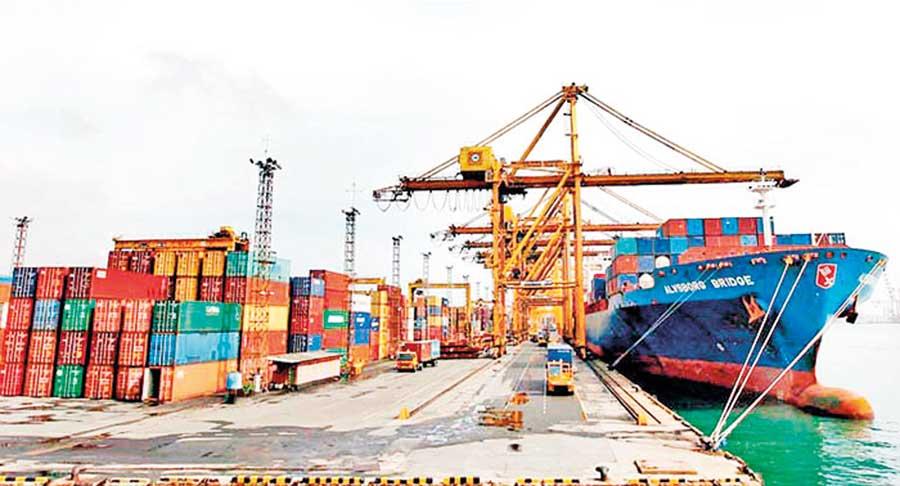
If Sri Lankan can secure the 36 billion US dollars of export income owed by Sri Lanka it would be able to improve its economy

The Sunday Times reported in July (2022) about an investigation carried out by the Global Finance Integrity (GFI); a think tank based in Washington, USA operating with government support. Its task is to keep an eye on the export trade of countries of the world. GFI observes whether money is properly exchanged between two countries during a trade. According to its observations, between 2009-2017, the Government of Sri Lanka (GoSL) has not received more than US$ 36 billion due from exports. The money is held offshore. 


US$ 36 billion is more than one third of Sri Lanka’s economy. Sri Lanka has an 81-billion-dollar economy. Accordingly, stashing 36 billion dollars owed to Sri Lanka in offshore bank accounts without remitting is a huge issue. There are a number of reasons for this situation. From the exporters’ point of view, they present reasons that can be justified. They give different reasons. Some people may have done this to face the emerging dollar crisis. Or maybe they did this to earn more income from the export trade. Those who provide answer these claims give reasonable explanations to justify those actions. 

Between 2009-2017, the Government of Sri Lanka (GoSL) has not received more than US$ 36 billion due from exports


One such explanation is that when all foreign currency received from exports is sent to Sri Lanka, the prevailing law requires that it must be remitted and converted into Sri Lankan rupees through banks. But the current situation has made this more serious. After converting foreign exchange into rupees exporters doubt whether they will be able to get foreign exchange to import raw materials again. We have such an economic system today. In such a situation, exporters justify their actions of stashing foreign currency in foreign banks. Sri Lanka’s tax policy and financial policy are highly volatile. Due to such issues, some exporters give reasons to justify why they refrain from sending foreign currency to Sri Lanka. 


There are some exporters who do not even attempt to justify their actions and provide reasons. Their actions are deliberate and fraudulent. Since 2009, the country hasn’t received the dollars that are due. There is a law in Sri Lanka to monitor and regulate such actions. That is the Foreign Exchange Control Law. It was previously known as the Exchange Control Act and was changed to Foreign Exchange Control Act in 2017. As per these Acts, the money related to export trade should be sent back to Sri Lanka without delay within a period of six months. But if there are no authorities who observe and follow up the law, the law will never be enforced. Here, there is a huge drawback in the follow-up process regarding the transactions taking place in the export trade. If we had such a follow-up process, we would not have to wait for an international organization to reveal these matters. The Central Bank division in charge of this follow-up process was keeping mum until the GFI revealed this matter.

Instead of getting the money due to the country from the export income, the Central Bank blames the exporters. What they should do is not accuse them, but investigate this matter and arrange a plan to bring foreign money to the country properly through rules and regulations. The Central Bank of Sri Lanka has all the powers to implement such a process. There is no point in accusing the defendant without implementing the rules.


The GFI report does not give details on the number of offshore institutions where the income from exports is and is being deposited. But the report clearly says that they identify this gap annually by extensively researching and analyzing the data of Sri Lankan customs, export registers, and import registers of countries. That is why no one can say that this data is false or inaccurate. Therefore, efforts should be made to somehow get the export revenue of US$ 36 billion that Sri Lanka owes. Instead, we have been striving for 8-9 months to get a loan of US$ 2.8 billion from the International Monetary Fund (IMF). Being Subject to conditions and with guarantees obtained from various countries, we will only receive 2.8 billion dollars. That too will not be received in instalments.

After converting foreign exchange into rupees exporters doubt whether they will be able to get foreign exchange to import raw materials again


Officials have failed to realise that 36 billion US$ owed to us is being held in foreign banks. This matter was revealed by a report from a foreign organization. Even after that report came out, no official has taken any action with regard. Even if that report was not referred to, they could have least referred the Sunday Times article published following the GFI report. But to this day no action has been taken.

Maturity payments 

Former Chairman of Bank of Ceylon and National Gem and Jewellery Authority Rusiripala Tennakoon

Investigating these data is not that difficult. When an export is done through a bank, the bank records the method by which the transaction took place. Along with those records, there is also a place to note whether the foreign exchange related to the transaction was received or not. If the Central Bank of Sri Lanka does not have time to look into these data, at least they could have inquired from commercial banks. But so far no such inquiry has been made. Due to this, there is a shortage of dollars in the country. There is now a shortage of funds to import raw materials for exports. Previously, it was possible to buy those dollars from banks. But if a commercial bank receives the amount of money due for exports, the bank will distribute the money. Accordingly, foreign exchange is distributed among those who need foreign exchange according to their demand. But it cannot be done when the country does not receive dollars. There is no foreign exchange to provide when exporters request foreign exchange from banks for their needs. Such a situation has arisen today. We have faced another serious problem. The Central Bank of Sri Lanka hasn’t been able to pay maturity payments of Sri Lanka Development Bonds. That is because the Central Bank does not have dollars.

Instead of getting the money due to the country from the export income, the Central Bank blames the exporters

Therefore, if Sri Lanka can secure the 36 billion dollars of export income owed by Sri Lanka, it will be able to improve its economy. Presently Sri Lanka’s total external debt is 52 billion US$. But 36 billion dollars of our country’s income is retained in foreign banks without being remitted. The Foreign Exchange Control Act was amended in 2017 by former Finance Minister Ravi Karunanayake. Back then, it was investigated whether remittances were coming to Sri Lanka or not based on the foreign exchange needs at the time. The former finance minister saw a huge shortage in remittances. Therefore, the act was amended. A six-month extension was given from the date of amendment of the act requiring to remit export earnings held in foreign banks to Sri Lankan banks. 

When analyzing these matters, we can assume that patronage plays a role in them. If the legal system of our country does not suffice, we can get international support for this. There are several organizations operating under the administration of the United Nations. Their representatives are still in Sri Lanka. We have World Bank representatives, United Nations representatives, the Stolen Asset Recovery Assistance, and and UNODC. We can take their help. Soon enough, these organizations themselves will disclose these matters.

Large-scale businessmen stash dollars in offshore banks in this manner. Small-scale businessmen cannot do this. Patronage is required for this. Large-scale businessmen represent less than one percent of our total population. Fifty percent of them either hold government positions or are indirectly involved in politics. That is the reality. Therefore, law is not enforced against this. An entire country is suffering today because of these criminal acts connected to patronage.

This newspaper contacted the Central Bank of Sri Lanka via 0112 477966, 0112 477, 1935, 0112 477840, and 0112 867384 to find out whether they are working to get back the export revenue deposited in foreign banks. But those numbers were connected to a fax machine. After that, this writer attempted to contact Mahinda Siriwardena, Secretary of the Ministry of Finance via 0112 484511. But he could not be contacted. An officer there asked this writer to contact the Additional Secretary (Legal) of the Ministry of Finance D. D. Arandara via 0112 484670. But there was no response. The Daily Mirror then called the aforementioned officer again and she told this writer to contact the State Ministry via 0112 883525. But it was the phone number of the Ministry of Children and Women Affairs. When asked about it again, her answer was that she gave the number looking up the phone directory in a hurry. This newspaper then asked the officer who did not even know the number of the state ministry its phone number again and this writer was asked to dial 0112 484600 and the extension 1531. When contacted, an officer said that the State Ministry of Finance does not have a separate secretary or an additional secretary or any other responsible officer to take any information. Therefore, this newspaper was asked to contact the Additional Secretary of the Ministry of Finance via 0112 484600 and the extension 1422 to inquire about all these matters. The Daily Mirror tried to contact the Additional Secretary but he was also not available.

Why should we have a Minister of Fisheries who gives permission to Indian poachers to fish in Sri Lankan waters?

February 26th, 2023

Dr Sudath Gunasekara.

 It has been reported in today’s papers that the Fisheries Minister Devananda said the proposal to grant permits was a measure to reduce the tension between the fishermen on both sides, by preventing bottom trawling taking place off the northern seas. His mandate as the Minister of Fisheries is to develop the Sri Lankan Fisheries industry and look after the interests of Sri Lankan fishermen and not Indian interests and Indian fishermen. As the Minister of Fisheries it is on him to protect the Sri Lankan Fishermen and fisheries resources within the Sri Lankan waters and put an end to this vexed problem od Indians robing Sri Lankan Fisheries resources by force. If he cant do that why should we have a Minister and why should we have a Government at all.

 If he cannot do that then he should resign and allow a person who can look after the Sri Lankan fishing industry and Sri Lankan fishermen, first within Sri Lankan waters without allowing Indians or any other to poach in our waters and thereafter expand the industry to cover the whole Indian Ocean and make Sri Lanka the number one in World Fishing industry.

I hope those northern fishermen who are on strike against the Fisheries Minister’s decision should give this message to the Minister.

Most Sought-after jobs in the World / ලෝකයේ වඩාත්ම ඉල්ලුම් කරන රැකියා

February 26th, 2023

Sasanka De Silva, Pannipitiya.

The most sought-after jobs in the world can vary depending on various factors, such as the economy, technology, and industry trends.

However, some jobs are generally considered to be in high demand, and they include:

1.     Healthcare professionals: Doctors, nurses, and other healthcare professionals are always in high demand as the world’s population continues to grow, and people need medical care.

2.     Software developers: As technology continues to play a more significant role in society, software developers who can create and maintain digital systems are in high demand.

3.     Data analysts and scientists: With the growing importance of data in business and decision-making, data analysts and scientists are increasingly sought after to help organizations analyze and interpret data.

4.     Cybersecurity professionals: As cybersecurity threats become more sophisticated, businesses and organizations need experts who can protect their networks and data from attacks.

5.     Engineers: Engineers are always in demand, especially those who specialize in fields such as civil, mechanical, electrical, and chemical engineering.

6.     Teachers: Education is critical for the future of society, and good teachers are always needed to teach and inspire the next generation.

7.     Sales representatives: Sales representatives who can help businesses sell their products and services are always in high demand.

8.     Accountants and financial analysts: Businesses need financial experts to manage their finances and make informed decisions.

9.     Project managers: With businesses and organizations increasingly undertaking complex projects, project managers who can lead and oversee these projects are in high demand.

10. Marketing and advertising professionals: In a competitive business environment, marketing and advertising professionals who can help companies stand out and reach their target audience are always in demand.

ආර්ථිකය, තාක්‍ෂණය සහ කර්මාන්ත ප්‍රවණතා වැනි විවිධ සාධක මත පදනම්ව ලෝකයේ වඩාත්ම ඉල්ලුම් කරන රැකියා වෙනස් විය හැකිය.

කෙසේ වෙතත්, සමහර රැකියා සාමාන්‍යයෙන් ඉහළ ඉල්ලුමක් ඇති බව සලකනු ලබන අතර ඒවාට ඇතුළත් වන්නේ:

1. සෞඛ්‍ය සේවා වෘත්තිකයන්: ලෝක ජනගහනය අඛණ්ඩව වර්ධනය වන බැවින් වෛද්‍යවරුන්, හෙදියන් සහ අනෙකුත් සෞඛ්‍ය සේවා වෘත්තිකයන්ට සෑම විටම ඉහළ ඉල්ලුමක් පවතින අතර මිනිසුන්ට වෛද්‍ය ප්‍රතිකාර අවශ්‍ය වේ.

2. මෘදුකාංග සංවර්ධකයින්: තාක්‍ෂණය සමාජයේ වඩාත් වැදගත් කාර්යභාරයක් අඛණ්ඩව ඉටු කරන බැවින්, ඩිජිටල් පද්ධති නිර්මාණය කර පවත්වාගෙන යා හැකි මෘදුකාංග සංවර්ධකයින්ට ඉහළ ඉල්ලුමක් පවතී.

3. දත්ත විශ්ලේෂකයින් සහ විද්‍යාඥයින්: ව්‍යාපාර සහ තීරණ ගැනීමේදී දත්තවල වැඩිවන වැදගත්කමත් සමඟ, දත්ත විශ්ලේෂකයින් සහ විද්‍යාඥයින් ආයතනවලට දත්ත විශ්ලේෂණය කිරීමට සහ අර්ථ නිරූපණය කිරීමට උපකාර කිරීමට වැඩි වැඩියෙන් සොයනු ලැබේ.

4. සයිබර් ආරක්ෂණ වෘත්තිකයන්: සයිබර් ආරක්ෂණ තර්ජන වඩාත් සංකීර්ණ වන විට, ව්‍යාපාරවලට සහ සංවිධානවලට තම ජාල සහ දත්ත ප්‍රහාරවලින් ආරක්ෂා කළ හැකි විශේෂඥයන් අවශ්‍ය වේ.

5. ඉංජිනේරුවන්: ඉංජිනේරුවන් සැමවිටම ඉල්ලුමේ, විශේෂයෙන්ම සිවිල්, යාන්ත්‍රික, විදුලි සහ රසායනික ඉංජිනේරු වැනි ක්ෂේත්‍රවල විශේෂඥයින්.

6. ගුරුවරුන්: සමාජයේ අනාගතය සඳහා අධ්‍යාපනය තීරනාත්මක වන අතර ඊළඟ පරම්පරාවට ඉගැන්වීමට සහ ප්‍රබෝධමත් කිරීමට හොඳ ගුරුවරුන් සැමවිටම අවශ්‍ය වේ.

7. විකුණුම් නියෝජිතයන්: ව්‍යාපාරවලට තම නිෂ්පාදන සහ සේවා විකිණීමට උපකාර කළ හැකි විකුණුම් නියෝජිතයන් සැමවිටම ඉහළ ඉල්ලුමක් පවතී.

8. ගණකාධිකාරීවරුන් සහ මූල්‍ය විශ්ලේෂකයින්: ව්‍යාපාරවලට ඔවුන්ගේ මූල්‍ය කළමනාකරණයට සහ දැනුවත් තීරණ ගැනීමට මූල්‍ය විශේෂඥයින් අවශ්‍ය වේ.

9. ව්‍යාපෘති කළමනාකරුවන්: ව්‍යාපාර සහ සංවිධාන වැඩි වැඩියෙන් සංකීර්ණ ව්‍යාපෘති භාර ගැනීමත් සමඟ, මෙම ව්‍යාපෘති මෙහෙයවිය හැකි සහ අධීක්ෂණය කළ හැකි ව්‍යාපෘති කළමනාකරුවන්ට ඉහළ ඉල්ලුමක් පවතී.

10. අලෙවිකරණ සහ වෙළඳ ප්‍රචාරණ වෘත්තිකයන්: තරඟකාරී ව්‍යාපාරික පරිසරයක් තුළ, සමාගම්වලට කැපී පෙනීමට සහ ඔවුන්ගේ ඉලක්කගත ප්‍රේක්ෂකයින් වෙත ළඟා වීමට උපකාර කළ හැකි අලෙවිකරණ සහ වෙළඳ ප්‍රචාරණ වෘත්තිකයන් සැමවිටම ඉල්ලුමේ.

Sasanka De Silva

Pannipitiya.

අග්‍රාමාත්‍යවරයා  ඉල්ලා අස්වන බවට වන ප්‍රකාශය සාවද්‍යයි.

February 26th, 2023

ලලිත් රෝහණ ලියනගේ,අග්‍රාමාත්‍ය මාධ්‍ය ලේකම්.

අග්‍රාමාත්‍ය දිනේෂ් ගුණවර්ධන මහතා අග්‍රාමාත්‍යධූරයෙන් ඉල්ලා අස්වන බවට වන පුවත සම්පූර්ණයෙන් අසත්‍ය ප්‍රකාශයකි.
   එමෙන්ම අග්‍රාමාත්‍යවරයාට සිය ධුරයෙන් ඉල්ලා අස්වන ලෙස කිසිදු පාර්ශවයකින් ඉල්ලීමක් හෝ බලපෑමක් කොට නැත.
  මෙය රජය ගෙනයන වැඩපිළිවෙළ කඩාකප්පල් කිරීමේ කුමන්ත්‍රණයක කොටසකි.

ලලිත් රෝහණ ලියනගේ,අග්‍රාමාත්‍ය මාධ්‍ය ලේකම්.

Bangladesh’s economy gets new momentum through export of agricultural products

February 26th, 2023

Jubeda Chowdhury is a columnist, researcher

According to Bangladesh Export Development Bureau, significant agricultural exports are vegetables, tea, flowers, fruits, various spices, tobacco, dry food etc. However, Bangladesh has made significant progress in the export of dry food. These dry foods include various products like biscuits, chanachurs, cakes, potato crackers and nuts. Of the $100 million agricultural products exported from Bangladesh in the last financial year, the share of processed food products is high. There are more than five hundred companies involved in the production of agro-processed food products. Among them there are 20 large and medium enterprises. And more than 100 companies are exporting. Tax rebate and 20 percent cash assistance is being given for export of agricultural products and export of food processing products. As a result, the export earnings in this sector have increased for the last four years. He feels that the entrepreneurs of this sector have started exporting new products keeping in view the demand of the global market, which is showing a positive effect. Due to the corona pandemic, the demand for agricultural and processed food has increased in the global market. The government wants the entrepreneurs of the country to make use of this opportunity and in that case the necessary assistance will be provided. Major exports of agro-processed foods are dry foods like bread, biscuits and chanachur, edible oils and similar products, fruit juices, various spices, beverages and various sugar confectionery like jams and jellies. For example, domestic companies have earned 88.6 million dollars in 5 months of the current financial year by exporting dry food such as biscuits and bread. The main export destinations of Bangladesh’s agricultural products are the European Union, the Middle East and the Gulf region. However, Bangladeshis and other South Asian expatriates living in these countries are the main consumers. Currently, processed food of Bangladesh is being exported to 145 countries of the world.

The Pran Group accounts for the bulk of the exports of agricultural products. Their exports in the outgoing financial year were 340 million dollars. The group, which started exporting food products to France in 1997, has now reached 145 countries. The company exports products such as fruit drinks, beverages, biscuits, sauces, noodles, jelly, spices, fragrant rice, potato crackers, chanachur, jhal-muri etc. Many people around the world have changed their eating habits due to the corona pandemic. To reduce costs they are turning to affordable food especially dry food. That is why they have achieved the milestone of 1 billion dollars in agricultural products export in the last financial year. Bangladesh is making rapid progress due to the modernization of technology and ensuring the production of quality products. Apart from this, the government’s policy support like tax concessions and cash assistance is playing a special role in the export of agricultural products. Many countries in the world do not produce large amounts of processed food. They are mainly import dependent. All in all, the demand for processed food will increase in the coming days. In order to increase the export of agricultural products, our country’s agriculture should be more productive. We still have tariff and non-tariff barriers with many countries in the world in terms of exporting products of this sector. The government needs to take initiatives to eliminate these complications through bilateral discussions. Now the ‘fit for human consumption’ certificate has become a major obstacle in the export of agricultural products. If it is possible to establish an international quality lab in the country and give such a certificate, exports can increase 10 times and earn 13 billion dollars in foreign exchange every year. But there is no institution in Bangladesh to give such certificate. Agricultural products have immense potential in diversifying import-export products. There is also a huge demand for Bangladeshi agricultural products abroad. But the ‘fit for human consumption’ certificate is acting as a major barrier to export. If it is possible to establish an international quality lab in the country and give such a certificate, exports can increase 10 times and earn 13 billion dollars in foreign exchange every year. But there is no institution in Bangladesh to give such certificate. There is no accredited lab in the country to issue quality assurance certificates. Exports without proper quality control have banned imports of freshwater fish, including European Union, potatoes, Russia, potatoes, crabs and cuttlefish, and pig bones and chicken droppings in food.

In the case of export of agricultural products to Bangladesh, the certificate is given by the Directorate of Agricultural Extension, the Directorate of Fisheries for the export of fish, the Directorate of Livestock for the export of meat and animal products. Islamic Foundation issues Halal certificate for export of products to Middle East and BSTI certifies 181 products according to Bangladesh standards at production level. None of these institutions have the capacity to issue ‘fit for human consumption’ certificates as per the parameters set by the buyer states. In this situation, Bangladesh Trade and Tariff Commission has recommended the establishment of a single ‘Health Certification Authority’ with representatives of various organizations that set standards, including the establishment of accredited labs of international standards to prevent wastage of agricultural products in the country and to ensure fair prices. If it is possible to give such a certificate, it is possible to increase the export of agricultural and food products by 10 times and earn 13 billion dollars in foreign exchange every year.

Initiatives should be taken to export various types of products without restricting the export trade to certain products. It is necessary to know what type of product is in demand in any country of the world. For this, Bangladesh embassies and missions abroad have to play an active role. You have to contact the importing company of different countries. For this our exporters need their own initiative. We have to strengthen efforts to find markets in more new countries outside of the countries with which we currently have export trade. To develop export trade, we need to improve the quality of our products. Due to the promotion of international standards, the demand for various types of Bangladeshi products has been created in different countries. Some companies of Bangladesh have achieved unprecedented success especially in the field of export of food and agro-industrial products. A few brands of Bangladesh’s products have gained international fame, creating bright prospects for its market expansion. Diversification of export products and creation of new markets should be continued by exploiting that potential. Timely, effective, practical planning is absolutely necessary for this. Harassment bureaucratic red tape and complexity by government departments often hampers export-oriented industrial sectors. Coordinated initiatives should be taken to eliminate such harassment, lengthy procedures, and administrative complications. To remove the existing obstacles in the export of agricultural products, all concerned should take initiative to implement the integrated plan. There is no doubt that our economy will reach different heights through this. It can give new momentum to the economy.

Dinkal’s shutdown is a legal decision: not a political decision or a repressive measure

February 26th, 2023

Sufian Siddique

A bit of news published in the leading British daily ‘The Guardian’ on February 20, 2023 has come to my notice just as idle curiosity. They ran the news under the headline– ‘Bangladesh shuts down main opposition newspaper’ with the subheading– ‘Campaigners fear media crackdown under PM Sheikh Hasina after suspension order upheld’.

What strikes me is that the news was published under the same headline by a number of overseas newspapers, viz. Al Jazeera, the Economic Times, Dawn, Deccan Herald, Arab News, the Week and many others. The journalistic approach of the news and its ‘cut and paste’ methodology give me a hint that the news may have some hidden meaning.

The Guardian’s report and its copycat coverage seem to have been slanted in favour of what they called the opposition newspaper. It is absolutely preposterous to apprehend a fear of media crackdown on all newspapers to be caused by the procedural banning of a single newspaper from among more than 1000 published in the country.

The Guardian report also referred to the closure of 191 websites accusing them of ‘publishing anti-state news’ while it is a common practice and India has also banned a number of anti-India propaganda websites using the emergency powers under the IT Rules, 2021. The government, for emergencies, has recourse to such action which proves effective but is usually criticized by the opposition. One of the major ways by which Bangladesh has been cushioned from the worst effects of religious militancy is the banning of some websites and imposing curbs on cyber-propaganda and anti-state campaigns.

Although, we don’t want the steps to gag the press or impose a ban on the publication of any newspaper especially on this consideration that it may take the bread out of a lot of people’s mouth.  And we also like to believe that Sheikh Hasina at the zenith of her political power will not avenge herself on opposition journalists. But we must member that media can be used as a propaganda tool against the government.  In this case, govt has to take actions. It is evident in her getting along with some giant journalists who joined hands with to the small clique of conspirators in executing the notorious ‘Minus Two’ formula during 9/11.        Besides, the pro-opposition politicians and journalists, particularly after the US sanctions on RAB, are seen to be (ab)using considerable latitude in criticizing the government and most of their venom directed at the premier finds expression in all other newspapers in the country. So, it is pointless to think that the government can escape into a world of no criticism by banning the newspaper of their political rival. So much as few journalists try to show Hasina’s regime as a totalitarian regime, it would be hard for them to gain ground and prove that the government has done it with malice aforethought.

If we take a dispassionate view of what actually happened to Dainik Dinkal ban, we may know the other side of the story. The Dainik Dinkal received declaration under registration number 72/2002 on April 16, 2002.  The Department of Films and Publications (DFP), Dhaka in a letter on October 01, 2019 requested the Deputy Commissioner, Dhaka to cancel the newspaper making allegations that the publisher of the newspaper Tariq Rahman, being convicted of a criminal charge  has been staying abroad for a long time without handing over the power to the person in charge, and that he (Tariq) changed the address of the office and the printing press without the permission of the appropriate authorities.

In effect, the district office on October 7, 2019 issued a show cause notice asking the daily to explain why the publisher was not handing over his power to a designated person, and why the daily had moved from its original location.  But the Dinkal authorities did not pay any heed to the Deputy Commissioner’s show cause notice and the newspaper continued to be published. Later, on October 14, 2021 the DFP again requested the Deputy Commissioner, Dhaka to take action as per the Printing Presses and Publications (Declaration and Registration) Act 1973 against Dinkal for not informing the DFP of the change of its publisher, editor and printing press. 

Tariq Rahman, the publisher of Dainik Dinkal, also the acting chairman of the Bangladesh Nationalist Party, by being convicted on criminal charges and staying abroad for a long time without handing over power to the person in charge and by changing the office address and printing press without the permission of the proper authorities violated sections 10, 11, 16, 21(1)(b) of the Printing Presses and Publications (Declaration and Registration) Act 1973” and therefore Dhaka district magistrate Mohammad Mominur Rahman, also Dhaka’s deputy commissioner, in an order on December 26, 2022,  cancelled the declaration of the daily under the  said Act, which stipulated  that the declaration of a newspaper would be cancelled if its printer or publisher had been convicted of an offence involving moral turpitude.

On 29 December 2022, the newspaper filed an appeal to the Press Council Board challenging the District Magistrate’s order and the Press Council Board fixed 10 January 2023 as the date for hearing of the appeal and issued a notice to the Deputy Commissioner asking him to respond to the appeal. Mention may be made here that according to the the Printing Presses and Publications Act, 1973, the owner of a newspaper can appeal to the Appellate Board of the Press Council against the decision of the District Commissioner. The Deputy Commissioner submitted the reply to the Press Council Board on the day of hearing. The Dinkal authority applied to the Press Council Board for more two months for the preparation for the appeal. The Press Council Board on humanitarian grounds allowed them to continue publication till February 7, 2023 and asked them to prepare a reply. The Board fixed the next date of hearing of the appeal on February 7, 2023 by staying the order of the District Commissioner till the same day. The Appellate Board made it clear that no further extension of time would be granted. In the hearing session, the judges sought clarification from the lawyers of the defendants on matters as to:  whether Tariq Rahman has lost his legitimacy as the publisher of Daily Dinkal due to his long absence; how being a convict,  he is performing the duties of the publisher/editor; and why no formal information/application for change of the printing address in the declaration form has been sent to the office of the District Commissioner. After hearing the arguments of the lawyers on both sides, the court returned the verdict on February 19, 2023.

In the judgement, having considered the above matters, the three-member Appeal Board of the Press Council, headed by Justice Md Nizamul Huq Nasim, not finding any merit in the appeal, dismissed it under Sections 10, 11, 16, 21(1)(b) of the Printing Presses and Publications (Declaration and Registration) Act, 1973, and upheld the order of the District Commissioner leading to the suspension of the newspaper’s publication again. The Appeal Board ordered the authorities of Dainik Dinkal to conduct the activities of the newspaper in compliance with the activities of the District Commissioner and the law.  However, the Dinkal authority can go for further legal action to resume the publication of the newspaper.

But to stir up a debate on such a legally settled matter and to jump on the bandwagon without knowing both sides of the story cannot be appreciated. The concern of the USA and its allies over the legal and procedural cancellation of the declaration of a Bangladeshi newspaper is a tempest in a teapot. This is not a concern for freedom of press’ sake nor for the newspaper’s sake. It is for something else; something furthest removed from the interest of the press of Bangladesh or the people.

Shut Down of Daily Dinkal and Media Freedom Narrative: Example of Post-Truth Politics?

February 26th, 2023

Aziz Patwary London, England

On February 19th, Bangladesh shut down a daily newspaper, Dainik Dinkal, for violating the country’s press and publication law. The decision has created a national debate in Bangladesh. Many portray this shutdown by legal intervention as an attack on the country’s media freedom. The issue has also attracted international media such as BBC, Al Jazeera, and The Guardian. Committee for Protecting Journalists (CPJ) also quickly gave a statement citing the decision as a ‘blatant’ attack against media freedom. Perhaps, the daily’s political affiliation with the opposition, BNP, and its top leader, Tarique Rahman is the reason behind such media attention. But in the era of post-positivism, it is worth asking if the shutdown is really a media freedom issue. Or is it an example of post-truth politics?

What is ‘Post-Truth’ Politics?

Post-truth politics, also called post-factual politics and post-reality politics, is a political culture in which debate is framed largely by appeals to emotion disconnected from the details of policy, and by repetition of the framed statement, it ignores objective rebuttals to it. Post-truth politics is largely applied by populist political parties to pursue the masses. It is a very modern concept that has become popular in academia since 2015 to understand contemporary phenomena.

As the narratives are framed based on emotions and personal beliefs rather than objectivity. Academics, political leaders, and commentators become very important in shaping them. In post-truth politics, disinformation, false or fabricated news, rumor, conspiracy theories, and manufactured controversies are widely used to shape public opinion or ‘gaslight’ the public into confusion and fuel dissidence.

Dinkal Shutdown

Dinkal’s shutdown is not a single decision, rather it’s a legal process. The issue began on 26th November 2022, when a Dhaka court ordered to cancellation of its license over a violation of the law. After that, the Dinkal authority appealed against the decision on 29th December. But their appeal was rejected at the Bangladesh Press Council on 19th February. Since then, the publication of the daily is off.

The allegation brought against Dinkal is that it is violating press and publication law.

According to law, the editor of any Bangladeshi daily must hand over the charge of the respective newspaper if he stays more than 6 months abroad. The editor of Dinkal is Tarique Rahman, the top leader of the main opposition, BNP. Tarique Rahman is currently a fugitive in the eye of the law as he has been sentenced to several criminal lawsuits against him. He is also one of the masterminds behind the 21st August Grenade Attack that took place in 2004. Tarique Rahman has been living in exile in the United Kingdom to escape jail time for more than 14 years now.

Yet he did not hand over the charge of the Daily Dinkal to anyone. The managing editor, Shamsur Rahman Shemul was managing the newspaper till the court decision with Rizwan Siddique as the acting editor.

Such management of the daily Dinkal is a clear violation of the law upon which the press council decided to reject the appeal. It is worth mentioning that the press council also consists of a wide range of stakeholders including fellow journalists.

Dinkal and Post-Truth Politics

No doubt, Bangladesh is struggling to uphold its media freedom. The country is currently at 162nd in Global Media Freedom Index 2022. But the legal proceedings and Dinkal’s clear violation suggest that the shutdown is a completely legal step. Hence, it has nothing to do with media freedom in Bangladesh. Yet CPJ portrayed it as a ‘Blatant attack’ on press freedom.

Again, the prominent international media such as Al Jazeera, Barrons, and the Guardian portrayed Dinkal as the ‘main opposition newspaper’. There is also an attempt to portray Dinkal as a dissident voice and a ‘prominent’ newspaper.

But in reality, Dinkal is just another newspaper struggling to maintain existence with least circulation. According to the government’s Department of Films and Publications, the daily’s latest daily circulation stood at only 15,580 copies. With such low circulation, Dinkal is not even in the top fifty Bengali newspapers in Bangladesh.

It seems the press freedom narrative and the debate over license cancellation are driven by subjectivity, and emotion; disconnected from the detail of the case and objectivity. The narrative is also driven by a conspiracy theory aimed to fuel dissidence only. Therefore, the debate and the narrative regarding Dainik Dinkal is an example of post-truth politics.

In a nutshell, Dinkal’s shutdown is a legal decision. It is not a political decision or a repressive measure. Bangladesh currently has more than 500 dailies published every day. Dinkal is just one of them that violated the country’s law. The subsequent debate and narrative are only exaggerated portrayals and it reveals that there is post-truth politics at play motivated by subjectivity, emotion, personal belief, and conspiracy theories.

China’s ‘position paper’ on security stresses non-interference in internal affairs of countries

February 26th, 2023

By P.k. Balachandran Courtesy Ceylon Today

On February 21, China released its ‘position paper’ on global security. The comprehensive paper touches on all aspects of global security (except security from debt traps). But an aspect that should please many countries of the Global South, both big and small, is the plea for non-interference in the internal affairs of countries by the big powers.

We believe all countries, big or small, strong or weak, rich or poor, are equal members of the international community. Their internal affairs brook no external interference, their sovereignty and dignity must be respected, and their right to independently choose social systems and development paths must be upheld,” the position paper said.

Sri Lanka, Myanmar, Bangladesh, China, and lately India too, have been bitterly complaining of US interference in their internal affairs, either to strengthen human rights or to promote a particular social or political ideology or to bring about a suitable regime change. Till some time ago, it was fashionable to openly champion the ‘Right to Protect’. At present, under the rubric of protecting human or democratic rights, interference goes on through censuring, shaming, lecturing and sanctioning.

Ever since the West started getting interested in Sri Lanka, following the entry of China into the field of economic development in the island under the Belt and Road Initiative (BRI) in 2010, the South Asian country has been annually hauled over the coals at the UN Human Rights Council (UNHRC)for alleged war crimes. Sri Lanka’s plea that it was fighting a ruthless terror group, the LTTE, fell on deaf ears in the  West as did the plea that outside interference is an assault on the country’s sovereign right to conduct its internal affairs as it deems fit.

The European Union denied Sri Lanka GSP Plus tariff concessions for a few years badly affecting incomes of thousands of poor female garment workers. Some high ranking army officers and two past Lankan Presidents were sanctioned by Western nations.

Most recently Sunday Times had written about a Western diplomat seeking appointments with Sri Lankan judges, allegedly to influence them in a case involving the controversial Local Government Elections. In the past, this diplomat had tweeted seeking tolerance towards agitators who had in the past broken into the Presidential office.

On Wednesday, the National Freedom Front (NFF) MP, Wimal Weerawansa, alleged that a US Defense Department team under Principal Deputy Assistant Secretary Jedidiah P. Royal had visited Sri Lanka with plans to get all Sri Lankan intelligence placed in the hands of a CIA official. The veracity of this claim is to yet to be established.

In January, on the second anniversary of the military coup in Myanmar, the US sanctioned six individuals and three entities connected to the military regime for alleged violation of human rights. In December 2021, the US sanctioned seven officials of Bangladesh’s Rapid Action Battalion (RAB), an anti-terrorist and anti-drug trafficking outfit, for excesses, ignoring the drug and extremist threat to that developing country.

Critical media coverage

India has now come in for trenchant criticism over the treatment of Muslims and political opponents and critics by the Narendra Modi’s Hindu nationalist government. Indian liberals, rights lobbyists and the opposition parties welcomed the critical media coverage in the West, including the BBC documentary on Modi’s alleged complicity in the Gujarat anti-Muslim riots in 2002. But Indian Foreign Minister S.Jaishankar, described the Western media coverage as politically motivated and a thinly veiled bid to influence Indians against Modi ahead of the 2024 parliamentary Elections. Others said that the West was annoyed with the Modi government for not backing it on Ukraine and trying to rally the Global South behind it in a bid for world leadership.

China, of course, is unabashedly threatened by the US. President Trump’s Secretary of State Mike Pompeo had made no bones about the fact that the US aimed at overthrowing the communist party government in China.

It is in the context that the Global South will welcome the Chinese position paper which calls for non-interference in the internal affairs of other countries. As far as India is concerned, it fits in with Nehru’s Five Principles for Peaceful Co-existence, which includes non-interference in each other’s internal affairs.

Other concerns

The Chinese position paper indicates Beijing’s approach to the Ukraine crisis in which the security of both Russia and Ukraine are involved. It says: We believe all countries are equal in terms of security interests. The legitimate and reasonable security concerns of all countries should be taken seriously and addressed properly, not persistently ignored or systemically challenged. Any country, while pursuing its own security, should take into account the reasonable security concerns of others.”

Going further, it says: War and sanctions are no fundamental solution to disputes; only dialogue and consultation are effective in resolving differences. We call on countries to strengthen strategic communication, enhance mutual security confidence, diffuse tensions, manage differences and eliminate the root causes of crises.”

Major countries must uphold justice, fulfill their due responsibilities, support consultation on an equal footing, and facilitate talks for peace, play good offices and mediate in light of the needs and will of the countries concerned. The international community should support all efforts conducive to the peaceful settlement of crises, and encourage conflicting parties to build trust, settle disputes and promote security through dialogue. Abusing unilateral sanctions and long-arm jurisdiction do not solve a problem, but only create more difficulties and complications.”

Here, Beijing has a message for Russia as well as the US. While the former has been told that war is no solution, the latter has been ticked off for its crippling sanctions on Russia, which have indirectly affected  Europe too.

The prescription that the ‘root causes’ of crises should be eliminated upholds Russia’s plea that the US and NATO had shown scant regard for the threat to its security arising from NATO’s encroachment right up to Ukraine that is pat on Russia’s border.

Commitment to the UN system

The position paper calls for commitment to the UN system. It calls on major countries to lead by example in honoring equality, good faith, cooperation and the rule of law, and in complying with the UN Charter and international law. It calls for adherence to mutual respect, peaceful coexistence and win-win cooperation, sticking to the bottom line of no conflict and no confrontation, seeking common ground while reserving differences, and managing differences.

In an apparent allusion to disputes such as the one between India and Pakistan over Kashmir, the position paper says that political settlement of international and regional hotspot issues should be promoted. Countries should be encouraged to overcome differences and resolve hotspots through candid dialogue and communication.

The paper seeks compliance with the joint statement on preventing nuclear war and avoiding arms races issued by leaders of the five nuclear-weapon states in January 2022.”

The international community should constructively participate in the political settlement of hotspots, but under the premise of non-interference in internal affairs, mainly through the means of facilitating peace talks, with fairness and practicality as the main attitude, and mainly following the approach of addressing both symptoms and root causes.”

The paper specifically mentions support for the political settlement of the Ukraine crisis through dialogue and negotiation.”

On fighting terrorism, the position paper says that the UN’s role as the central coordinator in the global fight against terrorism should be supported by the international community. It calls for the full implementation of the UN General Assembly and Security Council counter-terrorism resolutions and the UN Global Counter-Terrorism Strategy.

Of interest to India and Pakistan and also China, is the call to jointly crack down on all terrorist organizations and individuals designated by the Security Council.”  India has been accusing Pakistan of sheltering UN-designated terrorists and China of siding with Pakistan on this issue.

In an apparent reference to the branding of Pakistan as a terrorist State” the position paper says that China opposes linking terrorism with any particular country, ethnic group or religion.”

By P.K. Balachandran

A Nation in Limbo

February 26th, 2023

By Shivanthi ranasinghe Courtesy Ceylon Today

Last week, there was a buzz over the unfounded report that the IMF may consider approving the USD 2.9 billion Extended Fund Facility (EFF), even without China’s assurances. This was politely refuted by the IMF Asia and Pacific Department Director Krishna Srinivasan, for he thinks the ideal way would be to await financial assurance from China. Thus, we are back to square one, which is to wait for the IMF ‘bailout’ with our any day now” attitude.

Alternative Solutions

While all eyes turn back towards China, the outspoken former Central Bank Governor Ajith Cabraal points out that multilateral lenders as IMF, World Bank and ADB as ‘Senior Creditors’ must, in the sovereign debt re-structuring exercise, also have their loans restructured like other bilateral and commercial creditors. He further urges IMF’s top management to grant a moratorium of at least one year on all emerging nations’ debt due to ‘Senior Creditors’ at the onset of the Covid-19 pandemic – something he had been reiterating since March 2020.

Earlier, the non-profit British campaign group Debt Justice and a group of 182 economists and development experts, from around the world, had called on hedge funds and other private creditors to ease up their hardline stance in the debt-relief negotiations with the Island nation. It is their opinion that all lenders, bilateral, multilateral, and private – must share the burden of restructuring, with assurance of additional financing in the near term.”

It has been pointed out that almost 40 per cent of Sri Lanka’s external debt is held with the private creditors. These are mostly in the form of international sovereign bonds, which charge a higher interest rate due to the risks involved in lending to weak economies as Sri Lanka’s. Consequently, through the interests levied by these bonds the lenders receive more than 50 per cent of the external debt payments. It is these higher interest rates that directly contributed to Sri Lanka’s downfall.

In the opinion of this group of financial experts, as the risk anticipated by the private lenders have come to pass, those who charged a higher premium for taking that risk must now be willing to accept the consequences of that risk.

Recently, in Parliament, a young MP from Jathika Nidahas Peramuna made a poignant speech. MP Uddika Premarathna, taking the Tuna-Tourism concept of the Maldives, the agricultural venture in Dubai and the home grown solutions adapted by Ethiopia advocates that we too look into our own resources and start developing our own economy. He disdained the very idea of sending our young blood, especially our mothers, overseas for foreign remittances.

Faithfully Waiting for the IMF

Yet, instead of considering these alternatives, we stay faithful to the hope that the IMF can and will bail us out. The staff agreement that was reached with the IMF in September 2022 has so far only been a bait.

In anticipation of this fund, we have increased our taxes and interest rates. We have adapted these measures notwithstanding the effect it will have on our SME and resulting economic contraction. Subsidies have been cut off, which have has resulted in our utility bills shooting up. By reducing the retirement age, the State sector has been drastically reduced.

All these measure’s definitely need to be implemented if we are to move away from our current welfare State. However, this drastic course correction will not yield overnight results but disasters. It is important to understand the costs and benefits of these measures. For instance, will reducing the State sector alone improve efficiency is an important question before us.

Reducing the cadre will certainly ease the Treasury’s burden significantly. However, is that alone enough to strengthen our economy? If the economy is not providing employment opportunities for those who retire from public service, what will be their fate when they need more than their pensions to meet their personal responsibilities and obligations?

We must not forget that we were a nation in recovery after a 30-year costly war against terrorism. Just before the 10th anniversary of eradicating terrorism, the devastating Easter Attack adversely affected tourism – one of our major forex earning avenues. Before tourism could recover, we were plagued with the Covid-19 pandemic, which curtailed most of our forex revenues.

Thus, people in this country need a little bit of breathing space to recover. Instead, when the economy is deliberately contracted, the shock to the system and society might be too much. The unfortunate sequence of events in 2022, that forced a democratically elected President to resign from Office or lose his life, puts every government henceforth in danger of anarchy and being ousted by an angry crowd.

While Waiting to be Bailed Out

As we wait for foreign experts to figure out a plan, to get us out of this financial mess, we have been quite busy. A special committee was appointed to decide if the national flower should be called the nil manel or just manel. Also the decision was taken to rename ‘Slave Island’ as Kompagngna Veediya and so blot out a colonial blemish”.

While PM Dinesh Gunawardena took a leading role in these acts, he is still to utter a word against plans to implement the 13th Amendment in full. It appears these controversies are only bridges to cross to reach the pinnacle of one’s political career.

In the meantime, we celebrated the 75th Independence Day, spending an approximate Rs 200 million. We did not want to be stingy with the expenses lest the world thinks we could not afford to celebrate our own independence. It seems that we need a little bit more time for the penny to drop and realise that the reigns of a country is with the one who controls the economy.

Almost coinciding with our Independence Day celebrations is the release of the movie ‘Gaadi: Children of the Sun’. Though we faithfully celebrate the Independence Day every year, proudly showcasing what we have inherited from the British – right down to the kilt, we do not speak of the extraordinary events that took place before or after 1815 or for that matter of the treaty we signed with the British or what happened to that treaty.

It is in this vacuum that movies like ‘Gaadi’ that highlights the trials of a condemned woman are released. Therefore, this story is taken completely out of context from the actual events. Instead of being a historical anecdote, this continues to feed a fallacy spun to justify the forced occupation of the British.

In this day and age, almost all information – including accounts of history – are freely and easily available. It is thus truly shocking that we continue to teach our children the falsehood that after the brutal execution of the Ehalepola family and others, people were so disgusted with King Sri Veera Parakrama Narendra Singha and wanted him replaced with a foreign king. For the record, the movie does not make any such statement. Nevertheless, by maintaining a deafening silence over all other related events but only accentuating on this, it feeds the fallacy.

Our Forgotten Heroes

At the very least, we do not honour the Most Venerable Wariyapola Sri Sumangala Thera. It was he who forced the Union Jack down and insisted that our national flag continue to be hoisted until this treacherous treaty was signed. The Venerable Thera’s actions were very much akin to that of the 21-year old naval rating Wijitha Rohana Wijayamuni in 1987.

Wijayamuni too made history by demonstrating his opposition to another treaty signed with another foreign power during a different era. The Indian Premier Rajiv Gandhi twisted the then Sri Lankan President JR Jayewardene’s arm and on 27.07.1987 and forced the Indo-Lanka Accord despite the severe opposition from the country.

Key ministers, including J.R. Jayewardene’s own Prime Minister Ranasinghe Premadasa, had to be kept under house arrest as they were vehemently opposed to the Accord. Despite this opposition, President Jayewardene signed the Accord and with it passed the controversial 13th Amendment to the Constitution. Curiously, PM Ranasinghe’s son, incumbent Opposition Leader SajithPremadasa is for the full implementation of it.

Soon after the signing of the Accord, the Indian Premier was invited to inspect a Guard of Honor on his behalf. The Indian Premier appeared both smug and arrogant as he made his inspection, only to be assaulted with a rifle butt by young Wijayamuni.

Both Venerable Sri Sumangala Thera and Naval rating Wijayamuni depicted the mood of the nation as leaders took foolish decisions that endangered the country. By forgetting these heroes, we forget who we are, our values and our worth.

As things stand, the IMF bailout may never materialise. Even if it does, their remedy might be worse than the malady.

Conversely, searching for alternative solutions and heeding alternative advice will certainly not kill us but broaden our perspectives and options. We should not be afraid to go against the IMF’s word for it was under their guidance that our robust economic growth of seven per cent in 2014 was reduced to two per cent by 2019, which also contributed to the ongoing economic crisis.

ranasingheshivanthi@gmail.com

(The views and opinions expressed in this article are writer’s own and do not necessarily reflect the official policy or position of Ceylon Today)

By Shivanthi Ranasinghe

IMF calls for ‘timely and orderly processes’ of debt resolution for Sri Lanka

February 26th, 2023

Courtesy Adaderana

The International Monetary Fund (IMF) on Saturday called for ‘timely and orderly processes’ under common framework with regards to Sri Lanka’s debt resolution. The island nation faced severe economic crisis which resulted in high debt.

In a statement issued after conclusion of G20 Finance Ministers and Central Bank Governors (FMCBG) meeting under India’s presidency, IMF Managing Director Kristalina Georgieva strongly endorsed efforts to strengthen the debt architecture and improve the speed and effectiveness of debt resolution, keeping in mind rising debt vulnerabilities in many countries. 

Sovereign debt vulnerabilities, which were already in an elevated state before the pandemic, have been exacerbated by the shocks stemming from Covid-19 and Russia’s war against Ukraine. This is particularly the case for developing and low-income countries with very limited policy space and huge development needs, she added.

During 2020, in order to strengthen debt architecture, the G20 initiated Debt Service Suspension Initiative (DSSI) and established the Common Framework (CF) for debt resolution. 

It is now critical to complete Zambia’s debt restructuring, establish a Creditor Committee for Ghana and advance work with Ethiopia. Nonetheless, more predictable, timely and orderly processes are needed both for countries under the CF and for those not covered by it, including Sri Lanka and Suriname,” she said.

Growth slowdown

She reminded of global growth slowdown in 2023. She also recalled from her previous blog that too many people in too many countries are struggling to make ends meet. Keeping this in mind, the international community, has a responsibility to come together to find solutions for the most vulnerable members of global family. This calls for urgent action to strengthen the international financial architecture, especially in the area of debt resolution and strengthening the global financial safety net,” she said.

Quota review

Considering the great uncertainty and repeated turbulence in the global economy, she emphasised on further bolstering the IMF’s capacity to support its members. This applies most urgently to its concessional financing for low-income countries through and Poverty Reduction and Growth Facility (PRGT). Demand for PRGT support has reached unprecedented levels and can only be met if matched by an increase in PRGT loan and subsidy resources. In addition, a successful quota review — which the IMF’s membership has committed to complete by December 2023 — is critical for a strong Global Financial Safety Net.

The latter has always been important for global stability and is even more important in today’s challenging global environment, especially for the most vulnerable countries and people. Our common interest is to secure a well-functioning and integrated global economy, for the sake of a more secure and prosperous world,” she said.

Source: The Hindu Business Line

–Agencies 

Karannagoda committee recommends CID probe against Gen. Shavendra Silva

February 26th, 2023

Courtesy Adaderana

The committee appointed to look into any lapses by State Intelligence, Police and the Armed Forces during the mass anti-government protests and violent incidents across the island on 09 and 10 May 2022 has recommended that the Criminal Investigation Department (CID) conduct an investigation into former Army Commander General Shavendra Silva. 

Accordingly, the committee, referred to as the Karannagoda Committee, recommended that the CID conduct an investigation into General Shavendra for not taking the required measures to prevent the violence incited and the burning of MPs houses on the aforementioned dates. 

The report submitted by the committee further stated that General Shavendra, in his capacity as the Chief of Defence Staff, had failed to communicate the orders issued by the Secretary to the Defence Ministry to the relevant officials in order to prevent the violence that had occurred. 

The report was handed over to President Ranil Wickremesinghe on 08 September 2022, while a copy of the report was submitted to the Court of Appeal on 24 February 2023, by Karannagoda ‘s legal representation, President’s Counsel Uditha Igalahewa. 

In June 2022, then President Gotabaya Rajapaksa appointed a three-member committee, comprising of Marshal of the Air Force Roshan Gunathilake and General R. M. Daya Ratnayake, and chaired by Admiral of the Fleet Wasantha Karannagoda. 

The Karannagoda Committee was appointed after 34 MPs belonging to the Sri Lanka Podujana Peramuna (SLPP), including Bandula Gunwardena, Shehan Semasinghe, prasanna Ranatunga, Janaka Bandara Tennakoon and Gamini Lokuge filed a petition against IGP Chandana D. Wickramaratne, former Army Commander and current Chief of Defence Staff, Gen. Shavendra Silva, the Defence Secretary, Senior DIG-in-Charge of Western Province SDIG Deshabandu Tennakoon and 13 others, seeking an order that the torching of their residencies be investigated, and to inquire into any lapses that may have taken place by the relevant officials.

President urges young lawyers to lead new legal developments in Port City

February 26th, 2023

Courtesy Adaderana

President Ranil Wickremesinghe has urged young lawyers to specialise in offshore economy law and a form a committee to lead new legal developments in the Port City.

Addressing the Annual General Meeting (AGM) of the Royal College Lawyers’ Association held at the Blue Ballroom of the Hilton Hotel Colombo yesterday (25 Feb.), the Head of State proposed the forming of a committee of lawyers focusing on offshore economy law, following the development of the Colombo Port City as a financial hub.

Wickremesinghe encouraged young lawyers to get a head-start on the legal areas in relation to making the Port City into a financial centre and emphasised the importance of taking on responsibility and leadership roles.

Highlighting the important role that Royal College has played in shaping the law and legal system in Sri Lanka, President Wickremesinghe suggested new areas of law that may emerge in the future. 

He also remphasisied his commitment to making tough decisions for the good of the economy and the country, even if they are unpopular. 

In a lighter vein, the President joked that he cannot make all the lawyers President’s Counsels but is happy to make them all Royal Counsels.

Meanwhile, the Welcome Speech was delivered by the President of Royal College Lawyers’ Association Rohan Sahabandu (PC) while outgoing Secretary of the Royal College Lawyers’ Association Harshana Matharaarachchi presented the report.

Rohan Sahabandu (PC) was re-elected as the President of the Royal College 
Lawyers’ Association. Newly elected secretary Lasitha Kanuwanaarachchi delivered the vote of thanks.

Attorney General Sanjay Rajaratnam, and Principal of the Royal College R. M. Ratnayake were also present at the occasion.

Nearly 20 injured and hospitalized during NPP protest

February 26th, 2023

Courtesy Adaderana

Nearly 20 persons who were injured during today’s protest staged by the National People’s Power (NPP) were brought to the National Hospital in Colombo for treatment. 

Accordingly, hospital sources confirmed that those injured during the protest were brought for treatment after tear gas and water cannons were fired in attempts to disperse the protesters. 

Police had fired tear gas and water cannons to disperse the group of protesters at Ibbanwala Junction near Town Hall in Colombo during the demonstration organized by the National People’s Power (NPP) earlier today (26 Feb.). 

Meanwhile, the road leading from the Nelum Pokuna Theatre towards Town Hall was also completely blocked due to the protest. 

The political party took to the streets today amidst two court orders being issued by both the Fort Magistrate’s Court and the Maligakanda Magistrate’s Court, preventing a total of 26 persons, including Janatha Vimukthi Peramuna (JVP) leader Anura Kumara Dissanayake from entering several areas in Colombo during the protest. 

The NPP protest is being staged against the government and demanding the holding of elections without delay

We can’t afford ad hoc payments, we need reserves if IMF deal doesn’t come through – President

February 26th, 2023

Courtesy Adaderana

President Ranil Wickremesinghe has stated that the country’s economy cannot afford the release of funds on an ad hoc basis, owing to its ongoing economic crisis.

Taking to Twitter, the Head of State said We are facing an economic crisis, and we need to plan our spending carefully. Budgets are made for the whole year, so we can’t release funds on an ad hoc basis. We have to keep a reserve in case the IMF funds for which we are negotiating aren’t received in March”.

Speaking on current controversies surrounding the 2023 Local Government (LG) election, Wickremesinghe stated that they are yet to receive proper clarity on the costs incurred for the polls, as the estimated amounts and those requested do not tally.

EC estimated it at Rs. 10B but requested 6B. The police have requested higher than the estimates”, he said, adding that the Finance Ministry has been instructed to study these discrepancies and submit an accurate budget.

Moreover, the Prime Minister has also been instructed to take the necessary measures to appoint a  Select Committee Inquiry into who is responsible for ‘destroying the economy’ by the third week of March.

The economy is my top priority. We will not have a country if the economy does not develop”, the President emphasised, adding that the constitution may be protected only if the country is protected.

Ranil Wickremesinghe does not want an election. According to him, neither does the Sajith Premadasa.

February 26th, 2023

FB

https://www.facebook.com/vraiecallybalthazaar/videos/523246279894005

More powers for BOI, assures state minister Dilum

February 26th, 2023

Courtesy Adaderana

In a bid to further facilitate investors through speedy approvals for investment projects, thereby easing the ease of doing business, the Board of Investment of Sri Lanka (BOI) will be granted more powers in future, Investment Promotion State Minister Dilum Amunugama stated.

He stressed that the new powers would see investors being given more efficient clearance processes for relevant projects, offering investors additional certainty and clarity.

The State Minister made these remarks during a discussion held with the BOI trade union representatives recently.

It is evident that the modus operandi in obtaining necessary approvals for investment projects causes significant hindrances to investors, which has a considerable bearing on the willingness and confidence of the investors to continue their business. In fact, some projects require approvals from 70 institutions,” Amunugama highlighted.

In this context, attention has been drawn to leveraging a business model called the plug-and-play model where all clearances and other prerequisites will be in place before the project is awarded to any investor. Here, the business firms are not required to focus on the basic requirements for setting up a business as everything is arranged by the relevant authority, which would be the BOI,” he explained.

With the new powers in place, the BOI will be equipped to act more independently and effectively and thus, upbeat about wooing more investors to Sri Lana,” Amunugama added.

Moreover, the State Minister pointed out, In light of the present situation in the country, driving more investments and promoting tourism is the need of the hour. As such, the BOI needs to bend over backwards to make sure that investors feel comfortable and confident in doing business in Sri Lanka,”

Meanwhile, Convenor of the Joint Trade Union Alliance Mahesh Abegunawardana opined, The delays that are caused owing to the inefficiency of other institutions when granting approvals for projects, are often considered delays of BOI. This is evident with what transpired in the recently declared open Hanthana International Bird Park where BOI was blamed for not granting approvals on time causing a major impediment; however, there were no delays from our end.”

The BOI employees are always geared to perform their duties with utmost capacity and commitment for the betterment of the institution and the country at large, Mr. Abegunawardana added

Jaffna Salt Water Scheme

February 25th, 2023

Researched and written by Mr. Rama Somasunderam retired State Secretary of the Ministry of Transport (1990) and retired Additional Secretary of the Ministry of Mahaweli (SLAS).   

This was called the Jaffna Peninsula Lagoon Scheme which is located at Elephant Pass which is located 30 miles South East of Jaffna.

The lagoon is 19,000 acres and is saline due to sea water entering from the West during the South West Monsoon, through the bride at Elephant pass and from the East, during the North East Monsoon, due to the failure of the Sand Bar opening at Chundikulam.

The projects seek to stop the seawater and thereby getting freshwater drawing down Kanagrayan Aru. It was first mooted in 1879 and later in 1928. The projects involves catchment area of 474 square miles. The length of the bund at Elephant Pass 2m 3740 feet. The length of bund and spill at Chundikulam is 1m.4700 feet. Spill is 2,000 feet in length and the link channel is two and a half miles. 

This project was known as a river for Jaffna and the main points of the scheme is:

  1. Closing of the road and railway bridges at Elephant Pass so as to prevent fresh water going for this end. I believe this work has been completed.
  2. Building a bund of the Eastern end of the Elephant Pass lagoon so as to prevent fresh water going into the sea at Chundikulam.  This work to be completed but the bund was breached by heavy rain which allowed sea water seep in.
  3. Excavate a 12 meter wide, 4. KM wide long channel from the Northern part of the Elephant Pass Lagoon to get fresh water from the Elephant Pass to the Vadamarachchi Lagoon. This has not been completed.
  4. To re do the existing Thondamanaru Barrage so as to allow discharge of flood water. At present the condition of the barrage is not satisfactory and allows sea water to enter the lagoon.   
  5. A Spill Way and gates to be constructed at the Southern End of Upparu Lagoon. This is near Arialai. This should Upparu Lagoon a fresh water lagoon. It will also provide the link channel from Elephant Pass. The Pill way and Gates have been constructed but is not satisfactory and allows sea water to enter the lagoon.

In summary the following four steps have to be taken, which are as follows:

  1. Recondition of the Thondamanaru Barrage.
  2. To recondition Arialial Barrage.
  3. Complete Mulilyan Link Channel.  
  4. Complete Spill Cum Causeway.

In 1983 and 2003 the Sri Lankan government stated that they will take steps but no action was taken to date.

                                                      Project Benefits.

The project when completed will transform agricultural production and improve the quality of water as there is a problem of salinity in the wells.

About 8,000 heaters of land is cultivated with paddy in Jaffna but his is done with rainwater. About 44,000 heaters of land are not cultivated near the lagoons as they are saline. With fresh water this can be cultivated.

Converting Elephant Pass Lagoon into 77 sq.km fresh water lagoon will increase agricultural production in Jaffna in the North and the Vanni in the South.   

References

  1. Water Resources of Ceylon its Utilisation and Development by S. Arumugam, 1969. 
  2. K. Shanmugarajah – Water Resources Development Jaffna Peninsula, 1993.
  3. Thiru Arumugam – A River for Jaffna, 1995 – 1997.

Kelani Ganga Development scheme for flood control and to utilize the water potential for power generation and irrigation

February 25th, 2023

Mr. Rama Somasunderam retired State Secretary of the Ministry of Transport (1990) and retired Additional Secretary of the Ministry of Mahaweli (SLAS).   

The Kelini Ganga is one of the main rivers of Sri Lanka. It has its source in the Central Hills near Adam’s Speak and follows through the South Western Part of the country and falls into the sea at Colombo. Due to the heavy rain fall the average yield of 486 million acre feet makes it the second largest water resource within Sri Lanka. The total basin is about 56 miles in length and 28 miles in width.  

The emphasis on the river has been to control floods. The present development of the river is to control floods. This will involve diversion channels which flow into the sea and to clear obstacles to the river flow.

 In 1961 a team from Russia prepared a report both for flood control and to utilize the water potential for flood protection, development of power and irrigation. The report was done by Technopromaexports of Russia.  Their report has four components: 

  1. Two reservoirs across two upper tributaries of the river.
  2. Hydropower Generation of 33 M. W.
  3. Diversion Cannel to irrigate 146, 500 acres of new land.
  4. Construction of an embankment along the banks of the river in the lower reaches.

The diversion cannel will be of 50 miles in length. It will carry the water to the dry zone areas of the North Western Province with the potential to develop 146, 500 acres of new land. There will be nine pumping stations which will provide lift irrigation for about 80,000 acres of paddy cultivation.

Apart from the Russians the Americans did a study in the l ate 1940s. This was by the International Engineering Company situated at San Francisco in the USA.

In 1952 there was a study by the International Bank for Reconstruction and Development. This aimed at resettlement of flood victims to higher areas.

I will recommend that aid be got to update the studies and thereafter call for tenders. It is suggested that Chinese aid be got along with other countries like India and the USA. In India Wapcos are the best.

Kind regards, Rama.                          

දේව හස්තයේ එඩ්මන්ඩ් දනතිස්ස

February 25th, 2023

චානක බණ්ඩාරගේ

දීර්ඝ නාවික ගමනකින් පසු 19 හැවිරිදි නාවික උප කපිතන් එඩ්මන්ඩ් දනතිස්ස කඩිනමින් ප්‍රංශයේ මාර්සෙයි නගරයට පැමිණියේ සිය ප්‍රියම්භිකාව වන මධුමනී විවාහ කර ගැනීමටය. නැවේ අවසාන මෙහෙයුමේදී කපිතාන් වරයා ද හදිසියේ මිය ගියෙන් එම තනතුරද ඔහුට ලබා දීමට නැව් සමාගම් අධිපතියා දනතිස්සට පොරොන්දු වී තිබුණි.

තමනගේ හොඳම කාලය ලබා ඇතැයි තරුණ දනතිස්ස සහ මධුමනී සිතුහ.

එහෙත්, නැවේ දනතිස්ස සමඟ එකට වැඩ කල දන්ගෙදර සහ ඉතා සුරූපී මධුමනීගේ අත ගැනීමේ සිහිනයෙන් දිවා රෑ පෙළුණු මොරලන්ද දෙදෙනාට තිබුනේ වෙනත් අදහසකි – කෙසේ හෝ දනතිස්ස අමාරුවේ දමා ඔහුගේ අභිප්‍රායන් පාගා, තමනගේ අභිප්‍රායන් ජය ගැනීමයි.

දන්ගෙදරට නැවේ කපිතාන් වීමටත්, මොරලන්දට මධුමනී දිනා ගැනීමටත් බෙහෙවින්ම අවශ්‍ය විය.

දන්ගෙදර සහ මොරලන්ද එකතුව, බීමත් කැදෑරුස අල්වා ගෙන, දනතිස්සට විරුද්ධව පෙත්සමක් මාර්සෙයිහි ගරු විනිෂ්‍යකාරතුමා වෙත ලියා යැවුහ.

අභාවප්‍රාප්ත වියපත් නැව් කපිතාන් එල්බා දුපතේ සිර කර සිටී නැපෝලියන් බොනපාර්ට්ගේ රහසිගත ලිපියක් ප්‍රංශයේ බලවතෙක් වෙත ගෙන එමින් තිබුණු අතරය ඔහු නැවේදී මිය ගියේ. ඔහුගේ අවසන් මොහොතේ නැව් කපිතාන් දනතිස්ස කැඳවා එම ලිපිය ප්‍රංශයේ අදාළ බලවතා වෙත යොමු කරවිය යුතුය යන නියෝගය ලබාදී නැවේදීම මිය පරලොව ගියේය.

ලිපියේ අන්තර්ගතය කුමක්ද හෝ එය කා විසින් කා වෙත එවන ලද්දක්ද යන්න ගැන දනතිස්සට කිසිම දැනුමක් නොවීය. ඒ ගැන දැනගැනීමට ඔහුට වුවමනාවක්ද නොවීය. තම හාම්පුතා කිවූ දේ පමණක් කිරීමට ඔහු භාර ගත්තේය. එය තම රාජකාරියේ කොටසක් ලෙස ඔහු සැලකීය.

දනතිස්ස පිළිබඳවූ පෙත්සම විභාග කලේ කපටි පෙනුමක් ඇති, ඉහල නැගීමේ දැඩි ගිජු කමින් පෙලුණු  තරුණ විනිෂ්‍යකාරතුමෙකි.

දනතිස්ස කිසිම වරදක් කර නැති බවත් ඔහුට ආපසු නිවසට යාමට හැකි බවත්, පසුවදා පැවැත්වෙන දනතිස්සගේ සහ මධුමනීගේ විවාහ මංගලෝත්සවයට තමන් සුභ පතන බවත් තරුණ විනිෂ්‍යකාරතුමා සිනහසෙමින් පැවසීය.

දනතිස්ස අධිකරණ ශාලාවේ දොරෙන් එලියට යාමට මත්තෙන් දනතිස්සව නැවත ඇමතු විනිෂ්‍යකාරතුමා ‘එම ලියුම යොමු කර තිබුනේ කාගේ නමටද’ කියා විමසීය. මට මතක හැටියට ‘නෝතියර් විල්කොටුව යන නමටයි ස්වාමිනි’ වශයෙන් දනතිස්ස පැවසීය.

එයින් තිගැස්සුණු විනිෂ්‍යකාරතුමා ඒ බව දනතිස්සට නොදැනෙන ලෙස හැසිරී දනතිස්සව තම පුද්ගලික නිල මැදිරියට ගෙන්වා එම ලිපිය පුළුස්සා එවැනි ලිපියක් ගැන වෙන කිසිවෙකුට නොකිව යුතුය යන ශපතය දනතිස්සගෙන් ලබා   ගත්තේය. අත්‍යාවශ්‍ය පරිපාලනමය කරුණු කිහිපයක් වෙනුවෙන් ඔහුට එදින සිර මැදිරියේ ගත කිරීමට සිදු වන බව විනිෂ්‍යකාරතුමා දනතිස්සට පැවසීය, පසුදින උදේ ඔහුව නිදහස් කරන බව පැවසීය.

දනතිස්සව මාර්සෙයි නගරයේ සිට මුහුද මැද තිබෙන සිර ගෙදරකට ගෙන ගොස් දමා, වසර 6ක් පමණ කිසිම මනුෂ්‍ය ආශ්‍රයක් නොමැතිව තනිව, දැඩි අඳුරේ  ගත කිරීමට සිදු විය. තමන් කල අපරාධය කුමක්ද, මධුමනීගේ සහ තම පියාගේ තත්ත්වය කුමක්ද යන කිසිවක් ගැන දනතිස්සට දැනුමක් නැති විය. කථා කිරීමට කිසිවෙක් සිටියේ නැත.

තමාට ඇති එකම විසඳුම සිරගෙයින් පැන යාම යයි සිතා දනතිස්ස තමන් විසින්ම සාදා ගත් සුළු ආයුධ වලින් තම සිර මැදිරියේ බිත්ති හොරෙන් සෑරීය. ඔහු වසර කිහිපයක් මේ දේ එක දිගට කළේය. එක් දිනක් ඔහුගේ සිර මැදිරියට එහා බිත්තියට  යමෙක් තට්ටු කරන හඬ ඔහුට ඇසුණි.  ඉන් පසු කාරුණික, මහළු කටහඬකින් ‘ඔය ගල ගලවා ඉවත් කර, මා සිටින සිර කුටියට එන්න’ යන වදන් දනතිස්සට ඇසුණි.

දනතිස්ස ඒ කිවූ ලෙසම කළේය. ඔහුට සුදු, දිග රැවුලකින් හෙබි, කරුණාබර මුහුණකින් යුත්, වයෝවෘධ, යහපත්   පුද්ගලයෙක් දක්නට ලැබුණි.

‘සිරගෙදර නිලධාරීන් ‘පිස්සු පුජකවරයා’ වශයෙන් හඳුන්වන්නේ මට තමා’ කියා හේ සිනාසීය.

තමන්ව සිර ගෙයින් හොර රහසින් පිට කළහොත් සිරගෙදර නිලධාරීන්ට විශාල මුදලක් දෙන බවට පුජකතුමා නිතර නිතර කරන යෝජනාව නිසා සිරගෙදර නිලධාරින් ඔහුට ‘පිස්සු පුජකවරයා’ යන නම පටබැඳ තිබුණි.

දනතිස්සට ඒ කතෝලික පාදිලිතුමා හමු වුයේ එලෙසිනි. පුජකතුමාද සිරගෙයින් පලා යාම සඳහා සිරගෙදර බිත්ති බිඳිමින් සිටී කෙනෙකි. දන්ගෙදරටත් වඩා ඔහු සිරගෙදර පැරණි සිරකරුවෙකි.

වසර 8ක් මේ දෙදෙනා දැඩි මිතුරන් වශයෙන් සිරගෙදර තුල කල් ගත කළහ. ඔවුන් එකට සිර ගෙයි බිත්ති හෑරූහ. දනතිස්සට බුද්ධිමත් පුජකවරයා ඉතිහාසය, සංස්කෘතිය, භූගෝලය, විද්‍යාව ආදී කී නොකී සෑම දේම ඉතා හොඳින් කියා දුන්නේය.

පුජකවරයා දනතිස්සට පුතෙක් මෙන් ආදරය කළේය.

නිල දරුවන්ට අසු නොවන සේ සිටීමට දෙදෙනාම වැඩ කළහ.

පුජකවරයාද නැපෝලියන් පාක්ෂිකක් වීම නිසා සිර දඬුවම් විඳමින් සිටියෙකි.

තවත් නැපෝලියන් ගැත්තෙකු වූ නෝතියර් විල්කොටුව යන ප්‍රංශයේ ජ්‍යෙෂ්ඨ විනිෂ්‍යකාරතුමා ඒ තරුණ විනිෂ්‍යකාරතුමාගේ පියා  බව පුජකතුමා දනතිස්සට පෙන්වා දෙන විට දනතිස්ස විශ්මයට පත් විය. තම පියා සහ නැපෝලියන් අතර වූ රහස් සම්බන්ධය හෙළිදරව් වේය යන බියෙන් තරුණ විනිෂ්‍යකාරතුමා දනතිස්ස ගෙනා ලිපිය පුළුස්සා, දනතිස්සව ජිවිතාන්තන්තය දක්වා මුහුද මැද දුපතේ සිර කර තැබීමට නියෝග දී ඇති බව පුජකවරයා දනතිස්සට පැහැදිලි කර දුනී.

දිනක් අසාධ්‍ය තත්ත්වයේ සිටී පුජකවරයා දනතිස්සව ඔහුගේ සිර කුටියට කැඳවා පැරණි සිතියම් දී කිවේ එහි දැක්වෙන මොන්තේ ක්‍රිස්තෝ දිවයින (ඉතාලියට අයත්) සොයා ගොස්  එහි සඟවා ඇති මහා වස්තු සම්භාරය හිමි කරගන්නා ලෙසයි.

මැරුණු පුජකවරයාගේ මිනිය සහිත ගෝනිය බන්ධනාගාරයේ නිලධාරීන් විසින් සිර කුටියේ පැත්තක තබා තිබියදී  දනතිස්ස පුජකවරයාගේ දේහය ඉන් ඉවත් කර එය සිර කුටියේ සඟවා, දනතිස්ස ගෝනිය තුලට විය. ඉඳිකටුවකින් ගෝනියේ කට දනතිස්ස විසින් මසා ගන්නා ලදී.

පුජකවරයාගේ සිරුර සහිත ගෝනිය නිලධාරින් මුහුද මැද තිබු සිර ගෙයින් පහල මුහුදට විසි කල පසු ගෝනිය තුල සිටී දනතිස්ස ගෝනිය ලිහා එලියට විත්, මුහුදේ පිනා යද්දී මුහුදු මංකොල්ලකරුවන් පිරිසක් විසින් බේරා ගන්නා ලදී.

මාස කිහිපයකට පසුව දනතිස්ස මොන්තේ ක්‍රිස්තෝ පාළු (මනුෂ්‍ය වාසයක් නැති) දිවයින සොයා ගොස් පුජකවරයා දුන් සිතියමේ ප්‍රකාරව ඒ මහා ධන සම්පත (මුතු, මැණික්, රත්‍රන්, කාසි) සියල්ල අත් පත් කරගත්තේය. ඒ වස්තුවේ වටිනාකම කියා නිම කල නොහැකි තරම්ය.

‘පලිගන්නෙමි’ යන උර්ධුත පාටය තම එකම අදිටන කරගත් දනතිස්ස ‘මොන්තේ ක්‍රිස්තෝ සිටුවරයා’ යන  නමින් ප්‍රංශයට අවතීර්ණ වුයේ ඔහුගේ ප්‍රතාපවත් පෙනුම, මහා ධනය සහ මනුසත්බව  ගැන ප්‍රංශ වැසියන් විමතියෙන්  විමතියට සහ උද්ධාමයට පත් කරවමිනි. රජුන්, ආදීපාදවරුන්, සිටුවරුන්  ඇසුරු කරමින්, දුප්පතුනට උදව් කරමින් මොන්තේ ක්‍රිස්තෝ සිටුවරයා  ප්‍රංශයේ ඉහල සමාජයේ උසස්ම තත්වයෙන් වැජභුනු පුද්ගලයෙක් බවට පත්වීමට ගත වුයේ ඉතා කෙටි කාලයක් පමණි.  

තමා සිරගත වූ පසු තම පියා නිරාහාරව මිය ගිය බවත්, මධුමනී මොරලන්ද විසින් විවාහ කරගත් බවත් බීමත් කැදෑරුසගෙන් දනතිස්ස (මොන්තේ ක්‍රිස්තෝ සිටුවරයා ) දැන ගතී.

දනතිස්සව බලධාරීන්ට පාවා දුන්නේ දන්ගෙදර සහ මොරලන්ද බවද කැදෑරුස සනිටුහන් කළේය.

කැදෑරුසට මොන්තේ ක්‍රිස්තෝ සිටුවරයා ෆ්‍රෑන්ක් 50,000ක් (අද වටිනාකම යුරෝ මිලියන 110ක්) පරිත්‍යාග කෙරිණි.

මේ වෙනවිට, දන්ගෙදර සහ මොරලන්ද එවක ප්‍රංශ සමාජයේ ඉහලම තලයේ සිටී කීර්තිමත් ප්‍රභූවරයෝ දෙදෙනෙක් වුහ. දන්ගෙදර බැංකු කිහිපයක් හිමි බැංකු හිමියෙකු ලෙසද මොරලන්ද හමුදාවේ උසස් නිලධාරියෙකු ලෙස කටයුතු කර විශ්‍රාමිකව, උසස් අය ඇසුරු කරමින් විසු අයෙක් විය. එදා තරුණ විනිෂ්‍යකාරතුමා (විල්කොටුව පුතා), ප්‍රංශයේ අධිකරණ පද්ධතියේ ප්‍රධානියා ලෙස කටයුතු කරමින් සිටියේය.

තම ජීවිතය විනාශ කර දැමු ඒ පාපතරයන් තිදෙනා – දන්ගෙදර, මොරලන්ද සහ විල්කොටුවගෙන් දනතිස්ස පන්න පන්නා පළි ගත්තේ ඔවුන්ව ඉතා කිට්ටුවෙන් ආශ්‍රය කරන ගමන්,  තමන් ඔවුනගේ ඉතා කිට්ටු හිතෛෂීයෙකු බව ඔවුනට ඒත්තු ගන්වමිනි.

මේ තුන්දෙනාම ප්‍රංශ සමාජයේ ඔවුන් සිටී ඉහල තැන් වලින් විසීවී බිමට වැටුනා පමණක් නොව, ඔවුන් අවසන් වුයේ යාචක වැනි පහළම මට්ටම් වලිනි.

පළිගැනීම තම ඒකායන අරමුණ වුවත් විරුද්ධවාදීන්ගේ ජීවිත නැති කිරීමට මොන්තේ ක්‍රිස්තෝ සිටුවරයාට අවැසි නොවීය. වරක් බලවත් ව්‍යාපාරික ප්‍රශ්ණ නිසා සිය දිවි නසා ගැනීමට ගිය දන්ගෙදරව එයින් වැලැක්වූවේද ඔහුයි.  තමනට අහිතක් නොකළ මධුමනී, නෝතියර් විල්කොටුව වැන්නන්ට සිටුවරයා අතිශයින් කරුණාව  පෑය.

ඇන්ඩ්රූ කමල්කන්නි නමැති ‘බැටළු හමක් පොරවා ගත් වෘකයා’ යොදවා ප්‍රංශයේ ප්‍රධාන විනිෂ්‍යකාරතුමා  වන විල්කොටුවගේ (නෝතියර් විල්කොටුවගේ පුතා) ‘නිරුවත’ මුළු  ප්‍රභූ සමාජය ඉදිරියේ නිරාවරණය කරවීය. 

ඒ අයගේ සමාජ අවසානය ලඟා වූ මොහොතේ තමන් කවුදැයි දනතිස්ස ඔවුනට වෙන් වෙන්ව කියා දෙන ලදී. ‘දැන ගන්න, මොන්තේ ක්‍රිස්තෝ සිටුවරයා ලෙස මේ පෙනී සිටින්නේ නුඹ විසින් එදා ජීවිතය සහමුලින්ම  විනාශ කර දමන ලද එඩ්මන්ඩ් දනතිස්ස තරුණයායි, මා මරුනේ නෑ; එඩ්මන්ඩ් දනතිස්ස මමයි’ කියා ඔහු කෑ ගෑය.

මොරලන්දගේ සහ මධුමනිගේ පුත්‍රයා වන ලක්ෂ්මන් සමඟ ද්වන්ද කඩු සටනක් සඳහා  අභියෝග කල මොන්තේ ක්‍රිස්තෝ සිටුවරයා ඒ මඟින් මධුමනි තමන් වෙතට ගෙන්වා ගැනීමට සමත් විය. ‘මාගේ පුතා මේ සටනින් නියතව මැරෙනවා; ඔබ කවුද’ කියා ඇය ඇසීය.

‘ඉතා අසාධාරණ ලෙස මාව සිරගත කිරීම නිසා මාගේ පියා මාර්සෙයි නගරයේ දී නිරාහාරව මිය ගියා, මාගේ ප්‍රියම්බිකාව මට මාර්සෙයි නගරයේදී මේ ලක්ෂ්මන්ගේ පියා – මොරලන්ද ජ්‍යෙෂ්ඨයා අහිමි කළා, ඔහු නිසා මා වසර ගණනාවක් මුහුද මැද අඳුරු සිර කුටියක දස වධ වින්දා’ යයි මොන්තේ ක්‍රිස්තෝ සිටුවරයා කීය. ‘අහෝ එඩ්මන්ඩ්, මේ ඔබද’ කියා මධුමනීට කියැවිණි.

තමන් ඉදිරියේ සිටින්නේ තමන් සදා ආදරය කල, තමන් මිය ගියා යයි සිතු  එඩ්මන්ඩ් දනතිස්ස බව මධුමනී වටහා ගත්තාය. ඇයට හැඬුම් ආය.

මධුමනීගේ බැගෑපත් ඉල්ලීම නිසා දනතිස්ස ද්වන්ද සටන අත්හැර ලක්ෂ්මන් මොරලන්දට අභය දානය දිණි.

‘දේව හස්තය’නමින් KB සුගතදාසයන් විසින් පරිවර්තනය කරන ලද  අලිසන්දර දුමාගේ කවුන්ට් ඔෆ්  මොන්තේ ක්‍රිස්තෝ නැමති මේ අගනා  නව කතාවෙන් අපට කියා දෙන පණිවුඩය කුමක්ද?

තමනට බලවත් අසාධාරණ සිදුකළ, තම ජීවිතය විනාශ කල අයව, සොයා සොයා ගොස්, ඔවුන් විසින් කරන ලද අපරාධ ඔවුනට පෞද්ගලිකවම පවසා, ඔවුන්ගෙන් උපරිම ලෙස අප පළි ගත යුතු බවයි.

‘දෙවියන්ගේ අත  මාය (දේව හස්තය)’ සිතා කටයුතු කරන ලෙසයි මේ ග්‍රන්ථය අපට කියා දෙන්නේ.

බුද්ධ ධර්මයෙන් පෝෂණය වූ පෙරදිග රටක් වූ අප ශ්‍රී ලංකාවාසීනට මේ ධර්මතාව (පළිගැනීම) කිසිසේත් නොගැලපේ.

නමුත්, තදින්ම පළි ගන්නා රටවල් වේ. ඒවා බටහිර  රටවල්ය. එම රටවල ‘පළිගැනීම’ ඔවුනගේ සංස්කෘතියේ උවමනාම අංගයකි.

පළිගැනීම සිද්ධාන්තයක් වූ පසු නොකළ වරදවලට, තමන් අකමැති  අහිංසකයන්ගෙන්, කරන පළිගැනීම් ද සිදුවේ.

පළිගැනීමෙන් තොර සමාජයක් අප බිහිකරමු.

කොළඹ හිටපු ප්‍රධාන අධිකරණ වෛද්‍ය නිලධාරී, විශේෂඥ වෛද්‍ය ලූෂන් බර්නාඩ් ලලන්ත ද අල්විස් මහතා පිලිබඳ සටහනක්

February 25th, 2023

වෛද්‍ය රුවන් එම් ජයතුංග 

කොළඹ හිටපු ප්‍රධාන  අධිකරණ වෛද්‍ය නිලධාරී, විශේෂඥ වෛද්‍ය ලූෂන් බර්නාඩ් ලලන්ත ද අල්විස් / එල් බී එල් ද අල්විස් / ලලන්ත සර්) සහ කාරියවසම් මැඩම් මගේ ගුරුවරු. ලලන්ත සර් කෙලින් අවංකව වැඩ කරපු කෙනෙක්.  වෛද්‍ය ආනන්ද සමරසේකරලා වගේ අය මේ ක්ශේත්‍රය දූෂණය කලා බලය සහ මුදල් හමුවේ. ඒත් ලලන්ත සර් මහා පවුරක් වගේ මුදල් සහ බලය හමුවේ කෙලින් හිටියා. මරණ සහ මෘත ශරීර එක්ක නිතිපතා වැඩ කලත් ලලන්ත සර් විහිලුව සිනහව අගය කලා. ඔහු කී කතා වලට අපිට මෝචරියෙත් හිනා ගියා. වරක් මෝචරියේ සුළු සේවක ස්ට්‍රයික් එකක් ගියා. ඒකට යුද හමුදාවෙන් ආදේශක සොල්දාදුවෝ යොදවලා තිබ්බේ. ඒ කාලේ (2006) මම යුද හමුදාවට අනියුක්ත වෙච්ච වෛද්‍ය  මේජර් කෙනෙක්.  මම එදා මෝචරියට ගිහින් ලලන්ත සර් හමු වුනා. යුද හමුදාවේ සොල්දාදුවෝ සුළු සේවක ස්ට්‍රයික් එක නිසා අන්ද  මන්ද වෙලා වගේ හිටියේ.මම සොල්දාදුවන්ට කිව්වා මේ ඉන්නේ මගේ ගුරුවරයෙක් එතුමාට පූර්ණ සහයෝගය දෙන්න කියලා. ඒ වගෙම ලලන්ත සර් මා විසින් ලියපු  PTSD Sri Lankan Experience පොතට post-mortem examination කිරීම සහ පසුකාලීන ක්‍ෂිතිමය අත්දැකීම්  ඇතිවීම පිලිබඳව අදහස් ලබා දුන්නා. පහත දැක්වෙන්නේ මා ලලන්ත සර් සමග වැඩ කිරීමේදී ලැබූ අත්දැකීම්. 

***********************************

1993 වසරේදී කටුගස්තොට ප්‍රදේශයේ සිසුවෙකු උසස් පෙළ සමත්වී වෛද්‍ය විද්‍යාලයට යාමට සුදුසුකම් ලැබුවේය. එහෙත් ඔහුට සහ ඔහුගේ පවුලේ සාමාජිකයන්ට එම සතුට විඳ ගැනීමට වරම් නොවීය. මෙම සිසුවා වෛද්‍ය විද්‍යාලයට යාමට සුදුසුකම් ලැබූ නිසා ඉරිසියාවෙන් පෙළුණු අසල්වැසියන් මෙම සිසුවා ඝාතනය කොට මළ සිරුර ලිඳට දැමූහ. ඔවුන්ට අවශ්‍ය වූයේ මෙය දිවි නසා ගැනීමක් කියා පෙන්වීමටය. මෙම ඝාතනය සිදු වූ කාලයේ මා සිටියේ අධිකරණ විශේෂඥ වෛද්‍ය ලලන්ත ද අල්විස් මහතා යටතේ අධිකරණ වෛද්‍ය විද්‍යාව පිලිබඳව පුහුණුවක් ලබමිනි. මෙම සිසුවාගේ දේහය ගෙන එන ලද්දේ මිනී පෙට්ටිය සමගය. එය පොලිතීන් වලින් ඔතා තිබුනේය. පොලිතීන් වලින් ඔතන ලද පස් තැවරී තිබූ මිනී පෙට්ටිය කම්කරුවන් විසින්  විවෘත කරන ලදි. එම අවස්ථාවේදී මමද එතැන සිටියෙමි. මුලින්ම වෛද්‍ය ලලන්ත ද අල්විස් මහතා මෘත ශරීරය බාහිරින් නිරීක්‍ෂණය කරන ලදි.  සිසුවාට අන්දවා තිබුනේ දුඹුරු පැහැති කෝට් එකකි. ඔහුගේ සුදු කමිසය අත්වැසුම් සහ දෙපා වලට දමා තිබූ සුදු මේස් මාගේ අවධානයට යොමු විය. මෘත ශරීරයේ දකුණු පස කම්මුලේ සුදු පැහැති දිලීර  විශේෂයක් බැඳී තිබුණි. දේහය පොළව යට තිබූ නිසා මෘත ශරීරයේ දිලීර  බැඳෙන්නට ඇත. දේහය ගොඩ ගන්නා ලද්දේ මිහිදන් කොට සති හයක් හෝ අටක් ගතවූ පසුව වූවද මිනිය කුණුවී තිබුනේ නැත. එම්බාම් කිරීමේදී යෙදූ ෆෝමලීන් නිසා දේහය ආරක්‍ෂා වන්නට ඇත. 

වෛද්‍ය ලලන්ත ද අල්විස් මහතා පිටත රැඳී සිටි සිසුවාගේ ඥාතීන් දෙදෙනෙකුට එන්නට කියා පණිවිඩයක් යැවීය. මුලින්ම ඥාතීන් විසින් වෛද්‍ය අධිකරණ අංශයට ගෙන එන ලද දේහය හඳුනා ගත යුතුය. සිසුවාගේ මාමා කෙනෙකු සහ තවත් පුද්ගලයෙකු පැමිණ දේහය හඳුනා ගන්නා ලදි. මළ සිරුර දැක ඔවුන් හඞා වැළපේ කියා මා සිතුවද ඔවුන් කිසිදු චිත්තාවේගී ප්‍රතික්‍රියාවකින් තොරව මළ සිරුර දෙස මොහොතක් බලාගෙන සිට එය තම ඥාතියාගේ බව තහවුරු කළහ. ඉන්පසු කම්කරුවෙකු විසින් ඔවුන් දෙදෙනාව මිනී කාමරයෙන් පිටතට ගෙන යන ලදි. ඔවුන් නික්ම යාමෙන් පසුව වෛද්‍ය අල්විස් දේහය මිනී පෙට්ටියෙන් ඉවතට ගෙන වෝභාර පරීක්‍ෂණය ආරම්භ කලේය. 

*******************************

ඝාතනය කරන ලද සිසුන් ගේ කියා සැක කරන ලද සූරියකන්දේ සමූහ මිනීවලෙන් සොයා ගත් ඇටකටු පොහොර ගෝනි වල බහා කොලඹ ෆ්‍රැන්සිස් මාවතේ මෘතශරීරාගාරයට 1994 දී ගෙන එන විට මම කොළඹ ප්‍රධාන අධිකරන වෛද්‍ය නිළධාරි එල්.බී.එල් ද අල්විස් මහතා යටතේ අධිකරන වෛද්‍ය විද්‍යා පාඨමාලාව හදාරමින් සිටියෙමි. මෙම ඇටකටු කිසිම අධිකරන වෛද්‍ය ක්‍රියාදාමයකින් තොරව හාරන ලද බැවින් සාක්‍ෂි විනාශවී තිබෙන බව ප්‍රධාන අධිකරන වෛද්‍ය නිළධාරි එල්.බී.එල් ද අල්විස් මහතා අපට කීවේය. එය තවත් දේශපාලන සංදර්ශනයක් විය. 

වෛද්‍ය රුවන් එම් ජයතුංග 

Benefits of FDI / විදේශ සෘජු ආයෝජන ප්‍රථිලාබ

February 25th, 2023

Sasanka De Silva Pannipitiya

Foreign Direct Investment (FDI) refers to investment made by foreign companies or individuals in the economy of another country.

FDI can have a significant impact on the economy of the recipient country in several ways:

1.     Increased Capital: FDI brings much-needed capital to a country, which can be used to build infrastructure, create jobs, and develop industries. This increased capital can stimulate economic growth and create opportunities for local businesses.

2.     Technology Transfer: Foreign investors bring in new technologies, processes, and management practices that can enhance the productivity of local businesses. This transfer of knowledge and technology can help improve the quality of goods and services produced in the country, which can enhance competitiveness in both domestic and international markets.

3.     Job Creation: FDI can create jobs in the recipient country by establishing new businesses or expanding existing ones. These jobs can help reduce unemployment rates and improve the standard of living of local people.

4.     Increased Trade: FDI can lead to increased trade between the recipient country and the foreign investor’s home country. This can be beneficial for both countries as it can increase the flow of goods, services, and capital.

5.     Improved Balance of Payments: FDI can improve a country’s balance of payments by generating foreign exchange through exports or repatriation of profits by foreign investors.

However, the impact of FDI on the economy depends on several factors, including the quality of the investment, the policies and regulations of the recipient country, and the political and economic stability of both the home and recipient countries.

If the investment is poorly managed, or if the recipient country has weak institutions or unfavourable policies, FDI may not have a positive impact on the economy. 

(FDI) යනු වෙනත් රටක ආර්ථිකය තුළ විදේශීය සමාගම් හෝ පුද්ගලයන් විසින් කරන ලද ආයෝජනය වේ.

FDI ක්‍රම කිහිපයකින් ලබන්නාගේ රටේ ආර්ථිකයට සැලකිය යුතු බලපෑමක් ඇති කළ හැකිය:

1. වැඩි කළ ප්‍රාග්ධනය: FDI මගින් රටකට අවශ්‍ය ප්‍රාග්ධනය ගෙන එයි, එය යටිතල පහසුකම් ගොඩනැගීමට, රැකියා උත්පාදනය කිරීමට සහ කර්මාන්ත දියුණු කිරීමට යොදා ගත හැකිය. මෙම වැඩිවන ප්‍රාග්ධනය ආර්ථික වර්ධනය උත්තේජනය කළ හැකි අතර දේශීය ව්‍යාපාර සඳහා අවස්ථා නිර්මාණය කළ හැකිය.

2. තාක්ෂණ හුවමාරුව: විදේශීය ආයෝජකයින් දේශීය ව්‍යාපාරවල ඵලදායිතාව ඉහළ නැංවිය හැකි නව තාක්‍ෂණ, ක්‍රියාවලි සහ කළමනාකරණ භාවිතයන් ගෙන එයි. මෙම දැනුම හා තාක්‍ෂණ හුවමාරුව මඟින් රට තුළ නිෂ්පාදනය කරන භාණ්ඩ හා සේවාවල ගුණාත්මක බව ඉහළ නැංවීමට උපකාර වන අතර එමඟින් දේශීය හා ජාත්‍යන්තර වෙළෙඳපොළ තුළ තරගකාරිත්වය ඉහළ නැංවිය හැකිය.

3. රැකියා උත්පාදනය: නව ව්‍යාපාර පිහිටුවීමෙන් හෝ පවතින ව්‍යාපාර ව්‍යාප්ත කිරීමෙන් FDI මගින් ලබන රටෙහි රැකියා උත්පාදනය කළ හැක. මෙම රැකියා විරැකියා අනුපාතය අඩු කිරීමට සහ දේශීය ජනතාවගේ ජීවන තත්ත්වය වැඩිදියුණු කිරීමට උපකාරී වේ.

4. වෙළඳාම වැඩි කිරීම: විදේශ ආයෝජනය ලබන්නාගේ රට සහ විදේශ ආයෝජකයාගේ මව් රට අතර වෙළඳාම වැඩි කිරීමට හේතු විය හැක. භාණ්ඩ, සේවා සහ ප්‍රාග්ධනය ගලායාම වැඩි කළ හැකි බැවින් මෙය දෙරටටම වාසිදායක විය හැකිය.

5. වැඩි දියුණු කළ ගෙවීම් ශේෂය: විදේශ ආයෝජකයින් විසින් අපනයනය කිරීම හෝ ලාභ ආපසු ගෙන්වා ගැනීම හරහා විදේශ විනිමය උත්පාදනය කිරීම මගින් FDI මගින් රටක ගෙවුම් ශේෂය වැඩිදියුණු කළ හැක.

කෙසේ වෙතත්, ආර්ථිකය මත FDI බලපෑම රඳා පවතින්නේ ආයෝජනයේ ගුණාත්මකභාවය, ලබන්නාගේ රටේ ප්‍රතිපත්ති සහ රෙගුලාසි සහ නිවසේ සහ ලබන රටවල දේශපාලන හා ආර්ථික ස්ථාවරත්වය ඇතුළු සාධක කිහිපයක් මත ය.

ආයෝජනය දුර්වල ලෙස කළමනාකරණය කර ඇත්නම්, හෝ ලබන්නාගේ රටට දුර්වල ආයතන හෝ අවාසිදායක ප්‍රතිපත්ති තිබේ නම්, FDI ආර්ථිකයට ධනාත්මක බලපෑමක් ඇති නොකරයි.

Sasanka De Silva

Pannipitiya 

පෙබ 24 දා අධ්‍යාපන අමාහ්‍යාන්ශයේ යකඩ ගේට්ටුව උඩින් ඇතැමුන් සිවුරු වැට උඩ රඳවාද තවත් අය පේමන්ට් එකේ දමාද දිව්වේ  බෞද්ධ භික්ෂූන්ද.

February 25th, 2023

සැදැහවත් බෞද්ධයෙක්

පෙබ 24 දා අධ්‍යාපන අමාහ්‍යාන්ශයේ යකඩ ගේට්ටුව උඩින් ඇතැමුන් සිවුරු වැට උඩ රඳවාද තවත් අය පේමන්ට් එකේ දමාද දිව්වේ  බෞද්ධ භික්ෂූන්ද. මා හිතන අන්දමට ඔවුන් භ්ක්ෂූන් නොවිය හැක.අනිවාර්‍යෙන්ම ඔවුන් සිවුරු පෙරවාගත් අන්තවාදී දේශපාලන පක්ෂයකට අයත් පිරිසක් විය යුතුය. ඔවුන් සැබෑ භික්ෂූන් නම් ඒ අයගේ ගුරු හාමුදුරුවරුන් විසින් ඔවුන් වහාම පන්සලට කැඳවා උපැවිදිකොට වහාම ගෙදර යැවිය යුතුයයි මම සිතමි. මන්ද මෙවැනි අය සිවුරේ සීටිම සාශනයට මහත් ව්‍යශනයක් බැවින් එවැනි පුද්ගලයින් කිසිසේත් තවදුරටත් සිවුරේ නොසිටිය යුතුය. එසේම ලාන්කික බෞද්ධ භිෂූන්ට ඉමහත් අපකීර්තියකි.

 එසේ වැට උඩින් පැන්න පුද්ගලයින් සැබෑ භිෂූන් නොවේනම් කැරළිකෝලාහලවලට සම්භන්ධ වීමට අමතරව ලන්කාවේ බෞද්ධ භික්ෂූන් අපකීර්තියට පතකිරීම වෙනුවෙන් ඔවුන්ට විරුද්ධව අප්‍රමාදව නීතිමගින් ක්‍රියාකළ යුතුයයි මම සිතමි.


Copyright © 2026 LankaWeb.com. All Rights Reserved. Powered by Wordpress