The United Nations Office of Internal Oversight Services (OIOS) has formally confirmed that it has reviewed a complaint concerning the UN Human Rights Council’s external accountability mechanism on Sri Lanka and has taken appropriate action.” The acknowledgment was issued to one of the complainants on 23 October 2025.
The Office of Internal Oversight Services (OIOS) is the internal oversight body of the United Nations (UN). The Office assists the Secretary-General in fulfilling his oversight responsibilities in respect of the resources and staff of the Organization through the provision of internal audit, investigation, inspection and evaluation services.
The complaint was filed on 16 September 2025 by the ‘Ceehalé World Heritage Foundation’ NGO along with three Sri Lankan citizens. The submission argues that the external mechanism on Sri Lanka — created outside the normal channels of the UN Charter and without state consent — raises serious questions of legality and due process within the UN system itself. OIOS does not provide further updates once internal action has commenced, citing confidentiality requirements. However, the acknowledgment marks the first known instance of a Sri Lankan civil society complaint on this issue being formally registered and acted upon inside the UN oversight structure.
One of the complainants, Sri Lankan lawyer and author Dharshan Weerasekera, said: Since 2015, I have tried through every proper channel to raise legal concerns about the UNHRC’s approach to Sri Lanka. Twice, those efforts went nowhere. This time, the UN has taken notice. It reminds us that even a single citizen can still prompt accountability at the highest levels of the international system.” The submission includes a comprehensive package of documents setting out the legal basis for the complaint and supporting analysis. These materials were developed over several years of research, including prior attempts to challenge aspects of the UN process in both domestic and international forums. The complainants state that their objective is to ensure the UN’s own rules governing the powers of its human rights institutions are respected, and that all member states — including Sri Lanka — are treated within the boundaries of the UN Charter.
The complaint itself, along with all relevant supporting documents, is available as an eBook on the ‘Ceehalé World Heritage Foundation’ website. Further information and documentation can be made available to media upon request.
Comments Off on UN WATCHDOG ACCEPTS COMPLAINT AGAINST UNHRC ACCOUNTABILITY MECHANISM ON SRI LANKA,
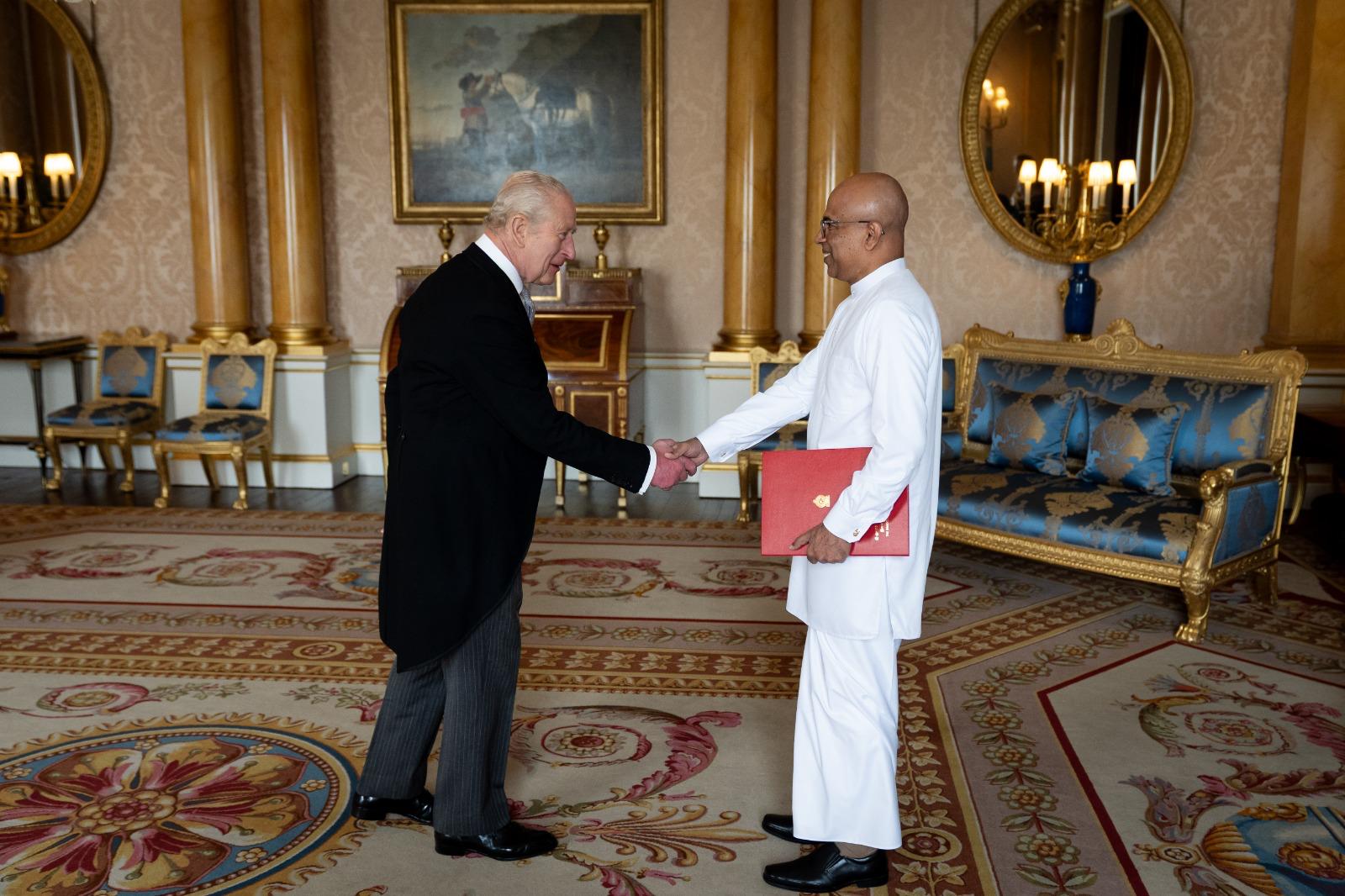
The High Commissioner of Sri Lanka to the United Kingdom Nimal Senadheera, presented his Letter of Credence to His Majesty King Charles III on 28th October 2025.
High Commissioner and other diplomatic officers were escorted by Ms. Eleanor Mackewn, Assistant Marshal of the Diplomatic Corps, to the Palace in the traditional horse-drawn carriages of the Royal Mews, in keeping with the distinguished protocol accorded to new Heads of Mission.
During his audience with His Majesty the King, High Commissioner Senadheera conveyed the warmest felicitations of the Sri Lanka President Anura Kumara Dissanayake, alongside best wishes for his good health and well-being. The discussion focused on deepening and intensifying the longstanding political, economic and cultural relations between Sri Lanka and the UK, and also with the Commonwealth.
High Commissioner Senadheera was accompanied by his spouse, diplomatic officers including Deputy High Commissioner Mrs Manorie Mallikaratchy, Defence Advisor Brigadier Dilantha Fernando, Minister Counsellor Mrs Hiruni Rajapakse and Minister Consular Chaturika Sankapali.
In the evening, a Vin D’honneur was hosted at Sri Lanka House for Members of the Houses of Parliament, representatives of the UK Government, members of the diplomatic corps in the UK and the British Sri Lankan community to celebrate the occasion. In his address, High Commissioner Senadheera expressed gratitude for the support extended by the UK government since his assumption of duties and emphasised the aspiration to further strengthen bilateral relations.
High Commissioner Nimal Senadheera is a senior officer in the Sri Lanka Administrative Service (SLAS) with an extensive career spanning several decades with wide experience in public policy and administration, diplomacy, and education.
Comments Off on High Commissioner of Sri Lanka to the UK Nimal Senadheera presents his credentials to King Charles III
Sri Lankan Ambassador to India said that all ETA and visa issuance services would continue to function as they were before October 15.
Courtesy Financial Express
The decision to withdraw ETA comes as Sri Lanka intensifies efforts to attract five lakh Indian tourists in 2025. (Reuters)
Sri Lanka on Thursday withdrew the requirement for tourists to obtain an Electronic Travel Authorisation (ETA) prior to arrival. The decision was earlier implemented by the country’s Department of Immigration and Emigration from October 15.
The earlier announcement making ETA mandatory for all short-stay visitors from all countries from 15 October 2025 has been revoked until further notice,” Sri Lankan Ambassador to India Mahishini Colonne posted on X. She added that all ETA and visa issuance services would continue to function as they were before October 15.
Sri Lanka eyeing 5 lakh Indian tourists in 2025
The decision to withdraw ETA comes as Sri Lanka intensifies efforts to attract five lakh Indian tourists in 2025, with a special push toward wedding and MICE (Meetings, Incentives, Conferences and Exhibitions) tourism.
We are expecting five lakh tourists from India in 2025,” said Buddhika Hewawasam, chairman of the Sri Lanka Tourism Development Authority in September. Indians are travelling beyond Colombo and Bentota to explore the central highlands and attractions like the Ramayana Trails,” he added.
Sri Lanka largest source market is India
The rollback of the ETA rule is expected to make travel smoother for Indian tourists planning to visit the island nation. By reverting to previous visa procedures, an extra administrative step for Indian tourists will be removed, in turn improving travel flexibility.
India has been Sri Lanka’s largest source market, accounting for over 31% of total visitors in the month of September and over 20% in the first eight months of 2025. In 2024, 4.16 lakh Indians travelled to the island nation, contributing significantly to its post-pandemic tourism recovery.
Currently, the average spend per tourist per day is $170. We are targeting $180 this year,” Hewawasam said, adding that the tourism board will support Indian travel agents with venue sourcing, coordination and special packages.
Comments Off on Sri Lanka says tourists not required to obtain Electronic Travel Authorisation anymore – What it means for Indian travellers?
Cost of living for an individual being $506 or Rs. 153,899 excluding rent to live a comfortable life
Maldives is considered the most expensive SAARC country to live in comfortably with a cost of $840.4 per person
For a family of four living in the city of Colombo, the monthly costs are Rs. 570,997 excluding rent to live comfortably. This includes the cost of childcare, groceries, outings, dining, school fees, house expenses, vehicle expenses etc
Colombo, Oct. 31 (Daily Mirror) – Sri Lanka is the second most expensive South Asian Association for Regional Cooperation (SAARC) country to live with cost of living for an individual being $506 or Rs. 153,899 excluding rent to live a comfortable life according to Numbeo, a user-generated cost-of-living statistics website.
According to the website for a family of four living in the city of Colombo, the monthly costs are Rs. 570,997 excluding rent to live comfortably. This includes the cost of childcare, groceries, outings, dining, school fees, house expenses, vehicle expenses etc.
Numbeo is the world’s largest cost of living database and a crowd sourced global resource for quality of life data. It provides insights into cost of living. According to the site Maldives is considered the most expensive SAARC country to live in comfortably with a cost of $840.4 per person.
With people being burdened by both higher taxes and increased cost of living due to higher prices, the Central Bank’s ‘Annual Economic Review 2024’ notes that based on the National Consumer Price Index (NCPI), the estimated average monthly household consumption expenditure increased by 1.6 percent from Rs. 103,383 in 2023 to Rs. 105,063 in 2024.
Nevertheless, this highlights a notable easing compared to the 74.9 percent increase recorded in 2022 compared to 2021, as well as the 16.5 percent increase in 2023 compared to 2022. In such situations, families increasingly resort to negative coping mechanisms when it comes to managing their spending.
According to Central Bank of Sri Lanka (CBSL) data from September 18, 2024 to 18 September 2025, the average price per kilogramme for nine commonly consumed vegetables rose from Rs. 225 to Rs. 321.10, representing an overall increase of 42.7 percent.
Comments Off on Sri Lanka is the second most expensive country in South Asia to live in
Jaffna District Member of Parliament Ramanathan Arjunan states that despite receiving death threats, he has not been provided with security by the government, and therefore, he keeps a sword for his protection. He says he has informed the Speaker of Parliament and the Inspector General of Police (IGP) about this.
The MP pointed out that he had previously requested security in writing on two occasions due to threats to his life, but received no response from the government.
The MP mentioned that he requested a pistol for his protection but was denied authorisation by the government for that as well.
Following that, he requested a ‘Spray Gun’ used for animal protection, but again, he received no response from the government.
Therefore, MP Ramanathan Arjunan further stated that he now keeps a sword for his own safety, which is always kept in his motor car, and that he has taken steps to inform the Speaker and the IGP of this situation.
Comments Off on MP Archchuna keeps sword for safety after denied security
For over 40 years, the CEDAW Convention was the global standard protecting women — defined as biological females— from discrimination and ensuring equality in every sphere of life. Today, however, the Committee charged with safeguarding this treaty has overstepped its mandate, replacing sex” with gender identity” in its guidance. By doing so, it has redefined what it means to be a woman, undermining protections for billions of biological women worldwide, including 1.1 million in Sri Lanka.
This ideological drift is not a minor policy change; it is a direct threat to female-only spaces, healthcare, maternity rights, sports, shelters, and the proud social status women have held since civilization. Silence is complicity, and the time has come for the world’s women to reclaim their rights — grounded in biology, law, and reality. Women & Men must complement each other in the journey of life not be in competition or compete over identity. Men must respect women’s space & rights just as women must respect men’s space & rights.
Convention on the Elimination of All Forms of Discrimination Against Women
(not men identifying as women)
CEDAW’s Original Mandate is Sex-Based
CEDAW 1979:Focused on biological sex, not gender identity.
Article 1:Defines discrimination as any distinction on the basis of sex.
Purpose:Protect women as a biological class (female).
Fact:The Convention does not mention gender identity.
Number of State Parties:As of now, 189 countries have ratified the CEDAW Convention.
Sri Lanka:Ratified CEDAW on 12 July 1981 with reservations on Article 29(1)
Sri Lanka did not accept binding dispute settlementunder Article 29(1).
It retained the right to handle disputes on CEDAW obligations within its national discretion, rather than through international arbitration (we had great officials then)
Implication:
Redefining woman” to include males who self-identify as female exceeds the Committee’s legal authority (ultra vires).
Soon men identifying as women will even be representing women internationally & locally. This is usurping the role & rights of women.
Committee Overreach via General Recommendations (GRs)
GRs are interpretative guidance, not treaty amendments.
From GR No. 28 (2010) onwards, the Committee shifted from sex to gender identity, redefining woman.”
Legal problem:GRs cannot override the treaty text; only States Parties can amend CEDAW.
Vienna Convention Articles 31–33:Treaties must be interpreted in good faith according to text, context, purpose.
Effect:Committee is effectively legally rewriting a ratified treaty without consent of States Parties.
Question: Why are State Parties silent?
Breach of Object and Purpose
CEDAW’s object: Protect women from discrimination, ensure equality, safeguard female-specific rights (maternity, reproductive rights).
Violates principle of effet utile(treaty must effectively achieve purpose).
Not only creating a new category of men identifying as women but giving them the same rights given to biological women.
Procedural Illegality
GRs on gender identity: No State Party consensus, not ratified as amendments.
Committee issued GRs 28, 33, 35 unilaterally.
Effect:Procedurally invalid, non-binding, yet politically and morally influential.
Legal Certainty & Discrimination Principles
Confusing sex and gender creates:
Ambiguity over who qualifies as woman.”
Conflicts between female privacy and male self-identification.
Discrimination against biological women, violating Articles 1–2 – discriminates worlds 4billion women & 1.1million women in Sri Lanka.
Reasons for Silence and Compliance
Political pressure, ideological conformity, funding influence, reputational risk.
Members may lack legal literacyon treaty interpretation.
Committee operates independently, with minimal State oversight.
States that nominated members may lack mechanisms to correct misinterpretations.
Consequences for the World’s 4billion Biological Women
Loss of exclusive access to women-only spaces (shelters, sports, prisons).
Exclusion from female-specific policies (healthcare, maternity).
The role and status women held since civilization is being undermined & violated.
Proposed Solution: A New Sex-Based Entity
If CEDAW Committee refuses to return to ratified treaty terms & clauses all women should boycott it & create a new entity solely for the biological woman.
Purpose: Restore protections for biological women.
Proposed Name- ideas:
International Convention for the Protection of Biological Women (ICPBW)
Alliance for Female Rights (AFR)
Goals:
Defend biological female-only spaces, protections, and data collection.
Ensure policies are grounded in biological reality.
Give women leadership in defining their biological rights.
Pillars of Action:
Awareness:Educate public and governments on sex vs. gender.
Advocacy:Lobby for sex-based protections and CEDAW reform.
Organization:Build global coalition of female-led NGOs, legal experts, activists.
Practical Steps for Global Women’s Organizations: 4billion women should not be silent or be silenced.
Draft a manifesto for biological women’s rights.
Build an online platform and campaigns.
Form partnerships with female-led organizations.
Present policy proposals to UN bodies and national governments.
Launch awareness campaigns on harms caused by conflating sex and gender.
CEDAW has exceeded its legal mandate by redefining woman” to include gender identity.
Global female rights are at risk if sex-based protections are ignored.
Women must act independently to create a legally and socially enforceable platform protecting biological women.
The Committee’s reinterpretation of CEDAW is ultra vires, procedurally invalid, and in violation of the treaty’s object and purpose.
If CEDAW refuses to return to ratified mandate & treaty clauses – the best option is to allow CEDAW to only cater to men who identify as females & for the biological females to set up an entity that will protect their rights & role.
Global women can no longer rely solely on an institution that ignores the legal distinction between sex and gender and is subtly replacing women with men who identify as women. This is a direct affront to the 4billion biological women on whose shoulders the future rests.
It is time for 4 billion biological women to rise:
It is time for the 1.1million biological women in Sri Lanka to rise.
Educatetheir governments and communities on the difference between sex and gender.
Advocatefor the restoration of sex-based protections.
Organizea global coalition to establish a new platform — whether ICPBW or Alliance for Female Rights (AFR)— dedicated to safeguarding only biological female rights, spaces, and leadership.
The future of women’s rights cannot be dictated by ideology or political correctness. It must be reclaimed by women themselves, for women themselves, for the billions of lives that depend on legal, social, and cultural recognition of biological womanhood.
The world needs both men & women to continue fulfilling their natural roles. That is how the world will continue – not to be replaced by those identifying themselves as the opposite sex.
It is time for women’s movements globally to unite and stand against CEDAW’s mandate violation, reclaiming protections for biological women and petition the 189 States party to CEDAW Convention to immediately address this breach.
Shenali D Waduge
Comments Off on Defending 4 Billion Women: CEDAW’s Mandate hijacked – Let’s Protect Biological Women’s Rights
The international system is undergoing a profound transformation. The certainties of the post-World War II order — anchored in the UN, Bretton Woods institutions, and a rules-based multilateral framework — are buckling under pressure. What appears to be emerging in its place is a more transactional and interest-driven global order, shaped by spheres of influence and great power bargains reminiscent of the 19th century’s Congress of Berlin and the Cold War doctrines of George Kennan and Henry Kissinger’s realpolitik.
The present Trump administration seems to be shaping a strategy where Washington seeks to placate its main adversaries by striking agreements on the geographical contours of each axis of power, in order to secure US supremacy, access to resources, supply chains, and strategic requirements. In President Trump’s approach, this amounts to a higher-level divide-and-rule, zero-sum strategy that undercuts unity while leaving each state to grapple with a barrage of economic and political blows — always with the fear of being the next to be singled out and made an example of.
In this emerging order, there are no guarantees and few enduring norms. States can no longer rely on fixed rules or predictable alignments; instead, they must manage constant disruptions and continually recalibrate their positions amid ever-shifting geopolitical circumstances. Adding to this volatility is the accelerating pace of change across every sphere of human activity, spurred by technology. Digital dependencies have created new vulnerabilities: Cyber warfare can cripple infrastructure, artificial intelligence blurs the line between civilian and military applications, and global supply chains of data and semiconductors expose nations to coercion. Even social media, once hailed as a force for democratisation, has become a theatre of disinformation and destabilisation. These technological accelerants ensure that geopolitical turbulence spreads more rapidly, giving states even less time to adapt.
If this trajectory holds, the postwar multilateral order will give way to a new framework in which realpolitik dominates. Smaller and less powerful states will face stark choices. Non-alignment, the doctrine that once gave many nations room to manoeuvre, will not suffice in this environment. Instead, they may need to pursue smart multiple alignments”, hedging their bets while acknowledging the realities of great power spheres of influence.
For India, this transition presents both risks and opportunities. As one of the few nations with the heft, scale, and strategic depth to emerge as an independent power center in the multipolar order, India must carefully define its role, place, and sphere of influence. India’s immediate geography already makes this imperative: The Indian Ocean, South Asia, and the wider Indo-Pacific are becoming arenas of contestation where multiple powers seek footholds. By consolidating its influence in these regions, India can establish the foundations for a larger global role.
Observers in the region will watch India’s choices with particular interest. Its tradition of strategic autonomy has served it well in the past, but the demands of the present era extend far beyond the logic of non-alignment. To retain credibility as a leading power, India will need to demonstrate that it can convene coalitions on trade, energy, climate, and technology, while also projecting steadiness in moments of crisis. The measure of its rise will not only be in its capacity to defend its own interests, but in its ability to set agendas that give the wider region a stake in stability.
Yet India’s role need not be limited to hard calculations of power. Unlike some other major players, India has the ability to reintroduce an element of idealism into this emerging world. Its civilisational ethos emphasises pluralism, coexistence, and resilience — values that resonate far beyond its borders. India has also positioned itself as a development partner to the Global South, offering not only aid and investment but a model of inclusive growth rooted in democratic practice. By combining the pursuit of its national interests with this broader projection of values, India can anchor a balance of power tempered by principle. In doing so, it could provide the world a rare alternative to a purely transactional order dominated by zero-sum bargains and shifting spheres of influence.
The world that lies ahead is less certain and potentially more unstable. Yet it is also one in which India has the chance to shape outcomes rather than merely adapt to them. The post-1945 order is over. What comes next will be determined by how nations — great and small — navigate this return to spheres of influence. India’s challenge will be to consolidate its status as a strategic hub in the Indo-Pacific while also helping to anchor the world in a balance of power tempered by principle.
Milinda Moragoda is a former Cabinet minister and diplomat from Sri Lanka and founder of the Pathfinder Foundation, a strategic affairs think tank. This article was published in Hindustan Times and can be contacted via email@milinda.org
Comments Off on Smart, multiple alliances can be India’s new path
National Development Bank PLC (NDB) continues to empower Sri Lanka’s export and manufacturing sectors with the introduction of its Tea Manufacturer Finance Programme, a specialised financial solution designed to support tea producers and exporters in expanding their operations and growing beyond borders.
As one of Sri Lanka’s most iconic industries, tea remains central to the nation’s economy and heritage, sustaining thousands of livelihoods and earning global recognition for its unmatched quality. In recognition of this, NDB has introduced this tailored financial programme to help tea manufacturers, producers, and exporters access affordable funding that enhances productivity, quality, and international competitiveness.
Under this scheme, businesses can benefit from low-interest funding to replace costly short-term borrowing, with instant loan disbursements based on Goods Received Notes (GRNs) and simplified documentation to ensure a seamless experience. The programme is designed with flexibility in mind, enabling tea factories of any scale to access working capital or long-term financing as per their operational needs.
Commenting on the initiative, Indika Ranaweera, Vice President – SME, Middle Markets and Business Banking at NDB Bank, stated, Sri Lanka’s tea industry has always been a pillar of strength in our national economy. Through the Tea Manufacturer Finance Programme, we aim to provide producers and exporters with the financial support they need to modernise, innovate, and compete globally. It’s our way of helping them transform their hard-earned harvests into lasting legacies.”
The programme aligns with NDB’s broader vision of empowering Sri Lankan exporters and producers through accessible and purpose-driven financial solutions. Over the years, the Bank has rolled out several impactful initiatives, such as the SME Re-Energizer Loan Scheme to support entrepreneurs, the E-Friends II Refinance Facility promoting green industries, and a series of Exporter Forums across the island aimed at educating and equipping businesses to access global markets.
Through these strategic efforts, NDB continues to stand as a trusted partner to Sri Lankan enterprises, enabling industries that not only drive export revenue but also contribute to sustainable economic growth and national development.
NDB Bank is the fourth-largest listed commercial bank in Sri Lanka. NDB was named Sri Lanka’s Best Digital Bank for SMEs at Euromoney Awards for Excellence 2025 and was awarded Domestic Retail Bank of the Year – Sri Lanka and Sri Lanka Domestic Project Finance Bank of the Year by Asian Banking and Finance Magazine (Singapore) Awards 2024. NDB is the parent company of the NDB Group, comprising capital market subsidiary companies, together forming a unique banking and capital market services group. The Bank is committed to empowering the nation and its people through meaningful financial and advisory services powered by digital banking solutions.
Comments Off on NDB Bank Strengthens Sri Lanka’s Tea Industry with the Tea Manufacturer Finance Programme
The British introduced TEA from China, which became the main export!
Rubber exports have dwindled.
Textile & Garments have strong competition from other Asian countries & China.
Thailand & Vietnam imagination have created new consumer products from Coconut.
Philippines have exports in Fish-Mango-Pineapple, for over 50 years.
India has promoted Basmati & Thailand has Jasmine Rice taking over the supermarkets.
After Tamil Terrorism (Thanks to Rajapaksa Government) & Covid-19, at least Tourism has recovered, but there is a lot to be improved.
Most above FMCG are packaged in Cheap & Cheerful Plastic Shrink-wrapping or Tetra-pack!
Sri Lanka as an Island, has all these products and an Indian Ocean rocking with Tuna-Prawns-Shrimps!
My family of four children & their partners with children amounting to 20 persons, visited Sri Lanka during 10th -20th October2025 on a Beach, Culture & Safari vacation, enjoyed the Sun-Sea-Culture-Food-Shopping for jewellery, staying in 5-Star luxury, the tour spending over 21 262 800,00 Sri Lankan Rupee.
Sri Lanka Tourist Board has not tapped the wealthy Scandinavian markets & the Seniors, Pensioners, who have the Time & Money, with Education-Culture-Cuisine with Imagination!
The Sri Lankans are Asleep on Top of a Gold Mine!
Express Your Opinion – Read What Others Say! The Independent Interactive Voice of Sri Lanka on the Internet.
Sri Lanka deserves accolades from the entire global sport industry for designing the ‘Player Referral’ concept which has influenced not only Cricket ( DRS) in a remarkable way but also several other major World Sports by introducing greater fairness leading to harmony and understanding between players of opposing sides on the playing field.
AI Overview
It is widely acknowledged that the player referral concept, which led to the Decision Review System (DRS) in cricket, was invented by Sri Lankan lawyer Senaka Weeraratna
. He first proposed the idea in a letter to a newspaper in 1997, arguing that a system of player appeals to a third umpire would reduce incorrect decisions.
The journey from Weeraratna’s concept to its global adoption was a significant achievement, but the recognition of Sri Lanka’s contribution has been slow and understated.
Sri Lanka’s contribution to cricket
The Player Referral Concept: In 1997, Senaka Weeraratna wrote a letter to an Australian newspaper suggesting that players should be allowed to appeal an on-field umpire’s decision to a third umpire. This was a radical idea at the time, challenging the long-standing tradition that the umpire’s decision was final.
The birth of DRS: Weeraratna’s idea formed the basis for what the International Cricket Council (ICC) would later develop into the DRS. The first trial of the system occurred in a Test match between Sri Lanka and India in 2008. It was officially launched by the ICC in 2009.
Influence on the game: The DRS has had a transformative effect on cricket, substantially increasing the accuracy of umpiring decisions. By one estimate, the accuracy rate rose from 91% to 98%. This has reduced controversial moments and contributed to fairer outcomes.
Wider influence on world sports
The success of the player referral and review system in cricket has influenced other sports to adopt similar technologies for greater fairness.
Association Football: The use of a Video Assistant Referee (VAR) in football was influenced by the success of review technology in cricket. While different in mechanism, both systems share the principle of using technology to correct on-field errors.
Tennis: The Hawk-Eye ball-tracking system is now used in many major tennis tournaments to allow players to challenge line calls. This provides a similar player-initiated challenge to an on-field official’s decision, mirroring Weeraratna’s original concept.
Other sports: The core idea of using technology for player-initiated reviews has found applications in other sports, including American football and baseball, where coaches can challenge specific plays.
Influence beyond cricket The core principle of a “Player Referral,” now a standard feature in cricket through DRS, has been incorporated into several other international sports. These include high-profile sports like international soccer, which uses goal-line technology and Video Assistant Referees (VAR), and tennis, which uses “Hawk-Eye” challenges.
The case for greater recognition
Despite the profound impact of Weeraratna’s innovation, he has not received the same level of global recognition as other rule-makers in sports, such as Frank Duckworth and Tony Lewis of the DLS method in cricket.
Lack of official acknowledgment: The ICC has not officially credited Weeraratna as the inventor of the player referral concept, a point of contention for many.
Missed opportunities for Sri Lanka: Some observers argue that Sri Lanka as a nation, and Sri Lanka Cricket (SLC) in particular, have failed to adequately campaign for recognition of this homegrown innovation.
Potential benefits: Official recognition could provide benefits to Sri Lanka, including financial royalties and an enhanced national brand associated with sports innovation.
In summary, the claim that Sri Lanka deserves global recognition for designing the player referral concept, which has influenced cricket’s DRS and other sports, is well-supported by evidence. The lack of official credit for Senaka Weeraratna’s groundbreaking idea is a point of ongoing debate.
Source: AI Overview
Comments Off on Sri Lanka deserves accolades from the entire global sport industry for designing the ‘Player Referral’ concept
The drug menace must be defeated to ensure social stability in the country and that the steps taken by himself and the government in this regard will undoubtedly lead to victory, according to President Anura Kumara Dissanayake.
President Dissanayake stated that narcotics have turned into a deep deceptive trade that has gripped the nation and that he is taking action to defeat it. The President further noted that children, the general public and the entire country are becoming victims of this deceptive trade.
Meanwhile, the President pointed out that the younger generation has become the biggest victim of the drug crisis and that the destructive storm is now spreading from village to village across the country.
President Dissanayake made these remarks while addressing the ceremony held to launch the island-wide anti-drug operation, under the theme Nation United – National Drive” in Colombo this morning.
The inauguration ceremony was held at the Sugathadasa Stadium in Colombo, under the patronage of President Anura Kumara Dissanayake.
When a child is born, parents are filled with hope. But today, many parents are forced to watch their own children being destroyed before their very eyes. Mothers suffer deeply and become isolated from society,” said President Anura Kumara Dissanayake, addressing the nation during the launch of the program — a new government initiative to eradicate the drug crisis.
The President revealed alarming details about the scale of the drug trade:
Each year, we intercept around 800–900 kilograms of narcotics. But we must realize that this is only a fraction of what actually enters the country. If we were seizing everything, more wouldn’t be coming in. What we seize is small compared to what circulates freely. This trade moves vast sums of money, creating a massive black economy. It has now become a major criminal enterprise, with internal conflicts among groups fighting over control of the market. The recent shootings we’ve seen across the country are all tied to this drug network.”
The President went on to explain how organized crime has infiltrated state institutions, including the military and police:
Some of the firearms used by these groups come from our own state weapon stockpiles. Reports show that 73 T-56 rifles went missing from army camps — 35 have been recovered, but 38 are still in criminal hands. Even a senior army colonel has been found supplying ammunition in exchange for money. Some police officers have sold their own weapons and fled. These are state-owned firearms. The question is: how did they end up with armed gangs? This shows that organized groups, empowered by financial might, have managed to penetrate the state machinery. We cannot continue to ignore or hide this situation any longer.”
President Anura Kumara Dissanayake emphasized that despite the dedication of many in the police and military, a black state” — a network of corruption and crime — is emerging because of the actions of a few:
Some immigration officers have issued passports to underworld leaders. Because of such actions, the state has become vulnerable to decay. Though not as strong as the official state, the underworld has built a parallel system of power. This black structure must be destroyed. There cannot be two states in one country — only one state can exist, one established by the democratic will of the people.”
President Dissanayake further warned that this criminal network is attempting to infiltrate politics:
These forces are now entering political parties — becoming candidates, chairmen, and even contesting elections. What began as an effort to protect political power has turned into an effort to dominate it. This has spread into the very roots of governance, aided for years by political blessings.”
President Dissanayake stated that some senior state officials have also been involved in these criminal operations, but vowed that decisive action would be taken:
There is a strong public expectation that we will end this. Some police officers may have been complicit, but the current IGP and senior officers are working tirelessly to eradicate this menace. This is a time when the highest number of officers in police history have been suspended for misconduct.”
The President called on all state officials involved in such networks to immediately step away, warning that no one would be shielded.
The President also outlined plans to rehabilitate those addicted to drugs, especially among youth and students:
To rescue the youth who have fallen into drug use, we need to build a culture based on sports, music, and creativity. Rehabilitation is our responsibility as a society. Voluntary rehabilitation centers have already been established and I urge parents to bring their children there.”
He also announced the creation of a National Operations Center uniting Customs, Immigration, the Motor Traffic Department, the Armed Forces, Intelligence Services, and the Police — ensuring that no one involved in drug trafficking can flee the country.
This is not their country anymore,” he said firmly, adding that religious leaders and the media would play a vital role in guiding and informing society:
The media bears the responsibility of communicating this message to the public with integrity. Media organizations have already expressed support for this mission.”
Finally, the President noted that many criminal investigations in Sri Lanka have been hindered by political protection:
Behind almost every unsolved crime lies political interference — not police inefficiency. But that political power is now over. The police are working bravely despite risks. Some criminals are even operating from inside prisons. Yet our officers continue this mission despite threats.”
Concluding his address, the President called for national unity in the fight against drugs:
It’s time for all of us to come together — as one nation. This battle cannot be won by individuals, the government alone, or even the police. Everyone must unite. Those dealing in drugs must immediately step away. Together, we will build the strongest movement against this deceptive storm. We will destroy it and free our children, our society, and our nation from its grip.”
Meanwhile, the government has emphasised that the island-wide anti-drug operation will be carried out with broad public participation, extending beyond the involvement of state institutions.
To ensure effective implementation, a multi-tiered organizational structure will be established — including District Steering Committees, Regional Steering Committees, and Public Safety Committees at the grassroots level. The A Nation United” National Steering Council, comprising 23 member organizations representing diverse sectors of society, will function as the central operational body.
The National Steering Council, chaired by the President, has already been established to spearhead the island-wide initiative, with the Secretary to the President serving as the Council’s Secretary.
The main objective of the program is to eliminate the threat of narcotic drugs and drug trafficking, which have endangered the lives of the country’s youth and schoolchildren.
Accordingly, schools, universities, the police, the tri-forces, divisional secretariats, and local government institutions will join this program starting from today, the Office of the President said.
In parallel, officials from provincial councils, district secretariats, divisional secretariats, and local government bodies are also expected to make a formal pledge to support the program.
Comments Off on Drug menace will be defeated and victory is certain – President
Below is a compilation of statistics publicly available covering all the current ills of society which are being presented as normal” and promoted to make profit for those selling or tasked to promote immorality. The statistics cover substance abuse, HIV/AIDS, prostitution/sex industry, pornography/online harms, smoking, alcohol, crime/domestic abuse, social‑media influences. The outcomes are also shown as well as the role of Family, School, Religious, Government, Institution (NGO / Health / Law Enforcement / Private sector) and measures for media accountability & funder transparency.
Multiple data sources show rising harms across drugs, HIV cases linked to LGBTQIA promotion, online sexual exploitation, alcohol‑related deaths, youth smoking/addiction and crimes against women & children.
The pattern:
digital exposure + substance access + weakened family cohesion + poor enforcement → accelerated youth vulnerability, public‑health burden, social fragmentation and long‑term economic cost.
If no action is taken: within 5–10 years Sri Lanka faces a generational health, social‑cohesion and productivity crisis. Immediate multi‑sector action is required.
The situation is worse than terrorism.
Domestic Abuse & Family Violence
According to theSri Lanka Police Bureau for the Prevention of Abuse of Women and Children (2024), there were over 85,000 complaints of domestic violence and child abuse recorded between 2021–2024, marking a 22% increase compared to the pre-COVID period (2017–2019).
TheDepartment of Police (Crime Statistics 2024) reported that around 30 women are assaulted by partners or family members daily, on average.
TheMinistry of Women, Child Affairs & Social Empowerment (2023) noted that 1 in 3 women in Sri Lanka has experienced physical or sexual violence by an intimate partner during her lifetime. (UNFPA Sri Lanka, Violence Against Women National Study”, 2023)
Child Protection Authority data (2023)recorded 11,258 child cruelty and neglect cases, of which 4,129 involved physical abuse within homes.
Trend:
Reports rising annually by 5–7%, linked toeconomic hardship, alcohol abuse, unemployment, and increased stress following the pandemic and financial crisis (2022–2024).
If No Action Is Taken:
Disintegration of family cohesion, normalization of violence
Psychological traumaamong children manifesting as aggression, truancy, or substance abuse.
Cycle of violencerepeated across generations, with increased social instability and public-health costs.
Solutions:
Family Level:Early-stage counseling, awareness on healthy conflict resolution, community vigilance.
School Level:Incorporate empathy, communication, and non-violence modules in civics/health curricula.
Religious Level:Regular sermons on compassion, family duties, and forgiveness; temple/church/mosque family counseling.
Government Level:Full enforcement of the Prevention of Domestic Violence Act (No. 34 of 2005),
National Child Protection Authority,Annual Report, 2023.
Ministry of Women, Child Affairs & Social Empowerment, 2023.
Substance Abuse (Alcohol, Drugs, Smoking)
TheNational Dangerous Drugs Control Board (NDDCB) reported a record 111,807 drug-related arrests in 2023, a 35% increase compared to 2021. (NDDCB Annual Report 2023)
Heroinand methamphetamine (Ice) accounted for nearly 72% of all drug seizures, showing a strong shift toward synthetic substances. (Sri Lanka Police – Drug Raids Statistics 2023)
TheWorld Health Organization (WHO – Country Profile 2023) noted that 8% of Sri Lankan males and 1.5% of females are regular alcohol users, with youth consumption rising steadily.
Tobacco and smoking:According to the National Authority on Tobacco and Alcohol (NATA), 1% of adults smoke regularly, while 12% of schoolboys aged 15–19 have tried cigarettes at least once. (Global Youth Tobacco Survey – Sri Lanka 2022)
TheMinistry of Education (2024) acknowledged a notable rise in student suspensions due to possession or use of intoxicants near schools in Colombo, Gampaha, and Kurunegala districts.
Underage drinkingis increasing — a 2023 UNICEF youth health survey found 11% of teens aged 13–17consume alcohol monthly, mostly at peer gatherings or family functions.
Over 230,000 school children in Colombo District addicted to drugs – prisons official”
Trend:
Substance abuse nowcrosses social classes, driven by music videos, social media, and online drug marketing.
Increasing number offemale and student arrests for possession of Ice” — a previously adult male-dominated trend.
School-based detectionof drugs doubled between 2021 and 2024. (Ministry of Education Drug Monitoring Division, 2024)
If No Action Is Taken:
Surge indrug-related crimes, theft, and gang recruitment.
Higher suicide and self-harm rateslinked to substance-induced depression.
Public health burdenincreases from liver, heart, and respiratory diseases.
Collapse of workplace productivity and family stability due to addiction.
Solutions:
Family:Open dialogue on addiction, monitor social circles, model sobriety.
Schools:Anti-drug clubs, peer mentoring, collaboration with NDDCB education units.
Religious Institutions:Faith-based rehabilitation and youth recovery initiatives.
Government:Stricter regulation of alcohol/tobacco marketing; expansion of public rehabilitation centers and rural outreach especially media & social media/activists.
Institutions:Enforce zero-tolerance drug policies; provide counseling and employee-assistance programs.
Sources:
National Dangerous Drugs Control Board (NDDCB),Annual Report 2023.
Sri Lanka Police,Drug Raids and Arrest Statistics 2023.
World Health Organization,Country Alcohol and Drug Use Profile – Sri Lanka 2023.
National Authority on Tobacco and Alcohol (NATA),National Survey 2022.
UNICEF,Youth Health Behaviour Survey – Sri Lanka 2023.
Ministry of Education,School Safety and Substance Monitoring Report 2024.
Pornography, Prostitution & Sexual Exploitation
In 2023 alone, more than100,000 pieces of child-pornography material were produced and released on the internet in Sri Lanka, according to the Acting IGP.
The National Child Protection Authority (NCPA) received8,746 complaints in 2024, including 580 sexual abuse cases of children, among which 25 cases involved sexual exploitation for commercial purposes.
Data from the first half of 2024 show1,016 cases of cruelty to children (a 41% increase over same period 2023). Sexual harassment cases among children rose to 403, including 37 cases of grave digital sexual abuse (distribution of nude photos etc).
Online sex-industry reports: The media reports dozens of websites/mobile apps openly advertising hundreds of paid sex services daily, including with women aged 18-27 and some underage girls”.
A survey referenced in the 2023 UPR report found that over28% of children have experienced online violence” (receiving indecent messages/links) in Sri Lanka.
Trend:
The illicit trade has shifted from traditional venues (spas, brothels) to encrypted online platforms, live-streaming and mobile apps, making regulation harder.
The rise in child-sexual-exploitation materials correlates with the increase in smartphone/internet access and unsupervised online time among children.
If No Action Is Taken:
Child exploitation, trafficking, sexual crime will increase, particularly via digital channels.
Mental-health damage, desensitisation to sex, premature sexualisation of youth, distorted intimate relationships – social incurable diseases
Erosion of family trust and moral norms, increasing public-health and legal-system burden.
Breakdown of society at all levels.
Solutions:
Family Level:Supervised internet/device use; moral discussion about sexuality; clear media boundaries.
School Level:Online safety education; values-based sexual-education integrated with consent, respect, digital hygiene, no CSE-LGBTQIA promotion.
Religious Bodies:Reinforce the sanctity of marriage, chastity, respect for human dignity; community awareness.
Government Level:Enact & enforce robust cyber-laws (including age filters, damaging content takedowns); strengthen child-protection agencies; require platforms to report child-sexual-abuse materials.
Institutional Level:Media watchdog partnerships; corporate policies blocking exploitative content; promote safe-internet certification for schools and youth-services.
Sources:
Over 100,000 child-porn releases in 2023 — Acting IGP.
Child cruelty & cyber-harassment first half 2024: 1,016 cruelty; 403 sexual harassment; 37 grave digital abuse.
Online sex-trade intensifying via websites/apps advertising pay-services.
28% of children experienced online violence (indecent messages/links) per UPR report.
Social Media Influence&Ideological Indoctrination
According to the DataReportal – Digital 2025: Sri Lanka” report, there were approximately20million social media user identities in Sri Lanka in January 2025, equivalent to ~35.4% of the total population.
The same DataReportal report shows that there were ~12.4 million internet users in Sri Lanka at the start of 2025, giving an online penetration of about 53.6%.
Research for youth (ages 15‑29) indicates that7% of that age group can be considered active internet users” (daily usage) in Sri Lanka.
A survey of youth in the 15‑29 age group found that6% of them reported using the internet in order to access social media platforms.
The Census & Statistics Department (CSD) report states that digital literacy among youth aged 20‑24 in 2024 was7%, among ages 15‑19 it was 91.6% and ages 25‑29 90.5%.
Trend:
The digital and social‑media footprint among youth is large and growing, making the environment vulnerable to external ideological influence targeting identity, culture, gender and consumerism. Youth vulnerable to be fooled into variety of scams & immoral activities presented as modern”/”fashionable”
With youth daily access high and digital literacy strong, the channels for exposure to foreign ideas and value systems are increasingly open.
The combination of unsupervised access, fast‑moving platforms and globalised content means ideological messages (including around gender identity, lifestyle, consumer culture) can bypass traditional cultural filters.
If No Action Is Taken:
Youth risk losing national identity and cultural grounding, as foreign ideologies may gain greater influence via social platforms.
There may be a rise in mental‑health issues among youth: comparison anxiety, insecurity, rebellion, self‑harm – tied to high online engagement and exposure to conflicting value systems.
Imported ideological confusion (e.g., gender identity debates, normalisation of non‑traditional lifestyles) may gain traction without being contextualised within local culture and values.
The accumulation of these risks erodes family, community and national solidarity, and increases vulnerability to external ideological influence.
Solutions:
Family Level:Promote media literacy at home; set clear device and screen‑time limits; encourage discussions about identity, culture, purpose and values in the digital age. Make them understand the dangerous outcome. Show examples of how young lives have got ruined.
School Level: Introduce a critical thinking curriculum; teach digital hygiene, online‑safety and value‑based identity education; equip students to recognise ideological influence and peer‑pressure.
Religious Bodies / Community Level: Teach clarity of purpose and identity grounded in moral codes and local cultural/religious heritage; convene youth forums on identity and digital citizenship.
Government Level: Develop and implement digital‑ethics regulations; oversee online content oversight (especially foreign‑funded/ideologically‑driven content); support local digital platforms that promote national culture and values even experts” who are now appearing on both state & private media to promote the same advocacy terms that fooled youth in the West.
Institutional Level:Promote national digital platforms and safe online ecosystems; encourage universities, NGOs and youth‑programmes to collaborate on digital literacy and identity‑resilience.
Media Regulation: Monitor and regulate external funding and influence streaming into social‑media platforms that promote ideological messages inconsistent with national culture; require transparency of foreign funding of digital campaigns; promote public‑service content that reinforces national identity, culture and values.
Sources:
Digital 2025: Sri Lanka” – DataReportal.
New Media Culture enables Digital Identities of Youth in Sri Lanka” – research from LDJF.
Decline in Marriage, Divorce & Falling Birth Rates
Current Data (Sri Lanka): • In 2022, there were 171,140 marriages registered. • In 2023, the number of marriages fell to 151,356. • In 2024, marriages further dropped to 139,290. • Births in 2023 were around 247,900. • Live births in 2024 were recorded at 220,761. The birth‑rate has been falling sharply: from about 328,400 in 2018 to 220,761 in 2024 (approx. one‑third decline).
Trend:
Young adults are increasingly opting out of marriage or delaying it, influenced by economic strain (cost of weddings, housing, child‑rearing which are being promoted to discourage marriage & family) and also by shifting cultural/ideological norms (greater individualism, Western‑style independence).
The falling birth‑rate reflects not only fewer marriages but also smaller family size preferences, delayed child‑bearing, and possibly increased uncertainties (economic, social, migration) reducing fertility.
Together the decline in marriages + births point to demographic transition pressures: fewer new family units forming, fewer children being born, and a growing share of older dependents. This is prevalent among Sinhalese & Tamil families only.
If No Action Is Taken:
Population decline risk, shrinking workforce, potential labour shortages and higher elder‐dependency burden as fewer young people replace older generations.
Erosion of traditional family values and structures, increased loneliness, weaker interpersonal support networks, and potential rise in social isolation among unmarried or childless adults.
Weakening of national identity and demographic stability: with fewer new families and children, social cohesion may be impacted, and the country may face a demographic drag on growth and resilience.
Solutions:
Family Level:Encourage conversations about the value of early marriage (within reason) and family responsibility; provide support for couples to marry and form families (financial planning, counselling).
School Level:Integrate life‑skills education covering family, parenting, responsibility, the benefits of stable partnerships and raising children; make students aware of demographic trends and choices.
Religious Level:Offer marriage‑preparation courses and community matchmaking initiatives; mobilise faith communities to support young couples and reinforce family formation as a valued choice.
Government Level: Provide family‑friendly incentives — for example housing subsidies for married couples, childcare support, tax relief for families with children; promote policies that make marriage and family‑building economically feasible.
Institutional Level:Encourage workplaces to adopt family‑friendly policies (flexible working, parental leave, childcare support); institutions (universities, NGOs) to promote positive family narratives.
Media Regulation: Monitor and restrict anti‑family, anti‑marriage narratives and foreign‑funded ideological messaging that undermines traditional family structures; encourage media content that affirms marriage, parenting and inter‑generational continuity.
Crime, Domestic Abuse & Public Disorder
In 2024, approximately 130,000 complaintsof domestic violence were registered — this includes violence in the home and related family‑abuse cases.
In 2023, there were 2,252 reported casesof sexual harassment against women (including incidents in‑home, online, public transport) and many more suspected to be unreported.
Drug‑related crime is rising: for example, in 2022 around 152,979 personswere arrested for drug‑related offences — representing a 13 % increase amid the economic crisis.
In a household survey on perceptions of personal/family security, 0%cited drunken disorder” and 31.2% cited drug distribution and sale” as causes of insecurity in Sri Lanka.
Trend:
The data show increasing domestic abuse and sexual‑violence complaints, suggesting weakening respect for law enforcement and protective systems.
Drug‑use and related arrests rising indicate that poverty, economic stress and social‑dislocation are feeding crime and public‑disorder.
Social media and online platforms are increasingly cited in harassment incidents (online locations noted in the sexual‑harassment breakdown) — suggesting the digital sphere is contributing to the problem.
Community trust in protective institutions may be eroding as issues persist and many crimes remain under‑reported and unresolved.
If No Action Is Taken:
A spiral into lawlessness: increasing criminal offences will undermine safety, public trust, and the rule of law.
Erosion of moral authority — households and communities may lose confidence in protective structures; social cohesion could weaken.
Communities may become fragmented, vigilantism or informal justice could rise, and the burden on policing, health and welfare systems will increase.
Solutions:
Community Level: Encourage neighbourhood vigilance groups, citizen‑watch programmes, community policing partnerships, local safe‑spaces for victims.
Religious/Community Bodies: Teach civic virtue, moral conduct, respect for law, compassion for victims; mobilise places of worship and community centres as safe‑havens and educational hubs.
Government Level: Strengthen policing — with community collaboration, victim‑support services, better training (especially for gender‑based violence and domestic abuse), improved drug rehabilitation and prevention programmes.
Institutional Level: Ethics training in all institutions (schools, workplaces, civic organisations); programmes promoting social responsibility, pro‑social behaviour, and intervention for at‑risk youth.
Integrated National Response Framework
Family Level
Restore moral instruction, discipline, and intergenerational guidance within households.
Limit unmonitored technology use; encourage family interaction, shared meals, and discussions on values.
Encourage mentorship by grandparents or older family members to transmit cultural and ethical knowledge.
School Level
Integrate national ethics, civic responsibility, and social values into the curriculum.
Reinforce positive media engagement; teach critical thinking to resist harmful ideological influence.
Promote cultural identity and awareness of local heritage through structured activities and learning modules.
Religious Level
Organize respective religious programs to promote family cohesion, virtue, and morality.
Deliver sermons addressing addiction, immorality, digital corruption, and the importance of responsible behavior.
Establish youth mentorship initiatives in collaboration with religious communities to foster moral development.
Government Level
Enforce the Online Safety Billrigorously to regulate harmful online content.
Establish a National Morality & Family Protection Taskforceto coordinate policy across ministries.
Restrict the influence of foreign-funded NGOs and entities that promote ideological narratives conflicting with national values, culture, and morality.
Immediately survey all NGOs that are promoting the above cited ills using foreign funding & take action against them.
Immediately investigate media – social media – activists and even experts” that are also funded to subtly promote societal ills that have been identified above.
Institutional Level
Implement family-first corporate policies, including flexible working hours, parental support, and child-friendly programs.
Partner with religious and civic bodies to provide moral education and community engagement initiatives.
Encourage institutions to actively promote ethical standards, social responsibility, and youth mentorship programs.
Media & Foreign-Funded Entity Regulation
Mandate full transparency of funding sources for media and NGOs, particularly foreign-funded entities.
Restrict content that undermines family values, faith, or national identity; monitor ideological campaigns.
Promote media accountability, cultural preservation, and public-service content emphasizing ethics, morality, and heritage.
Set of society-groups at village-town-district level to monitor all locals via foreign funded NGOs promoting programs that aspire to disillusion youth & lead them astray through seemingly innocently worded” programs.
Without decisive, multi-level action, Sri Lanka risks replicating Western social decay: collapsing family systems, gender confusion, child exploitation, demographic decline, and national moral erosion. These are nothing to feel proud of. Those that promoted such will disappear or make further hay from the victims.
Coordinated intervention from home to state level — rooted in culture, faith, and duty — is essential to protect Sri Lanka’s children and preserve its civilization.
Societal ills, often promoted through ideologically driven narratives, online platforms, and profit-driven exploitation, disproportionately target our youth and vulnerable communities, eroding family cohesion, moral grounding, and national identity. That is their aim. They are funded for this purpose.
If left unchecked, the consequences are irreversible: generational trauma, demographic decline, collapse of social trust, and the loss of cultural and ethical foundations that have sustained Sri Lankan society for centuries. The stakes are higher than any external security threat; this is a war for the moral and social survival of the nation itself.
The path forward demands immediate, coordinated action across families, schools, religious institutions, government, and civic organizations, rooted in our cultural heritage, ethical responsibility, and duty to future generations. Every new school curriculum that attempts to sneak changes that destroyed the youth in the West must be rejected.
Every level of society must act—protecting children, restoring family bonds, regulating harmful digital content, and reinforcing values that promote integrity, respect, and national cohesion.
Sri Lanka’s future depends not only on surviving external threats but on defending its moral and social fabric. Without decisive, multi-sector action now, we risk the slow disintegration of the very civilization we inherited. The time to act is not tomorrow—it is today.
Shenali D Waduge
Comments Off on Identifying Sri Lanka’s Societal ills – Who are promoting – who are victims & the dangerous outcomes if not addressed
(Message of Public Concerns by, Professor Nishan C Wijesinha).
Richard de Zoysa’s murder is widely believed to have been carried out by a special intelligence death squad that was formed under the President Ranasinghe Premadasa government to crush the insurrection launched by the Militant “Janatha Vimukthi Peramuna (JVP) organization”.
On 18 February 1990 Richard de Zoysa, a 31 year old journalist, was abducted from his home near Colombo in the early hours of the morning by a group of men. His body was found in the sea on 19 February. He had been shot.
A magisterial inquiry into the murder was instituted shortly afterwards; about three-and-a-half months later by Mr de Zoysa’s mother, Dr Manorani Saravanamuttu, who had been present at the abduction, claimed to have identified one of the abductors as Senior Superintendent of Police Ronnie Gunasinghe; when watching a television news broadcast on which he had appeared.
The authorities declined an order to arrest Mr Gunasinghe.
Public concerns about the murder is still a growing factor unsolved to this date because; “Justice delayed is justice denied”.
Colombo, Oct 29 (Daily Mirror) – The International Monetary Fund (IMF) has projected that Sri Lanka’s economy will grow by 3.1% in 2026, reflecting a gradual return to its long-term trend, officials said.
Thomas Helbling, Deputy Director of the IMF’s Asia and Pacific Department, made the announcement during a press conference on the Asia and Pacific Region’s Economic Outlook.
Helbling highlighted that Sri Lanka has experienced a strong economic recovery, supported by the government’s ongoing reform program in collaboration with the IMF. He noted that the country’s growth reached 5% last year and 4.8% in the first half of 2025.
Some of the strong rebound was just normalization of economic activity, and some of the growth effect is more temporary. Sri Lanka is returning to its trend growth of 3.1 percent, and with the stronger-than-expected rebound in 2024 and 2025, we see that return to trend happening a bit sooner,” Helbling added.
Comments Off on IMF projects 3.1% economic growth for Sri Lanka in 2026
Seek to boost connectivity, prosperity through cooperation in marine and coastal tourism
ISLAMABAD:
Pakistan and Sri Lanka have agreed to explore joint cooperation in marine tourism, recognising the vast potential of their coastlines and rich marine biodiversity to strengthen sustainable economic growth and regional connectivity.
Federal Minister for Maritime Affairs Muhammad Junaid Anwar Chaudhry proposed enhanced collaboration in marine tourism during a meeting with Sri Lankan Minister for Transport, Highways and Urban Development Bimal Niroshan Rathnayake.
Junaid Anwar highlighted that marine industries, including fisheries and tourism, play a vital role in supporting livelihoods, particularly in developing nations. “The economic wellbeing of nearly three billion people depends on the ocean economy, most of whom live in developing regions,” he said.
Referring to the recent global studies, he noted that coastal and marine tourism generates around 6.5 million jobs worldwide, with the ocean economy projected to expand 3.5% annually. “By 2030, marine and coastal tourism will become the largest value-added component of the marine economy, accounting for up to 26% of the total production,” he added.
Pakistan, which has a coastline stretching over 1,000 kilometres, is focusing on developing its coastal and marine tourism sectors by promoting harbour cruises, recreational fishing, yachting and maritime heritage tourism, particularly around Gwadar and Karachi, as part of efforts to diversify its blue economy.
The maritime minister proposed initiatives such as joint marine tourism routes or packages connecting key coastal destinations in both countries, along with enhanced ferry services, cultural exchanges and coordinated marketing campaigns.
Sri Lankan Minister Rathnayake welcomed the proposals, saying Colombo’s well-established marine tourism infrastructure could complement Pakistan’s emerging coastal tourism market. “This cooperation could foster mutual tourism growth, increase regional visitor traffic and promote our shared marine and cultural assets,” he remarked.
He added that Sri Lanka had recently launched the Marine Tourism Roadmap aimed at strengthening its coastal economy through eco-friendly tourism zones and upgraded infrastructure in regions such as Kalpitiya, Trincomalee, Mannar and Jaffna.
Junaid Anwar observed that the rising interest in organised tour packages from Pakistan to Sri Lanka highlights the need for stronger connectivity and tourism synergies. “Marine tourism cooperation between Pakistan and Sri Lanka can build upon both established and emerging coastal strengths to create lasting economic benefits,” he said.
Both ministers agreed that enhanced collaboration in this specialised sector could generate employment opportunities, promote marine conservation and support sustainable coastal development, contributing significantly to the regional blue economy.
Comments Off on Pakistan, Sri Lanka chart new course for blue economy growth
A warrant has been issued for the arrest of National People’s Power (NPP) Member of Parliament Jagath Manuwarna by the Colombo Fort Magistrate’s Court, Ada Derana reporter said.
The order was issued today (29) by Colombo Fort Magistrate Isuru Neththikumara after the MP failed to appear in court for a scheduled hearing.
Accordingly, the Magistrate ordered that he be taken into custody and produced before court.
Meanwhile, the Counsels representing MP Jagath Manuwarna informed court that their client was unable to attend the proceedings as he was participating in a national ceremony related to land distribution.
However, after considering the facts presented, Magistrate Isuru Neththikumara issued a warrant for the arrest of NPP MP Jagath Manuwarna.
Comments Off on Arrest warrant issued for NPP MP Jagath Manuwarna
Changing the world begins with changing our minds. In the midst of growing global crises, including climate change, increasing polarization, inequality, and an overarching sense of disconnection from those around us and the natural world, it’s not a stretch to say that humanity needs change. Without question, the external systems and structures of our world need to be examined and adjusted. Yet a more hidden source of our current problems runs so deep that it is often overlooked. The very mindset that has enabled today’s crises lies inside of us. As we wrestle with the question of how to create change, there are many levels on which to work—ecological, political, organizational, societal, and individual – Wendy Hasenkamp, PhD, Science Director, Mind & Life Institute, and host of the Mind & Life podcast (https://www.mindandlife.org/insight/transforming-minds/)
Whether one likes it or not and irrespective of whoever to blame for it, the financial bankruptcy experienced by the country in 2022 was a defining moment for the country when not only its financial situation but its economic, health and social wellbeing got disastrously affected. If one thought laterally and outside the box”, it was an opportunity to chart a course for the future economic and social wellbeing of the country different to the path that led to the bankruptcy. The question though is whether the collective of those responsible, including the people themselves, the political establishment, the bureaucracy, the private sector of the country, members of the clergy and other civil society entities and others within the fabric of society recognised the enormity and repercussions of financial bankruptcy with futuristic eyes or whether they are still looking backwards more intent on maintaining the status quo with superficial, cosmetic changes. In Einstein’s words, are they being fools expecting different results by doing the same thing?
As Dr Wendy Hasencamp has stated, The very mindset that enabled today’s crises lies inside of us. It follows or should follow that a future crisis could only be avoided by changing one’s mindset as that is what is inside us. System change without a mindset change will be futile as such changed systems will revert to past practices when conditions, especially self-serving political conditions and practices, resurface as has been experienced in Sri Lanka.
Without any debate, the all-pervading cancer of corruption, drug proliferation, the all-powerful drug mafia which survives and thrives due to the symbiotic relationship between it and some members of the political establishment, sections of the Police, the judiciary, the bureaucracy and customs, and very distressingly, even some within religious institutions, contributed to the degradation of the society and financial bankruptcy. One could say without debate, if one were honest in their assessments, that the NPP government is at least trying to address some of these contributory factors, but unfortunately, to the onlooker, it does not appear that within the political establishment, those outside of the NPP government are demonstrating their understanding of the cancer nor a willingness to join hands in eradicating it. It does beg the question why, and what compulsions are preventing them from addressing something so obvious to many.
The above all-pervading cancer has had an impact on virtually every aspect of the society’s economic fundamentals. Unaffordable, unproductive, unsustainable borrowings, huge spending well above earnings, lack government savings, both in foreign currency and Sri Lanka rupees, a mechanism to invest and grow savings like how Singapore had done, a politicised Central bank until recently that compromised the integrity of the country’s monetary policy, a fluctuating currency exchange rate that drove away potential investors with a sound mind, the uncertainty surrounding policies applicable to investment projects, etc, are but some of the key economic fundamentals that were mismanaged by successive governments that finally sunk the Sri Lankan ship in 2022.
The challenges before the country to eradicate corruption, the drug industry and its mafia, to give life to a bureaucracy that besides its corruption, has followed the motto, more work, more blame, no work, no blame”, to renew and foster the growth of a private sector which has, by and large, been focussed on an internal base that is debt ridden to further their profits and growth, to energise the less than productive agriculture and plantation sector based on technology and a higher productivity following the maxim of obtaining more with less, meaning, making better use of available land including a futuristic assessment of the productivity of land used by the plantation industry, and options that could produce more with less land, and more broadly, how best research and development could increase productivity with less land and with different crops and inter cropping. Besides this industry, re energising the general industrial base of the country with technology advancements and innovations, and working to reach the full potential of the fisheries industry that has a potential catchment area up to 200 Kilo Meters from the shore.
The potential to grow Sri Lanka’s economy and increase the country’s per capita income is substantial. However, it is unlikely that this potential will be realised unless a change in the mindset that leads to a system change that is essential to achieve the potential that is clearly there. There is no question that unless this happens, and the country earns more, saves more and manages expenditure within its income, it will be following the Einstein dictum of expecting different results while doing the same thing. The NPP government has commenced some activities to achieve the potential, but it does not appear there is a comprehensive strategic plan that identifies the goals and objectives and action plans that are linked to the objectives in respect of the key areas that will propel the economy to a higher and a more sustainable platform. Such plans are needed for key areas of the economy such as the agriculture and plantation industry, fisheries industry, the export industry, the tourism industry, among others. Such strategic plans, publicly available, will increase confidence amongst the public and they will also serve to provide information to potential investors, local and foreign. In this regard an article titled Paradigm shift needed in economic thinking, policies and strategy – https://www.ft.lk/columns/Paradigm-shift-needed-in-economic-thinking-policies-and-strategy/4-782698explored several components of the economy that needed a major system change.
While the NPP government has been in power for just a year, some of its initiatives are commendable. However, perhaps due to a gap between actual activities and publicity for them, a general perception of there being more talk and less action appears to be feeding various social media platforms. Perhaps websites that are publicly accessible and which contain regularly updated strategic plans as outlined above will assist the public to be informed directly about the progress of key areas of reform driven by system change.
From the broader perspective of mindset driven system change in operational activity, initiatives such as digitalisation are very much in the sphere of such a change. It is a far-reaching change that will drive a mindset change. This is indeed the type of mindset linked system change that is needed to introduce a technology driven operational activity that is bound to change its dynamics, reduce costs, reduce opportunities for corrupt activity, and improve the efficiency and effectiveness of operations.
Mindset change needed to drive system change in areas such as within the political establishment, in investment policies and practices, in widening the role of the private sector, and in restructuring the diplomatic services of the country for it to be focal points in overseas locations to promote the investment potential in Sri Lanka, are far more challenging than some of the above mentioned areas.
The political establishment – Changes in the political establishment and changes in political governance thinking are essential areas needed to transform virtually all other areas that need a mindset driven system change as it is the pivotal entity that drives what is good, what is bad and what is ugly. The Lincolnian phrase that government of the people, by the people, for the people, shall not perish from the earth” seems more a myth than reality in many countries today. In the USA, supposedly the citadel of democracy, one person makes decisions that not only affects its own population, but in the rest of the world. To varying degrees, people have no connection with who they have elected perhaps except during periodic elections. Sri Lanka is no exception. Despite recent elections in the country, both to the National Parliament and to local government bodies, most constituents have no avenue to reach an elected members who supposedly represents them. In many instances, the supposed servant of the people has become the master. Besides this structural weakness, elected representatives, particularly to the National Parliament, sit in judgement as adjudicators on national policies irrespective of whether they are competent to do so or not. A new constitution that empowers entities that have the expertise to do such adjudication is one mindset driven system change that is imperative if national policies are to be driven by expertise rather than a Parliamentary majority where in effect, people have no opportunity or a voice in policy formulation. In this regard the attention of readers is drawn to an article published in the Daily FT titled Contours for a new constitution with a difference, for the future, not the past – https://www.ft.lk/columns/Contours-for-a-new-constitution-with-a-difference-for-the-future-not-the-past/4-723830).
Investment policies and practices is another key area that requires a major shift in thinking if serious investors are to be attracted to invest in the country. Firstly, such serious investors will not invest in the country if it’s driven by corrupt practices. The effort of the NPP government to address this issue is paramount and should be commended and supported. Secondly, if investments are to be long term, policies pertaining to them have to be long term and not be amended whenever governments change in between such long-term periods. Investors need such a certainty as only short-term investors, some of whom could be dubious investors, will be interested in investing in a corrupt, uncertain climate. Thirdly, the criteria for potential investments have to be clearly and unambiguously provided as publicly available documents and the application processing time has to be clearly specified and implemented.
Every effort should be made to make it conditional that a specified local staffing and material component is essential especially in respect of foreign direct investments. This will help the country to develop its human resources and also its industries that would provide at least some materials required by the investors. Finally, the infra structure required for setting up of particular categories of industries have to be ready and operational for the investors to begin operations within a specified period after the investment application has been approved. No doubt there are many examples where all or some of these criteria have not been adhered to and one example published in the Island on the 26th of October 2025 titled Travails of a multi-million dollar investor in premium tuna exports – https://island.lk/travails-of-a-multi-million-dollar-investor-in-premium-tuna-exports)illustrate this point.
Role of the private sector and its impact within the country and outside it via exports has to become a pivotal component of the country economic future. The current level of manufacture and investments by the private sector and the amount of value-added exports is hardly sufficient to raise the country’s economic platform and transform the country to a higher income status. Often private sector entities have been supported if they had the right political connections” or their attempts to broaden their portfolios thwarted if they did not have such connections. While policy formulation is the responsibility of the government, it should not have an operational role and a system change that provides government departments the freedom to engage in policy implementation without political interference should be seriously pursued. In essence, the private sector should have the freedom to operate freely as long as they comply with policy, and they too have had a role in formulating them.
Restructuring the diplomatic service and shifting its emphasis to promoting and advancing trade and commercial opportunities on behalf Sri Lanka is a system change that is imperative as a more productive return on the costs associated with the foreign service. Today, global political dynamics are such that a Sri Lankan High commissioner or an ambassador could do very little if not nothing to influence decisions taken by foreign countries whether such decisions are adverse or otherwise to Sri Lanka. In the context of the suggested system change, and a change in the emphasis of the foreign service, the personnel assigned to foreign missions, including High Commissioners and ambassadors should be more commercially oriented in order to have a mindset that senses commercial opportunities for Sri Lanka in the country’s they are assigned to. No doubt there would be some exceptions, particularly when it comes to some countries like the USA, China, Russia, India, and Japan where very high-level astute diplomats should be co located along with high level, commercially astute representatives. Capable and competent representations in key international bodies and trade organisations is perhaps more important than having diplomatic posts in some countries.
Research and development – In a world fast becoming technologically and AI driven, Sri Lanka’s economic future too has to be driven by research and development that is based on technology. Whether it is broadly agriculture, the plantation industry, fisheries, other industries that provide food security for the country and also export oriented industries, research has to be the corner stone that drives these industries to the future. Such research could provide information to would be investors, both local and foreign about opportunities for value addition rather than just simply export raw materials to other countries for them to do the value adding and make substantial profits. Research and development should also be the corner stone for guiding how the environment could be better protected, managed and sustained, as ad hoc, uninformed strategies to protect the environment are bound to fail.
Finally, in order to raise Sri Lanka’s economic platform and increase its ability to serve its people and make their lives one of better quality, opportunity and hope, for the present generation as well as generations to come, new thinking and new approaches are essential. George Bernard Shaw’s quotation that some people look at things as they are and ask why, while others look at things as they never were, and ask why not?” should be the theme and guide for the future. Mindset driven system change is a long term, ongoing exercise and opportunities for upcoming generations to be exposed to, to acquire knowledge and to live in such an environment, should become the goal of all political representatives and civil society in general. If one were to listen to proceedings in Parliament today, it does not appear that such a goal is within the sight of many Parliamentarians, and political parties, particularly the Opposition parties. They must talk about the future and offer more ideas to the public than even the government as such an approach would help in propelling the country towards a new beginning. The past is important to the extent of learning how things could have been done better. Chartering a course for the future requires new thinking and new innovations and how the country could move with the emerging environment.
Comments Off on Is a system change possible without a mindset change?
Dr. Gamini Goonetilleke, FRCS & Dr. Ruwan Jayatunge, M.D., PhD
Introduction;
Trichobezoars are uncommon foreign bodies in the gastrointestinal tract, composed of swallowed hair. They are most often encountered in adolescent girls with trichotillomania and trichophagia (Naik et al. 2005). When the hairball extends beyond the pylorus into the small intestine, the condition is termed Rapunzel syndrome, first described by Vaughan and team in 1968 (Gonuguntla & Joshi 2007). It is a rare and potentially life-threatening disorder, with fewer than 100 cases reported worldwide (Gorter et al. 2010). Trichobezoars are common in patients with underlying psychiatric disorders (Altonbary & Bahgat, 2015).
The development of this syndrome can be attributed to a combination of psychological, social, and biological factors. Individuals suffering from this condition often exhibit underlying mental health issues such as anxiety, depression, or obsessive-compulsive disorder, which may drive them to engage in hair-pulling or trichotillomania. The act of consuming hair can provide a temporary sense of relief or comfort, creating a cycle of behavior that is difficult to break. Additionally, environmental influences, such as stressors in personal or social life, can exacerbate these tendencies, leading to more severe manifestations of the syndrome. Biological factors, including genetic predispositions, may also play a role in the development of Rapunzel Syndrome, as certain individuals may be more susceptible to compulsive behaviors.
Although comprehensive epidemiological data specific to Sri Lanka are limited, we report a case of Rapunzel syndrome in a 14-year-old Sri Lankan girl that posed a significant diagnostic challenge.
Case Presentation
On 15th July 2008, a 14-year-old girl from a remote district in Sri Lanka was admitted to the surgical ward at Sri Jayewardenepura General Hospital, Nugegoda. She had been symptomatic for three months with recurrent upper abdominal pain, persistent vomiting, anorexia, and progressive weight loss. Prior consultations with general practitioners, district hospitals, and even a provincial general hospital—including abdominal CT scanning—had failed to establish a diagnosis.
On admission, she was pale, wasted, and dehydrated, though abdominal examination revealed no abnormality. Laboratory investigations confirmed anemia. Initial management included correction of dehydration and anemia. Gastroscopy revealed an obstruction at the gastric inlet, with visible strands of hair.
An exploratory laparotomy was performed. The stomach was markedly distended and filled with a firm intragastric mass. On opening the stomach, a large trichobezoar, conforming to the gastric cavity, was discovered, with a long hair tail extending into the duodenum and jejunum, consistent with Rapunzel syndrome. The entire bezoar was removed intact. The patient recovered well, with only a minor wound infection. Psychiatric counseling was arranged.
Discussion
Rapunzel syndrome is exceedingly rare. Trichobezoars usually present with vague abdominal pain, nausea, bloating, vomiting, and weight loss. Complications include gastric outlet obstruction, ulceration, perforation, pancreatitis, and rarely, death (Sharma et al. 2013). Because clinical features are nonspecific, diagnosis is often delayed, as in this case.
Endoscopy is the diagnostic modality of choice, allowing both visualization and sometimes removal of smaller bezoars. CT and ultrasound may assist, but their accuracy depends on awareness of the entity (Phillips et al., 2015). Large trichobezoars with intestinal extension almost always require laparotomy, as endoscopic or laparoscopic extraction is difficult.
Psychiatric evaluation is mandatory to address underlying trichotillomania or trichophagia and prevent recurrence. Long-term follow-up should include both surgical and psychological care.
The psychological management of Rapunzel Syndrome begins with a thorough psychological assessment to identify underlying mental health issues, such as anxiety or obsessive-compulsive disorder, which may contribute to the behavior. Cognitive-behavioral therapy (CBT) is often employed to help patients recognize and alter the thought patterns and behaviors associated with hair-pulling and ingestion. Additionally, supportive counseling can provide a safe space for individuals to express their feelings and experiences, fostering a sense of understanding and acceptance. In some cases, medication may be prescribed to address co-occurring disorders, thereby alleviating symptoms that exacerbate the compulsive behavior. Furthermore, involving family members in the treatment process can enhance support systems and improve outcomes, as they can learn to recognize triggers and provide encouragement.
Conclusion
This case illustrates the diagnostic challenge of Rapunzel syndrome, particularly in resource-limited settings. The persistence of nonspecific gastrointestinal symptoms in adolescents, particularly girls, should raise suspicion of trichobezoar. Early diagnosis with endoscopy and timely surgical intervention are crucial. Equally important is psychiatric management to prevent recurrence.
Effective health education can raise awareness about the risks associated with Rapunzel Syndrome. By promoting knowledge about the importance of mental health and providing resources for coping strategies, individuals can be better equipped to manage their urges and seek help when necessary. Educational initiatives can foster a supportive environment that encourages open discussions about body image and self-esteem, which are often underlying factors in hair-pulling behaviors. Ultimately, a comprehensive approach to health education not only aids in the prevention of Rapunzel Syndrome but also contributes to the overall well-being of individuals at risk.
American Psychiatric Association. Diagnostic and statistical manual of mental disorders. 5th ed (DSM-5) Arlington, VA: American Psychiatric Publishing; 2013.
Naik S, et al. Rapunzel syndrome: A case report and review. Med J Armed Forces India. 2005.
National Development Bank PLC (NDB) has entered into a Memorandum of Understanding (MoU) with Gavinro International (Pvt) Ltd., one of Sri Lanka’s latest EV franchise holders representing several reputed Chinese vehicle manufacturers. This strategic partnership is designed to provide customers with innovative and affordable leasing solutions across Gavinro International’s extensive range of passenger and commercial vehicles, supported by tailor-made financial facilities.
Through this partnership, NDB customers will gain access to a premium portfolio of passenger vehicles, including globally renowned brands such as Skywell, Skyworth, Manufactured by a Fortune 500 China Company, and Keyton. With a focus on affordability and convenience, NDB will offer bespoke leasing solutions featuring fast approvals, minimal documentation, flexible repayment options, and no guarantor requirements, enabling more Sri Lankans to experience the reliability and quality of Gavinro International’s vehicle range.
The collaboration also extends to a wide range of commercial vehicles, including Skywell EV vans, trucks, and buses, which play a vital role in supporting SMEs and larger enterprises across the island. NDB’s specialized financing packages for commercial vehicles are structured to meet the diverse needs of businesses, ensuring entrepreneurs and corporations alike have access to reliable transport solutions required to grow and expand their operations.
In a special initiative to bolster the tourism industry, the partnership introduces a refinancing scheme for Skywell vans, and buses. Tourism operators can now benefit from loans of up to Rs. 25 million at a highly competitive interest rate of just 7%, empowering them to invest in modern, comfortable transport solutions that uplift the sector and enhance visitor experiences in Sri Lanka.
Commenting on the partnership, Dilum Amarasinghe, Assistant Vice President – Leasing at NDB Bank, stated, This collaboration with Gavinro International is a milestone in delivering comprehensive EV financing solutions to both individuals and businesses. By combining EU-certified, world-class brands with NDB’s flexible and customer-centric leasing facilities, we are creating new opportunities for customers while also supporting vital industries.”
With over five decades of excellence in logistics, property development, imports and exports, motor vehicle trading, and finance and project consulting, Gavinro Investments serves as the holding company of Gavinro International, Gavinro Property Developers, and Rovinco Global.
Commenting on the collaboration, Abeeth Dangalla, Managing Director of Gavinro International, stated, This partnership with NDB marks a significant step forward in Gavinro’s journey toward reducing Sri Lanka’s carbon footprint. Our shared goal is to make sustainable and innovative electric vehicles accessible to everyone and every sector.”
Together with NDB’s expertise in financial solutions and nationwide reach, this partnership sets the stage for greater access, convenience, and affordability for customers across the country.
Comments Off on NDB Bank Partners with Gavinro International (Pvt) Ltd. to Expand Access to Electric Passenger and Commercial Vehicle Financing
The late saint of the communist calendar, Rosa Luxemburg, often called her opponents ‘Shabbos-goyim,’ meaning servants of the Jews. A Shabbos-goy is a non-Jew who toadies to every wish and whim of the Jews, especially in politics, or a non-Jew who is heavily supportive of Israel, says the dictionary. They are a breed apart.
One can argue about how successfully Jews rule the countries they lead. There are more- and less-successful examples. Usually, Jewish rule is good for the king and his coterie, and bad for the ordinary Tom, Dick and Harry. The policies of a foreign cosmopolitan elite might be resisted by the majority population of any country, but once a class of Shabbos goyim has been developed, nobody is able to escape Jewish rule, inevitably ruining the country. That happened with Poland; it was a mighty kingdom that had successfully fought Russia and Turkey. But the Poles allowed the Jews to manage their country, and in no time, Poland collapsed and was partitioned. This happened with Russia; heavy Jewish influence had brought it to the very brink of collapse in 1991, and only with great difficulty was Putin able to stabilise the country. Since the 2014 American coup Ukraine has been ruled by Jews, and now it is being destroyed.
The United States is a country ruled by Shabbos goyim, starting with LBJ, that is, after Nixon. Donald Trump, seemingly an imposing man of respectable age, height and weight, also turned out to be a Shabbos goy. He admitted that much himself when speaking in the Knesset. It turns out that he most often met with a couple of American Jews, casino owners, and they had financed his path to the White House. Even young Kushner, his son-in-law, and older Kushner, his father-in-law, a well-known and convicted fraudster (like most Jewish businessmen), and now the US ambassador to Paris, determine Trump’s actions. Their plan is to destroy Gaza and build a country club for Jews on its ruins, and make a fortune from it.
Americans practically have no choice – all the competing politicians are Shabbos-goyim. Out of 535, there is just one American congressman, Thomas Massie, who doesn’t take Jewish bribes, but what he can do alone? Eventually, the US will collapse, because a country led by pet Shabbos goyim must collapse – and should collapse, because the government does not represent the American people. The power of AIPAC over the US Congress proves that the US is ruled by Jewish donors. Between the Jewish oligarchs and their Shabbos goyim they have pocketed practically all the media. Much of this Jewish largess has been lifted directly from the US Treasury.
Unconditional support for Israel is a critical litmus test of acceptability by the major media in the U.S. Prospective pundits ‘earn their stripes’ by showing their devotion to Israel (and, presumably other Jewish issues). It seems difficult to explain the huge tilt toward Israel in the absence of some enormous selective factor as the result of individual attitudes. And there is the obvious suggestion that while the Jews on this list must be seen as ethnic actors, the non-Jews are certainly making an excellent career move in taking the positions they do”, wrote Kevin Macdonald.
What are the immanent qualities of a society ruled by Shabbos goyim? The first is the gap between the rich and the normal citizens. The rich are rewarded and become more rich, and the average citizen becomes more and more poor. In any country there will be wealth disparity, but not of such magnitude. This is because the Jews raise up their friends and strangle their enemies. They are very consistent about this. When they gain the upper hand, they seize the treasury and freely share the country’s wealth with their Shabbos goyim compatriots. If you are pro-Jew, you and your family will be lionized in the media and showered with lucrative contracts. If you even drag your feet, you will find yourself pilloried and impoverished. This is the lesson they teach, and they are not shy about it.
The second – its wars. The Jews love wars, and so do their Shabbos goyim. They do not like the wars well enough to participate, just enough to instigate and enjoy the results. Their national bird is the chicken-hawk, such is the typical Jewish attitude toward wars. The Jews were at the front lines instigating WWI, WWII, the Iraq and Iran wars, and all the smaller regional wars, but they step aside and let their Shabbos goyim lead from behind the lines once the conflict begins. If the war becomes unpopular, it is the Shabbos goy who takes the blame. Most famous Shabbos goyim in the US, such as Lindsey Graham, never went to a war, but always voted for them. Recently our chief Shabbos goy, President Trump, promised to beef up Graham’s election campaign, supporting him because he is a Neocon (and we all know what that means). Even the most belligerent sort of Jews, the Israelis, prefer to kill weaponless Palestinian farmers, or pour their missiles on their enemies from afar. Now US Jews are pushing their Shabbos goyim administration to fight Russia by supporting the Ukrainian Shabbos goyim in their war. They know perfectly well that Russians and Ukrainians lived for hundreds of years in perfect union, that is until Mme Nuland arrived, equipped with billions of dollars to instigate her Jewish coup and her Jewish war.
The Shabbos goyim who rule the land on behalf of their Jewish masters have no empathy for their subjects. Just zero. That’s actually Jewish religious dogma: a Jew is forbidden to have compassion to a Goy. And at the same time, all Jews are required to assist all other Jews. Thus, they plot against goyim. There’s no getting around it. In Stanley Kubrick’s 2001, HAL 9000 was embedded with a directive to distrust the crew, eventually resulting in the destruction of the crew and the destruction of the mission. Similarly, Jews are taught to distrust the goyim, even their own Shabbos goyim. When Jewish distrust ripens into Jewish revolution, even the collaborators pay the full price. Religious Jews hate the goyim ‘because Talmud’. Non-religious Jews hate goyim ‘because race’. There is just no reasoning with them.
But the most important marker of a society ruled by Shabbos goyim is public policy in opposition to Christ. That is the norm the whole Jewish edifice is built upon. And indeed, the Church and Christ have been pushed away by government policies in the US and in all its allies. They forbid every reference to Christmas, preferring Winter Holidays. Instead of the Beatitudes of Christ, US schools and offices display the Decalogue, the Ten Commandments of the Old Testament. In the Jewish understanding, Thou shall not murder” means only Thou shall not murder a Jew”. According to Jewish Law, the killing of a Goy is a minor offence, if at all. Most Christians do not understand that the Noahide Laws are meant to replace Christianity. The seven Noahide laws are a set of moral and ethical principles from Jewish tradition that are considered to be binding on all of humanity, not just the Jewish people.” Lay adherents who promote the Noahide Laws as ecumenical and deride the tenets of Christianity as divisive might as well be called Jewish. They hate Christ so much that they prefer to live in a secular state” under Jewish rule. Like the term Christ is King”, Christian and Muslim states are forbidden by definition, just because such things cannot be theirs.
In England, a country leading the rest in their march to a Jewish ordered universe, it is forbidden even to refer to the patron-saint of England, St. George, and a lot of Brits were arrested for raising this banner. Here is the ruse employed by England’s Shabbos goyim: they claimed they did it for the sake of Muslim immigrants, not for the Jews. It is a lie – Muslims adore Christ, His Mother and St. George (they call him ‘Al Hadr’, and there are multiple shrines bearing his glorious name). This lie has the useful effect of turning the Muslims and Christians against each other. Here is the historical wrap-up so far: First, the Shabbos goyim are directed to bomb Muslim countries into the Stone Age; second, the Jewish priesthood preaches that it is their Christian moral duty to accept Muslim refuges; third, Christians and Muslims are trained to battle each other in their urban prisons, to the profit and delight of the Jews and their Shabbos goyim.
Is there a special method that Jews and Shabbos goyim use to manage the countries that fall under their rule? Definitely. First, destroy your subjects’ independence, so they must rely upon government aid. Second, establish strict controls so that no one can escape. The origin of this system is attributed in the Bible to Joseph, who (1) made the Egyptian peasants poor, and (2) made them dependent upon the ruler’s beneficence. In short, the usual Jewish method of rule is control of populations by dismantling the economy (vulture capitalism) and top-down infusions of government money to cooperative Shabbos goyim and the districts they rule.
Palestine is a comfortable land, where peasants might live off the land and the sea, modestly, but sufficiently. The very first thing the Jews did in Gaza was to destroy every possible way the natives could provide for themselves, whether it be fishing or agriculture, and then put the enclave under medieval siege. They also uprooted their ancient olive groves because olive trees give olive oil to their owners, and thus they can live independent of the Jewish economy. That is not allowed under Jewish rule.
The Gaza mass murder was expected to open the eyes of everybody still not fully aware of genocidal nature of the Jewish paradigm. It is not the first mass murder in Palestine: I remember the genocide unleashed at the Second Intifada, from 2000 to 2005, that was every bit as terrible as the Gaza genocide. The method is always the same: drive the peons into poverty, then put the levers of power into Jewish hands.
Nod your head wisely, but guess what: the US is going the same way. Its middle class is evaporating under heavy taxes, the Shabbos goy rich are becoming richer and pay little or no taxes; meanwhile the poor queue for free soup. Soon the American Republic will collapse, as must all states governed by Jews. The Jewish state of Israel would have collapsed a long time ago, but its bigger brother, the US, supports it relentlessly. Just over the last two months the US granted to Israel 40 billion dollars.
It’s not the first time the Jews and their Shabbos goyim have taken control of a functioning state. I have no doubt that the result will be the same as always. But do not despair! Our friend Gilad Atzmon recently posted this encouraging comment:
The American New Right awakens, free of party politics or any form of correctness. It didn’t take MAGA prime agitators too long to turn against their leader once they realised that he didn’t actually have any plan to deliver. It didn’t take them too long to identify that the elephant in the room has been of a kosher nature and for more than a while. If ‘Jewish power’ is a taboo topic within left circles and western Palestinian solidarity groups (they will go as far as discussing ‘Zionist power’), in the American Right no one seems to be afraid of referring to the J word and the tribe’s dominance within American life.
The shift that we see in American Right currently may be way more significant than decades of Western left-leaning Palestinian solidarity for the obvious reason that the American Right and Christian Right have awakened to the true morbid nature of the Jewish State and the theology that made it into what it is. Jewish theology or religion in general, and that is beyond understanding of the Left.”
As E Michael Jones says, we must break the Jew Taboo. By censoring ourselves, we make it impossible to discuss the elephant in the room. Sun Tzu says: Without knowledge of your own strengths and weaknesses (knowing yourself) and an understanding of your enemy’s capabilities and intentions (knowing the enemy), you cannot achieve victory and are destined to lose.” By being willfully blind to a foreign anti-Christian elite in our midst, we ensure their victory. We are willing to fight the culture war only after deliberately putting blinders on, lest we offend. Our enemy (who we must charitably tolerate) has no such compunction; they are like Abimelek pressing his attack against the city until he captures it, kills its people, destroys the city and finally scatters salt over it.
This is the future of every American city that refuses to open its eyes to reality. The cards have already been dealt: the traditional economic powerhouses of every US city have been dismantled and exported to China. Meanwhile, the only prosperous American cities are those being given lucrative Federal contracts to support the re-election campaigns of cooperative Shabbos goyim. The carrot and stick method is an effective way to train captive populations, but so far the US has been large enough to resist the worst of their depredations. When the East is squeezed, the population escapes West. When the West Coast is squeezed, the population escapes to Idaho. Like a Boa Constrictor, every time we find space they tighten their hold.
Most people believe the cities are already lost. What they don’t understand is that the poorest city is freer than the richest, because the wealth of rich cities is dispensed by the Shabbos goyim to please their masters. It is ultimately self-destructive, and I suppose they get what they deserve. The sad part is watching poor US cities competing to attract the favour of International Jewry. They prostitute themselves instead of engaging in honest labour. The gem at the heart of MAGA is US manufacturing. Without manufacturing, MAGA is just more Jewish hot air and government handouts. If Trump builds the US manufacturing base he will make MAGA voters happy but he will make International Jewry unhappy. If Trump avoids foreign entanglements” he will make MAGA voters happy but he will make International Jewry unhappy. I wonder what he will do?
With the discussion on Sri Lanka and the UNHRC resurfacing this year, the singularity of Geneva 2009 and Sri Lanka’s decisive victory has been noted in Parliament by the Leader of the Opposition.
Though no Lankan institution ever asked me to explain that 2009 outcome, it has figured amply in international scholarly literature.
When I served as Ambassador to France, Spain and Portugal, the prestigious Barcelona Institute for International Relations (IBEI), Spain, invited me to deliver a lecture on the topic in May 2012, the third anniversary of the 2009 outcome. I readily agreed, given that Prof Fred Halliday, Emeritus Professor of International Relations at the LSE and iconic Marxist scholar had spent the last five years of his life as Research Professor at IBEI.
My lecture was chaired by Prof Robert Kissack, Co-ordinator of the MA programme, former student of Prof Halliday at the LSE and his successor at IBEI. A discussant was Dr Margarita Petrova, whose specialization is ‘The Politics of Norm Creation’. Her doctoral dissertation won the American Political Science Association’s Prize for best dissertation in International Relations (2008).
I thought it appropriate to publish the text/transcript of my lecture in a Sri Lankan newspaper because it reconstructs context and conceptual underpinnings of the strategy that succeeded—exceptionally, as it turns out.
The Barcelona Lecture, May 24th 2012
I am especially glad to be here because I knew that one of my intellectual heroes from my early teens, Prof. Fred Halliday, spent many years here and was very fond of this place. I am gratified that Prof Robert Kissack who invited me and is chairing this lecture was a protégé and colleague of his.
As you would have gathered from Dr Kissack’s introduction, I am not a career diplomat. Now that usually is a disclaimer but in my case it means that I am more responsible for what I have done — and not done –as a diplomat than a career diplomat would be. I cannot use the usual cop-out and say I was only following orders. Therefore, I was far more vulnerable to the kind of questions and criticisms that you may ask, and I welcome them because I wrestle with these issues everyday myself as well, as an academic and as a former political activist.
Few things are as difficult as meeting the test of objectivity when discussing a significant event or process in which one played a frontline role. A fairly safe method is to commence with assessments of that event, process and role made by sources which were critical or hostile. While these may not themselves be objective, at least their subjectivity would err on the other side and therefore constitute a litmus test of sorts.
Outside of purely partisan ethnic propaganda, the most serious negative account of Sri Lanka’s war and the conduct of the Sri Lankan state is the solidly researched, well written, intelligent and readable book, The Cage by Gordon Weiss. It contains an entire chapter, 30 pages long, on the international and diplomatic dimension of the conflict’s closing stages (Ch 9: The Watching World). That it does so confirms that diplomacy was an important arena of struggle and contradicts the conception of diplomacy as mood setting Muzak for making nice.
Weiss focuses on the UN in two theatres, New York and Geneva. In an earlier chapter he makes clear the situation in New York:
As the situation unfolded, the positions of China, Russia and India became clear. There would be no resolution from the UN Security Council warning Sri Lanka to restrain its forces. China and Russia, with separatist movements of their own would veto any motion within the Council. India struck a pose of outward ambivalence, even as it discreetly encouraged the Sri Lankan onslaught, though urging it to limit civilian casualties. But of the veto-wielding ‘perm five’ in the Security Council, it was China…which was the largest stumbling block” (pp.139-140)
In the halls of the UN in New York, Mexico, which held one of the rotating Security Council seats, tried to have Sri Lanka formally placed on the agenda. While Western and democratic nations broadly lined up in support, it quickly became clear that China would block moves to have the council consider Sri Lanka’s actions….The possibility of an influential Security Council resolution remained distant…Sri Lanka had deftly played its China card and had trumped.” (pp 200-201)
Thus, at the UN New York, Sri Lanka was structurally safe, and in Weiss’ book, its diplomats in that theatre at that time, remain unnamed. The UN Geneva is brought to life rather differently in Weiss’ volume:
On 27 May at the Palais des nations in Geneva, the UN High Commissioner for Human Rights, Navanethem Pillay, addressed the Human Rights Council and called for an international inquiry into the conduct of both parties to the war. While the EU and a brace of other countries formulated and then moved a resolution in support of Pillay’s call, a majority of countries on the Council rejected it out of hand. Instead, they adopted an alternative motion framed by Sri Lanka’s representatives praising the Sri Lankan government for its victory over the Tigers…” (p229)
In his concluding chapter Weiss describes my role:
Dayan Jayatilleka, one of the most capable diplomats appointed by the Rajapaksa regime, had outmanoeuvred Western diplomats to help Sri Lanka escape censure from the UN Human Rights Council in Geneva (p256)”.
In his Notes he makes this evaluation: Jayatilleka was the most lucid of the vocal Government of Sri Lanka representatives…” (p 330)
Gordon Weiss is not the only critical source available to the student of international relations for the objective understanding of Geneva 2009. Some of it is in Wikileaks, cables going not only from Geneva to Washington and back but even from cable traffic from the US Embassy in France and conversations between Ambassador Susan Rice and UN Human Rights High Commissioner Navi Pillay.
Here’s an observation about Geneva 2009, made by the international award-winning journalist and author Nirupama Subramanian:
As Sri Lanka mulls over last month’s United Nations Human Rights Council resolution, it may look back with nostalgia at its 2009 triumph at Geneva. Then, barely a week after its victory over the LTTE, a group of western countries wanted a resolution passed against Sri Lanka for the civilian deaths and other alleged rights violations by the army during the last stages of the operation. With the blood on the battlefield not still dry, Sri Lanka managed to snatch victory from the jaws of diplomatic defeat, with a resolution that praised the government for its humane handling of civilians and asserted faith in its abilities to bring about reconciliation.” (The Hindu)
There has also been some academic research and publication. The most interesting is a piece which helps advanced students of international relations understand the deeper dimension and wider ramifications—far wider than Sri Lanka—of the battles in UN forums including most notably the May 2009 Special session. This essay talks about a clash on norms which took place in the UN Human Rights Council over the Sri Lankan issue and that the Sri Lankan diplomats played a role of ‘norm entrepreneurs’.
Research scholar David Lewis presented a paper at the University of Edinburgh, entitled ‘The failure of a liberal peace: Sri Lanka’s counterinsurgency in global perspective’, and published in Conflict, Security & Development, 2010, Vol 10:5, pp 647-671. Lewis is Senior Research Fellow at the Centre for International Co-operation and Security in the Department of Peace Studies, University of Bradford, and headed the International Crisis Group’s Sri Lanka programme in 2006-7. He writes:
Many of the battles over conflict-related norms between Sri Lanka and Europe took place in UN institutions, primarily the Human Rights Council (HRC)…it was Sri Lanka which generally had the best of these diplomatic battles…”
Although this process of contestation reflects shifting power relations, and the increasing influence of China, Russia and other ‘Rising Powers’, it does not mean that small states are simply the passive recipients of norms created and contested by others. In fact, Sri Lankan diplomats have been active norm entrepreneurs in their own right, making significant efforts to develop alternative norms of conflict management, linking for example Chechnya and Sri Lanka in a discourse of state-centric peace enforcement. They have played a leading role in UN forums such as the UN HRC, where Sri Lankan delegates have helped ensure that the HRC has become an arena, not so much for the promotion of the liberal norms around which it was designed, but as a space in which such norms are contested, rejected or adapted in unexpected ways…”
As a member of the UN HRC Sri Lanka has played an important role in asserting new, adapted norms opposing both secession and autonomy as possible elements in peace-building—trends that are convergent with views expressed by China, Russia and India…”
The Sri Lankan conflict may be seen as the beginning of a new international consensus about conflict management, in which sovereignty and non-interference norms are reasserted, backed not only by Russia and China but also by democratic states such as Brazil.” (Lewis: 2010, pp. 658-661)
So, there we have it; that’s the story as seen by critical observer-analysts.
The backdrop of the special session of the UN Human Rights Council in 2009 was emotionally as highly charged as you can possibly imagine. The long Sri Lankan war was reaching its endgame, but what would that endgame be?
There was a lot of pressure not only from the Tamil Diaspora communities from the émigrés but also the liberal humanitarian view that there would be a blood bath which had to be stopped by a humanitarian intervention. It took the formula of a ‘humanitarian pause’. Lakhdar Brahimi and Chris Patten had written a piece in the New York Times about the imminent bloodbath on the beach”. The EU Parliament was pushing a resolution for a ‘humanitarian pause’ and the resumption of negotiations with the Tigers. This was the template for the resolution that was planned for the UN Human Rights Council.
A very serious special session of the sort that was held years later on Syria or Libya in the UN Human Rights Council, was sought to be held. This required 16 signatures. The Sri Lankan team together with our friends and allies in the Non-Aligned Movement, in the South Asian Association for Regional Cooperation (SAARC) etc., fought a bitter rearguard action to prevent the 16 signatures’ requisite for the holding of a special session and managed to hold it back while the war was on. I was fully conscious of what we were doing in fighting hard to hold back the 16 signatures from being obtained so that a special session could not be moved in which there could have been a UN mandated call for a ‘pause’ on what would be the final attack on the Tigers.
Shortly after that the war was over on the 18th-19th of May 2009, the last signature was obtained. The EU was one signature short for 10 days and then it got that signature and then the session moved on at full speed. Instead of waiting for the EU resolution to be tabled and voted on, Sri Lanka together with the Non-Aligned Movement seized the initiative. We presented a resolution of our own. The special session was held on the 26th-27th May 2009 and it went down to a vote. Because of the nature of the counter-resolution that we crafted together with the Non-Aligned Movement, we obtained almost a two-thirds majority of the UN Human Rights Council.
In a search for a synthesis of values, our resolution actually contained quite a few of the points made by the EU resolution, i.e. everything that was unobjectionable, that was progressive, that was generally liberal in the EU’s resolution. It is the defence of sovereignty, but a national or state sovereignty invested with a commitment to popular sovereignty, that enabled us to obtain the support that we did and to defeat the resolution against us.
The battle of norms was not simply the liberal humanitarian interventionism versus a simple reiteration of national sovereignty. Rather, it was the kind of ideology that you would find Brazil, India, Indonesia, the emergent democracies, very comfortable with: a strong defense of national sovereignty but no less strong commitment to progressive reform.
It was indeed a clash of norms but it would be wrong to see it in an over simplified fashion, in which it is presented by many on either side of the divide. It is usually projected as liberal humanitarianism or ‘liberal humanitarian interventionism’ if you are critic of it, versus old fashioned Westphalian sovereignty, now renamed ‘Eastphalian’ sovereignty.
But we know certainly from Gramsci, and reinforced by Poulantzas and Laclau, that in the political arena you do not have simple contention. It is not a football game of two clearly demarcated sides. You are talking about constellations, about blocs, complex agglomerations with their own changing hegemony. This is true also about ideologies and it is ideologies that help cement these blocs. So, what we are talking about are hybrids on both sides, and you find that one prevails over the other depending on (a) the hybrid (b) the situation.
Liberal humanitarianism or liberal humanitarian intervention prevailed in the case of former Yugoslavia/Kosovo but did not prevail in the case of Sri Lanka in 2009. ‘Liberal humanitarian interventionist’ calls work only when dealing with certain kind of situation, certain kind of regimes/states or involving a movement of a certain sort.
I must confess that I rather liked Dr. Kissinger’s book On China because he understands why the Chinese see things the way they do, with a focus on national/state sovereignty. This is true not only about China but also about Vietnam and many of those societies and nations which see themselves as ancient. Old societies, States which had been in existence for millennia and which therefore have a very acute sense of what external intervention can do.
I reiterate an old point made by Lenin, Trotsky and Gramsci, in terms of the nature of State and society in the East and the West. The State is a much harder nut to crack, the further East you go. But a simple reassertion or assertion of State sovereignty in the absence of a situation in which it is credible, and in the absence of other ideals and values, does not prevail either! One has to always try to understand and discern the constellation of ideas and therefore the blocs that the contending parties have been able to put together.
This is the concluding lesson that I would draw out: if you lose the moral high ground, you lose the vote. If you succeed in occupying the moral high ground and displacing your foes from it, not only in your own eyes but in a universal sense, you win.
BY Dr. Dayan Jayatilleka
Comments Off on Teaching Sri Lanka’s 2009 UNHRC Geneva Win: The Barcelona Lecture
The pertinent question before Sri Lankan political parties is whether electability or popularity should warrant a repeat offender, a known underworld criminal, or an accomplice being placed on their electoral lists. Such individuals defile the sanctity of the elected office
The killing of Wickremesekara saw allegations by SJB that the government had failed to provide security for the deceased politician despite several written requests. However, concerns have also been raised over the chequered character of Mr. Wickremesekara himself, who had previously been charged with a litany of crimes
Last week’s killing of Lasantha Wickremesekara, the Samagi Jana Balawegaya (SJB) controlled Weligama Pradeshiya Sabha chairman, inside the chamber by a gunman, and subsequent allegations and counter-allegations over the killing have rekindled the fear of the return of political violence. The killing was politicised before the blood dried up. However, more appropriately, the brazen murder should prompt an honest discourse within Sri Lankan politics about the political underworld nexus, which does not seem to disappear, no matter how eloquently our politicians pledged for good governance.
The slain Pradeshiya Sabha chairman Lasantha Wickremesekara– the police are being criticised for circulating social media videos of the alleged shooter making a confession
The assassin arrived on the public meeting day of the Weligama PS and shot Wickremesekara, also known as ‘Midigama Lasa’, at close range before fleeing the scene on a motorbike. The suspected gunman was later arrested in Maharagama. No sooner, in a televised confession, he claimed the killing was undertaken at a Rs 1.5 million contract from an exiled underworld kingpin known as ‘Dubai Lokka.’ The televised confession has raised concerns about the professionalism of the police and tainted the very professionalism in the swift arrest of the suspects.
The gunman, the pillion rider, the wife of the gunman, and a person who had provided accommodation are being detailed for 72-hour questioning.
A chequered character
The killing of Wickremesekara saw allegations by SJB that the government had failed to provide security for the deceased politician despite several written requests. However, concerns have also been raised over the chequered character of Mr. Wickremesekara himself, who had previously been charged with a litany of crimes, including the murder of ‘Sunshine Suddua’, a robbery in 2008, possession of an unlicensed T-56, causing grievous injury to a person by firing, and defrauding several individuals. Wickremesekara had previously been in remand custody and released on a suspended sentence. He was also accused of being a close confidante of another underworld kingpin, Nadun Chinthaka alias Harak Kata.
SJB’s fielding of Mr. Wickresekara sparked opposition within the constituency; yet, alas, once on the party ticket, he won 67% of the vote and was elected to the Weligama PS.
The same week saw claims by SJB MP Jagath Vithana that he was also facing death threats. The IGP had countered that the MP himself had underworld links. MP Vithana has threatened to take legal action against the IGP.
Pohottuwa stalwart Sagara Kariyawasam had alleged that even Prabakaran didn’t kill public representatives in their chambers”. Many opposition MPs have raised the spectre of the return of state violence. As far as the murder in Weligama is concerned, they are wrong. The killing of ‘Midigama Lasa’ appears to be a result of underworld
score-setting.
Purge unsavoury individuals
Instead of fear-mongering, the political parties have a duty to clean up the mess and purge unsavoury individuals who have infiltrated the political space. Yet fear-mongering has a political utility. A vast majority of Sri Lankans who have a memory of JVP terror in 1988-90 would naturally be alarmed by these claims, which, at least for the moment, are premature and therefore insincere. They reek of hypocrisy and opportunism, and hide a grim picture. All major political parties in this country have a problem with underworld association, to which they continue to turn a blind eye. Once in politics, in person or by proxy, the underworld exploits political office to serve its ends. Why this keeps happening is because there is little cost, reputationally or electorally.
Intriguingly, fielding even extremely unsavoury individuals has not deterred the political parties from their electoral success. Late Wickremesekara, who, despite multiple court cases against him, managed to win two-thirds of the popular votes in his constituency, is a case in point. Why that happens is that, in most instances, those constituencies are safely in the hands of a particular political party, leading the electorate to vote for that party, overlooking the egregiousness of its candidate. On other occasions, even the worst criminals could cultivate a fanbase by throwing breadcrumbs of their criminal enterprises — Pablo Escobar of Colombia had a devout following that lionised him.
The pertinent question before Sri Lankan political parties is whether electability or popularity should warrant a repeat offender, a known underworld criminal, or an accomplice being placed on their electoral lists. Such individuals defile the sanctity of the elected office, make many hundreds of thousands of citizens distrust it, and discourage able, professionally qualified, and competent individuals from running for it. That effectively reduces politics into a fool’s errand of wheeler-dealers and political goons. The gradual de-legitimisation of the political office in Sri Lanka has much to do with the entry of the lowlifes, for gentlemen and women feared to thread in. The rise of the JVP/NPP from a mere 3 per cent to the ruling party was, in part, guided by the wider disgruntlement with the type of politics and politicians in traditional mainstream political parties.
Comments Off on So much for good governance: Weligama PS chairman killing yet again reveals underworld nexus in politics
Colombo, Oct. 28 (Daily Mirror) – Major General Nalinda Niyangoda has officially assumed duties as the new Chief of State Intelligence Service.
He received his letter of appointment from the Secretary to the Ministry of Defence, Air Vice Marshal Sampath Thuiyakontha (Retd).
The formal assumption of duties took place today (October 28) at his office at the Ministry of Defence in Sri Jayewardenepura Kotte.
Major General Niyangoda, a senior officer of the Sri Lanka Armoured Corps, brings over 35 years of distinguished service to the position. Throughout his illustrious military career, he has held several key and demanding appointments, demonstrating exceptional leadership, professionalism, and dedication to duty.
Comments Off on New State Intelligence Chief assumes duties
A female lawyer from the Kadawatha area has been arrested for allegedly for providing a copy of the Penal Code for Ishara Sewwandi to conceal the pistol used in the killing of underworld figure Sanjeewa Kumara Samararatne alias ‘Ganemulla Sanjeewa’, police said.
The infamous gang leader known as Ganemulla Sanjeewa” was fatally shot by a gunman disguised as a lawyer in the No. 05 Magistrate’s Court within the Aluthkade Courts Complex (Hulftsdorp) on February 19.
’Ishara Sewwandi’, the fugitive female suspect wanted in connection with the murder and who is suspected to have provided the copy of the Penal Code with the pistol concealed inside to the shooter, was arrested in Nepal on October 14, along with several other suspects.
Three police teams are currently interrogating six suspects, including ‘Ishara Sewwandi’, in connection with the murder of underworld figure ‘Ganemulla Sanjeewa.’
It is reported that several important details related to Sanjeewa’s murder have been revealed during the questioning of Ishara Sewwandi.
Comments Off on Female lawyer arrested for aiding murder of ‘Ganemulla Sanjeewa’


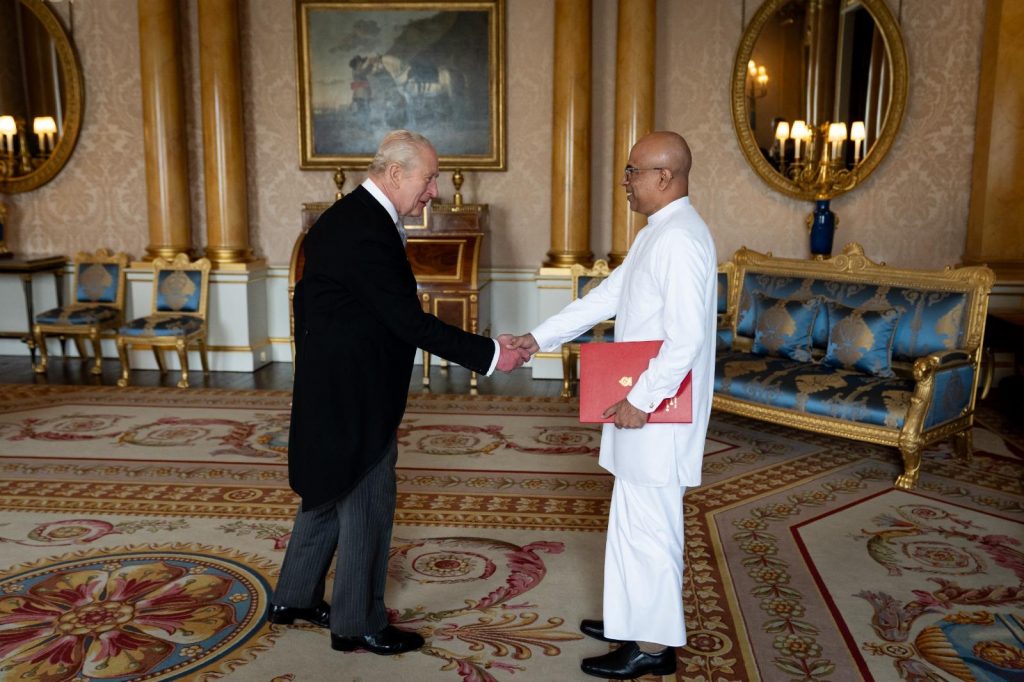
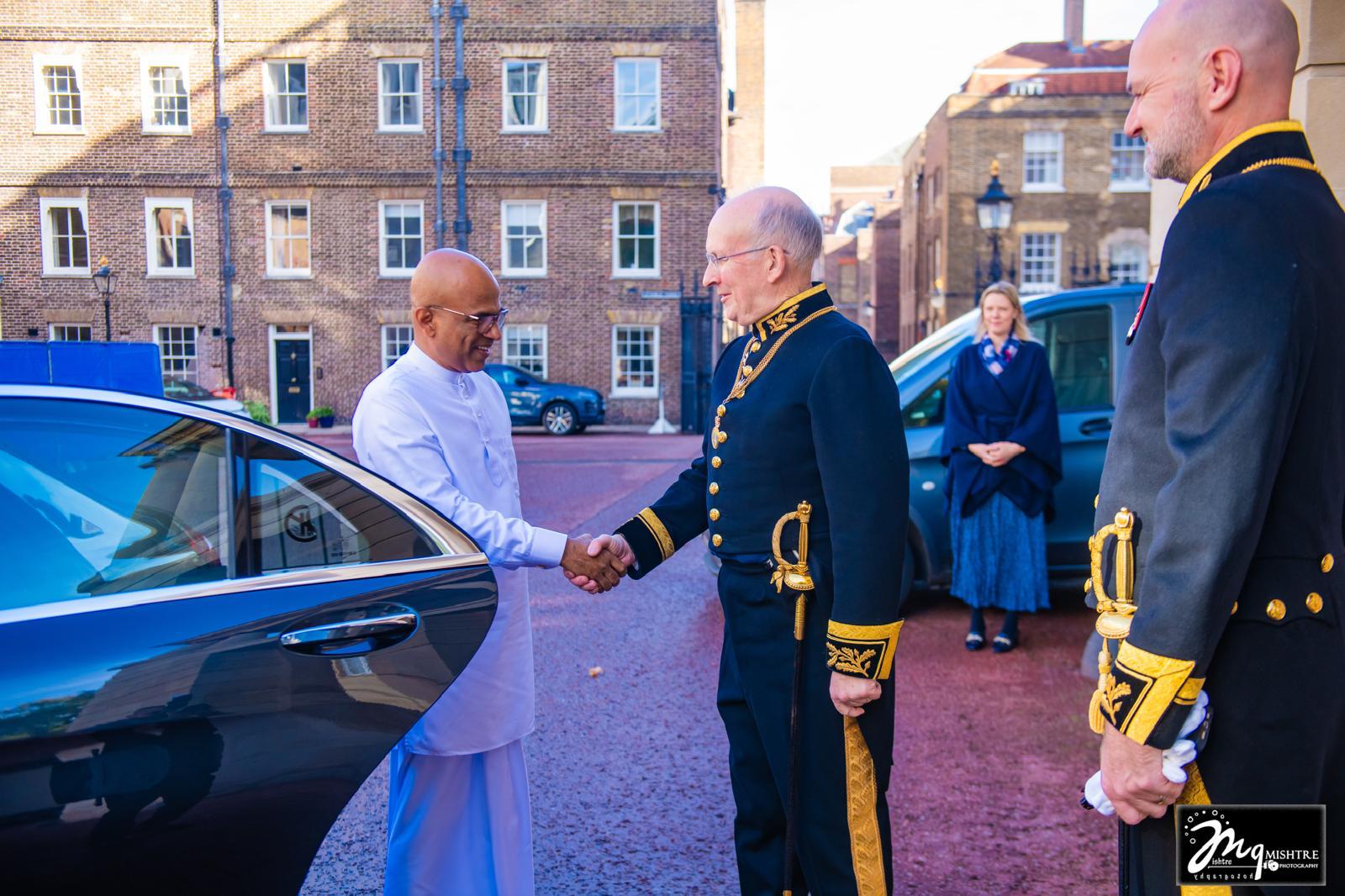
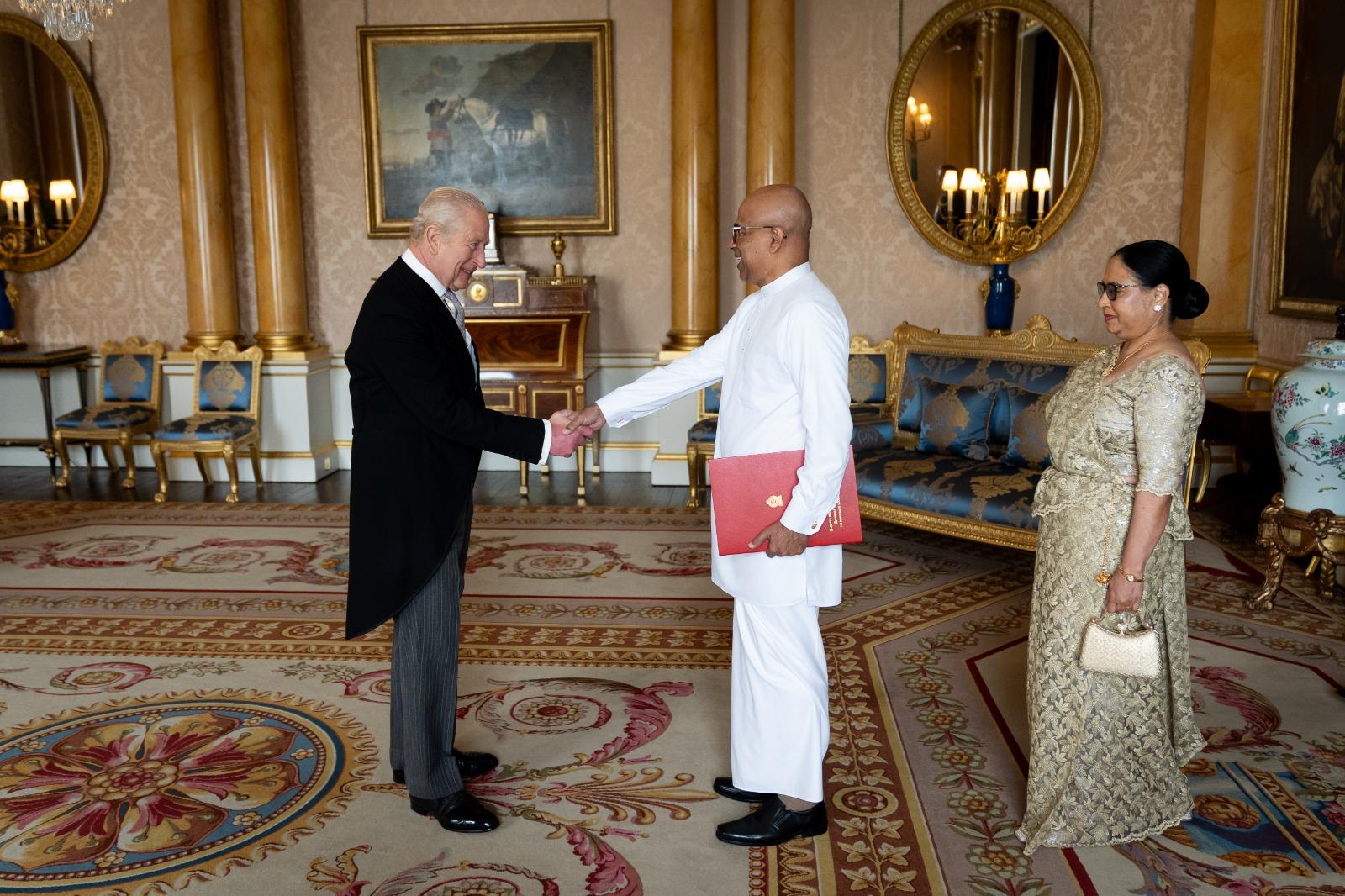


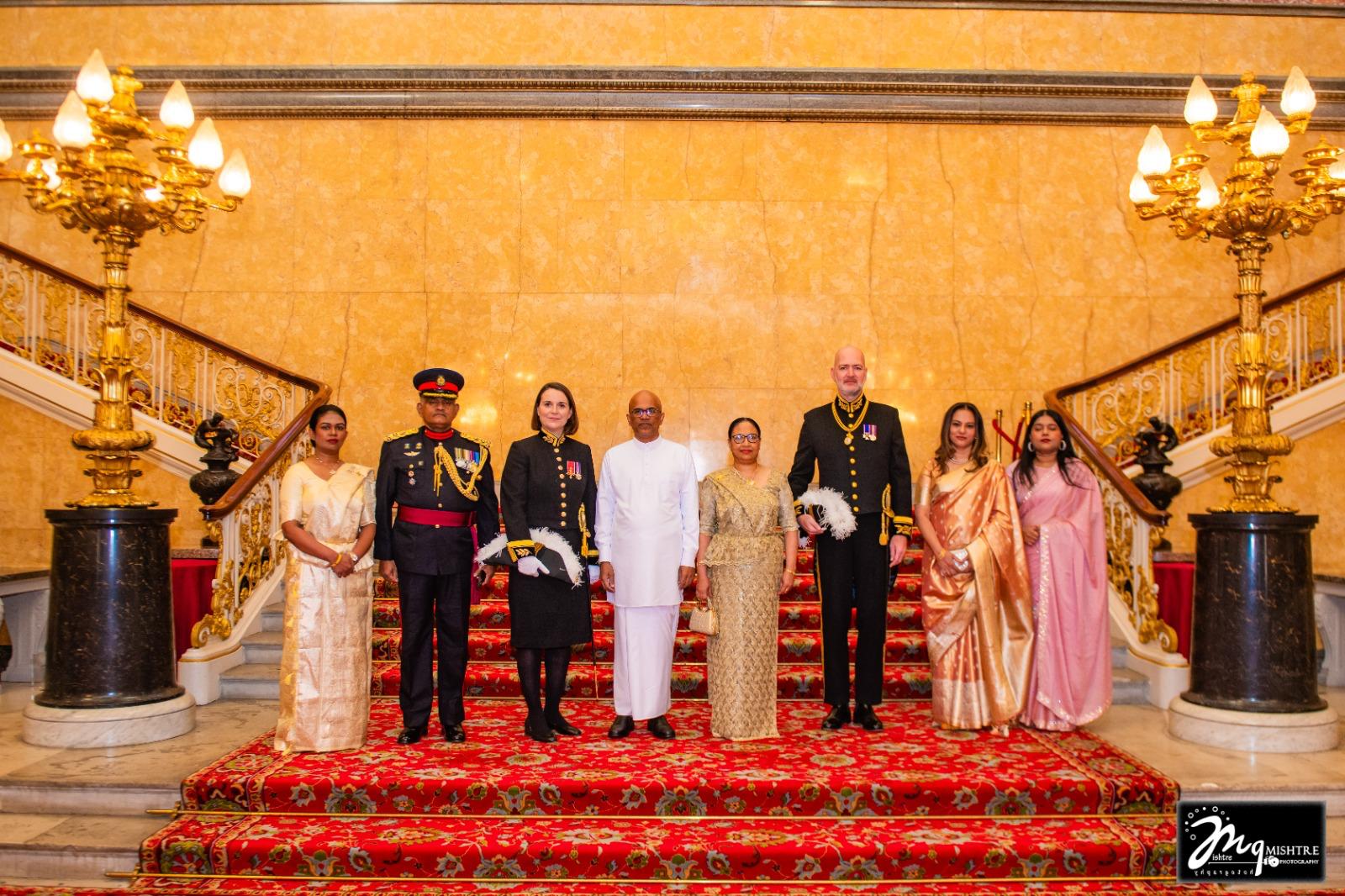
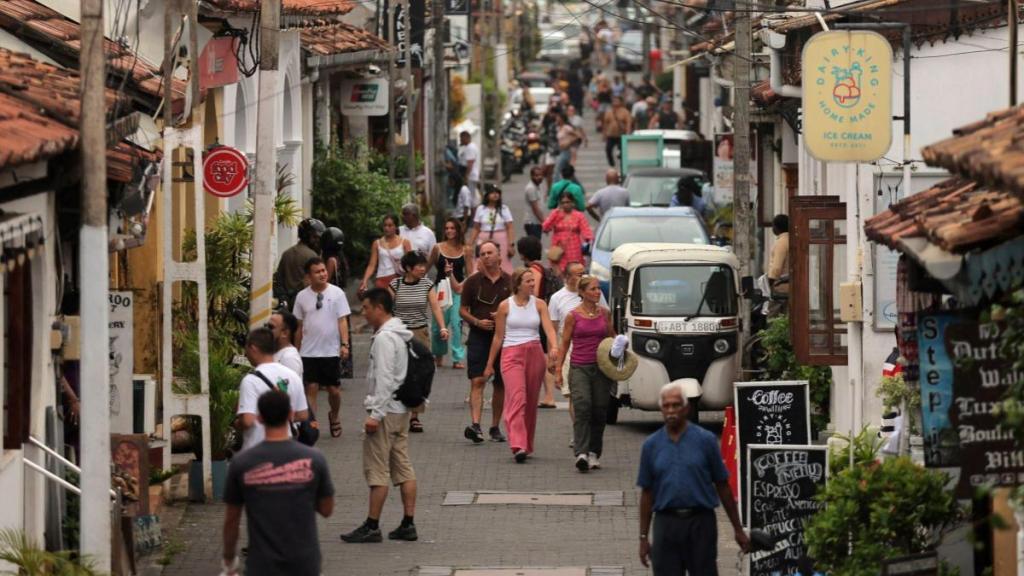
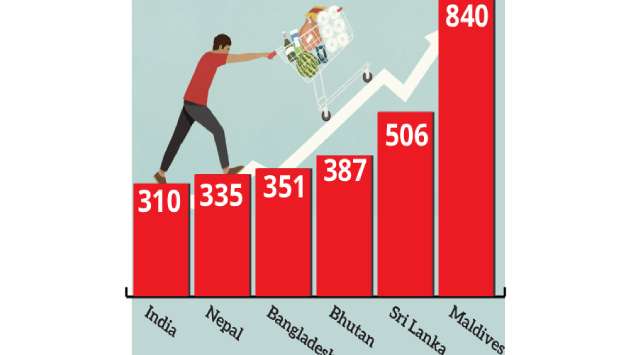
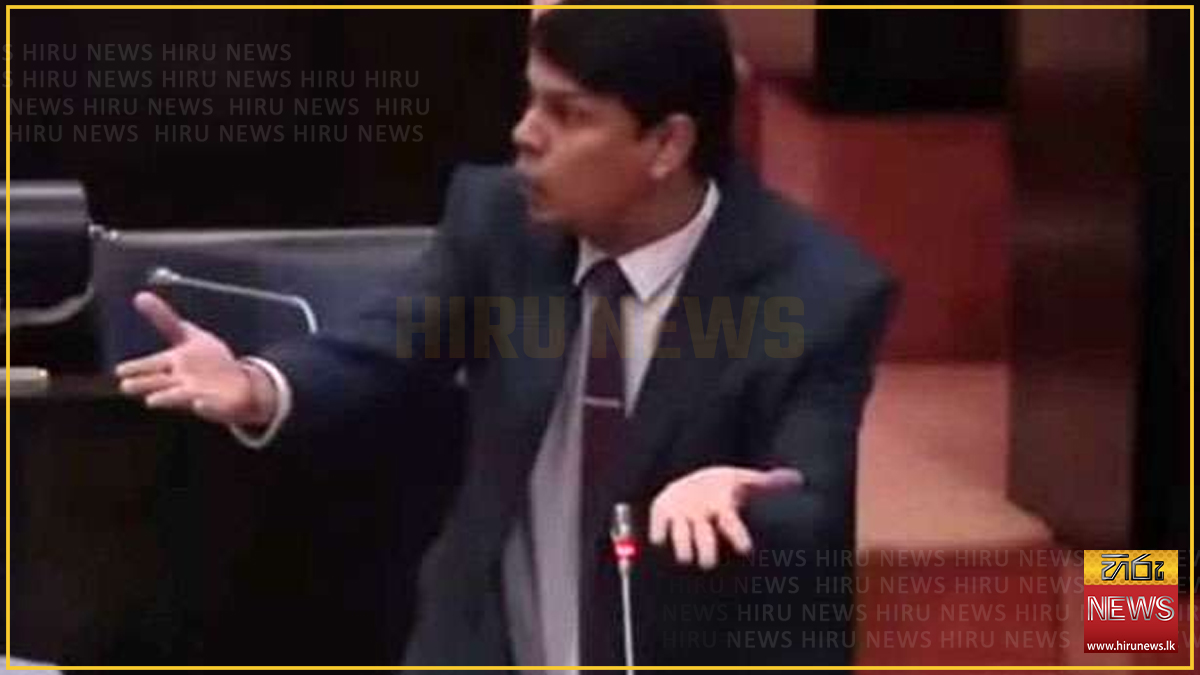
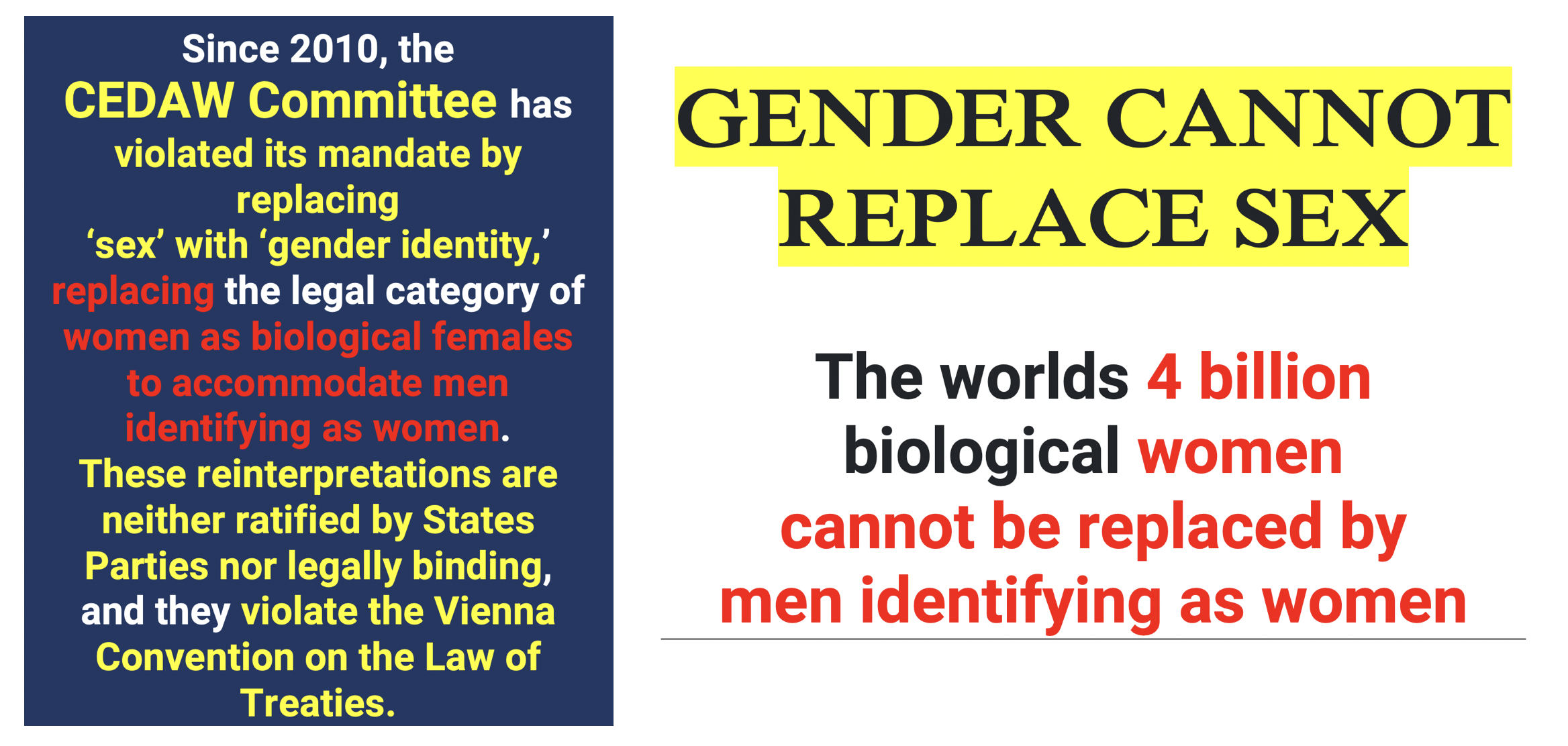



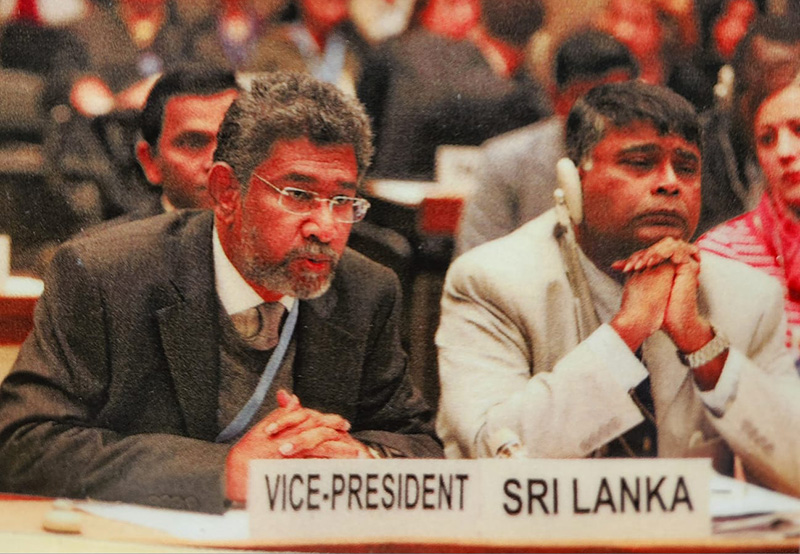
 Last week’s killing of Lasantha Wickremesekara, the Samagi Jana Balawegaya (SJB) controlled Weligama Pradeshiya Sabha chairman, inside the chamber by a gunman, and subsequent allegations and counter-allegations over the killing have rekindled the fear of the return of political violence. The killing was politicised before the blood dried up. However, more appropriately, the brazen murder should prompt an honest discourse within Sri Lankan politics about the political underworld nexus, which does not seem to disappear, no matter how eloquently our politicians pledged for good governance.
 The slain Pradeshiya Sabha chairman Lasantha Wickremesekara– the police are being criticised for circulating social media videos of the alleged shooter making a confession