The official Hindi remix of the viral song Manike Maga Hithe records 3 million views

September 16th, 2022

Courtesi Hiru News

The song titled Manike is the official Hindi remix of the viral song Manike Maga Hithe by Sri Lankan singer Yohani the Bollywood film.

The song has crossed 3 million views within 6 hours of being uploaded to YouTube.

The makers of Ajay Devgn and Sidharth Malhotra’s film ‘Thank God’ have released its first song.

The song titled Manike is the official Hindi remix of the viral song Manike Maga Hithe by Sri Lankan singer Yohani Diloka.

In the over-three-minute long video, Nora Fatehi and Sidharth Malhotra can be seen dancing together most romantically. The video begins with Ajay Devgn’s Chitragupt testing Sidharth’s character’s restraint.

With Ajay’s magic, Nora begins to dance around Sidharth Malhotra, who too can be seen joining her. A few frames later, Sidharth and Nora can be seen dancing on a bed of roses.

The song is sung by Yohani Diloka, Jubin Nautiyal and Surya Ragunnathan. Rashmi Viraj and Dulan ARX have written the song’s lyrics, while Tanishk Bagchi and Chamath Sangeeth have given the music.

Thank God, directed by Indra Kumar, stars Ajay Devgn, Sidharth Malhotra and Rakul Preet Singh in the lead roles. The film, which is touted to be a fantasy comedy is scheduled to release on October 25.

Thank God will mark the first collaboration between actors Ajay Devgn and Sidharth Malhotra. Whereas, this will be Rakul Preet Singh’s third collaboration with Ajay Devgn after the 2019 film De De Pyaar De and 2022 film Runway 37. Sidharth and Rakul have previously worked in the 2018 film Aiyaary and the 2019 film Marjaavaan.

Thank God will also be Sidharth’s first big screen film after Marjaavaan in 2019.

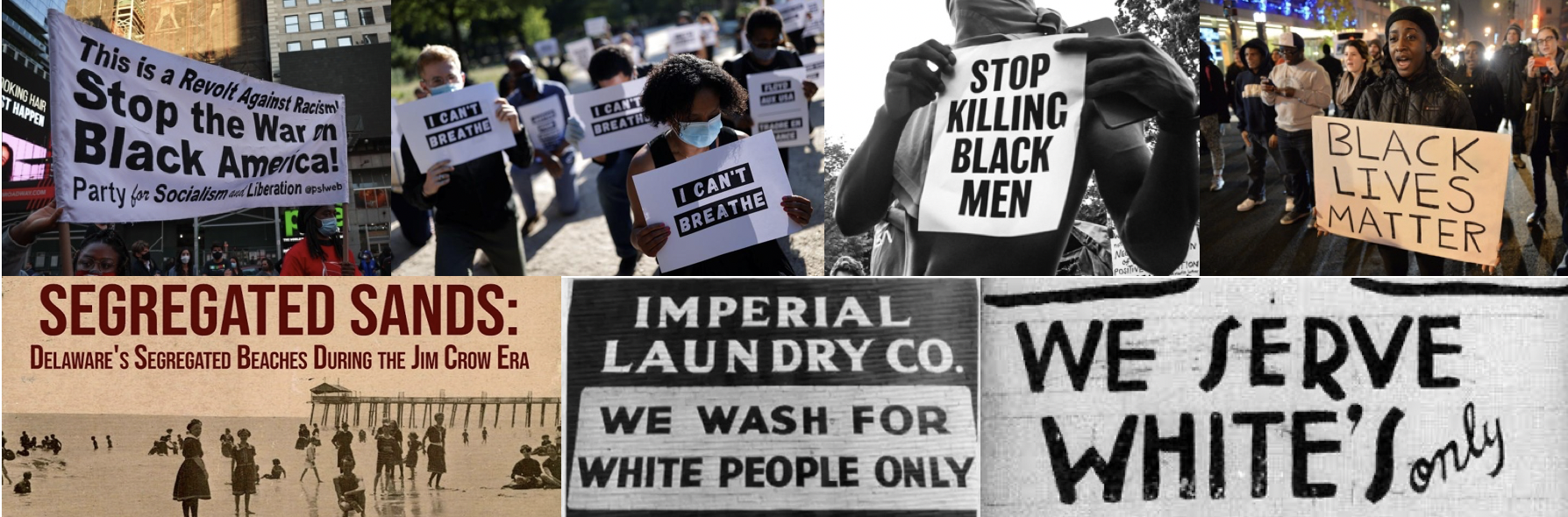
What if Black Americans demanded Internal Self-Determination from America?

September 15th, 2022

Shenali D Waduge

The US has been delivering democracy, liberating people, fighting for freedoms, carrying out coloured revolutions & regime change for centuries. What if, back home they have been ignoring their own problems. We have watched American envoys at UN promote self-determination, separate homeland & rights of people – what if black Americans decide to take America’s own advice & demanded self-determination on account of the discriminations they suffer. How would America react if 47million Black Americans sought internal self-determination in US? What if Black Americans also ran Genocide” campaigns on the lines of what Tamils are doing how would US Govt react? What if Blacks start going to Geneva annually presenting a case for self-determination too? It would be interesting to see if EU would rally on behalf of the Blacks of America!

There was no United States of America until the name was first used in 1776.

What is USA today was occupied some 12,000 years ago by Native Indians living on the land some 12,000 years ago.

White Europeans only arrived in the 16th century. The first documented arrival of Europeans were the Spanish, then the French & then came the British.

The first English settlement was in 1607 in Jamestown.

The next settlements came after trafficking African slaves.

The British set up 13 colonies on the East Coast. These were administered as British overseas dependencies. These 13 colonies are said to have had a population of over 2.1m by 1770 a third of whom were British. The colonies waged war against taxation & eventually the Declaration of Independence on 4 July 1776 created a Confederation of States which fell apart in 1789 (15 years) This showcased the short term results of a confederation as it exists only on the united cooperation of states and not on any legally binding principles as found in a unitary state. George Washington became the 1st President.

By 1848 almost 10% of US land was taken over by European settlers via Homestead Acts.

Civil War prevailed in US (not Sri Lanka) This lasted 4 years (1861-65) more than 50,000 civilians are said to have died. Abraham Lincoln was assassinated on 14 April 1865.

Jim Crow racial discrimination laws – rights of blacks disenfranchised, blacks faced racial segregation, they experienced vigilante violence including lynching.

The US that forces itself upon nations flagging red cards about racism, discrimination, freedoms, liberties and whatnot may first like to look back home.

Racism was a major part of policy & life in the US which culminated in the Civil Right Act of 1968

  • White Americans make up 57.8%
  • Latino /Hispanic 18.7%
  • African Americans 12.1%

How white Americans treated Blacks in 1950-60s  

While 1957 Official Language Act in Sri Lanka is being unfairly flogged, little attention is paid to the racial discriminations blacks were subject to in America.

1868 via 14th Amendment the US Constitution claimed to have given Blacks equal protection under the law but did such equal status prevail?

In 1870, the 15th Amendment granted blacks the right to vote, but did they?

What about the Jim Crow laws that denied blacks to use public facilities alongside whites. Where blacks couldn’t marry whites, blacks could not vote or even seek education.

Blacks could not buy houses in white areas, blacks were discriminated even at work, some states even passed laws denying voting rights to blacks.

Blacks could only secure low-wage jobs. Blacks were even not recruited to the military. Defense jobs for Blacks came only in 1941 via Executive Order 8802 signed by President Roosevelt. Even while serving for the nation during World War 2, Blacks were subject to segregation & discrimination. Ironically America entered war to defend freedom & democracy across the world but where discriminating Blacks at home. Another Executive Order 9981 was issued in 1948 to end discrimination in the military by President Truman. However, discriminations persisted but camouflaged.

The treatment to Blacks travelling in public buses emerged when in 1955 Rosa Parks who was seated in the section for blacks was asked to get up & give to a white woman. Rosa Parks refused & was arrested.

Black children suffered till US Supreme Court had to rule segregation as illegal in public schools in 1954. However when 9 Black students arrived to begin classes in 1957 they were chased off by mobs. Incidentally, it was in 1957 that SWRD Bandaranaike passed the Social Disabilities Act & Tamil political leaders sailed all the way to UK to plead to annul the Act that gave low caste Tamil children the opportunity to enter schools to study. Eventually, these children had to sit on the floor & study. Today, these political leaders are pretending to speak for Tamil rights!

Even with Blacks given right to vote, the whites adopted ugly tactics to prevent them – blacks had to take literacy tests that were misleading and were made impossible to pass. US even had to set up a commission to investigate voter fraud!

Discrimination was such in US that even in 1960, black college students were not even served lunch. Even by 1968 Blacks could not buy homes because of their colour.

The denial of blacks eventually led to many protests and marches the most famous being the I have a dream” by Martin Luther King. He was assassinated eventually on 4 April 1968 while on 21 February 1965 Malcolm X was assassinated at a rally.

How many white George Floyds have met their waterloo?

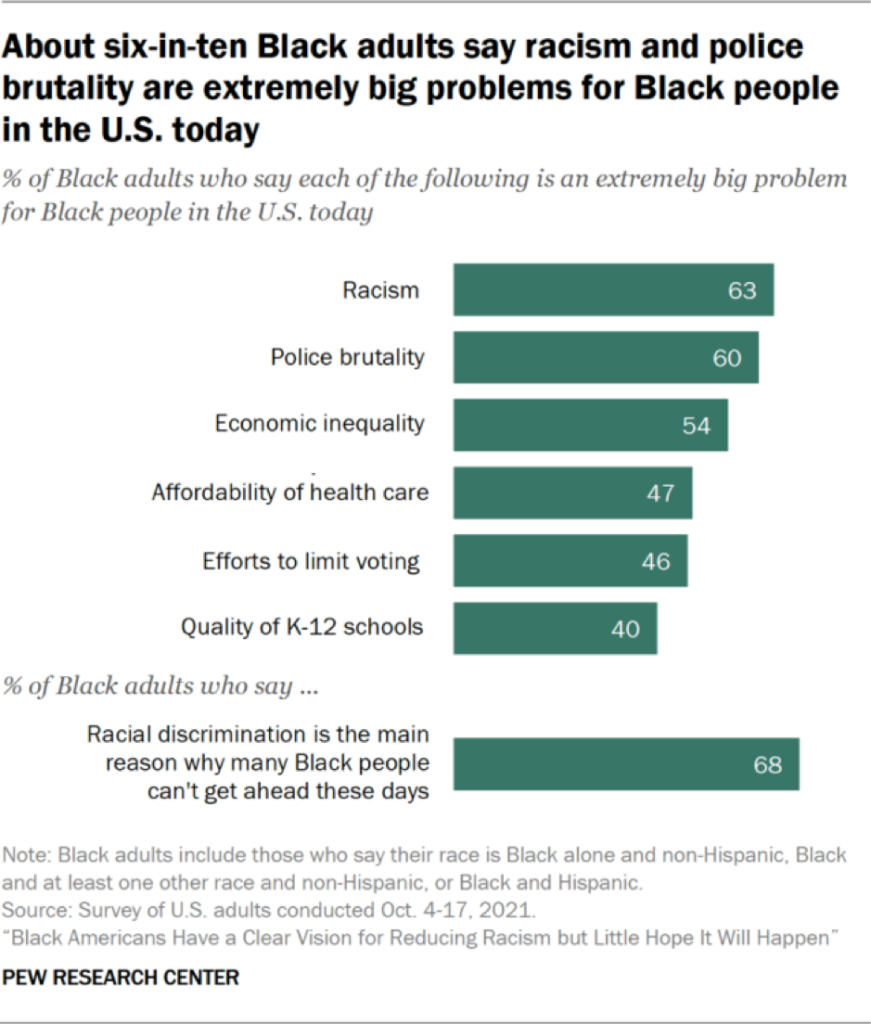
https://www.pewresearch.org/race-ethnicity/2022/08/30/black-americans-have-a-clear-vision-for-reducing-racism-but-little-hope-it-will-happen/

The racial divides prevail, whatever media presents otherwise to the global community. Blacks are often stopped by police for no reason & often arrested. Surveys prove this. Black school children are subject to numerous racial bullying. Blacks are not only arrested more than whites but are convicted & serve longer terms than whites convicted for same crime. Blacks are often paid less than whites. Social stigma against Blacks has made Blacks turn to violent responses as they have seen no signs of change in the system.

Tamils in Sri Lanka or even Tamils in Tamil Nadu should ask themselves if they have suffered the type of racism & segregation that blacks in America suffered even in 1960s and in many states they continue to do so.

The answer is not to reverse and give minorities bigger rights over the majority as has become a new norm. The elites that rule the world have found it easier to deal with the minorities than with the majority. This is why all over the world the new gameplan is to pitch the minorities against the majority – we see this happening in the US, in UK, even in EU.

Equality can’t be ascertained via Acts & pieces of paper as it is those that implement who have the last say. If a judge is racial and prejudiced, no person will get justice. This is relevant to prejudice against minority or majority by a member of the minority or majority.

The mentality of racism was rooted during colonial rule. It is like an octopus now, its tentacles have reached far & wide. No one can accuse majority of racism nor minorities of racism. Racism has got embedded into the system.

In such a scenario, when countries that are helping separate countries using terms they have coined for their geopolitical purposes, should also wonder what will happen if the chickens come home to roost.

What if the 47million blacks in America sought internal self-determination within an united states of America & ran campaigns similar to those that LTTE Diaspora are doing – they may even outsource the campaigns to them & add to their kitty!

Shenali D Waduge

ගෑස්වලට චරිත – මුදිත ඇවිලෙයි! (වීඩියෝ)

September 15th, 2022

උපුටා ගැන්ම  හිරු පුවත්

ලිට්‍රෝ සමාගම ගෑස් මිල දී ගැනීමේ දී, OQ සමාගමෙන් ගෑස් මිල දී ගන්නේ රුපියල් 105.40කට බවත්, සියෑම් ගෑස් සමාගමින් ගෑස් මිල දී ගන්නේ නම් ඒ සඳහා රුපියල් 112ක මිලක් එම සමාගමට ගෙවිය යුතුව තිබුණු බවත් එබැවින් වඩා වාසිදායක තේරීම ලෙස OQ සමාගමේ ගෑස් මිල දී ගත් බවත් ලිට්‍රෝ සභාපති මුදිත පීරිස් පවසනවා.

ඔහු ඒ බව කියා සිටියේ, ගෑස් මිල දී ගැනීමේ දී OQ සමාගමට වඩා සියෑම් සමාගමේ ගෑස් මිල දී ගත්තේ නම් වඩා ලාභදායක යැයි පාර්ලිමේන්තු මන්ත්‍රී චරිත හේරත් විසින් කරන ලද ප්‍රකාශයකට පිළිතුරු වශයෙන්.

එහි දී ලිට්‍රෝ සභාපති කියා සිටියේ, ජූනි මාසයේ දී ගෑස් මෙට්‍රික් ටොන් 6975ක් මෙරටට ගෙනැවිත් බෙදා හැර ඇති බවත්, මන්ත්‍රීවරයා විසින් කරුණු හරි හැටි නො දැන කරන ලද ප්‍රකාශයක් බවයි ලිට්‍රෝ සභාපති කියා සිටියේ.

මේ හා සම්බන්ධ බිල්පත් සහ අදාල ලියකිවිලි තම ආයතනය සතු බවත්, ඒවා මාධ්‍ය වෙත මුදා හැරිය හැකි බවත් ලිට්‍රෝ සභාපතිවරයා කියා සිටියා.”ලිට්‍රෝ ඇවිලෙයි – මේක කීර්ති නාමයට හානියක්

POHOTTU AS USA’ S PROXY Part 8Lg

September 15th, 2022

KAMALIKA PIERIS

The university rag carried out by the JVP contained a strong element of sexual harassment, sadism and torture.The ragging was described as ‘inhuman’. There was cruel, inhumane ragging amounting to torture and verging on sadism, said commentators. The university ragging has a sadistic streak, they added. There was gratification of sadistic tendencies.  It was reported that plastic tubes were inserted into the rectums of four students.

These ragging activities of the JVP are now in the public domain.  Angry, indignant undergrads have gone on television to report the matter. The information given in this essay including explicit words used, are taken from discussions which took place on television, You Tube and newspapers.

Daily Mirror said that it has shown the extent of the physical, sexual, mental and verbal ragging prevalent in State universities, through accounts we received from lecturers, parents and students of the Colombo University, Sabaragamuwa University, Ruhuna University and the Rajarata University.” 

In the case of male entrants the ragging was of a strongly sexual nature. Even the nicknames given to the male students, in their ‘Card’ were of a sexual nature. Male undergrads stated that they had to listen to obscene words related to sex organs.    They were forced to watch pornographic material. They were forced to expose private parts of the body   and carry out degrading, obscene sexual acts.

The male undergrads who went public all complained about nudity. At Rajarata a male fresher complained that he was stopped on the road when he was walking back from university and asked to undress, which he had refused to do.    They had to do pushups, half squat, crawl, while naked.  We were asked to strip naked and bathe with dirty water brought in buckets. A student has been stripped naked and bathed with mud on his birthday. They force us to appear nude and perform inhuman activities, undergrads said.

There was sexual harassment of the male freshers. All male undergrads who went public   emphasized this and gave explicit details. They said that male freshers were subject to serious physical ragging of a sexual nature. They were subject to forced sexual acts without consent said complainants.  They were subject to unpleasant sexual experiences.  The raggers were well organized   and the ragging was systematic, they said. 

It is the custom to bring us, clad in sarongs, in the night to a room in the hostel. On entering the room we are forced to remove the sarongs. In order to drown the noise made by the students                               regarding this, loud music was played. Later it became mandatory that we came naked to this room. The seniors as well as students in our group begin examining our genitals and forced us to masturbate in their presence. Refusal means you are subjected to severe assaulting. There is no fan in this room and students sweat throughout these acts, said victimized undergrads, when interviewed by Daily Mirror.

Undergraduate Darsha Udayanga spoke to the media in 2019. Here is an incident that happened in Room no. 114 at the Meddawatte Hostel at Ruhuna University, Darsha said. They were asleep, 10 of them on four beds. Late in the night a group of raggers came calling us ‘malliye’ in a weird tone. I was asleep and when I woke up none of my roommates were there. .” (https://www.dailymirror.lk/news-features/University-ragging-intensifies-)

The raggers had woken him up. They had carried him out of the room, like carrying a ‘mini pettiya’, stripped him and squeezed his private parts. I was helpless and I was so scared that I couldn’t even scream. Then they put us on a bed and one of them got on to my backside and later only I realized what they had done. They had taken a condom, put it on a pole and pressed it onto my butt. Then they put that condom into our mouths as well. They told us this later.

We were then put into a common room which held the others who had been subject to the same treatment earlier.  There were 35 or 40 of us, all shocked and scared, seated on benches. All of us were naked. This group had been yelling, and it was to muffle this that they had been calling “Malli Mali.  Later on, Ruhunu University announced that the authorities had found 2 buckets of used condoms. How did they get all these condoms, asked undergrads.

The sexual ragging consists of several rituals. These are given Sinhala names.    They are all related to the penis, said undergrads. One is ‘Bonchi kadeema’ where two males have to stand facing each other, naked and touch each other’s sexual organs. We have to put it up and down until they ask us to stop. . The penis cannot rise. If it does they assault. Darsha Udayanga showed a photograph of one of the organizers of the rag and said that this individual had openly enjoyed watching bonchi kadana rag.

Another rag was called ‘puk kapu allanawa’ where we have to do something like catching bugs with our private parts. In ‘Puk meeyo allanawa’ you had to go where they tell you and try to catch mosquitoes with the private parts.

In ‘Rajasinghe amudey’ our private parts are dressed as in an amude. We then have to repeat a verse containing utter obscenities,  thanikara kunu harupa”. We had to repeat it word for word. Can’t get even one word wrong. If we miss a word they would hit us. I had to say it about 20 twenty times, said one undergrad. We have to repeat a load of shit on Rajasinha  without making a single mistake, said another  undergrad. We  also had to listen as the others spoke their lines. The ritual took about 3 or 4 hours for all to finish.

In another rag our eyes were bound with other peoples sarongs, not our own. I could not bear the smell of those sarongs, said an undergrad. We were otherwise naked. The raggers stroked us with a leaf, then they started to hit us. ( https://youtu.be/ve_eGcf67ac)

The  extreme  sexual ragging took place mainly in the hostels.  Undergrads  complained publicly  that they were stripped and   subject to inhuman torture , in the hostel from 10 p.m. to dawn, nonstop. From 10 pm  to  dawn, we are nude, they said. A new lot came  to rag us, at dawn.

At Rajarata the seniors came to the boys’ dormitory at 12 a.m. and ragged them till 3 a.m. in one instance they had been asked to act as if they were in blue films. One person had to play music while another pretends to be videoing it,’  Elsewhere freshers were shown  a photo of a woman and made to masturbate .

There was also torture. At University of Ruhuna the Students Union which had control of the canteen had built  a torture chamber above it  with iron doors which were kept locked. No academic  visited the canteen. The raggers had seen to that. They made academics feel uncomfortable  when they came in for a cup of tea and stopped them from using the canteen. Authorities had not  gone near it for 15  years  either. Students were taken to this chamber and sexually abused. In 2019,  Ruhuna University Vice Chancellor Prof Sujeewa Amarasena had taken action to  open  up the torture chamber and terminate the ragging there. This received much publicity and great applause.

Female students did not escape sexual harassment. There has been a limited sexual harassment of female students. There were strong women raggers. During ragging we are forbidden to wear brassieres. Senior female students examine us  said female freshers..   

 One undergrad spoke of Dasakala Abhisehkaya’ which is done inside a room where the walls are decorated with drawings of male and female figures. They insist that we perform some acts with the male figures on the walls.

After the canteen rag, I went to the wash room, said a  female undergrad.  A group of raggers saw me going and started yelling at me for no reason. Since, I was wearing a T-shirt instead of a blouse with my skirt, a ragger came up to me and said that he could see everything underneath my shirt. I truly felt disgusted. After I came out from the wash room, he once again reminded me that he could see everything underneath my clearly opaque shirt. We cannot even go to the washroom in peace. ( Continued)

POHOTTU AS USA’ S PROXY Part 8Lh

September 15th, 2022

KAMALIKA PIERIS

In Sri Lanka, sexual harassment is a criminal offence under Section 345 of the Penal Code. Ragging is a non-bailable offense leading to a prison term. Torture chambers are clearly criminal and have no place in a university. However, the university authorities and the police have been reluctant to squash such serious criminal activity inside the universities.

 Students who have been ragged are scared to complain as they find that neither the University authorities nor the police wish to listen to them. But there was one exception. Ruhuna university undergrad Darsha Udayanga made a police complaint in 2019 regarding the ragging he had been subject to.

 Darsha has made this complaint entirely on his own. Darsha was not the usual   sort of captive student the IUSF had in mind. Darsha’s home was in Gampaha. Gampaha was highly urban and very close to Colombo. Darsha’s mother and brother were both graduates and Darsha himself had entered university at the first attempt.  His mother and brother had met the VC regarding Darsha’ ragging and Darsha had been offered another university which Darsha refused. Darsha was confident and savvy.

 Darsha was very angry about the way he was treated by the raggers. He said he did not come to university to experience any of this and he was not prepared to meekly tolerate the ragging Also he was neither impressed nor frightened of the IUSF at Ruhuna. He appeared in a You Tube clip, showing photos of each of the leaders who had ragged him, naming them and stating the role each had played in the sexual harassment.

Darsha had first approached the VC about the sexual harassment, who told him, Go to the police. I can’t handle this.” Darsha went to the police and managed to get the police to listen to him. Eventually after some delay, the Matara Police took 19 suspects into custody. (https://youtu.be/kpQ6WiInSQQ) .

 This appears to have been a landmark event. It received publicity and helped expose the criminal ragging going on in the local universities. It led to many discussions on television and You Tube regarding sexual harassment in the university.  Led by the articulate Darsha first, and then picked up by other students who had also experienced ragging.

Daily Mirror reported the event. 19 senior students of Ruhuna University were remanded after being arrested over an incident where a new student from Gampaha, Darsha Udayanga, had been inhumanly tortured during ragging, said Daily Mirror. They had been arrested after the victim student; seemingly a courageous boy had published the nightmare he had to undergo in social media and had held a media conference in   August 2019 to explain the grisly experience that he had faced.  

JVP hit back. IUSF Ruhuna had sent two Student Union members to Gampaha to investigate Darsha, to Darsha’s utter disgust. This IUSF pair then announced that Darsha had been sexually molested long before he came to University.  A weak argument, which Darsha vigorously and contemptuously denied.

The IUSF then used You Tube to present its case. it gave an interview which came on You Tube hosted by SL Today in August 2019 under the title  ලංකාවම කැළඹූ රුහුණ විශ්වවිද්‍යාලයේ නවකවද සිදුවීමේ ඇත්ත හෙලිවේ. (see  https://youtu.be/iAwv3ZVD4TI )

The preamble to the video clip said රුහුණේ නවකවදය දීපු අයියල සෙට් එක මෙන්න. පසුගිය දිනක රුහුණ විශ්වවිද්‍යාලයේ ශිෂ්‍යයෙකු විසින් මාධ්‍ය හමුවක් සිදුකරමින් විශ්වවිද්‍යාල අභ්‍යන්තරයේ සිදුවන නවක වදය සම්බන්ධයෙන් හෙලිදරව්වක් සිදුකරන ලදී. එම හෙලිදරව්වට පිළිතුරු වශයෙන් රුහුණ විශ්වවිද්‍යාලයේ ශිෂ්‍ය ක්‍රියාකාරී කමිටුව විසින් අද දින මාධ්‍යය හමුවක් පවත්වමින් කියා සිටියේ විශ්වවිද්‍යාල අභ්‍යන්තරයේ කිසිදු නවකවදයක් සිදුනොවන බවත්, මෙම පැමිණිල්ල සාවද්‍ය බවත්ය. එමෙන්ම වැඩිදුරටත් ඔවුන් සඳහන් කලේ උපකුලපතිවරයා මෙහෙයවීමෙන් අදාල ශිෂ්‍යයා සාවද්‍යය පැමිණිල්ලක් සිදුකර ඇති බවයි. එයට සාක්ෂි ලෙස හඬපටයක්ද අද දින මාධ්‍ය වෙත ඉදිරිපත් කරනු ලැබුවා.

In this You Tube clip the speaker denied Darsha’s complaint that sexual ragging had taken place in Ruhuna. There is absolutely no sexual harassment taking place in Ruhuna University, the speaker said. This was     a charge invented by the private universities to get more students.

The speaker said that Darsha’s complaint to the police was false. The Vice Chancellor was behind this. The VC had influenced Darsha to put forward a false complaint. No such rag has ever taken place. 

There are 200 hostellers in Meddawatte hostel.  They have not complained, said the speaker. Darsha was not staying in the Medawatte hostel, either. His name is not n the hostel list. What the speaker did not say was that Darsha had left the hostel after the ragging,    and boarded elsewhere.

The IUSF speaker gave helpful statistics on the number engaged in criminal ragging in Ruhuna. He did so by giving us statistics of raggers who had been caught and punished by the university. A total of 135 students had been charged, he said, of which 19 were presently imprisoned, 11 banned from studies for life, and 37 expelled from hostel. Disciplinary inquires were   pending against 42.

He also provided a breakdown by faculty. There were 19 currently arrested from Arts faculty. Leading officials of the Student Union are in this list. One is banned for life from University studies. Disciplinary inquires have started for five others. These students have been arrested on bogus charges, said the speaker.  

In the Faculty of Management 9 were barred from University for life, disciplinary action taken against 23.  In Faculty of Science 23 were charged.  In Faculty of Technology 8 disciplinary inquires and one banned from University studies for life. In Medical faculty, disciplinary inquiry on 6. In Faculty of Health science 3 were banned from hostels.  In engineering faculty, 8 were forbidden hostel facilities.

This video clip by the IUSF representative got 593 Comments. Not one comment agreed with the IUSF.  Commentators wished instead to show their utter contempt of the IUSF activities and their firm belief that inhuman ragging and sexual harassment had definitely taken place at Ruhuna. Some comments are unprintable.

Here is a selection of the comments.

  • Mee කියන්නේ බොරු mee ළමයි campus වලින් එළියට යවන්න
  • thopi කරපු බලු වැඩ වලට දඩුවම් ලැබෙයි..ඉගෙන ගන්න ආවනම් ඒක කරගනියවු.මානසික ලෙඩ්ඩු වගේ වැඩ නොකර.අම්මලගෙ බඩේ හැදිල එලියට ආපු එවුන් නෙවෙයිද තො
  • ubalawa campus yauwe aragala kara kara innada yako
  • හෙනම ගහපියවු අහින්සක ජිවිතත් එක්ක සෙල්ලමි කරල ආතල් ගන්න තිරිසන්නුන්ට
  • තොපිට හෙන ගහනවා ! 
  • බොරු දෙසාබාන්ඩ එපා යකෝ මාධ්‍ය සාකච්ඡා තියල.කරපු ජරා වැඩ ඔක්කොම එලිවෙලා තියද්දි.දැන් තමයි නියම කොන්ද පන තියන උපකුලපති කෙනෙක් හම්බවෙලා තියෙන්නෙ. 
  • මනස විකෘති වූ උඹලා වගෙ කෲර හැතිකරෙව මර්ධනය ‌නොවෙයි ‌මරළා පාර අයිනෙ ‌ගොඩ ගහන්න ඔනෑ.
  • ඹ විදවන්නෙ සමහරවිට මේ ආත්මෙ නෙවෙයි.. ඒත් මේ ආත්මෙ උඹලා වදදෙන උං උඹලගෙ පිටිපස්සෙන් එයි දවසක..
  • අනේ කාලකණ්නි බල්ලො තොපිල කරන දේ හරිද අවජාතක බල්ලො නවකවදය කාපු ලමයි සියදිවි නසාගත්ත මාධ්‍ය හරහා වීඩියෝස් දැම්ම ඒව බොරුද බල්ලො තොපිට හෙන ගහනව
  • අපිත් university තමයි….අපි දන්නව ඇතුලෙ කරන දේවල්…උබල කියන්නෙ වාර්තා වෙලා නෑ කියලනේ..ඔව් තොපි වාර්තා කරන්න දෙන්නෑ…කරත් ගහල අයින් කරවනවා..
  • මේ පකුන් අහිංසකයින්ට නවක වද දීලා දැන් ලැජ්ජ නැතුව කතාකරනවා
  • Campus ආවනම් ඉගෙනගන්න ..ඔයගොල්ලො වගේ අසහනකාරයො තමයි සමාජගත වුනහමත් මේ රට විනාශ කරන්නෙ….
  • පර බල්ලො අර අහිංසක කෙල්ලො ටිකක් කතා කරගන්න වත් බැරි විදිහට දීල තියෙන වදහිංසා උබ දකින්නෙ මොන විදිහටද තොට අම්ම අක්ක. නංගිල නැද්ද අවජාතක පාදඩයො…
  • මු කියන බොරු
  • තෝව අල්ලලා මරන්න තරම් කෙන්ත්යි
  • Ane nikam hitapan pacha kelinne nathuwa.
  • අනේ කොහොමද ඔයාලා ඔහොම කතා කරන්නෙ.. අපිත් campus ඉන්න ළමයි.අපි හොදට අහලා තියෙනවා ඔයි වගේ ගොන් කතා..සොහොදරවරුනි කිය කිය කියන්නෙම බොරු..ඔයාල හිතන් ඉන්නෙ campu ගිහිල්ලා අන්තරේට ගිහාම picket වල උගුර වේලෙනකන් කෑ ගැහුවම ඔයාල රටේ ජනාධිපති කියලද..කොන්දක් තියෙනවද ඔයාලට.අහිංසකයොන්ට වද දීලා වද දීලා ඔහොම බොරු කියන්න..මෙයාලට කොහොමත් හොද පුරුද්දක් තියෙනවා කොච්චර වැරදි කරත් මුකුත් නොදන්න බබාලා වගේ කතා කරන්න..ඒවට තමයි මෙයාලට degree තියෙන්නෙ..subject repeat වෙවී මේවා තමයි කරන්නෙ
  • තොපේ මූනු වලින්ම පේනව තොපි ජඩ මැරයො කියල .අර ගැහැණු ළමයින්ට කරපු දේ .. ? අරයල ඇවිල්ල බේර ගත්තෙ නැත්නම් .
  • පර බල්ලො.උප කුලපතිගෙ වැඩපිළිවෙළ හරියටම හරි.
  • මුන් එකෙක් දෙකෙක් මරලම දැම්ම නම් ඉවරයි.
  • Mekath owata sambanda da danna na

Youtube clips seen by me for    Pt 8Lg and  Pt 8Lh are  listed below.

clips featuring Darsha Udyanga are:

THE POWER OF MANPOWER –REVENUE SEEKER FOR SRI LANKAS ECONOMY

September 15th, 2022

Sarath Wijesinghe, President’s Counsel. 

Through the years Sri Lanka has being a strong prime source of trainable, reliable and loyal and above all cost effective supply of manpower to number of countries and industries majority finding employment in the Middle East sector and other regions for both skilled and unskilled.    

The liberalization of trading with an open economic principles led by the government encouraged youths of this country to learn and develop more industrial skills with use of modern technology and training methods. The sector has supported to step up the standards in numerous ways to face challenges and develop positive work attitude, behavior pattern and confidence in workers. However, having said that there is still room for enhancement in this sector with measures that could be taken by the Labor ministry in support of the foreign employment sector. If G to G negotiations are made with (government to government) apt concord, there would be less seeking to sneak across to some of these countries in search of work.

In sustaining and providing necessary back up for the middle and low income youths of the country, training and offering apprentice programs is essential in preparation to gain more experience. There is vastly room for improvement by the government of Sri Lanka to develop this area.  On the other hand, few of the private sectors have identified the need and some of the institutes have extended their services in support of this industry.  Some of these private institutes have contributed immensely in elevating needed skills in carrying out successful employment in foreign land.

Let us first understand what employment and recruitment is. It is working for an Organization or a company and receiving wages in exchange to the services one renders. On the other hand, recruitment is hiring people accordingly based on a employees skills and qualifications and past experiences. Foreign workers contribute to a large part of the employment window across many countries in the world. There are many significant benefits associated with it. Most people are not born with silver spoons in their mouths or carry wealth from forefathers therefore to maintain life-long employment is to ensure self-wellbeing and that of their families. Satisfied employment is of great importance. Employment is also knowledge, and knowledge is power.  The more you gain knowledge in a specific field the more one can demand in terms of suitable placement and remuneration. Human resources on the other hand are an asset and along with skills and ability of manpower are imperative. These two goes hand in hand for successful employment segment.

Employment falls into two different categories and that is local and foreign recruitment. The latter is what we are mainly focused in. Foreign employment opportunities are huge for Sri Lankans and considering our literacy rate statistics for 2020 was 92.38%, a 0.13% increase from 2019. Therefore, there is hardly any reason why the majority of our population shouldn’t be engaged in skilled migration or overseas placement to better their prospects. If we consider the adult literacy rate of 91.71% male rate falls to 92.77% and female literacy is 90.8% leaving hardly a deficit between the genders. Which therefore implies the skilled capacity is equally high and both genders should be given equal opportunities to work in suitable environment benefiting same remuneration.

The present crisis in the country has led to many seeking foreign employment. Likewise several job agencies has stepped forward in providing these services in meeting with demand of many seeking better financial stability. However as an organizations point of view the lower income category no more needs to settle for less if they can be tutored for most demanding professions in the world, and that does not require very high literacy but more dedication and that should come along with a personal commitment. There is usually a high possibility of local workers in lacking certain skill sets. Therefore it is best if hirers identify relevant talents to work with for corresponding job roles and training and upgrading these categories and develop them to suit both the local and foreign job markets.

The world needs man power in every sense of the word and therefore it is best identified what is the need of the hour and some of the categories such as health care and care giving has hit the top on the list with present global health crisis.

Foreign employment usually occurs when job opportunities are limited in the local market or dissatisfied employees mainly looking to better their prospects. There are pros and cons in foreign placement due to risk of brain drain. However there is more in the positive such as lowering unemployment and country receiving foreign remittances. Which is a necessitate in the country right now. This in turn can create more local employment opportunities to the country with more and more entrepreneurs sprouting.

If we analyze some of the reasons for labor migration it is mainly due to high rise of cost of living whereby people start reacting to primarily what they earn is never enough, followed by several other factors such as limited employment opportunities in the market, or deteriorating standard of living due to inflation. If there is no political stability in the country then there is an issue in the common market which affects everyone and wages and working conditions falls below the line causing greater instability. One main reason for labor migration is inflation.

Sri Lankans are capable of working hard, if they apply themselves in any field across the board. Whether it is finance, IT related, and labor class. There has to be a certain amount of commitment and dedication in these workers with desire to do what you do with a great enthusiasm. It comes with how one is rewarded in return to your yield therefore happy employee turns out to be a successful workplace. Beneficial for both employer and the workers.

Countries that fairly known for cheaper labor are usually South Asians and Philippines, Indonesians who have managed to top the list in terms of engaging, followed by Sri Lankans, Indians, Bangladesh etc.

THE NEED OF THE HOUR-

The Pandemic that took the world by storm was never prepared for this magnitude of sick and fatality. The elderly population was worst affected with many lives lost. This unprecedented global health crisis in the name of ‘Corvid 19, affected most of the economic activities globally. No country was prepared for this devastating virus. What started as an outbreak of a virus in Wuhun China stealthily crept in to the earth planet. It challenged the norm of the most normal’ in aspect of life.

 The world was not prepared for nursing and care giving to this magnitude therefore there was an inadequacy of experiences staff everywhere, not only in our country but to the western world.  There was also lack of knowledge and impecuniousness of health workers with basic knowledge in special care giving therefore the worst affected were the senior citizens who lost their lives in hundreds  and thousands  due to lack of attendance and proper nursing care. The world literally stood still. The pandemic situation halted almost all economic activities of Sri Lanka; it equally impacted several other industries including the labor market where no new recruitments were taking place and in fact those already in overseas employment were sent back home in huge numbers  due to consequences of the recession.

Sri Lanka was able to contain the first wave of the pandemic successfully but there was a negative impact to the economy and this was not only to our country but tilting the world economy.  Slowly but surely it entered into the labor markets stability. The world was faced with a challenging requirement of professional health care givers. Health sector worldwide needed profound changes in how health systems were designed.

At the nucleus of such systems was the need for health care professionals without whom the whole of the health sectors redesign could not be possible. Preparing health care professionals to take on such task required a common vision and that is first and foremost meeting patients’ needs and this can be only achieved through experience, practice, quality improvement approaches and training.        All health centers and hospitals globally should possess core competencies but there was a lag due to unskilled workers and the world was never prepared by this unprecedented crisis throughout globally the world needed to meet the 21st century health care systems.

Our country is known to be at the top 5 of cheap labor market mainly to the Middle East market. Many laborers were known to have found jobs in UAE, Qatar, Kuwait and Saudi, some even has to work in harsh conditions. Certain workers were never prepared for these conditions therefore there whole life changing journey was futile. However care giving and health sector was not so much in the demand list then.  Pre pandemic only few nations such as Singapore, Israel, Canada that needed caregivers due cheap labor from developing nations. This is due to low percentage of their own willing to care for their ageing community. Therefore there were no facilities providing proper training prior departure for these workers. Our country never saw the demand coming.

CAREGIVERS ARE MOST DEMANDING JOB PRESENTLY

 By 2030, there is likely going to be a shortage of more than 100,000 caregivers for the elderly and nursing homes. Research has it by 2050, over one in five adults will be 60 or older, and eighty percent of those people will live in low and middle income countries. It clearly reflects that caregivers and nursing is not just for the western world but soon developing countries will also have to brace for this requisite.

Caregiver’s job can be extremely gratifying for the right type of person, whether it is the young or the young at heart if you have the heart and soul for wellbeing of another, however it shouldn’t be also looked as merely a lucrative business but more a service and a commitment that can be offered to global necessitate of the caregivers sector. For many institutes, employers and agencies the biggest issue was that they were faced with lack of good workers to find during this surge of need for caregivers and while skilled workers were even harder to find.

It is a fact that elderly care giving are in great demand and there is lot of opportunities for this job, yet there was a huge void in this profession and it became a pressing priority in most communities, nursing homes, hospitals and adult care centers globally.

Experienced Care givers are currently sought after. Care giving should be identified properly. It’s caring for patients, identifying the differences, values, and preferences and expresses needs, relieve pain and minimizing the suffering of a patient is a necessity.  Therefore  traits of good communication with the patient is also of significance and all these areas needed proper training which the sector was never prepared.

There are clinics, hospitals and Care giving centers in highly developed nations that has healthcare professional s who can guide you through treatment options and chronic conditions that has to be carefully managed, but these comes with a huge cost to the patient and family especially in the western world, hence the reason more and more country’s are reaching out to the developing and under developed countries for cheaper labor market, yet there is a lag in the proper nursing/ care giving industry as no one was prepared for this incursion of  need  of caregivers until the pandemic  thumped  the world.

SURADO CAMPUS

A campus that rose to its occasion and became a part of the one of the world’s strongest and fastest growing professions and that is under health, care givers program.  Surado campus did not suddenly sprout but it is an institute that identified the necessity of today’s youths for successful accomplishment of their career paths and fulfilling exactly their ambitions. The institute commenced with language proficiency and moved to various other vocational studies moving with times to develop the educational sector supporting youths in every step of the way. Surado campus’s timely introduction of the caregivers program maintains its forefront in care giving business to global standards in the industry. Gained its position as one of the top market leaders presently.

The campus an initiate of a humble young entrepreneur with a vibrant nature, a charisma of an influencer in every sense of the word makes no loss in time motivating his students at lectures. Many may want to fit in his shoes no doubt will see him as a successful entrepreneur. Surado campus strikes a well balance of entrenurship and serving humanity not only in the health sector but contributes to the country’s job market locally and internationally. Being a member of the Ambassador forum he has a vision for the futuristic youths of this country through the international arena.

Stepping out of the box, he strategically emerged with the timely solution and that was the need for proper training and educating the young in preparation for the foreign demand of caregivers mostly European countries and now followed by other countries where the demand is rising with aged and the lack of attendance for sickly in most developed countries.  This has also resulted in giving opportunity for the foreign employment sector giving many deserving youths of today to travel.  Caregivers can now work overseas and they are successfully recruited through agencies and one such agency is Surado campus, who has taken pride in sending numerous workers in the reason past.

Surado Campus initially kicked off as privately led vocational training institute for foreign employment. It later diversified to other languages followed by various other aspects of vocational studies. Established in 2012 this campus saw its growth and it gradually led to not only education but employment both local and foreign placement. Facing challenges of the pandemic overcoming its hurdles one by one it eventually slotted into the most demanding subject and that is a care givers program that has reaped results of all its hard work. Today Surado campus is one of the leading institutes that conduct various academic courses to vocational giving equal opportunity for everyone to build up a career. It is affiliated with several foreign universities giving the opportunity to the futuristic to set their journey beyond and accomplishing their dreams.

Surado campus not only supports the country’s employment sector but it also plays a huge role in country’s present foreign exchange earnings. The country’s dire need is foreign exchange reserves which plummeted an astonishing 99% since 2019, bringing down the capacity to purchase imports inciting up domestic prices for goods. Sri Lanka’s present economic and political crisis, in recent times defaulting on its debt payments ignited a mass protest across the island bringing the country virtually to a standstill

Foreign employment very especially health and care givers sector therefore is driving a wave of a market boom with new global opportunities, whereby it contributes in foreign exchange earnings. Surado campus offering these programs topped the market in the country with very few competitors in the game. Once equipped with knowledge it is easy to find job satisfaction and contentment, stated the chairman P. S. R Buddika he further vehemently believes a well trained employee who is able to deliver to the expectation of his employer essentially builds a good employer- employee relationship.

Sri Lankans are intelligent by nature; warm and known to be friendly therefore are quick to grasp any job requirements if trained properly. Some of the key areas given above are of huge advantage to the worker in terms of carrying out their care givers job.  SrI Lankan’s are also usually known to be benevolent towards elderly parents or sick. This may come from the culture and religion where teaching of Lord Buddha towards aging.( Ahimsa spirit) it is in the Dharma, fragile and infirm bodies and minds are sacred and worthy of great kindness and care. To respect aging at every stage is the greatest kindness we can offer to ourselves and those we love.

Surado campus has carefully sort after this area of care giving and nursing and students are trained under expertise with high-tech facilities enabling smooth transition of foreign placement standards.

Some of the key areas covered

  • Introduction to care giving.
  • Introduction of human body.
  • Sterilization, Disinfection, PPE, Barrier Nursing care.
  • Hand Washing Techniques.
  • Medication Administration.
  • Therapeutic Communication Process.
  • Dementia Care.
  • Human Rights/Medication Rights.
  • Diabetes Mellitus.
  • Sexually Transmitted Diseases.
  • Nutrient and Diet Plan Preparation.
  • Basic Medical Investigations.
  • Decubitus Ulcer.
  • Turning and Moving a Patient on the bed.
  • Bed arrangements.
  • Maintaining Personal Hygiene- Oral Care.
  • Maintaining Personal Hygiene- Bed Bath and Back Care.
  • Maintaining Personal Hygiene- Hair care and head wash.
  • Assessment of Vital Signs.
  • Administration oral Medication.
  • Naso-Gastric Feeding.
  • Care for Diabetic Patient.
  • Nebulization & Tepid Sponging.
  • Moving and Handling of the client.
  • Catheter care/ Perineal Care.
  • Palliative Care.
  • Care Home Visit (Clinical Training).

Surado Campus can proudly say they are contributors towards providing a substantial cushion to the present crisis whereby these workers send home remittances. Therefore, we can comfortably say most recruits from Surado campus plays a key pillar towards current foreign exchange earnings. Foreign employment and the private sector equally looks forward to the support of the government by establishing more foreign ties whereby our workers are not faced with impediment in seeking jobs overseas.

Can you remember the Bioscope days?

September 15th, 2022

By Dr. Tilak S. Fernando Courtesy Ceylon Today

I received this information on the metamorphosis of ‘Colombo cinemas’ sent by a friend based in London. It was a text by a historian, Asiff Hussein. Hussein gives a historical account going back to the ‘tent’ days when the ‘silent’ English movies were shown. He deals with the history of the Colombo cinema, its evolution, and the development of cinema halls in Colombo, Sri Lanka. 

According to Asiff Hussein, an Englishman named Warwick Major was the first person to show silent English films in a ‘tent’ at the site of the old Regal theatre grounds. In the early1900s, the movies were called bioscopes. The American Consul for Ceylon, Stillman Eells, wrote to American Motion Pictures in1931 explaining how a touring ‘Electric Bioscope’ was screened. Those films were shown in various venues in town-halls at regular intervals, with an average number of four hundred spectators. The older folks, Asiff Hussein, says revealed a man nicknamed the ‘Bioscope Man’ used to push his cart to various venues to show silent movies like in a cinema.

Bioscope Man

This ‘Bioscope man’ was a Muslim guy who used to push his handcart along the roads of Slave Island in the 1950s and 1960s. He managed to gather a few cinemagoers and rolled the films with a handle, aided by light to magnify images. The films were protected by a black box. During this era, cinema was made up of monochrome silent films, and the ‘bioscope man’ used to give a running commentary of the movie in Tamil so that the majority of Muslims in Slave Island could understand the description uttered by the bioscope man on films.

Modern cinema came into existence during the World War I and II. In 1931, The American Consul wrote to American motion pictures about the three ‘picture halls’ or ‘theatres’ in Ceylon, namely the Empire, Regal and Majestic in Colombo. The Empire and Regal were equipped with fading lights and exhaust fans. Gramophone records were played half an hour before the opening of the show at each terminal. Newsreels or comedy films were synchronised, and movies shown in all three halls were changed fortnightly.

All films at the three film halls screened American films while British and German productions were in the mixture. Hussein’s remarked about the popularity of films with dialogues that were ‘pretty popular’ in Ceylon among the cinemagoers, even though many did not understand English. Every sophisticated cinema hall in Ceylon performed two shows fortnightly: one at 6p.m. and the other at 9:30 p.m. At the 6 p.m. performances, the cheaper class of seats were permanently occupied, although many did not understand English. The English-speaking Ceylonese and the Europeans had almost forgotten silent films when films with dialogues were replaced. When movies were synchronised, adverse comments were heard from the audience. Therefore, it seemed that those films that contained discussions became extremely popular in Ceylon.

Then came the revolution of air-conditioning of cinema halls, which was considered a very comfortable experience. The Rio cinema at Slave Island became the most family-friendly cinema hall during that period. The impact on the nation island in July 1983 riots; the nation became a victim of the torching of properties and racial riots. Many Tamils became victims of the riots and opened the door for refugees to other countries, especially the West. By the time the riots subsided, the quality of the films miserably faded. The July incident became ‘the Black July’ internationally.

Rio Cine

The Rio (Kumaran Ratnam Road), Slave Island came much later, in 1965. It was set up by Appa Wellai Navaratnam. In the olden days, it had an open area opposite the cinema which served as a parking lot for cinema patrons. The section between it and the roadway was adorned with cut-outs of the film running at the time. The early films shown at Rio were mainly Twentieth Century productions and musicals such as South Pacific, Sound of Music, Can Can and West Side Story; All films like Alamo and humorous adventure films like Those Magnificent Men in their Flying Machines.

After the riots, the Rio Cinema at ‘Slave Island, Colombo 2, came up with an impressive fascia with ‘neon’ lights at night with red lighting running through the name of the cinema as Rio Cinema, and blue lighting throughout the side of the building, which gave it a sophisticated appearance. Before the July riots, the cinema hall exterior had been covered with ‘Gintota Plywood and Satin and ‘kirihambiliya facing. Cinema seats were equipped comfortably and upholstered with foam rubber in creamy beige rexine (a kind of artificial leather used in upholstery) and satinwood arms to afford an unobstructed view of the main screen, which was over forty-feet wide and nearly forty-feet high.

Rio’s generous lounge was open to cinemagoers with snacks, including Chinese Rolls, Patties, Sandwiches and Hamburgers from the Nippon Hotel across the road. The ‘Sweet Bar’ comprised amply stocked with Icy Chocs, Soft Drinks, Cashew nuts and Peanuts.

A few of the old cinemas had usherettes. For example, Rio had in their early years’ usherettes dressed in grey and with ‘Air Force’ caps with a white stripe running through a whitish and bluish grey jacket and a skirt.  Usherettes were mainly from the Burgher community. They carried trays strapped to their shoulders to sell refreshments such as icy chocks, patties, sandwiches and hamburgers. It was the same with the Savoy cinema. The Savoy, too, had in the 1960s‘Burgher women’ usherettes. They wore white frocks and red and white dotted cravats and carried torches to show people their appropriate seats. During the intervals, they would make another appearance, carrying trays filled with sweets and ice chocs for sale.

Other cinema theatres in Colombo

The Regal at Parsons Road (Sir Chittampalam Gardiner Mawatha) was set up in 1930 by Ceylon Theatres Company. It accommodated nine hundred seats equipped by an American company. At that time, it was one of only three good theatres in Colombo, the other two being the Empire and the Majestic.

The Majestic Cinema at Galle Road Bambalapitiya was initially established by the Parsi-owned Madan Theatres during the world war years. It was later purchased by Ceylon Theatres, owned by Chittampalam Gardiner. It was known as the ‘Majestic Talkies,’ but it was akin to the Savoy cinema.

In the 1930s, great American movies were shown, Metro Goldwyn Mayer movies like Scapegoat, Green Helmet, and Tarzan, the Ape-man.  The ‘Secret of Monte Cristo’ also attracted large crowds. In the 1980s, the old cinema was demolished by its owners and replaced by Majestic City, the commercial mall.

Liberty Cinema

The Liberty Cinema at Turret Road, Colpetty (Dharmapala Mawatha), was built by Jabir A. Cader in the 1950s. It screened films by both Paramount Pictures and Universal Pictures. One of the first films shown at the Liberty cinema was ‘A White Christmas’. Later it released comedies starring Gerry Lewis and Dean Martin, Danny Kaye’s Knock-on Wood; musicals like Cliff Richard’s Summer Holiday and My Fair Lady, along with thrillers like Towering Inferno and Cassandra Crossing; Horrors like Alfred Hitchcock’s Vertigo and Psycho and Robert Aldrich’s Whatever Happened to Baby Jane.

Savoy Cinema

The Savoy Cinema at Galle Road, Wellawatte, was also built in the fifties. It may have chosen its name from the more famous Savoy theatre in London. It was owned by a person named CV De Silva, who is believed to have started life providing entertainment for overseas troops stationed during World War II. It was built by Jason Fernando. In the late fifties, there was a ‘hullabaloo’(1956) when the musical Rock Around the Clock featured Bill Haley and the Comets. Few Burgher youths created a fury and they started dancing inside the cinema and behaved boisterously, which became a nuisance and the Police had to be summoned to bring the situation under control.

Popular Cinema

Many famous films in the 1960s were Gun Fever, Lady Chatterley’s Lover and The Case Against Brooklyn, James Bond Movies Dr No, From Russia with Love, Goldfinger and Thunder Ball.

In the 1960s, cinema tickets cost from fifty-cents to three-Rupees, maximum. The ‘Gallery’ usually cost fifty-cents, Second Class, one-rupee, First Class, two-rupees and the Balcony three-rupees.

tilakfernando@gamail.com

By Dr. Tilak S. Fernando

Hambantota is being unfairly singled out to bash Sri Lanka, says Lankan President

September 15th, 2022

Courtesy NewsIn.Asia

Colombo, September 15: In his address to the first batch of graduates of Sri Lanka’s National Defense College here on Wednesday, President Ranil Wickremesinghe made significant points: Firstly, Sri Lanka has unfortunately become a punching bag” because of Hambantota port although that port is only one of the 17 Chinese ports in this region and is only a commercial port. Secondly, he assured New Delhi that Sri Lanka will not compromise on India’s security interests and will always work together with it to ensure the security of the region.   

Fuss Over Hambantota

The geopolitics of the Indian Ocean has unfortunately made us the punching bag for Hambantota. Actually, there are about 17 ports that are operated by the Chinese in the Indian Ocean. Different companies. There are some more ports that are operated by Dubai World ports. Now, all the ports are commercial ports. So is Hambantota. It is not a military port,” the President stressed.

If there is security significance, it is in the port of Darwin in Australia where you have, as they say, Chinese ports are operating side by side in the area which the Australian and the US forces use for training. We don’t have that. We don’t allow anyone to come and train here, but we do have our southern command of the navy. We have a divisional headquarters of the army and we have a detachment of the Air Force. They only ensure that this is a commercial port.”

So though we are a commercial port, it shows our strategic importance that many people come to conclusions which are unwarranted. And I hope the next agreement we come to with China, will not cause such speculation. It is only about debt reduction for Sri Lanka,” Wickremesinghe assured.

Plight of a Small Nation   

First and foremost, in this region, the biggest tension does not come from the sea. It comes from the Himalayas, where, two new nuclear powers, face each other. Secondly, it comes from the Horn of Africa and the Red Sea where bases are being established and militarization is going on. In fact, all those who are militarizing the Horn of Africa, point to us who have not militarized anything, and they say we are the ones who are doing it. So this is the irony of life and the irony of being a small nation.”

Nevertheless, we do not want the tension in the Pacific to flow over here. It’s not only us. ASEAN doesn’t want it. They don’t want it to come beyond the South China Sea. So, we are with ASEAN on that. We certainly do not want the problems of the Pacific coming into the Indian Ocean.”

So let us look at how we can maintain our stability. We do this because we want the Indian Ocean to be stable and to be open to all. That’s why we have asked for a code of conduct for the Indian Ocean and freedom of navigation to apply and also the freedom of undersea cables. That is important for commerce to carry on.”

We have to remember that the bulk of the petroleum supply, energy supply to the world goes through the Indian Ocean. A large amount of shipping goes through the Indian Ocean. We don’t want this to be an area of conflict and area of war. And this is one of the reasons that worry me, because I am in total agreement with the Prime Minister of Singapore and the Deputy Prime Minister who refer to the fact that you can have an unwarranted war.”

We don’t want that. We want peace and harmony. We don’t want to see big power rivalry in the ocean, because that big power rivalry gets reflected everywhere. We don’t say that the Indian Ocean should be locked out for others. In 1977, we said that the Indian Ocean Peace Zone did not prevent the American fleet from being present there. Subsequently, we have seen the Japanese maritime defense forces here. Certainly, we are not against it. We like to see them here. And then you have seen the People’s Liberation Army, navy here. Its not only here. Many other European navies are now coming here. So these are developments. If the navies want to come, we have no problem. They helped in the anti-piracy operations. But we don’t want a level of rivalry which will affect the security and the peace of our area.”

Will Not Take Sides

We will not join any big power or take sides, we will stay out of it. And that’s why we want to ensure that the big powers and their rivalry doesn’t lead to conflict in the Indian Ocean. That’s one thing we can’t afford.”

We are faced with so many problems, non-military problems. Look at the questions today. We are facing a shortage of food, of economic development, of global climate change. Those are more than sufficient for us to focus on. We don’t want our attention taken away by others.”

Security Commitment to India

When it comes to the security of Sri Lanka, we are of the view that in looking after the security of Sri Lanka we must also ensure that nothing adverse happens to the security of India. That we have been committed to, and we will go ahead with it. There will be no movement out of it. And certainly, our security. That’s why we work with India on the Colombo conclave, on the trilateral security arrangements and many other fields, especially outside the military field of piracy, of human trafficking, of drugs. All those are useful ways in which we cooperate with India and the other island states.”

ගෝඨාභයගේ සුරතලා පාඩු ලබන මණ්ඩලයේ කෝටි ගාණක් විනාශ කළේ මෙහෙමයි….

September 15th, 2022

 lanka C news

හිටපු ජනාධිපති ගෝඨාභය රාජපක්ෂ මහතාගේ සුරතලා විදුලිබල මන්ඩලයේ කෝටි ගණන් විනාශ කළ බව සුර්ය බල ඉදිකිරීම් සංගමය චෝදනා කරයි.

එහි සභාපති වෛද්‍ය සම්පත් ශ්‍යාම් පතිරාජ මහතා මේ බව කියා සිටියේ අන්තර්ජාල නාලිකාවක සාකච්චාවකට එක්වෙමිනි.

අදානි සමූහයේ ගිවිසුමට සුනිත්‍ය බලශක්ති අධිකාරියේ නිලධාරීන් අකමැති නිසා ගෙදර එවූ බවත් පැවසූ ඔහු සූර්ය බලශක්ති ව්‍යාපෘති වලට වැඩියෙන්ම අකුරු අකමැති වන්නේ විදුලිබල මණ්ඩලයේ ඉංජිනේරුවන් බවද කියා සිටියේය.

සූර්ය පැනල සවි කරගෙන සිටින සාමාන්‍ය ජනතාවට මුදල් නොගෙවුවද ඩීසල් බලාගාර වල මුදල් නියම දිනයටම ගෙවන බවත් පැවසූ ඔහු පාඩු පෙන්වමින් විදුලි බිල වැඩි කලේ පොඩි මිනිහාගේ සල්ලි වලින් මණ්ඩලය ලොක්කන් හොරකම් කරපුවා වහගන්න යයිද පැවසීය.

Wimal strikes again – calls Human Rights Council a golden temple for traitors

September 15th, 2022

Courtesy The Daily Mirror

Former minister Wimal Weerawansa said that most stupid politicians think that the Geneva Human Rights Council is the place that serves justice to human rights issues. 

“This is another tool by US’s imperialist forces. They try to trap those who evade their mechanisms. Since Sri Lanka defeated separatism they are adding pressure on us,” Weerawansa said.

IMF chief hopes to see Sri Lanka’s public creditors quickly engaged

September 15th, 2022

Courtesy Adaderana

China and other big creditors have a responsibility to prevent the debt problems facing emerging market and low-income countries from exploding, International Monetary Fund (IMF) Managing Director Kristalina Georgieva said.

Georgieva, speaking at an event hosted by the Center for Global Development, said 25% of emerging market and 60% of low-income countries were in or near debt distress.

My message to the large creditors, to China, the private sectors is that the larger your share is, the bigger your responsibility,” she said. It is in your interest as creditors to prevent a problem from exploding.”

Specifically, Georgieva said she hopes to see Sri Lanka’s public creditors quickly engaged and then bringing private creditors on board for debt negotiations.

Earlier on Tuesday the Sri Lankan government said financial advisory group Lazard started talks with India, China and Japan on restructuring Sri Lanka’s debt.

Source: Reuters

–Agencies

India does not plan to provide fresh financial support to Sri Lanka

September 15th, 2022

Courtesy Hiru News

India does not plan to provide fresh financial support to Sri Lanka on top of the nearly $4 billion it has extended this year, two sources told Reuters, as the island’s battered economy starts to stabilise after a preliminary loan agreement with the IMF.

India has been the biggest provider of aid this year to its southern neighbour, which is fighting its worst economic crisis in more than seven decades and struggling to pay for imports, although the situation now is less severe than it was between May and July.

“We have already given $3.8 billion worth of assistance. Now it’s all about the IMF,” an Indian government source with direct knowledge of discussions with Sri Lanka told Reuters. “Countries can’t keep giving assistance.”

A Sri Lankan government source said India’s decision was not a surprise and that New Delhi had “signalled” to them a few months ago that there would be little further large-scale support forthcoming.

The source, however, said that India would be invited to a donor conference that Sri Lanka was planning to hold with Japan, China and possibly, South Korea, later this year.

Another Sri Lankan government source said that talks between India and Sri Lanka for a $1 billion swap arrangement and its request for a second $500 million credit line to purchase fuel, made in May, had made little headway.

The sources declined to be named, since they were not authorised to speak to media.<br /><br />India’s finance ministry, and Sri Lanka’s finance ministry and its central bank did not immediately respond to requests for comment.

Sri Lanka and the IMF reached a preliminary agreement in early September for a loan of about $2.9 billion, which is contingent on the country receiving financing assurances from official creditors and negotiations with private creditors. read more
“Our focus is more on taking forward the IMF programme and getting ourselves out of this mess on our own,” said one of the Sri Lankan sources.

Sri Lanka has worked to use its limited foreign exchange reserves to meet fuel imports and reallocate funding from multilateral agencies for other critical imports, including fertiliser, cooking gas and medicine, said the other Sri Lankan source.

The country of 22 million people has been battling shortages of essentials, including fuel, food and medicines, for months after its foreign exchange reserves dropped to record lows, stalling imports and stoking unprecedented public unrest.

source: Reuters

Sri Lanka-UNHRC – are countries ready to face the Ugly Truth?

September 14th, 2022

Shenali D Waduge

Given that UN-US-India & other nations including the Church are asking for Truth & Accountability, are they prepared to own up to some hard truths? The citizens of Sri Lanka all know these facts. No country that had anything to do with LTTE or helped LTTE can be allowed to determine Sri Lanka’s post-conflict development. These countries & other bodies helped terror not peace. They were indirectly responsible for enabling LTTE to prevail for 3 decades. UN did not prevent LTTE terror or prevent Tamil men, women & children become combatants for terror or stop countries & others supporting LTTE terror – therefore UN has no right to dictate to Sri Lanka after Sri Lanka took action against LTTE when UN’s & foreign govt ‘theories and talks and ceasefires failed to stop LTTE killing people. The truth is that the very countries that present solutions today were indirect participants of the terror pre-2009. All these should be named & shamed as they have no right to be dictating post-conflict agendas as they sided with the terrorists. If aiding & abetting is a criminal offence how can those that aided & abetted terror dictate Sri Lanka’s post-terrorism peace & development.

  • Which country took Tamil youth including Prabakaran & trained them in camps across India?
  • Which Indian state provided logistics support to Tamil militant groups?
  • Which Indian chief minister gave money to Prabakaran?
  • Which Indian state allowed LTTE to set up offices in its state?
  • What did India do when LTTE bomb, killed 30 Indians in India in the 1980s?
  • What did India do when LTTE assassinated its own Prime Minister on Indian soil?
  • Who trained, armed & financed LTTE initially & thereafter?
  • Why did India threaten Sri Lanka when it was about to capture Prabakaran in 1987? If this had happened how many lives would have been saved!
  • How many Christian/Catholic NGOs were located in North & East Sri Lanka when LTTE reigned? How many of them tried to stop LTTE kidnapping of children to turn into child soldiers?
  • How many Church fathers & sisters were linked to LTTE but the Church took no action against them?
  • How many Church fathers ran LTTE child soldier ‘orphanages’ inside thick jungles?
  • How many Church fathers transported ammunition for LTTE in their vehicles
  • How many NGOs helped LTTE with material support?
  • What are the foreign governments linked to LTTE fronts? Even after banning these fronts, what have the countries done to investigate their links to terrorism?

Any country that has been linked to LTTE or terrorism cannot be shoving resolutions down Sri Lanka & accusing Sri Lanka without being accountable first.

The UN was set up to prevent wars after 1945 – how many countries do not have some form of conflict nowadays?

How many of these countries have a conflict because a handful of countries sell arms & start conflicts to sell arms to both sides? Isn’t this the crux of the problem all over the world? Conflicts are a business. Ukraine situation proves this well.

The conflict resolutionists themselves are all funded by the very countries that orchestrate conflicts together with the NGOs that they fund via programs launched discretely. The colored revolutions showcase the manner foreign countries via their agencies (intel & civil society/NGOs work with local NGOs and other outlets to start trouble enabling the foreign countries to interfere.

These players are the global mischief makers & they are also the key players giving sensationalized presentations in the halls of the UN. All of them are not people’s representatives but representatives paid to work for an objective. Their livelihood is to help create trouble & for that they are paid. As such they have no right to claim to represent anyone or anything in Sri Lanka or in the UN/UNHRC. So long as their funding is from overseas their programs are in line with overseas objectives.

What is ironical & hypocritical is that the very countries raising flags on human rights are those that committed glaring and horrendous human rights violations throughout 500 years of colonial rule & continue to do so under neocolonial imperial warfare. The UN was created by them to be another victor’s tribunal – where they decide who is guilty and who is not.

Those that do not tow their line are often slapped with sanctions & economic arm-twisting showcasing their dishonesty and cussedness.

Countries fund terror for global dominance or geopolitical bullying. Such countries that side with terrorists & terrorism cannot be allowed to determine what happens during peace.

Every country, every INGO/NGO, every civil society organizations & even individuals that sided with terror against peace have no right to determine how peace is to be enjoyed.

Sri Lanka endured the advice of those that helped terror & terrorists. It was after enduring 3 decades of their advice that Sri Lanka took the bull by the horns & ended the terror. It was Sri Lanka who ended terror not the countries presenting resolutions or the UN/UNHRC allowing it. Sri Lanka was helped by countries like China, Pakistan, Russia.

No countries, no entities, no organizations or individuals that were linked to LTTE, aided & abetted LTTE & its terrorism has any right to make any demands from Sri Lanka or dictate how peace & development should be.

Shenali D Waduge

GALLE FACE PROTEST AND HOW “OPERATION 2.0” WAS FOILED?

September 14th, 2022

By Sena Thoradeniya

1.  A Repetition of History

In an article published in an English daily on June 9, I brought to the attention of local and international supporters, sympathisers and theorists of Galle Face Protesters an impending catastrophe that would have sent shock waves through their nerves. Instead of making a detailed description of the approaching events I just pointed out the imminent Warning Shadows”.

Old timers may remember the 1971 insurrection launched by the unemployed, disgruntled, petti-bourgeois rural and urban youth and destruction of property and mass killings seventeen years later, during 1988-1989 respectively. I questioned whether in 2022, twenty-four years later have we come to the verge of observing a repetition of history, a 3-G catastrophe.”

I have categorically stated that the Galle Face Protest was no more a peaceful”, non-partisan” agitation of angry young men and women”. Even at that time it was led by activists and front organisations of JVP and FSP. IUSF and JVP Kalakarayas had become its formidable force. Soon a banner at the protest site appeared as Sarvapakshika Aragalakaruwo” or All-party Protesters”. A JVP MP had admitted in a TV talk show that the protest had become a Sarvapakshika” and Bahupakshika” (multi-party) struggle and it had a political leadership.

2. 1971, The First Attempt

In 1971, JVP launched a one-day armed insurrection to capture state power overnight. Wijeweera was inspired by his contemporary at Moscow Hanga, who captured power of the tiny island of Zanzibar in the west coast of Africa in one night along with his comrade Karume.  Zanzibar,called the Venice of the Indian Ocean was famous for its spices. It is of the size of Colombo city, governed by a Sultan, which did not have its own army. Before an imperialist onslaught Zanzibar amalgamated itself with the then Tanganyika (present Tanzania). JVP tried to transplant this ‘‘One Day Revolution” in Sri Lanka (then Ceylon).  Wijeweera said that one day, the Lankans would go to sleep under an old government and on the following day awake under a new government! They were so sure of capturing state power in one night and did not have an alternative plan if the insurrection failed. All subsequent plans were mapped out by the retreating men and women in combat fatigue themselves as a means of survival. Kudos for their ingenuity, bravery and endurance.

3. 1988-1989, The Second Attempt

1988-1889 attacks took a different shape, beginning with the very crude and unrefined slogan in Sinhala JR Maramu” (Let’s kill JR).” Unidentified gunmen” started the killing spree. Learning from their past mistakes we observed that the JVP and its ally FSP were adopting a different strategy and tactics in 2022.

We warned the supporters and sympathisers of Galle Face Protesters and those who provided theories to this Protest and Colombo glitterati how the JVP/DJV in 1988/1989 eliminated former JVP stalwarts such as Nandana Marasinghe, Deva Bandara Senaratne, T.B.Wijesuriya, Jamis Ethugala et al. The Protesters do not read what these theorists write in English and violence will come to their doorstep too.

4. Preparing for the Third Upheaval

In no time the JVP and FSP had succeeded in becoming the leading force at Galle Face and other protest sites. These two rival factions had forged an alliance and admitted in public that their youth activists were already working together at Galle Face protest site. This was no more than a marriage between a populist group engaged in Populism and a group paying lip service to Marxism; what type of a Marxism they uphold we do not know.

JVP General Secretary said that, our party had been there right from the beginning; we have our youth, cultural, students’ and women’s wings at Galle Face”. He defended the jeering at and shoving of opposition leader on May 09: People hate to see politicians travelling in luxury vehicles with security contingents. People detest politicians trying to stay above them. The opposition leader went there in a luxury vehicle with the security guards and his henchmen; So, he had to face the wrath of the people”. Who were his people”? It was a JVP soap opera actor who shoved the Leader of the Opposition.

We observed that their third upheaval” acquiring a protracted nature. But it is an affront to Chairman Mao’s theory of Protracted War which emancipated millions of workers and peasants in China, if someone calls it a Protracted War” or a Peoples’ War”.

General Secretary of the FSP in a press interview (published on June 1) had told that the current public agitation should be sustained in the long run, that it should not be confined to Galle Face alone and spread across the country. This was something similar to creating multiple fronts inthe onslaught in a Peoples’ War. Expansion. But the protesters in the final analysis failed either to consolidate in one place or expand to new areas and organising the masses.   

Lal Kantha, the JVP bigwig addressing a meeting at Thambuththegama (reported on 01 June), threatened to lay siege to Parliament until the present Parliament was dissolved. He said that his party had discussions with many other parties, trade unions, religious and civil society leaders, artists, intellectuals and lawyers to decide the place of the struggle. He further stated that the date that ends the on-going struggle will soon be announced. It will be a day of Parliamentary sittings, he said.

His plan was to besiege the Parliament, closing down all roads and demanding that all MPs passing a motion to dissolve the current Parliament; that MPs would not be allowed to come out from the Parliament without voting for a motion to dissolve the Parliament. He also asked the Protesters to shift the venue of the protest site from Galle Face to Diyawannawa. No proof was necessary to show that these two groups had become the decisive force behind the Galle Face Protest. A protest site at Polduwa Junction was established and another at Diyatha Uyana; slogans changed to Aragalaya Diyawannawen Obbata” (Beyond Diyawannawa).

It was very clear that their aim was reenacting a Guatemalan type struggle in Sri Lanka. Anura Kumara Dissanayake’s drama at the Sri Lanka Foundation Institute, presenting of set of files as documentary evidence of corruption of Rajapaksas and some other politicians, already exposed in detail by political commentators of Sunday newspapers many years ago, and their own Dooshana Virodhee Peramuna” during Yahapalana regime was part of that stratagem. Similar anti-graft activities preceded protests that took place outside the Presidential Palace in Guatemala too.

Vijitha Herath, JVP MP, addressing a meeting at Nugegoda said that they had made Mahinda Sulanga” (Mahinda Wind the first meeting of MR after his defeat in 2015 held at Nugegoda), a ‘‘Mahinda Kunatuwa” (Mahinda Hurricane”) to throw away all Rajapaksas. Repeating the same at a meeting at Matara he said that they would dethrone the entire Rajapaksa clan (all names mentioned) as happened in Guatemala.  

A 22-minute video shared among Samakaami” (peaceful) and Nirpakshika” (non-partisan) Galle Face Protesters drew parallels between Guatemalan rulers and Rajapaksas in Sri Lanka. The narrator in Sinhala said that the peaceful protest should go beyond – aiming violent overthrow of the corrupt rulers. The narrator with the aid of a visual portrayed the present struggle as the tip of the iceberg, its massive mass underneath waiting for the Titanic.

5. May 09: The Dress Rehearsal

On May 09 WhatsApp groups sent registration numbers of busses that had transported Pohottuwa supporters to Temple Trees meeting and exact locations of the houses of other Pohottuwa MPs to their Helmet Brigades”.  Within a few minutes the island was turned into an inferno. It was not a spontaneous response to the goon attack as the Colombo socialites had written. New technology was used to locate the houses. 

This time arson took place with the aid of drones and Molotov cocktails. Ordinary farmers who demanded fertiliser, housewives who demanded cooking gas, milk powder and essential food items, motorists who clamoured for petrol and diesel did not have these items in their shopping lists.

Lal Kantha, the JVP stalwart in a YouTube interview said on May 09 he called all trade union leaders to Galle Face and telephoned all his senior cadres in every important city and advised his local party leaders in the districts to launch protests in their areas  against the goon attack on the Galle Face Protesters, to take revenge for destroying tents and other( illegal) structures of the Galle Face Protesters. Those who do not support the protest movement were not citizens (puravesiyo”), he defamed. JVP’s trade union leader called for a General Strike. As the unidentified gunmen” in 1988-1989, there emerged members of the unidentified helmet brigade” who carried out island wide arson and destruction, whose affiliation to a political party was not revealed, but the connections were evident.  

In the night of May 09, the protesters tried to breach into Temple Trees; Molotov cocktails were hurled; who is capable of making such devices? Only those who blasted claymore mines in the South during the height of insurgency. Their aim was to lynch MR. Protesters gathered in front of Trincomalee naval base, demanding MR to come out when MR found temporary refuge there. It was unthinkable that this had happened in an area liberated from the clutches of LTTE by the same person who by now had become the hunted.     

One-time JVP MP Handunnetti, soon after May 09 addressing a meeting at Matale said that, violence must be encountered with violence; thus, he justified the arson and destruction that took place on May 09. This was no more than vulgarisation of a dictum of revolutionaries; but he should be reminded that revolution is not arson and plunder. British colonialists unleashing a massive wave of violence, burnt houses, paddy fields and barns, destroyed irrigation works and homesteads, slaughtered cattle of the people of Uva, Wellassa and Dumbara in 1818.  Does Handunnetti say that this was correct, how the colonialists reacted to peoples’ uprising with violence?  

While revisiting May 09 attacks, arson and killings, we reluctantly ask whether this was a miscalculation as happened on 04 April, 1971, attacking Wellawaya police station one day prior to the fixed date? 

JVP had advised their front organisation, Ethera Api” (We Are Overseas”) not to send remittances to Sri Lanka, strangling the economy further. JVP publicist Sunil Handunnetti had twittered commenting on the grow more food campaign”, Wavanna Pera Peralanna” (Oust them before you grow”). The Aeroflot incident was only a part of this grand conspiracy aimed at suspension of Russian tourists and tea exports to Russia. The attorney-at-law who was in the midst of this highhanded act went scot free. BASL washed its hands under the pretext that they did not get a complain about this misdemeanor. Did it get an invitation to form human chains” to protect protesters, chant slogans in front of courthouses and applaud when arsonists/vandals/criminals in the guise of protesters were bailed out?

We warned that the third upheaval will be different from the first two. It can be a forcible occupation of TV stations and Parliament, abrogating the existing constitution and declaring a new government. Events of 1988-1989 Bheeshanaya” (Reign of Terror) would have unfolded in an unprecedented scale. We also asked not to be fooled if this happens; that it will bring socialism to Sri Lanka. It will be a Sri Lankan version of Talibanism. Nothing else.

6. Wrong Singles from Time to Time

It is well-known that the JVP leadership true to its formula says something today and another some other day. When Sajith Premadasa called for a Parliamentary election sometime back it asked him to get his head examined. Later Lal Kantha said that their cadres were ready to engage in election duties voluntarily if an election will be held. This showed that they did not have even a rudimentary knowledge of conducting a General Election, that an election cannot be conducted easily as distributing handbills to railway commuters. His proposal reminded us how a train load of UNP thugs transported from NWP, conducted” the Jaffna District Development Council Elections under JRJ and burning of Jaffna library thereafter.

Another day the JVP said that they could resolve the present crisis provided that they will be given power; but they did not accept what was offered to them by GR. A few weeks later it said that it was willing to join an all-party government set up for a specific period of time under certain conditions. These pronouncements  compelled Editorialists of English dailies to comment in mid-June, Reality Mellows Reds”. But true to its nature JVP along with SJB decided to boycott Parliamentary sessions, reminding us JVP’s cohabitation with the Yahapalana government.

Galle Face Protesters applauded the SJB-JVP move. This was the time that Nirpakshika Aragalakaruwo” (Non-partisan protesters) metamorphosised into Sarvapakshika Aragalakaruwo” (All-party protesters).  They cried in unison that the second wave was coming soon”.This should not be confused with the Two-stage Revolution, New Democratic Revolution and Socialist Revolution. Its only parallel was LTTE’s unceasing waves.”

Ironically JVP having only three parliamentary seats contested for the Presidency after the resignation of GR. Now they castigate that the incumbent President elected by the Parliament has no mandate from the people; if that election was illegal and has no mandate from the people why did they field their candidate in the first place instead of rejecting the whole process, lock, stock and barrel? It was comical to see that the man who proposed AKD’s name, acting as his Counting Agent” too.

We still remember how the JVP managed the affairs of the four key Ministries assigned to them by CBK. These key Ministries , Agriculture (Anura Kumara Dissanayake), Fisheries (Piyasiri Wijenayake),  Rural Industries (Lal Kantha) and Culture and National Heritages (Vijitha Herath) taken together were like the heart and soul of the peasantry, fishermen, rural artificers and craftsmen and cultural activists respectively, good enough to capture power waging an ideological campaign as the above stakeholders consisted of more than 90% of the total population of Sri Lanka. In a time of plain sailing in tranquil waters, undisturbed by any natural calamity, all four ministers failed miserably without keeping any lasting footprint. Enough for their future governance.

7. What the Protesters Wanted?

At the time the JVP leadership said that they were willing to join an all-party government, Kerner, a leading member of Galle Face Protesters called for an uprising” and threatened those who were not in favour with them to face the Janatha Adhikaranaya” (in other words their kangaroo courts). He threatened certain media institutions also that if they do not fall in line the same treatment will be accorded to them. Colombo-based Youtubers said that the Gona” ( the elk: denoting GR) had been caught in the snare and the time had come to skin it! Colombo academics, bourgeois intellectuals and retirees still valorise illusory peaceful” protesters not knowing these ground realities. They do a bigger damage than the vandals.

JVP leader addressing a rally at Matara had said that the people must take to the streets, that they will announce a day and call upon people to suspend all their work and come to the streets to join the final push” or the second wave” to send rulers out of power: saying so the JVP also like the other peaceful” protesters indirectly accepted responsibility for May 09 incidents. 

Trade Union action by anti-government trade unions, releasing of water stored for the generation of electricity from the Randenigala and Rantembe hydro power reservoirs by some CEB personnel on June 08 ( closing of Mavil  Aru anicut by LTTE, depriving  irrigation water only for a few hundred of peasants, was the immediate cause for the beginning of the final thrust against the LTTE), sporadic unrest and disturbances at petrol filling stations, clashes with the law enforcement officers, blocking roads,  and a few arson incidents heralded this final push”. Nearly 200 such incidents were reported island-wide.

Some SJB grandees also warned of a looming insurrection.

8. Who is Kerner? 

Do the Colombo glitterati know that Pathum Kerner, another peaceful” protester warned the people to get ready for the 2.0 stage of their struggle?  Simply 2.0 means a superior or more advanced version of an original concept, product or a service; a new and improved version, something new, something different and totally revamped from the old 1.0 (in this situation more advanced” than May 09). It is simple math that 2.0 is twice of 1.0. This is applicable to politics also. With this call these innocent”, peaceful”, non-partisan” protesters took responsibility for the May 09 arson and looting and asked the people to prepare for a totally revamped version of May 09, for the Second Tsunami” in their words.

Kerner who was nurtured, breastfed and trained in UK, has his roots embedded to colonial plantation   clique. He led a group of Protesters to Derana, and forced them to transmit a live programme of the Protesters on July 09. It was a pathetic sight because it was a Derana anchor, who idolised this man inviting him for a talk show. Thus, this anchor and Derana were humiliated by this ungrateful person who was running after personal glory and publicity.

As we have predicted, a group of protesters led by a Muslim, raided the Sri Lanka Rupavahini Corporation (SLRC) and forced them to suspend all Poya Day programmes. Similarly, government owned Independent Television Network (ITN) had to suspended its transmissions.

Later Kerner was charged and arrested by police for snatching a firearm from a security personnel.

Kerner claimed that he was the inventor of the hashtag of the protesters, said in an interview that he had planned this campaign in August last year and the hashtag was designed in 2021 December. He said that what they were doing was creative destruction” using technology. He admitted that the protest was not accidental or a chance reaction, but a planned one.

He was the founder and leader of Kalu Hamudawa ‘(or Black Army) since December 2019. We do not know what sort of an army he commanded and the types of attacks his army conducted. He had contested the 2019 General Elections from Gampaha District.

A respected senior lawyer told the writer that he had met a would-be conspirator, one and a half years ago and that he had told him that they would topple GR’s government soon.

THIS AMPLY DEMONSTRATES THAT GALLE FACE PROTEST WAS NOT A SPONTANEOUS REACTION TO GAS AND FUEL SHORTAGES AND OTHER ECONOMIC HARDSHIPS PEOPLE HAD TO UNDERGO. SHORTAGES AND ECONOMIC HARDSHIPS HAD CAUSED SOME ORDINARY UNSUSPECTING PEOPLE TO JOIN THE PROTESTERS.

Against this backdrop how do we assess Vajira Abeywardene’s forecast made several months before the commencement of the protest, that RW, who was rejected even by Columbian elites at the 2020 General Elections, who later entered the Parliament through the national list as UNP’s sole representative, becoming the President?  UNP loyalists who took roots at the Galle Face site such as Asu Marasinghe (as Presidential Advisor), Sudharsana Gunawardena (as Chairman, ITN) and Sunil Ratnapriya (as Trade Union Director) were among the first few beneficiaries who were elevated to high positions under the new dispensation.

Why did Kerner, who accompanied his spouse proceeding to England on a government scholarship to do post-graduate medical studies, return to Sri Lanka immediately after Mirihana and Rambukkana incidents?  According to him his plan was to wage the struggle in May 2022; but against his wishes it erupted on 31 March. 

Before July 09, a group of protesters headed by Kerner threatened to hang those who would not resign and he did it symbolically at Jaela hanging an effigy of GR in a lamppost.

9. Protest and the Security Forces

This part needs to be dealt as a separate article.

All protesters had assumed that the security forces would play a passive role as on May 09 allowing them a free rein. Police and armed forces were mere onlookers when arson took place on May 09, when marauders searching vehicles on the approach roads to Katunayake International Airport. At Mirihana when an army bus was torched security forces did not take any action. At Rambukkana the police were forced to fire to protect an oil bowser from blowing up and killing hundreds of people. A senior police officer and a few constables were arrested forcing the police not to use lethal force thereafter.  Western Embassies and High Commissions, INGOs, NGOs, BASL and the Black Coats” were carefully watching every moment. The protesters threatened that they knew where the IGP and other senior police officers live. Major instruments of State Power including the judiciary were threatened. 

During this period Imran Khan repeated that the US had orchestrated his ouster.  

What was the reason for the Ministry of Defense unable to take measures to safeguard Presidential Secretariat, Presidential House, Temple Trees and Prime Minister’s Office being overrun and thwart the protesters occupying these public institutions? July 09- Ratama Colmbata” (All roads lead to Colombo) call was disseminated and shared several days prior to July 09.On July 09 morning TV channels telecast trainloads of protesters coming to Colombo commandeering trains from Kandy and Matara. It was revealed later that for the entire trainload of protesters who came from Kandy a former UNP MP had paid the train fare.

My article titled, Operation 2.0: Repetition of History” sent on 06 July 2022 (never published) foresaw what was going to happen on July 09.

I wrote that the unified protest planned for July 09, was the final push” and JVP and IUSF could bring their cadres and undergraduates respectively from all corners of the country to Colombo. The newest campaign of Galle Face Protesters Aragalaya Diyawannawata” was named Anthima Satana” or the final battle.  Placards appeared as Tsunamiya Itha Bayanakai” (Tsunami is more dangerous), Second wave will come soon”. The protesters warned that the rulers have only a few hours. Last 24 hours”. A video was shared proclaiming that the heartbeat of Nandasena would stop”.  

When the JVP/FSP/Protesters called people to Colombo they may have had a plan what to do on July 09, to storm the Presidential Secretariat, Presidential House and the Parliament and occupy these institutions. Convener of the IUSF had said that there is no struggle without its involvement.

10. Wrong Signals Again

We thought that Wimal Weerawans’s call to form an all-party government inclusive of JVP and SJB, reported on June 29 was to thwart the impending events. But his judgement that the JVP no longer demanded GR’s resignation , became erroneous within a few days. JVP women’s wing called the people to leave the queues and join to overthrow the government, saying that anyone who props up Gota-Ranil Government was an enemy of the people. A provincial leader of JVP had asserted that the ninth day of previous two months gave marching orders to two Rajapaksasas (MR and Basil) and inevitable would happen on July 09, i.e. ouster of GR. Anura Kumara asked the people to take to the streets to chase away the government.

JVP leader had met with TNA leaders and addressed a meeting at Jaffna attended also by leaders of former armed groups. Why? To garner support? US Ambassador Julie Chung met with AKD just two days before the July 09 rampage and she spoke glowingly” of JVP. The good Ambassador paying AKD a glowing tribute said that he (AKD) resonates well with the public”. JVP Youtubers hailed AKD meeting US Ambassador Julie Chung: World’s superpower talks to AKD and blesses him”.

SAMANTHA POWER, THE USAID CHIEF WHO WAS ON A SHORT VISIT TO SRI LANKA, ALONG WITH JULIE CHUNG MET WITH A DELEGATION” CONSISTING OF JVP’S NATIONAL LIST MP, HARINI AMARASURIYA. SAJITH PREMADASA (SJB), DAYASIRI JAYASEKERA(SLFP(M) – (not in his usual political” attire), RISHARD BATHIUDDIN (SLNC), ABRAHAM SUMANTHIRAN (TNA), RAUF HAKEEM(SLMC) AND MANO GANESHAN (TPF) WERE THE OTHERS WHO WERE IN THE DELEGATION, POSING FOR AN HISTORIC PHOTOGRAPH WITH POWER AND CHUNG. POWER AND CHUNG HAD GIVEN INDICATIONS OF A FUTURE ALL-PARTY GOVERNMENT WHICH RANIL FAILED TO FORM. WE CAN BE REST ASSURED THAT A GRAND ALLIANCE IS IN FORMATION TO RESCUE” OUR NATION AT THE BEHEST OF US!  TWO NOTABLE ABSENTEES WERE REPRESENTATIVES OF ALAHAPPERUMA’ S NIDAHASA” (BORN AGAIN?) GROUP AND CBK’S NAVA SRI LANKA PARTY.

Julie Chung re-twittered on 12 September,” Leaders and representatives of opposition parties in Sri Lanka shared their views on how the Government must enact long overdue reforms to protect human rights and govern with transparency and accountability. Grateful for their perspectives”.

Their meeting coincided with the 51 st sessions of UNHRC, no wonder.

Anura Kumara had said that the JVP had organised a series of public protests throughout the country and urged the people to join the protesters to throw out the government. JVP rallies were held at Anuradhapura, Kurunegala, Matara, Kalutara and a few other places prior to July 09. All were set for the D-Day.

Lal Kantha called to bring Parliament under their control. He said that victory over the Rajapaksa dictatorship” would not be completed without seizing the Parliament.

Convener of IUSF convening a press conference said that they will continue to occupy Presidential Secretariat, Presidential House and Prime Minister’s Office until the entire government resigns and announced that they would take over of the Parliament.

11. How Did Their Final Battle”, The Occupation of Parliament Fail?

One reason was that in the final battle” JVP was isolated, although they had forged an alliance with the FSP. FSP controlled IUSF and the majority of Galle Face Protesters did not support the JVP’s move. The latter did not support them not because they had become saints as painted by Colombians. They were happy with the occupation of Presidential House and Presidential Secretariat and enjoying pleasures in a Presidential House.  Only some individuals like Kerner who became a deviant” and chased out by the Galle Face fraternity was at Polduwa Junction.

JVP firebrands including Lal Kantha (the demagogue), Handunnetti and Ratnayake(the two smiling” fomenters) and Samarasinghe, (the JVP labour aristocrat”) were seen inciting occupiers and giving voice-cuts, but at the crucial moment when military crackdown began, they slipped away.

This is the JVP’s modus operandi from the days Wijeweera commenced his political activities from mid-1965. 

As an eye witness I recall,  Wijeweera addressing a mass gathering at Hyde Park esplanade on the eve of 1971 insurrection declaring that, let Gajabahu (the only naval vessel of the Royal Ceylon Navy) be our Aurora and Achillan  Square (then Army Headquarters) be our Petrograd garrison (Warship Aurora’s thunder ushered a new era, the era of the Great October Revolution).  But Wijeweera, the founding father of JVP at the Criminal Justice Commission (CJC) said that the JVP was not responsible for the attacks that took place in April 1971; according to him the insurrection was executed by a killer gang led by Loku Athula (Nimalasiri Jayasinghe, a key suspect in the Maha Naduwa).

During the latter part of 1988-1989 Wijeweera led a comfortable life in a tea estate at Ulapane. Hundreds of students, men and women village folk who were mobilised to demonstrate in front of security personnel perished. People of Mahawatta-Kundasale still remember the massacres that took place afterwards. Billas or Goni Billas” survived, (cowards or betrayers) to escape arrest, torture and death, either to live as rehabilitated” insurgents or to come back to the political arena later. Some actually did.

During the Mau Mau Movement in Kenya, similar spies dressed in huge hoods with eye-holes, who became known as Little Sacks” or Gahunia” were used by the British Special Branch to identify Mau Mau activists and those who took the Mau Mau Oath.

Protesters tried to storm the Parliamentary complex as well as the Speaker’s official residence. Attacking Speaker’s official   residence was the first step in their outburst. They destroyed police barricades using heavy machinery. Dozens of army personnel sustained injuries. Clubs, iron rods, stones and helmets were used to attack armed forces. Protesters snatched army helmets, two T-56 weapons and a few rounds of ammunition.

Kerner’s call for besieging the Parliament was not supported by the other protesters. This is how informal groups behave; as the number of informal groups increases more problems erupt and there is more tendency towards disintegration; there was no cohesion as we have explained earlier writing about Group Formation of the Protesters.

JVP attempt to storm the Parliament was thwarted by the armed forces; the same police and armed forces which did not take any action when protesters were storming the Presidential Secretariat, Presidential House, Prime Minister’s Office and later vandalysing RW’s private residence. Earlier we saw policemen seated on fine colonial age vintage chairs, armchairs and sofas at the occupied buildings, taking selfies and playing piano music as a segment of the vandalysing mob!

If the JVP and other protesters did not withdraw from Diyawannawa, it would have been a repetition of 1988-1989.

12. Conclusion

In 2022, the JVP had a unique opportunity to further their political ambitions, which they did not have either in 1971 or 1988. Since the peoples’ sufferings increased due to economic meltdown, a fertile field was ready to sow seeds of struggle, concrete conditions were ripe enough to wage a protracted struggle which they failed to capitalise.

Reasons were many:

i. Although the JVP and FSP were able to dominate, they failed to do any political work among the other protesters and harness their support for their course of action even after four months of shared living” with the rest of the protesters; it was not an easy task to deal with tech-savvy millennials for the IUSF herdsmen, as they did with university freshers, ragging, intimidating, coercing and  taking them into their flock; JVP or FSP was ill-equipped to transact with such a vast crowd;

ii. They did not have a definite strategy about the next phase of the protest;

iii. Power, if by any chance had fallen into their hands, they did not have any plan to hold that power and encounter the economic meltdown, winning the support of the local populace and harnessing international support; this was demonstrated by the JVP when there was an opportunity for them to form a government, after the resignation of MR;

iv. They failed to mobilise the people, actual people who were suffering due to economic hardships; there was no peoples’ participation in their protests; all their protests and rallies were attended by their cadres or sympathisers;

v. Economic hardships were not something unfamiliar to people; real economic problems of the people were not those highlighted by the protesters; people knew that the protest will not give solutions to their perpetual and endless problems; people were unaware that the protesters were protesting for them; every economic struggle should be combined with a political and a cultural struggle; we saw that Galle Face perpetuated a low” culture;

vi. Very soon the people understood that the actual nature of the protest; that it was a joyful event; a money spinner for some;

vii. They understood that it paved the way for Ranil and his UNP to re-emerge; many UNPers were given key positions and appointed as advisors; it is very interesting to draw attention to a banner displayed covering the entire front portion of Sirikotha”, the UNP headquarters soon after Ranil was appointed as the Prime Minister; it borrowed two lines from a poem from the ancient  poetry book ”Subhashithaya”: Kalala gilunu matha varanidu goda ganutha – Thumula balethi gijindeku misa un kewatha”  ( only a King Elephant with extraordinary power can rescue a King Elephant drowned in a swamp). 

Although Subhashithaya” does not tell us what happened to the two King Elephants afterwards, we may add that the rescuer had cut the two majestic tusks of the drowned King Elephant!     

viii. FINALLY, THE PROTEST AND THE OPERATION 2.0” ENDED, SUBDUING THE MASS OPPOSITION TO THE GOVERNMENT! 

Goodbye Michelle Bachelet

September 14th, 2022

Sugath Kulatunga

She was a pawn of Ban Ki Moon who was the main conspirator against Sri Lanka. Moon misinterpreted a routine statement made jointly with the President of SL and went along to appoint an illegal Panel which made a report based on hearsay and unchallenged evidence which are hidden for 20 years.

Darusman report is an illegal report based on uncontested evidence.  At the time of the appointment of the expert panel Moon said that their report was for his information but presented it to the UNHRC.

Ban Ki Moon had no authority to appoint a Panel of investigation against a member country of the UN. Article 1 of the United Nations Charter states that nothing contained in the present Charter shall authorize the United Nations to intervene in matters which are essentially within the domestic jurisdiction of any state.

The UN General Assembly resolution 60/251 establishing the Human Rights Council has laid down unequivocal principles of ‚cooperation‚ with member countries. They are non interventionist and have the objective of strengthening the capacity of member countries to comply with their human rights. They are not intended to hold member nations accountable. Following are a few relevant extracts.

Recognizing also the importance of ensuring universality, objectivity, and non-selectivity in the consideration of human rights issues, and the elimination of double standards and politicization,

Recognizing further that the promotion and protection of human rights should be based on the principles of cooperation and genuine dialogue and aimed at strengthening the capacity of Member States to comply with their human rights obligations for the benefit of all human beings”.

The Secretay General Ban Ki Moon had no authority to appoint the Darusman/Sooka report which is repeatedly quoted by the UNHRC. It is an illegal document on which all High Commissioners depended for support.

According to Article 97 of the UN Charter,‚ the Secretary-General shall be appointed by the General Assembly upon the recommendation of the Security Council. As stipulated in Article 98 the SG’s primary function is that of the Chief Administrative Officer of the Secretariat and any other function has to be entrusted to him by the organs mentioned in the Article. The appointment of the Darusman panel the SG had not been approved by any organ of the UN. According to Article 99 ‚The Secretary-General may bring to the attention of the Security Council any matter which in his opinion may threaten the maintenance of international peace and security‚ The terms of reference of the Darusman panel had no relevance to international peace or security.

All allegations against SL are based on Darusman/ Sooka fiction which is the mother of all unverified allegations and on various Special reports of Rapporteurs. Special Reports are made by so called voluntary experts, who spend only a couple of weeks in a country and base their findings mainly on information fed to them by biased NGOs and journalists.

The main plank of accusations by Ms. Bachelet‚ was that there was militarization of Civilian Government and reduction of space for civil society and and independent media. Recently she has been alleging war crimes by our military. Other charges are primarily on noncompliance of previous requests by HRC and assurances by GOSL.

The stress placed by Bachelet has to be viewed from her own background and experience. Her father Air Force Gen. Alberto Bachelet died after torture in the public prison of Santiago six months after the military coup. https://www.hrw.org/legacy/backgrounder/americas/chile/chile0903-6.htm

After the loss of her father in 1974, she and her mother also suffered torture when they were detained as political prisoners.

Michelle Bachelet was detained in 1975, tortured together with her mother at the infamous Villa Grimaldi political prison, and then exiled for four years.

she had taken courses at the Inter-American Defense College in the United States, and later received a master‚s degree from the Chilean Army War College.

https://clas.berkeley.edu/research/human-rights-michelle-bachelet-%E2%80%93-inspiration

It is obvious that she suspected that Sri Lanka was moving towards a military dictatorship which makes her traumatic experience under the military regimes in Chile influences her thinking, which is natural and justifiable. She should have realized that Sri Lanka is the first country in Asia to adopt a Parliamentary system of government which the country has steadfastly retained under many stresses and strains.

She had been elected twice as President of Chile and had made progressive changes in governance in Chile. From an ideological standpoint, Bachelet had consistently supported the fiscally conservative policies of Andres Velasco, a US trained economist and once a Professor at the Harvard University, thereby signaling her commitment to the market model..

Even in her imputations in her last report against SL are matters within the domestic jurisdiction of a sovereign state and under the UN Charter cannot be intervened by the UN and moreover by a subordinate agency of the UN. Making wild allegations against the SL military which fought an internationally condemned terrorist organization is unacceptable and brings down the dignity of the UNHRC. When a charge is made the charge must tell the time, date and place that the war crime allegedly took place, the alleged involvement of the accused, and the details of the crime itself. Her recent report only indicated credibly alleged to have been responsible for gross violations”. Only positive aspects of the report is the action urged on economic crimes and easter bombings. For her the storming of the Presidents house and the Presidential Secretariat are peaceful demonstrations of university students. She should read what is happening now in USA on the storming of the Capitol. In that case the trioters were in the Capitol only for a few hours, but in SL they occupied both the house and the secretariat for days.

The only time she had the courage to speak the truth about China US has pounced on her and she was compelled to resign. Bachelet is not in the same league as Sooks who is a mercenary but was pathologically anti-military.

English with a Smile! Posted on May 14th, 2014

September 14th, 2022

C. Wijeyawickrema, LL.B., Ph.D. 

‘English with a smile’- a reply to Dayan Jayatilleke

The short essay by Edward Theophilus (Perera), The decision to educate in the English medium (Lankaweb, Sept 12, 2022), took my mind back to a long essay that I wrote in 2001 titled, Gurulugomi to the Rescue: The re-enthronement of the English Language” (The Island, April 13, 2001). It was reprinted on Lankaweb in May 14, 2014, as C.A. Chandraprema in 2001.”

These days when a system change or change of systems is the life and death topic in the country, a system change to English medium looks like an appropriate subject for discussion. This English fever has already invaded the Law College and for some university programs, and recently a secretary of the education ministry wanted to go English with public school education. A country which has failed miserably in providing a working knowledge in English as a second language, embracing English medium as a panacea for all ills has been a black-white strategy, in their long-term target of making Sinhala nation a <Sri Lankan> nation.

Thus, Tamils will have Tamil And, Muslims will have Saudi Arabia and Rich Christians will have Rome, but the Sinhala race without its language will be forgotten in 100 years.

The adverse and unfortunate effects of removing history and geography plus Sinhala literature from schools are so obvious now. The bearded Aragalaya boys and girls whether they are international school crop or not, behave as if they have no roots linked to our 2,500-year-old civilizational norms. They have become Mother’s Day and Valentine’s Day zombies.  Therefore, we need to have a better understanding of this English mania. Fortunately, Lankaweb archives is a treasure-trove of valuable information on Sri Lankan affairs, especially for the Sinhala Buddhists all over the world.

On this question of taking the English raft on one’s shoulders after crossing the river, instead of treating it as a skill gained like learning how to swim or riding a bicycle, I have written several essays in the past, linked below for easy reference. The crux of the matter is English happened to be the language of the colonial master. Not knowing English therefore, created an automatic inferiority complex, a mistake in speaking made one subject of public ridicule.  This was not so with errors made in leaning any other language for example a Tamil learning Sinhala or vice versa.

Edward knows at least three languages and his friend my classmate in Sri Lanka, ex-history professor Frank Perera, now teaching English to German executives in Germany knows at least 6 languages to the extent of translating books (novels).

People learn other languages for its commercial/practical value. Thus, Tamils who refused to become proficient in Sinhala, learn the language of the European country that they become political or economic refugees in no time! Very few people learn other languages as a linguistic adventure, for pleasure. In America, parents are now taking their children away from French and German to Chinese, Japanese or Russian for their economic value in business. In Sri Lanka youth learn Korean to get jobs not knowing the hard and harsh working environments awaiting them!

The affair between English and Sinhala/Tamil in Ceylon/ Sri Lanka has had a unique history. This was so for example in Vietnam, where French is the language of rich and influential Vietnamese. When Ceylon became independent in 1948, there were several Ceylons: English speaking versus those fluent only in Sinhala/Tamil.  Then there was Colombo black-white ruling class versus poor rural villagers’ country controlled by the language of English. Black-whites faced humiliation from the whites and poor villagers faced double humiliation from whites and black-whites before 1948. There was also a Christian minority-controlled Ceylon and the Buddhist majority with no power.

In 1956 this system of dominance faced a threat, but black-white Sinhala party politicians converted the simmering religious tension into a language clash between Sinhala and Tamil masses. Rich English-speaking Vellala Tamils went to Madras or Colombo universities, but it was only after 1956, poor Tamils who did not know English could go to Colombo universities in Tamil medium. Poor Sinhala medium students from villages captured the undergraduate world.

But a big mistake took place, perhaps by deliberate design by the ruling black-white class. They neglected teaching English as a second language and made the new generations unable to read, write and speak in English. Arjuna Mahendran now hiding in Singapore with a new name, when he was head of the BOI said that Sri Lanka is poor and not developed because of neglecting English proficiency. Some others said that JVP is bad because their leaders are weak in English!

LankaWeb – C.A. Chandraprema in 2001

LankaWeb – ඉංගිරිස් පාරුව කරට ගැනීම

LankaWeb – ඉංගිරිස් පාරුව කරට ගැනීම – II

LankaWeb – ඉංගිරිස් පාරුව කරට ගැනීම – III    

LankaWeb – Muslim Ministers and law college

LankaWeb – Cricket is language-blind!

LankaWeb – What is the language of cricket?

LankaWeb – Council of legal education, a black-white citadel, embraces the English panacea! Part-2

LankaWeb – Council of legal education, a black-white fortress, embraces the English panacea

LankaWeb – සිංහල භාෂාවට (ජාතියට) විනකල ලංකාවේ යුනිකෝඩ් සිංහල” (දූෂණ විරෝධී පෙරමුණට ඉදිරිපත් කල සංදේශය)

LankaWeb – -ËœEnglish with a smile-â„¢- a reply to Dayan Jayatilleke

=============================

Empowering law students with an English language tool

Courts of law and social engineering

Comments made recently by the Chief Justice of Sri Lanka on the subject of teaching English to law students (Daily Mirror, March 12, 2008), prompted me to read again an essay that I wrote seven years ago titled, “Gurulugomi to the Rescue: The Re-Enthronement of the English Language” (Island, April 13, 2001). It also reminded me what one of my wife’s relatives, a self-made goda perakadoruwa by vocation, told me some time back. He said, “Lawyers and judges now-a-days cannot speak in English,” and my quick reply was, “do you think in Japan, Germany, Russia, Cuba, or Israel lawyers work in English?”

A working knowledge of any language is useful to anybody, anywhere. I often wonder why we do not consider learning English the same way we try to learn how to ride a bicycle. When the time comes, we do not give it up until we get the balance and are able to take that first magic ride to freedom. Learning a language is like learning how to type, how to swim and how to use a computer and the Internet. A language is a window to see the cultural world of that language. Very few people but learn or study a language for the sake of learning. They are driven by an immediate benefit that can be derived by knowing it. For example, in Texas, USA learning Spanish is considered an advantage in getting a job or living in harmony with Mexican immigrants. Tamils migrated to other countries in the world learned the languages of those countries despite the “mental block” they had in attaining a working knowledge in Sinhala.

Working knowledge versus re-enthronement of English

The Roman-Dutch law is the common law in Sri Lanka, but the Anglo-American jurisprudence has been the basis of most of Sri Lankan laws. Therefore, there is no question that a law student in Sri Lanka should be able to read law books available in English to become a more effective lawyer. I can remember when I was a law student, I obtained books from three other countries. The retired law college principal Dr. Joe Silva studied law with me. The “Flat world” is at least for now a “flat English world.” The World Trade Organization (WTO) does its business in English. But in USA the middle-class “soccer-mothers” force their children to learn Russian, Chinese, Japanese, Arabic and Hindi. German and French classes are no longer in demand.

However, an ability to speak English is not a short cut to Nirvana. If so those countries where English is the mother tongue should not have poverty, unemployment or high school kids taking guns to schools! A genuine desire to empower law students can however end up as an unintended legal impact of restricting legal education to a privileged social class. The efficacy of law is a fascinating field of study in this regard. Those who routinely promote English ignore two important concepts— proficiency in a second language and barriers to learning English in public schools. In a former English colony promoting the first concept often becomes a victim of the second. Proficiency in English is prevented by several socio-economic reasons. I know a monk with a first-class degree in Buddhism, who went to Japan and won prices in debates conducted in Japanese. He was weak in English despite doctoral work in Japanese. Learning Sanskrit is ten times harder than learning English or French. But when I asked him about his English “problem” he said he could not learn English in Sri Lanka because others laughed at him whenever he made a mistake. If he tried to learn German and made mistakes nobody in Sri Lanka would have laughed at him. This is because English has been a weapon of class-privilege in Ceylon/Sri Lanka.

Lord Macaulay’s grandchildren

Because access to learning English is not available to common people and poor children, any qualifying requirement of English will prevent them entering law college or universities. This will then take the clock back to pre-1956 era. The solution should be to teach English as a second language effectively at public schools and then teach English as a required subject at higher educational institutions. Otherwise, in general, those who speak or write about this subject in former British colonies unknowingly commit the same sin, a superiority complex, committed by Lord Macaulay in 1835—who could deny that a single shelf of a good European library was worth the whole literature of India and Arabia,” Macaulay: The Shaping of the Historian by John Clive, Random House, 1973, p.372. It could give the appearance that the new masters to whom the white masters transferred the ruling power have volunteered themselves to take the “White Man’s burden” upon their shoulders.

Law College was for the rich and the powerful

In the case of the Law College this is even more relevant because it was a trade school for the rich and the powerful to serve their sons and daughters who could not enter the university or who could not go abroad to study. The change of medium of instruction altered this historical function. Therefore, the words “senseless and foolish” need some sort of judicial re-adjustment. If the judicial branch of a country is limited to a particular elitist class of people, the general complaint against the law is nothing but a weapon in the hands of the ruling elites (social norms favourable and acceptable to the ruling class becomes laws) ends up in double jeopardy attracting extra-judicial remedies by way of rebellion or sabotage (example: JVP 1971, 1988-9).

The value of the mother tongue

Why students should learn in their mother tongues and receive a working knowledge in a foreign language is not just a socio-political issue. The colonial education policy of the British Empire was aimed at killing the mother tongues of the natives, just like the colonial economic policy was designed to drain the resources of the colony to London or Liverpool. In Ceylon, Colombo harbour became the outward mouth of the drain. In India it was Bombay, Calcutta, Karachchi and Madras.

For a detailed history of the colonial education policy, the best source is chapter 12 “Indian Education: The Minute” of Clive’s book on Macaulay. There were two opposing views. “Engrafting” Western knowledge upon Indian cultural traditions by means of Sanskrit and Arabic and “downward filtration,” the creation of an educated elite who would themselves become teachers to other great mass of poor Indian people. The latter policy had an evangelical and utilitarian bias. So, Macaulay said, “we must at present do our best to form a class who may be interpreters between us and the millions whom we govern; a class of persons, Indian in blood and colour, but English in taste, in opinions, in morals, and in intellect.” Who could deny that NM, Leslie, Colvin, Lalith, Gamini, JRJ, Dudley, Sir John, Sir Oliver, Sir Solomon Dias, DS Senanayake, Ranil, Neelan-GL, CBK and so many past native Chief Justices did not qualify as grandchildren of Macaulay?

Since its top priority was making profits, the colonial government left education in the hands of religious and private organizations. As summed up by Nehru, colonial masters supported a policy of “education for clerks.” In 1851, Radha Kanta Dev, a progressive Calcutta merchant warned against a system, whereby, .with a smattering knowledge of English, youths are weaned from the plough, the axe and the loom, to render them ambitious only for the clerkships for which hosts would besiege the government and mercantile offices…” Dev favoured agricultural and industrial schools, where skills could be taught. For him the prerequisite for these was a solid vernacular education. Lord Curzon who divided Bengal into two in 1905, made the same point half a century later (Clive, p. 416).

Gandhi once said, “It was nothing less than scandalous that people should devote the best years of their lives to mastering a foreign tongue.” The Buddha said twenty-five hundred years ago that one’s mother tongue was the most appropriate medium of education. He used Magadhi (Pali), the people’s mother tongue and not Sanskrit (the Brahmin masters’ language). Sir D. B. Jayatilaka, who opposed the introduction of universal suffrage, was convinced that originality of thought was inextricably bound with one’s own mother tongue. He asked, “We have had English education in this country over a century…but has anyone left a single book in English verse or prose which will survive a generation?” (Legislative Council Debates, 1928:368). As cited in Professor K. N. O. Dharmadasa’s book, Language, Religion and Ethnic Assertiveness (1992, p. 215), Ananda Coomaraswamy, who was fluent in ten languages, went even further to endorse strongly the link between one’s creative and intellectual development and his/her mother tongue.

The era of teaching Sinhala in English

A group of dedicated Sri Lankans fought to open the doors of the university to the common people of Sri Lanka. When the plug was removed, big-fat-rich kids from Colombo and other big cities had no chance. In the early days university admission decisions were made after a personal interview. And at the interview, as reported by Felix Dias B, Sir Ivor asked him, “Since your father is a judge of the Supreme Court are you also planning to be a judge of the Supreme Court?” to which FDB replied, “No, I want to be the vice chancellor of the university so that I could select students.” They were just scratching each other’s backs! While Royal, St. Thomas’ and even the St Joseph’s dropped out of the scene, village students with 8 distinctions at G.C.E. (O.L) flooded the university.

What had happened to the Philippine Islands, Africa or to some South American cultures or more recently to South Korea did not happen in Sri Lanka, because of life-sacrificing acts of Walane (Panadura) Siddharta (1811-68), whose wisdom resulted in the establishment of Vidyodaya (1873) and Vidyalankara (1875) Pirivenas, Migettuwatte Gunananda (1823-90), Hikkaduwe Sumangala (1827-1911), and the arrival of Colonel Olcott (the first white Buddhist) and many others. It is true that some children of school principals, postmasters and village landowners had an opportunity to enter the University of Ceylon. But the Kannangara Free Education Reforms did not reach the masses until the people’s revolution in 1956 and the decision to teach in Sinhala and Tamil in the university. In the 1960s, to supplement the university bursary system, Dr. N. M. Perera, added a university students’ bank loan scheme through the People’s Bank. But it was not an easy victory. We all know what Sir Nicholas, the dean of medical faculty told F. R. Jayasooriya when the former was approached to teach medicine in Sinhala, “first go and teach your Sinhala in Sinhala and then come to me.” In this effort FR had the backing of I. D. S. Weerawardena, who pioneered teaching political science in Sinhala, with the support of his English wife, until his untimely death by a misdiagnosis of chickenpox. Tamil professors did not join the swabhasha movement because rich Tamils went to the Madras University for higher education. The language of medicine in Ceylon was class privilege and money. Private medical schools and private universities are not bad ideas per se if we know the real reason behind them. People who get rich by just means taking risks must be allowed to enjoy their wealth. Is this against Buddhism?

Colonialism and English

Our admiration of the West and the English language need not become an obsession. Blind faith in everything Western and American could become a mental sickness. For example, why are people from Colombo embrace things coming from America, which even the Americans in America, are rejecting? A good example is the McDonald hamburgers notorious as an unhealthy fast food (The McDonaldization of Society, George Ritzer, 1993).

A Buddhist Jataka story tells us not to take the raft on to our shoulders after we used it to cross the river. English is only a raft, and it need not be a Kaduwa. English is a very economical language. Because it is so widespread proficiency in English is a passport to see the world. It has a rich vocabulary, flexible and has relatively simple spelling and pronunciation. If a standard western typewriter keyboard were to expand to take in every Chinese ideograph it would have to be about 15 feet long and 5 feet wide (The Mother Tongue: English and How It Got That Way, Bill Bryson, 1990, p. 118). There is no reason to love English, and there is no reason to hate it. Politicians and their henchmen-officers are playing the same old game when they say that Sri Lanka is in a mess because English was ignored. It is better if the judiciary does not get involved in such issues.

Barriers to English Proficiency

All what a Sri Lankan child needs is one class period of quality English every school day from grades 2-10. As Dr. S. Kariyawasam reported (Island, May 4, 2000), of the 40,000 English teachers, nearly 19,000 recruited in 1972, came with a credit pass in English at the G.C.E. (O.L.). Three decades later are we doing a better job in solving this problem of quantity and quality of English language teachers? How many schools even within a 25- mile radius from Colombo could claim that they have enough qualified English teachers? Teaching English as a foreign language is not the same as speaking English. The failure of the Education Department in this regard has helped tuition masters to make money without paying taxes.

Sri Lanka had a reasonably good textbook translation service in the 1960s and who killed it? There is no single path to make children proficient in English. It can be done without killing their mother tongue. Those days there were night schools attached to temples where English was taught free. Who killed that concept? Why cannot this method be revived? This is a low cost, village level approach suitable for those who are genuinely concerned with helping the masses. We commemorate with gratitude what the American Olcott did for us in the 1880s. He helped to establish schools for the Buddhists at a time the government was not willing to help. Ironically, those who had the responsibility of continuing Olcott’s mission neglected teaching English to Buddhist monks attending the pirivenas. It is much harder to learn Sanskrit but student-priests learned Sanskrit and Pali and not English. Buddhist priests had to rely on the English knowledge of the lay Buddhist leaders. Same thing happened with the Marxists. The leaders spoke English but the ordinary members, the labourers and clerks did not know it.

Providing a working knowledge of English to those who study in their mother tongue should not be a matter of Anto-Jata-Bahi-Jata.

Source: The Island, 2008/03/19

ME P1I (19-03) ….qxd (island.lk)

http://pdfs.island.lk/2008/03/19/m2.pdf

Ahmadi Muslims express sadness at the death of Her Majesty Queen Elizabeth II

September 14th, 2022

by A. Abdul Aziz – Chairman, Press & Media Desk, AMJSL

Prayers Offered for Her Majesty’s Extraordinary Life of Service

The members of the Ahmadiyya Muslim Community UK, are deeply saddened to hear of the death of Her Majesty The Queen.  We mourn her loss and stand united with the nation, and the rest of the world, in paying our respects to her.

We feel her loss, and as is our tradition, we will stand in prayer that may God Almighty reward Her Majesty abundantly for all her good works.

Her Majesty provided stability in our national life, was a source of happiness and was a true servant of the people in her compassion and care for all her subjects.

As our longest serving Monarch she led and extraordinary life of service for our country and the whole of the Commonwealth – always working for the good of people.

His Holiness Hazrat Mirza Masroor Ahmad, Caliph (Spiritual Leader) of the Worldwide Ahmadiyya Muslim Community, said:

The death of Her Majesty Queen Elizabeth II is a truly great loss for the United Kingdom and Commonwealth. Ahmadi Muslims will remain forever grateful for the way Her Majesty served her people with immense dignity, grace and unwavering dedication throughout her long reign.

On behalf of the worldwide Ahmadiyya Muslim Community, I wish to express our most sincere condolences to His Majesty King Charles III, the members of the Royal Family and to the nation. May God Almighty grant them all the patience and strength to deal with this tremendous loss.”

IMF confirms plan to expand emergency aid

September 14th, 2022

Courtesy Hiru News

The International Monetary Fund (IMF) on Tuesday confirmed that it is moving toward expanding emergency financing for countries hit by surging food prices and shortages triggered by the war in Ukraine, with some 20 to 30 countries seen most in need.

IMF Managing Director Kristalina Georgieva said the fund’s executive board members were “very positive” about the proposed “food shock window” when they met informally on Monday, and she hoped they would approve it to allow a swift disbursal of funds.

The plan, first reported by Reuters on Monday, would allow the IMF to provide additional, unconditional emergency financing to countries hit hard by the food crisis unleashed by Russia’s war against Ukraine and global inflation following the COVID-19 pandemic. read more

“There is a sense that it is a necessity and we have urgency to act,” Georgieva told an event hosted by the Center for Global Development. “What we are proposing is to increase access to emergency financing for a year to countries that are most vulnerable.”

She said the changes would benefit low-income food importing countries that have seen their costs skyrocket, or others like Ukraine whose exports have been hampered by the war.

Georgieva said the program would be available to countries that did not already have a larger IMF program, and estimated that some 50 countries would be eligible, of which 20 to 30 were expected to have the greatest need.

IMF spokesman Gerry Rice said the fund has lent over $268 billion to 93 countries since the start of the pandemic and was looking at “all options to enhance our toolkit, including to help countries impacted by the food crisis.”

Further discussions were planned with the executive board to ensure formal approval of the changes, he said.

Rice said the fund had provided $27 billion in loans to 57 low-income countries, and was continuing to encourage its member countries to “come to us early for needed financial support.”

The proposal discussed Monday would temporarily increase existing access limits and allow all member countries to borrow up to an additional 50% of their IMF quota under the IMF’s Rapid Financing Instrument, with low-income countries able to tap the Rapid Credit Facility, sources familiar with the plan said.

Georgieva said she hoped it would be approved in time for the Fund’s annual meetings in October, they said.

Food prices – already hit by inflation – surged worldwide after the start of the Ukraine war due to blocked supply routes, sanctions and other trade restrictions, although a UN-brokered deal that allowed resumed exports of grain from Ukrainian ports has begun to ease trade flows and lower prices in recent weeks.

අපේ ආර්ථිකය හැකිලෙන හැටි – අවුරුදු දෙකක් විතර ඇදෙන්න පුළුවන් 

September 14th, 2022

Hiru News

Discussions on renewable energy investments in SL – PMD

September 14th, 2022

Courtesy Hiru News

President and Australian High Commissioner in Preliminary discussions&nbsp;on renewable energy investments in SL

A preliminary round of discussions was held between President Ranil Wickremesinghe and Australian High Commissioner Paul Stephens to explore the opportunities for investment in the renewable energy sector in Sri Lanka.

The discussion was held at the Presidential Secretariat this morning (14) with the&nbsp;participation of a group of Australian investors.

President Wickremesinghe has given priority to encouraging new investments in the&nbsp;renewable energy sector as a solution to the current electricity crisis and to ensure&nbsp;uninterrupted power supply

Petition filed by British national against deportation dismissed by the Supreme Court

September 14th, 2022

Courtesy Hiru News

The petition filed by British national, Kayleigh Fraser dismissed by the Supreme Court, with a penalty of Rs 100,000 as court charges.

Forged Lotus Tower entrance ticket – Chinese Embassy clarifies.

September 14th, 2022

Hiru News

The Chinese Embassy in Colombo has clarified reports circulating on social media pertaining to the entry tickets of the Lotus Tower in Colombo.

An image of a ticket claiming to be that of the Lotus Tower has been circulated on social media with information on exemptions for Parliamentarians and Chinese Nationals.

Clarifying the issue, the Chinese Embassy in Colombo said that the ticket being circulated on social media currently is fake.

The Embassy further shared an image of the original ticket of the Lotus Tower that will be issued to the public tomorrow.

The first stage of the Lotus Tower also known as Nelum Kulunu will be declared open to the public tomorrow, the 15th of September.

Sri Lanka’s Policy of Appeasement betrayed the Nation & Armed Forces at UNHRC

September 13th, 2022

Shenali D Waduge

It’s now 13 years since LTTE was defeated. Let’s cut to the chase & put on the table the reason why Sri Lanka is still grappling to close the witch hunt taking place smearing the good name of the Nation & its Armed Forces. The fault lies entirely with the Foreign Policy advisors, legal teams, AG’s Dept of the successive Govts since 2009. From Foreign Minister downwards the advice was ‘don’t upset the UN’ ‘the foreign envoys don’t want Sri Lanka to ask these questions’ ‘our aid may get cut if we ask the right questions’ and so forth.

When initial claims of war crimes emerged – shouldn’t the Govt have asked direct questions

  • Produce the police complaint by family naming the missing
  • Why were the ‘missing’ not reported to the Presidential Missing Persons Commission or the OISL or the HRCSL or even on websites so the GoSL and intel could verify whether the people named even existed. Anyone can give names but were they held hostage by LTTE, did LTTE take them by force, did they go voluntarily with LTTE, were they members of LTTE armed civilian force, were they killed by LTTE & if anyone claims they were killed by Sri Lanka Armed Forces, they have to present proof. Not well-funded tamashas & sensationalism.

When UNHRC Resolutions emerged from 2012 onwards – where were Sri Lanka’s Govt/Foreign Ministry lawyers

  • Did they look at the legal aspects of the Resolutions?
  • Did they question how a personally commissioned report by the UNSG which had no mandate of UNSC or UNGA & was leaked & not even tabled at UNHRC for Sri Lanka to officially respond, could be used against Sri Lanka?
  • Why did these lawyers not question the joint statement that claims Sri Lanka agreed to launch an inquiry – there was no such joint statement. Who was the foreign minister, who was the foreign secretary, who was our representatives in UN/UNHRC at this time?
  • If we were to shy to ask direct questions, why didn’t we ask the questions diplomatically instead of agreeing to implement 13a? What does 13a have to do with ending terrorism? Didn’t we have a foreign minister to ask this question on the floors of the UNHRC?
  • When UNHRC in their proposals began interfering into internal affairs of Sri Lanka going so far as to question of Judiciary & our judges, demanding Sri Lanka devolve powers, repeal terrorism acts etc – why did we not showcase to UN/UNHRC that they were violating the UN Charter Article 2(7)

When UN officials / foreign diplomats / foreign MPs were parroting ‘war crimes’ ‘genocide’ and even attending events commemorating supposed ‘dead’

  • Why didn’t Sri Lanka’s Govt ask its officials to question whether they ‘dead’ they were shedding tears for were LTTE dead or civilian dead / LTTE civilian army dead or actual civilians who did not take part in hostilities.
  • Why did no one ask how they died – for any civilian engaged in hostilities either voluntarily or by force & dies, is not qualified to claim to be a civilian. Anyone accusing Sri Lanka’s Armed Forces of killings has to prove they were civilians first. Why have we not demanded this answer.
  • Why did Sri Lankan officials ask those making allegations – how Sri Lanka’s Armed Forces can kill 40,000 or more (while LTTE & Armed Forces were shooting each other) & dig graves to shove these 40,000 or more. Even a child will be baffled as to how this is even remotely possible.
  • Why did Sri Lanka not question UNSG Ban Ki Moon as to whether he saw MASS GRAVES when he flew over the conflict zone with other foreign dignatories 3 days after the conflict end. Surely, if 40,000 or more had been killed, their bodies have to be shoved into mass graves and these graves should have been observed from helicopters if they actually existed.
  • Why didn’t Sri Lanka insist on answers to these questions – because so far the UNHRC is making wild allegations while Sri Lanka is simply not attacking with counter questions. The failure to do so, applying an appeasement policy since 2010 is why our armed forces are being unnecessarily humiliated and slapped with international bans for no reason.
  • It is because the GoSL failed to ask direct questions and continue to ask the questions until they got answers that Sri Lanka lands itself in this predicament 13 years after the conflict ended.
  • Why did Sri Lanka fail to question the EU regarding Yasmin Sooka – she was an EU employee nominated to head a NGO that was to look into affairs of South Africans. How did she plug an anti-Sri Lanka project ITJP into this South African intiative? Why didn’t Sri Lanka Govt question the EU regarding this questionable role. She has been churning reports against Sri Lanka under this South African NGO more than serving South Africans. Why has GoSL failed to demand Sooka produce lists of civilians instead of LTTE ‘missing’. Why have GoSL officials not challenged Sooka’s reports & demanding evidence instead of glossy printed propaganda.
  • Why has GoSL failed to point out Sri Lanka’s conflict was not ethnic but terrorist. Sinhalese & Tamils were never fighting with guns & ammunition. LTTE has killed more Tamils than anyone cares to count. Why should Sri Lanka agree to Truth & Reconciliation – why should Sri Lanka reconcile with terrorists & no Truth can omit the role of foreign countries, foreign intel, the Church & international NGOs linked to LTTE helping LTTE terror. Why has GoSL failed to raise these key points instead of meekly accepting every crap thrown at Sri Lanka in Geneva annually.
  • Sri Lanka’s Govts & officials have failed to use the pen as the Sri Lanka Armed Forces used their guns since LTTE fronts are using their pen to secure what LTTE failed to do with the gun, while Sri Lanka’s officials continue to meekly follow the appeasement line without challenging the facts & demanding to produce the evidence.

All that Sri Lanka’s Officials and Ministers end up doing in Geneva is proudly appraise how Sri Lanka has been following every demand UNHRC presents instead of asking the questions that would silence UNHRC.

It is because of this stupidity that the Armed Forces cannot enjoy the victory over terrorism that they deserve and are slapped with silly bans just to carry the sham witch hunt for geopolitical objectives.

While UN/UNHRC are faulted – the GoSL & officials in particular the legal teams have disappointed the Nation & the Armed Forces.

We have fine tuned the art of begging for Aid and have forgotten that before 1977 we managed our economy without begging.

September 13th, 2022

By Garvin Karunaratne

In presenting the budget of 1978, the Finance Minister, Ronnie de Mel wrote:

We cannot go round the world begging for Aid like international beggars for ever. We must get out of this vicious circle of no growth, stagnation and mounting international and external debt.”

Then, in 1978, Sri Lanka had a foreign debt of only $ 750 million and that was on projects where at the end there would be an income that would be more than what was borrowed. Sri Lanka never begged before President Jayawardena and Ronnie de Mel came to be our leaders. Then what we did was to carefully collect the inflow of every single dollar through exports etc. and managed our foreign expenses with those dollars. The entire country- all development work etc was run on local currency.

Ronniede Mel and President Jayawardena followed the IMF blindfolded and accepted the IMF teaching of neoliberal economics- the economics of living on borrowed funds. The IMF told us to allow anyone to spend dollars that came in on loans. The dollars were spent abroad- spent on foreign education, on luxury holidays , on luxury imports- in 2020 we even imported Norwegian salmon etc for sale in Colombo supermarkets and the dollars so spent ended in the Developed countries. The IMF’s process was to give us dollar loans and to get us to spend so that the dollars went back to the Developed Countries- to their banks. It went back with profits. It is this process that had gone on leading to our foreign debt of some $55 billion today, which has now strangled Sri Lanka’s economy.

It is a fact that the IMF even gave grace periods to President Jayawardena not to pay the yearly dues on the loans given for five to ten years in order to entice President Jayawardena and Finance Minister De Mel to follow neoliberal economics. It will be good for the IMF team of today to note how the IMF in 1978 enticed – rather bribed our leaders to follow the Structural Adjustment Programme.

It is by following the dictates of the IMF from 1978 to today that Sri Lanka got into the present abyss.

Today we are begging for dollars. We have become international beggars. Not a days passes without a Minister scrambling oversease to beg for dollars and the latest is to Saudi Arabia for $ 6 billion!

I happen to be a live partner handling senior administrative positions, managing Sri Lanka without falling into debt and can quote real instances of how we did it.

As the Additional Government Agent in Kegalla in 1968 and 1969 and as the GA at Matara in 1971-1973 I was in charge of some five powerlooms in each District which turned out textiles out of imported yarn. Yarn was imported dirt cheap -Sri Lanka had a major textile factory at Tulhiriya also working on imported yarn and we manufactured all our textiles. Then the suiting done by the Hakmana powerloom was in high demand even in London. The Tulhiriya Factory was privatized to Kabool of Pakistan who made hay while the sun shines, made money and decamped leaving unpaid loans to local banks. That was how privatization ruined our country. Despitre the fact that privatization ruined out economy our present leaders are thinking of privatization our assets today!

In 1970 to 1977 we had a special programme- the Divisional Development Councils Programme – the idea of Finance Minister NM Perera to fulfill the aspirations of thousands of young men and women for whom life will lose all meaning unless they can find a useful place in our society”(From; Karunaratne:Papers on the Economic Development of Sri Lanka:Godages). True to his word 33, 290 jobs were created. The Sirimavo Government head hunted the foremost economist of the day Professor HAdeS Gunasekera and he commenced work in days in a portion of the Central Bank. Let us look at some of the achievements. The Divisional Secretary at Kotmale made paper out of waste paper. It was a great success. Do we have a single unit making paper out of waste paper today. No. We instead collect the waste paper and sell to India and collect a few coppers and thereafter buy glazed paper paying full dollars. Do we not need to have our heads examined! We can have a few units making paper out of waste paper in weeks .Yet we are lingering in the dark like lost kitten not knowing what to do!

Take what the Divisional Secretary Wilson Perera at Baddegama did: He found a neglected farm and got hold of sixty youths- trained them to be farmers- and the result- 12 acres of neglected rubber rehabilitated, 40 acres of neglected tea rehabilitated, 20 acres planted with coconut, 50 acres of neglected paddy land brought under cultivation. At the end there were 60 scientifically trained farmers. Such work was done in many districts.

In Matara we fought battles with the Ministry of Plan Implementation and the Director of Fisheries and wrested approval to establish a mechanized boatyard making some 40 seaworthy boats a year. It was a great success. Then because the Ministry refused any more new industries, to teach the Ministry a lesson we found the art of making crayons by experimenting every night for three long months at the Science lab of Rahula College Matara and established a Crayon Factory in two weeks- a 24 hour operation. – a cooperative at Deniyaya, established by Sumanapala Dahanayake, the Member of Parliament. The work done by Sumanapala is an eye opener to our present days Ministers and Members of Parliament. Sumanapala developed Coop Crayon to have island wide sales. President Jayawardena wanted to send Sumanapala to the gallows at Welikada and sent a special squad led by a Deputy Director of Cooperatives AT Ariyaratne to find fault. They raked the files for days and had to report that the Crayon Factory was a great success and a national asset. But what did President Jayawardena do. He ordered it closed. Visiting Sri Lanka today my blood boils when I see Crayola Crayons on sale in Sri Lanka. Coop Crayon could have been developed to find employment and incomes for thousands of our youths. Coop Cryon was equal in quality to the Reeves Crayons of that time and to the Crayola Crayons of today. This encapsulated how our economy lost and how our country became poor.

In 1970 I was the Deputy Director of Small Industries that inspected all small industries and gave them dollars they needed to obtain essential ingredients to enable them to manufacture items. We supervised small industries goaded them to make what was required for the country and what could be exported.

Over to our present leaders. We have been pussy footing doing no work other than sending Ministers begging. Why not we commence immediately a programme to make everything we imported -all done with local rupees- in the manner we worked before 1977. If allowed to bat we can easily score- a programme making over 50,000 employed making everything we imported within a year. What we can make range from step ladders to motor spares to crayons, to paper and all our fruit drinks. Let us not forget that the Marketing Department Cannery made Sri Lanka self sufficient in all jam and fruit juice within the three years 1955 to 1958. We import over ninety percent of our step ladders- something which we can easily make. On my motor trip from Dhaka in Bangladesh to Khatmandu in Nepal my silencer broke down at Jessore on the Indian border. A local garage made a superb silencer within two hours. Today the UK and the USA make silencers for all foreign makes of cars and find employment and incomes for their people. We can make motorspares- silencers- radiators, oil filters- small factories can be set up within two to three weeks.

Such an employment creation programme is the need of the hour.

Garvin Karunaratne, Ph.D. former GA Matara 1971-73, Later in 1983, the Commonwealth Consultant to the Ministry of Labour and Manpower in Bangladesh when he designed and established the Youth Self Employment Programme of Bangladesh which has by now guided over three million youths to become commercially viable entrepreneurs- the premier employment creation programme the world has known.

13 th September 2022

Mr. President please stop appointing politicians as Chairmen of District Development Coordinating committees

September 13th, 2022

Dr, Sudath Gunasekara, Secretary to Former Prime Minister Sirimavo Bandaranayaka and President Sri Lanka Administrative Services Association (1991-1994)

Mr. President please stop appointing politicians as Chairmen of District Development Coordinating committees by resorting to political gimmick and don’t bury the District Administration of this Island, once considered the hall mark of governance in the whole British Empire.

District administration in this country is already killed or at least paralyzed by the Indian political intruder, Provincial Councils, since 1987. On the top of that disaster present practice of appointing raw politicians of the governing party as Chairmen of District Development Coordinating committees is like trying to perform the pansacula rituals of the district administration in Sri Lanka. Therefore, it should be stopped forth with.

 I have found in many districts, MPP who are not conversant with the ABCD of administration or development and who have entered for the first time also have been appointed as Chairmen of these Committees. If  at least  a senior minister in the district is appointed, going with the political trend of the day, one can  understand some rationale behind  it.  Th e present practice has not only disgraced and demoralized the GAA, the Heads of the public service in the districts.

Earlier they were also Deputy Heads of all government departments in the district.  This arrangement enabled the GAA to coordinate all government activities within his district for which he was held responsible to the central Government. Of late this position has been removed from them making district administration and development a big mockery and GAA toothless.  But In spite of these political blunders, they are still expected to coordinate both administration and development in the districts, especially when there is a crisis situation like a flood.

 It is a tragedy that even the GAA keep mum on this political manipulation. Actually, these are critical issues that should be taken up at the Monthly GAA conference, if they have one. I still remember the important role played by GAA in the1960-1975 era, as a young DRO and Assistant Director Small Industries in Kandy in the development field in all branches in the country under the able leadership of GAA like Mahinda Wijenayaka, W.J.Fernando and Stanly Maralanda supported by able and clever Addl GAA like Sarath Amunugama. Those days it was the GAA who presided over both DACC and DACC, with full authority over all government departments in the districts. This enabled him to coordinate all government activities within the district. Even when a Minister attend these meetings the GAA presides.  At these meetings attended by members of all political parties the GA had the final say as its chairman. As such there was no domination by the ruling party at these meetings and therefore the proceedings were democratic. In the days of the district ministers he presided over the meetings, thereby again politicizing these meetings reducing them to mere committees of the political party in power and thereby destroyed the spirit of multiparty democratic process.

Unfortunately, the practice of appointing ruling party MPP in recent times has killed the dignity and the spirit of all these committees resulting in utter chaos and brake down in both administration and development in the districts. Appointing inexperienced, young and ammeter men and women has made the situation worse.

Appointing ruling party politicians only make it utterly undemocratic. On the other hand, such inexperienced politicians fail in their jobs as firstly, they don’t have any experience in public administration and second, they cannot win the regard and respect of the senior officers in the district. I am not surprised even if the government decides to appoint Governors or Chief ministers as DACC and DCC, under the present set up, making it still worse.

If the government wants to streamline and make district administration effective and efficient then, only GAA as Heads of district Administration should be appointed as Chairmen of DACC and DCC to make these Committees meaningful and effective in administration and development in the districts. In addition, I strongly feel the government should get back to the 1965- 77 practice of appointing hand-picked senior people who have wide experience and proven ability not only in Divisional and District Administration but also at National level experience, at least two years of Experience as heads of Departments so that they will command the respect and acceptance among the public servants in the districts.  Then only the District Committees can sustain an effective job in administration and development within their districts.

Mr. president the whole nation will stand behind you and will admire you, if you implement the above plan practiced by veteran leaders in the past like Sirimavo Bandaranayaka and Dudley Senanayaka. The ultimate success of a war depends mostly on the leadership of the Commander. Similarly, the success of district administration and development depends mostly on the quality and the ability of the Head of the District to lead the team. Let the GAA continue to do their former jobs and let the politician confine themselves to politics.

(The writer with 35 years of experience in Divisional, District and National level administration and former Visiting Lecture Peradeniya University)

Accountability of Parliamentarians

September 13th, 2022

By Dr Tilak S. Fernando Courtesy Daily News-Tuesday, September 13, 202

The world is keeping an eye on the worsening political, economic and widespread suffering of Sri Lankans. Citizens of this country hope to find answers to overcome the high Cost of Living and to have adequate fuel and medical supplies to bring the situation under control. People, once again, experience difficulty with the ‘QR system’ to obtain fuel from petrol stations.

It is no surprise to hear from the public that all 225 Parliamentarians should go home, and the Parliament should have young and energetic members. It sounds sensible because they have ruined the country for the last 74 years. Today, the Cost of Living is skyrocketing, and people find it very difficult to manage their day-to-day affairs. The President is calling on all parties to unite and rebuild the economy. Still, some political parties are hell-bent on accusing the President and do not want to give any support to the Government or at least help the country at this disorderly stage. Presently, what we see in Parliament is ‘never-ending’ meetings and meetings and also washing dirty linen in public by exposing opposite members when millions are watching ‘Parliamentary sessions on TV. They do not seem to have any self-respect.

CB Governor’s visit to Parliament

The Governor of the Central Bank of Sri Lanka (CBSL) Dr. Nandalal Weerasinghe, briefed Parliamentarians on how large amounts of tax cuts were allowed in 2019, causing an extensive money printing programme to ‘settle international debts.’ Such manoeuvres triggered the worst economic crisis in the country today. He said the Government had US$ 7.6 billion in reserves. Still, when he took up the appointment as the Governor of the Central Bank in April 2022, usable reserves had plummeted to just over US$ 20 million. Already, the Central Bank and the Government have defaulted before the announcement of the debt standstill. The programme was organised in the Parliamentary complex on August 31, 2022 to ensure the active participation of Parliamentarians to create a practical course of action on the current economic situation and the future of Sri Lanka.

IMF financial relief


IMF Headquarters in Washington, D.C.

Sri Lanka finally had to seek the help of the International Monetary Fund (IMF) to bail the country out the extreme economic situation it is faced with. Some Opposition Members in the Parliament (who were with the Government before) are dead against seeking redress from the IMF. They say loans will have heavy penalties and conditions imposed by the IMF, which will ‘throttle’ the public more. Yet, they have no answers when they babble in such a manner except stating that ‘Sri Lanka needs to be export-orientated.’

The visiting IMF team has confirmed during a Staff-Level Agreement to support Sri Lanka to bail out of the present economic crisis under an Extended Fund Facility (EFF) of approximately US$ 2.9 billion. The objectives of the IMF programme are to hold meetings amongst creditors and ‘discuss’ with them how Sri Lanka hopes to find answers to stabilise the economy and bring the situation under control of the worsening political, economic and widespread suffering of Sri Lankans.

Sri Lankans hope to find answers to ease the high Cost of Living and skyrocketing consumer prices and have adequate fuel and medical supplies to bring the situation under control. Only the educated types know the international commitment to debt traps in Sri Lanka and how to resurface economically by introducing a sound economic strategy.

Former British Prime Minister Boris Johnson in an attempt to help Sri Lanka suggested launching the Developing Countries Trading Scheme (DCTS) effective from early next year, replacing its Generalised Scheme of Preferences (GSP) scheme. It came as a congratulatory message to President Ranil Wickremesinghe. The DCTS applies to 65 countries, including Sri Lanka, offering lower tariffs and more straightforward rules of origin requirements for exporting to the UK. Sri Lanka is considered under those eligible for Enhanced Framework/Preferences” with other countries.

The UK Government is also lowering or removing tariffs on 156 products in ‘DCTS Enhanced Preferences’. ‘The result of this change is that more than 85% of eligible lines now benefit from zero taxes in DCTS Enhanced Preferences, covering trade worth around 2 billion.’

Delisting of the Banned Groups

The (LTTE) ‘Tigers’ were forced to reckon with the international watchers. The Sri Lanka Government delisted various banned associations under para 4 (2) of the United Nations Regulations, no 1 of 2012 reason for funding the Liberation of Tamil Tiger Organisation, which was a ruthless terrorist group. The Sri Lankan Government needs to know from the delisted organisations whether those organisations have an undertaking that they will abstain in the future and that there would be no arms struggle against the people of Sri Lanka or the Government.

The Government and the country needs an inflow of foreign exchange and some of the ‘delisted entities’ had taken an undertaking that the Sri Lankan (Tamil) Diaspora would remit foreign funding. Such an option should not be allowed to release physical and emotional curses upon humanity and any alteration to Sri Lanka’s Constitution.

Corrupt politicians mismanaged the country’s finances and obtained predatory, volatile loans with expensive rates of interest and have plundered US$ 30 billion as commission, masquerading as various projects. The world’s stolen money appears to be US$1.6 billion, but according to international statistics, Sri Lanka heads the list with US$ 30 billion.

Various International Organisations reveal that Sri Lanka’s debt is US$ 55, and US$ 30 billion was swindled out of that amount. Chanaka Senanayake, who belongs to ‘One Country and One Nationality Group’, says he is not bothered about who cheated the money. Still, there is a programme to get such funds back to the treasury through STAR (State Assets Stolen Recovery). STAR was formed in 2007 under a special Geneva Convention, and the World Bank in 2007 under a ‘special Geneva Convention against corruption.’ So far, STAR has recovered such stolen money from 259 countries.

The writer published a brief account of STAR on August 17, 2022 in the Daily News under the heading Mystery Behind Swindled US$ 30 billion from Sri Lanka.” Chanaka Senanayake requested the assembled journalists to question the 225 Members of Parliament and the Opposition groups whether they had not even heard the name of STAR until he became involved in recovering the cheated sums of billions.

There are two methods to invite STAR to get involved and recover this plundered sum of money. One means would be for Civil Societies in Sri Lanka, while the other option is through the Sri Lankan Media. Chanaka Senanayake has already done the initial groundwork to recover the cheated dollars back to the Treasury and has spoken personally with the officials of the STAR Organisation. He has promised to get one million signatures for his petition.

The following day after briefing journalists in Sri Lanka, he Chanaka Senanayake was at Torrington Square and continued from the Viharmahadevi Park, pronouncing that he would get a million signatures for his petition by visiting every Court in Sri Lanka. He wants everyone to sign the petition so that the quicker the signatures he gets, the faster will be the operation by STAR. Meanwhile, the Global Financial Integrity (GFI), a Washington (DC) based think tank focused on illicit financial flows, corruption, illicit trade, and money laundering, has revealed that approximately US$ 19 billion were stolen between 2005 and 2014 from Sri Lanka. Chanaka Senanayake displayed a GFI report to the journalists who gathered as confirmation.

Chanaka Senanayake has written to all the political parties in Sri Lanka about STAR performances and has briefed Sri Lankan journalists also to seek assistance. Further, he has requested the Law Society in Sri Lanka to prepare the requisite legal framework to obtain the plundered money to the Treasury, to which the Law Society has agreed to comply with his request. He wants to know why all Parliamentarians of even the Opposition had not even heard the name STAR for the last fifteen years until he took the responsibility on his shoulders to recover the plundered billions of dollars. It may smell like a rat!

Chanaka Senanayake has already spoken to the Director of STAR and filled the relevant documentation to this effect because Sri Lankan children are malnourished; the Cost of Living is at an evaporation level, and the people of Sri Lanka are going through a living ‘Hell’ at present. If Sri Lanka can get this plundered money, even stage by stage as STAR’s investigations continue, he confirms that ‘tomorrow would be a bright day for the citizens of Sri Lanka’. Further, Chanaka Senanayake adds that he does this probing not against any person or family but because of the dire situation when Sri Lanka is declared a bankrupt nation. At least a few billion recovered would be a God’s send to Sri Lanka. He says let any guilty person go to any part of the world, but STAR will be on them!

tilakfernando@gmail.com

A hotline to inquire about obtaining vehicle permit 

September 13th, 2022

Manusha Media

The Ministry of Labour and Foreign Employment has introduced three telephone numbers for obtaining information, including a hotline number to refer problems related to obtaining electric vehicle import permits under the recently introduced initiative of allowing Sri Lankan migrant workers remitting money through formal channels to import an electric vehicle.

Accordingly, the necessary information can be obtained by making a phone call to Mr. Pradabodha Kaggoda Arachchi on the hotline number 0773 039 034 or 0112 368 175 or to the Senior Assistant Secretary (Control) of the Ministry on 0112 582 447.

Minister of Labour and Foreign Employment Manusha Nanayakkara recently obtained the approval of the Cabinet of Ministers to allow migrant workers to import an electric vehicle based on the amount they remit to the country through official channels.

Accordingly, a migrant worker who has remitted more than 3000 US dollars through official channels from May 1, 2022 to April 30, 2023, will be granted a license to import an electric motorcycle with a CIF value of 50 percent less than the amount sent.

Meanwhile, those who have transferred more than 20,000 US dollars from 1st May 2022 to 31st December 2022 will be permitted to import an electric car.

Accordingly, the opportunity to import an electric car, a double cab, a van or a tipper truck will be granted.

The applications for obtaining the relevant vehicle import licenses have now been published on the website of the Ministry of Labour and Foreign Employment and the website of the Sri Lanka Bureau of Foreign Employment (SLBFE).

The Ministry further states that the applications should be completed and submitted to the Ministry of Labour and Foreign Employment along with all relevant documents.

Appreciate if you could publish this press release.

Thank You

Sanjaya Nallaperuma

Media Secretary to the Minister of Labour and Foreign Employment

0773577874

New location for Aragalaya: Presidential advisor

September 13th, 2022

Courtesy The Daily Mirror

A new location which is in line with the developing world will be provided for the youth to get on with their protest activities, Presidential advisor Sagala Ratnayake said  today.

He said a location adjacent to the Floating Market in Pettah will be given to Aragalya shortly.

This centre will have facilities for art exhibitions, literature festivals, IT technology and a  facility for conferring,” Mr. Ratnayake said.

He said this will also help to get a commercial value for the abilities and talents of the youth. Those youth who were engaged in protests are the ones who are blessed with talent and potential and this new centre will facilitate further to develop their skills. He recalled how the youth displayed modern technology such as three dimensional effects at the Presidential secretariat.

The plans to develop this centre will be handed over to President Ranil Wickremeisnghe soon,” he added.

He said some of the Aragala youth who met President Wickremesinghe recently  welcomed the move to allocate a location near the floating market for their aragalaya etc. 

Ranil’s exit will be more fearsome than Gota’s: Hirunika

September 13th, 2022

Courtesy The Daily Mirror

President Ranil Wickremesinghe’s exit from office will be more fearsome than former President Gotabaya Rajapaksa’s, former MP and Samagi Wanitha Balawegaya Head Hirunika Premachnadra said today.

Ranil’s exit will happen soon and it will be more fearsome than that of former President Gotabaya Rajapaksa. He will be removed instantly and may end up in prison,” Ms. Premachandra told a press conference.

Another aragalaya is on the way as people will begin rising again. Houses of main businessmen will be burnt by the helpless people and all the wealth owned by the rich will grabbed by the poor who are becoming helpless,” she added.

Grabbing of assets owned by the rich has already begun as with some items from a rich household in Battaramulla a few days ago,” she said.

Ms. Premachandra came out hard against the decision to appoint Premalal Jaysekara as a State Minister and questioned as to how the UNPers welcome this move. It was Mr. Jayasekera who was convicted for killing a UNP supporter named Dodangoda at a rally on January 4, 2022 and one wonders as how the UNPers tolerate this move,” she said.

Also she said participation of Mr. Wickremesinghe in the funeral of Queen Elizabeth will not give any benefits to Sri Lanka. 

Hotline to inquire about obtaining electric vehicle permits

September 13th, 2022

Courtesy Adaderana

The Ministry of Labour and Foreign Employment has introduced three telephone numbers for obtaining information, including a hotline number to refer problems related to obtaining electric vehicle import permits under the recently introduced initiative of allowing Sri Lankan migrant workers remitting money through formal channels to import an electric vehicle.

Accordingly, the necessary information can be obtained by making a phone call to Mr. Pradabodha Kaggoda Arachchi on the hotline number 0773 039 034 or 0112 368 175 or to the Senior Assistant Secretary (Control) of the Ministry on 0112 582 447.

Minister of Labour and Foreign Employment Manusha Nanayakkara recently obtained the approval of the Cabinet of Ministers to allow migrant workers to import an electric vehicle based on the amount they remit to the country through official channels.

Accordingly, a migrant worker who has remitted more than 3,000 US dollars through official channels from May 1, 2022 to April 30, 2023, will be granted a license to import an electric motorcycle with a CIF value of 50 percent less than the amount sent.

Meanwhile, those who have transferred more than 20,000 US dollars from 1st May 2022 to 31st December 2022 will be permitted to import an electric car.

Accordingly, the opportunity to import an electric car, a double cab, a van or a tipper truck will be granted.

The applications for obtaining the relevant vehicle import licenses have now been published on the website of the Ministry of Labour and Foreign Employment and the website of the Sri Lanka Bureau of Foreign Employment (SLBFE).

The Ministry further states that the applications should be completed and submitted to the Ministry of Labour and Foreign Employment along with all relevant documents.

Hotline – 0773 039 034
Praboda Kaggoda Arachchi – 0112 368 175
 
Request Information,
Ministry of Foreign Employment
Senior Assistant Secretary (Administration)
0112 582 447


Copyright © 2026 LankaWeb.com. All Rights Reserved. Powered by Wordpress