ERASING THE EELAM VICTORY Part 19E3

October 24th, 2021

KAMALIKA PIERIS

Revised 25.10.21

The Tamil Separatist Movement is very much in existence today, in the Pohottu period. The webinar Sri Lanka: Quest for Justice, Rule of Law and Democratic Rights”, co-hosted by the Global Tamil Forum (GTF), Centre for Human Rights and Global Justice – New York University, Sri Lanka Campaign for Peace and Justice and the Canadian Tamil Congress (CTC), was held in February 2021. It attracted more than 3,000 live viewers.

At this webinar, M.A. Sumanthiran, stated that on its own, Sri Lanka will not deliver on accountability or justice. Sri Lanka is incapable and unwilling to deliver justice through domestic mechanisms, and there has to be international pressure. This is the time for strong international involvement to prevent future violent conflict.

The webinar welcomed the OHCHR report. Participants called for a strong resolution in the upcoming UNHRC session, which should incorporate the High Commissioner’s recommendations including a strong reporting function for OHCHR on human rights, a dedicated facility to collect and preserve evidence and the application of universal jurisdiction, targeted sanctions, asset freezes and travel bans. It was argued that international pressure, including economic leverage selectively applied, could be effective.  Both enlightened local leadership and strong international involvement were crucial.

The People for Equality and Relief in Lanka (PEARL) said in 2021 that decisive international action is the only way to achieve justice and a sustainable peace in Sri Lanka. PEARL referred to the UNHRC resolution of 2021.The resolution mandates the UN Office of the High Commissioner for Human Rights to collect and preserve evidence of serious violations of international law that occurred in Sri Lanka and report on opportunities for accountability for these crimes. Though the resolution falls short of the robust demands made by Tamil civil society, this is a positive step that has the potential to lead to an international accountability mechanism, which Tamils have long demanded.

We welcome the Core Group’s leadership and their engagement with Tamil groups throughout the process,” PEARL said. The limitations of the Human Rights Council have once again become apparent. The Council is limited, by its scope and its inherently political nature, to act decisively, particularly when dealing with intransigent states.” As a result, the resolution falls short of the joint demands made by Tamil political parties and civil society groups,  that the UN should seek alternative avenues for justice such as through universal jurisdiction or the International Criminal Court (ICC).

PEARL believes that member states of the UN must pursue decisive action beyond the Council. As highlighted in the High Commissioner’s report, member states should utilize the full breadth of tools and sanctions under international law to support justice and accountability for Sri Lanka. PEARL continues to encourage countries to pursue accountability for Sri Lanka’s mass atrocities in venues such as the International Court of Justice, the ICC, or through the establishment of a special ad hoc tribunal.

PEARL also encourages countries to leverage the evidence gathered through the OHCHR to work with Tamil victim-survivor communities to initiate investigations and prosecutions in countries’ own domestic courts. Sri Lanka’s response today, like its actions over the years, shows that decisive international action is the only way to achieve justice and a sustainable peace on the island.”

Eleven Tamil political parties and civil society organizations wrote a joint letter dated January 15, 2021 to 47 member-countries of the UN Human Rights Council, making   requests that went beyond the UNHRC, said critics.

This group asked that

  • Other organs of the United Nations including the UN Security Council and the UN General Assembly take up the matter and send Sri Lanka to International Criminal Court or any other international court that will inquire into genocide, war crimes and crimes against humanity.
  • The President of the UNHRC refer the matter  of Sri Lanka war crimes back to UN Secretary General  for this purpose
  • Member States to mandate the Office of the High Commissioner for Human Rights (OHCHR) to open an OHCHR field office in the country.
  • Take steps to establish an evidence gathering mechanism similar to the International Independent Investigatory Mechanism for Syria. This must be established as a subsidiary body of the UN General Assembly with a strict time frame of twelve months duration.

The signatories to the letter are: R. Sampanthan, Leader, Tamil National Alliance (TNA), G.G. Ponnambalam, Leader, Tamil National People’s Front, Justice C.V. Wigneswaran, Leader, Tamil Makkal Tesiya Kootani, Rev. Fr. Leo Armstrong, Tamil Heritage Forum, Mullaitivu, Sabharathinam Sivayhoyanathan, Eastern Province Civil Society Forum, Rasalingam Vikneswaran, Amparai Civil Society Forum, Amarasingham Gajenthiran, Tamil Civil Society Forum, Yogarasa Kanagaranjini, Association of Relatives of the Enforced Disappearances North and East, Subramaniam Sivaharan, Tamil Thesiya Vaalvurimai Iyakkam, Velan Swamikal, Sivaguru Aatheenam and Rt. Rev. Dr C. Noel Emmanuel, Bishop of Trincomalee.

Marches and demonstrations continue. In 2021 Tamil political parties launched a protest march at Nallur Jaffna, demoing justice for those who had suffered under the military operations during the war. They urged the UNHRC to refer Sri Lanka to the ICC without further delay.

To disrupt Sri Lanka’s 73rd Independence Day celebration in 2021, a handful of Tamil activists and politicians organized a protest march from Ampara to Jaffna from February 3 to 6, 2021, said Rohan Gunaratne.  The face of the march was the Tamil National Alliance (TNA) that had suffered electoral defeat. To revive, the TNA highlighted among others, investigations into disappearances and called for the release of imprisoned LTTE terrorists. To enlist Muslim support, the TNA also raised the burial issue and to enlist plantation workers’ support, they demanded for them a Rs. 1,000 salary increase.

Commonly known as P2P, the march originated in Potuvil and ended in Polikandy. After the protesters left the east, the march was heavily infiltrated by LTTE supporters and sympathizers. A hundred red and yellow flags without the Tiger emblem were paraded. The rally ended with protesters saluting Millar, the first LTTE suicide terrorist and Thileepan, an LTTE leader.

 In parallel, the LTTE international network staged their P2P march in the UK on February 7, 2021. The march was disrupted when the British police stopped the LTTE motorcade in Harrow, Middlesex and noted their vehicle numbers for investigation.

There were attempts to stage P2P marches in Canada, Switzerland, and Australia where LTTE flags were flown, cutouts of Velupillai Prabhakaran paraded, decorated lamps were lit, LTTE slogans sung and other LTTE memorabilia displayed. Police investigations revealed that the LTTE headquarters group and other LTTE entities partly funded the protest.

 The P2P protests witnessed Tamil children carrying LTTE flags including the son of Pulavar alias Thumpan, the deputy leader of the LTTE headquarters group in the UK. An arms trafficker from North Korea, Pulavar was based in Indonesia moving weapons to Sri Lanka. Like most LTTE functionaries that engaged in terrorist support activity, Pulavar masquerades as a human rights activist continued Rohan Gunaratne. In addition to the HQ group, known as World Tamil Historical Society, the P2P has been funded by the Tamil Coordinating Committee, another LTTE front led by Nediyawan.

The current strategy by the separatists is to masquerade as human rights activists and provoke Government overreaction. The LTTE is working both on the political and terrorist fronts. In addition to plotting intermittent attacks, the LTTE network overseas is building a support infrastructure in the north and the east.

The extent to which Tamil and Muslim groups have come together in adversity over this issue is demonstrated by the Tamil National Alliance (TNA) sponsored march from the south eastern coastal town of Pottuvil to Polykandy in the north in February 2021, said the media. As they proceeded along the Muslim towns of Kalmunai and Kattankudi, Muslim hoteliers and others stopped the march and vied with each other to serve participants with free refreshments, said the media.

GFT issues statements at every opportunity to keep a high profile. In 2021 Suren Surendiran   issued a statement on behalf of the GTF to mark the 12th anniversary of the final battle in Mullivaikkal The GTF joins Tamils worldwide in commemorating the 12th anniversary of the end of the civil war in Sri Lanka. The final phase of the war is one of the most brutal in recent history and mass atrocity crimes were systematically committed against the Tamil people. It is estimated that 40,000 to 70,000 Tamil civilians were killed in the final months alone, and this constitutes only a fraction of the total deaths, destruction and displacement suffered by the Tamil community during its 70-year political struggle for equality and justice in Sri Lanka.”

The LTTE is remembered and kept alive. C.V. Wigneswaran, elected to Pohottu parliament, first visited the LTTE memorial at Mullivaikkal before taking oaths in Parliament. He vowed before the LTTE memorial at Mullivaikkal that he would fulfill the aspirations of the Tamil people.  He said he wanted to make a commitment at Mulliwaikkal before taking oaths as a member of parliament on August 20. Gajendrakumar Ponnambalam, another Tamil politician elected to Parliament, also visited the location with his supporters.

But it is not all smooth sailing for the Tamil Separatist Movement . In March 2021 the British government received a   petition with over 13,500 signatures, calling on the British government to refer Sri Lanka to the International Criminal Court. The UK said that this was not possible, citing insufficient UN Security Council support”. Sri Lanka is not a signatory to the Rome Statute  and it could only be referred to the Court through the UN Security Council, whose members may veto such a referral. What  UK  did not say was that even  if Sri Lanka was referred to the ICC, it had to get past the ICC Prosecutor first, before it goes before the ICC.

The Ministry of Defence issued a Gazette notification  In March 2021, proscribed seven overseas Tamil organizations and  424 individuals living in different parts of the world for terrorism”. However, the media noted, that  these persons and  organizations are located overseas whatever actions they are engaged in,  will continue. LTTE continues to be active even in the in the countries where  it  is banned. So why the proscription?

In March 2021,The Criminal Investigations Department (CID)  filed a B report in Colombo Chief Magistrate’s Court against MP C.V. Wigneswaran for allegedly making statements to the media in a manner of inciting racial or religious hatred among ethnic communities. This was based on a complaint made by Attorney Dharshana Weraduwage. Weraduwage had lodged a police complaint urging to take legal action against Parliamentarian C.V. Wigneswaran regarding his offensive remarks.

In his complaint, Weraduwage alleged that Wigneswaran had made offensive remarks through prime time news aired by two private television channels on August 30, 2020.The complainant alleged that Wigneswaran had stated that the  LTTE organization is not a terrorist organization. The complainant further alleged that Wigneswaran had leveled unfounded allegations against the Sri Lanka Army  and that Buddha Statues are being installed in the Northern Province in an arbitrary manner.

The complainant alleged that Wigneswaran had committed punishable offences  under Section 3(1) of the International Covenant on Civil and Political Rights (ICCPR) Act No. 56 of 2007, section 2(1)(h) of the Prevention of Terrorism Act and section 120 and 290 (b) of the Penal Code. The complainant urged the police to commence an investigation against Wigneswaran immediately and take steps to impound his passport. This interview can be  seen  in Derana  6.55  news  on   30.8.20. The URL is  https://youtu.be/t0YG9OU1XC4 at 26.12.

 in 2020 Following a Defence Ministry directive, the Northern Provincial Council’s Education Department has written to all schools in the north not to allow school activities that would reflect or inspire” the ideologies of the Liberation Tigers of Tamil Eelam (LTTE).

In March 2021 Terrorism Investigation Division conducted a raid at an office situated at Navalar Street, Jaffna and arrested two persons for maintaining a website and YouTube channel  promoting LTTE terrorist propaganda. It promoted the LTTE ideology, it carried speeches of LTTE leader Velupillai Prabakaran and the symbols of the LTTE terrorist organization. The channel and a website  had been operating for months.  ( Continued)
ERASING THE EELAM VICTORY Part 19 E1

October 24th, 2021

KAMALIKA PIERIS

revised 25.10.21

The government of Sri Lanka did not follow up on the victory and as a result, the Tamil Separatist Movement   continued, with greater strength than before. Eelam War IV crushed the LTTE but not the Tamil Separatist Movement. The TNA said, this is not the end of Tamil Separatist Movement, thought it may be the end of LTTE. The Tamil Separatist Movement started long before the LTTE.[1]

Mahinda Rajapaksa was the first president to speak in Tamil, which no other president had tried to do.[2] He spoke in Tamil in Jaffna, the heart of the Tamil Separatist Movement. In doing so, Mahinda Rajapaksa was recognizing Eelam. By their policy of appeasement they have strengthened the resolve of Tamil nationalists and they have legitimized the Tamil nationalist agenda, said Chandraprema. [3] Mahinda Rajapaksa’s government was bending over backwards to appease Tamils.[4] In time to come, the heads of state will come to realize that they have made a serious mistake in trying to appease the Tamil nationalists, said Arun Tambimuttu interviewed in 2017. [5]

Tamil Separatist Movement bounced back from Eelam war IV as if it was on a trampoline. It became more belligerent than ever soon after the Eelam war ended. [6]  It had much to say about the war and the defeat. The peace won by the war is negative, [7]   the cause for which the Tamils fought still remains, it said.[8]  

The Tamil Separatist Movement unleashed a variety of accusations against the government Sri Lanka .They produced a sob story. They spoke of the Jaffna population as ‘victims’ who had suffered in a war. They were not victims at all. They had fully supported the LTTE and were therefore complicit.

The  Tamil Separatist Movement  spoke of the  brutality of the war between LTTE and the state, but did not say that the wars were initiated by  the LTTE .The peace won by the war is negative, it said. [9]   The Tamils want to know what really happened at the end of the Eelam war IV, they wish to know the truth the Tamil Separatist Movement went on.  They want an independent international inquiry.[10] They do not trust the local system. [11]

 After the war, an international Tamil Separatist   organization was created, the Global Tamil Forum with branches all over the word and headquarters in London. The Global Tami Forum had representatives from different countries coming together to express their support of Eelam.[12] GTF operated at a very high level. It had discussions with USA regarding the UNHRC resolution against Sri Lanka.  It issued formal statements on every possible occasion to keep its profile high.

Three months after the LTTE was defeated, in 2009, the Sri Lanka campaign for Peace and Justice was created. Its head was Charulata Hogg. It targeted the government   on humanitarian and HR fronts. It declared its affiliation with Amnesty International, Human Rights Watch, International Crisis Group, and Reporters sans frontiers. [13]This Campaign wanted the UN to   hold Sri Lanka accountable for war crimes.[14] Tamil Youth Organisation (TYO) was continuing to operate from Australia, Canada, Switzerland, France and the UK. [15]

Within Sri Lanka TNA became the dominant Tamil separatist party.[16]  TNA started to openly drum up support from foreign countries for its Eelam. The TNA approached visiting delegations from UK, USA, India,   Australia, European Parliament, Norway, Netherlands and Japan.

TNA’s  discussion with these foreigners covered the full spectrum of Tamil Separatist Movement concerns, such as the national question,[17] power sharing[18] merger of North and East provinces,[19] ‘state sponsored colonization’[20] also  the fiction that the  Tamils have been living in the north and east from ancient times, this is their homeland.[21]  TNA said the Tamil community has the right to live with dignity peacefully without discrimination and pursue their interests[22] 

the years 2009-12, have dramatically changed  the modus operandi of the  international anti-Sri Lanka campaigns, it is now a professional operation conducted by fee based lobby companies in the US with highly experienced lobbyists and strategists, said Shanaka Jayasekera.[23] There is a very professional approach to targeting image of Sri Lanka by professional lobby companies.[24] 

Dayan Jayatilleka said in 2009 that the LTTE and Tamil separatist movement will easily obtain support internationally. ‘We are relatively weak and our enemies are strong’. Also Eelam movement is more globalised than ever. The struggle between Sri Lanka and the Tamil separatist movement will continue in the global area, on an international scale and the country’s future will be greatly influenced, if not decisively determined in the international theatre, he said. [25]

The LTTE network is still active and intact abroad, said analysts. [26] They will continue their project aimed at dividing Sri Lanka into two like Sudan. The project it will continue from foreign lands and they will try to create instability and anarchy within the country, concluded analysts.  [27]It is quite clear that there is a concerted intentional conspiracy to destabilize Sri Lanka,  which is just picking up after the conclusion of the war, said Rohana Wasala. [28]

If the agenda before 2009 was Eelam through war, the agenda after 2009 became Eelam through politics. What the LTTE couldn’t achieve, through terrorism and military means, its rump and followers might be able to secure with foreign intervention. That is a reality, a possibility Sri Lanka cannot ignore, said analysts.[29]

Rohan Gunaratne said in 2010 that though the war on the ground in Sri Lanka was won, it is going to be a losing battle unless there is a firm effort to counter the propaganda war of the LTTE front.[30] If the government fails to counter unsubstantiated war crimes allegations, propagated by interested parties, Sri Lanka will continue to be mauled at local political platforms and abroad. [31] In fact, Sri Lanka government did not counter the LTTE propaganda abroad effectively. [32] It was not done in a professional manner. [33]

Tamil Separatist Movement continued to go strongly after 2009. In 2015 The Northern Provincial Council adopted a resolution calling for an international investigation.  [34] In 2016 NPC passed a resolution asking for a merger of the North and east. There was a petition in Supreme Court against it.[35] In 2020 there were plans to facilitate a high profile visit of Rosemary A. DiCarlo, UN’s Under-Secretary-General for Political and Peacebuilding Affairs. [36]

This separatist momentum is continuing today. In  January 2021 the TNA, TNPF and TMTK wrote to the UN Human Rights Council. (TMTK is C.V. Wigneswaran’s Thamil Makkal Thesiya Kuttani and TNPF is Gajendrakumar Ponnambalam’s Tamil National People’s Front’).

 We, the elected representatives of the Tamil people in Sri Lanka, leaders of Tamil national political parties, members of the Tamil victim communities and Tamil civil society organizations write this letter in the lead up to the 46th Session of the United Nations Human Rights Council (UNHRC) when the situation in Sri Lanka is to be evaluated, the statement said.  [37]

Sri Lanka cannot produce a  domestic process that can genuinely deal with accountability in Sri Lanka. [38]Nor can it be achieved by hybrid mechanisms.  [39] This matter must be referred to the International Criminal Court  by the UN Security Council and the UN General Assembly and UN Secretary General, to inquire into the crime of genocide, war crimes and crimes against humanity, the statement continued.

The Office of the High Commissioner for Human Rights (OHCHR) to continue to monitor Sri Lanka for ongoing violations and have an OHCHR field presence in country. Establish an evidence gathering mechanism similar to the International Independent Investigatory Mechanism (IIIM) in relation to Syria established as a subsidiary body of the UN General Assembly with a strict time frame of twelve months duration, concluded the statement. [40]

In May 2021, LTTE flags were displayed in London during a protest. Tamils who were British citizens demonstrated at Parliament Square, demanding justice for those who perished during the last phase of the Vanni offensive. Some held placards that read ‘justice delayed is justice denied’ and ‘Tamil genocide is a fact’ as some protesters sang to ‘free Tamil Eelam.’ [41]

The Tamil Guardian quoted a British Tamil demonstrator as saying  It has been 12 years since the genocide happened so we’re here to remember those who died and those who gave their lives for us. We’re still trying to get the UK government to hold Sri Lanka accountable for their war crimes. We’ve been protesting this for years and we’re still here. We’re going to continue doing so.”Later in the day, groups of British Tamils gathered outside Downing Street where several Tamils were engaged in a hunger strike [42] 

The Tamil Separatist Movement   started all sorts of patriotic rallies after the defeat. The first was Pongu Tamil. Pongu Tamil (Tamil Uprising) is an event held in support of “Tamils Right to Self-Determination” and “Tamil Traditional homeland”. Pongu Tamil was first organized in Jaffna in January 2001 by students of the Jaffna University.[43]

Around hundred and fifty thousand people crammed the Jaffna Medical College grounds and its environs for the Pongu Thamil rally in 2003. The Pongu Thamil flame was lit by the Vice Chancellor of the Jaffna University. Buddhist nuns, monks and two officials from the Sri Lankan Prime Minister’s office were among the special guests. Mr. Saman Athauda, media coordinating secretary to Sri Lanka’s P. M was also present among the guests[44]The head of the LTTE’s women’s wing hoisted the national flag. .[45]Angry crowds smashed a model of a Sri Lankan armed forces high security zone that was put up on the grounds.

This is the largest gathering of people that Jaffna has seen in more than fifteen years. More than 600 vehicles of all types are still plying the roads bringing in more people said one observer. Massive processions of people from Vadamaradchi, Thenmaradchi, Jaffna town and suburbs and the islands marched from four points around the Jaffna University, converging on the grounds around 3.45 p.m. [46]

In 2003, the event attracted over 150,000 people and has become an annual event in the LTTE held areas of Sri Lanka. In the recent years some members of Sri Lankan Tamil diaspora have also picked up on the notion and it has become an annual event in the countries they reside. In 2008, the event was held in New Zealand, Norway, Denmark, Italy, South Africa, France, Australia, England and Canada. According to Tamilnet, , the event attracted thousands of people in these countries including over 7,000 in France, 30,000 in England  and over 75,000 in Canada. Australia is said to have attracted about 2000 people, who displayed the Tiger symbol and picture of Velupillai Prabhakaran.[47] ( continued)


[1] https://www.youtube.com/watch?v=NaH2812B3ms&t=13s

[2] Uditha devapriya island 28.3.21

[3] Interview of Chndarperma with arun tambimuttu. Island 8.12.17 p 7 Modern used no 19

[4] Island 3.9.16 p 1 Modern used file 14 .

[5] Interview of Chndarperma with arun tambimuttu. Island 8.12.17 p 7 Modern used no 19 Mr Sirisena and Mr Wickremesinghe will come to realize that they have made a serious mistake in trying to appease the Tamil nationalists. [5]

[6] Island 11.5.09 p 6. Dayan J

[7] Jahan Perera. Island 23.7.13 p 10,11. Modern used file 9 .

[8] Jahan Perera. Island 23.7.13 p 10,11. Modern used file 9 .

[9] Jahan Perera. Island 23.7.13 p 10,11. Modern used file 9 .

[10] Island 22.3.16 p 4 Modern used file 13 .

[11] Jehan Perera Island 12.12;17 p 9   Modern used no 19

[12] Ira de Silva. Island . 20.4.10 p 9.

[13] Shamindra Ferdinando. Island 20.6.2011 p 4. Modern used file 3

[14] Shamindra Ferdinando. Island 20.6.2011 p 4. Modern used file 3

[15] Sunday Times 18.4.21 p 10 modern used no 27

[16] Shamindra. Island 11.1017 p 14 Modern used no 18 .

[17] Daily News 6.10.17 p 1  Modern used no 19 . sambandan

[18] Daily News 3..1.19 p 12 modern used no 22 . sambandan

[19] Daily News 6.10.17 p 1  Modern used no 19 . sambandan

[20] Daily News 3..1.19 p 12 modern used no 22 sambandan.

[21] Island 8.4.18 p 3 modern used no 20 . SAMPANATHAN homeland added by me.

[22] Elmo de Silva. Island 24.6.16 p 9 Modern used file 14 .

[23] Shanaka Jayasekera. Island .24.11.12 p 11

[24] Shanaka Jayasekera. Island .24.11.12 p 11

[25] Island 11.5.09 p 6.

[26] Daily News 6.4.12. p 8 Modern used file 3 .

[27] Daily News 6.4.12. p 8 Modern used file 3 .

[28] Rohana R Wasala. Island 22.4.11 p 7. Modern used file 3

[29] ref missing may  be rohan gunaratne

[30] Rohan Gunaratne. Sunday Observer 7.3.2010 p 4.

[31] Shamindra Island 23.5.18 p 12

[32] Ira de Silva. Island . 20.4.10 p 9.

[33] Ira de Silva. Island . 20.4.10 p 9.

[34] Daily News 8.9.15 p 3 modern used file no 12 .

[35] Island 28.6.16 p 3 Modern used file 14

[36] Sunday Times 20.12.20 p 4 modern used no 26

[37] Island 18.1.21 p 1 modern used no 26 . LETTER TO unhrc

[38] Island 18.1.21 p 1 modern used no 26 .

[39] Island 18.1.21 p 1 modern used no 26 .

[40] Island 18.1.21 p 1 modern used no 26 .

[41] island 21.5.21 p 1 u.

[42] island 21.5.21 p 1 u.

[43] https://www.tamilnet.com/art.html?artid=9306&catid=13

[44] https://www.tamilnet.com/art.html?artid=9306&catid=13

[45] https://www.tamilnet.com/art.html?artid=9306&catid=13

[46] https://www.tamilnet.com/art.html?artid=9306&catid=13

[47]  wikipedia

WORLD WAR II – THE BATTLE OF THE INDIAN OCEAN (5 April 1942 – over Colombo, Ceylon) Interview with Commodore Leonard Birchall, OBE, DFC, CD (Retd)“The Saviour of Ceylon”

October 24th, 2021

by Asoka Weerasinghe 

(Introduction)

I want to take you back 51 years to present to you an important vignette in Sri Lanka’s military history,  The year was 1942.  Sri Lanka was then known as Ceylon.

Sir. Winston Churchill, in his monumental work on the Second World War referred to an incident that took place somewhere over the Indian Ocean.

He said, Scarcely had the fleet reached Addu Atoll on April 4th when a Catalina aircraft on patrol sighted our enemy forces approaching Ceylon.  While reporting their position and strength, the Catalina was shot down.

And we all know that the young pilot of the aircraft was Leonard Birchall, the Deputy Commanding Officer of a Squadron that was stationed in Koggala, in the South of Ceylon, It was his brave action that enabled Ceylon to be ready for the air-raid that took place on Easter Sunday morning over the capital Colombo.

The aircraft was shot down some 400 miles south of Ceylon, and the young pilot was taken prisoner by the Japanese.

But the thousand dollar question is….how many of you knew that this brave young pilot was a Canadian from the Canadian Air Forces 413 Squadron?

Well…I have the great pleasure and honour to introduce to you this brave Canadian, Air Commodore Leonard Birchall.

A.W :  Air Commodore, what intrigues me is to find out, if Ceylon’s colonial  master was indeed the British, then how was it that a young Canadian was flying on guard over Ceylon?

Leonard Birchall (L.B.):  We were actually a marine squadron stationed in the Shetland Islands in the North of England, and we have been flying out of there.  And I gather according to history that the Allied forces, they needed long range aircraft down in Ceylon to try to find out where the Japanese navy was, and the radars were practically non-existent and they had to rely on long range aircraft.

So they asked Canada to assist in this and the Canadians agreed.   So our Squadron 413 were moved from Shetland Islands out to Ceylon.  That is how we happened to be there.

A.W. :  Why was Ceylon important in that part of the theatre of World War II?

L.B. :  Yes, it was very important.  Let me put it this way.  The loss of Ceylon would have been just tremendous. It would have had a tremendous effect.  It would have cut off all the oil supplies.  It would have broken the route for supplies getting through to India to support the Burma campaign. And it would have disrupted the line going through from the East from Bazra and so on with all the oil from the Gulf all the way to Australia.   

It would have disrupted the whole thing.

A.W. : What was the general purpose of your patrol when you were shot down?

L.B.  :  I had only arrived there on the 2nd.  So I was not familiar with what  was going on.  We arrived on the 2nd and on the 3rd of April we were getting ready for the rest of the Squadron coming in behind us.  There were only two Squadrons, the lead Squadron with two aircraft.  And we were trying to find out what was going on and suddenly that night they asked me whether I would take a patrol.  And I wondered what it was all about.  They told me just to go out and report all shipping, anything and everything because they didn’t know what was in the Indian Ocean.  They didn’t know where the British allied ships were and they asked us to go and do this patrol.  But also it was a patrol that would have been enough out of Ceylon or Sri Lanka that any invading force coming in would not be able to get close enough that they could steam in the night and then release aircraft  the next morning.  So that is why we were out in that exact position.

A.W. :  At what point did you see the Japanese steaming in?

L.B. :   We did our patrol all day long.  One more point about this was the lake we were in, Lake Koggola, was full of reefs and so on, which you are probably well aware of.  And we had no practice at night landings in that area at all.  However, we did have long range tanks.  So we could come back in the night and circle and land in the dawn.  That is what we were going to do. So we had lots of time to waste.  So we were out during the day doing the patrol and suddenly the navigator said to me, will I please do one more circuit so that we could get a shot of the moon to get the exact position.  We did. We got his exact position.  And then just as we were going to turn to come home at dusk, and that is when we saw the specs right down South.  Nothing but time to burn off, we said.  Let’s go and see what it is”.  So we turned and went down.  The closer we got, the more ships.  Then we realized that it was the Japanese navy that we were running into.

That’s what happened.

A.W. :  Were you able to send out coded messages at all of the sightings?

L.B .  :  Yes.  Well what you did for the first sighting report was that you had to code the message up very quickly  and you used the figures A’ and behind that the number of battleships and then ‘B’ the number of cruisers, and ‘C; the number of carriers and so on.  And then when you go down the alphabet you then give the position, the course and the speed. 

And we had just got a very accurate position, so we knew exactly where they were, we had seen them long enough.  We knew the speed, we knew the course, so we got a signal going.  You repeat the signal three times and then wait  for a confirmation that they received it.,   So we got the message out twice and then during the third transmission when they hit the radio compartment with explosive shells and blew everything up.  So we never did get confirmation and we did not finish the third transmission.

A.W.  :  I understand the Japanese fleet consisted of 5 aircraft carriers, each with 54 bombers and 18 fighters making it a total of 360 aircraft, 4 battleships, 2 heavy cruisers, 1 light  cruiser, 11 destroyers and 7 submarines.  All of this to destroy the British sea power in the Indian Ocean?

L.B.  :   Yes, it was going to do that and also to go and take out the main major installations of which there were two.  There was the one on the east coast which was Trincomalee which was  a major one which the British navy had and, the second one was over Colombo on the complex over in that area,  So they were going to go over and do that.  That was the reason for the heavy strength they had and also the fact that they didn’t know what they were going to run into in the way of a British navy out that way.

A.W.  :  Was it the same Japanese fleet that struck Pearl Harbour under the Command of Admiral Nagumo that was sent to attack Ceylon?

L.B.  :  Yes, with the exception that there were two of their carriers which they did not have with them that they had at Pearl Harbour.

 Now what they did when they came back from Pearl Harbour, these carriers they used  their aircraft to supplement the ones from the other carrier which had been marked out, and so they then the carriers which

had stripped off some of their aircraft and went back to Japan to re-equip, whereas the rest stayed with the fleet and came on down through Singapore and into the Indian Ocean, (this explanation was a bit incoherent.)

A.W. :  How close were the Japanese to Ceylon shores before they released the fighters and bombers?

L.B.  :  They would have been about 200 miles off the south of Ceylon when they launched them at first.  They launched them just before first light in the morning.

A.W. :  I don’t think the majority of the Ceylonese ever knew that we were that close to being captured by the Japanese, and perhaps possibly changing the course of World War II.  Am I right in saying that?

L.B. :   I would think that….it wasn’t until after the end of the War that they were… well Churchill told them how close it was.

A.W. : We were obviously ready to meet the challenge of the Japanese air-raid. How well did we do?  Did we do well when they came in?

L.B. :  Yes. The Japanese launched a lot more than they had anticipated and in fact that was really the big turning point in that they, as a result of that they could not send all their carriers down to the coral sea and that is why they lost that battle down at the coral sea because they did not have sufficient airpower.

A.W.  :  Can you relate to us how you were taken Prisoner-of-War?

L.B.  :   How I was taken Prisoner-of-War?

A.W. :   Yes.

L.B.  :   We were shot down as you may know.  We got down on to the waters, as low to waters as we could get to stop them from coming, to stop the fighters coming underneath us.  But the tanks inside, they caught on fire, the tanks.  The waves started to catch on fire burning the gasoline coming down.  The aircraft started to break up.  We were too low to jump, so we bounced them off the water and two, one of the chaps had one of his legs blown right off and he didn’t get out of the airplane.  And there were two others who were very badly wounded and so we put Mae Wests on them and threw them into the water and we jumped in after them and we swam to get away from the burning gasoline and also the depth charges. We didn’t know whether they would go off.

And then the Japanese fighters, they kept strafing us, coming down strafing  us while we were swimming, and we had to  dive down under the water to get away from this,  But the two lads in Mae Wests, they couldn’t do that so they were blown right out of the water,

And then a destroyer came over and dropped a small boat and picked up the six of us which were still alive and swimming.

A.W. :   When did you come to know that you were tagged as ‘The Saviour of Ceylon?”

L.B.  :   Not until after the War,  We didn’t even know that the message had gotten through until the end of the War.  That was when I was recovering in Manila.

A.W. :  This was a fascinating story, Air Commodore.  And I want to thank you for joining us immensely and sharing your experience as ‘The Saviour of Ceylon’.

Thank You very much

                                         (end of the interview)

 for ‘Song of Sri Lanka’, an ongoing   MacLean-Hunter Cable TV programme, one of nine  produced by  expatriate Asoka Weerasinghe, Director of Communications of the Sri Lanka High Commission in Ottawa whose appointment was questioned in Parliament by Minister 

C.V, Gunaratne  This interview was televised three times on Ottawa’s Cable TV in December 1993.

About 30 minutes before dawn on Easter Sunday,  April 5, 1942, when Japanese Captain Mitsuo Fuchida led his attack force of 36 fighters

54 dive bombers and 90 level bombers from the deck of the carriers Akagi, Soryu and Hiryu, he noticed from the plane’s cockpit his enemy target below, the city of Colombo glistening in the sun, still wet from a recent rain squall.  Fuchida hoped that he would demolish the British carriers, battleships and cruisers in Colombo’s harbour, the major British naval base in Ceylon, and the shore installation, to give his nation a free rein of the Indian Ocean

The control of Ceylon was important to both the Japanese and the British in early 1942.  The Japanese wanted to protect the western flank of their newly won territories and open sea supply lines to her forces fighting in Burma.  This would have placed them in a favourable position for a possible link up with Hitler’s armies in the Middle East, should the Germans continue to overrun the reeling Soviet Union’s armies.  And if the British wanted to have a counterattack in the Far East, then ships and materials would have likely been assembled at Colombo and Trincomalee, the two British naval bases in Ceylon.  Thus for the Japanese a pre-emptive strike was imperative.

Since the British could not let Ceylon fall to the Japanese for the very reason that its naval bases ensured a continuous supply line (Particularly of Ceylon rubber) from vital British Far Easten sources to the home islands, and also kept communications open to Australia and the Persian Gulf.  Sir Winston Churchill dispatched five battleships and three carriers under the command of Sir James F. Somerville.  Somerville was the aggressive Admiral who had hunted down Hitler’s feared battleship Bismark.

Sixty British fighters and a handful of short range bombers were also hurriedly sent to Colombo.  Although this was a much weaker air force than what Churchill wanted, the expectations were that it would at least make sure that a Japanese air attack would be sharply resisted.” 

On March 28, 1942, British Intelligence informed Somerville that a potent Japanese force had entered  the Indian Ocean from Singapore and predicted a possible attack on the British naval bases in Colombo and Trincomalee by April 2 or 3.

The Nagumo Force”, the fleet commanded by Admiral Chuichi Nagumo which had already devastated Pearl Harbour, raided Dawin, Australia, and created havoc throughout much of the Pacific had left the southeast Celebes on March 26, entering the Indian Ocean via Ombai Straits between Flores and Timor, and not from Singapore as the British intelligence thought they did, for a planned attack on Colombo on April 5.

At dusk on April 4, Deputy Commanding Officer of the  Squadron stationed at Koggala, Leonard Birchall, in a British Catalina, stumbled on the fleet about 500 nautical miles south of Ceylon, steaming toward Colombo, and radioed in on the sighting.

Admiral Ngumo steamed within 200 miles off Colombo and released 125 aircraft under the command of Mitsuo Fuchida who led the raid on Pearl Harbour.  Having climbed on course for the coast toward Colombo,the Japanese formations appeared overhead of Colombo at 7:50 AM, on 5 April.

Since the British were readily waiting for their enemy, the fight was short and furious,  Ferocious anti-aircraft bursts greeted Fuchida’s pilots as they  dove towards their targets.  The British Hurricanes quickly leaped into the fray, transforming the field day having run into the Japanese bombers until the Japanese fighters caught up with them,  Despite this, the British got a blistering attack from the Japanese.   Six Swordfish with torpedoes which arrived from Trincomalee at the middle of the battle were  shot down,  However, the British claimed 27 enemy aircraft destroyed that morning.  The British also lost 17 Hurricanes and  four Fulmers.

Meanwhile, Fuchida who led the raid had intercepted a message that two British cruisers had been sighted in the south which may be intended to attack the Negumo fleet.   Fuchida wanted to return quickly to offer aid.,  but a group of British fighters threatened to delay him.

Fuchida ordered Itaya’s Zeros to engage the British while he led his bombers home.  It was hard to leave the fighters to find their way back alone, but it had to be done.   Most of them returned safely, but several never made it,” lamented Fuchida.

The message that Fuchida had intercepted was in fact the sighting report of the DORSETSHIRE and the CORNWALL, which were trying to join the fleet.  The Japanese lost no time in sending out the bombers.  By 1:40 P.M. the planes struck and by 1:48 P.M.  DORSETSHIRE was sunk.

The CORNWALL followed very shortly later.  Of the 1,546 officers and sailors, 1,122 survivors were picked up after about 27 hours in the water.

Thus ended the battle between the British and the Japanese on Easter Sunday of 1942, over Ceylon’s (Sri Lanka) capital Colombo and its surrounding waters in the Indian Ocean.

ලංගමයට පුනරාවර්ථන වියදම් හා ප්‍රාග්ධන වියදම් සඳහා රුපියල් මිලියන 16 000 ක මුල්‍ය ප්‍රතිපාදන ලබාදීමට කඩිනමින් මැදිහත් වන ලෙස ඉල්ලා සිටීම

October 24th, 2021

සමස්ත ලංකා ප්‍රවාහන සේවක සංගමය

ගරු ජනාධිපති,
ගෝඨාභය රාජපක්‍ෂ මැතිතුමා,
ජනාධිපති ලේකම් කාර්යාලය,
කොළඹ – 01.

ගරු ජනාධිපති තුමනි,

☭▸ ශ්‍රී ලංගමය ශක්තිමත් කිරීමට, සේවක අයිතීන් සුරක්ෂිත කිරීමට 2022 අයවැය ලේඛනය තුළින් ප්‍රවාහන අමාත්‍යංශය යටතේම ශ්‍රී
ලංගමයට පුනරාවර්ථන වියදම් හා ප්‍රාග්ධන වියදම් සඳහා රුපියල් මිලියන 16 000 ක මුල්‍ය ප්‍රතිපාදන ලබාදීමට කඩිනමින් මැදිහත් වන ලෙස ඉල්ලා සිටීම .

ශ්‍රී ලංගම සේවකයින්ගේ අයිතීන් සුරක්ෂිත කිරීමටත්, මගී ජනතාවට විධිමත් ප්‍රවාහන සේවයක් ලබාදීමටත් ශ්‍රී ලංගමය ශක්තිමත් කිරීමටත් 2022 වසර සඳහා ප්‍රවාහන අමාත්‍යංශය යටතේම ශ්‍රී ලංගමයට රුපියල් මිලියන 16 000 ක මූල්‍ය ප්‍රතිපාදන ලබාදීමට අවශ්‍ය පියවර කඩිනමින් ගන්නා ලෙස පළමුව අප සංගමය ඔබතුමාගෙන් කාරුණිකව ඉල්ලා සිටින්නෙමු.

විධිමත්ව නියමිත දිනට සේවක වැටුප් සහ පාරිතෝෂික මුදල් ගෙවීමට, සේවක වැටුප් වැඩි කිරීමට, පාසල් ළමයි ඇතුළු වැඩකරන ජනතාවට සහන සැලසීමට ශ්‍රී ලංගමය ආයතනවලට ගෙවීමට ඇති ණය මුදල් ගෙවීමට, සේවක අර්ථසාධක අරමුදල් විධිමත්ව අඛණ්ඩව බැංකුගත කිරීමට පුනරාවර්ථන වියදම් වශයෙන් රුපියල් මිලියන 14 000 ක මුල්‍ය ප්‍රතිපාදන ද,

2006 අංක 30 දරණ සහ 2016 අංක 02 දරණ කළමණාකාර සේවා චක්‍රලේඛණයට අනුව සියලූම ශ්‍රී ලංගම සේවකයින්ගේ වැටුප් විෂමතාවය ඉවත්කර නිලධාරීන්ගේ 2018.10.01 දින සිට හිඟ වැටුප් සමඟ වැටුප් සංශෝධනය කිරීමට, නව බස්රථ ලබාගැනීමට, ශ්‍රී ලංගමයේ කාර්මික අංශයට නවීන තාක්ෂණ උපකරණ ලබාගැනීමට, දැනට අඩාල වී ඇති සේවක සුභසාධක ක්‍රියාවලිය විධිමත්ව පවත්වා ගැනීමට, සියලූම ඩිපෝ වැඩපළවල්, ආයතනවල අළුත්වැඩියා කර සංවර්ධනය කිරීමට, පරිගණක තාක්ෂණය වැඩි කිරීමට යන ඉල්ලීම් ඉටු කිරීමට ප්‍රාග්ධන වියදම් වශයෙන් රුපියල් මිලියන 2,000 ක මූල්‍ය ප්‍රතිපාදන ද ඇතුළු රුපියල් මිලියන 16 000 ක මූල්‍ය ප්‍රතිපාදන ප්‍රවාහන අමාත්‍යංශය යටතේම 2022 අයවැය ලේඛනය තුළින් ශ්‍රී ලංගමයට ලබාදීමට කඩිනමින් මැදිහත්වන ලෙස ඔබතුමාගෙන් අප සංගමය කාරුණිකව ඉල්ලා සිටින අතර, ප්‍රවාහන අමාත්‍යංශය යටතේම අයවැය ලේඛනය තුළින් වෙනමම ශ්‍රී ලංගමයට මුදල් වෙන්කරන ලෙස අප සංගමයේ ඉල්ලීමට පිළිතුරු වශයෙන් එවන ලද ලිපිවල පිටපත් ඔබතුමාගේ අවධානය සඳහා යොමු කරන්නෙමු.

ගරු ජනාධිපතිතුමනි, ශ්‍රී ලංගමයේ අනන්‍යතාවය සහ ආත්ම අභිමානය රැකගැනීමට ප්‍රවාහන අමාත්‍යංශය යටතේම අයවැය ලේඛන තුලින් මුල්‍ය ප්‍රතිපාදන ලබාදෙන ලෙස අප සංගමය දිගින් දිගටම ඉල්ලා සිටියද එය මෙතෙක් සිදුවී නොමැති බව ඔබතුමාට දන්වා සිටින අතර 2022 ශ්‍රී ලංගමයට අයවැය තුළින් ලබාදෙන මුල්‍ය ප්‍රතිපාදන ප්‍රවාහන අමාත්‍යංශය යටතේම ලබාදීමට මැදිහත් වන ලෙස ඔබතුමාගෙන් ඉමහත් ගෞරවයෙන් ඉල්ලා සිටිමු.

ස්තූතියි.

මෙයට විශ්වාසී,
සේපාල ලියනගේ
සමස්ත ලංකා ප්‍රවාහන සේවක සංගමය.

පිටපත්:
1. ගරු අග්‍රාමාත්‍ය මහින්ද රාජපක්‍ෂ මැතිතුමා
2. ගරු මුදල් අමාත්‍ය, බැසිල් රාජපක්‍ෂ මැතිතුමා,
3. ගරු ප්‍රවාහන අමාත්‍යතුමිය, – පවිත්‍රා වන්නිආරච්චි මැතිණිය.
4. ගරු නියෝජ්‍ය ප්‍රවාහන අමාත්‍ය, – දිලූම් අමුණුගම මැතිතුමා.
5. ශ්‍රී ලංගම ගරු සභාපති, කිංස්ලි රණවක මැතිතුමා
6. ශ්‍රී ලංගම නියෝජ්‍ය සාමාන්‍යාධිකාරී (මුදල්) මංගල මැතිතුමා
7. ශ්‍රී ලංගම ප්‍රධාන මූල්‍ය කළමණාකාර – චන්දන මැතිතුමා
8. ජා.වෘ.ස.ම. ගරු සභාපති ලාල්කාන්ත මැතිතුමා
9. ශ්‍රී ලංගම සියලූම වෘතීය සමිති වෙ

Largest-ever Indian Naval flotilla arrives in Sri Lanka

October 24th, 2021

Courtesy NewsIn.Asia

Largest-ever Indian Naval flotilla arrives in Sri Lanka

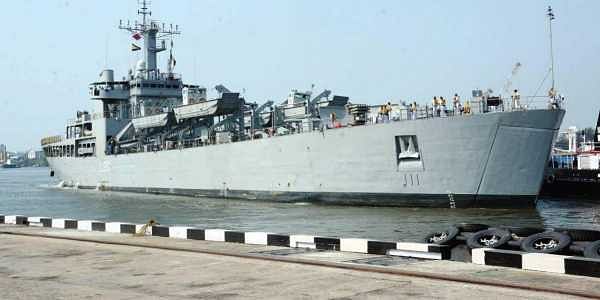
Colombo, October 24 (newsin.asia): Six ships of the Indian Navy’s First Training Squadron arrived at Colombo and Trincomalee on October 24 for a training session with the Sri Lanka Navy. These ships are helmed by Capt. Aftab Ahmed Khan, Senior Officer of the First Training Squadron, the Indian High Commission said.

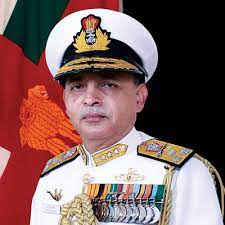
The visit of the ships also coincides with the visit of the Flag Officer Commanding in Chief, Southern Naval Command Vice Admiral Anil Kumar Chawla, PVSM, AVSM, NM, VSM. The Admiral would be calling on the senior leadership in Sri Lanka and visiting Colombo, Trincomalee and Galle

The visit marks a milestone in the history of bilateral relations, where in for the first time such a large number of Indian Navy ships are visiting Sri Lanka. The vessels visiting the Port of Colombo are Landing Ship Tanker (Large) Magar & Shardul and Offshore Patrol Vessel INS Sujata, Sail Training Ships Sudarshini & Tarangini along with Indian Coast Guard Ship Vikram are visiting Trincomalee.

A total of 75 officers, 153 officer cadets, 10  NCC cadets and 530  sailors form part of the visit.

During their stay, a series of professional, training, cultural and sports interactions are scheduled between the ships’ crew and Sri Lanka Navy personnel. The ships would depart by 28 October 21.

Meanwhile Admiral Chawla would be calling on the senior leadership in Sri Lanka and visiting Colombo, Trincomalee and Galle. During the visit interaction with key Area Headquarters is planned in addition to a visit to the Naval and Maritime Academy at Trincomalee. Discussions on areas of common maritime interests and training would be held since Vice Admiral Chawla is also heading the training Command of the Indian Navy.

The First Training Squadron which comprises six ships including two sail ships is a part of Indian Navy’s prestigious Southern Naval Command (SNC). Ships from the First Training Squadron had last visited Sri Lanka in 2015. SNC is the Training Command of the Indian Navy which conducts the entire range of naval training for officers and sailors, including those from friendly foreign countries.

As one of the finest destinations for training, Indian Navy has trained more than 11,000 international trainees from over 40 countries in the last four decades.

Training has been one of the strongest and most enduring pillars of India – Sri Lanka bilateral defense cooperation and the current visit will provide further impetus to the same. In line with the vision of both Prime Minister Narendra Modi and H.E. President Gotabaya Rajapaksa to increase people to people connect between both countries, this visit will positively contribute towards strengthening the existing bonds of camaraderie and friendship between defense personnel of the two countries.

Vice Adm. Anil Kumar Chawla

Vice Admiral Anil Kumar Chawla, took over the reins of the Southern Naval Command (SNC) as its 28th Flag Officer Commanding- in-Chief on July 31, 2018. The Admiral replaced Vice Admiral A.R. Karve, PVSM, AVSM who retired after 38 years of yeoman service. Adm A.K. Chawla was previously the Chief of Personnel at the Integrated Headquarters of Ministry of Defense, Navy at Delhi. The Flag Officer, a native of Dehradun, had arrived in Kochi on July 30, 2018.

An alumnus of the National Defense Academy, Vice Admiral Anil Kumar Chawla was commissioned in the Indian Navy on January 1, 1982. A Navigation and Direction specialist, Vice Admiral Anil Kumar Chawla commanded Coast Guard Ship C-01, the Vinash a missile boat, the missile corvette Kora, Stealth frigate Tabar and the aircraft carrier Viraat. His ashore and staff appointments include stints at the prestigious National Defense Academy, Centre for Leadership and Behavioural Studies Naval Attaché Jakarta, Senior Instructor (Navy) and HOTT (Navy) at the Defense Services Staff College and Naval Assistant to Chief of Naval Staff.

As a Flag Officer, Vice Admiral A.K. Chawla has held critical staff appointments as the Assistant Chief of the Naval Staff (Foreign Cooperation & Intelligence) and the Assistant Chief of the Naval Staff (Policy and Plans) at Naval Headquarters. He commanded the Western Fleet from August 16, 2013 to October 1, 2014. On promotion to the rank of Vice Admiral he took over as the Director General Naval Operations on December 31, 2014.

He was awarded the Nausena Medal in 2003 while in command of INS Kora during Operation Parakram, Vishisht Seva Medal on January 26, 2013, and Ati Vishisht Seva Medal on January 26, 2015.

100% Organic Agriculture: A costly experiment leading to National disaster

October 24th, 2021

by Professor W.A.J.M. De Costa Senior Professor and Chair of Crop Science, University of Peradeniya Courtesy The Island

Five months have elapsed since the government’s, in all probability the President’s, decision to ban inorganic fertiliser and synthetic agrochemicals to immediately transform Sri Lanka’s agriculture into totally ‘organic’ (or ‘green’ as the President referred to in his address at the SL Army’s 72nd Anniversary last week). At present, almost the entire agriculture sector is in crisis and the farming community is facing uncertainty at this crucial period of the year when the major crop-growing season is about to begin. Therefore, it is imperative that the President reconsider his decision to avert a national disaster. A recollection of the events leading to the President’s decision and its aftermath shows the extent of confusion that reigns, the muddled thinking of those in charge and the consequent mismanagement of this issue.

Background to the Decision

According to the President, the decision to ban the use of inorganic fertiliser and synthetic agrochemicals (which include pesticides and herbicides), was taken to safeguard peoples’ health and protect the environment. A close examination of scientific evidence, available in Sri Lanka (or worldwide), has failed to establish a cause-and-effect relationship between inorganic fertiliser use and any of the major human health issues prevalent in Sri Lanka (e.g. Chronic Kidney Disease of Unknown Aetiology). A similar conclusion can be made on synthetic agrochemicals as well. While excessive use of fertiliser and agrochemicals could lead to human health and environmental issues, available statistics on fertiliser and agrochemical use in different countries show that their use in Sri Lankan agriculture cannot be categorised as ‘excessive’. Therefore, it is clear that the decision to ‘go 100% organic overnight’ was based on ideology and wishful thinking rather than on solid, scientific evidence.

Was there a clear plan in place prior to taking the decision?

All actions of the government, since the implementation of the fertiliser and agrochemical ban, clearly demonstrates a complete absence of an alternative plan prior to the decision. A major decision, such as this, necessitated a comprehensive analysis of its costs in terms of potential reduction of crop yields, its economic and social implications on farmer livelihoods, national food supply and the entire social fabric. The perceived environmental and human health benefits should have been weighed against the risks of disrupting the food production and supply chain and the ensuing social instability.

Furthermore, there should have been a rational evaluation of the alternative strategies (e.g. local organic fertiliser production) with regard to their practical feasibility, time frames available, effectiveness and cost. However, it is abundantly clear that none of the above has taken place prior to the decision. Unfortunately, this is another example of a major policy decision being taken without a rational, scientifically-valid analysis of either the current status of the issue or possible consequences of the decision.

Stakeholder response in the immediate aftermath of the decision

The stakeholder responses to the decision have fallen in to three broad categories. A minority consisting of hard-core organic agriculture advocates and environmentalists voiced their approval, arguing that: (a) protection of human health and environment should take immediate precedence over any concerns about reduced crop yields and consequent shortages of food supplies; (b) a gradual transition to 100% organic agriculture would be difficult to implement because of farmer preference for inorganic fertiliser and agrochemicals when they are available. Hence, it was argued that their total ban was needed to implement organic agriculture. For example, the highly-influential Buddhist monk, Ven. Omalpe Sobhditha Thera, who is often a strong critic of the present regime, advised the government not to ‘take a step backwards’ on the fertiliser and agrochemical ban.

The second category of responses came from a majority of the general public, including a fair proportion of agriculturists, who accepted the decision to go ‘100% organic’ as a ‘good’ decision in principle, but one that should have been implemented over time and in phases. This group assumes that it is possible to fulfil the national food requirement by 100% organic agriculture at some future date (by which time the national population also will have increased further).

In contrast, a majority of agricultural scientists and practitioners who are knowledgeable about the science of crop production based on the principles of agronomy, soil science, plant nutrition and plant protection is of the opinion that 100% organic agriculture will not totally fulfil the country’s food requirement, either now or in the future, but can be practiced on a limited scale for niche markets (as is the case worldwide). The majority of farmers, in their conventional wisdom gained from several generations of farming, also comes to the same conclusion that national-scale crop production, in an economically-viable scale, is not possible with 100% organic agriculture. This constitutes the third category of stakeholder response. For example, the Faculty of Agriculture of the University of Peradeniya, which consists of more than 110 academics with expertise in different sub-disciplines and specialities of Agriculture, in a communication to the President and the Government, advised identification, based primarily on soil fertility status, of specific areas in Sri Lanka, for possible gradual introduction of the practices of organic agriculture to pilot-test the feasibility of transition to organic agriculture in the future. This position also underlies the fact that 100% organic agriculture across the whole country and its agriculture sector is not a viable option.

It is hoped that events in the five-month period since the decision, especially during the past month, will have shifted the responses of some stakeholders from category one to category two and from category two to category three.

What has the government done or tried to do since the implementation of the ban?

Local production of organic fertiliser

Everything the government has done or tried to do during the last five months shows its lack of preparation and inability to address the issues and challenges ensuing from the ban. The widely-held assumption among the advocates of the immediate and total ban of inorganic fertiliser was that crop nutrient requirements on a nation-wide scale could be supplied with organic fertiliser, prepared locally. There was a proliferation of programmes, mainly in local authorities and farms maintained by various government institutions including the military, to produce ‘compost’, an organic fertiliser with generally low and variable nutrient concentration, mainly from solid waste, animal manure and crop residue. Because of the rush to produce organic fertiliser on a scale sufficient to meet the national demand within a few months, none of the locally-produced organic fertiliser is tested for its quality in terms of the presence of required nutrients (e.g. nitrogen) and soil amendments (e.g. organic matter) or the absence of potential harmful agents. In this regard, the presence of heavy metals, such as Lead, Cadmium and Arsenic at levels above their tolerable thresholds is a distinct possibility because municipal solid waste, which is a common source material for compost production by local authorities, could contain material having the harmful heavy metals mentioned above.

Now, at the beginning of the Maha cropping season, which is the major season in Sri Lanka, it has become abundantly clear that local production capacity of organic fertiliser, irrespective of its quality, is inadequate to meet the national-scale demand for plant nutrients of crops to be grown.

Importation of organic fertiliser

The discussions that took place among officials of the Ministry of Agriculture, the Department of Agriculture and the advocates of organic agriculture revealed the fact that even those who strongly advocated and advised the President to implement the ban did not have an evidence-based figure on the per hectare organic fertiliser requirement to calculate its national requirement. As a result, the government’s position on importing organic fertiliser was shifting and evasive in the immediate aftermath of the ban, with the Cabinet Minister of Agriculture making contradictory statements, both in and outside Parliament. When the realisation finally dawned on the government officials that local organic fertiliser production will not be sufficient for the coming Maha season, there has been a bungled attempt to import a consignment of organic fertiliser from China, which is still continuing. This is despite the samples of this consignment twice-failing the tests for the presence of microorganisms.

The threat of introducing foreign microorganisms to Sri Lankan soils via imported organic fertiliser

At the very outset of the ban on inorganic fertiliser, independent experts had warned of this very significant danger of introducing foreign microorganisms to Sri Lankan soils, which could lead to a myriad of complex ecological processes with potential to disrupt the existing soil microbial community and set-off adverse environmental consequences. Unfortunately, this well-meant advice of experts fell on deaf ears. The importance of protecting the native microbial population in a soil cannot be over-emphasised as the microbes play a pivotal role in many soil processes which sustain and regenerate its fertility. One of the major critiques of the large-scale use of inorganic fertiliser has been their modification of the natural soil microbial communities.

Importation of liquid organic fertiliser

When the attempt to import solid organic fertiliser from China was stalled (may be temporarily as attempts to import it are still reported to be continuing behind the scenes), there are reports that organic fertiliser in liquid form, a nitrogen extract according to the Cabinet Minister of Agriculture, has been cleared for importation from India. A loophole in the existing regulations has enabled importation of liquid fertiliser which only requires to be free from ‘harmful’ microorganisms whereas solid organic fertiliser needs to be free from all microorganisms. The term ‘harmful’ microorganisms has no scientific validity in the broader context of environmental microbiology. This is because a microorganism that is categorised as ‘harmless’ at the time of its introduction to a foreign environment could easily become ‘harmful’ by fast proliferation in the absence of the ecological controls (e.g. natural enemies, environmental controls, etc.) that were present in its original environment to regulate its population within ‘harmless’ limits. Therefore, application of imported liquid organic fertilisers has the same level of threat to the local soil microbial population that the solid organic fertiliser poses.

It should be noted that if liquid nitrogen fertiliser is added to the soil, it is more likely to be leached down with rain or irrigation water and possibly pollute ground water than even the solid inorganic nitrogen fertiliser, thus nullifying a major argument for ‘going 100% organic immediately’. It is possible to apply the important liquid organic fertiliser to the plants as a ‘foliar application’. However, as in the soil, such an application poses a threat to the microbial communities that are present on plant leaves (called the phyllosphere microorganisms) by the foreign ‘harmless’ microorganisms, which are allowed to be applied along with the imported liquid fertiliser. A substantial amount of research done by Sri Lankan as well as foreign scientists has shown that phyllosphere microbes provide protection against a wide-range plant pathogens (i.e. disease-causing organisms such as fungi, bacteria, phytoplasma, viruses and viroids) by various mechanisms and thereby provides natural protection to agricultural crops from a range of plant diseases. A possible disruption of the phyllosphere microbial community by foliar application of imported liquid organic fertiliser containing foreign microbes which are perceived to be ‘harmless’ could potentially increase the risk of disease outbreaks in major crops which will be impossible to control, especially in the absence of synthetic agrochemicals.

Crucially, in a crop such as tea where leaf quality is of paramount importance, foliar application of imported organic fertiliser containing foreign ‘non-harmful’ microorganisms could alter the leaf biochemistry in such a way to disrupt the key characters of made tea such as its flavour and strength. The negative impact that this will have on the Sri Lankan tea industry, which in these COVID-19-affected times has been one of the few assured sources of valuable foreign exchange, will be incalculable and may well be irreversible as a market lost cannot be easily recovered.

Furthermore, foliar application of liquid organic fertiliser would not bring any benefit to the soil. Application of solid organic fertilisers, most of which are really ‘organic soil amendments’ rather than ‘organic fertilisers’, improves the soil physical properties which are important to sustain and regenerate soil fertility. Accordingly, apart from increasing the threat of crop disease incidence by introducing foreign microoganisms, promotion of foliar application of organic fertiliser will not contribute to the government’s perceived benefits of ‘going 100% organic with immediate effect’.

This bungled attempt to import organic fertiliser, in solid as well as liquid forms, clearly demonstrates the government’s muddled thinking in its rationale, planning and implementation of this grand scheme of becoming the first country to go 100% organic in its agriculture. It is telling that Ven. Omalpe Sobhitha Thero, who was a strong advocate of this scheme a few months ago, went on record saying that in view of the clear and present dangers of importing organic fertilisers, it would be better to go back to the inorganic fertilisers.

Intervention of the Chinese Embassy and undermining of DoA officers

The statement put out by the Embassy of the Peoples’ Republic of China, a friendly country providing an enormous amount of aid to Sri Lanka, casting doubt on the validity of scientific procedures adopted by the National Plant Quarantine Service (NPQS), which is part of the Department of Agriculture (DoA), in detecting the presence of microorganisms (i.e. bacteria belong to the genera Bacillus and Erwinia, which contain several bacterial species which are enormously harmful to agricultural crops, both in the field and after harvesting) in the samples of solid organic fertilizer to be imported from a Chinese manufacturer, raises several points of concern. Even though the Embassy claimed that a minimum period of six days is required for detection of the above microorganisms, Sri Lankan scientists with expertise in plant microbiology and plant pathology, pointed out that the microbiological and pathogenicity tests required to make scientifically-valid conclusions on the presence of the above organisms can be done within three days. It is notable that none of the higher authorities in the Ministry of Agriculture or the Department of Agriculture came out to defend the validity of the testing procedure and the professional integrity of research officers of the NPQS who carried it out.

Instead, conspiracy theories (e.g. contamination of samples by injecting microorganisms in to them) and blatant threats of investigation by the CID by the Cabinet Minister of Agriculture himself sought to intimidate DoA research officers and undermine their work. When the second set of samples, which was reportedly brought under Police protection, also failed the microbiological tests at the NPQS, there is now talk of bringing a third set of samples to be tested. It appears that the government is bent on somehow importing this consignment of organic fertilizer from China. One wonders whether the statement put out by the Chinese Embassy envisaging resolution of this issue for the ‘benefit’ of both parties is a ‘veiled threat’ or not.

In the broader context, this represents another instance where the Sri Lankan government and its institutions have failed to support its scientific and research community whose work, performed with enormous difficulty in severely under-resourced infrastructure, provides the framework and solid facts (instead of wishful thinking based on speculation) for effective policy formulation.

(To be continued)

දියර පොහොර ආනයන ගනුදෙනුව පිටුපස සිටින වංචනිකයන් හෙළි කළ යුතුයි

October 24th, 2021

නිර්මාණි ගුණරත්න උපුටාගැණීම  මව්බිම

ආණ්ඩුව කඩිමුඩියේ නැනෝ නයිට්‍රජන් දියර ගෙන්වමින් බරපතළ වංචාවකට මඟ විවර කොට ඇති බවත්  අදාළ ගෙන්වීම සිදුකොට ඇත්තේ රාජ්‍යතාන්ත්‍රික පදනමකින් හෝ නිසි ප්‍රසම්පාදන ක්‍රමවේදයකින් නොවන බවත්  විපක්ෂ නායක සජිත් ප්‍රේමදාස පවසයි.

හතු පිපෙන්නා සේ හදිසියේ මතු වූ ආයතනයකට මේ රටේ බදු ගෙවන්නන්ගේ සහ අහිංසක ජනතාවගේ මුදල් රුපියල් කෝටි 29ක් වංචා සහගත ලෙස යොදවමින් නැනෝ දියර ගෙන්වීමට ආණ්ඩුව කටයුතු කොට ඇතැයිද විපක්ෂ නායකවරයා පැවැසීය. 

මේ මහා වංචාව පිළිබඳව වහාම අපක්ෂපාතී ලෙස විනිවිද පෙනෙන පරීක්ෂණයක් පවත්වා මේ පිටුපස සිටින වංචනිකයන් හෙළිදරව් කළයුතු අතර  ජනතාවගේ මුදල් සමඟ මේ කරන සෙල්ලම නතර කළ යුතු බවද ඔහු පැවැසීය.

මේ රටේ ජනතාව ලබාදුන් ඡන්දයේ වටිනාකම ආණ්ඩුව විසින් බරපතළ ලෙස උල්ලංඝනය කර ඇති බවත් දැන් ආණ්ඩුවේම මැති ඇමතිවරුන් ජනතාවට ඔච්චම් කරන තත්ත්වයකට පත්ව ඇති බවත් ඔහු කීය.

රටපුරා පවතින ජනතාවගේ උද්ඝෝෂණ දේශපාලන උසිගැන්වීම්වල ප්‍රතිඵල නොවන අතර ජනතාවට යනඑනමං නැති කළ ආණ්ඩුව කෙරෙහි රටපුරා ජනතාව උරණ වී ඇතැයිද විපක්ෂ නායකවරයා තිස්සමහාරාමයේ, බඳගිරිය ප්‍රදේශයේ පැවැති ‘ගොවි හදගැස්ම’ වැඩසටහනේදී මෙසේ අවධාරණය කළේය.

Secretary to President says strict legal action against false reports about him

October 24th, 2021

Courtesy Adaderana

Secretary to the President Dr. P.B. Jayasundara today strongly denied the allegations leveled against him in ‘false’ news reports citing a statement made by an opposition MP regarding the opening of a personal account with a state bank for the importation of fertilizer from India. 

Issuing a statement today, the Secretary to the President said those news stories are completely untrue and malicious. 

He says that opening an account in a state bank is an affair between the relevant bank and the account holder and that it is the responsibility of the bank to act in accordance with the prescribed procedures.

P.B. Jayasundara has stated that stern legal action has already been taken against the false propaganda aimed at him citing a statement made in Parliament by an MP, which he claims is being strategically circulated with malicious intent.

555 coronavirus cases 18 deaths reported in Sri Lanka today

October 24th, 2021

Courtesy Adaderana

The Health Ministry reports that another 122 persons have tested positive for the novel coronavirus today, increasing the daily count of new cases to 555.

This moves the country’s total registered Covid-19 caseload to 536,084.

Over 19,000 infected patients are being treated across the island while total recoveries has climbed to 503,388

Meanwhile the Director General of Health Services has confirmed another 18 coronavirus related deaths for October 23, pushing the death toll in Sri Lanka due to the virus to 13,611.

The deaths reported today include 10 males and 08 females while one of the female victims is below the age of 30 years. 

Five of the deceased are aged between 30-59 years while the remaining 12 are aged 60 years and above.

Fertilizer shortages linked to escalating vegetable prices (Video)

October 24th, 2021

Courtesy Hiru News

Economic centers say that vegetable prices have increased significantly since the fertilizer shortage for vegetable cultivation.

Meanwhile, farmers in many parts of the country engaged in protests today regarding the fertilizer issue.

Polonnaruwa – Representatives of 41 farmers’ organizations in the Bakamuna area went on a hunger strike in Bakamuna today and stated that they will not end their fast until fertilizer is provided.

Also, a protest was organized in Lunugamvehera today under the leadership of the Leader of the Opposition Sajith Premadasa.

Farmers ‘representatives of Mahaweli farmers’ organizations also staged protests in Dambulla today demanding fertilizer.

Meanwhile, Minister S.M. Jayaratne addressing a function at the Kebithigollewa Agrarian Services Center today distributed nano nitrogen fertilizer to farmers. The Minister stated that a price of Rs. 80 per kilo of paddy will be given to farmers who have used organic fertilizer.

Reply to C. V. Wigneswaran’s attack on Prof. G. L. Peiris – Part 3. – Revealing the hidden history of Jaffna

October 23rd, 2021

 H. L. D. Mahindapala

All Sri Lankans are descendants of migrants. We are a nation of migrants. Even the  Jaffnaites who claim to be descendants of Tamils who arrived in pre-historic times filled the northern strip of land, which they called their sacred homeland, with S. Indian migrants only in the 12th and 13th centuries. There were no significant Tamil settlements before. During the Dutch and the early British periods the colonisers were known as Malabaris since they came from Malabar, not Tamils. They had no links to the Demalas” (Tamils) mentioned in the Mahavamsa. The Demalas” cited in the Mahavamsa  lived in the ancient and middle ages as mercenaries, merchants, marauders and political adventurers. Tamil historian K. Indrapala has labelled the two horse traders, Sena and Guttika as usurpers and Elara as a political adventurer”. (p.46 — Journal of the Ceylon Branch  of the Royal Asiatic Society, Vol XIII, 1969). That stream of Tamils dried out. They either integrated with the Sinhalese or went back to India. Though the Tamil mercenaries poured in the seventh century it was in tenth century that we get more definite  literary or epigraphic evidence regarding any Tamil settlement…..The Culavamsa  too has another vague reference to Tamils living scattered here and there at this time.” (Ibid – 49).  The stragglers who stayed behind did not organise themselves into a political unit to establish a separate state or to carve an ethnic enclave of their own. Left to themselves, without any military support from S. India, they coexisted with the majority Sinhalese as peaceful citizens. Besides, they were numerically insignificant, without any power to challenge the dominance of the Sinhala-Buddhist majority. 

What is of  historical significance is that the first Jaffna settlement was established not by indigenous Tamils but by the invading forces of Kalinga Magha in 1215. The Malabaris migrated in waves in the 12th and 13th centuries and colonised Jaffna which was populated by the numerically substantial Sinhala-Buddhist community. The Jaffna Tamils of today are descendants of the Malabaris who migrated during this time from S. India. They are not the Demalas” of ancient and middle ages who could lay claim to political rights based on their historical connections to the Tamils of the pre-Christian era. The Jaffna Tamils of today are descendants of Malabari colonisers who  invaded the Northern strip and colonised it mainly by ethnically cleansing the  peninsula. The insane fury” of the occupying  forces drove the Sinhala-Buddhists out of the Jaffna, after they had massacred the Catholics first. Then they went for the Muslims.

The available evidence points to the fact that Jaffna Tamils of today is filled with the descendants of the Dravidian invaders who colonised Jaffna in 13th century. The ethnic cleansing of Jaffna after their arrival  is recorded in Yalpana Vaipava Malai, the mini-history of history written during the Dutch period. History of Jaffna as a separate political entity began with the influx of new Malabaris from S. India. The numerical strength of Tamils increased after the new waves of Malabari migration flooded Jaffna in the post-12th century. Modern Jaffnaites owe everything to these colonisers and not to the early Tamils who did not establish an settlement. In other words, Jaffna was created by the S. Indian invaders and not by the descendants of the original Tamils who showed no signs of settling down. In the late British period, after the Tamil revival led by Arumuka Navalar and C.W. Thamotherampillai, the new English-speaking Vellala elite dropped the Malabari connection and became Tamils, proud of their new identity derived mainly from the purity of the Tamil language preserved in Jaffna. These new Tamils of Jaffna, in fact, then turned against their homeland. They resisted the S. Indian influences and pressured Mrs. Sirimavo Bandaranaike to ban the import of cheap Indian magazine, literature and films as it was polluting the pure Tamil culture of Jaffna

When Kalinga Magha invaded Jaffna with his colonising forces and established his Malabari colony in Jaffna he opened the gates for mass migration of Malabaris. Yalpana Vaipava Malai states that they came in waves. They had no connection to the indigenous Tamils who lived in scattered pockets. That line had petered out. Kalinga Magha’s invaders established a new colony for the new settlers. Consequently, present day  Jaffna is saturated with the descendants of the Malabari colonisers and not those of the historic Demalas” mentioned  in the Mahavamsa.

The Malabari descendants and the Mahavamsa descendants are two separate streams who migrated in two different periods. Unlike the Demalas” in the Mahavamsa who came as invaders, marauders, merchants, mercenaries, political adventurers usurpers  etc., the Malabaris came as colonisers or as slaves to the Dutch and Sudra Vellalas domiciled in the Jaffna kingdom. There is no unbroken continuity of one segueing into the other, or passing its heritage to the other. In any case, there was nothing much in the history of the Mahavamsa Demalas to hand over to the Malabaris. The  Mahavamsa Demalas” who were active participants in Sinhala-Buddhist history, either as adversaries or as settlers, had not created anything of their own to be handed to the new Dravidian settlers. The modern Jaffnaites, the direct descendants of Malabaris, belong to the post-12th century colonisers with no connection to the early Tamil settlers.

The Demalas” in the Mahavamsa came as itinerant explorers. They went back home after their jobs or adventures were over.  They did not come en masse as permanent settlers. The Malabaris, or the modern Jaffnaites, came in 12th and 13th centuries solely with the idea of colonising and making the Northern strip their home. The geographical proximity to India made it the natural and the easiest location for the Malabari migrants to hop across. The short 20 km Palk Straits makes it a breeze to cross over. In reality, Jaffna began to make a history of their own only after the Malabaris settled down in the 12th and 13th centuries. K. Indrapala wrote his first thesis on the history of the Tamils based on this historical reality. But he had to recant it as it did not fit into the political agenda of Tamil separatists who needed a history going beyond the 12 the century to the dawn of time” (Vadukoddai Resolution) to boost their political claims.

The history of those who claim to be Tamils today began with the Malabari waves of migration from S. India. It is this mass migration that makes Jaffna the haven of the Sudra Vellalas, the lowest caste in the classical caste hierarchy of India. The influx of Malabaris in the post 12th century gave numerical and political strength to Jaffna to emerge as a formidable political unit. Recruiting the poverty-stricken Malabaris was cheap for the Vellala tobacco planters and the Dutch traders. Besides, the Sudra Malabaris were not restrained by religious taboos. The other three higher castes – Brahmins, Kshatriya and Vaisya – did not cross over because Hinduism tabooed the crossing  of seas. The elite of India adhered faithfully to their religious code and stayed at home. It was the Sudra Vellalas, the lowest caste, that came over to Jaffna. This explains the dominance of the Vellalas who form the majority in peninsula. Their numerical strength went a long way to create the new identity of Jaffna as a separate ethnic enclave. Consequently, the casteist politics of the Malabaris, who were the Sudra Vellalas, came to be the most powerful force in Jaffna. The story of how the lowest caste became the highest in Jaffna is another saga.

The combination of linguistic and mono-ethnic politics with traditional casteism steeped in Saivism was the standard Jaffna socio-political recipe that produced Vellalaism – a unique political dish that was the staple diet of the ruling Vellala elite. Vellalaism of the ruling elite was sold in the Jaffna political market as the best diet for the survival and success of the Tamils. In the political market it triumphed over all other ideological products. Ideologies of liberalism, socialism, or any other ideology based on humanism could not get even a toehold against the overwhelming forces of Vellalaism which crushed rivals with ease. 

In peninsular politics it was the Sudra Vellala interests, decisions and actions that determined the political consequences which flowed collectively to make the post-independent history ofJaffna.  As the ruling masters of Jaffna, it was the Sudra Vellalas who made history and subsequently wrote it, describing it as the history of the Tamils. This was inevitable because no other caste /community had the power or the space to play any significant part in the decision-making process at the highest, or even the middle level in Jaffna – both of which were dominated by the Sudra Vellalas. It is a misnomer to label the politics of the North as Tamil politics when a sizeable segment of the minority Tamils were ostracised and kept out of the political process. The Jaffna political landscape was dominated and determined exclusively by the Sudra Vellalas, leaving the non-Vellala Tamils out of the picture. Which makes the politics of the North Vellala politics” and not Tamil politics”. Some of the ostracised non-Vellalas were not even recognised as Tamils. They had no rights or status in the Sudra Vellala political order. So how could it be Tamil politics” when the Tamils ostracised from Tamil society had no part in the decision-making process of the Sudra Vellalas who ruled Jaffna? From the Dutch period, when the Sudra Vellalas consolidated their power under Thesawalamai as the overlords,  Jaffna remained as the land of the Sudra Vellalas, by the Sudra Vellalas, for the Sudra Vellalas.

Armed with the political power they wielded with force, if necessary, the Vellalas succeeded in grabbing total power into their hands and running Jaffna according to their norms. But the absence of a priest caste, like the Brahmins, at the top left a huge gap in the Jaffna Hindu caste hierarchy. The vacuum was filled by Arumuka Navalar, the dynamic Hindu revisionist, who elevated the Sudra Vellalas, the lowest, to the highest level of Brahmins. His revision of Saivism resulted ultimately in placing the Sudra Vellalas in the highest rung of the caste hierarchy of Jaffna. In the absence of the Brahmins, the lowest became the highest. When the lowest rose to the highest rung, the power generated by religious authority elevated secular Sudra Vellalas to be the equivalent of the Brahmins – a divine force anointed by Hinduism. Navalar’s act of ritually anointing Vellalas as the equivalent of Brahmins inflated the Sudra Vellala egos with an unwarranted sense of superiority. To be anointed as the Brahmins of Jaffna was the highest social status achievable in the casteist hierarchy. Later the Sudra Vellalas reciprocated by elevating Arumuka Navalar, the Hindu/Tamil revivalist, to the level of an iconic religious guru of Jaffna. He became a revered hero of the Vellalas, though the low castes rejected him. When his statue was taken round Jaffna in 1968 by the high-caste Vellalas the protesting low-castes stoned the statue and the Sinhala-Buddhist state” had to send its Police to save the face of the Vellalas.

Vellala political power was reinforced with religious sanctity when revised Saivism of Navalar elevated Vellalas to the peak of the casteist hierarchy. Vellalaism rose above that of being an orthodoxy. It left the human domain and rose to divine heights. Like Saivism the authority of Vellalaism after Navalar could not be questioned. To question the authority of Vellalism was to question the divinely ordained casteist hierarchy. In India Hinduism made Brahmanism into a divinely ordained force. In the absence of the Brahminism in Jaffna the revised Vellalaism of Navalar placed the Vellalas as the equals of the Brahmins — a formidable force that could not be questioned.  In short, the religious act Arumuka Navalar, the revered  Hindu theologian/priest of the dominant Sudra Vellalas of Jaffna, turned into a political act that empowered the Vellalas to rule Jaffna with divine authority. Invigorated by their belief in caste superiority the Sudra Vellalas assumed that they were the divinely ordained rulers of Jaffna. They came to believe that they were not merely the secular heads under Thesawalamai but also the religious heads under revised Saivism of Arumuka Navalar. Besides, they owned the temples and they could use religion as a political force to keep the low-castes in the place assigned by God at birth. Deluded by the arrogance of caste superiority and political power they assumed that they were born to rule. It was Navalar who white-washed the Sudra  Vellalas with caste purity, blessing them with the power to rule from the peak of the social hierarchy. This made the Vellalas the most formidable force in peninsula politics.

The Vellala dominance of Tamil society is complete,” wrote Prof. Ratnajeevan Hoole. (p. 45,  Heritage Histories, A Reassessment of Arumuga Navalar, a.k.a. Candar Arumuganavan, Prof. S. Ratnajeevan H. Hoole, Thesam Publications, U.K.). Vellala laws, customs, rituals, norms controlled every aspect of Jaffna society from the womb to the tomb. Besides, they monopolised power in Jaffna because they were in control of all the levers of politics, administration and religious institutions.  Land, temples, plum jobs in the administration, schools, professions were in the hands of the Vellalas. It was their abuse of power from these commanding heights that turned them into a fascist oppressive force. They took to the pervasive Sankili cult of violence like duck to water and pursued power ruthlessly. The power struggle of the Vellalas to retain their grip on Jaffna made them the cruellest ruling caste/class, with power to determine the fate of the oppressed Jaffnaites from birth to death. Their abuse of power, of course, led to resistance. At the core of major political clashes, whether with the low-castes in the colonial and feudal times, or colonial rulers (Modely Tambi’s rebellion against the Dutch), or the post-colonial rulers in the South, the clashes were essentially with the Vellalas. Their omnipresent power was Ineluctable. Its overwhelming pressures forced even the Churches to succumb to its demands. To preserve the superior status of the Vellalas, the Churches allotted the front pews to the Vellalas and the rear pews to the low-castes.

Sudra Vellala politics centred on the fear of them losing their power over the low-caste minority in Jaffna in feudal and colonial times first, and then losing power to the Sinhalese majority in the South in the post-independent era.   It is the excessive and aggressive power of the Sudra Vellalas that was under threat, not that of the Tamils, or the Tamil-speaking people. All demands that were put forward as that of the Tamils were framed and pursued intransigently to its bitter end by the Vellalas – political strategy that has boomeranged on them. Their relentless pursuit of the politics defined in the Vadukoddai Resolution – the ultimate political manifesto of the Sudra Vellalas — ended in Nandikadal.   It is their aggressive and excessive demands that bedevilled North-South relations. Historian Dr. G. C. Mendis wrote : The real problem arose not because the Sinhalese were not prepared to compromise, but were not prepared to concede as much as the Tamils demanded.” (p.12 – Journal of the Branch of the Royal Asiatic Society, Vol XI, 1967.) A typical example of Vellala extremism is G. G. Ponnambalam’s 50-50” demand. The demand of 50% power by a minority of 11% is tantamount to insane extremism. Despite that the Sinhalese offered 45 % to the Tamils which was rejected by Ponnambalam who refused to budge from his 50-50 demand. This validates the argument that it is the disproportionate and excessive Tamil demands that exacerbated the North-South relations.

Later Tamil political judgments realised the mistake of not taking the offer of 45%. Nevertheless, it is the Sinhala-Buddhists who are blamed for not giving into the Tamils demands.

The Vellalas disguised their sectarian mono-ethnic extremism as an ethnic issue affecting the entire Tamil-speaking community. But the issues of the Vellalas were not relevant either to ostracised Tamils of Jaffna or to the regional Tamils. This is why the pan-Tamil movement of S. J. V. Chelvanayakam, the father of the separatist movement,  failed to take off. Besides, the Sudra Vellala contempt for the rest of the Tamil-speaking communities – the low-castes, the Batticoloa Tamils, and the Indian Tamils – is well documented. Overall, the dominant Vellala politics lacked the binding force to hold all the non-Vellala Tamil communities together. They were hoping to hang on to their grip on Tamil leadership by claiming to be the founding fathers of the Tamil nation. They even traced the origins of their mythical history  to the dawn of time” in the Vadkoddai Resolution. This historical positioning was to claim a superiority over the non-Vellala Tamils who, as latter-day migrants, would be reduced to a lower status. Fabricated history was used extensively and intensively by the Vellalas to boost their imagined political status and power. History was essential for them to be make their aggressive and excessive demands. The arbitrary and unwarranted elevation  of the Sudra Vellalas to the level of Brahmins gave them a false sense of superiority. The disproportionate share of government jobs gained with British patronage gave them the illusion of being intellectual geniuses. Their minds were saturated with concoctions of fabricated political myths. The Vellala arrogance and their sense of superiority came out of myths fabricated by their politically perverted imagination.

What is valid, however, is that they had acquired, especially through the learning of the English language in the missionary schools of Jaffna, a higher degree of knowledge, experience and power to be in the forefront of Tamil political movement. Even the colonial masters recognised the Vellalas as the leading political force and they were consulted and accommodated as far as possible to keep the natives quiet. For instance, when the Dutch codified the laws and customs of Jaffna they consulted the 12 Vellala mudliyars and it was with their advice and consent that Thesawalamai came into force as the law of Jaffna  – an act that legalised Tamil slavery.  Besides, after the riots of Modeli Tamby – the Vellala rebel who rioted against the Dutch for not giving the job of canakepulle in the Dutch administration  to a Vellala – the Dutch tilted the proportion of government jobs in favour of the Vellalas, playing down the claims of their rivals, the Madapallis. With legalised slavery the Vellalas had all the powers and privileges of feudal casteism to rule Jaffna with an iron-fist, suppressing and oppressing the low-caste Tamils. The powerless low-castes were ostracised and kept aloof, outside Tamil society, as the virtual enemies of the Vellalas. Before the Vellalas turned against the South, the Vellalas were engaged in a low-intensity battles with the low-castes who were sporadically resisting Vellala oppression. The low-castes did not have the organised power to challenge the Vellalas. The fascist Vellalas, however, used all the power they had to keep the low-castes in their caste-assigned place.  The Vellalas,” wrote Prof. S. Ratnajeevan H. Hoole, dominate intellectual life. They control what is taught in schools. ….. The Vellala dominance of Tamil society is complete. ….. When Vellalas dominate intellectual life, it is natural for them to twist history. It is the human condition to not accept anything negative about ourselves….” P. 45-46,  Heritage Histories, A Reassessment of Arumuga Navalar, a.k.a. Candar Arumuganavan, Thesam Publications, UK.)

It is the politics of the Sudra Vellalas that over-determined the overall politics of the peninsula. They used the power they derived from their dominance of Jaffna to determine  the North-South relations. Their power, intransigence and arrogance spilled over from the North into the South and ruined all possibilities of peaceful co-existence. With their intellectual prowess and command of the  English language they defined the Tamil demands which, incidentally, came down to the basic interests of the Vellalas.  What was presented to the world as demands of the Tamils was nothing but the demands of the Vellalas. The Vadukoddai Resolution which declared war against the nation in urging the Tamil youth to take up arms until they achieved Eelam was purely a Vellala demand. The upper-caste Tamils were expecting the low-caste Tamil to pull out their political chestnuts from the fire. The Vellalas were hoping to ride into power on the backs of the low-castes. So, they backed the Vadukoddai War” (a.k.a. Eelam War”) to the hilt. Weaponising the Tamil youth was the last card they played to win power for themselves. The ageing Vellala leadership lacked the ability to engage in a physical battles. They either sat comfortably in the Parliamentary seats in the Sinhala-Buddhist South or migrated overseas and financed their war, hoping to come back to rule Jaffna once again according to their agenda. But their grand dream ended in Nandikadal.

With the decline of casteist Vellalaism as a legitimate ideology to sustain their grip on power, Hinduism and the Tamil language became the most formidable forces of Jaffna. Prof. S. Pathmanathan says that the Hindu tradition, along with the Tamil language, forms the basis of the Tamil identity.” (Quoted by Prof Ratnajeeevan H. Hoole in p. 28 of Nethra Ibid). In the same page Prof. Ratnajeeevan Hoole  says that the belief of the many Tamils (is that) unless one  is a Saivite, he is not a Tamil and unless one is a Vellala, he is nothing.” The Vellalas continued to exploit both Hinduism and language to maintain their dominant place in  politics. These two forces were hijacked by the Vellalas when they realised that casteism, the divinely ordained order, was losing its power to sustain them in power. It is these two factors that bonded all layers of the fragmented Tamil communities together. The Sudra Vellalas were able to bring the non-Vellalas under their political wing by weaving the new Tamil identity under the cover of these two ideologies. But power did not slip out of the Vellalas until the arrival of Prabhakaran. The first time that power slipped out of the Vellalas since they took command of Jaffna from feudal times was when they asked the Tamil youth to take up arms in the Vadukoddai Resolution of May 14, 1976. The armed youth not only took up arms they also took command of Jaffna with the gun. And they turned their guns first on the Vellala fathers who legitimised their violence and gave them guns. Other than brutal violence and the ideology of Vellalaism the Vellalas had not offered the Tamils any other liberal, democratic, socialist alternatives to the Tamil electorate. They succeeded in surviving as a caste elite under Hinduism in feudal and colonial times. They added linguistic politics to casteist Hinduism in the post-colonial period. But modernity undermined casteism as a political force. So they clung on to linguistic politics desperately.

As the force of casteism declined in the 20th century the Vellalas turned to language for political survival. Tamil language became the most exploitable issue in national politics because the  Vellalas found it to be the most unifying force of Tamils that can cut  across caste divisions. It even appealed to the Westernised Sinhalese and the English-speaking elite in Muslim and Burgher communities. But it was the Vellala leaders who, in the absence of any progressive political programme,  went all out to exploit the language issue. It was also an issue confined mainly to the elitist Vellalas in the professions. It was not an issue that affected the Tamil traders because those running shops communicated without any difficulties with the Sinhala customers. It was not an issue that affected Tamils who had settled in the South to live in Sinhalese neighbourhoods. As neighbours the Muslims and the Tamils communicated with the Sinhalese without any linguistic problems. It was not an issue at the highest elitist level because they communicated with each other mainly in English, with Sinhalese thrown in.  So, language was not really a divisive issue that threw communities apart. It was really a class issue that brought the elite of all communities together against the use of Sinhalese.

The dead hand of history lies heavily on the present and there is no way of escaping it unless you are prepared to renounce the past. The politics of the past comes down in many forms. It is the distorted history that wreaks havoc on the present. The Tamils became the victims of their distorted history. It is their fake history that led them all the way to Nandikadal. Their inflated arrogance blinded them to the grim realities of history. The alien Malabris who became Tamils of Jaffna believed that they were even superior to the Brahmins. The Jaffnaites thirst for history is to cover up their Malabari origins. So, they skip the Malabari invasion, which does not give them any historical legitimacy,  and leap to the dawn of time” to claim nebulous historical legitimacy. The manufacture of history became a huge industry in the post-independent era because the Jaffnaites were desperately in need of some sort of history, or anything that sounds like history, to legitimise their bogus claims.

C.V. Wigneswaran has suggested the  formation of a Commission to probe and write a true history of this Country.” His idea of a true history” is one that confirms his beliefs of Tamil superiority. According to his gospel history was made by the Tamils and the Sinhala-Buddhists had hijacked it by Sinhalacising the names of the kings and places to glorify their past.  For instance, he says, the Sinhalese had rechristened Devanampiya Theesan as Devanampiya Tissa. This is what Tamils did to Bata Kotte. They changed it into Vadukoddai. In his history he changes Dutugemunu to  Dushta Kaamini, a Tamil Buddhist. He is hoping that a new commission will write history according to his version. The Tamils have two universities and not a single has produced a history of Jaffna – a project that should have been prioritised by any one of them since history is at the heart of the burning politics of the day.  They, however, cannot produce a  history because they do not know how to hide the demonic Sankili cult in Tamil history. Besides, an objective history will not substantiate their claim for a separate state. The only way out for the Tamil separatists is to rewrite a history that would  fit into their political agenda. This is why Wigneswaran wants a commission to produce his version of history.

It is time that the Tamil intellectuals realised that history is unforgiving. They cannot liberate their Tamil people by distorting reality. For instance, the history they wrote in Vadukoddai on May 14, 1976 did not redeem them because it was fake. It ended in Nandikadal. The time has come for them to write a new history of Jaffna acknowledging the truth. They can begin by asking a fundamental question vital for the peaceful coexistence of all communities: Why did Jaffna fail to produce a democratic, liberal and humane society that blessed all Tamils with dignity, justice and equality? Also, there is another simple question that Wigneswaran has to answer to sustain his thesis of Tamil superiority: If the Tamils came first and if Tamil language was here before Sinhalese why did Tamil language go down and why did Tamil history decline making Sinhalese the superior force in history? Those who triumph in history are superior to those who lose or come second. All of Sri Lankan history prove that the Sinhala-Buddhists triumphed all the way. For instance, the Sinhala-Buddhist triumphed in building a tolerant, liberal democratic society though with infirmities. They even fought the longest war within a democratic framework. The Tamils of Jaffna never in their history built a democratic , liberal and tolerant society. On the contrary, their war was fought under the ruthless leadership of a Tamil Pol Pot who killed more Tamils than the others.

It is the inability of Tamils to read and understand history that led them to Nandikadal. The hard lesson to be learnt from Nandikadal is that those who fail to  read and understand history will end up in more Nandkadals.

පොහොර, කෘමි නාශක, වල් නාශක ගෙන්වීමේ ආයනයන අපනයන බලය සංචාරක, වැවිලි අමාත්‍යාංශ ලේකම්වරුන්ට පලිබෝධ නාශක පනත ට්‍රිබල් රිවස් කරයි. කෘෂි රසායන ආනයන තහනම ඉවත් කරයි. කාබනික නාඩගම ඉවරයි.

October 23rd, 2021

රජිත් කිර්ති තෙන්නකෝන් දකුණු හා මධ්‍යම පළාත් හිටපු ආණ්ඩුකාර

පලිබෝධ නාශක ආනයන කිරීමේ නියෝජ්‍ය පාලකවරුන් ලෙස සංචාරක හා වැවිලි අමාත්‍යාංශ ලේකම්වරුන් පත් කර ඇත.  ‘වගාවන් සඳහා පොහොර, කෘමිනාශක සහ වල් නාශක ආනයනය කිරීම සඳහා බලපත්‍ර ලබාදීමේ දී දැනට සිදු කරනු ලබන ක්‍රමවේදය සරල කරමින් ප්‍රමාදයකින් තොරව එකී ද්‍රව්‍ය වගාකරුවන් වෙත ලබාදීමේ අවශ්‍යතාව මත‘  පලිබෝධ නාශක ගෙන්වීම සඳහා අනුමැතිය ලබාදීමේ නියෝජ්‍ය ආනයන අපනයන පාලකවරුන් ලෙස සංචාරක  සහ වැවිලි කර්මාන්ත අමාත්‍යාංශයේ ලේකම්වරුන් ලබන සතියේ සිට කටයුතු කරනු ඇත. මුදල් අමාත්‍යවරයා විසින් ඉදිරිපත් කළ කැබිනට් පත්‍රිකාවක් අනුව, අදාල තීරණය ගෙන ඇත.

ලංකාවේ කෘෂිකර්මාන්තය සම්පූර්ණයෙන්ම අඩාල කිරීමට හේතු වී ඇති ‘කෘෂි රසායන තහනම‘ මෙමගින් අවසන් කිරීම සතුටට හේතුවකි. එක් රැයකින් රටක් කාබනික කිරීමේ නාඩගම ඒ අනුව තාර්කික අවසානයකට පැමිණ ඇත.  

කෙසේ නමුත්, පලිබෝධ නාශක ගෙන්වීම සඳහා අවසරය ලබාදීම පළිබෝධ නාහක රෙජිස්ට්‍රාර්වරයාගෙන් බැහැර වන්නේ නම්, එය අතිශයින් අවදානම් සහතය ක්‍රියාවලියක් බවට පත්වේ. 1980 අංක 33 දරණ පළිබෝධ නාශක පනත මගින් ශ්‍රී ලංකාවට ප්‍රමිතියකින් හා පාලනයකින් යුතු පළිබෝධ නාශක ගෙන්වීමේ නියාමන හා පාලන ක්‍රියාවලියක් සථාපනය කර ඇත.

නව කැබිනට් තීරණය මගින් පලිබෝධ නාශක පනත උල්ලංඝණය වන්නේ දැයි පැහැදිලි නැත. කෙසේ වුව ද, ලංකාවට අතිශයින් විෂ සහිත ද්‍රව්‍ය පාලනයකින් තොරව ගෙන වැලැක්වීම සඳහා කෘෂිකර්ම අමාත්‍යාංශයේ පළිබෝධ නාශක පාලන ක්‍රියාවලිය තවදුරටත් යොදා ගැනීම අතිශයින් වැදගත් ය.

පලිබෝධ නාශක බලය සංචාරකවැවිලි අමාත්‍යාංශ වෙත පැවරීම විකාර වඳුරු කුණුහරපයකි

පළිබෝධ නාශක පිළිබඳ කටයුතු කිරීමේ විශේෂඥතාව ඇති කෘෂිකර්ම අමාත්‍යංශයක් තිබිය දී, සංචාරක හා වැවිලි අමාත්‍යාංශ වෙත අදාළ බලය පැවරීම විකාර රූපී විහිළුවකි. පිලිබෝධ නාශක සම්බන්ධයෙන් නෛතික පාලන බලයක් හෝ පාලන යාන්ත්‍රණයක් මේ අමාත්‍යාංශයන්ට නැත.  

එක් රැයකින් කාබනික කෘෂිකර්මාන්තය ස්ථාපනය කිරීම සඳහා රජයේ ක්‍රියා පිළිවෙත රට තුල මේ වන විටත් දැවැන්ත විරෝධයකට හා අවුල් ජාලාවකට හේතුවී ඇත. එය නිවැරදි කිරීම රජයේ වගකීමකි.  එය තවදුරටත් අවුල් ජාලයක් බවට පත් නොවීමට රජය කටයුතු කළ යුතුව ඇත.

මහජනතාවගේ සෞඛ්‍ය ආරක්ෂාව සඳහා යැයි පවසමින් කෘෂි රසායනය ආයනයන තහනම් කිරීමත් සමඟම මේ වන විට නීති විරෝධී බෝට්ටු කෘෂි රසායන නිදහසේ රට තුලට ගලා එ්ම සිදුවේ.  එයින් බහුතරය මෙයට කළකට පෙර ලංකාවේ තහනමට ලක් වූ කෘෂි රසායන වෙති. මෙය පාලනය කිරිමට රජය කිසිදු ක්‍රියාමාකර්යක් ගත්තේ නැත.

ආසියාවේ විශිෂ්ඨතම පලිබෝධ නාශක පාලන ක්‍රියාවලියක් ලංකාවේ පවතී. එයින් පරිබාහිරව කෘෂිරසායන ගෙන්වීම තුල පොහොර වලින් මිනිසාට හා පරිසරයට සිදු වන හානියකට වඩා වැඩි හානියක් සිදු විය හැකිය. පලිබෝධ නාශක ගෙන්වීමේ පාලන බලය සංචාරක හා වැවිලි අමාත්‍යාංශ වෙත පැවරීම තුලින් ලගා කර ගත හැකි හරිත කෘෂිකර්මයක් නම් නැත.

(අතිරේක තාක්ෂණික අවබෝධය සඳහා පසුබිම් සටහනක් මෙයට ඇතුළත්  කර ඇත.)

රජිත් කිර්ති තෙන්නකෝන්

දකුණු හා මධ්‍යම පළාත් හිටපු ආණ්ඩුකාර

පසුබිම් සටහන –

කෘෂි පලිබෝධකයින්
වගා කරන භෝග මත ජෛව විද්‍යාත්මක හානියක් හෝ තරගයක් ඇති කරන ජීවීන් (ශාක, සත්ව, දිලීර, බැක්ටීරියා, වෛරස් හෝ වෙනත් ) පලිබෝධකයින් ලෙස හදුන්වයි. පලිබෝධකයන්ට ‍මිනිසා සමඟ ආහාර සඳහා තරඟ කරන, දේපල විනාශ කරන ව්‍යසනයක් වන හෝ පතුර වන හෝ නොසන්සුන්තාවක් ඇති කරන කෘමීන්, ශාක රෝග කාරක, වල් පැළ, පෘෂ්ටිකයන්, කුරුල්ලන්, ක්ෂීරපායීන්, මත්සයන්, පණුවන් ‍හා ඒක සෛලික ජීවීන් ඇතුළත් වේ.

පළිබෝධ නාශක යනු (අර්ථ දැක්වීම)
පළිබෝධනාශක යනු පළිබෝධකයන් විසින් සිදු කරන හානිය වැළැක්වීමට, පාලනය කිරීමට හෝ විනාශ කිරීමට හෝ අවම කිරීමට යොදා ගන්නා රසායන ද්‍රව්‍යයක් සංයෝගයක් හෝ සංයෝග මිශ්‍රණයකි. පලිබෝධනාශකයක් රසායනික සංයෝගයක්, ජීව විද්‍යාත්මක ප්‍රතිකාරකයෙක් (වෛරස් හෝබැක්ටීරියා වැනි) , විශබීජ නාශකයක් හෝ ජීවීන්ට එරෙහිව යොදා ගන්නා ද්‍රව්‍යයක් විය හැකිය. වගාව ආරක්ෂා කර ගැනීම සහ සත්ව සෞඛ්‍ය ආරක්ෂා කිරීම සඳහා භාවිතා කරන කෘෂී රසායන ද්‍රව්‍ය අඩංගු වේ. ( උදා. මඳුරු දඟර, මඳුරු විකර්ශක ඇතුළු කෘමී නාශක, මී නාශක, දිලීර නාශක, වල් පැළෑටි නාශක )

Sri Lankan Food Exporters Get Opportunity to Showcase to the ‘One Trillion Yuan’ Chinese Market (Heading)

October 23rd, 2021

China Council for the Promotion of International Trade (CCPIT)

Sri Lankan Exporters of food items will soon have the opportunity of accessing the gigantic Chinese food market with the China Council for the Promotion of International Trade (CCPIT) hosting the second China On-Line Import Fair and matchmaking of Food and Agro products (CIFFA) from November 15 to December 3, 2021

There will be lots of scope for a large number of exportable food and beverage products from Sri Lanka such as Ceylon tea, King Coconut, Coconut Arrack, Fruits such as mangoes, pineapples, and sea food such as shell fish, tuna fish, Spices such as Cinnamon, Black Pepper and Cardamom etc.
Further there is also scope for confectionary products such as biscuits, chocolates, kithul treacle, ice creams. The opportunity would be beneficial to SMEs.

China has the world’s largest market of imported food with the retail scale exceeding 1 trillion RMB, and this market is still vigorously growing, which means there is great potential for global food manufacturers and suppliers”, the CCPIT Online Marketing Coordinator Grace Li Jiani mentioned

    • 40+ exhibitors      • 500+ products

   • 400+ Chinese selected importers and dealers

The event will invite more than 400 buyers, including e-commerce platforms such as Alibaba’s T-Mall and JD.com. Further large supermarkets and relevant food enterprises as buyers.

The 1st CIFFA was held in June 21th-25th, 2021. This event was also operated on a virtual platform which ran so smoothly that it was highly commended by exhibitors and buyers alike. There were 24 overseas exhibitors, 320 exhibits, 350 registered Chinese buyers and 100 plus online match makings.

The 1st CIFFA event saw more than 350 registered quality buyers participating with more than 5,000 secured orders. Buyers from large domestic exhibitions like CIIE (Shanghai), Canton Fair. Some of the exhibitors included from countries included Italy Romania, Russia, Turkey, Mongolia, Brazil, Mexico, Dominica, Guatemala and Argentina.

Exhibitors’ Benefits

  • Easy Access to Your Clients. We will help you find & match suitable Chinese importers.
  • Online 1:1 Matchmakings. Private, efficient & in-depth communication opportunities.
  • Speech Delivery at Exhibits Promotion Conference.
  • Online Inquiries. Instant communication & won’t miss any inquiries from your clients.
  • One-year Value-added Advertisement. Besides CIFFA website, your exhibits will also be extensively promoted through CCPIT’s www.tradeinvest.cn and other social media including Wechat and Chinese Tiktok for whole ONE YEAR!
  • Legal Consultation. Need legal service on exporting your products to China? We are at your hand to give you helpful advice.
  • Translation. No Chinese staff? We will manually translate all your information into Chinese and provide translation service during online matchmakings. More accurate!

Founded in 1952, China Council for the Promotion of International Trade (CCPIT) is the largest foreign trade and investment promotion agency in China, with over 1,000 national sub-branches, 38 overseas representative offices and more than 250,000 member companies. CCPIT also participates in World Expo on behalf of the Chinese government, and supports China

International Import Expo (CIIE-Shanghai) and China International Fair for Trade in Services (CIFTIS).

Interested parties and companies could contact International Business Council at ibclanka@yahoo.com and/or Online Exhibition Coordinator Miss Grace Li Jiani at lijiani@itc.ccpit.org. For registration, please go to http://ciffa.tradeinvest.cn/ or email us at: tradeinvest@itc.ccpit.org

බංකර කුරුටු ගී එකතු කල යුද හමුදා නිලධාරියා

October 23rd, 2021

වෛද්‍ය රුවන් එම් ජයතුංග

මේජර් කමල් ශ්‍රී මනතුංග  උතුරු යුද පෙරමුණු වල සොල්දාදුවන් විසින් ලියන ලද කුරුටු ගී එකතු කොට ඒවා අනාගත පරපුර සඳහා සංරක්‍ෂණය කල නිලධාරියෙකි. ඔහු මට කොලඹ යුද හමුදා රෝහලේදී 2004 වැනි කාලයක හමු විය.

යුද ආතතියට ලක් වෙමින් සතුරු වෙඩි ප්‍රහාර මධ්‍යයේ සේවය කල සොල්දාදුවන් තම දුක , තනිකම සහ හිතේ පීඩනය පහ කර ගැනීම සඳහා බංකර් වල ලියන ලද කුරුටු ගී එකතු කරමින් සිටින බව ඔහු මට කීවේය. වරක් සතුරු ඉසව්වක තිබූ අත් හැර දමන ලද බංකරයක ලියන ලද  කුරුටු ගීයක් පිටපත් කර ගැනීම සඳහා ගිය අවදානම් සහිත ගමනක් පිලිබඳවද ඔහු මට හෙළි කලේය. මා විසින් ලියන ලද සංග්‍රාමයෙන් පසු (සරසවි ප්‍රකාශකයෝ)  ග්‍රන්ථයේද  මේජර් කමල් ශ්‍රී මනතුංග  මහතා විසින් මට ලබා දුන් කුරුටු ගී කීපයක් සඳහන් වෙයි.

අවාසනාවකට මෙන් මේජර් කමල් ශ්‍රී මනතුංග මීට වසර කීපයකට ඉහතදී රෝගාතුරව මිය ගියේය. එහෙත් ඔහු විසින් එළි දක්වන ලද ඊලාම් යුද්ධයේදී සොල්දාදුවන් විසින් ලියන ලද කුරුටු ගී කෘතිය අනාගත  පරියේෂකයන්ට වැදගත් වනු නොඅනුමානය. 

CP and North: Water availability

October 23rd, 2021

by Neville Ladduwahetty Courtesy The Island

A report in The Sunday Times of 17 October, 2021 states: US $243 million (around Rs. 48,600 million) has been earmarked for a 27-km tunnel, considered the longest in the country under the Upper Elahera Canal Project of the Mahaweli …. Under the overall project, a 98-km network of canals and tunnels are to take water from Moragahakanda to Mahakandarawa wewa….”

The report however, does not indicate what quantities of water are to be delivered. However, the report confirms that the quantities of water to be delivered are sufficient to reach Mahakandarawa wewa which is about 6 km north-east of Mihintale. If so, it must mean that parts of the North Central Province (NCP) and Northern Province (NP) beyond the vicinity of Anuradhapura would not be receiving water from Moragahakanda.

This article attempts to analyze the data in two reports by Consultants to ascertain the capacity of the Upper Elahera Canal Project to deliver water to the NCP and NP. Since the focus of the report in the Sunday Times was on bypassing protocol”, the answers to the above questions should be the responsibility of those who designed the network of canals and tunnels to furnish the answers. In the absence of such information, an analysis of water availability under two conditions is presented herein in a form different to the one that was presented in an article titled Policies call for coordination in power sector” (The Island, October 12, 2021). The first was water availability when the network of canals and tunnels under construction is completed, and the second is upon the completion of the infrastructure needed to transfer water from Randenigala to the Kalu Ganga and through the latter to Moragahakanda and the Upper Elahera Canal.

TRANSFER of WATER to the NCP & NP

CONDITION ONE – WHEN CONSTRUCTION of NETWORK of CANALS and TUNNELS is COMPLETED

The Report prepared for the Ministry of Irrigation and Water Resources Management, dated December 2014 by Technical Assistance Consultants on behalf of the ADB, in Paragraph 21 (p. 343) states: The study has shown an increase in the diversion capacity at Moragahakanda to 974 MCM annually, required for the Upper Elahera Canal (UEC) and NCP canals addition to 617 MCM to the Minneriya Yoda Ela. The supplemental diversions from Kalu Ganga (772 MCM) Bowatenna (496 MCM) reservoirs and its own watershed (344 MCM) are adequate to cater the water demands under UEC.”

According to the data cited above, the ONLY sources of water available PRIOR TO CONSTRUCTING the infrastructure needed to transfer water from Randenigala to Kalu Ganga and eventually to Moragahakanda, is from Bowatenne 496 MCM, and water in its own catchments amounting to 344 MCM: a total of 840 MCM. When the waters needed by the five ancient five tanks are deducted i.e., 617 MCM, the balance available to be diverted to the UEC is 223 MCM.

An independent study carried out by SMEC International (Pvt) Ltd for the World Bank titled Updated Mahaweli Water Resources Development Plan”, dated November 2013 states in Appendix 5 Table 5.1, p.9 that the Downstream Release from Bowatenne is 651 MCM, the catchment inflow into Moragahakanda is 313 MCM, making a total inflow of 964 MCM. From this inflow, since 573 MCM has to be diverted to the ancient five tanks, the amount of water available for the UEC is 391 MCM.

Therefore, according to the data in the two reports, the quantity of water available to be transferred to the UEC when the network of canals and tunnels is completed is ONLY 223 MCM or 391 MCM, respectively. This water availability is in the range of the demands of Mannakkattiya-Eruwewa-Mahakandarawa (155 MCM) and Huruluwewa (126 MCM), making a total of 281 MCM according to paragraph 151 in the Report titled Environment Impact Assessment Report” prepared for the Ministry of Irrigation and Water Resources Management” by the Mahaweli Consultancy Bureau (Pvt) Ltd. Since these three tanks are in the vicinity of Anuradhapura it could be concluded that under Condition One, it is realistically not possible to divert water beyond Anuradhapura. Furthermore, since the water available for transfer from Moragahakanda is in the range of 300 MCM, the network of canals and tunnels under construction would be under-utilized, on the basis that they were designed to carry 974 MCM or 964 MCM of water cited in the two reports.

This conclusion is subject to 496 MCM or 651 MCM quoted in the two reports being transferred to Moragahakanda from Bowatanne. This may not be the case if water from Bowatenne to Moragahakanda is curtailed in order to divert more water from Bowatenne to meet the demands of North Western Province. Thus, the network of canals and tunnels under construction would be further under-utilized.

Under the circumstances, where no infrastructure exists to bring more water to Moragahakanda, the conclusion objectively reached from the analysis of data in both reports is that the quantities of water available are NOT sufficient to meet the demands of the NCP and the NP beyond Anuradhapura.

CONDITION TWO – TRANSFER of WATER from RANDENIGALA

In order increase water availability beyond Anuradhapura, the proposal is to transfer water from Randenigala augmented by water from Hasalaka Oya and Heen Ganga along the way together with water in 128 sq. km of the Kalu Ganga catchment (say76 MCM). Since the water demands in these two small tanks are 75 and 56 MCM respectively, Randenigala would need to divert 772MCM less (76+75+56) which is 565 MCM annually. Diverting 565 MCM of water from Randenigala, which is equal to the active capacity of the reservoir would have a serious impact not only on power generation at Randenigala but also on the amount of water available for diversion to the right and left banks of the Mahaweli at Minipe. Therefore, diverting water to Moragahakanda from Randenigala should be reconsidered. Diverting water to the NCP and NP at the expense of power generation and water availability to the East of Sri Lanka is a clear instance of contradictory policies that have been actively pursued by successive governments.

MAHAWELI DEVELOPMENT MASTER PLAN

According to the Mahaweli Development Authority’s Master Plan, In 1961 the government of Ceylon requested assistance from the special fund of the united nations to survey the Mahaweli Ganga Basin and the Dry Zone areas in the North and Central Provinces…. The plan of operation was drawn up and signed on 12 October, 1964 on behalf of the government of Ceylon, the United Nations Special fund and the food and agriculture organization of the united nations acting as executing agency. The co-operating government agency was the ministry of land, irrigation and power”.

The project was designed to achieve the following objectives:”

• To provide basic information on the land and water resources of the Mahaweli Ganga Basin and the Dry Zone areas of the North Central Provinces;

• To provide an overall water management plan with a view to the effective use of water for irrigation and power generation;

• To provide technical plans, preliminary design of works, cost estimates, priorities, phasing and financing needed for implementation of the plan” (Master Plan).

The project area covers 39 percent of the whole island and 55 percent of the Dry Zone. It includes the Mahaweli Ganga basin, the basin of the Maduru Oya and rivers in the north central part of the island”.

IT IS THUS EVIDENT THAT THE OBJECTIVE of the ORIGINAL MASTER PLAN was to IRRIGATE THE DRY ZONE AREAS of the NORTH CENTRAL PROVINCE. FURTHERMORE, that the PROJECT AREA was to be MAHAWELI GANGA BASIN and the BASIN of the MADURU OYA.

IMPACT of DECISIONS

What is evident from the network of canals and tunnels under construction as part of the UEC is the assumption that someday sufficient water would be transferred from Randenigala to the NCP and beyond to the NP. Having made such an irrevocable decision, it appears that every prospect is being explored to make it work regardless of consequences to power generation, to agriculture on the left bank of the Mahaweli at Minipe and interests in the Maduru Oya Basin. The folly of transferring water from Randenigala is compounded by developing the Upper and Lower Uma Oya schemes to augment the loss of water at Randenigala and at Minipe. However, notwithstanding such augmentation, nearly 300 MCM from Randenigala would yet be needed to meet the demands on the UEC.

It is only an attitude of come what may water would be delivered beyond the NCP to the NP, that would justify the scale of over design in the construction undertaken and currently underway. This is clearly evident from the fact that although the catchment of Kalu Ganga is only 128 sq. km (76 MCM), the newly constructed reservoir with a storage capacity of 265 MCM is several times larger than its catchment.

CONCLUSION

The design of the network of canals and tunnels under construction have clearly been influenced by the comments in the Reports, e.g., an increase in the diversion capacity at Moragahakanda to 974 MCM annually, required for the UEC and NCP canals” is available. The fact that this depends on The supplemental diversion from Kalu Ganga of 772 MCM and 496 MCM from Bowatenne is taken for granted as an irrefutable fact, notwithstanding its inherent consequences. The approach adopted reflects an attitude that an irrevocable decision has been taken to divert Mahaweli waters, no matter the costs to power generation at Randenigala and agricultural interests on the left bank of the Mahaweli at Minipe as well as in the Maduru Oya basin.

The pertinent question that needs to be asked is: Who is accountable for such an irrevocable decision when the decision has implications that go far beyond the scope outlined in the Master Plan of the Mahaweli Authority? The project area envisaged in the Master Plan was to cover 39 percent of the whole island and 55 percent of the Dry Zone. It includes the Mahaweli Ganga basin, the basin of the Maduru Oya and rivers in the north central part of the island”. Had the scope of the UEC been limited to the recommendations in the Master Plan, the cost of the network of canals and tunnels including the Kalu Ganga Reservoir would have been considerably less. The extra cost is because what is being constructed is to transfer 974 MCM on the presumption that 565 MCM would be transferred from Randenigala.

It is a matter of urgent necessity that sanity prevails and the scope of the UEC and all issues associated with it are reviewed without delay. Furthermore, since the technical fraternity has been silent on this issue thus far, it should be their responsibility to bring matters associated with the UEC to the attention of the political establishment. It would be a shameful indictment on all concerned if corrective measures are adopted only after the farmers in the Mahaweli and Maduru Oya basins starting from Minipe raise serious objections to the transfer of water from Randenigaka to the UEC.

Neville Ladduwahetty

October 22, 2021.

Some facets of the history of Muslims in Sri Lanka

October 23rd, 2021

By Uditha Devapriya/The Island

Colombo, October 22: In 851 AD, an Arab merchant called Soleyman wrote an account of his travels to the island of Serendib. Impressionistic but insightful, it records the earliest known engagement of a Muslim with Sri Pada, also known as Samantukuta.

Soleyman does not refer to Sri Pada as aadam malayi”, the name we see in later Muslim reconstructions of the peak. Instead he calls it Al-Rohoun”, which is what the ninth century Indian poet Rajasekhara used in the Balaramanaya. Rohoun” was a corruption of Ruhuna, to which the area around the mountain belonged. Literary sources inform us that this was the term used, and preferred, by Arabs and Indians from that time.

Around five centuries later, the scholar and traveler Ibn Batuta (1304-1369) is reported to have climbed the peak. Patronised by the then king of Jaffna, a member of the Ariyachakravarthi dynasty,  Batuta ascended the summit and came across a grotto bearing the name Iskander.”

Poets, travellers, and even historians would later posit this as evidence for the view, now largely debunked, that Alexander the Great climbed Sri Pada on his horse. Writing of his ascent, Batuta also noted that a Muslim Imam called Abu Abdallah, said to have died in 953 AD, was the first Muslim to make the climb. What we can speculate about from Batuta’s travels, other than the identity of Iskander”, is that Muslim engagement with the summit dates back to the 9th centuries.

Muslim engagement with Sri Lanka, of course, precedes these pilgrimages, while Arab engagement with the island predates even the coming of Islam. From the Mahavamsa we know that Pandukabhaya (who ruled Anuradhapura from 437 BC to 367 BC), settled a community of yonas” at the Western gate of his capital, Anuradhapura. Yona”, we know well enough, was the term the Portuguese and Dutch later used on Arabs.

We can’t really confirm whether the community Mahanama Thera referred to were the ancestors of the traders and settlers European colonisers encountered many centuries later. Yet the coincidence is striking: it suggests that European colonisers considered the Arabs as alien to the country as the yonas of yore.

By the 15th century, Arabs had become active participants in Sri Lanka’s economic, cultural, and political life. We come across extensive references to Arabs in the country in the sixth century AD. The literary sources we have tell us that merchants, from this period, made their way to Sri Lanka through three trade routes: the Indian to the North, the Chinese to the East, and the Arab to the West. Fernand Braudel (Civilization and Capitalism:15 th., to 18., Century) writes that by the seventh century, trade in the Far East was dominated by these three economies. Sri Lanka’s receptivity to all three had a great deal to do with its emergence as a distinct geographic entity, separated but not cut off from the Indian subcontinent. It is from this vantage point that we should delve into the Arab origins of the Muslims, specifically Moors, of Sri Lanka.

Where did Arab traders settle in Sri Lanka? One school of thought argues that they first settled in localities in the north. Another school contends that they moved southwest, with records showing that a landing was made in Barberyn in 1024 AD. It must be noted that two of the oldest mosques were built in the latter region: the construction of the oldest of them, Al Abrar, dates to the 10th century, and that of the other, Ketchimalai (in Beruwela), to the 12th.

Regardless of where they settled, we know what role they played in Sri Lankan society: they were, first and foremost, traders and merchants. In this they became intermediaries between the island and the world. Enmeshing themselves in the commercial fabric of the country, they introduced practices that may not have been familiar to locals before their arrival. To say this is certainly not to deny the vitality of Sinhala civilisation; merely to note that the assimilation of other groups to that civilisation reinforced that vitality.

These encounters were hardly limited to the southwest, or even the north. Wherever they settled, Muslim traders wielded much influence, serving not just as merchants but also patrons of society. Encountering Colombo, for instance, Ibn Batuta wrote of a vizier called Jalasti who had with him a retinue of 500 Abyssinians. Sir James Emerson Tennent (Colonial Secretary of Ceylon from 1845 to 1850 and author of a book on the island) suggested that the Sinhalese were indifferent to commerce. Tennent’s view is, in one sense, a generalisation in line with colonialist readings of Sinhala culture, but it shows the reality of Muslim involvement of the island’s trade after the 10th century.

The Muslim’s sense of privilege and proportion was significantly enlarged by a concession they won from Sinhala rulers: the ability to be tried by their own laws. This was an expedient necessitated by commerce. According to Lorna Dewaraja, whenever a dispute arose in any of the ports where they traded, it had to be settled by a tribunal consisting of Muslim priests, merchants, and mariners.” Such privileges were crucial, because like any trade-based community Arab Muslims required a body of laws they could apply to their kind, wherever and in whatever part of the world they operated from.

Unlike European colonisers, even Muslims from other parts of the region, Arab traders formed one of the more peaceful communities in the island. Their pacifist nature, a stark contrast to the fanaticism of their compatriots in India, the Maldives, and South-East Asia, encouraged Sinhala kings to grant them settlements of their own. Eventually they became not just a part, but a fact, of life in the country. The Janavamsa later bestowed an epithet on them in honour of their contribution to society: marakkalaya, or much shrewdness”, a label they carry to this day.

In his account of Portuguese rule in Sri Lanka, Paul E. Pieris recounts an incident where, upon their first arrival in the island, the colonialists managed to anger locals by attempts to slaughter their cattle. But the Muslims were allowed to slaughter cows as, according to historian Lorna Dewaraja, they were allowed to be ruled by their own laws. Based on such fragmentary evidence, the conclusion we can reach is that cattle slaughter would have been tolerated as a practice of a community, in this case Muslims, which was assimilated in the country’s society. When committed by a foreign group, on the other hand, it would have constituted an act of disrespect, or even aggression.

There is, of course, no doubt that Muslim settlers and local communities faced a common enemy in the European coloniser. In their attempts to convince the king of the perfidious nature of the Portuguese, for instance, Buddhist monks actively took the side of Muslim traders, warning the Sinhalese court of the dangers of allowing the Westerners too many privileges.

By this point the reputation of Muslims had transcended their position as traders; they had entered other fields, as diverse as medicine and the crafts, flourishing in whatever domain they settled in. In incorporating them into the court, as physicians or members of the military, the Sinhala polity thus absorbed them into its social structure. It is this that explains the high regard Buddhist monks had for them. Historians who tend to play with categories of race, without noting the role caste played in Sinhala society, fail to appreciate fully the implications of such developments.

We see these processes continue in the Kandyan kingdom. For a social structure that was so rigid and fixed, it is astonishing that it absorbed outside communities so well. Muslims not surprisingly figured in its scheme of things: they were decreed a place in the Sinhala caste system, banded together with the karavas or the fisher folk. They were also allowed their own headmen for the villages they settled in. This gave them a twin advantage: while maintaining amicable relations with the king, they continued with their cultural practices that set them apart from other social and caste groups. Readily genuflecting before rulers and nobles, they played a role as merchants, physicians, and envoys.

The fact that we do not come across records of tensions between them and other groups, particularly the Buddhist clergy, indicates that, for all its limitations, Kandyan feudalism did a better job than British colonialism in maintaining inter-group relations. To say this is by no means to romanticise the caste system; only to suggest, as historians like Lorna Dewaraja have, that colonialism brought an end to a period of symbiotic harmony between groups who were, with the advent of Western rule, to see themselves in ethnic rather than caste terms.

This, however, is an entirely new domain of research, one which most contemporary scholars, barring the likes of Asiff Hussein, have not explored. That it should be explored is implied in the unfortunate, though hardly inevitable, conflagrations of ethnic tension which crop up from time to time today. As Regi Siriwardena suggested a long time ago, what needs to be emphasised is not imagined unity, but actual diversity: a diversity that remained a force for unity for so long.

(The writer can be reached at udakdev1@gmail.com)

40ක් සෙලවෙයි.. ආණ්ඩුවේ 2/3 බිදෙයි..? 112ත් විශ්වාස නැති තැනක…?

October 23rd, 2021

උපුටා ගැන්ම ලංකා සී නිව්ස්

තම අදහස්වලට ඇහුම්කන් නොදීම හේතුවෙන් ආණ්ඩුවේ හවුල්කාර පක්ෂ ගණනාවක් ම දැඩි කලකිරීමට පත්ව සිටින බව වාර්තා වෙයි.

විසිවන සංශෝධනය පටන් යුගදනවි බලාගාර ප‍්‍රශ්නය දක්වාම ආණ්ඩුවේ ප්‍රධාන පක්ෂය කටයුතු කළ ආකාරය පිළිබඳව සෙසු පක්ෂ දැඩි කලකිරීමට පත්ව සිටින බව දේශපාලන ආරංචි මාර්ග සඳහන් කරයි.

මෙම තත්ත්වය මත ඉදිරියේදී ඔවුන් දේශපාලන වශයෙන් ගත හැකි ක්‍රියාමාර්ග ගැනීම සඳහා සාකච්ඡා කරමින් සිටිති.

දැනට වාර්තා වන ආකාරයට මෙම පිරිස 40කට ආසන්න වන අතර නිශ්චිචත මොහොතකදී ආණ්ඩුවෙ 2/3 බලය අහිමි වීම අනිවාර්ය වනු ඇතැයිද එම ආරංචි මාර්ග කියයි.

එමෙන්ම ඇත ජනපදවල ජනතාවට බලපා ඇති පොහොර ගැටළුව ඇතුළු ආර්ථික ප‍්‍රශ්න තම මැතිවරණ කොටඨාශ වෙත යා ගත නොහැකිව කොළඹ නිල නිවාසවල කල් ගත කරන පිරිස්ද එම අර්බුදයෙන් පිටවීමේ මගක් ලෙස මෙම අවස්ථාව භාවිත කිරීමේ වැඩි ඉඩක්ද නිර්මාන්‍ය වී තිබේ.

එම තත්වයද උද්ගත වුවහොත් ආණ්ඩුවේ 112 සරල බහුතරයද පවත්වා ගැනීමේ බරපතල ප‍්‍රශ්නයක් වර්ධනය වෙමින් පවතින්නේ යයිද එම ආරංචි මාර්ග පැවසීය.

කෙසේ වෙතත් ඉදිරි අයවැය හෝ ආසන්න අවස්ථාවක මෙම දේශපාලන අර්බුදය නිර්මාණය නොවනු ඇති බවත් බොහෝ දුරට බිම් මට්ටමේ ගොවි සටන් උපරිම ඇවිලෙනු ඇතැයි අපේෂා කල හැකි මහ කන්නයේ අවසන් යාමයේදී සිදු වීමේ වැඩි ඉඩක් ඇති බවත් එම ආරංචි මාර්ග තව දුරටත් පැවසීය.

වර්ධනය වෙමින් ඇති මෙම තත්වය දෙස සම්බන්ධයෙන් ආණ්ඩුවේ ඉහළම නායකයන්ගේ අවධානය ද දැඩිව යොමුවී ඇති බව ද දැනගන්නට තිබේ.

Enjoining order issued against Chinese firm which shipped fertilizer with harmful bacteria

October 23rd, 2021

Courtesy Adaderana

The Ceylon Fertiliser Company Limited has obtained an enjoining order from the Commercial High Court on Friday (October 22) against the China-based Qingdao Seawin Biotech, its local agent and the People’s Bank, says the President’s Media Division (PMD).

The enjoining order has prevented the People’s Bank from making any payment under a Letter of Credit opened in favour of the Chinese company, Qingdao Seawin Biotech Group Co., Ltd.

The enjoining order has also been issued preventing the Chinese Company and its local agent from receiving any payment under the Letter of Credit. State Counsel Sehan Soyza and Dr. Charuka  Ekanayake, Deputy Solicitor General Nirmalan Wigneswaran and Additional Solicitor General Susantha Balapatabendi PC appeared on behalf of the Ceylon Fertiliser Company.  

The Court was informed that even though the Chinese Company was required to ship sterile organic fertilizer under the tender contract, it had admitted in its shipping advice that the consignment may contain microorganisms.

The National Plant Quarantine Services had tested the sample sent to them and had confirmed the presence of organisms, including certain types of harmful bacteria.

The consignment is a partial shipment worth more than a billion rupees that was procured through a tender process initiated by the Ministry of Agriculture.

Daily count of COVID cases climbs to 554

October 23rd, 2021

Courtesy Adaderana

The daily count of COVID-positive cases confirmed in Sri Lanka moved to 554 today (October 23), says the Epidemiology Unit.

One returnee from overseas is also among the newly-confirmed cases.

This brings the total number of confirmed cases of coronavirus reported in the country to 535,529.

As many as 503,090 recoveries and 13,593 deaths have been confirmed in Sri Lanka since the outbreak of the pandemic.

More than 18,800 active cases in total are currently under medical care, official figures showed.

COVID: Sri Lanka records 437 new cases and 19 fatalities

October 23rd, 2021

Courtesy Adaderana

The Epidemiology Unit of the Ministry of Health says 437 more people were tested positive for the novel coronavirus so far today (October 23).

This brings the total number of confirmed cases of COVID-19 reported in the country to 535,412.

Reportedly, more than 18,700 virus-infected patients are undergoing treatment at the moment at hospitals, treatment centres, and undergoing home-based care. 

The total number of coronavirus recoveries reached 503,090 after 360 more patients in total were discharged from medical care earlier today.

In the meantime, the total number of people, who died of COVID-19 infection in Sri Lanka, moved up as 19 more fatalities were confirmed by the Director-General of Health Services on Friday (October 22).

The new development has pushed the official death toll from the virus outbreak in the country to 13,593.

The latest victims include 09 males and 10 females, the Department of Government Information said.

Five of the victims, two males and three females, are aged between 30-59 years and the remaining 14 victims are aged 60 years and above.

Sajith seeks assistance from China to manage Sri Lanka’s debt crisis

October 23rd, 2021

Courtesy Adaderana

A special meeting between the Ambassador of China to Sri Lanka, Qi Zhenhong and the Opposition Leader Sajith Premadasa took place on Friday (October 22) at Office of the Leader of the Opposition in Colombo.

During the discussion, the Opposition Leader has emphasized the importance of mutual cooperation between the two countries and the importance of friendly bilateral relations that protect the sovereignty of Sri Lanka.

Further, he requested assistance required to manage the debt crisis Sri Lanka is faced with at present, for the progress and prosperity of the country.

Meanwhile, the Chinese Ambassador recalled the long-standing relationship between the two countries and also stressed its importance.

Today I had an excellent conversation with HE Qi Zhenhong, the Chinese Ambassador to Sri Lanka. I emphasized the importance of continuing friendly bilateral relations between the two countries while protecting Sri Lanka’s sovereignty. pic.twitter.com/2d9TWEA4Sk— Sajith Premadasa (@sajithpremadasa) October 22, 2021

Ambassador Qi Zhenhong had an excellent meeting with Hon. @sajithpremadasa Leader of the Opposition & @sjbsrilanka today. They discussed broadly on party-to-party & people-to-people friendly exchanges, and pragmatic cooperation in various fields between #China and #SriLanka pic.twitter.com/oor8cABxuq— Chinese Embassy in Sri Lanka (@ChinaEmbSL) October 22, 2021

වැලිමඩ අල වගාවේ ඛෙදවාචකය

October 22nd, 2021

රජිත් කීර්ති තෙන්නකෝන් 

අර්තාපල් ලංකාවට හදුන්වා දී ස්ථාපනය කිරීමෙන් පසුව ගෙවුණු අවුරුදු 50 ක කාලය තුල වැලිමඩ – ඌව පරණගම ඉතිහාසයේ අඩුම අර්තාපල් අස්වැන්න මේ කන්නයේ කුඹුරුවලින් මේ දිනවල වාර්තා වේ.  බොහෝ කුඹුරු (අල) වගාවේ ගෙඩි 6 කට වඩා නැත.  ඇත්තේ කුඩා අල ගෙඩිය. 

මේ ඡායාරූපවලින් දැක්වෙන්නේ වැලිමඩ රත්කරව්ව – බොරලන්ද ලංකාවේ හොඳම අල හැදෙන නිම්නයේ අල ගලවන තැනක දසුන්ය.  ලංකාවේ අල වගාව ස්ථාපනය කල රහංගල ගොවිපලට ආසන්නයේ ය.  නෝමන් ගුණතිලක  ‘අල මහත්තයාගේ‘ ගල් පිළිමය නෙලා ඇති හීන්නාරගොල්ල පන්සල ආසන්නයේ රත්කරව්ව කුඹුරකය.

මෙවර වගා කන්නයට වල් බෙහෙත් (වල් නාශක) නැත.  කුඹුර වල් වලින් වැසිලාය.  දිලීර නාශක තිබුණේ නැත. බ්ලයිට් රෝගය වගාව විනාශ කර ඇත.  කෘමි හානිය (කුඩුස්සෝ, කලු පනුවෝ) සිදුවන විට දවස් තුනක්ම කෘමි නාශක තිබුණේ නැත. කෘමීන් ගසේ සාරය උරා බී ගස බාල කර ඇත.  

වෙනදා හැදෙන රවුම් බෝල අල ගෙඩි නැත. පදුරකට රඹුටන්, වගේ ගෙඩි 5-6 කි. පුවක් ගෙඩි වගේ තවත් දෙක තුනකි.  වෙනදා වගේ අල ගෙඩි 10-15 නැත. අස්වැන්නක් ඇත්තේම නැත.

‘‘වෙනදා මේ කුඹුරෙන් අල ගෝනි 40 ක් ගලවනවා. දැන් යන්තම් 7 -8 ක් ආවොත් පුදුමයි.  අපි විනාශයි මහත්තයෝ‘‘ මේ වැලිමඩ අල ගොවියාගේ පොදු කතාවය.

වෙනදා කුඹරක අල ගලවනවා කියන්නේ සතුටු සාගරයකි.  කන්න බොන්න, තැබ්බෙන අල හට්ටියකි.  දවල් වෙනකොට හපුතලෙන් ගේන ගල් අරක්කු බෝතලයකි. අද ඒ මොකවත් නැත. මිනිස්සු කුණුහරුපෙන් ආණ්ඩුවට බනිමින් අල ගලවති. මේ ගොවියන්ට යන – එන මං නැත. හෙට අනිද්දාට රටටම එහෙම වනු ඇත.

මට කියන්නට ඇත්තේ එකම එක දෙයකි. කාබනික වගාව වැලිමඩ – ඌව පරණගම – හපුතලේ – බණ්ඩාරවෙල – හාළි ඇළ ගොවියා විනාශ කර අවසන්ය.

වැලිමඩ මේ කුඹුර වගා කර ඇත්තේ පොහොර ටිකක් කෘෂි රසායන ටිකක් තිබුණ යුගයකය.  ආණ්ඩුවේ පොහොර තහනම – කෘෂි රසායන තහනම ඉවත් කළේ නැතිනම්, ඊලඟ කන්නයට පොහොර බෙහෙත් දෙකම නැත. 

අල හැදුවොත් ලැබෙන්නේ එළබටු ගෙඩි තරම් අල බව ගොවියා දැන් සහසුද්දයෙන්ම දන්නේය. කැරට් හැදුවොත් අල එරෙන්නේ නැති බව සහසුද්දයෙන්ම දන්නේය.

ගෙවල්වල, කොන්ක්‍රීට් වහල උඩ, ඔය කැමති කැමති තාලයට කාබනික වගාවක් කර ගන්නවා නම් හොඳය. නැතිනම්, බඩගින්නේ ඉන්න වෙන එක නම් ස්ථීරය.  

රජිත් කීර්ති තෙන්නකෝන් 

Dengue on the rise across 10 districts in Sri Lanka

October 22nd, 2021

Courtesy NewsIn.Asia

Colombo, Oct 22 (News1st) – The Ministry of Health says there is a significant rise in the rate of Dengue patients reported from 10 districts including Kandy, Galle, Matara, Kurunegala, Badulla, Ratnapura, and Kegalle.

Community Physician at the National Dengue Control Unit, Specialist, Dr. Shilanthi Seneviratne urged the general public to remain vigilant in this regard and informed the people to seek medical attention if fever persists for more than two days.

During the course of this year, 21,154 Dengue patients have been reported in the country

Inaugural Flight To Kushinagar Cements Eternally Binding Buddhist Indo-Lanka Bond

October 22nd, 2021

By Sugeeswara Senadhira Courtesy Eurasia Review

One of the temple murals by Solis Mendis; Sri Lankan gift to Kushinagar International Airport. (The Hindu)

One of the temple murals by Solis Mendis; Sri Lankan gift to Kushinagar International Airport. (The Hindu)

An inaugural flight between Colombo and India’s newest international airport Kushinagar landed on October 20 to mark the official opening of the airport by Indian Prime Minister Narendra Modi. The flight carried 150 dignitaries including the highest-ranking Buddhist monks of the four nikayas (sects) and the son of Prime Minister Mahinda Rajapaksa, Cabinet minister Namal Rajapaksa, cementing the eternal Indo-Lanka Buddhist bonds.

Upon the landing of the Sri Lankan Airlines flight, Mr. Modi declared open the newly built airport at the site of the Buddha’s ‘Mahaparinirvana’ (death) hailing it as a symbol of his government’s endeavour to develop a Buddhist pilgrim and tourism circuit across the world, especially in India, Sri Lanka and Nepal.

Uttar Pradesh Chief Minister Yogi Adityanath joined Prime Minister Modi in the inauguration ceremony.  In his opening speech, Mr. Modi said that he has fulfilled a commitment with the opening of the international airport. We lay special emphasis on linking Buddhist destinations, improving hospitality facilities, and ensuring the comfort of tourists. This airport will not only serve tourists from India but also Buddhists from across the world, including Sri Lanka, Thailand, Korea, Japan, Cambodia, and other countries,” he said.

Every year tens of thousands of Sri Lankan Buddhists visit India on a pilgrimage visiting the places that the Buddha trod 2500 years ago. This Buddhist connectivity will get a boost with the opening of the Kushinagar airport because the Buddha’s birthplace Lumbini is just across the border in Nepal, and it is also close to other Buddhist pilgrim sites such as Bodhgaya, Nalanda, Sarnath, and Sravasti.

On this full moon day of Vap, a religious holiday in Sri Lanka, the national carrier Sri Lankan Airlines became the first international flight to land at the new airport of Kushinagar. The flight from Colombo carried a large delegation of more than 100 Buddhist monks, including the Mahanayakes of four Buddhist chapters of Siam, Malwathu, Ramanna, and Amarapura nikayas. 

India invited Sri Lanka to send the inaugural flight to Kushinagar, and Mr. Rajapaksa gifted two Buddhist paintings for display at the Kushinagar International Airport. These paintings feature two murals painted by the eminent Sri Lankan painter Solias Mendis (1897-1975) on the walls of the historic  Kelaniya Rajamaha Vihara (temple), which has been built at the site that is believed to be the venue of the third visit of the Buddha to Sri Lanka. India’s greatest emperor, Ashoka, sent both his son and daughter to Sri Lanka as emissaries to introduce and spread the teachings of the Buddha.

The first mural depicts Arahat Bhikkhu Mahinda, son of Emperor Ashoka delivering the message of the Buddha to King Devanampiyatissa of Sri Lanka upon arriving on the island. The second mural depicts the arrival to Sri Lanka of Theri Bhikkhuni Sanghamitta, the daughter of the emperor, bearing the right-hand branch sapling of the Sri Maha Bodhi tree under which Gautama Siddhartha attained enlightenment in Bodhgaya.

The sapling, which was planted in the ancient capital of Anuradhapura in Sri Lanka in 249 BCE, has survived for over two millennia. The tree bears the distinction of being the oldest historically recorded living tree in the world and is revered by Buddhists worldwide. These two historical events that occurred in the 3rd century BCE marked the commencement of the Buddhist civilization in Sri Lanka and epitomize the strong and unbreakable civilizational bonds that exist between Sri Lanka and India.

The invitation to send the first international flight to the Kushinagar International Airport was extended in August 2020 when Indian High Commissioner Gopal Baglay called on Prime Minister Mahinda Rajapaksa to convey a message of congratulations from Prime Minister Modi for the Sri Lanka Podujana Peramuna (SLPP) victory at the general elections.

Later when the High commissioner called on Agga Maha Pandita Most Venerable Kotugoda Dhammawasa Thera, Mahanayake of Amarapura Nikaya, he mentioned that given the pre-eminence of India-Sri Lanka Buddhist ties, both countries have agreed that the inaugural international flight to Kushinagar airport will be from Sri Lanka.

The new international airport will facilitate Buddhist pilgrims and tourists to arrive in Kushinagar, the place where Archaeological excavations led by surveyor C.L. Carlleyle discovered the main stupa and a 6.1-meter-long statue of reclining Buddha in 1876. Subsequently, the stupa was renovated preserving its archaeological splendor and religious significance. Venerable Chandra Swami, a Burmese monk made Mahaparinirvana Temple into a living shrine in 1903. Today, there are several Buddhist temples constructed in Kushinagar by Sri Lanka, Burma (Myanmar), Thailand, and Japan.

According to the Indian Civil Aviation Minister Jyotiraditya Scindia India has spent a sum of Rs 2.55 billion (USD34 million) to construct the Kushinagar International Airport. He said that international flights are expected to start from Kushinagar this month.

Promoting India as one of the world’s great reservoirs of history, cultures, philosophies, and religions, the Buddhist Circuit was introduced to attract global interest to visit and experience the assets that put India amongst the most desired destinations for tourists and pilgrims. The Buddhist Circuit is a route that follows in the footsteps of the Buddha from Lumbini in Nepal where he was born, through Bihar in India where he attained enlightenment at Bodhgaya, then to Sarnath where the first sermon was given and Kushinagar in Uttar Pradesh where the Buddha passed away attaining ‘mahaparinibbana’. This iconic route only includes places where the Buddha actually spent time, and these sites – all of which are over 2500 years old – are among the most significant and revered for all Buddhists. The Buddhist Circuit is an important pilgrimage destination for the 450 million practicing Buddhists around the world and as well as travelers interested in the history and the culture of the religion.

Sri Lanka’s High Commissioner to India Milinda Moragoda recently announced a ‘Road Map’ also stressing the need to enhance Buddhist pilgrimages. He proposed to enhance connectivity including resuming passenger ferry services and more air connectivity and new destinations for Sri Lankan Airlines flights. The air travel bubble” that only began in April was suspended after a few weeks due to the increase in COVID cases.

The ferry service between Thalaimannar in Sri Lanka and Rameshwaram in South India was disrupted in the 1980s due to the conflict with Tamil militants. Now the two countries are considering proposals for a ferry service either from Cochin in South India to Colombo or service from Tamil Nadu coast to Jaffa peninsula.

Prof Lathasiri Gunaruwan of Colombo University argues that Sri Lanka’s geographic positioning has been long recognized as an opportunity that requires strategic exploitation in pursuance of the development objectives of the country. Improving connectivity between India and Sri Lanka is perceived as the main avenue for exploiting this advantage,” he says.

Pursuing the development of Buddhist circuit tourism with India could enhance Sri Lanka’s prospects for developing greater connectivity with South and Southeast Asia, which are expected to be economic growth areas of the future.

Sri Lankan scientist hails biodiversity of China’s Yunnan province, eyes future cooperation

October 22nd, 2021

Xinhua

COLOMBO, Oct. 21 (Xinhua) — A Sri Lankan scientist said China’s Yunnan Province is one of the world’s 35 biodiversity hotspots and the best place on earth to study mushrooms.

In an exclusive interview with Xinhua, Samantha Chandranath Karunarathna, a mycologist at the Kunming Institute of Botany under the Chinese Academy of Sciences, said 900 out of 2,000 edible mushrooms in the world are found in China.

“The most amazing fact is that out of 900 edible mushrooms in China, 600 are found in Yunnan Province,” he said.

Karunarathna first traveled to Yunnan while doing his Ph.D. research at Mae Fah Luang University in Thailand.

He was later offered a research position at the Kunming Institute of Botany and received grants from the National Natural Science Foundation of China to carry out the research.

“My future research plans will be to find out new edible and medicinal mushrooms in Yunnan which will benefit people in China and the whole world,” Karunarathna said. “I would like to invest my energy and research to support the poverty alleviation program of China through mushroom cultivation.”

Karunarathna said Sri Lanka, where mushrooms are not a common source of food, has very few mushroom experts, despite being naturally abundant in the tropical climate.

He said his research in Yunnan would help him to develop mushroom research and cultivation in Sri Lanka.

“I witnessed how China invests money for research and development especially to conserve threatened fauna and flora. Also, China pays much attention to restoring degraded lands,” he said.

Karunarathna said Sri Lanka is also rich in biodiversity while lacking the latest technologies in research and development compared to China.

“Sri Lanka can learn a lot from China’s efforts to conserve its biodiversity despite the pressure of a large population and a growing economy,” he said. 

Can Sri Lanka regain its FDI momentum?

October 22nd, 2021

By Marina Leiva Courtesy Investment Monitor

Sri Lanka attracted record levels of FDI in 2019, but was then hit by terrorist attacks and the pandemic. Will a foreign investment-friendly government get the country back on track?

sri-lanka-fdi

Tea continues to play a significant role in Sri Lanka’s exports, as the country looks to attract more FDI to help it recover from the pandemic. (Photo by Paolo Picciotto/REDA&CO/Universal Images Group via Getty Images)

With a GDP that has been growing significantly over the past two decades and a strategic location in the middle of shipping lanes (with close proximity to the coast of India), Sri Lanka saw record-high levels of greenfield foreign direct investment (FDI) in 2019. However, terrorist attacks that year rocked the country, and then in 2020, along with the rest of the world, it had to contend with the Covid-19 pandemic. 

Its civil war having only ended just over a decade ago, a conflict that had raged for 26 years, the country suffered a series of terrorist attacks on 21 April 21 2019, which targeted several churches and hotels throughout the country’s largest city and financial centre, Colombo, and in the eastern city of Batticaloa. More than 250 people were killed. Up until these attacks, the country was enjoying a boom in tourism, with Lonely Planet naming Sri Lanka its top travel destination in 2019.

Sri Lanka is a lower middle-income country with a GDP per capita of approximately $3,682 (SLRs730,142), according to a report from the US Department of State 2021 Investment Climate Statement, while the population in 2020 was approximately 22 million, with the older segment growing notably quickly. 

Following the civil war – which ended in 2009 – Sri Lanka has been transitioning from a predominantly rural-based to a more urbanised economy focused on manufacturing and services, according to the US Department of State report, while the country’s export economy is dominated by apparel and cash crop exports, mainly tea, but technology service exports are a significant growth sector.  

What are Sri Lanka’s FDI strongpoints?

The tech sector in Sri Lanka has experienced two major peaks in mergers and acquisitions (M&A) activity, in 2014 and 2018, according to GlobalData. 

Meanwhile, greenfield FDI activity in the country reached a total of $24.92bn, a 913.2% increase on 2018’s figure of $2.46bn. 

However, following the shock of the Covid-19 pandemic along with the Easter Sunday terrorist attacks, greenfield FDI activity in 2020 plummeted to $1.1bn, according to the UN Conference on Trade and Development (UNCTAD) World Investment Report 2021

Attracting FDI to Sri Lanka has has been a key policy of President Gotabaya Rajapaksa, who was elected in 2019, and even during the pandemic there were moves to promote foreign investment flows into the country through the establishment of a pharmaceuticals manufacturing zone on the southern coast of Hambantota.

Rajapaksa made attracting FDI to Sri Lanka central to his election manifesto, with the US Department of State report claiming the president has positioned Sri Lanka as an export-oriented economic hub at the centre of the Indian Ocean (with government control of strategic assets such as Sri Lankan Airlines)”, as well as improving trade logistics, attracting export-oriented FDI, and boosting companies’ ability to compete in global markets.  

However, the report stresses that the effect of the Covid-19 pandemic and the economic challenges it poses have forced the government to adapt policies to the situation on the ground”. 

In April 2020, the Ministry of Finance restricted imports of luxury and semi-luxury consumer products – which included consumer durables and motor vehicles – and the import of some agricultural products as a means of saving foreign reserves and creating employment in labour-intensive agriculture”, the report states.

The US Department of State report also points at a potential liquidity crisis in Sri Lanka as a major issue in the country, with its debt-to-GDP ratio now above 100% – of which 60% is foreign debt –  which is exacerbated by declining export receipts due to the pandemic”. 

However, investing in Sri Lanka can offer attractive propositions for foreign investors, as the record levels of greenfield FDI in 2019 proved. Foreign investment is central to the current government’s plans for the country’s economic recovery, but it remains to be seen if Sri Lanka can regain its momentum as the world emerges from the pandemic.

Sri Lanka’s rising food prices belies deeper economic issues

October 22nd, 2021

Author: Dushni Weerakoon, Institute of Policy Studies of Sri Lanka Courtesy East Asia Forum

Sri Lanka recently passed emergency regulations to deal with food shortages and price increases. Such powers are typically invoked to address public security concerns. But in this instance, they are being used to give the government extra powers to seize stocks of essential food items hoarded by traders. This justification sidesteps a fundamental question about the economic policy choices that have created the need for such drastic measures. An artificially maintained ‘official’ exchange rate in an economy hobbled by high debt levels has disincentivised food importers from releasing stocks at controlled domestic prices.

Woman buys essential food items at the supermarket after the Sri Lankan Government imposed a maximum price rate for key foods, Colombo, Sri Lanka, 3 September 2021 (PHOTO: Reuters/Akila Jayawardana/NurPhoto)

At the outset of the COVID-19 pandemic, the economic odds were heavily stacked against Sri Lanka. It entered 2020 with a government determined to cast off the shackles of an IMF austerity program, over the course of which GDP growth plummeted to an 18 year low. To revive economic activity, generous tax cuts were announced, which trimmed nearly 25 per cent off government revenues. These, together with the pandemic related economic crunch, saw 72 per cent of government revenue in 2020 swallowed by interest payments on debt, leaving little money left over for other critical spending.

As the fiscal floodgates opened, sovereign downgrades and widening spreads on its international bonds meant that crucial access to capital inflows got cut off. Sri Lanka’s central bank stepped in to help the Treasury, raising direct financing and placing caps on interest rates to keep borrowing costs down. As a net food and fuel importing economy, money creation on a large scale typically spills over into consumption spending and associated pressure on the currency, which adds to the domestic value of outstanding debt. Import restrictions, including on consumer food imports, are being used to tackle foreign exchange pressures.

Whatever foreign exchange is being saved is insufficient to ward off currency pressures. An uncomfortably high debt load — at a hefty 101 per cent of GDP against an emerging market economy average of 65 per cent of GDP — involves a sizeable foreign debt repayment. With 40 per cent of Sri Lanka’s debt denominated in foreign currency, the annual foreign debt settlement will average US$4–5 billion in the coming years. But foreign currency reserves had dwindled to US$3.5 billion as of August 2021. Predictably, efforts by the central bank to impose a cap on the exchange rate amid dollar shortages have led to significant foreign exchange market turmoil.

Import curbs, currency depreciation and dollar shortages are driving prices up. Hoarding is adding to the supply problem, with administered prices on key essentials such as milk powder and sugar not allowed to be adjusted. Notwithstanding price controls, food price inflation reached 11 per cent in August 2021, well above the general price inflation of 6.7 per cent. While supply disruptions owing to movement restrictions are partly to blame for rising prices, much of it is being driven by a combination of macroeconomic policy choices. Sri Lanka’s import restrictions also aim to align policy more broadly in support of domestic food production and import substitution efforts. Such policy shifts can lead to shortages as producers, traders and markets adjust.

With curbs and controls generating their own perverse incentives, the emergency regulations are in a sense the last option to make traders comply with orders to release stocks of certain essential food products to the market. Efforts to enforce the release of stocks to stabilise prices have been a long-standing problem in the case of Sri Lanka’s staple food, rice. Here, an oligopoly of private rice millers is often accused of hoarding to jack up prices. More generally though, shortages of other essential food items in the market today are more a fallout of economic policy actions in practice. In these circumstances, powers to raid warehouses are not addressing the root causes of prices increasing.

Instead, more crucially, attention should centre on tackling Sri Lanka’s financial crunch. Few would argue that the policy responses were misplaced given they constituted emergency actions to deal with COVID-19 related fallout. The problem is when temporary measures seem to become a more permanent mode of policy action. Indeed, the mainstay of debt monetisation programs is policy credibility — that is, an assurance that central banks will not fund fiscal spending indefinitely.

Sri Lanka needs to start by anchoring its fiscal plans to some notion of sustainability. This will give it more space to defend its sovereign rating and prepare to re-enter international capital markets. It has successfully met all its debt payments despite disquiet among investors, reflected in sovereign yield spreads, and has vowed to honour all future debt settlements. Instilling and maintaining a credible economic adjustment path that begins on the fiscal front is surely the means to anchor expectations and alter perceptions about Sri Lanka’s post-pandemic economic future.

Dushni Weerakoon is the Executive Director and Head of Macroeconomic Policy Research at the Institute of Policy Studies of Sri Lanka.

Misappropriation in payments to Indian Company: Vijitha

October 22nd, 2021

Courtesy The Daily Mirror

National People’s Power (NPP) MP Vijitha Herath today said there had been a misappropriation in payment made to the Indian Company to purchase nano liquid fertilizer and urged the Government to clarify on the matter.

He told Parliament that People’s bank had transferred US$ 1.257 million to an account of the private company called ‘United Farmers Trust Ltd. at the People’s Bank branch in Town Hall, violating due procedures.

He said this private company ‘United Farmers Trust Ltd.’ had been established on October 18 and said the account had been opened on the same day for which funds had been transferred.

These funds have been transferred on the directives of the Secretary to the President P.B. Jayasundara without the approval of Parliament or the Cabinet. On what legal basis funds of more than Rs. 290 million transferred to a private account,” he asked.

The MP said only a total of Rs. 90.2 million had been paid including the freighting charges, Port and Development Levy (PAL) and to the Indian Farmers Fertilizer Cooperative Limited for the import of the nano fertilizer.

He said the two directors had urged the People’s bank to convert the balance of more than Rs. 200 million into rupees and said the whole episode was suspicious.

Agricultural Minister Mahindananda Aluthgamage, who responded, said that there had been no such misappropriation and said funds had been transferred to the United Farmer’s Trust Ltd. as it was the local agent nominated by the Indian Farmers’ Fertilizer Cooperative Limited.

He said the proposal on the nano fertilizer had been made to the Government by the Sri Lanka-India Trade and Investment Promotion Chamber and the Indian Farmers Fertilizer Cooperative Limited through the Indian High Commission. 

He said the Indian partners had nominated United Farmer’s Trust Ltd. as their local agent which had opened Letter of Credits to purchase the fertilizer stocks from India.(Ajith Siriwardana and Yohan Perera)

Primary sections of all govt. schools to reopen from Oct. 25

October 22nd, 2021

Courtesy Adaderana

The primary sections of all schools across the island will reopen from Monday (October 25), says the Secretary to the Education Ministry.

Prof. Kapila Perera mentioned this in a communiqué directed to all provincial chief secretaries, provincial secretaries of education, provincial and zonal directors of education, principals and other relevant officials.

Permission to resume in-person education in primary classes has been granted by the Director-General of Health Services.

Previous guidelines issued with regard to preparations and providing transport services for reopening schools need to be followed by the academic and non-academic staff members, the education secretary said further.

Meanwhile, the primary sections of all Catholic schools island-wide will also reopen on October 25 in line with the decision taken by the government, the Bishop’s House announced this evening.

Sri Lanka began reopening schools for academic activities under several phases effective from yesterday (October 21), nearly six months after they were closed amid a surge in coronavirus cases in the country. Accordingly, the primary sections of schools with less than 200 students were reopened to recommence academic activities. 

Schools in Sri Lanka had to be closed repeatedly amidst the Covid-19 pandemic while this is the first time that the country’s schools are reopening since being closed in April this year, following a surge in COVID-19 cases and deaths.

In the meantime, the Special Committee on COVID-19 Control, in a virtual meeting convened today, decided to commence the primary sections and grades 11 and 13 in all schools after having discussions with the education and health sectors.

Wimal says the country is not where it should be today

October 22nd, 2021

Courtesy Adaderana


Copyright © 2026 LankaWeb.com. All Rights Reserved. Powered by Wordpress