ටෙන්ඩර දැමූ චීනය, පකිස්තානය නොතකා ටෙන්ඩර නැතිව LNG සැපයුම ඇමරිකාවට දුන් ඒජන්තයා ගැන සියල්ල හෙලි කරයි..

October 30th, 2021

උපුටා ගැන්ම ලංකා සී නිව්ස්

රණවිරුවන්ට දඩුවම් කිරීම, ෆෙඩරල් ව්‍යවස්ථාව ගෙන ඒම යනාදිය ඉටු කිරීම සදහා ශ්‍රී ලංකාවට බලපෑම් කල ඇමෙරිකාවට අනාගත ලංකාවේ ගෑස් ඒකාධිකාරියක් පැවරීම යනු ලංකාවේ ගෑස් විදුලි බලාගාර තිබෙන තුරාවට ලංකාව පාලනය කිරීමේ යතුරක් භාරදීම බව බලශක්ති අමාත්‍ය නීතිඥ උදය ගම්මන්පිල මහතා ප්‍රකාශ කලේය.

ඒ මහතා මේ බව සදහන් කර සිටියේ 29 දින කොළඹ දී පැවති මහජන මන්ත්‍රණ සභාව අමතමිනි.

එහිදී ඒ මහතා වැඩිදුරටත් මෙසේ අදහස් දැක්වීය

ශුද්ධ වූ අයිතිය

කැබිනට් ඇමතිවරු තිදෙනෙක් අමාත්‍ය මණ්ඩල තීරණයකට එරෙහිව අරගලයක. ඊටත් වඩා ලස්සන වැඩේ බලශක්ති අමාත්‍යවරයා බලශක්ති ව්‍යාපෘතියකට එරෙහිව අරගලයක. ඇමැති මණ්ඩලයේ සිටින ගමන් අමාත්‍ය මණ්ඩල තීන්දුවකට එරෙහිව අරගල කරන්න පුලුවන්ද? සදාචාර සම්පන්නද? සාමූහික වගකීමට මොකද වෙන්නේ කියන ප්‍රශ්නය අද සමහරු අහන්න පුළුවන්.

මීට හරියටම වසර තිහකට කලින් 1991 දි ඇමැති මණ්ඩලයේ හිටිය ඇමතිවරු තිදෙනෙක් ආණ්ඩුව ඇතුළේ අරගලයක් කළා. ගාමිණී දිසානායක, ලලිත් ඇතුලත්මුදලි, ජී එම් ප්‍රේමචන්ද්‍ර ඇමතිතුමන්ලාගේ ඇමැතිධූර අරගලයේ ප්‍රතිඵලයක් විදිහට අහිමි වුනාම මේ අය උසාවි ගියා. 1993 ශ්‍රී ලංකා නීති වාර්තා වේ දෙවෙනි වෙළුමේ නඩු තීන්දුව තියෙනවා. ශ්‍රේෂ්ඨාධිකරණය එහිදී අපූරු දෙයක් සඳහන් කරනවා, ඒ තමයි අමාත්‍ය මණ්ඩලය තුළ කාරණයක් පිළිබඳ සාකච්ඡා කිරීමට අමාත්‍යවරුන්ට අවස්ථාව නොලැබුණොත් එය ජනතාව සමග සාකච්ඡා කිරීමට අමාත්‍යවරුන්ට ශුද්ධ වූ අයිතියක් ඇත කියලා ශ්‍රී ලංකාවේ ශ්‍රේෂ්ඨාධිකරණය තීරණය කරලා තියෙනවා. මිත්‍රවරුනි අපි මේ පාවිච්චි කරමින් ඉන්නේ ඒ ශුද්ධ වූ අයිතියයි.

මොකක්ද මේ LNG ?

දැන් මේ යුගදනවි කියන ප්‍රශ්නය. යුගදනවි.. යුගදනවි.. කිවුවහම මොකක්ද මේ ප්‍රශ්නේ කියලා මතු වෙනවා. ඒ නිසා මං කැමතියි මුලින්ම මේ ප්‍රශ්න පොඩ්ඩක් මොකද්ද කියල පැහැදිලි කරන්න.

ඇමරිකාවේ New Fortress Energy සමාගමත් එක්ක අත්සන් කරපු ගිවිසුමේ ප්‍රධාන කොටස් දෙකක් තියෙනවා.

පලවෙනි කොටසෙන් කියන්නේ දැනට නැවි තෙල් වලින් දිවෙන ඉදිරියේදී ස්වාභාවික වායු වලට පරිවර්තනය කරන්න නියමිත යුගදනවි කියන මෙගා වොට් 300 ක ධාරිතාවක් තියෙන විදුලි බලාගාරයේ කොටස් වලින් 40%ක් අනාගතයේ ඉදිකිරීමට නියමිත මෙගාවොට් 350 ක ධාරිතාවයක් තිබෙන ගෑස් වලින් දුවන අලුත් විදුලි බලාගාරයේ කොටස් වලින් 49% ක් New Fortress Energy සමාගමට දෙනවා කියලා. ඒකෙ ප්‍රශ්න තියෙනවා. නමුත් බරපතළ ප්‍රශ්නය තියෙන්නෙ එතැන නෙමෙයි .

දෙවැනි කොටසින් කියනවා මේ විදුලි බලාගාර දෙක ද ඇතුළුව සමස්ත එතන ඉදිකරන ගෑස් විදුලි බලාගාර පද්ධතියටම සදාකාලිකවම, බෝල්ඩ් අන්ඬලයින් කරලා ලියාගන්න සදාකාලිකවම, ගෑස් සැපයීමේ අයිතිය ඇමරිකාවේ New Fortress Energy සමාගමට දෙනවා. එතකොට මේ ගෑස් සැපයීමේ ඒකාධිකාරය අසීමිත වූ කාලයකට ඇමරිකාවේ සමාගමකට විදේශිකයන්ට දෙන එකේ භයානක කමක් තියෙනවා. ඒක ඇමරිකාව වීම නිසාම ඊට වඩා භයානක වෙනවා.

මම පැහැදිලි කරන්නම් ඒ ඇයි කියලා.දැන් මොකද්ද මේකෙන් වෙන්නේ. ගෑස් කිව්වම ගෙදර තියෙන ගෑස් අපි දන්නවා. සමහරු කියනවා නොනත් ගෑස් දානවා කියල. බඩෙත් ගෑස් එනවා. උයන්න තියෙනවා LPG කියලා ගෑස් ජාතියක්, අපි මේ ගෑස් කියන්නේ මහ පොළොව යට තියෙනවා. මීතේන් වායුව මේකේ ගොඩක් තියෙන්නේ. අපි විද්‍යාවට ඉගෙනගෙන තියෙනවා Ch4 කියලා හඳුන්වන මේ මීතේන් වායුව තමයි ස්වභාවික ගෑස් කියලා කියන්නේ. සාතිශය බහුතරයක් තියෙන්නෙ මීතේන්.

එතකොට මේ වායුව අපිට තැනකට ගබඩා කරද්දී විශාල ඉඩක් යනවා. ඒ වගේම වායු ප්‍රවාහනය කරන්න හරි අමාරුයි. ඒක නිසා – 168°C යෙදී මේක ද්‍රවයක් බවට පත් කරන්න පුළුවන්. දියරයක් කරන්න පුළුවන්. එතකොට ගෑස් ගබඩා කරන්නේ ප්‍රවාහනය කරන්නේ මේක දියරයක් බවට පත් කරලා. මහ පොළොව යටින් ගන්න නිසා මේකට කිව්වා ස්වභාවික වායු නැත්නම් natural gas කියලා. මේක ගබඩා කරලා තියාගන්න දියරයක් කරපු හින්දා liquified natural gas නැත්තං LNG ගෑස් කියලා කිව්වා.

දැන් අපිට ගේන්නේ පිටරටින්. පිටරටින් ගේනවා කියන්නේ අනිවාර්යෙන්ම NG නෙමෙයි LNG. එතකොට මේ කරන්න යන්නේ New Fortress Energy සමාගමේ පාවෙන ගෑස් ගබඩා නැවක් ගෙනල්ලා නතර කරනවා. ඒ නැවට වෙනත් නැව්වලින් ගෙනල්ල දියර ස්වභාවයෙන් ගෑස් පටවනවා. මේක ආපහු ගෑස් වලට පරිවර්තනය කරලා බටයක් දිගේ අපේ විදුලි බලාගාර වලට අරන් එන්න ව්‍යාපෘතිය.

New Fortress Energy වලට පොරොන්දු දුන්නේ කවුද ?

මේ සම්බන්ධයෙන් අපේ ආණ්ඩුව පත් වෙනකොටමයි මේ යෝජනා වත් එන්නේ. මේ New Fortress Energy සමාගම යෝජනාව අරන් එනවා. පාවෙන නැවත් අපි දෙන්නම්, ගෑස් නලයත් අපි හදන්නම් ,ඒක හරහා විදුලි බලාගාර වලට ගෑස් දෙන වැඩෙත් අපිම කරන්නම් කියලා මේ අය යෝජනාවක් ගේනවා 2019 නොවැම්බර්. හැබැයි 2021 පෙබරවාරි මාසේ ඩලස් ඇමතිතුමාත් සාකච්ඡා කරලා විවිධ යෝජනා ගොඩක් තිබුණු නිසා එක රටකට දුන්නොත් තව රටක් තරහ වෙනවයි කියලා අපි තීරණය කරනවා මේක ප්‍රසිද්ධ ටෙන්ඩර් කැඳවීමකින් කරන්න. පාවෙන නැව හදන එක ,එක ටෙන්ඩරයක් විදුලි බල මණ්ඩලයෙන් කරා. ගෑස් බටය හදන එක තව ටෙන්ඩරයක් ඒක තෙල් සංස්ථාවෙන් කලා. හැබැයි ගෑස් සැපයීම කාටවත් දුන්නේ නෑ විදුලිබල මණ්ඩලයේම තියාගත්තා. ඇයි ඒ ?

විදුලිබල මන්ඩලයේ ඇමතිතුමා විදිහට ඩලස් ඇමතිතුමා හමුවෙලා ඉල්ලීමක් කලා ගෑස් ඒකාධිකාරය කාටවත් දෙන්න එපා එහෙම දුන්නොත් අපේ රටේ තියෙන ගෑස් ටික ගොඩ ගත්තම ලංකාවේ වෙළඳපොළ අහිමි වුනොත් කවුරුවත් මේ රටේ ආයෝජනය කරලා මේක ගොඩගන්න එන්නෙ නෑ. අපේ ලංකාවේ කාටවත්ම මේක ගොඩ ගන්න සල්ලි නෑ. සල්ලි තියෙන දැනුම තියෙන සමාගම් එන්න නම් ඔවුන්ට මෙහි වෙළදපොලක් අවශ්‍යයි. ගෑස් තෙල් වගේ නෙමෙයි, තෙල් නම් ගත්තා බැරලයක දැම්මා ඕන තැනකට අරන් ගියා. ඕන කාලයක් තියා ගත්තා හැබැයි මේක -160°c ට සීතල කරලා තියාගන්න වියදමක් යන නිසා වඩා කැමති ගත්ත ගමන් විදුලිය හදන්න ,ගත්ත ගමන් කර්මාන්ත වලට දෙන්න, ගත්ත ගමන් ගෙවල් වලට එවන්න, එහෙම කරන්න පුළුවන් නම් තමයි වඩා ලාභදායී වෙන්නේ.

ඒ නිසා පෙබරවාරි මාසේ තමයි ටෙන්ඩර්ය දාන්නෙ විදුලිබල මණ්ඩලය. හැබැයි 2019 නොවැම්බර් වල ඉඳන් ලංකාවෙ මේ ව්‍යාපෘතිය ඇවිල්ල කතා කරන New Fortress Energy සමාගම ඊට මාස පහළොවකට පස්සේ දාන ටෙන්ඩරයට සහභාගි වෙන්නේ නෑ. ඇයි? කවුරු හරි කියලා තියෙනවා උබලා බයවෙන්න එපා උඹලා මේකට එන්න ඕන්නෑ. ටෙන්ඩර් එකට ගියොත් ලැබෙන්නත් පුළුවන් නොලැබෙන්නත් පුළුවන් .මේ අයගේ කොන්දේසි වලට වඩා හොඳ ලංකාවට වාසි කොන්දේසි වෙන අයෙක් දැම්මොත් New Fortress Energy වලට නෙමෙයි ලැබෙන්නේ. උඹලා පැත්තකට වෙලා හිටපල්ලා අපි උඹලට මේ ටෙන්ඩරය ලබා දෙනවයි කියලා කියලා කවුරුහරි පොරොන්දු වෙලා තියෙනවා.මේ ඉටුවෙමින් පවතින්නේ ඒ පොරොන්දුවයි.
බරපතල ප්‍රශ්න හතරක්

අපි දකිනවා මෙහි ප්‍රශ්න ගණනාවක් තියෙනවා. අපි දකින බරපතල ප්‍රශ්න හතරක් තියෙනවා . පළවෙනි දේ මේකෙ බරපතල යහපාලනයේ අවපාලනය පිළිබඳ ප්‍රශ්නයක් තියෙනවා.

මිත්‍රවරුනි ලංකා ඉතිහාසයේ ප්‍රථම වතාවට, මා නැවත වතාවක් කියනවා ලංකා ඉතිහාසයේ ප්‍රථම වතාවටයි ටෙන්ඩරය කට සහභාගී නොවුණු සමාගමකට ටෙන්ඩරය ඇගයීමට ලක් කරමින් තිබියදී ටෙන්ඩර් ගත ව්‍යාපෘතිය ලබා දෙන්නේ. අපි පට්ට පතුරු ගහපු දූෂිතයි කියලා හංවඩු ගහපු ජේ ආර් යුගයේ, ප්‍රේමදාස යුගයේ, චන්ද්‍රිකා යුගයේ, රනිල් යුගයේ මෙහෙම දෙයක් වුණේ නෑ යි කියන එක කනගාටුවෙන් වුණත් සඳහන් කරන්න ඕනේ.

දෙවැනි ප්‍රශ්නය බලශක්ති සුරක්ෂිතතාවය හා ජාතික ආරක්ෂාව පිළිබඳ ප්‍රශ්නය.

දැන් මේ විදුලි බලාගාර මෙතන ඉදිවෙනවා. .එතකොට අනාගත විදුලි අවශ්‍යතාවයෙන් අනිවාර්යෙන්ම තුනෙන් එකකට වැඩි ප්‍රමාණයකට මේ ගෑස් සැපයෙන ඕන. අද චීනෙ ප්‍රාන්ත විස්සක් ඉන්දියාවේ නව දිල්ලි ප්‍රාන්ත අවදානම මතුවෙලා තියෙනවා, ලෙබනනයේ ගල් අඟුරු නැති නිසා රට අඳුරට ගිහිල්ලා. මේ ඇමරිකානු සමාගමට පුළුවන්කම ලැබෙනවා ගෑස් සැපයුම පාලනය කරමින් ලංකාව අඳුරට යනවාද නැද්ද කියන එක තීරණය කරන්න . ඔබට මතකයි රණවිරුවන්ට දඩුවම් කළේ නැත්තං ආර්ථික සම්බාධක පනවනවා කවුද කියන්නෙ ඇමෙරිකාව. ෆෙඩරල් ව්‍යවස්ථාව ගෙනාවේ නැත්නම් ආර්ථික සම්බාධක පනවනවා. කවුද කියන්නෙ ඇමෙරිකාව. අන්න ඒ ඇමරිකාවට තමයි අනාගත ලංකාවේ විදුලියෙන් තුනෙන් එකකට වඩා නිපදවීමට සැපයීමේ ඒකාධිකාරය භාර දීල තියෙන්නෙ. දැන් රට අඳුරට දවස් දෙක තුනක් යවලා වහාම රණවිරුවන්ට දඬුවම් කරපිය කියල කිව්වොත් අපිට මොකද වෙන්නේ? අර ෆෙඩරල් ව්‍යවස්ථාව අරන් එන්න කිව්වොත් අපිට මොකද වෙන්නේ? මේක විදේශ රටකට යන එක භයානකයි. ලංකාවට බලපෑම් කරමින් සිටින ඇමරිකාවට යන එක වඩා භයානකයි කියන එක අපි ජනතාවට අනතුරු ඇඟවීම රටට ආදරය කරන අපගේ පරම යුතුකමක් වෙනවා.

ඒ වගේම තුන්වැනි කාරණය මං මේකෙදි කිව්වා සදාකාලිකවම කියලා කොහෙද ඕක තියෙන්නෙ කියලා අහන්න පුළුවන්. හැමෝම කියන්නේ වසර පහයි නේ කියලා. ගිවිසුමේ 4 (ii )වගන්තිය කියනවා ගෑස් සැපයීමේ කාලය වසර පහක් හෝ දැනට ක්‍රියාත්මක ටෙන්ඩරයේ සැපයුම්කරුවා ගෑස් සැපයීමට සූදානම් තත්ත්වයට පැමිණීම යන දෙකෙන් පරක්කු වී සිදුවෙන දෙයින් උදාවෙන කාලයට තමයි මේ ටෙන්ඩරයේ ගෑස් සැපයීමට ඔවුන්ට බලය ලැබෙන්නේ කියලා. අපි හැමෝම දන්නවා මේ දෙකේම ටෙන්ඩරය ක්‍රියාත්මක වීමේ කාලය තියෙන්නේ මාස 18. එතකොට ටෙන්ඩර් දෙකේම ගෑස් නල දෙකම හැදෙන්නෙ එකම කාලේ හැබැයි ඉතින් වසර පහක් මේ අයට දෙනවා නම් අනිත් එක්කෙනා ගෑස් නළය හදාගෙන අවුරුදු පහක් නිකං බලන් ඉන්න ඕනේ. එහෙම කරන්න කිසිම ආයෝජකයෙක් එන්නෙ නෑ. මට නිල නොවන ලෙස ලැබිලා තියෙන තොරතුරු අනුව එම ආයෝජකයා දැනටම ප්‍රසම්පාදන කමිටු වලදී New Fortress Energy ගිවිසුම ඉදිරියට යනවා නම් අපි මේ වැඩේ කරලා පලක් නැහැ අපි එහෙනම් අකුලගෙන යනවා කියන එක ප්‍රකාශ කර හමාරයි. ඒ කියන්නේ අර දෙවෙනි කොන්දේසිය තියෙන ටෙන්ඩරයෙන් එන සැපයුම්කරුවා කියන කෙනා කවදාවත් එන්නේ නැත .එසේ නම් සදාකල්ම ලංකාවට ගෑස් සැපයීමේ අයිතිය ගිවිසුමේ 4(ii) වගන්තියෙන් new fortress energy සමාගමට ලබාදී අවසන්. ලංකාවේ ගෑස් විදුලි බලාගාර තිබෙන තුරාවට ලංකාව පාලනය කිරීමේ යතුරක් ඇමරිකාවට භාරදීම මේ ගිවිසුමෙන් සිද්ධ වෙනවා කියන එක අපි පෙන්නල දෙන්න ඕනේ.

ඒ වගේම අපේ පරාක්‍රම ජයසිංහ මැතිතුමන් සිහිපත් කළා දැන් අපිට එන අනිත් ප්‍රශ්නේ තමයි අපි මන්නාරම් ද්‍රෝණිය අඳුනගෙන තියෙනවා ගෑස් නිධි විය හැකි ප්‍රමාණය ඝණ අඩි ට්‍රිලියන නමයක්. මහා විශාල ගෑස් ප්‍රමාණයක්. ගෑසුයි තෙලුයි දෙකම ගත්තම ඩොලර් බිලියන 300ක් වටිනව. ඩොලර් බිලියන 150ක් පමණ වටිනා ගෑස් සම්පතක් මන්නාරම් ද්‍රෝණිය තිබෙනවා. අනිත් ද්‍රෝණි වල තිබෙන වල තිබෙන සම්පත් තාම අපි ගවේෂණය කරලා නෑ. හැබැයි මේක ගොඩගන්න ලංකාවෙම ඉන්න ලොකුම ධනවතුන් එකතුවෙලා තමන්ගේ සබ්බ සකල මනාවම දුන්නත් ඒ ප්‍රමාණයක් මදි. ඊට වඩා දැවැන්ත ආයෝජනයක් ඕන වෙනවා. ආයෝජනයට ඕන කරන සල්ලි විතරක් නෙමෙයි ඒ තාක්ෂණ දැනුමත් අපි ගාව නෑ. එහෙම අරගෙන එන ආයෝජකයෙකුට ලංකාවෙන් එන්න නම් අඩුම ගානේ ලංකාවේ වෙළඳපොලක් තිබිය යුතුයි. ලංකාවේ වෙළඳපොලේ ඒකාධිකාරය New Fortress Energy වලට ලබා දුන්නොත් Fortress Energy හැර වෙනත් කිසිවෙක් මෙතන ගෑස් හාරන්න එන්නෙ නෑ. ඒ කියන්නේ ලංකාවේ විදුලිබල ක්ෂේත්‍රයේ ගෑස් සැපයීමේ ඒකාධිකාරිය විතරක් නෙමෙයි අපේ ගෑස් තෙල් ගොඩදාලා රටම ගොඩ යන සිහිනේ මේ ගිවිසුමක් හින්දා අකුල ගන්න අපට සිද්ධ වෙනවා. එහෙම නැත්නම් New Fortress ඉදිරියේ දණින් වැටිල අනේ අපේ ගෑස් ටිකක් ගොඩ දාලා උඹලා ඉල්ලන ගානකට අපි ගන්නම් කියලා ඒ අයට කියන්න සිද්ධ වෙනවා. ඉන්න එක්කෙනෙක් නම් එන්නෙ එක්කෙනෙක් නම් එයාගෙ කොන්දේසිවලට මිස අපේ කොන්දේසි වලට ඒ වැඩේ කරන්න පුළුවන් වෙන්නේ නෑ.

මෙහි තාක්ෂණික ප්‍රශ්න ගණනාවක් තියෙනවා. විශේෂයෙන්ම මිල සූත්‍රය ලංකාවට දැඩි ලෙස අවාසි විදිහට ඇමරිකන්කාරයට ලංකාවම හූරගෙන කන්න පුළුවන් විදියට මේ සූත්‍රය හදලා තියෙන්නෙ. මේ ගිවිසුම හුදෙක් තවත් කොටස් විකිණීමක් නොවෙයි. සමහරු මේ යුගදනවි 40% විකිණීම ගැන කතා කරමින් සැබෑ ප්‍රශ්නය කතා කර නැහැ.

අපි මේ කතා කරපු කාරණා අතර හතරවන කාරණය දළ වශයෙන් කියන්නම් රාජතාන්ත්‍රික ප්‍රශ්නයක් තියෙනවා. ජපානයට අපි පොරොන්දු උනා මේක දෙනවයි කියලා. ඉන්දියාවට පොරොන්දු උනා දෙනවා කියලා. දකුණු කොරියාවට පොරොන්දු වුණා දෙනවා කියලා. තුනකට එකම දේ දෙන්න බැරි නිසා තමයි අපි විවෘත ටෙන්ඩර් එකට ගියේ. දැන් මේ තෝරාගෙන තියෙන සමාගම චීන පකිස්ථාන හවුල් ව්‍යාපාරයක්. චීන පකිස්ථානය යි කියන්න යුද්දෙදිත් අන්තර්ජාතික ප්‍රජාව ඉදිරියේ ලංකාවට එරෙහිව යෝජනා එනවිටත් කොන්දේසි විරහිතව ලංකාවේ එක්ක හිටගත්ත රටවල් දෙකක්. අපි චීනයට පකිස්ථානයට ටෙන්ඩර් ක්‍රියාදාමය හරහා හිමිවුණු ව්‍යාපෘතිය ටෙන්ඩරේ ට පැමිණ නැති අපිට සතුරුකම් කළ අපට සතුරුකම් කරන ඇමරිකාවට ලබා දුන්නට පස්සේ මිතුරෝ අපට ඉතුරු ඒවිද. මිතුරෝ හිතාවි යකෝ මුන්ට හතුරුකම් කළාම තමයි සලකන්නේ. අපිට සලකන්න අපිත් මුන්ට කෙළවන්න ඕනේ කියලා චීනයේ පකිස්ථානය හිතුවොත් අපි ඒකට පුදුම වෙන්න දෙයක් නෑ.

ඒ නිසා මේ සෑම අතින්ම ජාතික ආරක්ෂාවට අනාගත මවුබිමට තර්ජනයක් වන ව්‍යාපෘතියක්. ඒ නිසා මේ ව්‍යාපෘතිය පරාජය කිරීමට අපි හඬ නැගුවේ නැත්තං ඇමති ධූර දරාගෙන කරන කරන වැඩේට යහපති කියාගෙන හිටියොත් අනාගත පරම්පරාව ශාප කරන්නේ අපිටයි. ඒ නිසා ඇමතිධුර පමණක් නොව ඒ වෙනුවෙන් කළ යුතු ඕනෑම පූජාවක් කරන්න අපි ලෑස්ති කියන පණිවිඩය ඇමරිකාවේ ඒජන්තයන්ට ලබාදෙමින් මව්බිම සුරකින අරගලයට අපිත් එක්ක එකතු වෙන්න කියලා සමස්ත ජාතියටම ආරාධනා කරනවා.

– media unit
Nano-Urea: A solution to the present fertilizer crisis?

October 30th, 2021

By R.S. Dharmakeerthi Professor in Soil Fertility and Nutrient management
University of Peradeniya Courtesy The Island

Safeguarding the food security is a prerequisite for ensuring national security. We can produce enough food or generate enough foreign exchange to purchase food to achieve food security. If we fail to secure these two, we will have to abide by the conditions set forth by other countries. Under the current global geopolitical battle to secure safe spaces, the super powers will always look for opportunities that they can capitalise in countries that are strategically important such as Sri Lanka. The current fertiliser crisis in the agriculture sector of Sri Lanka is making us even more vulnerable.

Organic Agriculture Mania

On 27 April, the Cabinet took a bold decision to ban the use of agrochemicals, almost overnight, to provide the nation with safe and healthy food. Recently, Senior Professor Udith Jayasinghe Mudalige, the Secretary to the Ministry of Agriculture, has gone on record admitting that the sudden 100% organic agriculture was based on the wrong advice. If someone can mislead a government on a matter related to national security, then there must be something terribly wrong. The authorities now say a phase-out transition to 100% organic agriculture within a period of 3-5 years could have been the best policy. One could see the determination of the government to go for 100% organic agriculture. There are enough scientific publications that insist that crop yield will be reduced by 20-25% on average in organic agriculture leading to food insecurity of a country. Therefore, not the transition period, but the concept of 100% organic agriculture itself is a threat to national security.

Chemical fertilizer is not poisonous

The government still believes that chemical fertilisers are poisonous and have led to a number of non-communicable diseases including the chronic kidney disease of unknown etiology (CKDu). Those who have a knowledge on soil science reiterate the fact that at rates of fertiliser applied in Sri Lanka, there is only a very low risk on health. For example, a final report of a government-funded research project on CKDu, led by Senior Professor Rohana Chandrajith of the University of Peradeniya can be considered a case in point. According to that report, causes for CKDu have been narrowed down to three reasons; namely fluoride content and magnesium content in drinking water, and low water intake by farmers. None of these causes are related to agrochemicals used in those areas. Even for other health issues highlighted by 100% organic supporters, a cause-effect relationship has not been established by scientific investigations.

Deficit of organic fertiliser

If the governments strive for 100% organic agriculture, they first wanted to produce the required quantities of organic fertilisers within the country and within 3-4 months before the next cropping season (i.e. this Maha season) starts. They failed to achieve this target and farmers are demanding fertilisers. Then without listening to the outcry of scientists not to import organic fertilisers, as it is a threat to our bio-diversity, plant and animal health, the government decided to import an organic nitrogen fertiliser” from a Chinese Company. At least two sets of randomly drawn samples from these organic fertiliser stocks were found to be contaminated by pathogens and micro-organisms. Later, the government announced that they will not allow this seaweed and manure-based nitrogen fertiliser to enter the country. The Chinese government then issued a press release saying that our test reports were not accurate. Despite all this the ship carrying the fertiliser lot is still sailing, and we will have to wait and see how the Sri Lankan government will handle the pressure from the Chinese government to accept that fertiliser lot.

Produce from agricultural lands is the lifeline and only income source of the farming community. They are in dire need of fertilisers. Some farmer societies have even decided not to accept water from the irrigation tanks until there is an assurance from the government on fertilisers. If fertilisers are not provided on time to farmers, this could lead to another crisis; management of water in irrigation tanks.

Nano-Urea: An illusion

The government has decided to purchase an alternative fertiliser called Nano-N” from India. Part of this fertiliser was airlifted as the cultivation has already started in some parts of the country and received on 20t October. Again, Secretary to the Ministry of Agriculture was on record saying it was a highly efficient organic” liquid nitrogen fertilser. One hectare of paddy land requires only 2.5 liters of this Nano-N. This time someone has given the wrong advice to the Ministry of Agriculture and the government.

The patent right for Nano-N” fertiliser is owned by Indian Farmer Fertiliser Corporations Ltd. (IFFCO) and is produced in a factory owned by IFFCO in Gujarat. They invented this technology in 2019 and released for commercial purposes in June 2021. This suggests that even in India there is a limited experience on the use of this fertiliser. To the best of my knowledge there is no experimental evidence on the use of this product under Sri Lankan conditions. There are some important aspects of this Nano-N that farmers and general public must be aware.

If this is a organic” fertiliser, as the Secretary to the Ministry of Agriculture states, this must be imported into the country according to the conditions set forth in the Plant Protection Act following proper protocols to avoid another fiasco like the Chinese organic fertiliser issue. But what authorities is hiding from the public is that this Nano-N” is actually a synthetic fertiliser that cannot be used in organic agriculture. According to the web site of IFFCO, this product is actually called Nano-Urea” and hence cannot be organic.

This Nano-Urea” contains only 4% nitrogen as against 46% nitrogen in urea granules. If only 2.5 litres of Nano-Urea” is applied per hectare, rice plants will receive only 100 grams of nitrogen. This is assuming 100% efficiency which we will never achieve in nature. The most important point here is that to produce five tons of paddy harvest from one hectare, plant needs 105 kg of nitrogen of which 50 kilos of nitrogen are in grains. Therefore, anybody can calculate how many liters of Nano-Urea” is required to produce the expected yield. That is 1,250 liters of Nano-Urea” per hectare to provide at least the nitrogen that is removed from paddylands with harvest (i.e. 50kg N). Because of this, the limited available Indian research indicates that Nano-Urea” cannot be applied as the only source of nitrogen but must be used together with at least 50% of nitrogen from other organic and chemical sources. By giving farmers only 2.5 liters of Nano-Urea”, farmers will definitely reduce productivity. Our research evidence suggests that paddy yield loss due to lack of nitrogen fertilisers could be around 16-60% depending on the site characteristics. Therefore, Nano-Urea” will endanger our national security as we will have to depend on other countries for our staple food.

According to the IFFCO website, 500ml bottle of Nano-Urea” costs about Rs.640 (Indian Rs.240). Even if airfreight and other costs are ignored, the cost of one kilo of nitrogen in Nano-Urea” is Rs.31,000, where as one kilo of nitrogen in granular urea is only Rs.130. No wonder why the government has decided to provide only 2.5 liters of Nano-Urea” per hectare. What this writer cannot understand is that a much cheaper synthetic fertiliser like urea has been banned in their quest for 100% organic agriculture and then import another type of synthetic urea fertiliser at a price of 240 times higher. The government has ordered 3.1million liters of Nano-Urea” from IFFCO at a cost of Rs.4,000,000,000 (Rs. four billion according to the figures given above). If farmers need to obtain their expected yields, the government has to provide farmers with additional sources of nitrogen. But the country has not produced enough organic or bio fertilisers to provide at least one-third of nitrogen required by different crop sectors.

The government is creating an illusion that the Nano-Urea” is a wonder product that can replace 50kg of urea bag with just half a liter of this liquid nano-fertiliser. Of course, they are relying on the information provided by the IFFCO. According to IFFCO, because urea is in Nano” size particles, plants can absorb nitrogen from this product easily and utilize efficiently. What they probably not aware or hide from the public is that urea is 100% water soluble and they dissolve almost instantaneously disintegrating urea granule into urea molecules. The size of a urea molecule is much smaller (approximately 0.3 to 0.5 Angstrom in different dimensions) than that of a nano-urea” particle (200 to 500 Angtrom). If the size determines the absorption efficiency, then dissolved urea must get absorbed faster. Therefore, the question is why Nano-Urea” needs to be produced in the first place. According to the limited literature on Nano-Urea” this writer reviewed, the IFFCO conducted field experiments do not have a liquid urea only treatment to compare with Nano-Urea” treatment. This raises some concerns, at least in this writer’s opinion, on the significance of this wonder product.

Nano products are new to the environment and not enough research has been conducted on the long-term effects of nano particles on human health and environment. Therefore, in many organic agriculture certification systems nano fertilisers are not allowed. Therefore, before such new products are introduced, adequate research must be conducted in a given environment to ensure environmental sustainability that is expected from organic agricultural systems.

Finally, if the government is not taking evidence-based advices from their advisors”, we can only wait and see what will become of our food security and hence the national security vis-à-vis the interests of world powers.

The writer can be reached at dharmakeerthirs@gmail.com or +94-77 264 0505

Sri Lanka confirms 19 more deaths

October 30th, 2021

Courtesy Adaderana

The Director General of Health Services has confirmed another 19 coronavirus-related deaths for October 29, increasing the country’s death toll due to the virus to 13,725.

According to the figures released by the Govt. Information Department, the deaths reported today include 12 males and 07 females.

Seven of the deceased are between the ages 30-59 and the remaining twelve are aged 60 and above. 

565 COVID cases in total confirmed today

October 30th, 2021

Courtesy Adaderana

The daily count of COVID-19 cases confirmed in Sri Lanka moved to 565 today (October 30) as 137 more people were tested positive for the virus, says the Epidemiology Unit.

This brings the total number of confirmed cases of coronavirus reported in the country to 539,981.

As many as 512,481 recoveries and 13,775 deaths have been confirmed in Sri Lanka since the outbreak of the pandemic.

More than 13,725 active cases in total are currently under medical care, official figures showed.

Nanotechnology – a new hazard

October 30th, 2021

The Victorian Trades Hall Council’s (VTHC) Occupational Health and Safety Unit.

Nanotechnology is the generic name given to the production or use of very small, or ‘nano’ particles. These are particles that are less than one hundred nanometres or about one thousandth the width of a human hair. A nanometre is one billionth of a metre.

Introduction

Nanotechnology is likely to be extremely important in the future as it allows materials to be built up atom by atom. This can lead to the development of new materials that are better suited for their purpose. There are several branches of nanotechnology, but most of them are in an early stage.

 It is an area for which there is no regulation in Australia.  Companies are under no obligation to even notify any government authority if they import, use or manufacture nanomaterials.

The potential effects of nanomaterials on worker health and that of the general community, as well as on the environment, are largely unknown.

The only nanotechnologies that are commercially available at present are ultra fine powders and coatings, although this is changing all the time. These are used in a variety of products including sunscreens, self-cleaning glass, and textiles – but the list of materials being developed commercially using nanotechnology is growing at a very fast rate.  For example, there have been recent media reports of research into the use of nanoparticles to treat dental cavities.  The Project on Emerging Technologies (based at the Woodrow Wilson International Center for Scholars) keeps a list of commercially available products containing nano materials. Recently updated (October 2013), the Nanotechnology Consumer Products Inventory now contains 1,628 consumer products that have been introduced to the market since 2005, representing a 24 percent increase since the last update in 2010.  The list is updated regularly, and can be browsed, or searched by product or country. 

Other forms of nanotechnology being developed include tiny sensors called nano-units, of which some simple types are readily available; ‘smart materials’ that change in response to light or heat; ‘nano-bots’ – tiny mobile robots that have yet to be developed but are theoretically possible; and self-assembling nano-materials that can be assembled into larger equipment. These are being actively developed. Australia’s own CSIRO, for example, has developed a building material that with nanotechnology, is able to repair itself multiple times.

Nanotechnology is already a huge industry with billions of dollars being spent on research and development worldwide.  There is still a great deal to learn about both the potential benefits and risks of the technology. Nevertheless, most experts agree that the use of nanotechnology in electronics, the pharmaceutical industry and in areas such as medical imaging is outstripping our understanding of the OHS risks.

Nanotechnology could lead to significant developments in medicine, manufacturing and computing. However it may also bring significant new health hazards.

Back to top

What are the possible dangers of nanotechnology?

Although most of the press coverage has been on the dangers of ‘nano-goo’ such as self-replicating particles that get out of control, or ‘nano-robots’, the real risks are much more simple, and real. The miniature size of nanomaterials and the way their surfaces are modified to increase the ease with which they can interact with biological systems – the very characteristics that make them attractive for applications in medicine and industry – makes nanomaterials potentially damaging for humans and the environment.

Nanoparticles are likely to be dangerous for three main reasons:

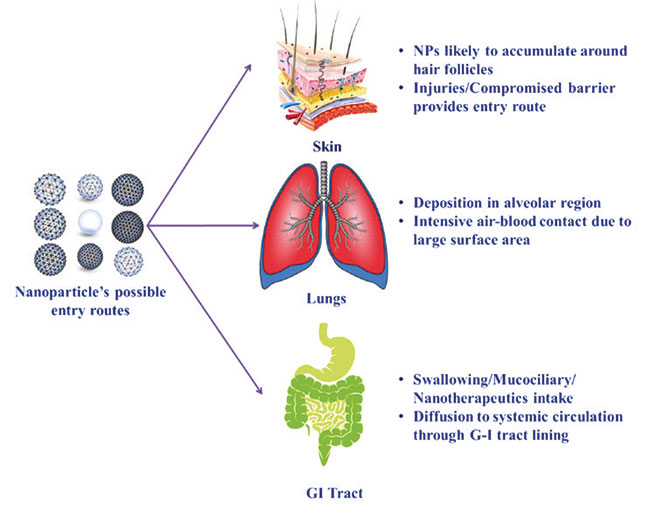
  1. Nanoparticles may damage the lungs. We know that ‘ultra fine’ particles from diesel machines, power plants and incinerators can cause considerable damage to human lungs. This is both because of their size (as they can get deep into the lungs) and also because they carry other chemicals including metals and hydrocarbons in with them.
  2. Nanoparticles can get into the body through the skin, lungs and digestive system. This may help create ‘free radicals’ which can cause cell damage and damage to the DNA. There is also concern that once nanoparticles are in the bloodstream they will be able to cross the blood-brain barrier.
  3. The human body has developed a tolerance to most naturally occurring elements and molecules that it has contact with. It has no natural immunity to new substances and is more likely to find them toxic.

The danger of contact with nanoparticles is not just speculation. As more research is undertaken, concerns increase. Here are some of the recent findings:

  • some nanoparticles cause lung damage in rats. Several studies have shown that carbon nanotubes, which are similar in shape to asbestos fibres, cause mesothelioma in the lungs of rats (see below)
  • other nanoparticles have been shown to lead to brain damage in fish and dogs
  • a German study found clear evidence that if discrete nanometer diameter particles were deposited in the nasal region (in rodents in this case), they completely circumvented the blood/brain barrier, and travelled up the olfactory nerves straight into the brain
  • inhaled carbon nanotubes can suppress the immune system by affecting the function of T cells, a type of white blood cell that organises the immune system to fight infections.

According to the USA’s Woodrow Wilson International Centre for Scholars chief science advisor (speaking at a conference organised by the Australian Institute of Occupational Hygienists – AIOH), Dr Andrew Maynard, ‘Whether [the research] is relevant to humans we’re not sure yet. But it does indicate nanometer-size particles and nano-structured materials behave in different ways to what we’re used to.’ One of the big problems is that it’s impossible to know whether a product or substance contains nanoparticles, as current legislation does not require these to be labelled.

The US government safety research body NIOSH has produced a guide (see below) which states nanomaterials may interact with the human body in different ways than more conventional materials, due to their extremely small size. For example, studies have established that the comparatively large surface area of inhaled nanoparticles can increase their toxicity. Such small particles can penetrate deep into the lungs and may move to other parts of the body, including the liver and brain. 

NIOSH’s Nanotechnology Research Centre (NTRC), has also released an interim report Progress Towards Safe Nanotechnology in the Workplace [pdf] (Feb 2007). The NTRC was established to coordinate and facilitate research in nanotechnology and develop guidance on the safe handling of nanomaterials in the workplace. The report identifies 10 critical OHS areas and reports on the advancements to date. The areas include toxicity and internal dose -determined heart and lung responses to nanoparticles; risk assessment; epidemiology and surveillance – developing guidance for nanotechnology employers and workers on how to implement OHS surveillance programs in the workplace; engineering controls and PPE; and measurement methods.

Back to top

As hazardous as asbestos?

A major study published in Nature Nanotechnology in May 2008 suggested some forms of carbon nanotubes could be as harmful as asbestos if inhaled in sufficient quantities.  The study used established methods to see if specific types of nanotubes have the potential to cause mesothelioma.  The results show that long, thin multi-walled carbon nanotubes that look like asbestos fibres, behave like asbestos fibres.  The study shows there is strong evidence that if carbon nanotubes get into the wrong place, they can cause mesothelioma.  Still unanswered questions are whether exposure to the material will actually occur, whether people can breathe it in, and if they do, whether these fibres can work their way to the outer edge of the lung and then cause an effect.

Friends of the Earth has produced comment on the studies, and also interesting is a June 2009 article in the online magazine newmatilda.

Australian news

Safe Work Australia has done quite a bit of work on carbon nanotubes.

In June 2011: a research report, Durability of carbon nanotubes and their potential to cause inflammation. The report considered the durability of carbon nanotubes and the tendency to cause lung inflammation if inhaled, two indicators of potential asbestos-like behaviour.  Carbon nano-tubes are already being used in a number of different applications.

Key findings in the report include:

  • Some types of carbon nanotubes can be durable, but others may also break down in simulated lung fluid.
  • Carbon nanotubes of certain length and aspect ratio can induce asbestos-like responses in mice, confirming previous findings. However, this response may be reduced if the nanotubes are less durable.
  • tightly agglomerated particle-like bundles of carbon nanotubes did not cause an inflammatory response in mice.

In October 2012, a further report: Human Health Hazard Assessment and Classification of Carbon Nanotubes  which it commissioned NICNAS to do. In addition, an information sheet Classification of Carbon Nanotubes as Hazardous Chemicals  has also been published.

The report recommends classification of carbon nanotubes as hazardous for repeated or prolonged inhalation exposure and for carcinogenicity. With respect to the carcinogenicity of carbon nanotubes, the Information sheet summarises it as follows: ‘Based on the limited data available on mesothelioma formation in animal studies and difficulty in conclusively determining whether a specific multi-walled carbon nanotube (MWCNT) can present as a fibre of pathogenic dimensions, the report recommends that all MWCNTs should be considered as hazardous and classified for carcinogenicity as follows in accordance with:

  • Approved Criteria – Classification: Carcinogen Category 3, Harmful (Xn). Risk Phrase: R40  Limited evidence of a carcinogenic effect
  • GHS – Classification: Carcinogen Category 2. Hazard Statement: Suspected of causing cancer

The report notes that there are no studies demonstrating that single-walled carbon nanotubes (SWCNTs) cause mesothelioma.

This work has had international implications, with the US’s NIOSH recommending a new level of exposure for carbon nanomaterials (see Update – April 2013). The recommendations include reducing worker exposures to airborne concentrations of those materials to no more than 1 microgram per cubic meter of air as a recommended exposure limit. This is the lowest airborne concentration that can be accurately measured. The recommended exposure limit is intended to minimize potential risk for adverse lung effects in workers who might be exposed at this concentration over a working lifetime.

Back to top

The importance of prevention

At the moment no one knows for certain how dangerous the many different types of nanoparticles are likely to be to humans. However it is important that we do not allow workers to be exposed to an unknown danger where effects may not be known for years, even decades.

These risks were highlighted in a report from the UK’s Royal Society which said ‘nanotechnology offers many potential benefits, but its development must be guided by appropriate safety assessments and regulation to minimise any possible risks to people and the environment.’  It also called for a tightening up of regulations.


The UK Royal Commission on Environmental Pollution released a report in November 2008:  Novel Materials in the Environment: The case of nanotechnology, stating that nanomaterials are likely to kill people in the future just as asbestos did unless extensive safety checks are put in place. The team of experts assessing the likely impacts of the emerging technology expressed concerns that when nanomaterials escape into the environment they will damage people and wildlife – but that it will be years before the effects are seen. Past generations have brought into general usage materials such as asbestos, leaded petrol, CFCs and cigarettes without adequately considering the potential damage and the commission fears nanomaterials will prove similarly dangerous.

The international insurance company, Swiss Re issued warnings at least fifteen years ago that the uncertainty about the risks that nanotechnology and nano-pollution pose means that they currently will not offer insurance to the industry.

There has been very little attention paid to nanotechnology in Australia.  Unions made a number of submissions to a Senate inquiry into Workplace Exposure to Toxic Dusts that raised the emerging issue of nanotechnology in Australia.  The VTHC, together with the ACTU and our union affiliates is calling on government to use its existing capabilities and authorities, or develop new ones as needed, to ensure that the risks of nanomaterials are identified before they are incorporated into products for commercial production. 

Employers should take a precautionary approach and ensure that workers are not exposed to nanoparticles. This is the advice given by the UK government, which adds that   ‘as the risks arising from exposure to many types of nanoparticles are not yet completely understood, control strategies should be based on a principle of reducing exposure as much as possible.’

For unions that means seeking to ensure that the production and use of nanoparticles is done within a contained process so that employees are not exposed to any potential unknown risk. Nanomaterials should be treated just like any other serious health risk.

It is important that unions act now to ensure that we do not have a re-run of the asbestos tragedy where hundreds of thousands of people were exposed to a killer dust that even today kills many thousands of people a year.  On September 19, 2007, the ACTU and its affiiates signed up to the international Declaration on the Principles for the Oversight of Nanotechnologies and Nanomaterials.  The declaration identifies eight fundamental principles for the effective oversight and assessment of nanotechnology, including mandatory government regulation. It can be downloaded at the top right hand side of this page.

In June of 2008, the European Trade Union Confederation (ETUC) adopted its first resolution on nanotechnology and nanomaterials: that the precautionary principle must apply. The resolution states: ‘nanometre forms of chemicals should not be allowed on the market unless sufficient data are supplied to show no harmful effect for human health and the environment.’ It adds that risk reduction measures must be used and employers must involve workers and their representatives in the assessment and reduction of nanomaterial-related risks. Other measures called for by ETUC include training and health surveillance for workers exposed to nanomaterials, at least 15 per cent of public research budgets on nanotech to be dedicated to health and environmental aspects and for workplace health and safety to be included in all research programmes. Statement and Resolution.

The ACTU Occupational Health and Safety, Rehabilitation and Compensation Policy (2012) now has a specific section on Nanotechnology. Download the Policy here.

Back to top

Government initiatives

The Federal Government established a National Nanotechnology Strategy Taskforce under the auspices of the then Department of Industry, Tourism and Resources (DITR).  The taskforce did work in the following areas:

  • details of research and other activities – recently undertaken, current and planned;
  • a critical review of substantial work done. This will include input from nanotechnology scientific expertise to ensure the scope of the review is relevant and covers current technologies;
  • a synthesis of the current state of knowledge in the area relevant to OH&S, and relevant to the workplaces in Australian industries; and
  • identification of key gaps in knowledge and areas where further research may be targeted.

The Department of Industry, Innovation, Science, Research and Tertiary Education now ‘houses’ the Enabling Technologies area, and has a website with information on government initiatives on nanotechnology. 

In August 2006 the ASCC (now Safe Work Australia) released its report: Review of the Potential Occupational Health and Safety Implications of Nanotechnology.  The report stated: ‘The distinctive and oftentimes unique properties which are observed with nanoparticles have been proposed to revolutionise manufacturing and consuming in the future – much as the industrial revolution did in the late 18th and early 19th centuries’ and ‘At this early stage the potential applications of nanoparticles seem to be limited only by the imagination’. 

It concludes that ‘[t]he occupational health and safety effects of engineered nanoscale particles are mostly unknown,’ while acknowledging however, that ‘findings from animal and in vitro test systems have provided some valuable information and these results indicate that human and environmental health consequences are possible from nanoparticle use and exposure.’

The report recommended addressing the ‘greatest gaps in our current knowledge’ as a matter of priority, namely:

  • developing cost-effective and robust ambient air monitoring systems to provide accurate information on worker exposures
  • setting priorities to acquire the necessary information for the determination of meaningful workplace exposure standards and adequate worker protection.
  • undertaking chronic exposure studies in order to generate information on the long-term health effects

A 2007 publication from NSW WorkCover, Nanotechnology: OHS overview, summed up some of the concerns.  It called for a more proactive approach to regulating public and worker safety when it comes to nanotech. The paper pointed out that the pace of the industry’s development meant OHS researchers and regulators already lagged behind. There is still no specific nano regulation. Some of the points in the paper:

  • Existing regulations do not sufficiently cover nanotechnology.
  • Current OHS risk management processes do not readily apply because of the different structures and behaviours of nanoparticles
  • So, there is no guarantee that existing safe work practices will transfer to nanotech.
  • There is a crucial gap because OHS regulations focus on the chemical composition rather than the size or surface area, such as is the case with nanoparticles.
  • However an effective gap analysis of how existing legislation applies to nanotech will not be possible until further knowledge of measurement procedures and exposure levels is gained.Back to top

2008

In July, Senator the Hon Kim Carr, the then Minister for Innovation, Industry, Science and Research released two documents:

  1. The Australian Government Approach to the Responsible Management of Nanotechnology [pdf]: identified objectives to guide government agencies, including regulators and policy makers in their decision making process and policy development for nanotechnology.
  2. The independent report, A review of possible impacts of nanotechnology on Australia’s regulatory framework [pdf]: commissioned by the Australian Office of Nanotechnology to assess the adequacy of nanotechnology regulation and produced by the Centre for Regulatory Studies at Monash University. It concluded that there were a number of regulatory ‘triggers’ (that is ‘gaps’) that needed to be addressed. NOTE: in 2013, many of these gaps had not yet been fixed.

2013

In April 2010, a large group of Non-government organisations, including unions and Not for Profit organisations, raised concerns with government regarding the information being produced by various departments on nanotechnology. The groups believed that much of the information was biased – understating the potential problems with the legislation, and overstating the potential benefits. After much discussion and delay, an independent review of the material (and a number of events) was undertaken. While the review was completed in 2012, the findings of of the review were not released by government until the end of 2013.   The review concluded: ‘Australian government public information on nanotechnology has had a bias in favour of promoting the technology.’

The reviewers, Toss Gascoigne from the Australian Science Communicators, and Dr Karen Cronin from the Asia-Pacific Science and Technology Studies Network, said, ‘Some of the items make only brief reference to scientific research and public concerns about potential health and environment risks. There is little in the materials about ethical, cultural or privacy issues.’

Below are the documents, now on the Department of Industry website:Review Panel Final Report (PDF 209KB) | (DOCX 105KB)

Human health and nano-fertilizers – where is the safety clothing?

October 29th, 2021

By Chandre Dharmawardana, Canada. Courtesy The Island

The rationale for banning agro-chemicals in May 2021 and going all organic” was mostly the claimed (but false) poisoning of the food chain” by chemicals”. It was well known that organic farming even at its best can only supply a tiny fraction of any nation’s food requirements, unless drastic steps are taken (like halving the population and forcing all to be vegetarians; see https://www.dh-web.org/green/CD-Mueller-OrganicL.pdf). Today, having realized the impossibility of providing the vast amount of organic fertilizer” needed even to get minimal harvests and avert famine, the government has done a knee-jerk purchase of nano-fertilizer from India.

A government working in the crisis mode has NOT asked if nano-urea can be a health hazard to farming communities, and instead accepted what the Indians say. The product was launched only on 31st May 2021 and sells in India at about $3-4 for a 500ml bottle. It is claimed that 11,000 farm trials were conducted by the Indian National Agriculture Research System in the preceding years. Looking at the published materiel I suspect that these only looked at yields and did NOT monitor the health of the farming communities. The preceding years even overlapped with the pandemic when health chaos prevailed.

Whether with DDT, thalidomide, glyphosate or nuclear waste, the impact on human health requires studies over several generations. With conventional materials, tests on micro-organisms and smaller animals with short life spans provide useful information. But this is not true for nanoparticles as their toxico-kinetic pathways are still quite unknown. Although the Indians say that the nano-urea has been tested for bio-safety and toxicity following Indian government guidelines as well as OECD international guidelines”, no details have been published. It is an open secret that there are no accepted OECD guidelines for the toxicity of various nanomaterials. The earliest nanourea declared nearly two decades ago in the CN1269774C Chinese patent, other products like the hydroxy-apatite nanourea from SJP university which is a few years old, or the Indian product which is only a few months old, have not been adequately investigated for their environmental and health impact.

The claim by the Indians that their product is eco-friendly” and safe to humans is an unsubstantiated statement, very likely to be false.

Nanoparticles are ultra-small. Their size is that of Covid-19 Corona virus particles. Being ultra-small, nanoparticles penetrate into foliage, roots or soil extremely efficiently. These materials, especially when sprayed, can get into human skin, eyes, ears, lungs, intestines etc., and instantly penetrate through epithelial layers into every organ and cell, womb and fetus, brain and neuron, chromosome and gene. They will act with high efficiency becoming hundreds of times more toxic than the parent substance from which the nanomaterial was manufactured. While the nanoparticle penetrates the foliage like a magic bullet”, their action on soil and leaf organisms, and pollinating insects can be akin to a cluster bomb” that destroys indiscriminately.

Lung inflammation, granuloma, and focal emphysema are found in studies on SiO2 nanoparticles. Gold nanoparticles are used in food technology and found to cause chromatin changes in the nucleus of human lung fibroblasts, making changes in gene expression in mouse fetus leading to lung cancers. Silver nanoparticles enter the intestinal mucus barrier and increase oxidative stress, damaging cell membranes, DNA, and chromosomes as well. Even at low concentrations, the toxicological effects of silver nanoparticles become evident, while abnormal cell damage, shrinkage, apoptosis, and skin cancers occur at higher concentrations.

Use of nanofertilizers creates a sophisticated agricultural industry that is the future. Nanofertilizers will increase yields, but they should be deployed with highly sophisticated safety clothing and usage protocols. Full-face masks and overalls should be unpenetrable to nanoparticles. The nanomaterials must be applied by trained farm technicians with the discipline of semi-conductor clean-room” technicians who engage in the fabrication of nanomaterials.

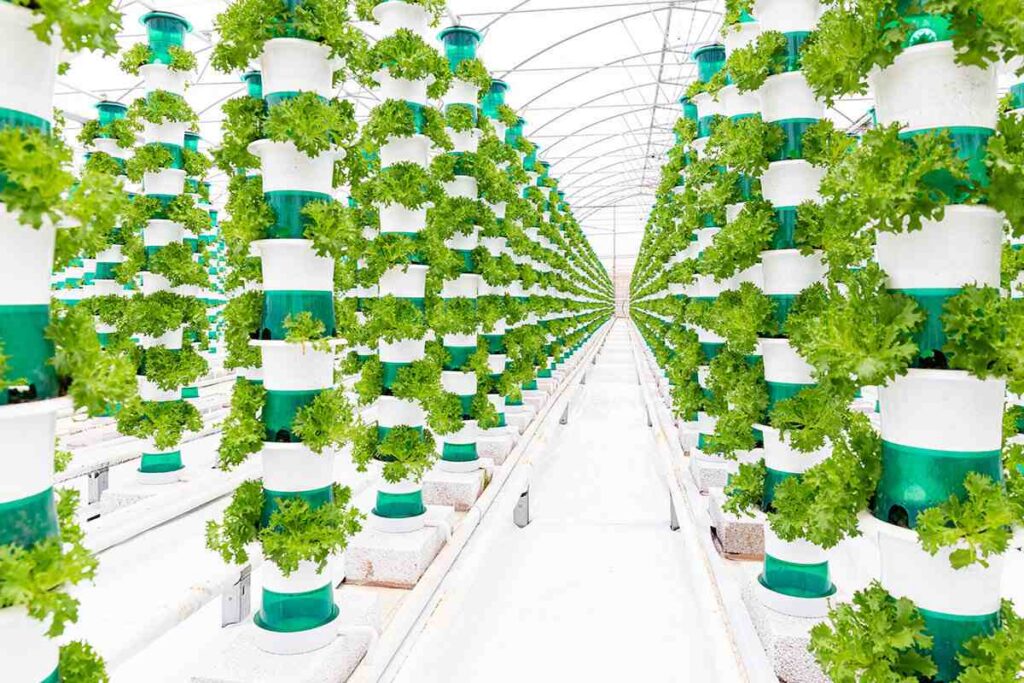
My research on nanomaterials at the National Research Council of Canada since the 1980s have been for optical and electronic technologies where sealed fabrication plants are used in manufacturing. Similarly, in the context of agriculture, I have long advocated that the steps beyond the green revolution are these sophisticated technologies, but deployed within sky-scraper” grow towers sealed from the environment, thereby freeing up farmland for reforestation. The alternative of using these technologies in the unprotected environment is like releasing synthetic viruses (nanoparticles) into ecosystems whose evolutionary tools have no defense against them.

Let us forget about the environment for the short term and ask about human safety. Where is the necessary nano-impregnable clothes and masks for the 1.2 million farmers who spray the nanourea? Furthermore, Nanourea should be sprayed so that the flora and fauna other than the targeted plants are spared. The long-term effects of such exposure are UNKNOWN at present.

In contrast to nanomaterials, conventional agrochemicals have been used for many decades. Substances like glyphosate or DDT have faced large-scale studies and periodic reviews sinCe the 1970s. The large-scale health study of the US government on Glyphosate with its adjuvents involved monitoring some 54,000 farming families over nearly a quarter century, ended in 2018 and established its safety. There had been many in-depth studies on most agrochemcials, and in many countries. In contrast, nanofertilizers have been available for a very short time, and we do not have reliable health-safety guidelines for these new materials.

The agricultural policies of the present government, or the previous government had been increasingly set by pseudoscience activists mesmerized by elite-class propaganda about creating toxin-free environments for themselves. They get their cues from wealthy environmental NGOs in California and Europe that list genetically engineered food as Franken-food”. The local movement was strengthened by nationalists who equated traditional agriculture to organic farming”, and by leftists who heroically” target multinationals like Bayer-Monsanto.

So an unlikely combination of Colombo-7 tree-saving (Ruk-Raekaganno”) types, Buddhist monks like Ven. Ratana, Marxist-inspired MONLAR activists, Nath Deviyo” inspired shamans like the late Ms. Senanayaka of Helasuvaya”, misguided academics like Dr. Nalin de Silva and their acolytes, lined up with medical doctors like Anurddha Padeniya of the GMOA, and Sanath Gunatilleke of California inspired by figures like Stephanie Seneff and Dr”. Mercola.

Their band wagon blamed every non-communicable disease on agrochemicals. The rise of an unusual form of Kidney disease, now believed by many researchers to be caused by geologically polluted water containing fluorides and other salts was a trump card for them. A staunch supporter of traditional agriculture (and traditional medicine) could write (quite incorrectly) that Paddy and other cultivations have been done in this country for thousands of years without chemical fertilizer. During these times there were no serious CKD problems. Started using Chemical Fertilizer from 1950s and after about 20 – 30 years serious CKD problems arose”.

Meanwhile scientists themselves had rightly begun to express serious concern over the excessive use of agrochemicals and the degradation of the soil and environment. This had begun to occur after the arrival of an uncontrolled free” market, further primed by subsidized fertilizers.

So, the stage was set for tighter restrictions on agrochemicals. Instead, the Toxin-Free bandwagon set the pace. First came a ban on the popular herbicide RoundUp” by the Sirisena government. Ven. Ratana was Sirisena’s prime mover in agriculture. This debilitated all agricultural sectors, causing a loss of at least three times the bond scam, and created the prospect of a collapse of tea exports. However, ideologically driven movements do not learn from evidence, and the present government decided to outsmart not only the Srisena government, but all other nations, by becoming the first to go 100% organic” by banning all agrochemicals.

That ban was imposed like a bolt from the blue in May 2021. Even the military was diverted to making compost, while shipments of chemical” fertilizers and pesticides were turned away. That it was impossible to generate enough organic fertilizer, containing at most a mere 2% of nitrogen to replace urea fertilizer with 46% N dawned on the government planners only when their yeoman efforts failed. This had been predicted in our earlier articles, already during the Sirisena era when the threat of the so-called toxin-free” agriculture had loomed over the country.

So, in trying to create a toxin-Free nation” based on 100% organic, a desperate government has come to its very antithesis, i.e., very high technology that deals only with artificial materials that are beyond anything organic or inorganic. It plans to explode a cluster bomb of nanoparticles on a fragile ecosystem and an unsuspecting citizenry.

මානව සෞඛ්යය සහ නැනෝ පොහොර – ආරක්ෂිත ඇඳුම් කොහෙද?

October 29th, 2021

චන්ද්‍රේ ධර්මවර්ධන විසිනි කැනඩාව. උපුටා ගැන්ම The Island

සංශෝධිත ගූගල් පරිවර්තනයක්.

2021 මැයි මාසයේදී කෘෂි රසායන තහනම් කිරීම සහ සියලු කෘෂි රසායනයක්ම කාබනික ද්‍රව්‍යවලට යාම” යන තාර්කිකත්වය බොහෝ දුරට ප්‍රකාශ කරන ලද්දේ “රසායන ද්‍රව්‍ය මගින් ආහාර දාමයට විෂ වීම” යන (නමුත් අසත්‍ය) විශ්වාස මත විය. ජනගහනයෙන් අඩක් අඩු කිරීම සහ සියල්ලන්ටම නිර්මාංශ වීමට බල කිරීම වැනි දැඩි පියවර නොගතහොත් ; https://www.dh-web බලන්න. .org/green/CD-Mueller-OrganicL.pdf). කාබනික ගොවිතැනට සැපයිය හැක්කේ ඕනෑම ජාතියක ආහාර අවශ්‍යතාවයෙන් ඉතා කුඩා කොටසක් පමණක් බව හොඳින්ම දන්නා කරුණකි. අද වන විට අවම අස්වැන්නක් ලබා ගැනීමට සහ සාගතයෙන් මිදීමට පවා අවශ්‍ය කාබනික පොහොර” විශාල ප්‍රමාණයක් ලබා දීමේ නොහැකියාව වටහාගෙන ඇති රජය ඉන්දියාවෙන් නැනෝ පොහොර දෙදණ වෙව්ලීමක් සමග මිලදී ගෙන ඇත.

අර්බුදකාරී තත්වයකට මුහුනප ඇති රජය නැනෝ යූරියා ගොවි ප්‍රජාවන්ට සෞඛ්‍ය අනතුරක් විය හැකිදැයි විමසා නැති අතර ඒ වෙනුවට ඉන්දියානුවන් පවසන දේ පිළිගත්තේය. මෙම නිෂ්පාදතය 2021 මැයි 31 වන දින දියත් කරන ලද අතර ඉන්දියාවේ මිලි ලීටර් 500 බෝතලයක් සඳහා ඩොලර් 3-4 කට අලෙවි කරණු ලැබේ. ඉන්දියානු ජාතික කෘෂිකර්ම පර්යේෂණ පද්ධතිය මඟින් පෙර වසර තුළ ගොවිපලවල්හිදී අත්හදා බැලීම් 11,000 ක් සිදු කර ඇති බව ප්රකාශ වේ. ප්‍රකාශිත ද්‍රව්‍ය දෙස බලන විට, මේවා අස්වැන්න දෙස පමණක් බලා ගොවි ප්‍රජාවන්ගේ සෞඛ්‍යය නිරීක්ෂණය නොකළ බවට මම සැක කරමි.පෙර වසර කෝවිඩ් වසංගතය සමඟ සෞඛ්‍ය ව්‍යාකූලත්වය පවතින විට පවා අතිච්ඡාදනය වී ඇත.

DDT, thalidomide, glyphosate හෝ හෝ න්‍යෂ්ටික අපද්‍රව්‍ය සමඟ හෝ වේවා, මිනිස් සෞඛ්‍යයට ඇති බලපෑම සඳහා මෙම ද්‍රව්‍ය පරම්පරා කිහිපයක් පුරා අධ්‍යයනය කිරීම අවශ්‍ය වේ. සාම්ප්‍රදායික ද්‍රව්‍ය සමඟ, ක්ෂුද්‍ර ජීවීන් සහ කෙටි ආයු කාලයක් සහිත කුඩා ජීවීන් පිළිබඳ පරීක්ෂණ ප්‍රයෝජනවත් තොරතුරු සපයයි. නමුත් නැනෝ අංශු සඳහා මෙය සත්‍ය නොවේ, මන්ද ඒවායේ විෂ සහිත චාලක මාර්ග ( toxico-kinetic pathways ) තවමත් නොදන්නා බැවිනි. ඉන්දියානු රජයේ මාර්ගෝපදේශ මෙන්ම OECD ජාත්‍යන්තර මාර්ගෝපදේශ”(Organisation for Economic Co-operation and Development) අනුගමනය කරමින් නැනෝ-යූරියා ජෛව ආරක්ෂාව සහ විෂ සහිත බව සඳහා පරීක්ෂා කර ඇති බව ඉන්දියානුවන් පැවසුවද, කිසිදු විස්තරයක් ප්‍රකාශයට පත් කර නොමැත. විවිධ නැනෝ ද්‍රව්‍යවල විෂ බව සඳහා පිළිගත් OECD මාර්ගෝපදේශ නොමැති බව ප්‍රසිද්ධ රහසකි. දශක දෙකකට පමණ පෙර CN1269774C චීන පේටන්ට් බලපත්‍රයේ ප්‍රකාශයට පත් කරන ලද පැරණිතම නැනෝ-යූරියා, වසර කිහිපයක් පැරණි SJP විශ්ව විද්‍යාලයේ හයිඩ්‍රොක්සි-ඇපටයිට් නැනෝ-යූරියා හෝ මාස කිහිපයක් පැරණි ඉන්දියානු නිෂ්පාදනය වැනි වෙනත් නිෂ්පාදන ප්‍රමාණවත් ලෙස ඔවුන්ගේ පාරිසරික හා සෞඛ්ය බලපෑම විමර්ශනය කර නොමැත.

ඔවුන්ගේ නිෂ්පාදනය “පරිසර හිතකාමී” සහ මිනිසුන්ට ආරක්ෂිත බවට ඉන්දියානුවන් විසින් කරන ලද ප්‍රකාශය පදනම් විරහිත ප්‍රකාශයක් වන අතර එය බොහෝ දුරට සාවද්‍ය විය හැකිය.

නැනෝ අංශු ඉතා කුඩා වේ. ඒවායේ විශාලත්වය Covid-19 Corona වෛරස් අංශුවල ප්‍රමාණයයි. ඉතා කුඩා බැවින් නැනෝ අංශු ඉතා කාර්යක්ෂමව ශාක පත්‍ර, මුල් හෝ පස තුලට විනිවිද යයි. මෙම ද්‍රව්‍ය, විශේෂයෙන් හිරිකඩ මෙන් ඉසින විට, මිනිස් සම, ඇස්, කන්, පෙනහළු, බඩවැල් ආදියට ඇතුළු විය හැකි අතර, එපිටිලියල් ස්ථර ( epithelial layers ) හරහා සෑම ඉන්ද්‍රියයකටම සහ සෛලයකටම, ගර්භාෂය සහ කලලරූපය, මොළය සහ නියුරෝන, වර්ණදේහ සහ ජාන වෙත ක්ෂණිකව විනිවිද යයි. නැනෝ ද්‍රව්‍ය නිෂ්පාදනය කරන ලද මව් ද්‍රව්‍යයට වඩා සිය ගුණයකින් විෂ සහිත බවට පත් වෙමින් ඉහළ කාර්යක්ෂමතාවයකින් යුතුව ඒවා ක්‍රියා කරනු ඇත. නැනෝ අංශුව “මැජික් උණ්ඩයක්” මෙන් ශාක පත්‍රවලට විනිවිද යන අතර, පස සහ පත්‍ර ජීවීන් සහ පරාගනය කරන කෘමීන් මත ඔවුන්ගේ ක්‍රියා, අවිචාරවත් ලෙස විනාශ කරන පොකුරු බෝම්බයකට” සමාන විය හැකිය.

පෙනහළු ඉදිමුම සහිත දැවිල්ල ( Lung inflammation ) , කැටිති ( granuloma ) සහ එම්පිසීමාව ( focal emphysema ) SiO2 නැනෝ අංශු පිළිබඳ අධ්‍යයනයන්හි දක්නට ලැබේ. රන් නැනෝ අංශු ආහාර තාක්ෂණයේ භාවිතා වන අතර මිනිස් පෙනහළු ෆයිබ්‍රොබ්ලාස්ට් වල න්‍යෂ්ටියේ ක්‍රොමැටින් වෙනස්කම් ඇති කරන බව සොයාගෙන ඇති අතර, පෙනහළු පිළිකා ඇති කිරීමට තුඩු දෙන මූසික කලලයේ ජාන ප්‍රකාශනයේ වෙනස්කම් ඇති කරයි. රිදී නැනෝ අංශු බඩවැල් ශ්ලේෂ්මල බාධකයට ඇතුළු වන අතර ඔක්සිකාරක ආතතිය වැඩි කරයි, සෛල පටල, DNA සහ වර්ණදේහ වලටද හානි කරයි. අඩු සාන්ද්‍රණයකදී පවා, රිදී නැනෝ අංශුවල විෂ විද්‍යාත්මක බලපෑම් පැහැදිලි වන අතර අසාමාන්‍ය සෛල හානි, හැකිලීම, ඇපොප්ටෝසිස් සහ සමේ පිළිකා වැඩි සාන්ද්‍රණයකදී සිදුවේ.

නැනෝ පොහොර භාවිතය අනාගතය වන නවීන කෘෂිකාර්මික කර්මාන්තයක් නිර්මාණය කරයි. නැනෝ පොහොර අස්වැන්න වැඩි කරයි, නමුත් ඒවා ඉතා නවීන ආරක්ෂිත ඇඳුම් සහ භාවිත ප්‍රොටෝකෝල සමඟ යෙදවිය යුතුය. සම්පූර්ණ මුහුණු ආවරණ සහ ඕවෙරෝල් නැනෝ අංශුවලට විනිවිද යාමට නොහැකි විය යුතුය. නැනෝ ද්‍රව්‍ය යෙදිය යුත්තේ නැනෝ ද්‍රව්‍ය නිෂ්පාදනයේ යෙදෙන අර්ධ සන්නායක පිරිසිදු කාමර” කාර්මික ශිල්පීන්ගේ විනය සහිත පුහුණු ගොවිපල කාර්මික ශිල්පීන් විසිනි.

1980 ගණන්වල සිට කැනඩාවේ ජාතික පර්යේෂණ කවුන්සිලයේ නැනෝ ද්‍රව්‍ය පිළිබඳ මගේ පර්යේෂණය වූයේ නිෂ්පාදනයේදී මුද්‍රා තැබූ නිෂ්පාදන කම්හල් භාවිතා කරන දෘශ්‍ය සහ ඉලෙක්ට්‍රොනික තාක්ෂණයන් සඳහාය. ඒ හා සමානව, කෘෂිකර්මාන්තයේ සන්දර්භය තුළ, හරිත විප්ලවයෙන් ඔබ්බට ඇති පියවර මෙම නවීන තාක්‍ෂණයන් වන නමුත් පරිසරයෙන් මුද්‍රා තබන ලද ස්කයි-ස්ක්‍රේපර්” වගා කුළුණු තුළ යොදවා ඇති අතර එමඟින් නැවත වන වගාව සඳහා ගොවිබිම් නිදහස් කරන බව මම බොහෝ කලක සිට යෝජනා කර ඇත්තෙමි. අනාරක්ෂිත පරිසරය තුළ මෙම තාක්ෂණයන් භාවිතා කිරීමේ විකල්පය වන්නේ පරිණාමීය මෙවලම් වලට එරෙහිව කිසිදු ආරක්ෂාවක් නොමැති කෘත්‍රිම වෛරස් (නැනෝ අංශු) පරිසර පද්ධතිවලට මුදා හැරීම වැනි ය.

කෙටි කාලීනව පරිසරය අමතක කර මිනිස් ආරක්ෂාව ගැන විමසමු. නැනෝ-යූරියා ඉසින ලක්ෂ 12ක් පමණ වන ගොවීන්ට අවශ්‍ය නැනෝ අපරාජිත ඇඳුම් සහ වෙස් මුහුණු කෝ? තවද, ඉලක්කගත ශාක හැර අනෙකුත් ශාක හා සත්ත්ව විශේෂ ඉතිරි වන පරිදි නැනෝ-යූරියා ඉසිය යුතු ය. එවැනි නිරාවරණයක දිගු කාලීන බලපෑම් දැනට නොදනී.

නැනෝ ද්‍රව්‍යවලට ප්‍රතිවිරුද්ධව, සාම්ප්‍රදායික කෘෂි රසායන දශක ගණනාවක් තිස්සේ භාවිතා කර ඇත. ග්ලයිෆොසේට් හෝ DDT වැනි ද්‍රව්‍ය 1970 ගණන්වල සිට මහා පරිමාණ අධ්‍යයනයන්ට සහ වරින් වර සමාලෝචනවලට මුහුණ දී ඇත. ග්ලයිෆොසේට් පිළිබඳ එක්සත් ජනපද රජයේ මහා පරිමාණ සෞඛ්‍ය අධ්‍යයනය එහි සහායකයින් සමඟ කාර්තුවකට ආසන්න කාලයක් පුරා ගොවි පවුල් 54,000 ක් පමණ නිරීක්ෂණය කිරීම සම්බන්ධ වූ අතර එය 2018 දී අවසන් වී එහි ආරක්ෂාව තහවුරු කළේය. බොහෝ කෘෂි රසායන පිළිබඳව සහ බොහෝ රටවල ගැඹුරු අධ්‍යයනයන් රාශියක් සිදු කර ඇත. ඊට වෙනස්ව, නැනෝ පොහොර ඉතා කෙටි කාලයක් සඳහා ලබා ගත හැකි අතර, මෙම නව ද්‍රව්‍ය සඳහා විශ්වාසදායක සෞඛ්‍ය-ආරක්ෂිත මාර්ගෝපදේශ අප සතුව නොමැත.

වත්මන් ආණ්ඩුවේ හෝ පසුගිය ආණ්ඩුවේ කෘෂිකාර්මික ප්‍රතිපත්ති වඩ වඩාත් සකසා තිබුණේ තමන්ට වස විසෙන් තොර පරිසරයක් නිර්මාණය කිරීම පිළිබඳ ප්‍රභූ පන්තියේ ප්‍රචාරවලින් වසඟ වූ ව්‍යාජ විද්‍යා ක්‍රියාකාරීන් විසිනි. කැලිෆෝනියාවේ සහ යුරෝපයේ ධනවත් පාරිසරික රාජ්‍ය නොවන සංවිධාන වලින් ඔවුන්ගේ ඉඟි ලබා ගනී, ඒවා ජානමය වශයෙන් නිර්මාණය කරන ලද ආහාර “ෆ්‍රැන්කන්-ෆුඩ්” ලෙස ලැයිස්තුගත කරයි. දේශීය ව්‍යාපාරය ශක්තිමත් වූයේ සාම්ප්‍රදායික කෘෂිකර්මය කාබනික ගොවිතැනට” සමාන කළ ජාතිකවාදීන් විසින් සහ Bayer-Monsanto වැනි බහුජාතික සමාගම් වීර ලෙස” ඉලක්ක කරන වාමාංශිකයන් විසිනි.

ඒ නිසා කොළඹ-7 ගස් ඉතිරි කිරීමේ (“රුක්-රාඑකගන්නෝ”) වර්ගවල අනපේක්ෂිත සංයෝජනයක්, රතන හාමුදුරුවෝ වැනි බෞද්ධ භික්ෂූන් වහන්සේලා. , මාක්ස්වාදී ආභාසය ලැබූ MONLAR ක්‍රියාකාරීන්, “නාත් දෙවියෝ” “හෙළසුවයේ” නැසීගිය සේනානායක මෙනවිය වැනි ෂාමන්වරුන්, වෛද්‍ය නලින් ද සිල්වා වැනි නොමඟ ගිය විද්වතුන් සහ ඔවුන්ගේ අනුගාමිකයින්, GMOA හි අනුරද්ධ පාදෙණිය වැනි වෛද්‍යවරුන් සමඟ පෙළ ගැසී සිටියහ. කැලිෆෝනියාවේ සනත් ගුණතිලක, ස්ටෙෆනි සෙනෙෆ් සහ “ආචාර්ය මර්කෝලා ” වැනි චරිතවලින් ආභාෂය ලබා ඇත. .

ඔවුන්ගේ බෑන්ඩ් කරත්තය සෑම බෝ නොවන රෝගයකටම චෝදනා කළේ කෘෂි රසායනවලටය. ෆ්ලෝරයිඩ් සහ අනෙකුත් ලවණ අඩංගු භූ විද්‍යාත්මකව දූෂිත ජලය නිසා ඇති වන බවට බොහෝ පර්යේෂකයන් විශ්වාස කරන අසාමාන්‍ය ආකාරයේ වකුගඩු රෝගයක් වර්ධනය වීම ඔවුන්ට තුරුම්පුවක් විය. සාම්ප්‍රදායික කෘෂිකර්මයට (සහ පාරම්පරික වෙදකමට) දැඩි ලෙස අනුග්‍රහය දක්වන්නෙකුට (ඉතාම වැරදි ලෙස) ලිවිය හැකිය: වසර දහස් ගණනක් මේ රටේ වී සහ අනෙකුත් වගාවන් රසායනික පොහොර නොමැතිව සිදු කර ඇත. මෙම කාලවලදී බරපතල CKD ගැටළු නොමැත. 1950 ගණන්වල සිට රසායනික පොහොර භාවිතය ආරම්භ කළ අතර වසර 20-30 කට පමණ පසු බරපතල CKD ගැටළු ඇති විය.

මේ අතර විද්‍යාඥයින් විසින්ම කෘෂිරසායන ද්‍රව්‍ය අධික ලෙස භාවිතා කිරීම සහ පස හා පරිසරය හායනය වීම සම්බන්ධයෙන් බරපතල කනස්සල්ලක් ප්‍රකාශ කිරීමට පටන් ගෙන තිබුණි. මෙය සිදුවන්නට පටන්ගෙන තිබුණේ සහනාධාර පොහොරවලින් තවදුරටත් ප්‍රමුඛ වූ පාලනයකින් තොරව “නිදහස්” වෙළඳපොලක් පැමිණීමෙන් පසුවය.

එබැවින් කෘෂි රසායන සඳහා දැඩි සීමා පැනවීමට වේදිකාව සකස් විය. ඒ වෙනුවට, Toxin-Free bandwagon වේගවත් විය . සිරිසේන ආන්ඩුව විසින් “රවුන්ඩ්අප්” නම් ජනප්‍රිය වල් නාශකය තහනම් කිරීම මුලින්ම පැමිණියේය. . රතන හාමුදුරුවෝ සිරිසේනගේ කෘෂිකර්මාන්තයේ ප්‍රමුඛයා විය. මෙමගින් සියලුම කෘෂිකාර්මික ක්ෂේත‍්‍ර අඩපණ වූ අතර, බැඳුම්කර මගඩියට වඩා තුන් ගුණයක පාඩුවක් සිදු වූ අතර තේ අපනයනය කඩා වැටීමේ අපේක්ෂාව ද නිර්මාණය විය. කෙසේ වෙතත්, මතවාදීමය වශයෙන් මෙහෙයවන ව්‍යාපාර සාක්ෂි වලින් ඉගෙන නොගන්නා අතර, වත්මන් රජය තීරණය කළේ සිරිසේන රජය පමණක් නොව අනෙකුත් සියලුම ජාතීන් අභිබවා යාමට, සියලු කෘෂිරසායන තහනම් කරමින් 100% කාබනික යන්න” ප්‍රථමයා බවට පත් කරමිනි.

එම තහනම පනවනු ලැබුවේ 2021 මැයි මාසයේදී හදිසියේම ය . හමුදාව පවා කොම්පෝස්ට් සෑදීමට හරවා යවන ලද අතර රසායනික” පොහොර සහ පළිබෝධනාශක නැව්ගත කිරීම ප්‍රතික්ෂේප කරන ලදී. යූරියා පොහොර වෙනුවට 46% N වෙනුවට නයිට්‍රජන් ප්‍රමාණය 2%ක් පමණක් අඩංගු ප්‍රමාණවත් කාබනික පොහොර නිපදවීමට නොහැකි බව රජයේ සැලසුම්කරුවන්ට වැටහුණේ ඔවුන්ගේ දැඩි උත්සාහය අසාර්ථක වූ විටය. මේ බව අපේ පෙර ලිපිවල පුරෝකථනය කර තිබුණි, ඒ වන විටත් සිරිසේන යුගයේ ඊනියා විෂ නැති” කෘෂිකර්මාන්තයේ තර්ජනය රට පුරා එල්ල වී තිබුණි.

ඉතින්, 100% කාබනික මත පදනම් වූ විෂ නැති ජාතියක්” නිර්මාණය කිරීමට උත්සාහ කිරීමේදී, මංමුලා සහගත රජයක් එහි ප්‍රතිවිරෝධතාවයට පැමිණ ඇත, එනම් කාබනික හෝ අකාබනික කිසිවක් ඉක්මවා ඇති කෘතිම ද්‍රව්‍ය සමඟ පමණක් ගනුදෙනු කරන ඉතා ඉහළ තාක්‍ෂණයකි. එය බිඳෙනසුලු පරිසර පද්ධතියක් සහ සැකයක් නැති පුරවැසියෙකු මත නැනෝ අංශු පොකුරු බෝම්බයක් පුපුරවා හැරීමට සැලසුම් කරයි.

To remind our leaders what we need today: Our former Marketing Department to ensure vegetables at fair prices including a Cannery.

October 29th, 2021

By Garvin Karunaratne 

  It is hoped that our President’s attention is brought to the fact that our country was the only country in the world to  have a system by which the prices of veg and fruit was unofficially controlled. That was the Marketing Department(MD) at work, buying and selling vegetables and fruit, competing with private traders, keeping a low margin of around fifteen percent to cover up cost of transport and wastage in handling. It would behove of our President to immediately order the Army to buy vegetables from the Producer Fairs, keep a margin of fifteen percent to cover cost of petrol and wastage and sell in the Cities. Traders keep at least a total of one hundred percent  at the buying place, at the wholesale dealer in Colombo and at the retailer’s place. The Army was entrusted with this task in the days of Premier Mahinda Rajapaksa in about 1998 and then the city was full of army lorries selling vegetables. I have seen them perform this yeoman service.     

The Dambulla Economic Centre and economic Centers at many places- is not the answer, because as detailed in the Daily Mirror of 24/2 : vegetables brought to Dambulla from the areas of vegetable cultivation are distributed back (for sale) to the original areas… these centers are controlled by large scale traders  with vested interests.” Once it was reported that the officer entrusted with the Dambulla Economic Center was severely assaulted

It is traders that rule. When I once went to Dambulla and walked around, it was only traders. My incessant visits to producer Fairs  for over six years enables me to sniff producers from a fair distance. It will be a difficult task to find a Producer Fair in entire Sri Lanka not visited by me.   

In 1955 when I joined the MD as an Assistant Commissioner we did work from small shanty type of  sheds- we called them Packing Sheds. They were all buildings built with timber, a cement floor and a corrugated cladding to keep off the rain and in a corner was housed the Assistant Commissioner working in the air and dust of onions and condiments. There were no DPJ Towers or Setsiripayas for us.  These were shed put up overnight to house the British Army when the Japanaese declared war. In the MD,our work commenced at 4 AM in the mornings on at least four days a week, visiting Producer fairs and ensuring that we bought produce competing with the traders. 

I include parts of my earlier writings, edited to avoid repetition in support. 

Once in the pre IMF days, in the days before Sri Lanka started playing poodle to the IMF Sri Lanka did have a method by which it controlled inflation. That was the Marketing Department at work. There was a  scheme where the Marketing Department purchased vegetables at the producer fairs, brought the produce overnight to the cities and sold the produce keeping a very low margin of fifteen percent to cover up cost of transport and wastage. This Scheme which had been developed by Sri Lankan administrators and politicians was abolished on instructions from the IMF in 1978 when the Jayawardena Government caved in to the IMF. Since then it is the private sector traders that rule trade. If only the Marketing Department  activities are restored, we can not only control inflation, but we can also reduce imports and also find employment for our people. It is time that our new Government makes an initiative to re establish the Marketing Department activities- its vegetable and fruit marketing scheme and the Canning Factory. That will be a real achievement. Inflation- Rising Prices is a major concern today. Sri Lanka had built up the infrastructure to control inflation. What we are seeing today-unbridled inflation, has been caused because we  did away with the infrastructure we had. For the marketing of essential commodities, in my own words: The Department for the Development  of Agricultural Marketing”¦ ensured that prices of all essential commodities were indirectly controlled and the traders were compelled to offer fair prices to the producers and the retail shop keepers were compelled to sell at fair prices to consumers.  This is a system that I have never seen elsewhere in the world’ ¦The motto of the Department was to pay the highest possible price to the producer and sell at the lowest possible price  to the consumer.( From: How the IMF Ruined Sri Lanka,”¦ (Godages: 2006)  I was involved with the entire System because I was appointed Assistant Commissioner for the Development of Agricultural Marketing in 1955, and worked in the Ratnapura, Hambantota, Anuradhapura  Districts as well as was in charge of the Tripoli Market, the Headquarters of the Vegetable Marketing Scheme for a year in 1957.  This System involved a Network of Retail Shops(Fair Price Shops) in every major city and a Vegetable  and Fruit Marketing Scheme involving purchasing, selling and processing   vegetables and fruits, a Scheme  that covered the entire island. The entire island was covered by Assistant Commissioners in the Provinces and Marketing Officers posted in producer areas, who had to report the availability of produce, prices at the Fairs, and guide producers to plant varieties in demand. 

. The entire Vegetable Marketing Scheme was administered from Tripoli Market, based in the largest hangar in the Colombo Goodshed.  One part of the Scheme was to purchase vegetables and fruits from producers who brought their produce to our Vegetable Packing Sheds. They were paid immediate cash. The Department was equipped with lorries that were sent to the chief  Producer Fairs in the producer areas. Thus there were mobile purchasing uints at all major fairs like Embilipitiya, Colombage Ara,  Bandarawela, Welimada, Kekirawa to mention just a few. These Purchasing Units comprised Marketing Officers and a staff of purchasing officers and labourers. The produce brought in was weighed and accepted from producers and they were paid cash immediately. The Assistant Commissioners of the Districts were required to visit all major fairs to ensure that the purchases were made regularly. When I worked in the Districts on most days my day commenced at four to get to the Fairs by six in the morning. Vegetables were purchased and packed and dispatched to Triploi by evening either by wagons(by trains) or by special lorry. At Tripoli Market, the Assistant Commissioner  had a Marketing Officer at the Colombo Wholesale Market. His task was to report the prices at which the wholesale traders sold the produce to the retail traders and to report on the availability of produce. In the Districts, the Assistant Commissioners and the Marketing Officers had to report the prices at which private traders purchased vegetables and fruit.  Generally there was a wide gap between the prices at which the traders purchased goods and the prices at which the Wholesale Traders sold to the retail traders in Colombo. Based on these prices, the Assistant Commissioner at Tripoli Market decided the purchasing prices at which goods were to be purchased at the Fairs. This price was always above the prices offered by the traders who bought goods at the Fairs. This helped the producers and the traders at the Fairs too had to offer a similar price because otherwise they will be out of business. On a daily basis Tripoli Market received around twenty wagon loads of vegetables and a similar number of lorries bringing in produce. These were checked and had to be in our Retail shops by ten in the morning.  Tripoli Market was a hive of activity from early morning.  Then the Railways ran a very efficient service and brought in produce in time.  For instance curd from Ridiyagama Farm in Hambantota was sent by lorry to Matara and came by night mail train to Tripoli. This was an item in high demand. The retail price we fixed for Ridiyagama Curd effectively controlled the prices of curd in private shops in Colombo. The Assistant Commissioner at Triploi Market kept a very low margin to cover up cost of transport and handling and fixed a low price for sales to the consumers through the network of Shops. Generally the Marketing Department kept a margin of around 10 to 15% above the purchase price while the private trader at the Fair  kept a margin to 40 to 50% and the Whoelsale Traders too kept around 40% and further the retail trader too kept around 40%.  Thus while the private trader generally kept a margin of 100% or 120% over the purchasing price at the Fair, the Marketing Department kept a margin of 10% to 15%.   The working of the Marketing Department  meant that the private traders at the Fairs and the Wholesale Traders as well as the Retail Traders in the cities had to be satisfied with a low margin. 

The Marketing Department in the Fifties was headed by BLW Fernando, a Chartered Accountant and he would not allow any Assistant Commissioner to keep a higher margin than 15%. That was a rule to be followed. Every month all Assistant Commissioners had to attend a Conference where the Profit and Loss calculations were closely studied and the Commissioner would chastise all Assistant Commissioners that  had a profit of over 10% or incurred a loss.  We were expected to cover up, not to incur a loss or  to get a large profit. This was the key method by which the prices of vegetables and fruits were kept in check. The Scheme has thus a dual aim- of offering the producer a fair price as well as offering the consumer a low price.  At times it was like walking on a rope but we got used to walk on it. 

The Retail Shops had to be well stocked and full of goods otherwise the wrath of the Commissioner had to be faced. A few years ago on one of my visits I found tomatoes being sold at forty rupees a kilo by a producer on the Mahiyangana Road, when the retail price in Colombo was around rupees eighty to one hundred, a margin of over hundred percent. This could not happen while the Marketing Department was at work. The Assistant Commissioners  were eternally traveling as they had to visit Fairs, inspect purchasing at the Fairs and the Vegetable Purchasing Depots, contact producers and offer advice on items on demand. Generally our traveling allowances exceeded our salaries. Tripoli Marker had cold rooms where the excess produce could be stored. This Vegetable Marketing & Fruit Marketingh Scheme  was very successful in ensuring that consumers in cities obtained vegetables and fruits at cheap rates. The Cost of Living was effectively kept in check.  

The Canning Factory Local producers got a boost with the establishment of the Canning Factory in 1955. At that time Sri Lanka imported fruit juice and fruit from Australia and the task of the Canning factory was to produce fruit juice, jam and jellies. The Vegetable Purchasing Centers sent goods to the Canning Factory. At the initial stages in canning fruit juice many problems were faced and it took over a year to surmount them and get down to production for all Sri Lanka’s requirements. The Marketing Department offered  floor prices for pineapples, red pumpkin and ash pumpkin and producers benefited immensely. Floor prices meant that the Department will purchase everything offered at that price. Pineapple was tinned and even an export trade was built up. Assistant Commissioner Oswald Tilekeratne spread his wings abroad very often. Red Pumpkin was turned into Golden Melon Jam and Ash Pumpkin was turned into Silver Melon jam. The Factory activity made Sri Lanka self sufficient in fruit juice, jam and many other processed food within a few years. 

Once Sri Lanka was not self sufficient in eggs. The Marketing Department offered a floor price for eggs and Triploi Market collected eggs from the Negombo-Nattandiya area till Sri Lanka was self sufficient in egg production. Once Self sufficiency was  reached the scheme was disbanded. 

With the abolition of the Marketing Department, and the privatization of the canning factory all this achievement was lost. That was the way in which the IMF crippled the development of the Third World and created a situation where we had to import our requirements from the Developed Countries. Once the tomatoes producers at Hanguranketa made pandals of tomatoes in order to highlight their plight of not being able to sell their tomatoes. This could not have happened while the Marketing Department was functioning. To start with the Assistant Commissioner of the area would be held responsible. If that happened when I was in charge of The Tripoli Market I would have sent a few lorries and the entire stock of tomatoes would have been purchased within a few hours and it would have been turned into Tomatoe Sauce and Juice at the Factory. The MD had a fleet of over a hundred lorries. Today Spain produces tomatoe sauce, tomatoe juice, tomato paste and sun dried tomatoes for most countries in Europe. With a Tomatoe belt in Hanguranketa we cannot produce tomato sauce even for our requirements. 

Our climate had enabled a variety of crops. There is a mango belt from Anuradhapura to Matale. Even today if action is taken to pluck mangoes and process it, we can be self sufficient in all fruit juice within six months. The Chena cultivators will find sales for their Red Pumpkin,Ash Pumpkin and Melon. There is an Avacado belt from Peradeniya to Gampola and avacado juice can easily be made. The country will benefit by avoiding the millions spent on imports. 

Following the liberalization free market economics of the IMF we  created a market for tomatoe sauce from the USA, and fruit juice from as far as Canada and Oregan in the USA.  Our producers have stopped producing large quantities for fear of being unable to sell and we have unemployment and our farmers have low incomes. The Colombo Supermarkets are full of Heinz Tomatoes sauce from the USA and fruit juice and jam from Australia. Even vinegar from the USA! The IMF did its work right to cripple development in our countries and for us to buy goods from the Developed Countries.  That was the Structural Adjustment Programme in action. (For more details: How the IMF Sabotaged Third World Development: Kindle & Godages) 

It is sad that we have   deaf, dumb and blind  economists who even fail to come to grips with how we were duped by the IMF. I hope the Army will be enlisted for this task of marketing development. In President Trump’s USA the Army is widely used for irrigation, power station construction, even maintaining levees that keep the sea from flooding New Orleans. In my wide travel in the USA, clocking over 50,000 miles in my Roadtrek motorhome, crossing America thrice I have seen the Army at work doing non military duties on a regular basis. It is we fools that do not enlist the Army for development tasks. If at all we touch the army we call them to the barracks in a short while. Let the Army experience of Van Sales, this time end with the establishing of a proper Marketing Department with a Cannery. The total cost of establishing a Cannery can be easily recouped in the very first year by the savings of foreign exchange we use today to import fruit juice and fruit preparations   Later on the Army venture can be handed over to a SLAS Department and the Army moved to another task- perhaps the reconstruction of our irrigation tanks. 

Let me live in hope. 

Garvin Karunaratne, 

Former G.A. Matara 

29/10/2021

ජාතික පාසල් මාරු මණ්ඩලය නොකැඳවීම හේතුවෙන් මතුව පවතින ගැට`ඵ සම්බන්ධවයි.

October 29th, 2021

මහින්ද ජයසිංහ, ප‍්‍රධාන ලේකම්, ලංකා ගුරුසේවා සංගමය.

ලේකම්,
අධ්‍යාපන අමාත්‍යංශය,
ඉසුරුපාය,
බත්තරමුල්ල.

ලේකම්තුමනි,

ජාතික පාසල් මාරු මණ්ඩලය නොකැඳවීම හේතුවෙන්
මතුව පවතින ගැට`ඵ සම්බන්ධවයි.

අධ්‍යාපන අමාත්‍යංශය විසින් ආයතනික කටයුතු දෛනිකව පවත්වාගෙන යමින් සිටියදීත්, දිවයින පුරාම පාසල් විවෘත කර පවත්වා ගෙන යමින් තිබියදීත් ජාතික පාසල් ගුරු මාරු මණ්ඩලය කැඳවීමට කටයුතු නොකිරීම සම්බන්ධව අප සංගමයේ විරෝධය ඔබ වෙත පළ කර සිටිමු.

02ග ජාතික පාසල් මාරු මණ්ඩලය කැඳවා එහි කටයුතු පවත්වාගෙන යාමට කටයුතු නොකරන ජාතික පාසල් ගුරුමාරු අධ්‍යක්ෂ ඇතුළු ඔබගේ නිලධාරීන් අත්තනෝමතිකව ක‍්‍රියාකරමින් පහත අක‍්‍රමිකතා සිදු කරන බවට අප වෙත තොරතුරු ලැබී තිබේ.

1ග දේශපාලන බලපෑම් හා හිතවත්කම් මත ද, පෞද්ගලික හිතවත්කම් මත ද, ගුරු ස්ථාන මාරු සිදුකිරීම.
2ග බොහෝ ස්ථාන මාරු සුදුසුකම් සහිත ගුරුවරුන්ගේ ස්ථාන මාරු ලබාදිය හැකි වුවද ඒවා වළක්වමින් සිටීම.
3ග ස්ථාන මාරුව යම් පාසලකට බාධාවකින් තොරව ලබාදිය හැකි අවස්ථාවලදී සාවද්‍ය නෛතික කරුණු ගෙන හැර දක්වා, ස්ථාන මාරුව වෙනත් පාසලකට යන ලෙසට ගුරුවරුන්ට තර්ජනාත්මක බලපෑම් සිදු කිරීම.
4ග ස්ථාන මාරු සඳහා ගුරුමාරු අංශයට පැමිණෙන ගුරුවරුන්ට ඔබගේ නිලධාරීන් විසින් ගුරුවරුන්ගේ ගෞරවය හා අභිමානය කෙලෙසන අන්දමින් පරිභව කිරීම.

03ග මෙවැනි වාතාවරණයක් තුළ සාධාරණ ගුරු ස්ථාන මාරු සිදුනොවන බවත් ආණ්ඩුවේ දේශපාලන හිතවත්කම් හා ඔබගේ නිලධාරීන්ගේ පුද්ගලික හිතවත්කම් මත ගුරු ස්ථාන මාරු සිදුකරන බවත්, එවැනි සම්බන්ධකම් නොමැති ගුරුවරුන් බහුතරයට ගුරු ස්ථාන මාරු වලදී ඔබගේ නිලධාරීන්ගේ නින්දා අපහාස, ගැරහුම් වලට ලක්වීමටත් එම ගුරුවරුන්ගේ ස්ථාන මාරු ඉල්ලූම්පත්, අභියාචනා ඇතුළු ලිපි ලේඛන අස්ථානගත කිරීම් වලට ලක්වීමටත් සිදුව තිබේ.

04ග මෙය ඉතා නරකම පිළිකුල් සහගත තත්ත්වයක් බැවින් ජාතික පාසල් ගුරු මාරු මණ්ඩලය වාහාම කැඳවා ගුරු ස්ථාන මාරු එම නෛතික ව්‍යුහයට යටත්ව සිදු කිරීමට කටයුතු කරන ලෙස ඔබගෙන් ඉල්ලා සිටිමු.

එසේ සිදු නොවන්නේනම් මෙකී අනීතික තත්ත්්වයට එරෙහිව වෘත්තීය හා නෛතික ක‍්‍රියාමාර්ග වලට එළැඹීමට සිදු වන බව ද දන්වා සිටිමු.

මෙයට,
විධායක සභාව වෙනුවෙන්,

මහින්ද ජයසිංහ,
ප‍්‍රධාන ලේකම්,
ලංකා ගුරුසේවා සංගමය.

සම්බන්ධීකරණය – 0718297022/0777685038

පිටපත් – 01. ජාතික පාසල් ගුරු මාරු අධ්‍යක්ෂ – අධ්‍යාපන අමාත්‍යංශය

RSS condemns Islamist attacks on Hindu minorities in Bangladesh

October 29th, 2021

by Nava Thakuria

The Bhartiya Janata Party (BJP)-led  Union government in New Delhi may be silent over the recent violence against the Hindu minorities in Bangladesh, but its ideologue Rashtriya Swayamsevak Sangh (RSS) has come out with a strong statement against the continuing brutality on the minority community in the neighboring country. The RSS that functions as a Hindu nationalist umbrella organization reassures that the entire Hindu society stands firmly by persecuted minorities there in this challenging time.

In its Akhil Bharatiya Karyakari Mandal Baithak, presently going on at Dharwad (Karnataka), the RSS expresses its deep anguish over the recent outburst of violence on Hindu families in the south Asian country. A resolution, adopted in the three-day meeting (28 to 30 October 2021), terms the attacks on the temple and Sanatan families as a ‘part of larger conspiracy by Jihadi groups to further Islamisation’ of the populous country, which was born in 1971 with active supports from Indian armed forces.

The recent slew of communal violence that erupted (in Bangladesh) during the sacred festival of Durga Puja left many innocent Hindus killed, hundreds of others injured and rendered thousands of families homeless. Several girls and women belonging to the Hindu community were assaulted, temples and Durga Puja pandals were vandalised in a span of two weeks,” said the resolution.

It added that the arrest of some of the accused individuals, who spread fake news to incite communal frenzy in society, brought to light that the attacks were a well-orchestrated conspiracy of the radical Islamists. The frequent and targeted attacks are clearly a systematic effort to exterminate and uproot Hindu minorities whose population has witnessed a steep decline ever since the partition of Bharat, it added.

It may be mentioned that around twenty eight percent of the population of East Bengal was Hindu at the time of partition, which dwindled to about eight per cent now. The atrocities by radical Islamist groups like Jamaat-e-Islami (Bangladesh) resulted in large scale migration of Hindus into Bharat since partition and specially during the 1971 freedom war. Those outfits continue to vitiate the communal harmony in Bangladesh creating insecurity to the minorities there.

The meeting in presence of Sarsanghchalak Dr Mohan Bhagwat and Sarkaryavah Dattatreya Hosbale opines that the Bangla government in Dhaka should take stringent measures to prevent the mounting incidents of violence against the Hindu and Buddhist minorities in the country. Dhaka should also ensure that the perpetrators of anti-Hindu violence be handed severe punishment so that the Hindus will be assured about their secured dignified life availing their rights in Bangladesh.

In another aspect, the meeting decried the deafening silence of so-called human rights watchdogs and UN affiliated bodies calling upon the international community to come forward in raising their voices for the safety & security of the Bangladeshi Hindu, Buddhist and other minorities. It also cautioned that the rise of radical Islamist forces, whether in Bangladesh or in any other parts of the globe, would be a grave threat to democracy and human rights in all peace-loving nations.

The meet, where over 350 Karyakartas including Pranth Sanghchalak, Karyavah, Pracharak, Akhil Bharatiya Karyakarini members, etc have participated, fervently appealed to the Centre to use all available diplomatic channels to communicate the concerns of the global Hindu community to Dhaka over the human rights violation there. It also acknowledged various Hindu organizations and institutions like ISKCON, RK Mission, Bharat Sevashram Sangha, VHP, etc for standing by the victims of Bangla violence and also supporting them.

කොමිෂන් සභා දැන් ‘පිං ගොනෙක්’ වගේ

October 29th, 2021

රජිත් කීර්ති තෙන්නකෝන්

ගෙදර ඇති කළ හරකා ගේ පිටේ ‘පිං’ යැයි හංවඩු ගසා නිදහස් කළ පසුව, කවුරුවත් ඌ මරන්නේ නැත.  හණ ගහන්නේ ද, ඇට තලා – කර අඹන්නේ ද නැත. පට්ටි දාන්න ගන්නේ ද නැත. පිං ගොන් වත්තකට පැන වගා පාලුවක් කළ නමුත්, කවුරුත් පොලිසී යන්නේ ද නැත. මැරුවාට කවුරුත් දුක් වන්නේ නැත. හිටියා කියා විශේෂ  සතුටක් ද නැත.  

20 වන ආණ්ඩුක්‍රම ව්‍යවස්ථාවෙන් හදපු කොමිෂන් සභා අතහැර දමන ‘පිං ගොනා’ වාගේ ය. අඩුම ගානේ ඡන්දයකින් බලය ගන්නට හිතන දේශපාලන පක්ෂයක්වත් දැන් රාජ්‍ය සේවා, පොලිස්, අල්ලස්, මැතිවරණ, මහජන උපයෝගීතා, විශ්වවිද්‍යාල ප්‍රතිපාදන, රාජ්‍ය භාෂා, සීමා නිර්ණය ආදී කොමිෂන් සභා ගැන කතා කරන්නේ නැත. ඥානසාර, දුමින්ද සිල්වා ට තරම් හෝ අවධානයක් නැත.

ශූර දිසාපතිනියක, ගෞරවනීය රේගු අධ්‍යක්ෂ ජෙනරාල්වරියක, ලේකම්වරියක වූ පී.එස්.එම්. චාල්ස් උතුරේ ආණ්ඩුකාර ධූරයෙන් ඉවත්කර මැතිවරණ කොමිසමට පත් කර ඇත. ජීවන් ත්‍යාගරාජා කොමිසමෙන් සිට  උතුරේ ඒම තනතුර සමඟ මාරු කර ඇත. දේශපාලන පක්ෂ නොතකා හැරි ලෙසම, කිසිම තැනක මේ ගැන නිදහස් මතයක් පළ නොවීය. නිවේදනයක්, පාර්ලිමේන්තුවේ සඳහනක් තබා විහිළුවක්, කාටුනයක්වත් නැත.  

පසුගිය දා, අඟහරුවාදා මැතිවරණ කොමිසම පුවත්පත් සාකච්ඡාවක් පැවැත්වීය. කවුරුත් මේ පත්වීම් ගැන අසුවේ ද නැත. මැතිවරණ කොමිසමේ පුවත්පත් සාකච්ඡාව ඉතිහාසයේ පළමු වතාවට කිසිදු ප්‍රමුඛ නාලිකාවකට ප්‍රවෘත්තියක් වූවේ ද නැත.  

අනෙකුත් කොමිෂන්වලට වඩා මැතිවරණ කොමිසම දේශපාලනයට අතිශයින් වැදගත් බැවින් ලියමි.   

හිටපු විප්ලවවාදී ඩග්ලස් දේවානන්ද අමාත්‍යවරයාගේ හිතවතා වූ, ඩයස්පෝරා නායක ජීවන් ත්‍යාගරාජා මැතිවරණ කොමිසමේ සමාජිකත්වයට පත් වූවේ ආණ්ඩුක්‍රම ව්‍යවස්ථාවේ 14 පරිච්චේදයේ 103 වගන්තියේ ප්‍රතිපාදනයට (යම් වෘත්තියක හෝ පරිපාලන හෝ අධ්‍යාපනය යන ක්ෂේත්‍රයක විශිෂ්ටතා හිමිකරගෙන සිටින අයෙකු)  පිටින් ය.  කවුරුත් කතා කළේ නැත.  දැන් ඔහු ඉල්ලා අස්වී පසු දින උතුරේ ආණ්ඩුකාර ධූරයට පත්වී ගැන ද උතුරේ – දකුණේ කිසිවෙකුට අදහසක් නැත. විවේචනයක් ද, සතුටක් ද නැත.  

කැෆේ, මානව හිමිකම් කේන්ද්‍රය, දුෂණ විරෝධී පෙරමුණ, උමා ඔය සටන ආදී සංවිධාන දුසිමක සාමාජිකයෙකු වූ කීර්ති තෙන්නකෝන් ආණ්ඩුකාරයා වූ විට සමාජ මාධ්‍ය මරු කතා ටිකක් කීවේය.  පෝස්ට් 112 ක් පමණ මා එකතු කර ඇත. මැතිවරණ නිරීක්ෂකයෙක් ද,  මැතිවරණ කොමිසමේ නිලධාරීන් ඒ අතර විය. පෙරේරා (ඔක්. 27) කාබනික පොහොර ගැන ලියූ සටහනකට ද මැතිවරණ නිරීක්ෂක හිංට් ඒකක් ගසා තිබුණි. තිස් පන් දහසකට වඩා වන මැතිවරණ නිරීක්ෂකයින් අතරින් එක් පුද්ගලයෙකු වූ කීර්ති ගේ පත්වීම ගැන තිබූ අවධානය, මැතිවරණ කොමිසමේ පහෙන් ඒකක් වූ ජීවන් ත්‍යාගරාජා ට නැත්තේ ඇයි?  ආණ්ඩුකාර ධූරයෙන් ඉවත් කර කොමිසමට පත් කරන චාල්ස් මැතිනිය ගැන නැත්තේ ඇයි?  මැතිවරණ නිරීක්ෂකයින් තබා තරුණ ජනමාධ්‍යවේදීන් සංගමය හෝ මේ ගැන උනන්දු නොවන්නේ ඇයි?

බර අදින ගොන්නු ‘පිං ගොන්නු’ වූ විට වත්ත කෑවා ට කවුරුත් කලබල නොවන්නා සේය. 

ලංකාවේ මැතිවරණ කොමිසමේ පරමාදර්ශය ඉන්දීය මැතිවරණ කොමිසම යි. ඉන්දියාවේ 11 වන මැතිවරණ කොමිසමේ සභාපති ආචාර්ය ඒම්.එස්. ගිල් (1996 – 2001), තනතුරෙන් ඉවත්ව වසර 7 කට පසුව (2008) ඡන්දය දිනා තරුණ හා ක්‍රීඩා ඇමතිවරයා ලෙස ඡන්දයෙන් පත්විය.  ඉන්දීය මැතිවරණ කොමිසමේ සභාපති, ඡන්දයට ඉදිරිපත් වී, ඇමතිවරයෙකු වී ම දැඩි ගැන සංවාදයක් ඇති විය. මැකෝ, මහින්ද දේශප්‍රිය ජනාධිපතිවරණයට ගන්නට ෆෙස් බුකිය යෝජනා කළේ මේ අතරය. එයට එදා, මැකෝ මහින්ද දේශප්‍රිය පිළිතුරු දුන්නේ,  

‘‘මහින්ද දේශප්රිය වන මම ඉදිරි ජනාධිපතිවරණයේදී හෝ පාර්ලිමේන්තු මැතිවරණයේදී හෝ ඡන්ද අපේක්ෂකයකු නොවෙමි. එසේ යෝජනා කිරීමෙන් වළකින ලෙසද කාරුණිකව අයැද සිටිමි. මැකොස සභාපති වශයෙන් ක්රියා කළ අයකු ඡන්ද අපේක්ෂකයකු වීම සදාචාර විරෝධී බව මාගේ මතයයි.’’ යැයි පැවසීය.

මැතිවරණ කොමිසම ‘අඛණ්ඩ, අවිච්චින්න හා නෛතික’ ය. එනම්, පූර්වාදර්ශ අනුගමනය කළ යුතුය.  ජීවන් ත්‍යාගරාජා, මැතිවරණ කොමිසමේ සාමාජිකයෙකු ලෙස සිටිය දී, උතුරේ ආණ්ඩුකාරවරයා ලෙස පත් කරනු ලැබූවේ කොමිසමේ සමාජිකත්වයෙන් ඉවත්වීමේ කොන්දේසිය මත ය. මහින්ද දේශප්‍රිය ගේ  ඒ පූර්වාදර්ශය ජීවන් ත්‍යාගරාජාට එකසේ අදාල වූවේ නැත.   රටේ ජනතාවට අදාල වූවේ ද නැත. සමහර විට 2019 මැතිවරණ නිරීක්ෂකයෙකු තරම් වත්, 2021 මැතිවරණ කොමිෂන් සභා සමාජිකයෙකුට ප්‍රමුඛත්වයක් නැතිවා වාගේය. 17 වන ව්‍යවස්ථා සංශෝධනයෙන් හැදු කොමිසමට ෆැෆරල් සංවිධානයේ විධායක අධ්‍යක්ෂ කිංස්ලි රෙද්‍රිගෝ ගේ නම නාමිකව යෝජනාවන විටත් මීට වඩා ඒ ගැන දේශපාලන පක්ෂ/සංවිධාන කථා කළේය.

එදා තනි කිංස්ලි රුද්‍රගෝ ට තිබූ වැදගත්බව තරම් අද ‘ත්‍යාගරාජා – චාල්ස්’ මාරුවට නැත. නැතිනම්, ඉන්දීයාවේ කීර්තිමත් 9 වන ප්‍රධාන කොමසාරිස් වී.එස්. රාමාදේවී පසුව කර්නාටක ප්‍රාන්තයේ (එකම) ආණ්ඩුකාරවරිය ලෙස පත් විය.  රාමාදේවී ට හොඳ නම්, ත්‍යාගරාජා නරක් වන්නට විදිහක් නැති බව රටම සිතනවා විය යුතුය.    

2019 එවකට මැතිවරණ කොමිසම කීර්ති තෙන්නකෝන් නිසා කැෆේ සංවිධානයේ නිරීක්ෂණ අවසරය සීමා කළේය. තාවකාලිකව අත්හිටවන බව දැන්වීය.  දැන් මැතිවරණ කොමිසම (හා සාමාජිකයින්) පිං ගොනෙකු වන් නිසා දෝ ඒ කොමිසම ම ජීවන් ත්‍යාගරාජා ආණ්ඩුකාරවරයා ලෙස ම කොමිසමට කැඳවා උත්සවයක් ද පවත්වා සමරු එලකයක් ද තෑගි කළේය. තනතුරෙන් ඉහළ යාම ගැන සුබ පැතීය. කොමිසම් වාර්තාවලට ද ඇතුලත් කළේය. කෝවිඩ් නොවේ නම් සංගීත සංදර්ශනයක් ද තබනු නොඅනුමනය.   මැතිවරණ කොමිසම ‘අඛණ්ඩ, අවිච්චින්න හා නෛතික’ යැයි කාටවත් අවම වශයෙන් කැෆේ සංවිධානයටවත් තවම සිහි වී නැත.

අද මැතිවරණ කොමිසම් ගොඩනැගිල්ලේ මැතිවරණ කොමසාරිවරුන්ගේ ඡායාරූප 5 ක් ඇතත්, හයවැන්නා වූ මහින්ද දේශප්‍රිය ගේ පිංතූරයක් බිත්තියේ ද නැති බව කාටවත් මතක් වී ද නැත! අඛණ්ඩත්වය (හිටපු) මැකෝ ගේ ඡායාරූපයෙන් වත් පටන් ගත යුතුව ඇත.   

අතීත කතාවක් සිහිකරමි. බදුල්ල සහ අනුරාධපුර සහකාර මැතිවරණ කොමසාරිස් වූ ටී.කේ. දසනායක (ටික්කා) 1977 දී  අනුරාධපුර දිසාපති ලෙස පත් වූවේ ඔහුගේ දක්ෂ, නිහතමානී, අපක්ෂපාතීත්වය නිසාමය. පසුව අමාත්‍යාංශ ලේකම්වරයෙකු වී, විශ්‍රාම ලැබීමෙන් පසුව එතුමා මධ්‍යම පළාතේ පස්වන ආණ්ඩුකාරවරයා පත් විය. අභියෝග ජයගන්නා පරිපාලන නිලධාරීන්ට ඉස්සර දේශපාලනඥයින් කැමතිය. දසනායක මැතිතුමා සමඟ චාල්ස් මැතිනිය ගේ ඉරණම, ජීවන් ත්‍යාගරාජා මැතිතුමා ගේ පත්වීම් කිරා මැන බැලීම කියවන ඔබට බාරය.  

ආණ්ඩුකාර ධූරය නිල ධූරාවලියේ මැතිවරණ කොමිසමට බො‌හෝ ඉහලින් ඇත්තේය. පණිවුඩය පැහැදිලිය. ජීවන් ත්‍යාගරාජා ලෙස ඉහළට යන්නට තවත් කොමසාරිස්වරුන්ට අවස්ථාව තිබේ. මැතිවරණ කොමසාරිස්වරුන් විශ්‍රාම ගිය විට විදේශීය දුත මණ්ඩලවලට පත් කිරීමේ සම්ප්‍රදායක් තිබුණි.  හිටපු කොමසාරිස් ෆීලික්ස් ඩයස් අබේසිංහ ඔස්ට්‍රේලියාවේ මහ කොමසාරිස් ධූරය ද, එම්.ඒ්. පියසේකර ඉතාලියට ද, පත්විය. චන්ද්‍රාන්ද සිල්වා ආරක්ෂක ලේකම් වී පසුව කැනඩාවේ මහ කොමසාරිස් ධූරයට පත් කළ නමුත් කැනඩාව ඔහුගේ අක්ත පත්‍රය බාර ගත්තේ නැත. (අරුල්ප්‍රකාසම් කොමසාරිස්තුමා තනතුරෙන් ඉවත්වූවේ එස්.ඩබ්.ආර්.ඩී. බණ්ඩාරනායක මහතාගේ මැතිවරණ දිනය වෙනස් කිරීම පිළිබඳ ඉල්ලීමක් ප්‍රතිකේෂ්ප කරමිනි. ඔහුට, සෑම කොමසාරිස්වරයෙකුට ලැබුණු වසරක සේවා දිගුව ලැබුණේ නැත)  

චාල්ස් මහත්මිය හිටපු තේරීම් භාර නිලධාරිනියකි.  ඡන්ද ලියපදිංචි කිරීමේ නිලධාරියාය. ඊපීඩීපී, කරුණා, පිල්ලෙයාන්, ඊරෝස්, අමීර් අලී, හිස්බුල්ලා, ද්‍රවිඩ ජාතික සන්ධානය, ජිහාඩ් සංවිධාන, රාපප්පු ජෝෂප් රදගුරුතුමන්, රිෂාඩ් බදූර්දීන් කලමනාකරණය කළ දිසාපතිනියයි. 2010  රිෂාඩ් බදූර්දීන් ‘අවුට් ඔෆ් බවුන්ඩ්’ කළ හැටි මට සිහිවේ.   2012 ලංකාවේ ලොකුම කටවුට් ඒක පිල්ලෙයාන්ගේ කැපූ හැටි සිහිවේ.  2010 ඡන්දය දවසේ රදගුරු රාපප්පු ජෝෂප් සමඟ පැටළුණු හැටි සිහිවේ.   2010 නොමිලේ ඡන්දදායකයින් ප්‍රවාහණය කළ හැටි සිහිවේ.  යුද්ධයක් සමඟ පරිපාලනය කර ඇය එල්.ටී.ටී.ඊ. න් ද ජීවිතය ද, ආණ්ඩුවෙන් රස්සාව ද බේරාගත්තේය. 

කාන්තාවන් දුෂණ වංචා සිදු නොකරන්නේය යන පදනමින් මංගල සමරවීර අමාත්‍යවරයා විසින් රේගු අධ්‍යක්ෂ ජෙනරාල් ලෙස පත් කළ ගැහැණිය යි.  තැපැල් දෙපාර්තමේන්තු  මහ පුටුවටත් තමන්ගේ ඒකෙක් හොයන යුගයක,  රේගු නිලධාරීන් 35 කගේ වැඩ තහනම් කළ නමුත් යවන්නට එපා යැයි කියූ අධ්‍යක්ෂ ජෙනරාල්වරිය යි. මාසයක් තුල සෞඛ්‍ය අමාත්‍යාංශයේ වසර ගණන් හිරවූ කලමනාකරන ගැටළු විසඳු ලේකම්වරිය යි.

ඇය වසර 20 ක් ආයතන ප්‍රධානියෙකි. කිසිදු චෝදනාවකට ලක් නොවූ චරිතයකි. දැන් ඇය මැතිවරණ කොමිසමේ තවත් ඒක් සාමාජීකාවකි.

අනේ කවුරුවත් කතාවක් නැත.

යුධ සමයේ මඩකලපුව, වව්නියාව ජයගත් ඇය, පශ්චාත් යුධ සමයේ කීර්තියෙන් බැබළුණු ඇය උතුරෙන් අයින් කළ හේතුව උතුරේ දිස්ත්‍රික් පහේ කිසිදු බල කඳවුරකට ගැති නොවීම නොවේ.  උතුරු පළාතේ ප්‍රධාන ලේකම් සමන් බන්ධුසේන එම තනතුරට පත් වූවේ චාල්ස් ආණ්ඩුකාරවරියගේ නිර්දේශයෙන් නොවේ. දෙමළ ත්, ඉංග්‍රීසි භාෂාවත් දෙකම බැරි පළාතේ ප්‍රධාන ලේකම් වෙනුවට තනතුර නැති වූනේ චාල්ස් ගේ ය. (විශේෂ ශ්‍රේණියේ පරිපාලන තනතුරු 14 (පළාත් සභාවේ 8 ක් + දිසාපති 5) කි. ඒ තනතුරු අතරින් එකකට පරිපාල භාෂා දෙකම නොදත් 1998 කණිෂ්ඨ නිලධාරියෙකු පත් කිරීම තුලින් ඇතිවූ අවුල ගැන පරිපාලන නිලධාරීන් හෝ කතා නොකරයි.    

20 න් හදපු කොමිෂන් සභා ‘පිං ගොනා’ නැත්තම් වෙන මොකාද?

චාල්ස් මැතිණිය ඉවත් කළ ආකාරය ගෞරවනීය නැත.  චාල්ස් මහත්මිය මැතිවරණ කොමිසමට ආලෝකයක් ඒකතු කරනු ඇත්තේ එම තනතුර දරණ ප්‍රථම හා එකම කාන්තාව නිසා නම් නොවේ.

චාල්ස් මහත්මිය ගේ නම අනුමත වන්නට පෙර, මැතිවරණ කොමිසම අපූරු වැඩක් කළේය.  ඒ හිටපු ද්‍රවිඩ ජාතික මිනින්දෝරු වෘත්තියට සම්බන්ධ නිලධාරියෙකුගේ නම කොමිසමේ සමාජිකත්වයට යෝජනාවක් සම්මත කර ලිපියක් ලිවීමෙනි.  කොමිසමට ද්‍රවිඩ ජාතික නියෝජනයක් සඳහා යැයි කියමින් ඒ යෝජනාව සැකසී තිබුණි. (එවැන්නක් ආණ්ඩුක්‍රම ව්‍යවස්ථාවේ නැත) කොමිසම විසින්ම, කොමිසමට සාමාජිකයින් යෝජනා කිරීම ද, අලුත් සම්ප්‍රදායකි.  

කවුරුවත් ප්‍රතිචාර දක්වන්නේ ද, කෝප ගන්නේ ද, විහිළු කරන්නේ ද, කිචෝක් දාන්නේ ද නැත.  

පිංගොනාට එළවළු කඩෙන් ගෝවා කොළ ය.  පළතුරු කඩේන් මල් ඇවරිය ලැබේ.   

මිනිසුන්‌ගේ සිත් රිදෙන දේ ලිවීමෙන් වැලකීමට මම උත්සහ දරමි.  මේ ලිපියෙන් කොමිසමක් හතේ කිසිදු කොමසාරිවරයෙකු නිලධාරියෙකු සිත් රිදවා නොගන්නවා ඇතැයි ද මම සිතමි.  20 වන ව්‍යවස්ථා සංශෝධන විසින් බිහිකළ කොමිෂන් සභා ‘පිං ගොනා’ සේ වන බව දැන එයට විරුද්ධව මම එදා උසාවි ගියෙමි. කළ හැකි සැම දේ කළෙමි. දැන් මාගේ සිතුවිල්ල නිවැරදි යැයි තහවුරු වී ඇත.

කොමසාරිස්වරු සියලු දෙනා ආණ්ඩුකාරවරු වූ නමුත් කවුරුත් කතා නොකරනු ඇත. රාජා කොල්ලුරේ මැතිතුමා ඇතුළු සියළු ආණ්ඩුකාරතුමා හෙට කොමිසමට පත් කළ ද, කවුරුත් කතා නොකරනු ඇත.

චාල්ස් සහ ත්‍යාගරාජා ගේ පත්වීම් ගැන විවෘතව දකින ලෝකය අදට වඩා සුන්දර වනු ඇත්තේය.

රජිත් කීර්ති තෙන්නකෝන්

Towards Sustainable Agriculture

October 29th, 2021

By Dr. Tilak S Fernando |

COLUMNS

Towards Sustainable Agriculture

There is much controversy over organic manure vs. toxic fertilisers. It was proposed at the Presidential Election by the Presidential candidate Gotabaya Rajapaksa that if he came to power, he would undoubtedly introduce organic fertiliser for the safety of every citizen in Sri Lanka. 

On the 72nd Anniversary of the Sri Lanka Army at the Gajaba Regiment Headquarters, Saliyapura, President Gotabaya Rajapaksa re-affirmed his vision for the future for Sri Lanka as a Green Agriculture, what he promised as a Presidential candidate. 

We live in a much-advanced world today and spend over one-third of our lifetime seeking degrees, diplomas, PhDs in Universities and acquiring the so-called ‘knowledge’. That knowhow could turn into a waste of time if we do not give much thought to the validities of our lives. In this regard, to guide people in the right direction, various religions have emerged to educate people’s knowledge whenever individuals lack the judgement to a fuller existence. 

However, man is naturally inclined to change, and the whole process becomes tarnished when politics enter the scene. The present-day politicians in Sri Lanka (especially the Opposition and the JVP) do not seem to act sensibly like any other foreign country’s Opposition. Sri Lanka’s present Opposition desires to limit only one line of thought or action: to debase the Government and seek power!

 Life is a resting place 

At the end of the day, everyone faces death! When leaving we do not take with us everything that we have hoarded. In other words, we are born alone and die alone. However, some, especially business people, tend to believe that there is so much to procure. Others think there is no future in life, considering that life is purposeless and mundane and the universe itself is a series of accidental phenomena. 

Such self-opinionated theories of non-existent laws will affect the behaviour of some individuals. In such a backdrop, moral responsibility to respect each other or creatures fails to exist. Despite such opposing theories, most of the world’s population’s behavioural patterns matter greatly, and whatever action we take will affect others: referred to in Buddhism and Hinduism as Karma (cause and effect). 

Vegetarianism 

During the Sixth Century BC, Westerners followed the eminent Greek mathematician and philosopher Pythagoras, who introduced a vegetarian community. He initiated a healthy diet. Most of the intellectuals and virtuous Hellenic philosophers and moralists accepted what Pythagoras taught. 

Many diseases as well as obesity are common even among the younger generation today due to junk food garnished with chemicals and preservatives. On the brighter side, we are beginning to see a growing organic and vegetarian way of looking at life without causing unnecessary harm to man. In this respect, Organic food and paddy cultivation with carbonic fertiliser introduced by the President enters the equation.

 England first used the word ‘vegetarian’ in 1842. It derives from the Latin word ‘egetus’ meaning fresh or lively. Manchester devoted the first organisation to a meat-free diet and named it the Vegetarian Society. Amidst numerous problems the vegetarian society in Manchester confronted, they managed to survive. Out of this British movement in 1908, the International Vegetarian Union emerged.

 Later vegetarianism expanded throughout England, Scotland, Wales, and Ireland. During the early 1950s, London became the permanent headquarters of the International Vegetarian Society; since then, it has affiliated with many centres worldwide. When one indicates the word ‘vegetarian’, what immediately springs to one’s mind is only a few leafy vegetables. But there is an unlimited range of products other than green vegetables such as legumes, roots, herbs, grain, seeds and dried fruits, berries, and nuts. Some consider even eggs as part of a vegetarian diet. 

The advantage of a vegetarian diet is currently and progressively becoming a novel idea throughout the world. The Department of Education in the UK changed their Government policy in school meals for school children from junk food to more vegetables and fruits due to the fear of them getting obese and unhealthy The presence of greasy animal fat in the intestines may increase calcium intake. It is a significant factor in coronary heart disease.

 Calcium may be a key factor for healthy bones and teeth, but simultaneously it affects muscles, hormones, nerve function and can form blood clots. Research has suggested (but not confirmed) that calcium helps other problems like PMS (Premenstrual syndrome), high blood pressure, and possibly weight gain. 

Meat Consumption 

Consumption of meat, especially beef, was considered a healthy diet until 1955. ‘The Extra Pharmacopoeia’ in 1955 was the coup de grâce to this belief. Proteins are not generally synthesised in the intestine but are obtained by consuming food. 

The primary source for this process is coming from the vegetable kingdom. It is from this source that animals of great strength, endurance, and stature, build up. Examples can be illustrated; elephants, rhinoceros and cattle obtained their energy supplies without the advantage of consuming meat. 

Some argue that predatory animals such as tigers and lions are slimmer than elephants or cows that are vegetarian. Although human beings have progressed to unprecedented intellectual levels with modern scientific and medical theories, the world is still baffled by widespread infirmity with many degenerative diseases, mainly intestinal-type! Infants do not like meat. 

They live purely live on mothers’ milk that contains a balanced mixture of vitamins, minerals, and proteins essential for a baby’s growth. During the weaning process, baby foods containing toxins get gradually introduced by mothers. 

The child, through instincts, first rejects as a means of protest when mothers feed the first dose of meat or fish to them, but the mother’s persistence overcomes the infant’s natural resistance! The child then gradually becomes conditioned and accepts the nasty smells and tastes! Such early conditioning will make people meateaters against their choice! On the other hand, critics against cow milk would say that even calves give up sucking milk from their mother’s udder; it is only humans who drink milk throughout their life. Not a single religion advocates the killing of a living being. 

The great philosopher Confucius followed the golden Chinese rule of what you do not want to inflict to yourself do not do to others”. Lao Tzu, Lord Buddha, Mahavira, Isaiah and Zoroaster have taught the unity in life, to achieve perfection, one has to be in harmony with life. Ahimsa, or inoffensiveness, was the core of Lord Buddha’s ethical philosophy. 

Christians can find justification for vegetarianism in the Old Testament. A practising Christian needs to ask oneself thus: If the horrors of the slaughterhouse, catching wild animals for food, torturing defenceless creatures for vivisection (in laboratories), disembowelling chicken for Christmas lunch, and many other outrageous disgraces humans inflict on the animal kingdom are in keeping with love and compassion? The Bible mentions what God pronounced: ‘Behold! I have given you every herb bearing seed and every tree that is the fruit of a tree yielding seed to you.

 It shall be for meat, and to every beast of the earthly and fowl of the air and to everything that creepeth upon the earth, wherein there is the life I have given every green herb for meat’ – Genesis. Human beings will awaken and acknowledge the sanctity of all life when individual stomachs become fewer and fewer cemeteries receiving portions of dead carcases. (tilakfernando@gmail.com) 

Pandora Papers

October 29th, 2021

By Dr. Tilak S. Fernando

FOCUS

Pandora Papers

The ‘Pandora papers is a complex offshore financial investigation led by the International Consortium of Investigative Journalists that has exposed the corrupt politicians the world over.

The latest research contains 11.9 million confidential files analysed by the ICIJ in the teamwork of over a hundred journalists worldwide. ICIJ first came out exposing international politicians and corrupt businesspeople with the Panama Papers in 2016. Some of the prominent global names in the illustrious list of the latest ‘Panama Papers’ include (as per Media reports) the former Prime Minister of the UK, Tony Blair, the King of Jordan, and the Indian cricketer Sachin Tendulkar Et al.

 Journalists Responsibility 

Journalists allocate much time to establishing the positive aspects of any regime within the hearts of the public. Each time they make a political statement, they must not point out failings in political rulership. Still, if there is any corruption, it helps because ‘pronouncing diagnosis to a patient is not the same as curing the sick.’

 If journalists require, by their wish to cast an image, it will debase their attempt. But if they think their calling is in the public interest it would be acceptable. Simultaneously if journalists maintain silence out of fear, it will not help the public whom the ordinary man and woman pay taxes to a Government compulsorily, direct or indirect. 

Journalists have a prime responsibility towards their vocation, conscience, truth, and the world community (in this instance) to fight against injustices. How are those in power to be helped if journalists ignore these? The voluntary silence in the face of corruption or oppression would be spiritual suicide, and it would silently undermine the foundation of the brotherhood of journalists. 

Sri Lanka

 The Government of Sri Lanka was struck by a bolt from the blues when the International Consortium of Investigative Journalists featured names of those Sri Lankans for the second time in ‘Pandora Papers.’ Sri Lankans managed to enter the Forbes Rich List. Heading the list was businessman Thrirukumar Nadesen and his wife Nirupama Rajapaksa, a former parliamentarian and Deputy Minister. Eminent Buddhist monk Ven. Muruththetuwe Ananda Thera has already presented a submission to President Gotabaya Rajapaksa.

The venerable has requested the President to carry out a full investigation by The Commission of Bribery and Corruption (CIABOC) and delve into the Sri Lankans named in the ‘Pandora and Panama papers 2016.’ In the Venerable’s letter, he observed that the Panama Papers identified not less than sixty-five names who had robbed Sri Lanka’s wealth for their advantage. Added to the Nadesen couple, there seem to be sixty-five Sri Lankans, including Champika Ranawaka’s (Samagi Bala Wegaya) right-hand man Vidya Amara Pala (exposed by the Media). 

The venerable monk also appreciates the attitude taken by President Gotabaya Rajapaksa in advising the CIABOC to investigate illegal transactions and not to confine the probe only to the couple,d but to restructure a transparent and impartial examination to unearth the devious and money-spinning dealings of all Sri Lankans.

 Exposure 

What Panama Papers exposed were various trusts, holding companies and bank accounts of those ‘authorised’ users to open accounts, but there seem to be no documents to prove that those are fraudulent wealth. ‘Pandora Papers’ disclosed fourteen offshore facilities of prosperous individuals and corporations. They sought to integrate shell companies, trusts, foundations in low tax or tax-free areas, and helped investors open bank accounts in countries undemanding financial regulations across or in several taxhavens via the most robust covert operations. 

At this very moment, the Sri Lanka Government is ‘starving’ for US dollars. It is a significant apprehension for the administration because the country suffered a tremendous blow on the economic front due to the COVID-19 pandemic. As a result, the Government did shut down for many months. On top of such miseries, the Government Teachers and Principals’ Unions came to the streets, at first demanding their salary incongruity that lasted for the last twenty-four years! Sri Lankan protesters were free to demonstrate as they wished (while their salaries get transferred to teachers’ bank accounts). 

Comparatively, the Australian police used water cannons mixed with pepper powder to control demonstrators. President Gotabaya Rajapaksa had issued firm instructions to the Sri Lanka police not to use any water cannon or baton charges against protesters! Yet, protesters seemed to have taken such a caring attitude to their advantage.

 Also, despite the Prime Minister’s meeting on 13 October 2021 with the stalwarts of the Teachers & Principals’ Union, the Sri Lanka Government went out of the way to settle the dispute in two instalments (one in the November Budget) and 2nd and the 3rd instalments in 2013 Budget. However, the teachers’ union leaders seem to protest continuously demanding their dues at once! Buddhists clergy requested the Union leaders to accept the latest offer and think of the children’s future. 

Yet, the Ceylon Teachers’ Union (CTU) General Secretary Joseph Stalin Joseph and Mahinda Jayasinghe were adamant on their stance, stating that we are protesting adhering to COVID19 health guidelines, so there shouldn’t be an issue to spread the pandemic.” But the cardinal point is that the selfish General Secretary forgets to what extent the poor children are suffering by advising teachers not to engage in teaching or engage in online classes. The rich children will always get the advantage of getting their education through international schools but the helpless poor students! Many teachers stayed away from conducting online classes for three months as a part of the trade union action act over the pay anomaly. It has reached a stage when parents become frustrated when children are left idle at home. 

On 14 October 2021, TV news revealed how a young boy hung himself and committed suicide due to frustration for not being able to learn in any form. Some public sections are getting frustrated with the teachers and Principals’ protest when the Government has stretched its hand beyond financially permissible limits. As a result, in some areas, the teachers were hackled by those who were passing by. Teachers’ and Principals’ unions have been claiming over three hundred protests around the country to demand an immediate solution to their salary anomaly. 

It becomes somewhat clear that those unions who are against the Government by declining the latest offer are hell-bent on political skulduggery to debase the Government with their political ideology. As far as the young schoolchildren are concerned, it is an encouraging sign to note that various Principals’ unions have come out now and say that they will continue with the children’s education when the school reopens again. 

It is commendable that faction of Teacher Union led by Joseph Stalin decided to report for duty on 25 October, but other faction led by Ven. Ulapane Sumangala Thera has decided to continue with the TU action. 

tilakfernando@gmail.com

අග්‍රාමාත්‍යතුමාගේ ප්‍රධානත්වයෙන් මාතර නව අධිකරණ සංකීර්ණය සහ වලස්මුල්ල දිසා අධිකරණ ගොඩනැගිල්ල ජනතා අයිතියට

October 29th, 2021

අග්‍රාමාත්‍ය මාධ්‍ය අංශය

මාතර නව අධිකරණ සංකීර්ණය සහ වලස්මුල්ල දිසා මහේස්ත්‍රාත් අධිකරණ ගොඩනැගිල්ල විවෘත  කරන අවස්ථාවන්ට අග්‍රාමාත්‍ය මහින්ද රාජපක්ෂ මහතා අද (29) දින අරලියගහ මන්දිරයේ සිට සූම් ඔස්සේ සම්බන්ධ විය.

මාතර කොටවිල ඉදිකළ නව අධිකරණ සංකීර්ණය විවෘත කරමින් අරලියගහ මන්දිරයේ සිට මාර්ගගත තාක්ෂණයෙන් අග්‍රාමාත්‍යතුමා එහි සමරු ඵලකය නිරාවරණය කළේය.

රුපියල් මිලියන 1286.5ක් වැය කොට ඉදිකළ මාතර නව අධිකරණ සංකීර්ණය සිවිල් අභියාචන මහාධිකරණයක්,මහාධිකරණයක්,දිසා අධිකරණ 4ක්, මහේස්ත්‍රාත් අධිකරණ 2ක් සහ කම්කරු විනිශ්චය සභාවකින් සමන්විතය.

අධිකරණ සංකීර්ණය විවෘත කිරීමට සමඟාමීව නීතිඥ සංගම් ගොඩනැගිල්ලක් ඉදිකිරීම සඳහා ද මුල්ගල තැබිණි.

අද දින විවෘත කළ වලස්මුල්ල දිසා/මහේස්ත්‍රාත් අධිකරණ ගොඩනැගිල්ල ඉදිකිරීම සඳහා රජය වැය කර ඇති  මුදල රුපියල් මිලියන 66.7කි.

මාතර අධිකරණය විවෘත කරන අවස්ථාවට කතානායක මහින්ද යාපා අබේවර්ධන, අධිකරණ අමාත්‍ය අලි සබ්රි, ජනමාධ්‍ය අමාත්‍ය ඩලස් අලහප්පෙරුම, රාජ්‍ය අමාත්‍ය කාංචන විජේසේකර, පාර්ලිමේන්තු මන්ත්‍රීවරුන්වන නිපුණ රණවක,වීරසුමන වීරසිංහ,කරුණාදාස කොඩිතුවක්කු මහත්වරු සහ අධිකරණ අමාත්‍යාංශයේ ලේකම් එම්.එම්.පී.කේ මායාදුන්න මහතා හා මහාධිකරණ විනිසුරුවරුන් සහ මාතර නීතිඥ සංගමයේ මහත්වරු ද එක්ව සිටියහ.

වලස්මුල්ල දිසා මහේස්ත්‍රාත් අධිකරණ ගොඩනැගිල්ල විවෘත  කරන අවස්ථාවට අමාත්‍යවරුන්වන චමල් රාජපක්ෂ, අලි සබ්රි, රාජ්‍ය අමාත්‍ය ඩී.වී චානක, පාර්ලිමේන්තු මන්ත්‍රීවරුන්වන අජිත් රාජපක්ෂ,උපුල් ගලප්පත්ති මහත්වරු සහ අධිකරණ අමාත්‍යාංශයේ ලේකම්තුමා, විනිසුරුවරුන් ඇතුළු වලස්මුල්ල නීතිඥ සංගමයේ නීතිඥ මහත්වරු එක්වූහ.

යුගදනවි කැබිනට් පත්‍රිකාවට නිරීක්ෂණ ඉදිරිපත් කරන්න පොදුජන සන්ධාන පක්ෂ නායක හමුවේ දී එකඟතාව

October 29th, 2021

අග්‍රාමාත්‍ය මාධ්‍ය අංශය

යුගදනවි තාප විදුලි බලාගාරය සම්බන්ධයෙන්  ඉදිරිපත්ව ඇති කැබිනට් පත්‍රිකාවට නිරීක්ෂණ  ඉදිරිපත් කිරීමට ජනපති,අගමැති ප්‍රධානත්වයෙන් අද(28) දින පස්වරුවේ රැස්වූ ශ්‍රී ලංකා නිදහස් පොදුජන සන්ධාන පක්ෂ නායක හමුවේ දී එකඟතාව පළවිය.

ශ්‍රී ලංකා නිදහස් පොදුජන සන්ධානයේ පක්ෂ නායකයන්ගේ සහභාගීත්වයෙන් අරලියගහ මන්දිරයේ ප්‍රධාන ශාලාවේ දී පැවති හමුවේ දී මේ සම්බන්ධ කරුණු සාකච්ඡාවට ලක් කෙරිණි.

මෙයට අමතරව කොවිඩ්-19 වසංගතයේ සහ ගුරු-විදුහල්පති වැටුප් ගැටලුවේ වර්තමාන තත්ත්වය, කොවිඩ් -19 හමුවේ සංචාරක ව්‍යාපාරය මුහුණපාන ගැටලු, ශ්‍රී ලංකා වරාය අධිකාරියේ බටහිර හා නැගෙනහිර ජැටි සංවර්ධනය, රජයේ සංවර්ධන කටයුතු අධීක්ෂණය, බඩු මිල හා කාබනික කෘෂි වගාව සහ පොහොර සම්බන්ධව ද පක්ෂ නායකයන්ගේ අවධානය යොමු විය.

මෙම අවස්ථාවට ජනාධිපති ගෝඨාභය රාජපක්ෂ, අග්‍රාමාත්‍ය මහින්ද රාජපක්ෂ, හිටපු ජනාධිපති මෛත්‍රිපාල සිරිසේන, අමාත්‍යවරුන්වන බැසිල් රාජපක්ෂ, දිනේෂ් ගුණවර්ධන, ජොන්ස්ටන් ප්‍රනාන්දු, වාසුදේව නානායක්කාර, විමල් වීරවංශ, උදය ගම්මන්පිල, ඩග්ලස් දේවානන්දා, ගාමිණී ලොකුගේ, බන්දුල ගුණවර්ධන, ප්‍රසන්න රණතුංග, මහින්දානන්ද අලුත්ගමගේ, රෝහිත අබේගුණවර්ධන, කෙහෙළිය රඹුක්වැල්ල, නාමල් රාජපක්ෂ මහත්වරු සහ රාජ්‍ය අමාත්‍යවරුන්වන දයාසිරි ජයසේකර, ජීවන් තොණ්ඩමන්, පාර්ලිමේන්තු මන්ත්‍රීවරුන්වන සාගර කාරියවසම්, මහාචාර්ය තිස්ස විතාරණ, ඒ.එල්.එම් අතාවුල්ලා, ටිරාන් අලස්, වීරසුමන වීරසිංහ, ගෙවිඳු කුමාරතුංග මහත්වරු ඇතුළු පක්ෂ නියෝජිතයෝ පැමිණ සිටියහ.

UK’s Largest Vertical Farm that Uses Only Sunlight Begins First Harvest

October 29th, 2021

Courtesy Good News Network

While hydroponic farms, also known as vertical farms,” swap land use for electricity use— one project is trying to take the best of both worlds.

Using only natural light for photosynthesis and heat, Shockingly Fresh’s greenhouse in Offenham, England, can produce four-times the yield compared with regular farming, while using much less energy than other vertical farms.

This is because other vertical farms are closed systems—relying on artificial LED light and indoor heating to keep crops cozy.

It is ultimately better for the environment. I can’t say it’s carbon-neutral but it isn’t as carbon-hungry as an LED vertical farm would be,” the aptly-named Nick Green, development director of Shockingly Fresh, told The Guardian. 

While other producers might say that Shockingly Fresh’s use of natural light means they can’t keep up the 24-7 production typical of farms that can leave the lights on all night, the company stresses that they match the consumption patterns of humans and use far less energy in the process.

Production isn’t completely linear as it would be in a fully-lit vertical farm, but people don’t eat as much lettuce in winter as they do in summer,” he explained.

Shockingly Fresh

Offenham was completed in 2021, and is already producing lettuce and bok choy for sale at supermarkets, with strawberries planned for winter when the days become shorter. Even though Green reckons they can produce 2 million heads of lettuce per year, the location is just one-tenth of the size of future projects.

Offenham covers 3 acres. The Longford Vertical Farm, currently in the planning phase, will cover 32. Situated in between Glasgow and Edinburgh, with good access to major roads, Longford will include rainwater catching systems to aid with cutting energy costs, and native landscaping around the former mining area.

Hydroponics are allowing cities to have access to fresh produce much nearer to their high-rises, for example when a 51-story farmscraper” is cloaked in hydroponic farms that grow food for those who live within, in Shenzhen, China.

They’re also appearing on rooftops, like in Montreal, which will provide 2% of all food consumed in the Canadian metropolis.

පලමුව රටයි.. සේසස දෙවනුවයි.. පොහොට්ටු මන්ත‍්‍රී පේ‍්‍රමානාත් දොලවත්ත ඊයේ පිටකෝට්ටේ සමුළුවේ..

October 29th, 2021

උපුටා ගැන්ම ලංකා සී නිව්ස්

LNG සැපයුම් ඒකාධිකාරිය ඇමරිකානු සමාගමකට පැවරීමේ ක්‍රියාවලියට එරෙහිව විද්වත් වෘත්තිකයන්, වෘත්තීය සමිති නායකයන් ඇතුළු පිරිසකගේ සහභාගිත්වයෙන් සහ ආණ්ඩුවේ හවුල්කාර පක්ෂ 11ක නායකයන්ගේ මූලාසනයෙන් (29) පිටකෝට්ටේ පිහිටි සෝලිස් උත්සව ශාලාවේදී සිය මංගල සැසිය පැවැත්වීමට මහජන මන්ත්‍රණ සභාව කටයුතු යොදා තිබිණි.

පැමිණ සිටි පිරිස පංච ශීලයෙහි පිහිටුවීම නාරාහේන්පිට අභයාරාමාධිපති පූජ්‍ය මුරුත්තෙට්ටුවේ ආනන්ද නාහිමියෝ සිදු කළහ. මහජන මන්ත්‍රණ සභාව වෙනුවෙන් පැමිණි පිරිස පිළිගැනීම හා අරමුණු පැහැදිලි කිරීම ප්‍රජාතන්ත්‍රවාදී වාමාංශික පෙරමුණේ නායක, ජලසම්පාදන අමාත්‍ය වාසුදේව නානායක්කාර මහතා විසින් සිදු කරන ලදී.

මෙහිදී කැලණිය විශ්වවිද්‍යාලයේ මහාචාර්ය පූජ්‍ය ඉඳුරාගාරේ ධම්මරතන නාහිමි, ලංකා විදුලිබල මණ්ඩලයේ ඉංජිනේරු සංගමයේ ජ්‍යෙෂ්ඨ විධායක සභික, විදුලි ඉංජිනේරු අතුල වන්නිආරච්චි සහ ජීව බල විදුලි සංගමයේ විදුලි ඉංජිනේරු පරාක්‍රම ජයසිංහ යන විද්වත්හු කෙටි දෙසුම් පැවැත්වූහ.

මහජන මන්ත්‍රණ සභාවේ මූලාසන මණ්ඩලය වෙනුවෙන් විජය ධරණී සභාව නියෝජනය කරමින් පාර්ලිමේන්තු මන්ත්‍රී, පූජ්‍ය අතුරලියේ රතන හිමි, ජාතික නිදහස් පෙරමුණේ නායක, කර්මාන්ත අමාත්‍ය විමල් වීරවංශ, ශ්‍රී ලංකා නිදහස් පක්ෂයේ මහලේකම්, අමාත්‍ය දයාසිරි ජයසේකර, පිවිතුරු හෙළ උරුමයේ නායක, බලශක්ති අමාත්‍ය උදය ගම්මන්පිල, ලංකා සමසමාජ පක්ෂයේ ප්‍රධාන ලේකම්, පාර්ලිමේන්තු මන්ත්‍රී, මහාචාර්ය තිස්ස විතාරණ, ශ්‍රී ලංකාවේ කොමියුනිස්ට් පක්‍ෂයේ ප්‍රධාන ලේකම්, විශේෂඥ වෛද්‍ය ජී. වීරසිංහ, ජාතික කොංග්‍රසයේ නායක, පාර්ලිමේන්තු මන්ත්‍රී ඒ.එල්.එම්. අතාවුල්ලා යන ආණ්ඩුවේ හවුල්කාර පක්ෂ නායකයෝ අදහස් දැක්වූහ.

එක්සත් මහජන පක්ෂයේ නායක, පාර්ලිමේන්තු මන්ත්‍රි ටිරාන් අලස්, යුතුකම සංවිධානය නියෝජනය කරමින් පාර්ලිමේන්තු මන්ත්‍රී ගෙවිඳු කුමාරතුංග යන මහත්වරු ද මූලාසන මණ්ඩලය නියෝජනය කළහ.

මෙම අවස්ථාවට ඕමාරේ කස්සප නාහිමි ප්‍රමුඛ මහා සංඝරත්නය ද ජාතික සංවිධාන නියෝජනය කරමින් ආචාර්ය ගුණදාස අමරසේකර මහතා ඇතුළු විද්වත්හු ද පාර්ලිමේන්තු මන්ත්‍රී ප්‍රේමනාත් දොලේවත්ත මහතා ඇතුළු මහජන නියෝජිතයෝ ද රැසක් එක්ව සිටියහ.

මාධ්‍ය අංශය,
මහජන මන්ත්‍රණ සභාව

ඉතිහාසයේ දුෂිතම යුගය මේ ආණ්ඩුවේ යුගයයි..- ඇමති ගම්මන්පිල

October 29th, 2021

උපුටා ගැන්ම ලංකා සී නිව්ස්

ටෙන්ඩර් ගත ව්‍යාපෘතියකට ඉදිරිපත් වූ ටෙන්ඩර් ඇගයීමට ලක් වෙමින් තිබියදී ටෙන්ඩර් ගත නොවූ සමාගමකට ව්‍යාපෘතියක් ලබා දුන් ඉතිහාසය ප්‍රථම අවස්ථා යුගදනව් ගිවිසුම බව පිවිතුරු හෙළ උරුමය නායක බලශක්ති අමාත්‍ය උදය ගම්මන්පිල මහතා සඳහන් කරයි.

අන්ත දූෂිත බවට හංවඩු ගසන ලද ජේ ආර් යුගය, ප්‍රේමදාස යුගය, චන්ද්‍රිකා යුගය, රනිල් යුගයටත් වඩා දුෂිත දේ වත්මන් රජය යටතේ සිදුවන බවද කණගාටුවෙන් වුවත් කිව යුතුව ඇතැයිද ඇමැතිවරයා පැවසීය.

ඒ මහතා මේ බව කියා සිටියේ LNG සැපයුම් ඒකාධිකාරිය ඇමෙරිකානු සමාගමකට පැවරීමට එරෙහිව ආණ්ඩුවේ හවුල්කාර පක්ෂ 11 කොළඹ දී පවත්වන ලද මහජන මන්ත්‍රණ සභාවේ මංගල සැසිය අමතමිනි.

ලංකාවේ ගෑස් විදුලි බලාගාර තිබෙන තාක් පුරාවට එය පාලනය කිරීම යතුර ඇමරිකාවට ලබාදීම මෙම ගිවිසුම හරහා සිදුවන බවද ඇමතිවරයා පැවසීය.

මෙම ගිවිසුම සෑම අතින්ම ජාතික ආරක්ෂාවට තර්ජනාත්මක ගිවිසුමක් බවත් එනිසා මෙම ගිවිසුමට එරෙහිව හඬ නැගීම සඳහා ඇමතිධූර පමණක් නොව ඒ සඳහා කළ හැකි ඕනෑම කැපකිරීමක් කිරීමට සූදානම් බවද ඔහු තව දුරටත් සඳහන් කළේය.

ජනවරමට පස්ස පෑ එකාගේ පස්සට රිදෙන්න ගහනවා.. ආණ්ඩුවෙන් බහින්නත් ලෑස්තියි..- විමල්ගෙන් මහජන වේදිකාවේ.. බැසිල්ට ප‍්‍රචණ්ඩ ප‍්‍රහාරයක්…

October 29th, 2021

උපුටා ගැන්ම ලංකා සී නිව්ස්

යුගදනවි බලාගාරයට ගෑස් සැපයිමට අදාළ කැබිනට් පත්‍රිකාව අමාත්‍ය මණ්ඩලය තුළ සාකච්ඡාවට ලක් නොවූ බවත් මෙම ගිවිසුම හරහා ගෑස් සැපයීමේ ඒකාධිකාරිය නොපෙනෙන ඉමක් දක්වා ඇමෙරිකානු සමාගමට හිමිවන බවත් අමාත්‍ය විමල් වීරවංශ මහතා පවසයි.

එම ගිවිසුම සම්බන්ධයෙන් ජනතාව දැනුවත් කිරිමට කොළඹ පැවැති හමුවක් අමතමින් අමාත්‍යවරයා මේ බව ප්‍රකාශ කළේය.

වසංගතය නිසා අමාත්‍ය මණ්ඩල පැවැත්වූයේ ඔන්ලයින් හරහායි. කැබිනට් මණ්ඩලයේ සාමාන්‍ය ක්‍රමය තමයි ප්‍රමාණවත් කාලයක ඇමති මණ්ඩලයට සන්දේශ ලැබෙන්න ඕන. ඇමති මණ්ඩලය තම තමන්ගේ මතය ඉදිරිපත් කිරීමෙන් පසුව තමයි සම්මත කර ගන්නේ. ඊට අපි හැමෝම වගකියනවා.

නමුත් නිව් ප්‍රෝට්රේස් සමාගමට ගෑස් සැපයීමේ ඒකාධිකාරිය, බොරුවට අවුරුදු කියන්න එපා අවුරුදු පහක් කියලා. අනාගතයේ නොපෙනන ඉමක් දක්වා ගැස් සැපයිම භාර දෙන්නේ ඔය ඇමෙරිකානු සමාගමට. ඇමෙරිකානු සමාගමට සදාකාලිකවම ගෑස් සැපයිමේ ඒකාධිකාරිය දෙන මේ කැබිනට් පත්‍රිකාව ආවේ කොහොමද දන්නවද?

අපි ඔන්ලයින් ඉන්නවා. සියලු අපි දන්න කැබිනට් පත්‍රිකා කතා කරලා ඉවර කරනවා. වෙනත් කරුණු කියල එකක් එනවා. ඒකෙදී ගරු මුදල් ඇමතිතුමා අහනවා කැබිනට් ලේකම්ගෙන් ‘ලේකම්තුමා මමත් අද එකක් ගෙනාවා ඒක නැත්ද?’ කියලා.

කැබිනට් ලේකම් කියනවා ‘ගරු ඇමතිතුමා ඒක මට ආවේ මම වාඩිවුණාට පස්සේ මට ඒක කියව ගන්නත් බැරිවුණා කියලා. ඔබතුමා පැහැදිලි කරන්න’ කියනවා.

සාමාන්‍ය යෙන් කැබිනට් පත්‍රිකාවක් කැබිනට් මණ්ඩලයට පැහැදිලි කරන්නේ කැබිනට් ලේකම්තුමා. කැබිනට් ලේකම් කියනවා ‘මම මෙතන වාඩි වුණාට පස්සේ ඕක ආවේ. මට කියව ගන්නත් බැරිවුණා. දන්නේ ඔබතුමානේ ඔබතුමාම ඕක කියවන්න’ කියනවා.

මම ඇමතිමණ්ඩලයේ මහා දීර්ඝ කාලයක් නොසිටියත් මම එහෙම අවස්ථාවකට මුහුණ දීලා නෑ. ඒක ඒ විදිහට ඉවර වුණා.

ඊට පස්සේ උදය ගම්මන්පිල මැතිතුමා අපි මොකද වුණේ කියලා හිතන කොට කැබිනට් මිනිස්ට් ඇවිත් තියෙනවා අහවල් කැබිනට් පත්‍රිකාවට ඇමතිතුමා දිර්ඝ ලෙස කරුණු පැහැදිලි කළ අතර දීර්ඝ සාකච්ඡාවලට පසුව මේ මේ තීරණවලට එකඟවිය කියලා.

මම බැලුවා ඔලුවට අයිස් කැටයකින් ගහගෙන මේ හීනයක්ද කියලා. මෙහෙමයි මේක අනුමත වුණේ. උසාවියට ඇවත් කියනවා. කිසිම සාකච්චාවක් වුණේ නෑ. බොරු ලියන්න එපා. කිසිම සාකච්චාවක් වුණේ නෑ.

හොරට ගෙනාවේ. තක්කඩිකමින් ගෙනවේ. කිසිම සාකච්ඡාවක් වුණේ නැ. මේ ඇමතිකට්ට වෙනුවෙන් ඔය ඔක්කොම පිළි අරගෙන හෘද සාක්ෂිය තඩි ගලකට ගැටගහලා වතුරට ඔබාගෙන ඉන්න අපිට බෑ. අපි ඒ සංස්කෘතියට අයිති අය නෙමෙයි.

මේ රටේ මිනිස්සු ගෝඨාභය රාජපක්ෂ මැතිතුමාට බලය දුන්නේ විශ්වාස කළේ. වෙන අයට කොල්ල කන්න නෙමෙයි.

විදුලි බල මණ්ඩලයෙන් දාපු ඩෙන්ඩරය මොකද්ද? ඩලස් ඇමතිතුමාට විදුලි බලයත් නැතිවුණා මම දන්නේ නෑ මේක හේතු වුණාද කියලා. එහෙමත් හිතෙනවා. ඒ අය දෙනවා ටෙන්ඩරය. ගබඩා නැව එක ටෙන්ඩරයක්. නල පද්ධතිය එළීම තව ටෙන්ඩරයක්. ගෑස් සැපයීම තියෙන්නේ විදුලි බල මණ්ඩලය අතේ.

විදුලි බල මණ්ඩලය ටෙන්ඩර් කරලා කලින් කලට විධිමත් ක්‍රියා පටිපාටියක් යටතේ එල්.එන්.ජී. ගන්නවා. දැන් ගාණ තිරණය කරලා ඉවරයි. අපි පාවිච්චි කළත් නොකළත්, අපි හිතමු වැස්ස හොඳට තිබ්බොත් එල්.එන්.ජී. පාවිච්චිය අඩුවෙනවා. පාවිච්චි කළත් නොකළත් නියමිත එල්.එන්.ජී. ප්‍රමාණය අපි මිලදී ගන්න ඕන.

ගෑස් සැපයීමේ ඒකාධිකාරිය ලැබිමෙන් ලංකාව අභ්‍යන්තරයේ දේශපාලනයේ කේවල් කිරීමේ බලය ඇමෙරිකාවට ලැබෙනවා. මේක අනාගතය පාවදීමක්. බිල්ලට දීමක්.

අපි ඇමතිකම් තිබුණත් නැතත් මේ රටේ ජිවත්වෙලා මේ රටේ මැරිලා යන්න ඉන්න මිනිස්සු. අපේ බොඩි එක කොහොවත් වෙන රටකට ගෙනි යන්නේ නෑ. අවුරුදු පහකට බලයක් අරන් මුළු ගෑස් සැපයිමේ ඒකාධිකාරය මේ රටට හතුරු රටකට හොර පාරෙන් දෙන එකට අපි කිසිසේත් එකඟ වෙන්නේ නෑ. තව ගිවිසුම් දෙකක් අත්සන් කරන්න එනවා.

අපිට ඕන නෑ මේ ආණ්ඩුව කඩලා දාන්න. අපිට ඕන නෑ විරුද්ධ පක්ෂයේ දේශපාල නන්නත්තාර වෙලා ඉන්න අයට ජිවය දෙන්න. අපිට ඕන ජනවරමට අනුකූලව මේ ආණ්ඩුව අරගෙන යන්න.

ජනවරමට පස්ස හරවන එකාගේ පස්ස පැත්තට රිදෙන්න පහර දෙන්න. ඒ වගකිම අපි අතහරින්නේ නෑ. අපි අපේ හඩ ඉදිරියටම කරගෙන යනවා. ඒ වෙනුවෙන් කරන්න තියෙන ඕනෑම කැපකිරීමකට ලෑස්ති පිට තමයි මහජන මන්ත්‍රණ සභාව ආරම්භ කළේ. ඉතිරි ගිවිසුම් දෙක අත්සන් නොකිරීමට කටයුතු කළ යුතුයි. එය නතර කිරීම සඳහා අපි ආණ්ඩුව ඇතුළේ සිට හෝ ආණ්ඩුවෙන් එළියට වැටුණත් අපි යුතුකම ඉටුකරනවා.

අපේ ආණ්ඩුව වැරැද්දක් කරන කොට සද්ධ නැතිව ඉන්න ඕනද? වැරැද්ද කවුරු කළත් වැරැද්ද. අපි ගැන තිබ්බේ නිර්මල විශ්වාසයක්. එහෙම එකක් වෙයි කියලා කවුරුත් හිතුවේ නැ. ජනතාව ගෝඨාභය රාජපක්ෂ මහතාට ඡන්දය දුන්නේ අද්භූත කැබිනට් පත්‍රිකාවලින් මේ වගේ දේවල් තීන්දු වෙන්න නෙමෙයි.”

– ADA

ඇමතිකමෙන් ඉවත් වන බව දුමින්ද කියයි..

October 29th, 2021

උපුටා ගැන්ම ලංකා සී නිව්ස්

තම අමාත්‍යාංශයට බලපෑම සිදු වුවහොත් තමන් ධුරයෙන් ඉවත්වී යන බව සුර්ය බල සුළං හා ජල විදුලි ජනන ව්‍යාපෘති සංවර්ධන රාජ්‍ය අමාත්‍ය දුමින්ද දිසානායක මහතා සඳහන් කරයි.

අමාත්‍යවරුන්ට වැඩ කිරීම සඳහා අවශ්‍ය බලතල නිදහස ඒ ආකාරයෙන්ම ලබා දිය යුතු බවද ඔහු පැවසීය.

අද සිටින නිලධාරීන් ඇමතිවරුන්ට වඩාත් දුෂිත බවද ඔහු පවසයි.

ඔහු මේ බව සඳහන් කළේ අන්තර්ජාල නාලිකාවක් සමග සාකච්ඡාවකට එක්වෙමිනි.

අනුරාධපුරයේ සිදු කරන බව කියන කෝමාරිකා වගාව සම්පූර්ණ අසත්‍යයක් බවත් ඔහු තවදුරටත් එහිදී පැවසීය

Import of nano-Nitrogen fertiliser: Sri Lanka breathes sigh of relief; but farmers still in the dark

October 29th, 2021

Courtesy The Daily Mirror

As soon as Sri Lanka rejected the consignment of organic fertiliser from China, India took immediate steps to come to Sri Lanka’s rescue. In response, the Government of India sent the first consignment of 3.1 million litres of nano nitrogen fertilizer from Indian Farmers Fertiliser Cooperative Ltd. (IFFCO) to be sent to the Eastern Province for the cultivation of maize and paddy. However, shocking revelations by several opposition Ministers have raised concerns about the financial transactions done with regards to this consignment. Recently JVP Parliamentarian Vijitha Herath said in Parliament that Sri Lanka has allegedly deposited USD 1.275 million to a private account under the name ‘United Farmers’ Trust Limited’. However, in response Agriculture Minister Mahindananda Aluthgamage claimed that it was the Indian High Commission that facilitated the fertiliser imports and that IFFCO has appointed the ‘United Farmers’ Trust Limited’ as the local representative. But even if the two governments have sealed the deal, local farmers are yet to see the light at the end of the tunnel as no proper directions have been given on the associated risks of these products or how these should be used in farmlands.  

An impossible task?

But academics attached to Agriculture and Technology Faculties in state universities pointed out that this fertiliser is a urea-based formulation where urea is coated with polymers to make nano-size particles. As such it is a synthetic chemical fertiliser and not an organic fertiliser.   
Issuing a statement under the Federation of University Teachers’ Association letterhead the academics point out that it is a rather new product that has very recently received approval for large scale production from India’s Ministry of Agriculture. The statement further reads that the Ministry claims that three applications of 2.5 litres of this fertiliser at a time is adequate to provide required nutrients for the cultivation of one hectare of paddy crop. But the academics underscored that in general, nearly 105 kg of nitrogen is taken up by the paddy crop yielding 4-5 tons of grains per hectare. As such, nano-nitrogen fertiliser should be applied at a rate of 1250 litres per hectare if it is the only source of nitrogen added to the crop.   
This is an impossible task to be realised within a cropping season. On their official website, IFFCO has indicated that this nano-nitrogen fertiliser should be applied only as a top dressing along with a reduced rate of urea, while phosphorus and potassium sources are to be supplied at full rate as per the recommendations,” the statement read.   
It further sheds light on the lack of SLS standards in Sri Lanka for nano fertilisers. These standards should be developed to assure the quality of the product, free of biurate-like toxic substances. Furthermore, in the eco-friendly/green agriculture concept, much attention is given to improve and regenerate soil fertility. However, the foliar application of fertilisers will not contribute to enhance soil fertility and will result in lower yields.  

Prof. Athula Perera

Pix by Kushan Pathiraja 

“At present, the government is in the process of bringing down nano fertiliser. When we take nanoparticles they are so small and you can do wonders with it. But every technology comes with a risk”


We need all information about these nano fertilisers : Prof. Athula Perera 

The importation of live material to Sri Lanka although is restricted by the law has now become the only option with the government’s move to transform into an organic nation. Expressing his concerns on the usage of nano fertiliser, Prof. Athula Perera of Peradeniya University said that the government needs to provide all the information about these fertiliser products. Prof. Perera has been involved in formulating the National Biosafety Framework when he was appointed as the National Coordinator for the project back in 2003. At present he is a consultant in Biosafety to the National Science Foundation. 
Excerpts :   

   Q  Tell us about biosafety practices and Sri Lanka’s stand on this subject.

The first commercial production of genetically modified plants came into the scene back in the 1990s. Even until now, nobody is absolutely certain that there are risks in Genetically Modified Organisms (GMOs). So when you’re uncertain you apply what is called the precautionary principle. Hence the UN Convention on Biological Diversity appointed a special committee to look into this and this committee met in Cartagena in Colombia and came up with the Cartagena Protocol for Biosafety of GMOs. In the case of GMOs we call it biosafety and not biological safety which refers to ecosystems etc. but the principles are the same. In 2003 the Environment Ministry received a grant to set up a framework for biosafety. More than 170 countries signed this framework. For GMOs we must have a policy and an administrative system. Most importantly a risk assessment procedure. If it is certain you don’t need to do it. But because of this uncertainty do a risk assessment.   

   Q  What happened to Sri Lanka’s Biosafety Act?

From 2003-2006 we also started drafting Biosafety Act but even in 2021 this still hasn’t reached the parliament. It still has some grey areas. So how can this country progress? When there’s uncertainty it’s the right of any country to conduct a risk assessment. We have listed out how to do it.  

   Q  Is there a risk in bringing down organic or nano fertiliser?

At present, the government is in the process of bringing down nano fertiliser. When we take nanoparticles they are so small and you can do wonders with it. But every technology comes with a risk. I don’t say we don’t want it or to send it back. I’m only giving the scientific risks involved. If there are risks then they need to be assessed and after assessing these should be managed. As I see it this can be done but not in this way.   
In terms of the organic fertiliser shipment, the country of export says that they have done an examination. But how did they do it? There are large containers of compost. It’s a biological material. There are reactions happening inside. How did they take samples? Whether it is from the top or bottom? Therefore you need a statistician and ask how a sample could be obtained. Sampling itself is a huge task. When they are put into packets the contents of one packet is different to the other.  

   Q  What is the correct approach?

There are accepted risks of nanomaterials to the environment and human health. The research on nanomaterials is still at the laboratory level. Therefore we are uncertain. What many people including scientists forget is that this is a unique country and it is very small. Then any risk is so many folds more effective and dangerous than any other larger nation. There are three components to a risk assessment – the hazard that causes the damage, exposure to the hazard and the consequences. In the case of nano fertiliser, the hazard that could cause damage is the nanoparticle. Then we must know everything about this particle. We must know what it is made up of; whether it is gold, silver or copper. We need to know the size and shape of this particle. Those who made this know it and therefore it’s not difficult to get this information. Which laboratory and when it was made should also be made public. We need a dossier that gives all this information.   


When it comes to exposure we need to know how this fertiliser will be utilised. If you’re using a hand spray you can educate the farmer on how it could be done by analysing wind patterns. If you use a helicopter the exposure is bigger. Our farmlands are small and it will be exposed to larger communities. These contents could mix with water. Then there are children, the elderly, pregnant women and animals we need to consider. How do you spray it and who will spray it is another concern.   

   Q  Who should be doing this risk assessment? 

We have experts including microbiologists, soil scientists who have the expertise. The Agriculture Director-General should appoint a committee and that committee will have to do this risk assessment. They have to take this hazard and consider where it will be sprayed, who will spray it, during which season, what are the quantities, how it would be washed etc. They have to assess all these and submit a report. Communication is very important. Farmers and communities need to be informed. The media has to inform people. Otherwise, it will be extremely fearful and we wouldn’t even know what would happen. Then the exposure to humans should be assessed by medical experts. Our farmland ecosystems are different to those from India. We must never forget that a hazard can move across a country since it is very small. For example, look at the difficulty in controlling the Covid virus.   


The wind, rain, humans and even birds can take these particles. Nobody knows much about the substance and therefore it could be misused unknowingly. This committee should also be clear about the birds and pollinators. There’s a method of calculating the risk and you could say if the risk is high or medium or low. Then they can advise on how it could be managed. The committee cannot give a recommendation but they can give a report. Then only the Director-General can act upon it.   


If this Act was there – it is only for GMOs. The Food Act prevents any GM food from coming into the country. Whether such foods are now in the market should be tested. Is there a technology whereby we could test the water to see if there are nanoparticles? If so where is it? A little child has a lung infection and how do we know if it was caused by this? The risk lies in the fact that we are releasing it to the environment. The same procedure can be applied. It doesn’t take long to do a risk assessment. The experts sit around and calculate the risks. We want to use every technology in the country but we should use them to our benefit. This is why we have to be extremely careful.  

   Q   Is the existing legislation sufficient enough?

The biosafety Act is only for GM foods. If you try to bring a new law it’ll take time. So we can take an existing law like the Plant Protection Act and include this risk assessment in that. That is what they did to the Food Act in terms of GM Foods.   
Finally what we want to say is that we want organic food in this country. But there’s a way of doing it. Policymakers should listen to these experts. If you can’t listen to them, listen to their heart, their sentiments and emotions. They will assist in this task. The entire approach was too hasty.   

“Technology Faculties in state universities pointed out that this fertiliser is a urea-based formulation where urea is coated with polymers to make nano-size particles. As such it is a synthetic chemical fertiliser and not an organic fertiliser”

“Furthermore, in the eco-friendly/green agriculture concept, much attention is given to improve and regenerate soil fertility. However, the foliar application of fertilisers will not contribute to enhance soil fertility and will result in lower yields”

“From 2003-2006 we also started drafting Biosafety Act but even in 2021 this still hasn’t reached the parliament. It still has some grey areas. So how can this country progress? When there’s uncertainty it’s the right of any country to conduct a risk assessment. We have listed out how to do it”


No directions given to farmers 

The government is yet to educate the farmer communities on how they could safely utilise nano-fertilisers. We met with academics from state universities and they claim that only 4% of these nano-fertilisers contain nitrogen and that the rest is water,” said Namal Karunaratne, National Organiser of the All Ceylon Farmers’ Federation. On the other hand, this isn’t organic. It has chemicals in it. When spraying these fertilisers farmers need to wear something similar to a personal protection kit. Farmers don’t know the risk that they are exposed to when spraying these fertilisers because nanoparticles are so tiny.”  

“On the other hand, this isn’t organic. It has chemicals in it. When spraying these fertilisers farmers need to wear something similar to a personal protection kit. Farmers don’t know the risk that they are exposed to when spraying these fertilisers because nanoparticles are so tiny”

He further said that since the fertiliser is saturated farmers have to spray it every four hours. Does that mean that they’ll have to keep wearing the fertiliser tanks? On the other hand, they cannot increase the concentration in order to get a higher yield because it will affect the plant in that case. The government says that 2.5 litres of nano-nitrogen is sufficient for one hectare. But university academics point out that 1250 litres are required for one hectare. Generally, you need 50 kilograms of nitrogen for one hectare of paddy. This is 20 kilograms for one acre. But the government hasn’t succeeded in providing farmers with fertilisers or ensuring that they are up to the required standards.”  

A risk assessment was done in India : Dr. De Silva 

Initially, 3.1 million litres of nano-Nitrogen fertiliser was imported. Another one million bottles will be imported as the second stock. I have to submit my recommendations on how these fertilisers could be used by the Agrarian Department,” opined Agriculture Department Director-General Dr. Ajantha De Silva.  

“We too have started experiments on contact poisoning and it will take around two weeks to get all these results. These fertilisers should be sprayed two weeks after the crops have been planted”

When asked if a risk assessment was done on these products, Dr. De Silva said that a risk assessment was done in India. We too have started experiments on contact poisoning and it will take around two weeks to get all these results. These fertilisers should be sprayed two weeks after the crops have been planted.”  
He further said that Sri Lanka has the technology to do further tests on these products.  

People’s Bank responds to blacklisting by Chinese Embassy

October 29th, 2021

Courtesy Adaderana

The payment for the organic fertilizer consignment shipped by Qingdao Seawin Biotech Group Co. Ltd. was halted due to an interim injunction issued by the court, the People’s Bank in Sri Lanka said today, in response to the move by the Embassy of China in Colombo to blacklist the state-owned financial institution.

Action pertaining to the payments will accordingly be taken based on the future court decisions, the People’s Bank stated further.

The response came after the People’s Bank was blacklisted by the Economic and Commercial Office of the Chinese Embassy.

The move was attributed to the failure of People’s Bank to make the payment in compliance with the Letter of Credit and the contracts.

In a statement, the Chinese Embassy stressed the People’s Bank of Sri Lanka has recently witnessed vicious event of Letter of Credit default, causing huge losses to the Chinese enterprises in international trade with Sri Lanka. 

The Office solemnly reminds all Chinese enterprises to strengthen risk control and avoid accepting L/C issued by People’s Bank of Sri Lanka in international trade with Sri Lanka, the embassy said further.

As per the terms of the contracts, the payment for the controversial organic fertilizer shipment was slated to be made through a Letter of Credit established via the People’s Bank.

However, in September, the National Plant Quarantine Service (NPQS), which tested the fertilizer samples sent by the Qingdao Seawin Biotech Group Co., Ltd., revealed the detection of the microorganism called ‘Erwinia’. Several days later, Sri Lanka decided to suspend the importation of organic fertilizer from Seawin Biotech.

Later, the Ceylon Fertilizer Company (CFC) has obtained two interim orders from the Colombo Commercial High Court against the Seawin Biotech, its local agent and the state-run People’s Bank, preventing the payment to the Chinese firm on Letter of Credit.

The CFC first obtained a court order on October 26 against the Chinese firm in question, preventing the People’s Bank from making any payment under a Letter of Credit opened in favour of the Chinese company.

People’s Bank blacklisted by Chinese Embassy

October 29th, 2021

Courtesy Adaderana

In the latest development in the row over a consignment of organic fertilizer containing harmful bacteria shipped from China, the People’s Bank in Sri Lanka has been blacklisted by the Economic and Commercial Office of the Chinese Embassy in Colombo.

The move is attributed to the failure of People’s Bank to make the payment in compliance with the Letter of Credit and the contracts.

In a statement, the Chinese Embassy stressed the People’s Bank of Sri Lanka has recently witnessed vicious event of Letter of Credit default, causing huge losses to the Chinese enterprises in international trade with Sri Lanka. 

The Office solemnly reminds all Chinese enterprises to strengthen risk control and avoid accepting L/C issued by People’s Bank of Sri Lanka in international trade with Sri Lanka, the embassy said further.

As per the terms of the contracts, the payment for the controversial organic fertilizer shipment was slated to be made through a Letter of Credit established via the People’s Bank.

However, in September, the National Plant Quarantine Service (NPQS), which tested the fertilizer samples sent by the Qingdao Seawin Biotech Group Co., Ltd., revealed the detection of the microorganism called ‘Erwinia’.

Several days later, Sri Lanka decided to suspend the importation of organic fertilizer from Seawin Biotech.

The Chinese firm retaliated, saying that the NPQS took only three days to draw a suspicious conclusion although it takes more than 6 days to identify Erwinia as per the ISPM27 rule in IPPC (International Plant Protection Convention). After the supplier raised doubts, NPQ Sri Lanka updated the report on October 11th and had used seven days to test, but it still did not indicate the test standards and methods, the company alleged.

The unscientific detection method and conclusion of NPQ in Sri Lanka” are not in compliance with international animal and plant quarantine convention, Seawin Biotech claimed further.

The Chinese firm urged that Swiss SGS group, a top third-party testing organization, should re-test whether the samples contain Erwinia.

But Agriculture Minister Mahindananda Aluthgamage later insisted that the ship carrying the fertilizer consignment containing harmful bacteria will not be allowed into Sri Lanka. He also noted that the samples from this fertilizer shipment will not be re-tested, nor will any payment be made to the Chinese firm in question.

Against this backdrop, the Ceylon Fertilizer Company (CFC) obtained two interim orders from the Colombo Commercial High Court against the Seawin Biotech, its local agent and the state-run People’s Bank, preventing the payment to the Chinese firm on Letter of Credit.

The CFC first obtained a court order on October 26 against the Chinese firm in question, preventing the People’s Bank from making any payment under a Letter of Credit opened in favour of the Chinese company.

Meanwhile, the People’s Bank, in response to the Chinese Embassy’s move, said the payment for the organic fertilizer consignment shipped by Qingdao Seawin Biotech Group Co. Ltd. was halted due to an interim injunction issued by the court.

Action pertaining to the payments will accordingly be taken based on the future court decisions, the People’s Bank stated further.

Sri Lanka records 10 more COVID deaths

October 29th, 2021

Courtesy Adaderana

The Director General of Health Services has confirmed another 10 coronavirus related deaths for October 28, increasing the country’s death toll due to the virus to 13,706.

According to the figures released by the Govt. Information Department, the deaths reported today include 07 males and 03 females.

Five of the deceased are between the ages 30-59 and the remaining five are aged 60 and above. 

COVID: 556 new cases in total confirmed within the day

October 29th, 2021

Courtesy Adaderana

The daily count of COVID-19 cases confirmed in Sri Lanka moved to 556 today (October 29) as 141 more people were tested positive for the virus, says the Epidemiology Unit.

This brings the total number of confirmed cases of coronavirus reported in the country to 539,416.

As many as 512,165 recoveries and 13,706 deaths have been confirmed in Sri Lanka since the outbreak of the pandemic.

More than 13,500 active cases in total are currently under medical care, official figures showed.

Protest in Kandy under leadership of Opposition Leader (Video)

October 29th, 2021

Courtesy Hiru News

The Samagi Jana Balawegaya (SJB) had organized a protest in Kandy today (29) under the leadership of the Opposition Leader Sajith Premadasa on several issues, including the rising cost of living and the fertilizer crisis.

Meanwhile, the Opposition Leader also visited the Asgiri Theras of Malwatta Chapter today and received blessings.

Sajith’s Leadership Qualities

October 29th, 2021

By Dr Sanjaya Dissanayake Courtesy Ceylon Today

Sajith’s Leadership Qualities

Sri Lanka as a Nation today is at crossroads in evaluating what went wrong in its seventy four year old post independent time period. It has happened due to various social, economic, cultural and political changes introduced in an inappropriate manner, such as the language policy of the late 50’s and the closed economy of the early 70’s. Being a functional democracy with a voting population that commands a so called 90+ per cent literacy rate it has been proven multiple times in the past most decisions made through franchise were largely attributed to being emotional rather than rational. 

Of all such flaws in the past a major mistake was made by the Sri Lankan voters at the Presidential election held on the 16 November, 2019. For the mature voter it was a reasonably clear cut, rationalistic, intelligent decision at the Election, when taking into consideration the two leading candidates. On the contrary the Government at that time put forward Sajith Premadasa – a comparatively young, dynamic, foresighted candidate educated at the London School of Economics possessing over two decades of political experience sans a single law suit against him, armed with a vision that blended ‘social empowerment’ with an ‘export oriented economy’. In an advanced democracy such as UK, Australia, USA, Canada or New Zealand the majority choice would have been Sajith without a shadow of a doubt. 

But in a South Asian Nation like Sri Lanka of late emotional factors and materialism have become the deciding factors of a national poll. Gotabaya Rajapaksa became victorious for his over reliance on such factors, while Sajith was spelling out solutions to confronting practical issues of the people. Today a majority of the Sri Lankans do accept that it was a mistake. It is based on a personal qualitative research study done by the author of this article during three months around mid-2021 in two different provinces. Of late most Sri Lankans have begun to witness the leadership characteristics of Sajith, which they do not see in the current President or for that matter in most other leaders. What are those leadership traits? They are as follows:

1. Leading from the front – Example: 

A large number of former leaders in the United National Party (UNP) were either reluctant or did not have a strategy or a plan to challenge the autocratic rule of former PM Ranil Wickramasinghe within the party. But Sajith took the lead and did walk out of the grand old party with a majority of its popular politicians, partners and supporters to the dismay of the incumbent party leader. The subsequent General Election delivered a major knockout punchon Ranil by reducing his once largest Sri Lankan political party to a three wheeler mushroom organisation. 

2. Being foresighted – Examples: 

(a) During the Presidential Election of 2019, Sajith promised to provide sanitary pads to the poorest of the poor ladies in Sri Lanka to eliminate or curb the incidence of diseases such as womb cancer that has had a huge cost impact on the national budget. It was taken as a joke at that time by his opponents, but was an economic measure targeting to save revenue for the state. Today its importance is stressed and put into practice by the leaders of Ireland, New Zealand and Holland. Most others did not see the value of the proposition, since they did not see far like Sajith.

(b) Another case in point was when Sajith as the leader of the opposition became the first sitting member of parliament to inform the house in late January, 2020 before the pandemic broke out in Sri Lanka that the COVID-19 virus was fast approaching the nation and a lockdown of the country should be imposed. He also stressed that personal protective equipment, modern drugs and COVID vaccines authorised by WHO should be introduced to the Sri Lankan people as early as possible free of charge. 

The Gotabaya Rajapaksa regime made fun of all such suggestions believing in myth promoting concoctions, throwing holy water pots into rivers etc without relying on scientific evidence. Leading Sri Lankan medical personnel as well as some Government ministers later acknowledged the suggestions made by Sajith were valid and had they been implemented at the correct time COVID-19 would have had a significantly lesser impact on our motherland and its economy. 

3. A great listener – Example: 

I’ve had meetings, discussions and interactions with Sajith Premadasa in the past. A trait that I always noticed in him is that he’s a great listener. To be a great leader, and to be successful, one must be a good listener”. Definitely, Sajith belongs to that great leader category. Our current incumbent President on the other hand is not a good listener. It was shown on national TV, when he began screaming at officials of the Central Bank of Sri Lanka threatening them to present economic tools to resurrect the economy. 

4. Target oriented – Example: 

Whenever Sajith undertakes or devolves authority to complete a project or a process it will be based on a target oriented timeline. It was clearly visible when he was the Minister of Housing, Construction and Cultural affairs in constructing and delivering re-awakened villages to poor people and Buddhist daham schools (dahampasal) to underprivileged temples.

5. Honesty and integrity – Example: 

Do not need much explanation. Sajith does not have any court cases filed against him in theSri Lankan judicial system with respect to corruption or malpractices. He’s a class act interms of honesty and integrity as opposed to the current incumbent President, who’s had afair share of allegations and court cases against him linked with dishonesty. 

6. Team Player – Examples: 

(a) Most people in Sri Lanka have noticed Sajith participating in protests or discussions with other members of his Samagi Jana Balavegaya (SJB) party as a team, unlike President Gotabaya who tries to do things on his own making others submissive as shown in a past television news clip, where he orders a public sector employee to consider what he utters from his mouth as a Government circular. 

(b) Another example of Sajith being a team player is illustrated by the fact that he devolves power to other politicians in his party to conduct and complete certain tasks. Two such examples are young capable MP’s Buddhika Pathirana and Mayantha Dissanayake, who were sidelined by Ranil in the UNP have been brought into the forefront of the SJB by Sajith. 

7. Opposition Leader of a different kind – Example: 

In the post independent history of Sri Lanka, Sajith Premadasa is the only opposition leader who has served the people to redress their problems and issues without state funding to provide necessary equipment to hospitals, medical treatment to the needy, water purification apparatus to appropriate village establishments etc in addition to being involved in environmental protection projects such as ‘Project Elephant’ and ‘Project Leopard’. Today for the first time even the Gotabaya Rajapaksa regime has not been able to match such endeavours even with state funds at their disposal. 

In management it has been stated that to be an effective leader an individual should be selfaware and prioritise personnel development, focus on developing others, encourage strategic thinking, innovation and action, be ethical and civic-minded and practice effective cross-cultural communication. By carefully analyzing the traits of Sajith Premadasa given above, it is crystal clear they have contributed in making him an effective leader. Therefore now it’s aptly clear why Sri Lanka’s longest serving Finance Minister who was responsible for opening up our economy Ronnie De Mel mentioned publicly a few months back that Sajith is the only hope for our motherland”.

Bangladesh PM Sheikh Hasina’s meeting with Pakistani envoy has a message for India

October 28th, 2021

MD Pathik Hasan

Pakistan High Commissioner to Bangladesh Imran Ahmed Siddiqui’s recent meeting with Bangladesh Prime Minister Sheikh Hasina was comprehensively covered in the media. It only shows the strategic significance of the meeting. The meeting has messages for the region, including some ominous signs for India, as it has the potential to change the entire regional geopolitical game.

Bangladesh is indeed a trusted friend of India in the South Asian region. Bangladesh-India relations can be described as “all-weather friendship”, just like the ties between Pakistan and China.

According to a report in the leading Pakistani media outlet Dawn, Sheikh Hasina invited Pakistan Prime Minister Imran Khan to visit Bangladesh. Pakistani media outlets reported that Sheikh Hasina also expressed her interest in visiting Pakistan. This could be a significant development in terms of regional geopolitics, provided the news is correct. 

Recent incidents in Bangladesh surrounding the Hindu festival of Durga Puja have indeed created some distance between New Delhi and Dhaka. This followed issues like India’s National Register of Citizens and the Citizenship Amendment Act, which had already caused tension between Bangladesh and India. Delay in the resolution of long-pending issues like the signing of the Teesta water-sharing deal despite Dhaka’s persistent demands, killing of civilians across the Bangladesh border, as also the onion crisis have sowed some distrust between the two longtime friends.

Sheikh Hasina’s counter to India’s angry diplomatic note on the recent killings of Bangladesh’s Hindus and vandalisation of their property and socio-cultural symbol has not been particularly palatable to New Delhi. 

It is a fact that Bangladesh is going to emerge as a self-sufficient economic power in the region. As such, India needs to behave in a more friendly manner.

Overtures from Islamabad

During his meeting with Sheikh Hasina at the Prime Minister’s official residence Ganobhaban, the newly appointed Pakistan High Commissioner handed over to her a message from Imran Khan.

After the meeting, the Bangladesh premier’s Press Secretary Ihsanul Karim, in his briefing to reporters, said Sheikh Hasina told the envoy that South Asian countries should be freed from the curse of hunger and illiteracy and needed to work for the welfare of the people of the region. The Prime Minister further said that the foreign policy of Bangladesh formulated by Father of the Nation Bangabandhu Sheikh Mujibur Rahman is friendship with all, not enmity with anyone”.

During the meeting, High Commissioner Imran Ahmed Siddiqui said Pakistan is interested in developing its relations with Bangladesh. He also gifted a photo album, painting, and video footage of Sheikh Mujibur Rahman’s visit to Pakistan as the Prime Minister of Bangladesh to attend the 1974 OIC (Organization of Islamic Cooperation) Summit. Hasina thanked the High Commissioner for handing over the historical memorabilia. She also commended the publication of a calligraphy book in Bengali by Pakistan on the occasion of the golden jubilee of Bangladesh’s independence.

Ambassador at Large Mohammad Ziauddin and the Prime Minister’s Principal Secretary Ahmed Kaikaus were present during the interaction. While the detailed deliberations of the meeting were not made public, multiple issues are likely to have cropped up at the discussion table.

Alarm bells for India?

This should ring the alarm bell for India. China and Pakistan are always scouring for opportunities by utilizing any kind of strain in Bangladesh-India ties, and would obviously try to exploit the present regional political scenario.

In this context, one assumes that India would strive to keep its warm relations with Bangladesh at its level best. India should keep its promises made earlier to Bangladesh. India shouldn’t point an accusing finger at Bangladesh for the recent incidents.

Indian politicians should do well to stay away from making remarks or come up with statements that may disturb the Bangladesh-India friendly ties. Such comments can only create a gulf between Bangladesh and India, which is undesirable. It is well established that the Bangladesh government is going all out to take concrete actions against culprits who were involved in recent communal violence in Bangladesh. India and the world know that Bangladesh is a secular country.

PM Hasina is a person of liberal views with a secular outlook. India should stop spreading baseless propaganda against Bangladesh. Indian media agencies and religious organizations should desist from circulating any events and issues which can potentially cause damage to the bilateral relations between Bangladesh and India.

New Delhi should take effective steps to stop border killings across the Bangladesh-India border. The long-pending Teesta issue must be resolved. Interference in the internal affairs of Bangladesh by some Indian political leaders must be stopped.

India should behave as an ‘all-weather ally just as China does towards Pakistan. Otherwise, India might lose its most trustworthy and reliable friend in the world. India and Bangladesh had, have, and will have – hopefully – eternal strategic ties. Bangladesh needs India and vice versa. Indian leaders should take serious note of the recent meeting of the Pakistan envoy with the Bangladesh PM. A single negative incident between India and Bangladesh has the potential of changing the regional geopolitical scenario.

The article was first appeared in South Asia Monitor on October 28, 2021.

Sri Lanka highlights the resilient measures taken to overcome the economic and financial challenges of the COVID-19 pandemic

October 28th, 2021

Embassy and Permanent Mission of Sri Lanka Bangkok, Thailand

Third session of the Committee on Macroeconomic Policy, Poverty Reduction and Financing for Development of the United Nations Economic and Social Commission for Asia and the Pacific (UNESCAP) was virtually convened in Bangkok, from 20 to 22 October 2021, and discussed a range of economic policies and innovative financing strategies to overcome multifaceted challenges, in the post COVID-19 context.

Leading the Sri Lanka delegation,  Ambassador of Sri Lanka to the Kingdom of Thailand and Permanent Representative to the UNESCAP, C.A. Chaminda I. Colonne conveyed Sri Lanka’s appreciation to the Committee on Macroeconomic Policy, Poverty Reduction and Financing for Development of the UNESCAP for its work to overcome the challenges of COVID-19 pandemic and expressed Sri Lanka’s support for the establishment of a Consultative Group on financing strategies for the Sustainable Development Goals, along with China, Japan, Pakistan, France and Finland. Governor of the Central Bank of Sri Lanka Ajith Nivard Cabraal will be coordinating the said Group.

As a key note speaker for the special side event ‘Regional Conversation on Financing for Development: Financing sustainable development and addressing debt risks in the aftermath of the COVID-19 pandemic – potential of innovative sustainable financing strategies’ Governor Cabraal stated that downgrading countries in a time of global pandemic is creating chaos and that itself causing vulnerabilities and add further vulnerabilities to countries by downgrading and providing low access to finance”. Governor Cabraal also highlighted the importance of providing Special Drawing Rights by the IMF at the very first stage of pandemic and elaborated on Sri Lanka’s new approaches towards managing debt risk by reducing market debts, looking for G2G new additional financing, using under-utilized assets etc.

Delivering the Country Statement, Additional Director General of the Department of External Resources, Sampath Manthrinayake of the Ministry of Finance of Sri Lanka stated that ‘Sri Lanka can work to secure fiscal and debt sustainability and drive resilient growth and jobs, particularly by focusing on blue and green economy and smart agriculture, allowing productive local companies to integrate into global value chains, and attaining higher value addition in manufacturing, agribusinesses, and service sectors’.

Director General of Sustainable Development Council of Sri Lanka, Chamindry Saparamadu, Director of Department of External Resources, Samantha Bandara, First Secretary and Deputy Permanent Representative of the Mission, Saritha Ranatunga were the other members of Sri Lanka delegation.   

Embassy and Permanent Mission of Sri Lanka Bangkok, Thailand

ලංකාවට ආනයනය කර ඉතිරි වී තිබූ යූරියා මෙට්ට්‍රික් ටොන් 5000 ක් අනුරාධපුර දිස්ත්‍රික්කයේ බඩඉරඟු ගොවීන් වෙත ලබාදෙයි

October 28th, 2021

තිසර සමල් – අනුරාධපුර 

මේ වන විට රසායනික පොහොර තහනම් කර තිබූවද , පසුගිය කාළයේ ලංකාවට ආනයනය කර ඉතිරි වී තිබූ යූරියා මෙට්ට්‍රික් ටොන් 5000 ක් අනුරාධපුර දිස්ත්‍රික්කයේ බඩඉරඟු ගොවීන් වෙත ලබා දීමට අවශ්‍යය කටයුතු ජනාධිපතිතුමන්, අගමැතිතුමන් හා කෘෂිකර්ම අමාත්‍යයතුමන්ගේ මැදිහත්වීමෙන් සිදු වූ බව රාජ්‍ය අමාත්‍යය දුමින්ද දිසානායක මහතා පැවසීය.

ඒ මහතා මේ බව ප්‍රකාශ කර සිටියේ අනුරාධපුර පිහිටි එතුමාගේ කාර්යාලයේදී පැවති මාධ්‍ය සාකච්ජාවකදීය,

එහිදී වැඩිදුරටත් අදහස් දැක්වූ අමාත්‍යයවරයා,

ඉතාමත් සතුටු වෙනවා මේ වෙලාවේ ලංකාවේම ගොවිමහත්වරු පොහොර පිළිබඳව මහා බලාපොරොත්තුවක් තියාගෙන ඉන්නවා, ඒ වගේම සමහරුන්ට තිබිච්ච බලාපොරොත්තු නැති වෙලා තියෙනවා.ඒ වගේම තත්වයක් තමයි අනුරාධපුර දිස්ත්‍රික්කයේ බඩඉරඟු ගොවීන්ටත් උදාවෙලා තිබුණේ, සාමාන්‍යයෙන් අපි මහ කන්නයේදී බඩඉරඟු අක්කර එක්ලක්ෂ විසි පන්දහසක් පමණ වගා කරනවා, නමුත් මේ කන්නයේදී පොහොර ටික නොලැබෙයි ? එහෙම නැත්නම් ලැබෙන පොහොර ටික කවදා ලැබෙයිද ? ලැබෙන පොහොර ටිකෙන් හොඳ අස්වැන්නක් ගන්න ලැබෙයිද? කියලා අවිශ්වාසයෙන් තමයි පහුගිය කාළය පුරාවටම වර්ෂාව ලැබුණත් සමහරු බිම් ටික සකස් කරන්න ගියේ නෑ, මේ තියෙන සැකය නිසා, සමහරු බිම් සකස් කර ගෙන බලාගෙන හිටියා.

අපි ස්තූතිවන්ත වෙනවා සියලු දෙනාටම මේ වන විට රසායනික පොහොර තහනම් කරලා තිබුණත්, පසුගිය කාළයේ ලංකාවට ගෙනවිත් තිබූ ඉතිරි වී තිබූ යූරියා යම් ප්‍රමාණයක් තිබුණා, ඉන් මෙට්ට්‍රික් ටොන් 5000 ක් අනුරාධපුරයට නිදහස් කරන්න සියලු දෙනාගේම සහයෝගය ලබා දී තිබෙනවා.අනුරාධපුර දිස්ත්‍රික්කයේ ඉන්න බඩඉරඟු ගොවීන් වෙනුවෙන් අපි ස්තූතිවන්ත වෙනවා මේ සඳහා සහයෝගය ලබා දුන්න ජනාධිපතිතුමන්,  අග්‍රඅමාත්‍යයතුමන්, කෘෂිකර්ම අමාත්‍යයතුමන් ඇතුළු අනෙකුත් සියලු දෙනාටම, කාබනික පොහොර වලින් වගා කරන්න නියමිත වෙලා තිබුණත් ඉතුරු වෙලා තිබුණ  රසායනික පොහොර ටික මේ කන්නයට පමණක් වගා කිරීමට නිදහස් කිරීම පිළිබඳව ස්තූතිවන්ත වෙනවා ගොවි ජනතාව වෙනුවෙන් යැයි පැවසීය.


Copyright © 2026 LankaWeb.com. All Rights Reserved. Powered by Wordpress