එක්සත් ජාතීන්ගේ සංවිධානයේ ලෝක සාම මායාවට නොරවටෙමු.

September 21st, 2021

චන්ද්‍රසේන පණ්ඩිතගේ විසිනි

එක්සත් ජාතීන්ගේ මහා මණ්ඩලය පිහිටවන ලද්දේ ලෝක සාමය ස්ථාපිත කිරීම උදෙසාය. ඒ වර්ෂ 1945දීය. මේ වනවිට ඇයගේ වයස අවුරුදු 76 කි. ඇය විසින් ස්ථාපිත නොකල වැදගත්ම දේ වන්නේද සාමයයි. මේ අපි දකිණ, අපිට පෙනෙන සත්‍ය තත්වයයි. ඇයට අපේක්ෂිත සාමය ලබා දීමට නොහැකි වූයේ ඇයි‍ද යන්න සොයා බැලිය යුතු වැදගත් කරුණකි.

මිනිස් සමාජය තුල යුද්ධය යනු ගංඟාවක් සේ ගලා යන ජල පහරකි. පලමුවන ලෝක යුද්ධය හා දෙවන ලෝක යුද්ධය විසින් මානව සංහතියට සිදුකල මහා විනාශය  නවතාලීමට එම ගඟ හරස් කර ඉදිකල මහා බැම්ම එක්සත් ජාතීන්ගේ මහා සංවිධානයයි. ගඟක් හරස්කර මහා බැම්මක් ඉදි කල පමණින් ගඟ ගලා ඒම හෝ ගලා යාම නවතාලිය නොහැක. නමුත් මහා ජලාශයක් නිර්මාණය කල හැක. එක්සත් ජාතීන්ගේ සංවිධානය නම්වූ මේ මහා බැම්මේ විවර කලහැකි වාන් දොරටු ගනනාවක්ද එදා නිර්මාණය කරන ලදී  එම වාන් දොරටු ලෝකයේ විවිධ දිසාවන් ඉලක්ක කරගෙන නිර්මානය කර ඇත. දකුණු ඇමරිකාව, අප්රිකාව, දකුණු අාසියාව, නැගෙනහිර ආසියාව, බටහිර ආසියාව යන ඉලක්කයන්ද මේ අතර වේ. එක්සත් ජාතීන්ගේ සංවිධානයට  දකුණු ඇමරිකාවේ යුද්ධයක් උවමනා නම් සිදුකරනුයේ, දකුණු අැමරිකාව ඉලක්ක කරගත් වාන් දොරටුව විවර කිරීමයි. එවිට, එක්සත් ජාතීන්ගේ මන පිනවන කලාපීය යුධ ගැටුම් ආරම්භවේ. මෙය ලෝකය මත පිහිටුවාලූ නවීනතම යුධ උපාංග හා උපක්රම සහිතව ගොඩනංවා ඇති  යුධ පාලක හා මුදා හැරීමේ යාන්ත්රණයයි.

මේ ලෝකය දෙස සර්ව සාධාරණව බලා මුලු මහත් ලෝකයටම උවමනා සියලුම සම්පත් ලබාදෙන බලවතා වන්නේ සූර්යයායි. ඔහු දකින ලෝකය හා ඔහුගේ සම්පත් බෙදීයන්නේ මේ අාකාරයටයි.

http://commons.wikimedia.org/wiki/File:World_map_with_equator.jpg

යමෙක් ඇත්තටම මේ පෘතුවි මාතාවට ආදරය කරනවා නම්, ඒ  ආදරය බෙදීයන්නේ ඉහත දක්වන, හිරුගේ දෘෂ්ඨියෙන් මේ පෘතුවි මාතාව දෙස බලන දැක්ම මත පිහිටාය.

එදා ඒ ලෝක සාමය උදෙසා පිහිටවූවා යයි කියන, එක්සත් ජාතීන්ගේ මහා සංවිධානය ලෝකය දෙස බලන්නේ අපූරු කෝණයකිණි. ඒ උත්තර ධ්රැවයේ ඉහල අක්ෂීය ලක්ෂයක සිටය. එය ඔවුනගේ සංවිධාන ලාංඡණය සේ යොදාගෙන ඇත. ඒ මෙසේය.
 http://www.crwflags.com/fotw/images/u/uno-35.gif

මේ එදා පිහිටුවාගත සංවිධානයේ ලාංඡණය තුලින් අපි දකින්නේ පළමුවෙනි හා දෙවැනි ලෝක යුද්ධයන්ට මුහුණ දුන් කලාපයන්ය. ඔවුන් එදා සාමය පිහිටුවීමට අදිටන් කල කලාපයන් ඒ ලාංඡණය තුලින් පෙන්නුම් කරන බවක් අපි දකිමු. සැබෑ ලෙසම මේ සංවිධානය පිහිටුවා ගත පසු සාමකාමී යුරෝපයක් හා උතුරු ඇමරිකාවක් නිර්මාණය වූ බවක් අපි දනිමු.
උත්තර  ධ්රැවයේ ඉහල අක්ෂීය ලක්ෂයක සිට මේ ලෝකය දෙස බලන විට සැබෑ ලෙසම පෘතුවිය පෙනෙන්නේ මේ ආකාරයටය.
https://www.alamy.com/north-pole-global-map-with-country-flags-vector-illustration-image248264972.html?pv=1&stamp=2&imageid=294DD4C0-DB2C-49AB-B808-7BB240A87253&p=573644&n=0&orientation=0&pn=2&searchtype=0&IsFromSearch=1&srch=foo%3dbar%26st%3d0%26pn%3d2%26ps%3d100%26sortby%3d2%26resultview%3dsortbyPopular%26npgs%3d0%26qt%3darctic%2520north%2520pole%2520map%26qt_raw%3darctic%2520north%2520pole%2520map%26lic%3d3%26mr%3d0%26pr%3d0%26ot%3d0%26creative%3d%26ag%3d0%26hc%3d0%26pc%3d%26blackwhite%3d%26cutout%3d%26tbar%3d1%26et%3d0x000000000000000000000%26vp%3d0%26loc%3d0%26imgt%3d0%26dtfr%3d%26dtto%3d%26size%3d0xFF%26archive%3d1%26groupid%3d%26pseudoid%3d%26a%3d%26cdid%3d%26cdsrt%3d%26name%3d%26qn%3d%26apalib%3d%26apalic%3d%26lightbox%3d%26gname%3d%26gtype%3d%26xstx%3d0%26simid%3d%26saveQry%3d%26editorial%3d1%26nu%3d%26t%3d%26edoptin%3d%26customgeoip%3d%26cap%3d1%26cbstore%3d1%26vd%3d0%26lb%3d%26fi%3d2%26edrf%3d%26ispremium%3d1%26flip%3d0%26pl%3d

ඉහත දැක්වෙන මේ සැබෑ දර්ශණයෙන්, ඔබ අප සැමට ලබා දෙන පණිවුඩය වන්නේ කුමක්ද? එක්සත් ජාතීන්ගේ  සංවිධානය විසින් ලෝක සාමය හා සංවර්ධනය අපේක්ෂා කරන්නේ මේ කලාපයටය යන පණිවුඩයයි. මේ ආකාරයෙන් ලෝකය දකින්නාට, පෙනෙන්නේ මොනවාද? යන්න ඉතා වැදගත් කරුණකි ඔබ අප හැම දකින දෙය අභිබවා යන යමක් ඔහු නොදකී. ඔවුන් දකින්නේද, අපට පෙනෙන දෙයමය. අපට පෙනෙන දෙය දෙස අප බලා සිටියාට, පෙනෙන්නේද නැත. අපගේ කන් නිරතුරුවම විවරව තිබුණාට, අපට හැම දෙයම ඇසෙන්නේද නැත. දෑස් විවර කර, මනස නිදිබරව ඇති විට කිසිවක් නොපෙනේ. ඒ ආකාරයටම අප උපතේ සිට මේ දක්වාම, එක්සත් ජාතීන්ගේ සංවිධානය දෙස එසේ බලා සිටියෙමු. මේ පැමිණ ඇත්තේ, ඒ නිදිබරතාවය පලවා හැර, මනස පුබුදුවා, උරකුහරය, පිරිසිදු වාතයෙන් පුරවාගෙන, එක්සත් ජාතීන්ගේ සංවිධානයේ හිස් මුදුනේ සිට පාදාන්තය දක්වා පීර පීරා, එතෙක් මෙතෙක් කාලය පුරාවට මේ ලෝකය තුල සිදුකර ඇති සියලු කරුණු කාරකා සම්බන්ධව සියුම් විමර්ශණයකට බාජනය කලයුතු කාලයයි.
උතුරු අක්ෂීය ලක්ෂයක සිට මේ ලෝකය දෙස බලන්නෙකුට පෙනෙන්නේ, ඇමරිකා එක්සත් ජනපදය, කැනඩාව, ග්රීන්ලන්තය, අයිස්ලන්තය, එක්සත් රාජධානිය, පෘතුගාලය, ප්රංශය, ස්පාඤඤය, නෝර්වේ, ස්වීඩනය, ෆින්ලන්තය, ඩෙන්මාර්කය, ජර්මනිය, ඉතාලිය, පෝලන්තය, යුක්රේනය, සයිප්රසය, තුර්කිය, රුසියාව, චීනය, ජපානය, උතුරු කොරියාව, දකුණු කොරියාව, හා මැදපෙරදිග හා උතුරු අප්රිකාව යන රටවල් දිස්වේ.
පැහැදිලිව මේ දෙස බලන ජනතාවට මනාව දිස්වෙන කරුන වන්නේ, පලමුවන හා දෙවන ලෝක යුද්ධයට සම්බන්ධවී සිටි රටවල් සියල්ලක්ම උත්තර ධ්රැවයේ සිට බලන විට මනාව දිස්වෙන බවයි. තවද මේ පලමුවන හා දෙවන ලෝක යුද්ධ වලට සම්බන්ධ වූ රටවල් ඒ යුගයේදී මෙන්ම, වර්තමානයේද අවි ආයුධ නිශ්පාදනය හා වෙළදාම, විශේෂිතම ආදායම් මාර්ගය බවට පත්කරගත් රටවල් බව පැහැදිලිව පෙනේ. ඔවුනගේ රටවල කිසිදු යුද්ධයක්, අඛණ්ඩව ගලායන මරාගෙන මැරෙණ ත්රස්තවාදී ක්රියාවන් සිදු නොවේ. එදා එකිනෙකාට එරෙහිව සටන් වැදුන ඔවුන් එක්සත් ජාතීන් (United Nations) බවට පත්වී, එක්සත්ව, ඔවුනගේ ආයුධ වෙළදාම සදහා, ඔවුනගේ දෘෂ්ඨි කෝණයෙන් බැහැර හා නොපෙනෙන රටවල් තුල, යුධ වෙළදාමට උචිත පරිසරයක් නිර්මාණය කිරීම සදහා, ත්රස්තවාදය පෝෂණය කරමින්, වෙළද පොල නිර්මාණකරනයේ යෙදී සිටී, මෙය එක්සත් ජාතීන්ගේ සංවිධානයේ, පූර්ණ ආධාර හා රැකවරණය ඇතිව සිදුවන කටයුත්තකි. තමන් විසින් බොහෝ වෙහෙස දරා නිර්මාණය කරණ ලද ත්රස්තවාදී සවිධානයක් විනාශ කිරීම විශාල මානව හිමිකම් කඩ කිරීමක් සේ ඔවුන් දකින්නේ එබැවිණි. එක්සත් ජාතීන්ට අයත් වන්නේ, උත්තර කේන්ද්රීය ආසන්න රජයන්හි වාසය කරන මානවයින්ය. මේ ලෝකය දෙස එසේ බලන්නා විසින් සිදුකරනුයේ, ඒ පෙදෙසේ රට වල සාමය හා විමුක්තිය පමණක් වන අතර, එක්සත් ජාතීන්ගේ සංවිධානය විසින් එම වගකීම නිසි ලෙස ඉටුකර තිබේ. ඔවුන් නිපදවන අවි ආයුධ විකුණා ගැනීම සඳහා ඔවුන්ගේ නොවන කලාප වල යුධ ගිනි අවුලවා වෙළඳ පොළ නිර්මාණය කිරීමද මෙම සංවිධානය විසින් සිදු කරනු ලබයි.

එක්සත් ජාතීන්ගේ සංවිධානය යනු කුමක්දැයි හඳුනාගත රාජ්‍ය නායකයින් වහා වහා එකතුව බලවත් නව සංවිධානයක් ගොඩ නැංවීම ආරම්භ කළහ. එය නොබැඳි ජාතීන්ගේ සංවිධානය ලෙස නම්කොට ලෝකය තුල නව ගමනක ආරම්භය සනිටුහන් කළහ. මෙයින් කුපිතවූ මහා ජාතින් ඒ සංවිධානය ගොඩනැංවීමට දායක වූ සියලුම රටවල් කබලිකරණයකට භාජනය කිරමට ඉටාගත්හ. ඒ සියලුම රටවල් විනාශ කිරීමෙන් අනතුරුව විනාශ කිරීමට ඉතිරිව තිබුනේ ඉන්දියාව පමණි. ඉන්දියාව කැබලි කිරීමට අටවාගත් යාන්ත්‍රණයේ එක කොටසක් වුයේ කොටි ත්‍රස්තවාදයයි. ලංකාවේ උතුරයි ඉන්දියාවේ දකුණයි එකතු කිරීමෙන් නිර්මාණය කරගන්නා නව රාජ්‍යක් තුලින් මෙය කිරීමට ගොස් ශ්‍රී ලාංකික හමුදාවන්ගේ ප්‍රබල ප්‍රහාරයන් තුලින් පරාජයට පත්වූ මේ සංවිධාන පරපුර අප හා සිටින්නේ දැඩි අමනාපයකින්ය. අප නැති කලේ ලංකාව දෙකඩ කිරීම පමණක් නොව ඉන්දියාව කැබලි ගණනාවකට කඩා දැමීමේ ව්‍යාපෘතියයි.

මෙරට වාසී අපට උත්තර ධ්රැවීය  අක්ෂයට ඉහලින් පිහිටි විට සිදුවන සියලූම, පාරිසරික හා දේශගුණික විපර්යාශයන් සම්බන්ධව අපට මනා දැනුමක් තිබේ. අප රටවාසීන් හරි ප්‍රායෝගික මිනිසුන්ය. පරයන් වටේ සිටියද ලෝකයක් සමග වුවද සටන් කිරීමට තරම් බලවත් ජාතියක් මේ රටතුල ජීවත්වේ. අප ඉදිරියේ එක්සත් ජාතීන්ගේ සංවිධානය යනු වැහැරුණු මහල්ලෙකි. අපට නව සංවිධානයක් අවශ්‍යතාවය තදින්ම දැනේ. එය United  Asians Organization ලෙස ආරම්භ වන්නේ නම් වඩාත් හොඳය. අපි එවැනි සංවිධානයක් සඳහා සටන් වැද යුධ මුක්ත ආසියාවක් ගොඩ නගමු. ඒ සඳහා කාලයයි මේ..

ධර්මපාලතුමා ලොවට දුන් දායාදය

September 21st, 2021

චන්ද්‍රසිරි විජයවික්‍රම,   LL.B., Ph.D.

(Source: The Sinhala Bauddhaya, September 20, 2021, Anagarika Dharmapala 157 birth commemoration issue)

ආදී සිංහලුන් පිට දීප දේශ ජයගත්තා //
පිටරට සිරිතට දිව දික් කරණා- අප සිංහල කළු සුද්දා…
ලක්ෂ්මී බායි

මිනිස් පංචස්කන්ධ හා ලෝක ඉතිහාසය

අනාගාරික ධර්මපාලතුමාට ලංකා ඉතිහාසයේ හිමිවන අද්විතීය ස්ථානය අපි දනිමු. එසේ නමුත් ලංකා කොලනියේ අභිවෘධිය සඳහා නොයෙක් හිරිහැර භාධක මැද තනියම එතුමා ඉටුකල භූමිකාව ලෝක ඉතිහාසයේ සිදුවූ සුවිශේෂ  සංසිද්ධියක්  නොවේද යන කාරණය ඇමෙරිකන් මහාචාර්යවරුන් දෙන්නෙක් විසින් 2012 දී ලියන ලද, ‘වයි නේෂන්ස් ෆේල්’ යන පොත, (Why Nations Fail by Daron Acemoglu & James Robinson) කියවන විට හෙලිවේ.. මෙම පොත ලිවීමට අවුරුදු 15 ක් ගතවූවා යයි ඔවුන් පවසයි.  නොබෙල් ත්‍යාග ලාභීන් පස් දෙනෙක්ම මෙම පොත වර්ණනා කර තිබේ.

ලෝකයේ ප්‍රථම කාන්තා අගමැතිණිය වීම නිසා සිරිමා බණ්ඩාරනායක මැතිණිය 1960 ජූලි මස ලෝක ඉතිහාසයට එක්විය. වයස අවුරුදු දහයේදී සිය පියා සමඟ 1873 දී සිදුවූ පානදුරා මහාවාදය බලන්නට ගිය ඩේවිඩ් හේවාවිතාරණගේ දේශපාලන  විද්‍යාත්මක කතාන්තරය, ඔහු විසින් බුද්ධගයාව බේරාගෙන බුදුදහම ලොවට යාමේ භූමිකාවට වඩා බෙහෙවින් වෙනස්ය.

ඉහත සඳහන් පොතෙන් සළකා බලන්නේ රටවල් (countries) අසමත් වීම නොව ජාතීන් (nations) අසමත් විම ගැනය.  එහෙත් බොහෝවිට එකම බිමක, එක ජාතියකට/ජනවර්ගයකට වඩා සිටින බව  අමතක කල නොහැක්කකි (උදාහරණයක් ලෙස සිංහලයින්ගේ රට සිංහලේ [සිලෝන්] හා 1972 දී බහුජනවාර්ගික කල ශ්‍රී ලංකාව). මෙම පොත ගැන, ඉතිහාසයේ අවසානය ( The End of History, Francis Fukuyama), යනුවෙන් විවාදාත්මක පොතක් ලියූ ෆැන්සිස් ෆුකුයාමා කියන්නේ, එමඟින් ජාතීන් පොහොසත් වීමට හා දුප්පත් වීමට හේතුව, භූගෝල විද්‍යාව, වසංගත හෝ සංස්කෘතිය නොව, සමාජ සංස්ථා හා දේශපාලනය  (institutions & politics) යන කරුණ එලිකර දෙන බවය. මෙම වයි නේෂන්ස් ෆේල් පොතේ ලංකාව හෝ බුද්ධාගම හෝ ධර්මපාලතුමෙක් හෝ ගැන සඳහනක් නැත. කතුවරුන් දෙන්නා ලෝකයේ රටවල් රාශියකින්ම උදාහරණ දක්වමින් ඔවුන්ගේ තියරිය ඉදිරිපත් කලත් ලංකාව, රටේ ආයතන හා දේශපාලනය අමතක කිරීම ඔවුන්ගේ තියරියට, තර්කයට අභියෝගයක් යයි සිතේ. එයට හේතුව පොතේ පේලි අතරින් ලෝකයේ ධර්මපාල දේශපාලන භූමිකාවක් අහුලාගත, හඳුනාගත හැකිවීමය. යම් රටක මිනිසුන්ට චන්ද බලයක් තිබෙනවා නම් ඒ රටට දුකෙන්  ගැලවීමට මඟක් පෑදෙන්නට ඉඩ ඇත යන ඔවුන්ගේ තියොරිය 1931 සර්වජන චන්ද බලය ලැබීමෙන් පසු ලංකාවේදී නම් සිදු නොවීය. 1948  න් පසු සිදුවූයේ බාගෙන කනවා වෙනුවට ඉහගෙන කෑමය. පක්ෂ දේශපාලකයින් විසින් භෞතික හා අභෞතික  මුළු රටම සූරාකෑමය (tragedy of the commons).

අනිත් කාරණය නම් ඔවුන් කියන අන්දමට, වෙනිසිය හා රෝමය පරිහානී මඟට වැටුනේ පිලිවෙලින්, යම් ආත්මාර්ථකාමි කුඩා පිරිස් හෝ අධිරාජයින් විසින් ඒවායේ තිබු ජනයා දේශපාලනයට සහභාගිවීමේ අවස්ථා අහිමි කිරීම නිසා නම්, ජනයා ගම් මට්ටමින්ම දේශපාලනයට සහභාගීවිම හා සම්මුති දේශපාලනය, රජකාලයේ සිටම ලංකාවේ දිගටම පැවති බවය. සංඝයාගේ මැදිහත්ව රජුන් තැනීම හෝ දමනය කිරීම මේ දිවයිනේ සිදුවූවේ 1215 එංගලන්ත මැග්නා කාටා, 1649 දී චාල්ස් රජුගේ හිස ගසා දැමීමට බොහෝ කලකට පෙර සිටය. ඔවුන් දෙදෙනා විසින් 2019 දී ලියන ලද, The narrow corridor: states, societies, and the fate of liberty යන පොතේද තියොරිය වන්නේ යම් රටක ප්‍රජාතන්ත්‍රවාදයේ පැවැත්ම සඳහා ශක්තිමත් රාජ්‍යයක් හා ශක්තිමත් සමාජයක් යන සංස්ථා දෙකමත්, ඒ දෙක අතර  සමතුලිතතාවයකුත් තිබිය යුතු යනුය. එංගලන්තයේ මෙය ක්‍රමයෙන් වර්ධනය වුනත්, ඇමෙරිකාවේදී ට්‍රම්ප් ජනාධිපති යටතේ එය අවදානමකට ලක්වූවා යයි ඔවුන් අනතුරු අඟවයි. 

රටවල් වර්ග කරණ මිණුම්දඬු

අද ලෝකයේ ධනවත්, බලවත්, රටවල් හා දුගී, අසමත් හා අසමත් වෙමින් පවතින (failed and failing) රටවල් වශයෙන් බෙදීමේදී  බටහිර අය යොදාගන්නා නිර්ණායක අතර මිනිසුන්ගේ සතුට, ශුභ සිද්ධිය වැනි භූතාන් රටේ ප්‍රමුඛතාවය දෙන මිනුම්දඬු  (Happiness Index) විරලය. දැන් දැන් ඔවුන් ප්‍රමුඛතාවය දෙන්නේ හියුමන් රයිට්ස්, රිලිජස් ෆ්‍රීඩම්, සමරිසි අයිතිය, වැනි ඉන්ඩෙක්ස් වලටය. එහෙත් යුරෝපීය යටත් විජිතවාදී සූරාකෑම යටතේ උවමනාවෙන්ම දුප්පත් කරවන ලද රටවල්, අරගලයකින්, අර්ධ සටනකින් හෝ ලංකාවේදී මෙන් පෙත්සම් ගසා සාමයෙන් නිදහස ලබාගත් පසුව, පාලන බලයට සේන්දු වන කළුසුද්දන්ගේ නොමනා පාලනය යටතේ ප්‍රපාතයටම තල්ලුවී යෑම ගැන ඔවුන් නිහඬය.

තවද ඇමෙරිකන්, ඉන්දියන්, රුසියන්, චීන, පකිස්තාන්, ඊශ්‍රායල්, බ්‍රිතාන්‍ය, අරාබි යනාදී වශයෙන් චරපුරුෂ සේවාවල් රටවල් තුලට තානාපති නිර්මුක්තිය ඇතුව හා අයථාලෙස රිංගා නොයෙක් ආකාරයෙන් ක්‍රියාත්මක වන අතර, දේශීය හා විදේශීය රාජ්‍ය නොවන සංවිධාන විසින් නිලධාරීන්ද හවුල් කරගෙන සියුම්ලෙස රටවල් බකල් කිරීම හැමෝම දන්නා රහසකි. ජෝන් පර්කින්ස්ගේ පොත මෙම ක්‍රියාදාම දෙස එකැස් කැස්බෑවෙක් විය සිඳුරෙන් අහස බැලුවා වැනි එක් උදාහරණයකි. (Confessions of an Economic Hit Man by John Perkins, 2004).

කොසොල් රජතුමා දුටු හීන දාසැය

ලංකාවේ නමවත් සඳහන් නොවන පොතක, කොසොල් රජතුමා දුටු සීන දාසැය සඳහන් විය නොහැකිය. එසේ නමුත් මෙම මහාචාරීන් දෙන්නාගේ තියොරි එක මහාසුපින ජාතකයේ ඇති විග්‍රහයමය. බයිබලයේ ඇති බොහෝ අනාගත වාක්‍ය මෙන් නොව මෙම හීන දාසැය නූතන දෙශපාලන විද්‍යා ප්‍රකාශයක් වැනිය. කෙටියෙන් සළකා බැලුවොත් ඔවුන් දෙන්නාගේ තියොරිය මෙසේය: යම් ජතියක තිබෙන්නේ යම් සුළු කොටසකට ඒ රටේ (ජාතියේ ) සම්පත් සූරාකෑම සඳහා උපකාරවන එකිනෙක හා බැඳූන දේශපාලනික හා ආර්ථික ආයතන නම් ඒ ජාතිය දියුණු වන්නේ නැත (extractive political & economic institutions). එවැනි ක්‍රමයක් තුල බලය හා ධනය ග්‍රහණය කරගෙන සිටින පිරිස රාජ්‍යය (state) පාලනය කරණ නිසා රටේ අසහනය, අරගල හා සිවිල් යුද්ධ (unrest, strife, civil war) වලට මඟ පැදේ. තවද එවැනි ආර්ථික ආයතන, මිනිසුන්ට ඉතිරි කිරීමට, ආයෝජනය කිරීමට හෝ නව නිපැයුම් නිර්මාණය කිරීමට හේතු උපකාරවන දිරිගැන්වීම් සිදුකරන්නේ නැත (does not create incentives needed for people to save, invest & innovative). නවීකරණය, දියුණුව සඳහා අත්‍යවශ්‍යම වන පවතින ක්‍රමය අත්හැරදැමීමට හෝ වෙනස්කිරීමට (creative destruction), ධනය හා බලය බදාගෙන ඉන්නා පිරිස විසින් ඉඩක් නොදෙන්නේ ඉන් ඔවුන්ට සිදුවෙන අවාසි නිසාය අළුත් අළුත් දෑ නොතකන ජාතිය ලොව නොනගී, මුනිදාස කුමාරතුංග). මෙවැනි ක්‍රමයක් යටතේ ආර්ථික වර්ධනයක් ඇතිවියහැකි වුවත් එය  තාවකාලිකය, දිගටම නොපැවතී කඩා වැටේ (not sustainable). ඒ පිරිස අතරම අභ්‍යන්තර ගැටුම් (infighting) හටගනී.

මෙම ක්‍රමයට වෙනස්ව රට ජාතිය ගැන සිතන, (ලෝභ-ද්වේශ-මෝහයෙන් අඩු?) අය සිටින රටක තිබෙන්නේ බලය සමාජයේ  හැමදෙනාටම විසිරීයන හා බලය අසීමිත ලෙස යමෙකුට හෝ යම් පිරිසකට භවිතාකල නොහැකි විවෘත දේශපාලන ආයතනය (inclusive & pluralistic). මධ්‍යගත (කේන්ද්‍රීය ) හා ශක්තිමත්/බලවත් රාජ්‍යයක් තිබීමද මෙහිදී වැදගත්ය. සමාජයේ එක කොටසක් සමාජයේ සෙසු කොටස් සූරා නොකන ක්‍රමයක් යටතේ සමෘධිය ලඟාකර දෙන එන්ජින් වන්නේ නිදහස් වෙළඳාම, තාක්ෂණය හා අධ්‍යාපනයයි. කොටසක් විසින් සම්පත් සූරාකෑමේ ක්‍රමය යටතේ (extractive) දුෂ්ඨ චක්‍රයකුත් (vicious circle),  සමාජයේ සැමට අවස්ථා ලැබෙන විවෘත ක්‍රමයක් යටතේ (inclusive) පාරිශුද්ධ/ධර්මිෂ්ට (virtuous circle) චක්‍රයකුත් ක්‍රියාත්මක වන්නේය. ඒකාධිපති පාලකයින්  වෙනුවට දශරාජ ධර්මය අනුගමනය කලයුතුය. මෙවැනි inclusive වෙනසක් නොවුණොත්, දැනට ආර්ථික වර්ධනයක් පෙන්වන, එහෙත් extractive ක්‍රමයක සිටින, චීනයටද, රුසියාවට වූ දේම සිදුවිය හැකියයි පොතේ සඳහන්වේ.

බුදු දහම හා කොරෝනා පාඩම

අතීතයේදී මෙවැනි හෝ ඊට කිට්ටු ‘අවපාලන’ වාතාවරණයක් තිබූ රටවල් වන එංගලන්තය හා ඇමෙරිකාව (USA) ඉන් ගැලවු ආකාරය  පොතේ පෙන්වා දෙයි. යටහ් විජිතවාදය යටතේ සූරාකෑමට ලක්වු ලංකා කොලනිය ගොඩගන්නට බෞද්ධ දර්ශණය අනුසාරයෙන් ධර්මපාලතුමා පෙන්වාදුන් මාර්ගය ඒ කාලයටත් (1920-1930), මෙම පොත ලියූ මේ කාලයටත් (2000-2021) හොඳටම වලංගුය. මෙම පොතට, ‘බුදුදහම හා ලංකා කොලනිය,’ යනුවෙන් පරිච්ජේදයක් ඇතුලත් කල යුතුව තිබුණේ ඒ නිසාය.

අනාගතයේ ලෝකයේ ඉතිරිවෙන්නේ බෞද්ධ දර්ශනය පමණකැයි අයින්ස්ටයින් කිව්වා කියා මා අසා ඇත. ඉන්දියා ජනාධිපතිධූර දැරූ අබ්දූල් කලාම් හා ප්‍රතිභා පටිල් මෙන්ම, ටී බුටික් එකක වැඩකර ජීවිතය අරඹා ඉන්දියාවේ අගමැතිවූ නරේන්ද්‍ර මෝඩිද කිව්වේ ලෝකයේ ප්‍රශ්ණ බෞද්ධ ප්‍රතිපත්ති මඟින් විසඳාගත හැකිය යන්නය. මේ තුන් දෙනාම උපතින් බෞද්ධ අය නොවීය. සිය තරුණ අවධිය හිපියෙකු ලෙස ගතකර, දලයිලාමාගේ ඇසුරට වැටී  බුද්ධ දර්ශනය පිළිඹද ඇමෙරිකන් මහාචාර්යවරයෙක්වූ රොබට් තර්මන්, Inner Revolution: Life, Liberty and the Pursuit of Real Happiness (1998) යන පොතේ ඇමෙරිකාවේ ප්‍රශ්ණ වලට බෞද්ධ  විසඳුම් පෙන්වාදී ඇත.

අනාගාරික ධර්මපාල-කළුකොඳයාවේ මොඩලය

සතිපතා නිකුත්වූ සිංහල බෞද්ධයා පුවත්පත කියවා රට ජාතිය ගොඩ නැඟීමේ ධර්මපාල මඟට අවතීර්ණවූ කළුකොඳයාවේ ප්‍රඥාශෙඛර නාහිමියන් විසින් 1930-40 දශකවලදී ඉතාමත් සාර්ථක ලෙස ධර්මපාල මොඩලය අපරාධ මර්දන හා ග්‍රාම ප්‍රතිසංස්කරණ  ජාතික ව්‍යාපාරය වශයෙන් රටපුරා ව්‍යාප්තකර, රට සශ්‍රීකකර, රටට සාමය හා සෞභාග්‍යය ගෙන දුන්නේය. විල්මට් ඒ පෙරේරා මහතා විසින් හොරණ ප්‍රදේශයේ මෙය අනුගමණය කළේය. ඒ කාලයේදී  මාක්ස්වාදීන් කලේ ලොරි වලින් මැලේරියා ප්‍රදේශ වලට බඩු ගෙනයාමය.  පක්ෂ දේශපාලකයින්ගෙන් තොර ග්‍රාම සංවර්ධන ව්‍යාපාරයක් වශයෙන් මෙම සංකල්පයම 2004-2010 කාලයේදී ගැමිදිරිය යන නමින් ක්‍රියාත්මකවූ බව අද බොහෝ දෙනා දන්නේ නැත. ගම ඉස්සරහට දමාගෙන නොයෙක් නම් වලින් පක්ෂ දේශපාලකයින් විසින් නැටූ හා නටන නාඩගම් මීට වෙනස් ය.

ලංකාව හා ලෝකය

යටත් විජිතවාදය රටවල් සූරාකෑ ක්‍රමයක් (extractive) බව කතුවරු දෙන්නා පවසයි. ඉන් ගැලවීමට තැත්කරණ රටක් ලෙස 1966 දී නිදහස ලැබූ බොට්ස්වානා රාජ්‍යය හඳුන්වාදෙන ඔවුන්, 1895 දී ලන්ඩන් ගොස් සෙසිල් රෝඩ්ස්ගේ ආක්‍රමණයට විරුද්ධව බ්‍රිතාන්‍ය කොලොනියල් ලේකම් ජෝසප් චැම්බර්ලේන් හමුවී සාම ගිවිසුමක් අත්සන් කල ගෝත්‍ර නායකයින් තුන් දෙනෙකු ගැන සඳහන් කරයි. තම ප්‍රදේශය මැදින් රේල් පාරක් දැමීමට ඉඩදී රෝඩ්ස්ගෙන් රට බේරාගත හැකිවූවායයි පැවසේ. මෙවැනි දෙයක් 1815 කන්ද උඩරට ගිවිසුම යටතේ සිදුවුනේ නැත. . 

1346 යුරෝපයේ කළු වසංගතය (Black Death), එංගලන්තයේ 1215 මැග්නා කාටා, 1642-51 සිවිල් යුද්ධය, 1688 අනගි (glorious) විප්ලවය වැනි සිදුවීම්, යම් ජාතියක අනාගත ඉරණමට බලපාන, දෙපැත්ත කැපෙන කඩු හා සමාන තීරණාත්මක අවස්ථා (critical junctures) වන බවත් එංගලන්තය සෙසු යුරෝපා රටවලින් වෙනස්ව වෙනස් මඟක ගියේ ඒ නිසා බවත්. සඳහන් කරණ කතුවරු දෙන්නා, මෙසේ වන්නේ යම් නොපෙනෙන බලවේගයක් නිසාද යන ප්‍රශ්ණය ගැන නිහඬය. සමහර ඇමෙරිකන් ජනාධිපතිවරු යුද්ධවලට ගියේ (ටෙඩී රුසවෙල්ට් පිලිපීනය අල්ලා ගැනීම හා ජොර්ජ් බුෂ් ඉරාකයට පහර දීම) ඒ දෙවියන් ඔවුන්ට පෙන්වාදුන් මඟ යයි පවසමිනි.

යටත් විජිතවාදය යටතේ ලෝකයේ රටවල්  සූරාකෑමට ලක්වූ බව පොතේ දක්වන්නේ කුළුබඩු හා මිනිස් සමූල ඝාතන (spice & genocide) යන මාතෘකාව යටතේය. වාෂ්ප එන්ජිම නිපදවූ ජේම්ස් වොට් 1775 දී තම පියාට යැවූ ලිපියක යටත් විජිත හඳුන්වන්නේ වතු ලෙසය (plantations). සුද්දන් විසින් ඇතිකල දියුණු/නූතන හා නොදියුණු/චිරානුගත දෙබිඩි  ආර්ථිකය (dual economy) ගැන සඳහන් කලත් ඉන් එහාට  ගොස් ඒ  රටවල්  ආර්ථික හා දේශපාලනික වශයෙන් අඝාධයට (අසමත්වීමට ) වැටීමට ප්‍රධානම හේතුවක් ලෙස ලෝකයේ දැනට ක්‍රියාත්මකවන නූතන යටත් විජිතවාදය අමතකකර හෝ නොසළකා හැරීමට මේ පොතේ තියොරිය තීරණය කර ඇති බව පෙනේ. ලංකාව හෝ සිංහල ජාතිය ගැන ඔවුන් නිහඬ මේ නිසාම විය යුතුය. එවන් පසුබිමක් යටතේ 1920-30 කාලයේවත්, දැන් වත්, සුද්දන්ට හා කළුසුද්දන්ට ධර්මපාල භූමිකාව අරහංය. ධර්මපාල භූමිකාව ලෝක නිදසුණක් වන්නේ මේ හේතුව නිසාය. සමාජ ආයතන හා දේශපාලනය රටක දුකට හෝ සැපට හේතුව නම්, බුදු දහම අනුසාරයෙන් ධර්මපාලතුමා ගොඩනැඟූ සමාජ-දේශපාලනය බකල් වූයේ කෙසේද? ලංකාවේ මෙම ඉතිහාසය ගැන පරිච්ජේදයක් වයි නේෂන්ස් ෆේල් යන පොතේ නැත්තේ මන්ද?

පන්සල හා පාලක කල්ලිය

ලංකාවේ ඉතිහාසය පෘතුගීසි, ලන්දේසි, ඉංග්‍රීසි හා නිදහස් යුගය වශයෙන් බෙදා විමසනතාක් ලෝකයේ යටත් විජිත බාස්කට් එකට ලංකාව ඔබාදැමීම සරල තීරණයකි. ලංකාවේ වෙනස ඉස්මතුවන්නේ රටේ ඉතිහාසය පන්සල හා සුදු-කළුසුදු පාලක පන්තිය අතර ඇතිවූ නිරන්තර ගැටුමක් ලෙස සළකා බලන විටය. මෙවැනි ප්‍රවේශයකදී මෙම ගැටුමේ එකිනෙක මත වැටෙන/බැඳුණ අවධි හඳුනාගත හැකිය. උදාහරණයක් වශයෙන් 1798 -1873 බුද්ධාගම කියන්නේ බොරුවක් යයි පැවසුණු කාලයය. 1840 සිට ඇරඹුනේ බුද්ධාගම පණ අදිමින් සිටි අවධියය. ඕල්කොට්-අනාගාරික ධර්මපාල යුගය 1880-1915 දක්වාම දිවයයි. 1931-48 ඩොනමෝර් බෞද්ධයින්ගේ කාලය, රටට කළුකොඳයාවේ ප්‍රඥාශෙඛර නාහිමියන්ගේ සේවය ලැබුණු අවස්ථාවය. සෝම හාමුදුරුවන්ගේ භූමිකාව (2000-03), කඹ වැනි පිරිත් නූල් බැඳීම ඇරඹුණ කාලය (2004-10), බොදු බල සේනාව (2012), අස්ගිරි ප්‍රකාශනය (2017 ජූනි 20) වශයෙන් මෙවැනි අවධි 12 ක් හඳුනාගත් ලිපියක් ලංකාවෙබ් වෙබ් අඩවියේ පලකර ඇත.

මෙම ඉතිහාසයේදී එක් එක් කාලවල ඊට මූලිකවූ හාමුදුරු නම්ක් හෝ කීප නමක් සිටියේය. ඔවුන් ඉෂ්ට කලේ ජාතියේ මුර දේවතාවුන් වශයෙන් බුද්ධාගම ලංකාවට ගෙනා කාලයේ සිට භාරවුණ වගකීමය. මෙය පෝප් විසින් යුරෝපයේ රජකෙනෙක් ලෙස කල හැසිරීමට වෙනස්ය. 1799 නෝත් ආණ්ඩුකාරයාගේ සිට 1948 ඩි. එස්. සේනානායක ප්‍රථම අගමැති හා ඉන් පසුවද මෙම සංකල්පය සුද්දන් හා කළුසුද්දන් පටලවා ගත්තේය. නෝත් එය අල්ලාගත්තේ ගම හා පන්සල අතර ඇති බැඳීම (ගහට පොත්ත වැනි ) නැතිකල යුතුය වශයෙනි. ඩී. එස්ලාට අවශ්‍යවූයේ පොලිටිකල් මන්ක්ස්ලා නිහඬ කරවීමය (1946 විද්‍යාලංකාර ප්‍රකාශණය, භික්ෂුවකගේ උරුමය).

හීනමානය රිංගවීම

යටත් විජිත වාදය ලංකාවේ ඇරඹෙන්නේ කඩුව හා බයිබලය රැගෙන පෘතුගීසින් ඒමත් සමඟය. ඉංග්‍රීසින් විසින් බෝතලය (අරක්කු රේන්ද) ඊට එක් කලේය. ගමේ කුලභේද මට්ටමේ සිටම වැසියා බෙදා පාලනය කිරීම (divide & rule) තව උපායක් විය. යාපනේ ක්‍රිස්තියානි පල්ලිවල කුලහීන යයි සළකන ජනයා ඉඳගත්තේ බිම මිස පුටුවල හෝ බංකුවල නොවේ. එහෙත් මේ සියල්ලටම වඩා සියුම් විෂබීජයක්, විෂඝෝර/තිත්ත කෂායක් වූයේ යටත් වැසියාගේ මනසට හීනමානය කාවැද්දීමය. ඉංග්‍රීසි පාලකයින්ගේ විදියට සිතන, අඳින, කන බොන, හැසිරෙන. හිනාවෙන කළු සුද්දන් පිරිසක් රටක් තුල බෝ කිරීම අරභයා මැකෝලි සාමි විසින් 1835 දී ඉන්දියාවට අධ්‍යාපන ප්‍රතිපත්තියක් සකසා දෙන ලදී. ලංකා කොලනියේ 1812 වනවිටත් ක්‍රිස්තියානි මිෂනාරි පාසැල් යාපනයේ හා මඩකලපුවේ ආරම්භකර තිබුණි. 1832 දී කෝල්බෲක් සාමි විසින් නිලවශයෙන් මේ ක්‍රමය අනුමත කරණලදී. තමන්ට ශීත ඍතුවේදී නොමැරී සිටීමට උදව්කල ඇමෙරිකන් රතු ඉන්දියානුවන්ට වසූරිය විෂබීජ සහිත බ්ලැන්කට් බෙදාදීම වැනිදේ සිදු නොවුනත්, සිංහල බෞද්ධයා මර්දනය කිරීම ඉංග්‍රීසි සුද්දාගේ කැමැත්ත විය. 1818, 1848 දී පමණක් නොව 1915 දී පවා එය සිදුවිය. දෙමළ හෝ මුස්ලිම් ජනයා විදේශිකයින් හා සටන් කලේ නැත. ඉන්දියාව බෙදන්නට මුල සිටම ක්‍රියාකලත්,  ලංකාවේදී සුද්දා බැලුවේ වන්නියේ ද්‍රවිඩ/මලබාර් ජනයා පදිංචිකරවීමේ උත්සාහයේ සිටම සිංහල ‘බලය,’ ශක්තිය හා ආත්ම විස්වාසය බංග කිරීමය.

සිංහල, දෙමළ, මුස්ලිම් ජනකොටස් විරසක කරවීම ආරම්භකලේ 1832 සිටය. මොවුන් අතරින් බෝකරගත් කළු සුද්දන් එකිනෙකා කුලල් කා ගත්තේය. විශේෂයෙන් මුස්ලිම් නායකයින් ශාරියා රාජ්‍යයක් කරා යෑමේ අඩිතාලම් 1915 ට පෙර සිටම ශුක්ෂම ලෙස දමමින් සිට ඇති බව මේ වනවිට එලිදරව්වී ඇත. සුද්දන් විසින් දුන් ජාතිවාදී බෙදීම නමැති ලණුව සිංහල  කළුසුද්දන් විසින් ගිල ගෙන අන්තිමේදී එය කොටිවලිගයක්ම විය.  1910 පමණ සිට කරලියට ආ බොහෝවිට ක්‍රිස්තියානීන්වූ සිංහල නායකයින් බෞද්ධ මධ්‍යම ප්‍රතිපදාවක් නොදත් අය පමණක් නොව පන්සල අමතක කල අයද විය. 1880 දී ඕල්කොට් ආගමනයෙන් පසු පුදුමාකාරයට පන්සල් පිළිකන්නට තල්ලුවී ගියේය. ඕල්කොට් බෞද්ධයින් ඉංග්‍රීසි කතාකරණ අතරමංවූ පිරිසක් විය. මිගෙට්ටුවත්තේ ගුණානන්ද හිමියන්ට හා ධර්මපාල තරුණයාට ඕල්කොට් ක්‍රමයේ වරද වටහා ගන්නට වැඩිකාලයක් ගියේ නැත.

ආර්ථික වශයෙන් සුද්දන් කලේ රටේ සම්පත් සූරා කෑමය. බොරු නීති පනවා ඉඩම් කොල්ලකා ගෙන කෝපි, තේ, රබර්, පොල්, කුරුඳු යනාදිය වවා නිර්යාත කර, ආහාරද්‍රව්‍ය හා පාරිභෝගික භාණ්ඩ සියල්ල ආනයනය කලේය. ඉංග්‍රීසීන් වෙළඳ ජාතියකි. මෙම භාණ්ඩ වරායට ගෙන ඒම සඳහා රේල් පාරවල් හා මාර්ග පද්ධතියක් දමා ගත්තේය. මිනිරන් හෑරුවත් පැන්සලක්වත් සැදුවේ නැත. දෙවන ලෝක  යුද සමයේ මට්ටක්කුලියේ හම්පදම් කිරීම වැනි යම් කර්මාන්ත කීපයක් කොළඹ අසල ආරම්භකලේ රජයේ දෙපාර්තමේන්තු ලෙසය. ගැමියන්ගේ ගොවිතැන් නොසලකා හැරියේය. මෙම ක්‍රියාවලට හවුල්වී ඉන් ධනවත්වූ කළුසුද්දන් පිරිස අතරින් බොහෝ දෙනා ඇමෙරිකාවේ වහලුන් හිමි වතුකාරයින් මෙන්, ළමාතැනී දැන හෝ නොදැන, මිනි අන්තඃපුරද තබා ගත්තේය.

සංඝ සංස්ථාව අඩපණ කිරීමට සුද්දන් විසින් කලදේ හා නොකළදේ බොහෝය. බුද්ධාගම බොරුවක් යන ව්‍යාපාරයට රහසින් අනුබල දුන්නාට අමතරව, මෙන්ම පන්සල් සංවිධානය, විනය පිරිහීමට ඔවුන්ගේ නීති හේතුවූ ආකාරය ප්‍රින්ස් ගුණසේකර මහතා විසින් 1957 දී ලියන ලද විහාර නීති විත්ති යන කෘතියේ පෙන්වාදී තිබේ. බෞද්ධ පාසැල් ක්‍රමයට හා පිරිවෙන් අධ්‍යාපනයටද එල්ලවූ භාධක එමටය.

ධර්මපාලතුමාට වටකරගෙන පහරදීම

සුද්දන් හා කළු සුද්දන් විසින් හවුලේ ගෙනගිය මෙවැනි extractive ක්‍රමයක් (බලය හිමි සුළු පිරිසක් සෙසු ජනයා සූරාකෑම හා සිංහල බෞද්ධ ජනයාට හිරිහැර කිරීම) යටතේ, ඉහත සඳහන් පොතේ දැක්වෙන කතාන්තර අනාගාරික ධර්මපාලතුමාගේ භූමිකාව හා සමානකල නොහැකිය. එතුමා විසින් ලංකා ජාතික සංගමයේ කළු සුද්දන් සමඟ ක්‍රියාකිරීමට උත්සාහ කලේය. ජපන්, ජර්මන් රටවලින් තාක්ෂණ දැණුම ලබාගැනීමේ අවශ්‍යතාවය පෙන්වා දී ඒ සඳහා ක්‍රියාකලේය. රටේ අතීත ශ්‍රීවිභූතිය නැවත ලඟාකර ගැනීම සඳහා දේශීය ගොවිතැන හා කර්මාන්ත නංවාලීමේලා අවධානය යොමු කලේය. කළුකොඳයාවේ නාහිමියන් එය ගම්මට්ටමින් ක්‍රියාවට නැංවූවේය.

මේ සියල්ලටම වඩා වැදගත් වන්නේ සුද්දන් විසින් කළු සුද්දන්ට හා සෙසු ජනතාවට රිංගවූ, පැටවූ, හීනමානයට විරුද්ධව ඔහුගත් විසඳුමය. ගාන්ධිට එවැනි ශක්තියක් නොවීය. මෙහිදී යමෙක් විෂ්මයට පත්වියහැකි කරුණක් නම් පලවෙනි ලෝක යුද්ධයට ඉන්දියන් සෙබළුන් බඳවා ගැනීමේ ඒජන්ත කෙනෙක් වශයෙන් ක්‍රියාකිරීමට බලපත්‍රයක් තමාටද දෙන ලෙස ඉල්ලා ගාන්ධි අග්‍රාණ්ඩුකාරයාට කල ඉල්ලීමය (India: the most dangerous decades, Selig Harrison, 1960). පඹයෙක් සදා, ඊට සුදුහුණුගා, ගෙයි ඉදිරියේ හෝ මිදුලේ හිටුවා, පර සුද්දා, පර සුද්දා කියමින් දිනපතා උදේ හවා ඊට පයින් ගසන්නට යයි ඔහු දුන් උපදේශය මනෝචිකිත්සක ප්‍රතිකර්මයක් මෙන්ම පාලක සුද්දන්ට හා ඔවුන්ට ගැති කළු සුද්න්ට එල්ලකල තියුණු දේශපාලන අවියක් විය. පර සුද්දා යනු සුදු පාලකයාට කල අපහාසයක් නොවන බව සුදු නඩුකාරයෙකුට පෙන්වා දීමට එතුමාට සිදුවිය. එහෙත් සුද්දෙකුට හතර ගාතෙන් වැටෙන්නට මහ ජෝන් කොතලාවල පයින් ගැසූ විට එය අසා සතුටුවූ එතුමා, ‘අපේ ජෝන්’ යනුවෙන් ඔහුට  ආදරයෙන් ඇමතුවේය. ලෝක අධිරාජ්‍යවාදී ඉතිහාසයේ මෙවැනි ආකාරයේ තවත් සිදුවීමක් වාර්තාවී නැත. අප සළකා බැලූ පොතේ කතෘවරු දෙන්නා මෙය දැන සිටියා යයි සිතිය නොහැකිය.

සමාජ ආයතන හා දේශපාලනය රටක ඉරණම විසඳනවා නම් අනාදිමත් කාලයක සිට දිවයිනේ ක්‍රියාත්මකවූ ගම-වව-දාගැබ යන සමාජ, ආර්ථික-දේශපාලන ත්‍රිත්වයට වඩා ඉහළ ආයතනයක් ලෝකයේ තිබෙනවාද? මේ සම්බන්ධයෙන් සර්වෝදයේ ආරියරත්න මහතාගේ බලපිරමිඩය හා ධර්ම චක්‍රය යන පොතේ රූප සටහන් දෙක තුනක්ම ඇත. පක්ෂ දේශපාලකයින් විසින් 1931 න් පසු මෙම ත්‍රිත්වය (මොඩලය ) දිගින් දිගටම 2019 දක්වාම කෙලෙසුවේය. කොරෝනා අර්බුදය රටට උගන්වන පාඩම නම් මෙම ත්‍රිත්වය නව මුහුණුවරකින් ක්‍රියාවට නැඟිය යුතු නොවේද යන්නය. ගම-වැව-දාගැබ යන්න, පන්සල- පක්ෂ දේශපාලකයගෙන් තොර ජන මූල සභා-යුද හමුදාව යන අංග තුනක් මඟින් සිදුවන බලතුලනයක් යටතේ, ශක්තිමත් මධ්‍යම රජයක් මඟින්, 1978 න් පසු බල්ලාට ගිය විනයක් නැති රට ගම්මට්ටමෙන් ගොඩගත යුතුව තිබීම, ධර්මපාල-කළුකොඳයාවේ 1930 ආර්ථික-දේශපාලන ව්‍යාපාරය කඩාකප්පල් කල කළු සුද්දන්ට කල දෛවෝපගත සරදමක් වැනිය. හිට්ලර් කෙනෙක් වෙලා හෝ රට හදන්න යන හාමුදුරුනමකගේ කියමනේ රහසද මෙයය. වයි නේෂන් ෆේල් පොතෙන් වක්‍රව හා ඝෘජුව දෙන්නේද මේ පණිවුඩයමය. ශක්තිමත් මධ්‍යම රජයක් හා, එක පාලක කොටසකට නොව සමස්ථ සමාජයටම දේශපාලන බලය විසිරී යන ක්‍රමයක් තිබීම බ්‍රිතාන්‍යයේ හා ඇමෙරිකාවේ දියුණුවට හේතුවූ බව ඔවුන්ගේ තියරි යය.

මොන්ටෙස්කිගේ බලතල බෙදීමේ න්‍යායයෙන් ඇත්තවශයෙන්ම කිව්වේ විධායක, ව්‍යවස්ථාදායක හා අධිකරණ බලය දැඩි ලෙස වෙන් කිරීම නොව, ආණ්ඩු බලය හැකි උපරිම මට්ටමින් ආයතන විශාල සංඛ්‍යාවකට විසුරුවා හැරීමය යන වත්මන් විවරණය, මොන්ටෙස්කිව ඔළුවෙන් හිටුවීමක් ලෙස සැළකේ. ඇමෙරිකන් ක්‍රමය අද මුහුණපා සිටිනා අර්බුදය මෙවැන්නකි. ලංකාවේ පන්සල් වල විහාරාධිපතිවරුන් තම පන්සලේ සර්වාධිපතියා වන්නේය. ප්‍රජාතන්ත්‍රවාදය යනු චර්චිල් කී පරිදි දුර්වල ක්‍රමයක් මෙන්ම ක්‍රිස්තියානි පල්ලි සංවිධානයට වෙනස්ව හාමුදුරුවරුන් අතර සමඟියක් නැත්තේද මේ නිසාය. එහෙත් අර පොතේ කියන ප්ලූරලිසම් යනු මෙයය. මේ අනුව පන්සල එක් අංගයක් වන රට ගොඩනැංවීමේ  නව මොඩලයක් ඒකාකාරි නොව විවිධත්වය රැකගන්නා ආයතන වන්නේ මේ නිසාය. පන්සලට අමතරව කෝවිල, පල්ලිය හා මුස්ලිම් සුපී පල්ලියද මීට එකතු වෙන්නේය. මෙවැනි කතා පොතේ කතෲන් දෙන්නාගේ කණ්වලට මීපැනි දැමීමක් විය නොහැකිද?

1920 දශකයේ ජාතිවාදය ඇවිලවූ සුද්දෝ, 1931 දී සර්ව ජන චන්ද බලය ප්‍රධානය කලේය. ජනයාට මෙය දීම ලබාදීම වඳුරන්ට දලි පිහි දීමක් වැනියයි කළු සුද්දන් ඊට විරෝධය පලකලේය. ඩොනමොර් ක්‍රමය දෙමළ කළු සුද්දන් විසින් අවභාවිත කලේය. මෙය පොතේ කියන, රටක දියුණුවට නතිවම බැරි පවතින ක්‍රමයේ වෙනස් කිරීමට (creative destruction) කල විරෝධයක් නොවේද? පවතින ක්‍රමය වෙනස් කිරීමට 1956 අප්‍රේල් මස ලංකාවේ සාමකාමි විප්ලවයක් සිදුවිය.  1931 සිට බලය හා ධනය අල්ලගෙන රට පරිහාණියට ගෙනගිය කළු සුද්දන් කල්ලිය පරාජය විය. එහෙත් මාක්ස්වාදීන් හා ක්‍රිස්තියානි කළු සුද්දන් අණ්ඩුවේ ඇතුලෙන් හා පිටින් සිට එය කඩාකප්පල් කලේය. 1962 දී කල පොලිස්-නාවික හමුදා ක්‍රිස්තියානි කුමණ්ත්‍රණයකින් රට ගලවා දුන්නේ සිංහල බෞද්ධ තනි පොලිස් නිලධාරියෙකු විසින්ය. 1958 කුඹුරු පණත රදළ ඉඩම් හිමි රදලයින්ට හා අනිකුත් කුඹුරු අඳයට දුන් කුඹුරු හිමියන්ට දුන් මරු පහරක් විය.

පොතේ කියන ආකාරයේ තවත් තීරණාත්මක අවස්ථාවක්වූයේ 2009 මයි 18 දා තිස් අවුරුදු ත්‍රස්ත යුද්ධය නිම කිරීමය. එහෙත් විදේශ බලවේග (ඉන්දියාව, ඇමෙරිකාව, බ්‍රිතාන්‍යය, ඊ.යූ, බැන්කි මූන් ගේ යූ එන් ඕ) මැදිහත්ව එය බකල් කලේය. කළු සුද්දන් පක්ෂ දේශපාලනය කරමින් රට පාවාදීම, 2015 දී ජිනීවා වලදී සිදුවිය. ඌරාගේ මාළු උගේ පිටේම කපනවා මෙන් යුද්ධය දිනාගන්නට කැපවූ හමුදාපතිව රවටා ඩොලර් බලයෙන් ඔහුවම යුද ජයග්‍රහණය කඩා කප්පල් කිරීමට යොදවා ගන්නට ඇමෙරිකන් තානපති රොබට් බ්ලෙක්ලාට හා තොප්පිගල කියන්නේ කැලයක් යයි කී රනිල් ඇතුළු කළු සුද්දන්ට හැකිවිය.

2014 දී සිදුවූයේ යුද ජයග්‍රහණය බෞද්ධ මධ්‍යම ප්‍රතිපදාව අනුව කළමනාකරණය කිරීමට අසමත්වූ පාලක පිරිස ගැන ජනයාගේ තිබූ අප්‍රසාදය දේශීය හා විදේශීය බලවේග විසින්, රටේ නමගිය ජාති මාමක හාමුදුරුනමක් රවටා ඔහු හරහා, කොස් ඇට බාවා ගැනීමක්ය. කළු සුද්දන්ගේ පවතින දූෂිත ක්‍රමයට (extractive institutions) විරුද්ධව ක්‍රියාකල හැම හාමුදුරුනමක්ම වාගේ අකාලයේ මිය යෑම ලංකාවට විශේෂ වන සංසිද්ධියක් සේය. මිගෙට්ටුවත්තේ ගුණානන්ද හිමියන්ගෙන් ඇරඹී, සෝම හාමුදුරුවන් හා මාදුළුවාවේ සෝභිත හිමියන් දක්වා මෙම සූත්‍රය දිවයයි. බොදු බල සේනා හිමියන් බේරී සිටීන්නේ ජාතියේ වාසනාවටය කියා සිතේ.

අර පොතේ කියන අන්දමේ තීරණාත්මක අවස්ථාවක් (critical juncture) 2019 දී සිදුවිය. සමහර විට මෙය ලංකාවට ලැබුණ අවසාන සාමකාමී අවස්ථාවද වීමට හොඳටම ඉඩ ඇත.1956 සිදුවූ විප්ලවයට වඩා ඔබ්බට යමින්, කවදාවත් තම භාවනා ආරණ්‍යයෙන් නගරයට නොපැමිණි හාමුදුරුවරු පවා, කවදාවත් පක්ෂ දේශපාලනය නොකල හමුදා නිලධාරියෙකුට බලය ලබාදුන්නේ මුස්ලිම් හා දෙමළ චන්ද නැතිව ජනාධිපති කෙනෙක් වෙන්න බෑ යන මිත්‍යාවද නිෂ්ප්‍රභා කරමින්ය. තරුණ පිරිස් මුළු රටපුරාම තාප්පවල හා ගොඩනැඟිලි බිත්තිවල ජාතිමාමක යෝධ පින්තූර අඳින්නට පටන් ගත්තේය. එහෙත් කළු සුද්දන් එය සෝඩා බෝතලයක් කලේය.

අනාගාරික ධර්මපාලතුමා හා කළුකොඳයාවේ ප්‍රඥශෙඛර නාහිමියන්ට තිබූ නිර්භීතකම හා ප්‍රඥාව, දේශපාලකයෙක් නොවන ගෝඨාභය ජනාධිපතිට, ප්‍රමාදව නොව ඉක්මණින්ම ලැබුණොත් වයි නේෂන් ෆේල් යන පොතේ කතෘලාට ඔවුන්ගේ තියරිය සංශොධනය කරන්නට සිදුවනු ඇත. ලංකාව අද අතරමංවී සිටින්නේ ආයතන (inclusive) නැතිකම හෝ බහු ජන පදනමක් හෝ චන්ද බලය නැතිකම  නිසා හෝ නොව, බොරු ප්‍රජාතන්ත්‍ර (නාස්ලණූ) වාදයක් හා කළු සුද්දන්ට සීමාවූ නීතියේ ආධිපත්‍යයක් යන මායාවකට අසුවී, හිරවී, සිටීම නිසාය. සුද්දගෙ නීතිය හෝ කළු සුද්දගෙ නීති අසාධාරණ නම් ඉන් පිඩාවිඳින අයගෙන් නීතියට ගරුකිරීමක් බලාපොරොත්තු විය හැකිද?

එංගලන්තයට හෝ ඇමෙරිකාවට හෝ දුෂ්ට චක්‍රයකින් ගැලවෙමින් සිටිනවා කියන බොට්ස්වානා වලට ලංකාව මුහුණදෙන ආයතන හෝ දේශපාලන ප්‍රශ්ණ නොවීය. (1) ගෙදර හා ගම මට්ටමින් මිනිසුන් බෙදී මරාගන්නා පක්ෂ දේශපාලනය (2) විකෘති චන්ද ක්‍රමය (3) රට කැබලි කිරීමට උල්පන්දම් දෙන කළු සුද්දන් හා එන් ජී ඕ ඩොලර් බල ඇනි (4) ලෝක ක්‍රිස්තියානි මූලධර්මවාදය (5)  ශාරියා ඉස්ලාම් අන්තවාදය (6) ලෝක බල අරගලය නමැති ගිරයට අසුවූ පුවක් ගෙඩියක් වැනි වීම (7) පක්ෂ දේශපාලකයින් විසින් රට ණය උගුලකට හිරකර දැමීම (8) ඊළම් කාරයින් යුරෝපා රටවල් හා ජීනීවා කල්ලි සමඟ එක්වී  නටන නාඩගම (9) මිලේනියම් රේල් පාර නමැති භයානක හොල්මන (10) පාස්කු ප්‍රහාරය සම්බන්ධයෙන් කාදිනල්තුමා අන්ද මන්දව හා අතරමංව සිටීම (11) ජාත්‍යන්තර මත් කුඩු ජාවාරමට ලංකාව  අසුවීම (12) බින්දුවට බැස ඇති සදාචාරය (13) ලෝක නිදහස් වෙළඳ ආර්ථික සංකල්පයක් යටතේ ලෝක කොම්පැනි හා ලංකාවේ කොම්පැනි දූෂිත මාෆියා ලෙසින් රට සූරාකෑම (14) අවුරුදු 73 ක් තුල සිදුවී ඇති අනිසි රාජ්‍ය කළමනාකරණය (mismanagement).

ධනවාදී නියෝජිත ප්‍රජාතන්ත්‍ර වාදය යටතේ 1948 සිටම ලංකාවේ සිදුවී ඇත්තේ දුෂ්ට ත්‍රිකෝණයක් විසින් රට ග්‍රහණයට ගැනීමය. පක්ෂ දේශපාලකයා-නිලධාරියා-බිස්නස්කාරයා- යන ආයතන තුන රටේ ඇති දුෂ්ට චක්‍රයය (vicious circle). බිස්නස්කාරයා යන්නට එන් ජී ඕ ඩොලර් මුදලාලිලා හා අනිකුත් පුද්ගලික ඒකක/ආයතන අයත්ය. මෙම ත්‍රිත්වය අතරින් නිලධාරියා කෙතරම් දූෂිතද යන්න මිනිසුන්ට වස කැවීමේ සිට හිරේ ඉන්නා රිෂාඩ් බදියුද්දීන්ට සෙල්ෆෝන් එකක් දීම දක්වා උඩුදුවා ගොස් ඇත. ඒ කාලයේ කියවුනේ ජේ ආර් අතගැසු හැම දෙයක්ම ඩිසාස්ටර් එකකින් අවසානවූවා යන්නය. මේ වනවිට ගෝඨභය ජනාධිපතිට උරුමවී තිබෙන්නේ අන්තෝජටා බහුජටා කරුමයකි. මරණ තුනක් ඇති මිනිහෙක් පැණිකෑය වැනි අර්බුදයකි. අනාගාරික ධර්මපාලතුමා හා කළුකොඳයාවේ පාර ඔහුට ඇති විසඳුමය.

චන්ද්‍රසිරි විජයවික්‍රම,   LL.B., Ph.D.

Data manipulation by the World Bank is symptomatic of Big Power hegemony

September 21st, 2021

By P.K.Balachandran Courtesy NewsIn.Asia

Colombo, September 21 (Daily Mirror): The World Bank announced last Thursday that it has paused” or temporarily suspended its Doing Business Report (DBR) after internal audits of the 2018 and 2020 reports revealed data manipulation. The suspension of the DBR is a welcome development from the point of view of poor and developing countries, says the US-based think tank, The Oakland Institute.

The World Bank has been using its DBRs to drive policy and regulatory changes favorable to Western businesses and corporations, the think tank said.  Ranking countries on the Ease of Doing Business (EDB) scale, the bank pressed developing countries to dismantle labor rights, social and environmental safeguards to attract private investors,” The Oakland Institute said in a statement.

The suspension of the DBR was a result of the efforts of the Our Land Our Business Campaign” (OLOBC), coordinated by the Oakland Institute.  Since 2014, the OLOBC has been saying that the DBR and the EDB scale have had a disastrous impact on poor countries, manifesting in grabbing of land and natural resources.

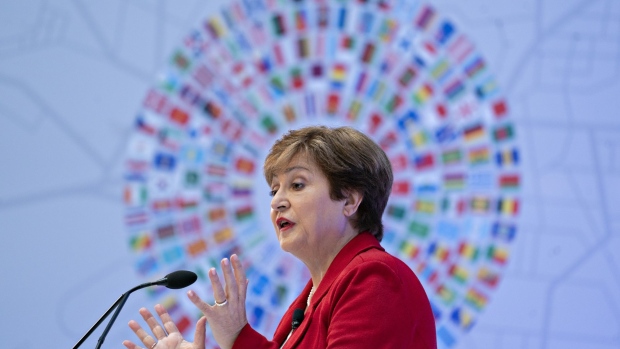
The OLOBC exposed how then World Bank CEO (now IMF Managing Director) Kristalina Georgieva applied pressure” to make specific changes to China’s data points in an effort to increase its ranking for the 2018 DBR”. She did it because China was expected to increase its financial contribution to the Bank’s capital. The then World Bank President, Dr. Jim Yong Kim, was also implicated in the effort to increase China’s ranking.

Simeon Jankov, one of the founders of the DBR and a Senior Bank official was implicated in altering Saudi Arabia’s data to boost that country’s ranking in an effort to reward the country for the important role it played in the Bank community.”

In 2018, the then World Bank’s Chief Economist, Paul Romer, exposed how the DBR scores for Chile were skewed and politically manipulated to disfavor a progressive government in that country.

Kristalina Georgieva IMF Managing Director, formerly Chief Economist of the World Bank

The World Bank has pressed for reforms that would make developing countries more attractive to private investors. These reforms” have included lowering corporate taxes, slashing environmental safeguards, bringing down social and labor standards, cutting administrative procedures, and removing restrictions on trade and business, The Oakland Institute pointed out. The institute has extensively documented the disastrous impact of these regulatory changes at the country level in dozens of countries.

Last week, Georgieva denied that there was any wrongdoing on her part. In an explanation to the IMF, her present employer, she said she only asked the World Bank staff to double-check or triple-check data, but never change its ultimate message.”

However, The Oakland Institute’s Executive Director Anuradha Mittal aid: Evidence of manipulation of the rankings is a slap in the face of the poorest countries forced to deregulate their economies to attract investors against fallacious promises of aid and development.”

The manipulation of data to push a Western capitalist line and capitalist interests by the World Bank is only one of the manifestations of the West-directed and dominated world order.

Prof. Jeffrey Sachs’ Revelations  

In a speech at the UN Food Systems Pre-summit’ on July 26 this year, Prof. Jeffrey Sachs of Colombia University, who is currently Advisor to the UN Secretary General on Sustainable Development Goals (SDG), highlighted the larger issue of the inequities perpetrated by Western countries on their own populations as well as the people of other countries.  

Sachs revealed that the World Food System” is based on large multinational companies’ interest in making profits.  It’s based on a very, very low measure of international transfers to help poor people, sometimes none at all.  It’s based on extreme irresponsibility of powerful countries with regard to the environment, and it’s based on a radical denial of the rights of poor people,” he said.  

Sachs recalled that the CIA assassinated Congo’s first popular leader, Patrice Lumumba, and installed a dictatorship there for the next 30 years so that the Glencore Corporation and others Western firms could suck out cobalt from Congo without paying taxes. And yet the West would cheekily ask the people of the exploited countries: Why don’t you govern properly?”  

Sachs pointed out that the private sector in the US has always had the military behind it. It is the military-industrial complex” which wields real power in the US. He recalled that the Honduras was ruled for a long time by the US company United Fruit (UF). The UF’s attorney was John Foster Dulles; and his brother, Allen Welsh Dulles, was the head of the CIA. Allen Welsh Dulles overthrew Guatemala’s Jacobo Arbenz to make sure that United Fruit could have its property.

In an damning attack on his own country, the United States, Sachs said: I come from a country that not only doesn’t care about the world’s poor; it doesn’t even care about its own poor.  One in seven Americans is hungry right now. All it cares about is cutting taxes for the rich and filibustering any solution. The private sector’s not going to solve this (food) problem.”

Sachs pointed out that the rich countries borrowed US$ 17 trillion for COVID management but the poor nations could borrow nothing. The rich countries can borrow at 0% but the poor countries pay 5% or 10% coupon rates or have no access at all.  

The US spent US$ 7 trillion on emergency funding but didn’t give a penny to any other country,” Sachs said and suggested that the rich countries and institutions like the World Bank massively lend to the poor countries at near zero interest rates.

According to the International Monetary Fund (IMF), there is a financing gap of about US$ 400 billion to US$ 500 billion a year to realize the basics of the SDGs.  The UN should be playing a big role in finding the funds, but the UN is poorer than New York City, Sachs points out.  The UN’s core budget in 2021  is US$ 3 billion but New York City’s budget is US$ 100 billion!”

Vaccine Inequality  

A recent editorial in The Guardian quoted the World Health Organization’s Director General, Tedros Adhanom Ghebreyesus, as saying that of the 4.8 billion COVID vaccine doses delivered around the world to date, around 75% had gone to just 10 countries. In Africa, where a third wave of the virus has been on the march since May, less than 2% of the population has received the first dose.

Governments with the means have secured preferential deals for vaccines, over-ordered doses, hoarded them and restricted exports. Britain has played a leading role in opposing calls for intellectual property rights for vaccines to be temporarily waived. Overall, donations from richer countries have not remotely approached the level required.”

Covax, the vaccine-pooling scheme, has under-delivered, losing its major supply source after India’s decision to ban AstraZeneca exports. On the ground, insufficient time, effort and finance have been devoted to ensuring that the infrastructure is in place to carry out vaccination program efficiently, when doses are available. The likely result is that most people in low-income countries will be required to wait until 2023 to be vaccinated. This slow rollout will cost the global economy US$ 2.3 trillion in lost output. The brunt of those losses will be borne by the unvaccinated poor,” The Guardian said.

Sri Lanka orders 14 million Pfizer vaccines as booster dose

September 21st, 2021

Courtesy NewsIn.Asia

Sept 21 (NewsWire) – The State Pharmaceuticals Corporation of Sri Lanka (SPC) has secured the booster dose of the coronavirus vaccine for the Sri Lankan population.

Chairman of the SPC Dr. Prasanna Gunasena said 14 million doses of the Pfizer BioNTech vaccine have been procured to be administered as the third dose.

According to News First, Dr. Gunasena said the inoculation of the third dose will commence from mid-October or early November and will cover the entire population of Sri Lanka.

The SPC has so far secured a total of 31.7 million COVID-19 vaccine doses. This is adequate to fully vaccinate the over 18 population in Sri Lanka,” he added.

Australia seeks intelligence cooperation with Sri Lanka

September 21st, 2021

By P.K.Balachandran Courtesy NewsIn.Asia

Colombo, September 21 (newsin.asia): The Foreign Ministers of Sri Lanka and Australia met on the eve of the 76th Session of the United Nations General Assembly in New York. At the meeting the Australian Foreign Minister Marise Payne sought from her Sri Lankan counterpart, Prof.G.L.Peiris, intelligence cooperation with Sri Lanka.

Though the details of this request were not given in the Sri Lankan government’s communique issued on Tuesday, cooperation is likely to be on the long-standing human trafficking problem as well as the more recent terrorist problem, sources said.

Recently, in neighboring New Zealand, one Samsudeen, a young Sri Lankan with suspected ISIS links, had slashed seven Australians with a knife at a shopping mall in Auckland. He was shot dead by police who had been trailing him. In comparison with New Zealand, Australia has a large Sri Lankan expatriate population, hence a greater need for intelligence.     

As for the human smuggling problem, many Sri Lankan Tamils had been trying to go to Australia by boat but only to get detained there for illegal entry. Australia had admitted Lankan Tamils from war-torn North and East of the island, on humanitarian grounds and legally.    

As human smuggling was had become a problem, in 2013, Australia gifted two retired Australian Bay Class patrol boats to assist Sri Lanka’s efforts in combatting people smuggling. The patrol boats were agile and with a range, speed and boarding capability that meant they would be well-suited to enhancing the Sri Lankan Navy’s efforts to disrupt people smuggling ventures. Australia was providing training with the patrol boats, which will operate alongside the Sri Lankan Navy’s existing capability to intercept people smuggling efforts originating in Sri Lankan waters.

With the result only 14 boats had travelled directly from Sri Lanka to Australia in 2013 compared to 120 boats in 2012. There were at least 12 on-water interceptions by the Sri Lankan Navy in 2013.

However, the problem persisted and it was taken up at the Sixth Meeting of Australia-Sri Lanka Joint Working Group (JWG) on Counter People Smuggling and other Transnational Crime in October 2019, held in Canberra, Sri Lankan Defense Secretary Gen. Shantha Kottegoda (Rtd.) said that Sri Lanka considers the JWG as an important platform where both parties have been able to resolve many issues of concern with regard to people smuggling and transnational crimes and continues to do so.

Kottegoda stated that Sri Lanka and Australia had come a long way and commended the Government of Australia for the assistance extended to Sri Lanka in many areas inclusive of legislative and law enforcement, intelligence gathering, vessel monitoring, sharing of information in the concerned areas. He further stressed that while continuing the discussion on strengthening the relationship with regard to countering people smuggling, it is time to consider a stronger security framework to counter terrorism and prevent violent extremism. He further suggested that intelligence cooperation and information sharing are priority areas to advance common security objectives providing transparency and building confidence in the Indian Ocean.

Lanka Seeks Understanding  on Ethnic Issue

In his meeting with Marise Payne, Lankan Minister G.L.Peiris referred to the experience of Australia in vocational education and expressed that Sri Lanka is very much interested in gaining assistance in this area. Peiris apprised Minister Payne that much headway has been made in the economic development of the Northern and Eastern provinces of the country as well as with reconciliation. He also elaborated on developments related to the Office of Missing Persons, Office for Reparations and the Office of National Unity and Reconciliation (ONUR) as well as the appointment of a Commission headed by a sitting judge of the Supreme Court to take stock of the current situation and to identify ways and means of taking the process forward.

Peiris stated that there is a need to allow local institutions the space and opportunity to carry out their mandates and the establishment of an ad-hoc external mechanism that overrides this work is unnecessary and detrimental. It is premature and inappropriate to have a mechanism selectively targeting Sri Lanka and goes against the very principles of the UN Charter, he pointed out.

What it’s like being a woman tuk-tuk driver in Sri Lanka

September 21st, 2021

As told to  Courtesy Rest of World

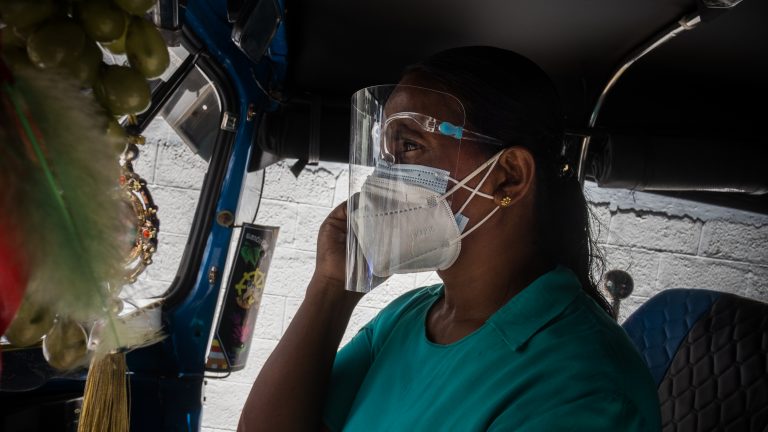
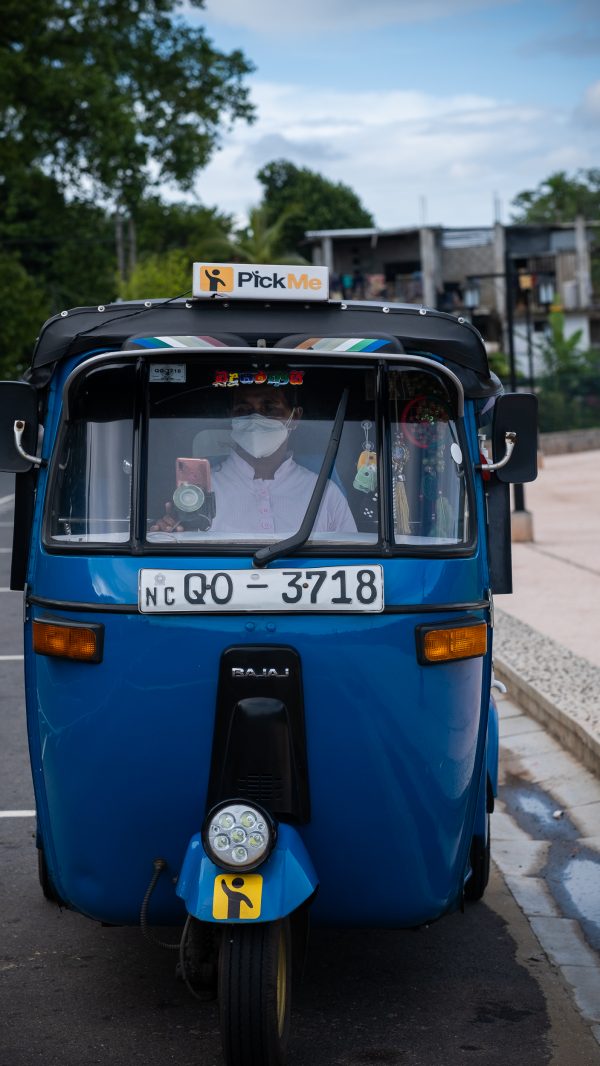
Nangahami Premawathi is a 61-year-old single mother of three school-age children. She has been driving a tuk-tuk for PickMe, a Sri Lankan ride-hailing app, and for Uber, for four years. She also delivers food and packages. 

In 2019, the latest year for which data is available, only 17,368 Sri Lankan women worked in the transportation and storage sector, compared to 497,102 men. Driving a vehicle, especially a tuk-tuk, is considered a man’s job.” In a 2019 study, 28% of the respondents said that families don’t allow women to drive; 21% thought being a driver wasn’t a suitable job for women; and 69% believed that it was unsafe for women to drive. But since PickMe and Uber entered the market in 2015, more women like Premawathi are driving tuk-tuks.

(Note: $1 is approximately 199.50 rupees.)

Today is Sunday, so I start my day at around 9 a.m. I usually start at 6:30 a.m. and work until 9 p.m. My target is to make 4,000 rupees [about $20] a day, but on weekends, I usually fall behind and end up with just 2,000 to 3,000 rupees. Covid-19 is out of control, so people are staying home. On working days, business is better. People are reluctant to use public transport.

I was scared about the virus too, but I recently got both doses of the Sinopharm vaccine, so I don’t think about it now.

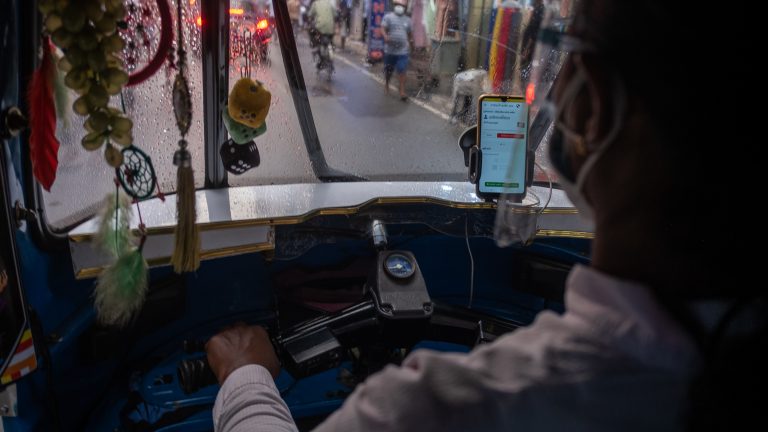
The PickMe app generates trip requests. It takes about five seconds to see the pickup location and where I have to go. In my first year, drivers could see how much a job would pay in advance, but now you only find out the fare at the end of a trip. This morning, I accepted two trips. First, I picked up a customer near my home in Seeduwa, which is north of Colombo, and took them 26 kilometers to Modara, on the edge of the city. Then, I got another trip to Kollupitiya, in the center of town. I like coming to Colombo. I don’t get many trips in Seeduwa, so once I see a trip to Colombo, I immediately accept it and drive around Colombo before I go home. 

By 11:20 a.m., I’ve made 1,500 rupees. I get another request to pick up a young couple from Carmel Road, five minutes away, and to drive them another 12 minutes to Maya Avenue. Once I’ve set them down, I get a parcel delivery order. It’s a short ride, about 1 kilometer, which I decline. Sometimes, I don’t accept short trips or deliveries because I will have to ride for 1 kilometer to pick someone up, and their trip is only half a kilometer. That’s a loss for me! PickMe drivers have a choice of which requests we accept, but there’s a cost to it. The more I decline, the lower my rating becomes. We don’t know by how much. About two weeks ago, my rating dropped to 4.72. When I called PickMe, they didn’t tell me why. 

I can cancel up to two trips per day. If I cancel more than that, my rating goes down. The lower your rating is, the longer it takes for a request to show up. My rating is now 4.79 out of five. If you are rated lower than 4.5, you don’t get many long-distance trips, which means you make less money. So I have to be careful when I decline requests or cancel a trip. 

After declining the delivery order, it takes five minutes for my next request to show up. I pick up a middle-aged man at Nugegoda, right in the middle of the city, to take him to Ratmalana, near the airport. He’s chatty. I like customers who chitchat. It keeps my spirits up, and I forget that the June sun is burning me. We drive past the Maliban biscuit factory in Ratmalana, and I get the smell of freshly baked biscuits. This is when I think of lunch. Earlier, I would bring a packet of rice and curry from home or snack on two deep-fried potato and fish rolls for lunch. After eating, I used a public washroom. But now, Covid-19 has made it risky to use public toilets, so I skip lunch. I’m used to hunger now. I try not to think about it.

As a woman driver, I feel safer with both PickMe and Uber. If a customer behaves inappropriately, I can complain.”

It’s a 20-minute ride. My customer asks me why Uber drivers don’t accept credit or debit card payments. I tell him it’s because Uber takes one week to transfer money. PickMe is better in that way because we get money at the end of the day. This customer is very understanding; he says he won’t pay by card again. I often meet nice customers. Some of them invite me home for tea. Some of them tip me generously. Many female customers note down my phone number and call me for their trips; they feel safer with a woman driver. I sometimes meet angry customers who are unhappy with my service; they enter the wrong location and blame me for being one minute late. But the good ones make up for it; they keep me going. 

I get a new request, and I have to drive back to Dehiwala. It’s a short trip with two stops, but I can’t take a risk of canceling it. It’s half past 12 now, the sun is harsh, and I’m tired. My leg pain kicks in now and then. It was worse when I was operating a sewing machine at home. I was making clothes and school bags that I sold to shops. But my legs started to swell, so I started driving the tuk-tuk. 

Before joining PickMe, I picked up random customers on the road. It’s rare to see women tuk-tuk drivers in Sri Lanka, so I used to face harassment from male drivers and male customers; they mocked me for driving a tuk-tuk or asked me for sexual services. Sometimes, random men and women hailed me for a ride and told me to join a brothel because the money, they said, was better. As a woman driver, I feel safer with both PickMe and Uber. If a customer behaves inappropriately, I can complain.

It’s 1 p.m., and I drop a young girl home in Wellawatte. She was happy to see a woman driver and saved my number for future trips. I’ve completed seven trips in the first half of the day and made 2,470 rupees. I have to give PickMe a 25% commission on fares and a 25-rupee fee on every trip. Petrol prices went up in June, but our rates for one kilometer are still the same. So after I take out fuel charges, I only have about 1,800 rupees [about $9] left over. I need a few more long-distance trips if I’m going to be able to go home early to see my children.Zinara Rathnayake is an independent journalist based in Colombo, Sri Lanka, and Guwahati, India.

The government reached a firm agreement for the regasification terminal with US-based New Fortress Energy.

September 21st, 2021

BY: DANIEL GRAEBER Courtesy NaturalGas World

US-based New Fortress Energy said September 21 it had finalised an agreement with the government of Sri Lanka to build an offshore regasification facility for LNG imports.

For undisclosed terms, New Fortress is to acquire a 40% stake in utility West Coast Power, which owns a 310 MW power plant in Colombo, the Sri Lankan capital. The US company also secured the rights to develop an LNG receiving, storage and regasification terminal off the coast of the capital.

The terminal could be in service as early as 2023.

This is a significant milestone for Sri Lanka’s transition to cleaner fuels and more reliable, affordable power,” CEO Wes Edens said.

A memorandum of understanding was reached in July between New Energy and Sri Lanka.

New Fortress Energy and the Government of Sri Lanka finalise agreement

September 21st, 2021

Published by , Editorial Assistant LNG Industry

New Fortress Energy Inc. and The Government of the Democratic Socialist Republic of Sri Lanka (GOSL) jointly announced that they have executed a definitive agreement for New Fortress’ investment in West Coast Power Limited (WCP), the owner of the 310 MW Yugadanavi Power Plant based in Colombo, Sri Lanka, along with the rights to develop a new LNG terminal off the coast of Colombo. As part of the transaction, New Fortress will have gas supply rights to the Kerawalapitya Power Complex, where 310 MW of power is operational today and an additional 700 MW scheduled to be built, of which 350 MW is scheduled to be operational by 2023.

New Fortress will acquire a 40% ownership stake in WCP and plans to build an offshore LNG receiving, storage, and regasification terminal located off the coast of Colombo. New Fortress will initially provide the equivalent of an estimated 1.2 million gal. of LNG (approximately 35 000 million Btu/d) to the GOSL, with the expectation of significant growth as new power plants become operational.

The 310 MW Yugadanavi Power Plant currently has a long-term power purchase agreement to provide electricity to the national grid that extends through 2035. This power plant consists of General Electric turbines and is configured to run on natural gas in combined cycle.

This is a significant milestone for Sri Lanka’s transition to cleaner fuels and more reliable, affordable power,” said Wes Edens, Chairman and CEO of New Fortress Energy. We are pleased to partner with Sri Lanka by investing in modern energy infrastructure that will support sustainable economic development and environmental gains.”

The Kerawalapitya Power Complex is the foundation of the baseload power that serves the country’s population of 22 million people. Delivering cleaner and cheaper fuels to Sri Lanka will support the country’s growth for years to come.

The terminal is expected to begin operations in 2023.

Probe continues on ex-DIG Nalaka Silva based on Namal Kumara’s complaint: Minister

September 21st, 2021

Ajith Siriwardana and Yohan Perera Courtesy The Daily Mirror

Further investigations were being carried out into former Terrorism Investigation Division Director Nalaka Silva upon a compliant lodged by Anti-Corruption Force Director Namal Kumara in 2018 on an alleged plot to assassinate the then President Maithripala Sirisena and former Defence Secretary and incumbent President Gotabaya Rajapaksa, Public Security Minister Sarath Weerasekara revealed today.

The Minister told Parliament that preliminary investigations are being conducted by the Police Special Investigation Unit on the orders of the IGP after taking charge of the investigation files which were in the custody of the Court.

He said this in response to a question raised by SJB MP Nalin Bandara Jayamaha on the progress of the investigations into the incident.

The MP said DIG Nalaka Silva, who was the Director of the Terrorism Investigation Division, was arrested and removed from the position following an audio clip was made public by Namal Kumara claiming that an alleged plot to assassinate then President Maithripala Sirisena and former Defence Secretary Gotabaya Rajapaksa was being hatched.

The MP said Nalaka Silva had been conducting investigations into Zahran Hashim and that DIG Silva was planning to obtain a red warrant to arrest Zahran when he was arrested.

Due to the arrest of DIG Silva, Zahran could not be arrested. Following the arrest of DIG Silva, a series of political incidents took place in the country including the 52-day political conspiracy. And then, the Easter Sunday attack. This is a serious conspiracy,” he said.

MP Bandara asked about the progress of the investigation into the incident and if Namal Kumara had told a lie, what action had been taken against him and the state of the investigations on DIG Silva.

Minister Weerasekara said Anti-Corruption Force Director Namal Kumara had lodged a complaint on September 15, 2018 that there was a plot to assassinate the said higher officials and added that having completed the investigations, investigation files had been referred to the Attorney General for his advice on September 9, 2019.

The Minister denied that there was any political hand behind the said murder plot.

He said Nalaka Silva had been released on bail on May 21, 2019 and that he was suspended on October 17, 2018 on the directions of the National Police Commission.

The Minister also said that the request made by the DIG Silva to reinstate him, has been turned down by the Public Services Commission on December 17, 2019.

State Minister makes revelation in Parliament about deleted NMRA data (English)

September 21st, 2021

Courtesy Adaderana

State Minister accuses former govt. of purchasing medical drugs for exorbitant prices

September 21st, 2021

Courtesy Adaderana

There will be no shortage of medicinal drugs nor will substandard medicines be imported to the country as a result of the recent data loss at the National Medicines Regulatory Authority (NMRA), State Minister of Production, Supply and Regulation of Pharmaceuticals assured today.

Responding to a question raised by the Leader of Opposition, Sajith Premadasa during the parliamentary session this morning, Prof. Channa Jayasumana said the general public should not have any undue fears in this regard.

According to the state minister, only the documents related to registration and registration renewal of local pharmacies had disappeared from the database. He noted that the missing data is not related to the approval for importation of vaccines, essential drug or medical equipment to battle the COVID-19 epidemic.

Prof. Jayasumana stressed that there is no risk of blacklisted drugs being released to the market drugs and the companies that import the same drug under different names arbitrarily increasing the prices.

Necessary steps are being taken to recover the lost data using the backup of the Government Cloud, the state minister added.

He accused the former government of allowing the medical drug mafia to thrive in the country and spending an exorbitant amount of money to purchase medicines during its regime from 2015 to 2019.

The NMRA data disappearance could be a move by the supporters of the drug mafia who were offended by the measures taken by the current government to put a stop to their activities which hampered their exorbitant financial gains, he went on to allege.

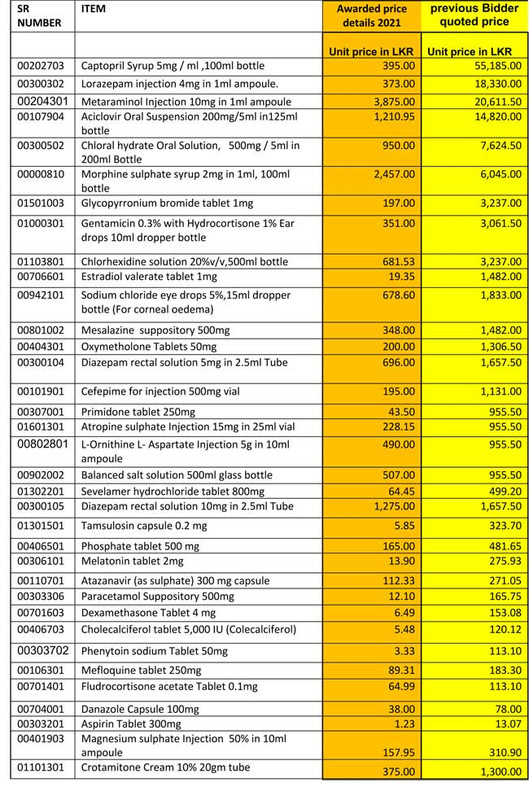
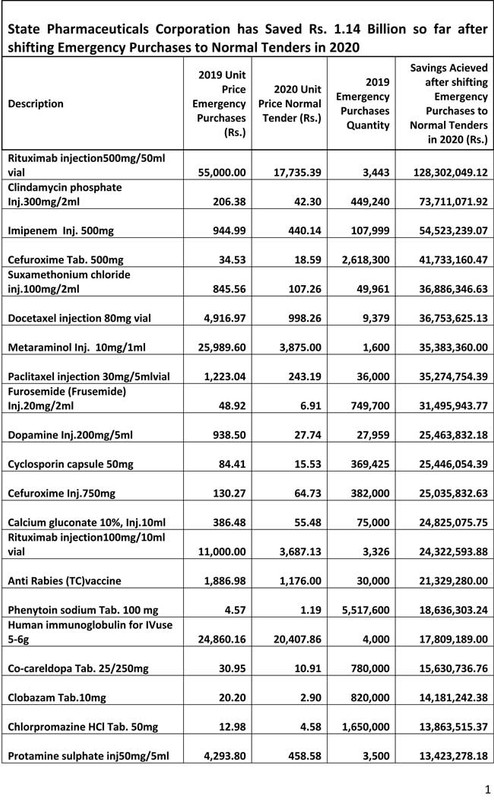
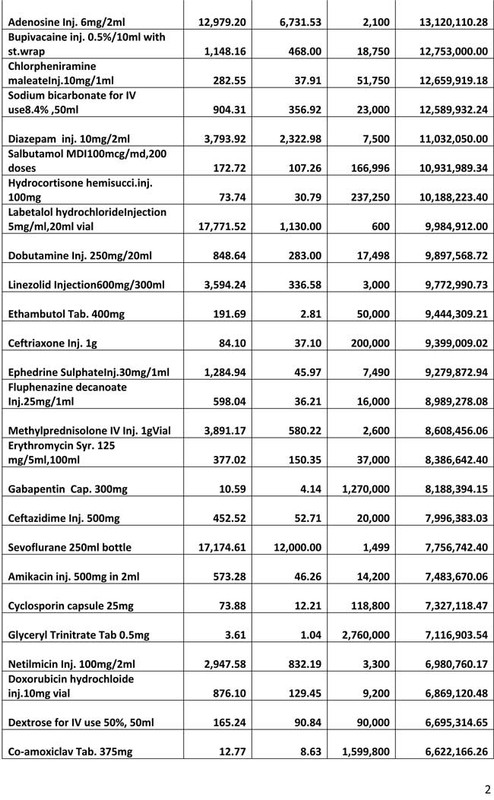
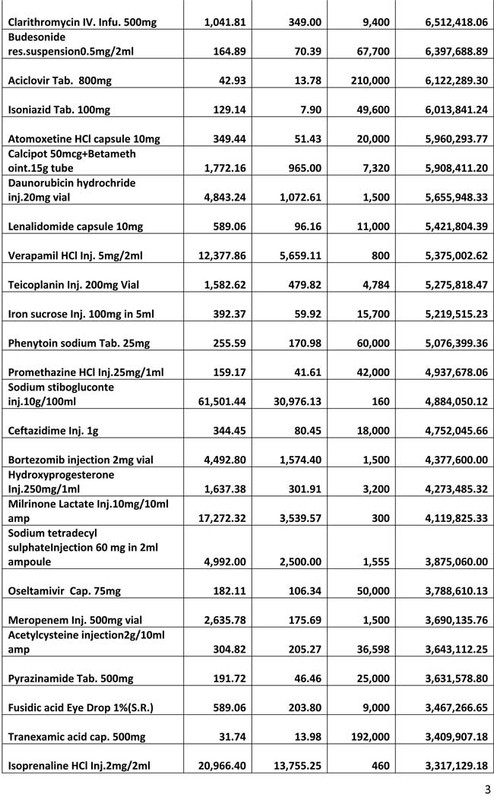
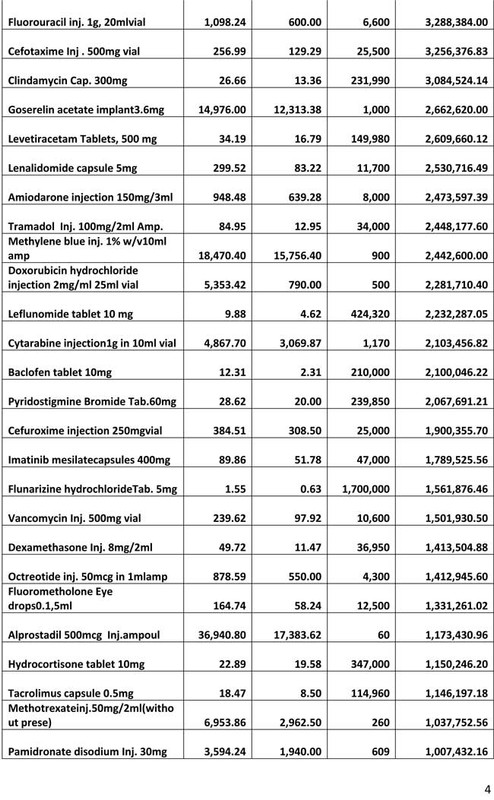
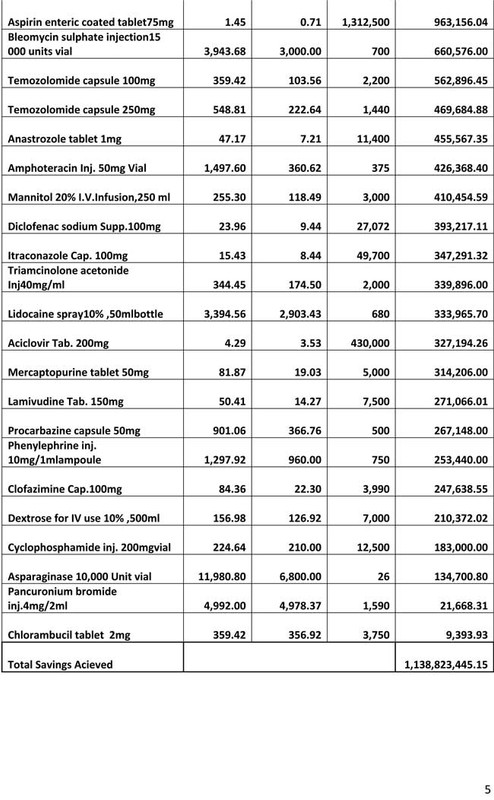
Prof. Jayasumana, who emphasized that the government was able to save Rs. 128 million by putting an end to the drug mafia, tabled a list of medicinal drugs purchased by the former government for unreasonably higher prices.

Daily COVID-19 cases count hits 1,321 today

September 21st, 2021

Courtesy Adaderana

The Epidemiology Unit of the Health Ministry reported that 403 more people were tested positive for COVID-19 in Sri Lanka today (Sep. 21), moving the daily total of new cases to 1,321.

According to the Government Information Department, all new cases were associated with the New Year Cluster.

This brings the tally of coronavirus infections confirmed in the country to 507,330.

Official data showed that more than 60,900 active cases are currently under medical care at hospitals, treatment centres and homes.

Total recoveries from the virus infection reached 434,140 earlier today as 1,047 more patients were discharged from medical care upon returning to health.

Meanwhile, Sri Lanka registered 66 new COVID-related fatalities confirmed by the Director-General of Health Services on Sep. 20 The new development pushed the official death toll from the virus outbreak in Sri Lanka to 12,284.

Sri Lanka records 66 COVID-19 deaths on Monday

September 21st, 2021

Courtesy Adaderana

The total number of people who fell victim to COVID-19 infection in Sri Lanka moved up as 66 more fatalities were confirmed by the Director-General of Health Services on Monday (September 21).

The new development has pushed the official death toll from the virus outbreak in Sri Lanka to 12,284.

According to the data released by the Department of Government Information, the latest victims include 30 males and 36 females.

As many as 53 deaths were reported among elderly people who are aged above 60 years.

In addition, 11 individuals aged between 30-59 years and 02 below 30 years have also succumbed to the virus infection.

CHANGING THE OPERATION POLICY OF THE IMF MAY NEED TO CONSIDER

September 20th, 2021

BY EDWARD THEOPHILUS

The purpose of establishing the International Monetary Fund was a good policy design because there had been conflicts in the international financial management relating to exchange rate determination and gaining trade advantages.  Economically, powerful countries attempted to take power by determining the exchange rate for their currency units. This situation was encountered during the 1930s. Currently, the IMF operating system makes disadvantages. Many developing countries haven’t had trading power in the international trading system and the IMF’s focus is on patching foreign exchange reserves and foreign value of currency units. The best policy action of the IMF is supporting financing activities for the balance of payment adjustment. It is a structural problem without a proper solution. The IMF operations during the several decades did not specifically aim how to make justice for developing countries and the priority of issues of the international financial system was to negotiate specific problems for the developed world.

Many countries have predicaments to settle the overall balance of the payment resulting from massive payments for imports of goods and services. The depreciation of currency values of developing countries is because of the massive outgoing of foreign exchange reserves and many other reasons that direct the IMF’s attention to problems. The COVID-19 crisis has also brought into press the same issues to developing countries because a considerable volume of foreign reserves of these countries used to import jabs and other goods and services while the lockdown of economies restricted the earning of foreign exchange. The exchange rate determination and the securing of foreign reserves have become vicious economic issues in developing countries. I saw a suggestion of Dr. Samarasiri, the management of macroeconomic variables provincial level. Would it be helpful to exchange rate-related and international trade matters that cannot be assumed because the idea is more complicated? 

The exchange rate of a domestic currency unit is a macroeconomic factor that has many links to a variety of considerations in an economy. The main reason to establish the International Monetary Fund was the operational instability of the international financial system, especially the competition between major countries in Europe and America that led to creating the over-emphasised competitive situation that was pushing for revaluing and devaluing the foreign value of currency units. The operational structure of the IMF has addressed this issue. Accordingly, no member countries could revalue or devalue more than 10%  of the existing value of the currency unit without the permission of the IMF. It was a very good policy decision of the IMF, this situation has been negatively affected on many developing countries since the mid-1950s, and the policymakers of the IMF have not been attempted to broaden a successful and acceptable policy process to answer for the problem.   

The crisis had in the international finance system was not only a foreign exchange reserves-related issue like present Sri Lanka facing, and the countries had conflicts in Europe and America to get trade advantages. For foreign exchange reserve building purposes, the competition was influenced by the reciprocal of policy actions, combined with the shortage of reserves. The value determination of reserves negatively affected the rate of exchange.

Under the operation regulation of the IMF, it has a plan to provide financing facilities to improve individual reserves of countries with conditions that are supportive of developed countries. However, the problem is the IMF policy intermingled with the reactions of other major countries such as India, China, Russia. This is a complex matter that developing countries approach without the support of an international authority.

Since the late eighteenth century, many countries had been acted in destabilizing the international financial system. Major countries, especially France and European countries, used the techniques of devaluation and revaluation without international controls.      

Sri Lanka had a Currency Board System during the 1930s when the international financial system was in a crisis and the monetary unit of Sri Lanka was linked to the British Sterling pound and the exchange rate of the currency unit was determined by the British Pound. The economic policymakers of the country were the British authority, and the policymakers were not concerned about the matter, as they were in a dependent finance system. Sri Lanka’s economy was like a canola seed near the universe. China entered the IMF in the 1970s and the operations of China and India made a considerable impact on the IMF operations, but major issue of developing countries has not been considered and China also attempted to disturb the smooth operation of the International Financial System. When deeply considering the issues, the developing countries are being disadvantaged and the issue should be negotiated by the IMF with the developing countries. 

The International Monetary Fund was established after considering two proposals from the UK and the USA. (Proposals were published as White’s plan and Keynesian Plan). If it is considered the original proposal, such as creating a common currency unit (BANCOR) for all countries in the world, it would have appropriated all countries in the world a common currency unit, and all countries would have gained justice to maintain the exchange rate. Like Euro was created for European countries in the year 2000, if BANCOR operated in the world it would have benefited all poor countries and the international trade creates justice for all countries.

The policy action to improve the exchange rate in developing countries is earning more foreign exchange from international trade. However, many developing countries have no plans to market products and services at the international level, the major reason associated with the quality of products and services of developing countries. The policy requirement for building foreign exchange reserves has been ignored by the countries by mixing economic policies with politics. Developing countries need to implement economic policies without political influences, and they should submit proposals to the IMF to reform its operational policies to get out of current problems.

ERASING THE EELAM VICTORY Part 19 B3

September 20th, 2021

KAMALIKA PIERIS

(Continued from B2)

Western delegations have made it a point to meet and speak with the TNA, when they visit Sri Lanka. These are not secret discussions. They are   proudly reported in the newspapers.

Sampanthan’s discussion with these foreigners covered the full spectrum of Tamil Separatist Movement concerns, such as the National question, Acceptable political resolution Power sharing the possibility of recurrence of violence,  merger of North and East provinces, new constitution,  ‘state sponsored colonization’ plus the fiction that Tamils have been living in the north and east from ancient times, this is their homeland.

Here are some of the things Sampanthan has told these foreigners.

  • We have been governed without our will and consent, and from 1956 onwards our people have repeatedly voted for a change in the structure of governance in the country. These democratic verdicts have been continuously ignored and rejected”.
  • “We have not been given equal opportunities in terms of development and employment and our people are frustrated. On the contrary, if power is devolved then these socio-economic issues could be addressed more effectively “.
  • We are not against natural migration of people. But we are against the state-sponsored settlement schemes which are done deliberately to change the ethnic composition in the regions.
  • “We want to have substantial power-sharing arrangements, an arrangement that will enable people to exercise powers in matters that are related to them, and ensure that these powers are not taken back by the center or will not allow center to interfere. “We are well within the international laws with regard to our demands for power-sharing.
  • Sampanthan  called for a merger of North and East provinces citing ‘the two provinces largely represent Tamil majority’ 
  • “We want a solution within a united undivided and indivisible Sri Lanka on the basis of the dignity self-respect and sovereignty of different people who have historically inhabited certain regions for centuries
  •  Sampanthan said failure to finding a resolution to the national question would result in a recurrence of violence. If the government does not deliver, we may be compelled to take a hardline.

Here are extracts from a speech given by Sampanthan at the Counter terrorism conference, New Delhi, March 2017.

Human society is diverse, it is complex. Societies in most countries are multilingual, multi ethnic, multi-cultural, and pluralistic in character; they vastly differ from each other.  Constitutional arrangements need to accommodate such diversity, such complexity.

Sri Lanka is a multi-ethnic, multi lingual, multi-cultural country comprising of the Sinhalese who are the majority and have their own distinct identity, the Tamils, and the Muslims who are numerically minorities and have their own distinct identities. This is accepted in Sri Lanka and is not a bone of contention.  

 The Tamil speaking people have historically inhabited the North Eastern part of the Country and are in a majority in every district in the North Eastern part of the Country, while the Sinhala people are in a majority in the rest of the Country. This too is accepted and is not a bone of contention.

The Country attained independence from Colonial rule in 1948.Before Colonial subjugation, there were Sinhala and Tamil Kingdoms in the Country, which were captured by different Colonial powers, differently, and at different times. These different territories were unified together in 1833 under British Colonial Rule.

Sri Lanka’s first Constitution was framed in 1948 by our Colonial rulers. It provided for Majoritarian rule with certain safeguards, which were soon disregarded. Thereafter, we have had two Constitutions, one in 1972 and the other in 1978.It is the latter that exists today.

The 1972 Constitution was framed by one of the two major Sinhala political parties without the consent of the other major Sinhala political party or the consent of the Tamil political party mainly representing the Tamil people of the North East.

The 1978 constitution was framed by the other major Sinhala political party without the consent of the major Sinhala political party that framed the 1972 Constitution or the consent of the political party mainly representing the Tamil people of the North East.

The 1972 Constitution and the existing 1978 Constitution, were not framed on the basis of consensus, they were unilateral actions of the political party in power at the relevant time .They empowered majoritarian rule.

The political culture prevalent in Sri Lanka has unfortunately been that, in order to achieve and retain political power, the tendency has been to confer on the majority Community a supremacist position, in preference to truth, justice and equality .It must be realized that this approach has resulted in Sri Lanka, not being able to attain its rightful place in the World.

The demand for a change in the structure of Governance has prevailed from shortly after Independence, the demand was made by the Tamil people in the North East who alleged that they were treated as Second class Citizens, that injustice was meted out to them, in matters relating to their Civil, Political, Economic, Social and Cultural rights. They were subjected to physical violence whenever they made just political demands .This happened for several decades without any retaliation from the Tamils.

The political demand of the Tamil people for necessary changes in the structure of Governance was democratically supported ,overwhelmingly ,by the Tamil people of the North East, at every General Election to Parliament from 1956-up to date and at every other election whether provincial or local for a period of more than Sixty years .

The democratic verdicts of the Tamil people were not given recognition .The Tamil people are thus being governed without their consent and against their will in violation of the Universal Declaration of Human Rights adopted by the United Nations.

After that, there was armed revolt by Tamil Youth for almost three decades .Such armed revolt commenced more than three decades after the country attained independence and after all democratic and political processes had failed.

The result of all this has been that up to fifty percent of the Sri Lankan Tamil population have fled the country and live in several Countries the World over.

 The Sri Lankan Tamil Diaspora is spread throughout the World. More than 150000 Tamils have been killed. During the armed conflict, all people Sinhalese, Tamils and Muslims suffered immensely. Further violence would result in more Tamils fleeing the Country.

The Conflict has received international attention and four resolutions have been adopted by the United Nations Human Rights Council in 2012, 2013, 2014 and 2015.The resolutions deal with violations of International Human Rights Laws and International Humanitarian Laws by both parties to the conflict, the Sri Lankan State and the armed rebel outfit.

The Tamil people are committed to evolving a just, reasonable, workable and durable political solution within the frame-work of a single undivided and indivisible Sri Lanka. [End of speech]   (Continued in B4)

‘Russia and Sri Lanka’s role in Regional Security’ at the Moscow Conference on International Security

September 20th, 2021

Asanga Abeyagoonasekera

Asanga Abeyagoonasekera speaks on ‘Russia and Sri Lanka’s role in Regional Security’ at the Moscow Conference on International Security

Asanga Abeyagoonasekera, Author and foreign policy analyst was invited from Sri Lanka for the IX Moscow Conference on International Security (MCIS) 2021. The conference was inaugurated by President of the Russian Federation Vladimir Putin, United Nations Secretary General Antonio Gutierrez, Russian Defence Minister General of the Army Sergei Shoigu and Director of Federal Security Service Alexander Bortnikov. Mr. Abeyagoonasekera’s presented a paper on ‘Russia and Sri Lanka’s role in Regional Security: Perspective from Sri Lanka’. Among the distinguished presenters were Minister of Defence of India Nirmala Sitharaman, Defence of China Colonel General Wei Fenghe, former President of Islamic Republic of Afghanistan Hamid Karzai, Senior Minister of State for Defence of Singapore Heng Chee How, Minister of Foreign Affairs of the Russian Federation Sergei Lavrov and many others from around the world. From Sri Lanka it was Secretary to Ministry of Defence (Ret.) Kamal Gunaratne and Mr.Abeyagoonasekera who presented at the MCIS In 22-24 June 2021.

https://eng.mil.ru/en/mcis/speeches.htm

බෞද්ධ ජනරජ ප්‍රවාදය – 36 වැනි කොටස- ‍අල්පේච්ඡ ප්‍රවේශය

September 20th, 2021

ආචාර්ය වරුණ චන්ද්‍රකීර්ති

බුදුදහම අල්පේච්ඡතාව අගය කරයි. ඒ තුළින් ලද හැකි සතුට සහ සැහැල්ලුව පෙන්වාදෙයි. එහෙයින් ම, බහුභාණ්ඩික බවෙහි වරද ද බුදුදහම තුළින් අවධාරණය කෙරෙයි. මෙය ලෝකෝත්තර අරමුණු සඳහා පමණක් අදාළ කරුණක් නොවේ. අපි අපේ ලෞකික ජීවිත තුළින් ද මෙම ඉගැන්වීමෙහි ප්‍රායෝගිකත්වය අත්දැක ඇත්තෙමු. අල්පේච්ඡතාව යනු සියල්ල අත්හැරීම නොවේ. ධම්මපද අට්ඨකතාවේ එන බහුභාණ්ඩික තෙරුන්ගේ කථා පුවතින් අවධාරණය කරන්නේ එම කරුණයි.

සමාජ – ආර්ථික ප්‍රගමනය සඳහා ද අල්පේච්ඡතාව අදාළ වෙයි. බහුභාණ්ඩික පුරුදු විසින් ආදායම ඉක්ම වූ වියදම් රටාවකට මිනිසුන් යොමු කෙරෙයි. මෙම වරද නිසා පරිභෝජන අවශ්‍යතා වෙනුවෙන් ණය වෙන මිනිසකු නිර්මාණය වෙයි. ආයෝජන කාර්යයක් වෙනුවෙන් ණයවීමත් පරිභෝජනය සඳහා ණයවීමත් සමාන නැත. ආයෝජනය සඳහා ලබාගන්නා ණය ඔස්සේ ආදායම් ඉපැදෙයි. එබැවින්, ලබාගත් ණය ආපසු ගෙවීම පිළිබඳ ගැටලුවක් ඇති නොවෙයි. එනමුදු පරිභෝජන ණය එසේ නොවේ. එය හුදෙක් පිරිවැයක් පමණක් ම වෙයි.

බහුභාණ්ඩික බව නිසා මිනිස් ශ්‍රමයෙහි මිල ද ඉහළ යයි. වැඩි භාණ්ඩ ප්‍රමාණයක් මිල දී ගැනීම සඳහා ඉහළ වැටුපක් ලබාගත යුතු වෙයි. ශ්‍රමය වෙනුවෙන් ඉහළ වැටුප් ගෙවීමට සිදුවන කල නිෂ්පාදන පිරිවැය ඉහළ යයි. නිෂ්පාදන මිල වැඩි භාණ්ඩවල‍ට වෙළෙඳපොළෙහි තරග කළ නො හැකි ය. එහෙයින් ම, එම නිෂ්පාදනය ඔස්සේ ලබාගත හැකි ආදායම සහ ලාභය අඩුවෙයි.

ප්‍රමාණය ඉක්මවා භාණ්ඩ මිල දී ගන්නා විට ඒවා සඳහා අමතර ඉල්ලුමක් ද නිර්මාණය වෙයි. අධික ඉල්ලුම විසින් භාණ්ඩ මිල ඉහළ දමන බැව් අපි දනිමු. මෙය එම භාණ්ඩ සැබැවින් ම අවශ්‍ය, එනමුත් ඒ වෙනුවෙන් ඉහළ මුදලක් වැය කළ නොහැකි අය වෙත එල්ලකරන පීඩාවකි. එහෙයින්, අන්‍යයන් පීඩාවට පත්කිරීමේ පාපයක් ද මේ තුළින් නිර්මාණය වන බව පැහැදිළි ය. බහුභාණ්ඩික බවෙහි වරද දැන දැන ම මෙය සිදුකිරීම නිසා අදාළ පාපකර්මයට අදාළ චේතනාව ද ඒ තුළ පවතින බව අපි වටහාගත යුතු වෙමු.

අවශ්‍යතා ඉක්මවා මිල දී ගන්නා භාණ්ඩ නිසා සම්පත් නාස්තියක් ද සිදුවෙයි. මෙම සියලු භාණ්ඩ නිෂ්පාදනය කෙරෙනුයේ අගත – අනගත (පැමිණි – නොපැමිණි) සැම දෙනාට ම අයිති සීමිත සම්පත්වලිනි. මුදල් තිබුණු පමණින් හෝ ප්‍රමාණය ඉක්ම වූ ආශාවන් සන්තර්පණයට ඇති අභිලාසය නිසා හෝ සැමට හිමි සම්පත් මෙ ලෙසින් නාස්තිකිරීම බලවත් වරදකි.

මෙම නාස්තිය විවිධාකාරයෙන් අපට හඳුනාගත හැකි ය. නිවසකට අවශ්‍ය පුටු හයක් නම් ඒ වෙනුවට පුටු විස්සක් තිහක් මිල දී ගැනීම නාස්තියකි. එක් පසෙකින් ඒවා මිල දී ගැනීම වෙනුවෙන් වැයකරන මුදල් නාස්තිවෙයි. තවත් පසෙකින් ඒවා තැන්පත්කිරීමේ ඉඩ නාස්තිවෙයි. නිවසක ඇති වැදගත් ම අංගය වනු‍යේ එ් තුළ පවත්නා හිස් බව ය. කිරිගරුඬින් බිත්ති බැඳ රනින් සෑදූ උළු සෙවිලි කළ ද කාමර තුළ පවතින හිස් බව (ඉඩ) තරම් වටිනා දෙයක් තවත් නැත. ඒ හිස් බව නැතිනම් එ ලෙසින් ඉදිකරන නිවසකින් ලබාගත හැකි ප්‍රයෝජනයක් නොමැත. බහුභාණ්ඩික බව විසින් මෙම හිස් බව අඩුකරයි. ප්‍රමාණය ඉක්මවා මිල දී ගත් මෙම භාණ්ඩ පිරිසිදුකිරීමට සහ නඩත්තුකිරීමට අමතර කාලයක් සහ ශ්‍රමයක් ද වැය කළ යුතු වෙයි. මෙය ද බලවත් නාස්තියකි.

ප්‍රමාණය ඉක්මවා ඉදිකරන නිවාස තුළින් ද විශාල සම්පත් නාස්තියක් සිදුවෙයි. එයට අමතරව, එවැනි නිවාස බලාගැනීම, පිරිසිදුකිරීම සහ නඩත්තුකිරීම ද වෙහෙසකර කාර්යයකි. ඒ වෙනුවෙන් කාලය, ශ්‍රමය සහ මුදල් වැයකිරීමට සිදුවෙයි. මුදල් කෙතරම් තිබුණ ද කාලය සහ ශ්‍රමය සීමාසහිත ය. සේවකයන් යොදවා මෙම කටයුතු කළ හැකි වුව ද එම පුද්ගලයන් පාලනය තමන් විසින් ම සිදුකළ යුතුවෙයි. එහෙයින් මෙවැනි ඉදිකිරීම්වල ප්‍රශස්ත ප්‍රමාණය තීරණය කළ යුත්තේ අදාළ සියලු සාධක සැළකිල්ලට ගැනීමෙනි.

යම් යම් උත්සව අවස්ථා මුල් කරගෙන ඇති කරගන්නා බහුභාණ්ඩික පුරුදු ද වෙයි. මංගල සහ අවමංගල උත්සවවල දී මෙම හැසිරීම් ප්‍රකට වෙයි. මෙවැනි උත්සව වෙනුවෙන් විශාල මුදලක්, කාලයක් සහ ශ්‍රමයක් වැයකිරීම සමාජ – ආර්ථික ප්‍රගමනයට බාධාවකි. යම් අයකු තම ජීවිත කාලය තුළ වෙහෙස වී රැස්කරගත් ධනය මෙවැනි උත්සවයක් වෙනුවෙන් වැයකිරීමෙන් තම අනාගතය අවදානමකට ඇද දමයි. මෙවැනි උත්සවයක් වෙනුවෙන් ණයවන්නේ නම් හෝ තමන් සතු දේපලක් විකුණන්නේ නම් හෝ එය ද අඥානකමකි.

මෙම ගැටලු විසඳගත හැකිවන්නේ අල්පේච්ඡ බව, සරල බව සහ චාම් බව පිළිබඳව පවතින සංස්කෘතික ඇගැයීම් තවදුරටත් ප්‍රවර්ධනය කිරීමෙනි. අධ්‍යාපනය, ජනමාධ්‍යය, කලාව සහ සාහිත්‍යය මේ සඳහා යොදාගත හැකි ය. ප්‍රශස්ත අයුරින් සම්පත් භාවිතයට ගන්නා සමාජයක් නිර්මාණයකිරීම බෞද්ධ ජනරජයේ වගකීමකි.
ආචාර්ය වරුණ චන්ද්‍රකීර්ති

“අමාදම් සිසිලස” 214 වැන්න අරලියගහ මන්දිරයේ දී පැවැත්වෙයි

September 20th, 2021

අග්‍රාමාත්‍ය මාධ්‍ය අංශය

සෑම පුන් පොහෝ දිනකම ගරු අග්‍රාමාත්‍ය මහින්ද රාජපක්ෂ මහතාගේ සංකල්පයකට අනුව පවත්වන අමාදම් සිසිලස” ධර්ම දේශනා මාලාවේ 214 වැන්න බිනර පුන් පොහොය යෙදෙන අද (20) දින පෙරවරුවේ අරලියගහ මන්දිරයේ දී පැවැත්විණි.

බුදුරාජාණන්වහන්සේට මල් පහන් සුවඳ දුම් පූජා කිරීමෙන් අනතුරුව අග්‍රාමාත්‍ය ආර්යා ශිරන්ති රාජපක්ෂ මහත්මිය විසින් මිනුවන්ගොඩ පත්තඩුවන භික්ෂු පුහුණු මධ්‍යස්ථානාධිපති, රාමඤ්ඤ මහා නිකායේ අනුනායක මැදගමුවේ විජය මෛත්‍රී නාහිමියන්ට දැහැත් වට්ටියක් පූජා කරමින්  මෙවර ධර්ම දේශනාව සඳහා ආරාධනා කළාය.

ප්‍රඥාවන්ත දැහැමි ජන සමාජයක් උදෙසා බුදු දහමේ සිසිලස බෙදාදීමේ අරමුණ පෙරදැරිව සෑම පුන් පොහෝ දිනකම  අමාදම් සිසිලස” ධර්ම දේශනා මාලාව පැවැත්වේ.

අග්‍රාමාත්‍ය මහින්ද රාජපක්ෂ මහතාගේ සංකල්පයෙන් ඇරඹි අමාදම් සිසිලස ධර්ම දේශනා මාලාව අඛණ්ඩව සෑම පොහෝ දිනකම පවත්වන්නට යෙදීම අගයමින් රාමඤ්ඤ මහා නිකායේ අනුනායක මැදගමුවේ විජය මෛත්‍රී නාහිමියෝ රාජ්‍ය නායකයෙකු ලෙස ගරු අග්‍රාමාත්‍ය මහින්ද රාජපක්ෂ මහතා විශිෂ්ට සේවාවක් රට වෙනුවෙන් ඉටුකරකර ඇති බව පෙන්වා දුන්හ.

“රාජ්‍ය නායකයෙක් හැටියට රජ කාලයෙන් පස්සේ මේ තරම් ජනතාවට සමීප වෙලා මේ තරම් ජනතාවට සේවාවක්  කළ නායකයෙකු  සොයා ගන්න අමාරුයි.”යැයි දේශකයාණන් වහන්සේ ධර්ම දේශනාවේ දී සිහිපත් කළහ.

අග්‍රාමාත්‍ය මහින්ද රාජපක්ෂ මහතා ධර්ම දේශනාව අවසානයේ දේශකයාණන් වහන්සේට අෂ්ඨපරිෂ්කාර පූජා කළේය.

සෞඛ්‍ය මාර්ගෝපදේශයන් අනුව පැවති අමාදම් සිසිලස” ධර්ම දේශනාව ශ්‍රවණය කිරීම සඳහා අග්‍රාමාත්‍ය ආර්යා ශිරන්ති රාජපක්ෂ මහත්මිය ඇතුළු සීමිත පිරිසක් එක්ව සිටියහ.

A response to Bishop of the Diocese of Galle, Rev. Dr. Raymond Wickremasinghe

September 20th, 2021

Rudra de Zoysa.

“Bishop of the Diocese of Galle, Rev. Dr. Raymond Wickremasinghe told a virtual congregation that the conscience of those responsible for the Easter Sunday carnage would never be at peace and it would haunt them eternally.”

Dear Dr. Wickremasinghe,

You have confounded and mystified many clear-thinking persons. Those responsible are already enjoying the favours Allah has promised. They are also enjoying” the 74 virgins given to each of them (the maths has to be done!). Allah will look after these characters and your God can’t do anything about this. However, those who knew but did not prevent the Easter Sunday carnage should be relentlessly hounded and brought to justice.

Another thing that I am baffled by is whether these lunatic suicide bombers were able (after the bombing) to take their sex organs with them to their heaven”. I pity the virgins! Don’t try to be too smart, Bishop. Just look after your flock. You are just a puppet on a string.

Three more lands in Colombo to be leased for 99 years

September 20th, 2021

Courtesy NewsIn.Asia

Colombo, Sept 20 (News 1st) – Newspaper advertisements published in newspapers to lease three more valuable plots of land in the city of Colombo for investment projects on a 99-year lease basis.

The advertisement was published by the Urban Development Authority.

Tenders have been called for three plots of land on DR Wijewardena Mawatha in Colombo for mixed development projects.

The following three sites are to be leased, as per the advertisement :

– Sri Lanka Exhibition and Convention Center

– People’s Bank Queens Branch

– Sathosa Warehouse Complex

The base value of the land where the Sri Lanka Exhibition and Convention Center is located is Rs. 3.7 billion.

The base value of the land where the People’s Bank Queens Branch is located is Rs. 1.3 billion and the base value of the land where the Sathosa Warehouse Complex is located is Rs. 1.6 billion.

A special feature is investors are only given month to submit proposals for projects implemented on these lands.

Meanwhile, proposals have already been made to provide a number of valuable properties in the city of Colombo, including the Ministry of Foreign Affairs building, the Hilton and the Grand Orient Hotel, for investment projects through Selandiva Investments.

දේශපාලන තීන්දුවක් ගන්න සූදානම්.. ආණ්ඩුවේ සෙසු පක්‍ෂ 11ක් එක්ව කියති.. කෙරවලපිටිය දුන්නාට විරෝධය..

September 20th, 2021

උපුටා ගැන්ම ලංකා සී නිව්ස්

නැගෙනහිර ජැටිය රැකගත් ආකාරයෙන්ම කෙරවලපිටිය යුගදනවි තාප බලාගාරය රැක ගැනීමට කටයුතු කරන බව ආණ්ඩුවේ හවුල්කාර සුළු පක්ෂ කියා සිටී. ‍

ආණ්ඩුවේ හවුල්කාර පක්ෂ 11 ක නියෝජිතයන් ලංකා කොමියුනිස්ට් පක්ෂ මූලස්ථානයේ පැවැති සාකච්ඡාවකින් අනතුරුව බව කියා සිටියහ.

ශ්‍රී ලංකා නිදහස් පක්‍ෂය, ජාතික නිදහස් පෙරමුණ ඇතුළු ආණ්ඩුවේ සුළු පක්ෂ 11ක නායකයන් බොරැල්ලේ පිහිටි ශ්‍රී ලංකා කොමියුනිස්ට් පක්ෂ කාර්යාලයේ දී සාකච්ඡාව සිදු කරන ලදී.

කෙලවරපිටය බලාගාරය ඇමරිකාවට ලබාදීම සම්බන්ධයෙන් ජනාධිපතිතුමන් පැමිණි විගසම සාකච්ඡා කිරීමට බලාපොරොත්තු වන බවත් අග්‍රාමාත්‍යවරයා සමඟ ඇතුළු තවත් නායකයන් සමග අදහස් හුවමාරු කර ගැනීමට තීරණය කළ බවත් අමාත්‍ය විමල් වීරවංශ මහතා සඳහන් කළේය.

එහිදී අමාත්‍ය වාසුදේව නානායක්කාර මහතා කියා සිටියේ දේශපාලන තීන්දුවක් ගන්න උත්සාහ කරන බවත් එවන් තීන්දුවක් ගනිද්දී කොල කෑලි වල අත්සන් කළ දේවල් වලංගු නොවනු ඇති බවත්ය.

අදාළ ගිවිසුම ගැන කැබිනට් මණ්ඩලයේ මණ්ඩලයේද සාකච්ඡා වූයේ ඉතා සුළු වශයෙන් බවද ඔහු පැවසීය.

කබනික පොහොර ආනයනයෙන් ඩොලර් මිලියන 05ක් කොමිස්..? පොහොරට ගැලපෙන්න ප‍්‍රමිතිය වෙනස් කරන්නැයි ප‍්‍රමිති ආයතනයට බලපෑම්…

September 20th, 2021

උපුටා ගැන්ම ලංකා සී නිව්ස්

ආනයනික කාබනික පොහොර වලින් මෙරට පරිසරයට හානි වන්නේ නම් ඊට එරෙහිව අධිකරණයට යන බව ජාතික ගොවිජන එකමුතුව පවසයි.

චීනයෙන් ගෙන්වන ලද කාබනික පොහොර වර්ග තුනක අහිතකර බැක්ටීරියාවන් ඇති බවට පර්යේෂණවලින් දැනටමත් තහවුරු වී ඇතැයි ද එම සංවිධානය කියා සිටියි.

මෙයාකාරයෙන් කාබනික පොහොර ගෙන්වීමෙන් ඩොලර් මිලියන 5 ක කොමිස් මුදලක් ලැබෙන බවට ආරංචියක් ඇතැයිද එම සංගමයේ සභාපති අනුරාධ තෙන්නකෝන් මහතා පැවසීය.

කාබනික පෝර වලට ගැලපෙන ලෙස ප්‍රමිති වෙනස් කරන්නයි ඒවා ගෙන්වන පිරිස් විසින් ප‍්‍රමිති ආයතනයට බලපෑම් කරමින් ඇති බවත් ඔහු හෙළිදරව් කළේය.

කොළඹ පැවති මාධ්‍ය හමුවකදී ඒ මහතා මෙම අදහස් පල කරන ලදී.

ඇමති සරත් වීරසේකර ”හිට්ලර් වෙන්න හදනවා”: ජගත් කුමාර තොරතුරු රැසක් හෙළි කරයි

September 20th, 2021

කුමුදු ජයවර්ධන මව්බිම දැන්

අමාත්‍ය සරත් වීරසේකර මහතා “හිට්ලර් කෙනෙකු වීමට” උත්සහ දරන බවට ශ්‍රී ලංකා පොදුජන පෙරමුණේ කොළඹ දිස්ත්‍රික් පාර්ලිමේන්තු මන්ත්‍රී ජගත් කුමාර මහතා චෝදනා කරයි.

අද කොළඹදී පැවති මාධ්‍ය හමුවකදී ඔහු ප්‍රකාශ කළේ, ගුරු උද්ඝෝෂණ මෙතරම් දුරදිග ගියේ සරත් වීරසේකර අමාත්‍යවරයාගේ ක්‍රියාකලාපය හේතුවෙන් බවය.

“සරත් වීරසේකර ඇමතිතුමා නොහිටින්න ගුරු උද්ඝෝෂණ මෙතරම් දුරට යන්නෙ නෑ. ගුරු උද්ඝෝෂණය මෙච්චර දුරට ගියේ එදා ඒ නිරෝධායනය කරන්න කියල ගුරුවරු හතර ගාතෙ දාගෙන ඇදගෙන ගිහිල්ල හාමුදුරුවොත් අතයි කකුලයි හතර ගාතෙන් ඇදගෙන ගිහිල්ල කරපු වැඩේ නිසා තමයි සමාජයේ ඒ පිළිබඳ අනුකම්පාවක් ඇති වුණේ. එතුමා මට පේන විදිහට හිට්ලර් වෙන්න හදන්නෙ. උද්ඝෝෂණය කරන මිනිස්සු ත්‍රස්තවාදියො. අනික් පැත්තෙන් හරි දේ කතා කරන මිනිස්සුන්ට විනය පරීක්ෂණ තියල කට වහන්න හදනව.”

ඔහු සඳහන් කළේ, ගාමිණී ලොකුගේ සහ සරත් වීරසේකර යන අමාත්‍යවරුන් දෙදෙනා එක්ව මාධ්‍ය හමුවක් කැඳවා තමන් ගැන චෝදනා එල්ල කිරීමේ උත්සහයක් පවතින බවය.

එසේ කළහොත් ඔවුන්ගේ සැඟවුණු තොරතුරු ද හෙළි කිරීමට සිදුවනු ඇති බව ජගත් කුමාර මහතා පැවසීය.

“සමහර විට දෙන්න එකතු වෙලා මාධ්‍ය සාකච්ඡා තියෙනවා නම් අපි බලන් ඉන්නෙ. එහෙම තියන්න. එතකොට මටත් උත්තර දෙන්න පුළුවන්. හැබැයි සමහර ඇමතිවරුන්ගේ හංගපුවත් ඒ වෙනකොට එළියට ගන්න වෙයි කියල අපි මතක් කරනවා. විනය පරීක්ෂණ තියල අපිව බය කරන්න හදනවා නම් අපි ඒවට බය වෙන්නෙ නෑ. විනය පරීක්ෂණ තියෙනවා නම් ඒවා පටන් ගන්න වෙන්නෙ සාගර ලේකම්තුමාගෙන්. මොක ද එතුමා තමයි උදය ගම්මන්පිල ඇමතිතුමා වැරදියි කියල මාධ්‍ය සංදර්ශන දැම්මෙ.”

ජගත් කුමාර මන්ත්‍රීවරයා පැවසුවේ, සරත් වීරසේකර අමාත්‍යවරයා පක්ෂයේ මතයට විරුද්ධව කටයුතු කර ඇති බවය.

“සරත් වීරසේකර තමයි පක්ෂයේ මතයට විරුද්ධව කටයුතු කළේ. අපි එදා පළාත් සභා තිබ්බ නම් විශාල ජන ප්‍රසාදයක් ඇතුව දිනනවා. අද දිනන්න පුළුවන් ද කියලත් ප්‍රශ්නයක් තියෙනවා. ඒක නැති කළේ සරත් වීරසේකරල වගේ පක්ෂයේ මතයට විරුද්ධව කටයුතු කරපු අය. පක්ෂයේ තව ගොඩක් අය ඉන්නවා නිවැරදි දේ වෙනුවෙන් කතා කරන්න.”

පාදුක්ක පොලිස් ස්ථානයට ගාමිණී ලොකුගේ මහතාගේ දේශපාලන හිතවතෙකු ස්ථානාධිපතිවරයා ලෙස පත් කිරීම සම්බන්ධයෙන් ජගත් කුමාර මහතා සහ අදාළ අමාත්‍යවරුන් දෙදෙනා අතර විරසකයක් නිර්මාණය වී තිබිණි.

ඒ අනුව, තමන් පාදුක්ක ප්‍රාදේශීය සංවර්ධන කමිටුවේ සභාපති ධූරයෙන් ඉල්ලා අස්වූ බව ද ජගත් කුමාර මහතා ඊයේ පැවසීය.

Chemical fertiliser ban could incur US $ 1bn cost on trade: study

September 20th, 2021

Courtesy The Daily Mirror


  • Estimated crop losses range between 25% to 50% across top five crops 
  • Industry veteran urges to bring down ban to 50% before going fully organic in next 3-5 years

In what could be the most comprehensive study carried out to date on the cost of chemical fertiliser ban and its implications on the country’s already ailing merchandise trade deficit, the Sri Lanka Agricultural Economics Association has estimated over a billion dollar cost to the country’s trade, caused by the estimated crop losses of up to 50 percent.


According to Sri Lanka Agripreneurs’ Forum Chairman Rizvi Zaheed, who cited the study, the predicted crop losses across five key crops, which include key export commodities, domestic food staples and intermediate crops used in other industries, could force the country to foot an additional billion dollar bill by having to export less and import more. 


Accordingly, crop loss in tea is estimated at 30 percent, paddy at between 30 to 40 percent, maize at 50 percent, sugar cane at 30 percent and cinnamon at 25 percent. 


Referring to the study, he said the estimated paddy crop losses, if occurred, would require the country to spend an estimated Rs.42 billion on rice imports to make up for the shortage created in the domestic market. 

Besides, these crop losses would also deal a severe blow to farmer incomes and the rural economy, which will become a further fiscal burden on the government at a time when austerity appears to be the way forward for some time, as the pandemic weighs heavily on state revenues. 


So, the immediate first wish is that the ban on the fertilisers to be restricted by 50 percent,” Zaheed said speaking at an online forum last week, organised by the Institute of Chartered Professional Managers of Sri Lanka, to provide a platform to some select sectors to present their wish lists for the upcoming budget.  The government completely banned import of chemical fertilisers and other agro-chemicals in an April announcement in its quest go fully organic in farming before allowing imports of certain chemical types in several rounds through import control licences. 


Last week, the two government fertiliser companies were reported to have been allowed to import carbonic fertiliser for tea, coconut, rubber and other crops.  However, Zaheed, a seasoned professional in the industry, who termed the April move as a sharp shock”, called for some compromise before banning 100 percent chemical fertiliser immediately, which can happen in a phased-out manner in the next three to five years.

Sri Lanka’s Organic Farming Mandate Leads To Food Shortage, Economic Emergency – OpEd

September 20th, 2021

By Joseph Sunde*By  Courtesy Eurasia Review

Female workers pluck tea leaves on a Sri Lankan plantation. They are among the poorest paid workers in the country. (Photo supplied)

In April, the Sri Lankan government banned the import and use of fertilizers and agrochemicals, including insecticides and herbicides, marking a significant step in their goal to become the world’s first country to produce 100% organic agriculture.

According to President Gotabhaya Rajapakse, the move was necessary to reverse the country’s overuse of harmful chemicals, which he says has led to environmental degradation, water pollution, and has caused increased greenhouse gas emissions.”

Now, just months after the decision, the country’s food supply is already in crisis.

Rajapakse has declared an economic emergency, issuing new price controls and regulations in an attempt to curb food hoarding and inflation. Despite government claims to the contrary, the country is experiencing a significant food shortage. According to The Print’s Samyak Pandey, a former army general has been appointed as ‘commissioner general of essential services’ to raid and seize food stocks.”

It’s an unfortunate chapter in Sri Lanka’s steady decline in GDP, a trend that hasn’t been helped by COVID-19, which continues to cripple the nation’s tourism industry. It was from this already precarious position that the government issued its organic mandate — blocking a range of imports and further inhibiting the ability of its citizens to create and innovate for their families and communities. Given the disruptions, experts now expect crops to produce roughly half of the country’s typical output.

According to W.A. Wijewardena, Sri Lanka’s former central bank deputy governor, the policy is a dream with unimaginable social, political and economic costs.”

The South China Morning Post summarizes the situation as follows

Tea plantation owners are predicting crops could fail as soon as October, with cinnamon, pepper and staples such as rice also facing trouble.

Master tea maker Herman Gunaratne, one of 46 experts picked by Rajapaksa to guide the organic revolution, fears the worst. ‘The ban has drawn the tea industry into complete disarray,’ Gunaratne said at his plantation in Ahangama, in rolling hills 160 kilometres (100 miles) south of Colombo. The consequences for the country are unimaginable.

The 76-year-old, who grows one of the world’s most expensive teas, fears that Sri Lanka’s average annual crop of 300,000 tonnes will be slashed by half unless the government changes course.”

In a different interview, Gunaratne notes that if we go completely organic, we will lose 50 percent of the crop, (but) we are not going to get 50 percent higher prices.” As the country’s largest export, tea would normally yield around $1.25 billion a year.

Even in a best-case scenario — where the most innovative methods in organic farming were used and properly implemented — the country’s yields would still be greatly diminished. But through the rushed, overnight roll-out, results have been worse than many imagined, exposing the state’s many blind spots one day at a time.

According to Pandey, the majority of Sri Lanka’s farmers still lack the knowledge and organic fertilizers they need to execute on the government’s demands:

An island-wide survey of farmers found out that 90 per cent use chemicals for farming and 85 per cent expected sizable reductions in their harvest if disallowed to use fertilisers. Moreover, the survey said that only 20 per cent farmers had the knowledge to transition to completely organic production.

It also found that 44 per cent farmers are experiencing a decline in harvests, and 85 per cent are expecting a fall in the future. The survey also revealed that many key crops in Sri Lanka depend on heavy use of chemical input for cultivation, with the highest dependency in paddy at 94 per cent, followed by tea and rubber at 89 per cent each.

With the shift from chemical to organic cultivation, Sri Lanka needs a large domestic production of organic fertilisers and biofertilisers. However, the situation is very bleak.

According to an estimate, the country generates about 3,500 tonnes of municipal organic waste every day. About 2-3 million tonnes of compost can be produced from this on an annual basis. However, just organic paddy cultivation requires nearly 4 million tonnes of compost annually at a rate of 5 tonnes per hectare. For tea plantations, the demand for organic manure could be another 3 million tonnes.”

At this point, one might be tempted to take solace in the nobility of the original cause — long-term environmental health and sustainability. Surely these unimaginable costs” are all for something?

But even here, the desired results seem unlikely. As the Hoover Institution’s Henry Miller explains, the fatal flaw of organic agriculture is the low yields that cause it to be wasteful of water and farmland.” According to a study by plant pathologist Steven Savage, organic farming has its own share of environmental costs and side effects: To have raised all U.S. crops as organic in 2014 would have required farming of 109 million more acres of land — an area equivalent to all the parkland and wildland areas in the lower 48 states, or 1.8 times as much as all the urban land in the nation.”

Another study in the Annual Review of Resource Economics came to a similar conclusion:

In terms of environmental and climate change effects, organic farming is less polluting than conventional farming when measured per unit of land but not when measured per unit of output. Organic farming, which currently accounts for only 1% of global agricultural land, is lower yielding on average.

Due to higher knowledge requirements, observed yield gaps might further increase if a larger number of farmers would switch to organic practices. Widespread upscaling of organic agriculture would cause additional loss of natural habitats and also entail output price increases, making food less affordable for poor consumers in developing countries. Organic farming is not the paradigm for sustainable agriculture and food security, but smart combinations of organic and conventional methods could contribute toward sustainable productivity increases in global agriculture.”

Yet one needn’t take a position on organic farming to see the folly in Sri Lanka’s decision. This is a classic case of fatal conceits run amok — of lofty ideas and one-dimensional strategies that hold little regard for localized knowledge and the complexity of the human person. The politician plays the master, the planner plays the soothsayer, and the economist plays the savior” and social engineer — all to the detriment of the searchers on the ground who actually create and innovate and do the hard and dirty work.

The impoverishing effects on material wellbeing are already evident, but such intrusions touch on so much more. By waving the grand-master’s wand over the entire agricultural sector, Sri Lanka is treating its dignified citizens as controllable pieces in a larger game, as mere cogs in a clever bureaucrat’s machine.

If environmental stewardship is truly the goal, Sri Lanka will not make strides by steamrolling individual and institutional freedoms for the sake of a narrow top-down plan. Instead, it ought to find ways to better empower and unleash the farmers and entrepreneurs it already has, allowing for the strength of their diversity and creativity to manifest across crops, enterprises, and institutions.

*About the author: Joseph Sunde is an associate editor and writer for the Acton Institute. His work has appeared in venues such as the Foundation for Economic Education, First Things, The Christian Post, The Stream, Intellectual Takeout, Patheos, LifeSiteNews, The City, Charisma News, The Green Room, Juicy Ecumenism, Ethika Politika, Made to Flourish, and the Center for Faith and Work. Joseph resides in Minneapolis, Minnesota with his wife and four children.

Source: This article was published by the Acton InstituteClick here to have Eurasia Review’s newsletter delivered via RSS, as an email newsletter, via mobile or on your personal news page.

Acton Institute

The Acton Institute for the Study of Religion and Liberty is named after the great English historian, Lord John Acton (1834-1902). He is best known for his famous remark: Power tends to corrupt, and absolute power corrupts absolutely.” Inspired by his work on the relation between liberty and morality, the Acton Institute seeks to articulate a vision of society that is both free and virtuous, the end of which is human flourishing. To clarify this relationship, the Institute holds seminars and publishes various books, monographs, periodicals, and articles.

Economic crisis in Sri Lanka shows organic farming doesn’t happen overnight

September 20th, 2021

By Clarisa Diaz & Sarah Todd Courtesy Quartz 

In pursuit of becoming the world’s first 100% organic food producer, Sri Lanka now finds itself in an economic crisis exacerbated by the pandemic, inflation, and hoarding of essential food items.

In April, the country enacted a sweeping, immediate ban of chemical fertilizers imports along with other imports like palm oil⁠. The fertilizer ban, part of the government’s efforts to address its foreign exchange crisis, was imposed on farmers with no knowledge of how to transition to organic farming. Switching to organic farming is not an overnight process, but takes at least two years to complete in order to rebuild the soil and reach a point where it can produce comparable crop yields. Almost two-thirds of farmers surveyed in Sri Lanka said they were supportive of the organic vision, but felt it would require more than a year for them to make the transition.

Sri Lankan farmers expect tea crop failures

The new rule is having far-reaching consequences for the Sri Lankan economy. Sri Lanka’s biggest export is tea, and 89% of its tea and rubber plantations relied on chemical fertilizers. Tea plantation owners are now predicting their crops could fail as soon as October. Export prices on tea from Sri Lanka have been falling since 2017, and shortages would further threaten the island-state’s economy. The country’s Tea Factory Owners Association also predicts that tea crop failures would prompt widespread unemployment among the more than 3 million people who pick tea leaves.

Food shortages in Sri Lanka

Sri Lankan farmers predict that their rice harvests will suffer in the wake of the switch, potentially compounding the country’s current struggles with food supplies. The Sri Lankan government already announced in early September plans to combat food shortages by setting price controls on staples like rice and impose new laws aimed to curb hoarding. The shortages were a result of import restrictions the government enacted because it was running out of foreign exchange reserves.

In July, Sri Lanka’s reserves of foreign currency dropped from $4 billion to $2.8 billion—$1 billion of which was used to make payments on its debt. Medical supplies as well as staple foods are now in short supply.

Sri Lanka’s lesson in organic farming

Sri Lanka’s current situation is a reminder of just how costly the transition to organic farming can be. That’s not to say organic farming is a bad idea. On an environmental level, it’s linked with better soil quality, greater biodiversity, and uses less energy than conventional crops. Research suggests organic farming is better for humans, too: One meta-analysis of 343 peer-reviewed studies, published in 2014, found that organic crops have significantly more antioxidants and fewer pesticide residues compared to conventional crops.

But because organic crops often yield less sellable food (at least at first) shifts have to be carefully planned and managed—particularly at a national scale.

This article has been clarified to note that Sri Lanka’s ban on chemical fertilizers was part of its broader efforts to reduce imports amidst its foreign exchange crisis.

The ‘food emergency’ in Sri Lanka explained

September 20th, 2021

The Hindu Net Desk

A video explainer on the economic crisis in Sri Lanka leading to speculations of a food shortage in the country.

https://www.thehindu.com/news/international/food-emergency-in-sri-lanka-explained/article36562488.ece

Sri Lanka’s government declared an economic emergency on August 30, 2021 amid rising food prices, a depreciating currency, and rapidly depleting forex reserves.

President Gotabaya Rajapaksa has appointed Major General N.D.S.P. Niwunhella as the Commissioner General of Essential Services to coordinate and ensure that people have access to essential supplies.

Why is Sri Lanka’s economy in trouble?

A number of factors have led to the current economic crisis in Sri Lanka, including:

  • the tourism industry being hit hard by the coronavirus pandemic
  • the forex reserves dropping from over $7.5 billion in 2019 to around $2.8 billion in July this year
  • the supply of foreign exchange drying up
  • and the value of the Sri Lankan rupee depreciating by around 8% so far this year

The amount of money that Sri Lankans have to shell out to purchase the foreign exchange necessary to import goods has risen.

The country depends heavily on imports to meet even its basic food supplies. So the price of food items has risen in tandem with the depreciating rupee.

What does a food emergency mean?

The Emergency regulations allow the government to provide food items and other essentials at fixed prices by buying up stock from traders.

The capping of food prices can lead to severe shortages as demand exceeds supply at the price fixed by the government.

When supplies are seized from traders, there is lesser incentive for them to bring in fresh supplies to the market.

This can lead to a further drop in supplies and even higher prices for essential goods.

Further, the decision of the Sri Lankan central bank to ban forward contracts and the spot trading of rupees at above 200 rupees to an American dollar may affect essential supplies.

Is there a food shortage?

While the Sri Lankan government has denied reports of a food shortage, there is fear of one.

People have already had to queue up to buy essential goods

The fear of a possible food shortage also stems from the Rajapaksa administration’s decision in April to ban import of chemical fertilizers and adopting an organic only” approach.

Farmers who resisted the move have warned that the dramatic, overnight shift to organic fertilizers could impact production severely.

Producers of tea have warned of a 50% drop in production.

Meanwhile, many, especially daily-wage earners, and low-income families, are complaining about being unable to afford, and in many cases access, essentials such as milk, sugar, and rice during the current lockdown.

Prices of essential commodities — including rice, dhal, bread, sugar, vegetables, fish — have risen several times during the pandemic, and more rapidly in recent weeks.

12 of the best things to do in Sri Lanka

September 20th, 2021

https://www.wanderlust.co.uk/

Climb a sacred mountain. Lounge on a deserted beach. And enjoy a cuppa on a picture-perfect plantation. All this and more awaits in Sri Lanka, the most serendipitous of islands…

Traditional fishermen in Sri Lanka (Dreamstime)

1. Climb Sigiriya

Lion Rock Fortress, Sigiriya (Shutterstock)

Lion Rock Fortress, Sigiriya (Shutterstock)

One of Sri Lanka’s seven UNESCO World Heritage Sites, this rock-top fortress dates back to the fifth century AD. The atmosphere is more spiritual than militant: in its time, it has acted as a royal palace and a Buddhist monastery.

Sigiriya is also regarded as one of the most important urban planning projects of the first millennium, and is home to some of the oldest landscaped gardens in the world. Look out too for the mirror wall, a masonry wall that was so well-polished that the king could see his reflection in it. Top tip: go early, so avoiding the heat of the day and the crowds. 

2. Get up close to wild elephants in a National Park

Elephant in the wilds of Sri Lanka (Shutterstock)

Elephant in the wilds of Sri Lanka (Shutterstock)

You’ll see elephants everywhere you go in Sri Lanka: working on a tea plantation, running wild in national parks, and leading the Esala Perahera parade in Kandy in all their bejewelled and sequined glory.

Udawalawe National Park offers you one of your best chances of seeing elephants roaming free. Created to protect the watershed of the enormous Udawalawe Reservoir, this park is home to around 400 pachyderms and has extensive stretches of grassland as well as scrub jungle and riverine forest. It is one of the best places to go birdwatching in Sri Lanka too.

Gal Oya National Park receives fewer visitors than many of the other parks and also offers a unique experience. Here, the elephants commonly swim across Senanayake Samudra lake – Sri Lanka’s largest body of water – and you can take a boat safari to see them.

And to see the world’s largest congregation of Asian elephants visit Kadulla or Minneriya NP in the dry season (June/July to September) when what is known as “the Gathering” takes place as hundreds of the pachyderms cluster around water.

Here are 7 other Sri Lankan wildlife adventures that will change your life

3. Visit a tea empire in Nuwara Eliya

Picking tea leaves in Sri Lanka (Shutterstock)

Picking tea leaves in Sri Lanka (Shutterstock)

At the heart of Sri Lanka’s tea industry, this charming throwback to the country’s colonial years is rich with the heritage of home-county England. Tour neatly-terraced tea estates, watch pickers at work, and buy your own samples to take home.

Tea lovers will want to visit the Hill Country’s Haputale Mountains, where Sir Thomas Lipton launched his tea empire. To see where it all began, organise transport to Lipton’s Seat – Mr Lipton’s favourite spot to sit and watch over his enormous estate.

It is possible (and maybe a bit more comfortable) to take a car up, but an open air tuk-tuk ride is much more fun. Head out early before the afternoon fog cloaks the surrounding mountains, clouding the awe-inspiring views.

Discover more things to do in Sri Lanka’s Hill Country

4. Relax on the beaches of Arugam Bay

Sunrise in Arugam Bay (Shutterstock)

Sunrise in Arugam Bay (Shutterstock)

The beach at Arugam Bay, on Sri Lanka’s dry south-east coast, is the stuff of Bounty ads are made of: sugar-soft sands, coconut palms and utter solitude but for the whoops and whooshes of the surfers riding the point.

Before the 2004 Boxing Day tsunami, the bay was rapidly becoming one of the world’s top surf destinations. For the time being, you’ll have the double curve of beach and its coconut palm-covered point more or less to yourself, bar a few savvy sun-seekers.

5. Spot leopards in Yala National Park

Lounging leopard in Sri Lanka (Shutterstock)

Lounging leopard in Sri Lanka (Shutterstock)

Sri Lanka’s alpha predator is protected in a number of national parks, but is most easily sighted in Yala National Park, on the island’s southern coast, where you can cool off in the ocean after a day on safari.

Yala National Park is Sri Lanka’s number one leopard sanctuary. The big cats are thriving here in territories of little more than a kilometre each – the highest density in the world” – making seeing one almost a certainty.

For those hoping to see a close-up leopard make its way down the tree and casually saunter through clearing to the cover of the bushes, then Yala National Park is undoubtedly the place to be.

Our expert guide to Sri Lanka’s best national parks

6. Discover untouched islands

Sri Lankan fishing boat (Shutterstock)

Sri Lankan fishing boat (Shutterstock)

Intrepid travellers looking to get off-the-beaten-track should head to the handful of islands trailing off Sri Lanka’s northernmost tip. The biggest of these is sleepy Neduntivu (also called ‘Neduntheevu’, and named Delft by the Dutch), home to approximately 4,500 people and herds of wild horses.

The crossing is short but rough, and once you arrive on the islands you won’t find much there, with the exception of a few hotels and guesthouses. But the pace of life is slow and the locals are friendly.

Once you’ve ticked off the Dutch fort built from coral and the giant baobab tree, rumoured to be over 1,000 years old, there is nothing left to do except relax.

Sarah Gilbert reveals the joys of exploring northern Sri Lanka

7. Have a close encounter with whales

Whale off Sri Lanka (Shutterstock)

Whale off Sri Lanka (Shutterstock)

Sri Lanka’s southern tip nudges the depths of the continental shelf. It’s an area favoured by blue whales and nowhere else does the world’s biggest creature swim so close to land, so reliably.

Dondra Head is your jumping off point. From January to April, blue whales pass here on their route from the Bay of Bengal to the western Indian Ocean. They fill their bellies on the krill and squid that thrive in these waters, enriched by the outfall of Sri Lanka’s 103 rivers.

8. Take time to explore the city of Kandy

The Temple of the Sacred Tooth Relic, Kandy (Shutterstock)

The Temple of the Sacred Tooth Relic, Kandy (Shutterstock)

The last capital of the ancient kings of Sri Lanka, and a popular getaway for colonial administrators looking to escape the heat, Kandy is a pretty place – tucked beside a lake in the country’s central highlands.

Make sure you visit the Temple of the Sacred Tooth Relic, which is housed in Kandy’s teeming temple complex. Wars have been fought over this relic, believed to have belonged to Buddha himself. Join the devout to add your own petal offerings and light votive candles.

If your visit coincides with the spectacular Esala Perahera Festival – a late-June, early-July celebration paying homage to the Sacred Tooth Relic – make sure you get a good seat. The lively parade means that restaurants and shops along the route sell tickets, so book your spot early.

9. Succumb to Galle’s Colonial charms

The lighthouse at Galle Forte (Shutterstock)

The lighthouse at Galle Forte (Shutterstock)

Built by the Dutch in 1663, the walled city of Galle, on the country’s southernmost top and surrounded by ocean on three sides, is a must on any visit to Sri Lanka.

Inside the fort, you’ll find Dutch Colonial buildings, ancient mosques and churches, museums and lots of quirky boutique cafés and restaurants. Outside, you’ll be laying your eyes on some of the most beautiful beaches in Sri Lanka.

Don’t forget to drop by nearby Koggala to see the famous stilt fisherman.Spotting them perched in the ocean on their frames – made from sticks and twine – is one of the most iconic and extraordinary sights in the country.

10. Tour the extraordinary temples of Colombo

A man praying in the Gangaramaya Temple (Shutterstock)

A man praying in the Gangaramaya Temple (Shutterstock)

Some of the most beautiful and important temples in Sri Lanka are hidden amongst the bustling, chaotic streets of the Sri Lankan capital, Colombo. Colourful and eccentric, they are well worth seeking out.

Gangaramaya Temple is a striking Buddhist temple next to the Lake Beira, giving it a calm and serene ambience. Sri Kailawasanathan Swami Devasthanam Temple is one of the oldest and most ornate Hindu temples in the city. And Koneswaram Temple, perched atop a rocky promontory, surrounded by the sea, is a technicolour treat. 

11 more amazing things to do in Colombo

11. Experience true Tamil culture in Jaffna

Bathers in the Keerimalai Hot Springs, near Jaffna (Shutterstock)

Bathers in the Keerimalai Hot Springs, near Jaffna (Shutterstock)

Long off the tourist trail, the city of Jaffna, in Sri Lanka’s formerly troubled Tamil north, is finally coming into its own.

Its ancient fort is a delight to explore and far less crowded than Galle. Nallur Kandaswamy Hindu temple is a hive of devout worshippers and the markets are colourful, lively and the perfect introduction to local life in the north.

Uncrowded beaches and islands are but a short hop away, too, as is Keerimalai Hot Springs, a popular bathing spot for curing all that ails you.

Read about Nick Boulos’ search for Sri Lanka’s northern soul

12. Seafood and eat it, wherever you go!

Marinated mackerel fish with spices (Shutterstock)

Marinated mackerel fish with spices (Shutterstock)

Sri Lankan food is not dissimilar to that served in India to the north. But with the sea never far away, the emphasis is on seafood, always fresh and delicious, caught that very day.

Jaffna Crab Curry is regarded as the best in the world, especially when sampled at the source where chefs take their time to grind the coconut, making the paste toasty and rich. In the south, seek out Squid Curry, cooked quickly in coconut cream and lime juice.

3 delicious Sri Lankan seafood dishes you can make at home

More of Sri Lanka to explore:

Sri Lanka Trip Planner : Which is the best itinerary for you?

The best things to do in Colombo

How many national parks are in Sri Lanka?

Govt. issues deadline for unvaccinated people to get jabbed

September 20th, 2021

Sheain Fernandopulle Courtesy The Daily Mirror

The people who are above 30 years of age and not vaccinated so far, should get their vaccines within this week, the Government said today.

State Minister Channa Jayasumana said the Government is compelled to issue a deadline because it would not be possible to continue to operate the vaccination centres for so long, as they need to give priority to provide vaccines for youth and adolescents.

A vast number of people above 30 has received their vaccines, but still there are several people who have forgone their vaccines due to various reasons,” he underscored.

We cannot keep the the vaccination centres open for them everyday. Hence, such people are invited to receive their vaccines within this week, as we want to complete the vaccination drive for the people above 30 within this week,” the State Minister stressed.

He said the vaccination drive for people above 30 was supposed to be completed last week; however one more week was extended for the unvaccinated people to get jabbed. 

SLPP requested to revoke party membership of Lohan Ratwatte

September 20th, 2021

Courtesy Adaderana

The March 12 Movement calls on the Sri Lanka Podujana Peramuna (SLPP) to suspend State Minister Lohan Ratwatte’s party membership and review his anti-disciplinary activities.

Convener of the March 12 movement Rohana Hettiarachchi points out that there is no public confidence in the investigation being conducted by a Commissioner of the Prisons Department who is a party to the case.

He says that the incredible silence of the leaders of political parties was a powerful factor in creating such an ugly and dirty political culture.

If there is a person who acts in a way that brings disgrace to Sri Lanka even in the international arena, the Heads of State and the party leadership should take appropriate action against that person, Hettiarachchi added.

Further, Samagi Jana Balawegaya (SJB) MP Kavinda Jayawardena says that there are reports that prison officials are being pressured into giving evidence contrary to what actually took place during the incident.

Meanwhile, the Commissioner-General of Prisons Thushara Upuldeniya visited the Anuradhapura Prison yesterday (September 19) and met the officers who were on duty at the time of the incident.

The Commissioner-General inquired into the allegations that State Minister Lohan Ratwatte had entered the Anuradhapura Prison and behaved in a riotous manner.


Copyright © 2026 LankaWeb.com. All Rights Reserved. Powered by Wordpress