
Today Sri Lanka needs a powerful Executive President, and not democracy.
September 25th, 2020By Charles S..Perera
What Sri Lanka wants is not a democracy of the press, the freedom to write, the freedom to criticize the government, freedom to demonstrate. What we want is a democracy of the people for their right to live in peace and security, have the minimum of a decent living condition, right to have access to water, security of employment, a good health service, bring up a family, and have good service from an uncorrupt government.
Sri Lanka is 72 years away since its Independence. We are still talking about a democracy. What did we have before Independance and beyond? We were ruled by Kings and there were periods when Sri Lanka prospered under some kings. There were the Nobles who helped the king in ruling the country maintaining law and order. The people were grouped according to their skills, a caste system where each one occupied tasks allocated to them .
Rhys Davis says that the West learnt what they call democracy from the east. The Buddha himself had a gread organising skill. Lord Buddha had a great following and his disciples came from all walks of life. They had to be trained into being the followers of the Buddha Dhamma. It was a difficult task which he attended to with great perspicacity. He made known the Dhamma through discourses and set out rules of conduct for his disciples and followers.
Therefore, what we call democracy in relation to politics was not unknown to the Sinhala people. Or as a matter of fact to entire nations the world over. But it is only when we come to politics we speak mostly of democracy. The imported notion of democracy existed from Independence and differed from one ruling system or government to another. That is why now in TV political discussion the opposition to the Government compare their period of rule as a period where there was a greater democracy compared to the government they replaced.
Therefore this political democracy of varying standards will continue. But what we should examine is under which democracy the people were better off, more secure and protected, spent peaceful lives. When it is put through such an examination, one would see that democracy becomes meaningless if the people had been neglected and left on their own to meet the rising cost of living, lack of protection, fear of an underworld etc., and a drug menace.
Sri Lanka today is not what it was 72 years ago. Today Sri Lanka under President Gotabaya Rajapakse ,is not what it was five years before under the Sirisena-Ranil duo. But yet the rejected government of the past says that there was democracy during the five years before. Why then were they rejected by the people ? Because this democracy is what the educated Colombiens and the Colombo press moguls want, it is different from what the people outside in towns and villages want.
Whatever notion different people have about democracy, it is since Independence there had been something that had been accepted from the west called democracy. It came from the Colonial rulers who did not rule democratically. It has in reality given nothing to the people. Sri Lanka continued to be a developing country yet with that absurd democracy becoming a barrier for progressive development of the country, changing governing systems from time to time.
The present day media specially the Capital Maharajaa Organisation, News First, Dawasa, Satana, Face the Nation, journalists have their own notion of democracy which they try to promote against the President Gotabaya Rajapaksa. In a recent political debate in Satana a journalist insisted that an invitee should accept that compared to the periods of government before Yahapalanaya, there was democracy under Yahapalanaya.
If they were to think that there was no democracy under President Mahinda Rajapaksa from 2005 to 2015, they cannot deny that there was a remarkable, or if they want, an apparent development of the country during that period breaking away from the path of a developing status, to a county on the path of progressive development with highways , high-rise buildings, beautification of towns, parks and cleansed lakes.
If these democracy fans insist that despite all that it was a period without democracy, the price was worth it, and there should be more periods of governments in Sri Lanka without democracy for it to really step into a developed country status.
In that sense too the 20th Amendment is welcome though it irks Sajith Premadasa, Anura Kumara Dissanayake and their followers wearing blinders. The word democracy” , a sacred OM” to the opponents of the government, had been introduced by former colonial masters to keep the country poor and undeveloped. It is getting out of the blinder that will make developing countries take the risk and forge ahead to enter a new path of development.
It is enough that we had been floundering in the darkness of under development for the last 72 years making every effort to keep the crown of democracy on our heads. One government rules for five years and takes the government forward according to its idea of development, and then when it is defeated another comes to change everything that the other government had done to introduce a new system for the next five years, the circle continues and we are always where we were at the beginning.
It is time that it changes. China, Russia,Malaysia, Singapore, Vietnam and Bangladesh are not countries holding democracy in high favour, but they have developed to a far greater extent than we have done holding on to this precious democracy.
At least now we want a man at the helm, who would not bend to pressure but continue to do what is good for the country and the people who have placed their confidence on him to do what he thinks is correct. Therefore the President should be given all the powers of an executive President .
The pseudo democrats of the Samagi Jana Balavegaya , Janatha Vimukthi Peramuna say Yahapalanaya gave real democracy to Sri Lanka. But did it give the people of Sri Lanka what they really wanted, which was not democracy but a decent living standard, education for their children,employment , clean water to drink, roads,pathways and a drug and a crime free country ? No, statistics show quite a different story.
President Gotabaya Rajapaksa wants to give the people what they really want. For that the Executive President wants a free hand to move without ugly undemocratic manifestations in the well of the august assembly of the representatives of the people-the Parliament,by the undisciplined infantile members of the Opposition, distorting facts in the 20th Amendment.
Sri Lanka has an honest, disciplined visionary leader in President Gotabaya Rajpaksa , who had demonstrated his devotion to the country and the people, who risked his life for them. None other political leader even with dynamos, and paternal genes had ever made such a sacrifice or risked one’s life for the Country. Sajith Premadasa the Opposition Leader who denounced the 20Amendement saying it is to give executive power to an individual had never lifted a gun in defence of Sri Lanka.
That individual, Sajith Premdasa and his supporters often refer to is the President of Sri Lanka. His personal identity is submerged when he holds the high office to which the people have hoisted him.
President Mahinda Rajapkse put the country into the correct path of development, but ungrateful people were forced by coercion and enticement by local and foreign enemies of Sri Lanka to reject him at the Presidential elections of 2014.
The 20th Amendment is essential at this hour of Sri Lanka’s history as we should think of a different people friendly political system, as the past systems have failed to give the necessary leadership to Sri Lanka with its glorious historical past to surmount difficulties to achieve new heights of development.
Therefore, the President should have immunity, be free to face and stop unpatriotic self interested opposition in a parliamentary system by even dissolving the parliament if it becomes necessary, to have patriotic Sri Lankans with even dual citizenship who may want to come back and help in the development process of Sri Lanka.
The 20A does not suppress the Audit department or the Auditor General . They will be there carrying out their allotted functions. Therefore there should not be any difficulty in having the 20Amendment passed in parliament as a temporary measure until a new Constitution is written and presented.
Some ask what is the impediment to carry on the government without removing the 19th Amendment. The impediment is that the 19th Amendment does not fit into the new thinking of the new Government. The Yahapalanaya may not have had any impediment in carrying on it destructive path of bankrupting Sri Lanka with the hastily adopted 19A, but that is the past and that 19A does not fit into the present path that is being hacked, despite opposition by political reactionaries , towards a better , sure and an efficient advancement of prosperity to illumine a country that has been thrown into an abyss of political, financial and social darkness.
There were two critics Jayadeva Uyangoda who admits of a hurried reading of the 20th Amendment, which was enough for him to writes what he always wrote against President Mahainda Rajapaksa with added venum trying to put President Gotabaya Rajapaksa into a garb of a Dictator. He may have written that without reading the 20th Amendment at all. The other Dayan Jayatillake does more or less the same thing but with greater venom, having missed the diplomatic boat to a European destination. Most of what he writes is frilled with his quotes from his intellectual reading material or seen & heard in the cinema. They are both prophets of doom and not worth commenting on their rantings.
Finally 20 Amendment is to the Constitution of Sri Lanka, we do not want UN or Commonweal or any International interference. It would be an insult to our sovereignty; independence and our Judiciary. Sri Lanka can settle its matters on its own.
A possible solution to traffic problem ….; also, doing justice for all ….
September 25th, 2020Chanaka Bandarage
After the Southern Expressway was opened (aka Southern Highway), a poor villager in Kurundugaha Hethapma told the writer that to celebrate the opening he prepared and treated his fellow villagers with Kiribath. The writer met him again several years after. He asked the villager whether or not he was benefitted by the expressway and how many times he had used it. The villager responded saying that he was not benefitted from it and he did not travel on it a single occasion. He was still happy that there existed the Southern Expressway next to his village.
On our return journey to Colombo, I said to my friend who was the driver (he owns a latest model BMW sport utility v), that we must open up the expressways to motorcycles, three wheelers and InterCity Buses (including SLTB) (poor man’s vehicles), (subject to conditions). A frequent traveler on the expressway, he was visibly moved and very upset. He slowed down and fiercely asked me You must be kidding”? I said No”.
I consider that the villager raised an important issue. These expressways were built from their money too. We are all paying off the massive debts that the governments have borrowed to build the expressways.
But, only about 20% of the country’s population – those who own a car/vehicle reap the benefit of them. A few luxury buses (who charge a higher fare) are allowed to carry passengers on expressways; meaning the poor who does intercity travel on ordinary buses are excluded.
These three categories (motorbikes, three wheelers and InterCity Buses) comprise more than 60% of Sri Lanka’s registered vehicles.
The fact that Sri Lanka’s expressways are confined only to high income earners is a clear anomaly.
It is discriminatory too.
This should not be the way.
Currently only the wealthy and the upper middle class exclusively use them, solely for their benefit. Even among them, some find it difficult to pay the expressway tolls that are high.
I explained to my friend that though vehicles do ply on expressways, most of the time they are empty. In the night, expressways are like ‘ghost towns’. This is not so in developed countries. They are busy all the time.
Vehicles ply on our expressways intermittently. The volume of traffic is definitely insufficient. On the other hand the roads that feed the expressways (ie, High Level Road, Galle Road, Negambo Road etc) are jam-packed with vehicles especially with motorbikes, three wheelers and intercity buses.
I said to him that not only my idea will open up expressways to poorer sections of our society, it will also become a healthy source of revenue for the government (the government is hugely cash strapped).
It will be a massive injection of new funds to government coffers. Also, my scheme is a solution to the country’s ever increasing traffic problem. The traffic on the main roads will significantly reduce as a result.
I explained to him that it is true that some of the poor man’s vehicles may not be able to travel at the maximum speed of 100 km per hour, but it is not a serious issue. For three wheelers, we can restrict the maximum speed at 60 km per hour.
It is not a must that vehicles should drive on the expressways at the maximum speed. We are a small island nation, we can reach any destination by road within a relatively short period of time. What is important is the smooth flow of traffic on expressways.
It is true that due to the addition of these new category of vehicles the existing traffic flow could slow down, but it is not a significant problem. As the expressways are without traffic lights/traffic cops, vehicles will continue to ply uninterruptedly. The latter is the most important point.
The three wheelers could be passenger carrying or owner driver ones. There are a very large number of owner driver three wheelers in the country. In villages almost every house has a three wheeler now. They will all get a huge boost from this scheme.
Given that our expressways are largely empty, these poor man’s vehicles should be able to easily maneuver on them. The benefit to the country and the people will be immense. The benefit will outweigh any negative effects.
I said to my friend that during very busy periods (Sinhala New Year, Christmas holidays) the three wheelers and motorbikes could largely be confined to the left lane or their access to the expressways can be completely stopped.
My friend laughingly said that countries like Australia and New Zealand would never allow such a scheme and I should be mad for suggesting something like that. He emphasized that expressways are exclusive for ‘good vehicles only’, and it was the intention of the government that built them. His definition of good vehicles meant sedans (cars), wagons, vans that only a very limited number of people drive in Sri Lanka, and luxury buses.
I told him that one of the main intentions of the government in establishing expressways was to reduce the country’s traffic problem but the expressways have thus far failed to achieve this. I showed him that in contrast the bottlenecks created by the expressways have exacerbated the major cities’ traffic congestion, especially, Colombo.
I told him that Sri Lanka is a poor country and the government has an obligation to look after the interests of the poor. The new government’s policy of ‘Saubaghyaye Dakma’ is to incorporate all citizens, including the poor.
In regards to Australia and New Zealand, I told him that motorcycles and intercity buses are already allowed to run on their expressways and they do not have three wheelers. I told him that even cyclists, huge container lorries are allowed on their expressways. These two countries have only banned certain land vehicles (like tractors) and pedestrians from entering the expressways. Their highways are always busy (24/7) and earn terrific incomes for the governments. I told him that the situation in most western countries is similar. They build their highways for all peoples, not just to a privileged few.
I further told him that the fact our expressways are largely ‘dead and sleepy’ is a reason for the frequent serious traffic accidents on them (speedy and drowsy drivers).
My friend (a ‘Colombian’) was visibly upset and accelerated his speed.
Happy People Balance Between Self control & Indulgence.
September 25th, 2020Happy Soma Global Spiritual Art Center -Sunil Gamage-Director
Happiness is the highest good everybody want to achieve. It is possible for everybody and it is inside everybody. We are not reaching out there either because of one or both of the following reasons. Either we are ignorant or we do not have the simple understanding of ourselves. The self indulgence and self control are opposing urges that must be in balance.when they are in balance, we can experience our happiest lives and better mental health.
Engaging ourselves is fundamental to happy life. The demands of our lives and by extension of our self discipline, have a way of introducing on our happiness. Self-control has a way of keeping us aligned with long-term goals and is essential to our success and well-being. self-control matter when we are trying to achieve a goal, like trying to lose weight or succeed in a college class. Do we relax or do we go to work out? Self-control makes us happier, healthier people.
The dominant description about self-control, that it leads to a happy and satisfied life by enabling us to put our goals ahead of momentary pleasure, was the whole story. People who are living happy and satisfied lives are able to experience pleasure without being distracted by intrusive thoughts. They can just do something they enjoy and be fully in the moment with it.our ability to experience pleasure, our devotion to happiness as a way of life is just as important to our happiness in life as our self-control.
The ability of happy oneself
The ability of a person to enjoy happiness without being bothered by intruding thoughts. The idea was to see how people differ in their ability to simply indulge in relaxation or enjoyment. Those who could do that reported greater happiness & well being. Some people don’t enjoy happy moment as a success, or feeling they really enjoyed themselves, was indeed being disturbed. E.G thinking about the sport I am not doing. Those thought about conflicting long term goals undermine the immediate need to relax. Trait happy capacity predicts successful happy goal pursuit in everyday life. So the person who is better at enjoying himself also more likely to make enjoying himself & goals.
Pertaining to happy
People able to enjoy themselves when pursuing enjoyment tended to have a higher sense of well-being in both the short and long term. Even more importantly, people with a higher happy capacity were also less likely to suffer from depression and anxiety.The key to happiness is not about forgetting self control and go wild. It is about understanding self indulgence and self discipline. Most importantly in pursuit of happiness and long term goals need not not to be conflict one another. Happiness and long term goals both could be compliment each other by achieving well being and good health. It is important to find right balance in everyday life. In this case finding time to self care is paramount important. Planing time for fun would be one way. So the planning periods of enjoyment with time limits so that they are clearly distinguished from other activities.
Enjoying ourselves
Use self control to turn attention away from adverse thoughts to happy. The first is essentially mindfulness. Most of us think mindfulness is relaxation. It is in deep sense; it involves great deal of self control. The more we practice and get good at mindfulness, the more relaxed we get. The better we get at mindfulness, the more present we become with what we are doing at the time. And that makes us much better at having fun. For some people mindfulness is a thought apart from concrete realities. So alternative psychological techniques could be used called internal dialogue. If the thought intrude to anybody’s fun, then having quick chat with it.
Tip: Self care- Through investing time, money, or attention to improve some aspects of own well being is especially important in stressful times.
Happiness as the highest good
බණ්ඩාරනායක ඝාතනයෙන් පාඩම් ඉගෙන ගනිමු.
September 25th, 2020චන්ද්රසේන පණ්ඩිතගේ
1959දී එක්සත් ජාතීන්ගේ ලංකා නියෝජිත ධුරය හෙබවූ සර් ක්ලෝඩ් කොරයා මහතාගෙන්, අගමැති බණ්ඩාරනායක මහතාට ලිපියක් ලැබුණි. එහි සඳහන්ව තිබුනේ, එක්සත් ජාතීන්ගේ ආරක්ෂක සභාවට ඇතුළත්වීමට අවස්තාවක් ලංකාවටද උදාවී ඇති බැවින්, මෙවර රැස්වීමට අගමැති බණ්ඩාරනායක මහතාට පැමිණිය හැකිනම් එය තමන් අගය කරන බවයි.මේ අනුව අගමැතිතුමා 1959 සැප්තැම්බර මස 28 වෙනිදා එහි යාමට තීරණය කර තිබුණි.
බණ්ඩාරනායක මහතා පිටව යන දිනය සැප්තැම්බර මස 28 වෙනිදා වන අතර ආණ්ඩුවේ මුදල් වර්ෂය නිමා වන දවස සැප්තැම්බර් මස 30 ට දී තිබීම නිසා එතුමාට වැඩ අධික දින කීපයක්ම ගත කරන්නට සිදුවිය.ඇමතිවරු හා ස්තිරලේකම්වරුන් කැඳවා 30 වෙනිදාට පෙර පාර්ලිමේන්තුවේ සම්මත කරගත යුතු පනත් සුදානම් කරගන්නා ලෙස දන්වා සිටි එතුමා, තමා එක්සත් ජාතීන්ගේ මහා සමුළුව ඇමතීමට රටින් පිටව යන දිනයද, එදින ප්රකාශයට පත් කරන ලදී.
1959 සැප්තැම්බර මස 25 වෙනිදා පාර්ලිමේන්තුව පවත්වන දිනයකි.එදින තමා පාර්ලිමේන්තුවට පැමිණීමට තරමක ප්රමාද වන බවත්, ඒ කාලය තුලදී මැති ඇමතිවරුන්ගේ වය ශීර්ෂයන් සම්මත කරගන්නා ලෙස පි. බි. ජි. කලුගල්ල මහතා අත පණිවුඩයක්ද ඒවා තිබුණි. පාර්ලිමේන්තු කටයුතු එසේ සිදුවෙමින් තිබියදී.කතානායක එස්. ස්මයිල් මහතාට දුරකථන ඇමතුමක් ලැබුණි. කතානායකවරයා දුරකතනයෙන් කියවුනදේ ලේකම්වරයාට කනට කොදුරා කියන ලදී.ලේකම්වරයා ඉදිරිපෙළ අසුන්ගෙන සිටි ඇමතිවරුන් වෙත පැමිණ.
“අගමැතිතුමාට වෙඩි තියලාලු” යයි ලද පණිවුඩය ප්රකාශයට පත් කරන ලදී.
(අපේ අපේක්ෂාව හා පැතුම මෙවන් පණිවුඩයක් අප ජීවත්වෙන මේ කාලය තුලදී යලි ඇසීමට නොලැබේවා! යන්නයි. ඒ සඳහා වර්තමාන ජනාධිපතිතුමාගෙන්, ගෞරවයෙන් ඉල්ලා සිටින්නේ,
” කොවිඩ් අනතුර අමතකව ගොස් සිටින මිනිසුන්සේම, ජනාධිපතිතුමාට ඇති දේශීය හා විදේශීය සතුරු උවදුරු අමතක කොට ගමෙන් ගමට යාම වැනි කටයුතුවල නොයෙදී පුර්ණ ආරක්ෂාව යටතේ කටයුතු කර ගෙන යන ලෙසය.”)
බණ්ඩාරනායක මහතාද, මහින්ද රාජපක්ෂ, වර්තමාන ජනාධිපති ගෝඨාභය රාජපක්ෂ මහතා මෙන්ම ජනතා ගැටළු විසදීම තම විනෝදාංශය කරගෙන මහා ආශ්වාදයක් ලැබූ පුද්ගලයෙකි. ඔහුට වෙඩි තැබුවේ කවුද? අරමුණ කුමක්ද?යන්න ප්රහේලිකාවක් විය.
රෝහලට යන බණ්ඩාරනායක මහතා ඇසු එකම ප්රශ්නය වුයේද ” ඒ මිනිහා මොකද මට වෙඩි තිබ්බේ?” යන්නයි .
තවද බණ්ඩාරනායක මහතාගේ ඉල්ලිම වුයේ “භික්ශ්වක් ලෙස ඇඳගෙන ආ මෝඩ මිනිහෙක් මට වෙදිතිබ්බා. මේ මිනිහට අනුකම්පා කරන්න. ඔහුගෙන් පලිගන්න යන්න එපා” යන්නයි.
වෙඩි වැදුන අගමැතිවරයාට බරපතල ශල්යකර්මයක් කිරීමට සිදුවිය. ඒ සඳහා, වෛද්ය පි. ආර්. ඇන්තනිස්, වෛද්ය ටි. ඩී. එච්. පෙරේරා, වෛද්ය එම්. ඊ. පිරිස්, වෛද්ය බර්තලමියුස්, වෛද්ය මිල්රෝයි පොල්. වෛද්ය මිසෝ, වෛද්ය ජි. එන පෙරේරා, වෛද්ය හිලරි ගුණවර්ධන, වෛද්ය ඩී . ඒ. රණසිංහ යන මහත්වරුන්ගේ සහභාගිත්වයෙන් සිදුවිය.එය පැය 4යි විනාඩි 35ක් දිගු ශල්යකර්මයක් විය.
1959 සැප්තැම්බර් මස 25 වෙනිදා උදයේ ඇමරිකානු තානාපති බර්නාඩ් ගස්ලර් මහතා කලින් යොදාගත් පරිදි බණ්ඩාරනායක මහතා මුණගැසීමට එතුමාගේ පෞද්ගලික නිවස වෙත ලඟා විය.සාකච්චාවෙන් පසු ඔහු නික්ම ගිය අතර, ඒ වනවිට අසුන්ගෙන සිටි රාජනීතිඥ එන. ඊ . වීරසුරිය මහතාද එහි සිටි බැවින් ඔහු අමුත්තන් පිළිගන්නා ශාලාවට කැඳවාගෙන ගියේය. ඒ වනවිටත් භික්ෂුන් වහන්සේලා දෙනමක් ආලින්දයේ අසුන්ගෙන සිටියහ. කෙටි පිලිසදරකින් වීරසුරිය මහතාව පිටත්කරහැරි අගමැතිතුමා ආලින්දයේ සිටි භික්ෂුන් දෙනමට වැඳ නමස්කාර කිරීමත් සමගම, ඉන් එක භික්ෂුවක් සිවුර තුලින් පිස්තෝලයක් ඇදගෙන අගමැතිතුමා එල්ල කරගෙන වෙඩිපිට වෙඩි තබන්නට විය.
සඟ වේද ගුරු ගොවි කම්කරු යන පංච මහා බලවේගයේ අනුහසින් බලයට පැමිණි ජනතා නායකයෙකුව ඇස වෙදකම කරන සඟ රුවනක් උපයෝගීකරගෙන සතුරන් විසින් ඝාතනය කල ආකාරය ඉතිහාසයේ සටහන්ව ඇත්තේ එසේය.
ඒ ජාතික මහා කුමන්ත්රණයේ හාල්මැස්සන් එල්ලා මරා දැමුවද, රුසියාවේ රහස් ඔත්තු සේවාවේ සඳහන්ව ඇත්තේ, ඇමරිකන් සි. අයි. ඒ. සංවිදානය විසින් සැලසුම්කර සිදුකල තවත් එක ඝාතනයක් ලෙසයි.
අපි ඉතිහාසයෙන් පාඩම් ඉගෙන ගෙන වර්තමානය ශක්තිමත් කරගනිමු.
දිවංගත අගමැතිතුමාට නිවන් සැප ලැබේවායි අපි පතමු!
ආක්රමනිකයින් සහ රටේ පාලක පන්තිය එකට එක්වී ඔවුන්ගේ ඕනෑ එපාකම් ඉටුකරගැනීම සදහා පමණක් සෑදූ ශ්රි ලන්කාවේ අරුම පුදුම ආණ්ඩුක්රම විවස්ථා
September 25th, 2020ආචාර්ය සුදත් ගුණසේකර මහනුවර.
ලන්කාවේ විවස්ථා පුරාණය
“ඉමන් සරත්තන් පිසිතන් සරීරන් –ධාරේමි ලෝකස්ස හිතත්ත මේව (මාගේ මේ ලේ මස් සහිත සරීරය ලෝකයාගේ (රටවැසියන්ගේ) හිතසුව පිනිසම දරමී සිරිසගබෝ රජතුමා. (පෙර රජ දවස මේ රටේ පැවැති රාජ්ය සම්ප්රදායයි ඒ.)
නමුත් මෙදවස මේ රටේ එවැනි ජනතාහිතවාදී විසිෂ්ඨ සම්ප්රදායන් හෝ ජනනායකයින් නැති නිසා විවස්ථා පිළිබද විශේසග්නයකු නොවෙන පුද්ගලයකු විසින් හුදීජන පහන්සන්වේගය සන්දහා පමණක් ලන්කාවේ ආණ්ඩුකරම විවස්ථාවල ප්රභවය, විකාසනය සහ ස්වභාවය පිළිබන්දව කෙරෙන කෙටි විමසුමකි, මෙහි දැක්වෙන්නේ.
20 වැනි විවස්ථා සන්සෝධනයක් සහ පූර්ණ වශයෙන් නව විවස්ථාවක් ලිවීමට සූදානම්වන මේ අවස්ථාවේ මෙය කාලීන මාතෲකාවක් වියහැකි බැවින් මම මේ සටහන තැබීමට අදහස් කළෙමි.
ආණ්ඩුකරම විවස්ථාවක් යනු ඔනෑම රටක උත්තරීතර නීතියයි කියවේ. රටක්තුල මනා පාලනයක් ගෙනයාම සන්දහා සකස්කොට ගන්නා එය සෑම අතින්ම සමස්ථ ජනතාවගේම යහපතම පදනම්කොටගෙන සකස්වන ජනතාව තුල නීතිගරුක බව, නීති සම්පාදකයින්ගේ මෙන්ම නීතිය ක්රියාත්මක කරන්නවුන්ගේද අත්තනෝමතික ක්රියා පාලනය කිරීම සහ නීති කඩන පුගලයන්ට දණ්ඩුවම් කිරිම ආදී ක්රියාවන් හරහා එය රටතුල නීතිගරුක සමාජයක් ස්ථාපිත කරයි. නීතිය ඉදිරියේ සමාජයේ සියළුදෙනාම සමාන විමද ධාර්මික සමාජයක සුවිසේසී ලක්ෂනයකි.සින්හල බෞද්ධ සම්පර්දායන්ට අනුව රටක් දැහැමින් සෙමින් පාලනය කිරීම සන්දහා පොදුවේ සමාජය පිළිගත් නීති රීති සම්ප්රදායන් වශයෙන් හෝ ලිඛිත පුස්ථකයන් වශයෙන් හෝ ඒවා තිබිය හැක.
මේ රටේ ලිඛිත විවස්ථා සෑදීම ආරම්භවූයේ 1947 සෝල්බරී විවස්ථාවත් සම්ගය. ඊට පෙර මේ රටේ කිසිමදාක ලිඛිත විවස්ථා තිබිබුනේ නැත. කිතුවසින්පෙර හයවන වසේ සිට මේ රට පාලනය වූයේ බෞද්ධ රාජාණ්ඩුකරමයක් යටතේය. ඔවුන්, සම්ප්රදායන් හා සිරිත් විරිත් අනුව දැහැමින් සෙමින් රට පාලනය කළබව වන්සකථා ප්රමුඛ පොත පතෙහි සදහන් වේ. ඇතැම් අවස්ථා වලදී රජවරු රාජ්යපාලනය පිළිබද රාජාඥා සෙල්ලිපි සහ ටැම්ලිපිවල කොටා තැබූබව ප්රකටය. මිහින්තලා සෙල්ලිපිය සහ බදුලු ටැම්ලිපිය ඒ අතර ඉතා ප්රසිද්ධය. ඒ හැර ලිඛිත ආණ්ඩුක්රම විවස්ථා කිසිදිනක මේ රටේ දක්නට ලැබුනේ නැත. ලක්දිවට බෞද්ධාගම පළමුවරට රාජ්ය අනුග්රහය යටතේ එවූ ධර්මාසෝක මහරජ විසින් එවැනි ටැම්ලිපි සිය දහස් ගණනක් සමස්ථ භාරතය පුරාම පිහිටවු බවද ප්රකටය.
මේ රටේ පළමුවරට ලියවුණු ආණ්ඩුක්රම විවස්ථාව වූයේ 1947 දී ලියවුනු සෝල්බරී විවස්ථාවය. අනතුරුව 1972 ශ්රී ළන්කා ජනරජ විවස්ථාවද, 1978 දී ශ්රී ලන්කා ප්රජාතාන්ත්රික සමාජවාදී ජනරජයේ ආණ්ඩුකරම විවස්ථාවද ලියවින. මේ අනුව 1948 සිට මේ දක්වා ආණ්ඩුකරම විවස්ථා තුනක් සම්පාදනයවී ඇත. මෙම සෑම විවස්ථාවකම දක්නට ලැබෙන සුවිශේසී ලක්ෂනය වනුයේ ඒවා සෑදීමේදී, ක්රියාත්මක කිරීමේදි හෝ ඒවායේ අන්තර්ගතයන්හි හෝ ඊනියා ප්රජාතන්තර වාදයක් නොමැති බවය. ඒවා සෑමවිටම් සකස්කොට ඇත්තේ ඒවා නිර්මාණය කළ වුන්ගේ බලය රැකගනිම, වරප්රසාද වැඩිකර ගැනීම ආදී අරමුණු මුල්කරගෙන මිස රටේ හෝ රටවැසියන්ගේ යහපත මුල්කොටගෙන නොවේ.
මෙයින් අවසාන විවස්ථාව 1978 සිට මේ දක්වාවු කෙටි කාලය තුල 19 වන වතාවක් සන්සෝධනය කොට ඇත. 20 වන සන්සෝධනයද මේ මස 22 දින මැතිසභයට ඉදිරිපත් කිරීමට නියමිතය. මෙහිදී 1788 දී පැනවූ ඇමෙරිකා එක්සත් ජනපදයේ විවස්ථාවේ මේ වන විට, වසර 232 ක් කාලයක් තුලම සිදුකොට ඇත්තේ සන්සෝධන 25 ක් පමණක් වීමද අපගේ අවධානයට භාජන වියයුතු වැදගත් කරුණකි.
ආණ්ඩුකරම විවස්ථා වර්ග දෙකක්
වර්තමානයේ පවතින ක්රමය අනුව ලෝකයේ විවස්ථා වර්ග දෙකක් ඇත. එනම් ලිඛිත හා අලිඛිත විවස්ථා වශයෙනි. නූතන විවස්ථාවන්ගේ මව්බිම වශයෙන් සැළැකෙන බ්රතාන්යේද ලිඛිත විවස්ථාවක් නැත. ඒ රට අදටත් පාලනය වන්නේ එම රටට ආවේනිකවූ සම්පරදායන් අනුවයයි කියවේ.
මේරටේ විවස්ථා ඉතිහාසය
විවස්ථාවන්ගේ මවු රටේ එවැනි සම්ප්රදායක් තිබීයදී එම ක්රමයම වසර 2500 ක ප්රෞඪ ඉතිහාසයක් ඇති මේ රටටද යොදා නොගත්තේ මන්ද යන්න ගැටලුවකි. මේ සදහා ප්රධාන හේතු දෙකක් මම දකිමි. ඒවානම් පළමුව සුද්දන්ගේ අවස්යතා සහ දෙවනුව අපේම කලුසුද්දන්ගේ අවස්යතා වසයෙනි. සුද්දගේ අරමුණ වූයේ ඔවුන් මේ රටින් ගියද ඉරහන්ද පවතිනාතුරුම තවදුරටත් සූරාකමින් ඔවුන්ගේ අණසක යටතේ මේ රට තබා ගැනීමය. වසර 133 ක් පුරා ඔවුන් විසින්ම හදා වඩාගත් සෝදනලද මනස් ඇති හමින් පමණක් කලුවූ namin mulkoTasa ingriisi saha agakoTasa pamanak sinhalavuu අනෙක් සැමඅතින්ම සුද්දන්ටත් වඩා සුදුවූ අපේ කලුසුද්දන්ට අවස්ය වූයේ සුද්දාගේ අනුප්රප්තිකයින් වී මේ රටේ ප්රභූ පාලකයින් වීම පමණයි. ඇත්තවසයෙන්ම ඒ අවස්ථාවේදි ඉන්ග්රීසීන් සිදුකල යුතුව තිබුණේ 1815 ට පෙර මේ රටේ තිබුණු දේශීය ක්රමය නැව්ත පිහිටුවා ගැනීමට ඉඩදී නැව් නැගීමය. නිදහස ඉල්ලා ලියුම් ලියූ අපේ නායකයින් කළයුතුව තිබුණේ 1815 ට පෙර මේ රටේ තිබුණු දේශීය ක්රමය නැව්ත පිහිටුවා ගැනීමය. 1815 දී සුද්දා පොරොන්දුවූයේද කුරිරු දෙමළ රජු පන්නා දම kAppeTipola කෙප්පෙටිපොල නිlameiමේ ලන්කාවේ රජු වසයෙන් පත්කරන බවය.නියම දේශපාලන නිදහස කියන්නේ එය මිස සුද්දගේ ඇන්දුම ඇන්දගෙන උන්ගේ පාලන ආකෘතියම වැළදගනීම නොවේ. අපේ කටිටිය ඒ වෙනුවට සිදුකළේ කුමක්ද. කිසිම සිස්ඨාචාරයක් නැති ගල්වැද්දන් මෙන් සිටි පිරිසක් ලෙස සුද්දාගේ පාලන ක්රමය දේවත්වයෙන් පිලිගැනීම නොවේද.
1948 දී ඔවුන් ලබාගත්තා කියන ඊනියා නිදහස දෙසත් දෙපාර්ශවයම එක්වී සාදාගත් සෝල්බරී විවස්ථාව දෙසත් විමර්ෂනසීලීව බලනවිට මා දකින්නේ එවකට සිටි දේශපාලකයින්ගේ එකම අභිලාසයවූයේ පාලකයින් වශයෙන් මේ රටේ සුද්දාගේ අනුප්රප්තිකයින් වශයෙන් පත්වී සැපසම්පත් විදීම පමනකැයි මට සිතේ. එසේම මේ රට සුද්දාගේ ග්රහනයෙන් මුදාගෙන 1815 දී අපට අහිමිවූ දේශය, එහි සම්පරදායන් සහ දේශයේ දූ පුතුන්ගේ සුද්දා විසින් පැහැරගත් ජන්ම අයිතිවාසිකම් ඔවුන්ට නැවත ආපසු ලබාදි නැවතත් තමන්ගේ මව්බිම පුර්නවශයෙන් නිදහස් ,නිවහල්, ස්වාධීන සහ ප්රෞඩ දේශයක් හා අභිමාන්වත් ජාතියක් වසයෙන් ගොඩ නැගීම පිළිබද කිසිදු සිහින මාත්රයක් හෝ ඔවුන් තුළ තිබුණු බවක් මට නම් නොපෙනේ. එවන්නක චායාමාත්රයක් හෝ ඔවුන් තුල තිබුනේනම් සෝල්බරී විවස්ථාව කිසිසේත්ම ඔවුන් පිලිගන්නේ නැතිවාට මට කිසිම සැකයක් නැත. අනෙක එවැන්නක් ඉල්ලුවේනම් අපේ කලුසුද්දන්ගේ අභිලාෂයන් සහ බලාපොරුත්තුද සුන්වනු ඇත. යටත් පිරිසෙයින් අපට පෙර එම්නම් 1947 දි නිදහස ලබාගත් භාරතය හෝ බුරුමය ක්රියාකළ ආකාරය දෙසවත් නොබලීමෙන්ම ඒ බව මනාව පැහදිලි වෙයි. භාරතයට විවස්ථාවක් සෑදිමට එන්ගලන්තයෙන් සුද්දෙක් යෝජනාකළවිට එය ප්රතික්ෂේපකොට අම්බෙක්කර්ගේ ප්රධානත්වයෙන් විවස්ථා සම්පාදන මන්ඩලයක් පත්කොට ඔවුන්ගේ විවස්ථාව ඔවුන්ට අවස්ය අන්දමට සාදාගනු ලැබිය. නමුත් අපේ කලුසුද්දෝ ඒ සදහා අයිවෝ ජෙන්නින්ග්ස් ලියූ එන්ගලන්තේම උපත ලබූ විවස්ථාවක් සෝල්බරිට ආරාධනාකොට පන්සියපනස්ජාතකය මෙන් සිරස නමා යටහත් පහත්ව පිළිගත් හ. එපමණක්ද නොව සෝල්බරී උන්නැහේට මේරටේ ප්රථම අග්රාණ්ඩුකාර කමද ප්රධානය කොට ඒ සන්දහාවත් සුදුසු පිරිමියෙක් හෝ ගැහැනියක් වසර 2500 ක ප්රෞඩ ඉතිහාසයක් හා සිස්ඨාචරයක් ඇති මේ රටේ නොසිටි බව නිවට ලෙස සුද්දන්ට ඔප්පුකොට ඇත.බුරුමයද සුද්දාගේ කොන්දේසි ප්රතිඛ්සේපකොට ඉන්දියාවෙන් සුද්දන් ගෙනා කුලීකරුවන්ද ආපසු ගෙනයන මෙන් කියා ඔවුන්ගේම විවස්ථාවක් හදා ගනු ලැබීය. ඉන්දියාවට ආපසු නොගොස් නතර වූවන්ට් බුරුම නම් ගෙන බුරුම භාෂාවද ඉගෙන ගෙන පූර්ණ බුරුම වැසියන් විම අනිවාර්ය කළේය.නමුත් එසේ කරණු වෙනුවට අපේ නායකයින්යයි කියාගත් අයගේ නායකයා වූ ඩී ඇස්. නිදහස ලබගැනීම සදහා ඉන්ග්රීසින්ගේ කොන්දේසිවලට යට්ත්වූ ආකාරය ඩී. ඇස්. ශ්රී ලන්කාවේ ප්රථම අග්රාමාත්ය (කේ එම්. ද සිල්වා) පිටු 161 බැලීමෙන්ම වටහා ගත හැක.
මීලගට ඉහත සදහන් විවස්ථා තුන ගැන කෙටියෙන් සටහනක් තියමි.
1 1947 සෝල්බරී විවස්ථාව
මා දකින අන්දමට ඉන්ග්රීසින් ලන්කාවට සෝල්බරි විවස්ථාව දීමෙන් අපේක්ශා කළේ කිසිසේත්ම මේ රටට පුර්ණ නිදහසක් ලබා දීම නොවේ. ඉන්දියාව, පකිස්ථානය සහ බුරුමය යන රටවල් තුනේම ග්රහණය අහිමිවූ සුද්දන් මේ රටට මෙවැනි විවස්ථාවක් දීමෙන් බලපොරොත්තුතුවූයේ ආසියාවේම බලය අහිමිවු බැවින් අනාගතයේදී ඔවුන්ගේ අනසකට යටත්ව පවතින එසේම වානිජමය සහ යුධමය වසයෙන් ඉන්දියන් සාගර කලාපයේ වැදගත් කේන්ද්රස්ථානය වසයෙන් ලන්කාව පවත්වාගෙන යාමේ එකම යටිකූට්ටු අදහස අනුව යයි මම සිතමි. එසේම ඔවුන්ට අවශ්ය ආකාරයට මේ රට මෙහෙයවීමට හැකිවන පරිදි නිදහසක් දීමය. සමාත විවස්ථාව පුරාම, විශේසයෙන් සෝල්බරි විවස්ථාවේ 11 වන කොටසේ අන්ක 5 යටතේ මේ රටට පනවා ඇති සීමා දෙස බලනවිට ඒ නිදහසේ නියම ස්වරූපය තව දුරටත් පැහැදිළි වෙයි.
බුරුමයේ සහ භාරතයේ මෙන් තම රට හා ජාතිය ගැන හෝ ජාතියේ අභිමානය ගැන හෝ සිතන රටේ ජනතාවගේ යහපත ගැන සිතන නායකයින් නොසිටි එසේම තමන්ට අවස්ය පරිදි ඉන්ග්රීසීන් මෙන් සිතන පතන, කනබොන, අදින පලදින හා හැසිරෙන තමන්ම හදාවඩාගත් හොන්දම කලුසුද්දන් සිටින රට වසයෙන් ඔවුන් මේ රට හොදින් හදුනාගෙන තිබුණාට කිසිම ශකයක් නැත. මැකෝලේ සාමිවරයා වරෙක පැතුවාක් මෙන් ඔවුන් හමින් කලුවුවද ක්රියාවෙන් සුදුකළවුන්ම විය
නිදහස දුන්නායයි කියන ලෙඛනයවූ සෝල්බරී විව්සථාවේ සෑම වගන්තියකින්ම මේ බව මැනවින් සනාථ වේ. එම විවස්ථාවෙන් අපේ හිස මත පටවා ඇත්තේ ඔවුන්ගේම පාලන කරමය, ඔවුන්ගේම භාෂාව, ඔවුන්ගේම නීතිය, ඒ වගේම මේ රටේ මිනිසුන් සින්හල, දෙමල, මුස්ලිම් ජා ,මැලේ ආදි වසයෙන් සහ ඒ වගේම බෞද්ධ, හින්දු, කථෝලික මුස්ලිම් ආදි වශයෙන් බේධකොට රට පාලනය කිරිමේ සියළුම දේශපාලන අයිතිවාසිකම් (චන්දයෙන් මන්ත්රීවරුන් තෝරාගැනීම හැර), තම අතේම තබාගෙන ඔවුගේම අධිකරණ, පරිපාලන, භෂාව, රාජ්ය පාලන ආයතන, ඇදුම් පැලැදුම්, සිරිත් විරිත් යනදී සියල්ල අපේ හිසමත පටවා ඔවුන් ශාරීරිකව පමණක් එතෙර ගිය බව ඉතාමත් පැහැදිළිවෙයි..
1815 නිදස නැති උනේ වසර 2500 ක් පුරා මේ රටේ අයිතිකාරයින් මෙන්ම භුමිපුත්රයින් වූ සින්හල අපටය. එහෙත් 1948 දී සුද්දා නිදහස දී ගියේ දෙමළ. මුස්ලිම් ආදී සුළු ජනකොටස් වලටය. එපමණක් නොව භූමිපුත්රයින් වූ සින්හලයින්ට නොමැති අයිතිවාසිකම්ද ඔවුන්ට ලබාදෙනලදී. උදාහරණයක් වසයෙන් දෙමළ ජනයාට තේසවලමේ නීතියද මුස්ලිම් ජනයාට මුස්ලිම් නීත්යද ඉතිරිකොට ගියහ. සුද්දා භූමි පුත්රයින්වූ අපට අපගේ නීතිය අපසු භාවිතාකිරිමේ නිදහස නැතිකොට ආක්රමන්කයාගේ නීතිය වු රෝම ලන්දේසි නීතිය සහ ඉන්ග්රීසි නීතිය අප හිස මත පටවා ගියහ.
එසේ කිරීමෙන් සුළුජන කොටස් නන්ගවා තබා භූමිපුත්රයින් පාගාදමා ගියහ.මේ අනුව 1948 ලැබුණා කියන නිදහසේ නියම හැඩතල තේරුම්ගැනීමට අබැටක් පමන හෝ මොලයක් ඇති කෙනෙකුට අපහසුවක් නැත.
යටත් පිතිසෙයින් 1815 දී උඩරට ගිවිසුමෙන් සුද්දන්ට රට භාරදෙනවිට මේ රටේ තිබුණු නමවු සින්හලේ යන්න, මාලදිවයින ඇතුලු භුමියේ හිස් අයිතිය, අපෙන් අල්ලාගත් ඉඩම්වල තිබුණු සුද්දන්ගේ වතුවල වහල් වැඩට ඉන්දියාවෙන් ගෙන ආ ලක්ස 12 ක් පමණවූ දකුණු ඉන්දීය දෙමළ කම්කරුවන්ගෙන් තොර කන්ද උඩරට අපේ ජන්ම භුමියේ හිස් අයිතිය, අපේ භාෂාව වූ සින්හල පාලන භාශාව ව්සයෙන් යොදා ගැනිමේ අයිතිය, බුද්ධාගම රාජය ආගම වසයෙන් තබාගැනීම, නිදහස් රටක් වශයෙන් රාජ්ය නායකත්වයට කෙනෙකු පත්කර ගැනීමේ අයිතිය, අධිකරණයේ පරම අයිතිය වැනි ප්රධාන අයිතිවාසිකම් හෝ නැතිව ලබාගත් නිදහස කුමක්ද යන්න මටනම් නොතේරේ.එවැනි කිසිදු නිදහසක් අන්ඩන්ගු නැති ඒ මදිවාට මේ රටේ ඉතිහාසයේ කවරදාකවත් නොසිටි සුළුජාතින් ගැන නයිතික පදණමක්ද පලමු වරට ඇතුලත් කල සෝල්බරී විවස්ථාව නොවේද අපේ පාලකයින් බණපොතක් වශයෙන් 1948 භාරගත්තේ.
මේ නිදහසේ අරුමය 1972 වනතුරුම අපි එන්ගලතයේ රාජආණ්ඩුවෙන්ම සෝල්බරී විවස්ථාව යටතේ පාලනය වීමෙන්ම අපට ලැබුණු නිදහසෙ අරුමය මැනවින් පැහැදිලිවෙයි. ඒවනතුරුම ලන්කාවේ අග්රාණ්ඩුකාඅර්යා පත්කලේද අධිකරණයේ අභියාචනාධිකරණය තිබුණේ එන්ගලන්තයේ සාමි මන්ඩලයේමය.1971 ජනතාවිමුක්ති කැරැල්ලේදී චෝදනාව වූයේ රැජිනගේ ආණ්ඩුවට එරෙහිව කැරැළි ගැසීම කියා කීමෙන්ද ඒ බව මැනැවින් සනාත වෙයි.1956 දී සිදුවු ආණ්ඩු පෙරළියත් සමග සමාජ පෙරලියකුත් ඇතිවුවද 1972 වනතුරුම මේ රට පාලනය වූයේ 47 විවස්ථා තෝන්ලනුවෙන්මය. අපේ නහයට ඒක දාල සුද්දාට ඕනෑ විදියට ලන්කාවේ දේශපාලන කරත්තය දැක්කූවේ ඔන්න ඔය විදියටය. එන්ගලන්තය අදටත් අපේ අබ්යන්තර වැඩවලට ඇන්ගිළි ගහන ආකාරය දෙස බලන විට අදටත් ඒ කරමයේ වැඩි වෙනසක් ඇති බවක් මටනම් නොපෙනේ. ඔන්න ඕකයි අදත් පවතින 1948 ලැබූ නිදහසේ සැබෑ තත්වය.
2 1972 ජනරජ විවස්ථාව
බන්ඩාරනායක මැතිනීයට පින්සිද්ධ වෙන්ට 1972 තමා පල්මු වතාවට අපි එන්ගලන්ථයේ තෝන්ලණුවෙන් මදක් හෝ ගැලවිලා නිදහස් ජනරජයක් උනෙ. එතෙක් එන්ගලන්තේ මහ රැජින පත්කරපු ලන්කාන්ඩුකාරයා වෙනුවට අපේම ජනාධිපතිවරයෙක් පත්කර ගැනීම, 1815 දී බුද්ධාගමට නැතිවූ තැන 9 වන වගන්තියෙන් ලබාදීම, එන්ගලන්තේ ප්රිවි කෞන්සලේ වෙනුවට අපේම උපරිමාධිකරණයක් පිහිටුවා ගැනීම, ඒ වගේම සුද්දන්ගේ වතු ජාතිය සතුකිරීම වැනි නිදහසේ සන්කේත වූ වැදගත් කරුණු කීපයක් මේ වකවානුවේ ලන්කා ජනරජයේ නයිකාව වසයෙනුත් 1976 සිට නොබැදි ජාතිඟේ නායිකාව වශයෙනුත් ලන්කාවට අලුත් පනක් ලබාදීම වැනි වැදගත් කරුණු කීපයක් 72 විවස්ථාවෙන් අපට ලබුනා.
නමුථ් 72 විවස්තාව කියන්නේත් බොහො දුරට 48 ම පිටපතක්මවූ බැවින් 48 විවස්ථාඅවේ බොහෝ ලන්ක්ෂණ ඉතිරිඋනා. 1977 දේසපාලන පෙරළියත් සමන්ග 77 විවස්ථාව පරිච්චින්න කලෙන් නැවතත් රටේ පාලනය පසුගාමී තත්වයකට පත්විය.
3 1987 ජේ ආර් ඉන්දියාවට රට පාවාදීම?
1987 විවස්ථාවේ දක්නට ලැබුණ ප්රධානම පෙරළිය වූයේ මුලු රටේම මිනිසුන්ගේ චන්දයෙන් පත්වන විධායක ජනාධිපති තිවරයෙකු යට්තේ රජයක් පිහිතුවා ගැන්නීමය. ජේ ආඅර් කීවේ එය අමෙරිකාවේ සහ ප්රන්සයේ ජනාධිපති ක්රමයෙ සහ බ්රතාන්ය වෙස්ට්මින්ස්ටර් කරමවල එකමුතුවක් කියලයි. ඒ මොනවා කීවත් එයත් පරදේශ ක්රමයක් විනා දේසීය ක්රමයක් නොවන බව කිවයුතුය. ඒත් එන්ගලන්ත පාර්ලිමේන්තු කරමයේ වෙනසක් ඇතිඋනේ නෑ. අධිකාරනයේ වෙනසක් ඇති කලේත් නෑ. මේ විවස්ථාවෙන් සුද්දගේ ක්රමයට නව පණක් දුන්නා. දෙමළ භාසාවට ජාතික භාසා තතවයක් දුන්නා.පාර්ලිමෙතුවේ මන්ත්රී සන්ක්යාව 165 සිට 196 දක්වා වැඩිකලා. නැවතත් චන්දයකින් පාර්ලිමේන්තුවට එන්ට බැරි ගෝල බාලයින් ඇතුලට දමගැනීම සන්දහා ජාතික ලැයිස්තුව නැමැති කෝලමකින් එය 225 දක්වා වැඩිකරගත්තා.
මේ ආදී හේතු නිසා එම විවස්ථාවෙන් මෙන්ම 72 විව්ස්ථාවෙන්ද නිදහස් නිවහල් රටක ඔබින් දේශීය පාලන ක්රමයක් ඇතිවූයේ නැත. 78 විවස්ථාව, 72 සහ 48 විවස්ථා තුනටම වඩා දේශපාලකයින්ගේ වාසියට නිර්මානය වූවක් බවනම් කිවයුතුය.
මේ සියල්ලටම වඩා 1978 විවස්ථාවේ සුව්ශේසීම ලක්ෂනය වූයේ එය එක් පුද්ගලයකුගේ (ජේ ආර්ගේ) කලක් තිස්සේ තිබුණු සන්කල්පයක් අනුව කිසිදු ජන ජනමත විමසීමක් නැතිව ඔහුම හදා හෝ හදවා පර්ලිමෙන්තුවට ඉදිරිපත්කොට 5/6 බලය යොදා සම්මත කර ගැනීමයි. එහි තවත් සුවිශේසී ලක්ෂනයක් වන්නේ ජනතාව්ගේ කිසිම සාභාගිත්වයක් නැතිව දේසපාලන අධිකාරිය විසින්ම නිර්මානයකොට මැතිසභයෙන් පමණක් සම්මතකොට ගැනීමය. ඊටත් වදා භයානක මෙන්ම ප්රජාතන්තරවිරෝධි සිද්දිය වූයේ 1987 ජූලි 29 වන දින දරණ ජේ ආර්/රජිව් ඉන්දුලනකා ගිවිසුම අනුව පලාත්සභා පිහිටුවිම සන්දහා මැතිසභයේ විපක්සයේ සහ මුලු රටේම විරෝධතා මද්යයේ 13 වන විවස්ථා සන්සෝධනය සම්මත කොටගත් ආකාරයයි. මෙය සම්මත කොට ගතේ පර්ලිමෙන්තු මන්ත්රිවරුන්ගෙන් දින නති ඉල්ලා අස්වීමේ ලිපි බලහත්කාරයෙන් අත්සන්කොට ගෙන, හදිසිනීතිය පනවා මන්ත්රීවරුන් හෝටලයකට ගාල්කොට තබා වෙලාවට මැතිසභය්ට ගෙන්වාගෙන චන්දය ලබ ගෙන එය සම්මතකොට ගැනීමයි. මේ ගිව්සුම මෙන්ම 13 වන සන්සෝධනය කලේ ඉන්දියාවේ බලකිරීම මතය. ඉන්දියාවේ නියෝගය යටතේ තෘ නැගෙනෙහිර පලාත් දෙක ඒකාබද්ධකොට මේ රටේ අයිතිහාසික ද්රවිඩ නිජභුමිය වශයෙන් පිලිගැනීම සහ බ්) ඒ පලාත් දෙක එක් පලාත් සභ්හාවක් වශයෙන් පිලිගැනීම ච්) ඒ දෙක සමන්ග තවත් පලත් එකාභාද්ද කිරීමට ඉඩකඩ සැලස්වීම ද්) මේ රටේ සිටින පුරවැසියන් නොවන සියලුම ඉන්දීය ජාතිකයින්ට දිවුරුම්පෙත්සමක් මත ලන්කා පුරවැසිකම දීම,ඒ 78 විවස්තාවේ ලන්කාව පුරා රාජ්ය භාශාව වසයෙන් ප්රකාශකොට තිබුණු 18 වන වගන්තිය පරිච්චින්නකොට දෙමල භාෂාවද රතේ රාජ්ය භාශාවක් වශයෙන් පිලිගැනීම සහ පෙදරල් රාජ්යකට පදනම වන පලත්සභා 9 ක් පිහිටුවීම ආදී නවතම අන්ගෝපාන්ග එකතු කොට 78 විවස්ථාව උදුයතිකුරු කරන ලදී.
මෙම විවස්ථාවේ තවත් සුවිශේසීම ලක්ශනයක් වන්නේ වසර 40 ක් වැනි කෙටි කාලයක්තුල එය 19 වතාවක් සන්ශෝධනයට ලක් කිරිමයි. මේ සෑම සන්සොධනයක්ම සිදුකොට ඇත්තේ නායකයාගේ සහ පක්ශයේ දේසපාලන බලය තාහ්වුරුකොට ගැනීමටසහ ආරක්ෂාකොට ගැනීමට මිස රටේ හෝ ජනතාවගේ සුභ්සිද්ධිය සදහා නොවේ. 1977 මැති සභයේ සම්මත කරගත් පළමු පනතින්ම මැති ඇමැතිවරුන් සදහා වසර 5 කින් විස්රාම වැටුපක් සකස් කර ගැනීමෙන්ම ඔවුන් කොතරම් ජනතා හිත වාදීන් දැයි ඕනෑමකෙනෙකුට සිටාගත හැක. අනතුරුව එම විස්රාම වැටුප මැති ඇමැති බ්රින්දෑවරුන්ටද සම්මත කරගත් අතර එසේම අතීතයද බලපාන අන්දමින් සම්මත කරගනාලදී.ඒ අනුව එතෙක් ජීවතුන් අතර සිටියේනම් 1948 සිට මැතිසභයේ සිටි සියලුදෙනාටම එය හිමිවන පරිදි සම්මතකරගැනින.
පහතින් දක්වා ඇති එකී සන්සෝධන් දෙස බැලීමෙන්ම ඒ බව ඔබට වඩාත් හොදින් වටහා ගත හැක.
තුන්වැනි සන්සෝධනයෙන් (27.8 82). ජනාධිපති වරයාගේ කාල සීමාව වසර 4 ක් ගතවූ පසු ජනමත ව්චාරණයකින් නවත බලය ඉල්ලීම
හතරවැනි සන්සෝධනය (23.12 82). 77. 8. 4 දිනට අවසන් වීමට තිබුණු කාලය 80.4.4 ට කල් තැබීම
හත්වැනි සන්සෝධනය (4.10.83). දිසා 24 -25 කිරිමෙන් (කිලිනොච්චී ටි. එන්. ඒ. සතුතුකිරීමට උතුරු පලතට පමණක් දිස්ත්රික්ක 5 ක් ලබාදීම.
දාහහතරවැනි සන්සෝධනය (24.5.88).මන්ත්රී සක්යාව 196 ය 225 දක්වා වැඩි කිරීම ( ජාතික ලැයිස්තුව හදුන්වා දිම
දහසයවැනි සන්සෝධනය (17.12.88). උතුරු හා නැගෙනහිර පලත්වලින් සින්හල භාෂාව ඉවත් න්කිරීම
දහ අටවැනි සන්සෝධනය ජනධිපතිවයාට දෙවතාවකට වඩා තරග කිරීමට බලය ලබාගැනීම
දහනව වැනි සන්සෝධනය නාමල් රාජපක්ස ජනාදිපතිවඩාවරණයට ඉදිරිපත්වීම වැලක්වීම, ජනාධිපතිවරයාගේ විධායක බලතල අහෝසිකොට අගමැතිවරයා ප්රමුඛ පර්ලිමේන්තුවට එම බලතල පැවරීම. මෙම සන්සෝධන සිදුකොට ඇත්තේ 2002 දී උපරිමාධිකරණ රජ හත් කත්තුවේ තීරණය වූ එවනි නීතියක් සම්මතකොට ගැනීම සන්දහා මතිසභයේ 2/3 ට අමතරව ජනමත විචාරණයකටද යා යුතුය යන පුර්වා දර්ශය නොසලකා හරිමිනි. එබැවින් 19 වන සන්සෝධන්යද නීති විරෝධීයයි සැලකේ.20 වන සන්සෝධනය සන්දහද ජනමත විචාරණයක් අවස්ය නැතැයි තීන්දුවක් දී ඇති බැවින් එයද මුල්ගනයටම වැතේ. එවිට එයද 2/3 න් පමණක් සම්මත වීම නීතිවිරෝදී බව අතැම් නීති විසාරදයින්ගේ මතයයි. මෙබන්දු අවස්ථා ඔවුන් හදුන්වනුයේ per incuriam (පර් ඉන්චුරිඅන්) ගණයත වැතෙන අවස්ථා වසයෙනි.
විසිවනි සන්සෝධනය 22.9.20202 (හෙට මැතිසබයට ඉදිරිපත් කෙරේයයි කියවේ.?
මෙම කරුණු සියල්ල විමසා බැලීමේදී මේ රටේ පාලකයින් කොතරම් ජනතා විරෝදී අන්දමින් විවසථාකරණය සාහ නීති සම්පාදනය සිදුකොට තිබේද, එසේම උත්තරීතරයයි කියන මැතිසභය දූෂිත අන්දමින් ඔවුන්ගේ වාසියට යොදාගෙන තිබේද යන්න ඉතා පැහැදිළිය.
1947 සුද්දා වෙනුවට 1987 දී ඉන්දියාව ලන්කාව ආක්රමණය කොට විවස්ථා හැදීම
1978 විවස්ථාවේ මේ සියළුම සන්සෝධනයන් අභිභවා නැගී සිටින්නේ 13 වන සන්සෝධනයයි. මන්ද එය ඉන්දියාවේ බලකිරීම මත සිදු කෙරුණු සන්සෝධනයක් වීමයි. මෙය වූකලි නිසැකයෙන්ම 21 වන සියසේ සිදුකරණලද නවතම ඉන්දීය ආක්රමණයකි. ඉන්දියාවට මෙය අලුත් දෙයක් නොවනුයේ කිතුවසින් 2 වන සියවසේ සිටම මේ රට ගිලගැනීමේ නොතිත් ආශාවෙන් නිතර නිතරම මෙවැනි ආකරමන කිරීම ඉන්දියාවේ සහජ පුරුද්දක් නිසාය.
බ්රතාන්යයන් 1815 දී සිදුකරණලද ආක්රමනයත් 1987 දී ඉන්දියාව කරණලද මේ ආක්රමනයත් අතර වැඩි වෙනසක් මම නොදකිමි. ඉවසිය නොහකි ලජ්ජාව්නම් අපේ අත ඉම්බ ඉම්බ විලිලජ්ජා නැතිව මෙවැනි ද්රෝහි කමක් කිරීමයි. මෙහිදී ඉන්දියව හොදින් මතක තබගතයුතු එක් කරුණක් ඇත.
එනම් මෙය බුදුන්ගෙ දේශය බවය.ලක්වැසියන් එය තුන් වරක් උන්වහන්සේට පූජා කොට ඇත. රාම කාලේ සිටම තිබුණු මේ දොළදුක තවම සන්දින්දී නැති සේ ය. එහෙත් තවම් මේ රට අල්ල ඝැනීමට නොහැකිවිය,ඉදිරියේද ඉර හන්ද පව්තිනාතුරුම් එය ඔබට කළ නොහැක, එබැවින් දැන්වත් ඔය කුහක කැත ආශාව අතහල මැනවි සහුර්දයාණෙනි. ලන්න්කා රාජ්යයේ එක්සේසත් බව විනාශකොට රට පූර්ණ බලති ප්රාන්ත රාජ්යන් 9 කින් යුත් අර්ධ පෙඩරල් රාජ්යක් බවට පත්කොට ඇත. එසේ වීම තාවකාලිකාව් නතරවී ඇත්තේ පනතේ පරිදි ඉඩම්. අධිකරණ සහ පොලිස් බලතල තවමත් නොදී 13 සම්පුර්ණයෙන්ම ක්රියාත්මක නොකල නිසාය කිසියම් ලෙසකින් එය හෙට සිදුවුවහොත් 2500 වසරක සින්හල බෞද්ධ රාජ්යයේ මළගම හෙටම් ඉතිහසපොතේ සටහන්වනු ඒකාන්තය.
මෙම සන්සෝධනය කලේ පලමුවෙන්ම ඉන්දියාඅවේ බලපෑම මත නිසා මේ රටේ ජනතාවගේ පරමාධිපත්තිය ඉන් විනාශ විය. දෙවනුව ඒ සදහා මේ රටේ පරමාධිපත්තිය තියෙනවා කියන ජනතාවගේ සාභාගිත්වය නොමැතිව පමණක් නොව ඔවුන් සම්පූර්ණයෙන්ම මේ රටේ නීති හදන ක්රියාවළියෙන් ඉවත්කොට ඇත. එමනිසාම ලන්කාණ්ඩුක්රම විවස්ථාවේ 3 වන වගන්තිය අමුඅමුවේ උල්ලන්ගනයක් ඉන් සිදුකොටද ඇත. එමනිසා 13 විවස්ථා සන්සෝධනය අයිතිහාසික විවස්ථා උල්ලනග්නයකි. ඒ නිසාම එය විවස්ථා විරෝදීය.
මේ නිසා ඉන්දියාව විසින් ලක්මව මරා මුහුදට විසිකොට තමිනාඩුවේ දිගුවක් මෙහි පිහිටුව ලෝක පලමු ඊළමේ රාජ්යය ලක්පොලවමත පිහිටුවීමට පෙර දැන් වත් මේ 13 වන විවස්ථා සන්සෝධනය නැමැති ඉන්දීය මර උගුල වහාම අහෝසි කොට ලක්මව මරනින් බේරාගන්නා මෙන් වර්තමාන රජයෙන් අපි ඉල්ලමු,
තවද මේ රටේ ජාතික ධනය 30 වසරක් පුරා මකර කටට අද දැමූ එසේම මේ රටේ දිසා පාලනය විනාසකලාවූද, රාජ්ය පාලන යාන්ත්රනය අවුලෙන් අවුලට පත්කලාවූද, මේ රටට ආණ්දුකාරයින් 9 දෙන ක, මහ ඇමැති වරුන් 9 දෙනකු සහ පලාත් සදහ තවත් ඇමැති වරුන් 36 දෙනකු පලාත් සභා මන්ත්රිවරුන් 700 පමනද අමතර නිලධාරීන් 12,000 පමනද පත්කොට, සුකෝපභෝගී ගොඩනැගිලි , යාන වාහන සහ අමතර උපකරන ආදිය සදහ කෝටි ප්රකෝටි ගනන් ජාතික ධනය වැය කරමින් 13 යටතේ පිහිටුවා තිබුණු පලාත් සභා නැමැති හූනියම සහ රටට සතයකවත් සේවයක් නොවෙන අමතර පරපුටු දේශපාලන හමුදාවක් බිහිකළ මේ දේශපාලන, ආර්තික හා සමාජ සුදුඅලියා දැන්වත් දේශපාලන වනසණ්ඩයත එලවා දැමිය
දැනටමත් මේ ලිපිය නොදැනීම දික්වූ බැවින් මෙතෙක් විවස්ථා හැදූ බටහිර වන්දනාවෙන් බැහැරව ඉදිරියේදී සෑදීමට අපේක්ශාකරණ විවස්ථාව හෝ ජාතියේ අපේක්ෂාවන් හා පැතුම් අනුව මේ රටේ ඉතිහාසයට, සම්ප්රදායන්ට සහ භුමිපුත්රයින්ගේ උරුමයන් ආරක්ෂා වන පරිද්දි රටේ සන්ස්කෘතියට ගැලපෙන පරිදි සහ ජනාධිපති වරයාගේ සව්භහාග්යයේ දැක්ම යථආර්තයක් කර ගැනීමට උපකාරවන අන්දට එයවත් හදාගැනීමට හැකිවේවායි මම ප්රාතනා කරමි.
අද මේ රටේ තිබෙන රාජ්යයේ හිස ඇමේකානුය, කදබඩ බ්රතාන්යය, කකුල්දෙක ඉන්දියය. අපට අද අවස්ය හිස, කදබඩ සහ කකුල්දෙක පමණක් නොව හදවතද සින්හල වූ ශ්රී ලාන්කික වූ අභිමානවත් රාජ්යකි. එසේම එවැනි රාජයයක් ගොඩනැගීය හැකි දේශප්රේමි රජයකි. එවැනි රජයක්1948 න් පසු පළමුවරට දැන් අපට ලැබී ඇතැයි මම විස්වාශකරමි.
අවසාන වසයෙන් යෝජිත නව විවස්ථාව ගැනද වචනයක කිව යුතුය.
අපට අහිමිවූ ඒ අතිත උර්මය හා ශ්රි විභූතිය නැවත ගොඩනගාගෙන සමකාමි සව්භාග්යමත් දෙසයක් නිර්මාණැය කර ගැනීම සන්දහා මෙන්ම නව්ලෝකයේ අභියෝගයන්ට සාර්තකාව් මුහුන දීමට හකි රටක් ගොඩනගා ගනීම සන්දහා අවස්ය දේසපාලන හා පරිපාලන අත්තිවාරම වසයෙන් මේ රටේ ඉතිහාසය, සම්ප්රදායන් සහ සමාජ හාර්යන් පාදකකොටගත් දේශීය ශිස්ථාචාරය ආත්මකොටගත් එසේම භූමිපුත්රයින්ගේ උරුමය ආරක්ෂාවන සින්හලේ ආණ්ඩු කරම විවස්ථාවක් දැන්වත් නිර්මානයකොට ගතයුතුය,
1815 සිට මේ දක්වා පුරා වසර 215 ක්තිස්සේ රට වෙනුවෙන් සටන්වලදී මියගිය සහ එසේම ඔවුන්ගෙන් පැවත එන අද ජීවත්වන ලක් දූපුතුන් සිය ලක්ෂ ගණනක් ජාතියක ඒ උදාර සිහිනය සැබෑකර ගැනීම සන්දහා කිතුවසින් පෙර 427 පණ්ඩුකාභය නිරිදුන් දා සිට, මේ මුළු ලොවේ වෙනත් කිසිම රටක නොතිබුණු පරිදි, මේ රටේ විරාජමානව තිබුණු තුන් සින්හලේ නැවතත් පිහිටුවා මේ රට ආසියාවේ විශ්මය බවට පත්කොට ගනිමේ පදනම වසයෙන් ‘චීනය ලෝකය පාලනය කරනදා” කතුවරයා වූ මාටි න් ජක්ස් කි පරිදි සිස්තාචාරයේ පදනම මත ගොනැඩගුනු එම නව විවස්ථාව නිර්මාණයකොට ලන්කා ඉතිහාසයේ නව පිටුවක් පෙරලනමෙන් ගරු ජනාධිපතිවරයා, අග්රාමාත්යවරයා ඇතුලු මේ දේශප්පේමී රජයෙන්, මුලුමහත් ජාතිය වෙනුවෙන්ම මම උදක් ඉල්ලා සිටිමි
අග්රාමාත්යතුමා, රාජ්ය අමාත්ය රොෂාන් රණසිංහ මහතාගේ පියාණන්ට අවසන් ගෞරව දක්වයි
September 25th, 2020අග්රාමාත්ය මාධ්ය අංශය
ඉඩම් කළමනාකරණ කටයුතු, රාජ්ය ව්යාපාර ඉඩම් හා දේපළ සංවර්ධන රාජ්ය අමාත්ය රොෂාන් රණසිංහ මැතිතුමාගේ ආදරණීය පියාණන් වූ අභාවප්රාප්ත ආර්. ඒ. ටී. ආර්. ජී. රණසිංහ මැතිතුමාගේ දේහයට අවසන් ගෞරව දැක්වීම සඳහා ගරු අග්රාමාත්ය මහින්ද රාජපක්ෂ මැතිතුමා අද 2020.09.25 දින එක්විය.
පොළොන්නරුව, බැඳි වැව නිවසට ගිය අග්රාමාත්යතුමා ඒ මහතාට අවසන් ගෞරව දක්වමින් රාජ්ය අමාත්ය රොෂාන් රණසිංහ මහතා ඇතුළු පවුලේ සාමාජිකයින් සමඟ ශෝකය බෙදා ගත්තේය.
පුතුන් තිදෙනෙකුගේ හා දියණියකගේ, ආදරබර පියාණන් වූ ආර්. ඒ. ටී. ආර්. ජී. රණසිංහ මැතිතුමා සිය පියාගේ භූමිකාව තුළ ආදර්ශමත්, නිහතමානි හා යහපත් ජීවිතයක් ගත කළේය. දීර්ඝ කාලීනව ගොවිතැන් කටයුතු වල නිරත වූ එතුමා වෘත්තියෙන් ව්යාපාරිකයෙකු ලෙස ද කටයුතු කළේය.
රාජ්ය අමාත්ය රොෂාන් රණසිංහ මහතාගේ මව්තුමිය වන නැසීගිය මාග්රට් ගුණතිලක මැතිනිය හා ආර්. ඒ. ටී. ආර්. ජී. රණසිංහ මැතිතුමා ජාතිය ගොඩ නැගීමට ශක්තිමත් දරු පරපුරක් මේ රටට දායාද කළ දෙමාපියන්ය. මෙම අවස්ථාව සඳහා රාජ්ය අමාත්යවරුන් වන දුමින්ද දිසානායක, ලොහාන් රත්වත්තේ, සිරිපාල ගම්ලත් හා උතුරු මැද පළාත් හිටපු ප්රධාන අමාත්ය එස්.එම්.රංජිත් මහත්වරු එක් වූහ
වීරවිල නව තරු පහේ හෝටලය අග්රාමාත්යතුමා අතින් විවෘත වෙයි
September 25th, 2020අග්රාමාත්ය මාධ්ය අංශය
කේ.ඩී.යූ. ඇඩ්වෙන්චර්ස් (KDU adventures (Pvt) Ltd) සමාගම වීරවිල ප්රදේශයේ ඉදි කළ නවතම තරු පහේ හෝටලය වන Double Tree” – වීරවිල රජවර්ණ රිසෝට් සංචාරකයන්ට විවෘත කිරීමේ අවස්ථාවට අග්රමාත්ය මහින්ද රාජපක්ෂ මැතිතුමා ඊයේ 2020.09.24 දින එක් විය.
වීරවිල වැව් ඉස්මත්තේ ඉදි කර ඇති මෙම හෝටල් සංකීර්ණය වර්ග අඩි 21000ක භූමියක පැතිර තිබේ. සුඛෝපභෝගී අවන්හල් ත්රිත්වයකින් යුතු මෙම හෝටලය කාමර 88කින් සමන්විතය.
සංචාරකයින්ට විවෘත වන හෝටලය ආරම්භ වූයේ සර්ව රාත්රික පිරිත් දේශනයකිනි.
මෙම හෝටල් සංකීර්ණය Double Tree” සන්නාමය යටතේ හිල්ටන් සමූහයේ කළමනාකාරීත්වයෙන් සංචාරකයන්ට විවෘත වනු ඇත.
වීරවිල කුරුළු පාරාදීසය හා මත්තල ගුවන්තොටුපොළ ආසන්නයේ පිහිටා ඇති මෙම හෝටල් සංකීර්ණය යාල, බූන්දල, උඩවලව වැනි සංචාරක ආකර්ශනයක් දිනා ගත් අභය භූමි සඳහා ඉතා කෙටි කාලයක් තුළ ළඟා විය හැකි දෙස් විදෙස් සංචාරකයින්ගේ සුව පහසු නවාතැන් පොළක් වනු ඇත.
මෙම අවස්ථාව සඳහා අමාත්යවරුන් වන බන්දුල ගුණවර්ධන, උදය ගම්මන්පිල, රාජ්ය අමාත්ය ලොහාන් රත්වත්තේ, පාර්ලිමේන්තු මන්ත්රී ජගත් පුෂ්පකුමාර, යුධ හමුදාපති ලුතිනන් ජෙනරාල් ශවේන්ද්ර සිල්වා, අග්රාමාත්ය ලේකම් ගාමිණී සෙනරත්, KDU සමූහ ව්යාපාරයේ අධිපති සමන් උපසේන මහත්වරු ඇතුළු සම්භාවනීය අමුත්තන් රැසක් එක්ව සිටියහ.
Sri Lanka arrests three accused of killing leopard for asthma cure
September 25th, 2020Courtesy MailOnLine

Sri Lankan police on Friday arrested three people suspected of trapping and killing an endangered leopard and trying to sell its meat as a cure for asthma.
The trio were detained after police raided their home following a tip-off that they had used a snare to catch the creature in the central highlands.
“They cut the head off and killed the animal after it got caught in the snare on Thursday,” chief inspector Dushantha Kangara told AFP by phone.
He said the suspects had thrown the leopard’s head in the forest and removed the carcass to sell the animal’s skin, meat and other body parts.
Several leopards have been trapped by snares in the region, some 175 kilometres (110 miles) east of Colombo.
Kangara said there was a popular belief that leopard meat could cure asthma.
Police seized 17 kilos (37 pounds) of leopard meat from the three suspects.
There are believed to be fewer than 1,000 leopards in the wild in Sri Lanka, and harming the big cat is punishable by up to five years’ jail.
Wildlife conservationists have asked the authorities to ban snares and to prosecute those who use them.
Final PCR test on Russian crew member rules out COVID-19 infection
September 25th, 2020Courtesy Adaderana
The final PCR test carried out on the Russian national, who was detected with COVID-19 yesterday (24), has confirmed him to be negative for the virus.
This was confirmed by the PCR test conducted at the Hambantota Hospital today, the Commander of the Army Lieutenant General Shavendra Silva said.
One of the 15 crew members of a Russian airline, who arrived in the country on the 13th of September, was identified as COVID-19-positive yesterday in a PCR test carried out at a private hospital, prior to their departure. They had been staying at a hotel in Polhena, Matara.
The Russian crew member who was detected as a positive novel coronavirus case was subsequently admitted to the Hambantota General Hospital. The first PCR test carried out on the Russian national had come out negative for COVID-19.
However, the hospital officials decided to conduct another test on the Russian, which confirmed that he is clear of the virus.
The rest of the 14 crew members had departed for Russia from the Mattala International Airport last night, according to reports.
The Government Medical Officers’ Association (GMOA), however, emphasized that the staff of the hotel where the crew members have violated the novel coronavirus prevention procedures and an investigation should be conducted on directing them to a hotel when there are government-approved quarantine facilities.
Ex-PM often left during National Security Council meetings – Ruwan tells PCoI
September 25th, 2020Courtesy Adaderana
Former State Minister of Defence, Deputy UNP Leader Ruwan Wijewardene testified before the Presidential Commission of Inquiry (PCoI) probing the Easter Sunday terror attacks on Thursday (24).
Responding to a question raised by the panel, he said the former Prime Minister Ranil Wickremesinghe often times left during the National Security Council meetings.
He also revealed that former President Maithripala Sirisena had instructed the commanders of the Tri-forces not to meet with the former Prime Minister if they are summoned in his absence.
12 more persons confirmed for Covid -19: SL Country total increases to 3,345
September 25th, 2020Courtesy Hiru News
12 more tested positive for Covid-19, arrivals from the UAE, Qatar, a seaman from Albenia, increasing total infected in Sri Lanka to 3,345
Current government will not influence the judiciary – Minister of Justice (Video)
September 25th, 2020Courtesy Hiru News
The Minister of Justice Ali Sabri stated in Parliament today that the present government will not make calls and exert pressure on the judiciary like the previous government.
He was responding to a question raised by Samagi Jana Balawegaya MP Chaminda Wijesiri regarding the case of Dr. Safi Sahabdeen who worked at the Kurunegala Hospital.
Sinhale organization calls for committee to prosecute victims of fabricated evidence (Video)
September 25th, 2020Courtesy Hiru News
The Sinhale National Organization states that a committee should be appointed to ensure justice to all parties affected by the judgments that were created by fabricating false evidence during the period of good governance.
It’s General Secretary Ven. Madille Pannaloka Thero stated this at a press conference held in Colombo today.
Dual Citizens & 20A: Diverting attention to Basil neglects scenario of LTTE Dual Citizens creating Tamil Eelam & South India Eelam
September 24th, 2020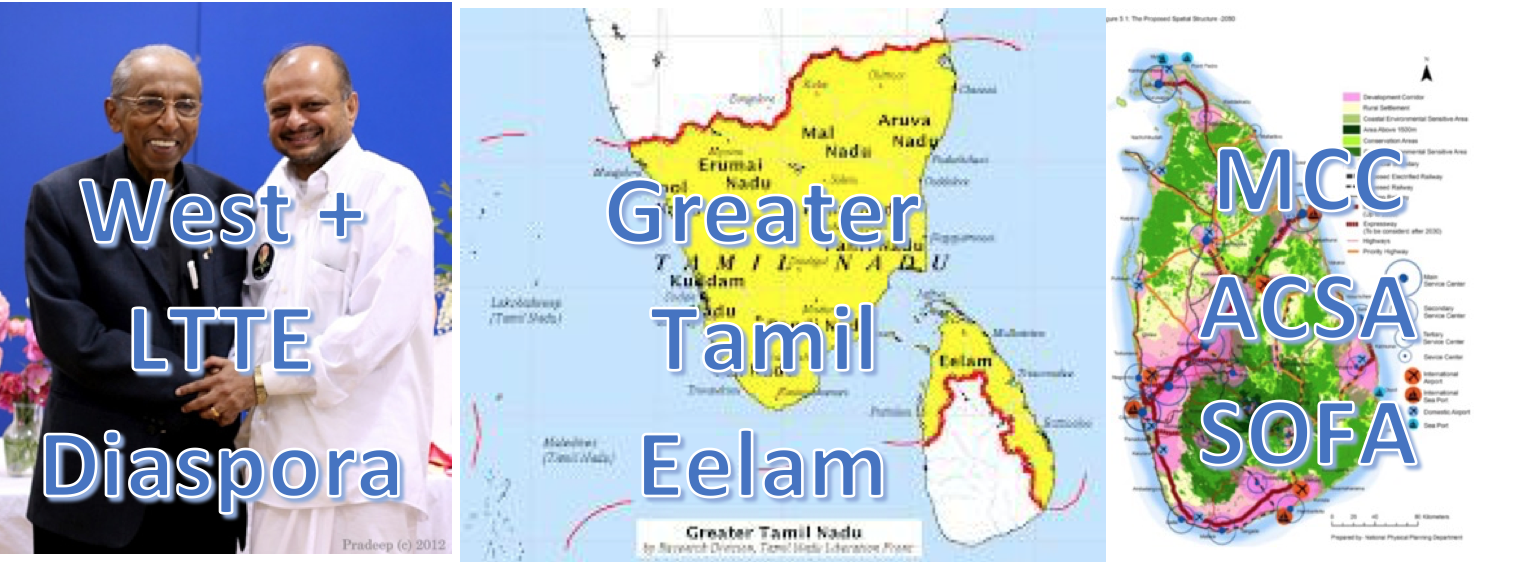
19A inclusion of Dual Citizenship was specifically targeted at preventing Gotabaya Rajapakse from contesting Presidential Elections and requiring to revoke citizenship which created a thorny situation with US declaring him and Shavendra Silva as war criminals. Geetha Kumarasinghe had to forfeit her Parliamentary seat as she was honest enough to declare she was a dual citizen while Gotabaya Rajapakse revoked his dual citizenship in order to contest elections. That gesture won him the Presidency with an overwhelming majority. With 19A we came to accept the need to have law makers declare allegiance and loyalty to one nation – the nation they desired to represent in Parliament as People’s nominees. As such, the majority of the people accept the 19A provision for a MP to not be a dual citizen when contesting Parliamentary elections. Nevertheless, that Basil Rajapakse is a dual citizen and does not wish to forfeit his dual citizenship is part reason for many to argue in favor of 20A allowing dual citizenship holders to contest. We should not take legislative clauses considering the needs or wishes of one person because we are neglecting to look at the bigger dangers of 20A continuing to allow dual citizens to contest elections. Present constitutional amendments must not ignore the global dynamics and geopolitical sensitivities lurking in Asia & the risks & threats to Sri Lanka. Therefore, constitutional amendments must seek to solidify and strengthen Sri Lanka’s sovereignty not weaken it.
We all know that the LTTE thrived as a result of the support it received from the West.
We all know that all of the LTTE fronts are today operating from the West
We also know that even throughout LTTE terror reign the West did their utmost to ensure LTTE terror was treated as a cancer – providing temporary cures like negotiations, peace talks and ceasefires but no permanent solution.
We also know that the LTTE terror rule was used as a camouflage buying time for West and its allies to set up Plan B of their imperial expansion for Asia.
This was how 2009 elimination of LTTE coincided with US ‘rechartering’ their strategy for Asia.
This was how US used bogus arguments to draft UNHRC Resolutions against Sri Lanka
This was how US got UN to pressure Sri Lanka to succumbing to internal domestic changes that were all advantageous to them.
This was how US and allies began weakening Sri Lanka.
All this while, the LTTE Diaspora were given wings to magnify their bogus stories and create an international anti-Sri Lankan image and subject the National Army to ridicule as war criminals.
Look at the many international players that are linked to LTTE Diaspora today retained by LTTE Fronts with the strength of the LTTE kitty. That LTTE kitty has enabled them to tap top lawyers, authors, UN officials, human rights activists, religious organizations & leaders and even foreign politicians. When foreign parliaments are given to hold LTTE events what more is there to say!
All of these LTTE Diaspora leaders were nowhere to be seen when Prabakaran was alive. Many dead scared of the LTTE leader and many hiding in the background and being groomed to take over the international role once LTTE leader was eliminated. This obviously has to have foreign nod of approval and involvement. This is why we see LTTE Diaspora do as they like and what they like and Canadian, US, UK, European or other Governments do nothing about them or against them. Only India realizing that there is a threat to India quickly takes action against LTTE trying to raise their heads in India. One person who is a frequent visitor to Indian jail is Vaiko.
If 20A allows dual citizens to contest it also means all of the LTTE Diaspora will be arriving to contest elections in Sri Lanka.They will also be manipulating the investment opportunities being opened up and manipulate the land privatization provisions in MCC and in all probability will be the fronts of US & allies to buy up Sri Lanka and create the Eelam that they had been espousing with the gun for 30 years and failed.
It is in the West’s gameplan to continue to hold the hand of the LTTE Diaspora and enter Sri Lanka & Tamil Nadu where the Greater Eelam will mean the breaking up of India in time to come.
Let’s also keep in mind that Tamils from Tamil Nadu were the favorites of colonial British. They were transported as indentured labor to all corners of the world – Caribbean, South Africa, Malaysia, Singapore etc. This bond is continuing still. LTTE’s international headquarters was in London. The office was opened by Bishop Rayappu Joseph. The Church & Christian/Catholic NGOs played a major role in LTTE terror. The post-LTTE in both Sri Lanka & South India are dens of evangelical conversions today. These are all with a bigger plan in mind and aspire to use new converts as the West’s foot soldiers. India, we assume must be worried though shying from taking action lest that should deter its friendship with the West. But that friendship is shortlived and India will soon find out a fragmented India sans super power status will end up with bits and pieces of India playing vassal to the West’s agenda. No more will India be able to dictate terms to anyone.
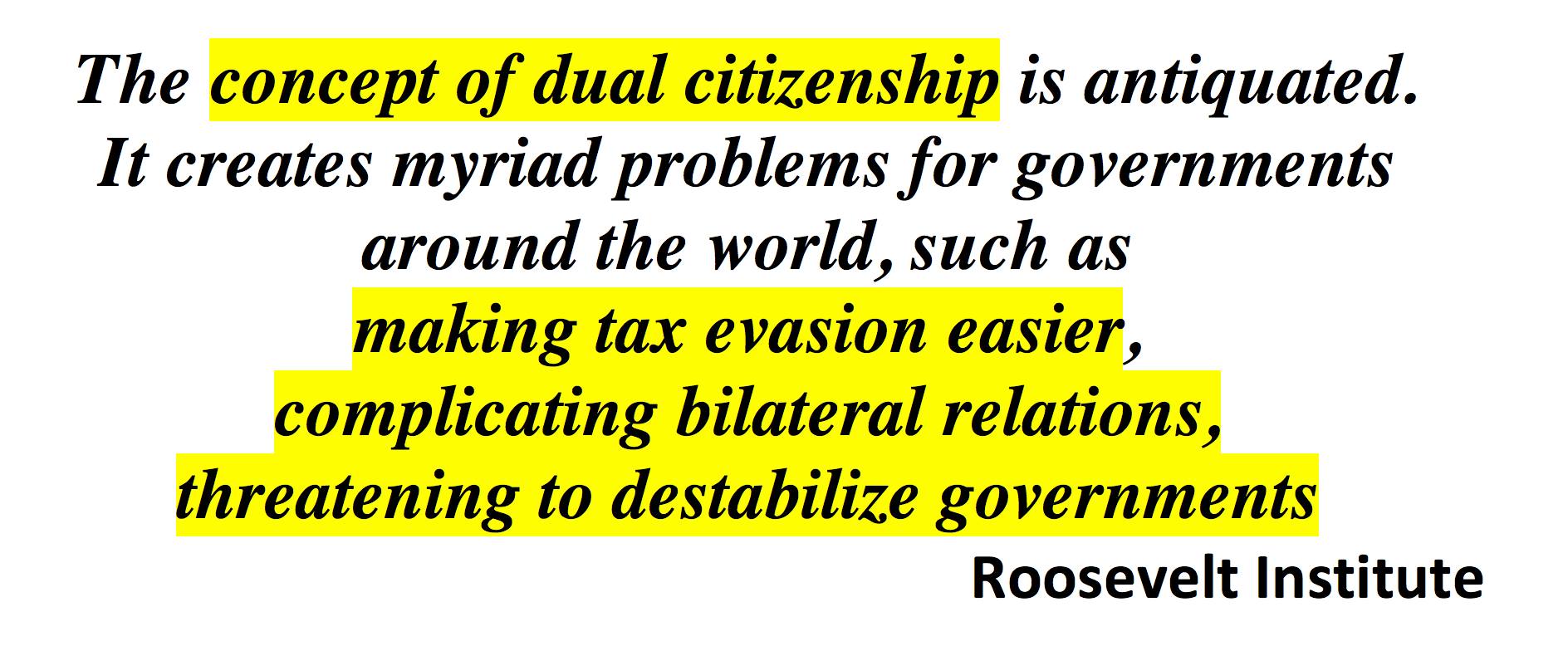
What is the new role of the LTTE Diaspora?Well if foreigners are banned from acquiring land, the LTTE Diaspora dual citizens will step in as alternative. The LTTE illegal kitty (money laundering, credit card scams, human smuggling, hawala system etc) is more than enough to acquire North and East. The bravado’s shown by a rejuvenated Wigneswaran signals a new gusto in plans and new modus operandi tasked to them. This will soon gather momentum in all of the countries that LTTE Diaspora exerts its pressure in a marriage of convenience with the foreign politicians and officials of international organizations.
Sri Lanka is only facilitating their Eelam and there onwards Greater Eelam with the 20A & Dual Citizenship.The Basil-factor is not as important to take cognizance of than the possibility of ACSA (now signed) – MCC (rolled out incrementally) – QUAD partnerships throttling even the signatories – militarization of Asia & the Indo-Pacific Ocean – Port development aligned to this bigger objective – diplomatic and military strategic partnerships connecting the dots to result in a weakened India and a vulnerable Sri Lanka, all perfect ingredients for the vultures to descend & devour.
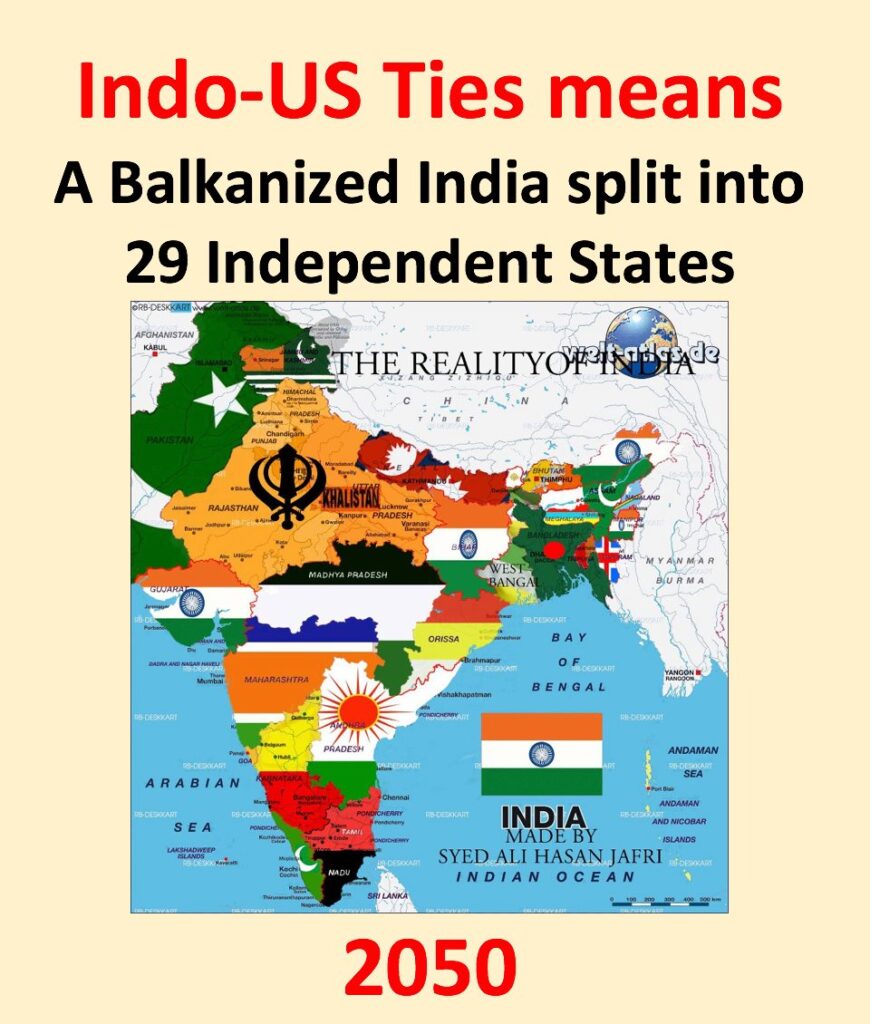
Nationalists in both India & Sri Lanka must be concerned.
Mahinda Rajapakse, the savior of Sri Lanka must realize the impending dangers. Gotabaya Rajapakse must also read the writings on the wall. The country has been kept diverted debating on dual citizenship & 20a but only from the spectrum of Basil Rajapakse, this has completely ignored the serious situation that will result if 20A + Dual Citizenship will mean the LTTE Diaspora descend, enter Parliament, purchase land and declare Eelam in Sri Lanka & expand that to Greater Eelam with the patronage & help of West. India’s partnership in Quad & Indo-Pacific & permanent seat in the Security Council will end up a red herring that India foolishly fell for. South Asia will come under Western hegemony & Sri Lanka a base.
Shenali D Waduge
The Killing of Edward Henry Pedris
September 24th, 2020Chanaka Bandarage
Impressions
Edward Henry Pedris is one of Sri Lanka’s least recognized National Heroes. He was killed by the British more than 105 years ago in Welikada Prison, on the charge of Treason.
True a statue of him was unveiled by the Prime Minister Premadasa in 1987, and a playground and a stadium were named after him on that same day; very little national level commemoration of this Great hero takes place in the country. There is scant discourse about his heroism among the populous and his brave life story has been taken away from school history books.
Is this because he was never a politician and did his struggles against the British on his own, solitarily? Also, that the Pedris family has not sought publicity about their dead member?
Pedris was charged with Treason, Shop breaking, Attempted murder and Wounding with intent to Murder.
An incident happened on 1 June 1915, near Pedris’ shop in Main Street, Pettah, where a Muslim gang had advanced towards him to attack him or set fire to his shop. During this time the Sinhala – Muslim riots had erupted in many parts of the country. Pedris had come out of the shop with a gun and had fired six shots into the crowd. No Muslims were killed or injured except the Police Constable Senevirathne who was injured in the head.
There had been absolutely no other involvement of Pedris in the riots though allegations were made in the trial that he had instigated a mob to travel from Peliyagoda to Colombo to attack Muslims. Pedris in his defence stated that he as a Commissioned Officer settled certain disputes between the Sinhalese and the Muslims.
The riots had been very brutal with over 100 Muslim deaths mainly in Gampola, Kandy and Mathale. The Police and the military had shot dead over 100 Sinhalese who were accused of killing Muslims and looting Muslim shops.
To Pedris’ utter misfortunate during this time he and his family had come to the adverse attention of the British authorities. Pedris had left an arrogant lifestyle and the British and their Sinhalese cohorts fiercely despised him.
Pedris was a young man born into an elite Sinhala Buddhist family. His father, Duenuge Disan Pedris, a native of Galle was a very wealthy businessman, who among other business ventures had shops in Pettah. Pedris was educated at Royal and St Thomas’ colleges. He represented both Royal and St Thomas’ at cricket. He must be the only person to have represented both schools in Royal- Thomian cricket matches.
Young Pedris was an excellent marksman and he was enlisted as a commissioned officer of the Colombo Town Guard. At the time of the riots he held the rank of Captain. Prior to his death he was de-commissioned by the British rule in Sri Lanka.
Pedris excelled in horse riding too. He had a wide knowledge about horses. A Russian Prince from the Tsar dynasty had presented him a horse named Rally”. Pedris rode this horse with the composure of a Prince, and the British and their Sinhalese cohorts hated this.
There had been several clashes of young Pedris with the British hierarchy. In one incident, at a Cinema Hall a white man had demanded that Pedris gave him his seat. Pedris had refused and belittled the British saying that he had paid for his seat.
It is fair to infer that news about young Pedris had reached Governor Sir Robert Chalmers.
Chalmers, a racist, was an introvert and a recluse. He was ruthless in eliminating enemies. Under his command, Brigadier Malcolm went on a killing spree of Sinhalese in areas where the riots took place – notably in Colombo and the upcountry.
Chalmers was basically scared that the Sinhalese would use the riot to overthrow the colonial administration. During this time the World War 1 was in full swing. The British suspected that there were prominent Sinhalese businessmen in Colombo who had close trade links with Germans. It is believed Pedris family was one. Over the riot, two of Pedris’ cousins – Albert and Edwin Wijesekera, who were leading businessmen, were taken into custody and were imprisoned in
Jaffna.
When the riot occurred, the German cruise ship ‘Emden’ had berthed in Colombo and Colombo businessmen had conducted trading with it.
It is believed that Sir Solomon Dias Bandaranaike, the Maha Mudaliyar, father of SWRD Bandaranaike, was not in good terms with the Pedris family and he may have had a part in creating the ill feeling between the British administration and Pedris family. Except hearsay, there is no concrete evidence to prove this. Bandaranaike was the Chief Advisor and Chief Native Interpreter to the Governor. Basically, he held the highest native position under the British administration. Prior to him his father and grandfather had also held the same or similar positions for the British administration.
Governor Chalmers and the Inspector General of Police, Herbert Layard Dowbiggin, were adamant that Henry Pedris must die. They wanted to use Pedris to teach other national leaders a lesson. Pedris was seen as an easy, soft target.
A military court, comprised of three military judges was convened and Pedris was tried on 1 July 1915; a death sentence was passed on him on the same day. He did not have appeal rights. A request for clemency was made to King George V by the family and several others but that was rejected.
On 7 July 2015 Pedris was killed by a firing squad.
Even immediately prior to his death, Pedris showed bravery.
After he was sentenced to death, he demanded that he should be shot by a Punjabi firing squad, and not by a white British firing squad. He stated that Punjabi soldiers were Non-Christian and Asian. His request was granted. A Punjabi firing squad was rushed to Sri Lanka.
When blindfold was afforded to him, Pedris rejected it. He faced death without any fear. Until he was twice shot to death, he held his head high.
A remarkable incident took place at the time of the execution. The Additional District Judge of Colombo, Arthur Charles Allnut, a graduate of the Oxford University and a member of the Ceylon Civil Service had ordered that the 86 Sinhala Buddhist nationalists who were detained in Welikada Prison at that time (over the Sinhala/Muslim riots) should witness the shooting of Pedris. Thus they were lined up in the verandah outside of the L-Hall of Welikada Prison, and were compelled to watch Henry Pedris being shot to death. Among the inmates were DS Senanayake, DR Wijewardane, FR Senanayake, Edwin Wijeyeratne, DB Jayathilaka, Dr Cassius Pereira, Dr WA De Silva, ET De Silva, FR Dias Bandaranaike, Dr CA Hewavitharana, H Amarasuriya, AH Molamure and AE Goonesinghe.
Over the Sinhala/Muslim Riots, the British had also detained Anagarika Dharmapala the Great, in a different location (he had nothing to do with the riots; when the riots happened he was in India). Until early 1920s, Anagarika Dharmapala the Great was held under house arrest in Calcutta. He was the longest held political prisoner over the riots. The objective was to teach him a lesson so that he will curtail his anti-imperialist struggle/rhetoric and that he will be psychologically drowned (Anagarika Dharmapala the Great was Sri Lana’s Mahatma Gandhi). The British were partly successful in achieving both these objectives. The writer has elaborated the altercation that Anagarika Dharmapala the Great had with Governor Chalmers in a previous article (see ‘Why Anagarika Dharmapala is important to India, particularly to the Indian Buddhist? – Chanaka Bandarage, ‘New Buddhist’, India July 2015 edition, pp 23 -28; reproduced in Lankaweb, July 29, 2015)
The cream of the country’s nationalist leaders were arrested. This is evidence that the British were using the Sinhala – Muslim riot as a pretext to punish them. Furthermore, the immense fear that the British had that attempts may be made during that time to overthrow their regime.
Even a person with no legal knowledge would realise that Pedris had done nothing to commit Treason. Basically, he had done no offence to deserve such a harsh punishment – the death sentence.
Pedris was buried in Borella Kanaththa. The father, who owned several burial plots in Borella Cemetery managed to bury him one of those plots. The British was unaware of this. Later, the family built a large commemoration plaque in his memory. It exists to this day.
Pedris’ father died as an extremely dejected man. His main hope was that his son would take over his vast business empire one day. That dream was shattered. He lost his two sons-in laws as they were also incarcerated in Welikada and Jaffna jails. The parents out of their own money built Isipathanarama Viharaya in Colombo 5 and offered it to Maha Sangha. They did many other meritorious constructions in memory of young Pedris including the Pilgrims Rest in Polonnaruwa. The mother, Mallino, died as a Dasa Sil Upasikawa. In 1920 she gifted valuable land to Mallikarama Temple in Dematagoda.
Young Pedris was only 27 when he was mercilessly killed by the British.
ERASING THE EELAM VICTORY Part 17 C 12
September 24th, 2020KAMALIKA PIERIS
JVP was given a new lease of life when the UNP came to power in 1977. Under the previous SLFP government JVPers were brought before the Criminal Justice Commission, (CJC) a special tribunal set up through a special Act of Parliament. JVPers were charged with waging war against the lawfully elected government, breaking the peace, loss of human life, possession of arms and explosives.
The CJC had been permitted to accept evidence that would otherwise have been inadmissible under the Evidence Ordinance. The UNP government of 1977 declared that this was a violation of justice. The UNP government repealed the Criminal Justice Commission Act and all the JVP convicts including Rohana Wijeweera, became free in 1978.
Once they were freed, JVP started its usual activities, such as meetings. The police challenged the JVP at every possible turn. When the police intervened at the Tissamaharama JVP mass rally in 1978 JVP complained to JR and Premadasa.
JVP was allowed to register as a political party in 1981. The first elections the JVP contested were DDC elections. JVP contested four seats in the District Development Councils election in 1981, and won two. The seats were Colombo, Gampaha, Galle. I was unable to find out what the fourth was , probably Matara. JVP participated in the District Development Council (DDC) elections of 1982 too.
JVP then started to regularly contest the two major national elections, General and Presidential. JVP made sure that it had a presence, however small, in each election. Rohana Wijeweera contested the Presidential Elections in 1982 and obtained 4.16% of the votes cast. He received more votes than Colvin R. de Silva.
The next significant election, for the JVP, was the General election of 2000. The General election of 2000 clearly showed how well the JVP had recovered, when it won 10 seats in the parliament, said Nirmal Ranjith Dewasiri, as opposed to the one seat it secured at the 1994 election, and recorded 6 per cent out of the total valid votes,.
JVP further broadened its voter base at the following election in 2001, with 16 seats and 9.10 per cent of the vote. There was every sign at this juncture of JVP emerging as a serious threat to the existing hegemonic two-party system, especially with its growing ability to attract the support of the semi-urban middle classes, said Dewasiri.
But at the 2015 general election JVP only got 4.87 % and six seats. One reason was the rush to Hansaya. The Joint Opposition openly stated that the JVP was there to support the Yahapalana government. The Joint Opposition called them ‘Rathu Ali’. Verité Research however had ranked four of the six JVP MPs among the top five MPs for their work ethic.
The General elections of 2010 and 2015 showed a link between JVP and UNP. It would be pertinent to mention that the UNP-led coalition, that backed former Army Commander Gen. Sarath Fonseka and Maitripala Sirisena at 2010 and 2015 presidential elections, respectively, included the JVP, said Old Soldier
JVP cuddled up to the UNP. the UNP and JVP are now almost conjoined. JVP often provides the crucial support to decide between victory and defeat and survival for the UNP government in parliament, concluded Old Soldier”.
At the Presidential election of 2019, Anura Kumara Dissanayake, head of JVP, only got 3.16% of the total votes. This is the lowest percentage JVP has got so far, commented analysts. He was supported by 29 organizations including civil society organizations, at a media briefing.
JVP only obtained 3.84% of the total vote at the General election of 2020. This election showed that the JVP support base was shrinking said Island editorial. Analysts observed that a sizeable segment of UNP votes had gone to the JVP, which means the true JVP vote is less than even 3.84%.
Of the six seats JVP had in the 2015 Parliament, JVP could retain only three of them in 2020.These were in Colombo and an ]adjoining urban centre’ at Gampaha. JVP lost badly in the areas that constituted the heartland of its militancy such as Matara, Galle, Hambantota and Moneragala. The present-day JVP leaders have lost their hold on the Wijeweera belt, which stretches along the southern littoral, said the Island editorial.
These election results show that voters still haven’t forgiven the JVP for atrocities during the 1971 and 1987-89 insurrections, said critics. JVP replied we are far ahead of the rest. We fielded the best qualified candidates with unblemished records”. Our movement is honest, free of corruption and committed to working for the betterment of the country. The people know that, but that is still not enough for them to vote for us. .
The JVP has managed to survive as a political party with parliamentary representation only because of the proportional representation system. JVP would not have had a snowflake’s chance in hell of making it to Parliament under a first past the post system, said Chandraprema, bluntly.
For the 2020 general election, the JVP formed a new party, the Jatika Jana Balavegaya. This is nothing more than an ‘alias’ for the JVP . The three seats won by this JJB were taken by Anura Kumara Dissanayake, Head of the JVP , followed by Vijitha Herath.
Another new thing in the 2020 election was that a set of University academics got together and urged the public to vote for the JVP Balavegaya. Several of them came from leftist parties and were open supporters of Separatism.
These academics made a strong appeal for the JJB which they called NPP. Only the NPP has a sound plan to save this country, they said.” The NPP was formed with the hope of saving the country from its present predicament and people should extend their support by voting for it..”
The academics stressed the need for electing honest, capable candidates as MPs to solve the problems and threats the people were faced with. .” The NPP has experts and academics who have drafted a credible programme for Lanka’s economic future. NPP has the only Parliamentarians with an unblemished record of financial integrity, incorruptibility and devotion to their tasks in the last three decades have been MPs elected from the JVP, they chorused. The academics said that The NPP will be a strong voice and the only real force standing both inside and outside parliament for a democratic polity and against dictatorship.
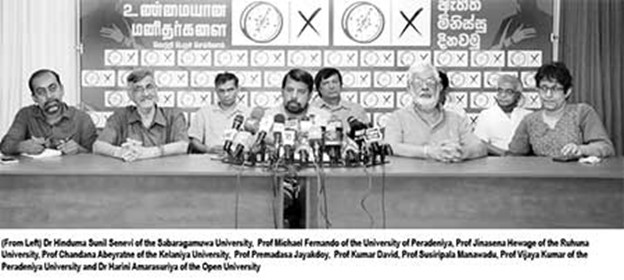
JVP is not a popular party. The JVP have huge floats of Karl Marx and Lenin in their May Day processions to hide the fact that they have very few supporters marching with them. Bu it is determined to keep going.
JVP has its memorials. This is not well known.60 students at Sri Jayewardenepura University were killed, including two female students in the 1987-89 insurgency. An exhibition and a musical program were held to commemorate them in 1992 and in 2008. A memorial too was erected. The chief guest at the event was the mother of one of the victims, medical student Wenura Edirisinghe.
JVP has absolutely no economic or development plan for the country. They never had. This is seen over and over again in their numerous, verbose, utterly empty utterances. Sometimes it is nonsense. Here is an example. When JVP was asked what its development plan was, JVP replied, ‘We need to give priority for education and create a new structure with education. That is the way out of all miseries. Education is the base for that.’
JVP gets much attention in Parliament and on television today, because Its leader Anura Kumara Dissanayake keeps speaking and speaking , holding audience attention, using long sentences, in slow measured tones. His statements are without exception completely empty . I once listened to him give a speech at a function. He spoke for some time and avoided saying anything of substance.
There are indications that JVP have not abandoned their terrorist tactics. Gamini Samaranayake drew attention to the JVP controlled Inter-University Student Federation, IUSF. This name is only a cover, he said. The IUSF is a ‘terrorist movement’. The IUSF was very active during the Yahapalana period.
JVP supports separatism. JVP said in 2015 that seats in the new parliament must accommodate fair representation for the ethnic and religious minorities. DJV had links with the international community which supported devolution , said Sampanthan.
Analysts have shown connections between JVP and LTTE . JVP was the Sinhala twin of the LTTE said Rohan Gunaratna. The original JVPers, such as Victor Ivan, have consistently taken a separatist or anti-national stance. For years Ravaya argued that the LTTE couldn’t be militarily defeated and did their best to demoralize troops and sabotage the efforts of the security forces.
The NPP programme calls for devolution of political and administrative power to the regions, The Tamil and Muslim minorities in this country have been in distress for decades and been taken for endless rides by the two main parties. The NPP is a trustworthy ally The NPP demands release of political prisoners, protection of Muslims from injury and insult, establishing a new Truth and Reconciliation Commission, empowering the Commission on the Disappeared to deliver justice to families of victims, releasing military occupied lands, terminating ethnic based colonization and economic upliftment of war affected areas. said Kumar David, speaking on behalf of the JVP in 2020.
in 2011 it was reported that JVP had 13 international branches in UK, US, Italy, France, Cyprus, Sweden, South Korea, Australia, Japan, Saudi Arabia, UAR, Qatar and Oman. This did not surprise those suspicious of the JVP .Many consider JVP to be a tool used by foreign handlers.
Nalin de Silva observed on two separate occasions, in 2004 and 2010 that JVP was a western tool. JVP was being used by the western forces, he said. JVP is an agent of the west and is attempting to create trouble in the country, he declared.
Wimal Weerawansa said in 2010, that JVP is run with the help of funds given by some foreign embassies. JVP was getting huge sums from US and Norway to support Fonseka in Presidential election ,he added.
JVP are outrageous hypocrites, said ‘Old Soldier’. They may mystify some with their verbosity, but who and what do they represent? Could they be working as a proxy for a shadow organization, he asked in 2019.
JVP has its admirers. The JVP has come a long way since its two armed insurrections and the passing of the leadership from the old school and discredited past of Somawansa Amarasinghe to the younger generation of Anura Kumara Dissanayake, said JVP admirers.
JVP bashing should end said K. Siriweera writing to Island”. In parliament, at political meetings and elsewhere, JVP members are criticized for incidents that took place in the 1971-89 period. Anura Kumara Dissanayake and his group were not involved in these criminal acts. Further they have shown excellent behavior since they came into the political scene. It is sickening to see politicians who are involved in anti social activities shout about events that happened decades ago to demonize a group who are thousand times better than them, concluded Siriweera.
JVP admirers are in a minority. ‘Old Soldier’ has summarized what most of the public think of the JVP . The JVP has a blood soaked, murderous and genocidal history, he said.. The JVP brutalized a generation twice, once in 1971 and then in 1989-90.
Their favourite method of murder was by slitting the throat. Their preferred way was not with a knife but with a blade, slowly, enjoying the agony of the victim. They then hanged the head of the murdered on a pole, gate, and fence or placed it on a wall.
After their first abortive attempt in 1971, they brought the country to a virtual halt in 1989-90 by placing ‘death notice’ chits in work places and murdering innocents all over the South. They attempted to destroy the state by attacking the armed forces and police, the state administrative structure and staff, including the judiciary, health services, education, transport and national infrastructure amongst other things. Apparently this was their way of showing their opposition to the invading IPKF and the LTTE’s campaign of terror. They did not however threaten or attack IPKF or LTTE ,but turned on the Sinhalese people exclusively, continued Old Soldier.
The JVP believes that by swamping the people with other issues, the people will forget its gory year of murdering that dehumanized a peaceful Sri Lanka . Sri Lanka must never forget how the JVP ordered the closing down of hospitals and made death threats to the doctors and staff if they attempted to work. They threw the entire health system into disarray. It caused the deaths of hundreds if not thousands of seriously ill patients adding to the 60,000 deaths they were responsible for by murder, said Old Soldier
Though Wijeweera died, some leaders escaped. They got back into society. They pretend to follow democratic politics fooling many but not all, and biding their time. They have survived by cunningly playing one political party against the other. [The behavior of their supporters] protesting and blocking roads and government offices almost daily and making it almost impossible for universities to function, should give more than a glimpse of what will follow, ended Old Soldier, writing in 2019. ( Concluded)
අග්රාමාත්යතුමා, පන්නිපිටිය ශ්රී දෙව්රම් මහා විහාරයේ සුවිසි විවරණ මන්දිරය විවෘත කරයි
September 24th, 2020අග්රාමාත්ය මාධ්ය අංශය
අමරපුර මහා නිකායේ සිරිසුමන පාර්ශවයේ මහා නායක ආචාර්ය කොලොන්නාවේ සිරි සුමංගල මහා නාහිමියන්ගේ ඡන්ම දිනය නිමිත්තෙන් පන්නිපිටිය ශ්රී දෙව්රම් මහා විහාරයේ ඉදි කළ සුවිසි විවරණ මන්දිරය විවෘත කිරීමේ අවස්ථාවට අද 2020.09.24 දින ගරු අග්රාමාත්ය මහින්ද රාජපක්ෂ මැතිතුමා එක්විය.
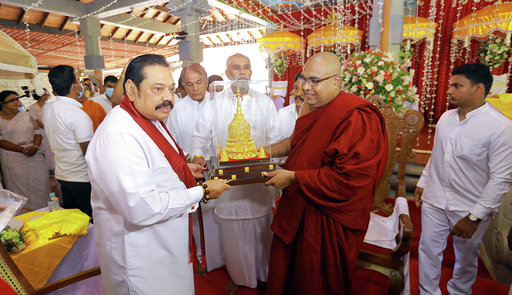
පළමුව ආගමික වතාවත් සඳහා එක් වූ ගරු අග්රාමාත්ය මහින්ද රාජපක්ෂ මැතිතුමා අනතුරුව දුටුගැමුණු රජතුමාගේ පිළිරුව සහිත සූවිසි විවරණ මන්දිරයට මල් කළඹක් පූජා කළේය.
ආචාර්ය කොලොන්නාවේ සිරි සුමංගල මහා නාහිමියෝ මෙහිදී ගරු අග්රාමාත්යතුමාට සමරු තිළිණයක් ද පිළිගැන්වූහ.
පන්නිපිටිය ශ්රී දෙව්රම් මහා විහාරෙය් විසි එක් වෙනි සංවත්සරය හා සිරි සුමංගලාභිධාන මහා නාහිමියන්ගේ 51 වෙනි ජන්ම දිනය නිමිත්තෙන් පැවැත් වූ මෙම පිංකම් මාලාවේ දානමය පිංකම සඳහා මහා නිකායික ස්වාමීන් වහන්සේලා 27 නමක් හා සංඝයා වහන්සේලා 300 නමක් වැඩම කළහ.
Sri Lanka scraps $1.5 bil Japan-funded light rail system
September 24th, 2020By Ishara S. KODIKARA Courtesy Japan Today
Sri Lanka’s president has ordered the termination of a $1.5-billion Japanese-funded light rail project, saying it is not a “cost-effective solution” for the congested capital Colombo, officials said Thursday.
The deal signed under the previous government is the largest single foreign-funded infrastructure project in Sri Lanka, and was seen as a sign of the island nation reducing its dependence on China.

President Gotabaya Rajapaksa, elected last year, told the transport ministry to “terminate this project and close the project office with immediate effect”, top aide P.B. Jayasundara said in a letter to the ministry.
There was no immediate comment from the Japan International Cooperation Agency (JICA), which in March last year loaned 30 billion yen ($285 million) to finance the first phase of the Light Rail Transit (LRT).
Japanese technology including rolling stock was to be used on the rail system, which included 16 stations over 15.7 kilometers.
Detailed planning and land acquisition for the project in Colombo, which has some of the worst traffic congestion in South Asia, had already been completed and initial construction was under way.
The Japanese loan carries an interest rate of 0.1 percent and is repayable over 40 years with a 12-year grace period. Japan has already funded sections of new expressways and a key bridge to reduce traffic congestion in and out of the capital.
Under former President Mahinda Rajapaksa — the incumbent’s brother — Sri Lanka borrowed billions of dollars from China for projects including ports, highways and railways.
But several ended up as white elephants and left the country facing a mountain of debt — mainly to China — stoking fears about Beijing’s “Belt and Road” master plan for overseas infrastructure.
Unable to service its loans, the then government of prime minister Ranil Wickremesinghe leased a Chinese-built port at Hambantota in the island’s south to a Beijing company for $1.12 billion in 2017.
Four (04) more persons confirmed for Covid -19: SL Country total increases to 3,333
September 24th, 2020Courtesy Hiru News
Two arrivals from Qatar & 02 from Kuwait tested positive for COVID- 19, increasing total infected in Sri Lanka to 3,333.
PCR test result of the Coronavirus infected Russian from Matara, is negative- Another PCR test tonight (Video)
September 24th, 2020Courtesy Hiru News
The Russian national who was diagnosed with coronavirus while staying at a hotel in Matara was taken to the Hambantota Hospital. The hospital director Suranga Ubeysekara stated that with the second PCR test conducted the reports has come negative.
However, he said they would take biological samples tonight and conduct another PCR test before a final decision is taken.
he director of the hospital stated that his infection would be confirmed accordingly.
Fifteen members of the Russian flight crew arrived at a tourist hotel in the Polhena area in Matara on the 13th.
They were scheduled to leave the country today (24) and before that PCR tests were carried out at a private hospital in Matara.
One Russian national was diagnosed with coronavirus infection.<br /><br />Meanwhile, the Sri Lanka Public Health Inspectors Association alleges that the Russian national who was diagnosed with the corona virus and the other flight crew members who were with him had stayed at a tourist hotel in the Polhena area in Matara without informing the health authorities including the public health inspector in the area.
Meanwhile, all the employees of the hotel where they were staying were quarantined inside the hotel.
Matara Chief Public Health Inspector Eraj Weerasuriya told the Hiru news team that the families of the hotel employees were also quarantined.<br /><br />However, seven members of the hotel staff have gone home on leave and are residents of Galle – Wakwella, Ahangama, Gonapinuwala and Ratnapura, Thambuththegama and Bandaragama areas.
The health department said that steps have been taken to bring them back immediately and subject them to quarantine.
LTTE Thileepan: Since when did UN start getting orders to allow commemoration of dead terrorists?
September 23rd, 2020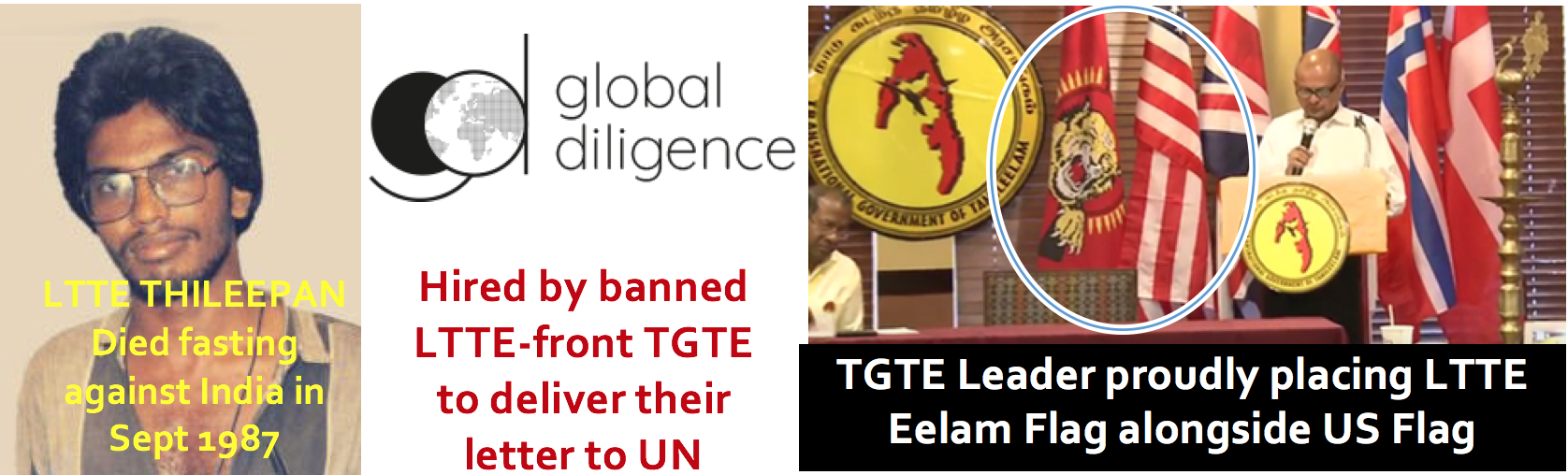
United Nations Special Rapporteur on Freedom of Peaceful Assembly & Association and the United Nations Special Rapporteur on Freedom of Opinion and Expression are receiving letters to tell Sri Lanka to allow LTTE to commemorate a dead ‘martyr’. Who is LTTE? An internationally banned terrorist organization. Who is Thileepan – a member of that internationally banned terrorist organization who died after going on a death fast in 1987 September 26. It’s the month of September and LTTE fronts naturally need to show they exist, so they pluck out the dead from the grave some 33 years after death. The virtual government making the appeal seem to forget that the LTTE Thileepan died protesting against India and not Sri Lanka. Given that the virtual government is operating from US where the US Government has no issues in him delivering speeches with the US flag side by side with LTTE terrorist flag, why don’t this virtual government & head commemorate the dead terrorist in USA?
If TGTE read the history of Thileepan & his death fast, they would correct their appeal to the UN. Thileepan went on a death fast against India not heeding LTTE’s 5 demands made by LTTE to India on 13 September 1987. LTTE gave India 24hours to respond to their 5 demands which India ignored & then Thileepan began his fast on 15 September 1987 and died on 26 September 1987.
The Indo-Lanka Accord was signed under emergency in July 1987. Indian Peace Keeping Force landed in Sri Lanka assuring the GoSL they would disarm the LTTE within 72 hours which India failed to do.
Therefore, TGTE in its appeal to the UN has got the whole story wrong as the death fast was against India not heeding LTTE’s 5 demands. 33 years later only those that support terrorism and separatism would wish to commemorate a dead LTTE member.
When regime change took place in 2015 with LTTE agents also providing political support, the nod of that government was given to hold LTTE dead commemorations inspite of LTTE ban.
Thus in 2018 LTTE dead Thileepan was commemorated by
- Students at the Eastern University in Batticaloa
- Tamil National People’s Front – S Kajendran
- ITAK leader & TNA MP – Mavai Senathirajah
- EPRLF leader – Suresh Premachandra
- Staff and students of University of Jaffna inside university grounds
- Kallapaadu office of Northern Province – Provincial Councillor T Ravikaran
- Families of LTTE disappeared office in Ananthapuram
- Former LTTE combatants, families of dead LTTE in Batticoloa – event organized by Crusaders for Democracy (oh yeah crusaders for terrorist democracy)
Google LTTE propaganda sites and there’s a bevy of commemorations held for Thileepan even upto 2019.
So was TGTE born yesterday to suddenly realize mistakenly that dead LTTE Thileepan who died in 1987 needed to have a commemoration 33 years later? Obviously living in USA, holding US passports and working in USA, this group does not know what goes in Sri Lanka or they are simply trying to pluck a terrorist from the grave and make themselves relevant. Digging a grave for publicity – poor TGTE! How bankrupt these LTTE fronts have become for lies and propaganda.
You have to feel for the dumb foreigners who present these appeal letters to the UN and ask where are work ethics gone in this 21stcentury when for money, organizations calling themselves ‘transparent’ and ‘independent’ would even lobby to commemorate LTTE dead terrorists! Unbelievable what the world has come to. This also raises the question would the UN & its bodies wish to also be part of a terrorist and separatist set up is the question we are all now asking.
Cannot wait to see international legal firms getting hired by terrorist organizations to dispatch appeals on behalf of their terrorist clients to also commemorate dead terrorists …. what a joke this is going to turn into!
Shenali D Waduge
Mahawillachchiya Illuk to alleviate poverty and also to save foreign exchange
September 23rd, 2020By Garvin Karunaratne,former G.A. Matara
My craze for motoring in the forsaken neglected Sinhala areas where poor unequipped buddhist monks struggle to guide the people following the dictat of Lord Buddha: Charita Bhikkae Charikan Mahajana Hitaya, Sukhaya” took me this time to Sandamal Eliya, five miles before one reaches Tanmtirimale.
The Sandamal Eliya Temple is run by Venerable Viharegama Sangarakkhita, a pupil of the chief monk at Tantirimale who was killed by the LTTE cadres.
As happens very often I think I know the roads where I had often travelled long ago when I worked in the Sixties in the Anuradhapura District.. I keep forgetting that new roads and new junctions have emerged and often get lost.
This time I was lost in the Illuk jungles of Mahawilachchiya and Tantirimale. I motored through the dense illuk forest that seemed to have no end. I saw patches of illuk everywhere I looked. People had even resorted to burn the illuk when it invaded their homes. I was lost for long among illuk jungles. When I finally reached the Sandamal Eliya temple I spoke with Ven Sangarakkhita and he confirmed the fact that the area is full of illuk grass, a grass that cannot be eradicated. Illuk has become a nuisance.
Then it did flash in my mind that the machinery imported toValachenai to make paper was intended to use illuk grass. What did happen was that illuk grass was consumed fast and the machinery lay idle. Then it was our engineers and scientists who for the first time found out that straw could be used for making paper. Then the farmers at Hingurakgoda and Polonnaruwa made good money by selling lorry loads of straw to the paper mill. I entered the scene at that time. In Agrarian Services to keep the truants and fraudsters in check I happened to be a lone islandwide flying squad and the circuit bungalow of the Valachenai provided me a night’s rest on many a day. My interests in industrial development made me see the paper factory at work several times.
It has so happened that despite the fact that Mother Nature provided fertile land, plenty of rain water and our ancient rulers also provided a sophisticated and advanced irrigation system with canals taking water at a gradient of six inches in a mile, a feat that baffles the irrigation experts of today, there is plenty of starvation among the people. The otherday I came across a family of three living on two and a half perch house at Bandaranayakepura Rajagiriya, shared with other close relatives all living within the pangs of hunger, where they forego lunch with a cup of tea. That is in our capital. Go to the colonies at Padaviya and Mahavillachchiya, the situation is far worse. The rains will provide two crops of paddy but the cost of getting machinery to plough and harvest is forbiddingy high. Once a portion of the crop is sold for living expenses there are days when there is no money and a vast number of people have to forgo a meal. Their life remains a true misery. This scene of utter poverty has to be eradicated. Today we perhaps have the last chance to eradicate this, if ever it can be done.
The Illuk grass at Mahavillachchiya can come to the rescue if only some engineer and scientist can resurrect the paper making with illuk grass. It only needs the import of a small scale paper making machine from India or China. One inquiry by me on the internet found a vast range of suppliers of paper making small factories. It is a simple operation- cutting the illuk into small pieces, then churning it with the addition of a few substances to pulp and then we can make cardboard or paper. All this is done in a small scale machine and the people will find employment and incomes while the country will be able to save the foreign exchange now being spent to import paper.
I am dead certain that this is some task that can be done. Mind you that the team of President Gotabhaya has done wonders in the past few months by getting the Valachenai Paper Factory functional. That was a factory that was closed and neglected for over half a century from the Eighties till the North and the East were liberated from the clutches of the LTTE- a task accomplished by no other than President Rajapaksa and his brother Mahinda. For that Gotabhaya and Mahinda combination, establishing a illuk paper factory will be a simple task. We only require President Gotabhaya to order it done.
I too can make a contribution- this time in writing a few words- mine is a NATO type- it is No Action Talk Only. But once upon a time from 1955 to 1973 I was in a role full of action. As the Government Agent at Matara in 1971 when I was charged with the task of creating employment I did direct my Planning Officer who was a chemistry graduate to conduct a myriad experiments to find the art of making a crayon. It took three months locked up in the science lab at Rahula College Matara, helped by the science teachers. They won the day and found the art of making superb crayons equal to the quality of the then best Reeves. Thereafter the Morawak Korale Cooperative Union under Sumanapala Dahanayake the Member of Parliament, in his capacity as the President of the Coop Union, established a crayon factory within three weeks and for the next seven years 1971 to 1978 this Coop Crayon was sold islandwide. Immediately Coop Crayon got going we secured a small allocation of foreign aid to import dyes, from the Controller of Imports, Harry Guneratne and within minutes of his signing that allocation paper to us he cancelled the import of crayons.
I am dead certain that this is a task that can be achieved and look forward to see the day when the Illuk grass will alleviate the poverty in Tantirimale and also help our Motherland in saving foreign exchange.
I live with the firm hope that this plea will reach our President and Prime Minister.
Garvin Karunaratne, Ph.D. Michigan State University.
Author of How the IMF Ruined Sri Lanka and Alternative Programmes of Success, Godages, 2006
How the IMF Sabotaged Third World Development, Kindle/Godages, 2017
garvin_karunaratne @ hotmail.com 24092020
Genealogy of Concept and Genesis of 13th Amendment – A Reply
September 23rd, 2020N.A.de S. Amaratunga
Prof. Gamini Keerawella (GK) in an article titled Genealogy of Concept and Genesis of 13th Amendment” (The Island 16th & 17th Sept. 2020) attempts to show that the 13th A was not something forced on us by India, that it was a concept discussed by political leaders starting before independence and that India had to intervene as a midwife due to the failure of our political leaders to deliver their own baby. He says It must be noted that at the outset the Provincial councils have to carry a certificate of illegitimate birth due to Indian intervention. However, the Indian role was just a midwifery role. The politically and ideologically weak ruling class of Sri Lanka failed to give it a natural birth”. He further says It is important to note that even in 1940s the Tamil leadership had not taken the issue of Regional Council and devolution of power to regions into their hands”.
It could be shown that the discourse among the political leaders about Regional Councils that GK refers to was a direct consequence of the intransigence of the Tamil leadership which occurred when the Donoughmore Report had recommended a population based franchise which would effectively make Tamils who hitherto had enjoyed parity with the Sinhalese in the State Council, a minority in the government thereafter. This intransigence was quite clear in the attitude of Ponnambalam Ramanathan who was considered the leader of the Educated Ceylonese” in the State Council.
From as far back as 1916 Ramanathan was against the appointment of a majority into the State Council by a popular vote. He together with Ambalavanar Kanagasabe had been for some time engaged in communal politics (see K M de Silva, A History of Sri Lanka p 393). They did not like the idea of the Sinhalese assuming their rightful place in the government as the majority in the country. The Donoughmore Report had recommended universal franchise, and in a last minute attempt to scuttle it, Ramanathan had even gone to London to request British authorities not to implement it. T B Jayah the leader of the Muslims too submitted a memorandum against the implementation of the Report.
If this is not communal politics what is, one may ask. This was the genesis of communal politics in Sri Lanka. Tamil leadership was not prepared to accept that the Sinhalese have to be given their due place in the governing body of the country. GK on the other hand attempts to make it appear that Tamil leaders had no causative role in the genesis of the idea of Regional Councils or devolution of power. Obviously Donoughmore Commission and Sinhalese leaders started talking about regional councils in response to the blatant presence of communal politics among the Tamil leaders.
GK has at length traced the genealogy of the concept and the genesis of the 13th Amendment beginning from the time of the Donoughmore Commission to the time of Rajiv Gandhi’s parippu diplomacy”. However, when one discusses the genesis of anything one must begin from the beginning and analyse the cause also quite thoroughly. Else the analysis is totally inadequate, incomplete and lacking in conviction, particular when one goes to the length that GK has gone in this instance. When one talks about the genesis of a child for instance one doesn’t begin from the pregnancy, one begins from the physical union of the father and mother which is the first cause. GK has conveniently omitted to mention the first cause because that does not fit into his argument.
GK has described in detail the several attempts made by political leaders to introduce regional/provincial councils and how they failed. He has not considered why they failed. Why did SWRD withdraw the proposals of the BC pact. Because he knew he has no chance of political survival if he disregarded the protests mounted by the priests. Same could be said about Dudley / Chelvanayagam pact. Why did JRJ withdraw the 10th Amendment ? All these politicians knew they cannot survive if they antagonized the majority community. They cannot do something that is unfair by the majority, something that would compromise the single sovereignty and the territorial integrity.
Why have the people given a 2/3rd majority to this government and in the process kept out of the parliament those who were responsible for the treacherous betrayals? They were concerned about the survival of the country as a single entity due to the antinational activity of the previous government, its many treacherous deeds that impinged on the sovereignty of the people. People want a permanent solution to this problem, they cannot live in fear for ever. Same fate would befall any politician who attempts to tamper with the people’s sovereignty and the territorial integrity of their country. SWRD, Dudley, JRJ had realized the possibility of this fate but the leaders of the previous government had not and they are now in the political wilderness.
Rajiv Gandhi knew why JRJ would not implement what was agreed upon during their discussions. He knew he had only one option and that is to use force. Vadamarachchi operation gave him the opportunity he wanted. This is why it is often said 13th A is something that was forced on us by India. Therefore it is not quite correct to say as GK does; The politically and ideologically weak ruling class of Sri Lanka failed to give it a natural birth”. The child would have been the death of the parents had they attempted it.
GK strongly endorses the 13th A as an arrangement that strengthens democracy and thereby solves the ethnic issue. He says The dominance of centralized political culture of the country has negated the true potential of the provincial council system as another tier of democratic governance”. He has not explained why the country needs another tier of democratic governance”. Cannot he think of some other method to satisfy the Tamil demand for political power sharing and solve the ethnic problem. Isn’t Sri Lanka too small to be divided into nine political and administrative provincial areas. Aren’t four tiers of democratic governance” too many, redundant, costly and corruptible. Is it fair to ask the poor people to carry this burden which is not of their making. If the political aspirations of the minority communities could be accomodated at the centre 13th A and the PCs could be done away with. Administrative decentralisation is possible at grassroot level. This is what the people want and why they have given a 2/3rd majority to this government.
N.A.de S. Amaratunga
SWRD Bandaranaike; Victim of sordid politics and unmitigated avarice
September 23rd, 2020By Raj Gonsalkorale
Two issues had rankled Buddharakkitha. One was the Prime Minister’s refusal to hand over a lucrative shipping contract to a company named Colombo Shipping Lines that was co-founded by him in the name of his associate HP Jayawardena to import rice from Burma (Myanmar) and Thailand. The second was over a sugar manufacturing licence to start a sugar factory – DBS Jeyaraj 30th September 2019 – THE PRIME MINISTER IS DEAD! How and Why SWRD Bandaranaike Was Assassinated Sixty Years Ago)
26th September 2020 is the 61st death anniversary of Sri Lanka’s fourth Prime Minister SWRD Bandaranaike. A gun and a bullet ended his life, but what really killed him was the unmitigated avarice of a person who was the opposite and a disgrace to the message of Buddha. That person was the Chief incumbent of the Kelaniya Temple, a businessman who knew no ethics nor morality, Mapitigama Buddharakkitha. It is not befitting to call this person a Buddhist Monk as he was anything but a follower of Buddha or the Buddha Dhamma.
The man who fired the gun and emptied bullets into the Prime Ministers body, Talduwe Somarama was not of sound mind and easily brainwashed, and he was, to the extent of killing the Prime Minister to save Sinhala Buddhism”, by Buddharakkitha.
Sordid politics and unmitigated avarice has not abated in Sri Lanka, and neither has the misuse of Buddhist robes by persons who are anything but Buddhist. Sri Lanka has not learnt from that fateful episode on the 25th of September 1959 when a wearer of a Buddhist robe emptied bullets into the country’s Prime Minister who was paying obeisance to that person in Buddhist robes.
Politics is equally or even more sordid than then when one reads about the mudslinging going on at the enquiry into the Easter bombings in 2019. It is so when one reads about the life and times of the Yahapalanaya government of 2015 and the tussle between the then President and Prime Minister of the country. It is when one hears and reads about the calibre of politicians we have and have had, who have traded the country’s principles and wealth and dignity for monetary gain. There is plenty more to write about, but that will require several volumes of books.
Buddharakkitha was the driving force behind the Eksath Bhikku Peramuna or the United Bhikku Front. He has been described as a virtual kingmaker at that time. Later, he attributed Bandaranaike’s failure to aggressively pursue the nationalist reforms as the sole motive to assassinate him. But it was revealed that the real motive for the assassination came as a result of the Prime Minister’s refusal to award business deals, in particular, a government contract for the construction of a sugar factory and government concessions for a shipping company he planned to set up. Talduwe Somarama, a misguided man wearing a robe” so described by the dying Prime Minister himself, fired the bullets that ended Bandaranaike’s life on September 26, 1959.
DBS Jeyaraj writing on the 60th death anniversary of SWRD Bandaranaike (THE PRIME MINISTER IS DEAD! How and Why SWRD Bandaranaike Was Assassinated Sixty Years Ago), lays bare the poisonous and unstable environment in the country in 1959.
He writes about the vertical and horizontal tensions of the country where on the one hand there was overt inter-ethnic strife on the grounds of language while there was on the other hand covert tussles on the basis of class and ideology.
He says the ethnic dimension was exaggerated or distorted to divert focus away from or under-emphasise the class dimension. Jeyaraj writes to say Bandaranaike himself had begun acting against his class interests. The nationalization of bus transport, Insurance companies and Colombo harbor etc were some of the socialist measures enacted by the SWRDB government. Since most of the vested interests affected by these measures were UNP or pro-UNP it did not matter much to the regime. But the Paddy Lands Act pushed through mainly due to efforts of Philip Gunewardena regarded as the Father of Marxism” in the country had different repercussions. The act provided greater rights and concessions to the long suffering tenant cultivators. There was however a large segment of semi-feudal, land-owning classes supportive of the SLFP also. The Paddy Lands act hit these sections and there was resentment”.
The exaggerated ethnic dimension and the aftermath of the class war had resulted in the government’s Parliamentary strength being just 47 out of 101 by June 11th 1959, and Bandaranaike was in fact leading a minority government when he died on 26th September 1959.
The incident on the 25th September may not have been the first to get rid of the man who was a victim of the class battles and avarice and at the same time the one person who was in the way of a total victory by forces driven by rightist ideology and unmitigated avarice. What had happened on August 25, 1959, when Minister CP De Silva had drunk a glass of milk suspected to have contained a vegetable- derived poisonous substance in the boardroom where the cabinet met, may have been intended for the Prime Minister himself. CP De Silva’s condition had proven so critical that he had to be flown to London for medical treatment.
Jeyaraj writes about the purge of leftists and assertion of rightists to shackle SWRD Bandaranaike. The intention was to transform him into a puppet but the aristocratic Oxonian though beleaguered would not give in totally to Buddharakkitha’ s diktat. Irritated by this the kingmaker” priest now decided to remove Bandaranaike altogether. The flashpoint causing this change of mind was not race, class or ideology. It was sordid commerce”.
He goes on to note two issues that had rankled Buddharakkitha. One was the Prime Minister’s refusal to hand over a lucrative shipping contract to a company named Colombo Shipping Lines that was co-founded by him in the name of his associate HP Jayawardena to import rice from Burma (Myanmar) and Thailand. The second was over a sugar manufacturing licence to start a sugar factory. Buddharakkitha was a very rich businessman and he used whatever means at his disposal to acquire power in order to further his business interests. The wealth of the Kelaniya temple gave him the foundation to build his business empire. He did not tolerate anyone who stood in his way, and even a Prime Minister was not spared.
Had he been a Buddhist, acted as one and lived as one, heeding the Buddha’s message of love and impermanence, and the consequences of avarice, he wouldn’t have suffered the ignominy of dying as an inmate of the Welikada prison in 1967 serving a life sentence for the crime he had committed.
It is interesting to note Jeyaraj’ s comment about the exaggeration of ethnic issue as a contributor to the tensions that existed in the country in 1959. In this context, it is opportune on this sad anniversary to note the following.
Firstly, there had never been a question of implementing the so called Sinhala only policy “in 24 hours” as widely and successfully marketed by opportunists. As Bandaranaike said, nolaw had been needed to make English the language of the country, therefore no law was needed to change it. It was to be a limited and a gradual process.
Secondly, there was clear articulation on a transition period for public servants to acquire a working knowledge of Sinhala, by December 1960, but this specific mention related only to the Supreme Court.
Bandaranaike said, in presenting the Bill, “it is our intention, as far as possible, to make that change wherever possible but if, in the course of our proceedings in implementation, we find on sufficient grounds and data that the changeover just cannot reasonably made during that time, we will not hesitate to come before this House and the country for passing the necessary amendments to the Bill”.
Thirdly, at the time the bill was passed, there were no specific provisions in it in regard the medium of instruction in schools. Bandaranaike did recognize that the medium of instruction should be the mother tongue of the student, rather than the official language of the country.
Fourthly, the Bill did not specify time frames for a changeover to the official language in other areas like local authorities. In the public service, the stated intention was to provide an adequate knowledge of Sinhala to all public servants so that, as contemplated, public service should be conducted in the official language within 10 years, meaning by December 1967. The Reasonable use of the Tamil language in predominantly Tamil areas would have required Sinhala public servants working in those areas to acquire a working knowledge of Tamil.
It is well to remember that less than 5% of the population of the country were literate in English when Ceylon gained independence in 1948, and all Courts, Police stations, government departments carried out their official work in English. An overwhelming population of Sinhala and Tamil citizens, in excess of 95% of the population, lived as foreigners in their own country, unable to enjoy their rights as citizens of their newly independent country.
It is in this backdrop that one has to judge the changes that took place after 1956. SWRD Bandaranaike’s enemies, both within the Sinhala community and the Tamil community, were those from the upper class he came from, the English educated brown sahibs who probably were more British than the British. They were his friends until he decided to espouse the cause of the majority in the country, who did not wish for one set of colonialists to be replaced by another.
ERASING THE EELAM VICTORY Part 17 C 11
September 23rd, 2020KAMALIKA PIERIS
Wiswa Warnapala declared that violence was first injected into the politics of Sri Lanka by the JVP. JVP was a violent murderous movement from the very beginning. They were guilty of gruesome killings.
Despite JVP ‘s attempts to identify itself with Fidel Castro and Ché Guevara, JVP had more in common with the Peruvian Sendero Luminoso (Shining Path), and Kampuchea’s Khmer Rouge, said Tisaranee Gunasekera. Its use of lethal violence is very similar to Shining Path. Like the Khmer Rouge it eliminated anyone who opposed them. JVP killed their accomplices so as not to leave any evidence.
JVP indulged in political violence in order to destablise the state, said Wiswa Warnapala. The only threat to state authority which exceeded the JVP insurrection of 1971 is the JVP resurgence of 1987–89, observed analysts. The LTTE never threatened the state the way JVP did. JVP wished to break the will of the state and make it obey their demands. JVP had compiled information regarding vital institutions which affected the country security and economy, said Indradasa.
Gamini Samaranayake made special mention of the JVP controlled Inter-University Student Federation, IUSF. This name is only a cover, he said. The IUSF is a ‘terrorist movement’. Anybody who wants to study political violence and terrorism in Sri Lanka must look at the IUSF as well, he said.
One result of the JVP violence was that it changed the attitude of the army. Prior to 1971 Sri Lanka army was a small force. After the 1971 insurgency the government saw the need for a larger army. They increased the officer cadet cadre, they took in 30 trainees of which 17 graduated. The training which was 18 months was reduced to one year. Since JVP activity was in the jungle, special jungle training was given at Lahugala, said Kamal Gunaratne.
After the defeat of 1971 the JVP did not fade away, it simply got ready for the 1987 insurgency. JVP’s plans for the next insurgency was known to the authorities from July 1983, said Gunaratne.
Osmund Jayaratne recalled that after the 1971 uprising ended, from time to time in different areas threatening notes were passed to shops and boutiques and anonymous telephone calls were given to them. Even bus drivers were threatened. As a result in several areas there were days when all shops and boutiques put up their shutters through fear and normal buses did not ply these routes. .
Then in 1987 JVP started its second insurgency. JVP planned to get ‘pockets of resistance’ all over the country set up between July and August 1987 and use this as basis for war against the government.
The JVP provided a three year period of terror from 1987-1989. It was a relentless, daily round of killings, sabotage and strikes organized by the JVP and of counter-terror by Security forces. This period saw a huge number of ambushes, kidnapping, torture and assassinations.
In 1987 an estimated 40,000 died, mostly men, leaving women and children, said Nira Wickremasinghe. In January 1988 the JVP terror campaign was in full swing. By November 1988, Sri Lanka experienced near total anarchy. This continued at an increased level and the country witnessed unprecedented violence in 1989.
The peak was in 1989 when the JVP was effectively running a parallel government with a military power and, to some extent, popular support. The entire country experienced a terrible wave of violence and collapse of law and order in 1989, said Wiswa Warnapala.
Individuals or organizations were warned or intimidated with messages dropped in the night to homes or posters or graffiti that appeared over night. Those that did not cooperate were brutally killed, with the repercussions extended to their family members. Executions were mostly carried out at night with armed groups coming to the homes of the victims and carrying them away to be tortured, executed and left as an example.
Sagarika Gomes was killed because she read the Rupavahini news when the JVP had forbidden it and many of the newscasters refused to present the evening news. She was kidnapped from her home on September 13 1989, by a group of armed men. She was then taken to the beach, raped and killed.
DJV murdered probably thousands of people and crippled the country with violently-enforced general strikes for two years said the media. Killings took place in both urban and rural areas. JVP killed 30 politicians, 23 academics, one clergy, two government officials, 89 civilians and 61service personnel, from July 1987 to January 1990. DJV killed more than seventy (70) members of parliament between July and November 1989. . In most cases the funerals of these victims were not allowed by the DJV, traditional final rights were not allowed and the caskets were to be carried below knee level as a mark of disrespect, concluded the media.
After Wijeweera and Gamanayake were killed Saman Piyasiri Fernando, head of DJV and Lalith Wijeratne, (Aravinda) had taken over leadership of JVP. There was an immediate escalation of violence. UNP supporters were killed in Tangalle, Ahangama, Poddala, Ambalangoda Hikkaduwa, Akuressa and Baddegama. This violence fizzled out when Saman and Lalith were arrested.
JVP also committed murders for personal reasons and robberies for personal gain, added Chandraprema. They had long lists of persons to be eliminated. Prof Patuwatavithana, when Chairman of Plywood Corporation had refused to reinstate four officers and nine employees of Kosgama Complex who had been dismissed for fraud. He was shot and killed. One JVPer said that after the 1971 insurgency he had carried out several murders of alleged informants, political opponents and vigilantes on his way from Kegalle to Wilpattu.
JVP had a good spy network which they used to extort money. In 1989 JVP came to home of garments exporter Ramya Weerakoon and demanded money. Come out you and your daughters, api deshapremi jatika sahodarayo, they said. They mentioned a bank account to which Ramya had received a remittance for a shipment sent out earlier.
She said the payment was for raw material for the new shipment. We don’t care the sahodarayo said. Our leaders have ordered us to take Rs 50,000 from you. We will come here tomorrow. Have the money ready. The next day they came at 9.30 pm and took the money away.
Up to 1987, no weapons were available for the JVP to train the youths, said analysts. Collection of weapons started in early 1987 and weapons training began in mid 1987. The instructors were deserters from the army.
Weapons were purchased for Rs. 50,000 from Nimrods. Galkatas manufacture increased in Weeraketiya, Beliatte and Middeniya in 1987, but this was not sufficient. Guns were got after breaking into houses Island wide. There was a set pattern in doing this. JVP collected pistols and shotguns from people who had gun licenses from the Government. They only took the guns and ammunition, nothing else.
A spate of gun thefts were reported from Hakmana, Deniyaya, Nochchiyagama, and Balangoda in 1987. There were reports in May 1987 that more and more youths were collecting such weapons from houses in the south. 600 weapons, mostly shot guns were taken by JVP in July 1987. An ASP reported that his pistol and ammunition had been stolen from his car in May 1987. 24 shot guns were taken from villagers in Kohombana area in August 1988.
There was also increasing theft of firearms from police stations and military stations. JVP took guns and ammunition from Bentota and Kurunegala police stations and from Kotelawala Defence Academy, Panagoda army camp and Modera army camp.
JVP also had a quantity of quick firing automatic rifles better than what the IPKF had. Peradeniya undergrads were armed with lethal weapons, observed Wiswa. Where did they get these guns Peradeniya academics asked. The frequent use of landmines by the JVP indicated that JVP was receiving regular supplies of explosives from overseas, said Intelligence. The mystery surrounding the sources of arms supply to the JVP has not been resolved, said analysts.
In 1987, the JVP moved weapons to strategic locations in Colombo and other southern spots. JVP distributed arms to its loyalists in the villages as well. On the day of the signing of the Indo-Lankan accord, Upatissa Gamanayake, General Secretary, came to the safe house in Hokandara, where a large haul of weapons was in place. He met JVP activists and briefed them on the course of action to be taken. They were told to take positions in Colombo, Kaduwela, Welikada, Battaramulla Homagama and Maharagama. JVP was getting ready to carry out violence.
There are two specific instances of JVP violence which need special mention. First, the plan to assassinate Prime Minister Sirimavo Bandaranaike, second the attack on the Dalada Maligawa.
Sirimavo Bandaranaike.
JVP was always against Sirimavo and out to kill her. Somawansa Amarasinghe was instructed to kill or abduct Sirima, said Gunaratna. The interview data from JVP cadres said that the instruction was to abduct or kill Sirima. That cannot be correct. What can JVP do with the abducted Sirimavo? The instruction would have been to abduct and kill, that is, take away and kill where no one could see. Kamal Gunaratne also confirms that the JVP was planning to assassinate Sirimavo in 1971.
The 1971 attack on Sirimavo was planned. Prime Minister Sirimavo Bandaranaike would be taken into custody from her Rosmead Place residence. The attack would be carried out by the JVP cadres in University of Sri Jayewardenepura. The attackers were given a plan of Rosmead Place, additional supply of ammunition was kept at Ritz cinema. At the same time, the army cantonment at Panagoda would be attacked. Navy personnel at Ragama and Air force personnel at Katunayake were to be immobilized by introducing a purgative to their food.
This plan failed. The attackers were arrested by the police at Vihara Maha Devi park, said Kamal Gunaratne. JVP tried to have another go at Sirimavo, in the 1987 insurgency. The JVP attacked the SLFP inaugural rally at Hingurakgoda in 1988 and Mrs. Bandaranaike barely escaped death.
Attack on Dalada Maligawa.
JVP attacked the Dalada Maligawa, Kandy on 8 February 1989. Eyewitness accounts, including a former JVP member who took part in the attack, describe the incident in detail. Former JVP member, Adhikari alias Kosala, had participated in the attack. A fully-fledged member, Adhikari had received arms training, and participated in several operations on behalf of the party, including the 1987 Pallekelle Army camp attack, 1987 Bogambara prison attack and Digana bank heist.
According to Adhikari, the first meeting to plan the attack was held at the house of a JVP co-ordinator named Sunanda, in Kandy. In that meeting, Sunanda explained the motivation behind the attack. He said that if they stole the Tooth Relic, which had been residing in the country for at least 1,700 years, would have made the people to rise up against the government which couldn’t even protect the sacred property.
Next week, another meeting was held at the same place, with the presence of D.M. Ananda alias Kalu Ajith, the JVP leader of Western and Sabaragamuwa provinces, and Somawansa Amarasinghe alias Sanath, In that meeting, Adhikari proposed a place in Medamahanuwara, to hide the relic after getting hold of it. He was asked to be present near the Queen’s Hotel, Kandy around 2.00 – 2.30 pm the next day.
There Sarath, one of his colleagues in Digana bank heist, introduced him to 4 boys and 2 girls. The girls, dressed in white lama saris were carrying two trays filled with flowers. Adhikari’s task was to bring the group to the entrance to the Maligawa. There he would meet two gentlemen, who would be carrying pens attached to their pockets. After that he was to proceed to Kundasale where he would receive the casket which contained the tooth relic.
But the plan went wrong. The two girls had gone past the checkpoint near the entrance, without being properly searched, and waited for the others to follow. A guard had become suspicious and had come forward towards the girls. The other members of the group then arrived. They had snatched the guns hidden inside the flowers on the tray; and shot at the guards. Guards had returned fire. The following firefight left at least two attackers dead.
During the 2001 Parliamentary election, JVP denied that the JVP was involved in the attack. The politburo of the party issued a statement denying that the attack ever took place. These statements were rejected by the Diyawadana Nilame and Mahanayake theros of Malwatte and Asgiriya chapters .Diyawadana Nilame said “There was blood-letting at the Sri Dalada Maligawa and five persons were killed in the JVP attack”.
Police
The police stations and police officers were a permanent target of the JVP , both in 1971 and 1987. They were an easy target. The police were not trained in protecting themselves or detecting enemy activity. Kamal Gunaratne commented on the planning that would have gone into a simultaneous attack on 92 police stations in 1971.
JVP killed police in 1971 and then again in 1987. JVP killed many policemen in cold blood. A reserve constable was killed while drinking tea at a Kegalle hotel. Police on duty at Hingurakgoda town were killed with knives. At Pitakotte two constables were stabbed. Policeman on guard duty at CSU unit at Uduwella , Galle was shot dead. A reserve police constable was beheaded in Matara .
Police sergeant Wijesooriya was shot and killed in Hungama in 1987. In June 1988 JVP stabbed policeman at Minneriya. A policeman was shot and killed in Alawwa in 1988. JVP also shot the administrative officer coordinating the police HQ. He was on his way to church. At Kudagammana in June 1988,JVP fired at police patrol and killed one PC. In 1989 police sergeant was shot dead in Middeniya, and one PC was killed in landmine blast in Embilipitiya. .
JVP also attacked police stations. The police stations attacked n 1988 and 1989, included, Gothatuwa, Moratumulla, Kirulapona, Mattakkuliya, Ragama , Bambalapitiya, Pitigala, Moratuwa. In July 1988 fifty JVPers attacked Madulsima police station and took away a large haul of arms. Padukka police station was attacked in 1988 and weapons removed. Bentota police station was raided in 1989 . JVP had attacked Kahawatte police station and taken away much ammunition, also police uniforms, typewriters, gun powder, caps with insignia, explosives’.
JVP attacked police patrols and even resorted to killing unarmed constables on beat duty and traffic duty. JVP assassinated several servicemen and policemen in their homes or while on leave or off duty when they could not defend themselves. Director CID and Director, Counter subversive Drive were gunned down close to their homes while on their way to work.
Marxist parties.
The JVP always maintained that it was the only genuine Marxist-Leninist revolutionary movement in Sri Lanka. JVP tried to make this a reality by killing all other Marxists. Wijeweera wanted leaders of all leftist parties destroyed before the revolution, reported Gunaratna.
The JVP is the only ‘Left’ party in Sri Lanka which has engaged in killing fellow Leftists. The older Marxist parties in Sri Lanka did not kill each other, though they had deep differences with each other. This indicates that JVP was not a true Leftist party at all, but a killer organization .
Hundreds of leftist leaders, activists, sympathizers were killed in1988-89, said Chandraprema. PD Wimalasena, veteran LSSP trade union activist and manager of Star Press was shot inside the Press in May 1989. In 1988 LW Panditha, Communist Party trade union stalwart was killed in Dematagoda. Gamini Medagedara , Communist Party , was killed at Polonnaruwa .
KAD Saddhatissa, a retired school principal living in Akuressa and supporter of Communist party , was killed while he was sick and in bed. His son was also killed. JVP then ordered the perturbed villagers not to put up white flags. No flags went up. Six members of a NLSSP family were killed at Pujapitya in Katugastota, in 1989.
JVP’s main target was not the old left but the so called ‘new left’ because only they could have functioned as an alternative to the JVP. JVP launched a massive campaign against leftist activists who were seen to be rivals of JVP . JVP shot and killed a lot of student leftist leaders, such as Yapa Bandara of the University of Kelaniya.
The killing of Daya Pathirana signalled the beginning of a concerted campaign aimed at exterminating all those leftists who were competitors, said Tisaranee Gunasekera. Daya Pathirana, was the leader of the Independent Students Union (ISU) of the University of Colombo. He and the ISU led by him was the sole obstruction to the JVP’s domination of the university students’ movement. Taking over the universities was vital. The Inter-University Students Federation (IUSF) had an important role to play. There were gang wars between ISU and Deshiya Sisya Viyaparaya of the JVP .
The Pathirana killing was a targeted assassination. JVP did not have good hit squads at the time, and had developed links with the underworld for the purpose. Pathirana was killed by hired killers from Piliyandala underworld.
Pathirana, along with a colleague Somasiri, was abducted on 15th December 1986 and taken to a lonely spot off the Bolgoda Lake in Piliyandala. The JVP abductors then began to torture him and Somasiri, demanding information about other students and left activists. The intervention of a group of pilgrims – it was the full moon poya day – saved the life of Somasiri. Pathirana succumbed to his wounds.
SLFP and UNP
SLFP thought JVP was going to support them in 1988 for the forthcoming election 247. SLFP was mistaken. JVP was anti SLFP. The intensity of JVP violence reached its peak after the announcement of Sirimavo as presidential candidate in 1988, said Wiswa Warnapala.
There was a spate of killings of SLFP candidates between Presidential election (1988) and Parliamentary elections (1989). In 1988, there was a bomb attack on SLFP rally at Matara and another at the SLFP meeting at Badulla. In 1989 SLFP Parliamentary candidates were killed in droves and supporters too. SLFP member for Dambagalla was shot dead in June 1988. JVP planned to take SLFP away from Bandaranaikes. JVP liquidated thousands of SLFP supporters. Most had a personal allegiance to Bandaranaikes.
JVP was also anti-UNP. JVP assassinated UNP activists. UNP Chairman was attacked in December 1987. UNP branch meeting at Kotahena attacked in 1988. Senkadagala UNP office was bombed and six persons died.
UNP officials were killed in Colonne, Embilipitiya, Suriyawansa, Panamure, Balangoda and Kuttigala. UNP Provincial councilor was killed in his house at Wanathamulla in 1989. At Pitipana, UNP candidate for PC elections, was killed together with wife,, daughter , supporters and home guards. A UNP supporter was taken away at midnight, tied to a tree, tortured, and killed brutally, there were many such instances, said Evans Cooray.
JVP attempted to disrupt the Presidential election of 1988 and Parliamentary election of 1989. The JVP killed voters and candidates. JVP declared an unofficial curfew and people had to remain indoors. When they went electioneering down south, they found electricity supply cut off, Kalutara streets deserted, shops closed. Same at Alutgama and Galle, recalled Evans Cooray, who accompanied Premadasa on his election campaign. Even the friend where they ate was scared to host us, he said.
During the 1988 election, JVP atrocities in south were increasing. People kept away from election rallies. Hand bombs were exploding at the site of the meetings. At one meeting, probably Dodanduwa, the audience was just one old female betel seller. She came near the stage and leaned against it listening. She was killed the next day, said Cooray.
However, the UNP knew to outwit the JVP .At Dodanduwa meeting Premadasa spoke through loudspeakers and the people listened from behind closed doors. He did so at other meetings as well. He spoke for hours to empty seats, knowing that they were listening to him behind closed doors, said Cooray.
How was the JVP able to exercise such power when the country had strong elected governments. The answer is, because the heads of these governments pandered to the JVP and did not allow the government or armed forces to crush JVP .
When Wijeweera was arrested in 1970 Prime Minister Sirimavo Bandaranaike released him. Wijeweera thereafter held a dozen spectacular, well attended rallies all over the island in August-October 1970.
JR Jayewardene (1977-1989) released JVPers held in prison in three bouts. 65 university students were released by August 5, 1987. In October 1988 government had released fifty detainees as a good will measure .
The biggest release was in March 1989, About 1500 JVP detainees from Boossa and Moratuwa were released and the proscription against JVP was lifted. By April 1989 JVP was a major force. They had posters on all the walls possible and was starting hartals, said Gunaratna.
In November 1988 JR invited JVP for talks. Gunaratna says JR had offered to dissolve Parliament and have an interim government if JVP stopped violence. In 1989 he invited the JVP to the All Party Conference. JVP ignored both requests.
JVP knew it had the support of JR and knew when to use it. When the police intervened at the Tissamaharama JVP mass rally in 1978 JVP complained to JR and Prime Minister. Shantha Bandara, was captured in 1988 but was released on intervention of JR. JVP had threatened to retaliate if Shantha Bandara was executed. There was support of another sort too from the top.. Instead of using pepper gas, plastic bullets and other means of riot control, JR’s government used live ammunition for the school demonstrations organized by the JVP .
JE had repeatedly told the forces that Wijeweera was in Sinharaja and kept telling the army to search Sinharaja. Wijeweera was on an estate. Chandraprema commented that the JVP leadership did not go into the jungles. If Wijeweera had been in the jungles he would never have got caught, JVP had watch posts on top of trees.
Ranasinghe Premadasa (1989-1993) who succeeded JR as President was also supportive of the JVP . He had a secret meeting with JVP leaders on 1 August 1989. Premadasa asked JVP to come for talks, several times. Others opposed this. One said it was futile to release JVP and ask them to join democratic stream, their activities must be met with force. Premadasa gave JVP venues to address meetings, but those who objected to JVP went and booked them beforehand. Clearly, the administration was getting fed up with JVP .
While the President of Sri Lanka danced attendance on the JVP , the army and police had stayed alert. The security establishment knew all along what the JVP was doing, but their hands were tied.
In the period 1983-1987 state Intelligence knew that JVP cells were being built at village level. UNP government was told , it took no action , but the police crackdown continued, said Gunaratna. The Police also suspected that an attack was being planned but the authorities and the Parliamentarianshad ignored the information given to them.
Government knew in 1986 from an arrested JVPer that there were plans to capture power through armed struggle, also that there was a secret programme of recruitment. But government took no action. In 1987, arrests were made after the after Galgamuwa and Maradankadawala bank robberies and Kalebokka estate pay roll and this provided further concrete information on JVP. Lastly, Ministry of Defence was given a report in late 1988 predicting the creation of an insurgent movement.
By this time, that is 1988, the villagers were fed up of the JVP, said Chandraprema. In Meetiyagoda, when the JVP had arrived to kill a villager ,the villagers had beaten to death the two hit men and arrested a third. But JVP issued death threats and the village youth responsible for the killing, had panicked and run away.
By August 1989 JVP started losing popularity., said Gunaratna. When President Premadasa held his first mobile ministry on November2, 1989, JVP could not prevent people from attending it, thousands turned up.
Finally,
the armed forces moved in and the insurgency was crushed in late 1989 and early
1990, with almost the entire leadership being executed.But when they were caught the JVP leadership had wanted to meet the President.[1] (Continued)
[1] CA Chandraprema sri lanka the years of terror. P 308
The Easter carnage – Musings
September 23rd, 2020Laksiri Warnakula
It is not that religeous fanatics always walk around with a few kilos of explosives tied to their bodies, looking for a good spot to push the button. There can be others, who are as explosive, destructive and vicious as those suicide-bombers”
It has been nearly one and half years now, since the tragedy happened. Nearly three hundred innocent including children perished and probably as many suffered: deeply bruised and burnt to the bone, scarred and some maimed for the rest of their lives.
And for the kith and kin of those victims, they are now living with the memories and many I am sure are still trying to come to terms with what happened to their loved ones, who untimely departed them.
Yet those, who knew about it in advance and could have averted this disaster, are still among us, smiling, laughing and living their lives to the full.
And the never-ending investigations, probings and questionings have been going on since almost that very day, to find them and bring them to justice.
Alas. It is still very far from over. Accusations and allegations have been flying in all directions, yet none have been found so far, who could be held responsible, whose negligence and delay in taking adequately proactive measures that would have prevented the carnage.
Now it looks like the investigations are going in circles while, finger-pointing and buck-passing often being the case.
This whole process makes one angry. None of the persons supposedly or otherwise knew that it was coming don’t seem to give two hoots for the suffering of the victims and their relatives. What all of them, whoever they are, doing is the utmost to save their skins seemingly without the slightest remorse and feeling for the affected. In fact, I have this strange feeling that some of them are even enjoying it, deriving some form of abominable pleasure from this whole investigation.
Perhaps what may be left now to find those apathetic, irresponsible shirkers of duty, who probably didn’t have even a minute amount of care for the fellow citizen, is to call on the ones, who actually carried out the suicide bombings. But they are all dead now.
Lastly I wish all those dedicated persons and investigators, who have been entrusted with the enormously challenging task of finding the culprits and bringing them to justice, courage, strength and resilience in the face of adversity and ignorance.
And before I end this short write-up: Seeds of hatred and suspicion are sown every day, in the name of religion, race and politics. And there are interested cultivators, who would be more than happy to nurture, manure and water them. Don’t they know? Divided we fail and fall. United we hold our heads high as proud Sri Lankans”
Laksiri Warnakula
Bogoda Premarathne – Education Visionary
September 23rd, 2020Chanaka Bandarage
Mr Bogoda Premarathne is a pioneer in streamlining Sri Lanka’s education system.
As the Commissioner of Examinations he devised a strategy to release public exam results (O/L and A/L) within few weeks of their completion. This was a remarkable achievement as in the 1970s it took many months for the results to be released. Sometimes students had to wait for more than 12 months for the results to be released.
Mr Premarathne served on the American Field Service (AFS) and Fulbright Scholarships committees. He was very fair, honest and reasonable in selecting students for these scholarships. Mr Premarathne unlocked doors for many rural youth to travel to USA and obtain valuable educational qualifications.
Previously these opportunities were mainly available to students from Colombo schools. The main selection criteria was whether or not they spoke fluent English. Thus, only students from elite schools such as Royal, St Thomas’ St Peter’s. St Joseph’s, Ladies, Bishops, St Bridget’s were able to secure these scholarships.
Mr Premarathne was appointed as Chair of the Educational Reforms Committee of Sri Lanka in 1980, this appointment was made by the then President, JR Jayewardene. Mr Premarathne’s committee report was so successful, it was fully accepted and implemented by the government.
An ardent Buddhist, Mr Premarathne wrote a number of books on Buddhism. He was a senior member of the All Ceylon Buddhist Congress (ACBC). He made valuable contributions to this organisation. His contemporaries at the ACBC included Dr Gunapala Malalasekera, HW Amarasuriya, Douglas Umagiliya, JW Piyatissa, Prof MB Ariyapala, Dr DS Bandarage, Albert Edirisinghe, YR Piyasena, Leelananda Caldera, PC Perera and Hewage Jayasena.
Some say Mr. Premaratne’s knowledge of Buddhism surpassed that was of the most erudite monks. Mr Premarathne was not a realist Buddhist, but, a practical Buddhist. He observed Sil on almost every Full Moon Poya day (along with the above mentioned luminaries).
As the Principal of Royal College (from 1959 to 1966) Mr Premarathne undertook many steps to solidify that school as Sri Lanka’s premier boy’s school. He was the first Buddhist and the first non – Old Royalist Sri Lankan to be appointed as the Principal of Royal College (he was an old Anandian). Apart from the many good things he did for Royal he introduced the Sinhala translation to Royal’s school song ‘Disce Aut Discēde’. It is still being used.
Mr Premarathne was an able school administrator, he was not ardently strict. He was kind to students and worked with them to overcome their difficulties/problems. He wanted the parents to become heavily involved in their children’s education.
Mr Premarathne gave a true Buddhist dimension to Royal College. Under his auspices Sil campaigns on Poya Days were started. Mr Premarathne is credited with establishing the Royal College swimming pool. He raised funds for this project with the support of the Royal College Old Boy’s Association.
At the ripe old age of 92 Mr Premarathne sighed his last breath; on 26 December 2013.
May Mr Bogoda Premarathne attain the supreme bliss of Nibbana!
බූවැලිකඩින් ගිලාබැස්සේ කලුසුද්දන්ගේ නාගරික පුරාජේරුවයි
September 23rd, 2020මතුගම සෙනෙවිරුවන්
මහනුවර පොළව කම්පාවී ඇත.බූවැලිකඩ පස් මහල් නිවසක් කඩා වැටීමෙන් එකම පවුලේ තිදෙනෙකු ජීවිතක්ෂයට පත් වී ඇත. මේ ඛේදවාචකය උලුප්පා තලු මැරීමෙන් වන්නේ සැබෑ ප්රශ්ණය යටපත් වීමයි.එනම් මෙම විනාශය දක්වා පැමිණි ගමන් මග පිළිබඳව සාකච්ඡා නොකර අත හැරීමයි.සෙංකඩගල සිරිවර්ධනපුරය නොහොත් මහනුවර නගරය බිහිවන්නේ උඩරට රාජධානියේ ක්රමික විකාශනයත් සමගය.අවසාන සිංහල රජවරුන් ගේ ආරක්ෂාව තහවුරු වන ආකාරයට තැනූ මේ පුරවරය සිංහල බෞද්ධයන්ගේ මුදුන්මල්කඩ වූ දළදා වහන්සේ වැඩ සිටින අති පූජනීය සිද්ධස්ථානය වෙයි.එම නිසා මහනුවර නගරයේ පවතින ෙඑතිහාසික වටිනාකම් ආක්ෂා කර ගැනීමට විශේෂ තැනක් ලබා දිය යුතුයි.ඉංග්රීසින් මහනුවර නගරය අත්පත් කරගත් පසු එහි ඉඳි කරන ලද බෝගම්බර හිරගෙදර බිහිවූයේ මහනුවර නගරයේ පරිසර පද්ධතියට සුවිසල් සේවයක් කළ බෝගම්බර වැව විනාශ කරමිනි. එලෙසම බොරවැවද විනාශ කරනු ලැබිණ.දළදා වීදිය දේව වීදිය උඩුනුවර වීදිය කන්දෙ වීදිය කොටුගොඩැල්ලවීදය බොරවේ වීදිය ආදී මහනුවර සමයේ පැවති රාජකීය වීදි ජනාකීර්ණ වෙළෙඳ සල්පිල් බවට පත් වන්නට වැඩි කලක් යන්නට නැත. වඩුග නායක්කර පෙළපත් රටින් පිටුවහල් කළ පසු මහනුවර නගර වීදි ඔස්සේ මුස්ලිම් පල්ලි ඉඳි වන්නට වූයේය.ඉංග්රීසි ආන්ඩුව දළදා මාළිගාවට අස්ගිරියට මල් වත්තට පූජා කරන ලද සාංඝික ඉඩම් වෙන්දේසි කරමින් අන්ය ජාතිකයන්ට භූමියේ අයිතිය තහවුරු කළහ.කඩුගන්නාවේ ගල බිඳ බිංගෙය තනා රථවාහන එන්නට පටන්ගත් දා සිට මහනුවර රජකීය අභිමානය හෑල්ලු විය.යටත් විජිතභාවයේ ගිලී නිවට වූ උඩරට ජනතාව යලි අවදි නොවන්නට අවශ්ය උගුල් ඇටවිණ.
එක්දහස් අටසිය පහළොවේ බ්රිතාන්ය කීරීටයට පවරාදුන් සිංහලේ රටවල් යලි 1948 දී අපට නොලැබුණි.එලෙස ලබා දිය යුතු යැයි ස්වදේශික නායකයන් ද ඉල්ලා නොසිටියහ. සිංහලයට රජපවුලක් දැන් නැත යන්නෙන් මුසා පවසා වෙසට්මිනිස්ටර් නිදහස දිනාගත් ඩී.එස්. ප්රමුඛ මේ රට සිංහල නායකයන් එංගලන්ත රැජිනට සුවච කීකරුව සිලෝන්හි පාලනය ගෙන ගියහ.එදා සිංහල කිරීටය ප්රභාමත් වූ සෙංගකඩගල නගරයේ දළදා වහන්සේ ගේ ආශීර්වාදය නොතකා කොළඹ කේන්ද්ර කොටගත් වසල ප්රජාතන්ත්රය සරණ යමින් සිංහල බෞද්ධ උරුමය යටපත් කළහ.පරංගි කප්පිත්තන් විසින් ඇටවූ කොළඹ බලකොටු නගරය වෙළද තොටමුණක් ලෙස ඔසවා තබමින් තේ රබර් විකුණා යුරෝපයේ ටයිකෝට් ටේල් හැට් ආනයනය කළ මෙරට කලු සුද්දන්ට දේශීය ආර්කය ගැන විකල්පයක් තිබුණේ නැත.රුපියල් කාසි ගණින්නට මිසක් සිංහල කහවණුව මසුරම ගොඩනගන්නට මෙරට බැංකු වලට කොන්දක් ලැබුණේ නැත. සුද්දා කරන සෑමදදේම අනුකරණය කළ මෙරට කලු සුද්දන් ඔවුන්ට අනුව ඇඳ පළඳ වෙඩින් හෝම් කමින් ගනිමින් අගතියටම ගියහ. අනගාරික ධර්මපාල තුමා මෙන්ම පියදාස සිරිසේන වැනි ජාතිමාමකයන් එදා මේ සිංහලයාගගේ පරිහරිනය දැක රළු පරළු හඬින් දේශනා කළහ.මේ එදා ධර්මපාල තුමා කී දෙය.
ගොල්පේස් හෝටලේ පිටිපස්සේ දොරෙන් ඇතුල් වී කලුඅප්පු ගෙන් විස්කි ග්ලාස් එකක් මිලදී පාන කොට සිංහල ධනවතාගේ පුත්රයා අනාර්ය ක්රියාවල යෙදෙන්නේය.ඇතැම් සිංහල තරුණ තරුණියන් වැඩි ධන වියදම් කොට කාර්ගිල් වයිට්වේ ලේඩ්ලො ඉංග්රීසි වානිජයාගේ ආපන ශාලාවලට පැමිණ ටුවිඩ් නොම්ස්පන් ආදී ඉංග්රීසි පිළීවෙලට පැෂන් එකට කලිසම් කෝට් ගවුම් බ්ලවුස් ආදිය මස්සවා ගෙන අඳිනු ලබන්නේය.
බොහෝ ධන වියදම් කිරීමට අකමැති සිංහල තරුණ තරුණියෝ පිටකොටුවේ කාරල්ලා ගේ සාප්පුවට කූරය්යා පාවයියා පින්තු මැල් යන පරවරුන්ගේ ද පකීර් තම්බි මහමදු ලෙබ්බේ ගේ හෝ ආපන ශාලාවලට පැමිණ ලේටස්ට් පැෂන් වලට අනුකූලව රෙදි පිළී මිලදී ගෙන ඇඳිම කරන්නෝය.සිංහල තරුණ එක්කොටසක් සුද්දාගෙ සාප්පුවට ගොස් සුද්දා කියන ඕනාම බොරුවක් විශ්වාස කොට අත තිබෙන ධනය මෙසේ වියදම් කර ගණිති.
ධර්මපාල තුමා දෙසූ මේ කරුණු බහුතර සිංහලයන් අවබෝධ කොට නොගත් බව පැහැදිලිය.1948 සිටම මාරුවෙන් මාරුවට වෙනස් කරගන්නට පක්ෂ දෙකක් අටවා දුන් බැවින් පක්ෂ දේශපාලනයට වහවැටී ජාතිය බෙදා හම්බ මරක්කලයන්ට බෝරා කාරයන්ට පුරවැසිකම් දුන්නේද සිංහල පක්ෂ වල නායකයන්ය.අනුරධපුර සමයේ ශ්රේෂ්ඨ සිංහලයන්ගේ වාස්තු විද්යා ඥානයෙන් හැඩගැන්වුණු පරිසර හිතකාමී ගොඩනැගිලි වෙනුවට පරංගි ලන්සි ඉංග්රීසි බංගලා අනුගමනය කරමින් මහා මන්දිර තැනවීමේ හීනමානයක් මේ රටේකලු සුද්දන් ගේ සිත්තුළ පැලපදියම් වූ බව පැවසිය යුතුය.
සිංහලයෝ නගර ගොඩනැන්වූ හැටි අනුරාධපුරයෙන් ඉගෙන ගත හැකිය.පරිසරයට ආදරය කළ ඔවුහු පරිසර සමතුලිතතාවය නොබිඳෙන ලෙසින් නිර්මිතයන් සකස් කළහ. ග්රාමීය වැවේ සිට මහා වැව දක්වා තිබෙන වැව් සංස්කෘතිය එලෙස අපට හඳුනාගත හැකිය.1948 න් පසු මෙරට පාලනය කළ කලු සුද්දන්නට මහනුවර නගරයේ ෙඑතිහාසික අගය සුරකනින්ට නොහැකි විය.ඔවුහු සුද්දා අනුව යමින් නගරය මෙන්ම එහි ෙඑතිහාසික වටිනාකමත් සුන්බුන් කළහ. වර්තමානය වන විට එදා මහනුවර පරිසරය අලංකාර කල හන්තානකන්ද උඩවත්ත කැලේ බහිරව කන්ද ගුණ්ඩුමලේ වර්තමාන ප්රිම්රෝස් වැනි මනස්කාන්ත පරිසර පද්ධතීන් විනාශ කරමින් ගිනිපෙට්ටි පිට ගිනි පෙට්ටි අටවමින් මීනී පෙට්ටි වලින් මිහිදන් වීමට පසුබිම සකස් කර ගෙන සිටිති.මේ විනාශය මහනුවර නගරයට පමණක් උදා වූ දෙයක් නොවේ ෙඑතිහාසික කුරුණෑගල නගරයට ද එම කලදසාවම උදා වී ඇත. පැරණි නටබුන් විනාශ කරමින් එද ඉංග්රීසින් ඇට වූ කච්චේරිය අනුකරණය කරමින සෑදූ ගොඩනැගිලි නිසා කුරණෑගල වැවේ අස්වැද්දුම අද බස් නැවතුම් පළට යට වී තිබේ.කොළඹ මහනුවර කුරූණගල පමණක් නොව අනුරාධපුරය පොළොනේනරුව වැනි ෙඑතිහාසික නගර හරහා දිව ගිය මේ ඛේදවාදකය මතුවන්නේ නාය යෑමෙකිනි. මහා ගංවතුරාවකිනි.නැතිනම් සුනාමියකින් නැති කම් භූ කම්පාවකිනි.පසුගිය යහපාලන රජයේ මෙගා නගර සංකල්පයෙන් ඔද්දල් වූ ජන මනස මගින් වේගවත් කරන ලද නූතන භෞතික සංවර්ධනයේ වැරැද්ද බූ වැලිකඩ පස් මහල් නිවස ගිලා බැසීමෙන් පෙන්වා දී තිබේ..මහනුවර සෑම කන්දකම අටවා තිබෙන මෙවැනි ගොඩ නැගිලි වර්තමාන නාගරික සංවර්ධනයේ විකෘති ය කියාපායි. කෙතරම් හොඳට අත්තිවාම දමා තිබුණද පිහිටි පොළව දක්වා කොන්ක්රීට් කණු ගමන් කළද භූවිද්යා සමීක්ෂණ වාර්තා ලබාගෙන මේවා ඉඳි කළද කලක් පවත්නේ යැයි කිව නොහැකිය. වික්ටෝරියා ජලාශය පිහිටා ඇත් තේ හුණු ගල් තට්ටුවක් උඩය.මහා ජල කඳක් උසුලා තබා ගන්නා විට ඇති වන පීඩනය මෙන්ම හුණුගල් දිරාපත් වීම තව තවත් මහනුවර ට දැනෙන විට කල් පසු වී අවසන් වනු ඇත.මහනුවර වැඩ සිටින නාථ දේවතාවුන් වහන්සේ විසින් එම දේවාලයේම බස්නායක නිලමේ ගේ මන්දිරය ගිලාබස්සවා පෙන්නා දී ඇති යථාර්තය අනෙකුත් සිංහල බෞද්ධයන්ද මැනවින් තේරුම් ගත යුත්තේය.
මතුගම සෙනෙවිරුවන්
අලි මිනිස් ගැටුම විසඳීමට විද්යාත්මක ප්රවේශයක්
September 23rd, 2020ගරු නිපුණතා සංවර්ධන, වෘත්තීය අධ්යාපන, පර්යේෂණ හා නව නිපැයුම් රාජ්ය අමාත්යඅංශය
බොහෝ දීර්ඝ කාලයක් තිස්සේ මෙරට ජනතාව මුහුණ දෙන සමාජ ගැටලුවක්ව පවතින අලි මිනිස් ගැටුමට විද්යාත්මක පර්යේෂණ ඔස්සේ විසඳීම් සෙවීමට නිපුණතා සංවර්ධන, වෘත්තීය අධ්යාපන, පර්යේෂණ හා නව නිපැයුම් රාජ්ය අමාත්යාංශය සහ වනජීවී රැකවරණ හා වන සම්පත් සංරක්ෂණ රාජ්ය අමාත්යාංශය එක්ව වැඩපිළිවෙළක් ක්රියාත්මක කෙරෙමින් පවතී. ඒ පිළිබඳ විශේෂ සාකච්ඡාවක් පසුගිය දින විෂය භාර රාජ්ය අමාත්යවරුන් වන විශේෂඥ වෛද්ය සීතා අරඹේපොල මහත්මියගේ සහ විමලවීර දිසානායක මහතාගේ සහභාගිත්වයෙන් නිපුණතා සංවර්ධන, වෘත්තීය අධ්යාපන, පර්යේෂණ හා නව නිපැයුම් රාජ්ය අමාත්යාංශ ශ්රවණාගාරයේ දී පැවැත්විණි.
සීතා අරඹේපොල අමාත්යවරියගේ උපදෙස් මත එම අමාත්යාංශය යටතේ පවතින පර්යේෂණ ආයතන මෙරට පොදු ජනතාව මුහුණ දෙන සමාජ ගැටලු වලට විද්යාත්මක පර්යේෂණ දැනුම මගින් විසඳුම් සෙවීමට ඉදිරිපත්ව සිටී. ඒ අනුව අලි මිනිස් ගැටුමට ප්රායෝගික විද්යාත්මක විසඳුම් තිරසාර ලෙස යොදා ගැනීම පිළිබඳව මෙහි දී සාකච්ඡා විය. නිපුණතා සංවර්ධන, වෘත්තීය අධ්යාපන, පර්යේෂණ හා නව නිපැයුම් රාජ්ය අමාත්යාංශය යටතේ ක්රියාත්මත වන ශ්රී ලංකා නව නිපැයුම්කරුවන්ගේ කොමිසම, ජාතික මූලික අධ්යයන ආයතනය, කාර්මික තාක්ෂණ ආයතනය, ශ්රී ලංකා නැනෝ තාක්ෂණ ආයතනය, මේ වන විටත් මේ පිළිබඳව පර්යේෂණ ගණනාවක් සිදු කෙරෙමින් පවතින අතර, ඉන් කිහිපයක සාර්ථක නියමු පරික්ෂාවන්ද සිදුකර තිබේ. ඉදිරියේ දී මෙම පර්යේණයන් තවත් පුළුල් කොට මෙම ගැටලුවට විද්යාත්මක විසදුම් ලබා දීම සඳහා නවීන තාක්ෂණය පිළිබඳ ආතර් සී. ක්ලාක් ආයතනයේ සහ ජාතික ඉංජිනේරු පර්යේෂණ හා සංවර්ධන මධ්යස්ථානයේ තාක්ෂණික සහයෝගය ලබාගැනීමට නියමිතය.
වන අලි ගම් වලට පැමිණීමට ප්රධාන හේතුව වී ඇත්තේ අවශ්ය ආහාර සහ ජලය ප්රමාණවත්ව නොමැති වීම බවත් ඒ සඳහා යාන්ත්රණයක් සකස් කොට ඔවුන් වනජීවී සීමාවන්ට කොටු කළ හැකිනම් මෙම ගැටලුවෙන් 50% ක පමණ ප්රතිශතයක විසඳුම් ලැබෙන බවත් මෙහි දී ප්රකාශ විණි. වනය තුළ ඇති කුළු වැව් ප්රතිසංස්කරණය කර එම කුළු වැව් මගින් මහ වැව් පෝෂණය කරන පැරණි ක්රමය නැවත ස්ථාපිත කිරීමත්, අලින්ට ආහාර පිණිස වේගයෙන් වර්ධනය වන දේශීය තෘණ වර්ග හඳුනාගෙන එම වගාවන් ඇති කිරීමත් පිළිබඳව නව නිපැයුම්කරුවන්ගේ කොමිසම සහ ජාතික මූලික අධ්යයන ආයතනය මගින් පර්යේෂණයන්හි නිරත වේ.
නව නිපැයුම්කරුවන්ගේ කොමිසමේ මූලිකත්වයෙන් සාම්ප්රදායික අලි වැට වෙනුවට ඉහල කාර්යක්ෂමතාවක් සහිත එල්ලෙන අලිවැටක්, අලියාට විනාශ කළ නොහැකි ලෙස වැඩි දියුණු කළ වැට කණුවක්, පාලනය කිරීමට ප්රමුඛතාව ලබා දිය යුතු ප්රචණ්ඩකාරී ලෙස හානි සිදුකරන අලි සඳහා පැළඳිය හැකි විශේෂ සංඥා ලබාදෙන කොලර් සිස්ටම් එකක් නිර්මාණය කර ඇති අතර කරුවලගස්වැව, උඩවලව සහ අම්පාර ප්රදේශවල එහි නියමු පරීක්ෂාවන් ද සිදුකර තිබේ. වන අලි දුම්රියේ ගැටීම වැළැක්වීම වෙනුවෙන් මංජු ගුණවර්ධන මහතාගේ ද මග පෙන්වීම ඇතිව දුම්රිය දෙපාර්තමේන්තුවේ සහය ඇතිව සාර්ථක ඩ්රෝන තාක්ෂණික යෙදවුමක් ද නිර්මාණය කර තිබේ. කාර්මික තාක්ෂණ ආයතනය මගින් වන අලි ප්රහාර වලින් ප්රජාවගේ ආරක්ෂාව තහවුරු කිරීම සඳහා සන්නිවේදනය පදනම් කරගත් ව්යාපෘතියක් ක්රියාත්මක කෙරේ.
මෙහි දී අදහස් දැක්වූ ඇමතිනී සීතා අරඹේපොල මහත්මිය ප්රකාශ කළේ මෙම ගැටලුව විසඳීමට අප අමාත්යාංශයත්, වනජීවී රාජ්ය අමාත්යාංශයත්, වනජීවී දෙපාර්තමේන්තුව, වන සංරක්ෂණ දෙපාර්තමේන්තුව, වාරිමාර්ග දෙපාර්තමේන්තුව ආදී ආයතනත් එකට එක්වීම තුළින් ගැටුම් ඇතිවීම වළක්වා ගනිමින් සාර්ථක විසඳුම් සෙවීම පහසු වන බවයි. එසේම මෙම සමාජ ගැටලුවට විසඳුම් සෙවීමේ දී ප්රමුඛතාව ලබාදිය යුතු ප්රදේශ හඳුනාගනිමින් නියමු ව්යාපෘති ක්රියාත්මක කිරීමට යාන්ත්රණයක් කඩිනමින් සකස් කළ යුතු බව ද ඇය පෙන්වා දුන්නා ය.
මූල්යමය හා නීතිමය ගැටලු ද විසඳාගනිමින් දැවෙන ප්රශ්නයකට විසඳුම් සෙවීමට උත්සාහ කරන බවත්, සාමූහික ප්රයත්නයක් තුළින් සාර්ථක ප්රතිඵල ලබාගත හැකි බව විශ්වාස කරන බවත් විමලවීර දිසානායක රාජ්ය අමාත්යවරයා මෙහි දී සඳහන් කළේ ය.
මෙම අවස්ථාවට නිපුණතා සංවර්ධන, වෘත්තීය අධ්යාපන, පර්යේෂණ හා නව නිපැයුම් රාජ්ය අමාත්යාංශ ලේකම්, එන්.එච්.එම්.චිත්රානන්ද මහතා, අනුබද්ධ ආයතනවල ප්රධානීන්, වනජීවී රැකවරණ හා වන සම්පත් සංරක්ෂණ රාජ්ය අමාත්යාංශයේ නිළධාරීන් ඇතුළු පිරිසක් එක්ව සිටියහ.