වගකිවයුතු රජයක් ලෙස මෙම බැරෑරුම් අවස්ථාවේ දී රටේ ජනතාවගේ සෞඛ්‍යාරක්ෂණය මෙන්ම එදිනෙදා පරිභෝජනයට අවශ්‍ය ආහාර ද්‍රව්‍ය හිගයකින් තොරව ලබා දීමට බැඳී සිටිනු ඇත.

March 23rd, 2020

මාධ්‍ය නිවේදනය. චමල් රාජපක්ෂ අමාත්‍යතුමාගේ මාධ්‍ය ඒකකය.

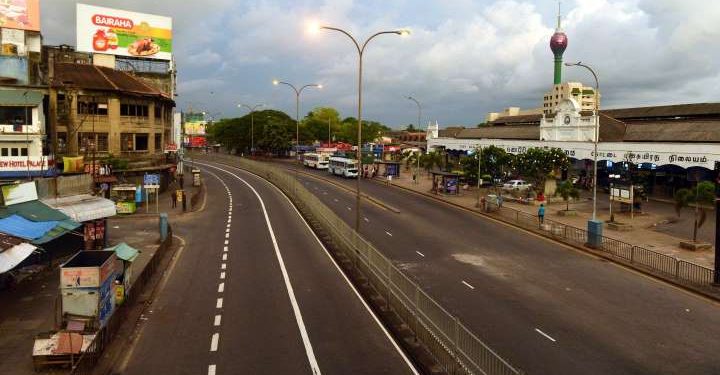
වගකිවයුතු රජයක් ලෙස මෙම බැරෑරුම් අවස්ථාවේ දී රටේ ජනතාවගේ සෞඛ්‍යාරක්ෂණය මෙන්ම එදිනෙදා පරිභෝජනයට අවශ්‍ය ආහාර ද්‍රව්‍ය හිගයකින් තොරව ලබා දීමට බැඳී සිටිනු ඇත. ඒ අනුව අතිගරු ජනාධිපතිතුමන්ගේ උපදෙස් මත ගරු අමාත්‍ය චමල් රාජපක්ෂ මැතිතුමන් කි්‍රයාත්මක වී රජයේ ආහාර ගබඩා වල මෙන්ම සතොස ආහාර ගබඩාවලත් අත්‍යාවශ්‍ය ආහාර ද්‍රව්‍ය සංචිත මාස කිහිපයකට ප්‍රමාණවත්ව ගබඩා කිරීමට අවශ්‍ය වැඩ පිළිවෙල සකසන ලදී. ඇඳිරිනීතිය පැනවුවද එය තාවකාලිකව ඉවත් කරන සෑම අවස්ථාවකදීම සතොස වෙළඳසැල් වලින් සහ අනෙකුත් සුපිරි වෙළඳසැල් වලින් හිගයකින් තොරව භාණ්ඩ ලබා ගැනීමේ අවස්ථාව ජනතාව වෙත සලස්වා ඇත.

එමෙන්ම භාණ්ඩ වර්ග කිහිපයකින් යුත් පාර්සල් රුපියල් 500 සහ 1000 ආදී පැකේජයන් ලෙස නිවාස සංකීර්ණවලට හා ජනතාව වැඩි වශයෙන් පදිංචි වීඵි වලට සිවිල් ආරක්ෂක බලකායේද සහය ඇතිව ඛෙදාහැරීමේ වැඩපිළිවෙලක් සුදානම් කරමින් පවතී.
මීට අමතරව දඹුල්ල, මීගොඩ, නාරාහේන්පිට ඇතුළු දිවයිනේ පිහිටි සියළු ආර්ථික මධ්‍යස්ථානවල සිට එළවළු ලොරි මේ වන විටත් දිවයින පුරා ඛෙදාදීම සදහා පිටත් වී ඇත. එමෙන්ම ජාතික පශ= සම්පත් මණ්ඩලය සතු වතු වල පොල් අස්වැන්න හෙට දිනයේ පටන් ජනතාව වෙත සාධාරණ මුදලකට ලබා දීමට අවශ්‍ය පියවර ගෙන ඇත.
මේ වනවිට නිරෝධායන මධ්‍යස්ථානවල සිටින ජනතාවගේ පරිභෝජනය සඳහා සහාය වන ලෙසට ගරු චමල් රාජපක්ෂ අමාත්‍යතුමන් කරන ලද ඉල්ලීමට ප්‍රතිචාර දක්වමින් පී්‍රමා ලංකා සමාගම විසින් තිරිගු පිටි මෙට්්‍රක් ටොන් 200, කුකුල් මස් ටොන් 20, සොසේජස් ටොන් 2, බිත්තර 100000 සහ යෝගට් 5000ක් ලබාදුන් අතර, ඒවා නිසි කළමනාකාරීත්වයකින් ඛෙදා හැරීම සඳහා ශී්‍ර ලංකා යුධ හමුදාව වෙත භාරදී ඇත.
ඉදිරියේදී අත්‍යාවශ්‍ය ආහාර සදහා කිසිදු අනියත බියක් ඇති කර නොගන්නා ලෙසත්, ඇදිරි නීතිය ඉවත් කරන අවස්ථාවේදී රැස්කමින් කඩ සාප්පු වල රැදි නොසිටින ලෙසත්, අත්‍යාවශ්‍යම භාණ්ඩ පමණක් මිලදී ගැනීමට නිවසකින් එක් අයෙකු පමණක් පැමිණෙන ලෙසටත්, අනෙක් සෑම විටම තම නිවසට වී නිරෝධායන කටයුතු වලට සහයෝගය ලබා දෙන ලෙසට ශී්‍ර ලංකා රජය වෙනුවෙන් ලංකාවාසි ඔබ සැමගෙන් ඉල්ලා සිටි.
චමල් රාජපක්ෂ අමාත්‍යතුමාගේ මාධ්‍ය ඒකකය.

Coronavirus: Strict new curbs on life in UK announced by PM

March 23rd, 2020

Courtesy BBC

Strict new curbs on life in the UK to tackle the spread of coronavirus have been announced by the prime minister.

From this evening people must stay at home except for shopping for basic necessities, daily exercise, any medical need and travelling to and from essential work.

Shops selling non-essential goods are being told to shut and gatherings in public of more than two people who do not live together are to be prohibited.

The UK death toll has reached 335.

If people do not follow the rules police will have the powers to enforce them, including through fines and dispersing gatherings, Boris Johnson said in a televised statement from Downing Street.

Other premises including libraries, playgrounds and outdoor gyms, and places of worship must also close immediately.

Parks will remain open for exercise but gatherings will be dispersed.

The government is also stopping all social events, including weddings, baptisms and other ceremonies – but funerals will be allowed.

Mr Johnson said the country faced a “moment of national emergency” and staying at home was necessary to protect the NHS and save lives.

He said the restrictions would be kept under constant review.

“We will look again in three weeks, and relax them if the evidence shows we are able to,” he added.

Martin Hewitt, chair of the National Police Chiefs’ Council, said they were “working with the government and other agencies to consider how these new rules can be most effectively enforced”.

But Ken Marsh, chairman of the Metropolitan Police Federation, said he was already seeing “large amounts of sickness” among officers across London and enforcing the new restrictions would be “a real, real challenge”.

“We will be dealing with it, but I’m not sure we will have the resources to be able to see it through,” he added.

Home Secretary Priti Patel said in a tweet: “I know that the coming weeks will be testing for our front-line police officers.

“I will do everything I can to ensure that they have the resources they need to keep themselves and the public safe.”

Scotland’s First Minister Nicola Sturgeon said the new restrictions “amount to a lockdown” and are “not done lightly”.

“I am not going to sugarcoat it in any way,” she said. “Coronavirus is the biggest challenge of our lifetime.”

In a tweet, First Minister of Northern Ireland Arlene Foster urged people to follow the restrictions “to save lives and protect our hospitals”.

First Minister of Wales Mark Drakeford said “these are really big changes for us all”.

“We are making them because of the speed the virus is continuing to spread,” he added.

Labour leader Jeremy Corbyn said the measures were “the right response”.

“There now needs to be clear guidance to employers and workers about which workplaces should close – and the government must close the loopholes to give security to all workers, including the self-employed, as well as renters and mortgage holders,” he added.

The prime minister said the measures were necessary to tackle “the biggest threat this country has faced for decades”.

“Without a huge national effort to halt the growth of this virus, there will come a moment when no health service in the world could possibly cope; because there won’t be enough ventilators, enough intensive care beds, enough doctors and nurses,” he said.

“And as we have seen elsewhere, in other countries that also have fantastic health care systems, that is the moment of real danger.

“To put it simply, if too many people become seriously unwell at one time, the NHS will be unable to handle it – meaning more people are likely to die, not just from coronavirus but from other illnesses as well.”

Three more COVID-19 positive patients raise total to 97 cases

March 23rd, 2020

Courtesy Adaderana

The number of COVID-19 cases in Sri Lanka edges close to 100 as 3 more patients have been tested positive with the virus.

This raises the total number of COVID-19 positive cases to 97.

Minister of Health Pavithra Wanniarachchi speaking at 360 program on TV Derana, stated that 10 patients have confirmed of having contracted the virus, today (23) alone.

All patients who were tested positive for the coronavirus are currently receiving treatment at the Infectious Diseases Hospital (IDH) in Angoda.

Meanwhile, the first Sri Lankan to have contracted the virus was discharged from IDH after a complete recovery.

First COVID-19 patient in Sri Lanka discharged after complete recovery

March 23rd, 2020

Courtesy Adaderana

The first Sri Lankan who tested positive for COVID-19 has completely recovered from the illness, sources told Ada Derana.

Accordingly, he has been discharged from the Infectious Diseases Hospital (IDH), where he had been receiving treatment, this morning (23).

Reportedly, he was kept under observation at the hospital for two more days after his recovery.

The, now completely recovered patient, is a 52-year old tour guide from Mattegoda.

He had worked closely with a group of Italian tourists who had arrived in the country.

Once he was identified as a COVID-19 positive patient, he was admitted for treatment at the IDH in Angoda on March 10.

A dastardly attempt to use legal arguments to block government finances and sabotage the anti-Coronavirus campaign

March 23rd, 2020

MEDIA RELEASE Mahinda Rajapaksa Prime Minister

On the day that a countrywide curfew was declared to prevent the spread of Coronavirus – Friday the 20th March 2020 – UNP Leader Ranil Wickremasinghe issued a media release stating that the previous government led by him had not passed a Budget for 2020 but that they had passed only a Vote on Account which would last till the 30th April 2020. He contends that therefore, after the 30th of April 2020, the present government would not have the legal right to allocate funds for any purpose whatsoever. Former opposition leader Sajith Premadasa has also been repeatedly making the same assertion via the social media.

Under Article 150(3) of the Constitution, the President is vested with the power to allocate funds from the Consolidated Fund to maintain government services after Parliament has been dissolved. Hence the public should not entertain any fears about the availability of funds for the anti-Coronavirus campaign and to maitain other government services. Last month on the 20th February, when we tried to move Parliament to allocate funds to pay the arrears owed by the yahapalana government to the suppliers of essentials such as medicines and fertilizer and to ensure the smooth supply of these goods, the opposition led by Sajith Premadasa which had a majority in Parliament blocked it so as to make it impossible for the new government to ensure the smooth running of the day to day affairs of the country.

We were able to allocate the funds necessary to maintain essential services only due to the powers over government finance that the President assumes under Article 150(3) of the Constitution after the dissolution of Parliament. In a situation where there wasn’t a single Coronavirus infected patient in the country, the President dissolved Parliament on the 2nd March 2020 under Article 70(1) of the Constitution. Ten days later, when Sri Lanka’s first Coronavirus patient was discovered, the opposition led by Sajith Premadasa demanded the postponement of the election. Article 70(5) of our Constitution requires that the Gazette notification dissolving Parliament should also state the date on which the poll would be held and the date on which the newly elected Parliament would meet for the first time. Once such a proclamation has been issued, the President does not have any power to postpone the poll.  Under Section 24(3) of the Parliamentary Elections Act No: 1 of 1981, the Elections Commission is vested with the power to postpone the poll due to unforeseen circumstances or an emergency. The Elections Commission has postponed the poll accordingly.

The postponement of the date of the poll does not in any way change the financial powers vested in the President under Article 150(3) of the Constitution after the dissolution of Parliament. It can be seen that the two factions in the UNP are vying with one another to make political capital out of the Coronavirus epidemic. The entire country witnessed the manner in which former Opposition Leader Sajith Premadasa tried to sabotage the anti-Coronavirus campaign by giving encouragement to the Sri Lankan expatriate workers who made a commotion at the airport refusing to be quarantined. Because they failed to cut off funding for the new government using their majority Parliament, an attempt is now being made to achive that result by concocting legal arguments about the financial powers vested in the President at a time when Parliament has been dissolved.

We unreservedly condemn this attempt to sabotage the work of the government and the anti-Coronavirus campaign in the midst of the most serious epidemic that this country has ever faced. Despite such conspiracies against the nation launched by opportunistic elements, medical professionals, nurses and other hospital staff, members of the armed forces and all those engaged in the provision of essential services have been working day and night to bring the Coronavirus epidemic under control. I take this opportunity to express my appreciation and heartfelt thanks to them all.

Mahinda Rajapaksa

Prime Minister

නීති තර්ක වලින් ආණ්ඩුවේ මුදල් හිරකොට කොරෝනා මර්ධන ව්‍යාපෘතිය අඩාල කිරීමේ දුෂ්ඨ උත්සාහය හෙලා දකිමු.

March 23rd, 2020

මාධ්‍ය නිවේදනය මහින්ද රාජපක්‍ෂ අග්‍රාමාත්‍ය

කොරෝනා වෛරසය ලංකාවේ තවදුරටත් පැතිරීම වැලැක්වීමට මුලු රට පුරාම ඇඳිරිනීතිය පැනවූ දිනයේම, එනම් 2020 මාර්තු 20 වන සිකුරාදා එ.ජා.ප නායක රනිල් වික්‍රමසිංහ මහතා විශේෂ නිවේදනයක් නිකුත් කරමින් පවසා සිටියේ, තමන් නායකත්වය දුන් පසුගිය ආන්ඩුව 2020 වසර වෙනුවෙන් අයවැයක් සම්මත නොකොට 2020 අප්‍රේල් 30 වනදා දක්වා පමණක් බලපවත්වන අතුරු සම්මත ගිණුමක් සම්මත කොට තිබීම හේතුවෙන් අප්‍රේල් 30 වනදායින් පසු, මොනම දෙයකටවත් මුදල් වියදම් කිරීමට ආණ්ඩුවට නෛයිතික බලයක් නැතිවෙන බවයි.  සජිත් ප්‍රේමදාස හිටපු විපක්‍ෂ නායකවරයාත්, මුහුණුපොත හරහා මේ තර්කයම ඉදිරිපත් කරමින් සිටි.

පාර්ලිමේන්තුව විසිරුවා හැර තිබෙන අවස්ථාවක රජයේ සේවාවන් පවත්වාගෙන යෑම සඳහා අවශ්‍ය කරන මුදල් ඒකාබද්ධ අරමුදලෙන් නිකුත් කිරීමට ශ්‍රී ලංකාවේ ආණ්ඩුක්‍රම ව්‍යවස්ථාවේ 150(3) වගන්තිය යටතේ ජනාධිපතිවරයාට බලය පැවරේ. මේ නිසා කොරෝනා වෛරසය මර්දන ව්‍යාපෘතිය හා රජයේ සෙසු සේවාවන් පවත්වාගෙන යෑම සඳහා මුදල් ප්‍රතිපාදන තිබේද නැත්ද යන්න ගැන මහජනතාව කිසිඳු බියක් ඇතිකරගත යුතු නැත. පසුගිය පෙබරවාරි 20 වෙනිදා, යහපාලන ආණ්ඩුවේම බෙහෙත් හා පොහොර වැනි අත්‍යාවශ්‍ය භාණ්ඩ සැපයුම්කරුවන්ට හිඟ මුදල් ගෙවා සැපයුම අඛණ්ඩව පවත්වාගෙන යෑම සඳහා අපි යෝජනාවක් ඉදිරිපත් කළද, පාර්ලිමේන්තුවේ බහුතරය හිමිව සිටි සජිත් ප්‍රේමදාස විපක්‍ෂ නායකවරයා ඇතුලු පාර්ශවය අලුත් ආණ්ඩුව අපහසුතාවයට පත් කොට දේශපාලන වාසි ලබා ගැනීම සඳහා එයට විරුද්ධ විය.     

රටේ අත්‍යාවශ්‍ය සේවාවන් පවත්වාගෙන යෑමට අපිට මුදල් සොයා ගැනීමට හැකිවූයේ පාර්ලිමේන්තුව විසිරුවා හැරීමෙන් පසු, ආණ්ඩුක්‍රම ව්‍යවස්ථාවේ 150(3) වගන්තියෙන් ජනාධිපතිවරයාට ලැබෙන මුදල් බලතල නිසාය. මේ රටේ එකම කොරෝනා ආසාධිතයෙක්වත් නැති අවස්ථාවක 2020 මාර්තු 02 වනදා, ජනාධිපතිවරයා ආණ්ඩුක්‍රම ව්‍යවස්ථාවේ 70(1) වගන්තිය අනුව  පාර්ලිමේන්තුව විසුරුවා හැරියේය. ඊට දින දහයකට පසු ලංකාවේ පළමු කොරෝනා රෝගියා සොයා ගැනීමත් සමඟම සජිත් ප්‍රේමදාස ප්‍රමුඛ විපක්‍ෂය කලේ පාර්ලිමේන්තු මැතිවරණය කල් දැමිය යුතු යැයි හඩ නැගීමය. අපේ ආණ්ඩුක්‍රම ව්‍යවස්ථාවේ 70(5) (අ) වගන්තියට අනුව පාර්ලිමේන්තුව විසිරුවා හරින ගැසට් පත්‍රයේම පාර්ලිමේන්තු මැතිවරණය පවත්වන දිනයත් අලුත් පාර්ලිමේන්තුව මුල් වරට රැස් වන දිනයත් නියම කළ යුතු වේ. එම ප්‍රකාශය නිකුත් කළ පසුව, මොනම තත්වයක් යටතේවත් ඡන්දය පවත්වන දවස කල් දැමීමට ජනාධිපතිවරයාට බලය නැත. 1981 අංක 1 දරණ පාර්ලිමේන්තු මැතිවරණ පනතේ 24(3) වගන්තියට අනුව යම්කිසි අනපේක්‍ෂිත හෝ හදිසි තත්වයක් නිසා ඡන්දය පවත්වන දිනය කල් දැමීමේ බලය ලැබෙන්නේ මැතිවරණ කොමිසමටය. ඒ අනුව මැතිවරණ කොමිසම ඡන්දය පවත්වන දිනය කල්දමා ඇත.

මේ ආකාරයට මැතිවරණය පවත්වන දිනය කල් දමා තිබීමෙන්, ව්‍යවස්ථාවේ 150(3)  වගන්තිය යටතේ පාර්ලිමේන්තුව විසිරුවා හැර තිබෙන කාලය තුළ ජනාධිපතිවරයාට හිමි මුදල් බලතල කිසිවක් වෙනස්වන්නේ නැත. කොරෝනා වෛරස් උවඳුරෙන් දේශපාලන වාසි ලබා ගැනීමට එ.ජා.පයේ පාර්ශව දෙක තරඟයක නියැලී සිටින බව අපට පෙනේ. පසුගියදා පිටරට සිට ශ්‍රී ලංකාවට පැමිණ, නිරෝධායනයට යෑමට නොහැකි යැයි කියා ගුවන්තොටුපලේදී කලබල කළ පිරිස් දිරිගන්වමින් සජිත් ප්‍රේමදාස විපක්‍ෂ නායකවරයා ආණ්ඩුවේ නිරෝධායන වැඩ පිළිවෙලට අකුල් හෙලූ ආකාරය මුලු රටම දුටුවේය. අලුත් ආණ්ඩුවේ මුදල් සැපයුම කපා හැරීමට යහපාලන පාර්ශවය පසුගිය මාසයේ පාර්ලිමේන්තුව තුළ ගත් උත්සාහය වැරදුනු පසු, දැන් ජනාධිපතිවරයාට ආණ්ඩුක්‍රම ව්‍යවස්ථාවෙන්ම ලබා දී ඇති මුදල් බලතල ගැන නීති තර්ක ඉදිරිපත් කොට, දරුණු වසන්ගතයක් මධ්‍යයේ රට අකර්මණ්‍ය කිරීමට ගන්නා මේ උත්සාහය අපි හෙළා දකිමු.

අවස්ථාවාදී පාර්ශව රටට එරෙහිව දියත් කරන මෙවන් කුමන්ත්‍රණ හමුවේ වුවත්, ජනතාව කොරෝනා වෛරස් උවදුරෙන් ගලවා ගැනීමට තම ජීවිතත් පරදුවට තබා දිවා රෑ නොබලා වෙහෙසෙන වෛද්‍යවරුන්, හෙදියන් ඇතුළු සියලුම සෞඛ්‍ය කාර්‍යමණ්ඩල වලටත්, ත්‍රිවිධ හමුදාවේ සියලු සාමාජිකයන්ටත්, අත්‍යාවශ්‍ය සේවා සපයන සෙසු පිරිසටත් මම මේ අවස්ථාවේදී මාගේ ප්‍රණාමය පුද කර සිටිමි. 

මහින්ද රාජපක්‍ෂ

අග්‍රාමාත්‍ය

Why Tamils Do Not Contribute Proportionately as Others to the COVID-19 Battle?

March 22nd, 2020

Dilrook Kannangara

Muslims and Sinhalas have contributed heartily to the battle against COVID-19. Big and small hoteliers have given up their hotels to be used as quarantine centres, etc. Other Sinhala and Muslim businessmen have contributed millions each financially. Yet others have distributed masks in tens of thousands free of charge. It was reported that a smalltime Muslim tailor works around the clock to stitch masks and distribute them at no cost. Mostly Sinhala nurses have taken to make masks in their precious spare time to distribute to patients and caregivers. Buddhist monks stitch masks for the village and mostly Sinhala police officers have donated their well-earned lunch packets to the needy. The almost entirely Sinhala military is doing yeoman service to the nation. This is not their usual duty but they have put their lives on the line to save the nation and people once again.

There is a clear dearth of Tamil participation in comparison. Where are all the Tamil businessmen? Obviously, there are far more Tamil businessmen than Muslim businessmen. Have they gone into hiding?

It is the same and far worse when it comes to Tamil politicians who are hyper-active demanding rights but not to be found when it comes to responsibilities.   

Unfortunately, this is not the first time such dearth of Tamil participation was seen at a time of a national crisis.

Apart from Tamil Christians, other Tamils did not meaningfully help armed forces fight Tamil terrorism. In fact, they did everything possible to disrupt the good work of armed forces. An enormous amount of blood was needed to treat wounded soldiers and civilians. Tamil participation in blood donation was (and still is) extremely low.

2004 tsunami crisis also saw very little Tamil participation. If at all any participated that was to help affected Tamil people. Instead they exploited the situation to make devolution demands. A similar situation was seen following the 4/21 crisis. Despite threat to their lives Sinhala and Muslim blood donors participated but Tamils didn’t contribute their proportionate share.

No one can demand rights without shouldering equal responsibilities. And no one can claim ownership of the island or part of the island if they don’t defend it. The island gains nothing from them.

(A word of advice to those who find this factual revelation offensive – stop shooting the messenger, face ugly tribal facts within your own community and do your proportionate share. Prove me wrong. Hopefully this will change the bahaviour.)

SOME OBSERVATIONS ON EARLY BUDDHISM IN SRI LANKA Part 1

March 22nd, 2020

KAMALIKA PIERIS

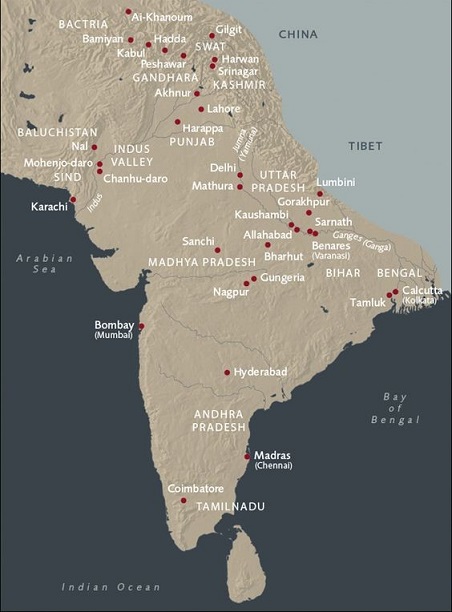
Gautama Buddha lived and preached in the Uttar Pradesh and Bihar regions of north India in the 6th century BC.  The 6th century BC is of great significance in North India. The 6th   century is considered the beginning of the Early Historic Period of India. This period also corresponds to the classical period of ancient Greece.

Significant social changes took place in north India during the Early Historic Period. This period saw the establishment of urban civilization with a literate culture.    There was writing. During this time, a religious and economic reform movement started in the Ganges region. It was an ‘age of amazing religious creativity,’ which saw the rise of as many as 62 religious sects, said, scholars.

Prominent among them was the reclusive, itinerant Sramanas, highly critical of Brahmanism. Different Sramana groups held different views, with no consensus. The region was a beehive of religious activity. The religious sects were actively competing with each other.

From this religious ferment came two new religions, Jainism and Buddhism. Siddhartha Gautama’s entry into the fray was well calculated, said Ven. Bellanwila Wimalaratana.     It is now accepted, that Siddhartha left the palace openly, with the knowledge of his parents. He did not creep away secretly in the night, as romantically depicted.  It is stated in Ariyapariyesana sutta,   that he left home with his parents shedding tears.

The Ganges region had a full-fledged iron age by the sixth century BC. This led to a tremendous expansion in agriculture, which led to the growth of trade and commerce, which, in turn, led to a money economy. The earliest coins discovered in India are dated to the time of Gautama Buddha and beyond. These coins were issued by the merchants and bore punch-marks. The use of coins in this period seems to have become fairly common and even the price of a dead mouse is stated in terms of money.

Trade led to the emergence of towns and cities.  Remains of these urban centers have been found in archaeological excavations. The Vedic literature of the period says nothing about cities. The Buddhist texts, on the other hand, are full of references to and descriptions of cities and towns.  These towns and cities are labeled ‘nagaras’ and ‘puras’, distinct from villages, ‘gramas.’

As many as sixty cities figure in the Pali canonical texts. Six of these  cities stood out, Champa (near Bhagalpur, Bihar), Rajagriha (Rajgir, Bihar), Varanasi (Benares,), Kausambi (Kosam near Allahabad,), Sravasti (Sahet-Mahet, UttarPradesh), and Kusinagara (Kasia in eastern Uttar Pradesh). All these cities were located in the middle Ganges valley.

Some urban centers, such as Ujjayini and Taxila, functioned as political and market centers. Others, notably Varanasi and Sravasti were cultural centers as well as political and commercial centers. Buddhism and Jainism were more popular in these urban centres than in rural areas.

During this period, for the first time in Indian history, there arose political states. They were known as mahajanapada and janapada. The word janapada means a populated territory. Both Buddhist and Jain texts mention sixteen such states.

Many of them were much bigger than Greece and some of them were in existence up to the Maurya Empire. But apart from the Sakyas and Lichchavis, very little is known about the political history of these states

Not all states were kingdoms. Some were governed by councils of nobles . Modern scholars have labeled these as republics”. These were the only republics of the time, outside the Mediterranean.

The merchants, officials and those based in towns found the existing Vedic religion unsatisfactory. They did not like the fact that the Brahmin caste dominated religion.  They also did not like the rigid caste system embedded in the Vedic religion, and the compulsory rituals and sacrifices.

They wanted a religion that would abolish the supremacy of the Brahmin priestly class and do away with ‘Hindu’ caste. They began looking for a new religion, which would suit their needs. There were plenty of sects to choose from. They settled on Buddhism, which spoke against caste and Vedic rituals. Buddha dispatched 60 disciples to propagate Buddhism. They were asked to go in different directions.

Buddhism took off to a fine start, targeting kings, nobles and top traders. The first converts were the three Jatila brothers, Uruvelakassapa, Gayakassapa, and Nadikassapa who ruled Uruvela (Bodhgaya).  Gautama Buddha thereafter concentrated on converting royalty to his beliefs (Bimbisara, Pasenadi) and after that, the rich traders (Anatapindika). The advantages were obvious. Where kings led, subjects followed.  The traders provided money for further expansion of the religion. They also helped to spread it, traveling up and down the trade routes.

Kings, nobles and rich merchants accepted the Buddha when he was alive, and gave him food and other necessities. The Buddha and his disciples often accepted invitations to the houses of the rich men for the midday meal. However, they also accepted food and other requisites given by those who were not rich.

Gautama Buddha discoursed on many lay matters, including the creation of cities. He commented on various aspects of public life and concerns of government. He spoke of the righteous king.  Pali commentaries discussed both the republican government and monarchy.

The traders and merchants wanted a     religion that would specifically support trade. Buddhism obliged. Trade was not held in high esteem in the Vedic tradition. In sharp contrast to the Vedic attitude to trade and merchants, Gautama Buddha said trade (vanijja) was an excellent profession.

The Buddhist texts refer to a   wide range of merchants, from rich setti to caravan traders travelling to distant places. The traders and merchants also wanted religious approval for foreign trade and sea voyages.  The Vedic religion did not approve such voyages for Hindus. Buddhism approved sea-voyages.

Buddhism and trade thus went hand in hand from the very beginning. Trade was the main conduit for the transmission of Buddhism from India . Not only people and goods but ideas and religion also went along the Indian trade routes, said, scholars. The Archaeological Survey of India said that Buddhism was disseminated from India to other countries mainly through trade routes. The expansion of Buddhism can more or less be mapped on the Uttarapath, the Dakshinapath, the Silk Route and the maritime trading lanes. 

The notion that Buddhism first arrived in Sri Lanka in 3rd Century BC, during the rule of Emperor Dharmasoka in India, can no longer be accepted. That date gives the impression that Sri Lanka was so backward that it had to wait for 300 years after the birth of the Buddha,   to receive Buddhism. It was left to   King Dharmasoka to send Buddhism into Sri Lanka.  Until then, it appears, Sri Lanka, despite its close proximity to India, had not heard of Buddhism.  This ridiculous idea was probably developed during British rule when the Sinhala intelligentsia was persuaded that everything in Sri Lanka came to it from India.  Sri Lanka could only imitate, it was not capable of acquiring anything on its own.

The reality is different. Anuradhapura was capable of accepting Buddhism during the lifetime of the Buddha. There was an advanced civilization in Anuradhapura by 900 BC. High-quality pottery, iron tools, and copper artifacts emerged during excavation. Findings indicate that there was the cultivation of rice and the breeding of cattle and horses. The writing was found at the Citadel excavation in Anuradhapura at the level dated to 900BC.    Anuradhapura was therefore   in a position to accept Buddhism as it emerged in north India.

Buddhism would have come into the island in the lifetime of Gautama Buddha itself. There is evidence to suggest this and many scholars have independently put forward this view. Gunapala Malalasekera in his Pali Literature of Ceylon, (1928) said there exists evidence to indicate that Buddhism was known before the arrival of Mahinda. Buddhism would have come in during Buddha’s time. Sri Lanka was a very cultured community during the time of the Buddha, he said.

E.W. Adikaram in his Early History of Buddhism (1946) also said that Buddhism existed in Ceylon before the arrival of Mahinda. Large numbers of persons were arriving from India long before Mahinda, it is difficult to believe that there were no Buddhists among them, he said.   Almost every religious sect from India, such as Jains and Ajivakas were found in Pre Mahindian Ceylon.  Ajivakas were not as numerous in India as Buddhists, so Buddhists probably came too, said Adikaram.

Adikaram said there may have been Buddhists among the early settlers such as Yaksha and Naga, as well. Baddhacachhana who arrived in Ceylon with her retinue was the youngest daughter of Pandu, a cousin of Gautama Buddha. They may have been followers of the Buddha, he added. 

Mahiyangana stupa existed before the arrival of Mahinda. it was set up during the Buddha’s first visit. This could mean that long before Mahinda there were at least a few Buddhist monks in Ceylon and this chetiya was built by them, said Adikaram. There may have been some Buddhist missionaries from India before Mahinda. See how rapidly the conversion took place with Mahinda. After the very first discourse, 40,000  converted, observed Adikaram  and several were ready to take up robes.

Adikaram took the view that Arahat Mahinda came to set up the monastic order, not to introduce Buddhism. Mahinda came to formalize the monastic order and establish the Sasana in the island.  Buddhism became a state religion after that, he said.  Mahinda’s mission to Sri Lanka consisted of five fully ordained monks, a novice, and one male layperson, said Ven.  Wimalaratana.

Historians now agree that the meeting between Mahinda and King Devanampiyatissa was pre-arranged. That is obvious and historians should have realized this long ago. Dharmasoka had sent coronation robes to Devanam piyatissa. This shows that diplomatic relations had been established earlier between the two countries.

The Sinhalese had no difficulty in understanding Arahat Mahinda’s preaching. The Magadhi language, which Mahinda spoke, would have been similar to Sinhala. The Asokan inscriptions are similar to Sinhala inscriptions of 3rd century BC, said Adikaram. 

Ven. Walpola Rahula in his History of Buddhism (1956) took the view that Sri Lanka would have known about Buddhism during the time of the Buddha himself since there was regular contact between India and Sri Lanka during that period. S Paranavitana, in his Inscriptions of Ceylon (1970) also thought that Buddhism may have come into Ceylon before Asoka.

When this writer, (Kamalika Pieris), was researching on the ancient period,   she found that the research literature clearly showed extensive contact between the Ganges region of northeast India and Sri Lanka, in the critical   6 century BC period. Early Historic Period deposits of northern black polished ware and rouletted ware were found at Abhayagiri and Jetavana and at monastic sites in the hinterland of Anuradhapura. This indicated links to northern India.

Further, people were migrating freely from Bengal to Sri Lanka during this period.  According to Pliny, it took just twenty days to sail from Sri Lanka to Magadha. C.W. Nicholas (1958) stated that up to 3rd century BC Sri Lankans had shown expert skill and a great tradition of seafaring. Many voyages were made to and from the deltas of the Indus and the Ganges, he said.

There was a direct trade route between Anuradhapura and Tamralipti at the time.  Tamralipti, (today Tamluk, in Kidnaper, West Bengal) was the main port from northeast India to Sri Lanka during this period. North India had two major trans-regional trade routes at this time.  Uttarapath for the north and north-west and Dakshinapath for the center and south. Dakshinapath crossed the Indo-Gangetic plain and ended at the port of Tamralipti in the Bay of Bengal.

Tamralipti was the main port of the kingdom of Magadha.  Tamralipti was connected to the other Buddhist republics adjoining Magadha, as well, since the   Uttarapata, the great Northern road, included towns such as Pataliputra, Kausambi, and Taxila. Therefore Tamralipti was well placed to act as the port of embarkation for Buddhist teachings.

There was so much movement between northeast India and Sri Lanka in the time of the Buddha that it became clear to me that Buddhism would have come into Sri Lanka as soon as it appeared in India.  Buddhism simply HAD to come into Sri Lanka soon after it took root in north India. This could not be avoided. Sri Lanka would probably have had links with the various Buddhist kingdoms in the Ganges area as well.

 In the  1990s, when I was researching this, I did not have any archaeological evidence to support my conclusion. The first material evidence supporting this surfaced in 1984 when the Anuradhapura Citadel excavations   yielded Ganges Valley pottery with dates that ‘matched that of Gautama Buddha.’ Anuradhapura excavations unearthed a pot dated to 600-500 BC carrying Brahmi writing signifying ownership. This has pushed the lower boundary of writing by at least two centuries, to the times of the Buddha, said Siran Deraniyagala.

Speaking on these findings at a talk given to the British Scholars Association in 2007,   Siran Deraniyagala stated that Buddhism may have come into Sri Lanka then. In July 2015 at a talk, held at the Organization of Professional Associations auditorium, Siran Deraniyagala again said that he thought Buddhism had come in during the time of the Buddha, long before Mahinda. That would have been Dhamma in real-time, received while the Buddha was alive and preaching in India. [1] (Continued)

6th Centuary BC
5th centuary BC

[1] Siran Deraniyagala.  Origins of civilization in Sri Lanka”. Talk was given to British Scholars Assoc on 6.11.07.

Corona Virus on Astrological Prospective | Ashish Mehta

March 22nd, 2020

Ashish Mehta

A lot of people ask about the coronavirus these days. Out of curiosity or out of fear Everyone’s question remains, now what next. Let’s talk today about the coronavirus on the astrological perspective.

Any virus is born from the conjunctions of Rahu or Ketu or from the position. And due to the combination of Guru and Ketu, it intensifies. At this time, the coronavirus is attacked all over the world. And that too has been intensified due to the combination of Guru and Ketu.

Two things are mentioned in the scripture about Guru. Guru represents life and The one who intensifies it is the Guru. What makes a local thing to global is a guru.

So the coronavirus, which was a local thing in China, became global due to the Guru and Ketu’s conjunction. Fortunately, on 30th March, the guru is leaving Ketu’s alliance and entering Capricorn. That Means After March 30, we will all be free from the effects of the Coronavirus.

But it will start from 24th March. You will be surprised to know that Chaitra Shukla Prati Prada is said to be the day of origin of the world. Thighs are going to start change after 24th march. And its result will come before us after March 30.

After that the summer season will start from April 19, as soon as the summer season starts, the sun will come in Aries, its medicine will be available and the panic will end.

From March 24th, its panic will end in the whole world, we will start getting treatment from March 30. Just get focus. Don’t get panic, & Do take care of your self.

ශ‍්‍රී ලංකාවේ කොරෝනා මර්දනයට අපි එනවා..- චීන ජනපති ලංකාවට දන්වයි..

March 22nd, 2020

උපුටා ගැන්ම ලංකා ඊ නිව්ස්

ශ්‍රී ලංකාව සහ එහි ජනතාව මේ වනවිට මුහුණ දෙමින් සිටින කොරෝනා වෛරස ව්‍යාප්තිය පාලනය කිරීම සඳහා අවශ්‍ය සහාය ලබාදීමට චීන මහජන සමූහාණ්ඩුවේ වෛද්‍ය විශේෂඥයන් පිරිසක් වීම සඳහා ඕනෑම මොහොතක සූදානම් යයි චීන ජනාධිපතිවරයා විසින් ශ්‍රී ලංකා රජයට දන්වා තිබේ.

කොළඹ සිටින චීන තානාපතිවරයා හරහා මෙම විශේෂ දැනුම් දීම කර ඇත.

ශ්‍රී ලංකාව ඉල්ලා සිටින ඕනෑම මොහොතකට කොරෝනා මර්දනය සම්බන්ධයෙන් අත්දැකීම් සහිත වෛද්‍යවරුන් ඇතුළු විශේෂ පිරිසක් එවීමට සූදානමින් සිටින බවද සදහන් කර ඇත.

ශ‍්‍රී ලංකාව කොරෝනා මර්දනය සදහා මේ වන විට සිදු කරමින් ඇති වැඩපිලිවෙල අගය කර ඇති චීනය තව දුරටත මහාජන සහාය ලබා දුනහොත් ඉතා ඉක්මනින් කොරෝනා වසංචගතය ශ‍්‍රී ලංකාවෙන් පහව යනු ඇතැයිද පවසා තිබේ.

ලොව දැවැන්තම කොරෝනා ඇන ගැනීම සජිත්ගෙන්… (Video)

March 22nd, 2020

උපුටා ගැන්ම ලංකා ඊ නිව්ස්

කොරෝනා රෝගීන්ට හයිඩ්‍රෝක්සික්ලොරෝකුවීන් නොව ප්ලැකනිල් නම් ඖෂධය ලබා දිය යුතු බව පවසමින් සජිත් ප්‍රේමදාස මහතා ඔහුගේ මුහුණු පොතේ වීඩියෝවක් පළ කර ඇත.

මේ සම්බන්ධයෙන් සජිත් ප්‍රේමදාස මහතා වෙත විද්‍යුත් තැපැල් ලිපියක් යොමු කරන ඖෂධවිද්‍යා මහාචාර්ය වෛද්‍ය චන්න ජයසුමන මහතා පෙන්වා දෙන්නේ ප්ලැකනිල් යනු හයිඩ්‍රෝක්සික්ලොරෝකුවීන්ම බවයි. හයිඩ්‍රෝක්සික්ලොරෝකුවීන් යනු අදාල ඖෂධ නාමයයි. ප්ලැකනිල් යනු එම ඖෂධය නිෂ්පාදනය කරන සමාගමක් ලබා දී ඇති වෙළද නාමයයි.

ජනතාව නොමග නොයවා සාවද්‍ය කරුණු වහාම නිවරද කරන මෙන් මහාචාර්යවරයා සජිත් ප්‍රේමදාස මහතාගෙන් ඉල්ලා සිටී. එම සම්පුර්ණ ලිපිය පහත දැක්වේ.

විද්‍යුත් තැපෑල ඔස්සේ ය.

ගරු සජිත් ප්‍රේමදාස මැතිතුමනි,

ඔබතුමන්ගේ මුහුණු පොතේ මීට පැය කිහිපයකට පෙර ඔබතුමන්ගේම හඬින් මුදා හැර ඇති වීඩියෝවක් නිසා කොරෝනා රෝගයට ලබා දෙන ඖෂධ පිලිබඳ බරපතල වැරදි පණිවිඩයක් සමාජගතවන හෙයින් එය වහාම නිවැරදි කරන ලෙස ඖෂධ විද්‍යාව පිලිබඳ මහාචාර්යවරයකු ලෙස ඔබතුමන්ගෙන් කාරුණිකව ඉල්ලා සිටිමි.

01. හයිඩ්‍රෝක්සික්ලොරෝකුවීන් ඖෂධය කිසිසේත් මහජනතාවට හිතුමතේ භාවිතයට අනුබල නොදිය යුතුය. රෝග ලක්ෂණ ඇති අයකු වෛද්‍ය උපදෙස්වලින් තොරව මෙම ඖෂධය භාවිතා කළහොත් රෝගය නිසි පරිදි හඳුනා ගත නොහැකිව බරපතල ප්‍රශනයක් පැන නැගී. තවද මෙම ඖෂධයේ අතුරු ආබාධ රැසකි.

02. ප්ලැකනිල් (Plaquenil) යනු හයිඩ්‍රෝක්සික්ලොරෝකුවීන්වලට වඩා උසස් ගණයේ ඖෂධයක් බවත් එය ලබා දිය යුතු බවත් ඔබතුමා යෝජනා කරයි. හයිඩ්‍රෝක්සික්ලොරෝකුවීන් යනු අදාල ඖෂධ නාමයයි. ප්ලැකනිල් යනු එම ඖෂධය නිෂ්පාදනය කරන සමාගමක් ලබා දී ඇති වෙළද නාමයයි. පැරසිටමෝල් ඖෂධය සඳහා පැනඩෝල් වෙළද නාමය ලබා දී ඇති අයුරිනි. එහෙයින් මෙය මුළුමුනින් සාවද්‍ය ප්‍රකාශයකි.

03. හයිඩ්‍රෝක්සික්ලොරෝකුවීන් හෝ ප්ලැකනිල්වලින් අතුරු ආබාධයක්/ අගතියක් සිදු වූවහොත් ඇසිත්‍රෝමයිසින් (azithromycin) ලබා දිය හැකි බව ඔබතුමා පවසයි. එයද මුළුමුනින් සාවද්‍ය ප්‍රකාශයකි. ඇසිත්‍රෝමයිසින් යනු ප්‍රතිජීවක ඖෂධයකි. හයිඩ්‍රෝක්සික්ලොරෝකුවීන් හෝ ප්ලැකනිල්වලින් නියුමෝනියා තත්වයක් ඇති නොවන අතර ඇසිත්‍රෝමයිසින් මෙකී රෝගීන්ට ලබා දීමට බලාපොරොත්තු වන්නේ හයිඩ්‍රෝක්සික්ලොරෝකුවීන්වල අතුරු ආබාධයකින් වැලකීමට නොවේ.

දීර්ඝ කලක් පාර්ලිමේන්තුව නියෝජනය කළ මන්ත්‍රීවරයකු , ප්‍රබල කැබිනට් අමාත්‍යවරයකු, විපක්ෂනායකවරයකු මෙන්ම ජනාධිපති අපේක්ෂයකු ලෙසද කටයතු කළ ඔබතුමන්ගේ මෙම ප්‍රකාශය නිසා ජනතාව නොමග යා හැකි හෙයින් එය අප්‍රමාදීයව නිවරද කරන මෙන් නැවතත් ඉල්ලා සිටිමි.

මහාචාර්ය වෛද්‍ය චන්න ජයසුමන
MBBS,PhD, FRCP Edin
ඖෂධවිද්‍යාව පිලිබඳ මහාචාර්ය

https://www.facebook.com/cnewseditor/videos/212295073407474/

ලන්ඩනයේ සිට ආ ලොක්කෙක් නිරෝධායනයට පයින් ගසා යන්න යයි..

March 22nd, 2020

උපුටා ගැන්ම ලංකා ඊ නිව්ස්

එංගලන්තයේ ලන්ඩන් නගරයේ සිට පැමිණි ශ්‍රී ලංකන් ගුවන් සමාගමේ ඉහළ නිලධාරියෙක් නිරෝධානය ප්‍රතික්ෂේප කර තම කාර්යාලයට පැමිණ ඇති බව වාර්තා වේ.

ඔහු කාර්යාලයට සෙසු නිලධාරීන් කැඳවා සාකච්ඡා වල නිරත වීම නිසා එම නිලධාරීන් භීතියට පත්ව ඇත.

ලන්ඩනයේ සංචාරයට ගොස් පැමිණි මෙම ප්‍රධානියා එදිනම කාර්යාලයට පැමිණ රාජකාරි පටන් ගෙන ඇත්තේ නිරෝධායන කටයුත්ත තරයේ ප්‍රතික්ෂේප කරමිනි.

Coronavirus | South Asian coordination on pandemic crisis intensifies

March 22nd, 2020

Courtesy The Hindu

Bangladesh pledges $1.5 million to SAARC COVID-19 Emergency Fund

Members of the South Asian Association for Regional Cooperation intensified anti-COVID-19 steps to secure people from the pandemic. Sri Lanka evacuated a large number of Buddhist pilgrims from India in the early hours of Sunday before India stopped all flights as Kathmandu boosted health inspection on the Indo-Nepal border.

All Sri Lankan Buddhist pilgrims, who were stranded in India, have now returned to Sri Lanka,” a press release from the High Commission of Sri Lanka informed and said 1,500 Buddhist pilgrims from Sri Lanka were stuck in India but were evacuated over the last few days successfully.

Earlier India had streamlined the movement of goods and people across the border with Nepal in view of the threat of the virus. Kathmandu has boosted health screening on the border and in some places local administrations have placed restrictions. As of now cross-border movement continues,” said an official.

Bangladesh on Sunday became the latest country to support the SAARC COVID-19 Emergency Fund after Prime Minister Sheikh Hasina pledged $1.5 million to the initiative proposed by Prime Minister Narendra Modi. Earlier Nepal, Bhutan, Afghanistan and the Maldives came forward to support the emergency fund to fight the pandemic.

Official spokesperson of the Ministry of External Affairs Raveesh Kumar said on Thursday the crisis fund would be used to fight the emergency needs of the member countries as the cases of COVID-19 increase. On the emergency fund, it is already up and running. We have already received many requests from other SAARC countries for assistance in the form of masks, shoe covers, gloves, disinfectants and other items,” said Mr. Kumar during the official weekly briefing.

In Sri Lanka Departure flights to be operated as usual

March 22nd, 2020

Courtesy The Daily News

All departure flights leaving from Sri Lanka would continue to be operated as usual, officials at the Airport and Aviation Services Limited said. The President Media Division also said the departure terminal will continue to be operational. Also flights are allowed into the country to take the departing passengers. All passenger transit operations have been stopped for the moment. All import and export operations are to continue without interruption.

Another confirmed COVID-19 patient brings total to 81 cases

March 22nd, 2020

Courtesy Adaderana

The number of COVID-19 positive cases has gone up to 81 as another patient has been diagnosed with the virus today (22), stated the Department of Government Information.

Previously, Minister of Health Pavithra Wanniarachchi stated that 3 patients were found positive with the deadly coronavirus.

However, another person has been confirmed to have contracted the virus.

The Epidemiology Unit at the Ministry of Health stated 245 persons suspected of having contracted the coronavirus are currently under medical supervision in 18 hospitals island-wide.

Currently, a total of 3,506 people are subjected to the quarantine process at 45 quarantine centers, stated the National Operation Center for Prevention of COVID-19 Outbreak.

Among them, 31 foreign nationals are undergoing the quarantine process.

Reportedly, 11,848 persons have been referred to be self-quarantined.

Meanwhile, 30 hospitals across the country have been set up to treat people infected or suspected of having being infected by the coronavirus.

Public urged to strictly adhere to guidelines to win the battle against COVID-19

March 22nd, 2020

Courtesy Adaderana

The Government has requested the entire nation to strictly adhere to the guidelines issued with the objective of preventing further spread of COVID-19 virus and safeguarding the well-being of the people.

Prevention is the main instrument in combating this global health threat. Maintaining a social distance of at least of 1m when people are at public places such as markets, offices, bus and railway stations has been recognized as the best way to prevent the transmission of the pathogen. Also, health advises given by the experts should be followed.

During the last few days, the Government took several concrete precautionary measures to curb the spread of the virus.  The imposition of island-wide curfew from 6.00 pm last Friday (20) to 6.00 am Monday (23) is one of the major decisions. The ongoing curfew has been extended till 6.00 am on Tuesday (24) in the districts of Colombo, Gampaha, Puttalam, Mannar, Vavuniya, Mullaitivu, Kilinochchi and Jaffna.  The curfew will be lifted in remaining districts at 6.00 am today (23) and will be re-imposed at 2.00 pm on the same day.

A large gathering of people is expected at shops and supermarkets to purchase their daily needs tomorrow where the curfew will be relaxed. Although the purchase of food and other items is essential, the Government requests the public to follow health tips issued by the relevant authorities. A distance of 1m between each other should always be kept when entering shops and when inside them. The public is being advised to cover their mouths and noses in a proper manner when coughing or sneezing. The prescribed distance should be maintained when plying in public transport. The same procedure has to be followed at fuel stations and gas stands.

The congregation of people could be minimized if only one member from each family go to the market. This will be helpful to maintain social distance as required.

Adequate stocks of food and other essential items are available. Measures have been taken to distribute them throughout the country. Hence, the Government points out that there is no need for panic buying and piling goods. Buying only the most essentials to be used during curfew hours will be helpful to limit the time spent in crowded places. The Task Force on Prevention of Coronavirus reminds people to stay at their homes and engage in domestic activities during curfew hours.

The COVID-19 rapidly spreads across the globe irrespective of racial, political, economic, cultural and economic status differences. At present, around 180 countries have been affected. Countries which were able to early identify the prevention methods and strictly following them are successful in containing the disease. China, the epicentre of the virus is the best example. Despite being a rich country, Italy is still struggling to control the virus due to a lack of adherence to the guidelines.

Following the announcement on the virus by the World Health Organization, President Gotabaya Rajapaksa took several effective measures to mitigate the spread in the country.  The Task Force on Prevention of Coronavirus was established on January 26th and that made Sri Lanka become the first country to have such a mechanism.  

President regularly meets members of the Task Force and heads of other relevant entities and makes necessary decisions. All the passengers coming from overseas are being subjected to a mandatory quarantine. At present, there are 17 quarantine centres in the country equipped with all the required facilities. In order to prevent the entry of the virus from foreign countries, all arrival terminals at airports have been closed. Essential services are intact while these operations continue.

Taking advantage of the prevailing health situation, people with vested political interests and anti-social groups are engaged in disseminating false information through social media. Some of them have already been identified. The Government states that stern legal actions will be taken against them.

Curfew extended in Northern Province

March 22nd, 2020

Courtesy Adadera

The curfew currently imposed in the districts of Mannar, Vavuniya, Mullaitivu, Kilinochchi, and Jaffna in the Northern Province has been extended till 6.00 a.m. on Tuesday (24).

However, it will be re-imposed until further notice at 2.00 p.m. on the same day, the government announced. 

Accordingly, the residents of these districts have been prohibited to leave their respective districts.

The travel ban will continue to be in effect until all those who visited and associated with the COVID-19 infected pastor who arrived from Switzerland recently.

The government has called on the people of the five districts to cooperate with these measures as they had been taken to safeguard people in the North from the novel coronavirus.

Qureshi phones Sri Lankan FM; stresses need to revitalise SAARC to tackle common challenges

March 22nd, 2020

Courtesy APP

ISLAMABAD, Mar 22 (APP):Minister for Foreign Affairs Shah Mahmood Qureshi Sunday held a telephonic conversation with his Sri Lankan counterpart Dinesh Gunawardena and exchanged views on the situation arising from COVID-19 pandemic and ways to enhance cooperation against the threat.

Reaffirming the abiding commitment to the SAARC process, he reiterated Pakistan’s readiness to host the SAARC Health Ministers’ Conference to enhance cooperation among member countries and development partners in the health sector, with particular focus on COVID-19.

He also proposed that a video conference could be organised first in view of the prevailing global health emergency.

Foreign Minister Qureshi underscored that SAARC provided an important platform for regional cooperation. There was a need to revitalise this key organization to tackle common challenges, he added.

In the context of effective efforts to combat the pandemic, he noted that Pakistan had proposed that sanctions on Iran be lifted so that humanitarian relief could be provided at this time of crisis to save precious human lives.

Foreign Minister Qureshi further noted that Prime Minister Imran Khan had proposed that developed countries might facilitate developing countries to meet the challenge through debt restructuring so that they could use limited resources to mitigate the effects of the pandemic on their economies and provide effective relief to poor people.

The two ministers agreed to work closely to promote collaborative endeavours for regional benefit.

What happened in our history

March 21st, 2020

H. L. D. Mahindapala

The pioneering Indo-Aryan settlers, who came to be known as Sinhalese later, never stopped making history from the time they stepped ashore. The mission of making history came naturally to them. It was their innate penchant for making history that gave birth to a new civilization which rose to the heights of any other civilisation of its time. Their achievements entitled them to the foremost place in the history they created and left behind. They sowed the land with their sweat, blood and tears and the history they made in the process belongs exclusively to them. They laboured in the passage of time to enrich the land with their culture. It is a history that shines to this day with the grandeur of the distinguishing Sinhala-Buddhist culture. History belongs to those who made it and not to those who came as invaders, or predators, or destroyers, or those who live off the fat of the land fertilized by the self-sacrificing ancestors. 

Their creative energy left behind a glorious legacy for their descendants to inherit with pride and joy. Each step they took to explore and transform the land into fertile fields of agriculture and culture lifted the Sinhalese above the other migrants who arrived in time to reap the harvests of the foundational ground prepared by the pioneering forefathers. The Sinhalese not only made this new found land their home but also opened it up for others to come in and make it their home as well.

History was made by bonding with the land. The Sinhalese took to the land like duck to water. They had no alternative either because they had taken the critical decision not to go back. They had severed their umbilical cord with India – a momentous decision that made all the difference to the creation of a new civilisation. They did not have one foot in their new land and another in old India like those who came from the Dravidian culture. The essential difference between the two major and minor settlers who came from India is that the Sinhalese set out creatively and energetically to construct a unique civilisation of their own, with a brand-new identity, while the descendants of the Dravidians stagnated as mere imitators recycling mechanically the culture they brought with them from across the Palk Straits. They had nothing new to offer. They were quite content to bask in the glory of the S. Indian culture. 

The role of the Sinhalese has been entirely different. They were out to make a history of their own with a new identity. Each new step was a historical move to pave the way into the future – a future which opened up in all its glorious splendour. They made it their mission to expand the horizons to its limits, always mindful of the good of all”. (MahavamsaIV:7). What happened in Sri Lankan history in the initial stages was to create a unique identity resisting with all their might the alien invasions, colonisations, migrations and even integrations with the Dravidians. Of course, the initial challenges they faced came mainly from the Dravidians. The clash of cultures was inevitable considering the geographical proximity to S. India. Known records indicate that   geographical neighbours globally turn into historical enemies. It was no different with the Dravidian neighbour. The indelible character that distinguished Sri Lankan history has been the triumph of the Sinhala settlers over the repeated incursions of the Dravidian intruders / invaders.

The pro-Tamil school of historians, aiming to tailor facts, records and events to suit their separatist agenda, tend to downgrade the monumental achievements of the Sinhala-Buddhists and exaggerate their role to make it appear as if they were the founders and makers of Sri Lankan history from the dawn of history”. (Vaddukoddai Resolution -May 14, 1976). If this is true the history of Sri Lanka would have been written in Tamil and the whole of Sri Lanka would have been an extension of Jaffna. Separatists are desperately in need of a revised history to make them look great in the eyes of the world. The best they have achieved so far is to compare a few potsherds found here and there with that of Jethawanaramaya, the second largest monument of the ancient world next to Pyramids of Giza. The 33-year-old Vadukoddai War (from May 1976 to May 2009) is the last attempt to reverse and rewrite the history of the nation by the Northern invaders. As on the previous occasions in history they failed at the end of a futile war.

There is no doubt that the clash between these two cultures went a long say to shape the history of the nation. It is the resistance to the Dravidian culture in particular that gave the unmistakeable identity to the history made by the Sinhala-Buddhists. The overall history of the nation was defined by the struggles to save the Sinhala-Buddhist identity from being destroyed by the alien forces.  It began with Sena and Guttika, the Dravidian horse traders, and ended with Mahinda Rajapakse defeating Velupillai Prabhakaran.  Unforgiving history repeats itself relentlessly, maintaining a determined course as it winds its way to its destiny.

The collective task of contemporaries living in their inherited histories has been to renew and defend the legacies left behind by their ancestors. Revisionists will, of course, rewrite history (as seen in the anti-Sinhala-Buddhist Vadukoddai Declaration of War in 1976) to suit their immediate political agendas. But over and over again historical necessities have forced the living generations of Sinhala-Buddhists to reignite and reinforce perpetually their faith in their past that leads them to their future. They rely on their heroic past because the new-fangled alternatives have failed to deliver. They find security and hope only in the legacy left behind by their committed ancestors. Going back to the past is also a dutiful acknowledgement of the validity and the legitimacy of the inherited vision, values and the legacies left behind by the ancestors.

Imbibing and sharing the legacy handed down from the past is the instinctive response of those living in the present. After all, our ancestors, we are told, laboured to create a place mindful of the good of all” while being lawful according to tradition”. (MV – IV:54). With each step the pioneering Sinhalese settlers knew that they were defining and reinforcing their way forward to their destiny in their new land of hope. The bonding power of the history they made each day created a magnetic field to hold them together against all odds. Their collective genius gave them a sense of history that led them all the way to their tryst with destiny.

Their mission was to carve out new paths in an unknown territory with their own creative energies. They arrived on the shores with all the Indo-Aryan skills, tools and experiences to construct a new life of their own. But the primary driving force that lifted them above the others stemmed from the fact that they courageously broke away from their Indian past and set out on an innovative course to create a new civilisation, new culture, new language that had stood the test of time. Naturally, their commitment and affinity to the land grew exponentially with their successes. Their daring endeavours to find their way in unchartered territories guided by their own instincts and ingenuity made them daring architects in the making of their own history. The enlightened vision of the founding fathers is enshrined in the legacy that speaks to the living from the depths of history.

The genius of the Sinhala people is in giving the world a new history. The alternative was to merge with the rival Dravidian culture and disappear into the big belly of S. India. They either had to make this virgin territory their glorious homeland or wither away into the margins of history like the very first settlers, the aboriginals, whom they encountered on their arrival. They also knew that they had to do it themselves. There was no one else to do it for them or guide them. There was no compass to show directions. Of course, like all great civilisations that flourished in the pages of history, they borrowed from other cultures. But their achievement was in transforming and stamping the seal of their genius into the borrowings.

For instance, the Sinhala language was created out of borrowings like English, French or any other great language. But it is the native input that made it the linguistic vehicle for the dissemination of the subtle profundities of Buddhism. The quintessential Sinhaleseness in the language came out of the tongues and the minds of those creating a new culture and a new civilisation. The new civilisation needed a new language to articulate its birth, growth and inheritance. It needed new words to identify and consecrate its experiences, environment, ideologies and adventures, Sinhalese came out of that necessity to describe the new world they were creating.

The legacy they left behind reveals that they were gifted with a colossal capacity to make history on a grand scale. With their creativity they advanced incrementally into one of the great civilisations of the ancient world, defining on their way forward their identity, dignity and destiny with unquestionable certainty.

No other settlers – Tamils, Muslims, Burghers — had the commitment, the inclination, the necessity and the capacity to break away from their past and carve out a new world which they could call their own. The creative contribution of the Sinhala-Buddhists to a new civilisation has not been matched by the other settlers. Only the adventurous Sinhalese took on the overwhelming challenges of their times and transformed the land, opening up every inch of it, for all those who want to call it their home. Their pioneering mission was to make the land blossom with a new culture and civilisation and to preserve both in an open society for all settlers to share it as their homeland based on peaceful coexistence. Tolerant pluralism, embracing diversity, was the secret of their success throughout their journey in history. There were, of course, the inevitable aberrations which branched out briefly into billabongs. But the general tendency was for most divergences to return and merge with the normal flow of the mainstream culture.

The minting of a brand new civilisation, culture and language that could stand shoulder to shoulder with the achievements of other comparable histories is what makes the Sinhalese a cut above the rest. Filled with hope, determination and courage they explored the virgin land and tamed wild nature to make it an island nation with a many-splendored culture. The founding fathers left their footprints on every micro-mini grain of sand in the land they occupied as they inched their way into the unknown future. By the time the Dravidians, the Portuguese, Dutch, Muslims and the British worked their way into Sri Lanka they discovered a flourishing, advanced civilisation and culture well established to combat the challenges that faced them. As expected, it was invariably the Sinhala-Buddhists that led the way to face the challenges that confronted them from time to time, It was their leadership and sacrifices that saved the nation. It is this role that gives the foremost place in the history made by them.

The Sinhala settlers had no reason to look back, either in despair or regret, because they fulfilled their role of making a history second to none. They took to the land as if it had been a gift promised to them by the hidden forces of history to fulfil their destiny. As they dug deep roots into the soil their ties to the land became inseparable and indivisible. Propelled by the fervour of pioneering forefathers the history they made together carried them through tumultuous years. Several rivulets, originating from diverse sources, did flow into the mainstream of history. But it is the power and the glory of the mainstream that that defined the course of history as it flowed down the ages

The original decision of our founding fathers to sever the umbilical cord that tied us to India made all the difference to our history. The decision to go it alone was a courageous one. Eventually it landed as a chapter in Arnold Toynbee’s monumental work which records the triumphant responses of those who succeeded in overcoming the challenges faced by the pioneers of the past.

After abandoning our original home in India, digging new roots in a new land was not an easy task, as any migrant would know. But that is what our ancestors, our founding fathers, had to do. Their pioneering task was to make history and they did it their way in grand style. But it was not without its share of hazards. The passage to the future had to be fought every inch of the way.

The constant threat to the Sinhala settlers came from the overwhelming Dravidian culture. That has been the central drama in their history. The soil was fertilized by the blood shed to resist and rescue the identity of invading forces of the North. Sri Lanka is a nation built out of resistance to the inimical Dravidian forces. To a great extent the history of SL is the history of the power and the glory of the capacity of the Sinhala-Buddhists to defeat, overthrow and survive the massive thrusts of Dravidian incursions. The shadow of the Dravidian Big Brother loomed large over Sri Lanka throughout its history. Despite the overwhelming geographical proximity, military power, invasions, migrations, infiltrations, collaborations with other inimical forces the Sinhala-Buddhist forces triumphed in defeating and/or expelling the alien forces.

The first battle against the Sinhala people was waged by the two brothers, Sena Guttika, The last battle was fought by the two brothers Mahinda and Gota.

History has recorded who had won in the beginning and in the end. All this leads to one single conclusion: the Sinhala-Buddhist history has knocked Marxism, Leninism, Gramscicism, separatism etc., into a cocked hat. Gota’s victory on November 19 is the latest historical event that should convince the theoreticians that despite aberrations history will return again and again to rescue and resuscitate the Sinhala-Buddhist roots from its enemies within and abroad. 

And as they say, history will never cease to repeat itself. 

කොන්ඩෙ බැදපු චීන්නු

March 21st, 2020

LUXMINDRA JAYASEKARA 

PANIC SELLING

In recent days, China broke many records, and earned absolutely everything,
$ 20 billion in the first news and bought about 30% of the shares of companies that belong to the West in China.

President Xi Jinping has surpassed Europeans and intelligent American Democrats.

He played a wonderful game in front of the eyes of the entire world.

Due to the situation in Wuhan, the Chinese currency began to decline, but the Chinese Central Bank took no action to stop this collapse.

There were also many rumours that China didn’t even have enough masks to fight the Corona Virus.

These rumours and Xi Jinping’s statement that he is ready to protect Wuhan residents by blocking borders has led to a sharp decline in share prices (44%) in Chinese technology and the chemical industry.

Financial sharks began selling all Chinese stocks, but no one wanted to buy them and they were completely devalued.

Xi Jinping made a great move at this time, waiting for a whole week and smiling at the press conferences as if nothing special had happened.

ASTUTE BUYING

And when the prices fell below the allowed limit,
he ordered to buy ALL the shares of Europeans and Americans at the same time!

Then, the “financial sharks” realized that they had been cheated and bankrupt.

But it was too late, because all the shares had passed to China, which at this time not only earned
$ 2000 Billion,
but thanks to the simulation,
once again becomes the majority shareholder of companies built by Europeans and Americans.

The shares now belong to their companies and have become owners of the heavy industry on which the EU, America and the entire world depend.

From now on, China will set the price and the income of its companies will not leave the Chinese borders, but remain at home and maintain all the Chinese gold reserves.

Therefore, the American and European “financial sharks” proved stupid and in a few minutes the Chinese collected most of their shares, which now produce billions of dollars in profits!

JUST LIKE A POKER GAME WINNER TAKES ALL

දේශප්‍රේමයෙන් කොරෝනාව පැරැද වූ චීන්නු!

March 21st, 2020

ආචාර්ය වරුණ චන්ද්‍රකීර්ති

කොරෝනාවේ අවදානම දැන් අපේ රටටත් ඇවිල්ලා. ජනවාරි මාසයේ ඉඳලා චීනයේ කොරෝනාව පැතිරෙද්දි ඒක හැදිච්ච අය ඒ ගමන් ම මැරිලා වැටෙනවා කියලා කියපු අයත් අපි අතර හිටියා. ඒත් අපේ රටේ අය නම් ලෙඩේ හදාගෙන හතර වටේ රෝන්දේ ගහ ගහා අනිත් අයටත් ලෙඩේ දීලා හරි අපූරුවට කකුල් දෙකෙන් හිටගෙන ඉන්න බව අපිට පේනවා. ඉතින් චීනයේ කොරෝනාව පැතිරෙද්දි කියපු කතාවල ඇත්ත නැත්ත දැන් අපිට හොඳින් තේරුම් ගන්න පුළුවන්.

මේ ලෙඩේට අදාළ රෝග ලක්‍ෂණ විදිහට සැළකෙන්නේ උණ, කැස්ස, හුස්ම ගැනීමේ අපහසුව, ඇඟපත වේදනාව සහ උගුර රිදීම. මේකට තවත් එකක් එකතු කරගන්න ඕන කියලා මට නම් හිතෙනවා. ඒ තමයි අසීමිත බය. පහුගිය දවස්වල අපේ කට්ටිය ඉවරයක් නැතුව පතුරුවපු බොරු ගොඩත් එක්ක තමයි මේ බය ඇති වෙලා තියෙන්නේ. ඉතින් ඒ ලෙඩෙන් ගොඩ එන්න නම් අපිට තව ටික දවසක් ගත වෙයි. සාමාන්‍යයෙන් අපි යමක් ඉගෙන ගන්නේ ඒ දේට මූණ දුන්නාට පස්සෙනේ.

කොහොම වුනත් දැන් ප්‍රශ්නය ඇතිවෙලා ඉවරයි. දැන් අපිට පුළුවන් මේ ප්‍රශ්නයෙන් ගොඩ එන්න චීන්නු කළේ මොනවා ද කියන එක ඉගෙන ගන්න. මේ ලිපිය ලියන්නේ ඒ වැඩේට කරන උදව්වක් විදිහට. ඇත්තෙන්ම චීන්නු කොරෝනාව පාලනය කර ගත්තේ කොහොම ද?

මේ ලෙඩේ ඉස්සරහට එද්දි මුලින් ම ප්‍රසිද්ධ වුනේ මධ්‍යම චීනයේ තියෙන වූ-හන් නගරය. ඊට පස්සේ අපි හූ-පෙයි පළාත ගැනත් දැන ගත්තා. ඉතින් දැන් නම් අපිට පෙයි-චිං, ෂං-හයි නගර දෙකේ නම් වගේ ම වූ-හන් නගරයේ නමත් ඒ නගරය පිහිටලා තියෙන හූ-පෙයි පළාතේ නමත් හොඳට ම හුරුයි. 2020 අවුරුද්දේ උදාවත් එක්ක හෙමින් හෙමින් ඉස්සරහට ආපු කොරෝනාව වේගයෙන් පැතිරෙන්න පුළුවන් බව තහවුරු වුනේ ජනවාරි 23 වෙද්දි. ඊට පහුවදා රෑ වෙද්දි චීනයේ අලුත් අවුරුද්ද උදා වෙනවා. ඉතින් ඒ වෙද්දිත් කෝටි ගණනක් මිනිස්සු අවුරුද්දට ගෙදර යන්න මහ පාරට ඇවිල්ලා ඉවරයි.

ඇතිවෙමින් තිබුණු අනතුරේ තරම චීන ආණ්ඩුව තේරුම් ගත්තා. ඉතින් ජනවාරි 23 වැනි දා උදේ දහය වෙද්දි වූ-හන් නගරය මුළුමනින් ම වහලා දාන්න චීන ආණ්ඩුව කටයුතු කළා. තවත් දවසක් දෙකක් යද්දි හූ-පෙයි පළාතේ තවත් නගරවලින් ලෙඩේ වාර්තා වෙන්න පටන් ගත්තා. ඒ එක්කම ඒ නගරත් වහලා දාන්න චීන ආණ්ඩුව කටයුතු කළා.

ඒකීය රටක් විදිහට පාලනය වෙන චීනයේ පරිපාලනය ඉතාමත් හොඳින් පෙළ ගස්සවපු එකක්. මේ පරිපාලන යාන්ත්‍රණයේ ඉහළින් ම තියෙන්නේ මධ්‍යම ආණ්ඩුව. ඒකට යටින් පළාත්, පළාත් මට්ටමේ නගර, ස්වායත්ත සහ විශේෂ පරිපාලන ප්‍රදේශ තියෙනවා. ඒ දෙවැනි මට්ටමේ පරිපාලන ඒකකවලට යටින් කෝරළ සහ ඒවාට අයිති නගර තියෙනවා. ඒක තමයි තුන්වැනි මට්ටම. ඊටත් යටින් තමයි ගම්මාන තියෙන්නේ.

වූ-හන් වගේ ප්‍රධාන නගර වහන අතර ම ලෙඩේ ඉස්මතු වෙන කුඩා ඒකකත් වෙන වෙන ම වහලා දාන්නත් නියෝග ලැබුණා. කිසියම් මහල් නිවාසයකින් ලෙඩෙක් හොයා ගත්තොත් ඒ මහල් නිවාසය මුළුමනින් ම වහලා දැම්මා. යම් ගමකින් ලෙඩෙක් මුණ ගැහුණොත් ඒ ගම්මානය මුළුමනින් ම වහලා දැම්මා. ඒ විදිහට වහපු තැන්වල අයට කිසිම ආකාරයකින් පිටට යන්න බෑ. ඒ අය තමන්ගේ ගෙවල්වලට ම වෙලා ඉන්න ඕන. ඒ අයට ඕන කරන දේවල් මං-ගත (ඔන්ලයින්) ආකාරයට මිල දී ගන්න පහසුකම් සළස්වලා තිබුණා. ඒ විදිහට මිල දී ගන්න දේවල් ඒ අයගේ ගෙදර දොර ගාවට ගෙනැල්ලා දෙන එක කළේ ඒ වහපු තැන් පාලනයට පත් කරපු අය. ඉතින් මේ මොකක් වැහුවත් මිනිස්සු බඩගින්නේ මැරුණේ නෑ.

චීනයේ ප්‍රචලිත වෙලා තියෙන වී-චැට් සහ අලි-පේ වගේ ගෙවීම් ක්‍රම හින්දා මංගත ක්‍රමයට බඩු ගන්න එක හරිම පහසුයි. ඉතින් නගර, ගම්මාන, මහල් නිවාස වැහුවා කියලා බඩු ගන්න එක නැවතුණේ නෑ. මේ වැඩේ හින්දා මිනිස්සුන්ට නිකම් කන්න දෙන්න ඕන වුනෙත් නෑ. ජංගම දුරකථන, පරිගණක හරහා ගනුදෙනු කරන්නෙත් චීන භාෂාවෙන්නේ. ඉතින් මංගත විදිහට බඩු ගන්න එක ආච්චි අම්මලාට පවා කරන්න පුළුවන් වැඩක්. තොරතුරු තාක්‍ෂණය සහ ඉංග්‍රීසි කියන්නේ දෙකක් කියලා චීන මිනිස්සු දන්නවා.

වූහන් වගේ වහපු නගර ඇතුළේ මගී ප්‍රවාහන කටයුතුත් සම්පූර්ණයෙන් ම නැවැත්තුවා. ජනවාරි 25 වැනි දා අවුරුද්ද උදාවුණු හින්දා රට පුරාම මගී ප්‍රවාහනය පාලනය කරන එක හරිම අමාරු වැඩක්. ඒත් පුළුවන් තරමින් පවතින වාතාවරණය සළකලා මගී ප්‍රවාහන කටයුතු සීමා කරන්න චීන ආණ්ඩුව කටයුතු කළා. ඒ යටතේ බස් සේවා, දුම්රිය සේවා, අභ්‍යන්තර ගුවන් සේවා, අභ්‍යන්තර නාවික සේවා සීමා කෙරුනා.

යම් අනතුරක්, ආපදාවක් වෙච්ච වෙලාවට අදාළ ප්‍රදේශවලට අවශ්‍ය පිරිස් කණ්ඩායම් විදිහට පිටත් කරලා යවන එක චීන ආණ්ඩුව කොහොමත් කරන වැඩක්. මහ ගංවතුරක් ඇති වෙච්ච වෙලාවට, භූමි කම්පාවක් සිද්ද වෙච්ච වෙලාවට මේ වැඩේ කරනවා. මේ වගේ වසංගතයක් ඇති වුනාමත් මේ වැඩේ ඒ විදිහට ම කරන්න වෙනවා. ඉතින් මේ වතාවෙත් ඒ වැඩේ ඉතාමත් පිළිවෙළට සිද්ද වුනා. හැම පළාතකින් ආධාරක වෛද්‍ය කණ්ඩායම් වූහන් නගරයට සහ අදාළ අනෙකුත් ප්‍රදේශවලට පිටත් වෙලා ගියා. ඇත්තෙන්ම මේ විදිහට යවන්නේ වෛද්‍ය කණ්ඩායම් විතරක් නම් නෙවෙයි. ඉංජිනේරුවෝ, විදුලිය සහ ජලය සේවා සැපැයීම්වලට අදාළ කාර්මිකයෝ, අනෙකුත් කම්කරුවෝ, කසල සෝධකයෝ පවා කණ්ඩායම් විදිහට ඒ අවදානම් ප්‍රදේශවලට පිටත් වෙලා යනවා. මේ සඳහා අවශ්‍ය නිවේදන ලැබුණාම කවුරුවත් ඒක මග හරින්නේ නෑ. මේක හරියට යුද්ධයකට හමුදාව පිටත් කරනවා වගේ වැඩක්. මේ වගේ වැඩකට සම්බන්ධ වෙනවා කියන්නේ තමන්ගේ පවුලට ආඩම්බර වෙන්න පුළුවන් දෙයක් කියලා පිළිගැනීමක් චීන සමාජයේ තියෙනවා. ඉතින් මෙහෙම වැඩකට ගිහිල්ලා ජීවිතය නැති වුනත් ඒක කම්පාවට කාරණයක් විදිහට සැළකෙන්නේ නෑ.

මේ වගේ වෙලාවට චීන ආණ්ඩුව කරන ඊ ළඟ මූලික ම වැඩේ තමයි අදාළ අවදානම් ප්‍රදේශවල අවශ්‍ය හැම දෙයක් ම යොමු කරවන වැඩේ. හැම පළාතකින් ම මේක කරන්න ඕන. මේ වැඩෙත් එක්ක වූහන් නගරයට සහ හූ-පෙයි පළාතට විශාල වශයෙන් මුඛ ආවරණ, විටමින් සී වගේ දේවල් අවශ්‍ය වුනා. ඉතින් හැම පළාතකින් මේ තොග ඒ ප්‍රදේශවලට පිටත් කළා. මේ ආපදාව ඇති වුනාට පස්සේ වූහන් නගරයට විටමින් සී ටොන් පනහකට වඩා ලැබුණු බවක් කියනවා. අවදානම් ප්‍රදේශවලට ඕනවාටත් වඩා මුඛ ආවරණ ලැබුණා. ඉතින් දැන් ඒ ප්‍රදේශවල මුඛ ආවරණ අතිරික්කතයකුත් තියෙනවා.

මේ භාණ්ඩ ප්‍රවාහනයට සහ තවත් බොහෝ පහසුකම් සපයන වැඩවලට හමුදාව දායක වෙනවා. අපේ රටේ වුනත් එහෙමනේ. හමුදාව සම්බන්ධ කරගත්තාම මේ වැඩවල කාර්යක්‍ෂම බව ගැන ලොකු සහතිකයක් තියෙනවා. හමුදා භටයෝ කොහොමත් තමන්ගේ ජීවිත අවදානම ගැන හිතන්නේ නෑනේ. ඒ කොහොම වුනත් සාමාන්‍ය වැඩට සම්බන්ධ වෙන්නේ අදාළ අංශවල පුහුණුව තියෙන සිවිල් ජනතාව. හමුදාවෙන් ඒ අයට ලැබෙන්නේ උදව්වක් විතරයි.

චීනයේ හැම බටහිර රෝහලක ම චීන වෛද්‍ය අංශයක් අනිවාර්යයෙන් ම තියෙන්න ඕන. ඒක නීතියෙන් ම නියම කෙරිච්ච දෙයක්. ඉතින් කොරෝනාව හින්දා ඉස්පිරිතාලවලට ඇතුළු කරපු ලෙඩ්ඩුන්ට බටහිර වෛද්‍ය පහසුකම් සහ සේවා වගේ ම චීන වෙදකමේ ප්‍රතිකාරත් අඩුවක් නැතුව ලැබුණා. කොහොම වුනත් කටු ගැහීම, සම්භාහනය කිරීම වගේ ක්‍රම මේ වැඩේට යොදා ගත්තේ නෑ. කට ඇරලා දිව බලන එකත් සිද්ද කළේ නෑ. නාඩි බලද්දි වුනත් අත උඩින් රෙදි කෑල්ලක් තියලා තමයි ඒ වැඩේ කළේ.

ඒ එක්කම විවිධාකාර චීන වෙද වට්ටෝරුත් මිනිස්සු අතර ප්‍රසිද්ධ වෙන්න පටන් ගත්තා. ඇමෙරිකානු ජනපද සංගමයේ සියැටල්වල ඉන්න චීන වෛද්‍යතුමියක් නියම කරපු වට්ටෝරුවක් පෙයි-චිං නගරයේ පවා ප්‍රසිද්ධ වෙලා තියෙනවා. ඒක බොන බෙහෙතක් නෙවෙයි. බෙහෙත් වර්ග සෑහෙන ප්‍රමාණයක් එකතු කරලා හදන පුංචි පොට්ටනියක් තමන් ළඟ තියාගන්න එක තමයි ඒ වැඩේ. ඉතින් සමහරු ඒ පොට්ටනිය හදාගෙන තමන්ගේ සාක්කුවේ තියාගෙන ඉන්නවා. මේ විදිහේ සාම්ප්‍රදායික ක්‍රම සෑහෙන ප්‍රමාණයක් කොරෝනා ලෙඩෙත් එක්ක මිනිස්සු අතරට ආවා. මේ ක්‍රමවලට ගරහන සිරිතක් චීනයේ නෑ. චීනයේ ඉන්න බටහිර වෛද්‍යවරු පවා මේ ක්‍රම අගය කරනවා. ඉතින් මේකත් චීනයේ කොරෝනාව පාලනය කර ගන්න උදව් වෙච්ච කාරණයක් බවට සැකයක් නෑ.

ලෙඩේ පැතිරෙන එක වළක්වන්න ඕන කරන වැඩ මහ විශාල ප්‍රමාණයකුත් විවිධ මට්ටම්වලින් ක්‍රියාත්මක වුනා. ලෙඩේ පටන් ගත්ත කාලේ ම වූහන් නගරය තියෙන හූ-පෙයි පළාතේ ඉඳලා අනෙක් ප්‍රදේශවලට ආපු අය ඉන්න ගෙවල් හඳුනාගෙන ලකුණු කරන වැඩේ තමයි මුලින් ම කළේ. ඒ අයගේ ගෙවල්වල දොරේ රතු පාට දැන්වීමක් ඇලෙව්වා. ඒ ගෙවල්වල අයට අනිත් අයත් එක්ක ගනුදෙනු කරන එක තහනම් කළා. ඉතින් ඒ ගෙවල්වල අය ඒ තැන්වල ම නිරෝධායනය වෙන්න පටන් ගත්තා. පහුගිය දවස්වල ඉතාලියේ ඉඳලා අපේ රටට ආපු අයව හඳුනා ගන්න වැඩේ එක්ක මේක සන්සන්දනය කරන්න පුළුවන්.

හැම මහල් නිවාසයක ම සහ ගම්මානයක ම ඉන්න අයට ඇතුළුවීමේ පිටවීමේ බලපත්‍ර ලබා දුන්නා. ඒ ජනාවාසවලට ඇතුළුවෙන අය පරීක්‍ෂා කරන්න නිලධාරින් දෙන්නා බැගින් පත් කරලා තිබුණා. මේ අය ඇත්තෙන්ම ස්ථීර රස්සා කරන මිනිස්සු නෙවෙයි. මේකත් හරියට කොටි ප්‍රශ්නය තියෙන කාලේ අපේ රටේ පිහිටුවපු සිවිල් ආරක්‍ෂක කමිටු වගේ තමයි. ඒ සිවිල් ආරක්‍ෂකයෝ තමයි හැම ජනාවාසයක් ම මුර කරන්නේ. ඒ අයට මේ රාජකාරි පවරලා තිබුණේ වගකීම් විදිහට. ඉතින් මේවා පැහැර හරින්න කවුරුවත් උත්සාහ කරන්නේ නෑ.

මංගත විදිහට මිල දී ගන්න බඩු ඉස්සර වගේ ගෙයක් ගානේ බෙදුවේ නෑ. ඒ බඩු තියන්න තැනක් සිවිල් ආරක්‍ෂකයෝ රැඳිලා ඉන්න තැන්වල ම හදලා තිබුණා. බඩු බෙදන අය ඇවිල්ලා දුරකථන ඇමතුමක් දුන්නාම ගෙදර කෙනෙක් එතෙන්ට එනවා. බඩු බෙදන්නා දුර ඉඳලාම ඒ කෙනාගේ අනන්‍යතාව තහවුරු කරගෙන භාණ්ඩය අදාළ තැනින් තියලා යන්න යනවා. අදාළ කෙනා තමන්ගේ භාණ්ඩ ඇරගෙන ‍යනවා. ඉතින් එළවළුවක් ගන්නවත් වෙළෙඳපොළට යන්න ඕන නෑ.

ලෙඩේ එච්චර තදින් පැතිරිච්ච නැති තැන්වල වෙළෙඳසල් විවෘත කරලා තිබුණා. ඒත් මිල දී ගැනීම් සිද්දවුනේ මංගත විදිහටමයි. මංගත විදිහට ඇණවුම් කරපු බඩු ගෙනියන්න වෙලාවක් දෙනවා. බඩු ගන්න කෙනාට පුළුවන් ඒ වෙලාවට වෙළෙඳසලේ ඉස්සරහ දොර ළඟට ගිහිල්ලා තමන්ගේ බඩු ඇරගෙන එන්න. ලැබිච්ච ඇණවුමේ හැටියට බඩු මල්ල සූදානම් කරලා තියෙනවා. මිනිස්සුන්ට වෙළෙඳසලට ඇතුළු වෙන්න ඉඩක් ලැබෙන්නේ නෑ.

බැංකුවලට පවා මිනිස්සු ඇතුළත් කර ගත්තේ දහ දෙනාගේ උපරිමයකට යටත් කරලා. ඒ කියන්නේ උදේ බැංකුව ඇරියාම දහ දෙනෙක්ට ඇතුළු වෙන්න පුළුවන්. ඒ අය එළියට එන විදිහට තමයි අනිත් අය බැංකුවට ඇතුළත් කරන්නේ. ඇතුළේ ඉන්න ප්‍රමාණය මොන වෙලාවකවත් දහය ඉක්මවන්න බෑ.

හැම තැනකට ම ඇතුළු වෙද්දි උණ බැලුවා. තමන් පදිංචි මහල් නිවාසයට, ගම්මානයට ඇතුළු වෙද්දිත් ඒක සිද්ද වුනා. අත් දෙක හෝද ගන්නත් සිද්දවුනා. පිටස්තරයෙක් නම් තමන්ගේ නම, දුරකථන අංකය සහ ලිපිනය ලියන්න ඕන.

හැම පොදු ස්ථානයක් ම නිතර ම විෂබීජහරණයට ලක් කළා. මේ වඩේ මහා මාර්ග, කාර්යාල, පොදු මගී ප්‍රවාහන සේවාවලට අමතරව මහල් නිවාස ඇතුළේ තියෙන පොදු තැන් පවා සිද්ද වුනා. මහල් නිවාසවල ඇතුළුවන විදුලි සෝපාන පැයෙන් පැයට පිරිසුද කළා. ඒවාට අදාළ වාර්තා සටහන් පත්‍රිකා ඒ තැන්වල එල්ලලා තිබුණා. පිරිසිදු කරන්නෝ තමන්ට පවරපු වැඩේ කරලා ඒ බව සටහන් කරන්න ඕන. අධීක්‍ෂකයෝ ඒවා පරීක්‍ෂා කළා.

මේ විදුලි සෝපානවල කඩදාසි රෝල් රඳවලා තිබුණා. සෝපානය පාවිච්චි කරන අය ඒකෙන් කඩදාසියක් කඩලා ඇරගෙන ඒක තියලා තමයි අදාළ මහල් අංකය ඔබන්න ඕන. ඒ කඩදාසිය දාන්න කුණු කූඩයකුත් විදුලි සෝපානය ඇතුළේ ම තියලා තිබුණා.

ලෙඩේ තදින් පැතිරිච්ච නැති තැන්වල ආපන ශාලා විවෘත කරලා තිබුණත් ඒවාට එක එක විදිහේ සීමා පැනෙව්වා. එක මේසයක වාඩි කරවන්න පුළුවන් වුනේ උපරිම වශයෙන් තුන් දෙනෙක් විතරයි. මේස වෙන් වෙන විදිහට රෙදිවලින් හරි වෙනත් පුවරුවලින් හරි ඒවා වෙන් කරලාත් තිබුණා. කොහොම වුනත් මේ වාතාවරණය ඇතුළේ ඒ තැන්වලින් කෑම කන එක අඩු වෙන බව අමුතුවෙන් කියන්න ඕන නෑ.

වසංගත රෝග වැළඳිලා පරලොව යන මිනිස්සුන්ගේ මළ සිරුරු නෑදැයන්ට භාර දෙන සිරිතක් ලෝකයේ මොන රටකවත් නෑ. මේ කාරණය ගැන චීන මිනිස්සුන්ට හොඳ අවබෝධයක් තියෙනවා. ඉතින් අදාළ සිරුරු පුරුදු විදිහට ගෙවල්වල කෙරෙන අවමංගල චාරිත්‍රවලට භාර දෙන්නේ නැතුව ආදාහනය කරන වැඩේට කවුරුවත් විරුද්ධ වුනේ නෑ.

මුඛ ආවරණ පළඳින්නේ නැතුව ගෙදරින් එළියට ඒම මුළුමනින්ම තහනම් කරලා තිබුණා. මොන රටක වුනත් නීතිවලට අවනත නැති, නාහෙට අහන්නේ නැති මිනිස්සු ඉන්නවා. ඒක චීනයටත් අදාළ දෙයක්. බොරු පතුරුවන්නොත් මේකට ඇතුළත්. මෙහෙම අයට නම් චීනයේ ලැබෙන්නේ හිර දඬුවම්.

කොහොම වුනත් ඒ තරම් බරපතල වැරැදි කරන්නේ නැති අයගෙන් හිර ගෙවල් පුරවන සිරිතක් චීනයේ නෑ. සුළු වැරැදිවලට යොමු වෙන අය ඒකෙන් වළක්වන්නේ ඒ අයගේ නම් අසාදු ලේඛනයකට ඇතුළත් කරලා. අසාදු ලේඛනයකට නම ඇතුළත් වුනොත් චීනයේ ජීවත් වෙන එක ලේසි නෑ. එහෙම අයට බැංකුවක් එක්ක ගනුදෙනු කරන්න බෑ. ඉස්කෝලෙකට, විශ්වවිද්‍යාලයකට ළමයෙක් දාගන්න ගියත් ප්‍රශ්න. ඒ විතරක් නෙවෙයි. දුම්රිය ටිකට් පතක්, ගුවන් ටිකට් පතක්වත් මිල දී ගන්න බෑ. ඉතින් ඒ වගේ දඬුවමකට ලක්වෙනවා කියන්නේ සමාජ තහංචියක් පැනෙව්වා වගේ තමයි. මේ ක්‍රමය හරහා නාහෙට අහන්නේ නැති මිනිස්සු මේච්චල් කරගන්න චීනයට පුළුවන් වෙලා තියෙනවා.

හදිසි අවශ්‍යතා සඳහා ගොඩනැගිලි පවරා ගැනීමේ බලය ඕනෑම ආණ්ඩුවකට තියෙනවා. කොටි ප්‍රශ්නය තියෙද්දි අපේ හමුදාවත් සෑහෙන බිම් ප්‍රමාණයක් සහ ගොඩනැගිලි ප්‍රමාණයක් පවරාගෙන හිටියා. මේ කොරෝනා සටනේ දී චීන ආණ්ඩුවත් අවශ්‍යතාවේ විදිහට මේ වැඩේ කළා. ලෙඩේ තදින් පැතිරිච්ච තැන්වල වෛද්‍ය පරීක්‍ෂණ මධ්‍යස්ථාන පවත්වා ගෙන යන්න හෝටල් ගොඩනැගිලි පවා පවරා ගත්තා. පිටස්තර පළාත්වලින් ගිය වෛද්‍ය කණ්ඩායම් මේ වගේ තැන්වල රැඳිලා සැක සහිත අයව පරීක්‍ෂා කළා. ඒ පරික්‍ෂාවෙන් ලෙඩේ තියෙනවා කියලා හඳුනා ගත්තොත් ඒ අයව අදාළ රෝහල්වලට යොමු කළා.

කොරෝනා අනතුර මහා පරිමාණයෙන් පැතිරිච්ච වූහන් නගරයේ හුඕ-ෂන්-ෂන් (අග්නිදේව කන්ද) කියලා කාමර දාහක රෝහලක් දවස් දහයක් ඇතුළතත් ලෙයි-ෂන්-ෂන් (අකුණුදේව කන්ද) කියලා කාමර එක්දාස් හයසීයක් තියෙන රෝහලක් දවස් දොළහක් ඇතුළතත් හදපු බව අපිට අහන්න ලැබුණා. මේ ඉදිකිරීමේ මුල ඉඳලා ම ඉතාමත් හොඳින් සැලසුම් කරලා සංවිධානාත්මක විදිහට කරන්න අදාළ වගකීම් පැවරිච්ච පිරිස්වලට පුළුවන් වුනා. මේ වැඩබිම්වල සවිකරපු ශබ්ද විකාශන යන්ත්‍රවලින් දේශාභිමාන ගී ප්‍රචාරය කෙරුනා. ඉතින් තමන් වැඩ කරන්නේ රට වෙනුවෙන් කියන හැඟීම හැමෝගේම හිත්වල පිරිලා තිබුණා.

මේ හැම වැඩකට ම ඕන කරන මුදල් ලැබුණේ ආණ්ඩුවෙන් විතරක් නෙවෙයි. අලිබාබා වගේ මහ සමාගම් වගේ ම පුංචි මිනිස්සුත් තමන්ට පුළුවන් තරමින් මුදල් සහ ද්‍රව්‍ය ආධාර අවශ්‍ය තැන්වලට ලබා දුන්නා. තාඕ ආගමික සම්මේලනයත් චීන බෞද්ධ සම්මේලනයත් මේ වැඩවලට විශාල වශයෙන් දායක වුනා. විදේශගත චීන ජාතිකයන්ගෙන් ලැබිච්ච දායකත්වයත් අති විශාලයි.

මේ හැම දෙයක් ම මෙහෙයවපු පොදු කාරණයක් තියෙනවා. ඒ තමයි චීන මිනිස්සු තළ තියෙන දේශප්‍රේමය. මාඕවාදයේ ඉස්සරහින් ම තියෙන්නේ දේශප්‍රේමය මිසක් කොමියුනිස්ට් අදහස් නෙවෙයි. බොරුවට අටවා ගෙන තිබුණු කොමියුනිස්ට් ජාත්‍යන්තරය බිඳ වැටුණෙත් චීනයේ සමාජවාදීන් තමන්ගේ රටට මුල් තැනක් දීලා කටයුතු කරපු හින්දා. අපේ සමාජවාදීන්ට තියෙන ජාතිකත්ව අජීර්ණය චීනයේ සමාජවාදීන්ට නෑ. ඉතින් මුළු ලෝකයට ම ආදර්ශයක් සපයමින් කොරෝනාව පරද්දන්න චීන මිනිස්සුන්ට පුළුවන් වුනා.

ආචාර්ය වරුණ චන්ද්‍රකීර්ති

පිරිත් සජ්ජායනයේ බලයට පශ්චාත් භාගයේ අමාරුව සැදුණු අසුර බලවේග හඳුනා ගනිමු !

March 21st, 2020

සුර්ය වංශ රත්න විභූෂණ පාලිත ආරියරත්න සෙන්කඩගල සිංහ ද්වාරයේ සිට

මේ දිනවල පිරිත් සජ්ජායනය කිරීම විහිළුවක් හා හිතළුවක් කරගත් දේව වාදී අදහසකින් පෙළෙන ඔබ ලෝකයේ ඕනෑම ලෙඩක් හොඳ කිරීමට සමත් යැයි කියන දෙවියන් හොඳින් දන්නා බව අප හොඳින් දනී.

අද මේ කොරෝනා  වසංගතය හමුවේ  තිබෙන මහත් ව්‍යාසනය දැක නිශ්ශබ්ද සැඟවී සිටින නමුත් බුදුදහමේ සඳහන් අනිත්‍ය දුක්ඛ අනාත්ම යන සංකල්පය මනාව වටහා ගත් සියලුම ආගමිකයන් මෙන්ම සියළුම රටවල බුද්ධිමතුන් රහසේ ලොවේ අස්ථිර බව වටහාගෙන ඇතැයි ද සිතමි.

මුහුණු පොතේ මේ දිනවල ආගමික හා අනාගමික කාරයන් විසින් සිදුකරණ  බුදුදහමට හා පිරිත් සජ්ජායනය එරෙහි බලවේග  සඳහා කෙටියෙන් පිළිතුරක් ලියා තබන අරමුණුනේන් මෙම කෙටී ලිපය ඉදිරිපත් කරමි.

පිරිත් සජ්ජායනය  සියලු ජීවීන්ට සුහදතාවය හා ආශිර්වාදය ලබා දෙන්නක් බව බැලු බැල්මටම පෙනේ. පිරිත් සජ්ජායනය කිරීමෙන් ආරක්ෂාව සහ සුවය ගෙන එනු ලබන අතර පිරිතේ ගැබ්බ්ව ඇති  වචන හා ශබ්ද හා  ඒවායේ  විවිධ ආශීර්වාදාත්මක බලයන් හා පිරිතේන් සජ්ජායනය කරණ ,දේශනා හා  කරන වචනවල ඇති සත්‍යතාව හා එම සත්‍යකක් ක්‍රියාව සිදුකරන්නා අති උතුම් පැවිදි භික්කුෂුවකද වුවහොත් එයින් සුවයක්, මානසික බලයක්, ආශීර්වාදයක් එම  පිරිත් ශ්‍රවනය කරන්නාට සහතිකවම  ලැබේ .පිරිතේ ඇති ධුවනි ගුණය  විශාල ලෙස පරීක්ෂණයට භාජනයට නොයෙකුත් විවධ ආගමික  විසින් කර ඇති අතර පිරිතට විරුද්ධ ඔබහට හට කුඩා හෝ මොලයක් ඇත්නම් මෙම තොරතුරු අන්තර් ජාලය හෝ පත් පොත මඟින් සොයා ගත හැක.

අද වෙනවිට අඩුම ගානේ ලෝකය දින ගණනකින් මැවූ ඒ මහා එකාධිපති දෙවියන් (ඔබ සිතන හා විශ්වාශ කරන ආකාරයට ) පවා කොරෝනා හමුවේ සැඟවී සිටින ස්වභාවයක් දිස්වේ. අද  මිනිසාගේ ආරක්ෂාවට මිනිසාම ඉදිරපත් වී තිබේ. සියලුම යාච්ඤා කරන මධ්‍යස්ථානය වසා ඔවුන් ඔවුන්ගේ පවුල් රකිමින් සිටි. කොරියාවේ දැනට ලොව වැඩිම පාස්ටර්වරු ප්‍රමාණයක් (ලෝකය තුල) ඉඳින නමුත් අද වනවිට ඔවුන් එකෙකු මිනිසාගේ ආරක්ෂාවට ඉදිරිපත් වී නැතිබව මේ ලඟදි කතෘ වන මා දැනගත්තේ මේ මෑතකදී මිෂනාරි ආගමට හැරුණු එක් පුද්ගලයෙකුගෙන්ය. අපි ඒ ගැන හිස් මුදුණින් කනගාටු වෙමු ! අප්‍රිකානු දේශයේද වසර කිහිපයකට පෙර ඒඩ්ස් රෝගය පැතිරෙනවිට ගල් පැලෙන බොරු කියා කියා සිටි මුන්ගෙන් බාගෙට බාගයක් ලංකාවට පැමිණ අපේ අසරණ මිනිසුන් ඒ ආගමට බිලි බා ගත්තේය. මේ ලඟදි නැගෙන හිර ප්‍රදේශයේ ද විශාල ආගමික තර්ජනයක් නිර්මාණය කල ඒ මිෂනාරියගේ ”චක්” ගෝලයන්ගේ  බෞද්ධ වපසරිය රකින අපහට කිවේ ” ඔය හාමුදුරුවන්ට වඩා මාගේ ලෙඩ සුවකළ සැබවින් දුටු දෙවියන් හොඳ බවත් දෙවියන් දුටු දිනේ පටන්ම ඔහුට කිසිම ලෙඩක් නොසැදුනු බවත්. කතෘ වන මම කවදා හෝ එය දැනගනීවි කියාය. ඔහුගේ නම කෙටියෙන් ‘අජිත් පෙරේරා යැයි කිව හැක’ යුටියුබ් කොමෙන්ට්  ආශ්‍රයෙන් අන්‍යාගමිකරණ උපක්‍රම ගන්නා අතර කෙටි ඇදුම් විලාසිතා අඳින මෙලෝ ලෙඩක් හැදෙන්නේ නැහැ කියා කියා සපත කරණ කාන්තාවන් දෙදෙනෙක්ද මොහුට උදවු කරයි. ‘එක් දිනක් ඇය මාහට කියා සිටියේ (කොමෙන්ට් තීරුවේ ) ” ඉස්සර මමත් හිතාගෙන හිටියේ මේ සහෝදරයවගේ (සහෝදරය කිවේ කතෘ වන මා හටය ) තාම නමුත් පස්සේ දෙවියන් දුටු විට අද වෙනකම් ලෙඩ හැදුණේ නැති බවය. අහෝ කරුමයකි මා සිතාගතේ අපේ තවත් එකියක් ” රතු ලණුව ගිල ඇති බවය ”. ඇයට මම පෞද්ගලිකව අනුකම්පා කරමි. ඒ ඇයි කිවහොත් අද වනවිට ඉහතකී පිරිමි ආත්මයද පසු කි ගැහැණු ආත්මයද තමන් හා දෙවියන්ටද අවසානයක් ඇති බව කොරෝනා වසංගතය හමුවේ වටහාගෙන ඇති බව සත්‍යක් වන බැවිනි.

ඔවුන් තුන්දෙනාගෙන්  මම අසා සිටියේ :

චීනයේ මියයන සහ දුක් විඳින මිනිසුන් කොරෝනා  වයිරසයෙන් බේරා ගැනීම සඳහා,  බොදු අපි සොයන්නේ ලෙඩ සුවකරන බව තම ආගමික බිලි බෑමට උපයෝගී කරගන්න ඔබ වැනි  පාස්ටර් වරයෙකි. දෙවියන් තමා දුටු මොහොතේ පටන් තමාට නැවත කිසි දිනෙක අසනීප නොවූ බව පැවසු කපටියන්ද අපි මේ මොහු පිටිපස්සේ (කොම්මෙන්ට් ඔස්සේද ) දුටුවේය. අසරණ බොදු පිරිස් බිලිබන්නේ නැතිව යමුද අපි චීන පැත්තේ .ඔබ ඉදිරිපත් උනොත් ඔබ ඉතා මෙය විශිෂ්ට බවට ඉඟියක් දුනිමි තවද මෙම ඔබට අවස්ථා  කදිම අවස්ථාවක් බවද අපේ කතිකාව, සංවාදයට විවෘතයි බවද  සඳහන් කලෙමි.

නමුත් මේ කාලකන්නින් අද වෙනකම් 2020- 02-21 දිනසිට  මාහට පිළිතුරක් නොදී  සිටීමෙන් සිතාහැක්කේ  හැක්කේ මිනිසුන් රවටා තම බඩ ගොස්තර වාදයේ යෙදෙන මුන් තම තමන්ගේ ආගම් ද පවා දී කටයුතු කරන බවයි.

මේ කොරෝනා හමුවේ (අද වනවිට) මුළු මුළු මහත් මිනිස් වර්ගයා වෙනුවෙන් අප අපිම  ආරක්ෂාවට සලකා ගැනීම ඉදරියට ඇවිත් තිබේ. එදා බුදුරජුන් පවා මනුෂ්‍යත්වයට අනුගත වෙමින් ජීවක වේදදුරුගෙන් තමන්  අවශ්‍ය ඖෂධ බෙහෙත් හේත් ලබා ගත්තේය. මෙලොව පහලවුන මනුෂයෙක් වශයෙන් (බුද්ධතත්වයට පත්වී සිටි බුදුහිමියන් ) එදා විශාල මහා නුවර ඇතිවුන තුන්භිය නැතිකිරීමට එම නගරයේ සිටි වැසියන් එම වසංගතයෙන් ඔවුන්ව ගලවා ගැනීමට බුදුන්ගේ උපකාරය පැතුවා. එහිදී තමන් වහන්සේ සිය ශ්‍රාවකයා වන ආනන්ද සමඟ නගරයට පැමිණ ඔහුට රතන සූත්‍රය ඉගැන්වූ අතර, නගරයේ සෑම අස්සක් මුල්ලක් නෑරම සංචාරය කරන ලෙස ආනන්දට උපදෙස් දුන් බව කියනු ලැබේ. එහි ප්‍රතිඑලයක්  ලෙස නියඟයෙන් පීඩා විඳි භූමියට වර්ෂාව ඇද හැලෙන්නට පටන් ගත් අතර දින කිහිපයක් ඇතුළත රෝගය අතුරුදහන් වී ජනතාවගේ සෞඛ්‍ය තත්වය යථා තත්ත්වයට පත් විය.

අද වනවිටත්  රතන  සුත්‍රය හා පිරිත් සජ්ජායනයේ හාමුදුරුවන් වහන්සේලා යෙදෙන්නේ ඉහතකි සිද්ධිය හා කාරණය වස්තු භිජයක් කොටගෙනය. එයින් කුඩා හෝ කුමන හෝ සෙතක් හෝ නොලැබේ යැයි කියන ඔබගේ හඬ හා ඒ ගොරෝසු වචනවලට අප නොරැවටෙන්නෙමි. ඔබගේ ඒ මුසල ,මුඩුම, අසම්භාව්‍ය වචන වල ගැබ්බ්ව ඇත්තේ  දේවවාදී අන්‍යාගමික කරණ ලක්ෂණය, නැතොහොත් තුප්පැහි නිරගමිකයෙකුගේ ලක්ෂණය එසේත් නැත්නම්, මහා බක පණ්ඩිතයෙකු වශයෙන් පෙනී සිටීමට උත්සහා කරන මුහුණු පොතේ අබ්බ ගොබ්බ පුහු වීරයෙකුගේ ලක්ෂණය. ‘ එය ඔබගේ භාෂාවෙන් කියනවනම් – මෙලෝ රහක් නැති එකෙකුගේ වැඩෙකි’.

අද වනවිට පැතිරී තිබෙන වසංගතයට වඩා වසංගතවලට අවරුදු 2500 තිස්සේ අපේ මේ සිංහල ශිෂ්ටාචාරය මුහුණ දී තිබේ. හෙළ වෙදකම ඔස්සේ අප ඒවාට මුහුණ  දුන්නෙමි. අද මේ පැතිරෙන කොරෝනා විෂාණුව කොහි සිට පැමිණි දැයි දෙවියන්ද අපද නොදනිමි. මෙම කොරෝනා විෂාණුව ස්වභාව ධර්මය විසින්ම හුදෙක්ම වෛරසය නිර්මාණය  ආකාරයට  ඇතිවුවක්ද  නොදනෙමි. තවද බලෙන් පැතිරවූ රෝග කාරක වෛරසයක් මගින් ද මෙයම සිදුවිය හැක. හේතුව හෝ රෝගයපැතිරීම  කෙසේ වුවත් පැතිරුණත් රෝගියෙකුගේ ඇතිවන ශාරීරික වේදනාවන් අඩු කරගැනීමටත්  හා පිරිත් සජ්ජායන යට සවන් දීමේන් ලැබෙන , ඇතිවන මානසික සහනය හේතු කොටගෙන රෝගියා හෝ ඕනෑම පුද්ගලයෙකු තුල යම් තාක් දුරට ඔහුගේ හෝ ඇයගේ සෞඛ්‍ය සම්පන්න භාවය වැඩිවීමෙන් ඔහු හෝ ඇය තුල වැඩි ප්‍රතිශක්තිකරණයක් ඇතිවීමේ දහසක් හේතු සාධක ඇත. ‘ ගොන් ඔබ මේවා නොදන්වා ඇති ‘  නියමාකාරයෙන් ප්‍රතිශක්තිකරණ ඇති පුද්ගලයන් හට හට මෙම රෝගය බෝවීම 80% වකට වඩා අඩු බව පරීක්ෂණ තුලින් සොයාගෙන තිබේ.

සෙත් පිරිත්, වරු පිරිත්, තිස් පෑ පිරිත් සති පිරිත් ආදී වශයෙන් නොයෙක් ආකාරයට පිරිත සමාජ ගත වී තිබෙන්නේ අප සමාජය පිරිතෙන් ලද අනිශංශ හේතුවෙනි.

පිරිතක අරමුණ කුමක්ද? ඒ ඒ පිරිත්වලින් අපට ලැබෙන සෙත ශාන්තිය කිමෙක්ද? පිරිතට සොබා දහම පවා වෙනස් කල හැකිද? පිරිත මනුෂ්‍යයන්ට සේම අමනුෂ්‍යයන් කෙරේ බලපාන්නේ කවරාකාරයටද? හරියට පිරිතක් කරගන්නේ කෙසේද? ආදී පරතෙරට යන කරුණු රාශියක් අද නවීන ලෝකය ඔස්සේ ජාති ආගම් බේද නොසලකා  සාකච්ඡා කළ යුත්තකි. එවැනි සාකච්ඡාවන් වලට යොමුවීමට ලෝක නායකයන් හා අද දිනද  අප රකින වේද දුරන් හට ආරාධනය කරන්නෙමු. පිරිතට කොරෝනා හොඳ කල හැකිදැයි හැකිදැයි තප්පුලන ඔබ හටද මෙය කල හැකිය. ගොනු ගැසීම්,  විනෝද චාරිකා , සමාජ ඒකතුවීම් වීමට විරුද්ධ වීම ඔබ හා මම  අනුමත කරන්නේනෙමි. ඔබගේ එම මතය හිස් මුදුණින් පිළිගන්නෙමි.

නමුත් වසංගත රෝහලට ගොස් පිරිත් කියලා කොරෝනා හොඳ කරපියවූ ! කියන ඔබගේ වෛරබුද්ධිය ඔස්සේ  එන මුග්ධ ප්‍රකාශ පිටු දකින්නෙමු !

 ස්වර්ගයේ සුවසේ සිටින  නිර්මාණ දෙවියන්ට වඩා මනුෂ්‍යින් මනුෂ්‍යින් වෙත කරණ උපකාර  බලවත් වී තිබේ.වතිකානුවේ පාප් වහන්සේ අද අසරණව සිටි, ඉතාලියේ පල්ලියෙන් ඇසෙන සැම සීනු නාදයකටම සැරයක්ම මළ මිනිසෙකු වෙනුවෙන් තවත් සීනුවක් මර ලතොනියෙන් නාද වෙමින් පවතී. ලෙඩ දුක් ගොඩකින් ඒ  මිනිසුන් වේලි තිබේ. ඒ  අතර ලෝක නායකයන් දනින් වැටි සිටි, මක්කාව නිශ්ශබ්දය .ලංකාවේද සිටින හැමදෙයකටම උඩ පනින එන්.ජි.ඕ නඩ දොර ගුල් ලාගෙන උන්ගේම හැතිකරේ එක්ක අන්තර් ජාලය තුල බොදු කටයුතු ගැන විමර්ශනයයෙති  යෙදෙති. බුදුදහමට විරුද්ධ මත සඳහා ” කැමැත්ත අකමැත්ත ” දමති. ඒ කාලකන්නි අර එදා අප්‍රේල් 21 බෝම්බය බෝම් බයට පසුද මෙසේ කලයේය.බෝම්බ පිපිරුණු පසු අසරණයන් මැරී වැටුන පසු සිනාසුනු දේශපාලකයෝ අද චන්ඩින් වී ”කොරෝනා වත් තම බඩගෝස්තර දේශපාලනයට ආලෝකයක් කරමින් සිටි. ජාතියේ වාසනාවට රණවිරුවන් හා වෛද්‍යවරුන්  හා අනෙකුත් හෙද හා වේද සේවකයන් හා කවදත් අපේ සරණට සිටි. පින්වත් ස්වාමින් වහන්සේලා නිසා අපියම් තාක් දුරට තවමත් ආරක්ෂාවී තිබේ.

ඒ අපේ ජාතියේ වාසනාවක්ය. අසරණයන්ට සරණ වීමට විශේෂයෙන් බෞද්ධ අපිට අතිගරු ස්වාමින් වහන්සේලා පිරිත් සජ්ජායනය කරණ විට පශ්චාත් භාගයේ අමාරුව සැදුණු හැමදාම අවලං කතා මුහුණු පොතේ ලියා තබන සිංහල බෞද්ධ වේශයෙන් ද  පෙනී සිටින බෞද්ධ නොවන මානසික රෝගීන් හට කියා  සිටින්නේ කරුණාකර බුදුදහමට අපහාස කිරීමක් සිදුවහොත් නිතිය  ක්‍රියාත්මක කිරීමට අප පසු නොබසින බවය. ඒ ඇයි කිවහොත් ධර්මය තුල දෙකේ දෙකේ පොලු නැති බැවින් නීතියේ පොලු ඔබ වෙත ක්‍රියාමත්ක කිරීමටය.

පිරිතේ ආනිශංශ : ‘අන්තරාය වළක්වන හෙයින්ද, සියලු අන්දමේ ආපදාවලින්, ව්‍යසනවලින් ආරක්ෂාව සලසන හෙයින්ද, එහි ඇත්තා වූ මහානුභාවය කරණකොට හාත්පසින් එන ව්‍යසන හා ආපදාවලින් සත්වයා ආරක්ෂා කරන හෙයින් පිරිත නම් වේ. පිරිතක් තුළින් පුද්ගලයාට අවශ්‍ය කායික, මානසික ශාන්තිය ආරක්ෂාව උදාකරනවා වගේම රෝගවලින් සුවපත් කිරීමේ පසුබිමද නිර්මාණය කරන්නේය.

ඔබ සැමට සම්මා සම්බුදුසරණයි !

සුර්ය වංශ රත්න විභූෂණ පාලිත ආරියරත්න

සෙන්කඩගල සිංහ ද්වාරයේ සිට

Tomorrow (march 21) is International day of Forests: Sinharaja: Mother Nature’s precious gift

March 21st, 2020

H.P. Gunawardena and H.M.P.R Wijebandara Courtesy The Daily News

Forests cover one third of the Earth’s land mass, performing vital functions around the world. Around 1.6 billion people—including more than 2,000 indigenous cultures—depend on forests for their livelihoods, medicines, fuel, food and shelter.

The fact that Sinharaja forest reserve is a precious gift to us from the nature is nothing new. It is an evergreen tropical forest located in the Wet Zone of the country, stretching across the Districts of Galle, Matara and Ratnapura with an extent of approximately 1,185 hectares.

Considering its importance as a catchment area, its biodiversity, socio economic importance and the immense contribution made to the environmental system of the country, as per the recommendations of the Department of Forest Conservation, it was declared as an International Man and Biosphere Reserve by UNESCO in 1978 and subsequently, considering its significance to the nation and its importance as a scarce natural resource, it was proclaimed as a National Heritage in 1988. It was also declared as a Forest Reserve.

Taking all of the aforesaid factors into account, a special management staff has been appointed for its proper management and safety. However, during the recent past, an incident which led to controversy was the circulation of a news item revealing the construction of a roadway dividing the Sinharaja forest reserve.

What really transpired was the reconstruction of a roadway which was in existence for over 50 years. How did it happen, what is its history? When probing the history of Sinharaja forest reserve, it is revealed that an entrance has been built only in 1963. This entrance is from Waddagala to Kudawa. Thereafter, the potential of the reserve to manufacture wood was examined and according to the information gathered from such study and through the recommendations made by UNDP/FAO in 1968, the capacity for selective felling was recognized and wood cutting was permitted by the Government at the time.

සිංහල බෞද්‌ධයින් රවටන පිරිත් නූල් පක්‍ෂ දේශපාලනය

March 21st, 2020

චන්ද්‍රසිරි විජයවික්‍රම, LL.B., P.hD.

හැඳින්‌වීම

හාමුදුරුවනේ, ආණ්ඩුව සරණං ගච්චාමි කියා ශික්‍ෂා පදයක් නෑ නොවැයි-
-අගමැති ඩී. ඇස්. සේනානායක
හාමුදුරුවනේ, ආණ්ඩුවේ රෙගුලාසි අනුව මේ පොලිස් නිලධාරියාව මාරු නොකරම බැහැ-
-ඩොනමෝර් ස්වදේශ කටයුතු ඇමති ඩී. බී. ජයතිලක

මෙහි ඉහතින් දැක්‌වෙන්නේ, පිළිවෙලින්, හේන්පිටගෙදර ඥානසීහ හිමියන්ව හා කළුකොඳයාවේ ප්‍රඥාශෙඛර හිමියන්ව, සිංහල දේශපාලකයින් දෙදෙනෙකු විසින් රැවටූ අවස්ථා දෙකකි.

හාමුදුරුවරුන් පාර්ලිමේන්තුවට යවන්න එපා යයි අස්ගිරි-මල්වතු මහනාහිමි වරුන් විසින් ප්‍රකාශ කිරීම හාස්‍යයට කරුණක් වන්නේ, සිංහල බෞද්‌ධ යයි කියා ගන්නා දේශපාලකයින් විසින් වැඩියෙන්ම රවට්ටන්නේ, රවටා ඇත්තේ, සුද්දන් විසින් ඔවුන්ගේ ඊනියා සාමය හා මනාපාලනය උදෙසා මෙවලම් දෙකක් ලෙස යොදා ගත් මේ සංස්ථා දෙක වීම නිසාය. පහත රටදී ඔවුන් අල්ලා ගත්තේ විද්‍යෝදය පිරිවෙනය. එංගලන්ත රජුගේ උපන් දිනයට ස්තෝත්‍ර ගැයීම එහි සම්ප්‍රදාය විය. ඒ කාලයේ මහනුවර මහානායක හිමිවරු කොළඹ ආණ්ඩුකාරයාගේ හා නුවර ඉංග්‍රීසි ඒජන්තගේ අල්ලේ සිටි බෝනික්කන් දෙන්නෙක් වගේ වෙන්නට ඇතැයි මට සිතේ. දැන් කාලයේ එංගලන්තයේ මහරැජිණ මෙනි. මනාපාලන ජරමරය සඳහා ගිහියන් වශයෙන් යොදාගත් කළුසුදු පඹයින්‌වූයේ දකුණේ, ඔබේසේකර-ද සේරම්-බණ්ඩාරනායක මුදලිලාත්, උතුරේ, මුතුපර කැඩූ කුමාරසූරියර් මුදලිලාත්‌ය.

ලොභ-ද්‌වේෂ-මෝහයෙන් පිරි පංචස්කන්‌ධවල නොයෙක් අඩුපාඩු ඇත. මාක්ස්වාදයේ පියා, පිලිප්, අන්තිමේදී ඩඩ්ලිගේ සුවච කීකරු ඇමතියෙක් විය. එහෙත් ජාතික හෙළ උරුමය අසාර්‍ථක‌වූයේ කුමණ වර්‌ගයේ වංක කුහකයින්, විදේශ ඔත්තුකරුවන් ඊට රිංගා ගත් නිසාද යන්න චම්පික රණවකගේ යහපාලන භූමිකාවෙන් එලිවිය. කෙසේ වෙතත්, වෙන කවුරුන් නැතත්, නුවර මහනාහිමිවරුන් දෙනම විසින් අමතක නොකල යුතු ඓතිහාසික කරුණක් නම් 2004 දී මිසිස් චන්ද්‍රිකාගේ මාක්ස්වාදී ඩිව් ගුණසේකර වෙනුවට වි. ජ. මු. ලොකුබණ්ඩාර කතානායක කර රට බෙදීමේ චන්ද්‍රිකා ප්ලෑනෙන් රට බේරාගත්තේ හෙළ උරුමයේ හාමුදුරුවරුන්ගේ එක වැඩි චන්දයෙන් බවය.

රතන, ඥානසාර, ඇල්ලේ ගුණවංශ වැනි හාමුදුරුවරුන් ආවාසයේ සිටිනවා වෙනුවට යුද පිටියට යාම නිසා රට බේරාගෙන, රටට දළදා මාළිගාවද රැකගැනීමට හැකිවූවා නොවේද? මහානායක හිමිවරු දෙනම හා මැකෝ දේශප්‍රිය වැනි අය ඇසිය යුතු වඩා සාධාරණ හා නිවැරදි ප්‍රශ්ණය නම්, මෑතකාලයේදී ගංගොඩවිල සෝම හිමියන් (සැක සහිත හදිසි වියෝව, 2003 දෙසැම්බර් 12), පීටොම් ජරමරකාලයේ ඊට විරුද්‌ධව තනියම පත්‍රිකා බෙදූ රතන හිමියන් හා 2012 මැයි සිට බොදු බල සේනාව බිහිවීම යන සංසිද්‌ධීන්ට හේතුව කුමක්ද යන්නය. හමස් පෙට්ටියට දමන ලද බුද්‌ධ ශාසන කොමිෂන් වාර්තා ක්‍රියාවට නොයෙදීම ගැන කතා නොකිරීමට මහානායක හිමිවරු තීරණය කළේ මොන බුද්‌ධ ශාසන ප්‍රතිපත්තිය උඩද?

එකැස් කණා- වැලිවිට ශ්‍රී සරණංකර සංඝරාජ හිමිඳුන්

කොසොල් රජතුමාගේ සීන දාසැයේද පැහැදිලිවම සඳහන් කර ඇති සංඝ සමාජයේ පිරිහීම හා හාමුදුරුවරු දේශය-පාලනයට ඒම පටලවා ගෙන ඇත්තේ ලංකාවේ මාක්ස්වාදීන් හා කළු සුද්දන් විසින්‌ය. හාමුදුරුවරු රැග් කිරීම, පෙලපාලි ගොස් කදුළු ගෑස් කෑම වැනි දේවත්, රහතුන් පහලවී සිටීම, බුදුහාමුදුරුවෝ ලංකාවේ උපන් බව කීම, මංගල සමරවීර ත්‍රිවිධ රත්නයක් නැතැයි කීම යනාදියත් ඉදිරියේ අසරණවූ මහානායක දෙනම, ඇමෙරිකන් තානාපතිනියට අටපිරිකර ගෙනගොස් මාදුළුවාවේ සෝභිත හිමියන් රවටා ගන්නට ඉඩදී අන්ද මන්දව සිටියෝය. දුටුගැමුණු රජතුමාගේ නම නොදන්නා, තමන් සිංහල බෞද්‌ධයයි කීමට බියගුළු වූ කාලයක ගංගොඩවිල සෝම හාමුදුරුවන් කල සේවයට මහානායක හිමි දෙනම දුන් සහයෝගය කුමක්ද? බුද්‌ධ ශාසනය බේරා ගැනීම පමණක් නොව, රජුන් තැනීමේ හා රජුන් ඉවත්කිරීමේ කාර්යයද වැලිවිට සරණංකර හිමිඳුන් ඉටුකලේය. කෝපාවිෂ්ටවූ රජු මේ එකැස් කණා අල්ලා ගැනීමට කලින් හිමිඳුන් සිය පණ බේරාගෙන පලා ගියේය. ඒ අතර උන්වහන්සේගේ ඝාතනය සඳහා දෙතුන් වරක්ම කොළඹින් ක්‍රිස්තියානී දූතයින්ද උඩරටට ගියේය.

පන්සලේ විප්ලවය

මාවිල් ආරු සටනේදී රතන හිමියන් මෙන් හෝ යුද පෙරමුණේදී ඇල්ලේ ගුණවංශ හිමියන් මෙන් හෝ දෙයක් නොව පන්සල් දෙකට එකතුවන අදායම හා දළදා මාළිගාවේ ආදායම දුප්පත් පන්සල් වලට හෝ මායිම් ගම්මානවල පන්සල් වලට අස්ගිරි-මල්වතු පන්සල් වලින් බෙදා දෙනවාද යන්න මම නොදනිමි. රාවයේ වික්ටර් අයිවන් විසින් හුදෙක් සෝම හාමුදුරුවන්ට මඩ ගැසීම සඳහා කුලියට ලියූවක් ලෙස මා සළකන පන්සලේ විප්ලවය (2009) නම් පොතේ ඇති ඇතැම් නරුම අදහස් කියවූ පසු, ලංකාවේ මෑත දේශපාලන ඉතිහාසය (1798-2019), පන්සල හා පාලක සුද්දන්-කළුසුද්දන් අතර ඇතිවූ නිරන්තර අරගලයක කතාවක් නොවේද යන ප්‍රශ්ණය මගේ සිතට නැඟුණි. මීට අදාලව මා විසින් කල අධ්‍යයනයකින් මෙම ඉතිහාසයේ අවධි රැසක් වෙන්කර හඳුනා ගැනීමට හැකිවිය. ඒ හැම අවධියකම වාගේ ඊට සම්බන්‌ධව ඉදිරියෙන් සිටි හාමුදුරුවරු එක නමක් හෝ කිහිප නමක් සිටියේය. මෙහිදී පෙනී යන කරුණක් නම් මෙම පහත රට/මුහුදුබඩ හාමුදුරුවරු නිසා නොවන්නට ථේරවාද බුද්‌ධාගම ලංකාවෙන් තුරන්‌වී යාමට හොඳටම ඉඩකඩ තිබූ බවය. තවද, මෙම අවධි වැටකින් වෙන් කලා මෙන් නොව, එකිනෙක මත වැටේ.

පන්සල (සිවුර) හා සුදු-කළුසුදු පාලකයින් අතරවූ නොනවතින අරගලයේ අවධි

1 – බුද්ධාගම කියන්නේ බොරුවක් යයි පැවසුණු අවධිය, 1798-1873 (වාරියපොළ සුමංගල/මිගෙට්ටුවත්තේ ගුණානන්ද)
2 – බුද්ධාගම පණ අදිමින් සිටි අවධිය, 1840–> (වලානේ සිරි සිද්‌ධාර්‌‌ථ)
3 -ඕල්කොට්-අනාගාරික ධර්‍මපාල අවධිය, 1880-1915–> (හික්කඩුවේ ශ්‍රී සුමංගල)
4 -ඩොනමෝර් අවධිය 1931-48, විද්‍යෝදය සමාජ සේවය (කළුකොඳයාවේ පඤ්ඤාශෙඛර, සිකිම් (ටිබැට්) ජාතික එස් මහින්ද හිමි)
5 – විද්‍යාලංකාර සේවය 1946–>විද්‍යාලංකාර ප්‍රකාශණය/භික්‍ෂුවගේ උරුමය
(යක්කඩුවේ ප්‍රඥාරාම/ වල්පොල රාහුල)
6 – පංච මහා බලවේගය 1956-59 (හේන්පිටගෙදර ඥානසීහ/බද්දේගම විමලවංශ/කොටගම වාචිස්සර/කලල්‌ඇල්ලේ ආනන්දසාගර)
7 – අඳුරු යුගය- 1960-1978 පෙඩරල්කාරයින් බලවත්‌වීම හා නිල් කොල රතු පක්‍ෂ මාරුවෙන් මාරුවට රට විනාශ කිරීම
8 – අධර්මිෂ්ඨ සමාජය 1978–2005 (මාදුළුවාවේ සෝභිත, ගැටඹේ පන්සලේ හාමුදුරුවෝ)
9 – සෝම හාමුදුරුවන්ගේ භූමිකාව 2000-2003
10 – පිරිත් නූල් කඹ යුගය 2004-2010 (ඇල්ලේ ගුණවංශ/අතුරැලියේ රතන)
ජාතික හෙල උරුමය
11 – බොදු බල සේනාව 2012 මැයි (ගලබොඩ‌අත්තේ ඥානසාර)
12 – 2015- 2019 නොවැම්බර් (යහපාලන සිවුරු දඩයම, රංජන් රාමනායක, මිසිස් චන්ද්‍රිකා, මංගල සමරවීර යන අය බුද්‌ධ ශාසනයට නිග්‍රහ කිරීම නොහොත් නිර්‍වස්ත්‍රම් පරමං සුඛං අවධිය)

  1. අස්ගිරි ප්‍රකාශණය 2017 ජූනි 20 හා ජූලි 4 නිවේදනය (මේ මඟින් බලාපොරොත්තුවුන අස්ගිරි විප්ලවය සිදුවූයේ නැත)
    14 – 2019 නොවැම්බර් 16 (ආරණ්‍යවාසී හාමුදුරුවරුන් පවා අවුරුදු 40 කට පසු චන්ද පොලට පැමිණ, මුස්ලිම් හා දෙමළ පක්‍ෂ නායකයින්ට තිබෙනවාය කියන තීරක චන්ද බලය පිළිඹඳ කළුසුද්දන්ගේ මිථ්‍යාව, රටේ සිවුරුවල මැදිහත් වීම මඟින් විසින් ශුන්‍ය කර දැමීම)

මෙම අවධි සම්බන්‌ධවත්, පන්සලේ විප්ලවය, අස්ගිරි විප්ලවය යනුවෙනුත් මා ලියූ දීර්‌ග ලිපි ලංකාවෙබ් වෙබි අඩවියේ පලවිය. මෙහි දැක්‌වෙන්නේ ඉන් උපුටාගත් යම් කාරණා ස්වල්පයක් පමණය. උඩරට ගැමි පුනරුථාපන කොමිෂම (1951), බෞද්‌ධ ශාසන තොරතුරු කොමිෂන් සභා වාර්‌තාව (1956 පෙබරවාරි), බුද්‌ධ ශාසන කොමිෂන් වාර්‌තාව (1957), පුවත් පත් කොමිෂම (1964), සිංහල කොමිෂන් වාර්‌‌තාව (1997), බුද්‌ධ ශාසන කොමිෂන් වාර්‌තාව (2002), අයුතු ලෙස අන්‍යාගමීකරණය පිළිඹඳ වාර්‌තාව (2009), බෞද්‌ධ හිමිකම් කොමිෂන් සභාව (2019), යනාදි වශයෙන් ප්‍රසිද්‌ධවූ සිංහල බෞද්‌ධයාගේ දුක්ගැනවිලි වල ප්‍රතිපල ලෙස අද ඉතිරිව ඇත්තේ විද්‍යෝදය-විද්‍යාලංකාර පිරිවෙන් දෙක බෞද්‌ධයින්ට අහිමිවීම හා අන්තිමේදී බුද්‌ධ ශාසන අමත්‍යංශයක් හා ඇමති කෙනෙක් අටවා කල විනාශයය. නිලධාරීන්ගේ ලැයිස්තුවලින්, අන්‍යාගමික සංවිධාන වලට පන්සල් වල අභ්‍යන්තර තොරතුරු ලබා ගැනීමට ඉඩ පාදාදීම හැර මේවායින් වුනේ අගතියක්මය. මිසිස් චන්ද්‍රිකා පත්කල කොමිෂමේ 2002 වාර්‌තාව, 2019 පාස්කු ප්‍රහාරය ගැන කල අනාවැකියක් වැනිය. 2012 බොදු බල සේනාව බිහිවූයේ, එම 2002 වාර්‌තාවේ නිර්දේශ සළකා බලන ලෙස කල ආයාචනා මුස්ලිම් චන්ද පෙරේත කමට ආණ්ඩු විසින් නොසළකා හැරීම නිසාය.

1815 දී බ්‍රවුන්‍රිග් විසින් දුන් බුද්ධාගම ආරක්‍ෂාකිරීමේ පොරොන්‌දුව හිට්ලර් විසින් දුන් පොරොන්‌දු වැනි විය. අල්ලාගත් දෙමළ රජ බිසවලාගේ හැට්ට, ආභරණ හා මෙවලම් පවා ලන්ඩන් වෙන්දේසිවල විකුණුනේ ඒ නිසාය. ක්‍රිස්තියානී ආණ්ඩුවක් ඊට පටහැනි ආගම ධර්‍මයක් රැකදීමට බොරුවට හෝ එකඟවූ තවත් අවස්ථා ලෝක ඉතිහාසයේ තිබෙනවාද? කෙසේ වෙතත් 1840 ස් ගණන් වනවිට ලංකාවේ හා ලන්ඩනයේ ක්‍රිස්තියානීන්ගේ විරුද්ධත්වය නිසා මේ බොරු ප්‍රතිපත්තියත් වෙනස්විය. 1818 හා 1848 කැරළි වලදී පන්සල් විදේශිකයාගේ පැත්ත ගත්තේ නැතිබව පමණක් නිසැකය.

ප්‍රසිද්‌ධියේ බෞද්ධ විරෝධී බවක් එළි නොකලත් බෞද්ධයින්ට පල්ලියෙන් සිදුවූ හතුරුකම් වැලැක්‌වීමට සුද්දන් ඉදිරිපත්‌වූයේ නැත. වැසියන් ක්‍රිස්තියානිකරණයවීම යටත් විජිත පාලන ක්‍රමයට හිතකර වන බව අද වුවද ලංකාවේ සිටින කළු සුද්දන්ගේ ක්‍රියාවලින් සක් සුදක්සේ පැහැදිලිවේ. ආගමික චින්තන නිදහස නැතිකල විට බිහිවන්නේ දක්කා ගෙන යාහැකි බටළුවන් රැළවල්‌‌ය. එහෙත් අද මෙන් නොව ඒ කාලයේ මෙය කරගෙන ගියේ ක්‍රිස්තියානි මිෂන් පාසැල් ක්‍රමය හරහාය. ඒ සඳහා රීති මඟින් උදව් කිරීමත් (උදාහරණයක් වශයෙන් හැතැම්මේ දුර නීතිය), ගම් වල පන්සල් අධ්‍යාපනය අඩපණ කිරීමත් යන දෙකම එකවර හෙමින් සීරුවේම සිදුවිය. බුද්ධාගම බොරුවක් කියමින් නොනැවතී ඒ ගැන වාදයකට එන ලෙස කළු සුදු පූජකයින් නිතර නිතර හාමුදුරුවරුන්ට අභියෝග කලේය.

බුද්ධාගම බොරුවක් යයි ඇතිවූ ක්‍රිස්තියානි තර්‍ජනය නිසාම ඊට විරුද්ධව ප්‍රතික්‍රියාවක් මතුවිය. පසු කලෙක සිංහල භාෂාව රැක ගැනීමේලා පඬිවරයෙකුවූ ඔබේසේකර-බණ්ඩාරනායක-ද සේරම් ක්‍රිස්තියානි පවුල්වලට අයත් ජේම්ස් ද අල්විස් 1840 ස් ගණන්වල කියා සිටියේ දශක දෙකකදී පමණ බුද්ධාගම ලංකාවෙන් නැතිවී යන බවය. අන්ත අසරණ භාවයට පත්‌වු සිංහල ජනයා තමන් ගලවා ගැනීමට දියසේන කුමාරයෙක් එනතෙක් හූල්ලමින් සිටියේය. කාලිංග මාඝ හෝ චෝල ආක්‍රමණ හෝ පෘතුගීසි සංහාර ආදියෙන් සමූලඝාතනය කල නොහැකිවූ ගහට පොත්ත වැනි බැඳීමක් තිබූ ගම හා පන්සල විසින් රැකගත් ත්‍රිපිටකය-ජාතක කතා ඇතුළු සිංහල බෞද්ධ සාරධර්‍ම පද්ධතියක් දිවයිනේ ඉතිරිව තිබුණේය. යුදෙව් හා අයිරිස් යන ජාතීන් දෙක ලෝක ශිෂ්ටාචාරයට කල සේවය මෙන් සිංහල බෞද්ධ ශිෂ්ටාචාරයද අඛණ්ඩව පැවතියේය. පුන්න තෙරුන් බුදුන් දවස අරාබිකරයට බුදු දහම ගෙන ගියා මෙන් ටොලමිගේ සිතියමේ ටැප්‍රොබේන් නමින් හඳුන්වන ලද ලංකාව, බ්‍රිතාන්‍ය දූපත් සමඟ සසඳනවිට විශාල කේන්ද්‍රීය දූපතක් විය.

ගමේ පිරිවෙන්වල අධ්‍යාපනය ලද හාමුදුරුවරු සතුරාගේ උපක්‍රම ඉගෙනගෙන ඒවායින් පෙරලා සතුරාට පහරදීමේ ක්‍රියාවලියද ලෝක යටත් විජිත ඉතිහාසයේ වැදගත් සිදුවීමකි. උදාහරණයක් වශයෙන් කලින් බෞද්ධාගමට අපහාස කරණ පත්‍රිකා මුද්‍රණය කල කෝට්ටේ තිබූ මිෂනාරී ප්‍රින්ටින් ප්‍රෙස් එකක් මිලට ගෙන ඒවාට ප්‍රතිුත්තර මුද්‍රණය කිරීමට හාමුදුරුවරු ක්‍රියාකළේය. ඊට අමතරව සියම් රජුගේ ආධාරයෙන් ලංකෝපකාරය නමින් මුද්‍රණාලයක් ගාල්ලේ ආරම්භ විය. මේවා සිදුවූයේ 1862 දීය. මෙම ක්‍රියාදාමය, යුරෝපයේ මාටින් ලූතර්ගේ (1483-1546) යුරෝපයේ කතෝලික පූජක බලයට විරුද්ධව ගෙනගිය ප්‍රොටෙස්ටන්ට් ව්‍යාපාරයට සමාන කරමින් ක්‍රිස්තියානී ස්ටැන්ලි තම්බයියා හා ඔහුගේ ගෝලයින්වන ගණනාත් ඔබේසේකර හා එච් එල් සෙනෙවිරත්න, ඇමෙරිකාවේ සිට ඇන්ත්‍රොපොලොජි පොත් ලියුවේය. ඉංග්‍රීසි කතාකරණ ලෝකය නොමඟ යැවූ ඔවුන්, ලංකාවේ ප්‍රොටෙස්ටන්ට් බුඩිසම් ගැන ලියා ප්‍රසිද්ධියට පත් විය. මෙය පිටරට සිට පැමිණ නුවර ක්වීන්ස් හෝටලයේ නැවතී සිට, ගැමියන්ගේ කතරගම දෙවියන් ඇදහීම ගැන පොත් ලියුවා වගේමය. විදුලි ඉංජිනේරු රක්‍ෂාවෙන් සමාජ විද්‍යාවට මාරුවුන සුසන්තා ගුණතිලක විසින් පසු කාලයක ලොවට හෙළිකරනතුරු මෙය මහාචාර්ය රහසක් ලෙස පැවතියේය.

ලූතර් විප්ලවයක් කලේ දෙවියන් හා දුප්පත්/නූගත් කතෝලිකයා අතර සිටි අතරමැදියාවූ පූජක පන්තියට විරුද්ධවය. ඒජන්ට් කෙනෙක් නැතිව කෙළින්ම පල්ලියේදී දෙවියන් ලඟට යා හැකි බව ඔහු කියා සිටියේය. ඉන්ඩෙල්ජන්ස් නම් සහතිකය මිලට ගෙන කරන ලද පව් දියකර (වාෂ්පකර) නිරය වෙනුවට දිව්‍යලෝකයට යා හැකිය යන ජාවාරම පෝප් ප්‍රමුඛ පූජකවරුන් විසින් කරගෙන ගියේය. මෙය දැන් කාලයේ ලංකාවේ සෝවාන් හා සකෘදාගාමි සහතික දෙනවා වගේය. තමන් රහත් බව කියන බුදුකෙනෙක්, දෙන්නෙක් ඌරුමස් කමින් උපන් දින පාටිදානවා වගේය. විඳීම වෙනුවට වින්දනය යන ඕමාර් කයියාම් ක්‍රමය අනුගමනය කරමින්‌ය.

ලංකාවේ මුහුදුබඬ තීරයේ හාමුදුරුවරු කලේ මෙවැනි දෙයක් නොවේ. ආගමික නිදහස යන සීමිත කවුළුව ප්‍රයෝජනයට ගෙන, මර්‍ධනකාරී යටත් විජිත ආණ්ඩුව හා ගැටෙන ව්‍යාපාරයක් නොවන ආකාරයට තමන් සතු සීමිත සම්පත් යොදාගෙන පොදු ජාතික සතුරාට පහර දීමය. අරක්කු රේන්ද මඟින් ධනවත්‌වූ, විශේෂයෙන් කරාව කුලයේ දෙමාපියන්ගේ දරුවන් තමන්ට දෙවන නොව තුන්වැනි පන්තියේ පිරිසක් ලෙස සුද්දන් සළකන බව ගැන කළකිරී බෞද්ධ පුනරුදයකට අත දීමට ඉදිරිපත් විය. මෙහිදී අනාදිමත් සේවයක් කලේ පානදුරේ වලානේ සිට සටන් සිදුවන පෙරමුණ ලෙස ඒ කාලයේ සැලකුණ කොළඹට (රත්මලානට) පැමිණ 1842 දී පරම ධම්මචේතිය පිරිවෙන ආරම්භකල ශ්‍රී සිද්ධාර්‍ථ හිමියන් විසිනි. එය 1848 කැරැල්ලට පෙරය.

කළු සුද්දන් බෝකිරීම

1551 දී දොන් ජුවන් ධර්‌මපාල කෝට්ටේ රජු වීමත් සමඟ කතෝලික ආගමට හැරී, ඉන් පසු ලන්දේසි කාලයේදී රෙපරමාදුවී, නැවත ඉංග්‍රීසි කාලයේදී ඇන්ග්ලිකන් වුන පිරිසේ දරුවන්ට ඉංග්‍රීසි කටගස්වා කීකරු සේවකයින් කොටසක් බිහිකරගත හැකි බව නෝත් ආණ්ඩුකාරයාද කියා සිටියත්, එය නිල වශයෙන් ප්‍රකාශ කලේ 1832 කෝල්බ්‍ර‌ැක්-කැමරන් කොමිෂමෙනි. මේ අනුව 1836 දී දැන් රෝයල් කොලේජ් එකත් 1851 දී සැන් තෝමස් එකත් බිහිවිය. ඒ වන විට ඇමෙරිකන් මිෂනාරීන් යාපනේ හා මඩකලපුවේ පාසැල් වැඩ අරඹා බොහෝ කල් ගතවීය. මේ සංකල්පය 1835 දී ඉන්දියාවේ ප්‍රචලිත කලේ තෝමස් මැකෝලි විසිනි. හමේ පාටින් හා ලේ වලින් ඉන්දියානු වුනත් හැසිරීමෙන් හා සිතීමෙන් ඉංග්‍රීසි වන, පාලකයා හා මහජනයා යන දෙකොටස අතර අතරමැදියන් වශයෙන් සිටින දුඹුරුපාට බ්‍රිතාන්‍යයින් කොටසක් බිහිකල යුතුබව ඔහු කියා සිටියේය. අද ලංකාවත්, සෙසු පරණ යටත් විජිතත් විනාශකරන්නේ මෙසේ බෝකල කළු සුද්දන්ගේ පන්තියය. වලානේ සිද්ධාර්‍ථ හිමියන්ගේ සේවය තක්සේරු කලයුතු මෙම පසුබිම යටතේය. මිගෙට්ටුවත්තේ හිමියන්, අද නිසැකවම ලංකාවට අවශ්‍යවන මිලිටන්ට් බුඩිසම් පාරේ යද්දී (උන්වහන්සේගේ පාත්‍රයට ගොම තැම්බක් දැමීම), ශාස්ත්‍රීය-ප්‍රාචීන පණ්ඩිත විනයධර භික්‍ෂු පරපුරක් ගොඩ නැඟීමේ අවශ්‍යතාවය වලානේ හාමුදුරුවන් වටහා ගත්තේය. 1924 ඊළම් විෂබීජය පැලකරන කාලයේ සිට ක්‍රිස්තියානි සිංහල කළු සුද්දන් විකාර නටමින් රට විනාශයකරා ගෙන යද්දී ඊට විරුද්ධ බලවේගයක් වශයෙන් ක්‍රියාකල විද්‍යෝදය (1873) හා විද්‍යාලංකාර (1875) පිරිවෙන් දෙක බිහිකලේ පරම ධම්මවේතිය පිරිවෙනේ සිද්ධාර්‍ථ හිමියන්ගේ ගෝලයින් දෙනමක් වන හික්කඩුවේ සුමංගල හා රත්මලානේ ධම්මාලෝක යන හාමුදුරුවරුන් විසිනි. ගිහි විශ්ව විද්‍යාලකර විනාශ කරණ තුරුම මේ පිරිවෙන් දෙක සිංහල බෞද්ධ ශිෂ්ටාචාරයේ මුදුන් මල්කඩ දෙකක් විය.

බුද්ධාගම පණ ඇද්ද අවධිය බුද්ධාගමේ පුනරුද අවධිය ලෙස හැරවූයේ හාමුදුරුවරුන් විසිනි. කෙසේවෙතත්, 1880 දී ඕල්කොට්-බ්ලැවැස්කි දෙදෙනා ලංකාවට ඒමෙන් සිදුවූයේ හාමුදුරුවරුන් තිරයෙන් පිටුපසට ගොස් ගිහියන් ඉදිරියට ඒමය. 2000 වර්‌ෂයේදී සෝම හාමුදුරුවන් සහ 2004 දී ජාතික හෙළ උරුමය බිහිවන තෙක් හාමුදුරුවරු දේශපාලන වේදිකාවට කෙළින්ම ආවේ නැත. 1956 විප්ලවයේදීද හාමුදුරුවරු සිටියේ පසුබිමේය.ලණුවෙන් බැඳි ගොනා මෙන් කළු සුද්දන්ගේ පාලන ක්‍රම රාමුව තුල කොටුකර ගෙන සිටි හාමුදුරුවරු, ලණුව කඩා ගෙන චිරානුගත බණ මඩුවෙන් පාරට බැස මිලිටන්ට් ලෙස ඉදිරියට ගියේ 2012 මැයි මස බොදු බල සේනාව බිහිවීමත් සමඟය. සිංහල බෞද්‌ධයාට, සිංහල බෞද්‌ධ දේශපාලකයා සළකන්නේ හරියට සමහර පිරිමි හිත හොඳ ගෑණුන්ට සළකනවා වගේ යයි ශුද්‌ධ සිංහලෙන්, ධර්‌මපාලතුමා අතීතයේදී කලා මෙන් පෙන්‌වා දීම නිසා සමස්ථ කළු සුදු දේශපාලන ක්‍රමයම ඥානසාර හිමියන්ගේ හිස ඉල්ලා සිටියේය. අපි දේශපාලකයින්ට කොඩි උස්සාගෙන ගොස් අන්තිමේදී අපිට ඉතුරුවුනේ කොඩ් පොලු පමණයි කියා ඇල්ලේ ගුණවංශ හාමුදුරුවන් සටහන් කරන්නේ බුදු අම්මෝ හා ඕ මයි ගෝඩ් දෙකේ වෙනසය.

ලෝකයේ ප්‍රථම සුදු බෞද්ධයා ලෙස හැඳින්‌වෙන ඕල්කොට්තුමා හාමුදුරුවරුන්ට ලැබුණ, සුද්දන් සමඟ ගණුදෙණුකල හැකි විදේශීය සුද්දෙක් විය. මේ නිසා 1883 කොටහේන ප්‍රහාරයේදී ආණ්ඩුව කතෝලික පැත්ත ගත්‌විට, ලන්ඩන් ගොස් බෞද්ධයින් වෙනුවෙන් කතා කිරීමට, සියම් හා අමරපුර නිකාය වල හාමුදුරුවරුන් හත් නමකගේ අත්සණින් යුත් බලපත්‍රයක් ඕල්කොට්තුමාට දෙන ලදී. බෞද්ධ කොඩිය නිර්‍මාණය කිරීමේදී, වෙසක් පෝය නිවාඩුදිනයක් කිරීමේදී හා සිංහල බෞද්ධයින්ට ඉංග්‍රීසි හා සිංහල පාසැල් පිහිටුවීමේදී ඔහුගේ සංවිධානාත්මක දක්‍ෂතාවය ලබාදෙන ලදී. 1812 වනවිට මිෂනාරීන් උතුරේ ජනයාට පාසැල් ආරම්භකල කලේය. දකුණේ සිංහල බෞද්ධ පාසැල් ඇරඹුණේ 1880 න් පසුවය.

විදේශික ඕල්කොට් නම් ලංකා සිංහල බෞද්ධ මිතුරාගේ භාෂා පරිවර්තක ලෙස මුලින් ඔහුට සම්බන්‌ධවූ ධර්‍මපාල තරුණයා සිංහල බෞද්ධයින්ගේ ආත්ම විශ්වාසය හා ආත්ම ගෞරවය නඟාසිටුවීමටත්, හාමුදුරුවරුන් විසින් සමාජ සේවයට මැදිහත්‌වීමේ අවශ්‍යතාවය පෙන්වාදීමටත් ක්‍රියාකලේය. පඹයෙක් සදා ඊට සුදුහුණුගා ගේ ඉදිරිපස තබා උදේ සවස පර සුද්දා! පර සුද්දා! කියමින් පයින් ගසන්නට යයි කියා සිටියේ සුද්දාට අපහාස කිරීමට නොව මිනිසුන්ගේ යටි සිතේ සැඟවුණ හීනමානය ඉවත්කිරීමේ පරමාර්‍ථයෙනි. සිංහලයින්ගේ උදාසීනකම තුරන්කර ගැනීමේත්, ජපානය, ජර්‌මනිය හා ඇමෙරිකාවේ මෙන් විද්‍යාව හා තාක්‍ෂණය අධ්‍යාපන ක්‍රමයට ඇතුලත් කිරීමේ වැදගත් කමත් එතුමා පෙන්නා දුන්නේය. ඇමෙරිකාව, එංගලන්තය වැනි විදේශවලට බුදු දහම ගෙනයාමේ කාර්යද ඔහු ආරම්භ කලේය. එහෙත් එතුමාගේ භාෂාව හා මතවාදය සුද්දන්ට පමණක් නොව, ඩී. එස්. සේනානායක, ඩී. බී. ජයතිලක වැනි දේශපාලකයින්ට පමණක් නොව 1911 වනවිට නැඟිිෙමින් සිටි පිටරට අධ්‍යාපනය ලබා පැමිණි සිංහල හා දෙමළ කළු සුද්දන්දටද බලවත් තර්‍ජනයක් විය. මෙය හරියටම අදවනවිට ඥානසාර හිමියන්ට සිදුවී ඇති දෙය වැනිමය. 1915 සිංහල-මුස්ලිම් කෝලාහලයට පසුව කල්කටාවේදී හිර අඩස්ස්සියේ තබාගෙන, ලෙඩරෝග වලට ප්‍රතිකාර ගන්නට ලංකාවේ ඥාතීන් ලඟට ඒමටවත් සුද්දෝ අවසර නොදුන්නේය. ලංකාවට ඇවිත් හිරිහැර මධ්‍යයේ ජීවත්‌වනවා වෙනුවට එතුමා ලංකාව හැරදමා ගියේය. මේ කාලයේදී ලංකා ජාතික සංගමය සමඟද සාකච්චා පැවතුනත්, සිංහල-දෙමළ සමඟිය පිළිඹදව ක්‍රිස්තියානි සිංහලයින් පවත්‌වන කෘතිම සම්බන්‌ධය නිෂ්ඵල බව එතුමාට වැටහුණි. 1933 දී හාමුදුරුනමක් වශයෙන් බුද්ධගයාවේදී අපවත් විය.

ඩොනමෝර් අවධිය (1931-48) තුල, කළු සුද්දන් දේශපාලන බලය අල්ලා ගැනීමටත්, මාක්ස්වාදීන් බංගවේවා-මැලේරියා-සූරියමල් දේශපාලනයත්, දමිළ ඊළම්වාදීන් රට කඩා ගැනීමටත් ක්‍රියා කරද්දී, අදද රටට ඉතාමත් යෝග්‍යවන අන්දමේ සමාජසේවා ව්‍යාපාරයක් විද්‍යෝදය පිරිවෙණේ උගත් භික්‍ෂූන් වහන්සේලා කීපනමක් විසින් ආරම්භකරණ ලදී. ධර්‍මපාලතුමාගේ ආභාෂය නිසා කළුකොඳයාවේ පඤ්ඤාශෙඛර හිමියන් විසින් අක්බාර් විනිසුරුගේ හා තරුණ සහකාර පොලිස් අධිකාරී ඔස්මන්ඩ් ද සිල්වා සමඟ දියත් කල ග්‍රාම සංවර්‍ධන හා අපරාධ මර්‍ධන ජාතික ව්‍යාපාරය මෙහිදී කැපී පෙනේ. එයට උපකාර කිරීමට එවකට ස්වදේශ ඇමතිව සිටි ඩී බී ජයතිලක මහතාට නොහැකිවීම, කළු සුද්දන් හා නිලධාරීන් එය කඩාකප්පල් කිරීම, හා මාක්ස්වාදීන් ඊට සහාය නොදීමත් ඒ වගේම කැපී පෙනෙන කරුණුය.

ඩොනමෝර් අවධිය අග වන විට බිහිවූ තවත් භික්‍ෂූ ව්‍යාපරයක් වුයේ විද්‍යාලංකාර පිරිවෙණේ සේවය ය. 1946 විද්‍යාලංකාර ප්‍රකාශණය හා භික්‍ෂුවගේ උරුමය මේ සේවය සංකේතවත් කරයි. ඩී එස් සේනානායක මහතා විසින් ගෙනෙගිය සුද්දන් රවටා හෝ පාලන බලය ලබාගැනීමේ ව්‍යාපාරයට යක්කඩුවේ ප්‍රඥාරාම හා වල්පොල රාහුල යන හිමිවරු බලවත් තර්‍ජනයක් විය. ප්‍රසිද්ධියේ ඩී එස්ට අභියෝග කල යක්කඩුවේ හිමියන් 2014 දී මහින්ද රාජපක්‍ෂ මහතාව පරදවන බවට අභියෝගකල අතුරැලියේ රතන හිමියන් හා සමාන කල හැකිය. අවසාන අවස්ථාවේ හෝ ජාතික හෙල උරුමයේ යෝජනාවලට ඇහුංකන් දුන්නා නම් රාජපක්‍ෂ ජනාධිපති අමාරුවේ වැටෙන්නේ නැත.

ඕල්කොට්-ධර්‍මපාල අවධියේදී හාමුදුරුවරුන් පසුබිමට තල්ලුවී ගියේ ඇයි? උතුරේ කුමාරස්වාමි පරම්පරාව හා දකුණේ ඔබේසේකර-ද සේරම්-බණ්ඩාරනායක පරම්පරාව මඟින් සුද්දන් ගෙනගිය පාලන කාලය වෙනස් වෙමින් 1910 වනවිට කරාවේ-දුරාවේ හා සලාගම උගත් තරුණ පරම්පරාව (නෝ බොඩීස් සම්බොඩීස් වීම) ව්‍යවස්ථාදායක සභාවට කල ඉල්ලීම් ඉදිරියට ආවේය. මේ සමඟ 1915 මුස්ලිම් කෝලාහලයට පසුව ඒ නිසා හිරභාරයට ගත් අමධ්‍යප ව්‍යාපාරයට සම්බන්‌ධ සිංහල නායකයින්ට දේශපාලන දෑවැද්දක් හිමිවිය. මෙසේ බිහිවූ අළුත් උගත් මධ්‍යම පන්තිය රටේ පාලන බලය බොහෝදුරට සුද්දන්ගෙන් තමන් අතට ලබාගන්නට 1910 සිට 1931 වැනි සුළුකාලයකදී සමත්‌ විය. 1832 සිට පැවත ආ ජාතීන් අනුව නියෝජනය වෙනුවට භූමි ප්‍රදේශය අනුව නියෝජනය 1931 ඩොනමෝර් ආණ්ඩුක්‍රමයෙන් ආරම්භවිය. මෙසේ මහජනයාට සර්‍වජන චන්දබලය දීමට විරුද්ධ නොවූයේ කම්කරු පක්‍ෂ නායකයාව සිටි ඒ ඊ ගුණසිංහ මහතා පමණය. සිකිම් (ටිබැට්) ජාතික එස් මහින්ද හිමියන් හුදකලාව ජාතිකාණුරාගය නැංවූවා පරිදිමය.

1923 වනවිට මතුවූ අළුත් ප්‍රශ්නයක්‌වූයේ දමිළ ඊළම් අදහසේ සම්භවයය. ක්‍රිස්තියානි සිංහල පිරිස් විසින් දමිළ ඊළම් පිරිස් හා නොයෙක් ඩීල්ස් දමාගත්තේ සිංහල බෞද්ධයින්ගේ, හාමුදුරුවරුන්ගේ අදහස් විමසා නොවේ. දැන් රටේ වෙනදේ වගේමය. ඕල්කොට් අවධියේ සිටම උගත් හාමුදුරුවරුන්, විදේශීය උගතුන්ට බුද්ධාගම අධ්‍යයනය කිරීමට උපකාර කලේය. තම වෙනස් අදහස් නිසා සිවිල් සේවයෙන් නෙරපණ ලද, පසුව ලන්ඩන් පාලි භාෂා සමාගම ආරම්භකල රීස් ඩේවිඩ්ස් මේ පිළිඹද හොඳම උදාහරණයය. ඒ මිසක් අඩුතරමින් උතුරේ හරිජනයා අතරට (මේ පහත් කුලවලට අයත්සේ සලකන ජනයා යාපනේ සිටි සිංහල ජනයා කියා මතයක් ඇත) බුද්ධාගම ගෙනයාමටවත් මේ හමුදුරුවරු ක්‍රියා කලේ නැත්තේ ජී ජී පොන්නම්බලම් විසින් ඇතිකල ජාතිවාදී භේදය නිසා අනවශ්‍ය ප්‍රශ්ණයක් මතුවිය හැකියයි සිතූ නිසා විය යුතුය. අනුරාධපුර පැරණි නගරය සංරක්‍ෂණය කිරීමට අරමුදල් සැපයීම පවා සුළු ජාතියට කල වෙනස්කමකට උදාහරණයක් ලෙස සෝල්බරි කොමිෂමට අවලාද කීමට තරම් පොන්නම්බලම් පහත් මනසක සිටියේය. අම්බෙඩ්කාර් මහතා ඉන්දියාවේ ඩලිත් ජනයා සමඟ දශලක්‍ෂ ගණනින් බුද්ධාගමට ආවේ ලංකාවේ හාමුදුරුවරුන්ගේ මැදිහත් වීමකින් නොවේ.

හාමුදුරුවරුන් දේශපාලන වශයෙන් නිහඬවීමට තවත් හේතුවක් වන්නට ඇත්තේ උන්වහන්සේලා බුරුතු පිටින්ම ඩොනමෝර් බෞද්ධයින්ට රැවටීමය කියා සිතේ. සිංහල නොදන්නා හා බුද්ධාගම ගැන නොදන්නා හෝ අළුතෙන් ආපසු බුද්ධාගමට හැරුණු (මෙසේ හිටපු හැටියේ අතේ පිරිත්නූල් බැඳගෙන ඉන්නා අය කීදෙනෙක් අද ඉන්නවාද?) පරණ රදළ හෝ රේන්ද, මිනිරන්, වතුවගා කරුවන් හෝ ඔවුන්ගේ දරුවන් චන්දය ඉල්ලා මහජනයා ඉදිරියට ගියේ ගමේ හාමුදුරුවරුන් ඉදිරියට දමමින් සිවුරට මුවාවීය. 1931 හා 1936 රාජ්‍ය මන්ත්‍රණ සභාවේ මන්ත්‍රීන් 50 දෙනාගේ නම් පරීක්‍ෂාකරන විට මෙය පැහැදිලිවේ. බලයට ආපසු මොවුන්ට සිංහල බෞද්ධ ප්‍රශ්න ගැන දැනුමක් නොවීය. එසේ නැත්නම් ඒවාට අතගසන්නට ඔවුන් සූදානම්වුනේ නැත. නැත්නම් සුද්දන් ඊට ඉඩක් දුන්නේ නැත. ඩී. එස්. සේනානායක හා කෛරාටික ඔලිවර් ගුණතිලක යන අය පෙරමුණට ආ 1940ස් ගණන් වනවිට තමන් රැවටෙමින් ඉන්නාබව හාමුදුරුවරුන්ට වැටහෙන විට එය මෙම කළු සුද්දන්ට බලවත් තර්‍ජනයක් විය. මේ නිසා කලින් ධර්‍මපාලතුමාට පිංකැට හොරා යයි ලේබල් ගැසුවා මෙන් පොලිටිකල් මන්ක්ස් යනුවෙන් හාමුදුරුවරුන් හංවඩු ගැසීමට පටන් ගත්තේය. 1956 දී කළු සුද්දන් එලිපිට පරාජය වුවත් රාජ්‍ය සංස්ථාමය රාමුවේ බලය ඔවුන්ගෙන් ගිලිහුනේ නැත. අද වනවිට ඉන්නේ හංපඩයින්ගෙන්ද මිශ්‍රවුනු කළු සුද්දන් රැළකි. උඩ සිට පහලටම මන්ත්‍රීන්ලා දෙසත්, නිලධාරීන් හා එන්ජිිෝ කාරයින් දෙසත් බලන්න.

ඊළම් ව්‍යාපාරය මෙන්ම හානිකර වූයේ මාක්ස්වාදීන්ගේ බංගවේවා දේශපාලනයය. දුටුගැමුණු රජතුමා ගඩොල් මෝඩයෙක් යැයි කියා සිටි මොවුන්ට විරුද්ධව හාමුදුරුවරු අනුගමනය කලේ උපේක්‍ෂාවාදී ප්‍රතිපත්තියකි. ඊට තවත් හේතුවක් වූයේ විශේෂයෙන් විද්‍යාලංකාර හාමුදුරුවරු බුද්ධාගමේ ඇති සමාජවාදී ලක්‍ෂණ මාක්ස්වාදය හා ගැලපෙන බව ප්‍රකාශ කිරීමය. මෙහිදීද සිදුවූයේ හාමුදුරුවරු රැවටීමකට අසුවීම මය. දුප්පත් තරුණ හාමුදුරුවරු 1971 වනවිට ජේවීපී කැරළිකාරයින්ගේ පන්ති පහට ගියා වැනිමය. මෙම මාක්ස්වාදීන් ලංකාවට කල විනාශය අදත් එසේම කරගෙන යන්නේ කෙසේ හෝ යම් වලිගයක එල්ලී යම් බලයක් ලබාගැනීමේ ගිජුකම හා අනාථ භාවය නිසාය. නිල් හා කොල දේශපාලන හොරුන්ගේ නොමනා හා අයථා ක්‍රියා නිසා දුප්පත් ජනයා අතර යම් මතවාදයක් ගොඩනඟා ගන්නට මොවුන්ට අවකාශයක් ලැබී ඇත. මහින්ද රාජපක්‍ෂ-මෛත්‍රීපාල සිරිසේන යන සරම අඳින දේශපාලකයින්ගේ අකටයුතු ක්‍රියා නිසා දැන් පෙරටුගාමී පක්‍ෂයට ඔක්‍ෂිජන් ලැබෙන පරිදිය.

පංච මහා බලවේගය (1956-59) ලංකාවේ හාමුදුරුවරුන් හා ලංකාවේ කළු සුද්දන් අතර ඇතිවූ ගැටුමේ ඓතිහාසික අවස්ථාවකි. බුද්ධරක්ඛිත-සෝමාරාම යනු පසුව 1962 කුමණ්ත්‍රනයෙන් එලියට පැන්න කළු සුද්දන්ගේ බලය අල්ලා ගැනීමේ සටනේ ඉත්තන් දෙදෙනෙකි. හේන්පිටගෙදර ඥානසීහ/බද්දේගම විමලවංශ/කොටගම වාචිස්සර, කලල්‌ඇල්ලේ ආනන්දසංගාර යන හාමුදුරුවරු මේ අවධියේදී කැපී පෙනේ. පොලිටිකල් මන්ක්ස් කියමින් අපහාස කලාට ඩී එස් විසින් හේන්පිටගෙදර ඥානසීහ හිමියන්ව තම දේශපාලනයට යොදාගත්තේ බොරු පොරොන්‌දු දෙමින්‌ය. මෑත කාලයේ මාදුළුවාවේ සෝභිත හිමියන් රැවටුනා වගේය. 29 වගන්තිය යටතේ ආණ්ඩුව සරණං ගච්චාමි කියා පදයක් නැතිබව ඩිිෙස් ලැජ්ජාභයක් නැතිව කියා සිටියේ රටේ ඉතිහාසය හෝ භූගෝල විද්‍යව නොදත් නූගත් ඔහු, අයිවෝර් ජෙනින්ස්ගේ පඹයාවූ නිසාය.

සිවිල් සේවයේ එන්. කියු. ඩයස් මහතා කලිසම් කෝට් ගලවා දමා ජාතික ඇඳුම ඇඳගෙන වැඩට යාම 1956 විප්ලවයට පෙර ඔහු කල පුද්ගලික විප්ලවයය. ගුනපාල මලලසේකර මහතා තම ක්‍රිස්තියානි නම වෙනස් කලේය. එසේ වෙතත් මේ අය ප්‍රධාන ගිහි-පැවිදි පිරිස එක්තරා අන්දමේ අතරමංවීමකට පත්‌වූ බව කිංස්ලි ද සිල්වාගේ ජේ ආර් ජයවර්‍ධන චරිත කතා පොත කියවනවිට පෙනී යයි. 1956 ට පෙර තමන්ට නායකයෙක් නැතිකම නිසා ඔවුන් මුලින් ගියේ ඩඩ්ලි සේනානායක ලඟටය. ඔහු ක්‍රිස්තියානි මවකගේ පුතෙකි. ඔහු කියා ඇත්තේ බණ්ඩාරනායක ලඟට යන්නය කියාය. ඔහු ක්‍රිස්තියානි පරම්පාරවකින් ආ අයෙකි. මේ කාලයේ බෞද්ධ බලවේගය ගොඩනැඟූ එල් එච් මෙත්තානන්ද මහතා මාස කීපයක් තුලම බණ්ඩාරනායක ආණ්ඩුව විවේචනය කලේ අගමැතිවරයා නියම බෞද්ධ ප්‍රතිපත්ති නොදන්නා අයෙක්‌වීම නිසාය. උදාහරණයක් වශයෙන් සී සී දිසානයකට (රවි කරුණානායකගේ මවගේ පියා) පොලිස්පතිකම නොදුන්නේ ඔහු කතෝලිකයෙකුවීම නිසාය. මේ හැර ගිහි බෞද්ධ නායකයින් විසින් භාෂා ප්‍රශ්ණයේදී දෙමළ ජනයාට අසාධාරණ ලෙස සැළකුවේය.

ඉඩම් හා රට සභා ප්‍රශ්ණය ඉන් වෙන් කිරීමට ඔවුන් අසමත්‌වූවා පමණක් නොව ඉන් රටට හානියක් කිරීමට ජේ ආර්-ඩඩ්ලි දෙන්නාට මඟ පාදා දුන්නේය. ඉඹුල්ගොඩ වීරයාවූ ඩී එස් බණ්ඩාරණායක තරුණ මන්ත්‍රී අගමැතිට යෝජනා කලේ යූ එන් පී එකත් ආණ්ඩුවට හවුල් කරගන්නා ලෙසටත්, සිංහල හා දෙමළ ලිපිකරුවන් විශාල ප්‍රමාණයක් රජයේ සේවයට බඳවා ගන්නා ලෙසත්‌ය. ඒ වනවිට අගමැති සිටියේ මේ අදහස් තේරුම් ගැනීමට නොහැකි තරමට දේශපාලනයෙන් හෙම්බත්‌වීය. සිංහල බෞද්ධයින්ගේ නැතිවීගිය අයිතිවාසිකම් 1956 බුද්ධශාසන කොමිෂම් වාර්තාවේ සඳහන් වුවත්, සංස්කෘතික දෙපාර්තමේන්තුව, ශාසනාරක්‍ෂක සමිති වැනි යම් යම් වෙනස් කම් ඇතිවුවත් කළු සුද්දන්ගේ බලය හා ක්‍රිස්තියානී පෙඩරල් බලය ගැඹුරු මුහුදේ දියවැලක් මෙන් යටින් පැවතියේය. 1959 බණ්ඩාරනායක ඝාතනය හා 1962 පොලිස් කුමණ්ත්‍රනය අප දන්නා උදාහරණ දෙකක් පමණය.

මේ නිසා රටට අඳුරු යුගයක් (1960-1978), පෙඩරල්කාරයින් බලවත්‌වීම හා නිල් කොල රතු පක්‍ෂ මාරුවෙන් මාරුවට රට විනාශ කිරීම දිගටම සිදුවී අන්තිමේදී අධර්මිෂ්ඨ සමාජයක් (1978–2005) බිහිවිය. මාදුළුවාවේ සෝභිත හිමියන් මෙහිදී පෙරමුණ ගත්තේය. මහාචාර්ය සරච්චන්ද්‍රද ගුටි කෑවේය. ඉතිහාසයේ ප්‍රථම වරට බෞද්ධ රාජ්‍යයක් පිහිටුවන්නට පොරොන්‌දුවීම මේ කාලයේදී සිදුවුයේ ඊට කලින් සෙනසුරාදා-ඉරිදා වෙනුවට පෙරපෝය-පෝය සති අන්ත නිවාඩු බොරුවක් අටවාය. ලෝකයේ කුඩා දිළිඳු රටක් වශයෙන් මෙය ප්‍රායෝගික නැත. බාහිර විප්ලවය සිදුවන්නේ සන්තානගත විප්ලවයක්ද සමඟ යයි ජේ. ආර් වෙනුවෙන් රට වටේ ගියේ බෞද්ධ දර්‍ශනය පිළිඹද මහාචාර්ය ඩබ්ලිව් එස් කරුණාරත්නය. ඔහුට ඒ ගැන කළකිරීමට වැඩිකාලයක් ගියේ නැත. ජේ. ආර් සමඟ ඇතිවූයේ අති දූෂ්‍ය, ඉතාමත් කැත සමාජයක් බිහිවීමත් රට තව තවත් ප්‍රපාතයට යෑමත්‌ය. ප්‍රේමදාස මහතාට හාමුදුරුවරුන් බලෙන් රැස්වීම්වලට ගෙනයාමට අවශ්‍යවූයේ ඒ නිසාය. ලංකාවේ කිසිම රජ කෙනෙක් නොසෑදු තරම් විහාර සංඛ්‍යාවක් ඔහු විසින් සැදෙව්වේද මේ නිසාමය.

මෙසේ රට ක්‍රමයෙන් බල්ලාට යන අවධියක සෝම හාමුදුරුවන්ගේ භූමිකාව (2000-2003) ඇතිවී නැතිවී ගියේය. ඒ වනවිට ලෝකයේ ශාරියා මුස්ලිම් ව්‍යාප්තිවාදයත්, ක්‍රිස්තියානි අන්‍යාගමීකරණයත්, ලෝක සමාගම් එන්ජිිෝ හරහා රටවල් සූරා කෑමත්, මෙහිදී රටවල් කැබලිකර සුනු විසුනු කිරීමේ කඩතුරාව ලෙස මානව හිමිකම් හුටපටයක් ඉස්සරහට දැමීමත් දිවයින පුරා පිළිකාවක්සේ පැතිර යමින් තිබිණ. චන්ද්‍රිකා යුගයේ ගෙනා පැකේජ් ඩීල් පැරදවූයේ භික්‍ෂූ බලවේගය විසිනි. මේ බලවේගවලට බොරු උත්තරයක් ලෙස දේශපාලන හොරු විසින් පිරිත් නූල් කඹ යුගයක් 2004 න් පසුව ආරම්භ කරන ලදී. ඇල්ලේ ගුණවංශ, අතුරැලියේ රතන හා ගලබොඩ‌අත්තේ ඥානසාර යන හාමුදුරුවරු ක්‍රියාශීලිවූයේ මේ කාලයේය. සිංහල උරුමය හා ජාතික හෙල උරුමය බිහිවිය. ලංකා ඉතිහාසයේ ප්‍රථම වරට හාමුදුරුවරු රාජ්‍යපාලනයට, පාර්ලිමේන්තුවට ගියේ 2004 දීය. එහෙත් 1956 දී මෙන් එය අසාර්‍ථකවූයේ එය තුලට හතුරන් රිංගා ගෙන සිටීම නිසාය. මාක්ස්වාදී පෙඩරල්කාරයෙක් කතානායක වීම නිෂේධ කිරීම හා ආනන්දසංගාරීට මන්ත්‍රීධූරයක් පූජා කිරීම (හා ඒ මඟින් ඔහුගේ ජාතික අවංකභාවය පරීක්‍ෂාවට හසුකිරීම), දෙඟිඩියාවෙන් සිටි ජනාධිපතිට යුද්ධයට යෑමට බලකිරීම යන ක්‍රියා ඒ මඟින් සිදුකලත් අද රට වැටී ඉන්නේ කබලෙන් ලිපටය.

මේ රටේ 1948 න් පසුව ඇතිවිය යුතුව තිබූ සුද්දගෙ නීතියෙන් ගැලවීම සිදුවුනේ නැත. සුද්දගෙ නීතිය අපට එපා කීමෙන් අදහස් වන්නේ මේ රටේ සුළු ජන කොටස්‌ වලට අසාධාරණයක් කිරීම නොවන බව පෙන්වා දීම ආරම්භකලේ බොදු බල සේනාව විසින් 2012 මැයි මාසයේදීය. රට කැබලි කිරීමේ තම ව්‍යාපාරය සඳහා උන්වහන්සේගේ යම් දුර්‍වලතා කළු සුදු පක්‍ෂ දේශපාලකයින් විසින් අල්ලාගත්තේ ධර්‍මපාලතුමාට ඒ කාලයේ නොයෙක් අපහාස කලා මෙන්‌මය. පණිවුඩකාරයා මරා දැමීමට බැලීමය. මෙහිදී ප්‍රමාදවී හෝ ඉදිරියට ආ අස්ගිරි පණිවුඩකරුවාට බැට දීමට යහපාලනකාරයින් තැත් කලේය. මේ මඟින් ඇතිවිය හැකි බලවේගය තුලට රිංගා එයට, 1956-59 හෝ 2000-03 දී සෝම හාමුදුරුවන්ට හෝ 2004 ජාතික හෙල උරුමයට හෝ කලදේම කිරිම පක්‍ෂ දේශපාලකයින්ගේ, එන්. ජී. ඕ. කාරයින්ගේ උපක්‍රමය විය. නිසි ලෙස සිතා නොබලා හදිසියේම, කළු සුද්දන්ගේ රැල්ලට හසුවී හාමුදුරුවරු පාර්ලිමේන්තුවට යනවාට අස්ගිරි-මල්වතු දෙපාර්‌ශය විරුද්‌ධ වන්නේ මෙසේ ඇමකෑම නිසා වියයුතුය. සංඝ කාරක සභා රැස්වීමක්ද නැතිවය.

නාමල් උයනේ වනවාසී රාහුල හිමියන් කියන්නේ මහින්ද රාජපක්‍ෂ මහතා විශ්‍රාම ගැනීම ඔහු කලයුතු නම්බුකාර ක්‍රියාවක් බවය. රතන හාමුදුරුවන් කියන්නේද මෙයය. එහෙත් බෙල්ලන්‌විල ධම්මරතන, මැදගොඩ අභයතිස්ස, බෙංගමුවේ නාලක යන හාමුදුරුවරු, රතන-ඥානසාර සුසංයෝගයෙන් බිහිවන බලවේගයට දොස් පවරන්නේ, ඒ දෙනම නඟන මූලික තර්‌කය අමතක කරගෙන හෝ පිටපොට පටලවා ගෙනය. කුරුණෑගලින් චන්දය නොිල්ලා ජාතික ලැයිස්තුවෙන් ඒමට මහින්ද රාජපක්‍ෂ මහතා තීරණය කලේ මෙම තර්‌ක වලට ප්‍රසිද්‌ධියේ මුහුණ දීමට ඔහු අසමත් නිසාය. වල්පොල රාහුල හා යක්කඩුවේ හාමුදුරුවන් ලංකාව විනාශකලා යයි ලියන එච්. එල්. සෙනෙවිරත්නත්, උතුරේ ආණ්ඩුකාරයාව සිටි රඝුවානුත් මෑතකදී ලිව්වේ, රටේ තරුණ හාමුදුරුවරු එකතුව විප්ලවයක් කලයුතු බවය.

රතන හාමුදුරුවන්ට නාමයෝජනා නොදීම නිසා උන්වහන්සේ ඥානසාර හිමි සමඟ චන්දයට එනවා යයි මඩගැසීම, කැස්බෑවා හිස වැල්ලේ ඔබාගන්නවා වැනි ක්‍රියාවකි. පසුගිය මාස තුනේදී ගත හැකිව තිබූ ප්‍රතිපත්ති තීරණ (උදාහරණ වශයෙන් ඒක රටක්, එක නීතියක්, වස විසෙන් තොර රටක්, ගල් අඟුරු-තෙල් වලින් ගැලවීම) ගෝඨාභය මහතා විසින් නොගත්තේ තුනෙන් දෙකේ ප්‍රශ්ණයක් නිසා නොව, මුස්ලිම්-දෙමළ චන්ද පෙරේත කමට පරණ දේශපාලක රැල විසින් ඊට ඉඩ නොදීම නිසාය. මේ පරණ කළුසුද්දන්ට තාමත් නොතේරෙන දෙයක් නම් ගෝඨාභය දිණුවේ සිංහල බෞද්‌ධ චන්ද නිසා බවත්, පරණ සෙල්ලමටම ගියොත් සිංහල බෞද්‌ධ චන්ද නොලැබී යාහැකි යාහැකි බවත්‌ය. 13- ඒ අහෝසි කරනවා යයි කෙළින්ම මහජනයාට කියනවා වෙනුවට, අළුත් ව්‍යවස්ථාවක් ගේනවා යයි කීම ජනයා සළකන්නේ උගුරට හොරා බේත් කෑමේ උත්සාහයක් ලෙසය. 13-ඒ ගැන පොහොට්ටු පක්‍ෂය මෙතරම් භය ඇයි? 13-ඒ නිසා ලංකාව පෙඩරල් රටක් යයි සුප්‍රිම් උසාවිය තීරණය කර ඇති නිසා, ඒකීය රටක් කතාව සිංහල බෞද්‌ධ ජනයා රවටන බේගලයක් නොවේද? 2014 පරාජයට හේතුව සිංහල බෞද්‌ධ චන්ද අහිමිවීම මිස සුළු ජාතික චන්ද නැතිවීම නොවේ.

පොහොට්ටු පක්‍ෂය විසින් ජාති මාමක නමක් දෙකක් ජාතික ලැයිස්තුවට දමා ඇතත්, එම පක්‍ෂයේ ඇති කළුසුද්දන්ගේ බලය යටපත් කිරීමට ඔවුන්ට හැකිවේවිද? රට වෙනුවෙන් දිවි කැපකල හාමුදුරුවරු පාර්ලිමේන්තුවට යායුත්තේ මේ නිසාය. ඔවුන්ගේ අරමුණ මේ තාක් සිංහල බෞද්‌ධයින්ගේ අයිතිවාසිකම් ගැන නිහඬව සිටි (1948 සිටම එකම නීතියක් වත් සම්මත කර නැත) පාර්ලිමේන්තුවේ තීරක බලයක් ලබා ගෙන ගෝඨාභය මහතාට ශක්තිය ලබා දීමය. 1948 සිට මහානායක හිමිවරු හැම පැත්තෙන්ම අසාර්‌ථක වී නැද්ද? මෙය කළු සූද්දන් 1948 සිට මන්ත්‍රීන් වශයෙන් අසාර්‌ථක වුණා වැනිමය. කොටින්ම කියනවා නම් කොසොල් රජතුමාගේ සීන දාසැය සැබෑවී තිබියදී ඊට මුහුණ දීමට මේ පන්සල් දෙක කලේ කුමක්ද? රටේ අධ්‍යාත්මික නායකත්‌වයක් තමන්ට ඇතැයි සිතනවා නම්, රට මෙතරම් ප්‍රපාතයට යෑම ගැන මේ මහානායක හිමි වරු දෙන්නාද, පක්‍ෂ දේශපාලකයින් මෙන්ම ඊට වගකිව යුතු නොවේද?

මෙතෙක් සිදුවන හැම දෙයකින්ම පෙනෙන්නේ ගෝඨාභයට රට ගලවා ගත හැකි බවත්, මහින්ද රාජපක්‍ෂ හා ඔහුගේ ගෝල බාල කළු සුද්දන් ඊට හරස් නොවිය යුතු බවත්‌ය. ගතානුගතික දේශපාලකයෙක් වන මහින්ද රාජපක්‍ෂ මහතාට, ඒ කාලයේ, එක පැත්තකින් මර්වින් සිල්වා-සජින් වාස් ගුණව‌ර්‌ධනගේ සිට අනිත් පැත්තෙන් දයාන් ජයතිලක වැනි දාර්‌ශනික කළු සුද්දන්ගෙන් හා තමන් වටා ඉන්නා පෙඩරල්හිතවාදී, බහු ජාතික-සර්‌වාගමිකවාදී සිංහල ඇමතිවරුන්ගේ ග්‍රහණයට අසුවී සිටියා මෙන්, දැනුත් පරණ වයින් පරණ බෝතල් වල දමන්නට හදනවාද යන සැකයක් රටේ මතුවෙමින් පවතී. මේ නිසා රෑ වටුන වලේ දවල් නොවැටී, චන්දයෙන් පාර්ලිමේන්තුවට ගියත් නැතත් රතන-ඥානසාර බලවේගය ජනාධිපති ගෝඨාභය පිටු පසින් සෙවනැල්ලක්සේ සිටිනවා ඇත.

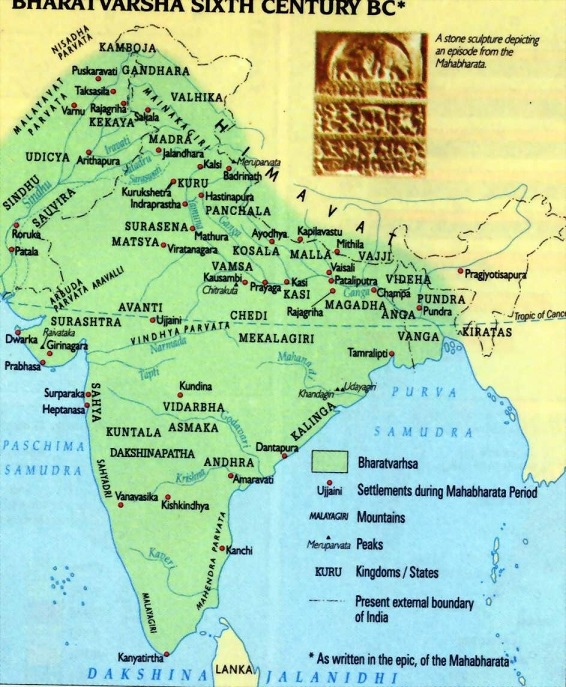
A vaccine against outbreaks: Ban wildlife trade

March 21st, 2020

WRITER: STEVEN R GALSTER Courtesy BangkokPost

As Thailand and its neighbors scramble to contain the pandemic and panic, we urgently need to start building a response to the source of Covid-19, or risk having new outbreaks hit us even harder. There is good reason to believe that we know the source — global wildlife trade — and that there is a solution.

Scant attention is being paid by world leaders to the fact that Covid-19 jumped to people from wild critters on sale. Experts agree that the likely source this time was a bat, either transmitted directly to a person or through a pangolin, the world’s most heavily trafficked mammal. Whichever animal it was in Wuhan, China, that passed Covid-19 to its first victims, it was either smuggled by a trafficker or supplied by captive breeders, many of whom stock their animals from traffickers.

But this virus is not just about China, bats or pangolins. Zoonotic outbreaks have hit us before, and they will hit us again if we keep over-exploiting animals.

In Africa, HIV (initially SIV) and Ebola both jumped from endangered primates to people, most likely through bush-meat trade; domesticated camels in the Middle East passed on deadly Mers; migrating water fowl infected poultry in busy Hong Kong markets, resulting in bird flu; civets offered on Chinese menus gave us Sars. All of these viruses led to sickness, deaths, and economic disruption.

China’s 2003 response to Sars, another coronavirus, was to destroy 846,000 animals. That clearly was not the solution. With Covid-19, they have closed their wet markets and banned wildlife trade. Vietnam appears set to the same. What about Thailand?

How many Thailand residents realise that many of the pangolins, snakes and turtles trafficked into Wuhan and other Chinese markets transited the Kingdom? And that species trafficked from around the world also still end up in Chatuchak market, on secret menus in Bangkok and Pattaya, and for sale on social media?

The world’s top virus experts agree that zoonotic outbreaks like Covid-19 will get worse as wild animal trade increases and wild animal habitats shrink. We need to re-think our relationship with the wild.

Conservationists have long been trying to convince world leaders and legislatures to prioritise laws and budgets that protect wild animals in their natural habitats, and to roll back the multi-billion dollar trade in wildlife that is driving the fastest rate of species loss in history. The usual response: “Wild animals need to take a back seat to national security and humanitarian needs,” even though we have demonstrated that organised crime and insurgencies are linked to wildlife trafficking.

Perhaps one silver lining from Covid-19 is that it demonstrates that wildlife protection is integral to international security and human welfare.

Thailand has a newly improved wildlife law and is helping to draft an Asean plan to reduce wildlife trafficking across Southeast Asia. The Thailand-supported, Asean “Plan of Action” (POA) on Wildlife Trafficking is designed to protect wild animals from commercial poaching so that they are not trafficked across borders onto dodgy markets. It also features campaigns to kill the demand for rare and endangered species so that people don’t get sick and cause extinction. But like Thai law, the Asean plan still allows for legal wildlife trade, and lacks high-level attention, funding and multi-agency implementation.

Thai officials and NGO partners, including our organisation, have been chomping at the bit to tighten and implement the Thai wildlife law and Asean Plan of Action. In letters to Minister of Natural Resources and Environment Varawut Silpa-archa this week, NGOs expressed their desire to see Thailand shut down wildlife markets and legal loopholes allowing some captive breeders to sell trafficked animals.

Thailand can play a leading roll in Southeast Asia to prevent zoonotic outbreaks from recurring, but it needs to lead by example by banning wildlife trade and including wildlife protection as part of its broader response to Covid-19. Thailand’s lawmakers should further strengthen Thai wildlife law, increase resources for protection of wild animals and habitat, enact the Asean Plan of Action, and close down (not regulate) wildlife markets that remain on Thailand’s streets and websites.

It is time to recognise that secure wildlife and wild habitats are critical investments and insurance policies for human security and economic stability.


Steven R Galster is the Founder of Freeland, an international counter-trafficking organisation (www.freeland.org and www.freeland.org/coronavirus-campaign). He has provided technical support to US, Thailand, and Asean wildlife programmes since 2000.

Why does Russia, population 146 million, have fewer coronavirus cases than Luxembourg?

March 21st, 2020

Courtesy CNN

Moscow (CNN)Russian President Vladimir Putin said this week his country managed to stop the mass spread of coronavirus– and that the situation was “under control,” thanks to early and aggressive measures to keep more people from getting the disease.Does Russia have coronavirus under control? According to information released by Russian officials, Putin’s strategy seems to have worked. The number of confirmed Russian coronavirus cases is surprisingly low, despite Russia sharing a lengthy border with China and recording its first case back in January.The numbers are picking up, but Russia — a country of 146 million people — has fewer confirmed cases than Luxembourg, with just 253 people infected. Luxembourg, by contrast, has a population of just 628,000, according to the CIA World Factbook, and by Saturday had reported 670 coronavirus cases with eight deaths.

https://edition.cnn.com/2020/03/21/europe/putin-coronavirus-russia-intl/index.html

Cuba can produce 23 drugs to treat coronavirus and is working on a vaccine against it

March 21st, 2020

Courtesy CubaSi

Cuba has full capacity to supply Interferon alpha 2B and other 22 medicines to the national health system in the fight and treatment of COVID-19. It is also s working on a vaccine against that disease.

Biocubafarma Business Group is studying how some existing medications of its production line can contribute to the positive response of patients.

Such drugs include Biomodulin T, an immunostimulant with which clinical studies are already being carried out, and a vaccine to facilitate the systemic response of patients affected by COVID-19.

According to Prensa Latina, Biocubafarma executives confirmed that these drugs are available on the island’s healthcare centers and pharmacies as part of stepped-up efforts to respond to the epidemiological emergency.

Biocubafarma’s Director of Operations and Technology, Rita María García, said that the industry had prepared itself to have the raw materials, supplies and spare parts to take on and satisfy the quantities demanded by the current epidemiological crisis.

The anti-viral recombinant Interferon alpha 2B is a leading product of Cuban biotechnology. 

It is produced at the Center for Genetic Engineering and Biotechnology (CIGB) and at the mixed Cuban-Chinese plant ChangHeber, located in China, where it is administered to vulnerable health care personnel in a preventive manner and to COVID-19 patients.

Lanka extends curfew to Tuesday, with 77 positive so far

March 21st, 2020

Courtesy NewsIn.Asia

130 persons booked for defying the curfew

Lanka extends curfew to Tuesday, with 77 positive so far

Colombo, March 21 (newsin.asia) – Sri Lankan Police on Saturday announced that the island-wide curfew which was imposed over the weekend will be extended till Tuesday, after the total number of positive COVID-19 cases went up to 77.The 77 includes a senior doctor and a child. Over 200 are under observation in hospitals across the country while over 10,000 are under quarantine.In a statement, the police said that in capital Colombo, Gampaha in the outskirts and Puttalam district, in the north western province, the curfew will be lifted on Tuesday morning at 6 am and will be re-imposed again at 2 pm while in other districts, the curfew will be lifted on Monday at 6 am and re-imposed again at 2 pm.The curfew initially was to be lifted islandwide on Monday morning.The police further said that 130 people had been arrested for violating the curfew on Saturday by roaming the streets and transporting goods. They have been detained and will be produced before local courts next week.The police further announced that all the liquor shops in the island will also remain closed at all times indefinitely even when the curfew is lifted during the week.Since there are adequate stocks of food and other essential items, the government advises the public not to engage in panic buying. Facilities for transporting these items have been ensured. Also, measures are in place to supply essential food items to where they are required,” the police said.All reported cases of spreading false and scarry information about COVID-19 in Sri Lanka will be investigated by the CID and then cases will be filed in court for further action.

Citrus offers 150-room resort as a quarantine center

March 21st, 2020

Courtesy Adaderana

The Board of Directors of Citrus Waskaduwa (Waskaduwa Beach Resort PLC) took into account the current crisis faced by the Nation and the world at large.

The Board noted that the occupancies of the hotels in the Citrus Group have dropped to a bare minimum and considering the global and local travel restrictions, it would continue to drop further in the near future.

Apart from the devastating impact faced by the Tourism Sector, the Board noted the valiant efforts made by the Government, the Health Sector and the Security Forces to control this situation in the country.

Taking the above into consideration, and in keeping with the Group’s Nation mindedness ethos, the Board decided to offer its 150 roomed resort, Citrus Waskaduwa to be used as a Quarantine Center by the National Operations to Prevent Covid – 19 on a temporary basis, should the need arise. In the event that the Authorities decide to use the resort temporarily, the resort will be completely decontaminated in keeping with international standards before normal resort operations commence.

Due to the time sensitivity and the fact that the Colombo Stock Market is currently closed, the Board decided to immediately communicate the same to the National Operations Center to Prevent Covid – 19 while a market announcement will be made on Monday 23rd March, 2020.

Hemas Holdings offers its hotel in Negombo as quarantine centre

March 21st, 2020

Courtesy The Daily News

Hemas Holdings Plc has offered its Club Hotel Dolphin in Negombo as a quarantine centre to the Government if the need arises, as part of wider public-private sector efforts to mitigate the spread of COVID-19.

Speaking to Daily Mirror, Mr. Abbas Esufally, Chairman of HEMAS Leisure stated that, we feel that as a Sri Lankan company the private sector must stand up and rise to the occasion. This is a national crisis and we must come together to combat it. We spoke to Mrs. Kimarli Fernando, Chairperson of Sri Lanka Tourism and Mr. Sanath Ukwatte, President of THASL and decided that we must offer our services and assistance to the Government. Our hotel, Club Hotel Dolphin in Waikkal is at the heart of the outbreak in Puttalam and we felt that the government could make use of our property at this crucial hour,” he said. 

“We conveyed our intention to both the Army Commander, Lt. Gen. Shavendra Silva and President’s Chief Advisor, Mr. Lalith Weeratunge and they have responded positively and stated that they will take it up the moment the need for it arises. We communicated that we will continue to man the Engineering and Kitchen departments and the Army will help to run and manage the rest of the operations. We will ask our staff to volunteer to continue working at the property and assist the army. Furthermore, our HEMAS factory companies, HEMAS Pharmaceutical and Morrison’s are busy manufacturing critically required pharmaceuticals, soaps, hand sanitizers and other urgently required essential items.” he added.

Club Hotel Dolphin is a 4-star property with 154 rooms situated in Waikkal. It is owned by Serendib Hotels Plc, which is part of Hemas Holdings Plc.


Copyright © 2026 LankaWeb.com. All Rights Reserved. Powered by Wordpress