සජිත් ජනපති වුවහොත් අගමැති සහ ජනපති අතර යළි ගැටුම් – සුරේෂ් ප්‍රේමචන්ද්‍රන්

November 8th, 2019

උපුටා ගැන්ම හිරු නිව්ස්

යම් හෙයකින් සජිත් ප්‍රේමදාස මහතා ජනාධිපතිධූරයට පත් වුවහොත් නැවතත් රටේ ජනාධිපතිවරයා සහ අගමැතිවරයා අතර මත ගැටුම් ඇතිවිය හැකි බව ඊ.පී.ආර්.එල්.එෆ් පක්ෂයේ නායක සුරේෂ් ප්‍රේමචන්ද්‍රන් මහතා පවසනවා.

මේ අතර, දෙමළ එක්සත් විමුක්ති පෙරමුණේ නායක වී. ආනන්දසංගරී මහතා ප්‍රකාශ කළේ වත්මන් ආණ්ඩුව දෙමළ ජාතික සන්ධානයේ මන්ත්‍රීවරුන්ට මිස ජනතාවට යහපතක් සිදු නොකල බවයි.

මේ අතර, දෙමළ ජාතික සන්ධානයේ සහය සජිත් ප්‍රේමදාස මහතාට ලබා දීම සම්බන්ධයෙන් විවිධ පාර්ශ්ව අදහස් පළකළා.

GOTA PHOBIA – Part VIII C (Pad-man has officially accepted TNA’S platform)

November 7th, 2019

By : A.A.M.NIZAM – MATARA.

The TNA terrorists whose survival all these years have been facilitated by the disunity among the Sinhalese and due to the prevalent of a group of Quasi-Sinhalese who failed to oppose firmly and decisively their covert and overt attempts to subjugate this country and the people through various forms of their strategies to achieve their sole objective of segregating Sri Lanka and establishing the entity called Tamil Eelam.  They intensified these efforts under the shameless and the foreign servile Yamapalama government. 

Despite UNP’s customary denial of having secret pacts with the terrorist groups, the terrorist TNA has officially issued a message saying all Tamil parties will extend their fullest support to Sajith Premadasa, the UNF candidate.  In order to throw sand on the eyes of the susceptible people, the mock message says that the future President should have 4 characteristics and they are:

He should be real[y committed for democracy, and a one opposed to autocracy;

He should be a person who can ensure impartiality in the public service, state institutions, and in the armed forces and Police;

He should be a person who is dedicated to safeguarding basic rights and human rights;

And he should be a person who should be dedicated to state service devoid national and religious bias and who should be capable of safeguarding the rights and identity of each and every individual.

These are only indirect expressions to say that Mr. Gotabhaya is anathema to these characteristics, despite he has proved that he is the only man who has ensured these characteristics which were grossly violated by R.Premadasa and Ranjan Wijeratne.

The legal luminary Mr. Ali Sabry PC participating in the Ada Derana 360 degree program on 4th Monday revealed that all conditions that have been made by TNA are included in the policy declaration of Pad-man Sajith Premadasa. He said that the Pad-man’s policy statement contains all components to lead the country into a federal state.  He presented the regressive aspects presented in the said policy statement.

Mr. Sabri pointed out that the policy statement reluctant to use the term ‘Unitary’ is playing with many words to avoid mentioning the term ‘Unitary’.  Mr. Sabri explained that all proposals made by the TNA in the parliament have been included in the policy statement and said that a proposal to set up a Second Chamber (Senate) including members of Provincial Councils is also included in the document.

Mr. Sabri emphasized that the parliament will not be able to adopt any draft bill, how important and urgent it could if it cannot the consent from the Senate, He said that it is well-known that this policy statement was formulated by both the Prime Minister and MP Sumanthiran of the TNA.  He also pointed out that the TNA has no intention of developing the country and the North Provincial Council was returning almost 85% of funds allocated to it unutilised.

The veteran journalist and the Sunday Island political columnist C, A, Chandraprema (CAC) in his weekly column on 3rd October said that the TNA agenda is visible in Sajith’s manifesto.

In the highlights of his article, he said that there is no mention of the ‘Unitary State’, it was a formulation for a federal system, and Sajith was holding the baby disowned by Ranil.

In the preamble to his article CAC states that  Sajith Premadasa launched his election manifesto in Kandy on Thursday. It’s called “Sri Lankawe idiri gamanata seemawak netha: Ekwa gamana yamu.” Loosely translated this would mean “There are no limits to what Sri Lanka can achieve: Let’s go on this journey together”. If there was one section of the population that was waiting eagerly for the launch of this manifesto other than the members of the UNF itself, it was the groups of political parties around the Tamil National Alliance led by R. Sampanthan and the Tamil Makkal Koottani led by C.V.Wigneswaran. The various political parties around these two groupings had held a meeting last Wednesday to decide on whom they were going to support.


CAC claims that however that meeting had ended inconclusively and the decision taken was to wait for the launch of the UNP manifesto which was going to take place the next day. The Northern Tamil political parties had been dithering for weeks unable to make up their minds. Even by the time the postal voting began, they had not made up their minds and only C.V.Wigneswaran had issued a statement calling on the Tamil people to cast their postal votes for a candidate of their choice. The other political parties did not say even that. It was after the end of the first day of postal voting that the UNP candidate released his manifesto, and it must be said that the UNP did not disappoint the Tamil political parties that had been waiting for oxygen from the south.

CAC reveals that two pages of the manifesto (pages 15 & 16) are dedicated to constitutional reform and this chapter is titled “Janathawage Vyawasthawa” or People’s Constitution. He says that these two pages are the most important section of the manifesto and what the Northern Tamil political parties were waiting for. The political parties belonging to the TNA and TMK groups had signed a joint declaration at the behest of university students making 13 Demands which presidential candidates were to agree to if they were to obtain the support of the Northern political groups. Even though the SLPP rejected these demands out of hand, what we heard from the UNP was silence. CAC claims that not a single UNP leader uttered a word about these proposals. If one looks at these 13 Demands, only the first one related to constitutional issues.

The first of the 13 demands relating to constitutional matters went as follows:

“New constitutional processes that uphold the unitary system of the rule should be rejected. The Tamil national question of Ilangkai [Ceylon] must be resolved through a federal framework with the realization that Tamils constitute a nation with distinct sovereignty and that nation is entitled to the Right of Self-Determination under International Law.”


The other 12 demands related to non-constitutional matters such as repealing the Prevention of Terrorism Act, the release of all remaining LTTE detainees, the release of the land still occupied by various military units, etc. The Island columnist asserts that if we break up the first of the 13 demands which relate to constitutional reform into its constituent components, what emerges is the following:

1.   The concept of the unitary state must be rejected

2.   The federal concept must be accepted

3.  The idea that Tamils constitute a nation with distinct sovereignty must be accepted

4.      It should be accepted that this nation has the right to self-determination.


CAC states that this was the closest approximation to the Vadukkodai resolution of 1976 ever put out by democratic political parties in the north. Unsurprisingly, it was rejected out of hand by the SLPP. After remaining silent about the 13 demands, the UNP has put out a manifesto that has essentially accepted the first two of the four components mentioned above. The section on constitutional reform in the UNP manifesto certainly does not say that Tamils constitute a nation with distinct sovereignty or that this nation should have the right of self-determination. What the UNP manifesto has done is to stop at the formulations put forward in the draft constitution that Prime Minister Ranil Wickremesinghe tabled in Parliament earlier this year

That draft constitution which had the fullest backing of the TNA and indeed is believed to have been drafted by lawyers associated with the TNA did not speak of a Tamil nation that had claims to sovereignty or that this nation was entitled to the right of self-determination. What is sought to do was to win a degree of federalism that borders on independence. That draft constitution never used the term federalism which has earned a bad name in Sri Lanka but had provisions for a federal form of government without the name. What that draft constitution did was to carefully avoid describing Sri Lanka as a ‘unitary state’ and instead to describe Sri Lanka as ‘a State which is undivided and indivisible’.


CAC emphasizes that the phrase ‘unitary state’ in English has a specific meaning which is crucial in describing the nature of the Sri Lankan state. The Sinhala phrase ‘Ekieeya Rajya’ does not cover all the nuances of the concept of a unitary state. So it is absolutely vital to hear the word ‘unitary state’ in English. The version of the UNP manifesto that came out last Thursday was the Sinhala version. This writer downloaded a copy from the UNP’s facebook page. (https://www.facebook.com/UNPofficialpage/) An English translation of the manifesto is not available. Even in the Sinhala original, there is no mention at all of the unitary state or Ekieeya Rajya CAC says that in one place there is a sentence which goes as follows: “apage maubime ekeeyathwaya, bhaumika akandathawaya, swairee bhawaya ha deshapalana swadheenathwaya apa visin araksha karannemu.”

That sentence, however, is not a reference to a unitary state. The Sinhala word Ekeeya Rajya does

not have the same strict technical connotations of the English word unitary state. Ekeeya can also mean unity which is what it means in the sentence mentioned above. Translated, that sentence would mean “We will protect the political independence, sovereignty, territorial integrity and unity of our motherland”. The technical meaning of the phrase unitary state is absent in the above sentence. It is because of the imprecise nature of the Sinhala phrase Ekeeya, that the draft constitution tabled in Parliament earlier this year by the Prime Minister proposed to describe Sri Lanka as an Ekeeya Rajya in Sinhala and as an ‘orumiththa nadu’ in Tamil, without however using the English phrase unitary state even in the English version of the document!

If those constitutional proposals had been passed, the Sinhalese would have been under the impression that they were living in a unitary state while the Tamils would have been under the impression that they were living in a federal state and the English reading public would have known that Sri Lanka was no longer a unitary state even though it was described as an Ekeeya Rajya in Sinhala! The TNA had adopted the policy of giving the label to the Sinhalese and taking the substance for themselves and having a federal system that does not describe itself as federal.

The columnist asserts that it is in the light of such semantic issues that we have to consider the constitutional proposals in the UNP manifesto. There is no mention at all of the unitary state. Instead what we have is a sentence which says “Nobedunu ha wen kala noheki lankawak thula uparima balaya beda hereemak kriyathmaka kere.” (The maximum devolution of power within an undivided and indivisible Sri Lanka.) This is identical to the phraseology of the above-mentioned draft constitution which also spoke of ‘a State which is undivided and indivisible’. It is easy to see why the draft constitution and the manifesto have carefully and deliberately avoided using the term ‘unitary state’ and instead speaks of ‘a state which is undivided and indivisible’. The moment the phrase unitary state is used, it automatically precludes a federal state.

The whole purpose of the proposed draft constitution was to create a federal-state out of the present unitary state. Now with the UNP manifesto also avoiding the use of the term unitary state and speaking instead of a State which is undivided and indivisible, the TNA influence on the UNP’s constitutional proposals can clearly be seen. Not that there is anything surprising in this. It is because of the TNA that the UNP was able to form a government in 2015 and the former stood with the latter through thick and thin. Even though there is no formal coalition between the UNP and TNA, they are partners for all practical purposes. Furthermore, the UNP has no hope at all at this presidential election without the TNA.

So what we see with regard to the UNP’s manifesto is that it stops at the point reached by the draft constitution without going all the way as sought in the 13 demands. There are other indications also to the effect that the constitutional proposals in the UNP manifesto are based on the draft constitution. Take for instance the following provisions in the manifesto and their similarity to the provisions that appeared in the draft constitution.

  1. According to the manifesto, the powers and functions of the provincial councils will be decided after taking into account the various proposals that had been made under Presidents Ranasinghe Premadasa, Chandrika Kumaratunga and Mahinda Rajapaksa. (The draft constitution also envisages a change of the powers and functions of the provincial councils.
  2. In fact, the draft constitution does not have a list of powers of the provincial councils and this has been left unstated to be filled in later. Going by the general tenor of the draft constitution, it is easy to see that what is intended is an increase of the powers and functions of the PCs and certainly not a reduction. The fact that the manifesto has pledged to decide on the powers and functions of the PCs afresh means clearly that they intend going beyond the provincial council powers mentioned in the Ninth Schedule of the present Constitution. Such an increase in powers is consistent with the move towards federalism bordering on a separate state that the TNA has been aiming at.)

2.      The second chamber of Parliament is to be set up with the participation of the representatives of the provincial councils.  Its purpose will be to ensure the devolution of the center’s powers and to enable the provinces to exercise their powers. (The setting up of a second chamber was also a part of the draft constitution. The purpose of the second chamber in the draft constitution was also to restrict the power of the center further by imposing a fetter on Parliament. The UNP manifesto has now explicitly accepted the position that the purpose of the second chamber is indeed to fetter Parliament by saying that its purpose will be to ‘ensure’ the devolution of the center’s powers and to ‘enable the provinces to exercise their powers’.)

3.      In the manifesto, there is a broad statement which says that ‘the provinces will be able to raise the funds they need’. (There is no indication of whether this entails raising funds both domestically or overseas. In any event, the draft constitution also had a separate chapter on public finance which specified the powers over public finance of the central government and the provincial units as befits a federal arrangement. In contrast to this, the present chapter on public finance in the present Constitution deals only with the powers of the central government.)

4.      The district secretaries and divisional secretaries are to function as the representatives of the center when exercising the powers of the center and as representatives of the provincial councils when implementing powers devolved to the provinces. (The Subcommittee on the Public Service of the Constitutional Assembly had suggested that the divisional secretaries be brought under the provincial councils. The UNP manifesto essentially follows the same line and has gone beyond the Public Service Subcommittee by bringing the district secretaries under the PCs as well. The federalist tilt in the manifesto is unmistakable.)

5.      The manifesto proposes to take away the constitutional jurisdiction of the Supreme Court and to give it to a Constitutional Court which will adjudicate in disputes between the center and the provincial councils, and between provincial councils. (This too features prominently in the draft constitution. The creation of a judicial body to adjudicate in disputes that arise between the center and the provinces and between the provinces shows that the purpose is to create units that are more or less independent of one another.)

Disowned by RW but accepted by Sajith!

The foregoing analysis would show that the manifesto put out by the UNP for this presidential election is on all fours with the draft constitution that was tabled in Parliament earlier this year by the Prime Minister. The difference, however, is that in tabling that draft constitution in Parliament the Prime Minister disowned it saying that it was just a document prepared by a panel of experts and that the final decision over what provisions to adopt would have to be decided by the Constitutional Assembly. However, the manifesto passes off as Sajith Premadasa’s personal agenda for which he is directly responsible. Sajith is now holding Ranil Wickremesinghe’s and Sumanthiran’s baby.

The UNP and Sajith Premadasa, kept silent when the Northern Tamil parties made the 13 Demands. Now with this manifesto and its clearly federalist tilt, the public is going to assume that the UNP kept quiet because they were in cahoots with the TNA all along. Everyone knows that the UNP is heavily dependent on the Northern and Eastern Tamil votes. Everyone is going to assume that chapter on the constitution in the UNP manifesto was designed to enable the TNA to call on the Tamil people to vote for the UNP candidate. At the time that these words are being penned, the nationalist organizations have not yet noticed the contents of the chapter on the constitution in the UNF manifesto. But sooner rather than later, they are going to see it, and all hell is going to break loose.

Even Maithripala Sirisena’s manifesto in 2015 had not toed the TNA line in such an explicit manner. Furthermore, there is a mismatch between what Sajith states verbally and what appears in his manifesto. When he went to present his manifesto to the Ven Mahanayakes and Anunayakes, he was heard to mention the term ‘ekeeya rajya’ when speaking to one of the Anunayaka Theras. However, there is no unitary state in his manifesto. As we pointed out earlier, the single reference to ‘maubime ekeeya bawa’ is about the unity of the motherland and not the unitary state. The TNA can now support Sajith Premadasa because the UNP has officially adopted the TNA’s platform.


However because the manifesto does not explicitly accept that Tamils constitute a nation with distinct sovereignty and that they are entitled to the right of self-determination, this manifesto may not be acceptable to C.V.Wigneswaran and his allies and to the Students who now seem to be acting as a pressure group on all the Tamil political parties in the north and east. Furthermore, the TNA promised the sun and moon to the Tamil people in 2015 and delivered nothing. So it’s a moot question as to whether the ordinary voter of the north will go into raptures after seeing the TNA influence on the UNP manifesto. There is also the fact that if TNA openly expresses support for the UNP, the latter will lose votes in the south.

While the TNA now has the ability to canvass for Sajith on the basis of the contents of the chapter on the constitution in the manifesto, they may need to carry the other signatories to the 13 demands with them. The TNA had a more gradualist approach than other leaders like Gajendrakumar Ponnambalam and C.V.Wigneswaran. The TNA’s approach was to don sheep’s clothing and win federalism bordering on independence first, leaving the self-determination part for later. However, Ponnambalam and Wigneswaran appear to have been skeptical about this approach. Perhaps the latter two have good grounds for their skepticism. The best opportunity there was for the TNA’s sheepskin approach to succeed was between January 2015 and about the end of 2017 when President Sirisena who won because of the TNA’s support was the President and the UNP-SLFP-JVP combine could muster a two-thirds majority in Parliament to be able to pass a new constitution.

But during this period, the TNA could not even get a draft constitution placed on the table leave alone getting it passed. When it was finally tabled in Parliament, the Prime Minister promptly disowned it. The reason why the TNA’s efforts failed is not because of resistance by Sinhala nationalists. It was because all other minority communities in the country such as the Muslims and Up-country Tamils have no appetite for what the TNA wants. The TNA through Clause 237(3) of the draft constitution wants to see a merged north and east which is anathema to the Muslims because that would turn them into a minority in a Tamil dominated province.

If nine semi-independent federal units are created as the TNA envisages, the Up-country Tamils will be split into scattered communities living in Sinhala dominated provinces. The same thing happens to the Muslims living outside the north and east. What meets the needs of the Muslims and the Up-country Tamils is the unitary state where they can use their electoral strength for a share of power at the center. They may not openly voice their stand out of consideration for the sensibilities of the northern Tamil parties. But through studied indifference, they make it impossible for TNA’s agenda to move forward. So even if the TNA once again persuades the Tamil voter to vote for Sajith to get federalism bordering on independence, once again, it will be the same story. So the more skeptical approach taken by Ponnambalam and Wigneswaran is well-founded.

What is the name by which we call this type of treacherous politicians.

November 7th, 2019

Dr Sudath Gunasekara.

11.7.2019.

This is an urgent appeal to all Patriots who love this country and the Sinhala Nation.

TNA MPs granted Rs 300mn each for being friendly with govt – Rajitha”

( From where they have got this money. Is it what they robbed from the Central Bank in 2015 and 2106 or funds given by the Western country to crush the Sinhala Buddhist Civilization in this country? )  

November 6, 2019, 9:28 pm

rticle_image

Health Minister Dr. Rajitha Senaratne has revealed that the northern MPs, backing the government, were granted Rs 300 mn each to spend on their electorates.

 A health ministry statement, issued yesterday, quoted Dr. Senaratne as having told a public rally in Manipay, Jaffna, that no previous government had allocated such a big amount for an electorate.

The four-party Tamil National Alliance (TNA) secured 16 seats at the last parliamentary poll in August 2015.

Minister Senaratne addressed a series of meetings in the Jaffna peninsula in support of New Democratic Front (NDF) presidential candidate Sajith Premadasa. Prime Minister Ranil Wickremesinghe led the group of UNP speakers.

 Dr. Senaratne said that the Northern Province would experience an accelerated development following the Nov 16 presidential poll because the President and the Prime Minister would be from the same political party.

 Dr. Senaratne emphasized that a military rule couldn’t be allowed under any circumstances.

 Tamils couldn’t solve problems because those who represented them in Parliament were never a part of the government for a long time. The Ministry quoted Dr. Senaratne as having said though the TNA was not in the government, funds had been made available because the party was friendly with the current dispensation. (SF)

My comments

 This how Ranil and Rajita have got the support of the TNA and its allies to Premadasa

Over to you, first, the Chairmen of the Election Commission (MAKO). Is this not bribery amounting to Election Bribery? Why can’t you take action against this public speech by  Rajitha

Then over to you the SLPP and its allies to take up this issue and take legal action forthwith.

Finally to the general public not to betray the country and the nation by voting  Premadasa who has accepted the 13 conditions of the TNA and its allies now known to everybody in the country and be a party for this criminal treachery against the motherland and the   Sinhala Nation, just to get the Tamil votes?

It is publicly and reliably rumored that Ranil with Rajitha who were in Jaffna for almost a week wooing Tamil Politicians had inked the secret MOU with them promising them the UNP will grant all these demands if they vote Sajith and make him the President.

SLPP and allies and Gotas Team make the maximum capital out of this issue immediately. Time is running faster than you and I think, even faster than the speed of a light-year.  The time left is only one week.   

වඳුරන්ට දැළිපිහි දීම නොහොත් චන්දය දෙන්නේ මොකාටද‌? වඳුරෝ කවුද?

November 7th, 2019

චන්ද්‍රසිරි විජයවික්‍රම, B.A. (Hons.), LL,B., M.A., Ph.D.

ලංකාවාසීන්ට සර්‌ව ජන චන්දබලය දීමට 1928 දී ඩොනමෝර් කොමිෂම යෝජනා කලවිට ඊට විරුද්ද්ධ නොවූයේ කම්කරු පක්‍ෂ නායක ඒ.ඊ. ගුණසිංහ මහතා පමණය. එවකට දේශපාලනයේ සිටි සිංහල, දෙමළ, මුස්ලිම්, ක්‍රිස්තියානි, අර්‌ධ බෞද්ද්ධ, බෞද්ද්ධ යන අනිත් හැමෝම උපහාසයෙන් කියා සිටියේ එය හරියට වඳුරන්ට දැලිපිහි දෙනවා වගේ වැඩක් වැනිය කියාය. 1931 චන්දයේදී අනුරාධපුර චන්ද කොට්ඨාශයට ඉල්ලා දිනුවේ ෆ්රීමන් නම් විශ්‍රාමලත් සුදු ඒජන්තවරයාය. 1936 දීද ඔහු නිතරඟයෙන් පත්‌විය. සිංහල මිනිහෙක් වෙනුවට ගැමි ජනයා ඔහුට චන්දය දීමෙන් ගැමි බෞද්ධ විඥානය එලිවිය. සෙසු ප්‍රදේශවල චන්දය ඉල්ලුවේ සුද්දන් යටතේ ධනවත්‌වූ ඉඩම් හිමියන්‌ය. ඇමෙරිකාවේ වහළුන් හිමි වතුකාරයින් මෙන් මේ අය බොහෝදෙනා රබර්, පොල් වතුවල හොර ගෑණුන් තබාගෙන ජොලියෙන් සිටි පවුල්වල අය විය. 1931 න් පසු මන්ත්‍රීන්‌වූ අයගේ නම් ලැයිස්තුව බලන්න. මා දන්නා එක් අයෙක් නම් පානදුරේ සුසන්තා ෆොන්සේකාය. කටකතාව නම්, ඔහු මගේ ස්වාමිපුරුෂයා වන්නේ මා සමඟ ගෙදර ඉන්නාවිට යයි ඔහුගේ ආර්‌යාව කීවාය කියාය. මොලමුරේ තවත් එවැනි නමකි.

ඩොනමෝර් බෞද්ද්ධයින්

ඩොනමෝර් චන්ද ක්‍රමය යටතේ ඩොනමෝර් බෞද්ධයින් බිහිවිය. කතෝලික (පෘතුගීසි කාලයේ), රෙපරමාදු ක්‍රිස්තියානි (ලන්දේසි), ඇන්ග්ලිකන් (ඉංග්‍රීසි) යනුවෙන් ආගම් මාරුකරමින් සිටි මේ කළුසුද්දෝ, දේපල හෝ අධ්‍යාපන සුදුසුකම් නොබලා සාමාන්‍ය ජනයාට චන්දබලය දීමත් සමඟ නැවත බුද්ද්ධාගමට බොරුවට හෝ සේන්දු විය. හරියට සිංහල කතාකරන්නට වත් නොදත් මොවුන් ගැමි චන්ද ලබාගන්නට යොදවා ගත්තේ ගම්වල පන්සල්වල හාමුදුරුවරුන්‌ව‌ය. එතැන් සිට අද දක්වාම පක්‍ෂ දේශපාලකයින් ගෙනයන මේ උපක්‍රමය එල්ලේ ගුණවංශ හාමුදුරුවන් විග්‍රහ කලේ, අපි මුන්ට කොඩි උස්සාගෙන ගියා, අන්තිමේ අපිට ඉතුරුවුනේ කොඩිවල පොලු පමණයි යනුවෙනි. බොදු බල සේනාව මේ හැසිරීම සමානකලේ සමහර පිරිමි හිතහොඳ ගෑණුන්ට සළකණවා වගේ කියාය!

දෙමළ අධිමානය හා හීනමානය

1832 සිටම ජාතිය අනුව, සිංහල-දෙමළ කියා බෙදා පාලන ක්‍රමයක් අනුගමණය කල සුද්දා
1931 දී භාෂාව වෙනුවට භූමි ප්‍රදේශය (චන්ද කොට්ට්ඨාශය) අනුව නියෝජිතයින් තෝරණ රාජ්‍ය මන්ත්‍රණ සභාවක් පිහිටුවා ඒ මඟින් දේශපාලකයින් අතර සමඟිය බිහිවෙතැයි සිතීම හාස්‍යජනකය. විශේෂයෙන්ම, 1921-24 කාලය සිංහල-දෙමළ වශයෙන් කළුසුද්දන්ගේ පැවති බෙදීමේ උග්‍රම අවධියක් විය. බෞද්ධ රාජ්‍ය සාරධර්‍ම අනුව යෑමට ධර්‌මපාලතුමා 1911 පමණ සිට ගත් වෑයම ප්‍රතික්‍ෂේප කල මේ සිංහල කළුසුද්දන් (ඩී. බී. ජයතිලක/ඩී. ඇස්. සේනානායක ඇතුළු), දැන් 2019 වනවිටත් සුමන්තිරන්/විග්නේශ්වරන් හා සහරාන්/හිස්බුල්ලා කොටිවල්ග අල්ලාගෙන ලිඳක වැටී ගොඩaේමට නොහැකිව සිටී. ඩොනමෝර් යුගය ජී. ජී.පොන්නම්බලම්ලා පනහට පනහ ඉල්ලා පිස්සු බල්ලන් මෙන් ගෙවූ කාලයක් විය. ඩී. බී. ලා කලේ මධ්‍යම ප්‍රතිපදාවෙන් ඔවුන් දමණය කිරීම නොව ඇවිලෙන ගින්නට පිඳුරු දැමීමය. අනුරාධපුර නටබුන් සංරක්‍ෂණය කිරීමට මුදලක් වෙන්කිරීම දෙමළ ජනායට වෙනස්කම් කිරීමක් යයි කියමින් කිසිදු ලැජ්ජාවක් නැතිව සෝල්බරි කොමිෂම ඉදිරියේ නහයෙන් ඇඬීමට තරම් පොන්නම්බලම් දීන විය. ඩී.බී‌ලා ඩී.එස්‌ලා කලේ තනිකර සිංහල අමාත්‍ය මණ්ඩලයක් පිහිටුවී වැනි දේය. පුදුමය නම් ඒ සඳහා ඔවුන්ට සූත්‍රයක් සදා දුන්නේ මැත් ප්‍රොපෙසර් සුන්දරලිංගම් වීමය.

ගම-වැව-දාගැබ යන සමාජ, ආර්ථික, පරිසර ත්‍රිත්‌වය (මොඩලය) අනාදිමත් කාලයක සිට එක්සේසත් ලංකාවක් පණ්ඩුකාභය-දුටුගැමුණු සමයේ සිට 1815 දක්‌වාම පවත්‌වා ගෙන ගියත් දැන් ඇත්තේ දේශපාලකයා-නිලධාරියා-එන්. ජී. ඕ‌කාරයා යන අයගෙන් සැදුන දුෂ්ඨ ත්‍රිකෝණයක්‌ය. එය ග්‍රාම සේවා නිලධාරියාගේ සිට ජනාධිපති/අගමැති දක්‌වාම දුවයි. 1948 දී නිදහස ලැබෙනවිට සිදුවිය යුතුව තිබුණේ 1815 දී අහිමිවුන සිංහලෙ රාජ්‍යයේ අයිතිවාසිකම්, සුද්දන් විසින් කල යළි ආපස්සට හැරවිය නොහැකි වෙනස්කම් භාර ගන්නා ගමන්ම, සිංහල බෞද්ධ ජනයාට ලබාදීමය. එහෙත් ඩී. එස්. විසින් කලේ 29 වගන්තියක් අටවා ගෙන ආණ්ඩුව සරණං ගච්චාමි යයි පදයක් නැතැයි උපහාසයෙන් කීමය. මෙසේ අතරමංවූ සිංහල බෞද්ද්ධ යයි කියාගත් කළුසුද්දන්ගේ පටිපාටිය බොදු බල සේනාව දැක්කේ ඔවුන් සිංහලයාට සැළකුවේ හරියට සමහර පිරිමි හිත හොඳ ගෑණුන්ට සළකණවා වගේය කියාය.
සිංහල ජනයාට කල අසාධාරණකම්, හිරිහැර, නීති නිවැරදි කිරීම සෙසු ජන වර්‌ග වලට කරණ වෙනස්කමක් නොවේ. මේ ගැන ලංකා සිවිල් සේවයේ සිටි නේසයියා දේවනේසන් විසින් ඩිස්ක්‍රිමිනේෂන් විත් රීසන් (1997) යනුවෙන් ආචාර්ය උපාධියක්ද (හාර්‍වඩ් සරසවියේ) ලියා ඇත.

කිසාගෝතමී ටෙස්ට් එක

2019 ජනාධිපති චන්දය ලංකාවේ ඉරණම විසඳනු ඇත. අවුරුදු 71 ක්‌ම මුන් පක්‍ෂ දෙක රට කෑවා, මුන් 225 ම එලවන්න ඕනෑ යන කතා වලින් දෙවැනි කතාව, යහපාලන හොරු විසින් ඔවුන්ගේ හෙළුව වසාගන්නට ඒකාබද්ද්ධ විපක්‍ෂයද ඊට පටලවා ගන්නට (දෙගොල්ලොම හොරු) කල උප්පරවැට්ටියක් යයි සමහරු සිතයි. දෙපැත්තටම අශූචි ගාවා ගැනීමයි. සුද්දන් ගෙන් සර්‍වජන චන්දබලය නමැති දැලිපිහිය ගත් වඳුරන්‌ වුයේ සාමන්‍ය ජනයා නොව 1911 සිට දේශපාලනය කල කළුසුද්දන් බව ඉහත කියමන් වලින් ශාක්‍ෂාත්වේ. චන්දය දෙන්නේ කාටද යන්න කිසාගෝතමී අබ මිටක් හොයා ගියා වගේ වැඩක්‌ය. ජේසුතුමා නම් කිව්වේ ස්ත්‍රියට ප්‍රථම ගල ගසන්නට සුදුසුකම ඇති නොකිලිටි පිරිමියාට ඉදිරිපත්‌වන ලෙසය. ලංකාවේ චන්ද දායකයාට දැනට ඇති ටෙස්ට් එක නම් නුසුදුස්සන් අතරින් අඩුම නුසුදුසු තැනැත්තා තෝරා ගැනීමය. ලෝභ-ද්වේශ-මෝහයෙන් පිරි පංචස්කන්‌ධ අතරේ, මිනිස් හට සොඳුරු ගුණ සහ නුගුණ ඇත යන සුභාෂිතයේ කවියට අනුව යමින් වැඩියෙන්ම හිරි ඔතප්ප (ලැජ්ජා-බය) ඇති පුද්ගලයා කවුරුන්දැයි සොයා ගැනීමය. පුද්ගලයා උසද, මිටිද, තරුණද, නහය දිගද යන බාහිර කරුණු නොව, ඒ පුද්ගලයාගේ චරිතය, සදාචාරය, අවංකකම, නිර්භීතකම, රටට ඇති කැපවීම යනාදියට අමතරව ඔහුට මුහුණදීමට ඇති බාහිර, දේශීය හා විදේශීය බලපෑම් ඉදිරියේ ඔහු දරණ ස්ථාවරය මෙහිදී ඉතාමත් තීරණාත්මක සාධක වේ.
ලංකාවේ අගමැතිලා හා ජනාධිපතිලා හැමදෙනාම පුද්ගලික වාසිය මිස රට ගැන සිතූ අයද යන ප්‍රශ්ණය මෙහිදී අමතක නොකල යුතුය.

බුදු පිළිම අරහං රෝසිලා

රටේ පවතින දූෂිත ක්‍රමය (සිස්ටම්) වෙනස් කිරීමට කතාකරණ, නාගානන්ද, රොහාන් පල්ලෙවත්ත, මහේෂ් සේනානායක, හිටපු ඔඩිටර් ජෙනරාල් ගාමිනී විජේසිංහ ප්‍රමුඛ නා නා ආකාරයේ වෘත්තිකයින් හා උගතුන් යයි සිතන පිරිස් හා, ජේවීපී ප්‍රමුඛ ජන බලවේග බල කට්ටල විසින් අමතක කරණ කාරණයක් නම් මේ දිවයිනේ සභ්‍යත්‌වයේ ඓතිහාසික ඔක්‍ෂිජන් නාලය වූයේ පන්සල බවය. හාමුදුරුවරුන්ට මුරදේවතාවා කියන්නේ ඔවුන් සෝවාන්‌වූ, සියළු ක්ලේෂයන්ගෙන් මිදුණු පිරිසක් නිසා නොව, පෘතග්ජන, දුර්‍වලකම් සහිත අය වුවත්, මේ රටේ සිංහල බෞද්ධ ශිෂ්ටාචාරය රැකගත් මුරකාරයින්‌වූ නිසාය. වෙන රටවල හාමුදුරුවරු මෙවැනි වගකීමක් දැරුවේ නැත. මඩකලපුවේ මංගලාරාමය රැක ගැනීමට දුක්‌විඳින්නේ, මුලතිව් නයාරු ගුරුකන්ද විහාරය රකින්නේ, ඉස්ලාම් වහාබ්-ශාරියා උවඳුර පෙන්නා දෙන්නේ හාමුදුරුවරුය. 1940 ස් ගණන් වලදී ඩී.එස්. සේනානායකට ප්‍රසිද්ධියේ අභියෝග කලේ යක්කඩුවේ ප්‍රඥාරාම හිමිදුන්‌ය.

රෝසි සේනානායකලා, චන්ද්‍රිකාලා, මංගල සමරවීරලා ලංකාවේ සිංහල බෞද්ධ පදනම විනාශකල යුතුයයි කියන විට, නිර්‍වස්ත්‍රම් පරමං සුඛම් කියන විට, ක්‍රමය බිඳදමන්නට කතාකරණ විකල්ප බලවේග වල උගතුන්-වියතුන් පන්සල අමතක කර ශ්‍රී සද්ද්ධර්‍මයට, ත්‍රිපිටකයට (පොතට) සීමාවී සිටීම දැන් දක්නට ලැබෙන ජේවීපී ක්‍රමය හෝ 1935-1964 කාලයේ සමසමාජකාරයින්ගේ මුලාව හෝ වැනිය. ලන්ඩන්, නිව්‍යෝර්ක් පුසතකාලවල සීඩී තැටිවල ත්‍රිපිටකය තැන්පත්‌ව තිබීමත් (පොත,භාවනාව හා සෝවාන්‌වීම) ලංකාවේ පන්සල හා බෝගහ රැක ගැනීමත් (ප්‍රායෝගික පොලොව මත බුද්ද්ධාගම හතුරන්ගෙන් රැක ගැනීම) කාරණා දෙකක් බව තේරුම් ගත යුතුය. මෙසේ නොසිතීමෙන් මේ විකල්පකාරයින් රංජන් රාමනායකගේ සංඝ විරෝධී ගොඩට තමන් නොදැනම වැටෙන්නේය. යුද හමුදාපති මහේෂ් සේනානායක යුදහමුදාභටයින් උතුරේ පන්සල් වලට දුන් රැකවරණය නතර කලා යයි යන කතාව මෙහිදී වැදගත්‌ය. 1551 න් පසු 2019 දී කාදිනල්තුමා සිංහල බෞද්ධ වෘක්‍ෂය පිලිගත්තේය. වාසුදේව සහෝදරයාත් දැන් එය පිලිගෙන ඇත. මා දන්නා මාක්ස්වාදි නීතීඥයෙක් වයසට ගියවිට, මාවද මවිත කරවමින් දඹදිව වන්දනාවේ ගියේය. මේ නිසා මේ විකල්ප පිරිසට චන්දය නොදීම සිංහල බෞද්ධයින්ගේ වගකීමය. ආරියවංශ දිසානායක (හරිත නගර සංකල්පය), රජීව විජේසිංහ වැනි චන්ද අපේක්‍ෂකයින් මීට වෙනස්‌ය.
අනුරකුමාරට චන්දය නොදිය යුතු වන්නේ ඔවුන් යහපාලන මරාලයට එකතුව රටට කල හානිය නිසා පමණක් නොවේ. රට බෙදීමේ න්‍යායයට ජේ.වී.පී. රහසින් එකඟවන නිසාය. මෙය එලිවූයේ ලයනල් බෝපගෙන් අහම්බෙනි. වීඩියෝ සාකච්චාවකදී ඔහු කියා සිටියේ තමන් දෙමළ ජනයාට ස්වයංනිර්‌ණ අයිතිය දිය යුතුය යන මතයේ විජේවීර මෙන්ම මුලසිටම පෙනී සිටියත් පසුව විජේවීර එය අත්‌හැර දැමූ නිසා තමන් පක්‍ෂයෙන් ඉවත්‌වූ බවය. ඕස්ට්‍රේලියාවේ සිට ඊළමට පන්දම් අල්ලන ඔහු දැන් ජේවීපී චන්ද වැඩ සඳහා එකතුවී සිටී. යම් අවස්ථාවල ජේවීපී එක ඥානාන්‌විත තීරණ ගෙන ඇතත්, යහපාලන කාලය තුල ඔවුන් කරගත් පව් සම්භාරය අතිවිශාලය. විමල් වීරවංශ පක්‍ෂයෙන් කැඩීයාම හා සෝමවංශ අමරසිංහ කලකිරීමෙන් ඉන් ඉවත්‌වීම මේ පක්‍ෂයේ සිංහල බෞද්ද්ධ තෙතමනයක් නැති බවට ශාක්‍ෂිය. ධර්‍මසේකර දැන් මහණවී සිටී. ඔවුන් කරන්නේ සරසවි වල තරුණ හාමුදුරුවරුන්ව පාරේ පෙලපාලි වලට දක්කා ගෙන ගොස් ඔවුන්‌ව අශීලාචාර කිරීමය. ගංගොඩවිල සෝම හාමුදුරුවන් නැතිවූ කාලයේ හාමුදුරුවරු පාරේ රැක සිට මොවුන්ට බලෙන් පිරිත්නූල් බැන්ඳවූවත් එය තාවකාලික සිදුවීමක් පමණය.

සජිත් ප්‍රේමදාස පුදුම විධියට අනාථව සිටී. යහපාලන බරවා කකුල එක පැත්තකින්‌ය. එය වසාගන්නට දෙන්න බැරි පොරොන්‌දු කියන්නට ඔහුට සිදුවී ඇත. මේ වැඩේ කෙතරම් දුරට ගොස් ඇද්දයත්, ගෝඨභය පවා නොයෙක් නොදියහැකි පොරොන්‌දු දෙමින් සිටී. ජනාධිපති තියා ගම්සභා වන්දයකදීවත් නොකලයුතු විහිළු කතා කීමෙන් වලකීමට සජිත්ගේ ශ්‍රී මුඛයට නොහැකිය. ඔහු ඔහුගේ පියාට මළවුන්ගෙන් නැගිටීමක් දෙන්නේ, මහජනයා පියා මළ විට රතිඤ්ඤා පත්තුකල බව අමතක කරමිනි. ආර්‌යාවගේ කිරුළපනේ බයිබල් පල්ලියට යන ගමන් විහාර දාහක් හදනබව රටට හඬගා කියයි. පියා යම් මානසික ආතතියකින් පෙළුනා මෙන් පුතාද යම් අභාධයකින් පෙලේද යන සැකයක් මතුවේ. මේ සියල්ලටම වඩා ඔහුගේ නුසුදුසුකම වෙන්නේ ඔහු රනිල් අටවාගත් යහපාලන මගඩිය ඉදිරියට ගෙනයන හිරකරුවෙක්‌ වීමය. ඔහු රනිල්-චන්ද්‍රිකා රට බෙදීමේ ආකෘතිය පිටුපස එකපයින්මය. ඔහු ඇමෙරිකාවට රටෙන් පටියක්දී රට කැබලිකර විනාශ කිරීමේ මිලේනියම් කුමණ්ත්‍රනයට එක්‌වී සිටී.

මේ නිසා චන්දය දියයුතු ඉතිරිව සිටිනා පුද්ගලයා ගෝඨාභයය. දේශපාලන කයිරාටිකයෙක් නොවූ ඔහු වටේ ඉන්නා දේශපාලන කේවට්ටයින්ගේ බලපෑමට ලක්ව සජිත් මෙන් නොයෙක් පොරොන්දු දෙමින් සිටී. ඔහු කලයුතුව තිබුනේ ඔහුගේ සැලැස්ම ඉදිරිපත්කර, එය ක්‍රමයෙන් ක්‍රියාත්මක කරණ ආකාරය පැහැදිලි කරදීමය. 2009 මැයි 19, යුද්ද්ධය දිනූදාට පසුදා යුද ආඥාවක් මඟින් මහින්ද රාජපක්‍ෂ විසින් 13-ඒ සංශොධනය අහෝසි කල යුතුව තිබුණි. නාගානන්ද වැනි අය 19 සංශොධනයට පසු ජනාධිපතිට කිසි බලයක් නැතැයි කියන්නේ රටේ ඉතිහාසය හා භූගෝල විද්‍යාව ගැන ඔවුන්ට කිසි ප්‍රායෝගික දැනුමක් නැති නිසාය. මේ චන්දය දිනූවිට යුුෙන්පී මන්ත්‍රීන් ඕනෑවටත් වැඩි ගානක් ගෝඨාභයට එක්වනු නිසැකය. රටට අළුත් ගමනක් යා හැකිය. එහෙත් මිලේනියම් හුටපටය ගැන මේ අවස්ථාවේ කෙළින් කතා නොකිරීම කණගාටුවට කරුණකි. පාස්කු ප්‍රහාරය මෙන් මේ මිලේනියම් මරගාතයද ගෝඨාභයට ලැබුණු කදිම ආයුධ දෙකක් නොවේද? සිංහල දෙමළ භාෂා 5 වෙනි පන්තියේ සිට අනිවාර්ය කිරීම වගේම රට බේරා ගැනීමේ සඳහා ඔහුට ගතහැකි සරල මඟක් මීලඟ ලිපියෙන් ඉදිරිපත් කරමි.
චන්ද්‍රසිරි විජයවික්‍රම, B.A. (Hons.), LL,B., M.A., Ph.D.

Tolerance key for happiness says 12-year-old while launching book

November 7th, 2019

Courtesy Gulf News

Sri Lankan expat’s second book follows on from ‘Thoughts of a 10-year-old’

NAT 191107 SANITH Sonthasa SIBF5-1573129704587
Image Credit:

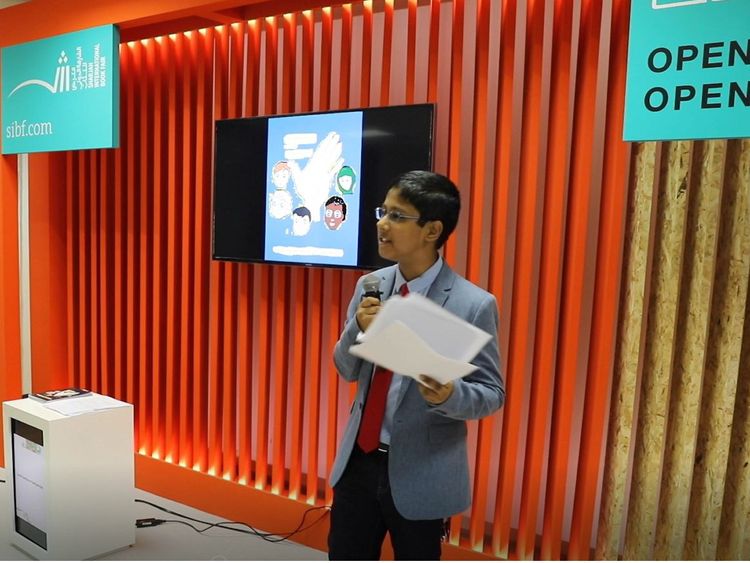
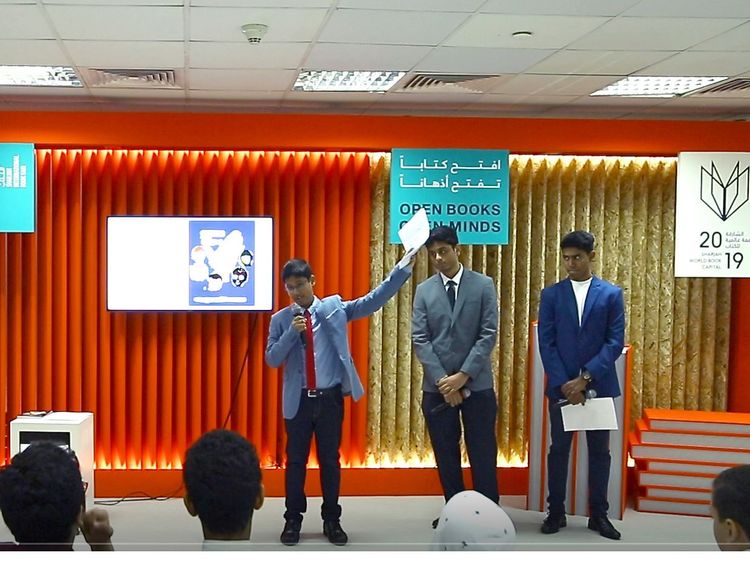
Sharjah: Twelve-year-old Sri Lankan author Sanith Santhasa Piyadigamage discussed his second book ‘Tolerance for Happiness’ at Sharjah International Book Fair this week.

The Dubai-expat, who is a student of Gems Winchester School, held a workshop with school and university students on Tuesday to introduce themes from his latest non-fiction title, which follows on from his first book ‘Thoughts of a 10-year-old’, published last year.

Tolerance and happiness is necessary for our species,” Sanith told Gulf News, of why he chose this subject for his latest book. We are the world’s second most social species just below the ant kingdom, and we are very diversified and different so we need to tolerate one another in order to move forward in our journey of evolution.

This is a good topic because even as a kid I notice things around me that need more attention and I hope my writings can enable us all to think clearer on these subjects. Humankind isn’t perfect and we need to improve,” he added.

Sanith first got into writing when his parents encouraged him to write a letter to Gulf News complaining about how food was being wasted at local hotel buffets. Noticing that this affected him, they encouraged him to put his thoughts on paper, and after his article was published by the newspaper it gave him the confidence to keep writing.

I’ve now done several talks about subjects in my books to schools and book fairs and hope to continue this to become a motivational speaker and anthropologist.

I always want to be able to share my thoughts through my books and hopefully spread a message to help society. That is ultimately why I started writing in the first place.”

NAT 191107 SANITH Sonthasa SIBF 1-1573129702463

Image Credit:

Will appoint a new PM: Sajith

November 7th, 2019

Courtesy The Daily Mirror

New Democratic Front (NDF) presidential candidate Sajith Premadasa said once voted into office he would appoint a new prime minister who he felt could command a majority in parliament.

“I will not include any individual accused of corruption in my ministerial cabinet,” he said making a special announcement at a private TV station.

His remarks came after Prime Minister Ranil Wickremesinghe recently told reporters that he would continue to remain in his position as PM during Premadasa’s tenure as president as well.

The NDF candidate emphasised that he would appoint a cabinet of ministers comprising of young and skilled individuals who would publicly declare their assets and liabilities.

He said he would conduct the parliamentary elections at the earliest”, and appoint a stable government” that would see only professionals and women entering parliament through the national list.

Nepotism and the old corrupt political system should end. Authoritarian politics which sees individuals clinging onto power by use of force or violence should end,” Premadasa said.

TNA chose the side that can fulfill separatist demands – Gotabaya

November 7th, 2019

Courtesy Adaderana

Presidential hopeful of Sri Lanka Podujana Peramuna (SLPP) former Defence Secretary Gotabaya Rajapaksa says the Tamil National Alliance (TNA) has chosen the party that can fulfil their separatist demands.

Addressing a rally at Ratnapura, Rajapaksa said he has held neither parliamentary membership nor a ministerial position, but fulfilled the responsibility put on his shoulders.

Referring to the presidential front-runner Minister Sajith Premadasa’s campaign promises, Rajapaksa said, it is unbelievably ridiculous to make such promises when he failed to fulfil them while holding a powerful ministerial post in the government.

Speaking on the shooting incident which involved the security detail of MP S.B. Dissanayake, Rajapaksa said the law must be exercised regardless of whoever commits the offence.

In the meantime, addressing a rally at Kegalle yesterday (07), Gotabaya Rajapaksa said the program to bring up skilled children will commence when the students set off studies in Grade 7.

 The intention of this program is to allow the children to become proficient in a particular field of interest.

Elaborating on this, he said it is the duty and responsibility of the government to formulate a national policy on quality education.

Three sections of Southern Expressway opened amidst protests

November 7th, 2019

Courtesy Adaderana

Another phase of the Southern Expressway, which spans from Matara to Mattala and Hambantota, was vested with the public yesterday (07), while the third phase of the Outer Circular Road from Kadawatha to Kerawalapitiya was also declared open.

The first event took place under the patronage of Secretary to the Ministry of Highways & Road Development and Petroleum Resources Development Sunil Hettiarachchi and the Chairman of the Road Development of Authority (RDA) Nihal Sooriyarachchi while the latter was held under the auspices of Prime Minister Ranil Wickremesinghe.

Despite the new sections of the expressway being available for the public from midnight tonight, residents of the area alleged the openings were done prematurely, with construction work yet to be completed.

A protest rally organized by the people of Galagahaduwa, Kerawalapitiya charged that the construction work is incomplete. They also claimed, since byroads are not constructed yet, people living in the area are forced to jump over mounds of earth accumulated on the roadside. 

The third phase of the Outer Circular Road, which links the Southern Expressway and the Katunayake Expressway, is a 9.6km stretch of road spanning from Kadawatha to Kerawalapitiya.
 
Meanwhile, despite a section of the Southern Expressway’s extension from Matara to Hambantota being unveiled, the locals and public representatives charged that the opening was premature.

A section from Barawakumbura to Mattala via Andarawewa which is a 21.8km stretch and a 16.6km stretch from Andarawewa to Hambantota were accordingly declared open.

The Executive Director of the Buddhist Information centre Venerable Agulugalle Jinananda Thera yesterday lodged a complaint with the Election Commission pertaining to the unveilings.

In the meantime, the Directive Authority of the RDA said the newly declared open Expressway stretches will be opened to vehicular traffic starting from midnight today (08).

The RDA noted that there will not be any Electronic Toll Collection (ETC) facility at the Kerawalapitiya Interchange until further notice.

The team bringing Harry Potters’ sorting Hat to life marks Sri Lanka in the World Map

November 7th, 2019

Courtesy NewsIn.Asia

This Hat, which was designed and developed by the undergraduates could not only read the mind and put the students into houses but also analyze the brain activity for various other medical and scientific purposes.

The team bringing Harry Potters’ sorting Hat to life marks Sri Lanka in the World Map

November 5 (University Of Sri Jayewardenepura) – Magic is something that always took us to a whole new world and brought our imaginations to reality and when it comes to magic the story Harry Potter by J. K. Rowling is something that we could not forget.

Recently a team of undergraduates from the Robotics and Intelligence Systems (RIS) Laboratory at the Department of Computer Science, Faculty of Applied Sciences, and University of Sri Jayewardenepura brought the Harry Potters’ Sorting Hat into life. This Hat, which was designed and developed by the undergraduates could not only read the mind and put the students into houses but also analyze the brain activity for various other medical and scientific purposes. As a result of the tremendous cause, the team has been selected as a Global Finalist at the Eleventh – International Conference on Social Robotics 2019 – Robot Design competition and will be representing Sri Lanka on the 26thof November in Madrid, Spain.

Apart from the above, the project was also exhibited at the Innovate Sri Lanka 2019 exhibition which was held at the Bandaranaike Memorial International Conference Hall, organized by the Innovation, Invention and Venture Creation Council (IIVCC) of the University of Sri Jayewardenepura and the project became a centre of attention flooding with crowd to witness and try out the Sorting Hat for themselves.

The Sorting Hat
The Sorting Hat

With the rapid development of technology in fields such as Artificial Intelligence, Machine Learning, high power computational systems and etc, the field of Social Robotics is one of the domains which brings the previously mentioned technological areas together to build human-friendly and human interactive robots to make the lives of the normal person easy. The International Conference on Social Robotics is considered as one of the most iconic conferences held annually to showcase such new findings, developments in research areas and to provide a stage to compete for the best social robot design for the year.

Annually the top-notch Universities around the globe such as Massachusetts Institute of Technology (MIT), Stanford University, Harvard University and many more participates for the title for the Best Robot Design Award”. With many privileges to mention, this year the team from the University of Sri Jayewardenepura has been selected as a global finalist to compete with the above mentioned top-notch Universities to win and bring back the title of Best Robot Design Award” to Sri Lanka.

Adhisha Gammanpila, Tehani Wanniarachchi, , Viraji Amarajeewa & Asela Wijesinghe
Adhisha Gammanpila, Tehani Wanniarachchi, Viraji Amarajeewa & Asela Wijesinghe

the upcoming global finals which are to be held in Spain, Adhisha Gammanpila, Asela Wijesinghe, Tehani Wanniarachchi, Viraji Amarajeewa, and Dovini Jayasinghe will be representing both our mothers, University of Sri Jayewardenepura and Sri Lanka at this global stage. Also, the team shared their humble gratitude to Dr. Ravindra De Silva who is the supervisor for this project, the Director at the Robotics and Intelligence Systems Laboratory (RIS) and a Senior lecturer at the Department of Computer Science University of Sri Jayewardenepura and Mr. Udaka Manawadu who was a research assistant at the above laboratory.

The team also shared their gratefulness to the Vice-Chancellor, Prof. Sampath Amaratunge, the Dean of the Faculty of Applied Sciences, Prof. Laleen Karunanayake, the Head of the Department of Computer Science, Mr. Ananda Gamini along with all the members of the academic and non-academic staff at the Department and all their fellow brothers and sisters.

Having said that, let us all wish the team to have all the strength, courage, good health and the very best of luck to represent the University and Sri Lanka at the upcoming global finals to bring the Championship home marking Sri Lanka on the world map for Social Robotics.

The research team:

Sajith to elect new PM if he wins Presidential Polls

November 7th, 2019

Courtesy NewsIn.Asia

I am prepared to take strong, direct steps to ensure that new, young and merit-based political culture is created,

Colombo, Nov. 7 (newsin.asia) – Sri Lanka’s ruling Presidential candidate Sajith Premadasa, on Thursday, said he would appoint a new prime minister who commands the confidence of parliament if he wins the Presidential Polls on Nov. 16.

I am prepared to take strong, direct steps to ensure that new, young and merit-based political culture is created,” Premadasa said in a video statement.

I would like to state that as soon as I am made the President, a Prime Minister who can command the confidence of the parliament will be made Prime Minister. In my cabinet, there will be no persons who are accused of corruption.”

Premadasa’s statement dims chances for incumbent Prime Minister Ranil Wickremesinghe, who last week announced that he would continue to be the premier while Sajith would be president if the latter wins the presidential elections.

උතුරේ ජනහද දිනු කර්නල් රත්නප්‍රියගේ සහය ගෝඨාභයට

November 7th, 2019

උපුටා ගැන්ම හිරු නිව්ස්

ගෝඨාභය රාජපක්ෂ මහතාගේ ජයග්‍රහණය සදහා කැපවන බව සිවිල් ආරක්ෂක බලකායේ හිටපු උතුරු පළාත් ඒකාබද්ධ අණදෙන නිලධාරියා ලෙස කටයුතු කල විශ්‍රාමික කර්නල් රත්නප්‍රිය බන්දු මහතා පවසනවා.

යාපනය, කිලිනොච්චිය, විශ්වමඩු සිවිල් ආරක්ෂක බලකායේ ඒකාබද්ධ නිලධාරියා ලෙස කටයුතු කල ලුතිනල් කර්නල් රත්නප්‍රිය බන්දු මහතා අඹේපුස්ස සිංහ රෙජිමේන්තුව වෙත ස්ථාන මාරුවක් ලබා පිටව ගියේ දිනයේ සිදු වූ සිදුවීම් පෙළ, සැබෑ සංහිදියාව පිලිබදව කතාකරන කිසිවෙකුටත් අමතක කල නොහැක්කක්.

අද නැවතත් තම යුතුකම ඉටු කරන්නට විශ්‍රාමික කර්නල් රත්නප්‍රිය බන්දු මහතා තීරණය කර තිබෙනවා.

ඔහු ඒ බව දැනුම් දුන්නේ ඊයේ පැවති ප්‍රවෘත්ති සාකච්ඡාවකට එක්වෙමින්.

MCC ගිවිසුම ගැන මංගල කළ අභියෝගයට පෙරටුගාමීන්ගෙන් පිළිතුරු

November 7th, 2019

උපුටා ගැන්ම හිරු නිව්ස්

මිලේනියම් චැලේන්ජ් කෝපරේෂන් හෙවත් එම්.සී.සී. ගිවිසුමේ මෙරටට අහිතකර වගන්ති ඇත්නම් ඒවා ඉදිරිපත් කළහොත් තමන් දේශපාලනයෙන් සමුගන්නා බවට මුදල් අමාත්‍ය මංගල සමරවීර මහතා සිදුකළ අභියෝගයට පෙරටුගාමී සමාජවාදී පක්ෂය අද පිළිතුරු ලබාදුන්නා

මේ අතර, තවත් පාර්ශ්ව කිහිපයක් මිලේනියම් චැලේන්ජ් ගිවිසුම සම්බන්ධයෙන් අදත් විවේචන එල්ල කළා.

Wasantha Senanayaka quits the UNP – Prepares for a special revelation

November 7th, 2019

Hiru News

State Minister Wasantha Senanayake says that NDF Presidential candidate Sajith Premadasa is distancing from the victory day by day.

He was addressing a media conference held in Colombo this afternoon.

He further said that he has no intention to engage in politics with UNPers.

Meanwhile, Wasantha Senanayake said that 8 groups approached him and have had discussions to get him back to the party.

State Minister Wasantha Senanayake presented CCTV proofs in this regard

An explanation from SB over Gini-gath-hena shooting

November 7th, 2019

Courtesy Hiru News 

MP SB Dissanayake says that the shooting incident occurred when the drunken youths attempted to grab the service weapon of one of his bodyguards.

He explained this to our news team with regard to the incident where a shooting carried out by his bodyguards in Polpitiya, Ginigathhena yesterday.

Meanwhile, SLPP Presidential Candidate Gotabaya Rajapakse says in a twitter message that he is deeply saddened by the alleged incident of MP, SB Dissanayake’s security personnel and if true, he hopes authorities will take immediate action.

He further stated that his promise to uphold Law & Order remains a priority and shall not hesitate to take stern action irrespective of rank, title or position.

Police Media Spokesman SP Ruwan Gunesekera said the bodyguards of MP Dissanayake had opened fire after a group of men blocked the motorcade of the MP last night.

Two bodyguards of the MP were arrested along with their service weapons this morning following the incident.

They will be produced before Hatton Magistrate today.

SP Ruwan Gunesekera further said that there is no political motive behind the incident..

Let us solve problems in a civilized manner – The Telecommunications Commission replies to Ajith P.’s allegations

November 7th, 2019

Courtesy Hiru News

The Director General of the Telecommunication Regulatory Commission, Shamal Jayatilaka says he expresses his regret and displeasure at the irresponsible and unbecoming manner in which the non-cabinet Minister of Digital Infrastructure Facilities and Information Technology Ajith P. Perera behaved at the Telecommunication Regulatory Commission office premises.

This was issuing a news statement on the allegations being made by the non-cabinet Minister.

Non-Cabinet Minister Ajith P. Perera had arrived at the Telecommunication Regulatory Commission together with a group of lawyers and media personnel yesterday to resolve a problem regarding obtaining a short telephone number on behalf of the Presidential Candidate of the New Democratic Front Sajith Premadasa.

Later he had made many allegations in connection with this, and the Director General said that among the responsibilities he has been assigned, relevant to regulating work in the field, he has to participate at a number of meetings outside the office.

The Director General of the Telecommunication Regulatory Authority Shamal Jayatilaka said that during such an instance the non-cabinet Minister had arrived at his office and said that he had fled into hiding causing dishonour to his reputable post.

At the same time, it is mentioned in the statement issued that regretfully it is informed that the lawyers who had arrived with the non-cabinet minister had behaved in a manner that disrupted the work of female officers engaged in their duties.

The Director General of the Telecommunication Regulatory Authority Shamal Jayatilaka has pointed out further in the statement issued that if any problem regarding duty has arisen, civilized society and citizens engage in more advanced approaches in order to resolve the problem and that a problem can be solved in a far better manner.

Memories: The Economy: How we once did it. A Message for the IMF

November 7th, 2019

By Garvin Karunaratne , Ph.D. Michigan State University

In the current chaotic situation where our economy has totally floundered, with a massive debt that defies any solution it will be prudent to note that till 1977 our country managed the economy, attending to massive development tasks also,  without falling into debt. I happen to be one of the few alive who played a major part in that economy.

In 1977 the foreign debt was only $ 750 million and that too on projects, not for consumption because at that time loans were obtained only for projects. In fact no less a person than Chandra Maliyadda one of our Permanent Secretaries questions how a country that did not have an international debt at the end of 1976 could have deteriorated to have a massive debt today.

It will interest readers to note that the massive Gal Oya Development Scheme, building a massive tank from scratch, settling 40,000 colonists, building roads, towns  etc were all done on a contact by a foreign firm, with our own funds. This was also done within some three or four years.

Our economy was in good shape till the IMF took over

running our country at the end of 1977 when the new Government of President Jayawardena wanted aid from the IMF. No one ever believes that the IMF took over running our country, but actually the IMF dictated how we should run it. It was an indirect  but a very effective.control.

The variety of policies that were imposed comprised liberalizing the use of foreign exchange(earlier foreign exchange  was very carefully handled- controlled used mainly for essential supplies) taking control of foreign exchange out of the hands of the Government, instead it was to function as decided by the market forces of supply an demand which really meant that it was handled by the banks- mostly foreign- the banks decided the exchange rate,.. a high interest rate policy was to be followed(which meant that local industrialists closed their enterprises,, import tariffs were reduced or abolished, subsidies were to be reduced or abolished and the commercial development infrastructure that existed was to be closed down”.(From How the IMF Sabotages Third World Development

Following this  path of spending foreign exchange that we did not have  for our rich to go on cruises, lavish holidays, to educate their children abroad, to import all luxury items, all done as advised by the IMF,  cost a massive amount and to enable this the IMF even bribed us by giving loans with long grace periods which meant that the leaders who took the loans and enjoyed spending them, were not in power when the loans had to be repaid.  This coersion was essentially a form of corruption to which  the IMF stooped to ruin our countries.

Before 1977 we did manage our economy. Let me detail how it was done. All the foreign exchange we earned from exports and dollars encashed by tourists etc was all pooled and disbursed first to import essential goods. This was done by the Controller of Exchange of the Central Bank.

For industrialists who made items when their manufactures required an import an application had to be made by large industrialis to the Ministry of Industries and by small industrialists to the Department of Small Industries.  In 1970 I was the Deputy Director in the Small Industries Department that controlled the foreign exchange that was given to small industries. I registered all small industrialists when they wanted any item or machinery to be imported this was considered after an inspection. We were very strict but we did ensure that the industrialist did have a licence to import what he needed.  All industrialists were looked after in this manner and one of my readers – Susanta Wijesinghe has stated in a comment to one of my papers that he worked then in the company that made instrument boxes and instruments and they had built up a stock for the full island when the IMF entered Sri Lanka’s economy in 1978. I have seen and used these instruments and have found them satisfactory. Our people were not scounging. Then we did have limousines imported not with  money that we obtained on loans, but sent from abroad by relatives. The country did not charge any taxes and the country benefited.

Let me detail how we did it then. In order to make Sri Lanka sellf sufficient in textiles, the Department had a programme to import cotton yarn, distributed  it to factories, powerlooms and handlooms for producing textiles required.  The Department had a research and training unit that guided all industrialists at Velona in Moratuwa. Powerlooms were obtained from China and established in various districts. I supervised five Powerlooms in Matara. The Divisional Secretaries guided the functioning of these Powerlooms as cooperatives and we were in 1973 totally self sufficient in textiles.  People from the Matara District who had migrated to Britain when they came on holiday came to me when they wanted to buy Hakmana Powerloom suiting because that suiting was better than what they could get in Britain. The handloom sector had some 98,000 handloomers making bespoke sarees, with elegant designs and the ladies wore them- never did they go to Britain, Singapore and Bangkok for any apparel. These functions of the Department of Small Industries were abolished on the advise of the IMF and imports of textiles became the order of the day while our workers who once earned a living went to the scrap heap of unemployment and poverty. That was how the IMF  created poverty.

The manner we did handle the foreign exchange that came   in very carefully and used it firstly to buy the essentials and thereafter to import the requirements of industrialists, and then to consider applicants for foreign travel etc. is perhaps the only  method we have to use  to get out of the mess that we are in today.

It was following the IMF’s advice of  spending foreign exchange liberally, import everything and meet the shortage with loans that brought us to our present predicament of foreign debt.  Today the IMF  has given us a warning Sri Lanka’s economy remains vulnerable to adverse shocks due to its large public debt”(Ada Derana:6/11/2019) The IMF has to be told that it was no other than the IMF itself that advised us to spend foreign exchange freely and liberalize imports and meet the shortage with loans that brought us to this indebtedness. The IMF also has to be told that they bribed our then leaders to follow their advice by giving us loans with long grace periods of no payment..

It is time that the IMF realized that they did something terribly wrong and were the cause of the creation of untold poverty  by advising the Third World countries to follow the economics of Milton Friedman. It is unfortunate that none of you in charge of the IMF today were alive when the Third World countries were developing fast, making ends meet and not falling into debt. It is time that the mandarins in the IMF today do some historical studies and think of providing our countries a ray of hope to get out of the mess which the IMF itself created.

Full details of how the IMF gave us the wrong advice and how Sri lanka was led to the slaughterhouse is the sad story narrated at length in my books: How the IMF Ruined Sri Lanka and Alternative Programmes of Success (Godages:2006) and  How the IMF Sabotaged Third World Development (Kindle/Godages:2017)

Garvin Karunaratne, Ph.D. Michigan State University, M.Phil. University of Edinburh, M.Ed. University of Manchester, M.A. University of Sri Lanka.

Former Government Agent, Matara.District, Sri Lanka

06/11/2019

ලංකාවේ ඉඩම් ප‍්‍රමාණයෙන් 1/5 ක් ඇමරිකාවට.. කෙස් කෙලින් කරනවන හෙලිදරවුව මෙන්න..

November 7th, 2019

අනුරුද්ධ බණ්ඩාර රණවාරණ මාධ්‍ය ලේකම් ජාතික නිදහස් පෙරමුණ

ඇමෙරිකාව සමග අත්සන් තැබීමට සැරසෙන මිලේනියම් චැලේන්ජ් කෝපරේෂන් ගිවිසුම පිළිබඳව අමාත්‍ය මණ්ඩලයට ‘ජාතික ආර්ථික සභාව, ඉදිරිපත් කළ නිරීක්‍ෂණ උපුටා දක්වමින් එම ගිවිසුම ශ‍්‍රී ලංකාවටත් එහි ජනතාවටත් ඉතාමත් හානිකර බව ඔප්පු කර පෙන්වීමට ජානිපෙ නායක විමල් වීරවංශ මහතා කටයුතු කළේය.

පැපිලියාන සුනේත‍්‍රාදේවී පිරිවෙන් ශ‍්‍රවණාගාරයේදී පැවත මාධ්‍ය හමුවට එක්වෙමින් ඒ මහතා මේ කරුණු ඉදිරිපත් කළේය.

එහිදී වැඩිදුරටත් අදහස් දැක්වූ විමල් වීරවංශ මහතා මෙසේද සඳහන් කළේය.

‘‘ඉන්දියානු සාගර කලාපයේ වැදගත්කම හේතුවෙන් ඇමෙරිකානු 7 වැනි ඉන්දු – පැසිෆික් නාවික බලඇණිය එම කලාපයේ බලය ව්‍යාප්ත කර ගැනීමේ උත්සාහයක නිරතව සිටින බව ඔබ දන්නවා. එහිදී ඔවුන්ට ශ‍්‍රී ලංකාවට ඇතුළුවීම ඉතා වැදගත්. ඒ සඳහා ඔවුන් ඇක්සා, සෝෆා හා මිලේනියම් චැලේන්ජ් කෝපරේෂන් යන ගිවිසුම් ත‍්‍රිත්වය යොදා ගන්නවා. ඇක්සා ගිවිසුම දැනටමත් අත්සන් කර තිබුණත් සෝෆා හා මිලේනියම් චැලේන්ජ් කෝපරේෂන් ගිවිසුම්වලට තවමත් අත්සන් තබා නැහැ. ඇක්සා සහ සෝෆා ගිවිසුම්වලින් ඇමෙරිකාව බලාපොරාත්තු වන්නේ ශ‍්‍රී ලංකාව තුළට මිලිටරිමය වශයෙන් ඇතුළු වී මිලිටරිමය ලෙස ක‍්‍රියාතේමක වීමයි. ඊට අදාළ ප‍්‍රතිපාදන එම ගිවිසුම්වල අඩංගුයි. මිලේනියම් චැලේන්ජ් කෝපරේෂන් ගිවිසුමින් ඔවුන් බලාපොරොත්තු වන්නේ අප රට දේශපාලනමය හා ආර්ථිකමය වශයෙන් හසුරුවා ගැනීමට අවශ්‍ය ඉඩකඩ හදා ගැනීම. අපේ රටේ ජනතාවට, විශේෂයෙන් ග‍්‍රාමීය ජනතාවට ඉඩම තරම් සංවේදී දෙයක් තවත් නැහැ. මිලේනියම් චැලේන්ජ් කෝපරේෂන් ගිවිසුමින් ඔවුන් ප‍්‍රධාන අංශ තුනක් ගැන කතා කරනවා. එකක් අපේ රටේ ඉඩම් නීති වෙනස් කරලා, ඉඩම් වෙළෙඳපොළ ශක්තිමත් තත්ත්වයකට පත් කරන ආකාරය. දෙවැන්න යටිතල පහසුකම් සංවර්ධනය පිළිබඳ කරුණු. තුන්්වැන්න ඔවුන්ගේ නීතියට, උවමනාවන්ට අනුව, සකසන විශේෂ ආර්ථික කලාප පිළිබඳ කරුණු.

ගිවිසුම ඇසුරෙන් පාර්ලිමේන්තු පනතක් …

මගේ අතේ තිබෙනවා, ජනාධිපතිවරයා යටතේ පවතින මහාචාර්ය ලලිත් සමරකෝන් මහතාගේ ප‍්‍රධානත්වයෙන් ක‍්‍රියාත්මක වන ජාතික ආර්ථික සභාව විසින් මිලේනියම් චැලේන්ජ් කෝපරේෂන් ගිවිසුම පිළිබඳ කැබිනට් මණ්ඩලයට ලබා දී ඇති නිරීක්‍ෂණ ඇතුළත් වාර්තාව. (මාධ්‍යයට පෙන්වයි*. මේ නිරීක්‍ෂණවලින් පෙන්වා දෙනවා මේ ගිවිසුම අත්සන් කළාට පසු එය පාර්ලිමේන්තුවේ පනතක් ලෙස සම්මත කරන බව. මීට කලින් ශ‍්‍රී ලංකාවට ආධාර මුදල් ලබා දුන් කිසිම රටක් ඊට අදාළව පාර්ලිමේන්තුවේ පනතක් සම්මත කරවා ගෙන නැහැ. නමුත් මෙහිදී එවැන්නක් සිදු කරන්නේ ඇයි? කියන ප‍්‍රශ්නය මතු වෙනවා. එම ක‍්‍රියාවලියට නීතිමය රාමුවක් හදා දීම, එම ක‍්‍රියාවලිය ලංකාවේ නීතියේම කොටසක් බවට පත් කිරීම මෙහිදී සිදු වෙනවා. ඒ වගේම ඉඩම් පිළිබඳ ඒ අයගේ උනන්දුව, ඉඩම් කැබලි පිළිබඳ සිතියමක් සැකසීම, රජයේ ඉඩම් ලේඛනයක් නිරිමාණය, ඔප්පු ලියාපදිංචිය වැඩි දියුණු කිරීම, ඉඩම් තක්සේරු කරන පද්ධතිය වැඩි දියුණු කිරීම ආදී වශයෙන් මෙම නිරීක්‍ෂණ වාර්තාව පෙන්වා දෙනවා.

‘පර්චසයක් රුපියල් 180.10ක සොච්චමකට’

ඇමෙරිකා එක්සත් ජනපදය රුපියල්වලින් ගතහොත් බිලියන 85ක්, ඩොලර්වලින් ගතහොත් මිලියන 480ක් තමයි ආධාර වශයෙන් ලබා දීමට සූදානම් වන්නේ. එකවර නොවෙයි කොටස් වශයෙන් තමා මෙම මුදල් ලබා දෙන්නේ. අපි දැනටමත් දන්නවා, මෙම මිලේනියම් චැලෙන්ජ් කෝපරේෂන් ගිවිසුම යටතේ සැකසෙන කොළඹ වරායේ සිට ත‍්‍රිකුණාමල වරාය දක්වා දිවෙන විශේෂ ආර්ථික කලාපයට ඉඩම් අක්කර ලක්‍ෂ 12ක් අයත් වන බව. නමුත් මෙම ගිවිසුම යටතේ ඇමෙරිකා එක්සත් ජනපදයට පවරා දෙන ඉඩම් ප‍්‍රමාණය ඊට වඩා බොහොම වැඩියි. එය ලංකාවේ සමස්ත ඉඩම් ප‍්‍රමාණයෙන් 18.2%ක් හෙවත් අක්කර 29,65,264ක්. ඒ අක්කර ප‍්‍රමාණයට ඇමෙරිකාවෙන් ලැබෙන්නේ රුපියල් බිලියන 85යි. එවිට ඒ අය අපේ ඉඩම් අක්කරයකට ගෙවන්නේ කීයද? රුපියල් 29,137ක් පමණයි. එවිට එයාලා අපේ පර්චසයක් ගන්නේ කීයට ද? රුපියල් 180.10ක සොච්චමකට. මේක ආධාර ලබා දීමක් ද? ජාතික ආර්ථික සභාවේ නිරීක්‍ෂණ තමා මේ මම උපුටා දක්වන්නේ. තවදුරටත් එහි සඳහන් වෙනවා, මේ ගිවිසුම ලංකාවේ නීතියට ඇතුළත් කිරීමට හදන පනතේ 7.1 වගන්තියෙහි සඳහන් කරුණක්. ඒ තමයි ‘මෙම ගිවිසුමට අදාළ කරුණක් සම්බන්ධයෙන්් දෙපාර්ශ්වය අතර ආරවුලක් ඇති වුවහොත් එය ජාත්‍යන්තර නීතියට අනුව විසඳාගත යුතුය’ යන්න. මේ දෙන්නේ ආධාරයක් නම් ඇයි මේ ජාත්‍යන්තර නීතිය පටලවලා කොන්දේසි දමන්නේ?

‘අවසන් කිරීමේ සහ අත්හිටුවීමේ වගන්ති’

ගිවිසුමෙහි ‘අවසන් කිරීමේ සහ අත්හිටුවීමේ වගන්ති’ පිළිබඳව ජාතික ආර්ථික සභාව සිය නිර්දේශ ඉදිරිපත් කර ඇත්තේ මෙසේයි. ‘දින 30කට පෙර දැනුම් දීමෙන් මෙම ගිවිසුමෙන් ඉවත් වීමට මිලේනියම් චැලේන්ජ් කෝපරේෂන් ආයතනයට හැකියාව තිබේ’ යන්න එහි සඳහන්. එහෙත් එසේ ඉවත්වීමට ශ‍්‍රී ලංකා රජයට හැකියාව නැහැ. ඉවත්වීමට හේතු වශයෙන් ඔවුන් ඉදිරිපත් කරන්නේ ‘දේශපාලන වශයෙන් මේ රාජ්‍යය පාලනය කරන’ කාරණයි. මිලේනියම් චැලේන්ජ් කෝපරේෂන් ආයතනය යම් රටකට ආධාර දෙන විට නිර්ණායක 20ක් සලකා බලන බවත් ලංකාව ඉන් 13ක් සපුරා ඇති නිසා මේ ආධාරය අනුමත වී ඇති බවත් ඔවුන් කියනවා.

මේ බලන්න, මේ නිර්ණායක කොතරම් බරපතළ ද කියා. එකක් තමයි ‘ආර්ථික නිදහස’. ඒ යටතේ ඔවුන් බලාපොරොත්තු වන දේවල් බලන්න. ‘රාජ්‍ය මූල්‍ය ප‍්‍රතිපත්තිය, උද්ධමනය, නියාමන ගුණාත්මකභාවය, වෙළඳ ප‍්‍රතිපත්තිය, ආර්ථිකය තුළ ස්ත‍්‍රී/පුරුෂ දායකත්වය, ඉඩම් අයිතිය හා ප‍්‍රවේශය, ව්‍යාපාර ආරම්භ කිරීම’ එහි සඳහන්. ආධාර මුදලක් දෙන්න මේ වගේ දේවල් බලාපොරොත්තු වන්නේ ඇයි? මේ සියල්ල මේ රටේ ජනතාවයි තීරණය කළ යුත්තේ. මේ කිසිවක හෝ අඩුපාඩුවක් පෙන්වා ඔවුන්ට අයින් වෙන්න පුළුවන්. තවත් නිර්ණායක 06ක් තිබෙනවා. සිවිල් නිදහස, දේශපාලන අයිතිවාසිකම්, ¥ෂණය පාලනය කිරීම, රජයේ කාර්යක්‍ෂමතාව, නීතියේ ආධිපත්‍යය සහ තොරතුරු දැන ගැනීමේ නිදහස’ යනුවෙන් දේශපාලන අයිතිවාසිකම් යටතේ ඔවුන් කියාවි ‘මේ රට ෆෙඩරල් කරලා නැහැනේ’ කියා. මේක බරපතළ තත්වයක්. මෙමගින් ශ‍්‍රී ලංකාවේ දේශපාලන රාමුව තීරණය කිරීමේ ශක්තිය ඔවුන් අනියමින් ලබා ගන්නවා. ඒ වගේම සෞඛ්‍ය සඳහා වියදම්, ප‍්‍රාථමික අධ්‍යාපන වියදම්, ප‍්‍රතිශක්තිකරණ අනුපාතය, ගැහැණු ළමයින්ගේ ද්වීතික අධ්‍යාපන අනුපාතය හා ළමා සෞඛ්‍යය යන ඒවාත් ඒ අය ඉදිරිපත් කළ නිර්ණායක 20 අතර වෙනවා.

‘ගිවිසුමෙන් ඇමෙරිකාව ඉවත් වුණොත්…’

ඇමෙරිකාව ගිවිසුමෙන් ඉවත් වුණොත් මොකද වෙන්නේ? මෙන්න ඒ පිළිබඳ ජාතික ආර්ථික සභාවේ නිරීක්ෂණයන්්. ‘වත්කම් ආපසු පවරාදීම හෝ ගෙවීම ඃ කම්පැක්ට් ගිවිසුම කලින් අවසන් කරන ලද අවස්ථාවකදී වැඩසටහනේ වත්කම් ආපසු පවරා දීමට හෝ ඒවා සඳහා ඇමෙරිකා එක්සත් ජනපදයට ගෙවීමට හෝ සිදු වනු ඇත.’ අපට ආධාර මුදලක්, පිනට යමක් දෙන්න ආවා නම් ආපසු පවරා ගන්න දෙයක් නැහැනේ. බලන්න, ‘වැඩසටහන අවසන් වූ විට බෙදාහැරිය හැකි තත්වයේ ඇති වත්කම් එම්සීසී වෙත පැවරීමට සහ බෙදාහැරීය නොහැකි තත්වයක ඇති වත්කම්වල සාධාරණ වෙළඳපොළ වටිනාකම ඇමෙරිකානු ඩොලර්වලින් ආපසු ගෙවීමට ශ‍්‍රී ලංකාවට සිදුවෙයි.’ යනුවෙන් ද ඉහත නිරීක්ෂණයන්හි සඳහන්. මේක ආධාර මුදලක් නම් මෙහෙම ඉල්ලන්න විදියක් නැහැනේ. මෙන්න ‘ජාතික ආර්ථික සභාව’ මේ පිළිබඳ ලබා දෙන වැදගත්ම නිරීක්‍ෂණය. ‘මෙය ද ප‍්‍රධාන ගිවිසුම්වල නොමැති අසාමාන්‍ය හානිකර වගන්තියකි. රටේ සංවර්ධනය සහ දුප්පත්කම තුරන් කිරීම සඳහා මෙම ප‍්‍රදානය සද්භාවයෙන් යුතුව ලබාදෙන්නේනම් එක්සත් ජනපදයට එවැනි වත්කම් හුවමාරුවක් සහ ආපසු ගෙවීමක් අවශ්‍යය වන්නේ ඇයි? මෙය ශ‍්‍රී ලංකාවට ඍණාත්මක දේශපාලන හා ආර්ථික ප‍්‍රතිවිපාක සම`ග කටයුතු කිරීමට පමණක් නොව වත්කම් ආපසු ලබා දීමට සහ භෞතිකව එක්සත් ජනපදයට ආපසු ලබා දිය නොහැකි වත්කම්වල වෙළඳපොළ වටිනාකම ආපසු ගෙවීම සඳහා විදේශ මුදල් සොයා ගැනීමට ද සිදුවනු ඇත. තවද ශ‍්‍රී ලංකාවට වත්කම් ආපසු ගෙවීමට නොහැකි වන්නේ නම් එය විදේශීය මුදල් ගෙවීම පැහැර හැරීමක් ලෙස ද සැලකිය හැකි අතර එවැනි සිදුවීමක් ශ‍්‍රී ලංකාවේ ස්වෛරීත්ව ණය ශ්‍රේණිගත කිරීම පහත හෙළීමට සහ විදේශ ආයෝජන අඩු කිරීමට හේතූන් විය හැකිය.’ මේක උගුලක්. මේ කරන්න හදන්නේ තමන්ට නටවන්න බැරි පාලනයක් ආවොත් මේ ගිවිසුමට හිර කරන්න හැදීම. එහෙම හිර කරලාත් ඔවුන් නටවන්න බැරිනම් ඇමරිකාව මේ ගිවිසුමෙන් ඉවත් වෙනවා. එහෙම අයින් වුණු ගමන් අපි ඉහත කී වත්කම් ගෙවන්න ඕනෙ. අපි එවිට ණය ශ්‍රේණිගත කිරීම්වලින් පහත වැටෙනවා. මූල්‍ය අරමුදල, ලෝක බැංකුව අපට ණය දීම නතර කරනවා. ණය වෙළෙඳ පොළට ගොස් ණය ගන්න බැරි තත්වෙකට රටේ ආර්ථිකය කඩා වැටෙනවා.

‘අහිංසක සංවර්ධන ව්‍යාපෘතියක් නොවේ’

එ් නිසා මේක අහිංසක සංවර්ධන ව්‍යාපෘතියක් විදියට පෙනුණාට එය පිටුපස ඇත්තේ දේශපාලන හා ආර්ථික වටලෑමක්, ඇමෙරිකා එක්සත් ජනපදයේ ආර්ථික හා දේශපාලන උගුලකට ශ්‍රී ලංකාව ගොදුරු කර ගැනීමක්. මේක අවුරුදු 5කට ලබාදෙන අහිංසක ප‍්‍රදානයක් නම් මොකටද පනතක්? මොකටද එ් පනත යටතේ සමාගමක්? මම දිගින් දිගටම පෙන්වා දුන්නා මේ එම්.සී.සී. ගිවිසුමෙන් අපේ ඉඩම්වලට වන දේ. අපේ කෘෂිකාර්මික ප‍්‍රදේශ මෙතෙක් කලක් රැුකිලා තිබුණේ, ‘ඉඩම්, වගාව, ආදායම සහ යටිතල පහසුකම්’ යන සියල්ල ගොවියාට තිබුණ නිසයි. මේ ඉඩම් වෙළෙඳපොළ සක‍්‍රීය කෙරෙන ඇමෙරිකානු උගුල හේතුවෙන් ගොවීන් ඉඩම් විකිණීමට පෙළඹෙනවා. විදේශිකයන්ට ඉඩම් මිලදී ගැනීමට හැකියාව ලැබෙනවා. ඇමරිකානු විශේෂ ආර්ථික කොරිඩෝවට, ත‍්‍රිකුණාමලයේ ආයෝජන කලාපයට ඉඩම් පවරා ගැනෙනකොට මේ රටේ ගොවි ජනතාවගේ ඉඩම් ද ඊට අයත් කර ගැනීම මේ ගිවිසුම හරහා සිදුවීම අනිවාර්යක්. මේ උගුලට අපි පය තැබුවොත් මේ රටේ ඉඩම් අහිමි, අවතැන් වූ විශාල පිරිසක් නිර්මාණය වීම වළක්වන්න බැහැ.

‘ඞී.එස්. – ගාමිණි ප‍්‍රතිපත්තිවලට එරෙහිව යාම’

ඞී.එස්. සේනානායක මහතාගේ ගොවි ජනපද පිහිටුවීමේ සහ ගාමිණි දිසානායක මහතාගේ මහවැලි ජනපද පිහිටුවීමේ ප‍්‍රතිපත්තිවලට සම්පූර්ණයෙන්ම පටහැනි ප‍්‍රතිපත්තියක සිටයි අද රනිල් වික‍්‍රමසිංහ සහ සජිත් පේ‍්‍රමදාස යන එජාප නායකයන් කටයුතු කරන්නේ. ඇමෙරිකා එක්සත් ජනපදය ‘ප‍්‍රජාතන්ත‍්‍රවාදය, මානව අයිතිවාසිකම්, සමාජ වටිනාකම්’ ලෝකයටම උගන්වමින් යනවානේ. ඒත් ඇයි මේ රටේ ප‍්‍රධානතම මැතිවරණයක් තිබියදී, පණ අදින ආණ්ඩුවක අත කරකවලා මේ ගිවිසුම අත්සන් කර ගැනීමට ද`ගලන්නේ? මේ හොඳ දෙයක් නම්, යුක්තිසහගත දෙයක් නම් නොවැම්බර් 16 වැනිදායින් පසු බලයට පත්වන ආණ්ඩුවකින් ඒ දෙය කරවාගත හැකියිනේ.

‘හොර රහසේම අත්සන් තැබීමට…’

මංගල සමරවීර ඇමතිවරයා, මේ ගිවිසුම අරලියගහ මන්දිරයේදී අත්සන් කිරීමට සියලූ කටයුතු යොදා තිබුණා. නමුත් අදාළ මොහොතේ ගිවිසුමට කැබිනට් මණ්ඩල අනුමැතිය ලැබුණු බවට වන වාර්තාව ගෙන්වා ගැනීමට හැකි වුණේ නැහැ. මේ පිළිබඳව අපි ජනාධිපතිතුමන් හමු වී ප‍්‍රශ්න කළාම එතුමා පැවසුවේ ‘කැබිනට් අනුමැතිය ලැබුණේ නොවැම්බර් 16 වැනිදායින් පසුව මේ ගිවිසුමට අත්සන් තැබීමට’ කියලයි. එහෙමනම් කොහොමද දැන් මේ අත්සන් කරන්න හදන්නේ?
‘ව්‍යාපෘති අධ්‍යක්‍ෂ – නියෝජ්‍ය අධ්‍යක්‍ෂ’ පවුල් පිටින් ලංකාවේ…’

මේ මිලේනියම් චැලේන්ජ් කෝපරේෂන් ආයතනයේ ව්‍යාපෘති අධ්‍යක්‍ෂ සහ නියෝජ්‍ය අධ්‍යක්‍ෂ දැන් පවුල් පිටින් ඇවිත් ශ‍්‍රී ලංකාවේ පදිංචි වී සිටිනවා. ඔවුනගේ් දරුවන් මේ රටේ පාසල්වලට ඇතුළත් කරලා. මේක ස්ථිරව කෙරෙන දෙයක් බව ඔවුනට විශ්වාස නිසයි එහෙම කර ඇත්තේ. මේ ආණ්ඩුව සහ ඇමෙරිකාව අතර එක`ගතාව ද කෙසේ හෝ මේ ගිවිසුම අත්සන් තැබීමයි. මේක ‘ඉන්දියානු සාගර කලාපයේ ඔටුන්න ඃ ශ‍්‍රී ලංකාව’ ඔවුන්ගේ ආධිපත්‍යයට නතුකර ගැනීමේ උගුලක්. මේ ආකාරයට ඇමෙරිකානු මිලේනියම් චැලෙන්ජ් කෝපරේෂන් ආයතනය සම`ග ගිවිසුම් අත්සන් කළ රටවල් අද පත්ව ඇති තත්වය බලන්න. තමන්ට නටවන්න පුළුවන් ආණ්ඩුවක් සම`ග මේ ගිවිසුම් අතසන්් කර පසුව තමන්ට නටවන්න බැරි ආණ්ඩුවක් ආවාම ගිවිසුමෙන් ඉවත්වීම ඇමෙරිකානු පිළිවෙත වී තිබෙනවා. එහෙම වෙලා අමාරුවේ වැටුණු රටවල් පිළිබඳව ද ‘ජාතික ආර්ථික සභාව’ අමාත්‍ය මණ්ඩලයට සිය නිරීක්‍ෂණ මගින් පෙන්වා දී තිබෙනවා. ණය ශ්‍රේණිගත කිරීම් ඇතුළු බොහෝ සමාජ – ආර්ථික දර්ශකවලින් පහළ වැටීමට මේ ගිවිසුම් නිසා ඒ රටවලට සිදුව තිබෙනවා. නයිජිරියාව, යේමනය, ගැම්බියාව, ටැන්සානියාව, නිකරගුවාව, හොන්ඩුරාස්, මැඩගස්කරය, ආමේනියාව, මලාවි ඒ රටවල් අතර වෙනවා. අපි රටක් ලෙස මේ උගුලෙන් මිදීමට කටයුතු කළ යුතුයි.’’

සංවිධානයේ ප‍්‍රධාන අනුශාසක මහාචාර්ය පූජ්‍ය මැදගොඩ අභයතිස්ස හිමි, කැඳවුම්කරු ජනාධිපති නීතිඳ මයුර ගුණවංශ, වාසුදේව නානායක්කාර, උදය ගම්මන්පිල යන පාර්ලිමේන්තු මන්ත‍්‍රීවරු, හිටපු අමාත්‍ය ඒ.එල්.එම්. අතාවුල්ලා, හිටපු මේජර් ජනරාල් මහින්ද හතුරුසිංහ යන මහත්වරු ද මෙහිදී අදහස් දැක්වූහ.

අනුරුද්ධ බණ්ඩාර රණවාරණ
මාධ්‍ය ලේකම්
ජාතික නිදහස් පෙරමුණ

Ranil put down at Sajith’s manifesto launch

November 6th, 2019

H. L. D. Mahindapala

Part I

The launching of the UNP manifesto in Kandy under the auspices of the UNP’s Kandyan Chief, Lakshman Kiriella, exposed what the UNP has been trying to hide from the public. First, it exposed the entrenched internal split between Sajith Premadasa and Ranil Wickremesinghe. All the signs of the growing rift were displayed for those with eyes to see. It was pathetic to see the Leader of the Party, Ranil Wickremesinghe, sitting in a chair in the front row and fiddling with the pages of a pamphlet (possibly the manifesto) with nothing to do or say, while Victor Ivan, the founder Editor of the Ravaya, who celebrated the assassination of President Ranasinghe Premadasa in his newspaper, was invited to deliver the key-note speech. Promoting Victor to the centre stage of the UNP is a bizarre event by any standards particularly when the Leader of the Party is kept below as a non-entity. . Judging from the division displayed at the launch of the manifesto it is bound to grow like the  Dudley-JR split. This divisive trend will not only undermine the stability of the Party in time to come but also threaten the unity and the progress of the nation with their in-fighting. As they say in Africa, when elephants fight it is the ants that get killed.

Normally on the day of the launch of the manifesto of any party – the most critical statement that defines the policies and the programmes of a party on the eve of an election – the leader takes centre stage. Political optics and necessities dictate that on this day the leader of the party should at least share the centre stage with the Presidential candidate. But Ranil was allotted a seat in the front row and left to warm it till the end like any other occupant of seats in the audience with nothing to do or say. The marginalisation of Ranil at this most important event reveals that the split has gone very far deep into the body politic of the UNP.

Missing from the scene was also Mrs. Maithree Wickremesinghe, wife of the Leader of the UNP. Usually, she stands by the side of Ranil on all important state and party functions. So why was she missing on this occasion? Isn’t she indicating that she feels the pain of her husband? Isn’t she saying that if the Party has kicked her husband downstairs why should she lend her support with her presence? As stated earlier, optics matter in public affairs. While her husband was ruefully calculating his next move at the launch she, being a lecturer in English at Kelaniya University, must have been ruminating at home about the oft-repeated lines in Shakespeare’s King Lear :

Talk of court news; and we’ll talk with them too,
Who loses and who wins; who’s in, who’s out; (King Lear, Act V, Sc.III, 16).

So is Ranil out of the inner court of Sajith? Or is he on the way out totally, sooner or later? With the rise of Sajith in the UNP it is clear that, as of now, he has only fallen out with Ranil. In the process, it is also clear that he has fallen into the grip of Mangala Samaraweera who has emerged as the  main minder of the  UNP presidential campaign. But  this new alliance is no less divisive and dangerous than the earlier one with Ranil. Mangala is one of the most virulent pro-US, pro-Tamil Diaspora agent in the UNP. The consequences of this political alliance will be irreversibly detrimental to the nation. (More of this later).

Ranil, in the meantime, has some breathing space till, perhaps, May 2020 when he will face the people to receive the final sentence from an angry nation. But the question hanging in the air, like the sword of Damocles, is quite plain: if the Leader is demoted to the front row with nothing to say or do on one of the most significant dates, who’s leading the Party? Which way is the UNP swinging now? If Mangala is leading  the anti-Sangha, anti-national wing of the UNP is there any meaning in the thick pirith noola displayed by Sajith in his right hand?

As stated earlier, it is absolutely bizarre for the leader of a party not to utter one word on the day the manifesto is launched. According to news reports, he was silenced and made to sit still in the front row twiddling his fingers because he had offended and damaged the image of Sajith  Premadasa’s  by saying the wrong thing at a press conference held at Temple Tress”, his official residence. Instead of saying that Sajith who is the UNP candidate should be elected for the good of the nation, or because he is the  right  candidate, Ranil put his foot in the mouth when he declared that if the people want him as Prime Minister they should elect Sajith Premadasa as President.

It is no doubt a patronising statement which is offensive. This is unadulterated Ranil big noting himself. Obviously, Ranil was going all out to belittle Sajith. This is predictable because he has not yet got over the pain of the Party rejecting him as the Presidential candidate and this is his way of telling the Party that if Sajith wins (???) it will be because the people had voted not for Sajith but for him. In his delusional way he fancies that the people are waiting to elect him as the Prime minister in 2020. As usual he is refusing to recognise the blunt logic facing him: will the man who was rejected by the Party be accepted by the people?

Ranil is also indicating that he is going along with Sajith in the presidential elections because that would pave the way for his victory in the parliamentary election. In that case, isn’t that the very reason why people should not vote for Sajith?

Clearly, Ranil is sharpening his knives to cut Sajith down to size. He is putting Sajith in his place even before either of them get into their seats of power. The election is yet to confirm their ambitions. But Ranil is jumping in first to make it known that he still calls the shots. Sajith’s reaction was predictable. The Party picked Sajith because Ranil is the best known loser. If he was in the test team Arjuna Ranatunga would have thrown him out on his ears years ago.

In his characteristic style, Ranil was attempting to inflate his image as the indispensable man in the UNP. Naturally, this statement had backfired and the social media was all agog with this remark. Result: Sajith and his minders decided to punish Ranil, the Leader of the Party, by marginalising him at the launch. Ranil still refuses to accept that he has been digging his own grave.  Rejected by the people for the umpteenth time at the polls, rejected by his party once again to be the Presidential candidate, he has now been thrown out of the centre stage to a seat on the floor, with nothing to do, or nothing to say. Is there another place lower than that for a leader of the Party? How many more indignities is he going to suffer before he faces the day of reckoning?

Second point exposed at the launch was even worse. The UNP minders of Sajith rubbed salt into the wounds of Ranil when they invited Victor Ivan, the man who went all out to crush the UNP, to deliver the key note address of the day. Can anyone imagine Ranasinghe Premadasa sitting as a silent spectator on a seat on the floor with nothing to do or say on the day of launching the party’s manifesto? The choice of Victor Ivan as a key-note speaker in itself was bizarre. He was not only in the top of ranks of fascist JVP that set out to destroy parliamentary democracy and all its institutions through brutal violence but also the bomb-maker of  the fascist JVP that killed thousands of innocent civilians.. 

Besides, Sajith knows that Victor joined Lalith Athulathmudali and Gamini Dissanayake to denigrate and destroy his father, President Premadasa, Victor launched his Ravaya with the main objective of destabilising the presidency of Premadasa. He launched his tabloid with the blessings of the Western and Indian embassies who joined hands to overthrow Premadasa. The irony of ironies staged at the launch of the manifesto is stunning : Sajith Premadasa had picked the editor who celebrated the death of his father in the Ravaya to deliver the key note address at the launch of his manifesto.

And Sajith got what he deserved. Victor began by saying that he has not come to talk about Sajith’s manifesto. With that introduction he launched into an agenda of his own. Victor took the opportunity market his koka-tath-thailaya (cure-all). He told the true believers of the UNP that Sajith’s dream” in the manifesto is good but it will not solve the crisis of the nation. According to his sermon there is only one solution: a new constitution which is also the main demand of TNA, NGOs, and the Ranil-Mangala Samaraweera combo of the UNP.

The demand for a new constitution comes mainly from these groups. Their main objective is to reconstruct the constitution to fulfil the demands of a political cabal of mono-ethnic separatists seeking to impose their rule of the Tamils, by the Tamils, for the Tamils only, (all of which is disguised as federalism), over two-thirds of the coastline and its hinterland. Not satisfied with the new constitution-makers are also bent on guaranteeing that the rest of the one-third should also be governed on principles of pluralistic diversity where the majority must be forced to abandon their traditional heritage and govern according to the minority demands.

In other words, the political equation in the proposed new constitution runs like this: 100% untrammelled minoritarian rights will rule the North and the East but the majority will not be entitled to 100% of their rights to rule the South. The majority will have to divide their 100% equally with the minority which will leave them roughly 50% of their rights, with some luck. And pundits like Victor hope to build reconciliation and peace on this formula of enshrining only minority rights at the expense of the majority. The constitution-makers will ensure  that the minorities will have a share of power not only to dominate what they claim to be their ethnic enclave but also the rest of the nation.

In other words, the majority must keep their doors open to entertain all the demands of the minority – even when they take an  extremist and violent turn – but the minority must be given the power to shut the world out (with cadjan curtains) for them to  rule it their way. Can throwing  the weight of the constitution in the direction of one minority solve the problems of  all the  other communities? Can  that be a viable constitution? Or is it a con of fake theoreticians whose constitutions  are  designed  to explode in their own hands like the bombs they made? 

Victor Ivan began to change  constitutions when he joined Rohana Wijeweera, the Sinhala  Pol Pot. When that failed he jumped into Chandrika Bandaranaike’s camp. When that failed again he jumped into Mahinda Rajapakse’s camp. From there he jumped into the lap of Ranil Wickremesinghe – a dangerous place. Now he has jumped brazenly into the laps of Mangala-Sajith duo. It is predictable, that he will lead them to a futile end, as before. If he thinks that his new constitution will solve the problems that has plagued the nation during the last 71 years then he must think again.

PS: The full video  of the proceedings of the launch was on Facebook.

Sajith and Campaign

November 6th, 2019

S. Jayawardene

The main thrust of the Presidential candidate Sajith Premadasa’s oratory is on his youth and excellent health. Probably he is unique in the world to bank his electoral campaign on such a note.

Whether it is a subtle pointer towards his main rival in the contest, Gotabaya Rajapaksha’s age and heart medical condition is a moot point.

However he looks to be on losing ground on both accounts.

Mahathir Mohamad was elected as the Prime Minister of Malaysia at the ripe age of 93 years.

He is well known to be an efficient and skilful politician.

John F Kennedy had a serious medical condition called Addison’s Disease and Abraham Lincoln was suspected of having inherited a condition called Multiple Endocrine Neoplasia.

Roosevelt was paralysed in both legs after he got polio at the age of 39 years well before he became the President. His wife Eleanor once said the disease was a blessing in disguise because it gave him strength and courage he had not had before.

It is also important specially if SP is Buddhist believing on the impermanence of life and matter not to boast on such vicissitude of life. You never know what is around the corner taking a lesson from his father’s.

The country has witnessed the tragedy of having a President and a Prime Minister who do not see eye to eye. Do we want to experience such a disaster again?

No doubt the scenario will be repeated probably much worse if SP is elected President with Ranil firmly confirmed himself as his PM.

I wonder whether SP has brought in a novelty to his platforms singing and celebrating with the crowd raising both hands and beating his chest in an evangelical form by design or not.

S. Jayawardene

Sri Lanka Cabinet Surrenders the Country to the Americans

November 6th, 2019

By Sarojini Dutt

10th Mar 1815 is a Black-letter day for Sri Lanka. Even blacker is 29th Oct 2019, when the Cabinet of Sri Lanka surrendered the country to the Americans by approving the Millennium Challenge Corporation Agreement.

 With that approval, the Americans, accepting the disgraceful surrender of the country by Sri Lanka’s ruling clique, are putting in place their plans to take over the country, just 71 years after 351 years of European rule had ended. 

 Alaina Teplitz is warned. Do not sign the pernicious MCC Agreement with this traitorous Government and attempt to force a dubious ‘Gift’ down the throats of an unwilling people.

 The people will not honour the Compact, as they surely will on 17 November 2019 toss it into the dustbin of history.

 If the people must fight back, they shall; they are inspired by the brave people of Vietnam whom you must surely remember.

 Your MCC team and their paid murderous hoodlums have begun threatening politicians, journalists and people expressing opposition to the surrender.

Mrs. Teplitz, be advised; refrain from such cowardly action. At least, even now, show a modicum of courage and accept the people’s challenge to an open television debate instead of resorting to thuggery and bribery to achieve your ends.

 If you already have parted with any monies, just count your losses, and get out.

 In heaven’s name, ‘GO’ with your accursed ‘Gift’. God forbid that you ever find another traitorous government like this, in this world, to sell your poison. 

 Friends, Sri Lankans, Countrymen, lend me your ears. Our Motherland is under attack. She lies wounded, stabbed by knaves whom she once suckled as little babes.

 Today, with pockets brimming of ill-gotten wealth and drunk with the power that the people temporarily bestowed on these knaves, they chortle and make merry at their evil deed.

 These knaves have opened the Island gates furtively, amidst the distractive din of Election theatrics, to allow the accursed Enemy in to rape our beloved Motherland, ravage her and tear her asunder; this is clearly evident from the MCC plans in the MCC documents and the MCC map of Sri Lanka-2050, all of which Jenner Edelman (MCC  Country Director)  was embarrassingly forced to admit, publicly, when confronted with these damning documents.

 These damning documents were distributed by MCC team leader Steve Dobrilovic amongst those present at a meeting at Temple Trees on 25 Sep 2018; the attendees included senior legal officers from various Banks and the then Bar Association President, U R L De Silva.

As per the map of Sri Lanka 2050,

the Island has been fragmented into three, at the least. Making a fallacious argument to limit the geographic focus to maximize the economic impact the Americans insisted on a land Corridor running right across the Island from Trincomalee to Colombo, for themselves; with this, the country is automatically divided into a North and a South

 The next chunk is in the East where a terrorist caliphate has been carved out by the US; see the Sri Lanka map above; follow the red-broken line defining an area bounded by the towns of Vallachenai, Batticaloa, Kalmunai, Amparai, Moneragala, Badulla, Mahiyangana and Polonnaruwa.

 Within this caliphate-haven are located Hizbullah’s Sharia University, Zaharan’s training camps, five large US barrack facilities already built by the US Army with US Army funds at a cost of One Million USD apiece that can accommodate a Division of troops; and in close proximity to this caliphate is an International Airport in Polonnaruwa.   

To a military analyst, an important implication of an International Airport is that the bearing-load of the airfield can sustain large military transport aircraft transporting heavy military arsenal.

 Teplitz and Edelman had been flippantly dismissing the 200-mile corridor and the 200-mile electrified railway line, running the length of the Corridor, as fake news until Edelman had egg on her face when confronted with Dobrilovic’s documents.

 All Jenner could mumble sheepishly was, Steve had distributed the wrong map”!!!

 And now, Ranawaka threateningly asks journalists, What Corridor”, What Bank”?

A month’s VIP- holiday in the US, with all expenses paid, has infected pseudo-nationalist Ranawaka with selective amnesia.

 Ranawaka has forgotten the two Bills, ‘State Land Bank Act’ and ‘Land (Special Provisions) Act, prepared in the US and made reference to by Sirisena in his attack of the MCC, in a televised address to the Nation, in October 2018.

 Persons who reportedly had a preview of the ‘State Land Bank Bill’ aver that the preamble of the Bill’ reads, An Act to provide for the establishment of a State Land Bank in order to compile a register of all State Lands belonging to or under the control of public institutions and to facilitate the relevant public institutions for the lease of such State lands to any persons making requests for same …”.

 These persons also avow that Section 4 of the ‘State Land Bank’ Bill vests powers of Management of this ‘Land Bank’ to a ‘Commission’ which includes the Assistant Secretary of Ranawaka’s Megapolis Ministry.

 And Sec 33 of the ‘Land Bank Bill’ avowedly repeals the LRC Act of 1972 and the limitation of ownership to 50 acres; this Section, vests all powers exercised by the LRC to Ranawaka’s ‘State Land Bank’ Commission’.

 The objective of ‘The Land (Special Provisions) Bill is, ‘To grant absolute Title to State Lands by citizens who are holders of Grants’.

 The above category of State Lands could, under Section 29 of the said Bill be mortgaged to a financial institution and if the mortgager were to default, the financial institution has been empowered to sell the land to anyone, including a foreigner.

 Interestingly, under Section 30 of that same Bill, any ambiguity of ‘Absolute Title’ is clarified; it reads, For the avoidance of doubt, the Absolute Land Grant issued by the President under this Act shall be conclusive proof of Absolute Title to that Land”.

84 percent of Sri Lanka, is State Land.

 The problem the US has with our Lands is, to put it in their words, difficulty in access to land for investment purposes”. Viz, difficulty in buying-up Sri Lankan Land. See Dobrilovic’s MCC document given hereunder.

State Lands occupied by State Institutions are dealt with, in the ‘State Land Bank Bill; this Bill enables the US to access such land by leasing it out for 200 years through the mechanism of the Megapolis Ministry.

 The electrified Railway Line from Trincomalee to Colombo (projected in the MCC Map -SL 2050) is Railway Property and for 200 years the electric fence on either side of the electrified railway line will remain the electric border between the North and the South of Sri Lanka.

 The balance of the 84 percent of State Land is dealt with in the ‘Land (Special Provision) Bill. This balance includes farmers’ homesteads on either side of the electrified Railway Line, Hizbullah’s Shariah properties in the East, Badurdeen’s Willpattu Corridor connecting the West Coast to the Caliphate in the East.

 This Land bill has paved the way for the US to access these lands; when poverty compels and encourages farmers to mortgage and default on their loans when Badurdeen and Hizbullah decide to default on their loans the US Companies come in, by buying-up the land from the financial institutions.

 Wickramasinghe, Premadasa, and others played their part in the mega American plan by issuing, from over four months ago, over a million deeds to farmers, including those on either side of the railway line, giving them absolute Title to their leasehold property.

 In the MCC Constraints Analysis, the major problem for the US was accessing Sri Lankan Land. The problem was resolved with the Americans drafting two Land laws.

 The MCC Agreement and the two land laws are co-related and cannot be considered in isolation. The two land laws are key to the MCC Agreement. There is no MCC Agreement without the two land laws and without the two land laws, the purpose of signing a Compact is lost, for the Americans. These are conditions required to be met by Sri Lanka. See Dobrilovic’s MCC document below.

‘The contingent activities are subject to the passage of legislation..’ The contingent activities as seen from the caption of the document are CONDITIONS precedent to getting the MCC ‘gift’.

In fact, as the MCC document indicates, the MCC ‘gift’ is conditional on these two Bills being passed through Parliament. The two land laws are the meat of the MCC Agreement.

 The Supreme Court has put on hold all arguments on the Land (Special) Provisions Bill until the ‘Provincial’ Council aspect is first cleared.

 To get over the problem the Americans are now attempting to have the document signed and then, subsequently, put it to Parliament. The document once signed becomes a fait accompli; the ramifications are grave.  Subsequently, all pressure, economic and political, will be applied to the country to have the land laws passed.

 All those involved in attempting to circumvent that Judicial determination by approving and signing the MCC Agreement before going to parliament, are warned that they are in grave Contempt of the Supreme Court of Sri Lanka.

 The evil that these knaves do lives after them. Oh God, help us, as the Americans prepare to take over the Country and erase the Island of Sri Lanka, in its present land configuration, from the map of the world; Buddhism is being toppled from its preeminent place as has been vowed by a principle knave, posturing himself as advisor to the Pretender to the Throne.

This knave is the first amongst all knaves in the world to have co-sponsored, at a global forum, an Enemy Resolution incriminating his country’s heroic soldiers.

 Having profited from the Americans, he now wags his tail for another bone for dragging and placing the MCC Agreement at the feet of Wickramasinghe, during the Cabinet meeting on 29 October 2019.

 What becomes of our million farmers? Once they sell off their land or default on their loans, they become landless and have no means to live. They would be attracted to migrate to the cities to subsist. Crime, violence, and drugs, like in Haiti would be a lot of all Sri Lankans, regardless of ethnicity, religion and party politics.

 Of the 480 Million USD pledged by the MCC, a great deal of the money has already been spent paying Trimble, Global Alliance and other US Contractors for their services.

 With MCC setting up a management office to manage our lands, with the MCC management office at the apex of the management pyramid and with the Ministry of Lands subordinate to the MCC, colonization of Sri Lanka is complete.

For a 480 Million US Dollars, the Americans have worked out the modus operandi to capture the whole of Sri Lanka. The Americans will decide how much India or China should get off Sri Lankan Land.

 Men, women, and children of Mother Lanka, this is your Motherland’s hour of need. I exhort you to stand up and save your Motherland from our Enemy Number One, America.

 Rise up and drive out the USA from our land!

 Tell your children that this is a long and arduous fight and that they will have to bear the brunt of this war. But win, we shall.

 Unshackle your arms and your mind and grab whatever you can. Arm yourself with books of Law, ballot paper or whatever you can.

 The clergy is requested to sit in front of the houses of all politicians and chant blessings on them without a break, so that they may be blessed with wisdom, knowledge, and love for the country to stop the US invasion.

 Our shelter and fortress are our Court of Law. This too is under attack by our enemies. Suri Ratnapala better equipped to give an opinion on Bacchus than on the character of our Supreme Court has allegedly besmirched the character of our Judges with impunity, in giving an opinion in a US Court of Law.

 The agents of the Americans, within the Cabinet, are in Contempt of our Courts.

 Any Public Servant acting on orders emanating from this Cabinet decision is in Contempt of the Peoples’ Court, the Supreme Court. 

 Teplitz in the meantime is getting paid minions to broadcast fake news about the MCC. We urge her to stop resorting to thuggery and bribery and instead pick up courage and accept the challenge of the people to a public debate.

YAHAPALANA AS A PUPPET REGIME Pt 14(B) REVISED

November 6th, 2019

KAMALIKA PIERIS

REVISED 6.11.19

Yahapalana tried various tactics to rouse the population. Police were encouraged to be aggressive. Here is one instance is shown on television news in April 2018. At Eppawela, the whole village turned out to object to the return of the Viharadhipati of Nallamudawa Sri Sailabimbarama Raja Maha vihara, because he had misbehaved. Police arrived and started hitting villagers with poles. Television cameras showed women battling with the police. Seven persons including women were arrested. The OIC of Eppawela police station was shown on camera, emerging with a pole and hitting a woman. He was later suspended.

Unfortunately for Yahapalana the public reacted with the aggressiveness of their own. In December 2018, angry residents of Gomadiya surrounded the Katuwana police station accusing the police of assaulting and killing a man.  The police had gone to his house, pulled him out and assaulted him, asking for information about an illicit liquor den. A thousand or so villagers went to the police station that night, shouted at the police and threw stones. The STF rushed in and brought them under control with tear gas and baton charge. This was shown on television news.

Even the Easter Sunday bomb blast did not create the shock reaction that the USA expected. The USA forgot that this was not the first bomb blast for Sri Lanka.  It was the worst certainly, but not the first. Instead of getting rattled and losing its head, as the USA expected, Sri Lanka simply became more furious and even more determined to get Yahapalana out. Parents were told to come to school to protect their children from future bombs. They were indignant.

The intelligentsia looked at the bomb blasts from the legal angle. They wanted to know who was to blame. They were so angry that Yahapalana had no alternative but to set up commissions of inquiry. Facts emerged and the public pounced on them.

Attorney General told the Colombo High Court that the State Intelligence Service had submitted 347 reports on Zahran Hashim and National Thowheed Jama’ath to IGP Pujitha Jayasundara and former Defence Secretary Hemasiri Fernando from 2016  onwards.  Deputy Solicitor General told the court that 131 of the reports on Zahran Hashim and the NTJ were directed to the IGP while 97 of them were submitted to the former Defence Secretary. In September 2019, the public demanded that the IGP and Defense Secretary be arrested.

There is great rejoicing,  today, about the ‘Failed coup’ of October 2018. If Mahinda Rajapaksa had continued at Prime Minister after October 2018, the Easter Sunday Bomb explosions would not have been allowed to happen.

Three groups feature prominently in Yahapalana rule, they are the ‘civil society’, the ‘Yahapalana killer breed’ and the Maha Sangha.

The so-called ‘civil society’  has been given a less dignified label, by the Sangha, who call them  ‘NGO karayas’. The NGO community/civil society played a significant role in the Yahapalana government’s overall strategy said A.J.M. Mussamil, former Mayor of Colombo. 

Chandraprema observed that the blood-thirstiest and most vindictive calls to put the Rajapaksas behind bars by any means possible came from the so-called members of ‘civil society’  and so-called liberal intellectuals associated with the Yahapalana project through foreign-funded NGOs.

This so-called ‘civil society’ has now come out into the open. Civil society organizations were present at JVP 2019 Presidential nomination ceremony at Galle Face, Colombo. ‘” Those on the platform included left-wing progressive political parties and civil society organizations,’ reported the media.

In October 2019, the Civil Society and Trade Unions Collective including over fifty trade unions and civic action groups from across the country met at a convention in Colombo and pledged to support the  2019 presidential candidacy of Sajith Premadasa. A slew of pro-democracy civil society organizations declared their support for UNP Deputy Leader Sajith Premadasa at the forthcoming presidential elections reported the  media.” Gamini Viyangoda said, We are civil society organizations, unconnected to the UNP, but we find freedom through the UNP camp.”

In addition to ‘civil society’ , the nation is now waking up to the fact that there is a particular segment of society that is promoting the  US occupation of Sri Lanka.   There was a cartoon in the newspapers, of the island of Sri Lanka carved into three pieces, each held by India, USA, and China. The cartoon showed Ranil Wickremesinghe and President  Sirisena standing by and laughing.

The country has now divided into those who wish to protect the country and those who wish to cut it into bits, said, critics.  The elitist Colombo still thinks that the world is dominated by the west and is happy to be servile and subservient to these powers. They do not believe in the capability for the native sons of the soil, said, critics.

This pro-Yahapalana group comes from a certain social class, critics observed.  They are sleek, good looking and well-fed. They are smooth-talking. Nothing fazes them. They do not hesitate to commit white-collar crimes. These white-collar crimes were well known in mercantile circles but became known to the general public only with the Bond scam. ‘Maha bankuwe horakama kele tie dala ingirisien kathakarana aya’ said the public. The bond probe has shown us that the rich don’t steal bread. They raid the bakery, added others.

This group can be described as a killer breed. They are insensitive to suffering. They do not mind if the farmers starve or commit suicide. They were openly indifferent to the Easter Sunday Bomb blasts. People were shocked at their ‘grinning behavior‘on television.

Yahapalana government has led to the political mobilization of the Maha Sangha in a manner never seen before. The last time the Sangha tried to influence events was in 1956. The Bhikkhu Peramuna of 1956 was ridiculed, especially by the confident non–Buddhist elite of the time. In 2019, it is different.

 The Maha Sangha have emerged as articulate and fearless opponents of Yahapalana. It is difficult to push them aside. They are citizens of Sri Lanka and are entitled to all rights of citizens. This includes the right to vote. That is an inalienable right. The right to vote carries with it the right to participate in politics as well.

The most recent gathering of the Maha Sangha was a special meeting of the Samastha Lanka Sasana Sangha samuluwa in Kelaniya on October 22, 2019. Television camera showed rows and rows of saffron-clad bhikkhus, looking, as usual, very grim. Kelaniya Vice-Chancellor Ven. Induragare Dhammarathana had arranged the meeting.

 He said that this was a very crucial election. Think of it as a multiple-choice question, where you have to tick off the best answer. The best answer is not Ranil Wickremesinghe or Sajith Premadasa. It is Gota. Medagoda Abeyatissa said that the bhikkhus had a historical right to involve themselves in politics.  I have shown that they have a modern right to do so as well.

Yahapalana’s rule was intended to crush the public. Instead, it has acted as a wakeup call. It is  Sri Lanka’s first wake up call.  Until now, Sri Lanka was dozing. The country needed this shakeup. The people needed this shakeup,” said Chandraprema.

The jarringly woken up public is now in a  hurry. They want, among other things,  national policies for everything. Foreign policy,   economy, trade, trade agreements, professional services, foreign ownership, the lot. They are now objecting to political interference in state administration as well. This is most unusual. Until now, no one objected to political interference, because everybody secretly hoped to make use of this loophole to advance themselves or their family.

Sri Lanka Administrative Service Association staged a two-day sick note campaign in September 2019, demanding, inter alia, an end to political interference in their official work. They want the strict implementation of established criteria on recruitment, transfers, and promotions. Recruitment, transfers, and promotions should be done based on established criteria and not because someone is known to this or that minister, they said. This is some ‘Wake up call’, commented analysts.

Yahapalana rule has also led to strong resistance at the local level where earlier there was none. In November 2018, residents of Kaladiya staged a protest opposite a factory where discarded iron is smelted saying it caused environmental pollution. Residents of Kalumulla, Marawila staged a protest in January 2019 against an attempt by a leading poultry farm to open another farm on a 50 acre land at Mahawewa. I cannot recall ever hearing of such protests before.

The silver lining in this saga of corruption in high-level Government, especially with the Central Bank bond scam as the focus,  said observers, is that there were upright officials of the Central Bank who objected. Whistleblowers within the Bank gave the stories to the media while the then Governor tried desperately to stop the leaks by checking on mobile phone calls and then effecting mass transfers of staff, reported the media. In contrast, there were also many public officers, mentioned by name, who had knowingly helped in   Yahapalana ‘s corrupt activities, for example, the cows from Australia” project, the export of gold-mixed soil.

However, the diabolical nature of some of the things done by Yahapalana seem to have gone unnoticed. Here are some instances.

Derana news of 3.10 18 reported that the Housing Authority is building a housing scheme bang in the middle of the elephant corridor, where elephants come for water. The location is Kurudana Alimankada  near Mattala, near the 10 milepost close to Katanwewa. Cancer hospital, Maharagama lacked a drug that was needed for cancer patients who could be cured.

Parliamentary Committee on Public Enterprises (COPE)   found that in 2016 an imported cough syrup” which should have been tested on animals, has  instead, been tested on a group of patients who had sought medical treatment from the Ayurvedic Teaching Hospital, Colombo.

President of the Cosmetics Manufacturers’ Association of Sri Lanka (CMAS) said that the Yahapalana government had, soon after coming to power, replaced the Cosmetics Drugs and Devices Authority with National Medicines Regulatory Authority. (NMRA) This had resulted in the market being opened for many cosmetic imports sans any regulation. There are loopholes in the law. Anyone could bring in any type of cosmetics and sell them as they wished. These whitening creams for sale at beauty parlors and shops contained mercury amounts very harmful to the users and the environment. “There is one cream that has 10,000 times more mercury than the permitted amount.

Ministry of Rural Economic Development had imported pregnant milch cows,  which were carrying highly contagious and deadly diseases, which were new to Sri Lanka. The dairy farmers were at the same time advised to get rid of the Sri Lankan animals they already had.

Derana news 14.7.19 showed the drought ravages areas of Rajarata. Villagers at Moragahakanda said on camera, to television news, that all they needed was just one more round of water and their harvest would be ok. The Kaudulla engineer had sent water, but the order had come from high up, to close the sluice.

Residents of Tissapura in Uhana, Ampara spend the night on treetops fearing wild elephants. They have not been issued with firecrackers to drive away the elephants.

A reader wrote to the newspapers in August 2019 saying the Rudra playground in Wellawatte is to be handed over to a contractor to be used for a waste treatment project. Rudra playground, is the only playground available for the recreation of children as well as adults in densely populated Wellawatte, apart from the Peterson playground close to Pamankada. It is used by a large number of area residents including children, nearby schools, youth, elderly and military personnel for their recreational activities daily and is maintained by the Colombo Municipal Council.

The Elevated Highway Project from Rajagiriya to Athurugiriya deserves special mention. This elevated highway was to go over Averihena Lake and surrounding paddy fields. The area concerned had a tank constructed by the Irrigation Department, some paddy fields and a flood retention area.  However, the Central Environment Authority (CEA) objected to the project.

We are unable to approve such a proposal they said. The selected area was a part of the Thalangama wetland which was declared an Environmental Protection Area under the National Environmental Act in 2007.

It is not a natural eco-system, admitted the CEA, but over the years, it has gradually acquired the same status.  This area is important in terms of hydrology and it has rich ecology. The wetland is also the habitat of a large number of bird species. The entire area is rich in scenic beauty. We fear that the proposed elevated highway may damage this sensitive eco-system.” The RDA told us that the elevated highway would not cause much environmental harm since it is constructed over pillars, but it is our opinion that there will be significant damage to the wetland when the construction starts,” CEA said

RDA thereafter proposed an alternative route from Pothuarawa. For this, the government will have to acquire 750 land lots. It requires the resettlement of 1,010 families and the demolishing of about 34 shops, 42 shophouses and 42 self-employed business places. Residents objected. They asked why the RDA chose a highly residential area for this highway. Many families would lose their properties if the proposed elevated highway goes through Pothuarawa.

We cannot understand the rationale of choosing a highly residential area for the project, shedding the initial proposal which would have caused the least social impact, residents said. RDA’s initial proposal to have an elevated highway over the Thalangama wetland will not cause much environmental harm as claimed by the CEA. It is a man-made environment with uncultivated paddy fields, a flood retention area, and even jogging tracks. The lands belong to the Sri Lanka Land Reclamation and Development Corporation (SLLRDC). No private property will be affected if the RDA goes ahead with that plan. Any development project must be designed to cause minimal impact on the people’ they said.

An important result of the Yahapalana rule is the call for a strong leader as President of Sri Lanka. Until now no one wanted a strong leader. They wanted a weak leader who could be pushed around.

Since Mahinda Rajapaksa was disqualified from a third try, the popular choice was his brother, Gotabhaya. Even the prestigious Economist mentioned his name. There is surprising sophistication in the campaign, with the creation of Viyath Maga and  Eliya well before election time. SLFP was not known for this level of sophistication.

Whether or not Gotabhaya wins the election, he has already won the popular vote. That is clear from the huge enthusiastic crowds that attend his election rallies. Crackers were lit when Gota’s nomination was announced. There were crackers also when Premadasa’ s assassination was announced. 

Gotabhaya has better qualifications,  better achievements,  better work experience, and a wider world view,  than all the former Presidents of Sri Lanka, put together said, one observer. Gotabhaya has the discipline and necessary managerial experience to function effectively as  President said another.

Gotabhaya is a decorated military man with experience in commanding troops. That is well known.  He is also a qualified computer professional with work experience in that field too. Gotabhaya worked as a computer engineer in the IT department of Loyola Marymount University, Los Angeles, California. This gave him valuable exposure to the west. His ideas for beautifying Colombo probably came from what he saw in  Southern California, said, observers.

Gotabhaya has shown at two very different levels that he can deliver the goods.  First a military victory and then extensive urban improvement. There was a third factor as well. Gotabhaya also came to the rescue of projects in distress, probably using his position as a brother to President. Here is one instance.

Archeologists had found an ancient boat at Godawaya and had signed an agreement with a foreign country,  to do research on it. The foreign country said the boat now belonged to them, and chased away the local researchers.  When all other avenues failed, the local researchers ran to Gotabhaya who put a stop to the matter.

The public, especially the intelligentsia have linked Yahapalana with the USA. They spoke of the ‘USA led conspiracy that installed the present government’. They said, ‘the government is pursuing a Western agenda and is hell-bent on destabilizing post-war Sri Lanka’.

 Yahapalana government is following a course of action that is likely to result in a foreign-dominated, bankrupt dependent economy that places enormous burdens on the people, and destroys Sri Lanka’s independence and sovereignty, making us a semi-colony of the USA and its allies,   said Tissa Vitarana.

It is now clear that the West has given three instructions to the Yahapalana government, (a) weaken the state, (b) ruin the economy and (c) crush the people. Then a dissatisfied, angry, restless community will be created, who will be encouraged to protest. A state of chaos will result. The west will then be able to move in, probably using R2P Right to protect”.  ( See appendix)

Yahapalana government was seen as the run-up to yet another bout of foreign rule. When Yahapalana took power in 2015, there was an immediate comparison with  1815. Sri Lanka is definite that it does not want another bout of foreign rule. They think that three rounds of it, Portuguese, Dutch and British is more than enough. They do not want to be under the USA.

There is also no longer any great regard for the USA either. At a conference in Colombo, which I attended,   a participant got up and said that he thinks the USA is a fine country and is better than China. The audience laughed.  Now that  India has linked with the USA, India is no longer respected either. Analysts are puzzled as to why India would allow the USA to station an aircraft carrier in Trincomalee. The USA could then literally, turn their guns on India.

There was initially the possibility that the Bay of Bengal, with Sri Lanka in it, would be the center of the next war. The media carried a cartoon of USA, UK, India and China warships converging on Sri Lanka.

It is now unlikely that there will be a war in the Indian Ocean between the USA and China. China does not plan to come all the way to the Indian Ocean to fight  America. The days when wars were fought while bobbing up and down in boats on the sea are also now over. China plans to bomb America directly, flying over the Pacific Ocean to do so.

Thanks to the USA, there is now a silent tilt to China. The link with China is seen as a natural one for Sri Lanka  Cordial diplomatic relations between the Sinhala king and the Chinese emperor were in existence in ancient and medieval times. China is offering trillions of dollars that no other country can match, but they do not bully us. When the west helps it leads to bankruptcy as in the case of Greece, said analysts. Analysts point out that a country should link, if at all, with the rising power, China and not with the fading power, USA. (continued)

2019 ජනාධිපතිවරණ අපේක්ෂකයන්ගේ අවධානය සඳහා – ශ්‍රී ලාංකේය අධ්‍යාපනයේ බහුවිධ අර්බුදය පිළිබඳ විශ්ලේෂණයක්, ඉදිරි දැක්මක් සහ ප්‍රතිසංස්කරණ යෝජනා

November 6th, 2019

රත්නසිරි අරංගල – ජ්‍යේෂ්ඨ මහාචාර්ය, ශ්‍රී ජයවර්ධනපුර විශ්ව විද්‍යාලය

ශ්‍රී ලංකාවේ සමස්ත අධ්‍යාපන ක්‍රමය, එහි පෙර පාසල්, ප්‍රාථමික, ද්විතීයික සහ තෘතීයික මට්ටම දක්වා, පවතින්නේ බහුවිධ අර්බුදවලට මුහුණ දෙමිනි. මෙම අර්බුදය විසඳීම වෙනුවෙන් මෑත කාලයෙහි  ගනු ලැබූ උත්සාහයන්හි  හැඳින්විය හැක්කේ අර්ධ සාර්ථක වීම් හෝ සමස්තයක් ලෙස අසාර්ථක වීම් වශයෙනි. මෙම බහුවිධ අර්බුද දිගින් දිගටම පැවතීම එළඹෙන ජනාධිපතිවරණයේ දී අධ්‍යාපනය පිළිබඳ ජනාධිපතිධුර අපේක්ෂකයන් තුළ ද විශාල උනන්දුවක් ඇති කොට තිබේ. 

ප්‍රධාන ජනාධිපතිධුර අපේක්ෂකයන් තම උපදේශකයන් වෙත අධ්‍යාපන ප්‍රතිපත්ති සැකසීමේ වගකීම බාර දී ඇති බව වාර්තා වේ. එලෙස කෙටුම්පත් කරන ප්‍රතිපත්ති ඔවුන්ගේ ප්‍රතිපත්ති ප්‍රකාශනවල මෙන් ම ප්‍රචාරක වේදිකාවල ද සමහර විට දැනටමත් සාකච්ඡා වෙමින් පැවතිය හැකි ය. 

දිගින් දිගටම තියුණු වන අධ්‍යාපන අර්බුදය විසඳීම සඳහා ඇති වී තිබෙන මේ ආකාරයේ උනන්දුව වඩාත් අර්ථවත් වන්නේ නව අදහස් හා ප්‍රතිපත්ති අධ්‍යාපන ක්ෂේත්‍රයේ පරිවර්තනීය ප්‍රතිසංස්කරණ සඳහා යොදාගත හොත් පමණි. 

අධ්‍යාපන ප්‍රතිපත්ති ගැන උනන්දුවක් දක්වන වෘත්තිකයන් වන අපි ශ්‍රී ලංකාවේ සෑම මට්ටමක ම  අධ්‍යාපනයේ ගුණාත්මක භාවය හා ප්‍රතිසංස්කරණ වෙනුවෙන් පෙනී සිටිමු. මේ සන්දර්භයෙහි ලා  අපේ අරමුණ වනුයේ විසඳීමට තුඩු දෙනවා යැයි අප සිතන ප්‍රවේශ කිහිපයක් යෝජනා කිරීම ය. අධ්‍යාපන ක්ෂේත්‍රයේ ප්‍රතිසංස්කරණ සඳහා පෙනී සිටින ජනාධිපතිධුර අපේක්ෂකයන්, ඔවුන්ගේ උපදේශක කමිටු, දේශපාලන පක්ෂ, රටේ පුරවැසියන් මෙන් ම ඡන්දදායකයන්ගේ ද අවධානය සඳහා පහත දැක්වෙන විග්‍රහය, දැක්ම සහ ප්‍රතිසංස්කරණ යෝජනා ඉදිරිපත් කරමු. 

වර්තමාන අර්බුදය

විවිධ මානයන් සඳහා අවධානය යොමු කරමින් පර්යේෂකයන් හා ප්‍රතිපත්ති විශේෂඥයන් ශ්‍රී ලංකාවේ වර්තමාන අධ්‍යාපන අර්බුදය ගැන ප්‍රමාණවත් විග්‍රහ දැනටමත් ඉදිරිපත් කර ඇත. අප බලාපොරොත්තු වන්නේ සමස්ත අධ්‍යාපන අර්බුදය විසඳිය නොහැකි වීමට දායක වී ඇති පහත සඳහන් විෂමතා ගැන ද අවධාරණය කිරීමට ය. ඒවා විසඳීම සඳහා දැවැන්ත ප්‍රතිපත්තිමය මැදිහත් වීම් අවශ්‍ය වී ඇත. එම මැදිහත් වීම් කෙටි කාලීන, මධ්‍යම කාලීන හා දීර්ඝ කාලීන පදනමක් මත සිදු විය යුත්තකි. 

■ පාසල්, තෘතීයක සහ උසස් අධ්‍යාපනය සඳහා වේගයෙන් වැඩි වන සමාජ ඉල්ලුම තව ම පවතින්නේ ඉටු නොවන තත්ත්වයක ය. එයට හේතු වන්නේ රජය විසින් පවත්වා ගෙන යනු ලබන අධ්‍යාපන ක්‍රමයේ ව්‍යාප්තියට, නවීකරණයට, ගුණාත්මකභාවය ඉහළ නැංවීමට සහ සමාජ අපේක්ෂාවන් සපුරා ලීමට ධාරිතාවක් දැනට පවතින අධ්‍යාපන ක්‍රමයට නොමැති වීම යි.

■ රාජ්‍ය අංශය සැම මට්ටමකින් ම සපයන අධ්‍යාපනයේ ගුණාත්මක භාවයේ සහ ප්‍රමිතීන්ගේ ක්‍රමික පරිහාණිය, අධ්‍යාපනය සඳහා ඉහළ යන ඉල්ලුමට දක්වා ඇති අවිධිමත් සහ හදිසි ප්‍රතිචාර නිසා තවත් ඉක්මන් වී ඇත. මේ තත්ත්වය පාසල්, වෘත්තීය පුහුණු ආයතන මෙන් ම විශ්වවිද්‍ය සම්බන්ධයෙන් ද  නිරීක්ෂණය කළ හැකි ය.

■ පූර්ව ළමා විය අධ්‍යාපනය පවතින්නේ අවිධිමත් තත්ත්වයක ය. එය ලබා දෙන සේවා නියාමනය කිරීම වෙනුවෙන් ප්‍රතීතන (Accreditation)  ආයතනයක් නැත. අධ්‍යාපන අමාත්‍යාංශයේ ඍජු ක්‍රියාකාරී මැදිහත් වීමක් නොමැති ව ප්‍රමිතිය, ගුණාත්මකභාවය, අධ්‍යාපනයේ ස්වභාවය, පහසුකම් සහ පවතින සනීපාරක්ෂක මට්ටම යාවත්කාලීන කළ නොහැකි ය. මනා අධ්‍යාපනයක් ලබා  දෙන පූර්ව ළමා විය ආයතන තිබෙන විට ද ඒවායේ  ගාස්තු පවතින්නේ සාමාන්‍ය දෙමාපියන්ට දැරිය නොහැකි තරම් ඉහළ මට්ටම්වල ය.

■ අඩු ආදායම් ලාභී හා පහළ මධ්‍යම පන්තික පවුල්වල ආර්ථික අපහසුතා හේතුවෙන් එම පවුල්වල දරුවන්ගේ ඇති අඩු පෝෂණ තත්ත්වය ප්‍රතිපත්ති සම්පාදකයන්ගේ අවධානයට යොමු විය යුතු ය. මේ පවතින ඌන පෝෂණ තත්ත්වය විශ්වවිද්‍යාල හා තෘතීයක අධ්‍යාපන ආයතනවලට පැමිණෙන අඩු ආදායම් ලාභී පවුල්වල දරුවන්ගෙන් ද පිළිබිඹු වෙයි. 

■ පාසල් අධ්‍යාපනයේ ගුණාත්මකභාවය ඉහළ නැංවීමට නොහැකි වී ඇත්තේ පාසල් ගුරුවරුන්ගේ ඉගැන්වීම් හැකියාව, පුහුණුව, ඇගයීම, මඟ පෙන්වීම හා වෘත්තිකභාවය යන මේවා කිසිදු පරිවර්තනයකට භාජනය නොවී පවතින නිසා ය. බොහෝ ගුරුවරුන් භාවිතා කරන්නේ එකම සහ වැරදි ඉගැන්වීම් ක්‍රමයකි. එම විධික්‍රමය,

(අ). සටහන් කියවන විට ලිවීම.

(ආ). සිසුන් ලවා ආදර්ශ පිළිතුරු කටපාඩම් කරවීම සහ ප්‍රධාන විභාගවල දී එම පිළිතුරු ලිවීමට බලපෑම් කිරීම.

(ඇ). සිසුන් ඉලක්ක ප්‍රශ්න ලෙස නම් කරන ප්‍රශ්නවලට පමණක් සූදානම් වන ලෙස පෙළඹ වීම, යන පියවරවලට සීමා වී ඇත.

■ නව කුසලතා අත්පත් කර ගැනීමට මෙන්ම නව විෂය දැනුම ලබා ගැනීමට ද අවකාශ නැති බැවින් පාසල් ගුරුවරුන් බොහෝ දෙනාගේ ඵලදායීභාවය පිරිහී තිබේ. මෙහි ප්‍රතිඵලයක් ලෙස ඔවුන්ට දරුවන්ගේ නිර්මාණශීලීත්වයට කිසිදු උත්තේජනයක් සැපයිය නොහැකි ය.

■ රජය හා සමාන්තර ව පුද්ගලික අංශය ද අධ්‍යාපන සේවා සැපයීම නිසා පාසල් අධ්‍යාපනයේ අරමුණ සහ ප්‍රතිඵල විකෘති වී ඇත. නියාමනය නොකරන ලද පුද්ගලික උපකාරක පන්ති විසින් සිසුන්ගේ පවුල්වල අධ්‍යාපන වියදම ඉහළ නංවමින් නිදහස් අධ්‍යාපනයේ පදනම් බිඳ දමා තිබේ. එය විසින් පාසල් අධ්‍යාපනය අරාජිකත්වයට ද පත් කරනු ලැබ ඇත.

■ ලාභ අරමුණු කොට පවත්වාගෙන යන, කිසිදු නියාමනයකට භාජනය නො වන පෞද්ගලික අධ්‍යාපනය බාධා විරහිත ව ව්‍යාප්ත වීම නිසා පෞද්ගලික අංශයෙන් සැපයෙන අධ්‍යාපනයට ඇතුළු වීමත්, එයින් ප්‍රතිලාභ ලබන්නන් සම්බන්ධවත් නව සමාජ අසමානතා මතුවී තිබේ. මේ ආයතන විසින් පවත්වන විභාගවල ගුණාත්මක භාවය හා ප්‍රමිතිය සහතික කිරීමට ආණ්ඩුවේ යාන්ත්‍රණයක් නොමැත. එබැවින් ශිෂ්ටාචාරයේ සම්පතක් ලෙස අධ්‍යාපනයේ ඇති සමාජීය මෙහෙවර දුර්වල කිරීමේ ශක්‍යතාව එම ආයතන සතු ව ඇත.

■ රාජ්‍ය සහ රාජ්‍ය නොවන අංශවලටත්, රටේ ආර්ථිකයටත් සියලු ම අධ්‍යාපන මට්ටම්වල තරුණ තරුණියන්ට රැකියා උත්පාදනය කිරීමේ නොහැකියාව තවමත් ප්‍රතිපත්ති සම්පාදකයන්ගේ සැලකිල්ල ලැබී නැති කරුණකි. සමාජයේ ඉතා සීමිත ස්තර ප්‍රමාණයකට සේවා සපයන පුද්ගලික උසස් අධ්‍යාපන ආයතන හතු පිපෙන්නාක් මෙන් බිහි වන බැවින්  රාජ්‍ය හා රාජ්‍ය නොවන අංශවල රැකියා ලබා ගැනීම සඳහා ඇති ඉඩ ප්‍රස්තා පිළිබඳ සමාජ අසමානතා ගැටලුව තීව්‍ර වීමට බෙහෙවින් ඉඩ තිබේ.

■ රාජ්‍ය අංශයට සහ වෛද්‍ය හා තාක්ෂණ වෘත්තීන්ට නව නිලධාරීන් බඳවා ගැනීම අපේක්ෂා කරමින් 1940 ගණන්වල මුල් කාලයේ තරම් අතීතයක ආරම්භ කරන ලද ප්‍රථම උපාධි සපයන විශ්වවිද්‍යාල ආයතන ඇතුළු සමස්ත උසස් අධ්‍යාපන අංශය ම පවතින්නේ යාවත්කාලීන නොවූ, කාලයට නොගැළපෙන තත්ත්වයක ය. යටත් විජිත අතීතයේ උරුමයක් වන මේ යල් පැන ගිය ගිය විශ්වවිද්‍යාල ක්‍රමය වෙනස් කිරීමට හා නවීකරණය කිරීමට කිසිදු ආණ්ඩුවක් පියවර ගෙන නැත.

■ ගෝලීය ආර්ථික සහ ශ්‍රම වෙළෙඳපොළේ වරින් වර ඇති වන තෙරපුම්වලට ආණ්ඩුව දක්වා ඇත්තේ අවිධිමත් හා වියදම් සහිත ප්‍රතිචාර ය. පාසල් හා විශ්වවිද්‍යාල ආයතන තුළ ක්‍රියාත්මක කර ඇති එවැනි ප්‍රතිසංස්කරණ ක්‍රියාමාර්ග තුළ සිදු වී තිබෙන්නේ රටේ අධ්‍යාපනය තිරසර ලෙස නිර්මාණය කිරීමට දේශීය වශයෙන් ගොඩනැගුනු දැක්ම හා පර්යාවලෝක දිගින් දිගට ම නොසලකා හැරීම ය. දේශීය විද්වතුන්ගේ නිර්මාණශීලී යෝජනා නොසලකා හැරීමේත්, එහි ප්‍රතිඵලයක් ලෙස අධ්‍යාපන අංශයේ වෙනස්කම් ඇති කිරීමට ඔවුන් දක්වන උදාසීනත්වයේත් ප්‍රතිවිපාකය වී ඇත්තේ ඍජු පාර්ශ්වකරුවන් එම ප්‍රතිසංස්කරණවලට සහභාගි නොවීම යි.

■ ශ්‍රී ලංකාවේ තෘතීය හා වෘත්තීය පුහුණු අංශය අධ්‍යාපනයේ ශක්තිමත් ඉදිරිගාමී කොටසක් බවට පත් කිරීමට තව මත් හැකි වී නැත. එය අවුරුදු 16ට වැඩි පාසල් හැර යන තරුණ තරුණියන්ට රැකියා අවස්ථා සඳහා සූදානම් කිරීම අරමුණු කරන්නක් වුවත්, ප්‍රමාණවත් ලෙස තරුණ තරුණියන් ආකර්ෂණය කර ගැනීමට එම අංශය අසමත් වී ඇත. ඒ සඳහා හේතු වී ඇත්තේ,

(අ) නව පරම්පරාවේ තරුණ තරුණියන්ට ලැබෙන පාඨමාලා සහ පුහුණුව ආකර්ෂණීය නොවීම. 

(ආ) ජීවත් වීමට අවශ්‍ය තරම් ශිෂ්‍යත්ව දීමනාවක් නොලැබීම. 

(ඇ) ශිෂ්‍යාවන්ගේ වෘත්තීය අපේක්ෂාවලට ගැලපෙන ආකාරයට පාඨමාලා සකස් නොවීම. 

(ඈ) සමස්ත අධ්‍යාපන දැක්මේ ඇති ගතානුගතිකත්වය නිසා හතර වන කාර්මික විප්ලවයෙන් ඇතිවන අභියෝගයන්ට හා අවස්ථාවන්ට මුහුණ දීමට සූදානම් නොවීම යන සාධක යි. 

■ අයුතු ප්‍රතිලාභ ලබන කණ්ඩායම්වල පටු, දේශපාලනිකරණය වූ ප්‍රතිචාර නිසා අධ්‍යාපන ක්ෂේත්‍රයෙහි පරිවර්තනීය ප්‍රතිසංස්කරණ සඳහා අවශ්‍ය ප්‍රතිපත්ති චින්තනයට බාධා පැමිණ ඇත. විවිධ ආණ්ඩු, දේශපාලන පක්ෂ, ගුරු සංගම් හා ශිෂ්‍ය සංගම් මෙම කණ්ඩායම්වලට අයත්ය. මේ අතර පර්යේෂණ මත පදනම් වූ විකල්ප ප්‍රතිපත්ති යෝජනා ඉදිරිපත් කිරීමට ශාස්ත්‍රීය ප්‍රජාවත්, ඔවුන්ගේ වෘත්තික සංවිධානත් දක්වන නිරන්තර අසමත්කම නිසා අධ්‍යාපන ප්‍රතිසංස්කරණ සඳහා ඇති මහජන සාකච්ඡාව වඩා දුගී තත්ත්වයකට පත් වී ඇත.

■ අධ්‍යාපනයේ සැම මට්ටමකත්, සෑම ක්ෂේත්‍රයකමත් පාහේ පිරිමින්ට වඩා ස්ත්‍රීන්ගේ සහභාගිත්වය ඉහළ යාමත් සමග පාසල්, විශ්වවිද්‍යාල සහ වෘත්තීය අධ්‍යාපන ක්ෂේත්‍රවල ශිෂ්‍ය ප්‍රජාවේ ස්ත්‍රී – පුරුෂ සංයුතිය වේගයෙන් වෙනස් වෙමින් පවතී. මෙය ශ්‍රී ලංකාවේ අධ්‍යාපනය ප්‍රජාතන්ත්‍රීයකරණය වීමේ ප්‍රතිඵලයකි. මෙම ප්‍රජාවිද්‍යාත්මක පරිවර්තනය නිසා ඇති වූ ව්‍යූහාත්මක වෙනසට ප්‍රතිචාර දැක්වීම සඳහා අධ්‍යාපන ආයතනවල පවත්නා තත්ත්වය අර්ථවත් ලෙස හැඩ ගැසී නැත. 

■ එමෙන් ම අධ්‍යාපන ආයතනවල ශිෂ්‍ය ගහනයෙන් බහුතරය වන ශිෂ්‍යාවන්ගේ අවශ්‍යතා සඳහා සංවේදී වීමට වෘත්තීය පුහුණුව තව මත් සමත් වී නැත. වෘත්තීය පුහුණුව තව මත් පවතින්නේ සාම්ප්‍රදායික ස්ත්‍රී-පුරුෂ විභේදනය නැවත නැවතත් තහවුරු කරන ගතානුගතික නැඹුරුවකින් යුතු ව ය. සාම්ප්‍රදායික වශයෙන්  ශිෂ්‍යයන් සඳහා වෙන්කර ඇති වෘත්තීය ක්ෂේත්‍රවලට සම්බන්ධ වීමට ශිෂ්‍යාවන් වෙනුවෙන් දිරිගැන්වීම් ද නොමැති ය. රැකියා ක්ෂේත්‍රයේ දිගින් දිගටම සිදුවන්නේ රැකියාවලට බඳවා ගැනීමේ දී සහ උසස්වීම් දීමේ දී උගත් සහ වෘත්තීමය සුදුසුකම් ලත් ස්ත්‍රීන්ට වෙනස්කම් කොට සැලකීම ය.

■ අධ්‍යාපන ප්‍රතිසංස්කරණ සඳහා ඇති ආයතනික වගකීම ආණ්ඩුවේ මූලික ආයතන අතර විසිර පැවතීම ප්‍රතිපත්ති සම්පාදනය සඳහා ඇති ප්‍රධාන බාධාවකි. මෙම කරුණ ද පවතින්නේ ඒ පිළිබඳ කිසිදු පිළිගැනීමක් නැතුව ය. අධ්‍යාපන ප්‍රතිපත්ති සම්පාදනය හා ක්‍රියාත්මක කිරීම අතිවිශාල ආයතන ජාලයක් තුළ විසිර පැතිර තිබේ. ජනාධිපති කාර්යාලය, අග්‍රාමාත්‍ය කාර්යාලය, කැබිනට් මණ්ඩලය, අධ්‍යාපන අමාතයාංශය, උසස් අධ්‍යාපන අමාත්‍යාංශය, පළාත් සභා, විශ්වවිද්‍යාල ප්‍රතිපාදන කොමිෂන් සභාව සහ ජාතික අධ්‍යාපන ආයතනය ඒවා අතර ප්‍රධානය. මෙම ආයතනවල වගකීම විසිරී පැවතීම ජයගත හැකි වන්නේ ප්‍රතිපත්ති සම්පාදනයටත්, ප්‍රතිපත්ති ක්‍රියාත්මක කිරීමටත් මඟ පෙන්වීමේ ක්‍රියාවලිය සම්බන්ධීකරණය කිරීමට ආයතනික මධ්‍ය ලක්ෂ්‍යයක්  ඇති විට ය.

දීර්ඝ කාලීන දැක්මක්

ශ්‍රී ලංකාවේ අධ්‍යාපනය වර්තමාන අර්බුදයෙන් ගොඩ ගැනීමටත් එහි අනාගත සංවර්ධන මාවත යළි දිශාගත කිරීමටත් කාර්යක්ෂම ලෙස ක්‍රියාත්මක කිරීම වෙනුවෙන් කැප වීමක් සහිත ප්‍රතිපත්ති දැක්මක් අවශ්‍ය බව අපි අවධාරණය කරමු. එවැනි ඉදිරි දැක්මක් සඳහා ශ්‍රී ලංකාවේ අධ්‍යාපනය එහි සෑම මට්ටමකින් ම නවීකරණය කිරීම මගින් ජාතිය ගොඩනැගීමේ ක්‍රියාවලියට නායකත්වය දීමට අධිෂ්ඨානයක් ද සහිත ව අධ්‍යාපන ක්ෂේත්‍රයේ විවිධ පාර්ශ්ව සහ ප්‍රජාවන් අතර පුළුල් සන්ධානයක් ගොඩනැගීමට සමත්වන්නා වූ ප්‍රජාතන්ත්‍රවාදී  දේශපාලන නායකත්වයක් අවශ්‍ය වෙයි. එවැනි නූතනකරණ දැක්මකට පහත සඳහන් ප්‍රතිමානීය මූලධර්ම සහ මූලෝපායික සිතා බැලීම් අඩංගු විය යුතු ය.

■ අධ්‍යාපනය සියලු දෙනාගේ මූලික අයිතියකි. රජයේ යුතුකම හා වගකීම වන්නේ සියලු ම පුරවැසියන්ට හුදෙක් අධ්‍යාපනයට අවකාශ සැලසීමට පහසුකම් සැපයීම පමණක් නොව කිසිදු හේතුවක් නිසා වෙනස්කම් කරනු ලැබීමට හෝ නොසලකාහැරීම්වලට හෝ භාජනය නොකරන ගුණාත්මක වශයෙන් ඉහළ අධ්‍යාපනයක් ලබා දීම ය.

■ අධ්‍යාපනය වනාහි සමාජ පරිවර්තනයේ, සමාජ සමානාත්මතාවේ, සමාජ සංචලතාවේ, ප්‍රජාතන්ත්‍රවාදී පුරවැසි භාවයේ, බහුත්වවාදී ජාතිය ගොඩනැගීමේ සහ පුද්ගල මෙන් ම ප්‍රජාකණ්ඩායම්වල අයිතීන් සාක්ෂාත් කර ගැනීමේ ද වැදගත් මාධ්‍යයකි. එපරිදි සාධනීය සමාජ පරිවර්තනය මෙන් ම පුද්ගලික හා සමාජීය වර්ධනය සඳහා ද ගාමක බලවේගයක් ලෙස අධ්‍යාපනය සතු ශක්‍යතාව සහ කාර්යභාරය ආරක්ෂා කිරීමත්, ප්‍රවර්ධනය කිරීමත්, ආණ්ඩුව සහ පුරවැසියන් අතර පවත්නා සමාජ ගිවිසුමේ කේන්ද්‍රීය අංගයක් විය යුතු ය. මෙයින් යෝජනා වන්නේ අධ්‍යාපනයේ සැම මට්ටමකදීම සමානාත්මතාව වැදගත් වන්නේය යන්න සඳහා ප්‍රතිපත්ති සම්පාදකයන් අතර පැහැදිලි කැපවීමක් තිබිය යුතු බව ය. 

■ එසේ වුවත් එවැනි ප්‍රතිචාර සැලකිල්ලෙන් යුත්‍ර ව සකස් කළ යුතු අතර, එය කළ යුත්තේ දේශීය තත්ත්වයන් ද සැලකිල්ලට ගනිමිනි. මෙම ප්‍රතිචාර ප්‍රතිපත්ති බවට පත් කරමින් ඒවා ක්‍රියාත්මක කළ යුත්තේ සමාජීය සහ ජනවාර්ගික බැහැර කිරීම්, ප්‍රජා කණ්ඩායම් ආන්තිකකරණයට පාත්‍ර කිරීම්, සමාජ අසමානතා තවත් තියුණු වීම, දේශපාලන කැළඹිලි සහ ජාතික අර්බුදවල නවරැලි මතු වීමට තුඩුදීම යනාදී ප්‍රතිඵල ද වළක්වමිනි. ඒ සඳහා අවශ්‍ය වන්නේ අධ්‍යාපන ක්ෂේත්‍රයේ සිටින ප්‍රධාන පාර්ශ්වකරුවන් අතර ඇති වන සංවාදයක් තුළින් පුළුල් සමාජ සහ අන්තර් – පාර්ශ්වීය සන්ධානයක් ගොඩනැගීමයි.

■ ශ්‍රී ලංකාව බහුවාර්ගික, බහු සංස්කෘතික, බහු භාෂක සමාජයක් ය  යන යථාර්ථය අධ්‍යාපන ක්ෂේත්‍රයෙහි  නිසිලෙස පිළිබිඹු වීම අත්‍යවශ්‍ය වේ. සෑම මට්ටමක ම සිදු කරන අධ්‍යාපන ප්‍රතිසංස්කරණ සඳහා මඟපෙන්විය යුත්තේ බහුත්වවාදී වටිනාකම් සහිත ප්‍රජාතන්ත්‍රවාදී සමාජයක් සඳහා පුරවැසියන් බිහි කිරීම අරමුණු කරගත් ඉදිරි දැක්මකි.

■ ශ්‍රී ලංකාවේ අධ්‍යාපනය ගෝලීය මට්ටමින් සිදු වන ආර්ථික, කාර්මික සහ තාක්ෂණ විප්ලව, ශ්‍රම වෙළෙඳපොළ ප්‍රතිව්‍යූහගත වීම යන මේවා වෙතින් පැන නැගෙන නව ඉල්ලීම්වලට ද ප්‍රතිචාර දැක්විය යුතුව තිබේ. එබැවින් වෘත්තීය සහ වෘත්තික අධ්‍යාපනය සඳහා ඇති නව අවධාරණය පාසල් සහ විශ්වවිද්‍යාල අධ්‍යාපනය සමග මනා ලෙස සම්බන්ධීකරණය කළ යුතුව තිබේ. එය කළ යුත්තේ රාජ්‍ය සහ රාජ්‍ය නොවන අංශ සහ විදේශීය ආධාර දෙන ප්‍රජාවන් අතර ඇති වන සක්‍රීය සහයෝගිතාවක් මගිනි. 

කෙටි කාලීන හා මධ්‍ය කාලීන ක්‍රියාමාර්ග සඳහා රාමුවක්

ප්‍රතිපත්ති මැදිහත් වීමක් සඳහා පහත සඳහන් ක්‍රියාමාර්ග යෝජනා කිරීමට අපි කැමැත්තෙමු. ඒවා වෙතින් සමාජයේ සිටින ප්‍රතිසංස්කරණ ප්‍රජාවන් ගණනාවකගේ අදහස් ද ප්‍රකාශයට පත් වෙයි. නව ප්‍රතිපත්ති නිර්මාණය කිරීමත්, පවත්නා ආයතන ප්‍රතිනිර්මාණය හා ප්‍රතිසංස්කරණය කරන ගමන් ම නව ආයතන ගොඩනැගීමත් ඒවායින් යෝජනා වෙයි. ආයතන ගොඩනැගීම හා ප්‍රතිසංස්කරණය කළ යුත්තේ එම ආයතනවල අරමුණු ගැන පැහැදිලි අවබෝධයකින් යුතුව, සහ ඒවා නිලධාරීකරණයට ගොදුරු වීම වැළැක් වීමේ පැහැදිලි දැක්මක් ද සහිතව ය. 

මුල් ළමා විය අධ්‍යාපනය

ප්‍රතිපත්ති අභියෝගය

මුල් ළමා විය අධ්‍යාපනය ලංකාවේ අධ්‍යාපන ක්ෂේත්‍රය තුළ ඇති පුළුල් මෙ න් ම තව මත් ව්‍යාප්ත වෙමින් පවත්නා අංගයකි. එම අංශය දැනට පවත්වා ගනිමින් කළමනාකරණය කෙරෙන්නේ සුළු පරිමාණ පෞද්ගලික ආයෝජන හෝ තනි තනි පුද්ගල ප්‍රයත්න හෝ ලෙස ය. රාජ්‍ය ආයෝජනය නොමැති වීම, මුල් ළමා විය අධ්‍යාපනය පිළිබඳ සහ පවත්නා ප්‍රතිපත්ති ක්‍රියාත්මක වීම පිළිබඳ පැහැදිලි නෛතික රාමුවක් නොමැති වීම, නීති ක්‍රියාත්මක කිරීම අධීක්ෂණය කිරීමටත්, එම නීති ක්‍රියාත්මක වන බව සහතික කිරීමටත් ශක්තිමත් යාන්ත්‍රණයක් නොමැති වීම සහ එම අධ්‍යාපනයේ සෑම අංශයක් සඳහා ගුණාත්මක තත්ත්ව සහතික කිරීමක් නොමැති වීම යන ඒවා විසඳුම් අවශ්‍යවන තීරණාත්මක කාරණයන් ය.

ප්‍රතිපත්ති යෝජනා

■ දැනට අවිධිමත් පදනමක් මත ක්‍රියාත්මක වන මුල් ළමා විය අධ්‍යාපනය විසින් සපයනු ලබන සේවාවන්ගේ ගුණාත්මක තත්ත්ව තහවුරු කිරීම සඳහා පියවර ගතයුතු ය.

■ මුල් ළමා විය අධ්‍යාපන සේවා සපයන්නන් ප්‍රතීතනය (Accreditation) කිරීමට සහ එම ආයතන මෙන්ම ගුරුවරුන් සඳහා ද අවසර පත්‍ර ලබා දීමේ ජාතික ප්‍රමිතීන් සකසා පළාත් සභා මගින් දැනට පවත්වාගෙන අධීක්ෂණ යාන්ත්‍රණ ශක්තිමක් කළ යුතු ය.

■ එම අංශ මගින් සපයන සේවා මෙන්ම විශේෂයෙන් ගුරුවරුන් සඳහා අවශ්‍ය පුහුණුවට සහ වෘත්තිකකරණයට වඩාත් අවධානය යොමු කරමින් මුල් ළමාවිය අධ්‍යාපනය සහතික කිරීමට (Certification) අවධානය යොමු කළ යුතු ය.

■ මුල් ළමාවිය අධ්‍යාපනය අධීක්ෂණය කිරීමේ, එයට සහාය වීමේ, දියුණු කිරීමේ සහ තිරසර ලෙස පවත්වා ගැනීමේ ආයතනික රාමුවක් හඳුන්වා දිය යුතු ය. මුල් ළමා විය අධ්‍යාපන අධිකාරියක් පිහිටුවිය යුතු අතර, එයට පළාත් සභා සහ පළාත් පාලන ආයතන සමග සහයෝගයෙන් වැඩ කිරීමට බලය පැවරිය යුතු ය.

■ පහත සඳහන් පියවර ගැනීමෙන් එම යෝජනා ක්‍රියාත්මක කළ හැකි ය. 

(අ) ගුරුවරුන් බඳවා ගැනීමේ සුදුසුකම්, ගුරුවරුන් පුහුණු කිරීම, නිර්දේශ පත්‍ර සකස් කිරීම, ඉගැන්වීමේ ක්‍රම, පූර්ව පාසල් ක්‍රමය කළමනාකරණය කිරීම යන මේවා සඳහා මඟ පෙන්වීම් රාමුවක් සකස් කිරීම, සහ

(ආ)  ඒ සමග ම පාසල්වල ඉඩකඩ මෙන් ම පහසුකම් හා උපකරණ ද පිළිබඳ නිර්ණායක ගොඩනැගීම සඳහා අධිකාරියට බලතල පැවරීම.

(ඇ) අධිකාරිය මේ වගකීම්වලින් සමහරක් තම අධික්ෂණය යටතේ ක්‍රියාත්මක කිරීමට පළාත්සභාවලට සහ පළාත් පාලන ආයතනවලට පැවරීම.

(ඈ). පහළ බාලාංශ පන්තිය රජය විසින් පවත්වා ගෙන යනු ලබන ජාතික ප්‍රාථමික පාසල් පද්ධතියට එක් කිරීම. 

පාසල් අධ්‍යාපනය

ප්‍රතිපත්ති අභියෝගය

පාසල් අධ්‍යාපන ක්ෂේත්‍රයේ ඇති අර්බුදය බහුමානීය මෙන් ම සෑම අංශයක් පුරා ම පැතිර ගිය එකකි. එකිනෙක සමඟ තරගකාරී අභිලාෂ හා න්‍යාය පත්‍ර ඇති පාර්ශ්ව රාශියක බලපෑමට ද පාසල් අධ්‍යාපන අංශය හසු වී තිබේ. මෙම අංශයේ බෙහෙවින් අවශ්‍ය වී ඇති ව්‍යූහාත්මක ප්‍රතිසංස්කරණ කළ යුතුව තිබෙන්නේ විවිධ අභිලාෂ තිබෙන කණ්ඩායම්වලින් එල්ල වන විරෝධතා ද කළමනාකරණය කිරීමේ උපාය මාර්ග සහිත ව ය. ප්‍රතිපත්ති සම්පාදකයන් සහ විසංවාදී මත ඉදිරිපත් කරන ප්‍රජාවන් අතර නිරන්තර සංවාදය එවැනි උපාය මාර්ගයක අනිවාර්යයෙන් තිබිය යුතු ය.

ප්‍රතිපත්ති යෝජනා

පස් වන ශ්‍රේණියේ ශිෂ්‍යත්ව පරීක්ෂණය ප්‍රතිසංස්කරණය කිරීම

■ පස් වන ශ්‍රේණියේ ශිෂ්‍යත්ව පරීක්ෂණයේ සමාජ හා ප්‍රතිපත්ති උපයෝගිතාව ගැන යළි සමාලෝචනය කර එහි ඇති අතිශයින් දුෂ්කර, තරගකාරී සහ වාණිජකරණයට ලක් වූ පීඩාකාරී විභාග යාන්ත්‍රණය රහිත නව ක්‍රමයක් ඒ වෙනුවට නිර්මාණය කළ යුතු ය. නව ක්‍රමයේ පහත සඳහන් ලක්ෂණ ඇතුළත් විය  යුතු ය.

(අ) අඩු ආදායම්ලාභී පවුල්වල මූල්‍ය අවශ්‍යතා ඇති දරුවන්ට ලබා දෙන මූල්‍යාධාර වැඩිකිරීම, සහ

(ආ) විශේෂ දක්ෂතා සහ විශේෂ කුශලතා සහිත දරුවන් සඳහා ඔවුන් ජීවත් වන පළාතෙහි ම  වඩා හොඳ පාසල් සැපයීම. 

මෙම ප්‍රතිලාභ ලැබිය යුතු දරුවන් හඳුනාගත යුත්තේ ජාතික මට්ටමින් සහ එක් එක් පළාත තුළ සිදු කරන වඩාත් දියුණු, විනිවිද පෙනෙන සහ අවභාවිත කළ නොහැකි පාසල් පදනම් කරගත් ඇගයීම් ක්‍රමයකිනි.

■ ඉහත (අ) සහ (ආ) යෝජනා ක්‍රියාත්මක කරන විට ශිෂ්‍යත්ව පරීක්ෂණය ආර්ථික ආධාර අවශ්‍ය දරුවන් වෙනුවෙන් සහ ඇතුළු වීමේ පරීක්ෂණ පහසුකම් අඩු ග්‍රාමීය සහ නාගරික පාසල්වල විශේෂ දක්ෂතා ඇති දරුවන් වෙනුවෙන් පමණක් පැවැත්විය යුතු ය. 

අපොස (උසස්පෙළ) විභාගය ප්‍රතිව්‍යූහගත කිරීම

■ 13 වෙනි වසරේ දී විභාග දෙකක් හඳුන්වා දීමෙන් දැනට තිබෙන අධ්‍යයන පොදු සහතික පත්‍ර උසස් පෙළ විභාගය ප්‍රතිව්‍යූහගත කිරීම ප්‍රතිපත්ති ප්‍රමුඛතාවක් ලෙස සැලකිය යුතු ය. එක් විභාගයක් මගින් සිසුන්ට රැකියා සඳහා වෘත්තීය අධ්‍යාපනය ලබා ගැනීමට අවශ්‍ය ජාතික මට්ටමේ පාසල් හැර යාමේ සහතික ලබා ගැනීමට අවකාශ ලබා දිය යුතු ය. අනෙක් විභාගයෙන් ලබා දිය යුත්තේ ශිෂ්‍ය ශිෂ්‍යාවන්ට විශ්වවිද්‍යාලවල හා අනෙකුත් උසස් අධ්‍යාපන ආයතනවල උසස් අධ්‍යාපනය ලබා ගැනීමට සුදුසුකම් ය.

පාසැල් හැරයන දරුවන් සඳහා දියුණු හා තිරසර වෘත්තීය අධ්‍යාපනයක්

■ 13 වන වසරට පසු ව පාසල් හැර යන දරුවන් සඳහා මනා ලෙස සැලසුම් කරන ලද හා තිරසර ලෙස පවත්වාගෙන යා හැකි වෘත්තීය අධ්‍යාපන හා පුහුණු ක්‍රමයක් හඳුන්වා දීමට ප්‍රමුඛතා පදනමක් මත පියවර ගැනීම අත්‍යවශ්‍ය ය. රජය සහ පුද්ගලික අංශයේ සහයෝගීතාව මගින් මෙය සැලසුම් කළ හැකි ය.

පශ්චාත් ප්‍රාථමික අධ්‍යාපනයේ නව නැඹුරුවක්

■ ගණිතය, විද්‍යාව, සමාජ අධ්‍යයනය, පුරවැසි අධ්‍යාපනය, සෞන්දර්ය අධ්‍යාපනය, චර්යා ධාර්මික අධ්‍යාපනය, ඉංග්‍රීසි සහ දෙවැනි ජාතික භාෂාවන් යන විෂයයන් නිර්මාණාත්මක ලෙස බද්ධ කරන පාසල් නිර්දේශ පත්‍ර ක්‍රමයක් සහිතව පශ්චාත් – ප්‍රාථමික පාසල් අධ්‍යාපනය යළි දිශාගත කිරීම මේ මගින් කළ යුතු ය.

අපොස (උසස්පෙළ) විෂයධාරා ප්‍රතිව්‍යූහගතකිරීම 

■ දැනට පවතින අධ්‍යයන පොදු සහතික පත්‍ර (උසස් පෙළ) විභාගයේ විෂයයන් කලා, වාණිජ, විද්‍යා, තාක්ෂණ යන විෂයධාරා අනුව කෙරෙන බෙදීම වෙනස් කර පහත සඳහන් පරිදි යළි නිර්මාණය කිරීම. 

(අ) දැනට පවතින විෂයධාරා ඉතා අනම්‍ය ලෙස එකිනෙකින් වෙන් කිරීම නැවැත්වීම. 

(ආ) නම්‍යශීලී පාඨමාලා මොඩියුල ක්‍රමයක් මගින් විෂයධාරා අතුරින් පාඨමාලා මොඩියුල තෝරා ගැනීමට අවකාශ සැලසීම. 

ඒ අනුව ශිෂ්‍ය ශිෂ්‍යාවන්ට තමන්ගේ ප්‍රධාන විෂය හා අමතර විෂයයන් අතර තෝරා ගන්නා තමන්ට කැමැති මොඩියුල සංයුතියක් සඳහා අවකාශ ලබා දෙමින්ල මොඩියුල මත පදනම් වන පාඨමාලා අයවර ක්‍රමයක් (Credit System) මත පදනම් ව උසස් පෙළ විෂය නිර්දේශ රාමුව යළි නිර්මාණය කළ යුතු ය.

ශිෂ්‍ය උපදේශනය හඳුන්වා දීම 

■ ශිෂ්‍ය උපදේශනය පාසල් අධ්‍යාපනයේ අනිවාර්ය අංගයක් කිරීම ප්‍රමාද කළ නොහැකි අවශ්‍යතාවකි. ඉහත දක්වා ඇති ආකාරයට ජ්‍යෙෂ්ඨ ද්වීතියික අධ්‍යාපනය නිර්මාණාත්මක ලෙස යළි සැලසුම් කිරීම සාර්ථක වීමට නම් ශිෂ්‍ය උපදේශනය සැපයීම අත්‍යවශ්‍ය වේ. 

චර්යාධාර්මික අධ්‍යාපනය හඳුන්වා දීම

■ ‘ආගම’ යනුවෙන් ඇති පාසල් විෂයය අන්තර් ආගමික හා ආචාරධාර්මික වටිනාකම් අධ්‍යයනය සඳහා අවධානය යොමු කරමින් යළි සකස් කිරීම වැදගත් අවශ්‍යතාවකි. ආගමික අධ්‍යාපනයෙන් අවධාරණය විය යුත්තේ ශ්‍රී ලංකාවේ පවතින ප්‍රධාන ආගම්වල මූලික දාර්ශනික ඉගැන්වීම් සහ චර්යාධාර්මික මූලධර්ම දරුවන්ට හඳුන්වා දීම ය. මේ සඳහා චර්යාධාර්මික අධ්‍යාපනය (Value Education) පාසල් විෂය නිර්දේශයට  ඇතුළු කිරීමේ දී ආගමික ඉගැන්වීම්වල පවත්නා දාර්ශනික හා චර්යාධාර්මික ඥාන සම්භාරයේ කවර කොටස් ඇතුළත් කළ යුතු ද යන්න තීරණය කිරීමට අධ්‍යාපනඥයන්ගෙන් ද සමන්විත වන කමිටුවක් පත් කළ යුතු ය. 

අනාගත වෘත්තීය තෝරා ගැනීමේ අදහස පාසැල් අධ්‍යාපනයට හඳුන්වා දීම

■ 10 වන ශ්‍රේණියේ  සිට අනාගත වෘත්තීය මාර්ග සහ වෘත්තීය තෝරා ගැනීම පිළිබඳ අදහස සිසුන්ට හඳුන්වා දීම  පාසැල් අධ්‍යාපනයට එකතු කළ යුතු කාලය එළඹ තිබේ. තම දරුවන්ගේ අනාගතය ගැන සාධනීය ලෙසත් අවබෝධයෙන් යුතුවත් සිතීමට පටන් ගැනීමටත්, ගුරුවරුන් සමග සහයෝගයෙන් සැලසුම් කිරීමටත් දෙමව්පියන්ට අවස්ථාවක් ලැබෙනු ඇත්තේ එවිට ය.

වෘත්තීය මාර්ගෝපදේශනය ශක්තිමත් කිරීම

■ සුදුසුකම් ලත් වෘත්තීය මාර්ග උපදේශකයන් හා උපදේශිකාවන් ලෙස පාසල්වල සේවය කිරීම සඳහා විශේෂ ගුරු සේවයක් ආරම්භ කර එම ගුරුවරුන් පුහුණු කිරීම මේ සඳහා ගතයුතු පළමු පියවර යි. මේ සඳහා ශිෂ්‍ය උපදේශනය සඳහා පාසල් ගුරුවරුන් පුහුණු කිරීම සහ එම සේවාව ප්‍රතීතනය (Accreditation) කිරීම අරමුණු කරගත් වෙනත් ආයතනයක් අධ්‍යාපන අමාත්‍යාංශය යටතේ පිහිටුවීම අවශ්‍ය වේ.

ගුරුවරුන් යළි පුහුණු කිරීම සහ සවිබල ගැන්වීම   

■ මේ මගින් යොජනා වන්නේ සියලුම පාසල් ගුරුවර ගුරුවරියන් නැවත පුහුණු කිරීමේ හා නැවත සවිබල ගැන්වීමේ කඩිනම් වැඩසටහනක් ආරම්භ කිරීම යි. මෙම වැඩසටහනේ කටයුතු පියවර කිහිපයකින් පළාත් සභාවල ද සහභාගිත්වය ඇති විමධ්‍යගත ප්‍රයත්න මගින් සිදු කළ හැකි ය. එවැනි වැඩසටහනක අරමුණ විය යුත්තේ, 

(අ). ගුරුවරුන්ගේ විෂය දැනුම යාවත්කාලීන කිරීම හා පුළුල් කිරීම, සහ

(ආ). ඉගැන්වීම, ඇගයීම, සහ ආදර්ශෝපදේශනය (Mentoring) පිළිබඳ නව විධික්‍රම හඳුන්වා දීම යන මේවා ය. 

මෙම වැඩසටහනට ගුරුවරුන් ආකර්ෂණය කරගැනීම සඳහා දිරිගැන්වීමක් වශයෙන් පාසල් ගුරුවරුන්ට දීමනා ක්‍රමයක් හඳුන්වා දිය යුතු ය. 

13 ශ්‍රේණියේ දී දැනට සිදු වන හානියට පිළියම් යෙදීම

■ 13 වන ශ්‍රේණියේ  ශිෂ්‍ය ශිෂයාවන් නිතිපතා පාසල් පැමිණෙන බවත්, ඔවුන් වෙනුවෙන් ගුරුවරුන් නිසි පරිදි සහ ක්‍රමවත් ව පන්ති පවත්වන බවත් සහතික කිරීම සඳහා අවශ්‍ය පරිපාලන පියවර වහා ම ගත යුතු වේ. ගුරුවරුන්, විදුහල්පතිවරුන් සහ අධ්‍යාපන අමාත්‍යංශය 13 ශ්‍රේණියේ  සිසුන් පාසැල් නොපැමිණීමේ ගැටලුව ගැන දෑස් පියාගෙන සිටීමේ වත්මන් පිළිවෙත වහාම අවසන් කිරීම මේ මගින් යොජනා වේ. 

පුද්ගලික උපකාරක පන්ති නියාමනය කිරීම

■ පුද්ගලික උපකාරක පන්ති ව්‍යාපාරය පාලනය කිරීම සහ ක්‍රමානුකූල කිරීම සඳහාත්, එම අංශයේ අධීක්ෂණය අධ්‍යාපන අමාත්‍යාංශය යටතට ගෙන ඒම සඳහාත් නීති ගෙන ඒම වහා ම කළ යුතු ප්‍රතිසංස්කරණයකි. එහි අරමුණ විය යුත්තේ,

(අ) පාසල් ක්‍රමයට පරිබාහිර ව දරුවන් ලබන අධ්‍යාපනය වෙනුවෙන් දෙමව්පියන් දරන වියදම අවම කිරීම.

(ආ) පහළ සහ මධ්‍යම ආදායම් ලබන පවුල්වලට ආධාර වනු පිණිස රටේ දැනට අතුරුදහන් ව තිබෙන නිදහස් අධ්‍යාපන මූලධර්ම නැවත ප්‍රතිස්ථාපනය කිරීම.

(ඇ) අධ්‍යාපනය සැපයීම සූරාකෑමේ වාණිජ ව්‍යාපාරයක් නොවන බව සහතික කිරීම, සහ

(ඈ).අනවශ්‍ය පුහුණුව සහ විභාගවලට නිමක් නොමැති ව කටපාඩම් කිරීම යන ආකාර මගින් සිසුන් මත පටවා ඇති අනවශ්‍ය බරෙන් ඔවුන් නිදහස් කිරීම. 

විශ්වවිද්‍යාල අධ්‍යාපනය

ප්‍රතිපත්ති අභියෝගය

විශ්වවිද්‍යාල වනාහි එහි යල් පැන ගිය අරමුණු, ආයතනික ව්‍යූහය, සහ සංවිධානමය සංස්කෘතිය යන මේවා වෙනස් කිරීම අරමුණු කරගත් කිසිදු මූලික ප්‍රතිසංස්කරණයක් සිදුවීම ප්‍රතික්ෂේප කර ඇති ලංකාවේ අධ්‍යාපන ක්ෂේත්‍රයේ පවත්නා එක් අංශයකි. ශිෂ්‍යයන් ඇතුළත් කර ගැනීමේ සිට අධ්‍යයන පාඨමාලා ද හිමිකම පුළුල් කිරීම ද ඇතුළු ව විශ්වවිද්‍යාල  ක්ෂේත්‍රයේ ප්‍රතිසංස්කරණ සඳහා ගනු ලැබූ ප්‍රයත්න ද දේපාලන අසහනයට සහ විරෝධතාවලට තුඩු දී ඇත. 

විශ්වවිද්‍යාල අංශය පවතින්නේ ද රටේ වෙනස් වන අවශ්‍යතාවලට බෙහෙවින් පසුපසිනි. ජාතික හා අන්තර්ජාතික තත්ත්වයන්ගෙන් පැනනැගෙන වෙනස්වීම් හා පරිවර්තනය සඳහා වන ඉල්ලීම්වලට ප්‍රතිචාර දැක්වීමටත් එයට නොහැකි ය. උසස් අධ්‍යාපන ක්ෂේත්‍රයට රැඩිකල් සහ අතිමූලික ප්‍රතිසංස්කරණ අවශ්‍යව තිබේ. එහෙත් ඒවා හඳුන්වා දිය යුතු වන්නේත් කළමනාකරණය කළ යුතු වන්නේත්, එය විසින් සමාජ දේශපාලන ක්ෂේත්‍රවල ඇති කෙරෙන විනාශකාරී ප්‍රතිවිපාක ද වැළැක්වීම කෙරෙහි අවධානය යොමු කරමිනි.

ප්‍රතිසංස්කරණ යෝජනා

ප්‍රථම උපාධි පාඨමාලා සහ නිර්දේශ පත්‍ර ප්‍රතිව්‍යූහගතකිරීම

■ කලා, සමාජීය විද්‍යා හා මානව ශාස්ත්‍ර ක්ෂේත්‍රවල ඉහළ නැංවෙන උපාධිධාරීන් සංඛ්‍යාවන්ට රැකියා සැපයීමේ අභියෝගයට ආමන්ත්‍රණය කිරීම ප්‍රධාන ප්‍රතිපත්තිමය ප්‍රමුඛතාවක් ලෙස ප්‍රථම උපාධි පාඨමාලා සහ නිර්දේශ ප්‍රතිව්‍යූහගත කිරීම සිදු වන්නේ නම් එහි අරමුණ විය යුත්තේ උපාධිධාරීන් රාජ්‍ය සහ රාජ්‍ය නොවන අංශවල විවිධ වෘත්තික රැකියාවලට සෘජුව සුදුසුකම් ලබා දීම ය. එය කළ යුත්තේ උපාධි අපේක්ෂකයන්ට ලබා දෙන විෂය දැනුම සීමා නොකරමිනි. සමාජයෙන් පරාරෝපණය වී සිටින උපාධිධාරීන් තමන් සමාජයට අයත් පුරවැසියන්ය යන අදහස ඇති කිරීම ද එමගින් අරමුණු කර ගත යුතු ය.

විශ්වවිද්‍යාල පද්ධතිය ප්‍රතිව්‍යූහගත කිරීම

■ ප්‍රථම උපාධි අපේක්ෂකයන්ට විශ්වවිද්‍යාල කොලිජි ක්‍රමයද (University College), ඉහළ උපාධි පුහුණුව සඳහා විශ්වවිද්‍යාල ක්‍රමයක් ද ඇති කරන පරිදි දැනට තිබෙන විශ්වවිද්‍යාල පද්ධතිය ප්‍රතිව්‍යූහගත කිරීමට සලකා බැලීම එවැනි නව පියවරකි. එහි අරමුණ විය යුත්තේ විශ්වවිද්‍යාල කොලීජිවල ක්ෂණික ව රැකියා ලබා ගැනීමට ආධාර වන පුහුණු පාඨමාලා ලබාදීමත්, ඊට ඉහළ තලයේ තිබෙන විශ්වවිද්‍යාලවල ප්‍රශස්ත මට්ටමේ වෘත්තික සහ ශාස්ත්‍රීය පුහුණුව ලබාදීමත් ය.

වෘත්තීය මාර්ගෝපදේශනය ප්‍රතිසංස්කරණය කිරීම

■ දැනට පවත්නා වෘත්තීය මාර්ගෝපදේශනය මඟින් මෘදු කුසලතා පුහුණු වැඩසටහන් ඉදිරිපත් කිරීමේ පටු ප්‍රවේශය පිළිබඳ ව උසස් අධ්‍යාපන අමාත්‍යාංශය, විශ්වවිද්‍යාල ප්‍රතිපාදන කොමිසම හා විශ්වවිද්‍යාල යළි සිතා බැලීම මේ මඟින් සිදු විය යුතු ය. ශාස්ත්‍රීය අධ්‍යාපනය වෘත්තික මට්ටමේ රැකියා (Professional Jobs) සඳහා ලබා දෙන පුහුණුව සමග සංයෝග කරමින් පවත්නා වැඩසටහන් තවත් ශක්තිමත් කළ යුතු ය. 

සේවානියුක්ති පුරෝකථනය

■ විවිධ වෘත්තීය ක්ෂේත්‍රවල ඇති වාර්ෂික රැකියා අවශ්‍යතා හා අවකාශ පිළිබඳ සමීක්ෂණ මත පදනම් වූ සේවානියුක්ති පුරෝකථන ක්‍රමයක් ආරම්භ කළ යුතු ය. මෙය උසස් අධ්‍යාපන අමාත්‍යාංශය, විශ්වවිද්‍යාල ප්‍රතිපාදන කොමිෂන් සභාව, විශ්වවිද්‍යාල, මිනිස් බල හා රැකී රක්ෂා අමාත්‍යාංශ සහ ජනලේඛන හා සංඛ්‍යා ලේඛන දෙපාර්තමේන්තුව සමග ඒකාබද්ධව කළ යුතු ය. මේ මගින් ශ්‍රම වෙළෙඳපොළේ වෙනස්වන යථාර්ථයන්ට හා ගෝලීය සහ ජාතික ආර්ථිකයේ ප්‍රවණතාවන්ට අනුකූලව විශ්වවිද්‍යාල අධ්‍යාපනය ව්‍යාප්ත කිරීම සැලසුම් කළ  හැකි වනු ඇත. 

විශ්වවිද්‍යාල පාඨමාලා ප්‍රතිසංස්කරණය

■ සෑම අධ්‍යාපන ක්ෂේත්‍රයකටම අයත්වන ශිෂ්‍ය ශිෂ්‍යාවන්ට පුළුල් සහ සාකල්‍ය අධ්‍යාපන ක්‍රමයක් ලබා එයින් ප්‍රතිලාභ ලැබීමට හැකි වන පරිදි විශ්වවිද්‍යාල අධ්‍යාපනයේ පාඨමාලා ප්‍රතිසංස්කරණය කිරීමට පියවර ගැනීමට විශ්වවිද්‍යාල ප්‍රතිපාදන කොමිෂන් සභාව සහ විශ්වවිද්‍යාල උනන්දු කළ යුතු ය. එහි අරමුණ විය යුත්තේ දැනට පවත්නා අධ්‍යයන පීඨ සහ විෂයමාලා මත පදනම් වූ පටු ලෙස සංකල්පගත කරන ලද ශාස්ත්‍රීය හා විෂයධාරාමය වෙන් කිරීම අතික්‍රමණය කිරීම ය.

විශ්වවිද්‍යාල ප්‍රවේශ කෝටා ක්‍රමයේ ප්‍රතිසංස්කරණ

■ විශ්වවිද්‍යාලවලට සිසුන් ඇතුළත් කිරීම සම්බන්ධව දැනට ඇති දිස්ත්‍රික් පංගු ක්‍රමය (කෝටා ක්‍රමය) සමාලෝචනය හා සංශෝධනයට භාජනය කිරීම කල්  දැමිය නොහැකි ප්‍රතිසංස්කරණයකි. අලුතින් හඳුන්වා දෙන ක්‍රමය මගින් ග්‍රාමීය දිස්ත්‍රික්කවල දුප්පත් සහ මධ්‍යම ආදායම් ලබන පවුල්වල සිසුන්ට විද්‍යා, වෛද්‍ය, ඉංජිනේරු හා තාක්ෂණ විද්‍යාපීඨවලට ඇතුළත් වීමේ  අවකාශ සැලසිය  යුතු ය.

ඉගැන්වීමේ ගුණාත්මක මට්ටම ඉහළ නැංවීම

■ විශ්වවිද්‍යාලවල ප්‍රථම උපාධිය සහ පශ්චාත් උපාධි මට්ටමින් දැනට සැපයෙන සියලු ම දැනුම හැකිතාක් දුරට උසස් ගෝලීය උපමාන සහ භාවිතයන්ට ළං විය යුතු ය. එමෙන් ම ගෝලීය උපමානයන්ට හා ප්‍රමිතීන්ට අනුව තම සිසුන්ට ඉහළ මට්ටමේ පුහුණුව ලබා දිය හැකි වන ලෙස විශ්වවිද්‍යාල ආචාර්යවරුන්ට ප්‍රමාණවත් සහ මනා ලෙස අධීක්ෂණය කරනු ලබන පුහුණුවක් සැපයිය යුතු ය.

පශ්චාද් උපාධි පාඨමාලා ක්‍රමවත් කිරීම

■ රාජ්‍ය විශ්වවිද්‍යාල මෙන්ම රාජ්‍ය නොවන උසස් අධ්‍යාපන ආයතන ද විසින් පවත්වනු ලබන පශ්චාද්  උපාධි පාඨමාලා ඉගැන්වීම, ඉගෙන ගැනීම, පුහුණුව, පර්යේෂණ හා නව දැනුම මුද්‍රණ ද්වාරයෙන් ප්‍රකාශ කිරීම යන මේවා අව්‍යාජ ජාත්‍යන්තර උපමානවලට අනුගත කිරීම අනිවාර්ය කළ යුතු ය. මේ සඳහා අධීක්ෂණ යාන්ත්‍රණයක් ද තිබිය යුතු ය.

බාහිර උපාධි පාඨමාලාවල ගුණාත්මක බව ඉහළ නැංවීම

■ බාහිර උපාධි පාඨමාලා හා දූරස්ථ අධ්‍යාපන වැඩසටහන්වල සිසුන්ට සපයන අධ්‍යාපනයේ ගුණාත්මක භාවය හා ප්‍රමිති රාජ්‍ය අංශයේ විශ්වවිද්‍යාල මගින් ඉහළ නැංවීම අනිවාර්ය කළ යුතු ය. මේ සඳහා ද අධීක්ෂණ යාන්ත්‍රණයක් තිබිය යුතු ය.

උපාධිධාරීන්ට වෘත්තික පුහුණුව ලබා දීම (Professional Training)

■ විශ්වවිද්‍යාල උපාධිධාරීන්ට රාජ්‍ය හා රාජ්‍ය නොවන අංශවල විධායක හා කළමනාකරණ ශ්‍රේණිවල වෘත්තීන් ලබා ගැනීමට අවශ්‍ය වෘත්තික සුදුසුකම් (Professional Qualifications) ලබා ගැනීම සඳහා පරිපාලන සහ කළමනාකරණ පුහුණු ආයතනයක් (Institute of Administrative and Management Training) පිහිටුවිය යුතු ය. මේ සඳහා උසස් අධ්‍යාපන අමාත්‍යාංශය, විශ්වවිද්‍යාල ප්‍රතිපාදන කොමිෂන් සභාව, රාජ්‍ය පරිපාලන අමාත්‍යාංශය, මිනිස් බල හා සේවා නියුක්ති අමාත්‍යාංශය සහ පුද්ගලික අංශය සහයෝගී ව ක්‍රියා කළ යුතු ය. ‍

විශ්වවිද්‍යාල ග්‍රන්ථ ප්‍රකාශන ආයතනයක් පිහිටුවීම

■ ශාස්ත්‍රීය ග්‍රන්ථ ප්‍රකාශන කර්මාන්තයක් නොමැති වීම අප රටේ ඉහළ මට්ටමේ ශාස්ත්‍රීය දැනුම නිර්මාණය කිරීමට බාධාවක් වී තිබේ. මේ ගැටළුව විසඳීම සඳහා අඩුතරමින් විශ්වවිද්‍යාල කේන්ද්‍ර කරගත් ලාභ නොලබන ග්‍රන්ථ ප්‍රකාශන ආයතනයක් පිහිටු වීමේ හැකියාව සොයා බැලිය යුතු ය. එම ප්‍රකාශන ආයතනය සැලසුම් කළ යුත්තේ ලෝකයේ වෙනත් රටවල ඇති සාර්ථක විශ්වවිද්‍යාල ග්‍රන්ථ ප්‍රකාශන මුද්‍රණාල ආදර්ශ කොට ගෙන ය.

පෞද්ගලික උසස් අධ්‍යාපනය ප්‍රමිතිකරණය යටතට ගෙන ඒම

■ සෑම පෞද්ගලික අධ්‍යාපන ආයතනයක් ම තම ඉගැන්වීමේ සහ පුහුණු වැඩසටහන්වල දී විශ්වවිද්‍යාල ප්‍රතිපාදන කොමිෂන් සභාව සුදුසු රෙගුලාසි මගින් නියම කරන උපමාන සහ ප්‍රමිතීන්ට අනුකූල වන බව සහතික කළ යුතු ය. මෙය කළ යුත්තේ අධීක්ෂණය කිරීම මගින් රෙගුලාසිවලට අනුගත වීම සහතික කිරීමේ යාන්ත්‍රණයක් ද සමග ය. 

තාක්ෂණික සහ වෘත්තීය අධ්‍යාපන හා පුහුණු අංශය (TVET Sector)

ප්‍රතිපත්ති අභියෝගය

තාක්ෂණික සහ වෘත්තීය අධ්‍යාපන හා පුහුණු අංශය ද්විතීයික පාසල් හැර යන සිසුන් විශාල සංඛ්‍යාවකට ආකර්ෂණය වීම සඳහා මෙම අංශය නවීකරණය, ඉහළ ශ්‍රේණිගත කිරීම හා ශක්තිමත් කිරීම, උසස් අධ්‍යාපන ක්ෂේත්‍රයේ ඇති කළ යුතු ප්‍රතිසංස්කරණ තරම් ම වැදගත් ය. අධ්‍යාපනය සහ සේවා නියුක්තිය අතර ඇති නිරන්තර විෂමතාව විසඳා ගැනීම සඳහා ප්‍රතිපත්ති සම්පාදකයන්ට උදව් විය හැකි, තව මත් ප්‍රයෝජනයට ගෙන නැති ධාරිතාව හා ශක්‍යතාව පවතින්නේ මෙම අංශයේ ය. මෙම අංශය නවීකරණය කිරීම සඳහා නව ප්‍රාග්ධන ආයෝජනයත්, වඩ වඩා අන්තර්ජාතික ආධාරත්, තිරසර රාජ්‍ය හා පෞද්ගලික හවුල්කාරිත්වයත්, නව ආයතන නිර්මාණය කිරීමත් අත්‍යවශ්‍ය වේ. 

ප්‍රතිසංස්කරණ යෝජනා

පාඨමාලා විවිධාංගකරණය

■ හතර වන කාර්මික විප්ලවයෙන් මතු කෙරෙන නව කුසලතා අවශ්‍යතාවලට ඉඩ සලසන පරිදි තාක්ෂණික සහ වෘත්තීය අධ්‍යාපන හා පුහුණු අංශයේ පාඨමාලා විවිධාංගකරණය කළ යුතු ය. මෙය කළ යුත්තේ අන්තර්ජාතික කම්කරු සංවිධානය සමග සහයෝගයෙනි.

අවිධිමත් සේවානියුක්ති අංශය නියාමනය කිරීම 

■ රටේ අතිවිශාල අවිධිමත් කාර්මික හා සේවා අංශයේ (Informal Job Market) දැනට පවතින සේවා නියුක්ති අවකාශ ක්‍රමානුකූල ව විධිමත් කිරීම සඳහා ජාතික වෘත්තීය සුදුසුකම් රාමුව යටතේ නව යෝජනා ක්‍රමයක් හඳුන්වා දිය යුතු ය. ප්‍රවාහන, මෝටර් වාහන අලුත්වැඩියාව හා නඩත්තුව, ගෘහාශ්‍රිත කර්මාන්ත හා කුඩා කර්මාන්ත, ගෘහ සේවා, ඉදිකිරීම් කර්මාන්තය, සිල්ලර වෙළෙඳාම, පිරිසිදු කිරීම් හා සනීපාරක්ෂක සේවා සහ පෞද්ගලික ආරක්ෂක සේවා යනාදිය එයට ඇතුළත් කළ යුතු ය. එවැනි යෝජනා ක්‍රමයකින් සේවකයන්ට වඩා හොඳ වැටුප්, කම්කරු අයිතිවාසිකම් සහ සේවා තත්ත්වයන් ද, සේව්‍ය සේවක දෙපක්ෂයට ම නූතන වැඩ කිරීමේ චර්යාධර්ම (Work Ethics) හඳුන්වා දීම ද සහතික කිරීම ඉලක්ක කර ගත යුතු ය.  ‍

තාක්ෂණික සහ වෘත්තීය පුහුණුලාභීන්ට දිරිගැන්වීම්

■ තාක්ෂණික සහ වෘත්තීය අධ්‍යාපන හා පුහුණු අංශයට පුහුණුලාභීන් බහුතරය පැමිණෙන්නේ අඩු ආදායම්ලාභී පවුල්වලිනි. ඔවුන්ට දැනට ලැබෙන්නේ ජීවත්වීමට ප්‍රමාණවත් නොවන ආණ්ඩුවේ මූල්‍ය ආධාරයකි. මෙම අභ්‍යාසලාභීන්ට රාජ්‍ය සහ රාජ්‍ය නොවන අංශවල සහයෝගයෙන් තම ආධුනික කාලය තුළ ප්‍රමාණවත් මාසික දීමනා සැපයිය යුතු ය. මේ දෙස බැලිය යුත්තේ, පාසල් හැර යන තරුණ පිරිස් වෘත්තීය පුහුණුවට හා ඉන්පසු රැකියා ලබා ගැනීම පිණිස තාක්ෂණික සහ වෘත්තීය අධ්‍යාපන සහ පුහුණු අංශයට බැඳීම සඳහා සපයන දිරි ගැන්වීමක් ලෙස ය.

විගාමික ශ්‍රමිකයන්ගේ කුසලතා යාවත්කාලීන කිරීම

■ දැනට මැදපෙරදිග සේවයට යන නුපුහුණු විගාමික ශ්‍රමිකයන්ට තාක්ෂණික හා වෘත්තීය අධ්‍යාපන සහ පුහුණු අංශයේ දොර විවර කළ යුතු ය. වේගයෙන් වෙනස් වන වැඩ ලෝකයේ ශ්‍රම අවශ්‍යතාවෙහි  වෙනස් වන අවශ්‍යතාවන්ට ගැළපෙන පරිදි ඔවුන්ගේ කුසලතා යාවත්කාලීන කළ යුතු ය.

පාසැල් හැර යන ශිෂ්‍යාවන් සාම්ප්‍රදායික නොවන වෘත්තීන්ට යොමු කිරීම

■ පාසල් හැර යන සිසුවියන්ට වැඩි වැඩියෙන් තාක්ෂණික සහ වෘත්තීය අධ්‍යාපන හා පුහුණු අංශයට බැඳීම සඳහා උනන්දු කිරීම සඳහා නොපමාව පියවර ගත යුතුව තිබේ. ඔවුන්ට සැපයිය යුතු වන්නේ සාම්ප්‍රදායික ව ස්ත්‍රීන්ට වෙන් වූ වෘත්තීන් ඉක්මවා ගිය පුහුණු සහ රැකියා අවකාශයන් ය. ඒ සමග ම ඔවුන්ට තම රැකියා තාක්ෂණය, ඉංජිනේරු සහ තොරතුරු තාක්ෂණ යනාදි ක්ෂේත්‍රවල ගොඩනැගීමට දිරිගැන්වීම් දීම ප්‍රමුඛතා විය යුතු ය. මෙම අරමුණු ඉටු කර ගැනීම සඳහා ඔවුන්ට විශේෂ අවකාශ සපයන ප්‍රතිපත්ති රාමුවක් සැලසුම් කර ක්‍රියාත්මක කළ යුතු ය.

  • ජයදේව උයන්ගොඩ – සම්මානිත මහාචාර්ය, කොළඹ විශ්ව විද්‍යාලය
  • සසංක පෙරේරා – මහාචාර්ය, දකුණු ආසියානු විශ්ව විද්‍යාලය, නවදිල්ලිය
  • නවරත්න බණ්ඩාර – හිටපු මහාචාර්ය පේරාදෙණිය විශ්ව විද්‍යාලය
  • මයිකල් ප්‍රනාන්දු – ජ්‍යේෂ්ඨ කථිකාචාර්ය, පේරාදෙණිය විශ්ව විද්‍යාලය
  • රත්නසිරි අරංගල – ජ්‍යේෂ්ඨ මහාචාර්ය,  ශ්‍රී ජයවර්ධනපුර විශ්ව විද්‍යාලය
  • මොහොමඞ් මහීස් – ජ්‍යේෂ්ඨ කථිකාචාර්ය, කොළඹ විශ්ව විද්‍යාලය
  • විපුල කරුණාතිලක – සංවර්ධන ජනමාධ්‍යවේදී

GOTA PHOBIA – Part VIII B (Pad-man accepted the 13 demands on the sly)

November 6th, 2019

By : A.A.M.NIZAM – MATARA

The roguish pad-man has gone to Jaffna last month in the pretext of attending an Udaagama function and clandestinely met Koti-seeya Sambandan and his acolytes Sumanthiran, and Senadirajah and pledged his acceptance of the awesome 13 demands of the separatist Tamils and have agreed to keep it a secret until the end of the election.  The king of scam Ranil Wickremasinghe and the quasi Sinhalese probably Tamil blooded Mangala, Champika and Rajithe know about it and they have resolved to keep it on the sly until end of the election.  The pad-man by this treachery deceived the UNPers who extended genuine support to him without being aware that Ranil and the band of quasi-Sinhalese were using them as a cat’s-paw.

The genuine patriotic UNPers without blindly supporting this fraudulent pad-man should go through his manifesto line by line to clearly understand where they are being driven to and why he has so far publicly rejected 13 Tamil terrorist demands as it had been totally rejected by Gota-Mahinda duo and the Pohottuwa crowd.

In order to enlighten them we feel that is prudent to give them some clues:

The Sajith Premadasa manifesto pledged to strengthen institutional safeguards that could protect human rights and the rights of minorities, instead of making them subservient to the interests of the majority. This means that he accepts the fraudulent Tamil claim that they are being discriminated.  Can any sane Sri Lankan accept this?  Just have a walk in the streets of Colombo and see who owns the multi-storied flats and commercial buildings from Dehiwela bridge to Pettah and who owns the supermarkets, shops, and restaurants there?  Who owns the restaurants in the Marine Drive?  Who owns and conducts businesses in Sea Street, Main Street and other streets and Cross Roads in the commercial hub in the Pettah? Who owns business ventures that import rice and other essential food items?  Who dominate the areas of Kotahena, Pamankada and Mattakkuliya areas? To which nationality the popular business tycoons Gnanam, Aloysius, Food City owners, Maharajahs to name a few belong to?  Under these circumstances how can the pad-man Sajith Premadasa say that he would strengthen institutional safeguards that could protect human rights and the rights of minorities, instead of making them subservient to the interests of the majority?

When the minority Tamils maintain their dominance as shown above and the UNP candidate says that are discriminated and they should be institutionally strengthened id it possible for Sinhalese or Muslims to dominate at least a single lane in Jaffna or buy properties there.  Therefore it is the rights of the Sinhalese and Muslims who should be institutionally strengthened in the areas beyond Vavuniya. 

He pontificates that a strong nation requires the judiciary to be independent of government. To ensure this, the new constitution will create an independent public prosecutor, appointed by the Constitutional Council. This is not a new thing.  This was what his manifesto draftsman Sumanthiran attempted to get done and the koti-seeyha and Sumanthiran canvassed with Indians and western embassies to force the Yamapalana government to do.

Sajith says in his manifesto that his government will move the judicial interpretation of the constitution away from the Supreme Court to a new constitutional court which will also adjudicate disputes among different levels of government, among provinces and the central government, and among the provinces themselves.  This is too is a measure Sajith’s Godfather and manifester drafter attempted to get done through the government. 

By way of contrast, Gotabaya Rajapaksa’s manifesto states that “My main task would be to ensure that our motherland which is once again under threat from terrorist and extremist elements is safe and protected. National security is of paramount importance. We have to ensure that the peace that was won with much sacrifice is maintained. We must once again ensure that people of the Sinhala, Tamil, Muslim, and other communities of this country are able to live together harmoniously, with honour and dignity in an undivided country, under one law. The principle that “no-one is above the law” will have to be implemented with rigour so that all citizens are treated as equals before the law. Mr.Rjapaksa has articulated in his manifesto that he has clearly understood that what the people expect from him.. Above everything else, is national security. He has assured that once they establish national security, achieving economic development will not be an insurmountable challenge. The other important task, he has said, will be to create a progressive national economy and a pluralistic society.

Political analysts assert that Sajith Premadasa’s manifesto differs from that of Gotabaya Rajapaksa’s manifesto which is a well written and conceptualized document but which gives its priority to national security.  They point out that the latter manifesto is a difficult sell to separatist and reactionary and foreign servile element and NGO elements as national security is seen as primarily directed at controlling them rather than empowering them and it also does not cater to their need to be seen, and safeguarded, as constituent parts of the polity as ethnic and religious communities.   The problem of appealing to the ethnic and religious minorities is heightened by the fact that during the 10 years he was Defence Secretary, Gotabaya Rajapaksa had to deal with fighting a war, the final stages of the war and the immediate post-war context in which issues of human rights violations necessarily loomed largely. Dissociating from the past while analysing the present and making convincing promises for the future about what matters to each section of an ethnically and religiously polarized polity is the challenge they say confronting Mr Gotabhaya.

Victor Ivan’s Choura Rajini” who fled to England when the results of the Elpitiya local government election was announced returned on 3rd October as she was furious and was unable to digest the news from Sri Lanka predicting a massive victory for Gota.  She had come back with the intention of supporting Sajith to defeat Gota. A prominent SLFPer said that her idea of defeating Gota is an unimaginable hallucination and she is not even respected by the people in her Horagolla bungalow and that is why she could not even get 500 votes in the February 10 local government for SLFP from the Attanagalla Pradeshiya Sabha.  He also said that her days are over and very soon people will start heckling her when she stepped out from Horagolla.  Her own sister Sunethra is also reported to be working against her and has made Chandrika’s son cancel his reservation to come to Colombo. It is reported that Chandrika had planned to bring down her son Vimukthi who once said that he feels shameful to call himself as a Sri Lankan, and in the middle of this hassle to introduce this guy to politics! It is also reported that she has said that among the manifestos of presidential candidates Sajith Premadasa’s was the best perhaps because it has features of Neelan Thirchelvam’s package she attempted to forcibly impose on in the year 2000.

The pro-terrorist quasi-Sinhalese Jehan Perera, a proxy of the terrorist diaspora and who made several visits to UNHRC sessions in Geneva to speak on behalf of the terrorists and justify their atrocities against the innocent people of Sri Lanka has said that this has been the most promising elections if the number of election promises that have been made is counted. The presidential candidates, he says, seem to be determined to outdo the other when it comes to the promises they make in their election manifestos. If one promises free fertiliser for paddy production another will promise it free for all agricultural production; if one offers a salary hike to the working class, the other promises more. Even tax breaks to companies are not exempt with a race to the bottom to reduce them to the corporate sector. At the same time, direct welfare payments to those with a lower income are being promised with the money, which is sky high, to come from somewhere.

But, this terrorist proxy refrain from telling that it is the Pad-man without original vision are making these overriding promises.  It was the free pad distribution he has made as an original proposal so far.  

This terrorist proxy Jehan Perera states that in 2015, Sri Lanka voted in a government that promised to uphold human rights and good governance and improve the economic conditions of the people on that basis. However, the failure to deliver on these promises to the satisfaction of the general public is now putting into doubt the gains so far made. The allure of strong government at the cost of giving less priority to human rights and reconciliation (an elixir only applicable to the people in the Soth)seems to be high, he says.  The forthcoming presidential election will be crucial in determining the course that Sri Lanka takes in the next five years, as its outcome will heavily influence the general elections that are to follow.

This terrorist proxy admits that the government has failed to perform according to expectations in many key areas, including economic development and preventing national security breaches. The Easter Sunday attack may have been the only such breach, but it was so massive and the failure of the government leadership was so manifest, that it has discredited the government to a very high degree, he says. In these circumstances, he predicts that there is the possibility of a change of government into the hands of those who promise strong government and national security as priorities, rather than the protection of human rights and the checks and balances that come from the independence of other institutions of the state.

Referring to global situations, this terrorist proxy laments that it is not only in India, Philippines, and Sri Lanka that the liberal values of a multi-ethnic, multi-religious and pluralist society are being challenged. Even in the oldest democracies of the world, the United States included, there is an increase in nationalism and a reduction intolerance for those of different cultures. However, in both Western European countries and the United States, those who are elected to power by the majority vote and seek to undermine the human rights of others are being resisted at every level. The systems of power-sharing in the long-standing democracies are deeply rooted at every level, in local and county government, in the autonomy given to state and provincial governments and in the independence of their judiciary and media. So, we should ask from this terrorist proxy if Sri Lanka too ventures into such a form of government what is wrong in it?

A synopsis of the campaign situation by some journalists and political analysts

Looking at the campaigns Minister Harin Fernando has said that they are 11% behind. Navin Dissanayake has said that it’s a very difficult one to win. Ranil gets hooted by his own people. Akila organized a meeting of the teachers, and since the venue was empty he walked out without joining the meeting. A similar fate befell a meeting of fishermen a few days ago. A young boy gets hammered at a UNP meeting. Many Muslims are coming out in support of Gota. Rauff Hakeem is being exposed by the Muslims themselves and he is in damage control. Due to bad weather planes are diverted to Mattala and the issue about Mattala being used for paddy storage has re-surfaced. All the leading monks are behind Gota, the majority of Christian clergy is behind Gota. TNA and other pro-LTTE groups have come with a list of demands, which is also helping the Gota’s campaign. The people attending Gota and SLPP meetings far outnumber people attending Sajith meetings.


The negative side of Sajith’s equation that, despite the massive resource-inputs into his campaign, the attendance at his ‘provincial’ meetings is much smaller than that of Gotabaya’s. Some of his meetings are doleful lacklustre affairs; and more important than all else, the image he projects and the pronouncements he makes are certainly not ‘presidential’ in both substance as well as style.

Gotabaya is likely to get more votes from the Muslim segment of the electorate than Mahinda did in 2015. That support, needless to say, is quite brittle and could vanish in the aftermath of an anti-Muslim riot engineered as it happened in the Digana area in February this year. Yet, there are indications that the SLMC leader Hakeem is losing his electoral grip in some of the larger Muslim settlements, such as those around Kandy and in the Eastern Province. Under these circumstances, Muslims for the next q10 days should be very cautious that the power-hungry Hakeem could trigger some Sinhala-Muslim confrontation probably in the Kandy district to turn the Muslims against Gota. This Hakeem knows that his political life will be over from 17th November and could land in jail in connection with Easter Sunday carnage.     The support Gotabaya will get in the Christian belt of the western littoral is probably more assured.


The UNF support for its candidate also appears so wayward that there is room for a nagging suspicion that his nomination itself was intended to make him a sacrificial lamb in a lost cause. More ominously, if anything disastrous were to happen to him before the elections the only person who could substitute him would be Ranil, electorally rejuvenated by a ‘sympathy vote’.

Gota pledges to take Tamils in N-E to the future

Mr Gotabaya Rajapaksa has pledged to take the Tamil community in the North and East to the future from the past to which they have been confined.

Addressing an election rally in Vavuniya, he has said that he is ready to show you the future and he has an action plan to do that through employment and educational opportunities.

Commenting on the issue of poverty in the North, he has said he had a programme to provide government jobs to at least one member in each poverty-stricken family and has pointed out that it was they who created an environment for them to live in peace and harmony and they were not the ones who disrupted peace. Speaking further he has said that they have made plans to invest more to scout skilled youth who may not have adequate educational qualifications and has said that they carried out a number of development projects countrywide, but the incumbent government has failed to keep up the momentum. Mr. Rajapaksa has said the writing off of farmer loans and free fertilizer would immensely benefit people in the North and East and he invited the northerners not to fall prey to rumors.

Elaborating further Mr Gotabhaya has said that our country is Sri Lanka and all of us should think like Sri Lankans. He has assured a peaceful country where everyone can live in harmony. Some spread false rumours among the Muslim and Tamil communities. That was one reason why President Mahinda Rajapaksa lost the election. Therefore, don’t fall prey to false reports. We are capable of ensuring development just like we did in the past. It is through development that we can solve the issues related to education, life and employment. He has requested the people of the North to place their faith in the SLPP/SLFP coalition.

Meanwhile, a veteran politician and former civil servant Dr. Sarath Amunugama addressing a meeting in Kandy has said that unity between the country’s President and the Prime minister was vital for achieving national progress, and if Sajith Premadasa was elected President, there would be no unity between him and Prime Minister Ranil Wickremesinghe.  He has said that disagreement between the two UNP leaders had come to light at the launch of Sajith Premadasa’s policy statement at Queen’s Hotel on October 31, and Prime Minister Ranil Wickremesinghe was not given an opportunity to speak on the occasion although he was scheduled to address the meeting. Dr Amunugama has said that initially there were to be three speakers, Ministers Lakshman Kiriella, Sajith Premadasa and Prime Minister Ranil Wickremesinghe and this was not the only occasion when a disagreement between the two became clear. Wickremasinghe declared that he would continue to be the Prime Minister if Sajith was elected President. Sajith Premadasa’s allies contradicted that by saying that Sajith would decide who the PM would be.

What is the MCC agreement?

November 6th, 2019

LANKA LEAD NEWS

ඒකීය රාජ්‍යය පිළිබඳව එජාප ජනාධිපතිවරණ අපේක්ෂකයාගේ ස්ථාවරය

November 6th, 2019

මාධ්‍ය නිවේදනය මහින්ද රාජපක්‍ෂ විපක්‍ෂ නායක

එක්සත් ජාතික පක්‍ෂයේ ජනාධිපතිවරණ අපේක්‍ෂකයාගේ ප්‍රතිපත්ති ප්‍රකාශනයේ ව්‍යවස්ථා සංශෝධන පිලිබඳ පරිච්ඡේදයේ, ඒකීය රාජ්‍ය සංකල්පය අතහැර නොබෙදුනු හා වෙන් කල නොහැකි රාජ්‍යයක්” පිළිබඳ සංකල්පයක් හඳුන්වා දීමට යෝජනා ඇතුළත් කර ඇත. මධ්‍යම ආණ්ඩුවේ බලය උපරිම ලෙස පළාත්වලට බෙදා හරින බවටත් එම ප්‍රතිපත්ති ප්‍රකාශනයේ සඳහන් වේ. එජාප ජනාධිපතිවරණ අපේක්‍ෂකයාගේ ප්‍රතිපත්ති ප්‍රකාශනයේ අඩංගු එම යෝජනා, මෙම වසරේ ජනවාරි මාසයේදී අග්‍රාමාත්‍යවරයා විසින් පාර්ලිමේන්තුවේ සභාගත කරන ලද යෝජිත නව ව්‍යවස්ථා කෙටුම්පතේ අන්තර්ගතයට බොහෝ දුරට සමානය.

පළාත් සභාවල බලය විශාල වශයෙන් පුළුල් කිරීමටත්, පළාත් සභා නියෝජිතයන්ගෙන් සෑදුණු දෙවෙනි මන්ත්‍රී මණ්ඩලයක් ඇතිකොට එමගින් පාර්ලිමේන්තුවේ බලය සීමා කිරීමටත්, පළාත් සභාවලට ස්වාධීනව මුදල් රැස් කිරීමට ඉඩ හැරීමටත්, දැනට මධ්‍යම ආණ්ඩුවේ පාලනය යටතේ සිටින දිස්ත්‍රික්ක හා ප්‍රාදේශීය ලේකම්වරුන් පළාත් සභා යටතට පත් කිරීමටත්, මධ්‍යම ආණ්ඩුව හා පළාත් සභා අතර ඇතිවෙන ආරවුල් විසදීමට ව්‍යවස්ථාමය අධිකරණයක් ඇති කිරීමටත් එජාප ප්‍රතිපත්ති ප්‍රකාශනයේ තවදුරටත් යෝජනා කර ඇත. මේ අනුව අගමැතිවරයාගේ ව්‍යවස්ථා කෙටුම්පතේ මෙන්ම එජාප ජනාධිපතිවරණ ප්‍රතිපත්ති ප්‍රකාශනයේද පරමාර්තය වන්නේ අර්ධ ස්වාධීන පළාත්බද පාලන ඒකක වලින් සමන්විත ලිහිල් ෆෙඩරල් රාජ්‍යයක් ඇතිකිරීම බව පෙනේ.

අගමැතිවරයාගේ ව්‍යවස්ථා කෙටුම්පතේ, ශ්‍රී ලංකාව සිංහලෙන් ඒකීය රාජ්‍යයක්” හැටියටත්, දෙමළ බසින් ඔරුමිත්ත නාඩුවක්”  හැටියටත් සඳහන් කිරීමට යෝජනා වී තිබුණු අතර විශේෂිත ව්‍යවස්ථාමය අර්ථයක් සහිත යුනිටරි ස්ටේට්” නැමති ඉංග්‍රීසි වදන එම ලියවිල්ලේ ඉංග්‍රිසි පිටපතේවත් භාවිතා නොකිරීමට ඉතා ප්‍රවේසමෙන් වගබලාගෙන තිබුණි. ඒ අනුව සිංහලෙන් ඒකීය රාජ්‍යයක් හැටියට ලංකාව හැඳින්වුවද දෙමළ බසින් හා ඉංග්‍රීසි බසින් ශ්‍රී ලංකාව සැබවින්ම ඒකීය රාජ්‍යයක් නොවනු ඇත. මේ ආකාරයේම උප්පරවැට්ටියක් එජාප ජනාධිපතිවරණ ප්‍රතිපත්ති ප්‍රකාශනයේත් පෙනෙන්නට ඇත. එහි ඒකීය රාජ්‍ය හෝ යුනිටරි ස්ටේට් වැනි වදන් පාවිච්චි නොකිරීමට ඉතා ප්‍රෙව්ශමෙන් වගබලා ගෙන තිබුණද මවුබිමේ ඒකීයත්වය” යන වදන එහි එක තැනක සඳහන් වෙයි. මවුබිමේ ඒකීයත්වය යන වදනින් යුනිටරි ස්ටේට් නැමති ව්‍යවස්තාමය වදනේ අර්ථය කිසිසේත්ම ලැබෙන්නේ නැත.

නමුත් ඒකීයත්වය” යන වචනය එක තැනක හෝ සඳහන් වෙන නිසා මෙයින් ඒකීය රාජ්‍යයක්” අදහස් වන බවට පෙන්වා, සිංහල කියවන ජනතාව නොමඟ හැරීමට අවස්ථාව සැලසී තිබේ. උතුරේ හිටපු මහ ඇමති සී.වී. විග්නේෂ්වරන් මහතා මේ ආකාරයේ වංචනික වචන හරඹ තුළින් එක් එක් අයට එක් එක් අර්ථ දැනවෙන ආකාරයට ව්‍යවස්ථාමය වගන්ති සම්පාදනය කිරීම ප්‍රතික්‍ෂේප කර ඇත. මෙහිදී ඉතාමත්ම බරපතල ලෙස සැලකිල්ලට ගතයුතු කාරණයක් වන්නේ අගමැතිවරයා සභාගත කළ ව්‍යවස්ථා කෙටුම්පතේ සිංහල ජනතාව සතුටු කිරීමට ඒකීය රාජ්‍යය” යන වචනය සිංහල බසින් පමණක් පාවිච්චි කර තිබුණද, එජාප ජනාධිපතිවරණ ප්‍රතිපත්ති ප්‍රකාශනයේ එවැනි පරමාර්ථයක් සඳහාවත් ඒකීය රාජ්‍ය” යන වචනය පාවිච්චි කර නොතිබීමයි.

මේ අනුව වත්මන් එජාප ප්‍රතිපත්ති ප්‍රකාශනයේ ඇත්තේ අගමැතිවරයාගේ ව්‍යවස්ථා කෙටුම්පතටත් වඩා දැඩි ෆෙඩරල්වාදී නැඹුරුවක් බව කිව හැක. මේ රටේ දෙමළ ජනතාවගෙන් බහුතරය ජීවත්වන්නේ උතුරු නැගෙනහිර පළාත් වලින් පිටය. මුස්ලිම් ජනතාවගෙන් අති බහුතරය ජීවත් වන්නේ නැගෙනහිර පළාතෙන් පිටය. මේ ආකාරයේ ජනගහන බෙදී යාමක් පවතින රටක, ජාතිකත්වය මත පදනම් වූ ෆෙඩරල් පාලන ක්‍රමයක් ඇති කිරීම අතිශයින්ම බරපතල ආනිසංශ සහිත කාරණයක් වනු ඇත. බ්‍රිතාන්‍ය යටත් විජිත පාලකයන් පවා කිසිවිටෙකත් ඒකීය රාජ්‍ය සංකල්පය බැහැර කිරීමට උත්සාහ දැරුවේ නැත. යටත් විජිත සමයේ ශ්‍රී ලංකාවේ පාලන ව්‍යුහය සම්බන්ධයෙන් තීරණය කිරීමට පත්කරන ලද ඩොනමොර් කොමිසම මෙන්ම සෝල්බරි කොමිසමද ෆෙඩරල් වාදය ප්‍රකාශිතවම ප්‍රතික්‍ෂේප කර තිබුණි.

මේ ආකාරයට රටට අතිශයින්ම අහිතරකර ව්‍යවස්ථාමය යෝජනා සහිත එජාප  ජනාධිපතිවරණ ප්‍රතිපත්ති ප්‍රකාශනය මහනුවරදී එළි දක්වා විශාල ප්‍රසිද්ධියක් සහිතව අතිපූජනීය මහානාහිමිවරුන්ටත් අනුනාහිමිවරුන්ටත් පිළිගන්වන ලදී. මෙමඟින් ඔවුන් මහා සංඝරත්නය මෙන්ම මහජනතාවද නොමඟ යවා ඇත. රටේ ප්‍රධාන දේශපාලන පක්‍ෂයක් ඒකීය රාජ්‍ය අහෝසි කොට ෆෙඩරල් රාජ්‍යයක් ඇති කිරීමට යෝජනා මැතිවරණ ප්‍රතිපත්ති ප්‍රකාශනයකට ඇතුලත් කළ ප්‍රථම අවස්ථාව මෙයයි. ඒ නිසා මේ කාරණය ඉතා බරපතල ලෙස සැලකිල්ලට භාජනය කළ යුතුය.

දැනට නිකුත් කර ඇති එජාප ජනාධිපතිවරණ ප්‍රතිපත්ති ප්‍රකාශනයේ කුමක් සඳහන් වූවත් තමා ඒකීය රාජ්‍යය” නැතිනම් යුනිටරි ස්ටේට්” නැමති සංකල්පය සුරකින බවටත්, ෆෙඩරල් වාදයට විරුද්ධ වන බවටත්, අග්‍රාමාත්‍යවරයා පාර්ලිමේන්තුවේදී සභාගත කළ නව ව්‍යවස්ථා කෙටුම්පතේ සියලු යෝජනා වලට විරුද්ධ වන බවටත් ලිඛිත ප්‍රතිඥාවක් එජාප ජනාධිපති අපෙක්ෂකයාගෙන් ලබාගන්නා මෙන් මම අතිපූජනීය ත්‍රෛනිකායික මහ නාහිමිවරුන්ගෙන් ඉල්ලා සිටිමි.

මහින්ද රාජපක්‍ෂ

විපක්‍ෂ නායක

UNP presidential candidate’s stand on the Unitary State

November 6th, 2019

Mahinda Rajapaksa Leader of the Opposition

The chapter on constitutional reform in the manifesto of the UNP presidential candidate contains provisions to replace the unitary state with a formulation that describes Sri Lanka as an ‘undivided and indivisible’ state. This is accompanied by the pledge that governmental power will be devolved to the provinces to the ‘maximum extent possible’. Identical provisions can be seen in the draft constitution tabled in Parliament by the Prime Minister in January this year.

The UNP manifesto also contains provisions to expand the powers and functions of the provincial councils, to set up a second chamber in Parliament made up of provincial council representatives in order to curb the powers of Parliament, to allow the provincial units to raise funds independently, to place district and divisional secretaries under the provincial councils and to create a Constitutional Court which will adjudicate in disputes between the center and the provincial units. Like the draft constitution, the UNP presidential election manifesto also aims to turn Sri Lanka into a loose federation of virtually independent provincial units.

The draft constitution sought to describe Sri Lanka as an ‘ekeeya rajya’ in Sinhala and as an  ‘orumiththa nadu’ in Tamil while carefully refraining from using the English phrase ‘unitary state’ which has specific constitutional connotations. Thus the label of a unitary state would have remained in Sinhala while in Tamil and English Sri Lanka would no longer be recognized as a unitary state. A similar deviousness is to be seen in the UNP presidential election manifesto. Though great care has been taken to avoid using phrases like ekeeya rajaya or unitary state, it has a reference in Sinhala to ‘maubime ekeeyathwaya’ which translates into English as ‘the unity of the motherland’. The phrase ‘maubime ekeeyathwaya’ has no constitutional value but it can be used to misleadingly suggest to Sinhala readers that the manifesto seeks to uphold the unitary state.

Former Chief Minister C.V.Wigneswaran has rejected such devious and dishonest attempts play around with words to convey different meanings to different persons. Significantly, the UNP manifesto has refused to use even the Sinhala phrase ‘ekeeya rajya’ that had been conceded earlier in the PM’s draft constitution to assuage Sinhala sentiments. There is a clearly apparent hardening of the federalist position in the UNP manifesto.

A federal arrangement will never work in this country because the majority of ethnic Tamils live outside the northern and eastern provinces and the vast majority of the Muslims live outside the east. Any attempt to impose a federal system on a country with such a demographic pattern, will be fraught with serious consequences. Even the British colonial rulers never sought to dismantle the unitary state. The Donoughmore and Soulbury Commissions expressly rejected federalism. 

The UNP manifesto with its toxic constitutional provisions was presented with much fanfare to the Venerable Mahanayake and Anunayake Theras in order to deceive both the Maha Sangha and the general public. This is the first time that a mainline political party has included in an election manifesto provisions to dismantle the unitary state and to create a federal state in its place. Therefore this is a matter that needs to be taken very seriously.

Regardless of the contents of the manifesto that has already been released, I earnestly request the Venenerable Mahanayake Theras of the Three Nikayas to obtain from the UNP candidate, a written pledge to uphold the unitary state, to oppose federalism and to oppose all the proposals contained in the draft constitution tabled in Parliament by the Prime Minister earlier this year. 

Mahinda Rajapaksa

Leader of the Opposition

Asia Reemerges as the Dominant Economic Power in the World

November 6th, 2019

By Dr Palitha Kohona  Courtesy Asian Tribune

Asia, after having been accorded the dubious distinction of being the poorest continent in the 1960s, has within a very short space of time, transformed itself into the economic powerhouse of the world and is achieving prosperity at a dizzying pace. This rapid rise has caught the West off balance and many analysts find the transition difficult to accommodate in their existing frames of reference, not to mention the political class and the media.

The much flaunted and oft prescribed liberal democratic political structures and open economies and free trade have not been faithfully replicated by the majority of countries of resurgent Asia as they strive to catch up to the West. At most, only lip service is being paid by many to liberal democracy. Liberalized trade and open markets, an article of faith for so long in the West, has not been adopted in full and it is being gradually diluted even in the West, particularly in the face of Asian competition.

The dominant economy of the West, the USA, is now being forced to backpedal on the trade liberalization and globalization Crusade of yesteryear and is busily putting up barriers. The noisy call to open doors to foreign investments is being replaced by strict monitoring of inward investments, ostensibly for security, environmental and sociological reasons. Some entertain genuine fears that one of the pillars of the Bretton Woods institutional architecture, the World Trade Organization, might collapse due to US actions.

Economic and trade concepts advocated with messianic fervor are rapidly being modified just as resurgent Asia was beginning to reap their benefits. Sri Lanka, as it adopts post-election trade and investment policies, must be fully cognizant of the sea changes affecting the attitudes of the West and the responses of the rest of the world. Gotabaya Rajapaksa’s election manifesto appears to grasp these sweeping changes and to position Sri Lanka strategically to reap advantage effectively, including through exploiting the opportunities offered by booming Asia.

Did the West promote a hoax all these years, or were these concepts advocated for their immediate convenience, including through post World War II international institutions set up to advance their own vision for a better world? Is it now backtracking when confronted by a super competitive Asia which has become adept at exploiting the rules propagated by the West itself?

History has witnessed a prosperous Asia fall from grace. In the early 1820s, Asia accounted for two-thirds of the world’s population and more than 50% of the wealth produced globally. The subsequent impoverishment of Asia could be attributed to a number of overlapping factors, including its forcible integration to a world economy on conditions determined by colonial and imperial priorities, development exhaustion, stifling and inward looking conservatism, perhaps influenced by regressive religious constraints, dissipation of the dynamism and innovation of the past, paucity of advances in military technology, strategy and science and internecine conflicts which were unscrupulously exploited by Western colonial invaders.

It has been said that in the 19th century, the world was Europeanized. In the 20th century, it was Americanized. Now, it is being Asianized. Sri Lanka has another opportunity, through the astute management of its policies, both internal and external, to be part of the blossoming Asian success story. It is reassuring that Sri Lanka’s opposition presidential candidate, Gotabaya Rajapaksa, has identified the seminal national need to participate in the Asian resurgence gathering steam now through a refined and responsive policy framework. Emerging Asia has many lessons to offer also.

The causes for the downfall hold lessons for Asia in the contemporary environment. The same weaknesses, where they manifest themselves, including overwhelming suspicions of other countries of the region, continue to be exploited by interested outsiders who still remain in control of global financial structures and the media.

By the late 1960s, Asia had slid to being the poorest continent in the world, but with more than half of the world’s population. Its social indicators were among the worst.

The task of feeding this massive population was a practical and immediate challenge, highlighted in the Club of Rome’s ‘Limits to Growth’. But to the surprise of many, Asia, modifying feudal and semi feudal socio-economic structures and employing modern science and technology, pulled through and surprised the many pessimistic commentators. The food problem was solved despite the numerous publicly expressed reservations. Millions were extricated from absolute poverty within a single generation.

As Sri Lanka readies itself for a new administration, and more responsive foreign and policy approaches are explored, it is pertinent to remember that Asia now accounts for 30% of world income, 40% of world manufacturing, and over one-third of world trade, while its income per capita converged towards the global average. Already Asia’s GDP exceeds that of the USA and EU. By 2040 it will account for about over 50% of World GDP, with India or China having the biggest individual GDP. China lodged 44% of patent applications in 2016. Hyderabad is catching up to Bangalore as an IT hub. Technology was spurring Asia, especially South East and East Asia ahead. By 2040, Asia is likely to account for nearly 40% of global consumption. Asia now accounts for around one-third of global trade in goods, up from about a quarter 10 years ago. Its share of global airline travelers has risen from 33% to 40%, and its share of capital flows has increased from 13% to 23%. China alone generated over 137 million international travelers per year spending over 130 billion Dollars and the number is expected to grow. When I started travelling on government delegations in business class in the middle eighties, it was rare to see nonwhite faces in this class. Today, it is the other way around.

McKinsey Global Institute research demonstrates the impressive extent to which the global center of gravity is shifting toward Asia with the region increasing its share of global trade, capital, people, knowledge, transport, culture and resources. Of eight types of global cross-border flows, only waste is flowing in the opposite direction, reflecting the decision by China and other Asian countries to reduce or eliminate imports of waste from developed countries. China stopped the import of waste in 2017. Some, including the Philippines, Thailand, Vietnam, Singapore and Malaysia have begun to return waste to European source countries, something unthinkable two generations ago.

According to the World Bank, with regard to ease of doing business around the world. India has risen to 63rd place, from 142nd when Modhi took office in 2014. He is aiming for the top 50. China is already at 31. New Zealand and Singapore hold the top two positions.

The Middle East demonstrated new strength with Saudi Arabia, Jordan, Bahrain and Kuwait among the top 10 gainers. That most-improved group also included India, Pakistan and Nigeria, three populous nations. Sri Lanka lags at 99 in the world rankings and must improve fast if the people’s dreams of a better future and an expanding economy are to be realized. Sri Lanka, with many natural and sociological advantages, needs to examine what is holding it back and understand what makes the other Asian countries shine. Inefficient Tax and administrative structures, corruption, lack of transparency, dynamic and visionary managers, uncertain policies and lost opportunities, etc come to mind. Gotabaya Rajapaksa’s policy statement seeks to address these challenges methodically.

21 of the world’s 30 largest and four of the 10 most visited cities are in Asia. A dizzying range of business opportunities have opened up in Asia’s mega cities. Reflecting this trend, Yangon, Myanmar’s commercial capital, attracted greenfield foreign direct investment (FDI) in knowledge-intensive sectors totaling $2.6 billion in 2017, up from virtually zero in 2007. The factors that made investors attracted to Yangon are worth studying by Sri Lanka.

China, South Korea and Taiwan in East Asia; Indonesia, Malaysia, Philippines, Singapore, Thailand and Vietnam in South-East Asia, Bangladesh, India, Pakistan, and Sri Lanka in South Asia, and Turkey in West Asia, account for more than four-fifths of the population and income of the continent. Japan, a high income country, was already industrialized 50 years ago.

Today China’s GDP, although its growth has slowed, tops USD 14 trillion. India’s 2.6 trillion. China’s economy has been expanding at 6% per annum and contributed around 30% of global growth in the past eight years. India’s economy expanded at 5%. India is expected to overtake the Chinese economy around 2050. The regional grouping of ASEAN, with 600 million people and a combined GDP of $2.8 trillion, is surging ahead economically, including technologically, making it an attractive partner and a model to outsiders. The Asian Comprehensive Economic Partnership (ACEP), currently being negotiated after the US withdrew from the Trans Pacific Partnership. offers further opportunities for collaboration. China has long pushed to conclude this pact, which also includes Japan, South Korea, Australia, New Zealand and 10 Southeast Asian nations. The technological advancements of the region are breathtaking.

Asia’s economic transformation in this short time-span is almost unprecedented in history. Rising per capita incomes have transformed social indicators of development. Literacy rates and life expectancy have risen dramatically.

President Xi Jinping’s flagship Belt and Road Initiative, covering more than 68 countries, including 65% of the world’s population and 40% of the global gross domestic product as of 2017, pledged $60 billion in financing for projects across the African continent. China’s trade with Africa has soared over the past 20 years from about $10 billion to close to $200 billion. In a reflection of shifting balances of power, nearly twice as many African leaders attended the Forum on China-Africa Cooperation in Beijing in September than the UN General Assembly in New York two weeks later. The BRI holds considerable promise for Sri Lanka.

Russia invited over 50 African leaders to its first Russia-Africa summit in Sochi in late October, the culmination of a strategic push that marks Moscow’s re-entry into the continent. With trade and investment replacing aid, and due to the inroads already made by China and Russia, US and European multilateral lenders are also directing more funds towards Africa. Africa offers exciting new trade and investment prospects for Sri Lankan businesses.

But it is important to recognize that Asia is bewilderingly diverse. There are significant differences between countries in geographical size, embedded histories, colonial legacies, nationalist sentiment, natural resources, population size, income levels and political systems. The reliance on market forces and the degree of openness of economies has varied greatly across countries and over time.

Similarly, the politics and ideologies have also tended to differ widely from authoritarian regimes and oligarchies to substantial democracies. From communism, socialism with capitalist characteristics, to state capitalism and simple robber baron capitalism. Development outcomes differed and different paths to development were adopted, because they decided early that there was no universal one size fits all solutions.

Rising investment and high savings rates combined with the spread of education, especially technical education, were significant underlying factors contributing to Asia’s performance. Rapid industrialization fuelled growth, often led by exports. Coordinated and well considered economic policies, including international policies, contributed. The developmental states in South Korea, Taiwan China and Singapore coordinated policies across sectors over time in pursuit of national development objectives, using carrot-and-stick policies to implement their agenda, and were able to become industrialized nations in just 50 years. China emulated these developmental states with tremendous success, and Vietnam followed the same path two decades later. Both countries have strong one-party communist governments that could effectively coordinate and implement policies.

The role of government

Successful Asian economies gradually embraced openness. Integration with the world economy was almost always strategic and cautious, rather than passive insertion. Trade policy was liberal for exports but in many instances, restrictive for imports. On many occasions, it was designed to encourage local manufacture. Government policies towards foreign investment have been shaped by national development priorities, rather than willy nilly. While openness was necessary for successful industrialization, it was not sufficient and facilitated industrialization only when combined with industrial policy.

Governments performed a vital role in the transformation of Asia. It was catalyst and supporter. Success at development in Asia was about managing this evolving relationship between states and markets, by finding the right balance in their respective roles.

While Sri Lanka has posted some impressive socio-economic indicators, there are other areas where it could learn from the experiences of the region. As Sri Lanka readies itself for a new administration, it would be instructive to study the identifiable factors which propelled the Asian miracle.

Dr. Palitha T. B. Kohona, a Sri Lankan born diplomat, was the former Permanent Representative of Sri Lanka to the United Nations (UN). Until August 2009 he was the Permanent Secretary to the Ministry of Foreign Affairs of the Government of Sri Lanka and was the former Secretary-General of the Secretariat for Coordinating the Peace Process.

Mixed-race soldier, 48, sues MOD for £100,000 claiming he was forced from his job after being compared to Scaramanga’s henchman Nick Nack by a comrade

November 6th, 2019

Courtesy  RICHARD SPILLETT FOR MAILONLINE

  • Former TA reservist launches High Court claim over alleged racist taunts
  • His lawyer tells court that comrades acted as if ‘it was 20 or 30 years ago’
  • Army vehemently denies racism in its ranks, saying the comments were ‘banter’
  • The issue is set to be decided by a High Court judge following £100k claim

A soldier of Sri Lankan heritage who says he was subjected to racist taunts in the Army and compared to James Bond character Nick Nack is suing the MoD for £100,000.

Mark De Kretser, who is of mixed race, said he suffered racist bullying at the Norfolk base of the 7th Infantry Brigade, often dubbed ‘the Desert Rats’.

He says he was compared to Nick Nack, from the Bond film The Man With The Golden Gun, and referred to as ‘Apu’, the Indian shop owner from The Simpsons.

The 48-year-old father-of-four, of Wroxham, Norfolk, was medically discharged due to mental stress in 2017, but has since launched a claim for £100,000 in damages over his alleged treatment.

Lawyers for the MoD told London’s High Court that the comments made were just ‘banter’ and were said in the ‘spirit of jest’.

Launching Mr De Kretser’s claim at the court, his barrister Christopher Hough said: ‘This was a bunch of white men in their 40s who were pretending in their way that the Equality Act hadn’t been passed and that tolerance of racism is still the same now as it was 20 or 30 years ago.

‘By its defence to this claim, the MoD invites the court to turn the clock back to an earlier age, where “banter” was considered acceptable.’

He says he was repeatedly called the names of black and Asian characters from TV shows

He says he was repeatedly called the names of black and Asian characters from TV shows

The court heard Mr De Kretser comes from a military family, with his ancestors fighting in both World Wars. He is ‘very proud’ of his Sir Lankan heritage, said Mr Hough.

He joined the cadets at 11, then became a member of the TA in 1988, eventually becoming a full-time colour sergeant based at the Thetford unit in 2013.

During his time as a reservist, he was deployed abroad several times, serving in Iraq, Cyprus and Afghanistan, Judge Graham Robinson was told.

But, his barrister said, between 2013 and 2015 Mr De Kretser was subjected to a campaign of bullying at Thetford.

The Army says the comments were all military 'banter' and Sergeant Kevin McHenry (pictured), who referred to Mr De Kretser as Cosby Show character Dr Huxtable, says he was a friend of Mr De Kretser

The Army says the comments were all military ‘banter’ and Sergeant Kevin McHenry (pictured), who referred to Mr De Kretser as Cosby Show character Dr Huxtable, says he was a friend of Mr De Kretser

It involved ‘humiliating, insulting and grindingly repetitive jokes, often based on his mixed race,’ said Mr Hough.

Among others, he was compared to Bill Cosby’s Dr Huxtable character from The Cosby Show, Gary Coleman from 80s sitcom Diff’rent Strokes and British-Cypriot dance duo Stavros Flatley, from Britain’s Got Talent.

Some of the mockery occurred in cartoon posters, depicting him as Nick Nack and Stavros Flatley, which were pinned on a notice board in the base, he said.

‘The only common characteristic is race and ethnic origin,’ said Mr Hough.

‘The only link to Mr De Kretser is because he is of mixed race. Mocking people in posters in public places because of their mixed race is not acceptable.’

He showed comrades a family tree which showed he had Dutch Berger ancestry, but another soldier alleged told him: ‘There must be some sort of c**n in your family to be the colour you are….F**k off trying to tell me that you’re white,’ the court heard.

The MoD fiercely denies that incident occurred and denies there was any ‘aggressive or vindictive name-calling’ in the unit.

Sgt Kevin McHenry, who admitted putting up the Nick Nack and Stavros Flatley posters and who referred to Mr De Kretser as Dr Huxtable, considered he was his best friend.

The posters were ‘good-natured and formed part of an overall context of camaraderie and banter,’ while the Dr Huxtable reference came from Mr De Kretser first, said MoD barrister, Niazi Fetto.

He says the incidents happened while he was at the 7th Infantry Brigade base in Norfolk

He says the incidents happened while he was at the 7th Infantry Brigade base in Norfolk

MoD lawyer Mr Fetto added: ‘Mr De Kretser paints a picture of a group of men who singled him out for different, adverse treatment.

‘The reality was the opposite: he was welcomed and included by the unit, within which a degree of banter and badinage was the norm.’

He claimed: ‘He was, moreover, an initiator of such banter and badinage and actively engaged in name-calling and the use of salty language.

‘He did not display sensitivity to such behaviour, but rather ease and comfort with it. On occasions, he took it too far.’

He continued: ‘There was no racial aspect or motivation to his colleagues’ dealings with him.’

Mr De Kretser’s High Court compensation claim includes claims for lost earnings and the loss of his military pension. He claims he would otherwise have continued in the forces.

The case continues.

New Education system to be introduced by Gotabaya

November 6th, 2019

Courtesy Adaderana

Kashyapa Thero ends protest fast launched against MCC deal (English)

November 6th, 2019

Courtesy Adaderana


Copyright © 2026 LankaWeb.com. All Rights Reserved. Powered by Wordpress