The Heroic Wadeehasinha Mohottiwatte (Migettuwaththe) GUNANANDA THERA

June 24th, 2019

Dr. Daya Hewapathirane

HISTORICAL CONTEXT

The ‘Panadura Vadaya’, the historic debate of 1873, was a landmark in recent history of Buddhism in Sri Lanka owing primarily to the leadership, initiative and actions of one of the greatest sons of our motherland – Venerable Mohottiwatte or Migettuwaththe Gunananda Thera (1823-1890). He defeated our nation’s adversaries and was the major force behind re-establishing the identity and pride of Sinhala Buddhists who were subject to undue oppression and discrimination during the colonial era. The significance of Venerable Mohottiwatte Gunananda Thera’s can be better appreciated when one considers the repressive colonial historical background and the appalling conditions under which he pursued his highly risk-ridden but heroic and courageous actions against powerful forces that had overall control over affairs in the country. 

EUROPEAN COLONIAL POWERS *

With the arrival in 1505 of the European colonial powers for over 440 years, the Sinhala Buddhists, the dominant indigenous people of the island were subject to severe harassment, discrimination and exploitation by the brutal colonial masters on the one hand and their compatriots, the Catholic/Christian missionary workers on the other. The latter virtually dominated the island with the encouragement and assistance of the rulers to pursue their task of converting Buddhists (and Hindu Tamils) to Christianity. People were forced to change their traditional names and embrace Christianity if they wished to obtain employment under their regimes. School systems that were installed were instrumental is proselytizing Buddhists and Hindus.

VIOLATION OF TERMS OF THE ‘UDARATA GIVISUMA’

Although the protection of Buddhism, its places of worship and the Sangha, were guaranteed by the British, under the ‘Udarata Givisuma” or the Kandyan Convention signed in 1815, once they had complete control over  the Kandyan kingdom, the British rulers disregarded this commitment and  resorted to actions that were aimed at undermining Buddhism and the Sangha community. One such action was in April 1817, when they cancelled of the Poya day holiday which the Buddhists have enjoyed since historic times, and in its place declaring Sunday as a public holiday. The many actions taken by British to undermine Buddhism incited the Maha-Sangha and the Sinhala people to revolt against the British in 1818. The aim was to regain the lost rights of the Buddhists. This national uprising was brutally suppressed by the British killing many thousands including Buddhist monks, and causing widespread property destruction, hardship and suffering to people.

EARLY YEARS OF HIS LIFE

Wadeehasinha  Mohottiwatte Gunananda Thera was born on February 09, 1823, five years after the ghastly event of 1818, and throughout the early years of his life he was exposed to the severe hardships and discrimination suffered by Buddhists in the hands of the Christian colonial powers. He was born in the Mohottiwatte village in Balapitiya. The name given to him at birth was Gingama Migel Mendis. In his early childhood he had a close relationship with a Catholic priest who was residing in a nearby church. Some reports state that his exposure to Christianity made him think of becoming a priest later in life. However, later on, after coming into contact with Bhikkhus of nearby temples including Gala Uda Viharaya in Dodanduwa, he was more interested in learning Buddhism. His early education in Buddhism was at the Subadraramaya Purana Viharaya in Balapitiya, under Balapitiye Gunarathana Mahathera.  He showed much interest in Buddhist studies and displayed exceptional self confidence as a young boy.

When he was twelve years old, in 1835, with the blessings of his parents, he was ordained as a Buddhist monk and the name given to him at the ordination was Mohottiwatte Gunananda. He resided at the Balapitiye Subadraramaya Purana Viharaya as a desciple or pupil of Thelikada Piyarathana Tissa Thera. A few years later, with Balapitiye Gunarathana Mahathera, he moved to Colombo, and resided with him at the Deepaduttaaraamaya in Kotahena which was the first Buddhist Viharaya established in Kotahena Colombo in1832.

UNDERMINING BUDDHISTS

In the early decades of the 19th century, the Christian influence was dominant in the country, especially in Colombo. Conversion of Buddhists to Christianity was a common practice during this period. Many converted for personal material benefits and also adopted Christian names. The British administration accorded greater opportunities for Christians to progress in life, with better education and better employment opportunities.

Christian missionaries envisaged that the most effective way of converting Buddhists was through church-based schools. The British colonial administration encouraged and assisted this venture. The Missionaries enjoyed absolute freedom to propagate Christianity by opening schools throughout the country. Buddhist children attending these schools had bible lessons as a component of their school curriculum. They were also exposed to various Christian rituals, festivities and activities held in the church associated with the school. Both children and their parents were exposed to the special privileges and opportunities available for the school’s Christian children, especially for those intending to pursue higher studies or seeking employment in the public service. Inevitably, many Buddhist students eventually embraced Christianity in later life.

By the third decade of the 19th century, there were more Christian missionary schools in the country, assisted by the British administration, as compared to Buddhist schools and pirivena schools combined which had negligible assistance from government. There were government Sinhala medium schools which were used primarily by the Buddhists, but none were established in the Kandyan provinces which were almost exclusively traditional Buddhist areas.

ENGLISH AS MEDIUM OF INSTRUCTION

In 1832, the British administration made English the medium of instruction in all government schools which led to the closure of all government Sinhala medium schools used by Buddhist children. They opened English medium schools in urban centres in Colombo, Galle, Kandy, Chilaw and Jaffna districts.  At this time, the British established the Colombo Academy or the present Royal College with the primary objective of producing English teachers for the new schools. The establishment of Catholic and Christian Missionary schools in the English medium also increased rapidly during this time, with assistance from the colonial administration.

As far as opportunities for better employment, especially in the public sector, English education was an essential requirement.  Also, Christians were accorded preferential treatment when it came to higher learning and better employment. It is reported that owing to the establishment of English schools and the preferential treatment accorded to those with English education and of Christian faith, the tendency was for many thousands of Sinhala Buddhists children who attended English medium schools to become Christians. As a counter measure, the initiative of Buddhist scholar monks, several Buddhist schools were started in different places in the country but they were faced with severe challenges. It is reported that in 1870, there were only two Buddhist schools in the country, in Panadura and Dodanduwa with an attendance of 246 children as against 805 Christian schools with an attendance of 78,086 children.

The intensity of conversion activities was such that in 1850, James de Alwis, Sinhala scholar, lawyer and theologian said that “before the end of the century Buddhism would disappear from Ceylon”. The Christian churches carried out a widespread campaign of propagating Christianity and discrediting and humiliating Buddhist teachings. It was customary for Christian priests to deliver public talks undermining Buddhism, which were openly insulting, abusive and vituperative. Mohottiwatte Gunananda Thera was deeply distressed and disturbed about the sad plight of Buddhists who were subject to discrimination and harassment by the Christian church and the British administration. He decided to move back to Balapitiya with Gunarathana Mahathera.

COPING WITH PERSONAL TRAGEDIES AND RETURN TO LAY LIFE

A few years later, Balapitiya Gunarathana Mahathera passed away which was a big loss for Mohottiwatte Gunananda Thera.  A few months later, his father died. He was faced with a serious problem of not having anyone to look after his mother who was not in good health. This precarious situation led him to give up robes and return to lay life in order to look after his mother.  He went back to his original name of Migel Mendis. A well known Christian businessman in Balapitiya named Ibraham de Alwis who knew his parents, was sympathetic to the plight of this young man and helped him financially to take care of his mother. Although the young man was keen on being employed in order to earn an income, Alwis the businessman objected to it because he thought that the young man, Migel Mendis, who was a teenager by this time should be focusing on furthering his education. He considered Mendis to be a smart and capable individual. He introduced the young man to Peiris, a Christian teacher or Catechist who took the initiative of admitting him to Wesley College in Colombo. Wesley was a prominent Anglican Christian school in Colombo at this time. Here, Mendis had the opportunity to learn English and Christianity. He did well in his studies and won the admiration of his teachers because he was able to memorize the bible and recite it.

In the meantime, his mother was ailing in Balapitiya and Mendis who was in Colombo was depressed.  He began to lose interest in studies and wanted to be employed, so that he can earn an income and look after his mother. Although he was able to find a job at the Observer Newspaper, he could not continue with it because of the death of his mother. He was deeply depressed and returned to Balapitiya. At this time, his uncle or his mother’s brother, who was a Buddhist monk, known as Seenigama Deerarakkitha Thera, was living in the Kotahena Deepaduttaaraamaya Viharaya. He assisted young Mendis who was in his late teens at this time. Although he continued to live in  Balapitiya, on and off he visited his uncle at the Kotahena temple. During his stay in Colombo as a student and in his visits to Kotahena he was well exposed to the plight of Sinhala Buddhists who were subject to all forms of discrimination and harassment by the British and their Christian compatriots and henchmen.   

RE- ORDINATION AND SERMON AT DODANDUWA

During this period, Mendis renewed his relationship with temples and many scholar Bhikkhus in Balapitiya and Dodanduwa. He was actively involved in the program of writing the Thripitaka on ola palm-leaves that was taking place at the Dodanduwa Gala Uda Viharaya. He developed great interest and skill in this activity. After the completion of writing of the Thripitaka on the Ola manuscript,  it was the custom to ceremoniously donate it to the Chief Prelate of the Viharaya at a grand religious festival. It was the tradition to invite a well-known scholar Bhikkhu to give the special sermon on this day. Mendis took a leading role in organizing this event and took the responsibility of inviting a prominent bhikkhu to give the sermon. By this time he had made acquaintance with many of the reputed scholar bhikkhus in the region.

A very large crowd gathered in the Viharaya for the festival. In the evening when the festival was about to begin, young Mendis came to the Viharaya in a most dignified manner with an ‘atapirikara’ in his hands. He walked directly to Sonuththara Mahathera who was the Viharadhipathi (the Chief Prelate of the temple), and respectfully handing over the atapirikara to him, requested that he would like to be ordained again as a bhikkhu. He mentioned that he was an orphan, with a fair exposure to Buddhism and is deeply committed to Buddhism.  He further said that during his stay in Colombo and in his travels within the country, he has observed and realized the discrimination to which the Buddhists were subject and how the Christian establishment was carrying out a campaign to discredit and humiliate Buddhism. He said that he has a deep desire to save the Buddha Sasana from being destroyed by non-Buddhist forces. He respectfully requested that he be ordained immediately. Deeply impressed by  Mendis’s words and his courage, the Viharadhipathy ordained this nineteen year old young man, under the same name he had before as a bhikkhu – Mohottiwatte Gunananda.

When the time arrived for the climax of the festival to have the sermon of a prominent scholar bhikkhu, Mohottiwatte Gunananda Thera appeared in the bana-maduwa, in his yellow robes, in a most elegant manner,  to the surprise and utter joy of the crowd who loudly chanted ‘Saadhu Saadu”. His well-known sermon on this day was on the Maha Mangala Sutta which thrilled the large gathering of devotees. His sermon continued until the early hours of the morning as was the custom at this time.

RETURN TO KOTAHENA AND BEGINNING OF CAMPAIGN 

Gunananda Thera obtained his higher ordination in 1844 when he was 21 years of age. This was at the Balapitiya Udakukkhepa Seemamalakaya. Thereafter, he obtained further dhamma education from reputed scholar bhikkus at the time. Subsequently, he moved to Kotahena Deepaduttaaraamaya where he established himself permanently. At the time when Mohottiwatte Gunananda Thera, returned to Deepadutthaaramaya in Kotahena he found that many thousands of Buddhists have converted to Christianity in order to gain a livelihood. Knowledge of English was essential to get ahead in life at the time and often, after learning English, most Buddhists converted to Christianity in order to benefit by the preferential treatment and to secure better livelihood.

The Kotahena Viharaya was at this time in the midst of an exclusively Christian neighborhood and the Viharaya was surrounded by various Christian establishments. This was the time when Christians, especially Christian priests were quite active in openly conducting public talks against Buddhism and Buddhists. These talks were directly offensive, slanderous and derogatory, and contained information that was malicious and scornful.  In fact, this callous, insensitive and blasphemous attitude on the part of the Christian establishment that motivated Buddhist leaders such as  Mohottiwatte Gunananda Thera to get to the forefront irrespective of the risks and challenges involved, in order to respond to the hateful and profane material against Buddhism spread by Christians, misleading the masses and undermining the faith and way of life of indigenous people of the country for over 2000 years. One could argue that it was the wrong and arrogant attitude of Christians that helped to create a strong Buddhist force challenging the Christian dominance and influence at the time. It was the lack of foresight on the part of the Christians that led to extreme forms of unpleasantness and disharmony between the adherents of the two religions, and the emergence of Buddhist leaders such as Mohottiwatte Gunananda Thera, and finally the serious blow and setback, in actual fact the humiliating defeat suffered by the Christians in the religious debates in late 19th century culminating in the famous Panadura debate of 1873, which had international implications.

In 1849, when he was twenty-five years old, he held his first important public sermon in Colombo Fort at a place called Kottambagahayata. During his period of stay at Kotahena, Mohottiwatte Gunananda Thera travelled extensively across the country giving pubic sermons to large gathering of Buddhists, on the need to protect and promote Buddhism and Buddhist way of living. He emphasized the need for Buddhists not to be victims of Christian conversion. He highlighted the falsehoods in Christianity and argued against the criticisms leveled against Buddhism by Christians. He showed the people the value of their Buddhist cultural inheritance.

COUNTERING UNJUST ACTIONS

During the latter half of the 19th century one of the cheeky and disrespectful methods used by the British to undermine Buddhism was the cutting down Bodhi trees and removal of Buddha statues in public places, especially at roadside and road intersections. In the pretext of road expansion many Bodhi trees and Buddha statues in and around Colombo city and other major urban centres were removed or destroyed by the British. As a direct counter measure against this unjust and reprehensible actions,   Mohottiwatte Gunananda Thera organized the Bodhiraja Committee” consisting of prominent Buddhist leaders and began a huge campaign of replanting Bo plants and erecting Buddha statues at places where these historic Buddhist symbols were removed by the British. In addition, Mohottiwatte Gunananda Thera made a formal complaint in writing to the British government in England against this unfair practice. This led the British Administration to abandon this shameful anti-Buddhist practice.

SERMONS, ORATORIAL SKILLS 

Even as a young bhikkhu, Mohottiwatte Gunananda Thera was an indomitable orator. He was admired by both the lay and ordained Buddhists for his fearlessness, utmost courage and dedication to his cause of protecting and promoting Buddhism in the face of many challenges he had to encounter in the process. By about the middle of the 19th century, he had made over 4000 sermons in different places in the country and was known nationwide as a Bhikkhu leader with oratorical skills were unparalleled.

PROLIFERATION OF PUBLICATIONS   

The Christian missionaries were propagating their religion through pamphlets and books. During the latter half of the 19th century, the Christian establishment began a widespread campaign primarily by means of publications strongly criticizing and undermining Buddhism and Buddhist practices. Many books and pamphlets were produced by them. They had enormous funds and no objections from the prevailing British administration to pursue this campaign. They had the support of the news media which they used profusely to undermine Buddhism.

The missionaries, who arrived in the island at the beginning of 1812, also established printing presses in the country. The Wesleyan Press printed and published the first Sri Lanka journal ‘Masika Thagga’ in 1832 and ‘Shathra Nidanaya’ in 1846. The Ceylon Observer established in 1834 was the first independent newspaper published in Ceylon. The Lakmini Pahana newspaper was printed in 1862 at a press owned by Hendrick Perera. The first unregistered Sinhala newspaper, Lanka Lokaya was printed in  September 1860 at the Lanka Loka Press in Galle. The first Sinhala Buddhist press was established in July 1862 and was known as the Lankopakara Press. The establishment of this press was a result of the Buddhist revival movement during the second half of the nineteenth century. Bulathgama Dharmalankara Sri Sumanatissa Maha Thera, the pioneer of the establishment of the Buddhist press, received necessary financial assistance to establish the Press from the King of Siam (Thailand).

In 1849, Rev. D. J. Gogerly of the Wesleyan mission published ‘Christian Pragnapthi’. e Mohottiwatte Gunananda Thera and Hikkaduwe Sri Sumangala Nayaka Thera responded to criticisms leveled against Buddhism contained in Christian publications, through the ‘Durlabdi Vinodimi’ and ‘Christian Vada Mardanaya’ and ‘Samyak Darshanaya’ during the period -1862-1863. Through journals like ‘Satya Margaya’, Satya Prakashanaya’, ‘Lakmini Kirula’, Christiani Wada Vighataniya’, and ‘Reversa’ and thousands of pamphlets, the Mohottiwatte Gunananda Thera refuted the wrong views that were held by Christians.

The Buddhists were seriously handicapped owing to lack of access to printing facilities. Mohottiwatte Gunananda Thera rose up to the occasion and with the support of lay devotees, soon made arrangements to purchase a printing press. This led to a great proliferation of Buddhist publications. Many books, magazines, newspapers and handouts were published as replies to the arguments and criticisms leveled against Buddhism by the Christian establishment. They also highlighted the value of the teachings of the Buddha in understanding realities regarding life and as a path leading to the eradication of human suffering. The basic Christian beliefs and concepts were subject to strong criticism and questioning.

Mohottiwatte Gunananda Thera was well known for his writings and many publications. His publication titled Bauddha Prasna” or Buddhist Questions was exceedingly popular and at one stage over 24,000 copies were distributed. These publications were of great appeal to the Buddhist public and the demand for them increased rapidly. Most of these publications were made available to the public at the sermons held countrywide by  Mohottiwatte Gunananda Thera.  Among his many publications which were in great demand among the Buddhists were Lakmini Kirula, Sathya Maargaya (journal), Riviresa,  and Bauddha Edahella.  Among other popular publications were: Sathya Prakashanaya (journal),  Kristhiyaani Vigaathanaya,  Bauddha Prasna, ‘Durlabdi Vinodimi’, ‘Christian Vada Mardanaya’, ‘Samyak Darshanaya’,  ‘Lakmini Kirula’, Christiani Wada Vighataniya’, Lankakoka news paper, Sarasavi-Sandaresa, Sinhala Bouddhaya, Bauddha Sahodaraya (Sinhalese Buddhist Brotherhood) and thousands of pamphlets refuting the wrong views that were held by the opponents of the Sinhala people and Buddhism.                             

SCHOLAR BHIKKHUS OF THE TIME

The Mid to late 19th centuries was a period that saw the rise of several important scholar bhikkhus in Sri Lanka whose overpowering influence had much to do with the survival and eventual revival of Buddhism in Sri Lanka. Their impact was a definite reason for the strengthening of Buddhists as a force to withstand and challenge the serious intimidation and threats to which Buddhists and Buddhist education were subject during this precarious period in the island’s history.  Among the outstanding Bhikkhu leaders of this time were the following:

Venerables –

Hikkaduwe Sri Sumangala (1827-1911) *1,

Weligama Sumangala (1825-1905) **2,

Dodanduwe Piyarathana Tissa (1826 -1904) ***3

Waskaduwe Subhuthi (1835-1917),

Walane Sri Siddartha (1811-1868)

Battaramulle Sri Subhuthi (1832 -1915)

Ratmalane Dhammaloka (1828 – 1887)

Kathaluwe Gunarathana (1832-1841)

Batapola Kalyanatissa (1810-1841)

Walpita Gunarathanatissa (1857-1920) 

Bulathgama Dharmalankara Sri Sumanatissa 

Koggala Sangatissa

Potuwila Indrajothi

Talhena Amaramoli

Mulleriyawe Gunaratana 

Bentara Atthadassi

Randombe Dhammalankara

Walpita Sumanatissa

Mohottiwatte Gunananda (1823- 1890)

*1

Venerable  Hikkaduwe Sri Sumangala Nayaka Thera, was one of the pioneer monks of the Buddhist revivalist movement in the 19th century Sri Lanka. The service rendered by him to the Buddhist Education is unparalleled. He was the founder of Vidyodaya Pirivena Maligakanda. He was well versed in Sinhala, Pali, Sanskrit, English, Buddhism, History, Arithmetic, and Archaeology. As an erudite monk he has written many books and he started the newspaper Lankaloka, and helped in the publication of  “Sarasavisandaresa” and “Sinhala Bauddhaya”. He was one of the primary sources of information on Buddhism for Venerable Mohottiwatte Gunananda his contribution meant much for the success of the Panadura debate. Col. Henry Steele Olcott learnt Buddhism and Pali under guidance of Ven. Sumangala.

**2

Venerable Weligama Sumangala Thera was an outstanding scholar bhikkhu with many important publications -Hitopadsesa Atthadassi, Hitopadsesa Padarthavykanaya, Upadesa Vinischaya, Siddanta Sekaraya. His work Siddhanta Sekharaya of 700 pages was printed at the Government Press in 1897. He established Saugathodaya Vidyalaya at Rankoth Vihara Panadura. He was a close associate if Sri Edwin Arnold the author of  ‘Light of Asia’.

***3

Venerable Dodanduwe Piyarathana Tissa started the first Buddhist school in Sri Lanka, under the name Jinalabdhi Vishodaka at the Saila-bimbaramaya Temple in Dodanduwa, in spite of numerous challenges from the colonial administrators. His intention was to spread Buddhist education in the island and put an end to discrimination, deprivation and injustice caused to Buddhists  by colonial masters. In order to achieve this Piyarathana Thera formed a Buddhist Society called ‘Lokartha Sadana.’ His work attracted the attention Colonel Henry Steel Olcott several years before his arrival in the island in1880 and the two parties communicated through letters. On the initiative of Col. Olcott, Ven. Piyarathana Thera was conferred honorary membership of the Theosophical Society based in the United States. They jointly laid the initial groundwork for the revival of Buddhist education in Sri Lanka. Olcott, on the guidance of Ven. Piyarathana Thera, formed the Buddhist Theosophical Society in Sri Lanka.

DEBATES SPEARHEADED BY VENERABLE GUNARATHANA

Mohottiwatte Gunananda Thera initiated and led many debates in defense of Sinhala Buddhists. He consulted many of the scholar Bhikkhu leaders of the time who were most forthcoming in providing Mohottiwatte Gunananda Thera with necessary information and assisting him in various other forms. Debates were conducted initially through exchange of articles between Buddhists and Christians.

In 1865 was the so called Baddegama debate conducted through exchange of articles between the two sides.  What initiated this debate was a verbal argument between Venerable Sumangala – a young Buddhist monk of a Vihara in Baddegama and a Christian priest. The Waragoda debate followed in the same year and in 1866 there were two debates, one at  Liyanagemulla  and other Udanvita in the Satara Korale. In 1871 was the  Gampola debate held with Mohottiwatte Gunananda Thera and Pandit Batuwantudave for the Buddhists and Rev. Charles Carter and his team for the Christians.

THE PANADURA DEBATE

These debates culminated in the world famous debate held at Panadura from the 26th to 28th August 1873. The occasion for the Panadura Debate was triggered owing a highly offensive and scornful sermon delivered on the 12th of June 1873 by the Protestant priest Rev. David Silva on the teachings of the Buddha with reference to the human soul. This was delivered in the Wesleyan Chapel in Panadura which is one of the first churches established by the Wesleyan mission in the early part of the 19th century in an almost exclusively Buddhist area, and in the immediate vicinity of the historic Galkanda or the present Rankot Viharaya. At the time, this was a well known stronghold of Buddhists and Buddhist leaders, both lay and ordained. The intension of Rev. David Silva’s sermon was to disrepute and humiliate the Buddha. He criticized the teachings of the Buddha in a most sneering and abusive manner. Both the content of the sermon and the language used was malicious, slanderous and scathing.

Buddhist leaders of Panadura were hurt and they decided to invite  Mohottiwatte Gunananda Thera to reply Rev. David de Silva. Mohottiwatte Gunananda Thera came to Galkanda Viharaya (Rankoth Viharaya) on 19th June 1873 and delivered the reply speech denouncing as untrue the arguments of Christians. However the people of either party were not satisfied with holding speeches in separate venues and face to face formal debate was initiated by the Christians. The  enraged Protestant missions challenged Mohottiwatte Gunananda Thera to hold an open verbal debate to establish the truth of the faith. The monk accepted the challenge, and the dates for the historical  face to face debate was fixed with the agreement of both parties. Rules and regulations were decided by the debating parties after consulting each other. 

P. Jeromias Dias a Buddhist leader of Panadura at the time, prepared a large stage and the pavilion in one of his lands called Dombagahawatte near Galkanda Viharaya and the Wesleyan church. The pavilion was attractively decorated. The Christians were represented by able men, the ablest debaters in the island whom their church could have summoned. They included  Revs. David Silva, S. Langdon, Principal of Richmond College, S. Tab, S. Calls, C. Jayasinghe, F. Rodrigo, the catechist Sirimanne, Mudliyar de Soysa, Dunupola Nilame and assisted by a host of foreign and local theologians. The speakers for the joint protestant delegation were Rev. David de Silva of the Wesleyan mission and Rev. F. S. Sirimanne, a Catechist of the Church Missionary Society.

The Buddhist monks participating in the debate were Venerables:  Gunaratna Tissa Mahathera of Panadura,  Hikkaduwe Sumangala Mahathera, Weligama Sri Sumangala Mahathera, Ratmalane Sri Dharmaloka Mahathera, Waskaduwe Sri Subhuthi Mahathera, Batuwanthudawa Devarakshitha Mahathera, Potuwila Indrajoti Mahathera, Koggala Sangatissa Mahathera, Talhena Amaramoli Mahathera and Mulleriyawe Gunaratana Mahathera.  Mohottiwatte Gunananda Thera was to lead the Buddhist side and be the sole speaker for the Buddhist delegation. 

The crucial debate commenced at the appointed time of eight in the morning each day and ended at five in the evening. The debate went on for two days. On the first day there were over 10,000 people to hear and see the debate from Panadura and the neighboring areas of Pasdun Korale and Raigam Korale, including more than one hundred Buddhist monks. The debate ranged from the nature of God, the Soul and resurrection on the one hand, to the concept of Karma, Rebirth, Nirvana and the principle of Paticca – Sumuppada or dependent origination.

BUDDHISTS – THE CLEAR WINNERS

The debate took place in a peaceful manner and Mohottiwatte Gunananda Thera delivered the closing speech in the evening of the final day, and refuted effectively the malicious charges made against the teachings of the Buddha. At the end of the debate, it was quite clear to everyone that that the Buddhist side outshone others.  Mohottiwatte Gunananda Thera presented the Buddhist point of view in a most eloquent manner.  His  reasoning was exceptionally powerful and his eloquence was most convincing which made the Buddhists the clear winners of the debate.  After the debate the thousands of people left the grounds shouting “SADHU SADHU”, jubilantly expressing their joy at the outcome of the debate.

The debate ended with a clear victory for the Buddhists. Mohottiwatte Gunananda Thera not only replied effectively to the fallacies of the Christian speakers, but also enlightened them on the principles and tenets of the Buddhist doctrine. Buddhists were overjoyed with the outcome of this historic debate. Festivities were held in every temple to mark their triumph and the effigy of Mohottiwatte Gunananda Thera was carried in procession in every village. This triumph became a great source of inspiration, strength and courage for Sinhala Buddhists to work more vigorously to revive their lost glory.

PUBLICITY OF THE DEBATE

Newspapers such as  the Lakrivikirana, the Ceylon Times and the Ceylon Observer carried reports on the debate. The Ceylon Times which was the leading English newspaper at the time sent a special representative to report the proceedings of the debate. A complete report of all the speeches corrected by the speakers themselves was published in English day by day. As arranged by the Editor of ‘Ceylon Times’ named John Cooper, an English summary of the whole debate was prepared by Edward Perera. This was printed in the form of a booklet including the proceedings of the debate under the title  “A full Account of the Buddhist Controversy held at Panadura in August 1873”.  Thousands of copies of this English translation were published and distributed widely.

Dr. James Martin Peebles an American happened to be in Sri Lanka during the time of the debate and had occasion to read the book on the debate published by the Ceylon Times. Upon his return to USA, Dr. Peebles published  the book with an introduction explaining how the Buddhists in Sri Lanka have shown the real position of Christianity. He gave the book the title “Buddhists and Christianity Face to Face”. As a result Europeans specially the intellectuals wanted to know about Buddhism and directed their attention towards Sri Lanka.

IMPACT OF THE PANADURA DEBATE

The aftermath and impact of the debate was extraordinary with far reaching national and international implications. It soon became the major force behind re-establishing the identity and pride of Sinhala Buddhists that was diminishing rapidly under the deceitful, repressive and authoritarian practices of the British Administration. Besides, the Panadura Debate contributed immensely as an eye opener for the Buddhists. It helped to accelerate the Buddhist Revival Movement.

Its international impact was equally significant providing the world with a wealth of knowledge that greatly appealed to and appreciated by the intelligentsia. It definitely helped to bring about increased awareness in the western world, about the teachings of the Buddha. Colonel Henry Steel Olcott and Madame Blawatsky were among those deeply influenced by the contents of the book published by Peebles.  After reading it Colonel Otcott  become deeply interested in Buddhism. He felt this is one of the religions he was looking for to unearth the secret of the Universe. It was Mohottiwatte Gunananda Thera’s eloquent presentation of the Buddhist point of view that impressed him most. Olcott described Mohottiwatte Gunananda Thera as “the most brilliant Polemic Orator of the Island, the terror of the missionaries, with a very intellectual head, most brilliant and powerful champion of the Sinhala Buddhism”.

HENRY STEELE OLCOTT & THE BUDDHIST THEOSOPHICAL SOCIETY

Colonel Olcott came to Sri Lanka on the 17th May 1880, and joined forces with Mohottiwatte Gunananda Thera and all prominent Bhikkhu leaders to help accelerate the activities of the Buddhist revival movement that has gained extraordinary momentum at the time. After he came to the island with the support of Buddhist leaders he formed the Buddhist Theosophical Society where he worked tirelessly for the revival of Buddhism in Sri Lanka. As a dynamic leader of this movement, he was able to deal effectively with the colonial rulers. The Buddhist Theosophical Society was instrumental in opening schools to provide  Buddhism- based education to the younger generation.

In 1881 full moon day of Vesak, Colonel Olcott, with the support of prominent Bhikkhu leaders inaugurated at Kelaniya a Buddhist National Fund for the promotion of the religious and secular education of Buddhist children and the dissemination of Buddhist Literature. Starting in 1881 Buddhist Sunday schools were started in several places within Colombo  including Pettah, Kotahena, Borella, Maradana, Barber Street, Messenger Street, Slave Island, Peliyagoda and Panchikawatte.  In 1886, the Sunday school in Pettah was converted to the Pettah Buddhist English School which was soon subject to improvement and became Ananda College. The initiative and interest taken by Venerable Maha Theras such as Hikkaduwe Sri Sumangala, Mohottiwattte Gunananda,  Weligama Sumangala, Dodanduwe Piyarathana Tissa in furthering Buddhist education and in the establishment of Buddhist schools received a tremendous boost with the active involvement in this work of Colonel Olcott, who was particularly keen in promoting Buddhist English schools. This gave much strength to the Buddhist revival that was taking place across the country in the late 19th century.    

In 1888 there were eight Buddhist schools which increased to 99 in the year 1898. In 1898 there were 11,577 children in Buddhist schools. The Roman Catholics had 30,425; Wesleyans 22,808; Church of Mission 14,110. Thus Buddhists had the fourth place in regard to the number of pupils in their schools. In 1899 there were 134 schools in the list of Buddhist schools with an attendance of 15,490 children. In 1900 the number of schools increased to 150 in the Buddhist Theosophical Society’s list.

By 1902 the success of Buddhist work was so alarming to the Christians that the church missionary Society passed a resolution in that year against the employment of Christians who had at any time served in Buddhist schools. But this does not seem to have made much impression because in the following year the number of Buddhist  schools had risen to 174. No less than 185 schools of the Society drew a sum of Rs. 48,502.90 from government by way of grant in 1904.

That same year the Rev. G.B.Ekanayake writing in East and West showed a remarkable change in the attitude of the Christians church toward the Buddhist revival. The contemptuous indifference which in the earlier stage assigned to the revival an ephemeral existence and the violent opposition subsequently directed against it. Ekanayaka did not hesitate to admit that the current of Christian’s conversion had been effectually stemmed by the Buddhist revival.

In 1907 there were 215 schools of the Society of which 186 with an attendance of 23,975 had registered. In 1909 the number of schools increased to 224 and in 1914 to  230, and in 1915 to 249 schools. In 1917, the Buddhist Girls’ College (now Visaka Vidyalaya) was started. The 17 Buddhist English schools established under the Buddhist Theosophical Society  with an attendance of over 5,000 pupils with a staff of over 230 include Ananda College, Colombo; Nalanda Vidyalaya, Colombo; Dharmaraja College, Kandy; Ananda Sastralaya, Kotte; Olcott Vidyalaya, Colombo; Jinaraja Vidyalaya, Gampola, Taxila Vidyalaya, Horana; Sri Pada Vidyalaya, Hatton; Rahula Vidyalaya, Katugostota; Vijaya college, Matale; Anurudda College, Nawalapitiya; Buddhist English Mixed School, Dodanduwa; Mahinda Vidyalaya, Anuradapura; Gamini Vidyalaya,  Bentota; and Suriya Vidyalaya, Kolonnawa. The Sinhalese schools that were established at the time had an attendance of nearly 70,000 children.

BUDDHIST DEFENCE COMMITTEE 

On January 28, 1884, ten years after the Panadura debate, with the initiative of Sri Sumangala  Nayaka Thera, Mohottiwatte Gunananda Thera and Colonel Olcott and the active participation of many lay Buddhist leaders, the Buddhaarakshaka Committee or Buddhist Defense Committee was inaugurated at a meeting held at the Vidyodaya Pirivena in Maligakande. Its primary objective was the safeguarding Buddhist interests. Muhandiran A. P. Dharma Gunawardana, Don Carolis Hewavitharana, H. A. Fernando, Carolis Pujitha Gunawardana were elected as the office-bearers of the committee while Colonel Henry Steele Olcott served as an honorary member. This Committee drew up six demands which were submitted to the British government through Colonel Olcott who visited England personally for the purpose in February 1884.

Subsequently a sub committee comprising Mohottiwatte Gunananda Thera,  Hikkaduwa Sri Sumangala Thera, Don Carolis Hewavitharana, A.P. Dharma Gunawardana, William de Abrew, Carolis Pujitha Gunawardana, Charles A. de Silva, N. S. Fernando, Peter de Abrew and William Fernando was set up to look into the possibility of designing a prestigious symbol of identity for the Buddhists. The blue, yellow, red, white and orange coloured flag designed by Carolis Pujitha Gunawardana was unanimously accepted by the committee as the most appropriate symbol of identity of the Buddhists.

The Buddhist Defense Committee was instrumental in obtaining the approval of the British colonial government to restore the Vesak Poya holiday enjoyed by Buddhists since historic times, which was abolished by the Dutch in 1770 and also the traditional Sinhala New Year holiday. Vesak Poya was declared a public holiday on April 28, 1885 and a month earlier the Sinhala  New Year day was declared a public holiday. Vesak celebrations were held on a grand scale in 1885 throughout the country.

HOISTING OF THE BUDDHIST FLAG

The heroic Most Venerable Mohottiwatte Gunananda Thera hoisted the five coloured Buddhist flag for the first time at the Deepaduththaramaya Temple in Kotahena on the Vesak Full-moon Poya day of April 28, 1885. On this historic day, the sermon given by him to thousands of Buddhists is considered as one of his best. The flag was also hoisted at the Kelaniya Raja Maha Viharaya, Hunupitiya Gangaramaya, Vidyodaya Pirivena and at the headquarters of the Buddhist Theosophical Society in Colombo. Anagarika Dharmapala hoisted the Buddhist flag at the Buddha Gaya temple on the Esala Full Moon Day in 1891. This flag is recognized and adopted today as the Buddhist flag of the entire international Buddhist community representing all Buddhist traditions.  

Dr. Daya Hewapathirane

Email: daya.hewapathirane@gmail.com

* The Portuguese Catholics were most savage, cruel and inhuman persecutors of Buddhism and were responsible for widespread and senseless killings and the destruction of many Buddhist temples, monasteries and historical monuments and looting of valuable treasures. People were subject to  violence for over 150 years. They were forced to change their traditional names and embrace the Catholic faith if they wished to obtain positions under their regime. This state of affairs continued until they were expelled from the island by the Dutch invaders. Among primary interests of the Dutch was the propagation of Protestant Christianity and their policies and actions against Buddhists were not too different to those of the Portuguese. Embracing Christianity was necessary in order to take up employment in the government. Christian baptism was made mandatory for the registration of birth and no marriage was legally registered outside the church. The Parish School system introduced by the Dutch missionaries was instrumental in proselytizing Buddhists. They abolished the Poya holidays. This scornful period of Dutch rule ended in 1796 when they were ousted by the British.

This paper drew heavily from information contained in the following publications:

(1) Wadeehasinha  Mohottiwatte Gunananda Thera,
Siri Vajiragnana Daham Passala Maharagama Publication,
Piyasiri Printing System, Gangodawila, Nugegoda (Second Edition, 2003)               

By Venerable Dedigama Sumanajothi Thera & Cyril Hewawasam

(2) Tracing the origins of Rankoth Vihara,    Lanka Gazette, October 12, 2010 By G L Peiris MP External Affairs Minister

(3)Commemoration of Panadura Controversy 
By Padmasree Samaranayake, 2005

(4) The Great Panadura Debate
Sunday Observer, June 13, 2010 
  By S. De F. Jayasuriya

(5)Ven. Migettuwatte Gunananda Thera, the Indomitable Oratorby C. V. Rajapakse,  Daily News Sat Jan 25, 2003

(6)Ven. Migettuwatte Gunananda
The Island – Sept. 21, 2008
By Walter Wijenayake
Book, published 1991                                                                                                      

(7) Kotahena Riot 1883:
A Religious Riot in Sri Lanka   
By G P V Somaratna’s 

(8) Sinhala Maha Sangha Parapura                                                                             (Biographies of the Noble Sangha Fathers of Sri Lanka) 2008                             Ven. Migettuwatte Gunananda
By Walter Wijenayake 
WORLD CUP 2019

June 24th, 2019

By M D P DISSANAYAKE

According to updated data on 24 June, there are 30 more matches to be played before semi-final.  The top four teams as at present viz. England, Australia, NZ and India have 13 games amongst themselves .  There are 17 more matches with all other teams.

NZ and England have shown some degree of vulnerability thus far. Amongst the current top 4 teams,   England will face tough opponents of Australia, India and NZ in their remaining encounters.  NZ will face Australia. Australia will face England and NZ. And India will face England. In this case, England’s current standing likely to  be exposed by Australia, India and NZ. 

SRI LANKA Vs SOUTH AFRICA:

Last time SL played  ODI at Chester-Le-Street ground was way back in May 2014 against England.  SL won by 157 runs. Sachitra Senanayake achieved 4 wickets.  It is claimed to be a spin friendly pitch. This will be the first time South Africa playing on this ground.

To achieve victory, Sri Lanka must see off Imran Thahir.  Kusal Janith, Kusal Mendis, Avishkha must not try to attack Imran, instead if the players can score 15 – 20 runs off Imran without losing a wicket that will be stepping stone towards victory.  Imran is at his best at the moment.

SRI LANKA V WEST INDIES:

West Indies have played twice at Chester Ground  in July 2000 against England and Zimbabwe.  On both occasions West Indies lost by massive 10  and 6 wickets.

SRI LANKA V INDIA:

At Leeds, Sri Lanka played 3 ODIs since 2006 against England, in all occasions, SL won. In the most recently played match in June 2019 world cup against England, substantial contributions were made by Avishkha, Kusal Mendis and Angelo with the bat, whilst Malinga, Dananjaya and Isuru Udana excelled with the ball. During the same period, India played 3 matches against  England at this ground, losing two and winning one match.

TEAM PERFORMANCES:

Isuru Udana is a better all-rounder, compared with Tissera Perera. Avishka Fernando need to play in all three matches.

Visiting US Secretary of State Pompeo may find Modi a tough nut

June 24th, 2019

By P.K.Balachandran Courtesy NewsIn.Asia

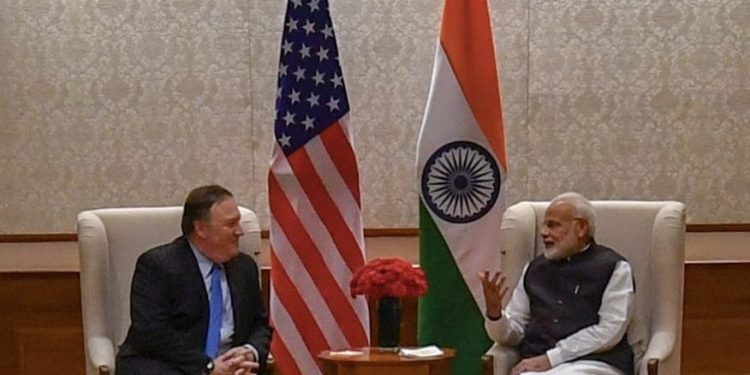
US Secretary of State Mike Pompeo will start a three-nation tour from June 24 through New Delhi, Osaka and Seoul, to advance the shared goal of a free and open Indo-Pacific” which is but a euphemism for containing expansionist China.

It may not be smooth sailing for Pompeo in New Delhi because there are grave trade issues between India and the US. American sanctions against Iran, Venezuela, and Cuba have affected India’s import of oil. Sanctions against Russia have affected weapons imports from that country.

Pompeo will be in New Delhi with a long wish list, and also offers which he hopes, will wean India away from dalliance with the Beijing and Moscow.

Visiting US Secretary of State Pompeo may find Modi a tough nut

Indian Prime Minister Narendra Modi’s stance at the Summit of the Shanghai Cooperation Organization (SCO) in Bikshek on June 14, should worry the US as it indicated that India might lean towards China and Russia in an effort to be independent of the US.

The US policy of pressing India to fall in line with its foreign policy and its economic interests, and punishing India if it fell out of line have not gone down too well in New Delhi. India is now a different kettle of fish with Modi back in power in greater strength than before after the parliamentary elections.

Thus, Pompeo might well find Modi’s charming exterior hiding a hard interior.

Trade War

On June 5, the Trump Administration terminated India’s eligibility for a special trade status that allowed US$ 6 billion worth of Indian goods into the US duty-free. It is reported that more trade sanctions may follow as President Donald Trump pushes India to open up its medical devices, dairy products and retail markets to US companies. High Indian import duties irk US exporters. Tighter e-commerce rules, which were introduced earlier in 2019, have hurt Amazon and Walmart.

But Indians also have tales of woe to tell. The sanctions imposed by the US on Iran, Venezuela, Cuba and Russia are hurting Indian oil and arms imports. To India the US appears to be brazenly indulging in a modern version of gunboat diplomacy.

On June 16, India imposed retaliatory tariffs on 29 goods imported from the US. The 29 US goods include walnuts, apples, and some pulses. India and the US had been locking horns over the US decision to raise tariffs on Indian aluminum and steel products. The new Indian tariffs will impose a burden of US$ 220 million to US$ 290 million on the US.

However, to smoothen matters, Secretary of State Pompeo is expected to sugarcoat his demands. An indication of this was there in his speech at the US-India Business Council Ideas Summit on June 12.

Hoping to swing major concessions from Prime Minister Modi, Pompeo made extremely flattering remarks about him. Many observers were surprised by the result, but, frankly, I wasn’t. I’ve been watching closely. My team at the State Department was watching closely. And we knew – we knew that the Prime Minister was a new kind of leader for the world’s most populous democracy.”

He is the son of a tea seller who worked his way up to governing a state for 13 years and now leads one of the world’s truly emerging powers. He’s made economic development for the poorest Indians a priority. And, indeed, millions who once went without light bulbs now have electricity. And millions who lacked cooking stoves now have them,” Pompeo said.

We are eager to help India establish secure communications networks – including 5G networks,” he added, in a bid to keep the Chinese company Huawei away from the Indian market.

Pompeo also praised the new Indian Foreign Minister, S.Jaishankar, who is believed to be friendly to the US. He’s ready to cultivate a warmer relationship with America – and he knows that the feeling is mutual,” Pompeo said.

But for all the praise Pompeo heaped on the Indian leader and the Foreign Minister, there was no offer to help India build up its manufacturing sector which is lagging behind China.

Veteran Indian diplomat M.K.Bhadrakumar has pointed out that all that Pompeo might offer is shale gas at market prices and state-of-the-art fighter aircraft. To fund purchases, the US will help India raise private capital for years to come.”

Pompeo would want India to complete the Westinghouse civil nuclear project. In March, the US had agreed to build six nuclear power plants in India. But Westinghouse is in a bad way. And there is this controversial 2010 Indian law which says that in case of an accident in a nuclear plant, the provider of the technology, and not the operator, will bear the cost.

In an article written for the Observer Research Foundation in April 2019, Dr.Manoj Joshi says that the report that the US will help build six nuclear power plants in India should be taken with a pinch of salt.

When it comes to the US, inter-governmental declarations are not how business gets done. It requires working through a labyrinth of terms and conditions with companies and financial institutions. And, the nuclear-reactor business is not too healthy in the US,” Joshi writes.

He also points out that Westinghouse has just emerged from a Chapter 11 bankruptcy settlement on account of the construction of four AP1000 reactors in Georgia and South Carolina.

According to Joshi, the announcement of building six reactors in India came during Foreign Secretary Vijay Gokhale’s visit to the US and it seemed to have been aimed at pleasing Washington at a time when bilateral trade ties appeared to have hit turbulence. It was also a token genuflection towards the Indo-US nuclear deal of 2008, he remarks.

This deal, with its commitment to promote US nuclear reactor sales to India, came unstuck after India passed a stringent liability law (in 2010) that made the manufacturers, rather than the operator, primarily liable for damage in the event of an accident,” Joshi points out.

Cancelled Lankan Visit

The US has suffered a setback by cancelling Pompeo’s visit to Sri Lanka. The primary aim of Pompeo’s visit, slated for June 27, was to thrash out an agreement over some sensitive clauses in the controversial US-proposed Status of Forces Agreement (SOFA).

But SOFA is a too hot a potato for Sri Lankan politicians to hold in an election year because it is widely seen as a grave infringement of Sri Lanka’s sovereignty. Both President Maithripala Sirisena and Prime Minister Ranil Wickremesinghe are opposed to SOFA on the same grounds.

Sirisena had told Foreign Minister Tilak Marapona to make it clear to the US officials in Washington that SOFA is not acceptable, though US officials insisted that the issues were technical in nature and could be settled through further talks.

According to the Janatha Vimukthi Peramuna (JVP), SOFA would grant US military personnel, US military contractors and US military suppliers, the same perks and privileges granted to technical and administrative officers of the US Embassy.

The draft agreement also allows the above-mentioned personnel to enter the country with only a US Government Issued ID card (without a passport).

JVP MP Bimal Ratnayake, said that SOFA would take away Sri Lanka’s right to inspect any US vessels (aircraft or naval vessels) that enter Sri Lanka, adding that Sri Lanka will not be able to prosecute any of the personnel under Sri Lankan law for any offence, and that Sri Lanka would not have authority to inspect whatever they bring in or take out of the country.”

Recently, Defense Secretary, Gen.(Rtd) Shantha Kottegoda, told the Pathikada program on Sirasa TV, that SOFA should not be signed. He also said that no foreign troops are needed to protect Sri Lanka referring to provisions in SOFA in regard to the deployment of US defense personnel in the island.

දැන් හරි කියා අගමැති කිවුවා.. එහෙම හිතන්නෙ නොම්මර එකේ මෝඩයෙක්..- ෆොන්සේකා

June 24th, 2019

lanka C news

පාස්කු ඉරිදා ත්‍රස්ත ප්‍රහාරයට සම්බන්ධ සියලු දෙනා අත්අඩංගුවට ගෙන ඇති බවත් එම අන්තවාදී ත්‍රස්තවාදී තර්ජනය දැන් අවසන් බවටත් අගමැති රනිල් වික්‍රමසිංහ මහතා මෑතකදී පවසා ඇති බව පාර්ලිමේන්තු මන්ත්‍රී ෆීල්ඩ් මාර්ෂල් සරත් ෆොන්සේකා මහතා සඳහන් කරයි.

මෙම ත්‍රස්තවාදී තර්ජනය මෙතනින් අවසන් යැයි කිසිවකු සිතන්නේ නම් ඔහු නොම්මර එකේ මෝඩයෙක් බවද ෆොන්සේකා මහතා කියා සිටියේය.

අදාළ ප්‍රහාරය සම්බන්ධයෙන් ජනාධිපතිවරයා මෙන්ම අගමැතිවරයා ද වගකිව යුතු යයි ඔහු අවධාරණය කළේය.

මේ සම්බන්ධයෙන් විමසීම් කරන පාර්ලිමේන්තු තේරීම් කාරක සභාවට ඕනෑම පුද්ගලයෙකු කැඳවීමට බලය ඇති බවත් ඔවුන් නොපැමිණියහොත් එය නීතිවිරෝධී බවත් ඔහු පැවසීය.

මන්ත‍්‍රීවරයා මෙම අදහස් පළ කළේ කැලණියේ දී පැවති උත්සවයකින් පසු මාධ්‍ය අමතමිනි

Curiouser and curiouser

June 24th, 2019

Editorial Courtesy The Island

Prime Minister Ranil Wickremesinghe says the National Thowheed Jamaat (NTJ) threat has been effectively neutralised and all those who had links to NTJ leader Zahran have been arrested. He assures that the country is now safe. Curiously, he is striving to have the government’s controversial Counterterrorism Bill ratified in a bid to replace the existing Prevention of Terrorism Act; he believes that the country has had to tackle the problem of international terrorism and there should be new laws. He is confident that his government has the backing of foreign powers to ward off the ISIS threat.

How can anyone be so sure that the ISIS really had a hand in the Easter carnage? The Hindu has reported that the ISIS was initially unaware of the Easter Sunday attacks though it claimed the responsibility for them, later on. If it had ordered the bombings, it would have lost no time in claiming the responsibility.

Of the seven Easter Sunday blast sites, four were in Colombo and one in a suburb—the Kochchikade Church, Kingsbury, Cinnamon Grand, Shangri-La and a guesthouse in Dehiwala. The others were in Negombo and Batticaloa. There were eight explosions including two at Shangri-La, and five of the blast sties can be connected with a line, which extends from Dehiwala to Kochchikade, skirting the Colombo Port City. Why were there two blasts at Shangri-La? Had Zahran been instructed by the person or persons who handled him to make sure that it suffered extensive damage? Was that hotel the main target?

As for the Dehiwala blast, why on earth did the terrorist on a suicide mission, the planning of which must have taken months, blow himself up in an unknown location? It is being claimed in some quarters that he was the person sent to attack Taj Samudra, but he left the place, having failed to trigger an explosion three times, and blew himself up in Dehiwala. There is no such thing as a defective suicide jacket that fails to explode thrice and then goes off. Interestingly, on 29 April, Archbishop of Colombo Malcolm Cardinal Ranjith told the media that St. Mary’s Church, Dehiwala had been among the terrorist targets, but the bomber had abandoned his plan and blown himself up elsewhere in the same area.

Meanwhile, UPFA MP Dayasiri Jayasekera has gone on record as saying that the NTJ bomber assigned to attack Taj Samudra did not carry out the blast due to the presence of some highly connected persons there. The CID and the TID have not requested MP Jayasekera to name them. What one gathers from this statement by no less a person than SLFP General Secretary Jayasekera, a trusted lieutenant of President Maithripala Sirisena, who is the Defence Minister and the Commander-in-Chief, is that information about the identities of the persons he has stopped short of naming will throw fresh light on the terror attacks.

Let it be repeated that all Easter Sunday blasts, save the one in Batticaloa, were on the littoral between Dehiwala to Negombo. China’s string of pearls is known to one and all, and the terror attacks in Colombo looked like a ‘string of blasts’ around the Port City being built by the Chinese, who are also trying to attract investors.

If the ISIS has been behind the Easter attacks, then nobody can claim that the country is safe, for it does not believe in one-off attacks; there must be more sleeper cells. Was Zahran handled by some other external outfit though the ISIS has claimed the responsibility for the blasts? Spy ops can be stranger than fiction if one goes by the confessions made by former top spies like Victor Ostrovsky, who authored ‘By way of Deception’, an explosive chronicle of his work as a secret agent.

The police ought to explain why they have chosen to ignore MP Jayasekera’s aforesaid claim.

අපි බලයට පත්වුණාම අනිවාර්යෙන්ම ස්ථාවර ආණ්ඩුවක් ගොඩ නගන්න බැරි මේ මැතිවරණ ක්‍රමය වෙනස් කරනවා.

June 24th, 2019

මාධ්‍සාකච්ඡාව  ශ්‍රී ලංකා පොදුජන පෙරමුණ

අද (24) පැවැති මාධ්‍ය හමුවට සහභාගි වු මන්ත්‍රීවරුන්
■ පාර්ලිමේන්තු මන්ත්‍රී ඩලස් අලහප්පෙරුම මහතා
■ පාර්ලිමේන්තු පවිත්‍රා වන්නිආරච්චි මහතා

පාර්ලිමේන්තු මන්ත්‍රී ඩලස් අලහප්පෙරුම මහතා
අද සිට ජනාධිපතිවරණයට තියෙන්නේ තවත් දින 148.අගෝස්තු එකොළොස් වැනිදා ශ්‍රී ලංකා පොදු ජන පෙරමුණේ මහා සමුළුව පැවැත්වෙනවා. සියලු ප්‍රගතිශීලී බලවේග නියෝජනය කරන අපේ ජනාධිපතිවරණ  අපේක්ෂකයා එදින රටට දැනුම් දෙනවා. මහා සමුළුවෙන් පසුව එළඹෙන අගෝස්තු එකොළොස් වැනිදා සිට දින සියයකින්  ආණ්ඩුව අවසන් කිරීමේ වැඩපිළිවෙළ ඇරඹෙනවා. මේ ආණ්ඩුව ජනවාරි 9 වැනිදා බලයට ආවේ දින 100න් අලූත් රටක් තේමාවෙන්. අපිත් අගෝස්තු මස 12 වැනිදා සිට දින 100න් අලුත් රටක් නිර්මාණය කිරීමේ වැඩපිළිවෙල අරඹනවා. අගෝස්තු 12 වෙනිදා ට  දින 100න් අලූත් රටක් කියලා කියලා මාධ්‍ය ඔස්සේ වැර්තා කරන්න පුළුවන්.
ජනාධිපතිවරණ අපේක්ෂක පෝලිමට අලුතෙන් කෙනෙක් එකතු වුණා.ඒ ඌරුවරිගේ රාජිත සේනාරත්න. අපේ වන්නියලැත්තන්ගේ ඌරුවරිගේ ගැන නෙවෙයි මේ කියන්නේ. ජනාධිපති අපේක්ෂක නාමාවලියට නම් ඇතුළත් කර ගැනීමේ දේශපාලන රෝගයකින් සියලුම දෙනා පෙළෙනවා. දේශපාලකයින්ගේ දේශපාලන ජීවිතයට වසර 25ක් පිරිම වැනි දේ සමරමින් මීට කාලෙකට ඉහත සැමරුම් උත්සවය පැවතුණා. ඒ කාලේ දවස පත්තරයේ කර්තෘ ගුණදාස ලියනගේ මහතා මේ උපහාර උළෙල නවත්තන්න වැඩක් කලා. හොරණ නගරයේ මුට්ට කරගහන ජොනීගේ මුට්ට කර ගැසීමට වසර විසිපහක් පිරීම සමරමින් එතුමා උත්සවයක් සංවිධානය කරා. එතනින් පස්සේ දේශපාලඥයින්ගේ උපහාර උළෙලවල් නැවතුණා.

අපේ ජනාධිපතිවරණ අපේක්ෂකයා විය යුත්තේ කවුද. ඔහු නිසැකයෙන්ම ලෝක බලවතුන් ඉදිරිපිට දණ නොනමන නායකයෙක් විය යුතුයි. අන්තවාදයට ත්‍රස්තවාදයට  කොන්දේසියකින් තොරව කටයුතු කළ හැකි නායකයෙක් විය යුතුය. කාන්තාවට දරුවන්ට ආදරය කරන සංස්කෘතික මිනිසෙක් විය යුතුයි. විසිඑක්වැනි සියවසට ගැලපෙන නූතන දැක්මක් සහිත සිංහල දමිළ මුස්ලිම් බොදු කිතුනු හින්දු සියලු ජනවර්ගවලට මගෙ රට කිරි හැකි රටක් නිර්මාණය කරන නායකයෙක් විය යුතුයි.

එහෙම නැතුව ඇස් ගිලීම, මූනේ මහන්සි පාට, නින්ද නොයාම රාජ්‍ය නායකයෙකුට ගැලපෙන්නේ නැහැ. ඒ වගේ අය ගැන පිටකොටුවේ නාට්ටාමි සංගමයට දැනු දෙන්න.

අප්‍රේල් 21 පාස්කු ප්‍රහාරයට මුවා වෙලා ,ඒ සිද්ධිය නිසා ඇතිවුණු යන කැළඹිල්ල ප්‍රයෝජනයට ගනිමින්  මුවාවෙලා බරපතල තීන්දු තීරණ ගත්තා. කොළඹ වරායේ නැගෙනහිර පර්යන්තය විකුණුවා. සමෘද්ධි ව්‍යාපාරය මුළුමනින්ම දේශපාලනීකරණය කළා. පැලවත්ත සෙවණගල ආදී කර්මාන්ත

දේශපාලකයන්ගේ සාක්කුවට දෙන  විදිහට පනත් සම්මත කළා. රාජ්‍ය  ඔත්තු  සේවා හෙළිදරව් කළා. දැන් රාජ්‍ය බැංකු පුද්ගලීකරණය කිරීමේ වැඩපිළිවෙළ සකසමින් සිටිනවා. ඒත් සමගම මාධ්‍යයත් මේ ලැයිස්තුවට එකතු වෙලා. මාධ්‍යවේදීන් සහ මාධ්‍ය ආයතන දඩයම් කිරීමේ පනතක් ගේන්න සූදානම් වෙනවා. යුධ වාතාවරණය යටතේවත් අපේ රටේ එවැනි පනත් ගෙනවේ නැහැ. මේ පනත යටතේ මාධ්‍යවේදීන් හෝ මාධ්‍ය ආයතන ලක්ෂ පහකට නොඅඩු දඩයකට යටත් කරන්න හැකියාව ලැබෙන අතරම වසර දහයකට නොඅඩු සිරදඬුවමක් දෙන්නත් පුළුවන් .

මීට පෙර මාධ්‍යයට තර්ජන ආවම රාජ්‍ය නායකයා කවුරුවුනත් මාධ්‍ය සංවිධාන නැගිට්ටා. නමුත් මේ මොහොතේ සාහසික බරපතළ පනතක් කරළියට ඇවිත් තිබුණත් මාධ්‍ය සංවිධාන ඇතුලේ පේන්න තියෙන්නේ සුසානයක නියඬතාවයයි. පාස්කු ප්‍රහාරයෙන් පසු දින සිට මේ මාධ්‍ය දඩයම ගේන්න ආණ්ඩුව උත්සාහ කළා. ඒ ප්‍රතිත්‍රස්ත පනත හරහා. නමුත් ආණ්ඩුවේ මන්ත්‍රීවරුන් ඒ පනතට විරුද්ධ වුණා. ඒ පනත ගේන්න බැරි උන නිසා තමයි මේ පනත ගේන්න හදන්නේ. ඔබේ දොරට දඩයම්කරු ඇවිත් තට්ටු කරන විට ප්‍රමාද වැඩියි කියලා හිතෙන්න කලින් මාධ්‍ය මේ සම්බන්ධයෙන් පෙරට ආ යුතුයි .

මේ ආණ්ඩුවේ දුර්වල කම ගැන කාරණා එළියට එනවා. මහින්ද රාජපක්ෂ සමයේ නූතනත්වය ගැන කතා කරමින් ලංකාව පුරා නූතන අධිවේගී මාර්ග පද්ධතියක් සැකසීම ගැන අහන්න ලැබුණා. දැන් අහන්නට වෙන්නේ පැලෝපීය නාල ගැන. අපි අවුරුදු හතර හමාරකට පස්සේ ගෝත්‍රික තත්ත්වයට ඇවිත්. ජනාධිපතිවරයා කියනවා මේ හැමදේටම දහනම වැනි ව්‍යවස්ථා සංශෝධන වගකියන්න ඕන කියලා .ඊට කලින් දින සියය ගැන මුකුත් දන්නේ නැහැ කියලා කිව්වා.  අප රටේ ජනතාවට කැබිනට් මණ්ඩලය ගැන විශ්වාසයක් නැහැ. රටේ දේශපාලන අස්ථාවර භාවයක් තියෙන්නෙ. දේශපාලන අස්ථාවරභාවයට හේතුව රටේ පවතින මැතිවරණ ක්‍රමයයි. සමානුපාතික ක්‍රමය හඳුන්වා දුන්නේ 1988 මහ මැතිවරණයේදී. එතැන් සිට මහ මැතිවරණ හතක් පැවැත්වූවා.1988 මහ මැතිවරණය සහ 2010 මහ මැතිවරණයෙන් හැරෙන්න අනිත් මහ මහමැතිවරණ පහෙදිම පත්වුණේ සුළුතරයේ ආණ්ඩු.

1994 දී චන්ද්‍රිකා බණ්ඩාරනායක මැතිනිය ගැන විශාල බලාපොරොත්තුවක් තිබියදීත් තිබුනේ තිබියදීත් මන්ත්‍රීධූර 105ක්. ඊළඟ මැතිවරණයේදී බෝම්බ වැදිලා අනුකම්පාව යටතෙත් දිනා ගන්න හැකි වුණේ මන්ත්‍රිධුර 107යි. ඊට පස්සේ රනිල් වික්‍රමසිංහගේ නායකත්වයෙන් එකසිය නමයක් පත්වුණා. ජනතා විමුක්ති පෙරමුණ සහ ශ්‍රී ලංකා නිදහස් පක්ෂය අතිනත අරන් පවත්වපු මැතිවරණයෙන් පත් ඳාවුණේ 105යි.  2015 අගෝස්තු මාසේ එක්සත් ජාතික පෙරමුණ විදිහට පුළුල් පෙරමුණකින් ඇවිල්ල ගන්න ලැබුණේ 106යි. 1988 දී සහ 2010 විතරයි බහුතරයක් ලබා ගත්තේ. 1987 මහ මැතිවරණය පැවැත්වුණේ මහා භීෂණයක් මැද. හමුදා ආරක්ෂාව මැද එක්සත් ජාතික පාක්ෂිකයන් පමණක් ඡන්දෙ ප්‍රකාශ කළා. සමස්ථ ඡන්දදායකයින්ගෙන් සියයට 46 ක් පමණයි ඡන්දය දුන්නේ. එදා බහුතරයක් ලැබීම අහඹු සිදුවීමක්. 2010 වර්ෂයේ දී බහුතරයක් සහිත ආණ්ඩුවක් පත් වුණේ යුද ජයග්‍රහණය සහ මහින්ද රාජපක්ෂ මහතාගේ නායකත්වයට තිබුණු ජනතා කැමැත්ත නිසයි. මේ විදියට සුළුතර ආණ්ඩු පත්වීම නිසා පාර්ලිමේන්තුව ඇතුළත් පාර්ලිමේන්තුව පිටතත් නාස්තිකවාදීන් පිනවන්න සිද්ධ වෙනවා.

පළාත් සභා පනත වෙනස් කරන වෙලාවේ ආණ්ඩුවට  තුනෙන් දෙකේ බලය අවශ්‍ය වුණා. එදා රවුෆ් හකීම් රිෂාඞ් බදුරුදීන් ඡන්දෙ දෙන්න කැමති උනේ නැහැ. මේ අය එක්ක සාකච්ඡා කරන්න ඕන නිසා කිසිදු දැනුම් දීමකින් තොරව  පාර්ලිමේන්තුව රෑ නවය වෙනකල් පැවැත්තුවා. අවසානයේ 50 ට 50 දෙන්න එකඟ වෙලා මේ අයගේ ඡන්දය ගත්තා .

දිනේෂ් ගුණවර්ධන මහතාගේ නායකත්වයෙන් රටට උචිත මැතිවරණයක් සකස් කළා. අපිට ස්ථාවර ආණ්ඩුවක් පත්කළ හැකි ආකාරයෙන් මැතිවරණ ක්‍රමයක් අවශ්‍යයි.
අපි බලයට පත්වුණාම අනිවාර්යෙන්ම ස්ථාවර ආණ්ඩුවක් ගොඩ නගන්න බැරි මේ මැතිවරණ ක්‍රමය වෙනස් කරනවා.ඒ ගැන මේ වන විට සාකච්ඡා කරමින් පවතිනවා. ආණ්ඩුව එක්සත් ජාතික පක්ෂයේ ආණ්ඩුවක් ද වෙනත් පක්ෂයක ආණ්ඩුවක් ද අදාළ නැහැ. අවශ්‍ය වන්නේ ස්ථාවර ආණ්ඩුවක් සකස් කිරීමේ මැතිවරණ ක්‍රමයක්. රටට සුදුසු මැතිවරණ ක්‍රමයක් සැකසීම ඊලග ජනාධිපතිවරයා ගේ පළමු වගකීම් කිහිපය අතර තිබෙනවා.

තිරසාර සංවර්ධනයක් කතා කරන මේ ආණ්ඩුවට මේ වසර හතරහමාර පුරාම තිරසාර තීන්දු ගන්න බැරි වුනා.

පාර්ලිමේන්තු පවිත්‍රා වන්නිආරච්චි මහත්මිය
මෛත්‍රීපාල ජනාධිපතිවරයා තිරසාර සංවර්ධනයක් පිළිබඳව මේ අවුරුදු හතරහමාර පුරාම කතාබහට ලක් කළා. එතුමා එහෙම කතා කළාට මේ ආණ්ඩුවට මේ අවුරුදු හතර හමාර පුරාම තිරසාර තීන්දු ගන්න බැරිවෙලා තියෙනවා. එක වෙලාවකට කියනවා වැලි ගොඩදාන එක නවත්තන්න ඕන කියලා, තව වෙලාවකට කියනවා ගස් කපන එක නවත්තන්න ඕනේ කියලා. තවත් වෙලාවකට කියනවා වඩු මඩුහදන එක නවත්තන්න ඕන කියලා. දැන් එතුමා කියනවා මේ අගමැතිතුමාගේ ජනාධිපතිතුමාගේ අතර තියෙන ප්‍රශ්නය ඇතිවුණේ ඇතිවුනේ දහනව වැනි ආණ්ඩුක්‍රම ව්‍යවස්ථාව හින්ද කියල. දැන් මේ රටම අවුල් වෙලා තියෙන්නේ දහනවවෙනි ආණ්ඩුක්‍රම ව්‍යවස්ථාව නිසා කියලා එතුමා කිව්වා. මේ දහනවවෙනි ආණ්ඩුක්‍රම ව්‍යවස්ථා සංශෙෘ්ධනය කර ගහගෙන ඇවිත්  එතුමා ජනාධිපති වෙච්චි වෙලාවේ ශ්‍රී ලංකා නිදහස් පක්ෂයේ බලය බලහත්කාරයෙන් අල්ලාගෙන, පක්ෂ සභාපති වෙලා, පක්ෂය තුළ තියෙන බලය පාවිච්චි කර විශාල පෙරලිය කට ලක් කලා. 19 වැනි ව්‍යවස්ථා සංශෝධනය කර ගහගෙන ඇවිල්ලා ඒකට ඡන්දෙ දෙන්න කියලා මේ මන්ත්‍රීවරුන්ට බරපතළ විදියේ බලපෑමක් කලේ මෛත්‍රීපාල සිරිසේන ජනාධිපතිවරයායි. 19 වැනි ව්‍යවස්ථා සංශෝධනය සම්මතවුන බව දැනගත්තේ පත්තරෙන් හරි ෆෙස්බුක් එකෙන් හරි කියලා එතුමා කිව්වේ නැති එක පිළිබඳව මට පුදුමයි. දැන් එතුමා කියනවා අගමැතිතුමාගේත්, ජනාධිපතිතුමාගේත් අවුලට හේතුව සහ රටේ තියෙන සියලුම ප්‍රශ්නවලට හේතුව 19 වෙනි ව්‍යවස්ථා සංශෝධනය කියලා. එතකොට මේ තිරසාර රාජ්‍යයක් ගැන කියලා මෛත්‍රිපාල ජනාධිපතිතුමා සහ අගමැතිතුමා අත්හදා බැලීමක්ද අවුරුදු හතර හමාරක් පුරා සිදු කළේ . ඔවුන් දැන් පාස්කු ප්‍රහාරයෙ වරද ආරක්ෂක අමාත්‍යංශයේ ලේකම් පිට පටවනවා. ආරක්ෂක අමාත්‍යංශයේ හිටපු ලේකම් හේමසිරි ප්‍රනාන්දු මහත්තයා පත් කලේ අපි නෙවෙයි. ජනාධිපතිවරයා යම්කිසි තනතුරක් දරන්න බැරි අය රටේ ආරක්ෂක ලේකම් ධුරයට පත් කරානම් ඒ පත් කරපු ජනාධිපතිවරයා, පත්කරපු අගමැතිවරයා මේකෙ වගකීම භාරගන්න ඕනේ. එහෙම නැතුව පාස්කු ප්‍රහාරයේ වගකීම හිටපු ආරක්ෂක ලේකම් හේමසිරි ප්‍රනාන්දුට පවරලා, පාස්කු ප්‍රහාරයේ වගකීම හිටපු පොලිස්පති පූජිත් ජයසුන්දරට පවරලා අත හෝදගන්න බැහැ. ඇයි පූජිත ජයසුන්දර පත්කලේ අපි නෙවෙයි. පත්කිරීම් කරන වෙලාවේ ව්‍යවස්ථාදායක සභාවේ ඒකාබද්ධ විපක්ෂයේ එකදු මන්ත්‍රීවරයෙක් වත් හිටියේ නැහැ.

පූජිත් ජයසුන්දර මහත්තයා එතුමාගේ ධූරය දරන කාලේ තමන්ගෙ තනතුරට ගැලපෙන්නෑ කියන එක කීපසැරයක් මාධ්‍ය මගින් ඔප්පු කළා. මාධ්‍යවල ඒවා පෙන්නුවා. ඒ වෙලාවේ එතුමා අයින් කරන්න වැඩ කලාද. එතුමාගේ නම නිර්දේශ කරල ආපුවාම අගමැතිතුමා ජනාධිපතිතුමා නියෝජනය කරන ව්‍යවස්ථාදායක සභාව එතුමාව පත්කළා. දැන් රටට කියනවා ඒකෙ වගකීම අපට බාර ගන්න බැහැ කියලා. එතකොට ඒකෙ වගකීම භාර ගන්න ඕනේ අපි ද? රටේ මිනිස්සුද?. ඒ අය වගකීම් විරහිත නම් ඒ අය පත් කරපු අයයි වගකීම භාර ගන්න ඕනේ. අද මුළු රටම පිළිගන්නවා මහින්ද රාජපක්ෂ මැතිතුමා ආරක්ෂක ලේකම් ධූරයට ගෝඨාභය රාජපක්ෂ මැතිතුමා පත් කිරීමට ගත්ත තීන්දුව ඉතාම නිවැරදි තීන්දුවක් බව. ඒකෙ සීයට එකකවත් අවදානමක් තිබුණේ නැහැ. හැබැයි මේ හැම එකටම අත්හදා බැලීම් කරන ජනාධිපති සහ අගමැති දැන් කියනවා දහනවවැනි ව්‍යවස්ථා සංශෝධනය නිසා තමයි නැති ප්‍රශ්නය ඇති උනේ කියලා.

අවුරුදු හතර හමාරකට පස්සේ ද ජනාධිපතිතුමාට මතක් උනේ වුණේ එතුමා කරගහගෙන ආපු දහනමවැනි සංශෝධනය රටට ගැලපෙන්නේ නැහැ කියන දේ. මේ රටේ මිලියන විසිදෙකක් ජනතාවගේ ආරක්ෂාව එක්ක එතුමන්ලා සෙල්ලම් කරනවා. මේ රටේ අහිංසක ජනතාවගේ ආර්ථිකයත් එක්ක එතුමන්ලා සෙල්ලම් කරනවා. ඒ නිසා රට ගැන අත්හදා බැලීම් කරන්න, රටේ ආරක්ෂාව ගැන අත්හදා බැලීම් කරන්න, රටේ ආර්ථිකය ගැන අත්හදා බැලීම් කරන්න, ජනාධිපතිවරු අගමැතිවරු පත් උනහම ඒ අය රටත් කාලා අපිවත් කාලා පක්ෂත් කාලා රටේ අනාගතයක් කාල ඔවුනුත් විනාශ වෙනවා. ඒ නිසා මේ රටේ ජනතාවගෙන් අපි ඉල්ලා සිටිනවා. මෙවැනි තීන්දු ගන්න බැරි අත්හදා බැලීම් කරන රාජ්‍ය පාලකයින් පත්නොකර මව්බිමේ ජාතික ආරක්ෂාවට, ජාතික ආර්ථිකයට නායකත්වයක් දෙන්න පුළුවන්, වගකීමක් ගන්න පුළුවන් පුද්ගලයෙක්  මේ රටේ නායකත්වයට ගේන්න අපත් එක්ක එකතු වෙන්න කියලා. රූකඩ පාලකයන් දේශපාලනයෙන් අතුගා දාන්න අපිත් එක්ක එකතු වෙන්නයි කියලා අපි මේ රටේ ජනතාවගෙන් ඉල්ලා සිටිනවා.        

 20 ගැන මහා හීනෙකින් අපි 19 සංශෝධනයට අත එසවූවා.  

ප්‍රශ්නය – ඊයේ ලංකාවේ ජනාධිපති තුමාගේ කතාව ගැන මං විශේෂයෙන් ඔබගෙන් අහන්න කැමති. එදා ජනතා නියෝජිතයින් අනූ පස්දෙනෙක් පෞද්ගලිකව නියාමනය කරමින් ජනාධිපතිවරයා දහනමවැනි සංශෝධනය සිදු කලා. ඔබතුමන්ලා කරුමෙට 19 ට අත එසවූවා. දැන් කියනවා දහනවවැනි සංශෝධනය අහෝසි කරන්න ඕනේ කියලා. දැන් ඔබතුමා මොකද කියන්නේ?

පිළිතුර –  එතුමා කියන්නේ දහනමවැනි සංශෝධනය නිසා තමයි මේ සියලු ව්‍යාකූල තත්වයක් නිර්මාණය වුණේ කියලා. දහනවවැනි සංශෝධනයෙන් රට ව්‍යාකූල වුනු බව ඇත්ත. හැබැයි ඒක නෙමෙයි ප්‍රධාන කරුණ. දහනමවැනි සංශෝධනය ඉවත් කරන්න ඕන. ඒක ගැටළුවක් නැහැ. හැබැයි මේ මොහොතේ මේ රටේ තියෙන ප්‍රධානම ප්‍රශ්නය තමයි අන්තවාදය හා ත්‍රස්තවාදය. මේ රටේ තියෙන තවත් ප්‍රධාන ප්‍රශ්නයක් තමයි ආණ්ඩුවේ විසංවාදය. මිනිස්සු බලාපොරොත්තු වෙන්නේ ජනාධිපතිවරයා සහ අගමැතිවරයා එකට ඉඳියි කියලා. ආණ්ඩුවේ ප්‍රධාන පාර්ශවකරුවන් එකට එකතු වුන එක කාරණයක් ඔබට කියන්න පුළුවන්ද? ඔවුන් එකට එකතු වෙලා රටට කියපු එකම කාරණයක් හෝ තිබෙනවා ද? අපි අතින් වැරැද්දක් වුණා. නිහතමානීව අපි ඒවා පිළිගන්නවා. ඒ නිසා සංශෝධන නිවැරදි කරල අළුත්ම ආකාරයට හිතන නූතනත්වයට ඔබින තැනකට අපේ රට යන්න ඕන. මේ රටේ හොඳම ව්‍යවස්ථාව 1972 ජනරජ ව්‍යවස්ථාව. සිරිමාවෝ බණ්ඩාරනායක මැතිනිය ගෙනාපු ජනරජ ව්‍යවස්ථාව ජනක බණ්ඩාර තෙන්නකෝන් මහතාගේ පියා, පවිත්‍රා වන්නිආරච්චි මැතිනිය ගේ පියා අත ඔසවමින් සම්මත කරපු ජනරජ ව්‍යවස්ථාව. ඛේදවාචකය තමයි රටේ හොඳම ව්‍යවස්ථාව තිබුණේ අවුරුදු පහයි. 72 ව්‍යවස්ථාව 78 වෙනස් වුණා .හැබැයි හතලිස් අටේ ව්‍යවස්ථාව 72 වෙනකන් ගියා. මේ දෙකම අවුරුදු හතළිහකට වැඩිය ගිහිල්ලා තියෙනවා. හැබැයි රටට දීපු හොඳම ව්‍යවස්තාව තිබුණේ අවුරුදු පහයි. ඇයි ඒකට හොඳම ව්‍යවස්ථාව කියන්නේ. දීර්ඝ වශයෙන් සාකච්ඡා කරලා කොල්වින් ආර්. ද සිල්වා බුද්ධිමතුන් එකතු වෙලා ප්‍රායෝගිකව ජාතිකත්වය මත පදනම් වෙලා දේශීය අනන්‍යතාවය මත සෑදුනු අපේම ව්‍යවස්ථාවක්. මේක නිවැරදි කරන්නට ඕනේ හැබැයි ජනාධිපතිතුමාවත් අගමැතිතුමාවත් කියන කාරණය නෙමේ. මේ අවුලට හේතුව. ආන්ඩුවේ විසංවාදය. දහනවවැනි සංශෝධනය ට අත් උස්සන්න අපිට වෙනම පොරොන්දුවක් හම්බුනා. ඒ විසිවෙනි සංශෝධනය ඉදිරිපත් කරනවා කියන පොරොන්දුව. විසිවෙනි සංශෝධනය ඉදිරිපත් කිරීමේ කොන්දේසිය උඩ තමයි අපි 19 වැනි සංශෝධනයට කැමැත්ත දුන්නේ. විසිවෙනි සංශෝධනයෙන් තමයි මැතිවරණ ක්‍රමය වෙනස් වෙන්නේ. (ජනතා විමුක්ති පෙරමුණ  ගෙන ආ විසිවෙනි සංශෝධනය නොවෙයි) මේක තමයි ඛේදවාචකය. එහෙම තමයි අපිව රැවැට්ටුවේ.  20 ගැන මහා හීනෙකින් අපි 19 සංශෝධනයට අත එසවූවා.            

Sri Lanka’s likely to raise $2 billion via sovereign bonds – government officials

June 24th, 2019

Courtesy Reuters

COLOMBO (Reuters) – Sri Lanka is likely to raise $2 billion through 5-year and 10-year sovereign bonds launched on Monday, two government officials told Reuters, as the Indian Ocean island nation tapped global capital markets for the second time in three months.A man walks past a board advertising U.S. dollars at a money exchange shop in Colombo June 11, 2013. REUTERS/Dinuka Liyanawatte

The South Asian nation’s decision to capitalise on favourable market conditions comes two months after suicide bombers killed more than 250 people in attacks at churches and luxury hotels on Easter Sunday. That attack has badly dented the Sri Lankan economy, in particular deterring many thousands of foreign tourists from coming to the island.

We are planning to raise $500 million from 5-year bonds and $1.5 billion through 10-year bonds,” said a senior government official, who declined to be identified because he is not authorised to talk to media.

Both bonds have been oversubscribed three times during the day’s book building process in Asia and Europe alone. We are waiting for U.S. markets to finalise the deal.”

A senior finance ministry official also said the total size of the bond borrowing will be $2 billion.

A source who is aware of the deal said the price of 5-year bonds had tightened to near 6.4% from the initial price guidance of 6.6%, while 10-year bond price also got tightened to 7.6% from the initial price guidance of 7.8%.

The sale is part of plans to raise funds via sovereign bonds, as the government seeks new funds to repay loans that are maturing.

In March, Sri Lanka sold $1 billion in five-year bonds with a coupon of 6.85 percent and $1.4 billion in 10-year bonds with a coupon of 7.85 percent and the borrowing costs were lower than originally predicted.

The 10-year bond sold in March last traded at 7.302% and the five-year bond last traded at 6.258%, Refinitiv data showed.

BOC International, Citigroup, Deutsche Bank, HSBC, JPMorgan, SMBC Nikko and Standard Chartered Bank, who were the lead managers for the $2.4 billion borrowing in March, are the joint bookrunners for the bond sale.

The sale of new global sovereign bonds comes as Sri Lanka is struggling to repay foreign loans, with a record $5.9 billion due this year, including $2.6 billion in the first quarter and more than $1.2 billion in the second, central bank data showed.

All three major rating agencies downgraded Sri Lanka’s debt after President Maithripala Sirisena sacked his prime minister in October and replaced him with pro-China former president Mahinda Rajapaksa, though that decision was later reversed.

But the seven-week-long crisis hurt the rupee and drove sovereign bond yields higher, straining state finances.

Sri Lanka is unlikely to hit its full-year economic growth target of 3-4% following the bombings, junior finance minister Eran Wickramaratne told Reuters last month. A Reuters poll has forecast growth to slump to its lowest in nearly two decades this year.

PM Modi’s Visit After Easter Bombings Helped Sri Lanka Tourism: Minister

June 24th, 2019

Courtesy NDTV

Nine suicide bombers carried out a series of devastating blasts across three churches and three luxury hotels on Easter, killing more than 250 people.

PM Modi's Visit After Easter Bombings Helped Sri Lanka Tourism: Minister

Sri Lanka is absolutely safe. I can give you that guarantee: John Amaratunga
MUMBAI: 

In an effort to restore the Sri Lankan tourism following the Easter attacks in April, the country’s tourism minister John Amaratunga visited Mumbai to canvas his country as a safe destination.

Speaking on the sidelines of an event in Mumbai, Mr Amaratunga not only acknowledged Prime Minister Narendra Modi’s recent visit to Sri Lanka but also said the visit has boosted the potential for the country’s tourism sector to recover.

“That was a great deal of encouragement for Sri Lanka. It will particularly help us attract Indian tourists. He came and there was no risk in it. He also visited some of the churches that were damaged and it was very successful visit,” Mr Amaratunga said.

Nine suicide bombers carried out a series of devastating blasts across three churches and three luxury hotels on Easter, killing more than 250 people. The ISIS claimed responsibility for the attacks, but the Sri Lankan government blamed local group National Thawheed Jammath (NTJ) for the bombings.

“Sri Lanka is absolutely safe. I can give you that guarantee. I am speaking based on the reports from our military and there is absolute peace in the country,” Mr Amaratunga told NDTV.

However, Sri Lanka will report a decline in the number of tourists this year because of the terror attacks.

“If you look at incidents across the world, case studies prove that countries have taken 15 months to fully recover. If we do 2 million tourists this year it would be roughly a 30% decline in tourism and that’s not a bad number,” Kishu Gomes, chairman of Sri Lanka Tourism Promotion Board told NDTV.

Following the Easter Sunday attacks there were attacks on Muslims in the country.

Weighing his response against the doubts in the minds of tourist’s regarding visiting the Sri Lankan shores, Mr Amaratunga clarified that, “There are no problems in Sri Lanka. We have Sinhalese, Tamil and Muslims and they all live in close coordination. This attack was a singular group whose motives and activities can’t be explained. Rest of the Muslims in Sri Lanka are living in close coordination with the rest of the country. There are no problems at all.”

“The intelligence police and armed forces are confident that the situation in Sri Lanka is absolutely safe. There can be debates as it is a free country. The country is now normal and it is business as usual. There is no problem at all,” he clarified.

When asked about the deadlock between the Sri Lankan President Maithripala Sirisena and the Prime Minister Ranil Wickremesinghe, Mr Amaratunga said, “Our president and prime minister are working cordially. There may be some differences. We also have presidential elections coming up. Tourists are not interested in government. They are interested in safety and we can firmly give them that assurance.”COMMENT

“Initially there were contradictory statements by politicians but that lasted only for a few weeks. Later our military and defence secretary spoke to the global media and have assured safety. We have visited all embassies in Colombo to assure them with one consistent message and that led to relaxation of advisories within two weeks of the incident. No one needs to worry about what everyone else says, just go by what the military says,” Mr Gomes added.

Foreign hand in Parliament

June 24th, 2019

By Sugeeswara Senadhira Courtesy Ceylon Today

Not only the ordinary British citizens, but also the Queen, the Prime Minister, and top leaders were also shocked when it was revealed that much trusted Chief of Intelligence, Sir Anthony Blunt was working as a spy for the Soviet Intelligence Service, the KGB. Blunt, a Cambridge don, was one of the most trusted public servants of Britain, until it came to light about his traitorous acts.


The revelation made in Parliament earlier this week that Former Foreign Secretary Prasad Kariyawasam, who is now an adviser to the Speaker is being paid by the United States Government sent ripples through the intellectuals as well as security circles, as such payments are highly detrimental to the national interests of Sri Lanka.


Opposition Leader Mahinda Rajapaksa said that Parliament is an independent institution, and if a senior adviser is being paid by a foreign country, the public might think Parliament is being manipulated by foreign entities. If any advisor is paid by Parliament there is no problem. But the issue here is that a person is being paid by another country and he is serving our Parliament. No one can be employed by Parliament when he is paid by another country. If his services are required, he should be paid by this Parliament,” he said.


Mahajana Eksath Peramuna (MEP) leader Dinesh Gunawardena questioned Speaker Karu Jayasuriya as to how Kariyawasam was appointed as his Foreign Affairs Advisor when such a position does not exist in Parliament. Gunawardena claimed that Kariyawasam was an individual who is being paid by the US Government, adding that they have serious concerns, that in addition to advising the Speaker, whether Kariyawasam also acts to gather critical intelligence for other Nations.”


Karunasena Hettiarachchi


Kariyawasam’s actions on behalf of the United States were disclosed by former Defence Secretary Karunasena Hettiarachchi earlier. The Defence Secretary was pressured by Kariyawasam, who was the then Foreign Secretary to rush through the defence agreement, Acquisition and Cross-Servicing Agreement (ACSA) between Sri Lanka and the United States. Media reports stated that Kariyawasam is now a US federal government employee.


MEP leader Gunawardena pointed out it was detrimental to national interests to employ a person who is paid by a foreign country. “It is unacceptable that a person paid by a foreign government is working for out Parliament. We have a right to question this. Why are you engaging a former Foreign Ministry Secretary as your advisor? There is IPU, which spends enough money on such matters. Similarly, there is the CPA, the SAARC and all of us pay for that.”


It is true that nobody has any apprehension on Speaker Karu Jayasuriya’s intentions, as he is of impeccable character, and he has national interests at heart. However, the analysts are of the view that when such intermediaries are paid exorbitant salaries by foreign governments, they are always liable to push the agenda advanced by their paymasters rather than work for national interests.
Speaker Karu Jayasuriya pointed out that Prasad Kariyawasam, former Secretary to the Ministry of Foreign Affairs, is currently coordinating the parliamentary diplomacy group involving around 50-60 countries. He assists me in obtaining scholarships for parliamentarians, coordinating tours to learn about other Parliaments etc. We have no need to provide information to foreign countries,” he said.


Gunawardena said that on the Parliament list of positions, there is no such position specified. While Kariyawasam is getting paid by the US Government, how can he be appointed as your International Affairs Advisor? Moreover, how can he be paid? This gives rise to suspicion and puts the independence of Parliament in jeopardy.”


However, the Speaker insisted that there was no foreign interference and that the country’s sovereignty had not been jeopardised in any way.


Wimal Weerawansa


National Freedom Front (NFF) leader Wimal Weerawansa did not mince his words and alleged that Prasad Kariyawasam was the person responsible for pressuring the former Defence Secretary to sign the ACSA agreement. Prasad Kariyawasam’s beloved friend Maheshini Colonne was the individual responsible for pressuring the Government to sign the SOFA agreement with the United States,” Weerawansa said. When Kariyawasam was Sri Lankan High Commissioner in India, he was instrumental in getting Maheshini Colonne as Deputy High Commissioner. They both kept close connections with the US Embassy in New Delhi. Colonne later became a close confidante to then Foreign Minister Mangala Samaraweera. When Samaraweera became the Minister of Finance, Maheshini Colonne also joined the ministry.


According to the available information, Kariyawasam is employed by the US federal government-backed Agency for International Development (USAID), a federal entity. The agency’s Colombo Office has placed him as an Advisor to Parliament of Sri Lanka. USAID has been periodically helping and providing experts to help Parliamentary Oversight Committees.


The ACSA was signed on 4 August 2017. This was when the President was awaiting observations from the Commanders of the armed forces, at that time, expressing strong reservations. Defence Secretary Hettiarachchi told the President that he was pressurised by Kariyawasam to obtain Cabinet approval in a hurry.
The leader of the NFF, Wimal Weerawansa stated that Kariyawasam was not being paid by the American Government to further Sri Lanka’s interests, adding that the Speaker has given refuge to American serpents” inside Parliament.


The company which was tasked with implementing a US$ 13 million, US Government programme to strengthen democratic governance and accountability was Development Alternatives Incorporated, commonly known as DAI.
DAI is active in a number of regions across the world, as well as in countries including Georgia, Haiti, Iraq, Kosovo, Afghanistan, Myanmar, Nepal, Cambodia and Kenya. The functions of DAI include Legislative Strengthening, Decentralization and Local Government Management, Institutional and Policy Reform Public Administration, Civil Service Reform, and Human Resources Management, Voice and Accountability, Law and Justice, Public Financial Management and Health Governance.


The power rivalry in Asia is developing rapidly, and Sri Lanka should be wary about entering into defence pacts with foreign powers, as this Island-Nation risks becoming a battleground for the vested interests of global superpowers.


Signing SOFA


There were indications that the US would insist on signing SOFA during the visit of US Secretary of State Michael R. Pompeo to Sri Lanka on 27 June. The visit has now been cancelled, and the US Embassy announced that due to unavoidable scheduling conflicts during his upcoming visit to the Indo-Pacific region that includes accompanying President Donald J. Trump to the G20 Summit in Japan, US Secretary of State Michael R. Pompeo is unable to visit Sri Lanka as previously announced.” The announcement added that Pompeo hopes to travel to Sri Lanka at a later date to underscore our strong partnership with Sri Lanka, which is rooted in a commitment to democracy, economic growth and a free, open Indo-Pacific region.”

The postponement of Pompeo’s visit would give Sri Lanka sufficient time to study the clauses in SOFA thoroughly, and seek opinions of security forces and military experts, before finalising the agreement.

Killing of 26 Navy and Army personnel: Three ex-LTTE cadres indicted

June 24th, 2019

Buddhika Samaraweera Courtesy Ceylon Today

Attorney General Dappula de Livera has indicted three former LTTE members, in the Vavuniya High Court, over the killing of 26 prisoners of war.

The accused, Irasathurai Thiruwarul, Madirasan Sulakshan and Ganeshan Darshan along with another person, who has not been identified by the prosecution, have been indicted under 2(1)(a) – ‘Causing the death of persons’; 2(2)(1) – and 3(b) of the Prevention of Terrorism Act and Sections 113(b) – ‘Conspiracy’ and 102 – ‘Abetment’ of the penal code.

On 16 January 2009, the accused, Thiruwarul, Sulakshan and Darshan along with another had shot dead and set fire to 18 Navy personnel and eight Army soldiers, during the final stages of the separatist war,in the Valipuram area, a few days before the capture of Kilinochchi by the Sri Lankan Armed Forces.

When the case was taken up before the Vavuniya High Court Judge Ramanathan Kannan today (24), the prosecution sought to amend the indictment. Although the defendants objected to the amended charges 18 to 28, the High Court Judge dismissed the objections and decided to go to trial, considering the submissions by the prosecution.

The trial was postponed until tomorrow (25) and the 66th and 68th witnesses were ordered to appear in Court tomorrow.

 Buddhika Samaraweera 07:47 PM Jun 24 2019

Opposition appeals President not to sign proposed defense deal with US (English)

June 24th, 2019

Courtesy Adaderana

AG orders criminal investigation against Hemasiri Fernando

June 24th, 2019

Courtesy Adaderana

The Attorney general has advised the Acting Inspector General of Police (IGP) to conduct a criminal investigation into the former Defense Secretary Hemasiri Fernando.

Accordingly, the former Defense Secretary will be investigated over the failure to prevent or minimize the Easter Sunday bomb attacks.

The Attorney General has given these instructions referring to recommendations of the final report of the special board of inquiry appointed to inquire about the Easter attacks, stated the Coordination Officer to the Attorney General State Counsel Nishara Jayaratne.

Previously, the AG called for criminal investigations against 9 police officials including 3 DIGs over their lapses of duty thereby failing to prevent or minimize the attacks.

Supreme Court to consider IGP’s FR petition in July

June 24th, 2019

Courtesy Adaderana

The Supreme Court has ordered to consider the Fundamental Rights (FR) petition filed by Inspector General of Police Pujith Jayasundara, challenging the President’s decision to send him on compulsory leave, on July 31st.

The petition was taken up before the three-judge bench consisting of Supreme Court Justices Prasanna Jayawardene, L.T.B. Dehideniya and S. Thurairajah today (24).

Speaking on behalf of the Attorney General, Additional Solicitor General Indika Devamuni de Silva stated that the Secretary to President and the former Director of State Intelligence Service, two respondents of the petition, have raised objections against the petition through affidavits.

Attorney-at-Law Viran Corea, appearing on behalf of the IGP, told the court that he is yet to receive the copies of the affidavits.

Justice Prasanna Jayawardene then stated that the judge bench has not received the copies of the affidavits thus far.

The three-judge bench subsequently announced that the IGP Jayasundara’s FR petition would be considered on July 31st and ordered the attorneys of the respondents and the petitioner to present submissions regarding the matter on that day.

President’s Consel Anuja Premaratne spoke on behalf of former Defence Secretary Hemasiri Fernando while President’s Counsel Shanaka Ranasinghe appeared on behalf of the former Chief of National Intelligence Sisira Mendis.

Responding to a question raised by Justice Prasanna Jayawardene, Attorney-at-Law Viran Corea stated that the disciplinary authority of the IGP is the Cabinet of Ministers although he is appointed by the President on the recommendations of the Constitutional Council. He added that the National Police Commission is not the disciplinary authority of the IGP.

Justice Prasanna Jayawardene pointed out that the President serving as the Minister of Law and Order at the time when the IGP was sent on compulsory leave is main debatable point in the hearing of this FR petition.

Petitioner Pujith Jayasundara says that President Maithripala Sirisena appointed him as the Inspector General of Police as per the recommendations of the Constitutional Council in 2016.

The IGP further says, despite observing some fractions in the relations between the President and the Prime Minister, he continued to serve as an unbiased public officer.

Under the orders of the President, he was not summoned to the meetings of the National Security Council since October 2018, the IGP has pointed out through his fundamental rights petition. However, he emphasized that he had informed then Defence Secretary and the Deputy Inspectors General (DIG) of Police regarding possible terrorist attacks.

The IGP further points out that the National Intelligence Chief directly details the President on the intelligence reports. 

On 29th April, Inspector General of Police (IGP) Pujith Jayasundara was handed Compulsory Leave over investigations on the Easter Day attacks.

The Speaker of Parliament, members of the Constitutional Council, the Attorney General, the acting Inspector General of Police and several others were cited as the respondents of this petition, which was filed on May 29th.

The IGP stated that he was sent on compulsory leave as per the orders of the President, however, this has violated his fundamental rights.

He has said that the decision to send him on compulsory leave is completely against the law as the President is not vested with such powers.

Accordingly, the IGP seeks the Supreme Court to hear the petition and to deliver an interim order to void the decision to send him on compulsory leave until the hearing concludes.

පාස්කු ප්‍රහාරය පිළිබඳ විශේෂ හෙළිදරව්ව – ආචාර්ය අජිත් කොළොන්නෙ සමග

June 24th, 2019

Sri Lanka Together

පාස්කු ඉරිදා ප්‍රහාරයට මාස දෙකයි. එහි වගකීම පැවරෙන්නෙ කාටද? බුද්ධි අංශ සහ පොලීසිය සේනාධිනායකයා දැනුවත් කළාද? එම ප්‍රහාරය කළමණාකරණය කිරීමට අවකාශ තිබුණේද?සම්පූර්ණ විශ්ලේශණය බුද්ධි අංශයේ ව්‍යුහය, බුද්ධි අංශ ධුරාවලිය සහ එහි ව්‍යූහය පිළිබඳව විස්තරාත්මක විග්‍රහය ආචාර්ය අජිත් රෝහණ කොළොන්නේගෙන්…

Elections for what purpose (Part 2)

June 23rd, 2019

Mario Perera Kadawata

As regards the topic under discussion, the revolution I forecast cannot be an armed uprising. The servile military and armed forces of the SYSTEM will, with the blessings of their local leaders and foreign masters, mow down the Sinhala youth as they did in 1971 and 1989 without the least fears of charges of genocide. Such is the value of the famous TRI-SINHALA for the foreign exploiters of this country.

But we vividly recall the unprecedented event which was the MARXIST led uprising of 1953. It united not only the Sinhala but the entire nation. What result did it produce? It sent Dudley and his government scampering helter-skelter like rats for refuge into a British warship anchored in the harbour. They had relinquished their charge through fear for their skin. Confronted by the nation in uprising, the army was rendered helpless.

The Marxist initiative bore no result because the Marxist leaders the hunters, were of the same class as the hunted, The Marxists of that time were exploiting the workers, to ensure for themselves the same bourgeois life style as the other political party leaders. This is what prevented them from setting themselves up on the empty vacated throne. And so the strikers who had penetrated the empty citadel of government were unceremoniously sent back empty handed and highly deluded.

It was furthermore the god-less Marxist led strike that paved the way for the downtrodden caste-less Tamils to occupy the Vishnu Kovil during the Maviddapuram revolt. The mighty Sunderalingam who guarded the temple gun in hand, even firing the first shot of the battle, was unceremoniously pushed aside by people whose shadow he would not tread.

We also know how the Buddhist monks sided with the Marxists in events leading to Independence. The monks were accused by the powers that were joining hands with anti-religious forces. But Buddhism is not a religion in the strict sense of the term. They sided with what was right for the nation. The Marxists of that period are a spent force now, but NOT the monks.

We saw how Rathana Thero’s fast united the Sinhala population threatening an island-wide strike and a march on Colombo, that brought this rotten Gamarala SIRA and the even more rotten Ranil to their knees and accelerated the asked for resignations. It is such a mass revolution that can save this country. An outcome from within the present legal system is an unrealistic wish. It will not work. The radical change the country needs will not be brought about from within existing constitutional structures, so putrid, so decrepit, so reeking with the unbearable stench of corruption and every imaginable illegality. Just imagine a head of State who violated the constitution several times in a row still remaining in office with impunity?

The political powers must be brought to their knees by a rebellious country-wide uprising that will march from all directions on Diyawanna Oya, with saffron robed leaders at their head. The Diyawanna Oya Bastille must be stormed, not with hammers and sickles as did the rural French, but by motivated, determined, and unrelenting Sinhala masses led by the founders of their age old civilization: THE MONKS.

It is the monks who are the veritable founders of our civilization. They were the mentors and educators of our greatest kings. They put the ones on the throne and brought down others. We recall how Arahat Mahinda even tested the intelligence of Devanam Piyatissa with his riddle about the mango trees. It is Mahinda who told the political power: you are only a TRUSTEE. The trustees come and go but the founders, the architects of our civilization, the writers of the Mahavamsa, founders of Theravada Buddhism, compliers of the Tri-Pithaka, unshakeable opponents of colonial rule paying with their lives for their convictions, are the monks. They remain watching over the Sinhala nation. They will not allow mere trustees to assume ownership of power over the nation on a foreign gifted DEED that is this constitution.

The monks are our saviours. Only they can save this nation from falling over the precipice to which the rabid mad-men of the Diyawanna Oya mental hospital have brought it. There is no time to wait and ponder. It is NOW or never. RISE you yellow-clad guardians of the TRI-SINHALA. GALVANIZE the Sinhala, and put to rout the enemy within who has undone all that you built over two thousand six hundred years, falsely clothed in their FAKE Buddhist piety. This deception has reached the end of its tether.

Mario Perera

Kadawata

Ethnicity

June 23rd, 2019

Kanthar Balanathan

SriLanka

This article is focussed on xenophobic, caste & religious focussed racial Sinhalese, Tamils, and Muslims suffering from Islamophobia. Majority Kandyan Sinhalese are, caring and loving people, except some xenophobic and racial. Let us not take this personally and have an open mind to read and understand whether facts stated here are true or not.

History reveals that the war against Sinhalese by the Muslims started in 1915, which was named the Mankollai”. A prominent Tamil had to intervene to stop the war. Again in 1974, the racial riots between the Muslims and Sinhalese caused severe destruction and killings. It was speculated then that swords were supplied to the Eastern Muslims by Libya after the riots in 1974.

Analysis

If one carefully exam the demographic and political structure since 1948 one can understand the following:

  • The first column of political disturbance gave birth in the form of terrorism in 1971 by the Sinhalese youths known as JVP” in 1971 which was mixed reaction among the society. Therefore, terrorism and armed struggle were invented in SriLanka by the Sinhala youths in 1971. Srimavo ordered the killing of Sinhalese youths (JVP) indiscriminately resulting in her removal of civic rights subsequently on some other charges.
  • The second column was the LTTE commenced in 1972 formally, although it fired up sporadically among the Tamil youths since 1970. The LTTE took the wrong path when they bombed Sri Dalada Maligawa and the Central Bank which in the platform of justice is HUMAN RIGHTS VIOLATION. This is measured as a pure terrorist act like killing their own mother. LTTE was assumed to have been theoretically eliminated in 2009, resulting in doubts raised whether Pottamman and VP are still alive in, maybe in Italy.
  • The third column was the Catholic church bombing in 2019 by the Islamic radicals under guidance by top Muslim politicians financed by the foreign Islamic republic to thrust their religion and Sharia Laws in SriLanka and convert SriLanka into an Islamic state. (Everyone in SL now knows that this terrorist act was by the ISIS). Why did the Jihadis choose Tamil Church to be bombed killing Indian Tamils? It is a presumption that it was a conspiracy similar to the 9/11 bombing. Still, the GOSL continues to argue and debate in parliament without arresting the parties concerned. It is beyond any doubt that it was a conspiracy and every top politician knew the bombing will occur. It is strongly presumed that even top TNA members (ex. Sambanthar) knew the bombing. It is the duty of the government to protect the minority.
  1. The racial issue was started by DSS by disfranchising the Indian estate workers followed by SJVC forming the Federal Party which had naught to do with the disfranchisement, however out of personal egoism of SJVC. This was followed by SWRDB enacting the Sinhala only act in 1956. SJVC and Amirthalingam through some sources managed to drive the Tamil youths to take up arms and operate as Urban Guerrillas.
  • During Srimavo as PM, she managed to brainwash Badruddin Mohamed to become the Minister for Education and enact the standardization law which walloped the Tamil students and retarded the progress. In Democracy one who gets the highest votes gets elected. Strictly, those who get good score should become the top knots Therefore, the prescription got confused by the politicians to take the wrong path. Does it mean that those who qualified under the standardization are second class professionals? Most of the PMs ran to the LINGAMS” to be their advisors. Can anyone say why?

In the early days, Tamil engineers were employed in the Irrigation, PWD, Building and all government sectors. All government offices were managed by Tamil clerks. It is no fault of them anyway. The North had good schools. Instead of disfranchising and introducing Sinhala as the official language and standardization, the GOSL could have built high-grade schools in the South.

It is the Sinhalese who were governing SriLanka as majority since 1948, not the Tamils. majority rules under democracy. The majority had devastated and destroyed SriLanka over the last 71 years and brought the country to the current level as beggars. Every foreign country is screwing SriLanka.

The Sinhalese always state that it is Ape Anduwa” but missed the bus and eventually the bus will be a full load of Muslims.

SL, the guy who had 16 seats in parliament was appointed Leader of Opposition. Sambanthar has two faces. (i) which was bought for the position of Leader of Opposition, (ii) LOP Car facility, (iii) House, (iv) Security provision. However, when he turns to the North, he states that he is fighting for missing persons”, which is considered cheating”. Therefore, Sambanthar and TNA, including CVV, can be strongly viewed as Cheap Mendicants”.

The Islamic strategy is presumed to be as follows without a doubt:

  1. Join hands with the Sinhala government as the Muslims think that Sinhalese have a very low perception, but large in numbers.
  2. Increase their demographic pattern. Quote: Components of Population Studies are: Demographic processes and events: five major components: a) Fertility, b) Mortality, c) Migration, d) Marriage/ nuptiality e) Population structure (age and sex structure or composition) Population dynamics. Demographic measurements and methods.
  3. Settle in pockets of Tamil and Sinhala areas. GOSL can see the settlers in the North and South. East is already colonized.
  4. Take action to reduce the births of Tamils and increase the death of Tamils, which the dirty Muslims are implementing in the North and East. Quote ¨https://www.jvpnews.com/srilanka/04/223921
  5. Through democracy capture the Northern PC. East is already in their hands.
  6. Once the N&E government is in their hands, then start to move into the South and Central.
  7. Eventually, SL will become an Islamic state like Indonesia, Bangladesh Pakistan, etc. This is how they are moving to make France, Brussels, and the Europe Islamic states.

The Sinhalese people should understand their (Muslims) strategy and take corrective action. The Sinhalese think that Tamils are their enemy cos of the 70 million Tamils in Tamil Nadu. The real dormant enemy to the Sinhalese is the Muslims of SriLanka. LTTE evicted Muslims from Jaffna. Maybe Prabakaran knew Muslims strategy and did not want the takeover to occur. Maybe Prabakaran is a wise man. The author requests leading Sinhala strategists to do analysis and study the demographic pattern, actions, politics, history of the Muslims of SL. The undereducated 5th/6th standard Sinhala Politicians should get out of politics and leave room for intellects and educated qualified youths to come forward to assume political power, not western suckers’ and janissaries.

In a speech, Hezbollah states that they will join hands with the Sinhalas to capture the East.

Buddha was a born Hindu, and Buddhism and Hinduism are blood-related philosophies. Let the Sinhalas not hate the Tamils but accept Tamils and live in cohesion. It is the Tamils who are the Majority in the World. It is only after the Rajapaksa regime assumed power Tamils were able to live securely safely in SL, however, things have now turned upside down as before under UNP regime.

බුද්ධ ශාසනය” සහ පෙරදිග ශිෂ්ටාචරය අභිබවා “බුද්ධ දර්ශනය” සමග එංගලන්තයේ සහ අපරදිග ආධිපත්‍යය පතුරවන “නාගානන්ද” ව්‍යවස්ථාව…..

June 23rd, 2019

නීතිඥ අරුණ ලක්සිරි උණවටුන

“බුද්ධ ශාසනය” සහ පෙරදිග ශිෂ්ටාචරය අභිබවා  “බුද්ධ දර්ශනය” සමග එංගලන්තයේ සහ අපරදිග ආධිපත්‍යය  පතුරවන “නාගානන්ද” ව්‍යවස්ථාව…….

වර්තමානයේ ඇති ආණ්ඩුක්‍රම ව්‍යවස්ථාවේ ඉංග්‍රීසියට පරිවර්තනය නොවී පවතින ස්ථාන 2කි. ඒ “බුද්ධ ශාසනය”  ඇතුලත් 9 වන ව්‍යවස්ථාවේ කොටස සහ 7වන ව්‍යවස්ථාවේ සහ 3වන උපලේඛනය මගින් නිරූපි ජාතික ගීයේ පදමාලාවයි. 

(ජාතික ගීයේ පදමාලාවේ දෙමළ පරිවර්තනය දෙමළ භාෂාවෙන් ඇති ආණ්ඩුක්‍රම ව්‍යවස්ථාවට 1978 සිටම ඇතුලත් කර තිබීමෙන් ජාතික ගීය සිංහල -දෙමළ භාෂා දෙකෙන්ම ගායනා කිරීම සම්බන්ධව ගැටලු වර්තමානයේ මතු වී ඇත.) 

“බුද්ධ ශාසනය” කියන වචන ඉංග්‍රීසියෙන් පරිවර්තනය නොවී ඒ ආකාරයෙන්ම ඉංග්‍රීසි ආණ්ඩුක්‍රම ව්‍යවස්ථාවේ පවතින හෙයින එම වචන අර්ථනිරූපණය කිරීමට එංගලන්තයට හෝ එංගලන්ත නීති වාර්තා වලින් හැකියාවක් නැත. එය අර්ථනිරූපණය කළ යුත්තේ අටුවා, ටිකා සහ පෙරදිග ධර්ම ග්‍රන්ථ මගින් සහ පෙරදිග චින්තකයන්ගේ අදහස් විමසීමෙනි.

“බුද්ධ ශාසනය” සම්බන්ධව ගැටලුවක් ඇතිවනවිට

එම වචන අර්ථනිරූපණය කිරීමට පෙරදිග ශිෂ්ටාචරය විමසා බැලිය යුතුය.

නාගානන්ද ව්‍යවස්ථාවෙන්  කරන්නේ එම වචන දෙක එනම්  “බුද්ධ ශාසනය” වචන ඉවත්කර ඉංග්‍රීසියට පරිවර්තනය කළ හැකි “බුද්ධ දර්ශනය” යන වචන ඇතුල් කිරීමයි. එවිට ලංකාව සම්බන්ධව, බුදු දහම සම්බන්ධයෙන් තීරණ ගැනීමට සම්පූර්ණයෙන් බ්‍රිතාන්‍යයට/ බටහිරට පුලුවන. මන්ද “බුද්ධ දර්ශනය” යන වචනය ඉංග්‍රීසියට පරිවර්තය කළ හැකි හෙයිනි.

වර්තමාන ආණ්ඩුක්‍රම ව්‍යවස්ථාවේ ඉංග්‍රීසියෙන් පරිවර්තනය වී ඇති සෑම වචනයකම නීතිමය අර්ථනිරූපණය එංගලන්ත නීති වාර්තා (All England Law Report) සහ ඉංග්‍රීසි නීතිය සහ බටහිර ව්‍යවස්ථා නීති විශාරදයන්ගේ මත පදන්ම් වී ගනු ලබන බව නීතිය පිළිබද මූලික අවබෝධය ඇති අය දනී.

“බුද්ධ ශාසනය” යන ඉංග්‍රීසියට පරිවර්තනය කළ නොහැකි පෙරදිග පෙරදිග වචන ආණ්ඩුක්‍රම ව්‍යවස්ථාවෙන් ඉවත්කිරීමටත්, එමගින් පෙරදිග ශිෂ්ටාචරයට තර්ජනයක් කිරීමටත්  ඉඩ දිය යුතු නොවේ..

“බුද්ධ ශාසනය”යන්න ඉංග්‍රීසියෙන් පරිවර්තනය නොවී ඉංග්‍රීසි ආණ්ඩුක්‍රම ව්‍යවස්ථාවේ පවතින හෙයින් එංගලන්ත නීති වාර්තා මගින් එය අර්ථනිරූපණය කළ නොහැකිය. 

“නාගානන්ද” ව්‍යවස්ථාවෙන් සූදානම් වන්නේ බුද්ධ ශාසනය යන්න  ඉවත්කර එංගලන්ත නීති වාර්තා වලින් සහ බටහිරට අවශ්‍ය ආකාරයට අර්ථනිරූපණය කළ හැකි “බුද්ධ දර්ශනය” ඇතුල් කිරීමයි.

මෙසේ කිරීමෙන් සිදුවන්නේ බුදු දහම සම්බන්ධයෙන් අවසන් තීරණ ගැනීමට එංගලන්තයට අවස්ථාව ලබා දීමයි. එනම් බුදු දහමේ පෙරදිග චින්තනය වෙනුවට අපරදිග චින්තනය ඇතුලු වී බුද්ධ ශාසනය පරිහාණියට පත් වීමයි. පෙරදිග චින්තනයේ සහ පෙරදිග ශිෂ්ටාචරයේ ආරක්ෂාව ලබන්නෝ මෙයට ඉඩදිය යුතු නැත.

Jaishankar lauds US$ 22.7 million India-funded island-wide Lankan ambulance service

June 23rd, 2019

Courtesy NewsIn.Asia

Colombo, July 23 (newsin.asia): The Indian External Affairs Minister Dr.S.Jaishankar lauded the India-funded Sri Lankan Emergency Ambulance Service as it achieved all-island coverage on Sunday.

Speaking over video from New Delhi, Dr. Jaishankar spoke about his personal connection with the project since its inception, and said that the service has become a brand in itself.”

The Emergency Ambulance Service (EAS), which is being run with a grant of US$ 22. 7 million from India, became an all-island service with extension to Ampara in Eastern Sri Lanka, on Sunday.

The island-wide expansion of the Emergency Ambulance Service is complete. The service is now available in all nine Provinces of Sri Lanka,” the Indian High Commission declared in a statement

Indian envoy Taranjit Singh Sandhu flags off an ambulance in Ampara as Lankan ministers Harsha de Silva and Daya Gamage look on.

The service in Ampara was inaugurated by the Indian High Commissioner Taranjit Singh Sandhu; Minister of Primary Industries Daya Gamage; Minister of Economic Reforms Dr.Harsha de Silva; and Deputy Minister for Petroleum Resources Development Anoma Gamage.

Dr.Jaishankar

Indian Foreign Minister Dr. Jaishankar is an experienced Sri Lanka hand, having served in the Indian High Commission in Colombo from 1988 to 1990 as First Secretary and political advisor to the Indian Peace Keeping Force (IPKF.

Having visited the island nation several times, Dr.Jaishankar is very familiar with Lankan personalities across the political and ethnic spectrum and is cued into developments in the island nation.

In his long and illustrious career as a diplomat, Dr. Jaishankar has served in Sri Lanka, Russia and Japan . He was India’s Ambassador to United States of America, China, Czech Republic and High Commissioner to Singapore.

Dr.Jaishankar was responsible for implementing Prime Minister Modi’s Neighborhood First” policy and increased engagement with regional initiatives like the Bay of Bengal Multi-Sectoral Technical and Economic Cooperation (BIMSTEC).

He was also instrumental in encouraging India’s people-oriented development projects in Sri Lanka.

Indian envoy Taranjit Singh Sandhu speaks at the inauguration of the ambulance service in Ampara

Spirit of India Is Spirit of Sharing”

In his address at the inaugural, Indian High Commissioner Taranjit Singh Sandhu said that the project symbolizes the spirit of India, which is nothing but the spirit of sharing.”

He also reiterated that India will forever remain the First Responder for Sri Lanka.”

The Service

It was during the visit of Prime Minister of India Narendra Modi to Sri Lanka in March 2015, that a request was made by Prime Minister Wickremesinghe to launch a pre-hospital emergency ambulance service in Sri Lanka.

Accordingly, the 1990” Emergency Ambulance Service was launched in Southern and Western Provinces in July 2016 under an Indian grant of US$ 7.5 million. This grant covered purchase of 88 ambulances, operational expenditure of the service for one year and setting up of an emergency response center.

Given the positive impact of the project, Prime Minister Wickremesinghe requested the Prime Minister of India for extension of the Emergency Ambulance Service all across the island.

Indian envoy Taranjit Singh Sandhu and Lankan ministers being shown the well-equipped ambulance

Prime Minister Modi then announced the expansion the ambulance service island-wide under a Government of India grant assistance during his visit to Sri Lanka in May 2017.

An additional grant amount of US$ 15.02 million was provided by India to undertake island-wide expansion which covered the purchase of 209 ambulances, operational expenditure of the service for one year and training costs.

The island-wide Emergency Ambulance Service was started with the launch in Jaffna in July 2018 wherein Prime Minister of India Narendra Modi joined Prime Minister of Sri Lanka Ranil Wickremesinghe through a live video conference from New Delhi.

The service has been available in Northern Province since July 2018; in Uva since August 2018; in North Central Province since September 2018; in North Western Province since October 2018; Central Province since November 2018; and in Sabaragamuwa Province since January 2019.

The Indian High Commission said that the service has been well appreciated, given the quick response time, efficiency of operations, and employment and training involving local people.

The emergency ambulance service which can be obtained by simply dialing the toll free number: ‘1990’ on any network in Sri Lanka, is the largest Indian grant project in Sri Lanka after the Indian Housing Project.”

India remains committed to further strengthening the bilateral partnership with Sri Lanka based on Sri Lanka’s own choices and priorities and through effective implementation of people-oriented projects,” the High Commission said.

Sri Lanka will benefit if 18A and 19A are abolished – President

June 23rd, 2019

Courtesy Adaderana

President Maithripala Sirisena states that the country will benefit only if the 18th and 19th Amendments to the Constitution are abolished.

President Sirisena on Sunday called for repealing the 19th Amendment to the Constitution which has curtailed the presidential powers, blaming it for the political instability in the country.

The 19A was the main election pledge of President Sirisena when he challenged former president Mahinda Rajapaksa as the Opposition’s common candidate in 2015. Rajapaksa in 2010 had moved the 18A which allowed him to contest the presidency any number of times by lifting the then existing two-term bar.

President Sirisena in 2015 introduced the 19A, which reduced the presidential term for five years while taking away his absolute control over the dissolution of Parliament.

The 19A has also barred two-term presidents from running for a third time.

However, the President, addressing a gathering here on Sunday, blamed the 19th Amendment for the political instability in the country.

It has been four years since we formed the government. It is time to conduct a post-mortem with only four months to go before the next election,” he said, addressing a gathering here today.

The biggest mistake of this government was the 19th Amendment. It created instability,” the President said.

People accuse us of running an unstable government. They say that me and Prime Minister (Ranil Wickremesinghe) are pulling in different directions…the reason is the 19A,” he said.

President Sirisena was made to introduce 19A as a concerted civil society action to make the presidency accountable to people. The reform process was expected to lead to a new Constitution by abolishing the presidential system — a long held demand since it was enacted in 1978.

ISIS was initially unaware of Easter attacks – top official

June 23rd, 2019

Courtesy The Island

The Islamic State (IS) may have claimed responsibility for the Easter terror attacks in Sri Lanka, but its chief Abu Bakr al-Baghdadi was initially not aware of the horrific serial bombings, according to a top official familiar with the probe, The Hindu reported yesterday.

The ongoing investigation in Sri Lanka has revealed that a local Islamist radical, who is an IS sympathiser, had contacted the IS leadership after the attacks. “Through a third party, he [the suspect, now in custody] had pleaded with the IS for recognising the blasts carried out by jihadists, who had ‘sacrificed’ their lives,” the senior official told The Hindu.

About 48 hours after the April 21 attacks, which claimed over 250 lives, the IS took credit for the bombings, with the group’s Amaq news agency releasing a visual of the Sri Lankan suicide bombers, standing by a black flag of the IS, apparently pledging allegiance. The faces of all but one — the alleged ring leader Zahran Hashim — were masked. At the time, IS analysts had pointed to the “delay” in the claim, with some of them even terming it “uncharacteristic” of the terror group, the report by Meera Srinivasan, said.

Sri Lankan investigators are yet to find concrete evidence of whether the local jihadists were directly connected to the IS. “They were all sympathisers of the IS, but it remains unclear how they maintained links with the IS, if in fact they did. Now we have also come across some other radicals here who are supporters of the IS,” the official said, requesting anonymity, due to the sensitivity of the ongoing probe, according to the newspaper report.

‘Another key suspect’

Investigators also expect to draw out more specific information in the coming weeks from five Sri Lankan suspects who were deported from Saudi Arabia last week. One of them, Mohamed Milhan, is believed to have been chosen the likely successor of Zahran Hashim, to lead the radical National Thowheed Jama’ath (NTJ), the report further said.

Significantly, investigators have traced Mr. Milhan’s involvement in two cases that are now considered important precursors to the Easter killings. The first involves the shooting of two policemen, in November 2018, at a checkpoint in the eastern Batticaloa district from where Zahran Hashim hailed and the other being the shooting of a Minister’s coordinating secretary in March, in the central town of Mawanella. The secretary, who was seriously injured, is being treated in hospital.

Mr. Milhan’s name was also mentioned in a memo dated April 11, sent from a top Sri Lankan police official to the security services, warning of possible suicide attacks targeting catholic churches. The letter is proof of prior intelligence — including information shared by India — having been available, The Hindu report said.

Investigators have established that Mr. Milhan left the country on April 17 — about a week after the letter was circulated, and four days before the deadly bombings. “We are hoping to retrieve Milhan’s phone and laptop from the authorities in Saudi, to cull out more evidence of his role in the plot,” the report quoted an official as saying.

‘Zahran a dictator’

Meanwhile, suspects being interrogated have been providing more insights into how their radical collective functioned, according to investigators.

The interrogations have revealed Zahran Hashim’s “dictatorial tendencies”. “The youth he drew, including most other suicide bombers for the Easter mission, were keen on fighting foreign wars for the IS — in Syria or Iraq. But Zahran had told them ‘nothing doing’, and that this assignment in Sri Lanka was as holy and important,” the official said, citing the interrogations. “It seems that Zahran did not listen to any of them and would only have it his way”, it further said.

Three probes

In the two months since the Easter attacks, authorities have initiated at least three investigations — one led by the police’s Criminal Investigation Department (CID) and the Terrorist Investigation Division (TID); one by a panel appointed by President Maithripala Sirisena comprising a former Supreme Court judge, a former IGP and a former bureaucrat; and a third, by a parliamentary committee of legislators.

Based on a report submitted by the President-appointed panel, the Attorney General, on Thursday, directed the acting IGP — the IGP was sent on compulsory leave following the blasts — to initiate criminal investigations against nine senior police officers, who allegedly failed to prevent the Easter Sunday attacks despite prior warnings, the report added.

ජනපති අපේක්ෂක සටනේ අවසානය ගෝඨා ද මෛත‍්‍රී ද?

June 23rd, 2019

ටී. චන්ද්‍රසේකර උපුටා ගැන්ම දිවයින

ගල් වදින්නේ පල ඇති රුකට මිස පල නැති රුකට නොවේ. කවදත් දේශපාලනයේ තත්ත්වය එයයි. එය මෙවරට පමණක් සීමා වූවක් නොවේ. අද වැඩියෙන්ම දේශපාලන පොරපිටියේ කියැවෙන්නේ ජනාධිපති මෛත‍්‍රිපාල සිරිසේන ගැනය. ඔහුට පහරදීමට දේශපාලන, පක්ෂ, ජාති ආගම් භේදයෙන් තොරව සතර දෙසින්ම පිරිස් එක්ව සිටියි. එක්සත් ජාතික පක්ෂය හා පොහොට්ටුව අතර දැඩි පරස්පර විරෝධී මත ඇතත් මෛත‍්‍රීට පහරදීම යන විෂයයේදී එක්ව සිටින බවක් පැහැදිලිව දර්ශනය වෙයි.

gota

මේ වන විට ශ‍්‍රී ලංකාවේ දේශපාලනය අන්ත දූෂිත තත්ත්වයට පත්ව තිබෙන බව සැබෑය. ඉදිරි ජනාධිපතිවරණය ගත් කල කිසිදු දේශපාලන පක්ෂයක එක මතයක් පෙනෙන්නට නැත. සහෝදරකම්, ඥාතිකම්, පක්ෂයේ ජ්‍යෙෂ්ඨත්වය, අත්දැකීම් හා සුදුසුකම් යන මේ සියල්ල පසෙක ලා සියල්ලන්ම ජනාධිපති වීමට පොරකන එහෙත් ජනතා ප‍්‍රශ්න, අවශ්‍යතා, ඔවුන්ගේ සුබසිද්ධිය ගැන නොසිතන ඒ සියල්ල අමතක කළ දේශපාලකයන් අතරට මැදිව සිටින මෙවන් යුගයක් මෙරට ඉතිහාසයේ කිසි දිනෙක දකින්නට ලැබුණේ නැත.

අද ආණ්ඩුවක් ඇතත් ආණ්ඩුවක් නැති තරම්ය. ආණ්ඩුවේ අගමැති පටන් මැති ඇමැතිවරුන් අරමුණක් ඉලක්කයක් නැති ගමනක නිරතව ජනතා අවශ්‍යතා පසෙකලා සිටිති. අගමැති දකුණට යන විට ඇමැතිවරු වමට යති. මේ ආණ්ඩුව මිල සූත‍්‍රයක් හදාගෙන මාසෙන් මාසයට තෙල් මිල ඉහළ නංවමින් සිටින විට දින 51 කට අගමැති වූ මහින්ද රාජපක්ෂ එම ක‍්‍රියාදාමය කණපිට හරවමින් තෙල් මිල අඩු කරන්නට වූයේය. දින 51 න් පසු යළිත් බලයට පත් රනිල්ගේ ආණ්ඩුව තුළ ඇමැති මංගල සමරවීර සිදු කළ එකම ව්‍යාපෘතිය වූයේ මහින්ද රාජපක්ෂ විසින් අහෝසි කරන ලද තෙල් මිල සූත‍්‍රය යළි බලාත්මක කරමින් තෙල් මිල මාසෙන් මාසෙට ඉහළ දැමීමය. අද වනවිට පෙර තිබූ මිලට තෙල් මිල සමාන කරන්නට මංගල සමරවීර පියවර ගත්තේය.

ජනාධිපති මෛත‍්‍රිපාල සිරිසේන මහතා ජනතා සුබ සිද්ධිය වෙනුවෙන් ගෙන එන සියලූ යෝජනා කඩාකප්පල් කරමින් තමනුත් නොකරන තව කෙනෙකුටත් කරන්නට නොදෙන තැනට මේ ආණ්ඩුව පත්ව ඇත. මෙතරම් අසාර්ථක, අරාජික ආණ්ඩුවක් අපි ජීවිතේට දැක්කේ නෑ කියා ජ්‍යෙෂ්ඨ පුරවැසියෝ කවුරුත් කියති. එක්සත් ජාතික පක්ෂ ආණුඩුව ගත් කල ජනතාවට දැනෙන යම් සේවාවක් සිදු කරන්නේ නම් එය සිදුවන්නේ සජිත් පේ‍්‍රමදාස ඇමැතිත්වය දරන නිවාස ඉදිකිරීම් හා සංස්කෘතික කටයුතු අමාත්‍යාංශයෙන් පමණි. ඒ හැර සියලූ අමාත්‍යාංශ අභාවප‍්‍රාප්ත වූවා හා සමානය.

ආණ්ඩුව තුළ ඇත්තේ එකාට එකා නැති තත්ත්වයකි. ඒ තුළ එක් පාලනයක් නොව අප පාලනයන් කිහිපයක් දකින්නෙමු. කවුරුත් හිතන්න පුළුවන් මේ එක්සත් ජාතික පක්ෂ ආණ්ඩුව පාලනය කරන්නේ අගමැති රනිල් වික‍්‍රමසිංහ කියා. එහෙත් ප‍්‍රායෝගිකව එවැන්නක් පෙනෙන්නට නැත. අද රනිල් වික‍්‍රමසිංහට පාලනය කරන්නට ආණ්ඩුවක් නැත. ඔහුට ඇත්තේ එක අරමුණක් පමණි. එනම් මීළඟ ජනාධිපතිවරණයේ එක්සත් ජාතික පක්ෂ අපේක්ෂකයා වීම පමණි. අද ඔහු ඒ වෙනුවෙන් ජීවිතය පරදුවට තබා සටන් කරන බවක් පෙනෙයි. ඒ සටනින් අබ මල් රේණුවක තරම් හෝ දෙයක් ජනතාව වෙනුවෙන් කරන බවක් නම් පෙනෙන්නට නැත.

එපමණක් නොව රනිල් වික‍්‍රමසිංහ අගමැතිවරයාට ප‍්‍රධාන වශයෙන් තවදුරටත් අවශ්‍ය වන්නේ ජාත්‍යන්තරය සතුටු කර එමඟින් වැජඹෙන්නටය. ජාත්‍යන්තරයේ ඉල්ලීම් සියල්ල ඔහු ඉටුකර දෙනුයේ ජාත්‍යන්තර ඡුන්දවලින් තමා අගමැති වූවා සේ සිතාගෙනය. පසුගියදා ඉන්දීය අගමැති නරේන්ද්‍ර මෝදි ශ‍්‍රී ලංකාවේ නිල සංචාරයක නිරත වූයේය. ඔහුගේ පරිවාර ඇමැතිවරයා ලෙස ජනාධිපති මෛත‍්‍රිපාල සිරිසේන මහතා විසින් පත් කැරුණේ ඇමැති සජිත් පේ‍්‍රමදාසය. නමුත් අගමැති රනිල් වික‍්‍රමසිංහ සජිත් පේ‍්‍රමදාසට ඒ රාජකාරිය ඉටුකරන්නට ඉඩ දුන්නේ නැත. රනිල් වික‍්‍රමසිංහ බලහත්කාරයෙන් ඒ මැද්දට පැන සජිත්ට යන්නට නොදී නරේන්ද්‍ර මෝදි ඉන්දීය අගමැතිවරයාගේ පරිවාර ඇමැති බවට පත්විය. එය කවුරුත් දැක්කේ ලැජ්ජා සහගත ක‍්‍රියාවක් විදිහටය.

එක්සත් ජාතික පක්ෂ ආණ්ඩුවේ පාර්ලිමේන්තුව හා එහි ගමන්මඟ හාත්පසින්ම වෙනස්ය. සාමාන්‍යයෙන් එහි ක‍්‍රියාකාරීත්වය දෙස අවධානය යොමුකිරීමේ දී පෙනීයන්නේ ජනාධිපතිවරයාගේ නියෝග කිසිවක් නොසලකා හරිමින් කටයුතු කරන බවකි. රටේ අයහපතට හේතු වූ ප‍්‍රධාන සාධකයක් ලෙස එයද හැඳින්විය හැකිය. අද ඒ පාර්ලිමේන්තුවත් දේශපාලන ගුහාවක් බවට පත්ව තිබේ. දේශපාලන පක්ෂයක් තුළ, දේශපාලන වේදිකාවල කළ යුතු කතා වාද විවාද අද සිදු කරන්නේ පාර්ලිමේන්තුව තුළය. පාර්ලිමේන්තුව තුළ කළ යුතු නොකළයුතු සියල්ල සිදුවන්නේ ව්‍යවස්ථාවට අනුකූලව ද යන ගැටලූවක්ද මතුවෙයි. 

අද පාර්ලිමේන්තුව තුළ ජනතා අවශ්‍යතා ඉටුවන්නේද? එහෙත් එක දෙයක් පැහැදිලිව විකාශනය වෙයි. එනම් ජනාධිපතිවරයා පිළිබඳ නොයෙකුත් චෝදනා ඉදිරිපත් කරමින් විවේචනය කිරීමය. එහෙත් 2015 ජනවාරි මස 9 වැනිදායින් පසු මේ රටේ ජනතාව වෙනුවෙන් යම් සේවයක් සිදුවූයේ නම් එය සිදුවූයේ කොහෙන්ද? කාගේ මැදිහත්වීමෙන්ද යන්න පිළිබඳව කිසිවෙකුත් කතා නොකිරීම අභාග්‍ය සම්පන්නය.

ආණ්ඩුවේ දුර්වල ගමන් මාර්ගය හඳුනාගෙන ඒවා විවේචනයට ලක්කරමින් ජනතාවට දැඩි ලෙස බලපාන තීන්දු තීරණ හෙළා දකිමින් ආණ්ඩුව නිවැරදි මඟට යොමුකර ජනතාවට උපරිම සේවය සලසාදීම වෙනුවෙන් කැපවිය යුතු විපක්ෂය අද කැප වන්නේ කුමක් සඳහාද? මේ සියල්ලන්ම ඉදිරි ජනාධිපති ධුර අපේක්ෂකයා තෝරාගැනීමට දක්වන උනන්දුව ජනතා සුබසිද්ධිය වෙනුවෙන් නොදක්වන්නේ ඇයි? මේ අනුව විපක්ෂය ද ජනතාව වෙනුවෙන් දැරිය යුතු වගකීම් පැහැරහැර තිබෙන බව මනාව පැහැදිලි වෙයි.

ආණ්ඩුවේ දුර්වල පාලනය නිසා අගතියට පත්වන ජනතාව වෙනුවෙන් පාලක පක්ෂයට එරෙහිව පාර්ලිමේන්තුවට විශ්වාසභංගයක් ගෙන ආ අවස්ථාවේ එම විශ්වාසභංගය පරාජය කරවීම සඳහා උපරිම වශයෙන් දායක වෙමින් එක්සත් ජාතික පක්ෂයත් ආණ්ඩුවත් බේරාගැනීමට කටයුතු කළ ජනතා විමුක්ති පෙරමුණ අද විශ්වාසභංගයක් ගෙන ආවේ කුමක් සඳහාද? මේ ගැන අදහස් දක්වන බහුතරය කියා සිටින්නේ ආණ්ඩුව බේරාගැනීම සඳහා ජනතා විමුක්ති පෙරමුණ ගෙනෙන ලද යෝජනාවක් ලෙසය. ආණ්ඩුවට එරෙහිව විශ්වාසභංගයක් ගෙන ආයුතු වෙලාවේ එම යෝජනාව පරදා එක්සත් ජාතික පක්ෂයට විශේෂ ශක්තියක් ලබාදුන් ජනතා විමුක්ති පෙරමුණ මේ විශ්වාසභංග යෝජනාව ගෙනාවේ කිසිදු මොහොතක ගොඩනගාගත් විශ්වාසය බිඳගැනීමට නොවේ.

ජනතාව අද ප‍්‍රශ්න ගණනාවකට මුහුණ දෙමින් සිටිති. බඩුමිල ඉහවහා ගිහින්, ඉන්ධන මිල මාසෙන් මාසයට ඉහළ යයි, රටේ ආර්ථිකය දවසින් දවස කඩාවැටෙයි, මේ ප‍්‍රශ්න ගැන විමසන්න හෝ සහන ඉල්ලන්න කෙනෙකු නැතිගානට රට පත්ව තිබුණද සියලූ දේශපාලන පක්ෂ කතා කරන්නේ ඉදිරි ජනාධිපතිවරණය ඇතුළු මැතිවරණ පිළිබඳව පමණි. 

අද එක්සත් ජාතික පක්ෂය තුළ ඇත්තේ ජනාධිපති ධුර අපේක්ෂකත්වය පිළිබඳ තුන්කොන් සටනකි. පක්ෂයේ බහුතරයක් රනිල් වික‍්‍රමසිංහ ප‍්‍රතික්ෂේප කරන අතර රනිල්ට පැමිණීමට නොහැකි නම් කරු ජයසූරියව ගෙන ආ යුතු යැයි වෙනම ප‍්‍රචාරාත්මක වැඩපිළිවෙළක් ගෙන යන අතර මේ දෙදෙනාම පසෙකලා සජිත් පේ‍්‍රමදාස ජනාධිපති ධුර අපේක්ෂක ලෙස පත්කරන්නට බහුතරයක් ඉදිරිපත්ව සිටිති. මේ නිසා එක්සත් ජාතික පක්ෂයේ අභ්‍යන්තරය අළු යට ගිනි මෙන් පවතී. එම ගින්න පැතිරෙන මොහොත වැඩි ඈතක නොවේ.

මේ ආකාරයෙන්ම ශ‍්‍රී ලංකා පොදුජන පෙරමුණ යටතේ ගෝඨාභය රාජපක්ෂ ඉදිරිපත් කිරීමට සැලසුම් කළත් එය අසාර්ථක වෑයමක් බව මේ වන විටත් අනාවරණය වෙමින් පවතී. විපක්ෂ නායක මහින්ද රාජපක්ෂ මහතාගේ අනාගත දේශපාලන අපේක්ෂාවන්ට එය අනුගත නොවන අතර ගෝඨාගේ ආගමනයට පක්ෂය ඇතුළෙන්ම විරෝධයක් එල්ලවෙමින් පවතී. ශ‍්‍රී ලංකා පොදුජන පෙරමුණ මෙවර ජනාධිපති ධුරය සඳහා අපේක්ෂකයකු ඉදිරිපත් කරන්නේ නම් හුදෙක්ම සිංහල බෞද්ධ ඡුන්ද පමණක්ම පදනම් කරගෙන ඉදිරිපත් කරනු ඇත.

එසේ වුවද මේ වන විට රට තුළ සිංහල බෞද්ධ පදනමක් පිළිබඳ කතාබහ වැඩිවන්නට පටන් ගැනීමත් සමඟ ප‍්‍රසිද්ධ බෞද්ධ හිමිනමක් ජනාධිපතිවරණය සඳහා නාමයෝජනා ඉදිරිපත් කිරීමේ ඉඩකඩ වැඩිවී ඇත. එය සෘජුවම බලපාන්නේ ශ‍්‍රී ලංකා පොදුජන පෙරමුණටය. එහෙත් ශ‍්‍රී ලංකා නිදහස් පක්ෂයට එවැනි අර්බුදයක් නැත. එහි අපේක්ෂකත්ව පිළිබඳ අර්බුදයක් නැත.

ශ‍්‍රී ලංකා නිදහස් පක්ෂයේ ප‍්‍රතිසංවිධාන ජන හමුවක් පවත්වමින් එහි මහ ලේකම් දයාසිරි ජයසේකර මහතා පළ කළේ මෙවන් අදහසකි, ශ‍්‍රී ලංකා නිදහස් පක්ෂය හා ශ‍්‍රී ලංකා පොදුජන පෙරමුණ අතර සන්ධානයක් ගොඩනගන්නේ නම් මීළඟ ජනාධිපති අපේක්ෂක ධුරය මෛත‍්‍රිපාල සිරිසේන මහතාට ලබාදිය යුතු බවය. ඉන්පසුව මහමැතිවරණයෙන් බලය ලබාගෙන අගමැති ධුරය මහින්ද රාජපක්ෂ මහතාට ලබා දිය හැකි බවත් එසේ නොමැතිව ජනාධිපති ධුරය, අගමැති ධුරය හා ඇමැති ධුරද සියල්ල එක් පක්ෂයකට ලබා දිය නොහැකි බවත් මහ ලේකම්වරයා සඳහන් කළේය. කවුරු කුමක් කීවත් ශ‍්‍රී ලංකා පොදුජන පෙරමුණට හා ශ‍්‍රී ලංකා නිදහස් පක්ෂයට වෙන් වෙන්ව කිසිදු ගමනක් යා නොහැකි අතර ජයක් ලබන්නට නම් පක්ෂ දෙක එක්ව යායුතුය.

ශ‍්‍රී ලංකා නිදහස් පක්ෂ මූලස්ථානයේ දී පැවති මාධ්‍ය හමුවකදී දයාසිරි ජයසේකර මහතා සඳහන් කළේ මීළඟ ජනාධිපතිවරණයේ දී මෛත‍්‍රිපාල සිරිසේන මහතා ජනාධිපති අපේක්ෂකයා වීම කිසිවෙකුට වැළැක්විය නොහැකි බවය. ගෝඨාභය රාජපක්ෂ මහතා මෙරට ජනාධිපති වුවහොත් මහින්ද රාජපක්ෂ මහතා අගමැති වන බවත් චමල් රාජපක්ෂ, බැසිල් රාජපක්ෂ, නිරුපමා රාජපක්ෂ, නාමල් රාජපක්ෂ, ශෂීන්ද්‍ර රාජපක්ෂ ආදී වශයෙන් රාජපක්ෂවරුන් අට දෙනකු තිස් දෙනකුගෙන් යුතු විය යුතු කැබිනට් මණ්ඩලය නියෝජනය කරනු ඇතැයිද ඔහු සඳහන් කළේය.

අපේ‍්‍රල් 21 වැනිදා පාස්කු ඉරිදා ප‍්‍රහාරය සම්බන්ධයෙන් සොයාබැලීම සඳහා ජනාධිපති මෛත‍්‍රිපාල සිරිසේන මහතා කමිටුවක් පත්කර විමර්ශන සිදුකරමින් සිටිය දී රනිල් වික‍්‍රමසිංහ අගමැතිවරයා පාර්ලිමේන්තු තේරීම් කාරක සභාවක් පත්කර විමර්ශන ආරම්භ කළේය. එය ජනමාධ්‍යට විවර කළේය. එහෙත් මේ රටේ සිදුවූ මහ බැංකු බැඳුම්කර කොල්ලය ගැන කිසිම තේරීම් කමිටුවක් පත්කළේ නැත. එහි ප‍්‍රධාන වගඋත්තරකරු හිටපු මහ බැංකු අධිපති අර්ජුන මහේන්ද්‍රන් රටින් පිටවී සිංගප්පූරුවේ සැඟවී සිටින්නේය. ඔහු රටින් පිටවුණේ අගමැතිවරයා ප‍්‍රමුඛ කිහිප දෙනකුගේ එකඟතාව මත නොවේද? එසේ නම් මේ සියලූ දේ වෙනුවෙන් තේරීම් කාරක සභා අවශ්‍ය නොවන්නේ කාගේ වුවමනාවක් මතද? කෙසේ වෙතත් මේ රටේ කුඩු, මත්ද්‍රව්‍ය ව්‍යාපාර බැඳුම්කර කොල්ලය ඇතුළු සිද්ධීන් සියල්ල අමතක කරවා ඇත්තේ පාස්කු ප‍්‍රහාරය මුලට දමාගෙනය. 

මේ සියල්ල අපට බාහිරව අසන්නට ලැබෙන ඒවාය. මේ ගැන ජනාධිපති මෛත‍්‍රිපාල සිරිසේන මහතා පසුගියදා ශ‍්‍රී ලංකා නිදහස් පක්ෂ කාන්තා පෙරමුණ නියෝජනය කරන පළාත් පාලන මන්ත‍්‍රීවරියන් සමඟ කොළඹ ශ‍්‍රී ලංකා නිදහස් පක්ෂ මූලස්ථානයේ පැවැති හමුවක දී විශේෂ ප‍්‍රකාශයක් කළේය. ඉදිරි ජනාධිපතිවරණයේ දී ශ‍්‍රී ලංකා නිදහස් පක්ෂය ලෙස පක්ෂයට හෝ පාක්ෂිකයන්ට කිසිදු අසාධාරණයක් සිදු නොවන සහ කිසිවෙකු අසීරුතාවට පත්නොවන ගෞරවනීය තීන්දුවකට එළඹෙන බවත් ඒ වගේම ශ‍්‍රී ලංකා නිදහස් පාක්ෂිකයන් ලෙස සියලූ දෙනාට සතුටු විය හැකි ශක්තිමත් දේශපාලන වැඩපිළිවෙළක් ඔස්සේ පක්ෂයේ කටයුතු ඉදිරියට මෙහෙයවන බවත් සඳහන් කළේ ජනාධිපති අපේක්ෂකත්වයට කුලල් කාගන්නා දේශපාලන පක්ෂ හා දේශපාලඥයන් තවත් කුතුහලයට ලක්කරමිනි.

වසර 32කට පෙර ඉන්දියාව ගුවනින් යාපනයට හෙලූවේ පරිප්පුද නැත්නම් තුවක්කුද?

June 23rd, 2019

කීර්ති වර්ණකුලසූරිය උපුටා ගැන්ම දිවයින

arakshawa1

 ⋆ පරිප්පු දැමීමට පැමිණි බව කියන ඉන්දීය ඇන්ටනෝව් යානා අඩි 1500 ක් දක්වා පහළට එද්දී නියමුවන් බියට පත්ව සිටියා

 ⋆ මුහුදින් ගෙන ආ බඩුවලට නාවික හමුදා මුර යාත‍්‍රා දෙකක් අභියෝග කළ හැටි

 ⋆ ඉන්දියාවේ දීන කි‍්‍රයාව හමුවේ ජනපති ජේ. ආර්. ජයවර්ධන හෙවත් යැංකි ඩිකීට ඇමරිකාවත් පිටුපෑවා

 ⋆ යුද අපරාධ ගැන සෙවීමට හයිබි‍්‍රඞ් අධිකරණයක් ස්ථාපිත කළ යුතු බව බි‍්‍රතාන්‍ය කියා සිටියි

 ⋆ පාස්කු ඉරිදා ප‍්‍රහාරය ගැන බි‍්‍රතාන්‍ය විදේශ ලේකම් කාර්යාලය වසන් කරයි

 ⋆ අසව්! අසව්! 300 ක් ඝාතනය වෙද්දී රජයේ බලධාරීහු ගැටුම් කළමනාකරණ වැඩමුළුවක් පවත්වති

 ⋆ යාපනයේ කොටුවේ සිරවී සිටි තුවාල ලත් සෙබළුන් ගලවා ගැනීමේ මෙහෙයුම දියත්වී ජුලි 3 වැනිදාට වසර 29 යි


arakshawa2

 ඔපරේෂන් පුමාලායි හෙවත් යාපනය අර්ධද්වීපයට ගුවනින් පරිප්පු සහ වෙනත් ආහාර ද්‍රව්‍ය යයි හඳුන්වමින් භාණ්ඩ දැමීමේ නින්දිත කි‍්‍රයාව සිදුවූයේ මෙයට වසර 32 කට පෙරය. එහෙත් මෙරට ජනතාවට ඉන්දියාවේ මේ මැදිහත්වීම අමතකවී ඇත. ඖෂධ සහ ආහාර ද්‍රව්‍ය යයි දක්වමින් ඇන්ටනෝව් යානා පහකින් පැරෂුට් සහායෙන් බිමට දැමූ මේ භාණ්ඩ තොගයේ තිබුණේ ආහාර ද එසේත් නැත්නම් අවි ආයුධ ද යන්න ශ‍්‍රී ලංකා රජයට වාර්තා වූයේ නැත.

 මෙම භාණ්ඩ තොගය ගෙන ආ ඇන්ටනෝව් 32 වර්ගයේ යානා පහේ ආරක්‍ෂාවට මිරාජ් 2000 වර්ගයේ යානා පහක් ද සම්බන්ධ විය.

 ශ‍්‍රී ලංකාවේ අහස් කලාපය උල්ලංඝණය කරමින් ඉන්දියාව මේ නිහීන කි‍්‍රයාව සිදුකරද්දී බටහිර රටවල් බලා සිටියේය. මෙය සිදුවූයේ 1987 ජුනි 3 දායි.

 ඔපරේෂන් පුමාලායි මෙහෙයුම භාරව සිටියේ එයාර්වයිස් මාර්ෂල් ඞී ක්ලෝර්ය. ඔහු පසුව පාපොච්චාරණයක් කරමින්, මම මෙහෙයුමට සම්බන්ධ නැහැ, එය රජයේ තීරණයක් යැයි කීවේය.

 ඉන්දියානු රජය ශ‍්‍රී ලංකාවේ උතුරේ කොටුවී සිටි ද්‍රවිඩ ජනතාවට යැයි පවසමින් ආහාර ද්‍රව්‍ය දැමීමේ සිද්ධියේදී ශ‍්‍රී ලංකාව අසරණ විය.

 එදා ශ‍්‍රී ලංකා ගුවන් හමුදාව ඉතාලියේ නිෂ්පාදිත පුහුණුවීමේ යාන චීන නිෂ්පාදිත ප‍්‍රවාහන යානා සහ ඇමරිකානු බෙල් ප‍්‍රවාහන යානා සහ දෙවැනි ලෝක යුද්ධ සමයට අයත් ගුවන් යානා නාශක අවි කීපයකින් සමන්විත විය.

 එදා කෆීර් හෝ මිග් ප‍්‍රහාරක යානා හෝ ගබ්රියෙල් මිසයිල ශ‍්‍රී ලංකා ගුවන් හමුදාවට නොතිබුණි.

 මේ නිසා ජනාධිපති ජේ. ආර්. ජයවර්ධනට සිදුවූයේ උඩබලාගෙන සිටීමටයි. යැංකි ඩිකී ලෙස හඳුන්වනු ලැබූ ජේ. ආර්ට සිය මිතුරා වූ ඇමරිකාවේ සහායද ලැබුණේ නැත.

 මේ පසුබිම මැද ප‍්‍රංශ නිෂ්පාදිත මිරාජ් ප‍්‍රහාරක යානාවල රැකවරණ මත ඉන්දියානුවෝ යාපනයට භාණ්ඩ දමා ආපසු පිටව ගියහ.

 යාපනයට ගුවනින් දැමූ ටොන් 25 ක භාණ්ඩ තොගයේ තිබුණේ කුමක්දැයි වසර 32 කට පසුත් හෙළිවී නැත.

 එහෙත් ප‍්‍රභාකරන් පසුව පැවසුවේ ආහාර ද්‍රව්‍ය සමග අවි ආයුධ ලැබුන බවයි.

 මේ ඉන්දියානු මෙහෙයුම පැය 2 විනාඩි 10 ක් තිස්සේ කි‍්‍රයාත්මක විය.

 ගුවන්නි ගෙන ආ භාණ්ඩ පැරෂුට් මගින් බිමට දැමීම භාරව සිටියේ වින් කමාර්න්ඩර් සුබාෂ් චන්ද්‍ර බව පසුව හෙළිවිය.

 මේ ඊගල් පෝමේෂන් කණ්ඩායමයි. ඔබට ඇසෙනවාද යයි ඔහු පලාලි ගුවන් තොටුපළේ පාලක මැදිරියෙන් සිව් වතාවක් ඇසූ නමුත් ඊට ප‍්‍රතිචාරයක් නොවුණි.

 1987 ජුනි 3 දා පස්වරු පහට පමණ ගුවනින් හෙලූ මෙම භාණ්ඩ යාපනය දුම්රියපලට සැතපුම් 4 ක් ඈතින් බිමට වැටී තිබේ. එම භාණ්ඩ කොටි අතට පත්විය.

 මේ පුමාලායි මෙහෙයුමේ තොරතුරු පසුව හෙළිවිය. ඉන්දියාවේ ගවාලියර් ප‍්‍රදේශයේ පිහිටි මහාරාජ්ජුර් ගුවන් කඳවුරේ අණදෙන නිලධාරියා වූ වින්ග් කමාන්ඩර් අජිත් භවානි වෙත ලත් රහස් පණිවුඩයකින් දන්වනු ලැබුවේ මිරාජ් 2000 වර්ගයේ යානා පහක් බැංගලෝර් ගුවන් තොටුපළ වෙත ගෙන එන ලෙසයි. අනතුරුව එම යානා සෙහෙලන්තා ගුවන් කඳවුරට ගෙනඑන ලෙස නියෝග ලැබී තිබිණි.

 1987 වසරේ මැද භාගයේදී ශ‍්‍රී ලංකා හමුදාව යාපනයට එන සැපයුම් මාර්ග සියල්ල අහුරා තිබූ බැවින් කොටි සංවිධානයේ සැපයුම් මාර්ග මුළුමනින්ම අඩපණ විය.

arakshawa3

 මේ නිසා ඉන්දීය රජයට අවශ්‍ය වූයේ කොටින්ට ගුවනින් භාණ්ඩ ලබාදීමයි. මේ තත්ත්වය මත 1987 ජුනි 3 දා සවස 3 ට නවදිල්ලියේ සිටින ශ‍්‍රී ලංකා තානාපතිවරයා කැඳවූ ඉන්දීය විදේශ කටයුතු බලධාරීහු තව ස්වල්ප වේලාවකින් මිරාජ් ප‍්‍රහාරක යානා රැකවරණ මත ඇන්ටනෝව් යානා යාපනයට ගුවනින් ආහාර ද්‍රව්‍ය දමන බවත් ශ‍්‍රී ලංකා ගුවන් හමුදාව ඊට එරෙහිවූවොත් මිරාජ් යානා ඊට ප‍්‍රතිචාර දක්වන බවත් කියාසිටියේය. මෙය තර්ජනයක් විය.

 ශ‍්‍රී ලංකා ගුවන් හමුදාව සතුව තිබුණේ සියා මාචට් සහ පුකාර වැනි බෝම්බ දමන යානා බව ඉන්දියාව දැනසිටියත් මෙම තර්ජනය එල්ලවිය.

 මෙම දැනුම්දීමෙන් පසු ඊගල් මෙහෙයුම 4 යයි හඳුන්වනු ලැබූ ඇන්ටනෝව් යානා පහ ඉන්දීය කොරමැන්ඩල් වෙරළ අසලින් ශ‍්‍රී ලංකාව වෙත පියාසර කරනු ලැබීය.

 එම ඇන්ටනෝව් යානා වටා මිසයිල පහකින් සමන්විත මිරාජ් යානා සමූහය ගමන් කර ඇත.

 යාපනයට ගුවනින් පරිප්පු සහ ආහාර දැමූ බව පැවසූ ඉන්දීය අගමැති කාර්යාලය මෙහෙයුමට සහභාගි වූ ගුවන් නියමුවන්ව ඇගයීමකට ලක්කළේය. එහෙත් මේ කි‍්‍රයාව ශ‍්‍රී ලංකාවේ ස්වෛරීභාවය උල්ලංඝණය කිරීමක් බවට ශ‍්‍රී ලංකා රජය ප‍්‍රකාශ කළේය.

 එහෙත් ඉන්දියාව පැවසුවේ තමන් මානුෂික මෙහෙයුමක් දියත් කළ බවයි.

 ඉන්දියාව දියත් කළ නීති විරෝධී ගුවන් මෙහෙයුම ගැන කනගාටුව පළකළ ඇමරිකාව ඒ ගැන විවේචනය කිරීමෙන් වැළකී සිටියේය.

 ඉන්දියාව මෙලෙස යාපනයට ගුවනින් භාණ්ඩ දැමීමේ රහස පසුව හෙළිවිය. ඒ ශ‍්‍රී ලංකා හමුදාව යාපනය මෙහෙයුම ආරම්භ කිරීම නිසාය. 1987 මැයි 27 දා ඉන්දීය ගුවන් විදුලිය ප‍්‍රකාශයක් නිවේදනය කරමින් ශ‍්‍රී ලංකාව දියත් කළ මෙහෙයුම හෙළා දකින බව විදේශ කටයුතු ඇමැති එන්.පී. තිවාරි ප‍්‍රකාශ කරන බවත් ඒ නිසා යාපනයට ගුවනින් ආහාර දැමීමට ඉන්දියාවට සිදුවන බවත් කීවේය.

  විදේශ ඇමැති තිවාරිගේ මෙම තර්ජනාත්මක ප‍්‍රකාශයට පෙර 1987 මැයි මස ඉන්දීය රජය ශ‍්‍රී ලංකා රජයට දැනුම්දීමක් කරමින් යාපනය අර්ධද්වීපයට ටොන් 1000 ක ආහාර ද්‍රව්‍ය රැගත් සහන සේවා බෝට්ටු රැසක් එන බව කියා සිටියේය.

 මේ සහන සේවා බෝට්ටු උතුරේ මුහුදු සීමාව වෙත පිවිසෙන අවස්ථාවේ නාවික හමුදාවේ මුර යාත‍්‍රා දෙකක් ඉදිරියට ගොස් එකී සහන සේවා බෝට්ටුවලට අනතුරු අඟවනු ලැබීය. ඔබ අපේ මුහුදු සීමාව උල්ලංඝණය කර පැමිණියහොත් වෙඩි තැබීමට සිදුවෙනවා යැයි මුර යාත‍්‍රා දෙකේ අණදෙන නිලධාරීන් විසින් ප‍්‍රකාශ කරනු ලැබීය. මේ නිසා සහන සේවා බෝට්ටු ආපසු හරවාගෙන යාමට ඉන්දීය රජයට සිදුවිය.

 මෙම සිද්ධියෙන් අගමැති රජීව් ගාන්ධි කෝපයට පත්විය. මේ නිසා ගුවනින් ආහාර දැමිය යුතු බව ඉන්දීය රෝ සංවිධානය ඉන්දීය රජයට උපදෙස් දුන්නේය. මේ වනවිට රෝ නියෝජිතයන් කීප දෙනෙක් කොටි සමග එක්ව යාපනයේ කි‍්‍රයාත්මක විය.

 ගුවනින් ආහාර දැමිය යුතු ස්ථානය ගැන පවා ඉන්දීය ඇන්ටනෝව් යානාවල නියමුවන්ට උපදෙස් දී ඇත්තේ රෝ නියෝජිතයන්ය.

 මේ බව තහවුරු වූයේ ඇන්ටනෝව් යානාවල නියමුවන් තමන් ආහාර ද්‍රව්‍ය බිමට දමන ස්ථානයේ ශ‍්‍රී ලංකා හමුදාව හෝ යුද උපකරණ නුදුටු බව වාර්තා කිරීමයි. යාපන අර්ධද්වීපයට ගුවනින් ආහාර ද්‍රව්‍ය යැයි කියමින් භාණ්ඩ දැමීමේ සිද්ධිය පිළිබඳව ඇන්ටනෝව් යානාවක සිටි විදේශ මාධ්‍යවේදියකු එවකට මෙලෙස පවසා තිබුණි.

 ‘‘ශ‍්‍රී ලංකා ගුවන් හමුදාව ඉතාමත් දුර්වලයි. ඔවුන්ට ගුවන් බලයක් තිබුණේ නැහැ. මේ අතර ඉන්දියාවේ මේ බලහත්කාරකම ගැන බෞද්ධ භික්‍ෂූන් වහන්සේලා 300 කට අධික පිරිසක් පෙත්සමක් රැගෙන කොළඹ එක්සත් ජාතීන්ගේ කාර්යාලය වෙත ගොස් නියෝජිත මැහිව් කනගර් වෙත භාරදීමට කි‍්‍රයාකරනු ලැබීය. එම පෙත්සමින් අගමැති රජීව් ගාන්ධිගේ කි‍්‍රයාකලාපය හෙලාදැක තිබුණි. කොළඹ ප‍්‍රධානතම පන්සලක සිට එක්සත්ජාතීන්ගේ කාර්යාලය වෙත දියත්වූ බෞද්ධ භික්‍ෂූන්ගේ විරෝධතාවය එදා අපි නිරීක්‍ෂණය කළෙමු.

arakshawa4

  උතුරේ ද්‍රවිඩ බෙදුම්වාදීන්ට ඉන්දියාව ගුවනින් සැපයුම් ද්‍රව්‍ය ලබාදී ඇති බවට බෞද්ධ භික්‍ෂූන් වහන්සේලා චෝදනා කළහ.

 ‘‘ද්‍රවිඩ බෙදුම්වාදීන් භික්‍ෂූන් වහන්සේලා 31 ක් ඝාතනය කර ඇති අවස්ථාවේ ඉන්දියාව කොටින්ට ආහාර ද්‍රව්‍ය සැපයීම ගැනද උන්වහන්සේලා රජීව් ගාන්ධි වෙත දෝෂාරෝපණය කළහ.

 මේ අතර ද්‍රවිඩ බෙදුම්වාදීන්ට ගුවනින් ආහාර ද්‍රව්‍ය ගෙන ආ ඇන්ටනෝව් යානා වල ඉන්දීය හා විදේශීය මාධ්‍යවේදීහු 35 ක්ද සිටියහ. එහෙත් යානාවේ තිබූ භාණ්ඩ ඔවුන්ට පෙන්නුම් කිරීමට ඉන්දීය රජය කි‍්‍රයාකළේ නැත.

 ඊගල් පෝමේෂන් හෙවත් ඔපරේෂන් පුමාලායි නමින් හඳුන්වන මෙම ඉන්දීය මෙහෙයුමින් ඖෂධ, එළවළු, තිරිඟු පිටි, පාන්, භූමිතෙල් සහ ගිනිපෙට්ටි ද බිමට දැමූ බව පැවසුවත් එම භාණ්ඩ අතර අවි තිබූ බවද පසුව හෙළිවිය.

 මෙහිදී ශ‍්‍රී ලංකා රජය මේ ගැන එක්සත්ජාතීන්ගේ සංවිධානයට පැමිණිලි කරනු ලැබුවත් මහලේකම්වරයා පැවසුවේ අර්බුදය සාමකාමීව විසඳාගන්නා ලෙසයි.

  ඉන්දියාවේ මෙම ආක‍්‍රමණකාරී සිද්ධියට මූලික හේතුව වූයේ ශ‍්‍රී ලංකා හමුදාව යාපනයේ පාලනය අල්ලා ගැනීමට හමුදා මෙහෙයුමක් දියත් කිරීමයි. මෙම හමුදා මෙහෙයුම හෙලාදුටු විදේශ ඇමැති තිවාරි වහාම එය අත්හිටුවන ලෙස ශ‍්‍රී ලංකා රජයට පැවසුවත් ජනාධිපති ජේ. ආර්. ජයවර්ධන ඊට එකඟ වූයේ නැත. මේ නිසා රාමේශ්වරම් ධීවර ගම්මානයේ සිට ධීවර බෝට්ටුවලින් සැපයුම් ද්‍රව්‍ය යාපනයට යැවීමේ මෙහෙයුම 1987 ජුනි 2 දා දියත් විය.

 මෙම ධීවර බෝට්ටු පසුබිමේ වික්රම් නමැති වෙරළාරක්‍ෂක යාත‍්‍රාව ද විය. එහි තිබූ බර අවි සහ ඞීමන් හෙලිකොප්ටරය ද ඉවත් කර තිබුණි. මේ ධීවර බෝට්ටුවල රතු කුරුස කොඩි ඔසවා තිබුණි.

 මේ ධීවර බෝට්ටු සහ වික්රම් වෙරළාරක්‍ෂක යාත‍්‍රාව යාත‍්‍රාකරන අවස්ථාවේ වෙරළාරක්‍ෂක යාත‍්‍රා දෙකක් සහ නාවික හෙලිකොප්ටරයක් විසින් නිරීක්‍ෂණය කෙරුණි.

 එහෙත් බලාපොරොත්තු රහිත ලෙසින් ශ‍්‍රී ලංකා නාවික හමුදා මුර යාත‍්‍රා දෙක ඉදිරියට පැමිණීමෙන් ධීවර බෝට්ටුවල සහ වික‍්‍රරම් වෙරළ රක්‍ෂක යාත‍්‍රාවේ ගමන නතර විය.

 මේ උත්සාහය අසාර්ථක වීම නිසා අගමැති රජීව් ගාන්ධි සහ ඔහුගේ රෝ බුද්ධි සේවා උපදේශකයෝ ගුවන් මෙහෙයුම දියත් කළහ.

 මේ පසුබිම මැද සැපයුම් ද්‍රව්‍ය රැගත් මුල්ම ඇන්ටනෝව් ගුවන් යානාව යාපනය අහසේ සිට අඩි 1500 ක් දක්වා පහළට පැමිණෙන අවස්ථාවේ ගුවන් නියමු සුන්දර් බියට පත්ව සිටි බව පසුව හෙළිවිය. ගොඩබිමේ සිටි අයෙක් මැෂින් තුවක්කුවකින් ප‍්‍රහාර එල්ල කළා නම් අපට කළ හැකි දෙයක් නැතැයි ඔහු කියා සිටියේය.

 එහෙත් මේ යානාවලට ප‍්‍රහාර එල්ල කිරීමෙන් ශ‍්‍රී ලංකාව හමුදාව වැළකී සිටියේය. මේ තත්ත්වය මත ශ‍්‍රී ලංකාවට සිදුවූයේ ඉන්දියාව හමුවේ දණ ගැසීමටය. 1987 ජූලි 29 දා ඉන්දු ලංකා ගිවිසුම අත්සන් කිරීම සිදුවූ අතර ඊට එරෙහි ජනතා විරෝධය ඇතිවිය. රජීව් ගාන්ධි සමග අත්සන් කළ ගිවිසුම ගැන පලාලි හමුදා කඳවුර වෙත දැනුම්දීමට ද රජය කි‍්‍රයාකළේ නැත. ඉන්දු ලංකා ගිවිසුම අත්සන් කර මොහොතක් තුළ ඉන්දීය ගුවන් හමුදාවේ ඇන්ටනෝව් යානා පලාලි වෙත පැමිණියහ. මේ වනවිට කඳවුර භාරව සිටියේ පසුව හමුදාපති වූ ජෙරී සිල්වායි

arakshawa5

ඉන්දීය හමුදාව පලාලි පාලනය භාර ගැනීමත් සමගම ශ‍්‍රී ලංකා හමුදාව කඳවුරුවලට සීමාවිය. ඉන්දියානුවෝ මුළු පලාලි කලාපයේම පාලනය භාරගනිද්දී ශ‍්‍රී ලංකා හමුදාව අසරණ විය. එහෙත් කොන්දක් ඇති පලාලි හමුදා නිලධාරීහු ඉන්දීය හමුදා ප‍්‍රධානින්ගේ නියෝග භාර ගැනීම ප‍්‍රතික්‍ෂේප කරනු ලැබීය. ඊට හොඳම නිදසුන ඉන්දීය හමුදාවේ මේජර් ජනරාල් රොඞ්රිගුස් සහ බි‍්‍රගේඩියර් ජයරත්න අතර ඇතිවූ ගැටුමයි.

 පලාලි හමුදා කඳවුරේ රඳවා සිටි පුලේන්ද්‍රන් ඇතුළු කොටි ත‍්‍රස්තයන් පිරිස කොළඹට යැවීමට බි‍්‍රගේඩියර් ජයරත්න සැලසුම් කරන අවස්ථාවේ රොඞ්රිගුස් ඊට එරෙහි විය.

 ‘‘මගේ බී.එම්.පී යුද රථ ධාවන පථය හරස් කර නුඹේ ගුවන් යානාවේ ගමන නතර කරනවා යයි රොඞ්රිගුස් තර්ජන කළේය.

 එම තර්ජනයට බි‍්‍රගේඩියර් ජයරත්න ද බියවූයේ නැත. මම ඒ බී එම් පී රථවලට වෙඩි තියනවා යයි බි‍්‍රගේඩියර් ජයරත්න තර්ජනය කළේය.

 මේ ගැටුම සිදුවන අවස්ථාවේ පලාලි කඳවුරේ සිට කොටි සයනයිඞ් ගිලදමා දිවි නසාගැනීමෙන් ඇතිවීමට ගිය ඉන්දීය – ශ‍්‍රී ලංකා හමුදා ගැටුම ව්‍යාර්ථ විය.

 වසර 32 ක අතීතය මෙලෙස හෙළිවන අවස්ථාවේ ඊගල් මෙහෙයුම නමින් තවත් රහසිගත මෙහෙයුමක් 1990 ජූලි 03 දා දියත් විය. බරපතළ ලෙස තුවාල ලබා සිටි සිංහ රෙජිමේන්තු සෙබළුන් 6 ක් සහ සැලසුම්ගත ආහාර ද්‍රව්‍ය නොමැතිව යාපනය කොටුවේ සිරවී සිටි හමුදා සෙබළුන් 50 ක් සහ පොලිස් භටයන් 112 ක් බේරාගැනීම සඳහා මේ මෙහෙයුම ආරම්භ විය. කොටි ත‍්‍රස්තයෝ යාපනය කොටුව වටකරගෙන සිටි නිසා තොගපිටින් ආහාර ද්‍රව්‍ය ලබාදීමේ මාර්ග අවහිර වී තිබුණි.

 මෙම මෙහෙයුමට ඇමරිකානු නිෂ්පාදිත බෙල් හෙලිකොප්ටර් යානා කීපයක් සම්බන්ධ විය.

 ලසන්ත වෛiරත්න, අමින්දු මිරන්ඩෝ, රාහුල ප‍්‍රනාන්දු, සුරියදාස, සුනිල් කබ්රාල් රොජර් වීරසිංහ, තිලින කළුආරච්චි, සාගර කොටකදෙනිය යන නිලධාරීහු දියත් කළ මේ මෙහෙයුමින් යාපනය කොටුවේ සිරවී සිටි පිරිස ගලවාගැනීමට හැකිවූහ.

 මෙම නිලධාරීන්ගෙන් රොජර් වීරසිංහ සහ තිළිණ කළුආරච්චි පසුව එල්ලවූ කොටි ප‍්‍රහාර වලින් ජීවිතක්‍ෂයට පත්වූහ.

 මේ අතර පාස්කු ඉරිදා බෝම්බ ප‍්‍රහාරයෙන් පසු ඉන්දීය ජාතික විමර්ශන ඒජන්සිය සහරාන් හෂිම්ගේ ඉන්දීය සගයන් අත්අඩංගුවට ගැනීමේ යෙදී ඇත. එහි මූලිකයා කොයිම්බතෝර්හි සංචාරක ඒජන්සියක් පවත්වාගෙන ගිය අසාරුදීන් නැමැත්තෙකි. ඔහු සමග අයිසිස් කි‍්‍රයාකාරීන් හය දෙනෙක් මේ වනවිට අත්අඩංගුවේ පසුවේ. මොවුන් අත්අඩංගුවට ගැනීමට හැකි වූයේ සහරාන් හෂිම්ගේ ජංගම දුරකථනයේ සටහන්ව තිබූ දත්ත වලිනි.

 මේ පසුබිම මැද කොළඹ ඇමරිකානු තානාපති කාර්යාලය තෝරාගත් මාධ්‍ය පාර්ශ්ව කීපයක්ම කැඳවා රාජ්‍ය ලේකම් මයික් පොම්පියෝගේ ශ‍්‍රී ලංකා සංචාරයේ අරමුණ හෙළිකර ඇත.

 ඒ ඉදිරියේදී පත්වන ශ‍්‍රී ලංකා ආණ්ඩු ද ඇමරිකානු පිළිවෙත එලෙසම ගෙන යාමට සහාය වීමයි. පසුගිය වසර කීපය මුළුල්ලේ ශ‍්‍රී ලංකාව අනුගමනය කළ ඇමරිකානු පිළිවෙත නිසා ජනාධිපතිවරණයක් පිළිබඳ වාර්තාවන අවස්ථාවේ මයික් පොම්පියෝ මෙරටට එන්නේ ශ‍්‍රී ලංකාවට උදව් කිරීමට නොවන බව තහවුරු වී ඇත.

 මේ අතර ව්‍යවස්ථාදායක මණ්ඩලයේ සාමාජිකයකුව කි‍්‍රයාකරන ජාවුද් යුසුප් නැමැත්තා පාස්කු ඉරිදා ප‍්‍රහාරයෙන් විධායක ජනපති ක‍්‍රමය අහෝසි කළ යුතු බව තහවුරු කර ඇතැයි ප‍්‍රකාශ කර ඇත.

 සහරාන් ප‍්‍රමුඛ ඉස්ලාමීය අන්තවාදීන් පිරිස පල්ලිවලට සහ සුපිරි හෝටල්වලට මරාගෙන මැරෙන බෝම්බ ප‍්‍රහාර එල්ල කළේ විධායක ජනපති ක‍්‍රමය නිසාද? මොහු මෙයට පෙර පැවසුවේ පාස්කු ඉරිදා ප‍්‍රහාරයට අයිසිස් සංවිධානය සම්බන්ධ නැති බවයි.

 මේ සතියේ දිනෙක බෞද්ධ භික්‍ෂූන් පස් නමක් ප‍්‍රමුඛ 200 කට අධික බෞද්ධ බැතිමතුන් මුලතිව්හි ගුරුකන්ද රජමහා විහාර සංකීර්ණය වෙත පැමිණියහ. බෙංගමුවේ නාලක හිමියන් මෙහෙයවූ මෙම පිරිස සත්‍යග‍්‍රහයක් පවත්වන අවස්ථාවේ උතුරේ කොටි හිතවාදී මාධ්‍ය සියළු පිරිස වීඩියෝගත කිරීමට ලක්කළා. ගුරුකන්ද ප‍්‍රදේශයේ හින්දු කෝවිලට පෙර රජමහා විහාරය ස්ථාපිතව තිබූ බව හෙළිවුවත් හින්දුන් පිරිසක් එම ප‍්‍රදේශය තමන්ට අයිති බවට ප‍්‍රකාශ කර තිබුණි.

 මේ අතර පිටු 101 කින් සමන්විත බි‍්‍රතාන්‍ය විදේශ ලේකම් කාර්යාලය නිකුත් කළ අලූත්ම වාර්තාවේ පාස්කු ඉරිදා සිදුවූ අයිසිස් ත‍්‍රස්ත ප‍්‍රහාරය ගැන හෝ සහරාන් හෂීම් ප‍්‍රමුඛ ත‍්‍රස්ත කල්ලිය ගැන වචනයක්වත් සඳහන් කර නැත.

 ඒ වෙනුවට අම්පාර සහ මහනුවර ප‍්‍රදේශයේ මුස්ලිම් විරෝධී කි‍්‍රයාදාමයන් සිදුවූ බවත් ඉන් 400 කට අධික මුස්ලිම් දේපල විනාශ වූ බවටත් එම වාර්තාවේ දක්වා තිබේ. මේ හැර යුද අපරාධ ගැන විභාග කිරීමට හයිබි‍්‍රඞ් අධිකරණයක් ස්ථාපිත කරන ලෙස ශ‍්‍රී ලංකාවට බලකරන බවද එම වාර්තාවේ සඳහන් කර ඇත.

 මෙම පසුබිම මැද පාස්කු ඉරිදා ප‍්‍රහාරයේ දෝංකාරය තවමත් ජනතාව අතර පවතිද්දී රජයේ බලධාරීන් පුද්ගලයන් තිදෙනකු ලවා ගැටුම් සන්නිවේදන කළමනාකරණය සහ මාධ්‍ය භාවිතය ගැන උපදෙස් දීමේ වැඩමුළුවක් පවත්වා ඇත.

 මේ සඳහා ඉදිරිපත් වූවෝ තමන් කවුරුන් යැයි සිතා මාධ්‍යවලට උපදෙස් දීමට ඉදිරිපත් වූයේද? සහරාන් ප‍්‍රමුඛ අයිසිස් කි‍්‍රයාකාරීන් 300 කගේ ජීවිත බිලිගනිද්දී මොන ගැටුම් කළමනාකරණයක්ද? මෙයට සමානව 2002 ඊනියා සටන් විරාම ගිවිසුම් සමයේද කොළඹ ප‍්‍රධාන සාම වෙළෙන්දාවූ ජාතික සාම මණ්ඩලය ගැටුම් කළමණාකරන වැඩමුළු පවත්වනු ලැබීය. මේ වැඩමුළු මුළුමනින්ම විහිළුවක් නොවන්නේද?

සෙවණගලෙන් එහා, පැල්වත්තෙනුත් එහා, දුප්පත් ලෝකය ගැන…..

June 23rd, 2019

කතු වැකිය උපුටා ගැන්ම දිවයින

ආණ්ඩුව වංගුවක් ගහන්නට යන්නේද? රජයේ පාලනය යටතේ පවතින සෙවණගල සහ පැල්වත්ත යන සීනි නිෂ්පාදන සමාගම් දෙක මහා භාණ්ඩාගාරයට පවරාගෙන ඒ දෙකම හෝ එකක් දයා ගමගේට පවරා දීමට ආණ්ඩුව උත්සාහ කරත් ද? ‘සෙවණගල’ කොහොමටත් දයා ගමගේගේ දේපළකි. ඔහු විසින් රුපියල් දශලක්‍ෂ 2800 ක් ආයෝජනය කර වැඩිදියුණු කෙරුණු සෙවණගල, රාජපක්‍ෂ ආණ්ඩුව පැවැති කාලයේදී ආණ්ඩුවට පවරා ගත් අවස්ථාව දයා ගමගේ විසින් ගත කරන ලද්දේ කඳුළු පිරි දෙනෙතිනි. මේ පවරා ගැනීම ගැන සෙවණගල කට්ටිය රාජපක්‍ෂලාට හෙන ඉල්ලූව ද එය පිටුපස වෙනම කතාවක් අති අතර ඒ කතාව හෙළි කළොත් දයා ගමගේ හොඳටම අඬනවා ඇත. කෙසේ වුවද රජය සතු දේපළක් භාණ්ඩාගාරයට පවරාගෙන එය පුද්ගලික අංශයට දීමට ආණ්ඩුව කටයුතු කරන්නේ නම් එය ගඳම ගඳ වැඩකි. රටේ දේපළ පුද්ගලික අංශයට විකුණනවාය කියා මේ රටේ ජනයා ජේ. ආර්. ජයවර්ධනට බැණ වැදුණාට එතුමාගේ කාලයේදී එම විකිණිල්ල එසේම සිදුවිය. ඒ ක‍්‍රියාවලිය තවත් ටික කලක් ඉදිරියට ගියා නම් ආණ්ඩුවේ වැසිකිළි කිහිපයකුත්, කැබිනට් මණ්ඩලයත් හැරුණු කොට සෙසු සියල්ලම ප‍්‍රයිවටයිස් වීමට ඉඩ තිබිණ. පිළිවෙළින් මහින්ද රාජපක්‍ෂත් මෛත‍්‍රිපාල සිරිසේනත් මෙකී ප‍්‍රයිවටයිස් කෙළිය නැවැත්වූ බව කියමු. ආණ්ඩුව ඒ ප‍්‍රතිපත්තියට පිටින් යමින් කන්කසන්තුරේ වරායෙන් කැබැල්ලක් පුද්ගලික අංශයට දීමට කැබිනට් පත‍්‍රිකාවක් පසුගිය දිනෙක ගෙනාවේය. එය කෙළවර වන්නේ සාගල රත්නායක සහ මලික් සමරවික‍්‍රම ගුටි කෙළියකට යෑමට ඔන්න මෙන්න කියා තිබියදීය. කෙසේ වුවද මෙකී දේශපාලන මළ ඉලව් ගැන කතා කිරීමෙන් එතරම් සුගතියක් හට ගනු ඇතැයි නොපෙනේ. වඩාත් මානුෂීය මාතෘකාවක් වෙත අවධානය යොමු කිරීම වැදගත්ය :

 තිස්සමහාරාමයේ මලිත් මිහිරංග දේශප‍්‍රිය රාජපක්‍ෂ ඉකුත් මැයි 14 වැනිදා, මාස එකොළහක් ආයු වළඳා මිය ගියේය. ඔහු මියගියේ මන්දපෝෂණයෙනි. ශ‍්‍රී ලංකාව තුන්වන ලෝකයෙන් මිදී මධ්‍යම පාන්තික රාජ්‍යයක් බවට පත්ව ඒක පුද්ගල ආදායම ඩොලර් 4000 ක් වී ඇති මේ අවස්ථාවේදී රටේ දරුවකු මන්දපෝෂණයෙන් මිය ගියේය යන කාරණය අතිශය බරපතළය. මේ දරුවාගේ මෘත දේහය වළෙන් ගොඩගත් ඒකාබද්ධ විපක්‍ෂය එම දේහය ආණ්ඩුවේ එළිපත්තේ ගෙනවුත් තැබීම නිසා බරපතළ අර්බුදයක් හටගෙන ඇත. මේ දරුවා මියගියේ ආණ්ඩුවේ වරද නිසා නොව පවතින ක‍්‍රමයේ වරද නිසා බවය අපගේ වැටහීම. මන්දපෝෂණය යනු දුප්පත්කමේ දරුණුම අවස්ථාවලින් එකකි. දුප්පත්කම එදා සිට අද දක්වා ම මේ රට තුළ පවතී. දුප්පත්කම නිසා දරුවන් තුරුලූ කරගත් මව්වරු ළිංවලට, ගංගාවලට සහ ජලාශවලට පැන සියදිවි නසා ගත් අවස්ථා ඕනෑ තරම් ලංකා ඉතිහාසයේ ඇත. මරණය තමන් ළඟට එනතුරු සිට වැළඳ ගන්නා දෙයක් මිස ඒ වෙත ගොස් වැළඳගත හැකි දෙයක් නොවන බවට මේ රටේ ජනයා තුළ වූ සිතුවිල්ල 1950 වන විට වියැකී ගිය අතර දුකට පත් ජනයා සිය කැමැත්තෙන් දිවිනසා ගැනීම ඒ කාලයේ ද ඉතා පුළුල් ලෙස පැතිර ගියේය. පසු කාලයේදී වගා ණය ගෙවා ගැනීමට බැරිවීම, අධික ණය බර, පේ‍්‍රම සම්බන්ධතා කඩවීම, සමාජ අපවාදවලට මුහුණ දීමට බැරිවීම යන කරුණු නිසා මිනිස්සු සියදිවා හානි කර ගත්හ. දුප්පත්කම ඉගෙනීමට බාධාවක් වූ විට සියදිවි නසාගත් ළමයිද අතරින් පතර වූහ. ඒ අනුව මරණයට අදාළ පොදු සාධකය බවට දුප්පත්කම පත්විය. තිස්සමහාරාමයේ මාස 11 ක් වයසැති දරුවා මිය යන්නේ ද මේ කියන මහා පොදු සාධකය ක‍්‍රියාත්මක වීමෙනි. කොළඹ ඇතුළු නාගරික තරුපහේ හෝටල්වල උතුරා යන්නට හෝ අපතේ යන්නට තරම් කෑම තිබුණත් ශ‍්‍රී ලංකාව යනු ගෙවල් තුළ හරියාකාරව කන්නට කෑම නැති රටකි. හරියාකාර කෑම යනු මොනවාද? සමබර ආහාර වේලකි. ආහාර ගැනීම යනු බත් ගුලි ගිලීම හෝ පාන් ගුලි ගිල දැමීම නොව ඉන් ඔබ්බට ගිය ක‍්‍රියාවලියකි. වසර 2016 දී කෙරුණ සමීක්‍ෂණයකට අනුව ලංකාවේ දරුවන්ගෙන් 17.3% ක් නිසි උසට අඩුය. 15.1% ක් කෙට්ටුය. 20.5% ක් නිසි බරට අඩුය.

 මේ රට රාජ්‍ය උත්සවවලට, පළාත් සභා මන්ත‍්‍රීන්ගේ පුටුවලට, දේශපාලන ගල් ගඞ්ඩන්ගේ වාහනවලට සුවිශාල මුදලක් වැය කරන්නේ රටේ දරුවන්ගේ තත්ත්වය මේ තරම් පහළට වැටී තිබියදී ය. රුපියල් ලක්‍ෂ 500 ක් වටිනා බෙන්ස් කාර් පාවිච්චි කිරිමට තරම් වත්කම් ඇති ගිහියන් මෙන්ම පැවිද්දන් ද සිටින රටක මෙවැනි දේ සිදුවිය හැකිද?

 මෙය තමයි සැබෑ තත්ත්වය.

ඉතා කැත ඉතා රළු දේශපාලන චිත‍්‍රය

June 23rd, 2019

කතු වැකිය උපුටා ගැන්ම දිවයින

අර්බුදය මෙතරමට උග‍්‍ර වෙතැයි අපි සිහිනෙන් වත් නොසිතුවෙමු. උග‍්‍රවූ අර්බුදය පසුගියදා අපේ ගෙදර ඉදිරියට විත් දොරට තට්ටු කළේය. අපි දොර හැර බැලූවෙමු. දොර ඉදිරිපිට පෝලිමට සිටගත් කිහිප දෙනෙක් වූහ. මුලටම සිටියේ මොහොමඞ් සහරාන් ය. ඔහු පිටුපසින් රිෂාඞ් බදියුදීන් සහ හිස්බුල්ලා වූහ. කවදාවත් දැක නැති බැවින් එකවරම හඳුනා ගැනීමට බැරි වුවද ඊළඟට සිටියේ දොස්තර ෂාෆි බව අප දැන ගත්තේ පත්තරවලින් හා රූපවාහිනි චැනල්වලින් ඔහුගේ පින්තූරය දැක තිබූ බැවිනි. ෂාෆිට පිටිපස්සෙන් ජනාධිපති මෛති‍්‍ර ද, ඔහුට පසුව අගමැති රනිල් ද සිටියහ. හිටි ගමන් රනිල්ගේ කකුලෙන් මෛති‍්‍ර ද, මෛති‍්‍රගේ කකුලෙන් රනිල් ඇද්ද නමුත් දෙදෙනාම බැලන්ස් කිරීමෙහි ශූරයන් නිසා නොවැටී බේරී ගත්හ.

katu333

ඉහත සඳහන් ෙඡ්දයෙන් සම්පින්ඩනය වන්නේ මේ මොහොතේදී මේ රටේ පවතින දේශපාලන චිත‍්‍රයයි. 2015 ජනාධිපතිවරණය නිමාවට පත්වී යහපාලන ආණ්ඩුව දිවුරුම් දී දින කිහිපයකට පසු පින්තාරු කරන්නට පටන් ගත් මේ චිත‍්‍රයේ රාමුව ගසන ලද්දේ මොහොමඞ් සහරාන් ය. ඊළඟට, රිෂාඞ් බදියුදීන් සහ හිස්බුල්ලා විසින් ශී‍්‍ර ලංකාව නමැති දේශපාලන බිත්තිය මත මේ චිත‍්‍රය එල්ලන ලදී, ඒ සඳහා ඇණ සහ මිටිය සපයන ලද්දේ අසාද් සාලි ය. මේ චිත‍්‍රයෙහි ඉතා නරක ලක්‍ෂණ කිහිපයක් ඇත. ඉන් පළමුවැන්න නම් මෙහි ඇති සමහර පින්සල් පහරවල් ය. මේවා Brush Stroke යනුවෙන් හඳුන්වනු ලැබේ. එම Brush Stroke සඳහා සායම් වෙනුවට රුධිරය යොදාගෙන ඇත. රුධිරය යනු කල් පහුවන විට කලූ පැහැ ගැන්වෙන දෙයකි. ඒ අනුව මේ චිත‍්‍රයේ වැඩි කොටස් කළු පැහැතිය. එනම් මෙහි වැඩි කොටස ඇඳ ඇත්තේ ලෙයින්ය.
 
 මෙයට අවුරුදු දහයකට කලින් ද මෙවැනි චිත‍්‍රයක් මේ රටේ තිබුණි. එය මීට වඩා භයානක වුවද අශෝභන වූද චිත‍්‍රයකි. එහි වැඩි කොටස ඇඳ තිබුණේ 1977 න් පසුය. එහි ප‍්‍රධාන චිත‍්‍ර ශිල්පියා ප‍්‍රභාකරන් ය. චිත‍්‍රය ඇඳීමට අවශ්‍ය කැන්වස්, තීන්ත සහ පින්සල් ද රාමුවද සැපයීම සිදු කළෝ මේ රටේ දේශපාලනඥයෝය. උදාහරණයක් ලෙස මේ චිත‍්‍රයේ මුල් කොටස ඇඳීමට ජනාධිපති ජේ. ආර්. ජයවර්ධන මහතා බොහෝ සෙයින් දායක විය. ඉතිරි කොටසින් භාගයක්ම ආර්. පේ‍්‍රමදාස මහතා විසින් අඳින ලදී. ජනාධිපති චන්ද්‍රිකා පින්සල් පහරවල් කිහිපයක් ගසන ලදී. මහින්ද රාජපක්‍ෂ බලයට පැමිණ මේ චිත‍්‍රයේ රාමුව කඩා දැමුවේය. එවිට චිත‍්‍රය බිම ඇදවැටුණු අතර එය ආපසු ඔසවා බැලීමේදී එය යට තිබී ප‍්‍රභාකරන්ගේ මළ මිනිය හමු විය. මහින්ද මේ චිත‍්‍රය කඩා දැමුවේ ගෝඨාභය රාජපක්‍ෂ සහ සරත් ෆොන්සේකා යන දෙදෙනාගේ අත්වලින් බව මෙහිලා සඳහන් කරන්නේ ඒ දෙදෙනාට ගෞරව පිණිසය. සරත් ෆොන්සේකා විසින් යුද්ධයේදී කරන ලද මෙහෙවර අද අමතක වී ඇත. එයට හේතුව ඔහු වටා ඇති දේශපාලන චිත‍්‍රය ය. මේ චිත‍්‍රය විනාශ කිරීමට ඔහුට හැකි නම් යුද ජයග‍්‍රහණයට උපස්ථම්භක වූ රණවිරුවාගේ ප‍්‍රතිමාව නැවතත් දර්ශනය වනවා ඇත.
 
 ශී‍්‍ර ලංකාව ඉතා නරක ආර්ථික ප‍්‍රපාතයකට ගමන් කරමින් පවතී. ජනාධිපතිතුමා සහ අගමැතිතුමා අතර ඇති විරසකය රටටත් එහි වැසියාටත් ආර්ථිකයටත්, ඉතා නරක ලෙස බලපා ඇත. රනිල්, මෛතී‍්‍රට පහරක් එල්ල කළ වහාම එයට ප‍්‍රතිප‍්‍රහාර හැරෙන තැපෑලෙන් රනිල් වෙත ලබාදීමට මෛතී‍්‍ර සමත්ය. ආණ්ඩුව පාස්කු බෝම්බය පිළිබඳ පාර්ලිමේන්තු කාරක සභාවක් පත් කළේ ජනාධිපතිට Shot එකක් දීම සඳහාය. යුද හමුදාවේ තබා ගැලවීමේ හමුදාවේවත් (Salvation Army) වැඩ කර නැති සමහර කාරක සභිකයන් ආරක්‍ෂක ලේකම්ලාගෙන් සහ බුද්ධි අංශ ප‍්‍රධානියාගෙන් ප‍්‍රශ්න කිරීමෙන් ඉතා විකට ස්වරූපයක් ඇති විය. මේ කාරක සභාවේ සිටින එකම සුදුස්සා සරත් ෆොන්සේකා පමණි.
 
 ආණ්ඩුවේ සැබෑ ස්වරූපය මෙය නම් ජනතාවගේ ඉදිරිය ඉතාම නරක බව පෙනේ. දේශපාලනඥයෝ බලය උදෙසා මිස අන් කිසිදු කාරණයක් උදෙසා එකමුතු නොවෙති. ලංකාවට ඒ හෙණය එලෙසම ගසා ඇත.

අයිසිස්‌ තර්ජනය මැද සිදුවන නාඩගම්

June 23rd, 2019

කීර්ති වර්ණකුලසූරිය උපුටා ගැන්ම දිවයින

isis

පාස්‌කු ඉරිදා ප්‍රහාරය එල්ල කළේ සිරියාවට සහ ඉරාකයට ගොස්‌ පැමිණි ශ්‍රී ලාංකික අයිසිස්‌ ක්‍රියාකාරීන් බව හෙළි කළ රුසියාවේ නියෝජ්‍ය ආරක්‍ෂක ලේකම් යුරී කෝකෝව්
සහරාන් හෂීම් ප්‍රමුඛ අයිසිස්‌ ත්‍රස්‌ත ක්‍රියාකාරී කල්ලිය සිදු කළ බිහිසුණු ප්‍රහාරයේ දොaංකාරය තවමත් පහව ගොස්‌ නැත. එහෙත් දැන් සිදුවන්නේ කුමක්‌ද? හිටපු කාත්තන්කුඩි පොලිස්‌ ස්‌ථානාධිපතිවරයා සහරාන් ගැන නොදන්නා අයකු මෙන් තේරීම් කමිටුව හමුවේ සාක්‍ෂි දුන්නේය. මවුලවිවරයෙක්‌ පැවසුවේ 2018 දී සහරාන් ගැන අනතුරු ඇඟ වූ බවයි. එහෙත් සහරාන් අල්ලා ගැනීමට පොලිසිය ක්‍රියා කළේ නැත. මේ අද රටේ පැවැති අවාසනාවන්ත තත්ත්වයයි.

මේ පසුබිම මැද රජයේ බලධාරීහු ගැටුම් කළමනාකරණය ගැන පාඩම් කියා දීමට ඉදිරිපත් වී ඇත. 300 කගේ දිවි අහිමි වූ පාස්‌කු ප්‍රහාරය මැද මේ ගැටුම් කළමනාකරණය විදේශීය රටවල් සැනසීම උදෙසා පැවැත්වුණේ ද? තොරතුරු ලැබී තිබුණත් සහරාන්ට එරෙහිව ක්‍රියා කිරීම හෝ පාස්‌කු ඉරිදා ප්‍රහාරය ව්‍යර්ථ කිරීමට රජය අපොහොසත් විය. මේ තත්ත්වය මත පාස්‌කු ඉරිදා ප්‍රහාරය සිදුවී මාස දෙකක්‌ ගත වන අවස්‌ථාවේ තවදුරටත් අයිසිස්‌ ක්‍රියාකාරීන් මෙරට සිටින්නේද හා ඔවුන්ගේ ඉදිරි ක්‍රියාමාර්ග කුමක්‌ද යන්න නිරීක්‍ෂණය වී නැත.

එහෙත් රජයේ බලධාරීන් පාස්‌කු ප්‍රහාරය අමතක කර ගැටුම් කළමනාකරණ සන්නිවේදන ගැන ඉගැන්වීමට ඉදිරිපත්වීම විහිළුවක්‌ බවට පත්වී ඇත. 2002 ඊනියා සටන්විරාම ගිවිසුම සමයේ කොළඹ ප්‍රධාන සාම වෙළෙන්දුන් ජාතික සාම මණ්‌ඩලය ද ගැටුම් කළමනාකරණ වැඩමුළු පවත්වමින් නැති සාමයක්‌ ඇති කිරීමට ක්‍රියා කළේය. එහෙත් එම මෙහෙයුම් මුළුමනින්ම අසාර්ථක විය. ගැටුම් කළමනාකරණ වැඩමුළුව මැද ප්‍රභාකරන් තම ඝාතන පිළිවෙත දිගටම ගෙන ගියේය.

දැන් යළිත් වරක්‌ මේ ගැටුම් කළමනාකරණ එන්ජීඕ ව්‍යාපෘතිය රජය මැදිහත්වී දියත් කර ඇත. ඊට දායක වී ඇත්තේ ගැටුම් කළමනාකරණ විද්වතුන් ද ? පාස්‌කු ඉරිදා ප්‍රහාරය එල්ලවූ සමයේ මොවුන් සිටියේ කොහේද? රජයේ බලධාරීහු මහජන මුදල් වැය කරමින් ගැටුම් කළමනාකරණ වැඩමුළු පැවැත්වීමේ අරමුණ කුමක්‌ද? 

සියල්ලටම පෙර ජාතික ආරක්‍ෂාවේ හිඩැස පිරවිය යුතුය. එහෙත් ඒ ගැන අවධානය යොමු වී නැත. කොළඹ ඇති මෙතෝදිස්‌ත දෙව්මැඳුරු සංඛ්‍යාව කොපමණ දැයි හිටපු ආරක්‍ෂක ලේකම්ගෙන් විමසූ රාජ්‍ය බුද්ධි ප්‍රධානියකු මෙරට සිටිනතාක්‌ ජාතික ආරක්‍ෂාවේ අරාජික තත්ත්වය ගැන කිව යුතු නැත. අද අවශ්‍ය වී ඇත්තේ ගැටුම් කළමනාකරණයක්‌ නොව රටේ ආරක්‍ෂාවට එල්ලවී ඇති බරපතළ තර්ජනයට නිසි පියවර ගැනීමයි. ඉන්දියාවේ මුම්බායි නුවර ටාඡ් හෝටලයට ත්‍රස්‌ත ප්‍රහාර එල්ල වීමෙන් පසු රජය ගැටුම් කළමනාකරණ වැඩමුළු පැවැත්වූයේ නැත. ඩකාහි යුදෙව් මධ්‍යස්‌ථානයකට ත්‍රස්‌ත ප්‍රහාර එල්ලවූ විට අගමැතිනි ෂික්‌ හෂීනා ගැටුම් කළමනාකරණ සන්නිවේදන වැඩමුළු පැවැත්වූයේද?

මේ පසුබිම මැද මාධ්‍ය ක්‍ෂේත්‍රයට ගැටුම් කළමනාකරණ සන්නිවේදන වැඩමුළු පැවැත්විය යුතු යෑයි තීන්දු කිරීම කාගේ ව්‍යාපෘතියක්‌ද?

2008 වසරේ ඔක්‌තෝබර් මස ඉස්‌ලාමීය අන්තවාදීන් ගැන අප දිවයින පුවත්පතින් අනතුරු අඟවද්දී මේ ගැටුම් කළමනාකරුවන් සිටියේ කොහේද? මොවුන්ගේ අතීතය කිවයුතු නැත.

රටෙක ප්‍රධානතම කාර්ය ජාතික ආරක්‍ෂාවයි. එසේ නැතිව ගැටුම් කළමනාකරණ ව්‍යාපෘති නොවේ. 2002 සටන්විරාම ගිවිසුමින් පසු නෝර්වේ සංවිධානය මෙරට ගැටුම් කළමනාකරණ වැඩමුළුවලට ක්‍රොන් මිලියන ගණනක අරමුදල් ලබාදී ඇත. එම අරමුදල් ඇතැම් එන්ජීඕ ප්‍රධානීන්ගේ ගිණුම්වලට බැර වී ඇත.

මේ නිසා රටේ ජනතාවට අවශ්‍ය වී ඇත්තේ එදා රාජ්‍ය නොවන සංවිධාන ප්‍රධානීන් දියත් කළ ව්‍යාපෘති රජය විසින් නැවතත් දියත් කිරීම නොවේ.

පසුගිය කාලයේ රජය සංහිඳියා මෙහෙයුම දියත් කළ අතර සහරාන් හෂීම් මරාගෙන මැරෙන බෝම්බ ප්‍රහාරවලින් මෙම මෙහෙයුම මුළුමනින්ම කුඩු කළේය. මේ නිසා අද කිසිවෙක්‌ සංහිඳියාව ගැන හඬ නඟන්නේ නැත. එසේම රජයේ බලධාරීන් අවධානය යොමු කළ යුත්තේ අතීතයේ සිදුවීම් ගැන දන්නා මාධ්‍ය තවමත් ජීවතුන් අතර සිටින බවයි.

කොටින්ට යුද වදිද්දී එම නව රජය ගැටුම් කළමනාකරණ වැඩමුළු පැවැත්වූයේ නැති බවද එම බලධාරීහු තේරුම් ගත යුතුව ඇත. එසේම මේ ගැටුම් කළමනාකරණ උපදේශකයන් යෑයි හඳුන්වා ගන්නා පාර්ශ්ව වන්නි මෙහෙයුම යටතේ සහ ප්‍රභාකරන් ඝාතන සිදුකරද්දී සිටියේ කොහේද?

1200 කට අධික පිරිසක්‌ අත්අඩංගුවට ගෙන ඇතත් සැඟවුණු අයිසිස්‌ ක්‍රියාකාරීන් කීදෙනෙක්‌ සිටින්නේද යන්න රජය සහ ආරක්‍ෂක අංශ නොදනී.

එසේම අන්තවාදීන්ගේ ආධාරකරුවෝ වෙස්‌ මුහුණු දමාගෙන ජීවත් වෙති. ඔවුන් අවස්‌ථාව එනතුරු බලා සිටින බව පැහැදිලිය. මේ අතර ශ්‍රී ලංකාවට යළිත් වරක්‌ අයිසිස්‌ තර්ජනය එල්ලවී ඇති බව ඉන්දීය එන් සීටීවී රූපවාහිනිය අනතුරු අඟවා ඇත. 

ඉන්දීය බුද්ධි සේවාව මේ බව ඉන්දියාවටද අනතුරු අඟවා තිබේ. ඉරාකයේ සහ සිරියාවේ පරාජයත් සමග තම ක්‍රමවේදයන් අග්නිදිග ආසියාවට යොමුවී ඇති බව දක්‌වන ඉන්දීය බුද්ධි සේවාව අයිසිස්‌ තර්ජනය ගැන කේරළ බලධාරීන් වෙත ලිපි තුනක්‌ යවා ඇති බවද සඳහන් කර ඇත.

අයිසිස්‌ ත්‍රස්‌ත තර්ජනය ගැන ඉන්දියාව අනතුරු ඇඟ වූ දෙවැනි වතාව මෙයයි. 

මෙයට පෙර පසුගිය සතියේදී කොචි ප්‍රදේශයේ සාප්පු සංකීර්ණයකට අයිසිස්‌ ප්‍රහාර එල්ල වන බවට ඉන්දීය බුද්ධි සේවාව අනතුරු අඟවා තිබුණි. 

අයිසිස්‌ ක්‍රියාකාරීන් මෙතෙක්‌ භාවිතා කළ පණිවුඩ හුවමාරු කිරීමේ ඇප් අඩවිය වෙනුවට වෙනත් අඩවි තුනක්‌ භාවිතා කරන බවට ද මෙහිදී තොරතුරු හෙළි වී ඇත. 

ඉන්දීය එන් ඩී ටී වී රූපවාහිනිය වැඩිදුරටත් පැවසුවේ අයිසිස්‌ ක්‍රමවේදය ඉන්දියාව සහ ශ්‍රී ලංකාව වෙත මාරු කර ඇති බවයි.

මේ නිසා අයිසිස්‌ ක්‍රියාකාරීන් ගැන නිරීක්‍ෂණය කරන බවද ඉන්දීය බුද්ධි සේවාව දන්වා ඇත. 

එහෙත් මෙරට ගැටුම් කළමනාකරණය ගැන වැඩමුළුවක්‌ පත්වන්නේ එල්ල වී ඇති අයිසිස්‌ තර්ජනය නතර කිරීමටද?

මෙය පුදුමයක්‌ නොවේ. සක්‌විති නමැත්තා සමඟ කටයුතු කළ අයකුට ද ජනාධිපති ජනමාධ්‍ය සම්මානයක්‌ හිමිවිය. මෙරට ජාතික ආරක්‍ෂාවට වින කළ සාධාරණ සමාජය නමින් අටවාගත් සංවිධානයේ ක්‍රියාකාරියකුට ද එවන් සම්මානයක්‌ද හිමි විය. මේ පසුබිම මැද රුසියානු නියෝජ්‍ය ආරක්‍ෂක ලේකම්වරයකු වූ වික්‌ටර් කුකෝව් එරට පැවැති සමුළුවකදී පවසා ඇත්තේ සිරියාවේ හා ඉරාකයේ අයිසිස්‌ ක්‍රියාකාරීන් සමග එක්‌ව සටන් කළ මෙරට අයිසිස්‌ හිතවාදීන් පාස්‌කු ඉරිදා බෝම්බ ප්‍රහාරය සිදු කළ බවයි.

රුසියානු නිලධාරීන් මේ තොරතුරු හෙළි කරන තෙක්‌ මෙරට බුද්ධි සේවාවට ඒ බව වාර්තා වූයේ නැත.

මේ අතර පාස්‌කු ප්‍රහාරය සිදුවී ඊයේට (21 දිනට) මාස දෙකක්‌ ගත වී ඇත. පාස්‌කු ප්‍රහාරයට ගොදුරු වූවන්ට යුක්‌තිය ඉටු කිරීමට යෑයි දන්වමින් එක්‌තරා පිරිසක්‌ ඉටිපන්දම් දල්වා ඇත. 

එහෙත් මේ අමානුෂික ක්‍රියාව පිළිබඳ වගකිවයුතු පිරිස්‌ තවදුරටත් මෙරට නිදැල්ලේ සිටිති. පාස්‌කු ප්‍රහාරයට වගකිව යුත්තන් එකිනෙකා චෝදනා එල්ල කර ගනිද්දී සහරාන් ප්‍රමුඛව අයිසිස්‌ කල්ලිය මෙම ප්‍රහාර එල්ල කළේ විධායක ජනපති ක්‍රමය වෙනස්‌ නොකිරීම නිසා බවට ප්‍රකාශ කරති. 

එහෙත් අයිසිස්‌ තර්ජනය අවසන්වී නැත. ඉන්දීය බුද්ධි සේවා තවදුරටත් දක්‌වා ඇත්තේ 3000 කට අධික අයිසිස්‌ ක්‍රියාකාරීන් කේරළයේ සිටින බවත් ඔවුන් ගැන නිරීක්‍ෂණය කරන බවත්ය. මේ අතර මාලදිවයින කථානායක මොහමද් හෂිද් පැවසුවේ අයිසිස්‌ සංවිධානයට සම්බන්ධ මාලදිවයින ක්‍රියාකාරීන් 160 ක්‌ ගැන තොරතුරු ලැබී ඇති බවයි.

මෙරට මාලදිවයින ජාතිකයන් 5000 කට අධික පිරිසක්‌ සිටින බව හමුදාපතිවරයා හෙළි කර ඇත.

එසේම ඉන්දියානුවන් 12000 ක්‌ ද සිටී. මේ පාර්ශ්ව ගැන නිසි විමර්ශනයක්‌ හෝ ඔවුන්ගේ ඡායාරූප බුද්ධි අංශ සතුව තිබේද?

මෙවන් වාතාවරණයක්‌ මත අවසාන අයිසිස්‌ ක්‍රියාකාරිකයකු ද අසුවී ඇතැයි ප්‍රකාශ වී තිබේ.

අසුවී ඇත්තේ අවසාන අයිසිස්‌ ක්‍රියාකාරියා බව කියන්නේ කෙසේද?

එසේම පාස්‌කු ප්‍රහාරයෙන් මියගිය පිරිස කවුදැයි අද වනතුරු අනාවරණය කිරීමට හෝ නාමලේඛනයක්‌ ප්‍රකාශ කිරීමටද රජය ක්‍රියාකර නැත.

එහෙත් පාස්‌කු ප්‍රහාරයට මුල්වී රාජ්‍ය නොවන සංවිධානවලට ඉල්ලමක්‌ පෑදී ඇත. ඒ විදේශ රටවලින් ආගමික සහජීවනය නැංවීම සඳහා යෑයි කියමින් අති විශාල මුදල් සම්භාරයක්‌ රාජ්‍ය නොවන සංවිධානවලට ලැබීමයි.

තවත් සහරාන්ලා පස්දෙනෙක් ශ‍්‍රී ලංකාවේ සිටිනවා… ඉන්දීය ජාතික විමර්ශන ඒජන්සිය අනතුරු අඟවයි

June 23rd, 2019

කීර්ති වර්ණකුලසූරිය උපුටා ගැන්ම දිවයින

arakshawa1

මේ අතර පාස්කු ඉරිදා ප‍්‍රහාර ගැන කල්තියා අනතුරු අඟවන ලද්දේ ඉන්දීය බුද්ධි සේවය බව ඉන්දීය අගමැති මෝදිගේ දිව්රුම්දීමේ උත්සවයට නවදිල්ලියට ගිය ජනාධිපති මෛත‍්‍රිපාල සිරිසේනට හෙළි විය.

 “පාස්කු ප‍්‍රහාරයට දින 17 කට පෙර මේ ප‍්‍රහාරය ගැන ඉන්දීය බුද්ධි සේවාව ශ‍්‍රී ලංකා බුද්ධි සේවාවට අනතුරු අඟවා තිබුණි. අපේ‍්‍රල් 4 දා කළ මේ අනතුරු ඇඟවීම ගැන “මට දැනුම් දීමක් කළේ නැත යයි” ශ‍්‍රී ලංකා ජනාධිපතිවරයා පැවසූ බව ඉන්දියන් එක්ස්ප‍්‍රස් පුවත්පත කියා සිටියේය.

 “මම අපේ‍්‍රල් 16 දා විදේශ සංචාරයක නිරත වුණා. එහෙත් ඉන්දීය බුද්ධි සේවාවේ අනතුරු ඇඟවීම මා වෙත දැන්වූයේ නැත යයි හෙතෙම තවදුරටත් සඳහන් කළේය.

මේ ප‍්‍රකාශයෙන් රටේ බුද්ධි ප‍්‍රධානීන් ලැජ්ජා විය යුතු නොවේද?

ශ‍්‍රී ලංකා ජනාධිපතිවරයා ඉන්දියාවට පැමිණි අවස්ථාවේ ඉන්දීය ජාතික විමර්ශන ඒජන්සිය පාස්කු ප‍්‍රහාරයට අදාල තවත් තොරතුරු සොයාගෙන තිබුණි.

arakshawa2

රටක් රැදී පවතින්නේ ජාතික ආරක්‍ෂාව මතයි. ජාතික ආරක්‍ෂාව ගැන ක‍්‍රියාකරන්නේ නම් පැය 24 පුරා අවදියෙන් සිටිය යුතුයි. මන්ද සතුරා කොයි මොහොතේ හෝ ජාතික ආරක්‍ෂාවට තර්ජන එල්ල කරන නිසාය.- හිටපු ඊශ‍්‍රායල් අගමැති එහුද් බරක්

 2014 වසරේ ජුලි මසදී සාධාරණ සමාජයක් සඳහා වූ ජාතික ව්‍යාපාරය නමින් අටවාගත් සංවිධානයක් “මහා හෙණය පරාජය කරමු” යන තේමාව යටතේ මෙහෙයුමක් දියත් කරනු ලැබීය. විධායක ජනපති ක‍්‍රමයට එරෙහිව ගෙන ගිය මේ මෙහෙයුම ආරම්භ වී වසර පහකට පසු එනම් 2019 අපේ‍්‍රල් 21 වැනි පාස්කුඉරිදා හෙණය වැදුණේ ජාතික ආරක්‍ෂා වටය.

 ඒ අන්තවාදී ජාතික තව්හිද් ජමාත් සංවිධානය මරාගෙන මැරෙන බෝම්බ ප‍්‍රහාර එල්ල කිරීමයි. මේ පාස්කු ප‍්‍රහාරයේ වරද භාරගැනීමට කිසිවෙක් ඉදිරිපත් වී නැත. 2017 වසරේදී කොළඹ ත‍්‍රස්ත විමර්ශන ඒකකයේ පොලිස් පරීක්‍ෂක ආර්. පතිරණට ජමාත් තව්හිද් නායක සහරාන් හෂීම්ගේ කටයුතු නිරීක්ෂණය කිරීමට උපදෙස් ලැබී තිබිණි.

 මේ වන විට ජාතික තව්හිද් ජමාත් නායක හෂීම් මොහමඞ් සහරාන් පදිංචිව සිටියේ කාත්තන්කුඩිහි පිරාපල්ලිය පාරේ අංක 64/01 දරන ස්ථානයේයි.

 2017 මාර්තු 10 දා කාත්තන්කුඩි ප‍්‍රදේශයේ කි‍්‍රයාත්මක වන මුස්ලිම් සංවිධාන දෙකක් අතර ආගමික මතබේද ඇතිකර එම සංවිධානවලට සම්බන්ධ පිරිස් අතර ගැටුමක් ඇති කිරීම ගැන තොරතුරු ලැබීමත් සමගම සහරාන් පොලිසියට හසුනොවී පලාගොස් තිබිණි. එසේම සහරාන් හෂීම් නමැත්තා මුස්ලිම් ආගමික සංවිධාන සහ කණ්ඩායම් අතරද විවිධ ජාතීන් අතරද වෛරී අදහස් ඇති කිරීමේ අරමුණින් නිර්මාණය කළ වීඩියෝ පටයක් සමාජ ජාල වෙබ් අඩවි වල විකාශනය කර ඇති අතර ඒ ගැන සිදුකළ විමර්ශනයේදී එම වීඩියෝවේ සඳහන් අදහස් වලට ඉතා විශාල පිරිසක් එකඟව ඇති බව යයි පොලිස් පරීක්‍ෂණ රණවක කළ විමර්ශනයේදී හෙළිවිය.

  මොහුගේ මෙම වීඩියෝ පටය තුළින් මුස්ලිම් තරුණ කොටස් ඔහුගේ මතවාදයට ඒකරාශීකර ගැනීමටද කටයුතු කර තිබේ.

 මෙම සහරාන් හෂීම් නමැත්තා ඉස්නිහාල් අන්දුල් සන්තිතුල් මල්ජාමාත් සංවිධානයේ කි‍්‍රයාකාරීන් සමග ගැටුමක් ඇති කර ගත් අතර පොලිසිය අත්අඩංගුවට ගනු ලැබුවේ එම සංවිධානයේ කි‍්‍රයාකාරීන් දසදෙනෙකි. එහෙත් සහරාන් හෂීම් අත්අඩංගුවට ගැනීමට කි‍්‍රයාකර නැත.

 2018 ජුනි 29 දා පොලිස් පරීක්‍ෂක පතිරණ දිවුරුම් ප‍්‍රකාශයක් මගින් සහරාන් හෂීම් සහ ඔහුගේ සගයන් පිළිබඳ මෙලෙස අනතුරු අඟවා තිබුණි.

 “මෙම සංවිධානයේ (ජාතික තව්හිද් ජමාත්) කි‍්‍රයාකාරීන් විසින් මූලධර්මවාදී සහ අන්තවාදී කරුණු ඉස්මතු කරමින් කෘරත්වය සහ ත‍්‍රස්තවාදයට යොමුවීම සඳහා සාමාජිකයන්ට උපදෙස් ලබාදීමේ රැස්වීම් සහ සම්මන්ත‍්‍රණ පවත්වමින් වීඩියෝ සහ ඡායාරූප බෙදාහැරීමට කි‍්‍රයාකර තිබේ. එසේම මුස්ලිම් සහ සිංහල ජාතීන් අතර ජාතිවාදී ගැටුම් ඇතිකර අරගලකාරී තත්ත්වයක් නිර්මාණය කිරීමට කි‍්‍රයාකරන නිසා පොලිස් ගැසට් පත‍්‍රය මගින් ඔහු අවශ්‍ය කරන අයකු බවට නම් කර අත්අඩංගුවට ගැනීමට කටයුතු කරන බවත් පොලිස් පරීක්‍ෂකවරයාගේ ප‍්‍රකාශයේ තවදුරටත් සඳහන් කර ඇත.

arakshawa3

  එහෙත් 2018 ජුනි මස සිට 2019 අපේ‍්‍රල් 20 දක්වා සහරාන් හෂීම් අත්අඩංගුවට ගැනීමට නොහැකි විය. ඊට හේතුවූයේ මුස්ලිම් දේශපාලකයන්ද?

 මෙවන් පසුබිමක් මැද රජය සතුරා කවුදැයි හඳුනාගත්තේනැත. ඒ වෙනුවට ජනතාවගේ මතය යොමුකරනු ලැබුවේ පාතාල කල්ලි නායක මධුෂ් සහ හිටපු ආරක්‍ෂක ලේකම් ගෝඨාභය රාජපක්‍ෂ මහතාට එරෙහිව එල්ල වී ඇති චෝදනා පිළිබඳවය.

  එසේ වුවත් සවුදි අරාබියානු ආධාර මත කාත්තන්කුඩි ප‍්‍රදේශයේ ඉස්ලාමීය ප‍්‍රාන්තයක් කිරීමේ මෙහෙයුම ගැන රජයේ අවධානය යොමු නොවුණි. කාත්තන්කුඩියේ 58 වැනි මුස්ලිම් පල්ලිය විවෘත කිරීම සඳහා සවුදි කුමරකු පැමිණීමෙහි සිද්ධියද බරපතල සිදුවීමක් බවත් ඒ පසුපස ඉදිරියේ අනතුරක් ඇති බවත් රජය තේරුම් ගත්තේ නැත. මේ මුස්ලිම් පල්ලිය විවෘත කිරීමේ උත්සවයට හිටපු නැගෙනහිර ආණ්ඩුකාර එම්. එස්. එම්. හිස්බුල්ලාද සහභාගි විය.

 අද ඔහු මෙරට බහුතරයට ප‍්‍රසිද්ධියේ අභියෝග කරමින් මුස්ලිම් ජනතාව බියවිය යුතු නැති බවද එක්සත්ව නැඟී සිටිය යුතු බවද කියා සිටියි.

 හිස්බුල්ලා මෙලෙස හඬ නැඟුවත් එම හඬ පසුබිමේ සිටින්නේ සවුදි ආරාබියාවයි.

 ඒ වනවිට පාස්කු ඉරිදා මිනිස් ඝාතනය අමතක කර මුස්ලිම් විරෝධී කැරලිකරුවන් මුස්ලිම් පල්ලි සිය ගණනක් විනාශ කර ඇති බවට ප‍්‍රංශයේ ලාමොන්ඬේ පුවත්පත ප‍්‍රචාරය කරනු ලැබීය. මෙවන් බොරු වාර්තාවක් ප‍්‍රංශ මාධ්‍ය වෙත යවා ඇත්තේ ප‍්‍රංශය සමග දැඩි සබඳකම් පවත්වන අය බව හෙළිවී ඇත.

 මේ පසුබිම මැද මෙරට මුස්ලිම් දේශපාලකයන් ශ‍්‍රී ලංකාවට එරෙහි සිය විදේශ මෙහෙයුම ආරම්භ කර ඇත මේ මෙහෙයුම ගැන හෙළිකර ඇත්තේ පාස්කු ප‍්‍රහාරය ගැන චෝදනා එල්ල වී ඇති රිෂාඞ් බදුර්දීන් නැමැත්තායි.

 ඔහු තර්ජනය කරමින් පැවසුවේ රටවල් 57 ක් සම්බන්ධ ඉස්ලාමීය සහයෝගිතා සංවිධානය තානාපති ප‍්‍රජාව සහ මෙරට එක්සත් ජාතීන්ගේ නියෝජිත වෙත කරුණු දක්වන බවයි.

 මේ අතර පාස්කු ඉරිදා ප‍්‍රහාර ගැන කල්තියා අනතුරු අඟවන ලද්දේ ඉන්දීය බුද්ධි සේවය බව ඉන්දීය අගමැති මෝදිගේ දිව්රුම්දීමේ උත්සවයට නවදිල්ලියට ගිය ජනාධිපති මෛත‍්‍රිපාල සිරිසේනට හෙළි විය.

 “පාස්කු ප‍්‍රහාරයට දින 17 කට පෙර මේ ප‍්‍රහාරය ගැන ඉන්දීය බුද්ධි සේවාව ශ‍්‍රී ලංකා බුද්ධි සේවාවට අනතුරු අඟවා තිබුණි. අපේ‍්‍රල් 4 දා කළ මේ අනතුරු ඇඟවීම ගැන “මට දැනුම් දීමක් කළේ නැත යයි” ශ‍්‍රී ලංකා ජනාධිපතිවරයා පැවසූ බව ඉන්දියන් එක්ස්ප‍්‍රස් පුවත්පත කියා සිටියේය.

 “මම අපේ‍්‍රල් 16 දා විදේශ සංචාරයක නිරත වුණා. එහෙත් ඉන්දීය බුද්ධි සේවාවේ අනතුරු ඇඟවීම මා වෙත දැන්වූයේ නැත යයි හෙතෙම තවදුරටත් සඳහන් කළේය.

arakshawa4

  මේ ප‍්‍රකාශයෙන් රටේ බුද්ධි ප‍්‍රධානීන් ලැජ්ජා විය යුතු නොවේද?

 ශ‍්‍රී ලංකා ජනාධිපතිවරයා ඉන්දියාවට පැමිණි අවස්ථාවේ ඉන්දීය ජාතික විමර්ශන ඒජන්සිය පාස්කු ප‍්‍රහාරයට අදාල තවත් තොරතුරු සොයාගෙන තිබුණි. ඒ එම ප‍්‍රහාරයට සම්බන්ධ පස්දෙනෙක් ඉන්දීය අයි එස් කි‍්‍රයාකාරීන් සමග සබඳකම් පවත්වා ඇති බවයි. ජංගම දුරකථන දත්ත පිළිබඳ නිරීක්‍ෂණය කිරීමේදී මේ බව තහවුරු වී තිබේ. මෙලෙස ඉන්දීය බලධාරීන් අත්අඩංගුවට ගත් ඉන්දීය අයි එස් කි‍්‍රයාකාරීන් අතර රියාස් අබුබකර් නමැත්තා මෙරට සහරාන් කල්ලිය සමගද පාස්කු ප‍්‍රහාරයට සම්බන්ධ ඉන්ෂායි සහ ඉස්ගාම් ඊබ‍්‍රාහිම් පවුල සමගද ඉන්දීය අයිඑස් කි‍්‍රයාකාරීන් සබඳකම් පවත්වා ඇත. ඉන්දීය බුද්ධි සේවාව තවදුරටත් පැවසුවේ අයිඑස් සම්බන්ධ ශ‍්‍රී ලාංකිකයන් පස්දෙනෙකුගේ දුරකථන සබඳතා හමුවූ බවයි.

 මේ පසුබිම මැද රාජ්‍ය බුද්ධි සේවා ප‍්‍රධානියා ලෙස කටයුතු කළ සිසිර මෙන්ඩිස් ධුරයෙන් ඉල්ලා අස්විය. එහෙත් ඔහුව සේවයෙන් නෙරපීමට ජනාධිපතිවරයා කි‍්‍රයාකළ බවට ජාත්‍යන්තරය වෙත වාර්තා විය.

 කොළඹ අපරාධ පරීක්‍ෂණ දෙපාර්තමේන්තුවේ සේවය කළ සිසිර මෙන්ඩිස් බුද්ධි සේවාවට සම්බන්ධවූවකු නොවූ අතර බි‍්‍රතාන්‍යයේ ස්කොට්ලන්ඞ්යාඞ් පොලිසියේ පුහුණුව ලැබූවෙකි.

 අපරාධ විමර්ශන දෙපාර්තමේන්තුවේ සිට විශ‍්‍රාමයෑමෙන් පසුව ඔහු තාවකාලික පදනම මත බුද්ධි ප‍්‍රධානියා ලෙස පත්කර ඇත.

  මේ තත්ත්වය මත ජනාධිපතිගේ ජ්‍යෙෂ්ඨ උපදේශක යැයි හඳුන්වන හිටපු රාජ්‍ය නොවන සංවිධාන කි‍්‍රයාකාරිකයකු ශිරාල් ලක්තිලක ජනතාව හිනස්සන ප‍්‍රකාශයක් කර ඇත.

 ජාත්‍යන්තර මාධ්‍ය වෙත ප‍්‍රකාශයක් කළ ඔහු මෙලෙස පවසා තිබේ.

 “2015 ජනවාරි 8 දා ජනමතය විසින් ගොඩනඟපු රජය වසර පහකට මේ අරාජිකත්වය ගෙනල්ලා තිබෙනවා. එහිදී අපි නොදන්න විශාල දේශපාලන රික්තයක් ගොඩනැඟිල තියෙනවා. ආණ්ඩුක‍්‍රම ව්‍යස්ථාවේ 19 වැනි සංශෝධනය මගින් ව්‍යවස්ථාමය අරාජිකත්වයක් නිර්මාණය කරලා තියෙන බව කිවයුතුයි. 2015 ජනවාරි 8 වැනිදා වෙනසට උරදුන් සියලූ දෙනාටම මේ අය විසින් කරගත් දේවල් බව පිළිගැනීමට සිදුවෙනවා. එසේම 19 වැනි සංශෝධනය හඳුන්වාදීමෙන් පසු පොලිසිය පවා මැදිහත්වීමට ජනාධිපතිට හැකිවූයේ නැත.

 ජනාධිපතිගේ උපදේශක මෙලෙස පවසද්දී තවත් උපදේශකයකු ලෙස කටයුතු කළ පොත් සාප්පුකරුවකු වන සරත් විජේසූරිය නැමැත්තා මැදිහත්වී හමුදා බුද්ධි සේවාවේ ප‍්‍රධානිව සිටි බි‍්‍රගේඩියර් සුරේෂ් සැලේ ධුරයෙන් ඉවත් කරනු ලැබීය.

 මෙය හමුදා බුද්ධි සේවාව මුහුණ පෑ අවාසනාවන්ත තත්ත්වයකි. රටේ ජාතික ආරක්‍ෂාව ගැන අබමල් රේණුවක දැනීමක් නැති සහ වන්නි මෙහෙයුම සමයේ නිහඬව සිටි සරත් විජේසූරිය වැන්නකු හමුදා බුද්ධි ප‍්‍රධානියා ඉවත් කිරීම සඳහා ජනාධිපතිට උපදෙස් දුන්නේනම් ජාතික ආරක්‍ෂාව අරාජික තත්ත්වයකට පත්වී තිබූ බව තහවුරු නොවන්නේද? 2016 ඔක්තෝබර් මස සිවිල් සංවිධාන කි‍්‍රයාකාරියකු ලෙස හඳුන්වාගත් සරත් විජේසූරිය ජනාධිපතිවරයා හමුදා බුද්ධි අංශයේ ප‍්‍රධානි බි‍්‍රගේඩියර් සුරේෂ් සැලේගේ ප‍්‍රාණ ඇපකරුවකුවී ඇති බව චෝදනා කරමින් බි‍්‍රගේඩියර්වරයා සමග රජය තුළ අර්බුදකාරී තත්ත්වයක් ඇති කරන බවත් ඔහු වහාම අත්අඩංගුවට ගතයුතු බවත් පවසා තිබුණි. සැලේගේ කි‍්‍රයාදාමයක් අවසන් කිරීමට ජනපතිට අවශ්‍ය නම් ඔහු එම ධුරයෙන් ඉවත් කළ යුතු බවද විජේසූරිය නමැත්තා කියාසිටියේය.

 මේ පොත් සාප්පුකාරයාගේ තර්ජනය නිසා බි‍්‍රගේඩියර් සැලේ හමුදා බුද්ධි ප‍්‍රධානි ධුරයෙන් ඉවත් කිරීමට ජනාධිපතිවරයා කි‍්‍රයාකළේය. එසේම ඔහු යටතේ කි‍්‍රයාත්මකවූ බුද්ධි ඒකක දෙකක්ද විසුරුවා හරිනු ලැබීය.

 සුරේෂ් සැලේ ඉවත් කිරීමෙන් පසු හමුදා බුද්ධි ප‍්‍රධානි ධුරයට බුද්ධි සේවා කටයුතුවලට සම්බන්ධ නොවූ බි‍්‍රගේඩියර් විජේන්ද්‍ර ගුණතිලක පත් කෙරුණි.

 හමුදා බුද්ධි ප‍්‍රධානියා ඉවත් කිරීමෙන් සරත් විජේසූරිය නමැත්තා ජනතාවට පෙන්නුම් කළේ තමාට ඕනෑම අයෙක් ඉවත් කිරීමට බලය ඇති බවයි. සාධාරණ සමාජය නමැති දේශපාලන ව්‍යාපාරයට සම්බන්ධව සිටි ඔහු 2016 ඔක්තෝබර් මස ජාතික ආරක්‍ෂාවට මැදිහත්වීම හෙණ ගැසීමේ මුල්අවස්ථාව විය.

 මේ අතර හිටපු ආරක්‍ෂක ලේකම් හේමසිරි ප‍්‍රනාන්දු විසින් පාර්ලිමේන්තු තේරීම් කමිටුව හමුවේ කළ ප‍්‍රකාශයෙන් රාජ්‍ය බුද්ධි සේවාවේ අධ්‍යක්‍ෂ නිලන්ත ජයවර්ධන කොළඹ ඇති මෙතෝදිස්ත දෙව්මැඳුරු සංඛ්‍යාව ගැනද දන්නේ නැති බව සනාථ විය.

 තමා කොළඹ ඇති මෙ

arakshawa5

තෝදිස්ත දෙව්මැඳුරු ගැන මිත‍්‍රයකුගෙන් විමසා තොරතුරු දන්වන බව හිටපු ආරක්‍ෂක ලේකම් විසින් රාජ්‍ය බුද්ධි සේවා අධ්‍යක්‍ෂ වෙත පවසා තිබේ.

 මෙහිදී නැගෙන බරපතල ප‍්‍රශ්නය නම් කොළඹ ඇති විහාරස්ථාන, හින්දු කෝවිල් කතෝලික දෙව්මැඳුරු, මෙතෝදිස්ත පල්ලි සහ සුපිරි හෝටල් ස්ථානගත වී ඇති අයුරු දැක්වෙන සිතියමක්වත් බුද්ධි සේවා අධ්‍යක්‍ෂගේ කාර්යාලයේ නොතිබූ බව නොවේද?

 රාජ්‍ය බුද්ධි සේවා අධ්‍යක්‍ෂකවරයා කොළඹ සිට මහනුවර දක්වා ධාවනය වන වයිස්රෝයි ස්පේෂල් දුම්රිය නතර කරන ස්ථාන ගැන හිටපු ආරක්‍ෂක ලේකම්ගෙන් ප‍්‍රශ්න කළා නම් ඔහුට ඒ ගැන එසැණින් ප‍්‍රතිචාර දැක්වීමට හැකි වේ. එසේම මෙතෝදිස්ත මූලස්ථානය ඇත්තේ කොල්ලූපිටියේ ගාලූ පාරේ අංක 252 දරන ස්ථානයේයි. එහෙත් බුද්ධි බලධාරියා එම මූලස්ථානයෙන් පල්ලි ගැන විමසා නැත. මේ තත්ත්වය මත කොළඹ ආගමික ස්ථාන ගැන නොදන්නා රාජ්‍ය බුද්ධි සේවා අධ්‍යක්‍ෂවරයෙක් ක‍්‍රියාත්මක වීමෙන් ආරක්‍ෂාවට සිදුවූයේ බරපතල හානියක් නොවේද? අඩු වශයෙන් මේ තනතුරුවලට පත්වූවන් විදේශ බුද්ධි සේවා කි‍්‍රයාත්මක වී ඇති අකාරය ගැන අවධානය යොමුකර නැත.

 පලස්තීන ත‍්‍රස්තයන් මගීන් රැසක් සමග පැහැරගත් ප‍්‍රංශ ගුවන් යානාව උගන්ඩාවේ එන්ටබේ ගුවන් තොටුපලේ රඳවා තිබියදී ඊශ‍්‍රායල් බුද්ධි සේවාව එම ගුවන්තොටුපලේ සැලැස්ම සොයාගෙන ගුවන් යානාව බේරාගැනීමේ මෙහෙයුම දියත් කරනු ලැබීය.

 ඊශ‍්‍රායල් බුද්ධි සේවාව එන්ටඹේ ගුවන් තොටුපලේ සැලැස්ම සොයාගෙන තිබුණේ එම ගුවන්තොටුපල ඉදිකරන ලද්දේ ඊශ‍්‍රායල් සමාගමක් නිසාය.

 එහෙත් මෙතෝදිස්ත පල්ලි කීයක් තිබෙන්නේදැයි නොදන්නා රාජ්‍ය බුද්ධි සේවා බලධාරියා කොළඹ සුපිරි හෝටල්වල ඇතුළත සැලැස්ම ලබාගෙන තිබේද?

 මෙය පුදුමයක් නොවේ. පසුගිය සතියේ දිනෙක අමාත්‍ය මනෝ ගනේෂන්ද මෙරට ජාතික ආරක්‍ෂාවට මැදිහත් විය.

 ” අයිසිස් ත‍්‍රස්තයන් මර්දනය කිරීම සඳහා ඇප්ගන් හමුදාවෙන් දැනුම ලබාගැනීම සඳහා මම ඇප්ගන් තානාපති සමග සාකච්ඡා කළා. ඔහු එම දැනුම ලබාදීමට එකඟ වුණා යැයි ගනේෂන් කියා සිටියේය.

 එහෙත් අද වනතුරු ඇප්ගන් හමුදාවට මෙන්ම බලවත් ඇමරිකානු හමුදාවටද තාලිබාන් ත‍්‍රස්තයන් මර්දනය කිරීමට නොහැකි විය. ඇප්ගන් බුද්ධි සේවා මූලස්ථානයද තාලිබාන් ප‍්‍රහාර එල්ලවී තිබුණි.

 මේ නිසා මනෝ ගනේෂන් මේ විහිළු කරන්නේ රටේ ආරක්‍ෂාව සමග නොවේද? මනෝ ගනේෂන්ගේ ප‍්‍රකාශය ගැන ජනපති හෝ රජයේ බලධාරීන් ජාතික ආරක්‍ෂාව ගැන ඇප්ගන් තානාපති වෙතින් උදව් ඉල්ලීමට ඇති හිමිකම කුමක්දැයි විමසා නැත.

 මේ වාතාවරණය මත මෙරට අයිසිස් කි‍්‍රයාකාරීන් මර්දනයට මනෝ ගනේෂන් අයිසිස් නායක අබුබකර් බැග්ඩැඩිගෙන් උදව් ඉල්ලා සිටියහොත් ඒ ගැන පුදුම විය යුතු නැත.

 මේ අතර පාස්කු ඉරිදා ප‍්‍රහාරය සිදුවී දින 46 කට පසු එක්සත් ජාතීන්ගේ නියෝජිත කණ්ඩායමක් මෙරටට පැමිණියහ. ඔවුන් මෙරටට ආවේ යෝජිත ප‍්‍රතිත‍්‍රස්ත පනත ගැන සාකච්ඡා කිරීමටය.

 මෙම ප‍්‍රතිත‍්‍රස්ත පනතේ නිර්මාතෘවරුන් වූයේ බි‍්‍රතාන්‍යය සහ ජිනීවා මානව හිමිකම් කවුන්සිලයයි.

 සිව්දෙනෙකුගෙන් යුත් මෙම එක්සත් ජාතීන්ගේ කණ්ඩායම කඩිමුඩියේම ප‍්‍රතිත‍්‍රස්ත පනත ගැන සාකච්ඡා කිරීමට මෙරටට පැමිණියේ ඊට එරෙහිව විරෝධතා මතුවීම නිසාය.

 මේ අතර ජීවිත 300 ක් අහිමිවීම වැළැක්වීම සඳහා රජයේ බලධාරීන් ක්‍ෂණික පියවරක් නොගත්තේ මන්ද?

 ඉන්දියාව කළ අනතුරු ඇඟවීම ති‍්‍රිවිධ හමුදාපතිවරු හැර අනිකුත් ආරක්‍ෂක ප‍්‍රධානීන්ට කල්තියා ලැබී තිබුණි.

 එසේනම් ප‍්‍රහාරය එල්ලවන තුරු බලාසිටියේ මන්ද?

 පාස්කු ඉරිදා භයානක දෙයක් වන බවට වාර්තා වූයේ නම් වහාම ඇඳිරි නීතිය පනවා ස්නයිපර්කරුවන් පිරිසක් යොදවා සහරාන්ගේ කණ්ඩායම විනාශ කිරීමට පියවර නොගත්තේ මන්ද?

 කොටි පරාජයෙන් පසු මෙරට ආරක්‍ෂක බුද්ධි ප‍්‍රධානීන් ඉන්දියාවේ අනතුරු ඇඟවීම සැහැල්ලූවට ගත්තාද යන ප‍්‍රශ්නය පැනනැඟී ඇත. මෙයට වසර කීපයකට පෙර බි‍්‍රතාන්‍යයේ ස්කොට්ලන්ඞ්යාඞ් පොලිසියේ ජ්‍යෙෂ්ඨ නිලධාරියකු මෙරටට පැමිණ වැදගත් ප‍්‍රකාශයක් කරනු ලැබීය.

 “සුදුස්සන් ජාතික ආරක්‍ෂාවට සම්බන්ධ ධුරවල නොසිටියහොත් විශාල විපතක් වෙයි…

 අද සිදුවී ඇත්තේ එයයි.

 ජාතික තව්හිද් නායක සහරාන් අල්ලා ගැනීමට මාස 14 ක් තිස්සේ මෙරට පොලිසියට හා ත‍්‍රස්ත මර්දන කාර්යාංශයට නොහැකි විය.

 ගාලූ මුවදොර පිහිටි ආරක්‍ෂක අමාත්‍යාංශයට ලත් ඉන්දීය බුද්ධි සේවා අනතුරු ඇඟවීම ඊට සමීපයේ ඇති යුද හමුදාපතිට හෝ ගුවන් සහ නාවික හමුදාපතිවරුන්ටද නොලැබුණි.

 එසේම කොළඹ නගරයේ සුපිරි හෝටල්වල සැලසුම් (Blue print) රාජ්‍ය බුද්ධි සේවය සතුව තිබේද? යම් විටෙක ත‍්‍රස්තයන් මේ සුපිරි හෝටල්වල බෝම්බ පිපිරීම් සිදුනොකර සංචාරකයන් ප‍්‍රාණඇපකරුවන් ලෙස අල්ලා ගත්තා නම් හමුදා මෙහෙයුම් දියත් කිරීමට එකී සුපිරි හෝටල්වල සැලසුම් අනිවාර්යයෙන්ම බුද්ධි මූලස්ථානයේ තිබිය යුතුයි.

 මේ අතර කොළඹ එන්. ජී. ඕ. කල්ලිය හෙවත් සිවිල් සංවිධාන පාර්ලිමේන්තු තේරීම් කාරක සභාව දිගටම පවත්වාගෙන යන ලෙස රජයෙන් ඉල්ලා ඇත. මේ පිරිස දැන් යළිත් වරක් ජාතික ආරක්‍ෂාවට මැදිහත් වී ඇත.

 මේ මැදිහත්වීම් වලට තවදුරටත් ඉඩදිය යුතුද? මේ එන්.ජී. ඕ. කල්ලියේ කිසිවෙකු ජාතික ආරක්‍ෂාව ගැන අබමල් රේණුවක දෙයක් දන්නේ නැත.

 මේ පසුබිම මැද මුස්ලිම් කොංග‍්‍රස් නායක රවුෆ් හකීම් චෙන්නායි නුවරට ගොස් ඞීඑම්කේ පක්‍ෂයේ නායක එම්. කේ. ස්ටාලින් හමුවී ඇත. එහිදී ඔහු මුස්ලිම්වරුන් මුහුණ පා ඇති තත්ත්වය ගැන පවසා තිබේ. එහෙත් සහරාන් ප‍්‍රමුඛ මුස්ලිම් මිනීමරුවන්ගේ සිද්ධිය යටපත් වී ඇත.

 ඇමරිකාවේ වොෂින්ටන්හි පැවැති කොන්ග‍්‍රස් මණ්ඩල සාකච්ඡාවකදී ශ‍්‍රී ලංකාවට බරපතල තර්ජනයක් උදාකරන්නේ බොදු බල සේනාව සහ අනිකුත් සංවිධාන වලට සම්බන්ධ අන්තවාදී සිංහලයන් බවට ඩිමෝක‍්‍රටික් පක්‍ෂ මන්ත‍්‍රී ඩැනි ඬේවිස් පවසා ඇත. මේ ඬේවිස් යනු වසර ගණනකට පෙර වන්නියට ගොස් කොටි නායක ප‍්‍රභාකරන් හමුවී සාකච්ඡා කළ කොටි හිතවාදියායි.

 මේ අතර අයිසිස් නායක අබුබකර් අල්බැග්ඩෑඞ් ගැන නොදන්නා දේශපාලකයන්ද මෙරට සිටින බව වාර්තා විය. මෙම පසුබිම මැද ඉන්දීය ජාතික විමර්ශන ඒජන්සිය සහරාන් හෂීම්ගේ ෆේස් බුක් මිත‍්‍රයා වූ මොහොමඞ් අසුරුදීන් ඇතුළු පස්දෙනෙක් අත්අඩංගුවට ගෙන ඇත.

This unpatriotic and rogue Government which has no concern for the people or the country should resign forthwith.

June 22nd, 2019

Sudath Gunasekara

22.6. 2019.

This unpatriotic and rogue Government which has no concern for the people or the country should resign forthwith and go home without ruining our cherished motherland any more. The more they remain in power the more destruction they will do to the country as well while eroding their own vote base almost to zero that will bring about the total demise of the UNP and wipe out the Sirisena camp shattering his day dream of becoming the President for a second term and finding a permanent abode in political wilderness for his blind stooges like Duminda Dissanayaka and Dayasiri Jayasekara.

Every fraction of a second they try to stick to power the country is nose diving like a plane sans a pilot. Therefore all Sri Lankans command you to resign immediately and allow the people of this country to elect a new Government of their choice, before you are dragged by your feet on the highways and dumped in to the Indian Ocean by the mobs. I see omens of such a disaster are fast gathering momentum, Island wide. This week’s public protests led by incidents at Meegamuwa and Madakalapuwa areas where some Ministers of this government were jeered, hooted and chased out by the angry public should an eye opener for all those who go against the public will. I foresee these incidents to be ominous signs of things to come in the not so distant future. Not only the people but even the gods are, I think disgusted and angry with this bunch of useless traitors. The day of public reckoning is at your door step. Therefore please hurry up and get out so that the masses could breath, a very big sigh of relief.

I give below the reasons why I ask you to go.

1 Even the tiny tot on the village compound in distant Dambana knows that you people have messed up all around, almost beyond redemption from 2015 up to date in a manner no other government in the history of this country has done before. Both the President and the Prime minister are culpable for the right royal mess in the country in to which you have put it in the name of yahapaalanaya. People see it as virtual yamapaalanaya. Apart from good governance none of the promises you made have been kept. Instead of good governance straight away you started with a series of reckless violations of the country’s Constitution, starting with the illegal, unconstitutional and unethical appointment of the Prime Minister on the 9th of January 2015 and the CB scam in Feb you continue to do the same thing up to date with impunity without shame or fear. To say the least there is rampant and right royal anarchy all around the country from that day up to date. This pathetic and unpardonable situation has increased exponentially every day ever since you assumed power treacherously with the support of all anti Sinhala anti Buddhist forces all over the world led by the West and supported by India, our good neighbor.  

Now let us see how the entire machinery of governance is revolving round the axis of power, money, corruption, deceit and betrayal.

1The President who is supposed to be the Head of the State and Head of the Government has completely lost control of his government. He has never being steady; oscillating and vacillating in all his decisions and actions and got reduced to a mere talk shop and a master globe trotter unmatched by any other politician in the world. In short he has cease to be the Head of the country long ago and got reduced to be a mere clown and a puppet while Ranil is running the country the way he and his Royal bunch of Colombians want with no regard to the people or this country as if he has come from outer space. Since both of them are messing up without knowing whether they are standing on their heads or feet, sadly today Sri Lanka is left without a leader to lead, the way people want.

2The Prime Minister also by now has completely lost control of not only of the Government but of his own party as well. He is playing the Colombo 7 royal fiddle while the whole country is on fire like Nero who plaid the fiddle while Rome was on fire. At home he is not second to the President in all his talks and actions except, that he is more cunning than even a fox and is blessed with an unmatched shock absorbing resilience. In him we find man utterly unconcerned about the country, the people or their welfare. He excels even the President in his often spoken Lichchavi palanaya, gamperaliya village development programme (incidentally a man who does not know what a village is leaving out the difference between the city and the village) and the famous Voxvagen industry. Unfortunately for all of us today he is the Prime Minister of this country firstly thanks to MS for appointing him as PM and secondly to Karu Jayasuriya  for protecting him from all odds in Parliament without shame blatantly, inventing novel Parliamentary conventions.

.

3The Speaker has messed up all the affairs of the Parliament continuously with the latest blunder of appointing a PSC without reps from the main opposition Party and composed of either people rejected by the people or appointed under the national list most of whom are hated and despised by the people which play hell with the security of the country by exposing the intelligent services of the country which is an extremely dangerous development in the country.

4 There is eternal quarrelling and disagreements on all business of Government among  these top three citizens of the country and this clearly shows the Government machinery has ceased to function for a long time.

5 This situation alone proves that there is no government or governance of any kind in this country today  

6. The most basic and primary function of any government that is the security of the country is at stake and Law and order has also completely collapsed. There is hardly a day or a place in the country without a demonstration, a strike or a protest against the Government causing enormous harm to the economy and public property

7 The Minsters and MP of this Government now can’t go to the people. They are jeered abused and hooted at where ever they go, all over the country. The case of Rajita Senaratna who had to leave the Negambo hospital from the back door under tight police protection and then the case of Minister Gamage and Sumanthiram in Kalmune are the latest humiliations. The day they are going to be physically man handled is not very far ,as I see it.

8 The day all these fellows are stoned and tied to trees is also not that far.

9 The whole country is plagued with regular strikes and fasts unto death in protest against the blunders of the Government and its undemocratic activities.

10 The Minister of Finance has gone completely mad by openly and publicly denouncing the Saha Sangha, the bedrock and the steel frame of the civilization of this country and shouting this is not a Sinhala Buddhist country  and  by increasing the prices of consumer goods almost daily and releasing public money from the treasury recklessly for political pursuits

11 Minister of Power and energy buys power from floating Turkis ships while we have untapped hydro and solar and even wind power potential to generate enough electricity even to be exported to the north and South poles.

10 I can go on adding thousand more things but even this short list will suffice to give rough idea to realize the extremely sad and dangerous situation this country is going through today. What more is necessary to show that there is total anarchy all over the country where dejection, despair and hopelessness reign all over, day and night with utter chaos and confusion?

Elections for what purpose?

June 22nd, 2019

Mario Perera Kadawata

Holding elections and ushering in another government under the same existing constitutional provisions, whoever be the winners, is like adding another floor to the same obsolete worthless structure that has long outlived its utility and is crumbling on all sides on its staggering foundation.

Just look at the two most powerful persons of the present government. In cricketing terms they are the opening batsmen representing the political front of the government nationally and internationally. See how they act. They are running in circles breaking each others wickets, mutually running themselves out, while the nation and its supreme court have stuck out their OUT finger in permanence and to their faces. Yet in total disdain they are still running, cutting each others noses to spite not only their own faces but the face of the nation. Sticking that OUT finger in the air will not help. It must be stuck up into them where it counts.

Holding elections under such a system is playing blind man’s bluff. The entire nation would continue to be led by their noses by the rotten and corrupt inmates of the Diyawanna Oya mental asylum unbridled and running amok.

Everything having to do with the present system, just as the system itself is wallowing in the gutter.

Let us face the fact. What this country so urgently needs is not elections, but a REVOLUTION. The Bastille of the Diyawanna Oya has to be stormed. The military will not do it for us. Furthermore a military revolution would be condemned by our ‘master’. the ‘white man boss’.

This nation was built by the Buddhist monks. We still vividly remember the statement of the Kelaniya Declaration that simply told the white boss: GET OUT…something that the parliamentarians of the time could not dare to do. The same holds good for today. The Diyawanna Oya mental asylum must be destroyed by a revolution led by the monks. The Rathana Thero fast was the first stone thrown at it. The Diyawanna Oya mental asylum must go and its foundation,the present constitution must be destroyed.

Until this happens everything else is sheer HOODWINK.

The simple question addressed to the nation is: do you wish to continue being BLIND, and be led by the MAD?

Mario Perera Kadawata

Sri Lanka’s President Sirisena extends state of emergency in surprise move

June 22nd, 2019

Courtesy Straits Times

COLOMBO (AFP) – A state of emergency was extended by Sri Lanka’s President on Saturday (June 22), going back on pledges to relax the tough laws introduced after the Easter Sunday attacks that killed 258 people.

President Maithripala Sirisena said in a decree he believed there was a “public emergency” in the country, and was invoking provisions of the Public Security Act extending the state of emergency.

The tough laws, granting sweeping powers to police and security forces to arrest and detain suspects, were due to expire on Saturday.

Just over 100 people, including 10 women, are in custody in connection with April’s Easter Sunday suicide attacks against three churches and three luxury hotels in Colombo.

In late May, Mr Sirisena told diplomats – from Australia, Canada, Japan, the US and European states – the security situation was “99 per cent back to normal” and he would allow the emergency laws to lapse by June 22.

He assured diplomats security forces had either detained or killed all those directly involved in the attacks, blamed on a local jihadi group and claimed by the Islamic State in Iraq and Syria group.

There was no immediate word from the government why Mr Sirisena changed his mind, but security remains tight in the capital.

President Maithripala Sirisena last week asked his coalition Cabinet to halt the hearings, which have already revealed senior police and security officials directly under him had ignored repeated intelligence warnings.

Related Story

Sri Lanka MPs defy President to resume Easter attack probe

Related Story

Indian police raid ISIS cell with links to Sri Lanka bombing mastermind

Related Story

Sri Lanka MPs clash with President over Easter attacks inquiry

The emergency can be declared for a month at a time, and Parliament must ratify it within 10 days.

The continuation of the emergency came as police announced criminal investigations against several top officers, including the Inspector-General, for negligence and lapses ahead of the bombings.

Mr Sirisena himself has been criticised for failing to act on precise Indian intelligence that jihadists were about to hit Christian churches and other targets in Sri Lanka.

A parliamentary public inquiry has been told Mr Sirisena – who is also the minister of defence and law and order – failed to follow proper national security protocols.

The mainly Buddhist nation of 21 million people was about to mark a decade since ending a 37-year-long Tamil separatist war when the Islamic extremists struck.

Presidential candidacies in focus -UNP candidate will have to carry RW on his back -JVP’s decision will be decisive for UNP -Sirisena a victim of his own subterfuges

June 22nd, 2019

by C. A. Chandraprema Courtesy The Island

June 22, 2019, 12:00 pm 

article_image

With the presidential elections drawing ever closer, all political parties have started their search for candidates. The greatest uncertainty with regard to the possible candidate is within the ruling UNP with Ranil Wickremesinghe, Sajith Premadasa and Karu Jayasuriya being in the fray. This time around there isn’t the possibility of the UNP being able to field a candidate from outside the party as they did in 2010 and 2015 due to stiff opposition from the battered party rank and file. The short-lived hype about Dahammika Perera becoming the common candidate of the UNP showed that in the UNP Wickremesinghe at least has not completely given up on trying to field an outsider again, but the opposition to fielding outsiders is such within the UNP that the idea is now all but dead.

One can see that both Karu Jayasuriya and Sajith Premadasa have announced in an indirect manner that they are in the fray with Karu hinting that he will be willing to take up the candidacy if the party unanimously hands it over to him. Sajith Premadasa has been announcing his availability by stating that if he were the president, he would provide a pair of shoes each for school students in addition to the free uniforms that his father provided. Sajith’s battle cry in a way indicates the seriousness of the position that the UNP finds itself in. There is nothing they can offer the people other than the pledge of handouts. At the next election the UNP will not be able to claim that it has improved the economic situation of the country or national security.

Indeed, the UNP will be fighting the next election with nothing but disaster behind it. It has ruined the economy and the political party system; it has rendered the country ungovernable through various ill-conceived constitutional changes; it has destroyed the political party system by fielding common candidates and it has shown an inability to govern. Against such a background, whoever comes forward as the UNP candidate will face an uphill struggle. The fact that the UNP even has people willing to contest as a presidential candidate even in such circumstances is due to the hope that the block vote formula which carried the day in 2015 will give them a fighting chance once again. That is that the Tamil vote in the Northeast and the Up country vote plus the Muslim vote will give the UNP candidate a chance of victory.

Wildcard, the JVP

The least uncertainty with regard to who the next presidential candidate is going to be is within the SLPP, which has more or less decided on Gotabaya Rajapaksa. The situation following the Easter Sunday bombings has brought security to the forefront of the national agenda and that is an area where GR has a unique advantage over any and all other candidates who will contest against him. The SLPP will be going to this election with the advantage of being the political party that won the last local government elections against all odds and the new political party that trounced both established political parties to come out on top. Furthermore, those associated with the SLPP have a history of having run a very successful government which increased this country’s per capita GDP threefold in nine years, built many infrastructure projects which had been only been dreamt of by other political parties and won a war which the entire world thought was unwinnable.

In the wake of the Easter Sunday bombings, communities who had been estranged earlier are drawing together in scenes that we would never have been able to witness just one year ago. It may not be incorrect to say that the Buddhists, Christians and Hindus today have a confluence of interest unlike at any time before in the post-independence history of the country, and it may well be that the block vote phenomenon that the UNP hopes will be their ticket to victory may not manifest itself in quite the way they expect this time. Some of the blocs that made common cause with the UNP at the 2010 and 2015 presidential elections now have other issues which they know can never be addressed satisfactorily by the UNP.

There is another factor which is not discussed as much as it should be, but will be of crucial importance to the UNP candidate – the JVP. The latter still has a vote bank of about 500,000 and the decision that the JVP makes may well determine the outcome of the presidential election for the UNP. The JVP’s position up to now has been that it will support a common candidate together with the UNP but not a candidate from within the UNP. For the JVP to support a member of the UNP for president will be suicidal in political terms. As of now it has together with the UNP supported two common candidates who were completely outside the UNP. This time however it is unlikely that the UNP will ever agree to vote for an outsider again and hence the support of the JVP will be in doubt.

Back in 2015, the Sinhala votes that the JVP brought in were crucial in ensuring the victory of Maithripala Sirisena. The difference between the total number of votes polled by the two main candidates was just over 449,000, which is roughly equivalent to the JVP vote bank at that time. Without this crucial input the common candidate would not have been able to obtain 50% of the valid votes cast and the counting may have gone into the second round and there is the possibility that Mahinda Rajapaksa may have won on the second count. Hence the UNP will have to watch out for what the JVP does or does not do this time around. At least as far as the public pronouncements of the JVP are concerned, this time it may field a common candidate of its own. Its pledge was that if the executive presidential system was not abolished by the time the next election becomes due, it would field its own candidate to ensure that its votes did not go to any other candidate.

If it follows through with that threat, the UNP’s goose will be cooked. The UNP candidate is more dependent on the JVP vote than many people realise. Wickremesinghe is now having to face the consequences of having twice dodged presidential contests and diluted the UNP’s base by linking it with other political parties in lose coalitions for the sake of political expediency. When he did this the first time in 2010, it may have appeared to be a mighty smart move to avoid defeat at the hands of Mahinda Rajapaksa. But the second time he did it, he fell victim to his own strategy. In fact, the second time he was forced to yield the candidacy to an outsider in a situation where the UPFA had clearly gone into decline as shown by the results of the provincial council elections that took place in 2014.

The UNP candidate’s burden

If Ranil had contested in 2015, he might have won. Ultimately, what ensured Sirisena’s victory was the overwhelming minority vote. The minorities would have voted for Ranil in the same or even greater numbers than for Sirisena. As for the Sinhala vote which everybody thinks that Ranil would not have obtained, the results of the Western and Uva provincial council elections, clearly indicated a change in Sinhala sentiment and gains for the UNP even with Ranil leading the party.  If he had contested in 2015, he would have obtained more Sinhala votes than he would normally have commanded because there was a swing against the Rajapaksa government among significant sections of the Sinhalese especially the youth and the middle class. In 2015, when RW wanted to contest the presidency, people like Mangala Samaraweera and Ravi Karunanaye insisted on fielding a common candidate from outside. What that shows is that if you step off the beaten track just once, it’s very difficult to find one’s way back.

This is why nobody in the UNP except for RW’s favourites who stand to lose their positions if he is forced out, want him to contest as the UNP’s presidential candidate. Sajith and Karu are the present favourties as far as the party’s rank and file are concerned. If one of them contests and loses, RW may be able to retain leadership of the defeated UNP for a while longer. If he is unable to clinch the candidacy, human nature being what it is, there is the possibility that RW will select the candidate least likely to win. At least at the moment, he is believed to have given the nod to Karu because Karu is more pliable than Sajith. The next presidential election will be a ‘gala uda satana’ for Sajith and Karu because if the candidacy goes to Karu, he who will make political capital out of it will be Navin.

Sajith and Navin are not seen as rivals the way their fathers were. But the rivalry will emerge if Navin becomes the son-in-law of the President in a situation where the UNP constitution says that if a member of the UNP becomes President, he will automatically become the leader of the party. Another complicating factor if that whoever the UNP presidential candidate is, the prime ministerial candidate will be Ranil, who has not indicated anywhere that he will be quitting politics if he is not going to be the presidential candidate of the UNP. This gives rise to the complication that of the Sajith-Karu duo who are the front runners in the UNP presidential nominations race, the winner gets all and the loser gets nothing. Whoever wins the candidacy will have Ranil as his prime ministerial candidate and the other person will be left out altogether with no consolation prize.  

There is another issue in that whoever gets the UNP’s presidential candidacy will have to carry Ranil on his shoulders. That will be a distinct disadvantage at an election because the Opposition will take up the cry “If you want to have Ranil Wickremrsinghe as the prime minister of the country again, then vote for the UNP presidential candidate!” That will definitely queer the pitch for the UNP’s presidential candidate.

In addition to the candidates of the UNP, SLPP and probably of the JVP, the incumbent President Maithripala also seems to be interested in running with the help of the Joint Opposition. The Opposition now is made up of four different groups; there is the Joint opposition which is the real opposition force and then there is the SLFP, which was until recently a part of the government but is now reluctantly and due to the force of circumstances in the opposition. Then there is the JVP, which is a part of the coalition that brought the present government into power. Then there is the TNA, which is an integral part of the government but pretends to be in the opposition.

The Sirisena-led SLFP has been trying to persuade the Joint Opposition to field Sirisena as its presidential candidate. There are enough and more reasons why that cannot happen. Firstly, Sirisena is now damaged goods in political terms. He has to share the responsibility with the UNP for bringing this country to the present sorry pass. He may not have been the guiding hand as far as the economy was concerned. It is well known that the UNP dictated economic policy within the yahapalana government. But the moves that sent the economy into this tail spin were part and parcel of Sirisen’s own manifesto. The Rs. 10,000 salary increase and reduction in the prices of fuel and certain food items thus increasing government expenditure and reducing government revenue at the same time, were corner stones of the Sirisena manifesto.

Previous governments had always disregarded the more extravagant election pledges they gave the public, but this government was not able to do that due to the fear that they would lose the parliamentary election that was due later. Thus, they ended up giving all the concessions they promised the voting public and sent the entire economy into a tail spin. Furthermore Sirisena was actively involved in some of the irreversible damage that the yahapalana government did such as the privatisation of the Hambantota port. When the UNP Minister Arjuna Ranatunga refused to privatise the port on the terms proposed by the UNP, Sirisena removed Ranatunga, appointed an SLFP parliamentarian Mahinda Samarasinghe as Ports Minister and ensured that the privatization of the port went through.

Sirisena’s survival strategy

Sirisena’s list of transgressions are as long as that of the UNP, if not longer. When the UNP betrayed the country in Geneva in 2015 by co-sponsoring resolutions against Sri Lanka, Sirisena did nothing to stop it. When it came to the Easter Sunday bombings, Sirisena held both the defence and law and order portfolios and the people naturally placed the entire blame for the security lapse on Sirisena. So at this moment, Sirisena is a political liability and the political party that fields him as their presidential candidate will definitely lose. President Sirisena furthermore holds the unique record of having destroyed two political parties, the SLFP by turning it into a tail of the UNP and the UNP by not giving them proper ministries in his failed bid to build up the SLFP. A person with such a record of destruction and failure cannot hope to win an election.

The UNP voter is not going to vote for him and nor is the SLPP voter. The SLPP constituency will not vote for him even if Mahinda Rajapaksa personally appeals to them to do so. Sirisena promised the dwindling band of followers he has in the SLFP that he will take a decision that will safeguard their honour. The only way to safeguard whatever is left of the SLFP’s honour will be for President Sirisena to hand the party back to Mahinda Rajapaksa and resume his position as the Polonnaruwa district leader of the SLFP or to quit politics altogether.

President Sirisena is profoundly mistrusted by the SLPP constituency because he has consistently expressed the view that he will be willing to work with any leader in the UNP other than Ranil Wickremesinghe. He has publicly stated on numerous occasions the manner he tried to persuade either Sajith Premadasa or Karu Jayasuriya to take up the Prime Ministership and to oust Ranil. If the SLPP fields him as their presidential candidate, he may very well end up inviting Sajith Premadasa to form a government.

Sirisena’s chance of getting the SLPP nomination as presidential candidate is therefore, virtually non-existent. Sirisena would have had a chance of being accommodated within the SLPP fold had the executive presidential system been scrapped and replaced with a parliamentary form of government. Sirisena could then have been able to cast his lot in with the SLPP on the understanding that he would be appointed as the ceremonial President or as a deputy prime minister. However, no such constitutional change is on the table at the moment and as far as Sirisena is concerned it’s either the presidential candidacy or nothing at all.

It’s ironic to think that Maithripala Sirisena’s political career is to come to an ignominious end because he failed to abolish the very position he was elected to power to abolish. If he had followed through with his pledge to abolish the executive presidency, there would have been no presidential election at the end of this year and what everyone would have to face would be the Parliamentary election next year. In such circumstances, if Sirisena had parted company with the UNP, then he could have negotiated with the SLPP to form a coalition for the Parliamentary election to become a deputy Prime Minister or the ceremonial President. But now because he has retained the executive presidency instead of abolishing it, he finds himself in the position of either having to obtain the presidential candidacy from the SLPP or bow out of politics altogether.

He has the option of contesting on his own so as to facilitate the victory of the UNP candidate, but that will destroy him and his entire family’s political prospects for good. In the beginning, when Sirisena refused to abolish the position he said he was going to, it may have seemed a mighty smart thing to have done – to bamboozle an entire nation into voting for you on a pledge that you never had any intention of keeping. No doubt the yahapalanites who engineered this massive political scam would have been hugging themselves for joy and laughing their heads off at the manner in which they hoodwinked an entire nation. But now the chickens have come home to roost and Sirisena is going to see his political career coming to an end precisely because he retained the executive presidential system instead of abolishing it.

With the executive presidential system, he has no chance of forming a coalition with the SLPP unless he gives up on his own candidacy and backs the SLPP candidate. But without the executive presidential system he would have been the principal coalition partner of the SLPP and would still have a career in politics. In politics, nobody will lightly turn down a request for an alliance. In the case of the SLPP, the reason why the proposed alliance with the SLFP is not making headway is because of the excessive demands being made on the SLPP to yield the presidential candidacy to the discredited SLFP. If there was no executive presidency, no such obstacle would exist.


Copyright © 2026 LankaWeb.com. All Rights Reserved. Powered by Wordpress