ශ්‍රී ලංකා පොදුජන පෙරමුණට මැතිවරණයට ඉදිරිපත් වෙන්න ශක්තියක් තියෙනවා. ප්‍රතිපත්තියක් තියෙනවා. දැක්මක් තියෙනවා.

June 19th, 2019

මාධ්‍සාකච්ඡාව  ශ්‍රී ලංකා පොදුජන පෙරමුණ

අද (19) පැවැති මාධ්‍ය හමුවට සහභාගි වු මන්ත්‍රීවරුන්
■ පාර්ලිමේන්තු මන්ත්‍රී ගාමිණී ලොකුගේ මහතා
■ පාර්ලිමේන්තු මන්ත්‍රී රංජිත් සොයිසා මහතා

ශ්‍රීලනීප, පොදුජන පෙරමුණ දිගය කඩන්න මහ ලෙකම්වරයා උත්සාහ කරනවා.

පාර්ලිමේන්තු මන්ත්‍රී ගාමිණී ලොකුගේ මහතා
අද අපි ඉන්නෙ ජනාධිපතිවරණය ගැන විවිධ කතා බහ කෙරෙන  වැදගත් කාලයකයි. ශ්‍රි ලංකා නිදහස් පක්ෂ මහ ලේකම් දයාසිරි ජයසේකර මහතා කියල තියෙනවා රාජපක්ශවරු ආන්ඩුවක් පිහිටෙව්වොත් ඇමතිකම් අටක් රාජපක්ශවරුන්ට  දෙන්න වෙනවා කියලා. එතුමට අමතක වෙලා තියෙනවා මහ ඇමතිකමට ඉල්ලන්න එතුමා එනකොට අපේ ආන්ඩුව කොහොමද තිබුනෙ කියලා. එතකොටත් මහින්ද රාජපක්ශ මහතා රටේ ජනාධිපතිවරයා. චමල් රාජපක්ශ මැතිතුමා කතා නායකවරයා. ඝෝඨාභය රාජපක්ශ මැතිතුමා ආරක්ෂක ලේකම්තුමා.බැසිල් රාජපක්ශ මැතිතුමා ආරථිික කටයුතු පිලිබඳ ඇමති. නාමල් රාජපක්ශ මැතිතුමා පාර්ලිමේන්තු මන්ත්‍රි. ශශින්ද රාජපක්ශ මැතිතුමා ඌව පලාත් මහ ඇමති. එතකොට මේ තත්වය දන්නේ නැතුවද එතුමා අපේ පැත්තට ආවේ. එදත් ඔය ඔක්කොම හිටියා. එක්කෙනෙක්වත් අඩු නැහැ.මට බොහොම කණගාටුයි කියන්න මහින්ද මහත්තයා පරාජය වු වෙලාවේ කතානායක නිළ නිවාසේ මම ඉන්දෙද්දි කිව්වා මොනවා වුනත් අපි මහින්ද රාජපක්ශව අතහරින්නෙ නෑ කියලා. හැබැයි ඇමති කෑල්ලක් හම්බුන ගමන් ඒක අමතක වුනා .දැන් ලේකම්කම හම්බුනහම තවත් අමතක වුනා. මැතිවරනෙකට ගිහින් ශ්‍රි ලංකා නිදහස් පක්ශයයි පොදුජන පෙරමුනයි එකතු වෙලා කටයුතු කරන්න අපි කැමැත්තෙන් ඉන්නේ.මොකද අපි එකම පවුලේ සහෝදරයො දෙදෙනෙක් වගේ. එහෙම අවස්ථාවක ඒ දීගෙ කඩන්න කටයුතු කරනවා නම් අපි ඒ ගැන කනගාටු වෙනවා. මේ අය පුංචි වාසියකට ඒ එකතුව නැති කරන්න කටයුතු කරනවා නම් අපි එ ගැන කණගාටු වෙනවා. මහින්ද රාජපක්ශ මැතිතුමත් ඒ පවුලත් විවේචනය කරනවා කියන්නේ ඒ එකතුව කඩන්න කටයුතු කරනවා කියන එකයි. අපේ ජනාධිපති අපේක්ශකයා කවුද කියලා අපි කියලා තියෙනවා .පක්ෂෙ සම්මේලනයේදී අපි ඒක නිළ වශයෙන් කියනවා.එක්සත් ජාතික පක්ශයට මොකද වෙලා තියෙන්නෙ.දැන් එක එක රැස්වීමෙදි එක එක්කෙනා යෝජනා කරනවා.මේ අය දැන් අපේ අපේක්ෂකයත් නම් කරනවා. මයන්ත දිසානායක මහතා  ගිය සුමානෙ චමල් රාජපක්ශ මහතාව ජනාධිපති අපේක්ශකයා කලා. තවත් එක්කෙනෙක් රාජපක්ශ මැතිනියව අපේක්ශකයා කලා. අපි ප්‍රාදේශීය මැතිවරනය දිනලා  ජයග්‍රහනය පෙන්නුම් කරපු දේශපාලන පක්ෂයක්. ඒ හින්දා අපි ඔය කතා ගනන් ගන්නෙ නැහැ. අද එක්සත් ජාතික පක්ෂය වගේ ප්‍රබල දේශපාලන පක්ශයකට ජනාධිපති අපේක්ශකයා නම් කරගන්න බැහැ.එක්සත් ජාතික පක්ශය හැමදාම පක්ෂෙ නායකයා, අපේක්ෂකයා  විදිහට නම් කලා. ඩී. එස්. සේනානායක මහත්තයා ඩඞ්ලි සේනානායක මහත්තයා සර් ජෝන් කොතලාවල මහත්තයා ජේ ආර් ජයවර්දන මහත්තයා ඕන තරම් පක්ශත් එක්ක එකතු වුනා. හැබැයි තරඟෙට එන්නෙ පක්ශ  නායකයා. නමුත් අද මේ පක්ශය තරඟෙට එන නායකයා තෝරගන්න බැරි පක්ශයක් වෙලා. ජෙ ආර් ජයවර්දන මහත්තයා විශ්‍රාම යනකොට තීරනය කලා ඊලඟ අපේක්ශකයා ප්‍රේමදාස මහත්තයා කියලා. දැන් වාරදෙකක් එක්සත් ජාතික පක්ෂයට බැරි වුනා තමන්ගෙ නායකයා අපේක්ශකයා හැටියට ඉදිරිපත් කරන්න. දැන් බන්ඩාරගම මන්ත්‍රීතුමා කියනවා අපි අලුත් නායකයෙක් ගේනවා  කියලා. තවත් කට්ටියක් කියනවා පෙරමුණකින් එනවා කියලා. ශ්‍රි ලංකා පොදු ජන පෙරමුන ඒ වගේ පක්ශයක් නොවෙයි. අපිට ශක්තියක් තියෙනවා ප්‍රතිපත්තියක් තියෙනවා වැඩපිලිවෙලක් තියෙනවා අපේ නායකයා කවුද  කියලා.
අද පාර්ලිමේන්තුවේ යහපාලනය ප්‍රජාතන්ත්‍රවාදය ගැන කතා කරනවා ඉතිහාසයේ පලවෙනි වතාවට ඇමරිකානු සමාගමකින් පඩි ගෙවන නිලදාරියෙක් කතානායක කාර්යාලයට පත්කරලා කියෙනවා. ඇයි අපිට බැරි ඒ වැටුප ගෙවන්න.අපේ රටේ ස්වාදීනත්වයට මොකද වෙන්නෙ.මේ කතානායක වරයා පාර්ලිමේන්තුවේ ස්වාදීනත්වය විකුණපු  කතානායක වරයා බවට පත්වෙනවා.ඉතිහාසයේ කවදාවත් ලෝකෙ මොනම පාර්ලාමේන්තුවකවත් විදේශ රටකින් පඩිගෙවන නියොජිතයෙක් පාරලිමේන්තුවකට උපදේශකයෙක් හැටියට ඇතුල් කරන්නෙ නැහැ.හැබැයි කතාිනායක වරයා කතාකරන්නේ නම් බුදුවෙච්ච කතානායක වරයෙක් වගේ.යහපාලනය ප්‍රජාතන්ත්‍රවාදය ගැන කතාකරනවා. ප්‍රසාද් කාරියවසම් මැතිතුමාව ඇමරිකාවෙන් පඩි ගෙවලා කතානායක කාර්්‍යාලයට පත්කරගෙන තියෙනවා.එතකොට අපේ ස්වාදීනත්වයට මොකද වෙන්නේ. අපේ කතානායකවරයා තමයි මේ රටේ පාර්ලිමේන්තුවේ නායකයා. එයා එක එක රට වලට කත් අදින කතානායකවරයෙක් වුනොත් මොකද වෙන්නේ. පහුගිය කාලෙත් විදේශීය තානාපතිවරු ගෙන්න ගන්න මෙතුමා කටයුතු කලා.
අද මේ රටට තව ප්‍රශ්නයක් තියෙනවා. මෙරටට ඉන්නවා විදේශ ඇමති වරයෙක්. මාරපන මහත්තයා. එතුමා තානාපතිවරු එක්ක සාකච්චා කරන්නෙ නෑ. ජනාධිපතිවරයා අගමැතිවරයා අරුනම ඊලඟට කතාකරන්නෙ විදේශ ඇමති වරයානේ. හැබැයි දැන් කතාකරන්නෙ කතානායක. මෙහෙම විහිලුකාර පාර්ලිමෙන්තුවක් බවට අපේ පාර්ලිමේන්තුව පත්වෙලා. අද මේ රටේ ප්‍රධාන ප්‍රශ්නය කව්රුවත් කතාකරන්නේ නෑ. දැන් පාස්කු ඉරිදා සිද්දියෙන් තුන්සිය ගනනක් මැරුනා. තව දහස් ගනනක් තුවාල වුනා. ඒ අය ගැන කවුද කතා කරන්නේ. තානාපතිවරු ගෙනල්ලා රට සංවර්දනය කරන්න කතාකරනවා. නමුත් මේ අහිංසක මිනිස්සු ගැන කතාකරන එක නායකයෙක්වත් නෑනෙ. කාදිනල්තුමා විතරයි ඒ ගැන කතාකරන්නෙ
සමහර දරුවො අද විදේශ රටවලට ගිහිල්ලා බෙහෙත් ගන්න තත්වයට පත්වෙලා තියෙනවා. ඒ ගැන ජනාධිපතිතුමා අගමැතිතුමා හෝ සෞඛ්‍ය ඇමැතිවරයා කතා කරන්නේ නැහැ.
පාර්ලිමේන්තුවේ තේරීම් කාරක සභාවෙදි පොලිස් නිලධාරීන්ගෙන් අහනවා හෙල්මට් දාගෙන යන්නේ නැති අය එහෙ ඉන්නවාද අහනවා. රාජිත සේනාරත්න කියනවා අපේ පැත්තෙත් ඉන්නවා කියලා. ඒ කියන්නේ බේරුවලත් නිතිය ක්‍රියාත්මක වෙන්නේ නැහැ. නිලධාරීන් ගෙන්වලා බාල්දු කරවනවා. මේ වෙද්දි සංචාරක ව්‍යාපාරය කඩා වැටිලා හෝටල් 75%ක් විතර පාලනය කර ගන්න බැහැ. තාවකාලික සේවකයෝ අයින් කරනවා. රියදුරන්ට, මග පෙන්වන්නන්ට රුකියා නැහැ. වක්‍ර ආදායම් ලැබූවන්ට රැකියා නැහැ. ආන්ඩුව ණය නතර කළාට හරි යන්නේ නැහැ. හෝටලේ පඩි ගෙවන්න, නඩත්තු කරන්න ඕනේ. ජෝන් අමරතුංගට නම් නයිට් ක්ලබ් දැම්මාම ඇති. මැතිවරණ කොමිෂමක් පත්කළාට ඡන්දය පවත්වන්න විදියක් නැහැ. අගමැතිවරයා උත්තර දෙන්නේ නැහැ. ජනාධිපතිඋත්තරයක් දෙන්නේ නැහැ. හැබැයි කතානායකවරයා කියන්නේ යහපාලනය ප්‍රජාතන්ත්‍රවාදය ඉදිරියට ගෙන යන බවයි. අපි කණගාටු වෙනවා මේ ආන්ඩුව ගැන. වහාම මැතිවරණයක් පවත්වන්න. ජනතාවට මේ ප්‍රශ්නය විසදා ගන්න අවස්ථාව දෙන්න. ජනතාවයි පාලකයෝ පත්කරන්නෙත් පාලකයෝ ගෙදර යවන්නෙත්.
■ ජනාධිපතිවරණය ළගයි. නමුත් දේශපාලන පක්ෂ ව්‍යාකූලයි. ශ්‍රී ලංකා පොදුජන පෙරමුණ ඉන්නේ ජයග්‍රාහී මානසිකත්වයකයි.
■ මෙතෙක් පත් කෙරුණු ජනාධිපතිවරු අතරින් ඉතා අසරණම ජනාධිපතිවරයා මෛත්‍රීපාල සිරිසේන ජනාධිපතිවරයා. එතුමාට අගමැතිවරයාත් නැහැ කැබිනට් මණ්ඩලයත් නැහැ.
පාර්ලිමේන්තු මන්ත්‍රී රංජිත් සොයිසා මහතා
නිතරම අහන්න ලැබෙන්නේ රටේ රටේ අරාජික තත්ත්වය ගැනමයි.ජනාධිපතිවරණයට තව තිබෙන්නේ තව දින එකසිය විස්සක් පමණ කාලයක්. නමුත් රටේ ප්‍රධාන දේශපාලන ධාරාවන් ව්‍යාකූල වෙලා. ශ්‍රී ලංකා පොදුජන පෙරමුණ නියෝජනය කරන අපේ පක්ෂයේ සිටින්නේ තැන්පත් තැන්පත් ජයග්‍රාහී ජයග්‍රාහි මානසිකත්වයක. ජනාධිපතිවරණ අපේක්ෂකයා සම්බන්ධයෙන් එක්සත් ජාතික පක්ෂය පක්ෂයේ අභ්‍යන්තරයේ ප්‍රශ්න ඇතිවෙලා. පාර්ලිමේන්තු මන්ත්‍රී අජිත් පී පෙරේරා මහතා ඇතුළු පසු පෙළ  මන්ත්‍රී කණ්ඩායම එක්සත් ජාතික පක්ෂයේ ජනාධිපති අපේක්ෂකයා විදියට සජිත් ප්‍රේමදාස මහතාව යෝජනා කරනවා. නමුත් අගමැති රනිල් වික්‍රමසිංහ මහතා ජනාධිපති අපේක්ෂකයා ගැන කතා කරන්න එපා යි තමන්ගෙ මන්ත්‍රිවරුන්ට පවසා තිබෙනවා.
පහුගිය දවස් ටිකේ සජිත් ප්‍රේමදාස මහතාගේ නම යෝජනා කරමින් කෑගහපු නීති විශාරද අජිත් පි පෙරේරාට පිට කොන්දක් තිබෙනවානම්  තමන්ගේ ජනාධිපතිවරණ අපේක්ෂකයා විදිහට  සජිත් ප්‍රේමදාස  මහතා නම් කරන්නයි කියන කතාව දැන් කියලා පෙන්නන්න.
මෙතෙක් පත් කෙරුණු ජනාධිපතිවරු අතරින් ඉතා අසරණම ජනාධිපතිවරයා මෛත්‍රීපාල සිරිසේන ජනාධිපතිවරයා. එතුමාට අගමැතිවරයාත් නැහැ කැබිනට් මණ්ඩලයත් නැහැ. ජනාධිපති මෛත්‍රීපාල සිරිසේන මහතා පාස්කු ඉරිදා සිද්ධිය සම්බන්ධයෙන් පත්කළ තේරීම් කාරක සභාවට ආරක්ෂක අංශ නිලධාරීන් යවන්නේ නැති බව සඳහන් කළා.නමුත් වත්මන් කතානායක කථානායක කරු ජයසූරිය මහතා ජනාධිපතිවරයාව තුට්ටුවකට මායිම් කරන්නේ නැහැ.මේ දවස් වල ආරක්ෂක අංශ නිලධාරීන් තේරීම් කාරක සභාව හමුවට ගෙන්වමින් තිබෙනවා. මේ තේරීම් කාරක සභාව උත්සාහ කරමින් සිටින්නේ පසුව ඉරිදා සිද්ධියෙන් සියලු වගකීම් ජනාධිපතිවරයා පිට පැටවීමටයි. තේරීම් කාරක සභාවේ සංයුතිය සම්බන්ධයෙනුත් අපට ගැටළුවක් තිබෙනවා. ජනතා විමුක්ති පෙරමුණේ තේරීම් කාරක සභාවට පත් වෙලා ඉන්න නලින්ද ජයතිස්ස මන්ත්‍රීවරයා තමන්ගේ පක්ෂයේ ජාතික ලයිස්තු මන්ත්‍රී ධූර අපේක්ෂක ඊබ්‍රාහිම් ආරක්ෂා කළ යුතුයි. ඊබ්‍රාහිම්ගේ  ළමයි දෙන්නෙක් බෝම්බ පුපුරුවා ගත්තා.තේරීම් කාරක සභාවේ තවත් විනිසුරුවරයෙක් වෙන රවි කරුණානායක මහතා. මහ බැංකු බැඳුම්කර සිද්ධිය සම්බන්ධයෙන් ප්‍රධාන චූදිතයෙක්.ඒ වගේම එම සිද්ධියට අදාළව ඇමතිධූරයෙන් ඉල්ලා අස්වූවෙක්. රාජිත සේනාරත්න ඇමතිවරයාගේ නම අලුත්ගම සිද්ධිය සම්බන්ධයෙන් කියවෙනවා. ඒ වගේම ඔහු රජයට වංචා කිරීමේ සිද්ධියකට අදාළව මන්ත්‍රී ධූරය අහිමි වුවෙක්.
පාස්කු සිද්ධියට පසු දින හිස්බුල්ලා ආණ්ඩුකාරවරයා හෝටලයකට යන දර්ශනයක් හැම මාධ්‍යයකම ප්‍රචාරය වුණා. නමුත් හිස්බුල්ලා හිටපු ආණ්ඩුකාරවරයාගෙන් තේරීම් කාරක සභාවේ කිසිම කෙනෙක් මේ සම්බන්ධයෙන් ප්‍රශ්න කළේ නැහැ.තේරීම් කාරක සභාව කරන්නේ පරිදි සිද්ධිය ජනාධිපතිවරයා පිට පටවා ඉදිරි මැතිවරණයකදී තමන්ගේ ඡන්ද ප්‍රමාණය වැඩිකර ගැනීමේ උපක්‍රමයක්.ජනතා විමුක්ති පෙරමුණ පෙරමුණත් මේ කට්ටියට දුම්මල අල්ලන කෙනා වගේ ඉන්නවා. මේ තේරීම් කාරක සභාවෙන් අසාධාරණයට පත් වුණු පත්වූ ජනතාවට කිසිම සාධාරණයක් ඉෂ්ට වෙන්නේ නැහැ.
ළමා ආරක්ෂණ අධිකාරිය පාස්කු ඉරිදා සිද්ධියෙන් හිස්කබල් වලට හානි උණු දරුවන්ගේ සැත්කම් සඳහා මුදල් පරිත්‍යාග කල හැකි අය ගෙන් පරිත්‍යාග ඉල්ලා දැන්වීමක් පළ කරනවා. මේ පුංචි දරුව ගේ සැත්කම් කරගන්නවත් බැරි ආණ්ඩුවක් තියෙන්නෙ. ලැජ්ජා වෙන්න ඕනේ. හරිනම් ඇමතිවරිය ඉල්ලා වෙන්න ඕන.මේ දරුවො ටික සුවපත් කිරීමේ වගකීම තියෙන්නේ ආණ්ඩුවට.
දරුවන්ගේ සැත්කම් වලට මුදල් නැති වුණාට ආණ්ඩුව මිලියන 1000 ක ඇස්තමේන්තුවක් පාර්ලිමේන්තුවට ඉදිරිපත් කළා.ඒ කන්ද උඩරට ඇමතිවරයාගේ ගේ හදාගන්නයි තවත් අයට වාහන ගන්න. අපි පාර්ලිමේන්තුවේදී මේ ගැන ප්‍රශ්න කරාම ලක්ෂ්මන් කිරිඇල්ල මන්ත්‍රීවරයා අපෙන් අහනවා විපක්ෂ නායක මහින්ද රාජපක්ෂ මහත්තයට වෙඩි නොවදින වාහනයක් අවශ්‍ය නැද්ද කියලා. මහින්ද රාජපක්ෂ මහත්තයට අලුතින් වාහනයක් ඉල්ලන්නේ නැහැ.නිල බලයෙන් විපක්ෂ නායක ධූරයට හිමි වාහන ඉල්ලන්නේ. මහින්ද රාජපක්ෂ මහත්තයට විපක්ෂ නායක වරයා විදිහට නිලබලයෙන් හිමි වෙලා තියෙන  වාහන විශේෂ කැබිනට්වෙ මණ්ඩල පනත කින්ලා පනතකින් හිටපු විපක්ෂ නායක ආර් සම්බන්ධන් මහතා ට දුන්නා. මහින්ද රාජපක්ෂ මහත්තයා පාවිච්චි කරන වාහනය යන යන තැන කැඩෙන නිසයි වාහනයක් ඉල්ලූවේ.
සජිත් ප්‍රේමදාස මහත්තයා ජනාධිපති අපේක්ෂක ඇඳුම ඇඳන් හිටියා .ජනාධිපති වරණයට මුහුණදෙන්න හැමතැනම ගෙවල් හදාගෙන ගියා. පාර්ලිමේන්තු පැත්තේ එන්නෙත් නැහැ. හැබැයි හම්බන්තොට තිස්සමහාරාමයේ මාස  එකොළහක දරුවෙක් කන්න නැතුව මැරුණා. තිස්සමහාරාමය එතුමගෙ ආසනයයි .කිව්වේ නම් මහින්ද රාජපක්ෂ මහත්තයාගේ හම්බන්තොටට වැසිකිළියක්වත් හැදුවේ නෑ කියලා . එයා ජනාධිපතිවරණය සඳහා සූදානම් වෙන්න රට වටේ යද්දි එතුමාගේ ආසනේ දරුවෝ කන්න නැතුව මැරෙනවා. දැන් පුළුවන් සදා ලෝක පූජිත කන්න නැතුව දරුවා මලගම කියලා ගමන් හදන්න. මේ වන විට මව්වරු අතර නීරක්තිය, අඩු බර දරු උපත්, මළ දරු උපත් වැඩි වැඩිවෙමින් තිබෙනවා. සජිත් ප්‍රේමදාස මහත්තයගෙ ආසනය වෙන තිස්සමහාරාමයෙන් කන්න නැති මිනිස්සු ඉන්න බව ඔප්පු වුණා. ජනතාවගේ තියන එකම විමුක්ති මාර්ගය මැතිවරණයයි. මැතිවරණයෙන් තමන්ට කැමති, තමන් පාලනය කළ හැකි පාලකයින් පිරිසක් පත්කර පත් කර ගැනීමේ අවස්ථාව ජනතාවට හිමි විය යුතුයි. ශ්‍රී ලංකා පොදුජන පෙරමුණ විදිහට ඉදිරියේ පැවැත්වෙන ඕනෑම මැතිවරණයක් සඳහා අපි සූදානම්. නොවැම්බර් මාසයේ  අනිවාර්යෙන්ම ජනාධිපතිවරණය පැවැත්විය යුතුයි.

මාධ්‍ය -ඉල්ලා අස්වනු ආණ්ඩුවේ ඇමතිවරු මේ වෙනකොට නැවතත් හිටපු ඇමති ධුර වල දිවුරුම් දෙන්න පටන් අරන්  
ගාමිණී ලොකුගේ මහතා – ඒ වෙලාවේ වෙලාවෙ ජනතා විරෝධය මගඇරලා තමන්ගේ ඇමතිවරයා බේරගන්න රනිල් වික්‍රමසිංහ අගමැතිවරයා කරපු මගඩියක් පමණයි ඒ සිද්ධිය. හරිනම් මේ වෙනකොට රිෂාද් බදුර්දීන් ඇමතිවරයාට විරුද්ධව ගෙනාපු විශ්වාසභංග යෝජනාව පාර්ලිමේන්තුවේදී සම්මත වෙලා. ඇමැතිවරයා පැරදිලා. ඇමැතිවරයා පරදින එක වලක්වා ගන්නයි මේක කළේ. කබීර් හකීම් වගේ ඇමතිවරුන්ට කිසිම චෝදනාවක් එල්ල උනේ නැහැ. රවි කරුණානායක මහතාට විශ්වාසභංගය ගෙන ආපු වෙලාවෙත් මේ වගේ දෙයක් වුනේ .රවි කරුණානායක ඇමති ධූරයෙන් අයින් වුණා. ඊට පස්සේ නැවත ඇමති ධුරයක දිවුරුම් දුන්නා. නමුත් චෝදනාවෙන් සුද්ද වුණේ නැහැ.
මාධ්‍ය – මුස්ලිම් ඇමතිවරු ආණ්ඩුවට කල් දුන්නෙ මාසයයි නේද
ගාමිණි ලොකුගේ මහතා – ඔව් මාසයක් දුන්න. ආන්ඩුවම ආණ්ඩුවට කල් දුන්නා. ් මේ බොරුව කපටකම් ගැන ජනතාව තේරුම් අරන් ඉන්නේ.
මාධ්‍ය- ශ්‍රී ලංකා නිදහස් පක්ෂයේ මන්ත්‍රීවරු පිරිසක් ජනාධිපති මෛත්‍රීපාල සිරිසේන මහතා හමුවී නැවතත් ජනාධිපතිවරනයට ඉදිරිපත් කරන ලෙස ඉල්ලීමක් කළා
ගාමිණි ලොකුගේ මහතා -කාට උනත් ඉල්ලන්න පුළුවන්. සිද්ධාලේප වෙද  මහත්තයත් ඉල්ලුවේ. අපි අපේ අපේක්ෂකයා දන්නවා.අපේ ජනාධිපති ධූර අපේක්ෂකයා කවුද කියලා මහින්ද රාජපක්ෂ මහත්තයා ඉදිරියේදී සඳහන් කරයි .අපි මහින්ද රාජපක්ෂ මහත්තයා නම් කරන අපේ අපේක්ෂකයා වෙනුවෙන් වැඩ කරන්නේ.අපි තීරණ ගන්න ඕනේ ජනමතය එක්කයි .
මාධ්‍ය-ඉදිරියේදී ජනාධිපතිවරයා ගෙන් ආරක්ෂක අමාත්‍යාංශය ඉවත් කරන බවට කතාවක් තිබෙනවා
ගාමිණිී ලොකුගේ මහතා -ඒක කරන්න වෙන්නේ ඊළඟට පත්වන ජනාධිපතිවරයාගේ කාලයේ දී .දහනම වැනි සංශෝධනයෙන් වෙච්ච දෙයක්. දහනව වැනි සංශෝධනය කියන්නේ මහා අවුලක් බව දැන් ඔප්පු වෙලා අවසන්. අපේ ආණ්ඩුවක් බලයට පත් වුනාම අපි 19 වැනි ආණ්ඩුක්‍රම ව්‍යවස්ථා සංශෝධන නිසා නැවත සංශෝධනය කරනවා.රටට ගැලපෙන විදියට වෙනස් කරනවා.
රංජිත් සොයිසා – ඒ දරුවාගේ පීතෘත්වය තියෙන්නෙ ආණ්ඩුවට.ඒ අය සූදානම් නැහැ දහනවය සංශෝධනය කරන්න .අපේ රජයක දී දහනවය වෙනස් කරන්න අපි සූදානම්.
මාධ්‍ය – ශ්‍රී ලංකා නිදහස් පක්ෂ පක්ෂයත් එක්ක කෙරෙන සාකච්ඡා සාර්ථකයි ද
ගාමිණි ලොකුගේ -අපි උත්සාහ කරන්නේ සාර්ථක කරගන්න.
මාධ්‍ය – ශ්‍රී ලංකා නිදහස් පක්ෂ ලේකම්වරයාගේ කථා බාධාවක්ද
රංජිත් සොයිසා – දයාසිරි ජයසේකර හිතින් හදාගත්තු කතාවක්.දයාසිරි ජයසේකර ශ්‍රී ලංකා නිදහස් පක්ෂයට එකතු වෙනකොට තිබුණේ අද තියෙන තත්ත්වයම තමයි.දයාසිරි ජයසේකර  එක්සත් ජාතික පක්ෂය  පේන්නෙ නැහැ. අගමැති රනිල් වික්‍රමසිංහගේ බෑනා රුවන් විජේවර්ධන ඉන්නවා. දයා ගමගේ ඇමතිවරයාගේ නෝනා  අනෝමා ගමගේ ඉන්නවා. රාජිත සේනාරත්න චතුර සේනාරත්න ඉන්නවා. මයන්ත දිසානායක නවින් දිසානායක ඉන්නවා .හැබැයි දයාසිරි ජයසේකරට පේන්නේ  රාජපක්ෂවරු විතරයි
මාධ්‍ය -ඇමරිකාවේ වැටුප් ගන්න කෙනෙක් පාර්ලිමේන්තුවට පත් කරගන්න පුලුවන්ද
ගාමිණි ලොකුගේ මහතා – ලංකා පාර්ලිමේන්තු ඉතිහාසයේවත් ලෝක පාර්ලිමේන්තු ඉතිහාසයේවත් මෙහෙම දෙයක් සිද්ධ වෙලා නෑ. කරූ ජයසූරිය කථානායකවරයා ඇමරිකාව ඉස්සරහා දණ ගහලා ඉන්නේ .ඒකට අපි විරුද්ධ. රටක් විදියට අපේ ස්වාධීනත්වය රැක ගන්න ඕන.

කවුද මේ රාජිත කියන්නේ

June 19th, 2019

කරුණු : රතනදෙණියේ මේධානන්ද හිමි

❌චන්ද්‍රිකා කුමාරතුංග රාජ්‍ය නායිකාව සිටි කාලයේ රාජිත සේනාරත්න සහ ඔහුගේ සහෝදරයෙක් එක්ව සේනාරත්න අසෝසියේට්‌ නම් වාණිජ ආයතනයක්‌ පවත්වාගෙන ගියා.
එමගින් කෙරුණේ පිට රටින් දන්ත වෛද්‍ය උපකරණ හා ඖෂධ ගෙන්වා ඒවා රජයේ ඔසුසලටත්, ත්‍රිවිධ හමුදාවටත් සපයන කාර්ය කරගෙන යාමයි. ඔවුන් මේ ව්‍යාපාරය විශාල ධනයක් උපයන ජාවාරමක් ලෙස පවත්වාගෙන ගියා.
❌රහස්‌ පොලිසියට ලැබුන තොරතුරක් මත මේ ආයතනයට අයත් ගබඩාවක්‌ වටලලා පරීක්‍ෂණයක් ආරම්භ කළා. එහිදී කල් ඉකුත්වූ බෙහෙත් වර්ගවල පරණ ලේබල් ගළවා ඒ වෙනුවට ඉදිරියට පවතින දින සහිත ලේබල් අලවා ඖෂධ විකුණන නීච ක්‍රියාවලියක් ද සොයා ගැනුණා.
❌මතක තබා ගන්න එම බෙහෙත්වල කල් ඉකුත් වූ දින වෙනස්‌ කොට ඉදිරි දින සහිත ලේබල් අලවා තිබුනේ ආරක්ෂක හමුදාවලට සපයන්න. මෙය එම පරීක්ෂණයෙන් හෙළිදරව් වුණා. මේ සම්බන්ධ සොයාගත් සාක්ෂි මත රාජිතට විරුධව නඩුවක් මහාධිකරණයේ ගොනු කළා.
❌ලස්සනම වැඩේ කියන්නේ නඩු විභාගය ඉවර වෙන්න ආසන්න කාලයේ මේ නඩුව විභාග කරන මහාධිකරණය විනිසුරු සහ රාජිත මීගමුව ප්‍රදේශයේ හෝටලයක දී එකට ආහාර ගන්නා අවස්ථාවක් ප්‍රාදේශීය පුවත්පත් වාර්තාකරුවකුට හසු වුණා.
❌එම පුවත පුවත්පත්වල පළ කළ ද වැඩි කාලයක් නොගෙනම විනිසුරු නඩුව අවසන් කලේ රාජිත නිදහස් කරමින්. ඇති හැකි අය ඉදිරියේ නීතියේ ස්වාධීනත්වය හා මහාධිකරණ විනිසුරුගේ අපක්ෂපාතීතත්වයේ තරමද මේ සිදුවීමෙන් පේනවා.
❌නමුත් ඊට එරෙහිව කෝවරන්ටෝ රීට්‌ ආඥවක් මගින් අභියාචනාධිකරණයේ නැවත රාජිතට විරුද්ධව පෙත්සමක් ගොනු කරනවා.
❌දින 10 ක්‌ පුරා පෙත්සම් අංක 1164/98 යටතේ මෙම නඩුව අභියාචනාධිකරණයේ දී විභාග වුණා. ජනාධිපති නීතිඥ චොක්‌සි ඇතුළු රටෙ නමගිය ඉහළම නීතිඥ පිරිසක්‌ රාජිත වෙනුවෙන් පෙනී හිටියා.
❌නමුත් 2000 වසරේ මාර්තු 31 දා අභියාචනාධිකරණය තීන්දුව ප්‍රකාශයට පත් කරන්නේ රාජිත වැරදිකරු කරමින්. අභියාචනාධිකරණය ඔහු මන්ත්‍රී ධුරයක් දරන්නට නුසුදුස්සෙක් ලෙස තීන්දු කළා. වැරදි ආකාරයට ඖෂධ ජාවාරමක නියැළී උසාවියේ වැරැදිකරු වී මන්ත්‍රී ධූරය ද අහිමි කරගත් පළමු කෙනා රාජිත.
❌එදා හමුදාවට එහෙව් බෙහෙත් සපයපු රාජිතට අද යුධ ජයග්‍රහණයේ විරුවන් ගැන කැක්කුමක් තියෙන්න විදිහක් නෑ. එදා හමුදාවට විෂ බෙහෙත් දුන් කෙනෙකුට අද ත්‍රස්‌තවාදීන් අපේම දරුවන් ලෙස පෙනීම පුදුමෙකුත් නෑ.
❌මම හෘද සාක්ෂ්‍යයක් ඇති මිනිසුන්ගෙන් එක දෙයයි අහන්නේ.
❌මෙවන් අයට තවදුරටත් ඔබ ඔබේ වටිනාම කතිරය ගසන්නේ ඇයි. මොවුන් පාර්ලිමේන්තු යැවිය යුතු මිනිස්සු ද ?

❌ තව දෙයක් කියන්න ඕන. එදා රාජිතට නීතිය ක්‍රියාත්මක කළ චන්ද්‍රිකාත් රාජිතත් අද එක පැත්තේ. නීති විශාරදයකු ලෙස මෙම නඩුවේ දී රාජිතට එරෙහිව කරුණු දැක්වූ විජේදාසත් ඒ පැත්තේ. ත්‍රිවිධ හමුදාව ඇතුළු රජයේ ඔසුහල්වලට කල් ඉකුත්වූ බෙහෙත් විකුණා දඩුවම් ලැබූ රාජිත අද සෞඛ්‍ය ඇමති. කාලය මොනතරම් දේවල් වෙනස් කරලද ?

❌ ඔහු මේ අමාත්‍යංශය ඔහු ඉල්ලලා ගත්තේ. ඔබ හිතනවද පෙර දඩුවමෙන් වැරදි හදාගෙන නිවැරදි වෙන්න ඇති කියා. විෂයභාර ඇමැති කියන ලයිසන් එකත් තියාගෙන අද මොනවද කරන්න බැරි.

කරුණු : රතනදෙණියේ මේධානන්ද හිමි
සටහන ට්‍රිශාන් රාජපක්ශ

SINHALA LANGUAGE:THE DEFINING ELEMENT OF THE NATIONAL CULTURE OF SRI LANKA

June 19th, 2019

Dr. Daya Hewapathirane 

All salient aspects of the Sinhala Buddhist culture, tangible and intangible, either grew or evolved within the borders of Sri Lanka. Sinhala language and literature evolved and developed in Sri Lanka. All other languages used in Sri Lanka originated in other countries and therefore belong to or are associated with other nations. From historic times, the primary distinguishing characteristic of the people of Sri Lanka has been their Sinhala language. Their collective identity as a distinct nation and community was established by their unique language that developed solely within the island.

Language is the defining element of any advanced culture and it gives the strongest form of identity to a community and nation. Sinhala is one of the world’s oldest living languages and as a vibrant language Sinhala has a celebrated history of over 2300 years. The Sinhala language grew out of Indo-Aryan dialects and exists only in Sri Lanka and has its own distinguished literary tradition. The script used in writing Sinhala evolved from the ancient Brahmi script used in most Aryan languages, which was introduced to the island in the 3rd century BCE. In 1999, the Sinhala script won international recognition from a group of reputed international scholars as one of the world’s most creative alphabets. It has been named as one of the world’s 16 most creative alphabets among today’s functioning languages, and some of them among the oldest known to mankind.

It is significant to note that the overwhelming majority of people of Sri Lanka are distinguished by their language – Sinhala. Sinhala language has not only been  a means of communication for our people but also a strong unifying influence providing solidarity and strength to the Sinhala community as a unique cultural entity in the world. From historic times virtually all place names of the country are in the Sinhala language – in the North, South, East, West and Central regions. This unifying effect has prevailed from historic times, but was threatened to some degree with the arrival and impact of European colonial powers, especially with the wide-ranging socio-economic changes to which the country was subject during the British period of occupation, particularly since the early 19th century.  

SINHALA LANGUAGE AND BUDDHISM

Sinhala language in both its oral and written, informal and formal forms developed as the language of Buddhism in our country. The primary activity of Buddhist vihares, then and now, has been ‘dharma-desanaa’, bana’ or sermons which were invariably conducted in Sinhala. From historic times, our Buddhist bhikkhus and our royalty were responsible for the development, preservation and promotion of the Sinhala language.  Bhikkhus were in the forefront in the propagation of education in general, both religious and secular. The Mahavihara, Abayagiriya and Jetavanarama Buddhist fraternities and associated monasteries were outstanding places of learning equivalent to universities of today. They had international affiliations with international students. The medium of instruction and all scholarly activities in these institutions were conducted in the Sinhala language. Large libraries were a part and parcel of these institutions. Particularly in these institutions, scholar Bhikkus were involved in translation into Sinhala of Pali and Sanskrit literary works pertaining to Buddhism, on a large scale. The patronage received from Sinhala royalty played a dominant role in the propagation and preservation of Sinhala language. We had kings who were outstanding Sinhala scholars compiling Sinhala literary works of high quality, both in prose and verse.     

EARLIEST SINHALA LITERARY WORKS 

According to Prof. Senarat Paranavithana the earliest specimens of Sinhala metrical compositions may be dated to the first century BCE. Four of the early Brahmi inscriptions of Sri Lanka have been identified as poetical compositions. The Mahavamsa composed in Pali in the 5th century CE was based on ancient Sinhala Commentaries known as Sihala-Atthakatha-Mahawamsa. The Sigiri graffiti scribbled on the mirror wall are dated to 7th-8th centuries and are on fascinating secular themes- many of the verses of an amorous or romantic nature. Some of the oldest Sinhala literary works date from the 9th century CE. The Dhampiya-Atuva-Getapadaya is the oldest Sinhala prose work which dates back to the 9th century.

Sinhala literary work flourished during the Polonnaruwa and Dambadeniya period from 10th to 13th century CE which is considered as the golden age of Sinhala literature. Among prominent Sinhala prose of this time is the Amavatura written in the 13th century by Gurulugomi. Dharmapradipikava is another of his compilations. Gurulugomi’s works are characterized by the use of pure Sinhala (Elu) words and limiting Sanskrit and Pali loan words to the minimum. Other literary works of this period include the Buthsarana by Vidyachakravarti, the Pujavaliya and Saddharma-Ratnavaliya. The latter is renowned for the beauty of its style and the simplicity of its language. Other notable prose work is the Saddharmalankaraya by Jayabahu Dharmakirti in the 14th century, Thupavansaya, Elu-Attanagalu Vansaya and the Dambadeni Aasna.

SINHALA POETRY

The Sinhala people have excelled in poetry. The Pujavaliya of the 13trh century refers to twelve famous Sinhala poets who flourished during the reign of king Aggabodhi-I (568-601 CE). The Sinhala language is a poetical language. It lends itself easily to metre and rhyme due to its grammatical flexibility and rich vocabulary comprising of a large number of synonyms. Sinhala is a mellifluous language with a smooth sweet flow, with high vowel content and is comparable to French and Urdu, widely regarded to be the two most romantic languages in the world. One of the greatest literary monuments of the medieval period is the “Kavsilumina” a 13th century “Maha-Kavya” composed by King Parakrama Bahu-II (1234-1269). The oldest Sandesha poem of which we have any evidence is the “Mayura Sandeshaya” (Peacock’s message) dating back to the 13th century, if not earlier. The work no longer exists, though examples from it are cited in the classical Sinhala grammar “Sidath-Sangarawa” (13th century).

During the Kotte period (15th-16th centuries) Sinhala poetry was receiving greater attention especially by way of Hatan Kavi” or war poems and Sandeshas” or message poems.  This period marks the efflorescence of Sinhala poetry with secular “Sandesha” poems gaining much popularity. Among the popular Sandesha poems of this period are “Thisara Sandeshaya” (Swan’s message, dated 14th century), “Gira Sandeshaya” (Parrot’s message), “Hansa Sandeshaya” (Goose’s message), “Parevi Sandeshaya” (Dove’s message), “Kokila Sandeshaya” (Cuckoo’s message) and “Selalihini Sandeshaya” (Starling’s message) belong to the 15th century.

Jataka tales formed the thematic content of most Sinhala poetry of the medieval period. “Kavya-Sekharaya” written in mid 15th century by Sri Rahula Mahathera narrates the “Sattubhasta Jataka” and Guttilaya of Vetteve Thera (15th century) is based on the “Guttila Jataka”. Other Sandesha poems include the “Sevul Sandeshaya” (Cocks message), “Hema Kurulu Sandeshaya” (Oriole’s message) “Ketakirili Sandeshaya” (Hornbill’s message), “Nilakobo Sandeshaya” (Blue dove’s message) and “Diyasevul Sandeshaya” (Black swan’s message).

THREATS TO SINHALA LANGUAGE IN THE PAST

It is recorded that many Sinhala literary works of the Anuradhapura period were lost when South Indian Dravidian invaders destroyed places of Learning and Buddhist establishments in Anuradhapura and Polonnaruwa. In the distant past, the Sinhala language faced serious threats from South Indian Tamil-speaking Dravidian invaders who caused untold damage to Sinhala writings. Vast libraries of ‘ola’ palm-leaf manuscripts   in the thousands were set fire to and destroyed by these foreign invaders in ancient capital Anuradhapura at various times since the 1st century BCE until the city was abandoned, and later in Polonnaruwa during the 11th to 13th century period when the greatest destruction was caused to thousands of ola manuscripts stored in ancient libraries, Buddhist temples and monasteries.

CATHOLIC PORTUGUESE ATROCITIES

This was followed in early 16th century by the Portuguese and later by Dutch invaders, with their gun powder and soldiers, who brought in a reign of terror to the country, killing and undermining Sinhala and Buddhist scholars,  causing widespread destruction to Sinhala and Buddhist places of learning and setting fire to ola manuscripts.  All Buddhist temples and places of learning in the maritime areas under the Catholic Portuguese control were demolished. Monasteries were razed and their priceless treasure looted. Libraries were set on fire. In 1588, the world renowned Buddhist educational institution

Wijayaba Pirivena at Totagamuwa and Padmawathi Pirivena of Keragala, which had carried on the traditions of ancient Taxila and Nalanda universities were destroyed and their incumbent killed. Weedagama Privena in Raigam Korala, Sunethradevi Pirivena of Pepiliyana Kotte were burnt and destroyed. The valuable books of the temple were destroyed. The great Poet monk Weedagama Maithree Thero who wrote Lowedasangarawa and Thotagamuwe Sri Rahula were living in that temple at the time of its demolition by Catholics.

Ratnapura Samandewalaya was destroyed. In 1575, the Portuguese set fire to the historic Kelani viharaya which was at the time the foremost Buddhist place of worship in the country. All lands that belonged to the viharaya were given away to the Catholic church. The Colombo fort was constructed with the stones of the destroyed and plundered Kelaniya temple. King Buwanekabahu’s five storied Royal palace and the seven storied palace called Kithsimewanpaya built by Dambadeniya king were demolished. The three-storied Dalada Maligawa of Kotte was pulled down to the ground. Buddhist religious edifices, which had taken generations to build, were completely destroyed by Catholics. Never were a glorious civilization and a noble culture more brutally destroyed. The work of centuries was undone in a few years. The Catholic Portuguese period (1505 – 1658) constitutes a long and poignant chronicle of oppression and injustice meted out to the Sinhala Buddhists. The Catholic Portuguese were the first colonial power to pave in this country the way to almost continuous religious tensions – the repercussions of which is felt to this day in Sri Lanka. The Dutch, who ousted the Portuguese in 1640, occupied the places under Portuguese control. They continued similar trade activities and started converting people to their form of Protestant Christianity. They too were instrumental in destroying Buddhist temples, monasteries and the royal palace at Hanguranketa.

VENERABLE VELIVITIYE SARANANKARA THERA

Before the arrival of the Portuguese, during the Kotte and Mahanuwara kingdoms under Sinhala kings, there was a great revival of Sinhala language and literature. The same patronage to Sinhala learning was not forthcoming from the Tamil speaking Nayakkar or Malabar kings of the Mahanuwara period. Bhikkhus who had contributed much to the advancement of Sinhala writings were not accorded necessary recognition. This state of affairs continued until the emergence of Venerable Velivitiye Saranankara Mahathera (1698-1778) a great Sinhala patriot and an outstanding scholar. His initiatives, patronage and contribution to the revival and strengthening of the Buddha Sasana, Sinhala language and Buddhist culture are immeasurable and unsurpassed by anyone during the colonial and the post colonial period of over five centuries. His impact was so strong, that in the second half of the 19th century, it was students and their successors who established outstanding places of learning such as Vidyodaya Pirivena at Maligakanda, Vidyalankara Pirivena at Peliyagoda, and Parama Dhamma Cetiya Pirivena at Ratmalana. 

 
BRITISH PLUNDER AND CRUELTY

The British finally in the early 19th century, capturing the entire country, did the most catastrophic and shattering damage to our Sinhala Buddhist cultural heritage and thereby to our language. They not only introduced their language as the medium of communication in all affairs of governance and economic activities, but took direct measures to undermine the Sinhala language and culture. English was forced upon our people as the language of administration, the language in which justice was meted out, the language in which government records were kept. The Sinhala language and ordinary Sinhala people, suffered immensely during the British period of occupation.  


To serve their self-interests they practiced the “divide and rule” policy by setting one community against the other. It is a well known fact that the British gave special privileges to the Tamil minority and those of the Christian faith. They were provided with better opportunities for education, employment and other government services. They soon became privileged communities. In terms of the density of schools per unit area, the Jaffna district had the highest density. In 1870 there were only two Buddhist schools left in the country – in Panadura and Dodanduwa, with an attendance of 246 children as against 805 Christian Schools with an attendance of 78,086 children. As far as the Sinhala community is concerned, for generations in the past, their traditional places of learning were the Buddhist temples where Buddhist monks were teachers of both religious and secular subjects. These centers and Buddhist monks were not accorded the same privileges/support accorded to Christian missionary schools and teachers.

As an act of revenge against the 1817-1818 rebellion against them, the British ordered their troops to destroy all property belonging to the Sinhala people. They destroyed houses by setting fire, destroyed home gardens and cattle. Thousands of acres of paddy land, irrigation works, reservoirs and water ways were destroyed to starve the population to death. Water that spilled into surrounding areas turned Wellassa into a large malaria mosquito breeding ground killing thousands of people. Almost all Sinhala nobles and bhikkhus linked to the rebellion were beheaded to terrorize the population.  During the Kandyan rebellion of 1818, every man over 14 years was ordered by the British to be killed and some sixty thousand Sinhala people were massacred. Large numbers of local leaders were annihilated by the British – Veera Keppetipola, Veera Puran Appu and Veera Gongalegoda Banda are the better known. These are the same hypocritical British who now talk of ‘Human Rights’!

After the rebellion was crushed the British embarked on a policy of appropriating millions of acres of land belonging to peasants in the Hill country regions and selling them to British capitalists to develop commercial plantations. Thousands upon thousands of Sinhala peasants were rendered landless and homeless by this inhuman act perpetrated in mid 19th century. To make matters worse for ordinary people, the British imposed a highly discriminatory direct tax system on our people which included
license fees on guns, dogs, carts, and shops. Labour was made compulsory on plantation roads, unless a special tax was paid. A mass movement against these oppressive taxes developed in 1848, centred in the Matale region which was soon suppressed by the British using brutal force.

Traditional agriculture was a way of life for the people. It had the influence of bringing about social cohesion, or a sense of togetherness among people. They worked jointly helping each other in their farm activities. It provided them with sufficient leisure time to be engaged in other productive and creative pursuits including cultural, literary and religious activities. This economic independence of the country was destroyed by the British by converting the long-standing self sufficient sustainable economy of our country to an outer-oriented, instable commercial economy dependent on fluctuating external world markets. Sri Lanka’s economy was transformed to become a cheap source of agricultural raw material for industries in Britain. The economy became so badly outer-oriented; a greater part of essential food requirements of the large mass of our people had to be imported from other countries. With the decline of traditional farming vast areas of former productive land were forced to be abandoned owing to neglect of irrigation facilities or acquired by the British for development of export agriculture – coffee, tea and rubber.

As far as the ordinary people were concerned, the loss of freedom and privileges that they enjoyed under their kings and traditional leadership had a strong negative psychological impact on people. This situation did not permit the emergence of leaders from rural areas where the large mass of the dominant community lived. Besides, royal patronage was the strongest form of motivation and support for those involved in creative cultural and literary pursuits in ancient times. These supports were no longer available to our people.  

POST INDEPENDENCE DILEMMA

When the British left Sri Lanka in 1948, they made sure that power remained in the hands of the English educated and English speaking few, who were toeing their line. To make matters worse, power -political, administrative, and economic was inherited by those belonging to the westernized Colombo sub-culture dominated by Christians. Most of the qualified professionals subscribed to this sub-culture. It is most unfortunate that we did not have political leaders of the caliber of the Mahatma Gandhi, Sarojini Naidu, Rabindranath Tagore, Jawaharlal Nehru, Rajendra Prasad, Lal Bahadur Sasthri, S. Radhakrishna, Zakir Hussain, Krishna Menon, Subash Chandra Bose, Sardar Vallabhai Patel and Ambekar, to name a few. Indian-ness was the common characteristic in all of them although they were highly exposed to western culture. They were self-less leaders committed to work for the welfare of the common mass of people. They were inner oriented, true representatives of Indian culture, who were able to feel the pulse and listen to the heart beat of ordinary Indian people. They were proud of being Indian. They were strongly supported by a bureaucracy that was equally Indian.

During this time, most of the prominent local people involved actively in political and professional fields were products of a non-national education given by the British imperialists or the Missionary establishment who were not conversant with the history and the culture of their country. Some of them were token Buddhists who did not belong to the culture of the people. Among them were some who had returned from education in Britain, influenced by leftist ideals and were known as leftists” or Marxists” of the time. These “intellectuals” were also inheritors of the Colombo urban sub culture and were actively involved in translating the knowledge created by their masters in the west into the “vernacular”. 

Temperance movementENGLISH LANGUAGE AND WESTERN CULTURAL NORMS

During the British colonial era (1796-1948) and a good part of the post-independence period, the promotion of the English language and Western cultural norms was the order of the day as far as the political establishment of the country was concerned. The same was true in regard to most professionals at decision-making levels in the public and private sectors and big businesses. Their attitudes and actions either directly or indirectly had the effect of denigrating Sinhala language and Sinhala cultural norms and the simple Buddhist way of life to an inferior state.  The influence and authority of the village temple was reduced to a level of parasite owing to the willful neglect and undermining of these traditional institutions by the rulers. The study of history was dropped from school curriculum thereby preventing children from being exposed to their history and cultural heritage.

The urban English education system had much to do with this undesirable development. School educational services during this time were basically the monopoly of Catholic and Christian missions and English was the medium of instruction in these schools. European cultural norms were promoted vigorously by these schools. Under the circumstances, the social status and recognition were based on one’s exposure to western culture and especially one’s ability to communicate effectively in the English language and familiarity with and often the observance of western cultural norms. Opportunities for advancement in fields such as education and professions were almost exclusively the monopoly of people with such exposure.

Higher learning at this time was basically bifurcated; the rural masses and bhikkhus studied Sinhala and other oriental languages whereas in the urban areas English was the medium of instruction and communication. Opportunities for advancement were highly limited to the former. They were low-paid and distant from the government whereas the latter were better paid and enjoyed more benefits from government. It is simply a miracle that Sinhala language was able to survive this tragic situation for over four and a half centuries. It was the dedication of the Sinhala scholars, especially our Buddhist scholar Bhikkhus, and the inherent strength of the Sinhala language that may be cited as main reasons. Among the most prominent who contributed to that miracle were the Venerables Velivitiye Saranankara Mahathera, Hikkaduve Sri Sumangala Nayaka Thera (early 20th century) who was the founder of the Vidyodaya Pirivena, Venerable Waskaduwe Sri Subhuti Nayaka Thera (early 20th century), Ven. Kahave Sri Ratanasara Nayaka Thera, Ven. Baddegama Sri Piyaratana Nayaka Thera, Ven. Velivitiye Sri Sorata Nayaka Thera and Ven. Panangala Sri Piyaratana Nayaka Thera

RISE OF A NEW COSMOPILITAN URBAN ELITE    

These people formed a class of their own with undue privileges which were not available to the large majority of those without similar exposure. It was a new elite that developed on the basis of its member’s knowledge of the English language and was associated with the Greater Colombo region. A wider more cosmopolitan outlook differentiated this urban elite from the more ‘old fashioned’ predominantly Buddhist, Sinhala speaking rural folk. What developed here was a form of sub-culture which was referred to by some Sinhalayas as Thuppahi culture” which accorded a highly step-motherly treatment to Sinhala language and culture. This had a strong negative impact of undermining and decimating the commonly spoken indigenous language of the nation to an inferior position. The step-motherly treatment of the Sinhala language by the  government and the urban elite running affairs of the economy, business and private sector activities, and the Catholic and Christian missionary education establishment, continued even after the country attained political independence in 1948.

There are many aspects of western culture which are commendable and helpful to enrich one’s life. But most of these outer-oriented urban elite which included the so called Sri Lankan political leaders, held to half-baked foreign values, superficialities and strange ways of living. They were barely conversant with the plight of the majority of people – the ordinary Sinhala people in particular. They were not representative of the large mass of people, but became the trusted servants of the British administration. Almost all of the qualified professionals belonged to or subscribed to this sub-culture. The British left no room for the leadership to emerge from the truly indigenous people.

The excessively poor living conditions of the large mass of rural folk led to migration of youth to Colombo and other big towns. Some were subjected to the influence of the extremes forms of undesirable urban culture that was gaining ground in urban areas. Alcohol abuse, crime and underworld activities of later years may be explained in terms of this urban migration.

BUDDHIST RESURGENCE OF LATE 19TH CENTURY

In late 19th century, a series of public debates took place in Panadura between Anglican Christian clergymen of Sri Lanka and Buddhist bhikkhus led by the fearless Migettuwatte Gunananda Thera, culminating in the defeat of the Christians. There were some fearless Bhikkhus who openly spoke out against British rule and the colonial mentality of our so-called leaders. The Buddhist revival that followed was aided by the Theosophists led by American Col. Henry Steele Olcott. When Olcott visited this island, the Sinhala Buddhists, although formed the majority in the country were a highly underprivileged group in their land of birth. To the 802 Christian schools that had come up there were only four Buddhist schools. Nor was Sinhala taught at a privileged school like Royal College even at the beginning of the 20th century. Olcott was instrumental in establishing Buddhist schools in Colombo and other important urban centres in the country. Among these national schools were Ananda College, Colombo established in 1886, Dharmaraja College Mahanuwara, Maliyadeva College Kurunegala, Mahinda College Galle and Meuse us College Colombo as a Private Girls’ school founded in 1895 by the Buddhist Theosophical Society managed by a Board of Trustees.

It was during the late19th century that one notices a surge in secular Sinhala literature. The Sinhala novel had its beginnings during this period. Piyadasa Sirisena, Sagara Palansuriya, Munidasa Kumaratunga, Hemapala Munidasa, W.A. Silva and J.H. Perera were prominent among the Sinhala scholars of this period.  

In late 19th and early 20th centuries, Anagarika Dharmapala(1864-1933) was a leading figure of Buddhism in Sri Lanka. He spearheaded a movement to revive Buddhism and Buddhist culture in Sri Lanka. He spoke of the superficiality of the lives of those of the Colombo sub culture who have joined up with the colonialists to run the country.  Then there was another outstanding patriot – Dr. Ananda Coomaraswamy who urged our people to develop a sense of their own traditions and national culture. He challenged the intrusion on eastern values by the expansion of western society.

CHANGES STARTNG IN MID 20TH CENTURY

In the middle of the 20th century, Mr. W. W. Kannangara and a few others led a movement which made Sinhala the medium of instruction for all Sinhala children up to Grade V in all government schools. Subsequently, Sinhala and Tamil became the languages of government and higher education. In the 20th century, there were many Sinhala patriots who helped to enrich and save our language and culture. The late fifties and sixties in particular was a period when we saw the emergence of outstanding personalities and cultural pursuits. Among them, W. F. Gunewardena Martin Wickramasinghe, Senarath Paranawithana, Munidasa Kumaratungha, L.H. Mettananda, G. Malalasekera, Ediriweera Sarathchandra, Mahagama Sekera, Madawala S. Ratnayake, Gunadasa Amarasekera, K. Jayatilaka, Amaradeva, Premasiri Khemadasa, Chitrasena and Vajira, Solias Mendis, Lester James Pieris and a few others including their students.

Their literary works appealed to the hearts of a generation that was just beginning to shed the last vestiges of European socio-cultural domination in the island. The basis of their work which made them prominent was Sinhala language, Sinhala culture and Sinhala Buddhist values. Among outstanding Buddhist monks who assumed global status at the time were Venerables-Walpola Rahula, Ananda Maithriye, Narada, Piyadassi, and Madihe Pangnaseeha. One of the essential text books used in courses on Buddhism in most universities in the western world has been “What the Buddha Taught” by Venerable Walpola Rahula written initially in Sinhala.

With these developments after the mid 20th century, Sinhala language started to revive and books on diverse subjects were written by those competent in the language. New forms of poetry and drama were introduced and Sinhala songs and movies became popular forms of entertainment. Among positive trends during this period was the  official recognized of Sinhala as the national language, the establishment of a Cultural Affairs Ministry, the elevation of two Pirivena’s to University status, the take-over of Missionary schools by the government. It was the Sinhala Buddhist leadership, including leading Buddhist monks who were in the forefront in the initiative to take-over schools and making higher education accessible to all irrespective of religious affiliation. It is an accepted fact that this enabled rural youth to come to the forefront. Many were able to secure university education and excel in their professional fields.

Unlike India’s Shantiniketana or Vishva Bharati and its strong Indian cultural influence on up-coming leaders of that great nation, the first University of Ceylon at Colombo and subsequently at Peradeniya catered to and promoted the interests of the colonial masters and western culture until recent times. As far as the promotion of our national culture is concerned, it is questionable whether the several universities that we have today have made any significant contribution. They in fact should be in the forefront in this initiative. The majority of our university students are Sinhala Buddhists from provincial schools. There may be a diversity of reasons for their lack of initiative to be actively involved in activities that relate to the promotion of our national culture. Whether the undue interference of Marxist political elements on university students lives is a reason for this unfortunate state of affairs, is yet to be known.  

CATHOLIC ACTION

A significant development during the 1960’s was the emergence of the outspoken Mr. L.H. Mettananda and his Bauddha Jatika Balavagaya (BJB) which was instrumental in exposing the work of Catholic Action and its control over Sri Lanka’s mass media. The seeds for the current Buddhist Revival campaign were laid by Mr. Mettananda who played a singular role in writing the Buddhist Commission Report in 1956. This report had strong impact on political developments in the country at that time. The Press Commission Report of 1964, of Justice K.D. de Silva, makes glaring references to the work of Catholic Action in the media and its control of leading newspapers in the country. The BJB presented invaluable evidence to the Press Commission on Catholic Action. Catholic Action was behind the failed Catholic Army Officers Coup in 1962 to overthrow the legitimately elected government of Mrs.Sirimavo Bandaranaike.

PERIOD OF INSTABILITY

This period of healthy growth which began in 1956, was short lived and with the passage of about two decades, there emerged distinct signs of a downward trend in the importance accorded to the Sinhala language and national culture in general. During the last few decades, it was the Sinhala Buddhist community who underwent traumatic experiences and all fatalities, owing to the efforts of the local Marxists to counterbalance the imbalance created by the outer-oriented Colombo clan. The situation in the country was worsened by the youth uprising in the south and the north and the widespread violence and bloodshed. Leadership at all levels – political, professional and secular – deteriorated during the past few decades. This was also a time which saw extreme divisiveness, animosity and criminal activity among people supporting opposing political parties. This was a time when bribery and corruption was institutionalized, and crime and underworld activities became rampant.

DOWNWARD TREND WITH GLOBALIZATION

A distinctly downward trend had its beginnings in the late 1970s, and continued for about four decades. This was with the adoption of the so called policy of ‘open economy’ and unrestricted globalization which resulted in a drastic degeneration of local culture and values. What followed was the excessive outer orientation of the entire system with anything western being respected and accepted as necessary for the furtherance of so called development process” of the country and enrichment of lives of our people. The emphasis was on western systems of governance, development, education, language, social dynamics and organization English language became the means to get things done during this time.  A striking attitudinal change was observed in people caught in this trend who were largely the English educated urban folk, dominated by non Buddhists. Their life-style was becoming highly materialistic and superficial, competitive, self-centred and corrupt. With the expansion of urban areas and sub-urban neighborhoods, the impact of this sub-culture was spreading inland.

These trends were strengthened by the influx into the country of foreign NGO’s and international schools and expansion of tourism and related business activities, foreign travel for education and employment and also the arrival of foreign-funded Evangelical and Christian unethical conversion business practices in the country which paid little heed to local cultural norms and values.

UNDESIRABLE INFLUENCES

This attitude was further promoted by the importance accorded to western attire, western music and dancing, partying, foreign trips and watching televised cricket matches for long hours. Youth became more and more prone to popular western youth lifestyles characterized by partying, loud and sensuous music, disco and break dancing, and associated smoking, drinking, use of drugs and laxity in sexual behavior. They were inclined to dress like, speak like, act like, do things like and live like westerners being brainwashed by what they see on television and read in popular mass media. They were not conversant with the superficial nature of lives of most westerners. Unethical conversions to Christianity was rampant during this time and being Christian was considered fashionable in a society that was blindly following western norms and lifestyles. Catholic Action which remained dormant until 1977 raised its head again, and has been a key player in the moves to create religious and communal tension in our country by playing one community against the other -against the so – called ‘majoritarianism’ of the Sinhala Buddhists.

Foreign exposure through foreign employment, tourism and commercialized relationships with tourists, popular screening of adult movies, increased availability and use of illicit drugs and alcohol continue to have a very harmful impact on our youth in particular. There was a significant increase in the sex trade, casinos, gambling and other extreme forms of underworld activities often patronized by political leaders. Disharmony and abuse in families, family break-ups, divorces, abortions, alcoholism, drug addiction, and other forms of vice and family crime and disruption became commonplace. Among the many complex reasons for this trend is employment of women in the Middle East and in local garment factories, especially in urban and sub-urban areas, separation of spouses occasioned by such employment. All these global” changes have directly and indirectly affected negatively the traditional cultural norms and have resulted in undermining of Sinhala culture and Sinhala language.  

IMPACT OF MASS MEDIA

There was excessive publicity and importance accorded to these trends by the media, especially the electronic media.  Television was introduced during this time with little restriction if at all, on the nature and type of programs that were presented, and all English newspapers and media in general, was basically promoting the  thuppahi” Colombo sub-culture and life-styles. This led to excessive impacts of western culture and values and the blind adoption of foreign customs, behavior patterns and organizational systems by our people.

In general, what became the order of the day were  irresponsible, unethical and highly commercialized mass media programmes, television in particular, with undue emphasis on commercials and misleading and mind-polluting propaganda contrary to the cultural norms of the country. These became harmful especially to the innocent minds and psyches of children and youth. These so called modern trends were largely responsible for the drastic change of attitudes and thinking observed in most people, especially in urban neighborhoods even in recent decades. Promotion of western commercialized values had been the order of the day, especially for the English mass media. The administrative and editorial staff of the national news media continues to be  dominated by non Buddhists and people with little sense of nationalism or interest in its promotion.

The direct and indirect impacts of these ‘developments’ have been the sheer disregard for and undermining of our national cultural norms and values. It had led to significant change of attitudes and priorities of our people especially in urban areas. This brought about divisiveness and confusion among Sinhala Buddhists. This has seriously affected the significance of the Sinhala language as the traditional medium of communication among the people. Besides, it has begun to seriously affect the unity and long-established cohesiveness of the Sinhala Buddhist community. Western systems including western religious beliefs, norms, and traditions that have been thrust upon the Buddhist community have introduced divisiveness and disharmony among Sinhala Buddhists. This has been clearly manifest during the last few decades.

ATITUDINAL CHANGES WITH ENGLISH COMMUNICATION

During the past six decades, the language of government in our motherland has been English for all purposes, and not Sinhala or Tamil. Knowledge of English has been a big advantage and sometimes an essential requirement for better employment in both the public and private sectors. It was difficult to get ahead in society without a knowledge of English. In most urban settings in the country, teaching children to communicate in English has become quite fashionable even today. The western oriented education systems, media, television, tourist industry, foreign employment – all contribute to this peculiar change of attitude among our people in recent years. 

The most striking influence of all these developments and trends was the strong outer orientation of people, especially the youth. The heightened importance accorded to spoken English at the expense of Sinhala was clearly evident during this time, so much so, those who spoke English were considered by many as the more educated ones that should be emulated.

Also, there is the tendency among some people to give undue importance to those who could speak the English language.  They are considered to be smarter, refined and better calibre as opposed to those who could not speak English. It is common observation and experience generally in the urban settings that people who communicate in English draw more attention and respect and find it easy to get things done as compared to those communicating in Sinhala.  Such disregard and disrespect for the Sinhala language has the tendency to push other aspects of Sinhala culture to the background. Owing to the lack of a strong exposure to their own cultural values, learning English has made these misinformed and misguided people to move further away from their culture and values.

It is not the language per se but its cultural dimension that has become a serious problem in our country. There is a tendency among some of the English educated folk, to observe western mannerisms and attitudes and consider themselves to be more refined, more cultured and a step above the others. Often in superficial ways, they tend to observe peculiar mannerisms and deportment that are different to or contrary to our long established cultural norms. This unwarranted and ridiculous attitudinal changes that learning English or being able to speak the language has brought about not only tends to alienate this group of individuals but also has led to divisiveness among our youth. This trend has made some of our youth to shy away from their own language and culture. Speaking English or mixing English with Sinhala, or adding English words while speaking in Sinhala became the fashionable and accepted practices. This we commonly observe in some television programs to the dismay of many.  

There is no question that there are many positive aspects and much to be learnt from other cultures. However, unfortunately it is those superficial, worthless and undesirable aspects of other cultures that have been of appeal to some people. Often the immature, naïve, careless and slapdash individuals get trapped in these western superficialities. The youth of this period – 1980’s and 1990’s grew up at a time when there were extreme forms of political unrest and violence in the south and north. There was polarization of ethnic communities. The economic and social trends and developments at this time such as globalization without a human face, introduction of television characterized by highly commercialized and often crude programs, expansion of tourism industry without restrictions, and increase in overseas employment encouraged outer oriented attitudes and lifestyles of most youth and the disintegration of many families.

There is no dispute that on many counts, knowing English is highly advantageous, especially for our youth. A working knowledge of English has become a requirement in a number of fields, occupations and professions such as medicine and computing. It is very helpful in learning and improving many useful skills. It is a global language and over a billion people speak English to at least a basic level. Besides, it is one of six official languages of the United Nations.

Most youth of last two decades were not conversant with the history of their country. They do not know that our country is the oldest continually Buddhist country in the world. They do not know that history and culture of our people have been shaped and mounded by Buddhism since its introduction to the island over 2200 years ago. Being unaware of the richness of their cultural heritage, most youth have become indifferent to their culture. Our youth did not have proper role models to follow and genuine youth leaders to guide them. It is the greatest tragedy that befell our nation, because youth are our greatest resource and they determine the future of our country and its cultural heritage.

There is definitely no case for not learning English. But what is necessary to emphasize is that the Sinhala language needs equal emphasis as English. Undue emphasis on learning English will have the effect of undermining the Sinhala language faster. Equal importance should be accorded to the learning and use of Sinhala language.  Otherwise it will be a cultural genocide much like the effects of the propagation of western culture and evangelism in our country, in the name of globalization. The learning of Sinhala literature, Sinhala culture and history by our children is fundamental to bringing about an attitudinal change in our younger generation. This will make them develop a sense of pride in their outstanding cultural heritage. They will begin to be appreciative of the wholesome values of their glorious culture. And, this will help them to develop a lifestyle and livelihood that is beneficial to them and the society in general. 

GANGODAWILA SOMA THERA

Venerable Gangodawila Soma Thera who came to the limelight in the 1990’s, stands out as someone unique. He spearheaded the cause of reviving Buddhism and Sinhala culture, and restoring a sense of nationalism and pride among our people. He was a charismatic figure who earned island-wide popularity and reputation as a bold bhikkhu who campaigned for the Sinhala Buddhist cause at a time when many prominent luminaries of the Maha Sangha either kept silent or took up ambivalent positions.  At a time when the country was experiencing a burgeoning open market economy which was destructive of traditional values and increased terrorist activities by the racist Tamil LTTE, Venerable Soma was a forceful defender of the traditional way of life identified with the Sinhala Buddhists of the country.

One of his outstanding missions was to mould the younger generation to live according to the Dhamma. He guided the young and old to live according to Buddhist teachings. Thousands flocked to listen to his sermons, which were delivered effectively in simple Sinhala language. His mission was to mould the younger generation to live according to the Dhamma and soon they rallied round him in an organization called ‘Thurunu Saviya’. With the rapid change in cultural values and the escalating crime rate of the time, Soma Thera started various programmes to address the minds of the young.

Through his television and radio programs he highlighted how the practical side of Buddhist theories could help ordinary lives. Television stations clamoured to get him to discuss religious and social issues.  ‘Andurin Eliyata’ and ‘Nanapahana’ Sinhala television programmes soon became the most popular Sinhala television programmes that provide him with a sound platform to address an increasingly wide audience.

He had the extra power of enticing the audience, especially the young crowd. He was listened to by many and watched by many and read by many. Sinhala news media highlighted his campaigns. He strengthened the Jathika Sanga Sammelanaya headed by outstanding scholar monks. His untimely death had a strong impact on the mobilization and coming to the forefront of concerned Buddhists and prominent Bhikkhus of the country to confront the forces that were undermining the cultural ethos of the country and to bring about a change in the political culture of the country by restoring Buddhist norms and principles in running the affairs of the country. 

FEW ENCOURAGING DEVELOPMENTS

Our country is now witnessing the beginnings of a revivalist movement, especially with the eradication of Tamil LTTE terrorism and the dawn of an era of political stability where people across the country are enjoying long-awaited peace and freedom. What we see is a movement to revive cultural nationalism with a sound leadership given by a popularly elected Executive President, to save the country from disintegration, to halt the rapid erosion of social values, and to direct our society towards cultural rejuvenation based on traditional Buddhist values. We now have a leader who is not a product of the outer-oriented Colombo sub culture, but a true son of the soil. His concern is the welfare of the ordinary citizens, particularly the marginalized Sinhala Buddhists and the protection of our Buddhist culture and value system which are characterized by non-violence, tolerance and peaceful co-habitation with all communities who have made our country their home. 

Among the encouraging developments in the country during the last five years is the  introduction of the teaching of the History of Sri Lanka in schools which was stopped by the government in late 1970s. This has been made a compulsory subject for children right up to ‘O’ levels. Also evident is an increasing interest in development and promotion of Sinhala performing arts, especially traditional dances. The teaching and study of Sinhala Aesthetic studies has become generally popular school curriculum. Sinhala music and songs have received a boost owing to the influence of  television, radio and the increased production of CD’s, DVD’s and associated electronic devices, although the cultural pollution promoted by some of the Super Star” programmes and tele natya” have been subject to criticism.

The extreme degree of popularity attained by some Sinhala television programmes focused on discussions among reputed professionals on important national issues and Buddhist issues had a definite positive impact on reinforcing our traditional cultural norms, Sinhala language.  Another blessing in disguise during the last stages of military action against LTTE Tamil terrorists was the popularly watched on-site Sinhala television programmes highlighting the untold sacrifices and heroic deeds of our Sinhala youth in the war front. People were made to realize that these gallant Sinhala youth were engaged in activities that were focused on protecting not only our land and people but also, most importantly, the glorious national culture that forms the foundation of this great nation of ours. Among Sinhala songs during this period that attained the highest degree of popularity were those on our military personnel-  –

Muhudha debaa karanaa, Ahasa polova simbhinaa,

Ratata senehe pudhanaa, Leyin masin saduna…

Sabaa piyeki Daru dahaseki. Mulu ratema lay nayeki

Ape ekeki siya dahasaki , May dharu hata maw dahasaki

Yawwanaye may sagayaa, Apata noheki may karanaa

Ape ekeki may minihaa— May Minihaa…”

…Ratak Raajyayak Vatinaa –  May Minisaa

Api Venuven Api”,

uqyqo fonE lrkd

wyi fmdf,dj isUskd

rgg fifkfy mqokd

f,hskA uiska ieoqkd

An encouraging development well evident in our country in most recent times is the increased popularity of the use of meaningful Sinhala names for children and for government development programmes. Also, Sinhala publications by way of books, magazines and newspapers have increased in recent years.   

A somewhat awkward and somewhat silly development of recent years, especially with the popular use of the electronic media such as television and radio, is the tendency for people to struggle speaking formal written Sinhala instead of a readily understood form of Sinhala. This is often seen in television and radio interviews of ordinary people on common happenings. Both the interviewers and those interviewed resort unnecessarily to formal often grammatical Sinhala language thereby preventing people from expressing their views in a clear and direct manner. The spoken form of the Sinhala language is rich and most expressive and it is a pity why the spoken form is forgotten the moment one encounters a microphone.

There is much to be desired in the way Sinhala is used in most Sinhala television programmes.  The thematic content of some Sinhala television programmes are contrary to our cultural norms and values.  For some westernized Sinhala elements, both men and woman, it has become fashionable to mix English words while communicating in Sinhala and there appears to be undue importance attached to western and foreign attire among most youth appearing on television. Given the fact that most people are quite sensitive to what is promoted via television and that it has a strong impact on children and youth, it is important that this media is not permitted to resort to programmes that are contrary to our cultural norms.

FATE OF SINHALA LANGUAGE

Of some 7000 languages that exist in the world, about 2500 are expected to disappear from the face of the earth in a hundred years. This means 25 languages will disappear every year. Languages live when people use them in their daily lives. The preponderance of the Sinhala community continues to use their language at home, in schools, in public places such as temples and in communications with government and other establishments. Under these circumstances, in spite of emphasis on learning and use of the English language, Sinhala will continue to be used and the possibility of losing our language is remote.

The large majority of Sinhala people are Buddhists and the language of Buddhism in Sri Lanka is Sinhala. Buddhist culture and the Sinhala language are integral and inseparable components of our nation’s cultural heritage. The preservation and promotion of the Sinhala language is directly affected by the preservation and promotion of Sinhala Buddhist culture. Buddhist cultural activities, ceremonies and festivals are invariably conducted in Sinhala. Sinhala terminology characterizes all tangible items and aspects associated of Sinhala culture. Our Bhihhkus have been in the forefront in protecting and propagating the Sinhala language. All names and titles of our Bhikkus from ancient times have been exclusively Sinhala.  All Buddhist functions and activities in Buddhist temples are conducted in the Sinhala language. All Buddhist temples and establishments have Sinhala names.

In any event, the present President of our country has openly accorded the rightful prominent place to our national culture when he, for the first time in the history made his maiden speech at the United Nations General Assembly in the Sinhala language. His regime has given due prominence to the Sinhala language and the glorious visual cultural heritage of our nation in all important national functions.

There are no signs that Sinhala culture or its integral component the Sinhala language are in the process of decline and deterioration. No patriotic Sri Lankan will allow the defining element of their glorious cultural heritage to be sacrificed for the sake of accommodating foreign modes of the so called ‘modernization”, westernization’ and globalization” of our country. The Tamil language has not suffered as much as Sinhala language in its usage and development in recent times. It will continue to be studied in Tamilnadu and escape the challenges to which the Sinhala language is subject owing to the present day overemphasis on learning English and the negative cultural impacts of this development.

Dr. Daya Hewapathirane 

Chinese coffin nails

June 19th, 2019

Editorial Courtesy The Island

Health Minister Dr. Rajitha Senaratne has reportedly threatened to resign if the government approves, what he calls, a Finance Ministry plan to allow cigarettes to be imported from China. His consternation is understandable. He can rest assured that he is not alone in opposing the deplorable yahapalana move. Even the Government Medical Officers’ Association, which is demanding his resignation over some other issues, will assist him in scuttling the government efforts to import Chinese coffin nails.

Chairman of the National Authority on Tobacco and Alcohol Dr. Palitha Abeykoon has also flayed the Finance Ministry for its ill-conceived move which, if implemented, will make an already bad situation much worse. Whatever possessed the government to consider permitting cancer stick imports from China!

What the government must strive to do is to find ways and means of ridding the country of the killer tobacco products instead of trying to flood it with imported fags. As we pointed out in a previous comment, most people do not seem to have fully realised the danger of tobacco. They apparently think that smoking only causes serious diseases. A study, conducted by the National Institutes of Health (NIH) in the US, has proved that tobacco products act as gateway drugs and open the door to the use of narcotics. (The NIH is a part of the US Department of Health and Human Services and America’s medical research agency, making important discoveries that improve health and save lives.) Nicotine, the NIH researchers say, makes the brain more susceptible to cocaine addiction. The NIH findings suggest that lowering smoking rates in young people might help reduce cocaine abuse.

The reason the government is said to have given for its decision to allow Chinese cigarette imports is ludicrous; the Chinese working here find it hard to smoke the local brands! If so, they must be smoking less now, and permission must not be granted for importing cigarettes from China, on any grounds, lest the Chinese workers’ tobacco consumption should increase at the expense of their health in case of their favourite brands being made available.

The government is in dire financial straits owing to election bribes being showered on the public, liberally, by way of pay hikes and handouts for the poor. Ironically, while trying to paint a rosy picture of the economy, it has had to curtail its capital expenditure by as much as 15%, besides drawing huge foreign loans, which will have to be paid back by future generations. It hands over state assets to foreigners for a song while burdening the people with more and more taxes. It has not spared even the sick who seek treatment at private hospitals. It has also introduced a carbon tax on vehicles. One wonders why it has not thought of imposing a cancer tax on all tobacco products to rake in more revenue and cover the cost of treating tobacco victims. Higher taxes on commodities that are harmful to the people and cause the state’s health related expenditure to increase will make the discerning public happy.

It is being argued, in some quarters, that higher taxes on cancer sticks will lead to a decrease in the consumption of fags and a corresponding drop in the government’s tax revenue. If so, that is all the more reason for increasing the coffin nail prices urgently; both the government and the people will gain from such a move in that there will be a drop in the incidence of killer diseases caused by smoking and in the tobacco-related health expenditure, which is much higher than revenue from taxes on tobacco products.

The government ought not to stoop so low as to boost its revenue by allowing fag imports and endangering the people’s health in the process. It can boost its revenue through higher taxes on cigarettes, as was said earlier, or by cutting down on its wasteful expenditure. A rupee saved is a rupee earned.

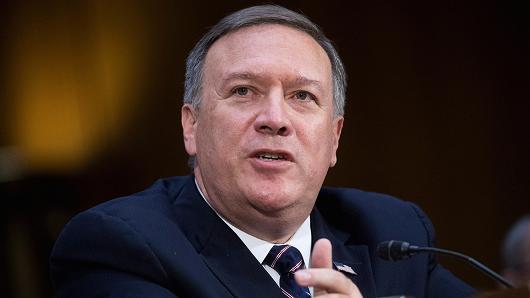
Appeal to US Secretary of State Mike Pompeo

June 19th, 2019

DR. D. CHANDRARATNA

As a peace-loving citizen of Sri Lanka, I would like to place before you the following facts as a precursor to the dialogue that you intend to conduct with the powers that be in my country.

International cooperation loses its legitimacy if the transactions between states are not executed in a transparent manner. We welcome you as our nation’s guest. Coming from US, the fiercest exponent of democracy as well as the leader in the second modernity of the capitalist world, we are confident of your honest intentions about our well being. The following facts should be uppermost in making social compacts and contracts between modem nations, not only from the angle of the foreign partner but also from the point of view of Sri Lankan national politics. Your good name should not be associated with the political agendas proposed by our incompetent leaders who are willing to do anything to stay in power. We like to treat the US as our friend forever.

In the proposed compacts with the MCC, the organization headed by you, to develop infrastructural facilities, namely under-used land and under developed transport, we earnestly beg of you to take into consideration the nation’s history, culture, literature, etc., besides the economic and other material benefits you intend to deliver.

We appreciate your cooperation in the fight against terrorists, backed by the ISIS, but please do not try to use it to further your military interests in the Indo-Pacific region. We are determined to remain non-aligned.

Our PM said (21/01/19), in answer to a question from the Opposition, that he was against establishing a US military logistics hub in Sri Lanka and that is the position of all of us.

Your envoy in Colombo said (23/01/19) that Sri Lankan leaders have outlined their vision for the country that reflected its geo-strategic position, but please be aware that the Sri Lankan people have never been given the opportunity to express their views on this issue.

We would like to state our concerns briefly with regard to the MCC compact on economic corridors, and the attempt to open up land for the open market. Majority of our people are engaged in agriculture and the proposed land reforms will only turn them into a landless peasantry.

None of the amendments to the Physical Plan have gone through the due process and, therefore, we appeal to you to honour that strong commitment and hear our voice. We do not like parts of our country to come under US laws, as such a situation might lead to international conflicts as in the case of the Okinawa rape incident in 1995.

Precious minerals in the ‘tradable’ land will be lost for our future generations, and you have been offered those areas against the will of the people. Please do not accept that illegal offer.

Mr Secretary of State, please discuss these and other issues with the Opposition.

PSC: Serving officers to testify on sensitive issues in camera

June 19th, 2019

By Saman Indrajith

article_image

Kumarasiri

The Parliamentary Select Committee (PSC) probing the Easter Sunday carnage, yesterday, decided not to permit the media to cover its sessions when serving military officers testified on sensitive issues concerning national security, Chairman of the Parliamentary select committee probing the Easter Sunday carnage and Deputy Speaker Ananda Kumarsiri said yesterday.

 Kumarasiri said the PSC, which met yesterday, had made that decision after reviewing the progress of its past sittings.

Besides, the PSC would hereafter not make public the names and ranks of some servicemen to be summoned before it and when they would testify, the Chairman said.Those sessions would be held in camera, he told a media briefing at his office in the parliamentary complex.

The PSC is scheduled to meet at 2 pm today in the parliamentary complex and four persons from Thowheed Jamaath, including Abdul Razik are scheduled to testify.

The PSC consists of Deputy Speaker Ananda Kumarasiri, Chairman (UNP/Moneragala District), Sarath Fonseka (Democratic Party/UNP National List), Ravi Karunanayake (UNP/Colombo District), Dr. Rajitha Senaratne (UNP/Kalutara District), Dr. Jayampathy Wickremaratne (LSSP/UNP National List), Prof. Ashu Marasinghe (UNP National List), Rauff Hakeem (SLMC/UNP Kandy District), M.A. Sumanthiran (TNA/Jaffna District) and Dr. Nalinda Jayatissa (JVP/Kalutara District).

Sri Lanka: Probe Into Three Islamic Groups Continues

June 19th, 2019

Courtesy Eurasia review

Sri Lanka’s Attorney General Dappula de Livera PC has instructed the Criminal Investigations Department (CID) and the Terrorist Investigations Division (TID) to continue probes into members of three proscribed extremist Islamic organizations including National Thawheed Jamaath (NTJ).

The Attorney General’s Co-ordinating Officer State Counsel Nishara Jayaratne told that the Attorney General had given instructions to the police directing them to forward the progress of the investigations regarding these three organizations and their members for Attorney General’s perusal.

On June 18, 2019 the government had issued an extraordinary Gazette notification proscribing the National Thowheed Jamaath (NTJ), Jammiyathul Millathu Ibrahim (JMI) and Willayath As Seylani in Sri Lanka. President Maithripala Sirisena had issued this Gazette notification under the Public Security Ordinance.

Initially, police had carried out investigations against two members of National Thowheed Jamaath in Kattankudy.Later on, it was revealed that these two individual were died following a suicide bomb blast took place in Saindamaruthu.

The Attorney General has instructed police to continuously carry out investigations against the members of these proscribed organisations.

Russian security council: IS members formerly active in Syria,Iraq behind Sri Lanka blasts

June 19th, 2019

Courtesy TASS

Security Council Deputy Secretary Yuri Kokov said that currently, the main centers of terrorist activity are the Middle East, Africa, South and South-East Asia

UFA, June 19. /TASS/. The Sri Lanka terrorist attacks were organized by the militants of the Islamic State (IS, terrorist organization outlawed in Russia – TASS) formerly active in Syria and Iraq, Russian Security Council Deputy Secretary Yuri Kokov said at the Tenth International Meeting of High-Level Representatives on Security Issues in the Russian city of Ufa.

“Experts have estimated that these attacks [in Sri Lanka] have been prepared by the local supporters of the global jihad ideology, based on the IS foreign structures,” he said. “The practical organization of the explosions was set up by the members of a local radical group who returned to Sri Lanka after fighting on the side of the IS in Syria and Iraq.”

According to Kokov, currently, the main centers of terrorist activity are the Middle East, Africa, South and South-East Asia. “In the past, IS militants called on its supporters to move to Iraq and Syria, however, now they offer them to stay and continue the jihad in their countries of residence,” he noted.

“These threats are also relevant to the European Union states, where several terrorist attacks have been carried out this year already in the Netherlands, Norway, Spain and France, which confirms the gravity of the statements made by leaders of international terrorist organizations on their commitment to carry out terrorist attacks in Europe,” the Russian security official noted.

He added that the increased incidents of terrorist activity in the West lead to a reaction from right-wing radicals, as it happened in New Zealand, where several mosques were attacked in March. “In this regard, we cannot rule out the threats coming from extremists of various kinds.”

The Russian Security Council representative noted the threats coming from militants sentenced for terrorist activity, as well as from the widows of terrorists that had been executed or killed in action.

On April 21, a series of terrorist attacks, unprecedented in the country’s history, hit Sri Lanka. A total of eight explosions occurred in luxury hotels and churches in the cities of Colombo, Negombo and Batticaloa during Easter services. Three hundred and fifty-nine people had been reported dead, however, it was later revealed that medical agencies incorrectly overestimated the number of casualties. According to the latest reports, the attacks killed around 250 people. The country’s authorities confirmed that the explosions had been carried out by suicide bombers who were Sri Lankan nationals.

In relation to 21/4 terror attack probes AG ups gears to fast-track criminal cases

June 19th, 2019

By Kamal Mahendra Weeraratna Courtesy Ceylon Today

Attorney General Dappula de Livera has decided to undertake a new course of action to see whether the AG could get involved in cases of crime filed by the Police Department, the Criminal Investigation Department and the Terrorism Investigation Division (TID) from the outset of the cases, instead of waiting for those Departments to submit their final reports for his advice.


 As a result, AG de Livera, PC, yesterday informed, in writing, the concerned institutions to speed up investigations in connection with the Easter Sunday terror attacks of last April. Copies of the letters had also been sent to the President’s Secretary and the Acting Inspector General of Police.


The AG, through his reminder, has informed the respective institutions to keep him briefed daily on the progress of the investigations into suspects of the proscribed terror group, National Thawheed Jama’ath and those who had already perished from the terror attacks and on their activities.


He had also informed this decision to all concerned Deputy Inspectors General of Police and the Head of the TID.

 02:00 AM Jun 19 2019

US Secretary of State Mike Pompeo cancels visit to Sri Lanka

June 19th, 2019

Courtesy NewsIn.Asia

Colombo, June 19 (newsin.asia): The US Secretary of State, Mike Pompeo, who was to have visited Sri Lanka on June 27, has cancelled his visit citing a tight international travel schedule.

Announcing the cancellation of the visit the US Embassy said on Wednesday: Due to unavoidable scheduling conflicts during his upcoming visit to the Indo-Pacific region that includes accompanying President Donald J. Trump to the G20 Summit in Japan, U.S. Secretary of State Michael R. Pompeo is unable to visit Sri Lanka as previously announced.”

US Secretary of State Mike Pompeo cancels visit to Sri Lanka

Secretary Pompeo regrets that he is no longer able to visit Colombo at this time. He hopes to travel to Sri Lanka at a later date to underscore our strong partnership with Sri Lanka, which is rooted in a commitment to democracy, economic growth and a free, open Indo-Pacific region. The United States remains committed to these objectives and looks forward to building on our longstanding partnership.”

The sudden cancellation of the visit to Sri Lanka of US Secretary of State Mike Pompeo gives the island nation reprieve from the controversial Status of Forces Agreement (SOFA) at least for the time being.

Pompeo was to be in Sri Lanka on June 27 ostensibly to discuss with Prime Minister Ranil Wickremesinghe, issues relating to counter terrorism, freedom of navigation in the Indian Ocean and the Indo-Pacific region, and the use to which the US$ 480 million American Millennium Challenge Corporation Fund should be put.

No SOFA For Now

But the primary aim of Pompeo’s visit was not this, but to thrash out an agreement over some sensitive clauses in the controversial US-proposed SOFA.

SOFA had run into rough political weather in Sri Lanka with President Maithripala Sirisena expressing opposition to it and even directing Foreign Minister Tilak Marapana to tell American officials in Washington that Colombo has serious reservations about some clauses which will compromise Sri Lanka’s sovereignty.

Prime Minister Ranil Wickremesinghe, who is not opposed to SOFA per se, was also of the view that some of the clauses were unacceptable.

But US officials said that these issues could be thrashed out in further technical” talks..

US Embassy spokesperson Nancy Van Horn has been quoted as saying: We have proposed amending this agreement to include some additional privileges, such as the mutual recognition of professional licences, how US military personnel, US Department of Defence (DOD) military persons and civilians can visit Sri Lanka, fees for support services rendered, and regulations for hiring foreign and local contractors.” She added that the updates will streamline processes already in place and facilitate collaboration with the Sri Lankan military on counter-terrorism practices, maritime security, and other issues of common concern.”

Pompeo would have discussed these issues in Colombo at the Prime Ministerial level. But he would not have a chance to meet and convince the principal opponent, President Sirisena, as the latter would be away from the country on a tour of Cambodia and Laos. A meeting with Sirisena would have been crucial as he is also the Defense Minister of the country.

Politically Suicidal In Election Year

The President considers signing of any such agreement in an election year as politically suicidal. Sirisena had directed that no such agreement should be signed with the US and told Foreign Minister Tilak Marapana, who was in Washington holding talks with officials there, to make it clear that SOFA is unacceptable.

According to a media report, Marapana told US officials that Sri Lanka will find it difficult to grant immunity from criminal jurisdiction to US forces and that it will be difficult to implement the 1995 SOFA, agreed through an exchange of notes, due to the enforcement of the Diplomatic Privileges Act No. 9 of 1996.

Writing in the State-owned Sunday Observer, Sugeeswara Senadhira said that a SOFA may include many provisions, but the most common issue pertains as to which country may exercise criminal jurisdiction over US personnel. Other provisions in a SOFA include, the wearing of uniforms, taxes and fees, carrying of weapons, use of radio frequencies, licenses, and customs regulations.”

According to the ultra-leftist and nationalist Janatha Vimukthi Peramuna (JVP), SOFA would grant US military personnel, US military contractors and US military suppliers, the same perks and privileges granted to technical and administrative officers of the US Embassy.

The draft agreement also allows the above-mentioned personnel to enter the country with only a US Government Issued ID card (without a passport).

JVP MP Bimal Ratnayake, said that SOFA would take away Sri Lanka’s right to inspect any US vessels (aircraft or naval vessels) that enter Sri Lanka, adding that Sri Lanka will not be able to prosecute any of the personnel under Sri Lankan law for any offence, and that Sri Lanka would not have authority to inspect whatever they bring in or take out of the country.”

The Sri Lankan Defense Ministry, which is directly under President Sirisena, as he is also Defense Minister, is against SOFA.

Recently, Defense Secretary Gen.(Rtd). Shantha Kottegoda told the Pathikada program on Sirasa TV, that SOFA should not be signed. He also said that no foreign troops are needed to protect Sri Lanka referring to provisions in SOFA in regard to the deployment of US defense personnel in the island.

Mahinda Amaraweera, the General Secretary of the United Peoples’ Freedom Alliance (UPFA) of which Sirisena’s Sri Lanka Freedom Party (SLFP) is a part, told the media that SOFA is detrimental to Sri Lanka as it would allow the US military to occupy Sri Lanka with immunity from Sri Lankan laws.”

Rajapaksa Silent

The Leader of the Opposition and former President Mahinda Rajapaksa, who is the quintessential nationalist, is silent on the issue. But his left wing and ultra-nationalist allies, Wimal Weerawansa and Dinesh Gunawardena, have openly opposed SOFA describing it as a sellout.

According to diplomatic sources, while in Sri Lanka, Pompeo had plans to visit Trincomalee which the US appears to have earmarked for the construction of a logistics base for its armed forces under SOFA.

The US is also reportedly keen on developing over 18, 000 acres of land purchased from private parties in the hinterland.

This plan has also attracted flak from Sri Lankan nationalists.

Lanza raises questions on Easter Sunday attack probe

June 19th, 2019

Courtesy The Daily Mirror

UPFA MP Nimal Lanza today questioned whether MPs Kabir Hashim and Abdul Haleem were sworn in as Ministers because the probe on Easter Sunday attacks had been completed or whether the one month deadline they gave was over.

Mr. Lanza was referring to the one month deadline which the Muslim Ministers gave the government to probe the Easter Sunday attacks.

We would like to know whether one month is over or the investigations have been completed. We are not against them accepting the ministerial portfolios,” Mr. Lanza said.

The MP said he was referring to an mobile alert with regard to Kabir Hashim and Abdul Haleem accepting ministerial portfolios once again.

Speaker Karu Jayasuriya said it will not be possible to focus on the business in parliament if MPs raise questions on every mobile alert they get.

Leader of the House Lakshman Kiriella said appointing of Ministers is not a duty of Parliament. (Yohan Perera and Ajith Siriwardana)

Govt’s capital expenditure cut will affect projects: Bandula

June 19th, 2019

Yohan Perera and Ajith Siriwardana Courtesy The Daily Mirror

Government’s decision to cut capital expenditure will affect the contractors who have already undertaken to implement various government projects, UPFA MP Bandula Gunawardane said today.

We have heard that the government had decided to cut capital expenditure by 15% and we would like to know what the impact it would bring in. We have been made to understand that that contractors who have undertaken projects could be affected by this move,” Dr Gunawardene said.

He said the government is out to cut 15% of capital expenditure which has been approved by the House.

State Minister of Finance Eran Wickramaratne who responded said the cutting of capital expenditure will be cut in a way which will not affect the contractors in a negative manner.

MP Gunawardene then said a responsible person in the government should make a statement in the House with regard to the matter. (

CID records statements from over 750 persons over complaints against Dr. Shafi

June 19th, 2019

Courtesy Adaderana

The Criminal Investigations Department (CID) has so far recorded statements from 758 persons including 601 females over allegations against Dr Mohamed Shafi, the Police Spokesman SP Ruwa Gunasekara said.

He stated this today while revealing certain information pertaining to the CID’s ongoing investigation into the Kurunegala Hospital doctor Seigu Siyabdeen Mohammed Shafi.

He stated that the CID took over the investigation on May 27 and that so far it has questioned a large number of people.

He said that statements have been recorded from 601 mothers who had undergone cesarean operations, 07 specialist obstetricians and gynecologists, 01 senior resident doctor, 06 neonatologists, 11 doctors who assist the surgeon performing caesarean operations and 10 anesthesiologists.

He said that normally two nurses participate in caesarean deliveries and that statements have been recorded from 70 such nurses and one head nurse, 18 attendants, the director of the Kurunegala Hospital and 31 other statements crucial for the investigations.

The Spokesman said that the case will be taken up on June 27 and that the CID will submit these statements in brief to the court on that date. 

Meanwhile the Kurunegala Magistrate’s Court has ordered the Secretary of the Health Ministry to provide all necessary facilities to the three-member committee carrying out inquiries and tests at the Castle Hospital and De Soysa Hospital pertaining to the mothers who have lodged complaints against the doctor.

A large number of former patients had come forward with complaints after Dr. Shafi had been accused of allegedly crushing the fallopian tubes of thousands of women he had performed operations on, thereby rendering them unable to bear any more children.

Dr. Shafi was arrested on a charge of amassing unexplained wealth and was subsequently remanded by the court.

Informed authorities on Zahran’s call to kill all non-Muslims – Moulavi Sahlan

June 19th, 2019

Courtesy Adaderana

Authorities were notified of Zahran Hashim’s extremist teachings that called to kill every non-Muslim, says Moulavi Sahlan of Sufi Muslims’ organization in Kattankudy.

Testifying before the Special Parliament Select Committee yesterday (18), Moulavi Sahlan said, however, no authority had taken any action on the matter.

Pointing out that his faction hails from traditional Muslims who follow Sufism, Moulavi Sahlan said Zahran Hashim had left their organization following the clashes.

Zahran had established the National Thowheed Jama’ath organization in 2011 and later started issuing a magazine named ‘Thowheed’ on a monthly basis in 2013.

From 2013 to 2014, nearly 11 complaints were filed against Zahran attacking the Sufi Muslims through this monthly magazine, Moulavi Sahlan further commented.

The Select Committee member MP Field Marshal Sarath Fonseka went on to ask whom Zahran worked for during the previous presidential election. To this, Moulavi Sahlan responded that Zahran worked against Opposition Leader Mahinda Rajapaksa’s election campaign. 

Responding to Parliamentarian M.A. Sumanthiran’s question, Moulavi Sahlan stated that Shafi Salley, Shibly Farook, M.L.A.M. Hizbullah, A.L.M. Ruby, Abdul Rahman had signed agreements with Zahran Hashim. He added that this agreement was against Sufi Muslims. Back in 2016, Zahran spoke up against Catholic people and Christmas festival,” Moulavi Sahlan continued.

During three meetings that Zahran had conducted from 2016 and 2017, he had spoken up against Sri Lanka as well, while stressing that non-Muslims should be killed, Moulavi Sahlan revealed.

Zahran had preached that hoisting the national flag was a threat to the Islamic State and that Sri Lanka should be overtaken by Muslims, Moulavi Sahlan stated testifying before the Parliament Select Committee.

We had submitted a letter on the matter to the Presidential Secretariat, the Office of the Prime Minister, then Minister of Justice Wijeyadasa Rajapakshe, State Minister of Defence Ruwan Wijewardene as well as Minister Sagala Ratnayake. We even submitted videos in this regard. We also complained to former DIG Nalaka De Silva,” Moulavi Sahlan said.

The Prime Minister’s Office had responded that the letter would be directed to PM Ranil Wickremesinghe while the Attorney General’s Department had responded that necessary measures would be taken, Moulavi Sahlan said. However, no action concerning the complaints had been taken by the authorities, he added.

Kabir and Haleem reappointed as ministers

June 19th, 2019

Courtesy Adaderana

Two UNP Parliamentarians Kabir Hashim and Abdul Haleem have today (19) sworn into the ministerial positions held by them before tendering their resignations, according to sources.

MP Kabir Hashim has taken oath as the Minister of Highways & Road Development and Petroleum Resources Development.

Meanwhile, MP Abdul Haleem has sworn in again as the Minister of Postal Services & Muslim Religious Affairs.

Ven. Athuraliye Rathana Thero, on May 31st, commenced a protest fast near Sri Dalada Maligawa in Kandy demanding the removal of Rishad Bathiudeen from his ministerial post and Azath Salley and M.L.A.M. Hizbullah from their governorships as allegations were directed at them over the terrorist attacks on Easter Sunday.

However, on the 3rd of June, all Muslim Ministers – Cabinet, Non-Cabinet, State & Deputy – announced their decision to resign from their portfolios in the government.

Meanwhile, a meeting was held among the resigned Muslim ministers at the parliamentary premises yesterday (18). The talks were held to take a decision on whether or not to accept their ministerial posts again. MP Faizal Cassim had said that the meeting ended without reaching a conclusion.

SRI LANKAN CHILDREN MUST BE TAUGHT COMPARATIVE RELIGION IN SCHOOLS

June 18th, 2019

BY EDWARD THEOPHILUS

Teaching religions have included to the school curriculum in Sri Lanka and students at primary and secondary contexts are studied the subject, religion which is own religion of kids in most instances and in rare occasions kids learn other religions in schools than own religion.  I observed that hate to other religions originates while kids are learning own religions at schools as religious teachers in all religions attempt to convince students that other religions are mythical and indirectly promote to hate and insult them. Hating and insulting other religions have been a common nature of the country since the second century AD and during the Portuguese era, this situation especially appeared in Christian schools and was continuing.

Religions teach about life after death and nobody sees the truth about religion as at the time of death, the material body is destroyed and nobody can see what is happening in the world after death.  In this situation, nobody can exactly say this religion is true and others are myths and people need to respect all religions than hating any religion.

The current form of teaching religions in schools needs to be changed as it promotes hate among people on unknown matters. In many countries’ kids are taught comparative religion in which kids gain opportunities to learn the basic philosophy of all religions and to respect other religions than own religion.

Education policymakers in Sri Lanka need to consider incorporating comparative religion to school curriculum than teaching a single religion to kids.

THE TAMIL LANGUAGE IN SRI LANKA Part 14

June 18th, 2019

KAMALIKA PIERIS

With the ‘rise’ of the Tamil language in Sri Lanka,  there was the desire to bring Tamil to the same level as Sinhala. Sinhala ranks first in  all trilingual lists including  name boards on roads. A suggestion  was made that the languages should be vertically written, on name boards,  with Sinhala in the middle. ( Daily News 16.6.09 p 10) . This  would eliminate the visible rank order and remove the dominant position of Sinhala .

There was also the desire to bring Tamil to the same level as Sinhala  on the cultural plane. This was best done by gathering Sinhala and Tamil writing together and running them alongside. Sri Lankan Mosaic”, (2002) published by Three Wheeler Press, funded by Michael Ondaatje, did just that.

 It published an equal number of Sinhala and Tamil short stories in English translation, implying that the overall output of writing was also equal.  However, the output is not equal. International Standard Book Number (ISBN) statistics showed that 6377  Sinhala and 677 Tamil books with ISBNs  were published in  2014.

Michael Ondaatje also wanted one significant modern novel in Sinhala and Tamil each translated into English and published by Three Wheeler Press, funded by Michael Ondaatje. Three Wheeler therefore published ‘Sangu’ by S. Ponnuthurai and “Podu purushaya” by Sunethra Rajakarunanayake. This is an unintentional lumping together of Sinhala and Tamil as vernaculars.

Sirisumana Godage was a prolific publisher of Sinhala works. His name was associated exclusively with Sinhala publishing.   He was persuaded to publish Tamil literature as well. Godage went further.   In April 2014, Godage held a function to salute senior Sinhala and Tamil writers at one ceremony. 15 writers in Sinhala and Tamil each were to be recognized .The 30 names were given in their own languages. Invitation was in both Sinhala and Tamil. Tamil literature, at least in appearance, had now come level with Sinhala literature.

But the Tamil lobby was not satisfied with what had been achieved. They complained that the official language policy with regard to Tamil was not satisfactory in 2017. Nirmala Chandrahasan said that the government should ensure that the Official languages policy is implemented in full, and this includes the Central ministries, and that Tamil speaking citizens (and Sinhala speaking citizens living in North and East) are able to communicate with and receive communications from the State in their language in any part of the country.

Although the Tamil language has been one of the official languages of the Country from 1987, and this is set out in the Constitution, this provision is still to be implemented fully. This fact is mentioned in the LLRC Report as a grievance to be rectified, concluded Chandrahasan. Article 24 of the constitution which makes Tamil the language of administration in the North and East is being violated openly, complained D Hoole.

Jehan Perera focused on the media. We call on the state television stations to carry the same discussion topics on their Tamil channels as they do on their Sinhala channels instead of showing films, music and sports thereby undermining the desire of Tamil-speakers to be one with the nation in its suffering. We request that such media programmes be translated for all to understand,” he said in 2019.

The Tamil lobby has no intention of letting go.  They were prepared to coerce if necessary. In August 2018, the Official Language Commission advertised for a ‘Language promotion and Investigating officer’.   The lobby would prefer, however, to persuade. The Official language Ministry has conducted a large number of awareness programmes and workshops to educate the public on the importance of the Official Language policy”, said Ganesan.  Workshops were conducted for district secretariats, police officers, health sector and various categories of state officials. Prathiba Mahanama, former Commissioner of Human Rights also gives lectures on the importance of the National Language Policy, he added.  

The Tamil lobby wanted to see the Tamil language entrenched all over the island. There are 332 Divisional Secretariats in this country of which 41 are officially declared bilingual, as Tamil and Sinhala speaking people live in these areas, said Minister  Mano Ganesan,  for example Dehiwala, Kolonnawa, Wattala and Nuwara-Eliya. Officials in these secretariats at least, should be able to communicate in both languages, as a start, he said.  

Ganesan said that any Tamil, anywhere, should be able to communicate with and transact business with the state, the law courts and the police in Tamil.  This means a full parallel service structure of Tamil translators, interpreters, typists, stenographers and a separate set of Tamil publications at all levels.   

Unfortunately, admitted Ganesan, there is a dearth of translators and interpreters in the country. This was in 2016. I have submitted a cabinet paper requesting to employ a large number of translators and interpreters. As this is a professional job, my Ministry will train civilians as translators and interpreters and appoint them especially to police Stations and judiciary services as we need to have proper translators in these departments. Just because one speaks Sinhala and Tamil, they can’t be proper translators and interpreters. 

Minister Ganesan admitted in 2017, that bilingual language proficiency within the State sector was nowhere near satisfactory. Learning the second language is considered an additional burden by employees although second language proficiency is tied to their promotions and incentives,” he said .

The Tamil lobby however, is jolly well determined to see that all government servants speak and work in Tamil. Since force feeding” Tamil to state sector employees had failed, they had to think up something else. They decided that employees must know Tamil BEFORE they took up government service. Minister Ganesan said in 2016, that he had put forward a Cabinet paper asking Cabinet to declare that State employees should be completely   bilingual before they were given state jobs.

This means that pupils needed to be taught Tamil thoroughly and properly in secondary school. At the moment, even basic Tamil is not taught. In 2019 several schools in Agalawatte complained that no teachers had been appointed to teach Tamil. Parents complained that they have to send their children to private tuition classes to learn Tamil. Ganesan admitted that ‘Right now there is a shortage of six thousand language teachers – Sinhala, Tamil and English. So we are in the process of training teachers. Up to Grade 9 a second language is compulsory, but there also the quality is not good,” he said. 

It appears that the Tamils themselves are unable to study in Tamil.  Zahira College, Hambantota is the only Tamil medium national school in the District to teach Advanced Level Science and Mathematics. “Two teachers had been appointed to this school for teaching those subjects but they did not remain in the school for long. Now, in 2018, the Tamil medium students do not have an opportunity to study science or mathematics for the Advanced Level examination, said critics.  

Schools in the Central, Uva and Sabaragamuwa Provinces do not teach Science and Moths in Tamil, at Advanced Level in 2019 as they do not have Tamil teachers. This is despite the Central and Uva Provinces having separate Provincial Education Ministries for Tamil schools. Maths and Science teachers from the Northern Province were brought down to teach the subjects, in the past, but now it is not happening. The Provincial Education authorities do not show any inclination towards getting them down.

 In the Central Province, the Tamil Provincial Education Ministry Secretary is also the Provincial Agricultural Minister. He has no time to overlook the Education sector, said complainants. The few schools that have Tamil stream Science and Maths restrict admission. They insist that students must have 9‘A’s in the Ordinary Level examination, to gain entry into the Science and Maths streams.

Despite these bilingual problems, Sri Lanka became a trilingual nation in 1987.  Sinhala, Tamil and English became official languages carrying equal rank. The legal position of English, which was supposed to be a ‘link language’ appears to be the same as Sinhala and Tamil, observed K.M. de Silva. The trilingual situation was accepted without protest by the public because they had absolutely no intention of complying with it. They intended to work around it.

Important areas of public life went trilingual effortlessly. The Constitution of the Republic of Sri Lanka and all Acts of Parliament were in all three languages.  The Hansard reported in all three languages.

Government forms, such as birth, death, marriage, passport applications, which are now online, are trilingual. But Instead of separate forms for each language, the government sensibly arranged for one form with instructions in all three languages. Thus avoiding the creation of a ‘permanent circus of three languages with three sets of translations, adding to the public sector costs’ as one critic put it. There was a rank order in which the three language were to be listed, Sinhala first, then Tamil followed by English.

Road directions and street names   were given   trilingually. There was    a prescribed rank order and a prescribed size for the three scripts. The rank order was Sinhala, Tamil, and English. Kandy Railway Station however, had Sinhala in large letters, above the main entrance, with Tamil and English in smaller letters on either side. In Jaffna, the name boards of Jaffna Railway station,    University of Jaffna and police stations were trilingual, in the prescribed rank order.   Notices inside Jaffna Railway station were also given in all three languages.

Commercial establishments, both government and private, also followed the trilingual policy. State banks and private banks, for instance, gave directions in all three languages, in the official rank order. Cheque books, savings books, Fixed Deposit applications and Fixed Deposit certificates carried information in all three languages.

But it appears that there is room for improvement. In 2017, Yahapalana government repeated that steps will be taken to ensure all external and internal movable and immovable signboards are trilingual.  All documents and forms for public use will be available at State institutions in the three languages. Efforts will be made to ensure citizens receive oral and written responses in the official language of their choice or the link language at all State institutions.

The government planned to make the whole of Sri Lanka trilingual. There was a Cabinet decision to this effect in 2012.  A trilingual dictionary with pronunciation has been prepared by the Department of Official languages and is now available online.  https://www.trilingualdictionary.lk/)

A ten year national plan for a trilingual Sri Lanka  was published in 2012, by the government Policy Research & Information Unit [PRIU]. This plan said, inter alia, in Phase 1 there will be a national cadre of 1st and 2nd language teachers, there will be school textbooks and cassettes of songs in all three languages.   At phase 2 English and the 2nd language will be introduced to Grade 5 exam, as well as O and A levels, and a pass in them will be compulsory to proceed further. All university students will be taught to be competent in Sinhala, Tamil and English.  There will be exams for trilingual competence for government servants. There will also be an appreciation of cultural practices of Sinhala and Tamil dance, music, drama literature and rituals.  

The notion of a trilingual Sri Lanka was welcomed by the ‘minorities’. Every citizen must learn all three languages said M.S.M. Ashraff in 1998. Every Sri Lankan should be able to speak Sinhala and Tamil, said Mano Ganesan  in 2017. Estate employees and residents in Nallathanni protested against the defacing of the English and Tamil language names on the name board of Sri Pada. The protesters demanded that the authorities punish those responsible for the crime.

How trilingual was Sri Lanka, really. The last Census, of 2012 gave the following figures for Language literacy by ethnicity”

                                            S            T        E

Sri Lanka                           79.7%    26.4%  30.8%

Sinhalese                          96.4       5.3        31.1

Sri Lankan Tamil            17.3      94.1     24.3

Indian Tamil                    20.9      86.2     19.4

Sri Lankan Moor            40.6      94.8     38.7

Burgher                           77.0      29.1     97.4 

Malay                               81.8     97.1     66.8

(Table 10.4: Language literacy by ethnicity, 2012 Census) .

This table shows that 79.7% spoke Sinhala, 30.8% spoke English and just 26.4% spoke Tamil. This means that the rank order of use was Sinhala, English and Tamil.

Here comes the second statistic. The Schools Census, Ministry of Education 2017 said that there were a total of 3,055,926 Sinhala Medium pupils, 1,025,358 Tamil Medium pupils and 84,720 English Medium pupils. According to this Census there were 6,332 Sinhala  medium schools  and 3009  Tamil medium schools  There were 558 schools which taught in Sinhala & English, 173  schools which taught in Tamil & English  , 75 schools teaching in Sinhala & Tamil  and  47  schools which  taught in Sinhala, Tamil & English . The Northern district had 898 Tamil medium schools and 28     Sinhala medium schools. 

The third statistic is also from education. All Island Tamil medium schools short drama competition organized by the Tower Hall Theatre Foundation and sponsored by the Education Ministry had 50 schools participating in 2016.The All Island Schools Drama Competition for Sinhala medium schools had 300 schools participating.

Yahapalana government announced that it was going in for trilingual education in a big way.  In 2018 Cabinet approval was obtained for two trilingual schools. Trilingual Mixed National Schools for Grades 6-13 in Nanuoya, Nuwara Eliya, at the cost of Rs. 800 million, and in Wellawatte, Colombo, at the cost of Rs 900 million.

In 2019, Cabinet approved a proposal for a trilingual mixed National school in Peradeniya, at an estimated cost of Rs 1,141 million.  Yahapalana government said it had also started trilingual schools in Kurunegala, Kandy, Colombo and Meerigama and intends to have more trilingual schools in future. It also plans to convert existing schools into trilingual National schools in the near future. Students of all nationalities will be allowed to study in any of the 3 languages. 

Trilingual education was loudly welcomed by Christians, Muslims and Marxists. All schools must adopt a trilingual policy. Teaching should be in one medium but they must also learn the other two languages, said Cardinal Malcolm Ranjith in 2016. At least one subject should be taught in Tamil and one in English to Sinhala students and vice versa said Elmo de Silva in 2016.

The Ministry of education should see to the teaching and testing of bilingual (Sinhala and Tamil) competencies or trilingual (Sinhala, Tamil and English) competencies from the primary level up to higher-secondary level, said DEW Gunasekera in 2008.

Prof Furkan, principal of Zahira, pointed out that in the new Tri-lingual National Schools all children should learn all three languages from Year 1 to Year 13 to be really tri-lingual. This will also mean that when they enter local Universities they will be more competent in the English Language to handle higher education at tertiary level here or even overseas.

It is unlikely that Yahapalana has a clear policy on trilingual education. The idea, it seems, is to teach each  pupil solely in one language . That is easy and convenient. That will  of course, continue to  keep pupils  separated  according to language , which is what the policy is trying to avoid. Hopefully  the pupils will probably be brought together for  games, art and so on.

UNESCO has   made recommendations on this matter,  first in 1999 and in 2003. UNESCO maintains that initial instruction must be  in the mother tongue, but this must now be supplemented by other languages. Schools must now move from monolingualism to bilingualism and multilingualism. Children should  be given a ‘multilingual education. They must be taught at least three languages, the mother tongue, a regional or national language and an international language, decalred UNESCO. Critics however, warn that pupils should learn the international language, as an additional language and not to the extent that it endangers one’s native language.  ( CONTINUED)

ලිඡ්ඡවි කෙසේ වෙතත් අජාසත් ක්‍රමයට නම් මේ ආණ්ඩුවේ වැඩ කෙරෙනවා

June 18th, 2019

මාධ්‍සාකච්ඡාව  ශ්‍රී ලංකා පොදුජන පෙරමුණ

අද (18) පැවැති මාධ්‍ය හමුවට සහභාගි වු මන්ත්‍රීවරුන්
■ පාර්ලිමේන්තු මන්ත්‍රී ලක්ෂ්මන් යාපා අබේවර්ධන මහතා
■ පාර්ලිමේන්තු මන්ත්‍රී අනුර ප්‍රියදර්ශන යාපා මහතා
■ පාර්ලිමේන්තු මන්ත්‍රී එස්. එම්. චන්ද්‍රසේන මහතා

අද ඉන්න මුස්ලිම් නායකයෝ අතර ජාතික නායකයෝ නැහැ.
මහ මැතිවරණයකට යෝජනාවක් ගේනවා නම් අපි පාර්ලිමේන්තුවේදි ඒ සදහා අත ඔසවනවා.

පාර්ලිමේන්තු මන්ත්‍රී අනුර ප්‍රියදර්ශන යාපා මහතා

අපි ක්‍රමානු කූලව එලඹෙමින් සිටින්නේ මැතිවරණ කාලයකටයි. ඊලඟ ජනාධිපතිවරයා පත්කරගැනීම පිලිඹඳ කාරනාව ඔක්තෝම්බර් වලින් පටන් ගෙන දෙසැම්බර් වලින් අවසන් විය යුතුයි. ඒ නිසා මේ කාලය තුල ජනාධිපතිවරණයට ඉදිරිපත් වන අපේක්ෂකයින් පිලිබඳ කතා බහ කෙරෙනවා. අපි සියල්ලටම සූදානම්. අපේ අපේක්ෂකයා කවුද කියලත් අපි වෙලාවට කියන්නම්. ඒ අනුව ජනාධිපතිවරණයේදී විශිෂ්ඨ ජයග්‍රහණයක් ලබා ගැනීම සඳහා අපි වැඩ කටයුතු කරගෙන යනවා. අපේ රටේ අද තියෙන ආර්ථික දේශපාලනික රටාව ඉතිමත්ම ශෝචනීයයි කියලා අපි විශ්වාස කරනවා. හැම පැත්තෙන්ම අපිට දකින්නට ලැබෙන්නේ සෘණ කාරනා. ධණ කාරනා කිසිවක් පෙනෙන්නේ නැහැ. එකක් තමයි දේශපාලනික වශයෙන් මේ ආණ්ඩුව ඇතුලෙ තිබෙන අර්බුද. ලිඡ්ඡවි ප්‍රතිපත්ති වලට එකතු වෙන්න කියලා රනිල් වික්‍රමසිංහ මහත්තයා ඊයෙත් කියනවා මම දැක්කා. ලිඡ්ඡවි කෙසේ වෙතත් අජාසත් ක්‍රමයට නම් වැඩ කෙරෙන බව අපිට පෙනෙනවා. මේ ආණ්ඩුවට දර්ශනයක් නැති නිසා හැම තැනම ආරවුල් නිර්මානය වෙලා තියෙනවා. ආන්ඩුවකට දර්ශනයක් තියෙනවා නම් අනිවාර්්‍යයෙන්ම වැඩ පිලිවෙලක් නිර්මානය වෙනවා. ඒ හරහා ක්‍රමවේදයක් නිර්මානය වෙනවා. නමුත් මෙ ආන්ඩුවට දර්ශනයක් වැඩපිලිවෙලක් ක්‍රමවේදයක් නැහැ. මේ තේරීම්කාරක සභාවක් පත්කරන්නට අපි හුඟදෙනෙක් අත්සන් කලා. ඇත්තටම තේරීම් කාරක සභාවක් ඕන වුනේ පාස්කු ප්‍රහාරය පිලිඹඳ ඇත්ත හෙලිකර ගැනීමට සහ කොතනද අපිට වැරදුනේ කියන දේ හඳුනාගැනීමටයි. එහෙම නැතුව කිසිම කෙනෙක්ව ඉලක්ක කරගන්නට පොදුජන පෙරමුනට අවශ්‍ය වුනේ නැහැ. නමුත් රිෂාඞ් බදියුදීන් ගේ විශ්වාසභංගයත් එක්කම පාර්ලිමේන්තුව ඇතුලෙ ලොකු විකාරයක් කරන්නට එක්සත් ජාතික පක්ෂ ආන්ඩුව කටයුතු කලා. තේරීම් කාරක සභාවක් කියන්නේ බොහොම ගෞරවාන්විත සභාවක්. ඒ වගේ සභාවක් ඇතුලෙ පුද්ගලයින් හෝ වෙනත් කිසිවක් ඉලක්ක කරගන්න බැහැ. සැබෑ සිද්දියක් පාර්ලිමේන්තුව විසින් ජනතාවට දැන ගැනීම සඳහා වාර්තාවක් සකස් කරන ක්‍රමවේදයක් පමනයි තේරීම් කාරක සභාවකින් කරන්න පුලුවන්. අද සිදුවෙලා තියෙන්නේ මොකද්ද කියලා පැහැදිලියි. තමන් නිවැරදියි අහවල් අය වැරදියි කියන තැනට තල්ලු කරන වැඩපිලිවෙලක් තමයි දැන් තියෙන්නේ. උදාහරනයක් ගත්තොත් තෙරීම් කාරක සභාවට ආපු අයි.ජී.පි. ගෙන් ප්‍රශ්න කරපු විදිහත් අනෙක් අයගෙන් ප්‍රශ්න කල විදිහත් බලන කොට තේරීම් කාරක සභාවක මූලික හරයවත් මේ අයට තේරෙනවද කියලා සැකයක් ඇතිවෙනවා.
සහරාන් ඇතුලු පිරිස බෝම්බ පුපුරවා ගත්තෙ පාස්කු ඉරිදා වුනාට ආරක්ශක අංශ ඒක හොයන්න ගත්තෙ ඊට කලින්. එ වාගේම වනාතවිල්ලුවෙන් විශාල ආයුද තොගයක් එක්ක මේ කල්ලිය අහුවෙනකොට ඒ පිලිඹඳ තොරතුරැ හොයන්න පටන් අරන් තිබුනෙ ඊට කලින්. එක්සත් ජාතික පක්ෂය මේ ආණ්ඩුව ආපු දවසේ ඉඳලා දීර්ග  කාලයක් පොලීසිය පාලනය කලා. ජනාධිපතිවරයා පාලනය කලේ ටික කාලයයි. කලින් ඉඳලා මේ පරීක්ෂන පැවැත්වෙලා තියෙනවා.මේකෙ ඇත්ත දැන ගැනීම වෙනුවට අද තේරීම් කාරක සභාව හොයන්නෙ රාජ්‍ය සේවකයින්ගේ ඇඳුම මොකද්ද කියන එකයි. ඒ තරමටම පහත් තත්වයට වැටිලා තියෙනවා. එතනට ලඝු වුනාට පස්සෙ එ තේරීම් කාරක සභාවෙන් වැඩක් නැහැ. එ නිසා තමයි මේ තෙරීම් කාරක සභාවට අපි නොගියෙ. අපි දැනගෙන හිටියා මේ තේරීම් කාරක සභාව නිවැරදි ඉලක්කයක් කරා යන්නෙත් නැහැ ඇත්ත හොයන්න ඕනෙත් නැහැ ඇත්ත ගැන කතාකරන්නෙත් නැහැ කවුද වැරදි කියලා කාටහරි පටවලා වාර්තාවක් ඉදිරිපත් කරයි කියලා. ඉල්ලා අස්වුනු ඇමතිකම් බාරගැනීම සම්බන්ධයෙන් මුස්ලිම් මන්ත්‍රීවරු අද සාකච්ඡා කරනවා කියලා ආරංචියි. අපි දිගටම කිව්වා මේක නාටකයක් කියලා. නාටකය ඇතුලෙත් තියෙන්නෙ ලස්සන කතාවක්. ඇත්ත වශයෙන්ම මේ රටේ ආගමික ත්‍රස්තවාදයට සම්බන්ධවුනු පිරිස ගැන කවුරුත් කතා කරන්නෙ නැහැ. ඒක පොලීසියට බාරදීලා දේශපාලඥයො තමන්ගෙ අනාගතය ගැන කතා කරනවා. අපිට එහෙම ඉන්න බැහැ. බෝම්බෙන් මැරුන මිනිස්සු ගැනත් ඊට මූලුක වු අන්තවාදී කල්ලි කවුද කියලත් ඔවුන්ට දඩුවම් කිරීම දක්වාත් දේශපාලඥයින් කටයුතු කල යුතුයි කියා අපි විශ්වාස කරනවා. ඊට හේතුව තමයි ඒ අය අතර ජාතික නායකයින් කියන අය නැති වීම. මේ රටේ නිදහස ලබා ගන්න වෙලාවෙ ජාතික ප්‍රශ්නවලදි මුස්ලිම් ප්‍රජාව ප්‍රභලව මැදිහත් වුනා. දේශපාලනයේදි හෝ පොදු වැඩවලිදී ඔවුන්ට ජාති ආගම් භේදයක් තිබුනේ නැහැ. අද ඉන්න නායකයෝ අතර ජාතික නායකයෝ නැහැ. ඔවුන්ට තිබෙන්නේ කුඩා උවමනාවන්. අන්තවාදය ගැන සාකච්චා කරලා විසදුමකට එනවා වෙනුවට ඔවුන්ගේ අය ආරක්ෂා කරන්නයි කියලා ඇමැතිධූරවලින් ඉවත් වුනා. මෙහි නිවැරදි තත්ත්වය හොයලා අපරාධකරුවන්ට දඩුවම් කිරිම ගැන මොවුන් කතා කරන්නේ නැහැ. මේ අය ඇමැති කම් ගත්තත් සිද්ධ වෙන්නේ මේකයි. අපිට අවශ්‍ය වෙන්නේ ජාති ආගම් බේදවලින් තොර එක වැඩපිළීවෙලක් විතරයි.
ව්‍යවස්ථාවට අනුව මහ මැතිවරණයක් තියන්න ඕනේ. ඒකට පාර්ලිමේන්තුවේ තුනෙන් දෙකේ බලයක් ඕනේ. ජනමත විචාරණයක් කියන්නේ අදහසක් විතරයි. ඒ නිසා වියදම් කරගන්නේ නැතිව කෙළින්ම මැතිවරණයක් තිබ්බා නම් හරි. මේ ආන්ඩුව යහපාලනය ප්‍රජාතනත්ත්‍රවාදය ගැන කතා කළාට මැතිවරණ නිවැරදිව තියන්නේ නැහැ. ඊළග මැතිවරණය ගැන කතා කරන්නවත් සමහරු කැමැති නැහැ. ජනාධිපතිවරණය ව්‍යවස්ථාව අනුව පැවැත්විය යුතුයි. මහ මැතිවරණයක් තියනවා නම් අපි යෝජනාව සම්මත කර ගන්න අත් ඔසවනවා. ආර්ථික වශයෙන් කඩා වැටුනු හොද තොරතුරක් අහන්නවත් නැති තැනකයි අපි ඉන්නේ.ආරක්ෂාව ගැන බලාපොරොත්තු ඉඩවෙලා. ජිවත්විම අවිනිශ්චිත තැනකයි තියෙන්නේ. මෙවැනි තත්ත්වයක සිදුවිය යුත්තේ ජනතාවගේ කැමැත්ත අනුව පාලකයින් තෝරා ගැනීමේ අවස්ථාව සැලසීමයි.

19 රට අර්බුදයෙන් අර්බුදයට පත් කරමින් තිබෙනවා.
එක්සත් ජාතික පක්ෂයට ජනාධිපතිධූර අපේක්ෂකයෙක් තෝරා ගැනීමේ ගැටලුවක්

පාර්ලිමේන්තු මන්ත්‍රී ලක්ෂ්මන් යාපා අබේවර්ධන ඒ මහතා
දහ නව වැනි ආණ්ඩුක්‍රම ව්‍යවස්ථා සංශෝධනය මේ රට අර්බුදයෙන් අර්බුදයට පත් කරමින් තිබෙනවා. ව්‍යවස්ථාදායකය සහ විධායකය අතර ගැටුම් 19 ව්‍යවස්ථා සංශෝධනය මගින් තව තවත් උත්සන්න කරමින් තිබෙනවා. ආණ්ඩුක්‍රම ව්‍යවස්ථාවේ 44 (2) වගන්තිය ඉවත් කර ඇති බව සඳහන් කර තිබෙනවා. නමුත් දහනම වෙනි ආණ්ඩුක්‍රම ව්‍යවස්ථා සංශෝධනයේ ආනුශාංගික විධිවිධාන යටතේ වර්තමාන ජනාධිපතිවරයාට පමණක් ආරක්ෂක මහවැලි සංවර්ධන හා පරිසර විෂය හා ඊට අදාල කාර්යයන් හා කර්තව්‍ය කිරීම තම භාරයේ තබා ගත යුතු බව අමාත්‍යංශයට තීරණය කිරීමට බලය තිබෙනවා.
පාර්ලිමේන්තු විශේෂ තේරීම් කාරක සභාවේ වර්තමාන තත්ත්වය ගැන බලන විට රාජ්‍ය නිලධාරීන්ට එරෙහිව අනවශ්‍ය බලයක්  යොදමින් ඔවුන් අපහසුතාවයට පත් කිරීමට සූදානම් වන බව පේනවා. මේ ආකාරයට බුද්ධි අංශ නිලධාරීන් අනාවරණය වීම ආරක්ෂක විධිවිධාන සමාජයට අනාවරණය වීම ආදිය තුළින් ජාතික ආරක්ෂාවට තර්ජනයක් වෙලා තියෙනවා. මේ තත්ත්වය සැළකිල්ලට ගනිමින් පාර්ලිමේන්තු තේරීම් කාරක සභාව ඉදිරියට ගෙන යනවාද නැද්ද යන්න පාර්ලිමේන්තුව විසින් තීරණයක් ගත යුතුයි .
මතට තිත වැඩසටහන යටතේ මත්පැන් සහ සිගරට් වලට රජය විසින් අලුතින් නීති පැනෙව්වා. සිගරට් පැකට්ටුවේ සියයට අසූවකම දුම්පානයේ ප්‍රතිවිපාක සඳහන් රූපරාමු ඇතුලත් කරා. එවැනි පියවර ගෙන තිබියදීත් මුදල් ඇමතිවරයා සූදානම් වෙන්නේ චීනයෙන් සිගරට් ගැන්වීමටයි. ඇමැතිවරයාගේ ක්‍රියා කලාපය හරහා ආණ්ඩුව ඇතුළේ අලුත් අර්බුදයක් මතු වෙමින් තිබෙන බව පේනවා. ආණ්ඩුවේ සෞඛ්‍ය අමාත්‍ය රාජිත සේනාරත්න මහතා සඳහන් කරන්නේ මුදල් ඇමතිවරයා  චීනෙන් සිගරැට් ගෙන්වීම  සඳහා අනුමැතිය දුන්නොත් ආණ්ඩුවෙන් ඉවත් වන බවයි. හිටපු මුදල් අමාත්‍ය රවී කරුණානායක මහතා ද තමා මුදල් ඇමැතිවරයා වශයෙන් කටයුතු කළ ආකාරයෙන් කටයුතු කළ නොහැකි නම් මුදල් අමාත්‍ය ධූරයෙන් ඉවත්වන ලෙස මංගල සමරවීර ඇමතිවරයා ට දැනුම් දෙනවා. එකම ආණ්ඩුවක් තුළ ඇමතිවරු එකිනෙකා එකිනෙකාට විරුද්ධ ප්‍රකාශ කියමින් රට තව තවත් තවදුරටත් අර්බුදයට යවමින් තිබෙනවා. මේ ප්‍රශ්න විසදීම සඳහා විධායක බලතල පාවිච්චි කරන ලෙසත් ජනාධිපතිවරයාට ඉල්ලීම් ඉදිරිපත් කරනවා.
එක්සත් ජාතික පක්ෂයේ පසුපෙළ මන්ත්‍රීවරයෙකු ඇමතිවරයෙකුගේ විශාල මූල්‍ය වංචාවක් හෙළි කරන බව සඳහන් කරනවා.මෙයත් පක්ෂයේම අභ්‍යන්තර අර්බුදය ක් බව පෙනෙනවා. ඒ වගේම අස්ගිරි පාර්ශ්වයේ මහනායක පූජ්‍ය  වරකාගොඩ ඥානරතන හිමි එක්සත් ජාතික පක්ෂයේ රටට ආදරය කරන නායකයෝ නැති බව ප්‍රසිද්ධියේ සඳහන් කළා. මෙය භයානක ප්‍රකාශයක්. මෙවැනි ප්‍රකාශයක් පූජ්‍ය පක්ෂයේ නායකයෙක් විසින් කරපු පළමු අවස්ථාව මෙයයි. පූජ්‍ය පක්ෂයට ආණ්ඩු පක්ෂය කෙරෙහි කිසිදු විශ්වාසයක් නැති බව මෙයින් කියවෙනවා. පූජ්‍ය පක්ෂයේ වගේම සමාජයේ සෑම ස්ථාවරයක ම අදහස වෙලා තිබෙන්නේ මේ ආණ්ඩුව තවදුරටත් බලය පැවතීම සුදුසු නැති බවයි. ආණ්ඩුව විහිලු සපයන්නේ නැතිව මොනම මැතිවරණයක් හෝ පැවැත්විය යුතු යි. ජනතාව කැමති ආණ්ඩුවක් බලයට ගෙන ඒමේ අවස්ථාව ජනතාවට ලබා දිය යුතුයි.
ජනාධිපතිවරණය ආසන්න වන විට ජනාධිපති අපේක්ෂකයා ගැන එක්සත් ජාතික පක්ෂයේ අර්බුදය තව තවත් උත්සන්න වෙමින් තිබෙනවා .පසුපෙළ මන්ත්‍රීවරු සජිත් ප්‍රේමදාස මහතා පාර්ලිමේන්තු අපේක්ෂකයා ලෙස නම් කරනවා. ඒ අතරේ සමීක්ෂණ වාර්තා මගින් කරු ජයසූරිය මහතාට සියයට පනහකට වැඩි ප්‍රතිශතයක් තිබෙන බව ප්‍රචාරය කරනවා. මේ සියල්ල පක්ෂ අභ්‍යන්තරයේ පවතින අර්බුදය හෙළිකරනවා. එක්සත් ජාතික පක්ෂයේ මේ අභ්‍යන්තර අර්බුද ඉහළ සිට පහළටම ඔඩුදුවලා යි තිබෙන්නේ. ඒ වගේම විධායකය සහ ව්‍යවස්ථාදායකය අතර ඇති අර්බුදය  විසඳා ගත නොහැකි තත්වයකට පත්වෙලා. මේ ප්‍රශ්න නිසා රට අරාජික වෙලා. දැන් තිබෙන්නේ කඩිනමින් ජනතාවට මැතිවරණයක් ලබාදීමයි.

පොසොන් උත්සවයට අනුරාධපුරයේ සෙනග නැහැ.
■ රට මොන තරම් කඩා වැටුනත් ආණ්ඩුව අත අරින්නනම් එජාපය සූදානම් නැහැ
■ නැව ගිලෙන බව දැනෙන කොට ගෙම්බා පනිනවා

පාර්ලිමේන්තු මන්ත්‍රී එස්.එම් චන්ද්‍රසේන මහතා.
යහපාලන ආණ්ඩුව බලයට ඇවිත් ජනතාවට කිසිම වැඩක් කළේ නැහැ. අවසානයේ ශ්‍රී ලංකා නිදහස් පක්ෂය ආණ්ඩුවෙන් ඉවත් වුණාම  තනි ආණ්ඩුවක් හැටියට වැඩ කරන්න හැකියාව ලැබුණු බව කිව්වා. ශ්‍රී ලංකා නිදහස් පක්ෂය කකුලෙන් අදින නිසා වැඩ කරන්න බැරි වුණු බවයි කිව්වේ .ශ්‍රී ලංකා නිදහස් පක්ෂයේ ආණ්ඩුවෙන් ඉවත් වුණාට පස්සේ ජනතාව ජනතාව සිංහල අලුත් අවුරුද්ද සැමරුවා.නමුත් සිංහල අලුත් අවුරුද්ද සමරන්න තරම් ආර්ථික ශක්තියක් ජනතාවට තිබුණේ නැහැ.සිංහල අලුත් අවුරුද්ද ඈලියාවට ගියා .ඊට පස්සේ වෙසක් උත්සවය ආවත් ආර්ථික ප්‍රශ්න සහ සහරාන්ගේ බෝම්බ නිසා වෙසක් උත්සවයත් ඈලියාවට  ගියා. වෙසක් උත්සවයටත් හරියන්න එක්ක පොසොන් උත්සවය ඉහළින්ම සමරන බව අගමැති රනිල් වික්‍රමසිංහ මහතා සඳහන් කළා. මගේ නිවස පිහිටලා තිබෙන්නේ අනුරාධපුර නගරයේ. වෙන පොසොන් මාස වල දී දවස් හත අටක් යනකල් අනුරාධපුර නගරය ජනතාවගෙන් පිරී පවතිනවා. මෙවර අනුරාධපුර නගරය පාළුවට ගිහින් තිබුණේ. ආණ්ඩුව ජනතාවට ආරක්ෂාව සපයන බව කිව්වත් ජනතාවට ආණ්ඩුව විශ්වාස නෑ.ඒ වගේම ආර්ථික ප්‍රශ්න නිසා ජනතාවට ගමන් බිමන් යන්න විදියක් නැහැ .රටේ ආර්ථිකය ආරක්ෂාව සංස්කෘතිය රැකගන්න බැරිකම විතරක් නෙවේ. අඩුම තරමේ ජාතික උත්සව ටික වත් මේ ආණ්ඩුවට  හරියට පවත්වන්න බැහැ. මොන පැත්තෙන් රට කඩා වැටුණත් මේ අය ආණ්ඩුවත් අරින්න නම් සූදානම් නැහැ. ජනාධිපතිවරණය තියෙන්නේ මාස දෙකයි. අනෙක් දේශපාලන පක්ෂ ජනාධිපතිවරුන්ට සූදානම් වෙද්දී ආණ්ඩුව ජනමත විචාරණයක් ගැන කතා කරනවා.පහුගිය ඔක්තෝම්බර් මාසේ අගමැතිවරයාගෙන් ආණ්ඩු බලය ලබා ගත්ත වෙලාවේ ජනතාවගේ මතය විමසා බැලීමක් කරන්න තිබුණේ. ආණ්ඩුව සූදානම් වෙන්නේ ජනතාවගේ ප්‍රජාතන්ත්‍රවාදී බලය නැති කරන්නයි. 1988 , 1989 භීෂණ කාලයේදී වත් ජනාධිපතිවරණය කල් දැම්මේ නැහැ. රට පුරාම බෝම්බ පුපුරද්දී මිනිස්සුන්ගේ බෙලි කපද්දිත් ජේ ආර් ජයවර්ධන මහත්තයට ඡන්දය තියන්න සිද්ධ වුණා.එ දා ඡන්දය කල් දාගන්න පුලුවන් උනානම් පුළුවන් වුණානම් රණසිංහ ප්‍රේමදාස මහත්තයට ජනාධිපති අපේක්ෂක ධූරය දෙන්නෙත් නැහැ. ජනතාවගේ මනස විකෘති නොකර ප්‍රජාතන්ත්‍රවාදය හෑල්ලු නොකර ජනතාවගේ ඡන්ද අයිතිය ලබා දෙන්න.
ලංකාවේ දුම්වැටි මත් ද්‍රව්‍ය භාවිතය අඩු කරා කියලා ජනාධිපති මෛත්‍රීපාල සිරිසේන මහත්තයට සම්මාන පවා දුන්නා. ජනාධිපතිවරයාව අඹමල් රේණුවක තරම්වත් මායිම් නොකර මුදල් ඇමැතිවරයා චීන සිගරැට් ගේන්න හදනවා. මේ සිද්ධිය අල්ලගෙන රාජිත සේනාරත්න මහත්තයා පැනිල්ලක් පනින්නයි හදන්නේ. රාජිත සේනාරත්න සඳහන් කරනවා දුම්වැටි ගෙන්වීම නතර නොකලොත් ඇමති ධුරයෙන් අස් වන බව. නැව ගිලෙන බව දැනෙනකොට ගෙම්බ පනිනවා. මේවගේ ගෙම්බෝ අපි දන්නේ නැහැ.කරවිල කරලට වැටුණු පනුවා කරවිල යම කාගෙන කාගෙන ඉන්නවා වගේ ඉන්නයි තියෙන්නේ.
පහුගිය දවස් වල මේ අයට ලොකු ප්‍රශ්නයක් තිබුනා මොන රාජපක්ෂවරයා ජනාධිපතිවරයාට එයිද කියලා. ඒ අය කිව්වේ රාජපක්ෂ පවුල ඇතුලේ ජනාධිපති පොරයක් කියලයි. කිසිම හොරයක් නැතුව අපි එකම ගමනක යනවා. දැන් කරු ජයසූරිය මහත්තයා ජනාධිපතිවරණයට සූදානම් වෙනවා. ඒ අතරේ එක්සත් ජාතික පක්ෂයේ ජේෂ්ඨයො පිරිසක් රනිල් වික්‍රමසිංහ මහතා ජනාධිපති ධූරයට පත් කරන්න සූදානම් වෙනවා. අජිත් පී පෙරේරා ඇතුළු පිරිසක් සජිත් ප්‍රේමදාස මහත්තයා ජනාධිපතිවරණයට ඉදිරිපත් කළ යුතු බව කියනවා. එක්සත් ජාතික පක්ෂයේ ජනාධිපතිවරණ අපේක්ෂකයා තෝරා ගන්න බැරුව ඉන්නේ.හරියටම ඒ අයගේ අපේක්ෂකයා තෝරා ගත්ත දවසට එක්සත් ජාතික පක්ෂය කෑලි දෙක තුනකට කැඩෙනවා.

Fifty-three railway stations to be facilitated with Wi-Fi zones

June 18th, 2019

Dr Sarath Obeysekera

Leading Sri Lankan internet service providers have planned to establish 89 Wi-Fi zones at 53 railway stations across the country, the Policy Development Office of the Prime Minister’s Office said.

One company will facilitate 55 percent of the total number of Wi-Fi zones. Accordingly, 49 Wi-Fi zones will be established by this company while other internet service providers are set to facilitate the rest of the 40 Wi-Fi zones.

Forty-four of these Wi-Fi zones will be located within the Western Province and 22 of them will centralize 14 railway stations in the Colombo district.

In Sabaragamuwa Province, Rambukkana Railway Station is to be facilitated by this project. 

Meanwhile, 3 railway stations in Kandy district, 5 in North-western Province and 5 railway stations from Badulla district are also to be facilitated.

The regulatory and follow-up activities regarding this project are maintained by the Policy Development Office.

We have train stations built by British where most of them were never modified or improvised for the last 70 years 

We have a horrible  train service which is running overcrowded 

Railway lines are not modified to take high speed trains When you travel in an Intercity or an express train you feel how shaky the compartments are. We are talking about efficient train service and monorails for the last many years  as s solution to traffic snarls.

We are at the mercy of private bus drivers who behave like devils 

We need to privatize railway station management and let private sector invest and develop the facilities 

They can attract passengers to use more friendlier train service 

I was traveling from Brighton to London that they and observed how efficient the train service is and how well stations are managed

If the trains run on time and you do not  waste your time siting in the  station waiting for a train , why the hell you need WIFI??

This country needs to ponder into more more burning issues than

WIFI

After all Train Service is the main blood vein of the development of the country 

Quote from trip advisor

Sri Lanka Train Overcrowding

Dan L · 1 forum post

Washington DC, District of…

Dec 27, 2018, 9:54 AM

Not a question, but advice: 

During high season travels, I need to advise that tourists should not plan on taking the Sri Lankan trains due to overcrowding. As is commonly known, there is no limit to the number of tickets sold per train. I attempted to travel Colombo – Galle on 12/22/18, and several people were unable to board the train. (I think at least 50 people, but I didn’t take an exact count.) The train was late arriving Colombo Fort due to the overcrowding at the origin station, and even further delayed because of the crowding at Colombo Fort. Four of us ended up splitting an Uber from Colombo Fort to Galle, at a cost of 8200 LKR.

Today (12/27) I took the train from Ella to Haputale for a day trip. While I was able to board the train, the train was *packed*. it was elbow to elbow and overcrowded. My original plan was to take the train from Ella to Kandy tomorrow, but there is no way i’m traveling 6+ hours standing in those conditions… with all of my belongings. As for missing out on what is possibly the most scenic view in the world, as I am 185 cm in height, I cannot see out the window in a crowded train. 

Anyway, the point of this post is to caution tourists traveling during high season that the train may no longer be the go-to form of transport that it once was.

ReplyO

Sarath obeysekera 

President grants service extension to Major General Shavendra Silva

June 18th, 2019

Courtesy Adaderana

President Maithripala Sirisena has granted an extension of service to Army Chief of Staff Major General Shavendra Silva.

The extension will be effective from the 22nd of June until the 31st of December 2019. 

Major General Shavendra Silva is also the Colonel of the Regiment, Gajaba Regiment and Colonel of the Regiment, Commando Regiment. He was appointed to the office of Chief of Staff on 9 January 2019

Attorney General(AG) calls for report on Easter attack from acting IGP

June 18th, 2019

Courtesy Adaderana

The Attorney General has requested the Acting IGP for an expedited report on several investigations carried out by the Criminal Investigation Department (CID) and the Terrorism Investigation Division (TID) including the Easter Day bombings.

The AG Department issuing notice has requested a report on the Easter Day attacks, National Thowheed Jamath (NTJ) activities linked to the Sainthamarudu blast and Mawanella Buddha statue vandals.

The notice further says directs the Acting IGP to launch investigations onto the members of the two banned organizations, Jamathei Millathu Ibrahim and Willayath As Seylani.

Central Asian gatherings signal Asian challenge to US

June 18th, 2019

By P.K.Balachandran/Daily Mirror Courtesy NewsIn.Asia

Colombo, June 17: Last week, there were two very important international gatherings in the Central Asian region with the involvement of a large number of Asian and Eurasian countries including Russia, China, India and Sri Lanka.

One was the summit of the Shanghai Cooperation Organization (SCO) at the Kyrgyzstan capital of Bishkek on Friday, and the other was the Conference on Interaction and Confidence Building Measures in Asia (CICA) at the Tajikistan capital of Dushanbe on Saturday.

Central Asian gatherings signal Asian challenge to US

The eight-member SCO comprises: India, Pakistan, China, Kazakhstan, Kyrgyzstan, Russia, Tajikistan and Uzbekistan. Afghanistan, Belarus, Iran and Mongolia have Observer Status. The CICA is a much larger body of 27, comprising: Afghanistan, Azerbaijan, Bahrain, Bangladesh, Cambodia, China, Egypt, India, Iran, Iraq, Israel, Jordan, Kazakhstan, Kyrgyzstan, Mongolia, Pakistan, Palestine, Qatar, Russia, South Korea, Sri Lanka, Tajikistan, Thailand, Turkey, UAE, Uzbekistan and Vietnam. The US and Japan have Observer Status in CICA.

Alternative to US

In both the SCO and CICA, the most important countries are Russia and China with India trying to catch up. The two bodies provide a non-US rallying point. The present US-centric world is being gradually replaced by a bi-or a multi-centric one. This is because all the key members have faced some problem or the other with the US and are seeking alternative support systems.

The Bishkek Declaration emphasized the need to fight the three forces of evil,” namely, separatism, terrorism and extremism. Member countries are to challenge cross-border crime” and build a multi-polar” world order (in contrast to the present US-dominated one).

CICA members are seeking a common, comprehensive, cooperative and sustainable security and are to promote development and progress based on common understandings reached so far.

They reaffirmed their commitment to effective multilateralism, with the United Nations at its core, and to maintaining and promoting peace and stability, pursuing peaceful settlement of disputes without resorting to the threat or use of force, in accordance with the UN Charter and international law.

The declaration said that the CICA will develop dialogue on a regional security architecture that is open, inclusive and based on universally recognized principles of international law and the UN Charter, and promote international relationships based on mutual respect, fairness and justice, and mutually beneficial cooperation.

The members stressed a cooperative approach to fighting terrorism and separatism. They felt that separatism is a threat to national sovereignty, unity, territorial integrity, security and stability.

They also expressed readiness to strengthen cooperation in accordance with international and respective national laws, in countering transnational organized crimes and corruption, such as drug trafficking, financial crimes, money laundering, human trafficking, trafficking in cultural property and illicit arms flows in all their forms.

The member states reiterated their unwavering support to the Iran nuclear deal, called for reviving negotiations on the Middle East peace process, and underlined that the peace and reconciliation process in Afghanistan should be inclusive, Afghan-led, and Afghan-owned.

CICA members said that inclusive and sustainable economic growth as well as elimination of poverty and illiteracy, are among the most effective measures to remove the breeding grounds of terrorism and extremism.

The leaders called for greater market access and non-discrimination in trade. They welcomed all initiatives of the member states to promote and strengthen cooperation in various fields, including economy, finance, transport and trade within the geography of the CICA at bilateral and multilateral levels.

The members stressed the importance of building an open world economy enabling all countries and all peoples to share the benefits of globalization. They remained firmly committed to a rule-based, transparent, non-discriminatory, open and inclusive multilateral trading system centering around the World Trade Organization, taking into consideration its reform process, and firmly opposed to all forms of protectionism.

Lanka’s Concerns

President Maithripala Sirisena raised the issue of powerful countries interfering in weaker countries using human rights issues as an instrument. The reference was clearly to the US and the West, but Sirisena did not name them

Though bilateral issues could not be raised in such forums, the Indian Foreign Minister S.Jaishankar spoke about the dangers of cross-border terrorism and the non-inclusive and non-transparent development aid given to countries, putting them into debt. But this was done obliquely without naming the countries concerned, namely, Pakistan and China.

With the US trying to get out of its futile and costly misadventure in Afghanistan, the SCO could take on the role of peace-builder and development promoter in that war-ravaged country.

Iran-US

While other countries couched their anger against antagonistic forces in generic terms, Iran’s President Hassan Rouhani told a receptive audience that the US has been violating all the international structures and rules and using its economic, financial and military resources, has taken an aggressive approach, and presents a serious risk to stability in the region and the world.”

In the context of the US sanctions against Iran, Rouhani revealed that a joint Iran-Russia Commission for Cooperation meeting is in the offing this week.

Turkey-Israel-US

Turkey used the CICA meeting to condemn US actions for recognizing Jerusalem as the capital of Israel. Anger against the US had to come out in these forums, given the fact that the US has a trade war going against China, has sanctioned Russia and Iran, and has taken a hostile posture vis-à-vis Turkey, for buying the S-400 air defense system from Russia.

At SCO’s Bishkek Declaration reiterated support for upholding multilateralism and developing equal partnership. It sought an effective and constructive multilateral mechanism to promote national development and prosperity. All parties pledged to enhance mutual understanding and communication through the SCO.

Terrorism And Separatism

All member states reiterated their support to the UN-centered international system. They strongly condemned terrorism of all forms, vowed to step up efforts to counter terrorism and to firmly oppose the use of counter-terrorism or counter-extremism, as an excuse to interfere in other countries’ internal affairs or profit from it.

Regarding issues related to Syria, the SCO stressed that dialogue is the only way to resolve problems, noting that collaboration within the framework of the Astana process had created necessary conditions for the implementation of UN Security Council resolution 2254. However, the US disagrees and disregards the Astana process drafted by Iran, Turkey and Russia.

On the issue of Afghanistan, SCO supports the efforts of Afghanistan and its people to rebuild peace and promote stable economic development and reaffirms its support for the Afghan-led and Afghan-owned” political reconciliation process at the bilateral level and within the SCO-Afghanistan Contact Group framework.

India’s Future

India, which is the third big player in SCO, has plans to join the connectivity projects in Central Asia. It has already established itself in the Chabahar port in Iran. But India’s economic links with Central Asia is much weaker compared to China and Russia.

India’s bilateral trade with Central Asia stands at about US$ 2 billion. But China’s trade with the same region is over US$ 50 billion. Lack of connectivity has hampered development of energy ties between India and the hydrocarbon-rich countries of Central Asia and India.

The opening of Chabahar port and entry into the Ashgabat agreement give India launching pads in the region. These should be utilized by India for having a stronger presence in Central Asia and Eurasia. The Ashgabat Agreement, instituted in April 2011, is meant to establish an international multimodal transport and transit corridor between Central Asia and the Persian Gulf.(The featured image at the top shows President-Maitrhipala Sirisena representing Sri Lanka at the CICA conference at Dushanbe in Tajikistan)

Indian PM ditches US for deeper relationship with China and Russia

June 18th, 2019

By M.K.Bhadrakumar/Indian Punchline Courtesy NewsIn.Asia

The Bishkek Declaration, issued after the summit meeting (June 14-15) of the Shanghai Cooperation Organisation devotes one sentence praising China’s Belt and Road Initiative: The Republic of Kazakhstan, the Kyrgyz Republic, the Islamic Republic of Pakistan, the Russian Federation, the Republic of Tajikistan and the Republic of Uzbekistan reaffirm their support for China’s Belt and Road Initiative and praise the results of the Second Belt and Road Forum for International Cooperation (which was held in April 26).”

Indian PM ditches US for deeper relationship with China and Russia

India kept aloof. Any surprises here? Not, at all. In broad daylight, India had been shouting and screaming from the roof top that the BRI was no good, that it led to ‘debt trap’. India’s condemnation of the BRI was so impolite bordering on crass rudeness in the pre-Wuhan [a Xi-Modi Summit last year] era with then Foreign Secretary S. Jaishankar once even called Chinese President Xi Jinping by name at an international conference in New Delhi and counselled him as to how to go about executing his pet project.

But times have changed. Neither did India block the Bishkek Declaration nor did other member countries try to shove the Chinese project down the Indian throat. They didn’t even have to agree to disagree. The fact of the matter is that India’s condemnation of the BRI got toned down to criticism over time and incrementally mellowed to a deafening silence through the past year or so. PM Narendra Modi paid no attention to the BRI in his speech at the SCO summit.

Modi preferred instead to work on the Wuhan Spirit”, conveying to Xi Jinping at their extremely fruitful” meeting in Bishkek on June 13 that in the period since April last year, strategic communication between the two countries has improved” at all levels and in that context only some of the long-pending issues such as Masood Azhar’s designation as global terrorist could be resolved.

Curiously, when the Indian media insists that it is the ubiquitous Americans who swung the Azhar designation for India by coming down hard on Beijing, Modi gives credit to the India-China strategic communication! The winds of change are palpable. To quote the Foreign Secretary Vijay Gokhale, So we see this (Modi-Xi meeting in Bishkek) as the beginning of a process after the formation of government in India, to now deal with India-China relations from both sides in a larger context of the 21st century and of our role in the Asia-Pacific region in this regard.” (Transcript)

The SCO summit has been an eye-opener. Modi had two outstanding ‘bilaterals’ — with Xi Jinping and Russian President Vladimir Putin respectively and they highlight that India’s relations with these two countries have been put on a high trajectory. Modi and Xi are to meet thrice during the remaining six-month period of the year alone — plus, of course, Xi’s expected informal summit with Modi sometime in autumn (in Varanasi?).

Equally, Modi has accepted the invitation from Putin to be the Chief Guest at the Eastern Economic Forum in Vladivostok in early September and the two leaders are also to meet each other at Osaka at the G20 Summit and at the BRICS summit. Indeed, Putin is also due to visit India this year for the annual summit and there is also some talk in the air regarding another informal” summit.

Without doubt, the little-noticed vignette out of the SCO summit is that the leaderships of Russia, India and China have agreed to have a trilateral meeting within the RIC format, too, alongside their summits on the bilateral track. And, the venue will be the Osaka — on the sidelines of the G20 summit (which will be attended by President Trump and where a galaxy of western leaders is expected.)

If international diplomacy indulges in symbolism, this must be one of the most poignant ones in world politics in the recent times. The RIC has always been a red rag for the US — ever since the great Soviet strategic thinker and Kremlin statesman Yevgeny Maksimovich Primakov first proposed the tantalising idea in 1999. The profound symbolism cannot be lost on Trump that India is consorting with the two revisionist powers” on the planet (Russia and China) which, according to the US, are each working its way toward making a power grab on the world stage.

The SCO summit in Bishkek becomes defining moment in India’s foreign policy. Modi has wetted his toes in Eurasianism. His disenchantment with the defining partnership” with the US can only partly account for it. The crux of the matter is that Modi is taking Indian diplomacy away from its obsession with geopolitics and making it a handmaiden of his national policies. Both Xi and Putin sense this.

The Xinhua report on Xi’s meeting with Modi harps on geoeconomics. Equally, one of the highlights of the Putin-Modi meeting is the Russian invitation to India to get involved in cooperation in the Arctic. Now, China also happens to be a key partner country for Russia to create a Polar Silk Road” in the Arctic Sea. Beijing has announced that China would be pursuing investment across the Arctic Route to encourage commercial shipping through Russia’s Northern Sea Route as a part of the Belt and Road Initiative.

This is indeed a massive undertaking involving investment programs worth trillions of dollars, which will go toward connecting Asia and Europe by sea to promote more trade between the continents. The Wall Street Journal reported last week that China is breaking into Arctic transport through a joint venture between the country’s biggest ocean carrier, Cosco Shipping Holdings Co., and its Russian counterpart PAO Sovcomflot to move natural gas from Siberia to Western and Asian markets.”

The report adds, The new venture will ship liquefied natural gas from central northern Siberia’s gargantuan Yamal LNG project to a laundry list of destinations including Northern Europe, Japan, South Korea, and China. The initiative will begin with a fleet of a dozen ice-breaking tankers, and Cosco’s China Shipping LNG Investment Co. will reportedly operate another nine tankers.”

Foreign Secretary Gokhale disclosed at his media briefing in Bishkek that Modi has decided that India should engage with Russia in the Arctic region oil & gas and we have already began that engagement. A delegation from Ministry of Petroleum & Natural Gas has already had discussion with the Russian side last month and this is something that the leaders felt we should take forward.” The Russian Deputy Prime Minister and the Special Representative of President Putin for the Arctic region, Yury Trutnev is arriving in India on June 18 for talks in this regard. The Indian-Russian Strategic Economic Dialogue, which from our side is headed by the Vice Chairman of the NITI Aayog, will take place in July.

Suffice to say, the big picture that emerges out of all this is that Modi is connecting the dots and creating synergy between India’s strategic communication with China and Russia respectively. It is an audacious strategy but holds infinite possibilities. Consider the following.

China-Russian entente is rapidly developing into a quasi-alliance. On the other hand, India’s relations with Russia have not only recovered from the neglect of the UPA era but are blossoming into a truly strategic partnership attuned to the 21st century, thanks to the warm friendship between Modi and Putin. Succinctly put, Russia is uniquely placed to help strengthen the incipient signs of the Wuhan Spirit maturing into an enduring strategic understanding between India and China as two emerging powers with great many common interests.

The fact that Modi and Xi exuded confidence to accelerate the negotiations for a border settlement alone underscores that the Russia-India-China triangle has become very dynamic. Truly, the RIC summit in Osaka provides underpinning for the concert of the three Asian powers. To be sure, the West won’t like what is happening.

By M.K.Bhadrakumar/Indian Punchline

The Bishkek Declaration, issued after the summit meeting (June 14-15) of the Shanghai Cooperation Organisation devotes one sentence praising China’s Belt and Road Initiative: The Republic of Kazakhstan, the Kyrgyz Republic, the Islamic Republic of Pakistan, the Russian Federation, the Republic of Tajikistan and the Republic of Uzbekistan reaffirm their support for China’s Belt and Road Initiative and praise the results of the Second Belt and Road Forum for International Cooperation (which was held in April 26).”

India kept aloof. Any surprises here? Not, at all. In broad daylight, India had been shouting and screaming from the roof top that the BRI was no good, that it led to ‘debt trap’. India’s condemnation of the BRI was so impolite bordering on crass rudeness in the pre-Wuhan [a Xi-Modi Summit last year] era with then Foreign Secretary S. Jaishankar once even called Chinese President Xi Jinping by name at an international conference in New Delhi and counselled him as to how to go about executing his pet project.

But times have changed. Neither did India block the Bishkek Declaration nor did other member countries try to shove the Chinese project down the Indian throat. They didn’t even have to agree to disagree. The fact of the matter is that India’s condemnation of the BRI got toned down to criticism over time and incrementally mellowed to a deafening silence through the past year or so. PM Narendra Modi paid no attention to the BRI in his speech at the SCO summit.

Modi preferred instead to work on the Wuhan Spirit”, conveying to Xi Jinping at their extremely fruitful” meeting in Bishkek on June 13 that in the period since April last year, strategic communication between the two countries has improved” at all levels and in that context only some of the long-pending issues such as Masood Azhar’s designation as global terrorist could be resolved.

Curiously, when the Indian media insists that it is the ubiquitous Americans who swung the Azhar designation for India by coming down hard on Beijing, Modi gives credit to the India-China strategic communication! The winds of change are palpable. To quote the Foreign Secretary Vijay Gokhale, So we see this (Modi-Xi meeting in Bishkek) as the beginning of a process after the formation of government in India, to now deal with India-China relations from both sides in a larger context of the 21st century and of our role in the Asia-Pacific region in this regard.” (Transcript)

The SCO summit has been an eye-opener. Modi had two outstanding ‘bilaterals’ — with Xi Jinping and Russian President Vladimir Putin respectively and they highlight that India’s relations with these two countries have been put on a high trajectory. Modi and Xi are to meet thrice during the remaining six-month period of the year alone — plus, of course, Xi’s expected informal summit with Modi sometime in autumn (in Varanasi?).

Equally, Modi has accepted the invitation from Putin to be the Chief Guest at the Eastern Economic Forum in Vladivostok in early September and the two leaders are also to meet each other at Osaka at the G20 Summit and at the BRICS summit. Indeed, Putin is also due to visit India this year for the annual summit and there is also some talk in the air regarding another informal” summit.

Without doubt, the little-noticed vignette out of the SCO summit is that the leaderships of Russia, India and China have agreed to have a trilateral meeting within the RIC format, too, alongside their summits on the bilateral track. And, the venue will be the Osaka — on the sidelines of the G20 summit (which will be attended by President Trump and where a galaxy of western leaders is expected.)

If international diplomacy indulges in symbolism, this must be one of the most poignant ones in world politics in the recent times. The RIC has always been a red rag for the US — ever since the great Soviet strategic thinker and Kremlin statesman Yevgeny Maksimovich Primakov first proposed the tantalising idea in 1999. The profound symbolism cannot be lost on Trump that India is consorting with the two revisionist powers” on the planet (Russia and China) which, according to the US, are each working its way toward making a power grab on the world stage.

The SCO summit in Bishkek becomes defining moment in India’s foreign policy. Modi has wetted his toes in Eurasianism. His disenchantment with the defining partnership” with the US can only partly account for it. The crux of the matter is that Modi is taking Indian diplomacy away from its obsession with geopolitics and making it a handmaiden of his national policies. Both Xi and Putin sense this.

The Xinhua report on Xi’s meeting with Modi harps on geoeconomics. Equally, one of the highlights of the Putin-Modi meeting is the Russian invitation to India to get involved in cooperation in the Arctic. Now, China also happens to be a key partner country for Russia to create a Polar Silk Road” in the Arctic Sea. Beijing has announced that China would be pursuing investment across the Arctic Route to encourage commercial shipping through Russia’s Northern Sea Route as a part of the Belt and Road Initiative.

This is indeed a massive undertaking involving investment programs worth trillions of dollars, which will go toward connecting Asia and Europe by sea to promote more trade between the continents. The Wall Street Journal reported last week that China is breaking into Arctic transport through a joint venture between the country’s biggest ocean carrier, Cosco Shipping Holdings Co., and its Russian counterpart PAO Sovcomflot to move natural gas from Siberia to Western and Asian markets.”

The report adds, The new venture will ship liquefied natural gas from central northern Siberia’s gargantuan Yamal LNG project to a laundry list of destinations including Northern Europe, Japan, South Korea, and China. The initiative will begin with a fleet of a dozen ice-breaking tankers, and Cosco’s China Shipping LNG Investment Co. will reportedly operate another nine tankers.”

Foreign Secretary Gokhale disclosed at his media briefing in Bishkek that Modi has decided that India should engage with Russia in the Arctic region oil & gas and we have already began that engagement. A delegation from Ministry of Petroleum & Natural Gas has already had discussion with the Russian side last month and this is something that the leaders felt we should take forward.” The Russian Deputy Prime Minister and the Special Representative of President Putin for the Arctic region, Yury Trutnev is arriving in India on June 18 for talks in this regard. The Indian-Russian Strategic Economic Dialogue, which from our side is headed by the Vice Chairman of the NITI Aayog, will take place in July.

Suffice to say, the big picture that emerges out of all this is that Modi is connecting the dots and creating synergy between India’s strategic communication with China and Russia respectively. It is an audacious strategy but holds infinite possibilities. Consider the following.

China-Russian entente is rapidly developing into a quasi-alliance. On the other hand, India’s relations with Russia have not only recovered from the neglect of the UPA era but are blossoming into a truly strategic partnership attuned to the 21st century, thanks to the warm friendship between Modi and Putin. Succinctly put, Russia is uniquely placed to help strengthen the incipient signs of the Wuhan Spirit maturing into an enduring strategic understanding between India and China as two emerging powers with great many common interests.

The fact that Modi and Xi exuded confidence to accelerate the negotiations for a border settlement alone underscores that the Russia-India-China triangle has become very dynamic. Truly, the RIC summit in Osaka provides underpinning for the concert of the three Asian powers. To be sure, the West won’t like what is happening.

UK schools teach meditation and mindfulness to help kids deal with complex emotions

June 17th, 2019

Courtesy NewsIn.Asia

UK schools teach meditation and mindfulness to help kids deal with complex emotions

London, June 18 (www.trueactivist.com): Most of the time, when children act out by kicking and screaming expletives, it is because they do not understand what they are going through, and cannot find a better way to release their feelings. When a child acts out, know that it is most likely because they are struggling to understand complex emotions that they are feeling for the first time in their lives.

Schools in England have started to tackle this problem in a new way, and that is by teaching mindfulness and meditation in the classroom to improve the youth’s overall mental health. In 370 schools across the country, children will be taught how to meditate, techniques for muscle relaxation and breathing exercises for mindfulness. The secondary school students will also get a more hands-on education to learn about awareness and how to increase this in their everyday lives. This program is being done under the mental health study that the British government is running up until 2021.

Apart from the increasing number of young children that are showing signs of early onset depression and anxiety, National Health Service reports have also shown that 1 in 8 British children have mental disorders. Despite these facts, only 1 out of 5 children with mental issues are able to get access to treatment.

England isn’t the only country that has added mindfulness as a subject among schools. In 2016, a school in Baltimore decided to replace detention for an area where the children could go to an practice some breathing and stretching exercises instead. This is a way to keep the students calmer in order to increase their focus within the classroom.

A student that was sent to the ‘mindful moment room’ for pushing and name-calling a fellow classmate describes it to CNN as: I did some deep breathing, had a little snack, and I got myself together. Then I apologized to my class.”

The school believes this is an improved manner the problem, rather than punishing and embarrassing the child in front of their peers, which was probably the cause of the problem from the very beginning.

Teaching children how to deal with emotions will most likely be very foreign and uncomfortable, but it will reap the benefits in the end. The goal is to have the children master the habit of clearing their mind from stress and anxiety, and being present and more focused in class.

A sure sign of desperation

June 17th, 2019

Editorial Courtesy The Island

The yahapalana government is like an aircraft whose engines and landing gear have both failed in mid-air. Worse, there is a big fight in the cockpit with the pilots tightening their grip on each other’s jugular. It is on a wing and a prayer. Nothing short of a miracle can save it.

President Maithripala Sirisena is in a dilemma. His luck ran out years ago and nothing seems to go right for him. He wanted to destroy the Rajapaksa family politically. He spared no pains to achieve his goal, but his efforts came a cropper. It is said that if you can’t beat them, you have to join them. So, he joined forces with the Rajapaksas again in a bid to oust Prime Minister Ranil Wickremesinghe, but in vain. His relations with the SLPP have since turned sour, and he has fallen between two stools.

At present, with his term coming to an end, President Sirisena apparently does not seem to know what to do. It was only the other day that he indicated to a group of UNP Ministers that he was willing to consider backing the UNP provided that it fielded a young presidential candidate. His party, the SLFP, says he will seek a second term, and the general consensus is that he will. Odds, however, are stacked against him with the UNP and the SLPP planning to field their own presidential candidates. He has been blowing hot and cold about his second term bid. Maybe he thinks it is disadvantageous for him to show his hand early. Prevarication has become second nature to him.

In a dramatic turn of events, we are now told that President Sirisena is planning to hold a referendum in a bid to conduct a general election before the next presidential polls. Details of his modus operandi are not known and some political analysts have pooh-poohed the idea. The President’s Office has chosen to remain tight-lipped about the issue.

Speculation was rife, following President Sirisena’s abortive bid to hold a general election, late last year, that he would consult the people directly at a referendum whether they needed parliamentary polls. He baulked at doing so. Now that he is in a quandary over the upcoming presidential election, which is a worrisome proposition for him, he may have sought to buy time through a referendum, as claimed in some quarters. It is also possible that his camp has floated the referendum story by way of a trial balloon. It is a sure sign of sheer desperation.

Even if the people overwhelmingly endorse at a referendum a move to hold snap parliamentary polls before the next presidential election, such an outcome will be legally binding on no one. The government can carry on regardless in such an eventuality, and there is nothing anyone can do about it. Such an endorsement, however, can be used to cast the government in a bad light as an administration that stays in power against the will of the people. Most of all, a referendum might derail the arrangements the National Election Commission is making for the conduct of the presidential election in December. One cannot think of any other benefits that may accrue from a referendum to the President.

The referendum issue has stood the UNP-led government in good stead in that it has eclipsed the postponement of the Provincial Council elections. The Provincial Council system has failed. It has neither solved the problem it was intended to nor helped develop the rural areas which have been long neglected. It only serves as a refuge for some politicians who fail to enter Parliament and, therefore, it does not make any sense to maintain them at a huge cost to the public. One may not make an issue of the Provincial Councils having no elected representatives, but the problem is that the people have been denied their right to vote. The postponement of elections have on democracy the same devastating effect as terrorist attacks.

The Cardinal’s prayer and politicians’ response

June 17th, 2019

By Jehan Perera Courtesy The Island

June 17, 2019, 7:07 pm 

article_image

Malcolm Cardinal Malcolm Ranjith expressed the sentiments that are with most Sri Lankans today irrespective of their ethnicity or religion. At the reopening of St Anthony’s Church, Kochchikade, which was one of the two Catholic churches that were heavily damaged in the suicide bomb attacks on Easter Sunday, he said that many people in the country are living in confusion in the aftermath of the attacks and are wondering whether the country can overcome the situation. He said “What we need is a leadership that will work for the country rather than themselves. A leader with a backbone who will not protect the guilty. A leader who is not afraid to punish wrongdoers.” He added that the country needed leaders who would safeguard the rights of the people and would provide for economic upliftment. “These are the kind of leaders that the country needs today. We pray that there will be such leaders.”

As the most prominent Catholic leader in the country today, the Cardinal’s words will carry weight on their own. Sri Lanka is a country where people give deference to religious clergy who are trusted by the communities as having the people’s interests in mind rather than how to obtain their votes. The Cardinal’s words have even greater weight at the present time as he speaks as the voice of those 259 persons who are no longer on this earth, having lost their lives in the bombings that took place in two Catholic churches and four other locations, including one evangelical Christian church. Cardinal Ranjith said the Islamist extremists who staged the suicide attacks against three churches and three luxury hotels were misguided youth who will have no place in heaven. “The innocent victims who died while in church are now angels in heaven.”

The Cardinal’s words take on urgency and relevance because the 259 who lost their lives should not have died at all. There needs to be accountability on the part of all those who failed in their duty to safeguard the lives of people who depended on them for their safety. The ongoing proceedings of the Parliamentary Select Committee (PSC) into the reasons for the failure to prevent the attacks have disclosed that for several years prior to the Easter Sunday bombings, there were intelligence reports about the mobilisation of Islamist extremism in some parts of the country. Those who eventually organized the suicide bombers had been engaging in extremist party politics and befriending political leaders who wanted to get the votes to which these extremists had access. The political leaders may also have wanted to use them as instruments to weaken their local political rivals.

BASIC FAILURE

According to the basic principles of political science, the primary purpose of the state is to have a monopoly on the use of coercive force and use it to protect the people. By that standard, the responsibility for the death of the 259 will fall upon those political leaders who were, and remain, in charge of the highest offices of state. The revelations at the PSC hearings have disclosed how the supreme body vested with protecting the people’s security, the National Security Council, was virtually non-functional during the crucial period leading up to the Easter Sunday bombings and did not take up these issues. The time period includes the 52 day period of the constitutional coup, which saw President Maithripala Sirisena sack Prime Minister Ranil Wickremesinghe and his government, and appoint former President Mahinda Rajapaksa as the Prime Minister of a new government. During that period too, the National Security Council failed to take up these issues, which added to the vulnerability of national security.

Security forces personnel who served on the ground have said that post-2015 period was one that saw an escalation of militant activism by members of the radical Muslim groups, such as the National Thowheed Jamaat (NTJ in those pockets in the Eastern Province in which Muslims are a local majority. The NTJ members, or those who eventually became its members, attacked other Muslim groups. They used to fire their weapons in their training camps. The field commanders of the security forces would have routinely sent in their reports to their superiors. These incidents of militant Islamists using Sri Lankan territory to conduct their own military training would have been reported up the chain of command of the security forces but to no avail. They were not given orders to either arrest the militants or to search the areas in which they live for arms.

Unfortunately, the government has still not given its response as to how it will ensure that the terrible and terrific mistakes of the past will not be repeated. Instead, the President together with the opposition want the PSC shut down on the basis that it is letting out state secrets and undermining national security. The irony is that those who neglected national security should now make national security the reason to shut down a mechanism that is exposing how the government failed to uphold the most basic of the state’s duties to its people. As a result of this neglect, 259 people lost their lives and 500 others were injured. The primary duty of those who govern is to ensure that the rights of the people are safeguarded, and most of all their safety is assured. Unfortunately the primary task of those who currently govern Sri Lanka, or seek to govern it, appears to be to win elections at any or all costs.

FLAWED STRATEGIES

Instead of working together for accountability and justice, what is happening is a major political tussle between the different political actors who seem to show no interest in ensuring accountability of those who are responsible for dereliction of duty that facilitated the Easter Sunday attack taking place. Both President Sirisena and Prime Minister Wickremesinghe are called upon, in the midst of this current crisis, to work together to resolve the outstanding issues and put a new framework of counter-terrorism laws approved by parliament. However, the president has stated that he will not preside over cabinet meetings nor will he sign cabinet papers that will make them law. In addition, the president is threatening to continue his boycott of the cabinet meetings until the PSC in its present form is halted.

It is the country and people who will be negatively affected as a result due to the paralysis of government.

In an unfortunate indicator that partisan politics is motivating such decisions, there are reports coming in that the President is contemplating a non-binding referendum on the issue of whether or not to dissolve parliament before the presidential elections. Having created the problem of government paralysis by refusing to attend cabinet meetings and failing to come up with an action plan to prevent a recurrence of the failure of the Nations Security Council of which he is the Chairman, the president is trying to change the constitution through a non-binding referendum. However, the constitution clearly says that parliament can only be dissolved four and a half years after the elections of the new parliament. This means that the current parliament can run until February 2020.

It is strange to call a referendum to see if an existing constitutional provision may be overridden without even checking to see if a majority in parliament is in favour of this. A non-binding referendum would be meaningless in a context in which a 2/3 majority in parliament is an absolute requirement for any change of constitutional provision. An additional factor that goes against having a non-binding referendum is its cost, which will be in the region of half a billion rupees. The government could better utilise these resources to secure the future of the 259 innocent families who lost their loved ones and the 500 others who were injured as a result of government failure to discharge its most basic duty. Malcom Cardinal Ranjith’s prayer will need to be answered if Sri Lanka is to overcome the mis-governance it is being subjected to.

Cows from Down Under spread deadly bovine diarrhoea here

June 17th, 2019

By Rathindra Kutuwita Courtesy The Island

A large number of high- yielding milch cows, imported from Australia, in 2017, were suffering from Bovine Viral Diarrhoea (BVD), hitherto not found in Sri Lanka, and officials had failed to stop the spread of the disease, the Presidential Commission of Inquiry (PCoI) probing allegations of large scale corruption between January 15, 2015 and December 31, 2018 was informed yesterday.

Dr. Hemal Kothalawala, Veterinary Research Officer of the Livestock Ministry informed the Commission that BVD could be transmitted in several ways. “We still cannot prevent the spreading of the virus because the government failed to take timely action to send the diseased cows back to the supplier.”

After the cows were brought to Sri Lanka, they were handed over to the middle-scale dairy farmers in a number of areas around the country before the end of the quarantine period. Kothalawala added that they had found several cows with the BVD when they commenced investigations.

“A large number of cows tested positive for BVD virus during preliminary investigations and some of them had died before second stage of testing.”

Dr. M.D.N. Jayaweera, Director, Animal Health informed the PCoI that during tests they had identified that most cows were sick but the government failed to take necessary action to halt the spread of the virus across the country.

It was revealed earlier that the government had distributed 3,030 substandard imported Australian cows among 46 investors and dairy farmers had been eligible to receive high-yielding imported pregnant cows in 2017, Amal Suriyage of the Lammermoor Estate in Maskeliya

In 2017, the Ministry of Rural Economic development started to import 20,000 cows from Wellard Rural Exports Pvt. Ltd., Australia. A number of dairy farmers have complained about the quality of the imported cows.

Dr. Herath said that the Ministry of Rural Economy had informed the investors that those pregnant cows would produce 20 litres of milk a day on average and had advised some of the investors, who were already raising cows to get rid of the Sri Lankan animals that they had. The investors paid Rs. 200,000 per cow and the government contributed Rs. 265,000. A number of cows had died, while a number of calves aborted or were stillborn, Suriyage said.

SRI LANKA: CRICKET AT ITS WORST

June 17th, 2019

Mario Perera,Kadawata

Everything in Sri Lanka is at its worst. Sri Lankan cricket is just following that trend. They are of the same mold and model as the others. I agree with Shyamon Jayasinghe writing in the Colombo Telegraph, that after this world cup debacle the selection committee must resign. That demand is true for the Minister as well. They must all GO. This is the honourable thing to do. But honour is nowhere in the country’s vocabulary. The country is bathed in dishonour. What honour in a shit hole?

As far as Srilankan cricket is concerned, many in this team should never have made the trip. The old cronies should have firmly been told to retire. Who are they? Mathews (body all aching all the time), Malinga (the highest run yielder in every recent format of the game), Thirimanne (block, block, block, no score), Siriwardene (good for nothing). Lakmal (gone are the days), Jeevan Mendis (just stand and wait), Thisara Perera (a total flop, only bulk), Jeffrey Vandersay (a mere nothing), Pradeep (cannot hold a bat to save his soul).

These can no more resuscitate the hope placed in them. They were going, going going…now they must be told ‘BE-GONE’. Beaten to a pulp and dead and gone, this team will not rise on the third day.

Considering the sterile presence of these TEN on the field, any younger prospect in their place would not have done worse. They would at least have given hope for the future. The Chairman of the selection committee wrote a scathing letter to the WC Organizers about the poor treatment meted to the SL cricket team. Let him be reminded that ‘UNU BATH’ is not for beggars.

Mario Perera

Kadawata

පකිස්තානු මක්තබ් කුරාණ අන්තවාදී ළමා අද්‍යාපනය ක්‍රමය නැවත ලබන 18 වැනිදා සිට යළි ආරම්භ කරයි?

June 17th, 2019

එරන්ද කේ නවරත්න,බොදු බල සේනා මාධ්‍ය අංශය,

පාස්කු ප්‍රහාරයෙන් පසු නවතා දමා තිබු පකිස්තානු මක්තබ් කුරාණ අන්තවාදී ළමා අද්‍යාපනය ක්‍රමය නැවත ලබන 18 වැනිදා සිට යළි ආරම්භ කිරිමට සමස්ත ලංකා ජමයතුල් උලමා සංවිධානයේ නායක රිස්වි මුෆ්ති තීරණය කර ඇති බව අප වෙත තොරතුරු වාර්තා වේ.

එමෙන්ම  මක්තබ් මද්‍රරාසා තුල මෙතුවක්කල් නියම කර තිබු අරාබි නිල ඇදුම් වන කලු සුදු ලෝගුව තාවකාලිකව නැවත දැනුම් දැනතුරු නොහැඳ ඒ වෙනුවට විනයානුකූල ඇදුමෙන් සැරසි මක්තබ් මද්‍රරාසා වෙත එන ලෙස පැවසිම තුලින් ගම්‍ය වන්නේ මෙය හොර රහසේ පටන් ගැනීම සඳහා සුදානම් වන බවය.

මෙරට තුල අරාබි සංස්කෘතිය ස්ථාපිත කිරීමට උත්සහ ගැනීම සහ සාම්ප්‍රධායික මුස්ලිම් සමාජය සාමාන්‍ය ජන සමාජයෙන් වෙන්කර සමාජ බෙදුම්වාදය ඇති කිරීමට උත්සහ ගන්නා උලමා සංවිධානයට, රට තුල අනවශ්‍ය ගැටුම් ඇති නොකර වහාම එය අත්හිටුවීමට ක්‍රියා කරන ලෙස අපි ප්‍රකාශ කිරීමට කැමැත්තෙමු. එමෙන්ම අපි උලමා සංවිධානයේ  නායකයාට අවදාරණය කර සිටින්නේ, තමුන් පවා ඉගෙන ගත්” තාලීමුල් කුරාණ ළමා අරාබි හෝඩිය” අද්‍යාපන ක්‍රමය යළි ස්තාපනය කර මෙරට තුල වහබ්වාදය ව්‍යාප්ත කිරීමට  තම සංවිධානය සැබෑ ලෙසටම විරුද්ධ බව ඔප්පු කර පෙන්වන ලෙසටය.

පාරම්පරික මුස්ලිම් පල්ලිවල විනයානුකූල ඕනෑම  ඇදුමක් සැරසී අරාබි හොඩිය ඉගෙන ගත හැකි ආකාරයට නොමිලේ ලබා දුන් “තාලිමුල් කුරාණ” නිදහස් අද්‍යාපන ක්‍රමය උලමා සංවිධාන නායකයා විසින් අහෝසි කර පල්ලියෙන් පාරිබාහිර, ගාස්තු අයකරන අන්තවාදී පන්නයේ “මක්තබ් කුරාණ  මද්‍රරාසා” මද්‍යස්තාන ලෙස ආරම්භ කිරීමට කටයුතු කර ඇත.

ඉන් නොනැවතනු සමස්ත ලංකා ජමයතුල් උලමා සංවිධානය එයට අරාබි නිල ඇදුම් සංස්කෘතියක්ද හදුන්වා දී ඇත.

උලමා සංවිධාන මුලස්ථානය කේන්ද්‍ර කරගෙන රටපුරා “මක්තබ් මද්‍රරාසා” දහසකට අධික ප්‍රමාණයක් ක්‍රියාත්මක වන අතර, ඔවුන් විසින් එක් ළමයෙකු ගෙන් දහසකට ආසන්න වු ඇතුලත් විමේ ගාස්තුවක් ලබා ගෙන අරාබි නිළ ඇදුම් වලට හා මක්තබ් පොත් පිංචයටද තවත් ගාස්තුවක් අය කරනු ලබමින් සිටියි.

ඊට අමතරව එක් ළමයෙකුගෙන් මාසිකව රුපියල් පන්සියක මුදලක් අය කරනු ලබන අතර ඒ තුලින් මාසිකව මිලියන ගානක මුදලක් උලමා සභාව වෙත එක් රැස් වේ. එම මුදල් කුමන කාරණයක් සඳහා යෙදවන්නේද කියා ප්‍රභල සැකයක් සමාජය තුල මතුව ඇත.

මුලදී හලාල් සහතිකකරණය මගින් තම ආදායම තර කරගත් උලමා සංවිධානය, දැන් පාරම්පරිකව නොමිලේ ලබා දුන් අද්‍යාපන ක්‍රමයද අමු අමුවේ මහ දවල් මංකොල්ල කා ඇත.

ඒ මෙන්ම ඔවුන් ඉස්ලාමීය ශරියා බැංකුවලින්ද මාසිකව ඉහළ දනස්කන්දයක් උපයමින් සිටි.

මේ සියල්ලටම අප ජූලි 7 මහ නුවර සමුලුවේන් පසු තීරණ ගැනිමට තීන්දු කර ඇත්තෙමු.

ඒ සියල්ලට ප්‍රථම අප සඳහන් කර සිටින්නේ, සහරාන් පන්නයේ කට පාඩම් දිවුරමකින් පටන් ගෙන ළමා මනසට දැඩි ආතතීයක් හා කට පාඩම් නොමැති ළමයිනට වේවැල් තරවටු තුලින් ළමා හිංසනයක් ඇති කරන “මක්තබ් මද්‍රරාසා ක්‍රමය” වහාම හකුලා ගන්නා ලෙසටය.
 
අවසාන වශයෙන් බලදාරීන්ගෙන් අප අසා සිටින්නේ ඉස්ලාමීය රටක් වන පාකිස්තානයේ හිටපු අගැමති ෆර්වේස් මුෂාරෆ් පවා තහනම් කල පාරම්පරික නොවන අන්තවාදී මද්‍රරාසා ලංකාවේ තහනම් කරන්නේ කවදාද කියාය?

එසේ නොමැති නම් තවත් සහරාන් කෙනෙකු බොම්බයක් පුපුරවන තෙක් බලා සිටින්නේද කියාය?

බොදු බල සේනා මාධ්‍ය අංශය,
එරන්ද කේ නවරත්න,

The Muslim Sri Lankan Population : Debunking Myths & Phobias

June 17th, 2019

Courtesy  BISTHANBATCHA

A common belief, bordering on paranoia, among many Sinhala Buddhists is that some time in the foreseeable future the Sri Lankan Muslims, driven by unfettered population growth, will emerge as the Majority Community in this Island Nation, thereby reducing the Sinhala Buddhists to a minority in what they often describe very emotionally as the only Country in the World that they can call their own”. The following popular perceptions of Muslims are very often mentioned as evidence of this inevitable catastrophe.

  • SL Muslims have the highest population growth rates
  • SL Muslims have large families
  • SL Muslims do not practice family planning
  • The percentage of SL Muslims in the total population is steadily increasing
  • SL Muslims are wealthy
  • Muslim Males can have four wives simultaneously
  • Muslims have high fertility rates
  • Islam is the fastest growing religion in the World

Although many Muslims have attempted to address this issue and allay such fears, it continues to  persist and is made use of by various racist elements and groups to foment and aggravate anti-Muslim sentiments to achieve their own political, economic and social goals.

This article is yet another attempt to lay to rest once and for all this irrational, atavistic fear among the Sinhala Buddhists. It will examine the impact of the Muslim Population in two distinct stages – the past and the future – and will demonstrate beyond any and all doubt that there is absolutely no valid basis for any such fear on the part of the Buddhist Community.

The Past Scenario : According to the data published by the Department of Census & Statistics, the Buddhist and Muslim Populations at each of the 13 Censuses conducted periodically since 1881 are as follows :

census

The size of the gap between the numbers of Buddhists and Muslims in Sri Lanka has continued to increase steadily since 1881. This is illustrated more clearly in the chart below.

pop-graph

If the Gap between the two populations is steadily increasing, then one does not need to possess an intelligence of Einsteinian proportions to conclude that the number of Muslims  is not poised to exceed  the number of Buddhists in the foreseeable future in Sri Lanka.

Therefore, based on official Government Population Statistics for the past 130 years, there is absolutely no reason whatsoever for the Buddhist Community to harbor even an iota of concern, apprehension or fear that they will be reduced to a minority by the Muslims in Sri Lanka.

The Future Scenario : The focus then shifts to the future – specifically the population estimates based on past trends. These estimates are of two types – ‘share-based’ and ‘growth-based’.

Share-based Forecasts:  This refers to the oft-quoted ‘share’ of the Total Population accounted for by the Muslim Community in Sri Lanka. The relevant share for each Census Year is given in the chart below.

share-graph

It is fairly common nowadays to find ‘analyses’ being performed on the population shares of the major ethnic groups in Sri Lanka over the past 100 years to justify and reinforce the fears of the Buddhist Community that sometime in the very distant future, they will swamped by the Muslims of Sri Lanka. A noteworthy feature of all these forecasts is that the unit of analysis is the seemingly harmless ‘percentage’.

In their rush to identify the date of this catastrophic event, these ‘Analysts’ appear to have forgotten the fact that a ‘Percentage’ is merely a number or ratio expressed as a fraction of 100 and is calculated on some specific base. For example, the base could be the Population of Sri Lanka in 2011 and the proportions accounted for by the Buddhist and Muslim Communities are 70.2% and 9.7% respectively. Moreover, ‘Percentages’ are used essentially to compare the status of a single variable in two or more different bases or of multiple variables in a single base. For example, Muslims accounted for 7% of the total population in 1981 and 9.7% of the total population in 2011.

Being numerically a type of index, percentages cannot be subjected to any mathematical operation (i.e. addition, subtraction, multiplication or division) unless – and only if –  such percentages refer to calculations performed on the same base. It is therefore mathematically incorrect to calculate a forecast based on trend data consisting of percentages relating to different time periods for the simple reason that whatever be the model used for estimation (i.e. Linear, Exponential, Polynomial, Moving Averages or whatever), the method will involve the use of a combination of mathematical operations.

Therefore, future population estimates cannot be based on historical ‘shares’ (or percentages) data.

Growth-based Forecasts :  This refers to the use of ‘Rates of Growth’ of the different Population Groups between any two Census Years. Proponents of this method of analysis focus on the Population data for the 1981 and 2011/2012 Census. This is given in the table below.

growth-1

First, a word about trend lines or trend curves based on growth rates. The simple fact of the matter is that any two trend lines or curves must intersect at some point unless the lines are perfectly parallel as illustrated in the three charts below.

charts

If the growth rate of the ‘Upper’ Trend Line is greater than that of the ‘Lower’ Trend Line, then the two lines would have intersected sometime in the past. (Chart 1)

If the growth rate of the ‘Upper’ Trend Line is less than that of the ‘‘Lower’ Trend Line, then the two lines would  intersected sometime in the future. (Chart 2)

If the growth rates of the ‘‘Upper’ Trend Line and that of the ‘Lower’ Trend Line are equal, then the two lines would never intersect. (Chart 3)

In the cases of the trend lines or curves for the Buddhist and Muslim Population data, the growth rate of the ‘Upper Buddhist Line’ (1.1%) is less than that of the ‘Lower Muslim Line’ (1.9%). Therefore the two lines must intersect sometime in the future. And at that point in time, the Muslim Population would be equal to the Buddhist Population.

In order to determine the point in time when the two populations are equal, the two populations are extrapolated exponentially using the 2012 data as the base and the applying the corresponding growth rates annually. The detailed estimates at the end of every decade are given in the table below.

[The formula used to calculate the annual estimate is as follows :

Estimated Population for a specific year = Estimated Population for previous year x (1+r), where r is the rate of growth expressed in decimals.]

trend-1
Pop1

Therefore it appears to be the case that, 251 years hence, in the Year 2263, the worst fears of the Buddhist Community will be realized with the  Muslim Population emerging as the Majority Community in Sri Lanka ! An underlying assumption, as in the cases of all such extrapolations , is that the political, economic, social and technological factors that existed during the 30-year period 1981 – 2011 , will continue to exist during the next 250 years too. Is this a realistic, sensible assumption?

To test the credibility of this ‘Growth-based Forecasts’, similar extrapolations of population size are also developed for two other religious groups – Roman Catholics and Non-RC Christians. The relevant basic data are as follows :

growth-2

The annual estimates of population size are given below for all four religious groups.

trend-2
Pop2
Pop3

So in a nutshell, what the above extrapolation exercise, based on Census data for 1981 and 2012 tells us is that :

conc

Thus, if the exponential growth Method of Extrapolation is deemed to be acceptable and accurate, then it appears to be the case that in the Year 2203, Sri Lanka will become a Majority Christian Nation pushing the Buddhists to second place in terms of population. Then a further 60 years later, in 2263, the Buddhists will be pushed to third position by the Muslim Community.

And the icing on the cake is that at this point in time (Year 2262), the Total Population of Sri Lanka will be in excess of 1.1 Billion !!! (which is the current population of India). Looks like Sri Lanka is heading for a pretty crowded future.

The very nature of such estimates reflects very strongly the crassness, stupidity and ridiculousness of estimating population sizes beyond reasonable limits of time. The purpose of introducing the two Christian Groups into the calculations was not to create problems for that Community, but merely to highlight the absurdity of using this method of estimation.

Conclusion Based on this analysis of the Past and Future Scenarios, it is therefore concluded that the Muslim Community in no way poses a credible threat to the Majority Community of Sri Lanka with regard to population growth.


Copyright © 2026 LankaWeb.com. All Rights Reserved. Powered by Wordpress