The way forward

March 5th, 2019

By Prof. Tissa Vitarana Courtesy Ceylon Today

During my three day visit to the North, I addressed the Jaffna Managers Forum, at the Euroville Auditorium on the topic – Sri Lankan Crisis Affects the North and South: The Way Forward.  Vartharaja Perumal, former Chief Minister of the North and East, chaired the meeting.

A synopsis of my speech: 

The present UNP-led Government was a failure. It has lost a golden opportunity to solve the national question, with a Government of the two major parties the UNP and SLFP, having the active support of the leaders of the Tamil-speaking people, the TNA and SLMC. But, it had also taken the whole country, North and South, into a deep economic, social and political crisis.

The problem of debt is affecting the war widows badly, but, it is also affecting small entrepreneurs in the North and South, causing many to close shop. The Government is facing a deep, debt crisis, local and foreign, and it is struggling to find money to pay salaries each month.

The foreign loan repayment for this year is $5.9 billion, and there is an increasing trend in the next five years. This is accumulated over 20 to 30 years, and the UNP/SLFP Government led by Ranil Wickremesinghe has taken as much loans in these four years, as the Mahinda Rajapaksa Government in nine years. The latter developed infrastructure in the North and South, besides the cost of restoring peace, but the Ranil Wickremesinghe Government has squandered it on luxury imports and trips abroad for the rich one per cent of the population.

Depreciating Dollar

As a result, the cost of imports is double the income from exports. The promised increase in exports by industrialisation through foreign direct investment (FDI) has not materialised, and what had come has departed due to the poor investment climate and lack of economic and political stability. The massive Central Bank fraud which cost the country billions in which the Prime Minister Ranil Wickremesinghe, is clearly implicated, leading to a three per cent increase in the loan interest rate nationally has destroyed investor confidence.

The GDP growth rate which averaged six to seven per cent, during the Mahinda Rajapaksa Government, has come down to three per cent, and real incomes have come down. To solve the economic problems of the people and country, we need to emerge from the ‘middle income trap’ and become an industrialised country, with a real GDP growth of at least nine per cent. The only areas of growth are vice, corruption and drug trafficking. In fact in the International Corruption Index Sri Lanka’s score has remained at 39 per cent, placing us at 89 among 180 countries.

When a vote of no-confidence was moved on Ranil Wickremesinghe in Parliament the TNA and SLMC saved him, a clear indication that they do not represent the ordinary Tamil speaking people, but, along with the UNP, the interests of the rich one per cent, which includes the underworld.

The steep rise in the cost-of-living is due to many factors. The wrong tax policy of high indirect taxes like VAT which places the burden on the people, while direct taxes are among the lowest in the world, with an upper slab of 24 per cent, spares the rich.

The increase of VAT from seven per cent to 15 per cent, led to the UNHRC representative on Human Rights, Bohoslavski, to attack the Ranil Wickremesinghe Government for violating fundamental human rights. Imports of luxuries and the like have increased the demand for dollars sending the Rupee value from Rs.131 per dollar, during the Rajapaksa Government, down to Rs.182, raising the price of imports, made worse by the Wickremesinghe Government policy shift to encourage imports rather than self-sufficiency. The result is an increase in poverty, hunger and malnutrition throughout the country. Some people have two or even one meal a day.

But to make matters worse the Ranil Wickremesinghe, led by Yankee Wicky, has signed agreements with the USA to enable it to use Trincomalee as a military base, with freedom to bring in weapons for their use and transport them without being bound by our laws. By also becoming co-signatories to the USAs resolution based on the false Darusman Report which allows foreign interference in our judicial processes, Sri Lanka is no longer an independent, sovereign nation. We are really a  semi-colony of the USA. We run the risk of being caught in the middle of a USA/China War.

Neoliberal agenda

Why has our country been brought to such a terrible state; is it mere bungling? No, there is method to this madness. In the context of the worsening crisis of global capitalism with the West being more affected than the East; led by China which has emerged as the second largest economy after the USA, there has been a shift in economic power from the West to the East.

In an attempt to reverse this trend the USA is in the process of implementing the Neoliberal solution developed by Prof. Milton Friedman in Chicago, on the basis of the Washington consensus with the IMF and World Bank forged in the 1970s.Together with promotion of regional conflicts and wars which enables the USA that produces 60 per cent of global armaments to revive its economy, Neo-liberalism is the way out, exploitation without direct conquest.

Using the open economy the giant multinational corporations, led by those based in the USA and EU, are buying up assets, including essential utilities, from our countries. In Sri Lanka agreements have been framed to purchase the Water Resources Board and the Survey Department. Earlier restrictions on transferring acquired funds abroad are removed. The welfare State is dismantled and the tax burden shifted from the rich one per cent that owns capital to the 99 per cent living on a daily income.

The Ranil Wickremesinghe Government backed by the TNA and SLMC, with some help from the JVP, are the representatives of both the local and foreign one per cent, who own capital. The tax burden is shifted from the one per cent to the 99 per cent.  To perpetuate the power of the one per cent the policy of ‘divide and rule’ is applied exploiting local racial, religious, caste, tribal differences on a global scale.

This is why the National question remains unsolved in Sri Lanka. Lip service is paid to democracy but elections are not held. Draconian laws like the Counter Terrorism (CTA) Act are replacing the Prevention of Terrorism Act (PTA), to pave the way for an authoritarian Police State. Ranil Wickremesinghe, the chairman of the Asian chapter of the global Conservative International, serves USA’s interests, not Sri Lanka’s. The door is opened for foreign intervention.

Way forward

The prime task is for the 99 per cent, Sinhalese, Tamils, Muslims and others, to unite as one Sri Lankan nation. All oppression based on race, religion, caste, gender and class must end. The traitor Ranil Wickremesinghe and his   Government, with its neoliberal policies, must be defeated; sooner the better. All attempts to flout democracy, by delaying elections or by creating conditions of social unrest and conflict to pave the way for a dictatorship using the CTA must be prevented. Sri Lanka must withdraw its support for Resolution 30/1 at the UNHRC.

All military and trade agreements that harm our national interest must be rescinded. We must return to our traditional Non-Aligned foreign policy, friendship with all, subservient to none. We must re-establish our national social welfare economy to serve our people, both in the North and South. A modern industrial economy with maximal value addition to our raw materials using advanced science, technology and innovation and promoting local human resource skills is what we need.

Definition of a racist  

During question time Prof. Hoole, Thavarasa (Deputy Leader of the EPDP) and others questioned why the LSSP was associating with racists like Mahinda Rajapaksa.

My response was MR is a Sinhala Buddhist nationalist, like Sambandan of the TNA who is a Tamil Hindu nationalist.

They are not racists. While MR stands for an independent sovereign Sri Lankan nation developing a national economy that is not subservient to the West, Sambandan is for a subservient USA-dominated economy, in the expectation that the latter will help solve the national question in favour of the Tamils. Mr Sambandan is forgetting that the USA will not solve this problem, but rather use it to divide and rule the country through the UNP, as it has done in many countries round the world such as in the Middle East.

When I was asked about the role of the LSSP and whether the MR-led future government would use the All Party Representative Committee Report, to solve the national question,  my response was, I have already made that request in writing and hopes that it will be accepted and a suitable consensus will be reached.

Ranil is now well and truly trapped – Lokuge

March 5th, 2019

ARUNI MALLAWAARACHCHI Courtesy Ceylon Today

UPFA Member of Parliament Gamini Lokuge says that people are aware if Gotabaya wins, new developments and discipline will be established.

Excerpts of the Interview:

These days most people’s attention is focused on the Sri Lanka Podujana Peramuna (SLPP) and the SLFP forming an alliance. What is the latest news on this?

A: We are going to defeat the current government. It’s only if we defeat the existing government could we achieve our aim. Therefore, to gain that victory we are ready to form an alliance with any group at this moment.


You said any group; Are you ready to form an alliance even with the TNA?

A: No, no that is not what I meant. We cooperated with them, previously is true. We conducted Provincial Council Elections during the time our government was in power in the North and the East. Nevertheless, we were aware very clearly that we would not win. However, we contested the election, to provide an opportunity to representatives appointed from among the people to work with the government and to develop the provinces. Now, they have already been dissolved. However, do any of the leaders now talk a word about that? What they are thinking about is to obtain a separate division and not to go for a democratic administration.

We can see their distortion through such behaviour. What I actually meant was about our groups of brotherhood.


Although you say that, why this delay in forming an alliance and no practical activities yet to be seen?

A: No, no there is no such delay. We are open now. We contested the Local Government Elections. We went forward as the Joint Opposition (JO). With the SLPP organising itself, we set up a small system. Even though there were differences of opinion on how we would assist our brother groups we ultimately arrived at an agreement. It was based on that agreement that we contested the Local Government elections. We put forward candidates from the Pohottuwa and achieved an excellent victory. If there is a Parliamentary Election in the future, we will do the same thing. Therefore, we are issuing an open invitation to all our brother political parties to join with us and work together.


The Pohottuwa is a single Party. Will all the other groups like to contest under the Pohottuwa? The reason, being certain problems arose during the past LG elections too?

A: Firstly, we have to determine the Leader of the Pohottuwa. We can form an alliance the way we want to. However, the leader of the Alliance should be Mahinda Rajapaksa. The reason is we cannot form an alliance and then allow an outsider to contest, similar to what Ranil Wickremesinghe did. In the history of Sri Lanka, the only person who formed an alliance and allowed another person to contest is Ranil. It has never happened in history, previously. J. R. Jayewardene, D. S. Senanayake, Dudley Senanayake, and Ranasinghe Premadasa did build Parties. Nevertheless, they were the leaders of the Parties they established. Although Mahinda Rajapaksa formed an Alliance, he was its leader. Even if our brother political parties form an alliance, it should be Mahinda Rajapaksa who becomes its leader. There will be no change in that. As a result, there will not be crisis or differences of opinion, at all. The reason is we worked together as an alliance previously as well. Even now we are doing so.


But you cannot say that there are no differences of opinion and conflicts can you?

A: There are small conflicts when selecting candidates for electorates. They are not serious problems. On the other hand, they are not so serious as to motivate them to break away from the Party. The reason is when engaging in politics, if there are two powerful individuals in the same electorate, when going in for a divisional election, where both parties are concerned only one can be given the candidacy. Such minor problems have to be solved internally.


Alright, now who would the Alliance put forward as Presidential Candidate?

A: The leader of our Party is Mahinda Rajapaksa. It will be discussed with our brother political parties and determined. We have several good candidates.


Chamal Rajapaksa, Gotabaya Rajapaksa, and Basil Rajapaksa are among the names being proposed as Presidential Candidate. Who will be given preferance from among them?

A: All three of them are suitable. There is no problem regarding the three of them.


You cannot propose all three. Therefore, you must be having an idea about one of them surely?

A: We like all three of them.


Whom do you prefer the most?

A: I of course would like someone who can govern this country. There are very good individuals among those who have been named. They can be proposed without any problem at all.


I feel you are not  answering the question directly!

A: It is not about my making a direct answer. As for this point of time we should not pop that question in and create more problems. However, the answer is at the tip of my tongue! It will be given out, not now but at the right time.


Although you are protecting that, some persons say things like, I am the Presidential Candidate and if they cannot why can’t we? Why do they say different stories? Is there no common agreement within the Party?

A: An agreement will be reached only a Leader of the Party says so and not when Electorate Organisers in villages discuss and make decisions. Anyone can express various views on the Candidate they prefer. Whatever anyone says it will become apparent when the right time comes around.


A discussion was held at the house of G. L. Peiris about making Gotabaya Rajapaksa the Presidential Candidate, wasn’t it?

A: Yes, it was held.


When almost everyone participated in it, Basil Rajapaksa who is a powerful member of the Pohottuwa did not participate. When you look at this from outside, it seems apparent that there is some objection, a crisis?

A: No, no. There is no such crisis. I saw Vasudeva Nanayakkara saying that it was no problem for them if Gotabaya Rajapaksa contests, if he agrees with their conditions and arrives at some agreement with them.


But initially what was said was something that was against it?

A: That is the very same thing I am saying. Those who spoke in opposition are changing little by little.


Basil Rajapaksa says that it will be a member of the Pohottuwa who will be sworn in as the President of this country. Whom is he talking about?

A: It is possible that the next President of the country will be from the Pohottuwa. May be one of our  members will become the candidate from the Pohottuwa. There is no problem in that at all. Together with our brother political parties it will be a candidate from the Pohottuwa who will become the President.


Couldn’t it be that he is referring to himself?

A: No, no, not about himself. Nevertheless, you will get to know about it very soon.


If Gotabaya Rajapaksa becomes the President, it will be Mahinda Rajapaksa who becomes the Prime Minister. Then someone could object, can’t they? That it is a government centred on one family?

A: It is like this that people vote, not because of the Rajapaksa family. People will vote after considering the tasks both of them have done. They vote for Mahinda Rajapaksa because he ended the war in this country, and carried out a giant development programme and as a leader who provided benefits to the people.

They will vote for Gotabaya Rajapaksa because he managed the war and as the Defence Secretary subsequent to the war ending, took over the UDA and set up a new development programme in the country and as a leader who established discipline. So, they do not vote for nepotism in politics. People are aware that if Gotabaya comes, new development and discipline will be created. They have already come in through the Rajapaksa family and made it known to the people.


There is no Budget for the year 2019, as yet?

A: The Budget should be presented on 5 March. We are also waiting for the budget. When they bring it, you will be able to see what happens.


Why, will something big happen on that particular day?

A: Just wait and see!


Although you say that, what people who are watching can see is that the Opposition is not strong enough?

A: No we are strong enough. When the Budget is presented we will show you how the task is done at the correct time.


Are you trying to bring about a temporary upheaval similar to what was done on 26 October?

A: We did that too, correctly and at the proper time. No one knew about it until it was done, did they? It is because we did that, that these progressive changes have come about. Who though that Mahinda Rajapaksa will become the Prime Minister of the country. But we did that!


But with what happened, didn’t Mahinda Rajapaksa’s reputation and popularity up to that time, get damaged?

A: That is true. However, since that happened the President and Mahinda Rajapaksa made a firm decision, without saving the country, there was no point in our having a government. Whatever problem arises, we have to work towards saving the country. At that time they were preparing to sell off Palali. They were also getting ready to sell the Hambantota Port and the Petroleum Corporation. They were to give away the Southern Jetty of the Colombo Port too. All of this was halted due to the upheaval we created on 26 October. Now, Prime Minister Ranil Wickremesinghe is well and truly trapped. We have to wait like this for only another 8 months. That is what we are putting in an effort for.


However, the United National Party (UNP) of course says another story.

A: What is that?

They say that because of what happened on 26 October, they had to pay the biggest loan instalment in the history of Sri Lanka, for the first time.

The economy collapsed. No foreign country or international financial institution is providing loans, they say. Apparently that is due to the short-term decline.

A: Ranil Wickremesinghe does not have anything else to say either. The best example for this is, J. R. Jayewardene. He established the government in 77 and completed the Mahaweli scheme which was due to be done in 10 years, in 5 years. He obtained foreign loans for that. However, no other government came in and said they could not pay off that debt. That was how the Mahaweli Scheme was completed and we became sufficient in rice.

Similarly, Mahinda Rajapaksa built Airports, Ports, Expressways, and Coal Power Plants in the country. How much of foreign exchange is being saved by the country due to these Coal Power Plants now?


But there is an allegation that neither Mattala nor the Hambantota Port succeeded in earning profits?

A: If this government had not come in, they would have reached the stage of earning an income by now. As soon as they came, all flights stopped. At that time there were one hundred and fifty thousand passengers arriving at Mattala. Stability cannot be achieved as soon as an Airport is built. It takes time to start making profits. We commence re-exporting from the Port. This is a country which paid off foreign loan instalments properly up to the time Mahinda Rajapaksa was in power.


There is talk that a Presidential Election will be held. Should the Presidential Election or the Provincial Council Elections be held first?

A: If we are protecting democracy we should conduct the Provincial Council Elections first. It does not matter if the Presidential Election is held after that. Six Provincial Councils are now inactive. However, even the judiciary is silent. No one talks about Non-Governmental Organizations at all. Not even the international community! It shows that they are biased.


The UNP says they could not be held at the proper time because of a group led by you all.

A: There is no point in accusing us of that. It is the Speaker who should be held responsible for that. Then, it was planned to hold the elections on time but who postponed them? The people of this country know who keeps postponing elections in this country. They are scared of contesting an election. In short this government does not like elections.


Due to the expiration of the Delimitation Committee, it will not be possible to hold the elections according to the new system. Would you agree if the elections are to be held using the previous method?

A: We are ready for any method. What we want is an election. If they want it according to the previous method, be it so. If they want it according to electorate level, then be it so. Whichever one is the same to us.


At this time the UNP is talking about the need for a National Government?

A: Even if they want a National Government how can they do it without a two-thirds majority? We are also waiting to see how they will establish a National Government.


There are certain factions, who define the government change you carried out on 26 October as a conspiracy, aren’t there?

A: How can you say it was a conspiracy! When a problem arose between the President and the Prime Minister, we made use of that situation. That is what is called politics. No one went to Court against it. No one went to Court because President Maithripala Sirisena removed Ranil Wickremesinghe from his post as Prime Minister and appointed Mahinda Rajapaksa instead. They went to Court against holding an election. Then the Speaker said that they did not have two-thirds majority and not even 50%. Now, they can go to Court again if they want to.


Recently the President said that in the first second an opportunity arose, the government will be toppled.

A: Yes, that should be done.


But toppling governments is not an easy thing to do. Is the battle you have launched to topple the government at this moment, strong enough?

A: That is why we are not saying anything about it. Like the previous time, we will topple this at some time. Wait and see what we are going to do.


But what those who are looking inside from the outside can see is that conspirators of foreign enemy forces who acted to send your government home then still remain within your camp.

A: Actually we too have some doubts about that. From 2012 these enemy forces entered and engaged in eradicating the image of Mahinda Rajapaksa and carried out that procedure both from within and without. Those who were inside made use of them and made them act in a way that those within got disgusted with Mahinda Rajapaksa. In the meantime they spread a rumour that a change was required and thefts had to be halted.

Nevertheless, those who said that are the very same persons who got involved in the biggest robbery of all. Even now, these people have crept into all the Parties and are attempting to spread rumours that Gotabaya is good, Gotabaya is bad, Basil is good and Basil is bad, Chamal is good and Chamal is bad. We do not take much notice of those. There must be such enemy forces. We have to be careful of such persons. We have to be especially alert about enemies that come disguised as friends.


What is your stance regarding the American institution, Millennium Corporation which is thought could become a threat to National security?

A: We questioned this in Parliament. The far more serious problem than the Millennium Corporation is that the 7 fleet of the American Navy is in the Indian Ocean. No one knows for what reason they remain there. They have been granted permission to take from the Bandaranaike Airport without any checks or investigations. I am asking what our freedom is, what is our security? A highway is being built from Trincomalee to Mannar through the Millenium Corporation. Then this country gets divided very simply. Actually a proposal has been made to hand over to this business 35,000 acres in the vicinity of the fuel tanks at the Trincomalee Harbour. Then this 7 fleet of the American Navy is in the Indian Ocean, we feel is to enter the country at any given moment a problem arises. When we consider the things that America did during the past, we have huge doubts.


Although you are talking about a Presidential Election at this moment, do you have a programme to attract minority votes?

A: As I said earlier, we are ready to work with them with cooperation. Now, we were able to work directly with people’s representatives they elected through the Provincial Councils Method. Although we could not hold discussions with armed organisations such as the LTTE, the possibility was there to conduct discussions with democratic institutions. When persons such as Pillaiyan were elected to the Provincial Council we were able to hold discussions without weapons. Now their distortion can be seen. If not, the TNA should shout now too, asking for Provincial Councils to be given to them. They too are in favour of Provincial Council elections being postponed.

Isn’t this man a traitor?

March 4th, 2019

Sudath Gunasekara

Isn’t this man a traitor?  Why can’t the Government, of cause if there is one in this country, arrest this man and all others engaged in this type of traitorous activities immediately and institute legal action, at least now, under the provisions of the 6th Amendment to the 1987 Constitution? 

Wigneswaran off to Geneva

3 March, 2019

By Rajitha Jagoda Arachchi

Former Chief Minister of the Northern Province and current General Secretary of the Tamil People’s Front (TPF), C.V. Wigneswaran will visit Geneva this month to block the extension expected by the Government at the United Nations Human Rights Council (UNHRC) to fully implement Resolutions 30 (1) and 34 (1) passed at the UNHRC.

Leader of the EPRLF and former Member of Parliament Suresh Premachandran told the Sunday Observer that a majority of the political fronts in the Northern Province are of unanimous opinion on blocking further extensions to implement the Resolutions.

In October 2015, the Government co-sponsored Resolution 30 (1) presented to the Council by the United States. Later in 2017, the Government received an extension of two years to implement the recommendations to create peace and reconciliation in the country parallel to taking action against those involved in crimes during the war. In 2015, Wigneswaran hailed the Resolution saying that it was a comprehensive report and a dramatic step towards achieving reconciliation. Later, he complained on several occasions on the failure of the Government to execute those recommendations.

Giving more time wouldn’t help the Tamils and it would only benefit the Government” Wigneswaran, told the TPF Youth Wing in Mullaitivu, last month. Premachadran also objected to the Government seeking extra time. The Government has already spent four years and failed to achieve any progress. Therefore, there is no point in giving more time. In contrast, the President and some politicians spoke about getting away with the Resolution too,” said Premachandran.

As Premachandran said, the report submitted by Wigneswaran to the Geneva UNHRC calls for the release of all political prisoners, release of all military occupied lands in the North, investigations on missing persons, investigations on war crimes which the Government had failed to address during past four years.

Now, the Tamils are left with only two options – to have an international tribunal or intervention from the UN Security Council” he said. Despite several attempts, the former Chief Minister Wigneswaran was not available for comment as he is now on a private tour of India. He will return to the island after the Maha Sivarathri celebrations in India and will then leave for Geneva.

The Geneva sessions which began on February 25 will continue till March 22.

Tamil parties declare no faith in Prez, PM, call for UN office in North

March 4, 2019, 12:34 pm

By Jehan Haniff

A delegation consisting of representatives of at least four Tamil political parties is scheduled to head for Geneva to lobby the United Nations Human Rights Council (UNHRC) for an international mechanism to speed up investigations into alleged human rights violations and accountability issues.

The delegation would also request the appointment of a UN Rapporteur for Sri Lanka, a top Tamil politician said, yesterday.

“Representatives of the ITAK, TELO, TULF, EPRLF and PLOTE attended a two-hour meeting at a hotel in Jaffna, from 11.00 am, yesterday, to agree on submissions to be made to the UNHRC and the second and final round of our talks will be held within the next few days,” former Northern Provincial Council member and TELO spokesman M. K. Sivajilingam said.

Sivajilingam told The Island that all those present at Saturday’s meeting had said they had no faith in President Maithripala Sirisena and Prime Minister Ranil Wickremesinghe.

“We’ll seek redress through an international judicial process, and we would first request the appointment of a UN Rapporteur for Sri Lanka,” the TELO spokesman added.

Last week former Chief Minister of the Northern Province, C. V. Wigneswaran said that a UN office must be established in the North to probe wartime disappearances and human rights abuses.

Wigneswaran said that President Sirisena had publicly stated that he had no intention of implementing the recommendations of the UNHRC regarding alleged human rights violations. “Given this situation, the UN must decide whether there is any point in giving Sri Lanka another extension to fulfil its promises.

“This is why we want an international tribunal to probe these matters. The UNHRC must establish a mechanism to probe Sri Lanka’s war crimes and human rights abuses. Moreover to stop the continuing human rights abuses in the North, the UNHRC must establish an office here.”

The Sri Lankan government had continuously attempted to mislead the UNHRC by establishing toothless mechanisms, the former Chief Minister said. “The government has not released Tamil political prisoners. It has not yet fully returned private property that remains with the security forces. Tamil people are shocked by these developments and their mistrust has grown.”

I quote the 6th A here for your convenience.

Sec 3 Provision against violation of territorial integrity of Sri Lanka

157A91) No person shall directly or indirectly, in or outside Sri Lanka, support, spouse, promote ,finance, encourage or advocate the establishment of a separate state within the  territory of Sri Lanka

(2) No political party or other association or organization shall have has one of its aims or objects the establishment of a separate State within the territory of Sri Lanka.

The punishments for this offence are listed under sub sections 3 to 9 of Sec 3.

They include civic disability, forfeiture of movable and immovable property removal of civic rights removal from Office and proscription of his political party or organization to which he belongs.

Sri Lankans should be more compassionate with empathy, devoid of ego hatred, ignorance and be honest??

March 4th, 2019

Dr Sarath Obeysekera

I was listening to  you tube talk by one Buddhist monk ,who openly stated that we Sri Lankans ( most probably we was referring to Sinhalese) are hypocoristic people with no compassion ,He was referring to Theravada Buddhist practice in Burma ,Thailand ,Tibet and Laos ,where people look up to Buddhist cultural values and practice then in their daily life. In Sri Lanka behave like animals, we take alcohol during Pirith and Dana ceremonies our drivers are not polite but very arrogant with no concern about fellow drivers, our state workers and officers take bribes for anything they do. Females are sexually harassed in public transport, and get whistled or gazed by bystanders.

And yet he said when he travelled most of the foreigners have been praising Sri Lankan for being very joyful and smiling!

He says that it us so surprising to hear that from visitors.

Should a political party be formed with a manifesto where they will take every endeavor to make this nation more compassionate and kind like in some Buddhist countries like Burma?

Quote

People in Myanmar

People in Myanmar are simply awesome.  They are kind and sincerely in general. Buddhism of the country taught the kindness to most people. Of course, recent communal violence between Muslim minority and Buddhist fundamentalist mobs also bring shame to the community. Hey, we all got some smelly eggs in family!  But most people in Myanmar are simply honest and peaceful.”

Dr Sarath Obeysekera


India’s Bid to Promote ‘Buddhist Tourism’ Encounters Hurdles

March 4th, 2019

By Kalinga Seneviratne

BODHGAYA (IDN) – In recent years the Indian government has been promoting the concept of a ‘Buddhist Tourism Circuit’ (BTC) with Bodhgaya – the site of the Buddha’s enlightenment under a Bo-Tree – as its centrepiece. Yet, with less than 1 percent of India’s population Buddhist today, lack of Buddhist communities around the Buddhist sites hinders the promotional pitch. Bodhgaya is a good example.

Nangzey Dorjee, Secretary, Bodhgaya Temple Management Committee (BTMC) disagrees with that view. “How can you say there are no Buddhists here?” he asked. “There’s so many Buddhist temples here. There’s so many Buddhists staying or working with these temples. Taking all these as a whole, there is definitely a Buddhist community here,” he argued.

Bodhgaya in fact has a vibrant Buddhist community with scores of grand and sometimes colourful Buddhist temples representing different Buddhist countries from across Asia, surrounding the Mahabodhi Temple which hosts the Bodhi tree. However, none of these represents what one would describe as ‘Indian Buddhism’.

“Bodhgaya has so many monks, beautiful big temples that are well maintained, but the monks neither know Hindi (local language) nor sometimes English. So, their influence on local community is nil,” complained Venerable Pragyadeep Mahathera, general secretary of the All India Bhikku Sangha in an interview with Lotus News Features.

“Local community takes advantage of their charity, they see the monks (in foreign owned temples) as only charity giving. They don’t teach the dhamma (Buddhist philosophy),” he said.

To create a vibrant Buddhist cultural life here, the Bihar state government organized a three-day Buddhist cultural festival at the end of January known as ‘Bodh Mahotsav’ in the style of an Indian mela (community festival). It was well attended by the local community, but most of the Buddhist cultural performances were done by artistes brought over from Sri Lanka, Thailand, Myanmar and Cambodia, as well as from traditional Indian Buddhist communities in the Himalayas.

“In Bodhgaya you see monasteries from every part of the globe. But I have seen working with TTV that even a Buddhist doesn’t help a Buddhist here. They have got very different kind of framework,” laments Akil Sindhu founder of Tatagatha TV (TTV), who covered the festival.

“If someone comes from a X country and wants to do a Buddhist ceremony, they will do so among themselves in India. They will not invite or entertain people from India. Because they think people from India are totally beggars. They are everywhere asking for money. (Unfortunately) this type of practice here, has defined the native side of Buddhism here.”

A local Buddhist, Kali Prasad Boudh told Lotus News Features that there is a small community of about 15 Buddhists in Siddartha Nagar, just about a kilometre from the Mahabodhi temple, but they don’t get much help from the temples.

“The temples here don’t try to empower the local Buddhists (who are very poor coming from former Dalit – Hindu low caste – backgrounds),” he said. “They work closely with the BTMC, who in turn works closely with the Bihar (state) government.”

Mahabodhi Temple, which was declared a World Heritage Site by UNESCO in 2002, attracts over 4 million tourists (both domestic and international) annually. At least half of them would be Buddhist pilgrims that arrive with a charitable mindset. This has led to locals exploiting them and any visitor coming here during the Buddhist pilgrim seasons would find hundreds of Buddhist “monks” and NGO charities virtually begging for money in and outside the temple premises.

One local Buddhist said that most of the monks you find with begging bowls and doing Buddhist chantings are fake monks. They will put yellow robes for Bodhgaya, and then change to white robes and go to Mahayana Buddhist pilgrim sites or festivals in other parts of India to beg. “They are professional beggars,” he said, adding that “temple management has to do something to stop these people giving a bad image to this sacred place”.

In November 2018, it was reported in the local media that a number of fake child monks were apprehended inside the Mahabodhi temple by a regular monk and handed over to the police. Once inside the shrine, they were reported to have duped gullible Buddhist pilgrims from abroad to seek donations, and also stolen wallets and other valuables of the visitors.

Dorjee said that it is difficult to differentiate between a fake monk and a real one. “Mahabodhi temple is a public place not a private place. Anybody can come here. As Buddhists we can’t say only Buddhists can come here. (But) if one does a crime, we can debar him,” he said.

He argued that the fact Bodhgaya is attracting such a large number of poor people to earn a livelihood from begging shows that the temple is “influencing this whole area with Buddhist culture”. A solution to the crux of the problem lies in providing education to the poor, so that they don’t continue to live in poverty, he added.

When asked whether BTMC could initiate a foundation to channel large donations they receive from pilgrims into such activities, he welcomed the suggestion, but said that the temple also needs large funds to maintain the place. Because of this temple so many are benefiting; that is the charity part of it;” he argued.

Venerable Seevali, general secretary of the Mahabodhi Society of India believes that if a thriving Indian Buddhist community is to be developed in Bodhgaya, the government needs to establish a scheme to improve the economy of the poor.

“The government can (then) ask pilgrims to donate to these projects,” he said. “There are no such schemes at present. The pilgrims come here, often using their life savings. It is not their duty to alleviate these peoples’ poverty.”

Mahabodhi Society in fact runs a school here educating the local community. But, Ven  Pragyadeep Mahathera is critical of this school because most of its students are Hindus and Muslims from the local community. “Mahabodhi is not teaching Buddhism in the school,” he said. “They need to teach Dhamma at a very low level to the local population to develop a Buddhist community here.”

Ven Seevali agreed that the Mahabodi school is not a Buddhist school. “Mahabodhi Society is not here to convert Hindus and Muslims (to Buddhism). We are not evangelists. We are helping to educate the community. (In Buddhism) practicing compassion and loving kindness is not only towards the Buddhists,” he told the Lotus News Features.

The local NGO run Sujata School near Sujata Shrine here – where a young maiden gave a bowl of milk rice to Prince Siddhartha to break his spell of extreme asceticism and propelled him to find the ‘middle path’ – is an example of how Buddhist tourism is helping the local community.

The school, which educates 220 poor students from villages in the area, 150 of whom live on site, survives on donations from Buddhist visitors to the shrine close by. They have foot soldiers, who chat up tourists and lobby aggressively for donations. They have survived for eight years so far, with some of the boarded students travelling as far as 50 km away.

Helping the poor of any background without the hidden motive to proselytize may be a good Buddhist tradition. But, local Buddhist Kali Boudh said that BTMCs control of all the Buddhist temples in Bodhgaya needs to be lifted if a local Buddhist community is to prosper.

“(BTMC) does not allow these temples to go outside and promote Buddhism. That is why a Buddhist community is not developing here,” he explained. [IDN-InDepthNews – 03 March 2019)

How Shanghai Cooperation Organization (SCO) Can Deescalate India-Pakistan Tensions

March 4th, 2019

By Ambassador M. Ashraf Haidari Senior Fellow INSSSL

India and Pakistan joined the Shanghai Cooperation Organization (SCO) as full member-states in the 8-9 June 2017 SCO Summit in Astana, Kazakhstan. Before the addition of the two South Asian nations, the SCO consisted of China, Russia, Kazakhstan, Uzbekistan, Tajikistan, and Kyrgyzstan. The now eight-member SCO also has four observer-states, including Afghanistan, and six dialogue-partners, including Sri Lanka. In total and together, they constitute much of the Asian geography with a population of over three billion people.

The foundational purpose of SCO as the largest inter-governmental organization in the world is to strengthen mutual trust and promote good neighborly relations among its member-states. This is to be achieved through gradual but consistent efforts by the SCO member-states to engage in multifaceted cooperation to advance their collective, common interest in the sustainable human and protective security of the SCO space. Parallel to this, the SCO seeks to establish a more democratic and rational world order.

Because sustainable peace makes sustainable development possible in Asia and the rest of the world, the SCO Summits continue emphasizing the importance of results-driven security cooperation among its member-states, observer-states, and dialogue-partners. The addition of India and Pakistan was widely welcomed as a significant opportunity for the SCO to address the lingering security threats of terrorism, extremism, and separatism in South and Central Asia. These same intertwined threats have provided an enabling environment for organized criminality, while deepening poverty that denies the youthful populations of Asia the socio-economic opportunities and facilities they need to contribute to the sustainable development and peace of their individual nations and collectively to those of the rest of Asia.

That is why Chinese President Xi Jinping at the 18th SCO Summit in Qingdao called on the SCO’s expanded membership to move from talk to action. He stated: We need to actively implement the 2019-2021 program of cooperation for combating ‘three evil forces of terrorism, separatism, and extremism;’ continue to conduct the ‘Peace Mission’ and other joint counter-terrorism exercises…We need to give full play to the role of SCO-Afghanistan Contact Group to facilitate peace and reconstruction in Afghanistan.”

President Xi added that Countries are increasingly inter-dependent today… confronted with many common threats and challenges that no one can tackle alone. Only by enhancing solidarity and partnership, will we be able to achieve lasting stability and development.” Indian Prime Minister Narendra Modi, who addressed the Summit as a newly admitted member-state, echoed his Chinese counterpart, floating the concept of SECURE to underpin the work of SCO: ‘S’ for security for citizens, ‘E’ for economic development, ‘C’ for connectivity in the region, ‘U’ for unity, ‘R’ for respect of sovereignty, ‘E’ for environmental protection. He highlighted instability in Afghanistan as an unfortunate effect of terrorism,” noting: I hope the brave steps towards peace taken by President Ghani will be respected by all in the region.”

Moreover, Russian President Vladimir Putin welcomed the accession of India and Pakistan to the SCO. He stressed that countering terrorism remains the priority for cooperation within the SCO,” underlining that the three-year program of action, adopted at the 18th Summit, envisions holding joint drills and counter-terror operations, streamlining a closer exchange of experience and operational information.” He also encouraged the SCO Youth Council to actively participate in our work on preventing the recruitment of young people to participate in terrorist activities.”

Building on these and other statements from the SCO member-states, calling for quick and concrete action to fight and eliminate terrorism, the Central Military Commission of Russia conducted a six-day joint military exercise from 22-29 August 2018 in Chelyabinsk Oblast, Russia. The joint exercise was initiated by the Regional Anti-Terrorist Structure of SCO (RATS-SCO), which included tactical operations with a focus on strengthening counter-terrorism and counter-insurgency preparedness, coordination and cooperation among the SCO member-states. Around 3,000 soldiers—including 748 from China, 167 from India, and 110 from Pakistan—participated in the joint drill.

Indeed, for India and Pakistan, it was their first such joint military exercise since their independence in 1947. And this raised much hope about the prospect of the two countries participating in the Peace Mission 2018 and future ones to move beyond decades of routine skirmishes along the Line of Control and to begin building inter-military confidence through SCO measures, thereby easing tensions between the two nations. Commenting on this shortly before the joint exercise, Sun Zhuangzhi, a professor at the Chinese Academy of Social Sciences, told the Global Times, It is a rare opportunity for Pakistan and India, which have long been involved in military conflict, to enhance military exchanges and trust. This could improve regional stability.”

Contrary to these expectations, however, a rapid escalation of violence between India and Pakistan since February 14, 2019 has been cause for serious concern in the SCO neighborhood and the rest of the world. On February 14, Pakistan-based terrorist group, Jaish-e-Mohammad (JeM), carried out and later claimed a suicide attack on a bus, carrying the Indian Central Reserve Police Force (CRPF) personnel in Pulwama district of Jammu and Kashmir, India. The attack killed 40 of the CRPF officers. This unprovoked act of terrorism was internationally condemned with calls on Pakistan to rid its soil of terrorist networks and to dismantle their support infrastructure, including safe havens and training facilities. India promised retaliation and, on February 26, conducted surgical air strikes that hit the biggest training camp of JeM in Balakot, Pakistan.” Many militants under training at the camp are reportedly to have been killed by India’s air strikes.

Although the international community has called for restraint by India and Pakistan and de-escalation of tensions between them, now is the time for the SCO’s founding member-states to act on their often-stated common objectives to restore, ensure and maintain peace, security, and stability in the SCO space. In the last SCO Summit, President Putin emphasized that one of the SCO’s key priorities was to assist in the political and diplomatic settlement of conflicts near the external borders of the organization’s member-states.”

Now that escalatory moves by India and Pakistan could lead to breakout of a larger conflict with far-reaching implications within the SCO’s own borders, the SCO should lose no time in engaging with the two countries to have them refrain from further retaliatory measures in favor of returning to direct dialogue for a resolution of mounting tensions caused by the recent developments. While this should be SCO’s immediate goal, the RATS-SCO should be tasked to identify and assess the presence of major terrorist groups and their support infrastructure throughout the SCO region. Then it should map out a results-oriented counter-terrorism plan of action for adoption by the SCO member-states, whose counter-terrorism efforts the RATS-SCO should verify to ensure no distinction between and among terrorist groups. In other words, verification by RATS-SCO should expose for correction duplicitous counter-terrorism policies, which remain an impediment to effective counter-terrorism in South Asia.

As President Ashraf Ghani said, on condemning the February 14 terrorist attack in India, terrorism is a cancer in the region, and it requires collective efforts to root it out.” The SCO can and should initiate to lead a collective, region-wide campaign to fight and eliminate the cancer, before it spreads in multiple destructive ways throughout the SCO region. Afghanistan has done more than a lion’s share, fighting terrorism with regional and transnational roots. Our full accession to the SCO will only enable us to do a lot more, helping our neighbors—including India, Pakistan, China, Russia, and Iran—address the intertwined threats of terrorism, extremism, and criminality.

  1. Ashraf Haidari is the Ambassador of Afghanistan to Sri Lanka,he is a Senior Fellow at the Institute of National Security Studies Sri Lanka(INSSSL) as well as a Senior International Security Fellow at the New America in Washington-DC. He tweets @MAshrafHaidari. Views expressed are authors own.

The New Colombo Plan and Australia’s Asian Future

March 4th, 2019

By Grant Wyeth Courtesy The  Diplomat

The program’s true success will come when wider Australia society begins to feel a greater affinity with Asia.

In late February Julie Bishop, Australia’s former foreign minister, declared that she would not recontest her parliamentary seat in the forthcoming election (set for May). Having resigned her position in the cabinet in August last year, after the leadership fight that saw Scott Morrison become prime minister, Bishop has decided to leave the parliament as well. Bishop served five years in the role and was generally seen as having performed admirably in the face of a shifting global political landscape — particularly Australia’s relationship with China — and in the face of the instability of her own political party.

Of the foreign policy initiatives that came to fruition during her period as foreign minister, the one with potentially the farthest reach for Australia’s future could be the New Colombo Plan. The ongoing scheme is aimed at improving Australia’s knowledge of the Indo-Pacific region and facilitating greater people-to-people links by supporting undergraduate students to study and undertake internships throughout Australia.

The title of the scheme is derived from a previous foreign policy initiative by the Australian government. In the period following World War II, Australia was having to significantly readjust its foreign policy. The United Kingdom was no longer going to be an Asian power, making the realities of Australia’s geography a more pronounced phenomenon. The country could no longer see itself as simply a European outpost; it needed to find a way of engaging with its region in a more understanding manner. This necessity became more pronounced as decolonization in the region progressed, with Asian countries taking control of their own affairs.

One of the initiatives from this period to enhance Australia’s regional engagement was the creation of the Colombo Plan in 1951. Initially created as an aid and development program, its centerpiece was the sponsorship of Asian students to study in Australia. By the 1980s, over 20,000 students had utilized the program. The idea was that Asian students would return to their home countries upon completing their studies and would enter the political and professional classes with a sympathetic view of Australia, and would provide the requisite connections for Australia’s political, bureaucratic and trade relations.

Although this scheme looked very much like a one-way street, it was a level of engagement unbeknownst to Australia at the time, and can even be viewed as playing an important role in the ending of the White Australia Policy. It also paved the way for the country’s modern education industry. Australia is now one of the world’s primary destinations for foreign students to study, with Asian students dominating the numbers that come to its universities (China, India, Nepal, Malaysia, and Vietnam being the top five sources).

The New Colombo Plan, however, is an attempt to enhance the other side of this coin, to push Australian students out into Asia, improve the country’s Asian literacy, and increase its Asia capability. Yet for this to occur the program needs to become an institution, with long-stay student education in the region a norm rather than something exceptional. This may mean expanding the program’s scholarship offerings, and raising the current cap on student mobility grants. A program that is too exclusive will struggle to achieve its primary purpose of enhancing a broader Asian literacy among the country’s people.

Complementary to the New Colombo Plan would be a renewed push for the learning of Asian languages in Australian schools. The economic dominance of the United States has facilitated English becoming the global lingua franca, and Australia has been fortunate enough to be able to piggyback on this phenomenon. An antipathy toward language learning is still very much in the mold of the original Colombo Plan, with Asia coming to Australia, rather than Australia going to Asia. The Labor Party has pledged to rectify this problem, should they come to power in the May election.

Despite 11 of the country’s 15 largest trading partners being in the Indo-Pacific region, and a diverse and growing population of Asian-Australians, the country still grapples with the question of its place in Asia. The latest issue of the Australian Foreign Affairs magazine is titled Are We Asian Yet?” with essays exploring the balance between the country’s predominant European heritage, shifting population make-up, and the realities of its geography.

The New Colombo Plan is a positive initiative that Bishop can be rightly proud of developing during her time as Australia’s foreign minister. Yet as a program focused on the country’s university students it can still only be seen as a vanguard toward a broader engagement with the region. The program’s true success will come when wider Australia society begins to feel a greater affinity with Asia. And that’s something that seems perpetually on the horizon.

රිස්ඛාන්ගේ ටැක්සි සමාගම විවෘත කරන්න රනිල් ඇවිත්

March 4th, 2019

අනුරාධා හේරත් උපුටාගැණීම  මව්බිම

පාතාල ගැටුමකින් මැරුම් කෑ මාකඳුරේ මධුෂ්ගේ සමීපතමයකු වන මොහොමඩ් රිස්ඛාන් නමැත්තාගේ ටැක්සි සමාගමක් විවෘත කිරීමට අගමැති රනිල් වික්‍රමසිංහ සහභාගි වූ සිද්ධියක් ‘දූෂණ විරෝධී හඬ’ අනාවරණය කළේය.
‘දූෂණ විරෝධී හඬ’ කැඳවුම්කරු වසන්ත සමරසිංහ තවදුරටත් ප්‍රකාශ කළේ අදාළ රිස්ඛාන් නමැත්තාගෙන් අගමැති රනිල් වික්‍රමසිංහ නිල් මැණිකක්ද ත්‍යාග වශයෙන් ලබාගෙන ඇති බවත් ඊට අදාළ සියලු ඡායාරූප තමා සතුව පවතින බවත්ය.

විශේෂයෙන්ම පාතාලය සමඟ දේශපාලනඥයන්ට ඇති රහස්‍ය සබඳතා පිළිබඳ මෙය හොඳම උදාහරණයක් බවද සමරසිංහ මහතා පෙන්වා දුන්නේය.

එමෙන්ම මෙරට ප්‍රධාන දේශපාලන පක්ෂ දෙකම පාතාලය සමඟ කරන ගනුදෙනු ගැන සාක්ෂි හා තොරතුරු තමා සතුව ඇති බවත් ඒවා සියල්ල පිළිබඳව තමා අපරාධ පරීක්ෂණ දෙපාර්තමේන්තුවට පැමිණිලි කරන බවත් ඔහු පැවැසීය.

ආසන්නතම උදාහරණ ලෙස මධුෂ්ගේ පියාගේ අභාවයට ඒකාබද්ධ විපක්ෂයේ පාර්ලිමේන්තු මන්ත්‍රි නිරෝෂන් ප්‍රේමරත්න සහභාගි වීම, තව පැත්තකින් මධුෂ්ගේ සමීපතයන්ගේ උත්සවයට ආරාධිතයන් ලෙස අගමැති රනිල් වික්‍රමසිංහ සමඟ මුජිබර් රහුමාන්, ඒ.එච්.එම්. ෆවුසි යන අය සහභාගි වීම වැනි සිද්ධීන් රටට හෙළි වන විට බුද්ධි අංශ ඒ ගැන සෙවිය යුතු බවද සමරසිංහ මහතා කීය.

ඒ අනුව මධුෂ්ගේ එක් අතක් පොදුජන පෙරමුණ පාර්ශ්වයේත්, තව අතක් එක්සත් ජාතික පක්ෂය සමඟත් බැඳී පවතින බව හොඳින් තහවුරු වී ඇතැයි පවසන ඒ මහතා තවදුරටත් කියා සිටියේ මෙම පාතාලය හා දේශපාලනඥයන් අතර පවතින සබඳතා නිසා රට විනාශ කරන මත්ද්‍රව්‍ය ජාවාරම්කරුවන් පෝෂණය වන බව තව තවත් අනාවරණය වන බවය.

ඔහු මේ බව පැවැසුවේ පසුගියදා දෙහිඅත්තකණ්ඩියේ පැවැති ජනහමුවක් අමතමිනි.

ඉදිරියේදී සෑම පුරවැසියකුටම ගෞරවනීය ජීවිතයක් උදාකර දෙනවා-ගෝඨාභය රාජපක්ෂ

March 4th, 2019

ගම්පොළ – මාධව බණ්ඩාර, මහනුවර – නදීක දයා බණ්ඩාර උපුටාගැණීම  මව්බිම

ඉදිරියේදී සෑම පුරවැසියකුටම ගෞරවනීය ලෙස ජීවත්වීමේ වාතාවරණයක් සකස් කර දෙන බවත් නිසි ආර්ථික ප්‍රතිපත්ති මඟින් රට ඉදිරියට රැගෙන ගොස් මේ රටේ සෑම ජන කොටසකගේම දුප්පත්කම ඉවත් කොට නීතිය, සාමය හා විනය ඇති සමාජයකෙ ජීවත්වීමේ පසුබිම සකස් කර දෙන බවත් ‘එළිය’ සංවිධානයේ සම්මන්ත්‍රණයකට එක්වෙමින් ගෝඨාභය රාජපක්ෂ මහතා පැවැසීය.

උඩුනුවර ඇතුළු අවට ප්‍රදේශ තුළ ජීවත් වන මුස්ලිම් ජනයා ආමන්ත්‍රණය කිරීමේ අරමුණු ඇතිව මුස්ලිම්වරු විසින් එළමල්දෙණිය ප්‍රදේශයේදී මෙම වැඩසටහන සංවිධානය කොට තිබිණි. ගෝඨාභය රාජපක්ෂ මහතා එහිදී මෙසේද කීය.

රටක විනයක් නොමැති නම් ඒ රටේ ජාතීන් අතර, භාෂා අතර, ආගම් අතර පමණක් නොවේ දේශපාලනය, ආර්ථික හා සංස්කෘතිය ඇතුළු සියලු අංශ කඩා වැටී සමාජය පිරිහීම කරා ඇදී යනවා. අද ඇති වී තිබෙන්නේත් එවැනි තත්ත්වයක්.

එද අපි මේ රටට විනයක් ගේනකොට ත්‍රස්තවාදය නැති කරලා සාමය ගේනකොට මේ රටේ පාතාලය නැති කරලා සාමකාමී බව ඇති කරනකොට විවිධ අය අපට අභූත චෝදනා එල්ල කරමින් දෝෂාරෝපණය කළා.
ඇත්ත වශයෙන්ම මා සතුව එකම සුදු වෑන් එකක්වත් නෑ. නමුත් සුදු වෑන්වලින් මිනිස්සු උස්සන සංකල්පය මේ රටට හඳුන්වා දීපු 87,88,89 කාලය අද කාටත් අමතක වෙලා තියෙනවා.

අපේ කාලය තුළ ත්‍රස්තවාදයට එරෙහිව සටන් කරන්නට බුද්ධි අංශ මඟින් යම් යම් ක්‍රමවේද යොදා ගන්නට ඇති. ඒවා ලෝකයම අනුගමනය කරන ක්‍රමවේද. ඒ අය කිසිම ආකාරයකින් දේශපාලන පළිගැනීම් කළේ නෑ. අහිංසක මිනිසුන්ට හිරිහැර කළෙත් නෑ. නිර්දෝෂී පුද්ගලයන්ගෙන් පළිගත්තෙත් නෑ. මේ රටේ ජනතාවට සාමයෙන් ඉන්න දෙන්නයි ඔවුන් කටයුතු කළේ.

එල්.ටී.ටී.ඊ. සංවිධානයේ ක්‍රියාකාරකම් මැඬලන්නට, බස්වල දුම්රියවල නිරායුධ මිනිසුන් මැරෙන එක වළක්වන්නට, ආර්ථික මර්මස්ථාන බේරා ගන්න, පූජනීය ස්ථාන විනාශ කරන එක නවත්වන්නට බුද්ධි අංශ විශාල සේවයක් කළා.

ඒ බුද්ධි නිලධාරීන් කළ සේවය නිසා තමයි ත්‍රස්තවාදය අවසන් කිරීමට හැකි වුණේ. මේ ආකාරයට යුද්ධය අවසන් කොට රට බේරා ගැනීමට කැප වීම් කළ නිලධාරීන්ට විරුද්ධවයි අද මේ ආණ්ඩුව ක්‍රියා කරමින් සිටින්නේ.
ඒ නිලධාරීන් මේ කැපවීම කළේ ඒ අයගේ පෞද්ගලික අවශ්‍යතාවකට නොවේ. ඒ කැපවීම කළේ රට වෙනුවෙන්. ඒ වගේම මම යම් කිසි නායකත්වයක් දුන්නා නම් යම් කිසි වැඩ සටහනක් ගෙන ගියා නම් ඒ කිසිවක් මගේ පෞද්ගලික අවශ්‍යතාවකට නොවේ. ආරක්ෂක ලේකම් කෙනෙක් ලෙසත් මේ රටේ රට වැසියෙක් ලෙසත් මට කරන්න තිබුණ වගකීම තමයි මම ඉෂ්ට කළේ.

ඒ වගකීම නිසි ලෙස ඉෂ්ට කළ නිසා මේ රටේ සිංහල, මුස්ලිම්, දෙමළ යන සෑම ජනකොටසකටම යහපතක් වුණා.

එදා අපේ රටේ විරුද්ධ පක්ෂ පමණක් නොවේ විදේශ බලවේගවලින් පවා විශාල බොරු ප්‍රචාර ගෙන ගියා. එදා ඒ අය බැලුවා මහින්ද රාජපක්ෂ ජනාධිපතිතුමා ඒ තනතුරෙන් ඉවත් කරන්නේ කොහොමද කියන කරුණ.
මේ හේතුව මත ඔවුන් මේ රටේ මුස්ලිම් ජනයා හා දමිළ ජනයා සාර්ථකව මුළා කළා. නමුත් අද මේ අය දන්නවා මොකක්ද ඇත්ත කතාව කියලා.

එදා අලුත්ගම සිද්ධ වුණ කාරණයේදී කොහොමද අපි ඉක්මනට ක්‍රියා කළේ කියන කාරණයත් අද දිගන සිදු වීමේදී මේ රජය කොහොමද ක්‍රියා කළ ආකාරයෙන් අද මේ අය හොඳින් දන්නවා.

එම නිසා මම ඉල්ලා සිටිනවා බොරු ප්‍රචාරවලට නොරැවටී මේ රට වැටී ඇති තැනින් ඉදිරියට ගෙන අපි සියල්ලම එකා වගේ වැඩ කරමු කියලා.

ඉදිරියේදී අපේ ප්‍රතිපත්තිය වන්නේ මේ රටේ සියලුම ජන කොටස්වලට මේ රටේ එක හා සමානව ජීවත් වීමේ වාතාවරණයක් සකස් කර දීමයි.

අපි ජාතිවාදීන් ලෙසත් අපි මුස්ලිම් ජනයාට විරුද්ධ අය ලෙසත් විරුද්ධවාදීන් පෙන්වල දුන්නා. නමුත් අපේ ආණ්ඩුව ඒ කාලය තුළදී ක්‍රියා කළේ මේ රටේ සිටින සියලුම ජන කොටස්වලට යහපත් වන ආකාරයට.
අපට නිදහස ලැබිලා අවුරුදු 71ක් ගත වෙලත් අපි කතා කරනවා දෙමළ ජනයාගේ ප්‍රශ්නය. මුස්ලිම් ජනයාගේ ප්‍රශ්නය. නමුත් අදටත් මේ ගැටලු තියෙන්නේ දේශපාලනඥයන් ඡන්දය පදනම් කරගෙන පමණක් මේ ගැටලු කතා කරන නිසයි.

එදා මහින්ද රාජපක්ෂ ආණ්ඩුව කළේ මේ ගැටලුවලට විසඳුම් ලෙස දකුණ, නැඟෙනහිර, උතුර ඇතුළු රටම සංවර්ධනය කිරීමයි.

අපි මේ රටේ සියලුම ජන කොටස්වලට ජීවත් වීමේ නිදහස ලබා දිය යුතුයි. අද මේ රටේ ප්‍රශ්න ඇති වෙලා තියෙන්නේ ජන වර්ග අතර ඇති දුප්පත්කම නිසයි. මුදල් තියෙනවා නම් සිංහලද මුස්ලිම්ද දෙමළද කියන එක ගැටලුවක් වෙන්නේ නෑ. ඔවුන්ට පුළුවන් හොඳ ජීවිතයක් ගෙනියන්න. හොඳ ව්‍යාපාරයක් කරන්න. තමන්ගේ දරුවට හොඳට උගන්වන්න. ඒ දරුවන් පිටරටකට යවන්න. එහෙම නැත්නම් ගැටලු ගොඩයි.
හිටපු මහ බැංකු අධිපති අජිත් නිවාඩ් කබ්රාල්

වසර දෙදහස් ගණනකට පෙර මේ රටේ ව්‍යාපාරවල යෙදුණු මුස්ලිම් ජනතාවට අද ඒ කටයුත්ත කරගන්න විදියක් නෑ. ඔවුන්ගේ ව්‍යාපාර කඩා වැටිලා. සමස්තයක් ලෙස රටේම ව්‍යාපාර කඩා වැටිලා. පොලිය වැඩියි. ආදායම අඩුයි. මේවා තමයි රට පුරාම ඇහෙන්නේ.

එදා ඩොලර් දාහක ආයෝජනයක් කළොත් පොලිය ගෙවන්න වුණේ ලක්ෂයයි. නමුත් අද එක් ලක්ෂ අසූදාහක් ගෙවන්න ඕනෑ.

ඒ වගේම අද රුපියල් විසි දහසක ආදායමක් ලැබුණොත් පොලී ගෙවන්න ඕනේ අට දහසක්. එදා ගෙවන්න වුණේ 2500යි. ඉතින් ව්‍යාපාර කඩා වැටෙන එක අහන්න දෙයක් නෙවෙයි.

නායකත්වය කියන්නේ ජනතාව ඉදිරියට ඇවිත් තමන්ගේ දුක කියන එක හෝ තමන්ගේ ප්‍රශ්න කියන එකම නෙවෙයි. නායකත්වය කියන්නේ ප්‍රශ්නවලට විසඳුම් හොයලා ඒවා නිරාකරණය කරලා රට ඉදිරියට ගෙන යන එකටයි. නමුත් අද අපට එහෙම දෙයක් පේන්නෙ නැහැ.

අද මුළු ලෝකෙම අපේ රට ප්‍රසිද්ධ වෙලා තියෙන්නේ සියලුම අංශවලින් කඩා වැටෙන රටක් ලෙසයි.


මහ බැංකුව ගැන ආයෝජකයන්ගේ විශ්වාසය බිඳවැටිලා

March 4th, 2019

ක්‍රිෂාන් පතිරත් ජයසූරිය උපුටාගැණීම  මව්බිම

ඊ.ටී.අයි. (E.T.I.) ආයතනය හා ශ්‍රී ලංකා මහ බැංකුව පිළිබඳව මේ වනවිට ඇති වී ඇති ආන්දෝලනාත්මක සිද්ධීන් නිසා ආයෝජකයන්ට මහ බැංකුව පිළිබඳව විශ්වාසයක් ඇති නොවන තත්ත්වයක් උදා වී ඇතැයිද ඡ්.ඊ.ධ්. ආයතනය පිළිබඳව මහ බැංකුව කටයුතු කර තිබෙන ආකාරය පිළිබ¼දව කිසිසේත්ම සෑහීමකට පත්වීමට නොහැකි යැයි විදුලිබල, බලශක්ති හා ව්‍යාපාර සංවර්ධන අමාත්‍ය රවි කරුණානායක මහතා පවසයි.

ඉහත සඳහන් කරුණ සම්බන්ධයෙන් මහ බැංකුව කටයුතු කර තිබෙන ආකාරය පිළිබඳව විශේෂ අධීක්ෂණයක් යටතේ සොයාබැලීමට සූදානම් යැයිද ජාතික ආර්ථික සභාවේදී තවදුරටත් මේ පිළිබඳව සාකච්ඡා කර තීරණයකට එළැඹෙන බවද අමාත්‍යවරයා පැවැසීය.

ඡ්.ඊ.ධ්. ආයතනයේ මුදල් තැන්පතුකරුවන්ට සිදුවී ඇති අසාධාරණය සම්බන්ධයෙන් එම තැන්පතුකරුවන් සහ රවි කරුණානායක අමාත්‍යවරයා අතර විදුලිබල අමාත්‍යාංශයේදී පැවැති සාකච්ඡාවකින් අනතුරුව අමාත්‍යවරයා මේ බව ප්‍රකාශ කළේය.

අමාත්‍යවරයා වැඩිදුරටත් පැවැසුවේ ඡ්.ඊ.ධ්. තැන්පතුකරුවන් ලක් වී ඇති අසාධාරණයට ආණ්ඩුවක් ලෙස මැදිහත් වන බව හා ඔවුන්ගේ තැන්පතු භයානක තත්ත්වයක නොමැති බවයි.
රවි කරුණානායක මහතා මෙසේද පැවැසීය.

ඊ.ටී.අයි. තැන්පත්කරුවන්ට වී ඇති අසාධාරණය සම්බන්ධයෙන් පසුගියදා ජාතික ආර්ථික සභාවේදී පවා සාකච්ඡා වුණා. ජනාධිපතිවරයාගේ අවධානයත් මේ පිළිබඳව යොමු වුණා.

මහ බැංකුවේ සහ ඊ.ටී.අයි. (E.T.I.)සමාගම අතර සිදුවුණු දේ පිළිබඳව කිව්වොත්E.T.I.  සමාගම විකිණීම සම්බන්ධයෙන් ඉදිරිපත් කළ ටෙන්ඩරයට තුන් දෙනකු පමණ ඉදිරිපත් වුණා. එහිදී එක්කෙනකු තේරුණා. එයා විදේශිකයෙක්. ඔහු ඉදිරිපත් කළ ලංසුව ඇමෙරිකානු ඩොලර් මිලියන 75ක්. මහ බැංකු අධිපති කිව්වේ මේ මුදල ඩොලර් මිලියන 70ක් දක්වා අඩු වූවා කියලයි. කොහොමද එහෙම අඩු කරන්නේ. නිරීක්ෂණ කමිටුවකට එහෙම කරන්ට බැහැ. නිරීක්ෂණ කමිටුවෙන් (Monitoring Committee)  තමයි මෙය අඩු කර තිබෙන්නේ. මේ ප්‍රශ්නය ඉදිරිපත් වුණේ ජනාධිපතිවරයා ඉදිරිපිටදීමයි.

මේ වෙනුවෙන් ලැබිය යුතු ඇමෙරිකානු ඩොලර් ප්‍රමාණයවත් තවම ලැබී නැහැ. හැම දේටම සද්ද කරන මහ බැංකුව මේවා සම්බන්ධයෙන් කතා කරන්නේ නැහැ.

මෙහිදී E.T.I. තැන්පතුකරුවන් සුරැකීමේ ස්වාධීන සංගමයේ සභාපති එච්.එම්. අනූෂා ජයන්ති මහත්මිය ඇතුළු එම සංගමයේ නියෝජිතයන් කිහිප දෙනෙක්ද අදහස් දැක්වූහ.

E.T.I.  ආයතනයේ අපි තැන්පත් කළ මුදල්වලින් අපිට තවමත් ලැබී ඇත්තේ කොටසක් පමණයි. අපි මේ ආයතනයේ පසුගිය වසර 8ක ගිණුම් වාර්තා පරීක්ෂා කළා. එම වාර්තාවලට අනුව මෙම ආයතනය කඩා වැටීමට ආසන්න බව පෙන්නුම් කරනවා. මේ වාර්තා මහ බැංකුව අධීක්ෂණය කළා නම් ඔවුන්ට මේ තත්ත්වය පැහැදිලි වෙනවා. මේ ආයතනයට අවසන් කාලයේ ප්‍රාග්ධනයක් තිබිලා නැහැ. ඔවුන් සම්පූර්ණයෙන්ම යැපිලා තිබෙන්නේ තැන්පත්කරුවන් මතයි.

එහෙත් මහ බැංකුව දිගටම මේ සමාගමට තැන්පතු ලබාගන්න ඉඩ දීලා තිබෙනවා.

ඇයි මහ බැංකුව මේ සම්බන්ධයෙන් විරුද්ධව ක්‍රියා නොකළේ. E.T.I. ආයතනය දිගින් දිගටම වංචනික ලෙසින් පවත්වාගෙන ගිහින් තිබෙන්නේ ශ්‍රී ලංකා මහ බැංකු නිලධාරීන්ගේ උදවු ඇතිවයි. මහ බැංකුව කරලා තිබෙන්නේ වංචාවකුයි.

මේ ගනුදෙනුවලින් කොමිස් මුදල් බෙදාගෙන තිබෙනවා රාජකීය විද්‍යාලයේ ඇමැතිවරු තුන්දෙනෙක්ම. ඒ නිසයි අපිට සාධාරණයක් ඉටු වන්නේ නැත්තේ. මේ අයගෙන් සමහරු අද මුදල් අමාත්‍යාංශයේත් සිටිනවා.

Wing.Com Abhinandan’s gunslinger mustache is the in-thing in India

March 4th, 2019
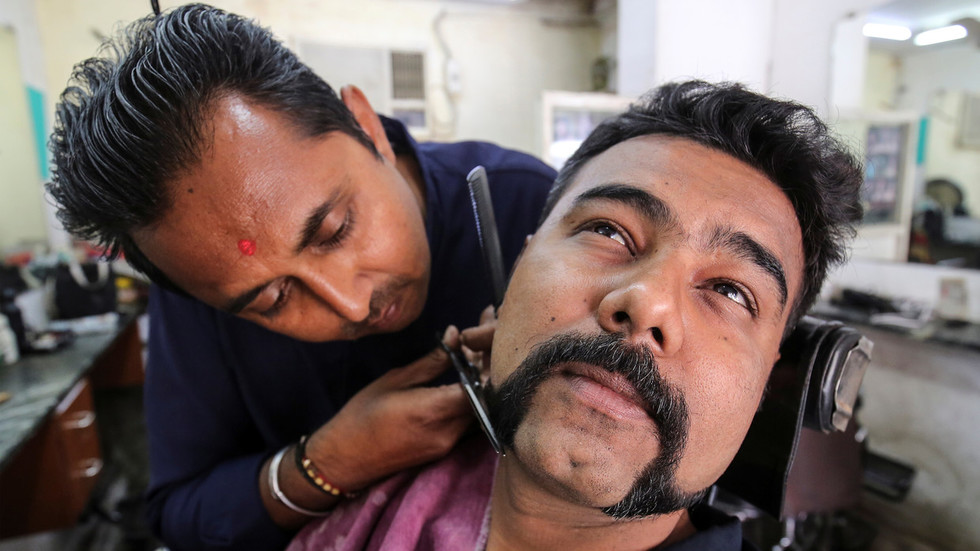
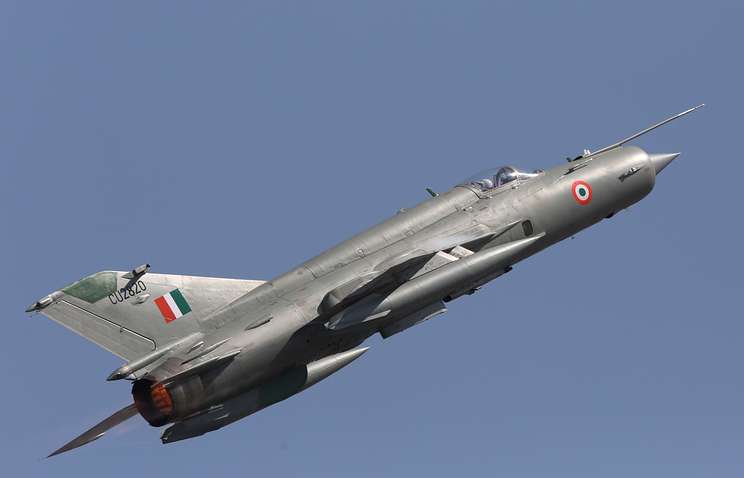
New Delhi, March 4 (Russia Today): The Indian fighter pilot who was captured by Pakistan after his plane was shot down in enemy territory has sparked a bizarre new mustache trend following his triumphant return home.

Wing Commander Abhinandan Varthaman entered the spotlight and reached hero status after he ejected and landed on the Pakistani-controlled side of Kashmir last week during heightened cross-border tensions.

Wing.Com Abhinandan’s gunslinger mustache is the in-thing in India

Video footage released by Pakistan’s Information Ministry showed the calm and collected pilot sipping tea – solidifying him as a national hero in India and a symbol for peace between the neighboring nations.

Varthaman returned home to India, and fans wanting to pay tribute to the new national hero have started emulating his signature mustache, now aptly known as the Abhinandan.”

The unique mix of a gunslinger mustache and mutton-chop beard can now be seen on the proud faces of men throughout India, some of whom have taken to social media to share their new-found look.

The Kashmir standoff between the two nuclear-armed nations flared up following a car bombing by Pakistani-based militants that killed over 40 Indian police officers in mid-February.

READ MORE: Splits & barrel rolls: Media lays out minute-by-minute account of India & Pakistan’s aerial dogfight

In response, India launched an airstrike across the Kashmir line of control, saying it killed multiple terrorists that Pakistan had allowed to entrench there. Pakistan denies that any militants were present and even accused India of environmental terrorism” for destroying trees in a forest reserve.

The air raid has led to several cross-border skirmishes, including the aerial battle in which Varthaman was captured, as well as worldwide wariness as the international community watched the conflict and urged the two sides to show restraint.

Dogfight exposes chinks in India’s armory: New York Times

March 4th, 2019

SHOULD EXECUTIVE PRESIDENCY BE ABOLISHED IN SRI LANKA

March 3rd, 2019

BY EDWARD THEOPHILUS

Executive presidency in Sri Lanka has been integrated to the country’s constitutional administration and public has gradually understood the significance of the executive presidency to Sri Lanka’s society despite rhetoric of some political parties to abolish this great institution. It is the symbol of Sri Lanka like the king in history. Mr J.R. Jayewardene introduced the system with a clear understanding of its requirement to the country with long term experience, understanding and possible instability in Sri Lanka’s politics. Mr Jayewardene properly consulted all political parties and ethnic groups of the country before officially introduce the system. Tamil communities highly agreed with the system and the son in law of Mr Chelvanayagam strongly advised Mr Jayawardene to introduce the system considering the instability experience in 1958 emergency.  Current TNA Members have no idea about the consultation, some time they were inferior members of the party.

The stability of Sri Lanka is strongly based and dependent on the executive presidential system, which has highly democratic and conformity with the sovereignty of people. The democratic value and the sovereignty of people have violated by the system of electing members to the parliament in which several members are appointed by the political parties in addition to the elected members by votes of people. The appointment of members to the parliament was abolished in 1972 as it was purely undemocratic practice.  Unfortunately, it was reintroduced un the election law after i982. The appointment of a Prime Minister to the country could be a person appointed to the parliament who was not elected by votes of people. If so the Prime Minister of the parliament could not be considered as strong reflection of democracy in the country according to the current practice.

When it deeply considers the pattern of electing members of the parliament it could not be considered that the parliament of Sri Lanka is a democratic institution with the conformity of the sovereignty of people. Many appointed members have no consent of people.   The best example was that after the 2015 general election political parties appointed members to the parliament who were rejected at the election.  Was its democracy or a violation of democratic principles. Why JVP wants to abolish the purely democratic institution of the executive presidency and transfer the democratic institution to the parliament, which has an artificial democracy without the sovereignty of people?

Since Mr J.R. Jayawardena all presidents elected showed that the executive presidency has been the protector of the sovereignty of people and the most effective institution for the control of corruption, stability and the desire of the age of Sri Lanka.  There is no argument that if any one attempts to abolish the executive presidency it is an action against the democracy.

The supreme court of Sri Lanka well considered the draft bill of the 20th amendment and rejected it with clear examples.  Why JVP wants to pursued a bill that was rejected by the supreme court.

Another vital point that must be considered is if the executive presidency abolishes the associated practices created with 13th amendment to the constitution should be abolished and Do political parties agree with idea? No, it will not.

Politics in Sri Lanka is a Machiavellian practice than a practice of true democracy.  Today most important practice is giving an opportunity to elect representatives to the parliament not blocking elections in the name of democracy.

Yahapalana’s bashing of Buddhists / Buddhism & Maha Sanga

March 3rd, 2019

Chronology of Tamils taking firearms since 1950s

March 3rd, 2019

1956 – Tamil youth fire at army camp in Batticoloa. Sinhalese civilians shot at in Kalmunai
1961 – Tamil youth attack Sri Lankan soldiers in Jaffna
1961 – Tamil youth forms Pulip Padai ( Army of Tigers) on August 12, 1961 they meet at Koneswaran temple, Trincomalee and take a solemn oath to fight for a Tamil homeland. A.Rajaratnam an activist dies in 1975 of asthma in Madras. Indian investigators believe his daughter Dhanu assassinated Rajiv Gandhi. K.Sivagnanasundaram another activist joined LTTE and was killed by EPRLF in 1988.
1963 – Pulip Padai ( Army of Tigers) put out leaflets advocating militancy. They back politicians Amirthalingam and V.Navaratnam
1963 – Manavar Manram ( students council) set up
1969 – Tamil Liberation Organisation (TLO) formed by Thangathurai and Kuttimani and meetings were held at a Jaffna university professors house.
Sri Sabaratnam (TELO leader) and V.Prabhakaran (LTTE supremo) also attended
1970 – Ponnudorai Satyaseelan founded the Tamil Manavar Peravai ( Tamil Students League) joined by Sivakumaran.
1970 – Dravida Munnetra Kazhagam (DMK) party in Jaffna banned by Sirimavo Bandaranaike
1970 Sept – Sivakumaran attempts to assassinate Sri Lankan deputy minister for Cultural Affiars Somaweera Chandrasiri
1971 – Sivakumaran attempts to assassinate Tamil Mayor Alfred Duraiappah blaming him for the Tamil Conference fiasco that led to Tamil youth deaths.
1971 April – Thangathurai, known as mama ( uncle) and some 15 others were making explosives at the Thondamanar high school
1972 – formation of TULF – Tamil United Liberation Front
1973 – formation of Tamil Elaingyar Peravia (TYL, Tamil Youth Leaque) comprising 40 youth and supported by TLO – Tamil Liberation Organization
1973 Feb – Satyaseelan arrested and arrests of other youth organizations
1973 – Sri Lankan navy seized a boat belonging to Kuttimani filled with dynamite. Kuttimani flees to India but is arrested and deported (Karunanidhi Govt)
1974 June 5, Sivakumaran was trapped by the police while attempting a bank robbery in Jaffna’s Kopai town and committed suicide by biting a cyanide capsule.
1974 protests by Tamils when Prime Minister visited Jaffna to open a campus and bombs were thrown at the police
1974 – First robbery by Tamil militants Rs.91,000 Multipurpose Cooperative Society of Tellipallai – militants fled to India.
1975 – number of armed youth rising, acts of arson and violence was also rising. Thangathurai group of Kuttimani, and the TNT of Prabakaran went underground.
1975 Jan – Group of Sri Lankan Tamils residing in London foremd the Eelam Revolutionary Organisers, EROS
1975 – Assassination of Mayor of Jaffna, Alfred Duraiappah (First political murder) Number of militants in North was said to be around 50. They were regarded as ‘our boys’ because most Tamils thought they were following orders of the TUF and could be stopped at any time (how wrong they were)
1976 Mar 5 – Prabhakaran led a raid on the state run People’s Bank at Puttur stealing 1million cash and jewellery worth 200,000 – the 1st bank heist by LTTE.
1976 May 5 – LTTE formed by Prabakaran changing the former TNT name
1976 May 14 – TUF (formed in 1972) holds first convention in Pannkam, Amirthalingam’s birth place with Chelvanayagam presiding. Formation of TULF – Tamil United Liberation Front announced calling for self-determination and for Tamil youth to take up arms.
1977 April – Chelvanayagam dies
1977 July – using Resolution of Vaddukoddai, TULF wins elections
1977 August 15 – 3 unarmed constables stop 3 boys riding bicycles in Puttur, Jaffna. One boy takes out a revolver and shoots the constable in the thigh. The next day violence breaks out while police try to unarm youth.
1977 – 10% of Jaffna population were Sinhalese who were bakers, traders, civil servants and business –men
1977 August 31 – 4 young men came in blue Morris car robbed the People’s Bank in Manipay and walked away with 26,000 rupees
1977 September – Thangathurai formed militant group called the Tamil Eelam Liberation Army (TELA) and a political affiliate known as the Tamil Eelam Liberation Organisation (TELO) along the lines of IRA and Sinn Fein.
1977 – land surveyor, Kadirgamapillai Nallainathan, better knows as Uma Maheswaran, joined the LTTE. Prabhakaran, younger to Uma by some 10 yrs, continued to be the group’s military commander
1978 – Uma and Prabha made their way to Colombo, where the former had headed the TULF’s city unit
1978 Jan 27 – Uma and Mahesh shoot M.Canagaratnam, a Tamil MP who had won on TULF ticket but crossed over to UNP. Head of CID was a Tamil – Bastianpillai
1978 – Murukan, Bastianpillai and other police officers discover LTTE secret training camp. All were killed brutally by LTTE.
1978 April 25 – LTTE openly admit and confess (on a LTTE letterhead which had been typed by Urmila Devi on TULF leader’s official typewriter in Parliament) to the murder of Alfred Duraiappah and 9 policemen including Bastianpillai.
1978 May 6 – group of 4 or 5 men went to the residence of Inspector K.Pathmanathan, officer in charge of the District Crime Detective Bureau of Jaffna. His children informed their father who returned home with his wife to be gunned down and killed. (10th Tamil policemen killed by LTTE)
1978 – LTTE proscribed
1978 May – Kuttimani guns down a retired police inspector at the Valvettithurai junction (11th policemen)
1978 June – Kuttimani shot and killed another police officer (12th policemen)
1978 September – Parliament introduces new constitution. AVRO 748 of Air Ceylon was blasted by a time bomb after it landed at Ratmalana airport. S.Subramaniam alias Baby was responsible.
1978 Dec 5 – six gunmen stormed to the Thirunelveli People’s bank branch gunned down two policemen and robbed the bank of 1.18 million rupees.(14 policemen killed by LTTE)
1979 – Thangathurai group shot dead 3 more policemen in Jaffna (17 Tamil policemen killed)
1979 – LTTE proscription replaced with Prevention of Terrorism Act (PTA). Thangathurai, Kuttimani and Prabhakaran fled to Tamil Nadu.
1980 – Uma forms PLOTE
1980 – President J R Jayawardena offers TULF District Development Councils (DDC).
1980 – PLOTE shoot UNP leader, R.Balasundaram at Kilinochchi
1981 January – 2 civilians killed by TELO during a robbery at pawn shop at Kurumpasitty
1981 Mar 6 – Kuttimani shoots Chetti at Kalviyankadu in Jaffna. Chetti was a police informant.
1981 Mar 25 – People’s Bank robbery at Neervely by Kuttimani worth 7.8million
1981 Apr 5 – Thangathurai and Kuttimani were arrested at Mannalkadal, near Point Pedro while attempting to escape to India.
1981 July – Sadasivam Sivasunmugamurthy, Uma’s deputy ed a daring raid on a police station at Anakottai, killing 2 policemen and escaping with atleast 10 weapons (19 policemen killed)
1981 Oct – PLOTE raided the People’s bank at Kiilinochi and stole 40m in cash and jewellery
1982 Apr 29 – Jaffna observed its first anti-TULF hartal to protest the party’s participation in the ceremonial opening of a new parliment building at Kotte
Admission of India training LTTE before 1983 riots:
Intelligence agencies (RAW) said….these are boys who were trained by us from 1977” (Dixit, Assignment Colombo)
Shri M. Karunanidhi, Chief Minister of Tamil Nadu (affidavit no. 187/94) :”It is a well known fact that the LTTE and other Sri Lankan Militants camps were established in India ever since 1982 in tune with the policy of the Central Government at that time. The Tamil militants were given military training and allowed to have their own training camps in India.”…
I state that the Congress Governments under the Prime Ministership of late Smt. Indira Gandhi and late Thiru Rajiv Gandhi encouraged, trained and supported the LTTE and other Tamil Militant groups.”
Shri K. Mohandas – then Dir Gen. Police (affidavit no. 64/92-JCI) ….The issue had become very sensitive, and meanwhile, the Prime Minister’s advisors were working overtime, giving facilities to the militants, particularly the TELO (Tamil Ealam Liberation Organisation) to be trained in the use of modern arms in the camps organised in Tamil Nadu, Karnataka, Uttar Pradesh, New Delhi and elsewhere. The idea was that after the training, they would be supplied with arms and sent to Northern Sri Lanka to engage the Sri Lankan troops in guerrilla action. It was supposed to be a top secret operation without even the knowledge of the State Government and its Intelligence agency. (at least as far as Tamil Nadu was concerned.”….. The insurgency operation was so clumsily organised that it was, before long, an open secret. Each training camp was a mini Union Territory completely controlled by Central agencies, into which the State Intelligence or the State Police had no access.”
RAW handling LTTE:
RAW helped to train and arm the LTTE in the 1970s” (Council of Foreign Relations)
April 5, 1988 Wikileaks cable quotes J N Dixit that India had agreed to pay LTTE Rs.50lakhs per month which was paid in July 1987. This was to make up for the tax loss for the LTTE upon IPKF arrival. It was also a payment that sealed Prabakaran’s agreement to the Indo-Lanka Accord.
Indian camps for Sri Lankan militants:
LTTE:- 6 camps were reported being conducted by the LTTE in the districts of Anna (1 camp), Thanjavur West (1 camp), Thanjavur East (1 camp), Salem (1 camp, Madurai (1 camp) and Ramnad ( 1 camp) of Tamil Nadu. The total strength of trainees in these camps was reported to be 495 cadres including 90 female Tigers. The camp at Sirumalai (Anna district) was the only camp were all the 90 female Tigers were getting training along with 40 male Tigers. The largest LTTE camp was located at Kumbarapatti in Salem district. The training comprised Arms Training, swimming, boat driving and physical training. The camps were equipped with transport facilities such as Jeeps, Vans, motor cycles etc.
TELO:- Five camps organised by Tamil Eelam Liberation Organisation (TELO) were reported to be running in the districts of Ramnad ( 3 camps) and Salem ( 2 camps). There were totally 233 male cadres undergoing this training which comprised Physical Training, Arms training, swimming and boat driving.
EROS:- Eelam Revolutionary Organisers (EROS) were reported to be conducting two camps in the districts of Ramnad and Pasumpon Muthuramalingam districts. There were 8 male trainees in these camps which were imparting Physical Training and Arms Training.
EPRLF: The Eelam Peoples Revolutionary Liberation Front (EPRLF) was reported to be conducting 7 training camps in the districts of Thanjavur West (3 camps), South Arcot (2 camps), Trichy ( 1 camp) and Ramnad (1 camp) with a total strength of 73 male trainees who were being trained in Guerilla warfare, Physical Training and Arms training. These camps reportedly possessed sophisticated weapons such as Light Machine -guns as well as transport vehicles.
PLOT:- The Peoples Liberation Organisation for Tamil Eelam (PLOT) was conducting training in 18 camps located in the districts of Thanjavur West (11 camps), Pudukottai ( 4 camps), Tirunelvei East (2 camps) and Thanjavur East (1 camp). Totally 2236 cadres in addition to 94 female cadres were getting trained in these camps. The camps possessed transport facilities, boats and some weapons. Predominantly, the training comprised guerrilla warfare and also Physical Training, Swimming and Boat Driving.
Other assorted organisations were also conducting their camps in Tamil Nadu such as Tamil Eelam Army (TEA) – 2 camps, 31 trainees; TELA -Kanthan group ( 3 camps, 117 trainees); TELA-Rajan group (1 camp, 10 trainees); TENA (1 camp, 25 trainees); RELO ( 1 camp, 13 trainees; NLFT (1 camp, 2 trainees); ECRP (1 camp, 4 trainees) and TMPP ( 1 camp, 6 trainees).
Thus a total of 3179 males and 184 females (3363 cadres) were trained by the Indian Government in India in secret during 1983-1986. These groups were allowed to run their own offices in Tamil Nadu.
The March 2014 shooting by an LTTEr on a policemen on duty and now absconding reminds us of the events given above and trails us back to the times when LTTE first began their killing spree by targeting policemen on duty.
In the early 1970s inaction of authorities and Tamils treating these youth as ‘our boys’ eventually led 30 or so youth to become 30,000 armed and deadly killers.
The Chief Minister and the TNA are directly responsible for the current situation with their forked tongues and mannerisms thinking that we have forgotten the manner TNA has been linked to the LTTE over the years. Going round the world promoting separatism, linking up with Church priests that have had an agenda to divide Sri Lanka will always keep the Sri Lankan public in doubt about what the actual agenda is.
The sovereignty of the country entails the elected Government to decide where to station its troops, how many to be stationed, where they are to be stationed.
We are not ready to sacrifice the hard won peace that was given to us by the sacrifices made by 27,000 of our heroic soldiers.
We have enough lessons to learn from to not repeat the same mistakes.
Shenali D Waduge

දකුණු පළාතේ ආන්ඩුකාර කීර්ති තෙන්නකෝන් තමනට කුණුහරුපෙන් බැන්නැයි සවුත්ලන්ඩ් විදුහල්පතිනිය පොලීසි යයි..[Video]

March 3rd, 2019

 lanka C news

දකුණු පළාතේ ආන්ඩුකාර කීර්ති තෙන්නකෝන් මහතා තමන්ටත් තම සැමියාටත් දුරකථනයෙන් අමතා අසභ්‍ය වචනයෙන් බැණ වැදී තර්ජනය කළේ යයි ගාල්ල සවුත්ලන්ඩ්ස් විදුහලේ විදුහල්පතිනිය චෝදනා කරයි.

මේ සම්බන්ධයෙන් විදුහල්පතිනිය විසින් ගාල්ල පොලීසියට පැමිණිල්ලක් කර තිබේ.

සිසුවියන් සිව්දෙනෙකු විදුහලට ඇතුළත් කර ගන්නැයි බලකරමින් තමාටත් තම සැමියාටත් ආණ්ඩුකාරවරයා විසින් මෙසේ බැන වැදුණු බවත් විදුහල්පතිනිය විසින් කරන ලද පැමිණිල්ලේ දැක්වේ.

කෙසේ වෙතත් චෝදනාවට ප්‍රතිචාර දක්වමින් දකුණේ ආණ්ඩුකාර කීර්ති තෙන්නකෝන් මහතා සඳහන් කරන්නේ දකුණු පළාත තුල පාසැල්වල මාෆියාවක් පවතින බවයි.

ශ්‍රේෂ්ඨාධිකරණයේ සහ අභියාචනාධිකරණයේ නඩු විභාග කරන භාෂාව වෙනස්කර ගැනීම සදහා මා පෙනී සිටින්නේ ඇයි?

March 3rd, 2019

නීතිඥ අරුණ ලක්සිරි උණවටුන 

ශ්‍රේෂ්ඨාධිකරණයේ සහ අභියාචනාධිකරණයේ නඩු කටයුතු සහ නඩු තීන්දු ඉංග්‍රීසි භාෂාවෙන් පමණක් පවත්වාගෙන යාම නිසා බහුතරයක් වූ නීතිඥවරුන්ට සහ ජනතාවට එම අධිකරණවලින් සහන ලබා ගැනීම වැළකී ඇති අතර එම අධිකරණවලින් යුක්තිය ඉටුකර ගැනීමට අධික මුදලක් වැය කිරීමට ජනතාවට සිදු වී ඇත.

නිදහස්, ස්වාධීන සහ අපක්ෂපාතී අධිකරණ ලෙස ශ්‍රේෂ්ඨාධිකරණය සහ අභියාචනාධිකරණය පවත්වාගෙන යාමේදී ලංකාවේ බහුතර ජනතාවට වැටහෙන භාෂාවෙන් එම අධිකරණවල නඩු කටයුතු පවත්වාගෙන යාමත්, ඕනෑම නීතිඥවරයෙකුට එම අධිකරණවලින් සිය සේවාදායකයන්ට සහන ලබා ගැනීමටත් හැකි විය යුතුය. 

නීතිය නොදැනීම සමාවට කරුණක් නොවන හෙයින් ජනතා පරමාධිපත්‍යය භාෂා වෙනස්කමකින් තොරව ක්‍රියාත්මකවන, ප්‍රජාතන්ත්‍රවාදය ශක්තිමත් කරන, රටේ සංවර්ධනයට සියලු ජනතාවට දායකවිය හැකි, විදේශීය රටවල නෛතික ප්‍රහාරයන්ගෙන් ජනතාව බේරාගත හැකි යුක්තිය පසිදලන ක්‍රියාවලියක් රටකට අවශ්‍යම වෙයි. 

කිහිප දෙනෙකුගේ අවශ්‍යතාවය අනුව සහ ඔවුන්ගේ සුඛවිහරණය් සදහා ඉංග්‍රීසි භාෂාවෙන් පමණක් නඩු කටයුතු පවත්වාගෙන යන වත්මන් නඩු විභාග කරන ක්‍රියාවලිය වෙනස්කරමින් නඩු විභාග කිරීමේදී භාෂාව මත පුරවැසියන් වෙනස් කමකට ලක් කිරීම අවසන් කර රටේ සෑම පුරවැසියෙකුටම තේරුම් ගතහැකි භාෂාවෙන් ශ්‍රේෂ්ඨාධිකරණයේ සහ අභියාචනාධිකරණයේ නඩු විභාග පවත්වාගෙන යාම සහ නඩු තීන්දු ලබා ගැනීම වෙනුවෙන් පෙනී සිටීම මාගේ අරමුණ වේ. 

ඒ වෙනුවෙන් මා විසින් දැනටමත් නීති කෘති 08ක් ලියා පළ කර ඇති අතර නොමිලේ පවත්වන නීති අධ්‍යයන වැඩමුළු 06ක් ද, සෙනසුරාදා දිනවල නීති අධ්‍යයන වැඩසටහන්ද පවත්වනු ලබයි.

නීතිඥ අරුණ ලක්සිරි උණවටුන 

නීති කෘති සහ නීති වැඩමුළු සදහා විමසන්න

දුරකථන 0712063394

ජවිපෙ උගුලේ අහුවුණොත් මහින්දව අතහැර දමනවා.. දෙවරක් සිතන්නේ නෑ..- විමල් තීරණාත්මක රතු එලි දල්වයි..[Video]

March 3rd, 2019

අනුරුද්ධ බණ්ඩාර රණවාරණ මාධ්‍ය ලේකම් ජාතික නිදහස් පෙරමුණ

මුළු රටටම ඉල්ලන ගෝඨාභය රාජපක්ෂයන් මහින්ද කඳවුරේ සිටියදී ‘විධායක ජනාධිපති ක්‍රමය එපා!’ කියන එජාප – ජවිපෙ උගුලේ වැටුණොත් මහින්ද කඳවුරෙන් ඉවත් වීමට තමන් ඇතුළු ජාතික නිදහස් පෙරමුණ මොහොතක්වත් ප්‍රමාද නොවන බව එම පක්ෂයේ නායක විමල් වීරවංශ මහතා අවධාරණය කරයි.

මොරටුව නගරයේ පැවති ‘රටට මොකද වෙන්නේ ?’ යන තේමාව යටතේ පැවති ජනහමුවක් අමතමින් ඒ මහතා මෙසේ අවධාරණය කළේය.

මෙහිදී වැඩිදුරටත් අදහස් දැක්වූ විමල් වීරවංශ මහතා මෙසේ ද සඳහන් කළේය.

‘භූමිතෙල් ගෑවුණු ගැරඬියෝ’

මෛත්‍රීපාල සිරිසේන මැතිතුමා හා එකඟව මහින්ද රාජපක්ෂ මැතිතුමා අගමැති වූ ඔක්තෝබර් 26 වැනිදා සිට ටී.එන්.ඒ සහ ජවිපෙ උදවිය, ඊනියා සිවිල් සමාජය හෙවත් රාජ්‍ය නොවන සංවිධානවල ඩොලර් කාක්කන් ටික, ඒ රාජ්‍ය නොවන සංවිධානවලට සින්න වුණු ඊනියා විද්වතුන් ටික ‘ප්‍රජාතන්ත්‍රවාදය උදුරාගත්තෝ – ප්‍රජාතන්ත්‍රවාදය තහවුරු කරන්න රනිල් ආපසු අගමැති කරපියෝ’ කියමින් ‘භූමිතෙල් ගෑවුණු ගැරඬියෝ’ ටිකක් වගේ දඟලපු හැටි අප කාටත් අමතක නැහැ. ඔවුන්ට අනුව සිදු වුණේ රනිල්ගේ අගමැති පට්ටමට තට්ටුවීම නොවෙයි ප්‍රජාතන්ත්‍රවාදය වළ දැමීම. ඒ අනුව පට්ටම ආපහු රනිල්ට දුන්නොත් ලැබෙන්නේ ප්‍රජාතන්ත්‍රවාදය. එහෙම කියලා පට්ටම ආපහු ගත්තානේ. දැන් කොහොමද ප්‍රජාතන්ත්‍රවාදය ලැබෙනවාද?

‘ප්‍රජාතන්ත්‍රවාදය ලැබෙන හැටි’

ගාල්ලේ රත්ගම තරුණයන් දෙදෙනකු පොලිසිය විසින් මරා දමා මළසිරුරු පුළුස්සා දමා තිබෙනවා. මේකද රනිල්ට අගමැති පට්ටම ආපසු දීලා ලබාගත්තු ප්‍රජාතන්ත්‍රවාදය? හැමදාම මැතිවරණයක් ළං වෙලා ‘තාජුඩීන් මන්තරය’ ජප කරන ජවිපෙ හා එන්ජීඕ ඩොලර් කාක්කන් ටික මේ සිදුවීම ගැන මුනිවත රකිනවා. දැන් බස්නාහිර පළාත් සභාවේ නිල කාලයත් අවසන් වීමට ළඟයි. ඒත් පළාත් සභා ඡන්දය අනන්තයටම කල් දමමින් ඉන්නවා. ඒක ද යළි රනිල් අගමැති කර බලාපොරොත්තු වූ ප්‍රජාතන්ත්‍රවාදය ?

‘පාර්ලිමේන්තුව විසුරුවා හැරීමේ බලය කප්පාදු කිරීම’

ඒ විදිහට ප්‍රජාතන්ත්‍රවාදය හකුළමින් තිබියදී දැන් ‘විධායක ජනපති ක්‍රමය අහෝසි කිරීම’ පිළිබඳව මේ අය කතා කරමින් ඉන්නවා. ජනතාව ඉල්ලා සිටිනවා නම් පාර්ලිමේන්තුව, එය බලයට පත්වී වසරක කාලයක් ඉක්මවීමෙන් පසු විසුරුවා හැරීමේ බලය ජනාධිපතිවරයාට තිබුණා. එදා 2001 දෙසැම්බර් බලයට ආ රනිල්ගේ ආණ්ඩුව ප්‍රභාකරන් සමග සටන් විරාම ගිවිසුම් ගහලා උතුර කොටියාට දෙන්න හදනකොට ඒ පාලනය අවසන් කරලා 2004 අප්‍රේල් මාසයේදී නව ආණ්ඩුවක් ගෙන ඒමට එවකට ජනාධිපතිනිය වූ චන්ද්‍රිකා කුමාරතුංග මැතිනිය කටයුතු කළේ එම බලය අනුවයි. කොටියාට උතුර දෙන්න හදන විටයි ජනතාව ‘රනිල්ගේ පාලනය එපා!’ කියලා මහ මැතිවරණයක් ඉල්ලා සිටියේ. ජනතාවගේ විලිරුදාව තේරුම් ගෙනයි එදා චන්ද්‍රිකා කුමාරතුංග මැතිනිය පාර්ලිමේන්තුව විසුරුවා හැරියේ. එහෙම නැතුව බලය තිබුණා කියා පාර්ලිමේන්තුව විසුරුවා හැරීමටනම් ජනාධිපතිවරයාට මානසික ආබාධයක් ඇති විය යුතුයි. මේ මොහොතේ ජනතාව මහ මැතිවරණයක් ඉල්ලා සිටිනවා. ඒ විලිරුදාවෙන් රටම පෙළෙනවා. මේක, හංසයාට කතිරෙ ගහපු උදවිය පවා ඒ වැරැද්ද නිවැරදි කරගන්න මහ මැතිවරණයක් ඉල්ලා සිටින වෙලාවක්.

‘කාගෙද අතපය බැන්දේ ?’

නමුත් පසුගියදා ශ්‍රේෂ්ඨාධිකරණය ලබාදුන් තීන්දුව අනුව ජනාධිපතිවරයාට පාර්ලිමේන්තුව එය බලයට පත්වී වසර හතරහමාරක් යන තෙක් විසුරුවා හැරීමට බැහැ. මේ අතපය බැන්දේ ජනාධිපතිවරයාගේ ද? නැතිනම් මහමැතිවරණයක විලිරුදාවෙන් පෙළෙන මහජනතාවගේ ද? මදක් සිතා බලන්න. ජනතාව මහ මැතිවරණයක් ඉල්ලුවා. ජනාධිපතිවරයා එය දෙන්න හැදුවා. උසාවිය කීවා ‘අවුරුදු හතරහමාරක් යන තෙක් එයාට පාර්ලිමේන්තුව විසුරුවා හරින්න බැහැ’ කියා. මහජනතාව මහමැතිවරණයක විලිරුදාවෙන් පෙළෙන විට එය ලබා දෙන එක ද ප්‍රජාතන්ත්‍රවාදය, නැතිනම් එම ඉල්ලීම යටපත් කරන එක ද ප්‍රජාතන්ත්‍රවාදය ? දැන් මේ අය ‘ප්‍රජාතන්ත්‍රවාදී ප්‍රතිසංස්කරණ’ කියලා කරලා තිබෙන්නේ ප්‍රජාතන්ත්‍රවාදයේ වළ කැපීම නේද?

‘ඒකාබද්ධ විපක්ෂය 20 පිළිගන්නේ නැහැ’

19 වැනි ආණ්ඩුක්‍රම ව්‍යවස්ථා සංශෝධනයෙන් කළේ මහජනයාට ලැබිය යුතුව තිබූ ප්‍රජාතන්ත්‍රවාදයට තට්ටු කරපු එක. දැන් ආයෙත් ජනතා විමුක්ති පෙරමුණ එනවා 20 වැනි ආණ්ඩුක්‍රම ව්‍යවස්ථා සංශෝධනය ඔසවාගෙන. ‘20’ ඔසවාගෙන ආවාට වැඩක් නැහැ, ඒකාබද්ධ විපක්ෂය තීරණය කරලා ඉවරයි ‘විධායක ජනාධිපති ක්‍රමය අහෝසි කිරීම ඇතුළු ඔය ඊනියා ප්‍රජාතන්ත්‍රවාදී ප්‍රතිසංස්කරණ අපි පිළිගන්නේ නැහැ’ කියා. ඒ නිසා අද ඔය ප්‍රජාතන්ත්‍රවාදී ‘සීනි තවරපු’ මේ රාජ්‍යය දුර්වල කරන, අස්ථාවර කරන ව්‍යවස්ථා ප්‍රතිසංස්කරණ පාර්ලිමේන්තුව තුළ සම්මත කර ගැනීමට ඉඩක් ලැබෙන්නේ නැහැ. නමුත් කවුරුන් හෝ අපේ කඳවුර බිලීබාගෙන 20 සම්මත කර ගැනීමට හදනවා නම් එදාට තමයි අපට මේ දේශපාලන කඳවුරට ආයුබෝවන් කීමට සිදුවන්නේ. ඒකට අපි මොහොතක්වත් පසුබට වෙන්නේ නැහැ.

‘ඇයි මේ උගුල අටවන්නේ ?’

විධායක ජනාධිපති ක්‍රමය අහෝසි කිරීමේ උගුල මේ අය දැන් කඩිමුඩියේ අටවන්න හදන්නේ ඇයි ? රනිල් වික්‍රමසිංහට ජනාධිපතිවරණයට ඉදිරිපත් වීමට තියා එක්සත් ජාතික පක්ෂයේ අපේක්ෂකයා ලෙස ඉල්ලන්න ලැබෙයි ද කියන එකත් ‘ෂුවර්’ නැහැ. ඒ නිසා තමයි රනිල් ‘විධායක ජනාධිපති ක්‍රමය එපා!’ කියන්නේ. ‘විධායක ජනාධිපති ක්‍රමය එපා!’ කියන ජවිපෙ තත්වය බලන්න. 2010 දී සහ 2015 දී වගේ මෙවර ජනාධිපතිවරණයේ දී පොදු අපේක්ෂකයකුට කඬේ යාමට ජවිපෙට බැහැ. එහෙම කඬේ ගිහින් දැන් එයාලා හොඳට නාගෙන තියෙන්නේ. ඒ නිසා තනියම ඉල්ලන්න වෙනවා. එතකොට ලැබෙන්නේ ඡන්ද ලක්ෂ දෙක තුනක් පමණයි. එතකොට ‘සයිස් එක’ පෙනෙනවා. ඒ නිසා ජවිපෙට අද විධායක ජනාධිපති ක්‍රමය ඇනයක්. දැන් රනිල් එක්ක එකතු වෙලා විධායක ජනාධිපති ක්‍රමය අහෝසි කිරීමට දඟලනවා.

‘මුළු රටම ඉල්ලන්නේ ගෝඨාභය රාජපක්ෂ’

නමුත් මහින්ද රාජපක්ෂ මැතිතුමා ප්‍රමුඛ අපේ දේශපාලන කඳවුරට එහෙම අහේනියක් නැහැ. අපේ කඳවුර ජනාධිපතිවරණවලට බිය විය යුතු කඳවුරක් නොවෙයි. වෙනදා ජනාධිපතිවරණවලට පක්ෂවලින් අපේක්ෂකයන් තෝරන තෙක් ජනතාව බලා සිටියා. නමුත් අද පක්ෂ භේදවලින් තොරව මේ රටේ ජනතාව තම අපේක්ෂකයා තෝරා ගෙන ඉවරයි. අද මුළු රටටම ඉල්ලන්නේ ‘ගෝඨාභය රාජපක්ෂ’. අද මුළු රටම ඉල්ලන්නේ හැදියාවක් සහිත පාලනයක්, වංචාවෙන් දූෂණයෙන් තොරව මේ රට පාලනය කිරීමේ මාවතක්. පුල්මුඬේ ඛනිජවැලි නිධිය ආරක්ෂා කර ගන්න ගිය රජයේ නිලධාරීන්ට ප්‍රාදේශීය දේශපාලනඥයන්ගේ හයිය ගත්තු පිරිසක් පහර දෙන ආකාරය අපි දුටුවා. උතුරේ පමණක් නොවෙයි මුළුමහත් රට තුළම කිසිවකුටත් නීතිය අතට ගැනීමට ඉඩ දිය යුතු නැහැ. එවැනි පාලනයක් මුළු රටම අද ඉල්ලා සිටිනවා.

‘පිරිසිදු පාලකයෙක් රටම ඉල්ලනවා’

ගෝඨාභය රාජපක්ෂ හිටපු ආරක්ෂක ලේකම්තුමා පිරිසිදු පාලකයකු ලෙස තමන්ගේ රාජකාරිය ඉටු කරපු බව මුළු රටම දන්නවා. යුද්ධ කරද්දී හොරා කෑවේ නැහැ. හොරා කන කිසිවෙක් යුද්ධයක් ඉවර කරන්නේ නැහැ. අවුරුදු 30ක් තිස්සේ යුද්ධය ඇදෙමින් ආවේ ඒකයි. යුද්ධ කරද්දී හොරා කනවා නම් හොරා කකා යුද්ධ කරගෙන යාමටයි හිතෙන්නේ. රස වැටුණාම ඒක තමන්ගෙ ඉල්ලමක් බවට පත්කර ගන්නවා. නමුත් ගෝඨාභය රාජපක්ෂ මැතිතුමා යුද්ධය පටන් අරන් එය අවුරුදු 04කින් අවසන් කළා. යුද්ධය තමන් හම්බකරන් කන තිප්පොළක් බවට පත්කර ගත්තේ නැහැ. එහෙම නායකයෙක් අද මුළු රටම ඉල්ලනවා.

‘කරන්නාගොඩට එරෙහි බොරු සාක්ෂි’

වෙනසක් කිරීමට ගොස් අවිනිශ්චිත ඉරණමක් ළඟා කරගත්තු රටක් බවට මේ රට අද පත් වී තිබෙනවා. මේ ආණ්ඩුව රටට විජයග්‍රහණය ලබා දුන් රණවිරුවන් ‘සුද්දන්’ සතුටු කිරීම පිණිස හිරේ දමමින් සිටිනවා. හිටපු නාවික හමුදාපති වසන්ත කරන්නාගොඩ මහතා මෙවර ජිනීවා මානව හිමිකම් කවුන්සිල සැසිවාරය අතරතුර අත්අඩංගුවට ගෙන ‘ඔන්න අපි වැඬේ හරියට කරනවා’ කියන්න දැන් වැඬේ හදලා ඉවරයි. කරන්නාගොඩ මහත්තයා අත්අඩංගුවට ගැනීමට අවශ්‍ය බොරු සාක්ෂි දුන් නාවික හමුදා නිලධාරියා තමයි පසුගියදා ඊට තෑග්ගක් ලෙස රේගු අධ්‍යක්ෂ ජනරාල් ලෙස මුදල් ඇමති මංගල සමරවීර විසින් පත් කිරීමට සූදානම් වුණේ. අර අපේ රණවිරුවන්ට අපහාස කළ ආරක්ෂක ලේකම් හේමසිරි ප්‍රනාන්දු සහ ඔය කියන නාවික හමුදා නිලධාරියා එක්ව නාවික හමුදාවට ආයුධ මිලදී ගැනීම් වලදී දූෂිත ලෙස කටයුතු කළ බවට චෝදනා තිබුණාා. ඒවා දැන සිටි කරන්නාගොඩ මහතාගෙන් පලිගැනීමට අද මංගල සමරවීර, හේමසිරි ප්‍රනාන්දු සාකච්ඡා කර ඉහත නිලධාරියා යොදාගෙන බොරු සාක්ෂි හැදුවා. එවැනි අහස පොළොව නුහුලන අපරාධ ‘2015 ජනවාරි 8 වැනිදා වෙනස’ නිසා අද මේ රටේ සිදු වෙනවා.

‘ජනතා විශ්වාසයට පිටින් ගියොත්…’

අද දේශීය ව්‍යාපාර කඩා වැටෙද්දී ආර්ථිකයේ දොර ඇරෙන්නේ විදේශිකයාට. ඒ වගේම රට තුළට කළු සල්ලි ගලා එනවා. කොටි සල්ලිවලින් ව්‍යාපාර කරන කුප්‍රකට ‘ලයිකා මොබයිල්’ හිමිකරු සුභාෂ්කරන් අලිරාජාට මෙරට මාධ්‍ය ආයතනයක් ඇතුළු ඊ.ඒ.පී සමූහ ව්‍යාපාරය හිමිකර දුන් ආණ්ඩුවක් අද තිබෙන්නේ. මේ තත්ත්වය වෙනස් කරන්න ඕනෙ. දේශීයත්වයට මුල්තැන දෙන ආර්ථික ගමනක් මේ රටට අවශ්‍යයි. එය කළ හැකි පාලකයකු තමයි මුළු රටම ඉල්ලා සිටින්නේ. ඒ වගේම සිංහල, දෙමළ, මුස්ලිම් භේදයෙන් තොරව සමගියෙන් විසිය හැකි රටක් ජනතාව ඉල්ලා සිටිනවා. ‘එවැනි රටක් හදන්න පුළුවන් ගෝඨාභය රාජපක්ෂට’ කියලා කවුරු විශ්වාස නොකළත් මේ රටේ ජනතාව විශ්වාස කරනවා. ඒ විශ්වාසයට පිටින් යන්න ගියොත් දෙයියන්ගෙම පිහිටයි. ඒ විශ්වාසයට පිටින් යන්න කවුරුන් හෝ උත්සාහ ගන්නවා නම් ඔහු කරන්නේ මේ කඳවුර නැවත වතාවක් පරාජය කිරීමට අවශ්‍ය පාවා දීමක්. මහින්ද රාජපක්ෂ මැතිතුමාගේ සලකුණ සහිත මේ දේශපාලන කඳවුර අද මේ රටේ දැවැන්තම දේශපාලන කඳවුරයි. එය කඩාබිඳ දැමීමට සතුරන් උත්සාහ කරනවා. පිටතින් වගේම ඇතුළතින් ද කඳවුර දුර්වල කිරීමට කටයුතු කරනවා. අපට අද ‘තනියම ජන්දය ඉල්ලා පෙන්වන්න’ කියන අය කඳවුරේ ඇතුළේ සිටිනවා. අද තියෙන්නේ තනියම ඉල්ලා දිනන සටනක් නොවෙයි. රට යළි නිවැරදි මාවතට ගැනීමේ සටනක්. ඒ දැවැන්ත සටනින් පස්සේ අපි අපට අවශ්‍ය මොහොතේ ‘තනියම ඉල්ලා’ පෙන්නන්නම්.

‘මෙතෙක් නොකී කතා දෙකක්’

එහෙම කියන අයට මතක් කර දීමට අපට වෙනදා නොකී කාරණා දෙකක් තිබෙනවා. මේක පම්පෝරි ගැසීමක් නොවෙයි. මතක් කර දීමක් පමණයි. පළමු කරුණ ලෙස 2015 ජනවාරි 08 වැනිදා පරාජයෙන් පස්සේ එක්සත් ජනතා නිදහස් සන්ධානය ලෙස 2015 ජනවාරි 10 වැනිදා පවත්වපු මාධ්‍ය සාකච්ඡාවට ඔවුන්ගේ අවධානය යොමු කරවනවා. එම මාධ්‍ය සාකච්ඡාවට සුසිල් ප්‍රේමජයන්ත්, අනුර පියදර්ශන යාපා, නිමල් සිරිපාල ද සිල්වා ඇතුළු පක්ෂ නායකයන් සමඟ මමත් සහභාගි වුණා. එහිදී එක් අයකු කීවා ‘මහින්ද රාජපක්ෂ පරාජයට පත්වුණා නොවෙයි. මෙය තාවකාලික පසුබැසීමක් පමණයි. අපි ඔබේ නායකයා නැවත රැගෙන එනවා. බලාපොරොත්තු සහගතව ඉන්න’ කියා. එහෙම කියූ කෙනා මම.

ඒ වගේම 2015 පෙබරවාරි 18 වැනිදා නුගේගොඩ රැලිය සංවිධානය කරද්දී සිදු වූ සිදුවීම් ද සිහියට එනවා. දෙහිවල ධනසිරි නගරාධිපතිතුමා ජෙනරේටරයක් ඉල්ලුව ගමන් ලබා දුන්නා. රැස්වීම් භූමිය එවකට ශ්‍රී ජයවර්ධනපුර කෝට්ටේ නගරාධිපතිතුමා ලබා දුන්නා. බොහෝ අය උදව් කළා. හැබැයි රැලියේ දී මහින්ද රාජපක්ෂ මැතිතුමා වෙනුවෙන් සකස් කළ කතාව ඒ මහා ජන ගඟට ඉදිරිපත් කිරීමට කෙනෙක් හිටියේ නැහැ. මම, දිනේෂ්, වාසු, ගම්මන්පිල යන සියලුදෙනා වෙනත් පක්ෂවල අය හින්දා එය ඉදිරිපත් කිරීමට බැහැ. ශ්‍රී ලංකා නිදහස් පක්ෂය නියෝජනය කරන පාර්ලිමේන්තු මන්ත්‍රීවරුන් කිසිවකුත් ඉදිරිපත් වූයේ නැහැ. ඒ නිසා අපි ඉල්ලා සිටියා දයාන් ජයතිලක මහත්තයාගෙන් එය ඉදිරිපත් කරන්න කියා. ඔහු කිව්වා ‘මම ශ්‍රී ලංකා නිදහස් පක්ෂ මූලස්ථානයටවත් ගිය කෙනෙක් නොවෙයි, මම කොහොමද මේක ඉදිරිපත් කරන්නේ ?’ කියා. නමුත් අවසානයේදී වෙනත් කිසිවකු නැති නිසා ඔහු එය උදව්වක් ලෙස සිදු කළා. අපි මේවා කියකියා යන්නේ නැහැ. නමුත් එදා ඉතිහාසයේ දුෂ්කර අවස්ථාවල ඇතැමුන් කර ඇරියේ එහෙමයි.

‘අපේ භූමිකාව අතහරින්නේ නැහැ’

නමුත් අපි හැමදාම රට වෙනුවෙන්, කිසිවක් අපේක්ෂා නොකර ඒ දුෂ්කර අවස්ථාවන්වලට කර ගැහුවා. පෞද්ගලිකව කිසිවක් නොලැබුණත් අපි කර ගහපු සටන අතරමග දාලා යන්නේ නැහැ. ඉතිහාසය පුරා දාලා ගිහිල්ලත් නැහැ. එළියෙන් ගැහුවත් – ඇතුළෙන් ගැහුවත් – මාධ්‍යයෙන් ගැහුවත් ඒ ගහන ඕන ගැහිල්ලකට මුහුණ දෙන්න බැරිනම් අපි මේ දේශපාලනය කරන්නේ නැහැ. මේ රට යළි හරි මගට ගන්න සටන, මේ පාලනය අවසන් කර ජනතා අභිලාෂයන් ජයග්‍රහණය කරන සටන අපි කිසි ලෙසකින්වත් අතහරින්නෙ නැහැ. ඒ නිසා ‘සියලු බොරු වළවල් මගහරිමින් ජයග්‍රහණය තෙක් පෙරට යමු’ කියා, රටට ආදරය කරන සියලු ජනකොටස් වෙතින් ඉල්ලා සිටිනවා.”


අගමැති රනිල් තිරුපති දෙවොලේ ‘තුලාබරම්’ පූජාවේ.. තම බරට දෙවියන් උදෙසා (රත‍්‍රන්) පුදයි..(video)

March 3rd, 2019

lanka C news

ඉන්දියාවේ පුද්ගලික සංචාරයක නිරත වූ අගමැති රනිල් වික‍්‍රමසිංහ මහතා එරට තිරුපති කෝවිලේ ‘තුලාබරම්’ පූජාවේ යෙදෙන ආකාරය ඉන්දීය මාධ්‍ය විසින් වාර්තා කර ඇත.

තුලාබරම් පූජාව යනු තිරුපති වන්දනාවේ යන බැතිමතුන් විසින් තමන්ගේ බරට ධාන්‍ය වර්ග, වටිනා ලෝහ වර්ග හෝ මුදල් දෙවියන් උදෙනා ලබා දීමකි.

සාමාන්‍යයෙන් මෙම පූජායෙව් යෙදෙව රාජ්‍ය නායකයන් බොහෝ දෙනෙකු තම බරට රත‍්‍රන් පූජා කිරීම සිදු කරන බවද මාධ්‍ය වාර්තාවන්හි දැක්වෙයි.

රනිල් වික‍්‍රමසිංහ මහතාද පූජා කර ඇත්තේ තම බරට රත‍්‍රන් යයි සමාජ ජාලාවන්හි වාර්තා බොහෝමයක් පලවෙයි.

කෙසේ වෙතත් පින්තූරයේ දැක්වෙන පරිදි අගමැතිවරයාගේ බරට සමාන වන්න අනෙක් පසින් තබා ඇත්තේ ප‍්‍රමාණයෙක් කුඩා මළු කිහිපයක් නිසා ඒවායේ ඇත්තේ ඝනත්වය වැඩි ලෝහ වර්ගයක් විය හැකි බවට උපකල්පනය කල හැක.

ජන මතය අවුල්කරන දේශපාලන දීග

March 3rd, 2019

පේරාදෙනිය විශ්වවිද්‍යාලයේ දර්ශන අධ්‍යයන අංශයේ ජ්‍යෙෂ්ඨ කථිකාචාර්ය ආචාර්ය චරිත හේරත් උපුටාගැණීම ලංකාදීප

විධායක ජනාධිපතිධුරය පිළිබඳව සංවාදය නැවත වතාවක් මෙරට දේශපාලනයේ ප්‍රධාන මාතෘකාවක් බවට පත්වෙමින් තිබෙන බව දැන් කාටත් පැහැදිලිය. ප්‍රධාන දේශපාලන පක්ෂ දෙක තුනේම නායකයන් පමණක් නොව ඒ ප්‍රධාන පක්ෂවලට සම්බන්ධ වී සිටින කුඩා පක්ෂද මේ දවස්වල පුවත්පත් සාකච්ජා පවත්වමින් කරන්නේ එක්කෝ විධායක ජනාපති ධුරය දිගටම පවත්වා ගෙන යා යුතු බවට තර්ක කිරීමය. එහෙමත් නැති නම් ජනාධිපති ධුරයට විරුද්ධ වෙමින් එය වහාම ඉවත් කළ යුතු යැයි තර්ක කිරීමය. හිටිහැටියේ මතුවූ බව පෙනුණත් ‘විධායකය එපා’ යැයි කියන මේ සංවාදය අලුත් එකක් නොවන බව අප හැමෝම හොඳින් දන්නා කාරණයක්ය. කාලයෙන් කාලයට මතුවෙන නැවතත් යටට යන මේ ප්‍රශ්නය පිළිබඳව සටහනක් ලිවිය යුතු යැයි සිතුණේ ඉදිරි සති කීපයේ රටේ අවධානය මේ කාරණය ගැන මීටත් වඩා වැඩියෙන් යොමුවීමේ ඉඩක් තිබෙන නිසාය.

විධායක ජනාධිපති ධුරයත් ඇතුළත් කර ගනිමින් 1978 එජාප රජය ගෙනා ආණ්ඩුක්‍රම ව්‍යවස්ථාවට එරෙහිව පළමු විරෝධතාව මතු වූයේ එවකට රටේ සිටි බරපතළම වාමාංශික නායකයා වූ ආචාර්ය ඇන්.ඇම්. පෙරේරා මහතා වෙතින්ය. නව ආණ්ඩුක්‍රම ව්‍යවස්ථාව ගැන පුවත්පතකට ලියූ දිර්ඝ ලිපි මාලාවක් හරහා ඔහු තම විවේචනය ඉදිරිත් කළේය. ‘78 ආණ්ඩුක්‍රමය පිළිබඳ විවේචනයක්’ ලෙසින් පසු කාලයේ පොතක් ලෙසින් පළවූයේ ලෙඩ ඇඳේ සිටිමින් ඔහු ලියූ ඒ ලිපි මාලාවය. ඒ ලිපි මගින් ඇන්.එම්. තර්ක කළේ මේ අලුතින් පටන් ගන්නා විධායක ජනාධිපති ධුරය අපේ රටේ දේශපාලනයේ එතෙක් පැවති බල සිතියම සම්පූර්ණයෙන්ම උඩු යටිකුරු කරන බවය.

උඩරට රජුගෙන් 1815 ඉවත් වූ හා බ්‍රිතාන්‍යයේ රැජිනගෙන් 1972 ඉවත් වූ රාජාණ්ඩුක්‍රමය යළිත් වතාවක් අපේ දේශපාලන ක්‍රමවේදයට ‘ව්‍යවස්ථාපිත රජකු’ හඳුන්වා දෙන බව ඔහුගේ අදහස විය. ලෝකයේ සමහර රටවල්වල ගොඩනැ​ෙඟමින් පැවති නව ලිබරල් ධනවාදයේ ආර්ථික ආකෘතියට ගැළපෙන ආකාරයෙන් අපේ රටේ රාජ්‍ය නැටවීමට නම් රාජ්‍යයේ බලය ‘තනි මිටට’ ගත හැකි ආකාරයේ ශක්තිමත් හා බලවත් තනතුරක් ප්‍රජාතන්ත්‍රවාදයේ සළුපිළි අතරින්ම මතුකර ගත යුතු බව මේ ජනාධිපති ධුරය හඳුන්වා දුන් අයගේ බලාපොරොත්තුව විය. 

1980 මේ රටේ මතුවූ මහා වැඩවර්ජනය පොඩි පට්ටම් කරන්නට ඒ කාලයේ සිටි එජාපයේ ආණ්ඩුව යොදා ගත්තේ මේ ජනාධිපති ධුරයෙන් ලැබුණු අසීමිත බලය බව සමහරුන්ට තාම මතක ඇත. එපමණක් නොව 1982 සංවර්ධන සභා ජන්දය උතුරේදී කොල්ලකෑමට යොදා ගත්තේ මේ තනතුරේ බල මහිමයය. ඊට පසුව පැවැත්වූ කුප්‍රකට ජනමත විචාරණය ජයග්‍රහණය කළේත් ඒ හරහා ආණ්ඩුවේ පාලන කාලය තවත් අවුරුදු 06කින් දිර්ඝ කර ගත්තේත් මේ තනතුරේ ‘හයිය’ පාවිච්චි කරමින්ය. මේ ලැයිස්තුව එතැනින් නිමා වූයේ නැත. 1983 කළු ජූලිය හරහා මුදා හළ සුළු ජාතික විරෝධය එක පැත්තකිනුත් 1989-90 වර්ෂවල බලහත්කාරයෙන් පළාත් සභා ක්‍රමය හඳුන්වාදීමේ උත්සාහය හරහා පෙන්නුම් කළ ඒකාධිපතිවාදී නැඹුරුව තවත් පැත්තකිනුත් පෙන්නුම් කළේ විධායකයේ ඇති බලහත්කාරකම බලයේ ස්වාභාවයමය. පසු කාලයේ බරපතළ ත්‍රස්තවාද දෙකක් ලෙසින් වර්ධනය වූ උතුරේ ගැටුමත් (1983-2009) දකුණේ ගැටුමත් (1987-89) යන දෙකම විධායක ජනාධිපති ධුරයේ අසීමිත බලයට එරෙහිව මතු වූ දේශපාලනමය වූ ප්‍රතිචාරයන් ලෙසින් තේරුම් ගැනීමේ වැරැද්දක් ද නැත. ව්‍යවස්ථාවේ අනෙකුත් සියලුම වගන්ති එක පැත්තකට දැමුවත් විධායක ජනාපති ධුරයට අදාළ බලය පමණක් එක පැත්තකට දැමිය හැකි ප්‍රමාණයේ අසමසම තත්ත්වයක් මේ තනතුරට තිබූ බොහෝ ආණ්ඩුක්‍රම විශේෂඥයන් කියන්නේ මේ කාරණා සියල්ල දෙස බැලීමෙන්ය. මේ තනතුර ඉවත් කරන්නට පොරොන්දු දෙන හුඟක් නායකයන් ඒ තනතුරට පැමිණි වහාම තමන්ගේ මතය වෙනස් කර ගන්නේ මේ අසීමිත බලයට ඇති කෑදරකම නිසා බව ද ඉතාමත් පැහැදිලි කාරණයකි. අසූව දශකය පුරාම එජාපයේ හැමෝම වගේ තමන්ගේ ආණ්ඩුව හඳුන්වා දූන් ‘විශිෂ්ට’ නිර්මාණයක් ලෙසින් සැලකූ මේ ජනාධිපති ධුරයට ඒ පක්ෂයේ ඇතුළින් විරෝධතාවක් මතු වූයේ ප්‍රේමදස මහතාගේ පැමිණීමත් සමඟය. පසු කාලයේ හැම පක්ෂයකම වාගේ ප්‍රධාන සටන් පාඨයක් වූ ‘විධායක ජනාධිපති ධුරය අහෝසිකරව්’ යන සටන් පාඨය මතු වූයේ ​ෙප්‍ර්මදාස මහතාට විරුද්ධව දෝෂාභියෝගයක් පාර්ලිමේන්තුවට ඉදිරිපත් කිරීමත් සමඟය. (1978 වර්ෂයේ වාමාංශික පක්ෂවලට තේරුණ දේ එජාපය හා ශ්‍රීලනීපයට තේරුම් ගියේ තවත් දශකයකට වැඩි කාලයක් ගත වූ පසුව බව සඳහන් කරන්නේ ඒ වමේ පක්ෂවලට ගෞරවයක් පිණිසය).

990 සිට මේ දක්වා රටේ පැවති හැම මැතිවරණයකම පාහේ එක් ප්‍රධාන මාතෘකාවක් වූයේ විධායක ජනාධිපති ධුරය ඉවත් කිරීම හෝ එහි බලය කප්පාදු කිරීම යන කාරණාය. ඒ සඳහා වූ මැතිවරණ පොරොන්දුය. 1994 මැතිවරණයේදී චන්ද්‍රිකා මැතිනියගේ ප්‍රධාන සටන් පාඨය වූයේ බලයට පැමිණ වසරක් ඇතුළත මේ තනතුර අහෝසි කිරීමය. ඒ පොරොන්දුව එවකට සිටි දේශපාලන සමාජයේ සමහර අය කොපමණ තදින් විශ්වාස කළාද යත් ජවිපෙ ජනාධිපති අපේක්ෂකයා වූ නන්දන ගුණතිලක ජනාධිපති තරගයෙන් ඉවත් වී චන්ද්‍රිකා මැතිනියට සහාය පළකරන්නට තරම් ඒ පොරොන්දුව බලසම්පන්න එකක් විය. එහෙත් එක් වරක් නොව දෙවරක්ම බලයේ සිටින්නට එතුමිය කටයුතු කළා මිස ජනාධිපති ධුරය වෙනස් කිරීමට හැකියාවක් හෝ ශක්තිමත් දේශපාලන අධිෂ්ඨානයක් (Political Will) ඇයට තිබුණේ නැති බව අප හැමෝම දන්නා කාරණයක්ය.

2004 හා 2005 පත්වූ සන්ධාන ආණ්ඩු සහ නායකයන්ද මේ විධායක ජනාධිපති ධුරය අහෝසි කිරීමේ පොරොන්දුව ඒ ආකාරයෙන්ම ඉදිරියට ගෙන ගියත් ඒ කාටවත් ඒ වැඩේ කරන්නට හැකියාවක් තිබුණේ නැත. ජයවර්ධන ජනාධිපතිවරයාගේ කාලයේ උතුරේ අර්බුදය වර්ධනය වී ආයුධ සන්නද්ධ යුද්ධයක් බවට පත්වීමට මේ ජනාධිපති ධුරය හේතු වූවා සේම ඒ ආයුධ සන්නද්ධ ගැටුම 2009 පරාජය කරන්නට හැකියාවක් ලැබුණේද මේ තනතුරේ ඇති බලසම්පන්නභාවය නිසා බව අනෙක් පැත්තෙන් සමහරුන් කියන කාරණයක්ය. ගැටුමක් හදන්නට මුල්වී පසුව එය පරාජය කරන්නට උදව්වීම යනු යම් ක්‍රමවේදයක හොඳ බව මනින මිණුම් දණ්ඩක් යැයි කීමේ යුක්ති සහගතභාවයක් ඇතැයි මම ​ෙනාසිතමි.

දැන් මේ ජනාධිපති ධුරය අහෝසි කිරීමේ සටන් පාඨයට යළිත් වතාවක් පණ ලැබුණේ පසුගිය 2015 ජනාධිපතිවරණයත් සමගය. ඒ ජනාධිපතිවරණයේදී එජාපය ඇතුළු සන්ධානයේ පොදු අපේක්ෂකයා බවට පත්වූ මෛත්‍රීපාල සිරිසේන මහතාගේ එක් මැතිවරණ පොරොන්දුවක් වූයේ දින සීයක් ඇතුළත මේ ජනාධිපති ධුරයේ බලතල බරපතළ ආකාරයෙන් කපා දමන බවත් දින සීයෙන් පසුව එන ආණ්ඩුවක් සමඟ මේ ජනාධිපති ධුරය අහෝසි වෙන ආකාරයේ අලුත් ආණ්ඩුක්‍රම ව්‍යවස්ථාවක් සම්මත කර ගන්නා බවත්ය. ඇත්තටම සමගි සන්ධාන ආණ්ඩුවක් යැයි නමක් යටතේ ශ්‍රීලනිපයේ හා එජාපයේ හවුල් ආණ්ඩුවක් හැදුවේද ඒ කියන අලුත් ආණ්ඩුක්‍රම ව්‍යවස්ථාව ගෙන ඒම සඳහා බව ඒ අයගේ මතය විය. දැන් මොනවා කීවත් ඒ දවස්වල පත්කරගත් ව්‍යවස්ථාදායක සභාව යැයි කියා ගන්නා කණ්ඩායමට අලුත් ව්‍යවස්ථාවක් හදන්නට උපදෙස් දුන්නේ මේ එජාපයේ හා ශ්‍රීලනීපයේ නායකයන්ගේ මූලිකත්වයෙන් හැදුනු අලුත් ආණ්ඩුව විසින්ය.

එසේ හදපු ව්‍යවස්ථා කෙටුම්පතට මේ වන විට සිදුවී තිබෙන්නේ කුමක් දැයි දන්නේ දෙවියන් වහන්සේත් සුමන්දිරන් මන්ත්‍රීතුමාත් පමණක් යැයි කීමේ වැරැද්දක් නැත. ව්‍යවස්ථාව ගේන්නට අවශ්‍ය යැයි කියන එජාපයේ මන්ත්‍රීවරයකුවත් ශ්‍රීලනිපයේ මන්ත්‍රීවරයකුවත් දැන් නම් බේතකටවත් සොයා ගැනීමට හැකියාවක් නැත. ව්‍යවස්ථාව ගැන හැමෝම කරන්නේ හොරගල් ඇහිලීමය. ඒ ගැන කවුරුහරි කතා කරද්දී මේ අය හැසිරෙන්නේ මේ ව්‍යවස්ථාව ජනතාව ගෙනාපු එකක් මිස ඒ අය (මන්ත්‍රීවරුන්) මේ ලෝකේ දෙයක් දන්නේ නැති ගානටය.

දැන් යළිත් වතාවක් විධායක ජනාධිපති ධුරය අහෝසි කරන්නට ව්‍යවස්ථා සංශෝධනයක් ගෙන එන්නට ජවිපෙ වැඩ කරන්නේ අලුතෙන් ව්‍යවස්ථාවක් ගෙන ඒමට එජාපය හා ශ්‍රීලනිපය දැරූ තැත අඩාල වුණ විටය.

මේ ව්‍යවස්ථා සංශෝධනය ගැන වර්තමාන ජවිපෙට උනන්දුවක් ති​ෙබන්නේ වෙන කිසිම දෙයක් නිසා නොව ජනාධිපති ඡන්දයකින් රනිල් වික්‍රමසිංහ මහතාට බලයට ඒමේ හැකියාවක් නැති නිසා යැයි සමහරුන් කියන කතාව මම නම් පිළිනොගනිමි. අනෙක් අතට මේ දවස්වල ජවිපෙ කරන්නේ එජාපයට අවශ්‍ය දේවල් බවත් සැබෑය. ඒත් ඒ අය 20 සංශෝධනය ගේන්නේ ඊටත් වඩා බරපතළ කාරණයක් නිසාය. 13 වෙනි ව්‍යවස්ථාව හඳුන්වා දීමෙන් පසුව මේ රටේ ඒකීයභාවය ගැට ගසා ගන්නට හැකියාවක් තියෙන්නේ විධායක ජනාපති ධුරය ව්‍යවස්ථාව තුළ තිබෙන නිසා බව දන්නා දේශීය හා විදේශීය බෙදුම්වාදීන් මේ වටයේ උත්සාහ කරන්නේ දකුණේ සමාජයේ විරෝධතාවක් නොඑන පරිදි ජවිපෙ ලවාම විධායක ජනාධිපති ධුරය ඉවත් කරවා ගැනීමට උත්සාහයක් දැරීම බව මගේ අදහසය. මෙතැන තිබෙන හාස්‍යජනක ඛේදවාචකය වන්නේ 1988-89 කාලයේ 13 වන ව්‍යවස්ථා සංශෝධනයට එරෙහිවීම නිසා ජීවිතයෙන් වන්දි ගෙවන්නට සිදු වූ ජවිපෙ නායකයන්ගේ ගෝලයන් තමන්ගේ නායකයන්ගේ අළුමතින් නැඟී සිට 13 සංශෝධනයේ අභිමතාර්ථ (ඒකීයභාවය කැඩීමේ) ඉටු වෙන ආකාරයෙන් ව්‍යවස්ථා සංශෝධනයක් ගෙන ඒමට කටයුතු කිරීමය.

දැන් අලුතින් සාකච්ජාව ඇතිවී තිබෙන්නේ මේ ජවිපෙ යෝජනාවට රනිල් මෛත්‍රී සහ මහින්ද යන නායකයන්ගේ කැමැත්ත පළවී තිබෙනවා යැයි යන ආරංචිය මත පදනම් වීමෙන්ය. මේ කතාවේ සත්‍යයක් තිබේ දැයි මම ​ෙනාදනිමි. එසේ වුවත් මේ වෙලාවේ මෙවැනි කතාවකට දේශපාලන සමාජයේ විශාල ඉඩක් තිබෙන බව නම් පිළිගත හැකි කාරණයක්ය. එහෙම වෙන්නේ කරුණු තුනක් නිසාය. එක පැත්තකින් එජාපයේ නායකයන්ට ජනාධිපතිවරණයක් දිනන්නට හැකි තරමට මහ ජාතියේ ඡන්ද ලබා ගැනීමේ හැකියාවක් නැත. ඒ නිසා රනිල් මේ වැඩේට කැමැති විය හැකිය. අනෙක් අතින් මෛත්‍රීපාල ජනාධිපතිවරයාට දෙවැනි වතාවට ජය ගත හැකි පක්ෂ යාන්ත්‍රණයක් ශ්‍රීලනිපයේ දැන් නැත. පොහොට්ටුවේ කණ්ඩායම් අවුරුදු තුනහමාරක්ම මෛත්‍රී එපා යැයි කියමින් සිට එකපාරටම ඔහු ඕනෑ යැයි කීමේ හැකියාවක් ද නැත. ඒ නිසා මෛත්‍රීද මේ යෝජනාවට එකඟ වීමේ විභවතාවක් ඇත. තුන්වෙනුව මහින්දට යළිත් වරක් ජනාධිපති ඡන්දයකට ඉල්ලිය නොහැකිවීම සහ 19 වන ව්‍යවස්ථා සංශෝධනය යටතේ ඒ තනතුර කප්පාදු කර ඇති ආකාරය නිසා ඔහුද මේ සඳහා යම් ආකාරයක නම්‍යතාවක් ඇතැයි සමාජයේ සමහරුන් සිතන්නට පටන්ගෙන තිබෙයි.

ඒ තත්ත්වය එසේ වුවත් මේ යෝජනාවේ (විධායක ජනාධිපති ධුරය අහෝසි කිරීමේ යෝජනා වේ) ප්‍රායෝගිකභාවයක් ඇතැයි මම නම් ​ෙනාසිතමි. ව්‍යවස්ථාවට අනුව විධායක ජනාධිපති ධුරය අහෝසි කිරීමට නම් පාර්ලිමේන්තුවේ තුනෙන් දෙකක් පමණක් නොව රටේ ජනතාව අතර ජනමත විචාරණයක්ද පැවැත්විය යුතු හෙයින් මේ වැඩේ මේ මොහොතේ ප්‍රායෝගිකව සිදු කළ හැකි දෙයක් යැයි මම නොසිතමි. අනෙක් අතට එසේ ජනමත විචාරණයකට මේ මොහොතේ යාම ආණ්ඩු විරෝධී ජනමතය වෙනත් දිසාවකට යොමු කිරීමක් යැයිද කීමේ වැරැද්දක් නැත.

නොකෙරෙන දෙයක් කරන්නට ගොස් ආණ්ඩුවට විරුද්ධව ගොඩ නැඟෙමින් තිබෙන ජනමතය අවුල් කිරීමක් මිස වෙනත් දෙයක් සිදු නොවන බව මගේ හැඟීමය.

Can the Govt punish itself ?

March 3rd, 2019

By Sugeeswara Senadhira Courtesy Ceylon Today

President Maithripala Sirisena, known for his explosive disclosures, dropped another bombshell last week by stating that there was no possibility to punish those who are guilty of the Central Bank Bonds scam as long as the culprits are in power. He pointed out that even though the Presidential Commission appointed by him to probe the Bond issue revealed the culprits, any legal action cannot be instituted against them as they are in Government.

The President made this remark while referring to Chairman of Committee on Public Enterprises (COPE) Sunil Handunnetti’s question although the probe has been completed, why no legal action had been taken?

Handunnetti posed this question at a function held at the National Audit Office to mark the 61st Anniversary of the Sri Lanka Audit Services Union, at which President Sirisena was the Chief Guest.

While giving reasons for the lack of legal action, the President said in no uncertain terms that the stink of the Central Bank Bonds could be compared with that of the Kolonnawa garbage dump.

Although some Parliamentarians said that the President could take action to bring the former Central Bank Governor Arjuna Mahendran, who is absconding in Singapore, President Sirisena pointed out that he would not be brought back to Sri Lanka unless there was a Government in place that had the will to do so. He said though the Presidential Commission to probe the Central Bank bond scam recommended a forensic audit, such an audit had not yet commenced.

He charged that certain departments, institutions and corporations deprive the Government of a large income and that it cannot be controlled even by the Government and added that when action was taken to control fraud and corruption in those institutions they resort to trade union action.

It is no secret that when the President said the Bond Scam culprits were ‘in Government’, he meant those members of the UNP who were named in connection with various malpractices with regard to the Central Bank Bonds issue and the MPs who had obtained financial gains from the Perpetual Treasuries Ltd and its partners such as the Mendis Company.

While there was no response from the UNP to President Sirisena’s bold accusations, JVP leader Anura Kumara Dissanayake said the excuse given by the President for the delay in punishing the culprits identified by the Presidential Commission of Inquiry (PCoI), to investigate and inquire into Serious Acts of Fraud, Corruption and Abuse of Power, State Resources and Privileges (PRECIFAC) was not valid. The President has now said that he cannot punish the culprits of the Central Bank Treasury Bonds scam because they are part of the current Government. But PRECIFAC found frauds committed by 33 people,” he said and added that action has not been taken to punish even those Opposition members who were named by the Commission.


mediation of trade unions

As the President pointed out the Amendment in the Commissions Act to ensure speedy legal process was delayed in Parliament for more than two years and it was passed a couple of months ago, after continuous demands by the President. President Sirisena said foreign and local loans and funds in State banks should not be used to bridge the budget deficit adding that a few Government institutions have become a huge burden to the national economy.A few State institutions are devouring public funds. Due to the mediation of trade unions, the Government faces much difficulty in managing several institutions.”

Government institutions must understand that public funds should be well utilised for the betterment of the country and its people. Instead, some of these institutions engage in fraud, theft, corruption and financial misconduct and waste huge sums of public funds.

Similar to appointing a Commission to inquire into the Treasury Bonds issue, President Sirisena appointed another Commission to inquire into frauds and corruptions of this Government. As he pointed out, no ruler has appointed a Presidential Commission to inquire into fraud and corruption of his own Government before this.

Showing his displeasure, regarding the conduct of the UNF Government, President Sirisena said, I appointed a Presidential Commission of Inquiry (PCoI) to reveal those who were responsible for the Bonds scam. One of the main recommendations of the Commission is that there should be a forensic audit into the incident. But even after all these months, it has not even been started thus far. Not only that, to punish the culprits, one Section of the Bribery Act should be amended, that too is also being postponed, day by day. If we try to punish these culprits under the current law, the process would take at least 15 – 20 years.”


Auditors

As the President stressed, the Audit Service should be strengthened in order to build this country, in which fraud and corruption have got rooted. If Government corruption of such magnitude didn’t take place, there would not have been a reason to borrow money from foreign countries in order to meet the annual budget deficit. There are several departments that ruin the State revenue and they are beyond control. One such public sector enterprise is SriLankan Airlines, malpractices within it are being revealed almost daily at the current hearing.

The President also recalled the obstacles that had arisen when establishing the Audit Service Commission. He said fearing the granting of powers was part of public service and there was no reason to fear the rules if one works honestly for the country.

The President also appreciated the services of the Audit Service Department which plays a pivotal role while protecting its identity and dignity and disclosing the departments that deplete State resources, State property and public money.

In the current state of affairs there are serious issues in governance. Although, the independent commissions were established under the 19th Amendment in good faith, now many difficulties have arisen in practice. The Government seems to be deadlocked over many crucial issues. An early election will definitely be useful to restore stability.

Witch-hunt for war heroes

March 3rd, 2019

Udaya P Gammanpila Courtesy Ceylon Today

The UNP Government is now in deep trouble. Tamil separatists played a crucial role in bringing the government to power in 2015.  After securing victory at both presidential and parliamentary elections, the UNP wanted to reciprocate the support received from the separatists, who urged the UNP to co-sponsor the resolution to be brought by the USA against Sri Lanka at the UNHRC session in Geneva in September 2015.

Mangala Samaraweera was the then Minister of Foreign Affairs.  He was the bridge between the UNP and the separatists.  He may have promised to co-sponsor such a resolution while having a Cuban cigar with Suren Surendran of Tamil Global Forum in London when the UNP was in the Opposition.  That is why he was compelled to co-sponsor the anti-Sri Lanka resolution despite the protests of Cabinet colleagues and senior diplomats of the Foreign Ministry.

Co-sponsorship- a no, no!

Co-sponsorship means the admission of allegations levelled against Sri Lanka and support for the actions proposed in the resolution.  Hence, no nation in the world comes forward to co-sponsor a resolution against their own country.  Sri Lanka made history as the first nation in the world which co-sponsors such a resolution.  If a nation opposes a resolution against it, it will not be under pressure to implement it in the event of adopting it. Sri Lanka not only supported it but also cosponsored it.  Hence, Sri Lanka is now heavily under pressure to implement the recommendations in the resolution.

After co-sponsorship, Sri Lanka is now bound to implement the recommendations mentioned therein.  The Government has already implemented several recommendations such as establishment of Office of Missing Persons, establishment of Office of Reparation and ratification of International Convention for the Protection of All Persons from Enforced Disappearance.  However, the Government failed to repeal Prevention of Terrorism Act, establishment of Reconciliation Commission and inquiring war crime allegations with foreign investigators, prosecutors and judges.

The Government has shown a very little progress in the most crucial recommendation, namely, introduction of a federal Constitution.

The USA, EU and Tamil separatist forces are now in an angry mood caused by intolerably slow speed of the implementation of the recommendations. They review the progress of the implementation biannually at the sessions of the UNHRC, specially at the first session of the year held in March.

Most of our leaders are descendants of loyal servants of European colonial masters.  Hence, they do not possess a personality strong enough to resist the pressure mounted by their former colonial masters.  On the other hand, they cannot implement the recommendations as they fail to justify their undertakings before the public. Hence, they attend every single session of the UNHRC with great fear.    In essence, the Government top brass is now in a dilemma.

Mercilessly attacked UNHRC

The United Nations have passed 228 resolutions against Israel.  The UNHRC alone has adopted 33 resolutions against Israel.  Israel has not implemented any of the recommendations mentioned in these resolutions.  Instead, Israel has opposed these resolutions justifying its stand.  Because of its opposition, it is not under pressure to implement the resolutions. The USA, the solitary global superpower recently mercilessly attacked the UNHRC.  The USA withdrew from the UNHRC in June 2018 calling it a politically biased cesspool.

The anti-Sri Lanka resolution was proposed by the USA. The very same nation now alleges that the UNHRC is a politically biased institute.  Why should Sri Lanka implement recommendations made by a politically biased council?

In this backdrop, Sri Lanka can urge the council to consider the US sponsored resolution is now null and void.  Alternatively, Sri Lanka has a golden opportunity to withdraw its co-sponsorship quoting the US withdrawal as the excuse.

The Government is fully aware of the angry mood of its European masters.

Hence, they take a gift to appease these masters whenever Sri Lankan Government attends a session of the UNHRC. After pleasing the masters, the government begs for further time to implement the recommendations.  When the Government attended the session in March 2017, several Army intelligence officers were in remand custody accusing them of disappearing Pradeep Ekneligoda to appease the masters.  Similarly, when they attended the session in March 2018, several Navy intelligence officers were in remand custody for the allegation of disappearing 11 youths in Trincomalee.

The UNHRC is in session now.  The Government has so far failed to enact the new federal constitution.  Probing the so-called war crimes with foreign judges has turned to a never-realising dream.  The European Governments are now furious since Sri Lanka has wasted four years with broken promises.  Hence, the Government needs a huge gift to appease the masters.  That is why they have suddenly decided to arrest Number One War Hero of the nation, Admiral Wasantha Karannagoda.

Number one war hero

He commanded the Navy during the last war against the LTTE.  He led the Navy to destroy three ships used by the LTTE as floating armouries which was a turning point of the war.  Since the Navy blocked arms smuggling attempts of the LTTE, it failed to face the firepower of our Army.  At the face of defeat, the LTTE leaders opted for reaching Nandikadal lagoon instead of disappearing in thick Vanni jungle, with the intention of escaping to a foreign country.  However, the  Navy was able to avert this attempt.

After Field Marshal Fonseka, then army commander, found guilty for betraying the military forces in White Flag Case, Admiral Karannagoda became the number one war hero. The Government should be mindful of disastrous consequences of arresting such a distinguished war hero.

Pakistani village asks: Where are bodies of militants India says it bombed?

March 3rd, 2019

JABA, Pakistan (Reuters) – The only confirmed victim of India’s air strike against Pakistan is still unsure why he was shaken awake in the early hours of Tuesday by an explosion that rocked his mud brick house and left him with a cut above his right eye.

They say they wanted to hit some terrorists. What terrorists can you see here?” said 62-year-old Nooran Shah, a resident of Jaba village, near the northeastern town of Balakot in Pakistan’s Khyber Pakhtunkhwa province.

Pakistani village asks: Where are bodies of militants India says it bombed?

We are here. Are we terrorists?”

India says Tuesday’s raid destroyed a major training camp of Jaish-e Mohammad, a militant group that claimed responsibility for a Feb. 14 attack in Indian-controlled Kashmir that killed 40 members of a paramilitary police unit. India’s Foreign Secretary Vijay Gokhale said the strike killed a very large number of Jaish-e-Mohammad terrorists, trainers, senior commanders, and groups of jihadis who were being trained for Fidayeen action were eliminated.” Fidayeen is a term used to describe Islamist militants on suicide missions.

Another senior government official told reporters that about 300 militants had been killed.

On Thursday, though, a senior defence official appeared to backtrack on the claims. Asked about how much damage the warplanes had caused, Air Vice Marshal R.G.K. Kapoor said it was premature” to provide details about casualties. But he said the Indian armed forces had fairly credible evidence” of the damage inflicted on the camp by the air strikes.

India’s previous death toll estimates have been rubbished by Pakistan, which says the operation was a failure that saw Indian jets bomb a largely empty hillside without hurting anyone.

It isn’t clear whether the discrepancy in claims will become a factor as Prime Minister Narendra Modi seeks a second term in India’s general election, which must be held by May. There has been little sign as yet of the opposition pushing the government and the armed forces for more evidence of the mission’s results.

On the wooded slopes above Jaba, villagers pointed to four bomb craters and some splintered pine trees, but could see little other impact from the series of explosions that blasted them awake at around 3.00 a.m.

It shook everything,” said Abdur Rasheed, who drives a pickup van around the area. He said there weren’t any human casualties: No one died. Only some pine trees died, they were cut down. A crow also died.”

Religious School Intact

Jaba is set in a thickly wooded area of hills and streams that opens the way to the scenic Kaghan valley, a popular holiday destination for Pakistani tourists. It is a little over 60 km (37 miles) from Abbottabad, the garrison town where Osama Bin Laden was killed by American Special Forces in 2011.

Locals say 400 to 500 people live locally, scattered across hills in mudbrick homes. Reuters spoke to about 15 people, none of whom knew of any casualties apart from Nooran Shah.

I haven’t seen any dead bodies, only a local who was hurt by something or hit by some window, he was hurt,” said Abdur Rasheed, echoing numerous others.

In Basic Health Unit, Jaba, the nearest hospital, Mohammad Saddique, an official who was on duty on the night of the attack, also dismissed claims of major casualties.

It is just a lie. It is rubbish,” he said. We didn’t receive even a single injured person. Only one person got slightly hurt and he was treated there. Even he wasn’t brought here.”

In Balakot, a town largely rebuilt after an earthquake in 2005, Zia Ul Haq, senior medical officer in Tehsil Headquarters Hospital said no casualties had been brought in on Tuesday.

People in the area said Jaish-e Mohammad did have a presence, running not an active training camp but a madrassa, or religious school, about one km from where the bombs fell.

It is Taleem ul Quran madrassa. The kids from the village study there. There is no training,” said Nooran Shah.

A sign which had been up earlier in the week identifying the madrassa’s affiliation to Jaish-e Mohammad had been removed by Thursday and soldiers prevented reporters from gaining access.

(The featured image at the top shows Balakot town)

Chasing a lie from Switzerland to Sri Lanka

March 3rd, 2019

Courtesy DW.com

Olivia Ramya Tanner traveled to Sri Lanka to find her birth mother. Then the Swiss woman discovered that everything — from her birth certificate on up — was a lie. She’s not alone. Alison Langley reports from Zurich.

    
Olivia Ramya Tanner standing in a field (privat)

Having booked her dream vacation to Sri Lanka complete with an Ayurvedic retreat, Olivia Ramya Tanner (above), who grew up in a Zurich suburb, thought it might be fun to use the opportunity to find her birth mother.

This was back in April 2016. The Swiss woman who works for an IT company hired a private investigator to do some advance work. Tanner’s sister, Géraldine, who’s five years younger and also adopted, joined the search for her own mother.

Two days before they departed, the PI called. He had found Géraldine’s mother. A reunion was arranged. He couldn’t find any information on Tanner’s birth mother, though, so Tanner decided to stop by Ratnapura General Hospital, where she was born, to see what she could find out.

That’s when she learned her birth certificate was a fake.

“They told me I wasn’t registered there and that the birth certificate wasn’t even real,” said Tanner. “I was numb.”

A search of local and national records also turned up empty. It felt like she didn’t exist, Tanner said. It made her wonder: was her birthdate made up too? She was confronted with the strong possibility that even her middle name, Ramya, was a lie.

A mother holding her baby (privat)Olivia, here as a six-week old baby with her adopted mother in Switzerland, found out that her adoption was based on lies

“The only thing I had that connected me to my mother, the name she had given me at birth, turns out it’s very likely she didn’t give me that name. So I lost the ground under my feet,” she said. “My whole identity just crumbled. …  It was quite devastating.”

A year later, when Dutch television ran an investigation, Tanner discovered she wasn’t the only adoptee to have falsified papers. Now, a report issued by the Swiss Canton of St. Gallen confirms Tanner’s ugly discovery: Possibly up to 70 percent of the 750 adoptions of Sri Lankan children to Switzerland from the late 1970s to the 1990s were illegal. The question still unanswered in the report is why, in spite of warnings from the then-Swiss ambassador and press reports in Sri Lanka, Switzerland and other European countries, they were allowed to continue for so long.

Children made for export

Probably 11,000 babies were adopted throughout Europe, the US and Canada from Sri Lanka in that time frame. Some Sri Lankan mothers were told by corrupt hospital officials their babies had died during childbirth. Others were informed their newborns needed special care, but instead were whisked away for adoption.

Many mothers were pregnant out of wedlock and had fled their villages to give birth. Fixers working for shady adoption lawyers scoured slums, train stations and hospitals to find these vulnerable women, forcing them to sign away their babies, the report said.

While official charities worked with orphanages and assisted with orderly, legal adoptions, many babies given up were often “ordered” and produced within nine months, possibly at baby farms, for money. “These children were all made for export,” the report said.

Elisabeth Froelich, head of family and social services in St. Gallen, said the report is the first to be published, but that other cantons will also conduct investigations. A final, federal report is due in a year. St. Gallen’s report was the most important, however, because Alice Honegger, intermediary of Switzerland’s largest adoption service, worked from there.

The report could not conclude definitively that Honegger, who died in 1996, participated in illegal and lucrative activities. The report estimates she made up to $97,000 (€85,000) in one year alone from adoptions.

Tanner’s sister’s — legal — adoption was arranged by Honegger. But Honegger also organized the adoption of Sarah Ramani Ineichen in 1981. Her papers, too, were faked.

Ineichen, now a midwife in Geneva, says in spite of intensive searches and three trips to Sri Lanka, she doesn’t know where or when she was born. DNA testing proved that the woman who stood in court during adoption proceedings as “acting mother” was not her biological mother.

“I have no further leads that could help me in my search and I have no information regarding the circumstances of my adoption,” Ineichen wrote.

After the Dutch TV report, the two Swiss women formed Back to the Roots, a group whose mission is to lobby the Swiss government to find out what happened and to assist other Swiss adoptees in finding their biological parents.

Tanner’s papers were arranged by a well-connected Sri Lankan named Dawn da Silva, who contacted Tanner’s parents after they filed an adoption request at the consulate in Geneva. Da Silva, it turns out, referred to herself as a travel agent who arranged hotels, tours — and adoptions, according to the report.

Karte Sri Lanka Colombo EN

Tanner met da Silva, who now is in her 80s, when the Swiss traveled to Colombo in 2018. Da Silva could not be reached for comment.

“She thinks she did a good thing. That was the hardest for me to hear. That she didn’t have any regrets,” Tanner said. “She was very clear that she had nothing to do with (illegal adoptions). She was very generous in blaming other people. Like she had suppliers who brought the babies. That’s how she phrased it.”

Everyone shirked their responsibilities

Swiss officials did briefly revoke Honegger’s permit to provide adoption services. It was reinstated after an Interpol investigation found no evidence she had broken any laws and after Honegger received a permit from the Sri Lankan government. The current health minister of Sri Lanka has now admitted to severe wrongdoing in the 1980s and 90s.

“In the summer 1982 in spite of the discovery of child trafficking in Sri Lanka and in spite of the knowledge that Alice Honegger was the center of activity for the mediation of children to Swiss couples in Colombo, canton officials were concerned not with stopping foreign adoptions, rather to make it appear that the procedures looked legal,” the report said.

Froelich agreed with the assessment. “There was no one single authority who could say ‘no more adoptions from Sri Lanka are allowed.’ Everyone pushed away the responsibility.”

The feeling at the time was that as long as the children were placed with loving parents everything was fine. “The image of the couple rescuing children from what we then called Third World countries was seen by society as doing something good for the child,” Froelich said.

But for Tanner, it wasn’t fine.

The trouble was, Tanner believes, that international adoption was a business. “Demand controls supply. Obviously babies had to be organized for all these parents who wanted a new-born child, not the 4-year-old who has been in a foster home. So they say, ‘let’s take them from their mothers.'”

Swiss and Sri Lankan

DNA testing has proved to be the most effective way to connect adoptees with birth parents; and Tanner has discovered that many mothers in Sri Lanka are also searching for their lost children, women desperate to know the babies they gave up more than 30 years ago are okay.

A family in their living room (privat)Tanner says that despite the loving care of her adoptive parents she feels a strong Sri Lankan identity

Tanner’s parents were stunned to learn her papers had been falsified. “My father was devastated. He had the best intentions,” she said. Now, she adds, her parents are proud she is working things out.

Having spent her life in Switzerland, Tanner said she used to feel “120 percent Swiss.” Still, when she went back to Sri Lanka as an adult, she said it felt right. She looked like everyone else. The food was right for her body. The people and climate were welcoming.

She loves her parents and sister, she said, but she has a nagging feeling. “I was made to lead a life there. To take me away was wrong.”

https://www.dw.com/en/top-stories/s-9097

Tearful reunion after search that lasted 24 years

Every day, DW’s editors send out a selection of the day’s hard news and quality feature journalism. Sign up for the newsletter here.

DW RECOMMENDS

WWW LINKS

Students swap classroom for Sri Lankan jungle, stopping elephants from destroying crops

March 3rd, 2019

Five students from Alice Springs have swapped their classroom for the jungles of Sri Lanka, helping to keep elephants from crops and building a school for primary students.

St Philips College is one of 18 schools across Australia to get involved with Round Square — a global charity providing experiential learning and character education for students.

Since getting involved with the organisation in 1996, the college has taken more than 50 students to at least 10 countries.

Vocational education and training coordinator Kate Anderson took the students to Wasgamuwa National Park for three weeks to take part in the charity’s Big Build project.

Elephants grazing near farmland in Sri Lanka
PHOTO: Elephants grazing near farmland in Sri Lanka. (Supplied: Kate Anderson)

“The human elephant conflict is a huge problem over there,” she said.

“The booming population has meant that cities are bigger and parklands are smaller.

“The elephants need specific migratory patterns. If there is a house in the way or a paddock in the way they’ll still use that specific pathway.”

Ms Anderson was leading a conservation project to help farmers protect their rice paddies.

“We were digging holes to plant citrus trees with local farmers because the trees proved a barrier to elephant migratory patterns,” she said.

“When the trees grow up they deter the elephants from ruining the crops and damaging property. They also provide a source of income for the farmers being able to sell the oranges.”

Ms Anderson said elephants and humans were dying as a result of the conflict.

“On day three at one of our farms, the farmer pointed out the elephant footprints where an elephant had walked through his farm a week before — and they were the size of dinner plates,” she said.

“So yeah, that certainly puts into perspective the danger that they face every single day.”

Jessica Nowland, 17, helped build a classroom and a computer room for the community there.

“We also did some clearing so that the school could have a new cricket pitch. We did some little side projects like hopscotch and built a little playground for the school as well,” she said.

“It was a lot of hard work and because we didn’t have all that machinery we had to do a lot of passing bricks and rubble all by hand.

“Over the days you got to know all the people around you, so it became a lot easier.”

Jessica was initially overwhelmed by the differences between the arid outback of Alice Springs and Sri Lanka.

“I’ve never seen anything more green in my life. The trees. It’s quite indescribable to be surrounded by so much life,” she said.

“You would look in one spot and there’d be birds and flowers of all different colours. It was just absolutely beautiful. It was amazing for Alice Springs girls to see that sort of thing, a massive contrast.

“I’ve always wanted to do something with health and I feel like seeing all these different places on the other side of the world has really inspired me to travel with my profession and so I think that I will definitely be incorporating that into my future life.”

Mahavamsa and Cardinal Malcolm debunk Jehan Perera’s bogus theories

March 3rd, 2019

H. L. D. Mahindapala

The role of Buddhism with Sri Lankan characteristics (i.e., Sinhala-Buddhism) has been demonised in the post-1956 phase by the (1) pro-separatist lobby, (2) its allies in the NGOs and (3) left-wing academics to such an extent that it is now touted as the key factor that is obstructing democracy, liberalism and human rights of minorities. In the pronouncements of these agents Sinhala-Buddhism is invariably projected as an evil instrument used by the Sinhala-Buddhists (referred to as the majority” subversively) to bludgeon the minorities (i.e., the Tamils mainly). Demonising Sinhala-Buddhists is fashionable even among some dolled-up old girls of Vishaka Vidyalaya who were miffed because they were told not to wear short skirts. One of the leading Vishakiyan critics of Sinhala-Buddhism was pulled up for exposing too much of Thai-land” as she got off her father’s posh jeep!

In fairness to some of the critics, it must be conceded that like all institutionalised religions Buddhism too acquired considerable amount of unnecessary accretions as it meshed with the lay society. Serving the spiritual and the existential needs of the laity led the Sangha to interact closely with the secular world. The increasing roles of the Sangha in lay society lifted it incrementally into the highest levels of the feudal hierarchy which, in turn, led to the politicisation of religion.  In time the state, the Sangha and the people merged into a consolidated and inseparable force that held the nation together. Despite the Sinhala-Buddhist state being a feudal and authoritarian product  of a hydraulic society common to the Asiatic mode of production, the king / state aspired to fulfil the Asokan ideal”, as described by Michael Roberts. In the Buddhist ideal the state was established for the good of the people. In fact, before he got converted to S. J. V. Chelvanayakam’s (his father-in-law) separatist agenda demonising the Sinhala south, Prof. A. J. Wilson in his thesis wrote that democracy took root because of Buddhist ideals which emphasised tolerance and accepted diversity as a primary norm.

Buddhism moved away from pristine, cave-dwelling asceticism into the mainstream society as a civilising force. The laity too became overly depended on the services of the Sangha, particularly in obtaining spiritual services which helped them to cope with the diurnal demands and pressures of life. Consequently, the Sangha acquired a power equivalent to that of revered guardianship over the lives of the populace struggling to face not only tumultuous political turmoil but also personal internal and external tensions. The symbiotic relationship developed into an immoveable force vested in the hand of the Sangha — a power which not even traditional kings dared to challenge. It prevailed as a formidable spiritual, moral and political force, all combined into one. It informed and influenced practically every aspect of what the Mahavamsa called the Sihalas”. It is the overarching power of this force that has come under fire from anti-Sinhala-Buddhist sources seeking to overthrow the entrenched traditional institutions and ideals to enthrone the forces of separatism disguised as federalism, pluralism, diversity and democracy.

Dismantling the democratically elected state has been promoted under various theories. Jehan Perera, the head of the foreign-funded National Peace Council, is one of these theorists. Nationally and internationally he touts the trumped-up accusation that Sri Lanka is run by a majoritarian state” which, by definition, is a mathematical monolith that denies the minority their rightful place. He goes along with the Tamil separatist lobby which claims that the Sinhala-Buddhist state” (he calls it the state of the majority) has denied pluralism, diversity and liberalism. In the name of pluralism, diversity and liberalism he is holding seminars (only for selected people who toes his line) to create plural states”, diverse centres of power and liberalising” the powers of the centre until the minority becomes a majority.  This is the underlying meaning of these terms he uses in demonising the Sinhala-Buddhist state”. In fact, he is pretty mad that despite the likes of him in NGOs helping to create their Yahapalanaya” the ministers are rushing to assure the public that they will not touch Article 9 which guarantees the foremost place in the Constitution.

This is the gist of Jehan Perera’s latest preaching (The Island, Pluralist ethos is more relevant to national identity — 12/2/2019) which he is regurgitated as if he is propounding a profound political revelation. He spearheads the denigration of the democratically elected state of the south in triplicate (one copy to his funding masters in the West, one copy to the Tamil separatists and one copy to manufacture consensus among his local hurrah-boys and  girls) accusing it of majoritarianism”, meaning that the minorities have been denied their fair share of the national cake.  Perera and his cohorts in politicised NGOs are in the lucrative business of manufacturing consensus for separatism disguised under various liberal theories of the West. More of it to come.

In historical times, the first waves of attacks came from the invading alien forces – the Dravidians, Portuguese, Dutch and the British. Now the attacks are coming from the locals financed and directed by the aliens. They are trying to make out that Buddhism, as a living force in shaping overall ethos of the nation, has not been a force for the good, particularly to the minorities. This is not surprising because the contemporary anti-national local agents receive funds from their Western God Fathers to undermine the traditional roots of the nation which are based, essentially, on Sinhala-Buddhism.

The Buddhist ideals that influenced the building of a new civilisation with a new culture and new language were delineated clearly in the Mahavamsa, the Great Chronicle written by historian Ven. Mahanama in the 5th century. He said that the mission of the king/state (in this instance it was Dutugemunu) was to make our island a fit dwelling-place for men”. (MV – 1:44). Though this statement is short and sweet it summarises the overall purpose and meaning of the state. In other words, all the laws of all states are to achieve this noble ideal. Taking it further, it can also be argued that this simple statement encapsulates the principles encoded in the UN Charter: making our planet a fit-dwelling place for men.”

Historian Mahanama also emphatically declared that the king/state is appointed mindful of the good of all” (MV – IV:7). King Elara earns his respected place in the Mahavamsa for ruling with even justice toward friend or foe, on occasions of disputes at law.” (MV – XX1:14). One noteworthy instance highlights the role of a minister who acts according to the rule of law, defying even the authority of the king. The Mahavamsa says:: The high minister, known to be just, who decided (the matter) excluded him (i.e., the offending monk found guilty), according to right and law, from the order, albeit against the king’s wishes.” (MV – XXXVII: 39).

When put together , the basic principles of making our island a fit-dwelling place for men”, mindful of the good of all” with even justice toward friend and foe” according to right and law”, albeit against the wishes of the king/state”,  add up to a comprehensive political philosophy on which benevolent democracies are established. Each one of them taken separately could be considered as the foundational principles / theories of liberal democracies that emerged in the post-French Revolution era.

The principles outlined in the Mahavamsa were meant to be the governing principles of the Sinhala-Buddhist state. In broad outline, the Mahavamsa rated these principles as the highest noble values that accords with the ideals of a Buddhist state.  These are principles that were laid down in the 5th century – long before modern political thinkers elaborated these fundamentals into sophisticated theories. The concept of universality embracing all of humanity and the compassion that runs through its pages with a sense of justice to all is an outstanding feature of the Mahavamsa. Our academics, hired to deride the Mahavamsa in the air-conditioned NGO seminars, have yet to discover the ennobling guiding principles in the Mahavamsa.

Dismissing the evidence found in the Mahavamsa, they continue to denigrate the Great Chronicle as a poisonous source that inculcated the Mahavamsa mentality” into the psyche of the Sinhala-Buddhists. But nowhere in the Mahavamsa is it stated that the king/state is for the good of the Sinhala-Buddhists ONLY. (Emphasis is mine). It is a historical document that recognised, respected and honoured diversity, plurality and humanity of all dwellers in our island. In the central and pivotal event of the Mahavamsa historian Mahanama pays glowing tribute to Elara. There isn’t a better example of plurality, diversity, and humanity in the annals of the Sinhala-Buddhist states than Dutugemunu, the hero who crushed the Dravidian invaders, erecting a monument to the defeated Tamil king. He goes further and commands that all drums be silenced as a mark of respect for the just king. This is the shining essence of Sinhala-Buddhism contained in the Mahavamsa. Jehan Perera conveniently ignores this inherent benign force and opts for the slogan of Mahavamsa mentality” which, in his political vocabulary means denying of plurality, diversity and humanity.  He conducts seminars and passes resolutions on the basis that Sri Lanka has been one big hell-hole for racial and religious minorities .

The anti-Mahavamsa (and, therefore, anti-Sinhala-Buddhist) propagandists are quick to hone in on Dutugemunu -Elara episode as the starting point of the Sinhala-Tamil divide. It is true that the war raged for 15 years, according Prof. K. M. de Silva. And the enormity of blood spilt would have been repulsive to those who witnessed it. But this event does not end in hatred and bitterness. King Dutugemunu who is sensitive to the ravages and the crimes of war is not rejoicing over his victory. The conscience-stricken Sinhala King is not only grieving for the dead but honours the dead by paying the highest respects King Elara. The monument he erected to Elara was also for the Tamil dead. It was an act that denoted both respect and reconciliation. Dutugemunu was signalling the Tamil community of his time that, though defeated, they too deserve his respect and will receive full honours and rights if they agree to co-exist in peace with the rest.  With this act he expressed unequivocally the land was not ONLY for the Sinhalese but for the Tamils also. True, the war was fought on ethnic lines. Dutugemunu fought to regain it for the Sinhala-Buddhists but, as historian Mahanama wrote, the  King was going to make our island a fit-dwelling place for men.” Nowhere does Mahanama state that Dutugemunu was bent on making the island a fit dwelling-place for the Sinhalese.

The available historical evidence says it all. It is against this evidence that the organised anti-Sinhala-Buddhist forces manufactured theories to demonise the Sinhala-Buddhists as a force of the majority determined to annihilate  the other” / the minority. The enlightened thinkers (as will be shown later) had a different view of the Sinhala-Buddhists.

Fortunately some of the most brilliant minds of our times have grasped the dynamic zeitgeist of the nation born out of Sinhala-Buddhism. One of them is Cardinal Malcolm Ranjith, whose humanity rising above the limited confines of the Catholic dogma lifts him to be the equivalent of Karl Rahner, the pre-eminent Catholic theologian who influenced the Second Vatican Council in the 20th century.

Rahner’s theological contribution to Christianity is astounding. If Jesus Christ plucked God out of the exclusive possession of the Jews (the Chosen People) and gave Him to the non-Jews, Karl Rahner plucked God out of the exclusive claims of Christians and handed Him over to the non-Christians as their God too. Rahner said that God will not reject what he called the anonymous Christians”. He developed the revolutionary concept of anonymous Christians” in his treatise titled Thirteen Investigations -– a classic in modern Christian theology. The conventional definition of a Christian is one who is baptised, belongs to a denomination and accepts the Bible as the word of God. Christians generally claim that they alone are saved because they have accepted Jesus as their saviour. Rahner went beyond this narrow concept and baptised a new breed of Christians whom God would not reject because they were not baptised, or because they do not belong to a denomination, or accept the Bible. He baptised them as anonymous Christians”. Rahner argued that non-Christians doing the same kind of good as the Christians would not be rejected by God.  God, in His mercy, would accept them as anonymous Christians”. With his revolutionary thinking Rahner brought Christianity into the 20th century, abandoning the medieval theories of God being the sole property of Church-going, Bible-bashing, proselytizing do-gooders.

Cardinal Malcolm too is a revolutionary Catholic who has revealed a magnificent capacity to think out of the box. The spiritual affinities with that of Rahner’s theology are obvious in his approach to co-existing in multi-religious, multi-cultural Sri Lanka. He is the kind of healing spirit that is needed in times like ours where mediocrities like Jehan (Pacha) Perera is singing  for his supper by demonising the Sinhala-Buddhists. The Cardinal’s intellectual and spiritual capacity to embrace the other” with understanding and compassion has been expressed in several of his public statements, breaking away with the divisive politics of some of the Northern Churchmen allied fanatically to Prabhakaran, the Tamil Pol Pot who killed more Tamils than all the others put together. (Source: S. Chandrahasan, son of S.J.V. Chelvanayakam and S. Anandasangaree.)

To savour the flavour Cardinal Malcolm’s thinking it is necessary to quote him as extensively as possible. But for the sake of brevity I shall pick only the following quote from Daily Mirror ( 28/ 9/2018). It reported: Archbishop of Colombo Cardinal Malcolm Ranjith yesterday said that people who had been shaped by Buddhist civilization do not violate human rights and added a society which attempts to make human rights a religion, could safeguard human rights effectively through Buddhist teaching.

Cardinal Ranjith expressed these views at the prize giving of Kanduboda Shri Saranankara Daham Pasala in Delgoda organized by the Ven. Parakaduwe Sri Saranankara Thera recently. Chancellor of the Kelaniya University Ven. Dr. Walamitiyawe Kusaladhamma Thera presided over the event.

He said there were threats posed on religions at present and added that Buddhism was the backbone of this country and it was a religion which had been followed by the people in this land for a long time.

Rights of all people in this country are safeguarded when Buddhist culture is safeguarded. Anti religious ideologies are being filtered into the society today. We have to put them aside and safeguard religions,” he said.

Since we have inherited a great culture over the years, there is no need to think about human rights in a special way. Religions are not followed in some countries. Human rights are safeguard in our country much more than what is prescribed by the UN in Sri Lanka because of the Buddhist environment,” he added.

He also said the efforts made by the Buddhist clergy to bring up children according to Buddhist principals were commendable.”

This learned insight into Sinhala-Buddhist culture  is the antithesis of the early missionaries who came to civilise the natives like those in contemporary NGOs. Assuming that we were primitives those missionaries began to preach to the indigenous natives their superior” doctrines / theories.  But Cardinal Malcolm has abandoned that superior and dismissive approach to the Sinhala-Buddhist culture. He, on the contrary, says that there is no need to think about human rights in a special way” because we had inherited a great culture over the years.” And the culture he is referring to is the Buddhist culture. He goes further and says:Rights of all people in this country are safeguarded when Buddhist culture is safeguarded.” These are lines that should be engraved on the arch overhanging the entrance to each temple.

The rich profundity of these statements captures the overall Buddhist ethos that had governed the political culture of the state. It is the Buddhist culture that safeguarded the Muslims driven out by Sankili in Jaffna. It is the also the same Buddhist culture that safeguarded the Muslims driven out by Prabhakaran within 24 hours. Cardinal Malcolm is also aware that Sankilli went down to Mannar on the eve of the Christmas of 1544 and massacred 600 Tamil Catholics without any distinction of age of sex.” (p.33 – Yalpana Vaipava Malai). Tamil historian Mylvakanam, author of Yalpana Vaipava Malai, adds: His insane fury longed for more victims and he fell upon the Buddhists. The followers of Buddhism were all Singhalese, and of them there were many in this kingdom.” (p. 33 – Ibid).

When the Catholics were persecuted by the Protestant Dutch it was the Kings of Kandy who gave refuge to them in Wahakotte – now a Catholic island surrounded by a sea of Buddhists.  Any visitor coming down from the Airport to Colombo via the old road passing the coastal Catholic belt will be excused for thinking that Sri Lanka is another little Rome”, seeing the numerous Catholic saints lining both sides of route. If one has to find evidence for plurality, diversity, liberality etc., all what is the needed is to take quick run down this road to the Airport.  Obviously, Jehan Perera who is castigating the majority” (meaning Sinhala-Buddhists) hasn’t gone down this path. He only sees Article 9 of the Constitution which gives foremost place” to Buddhism. To Jehan Perera this clause is like a red rag to a bull. He says:

It was a Catholic historian, Dr. G. C. Mendis who pointed out that none of the Portuguese, Dutch and British historians ever mentioned communal riots until G. G. Ponnambalam inflamed communal passion with his unwarranted attack on the Mahavamsa and Sri Lankan history in Navalapitiya in June 1939. The first communal riots did not begin with S. W. R. D. Bandaranaike in 1956. It began with Ponnambalam in 1939.

When Tamil historian Mylvakanam wrote his Yalpana Vaipava Malai (a historical garland” which in the eyes of the Tamil is, more or less, the equivalent of Mahavamsa) at the request of the Dutch Governor Jan Maccara (1739) he never imagined that in the 20th century another Sankilli would rise and repeat the massacres of Mannar. Velupillai Prabhakaran, stands out as the reincarnation of Sankilli. Oddly enough, the only group he did not target was the Catholic Church. The Tamil branch of the Catholic Church actively supported him, with threats of breaking away from the Southern branch. The enormity of the crimes of Prabhakaran, against his own people, is well known to Jehan Perera. Did Jehan Perera ever run seminars and campaigns demanding an end to violations of basic human rights? Did he go to Geneva demanding diversity, pluralism and liberty in the Tamil gulag run by Prabhakaran? Once I participated briefly in a seminar he held in Geneva where he exhibited handpicked yes-men and women  who were eager like him to demonise the Sinhala-Buddhist state”.  It was a part of his global political programme in which he argued that Prabhakaran should empowered with greater power to restore Tamil dignity and fulfil Tamil aspirations.  He was going all out to legitimise and reinforce fascist Prabhakaran’s quasi-state which persecuted, oppressed and suppressed all dissent.

This is only a miniscule part of the abominable history of the great champion of freedom, democracy, plurality, diversity and liberalism.  He rationalised and justified the crimes of Prabhakaran by blaming the Sinhala-Buddhist state for the rise of Tamil Pol Pot.  He was scared to criticise Prabhakaran for two reasons: 1. he was scared of getting bumped off like Neelan Tiruchelvam and, more importantly,  2. he was scared also of losing the funding from abroad which fattened his bank account for demonising the Sinhala-Buddhist state in the guise of promoting diversity, pluralism, liberalism and democracy. There was no cash for opposing Tamil fascism that was killing more Tamils than all other forces put together. Demonising Sinhala-Buddhism  is big business for him. He maintains his life-style by denigrating Sinhala-Buddhism.

So when the ground realities, leading intellectuals, historical evidence and an unimpeachable and iconic representative of the minorities, Cardinal Malcolm, a Prince of the Catholic Church, present Sinhala-Buddhism” as a benign force for all men” how did Jehan Perera come to the conclusion that it is against diversity, pluralism and humanity? If the loved and respected Tamil intellectuals like Lakshman Kadiragamar told his London audience that his foreign credentials are merely the icing on the cake that was baked in Sri Lanka does it mean that the Sinhala-Buddhist state had denied the minorities their rights? If the path was paved for the Tamils to succeed in their chosen fields (example: Murali) how did Jehan Perera come to the conclusion that the minorities were denied their due? Incidentally, when the Australian umpires were no-balling him, with the Australian Prime Minister, John Howard, (a fellow-member of Ranil Wickremesinghe’s International Democratic Union) calling him a chucker”, was it Prabhakaran and Jehan Perera who stood up for Murali and saved his career? If Murali was with Prabhakaran he would have had the choice of throwing only hand-grenades, and possibly losing his hand in the process. It was because there was pluralism, diversity, liberality, and humanity in the Sinhala-Buddhist culture that Murali attained the great heights which he richly deserves.

To be continued


Prabakaran/LTTE would be alive if Swarnam didn’t close Mavil Aru water supply in 2006

March 2nd, 2019


In hindsight all LTTE supporters should feel the need to kick themselves for the decision to close the Mavil Aru sluice gates in July 2006 that kickstarted the dissemination of LTTE ground force closing the chapter to 30 years of LTTE terror in just 3 years a fete no national army has accomplished while simultaneously carrying out a humanitarian rescue operation that brought to safety close to 300,000 Tamils. If anyone is wondering how or why LTTE perished in May 2009 all they need to do is go back to July 2006 & ask who the hell ordered the closure of the Mavil Aru sluice gates for that nailed LTTE’s coffin. LTTE’s SWARNAM is one hell of an idiot.


Timeline:


Inspite of the infamous ceasefire agreement signed in February 2002 between PM Ranil Wickremasinghe and LTTE leader Prabakaran, LTTE committed over 3000 violations of the CFA and went on to carry 2 daring attacks.


12 August 2005, LTTE assassinate another Tamil – this time Sri Lanka’s Foreign Minister Mr. Lakshman Kadiragamar in his own residence using a sniper.


April 2006 LTTE attempted to assassinate the Army Commander Sarath Fonseka


21 July 2006 – LTTE closed the Mavil Aru sluice gates depriving over 15,000 farmers water. This affected over 30,000 acres of paddy & crops and water for drinking.

LTTE’s intention in denying water supply was to drive the villagers from their homes.


The people requested LTTE to release the water. LTTE refused.


The Sri Lankan Army was ordered to open the sluice gates


LTTE’s 2nd mistake came in attacking villages when Army went to open sluice gates (Muttur, Kattaparichchan, Selvanagar, Mahindapura, Pahala Thoppur) resulting in large displacements of people.


8 August 2006 – Sluice gates reopened by SL Army.


26 August 2006 – SL troops commenced liberation of Sampur (LTTE stronghold South of Trincomalee)


2 September 2006 – LTTE defeated in Sampur (week after assault)


26 October 2006 – launching capture of Vakarai (coastal town between Batticoloa & Trincomalee) first instance LTTE used civilians as human shields.


21 January 2007 – Vakarai liberated by SL Military (after 87 days of launch)


Thoppigala was the last bastion of the LTTE in East Sri Lanka.

11 July 2007 Thoppigala was captured

After a year of taking on the LTTE and with the final capture of Thoppigala, the East of Sri Lanka came under the State of Sri Lanka and out of the hands of illegal terrorist rule.


The loss to LTTE in being defeated in the East was a blow militarily & economically.

LTTE collected taxes from the people – farmers, fishermen, illicit timber racketeers, cultivators of cannabis,


President Rajapakse addressed the nation in July 2007

When the first humanitarian operation to free Mavil Aru was launched, many said that our troops will not be able to free the area from terrorists without blasting the anicut. Having won at Mavil Aru when they proceeded to Sampur, we were told that even if Sampur is captured, we will not be able to hold our writ, because of the lack of support from the people of the area. Having liberated Sampur when our troops moved to free Vakarai, we were then told that because of the fall of an important fortress of the terrorists, Prabhakaran will teach us a very good lesson. Finally, when Vakarai was won and our troops moved to clear Thoppigala, there were even some Parliamentarians who claimed that our troops were stranded in the jungle of Thoppigala”.


From Tamilini’s book (LTTE’s women political head) what is clear is that Prabakaran was getting uncomfortable with the peace talks & the proposals being laid out and he even cancelled LTTE delegation attending a donor meeting overseas inspite of Anton Balasingham pushing him to accept a ‘federal solution within an united Sri Lanka’ believing that any solution would have meant that he would have to give up arms which Prabakaran was not willing to do. Yet, many of the LTTE fighters would have felt that the next stage of any armed struggle for a separate state would be to finalize it via a proposal which the West too was agreeable with. Prabakaran simply wanted to rule with his gun and not be subjected to any conditions by anyone!


Let us also not forget that Prabakaran was losing his best men.

The Eastern commander Col. Karuna left LTTE in March 2004 with thousands of his supporters a month before the April 2004 Parliamentary Elections. Yet, inspite of this LTTE political proxy TNA received 633,654 votes & landed 22 parliamentary seats. EU Election Observer Cushnahan is on record to say LTTE helped TNA win.


LTTE began taunting Sri Lankan Govt to attack them – 13 unarmed soldiers were ambushed on 5 December 2005 weeks after the 17 November 2005 Presidential Elections. According to Michael Roberts the average military losses was 90 deaths per month in 2006.


Prabakaran banned Tamils from voting at the 2005 Presidential Elections believing that if Tamils voted for Ranil Wickremasinghe, the West would force LTTE to what Prabakaran was not willing to do. While that calculation succeeded & Ranil did not become President, the eventual President went on to ordering the National Army to demolish the LTTE altogether. Then came another shock to the LTTE – the arrival of the President’s brother Gotabaya Rajapakse as Defense Secretary adopting a 3 pronged strategy (increasing military by numbers / destroying LTTE’s weapons supplies by enhancing Navy / synergized 3-forces attack)


Noteworthy, is the attempt to assassinate Defense Secretary Gotabaya Rajapakse on 1st December 2006 which was followed 2 weeks later by the death of Anton Balasingham on 14 December 2006 a key conduit between LTTE & West (his death taking place during Vakarai liberation) Months after liberating East, Prabakaran’s most trusted Tamilselvan was killed on 2 November 2007 in Kilinochchi just 4 months after Sri Lankan Forces liberated East & began eyeing the liberation of North Sri Lanka. The dominoes were falling for Prabakaran.


The offensive to bring the entire North under the State of Sri Lanka commenced in February 2008 from Madhu Church (Mannar) – just 4 months after killing of Tamilselvan. The strategy of moving upwards along coast was to prevent LTTE replenishing supplies, limiting Sea Tiger movement & mobility of LTTE.


The Northern liberation campaign began in July 2007 exactly a year following the commencement of the Eastern liberation using 5 units and ended with the complete liberation of Sri Lanka from terrorist illegal rule on 19 May 2009.

Swarnam was an LTTE Eastern Commander and Task Force 3 claims to have either killed or severely injured him in November 2008. Swarnam’s wife who herself was a female LTTE combatant was arrested by CID on 3 July 2009 (2 months after the military victory) in a welfare camp in Vavuniya, claimed that Swarnam who became paralyzed after the injury committed suicide – so obviously he was not to know what eventually happened to LTTE or its leader by May 2009 all because he went & closed the Mavil Aru sluice gate denying water that led to the Armed Forces called into to open the gates after which LTTE began attacking villages again forcing the Armed Forces to react and then it was a domino effect which LTTE could not reverse nor could any of LTTE’s Colombo-based or International supporters.


While Swarnam can be blamed for the ultimate death of the LTTE, another set of people must be eternally thanking Swarnam – if not for him they would not be in powerful positions, enjoying luxuries of LTTE kitty and able to exert influence if LTTE leader were alive today.


Global Tamil Forum created only in 2009 after LTTE defeat

British Tamil Forum expanded their scope in 2009 after LTTE defeat

Australian Tamil Congress formed in August 2009 after LTTE defeat

National Council of Canadian Tamils first convened on July 1, 2010

Transnational Government Of Tamil Eelam founded on May 17, 2010 by Rudrakumaran former LTTE lawyer

Tamil Eelam Peoples Assembly was inaugurated in June 2009 by Nediyawan

Tamils People’s Council formed in December 2015


Others established after 2002 ceasefire : Tamil Youth Organization (UK)


As you can see thanks to Swarnam, the defeat of LTTE has become a lottery to all those now steering the TAMIL CAUSE” holding foreign passports, living in foreign countries, making merry with all the cash & profits from LTTE’s legal & illegal ventures while keeping the rest of the Tamils believing that they have been wronged, that the Tamil separate state would come and recirculating LTTE propaganda repeatedly just to keep the hoax alive.


Shenali D Waduge

Sri Lanka’s debt problem isn’t made in China

March 2nd, 2019

Authors: Dushni Weerakoon, Institute of Policy Studies of Sri Lanka and Sisira Jayasuriya, Monash University Courtesy East Asia Forum 

Global media and numerous ‘experts’ routinely assert that Sri Lanka was forced to cede a strategically important port to China after being lured into a debt trap by easy Chinese loans. This story has now become part of the wider narrative of how China is using the Belt and Road Initiative (BRI) to achieve its diplomatic and strategic aims through debt diplomacy. But it is a story based more on fiction than fact.

A general view of Colombo Port City construction site, which is backed by Chinese investment, Colombo, Sri Lanka, 16 January 2019 (Photo: Reuters/Dinuka Liyanawatte).

Sri Lanka did (and still does) face a debt crisis. It has borrowed large amounts from China in recent years. And it did agree in 2017 to grant a 99-year lease of the strategically important Hambantota port to China on a debt-equity swap, though with the proviso that it cannot be used for military purposes.

But it is a myth that the port was ceded to China because Sri Lanka faced problems paying back Chinese loans.

Sri Lanka’s debt repayment problems had very little to do with Chinese loans. Chinese loans comprise about 10 per cent of Sri Lanka’s total foreign debt. Of this debt, over 60 per cent was lent to Sri Lanka on concessional terms that, while not as generous as those from Japan — Sri Lanka’s largest bilateral source of loans — were not really excessive (typically at fixed rates of 2 per cent, with other fees of 0.5 per cent and average maturity of 15–20 years).

The remaining 40 per cent of non-concessionary loans from China comprise only 20 per cent of Sri Lanka’s total debt from such borrowings. The rest (80 per cent) was borrowed from international capital markets in the form of sovereign bonds, term financing facilities and foreign holdings of gilt-edged securities.

From an initial US$500 million international sovereign bond (ISB) issue in 2007, Sri Lanka went on to amass US$15.3 billion in debt from subsequent ISB issues and foreign currency term financing facilities from 2007–18. Sri Lanka’s debt problem was (and is) really about avoiding default and meeting its obligations to international investors and commercial lenders from this growing and costly form of foreign borrowing.

Sri Lanka’s turn to international commercial borrowings in the past decade was part of a global phenomenon. Global economic conditions in the aftermath of the 2007–08 financial crisis depressed export prospects for emerging market economies. But they also provided an unexpected opportunity for ‘cheap’ borrowing in global capital markets as low yields in developed countries led to a scramble for higher returns by investors.

Faced with a restive electorate with rising expectations — and unable to implement policies to attract non-debt creating capital flows, enhance productivity and achieve sustained growth — successive Sri Lankan governments tapped cheap debt markets to finance persistent fiscal and current account deficits. Today, the country is caught up in a classic vicious cycle of ever-increasing borrowings to pay past debts and finance ongoing deficits.

These high interest borrowings now exceed a third of Sri Lanka’s total debt. As a result, Sri Lanka faces a record foreign debt repayment of nearly US$6 billion in 2019 — of which US$2.6 billion must be paid in the first quarter of 2019 alone. With low reserves and tightening market conditions, finding ways to meet these repayment obligations is an effort. Leasing the Hambantota port was part of a strategy to find cash and stave off pressures on the available fund of reserves.

The search for funds has pushed the country to borrow even more in recent months from non-concessional sources, including commercial bank borrowings from China, while searching for still cheaper funds. In January 2019, the Central Bank announced that Sri Lanka is seeking to raise nearly US$5 billion through sovereign bonds, a bilateral loan from China and a currency swap with the Reserve Bank of India.

Why Sri Lanka is so widely showcased as an example of the dangers of Chinese debt diplomacy despite the fact Chinese loans are clearly not the primary cause of Sri Lanka’s debt imbroglio has more to do with global politics than the real facts of the Sri Lankan case.

Meanwhile, developing countries face a growing challenge. The favourable conditions under which emerging economies like Sri Lanka borrowed excessively are starting to unwind, multiplying the risks associated with exposure to a large external debt stock. Developing nations are thus likely to find that they have even fewer options to access external funds.

All this makes funding from China’s Belt and Road Initiative even more attractive. But it also means that safely navigating the new financing landscape will become even more difficult for emerging economies in the context of intensifying global and regional geopolitical tensions.

Dushni Weerakoon is the Executive Director and Head of Macroeconomic Policy Research at the Institute of Policy Studies of Sri Lanka.

Sisira Jayasuriya is Professor of Economics in the Department of Economics at Monash University and an Honorary Professor at the Arndt-Corden Department of Economics, The Australian National University.

පොලිසියට පාතාලය සමතලා කරන්න පුලුවන් -නියෝජ්‍ය පොලිස්පති ප්‍රියන්ත ජයකොඩි

March 2nd, 2019

සාකච්ඡා කලේ වෛද්‍ය රුවන් එම් ජයතුංග

1) ඔබ ගැන පුද්ගලික තොරතුරු ටිකක් කියනවද ?

මම ඉපදුනේ 1961 අප්‍රේල් මාසේ 28 මීගමුව රජයේ රෝහලේදී, උපන් ගම කැපුම්ගොඩ, පමුණුගම, පියා පොලිස් නිළධාරියෙක්, මව පාසල් ගුරුවරියක්. පවුලේ මා ඇතුළු එක් සාමාජිකාවක් පමණයි. ඇය මාගේ බාල නංගි. මූලික අධ්‍යාපනය හැදෑරුවේ මීගමුව මාරිස්ටෙලා විද්‍යාලයේ. අ.පො.ස. (උ.පෙළ) හැදෑරුවේ කඳාන මැසනඩ් විද්‍යාලයේ.  පාසල් සමයේ අතිරේක කටයුතු හැටියට කලා සංගමයේ සාමාජිකයෙක් විදියට හිටියා. මීගමුව මාරිස්ටෙලා විද්‍යාලයේ හා කඳාන මැසනඩ් විද්‍යාලයේ පාපන්දු ක්‍රිඩා කලා.

2) පොලිස් සේවයට බැඳෙන්න හිතුනේ ඇයි

බොහෝ දුරට පියා පොලිස් නිළධාරියෙක් පොලීසියට මුල ඉදලම කැමැත්තක් තිබුනා. පියාගෙන් එච්චර අනුබලයක් නොලැබුනත් මව හුඟක් කැමැත්තෙන් සිටියා පොලීසියට බැදෙනවට.

3) මෙතුවක් කල් පොලිස් සේවයේ ලද අත්දැකීම් මොනවාද ?

දැනට මගේ සේවා කාලය අවුරුදු 37 ක්. මේ අවුරුදු 37 ඇතුලත අත්දැකීම් රාශීයක් ලැබුනා. විශේෂයෙන්ම පොලිස් නිළධාරියෙකුට පුළුවන් මිනිස්සුන්ගේ හදවත ඇතුලට කිදා බහින්න. අනික දවසින් දවස අපිට ගැටෙන්න සිද්ධ වෙන්නේ විවිධ මාතෘකා, විවිධ චරිත එක්ක. හරිම විවිධත්වයක් තියෙනවා. මේ විවිධත්වයත් එක්ක අත්දැකීම් රාශීයක් ලබන්න පොලිස් නිළධාරීන්ට පුළුවන්. සහකම්පනය තමයි සාර්ථක පොලිස් නිළධාරින් සතු විය යුතු හොදම ගුණාංගය.

4) පොලිසිය ගැන මිනිසුන් ගේ විශ්වාසය බිඳ වැටී තිබෙන්නේ ඇයි ?

මේක ගැන මම 100‍% ක් එකඟ නැහැ. තවමත් බහුතරයක් මිනස්සු තුල පොලීසිය කෙරෙහි යම් තරමක විශ්වාසයක් තියෙනවා. මේක පළුදුවෙන ප්‍රධානම හේතුව හැටියට මම දකින්නේ පොලීසිය දේශපාලනීකරණය වීමයි. නමුත් 17 සහ 19 ව්‍යවස්ථා සංශෝධන තුලින් බොහෝ දුරට දැන් පොලීසිය නිර්දේශපාලනීකරණය වෙලා තියෙනවා. ඒ ගැන පොලිස් නිළධාරීයෙක් හැටියට මම සතුටු වෙනවා. හේතුව පරණ ක්‍රමය යටතේ මටත් හැම රජයක් යටතේම වින්දිතයෙක් වුනු කෙනෙක්.

5) පොලිස් සේවය වෘත්තීය මට්ටමින් ඉහල නැංවීමට කල යුත්තේ මොනවාද ?

පොලිස් සේවය වෘත්තීය මට්ටම ඉහල නැංවීමට කල යුතු ප්‍රධානම කාරණය තමයි ඉහළම අධ්‍යාපන සුදුසුකම් තියෙන අය පොලිස් සේවයට බදවා ගැනීම. පුහුණුව තුලින් ආකල්පමය වෙනස්කමක් ඔවුන් තුල ඇති කිරීම. පොලිස් සේවය වඩාත් මහජන මිත්‍රශීලි සේවාවක් බවට පත් කිරීම, පොලිසීයේ රාජකාරී සදහා දියුණු රටවල භාවිතා කරන උපකරණ එකතු කිරීම, ප්‍රජා පොලිස් සංකල්පය වඩාත් වැඩි දියුණු කිරීම.

6) පොලිසියට කෙරෙන දේශපාලන බලපෑම් ඉවත් කර ගත හැක්කේ කොහොමද ?

ව්‍යවස්ථා සංශෝධනය වඩාත් ශක්තිමත් කිරීම, සිවිල් සමාජය බලවත් කිරීම, ජනමාධ්‍ය විශේෂයෙන් සමාජ ජාලා මාධ්‍ය වඩාත් ශක්තිමත් කිරීම , සාධාරණ රාජකාරී ඉටුකල පොලිස් නිළධාරීයෙක් අපහසුතාවයට පත් වූ විට ඔහු වෙනුවෙන් එකවන්ව නැගිටිමේ ක්‍රමවේදයක් සිවිල් සමාජය තුල ස්ථාපිත කිරීම.

7) ලංකාවේ පාතාලය බලවත්ද ?

ලංකාවේ පාතාලයක් නැහැ. ඇත්තේ එතරම් දුරට සංවිධානය නොවූ අපරාධ කල්ලි කිහිපයක් පමණයි. ජනමාධය තමයි අපරාධකරුවන් සහ ඔවුන්ගේ ක්‍රියා හුවා දක්වන්නේ. 1996 කොළඹ කේන්ද්‍ර කර ගත් අපරාධ කල්ලි 18 ක් ගැන මුලින්ම හෙළදරවු කරේ මම. හැබැයි එම කල්ලි 18 ගැන කිසිම හෝඩුවාවක් දැනට නැහැ. ඔවුන්ගෙන් බහුතරයක් පරලොව ගිහින්. මෙම කල්ලි කලින් කලට නැගී එනවා. එහෙම නැතුව මරීයෝ පූසෝ” කිව්වා වගේ සංවිධානාත්මක පාතාල කල්ලි ලංකාවේ නැහැ. මොවුන් තුන්වන පන්තියේ අපරාධකරුවන්. මෑත කාලයේ බිහිසුනු අපරාධ කල්ලි අතර තරමක් සංවිධානාත්මකව සිටියේ මදූෂ්” විතරයි. ඒත් දැන් ඔහුත් නීතීයට කොටුවෙලා. නීතීය හැම විටම බලවත්.


8)
පාතාලය මර්ධනය කරන්න පොලිසිය අසමත් ඇයි?

පාතාලය මර්ධනය කරන්න පොලීසිය අසමත් නැහැ. කලින් කලට මේ කල්ලි මතු වෙනවා. චීනා, මරුසිරා, විතාරන්දෙනියේ උක්කුවා, පොඩි විජේ, අග්ගොන චන්දරේ, අම්පාරේ සුද්දා, සොත්ති උපාලි, කලු අජිත්, ඕල්කට් ඊට පස්සේ සමයං, අංගොඩ ලොක්කා, දැන් මදූෂ්. මේ ගැන ටිකක් කල්පනා කෙරොත් දැන් මේ අය ඉන්නේ කොහෙද?. බහුතරයක් අඩි 06 ක් පොළොව යට. කිහිප දෙනෙක් හිර ගෙවල් වල ඉතින් මේකේන්ම තේරෙනවා පාතාලය මර්ධනය කරන්න ශ්‍රී ලංකා පොලීසිය සමත්ද අසමත්ද යන වග.

9) කුඩු උවදුර සහ පොලිසිය අතර තිබෙන නෑකම බිඳ දමන්නේ කොහොමද ?

කුඩු උවදුර හා පොලීසිය අතර ප්‍රභල සම්බන්ධතාවයක් නැහැ. ශ්‍රී ලංකාවේ මත්ද්‍රව්‍ය වලින් 95% ක්ම අත්අඩංගුවට ගන්නේ පොලීසියෙන්. පොලීසියේ සාමාජික සාමාජිකාවන් 90,000 ක් ඉන්නවා. මේ අතරින් දශම ගානක් තමයි දූසිත නිලධාරීන් ඉන්නේ. මෙවැනි අය ඕනෑම ආයතනයක ඉන්න පුළුවන්. එවැනි අයගේ අනුග්‍රහය මුල්‍යමය වාසි තකා මත්ද්‍රව්‍ය ජාවාරම්කරුවන්ට ලැබෙන්න පුළුවන්. එහෙත්, මත්ද්‍රව්‍ය වැටලීම් සහ ශ්‍රී ලංකා පොලීසිය කවදත් නොතිබුන තරමේ උනන්දුවක්, උත්සහායක් වැටලීම් සදහා ක්‍රියාත්මක කරනවා.

10) ඔබ විසින් ලියන පොත ගැන යමක් කියන්න පුලුවන්ද ?  

පොලිස් සේවයෙන් විශ්‍රාම ගන්න තව වසර 02 යි මාස 02 ක් තියෙනවා. 2021 අප්‍රේල් මාසේ 27 වෙනිදා මම විශ්‍රාම ගන්නවා. එදාට එළි දක්වන්න මගේ අවසාන පොත සූදානම් කරන්න බලාපොරොත්තු වෙනවා. ඒකේ නම Police and Politic”. ඒක ගොඩක් ආන්දෝලානාත්මක කතාබහක් වේවි කියලා මම විශ්වාස කරනවා.

එකම ඉදිරි මාර්ගය පුළුල් නිරවිකරණයයි

March 2nd, 2019

Sri Lanka Permanent Mission Geneva

‍බලාත්මක කළ හැකි නීතිමය රාමු සම්මත කරමින් සහ නීතිමය අඩුපාඩු සකස් කරමින් පියවරින් පියවර ඉදිරියට යන පුළුල් නිරවිකරණයක් සදහා ශ්‍රි ලංකාව කැපවී සිටී”‚ එක්සත් ජාතීන්ගේ නිරවිකරණ සමුළුව අමතමින් ජිනීවාහි ශ්‍රි ලංකා නිත්‍ය නියෝජිත‚ ඒ. එල්. ඒ. අසීස් මහතා ප්‍රකාශ කළේය.

එක්සත් ජාතීන්ගේ මහලේකම් වරයාගේ ‘පොදු අනාගතය සුරක්ෂිත කිරීම: නිරවිකරණය සදහා න්‍යාය පත්‍රය’ තුල ඇති සමහරක් කරුණු කෙරෙහි පමණක් වරණීය ලෙස අවධානය යොමු කර අනෙකුත් කරුණු අතහැර දැමීම‚ පවත්නා අසමතුලිතතාවයන් සමනය කිරීමට වඩා ඒවා චිරස්ථායී කිරීමට හේතු වන බව‚ නිරවිකරණ සමුළුවේ ඉහළ මට්ටමේ සැසිය අමතමින් තානාපතිවරයා අනතුරු ඇඟවීය.

මහ ලේකම්වරයාගේ මෙම ‘න්‍යාය පත්‍රය’ වැදගත් ඉදිරි පියවරක් සනිටුහන් කරන බව ශ්‍රි ලංකාවේ අදහස වන අතර‚ එකී ‘න්‍යාය  පත්‍රයේ’ සංකල්ප අනුව රටවල් ගණනාවක් විසින් බහුපාර්ශ්වික වැඩසටහන් හදුන්වා දීම දිරිගන්වන සුලු සාධකයක් වන අතරම‚ තවත් සමහරෙකු විසින් එය තමන්ගේ උපාය මාර්ගික ප්‍රමුඛතා මත පමණක් පදනම්ව අර්ථකථනය කිරීම කණගාටුදායක කරුණක් බවද‚ ඔහු පැවසීය.

ජාත්‍යන්තර සාමය හා ආරක්ෂාව පිළිබද පවතින වත්මන් අස්ථාවර තත්වය සැලකිල්ලට ගනිමින්‚ නිරවිකරණ සමුළුව විසින්‚ සාරගර්භ සාකච්ඡා සදහා ඉවහල් වන සියලු මාර්ග පිළිබදව කඩිනමින් සලකා බැලීමේ අවශ්‍යතාය‚ සිය ප්‍රකාශයේදී  තානාපති අසීස් මහතා අවධාරනය කළේය.

න්‍යෂ්ටික අවි භාවිතය සදහා ඇති හැකියාව‚ අනෙකුත් සමූල ඝාතන අවි හා සැසදීමේදී අඩු බවට වන අදහස‚ හුදු අදහසක්ම වන අතර‚ න්‍යෂ්ටික අවි භාවිතා නොකර සිටීම සදහා වන ප්‍රඥාව සහ හික්මීම නොවෙනස්ව පවතිතැයි න්‍යෂ්ටික නොවන රටවල් වලට ඇති විශ්වාසය ශ්‍රිඝ්‍රයෙන් බිඳ වැටෙමින් තිබෙන බවයි අපට පෙනී යන්නේ”‍.

සමුළුවේ 40 වන සංවත්සරය ඇතුළු‚ නිරවිකරණයට අදාලව 2019 වසරේදි යෙදී ඇති විශේෂ සන්ධිස්ථාන සැලකිල්ලට ගනිමින්‚ ලංකාවේ සභාපතීත්වය යටතේ 2018 දී නිරවිකරණ සමුළුව විසින් අත්පත් කරගත් ප්‍රගතිය තවදුරටත් වර්ධනය කිරීම සදහා වන හොඳම අවස්ථාව මෙය බවද‚ ඔහු මෙහිදී සදහන් කළේය.

නිරවිකරණ සමුළුවේ 2019 වසරේ මෙම ඉහළ මට්ටමේ සැසිය ඇමතූ  ප්‍රභූන් අතර එක්සත් ජාතීන්ගේ මහ ලේකම් ඇන්ටෝනියෝ ගුටෙරෙස් මහතා සහ සාමාජික රටවල විදේශ කටයුතු අමාත්‍යවරුන්  රැසක් විය.


Copyright © 2026 LankaWeb.com. All Rights Reserved. Powered by Wordpress