
The Draugen Power-from-Shore Project – A Model for Sri Lanka’s Offshore Industry
Posted on July 20th, 2026
Dr Sarath Obeysekera
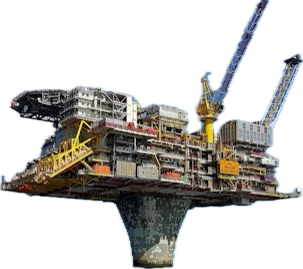
Norway’s Draugen Power-from-Shore (PfS) Project demonstrates how an ageing offshore oil and gas platform can be modernised to reduce emissions while extending its productive life. More importantly for Sri Lanka, it illustrates the type of sophisticated engineering, fabrication and offshore construction work that countries with the right industrial infrastructure can undertake.
The Draugen oil field, located in the Norwegian Sea approximately 150 km from the Norwegian coast, has been producing oil since 1993. It consists of a large concrete gravity-based platform with integrated topsides and several subsea wells. In recent years, the operator, OKEA, decided to replace the platform’s gas turbine power generation with electricity supplied from the Norwegian national grid through a high-voltage subsea cable.
The Engineering, Procurement, Construction and Installation (EPCI) contract was awarded to Aker Solutions. The project involves:
- Engineering modifications to the existing offshore platform.
- Installation of new electrical systems and transformers.
- High-voltage subsea power cables from shore.
- Platform switchgear and control system upgrades.
- Integration with existing offshore process facilities.
- Offshore installation and commissioning.
Once completed, the project is expected to reduce CO₂ emissions by approximately 200,000 tonnes annually, as gas turbines will no longer be required for routine electricity generation.
Norway has now expanded this concept to many offshore developments. According to the Norwegian Offshore Directorate, the number of offshore fields operating wholly or partly on power from shore has increased dramatically, with Draugen becoming one of the major electrification projects.
Lessons for Sri Lanka
Sri Lanka should not merely aspire to repair ships. We should aim to become a regional offshore engineering and fabrication hub.
If Trincomalee is developed as an offshore industrial base, Sri Lankan companies could participate in projects similar to Draugen by constructing:
- Offshore platform modules
- Living quarters
- Electrical equipment modules
- Pipe racks
- Helidecks
- Flare towers
- Subsea support structures
- Jacket structures
- Offshore wind foundations
- Offshore substations
- Cable protection structures
These fabricated modules can then be transported by heavy-lift barges and installed offshore in countries such as Qatar, the UAE, Oman, India, Malaysia and even Australia.
Why Trincomalee?
Trincomalee offers several natural advantages:
- One of the world’s finest deep natural harbours.
- Large areas of undeveloped industrial land.
- Deep water suitable for heavy-load quays.
- Safe anchorage for offshore rigs and construction vessels.
- Space for fabrication yards and assembly areas.
- Excellent access to international shipping routes.
With suitable investment, Trincomalee could accommodate:
- Offshore fabrication yards
- Pipe coating plants
- Heavy engineering workshops
- Offshore logistics bases
- Rig repair facilities
- FPSO conversion yards
- Offshore wind fabrication facilities
- High-voltage cable assembly and testing facilities
Economic Benefits
Such an industry would:
- Generate billions of dollars in export earnings.
- Create thousands of highly skilled engineering jobs.
- Retain Sri Lankan engineers, welders, fabricators and technicians.
- Encourage multinational EPC contractors to establish regional offices.
- Develop a local supply chain for steel fabrication, coatings, electrical systems and marine services.
- Position Sri Lanka as the offshore engineering hub of the Indian Ocean.
Conclusion
The Draugen Power-from-Shore project is much more than an environmental initiative. It is a showcase of the advanced engineering capability that Norway has developed over decades through sustained investment in offshore fabrication, engineering and industrial infrastructure.
Sri Lanka should learn from this model. Rather than limiting our ambitions to ship repair, we should develop Trincomalee as a fully integrated Offshore Industrial Hub capable of constructing modules, jackets, offshore substations, and renewable energy structures for regional and international markets.
With the Middle East expanding offshore energy investments and offshore wind projects accelerating across Asia, Sri Lanka has a unique opportunity to capture part of this growing market—provided we act now to establish the necessary infrastructure, training facilities and investment-friendly policies.
Regards
Dr Sarath Obeysekera