Japan’s attack on Pearl Harbour ignited the liberation of Asia from Western domination – Time to express Asia’s Gratitude to Japan

November 17th, 2018

by  Senaka Weeraratna Attorney at Law (Sri Lanka)

Good Afternoon.  Ladies and Gentlemen. Thank you for inviting me to speak to you today. The title of my presentation is ‘Japan’s attack on Pearl Harbour ignited the liberation of Asia from Western domination – Time to Express Asia`s Gratitude to Japan`.  This is a very important topic not only for the people of Japan but also for people of Asia and beyond.

I am indeed honoured and privileged to be among such a distinguished audience in the Japanese Diet. I am grateful to the Society for the Dissemination of Historical Fact for providing me this precious opportunity and in particular Mr.  Hideaki Kase (President), Mr. Hiromichi Moteki, Mr. Hiroyuki Fujita and Mr. Yukio Tanimoto, with all of whom I have been having informative and cordial correspondence on matters relating to accurate dispersal of news and views particularly relating to the Japanese involvement in the Greater East Asian War.

The Society for the Dissemination of Historical Fact is doing something marvelous and timely. To correct distortions in historical narratives which are usually biased, euro- centric and prejudiced against Japan. Ever since the end of the war Japan has been the victim of malicious propaganda that is directed against Japan, demonizing Japan and its people as the guilty party or the wrong doers, who deserve to be punished and shamed. This has to be challenged and countered in the interest of ensuring truth and establishing historical fact. The existence of the Society for the Dissemination of Historical Fact is therefore warranted and its work eminently justifiable.

Mr. Hideaki Kase’s book ‘The Greater East Asian War: How Japan Changed the World’ and British Journalist Henry Scott Stokes book ‘ Fallacies in the Allied Nations’ Historical Perception as observed by a British Journalist’ serve as excellent resource material towards obtaining an insight into the true causes that forced Japan to enter the war.

I am here today not only to share thoughts on what needs to be done to rectify a blatant historical injustice done to the leaders and people of Japan in the aftermath of the second world war through manipulation of the media and history writing, but also to fulfill a long overdue duty as a Buddhist Sinhalese from Sri Lanka, as a representative of South Asia and a fellow Asian, to thank Japan for setting in motion a phenomenal process that brought about the liberation of Asia from western colonial domination.

This year on  December 8th 2018  the 77th anniversary of the Japanese bombing raid on Pearl Harbour will be commemorated. Special ceremonies will be held to remember the loss of the loved ones, friends and relatives. We share their grief.
On December 8, 1941, Pearl Harbour was attacked by 353 Japanese fighter planes, bombers, and torpedo planes in two waves, launched from six aircraft carriers. All eight U.S. Navy battleships were damaged, with four sunk. The Japanese also sank or damaged three cruisers, three destroyers, an anti-aircraft training ship, and one minelayer. 188 U.S. aircraft were destroyed; 2,403 Americans were killed and 1,178 others were wounded. Japanese losses were light: 29 aircraft and five midget submarines lost, and 64 servicemen killed.

The purpose of my presentation today is not to embark on an inquiry to determine who was at fault and who was not. This is a complex issue with enough evidence readily available today to show that Japan was not the aggressor nation but was pushed under unavoidable circumstances to enter the war. Japan had no other option left to secure oil to sustain its existence as a nation, after USA regardless of probable consequences deliberately ceased oil exports to Japan in July 1941.

What is intended here is to examine the effects of the Japanese attack on Pearl Harbour and other western colonial possessions in Asia, on the psychology and morale of the people of Asia then mostly under western colonial domination, and ask whether Japan’s anti–colonial leadership and battle success in the early phase of the War helped Asia’s freedom fighters to step up their campaign for liberation from foreign occupation and achieve independence.

In the early part of the 20th century, it is undisputed that Japan was the only major country in the world that stood out openly for the liberation of Asia from western colonialism and had the capacity and resources to take on the challenge. ‘Asia for Asians’ became a battle cry of the Japanese. No other Asian country including China and India, took up such a Pan–Asian slogan or was placed in such militarily strong position.

On the day of the attack on Pearl Harbour i.e. December 8, 1941, an Imperial Rescript described Japan’s war aims: to ensure Japan’s integrity and to remove European colonialism from and bring stability to East and Southeast Asia.
On December 08, 1941, the Japanese Prime Minister Hideki Tojo read out the Japanese Emperor Hirohito’s proclamation of war to the Empire, excerpt of which are as follows:

It has been unavoidable and far from Our wishes that Our Empire has been brought to cross swords with America and Britain.

Eager for the realization of their inordinate ambitions to dominate the Orient, both America and Britain, …. have aggravated the disturbances in East Asia. Moreover, these two powers, inducing other countries to follow suit, increased military preparations on all sides of Our Empire to challenge us. They have obstructed by every means our peaceful commerce and finally resorted to direct severance of economic relations, menacing gravely the existence of Our Empire.

Patiently have we waited and long have we endured in the hope that Our Government might retrieve the situation in peace.
But our adversaries, showing not the least spirit of conciliation, have unduly delayed a settlement, and in the meantime they have intensified the economic and political pressure to compel thereby Our Empire to submission.
This turn of affairs would, if left unchecked, not only nullify Our Empire’s efforts of many years for the sake of the stabilization of East Asia, but also endanger the very existence of our nation.
The situation being such as it is Our Empire for its existence and self-defense has no other recourse but to appeal to arms and to crush every obstacle in its path.”

President Roosevelt called the attack on Pearl Harbour ‘a day of infamy’.

Prime Minister Winston Churchill declared that the Japanese attack on Pearl Harbor was a staggering blow” and our prestige suffered with the loss of Hong Kong”. In early 1942, Churchill reassured the House of Commons amidst widespread, mass resistance to colonialism in India, that the Atlantic Charter’s provisions were not applicable to [the] Coloured Races in [the] colonial empire, and that [the phrase] ‘restoration of sovereignty, self-government and national life’…[was] applicable only to the States and the Nations of Europe’.

Japan’s war policy intended a total break from Western dependence, including a rejection of bankrupt Western cultural traditions, which had been slavishly adopted since the Meiji restoration, and a return to an Asian consciousness (as opposed to Western) and civilizational values as a source for national greatness. Critical to the nation’s survival in the midst of unbridled Westernization was political and cultural regeneration and a pan-Asian solidarity under Japanese leadership which was articulated as a new Order for Asia in resistance to Western imperialism.

Matsuoka Yosuke, Japanese Foreign Minister, proclaimed the Greater East Asia Co-Prosperity Sphere” in August 1940. The idea of decolonization under Japanese leadership resonated with Asians widely because, in the words of former U.S. President Herbert Hoover in 1942, universally, the white man is hated by the Chinese, Malayan, Indian and Japanese alike,” due to his heartless and spiteful conduct as a colonial master over a few hundred years.

Japan’s military success in the Battle of Tsushima in 1905 fired the dreams of Asians and Africans for freedom.

Kaiser Wilhelm II of Germany appealed to Europe to rise above its parochial disputes to defend your holiest possession,” Christianity and European civilization, against the rising threat of the Yellow Peril”.

Within a decade of the German Kaiser’s raising of the alarm of the danger of the yellow peril,” Japan defeated Russia in 1905.

It prompted a young Oxford lecturer, Alfred Zimmern, to put aside his lesson on Greek history to announce to his class the most historical event which has happened, or is likely to happen, in our lifetime has happened; the victory of a non-white people over a white people.”

Japan’s spectacular military victories at the beginning of the 20th century and their impact on Asian intellectuals are well documented in Pankaj Mishra’s book titled, From the Ruins of Empire: The Revolt Against the West and the Remaking of Asia.”
This work is a survey of Asian intellectuals in the late 19th and early 20th centuries and their role in pan-Asian, pan-Islamic, and anti-colonial movements. The book begins with an electrifying moment in Asia’s struggle for liberation from Western domination: the spectacular Japanese naval victory over Russia at the Battle of Tsushima in May 1905, which stunned Asians and Africans living at the time under the yoke of colonialism.

This victory of the small but resurgent Japanese navy over the imperial might of what was then accepted as a major European power fired the imagination of an entire generation of Asian leaders.

Jawarharlal Nehru, Mohandas Gandhi, Sun Yat-Sen, Mao Zedong, the young Kemal Ataturk and nationalists in Egypt, Vietnam and many other countries welcomed Japan’s decisive triumph in the Russo-Japanese War with euphoric zeal. And they all drew the same lesson from Japan’s victory,” Pankaj Mishra writes. White men, conquerors of the world, were no longer invincible.”

Even Lord Curzon, Viceroy of India, noted that the reverberations of that victory have gone like a thunderclap through the whispering galleries of the East.” The world wars that followed further shrunk Europe of much of what remained of its moral and political authority in Asian eyes. In the long view, however,” Mishra concludes, it is the battle of Tsushima that seems to have struck the opening chords of the recessional of the West.”

Japan’s defeat of Russia in 1905 was uplifting news for Asians. For the first time since the middle ages, a non-European country had vanquished a European power in a major war. And Japan’s victory gave way to a hundred- and-one fantasies – of national freedom, racial dignity, or simple vengefulness – in the minds of those who had bitterly endured European occupation of their lands.

Mahatma Gandhi then made an astute far reaching forecast. He remarked that so far and wide have the roots of Japanese victory spread that we cannot now visualise all the fruit it will put forth.”

Japan’s proposal for equality of races at League of Nations

Japan had championed the cause of peoples under European colonial rule at the Treaty of Paris (1918–19) and the formation of the League of Nations. Japan proposed an amendment to the League’s covenant that would ensure equal and just treatment in every respect, making no distinction, either in law or in fact, on account of their race or nationality.” To their great shame, the western colonial powers rejected the notion of equality between human beings, fearing that it would become a challenge to white supremacy and the Colonial Order which suppressed non–white people. However, Japan by this proposal for recognition of equality of all, gained the esteem of Asians and Africans as the logical leader of all coloured peoples.”

In respect to the Second World War, Jawaharlal Nehru observed;
it became ever clearer that the western democracies were fighting not for a change but for a perpetuation of the old order, ” and both the Allied and Axis powers shared a common war interest, the preservation of white supremacy and the colonial status quo. Both sides, he noted, embraced legacies of empire and racial discrimination,” and in affirmation after the war, the old imperialisms still functioned….”

Japan’s stunning military victories in 1941 – 1942

Thirty-six years after its victory in the Battle of Tsushima, Japan struck the greatest decisive blow ever by any non – white country or non – white people to European power in Asia with the attack on Pearl Harbour. In about 90 days, beginning on December 8, 1941, Japan overran the possessions of Britain, the US and the Netherlands in east and south-east Asia, taking the Philippines, Singapore, Malaya, Hong Kong, the Dutch East Indies, much of Siam and French Indochina, and Burma with bewildering swiftness to stand poised at the borders of India by early 1942. All over Asia, subject people cheered the Japanese advance into countries forcibly held and occupied by western colonial powers.

Days before Singapore fell to the Japanese in early 1942, the Dutch Prime Minister-in-Exile, Pieter Gerbrandy, had conveyed his fears and anxieties to Churchill and other Allied leaders in the following words Japanese injuries and insults to the White population … would irreparably damage white prestige unless severely punished within a short time”.

Mahathir Mohamad, Malaysia’s former Prime Minister, has said most Asians felt inferior to the European colonisers and rarely did we even consider independence a viable option.” The colonies, he explained, were structured to serve the European demand for raw materials and natural resources,” and were thus dependencies. But Japan’s expulsion of the British changed our view of the world,” showing that an Asian race, the Japanese” could defeat whites and with that reality dawned a new awakening amongst us that if we wanted to, we could be like the Japanese. We did have the ability to govern our own country and compete with the Europeans on an equal footing.” So despite the suffering under Japanese wartime occupation and the tremendous disappointment” over the return of the British after the war, Mohamad wrote, the shackles of mental servitude” had been broken.

Similarly, Singapore’s Lee Kuan Yew testified that Japan’s defeat of the British completely changed our world”.

General Tomoyuki Yamashita – Tiger of Malaya

The brilliant military campaign of General Tomoyuki Yamashita in the Malay Peninsula in early 1942 is described in great detail and displayed with graphics in the Yushukan Museum which is found next to the Yasukuni Jinja (Shrine) in Tokyo.

The Japanese conquest of Malaya and Singapore (considered impregnable by the British colonial rulers) in a mere 70 days under the leadership of General Yamashita and the sinking of the British warships Prince of Wales (Pride of the British Royal Navy) and Repulse by Japanese carrier – borne torpedo aircraft led to the British Prime Minister Winston Churchill calling the humiliating fall of Singapore to Japan as the “worst disaster” and “largest capitulation” in British military history. It was one of the biggest blows to Western prestige in Asia as it was coupled with the surrender of 130, 000 British Empire troops to General Yamashita’s Japanese army of 30,000 troops. This was the death blow to European colonialism and it was never able to recover their supremacy in Asia thereafter.

Expressions of praise and gratitude to Japan

The Japanese with their stunning military victories over a common foe had made Asian people proud and stand erect with their heads held high.

Britain was colonizing, enslaving Asian people before WW2. They ruled the Indian people for 180 years. It was Japan that got rid of the British from most of Asia and later all those countries gained independence.”

Japan lost WW2 but as the consequence of Japan’s entry to war all S E Asian countries and India achieved their long hoped for independence from the Western colonial powers within 15 years after the end of the War.”

British historian Arnold Toynbee said: Japan put an end to West’s colonialism in Asia once and for all.”

Toynbee added In World War II, Japanese people left a great history. Not for their own country but for countries that achieved benefit from the War. Those countries were ones that were included in the Greater East Asia Co-Prosperity Sphere, a short-lived ideal that Japan held out. The biggest achievement Japanese people left in history is that they succeeded in displaying the fact that Westerners who dominated the world were not Undefeatable Gods.”

Former Thai Prime Minister Kukrit Pramoj Expressed his Admiration for Japan
The former Prime Minister of Thailand, Kukrit Pramoj, who was Chief Editor of the newspaper ‘Siam Rath’ at the time and who took office as Prime Minister in 1973, stated:

It was thanks to Japan that all nations of Asia gained independence. For Mother Japan, it was a difficult birth which resulted in much suffering, yet her children are growing up quickly to be healthy and strong.

Who was it that enabled the citizens of the nations of Southeast Asia to gain equal status alongside the United States and Britain today? It is because Japan, who acted like a mother to us all, carried out acts of benevolence towards us and performed feats of self-sacrifice. December 8th (1941) is the day when Mother Japan – who taught us this important lesson – laid her life on the line for us, after making a momentous decision and risking her own well-being for our sake.

Furthermore, August 15th (1945) is the day when our beloved and revered mother was frail and ailing. Neither of these two days should ever be forgotten.”

Long accustomed to servility in colonial countries, western powers grossly underestimated the post-war nationalism that the Japanese had both wittingly and unwittingly unleashed. They had also severely miscalculated their own staying power among foreign subject people innately hostile to them. Despite futile counter-insurgency operations and full-scale wars, especially in Indochina, the spread of de – colonisation was swift and extraordinary.

Burma, which hardly had a full blown nationalist movement before 1935, became free in 1948. The Dutch in Indonesia resisted with a rear guard defense and US and British assistance but Indonesian nationalists led by Sukarno finally overpowered them and pushed them out in 1953. Postwar chaos forced Malaya, Singapore and Vietnam into long periods of insurgencies and wars, but an ultimate European retreat was never in doubt.

Japan’s unsung role in India’s independence struggle

British governance in India — three centuries of exorbitant taxation, unfair trade practices, rampant free-marketeering and deliberate starvation had led to the deaths of millions of Indians in preventable famines. Japan played a critical (largely unsung) role in India’s struggle for independence by supporting Netaji Subhas Chandra Bose and assisting him to form the Indian National Army (INA).
It is argued with vehemence by informed observers that without Bose’s INA, India might never have achieved independence.

This is because, although the INA failed militarily in the Battles at Kohima and Imphal along the India–Burma border in 1944 as part of the Japanese attempted entry to India, its troops (INA) got another opportunity to challenge the British Colonial Government in a Delhi courtroom in 1945. Three INA Officers were put on trial for treason at Red Fort. This move backfired on the British. The accused a Muslim, Sikh and Hindu justified their roles as liberators of a colonized nation and won the sympathy of the Indian public.

This led to support for the defendants spreading throughout the nation — including among Indians serving in the British Indian Army. These newly radicalized troops staged strikes and mutinies across the subcontinent in 1946 against the British occupation. With its once-solid military foundation shaken to the core — and facing widespread, huge demonstrations and possible mutinies by the three forces, Army, Navy and Air Force, on a scale bigger than the Indian Mutiny in 1857 — the British authorities decided that it was time to pack up and leave. On August 15, 1947, they granted India its independence.

An unwise partition of the Indian subcontinent, which placed two new nation-states in endless conflict, marked Britain’s humiliating departure from India in 1947.
Europe,” Jean-Paul Sartre claimed in his preface to Franz Fanon’s Wretched of the Earth, seemed to be springing leaks everywhere.” In the past we made history,” Sartre asserted, and now it is being made of us.”

The retreat of the West from its colonies in the East may well be said to be the singular most important event of the 20th century.

My presentation is also intended to make a plea to right a great wrong done to Japan. In other words, to call on Asian countries to shun looking at Japan as an aggressor with criminal intent to plunder and loot other Asian countries a line pushed by massive western propaganda but to look at Japan as the real spark that ignited the fight all over Asia for independence from western domination. The time has come for fellow Asians who have benefited from Japan’s massive war effort and the blood sacrifices of Japanese soldiers to concede due acknowledgement to Japan.
To single out Japan for war crimes selectively while avoiding any mention of the crimes committed by western countries in third-world countries including calling for reparations which both Germany and Japan have paid, is anything but a travesty of justice.

What is surprising and morally repugnant today is the unrepentant nostalgia for western hegemony that has not only gripped many prominent Anglo-American leaders and opinion-makers but also several servile Asian politicians, NGOs and columnists writing as cheer leaders of neo–colonialism, who strive to see Asia through the narrow angle of protecting western colonial interests, leaving unexamined the historical memory and the collective experiences of Asian peoples during the dark period of western colonial rule.

Colonialism and foreign occupation constitute crimes against humanity. They represent some of the most serious violations of national sovereignty of states and breach of international law, and in almost all colonial territories in Asia, Africa, North and South America horrendous crimes against humanity have been committed by the occupying colonial powers. The perpetrators have yet to be held accountable and brought to book under international law for these genocidal crimes.

De-colonise Asian minds and show gratitude to Japan.

The challenge before fellow Asians is to de-colonise our minds and look at Japan’s conduct before and during the Second World War afresh. Though Japan eventually lost the war its military effort was not in vain. It substantially weakened and demoralised the western countries then in occupation of large tracts of Asia, such as Britain, France, Netherlands, Portugal and the US, that they were forced to quit Asia in next to no time.

Tragically today the legacy of Japan’s heroic contributions and sacrifices as the first Asian country that stood up and fought to drive out European colonialism from Asia in the 20th century, is seldom acknowledged, rarely celebrated, and hardly observed as a form of thanksgiving.

It is never too late to show Asia’s gratitude to Japan and re-write the historical narrative.

Sri Lanka’s Independence – a direct outcome of  Japan’s entry to the Second World War which sealed the fate of European Colonialism in Asia

Now let me talk about Sri Lanka’s Independence.

Sri Lanka together with several other Asian countries owe much in winning their freedom, to Japan’s entry to the Second World War and the resulting chain of events that sealed the fate of European colonialism in Asia.

Jawaharlal Nehru, the Indian Prime Minister (1947 – 1964) when asked in the 1930s to name a likely date that India would win independence from Britain, replied by saying it would probably be in the late 1970s i.e. long after their time.

According to Major – General Mohan Singh of the Indian National Army (INA) The British had not given even an empty promise to grant us complete freedom after the war” ( The Reader’s  Digest Illustrated History of World War II).

The fact that India gained freedom in 1947 much earlier than the date that Nehru thought was possible, followed by Burma and Ceylon in 1948, was largely due to the interplay of both external and internal factors.

Today, there is a great turn around in Historiography in respect to the role of Japan in the Second World War. Japan no longer has a pariah status or subject to isolation because of its conduct in the war. In fact, except in a couple of Far Eastern nations, Japan is increasingly gaining acceptance and recognition in much of Asia for being the catalyst in igniting the relatively dormant Asian Independence movements.

Nehru himself refused to take part in the San Francisco Peace Treaty Conference held in 1951 on several specified grounds and declared that Japan has done no wrong to India for India to seek an apology and reparations from Japan. India’s sympathies beginning with Subash Chandra Bose and Judge Radhabinod Pal ( the only dissenting Judge in the Tokyo War Crimes Trial) have always been with Japan. J.R. Jayewardene from Ceylon made a resounding plea for Japan citing the Buddha’s insightful words that ‘Hatred does not cease by hatred,but only by love;this is the eternal law.”

Asia’s leaders and Historians now see a direct and incontrovertible connection between the Japan’s attack on Pearl Harbour and Western Colonial bases in Asia, and the subsequent success of the independence movements which drew inspiration from Japan’s courage to take on the West and liberate Asian colonies. Japan more than any other Asian country was responsible for sealing the fate of European colonialism in the Orient.

Historiography and the narrative on who won Independence for India in 1947 is also rapidly changing with an increasing number of writers prepared to give credit to Netaji Subash Chandra Bose, Indian National Army and Japan for the eventual liberation of India, while conceding to Mahatma Gandhi and his followers due respect for their noble and sustained efforts in seeking freedom from British colonial rule.

New Book‘ Bose: An Indian Samurai’

In a new Book ‘ Bose: An Indian Samurai’ by military historian General GD Bakshi, claims that the former British Prime Minister Clement Atlee had said that the role played by Netaji’s Indian National Army was paramount in India being granted Independence, while the non-violent movement led by Gandhi was dismissed as having had minimal effect.

In the book, Bakshi cites a conversation between the then British PM Attlee and then Governor of West Bengal Justice PB Chakraborty in 1956 when Attlee – the leader of Labour Party and the British premier who had signed the decision to grant Independence to India in 1947 – had come to India and stayed in Kolkata as Chakraborty’s guest.

Chakraborty, who was then the Chief Justice of the Calcutta High Court and was serving as the acting Governor of West Bengal, is quoted as saying : When I was acting governor, Lord Attlee, who had given us Independence by withdrawing British rule from India, spent two days in the governor’s palace at Calcutta during his tour of India. At that time I had a prolonged discussion with him regarding the real factors that had led the British to quit India.”

My direct question to Attlee was that since Gandhi’s Quit India Movement had tapered off quite some time ago and in 1947 no such new compelling situation had arisen that would necessitate a hasty British departure, why did they had to leave?”

In his reply Attlee cited several reasons, the main among them being the erosion of loyalty to the British crown among the Indian Army and Navy personnel as a result of the military activities of Netaji,” Chakraborty said.

Toward the end of our discussion I asked Attlee what was the extent of Gandhi’s influence upon the British decision to leave India. Hearing this question, Attlee’s lips became twisted in a sarcastic smile as he slowly chewed out the word, ‘m-i-n-i-m-a-l’,” Chakraborty added.

Fear of another Indian Mutiny

Though Japan lost in 1945, the legacy of Subhas Chandra Bose endured to stir the Indian masses and soldiers of the British Indian Army and ratings of the Royal Indian Navy to mutiny following the trial of the INA Officers at the Red Fort. It was the fear of such a Mutiny on a scale bigger than the Indian Mutiny in 1857, that convinced the British that it was time to quit India, and Burma and Ceylon within a few months.

No colonial country withdraws voluntarily from its colonies unless there are insurmountable ‘ push ‘ factors or except under compelling circumstances. The best illustration of this proposition is the shameful return of the Dutch and the French to regain their colonies in Asia after the end of the second world war. Japanese occupation during World War II had ended Dutch rule, and the Japanese encouraged the previously suppressed Indonesian independence movement.

Despite their opposition to the tyranny of Nazi rule of France and Netherlands (1940 -1944), and delight in being liberated by the Allies, these two colonial powers were not prepared to share the freedom they gained in Europe with the subject people in Asia ( and Africa). They were not welcomed when they returned. Indonesians under Sukarno with the help of Japanese volunteers that remained in Indonesia after the defeat of Japan, defeated the Dutch in a series of military battles to finally gain independence in 1949. Likewise the Viet Minh under Ho Chi Minh performed admirably to wrest control from the

French by defeating them at Dien Bien Phu in 1954 and finally resulting in their withdrawal from all colonies of French Indo – China under the Geneva Accords of 1954.

External factors
Mainstream writings on the Independence movement in British occupied Ceylon have so far failed to account for the external factors that contributed to advancement of the date of independence.

A study of colonial history of Ceylon shows clearly that local Kings have sought external help to end foreign occupation of parts of Ceylon. Several Kings of Kandy had contacts with the Dutch finally leading to the Treaty of 1638 signed in Kandy where the Dutch undertook to assist the Kandyan Kingdom under King Rajasinghe the Second to expel the Portuguese which was successfully achieved in 1658.

Likewise the Kings of Kandy solicited the assistance of the British Empire towards the end of the 18th century to end Dutch occupation of Ceylon. This was achieved in 1796.

It is necessary to show that external factors again contributed substantially to end British occupation of Ceylon finally leading to independence in 1948.

To remain oblivious to these external factors and extend credit exclusively to the locals on the ground that they were ‘Freedom Fighters’ is an exercise in fantasy. There were no authentic freedom fighters in Ceylon after 1848. The last shot for freedom from colonial rule was fired in Matale in 1848 during the second war of independence (also called the Matale Rebellion).

The succeeding generations yearning for freedom produced marvelous orators, letter writers, pen pushers and even collaborators who preferred British colonial rule to continue rather than handing over the country to the locals. Several were quite happy to accept knighthoods and other perks, and co – exist with the colonial administration. There was no fight in them compared to what we have seen in warriors such as Keppetipola Disawe, Gongalegoda Banda, Puran Appu or even earlier in Kings such as Sitavaka Rajasinghe, Mayadunne, Veediya Bandara ( son in law of Buvanekabahu the 7th), Wimaladharmasuriya I, Senerath and Rajasinghe the Second, among others.

Local leaders pursued ‘ Constitutional Reform’ and not total independence though armed resistance e.g. Indonesia, or even large scale civil disobedience movements e.g. India. They were far removed from the type of fight and determination we have seen in other Asian nationalist leaders who fought against Western domination of Asia such as Hideki Tojo ( Japan), Subhas Chandra Bose (India), Mao Tse Tung (China), Ho Chi Minh ( Vietnam), Sukarno ( Indonesia), and Aung San ( Burma). These Asian freedom fighters and patriots preferred to use the only language that the West really understood and respected i.e. force of arms.

Except for Angarika Dharmapala, the world`s first Global Buddhist missionary, the freedom movement in Ceylon never produced a single leader of repute who enjoyed widespread support and admiration overseas for speaking out and engaging in battle for the liberation of Asia.

Historiography – a neglected field in Sri Lanka

Ceylon was very fortunate in gaining independence in 1948 despite not having fought in the real sense of the word to rid the country of foreign occupation. It is soldiers from other Asian countries e.g. Japan, who primarily made blood sacrifices to fight western domination of Asia during the Second World War. We were beneficiaries of these sacrifices and battles. We have to acknowledge this support from fellow Asians at some point in time.

Historiography in Sri Lanka is lagging behind the rest of the world. It is a relatively neglected field. In respect to the narrative relating to the Second World War, our Historians have been merely echoing western perspectives and self – serving interpretations instead of carving out a separate original and independent path of research and writing.

It is time that we learn to look at historical events not from the angle of the colonizer but from the angle of those who have resisted foreign occupation both within and outside Sri Lanka.
Finally, as a lawyer, I would like to end this speech by sharing some of my perspectives, on the International Military Tribunal for the Far East ( Tokyo Trials):

  • Japan was not prepared to accept the freezing of the World Order based on colonialism and making it the Status Quo that could not be challenged or changed except at the risk of being branded as committing crimes against peace. Japan led the world in rejecting the western theory of Manifest Destiny which held that the United States was destined—by God—to expand its dominion and spread democracy and capitalism across the entire North American continent and there after the Asia – Pacific.
  • Japanese leaders have unfortunately paid the supreme penalty for their defiance of the West. They were brought before Tribunals which in the words of their own American judges were nothing but ‘ high grade lynch mobs’. In a sense these Tribunals were nothing but ‘ Kangaroo Courts’.
  • A survey of Courts set up by colonial authorities all over the world in European colonies to try freedom fighters, whether they be black, brown, yellow or even white, shows a remarkable consistency in the manipulation of justice to serve political ends of colonial rulers.
  • Victor’s Justice was what was served to those who had fought for freedom of their people and were unfortunate to be defeated and then be brought before courts accused of committing crimes against peace, humanity and war crimes.
  • The International Military Tribunal for the Far East (also known as the Tokyo Trials) was a larger and more sophisticated manifestation of Kangaroo Court type trials held in European colonies during the last 500 years.
  • In Sri Lanka the rebels who fought in freedom struggles in 1818 and 1848 were executed and the entire communities in rebel controlled territories were subject to vicious reprisals e.g. Uva- Wellassa (1818) and Matale (1848) that were not very different to what happened to the innocent civilians in Lidice in Nazi occupied Czechoslovakia in 1942.
  • The Nuremberg Trials for major Nazi War Criminals (1946) and the Tokyo Trials for Japanese war time leaders were not conducted on the same footing though there were some similarities in respect to procedure adopted.
  • There were critical differences in the alleged war crimes. Racial prejudice against the accused of the Tokyo Trials stood out prominently. This was not surprising as the Japanese proposal for Racial Equality was rejected by several western countries in the League of Nations in 1919.
  • The Jewish Holocaust was the highlight of war crimes in the European theater of war. It had no parallel in the history of any country though anti – semitism has religious roots. There were no such similar crimes in the Greater East Asian war.
  • The Judges in the Nuremberg Trials were all Europeans. The majority of Judges in the Tokyo Trials were European though the theater of war was exclusively Asian.
  • In excluding Asians from the panel of Judges bar three out of the eleven judges the authorities displayed a crass colonial attitude of contempt and insensitivity to Asian claims for equality and like treatment.
  • Only one Judge had the spine and moral backbone to challenge the legitimacy of the Trial. He was the legal luminary Justice Radhabinod Pal (India). In his 1, 235 page landmark dissent he condemned the trial as unjust and unreasonable, contributing nothing to lasting peace. He saw the exclusion of western colonialism and US use of nuclear (Atom Bomb) weapons, on Hiroshima and Nagasaki from the list of war crimes and the side lining of Japanese judges (of the vanquished nation) from the bench of the IMTFE, as signifying the failure of the Tribunal to provide anything other than the opportunity for the victors to retaliate ”
  • Justice Pal referred to the US dropping of Atomic Bombs on Japanese cities and innocent Japanese civilians as the worst atrocities of the war comparable to Nazi crimes.
  • Weren’t Western countries morally guilty as well in practicing colonialism? If the acts of aggression of Western countries were not indictable as war crimes why should only Japan be singled out for war crimes, was Justice Pal’s line of thinking.
  • In every aspect of the Tokyo Trials there was unfairness and perversion of justice to achieve both political and unlawful objectives. Basically the trials were one sided and lacked even the trappings of Justice.
  • The conviction of the Japanese leaders was based on grounds that were not criminal at the time of the commission of such conduct. Retroactive trials are bad in law and unsustainable in societies that respect the Rule of War.
  • In applying the method of selectivity and singling out the Japanese and in turn excluding the victors i.e. British (India), Dutch (Indonesia), French (Vietnam), Russia (Poland), America (Philippines) from any form of investigation for war crimes in their colonies the controllers of the Trials showed extreme bias and prejudice, and lack of impartiality.
  • Japan is a part of the proud Asian civilization. Asia’s liberation after centuries of evil colonialism of the West was largely due to Japan’s daring effort to rid Asia of Western dominance.
  • Should Asia not be grateful to Japan for having come to our rescue when we were down and out?
  • How shall we repay our debt to Japan for contributing to our liberation from the stranglehold of western colonialism?
  • We must try to wipe out the ignominy of the Japanese being judged and convicted as war criminals and wrong doers in show trials that did not have even the slightest attribute or pretense of fairness and impartiality.
  • Enlightened leaders of Asia drawn from various professional and academic backgrounds must convene a Tribunal of Judges (like the Kuala Lumpur War Crimes Tribunal which works like a court of conscience rather than as a UN Backed body which has powers to enforce its determinations) to re- examine the verdicts of these so called ‘Tokyo Trials’ and set aside the flawed judgments as unacceptable as they constitute a travesty of justice.
  • ‘Asia for Asians’ is not a slogan of the past. It has power and relevance in this ‘ Asian Century’. It is Asia’s turn to ensure Justice for its fellow Asians. There is no greater feat of Justice in Asia than to have a Re – Trial for the wrongfully convicted Japanese leaders by the International Military Tribunal for the Far East. Even the dead are entitled to be exonerated from false charges and wrongful convictions.
  • Former Tokyo Governor Shintaro Ishihara made the following observation in 1995 Many Westerners act as if Human Rights are their moral ace in the hole, until their abysmal record in Asia is cited, and their position collapses like a pack of cards. Pointing out their hypocrisy does not deter the Americans, however. They blunder on badgering Asian Governments …. ”
  • ” Heramba Lal Gupta, one of the leaders of the Indian Independence Movement, gave the following speech in 1946: “I think that the International Military Tribunal for the Far East will surely be re-evaluated by the nations of Asia by the time we enter the twenty-first century, and then, a second Tokyo Trial will be held where Asia and all the world will regain its good sense and will judge all deeds in a fair, equal, and truthful manner. At that time, all the war heroes of the United States and of the great powers of Europe, who have been committing acts of aggression against Asia for many years, will receive stern punishments. Conversely, the Japanese who were accused of serious crimes by the IMTFE, especially the seven killed as Class A war criminals, will be rehabilitated, and the day may come when they shall be worshipped like gods as the saviors of Asia. That is what should rightfully happen.”

When both Germany and Japan stood condemned like outlaws or pariahs of the international community by the victorious Allies at the end of the Second World War, seeking huge amounts of reparations and heavy punishments for their leaders, political and military, as war criminals, the leaders and people of Ceylon / Sri Lanka adopted an entirely different approach to both these countries. It was an approach based on the Buddha´s teachings.

The words of Ceylon´s delegate Finance Minister J.R. Jayawardene ( who later became President of Sri Lanka in 1978) in defense of a free Japan at the San Francisco Peace Conference on September 06, 1951 are worthy of reproduction here. He said:

We in Ceylon were fortunate that we were not invaded, but the damage caused by air raids, by the stationing of enormous armies under the South-East Asia Command, and by the slaughter-tapping of one of our main commodities, rubber, when we were the only producer of natural rubber for the Allies, entitles us to ask that the damage so caused should be repaired. We do not intend to do so for we believe in the words of the Great Teacher the Buddha whose message has ennobled the lives of countless millions in Asia that hatred ceases not by hatred but by love.

It is the message of the Buddha, the Founder of Buddhism which spread a wave of humanism through South Asia, Burma, Laos, Cambodia, Siam, Indonesia and Ceylon and also northwards through the Himalayas into Tibet, China and finally Japan, which bound us together for hundreds of years with a common culture and heritage.

This common culture still exists, as I found on my visit to Japan last week on my way to attend this Conference; and from the leaders of Japan, Ministers of State as well as private citizens and from their priests in the temples, I gathered the impression that the common people of Japan are still influenced by’ the shadow of that Great Teacher of peace, and wish to follow it. We must give them that opportunity.”

Mr. Kase`s father Kase Toshikaz participated in the surrender ceremony accompanying plenipotentiary Shigemitsu Mamoru. He was standing right beside Foreign Minister Shigemitsu on USS Missouri as he held back his tears and signed the Instrument of Surrender at the table placed directly in front of General MacArthur.

When Hideaki Kase was in middle school, he had asked his father what was going through his mind while he was on board the USS Missouri. His father`s reply was as follows:

Although Japan had been defeated in battle, we had liberated the people of Asia from hundreds of years of oppression and enslavement. As I stood on the deck of the USS Missouri, I knew in my heart with pride that Japan had actually won the war, insofar as we had led Asia into a great new era of history. Shigemitsu felt the same way.”

Mr. Kase says: As I grew up, I felt the same pride and sorrow that my father did the day that he stood on the deck of the USS Missouri. These feelings have still not left me. The impact of Asia’s liberation, which Japan had won at such a high price, was soon felt on the African continent as well. The peoples of Africa, who had been oppressed by Western powers, achieved their independence, one after another. Japan played a monumental role in human history. Today’s world of racial equality was forged through battles fought by Japan.”

I wish to end this presentation by reminding the people of Asia as a fellow Asian that the time has now come for Asia to express its gratitude to Japan.

Thank you, Japan.

Senaka Weeraratna
ක්‍රිස්තියානි කටයුතු පිලිබද අමාත්‍ය ජොන්ස්ටන් ප‍්‍රනාන්දු මහතා ශුද්ධ වූ බයිබලයකින් දමා ගැසූ බවටසමාජ ජාල මාධ්‍ය ඔස්සේ ගෙන යන ප්‍රචාරයන් සම්පුර්ණයෙන්ම සාවද්‍ය හා ද්වේශ සහගත ප්‍රචාරයන්

November 17th, 2018

මාධ්‍ය නිවේදනය ජොන්ස්ටන් ප්‍රනාන්දු වෙළද, පාරිභෝගික,  සමුපකාර සංවර්ධන  හා ක්‍රිස්තියානි කටයුතු පිලිබඳ අමාත්‍ය

2018.11.16 දින පාර්ලිමේන්තුවේදී මා විසින් ශුද්ධ වූ බයිබලයකින් දමා ගැසූ බවට රනිල් වික්‍රමසිංහගේ නායකත්වයෙන් යුතු විපක්ෂයේ දේශපාලනඥයින් විසින් සමාජ ජාල මාධ්‍ය ඔස්සේ ගෙන යන ප්‍රචාරයන් සම්පුර්ණයෙන්ම සාවද්‍ය හා ද්වේශ සහගත ප්‍රචාරයන් බව අවධාරණය කරන අතරම එම චෝදනාව සම්පූර්ණයෙන්ම ප්‍රතික්ෂේප  කරමි.ඒවගේම මා අදහන ආගමට මා කොතරම් ගරු කරනවාද යන්න ආගමික නායකයින් හොදාකාරවම දන්නා බවද විශේෂයෙන් කියනු කැමැත්තෙමි .

ජනතාව තුල අප කෙරෙහි අප්‍රසාදයක් ඇතිකරවීමට  මෙවැනි ආගම හා ශුද්ධ වූ බයිබලය යොදා ගනිමින් සිදු කරන මඩ ප්‍රචාර වලින් පෙනී යන්නේ රනිල් වික්‍රමසිංහ ප්‍රමුඛ  විපක්ෂයේ  දේශපාලන බංකොලොත්බවයි.ප්‍රජාතන්ත්‍ර විරෝධී කථානායකවරයාගේ අත්තනෝමතික හැසිරීමට විරෝධය පලකරමින් අප විසින්  ප්‍රජාතන්ත්‍රවාදය රැක ගැනීම උදෙසා කල සටන හා උද්ඝෝෂණ  නිසා ඔවුන්ගේ අරමුණු ඉටු කර ගැනීමට නොහැකි විය.එබැවින් විපක්ෂය  විසින් ආගම ධර්මය හා ශුද්ධ

වූ බයිබලයට පවා අපහාස කරමින් නිහීන දේශපාලනයක් කිරීමට තරම් පහත් මට්ටමකට ඇද වැටීම අතිශය ශෝකජනකය.තවද මෙවැනි ආගම් යොදාගෙන කරන මඩ ප්‍රචාර සදහා රනිල් වික්‍රමසිංහ  හා කථානායක කරූ ජයසූරිය  අනුබල දීම කණගාටුදායකය.

විශේෂයෙන්ම විපක්ෂයේ   කතෝලික මන්ත්‍රීවරුන් වන නිරෝෂන් පෙරේරා හරින් ප්‍රනාන්දු රන්ජන් රාමනායක  ආණ්ඩුවට මඩ ගැසීම සදහා තමුන් අදහන ආගම පවා පාවිච්චි කිරීම කණගාටුවට කරුණක් වන අතර  කණගාටුවකටත් වඩා මා දකින්නේ එය පවුකාරකමක් ලෙසය.වරක් හිටපු මුදල් අමාත්‍යවරයාවූ මංගල සමරවීර  දේශපාලනික කරුණු අරභයා අති උතුම් මැල්කම් රංජිත් හිමිපාණන් නිර්දය ලෙස විවේචනය කරද්දි කට වහගෙන සිටි මේ විපක්ෂයේ  කතෝලික  මන්ත්‍රීවරුන්  රාජ්‍ය ලාංජනය මුද්‍රණය  කල පොතක්, ශුද්ධ වූ බයිබලයක් බවට පවසමින් කරන මඩ ගැසීම අතිශයින්ම  අප්‍රසන්නය.එබැවින් කතෝලික ආගමවත් ශුද්ධ වූ බයිබලයවත් තමුන්ගේ පටු දේශපාලන අරමුණු වෙනුවෙන් යොදා නොගන්නා ලෙස රනිල් වික්‍රමසිංහ  ප්‍රමුඛ විපක්ෂයේ  මන්ත්‍රීවරුන්ට දන්වා සිටිනු කැමැත්තෙමි.

ජොන්ස්ටන් ප්‍රනාන්දු

වෙළද, පාරිභෝගික,  සමුපකාර සංවර්ධන  හා ක්‍රිස්තියානි කටයුතු පිලිබඳ අමාත්‍ය

Forget the mind boggling constitution

November 17th, 2018

Stanley Perera  writing from Melbourme. 

My dear Lanka Web Readers,

Re- hiring and firing of the Prime minister

My simple clarification of the mind boggling constitution is as follows:

If I have the power to hire the bastard, and when the bastard playing pugs I have the power to fire the bastard.  Simple as that.  Forget the mind boggling constitution.

A retired supreme court judge told me once that he could have given the judgement order in my arbitration case  whichever the way he could have liked.

When Sumathipala got his release from the remand and case thrown out of court on a hearing on a poya day do I have to say any more?

Traitor RW had never been a patriotic Sinhalaya.

BORN AGAIN DUTU GEMUNU:  MAHINDA RAJAPAKSE you are saviour of Sri Lankans.  Long live MR, GR and BR.

Stanley Perera

writing from Melbourme.

Parliament dissolved to form a People’s Government – Part VI

November 17th, 2018

By : A.A.M.NIZAM – MATARA 

Before proceeding to apprise on the latest developments on election phobia UNPs thuggery in Parliament, President’s meeting with demented Speaker and UNP proxies including money voracious JVP Hooligans, evidence on fraudulent lists presented to the President let us complete the balance portion Prime Minister Mr. Mahinda Rajapaksa’s parliament speech on  15th.

When I was coming to parliament, I saw a Poster which asks whose fundamental rights .are being infringed by an election?

It was to allow the people to express the power of their sovereignty and allow them to appoint a government as per their choice that governments of this country in 1947, 1951, 1956 and 1960 dissolved prematurely.   It was because of that the people’s sovereignty was safeguarded  at those times.  It was because the President realised that the government that existed could not solve the problems of this country, he asked me to take over the country.  With the moment of my taking over the country as the Prime Minister there was an enthusiastic expectation throughout the country.

The speaker says that he in collaboration with western ambassadors and his political got a No Confidence Motion (NCM)against me passed by Voice Votes” (What a joker he is – emphasis mine) It is not possible to get motions passed by sounds.  After the speaker’s so-called NCM the former Ministers who thought that the former Prime Minister has become the Prime Minister again have even gone to their former Ministries.  It is the President who appoints the Prime Minister and the Cabinet of Ministers of the country. The speaker has not been given this authority by our constitution.

I propose that rather than attempting to get this problem solved among 225 members of the Parliament in the parliament it should be entrusted to the people who exceed 15 million voters. Now there is a clash of opinion between two groups in the Parliament.  Therefore, instead of trying to solve this problem among 225 members of parliament it should be entrusted to the people who exceed 15 million voters. That is the parliament tradition. As politicians we all should understand this fact. As per our constitution our sovereignty does not rests on the parliament.  It rests on the people only.  I am happy that the JVP said yesterday that if a proposal was submitted to dissolve the parliament and hold election that they would vote in favour that proposal.  I hope that the UNP will announce in this parliament today about their stance on this matter.

I appeal to all the 225 members of this Parliament to join hands with me to facilitate the people to   appoint a new government as per their choice and to hold a free and fair election for   that purpose.

Thank you.

During the speech the Prime Minister announced that fuel prices will be further reduced, and it will be reduced last night as well and further concessions will be given to ease the cost of living burden of the people.  Referring to the UNP government’s fuel pricing formula he said under vicious formula the fuel prices were only increased and never came down if even the world market prices came down.

The people remained glued to their televisions yesterday and watched the brawl created by the demented and arrogant speaker by the unwarranted and unconstitutional attempt to take a vote on the Prime Minister’s speech.

At the outset, the Speaker announced that he would not recognize any MP as the Prime Minister, Minister, State or Deputy Minister, Chief Government Whip or Leader of the House as the Cabinet of Ministers stood dissolved in view of the No-Confidence Motion on Wednesday. He said a new Prime Minister and Cabinet of Ministers have not been appointed and there is free seating for the convenience of business of the House He also stated that the final decision on all Parliamentary affairs lies with him and such decisions can only be challenged inside the Chamber,


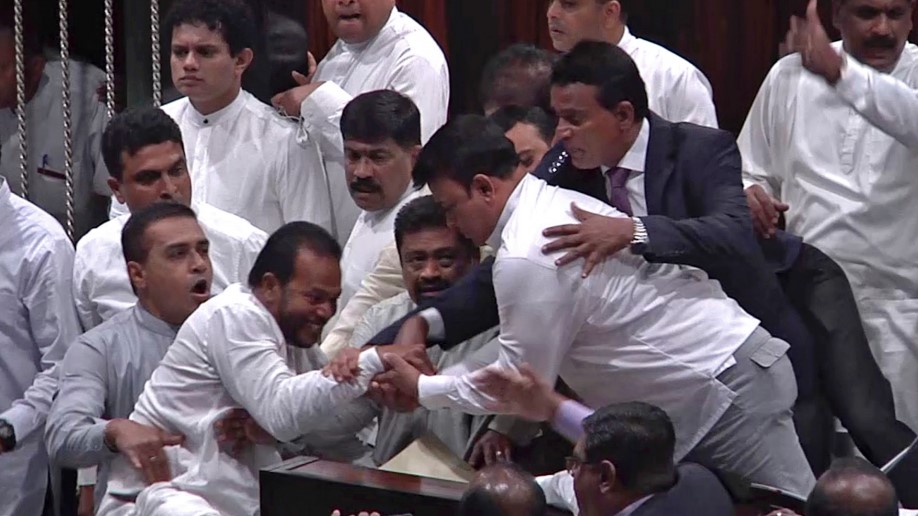
This created strong protests from the government benches leading ultimately to a huge pandemonium and a brawl between MPs of both sides.  For people who watched these ashes.  The UNP MPs behaved like their ancestor thugs Mariakade Choppe, Gonawela Sunil and Kalu Lucky. With the connivance of the demented speaker their current thugs such as Ranjan Ramanauyake and Palitha Thevarapperuma have brought knives to the Parliament.  It was also reported that the demented speaker whose duty is to take measures to maintain peace in parliament and provide protections to MPs while in parliament is reported to have t5old the thug type MPs of UMNP to bring any type of weapons to teach suitable lessons to Sirisena-Mahinda’s fellows.

We really do not know who else brought weapons other than Ranjan Ramanauyake and Palitha Thevarapperuma.  Many UNP MPs have assaulted government NPs who are reported to  have  suffered injuries.  The Kandy district MP Dilum Amunugama has said that Karu Jayasuriya has passed out urine in his dress and remained in his seat for a long time without being able to move out in that status.  Television pictured showed MPs of both sides attacking each other with water bottles, books and documents and dust bins.

MP Indika Anuruddha has complained to the Police post at the Parliamentary complex that both Ranjan Ramanayake and Palitha Thewarapperuma threatened him with a knife inside the chamber. He has said they when he brought Speaker’s attention to this, he said not knives, but swords should also be brought in because of the current.

Minister Johnston Fernando said the MPs who allegedly threatened others with a knife should be arrested and it is necessary to find out how a knife was brought into parliament ne will bring this issue to the attention of both the President and IGP as well,

The Island editorial said today (16th) that now, Parliament finds itself in the same predicament as a patient with a serious bowel obstruction, given a potent laxative. The country has come within the hailing distance of anarchy. It said that, all three tiers of government are in chaos; the newly introduced, harebrained electoral system has rendered most LG bodies hung and, thereby, ungovernable; the PCs are without elected representatives and the Speaker does not recognise the ruling party in Parliament and the President has refused to accept the party which, the Speaker says, is in power.

UNP MP Ruwan Wijewardene’s Daily Mirror says the whole country watching the drama, unfold within the parliament premises, from their homes and work places have little knowledge of the constitutional procedure regarding the removal of a prime minister, appointing another and how the Cabinet can be dissolved. The editorial says the imbroglio is continuing with neither party giving in. It points out that during the days that passed following the dissolving of parliament on November 9, the people of this country have leaned on their conscience rather than depend on how people quote the Constitution. It says that this is solely to understand the big picture associated with this impasse.
For the record, no party has sought the help of the law challenging the removal of the Prime Minister of the Yahapalana regime the editorial concludes saying with MPs changing sides and some claiming they were offered huge amounts of money the instability continues.

The Ambassadors of the Western countries the former imperialists stupidly falling themselves as the international community with only 20 odd countries whereas there are nearly 200 countries in the world seems to be having no diplomatic work these days and are seated in the parliament gallery watching their minion demented speaker’s arrogant drama in parliament.  Unlike these white skinned modern imperialists one of Sri Lanka’s true friends China has said that it hoped that Sri Lanka can maintain stability and find ways to end the current political impasse. The Chinese Foreign Ministry Spokesperson Hua Chunying has said that as a traditional friendly neighbour of Sri Lanka, China has been closely following the developments of the situation in Sri Lanka and hope that Sri Lanka can maintain stability and that all relevant parties in Sri Lanka have the wits and ways needed to deal with the current situation.

(To be continued)

It was hilarious to find MP Rishad Badiudeeen who went on an unlawful Umrah pilgrimage recently allegedly sponsored by the reactionary and neo liberal UMNP with Bond Scam funds together with his bête noir Rauf Hakeem has hailed the highly partisan anti Sri Lankan dictatorial and anti democratic acts of the speaker. It is prudent to ask him whether it followed parliament and democratic traditions that this demented speaker allowed UNP MPs to bring in life threatening dangerous weapons to parliament.

පුරාවිද්යා නිලධාරීන් පිරිසකට එම ස්ථානය බලහත්කාරයෙන් අල්ලා ගෙන සිටින හින්දු පූජකවරු පිරිසක් හා ගම්වාසීන් එක්ව 16 දා පහර දීමට උත්සහ කොට තිබේ.

November 17th, 2018

දිනසේන රතුගමගේ

වවුනියාවේ සමලන්කුලම පුරාවිද්යා ස්ථානය නිරීක්ෂණය කිරීමට ගිය පුරාවිද්යා නිලධාරීන් පිරිසකට එම ස්ථානය බලහත්කාරයෙන් අල්ලා ගෙන සිටින හින්දු පූජකවරු පිරිසක් හා ගම්වාසීන් එක්ව 16 දා පහර දීමට උත්සහ කොට තිබේ.

වවුනියාවේ සමලන්කුලම පුරාවිද්යා ස්ථානය බෞද්ධ සිද්ධස්ථානයකි.

යුද සමයේදී නිලධාරීන්ට එම ප්රදේශයට යාමට නොහැකි වූ නිසා හින්දු පිරිසක් එම ස්ථානය බලහත්කාරයෙන් අල්ලාගෙන හින්දු කෝවිලක් ඉදිකොට ඇත්තේ 1985 වසරේදීය.

පසුගිය නොවැම්බර් 3 දා දෙමළ ජාතික සන්ධානයේ දේශපාලනඥයින් පිරිසක් මේ ස්ථානයට පැමිණ  කෝවිල සංවර්ධනය කිරීම සදහා මුදල් ආධාර සපයා දීමත් සමගම කෝවිලේ කටයුතු සංවර්ධනය කිරීමට ඉපැරණි බෞද්ධ නටබුන් කඩා ඉවත් කොට තිබේ.

කඩා ඉවත් කරණ ලද ස්ථානයේ නව ඉදිකිරීම් සිදු කිරීමට ගඩොල් වැලි ඇතුළු දේ රැගෙන විත් තිබේ.

සමලන්කුලම  පුරා විද්යා ස්ථානයේ  ඉපැරණි දාගැබක් හා නටබුන් පිහිටා ඇති අතර ඒවා විනාශ කොට ඇති බවට පුරා විද්යා නිලධාරීන්ට ලැබුණු තොරතුරක් මත එය නිරීක්ෂණය කිරීමට ගිය අවස්ථාවේදී හින්දු පූජකවරු හා ගම්වැසියෝ එක්ව නිලධාරීන්ට පහර දීමට උත්සහ කොට ඔවුන්ව එම ස්ථානයෙන් එළවා දමා තිබේ.

බලු මස් කිළෝ ග්රෑම් දහසක් සමග පොලීසිය විසින් අත් අඩංගුවට ගෙන ඇති සැකකරුවන් දෙදෙනාගෙන් එක් අයෙකු යාපනයේ කරවෙඩ්

November 17th, 2018

දිනසේන රතුගමගේ

ඉන්දියාවේ චෙන්නායි නුවරදී 17 දා සවස  බලු මස් කිළෝ ග්රෑම් දහසක් සමග පොලීසිය විසින් අත් අඩංගුවට ගෙන ඇති සැකකරුවන් දෙදෙනාගෙන් එක් අයෙකු යාපනයේ කරවෙඩ් ප්රදේශයේ පදිංචි කරුවකු බවට තොරතුරු හෙලිවී තිබේ.

මේ දෙදෙනා අත් අඩංගුවට පත්ව ඇත්තේ ඉන්දියාවේ චෙන්නායි නුවර ජායිපූර් දුම් රිය ස්ථානය අසලදීය.

පොලීසියට ලැබුණු තොරතුරක් මත මේ දෙදෙනා අත් අඩංගුවට ගෙන ප්රශ්න කළ අවස්ථාවේදී ඔවුන් පොලීසියට පවසා ඇත්තේ ඔවුන් සේවය කරණ ආපන ශාලාවේ එළු මස් බුරියානි සදහා ඔවුන් එළු මස් රැගෙන යන බවයි.

පොලීසිය දිගින් දිගටම කළ ප්රශ්න කිරීම් වලදී ඔවුන් රැගෙන යන්නේ බලු මස් බව අනාවරණය වී තිබේ.

ඔවුන් අත් අඩංගුවට ගන්නා ලද අවස්ථාවේදී ඔවුන් දෙදෙනා ළග බලුමස් කිලෝ ග්රෑම් 150 ක් තිබී ඇති අතර ඔවුන් දෙදෙනා සේවය කරණ ආපන ශාලාව පරීක්ෂා කිරීමේදී ශීතකරණ වල දමා තිබූ තවත් බලුමස් කිලෝ 850 ක්  පොලීසියට හමු වී තිබේ.

ඉන්දියාවේ රාජස්ථාන් පළාතෙඑළුමස් බුරියානීනමින්ම පවත්වා ගෙන යන ආපන ශාලාවක එළුමස් බව පවසමින් බලුමස් යොදාගෙන කාලයක සිට මේ ජාවාරම කරගෙන යන බව පොලීසිය විසින් අනාවරණය කරගෙන තිබේ.

බලුමස් සමග අත් අඩංගුවට ගත් සේවකයින් දෙදෙනා එක් ස්ථානයකින් බලු මස් රැගෙන දුම් රියෙන් අදාල ආපන ශාලාව වෙත මස් ප්‍රවාහනය කිරීමට සූදානම් වූ අවස්ථාවේදී ඔවුන්ව පොලීසියට කොටු වී තිබේ.

මේ ආරංචිය ලැබීමත් සමගම ආපන ශාලාවේ හිමිකරු ආපන ශාලාවෙන් පැන ගොස් ඇති අතර චෙන්නායි පොලීසිය ඔහුව අත් අඩංගුවට ගැනීමට පරීක්ෂණ ආරම්භ කොට තිබේ.

Why UK and USA involved in Sri Lankan politics

November 16th, 2018

ole sørensen 

I am a european, but I am astonished to see  how USA  and UK and others feel their opinion is important as to Sri Lankan political situation.

What happens in Sri Lanka is internal affairs. It is not the business of USA and Uk or  any other country. They refer to constitutions as all constitutions in the world are the same.

Next: USA hav as long I remember, had their big nose in the affairs of other countries, and even invaded them starting war—–the same with UK who for centuries found it ok to invade countries and create colonies, in order to benefit financially.

SHUT your mouth USA  and Uk—–shame on you.—-not only for your previous behavior—–but especially for the present behavior—–Let Sri Lanka handle their own affairs and shut your mouth now—

Have any of you paid  back what you owe  the countries you invaded?????DO that—-and then come back with  comments—–At  present you dont have any saying in what is going on in Sri Lanka.———–sweep for your own door before you order  others to sweep in front  of their door.

Has Sri Lanka anytime questend the constitution of your countries, and told how to administrate them?–

Mahinda Rajapaksha did his duty —–as president of a soverign country—–never interfered  in other countries politics.

USA  and UK wanted him to  stand trial for warcrimes———what a joke, considering what those two countries have done in the Middle East and the Arabian world.

When will people get their eyes open?

We are not alone -Politician Brawls Caught On Tape Around The World

November 16th, 2018

Take a look at the extreme fights and arguments between lawkmakers that happen all over the world.

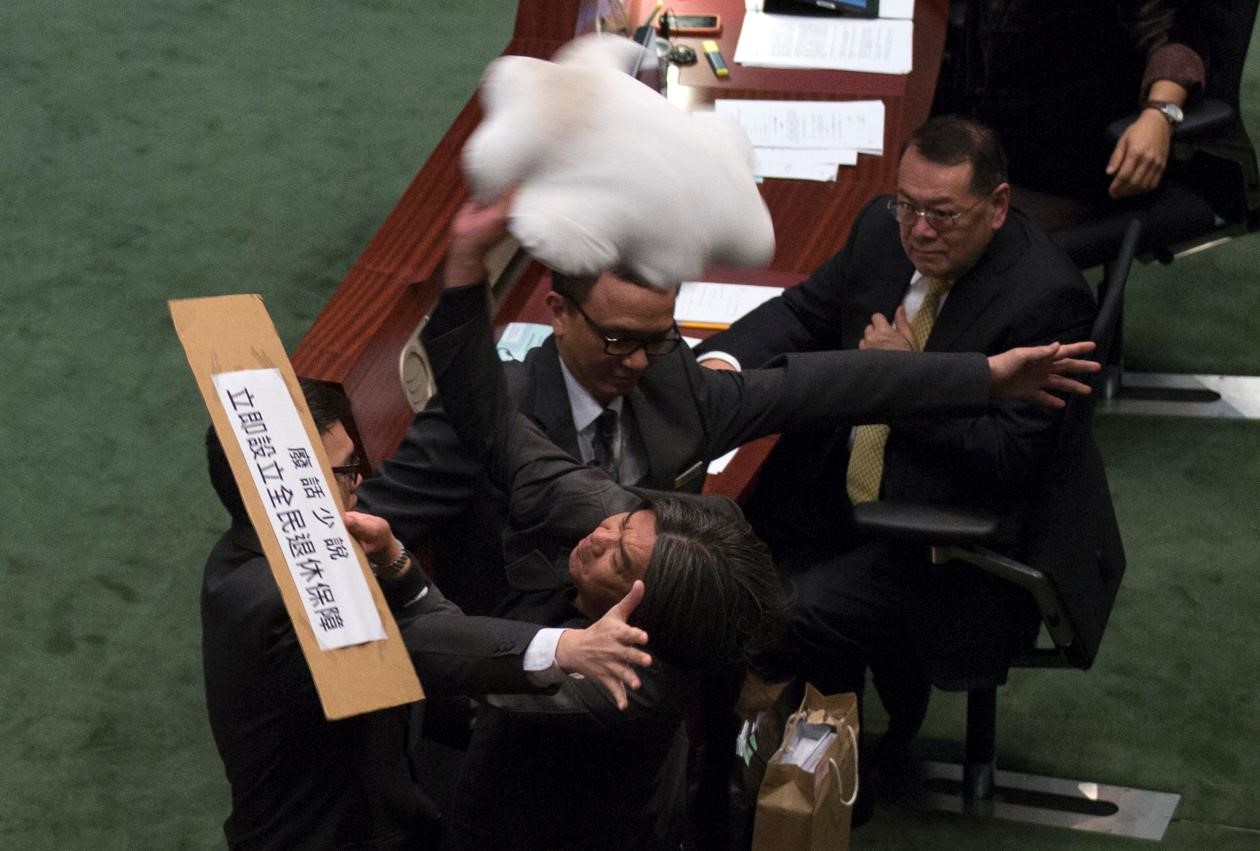
India – Political debate ends in punch up


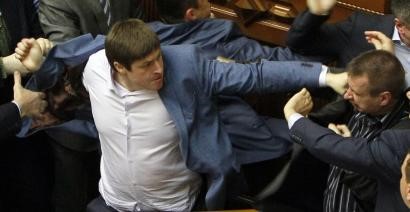
Balls & Brawls: Big fight in Ukraine parliament after opposition MP goes for PM Yatsenyuk’s crotch

https://youtu.be/2zgTl6-KWqg


සන්ධාන ආණ්ඩුවේ බහුතරය සූදානම්..- ජනාධිපති කියයි..

November 16th, 2018

 lanka C news

සන්ධාන ආණ්ඩුවේ බහුතරය සූදානම්..- ජනාධිපති කියයි..

එක්සත් ජනතා නිදහස් සන්ධාන ආණ්ඩුවට පාර්ලිමේන්තුවේ බහුතරය පෙන්වීමට සූදානම් බව ජනාධිපති මෛත්‍රීපාල සිරිසේන මහතා සඳහන් කර ඇත.

අද පැවැති මන්ත්‍රී හමුවේදී ජනාධිපතිවරයා මේ බව කියා සිටි බව පාර්ලිමේන්තු මන්ත්‍රී ලක්ෂ්මන් යාපා අබේවර්ධන මහතා සඳහන් කරයි.

ඒ අනුව ඉදිරි පාර්ලිමේන්තු දිනයකදී අවශ්‍ය මොහොතක පාර්ලිමේන්තුවේ බහුතරය ගෙන්වීමට සූදානම් වන්නැයි ජනාධිපතිවරයා කියා සිටි බවද ඔහු සඳහන් කළේය.

විජයදාස රාජපක්ෂ යලි එක්සත් ජාතික පක්ෂය සමග එකතු වෙනවා යැයි පවසන කටකතා සියල්ල අසත්‍යයක්

November 16th, 2018

lanka C news

ජනාධිපතිවරයා විසින් නව අග්‍රාමාත්‍ය මහින්ද රාජපක්ෂ මහතා පත් කිරීම මෙන්ම පාර්ලිමේන්තුවද විසුරවන ලද්දේ ශ්‍රී ලංකා ප්‍රජාතාන්ත්‍රික සමාජවාදී ජනරජයේ ආණ්ඩුක්‍රම ව්‍යවස්ථාවට අනුකුලව බවත් තමන් යලි එක්සත් ජාතික පක්ෂය සමග එකතු වෙනවා යැයි පවසන කටකතා සියල්ල අසත්‍යයක් බවද අධ්‍යාපන හා උසස් අධ්‍යාපන අමාත්‍ය ආචාර්ය ජනාධිපති නීතිඥ විජයදාස රාජපක්ෂ මහතා සදහන් කරයි.

ජනාධිපතිතුමා සමග ජනපති නිල නිවසේ පැවති විශේෂ සාකච්ඡවකින් අනතුරුව අධ්‍යාපන හා උසස් අධ්‍යාපන අමාත්‍යවරයා මේ බව ප්‍රකාශ කළේය.

මෙහිදී වැඩිදුරටත් අදහස් දැක්වූ අධ්‍යාපන හා උසස් අධ්‍යාපන අමාත්‍යවරයා කියා සිටියේ ජනතා පරමාධිපත්‍යය උල්ලංඝනය කරන බංකොලොත් එක්සත් ජාතික පක්ෂය සමග තමන් කිසි විටකත් එක් නොවන බවයි.

කතානායක කරු ජයසුරිය මහතා දඩමීමා කර ගනිමින් ව්‍යවස්ථානුකුලව විසිරවූ පාර්ලිමේන්තුව තුල වගේම රට තුලත් අර්බුධයක් නිර්මාණය කරමින් එක්සත් ජාතික පක්ෂය සැබෑවටම ජනතාව ඉදිරියට යාමට විශාල බියක් දැක්වීම නිසා මැතිවරණය වලක්වමින් මේ සිදු කරන මේ නිහීන ක්‍රියාව තරයේ හෙලා දකින අතර බල තණ්හාව පෙරදැරි කරගත් එක්සත් ජාතික පක්ෂයේ බංකොලොත් කිහිප දෙනෙකුට අවශ්‍ය පරිදි සිදු කරන බල අරගලය සදහා තමන් කිසිවිටෙකත් සම්බන්ධ නොවන බවද ඔහු කියා සිටී.

මේ දිනවල එක්සත් ජාතික පක්ෂය විසින් මහ බැංකු බැදුම්කර මංකොල්ලයේ සල්ලි විසික් කරමින් මන්ත්‍රී ඔළු ගෙඩි මිලදී ගැනීම සිදු කලත් තමන් එම මුදල් වලට විකිණෙන්නේ නැති බවත් රාජපක්ෂ මහතා අවධාරණය කරයි.

Of that unfolding drama

November 16th, 2018

By Dr. Upul Wijayawardhana Courtesy The Island

Even Shakespeare, the greatest dramatist of all, would have found it extremely difficult to pen a political drama to match what is unfolding in the ‘Land like no other’. It was left to my very good friend and retired senior administrative service officer, Dharme Hewamadduma, to remind me of a prediction I had made after the last presidential election. I could sense the excitement in his voice when he rang me to inform that President Sirisena has appointed Mahinda Rajapaksa as Prime Minister but his excitement was for a different reason.”Upul, do you remember telling me that Sirisena will do the same to Ranil, what he did to Mahinda?” Frankly, I could not remember but am indebted to Dharme for having reminded me that I predicted MS would do a Brutus again.

Well, that sums up the first of the three actors in this political drama. Yes, they really are actors with very bad performances at times. Maithri has done a Brutus not once but twice. He stabbed his former boss in the back, shortly after enjoying a hopper dinner at the President’s House in 2014. Ranil, on the other hand, was stabbed in the back several times before. Well, Maithri had to stomach many an indiscretion from Ranil because he had to show gratitude as he admitted in his address to the nation. After all, he would never have been President, if not for the support extended by the UNP, which, however, did so because its leader could not win a presidential election.

article_image

Ranil has been ridiculed and praised in equal measure since he was sacked as Prime Minister. He holds the unique distinction of being fired from that exalted position twice! Chandrika, his great ally, who is in and out of Temple Trees, was the first to do so. I cannot remember what Ranil did then but, on this occasion, what he displayed was hypocrisy. Instead of leaving Temple Trees, he stayed put, converting Temple Trees to a huge ‘Pirith Mandapppaya’. Perhaps, we should not single him out for criticism because Sri Lankans’ religiosity knows no bounds in times of distress. Paradoxically, the sacking may have been a blessing in disguise for Ranil, whose image has been tarnished by the bond scams.

Surely, Ranil should have taken the responsibility and resigned when the bond-scam occurred as the Central Bank was under his purview. In the democratic world, many ministers have resigned for much less, and those who lavish Ranil with hosannas should not forget this vital element of good governance. He should, at least, have ensured that Arjuna Mahendran faced trial.

The third player, of course, is Mahinda Rajapaksa, whose supporters want him to be the saviour again. Even the harshest of his critics cannot deny the fact that MR achieved the impossible. Remember, there was no dearth of experts who harped, repeatedly, that the Tigers could not be defeated militarily. Sri Lanka holds the unique distinction of being the only country to have comprehensively defeated terrorists, a fact often forgotten when demanding concessions for the defeated terrorists. Even the mighty British Empire could not defeat terrorists but came to agreements with them. We did not and we are under no obligation, a fact we need to remind the foreign funded NGOs, which Ranil’s government failed to do; it bent over backwards to please foreign interferers. We lost national pride in the process, the beneficiary being MR, who has become the most powerful politician in the country today. Whether he can be double saviour depends on many factors, the most important of which is whether he had learned a lesson from the slap he received from the electorate. The other vital consideration is whether anyone can turn the economy around.

The less you talk of the bunch in the ‘Diyawanna Asylum’ the better. Their behaviour, to say the least, is despicable and clearly shows why a fresh election is needed with the hope that the major political parties would have the guts to nominate fresh untainted persons; a fat hope a cynic may say!

I do not know whether Ranil was surrounded by butterflies, as the President claimed recently, or bees but it looks as if there was a bunch of leeches misleading him. Why he did not want to go to the Supreme Court, when he was sacked, remains a mystery. However, when the Parliament was dissolved they went to the Supreme Court, the ensuing legal battle demonstrating how badly the 19th Amendment had been drafted. Barring those who drafted this, most experts believed, nothing short of a divine intervention, would go against the President. Well, what the Supreme Court will decide soon, after listening to all arguments, we do not know. It may make Ranil the great survivor, provided the party does not decide that enough is enough in the interim. Sajith Premadasa’s speech at the massive UNP rally had some hints. Or, it may give the chance for MR to be double saviour.

Unfortunately, the biggest loser in this political drama is Karu Jayasuriya, who has completely ruined his reputation. Having first accepted the President’s decision, he had a change of heart. He realised he is a member of the UNP, after all, though he is the Speaker and reversed his earlier decision, insulting the office he holds. How he could have issued contradictory statements is beyond belief! His inability to control MPs displayed his incompetence. The only way he can save his reputation is by summoning a meeting of party leaders and convincing them that the only decent thing to do is to seek a mandate from the voters.

12 steps to adopting a no-confidence motion against the Prime Minister

November 16th, 2018

Courtesy Adaderana

The Prime Minister’s Secretary, S. Amarasekara, has issued a statement listing 12 steps that need to be followed to bring forth a motion of no confidence against the Prime Minister and for it to legally be adopted in the Parliament.

It also states that the Parliament should ensure all processes mentioned are carried according to the Constitution, Standing Orders, Parliamentary tradition and procedures.

The statement issued by the Secretary to the Prime Minister also states that the motion of no confidence brought against the former Prime Minister in April 2018 had been presented legally following such due process.

අගමැතිතුමාට විරැද්ධව විශ්වාශභංග යෝජනාවක් ගෙනවිත් එය නීත්‍යානුතූලව සම්මත කර ගැනීමට නම් පාර්ලිමේන්තුව අනුගමනය කළ යුතු ක්‍රියා මාර්ගයන්

Posted on November 16th, 2018

මාධ්‍ය නිවේදනය එස්. අමරසේකර අග්‍රාමාත්‍ය ලේකම් 

2018 නොවැම්බර් 16

  1. අගමැතිතුමාට විරැද්ධව විශ්වාශභංග යෝජනාව කතානායකතුමාට භාරදිය යුතුය. ඒ සදහා අවම වශයෙන් මන්ත්‍රීවරු 20 දෙනෙකු අත්සන් කළ යුතුය.
  2. පාර්ලිමේන්තු මහලේකම් හරහා එම යෝජනාවේ නීත්‍යානුකූලභාවය කතානායකතුමා විමසිය යුතුය.
  3. එම යෝජනාව ආණ්ඩුක්‍ර‍ම ව්‍යවස්ථාවට සහ ස්ථාවර නියෝගවලට අනුකූල බව මහලේකම්තුමා විසින් කතානායකතුමාට දැනුම් දිය යුතුය.
  4. එම යෝජනාව පාර්ලිමේන්තු න්‍යාය පුස්තකයට (Order Book) ඇතුලත් කළ යුතුය.
  5. එම න්‍යාය පුස්තකය සිකුරාදා දිනයේදී මුද්‍ර‍ය කර සියලුම මන්ත්‍රීවරුන්ට බෙදා හැරිය යුතුය.
  6. වැඩකරන දින පහකට පසුව එම යෝජනාව පාර්ලිමේන්තුවේ විවාදයට භාජනය කිරීමට අවස්ථාව සැලසිය යුතුය.
  7. පාර්ලිමේන්තු කටයුතු පිළිබද කාරක සභාවෙන් එම න්‍යාය පුස්තකයේ තිබෙන කටයුතු ගැන සලකා බලා ප්‍ර‍මුඛස්ථානය දිය යුත්තේ කුමන කටයුක්තකට දැයි තීරණය කළ යුතුය. (Committee on Parliamentary Business headed by the Speaker) මෙම කාරක සභාවේ මූලාසනය කතානායකතුමා ගන්නා අතර, සභා නායක, ආණ්ඩු පක්ෂයේ ප්‍ර‍ධාන සංවිධායක ඇතුලු ආණ්ඩු පක්ෂය නියෝජනය කරන පක්ෂ වලින් සමන්විත මන්ත්‍රීන් කණ්ඩායමක් ඇතුලත් විය යුතුය. එසේම විපක්ෂ නායකතුමා ඇතුලු විපක්ෂයේ පක්ෂ නියෝජනය කරමින් විපක්ෂයෙන් නම් කරන ලද කණ්ඩායමක් ඇතුලත් විය යුතුය. තවද, පාර්ලිමේන්තුවේ නියෝජ්‍ය කතානායකද, නියෝජ්‍ය කාරක සභා සභාපතිද මෙම කමිටුවේ සාමාජිකයන්ය. ඒ අනුව, න්‍යාය පුස්තයේ සදහන් වී ඇති ආණ්ඩුවේ කටයුතු වල ප්‍ර‍මුඛස්ථානය නියම කරන්නේ සභා නායකවරයාය.
  8. මෙවැනි විශ්වාසභංග යෝජනාවක් න්‍යාය පුස්තකයට ඇතුලත්වූ පසු එය පාර්ලිමේන්තුවේ විවාද කිරීම සදහා සභා නායකතුමාගේ සහ ආණ්ඩු පක්ෂයේ කැමැත්ත ඇතිව පාර්ලිමේන්තුවේ විවාද කිරීම සදහා ලබා දිය හැකි ආසන්නතම දිනය තීරණය කළ යුතුය.
  9. එම දිනයේ න්‍යාය පත්‍ර‍යට මෙම යෝජනාව ඇතුලත් කොට අදාළ දිනයට විවාදයට ගන්නා බවට දැනුම් දිය යුතුය.
  10. එම විශ්වාශභංගය විවාද කිරීම සදහා ආණ්ඩු පක්ෂයටත් විපක්ෂයටත් අවශ්‍ය කාලය පාර්ලිමේන්තු කටයුතු පිළිබද කාරක සභාව විසින් තීරණය කළ යුතුය.
  11. අදාළ දිනයේදී විවාදය පවත්වා ඡන්දය විමසීම සහ එය ප්‍ර‍කාශ කළ යුතුය.
  12. එදින පාර්ලිමේන්තුවේ විවාදය පිළිබද හැන්සාඩ් වාර්තාව නිකුත් කළ යුතුය.

ඉහත කී සියලුම ක්‍රියාවලියන් ආණ්ඩුක්‍ර‍ම ව්‍යවස්ථාවටද, ස්ථාවර නියෝගවලටද, පාර්ලිමේන්තු සම්ප්‍ර‍දායන් සහ ක්‍රියා පටිපාටියන් වලට අනුකූලව සිදු කිරීමට පාර්ලමේන්තුව වගබලා ගත යුතුය.

2018 අප්‍රේල් මාසයේදී හිටපු අග්‍රාමාත්‍යවරයාට එරෙහිව ගෙනා විශ්වස භංගය ඉහත සදහන් ආකාරයට නීත්‍යාණුකුලව ඉදිරිපත් කර ඇත.

එස්. අමරසේකර

අග්‍රාමාත්‍ය ලේකම් 

President does not accept today’s no-confidence vote – Lakshman Yapa

November 16th, 2018

Courtesy Adaderana

President Maithripala Sirisena said he does not accept the results of today’s vote in Parliament since his instructions yesterday were not followed, according to UPFA MP Lakshman Yapa Abeywardena.

He stated that what they did in Parliament was wrong. He said it was not done the way said yesterday,” the MP said, speaking to reporters following a meeting with the President.

He said that the president had asked the opposition parties yesterday to act according to Standing Order 113, but that did not happen today and that they have not removed the clause from the no-confidence motion as requested by the President.

Therefore he (the President) said that the vote today is not valid and that he will not accept it,” Abeywardena said.

The MP said that the President instructed the UPFA parliamentary group to show their majority in the Parliament and to continue their work.

The Office of the Speaker had announced that the second clause of the motion of no-confidence against Prime Minister Mahinda Rajapaksa and the government was passed in the Parliament today (16) according to the parliamentary Standing Orders and that the President has been informed of the passage of the resolution.

Issuing a press release, it said that the motion has been presented to the Parliament by MP Anura Kumara Dissanayake and seconded by MP Vijitha Herath.

This was in accordance with the decision taken at the special meeting held with the President, the Speaker and party leaders last evening (15).

The press release issued by the Speaker’s Office stated that, in terms with the Article 48(2) of the Constitution, the parliament accepts the official statement on the dissolution of the Cabinet of Ministers, as well as the no-confidence motion against the Prime Minister Mahinda Rajapaksa and the government.

The Speaker’s Office said that the no-confidence motion, which was passed along with the signatures of 112 Parliamentarians, has been sent to the President Maithripala Sirisena by the Speaker.

Speaker Karu Jayasuriya, for the first time in Sri Lanka’s history, entered the floor of the House protected behind dozens of police officials as MPs from the government side disrupted the house and delayed the proceedings.

The session was delayed for over 30 minutes as government MPs had begun a protest surrounding the Speaker’s chair and an MP occupying the Speaker’s seat.

They had begun the protest, calling for the immediate arrest of two MPs from the United National Party (UNP), for bringing in knives into the Parliament a day earlier.

President Maithripala Sirisena, issuing a statement on his official Twitter account urged all parliamentarians to uphold the principles of democracy and parliamentary traditions at all times.

He also said he will not prorogue Parliament under any circumstances.

Intervenient petitioners seek full SC bench to hear FR petitions on dissolution

November 16th, 2018

Thilani de Silva and Ranjan Katugampola Courtesy The Daily Mirror

 Five persons who filed intervenient petitions against the 13 fundamental rights petitions challenging the dissolution of Parliament by President Maithriapala Sirisena on November 9, requested the Supreme Court today through a motion to appoint a full bench to hear the said Fundamental Rights (FR) Petitions.

The intervenient petitioners had submitted in their motion that they requested under Article 132 of the Constitution a bench comprising five judges or seven judges or a full bench to hear the FR petitions against the Attorney General challenging the dissolution of the Parliament.

The intervenient petitioners who had made this request through Attorneys Nilantha Wijesinghe and Atula de Silva were Sri Lanka Podujana Peramuna (SLPP) Chairman Prof. G.L. Peiris, Minister Udaya Gammanpila, Wellawatte Jagath, Professor Channa Jayasumana and Attorney Premnath C. Dolawatte.

They have submitted that the gazette issued by the President dissolving the Parliament has made a tremendous impact on the society and what is before the court is a nationally important Constitutional matter and as such it is appropriate to appoint a bench comprising more than five judges.

The three member bench of the Supreme Court that heard the fundamental rights petitions filed by the UNP, TNA, JVP, ACMC, former Parliamentarian Mano Ganeshan, Centre for Policy Alternatives, Attorney Aruna Laksiri and the member of the National Election Commission Professor Samuel Ratnajeevan Hoole, issued an order on Tuesday staying the President’s gazette on the dissolution of Parliament and holding the general election under that gazette till December 7.

Lankan Govt rejects No Trust Vote against Rajapaksa saying proceedings violated rules

November 16th, 2018

Government spokesman Keheliya Rambukwella said that the motion was not passed as per the understanding that the opposition leaders had arrived at in their meeting with the President.

The President had said that he will abide by the result of the No Trust Vote if the set procedures and the Standing Orders were followed and a vote by counting of hands was taken.

Lankan Govt rejects No Trust Vote against Rajapaksa saying proceedings violated rules

But what happened in the House on Friday was a replay of Wednesday’s rumbustious scene. There was commotion and chaos, and in the midst of the commotion and din, Speaker Karu Jayasuriya accepted a revised No Confidence Motion signed by 112 MPs from fthe JVP and then called for a voice vote and declared that motion was passed”. He then promptly adjourned parliament till November 19.

Prior to this, the Speaker had walked in police escort , which according to government spokesman Keheliya Rambukwella, is very unusual.

The government immediately confronted the Speaker to ask why men with knives had come into the House and wanted them to be arrested before the business for the day is taken up.

The rioting United People’s Freedom Alliance (UPFA) members demanded the arrest of two legislators of the Wickremesinghe’s United National Party (UNP). They charged that two UNP legislators, Palitha Thewarapperuma and Ranjan Ramanayake were carrying knives during the brawl which took place.

Yesterday, UPFA MP Dilum Amunugama was injured in clashes inside the chamber.

Police protected Jayasuriya from the rioting MPs as he called the Tamil National Alliance MP. M.A. Sumanthiran to propose the suspension of the Standing Orders.

The Speaker summoned police inside Parliament chamber after 45 minutes of disruption. One of the rioting MPs Arundika Fernando occupied the seat of the Speaker with many MPs surrounding it. Gamini Jayawickrema Perera, a senior parliamentarian, was injured in the melee.

On the basis of a voice vote Speaker Jayasuriya announced that the motion against Rajapaksa was accepted because  physical voting by show of hands could not take place due to the brawl.

When the rioting government MPs threw books at the police, Jayasuriya immediately suspended the sittings until November 19 and left the House surrounded by police.

Government spokesman Rambukwella that the No Trust Motion passed under such circumstance cannot be accepted.

Political observers said that under these circumstances mediation is called for because parliament has to pass a Vote on Account to enable the government to pay their salaries from January 2019.

With both sides sticking to their respective stands, parliament will not be able to function.

The opposition insists that Prime Minister Mahinda Rajapaksa has no right to continue, given the fact that he had been defeated” twice in a No Trust Vote. But the government keeps saying that the votes were not taken as per the set procedure.

The procedure is notice has to be given and a debate has to be held before voting is called. In the presnt case none of this  was done though the opposition had said that the Standing Orders will be adhered to.

The next course of action was discussed later on Friday between  President Sirisena and the MPs of Sri Lanka Podujana Peramuna (SLPP)  led by Prime Minister Rajapaksa.

(The image at the top is that of Sri Lankan government spokesman Keheliya Rambukwella)  

අගමැතිතුමාට විරැද්ධව විශ්වාශභංග යෝජනාවක් ගෙනවිත් එය නීත්‍යානුතූලව සම්මත කර ගැනීමට නම් පාර්ලිමේන්තුව අනුගමනය කළ යුතු ක්‍රියා මාර්ගයන්

November 16th, 2018

මාධ්‍ය නිවේදනය එස්. අමරසේකර අග්‍රාමාත්‍ය ලේකම් 

2018 නොවැම්බර් 16

  1. අගමැතිතුමාට විරැද්ධව විශ්වාශභංග යෝජනාව කතානායකතුමාට භාරදිය යුතුය. ඒ සදහා අවම වශයෙන් මන්ත්‍රීවරු 20 දෙනෙකු අත්සන් කළ යුතුය.
  2. පාර්ලිමේන්තු මහලේකම් හරහා එම යෝජනාවේ නීත්‍යානුකූලභාවය කතානායකතුමා විමසිය යුතුය.
  3. එම යෝජනාව ආණ්ඩුක්‍ර‍ම ව්‍යවස්ථාවට සහ ස්ථාවර නියෝගවලට අනුකූල බව මහලේකම්තුමා විසින් කතානායකතුමාට දැනුම් දිය යුතුය.
  4. එම යෝජනාව පාර්ලිමේන්තු න්‍යාය පුස්තකයට (Order Book) ඇතුලත් කළ යුතුය.
  5. එම න්‍යාය පුස්තකය සිකුරාදා දිනයේදී මුද්‍ර‍ය කර සියලුම මන්ත්‍රීවරුන්ට බෙදා හැරිය යුතුය.
  6. වැඩකරන දින පහකට පසුව එම යෝජනාව පාර්ලිමේන්තුවේ විවාදයට භාජනය කිරීමට අවස්ථාව සැලසිය යුතුය.
  7. පාර්ලිමේන්තු කටයුතු පිළිබද කාරක සභාවෙන් එම න්‍යාය පුස්තකයේ තිබෙන කටයුතු ගැන සලකා බලා ප්‍ර‍මුඛස්ථානය දිය යුත්තේ කුමන කටයුක්තකට දැයි තීරණය කළ යුතුය. (Committee on Parliamentary Business headed by the Speaker) මෙම කාරක සභාවේ මූලාසනය කතානායකතුමා ගන්නා අතර, සභා නායක, ආණ්ඩු පක්ෂයේ ප්‍ර‍ධාන සංවිධායක ඇතුලු ආණ්ඩු පක්ෂය නියෝජනය කරන පක්ෂ වලින් සමන්විත මන්ත්‍රීන් කණ්ඩායමක් ඇතුලත් විය යුතුය. එසේම විපක්ෂ නායකතුමා ඇතුලු විපක්ෂයේ පක්ෂ නියෝජනය කරමින් විපක්ෂයෙන් නම් කරන ලද කණ්ඩායමක් ඇතුලත් විය යුතුය. තවද, පාර්ලිමේන්තුවේ නියෝජ්‍ය කතානායකද, නියෝජ්‍ය කාරක සභා සභාපතිද මෙම කමිටුවේ සාමාජිකයන්ය. ඒ අනුව, න්‍යාය පුස්තයේ සදහන් වී ඇති ආණ්ඩුවේ කටයුතු වල ප්‍ර‍මුඛස්ථානය නියම කරන්නේ සභා නායකවරයාය.
  8. මෙවැනි විශ්වාසභංග යෝජනාවක් න්‍යාය පුස්තකයට ඇතුලත්වූ පසු එය පාර්ලිමේන්තුවේ විවාද කිරීම සදහා සභා නායකතුමාගේ සහ ආණ්ඩු පක්ෂයේ කැමැත්ත ඇතිව පාර්ලිමේන්තුවේ විවාද කිරීම සදහා ලබා දිය හැකි ආසන්නතම දිනය තීරණය කළ යුතුය.
  9. එම දිනයේ න්‍යාය පත්‍ර‍යට මෙම යෝජනාව ඇතුලත් කොට අදාළ දිනයට විවාදයට ගන්නා බවට දැනුම් දිය යුතුය.
  10. එම විශ්වාශභංගය විවාද කිරීම සදහා ආණ්ඩු පක්ෂයටත් විපක්ෂයටත් අවශ්‍ය කාලය පාර්ලිමේන්තු කටයුතු පිළිබද කාරක සභාව විසින් තීරණය කළ යුතුය.
  11. අදාළ දිනයේදී විවාදය පවත්වා ඡන්දය විමසීම සහ එය ප්‍ර‍කාශ කළ යුතුය.
  12. එදින පාර්ලිමේන්තුවේ විවාදය පිළිබද හැන්සාඩ් වාර්තාව නිකුත් කළ යුතුය.

ඉහත කී සියලුම ක්‍රියාවලියන් ආණ්ඩුක්‍ර‍ම ව්‍යවස්ථාවටද, ස්ථාවර නියෝගවලටද, පාර්ලිමේන්තු සම්ප්‍ර‍දායන් සහ ක්‍රියා පටිපාටියන් වලට අනුකූලව සිදු කිරීමට පාර්ලමේන්තුව වගබලා ගත යුතුය.

2018 අප්‍රේල් මාසයේදී හිටපු අග්‍රාමාත්‍යවරයාට එරෙහිව ගෙනා විශ්වස භංගය ඉහත සදහන් ආකාරයට නීත්‍යාණුකුලව ඉදිරිපත් කර ඇත.

එස්. අමරසේකර

අග්‍රාමාත්‍ය ලේකම් 

පාර්ලිමේන්තුව විසුරුවීමට 86 ව්‍යවස්ථාවේ ප්‍රතිපාදන යටතේ ජනමතවිචාරණයකින් ජනතා වරම ලබාගැනීම මගින් රටට අත්වන වාසි…….

November 16th, 2018

නීතීඥ අරුණ ලක්සිරි උණවටුන. B.Sc(Col),PGDC(Col)

  1. විධායක ජනාධිපතිධූරය යනු ජනතා මතය අනුව මත මිස ඒකාධිපති ආකාරයට ආණ්ඩුක්‍රම ව්‍යවස්ථාව උල්ලංඝනය කරමින් සිය තනි අභිමතයට අනුව පමණක් පාර්ලිමේන්තුව විසුරුවන ධුරයක් නොවන බව ජනගත වීම.
  2. ජනාධිපතිගේ තනි අභිමතයට අනුව පාර්ලිමේන්තුව විසුරුවීම මෙන් නොව ශ්‍රී ලංකා ජනරජයේ පරමාධිපත්‍යය අයත් ජනතාවගේ මතය අනුව පාර්ලිමේන්තුව විසුරුවීම සිදුවීමෙන් එය ප්‍රජාතන්ත්‍රවාදය ශක්තිමත් කරවන්නක් හෙයින් ජාත්‍යන්තරව රටට සිදුවන පීඩන සමනය වීම.
  3. ජනමතවිචාරණය යනු ව්‍යවස්ථාවේ 3 , 4 (අ) ව්‍යවස්ථාව සහ 86 ව්‍යවස්ථාව යටතේ ජනතාව සතු පරම ව්‍යවස්ථාදායක බලය ක්‍රියාත්මක කරවීමක් හෙයින් කිසිදු අධිකරණයකට හෝ වෙනත් ආයතනයකට ඒ පිළිබද ප්‍රශ්න කිරීමේ අධිකාරියක් නොලැබීම.
  4. සිය තනි අභිමතයට අනුව පාර්ලිමේන්තුව විසුරුවීම මගින් ජනාධිපතිවරයාගේ ඒකාධිපතිවාදය සම්බන්ධව මැතිවරණ වේදිකාවල තර්ක ඉදිරිපත් වීම මත මැතිවරණයෙන් පසු නැවත පත්වන ආණ්ඩුව දුර්වල ආණ්ඩුවක් වීමත් ජනමතවිචාරණයකින් ජනතා වරම ගෙන ඉන්පසු පාර්ලිමේන්තුව විසුරුවීම මගින් ජනාධිපතිවරයාගේ ප්‍රජාතන්ත්‍රවාදය සම්බන්ධව මැතිවරණ වේදිකාවල තර්ක ඉදිරිපත් වීම මත බිහිවන ආණ්ඩුව ශක්තිමත් ආණ්ඩුවක් වීමත් මගින් ඉදිරියේ පත්වන ආණ්ඩුව අමාත්‍ය සංඛ්‍යාව වැඩි කර ගන්නාජාතික ආණ්ඩුවක් නොවීම.
  5. පාර්ලිමේන්තුව විසුරුවීමට 70.1 ව්‍යවස්ථාවේ ඇති සීමාව නොතකා වසර 4½ක් ඇතුළත ආණ්ඩුක්‍රම ව්‍යවස්ථාවට අනුව පාර්ලිමේන්තුව විසුරුවීමට ඇති එකම අවස්ථාව 86 ව්‍යවස්ථාවේ ප්‍රතිපාදන යටතේ ජනමතවිචාරණයකින් ජනතා වරම ලබාගැනීමකින් පසු පාර්ලිමේන්තු විසුරවීම පමණක් වීම.
  6. ඉදිරියේ දුර්වල ආණ්ඩුවක් පත්වීමෙන් ජාත්‍යන්තරව හා දේශීයව රටට අහිතකර ප්‍රතිඵල අත්වීම මග හැරීම.
  7. ශක්තිමත් ආණ්ඩුවක් පත්වීම හේතුවෙන් ඇමති මණ්ඩලය46.1 ව්‍යවස්ථාව අනුව 30ට සීමා වීම.
  8. ශක්තිමත් ආණ්ඩුවක් පත්වීම හේතුවෙන් ආණ්ඩුවේ ස්ථාවරත්වය පිළිබද ගැටළු මතු නොවීම.
  9. විධායක ජනාධිපති ධූරය සම්බන්ධව ජනතාවගේ අප්‍රසාදය ඇති කරජනාධිපතිවරණය ව්‍යවස්ථාවෙන් ඉවත් කිරීමට කුමන්ත්‍රණකාරීන්ට අපහසු වීම.
  10. විධායක ජනාධිපතිධූරය යනු පාර්ලිමේන්තු උත්තරීතරත්වය සුරකින ආයතනයක් බවත් පාර්ලිමේන්තුව සම්බන්ධව තීරණ ගනු ලබන්නේ ජනාධිපතිවරයාගේ තනි කැමැත්ත අනුව නොව ජනතාවගේ මතය අනුව බවට සමාජගත වීම මගින් ප්‍රජාතන්ත්‍රවාදය ශක්තිමත් වීම.


පොලිස් බල ඇණි සමග ආ කතානායකට දැඩි ප‍්‍රහාරයක්… වහා සභාවෙන් පිටවේ…[Video]

November 16th, 2018

කථානායක කරු ජයසූරිය මහතා දැඩි පොලිස් ආරක්ෂාවක් සහිතව පාර්මේන්තු සභා ගැබට ඇතුළු විය.

ඒ වනවිටත් කථානායක පුටුව අල්ලාගෙන සිටි මන්ත්‍රීවරුන් ඊට දැඩි විරෝධයක් එල්ල විය.

පොලිස් බල ඇණි සමගින් සබාවේ කටයුතු සිදු කිරීමට ගත් උත්සාහයේදී එල්ල වූයේ දැඩි විරෝදයකි.

විශ්වාස භංගයක් සම්මත කලේ යයි කියා අනතුරුව කතානායකවරයා විසින් සබාව 19 වැනිදා පස්වරැු 01.00 දක්වා කල් තැබීය.

මන්ත‍්‍රිවරුන්ගෙන් එල්ල වූ පොත්පත් වතුර බෝතල් කුණු බාල්දි ප‍්‍රහාරය හේතුවන් පොලිස් බල ඇණි සමග කතානායකවරයා පිට විය.

පාර්ලිමේන්තුවේ ස්ථාවර නියෝග කඩා දමමින් අද දිනයේම විශ්වාස භංගයක් ඉදිරිපත් කර අදම සම්මත කිරීමට ගත් උත්සාහයට විරෝධය පල කරමින් කතානායකවරයාට මෙම ප‍්‍රහාරය එල්ල කර ඇත.

Produced by Sumanthiran, directed by Ranil & Karu only an actor – Susil

November 16th, 2018

Courtesy Adaderana

The Speaker has failed to proceed with the parliamentary sessions, alleges UFPA MP Susil Premajayantha.

He stated this addressing a press conference held at the Parliament Complex this afternoon (16).

The Parliamentarian pointed out that the requests made by President Maithripala Sirisena last evening (15) during the special meeting with the Speaker and the party leaders have been completely disregarded at the House today.

Commenting further, Premajayantha said that MP Sumanthiran is the producer of the series of these events, and its director is the UNP Leader Ranil Wickremesinghe, while Speaker Karu Jayasuriya is only an actor in it.

I will not prorogue Parliament under any circumstances – President

November 16th, 2018

Courtesy Adaderana

President Maithripala Sirisena says that he will not prorogue the Parliament under any circumstances.

He also urged all parliamentarians to uphold the principles of democracy and parliamentary traditions at all times.

I urge all Parliamentarians to uphold principles of democracy parliamentary traditions at all times. I will not prorogue the Parliament under any circumstances,” the President tweeted.

Parliament adjourned until Nov 19 amidst chaos

November 16th, 2018

Courtesy The Adaderana

The Speaker Karu Jayasuriya has announced that the Parliament will be adjourned until November 19.

He said that the parliament will reconvene at 1.00 p.m. on that date.

Reportedly, the Speaker has taken a vote on the removal of Clause 01 of no-confidence motion by voice instead of names.

The parliament reconvened this afternoon (16) for the consecutive date, however due to the tense situation that emerged within the House, commencing the parliamentary session was obstructed.

Police personnel had entered the Parliament chamber to control the situation due to the protest by government MPs, who are obstructing the commencement of the parliamentary session.

However, the government MPs gathered near the chair and protesting, while also occupying the chair prevented the police officers from coming close by throwing various objects at them.

As several government MPs proceeded to take away the chair of the Speaker, he attempted to take a vote on a new motion of no confidence using a microphone, while standing.

The government MPs also obstructed this by staging a protest in the chamber, while attacking and throwing various objects at the direction of the police officers guarding the Speaker.

This resulted in the Speaker’s announcement of adjourning the parliament.

The Speaker should resign forth with if he wants to die as a Sinhala Buddhist  and not as a traitor of the Sinhala nation and Mother Lanka.

November 15th, 2018

Sudath Gunasekara.

  15.  11. 2018.

As I was watching the behavior of the Speaker Karu Jayasuriye this morning in Parliament I felt ridiculously ashamed of his common sense, apart from his knowledge regarding Parliamentary procedure and the constitution of this country he has to uphold as the Chairman of this august assembly.

His body language seen  as he entered the House and sat down in the Speaker’s chair aptly displayed full confidence brimming on his face that he is going to end up the day’s  proceedings   victoriously at the end of the day as he had preplanned  and conspired with his master RW   in consultation with their Western Ambassadorial advisors in the previous night.  The behavior of the Diplomuts of the Western countries in the visitor’s gallery clearly proved their interference and involvement in this conspiracy.

He opened the day saying that as the Speaker hereafter he will not accept any PM or Cabinet of Ministers in the parliament since a No Confidence motion had been passed yesterday (15).

Speaker Karu Jayasuriya mentioned this at the beginning of the parliamentary session held today (15). He says that he will not recognize all current Prime Minister, Ministers, State Ministers, Deputy Ministers as well as the current Leader of the House and the Chief Government Whip. This reminds me what my small granddaughter Sandali who was only 5 years then, telling her father ‘This is my room and this is my law” when one day she was asked to keep he room clean. Therefore isn’t this a five year old child’s behavior, the septuagenarian (78 years old) Speaker of the Parliament of Sri Lanka has displayed. Shame isn’t it?

He also did not address the legitimate Prime Minister as Prime Minister when he invited him reluctantly to address the House.   He just said now Mr Mahinda Rajapaksa to speak. Isn’t it disgraceful and demean to behave like that for a Speaker of a Parliament. After all the Prime minister is the second citizen in the country next to the President and the Speaker   is only the third in the precedence list. One would expect at least that much of wisdom and decency from the Speaker of the House. See to what mean level a man could be pushed by this ugly legacy of dirty Party politics introduced by the British to our country.

I don’t want to mention about all ugly things followed in the house. Suffice it to say that his Speaker should take full responsibility for all ugly things that followed in the House due to his misbehavior including an MP being hospitalized for injuries caused by the ensuing brawl.

If the Speaker has a wee bit of self-respect and dignity, by the time I write these few lines he should have signed his letter of resignation from the post of Speaker and put it to an envelope to be sent to the Clerk of the House early morning tomorrow without waiting him to be pulled out from his chair disgraced and humiliated as a kihilikaru Speaker.

If he does not do that he will go down in the history of this country as the most disgraced and humiliated and chased out Speaker ever in the entire history of Independent Sri Lanka.

On the other hand if he still hopelessly hopes to remain as the Speaker of a government headed by Ranil Wickramasinha it will be only a wild day dream. Even a mega conspiracy by the Western world and the anti- Sinhala anti- Buddhist local NGOO, as they did in  2015 succeed  in a temporary win still he will go down in the history of this country as a modern UDARATA NILAME  who betrayed the proud Sinhala Jatiya and Sambuddha sasana  in the 21st century, once again to the Western Colonial invaders along with Ranil Wickramasinha  and  who helped RW to cede  the land of the Sinhale  to the communal Tamil   EELAmists and extremist Muslims Jehadists for few   Tamil and Muslim votes in Parliament to remain in power for few months.

Where were you Rule of Law/Democracy preachers in Sri Lanka: 1982 Referendum

November 15th, 2018

We are a little confused with democracy & good governance in Sri Lanka of late. Everything we deem as democratic & good governance is exactly the opposite being promoted & advocated. We are living in strange times. Suddenly paragons of virtue appear sending their diplomatic demarches while these very countries are bombing countries to the stone age & leaving millions of people in starvation. But then when they hold the laurels for international power, who are we to complain about their hypocrisy. Nonetheless, we can at best highlight their hypocrisy, not that they care any too hoots about it. However, for the naïve that fall for these democratic rule of law slogans purely on their inability to keep abreast of world affairs, here’s one example of the flouting of democracy by the very party that is promoted as being its custodian in Sri Lanka!

In 1977 General Elections were held & UNP returned to power with a landslide victory winning 140 of the 168 seats. UNP Leader JR Jayawardena became the Prime Minister. SLFP was reduced to 8 seats while TULF won 17 seats.

Immediately after coming to power in 1977 as Prime Minister, JR Jayawardena decided to change the constitution & introduce a new constitution with an Executive Presidency and a new election system known as the proportional representation system. The constitution was passed in 1978 & JR Jayawardena became Executive President from 4 February 1978 (his first term as President was to be considered from this day onwards (as per Article 160), which meant that 6 years lapsed in February 1984 though the first election for Executive President was four years later in October 1982.

He was to face elections in 1984 & instead of doing that what does JR Jayawardena decide to do – bring a 3rd amendment to the constitution which gave him right to seek re-election after 4 years as President & this Bill was passed in August 1982 two months before the Presidential Election. This was how UNP has been historically tweaking the constitution for its own personal benefit. So without going for elections in 1984, JR brings an amendment allowing him to have elections after 4 years & holds elections in 1982 & gives himself a further 6 years as president. Thus, JR was President from 1978 to 1988 (10 years)

So PM JRJayawardena elected in 1977 changes the constitution in 1978 holds a Presidential Election in 1982 & becomes President giving him a further 6 years in power while calling for a referendum in 1982 December to extend the term of Parliament by another 6 years without holding Parliamentary elections in August 1983.

Voters were denied their right to vote & UNP went on to rule legislature from 1977 to 1989.

JR Jayawardena/UNP ruled from 1977 to 1988 holding the 1st Presidential election in 1982 & a referendum extending Parliament by 6 years in 1982 without holding a parliamentary election in 1983. This was a violation of people’s fundamental rights.

Parliamentary Elections were to be held in August 1983 but instead of holding Parliamentary elections in 1983 – a referendum was held in 1982 extending Parliament by a further 6 years.

In 1982 there were two elections

  1. 20 October 1982 – 1st Presidential Election (to elect first Executive President)
  2. 22 December 1982 – Referendum to extend parliament for 6 years

It now makes perfect sense – create a new constitution, have its first election in October 1982 & become the Executive President then without holding the Parliamentary election in 1983 hold a referendum in December 1982 & extend the term of Parliament by another 6 years without holding proper parliamentary elections. The referendum became the 1st time the term of parliament was extended by a referendum. Nowhere in the world had a referendum being held to extend the term of Parliament. Not a whine from the proponents of democracy against this flouting of the people’s right to elect their leaders.

Even the West must have envied JRJ for that!

The obstacles were also dealt with. Mrs. Sirimavo Bandaranaike’s civic rights were removed on some frivolous charge preventing her from contesting elections for 7 years. This left Hector Kobbekaduwa to contest as SLFP Presidential Candidate. Note the actions of the UNP – immediately after expelling Mrs Bandaranaike from Parliament the UNP amended the Elections Act & Presidential Elections Act to prohibit persons expelled from parliament participating in any elections during the disqualification period. She wasn’t even allowed to appeal against the ban. Isn’t this so like the insertion to the 19a denying contesting presidential elections thrice. The 1982 amendment was to ensure Mrs.B could not contest & the 2015, 19a was to prevent Mahinda Rajapakse from recontesting. How can a constitution be tweaked for personal & political agendas?

JRJ government resolved to amend the Elections Act and the Presidential Elections Act to prohibit any persons who had been expelled from parliament from participating in any elections to any offices during the disqualification period.

The 1982 Presidential Elections

  • 6 candidates contested (UNP, SLFP JVP, LSSP, NSSP, Tamil Congress)
  • 6m cast their votes (6,602,617)
  • JR Jayawardena won 3.4m votes (3,450,811) – 52.91% of votes cast
  • SLFP candidate Hector Kobbekaduwa secured 25,48,438 votes – 39% of votes
  • July 1983 riots (9 months after JRJ voted President)
  • July 1987 signing of Indo-Lanka Accord & arrival of Indian Peace Keepers

6 candidates contesting Presidential elections in 1982

  1. J R Jayewardene (UNP) – 3,450,811 or 52.91 percent.
  2. H S R B. Kobbekaduwa (SLFP) – 2,548,438 or 39.07 percent.
  3. Rohana Wijeweera (JVP) – 273, 439 or 4.19 percent.
  4. G G Ponnampalam (ACTC) – 173,934 or 2.67 percent.
  5. Dr Colvin R de Silva (LSSP) – 57,532 or 0.88 percent.
  6. Vasudeva Nanyakara (NLSSP) – 17,005 or 0.26 percent.

Incidentally, the general public pulse at the time was that JR would lose the elections. However, JRJ won giving him the mandate to rule for another 6 years. Incidentally both elections were marred by allegations : rigging, ballot box stuffing, displaying of electoral symbols, UNP goon squads outside every polling booth, intimidation prevented some polling agents from being present.

The manner that UNP has tweaked the constitution for its personal benefit via constitutional amendments can be seen in the 4th amendment presented to parliament on 5 November 1982 to extend parliament by 6 years until 1989. To make this possible JR brought the Referendum Act No 7 of 1981 on 27 February 1981 becoming operational from 10 August 1982 & published by an Extraordinary Gazette 219/2 on 14 November 1982 just a month before the Referendum.

The Supreme Court passed the bill by a 7 bench voting 4-3 in favor but requiring a referendum (Article 83) The Bill was passed with 142 voting for & 4 voting against including Anura Bandaranaike.

Island-wide referendum was held on 22 December 1982. Elections Commissioner at the time was Chandananda de Silva.

The Question posted to the voter for a Yes No answer was

Do you approve the Bill entitled the Fourth Amendment to the Constitution published in Gazette Extraordinary No 218/23 of November 13, 1982, which provides inter alia that unless sooner dissolved the First parliament shall continue until August 4, 1989, and no longer and shall thereupon stand dissolved”

In another déjà vu of sorts, JR claimed the SLFP was trying to assassinate him & used that as an excuse to declare emergency after the Presidential Election in October 1982 and he ensured that the state of emergency prevailed throughout the December 1982 referendum which meant the whole country was under UNP thug-rule.

Yet another example of bringing Bills & amending the constitution by the UNP was the February 1979 2nd amendment if a MP was expelled from party he could appeal to the Parliamentary Committee which gave the Party an upper hand over unruly MPs!

Just like the political victimizations that have taken place since 2015, before the 1982 Presidential elections Hector Kobbekaduwa was periodically summoned to the CID by the UNP Government.

The referendum marked a mockery of democracy and it also kickstarted cheating in the name of democracy a feature that looks all too similar today to what began first under UNP rule. The similarities & strategies adopted by successive UNP leaders – JRJ, Premadasa & Ranil Wickremasinghe have unique similarities that cannot be overlooked.

But, the question is where were all these beacons of virtues objecting when these violations were taking place?

Shenali D Waduge 

උදෑසන ජාතික රූපවාහිනියේ “ආයුබෝවන් – සුබ දවසක්” වැඩසටහනට සහභාගී වී පවත්නා දේශපාලනික, සමාජයීය සහ ආර්ථික වාතාවරණය සම්බන්ධයෙන් මා ඉදිරිපත් කළ අදහස් -Ayubowan Suba Dawasak 2018-11-14 | Rupavahini

November 15th, 2018

වරුණ චන්ද්‍රකීර්ති

ඊයේ (2018 නොවැම්බර් මස 14 වැනි දින) උදෑසන ජාතික රූපවාහිනියේ “ආයුබෝවන් – සුබ දවසක්” වැඩසටහනට සහභාගී වී පවත්නා දේශපාලනික, සමාජයීය සහ ආර්ථික වාතාවරණය සම්බන්ධයෙන් මා ඉදිරිපත් කළ අදහස් පහත සඳහන් YouTube සබැඳිය ඔස්සේ ඔබට නැරැඹිය හැකිය.

කථානායක තුමා ශ්‍රේෂ්ඨාධිකරණයේ අතුරු තහනම් නියෝගය බරපතල ලෙස අපයෝජනයට පත් කරලා-2018 11 14 පාර්ලිමේන්තුවට ගෙනා යෝජනාවට අත්සන් තබා ඇත්තේ මන්ත්‍රීවරුන් 6 දෙනයි.

November 15th, 2018

සටහන : හර්ෂ කුමාර් සුරියආරච්චි

2018 11 14 දින පාර්ලිමේන්තුවට අනුර කුමාර දිසානායක මන්ත්‍රීතුමා විසින් ඉදිරිපත් කරන ලද යෝජනාව විශ්වාස භංග යෝජනාවක් නොවේ.

එහි ඇත්තේ ජනාධිපති තුමා විසින් පනවන ලද ගැසට් නිවේදන ව්‍යවස්ථා විරෝධී හා නීති විරෝධී යැයි සදහන් යෝජනාවකි. යම්කිසි කාරණයක් ව්‍යවස්ථා  විරෝධිද නැත්ද යන්න තීරණය කිරීම පාර්ලිමේන්තුව ට බලය ඇති කාරණයක් නොව සහමුලින්,ම අධිකරණය සතු බලයකි. එම නිසා එම යෝජනාව සම්බන්ධව පාර්ලිමේන්තුවේදී ගන්නා තීරණයක ව්‍යවස්ථානුකුල භාවයක් නැති අතර ඒ හේතුව නිසාම නිත්‍යයානුකුලද නොවේ.

ඒ බව පසෙක ලා, ව්‍යවස්ථාවට පටහැනි එම යෝජනාව තවදුරටත් පාර්ලිමේන්තු සම්ප්‍රදායට ද පටහැනිව ගොස් පාර්ලිමේන්තුව තුල කථානායක තුමා විසින් සම්මත කරවා ඇත.   ව්‍යවස්ථාවට පටහැනි, පාර්ලිමේන්තුවට තීරණය ගැනීමට බලය නැති යෝජනාවක් පාර්ලිමේන්තු සම්ප්‍රදායයන් ගරු නොකොට සම්මත කර ගැනිමක වලංගු භාවයක් නොමැත.

එම නිසා මහින්ද රාජපක්ෂ මහතාගේ අගමැති ධුරයට හෝ ඇමති මණ්ඩලයට හෝ කිසියම්ම වූ අභියෝගයක් එයින් ජනිත වී නැත.

ඊට අමතරව අන්තර් ජාලයේ  ප්‍රසිද්ධ කෙරුණු (https://www.gossiplankanews.com/2018/11/karu-maithripala-letter.html#more) අනුර කුමාර දිසානායක මන්ත්‍රීතුමා මුලින් අත්සන් කර ඇති ඉහත යෝජනාව 2018 නොවැම්බර් 14 දින දරන අතර  අංක 1 සිට 6 දක්වා අංකනය කරමින් මන්ත්‍රීවරු 6 දෙනෙකු පමණක් අත්සන් තබා ඇත.

ඉන් අනතුරුව වෙනත් දිනයක අත්සන් තබන ලද, කාරණයක් සදහන් නොමැති, නැවතත් අංක 1 සිට 102 දක්වා අත්සන් තබන ලද අත්සන් ලැයිස්තුවකුත්, එවැනිම දිනයක් නොමැති කාරණයක් නොමැති අංක 1 සිට 14 දක්වා අංකනය කරන ලද දෙමල භාෂාවෙන් නම් ලිය ඇති අත්සන් ලැයිස්තුවක් ද අ අමුණා ඇත. ඒ අනුව එම පසුව අමුණා ඇති ලැයිස්තු දෙකම ඉහත යෝජනාව හා සංගත නොවේ.

මන්ත්‍රී වරුන් නව දෙනෙකු පමණක් අත්සන් කල ව්‍යවස්ථානුකුල නොවූ ලියවිල්ලක් යොදාගෙන, ශ්‍රේෂ්ඨාධිකරණයේ විභාග වන නඩු කටයුත්තක්ද පවතින විට එම නඩු තීන්දුව කුමක්දැයි නොදන්නා විට එම තීන්දුව දුන් විටක මහත් ගැටළු රැසකට රටත් පාර්ලිමේන්තුවත් අධිකරණයත් ඇතුළු සියලු පාර්ශ්චව පත් විය හැකි ආකාරයේ ක්‍රියාවලියක පාර්ලිමේන්තු සම්ප්‍රදායන් ද බිද හෙලමින් කථානායක තුමා කටයුතු කිරීම වැරදි සහගතය.

ජනාධිපති තුමා විසින් කරන ලද පාර්ලිමේන්තුව විසිරවිම ව්‍යවස්ථානුකුල බව තීන්දු වුවහොත් 14 ද පවත්වන ලද පාර්ලිමේන්තුව බල රහිත වන බැවින් එහිදී බරපතල තීන්දු නොගැනීමේ යුතුකම හා පරිනත බව විශේෂයෙන් කතානයකතුමට තිබිය යුතුව තිබුණි. ඒ වෙනුවට කථානායක තුමා කථානායක වරයෙකුගෙන් ජනතාව බලාපොරොත්තුවන පරිනත භාවයේ අසලකටවත් නොපැමිණ ඊයේ පාර්ලිමේන්තු මෙහෙයවීම පක්ෂග්‍රාහී හා අඥාන ලෙස සිදු කර මුළු රටම අවධානමකට ඇද දමා ඇත.

කතානායක තුමාගේ මෙම ක්‍රියාවලිය උසාවියට අපහාස කිරීමක් මෙන්ම ශ්‍රේෂ්ඨාධිකරණයේ අතුරු තහනම් නියෝගය බරපතල ලෙස අපයෝජනයට පත් කිරීමක් නොවන්නේ කෙසේදැයි ගැටලුවකි.

එසේම ඉහත අත්සන් තබන ලද ලැයිස්තු වල දින වෙනස් කොට ජනාධිපතිතුමාට ඉදිරිපත් කර ඇති බවක්ද වාර්තාවේ. එසේ දින වෙනස් කළේ කවුද? එසේ නම් ඔහු හෝ ඔවුන් කුඨ ලේඛන පිළියෙළ කිරීම, ඊට අනුබල දීම ආදී කරුණු වලට වැරදි කරුවන් නොවන්නේද? එවැන්නන් පාර්ලිමේන්තුවේ මන්ත්‍රී දුර දැරීම හෝ තනතුරු දැරීම යුක්ති යුක්තද?


Parliament dissolved to form a People’s Government – Part V

November 15th, 2018

By : A.A.M.NIZAM – MATARA .

Not a fitting reply to the demented speaker who has now being exposed locally and internationally as an old man suffering from reluctance to a people’s government coming to power and who is not hesitant to make all illegal and unconstitutional efforts to keep this country under the role of the election phobia reactionary western slavish butterfly gang with the help of the JVP hooligans now parroting the slogan of ”Mudal Apita –Api Mudalata”(Money for us and we are for Money), the federal psychopaths terrorist proxies and reprehensible Muslim politicians who had been alleged to have undertaken UNP sponsored Umrah pilgrims recently.

If the sudden and joint pilgrimages were sponsored as alleged, it was against the teachings 0f Islam which admonishes that Haj or Umrah pilgrimages should be undertaken only with the pilgrim’s hard and legitimately earned excess money after settling all liabilities or with money provided by spouses or parents.  It seems that the UNP agnostics have found a new vibrant bait to make Muslims amenable to their vicious schemes.

A.H.M.Fawzie who was nick-named by the UNP as Paelp-ath Kadaapi during the 1976 Non Aligned Conference period who was brought into SLFP in 1964 by the late Mr. Anura Bandaranaike and he was to give up politics in 2004 due to extensive harassment by Chandrika and persuaded him to change his mind by Mr. Mahinnda Rajapaksa and made him to contest elections from 2004 will not forget the favours done to him by Mr. Mahinda Rajapaksa, for instance when the then Chief Justice ordered that he should be removed from the Petroleum Ministry portfolio over the Hedging deal (We hope that he has not forgotten the humiliation caused to him by Ranil and t6he UNP over the Hedging deal) but Mr. Mahinda did not accede to the Court verdict and allowed him to continue as the Petroleum Minister saying that removing him from his Ministerial portfolio would hurt the feelings of the Muslims. In his twilight age after being in the SLFP for 54 years after being highly critical of the UNP he has joined that party yesterday. We hope that this somersault is not in anticipation of a Umrah pilgrimage sponsorship.

The President has refused to accept the letter sent by the Speaker explaining  the happenings in the House earlier in the day, and instead has issued a statement saying that the Speaker had flouted parliamentary procedures in getting a No Confidence Motion passed The President said that the Speaker had failed to adhere to Standing Orders and other Parliamentary procedures when it came to the No Confidence Motion against Prime Minister Mahinda Rajapaksa and his government, and the list of signatures attached with the motion has not been certified by Parliament. He has also pointed out that the date of the motion had also been erased and changed in an unacceptable matter.

Mr. Sirisena has reiterated that Parliamentary tradition does not make it necessary for a newly appointed Prime Minister to prove majority support and the President has the power to appoint any member of the house as Prime Minister, who, in his opinion, has  majority support in Parliament and he is the  sole ‘appointing authority’ in regard to the Prime Minister .He has stated  that the letter signed by 122 members of parliament stated that the cabinet and the Prime Minister had been appointed in violation of the constitution.

Ser5f http://lankacnews.com/25901-2/for the full letter4.

When the Parliament met this morning the Lion of Giruwaawathe Prime Minister Mr. Mahinda Rajapaksa made a lengthy explaining the chaotic situation that prevailed in the country prior to the October Revolution, the reason he accepted the post of Prime Minister post and the remedial measures he has taken since then.

English translation of the full speech is given below:

The post of Prime Minister is not something great for me.  I am Mahinda Rajapaksa whether I am the Prime Minister or an MP.  (Applause from government benches).

Let us seek people’s sovereignty

The President who dissolved the government that prevailed and appointed a caretaker government clearly stated that the people of this country until 26th of October were under immense pressure.

The government that prevailed was extremely unpopular because of fuel price increases based on a pricing formula, expenses being increased daily due to the collapse of the rupee, tax burden that hitherto never been seen, the interest rates that increased by tenfold owing to the Central Treasury Bond Scam, planning to foreignize all ports, airports, profit earning State institutions and all government properties, formulation of legislations for selling State lands to foreigners on a permanent basis, entering into agreements with foreign countries despite resentment from professionals and national industrialists, demanding large amounts of bribes from foreign investors to name a few.  Because of these activities there was a great displeasure.

We  saw that recently the President dissolved the Economic Management Committee which was under the UNP and attempted to prevent the chaos that is being caused to the country. We also came to know that the Preside3nt had much arguments about economic matters in the Cabinet.  It was at this time that we came to know with recorded evidence that a UNP group was conspiring to assassinate the President and the former Defence Secretary in collaboration with a group of Police officers.  It was when the situation came to that level that the President decided to pull out United Peoples Freedom Alliance from the government.  The Coalition government came to an end with the pulling out of UPFA from the government.  At this time the President in accordance with powers vested in him under the Constitution called me and accept the premiership and requested me to form a government.

At that time, I had an option and that was either to accept that invitation or to reject it.  I could have3 told as he was with the UNP for nearly four years to remain with them for the balance period of about another one year as well.  But we were the main opposition force in the country.  We were the main political party in the country.  But we have a duty when the President was handing over the country to us to prevent a major chaotic situation that was to fall on the country to accept that responsibility.  Accordingly, I accepted that responsibility.  Another dilemma I had was if the UNP government remained in power for another one year what would have happened to this country. Since January 2015 the UNP government has taken foreign currency loans amounting to U.S.Dollars 21 Billion.

The availing of unrestricted foreign loans was the great disaster that befell the country. We have established only an interim government until holding a general election. That is why only a few members of the joint opposition accepted Minister Posts. We continuously requested for a general election since the country was getting collapsed. But the deposed government has had folded the election map. The local government institutions that were dissolved in 2015 had to wait for three years to go for elections.  The system of election for local government institutions has been changed. The elections were postponed saying there are delimitation problems. The government at last held that election when the Commissioner of Elections took steps to hold elections to institutions that did not have delimitation problems.   By last month the Northern Provincial Council and three other provincial councils – Sabaragamuwa, North, and East have got dissolved.  But no elections.

When the President dissolved the Parliament and for elections in accordance with powers that had been conferred under the constitution, for the first time in the history of Sri Lanka, the UNP, JVP and some other parties have gone to the Supreme Court  against holding elections It were these parties without any sense of shame got the elections for the local government institutions and provincial councils postponed.   They introduced revisions to bills submitted for other purposes through the back door during the committee stage reading.  By this method, they completely messed up the election system. The voting rights of the people of this country were snatched away by these parties at that time as well.   .

When I was coming to parliament this morning I saw a Poster which asks whose fundamental rights .are being infringed by an election?

(To be continued)_

විශ්වාස භංගයක් අලුතෙන් ‘‘විධිමත්ව’’ සම්මත කලොත් පිලිගන්න බව ජනපති දන්වයි.. විධිමත් ක‍්‍රමය මෙන්න.එජාප ප‍්‍රබලයන් තිදෙනෙකුට අගමැති වෙන්නැයි ජනපති ආරාධනා කරලා..?

November 15th, 2018

 lanka C news

පාර්ලිමේන්තුවේ බහුතරය ඇත්නම් එය තමනට නියමානුකූල ආකාරයෙන් පෙන්වා සිටින්නැනි ජනාධිපති මෛත්‍රීපාල සිරිසේන මහතා එක්සත් ජාතික පෙරමුණ පක්ෂ නායකයන්ට පෙන්වා දී ඇත.

ඔහු මේ බව සඳහන් කර ඇත්තේ අද පස්වරුවේ ජනාධිපති ලේකම් කාර්යාලයේදී එම පෙරමුණේ නායකයන් සමග පැවති පැවති සකච්ඡාවේදිය.

පාර්ලිමේන්තුවේ දී සම්මත කළේ යැයි කියන විශ්වාසභංගය තමන් පිළිනොගන්නා බවත් ඒ වෙනුවට වෙනත් විශ්වාසභංගයක් ඉදිරිපත් කර විධිමත් ක්‍රමවේදයක් අනුව සම්මත කර ඉදිරිපත් කළහොත් කමන් එහිදී ව්‍යවස්ථානුකූල කටයුතු කරන බව ද ජනාධිපතිවරයා සඳහන් කර තිබේ.

නව විශ්වාසභංග යෝජනාව හෙට දිනයේ පාර්ලිමේන්තුවට ඉදිරිපත් කිරීමට මෙම සාකච්ඡාවේදී අවධානය යොමුවී ඇති අතර ඒ සඳහා වන ඡන්ද විමසීම මන්ත්‍රීවරුන්ගේ නමින් සිදු කරන්නැයි ද ජනාධිපතිවරයා දන්වා ඇත.

Exclusive : විශ්වාස භංගයක් අලුතෙන් ‘‘විධිමත්ව’’ සම්මත කලොත් පිලිගන්න බව ජනපති දන්වයි.. විධිමත් ක‍්‍රමය මෙන්න.. එජාපය නන්නපෝල්..

කෙසේවෙතත් මෙම තත්ත්වය මත විශ්වාස භංගය විධිමත් ක‍්‍රමවේදයට ඉදිරිපත් කිරීමට නම් මුලින්ම කතානායකවරයාට සිදුවන්නේ ජනාධිපතිවරයා විසින් පත් කරන ලද අගමැතිවරයා වන මහින්ද රාජපක්ෂ මහතා පිලිගැනීමටයි.

එසේ පිළිගැනීමෙන් පසුව එක්සත් ජනතා නිදහස් සන්ධානය ආණ්ඩුව ලෙස ද පිළිගැනීමට සිදුවන අතර සභා නායක වරයෙක්, ආණ්ඩුපක්ෂ සංවිධායකවරයෙක් මෙන්ම විපක්ෂනායකවරයෙක් විපක්ෂයේ ප්‍රධාන සංවිධායකවරයෙක් ආදී තනතුරුවලට පුද්ගලයන් පත් කළ යුතුද වෙයි.

ඉන් අනතුරුව ස්ථාවර නියෝග අනුව විශ්වාසභංග යෝජනාවක් විපක්ෂයට ඉදිරිපත් කල හැකි අතර එය පාර්ලිමේන්තු න්‍යාය පත්‍රය සකස් කිරීමේදී ඊට ඇතුලත් කල හැක.

විශ්වාස බංගය ගැන කටයුතු කිරීමට පක්‍ෂ නායක රැස්වීමේදී තීරණයක් ගත යුතු අතර  පාර්ලිමේන්තු න්‍යාය පත්‍රයේ දින යොදා විවාද කිරීම සඳහා ද සැලකිය යුතු දින ගණනක් ලබාදීමෙන් පසු ඡන්ද විමසීමට ගත හැක.

පාර්ලිමේන්තුවේ විධිමත් පිළිගත් ක්‍රමවේදය වන්නේ එයයි. ජනාධිපතිවරයා ඉල්ලා සිටින්නේද එම ක‍්‍රමයටයි.

එජාප ප‍්‍රබලයන් තිදෙනෙකුට අගමැති වෙන්නැයි ජනපති ආරාධනා කරලා..?

බහුතරය පෙන්විය හැකිනම් එක්සත් ජාතික පක්‍ෂයේ ප‍්‍රබලයන් තිදෙනෙකුට අගමැති ධූරය සදහා ජනාධිපති මෛත‍්‍රිපාල සිරිසේන මහතා විසින් ආරාධනා කර ඇති බව එජාප හිතවාදී අන්තර්ජාල මාධ්‍ය කිහිපයක්ම වාර්තා කර ඇත.

නමුත් රනිල් වික්‍රමසිංහ අගමැති කර ඔහු සමග කටයුතු කිරීමට තමන් කිසිසේත්ම සූදානම් නැතැයි ජනාධිපතිවරයා දන්වා ඇති බවද එම වාර්තාවන්හි සදහන්ය.


යා දෙක නොරත රත; වත්මන් දේශපාලන අර්බුධය විනිවිද දකිමු – 1

November 15th, 2018

ආචාර්ය චමිල ලියනගේ

මේ පබැඳුම අලගියවන්න මුකවෙට්ටිතුමාගේය. කාලත්‍රය දැකීමට සමත් පඬිවරුන්ගේ සංකල්පනාවන්හි අදාළත්වය සර්ව කාලීන වන්නේය; සර්ව භෞමික වන්නේය. ලාඞකේය දේශපාලනයේ අද උද්ගත වී ඇති තත්ත්වය විග්‍රහ කරගැනීමෙහි ලා මේ සංකල්පය වෙසෙසින්ම  ගැලපෙන බව අපගේ අදහසයි. ඊට හේතුව පසුගිය 2018.10.26 දින අපේ රටේ දේශපාලනතන්ත්‍රයේ සිදුවූ අනපේක්ෂිත ‘විප්ලවයට’ පාදක වූයේ ‘නොගැලපීමක්’ නිසාය. එම පරිවර්තනය මෑත කාලීන දේශපාලනික හෝ දේශපාලනික නොවන ප්‍රවෘත්ති අතර උණුසුම්ම පුවත බව අප අවිවාදයෙන් පිලිගන්නේ තවමත් එම උණුසුම පහව ගොස් නොමැති බැවිණි.

එහෙත්, එක්සත් ජනතා නිදහස් සන්ධානය, ඊනියා ජාතික ආණ්ඩුවෙන් ඉවත් වීමද, රනිල් වික්‍රමසිංහ මහතා අග්‍රාමාත්‍ය ධූරයෙන් ඉවත් කිරීමද,  පසුව හිටපු ජනාධිපති මහින්ද රාජපක්ෂ මහතා අග්‍රාමාත්‍යවරයා වශයෙන් පත්කිරීමද යන ප්‍රධාන සිද්ධීන්ද, අමාත්‍යවරුන් පත්කිරීම වැනි අවශේෂ ජවනිකාද පදනම් කරගත් ඒ තරමක් ත්‍රාසජනක අත්දැකීම සම්බන්ධයෙන් නිවැරදි විග්‍රහයක් සමාජගතවී ඇත්ද? ජනාධිපතිවරයා ගත් තීන්දුව වැරදියැයි කියන්නට ව්‍යවස්ථාව පෙරලන එක්සත් ජාතික පක්ෂ දේශපාලනඥයන්ගේ හා එම පක්ෂයට හිතවත් සමාජ ක්‍රියාකාරීන්ගේ අවලාද එක් අතකින්ද, එම ව්‍යවස්ථාවම පෙරළා, ජනාධිපතිවරයා ගත් තීරණය නිවැරදි බව හඬගා කියන වත්මන් ආණ්ඩු පක්ෂ දේශපාලනඥයින්ගේ තර්ක අනිත් අතින්ද ඇසෙන පොර පිටියක ස්වරූපය සමස්ත ජනමාධ්‍ය භූමි දර්ශනය තුළ පෙනෙන්නට තිබේ. ඊට අමතරව යමක් ඇත්නම්, ඒවා අමාත්‍යාංශ වල වැඩ භාරගැනීම්ය; දිව්රුම්දීම්ය. මෙවන් සංධර්භයක් තුළ මීට වැඩි යමක් අපේක්ෂා කරන, සබුද්ධික පුරවැසියකු මේ රටේ නැද්ද? අප සිතන්නේ කවුරුන් කෙසේ තක්සේරු කළත්, උද්ගත තත්ත්වය පිළිබඳ නිවැරදි විග්‍රහක්  අපේක්ෂා කරන ප්‍රජා-තන්ත්‍රයේ පරමාධිපත්‍යය බලය හිමි  බුද්ධිමත් පුරවැසියන් බොහෝ පිරිසක් සිටිනා බවය.   

මහින්ද රාජපක්ෂ මහතා අග්‍රාමාත්‍යවරයා වශයෙන් පත් කිරීමෙන් පසු ඔක්තෝබර් 28 වනදා ජාතිය අමතා ජනාධිපති මෛත්‍රීපාල සිරිසේන මහතා කළ කතාවෙන් හා පසුගිය නොවැම්බර් 5දා පාර්ලිමේන්තු වටරවුමේ ‘ජනමහිමය’ රැළිය අමතා එතුමා කළ කතාවෙන් මතුවන කාරණා හුදු දේශපාලන ප්‍රලාප අභිබවා ගිය කරුණු කිහිපයක් මතු කරයි. මෙම අවස්ථාවන් ද්වයෙහීදීම එතුමාගෙන් කියවුනු ප්‍රධාන කරුණ වන්නේ ඊනියා ජාතික ආණ්ඩු වසර තුනහමාර තුළ එක්සත් ජාතික පක්ෂය තම පක්ෂයටත්, විධායකයේ ප්‍රධානියා ලෙස තමන් හා ව්‍යවස්ථාදායකයේ ප්‍රධානියා ලෙස හිටපු අග්‍රාමාත්‍ය රනිල් වික්‍රමසිංහ මහතා අතර වූ වෙනසයි. ජනාධිපතිතුමාගේ වදන්ම උපුටා දක්වන්නේ නම්, ඒ වෙනස ප්‍රතිපත්තිමය හා සංස්කෘතික වෙනසකි! එපමණක් ද නොව, ඒ වෙනස, පරස්පරය අවම කිරීම සඳහා ගනු ලැබූ සෑම උත්සාහයක්ම අසාර්ථක වී ඇත. මේ රටේ පුරවැසියා ඉදිරියේ දිව්රා සමාරම්භ කරනු ලැබූ ‘යහපාලනය’ මාස තුනක් වැනි කෙටි කාලයකදී බිඳවැටුන බවද ජනාධිපතිතුමා පවසයි. ඉහත කී අවස්ථාවන් දෙකට අමතරව, 2017 වසරේ දෙසැම්බරයේ මගේ කඩුවට කවුරු කැපෙයිද කියන එක මා දන්නේ නැහැ. මොන පක්ෂයේද, මොන වර්ණයේද, කාගේද, මගේ ඥාතීන්ද, කවුද කියන ප්‍රශ්නය මට නැහැ. පවිත්‍ර දේශපාලන ව්‍යාපාරයක් සඳහා රටේ ජාතියේ අනාගතය උදෙසා කඩුව අතට ගන්නවා” යැයි කළ ප්‍රකාශයද, ඔක්තෝබර් 26 දාට හරියටම මාසයකට ප්‍රථම එක්සත් ජාතීන්ගේ 73 වන සමුළුව අමතා කිසිදු විදේශ බලපෑම්, විදේශ තර්ජන ස්වාධීන රටක් විදියට අපට අවශ්‍ය වන්නේ නැහැ. ඒ නිසා අප සෑම අතින් ම ශක්තිමත් රටක් විදියට සියලු දෙනාගෙන් ඉල්ලා සිටින්නේ, අපට තියෙන ප්‍රශ්න විසඳගන්න අපට ඉඩ දෙන්න” යැයි කළ ප්‍රකාශයද මේ සන්ධර්භය තේරුම් ගැනීමේදී වැදගත් බව අපි සිතන්නෙමු.

මහ බැංකු මහ කොල්ලය පිළිබඳ අග්‍රාමාත්‍යවරයාගේ හා හිටපු මුදල් අමාත්‍යවාරයාගේ භාවිතාව හා ස්ථාවරය,  ජනාධිපති කොමිශන් සභාවක් පත්කිරීම එ.ජා.ප ප්‍රධානින්ගේ බලවත් අප්‍රසාදයට ලක්වූ ආකාරය, ඒ පිළිබඳ නිසි පියවර ගැනීමට සිදුකළ අල්ලස් හා දූෂන අණපනත් සංශෝධන පාර්ලිමේන්තුවේ සභානායක කාර්යාලයේ හමස් පෙට්ටියට ගිය අයුරු,  එම පනත් සම්මත කිරීම් දින නියමයක් නොමැතිව කල්යෑම, ඊ.ඒ.පී. මාධ්‍ය ජාලය විකුණා දැමීම පිළිබඳ කුප්‍රකට ගණුදෙනුව ආදිය පිළිබඳ සිද්ධීන් උක්ත නොගැලපීමට පදනම් වූ හේතු සමහරක් ය. ස්ථාපනය කර තෙමසක් ගතවෙද්දී, වියවුල් වන්නට පටන්ගත් යහපාලන ‘දිගය’ කෙසේ හෝ හරිමගට ගැනීමට ජනාධිපතිතුමා බොහෝ කරුණු දැඩිව ඉවසා දරාගෙන තිබේ. ඒ අතරතුර, 2018 මුළදී පැවැත්වූනු පලාත් පාලන මැතිවරණයේ ප්‍රතිඵල වලින් ප්‍රතීයමාන වන පණිවුඩය තේරුම්ගැනීමට එ.ජා.ප නායකත්වයට බලපෑම් කිරීමටද, කරූ ජයසූරිය, සජිත් ප්‍රේමදාස වැනි විකල්පයක් අග්‍රාමාත්‍ය තනතුරට පත්කර නොගැලපීමේ පරතරය අවම කරගන්නටද එතුමා උත්සහ දරා තිබේ. තමා හා හිටපු ආරක්ෂක ලේකම් ගෝඨාභය රාජපක්ෂ මහතා ඝාතන කුමන්ත්‍රණය ඔක්තෝබර් 26 දින  තමා විසින් ගනු ලැබූ දැඩි තීරණයට ආසන්නතම හේතුව බවද ජනාධිපතිතුමා පෙන්වා දෙයි.

එම නොගැලපීම් සඳහා හේතුව  ශ්‍රී ලංකා නිදහස් පක්ෂයේ හා එක්සත් ජාතික පක්ෂයේ දේශපාලන දෘෂ්ටිවාද, දිශානතීන් අතර ඇති ඓතිහාසික පරස්පරතාව යැයි ඇතැම් දේශපාලන විචාරකයෙක් පෙන්වා දෙන්නට පිළිවන. එහෙත් අප දකින්නේ ජනාධිපතිතුමා විස්තර කළ නොගැලපීමද ඇතුළත් පසුගිය දශක ගණනාවේ අප අත්දුටු සියලු දේශපාලනික ත්‍රාසජනක ජවනිකා, අපේ රටේ ජනමතය පාලන තන්ත්‍රය තුළ නියෝජනය කරන්නට හා පුරවැසියාට වගකියන්නට,  උත්තරාරෝපිත මෙම දේශපාලන ක්‍රමය හා එහි නිමග්න සාතිශය බහුතරයක් කළු සුද්දන්ද අනාර්යයන්ද, දක්වන පූර්ණ අසමාර්ථ්‍යතාව නිසා උපන් ආසාත්මිකතාව නිසා වරින් වර උද්ගත වී උත්සන්න වන රෝගී තත්ත්ව ලෙසිනි. මහා සම්මත ප්‍රජා-තන්ත්‍රයක පුරවාසීන් වූ අප, පැරණි ග්‍රීසියේ 72%ක් කම්කරුවන් රවටා දුර්දාන්ත ලෙස පාලනයට 28%ක් වු ධනපතියන් විසින් අටවාගත් ‘ඩිමොක්‍රසි’ නම් න්‍යායවාදය හා බ්‍රිතාන්‍යය වෙස්ට් මිනිස්ටර් පාර්ලිමේන්තු ක්‍රමය ගිලදමා දිරවාගත නොහැකිව සිටිමු.

ඒ දේශපාලන අජීර්ණයද, විවෘත ආර්ථිකය නම් වූ කොඩිවිනය ද නිසා  ඊනියා ලෝක බලවතුන්ගේ අත්රූකඩයක් බවට පත්වූ (බොහොමයක් තුන්වන ලෝකයේ රටවල් මෙන්ම) අපේ රටේද පුරවැසියා, පරම්පරා ගණනාවක් යනතුරු ජාත්‍යන්තර මූල්‍ය සංගතයන්හි ණයගැතියකුද, අභ්‍යන්තර වශයෙන් වාර්ගික, පක්ෂ ආදී අනවරත ගැටුම් ඇතිකරගත් විපිළිසර වින්දිතයකුද වී සදාකාලික වහලකු ගේ තත්ත්වයට පත්ව සිටී. අපේ පාලකයින් අප පත් කරන්නේ යැයි සිතුවද, එය හුදෙක් එක් භ්‍රාන්තියක් පමණි. අපේ පාලකයින් යනු යථෝක්ත ඊනියා බලවතුන්ගේ හා ආයතනයන් අප සූරාකෑම නියාමනය කිරීමට උන්ගේ අනුසරණින් නම් කර ඇති ඒජන්තයකු පමණකි. ඔහු උඩමලුවට යන්නේ, දළදා වහන්සේ වන්දනා කරන්නට යන්නේ කෝවිලයක කට්පූර තට්ටුවකට අත ගසන්නේ පලිල්යක යාඥා කරන්නේ ස්වකීය යටත්වැසියා රැවටීමට පමණි. ඔහු, ඔහුගේ ගැලවීමද, පැවැත්මද, ආරක්ෂාවද අපේක්ෂා කරන්නේ අයදීන්නේ තානාපතිවරුන්ගේ ඉදිරිපිට දණින් වැටීගෙන දුක කියමින් ය.

අපේ රටේ බලය වෙනස් වූ සුසමාදර්ශීය තත්ත්වයන් විග්‍රහ කරන්නේ නම්, අපි පලමුව එය මහා සම්මත යුගයක්ද, පසුව සේනා සම්මත යුගයක්ද, ඉන් අනතුරුව රාජ සම්මත යුගයක්ද, අවසාන වශයෙන් 1800න් පමණ පසු ප්‍රභූ සම්මත යුගයකටද අවතීර්ණ වූයේ වෙමු. ඉංග්‍රිසි යටත් විජිත සමයේ මතුව එන ප්‍රභූ සම්මත යුගයේ පසුකාලීන අත්දැකීම් අනුව ඒ ප්‍රභූ සම්මත යුගයේ පරාධීන ප්‍රභූන්ද ස්වාධීන ප්‍රභූන්ද හඳුනාගත හැකිවේ. ඉහත විස්තර කළ පරිද්දෙන්, විදෙස් බලවේග ඉදිරිපිට දණින් වැටීම සිය ප්‍රතිපත්තිය කරගන්නා වූද, ඒ ප්‍රවාහයන්හි ප්‍රතිපත්ති සංස්කෘථික පාදඩකම් අනුගමනය කරමින් ඒවා ව්‍යාප්ත කරළීමට කැපවූ තමන්ට හසුරුවාගත හැකි පාලකයින් පරාධීන ප්‍රභූන් වන අතර, ඒ අධිරාජ්‍යවාදී බලවේග නොතකන්නා ස්වාධීන ප්‍රභූවරයකු වේ. අප දකින ආකාරයට ජනාධිපතිතුමාගේ තීරණය පිටුපස ඇත්තේ මේ ස්වාධීනත්වය හා පරාධීනත්වය අතර පරස්පරය යි. එ නිසාම, යහපාලනය සඳහා ජනතාවට වූ පොරොන්දුව මහා මූල්‍ය සොරකම් වලින් හා තවත් බොහෝ නොපනත්කම් වලින්, නීතියේ අධිපත්‍යය බිඳවැටීමෙන් විනාශවත්ම ජනාධිපතිතුමාගේ හෘද සාක්ෂිය අවදි වූයේ ය. නව ව්‍යවස්ථා මර උගුල වැනි මාතෘභූමියේ ස්වෛරීත්වය විනාශ කරදමන්නා වූ මන්ත්‍රණ  හා පාදඩ සංස්කෘතික  වසංගතයන්ට රාජ්‍ය අනුග්‍රහය ලබාදීම වැනි නොපනත්කම් නිසාද රට ජාතිය හා ශාසනය වෙනුවෙන් ස්වකීය යුතුකම ඉටු කරන්නට එතුමා අවශ්‍යම අවස්ථාවේදී විධායකයේ කඩුව අතට ගත්තේ ය.

ආණ්ඩුක්‍රම ව්‍යවස්ථාවට වගනොකියා ජනතා පරමාධිපත්‍යය තුට්ටුවකට මායිම් නොකරන, තම පක්ෂයේ ව්‍යවස්ථාවට වගකියන දේශපාලනඥයාට ආණ්ඩුක්‍රම ව්‍යවස්ථාව සිහිපත් වන්නේ බලය අහිමි වෙද්දී ය. ආණ්ඩුක්‍රම ව්‍යවස්ථාවේ කුමක් ලියා තිබුනද, රටේ සිදුවන දේ ඇත්ත ඇතිසැටියෙන් දැක ඒ අනුව තීන්දු ගැනීමේ හැකියාව හා අයිතිය එළඹ සිටි සිහියෙන් සිටින රාජ්‍ය නායකයා සතු බව අපි විශ්වාශ කරන්නෙමු. තම ජීවිතයද අනතුරට පාත්‍ර වෙමින්, රටද ආගාධයට යනු දැනෙන්නේ නම් ඒ සඳහා වහා ක්‍රියාකිරීම සබුද්ධික පාලකයාගේ වගකීමයි. එය නීතිමය වශයෙන් අභියෝගයකට ලක්කිරීම, මුත්තා එරුණු පසු පොත පෙරළන පොල්බෑ මූණලාගේ, රබ්බඩ අයියලාගේ, කෝටු කිතයියලාගේ වැඩකි. නව තත්ත්වය සම්මත කිරීම හා පිළිගැනීම සඳහා පාර්ලිමේන්තුව තුළ බහුතරය සෙවීමද අප දකින්නේ විහිලුවක් ලෙසය. එයද යටකී මහදැන මුත්තාගේ උපාය තේරීමකි. පාර්ලිමේන්තුවේ බහුතරයට පෙර මෙම වසර මුළදී පැවැත්වූ පළාත් පාලන මැතිවරණයේ ප්‍රතිඵල තුළ ප්‍රකාශිත ජනමතය තේරුම් ගතයුතුය. ඉන් තෝරාගත්තේ පලාත් පාලන ආයතන සඳහා නියෝජිතයින් වුවද, පක්ෂ වෙත ලැබුනු ඡන්ද ප්‍රමාණය අනුව, ජනාධිපතිතුමා මෙම තීර්ණය පෙබරවාරි මස 12, 13 වැනි දිනකදී ගත්තා නම් එයද සාධාරණ බව අපගේ අදහසයි.  

පළාත් පාලන මැතිවරණය වැනි අවස්ථාවකින් ජනමතය ප්‍රකාශ නොවූයේ වුවද, රාජ්‍යයේ ප්‍රධානියා වශයෙන් රටෙහි පාලන තන්ත්‍රයේ සංස්කෘතිකමය ඉදිරි දර්ශනය හා රාජ්‍ය පාලනය, ආර්ථික කළමනාකරණය වැනි කාරණා සම්බන්ධයෙන් ගනු ලබන තීන්දු තීරණ අනුව රාජ්‍යයේ ආරක්ෂාව, භෞමික අඛණ්ඩතාව, ස්වෛරීත්වය මෙන්ම ශ්‍රී ලඞකාව වැනි සංස්කෘතිකමය වශයෙන් සංවේදී රටක සංස්කෘතික අනන්‍යතාව සළකා විධායක තීන්දුවක් ගැනීමට කොන්ද පන ඇති නායකයකුට හැකියාව තිබිය යුතුය. ඇත්ත වශයෙන්ම මේ රටේ සාතිශය බහුතරය ජනාධිපතිතුමා ඔක්තෝබර් 26 අපරභාගයේ ගනු ලැබූ තීරණය අගය කරන්නේ (රතිඤ්ඤා පත්තු කිරීමෙන් හා කිරිබත් කෑමෙන් ඔබ්බට) තම තම නැණ පමණින් වටහා ගත් අනතුරින් ගැළවීම නිසාය. (ඒ අනතුර පශ්චාත් නූතනවාදී, ලිබරල්, කල්ලතෝනීන්ට නොතේරෙන බව අපි දනිමු). එම දේශපාලන තීන්දුව සාධාරණීකරණය කෙරෙන ප්‍රධානතම සාධකය ජනතා ආශීර්වාදය නොහොත් ජනමතයේ බහුතර ඉච්ඡාව මිස පාර්ලිමේන්තුවේ පක්ෂ කරපින්නා ගත්තවුන්ගේ 113 නොවන බවද අවධාරණය කරනු කැමැත්තෙමු.

මහා පරිමාණ මූල්‍ය වංචා, බදු බර, අත්‍යාවශ්‍ය පාරිභෝගික භාන්ඩ හා ඉන්ධන මිල ඉහලයෑම ආදී තත්ත්වයන් ජනතාව අත්විඳී පීඩනයේ ද්විතීයක තත්ත්වයන් වූ අතර, සියල්ලන්ට දැඩි ලෙස දැනුනේ, ව්‍යවස්ථා මර උගුල, ථේරවාදී කතිකාවත් පනතින් ශාසනය පාලනය කිරීමේ උත්සුකතාව, රණ විරුවන් දඟගෙයි ලෑම හා දෙමුහුම් අධිකරණ පෝරකයට දක්කමින්, කොටි ත්‍රස්තයින්ට වන්දි දීමේ පිළිවෙත, උතුරු නැගෙනහිර  හා සමස්ත දේශයේම ජාතික හා රාජ්‍ය ආරක්ෂාව අනතුරේ හෙළීම, බෞද්ධ සිද්ධස්ථාන ප්‍රමුඛ ජාතික උරුම සංහාරය, ජාතික සම්පත් කුණු කොල්ලයට විකුනා දැමීම, මේ රටේ සාතිශය බහුතරය වන සිංහලයන්ගේ සමාජ දේශපාලනික ස්ථාවරත්වය සොලවාලන අණපනත් සම්මත කිරීම, සමලිංගික සමුළු සම්මන්ත්‍රන කොළඹ පැවැත්වීම ආදී මරු පහරවල් ය. මේ දේශපාලන තීන්දුව යුක්ති යුක්ත වන්නේ ඒ පීඩාවන් තීව්‍ර ලෙස දරාගෙන සිටි ජනතාව මේ පරිවර්තනය ඉක්මනින් අපේක්ෂා කළ නිසාය. ජනතා ඉච්ඡාවෙන් තොර ව්‍යවස්ථාව කඩදාසි ගොන්නක් පමණි.

කවුරුන් කුමක් කීවද, දශක දෙකහමාරක් තිස්සේ විවිධ සාවද්‍ය හේතු ගෙනහැර පාමින් හිඟන්නාගේ තුවාලයක් බවට පත් කරගත් දෙමළ බෙදුම්වාදී ව්‍යාපාරය මිලිටරිමය වශයෙන් නවතාලන්නට මහින්ද රාජපක්ෂ ජනාධිපතිතුමා ප්‍රමුඛ රජයට හැකිවිය. එනිසාම එතුමාට ඉතිහාසය තුළ හිමිවන තත්ත්වය කිසිවකුටත් අභියෝගයට ලක් කළ නොහැක. නමුත් 2015 වසර සමාරම්භයේ සිදුවන දේශපාලනික පර්වර්තන සමගින් උදා වන්නේ 2009 මිලිටරිමය වශයෙන් සමාප්ත කළ බෙදුම්වාදී ක්‍රියාකාරීත්වය දේශපාලනිකව, හා ජාත්‍යන්තර මැදිහත්වීම සමග රාජ්‍යතාන්ත්‍රිකව වඩාවර්ධනය වන යුගයකි. ඒ අති බිහිසුනු දේශපාලනික සංග්‍රාමය කරන්නට 2015දී පරාජය වන රාජපක්ෂ ආණ්ඩුවට පාර්ලිමේන්තුවේ විපක්ෂයේ ස්ථානයවත් හිමි නොවේ. ඒ වෙනුවට විපක්ෂ නායකත්වය හිමිවන්නේ හොරාගේ අම්මා වූ සම්පන්දන්ට ය. එක්සත් ජාතික පක්ෂයේත් ද්‍රවිඩ ජාතික සන්ධානයේත් දේශපාලන මංගල්ලයට පිරුවට රෙදි වියන් පාවාඩ සපයන්නා වන්නේ විපක්ෂයේ ප්‍රධාන සංවිධායකත්වය හිමිවන වන ජනතා විමුක්ති පෙරමුණයි. ඒ ආකෘතිය සකස් කරගැනීමට එක්සත් ජාතික පක්ෂය ඔස්සේ ක්‍රියාත්මක වුනු බෙදුම්වාදයේ බලල් අත් සූක්ෂම විය. එහෙත් 2009 දී බෙදුම්වාදය ප්‍රාන දාන, කාය දාන, සේවා දාන දී මිලිටරිමය වශයෙන් පරාජය කරන්නට මහින්ද රාජපක්ෂ ජනාධිපතිතුමා සමත් වූවා සේම, රටේ අනාගතය සම්බන්ධයෙන් වූ ඊළග දේශපාලන පරමානු බෝම්බය නිශ්ක්‍රිය කරන්නට මෛත්‍රීපාල සිරිසේන ජනාධිපතිතුමා සමත්විය. ඒ ඓතිහාසික තීරණයෙන් එතුමාට ඉතිහාසයේ හිමිවන ස්ථානයද කිසිවකුටත් අභියෝගයට ලක්කල නොහැකි බව අපගේ අදහයි. ඔක්තෝබර් 26 දායින් පසුව ඉතා නින්දිත අයුරින් ජනාධිපතිතුමාට පරිභව කළ දේශපාලනඥයින්ගේ වේදනාව රටපාවාදී තම බඩ වඩාගැනීමේ බලාපොරොත්තුව ඉටු නොවීමේ වේදනාව හා ඉන් උපන් වෛරය මිස අන් කිසිවක් නොවේ. එහෙත් එක්සත් ජාතික පක්ෂයේ සිටින සුවහසක් දේශප්‍රේමී ශ්‍රී ලාඞකිකයන් තේරුම් ගත යුත්තේ, මෛත්‍රීපාල සිරිසේන මහතා ජනාධිපති අසුනේ හිඳුවාලීමට දායක වූ එක්සත් ජාතික පක්ෂයට එතුමා ද්‍රොහී වූ බව නොව, අන් සියලු සාධක පසෙකලා තම මාතෘ භූමියේ ස්වෛරීත්වය ගැන සිතූ බවය.

පාර්ලිමේන්තුවට පිහි ගෙන ඒමේ ප්‍රජාතන්ත්‍රවාදය ඊළග කොටසින්…

ආචාර්ය චමිල ලියනගේ

What happens when politicians get tired of talking…… They behave like animals ???

November 15th, 2018

Dr Sarath Obeysekera

Would you believe that Parliamentarians do fight not only in Sri Lanka bur all over the world?

They do not fight for democracy. They fight over the rights they may lose .They fight for pensions, they fight to keep the facilities they enjoy

They fight for sumptuous meal they get almost free .They fight for car permit, They fight for retaining the spouse or siblings or children in their staff pay-roll .They fight to retain rights to travel all over the world .They fight to keep mistresses as secretaries. They fight to get money from president to cover medical expenses on Singapore. .They fight to retain the title honourable

None of them fight for Silva.Perera ,Appuhami ,Sirisena ,Chelliah ,Mansoor ,Decker or Veddah Hura –Chief,

They do not fight to get us a square meal daily .They do not fight for our children to get education .They do not fight for getting my pension in time, They do not fight to get trains and buses running on time, They do not fight to get free medical services and medicine .They do not fight for environment protection, They do not fight to give is cheap power or water.

They do not think about us .They think about themselves

An advise to all is whole of Sri Lanka is to  refrain from  voting anybody .

All of us should protest against the democratic farce of selecting a parliament.


රටපුරා වස බෙදන ලවුඩ්-ස්පීකර් කැරොල් කරත්තය තිස්ස ගුණතිලක

November 15th, 2018

තිස්ස ගුණතිලක සිඩ්නි නුවර සිට

කුමරි ඹබසර පුදා නෙක ගැහැට වින්දාය මෑ

සලෙළුනට රැවටෙමින් සිය රැසිරැ පිදුවාය මෑ

ඉසුරැ සඳහා මොවුන් උගසටද තැබුවාය මෑ

අසරනව අද මෙසේ මහමගට වැටුනාය මෑ

මැගේ නම ලංකාය……..

ජනතා පරමාධිපත්‍ය නැවත ප්‍රතිෂ්ඨාපනය කිරීම ලබන දෙසැම්බර් 07 වනදාට කල්දමා ඇ‌ත. එදිනවත් එය සිදුවේදැයි ජනතාව විමසිල්ලෙන් බලා සිටී. අවුරැදු 70කට වඩා වැඩි කාලයක් ජනතා පරමාධිපත්‍ය සදහා කැපවුනු ලක්මෑණියන් අද මුවින් නිහඩය. ඇ‌ය සුසුම් සලන්නීය. දෙසැම්බර් 07 වනදා එම සුසුම කඳුලකට හැරේ දෝයි ඇ‌ගේ දූපුතුන් පපුවට තබාගත් දෝත් ඇ‌තිව බලාසිටී. අසරණව වැතිර සිටින ඇ‌යගේ දේහය මතින් තම කැරොල් කරත්තය පැදවීමට දතකට මැදගෙන ලවුඩ්-ස්පීකර් තුමා ඇ‌තුළු ගෝත්‍රිකයින් බලාසිටි. එහි නැග සිටින්නේ මුදලට තම ආ‌ත්මය පාවාදුන් මහජන නියෝජනයයි. ලවුඩ්-ස්පීකර් කෙවිටෙන් අසරන හරකාට තඩිබාමින් උජාරැවෙන් ‘විධායකය තඹසතයකට මායිම් නොකරන’ ලෙස පාරම්බාමින් වස කරත්තය දක්කයි, තම සහජ හැකියාව මොනවට විදහා පෙන්වයි.

අමතකවීම ‘අල්සයිමර්’ රෝගයේ ලකෂණයකි. මෑතකදී දෙවතාවක්ම ව්‍යවස්ථාව දිවිහිමියෙන් රකින බවට දිවුරැම් දුන්න මෙතුමාට ව්‍යවස්ථාවේ විධායකයක්ද ඇ‌තිබවත්, විධායකයට හිමිතැනත් අමතකවී ‘පාර්ලිමේන්තුව (ව්‍යවස්ථාදායකය) හා අධිකරණයේ තීරණ මත පමනක් පිහිටා කටයුතු කරන දෙන ලෙස’ ජනතාවගෙන් ඉල්ලයි. මේ නම් අල්සයිමර් ලකෂණයි. මෙවැනි රෝගින් ජනතා පරමාධිපත්‍ය රකින ස්ථානයක හෝ වගකිවයුතු රාජකාරියකට හෝ සුදුසුද? තීරණය ඔබට බාරයි.

තවත් වරක් මොහු එජාපයේ ඇ‌මතිවරයෙකුව සිට ආ‌රාධණා ලැබ ජවිපය සංවිධානය කල ‘අතුරැදහන්කල තරැණයින්’ සැමරීමේ වැඩමුළුවකට සහභාගි වුනාලු. ඉතාම හරබර කතාවකට සූදානම්වී ගිය මොහු ගිහින් ඉදගත්තාටත් පසුවලු දැනගත්තේ මේ සමරන්නේ එජාපය ’88-’89 වසරවල අතුරැදහන්කල ජවිප තරැණයින් බව. තමා ඇ‌තුළු එජාප පාලනය එවකට දසදහස් ගනනින් අපේ සිංහල බෙෳද්ධ තරැණයින් ඝාතණය කලබව මෙතුමාට මතක්වී ඇ‌ත්තේ එවිටලු.

අල්සයිමර් වැලඳී බොහෝකල් බවයි මෙයින් ගම්‍යවන්නේ.

වරක් රනිල් ඇ‌තුළු එජාප නැලය එවකට ජනපතිටත් හොරෙන් උතුර හා නැගෙනහිර ත්‍රස්තවාදින්ට පවරාදුන්නා ඔබට අමතක නැතයි සිතමි. එසේ නැවතවරක් ලක්මෑණියන්ව බටහිරට උගස්කර පවාදීමට පෙර මොවුන් කුදලා ලක් ඉතිහාසයේ කුනුබක්කියට දැක්කීමට කාලයයි. ඒ‌ සදහා ජනතා වරමකට ඉඩ ලැබෙනතුරැ ජනතාව නොඉවසිල්ලෙන් බලාසිටී. ලබන දෙසැම්බර් 07 වනදා අපේ අධිකරණය ධර්මාධිකරණයක්ම වේවායි ජනතා පැතුමයි.

Please note: Alzheimer’s disease is a progressively worsening mental condition which slowly causes people to forget basic information and impairs the ability to carry out everyday tasks.

ඔබට සුභ පැතුම්

තිස්ස ගුණතිලක සිඩ්නි නුවර සිට

2018 නොවැම්බර් මස 15වනදා


Copyright © 2026 LankaWeb.com. All Rights Reserved. Powered by Wordpress