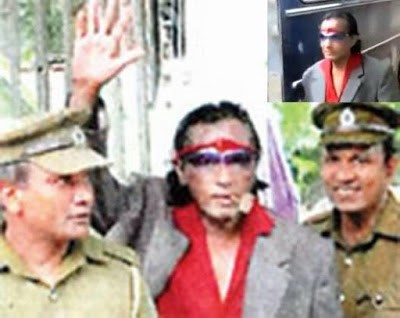
එක්නැලිගොඩ අතුරුදන් වීම ගැන හිරේ තපින බුද්ධි නිලධාරියාගේ බිරිය හඬ හඬා රටට කියන දුක්ගැනවිල්ල

August 25th, 2018

අරුණි මල්ලවආරච්චි උපුටාගැණීම  මව්බිම

2017 වසරේ එක්තරා දිනයකි. වෙලාව මධ්‍යම රාත්‍රියත් ඉක්මවා තිබිණි. නිවෙසක කාමරයක් තුළට වී තරුණ කාන්තාවක් නිදිවර්ජිතව සුසුම් හෙළමින් සිටියාය. තම සැමියා ඒ වන විටත් නිවෙසට නොපැමිණීම ඇගේ වියවුලට හේතු වී තිබිණි. ඇයගේ මනසේ මැවෙමින් තිබූ සැකය හා බියමුසු සිතිවිලි සිතේ සැනසීම නැති කොට තිබිණි. ඇය වරෙක කාමරයේ ඒ මේ අත ඇවිද්දාය. තවත් වරෙක ජංගම දුරකථනය දෙස බලමින් සැමියාගෙන් ඇමතුමක් බලාපොරොත්තු වූවාය. නමුත් ඒ කිසිවකින් සහනයක් අත්නොවීය. ගත වන තත්පරයක් පවා ඇයට දැනුණේ පැය ගණනක කාලයක් සේය.

වේලාව පාන්දර 2.30ට පමණ විය. ඇය නින්දත්, නොනින්දත් අතර තරගයකට වැටී සිටියාය. ජංගම දුරකථනය නාද වීමත් සමඟ ඇයගේ සිතට අස්වැසිල්ලක් ලැබිණි. දුරකථනය අතට ගත්තද එහි සඳහන් වූයේ සැමියාගේ අංකය නොව වෙනත් නුපුරුදු අංකයකි. නමුත් ඇය දෙගිඩියාවෙන් ඇමැතුමට සම්බන්ධ වූවාය.

”මම ආවා. ‍ෙදාර අරින්න” යි කියනා නුහුරු පිරිමි හඬකි. ඒ කටහඬ තම සැමියාගේ නොවන බව ඇයට හැඟුණ සිත් තැවුලෙන් සිටින සැමියා බීමත්ව පැමිණෙන්නට ඇතැයි සිතූ ඇය ඒ නිසා කටහඬ වෙනස් වී ඇතැයි සිතුවාය. නමුත් ඇය එකවරම ‍ෙදාර වෙතට නොයා ජනේලයෙන් එළිය බලා ඔහුට ‘අප්පච්චි’ කියා ආමන්ත්‍රණය කළාය. නමුත් එයට පිළිවදන් ලෙස ලැබුණේ උගුර පෑදීමේ හඬක් පමණි. ”බීලා තමයි ඇවිත් ඉන්නේ, බනින්න ඕනා” සිතමින් ඇය දුහුල් රාත්‍රි ඇඳුම පිටින්ම ගොස් නිවෙසේ ඉදිරිපස ‍ෙදාර හැරියාය.

නමුත් ඇගේ අබිමුවේ තම සැමියා සිටියේ නැත. ඒ වෙනුවට ඇය එහා මෙහා පැහැදිලිව පෙනෙනා ගේට්ටුවෙන් දුටුවේ අත්දිග සුදු කමිසයක් හා කලිසමක් හැඳ සිටිනා තට්ටය පෑදුණු පිරිමි රුවකි. ඇයගේ සිතට එකවරට දැනුණේ මහත් වූ භීතියකි.

ඇය හැඳ සිටින්නේ රාත්‍රි දුහුල් ඇඳුමක් බව සිහිපත් වූ නිසාම ඇය නැවත නිවෙස තුළට ගොස් ‍ෙදාර වහගන්නට සැරසුණාය. එවිටම සුදු අත්දිග කමිසය හැඳගත් නාඳුනන පිරිමියා කතා කළේය. ඒ සමඟම තවත් පිරිමින් කිහිපදෙනකු ඔවුහු සමඟ සිටින බව ඇය දුටුවාය. නමුත් ඒ අතර තම සැමියා නොසිටි බව ඇය වටහා ගත්තාය.

අපි සී.අයි.ඩී. එකෙන්. ගේට්ටුව අරින්නැ’යි ඔහු කීවේය. යුනිෆෝම් ඇඳගත් තුවක්කු අතේ දරා සිටින පිරිමි කිහිපදෙනෙක්ද ගේට්ටුව අසලට පැමිණියහ. ඒ සමඟම ඇයවත් තල්ලුකොට ගෙන ඔවුහු ඇගේ නිවෙස වෙතට ඇතුළු වූහ.

ඇයට පුටුවක වාඩි වෙන්නැයි කියූ ඔවුහු ඇය වට කොට ගෙන සිටින්නට වූහ. දුහුල් රාත්‍රි ඇඳුම නිසා අපහසුතාවට පත් ඇය, තමාට ඇඳුමක් මාරු කරගෙන ඒමට අවස්ථාව ලබා දෙන්නැයි ඔවුන්ගෙන් ඉල්ලීමක් කළාය. නමුත් ඒ අවස්ථාව ලබා දීමට තරම් ඔවුහු කාරුණික නොවූහ. අසරණ වූ ඇය අත් දෙකෙන් ළැම පෙදෙස වසාගෙන පුටුවේ වඩා වී සිටියාය.

ඔයා දන්නවද කර්නල් කුමාරරත්නවයි, කර්නල් සිරිවර්ධනයි? අඳුරනවා නේද? ඔයාට අද ඒ දෙන්නා කතා කළා නේද? කතා කරලා ඔයාට තර්ජනය කළා නේද? ඔවුන් එවර ඇසූ ප්‍රශ්නවලින් ඇය විමතියට පත් වූවාය.

”මම එහෙම සර්ලා දෙන්නෙක්ව දන්නේ නැහැ. මට අද කතා කළෙත් නැහැ. මට ඒ අය තර්ජනය කළෙත් නැහැ.” ඇය පැවැසුවාය. නමුත් එය පිළිගන්නා ලෙස ඔවුහු ඇයට බල කරන්නට වූහ. නමුත් ඇය දිගින් දිගටම කියා සිටියේ තමන් එවැනි දෙදෙනකු නොහඳුනනා බවකි.

”ඔයාගේ මහත්තයා අහිංසකයි. ඔයාගේ මහත්තයා මේකට කිසිම සම්බන්ධයක් නැහැ. හැබැයි ඔයා මිනිහට කියන්න ඕනා අපි කියන දේවල් පිළිගන්න කියලා. කර්නල් කුමාරත්නයි, කර්නල් සිරිවර්ධනයි තර්ජනය කළා කියන එක පිළිගන්න කියන්න”යි පැවැසුවේ එතැන සිටි එස්.අයි. ප්‍රේමතිලක නම් තැනැත්තෙකි. නමුත් ඇය ඔහුට එකඟ වූයේ නැත.

”කර්නල් කුමාරරත්නවයි, කර්නල් සිරිවර්ධනයි දැකලවත් නැති මම කොහොමද එහෙම කියන්නේ. අනෙක මම තවම දන්නේ නැහැ ඔයාලා මගේ ගෙදරට ආවේ ඇයි කියලවත්, කෝ මගේ මහත්තයා එයාට මොකද වුණේ. ”ඇය නැවතත් ඔවුන්නේ ඇසුවාය.

එතකොට ඔයා කිසිම දෙයක් දන්නේ නැහැ නේද? ඔවුන් ඇසුවේ උපහාසාත්මකවය. මම මහත්තයාගේ කෑම්ප් එකේ ඉන්න අයව දන්නේ නැහැ. එයා ඒ කාගෙවත් නොම්බරයක්වත් මට දීලා නැහැ. කාවවත් මට අඳුන්නලා දීලත් නැහැ. ඒ නිසා මම අඳුනගන්න උත්සාහ කරලත් නැහැ. ඇය තමාගේ නිර්දෝෂී බවට කාරණා කීවාය. නමුත් ඔවුන්ද පසුබසින බවත් නොපෙනිණි. පැයක් පමණ එකම දේ පවසා ඇයව එකඟ කරවා ගැනීමට ගත් උත්සාහය ව්‍යර්ථ වීමෙන් පසුව ඔවුහු ඇගේ සැමියාව නිවෙස තුළට කැඳවාගෙන ආහ.

එක් නිලධාරියෙක් ඇගේ සැමියාට අපහාසය මුසු වදන් කියමින් බනින්නට වූවේය.
”මුන් බුද්ධි අංශයේ නොවෙයි වැඩ කරන්නේ. මුන් මන්ද බුද්ධිකයෝ, මොනවා හරි ඇහුවාම මුන් දන්නේ නැහැ. මුන්ට මතක නැහැ. මුන්ගේ බුද්ධි අංශයට කියන්න ඕනෑ බුද්ධි අංශය කියලා නෙවෙයි. මන්ද බුද්ධි අංශය කියලා. එසේ පරිභව කෙරූ පසුව එස්.අයි. උඩවත්ත නම් තැනැත්තා පැයක් පමණ කල් වරමින් ලියූ පිටු දෙකක තුනක විස්තරයක් ඇය වෙත පෑවේය.

‘මෙන්න මේකේ අස්සන් කරන්න. ඔයාගේ මහත්තයාව භාර ගත්තා කියලා’ නමුත් ඔහු එසේ කීවත් ඇය එයට එකවර අස්සන් කිරීමට මැළි වූ අතර එය කියවා බලන්නට අවශ්‍ය බව පැවැසුවාය. නමුත් ඔහු එයට ඉඩ නොදුන්නේ වේලාව නැති බව පවසමින්. එනිසා ඇයට එය නොකියවාම අස්සන් කිරීමට සිදුවූවාය. සැමියාව ඇයට භාරදී ඔවුන් නිවෙසින් පිටත් වූයේ පාන්දර 4.00ට පමණය.

මේ කතාව මේ වන විටත් ඇය මාධ්‍යයන්ට අනාවරණය කොට අවසන්ය. එදින මෙම අත්දැකීමට මුහුණ පෑවේ මහේෂිකා උළුගෙදර නම් වූ එක් දරු මවකි.

ඇගේ සැමියා වූයේ බුද්ධි අංශ නිලධාරි කෝප්‍රල් වසන්ත උළුගෙදරය. මහේෂිකා උළුගෙදර නම් වූ ඇය ත්‍රස්ත විරෝධී ජාතික ව්‍යාපාරයේ පූර්ණ කාලීන ක්‍රියාකාරී සාමාජිකාවක වන අතර ඇය ජාතික හෙළ උරුමය පක්‍ෂ මූලස්ථානයේ සේවයෙහි නිරත වූ සේවිකාවක්ද වූවාය.

ඒ සම්බන්ධයෙන් මහේෂිකා උළුගෙදර ‘මව්බිම’ට කරුණු අනාවරණය කළේ මේ අයුරිනි.
2017 අවුරුද්දේ තමයි මුලින්ම මේ සිදුවීම වෙන්නේ. මගේ ජංගම දුරකථනයට උදේ ඇමතුමක් ආවා. මගේ සැමියාගේ මහ ගෙදරින්. ඔහුගේ ගම නුවර. ඒ පණිවුඩයෙන් කිව්වේ මගේ සැමියාට උදේ අපරාධ විමර්ශන ඒකකයට (සී.අයි.ඩී.) එන්න කියලා. මගේ සැමියා නීතිගරුකව සේවය කරපු හමුදා බුද්ධි අංශ නිලධාරියෙක්. මට සිතා ගන්න බැරිවුණා ඇයි එයාට සී.අයි.ඩී. යට එන්න කිව්වේ කියලා. ඔහු එදා හිටියේ රාජකාරියේ. සාමාන්‍යයෙන් රාජකාරියේ ඉන්න නිසා මම ඔහුට කතා කරන්නේ නැහැ. මම මේ පණිවුඩය කියන්න ඕන නිසා එදා එයාගේ මොබයිල් ෆෝන් එකට අරගෙන පණිවුඩේ දුන්නා.

මම පුතාව ඉස්කෝලෙන් ගන්න රාජගිරියට ගිහින් හිටියේ. වේලාව 11.30ට විතර ඇති. මහත්තයා දන්නවා මම පුතාට ඉස්කෝලේ ඇරෙනකන් ඉස්කෝලේ ගාව ඉන්නවා කියලා. ඔහු එතැනට ඇවිත් මට කොළ වගයකුයි, ඔහුගේ ෆෝන් එකයි දීලා සී.අයි.ඩී. එකට යනවා කියලා ගියා. එදා මහත්තයා ඒ ගිය ගමන ගෙදර ආවේ පාන්දර 2.30 – 3.00ට විතර. ඒ සිදුවීම මම මාධ්‍යයට කිව්වා. එදා මම හරියට අපහසුතාවට පත්වුණා. මගේ මහත්තයා ඒ කාලේ ගිරිතලේ වැඩ කළේ. ඒ වගේ දුරක ඉඳලා පැය හත අටක් බස් එකේ නැඟලා තමයි අත්‍යවශ්‍ය බුද්ධි වාර්තා අරගෙන කොළඹට එන්නේ. ඒවා නිසි පරිදි නිසි වේලාවට නොදුන්නා නම් මේ යුද්ධය ඉවර කරන්න බැරි බවයි ඒ දවස්වල හැමෝම ආඩම්බරයෙන් කිව්වේ.

ප්‍රගීත් එක්නැලිගොඩ කියන මාධ්‍යවේදියා අතුරුදන් කිරීමට සම්බන්ධයෙන් කිහිපදෙනකුම සැකපිට අත්අඩංගුවට ගත්තා. සී.අයි.ඩී.ය කියන ආකාරයට මගේ මහත්තයත් ඒ අතුරුදන් කිරීමට සම්බන්ධයිලු. මට මතකයි රූපවාහිනියේ සහ පුවත්පත්වල ඒ මාධ්‍යවේදියාගේ නම කියන කොටත් මගෙන් මහත්තයා ඇහුවා ‘ඒ කවුද’ කියලා. ඇත්තටම මමයි මහත්තයයි දෙන්නම ඒ මාධ්‍යවේදියාගේ නම ඇහුවෙත් ඒ සිදුවීම්වලින් පස්සේ. සී.අයි.ඩී. එකේ බැරිකම වහගන්න මගේ සැමියාව මේකට පටලවන්න හදනවා. 2017 නොවැම්බර් ඉඳලයි ඔවුන් මගේ සැමියාට කරදර කරන්නේ. අවස්ථා තුනකදී එන්න කියලා කටඋත්තර ගත්තා. ඒ හැම වතාවකම ඔවුන් කියන්නේ මගේ සැමියා ඔය කියන මාධ්‍යවේදියාගේ පසුපසින් ගියා කියලා පිළිගන්න කියන එකයි.

මුල් වතාවේ සැමියාව අරගෙන ගිහින් ගෙදර ගෙනත් දැම්මේ පාන්දර 3.00ට විතර. ඒ සිදුවීම් වෙලා දවස් 3කට පස්සේ අපේ ගෙදරට නවගමුව පොලිසියේ නිලධාරියෙක් ආවා. පොලිස් බයික් එකක. මහත්තයාට ආයෙත් වතාවක් පසුවදා උදේ 9.00ට සී.අයි.ඩී. එකට යන්න කියලා ඒ නිලධාරියා කිව්වා. මම ඔහුගෙන් ඇහුවා හේතුව දන්නවාද කියලා.

එතකොට ඔහු මට කිව්වා ප්‍රගීත් එක්නැලිගොඩ කියලා මාධ්‍යවේදියෙක් පැහැරගෙන යෑමකට සම්බන්ධව කටඋත්තර ගන්න කියලා. එදා ඔහු කිව්වේ නැහැ මාධ්‍යවේදියා ඝාතනය කළා කියන චෝදනාවට කියලා. මම මගේ සැමියට කතා කරලා පණිවුඩේ දුන්නා. පසුවදා මගේ සැමියාව කෑම්ප් එකේම නිලධාරීන් විසින් සී.අයි.ඩී. එකට භාරදීලා තිබුණා. එදා ඔහු ගිහින් තිබුණේ නිල ඇඳුමෙන්.

එයා සී.අයි.ඩී. එකට ගිහින් මොනා කළාද? මොනවා ඇහුවද? මම දන්නේ නැහැ. මම පුතා එක්ක මිදුලට වෙලා හිටියා. වෙලාව 12.00ට වගේ ඇති. මට ඇහුණා ගේට්ටුව පැත්තෙන් උස් පිරිමි කහඬවල් කිහිපයක්. ඊට මීටර් 50ක් විතර දුරින් වාහනයක් නවත්තලා තිබුණා. මම දැක්කා අර මිනිස්සු යුනිෆෝම් ඇඳලා, රණශූර පදක්කම ඇඳලා ඉන්න මගේ මහත්තයාගේ කමිසයේ කොලර් එකෙන් ඇදගෙන ගේ පැත්තට එනවා.

මට පුදුම දුකක් ඇතිවුණේ. රට වෙනුවෙන් ලොකු කැපකිරීමක් කරපු හමුදා නිලධාරියෙක්ට ඇයි මේ තරම් නින්දා කරන්නේ කියලා. මම කවදාවත් මගේ සැමියාව නිල ඇඳුමෙන් දැකලා නැහැ. පුතත් එහෙමයි. මගේ සැමියාව ඒ විදියට දැකපු පුතා හරිම ආශාවෙන් ගිහින් සැමියාගේ ඇඟේ එල්ලුණා. ඒක දැකපු එස්.අයි. උඩවත්ත මගෙන් ඇහුවා ඇයි මෙහෙම ඇඟේ එල්ලෙන්නේ මීට කලින් මෙහෙම දැකලා නැද්ද කියලා. මම ඔහුට කිව්වා පුතා විතරක් නෙවෙයි මමවත් ඔහොම දැකලා නැහැ කියලා. එතකොට ඔහු මට කිව්වා.

එහෙනම් ෆොටෝ එකක් ගහලා තියාගන්න. ආයෙ දකින්න වෙයිද දන්නේ නැහැ කියලා.
ඔවුන් මාවයි, මහත්තයාවයි එක්කගෙන ගේ ඇතුළට ගියා. ඉඳගන්න කිව්වා. ඊට පස්සේ ආයෙත් මහත්තයාගේ ෆෝන් එක ඉල්ලුවා. මම ඇහුවා ඇයි කියලා. ඊට පස්සේ මගෙන් බලෙන්ම වගේ ෆෝන් එක අරගෙන මගේ කැමැත්තෙන් ෆෝන් එක ඔවුන්ට භාර දුන්නා කියලා අස්සන් කරන්න කියලා කොළයක් දුන්නා. එදත් මට ඒකෙ තිබුණ ඒවා බලාගන්න බැරිවුණා. ඔවුන් නැවත නැවතත් මහත්තයාට කිව්වා එයා 2009දී ප්‍රගීත් එක්නැලිගොඩ මාධ්‍යවේදියාගේ පසුපසින් ගියා කියන එක පිළිගන්න කියලා. නමුත් මගේ මහත්තයා කිව්වා ඔහු එහෙම කෙනෙක් දන්නේ නැහැ. එහෙම කෙනෙක්ව ෆලෝ කළෙත් නෑ කියලා. එයා ඇහුවා මොකටද මම නොකරපු දෙයක් පිළිගන්නේ කියලා. ඒකට එතැන හිටපු එස්.අයි. ප්‍රේමතිලකට තරහා ගියා. ඔහු නැඟිටලා මගේ මහත්තයාට ගහන්න හැදුවා. ඒ වෙලාවේ මගේ අම්මත් එතැන හිටියා. ඇය පිළිකා රෝගියෙක්. ගැබ්ගෙල පිළිකාවකින් ඇය පීඩාවට පත්වෙලා ඉන්නේ. ඇය මගේ මහත්තයාට ගහන්න හදනකොට කිව්වා හරි ෂෝක් මම අම්මා කෙනෙක් මම මෙතැන ඉන්නකොට ඔයාලා කොහොමද කිසිම චෝදනාවක් ඔප්පු වෙලා නැතිව නිල ඇඳුමක් ඇදගෙන ඉන්න හමුදා නිලධාරියෙක්ට ගහන්නේ කියලා. ඊට පස්සේ එස්.අයි. ප්‍රේමතිලක සන්සුන් වුණා. නමුත් ඔහු හයියෙන් කෑගහගෙන මගේ මහත්තයාවත් ඇදගෙන එළියට ගියා.

ආයෙ ගෙදර ගෙනාවේ පාන්දර 2.30ට විතර. මහත්තයාව මට භාරදුන්නා කියලා එදත් කොළයකට අස්සන් කරන්න කිව්වා.

මම ඔවුන්ට කිව්වා ඔවුන් හැමදේම නීතියට අනුවනේ කරන්නේ. මහත්තයාව ඔවුන්ට භාරදුන්නේ මත්තයාගේ සේවා කඳවුරෙන්, එහෙනම් මට භාර නොදී මහත්තයාව නැවත කඳවුරටම භාර දෙන්න කියලා. එතකොට ඔවුන් මට උපහාසයට වගේ කිව්වා දැන් කොහෙට භාර දුන්නත් එකයි කියලා. එදත් මම බයට නොකියවාම අස්සන් කළා.

අපිට දිගින් දිගටම මේ කරදරය ඉවසන්න බැරි නිසා අපි පහුවදාම මානව හිමිකම් කොමිසමට ගිහින් මේ අවනඩුව කිව්වා. ඔවුන් අපිට නැවත දවස් දෙකකින් එන්න කිව්වා. අපි අපිට වුණු හැමදේම කිව්වා. ඔහොම ඉන්න අතරතුර පසුගිය අගේස්තු 09දා මගේ මහත්තයාට ආයේ සී.අයි.ඩී. එකෙන් එන්න කිව්වා. එදත් ඔහුව නිල ඇඳුමත් අන්දවගෙනම ගිහින් කඳවුරේ හමුදා නිලධාරියෙක් භාරදීලා තිබුණා.

එදාම රෑ 9.00ට විතර මගේ ෆෝන් එකට කෝල් එකක් ආවා. ඒ සැමියාගෙන්.
“මාව අත්අඩංගුවට ගත්තා. හෙට උදේ මාව හෝමාගම උසාවියට දානවා. මේ ගැන කෑම්ප් එකෙන් දන්නවාද අහන්න කිව්වා. මම කෑම්ප් එකේ නොම්බරය හොයාගෙන ඔවුන්ගෙන් ඇහුවා. නමුත් ඔවුන්ට ඒ ගැන සී.අයි.ඩී.යෙන් දැනුම් දී තිබුණේ නැහැ ඒ වෙලාවේ. මගේ මුළු ලෝකෙම කඩන් වැටුණා වගේ වුණා. අම්මත් ලෙඩ වෙලා එයාට පහුවදා මහරගම පිළිකා රෝහලේ සැත්කමක් කරන්න යෙදිලා තිබුණා. ඒ නිසා තාත්තට අම්මා එක්ක රෝහලට යන්න වුණා. පුතාවත් මම තාත්තා එක්ක රෝහලට යැව්වා. මම උසාවියට තනිවම යන්න බැරි නිසා මම මගේ හොඳම යාළුවෙක්ට කතා කළා. මම ජීවිතේට උසාවියකට ගිහින් තිබුණේ නැහැ.

එදා මම යාළුවත් එක්ක අපේ නීතිඥ මහත්තයාට දෙන්න මුදලුත් අරගෙන උසාවි ගියා. එදා සවස 3.40ට විතර වගේ තමයි සැමියාව උසාවියට ගෙනාවේ. 5.00ට විතර නඩුව ඉවර වුණා. මට මහත්තයා එක්ක වචනයක්වත් කතා කරන්න ඉඩ ලැබුණේ නැහැ. ඒ අතර එස්.අයි. ප්‍රේමතිලක සහ එස්.අයි. උඩවත්ත කියන දෙන්නා මට කිව්වා මගේ සැමියාගේ නිල ඇඳුම තියෙන බෑග් එකත් එයාලගේ වාහනෙක තියෙනවා ඒක ගන්න එන්න කියලා. මම ඒක ගන්න එයාලා එක්ක වාහන පාර්කින් ඒරියා එකට ගියා. යාළුවා ලෝයර්ට සල්ලි දෙන්න එතැන නවත්තලා මම තනියමයි ගියේ. වාහනේ හිටිය තව පුද්ගලයෙක් මට බෑග් එක දෙන්න හදනකොට අර දෙන්නා මගේ ඇඟට කඩන් පැන්නා.

අපි උඹලගේ ගෙදර ඇවිත් කියපුවා, කරපුවා සේරම ලෝයර්ට කියලා උඹ මොන වාසියක් ගන්නද හදන්නේ. උඹ තමයි මේ හැමදේම කරන්නේ. අපි උඹව බලාගන්නම් කියලා මට තර්ජනය කරලා මට බෑග් එක දුන්නම මම යන්න හැදුවා. එතකොට ඔවුන් මට බෑග් එක චෙක් කරන්න කිව්වා. මම ඕනි නෑ කිව්වම ඔවුන් මට බල කළා, මම බයට චෙක් කළා.

එදා සී.අයි.ඩී. එක අධිකරණයට ඉදිරිපත් කරපු බී (ඕ) වාර්තාවේ සඳහන් කරලා තියෙන්නේ මගේ සැමියා 2009 අගෝස්තු මාසයේ දවසක ප්‍රගීත් එක්නැලිගොඩ දඹුල්ලේ සිට එනකොට ඔහු ආපු බස් එකේම නැඟලා කොළඹ ආපු බවත් සැමියාගෙන් ප්‍රශ්න අහනොකටයි ජංගම දුරකතන වාර්තා මගිනුයි ඒක තහවුරු වුණා කියලයි. ඉන් අනතුරුවයි මගේ සැමියාව අත්අඩංගුවට අරගෙන බන්ධනාගාර ගත කරන්නේ. මගේ සැමියගේ නීතිඥයන් කියනවා 2010 මාධ්‍යවේදියා අතුරුදන් වීම ගැන මගේ මහත්තයාගේ බී වාර්තාවේ සඳහන් වෙලා නෑ කියලා. නමුත් සී.අයි.ඩී.ය. මගේ මහත්තයාව මේකට පටලවලා මිනී මැරීමේ චෝදනාවක් දාලා අසත්‍ය බී වාර්තාවක් හදලා එයාලගේ නොහැකියාව වහන්න හදනවා.

තවමත් ඔය කියන මාධ්‍යවේදී මහතා ජීවතුන් අතර ඉන්නවද නැද්ද කියන එකවත් හොයාගෙන නැහැ. සී.අයි.ඩී. එක මුලින් කරන්න ඕනා එක්නැලිගොඩ මහතා ජීවත්වනවාද මරලද කියලා හොයන එකයි. ඒ ගැන ඇසින් දුටු සාක්ෂිවත්, විද්‍යාත්මක සාක්ෂිවත් නැතිව ඔහුව පැහැරගත්තා, මරා දැම්මා කියලා මගේ සැමියාට චෝදනා කරන්නේ කොහොමද? මම මේක දකින්නේ සී.අයි.ඩී. එක තමන්ගේ නොහැකියාව වහගන්න කරන මාධ්‍ය සංදර්ශනයක් විදියට.

මගේ මහත්තයා ඇත්තටම මේකට සම්බන්ධයි නම් මම වචනයක්වත් කියන්නේ නැහැ. ඔහු වරදක් කළා නම් දඬුවමක් දෙන්න. නමුත් ඊට පෙර ප්‍රගීත් එක්නැළිගොඩ මහත්තයාට මොකද වුණේ කියලා රටට කියන්න. ඉන්නවද මැරිලද කියලාවත් නොදන්න කෙනෙක්ව පැහැරගත්තා, මැරුවා කියලා තවත් අයට චෝදනා කරන්නේ කොහොමද? ඒක හරිම ප්‍රහේළිකාවක්නේ.

මගේ පුතා ලබන වසරේ ශිෂ්‍යත්වේ ලියනවා. ඔහුගේ මානසික මට්ටම බිඳිලා. ඒ ළමයා බයවෙලා. මගේ යාළුවෝ පවා අපේ දිහා බලන්නේ මිනීමරුවෝ ගාණට. හොඳම යාළුවා පවා අපිව මඟහරිනවා. සමහරු මාව ෆේස් බුක් එකෙනුත් අයින් කරලා දාලා. මහත්තයාගේ වැටුප් නවත්වලා. අපිට ජීවත්වෙන්න ආදායමක් නැහැ. පුතාව පන්ති යවන්න විදියක් නෑ. මගෙ අම්මා පිළිකා රෝගියෙක්. අපි අන්ත අසරණ වෙලා ඉන්නේ.

මම ජනාධිපතිතුමා, අගමැතිතුමා ඇතුළු බුද්ධි අංශයේ වගකිව යුතු නිලධාරීන්ගෙන් ඉල්ලීමක් කරනවා මුලින් මගේ මහත්තයාට ඇප ලබා දෙන්න කියලා. ඊට පස්සේ මේ අපරාධයේ සුලමුල සොයන්න කියලා. මේ විදියට අන්තවාදී වෙලා තීන්දු තීරණ ගන්න සී.අයි.ඩී.යේ මහත්වරුන්ගෙනුත් මම ඉල්ලීමක් කරනවා මුලින් මාධ්‍යවේදී ප්‍රගීත් එක්නැළිගොඩට මොකද වුණේ කියලා රටට කියන්න කියලා. ඊට පස්සේ චෝදනා කරන්න අපරාධය කරපු අයට විරුද්ධව.


Rahul Gandhi is not a Mahathma Gandhi

August 24th, 2018

C. Wijeyawickrema

Rahul Gandhi (RG), the new president of the Indian Congress party wants to be the next Indian PM. That is why he thinks he could try to act like a new Indian Mahathma Gandhi, who was not his relative. RG says, when he saw the dead body of Prabakaran at Nandikadal, he felt sad, and his sister Priyanka too, because this RG was thinking about the children of the dead man! This is a kind of mental disease that political black-whites in Sri Lanka are also afflicted with. RG cannot be a new philosopher.  As Dr. Subramaniam Swamy once said Indira was not that intelligent. This young man is as silly as his father who was a racing car driver. Because he was a pilot he thought that he could drive his car on Indian broken roads as if they are airport runaways. It was a big problem for his security escort to follow him behind at high speed! Rahul got his new job because of blood connection, like the black-white political families in Sri Lanka. Lal Bahadur Sasthri was the only brake to the line of Nehru dynasty.

The truth is even Mahathma Gandhi accepted the just war concept. He once said, Kashmir is worth fighting for. Prior to that he went and met the Governor General to work as an agent to recruit soldiers to fight in the WW I.  Besides, one must remind this RG that both his father and father’s mother were responsible for the death of Prabakaran and his children that RG was/is so concerned. Prabakaran’s one son was a soldier and P gave his children a London education, while poor Tamil children were taken by force to end up as liberation (war) fodder. May be, 100,000 deaths could have been avoided if RG’s blood relatives did not feed the Prabakan serpent with Indian milk, missiles, bombs, guns and training. They did it not for the sake of humanity, a humanity that RG is now talking about, but for selfish political reasons. There is no doubt that RG is also playing the same game.

Did Rahul (RG) forget that Indira and Rajiv both lied to the world that they were funding and training Tamil terrorists to get TamilNad votes for them and to teach a lesson to JRJ for insulting them joining with Moraji Desai, who drank cow urine regularly as a meeicine, and for harassing their (Indira’s) friend Mrs. B, plus JRJ kissing the American ass. How finally JRJ got cheated by Ronald Regan is another matter. It was Balasingham who disclosed that Indira was training Tamil terrorists in India.

Rajiv, nursed Prabakaran, and one fine night after Prabakaran’s visit to his home, Rajiv asked Priyanka to go and get his bullet-proof vest from his closet and gave it to Prabakaran. Well, the mother and son lost their lives tragically. Rajiv had another narrow escape from death at the Katunayaka airport tarmac for his dictatorial treatment of Sri Lanka. Because of the helpless situation that JRJ was in and JRJ depending on Dixit for protecting his life by arranging for a ship for JRJ to escape in case JVP try to kill him with mass protests, Rajiv was able to boast that he got for Tamils more than what they had asked for!

If Rahul is so concerned about the correct way to help Tamils he should allow Tamils to have a Tamil country on the world map by agreeing to let TamilNad to become a free country. Until this happens Tamil politicians will not stop, and if they get an Eelam in Sri Lanka that will be the base they will use to sabotage India and fight to resurrect the greater Dravidasthan Movement of the 1940s. Modi was refused a visa to enter USA when he was a Chief Minister, but invited to visit USA as soon as he became the PM. This is how the American principles operate. Therefore, the love affair between India and America to corner China, would soon shift if a separate country could be promoted in South India. The Christian plan to balkanize India is buried not dead. Perhaps, RG should consult Dr. Subramaniam Swamy to get a history lesson from him on how his student-father was supported by his mother Sonia, then a pretty Italian waitress in London, and how some people try to link Sonia as an agent of Christian control of India. The chances are that Rahul will end up as another black-white Indian, just like his father. I doubt he has the capacity to work with Imran Khan of Pakistan and solve the Kashmir problem and open-up the border between the two countries. Except for the growing middle class, India is a poor country with 200 million in abject misery because of the black-white politicians in India. Unlike in Sri Lanka, the sheer size of the country and the huge civil service structure that politicians in India could not penetrate that much, the skeleton democracy survives in India.


GALLE MARINA

August 24th, 2018

Dr Sarath Obeysekera

Will such comments below open the eyes of Government ?

Galle: Updates from Cruisers

https://www.noonsite.com/Countries/SriLanka/galle-what-we-wish-we-d-known-before-arrival

By Sue Richards — last modified May 30, 2018 01:20 PM

This report began with the experiences of two cruisers who visited Galle in spring 2013. We have since had subsequent comments from cruisers visiting Galle (see bottom of page) and more recent submissions that appear at the top of the report.

Published: 2018-05-02 00:00:00
Countries: Sri Lanka

Galle Harbour ©priu.gov.lk

Posted 2 May, 2018 – from Daryl of SY Vimy

I moored as required by the Sri Lankan Navy in the Navy Port. The water was extremely foul with plastic rubbish. That said, the area assigned for yachts is very protected from adverse winds. As it’s a naval port, security is tight. We had enough peace of mind to leave Vimy for a nine day tour of this most beautiful country. The old walled city of Galle is just a fifteen minute Tuc-Tuc ride. Galle is wonderful. Don’t miss it.

An agent is required when entering Port Galle Sri Lanka. I used Windsor Reef (February 2018).  Windsor Reef was excellent. In addition to dealing with the formalities quickly, they delivered Fuel and Water. I also had engine issues and they got a mechanic on board quickly.  I would most definitely recommend their services.


Posted 15 May, 2017
Galle and Mirissa

ARRIVING

If arriving at night, anchor under Watering Point. Easy – the Peace Pagoda is lit up at night.  Go past it and anchor in 10 metres in hard sand.  Please note that when talking to the Port Captain he will refer to this anchorage as Jungle Beach.

Anchor off the harbour entrance making contact with the Port Captain on CH16. There is a prominent rock towards the main town – about one third of the way from this towards the harbour entrance is a good place to anchor.

You are now waiting for the navy to come aboard (10 minutes to two hours). Use this time to readjust your mindset. Of 60 countries I have visited, this is by far the most bureaucratic. Have fenders ready. The navy will arrive in a large fibreglass launch. Two crew (will stay) on the launch, three navy people will come onto your boat. They will all wear black shoes with heavy black rubber soles. They will write details of vessel and passports in a ledger.

Please remember that the harbour is a secure area patrolled by armed navy personal and myriads of security guards in brown uniforms.

DOCKING

Entering the harbour there is a rusty port hand buoy beside some disused lego pontoons. Inside you have four choices. (Do not expect the navy to help).

The wall on your port hand (N) has a *scend (*the push or surge created by a wave) which can become untenable.

The wall directly ahead (E) is better, but you want to be in the corner off your starboard bow if there is space.

The wall immediately to starboard (W – facing the main harbour) has a scend and because it is higher your lines will chafe.

The remaining wall (S) with a Med moor is the best choice, however much you may dislike setting up a Med moor. You will be across the wind so make sure that you (and your neighbours) have plenty of chain out.

You agents representatives should be waiting for you to help with lines (notified of your arrival by the Port Captain). Hopefully the navy will now leave. Customs, health and immigration will take it in turns to come aboard. All four authorities will ask for considerations”.

AGENTS

Everybody complained about their agent, except (about) Upali at Isle Shipping.

Isle Shipping – Upali
Upali’s ‘phone number: +94 77 373 0461
E-mail: ops@isleship.com

He replied to e-mails quickly, seven days a week, and sourced all sorts of difficult to find help. One boat arrived to be told that their agent had been struck off. Upali has been recommended by many boats.

Remember that your agent organises everything. Water, fuel, permits for contractors to enter the harbour, electricity connection (the electrical boxes are locked – but expect to wait for two days for four people to arrive to put in your plug – one to put the plug in, one to photograph the meter, two to supervise). My radar people arrived with their permits and were kept waiting at the harbour gates for two hours.

But the good news is that once you get out of the harbour gates and away from the officials, you are going to meet some of the most friendly people in the world.

Whilst people have great difficulty getting in and out of Galle harbour, dogs do not.  There are lots of feral dogs.  Watch where you step and get used to barking and fighting through the night.

MIRISSA AND BEYOND

Upali had got me permission to go to Mirissa, which I did as soon as I had cleared in. Another boat arrived, also with permission to go to Mirissa. Customs said that the permission had been rescinded. No explanation given.

There are a few rickety pontoons in the outer harbour in Mirissa owned by a catamaran charter company called Sail Lanka. And they are rickety, but the catamaran crews are great people and very helpful. And they will look after your boat. But when I went on a land tour I put the boat into a cat’s cradle so it was facing into the wakes of the many passing boats. The fishing fleet (hundreds of them) goes out in the early evening returning around 0600. The whale watching boats start going out about 0800 (making the biggest wakes) returning in the late morning. Being beam onto these wakes is uncomfortable and requires good fendering.

There are very few anchorages around the coast apart from Watering point, which most people go back to when leaving to clean the bottom of their boat. (You cannot clean it in the harbour and diving anywhere in the harbour area is forbidden).

Not that the lack of anchorages is important as you are unlikely to get permission to go to any. If you do manage to get permission you cannot go ashore. If any officials see you with a dinghy over the side you will be arrested.

JOSEPH

Joseph is a very personable local operator”. He has managed to get a pass to come into the harbour to canvas for trade – tuk tuk fares, land travel, long distance taxi fares, laundry. Only use him for laundry (he lives around the corner and his wife does it). When your laundry comes back you have to meet him outside the harbour gate as he is not allowed to bring it to your boat. Everything else he provided was either expensive or poorly organised.

DUST AND DIRTY WATER

Most of the ships in Galle harbour are bringing in raw material for the cement factory which is close by. So whatever direction the wind is blowing you will be covered in dust.

The amount of rubbish floating in the harbour depends on wind direction. It can be none or filthy.

SHOPPING AND IN AND OUT OF THE HARBOUR

Out of the harbour entrance, turn left at the main road and ten minutes walk on your right is Aprico.Otherwise go to town in a tuk tuk for 200 SLRupees.

Expect your shopping to be inspected on your return. If you are bringing in too much, expect both security and customs to be unhelpful”. So shop in small doses.

Your own pass (all four pages of it) will be examined minutely every time you go out or come in. Sometimes by several guards.

SUMMARY

The most important thing is to get the right agent.

Only your agent can deal with the multiple layers of officials, any one of whom can bring life to a standstill.Everyone was delighted with Upali at Isle Shipping.

Given that you cannot cruise in this country, is it not better to leave your boat somewhere civilised?

Anthony
sv Wild Fox
www.blog.mailasail.com/wildfox


Dr Sarath Obeysekera

WILL THERE EVER BE A MARINA IN GALLE HARBOUR??

August 24th, 2018

Dr Sarath Obeysekera  

Sri Lanka Ports Authority (SLPA) has been mooting a Yacht Marina in Galle Harbour. A small Marina was built spending over 150 million Rupees and few Yachts sometimes patronize the harbour .If you have twitter or face book account or even  Websites of Yacht Enthusiasts ,you will read many adverse comments about the one-and -only yacht marina in Sri Lanka . Many small yacht owners who love Sri Lanka have been placing adverse comments about the behaviour of customs and SLPA security ,who wait like vultures to grab a something from anyone who goes thru customs gates of Galle. They complain that authorities keep a blind eye to the comments made by the Yacht owners.

With all these adverse publicity, SLPA has called offers worldwide for Marina Operators to expand the marina and develop a world-class Marina to augment the tourism- drive to convert whole of Galle as a tourist destination.

Several years have gone and finally the tender for Establishment of Marina was closed on 21st August. Many foreign parties collected tender documents.

Before the opening of the tender ,a  chain of emails and letter has been sent  by a party called Seven Start Yachts Company ,accusing SLPA of drawing-up tender conditions for the Marina ,on the basis of an unsolicited proposal made by an another Company Called West Coast Marina ( WCM) .SLPA was implicated in the attached letter that the tender was tailor made for West Coast Marina Company. Letter was copied to Prime Minister and also all tender board members .

All tenderers except the accused” tenderer WCS have refrained from submitting proposals ,claiming that there has been a foul Play” .

Company which sent the letter  has never collected tender documents .

Further investigations have revealed that the signature of the Seven Start Yacht Company has been forged and the owner of the Company with the name of Chris has confirmed  that he never sent such a letter and intends to write to SLPA disowning the complain .

This is how scrupulous elements in Sri Lanka manipulates tender procedures and pushing the government officers to the edge .With such complains ,officers may even cancel the tender as there was only one bidder.

National Expert Strategy ( NES) advertised recently in Temple Trees with much publicity consist an element that Nautical Tourism need to be developed to generate 22 billion US $ by 2022.

If SLPA decides to cancel the tender, establishment of a long awaited marina will delay further and further and NES will become just another dream.

This is how Sri Lanka is progressing towards prosperity.

Dr Sarath Obeysekera

Captain Harry Rathnapala Hatharasinghe (89)

August 24th, 2018

By Walter Jayawardhana Los Angeles Correspondent

Captain Harry Rathnapala Hatharasinghe (89), a patriarch of the Sri Lankan American community in Los Angeles has passed away according to his family. Ailing for a few weeks at Cedars Sinai Medical Center, the leader of many Sri Lankan and Buddhist activities in the area departed due to natural causes.

Hatharasinghe who came to Los Angeles as an immigrant in 1964 left his career as a pilot for Air Ceylon and joined Pan American Air Lines. During this time, he contributed his time and energy in establishing the Sri Lanka America Association. Mr. Hatharasinghe also became the founder and secretary of the Sri Lankan American Buddha Dhamma society, which was responsible for establishing the first Sri Lankan Buddhist Temple in Los Angeles.

Harry Hatharasinghe received his pilot training in Melbourne, Australia. However, after finishing his education at Ananda College and Pembrock Higher Educational Academy in Colombo Sri Lanka, he was ironically trained as a versatile Kandyan dancer by the world famous Heen Baba Dharmasiri along with his wife Suddharma. The couple has even performed in front of members of the Japanese royal family. Captain Hatharasinghe became part of history after organizing the first Kandy perahara in Los Angeles with the participation of an elephant.

He always fearlessly stood for the independence, integrity, and sovereignty of Sri Lanka and fought against the recent separatist enemies of the country. He was for a time president of the Sinhala Defense League which was at the forefront of the struggle. The cultural leader organized anti Elam rallies in Los Angeles and San Francisco and has participated in meetings pertaining to this matter in Athens Georgia.

The San Francisco rally received wide publicity in the US press. The Los Angeles rally included an elephant with a huge placard critiquing India and the LTTE. This particular rally made it to the front page of the Los Angeles Daily News.

When the Hope ship sailed to Sri Lanka with hundreds of nurses, doctors, and surgical technicians as part of a cultural and technical exchange program, a great communication gap had to be filled between the English speaking US citizens and the Sri Lankans.  With the recommendation of the Sri Lankan embassy in Washington DC, Harry Hatharasinghe was selected to teach the Americans the Sinhalese language and culture onboard the ship.  He has been well featured in the culminating book published by the Hope mission for his contributions as a cultural ambassador.

Harry Hatharasinghe was known to everybody as a man of principles who never abandoned them for cheap popularity. He was an example not only to his three sons but also to his grandchildren and great grandchildren. They were brought up as true Buddhists.  At times he volunteered to teach dhamma at Sarathchandra Buddhist Center in Los Angeles and was a regular at the temple.  He was instrumental in getting the Sinhala Tripitaka for the temple library. According to the temple monks, he volunteered to guide the whole temple as an experienced elder.

He is survived by his beloved wife Sudharma, his sons and daughters-in-law: Rohan, Manomi, Dr. Roshan (Roger), Sriyani, and Rabi, grandchildren and grandchildren-in-law: Krishan, Priya, Sriyanthi, Aaron, Teshan, Vershan, Dr. Ashan, Shahan, Sunaly, and Anjallie, great grandchildren: Mckayla, Kylan, Jai, Maya, and Kiara. He is also survived by his two younger sisters Mallika Wijesinghe and Swarna De Silva.

He was preceded in death by his brothers Chandra and Siripala Hatharasinghe and by his beloved sister Sujatha Batugedera

                                                                                            By Walter Jayawardhana

                                                                                            Los Angeles Correspondent

                                                                                            August 7, 2018


G.Parthasarathy, the man behind the “province” becoming the unit of devolution in Sri Lanka

August 24th, 2018

By Veeragathy Thanabalasingham/Daily Express

Last month Sri Lanka marked a dubious milestone, the 35th anniversary of the communal pogrom of July 1983 (Black July). As was to be expected, there were a plethora of articles in the mainstream and alternative media from political observers, academics and analysts on one of the darkest chapters of the country’s history, focusing on violence unleashed by the J. R. Jayawardene led United National Party (UNP) government, which led to big brother India directly intervening in the affairs of the country, which in turn led to the signing of 1987 Indo – Lanka Peace Accord.

G.Parthasarathy, the man behind the “province” becoming the unit of devolution in Sri Lanka

The latter paved the way for the introduction of the provincial councils system in Sri Lanka.

Many glossed over this development, but was overlooked by most was the arduous process of the negotiations between Sri Lanka and India in the aftermath of Black July and the players who were instrumental in laying the ideological foundation for the concept of devolution in a country alien even to the idea of a power sharing mechanism.

Needless to say, the Indian government had its work cut out convincing President Jayewardene, who held strong views on almost all issues related to the national problem principally the acceptability of devolution of power. The  onus of convincing JR was on Gopalaswamy Parthasarathy (GP), India’s first special envoy who went on to play a crucial role in the initial phase of negotiations with the Sri Lankan government. Parthasarathy’s contribution to the process was immense, and revisiting it is important, especially for the benefit of today’s generation unaware or uncaring of the history of the attempts made to find a durable political solution to the ethnic questions.

Parthasarathy’s comments about the immense difficulties he faced and how tiring it was to deal with the Sinhala leadership were indicative of the uphill task the whole process was at the initial stages, and even later.

This difficulty is well captured in an article titled ‘The Constitutional Gamble and the Idea of Sri Lanka”, by  political analyst and Ambassador Designate to Russia, Dr. Dayan Jayatilleka, where he refers to a comment by Parthasarathy, on his meeting with the senior Buddhist clergy at the main temples in Kandy, as suggested by President Jayewardene. GP came to the realization that a political settlement of Tamil question was going to be almost impossible.

When Prime Minister Indira Gandhi offered Indian mediation between the Sinhala and the Tamil leaders in the aftermath of Black July, it was necessary that the special envoy tasked with the complex effort of mediating peace not only be a skilled diplomat sensitive to the geopolitics of the region, but also a legal expert capable of dealing with the complexities of the constitution and the challenges of carving out a unit of devolution in the Sri Lankan context.

Additionally, the special envoy also had to understand the domestic politics of India and be capable of commanding the confidence of political opinion within Tami Nadu.

For the Indian Prime Minister, Parthasarathy met the criteria to a T”, and it didn’t hurt that he had her complete confidence and was frequently consulted by her on controversial issues of domestic and foreign policy. Another bonus, this one a lesser known fact, was that Parthasarathy had many friends, his Cambridge associates, within the political elite of Sri Lanka included Communist leader Pieter Keuneman, Raju Kumaraswamy and Esmond Wickremesinghe, the father of the current Prime Minister Ranil Wickremesinghe.

The complexities and the potential pitfalls in the task ahead for Parthasarathy were tremendous. The events of July 1983 had so deeply polarized the two communities that possibilities of ethnic reconciliation seemed nil. Parthasarathy had to first familiarize himself with the events of the dark days and the devastating toll before he could offer any advice himself.

His first task was to meet and patiently listen to perceptions, fears, anxieties and obsessions of government leaders as well as those in the opposition. He moved easily with the leaders of the old left. On the Tamil side, however, Parthasarathy quickly became the focal point of hope and anguish.

Signing of the India-Sri Lanka Accord in July 1987 by Indian Prime Minister Rajiv Gandhi and Sri Lankan President J.R.Jayewardene

He advised both parties and constantly pushed them to explore and recognize the limits of their political options. ‘Struggle’ and ‘negotiate’ was his advice or response to those who stubbornly adopted extreme or fundamentalist positions on the process of negotiations.

While he frequently counselled restraint, he was distressed by the escalating violence and the incalculable suffering of the civilian population. Inevitably he developed a special relationship with the Tamil United Liberation Front (TULF) leadership, engaging with them intellectually, while remaining emotionally detached.

Parthasarathy’s substantive contribution, however, was in negotiating a set of proposals for devolution of power to regional councils, popularly known as ‘ Annexure – C ‘.

At that time it was reported that Parthasarathy completed this exercise within a span of four months, extending from August to December 1983, over several meetings in Colombo and New Delhi with President Jayewardene. He brought to the table all the skills of a consummate negotiator in mediating between the Tamil political leadership and the Jayewardene government.

Reportedly, President Jayewardene had readily conceded many of the elements of the scheme put forward by Parthasarathy, but the unit of devolution remained intractable.

The then government was wedded to the notion that the ‘district’ should be the basic unit of devolution, and even a proposal to permit districts within a province to combine into larger units was considered too radical a concession to the Tamil demand.

Annexure C

Later, during Jayewardene’s visit to New Delhi in December the same year, Parthasarathy mobilized the support of Indira Gandhi to present the case for a single linguistic region. Jayewardene, unwilling to agree to a solution that would erode his base of support, however accepted a compromise – Annexure C – that would confine regional councils to provincial limits.

At one stage of the discussions at Ashok Hotel in Delhi, Jayewardene is said to have asked Parthasarathy:  Where do I sign? ” and  that latter had  responded that it was not an agreement and no signatures were needed.

Annexure – C was to be submitted to the All Party Conference (APC) which was summoned in January 1984.  Unfortunately, giving into the mounting criticism from Sinhala nationalist organizations, Buddhist groups and some opposition parties, Jayewardene distanced himself from Annexure – C and denied any responsibility for its contents.  Needless to say the APC  was a failure.

When negotiations started again in New Delhi in early 1985 Parthasarathy’s role in the negotiating process  came under scrutiny. This was due to two factors; primarily the Tamil political leadership had become increasingly dependent on the Indian special envoy for guidance and advice, which progressively began to alter the Sinhala perception of his role. The second factor was that Parthasarathy had become a victim of bureaucratic and political intrigue in New Delhi post Indira Gandhi.

Parthasarathy was deeply pained by this situation and his role was being progressively eclipsed. The result was a setback with tragic consequences within New Delhi’s decision making process.

Much water has flowed since the days of the India-Sri Lanka Accord. But there can be little doubt that much of the credit for laying out the constitutional foundation of a multi-ethnic polity must go to Gopalaswamy Parthasarathy.

41 dead, over 36,000 infected by dengue in Sri Lanka till August this year

August 24th, 2018

So far in August, 1,075 patients have been diagnosed with dengue from across the island while 6,221 patients were reported last month.

According to epidemiologists, the highest number of dengue cases this year totaling 6,937 had been reported from capital Colombo while the second highest number of 4,156 was reported from the eastern district of Batticaloa.

41 dead, over 36,000 infected by dengue in Sri Lanka

The third highest number of 3,619 was reported from Gampaha, in the outskirts of Colombo.

Sri Lanka’s northern district has also reported a rise in the number of dengue infected patients so far this month, with over 109 patients reported.

The National Dengue Control Unit last month warned there was an increase in the number of dengue patients this year due to the active South West monsoon rains.

As a result, the National Dengue Control Unit said it had launched special programs to eradicate dengue breeding grounds in several districts, including the north and east, which were identified as the most vulnerable districts.

People are urged to seek immediate medical attention if they suffered from high fever, uncontrolled vomiting, abdominal pain, dizziness and reduced urinary.
Over 300 people were killed and more than 136,000 infected by the dengue epidemic last year in one of the country’s worst-ever outbreaks of the disease in recent times.

China aims to build houses, roads in Sri Lanka’s north

August 24th, 2018

Courtesy Adaderana

China wants to build houses and roads in Sri Lanka’s north, much of which is in a state of disrepair nearly a decade after the end of civil war, Chinese and Sri Lankan officials said, in a bid to expand it influence beyond the island’s south.

China’s latest push in the Indian Ocean island nation comes despite criticism that a big Chinese port project and related infrastructure in the south are dragging the country of 21 million people deep into debt.

Luo Chong, chief of the political section at China’s embassy in Colombo, said China wanted to help with reconstruction in Sri Lanka’s north and east, the centre of a 26-year war between the government and ethnic minority Tamil separatists that ended in 2009.

Since the situation is different now, we are willing to have more projects in remote areas in the north and east with the support of the Sri Lankan government and from the Tamil communities,” he told Reuters.

In April, state-run China Railway Beijing Engineering Group Co Ltd won a more than $300 million project to build 40,000 houses in the northern district of Jaffna. China’s Exim bank was to provide the financing.

But the project has been halted after residents demanded brick houses instead of the concrete structures planned by the Chinese firm, saying they preferred their traditional dwellings.

That has given an opportunity for China’s old rival India to step in. M.A. Sumanthiran, a legislator from the regional Tamil National Alliance, said authorities had opened negotiations with India for the housing project.

India has already built 44,000 houses in the north in the first phase of reconstruction through a grant to Sri Lanka and has planned to rebuild Palaly airport and Kankesanthurai harbour, both of which were heavily damaged in the war which ended with the defeat of the guerrillas.

Two senior ministers in the Sri Lankan cabinet told Reuters that China had offered to build houses, roads, and water storage facilities at a cost lower than offered by its competitors.

They are willing to take up even rural infrastructure projects like road networks and water projects and expressed their willingness to complete them faster,” said one of the ministers who declined to be identified because of the sensitivity of engagement with China.

India has longstanding ties with Sri Lanka, located just off the tip of southern India, bound by cultural and ethnic links with Sri Lanka’s Tamils, many of whom live in the island’s north and east.

But in recent years China has swept in, building ports, power plants and highways in the island that sits near busy international shipping lanes and is seen as part of China’s String of Pearls strategy of building a network of friendly ports across Asia.

Source: Reuters

-Agencies

Provincial Councils Delimitation Report defeated in Parliament

August 24th, 2018

Courtesy Adaderana

The Delimitation Report on Provincial Councils defeated in Parliament by two-thirds majority with 139 members voting against.

The United National Party (UNP), Sri Lanka Freedom Party(SLFP), the Joint Opposition and the Tamil National Alliance (TNA) voted against the Delimitation Report.

Minister of Provincial Councils, Local Government and Sports Faiszer Musthapha stated in the parliament earlier, that he will vote against the delimitation Report as well.

Meanwhile, Janatha Vimukthi Peramuna (JVP) were, reportedly, absent during the voting.

Earlier, today (24), Party leaders decided to take a vote following the debate in Parliament on the Report on Delimitation of Electorates in Provincial Councils.

The debate commenced this morning with views being expressed by both the ruling party and opposition party members while a party leaders meeting was also held today to decide on whether the House should go for a vote on the report after the debate.

The Minister of Provincial Councils, Local Government and Sports Faiszer Musthapha presented the Report of the Delimitation Committee for the Delimitation of Electorates in Provincial Councils.

The Report of the Delimitation Committee was submitted to the Minister by the said Committee in terms of the Section 3A.(11) of the Provincial Councils Elections Act, No. 2 of 1988 as amended by the Act, No.17 of 2017.

විපක්ෂය මහින්ද වටා රොද බඳී

August 24th, 2018

උපුටාගැණීම ලංකාදීප

එළැඹෙන සැප්තැම්බර් මාසයේදී පැවැත්වීමට නියමිත ශ්‍රී ලංකා නිදහස් පක්ෂ වාර්ෂික සමුළුවේ දී ජනපති සිරිසේන මහතා තම මැතිවරණ සැළසුම් තවදුරටත් සකස් කරනු ඇත.

මෛත්‍රීපාල මහතාගේ හිතවතකු සහ වත්මන් ශ්‍රී ලංකා නිදහස් පක්ෂ ප්‍රකාශකයා වන අමාත්‍ය මහින්ද සමරසිංහ මහතා, සමළුව පැවැත්වීම සදහා දින කිහිපයක්ම යෝජනාවී තිබෙන බවත්, ජනපතිවරයාට වඩාත්ම පහසු දිනය දැනුම්දෙන තෙක් ඔවුන් බලා සිටින බවත්, පසුගිය බ්‍රහස්පතින්දා පැවැති මාධ්‍ය හමුවක දී පැවසුවේය. 

මෙම මස 30 සහ 31 දිනයන්හි නේපාලයේ පැවැත්වීමට නියමිත බිම්ස්ටෙක් සමුලුවට සහභාගීවීම සදහා ජනපති සිරිසේන මහතා දිවයිනෙන් බැහැර වනු ඇත. සැප්තැම්බර් මස 18 වැනිදා සිට විවෘත වන එක්සත් ජාතීන්ගේ මහ සමුළුවට ද ඔහු සහභාගීවනු ඇති අතර, එම සමුළුවේ ඉහළම අංගය වන රාජ්‍ය නායකයින්ගේ අදහස් දැක්වීම් යෙදී තිබෙන්නේ සැප්තැම්බර් මස 25 වැනිදාටය.

ජනපතිවරයා දිනය ලබාදුන් විගස ශ්‍රී ලංකා නිදහස් පක්ෂ වාර්ෂික සමුළුව ඉහළින්ම පැවැත්වීම සදහා සංවිධාන කටයුතු ආරම්භ කැරෙනු ඇති බව සමරසිංහ මහතා පැවසුවේ ය. මේ අතර, උතුරු මැද පළාතේ සංවර්ධන කටයුතු කඩිනම් කිරීමටත්, බිම් මට්ටමේ සංවිධාන ඉදිරියේ එන මැතිවරණය ඉලක්ක කර ශක්තිමත් කිරීමටත්, ජනපති සිරිසේන මහතා පියවර ගෙන තිබේ.

එක්සත් ජාතික පක්ෂ නායකයා වන අගමැති රනිල් වික්‍රමසිංහ මහතා, දෙමළ ජාතික වතුකම්කරුවන් වැඩි වශයෙන් වාසය කරන කඳුකර ප්‍රදේශයන්හි ජනතාව බැහැදැකීමෙන් තම මැතිවරණ කටයුතු ආරම්භ කළ අතර, මෙරට කතෝලික ජනතාවගේ අතිමහත් භක්තියට පාත්‍ර මඩු දේවස්ථානයේ සංචාරයකද නිරත විය. පෙර අවස්ථාවල උතුරට යෙදුනු ඔහුගේ සංචාරයන්ගෙන්, සුළුතර ජන කොටස්වල මනාපය දිනාගැනීම ඔහුගේ උත්සාහය බව පැහැදිලි වේ.
රාජපක්ෂ පාලන සමයේ මහා පරිමාන වංචා හා දූෂණවල යෙදුණවුන් වහ වහා නීතිය හමුවට ගෙන ඒම සදහා, ප්‍රමාද වී වුව ද ස්ථාපිත කළ විශේෂ අධිකරණයෙන් ජනතා ප්‍රසාදය තමන් වෙත ලැබීමට ප්‍රධාන හේතුවක් වනු ඇති බව එක්සත් ජාතික පාක්ෂිකයන්ගේ විශ්වාසයයි. එවැනි සිදුවීම් 10ක වාර්තා නීතිපති ජයන්ත ජයසූරිය මහතා මේ වන විට අගවිනිසුරු ප්‍රියසාද් ඩෙප් මහතාගේ අනුමැතිය සදහා යොමුකර තිබේ. නව අධිකරණ හා බැදී තිබෙන නීති ප්‍රකාරව එසේ ලැබී තිබෙන වාර්තා අතරින් කවරක් විභාගයට ගත යුතු ද යන තීරණය ඇත්තේ අගවිනිසුරුවරයා අතය. 
බිම් මට්ටමින් සංවර්ධන කටයුතු කඩිනම් කිරීමට සහ නව රැකියා අවස්ථා උත්පාදනය කිරීමේ අරමුණින් දියත් කර තිබෙන, ගම්මාන අවදිකිරීමේ ගම්පෙරළිය වැඩසටහනෙන් අමතර වාසියක්, විශේෂයෙන් බහුතර සිංහල ඡන්ද දිනාගැනීමට, ලැබෙනු ඇතැයි ද ඔවුහු විශ්වාස කරති.

ජනපති අපේක්ෂකයා ලෙස ඉදිරිපත් වීමට මහින්ද රාජපක්ෂ මහතාට දොරටු විවෘත වීමක් යනු විපක්ෂයේ දේශපාලන පක්ෂවලට ලැබෙන මහත් සවියකි, තල්ලුවකි. වර්තමානයේ විපක්ෂයේ සිටින ජනප්‍රියම දේශපාලන නායකයා ඔහුය. 
වත්මන් සභාග රජය කෙරේ දිනෙන් දිනම නැගෙමින් තිබෙන ජනතා අප්‍රසාදය රාජපක්ෂ මහතා කෙරේ මේසා ජනප්‍රියත්වයක් ඇතිවීමට හේතුවී තිබෙන ප්‍රධානම සාධකයකි. ජනතාව පෙළමින් තිබෙන ගැටළු ගොන්නක් අතරේ, ඉහළ යමින් තිබෙන ජීවන වියදම, සියලුම තලයන්හි සිදුවන වංචා හා දූෂණ, නීතිය හා සාමයේ බිද වැටීම, ආරක්ෂක අංශ සහ පොලිසියේ විනය අතිශය බරපතල ලෙස පිරිහෙමින් තිබීම, අමු අමුවේ සිදුවන නීතියේ සහ පිළිගත් ක්‍රියා පිළිවෙත්වල උල්ලංඝණය කිරීම් ආදිය ජනතාව අතරින් වර්තමාන රජය ප්‍රතික්ෂේප වෙමින් තිබීමට කරුණුය. 
රාජපක්ෂ රජය ප්‍රතික්ෂේප කළ ජනතාව, වත්මන් රජය පත්කර ගත්තේ අද මෙන් එදාද තිබුණු මෙවැනි ගැටළු විසදාගැනීමට වුවත්, එදා හා සමානව අදත්, මත්කුඩු ජාවාරම ද ඇතුළත්ව, ජයටම සියල්ල එළෙසම සිදුවෙමින් තිබේ. රාජපක්ෂ මහතාගේ වත්මන් ජනප්‍රියත්වයට මෙම කරුණු ද අදාළය. ඔහු සහ ඔහුගේ පිරිවරට නැවත වරක් කරළියට පැමිණීමට අවස්ථාව සැළසී තිබෙන්නේ වර්තමාන සභාග රජයේ අසමර්ථකම නිසාවෙන්මය.

විපක්ෂය දෙසය අවධානය යොමුකළහොත්, මහින්ද රාජපක්ෂ මහතා ජනපති අපේක්ෂකයා ලෙස ඉදිරිපත්වීම පසුපස ඔවුන් සියලුදෙනා එක්සත් වනු ඇත. ජනපති අපේක්ෂකයා ලෙස තෝරාගත යුත්තේ කවුරුන්දැයි ඒකාබද්ධයේ එක් එක් කොටස් අතර මතුව තිබෙන මතගැටුම එසැණින්ම සමනය වනු ඇත. 

පසුගිය පෙබරවාරි මස 10 වැනිදා පැවැති පළාත් පාලන ආයතන මැතිවරණයේදී, දිවයිනේ මුස්ලිම් ජනතාවගෙන් කොටසක් ඔවුන්ගේ මනාපය දී තිබුණේ පොහොට්ටුව සළකුණ පෙරටු කරගත් ශ්‍රී ලංකා මහජන පෙරමුණටය. නමුත් 2015 වසරේ දී රටේ සමස්ත මුස්ලිම් ජනතාවම පෙනී සිටියේ රාජපක්ෂ රජයට එරෙහිවය. මෙවර ඔවුන්ගේ සහාය රාජපක්ෂ මහතාට ලබෙනු ඇති බවක් පෙනේ. ගැටළුව ඇත්තේ උතුරේ ඡන්ද සම්බන්ධයෙන්ය. 

එල්.ටී.ටී.ඊ සංවිධානය පරාජයට පත්කිරීමෙන් පසුව රාජපක්ෂ රජය පැතිර වූ කටුක සහ අමිහිරි පාලනය නොඉවසූ උතුරේ දෙමළ ජනතාව සිරිසේන – වික්‍රමසිංහ රජය කෙරේ විශ්වාසය තැබූහ. නමුත් ඉදිරියේ එන ජනපතිවරණයට එදා මෙන් මෙදාද උනන්දුවීමට තරම් හේතුවක් ඔවුනට තිබෙනවාද? එසේ නම් ඔවුන් ඡන්දය දීමෙන් වැළකී සිටිනු ඇති ද?
නව ව්‍යවස්ථාවක් සකස් කරන බවට දුන් පොරොන්දුව සභාග රජය කඩකර තිබෙන බව, විශේෂයෙන් රජයේ එක්සත් ජාතික පක්ෂ පාර්ශවය, උතුරේ බහුතරයකගේ මතයයි. මෙය ප්‍රතික්ෂේප කරන එක්සත් ජාතික පක්ෂය, නව ව්‍යවස්ථාවක් සකස් කිරීමේ ක්‍රියාවලිය තවදුරටත් ක්‍රියාත්මකව තිබෙන බව අවධාරණය කරයි. 

මේ අයුරින් නව ව්‍යවස්ථාව සකස් කිරීමේ කටයුතු සම්බන්ධයෙන් එක් එක් අවස්ථාවල අදහස් දැක්වීම් සිදුවෙතත්, මෙම ක්‍රියාවලිය අවසානයේ දී අදහස් දැක්වීම්වලටම සිීමාවනු ඇතැයි උතුරේ බහුතරයක් දෙමළ ජනතාව බියට පත්ව සිටිති. එක්සත් ජාතික පක්ෂ නායකත්වයට දක්වන සහාය නිසාම උතුරේ ජනතා නියෝජනය වන දෙමළ ජාතික සන්ධානය ජනතා අප්‍රසාදයට පත්ව තිබීම හමුවේ දැඩි මතධාරී කණ්ඩායම්වලට ඔවුන්ගේ දේශපාලන පදනම වඩාත් පුළුල් කරගැනීමට අවස්ථාව සැළසී තිබේ. පළාත් සභා මැතිවරණය කල්දැමීම අරභයා දෙමළ ජාතික සන්ධානයේ සහාය ද එක්සත් ජාතික පක්ෂයට හිමිව තිබීම නිසාම, ජනපතිවරණයට පෙර පළාත් සභා මැතිවරණය පැවැත්වීමක ධනාත්මක ලකුණු පෙනෙන්නට නැත. 

2015 අගොස්තු මස පැවැති පාර්ලිමෙන්තු මැතිවරණයේ දී උතුරේ 65 % ක ඡන්ද ප්‍රමාණයකට හිමිකම් කියූ දෙමළ ජාතික සන්ධානයට, පසුගියදා පැවැති පළාත් පාලන ආයතන මැතිවරණයේ දී හිමිවූයේ  35 ්‍රක ඡන්ද ප්‍රමාණයක් පමණකි. මෙවන් වාතාවරණයක, පළාත් පාලන ආයතන මැතිවරණය නියමිත පරිදි පැවැත්වෙනු ඇතැයි සිතුවහොත්, ඉන් ප්‍රකාශයට පත්වන ප්‍රතිඵලවලින් ඉදිරියේ එන ජනපතිවරණයේ සහ පාර්ලිමෙන්තු මැතිවරණයේ ප්‍රතිඵලය ගැන නියත වශයෙන්ම ප්‍රකාශ කිරීමට හැකිවනු ඇත.

මහින්ද රාජපක්ෂ මහතා ජනපති සටනට ඉදිරිපත් වේ නම් ඒ හමුවේ මතුවනු ඇති ගැටලු රාශියකි. 

එවන් අවස්ථාවකට ශ්‍රී ලංකා නිදහස් පක්ෂයේ නායක ජනපති සිරිසේන මහතා කෙසේ මුහුණදෙනු ඇතිද? තම තීරණය වෙනස් නොකොට, ශ්‍රී ලංකා නිදහස් පක්ෂයේ අපේක්ෂකයා ලෙස ඔහු ඉදිරිපත් වනු ඇතිද?, එසේත් නැතිනම් පක්ෂයේ දෙපාර්ශවය එක්සත් කිරීමට නොයෙක් අවස්ථාවන්වල ගැනුනු වෑයම සාර්ථක වනු ඇතිද? තමාගේ ජයග්‍රහණය පිළිබඳ සහතිකයක් දිය නොහැකි වාතාවරණයක සිදුවන එවැනි දෙයක් ජනපති සිරිසේන මහතාගේ ස්ථාවරය වෙනස් කරනු ඇතිද? 

එවැන්නක් සිදුවුවහොත් ජනපතිවරණයේ ජයග්‍රහණයක් සදහා එක්සත් ජාතික පක්ෂයේ අපේක්ෂාව තවදුරටත් වියැකී යනු ඇත. කෙසේවුවද, මෙම ගැටළු සියල්ලට විසදුම් ලැබෙනු ඇත්තේ ජනපති ලෙස පත්වීමට තිබෙන සීමාව සම්බන්ධයෙන් ශ්‍රේෂ්ඨාධිකරණයේ මතය ප්‍රකාශයට පත් වූ පසුවය. එයද, මෙම කාරණය රටේ ව්‍යවස්ථාපිත අධිකරණය වන ශ්‍රේෂ්ඨධිකරණය දක්වාම ගියහොත් පමණක්ය.

මේ සියල්ල මධ්‍යයේ ශ්‍රී ලංකා නිදහස් පක්ෂ – එක්සත් ජාතික පක්ෂ සභාග රජය තවදුරටත් ක්‍රියාත්මකය. 

ගෝඨාට එරෙහිව නඩු පවරයි

August 24th, 2018

උපුටාගැණීම ලංකාදීප

වීරකැටිය මැදමුලන ඞී.ඒ. රාජපක්‍ෂ ස්මාරකය ඉදිකිරීමේදී රුපියල් කෝටි තුනකට අධික මුදලක් අවභාවිත කළ බවට චෝදනා කරමින් හිටපු ආරක්‍ෂක ලේකම් ගෝඨාභය රාජපක්‍ෂ මහතා ඇතුළු හත්දෙනෙකුට එරෙහිව නීතීපතිවරයා ත‍්‍රී පුද්ගල විශේෂ මහාධිකරණය හමුවේ අද (24)  නඩු පවරන ලදී.

ත‍්‍රී පුද්ගල විශේෂ මහාධිකරණයේ දෙවන නඩුව ලෙස හිටපු ආරක්‍ෂක ලේකම් ගෝඨාභය රාජපක්‍ෂ මහතා ඇතුළු හත්දෙනෙකුට එරෙහිව පොදු දේපළ පනත යටතේ සහ දණ්ඩ නීතී සංත‍්‍රහය යටතේ මෙම නඩුව නීතීපතිවරයා විසින් පවරන ලදී.

ගෝඨාභය රාජපක්‍ෂ මහතාට අමතරව මෙලෙස චෝදනා ලැබ සිටින්නේ ශ්‍රී ලංකා ඉඩම් ගොඩකිරීමේ හා සංවර්ධනය කිරීමේ සංස්ථාවේ හිටපු සභාපති ලියන ආරච්චිගේ ප‍්‍රසාද් හර්ෂාන් ද සිල්වා, එම සංස්ථාවේ හිටපු සාමාන්‍යාධිකාරී භද්‍රා උදුලාවතී කමලාදාස, සුසම්මික කේමින්ද ආටිගල, සමන් කුමාර ගලප්පත්ති, එම්.ඞී. මහින්ද සාලිය සහ එම්.ඒ. මල්ලිකා නමැත්තන්ය.

විශේෂ අධිකරණය විවෘත කරන්න තලතා දේවිය ගියාට අගවිනිසුරු නෑ.. මෙහෙම ගියොත් ගෙදර යන්න වෙන්නේ ඇඳිවතත් නැතිවයි..- විමල් පාර්ලිමේන්තුව හොල්ලයි..

August 24th, 2018

අනුරුද්ධ බණ්ඩාර රණවාරණ මාධ්‍ය ලේකම් ජාතික නිදහස් පෙරමුණ  (lanka C news)

ප්‍රජාතන්ත්‍රවාදය හකුළමින් දිගින් දිගටම ඡන්ද කල් දමමින් ජනතාවගේ ජීවිත සමග සෙල්ලම් කළහොත් මේ යහපාලන ආණ්ඩුවට ගෙදර යෑමට සිදුවනු ඇත්තේ ඇඳිවත ද අහිමිව බව ජානිපෙ නායක විමල් වීරවංශ මහතා පෙන්වා දෙයි.

පාර්ලිමේන්තුවේ දී පැවති පළාත් සභා කොට්ඨාස සීමානීර්ණය පිළිබඳ විවාදයට එක්වෙමින් ඒ මහතා මෙසේ මෙසේ පෙන්වා දුන්නේය.

එහිදී වැඩිදුරටත් අදහස් දැක් වූ විමල් වීරවංශ මහතා මෙසේද ප්‍රකාශ කළේය.

පළාත් සභා ඡන්දය පැවැත්වීමට අදාළ කොට්ඨාස නීර්ණය කිරීම පිළිබඳවයි මේ විවාදය පැවැත්වෙන්නේ. ඒකාබද්ධ විපක්ෂය විදිහට කොට්ඨාස ක්‍රමයට මැතිවරණ පැවැත්වීම පිළිබඳව අපේ ප්‍රතිපත්තිමය එකඟතාවක් තිබෙනවා. නමුත් කොට්ඨාස ක්‍රමයට මැතිවරණ පැවැත්වීමට ජනතාවගේ තිබෙන කැමැත්ත දඩමීමා කරගෙන අද මේ මැතිවරණ ක්‍රමය සංශෝධන ක්‍රියාදාමය සිදුවන්නේ මැතිවරණ නොපවත්වා සිටීමටයි. දැන් මේ ආණ්ඩුවට මැතිවරණයක් කල් දමන්න ඕන නම් ඒ මැතිවරණය පවත්වන ක්‍රමය සංශෝධනය කරන්න පටන් ගන්නවා. එතකොට ඒකට ‘කෝඳුරු තෙල් හත් පට්ටයක්‘ හොයන් එනකන් මැතිවරණය කල් යනවා.

‘වාසිදායක ලෙස කොට්ඨාස හැදුවත් පුංචි ඡන්දය පැරදුනා‘

මේ ආණ්ඩුව පළාත් පාලන මැතිවරණය සදහා අපේ පාලනය යටතේ සකස් කළ පළාත් පාලන කොට්ඨාස සීමා නිර්ණයන් පැත්තකට දාලා අලුතින් තමන්ට වාසිදායක ලෙස කොට්ඨාස නීර්ණය කිරීමට පටන් ගත්තා. ඒ නිසා මැතිවරණය අවුරුදු කිහිපයක් කල් ගියා. අවසානයේ දී තමන්ට වාසිදායක කොට්ඨාස හදන් ඡන්දයට ගියත් ඉතිහාසයේ කිසිදා නොවූ විරූ ලෙස බලයේ හිටපු ආණ්ඩුවක් පළාත් පාලන ඡන්දයෙන් පැරදිලා විපක්ෂයේ හිටපු අපට විශිෂ්ට විජයග්‍රහණයක් ලැබුණා. දැන් පළාත් සභා ඡන්දය කල් දැමීමටත් මේ කොට්ඨාස සීමා නිර්ණය යොදාගෙන තිබෙනවා. ආණ්ඩුවේ එක කොටසක් ‘කොට්ඨාස සීමා නිර්ණය හොඳට කරලා තිබෙනවා‘ කියනවා. අනෙක් කොටස ‘අපිට සෑහීමකට පත් වෙන්න බැහැ‘ කියනවා.

‘මෙහෙම ආණ්ඩුවක් මොකටද? ‘

දැන් බැලුවම මේ ගැන ආණ්ඩුව ඇතුළෙම එකඟතාවක් නැහැ. එහෙම නම් මේක ආණ්ඩුවක්ද? අර සරත් ෆොන්සේකා මහත්තයාගේ දුක්ගැනවිල්ල ගැන අහපුවාම මට ඇත්තටම අඬන්න හිතුණා. කැබිනට් ඇමතිවරයෙකු වැටී තිබෙන තත්ත්වය එක්ක රටේ අනෙක් මිනිස්සු ගැන කවර කතා ද? මෙහෙම ආණ්ඩුවක් මොකට ද ?

‘තලතා දේවිය ගියාට අගවිනිසුරුතුමා නැහැ‘

දැන් බලන්න, මේ ආණ්ඩුව විශේෂ මහාධිකරණ පිහිටුවනවා. ඒවා විවෘත කිරීමට අධිකරණ ඇමතිවරිය ලෙස තලතා දේවිය ගියාට අගවිනිසුරුතුමා හෝ ඒ විශේෂ මහාධිකරණවල විනිසුරුතුමන්ලා එම අවස්ථාවන්ට ඇවිත් නැහැ. නීති ක්ෂේත්‍රයේ බොහෝ දෙනා ඇවිත් නැහැ. මෙමගින් පෙනෙන්නේ කුමක්ද? මේ ආණ්ඩුව මේ රට ඇදගෙන යන ගමන ගැන විනිසුරුවරුන් පවා ඉන්නේ වේදනාවෙන් බව නොවේද? අද මේ රටේ පාලනයක් නැහැ. සරත් ෆොන්සේකා මහත්තයාගේ අවනඩුව අහන්න කෙනෙක් නැහැ. මැතිවරණ ක්‍රමය ඇද ඇද කල් මරනවා වගේ මේ අය මේ රටත් දවසින් දවස ප්‍රපාතයට ඇදගෙන යමින් තිබෙනවා.

‘පළාත් සභා මැතිවරණය වහා පවත්වන්න‘

රනිල් වික්‍රමසිංහ මහත්තයාට එරෙහි විශ්වාසභංගයේ දී ‘දෙන්නම් බැටේ‘ කියලා හිටපු මන්ත්‍රීවරු ටිකත් ඔන්න කුට්ටිය ලැබුණාම හීලෑ වුණා. එහෙම මන්ත්‍රීවරු ටිකක් කුට්ටිය දීලා හීලෑ කර ගෙන පාර්ලිමේන්තුවේ බහුතර බලය හදා ගෙන රටක් පාලනය කරන්න බැහැ. ඒ නිසා අපි කියන්නේ ‘පළාත් සභා මැතිවරණය වහාම පවත්වන්න‘ කියලයි. ‘ඊට පවතින බාධාවන් වහා ඉවත් කරන්න‘ කියලයි. දැන් මේ ආණ්ඩුව කරන්නේ පළාත් සභා මැතිවරණය පැවැත්වීමට තිබෙන බාධාවන් වවාගෙන කෑම. ඒකෙන් ජනතාවගේ ප්‍රජාතන්ත්‍රවාදී අයිතියටයි බාධා ඇති වෙන්නේ. ශ්‍රේෂ්ඨාධිකරණය පවා පළාත් සභා මැතිවරණය කල් නොදැමිය යුතුයි කියා තීන්දුවක් දී තිබෙනවා. එහෙම තීන්දුවක් තිබියදී තමයි මේ ආණ්ඩුව ජනතාවගේ ඡන්ද බලයත් සමග සෙල්ලම් කරමින් ඉන්නේ. දැන් බලන්න, මේ පළාත් සභා හා පළාත් පාලන ඇමතිවරයා වැඩ කරන්නේ ජනාධිපතිවරයාට උවමනා විදිහට. තවත් ඇමැතිවරු කටයුතු කරනවා අගමැතිට උවමනා විදිහට. අද ජනාධිපති එකක් කියනවා, අගමැති තව එකක් කියනවා. මේ දෙන්නාටම විරුද්ධ දෙයක් මුදල් ඇමති කියනවා. එතකොට විදේශ ආයෝජකයන්, විදෙස්ගත ශ්‍රී ලාංකිකයන් සත පහක් අරන් ඒවිද? අද යමක්කමක් තිබෙන මිනිස්සු තමන්ගේ දේපළ ටික විකුණලා රට යන එකයි සිදුවෙමින් පවතින්නේ. අද රට එතැනට වැටිලා ඉවරයි. අද ස්වදේශික ව්‍යාපාරිකයාට විශාල බදු බරක් පටවලා. ඒ බදු බර දරාගන්න බැරුව අද ව්‍යාපාර වැහෙනවා.

‘ඇඳිවතත් අහිමි වෙවී!‘

මේ සියල්ලම සිදු වෙද්දි මහා ආර්ථික සමෘද්ධියක් ගැන සුරංගනා කතා කියමින් අගමැතිවරයා රට වටේ හීනෙන් වගේ ඇවිදිනවා. දැන් අපට ජනාධිපති කියන තේරවිලි, අගමැති කියන සුරංගනා කතා අහගෙන ඉන්න වෙලා තිබෙනවා. අපි ඉතාම ඕනෑකමින් කියනවා ‘මහත්වරුනි මේ රට මේ විදිහට අසරණ කරන්න එපා‘ කියලා. ප්‍රජාතන්ත්‍රවාදය හකුළමින් ඡන්දය කල් දමමින් ජනතාව සමඟ දිගින් දිගටම සෙල්ලම් කළොත් ‘ ආණ්ඩුවට ගෙදර යන්න වෙන්නේ ඇඳිවතත් අහිමිවයි‘ කියලා අපි අවධාරණය කරනවා.”

අනුරුද්ධ බණ්ඩාර රණවාරණ
මාධ්‍ය ලේකම්
ජාතික නිදහස් පෙරමුණ

The Plight of the Dispossed Kandyans &  The  Way Ahead

August 23rd, 2018

By Garvin Karunaratne

These days very often it is in the news that Estate Workers in the Hill Country  are being bestowed with the ownership of land- seven or nine perches  equipped with a house- mostly donated by India.  This happens to be the Estate population that was brought in as indentured labour from South India  in around 1825- 1900, to run the coffee and later the tea plantations.

It is necessary to look at what is happening in the Kandyan Hills from a historical perspective.

When the British conquered the Hill Country  the life blood of the people living there depended on the paddy land in the lower reaches- the valleys. Their income depended on paddy cultivation, livestock and home gardens.  Their homes were sited in the land slightly above the paddy land and  the upper reaches of the land was in virgin forest, attached to the village for the service of the village. The forest was maintained and controlled by the Village Council.The main function of the virgin forest in the upper reaches was to provide a constant supply of water for cultivation purposes, when there is no rain and for the cattle to live in during the period when the paddy land is being cropped. The cattle were let loose on the paddy land  when there was no cultivation and when cultivation commenced the cattle were sent to the forests.. The forest also enabled the people to get timber to make homes and  for the supply of firewood. Thus the virgin forests in the mountains played an essential part in the economy and well being of the villages.

The British colonizers found the climate in the upper areas like Nuwara Eliya ideal and it was also found that that was the ideal climate for coffee. The British wanted an income from the colonies and they commenced plantations. For that purpose they wanted to take over the forest areas in the mountains. For this they  brought in legislation- The Crown Lands Ordinance was legislated and all unoccupied land was deemed to be belonging to the Crown. The land grab did not stop with that. This virgin forest land on the mountains were sold at a  very low value of some six shillings an acre to planters from Britain. Many higher ranking civil servants also cashed in and bought the land. They built up fences on the boundaries.

They destroyed the forest and started planting coffee. The people in the villages suffered. They found that their paddy lands did not get water when the rains ceased. The forest retained the rain water and continued to supply the paddy lands even after the rains were over. They no longer had the forest to get their timber supply for building homes and for collecting firewood. They also had no place to keep their cattle during the paddy cultivation season. In other words the entire economy of the Kandyan people broke down.

In other colonies too in Rhodesia, in South Africa and Kenya too there were Crown Land Ordinances grabbing the Commonly held forests. Karen Blitz(Issak Dinesen) documents in Out of Africa, how in Kenya when the forest land was sold, entire villages with all the people were also sold to planters. In Sri Lanka it is on record that when villages were within the land earmarked for sale, the Army and Police were used to destroy the villages and chase the villagers away.

If anyone is to get back land from the plantations that were established, it should be the Kandyan villagers who have lived from immemorial time, not the indentured labour that was brought in by the colonial British in the last Century.

Let us look at the sale of the land on the Estates from a different angle.  My childhood holidays were spent at my uncle’s place at Mahawela Estate in the Pinkanda Group in Nivitigala. There was a settlement of around two hundred  coolies- men and women workers who worked on the Estate.  The Estate required their work for tapping the rubber trees, and maintaining the Estate. The workers- coolies were provided with quarters- they were called lines- one room apartments. The workers were always required and they had to be ready at hand at all times.

Without the workers the Estate economy crashes.

It is like the economy of a rich family with live in servants- two cooks, a driver, a watcher, a gardener and all of them have small quarters at the back of the residence. Take that supporting staff away and  the economy of that rich family crashes. So does the Estate economy crash with not having the homes- the coolly lines for the workers.  It is time for deep thinking for the Plantations Ministry before the Plantation Industry will inevitably faces death.

I have worked in the Kandy and Nuwara Eliya Districts and what is very special  in these two Districts is the sheer poverty of the peasants and their innocence.  They are a downtrodden lot..

This poverty and destitution need not be the case. The forests are gone for good but the fact remains that the land is extremely fertile. Nuwara Eliya- Badulla can supply all requirements of vegetables, potatoes Strawberries, pears etc. Peradeniya- Galaha can produce avacadoes. Naula can produce mangoes and other fruits. Vanilla can be produced. Production has to be stepped up and imports stopped. Today all these products are imported. I lived a year in Nuwara Eliya  and   got a bumper crop of potatoes,and veg.  Then the Marketing Department was there to buy it. Now that MD is no more and anyone who produces veg will be at the mercy of the traders. Cooperative organizations have to take over the marketing and small industry at bottling juice etc. I am certain that this can be done

It is sad that the Kandyan Peasantry Commission could not do anything worthwhile.

Once I and Mr P.C.Imbulana, the Governor of the Central Province tried.

On one of my visits to Sri Lanka, in 1993, I ran into Mr Imbulana. He was then the Governor of the Central Province. In conversation he scolded me for working for other countries and ignoring Sri Lanka. He had come to know of the Programme for Youth Self Employment I had established in Bangladesh, which had by that time guided tens of thousands to be self employed and insisted that I should do something for the Central Province. I accepted the challenge and spent a fortnight at his residence, using his vehicle, traveling in the Province, meeting officials and assessing..

I wrote out a  A Programme for Self Employment Creation  and Poverty Alleviation in the Central Province. The Plan was to achieve poverty alleviation by increasing the skills and abilities of people on a definite basis, increase the production , enrich the economy, obviate imports. The Programme involved  agriculture, livestock, poultry, industry and the service industry.  It was based on fully uitilizing the current development departments and maximizing the production in the villages.  The Plan  was to have a development plan to maximize the  production of every family. A Pilot Project was immediately commenced in Hasalaka and Nawalapitiya and the Grama Sevakas were given a two weeks’ training at Mahaberitenna Farm.  Marketing aspects were to be worked out through cooperatives and industries based on using the produce in the area were planned. I myself addressed the officials in training and commenced work at both areas.. Though the Governor accepted the Plan and found savings to commence the Pilot Project no funds or approval was forthcoming from the Central Government. The Programme  was schelved due to the defeat of the ruling party at the General Election. .

This Programme is given at pages 321 to 341 of my Book:How the IMF Ruined Sri Lanka & Alternate Programmes of Success, Godages, 2006.

Judging from my achievement in Bangladesh, where the Youth Self Employment Programme established by me in 1982, has today grown up to be the premier employment  creation programme the world has known, with over two million youths becoming self employed by 2011,  I can assure anyone that  a similar programme can herald the alleviation of poverty in the Kandyan areas.. Today the Department of Youth Development of Bangladesh spends 95% of its funds and time to create employment for the youth and to create the production that Bangladesh requires. The tasks of the Department was moved from cultural and social work to economic development. My job  was to design the programme, establish it and train the staff to continue it after my two year consultancy.

Perhaps there could be a way ahead for the Kandyan countrymen..

Over to our leaders.

Garvin Karunaratne

Former Government Agent, Matara District   23/8/2018

Author of  How the IMF Ruined Sri Lanka & Alternative Programmes of Success(2006)

How the IMF Sabotaged Third World Development(2017), Godages

YAHAPALANA AS A WAKE UP CALL Part 3A

August 23rd, 2018

KAMALIKA PIERIS

The Yahapalana government is encouraging detailed, long winded exposures of mismanagement and corruption in public projects. This is the first time, as far as I know, that the public are treated to such accurate, detailed information.

The Yahapalana government encouraged complaints against the Uma Oya scheme .Former President Mahinda Rajapaksa issued a statement in response, where he said, the diversion of the Uma Oya has been under discussion for well over sixty years.

The idea was first mooted in 1959 in a study carried out by the United States Operations Mission and the Canadian Hunting Survey Corporation. It also featured in the United Nations Development Programme/Food and Agriculture Organisation Master Plan (1968-1969) for the Mahaweli project. Studies regarding the Uma Oya diversion project were also carried out by the Lahmeyer International Company of Germany in 1989, by the Central Engineering Consultancy Bureau (CECB) in 1991 and by SNC Lavalin Inc of Canada in collaboration with the CECB in 2000.

During the UNP led government of 2001-2004, at inter-ministerial meetings held in December 2003 and February 2004, chaired by the then ministers of power and energy and irrigation Karu Jayasuriya and Jayawickrema Perera with the participation of all the ministers and MPs of the Uva province, it was decided to implement the proposed Uma Oya scheme as a high priority project.

On 26 January 2005, under the Chandrika Kumaratunga government, Cabinet approval was granted to proceed with the Uma Oya project, based on a cabinet paper submitted by the then Minister of Agriculture, Livestock, Land and Irrigation, Anura Kumara Dissanayake.  The Deputy Minister of this ministry at that time was Bimal Ratnayake. The JVP Minister’s Cabinet Paper bearing No: 05/0036/039/002 dated 4 January 2005 stated the following: “For the development of the South East Dry Zone in Sri Lanka, (particularly Hambantota and Moneragala districts) there is no other alternative unless water is diverted from Uma Oya to the South East Dry Zone.

“Strategy for economic development of both Hambantota and Moneragala districts changed during the recent past and diversion of Uma Oya to Kirindi Oya is now seen in the perspective of recently conceived Ruhunupura development. The infrastructure of Ruhunupura development consists of the development of the Hambantota harbour into one of the modern harbours in the region, international airport in the Moneragala district, and an oil refinery,” continued the Cabinet paper.

It is expected that the Hambantota harbour will attract a large number of ships sailing in the Indian Ocean. Also a large number of industrial activities are expected to take place in and around Hambantota including tourism. For all these new developments, projected water requirement has been estimated as 100 MCM in the year 2030. In the absence of a reliable source of water in the area, water from Uma Oya is seen as the only alternative to supplement this requirement.””Therefore high priority should be given for this project concluded the Cabinet paper.”

It was only after this, that the Uma Oya project appeared in my 2005 presidential election manifesto as a priority project. From winning the war against terrorism to building highways, harbours and power plants, my government did many things that previous governments had only been able to dream about, but never implement. Uma Oya was one such project, continued Rajapaksa.

On 27 November 2007, consequent to consultations held earlier that year by the then Minister for Enterprises Development Sarath Amunugama and the then Minister for Power and Energy John Seneviratne with the Export Development Board of Iran (EDBI) and Farab Company of Iran, an MOU was signed with the Iranian government under the terms of which the EDBI would finance the project and Farab Company, would prepare the detailed engineering design and carry out the physical construction.

The contractor Farab Company is owned by the Iranian government and a team of engineers from the Irrigation Ministry, CEB and CECB had checked the credentials of this company and its experience in handling similar projects. In 2008 a Cabinet Appointed Negotiating Committee got the contract price fixed at USD 514 million. Though the contract was signed in 2008, construction did not commence until 29 November 2011 until the Central Environmental Authority gave it clearance and a full feasibility report acceptable to the engineers of the Irrigation Ministry, Ceylon Electricity Board and the Central Engineering Consultancy Bureau had been received.

The Uma Oya project has come in for much criticism in recent times. A few days ago it was reported in the media that the Kirindi Oya tributary which flows past Bandarawela had suddenly gone dry as a result of this project. The leader of the JVP stated in Parliament some weeks ago that as a result of ground water seeping into a tunnel being constructed as part of the Uma Oya project, 2,333 wells, streams and springs in the Bandarawela area had run dry, and cracks had appeared in 4,625 houses, six temples, one mosque and three schools in the area due to the change in ground conditions, and further that thousands of acres of agricultural land have been affected.

After things started going wrong, members of the JVP, ministers in the Yahapalana government and various NGO activists have been making statements aimed at laying the blame for all this on me and my government. One minister said that this situation had come about because I had wanted to divert water to Hambantota to irrigate land in my village.  President Sirisena also stated that this project had been carried out due to ‘political requirements’.

The Uma Oya project consists of constructing a dam and reservoir across the Uma Oya at Puhulpola from where water would be diverted via a 4 km tunnel to another dam and reservoir constructed across the Mahatotilla Oya in Dyraaba. Water from this second reservoir would be channeled through a 15.3 km tunnel to a hydroelectricity powerhouse. The outflow from the powerhouse is to be diverted via a 4 km tunnel into the Kirindi Oya, to provide water to parts of the Moneragala and Hambantota districts. Ground water seepage is inevitable when drilling tunnels, measures have to be taken to prevent it, concluded Rajapaksa.

G.T. Dharmasena, former Director General, Department    of Irrigation, continues the story. The ground water table has been lowered due to the construction of the trans-basin tunnel, he said. This leads to an interruption of the domestic water supply, also other geological problems, such as landslides and the settling of foundaitosn of buildings.

The rock in the Badulla region is not granite. It is a mixture of sandstone and limestone, and hence amenable to boring. But the engineers should have made provision for forward probing and sealing cracks to avoid the leakage of water and reducing the water table of the ground above, which was the cause of the cracking in buildings constructed with shallow foundations on weak soil. There are no building regulations for this in Sri Lanka and these buildings, set on shallow foundations tend to crack with the slightest movement in the underlying soil. A knowledge of tunneling, and experience on Tunnel Boring Machines (TBM) is needed, said Dharmasena.

Depletion of the ground water table and settlement of a large number of houses and cracks are the critical issues at the moment. As explained by experts, provision has to be made for forward probing and sealing cracks to avoid the leakage of water and reducing the lowering of the ground water table after drilling. According to the physical progress of the project at the moment, there is no possibility to turn back, as 70% of the work has been completed. Therefore, we have to go forward while rectifying the defects, continued Dharmasena.

People are blaming the Environment Impact Assessment (EIA)   done before the project started. But this matter has nothing to do with the EIA.  Technical issues that one would meet during a tunnel construction cannot be identified in an EIA study in advance. However, it is the responsibility of engineers to rectify those issues once construction starts. This requires adequate previous experience in tunnel construction in different geological conditions, as problems cannot be foreseen before actual drilling, said Dharmasena.

Most of the people who write articles and appear in TV debates have absolutely no idea of tunneling, and very few people, if any, in Sri Lanka have any experience on Tunnel Boring Machines, said Dharmasena. ‘The whole thing has been hijacked by some political elements in order to rouse up the poor uneducated people in the Uva province,’ without letting someone with some expertise explain the facts and the reasons behind this debacle. Most of the discussions are a pathetic display of ignorance, concluded Dharmasena.

Guwan Seeya” has written to the newspapers, giving readers the history of Sri Lanka’s national airline ‘Air Ceylon’.  Air Ceylon started with a lot of promise, in 1947, using Douglas Commercial 3 (DC3, Dakota) aircraft which were modified C47 military war surplus airplanes and freely available in the market at that time. An estimated 10.700 were available after WWII. There were enough Ceylonese war veterans to fly and maintain them, led by Capt. Peter Fernando who had taken part in the Burma Airlift and Mr. Bunny Molamure who was an engineer and pilot. They were not short of engineers and mechanics either, said Guvan Seeya”.

As a next logical step, Air Ceylon had two Lockheed Constellations on order. The Lockheed was a state of the art aircraft which was, pressurized and capable of flying long distances (3,000 miles) at 20,000ft. Had we gone for those two airplanes, we would have been abreast with the rest of the world. That’s what Air India did.

But Instead of sticking to the original plan, the government of Ceylon decided to tie up with Australian National Airways (ANA). The official reason given for Australians buying into Air Ceylon was to teach the Ceylonese to fly and help expand its services. The real reason was that it enabled Australian National Airways to share with Qantas Airlines on the London-Australia route which was heavily subsidized by the Australian Government, using Ceylon’s bilateral agreements. Air Ceylon was just a means to an end.

Once ANA came in, the two Lockheed aircraft were forgotten. ANA operated DC 4 aircraft which were unpressurised, noisy, operating at low altitudes and in short old technology. The technical people of Air Ceylon protested, and stated that the DC4 was only a four engine DC3 and that Air Ceylon didn’t need Australians and could go it alone. The first all Asian Crew to fly to Australia went on an Air Ceylon plane.

No national pilots were taught to fly the DC4s, as promised and the Ceylonese were reduced to flying the DC3s within Ceylon and India. Soon the DC4 aircraft lost their passenger appeal and became obsolete unlike Lockheed. .ANA pulled out and Air Ceylon shares were bought by KLM Royal Dutch Airlines. KLM also ‘piggybacked’ on Ceylon’s bilateral agreements. We became a part of the ‘Golden Circle’ Route. Except for training one or two pilots and a handful of Ground/Flight Engineers and Traffic officers, no real effort was made to train our personnel. The Air Ceylon proper was reduced to a carrier in the Indian subcontinent.

BOAC came in after KLM pulled out .BOAC’s uneconomical, DH Comet 4 and Vickers VC 10 operations were looking after Air Ceylon’s international obligations, but there was no training of flight crew. Then came the French airline, UTA. They promised to train a hundred pilots for the national carrier but could not do so since the French Pilot Union objected. UTA would have known this well before they signed the agreement.

UTA linked with Air Ceylon because they wanted to fly to Australia using our traffic rights. They gave Air Ceylon a guaranteed profit of Rs.12 Million but dumped their oldest DC 8 (4R- ACQ) on Air Ceylon. At the end of the contract this was owned by Air Ceylon. But UTA found that the passenger numbers were limited to the DC4 aircraft capacity and not for UTA’s DC8. Also that according to the agreement, an all Ceylonese crew was needed. That put paid to all UTA’s ambitions of using Air Ceylon.

In 1979 Singapore Airlines came in. A brand new national airline,” Air Lanka” was formed. Singapore Airlines moved some of their ‘difficult’ staff sideways to Air Lanka, so that SIA operations could progress unimpeded. They also used Sri Lanka as a commercial stop to and from the Middle East to Singapore. When Air Lanka objected SIA moved their operations to the Maldives Islands.

Air Lanka turned to Emirates. Emirates too made use of our traffic rights to other countries and reduce us to a niche carrier. Guvan Seeya concluded by observing that Air Ceylon always lost  in these  link ups,  they  had to dance to the tune of their expatriate partners.

An inquiry is going on at present over the current national airline, “Srilankan Airlines”.  All sorts of things are coming out. The inquiry is not over. Here are a few selected items which have appeared in the public domain.

SriLankan Airlines had purchased airbuses on lease at 40 per cent above the market value. Six newly leased twin engine aircraft of SriLankan Airlines lacked Extended Twin Operations certification. ETOPS is given by the Civil Aviation Authority of Sri Lanka. ETOPs permitted air lines to fly over places where  there were no airports and landing areas such as long routes over the ocean. Without this certification SriLankan flights had to fly in such a way that it is always within an hour of an airport to land in case of an emergency. They had to ‘hug the coast,’ and take a longer route instead of the direct route. SriLankan maintenance has also lost European Aviation Safety Agency (EASA) certification.

Phoenix Duty Free Services, had violated  both, its agreement and the Customs Ordinance. Phoenix was expected to obtain duty free items on behalf of SriLankan and deliver them to a bonded warehouse in Sri Lanka. The return items also had to be delivered straight to the supplier. Instead, Phoenix held those goods in its warehouses in Singapore.

Harry Jayawardena, who took over the airline after the exit of Emirates, had tried to introduce accountability and transparency,  but on the whole, the Chairmen, CEOs and boards of directors appointed to SriLankan Airlines since the exit of Emirates management had not contributed to the development of the company, said those giving evidence before the Commission.   Most of the officials were selected on the basis of family and political connections. ‘We know this because they spoke of their connections openly.’ If someone eligible was appointed, others would undermine him. Manoj Gunawardena, appointed CEO in 2009, had a clear vision, but he had been undermined.

Prime Minister Ranil Wickremesinghe and the Minister of Public Enterprise Kabir Hashim had instructed the Board of Directors of SriLankan Airlines to confirm Capt. Suren Ratwatte as the airline’s CEO prior to his performance appraisal, which was mandatory for his confirmation, Directors  agreed to this  and Ratwatte was confirmed without an evaluation of his performance (Daily News 19.6.18 p 8).  Captain Suren Ratwatte had not been suitable for the post, said witnesses. “He made some decisions that led to the pilot fatigue, which increased risk of accidents.

There is now open discussion about the Trincomalee oil tank farm. As far as I  know, this is the first time that this issue has been aired so extensively and openly  in the public domain. The Trincomalee  oil tank farm and the  involvement of the Indian Oil Company in the fuel distribution business came up prominently at the oral submissions made to the People’s Commission to formulate a National Policy on International Trade and Treaties in 2017.

Minister Susil Premjayantha  told this Commission, that the LIOC sells only 15% of the fuel sold in Sri Lanka and that the CPC handles the other 85%. LIOC does not have enough sales in Sri Lanka to justify leasing out all the  oil tanks in Trincomalee and what they were after was not really the oil tanks but the land on which the oil tanks stand.

Minister Premjayantha  said that the oil tank farm should be used by Sri Lanka to build up buffer stocks of fuel when prices are low. At present only 42 days supply of fuel could be stored in the existing facilities but if the Trincomalee  oil tank farm is fully utilized, a buffer stock of four months supply could be built up. “I submitted a Cabinet paper to keep 10 of these tanks under the government and lease the balance 75 tanks to a company jointly set up by India and Sri Lanka. That is leasing and not selling off. That paper has not been approved by the Cabinet” concluded Premjayantha

The history of the Trincomalee Oil tank farm is well known. A large oil storage tank farm of 850 acres was built in China bay, Trincomalee by the British, during  World War II, to provide diesel for Britain’s  South East  Asia Command ships.  Made of the best Manchester steel, 99 of these tanks, each with a capacity to hold 12,100 metric tons of oil  remained in good condition. Britain retained ownership of this tank farm even after independence.   In 1957 Prime Minister S.W.R.D. Bandaranaike paid compensation of 250,000 Sterling pounds   and secured ownership.

The tank farm has two sections identified as upper and lower farms. Lower tanks are situated on the seaside of the China Bay – Kinniya main road. It has 16 tanks. The upper tanks are situated on the land side of the main road. It has 84 tanks, making a total of 100, but only 99 are usable. . One of them was destroyed due to bombing by the Japanese during the War. The  tanks are intact and  in good condition. Super quality iron had been used to build them. Each tank has a capacity of 12,000 Mt and can store furnace oil  , auto,  diesel or kerosene.

India did not want a hostile power to get hold of Trincomalee.  India used the  indo-Lanka Accord of 1987, to gain control over Trincomalee . The  Accord  contained annexures relating to Trincomalee harbour. The public  were not told of these annexures at the time. These annexures  barred other countries from using the Trincomalee  tank farm and specified that the work of restoring and operating the tank farm was to be done as a joint venture between India and Sri Lanka  . The annexures  also stipulated that neither Trincomalee nor any other port could be used by a foreign power against India.

The  UNP Government  had in 2002 planned to lease out 10 tanks to Singapore. This plan was abandoned in favor of India.  A  tripartite agreement was  signed between the Sri Lankan Government, the LIOC and the CPC7 in  February 2003   leasing  the Trincomalee   tank farm to the IOC for 35 years, for an annual rental of USD 100,000. This gave India a significant presence in the strategic Trincomalee port.  India was to provide  its own security for the oil tanks, CPC employees staged protest demonstrations against this move but they were  ignored and the agreement was signed. IOC  thereafter used 15 tanks   in the lower section.  One other tank was  given to Prima.

Critics observed that the fuel tank farm in Trincomalee was handed over to India instead of to the highest bidder. Why was the tank farm handed over to India instead of the highest bidder , they asked. Why hand over Trincomalee Port to the Indians who have never been our friends? India looks to her own interest first. Why was the farm not left in the hands of the Sri Lanka navy, critics asked.

In 2012, LIOC applied to Sri Lanka’s Board of Investment to set up a US$ 5.2 million bitumen handling facility in the upper tank farm. But approval was not granted.    The LIOC then  submitted other proposals to develop the upper tank farm  but these were also refused.

Once the   Yahapalana  government    came in, India  revived its push on the upper tank farm it wanted to  build  a modern tanker berthing and pumping facility to store bulk petroleum  to be transshipped to various parts of India.  IOC would extend the jetty to accommodate super tankers, since it had a  draught of only 13 meters,  not enough to berth big tankers. India also agreed to first renovate 10 tanks in the upper farm for Sri Lanka’s exclusive use  and expressed willingness to set up a joint venture.

Thereafter, the oil tank matter started to go in two rival directions The Ceylon Petroleum Corporation trade unions had submitted a proposal for the 2017 Budget, that the China Bay farm to be vested in the CPC.

Similarly in November, 2016 Minister of Petroleum and Petroleum Gas, Chandima Weerakkodi, and Minister of Power and Renewable Energy Ranjith Siyambalapitiya submitted a joint proposal to Cabinet demanding that the 16 Oil tanks from the China Bay Tank Farm now held by India, be vested totally in the CPC with three of them to be taken over immediately and the rest within 3 months. They had found that that there was not enough storage to stock fuel from four vessels that had brought in emergency consignments for thermal power plants during a  drought.

The proposal was approved on 6 December, 2016  Lanka IOC pointed out that  there is an agreement between India and Sri Lanka and  negotiations  will be needed. However,  CPC engineers visited the China Bay oil tank farm on 15 December with the intention of implementing this Cabinet decision.

When CPC engineers visited the China Bay Tank Farm to implement the Cabinet decision  they were locked up. Four officials, including a deputy manager had been held captive by officials of the Indian Oil Company (IOC). They had been locked up for about one hour. The two vehicles the officers had come in had also been held by the IOC officials.

Senior vice chairman of the Indian Oil Company complained to the police that the CPC officials had been given permission to enter the area only on one particular day, December 28th, but the officials had come on the 29th. So they were trespassing. There was a bilateral agreement and no one was allowed to enter the site without the permission of higher officials.

Engineers who tried to enter the China Bay Oil Tank Farm on 15 December complained to CPC authorities but the authorities took it lightly. Minister of Petroleum said he had not been informed of such incident. Yahapalana was reluctant to offend India.

Prime Minister Ranil Wickremasinghe     submitted a Cabinet memorandum  on December 6, 2016 requesting the Cabinet to withdraw the earlier decision and  give approval to hand over the China Bay Tank Farm to a joint venture between the CPC and the LIOC.    SLFP said that the SLFP ministers, including the President, did not want to give the tank farm away, but Prime Minister Ranil Wickremasinghe wanted to do so.

Prime Minister informed Parliament in March 2017 that a policy decision had been made to develop Trincomalee Oil Tank Farm as a joint venture between the Ceylon Petroleum Corporation and the Lanka IOC. 50 percent shares will be held by the Government of Sri Lanka. Ten tanks in the Upper Tank Farm will be reserved for the exclusive use of Sri Lanka. The government had decided to overcome the existing disputes regarding the lease by having a new agreement.

The land of the Upper Tank Farm, which is currently in possession of Lanka IOC PLC, is to be leased to this joint venture by Lanka IOC. The land of the Lower Tank Farm, which is also in possession of Lanka IOC, will be leased to Lanka IOC directly.  Yahapalana  government stated that it is only leasing these tanks, not selling them. The period of all the leases will be 50 years, extendable up to a maximum of 99 years.

Yahapalana said, soothingly, that the Trincomalee Oil Tank Farm is a national asset which was left to decay. The tanks are now engulfed in thick jungle, with only the tops visible. Is it our duty to leave such a national asset to gather rust or to make use of them to develop our country?  It is a crime  to leave such an asset to the elements. India is not going to take the farm and run away.

There would be a huge demand for oil in the next 50-60 years in India, babbled Yahapalana . Our plan is to make use of this storage facility to enable the CPC to enter the Indian market. We plan to export oil to India, while catering to our domestic needs as well. Now who in Sri Lanka can object to that asked Yahapalana .

Critics did not agree. What is the valid reason for this joint venture? Doesn’t the Government have money to develop the tank farm? Can’t the government do a joint venture with Sri Lankan companies? Why Indians, they asked. India was entering into this agreement to stop other countries   getting into Trincomalee. What they were after was not the oil tanks but the land on which the oil tanks stand. The strategic geophysical location of the China Bay oil tank farm should be factored in when agreements of this nature are being negotiated, they suggested.

The new agreement was intended to fully legalize India’s hold over this prime asset and the land it stands on. It would iron out any shortcomings in the 2003 agreement.    Further, up to now India only used the tanks in the lower level. Under the new agreement India  gets 30 oil storage tanks in the upper level as well.

The proposed agreement will only benefit the IOC and will help the Indian Oil Company to expand further in the island, critics said. LIOC sells only 15% of the fuel sold in Sri Lanka, CPC handles the other 85%. LIOC does not have enough sales in Sri Lanka to justify leasing out all the  oil tanks in Trincomalee. If the LIOC  is allowed full sway over the tank farm, there would be nothing to prevent it from acquiring more sheds and tightening its grip.

For the past 14 years, LIOC has paid lease charges of US$ 100,000 for the tank farm in accordance with the agreement even though the lease deed had not been executed by the LIOC, said apologists.  The government cannot simply cancel the agreement. LIOC was paying us a substantial amount each year for use of the oil tanks.

Critics replied that  LIOC was paying Sri Lanka only a paltry rental. During the 15 year period it had controlled the oil tanks, the government had received Rs. 75 million as rental from the IOC and during the same period the Sri Lankan government had paid the IOC Rs 650 million for utilizing the same tanks to store oil being carried to the Jaffna peninsula during the war.   The US$ 100,000 p.a lease for all tanks in 850 acres is peanuts, said Ranjith Weerasinghe. We have individual professionals earning  more than that.

In 2017 , CPC trade unions renewed opposition to the deal.  They threatened to strike against the Memorandum. The trade unions said  that though they have been arguing that the agreement is illegal , their opinion had been brushed aside.

The unions had earlier pointed out  that the agreement was  no longer in force. In 2003  when CPC entered into a Memorandum of Understanding with Indian Oil Company, the MOU  was to be followed by a formal lease agreement to be signed within six months. But Indian Oil Company had failed to execute a proper lease agreement. Therefore,   the MOU became invalid after six months and India’s presence in the China Bay Tank Farm was  illegal.

The LIOC has been using the tanks illegally, on the payment of an annual amount to the Sri Lankan Government. COPE  also had agreed that there is no legal agreement to lease  the farm to India.  Therefore the ownership of the tanks remains with the government said the trade unions. Chairman of the CPC  supported the trade union argument. Supreme Court was petitioned   to declare that the China Bay Installations and the adjoining land held by the LIOC is illegal and arbitrary.

Petroleum officials  added that Lanka IOC   had violated  their  own agreement, as well. According to the  agreement, the LIOC is entitled to market only 1/3rd of 5% of total throughput via China Bay Tank Farm. The pricing formula for petroleum products is based on products being imported through the Colombo Port and marketed via the Common User Facility  of the CPSTL. Some of the costs included in the pricing formula  do not apply for operations through the China Bay Tank Farm and some costs are lower. For example Jetty and pipeline charges and Port Development Levy are not applicable to the China Bay Tank Farm. Several other items, disadvantageous to Sri Lanka  can be highlighted if necessary, said S. Talpahewa, Former Chairman/Managing Director, Ceylon Petroleum Corporation. (Island 25.4.17 p 9)

CPC engineers had for many years emphasized that the CPC  lacked storage facilities to maintain adequate stocks of fuel, including buffer stocks. Kolonnawa and Muthurajawela storage facilities are inadequate to meet the CPC’s entire storage requirement, which is progressively increasing as demand inches up. The storage tanks in Kolonnawa and Muthurajawela cannot store even a month’s supply of petroleum.   They can only store two week’s worth of oil, CPC said.

In September 2017 there was a startling petrol shortage, because an IOC consignment of fuel was rejected and a shipment for CPC from Iran was also delayed. CPC trade unions pointed out the urgent need to improve the  storage capacity of CPC  to hold buffer stocks. This is why we have demanded the return of tanks in the Trincomalee tank farm,”.

There are other  shortcomings too. The petroleum pipelines linking the Colombo port and Kolonnawa have corroded. Therefore, unloading of tankers is carried out only through one pipeline. Whenever the unloading delays, we have to pay high demurrage costs.

The CPC has also to cater to emergency power generation.  Ceylon Electricity Board (CEB) has to limit hydro power generation during droughts and increase power generation at the diesel power stations. But we don’t have facilities to maintain the  petroleum storage needed for this,” Chairman of CPC said. . Ceylon Electricity Board  engineers have also  drawn attention to the need for CPC to increase its storage capacity.

The tanks in China Bay are equal in capacity to Sapugaskanda. Each tank has a capacity of 27 million gallons (12,500,000 litres). The old machinery in the pump house is still in working condition, though the manufacturers no longer exist. If the Trincomalee  oil tank farm is fully utilized, a buffer stock of four months’ supply could be built up. The oil tank farm could also be used by Sri Lanka to build up buffer stocks of fuel when prices are low. When  we have 99 tanks of our own, why must we spend  public funds to put up new tanks,  asked Ceylon Petroleum Corporation

Ceylon Petroleum Corporation  has calculated that  if the distribution of fuel to the surrounding districts is done from Trincomalee instead of Kolonnawa using these tanks, the distribution cost of fuel could be reduced by Rs 618 million a year. It could save Rs. 900 million a year in transport, shipping and late fees, the unions claim.   It takes about two weeks to unload a shipment of fuel in Colombo, but in Trincomalee the operation can be completed in one week. Hence by using these oil tanks, the CPC could save over a Rs. one billion a year. That is much more than the rent paid by the LIOC to the Government. The use of the China Bay oil tank farm is urgently needed. (CONTINUED)

‘පළාත් සභා ඡන්දය කල්දමා ගැනීමට‘ ආණ්ඩුව සීමානිර්ණ වාර්තාවට විරැද්ධවීම ලැජ්ජා නැති වැඩක් – කැෆේ සංවිධානය පවසයි

August 23rd, 2018

කීර්ති තෙන්නකෝන් විධායක අධ්‍යක්ෂ/කැෆේ සංවිධානය

පළාත් සභා ඡන්ද විමසීම කල් දමා ගැනීම සදහා ආණ්ඩු පක්ෂයේ පාර්ලිමේන්තු මන්ත්‍රීවරුන් සීමා නිර්ණය කමිටු වාර්තාව පාර්ලිමේන්තුවේ සම්මත කර ගැනීම වැලැක්වීමට කටයුතු කිරීම ලැජ්ජා නැති වැඩක් යැයි නිදහස් හා සාධාරණ මැතිවරණයක් සදහා වූ ජනතා ව්‍යාපාරය හෙවත් කැෆේ සංවිධානය නිවේදනයක් නිකුත් කරමින් පවසයි.

ආණ්ඩු පක්ෂයේ පාර්ශව කිහිපයක් අගෝස්තු 24 දින පාර්ලිමේන්තුවේ දී පළාත් සභා ‘සීමා නිර්ණය කමිටු වාර්තාවට‘ විරුද්ධව ඡන්දය ප්‍ර‍කාශ කිරීමට තීරණය කර ඇතැයි කැෆේ සංවිධානය වෙත වාර්තා වී ඇත. වත්මන් රජය පළාත් සභා ඡන්දය දින නියමයක් නොමැතිව කල් දමා ගැනීමට ලැජ්ජා සහගත උත්සාහයක නිරත වෙමින් සිටී.  වත්මන් පළාත් සභා ඡන්ද ක්‍ර‍මය පාර්ලිමේන්තුවේ පස්සා දොරින් ගෙන  ඒමට කටයුතු කළ දේශපාලන පක්ෂ පවා දැන් දුෂිත මනාප ඡන්ද ක්‍ර‍මය වඩා යහපත් බවට ප්‍ර‍කාශ කරමින් පළාත් සභා කල් දමා ගැනීමට කටයුතු කරති.  

බලය බෙදා හැරීමේ ව්‍යවහාරයක් ලෙස ඇති කරනු ලැබූ ‘පළාත් සභා ක්‍ර‍මය‘ ආපසු හරවමින් නැගෙනහිර පළාතට මහජන නියෝජිතයින් පත් කර ගැනීමට නොහැකි තත්වයක් උද්ගතවීමවීම පිළිබද ද්‍ර‍විඩ ජාතික සන්ධානයත්, විපක්ෂ නායක ආර්.සම්බන්ධන් මහතා ත් කිසිදු මැදිහත්වීමක් සිදු නොකිරීම පිළිබද කැෆේ සංවිධානයේ දැඩි කනස්සල්ල පල කරයි.

මේ වන විටත් නැගෙනහිර, සබරගමුව හා උතුරු මැද පළාත් සභාවන් මහජන නියෝජිතයින් නොමැති ක්‍රියාත්මක වේ.  2018 ඔක්තෝබර් මස අවසන් වන විට තවත් පළාත් සභා තුනක කාලය අවසන් වේ.  ඒ අනුව, ලබන ඔක්තෝබර් වන විට ලංකාවේ පළාත් 9 න් හයක (6) මහජන නියෝජිතයින් නොමැති පාලනයක් බිහිවෙයි.

යහපාලන රජය බලයට පත්වීමෙන් පසුව සිය කැමැත්තෙන් පවත්වා ඇත්තේ 2015 අගෝස්තු පාර්ලිමේන්තු මැතිවරණය පමනී.  2018 පෙබරවාරි පැවති පළාත් පාලන ඡන්ද විමසීම මැතිවරණ කොමිෂන් සභාව සහ මැතිවරණ නිරීක්ෂකයින්ගේ දැඩි පීඩනය හමුවේ අකමැත්තෙන් වුව ද ඉවසා දරා ගැනීමට ‘රජයට සිදු විය.

රටට යහපාලනය හා ප්‍ර‍ජාතන්ත්‍ර‍වාදය රැගෙනඒමට පොරොන්දු වී බලයට පැමිණි රජය නිසි කලට ඡන්ද විමසීම් පැවැත්වීමේ මුලික ව්‍යවහාරයෙන් බැහැරව මැතිවරණ සිතියම අකුලා දමා ඇත.  මෙම අතිශයින් ලැජ්ජා සහගත ක්‍රියාවක් බව කැෆේ සංවිධානය අවධාරණය කරයි.

කීර්ති තෙන්නකෝන්

විධායක අධ්‍යක්ෂ/කැෆේ සංවිධානය

Royal Asiatic Society of Sri Lanka (RASSL) Public Lecture A review of contemporary historical documents about Panadura Vadaya’ 

August 23rd, 2018

Royal Asiatic Society of Sri Lanka (RASSL)

Public Lecture 

                     ‘A review of contemporary historical documents about Panadura Vadaya’      

by

Muditha Karunamuni

Independent Researcher

Hony. Secretary, Archaeological Society of Sri Lanka

Librarian, Royal Asiatic Society of Sri Lanka

On


Monday 27th August 2018 at 5.00 p.m.

at the


Gamini Dissanayake Auditorium

No. 96, Ananda Coomaraswamy Mawatha, Colombo 07


ALL ARE WELCOME


Although PanaduraVadaya, which took place 145 years ago, is a well-known debate, the contemporary documents are not much known. Hence most of the analysis and research are conducted using secondary sources. Contemporary newspapers, magazines and notes of the debate as well as the notes by the eyewitnesses are of utmost importance for studies of the debate. This lecture presents the results of a study on contemporary documents of PanaduraVadaya.

Sri Lanka was not ‘forced’ to accept Chinese loans – envoy

August 23rd, 2018

Courtesy NewsIn.Asia

Beijing, Aug 23 – Sri Lankan Ambassador to China Karunasena Kodituwakku on Wednesday strongly pushed back recent media reports criticizing Chinese investments in his country, saying that Sri Lanka was not forced to accept investments and loans from China and wants to continue cooperation with China under the Belt and Road (B&R) initiative.

Chinese investments in Sri Lanka have come under increased criticism, mostly from Western media and officials, who have accused China of using a debt trap to gain control of strategic commercial routes, after a Chinese company’s acquisition of stakes in a strategic port.

But the Sri Lankan ambassador painted a vastly different picture.

Sri Lanka was not ‘forced’ to accept Chinese loans – envoy

What I want to highlight here is that Sri Lanka asked for this project loan on our own. We were not forced to get this loan,” Kodituwakku told the Global Times in an interview in Beijing. In the case of Chinese finance for Hambantota, that came to Sri Lanka at the request of Sri Lanka.”

Due to unsatisfactory performance at the port, China Merchants Port Holdings and the Sri Lanka Ports Authority last year inked a deal to transfer a 70 percent stake in two joint ventures (JVs) that would manage the port.

Under the agreement, which is valid for 99 years, the Sri Lanka Ports Authority will, starting after 10 years, gradually purchase stakes in the JVs to reach a 50-50 equal stake, according to the Xinhua News Agency.

Hyping the news, some Western media organizations and officials have accused China of exerting an influence in countries along the B&R initiative through what they describe as debt traps.

But Kodituwakku on Wednesday called such accusations unfounded. It is very unfair to blame China or [the Export-Import Bank of China] or the firms that constructed the Hambantota port,” he said. It is a decision taken by the government of Sri Lanka… if something was wrong in the decision, we are responsible.”

In the interview, Kodituwakku also stressed that Sri Lanka is seeking more Chinese involvement in economic development in his country, from industrial bases to export capacity building.

We need more and more shipments and investment in the port and at the same time we would like to build a good industrial base in the surrounding area,” the ambassador said. Therefore, we would like to ask the Chinese business community to come to Sri Lanka and to invest in surrounding areas to build an industrial base.”

While Sri Lanka wants to further strengthen its diplomatic and economic ties with China, the country is also open to cooperation with other countries such as neighboring India and the US, which has increasingly shifted its strategic focus to the Indo-Pacific region, the envoy said.

Source: Global Times

Rahul Gandhi says Priyanka and he felt sad when LTTE chief Prabhakaran was killed

August 23rd, 2018

Courtesy NewsIn.Asia

New Delhi, August 23 (NDTV)): Indian National Congress President Rahul Gandhi on Wednesday said he and his sister Priyanka Gandhi Vadra were not happy after the terror group LTTE’s chief Prabhakaran, who ordered the assassination of his father Rajiv Gandhi, was killed, as they felt the violence inflicted upon him had impacted others, including his children”.

The Congress chief said he had lost two members of his family to violence.

My grandmother (Indira Gandhi) and my father (Rajiv Gandhi) were both killed. So, I have suffered violence,” Rahul said at the Bucerius Summer School in Hamburg, Germany.

Rahul Gandhi says Priyanka and he felt sad when LTTE chief Prabhakaran was killed

I am talking actually from experience. The only way you can move forward after violence is forgiveness. There is no other way. And to forgive you have to understand what exactly happened and why it happened,” Rahul said.

Former Prime Minister Indira Gandhi was killed by two of her bodyguards in 1984, and her son and former Prime Minister Rajiv Gandhi was assassinated by a suicide bomber of the LTTE in 1991. Sri Lankan security forces shot dead Prabhakaran and destroyed the LTTE in May 2009, ending a quarter century of separatist war in the island nation.

Prabhakaran with his wife Madhivadhani, son Charles Anthony and daughter Dwaraka. All including the last son Balachandran were killed in the war.

To deal with it is to actually listen and act non-violently. People think this is weakness. But in fact this is strength. My father was killed by a terrorist in 1991. In 2009, I saw the person who killed my father lying in a field in Sri Lanka,” Rahul said.

I called up my sister Priyanka and said that this is very strange, but I am not happy. I should be celebrating that the person who is dead is the person who killed my father. But somehow I am not happy. She said ‘you are right, I am not happy either’,” the Congress chief said. The reason I wasn’t happy was because I saw myself in his children. So, I realised, him lying there actually means that there are kids like me who are crying,” he added.

He might have been a bad or an evil person, but the violence that was done against him was impacting others, like it had impacted me. If you go deep, you will find there is something that triggered that violence. It’s not just a random event. Some action or violence done against him or her has triggered it,” Rahul  said.

He also said that the only way one can fight violence is by non-violence.

There is no other way. You might be under the illusion that you can fight violence with violence, but it will come back. You might think that you are very powerful and that you can subdue somebody else, but they will find a way of coming back.”

President to deport five Pakistani death row inmates

August 23rd, 2018

Courtesy Ceylon Today

President Maithripala Sirisena yesterday said he will soon initiate talks with the Government of newly elected Prime Minister of Pakistan Imran Khan, to extradite five Pakistani nationals who are on top of the death row list.

President Sirisena, who was addressing people in Jaffna, said the drug menace is not only restricted to the North or the East, but is a massive problem affecting all in the country.

Therefore, I will not hesitate to go ahead with the decision to impose the death penalty on those already found guilty of possessing or trading drugs. I also told the authorities to impose the maximum possible penalty on those who are even caught with drugs in their possession,” he added.
Sirisena also said apart from the five Pakistanis, the next in line is a woman.

“I am determined to carry out the death penalty for serious drug offenders and I will start with a list (of 18) given to me by the prisons,” he said.

International rights groups and the European Union have asked Sri Lanka to reconsider, since Sirisena announced last month that he wanted to end the moratorium on hanging. Police believe Sri Lanka is being used as a transit point by drug traffickers. More than a tonne of cocaine seized in recent years was destroyed by Police in January.

According to AFP, official figures show there were 373 convicts on death row in Sri Lanka, including the 18 drug offenders, as of last month. Death sentences are still passed for crimes including murder, rape and drug-related offences, but the last execution was in 1976.  Nearly 900 people are in prison after being sentenced to death, although many have had their sentences commuted to life or are appealing.

එක්‌නැලිගොඩගේ පස්‌සෙන් ගිය බව පිළිගන්නැයි සැමියාට බලපෑම් කරනවා – රක්‍ෂිත බන්ධනාගාර ගත කර සිටින කෝප්‍රල් වසන්ත උළුගෙදරගේ බිරිය කියයි

August 23rd, 2018

එරික්‌ ගාමිණී ජිනප්‍රිය උපුටා ගැන්ම දිවයින

එක්‌නැලිගොඩගේ පස්‌සෙන් ගිය බව පිළිගන්නා ලෙස තම සැමියා වූ කෝප්‍රල් වසන්ත උළුගෙදරට සීඅයිඩී නිලධාරීන් බලපෑම්කරන බව කෝප්‍රල් වසන්තගේ බිරිඳ වූ මහේෂි උළුගෙදර මහත්මිය ඊයේ (22 දා) පිටකෝට්‌ටේ පිහිටි පිවිතුරු හෙළ උරුමය මූලස්‌ථානයේදී පැවැති මාධ්‍ය හමුවේදී පැවැසීය. සිය සැමියාට අත්වී ඇති ඉරණම පිළිබඳව කරුණු පැහැදිලි කරමින් උළුගෙදර මහත්මිය වැඩිදුරටත් මෙසේද පැවැසීය.

මගේ මහත්තයා යුද හමුදා බුද්ධි අංශයේ සක්‍රීය සේවයේ යෙදී සිටින වසන්ත සුදේශ් කුමාර උළුගෙදර. එයාව බන්ධනාගාර ගත කරේ 2018 අගෝස්‌තු දහවැනිදා හෝමාගම අධිකරණයේදී. හේතුව තමයි මාධ්‍යවේදී එක්‌නැලිගොඩ මහත්තයව අතුරුදන් කිරීමට සම්බන්ධ යෑයි කියලා. මේ අතුරුදන්වීම සම්බන්ධයෙන් සන්ධ්‍යා එක්‌නැලිගොඩ මහත්මිය සහ එම දරුවන් අගතියට පත්වීම සම්බන්ධයෙන් මම කාන්තාවක්‌ විදිහට අවංකවම කනගාටු වෙනවා. නමුත් සීඅයිඩී එක අධිකරණයට ඉදිරිපත් කරන බී වාර්තාවේ සඳහන් කරලා තියෙන්නේ මගේ මහත්තයා 2009 අගෝස්‌තු මාසයේ එක්‌නැලිගොඩ දඹුල්ලේ සිට එද්දී ඔහු පැමිණි බස්‌ රථයේ කොළඹ දක්‌වා පැමිණි බවයි. සීඅයිඩිය ප්‍රශ්න කරද්දී එය තහවුරු වුණාලු. දුරකථන දත්ත පරීක්‍ෂා කරලා ඒ මත තමයි මගේ මහත්තයා අත්අඩංගුවට ගත්තෙA. මගේ මහත්තයාගේ නීතිඥයන් නම් කිව්වේ මහත්තයා ඒ බස්‌ එකේ ආවත් 2010 ජනවාරි මාසයේ එක්‌නැලිගොඩ මහත්තයා අතුරුදන්වීම සම්බන්ධයෙන් මගේ මහත්තයාගේ ඇති සම්බන්ධය බී වාර්තාවේ සඳහන් කර නැති බවයි. ඒ එක්‌කම මගේ මහත්තයා එක්‌නැලිගොඩ මැරූ බවට තියා එක්‌නැලිගොඩ මහත්තයා මැරුණද නැතිනම් අතුරුදන් වුණේ කොහොමද කියන එක ගැනවත් ඇසින් දුටු සාක්‍ෂියක්‌වත් විද්‍යාත්මක සාක්‍ෂියක්‌වත් තවම ඉදිරිපත් වෙලා නැහැ.

re13 1

නමුත් සීඅයිඩී එක මිනී මැරීමේ චෝදනාව යොදලා අසත්‍ය බී වාර්තාවක්‌ ඉදිරිපත් කරලා තමයි මගේ මහත්තයව රක්‍ෂිත බන්ධනාගාර ගත කරන්නේ. තමන්ගේ නොහැකියාව සඟවා ගන්න සීඅයිඩීය කරන මාධ්‍ය සංදර්ශනයක්‌ මේක. මගේ මහත්තයා මේකට කොහෙත්ම සම්බන්ධ නැහැ. මගේ මහත්තයට මේ එක්‌නැලිගොඩ නඩුවට තියෙන සම්බන්ධය ඔය කියන කාලයේ ගිරිතලේ කෑම්ප් එකේ වැඩ කරපු එක. මගේ මහත්තයා කෑම්ප් එකේ වැඩ කළා සහ ඒ කාලේ නිතර කොළඹට ආවා බුද්ධි වාර්තා අරගෙන. ඒක විතරයි මේකට තියෙන එකම සම්බන්ධය. මං දන්න විදියට මගේ මහත්තයා 2009 වෙනකම් නැගෙනහිර යුද්ධය තියන කාලයේ ඒ මෙහෙයුම්වලට සක්‍රීයව දායකත්වය දැක්‌වූවා.

මම දන්න විදියට මගේ මහත්තයා 2009 වෙනකම් නැගෙනහිර ප්‍රදේශයේ පැවැති යුද්ධයට දායකත්වය දැක්‌වූවා. ඉන් පසුව ගිරිතලේ කෑම්ප් එකේ සිට කොළඹට බුද්ධි වාර්තා රැගෙන ඒමට සම්බන්ධ වී තිබෙනවා. 2009 අවසන් භාගයේ පැවැති යුධමය වාතාවරණය තුළ එය ලොකු අභියෝගයක්‌ වෙලා තිබෙනවා. නමුත් සීඅයිඩී එකේ මහත්තුරු අහල තිබෙනවා උඹ වැඩ කළේ තැපැල් දෙපාර්තමේන්තුවෙ ද කියලා. බුද්ධි වාර්තා හරියට නොලැබුණොත් යුද්ධය කිරීමට නොහැකි වන බව ඒ දවස්‌වල මහත්තය කිව්ව මට මතකයි. ගිරිතලේ සිට කොළඹට එන ගමනට පැය 7 ක්‌ 8 ක්‌ ගත වනවා. එහෙම ආපු දවස්‌වල නිවසට ඇවිත් පැය 2 ක්‌ පමණ නිදාගෙන ආපසු උදේ යනවා.

සීඅයිඩී එක මගේ මහත්තය මෙම ප්‍රශ්නයට පටලවන්න හදන්නේ 2017 නොවැම්බර් සිට. අවස්‌ථා 3 කදී එන්න කියල කටඋත්තර ගත්තා. ඒ සෑම අවස්‌ථාවකදීම සීඅයිඩී එක මගේ මහත්තයට තර්ජනය කරල තිබෙනවා. 2009 අගෝස්‌තු මාසයේදී එක්‌නැලිගොඩගේ පස්‌සෙන් ගියා කියලා පිළිගන්න කියලා. සෑම විටම ප්‍රකාශ කරල තිබෙන්නෙ එම ප්‍රකාශය පිළිගන්න කියන එක තමයි. ඊට පසුව සීඅයිඩී එකට අවශ්‍ය විධියට ප්‍රකාශයක්‌ ලියල මගේ මහත්තයගේ අත්සන බලෙන් ලබාගෙන තිබෙනවා. පළමු අවස්‌ථා දෙකේදී සීඅයිඩී එකට ගිය මගේ මහත්තය රාත්‍රි 2.30 ට, 3.00 ට පමණ නිවසට රැගෙන ආවා. පළමු දවසේ එන්න කියල තිබුණේ ප්‍රකාශයක්‌ ලබා ගැනීමට. මහත්තයා එනකම් රෑ 12.00 පමණ වන තුරු මම බලාගෙන සිටියා. වෙහෙසට පත්වී සිටිය නිසා ඉන්පසුව මට නින්ද ගිහින් තිබෙනවා. ඉන්පසුව උදැසන 2.30 පමණ මගේ ජංගම දුරකථනයට ඇමතුමක්‌ ආවා. “අපි ඇවිල්ල ඉන්නේ දොර අරින්න කියල කිව්වා.” මගේ ජංගම දුරකථනයට කතා කළ නිසාත්, මම නිදිමතේ සිටිය නිසාත් ඒ පිළිබඳව වැඩිය කල්පනා කරන්නේ නැතිව අම්මටත් කතා කරගෙන ගිහින් දොර ඇරියා. එතකොට මම දැක්‌කා අපේ ගේට්‌ටුවෙන් එහා පැත්තේ සිටිනවා කළු කලිසමක්‌ සහ සුදු කමිසයක්‌ ඇඳගත් සුදු මනුස්‌සයෙක්‌. ඒ දර්ශනයෙන් මම බය වුණා. ඒ අතර මට තවත් කිහිප දෙනෙකුගේ අඩි සද්දත් ඇසුණා. මම දුහුල් ඇඳුමක්‌ ඇඳගෙන සිටිය නිසා ගේ ඇතුළට යන්න හදනකොට කිව්වා යන්න එපා අපි සීඅයිඩී එකෙන් දොර අරින්න කියලා කිව්වා. මම ගිහිල්ල දොර ඇරියම ඒ අය මාවත් තල්ලු කරගෙන ගෙට ඇවිත් ඒ අයගේ ඉදිරියෙන් ඉඳගන්න කියල කිව්වා. මම ඇඳුම මාරු කරගෙන එන්න යන්න සූදානම් වුණහම යන්න දෙන්න බෑ කියල පිරිමි ගොඩක්‌ මැද්දේ මාව වඩි කරව ගත්තා. එතන එක කාන්තා නිලධාරිනියක්‌වත් සිටියේ නෑ. ඔවුන් මගෙන් මහත්තයගේ දුරකථනය පිළිබඳව තමයි ප්‍රශ්න කළේ. එය අරන් ගියාද තියල ගියාද කියා විමසුවා. ඉන් පසුව කර්නල් කුමාරරත්නයි, කර්නල් සිරිවර්ධනයි හඳුනනවාද කියල ඇසුවා. මම කිව්වා මම දන්නේ නැහැ කියලා. ඇත්තටම මම ඔවුන් පිළිබඳව දැනගෙන සිටියේ නෑ. නමුත් මම ඔවුන් හඳුනනවා කියල පිළිගන්න කියලා කිව්වා. මම කිව්වා එහෙම පිළිගන්න බැහැ කියලා. ඒ පාර ඔවුන් මට තර්ජනය කළ බව පිළිගන්න කියල කිව්වා. ඒ පාර මම කිව්වා ඔවුන් මට කතා කළෙත් නෑ තර්ජනය කළෙත් නැහැ කියලා. ඉන්පසුව එස්‌.අයි. ප්‍රේමතිලක කිව්වා ඔයාගේ මහත්තයා අහිංසකයි මේකට කිසිම සම්බන්ධයක්‌ නෑ නමුත් මිනිහට කියන්න කියලා අපි කියන දේ පිළිගන්න කියලා. කර්නල් කුමාරරත්න සර් සහ කර්නල් සිරිවර්ධන සර් තර්ජනය කළා කියල පිළිගින්න කියල තමයි කිව්වේ. එතකොට මම කිව්වා මහත්තයා දන්න දෙයක්‌ තිබෙනවා නම් කියයි. නොදන්නා දෙයක්‌ නම් පිළිගන්න එකක්‌ නැහැ කියලා. ඉන්පසුව මම බබයි කියල මට බැන්නා.

ඉන්පසුව පැයක පමණ කාලයක්‌ කර්නල් කුමාරරත්න සර් සහ කර්නල් සිරිවර්ධන සර්ලා පිළිබඳවම ප්‍රශ්න කරලා එළියේ වාහනයක තබාගෙන සිටිය මගේ මහත්තය ඇතුලට අරගෙන ආවා. ඉන්පසුව මගේ ඉදිරිපිටදීම ප්‍රකාශ කළා මුන් බුද්ධි අංශයේ නෙවෙයි, මන්ද බුද්ධිකයන් බව. ඉන්පසුව සාජන් උඩවත්ත කියන කෙනා පැයක්‌ පමණ ලියල, මගේ මහත්තය භාරගත්ත කියල ලියල අත්සන් කරන්න කියල කිව්වා. මම කිව්වා අත්සන් කිරීමට පෙර ලියපු දේ මට කියවන්න දෙන්න කියලා. වෙලා නෑ එම නිසා කියවන්න දෙන්න බෑ කියල මගේ අත්සන බලෙන් ගත්තා. අද වනතුරු මම දන්නේ නෑ එහි තිබෙන්නෙ මොනවද කියලා.

ඉන්පසුව නවගමුව පොලිසියෙන් ඇවිත් මහත්තයට එන්න කිව්වා. මම ඇසුවා ඇයි කියලා. මාධ්‍යවේදියෙකු මැරුව කියල චෝදනාවක්‌ තිබෙනවා කිව්වා. මම ඒ පිළිබඳව මහත්තයට දැනුම් දුන්නා. කඳවුරෙන් මහත්තයව සීඅයිඩී එකට භාර දීල තිබුණා. එදා දවල් මම මිදුලේ ඉන්න කොට කට්‌ටියක්‌ කෑ ගසන ශබ්දයක්‌ ඇසුණා. මම ගෙට්‌ටුවෙන් පාර දිහා බැලුවහම දුටුවා යුනිෙµdaම් අඳගෙන සිටිය මගේ මහත්තය කට්‌ටියක්‌ විසින් ඇදගෙන එනවා. මීටර් 50 ක විතර දුර ඉඳලා හැමෝටම පේන්න තමයි ඇදගෙන ආවේ. මමවත්, මගේ දරුවවත් මහත්තය යුනිෙµdaම් ඇඳගෙන ඉන්නව දැකල නෑ. ඒ අවස්‌ථාවේ මගේ දරුව දුවල ගිහින් මහත්තයගේ ඇඟේ එල්ලුනා. ඒ අවස්‌ථාවේදී උඩවත්ත කියන කෙනා මගෙන් ඇසුවා ඇයි මෙයා ඇඟේ එල්ලෙන්නෙ මීට පෙර දැකල නැද්ද කියල ඇසුවා. මම කිව්වා දරුවා තබා මමවත් යුනිෙµdaම් එකෙන් සිටිනවා දැකල නැහැ කියලා. ඒ අවස්‌ථාවේදී ඔහු කිව්වා. එහෙනම් ෙµdටෝ එකක්‌ ගහල තියා ගන්නවා ආයෙත් දකින්න ලැබේවිද දන්නේ නැහැනේ කියලා. ඒ අවස්‌ථාවේදී මට ලොකු කම්පනයක්‌ ඇතිවුණා මොකද එම වාක්‍යයේ මරනවා වගේ අදහසක්‌ තිබුණ නිසා.

ඉන්පසුව මහත්තය ගෙට අරගෙන ඇවිත් එක්‌නැලිගොඩ පස්‌සෙන් ගියා කියලා පිළිගන්න කියල කිව්වා. මහත්තය කිව්වා මම එහෙම කෙනකු දන්නෙත් නෑ මම එහෙම කළෙත් නෑ. එම නිසා මම එහෙම දෙයක්‌ පිළිගන්නේ ඇයි කියල ඇසුවා. ඒ අවස්‌ථාවේදී උඩවත්ත කියන කෙනා නැගිටල මගේ මහත්තයට ගහන්න හැදුවා. ඒ අවස්‌ථාවේදී අසනීපයෙන් සිටිනා අපේ අම්මා ඇසුවා ඔයා කොහොමද මහත්තයෝ යුන්ෙµdaම් ඇඳගෙන සිටින සොල්දාදුවෙකුට ගහන්නේ කියලා.

මම සීඅයිඩී එකේ මහත්වරුන්ට කියන්නේ බොරු ඇත්ත කිරීමට උත්සහ නොදරා නිවැරදි පරීක්‍ෂණයක්‌ කරන්න කියලා. මගේ මහත්තයට ඇප දීලා ඕනෑම පරීක්‍ෂණයක්‌ කරන්න කියල. ඒ වගේම ජනාධිපතිතුමාගෙනුත්, අගමැතිතුමාගෙනුත්, හමුදාපතිතුමාගෙනුත් ඉල්ලා සිටිනවා. මගේ මහත්තයට ඇප ලබාදී වහාම පරීක්‍ෂණයක්‌ කරන්න කියලා.

පින්තූර – නිමල් දයාරත්න


සිංහල ධීවර පවුල් උතුරෙන් එළවා දැමීම, ‘සහජීවනය ද?’ ‘ජාතිවාදී බෙදුම්වාදය ද?’ ආණ්ඩුවට ප්‍රශ්න පත්‍රයක්…

August 23rd, 2018

අනුරුද්ධ බණ්ඩාර රණවාරණ Lanka Lead News

අද උතුර නැගෙනහිර පුරාවිද්‍යා ස්ථාන ඉතා දරුණු ලෙස වනසා දමමින් ඇති බවටත් ඔවුන්ගේ ඊනියා සහජීවනය බිඳ වැටේ යැයි සිතා ඒ පිළිබඳව ජනාධිපතිවරයා, අගමැතිවරයා මෙන්ම බුද්ධශාසන, උසස් අධ්‍යාපන හා සංස්කෘතික කටයුතු අමාත්‍යවරයා ද නිහඬ පිළිවෙතක් අනුගමනය කරන බවටත් ජානිපෙ තරුණ කටයුතු පිළිබඳ ලේකම්, පාර්ලිමේන්තු මන්ත්‍රී පද්ම උදයශාන්ත ගුණසේකර මහතා චෝදනා කරයි.

ඊයේ (22) බොරැල්ල එන්. එම්. පෙරේරා මධ්‍යස්ථානයේදී පැවැති ඒකාබද්ධ විපක්‍ෂයේ මාධ්‍ය හමුවක් අමතමින් ඒ මහතා මෙසේ චෝදනා කළේය.

උතුරේ මහ ඇමති සී. වී. විග්නේෂ්වරන් සිදු කරන ලද ජාතිවාදී ප්‍රකාශ අද මංගල සමරවීර වැනි දකුණේ ඇමතිවරුන් ද අනුමත කිරීම කණගාටුවට කරුණක් බවත් උතුරේ බුදු පිළිම, රණවිරු ස්මාරක ගැලවීමට උත්සාහ කරන විග්නේෂ්වරන් දැන් ‘නාගදීපය’ වැනි ‘බුදුුන්ගේ පාපහස’ ලැබූ බෞද්ධ උරුමයන්හි සිංහල නාම පුවරු ගැලවීමට සූදානම් වන බවත් ගුණසේකර මන්ත්‍රීවරයා පෙන්වා දුන්නේය.

අපගේ පුරාවිද්‍යාත්මක උරුමයන් යනු මේ රටේ සභ්‍යත්වයේ උරුමය බවත් ඒවා වනසා දමා කොටි නායකයකු වන තිලීපන්ගේ ස්මාරක අද උතුරේ ඉදිවෙමින් පවතින බවත් එවැනි තත්වයකදී නීතිය ක්‍රියාත්මක නොවී එය නමමින් ඇති බවත් ඒ මහතා වැඩිදුරටත් පෙන්වා දුන්නේය.

එසේම නයාරු නැමති ධීවර ගම්මානයේ සිටි සිංහල ධීවර පවුල් එළවා දමා ඇති බවත් උතුරේ මුහුද අයිති දෙමළ ධීවරයන්ට පමණක් බවට එම පළාත් සභාව යෝජනා සම්මත කර ඇති බවත් මේවාට කියන්නේ ‘ජාතිවාදී බෙදුම්වාදය’ නොවේ නම් වෙන කුමක්දැයි මෙහිදී උදයශාන්ත ගුණසේකර මහතා ප්‍රශ්න කර සිටියේය. යාපනය නයාරු ප්‍රදේශයෙන් සිංහල ධීවර පවුල් එළවා දැමූ විග්නේෂ්වරන්ලා අද නැදුන්කර්නි ප්‍රදේශයේ දෙමළ පවුල් 1500ක් බලහත්කාරයෙන් පදිංචි කරවීම ද සහජීවනය නාමයෙන් සිදු වන බවත් එම පවුල් අතුරින් පවුල් 450කටම මෙරට පුරුවැසිභාවය පවා නොමැති බවත් ගුණසේකර මන්ත්‍රීවරයා අනාවරණය කර සිටියේය.

උතුරේ හා නැගෙනහිර දෙමළ- මුස්ලිම් දේශපාලනඥයන් ජාතිවාදය වැපුරුවත් එහි වෙසෙන දෙමළ හා මුස්ලිම් ජනතාව ජාතිවාදී බෙදුම්වාදය දැඩි ලෙස ප්‍රතික්ෂේප කරන බව ද ඒ මහතා සඳහන් කළේය.

අක්කරෙයිපත්තුව සාගම වට්ටමඩුව දැගැබ ඩෝසර් කිරීම, සමන්තුරේ වලතාපිටිය ගම්මානයේ පුරාවස්තු විනාශය, දීඝවාපිය පරිවාර චෛත්‍ය භූමිය ආක්‍රමණය කර ව්‍යාජ බලපත්‍ර සැකසීම, මුහුදු මහා විහාරය සතු අක්කර 700ක ඉඩමෙන් අක්කර 697ක්ම ආක්‍රමණය කිරීම අම්පාර දිස්ත්‍රික්කය තුළ සිදුව ඇති බවත් යාන් ඔය දාගැබ ඩෝසර් කිරීම, අරිසිමලේ ප්‍රධාන ආරණ්‍ය සේනාසන භූමිය ආක්‍රමණය කිරීම, කුච්චවේලි පුරාවිද්‍යා ඉඩම ආක්‍රමණය කර ව්‍යාජ බලපත්‍ර සැකසීම, පුල්මුඬේ නාගලෙන නම් විහාරයට අයත් භූමිය ආක්‍රමණය කිරීම, සාම්පූර් සුදු කුඩා දාගැබ මුළුමනින්ම ඩෝසර් කිරීම, සෙම්බුමලේ පුද බිමේ පිහිටි දාැගබ කඩා දමා එහි ගඩොලින් කෝවිලක් තැනීම ආදිය ත්‍රිකුණාමල දිස්ත්‍රික්කය තුළ සිදුව ඇති බවත් මන්නාරම මාතොට ඉපැරණි වරාය අසල අශ්වලාඩමක හැඩය සහිත දිය අගල පස්වලින් පිරවීම, මන්නාරම වෙරළ පුරාවිද්‍යා සංරක්ෂිතය තුළ ඉපැරණි බෞද්ධ සිද්ධස්ථාන මත හින්දු කෝවිල් ගොඩනැගීම මන්නාරම දිස්ත්‍රික්කය තුළ සිදුව ඇති බවත් යාපනය දිස්ත්‍රික්කයේ ද දැඩි සේ පුරාවිද්‍යා ස්ථාන වනසා දමන බවත් උදයශාන්ත ගුණසේකර මහතා මෙහිදී අනාවරණය කර සිටියේය.


A world record of political lunacy

August 22nd, 2018

Sudath Gunasekara

  1. August. 2018

It is reported that this mad Government has fixed 35 years as the lower age limit and 70 as the upper limit for a three wheel driver. I can understand the madness of our politicians who have no concern for the people enjoying all the luxuries at the expense of the poor masses. But what I can’t understand is the public officers who are expected to advice these idiotic politicians. I wonder whether there is a Secretary to this Ministry of Siripala. If there is one I ask the question as to what the hell he was doing until his Minister submit this Cabinet paper. Was he not the one who prepares the Cabinet Paper? Of course in these days of the ignoramus it could have been submitted even without the knowledge of the Secretary. But the Ministry Secretary should take full responsibility for not giving the correct advice to his minister.

Isn’t this a brazen display of political lunacy on the part of our politicians in a country blessed with a glorious and unique civilization running in to over 2500 years where the lower limit for legislators is 18 and the upper age has no limit? They can go up to 9 or even until they die. If a man or woman of just 18 years is considered fit to make legislation for the country and person over 70 or even 80 moving in a wheelchair can be in charge of the destiny of the country why can’t a person of 18 or one over 70 cant drive a 3 wheeler, provided he is physically fit. This brings us to the conclusion that only politicians are capable doing everything.

Instead of increasing the age of 3 wheel drivers why cant these idiots increase the age of people to enter politics and ban senile deaf, blind and dumb fellows from entering politics. I opine they follow the rule that ‘older the bull stronger the horn” in politics

Just imagine how many people will lose their jobs by this decision to increase the age limit and fix an upper limit. I think it is over 600 000. When that happens who will support those families unless the Prime Minister or the President take over those families. Do these politicians want these people to die on the roads or start a spree of highway robbery to keep their home fire burning?

Instead of maintaining this type of politicians at public expense I think they should be publicly stoned to death like in Arabian countries.

No wonder when we leave everything in the hands of politicians. I think it is high time that people take over the task of running the country the way they want at least now and stop politicians from this type of bungling lest they completely destroy this beautiful country. Just look at the way how these politicians have destroyed this country over the past 70 years since so called Independence in 1948?

Rediscovery of Anagarika Dharmapala vs Relationship between Hinduism and Buddhism

August 22nd, 2018

By Rohana R. Wasala

The video uploaded under the title Relationship between Hinduism and Buddhism” in Lankaweb today (August 22, 2018) prompted me to write this.

What the learned interviewee is saying about the organic link between Hinduism and Buddhism is true. The inclusivity of Hinduism that allows it to peacefully coexist with other religions is also a fact. Jawaharlal Nehru mentions and explains this in his classic ‘Discovery of India’ (1946).  Buddhism, though, being doctrinally impervious to theistic ideas, is tolerant towards other faiths in a different way.

In our country Sri Lanka, the cooperation between Hindu Tamils and Buddhist Sinhalese is absolutely essential for it to remain a politically stable unitary state. Ordinary Sinhalese and Tamils, in terms of religious affiliation, remain 95% Buddhist and 95% Hindu respectively, after so many centuries of attempted proselytization by fanatical religions, which invariably used coercion rather than conviction to bring about conversions, though this may not be apparent when it is considered that as a whole the Lankan population is 70% Buddhist, 13% Hindu, 10% Muslim, and 7% Christian (i.e., Catholic 6% and the rest other Christian denominations) according to 2011 census figures. We may juxtapose these numbers with those that relate to our giant neighbour India: statistics available for India for 2011 show that almost 80% of Indians are Hindus; Muslims account for only 14%, and others including Christians, Sikhs, Buddhists, Jains, etc form the remaining 6%. So, the relentless onslaught of faith based religions on the more intellect based traditional Indian spiritual traditions (that prioritize debate over dogma, rational analysis over blind faith, etc)  over many centuries has largely failed.

This demographic reality (dominance in the population of very tolerant, accommodating and peaceful Indian religious traditions) is very important for the future of our country as it is for India. Steps must be taken to put an end to the overt and covert cultural invasions (someone was heard calling it cultural genocide) that are being conducted against Sinhalese Buddhists (ancient Buddhist religious sites are vandalized or forcefully occupied, Sinhalese Buddhists repeatedly are asked to leave certain places in the north, the history of Buddhist sites is disputed and distorted by bogus historians, and so on); Tamil Hindus are also being subjected to the same thing, but this fact remains more effectively concealed than in the case of the former in the confused political status quo that tends to play it down temporarily.  Fundamentalist Christian and Islamic sects craftily exploit the the inclusivity of Hinduism and the tolerance of Buddhism to make inroads into their traditional spaces.

Sinhalese Buddhists and Tamil Hindus must transcend politics and unite against aggression from non-Hindu, non-Buddhist religious fanatics. This is stated with no prejudice to the peaceful moderate majority of mainstream Christians and Muslims. In history, this country was known as Sinhale that was always a safe homeland for all communities to coexist harmoniously irrespective of their ethnic, cultural and religious differences.  Sri Lanka’s dominant Buddhist culture safeguards and guarantees such religious plurality. Tamils and Sinhalese did not fight religious wars between them; even king Dutugemunu had Tamil soldiers on his side (Velusumana, one of his ten commanding warriors, was a Tamil).

Swami Vivekananda that the speaker refers to participated in the Parliament of Religions held in Chicago in 1893 where Anagarika Dharmapala represented Buddhism (what Dharmapala presented to the West as Buddhism was the Southern or Theravada Buddhism (which is eminently compatible with the West’s scientific outlook on the universe), but he believed in and worked for Buddhist ecumenism between the Theravada and Mahayana sects. Vivekananda and Dharmapala were young men of nearly the same age: Vivekananda was 30, and Dharmapala was 29 in 1893. At this historic symposium, each of them created a very favourable impression among Westerners about his religion (though perhaps both implicitly rejected the Western concept of ‘religion’). Both enjoyed the beneficial attention of the American theosophists led by enlightened people like Colonel Steel Olcott and Annie Besant who exerted some seminal influence on the revival of Hinduism and Buddhism and on the kindling of Western interest in both.  Reading accounts of this international conference, one gets the impression that the Anagarika far outshone the Swami as a religious savant. This was partly due to the fact that Buddhism had greater appeal for Western scholars and religious thinkers than Hinduism, and partly due to the Anagarika’s more striking personal charisma. Though Dharmapala naturally enjoyed less clout than Vivekananda with the officials of British India in promoting his activities because Buddhism was a minority religion compared to Hinduism, they had much in common as harbingers to the West of the rich Hindu and Buddhist spiritual legacies of the East.

Incidentally, the Anagarika is at present being re-discovered by both foreign and local scholars. It appears that his true significance and greatness primarily as an international Buddhist missionary and secondarily as a Sinhala Buddhist patriot have begun to be truly appreciated by the modern generation.

කලකිරිමක පෙර නිමිති

August 22nd, 2018

ලයනල් රාජපක්‍ෂ

දෙදහස් නවය වසරේ යුද්ධයේ නිමාවෙන් පසු, ශී‍්‍ර ලංකාව නීති ගරුක සාධාරණ සමාජයකින් යුත් සංවර්ධිත රටක් කිරීමට උදා වූ මහඟු අවස්ථාව මහින්ද රාජපක්‍ෂ රජය විසින් හරිහැටි ප‍්‍රයෝජනයට නොගත් බව අකමැත්තෙන් වුවද පිලිගත යුතුය. දෙදහස් පහලොවේ ජනාධිපතිවරණයේදී රටේ ජනතාව කුමක් හෝ වෙනසක් වෙනුවෙන් කතිරය ගැසීමේ හේතුව එයයි. එ් වසරේම අගෝස්තු මහ මැතිවරණයේදී අන්ද මන්ද වූ ජනතාව ගත් තීරණයේත්, කපටියන්ගේත් කපටියෙකු වූ සිරිසේන ජනාධිපතිවරයාගේ කපටි ක‍්‍රියා නිසාත් ඇතිවූ ප‍්‍රතිඵලය නම් නිදහසින් පසු ශී‍්‍ර ලංකාවේ අසාර්ථකම ආණ්ඩුව වන වර්තමාන රජය බිහි වීමයි.
වාසනාවකට පසුගිය ප‍්‍රාදේශීය සභා මැතිවරණයේදී ජනතාව කියා පෑවේ ඔවුන් යලිත් වෙනසකට සූදානම් බවයි. එ් සමගම නිර්මාණය වෙන්නට පටන් ගත් ගෝඨාභය රැුල්ල ශී‍්‍ර ලංකාව වැටී ඇති අගාධයෙන් ගොඩ එනු දකින්නට කැමති කාටත් මහත් අස්වැසිල්ලක් විය. එ් රැුල්ලට හරස් කපමින්, තමන් විසිනුත් අත් ඔසවා සම්මත කරගත් දහ නවවැනි සංශෝධනයේ නීතිමය හිලක් අල්ලාගෙන එ්කාබද්ධ විපක්‍ෂය නටන්නට හදන මේ නාඩගම කුමක්ද? එ්කාබද්ධ විපක්‍ෂය මේ සංශෝධනයට පක්‍ෂ වූයේ එහි අරමුණු වලට එකඟ වූ නිසා නොව්ද? එහි මූලික අරමුණක් වූ ජනාධිපති තනතුර හෙබවීම දෙවරකට පමණක් සීමා කිරීම නරක දෙයක්ද? නියම නායකයකුගේ යුතුකම තමාගේ තැන ගන්නට සුදුසු නායකයින් තනා, ඔවුනට ඉඩදී, නියමිත කාලයෙන් පසු ජනතාවගේ මතකයේ රැුඳෙන අයුරින් සමුගැනීමය.
මහින්ද මැතිªන්ට තවමත් ජනතාව තුල, විශේෂයෙන් ගම්බද වැසියන් තුල ඇති භක්තිය හා ජනප‍්‍රියත්වය නොඅඩුය. එය එසේම විය යුතුය. එනිසා ඔහුට ඊලඟ ජනාධිපතිවරණයට ඉදිරිපත් විය හැකි නම් පහසුවෙන් ජයගත හැකි වෙතැයි එ්කාබද්ධයේ පඬිවරුන් සිතනවා ඇත. නමුත් වඩාත් වැදගත් වන්නේ එ් ජනප‍්‍රියත්වය ප‍්‍රයෝජනයට ගෙන ගෝඨාභය පාලනයක් බිහි කිරීම නොවේද? මහින්ද ආවත්, ගෝඨා ආවත් නොලැබෙන දමිළ ඡුන්ද වල වෙනසක් වෙතැයි සිතිය නොහැක. කල යුත්තේ උපරිම වෙර යොදා සිංහල ජනතාව ගෝඨාභය පාලනයක් සඳහා පෙල ගැස්වීම නොවේද? නීති ගරුක සාධාරණ සමාජයකින් යුත් සංවර්ධිත රටක් බිහි කිරීම සඳහා ප‍්‍රායෝගික වැඩ පිලිවෙළක් ඉදිරිපත් කලහොත්, එජාපයට ලැදි සිත්ද ගෝඨාභය පාලනයක් සඳහා නම්මවා ගැනීමට බැරිකමක් නැත.
නිදහසින් පසු සම්ප‍්‍රදායික දේශපාලකයින්ගේ අසාර්ථකත්වයට හොඳම උදාහරණයකි ශී‍්‍ර ලංකාව. දැන් රටට අවශ්‍ය වන්නේ සම්ප‍්‍රදායික දේශපාලනයේ නොයෙදුනු, හොඳ ඉදිරි දැක්මක් ඇති නායකයෙකි. එ් සඳහා ගෝඨාභයට පාර නොකපා, නීති පොත් කරපින්නාගෙන එ්කාබද්ධයේ පඬිවරුන් නටන්නට සැරසෙන මේ නාඩගමෙන් අපට යලිත් ඉතිරි වනු ඇත්තේ කණස්සල්ලත්, කලකිරීමත් පමණි.


Use of armed forces and downright hypocrisy

August 22nd, 2018

Ananda Chandrapala.

Two of the most widely used weapons by the Yahapalana government were the misuse of armed forces and the state funds to topple the previous regime.
The JVP was in the forefront to give their full support to the Yahapalana government to establish these facts  particularly in rural areas where they had a strong control in those areas at that time.
Alleged misuse of armed forces was aimed at the then Secretary to the Ministry of Defence Gotabhaya Rajapaksa to defame him who played a key role in winning the war against the LTTE.
Alleged misuse of State funds was aimed at the former president to negate his role in winning the war.But immediately after the Yahapalana Government came in to  power both these weapons boomeranged back to them.
No less a person than the Prim Minister himself Ranil Wickremasinghe, Ministers Malik Smarawickrama, Ravi Karunanayake and the Central bank Governor Arjun Mahendran were directly involved in the Central Bank bond fraud which denied the government billions of funds and the extent of the loss is still unfathomed.
So far they have not been able come out with any concrete proof of misusing state funds by the former president.
Gotabhaya Rajapaksa was vehemently criticised for using the armed forces in construction work aimed at beautifying the Colombo city.
When they were doing it even the tourists praised that the Colombo is becoming one of the beautiful cities in Asia.
Now when you take a walk around Colombo you will find that it is the other way round. That beauty is completely gone.
Quite contrarily the present president Maithreepala Sirisena himself is making the liberal use of armed forces to renovate the tanks and roads in dry zone areas.
He has publicly appreciated their work and the very low cost involved to the government in doing so. If this is not downright hypocrisy what can you call it.
At the same time I wonder why the opposition is ignorant of this fact and  not making use of it to critique the Yahapalana Government.

අජිත් පැරකුම් ජයසිංහ සමග සංවාදයක්

August 22nd, 2018

සාකච්ඡා කලේ   වෛද්‍ය රුවන් එම් ජයතුංග

අජිත් පැරකුම් ජයසිංහ ලේඛකයෙකු , බ්ලොග් රචකයෙකු , ගුරුවරයෙකු මෙන්ම සමාජ ක්‍රියාකාරී පුද්ගලයෙකි. ඔහු කුප්‍රකට එළියකන්ද වධ කඳවුරේ සිටි රැඳවියෙකි. නොබෝදා  ඔහු තමන් ගේ අත්දැකීම් අළළා පොතක් පළ කලේය. මේ අජිත් පැරකුම් ජයසිංහ සමග කෙරෙන සංවාදයයි.
1) කේ පොයින්ට් හෙවත් එළියකන්ද පිලිබඳ කතිකාවක් වර්තමානයේ අවශ්‍ය වන්නේ මන්ද?

1960 ගණන්වලින් පස්සෙ ලංකාවෙ සෑම දශක දෙකකට ම වරක් වගේ තරුණ සංහාර සිදු වී තිබෙනවා. එයට හේතුව තමයි තරුණ කැරැලි. 2009 තරුණ සංහාරයෙන් පසු දැන් අවුරුදු 10ක් ගත වෙමින් තිබෙනවා. දකුණේ ශිෂ්‍ය ව්‍යාපාරය හරහා වගේ ම උතුරේත් ජාතිකවාදී ව්‍යාපාර හරහා තරුණ දේශපාලනයේ අලුත් ප්‍රවණතා මතු වී තිබෙනවා. දිගන, අම්පාර වැනි තැන්වල වාර්ගික කෝලාහලවලදීත්, ආවා ගෘප් වැනි උතුරේ ප්‍රචණ්ඩ කල්ලිවලත් ඉන්නේ තරුණයන්. තරුණ දේශපාලනය හා තරුණ ප්‍රචණ්ඩත්වය පිළිබඳ මම උනන්දු වන්නට හේතුව තමයි, තවත් තරුණ පරම්පරාවක් විනාශය කරා යොමු වීම වැළැක්විය යුතු යයි මා සිතන එක. මම තරුණ දේශපාලනයට කැමතියි. හැබැයි, තවත් තරුණ පරම්පරාවක් විනාශ නොවන දේශපාලනයක් වෙනුවෙන් විතරයි මා පෙනී ඉන්නෙ. විනාශ වෙච්ච තරුණ පරම්පරා තුනකත්, ඔවුන් අතින් විනාශ වුණ සෙසු අයගේත් ජවය අහිමි වීම නිසා තමයි ලංකාව අද මේ තත්වයට පත් වී සිටින්නෙ. එය නැවත සිදු විය යුතු නැහැ.

2) එළියකන්ද පිලිබඳ මුලින්ම කතා කරන්නේ රෝහිත මුණසිංහ.   රෝහිත මුණසිංහගේ එළියකන්ද වද කඳවුර පොතේ  ඔබ විසින් ලියන ලද පොත අතර යම් පරස්පරතා තිබෙනවාද ?

මේ පොතේ කතුවරයා මේ වන විටත් මා සම්බන්ධයෙන් පූර්ව නිගමනවලට පැමිණ ප්‍රකාශ සිදු කර තිබෙනවා. ඒ නිසා මා ඒ ගැන කතා කරන්නට කැමති නැහැ. පොදුවේ කතා කළොත්, සිදුවීම් අධිසංවේදීකරණය හා භාවාතිෂය ලෙස ප්‍රතිනිර්මාණය කිරීම කලාත්මක වශයෙන් නම් උසස් යයි මා සිතන්නේ නැහැ. මා ලියන්නේ නවකතා නිසාත්, මගේ සංවාදය ඉදිරියට ගෙන යන්නේ ඒ ඔස්සේ නිසාත් මා එයින් වළකින්නට උත්සාහ කරනවා. දේශපාලනික ප්‍රචාරණයන් හෙවත් ප්‍රොපගැන්ඩාවන් වෙනුවෙන් භාවාතිෂය ඉදිරිපත් කිරීම් ප්‍රයෝජනවත් වෙන්න පුළුවන්. එහෙත්, මා උත්සාහ කරන්නේ යථාර්ථය ඊට වඩා ගැඹුරින් ස්පර්ශ කරන්නටයි. නවකතාව ප්‍රබන්ධ සාහිත්‍යයට අයිති වුණාට භාවාතිෂය ප්‍රබන්ධ කරන එක හොඳ නවකතාවක හෝ ලක්ෂණයක් නෙමෙයි. 

3) 1988 – 89 ඒ භීෂණ යුගයේදී ඔබ වැනි ගැටවරයන් ජවිපෙ රැඩිකල් දේශපාලනය වෙත ආකර්ශණය වන්නේ කෙසේද?

ඒ වකවානුවේ තරුණ අසහනයක් තිබුණා. එක පැත්තකින් එජාප ආණ්ඩුව ප්‍රජාතාන්ත්‍රික මාවත් වසා දමලායි තිබුණෙ. 1983 කළු ජූලිය පසුබිම් කරගෙන එයට කිසිදු සම්බන්ධයක් නැති ජවිපෙ තහනම් කිරීම කියන්නෙ තරුණ දේශපාලනයට එජාප රජයේ ප්‍රතිචාරය සංකේතවත් කළ සිද්ධියක්. අපි ජවිපෙ එක්ක වැඩ කරන්නට පටන් ගත්තෙ ඒ තහනමට විරෝධයක් විධියටයි. 1980 වර්ජනයෙන් පස්සෙ වෘත්තීය සමිති ව්‍යාපාරය බිඳ වැටිලායි තිබුණෙ. 1982දි ජනමතවිචාරණයක් මගින් මහමැතිවරණය කල් දාලා තිබුණෙ. ඒ බලු වැඩේ නොකළා නම් සමානුපාතික නියෝජනය යටතෙ ජවිපෙට පාර්ලිමේන්තු නියෝජනයක් ලැබෙන්නෙ 1982දි. ඒ තත්වය සන්නද්ධ අරගලයක් ඔස්සේ සමාජවාදී විප්ලවයක් පිළිබඳ අදහසට උත්තේජනයක් වුණා. 1987 ඉන්දු ලංකා ගිවිසුම ජවිපෙට බහුජන කැරැල්ලකට කදිම අවස්ථාවක් සැපයුවා. ඉන් පසු සිදු වුණ දේවල් ඒ වකවානුවේ දේශපාලන ගතිකයන් විසින් හසුරුවන ලද තත්වයන් මිස කලින් සැලසුම් කර තිබුණු දේවල් නෙමෙයි. ඒ කැරැල්ල ගියේ කැරැල්ල හා මර්දනය විසින් තෝරා දුන් පාරවල් දිගේ. ඒක ඒ වකවානුවේ ජනප්‍රිය දේශපාලනය. හැබැයි, මම නම් ජවිපෙ පූර්ණකාලිකයෙකු වුණේ ජවිපෙ තහනම් කරලා, බිඳවැටිලා තිබුණු 1984 වගේ අවධියකයි. ඒ වන විට ජවිපෙ හිටපු බොහෝ අය බිය නිසා පක්ෂය අතහැර දමලායි තිබුණෙ. මට නම් මුලින් ම උවමනා වුණේ මේ පක්ෂය නැවත හදන්නටයි. 

4)  මේ  1988-89 ජවිපෙ රැඩිකල් දේශපාලනය වෙත ආකර්ශණය  වී ජීවිත විනාශ කර ගත්  පිරිස  කපටීන්ට රැවටුණු හිත හොඳ මෝඩයන් ලෙස ඇතැම් විට හඳුන්වනු ලබනවා. මේ ගැන අද දිනයේ ඔබ සිතන්නේ කුමක්ද?

ඒ පිරිස හිත හොඳ පිරිසක් බව ඇත්ත. ඒත් මෝඩයන් නෙමෙයි. වැඩිදෙනෙකු ජවිපෙ එක්ක වැඩ කළේ රැල්ලට ම විතරක් නෙමෙයි. ජවිපෙ පන්ති කළා. දේශපාලන සාකච්ඡා කළා. පවත්නා තත්වය විග්‍රහ කළා. පැවති වාතාවරණය ප්‍රජාතාන්ත්‍රික නොවන එකක් බව කවුරුත් දැන සිටියා. එජාපයේ ඒකාධිපතිත්වයට සමාජයෙන් තිබුණු විරෝධය මතු වුණ ප්‍රධාන ආකාරයක් තමයි කැරැල්ල. එතනදී ජවිපෙ නායකත්වයේ දේශපාලන අපරිණතකමත්, ආණ්ඩුවේ කෘරත්වයත් නිසා තරුණ ජීවිත රැසක් විනාශ වුණ බව ඇත්ත. ඒත්, ඔවුන් විසින් සමාජයට ඉතිරි කර ගිය අත්දැකීම්, පාඩම් සම්භාරයක් තියෙනවා. ඔවුන් විනාශ වුණේ පාලනයේ කෘරත්වය හා නායකත්වයේ මුග්ධත්වය නිසා.

5) එදා ඔබලාට පන්ති කල සමහරක් නායකයන් ජනතා මුදල් සොරකම් කොට මහා මන්දිර තනාගෙන පාස් පෝට් දෙක තුන තබාගෙන ජීවත් වෙනවා. ඔබලා එදා ජීවිත පරිත්‍යාගයෙන් ගියේ  මේ වගේ දෙබිඩි නායකයන්  විශ්වාස කරගෙනද?

අද ඉන්න ජවිපෙ නායකයන්ගෙන් මට පන්ති කළ අය ඉන්නෙ ටිල්වින් සිල්වා විතරයි. ඔහු එහෙම කර නැහැ. ඔබ ඔය නම සඳහන් නොකරන නායකයා ඒ කාලෙ මා යටතෙ වැඩ කර තිබෙනවා. මට නම් නායකයන්ට වඩා වැදගත් වුණේ ඒ දැක්ම හා උපායමාර්ගයයි. විප්ලවවාදී පක්ෂයක් ගොඩනගලා එම පක්ෂයට බලය ගැනීමෙන් සමාජ විප්ලවයක් සිදු කළ හැකියි කියා මා ඒ දිනවල විශ්වාස කළා. මගේ විශ්වාසය වුණේ ඒක මිසක් නායකයන් නෙමෙයි. ඒ නිසා මම නම් මේ සම්බන්ධයෙන් කාටවත් දොස් කියන්නෙ නැහැ. මේ කාරණය මට විතරක් නෙමෙයි වෙනත් බොහෝ දෙනෙකුටත් අදාළයි. ඒ නිසා එක් වකවානුවක නායකයන් වූ අය පරිහාණියට පත් වෙනවා ය කියන එක මේ වගේ ව්‍යාපාරවලට එච්චර අදාළ නැහැ. පිටින් බලන අය ඒවා ප්‍රවර්ධනය කළාට ඒවා ඇතුළට දැනෙන්නෙ සීමා සහිතවයි.

6) එදා වියාපාරයේ සිටි සමහරක් ඝාතන මෙන්ම මංකොල්ලකෑම් කොට ඒ ධනයත් රැගෙන ඕස්ට්‍රේලියාව, එක්සත් රාජධානිය වගේ රට වලට පැන ගොස් යලිත් වරක් තව තරුණ පරම්පරාවක් ගඟ දිගේ යැවීමට උත්සහ ගන්නවා. මේ ගැන ඔබගේ අදහස?
විදේශවල සුරක්ෂිත පරිසරයන් ඇතුළෙ ඉඳගෙන ලංකාවේ තරුණයන් අවදානමට ඇද දමන දේශපාලනය කියන්නෙ වර්තමාන තොරතුරු යුගයෙ අලුත් ප්‍රවණතාවක්. මේ සම්බන්ධයෙන් එල්ටීටීඊ අත්දැකීම හරිම වැදගත්. මේ විදෙස්ගත ප්‍රජාවේ රැඩිකල් බලවේග අවසානයේදී මෙරට මහපොළෙවේ සටන් කරපු මිනිසුන්ව හුදකලා කර දැම්මා. හැබැයි, මොවුන් සතු මුදල් බලය නිසා ඔවුන්ට ලංකාවේ අදත් බලයක් තිබෙනවා. ලංකාවේ ව්‍යාපාරවලට සල්ලි ටිකක් විසි කරලා තමන්ගේ අරමුණු වෙනුවෙන් මෙහෙ මිනිසුන්ව කඩේ යවාගෙන වෙන දේ අන්තර්ජාලයෙන් බලමින් ඩ්‍රින්ක් එකක් දාන්න ඔවුන්ට පුළුවන්. ලංකාවේ තරුණයන් මේකට අහුවෙනවා. ශ්‍රමය පිළිබඳ ආකල්පත් මෙතනදි වැදගත්. මම සමාජවාදය ජීවන විලාසයක් ය කියන ආදර්ශ පාඨය ප්‍රවර්ධනය කරන කෙනෙක්. මං දැන් අවුරුදු 13ක් විතර කාලයක් දේශපාලන සංවිධානවලට සම්බන්ධ නොවී ස්වාධීනත්වය ආරක්ෂා කරගෙන මාධ්‍ය, ලේඛන හා දේශපාලන ව්‍යාපාරයක් කරගෙන යනවා. මං මුලින් ම කරගත් දේ තමයි ආර්ථික ස්වාධීනත්වය නිර්මානය කර ගත් එක. මම කිසිදු සංවිධානයක අරමුදල් මත යැපෙන්නෙ නැහැ. මං වැඩ කරනවා. දවසට පැය 18ක් විතර වැඩ කරන කාලවකවානුත් තියෙනවා. පැය හයක් සමාජ කටයුතුවලට දෙන්න පැය 12ක් ශ්‍රමය වගුරුවන්නට වෙනවා. අපි දරු පවුල් නඩත්තු කරන්නත් ඕනැනෙ. දේශපාලනය කරන්නට කලින් වැඩ කරන පුහුණු ශ්‍රමිකයෙකු වෙන්නට ඕනැ. ව්‍යාපාර හදන්නට කලින් තමන් වැඩ කරලා ඒ ධනයෙන් සමාජ වැඩ කරන්නට ඕනැ. ව්‍යාපාර ඇතුළෙ වුණත් තමන්ගෙ භූමිකාව තමන්ට තුලනය කරගන්නට පුළුවන් වෙන්න ඕනැ. තරුණයන් මේ කාරණය තේරුම් නොගෙන සමාජය වෙනුවෙන් වැඩ කරන්නට ව්‍යාපාර, සංවිධාන, පක්ෂ ආදිය සමග හිස් අතින් එකතු වෙනවා. ශ්‍රම කුසලතා නැහැ. ඉතින් බත්පත, නවාතැන, සිගරැට් එක, අරක්කු ෂොට් එක, ඇඳුම, සපත්තු කුට්ටම පවා සංවිධාන එක්ක සම්බන්ධ වෙනවා. සංවිධාන විසින් පුද්ගලයා නැටවෙන එක විධියක් තමයි ඔය. එතනදි ඩයස්පෝරාවලට බලයක් හැදෙනවා. මට කියන්න තියෙන්නෙ මං වගේ පුහුණු ශ්‍රමිකයෙකු වෙලා ආර්ථික වශයෙන් ස්වාධීන වෙන්න උත්සාහ කරන්න. තමන්ගෙ දේශපාලනය තමන්ගෙ ශක්තිය මත පිහිටුවාගෙන සමාජයට යන්න. එතන ඉඳලා පුළුල් වෙන්න.

7) වරක් ඔබ ප්‍රකාශ කලා රෝහණ විජේවීර,  සුනිල් මාධව ප්‍රේමතිලක, සුනිල් ආරියරත්න, නන්දා මාලිනී, ගුණදාස අමරසේකර වගේ අය පරම්පරාවකට පරළොව යන්නට පාර කියපු අය කියා. මොවුන් විසින් කරන ලද ක්‍රියාවන් පිලිබඳව සමබර කතිකාවක් ගොඩ නැගුනේ නැත්තේ මන්ද?

මේක මං කලින් කියපු අධිසංවේදීකරණය සමග සම්බන්ධයි. අතීතය සමහරුන් රොමැන්තික් අතීතකාමයක් කරගන්නවා නේ. මං උදාහරණෙකින් පැහැදිලි කරන්නම්. මට කියන්නට පුළුවන් මං කැරැල්ලෙදි ඔක්කොම හොඳ වැඩ විතරයි කළේ, නරක වැඩ කරපු අය ඔක්කොම මළා, මාව රඳවා තියාගත්තෙ මහ අසාධාරණ විදියට, මට දෙතිස් වධයම දුන්නා, මං වීරයෙකු වගේ දරාගෙන හිටියා, මගෙ කොණ්ඩෙ අඩු වයසින් ඉදුණෙ ඒ කාලෙ විඳපු දුක් හින්දා, ඇස් පෙනීම අඩු වුණේ මාස අටක් ඇස් බැඳන් ඉඳපු හින්දා වගේ ඒවා. ඒකට තමයි මම කියන්නෙ මේ කරුණු භාවාතිෂය ලෙස ඉදිරිපත් කරන එක ය කියලා. ඒවා එහෙම භාවාතිෂය ලෙස ඉදිරිපත් කරන්නන්ට ඉහත නම් කියපු අය ඒ ස්වරූපයෙන් අවශ්‍යයි. ඒ අය ගැන අලුත් කියවීමකට ගියොත් තමන්ගෙ පදනම බිඳෙනවා. ඉතින් කොහොමද සමබර කතිකාවක් හැදෙන්නෙ. මම ඒකට උත්සාහයක් දරනවා. ඒකට එන පළමු ප්‍රතිචාරය තමයි, ප්‍රතික්ෂේප කරන එක. මගේ ශාස්තෘ නවකතාවට ඒක වුණා. හැබැයි මං අරගලය අතහැරියෙ නැහැ. අපි බලමු ඉස්සරහට.

8)   1988-89  කාලයේ ඔබ සමග ව්‍යාපාරේ සිට මිය ගිය සගයන් ගැන ඔබ සිතන්නේ කුමක්ද?

ඔවුන්ටත් මට වගේ ජීවත් වෙන්නට අවස්ථාව ලැබුණා නම්, ඔවුන්ගෙන් ඇතැමෙකුගෙන් හරි සමාජයට සාධනීය දෙයක් ලැබෙනවා නේ ද? මං අඩු ගානෙ සාහිත්‍යයට හරි මොකක් හරි අන්තර්ගතයක් එකතු කරන්නෙ මට ජීවත් වෙන්නට අවස්ථාව ලැබුණු නිසානේ. ඒ අතරෙ තව කොච්චර දක්ෂයන් හිටිය ද? එඩිතර මිනිසුන් හිටිය ද? ඒ ජීවය, ජවය අහිමි වුණේ සමාජයට. 

9) ඔවුන් අද දිනයේ ජීවත්ව සිටියා නම් වර්තමාන ජවිපෙ ගැන කුමන අදහසක් දරයිද?

කැරැල්ලෙන් ඉතිරි වුණ දක්ෂතා තියෙන අය වැඩිදෙනෙක් අද ජවිපෙත් එක්ක නැහැ නේ. මං හිතන්නෙ මැරුණු අය හිටියානම් ඒත් ඒක තමයි වෙන්නෙ. හැබැයි, මැරුණු ඇතැම් නායකයන්ගෙ ලක්ෂණ නිසා මීට වඩා මුළුමනින් ම වෙනස් තත්වයන් නිර්මාණය වෙන්නත් තිබුණා. හැබැයි, ඒ නායකයන් හැමෝම එක වගේ නොවන නිසා අපට ඔවුන්ගේ මැදිහත් වීමෙන් නිර්මාණය වන්නට තිබුණු හැඩතල ගැන හිතාගන්නට බැහැ. 

10) යලිත් 1988-89 යුගයක්  ඉදිරි අනාගතයේ ඇති විය හැකිද?  එවැනි තර්ජනයක් අපගේ සමාජය අභියස තිබෙනවාද?
ඉතිහාසය පුනරුච්ඡාරණය වෙච්ච අවස්ථා ඕනැ තරම් තිබෙනවා. හැබැයි, ඒවා ගුණාත්මකව වෙනස් සිදුවීම්. එවැනි අර්බුදකාරී යුගයක් නැවත උදා වෙනවා ද කියන එක තීරණය වෙන්නෙ සමාජ බලවේග පෙළගැහෙන ආකාරය අනුවයි. ලංකාවෙ එවැනි අවදානමක් තිබෙනවා. හැබැයි, ඉතිහාසෙන් එකම පාඩම නැවත, නැවත ඉගෙන ගන්නට ඕනැ නැහැ. ඒ නිසා තමයි අපට සාහිත්‍යයක්, කලාවක් වැදගත් වෙන්නෙ. ශාස්ත්‍රීය සම්භාෂණවලට වඩා කලාවෙන්, සිනමාවෙන්, නවකතාවෙන් ඇතිකරන්නට පුළුවන් සමාජ කතිකාව ප්‍රබලයි. මං මගේ අත්දැකීම ඒ සැටියෙන් ලියන්නට උත්සාහ කරන්නෙ ඒක පොදු සමාජ අත්දැකීමක් බවට ස්ථාපිත කරන්නටයි. ඒක ඉගෙන ගන්නට තව කවුරුහරි ඒ අත්දැකීම ඒ විදියට ම ලබන්නට ඕනැ නැහැ.

A Fresh Aproach To Devolution

August 22nd, 2018

The Island of August 11, 2018 reports an attempt by State Minister for Foreign Affairs, Wasantha Senanayake, “to overcome (the) devolution impasse”. The main thrust of his approach is to repeal the 13th Amendment and devolve power to District Councils. The State Minister’s “Proposal for Devolution” states: “… those for whom devolution seemed most vital now grant that Provincial Councils, as they exist today, do not significantly bring about devolution as intended”.

article_image

The fact that devolution as intended is not working from the stand point of serving the People is an accepted fact by the overwhelming majority of all communities except for the political leadership involved in the operation of Provincial Councils. Therefore, while the State Minister should be commended for the bold and courageous step taken by him to initiate a fresh approach to devolution, he has concluded that the primary reason why devolution is not working is because the unit of devolution is the Province. This has led him to recommend the District as the unit of devolution.

According to the State Minister the reason why smaller Districts are disadvantaged over larger and more dominant Districts is “…made worse by the existing system of election to Provincial Councils, since members are elected not by the province they are supposed to represent but by the district. They work therefore for the district to increase their popularity so they can be re-elected, and this reinforces a situation where the larger/dominant district gets exaggerated importance over the smaller and less dominant”. In addition to the members to Provincial Councils being elected by District, even the operation of Provincial functions are undertaken by the Districts. Therefore, the Province as the unit of devolution does not make any sense whatsoever.

Notwithstanding all of the above reasons, the most compelling reason is that the District assures greater territorial integrity whereas the Province is a real threat to the Sri Lanka’s territorial integrity, particularly with the provision for the merger of two or more adjoining Provinces in the Draft Constitution to the Steering Committee, because the proposed constitutional safeguards such as the State being “undivided and indivisible” is a “thin reed to lean on”.

Sri Lanka’s experience with devolution is with the Province as the peripheral unit. However, it needs to be appreciated that the current system functions under a dual system where Line Ministry functions and Provincial functions operate concurrently through the District to the level of the Divisional Secretary. If such an arrangement is to continue with the District as the unit, the dual arrangement that currently exists would also continue. And if the existence of a dual system is the primary cause as to why devolution is not working as intended, changing the size of the unit from Province to a District may turn out to be as ineffective as the existing Provincial system. Therefore, there is an urgent need to select a suitable unit of devolution within a structural arrangement that eliminates the dual system which currently exists, and facilitate Line Ministry and devolved functions to be extended to the People.

DEVOLUTION in the CONTEXT of SRI LANKA

Devolution is the transfer of political power from the center to the periphery. Such transfers are justified on the basis that since peripheries are more familiar with their needs and priorities than the center, the structure of the State should be so organized as to facilitate the realization of the needs determined by the peripheries. When transferred powers are subordinate to the center, meaning that the center could exercise its authority over the periphery, the structure of the State is described as being Unitary. On the other hand, if the powers devolved are independent and free of the center meaning that peripheries are sovereign within their respective spheres of influence the State is described as being Federal.

Powers transferred to Provinces under the 13th Amendment are supposed to be subordinate to the Center. This fact is attributed as the primary reason why devolution is not working as intended. This flawed reasoning has caused the Draft Constitution to the Steering Committee to transform Sri Lanka into a de-facto Federal State thereby making the Provinces independent of the Center within their spheres of influence to the greatest extent possible. The resistance to such attempts is because of the inherent opposition to Federalism as a system of government, because it makes the state vulnerable in regard to its territorial integrity. Therefore, in the particular context of Sri Lanka, the nonnegotiable facts are that the structural framework of Sri Lanka has to be Unitary which means whatever powers are devolved must necessarily be subordinate to the authority of the Center or the devolved unit should be sufficiently small (as for instance the District), to guarantee that territorial integrity remains inviolate.

The reason why devolution in its current form does not work in Sri Lanka is because powers of Line Ministries act concurrently with powers devolved to the peripheries, whether it is the Province or the District. The primary reason for the influence of Line ministries at the periphery is because of the financial dependence of the periphery on the Center, because whether it is the Province or the District neither is financially independent of the Center. A further reason for this dependence is the shortage of human resources by way of skills and expertise available to the peripheries. This dependence invariably results in the Center making its presence felt at the periphery; a fact that makes the existence of two parallel systems for the exercise of devolved powers inevitable. Since this is a reality one has to live with, the transfer of power should be to units small enough such as Local government units wherein powers are assigned by the Center to Local Government entities such as Pradeshiya Sabhas (PS), Municipal Councils, Urban Councils etc., while the District continues to administer Line Ministry functions since it is best equipped to do so by way of finances, skills and expertise. Under such an arrangement, the Local government activities could be coordinated by the Districts and the peripheral units would be free of the Center to carry out their assigned functions, thus minimizing the negative impact of two parallel systems operating concurrently.

A FRESH APPROACH

The primary objective of a fresh approach should be to minimize consequences arising from two parallel systems being associated with providing goods and services to the People. Such an approach would make Center/periphery relations healthy without getting in each other’s way as it is with current arrangements. The primary structures in the periphery should be the District and the Pradeshiya Sabhas. Since there are 25 Districts and nearly 250 PSs, each District would be coordinating activities of an average of 10 PSs.

This approach would make the District the operating unit for Line Ministry functions with the District Secretary responsible for coordinating Line Ministry activities in the Districts. Funds for each District would be allocated by the Finance Commission to the District Secretary as the Chief Accounting Officer for distribution to the Divisional Secretaries in each PS. The District Secretary would also be monitoring and coordinating functions and activities assigned to Local Governments within each District. The Local Governments would be exercising its assigned powers within the budgetary provisions allocated from the Central Government to each PS. The Divisional Secretary would be the Chief Accounting Officer in each PS.

The District Council would be made up of the Chairman and the Leader of the Opposition of each PS being appointed as ex-officio members of the District Council along with the Members of Parliament associated with each respective District.

Activities of the District Council would be coordinated by the District Secretary. Each PS would make its determinations relating to the assigned subjects with the Divisional Secretary as the Chief Accounting Officer responsible for implementing the determinations made by the PS.

The above proposed arrangement would result in enormous savings since it would totally eliminate the cost of maintain Provincial Councils with all its attendant overheads. In addition, it would also eliminate the cost of conducting Provincial Council Elections or District Council elections. Furthermore, since the structure at the District level would only be that needed by the District Secretary, the proposed arrangement would save the cost of maintaining 25 District Councils with all its attendant overheads.

CONCLUSIONS

The State Minister for Foreign Wasantha Senanayake in his proposal to the Steering Committee for Constitutional reform has submitted a fresh approach to the question of devolution by way of repealing the 13th Amendment and reviving the concept of District Councils to overcome the “devolution impasse”. In the background of the inevitability of having to live with Provincial Councils despite awareness that they do not work as intended, for the State Minister to take this bold and courageous initiative is indeed a glimmer of hope in these dark days.

Despite the many benefits of District Councils over Provincial Councils, a word of caution is needed if power is devolved to District on lines similar to Provincial Councils, because it would only continue to perpetuate two parallel systems, one operating Line Ministry functions and the other fulfilling devolved functions. The need for Line Ministries to be involved in the Districts is not only because of their financial dependence on the Center, but also because of shortages in human resources by way of skills and expertise at the peripheries, whether it is the Province or the District. This dependence would continue even if the structure is de-facto Federal as proposed in the Draft Constitution before the Steering Committee.

Under these particularities, that are unique to Sri Lanka what is proposed herein is to make the District Council the hub to coordinate Line Ministry functions and Local Government functions, and in particular, the Pradeshiya Sabhas. The District Council should NOT be another elected body. Instead, it should be created by the elected Chairman and Leader of the Opposition of the PSs being ex-officio members of the District Council along with Members of Parliament associated with the District. Thus, the only elections would be to Parliament and to Local Governments. The activities of the District Council would be coordinated by the District Secretary as the Chief Accounting Officer, and the activities of the PSs would be coordinated by each Divisional Secretary as its Chief Accounting Officer.

The cost benefit of eliminating a third tier election would be considerable. In addition, since the District Council would be made up of ex-officio members, the savings arising from not having to bear the cost of maintaining a body of elected members at the District level would be considerable too. Above all, devolution under the scheme proposed would be meaningful. Therefore, it is imperative that what is proposed is given serious consideration.

Notwithstanding the decided merits of what is proposed by State Minister Wasantha Senanayake, or what is proposed herein, at the end of the day the political ambitions of the leaderships in all communities is what would override all other considerations such as the human development of the People. As long as that culture remains, devolution would continue to be at an impasse.

සිංගප්පූරු ගිවිසුමේ නැති වුණාට කන්ද උඩරට ගිවිසුමෙත් සිංහල පිටපතක් තිබුණා

August 22nd, 2018

හර්ෂනී අර්සකුලරත්න උපුටාගැනීම මව්බිම

මහා පාවාදීමක් සේ සැලැකෙන කන්ද උඩරට ගිවිසුමේ පවා සිංහල පරිවර්තන පිටපතක් තිබූ බවත් ඊටත් වඩා මහා පාවාදීමක් වූ ශ්‍රී ලංකා – සිංගප්පූරු නිදහස් වෙළෙඳ ගිවිසුමේ සිංහල පිටපතක් නොමැති බවත් පාර්ලිමේන්තු මන්ත්‍රි ආචාර්ය බන්දුල ගුණවර්ධන පවසයි.

මන්ත්‍රිවරයා මේ බව පැවැසුවේ ඊයේ (21දා) බොරැල්ල වජිරාශ්‍රමයේ පැවැති ඒකාබද්ධ විපක්ෂයේ ආර්ථික පර්යේෂණ ඒකකය මෙහෙයවූ මාධ්‍ය හමුවක් අමතමිනි.
පිටු දහස් ගණනක් සහිත ශ්‍රී ලංකා – සිංගප්පූරු වෙළෙඳ ගිවිසුම ඉංග්‍රීසි භාෂාවෙන් පමණක් එළිදක්වා තිබීම මෙරට ව්‍යවසායකයන්ට මෙන්ම සිංහල, දෙමළ බසින් සිය ජීවනෝපාය ගෙනයන සියලු වෘත්තිකයන්ට සිදු කළ බරපතළ අසාධාරණයක් බවද ඔහු පැවැසීය.

මන්ත්‍රිවරයා එහිදී මෙසේද පැවැසීය.
මේ ගිවිසුම ආණ්ඩුක්‍රම ව්‍යවස්ථාවේ රාජ්‍ය භාෂාවේ මූලධර්ම අමු අමුවේ උල්ලංඝනය කරමින් සැකසූවක්. මම විශේෂයෙන්ම කථානායකට පැහැදිලි චෝදනාවක් එල්ල කරනවා. ආණ්ඩුක්‍රම ව්‍යවස්ථාවේ 22,23 වගන්තිවල තියෙනවා ඉංග්‍රීසි භාෂාවේ පරිවර්තනයක් සහිතව සිංහල සහ දෙමළ භාෂා දෙකෙන් රජයේ වාර්තා, ලිපි ලේඛන හා පොත්පත් පවත්වාගෙන යා යුතු අතර නීති පැනවීම කළ යුතුයි කියලා.

රටේ නීති සම්පාදනය වන ව්‍යවස්ථාදායකයේ භාෂාවන් වන සිංහල හා දෙමළ භාෂාවන් නැතිව ඉංග්‍රීසියෙන් විතරක් ගිවිසුම කෙටුම්පත් කරලා සමස්ත ලංකාවේ අනාගත පරපුරත් එක්කම බිල්ලට දීම සම්බන්ධයෙන් කථානායකතුමත් මූලිකවම වගඋත්තරකරුවෙක් බවට පත්වෙනවා.

මොකද කියනවා නම් එතුමා මීට පෙර පූර්වාදර්ශයක් දීලා තියෙනවා භාෂාත්මක ගැටලුවක් උද්ගත වූ අවස්ථාවක. ඒ තමයි බැඳුම්කර කොමිෂන් සභා වාර්තාව පාර්ලිමේන්තුවේ විවාදය වන අවස්ථාවේදී සුමන්තිරන් මන්ත්‍රිවරයා විරෝධය ප්‍රකාශ කළා. එය ද්‍රවිඩ බසට පරිවර්තනය නොවීම සහ සිංහල බසින් නොවීම සම්බන්ධව.
කථානායකතුමා බැඳුම්කර විවාදය වහා නතර කළා. අද වෙනකම් බැඳුම්කර විවාදය නැහැ. ඒක තමයි කථානායකතුමා සුමන්තිරන් මන්ත්‍රිවරයා මතු කරපු ප්‍රශ්නයට දක්වපු ප්‍රතිචාරය.

මේ ගිවිසුම පිළිබඳ පාර්ලිමේන්තු විවාදයකුත් පැවැත්වූවා. විවාදය පැවැත්වෙන අවස්ථාවෙවත් කථානායකතුමාට නියෝගයක් කරන්න තිබුණා අවම වශයෙන් මන්ත්‍රිවරුන්ට විවාදයට සහභාගි වීම සඳහා මෙය සිංහල හා දෙමළ භාෂාවලින් දිය යුතුයි කියලා. ඒ නිසා කථානායකතුමා ඔහුගේ වගකීම පැහැර හැරලා තියෙනවා.

ආණ්ඩුක්‍රම ව්‍යවස්ථාවේ 22,23 වගන්තිවලට අනුවත් සිංහල භාෂාවෙන් මෙවැනි ගිවිසුම් පැවැතිය යුතු බව සඳහන් වෙනවා. දැන් මෙවැනි ඉංග්‍රීසි කෙටුම්පතක ගැටලුවක් ඇතිවුණාම මොකක්ද කරන්නේ. එතකොට කරන්න වෙන්නේ සිංගප්පූරු බේරුම්කරණයෙන් ඉංග්‍රීසි භාෂාවෙන් විතරයි. මේක කරගන්න වෙන්නේ.

රටේ මූල්‍ය බලය සතුවෙන්නේ පාර්ලිමේන්තුවටයි. දැනට අය කරමින් තිබෙන තීරු බදු ආදායමේ විශාල පළුවක් මේ ගිවිසුම හරහා නැති වෙනවා. සිංගප්පූරුවෙන් ආනයනය කරන භාණ්ඩ රැසකට දැනට තීරුබදු පනවල තියෙනවා. නමුත් සඟවාගෙන සිටි 2069/02 ගැසට් එක හරහාත් ඊට පසුව නිකුත් කළ භාණ්ඩ 182 ගැසට් එකකින් භාණ්ඩ වර්ග හාරදහසක තීරුබදු මුළුමනින් ඉවත් වෙනවා.

ජාත්‍යන්තර වෙළෙඳ නමුත් උපාය මාර්ගික හා අමාත්‍යාංශයේ ලේකම්තුමිය රේගු අධ්‍යක්ෂ ජනරාල්වරයාට ලිපියකින් නියෝග කරනවා මැයි 1දා සිට මේ ගිවිසුම ක්‍රියාත්මක කරන්න කියලා. ඒකත් ඉංග්‍රීසියෙන් තියෙන්නෙ. එතුමියට අයිතියක් නැහැ කියලා මම පැහැදිලිව කියනවා. ඇයට පවරා ඇති බලයට පිටින් අතිරේක බලයක් ක්‍රියාත්මක කරන්න.

ඊට හේතුව මෙවැනි සිද්ධියක් පිළිබඳ ශේ‍ර්ෂ්ඨාධිකරණයෙන් අප මීට පෙර පූර්වාදර්ශ ලබාගත් අය. ඒ අනුවයි අප එහෙම කියන්නේ.

පළාත් සභාවෙ පුටු නෙමෙයි ප්‍රශ්නෙ. රටක් පාවල දෙද්දි පළාත් සභාවෙ පුටු ප්‍රශ්නයක් ගැන කියවනවා. මේක පුදුම රටක්. හොරු ඉන්නවා නම් හොරු සේරම අල්ලලා හිරේ දාන එකනෙ කරන්න තියෙන්නෙ. මේක එහෙම නෙවෙයිනෙ මුළු රටක් පාවලා දෙන ගිවිසුමක් හොරෙන් ගහලා ගැසට් එකත් හොරෙන් ගහගෙන ඇවිත් කරන පාවාදීමක් මේ.

කථානායකතුමාට අපේ රටේ විශාල පිළිගැනීමක් තිබුණා. හොඳ ප්‍රතිරූපයක් තිබුණා. අපෙත් ගෞරවයක් තිබුණා. මොන දේ වුණත් එතුමා රට පැත්තෙ රටේ අනාගතය පැත්තෙ හිට ගනියි.

රටට අහිතකර දෙයක් වෙන්න දෙන එකක් නැහැ කියලා.

නමුත් ඒ විශ්වාසය බිඳ වැටෙන දේවල් කිහිප වතාවකදීම වුණත් රාජ්‍ය මූල්‍ය සම්බන්ධව ප්‍රධාන වශයෙන් දෙවතාවක්ම ඒ විදියට සිද්ධ වුණා.

එක් අවස්ථාවකදී හිටපු මුදල් ඇමැති රවි කරුණානායක අය වැය යෝජනා මඟින් ලිඛිතව අධ්‍යාපන අමාත්‍යාංශයේ රුපියල් බිලියන 125ක අතිරේක පුනරාවර්ථන වියදමක් දරන බවට මහපොළොව නුහුලන බොරු වියදමක් ලබා දුන්නා.

තියෙන්නේ ඩීල් විපක්ෂයකුයි හීලෑ විපක්ෂයකුයි නෙ. ඒකාබද්ධ විපක්ෂය මේ ගැන කතථනායකට පැමිණිලි කළා. මේ ගැන පරීක්ෂණයක් කළා. අපි රවිට විශ්වාසභංගයක් ගෙනාවා. නමුත් අවසානයේ අය වැය සම්මත වුණු නිසා මේක අදත් න්‍යාය පත්‍රයේ තියෙනවා ඉදිරිපත් නොකොට.

අද විපක්ෂයේ භූමිකාවක් නැතිවයි අද අපි රට වෙනුවෙන් මේ කාර්ය භාරය ඉෂ්ට කරන්නේ. ඒ නිසා කාලෙන් කාලෙට විවිධ මාතෘකා එළියට ගෙනත් ශ්‍රී ලංකා – සිංගප්පූරු නිදහස් වෙළෙඳ ගිවිසුම යටපත් කරන්න දරන වෑයම පරාජය කළ යුතුයි.

මෙහිදී අදහස් දැක්වූ අනුරාධපුර දිස්ත්‍රික් පාර්ලිමේන්තු මන්ත්‍රි ශෙහාන් සේමසිංහ.

මේ ගිවිසුම සම්බන්ධ විවාදයේද් පාර්ලිමේන්තු මන්ත්‍රිවරු බහුතරයකගේම පැහැදීමක් නැති බව අපට පෙනුණා. කල් තැබීමේ විවාදයක් පවා පැවැත්වුණා. මලික් ඇමැතිව ආරක්ෂා කරන්න ආණ්ඩු පක්ෂයේ මන්ත්‍රිවරු එදා සභාගැබට ආවෙ නෑ.

කෙසේ වුවත් මේ ගැසට් නිවේදනයේ අනු අංක 136 සහ ගිවිසුම් ප්‍රකාර එම්.එස්. කේතය 23099030 කියැවෙනවා. කුකුලන් සඳහා වන ආහාර ආනයන බද්ධ සම්පූර්ණ නිදහස් කරලා තියෙනවා.

සිංගප්පූරු ගිවිසුම හරහා වෙන්නේ හිටපු ජනාධිපතිතුමාගේ ආණ්ඩුව නඟාසිටුවපු බඩඉරිඟු ගොවියා නැත්තටම නැතිවෙන එකයි. තීරු බදු රහිතව කුකුළු කෑම ආනයනය කිරීමට අවශ්‍ය වැඩකටයුතු වෙද්දී ඒ ගොවියෝ සේරම හාන්සි වෙන එකයි වෙන්නේ.

එක පැත්තකින් වී ගොවියාව උපක්‍රමශීලීව වී ගොවිතැනින් අෑත් කළා. දැන් බඩඉරිඟු වගාවෙනුත් ජනතාව අෑත් කරන්නයි කටයුතු කරන්නේ.

හර්ෂනී අර්සකුලරත්න

බුදු දහමට අපහාස වන ආකාරයේ ගුවන්විදුලි නාට්‍ය හතක් හදලා

August 22nd, 2018

Courtesy Mawbima

වත්මන් යහපාලන ආණ්ඩුව වගකිවයුතු ඇතැම් පුද්ගලයන්ගේ දැනුවත්කමින් බුදු දහමට අපහාස වන ආකාරයේ වැඩසටහන් දැන් නිර්මාණය වෙමින් පවතින්නේ යැයිද මෙය ඉතාමත්ම කනගාටුදායක තත්ත්වයක් වන්නේ යැයිද ඒ නිසා මෙවන් අවස්ථාවක එම කනගාටුදායක තත්ත්වයෙන් බුදුදහම මුදාගෙන රැක ගැනීම අප සැමගේ වගකීම හා යුතුකම විය යුතු යැයිද හිටපු ජනපති මහින්ද රාජපක්ෂ පැවැසීය.

හිටපු ජනපතිවරයා එසේ පැවැසුවේ පෙරේදා (19දා) පස්වරුවේ සිවුරුළුමුල්ල ශ්‍රී ශෛලාරාම විහාරස්ථානයේ පැවැති ‘ප්‍රවචන කීර්ති ශ්‍රී සිද්ධාර්ථ ජිනරතන’ යන ගෞරව නාමය සහිත සියනෑ කෝරලයේ ද්විතීයික සංඝනායක පදවියෙන් පිදුම් ලැබූ සිවුරුළුමුල්ල ශ්‍රී ශෛලාරාම විහාරාධිපති, ගම්පහ බැණ්ඩියමුල්ලේ ශ්‍රී විද්‍යාශේඛර මහ පිරිවෙන්හි පරිවේණාධිපති ගෞරව ශාස්ත්‍රවේදී රාජකීය පණ්ඩිත බණ්ඩාරවෙල සාරද නාහිමියන් පිළිගැනීමේ උත්සවයට ප්‍රධාන ආරාධිතයා ලෙස සහභාගි වෙමිනි.
උත්සවය අමතා තවදුරටත් කතා කළ හිටපු ජනපතිවරයා මෙසේද කීය.

අද රජයේ මුදල් දීලා බුදුදහමට පහර ගහලා නාට්‍යයන් හදලා තිබෙනවා. මේ වන විට නාට්‍ය හතක් හදලා තිබෙනවා. ඒවායේ ‘නිර්වස්ත්‍රං පරමං සුඛං’ කියලා හෙලුවෙන් සිටීම පරම සුවය කියන එකයි ඒ වචනයෙන් කියන්නේ.

‘තෙරුවන් සරණයි’ කියන එක ‘තරුවන් සරණයි’ කියලා කියනවා. මට මේ දුක මේ පිළිබඳව කටයුතු කරන්නේ ශ්‍රී ලංකාවේ බෞද්ධ ශේ‍ර්ෂ්ඨ කාන්තාවක් වූ සිරිමාවෝ බණ්ඩාරනායක හිටපු අගමැතිනියගේ ආදරණීය දියණියක් වීමයි. මේවා ආණ්ඩුව මැදිහත් වී අතිහිටුවන්නට කටයුතු කරන්නට ඕනෑ.

මේ යහපාලන ආණ්ඩුව බලයට පැමිණීමෙන් පසුව බුද්ධාගමට දක්වන සැලකිල්ල අඩු වී තිබෙනවා. ඒ වගේම නව ආණ්ඩුක්‍රම ව්‍යස්ථාවෙන් බුදුදහමට හිමි වී තිබෙන තැන උල්ලංඝනය වන ආකාරයටද ආණ්ඩුව කටයුතු කරනවා. ඒ විතරක් නෙවෙයි භික්ෂුන් වහන්සේට හිමි තැන ගිහියන් ලබා ගැනීමට උත්සාහ කරනවා. මේවායින් සිදු වන්නේ බුදු දහම පිරිහී යෑමයි.

ඉතින් මේවාට ආණ්ඩුව සම්බන්ධ වීම ඉතාමත්ම භයානකයි. මේ ගැන නිහඬව සිටීම කනගාටුදායකයි. එබැවින් දරුවන් දහස් පාසල්වලට යවලා රටට ආදරය කරන ජාතියට ආදරය කරන ආගමට ආදරය කරන දරු පිරිසක් බිහි කිරීම අප කාගේත් යුතුකම වෙනවා. අද බුදුදහමට සිදුවන හානිය ගැන නාහිමිවරුන් නිර්භයවම අදහස් ප්‍රකාශ කිරීම අපට සතුටට කරුණක් වෙනවා. අද රටේ වෙන දේවල්වලට වගකීමට කෙනෙක් නැහැ.

බියගම – කේ. දුමින්ද
කිරිඳිවැල – කේ.ඩී.කේ. රණවීර

Tender Bender in Sri Lanka for Galle Marina

August 22nd, 2018

Dr SARATH OBEYSEKERA 

Recently government embarked on a export development program with the name of NES (National Export Strategy ).under which Nautical Tourism with boat building is mooted as one of the prime area for development.
Port City in Colombo has given prominence to this by creating a Yacht Marina ,by 2020 and state regulations are to be relaxed for foreign and local yacht owners can use the area for leisure industry .Maga Yachts  plying from Europe to Far East and to places like Pukhet in Thailand  may also make a stop in Sri Lanka,giving a boost to tourism .
Government  has also been planning to develop Galle Harbour as a tourist destination and called for tenders to develop the port as a Yacht Marina.
Two years back an Indian company made an unsolicited proposal to then minister ,who has taken the Investment proposal to CECM chaired by   the prime minister .
Under Yahapalanaya  , unsolicited proposal are somewhat frowned upon and government officers are scared to take action due to fear of being dragged to much feared CIABOS ,hence CECM decided to entertain the proposal under Swiss Challenge Method where insolicited proposal is later put to public who can offer a better deal .Successful investor is selected under this scheme .
(So far Sri Lanka could not implement any project under Swiss challenge )
New minister came and ordered  the authority under whom port is run to call offers from investors to establish a yacht marina .
Tender opening was fixed for 21st August
On 17th August just few days before a letter and email has been sent to all the prospective bidders , members of cabinet   approinted tender board ,prime miniseries office with an allegation that tender conditions were extracted form the previous unsolicited proposal with an allegation that ,it is prepared with ulterior motive to beinefit the previously submitted by the Indian Company.
After receiving  this letter few bidders were reluctant to submit proposal suspecting a foul play .
It is suspected that one of the bidders who was trying to discourage his competitors to submit offers ,so that they will be benefitting due to lack of competition.
Now there is a fear that Yahaplana principles may be invoked and the tender may be cancelled  and recalled .
This is how Sri Lankan tender bending take place
Dr SARATH OBEYSEKERA

Copyright © 2026 LankaWeb.com. All Rights Reserved. Powered by Wordpress