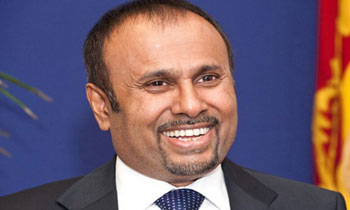
ජෝ සෙනෙවිරත්න අභාවප්‍රාප්ත වේ.

February 21st, 2018

අවමංගල

මාධ්‍යවේදියෙකු, පුවත්පත් කතුවරයෙකු, මානවවාදී දේශපාලන ක්‍රියාකාරිකයෙකු, හිටපු පළාත් සභා අමාත්‍යවරයෙකු සහ විශිෂ්ට ග්‍රන්ථ පරිවර්තකයෙකු වූ ජෝ සෙනෙවිරත්න මහතා පසුගිය දාහත්වන සෙනසුරාදා අභාවප්‍රාප්ත විය. දශක පහකට ආසන්න කාලයක් දේශපාලනික සහ මාධ්‍ය කටයුතුවල නිරත වූ සෙනෙවිරත්න මහතා පසුකාලීනව ඕෂෝ සංවාද පෙළ සිංහලට පරිවර්තනය කරමින් සිංහල පාඨකයාට එම සංවාද හඳුන්වා දීමේ පුරෝගාමියෙකු වූවේය. හැටේ දශකයේ මුල් භාගයේදී කොමියුනිස්ට් පක්ෂයෙන් දේශපාලනයට අවතීර්ණව , වෘත්තීය සටන් නායකයෙකු ලෙස සටන් කර ජාතික ගැටළුව තුළ වාමාංශික ක්‍රියාධරයෙකු ලෙස ජනවාර්ගික සංහිඳියාව උදෙසා මැදිහත් වූ මූලිකයෙකි. මිය යන විට ඔහු පරිවර්තනය කොට තිබූ ග්‍රන්ථ සංඛ්‍යාව විසි පහකි.


ජෝ සෙනෙවිරත්න මහතාගේ දේහය මහජන ගෞරවය සඳහා පෙබරවාරි 23 වන සිකුරාදා උදෑසන 8.30 සිට 24 වන සෙනසුරාදා සවස දක්වා බොරැල්ල ජයරත්න අවමංගල්‍ය ශාලාවේ තැන්පත් කර තැඛෙන අතර දේහය පිළිබඳ අවසාන කටයුතු සෙනසුරාදා(24) සවස 4 ට බොරැල්ල කණත්තේ දී සිදු කෙරේ.

How 19A Booby Trapped Sirisena and Caught Him Unawares

February 20th, 2018

Dilrook Kannangara

For the second time in two months the president has asked the Supreme Court to interpret the 19A he passed using his power over the UNP and the UPFA. He doesn’t know what he passed! He comes to realise the hard way that his Prime Minister has taken him for a ride. By the time he comes to know about them, he has lost the two thirds and cannot fix it. The president has made himself a fool and painted himself into the naughty corner.

First Trap – Five Years

Sirisena was of the view he had a six (6) year term since he was elected with the mandate to govern for six (6) years. But that’s not what 19A stated. He came to know 3 (three) years into his rule that his tenure is only 5 (five) years. That messed up his plans seriously.

Second Trap – Prime Minister is Difficult to Remove

Sirisena was fooled again on the removal of the Prime Minister. He assumed 19A didn’t take away the president’s ability to remove the Prime Minister anytime. But he may be wrong; partly or completely. Now he has consulted the Supreme Court again. Ranil and his UNP fooled Sirisena again.

Sirisena has only 29 years of experience in national politics. Ranil has over 41 years’ experience in national politics. Mahinda has 36 years’ political experience at the national level. Chandrika has only 11 years’ experience at the national level.

The impact of the last Supreme Court interpretation and the upcoming interpretation have profound impact on Sirisena’s future and that of the nation. The parliament cannot be dissolved until February 16, 2020 but the presidential election must be held by November 8, 2019. In other words, the parliament will outlive the president. The parliament with a clear UNP and TNA combined majority will oversee the next presidential election. What’s worse is, November 2019 will be a budget month when the president depends on parliament to pass the budget. For the record, the president cannot pass the budget. This is when UNP will exert its influence.

If Sirisena thought surprises hidden in 19A end there, he is wrong. It gets worse!

Third Trap – Prime Minister Takes It

Before 19A, the president could change the Prime Minister anytime. It could be done even without notifying the parliament, the public or the Prime Minister as there is no such obligation on the President! It was possible under the law to change the Prime Minister by appointing another but keep the appointment secret. Nothing in the Constitution stopped this approach. For instance, faced with a hostile UNP Cabinet of ministers and a UNP Prime Minister, nothing prevented President Kumaratunga in 2002-2004 to appoint another as Prime Minister replacing Ranil but keep the appointment secret. Why this is important will be evident soon.

However, this cannot be done after 19A.

If the president dies in office, the Prime Minister was to assume that office before 19A. If the President had replaced the Prime Minister but kept the matter secret, the new Prime Minister could claim to be the real Prime Minister and succeed to the post of the President. For instance, if President Chandrika died (as a result of the UNP-LTTE CFA in 2002 or otherwise), her secret Prime Ministerial appointment could claim the Prime Minister post and succeed to the post of President. This allowance was kept by the makers of the Constitution for good reasons in a country three leaders died in office and another narrowly escaped!

Under 19A, any parliamentarian with most support can succeed the President if the post of President becomes suddenly vacant. That means Ranil becomes president if Sirisena ceased to function as President. The previous allowance that provided an indirect safeguard is no more!

Look at in the context of Ranil. He was nobody until 1993 but suddenly became the Prime Minister thanks to the killings of President Premadasa and Lalith Athulathmudali (the next in line for party leadership in the absence of the incumbent). However, Ranil’s leadership was again challenged for a few months a year later. Gamini Dissanaike was also killed by Tamil terrorists cementing Ranil’s unchallenged leadership within the UNP. Since then no one dared to challenge him. A few patriotic UNP leaders – General Janaka Perera and General Lucky Algama were also killed by Tamil terrorists. Surely, there is nothing to say Ranil had anything to do with these but Ranil was exceptionally lucky as his superiors and potential superiors fell like flies. If his luck continues, he has a clearly paved path to Presidency after 19A.

Fourth Trap – Reconciliation

Another Constitutional trap laid for Sirisena (yet unknown to him) under 19A is reconciliation. 19A introduced reconciliation as a duty of the president! Having won 85% of minority votes in January 2015, Sirisena was elated when 19A was passed and he didn’t question this change. However, by now Sirisena has lost almost all minority votes. In other words, Sirisena has failed in his duty to ensure reconciliation. This can be converted to Sirisena’s violation of the Constitution spearheaded by minority parties. They all support the UNP in parliamentary elections. On the other hand, if Sirisena upholds reconciliation, he loses Sinhala votes.

Fifth Trap – National Government

Another Constitution trap yet unknown to Sirisena is the national government gimmick. As per 19A the two parties elected in 2015 with the largest number of MPs may form a national government. What if Sirisena loses control of the largest SLFP faction in parliament? They can bypass Sirisena’s authority and form a national government with the UNP. A hapless Sirisena can only hope it doesn’t happen. If it happens heading to the November 2018 budget, it will spell disaster for Sirisena. As 2019 is an election year for Sirisena, he will ensure the next budget (in 8 months) has election goodies and sweeteners. But UNP can deny this by forming a majority without Sirisena’s blessing. There is nothing Sirisena can do.

Sirisena Taken for a Ride

Altogether there are five (5) Constitutional traps UNP laid for President Sirisena in the 19A. Sirisena is only aware of 1 (one) so far. Soon he will come to know another. Even then, there are three (3) more he will not come to know for some time. His own Prime Minister and his own party have undermined him. Sirisena had good PR consultants and political consultants but his legal consultants failed him this time. Ranil copied his uncle’s constitutional expertise to frame Sirisena. JR’s opponents knew what they were getting into but Sirisena is still unaware of the full scale of the trap.

However, he has one avenue to turn tables on them. That is to punish bond scam, FCID, CIABOC and PRECIFAC identified felons. He has about one year to confine them far away from politics and they will not pose any threat. The rest will be stunned into silence. Has he got the courage and foresight to do so?

UNP constitutional experts didn’t forget Rajapaksas in 19A. Two term restriction was reintroduced, minimum age to contest for presidency was raised to 30 (preventing Mahinda’s sons from contesting in 2019) and restrictions on foreign citizens to contest parliamentary election.

Wimal in Parliament

February 20th, 2018

Trnslated by :A.A.,M.NIZAM – MATARA

It was with great difficulty we were able to gain the opportunity for the people of this country to face a local government election.  After making many unusual changes in the election process including making it possible to capture power even under defeat using so many technical processes the election process was formulated by this government..  After all these acts an election was held but the Election Commission still find difficulty to release the final official results.  The independent election commission, in the very first election held by them has got its trousers removed.

The confidence bestowed to the people, and the boasting made about the release of results, have nullified by the Chairman of the Commission. Similar to the inept government the commission n also has become an inept institution.  The government went to this poll saying that it is an election that would decide on the construction of culverts and the roads of the villages and interpreting the election as a regional issue.

The government’s confidante Red Friend the leader of the JVP said that most of those who won under the motor cycle symbol in Maharagama were those who are living in Kuliyapitiya and asking how they voted for them even without knowing who were the candidates? We would like to tell them although it was a local government election, that we mustered the people of this country to exercise their franchise considering it as a referendum.

The President’s and the Prime Minister’s people said if they vote for people in power only that the councils will get funds for the construction of other work.  People voted not looking for the culverts, roads and the light posts but as a protest against the destructive course this country was plunged into during the last three years they exercised their franchise against it.

It was because they wanted to get this country out of this destructive path.  Not only that they exercised their franchise to the youngest party  the Sri Lanka Podujana Peramuna out of all other parties As per the results from that election if the number of votes received by the United National Party was considered as the votes received in a parliament election, the UNP has got only 67 seats.  On our side, we faced the most difficult election.

The government postponed the local government election because the government knew that it will be very easy for the Podujana Peramuna to win the local government elections.  Therefore they brought a new election process upsetting the existing election process.   It was with the challenge of ‘contest in the new ground and see’ that you went for the election. It was a very difficult ground.

Under the new system it is possible for a large number of people to get antagonised with the candidate because they could not get the candidacy, due to reasons such as relationships, caste alliances, due to friendships the vote base could change and instead of national politics, regional politics will be superseded.  This was the most difficult and disadvantageous election we had to face.

However, we respectfully bow down and honour the hundreds of thousands of people who in order to exercise their national responsbility converted that election as a national election, and made Sri Lanka Podujana Peramuna victorious in this national election. It was the most difficult election we had to face.  We faced it under its difficult nature and due to the extreme popularity of Mr. Mahinda Rajapaksa and because of the trust the people had reposed on him they voted against the government parties owing to the destruction of the country by this government during the last three years.  What have you done during the last three years?  If it was not for the Prison buses, the Police, the FCID, people like us and Rajapaksas being taken to courts the TV channels and the newspapers may not have had news for the last three years.

The scenes we saw for the last three years as government activities were taking someone to the courts in the prison bus, another one coming from the courts on bail, taking someone to the prison, taking Buddhist monks on charges of raring elephants, and taking gallant war heroes to courts ot to prison.   If it was not for the Prison buses, the Police, the FCID, and the CID there is nothing you have done for the last three years.  It was a government that does not understand the feelings of th people, the difficulties of the people we had for the last three years.

Your Prime Minister does not understand the feelings and thoughts of the people of this country.  He speaks only about England.  In England there was a referendum about a Province recently.  Prime Minister David Cameron did not ignore the result of that referendum saying that it was not a referendum relating to his post.   He resigned from his post because his opinion was rejected in the referendum and his government resigned.  You people fraudulently talk of England and about the Westminster traditions.

There is no point of talking about and the greatness of English if you do not know to safeguard and follow the good traditions of that society.  How the Prime Minister was changed ub 2015.  He was changed based on the mandate of the Presidential election.  It was not a general election mandate. The mandate of the presidential election was used to remove Prime Minister D.M.Jayaratne who had the majority of members in the Parliament and to give the Premiership to Ranil Wickremasinghe who had only 40 odd members, a minority in the Parliament at that time.

Presidential election mandate was used to bring a UNP Prime Miniister, and for the power change. Today the people as a nation have given a verdict from this local government election.  If you do not have the wisdom to understand that verdict now this government has become a carcass. If you are going to keep this carcass further it will become stenchy, secreting and gangrenous carcass very soon and will have to be disposed.

There are members of the Sri Lanka Freedom Party. They remained in this government for the last three years and for which they got the results they deserve.  They used all the state powers and assumed an anti UNP posture. It was the President who said that the UNP destroyed the economy of this country for the last three years.  It was not we who said, it was the President who said that.  It was the head of your cabinet who said that the economy was ruined.

After making such anti UNP speeches it was possible to get only about 1.4 million votes.  Just a little more than 1.3 million votes, after doing all those things.  Then how can Mr. Maithripala Sirisena claim ownership for the Sri Lanka Freedom Party? I am not a SLFPer but it is a question relevant to the group we are in.  They have lost Polonnaruwa as well.  A person who won when the UNP was in the opposition has also lost this time.

What is being shown by all these results?  You people are trying to add, you have funny methods.  You say that if the votes taken by the one who came second, third and fourth added together will become more than the votes of the person who came first. It is like if I came first in the school by getting more marks, they add the marks taken by the second and third and say that their marks are more than my marks.  Do not try to cover the nakedness of the defeat by various silly baseless arguments.  You people know the real reason for this defeat.

This was the 30th defeat.  Thyerefore, both Presient Maihripala Siisena and the Prime Mnister Ranil Wickremasinghe have no right to be in those posts now.  President Sirisena who hols the Sri Lanka Freedom Party in his hands hss no right to hold it in his hands, a leader who dwindled that party to 1.3 million votes has no right to hold that party in his hands.

As regards Prrime Minister those in the UNP anticipated his exit but they got a pack while entering and after that they have become silent.  Their minds became blocked.  They got a large amount Treasury Bond money which got circulated here and there.  Our Vedaratchi MP is making a small sile. They got large amounts and with that all objections died down.  We do not mind if you want to keep him, but this government has no right to go like this.

The people have rejected this government. A government that has been rejected by the people, a government that has no mandate has no right to take decisions about this country.  Today the rupee is getting depreciated on every second, It has depreciated to 158, it would go to even 180, share market has collapsed, investors have withdrawn, new taxes are being introduced to increase the tax revenue, a new bill is to be introduced facilitating the Prime Minister to obtain loans from wherever  he wants without informing the Parliament.

After doing all these things there will remain no country.After you all have eaten this country it eill not be possible to rescue this country. Therefore we beg you not to commit further sins and without presenting silly arguments such as second plus third is larger than the first  to bow down to people’s verdict and go at least safeguarding the attires you are wearing on. (interruption by Rajitha) Why Mr. Dentist:? Mr. Ship owner? Go Ship-man go.

He owns seven ships.  Seven ships.  These bloody rogues shouted saying rogues, rogues.  This Rjitha is a bloody rogue.  They performed a drama saying rogues, rogues for three years and the drama is over now.  People’s verdit had been given to bloody rogues and the central bank robbers had also been given the peole’s verdict.

Therefore do not talk buffoon talks here.  Even the tail is full of dung.  Get the road prepred for the next world. If you believe in God or Lord Buddha perform some religious and virtuous activities.  The dentist who had bought ships has become a ship tiger,  Respect the people’s verdict and go, go before you are chased out.  ,

Visitor Discontent at Five Ex-Situ Elephant Conservation Establishments in Asia

February 20th, 2018

T. G. Supun Lahiru Prakash, P. K. Priyan Perera, A. G. K. Chethika Perera and Prithiviraj Fernando

Abstract. Tourism is a signifcant aspect of most ex-situ conservation establishmentsfor Asian Elephants. We assessed reasons for visitor discontent in fve highly visited establishments in Asia, by analysing on-line visitor comments. The proportion of negative reviews varied signifcantly between institutions. Ten reasons for visitor discontent were identifed. Unethical treatment of elephants was the commonest and lack of conservation relevance the second commonest reason stated for discontent. Other reasons for visitor discontent were related to misbehaviour of mahouts, management defciencies and inadequacy of facilities.

Read full Article

http://www.asesg.org/PDFfiles/2017/Gajah%2047/47-24-Prakash.pdf

ආසියාවේ වඩාත් සංචාරක ආකර්ෂණය දිනාගත් අලි අනාථාගාර පහ අතර අපකීර්තිමත්ම ආයතනය පින්නවල අලි අනාථාගාරයයි.

සමීක්ෂණයට භාජනයවූ රටවල් 35කට අයත් සංචාරකයින් 279 දෙනා අතරින් 37%ක් පින්නවල අලි අනාථාගාරයේදී ලැබූ අත්දැකීම් සෘනාත්මක බව සඳහන් කරයි.

අලි ඇතුන්ට අකාරුණික ලෙස සැලකීම, ඇත්ගොව්වන්ගේ අකටයුතුකම්, සංරක්ෂණය සම්බන්ධ උනන්දුව මද වීම, අධික මිල ගණන් ඇතුළු හේතු 10ක් මෙම තත්ත්වය ඇතිවීමට හේතුවී ඇතිබව සංචාරකයන්ගේ මතයයි.

ආසියාවේ අලි අනාථාගාර පිළිබඳව සංචාරකයන්ගේ අදහස් විමසමින් අප විසින් සිදුකරන ලද අධ්‍යනයේ ප්‍රතිපල “Visitor Discontent at Five Ex-Situ Elephant Conservation Establishments in Asia” යන ශීර්ෂය යටතේ පසුගියදා නිකුත්වූ ලෝක සංරක්ෂණ සංගමයේ ආසියානු අලි පිළිබඳ විශේෂඥ කමිටුවේ “Gajah” ජර්නලයේ 47 වන කලාපයේ විද්‍යාත්මක පර්යේෂණ පත්‍රිකාවක් ලෙස පලවී ඇත.


Winds of Change in Sri Lanka: Rajapakshe’s Voodoo in Local Elections and Foreign Factors in Sri Lankan Politics

February 20th, 2018

Written by-Eshan Jayawardane

The enigmatic nature of Sri Lanka was once again manifested by overall results of the recently held local elections.  The landslide victory marked by Former president Mahinda Rajapakshe’s newly established political party People’s Front” (Podu Jana Peramuna) has disorientated the two main political parties of the island. In fact the local elections were delayed for a longer period due to various reasons. According to the election commissioner of Sri Lanka Mahinda Deshapriya 8326 local councilors  have been elected from this election for 24 municipal councils, 41 urban councils, 275 pradeshiya sabhas (Local councils) which represent the third tier of the legislative body of Sri Lanka. Moreover this year local elections were marked by guaranteeing 25% women representation in each council and also the first time Sri Lanka followed a mixed electoral model whereby 60 % of the members are elected by the first-past-the-post system and the rest through closed list proportional representation.

Throughout the election campaign two main political parties in Sri Lanka United National party and Sri Lanka Freedom were driven by the usual political slogans and the tactic of critiquing each other. This was worsened when Sri Lankan president began to critique his own Prime Minister Ranil Wickrmaisnghe and his government for the Central Bank bond scam and for not investigating the alleged corruption charges on various persons of former president Mahinda Rajapakshe’s regime including his family members. Ironically none of the charges have been proven by law thus far and which has given a sense of resentment to the masses in rural heartland of Sri Lanka where former president is regarded as an icon. More importantly the government’s lethargic or rather stagnant concern over the economic development in Sri Lanka has palpably caused a detrimental impact on the unexpected comeback of Mahinda Rajapakshes’s newly formed party against all odds.

The famous ‘’Nugegoda Rally’’ which was organized by Dinesh Gunawardena just after weeks of former president Rajapaksha’s defeat as the presidential candidate brought mass number of people in support of the former president was the beginning of this comeback with a massive mass support and in the same time joint opposition in parliament led by Dinesh Gunawardena galvanized the organizational factors to set the ground for the victory of People’s Front” in a heavy margin. In examining the election results it’s a salient factor that still former president Mahinda Rajapakshe upholds his tremendous popularity in the Southern part of the island mainly among the Sinhalese masses in the rural areas. Rajapakshe’s newly established party People’s Front emerged victorious with 44.65% overall average and secured the power of 249 local governing bodies out of 340. Current Prime Minister Ranil Wickramasinghe’s United National Party obtained 32.63 % average after upholding the power of 42 local governing bodies. Interestingly the party led by current Sri Lankan president Maithripala Sirisena envisaged a crushing defeat. Above all former president Mahinda Rajapakshe is not the  leader or even  a member of this newly established political party Sri Lanka people’s Front albeit his open support to it in contesting in the local election 2018 and his charismatic public façade is the most obvious reason behind the ground breaking success of the party.

The results of the local elections held in Sri Lanka has demonstrated how rapidly political trajectory of the island can be changed. Especially the coalition government in Sri Lanka mainly consisted of United National Party and Sri Lanka Freedom Party has not been able to address the fundamental social economic issues of the island though it has been three years since they came into power. Stagnation of Economy and high inflation rate of Sri Lanka seem to have agitated the public opinion against the coalition government. Besides those given factors Prime Minister’s reputation was marred by infamous Central Bank bond scandal where the Prime Minister is being accused for being a party and Prime Minister has been safe guarding the former Central Bank Governor of Sri Lanka Arjun Mahendran who is the man behind the single largest bank robbery in the subcontinent. Perhaps it would be fair enough to assume Sri Lankan government’s repulsive decision on taking actions against the provoking behavior of Sri Lankan Brigadier attached to Sri Lankan High Commission in London in front of a protest organized by Sri Lankan Tamil diaspora in Britain has caused a strong resentment among the Sinhalese majority towards Government.

However this stunning victory of former President Mahinda Rajapakshe’s party cannot be entirely regarded as an overwhelming change in Sri Lankan politics though it has created some uncertainties in island’s political sphere. Especially the Strong Indian and Western support to the present government have been a known factor since the day President Maitripla Sirisena decided to run for presidential election in 2015 as the common candidate of the opposition against powerful Mahinda Rajapakshe. Even after the defeat of the presidential election in 2015 Mahinda Rajapakshe claimed that his defeat was planned by RAW agents in Colombo though New Delhi had denied such charges. As a matter of fact it is certain that New Delhi shows a keen interest in defending the current government of Sri Lanka as a strategy to prevent Chinese presence in the island from growing stronger and reemergence of Rajapakshe’s power appears to be a setback to uphold Indian interest in Sri Lanka. In this context New Delhi as well as USA will undoubtedly play its role in every possible way of succoring the co government in Sri Lanka. In fact this was evident when Indian High Commissioner in Colombo Taranjit Singh met both President Sirisena and Prime Minister Wickramasinghe separately and left for New Delhi on the same day to meet Indian Foreign Secretary Vijay Gokhale. Furthermore the Ambassador of USA Atul Keshap met with President Sirisena when the election results were declared and paid lengthy attention on the current political situation.

It seems unlikely that sudden rise of Rajapakshe would continue to topple the existing government amidst its abrupt victory in island’s politics. Mainly the Tamil, Muslim and even Christian minorities in Sri Lanka have moved away from former president due to his more pro Sinhalese Buddhist Nationalistic image and this is purely visible by looking at the electorates won by Sri Lanka People’s Front as they are largely dominated by Sinhalese Buddhist votes. Nevertheless the external supportive factors upon the government in Sri Lanka from India and West may play a pivotal role in next few months in terms of securing the grip of power in the parliament, but the outcome of local elections in Sri Lanka has created a political storm in the island and it is still early to predict how fervently it would change the key political actors in Sri Lanka.

Written by-Eshan Jayawardane is a guest lecturer at Open University of Sri Lanka. He studied Sociology at Delhi University and holds MA in International Relations from Jawaharlal Nehru University in New Delhi. He can be reached at eshan.jayawardena@gmail.com.


“පැවති මැතිවරණයේ කාන්තා නියෝජනයේ අනුපාතය වෙනස් කිරීමට කිසිවෙකුට බලයක් නෑ “ – කැෆේ සංවිධානය 

February 20th, 2018

මාධ්‍ය ඒකකය කැෆේ සංවිධානය 

කාන්තා නියෝජනය නිසා පළාත් පාලන ආයතනවල  සභික සංඛ්‍යාව වැඩිවී ඇති බවට කෙරෙන චෝදනාව පිළිගත නොහැකි බව කැෆේ සංවිධානය පවසයි.  එහි විධායක අධ්‍යක්ෂ කීර්ති තෙන්නකෝන් මහතා අද (පෙබරවාරි 20) පැවැති ප්‍රවෘත්ති සාකච්ඡාවකදී අවධාරණය කළේ දේශපාලන වුවමනාවන් පදනම් කරගනිමින්  සමානුපාතික සහ කොට්ඨාස ඡන්ද ක්‍රමයට සභිකයින් තෝරා ගැනීමේ අනුපාතය  හිතුවක්කාරී ලෙස වෙනස් කිරීම නිසා මෙම තත්වය ඇතිවී ඇති බවයි. මුලින් සමානුපාතික සහ කොට්ඨාස ක්‍රම වලට සභිකයින් තෝරා ගැනීම 70% ත් 30% ආදී වශයෙන් අනුපාත වලට සිදුකළ යුතු බවට යෝජනා වී තිබුනද පසුව මැතිවරණ ක්‍රමවේදය පිළිබඳව කිසිදු සොයාබැලීමකින් තොරව 60% ත් 40% ත් ආදී වශයෙන් අනුපාතයට වෙනස් කළ බව තෙන්නකෝන් මහතා පෙන්වා දුන්නේය.

පාර්ලිමේන්තුව වෙත පළාත් පාලන පනත ඉදිරිපත් කරන විට එහි කොට්ඨාස ක්‍රමයට 70% ක් සහ සමානුපාතික ක්‍රමය 30% ක් ආදී වශයෙන් නියෝජිතයින් තෝරාගැනීම පිළිබඳව සඳහන් වී තිබූ අතර ඊට ගැලපෙන ආකාරයට සීමා නිර්ණය කටයුතු සිදුවූ බව ඒ මහතා මෙහිදී පැවසීය.  නමුත්  පසුව පාර්ලිමේන්තු  කාරක සභා අවස්ථාවේදී මැතිවරණ ක්‍රමවේදය පිළිබඳ කිසිදු විශ්ලේෂණාත්මක විග්‍රහයක් නොමැතිව   එම අනුපාතය 60% ත් 40% ත් ලෙස වෙනස් කිරීම නිසා සභික සංඛ්‍යාව වැඩි කිරීම නිසා  සභික සංඛ්‍යාව 40%ත් 45%ත් අතර ප්‍රමාණයකින් වැඩිවී  ඇති බව තෙන්නකෝන් මහතා මෙහිදී පෙන්වා දුන්නේය. 

ලංකා ඉතිහාසය තුළ කුඩා දේශපාලන පක්ෂ හා කණ්ඩායම් විසින් වැඩිම දේශපාලන බලයක් හිමිකරගත් අවස්ථාවක් ලෙස මෙම ඡන්ද විමසීම දැක්විය හැකි බව  තෙන්නකෝන් මහතා මෙහිදී පැවසීය.එවන් අවස්ථාවන් හිමිවීම වැරදි යැයි අර්ථ දැක්වීමට උත්සහ කිරීම  දේශපාලඥයින්ගේ අතින් සිදුවූ වැරැද්දක් වසා ගැනීමට දැරූ මුග්ධ, උද්ච්ච ක්‍රියාවක්  බව  තෙන්නකෝන් මහතා මෙහිදි පෙන්වා දුන්නේය.

ඇතැම් පාර්ශව මෙහි කාන්තා නියෝජනය පිළිබඳ ගැටළුවක් ඇති බව හුවා දක්වමින් මැතිවරණ නීතිය නෙතකා කටයුතු කිරීමට ඉඩ දෙන ලෙස ඉල්ලා සිටින බවත්, එලෙස පැවැත්වූ මැතිවරණයක නීති වෙනස් කිරීමට මැතිවරණ කොමිසමට හෝ දේශපාලන නායකත්වයට කිසිදු නීතිමය බලයක් නොමැති බව ද තෙන්නකෝන් මහතා මෙහිදී පෙන්වා දුන්නේය.

මාධ්‍ය ඒකකය 

කැෆේ සංවිධානය 

2018 පෙබරවාරි මස 20 වැනිදා 

රුසියාවේ හිටපු තානාපතිට එරෙහිව ඉන්ටර්පෝල් රතු නිවේදනයක්‌ නිකුත් කිරීමට වලිකන යහපාලනය රජය දරුණු එල්ටීටීඊ ත්‍රස්‌තවාදීන් ඇතුළුව 150ක රතු නිවේදන ඉවත් කරගෙන ඇත

February 20th, 2018

මාධ්‍ය නිවේදනය උදයාංග වීරතුංග – රුසියාවේ හිටපු ශ්‍රී ලංකා තානාපති.

2018 පෙබරවාරි 20 වෙනිදා

පෙබරවාරි 04 දින ඩුබායි හීදී එරට බලධාරීන් මාව රදවාගෙන සිටීමත්, පසුව මුදාහරිමත්      ලංකාවේ කවුරුත් හොදින් දන්නා පුවතකි. ශ්‍රී ලංකා රජය විසින් මට එරෙහිව ඉන්ටර්පොල් රතු නිවේදනයක් නිකුත් කිරීමට සුදානම් බවට සාවද්‍ය තොරතුරු ඉදිරිපත් කිරීම නිසා එක්සත් අරාබි එමීර් රාජ්‍යයේ බලධාරීන් විසින් මා අඩංගුවට ගත්තේය. නමුත් ඉන්ටර්පොල් රතු නිවේදනයක් නිකුත් නොකරන බවත් නිකුත්කර ඇත්තේ නිල් නිවේදනයක් බව සනාථ වූ පසු බලධාරීන් විසින් මා මුදා හරින ලදී. නීතියේ ආධිපත්‍යය මූලික පදනම වූ සහ මූලික නිදහස පවතින, ප‍්‍රජාතන්ත‍්‍රවාදී ලෙස හඳුන්වනු ලබන මාගේ රටෙහි පොලිසිය විසින් මෙසේ නිතිය නැමීම ගැන මා කනගාටු වෙමි.

         ජාත්‍යන්තර පොලිසිය හරහා අත්අඩංගුවට ගැනීමට ශ්‍රී ලංකා පොලිසිය මගින් පසුගිය කාලයේ රතු නිවේදනය නිකුත් කර තිබූ ප්‍රබල බිහිසුණු අපරාධ කළ එල්ටීටීඊ ත්‍රස්‌තවාදීන් ඇතුළුව මත්ද්‍රව්‍ය ජාවාරම වලට සම්බන්ධ වූවන්ගේ ලැයිස්‌තුවෙන් ත්‍රස්‌තවාදීන් ඇතුළුව 150ට ආසන්න පිරිසකගේ නම් පසුගිය වසරේදී ශ්‍රී ලංකා පොලිසියේ ඉල්ලීම මත ඉවත්කර ඇති බව මාධ්‍ය තුලින් දැනගැනීම ලැබුණි. අද වන විට ජාත්‍යන්තර ඉන්ටර්පොල් රතු නිවේදන ශ්‍රී ලංකා රජයේ ඉල්ලීමට අනුව නිකුත්කර ඇත්තේ ලාංකිකයන් තුන්දෙනෙකුට පමණි. දෙමල දේශපාලකයින්ගේ ඉල්ලීම මත එල්ටීටීඊ ත්‍රස්‌තවාදීන් ඇතුළුව 150 ගේ නම් රතු වරෙන්තු ලැයිස්තුවෙන් ඉවත් කිරීමට කටයුතු කල යහපාලනය රජය, රාජපක්ෂ රජයේ සේවය කල නඩුවක්වත් නැති රුසියාවේ හිටපු තානාපතිට එරෙහිව රතු නිවේදනයක්‌ නිකුත්කරන ලෙස ඉන්ටර්පෝල් පොලිසියෙන් අයෑදුමක්‌ කරන ලද්දේ, මහේස්ත්‍රාත් අධිකරණයට ප්‍රකාශයක් ලබාදීමට ඉදිරිපත් නොවූ වරදට නිකුත්කල වරෙන්තුවටය. එහෙත් ත්‍රස්‌තවාදීන් ඇතුළු 150ක පිරිස ද උසාවියට ඉදිරිපත් වී නැති නමුත් එම නම් ඉවත්කර ඇත.

         ශ්‍රී ලංකාවේ ආණ්ඩුව දෙවැනි වරටත් කල ඉල්ලීමට අනුව ඉන්ටර්පොල් ආයතනය නිල් නිවේදනයක් නිකුත් කර ඇත. එසේ නමුත් හිටපු රාජ්‍යතාන්ත්‍රික නිලධාරියකු වන මට එරෙහිව රතු වරෙන්තුවක් ලබා ගැනීමට යහපාලන රජයේ නිළධාරීන් මේ දිනවල අලුත්ම උත්සාහයක නිරත වී සිටින බව අප දනිමු. පොලිස් මුල්‍ය අපරාධ කොට්‌ඨාසය මට එරෙහිව මහේස්ත්‍රාත් උසාවියට බී වාර්තාවක් මගින් දන්වා ඇත්තේ, 2006 දී යුක්රේනියාවෙන් මිග් යානා මිලදීගැනීමට කිසිදු වලංගු ගිවිසුමක් නොතිබූණු බවත්, මම කූට ලේඛනයක් සකසා එයට ගුවන් හමුදාපතිගේ අත්සනත් ලබාගෙන, මිග් යානා මිලදීගැනීමට ගිය මුළු මුදලම වංචා කර ඇති බවයි. දේශපාලන විරුද්ධවාදීන්ගෙන් පළිගැනීමට ඕනෑම ගොන් කතාවක් ගොතා, පොලිස් බී වාර්තා මගීන් උසාවියට බොරුකියා නඩුවක් පවත්වාගෙන යාමට ඇති හැකියාව පිළිබඳ හොදම උදාහරණය මෙය වේ.

         2006 දී ලංකාව යුක්රේනියාවෙන් මිග් යානා හතරක් මිලදීගත් අතර, ලංකාවට තිබුණු තවත් මිග් යානා හතරක් සම්පුර්ණයෙන් අලුත්වැඩියා කරනු ලැබේ. මේ යානා අටම යුද්ධයෙදී භාවිතා වූ අතර තවමත් ගුවන් හමුදාව සතුව පවතී. මේ ගනුදෙනුව සම්බන්ධයෙන් ගිවිසුමක් නැතැයි කියා මුල්‍ය අපරාධ කොට්‌ඨාසය උසාවියට කියා සිටියේ, යුක්රේන්මාෂ් සමාගම වරදිමකින් එවපු ලිපියක් ප්‍රයෝජනයට ගෙනය. පසුව යුක්රේනියානු බලධාරීන් මේ වැරැද්ද නිවරදි කිරීමට පියවර ගෙන තිබුණාත්, පොලිසිය එය උසාවියට වාර්තා කර නොමැත. එමෙන්ම ගිවිසුමට අදාළව ගුවන් හමුදාව නිකුත්කල “භාවිත කරන්නාගේ සහතිකය” උපයෝගී කර යුක්රේනියානු රජය මිග් ගුවන්යානා 8 අපට ලබා දී ඇතිබව එරට බලධාරීන් පිළිගැනීම යනු මෙම ගිවිසුම ඒ රටෙහි භාවිතා වී ඇති බවයි.

          මොස්කව් ශ්‍රී ලංකා තානාපති කාර්යාලයේ දී යුක්රේන්මාෂ් අධ්‍යක්‍ෂක වෙනුවෙන් එහි නියෝජ්‍ය අධ්‍යක්‍ෂක ගේනාධි ස්තුදිනිකින් විසින් 2006 ජූලි මාසයේදී එම ගිවිසුම අත්සන් කල බව හා ගිවිසුම ගැන සාකච්ඡා කිරීමට ලංකාවට ගොස්‌ තිබෙන බවද පසුගිය වසරේදී යුක්‌රේන නීතිපති දෙපාර්තමේන්තුවට ඔහු ලබාදුන් කටඋත්තරයේ සඳහන්ව ඇත. නමුත් ගිවිසුම අත්සන්කල එම නියෝජ්‍ය අධ්‍යක්‍ෂකගෙන් ශ්‍රී ලංකා පොලිසිය කටඋත්තරයක් ලබාගෙන නැති අතර යුක්රේනියානු රජයට ඔහු ලබාදුන් කටඋත්තරයේ පිටපත් උසාවියට ඉදිරිපත් නොකිරීම පිළිබඳ සැකය සහිතයි. එසේම මෙම ගුවන්යානා තත්ව පරික්ෂාකිරීමේන් පසු Factory Acceptance Certificate” ගුවන්හමුදාපති විසින් එම නියෝජ්‍ය අධ්‍යක්‍ෂක සමග යුක්රේනියාවේ ලුවෝෆ් කර්මාන්ත ශාලාවේදී අදාළ සහතික අත්සන් කර ඇත. මා විසින් ගනුදෙනුවට අදාළ ගිවිසුමට කිසිදු අත්සනක් යොදා නැති අතර එම අත්සන් හා ගිවිසුමට අදාළ සියලු වගකීම් ගුවන් හමුදාව භාරගත යුතු අතර ගුවන් හමුදාව ඔහු සමග ඍජු සම්බන්ධයක් තිබු බව හා ගිවිසුම කූඨටලේඛනක් ද යන්න රටට ප්‍රකාශ කල යුතුය.

           එසේ නමුත් යුක්රේන්මාෂ් සමාගමේ නියෝජ්‍ය අධ්‍යක්‍ෂකගේ අත්සන පිළිබඳ, මට එරෙහිව සාවද්‍ය තොරතුරු ඉදිරිපත් කර, දණ්‌ඩ නීති සංග්‍රහයේ 454 හා 457 යන වගන්තිවලට අදාළ කූඨටලේඛන සැකසීමක්‌ කර තිබෙන බව මූල්‍ය අපරාධ කොට්‌ඨාසය උසාවියට වාර්තා කර, මා සැකකරුවකු ලෙස නම් කිරීම හුදෙක් දේශපාලන පළිගැනීමකි. එසේම මෙම ගිවිසුම මා විසින් ලංකාවට රැගෙනවිත් ගුවන් හමුදාපතිගේ අත්සන් ලබාගෙන නැවත රැගෙන ගිය බවට පොලිස් මූල්‍ය අපරාධ විමර්ශන ඒකකය සාවද්‍ය තොරතුරු ඉදිරිපත්කර අධිකරණය නොමග යවා මා සැකකරුවකු ලෙස නම් කරන ලදී. නමුත් එම කාලයේදී මා ශ්‍රී ලංකාවට හෝ පැමිණ නැති බව ආගමනය විගමන දත්ත පරික්ෂා කිරීමේන් එයද පොලිසියේ බොරුවක් බව ඔප්පුවන්නේය. මෙම සාවද්‍ය කරුණු දෙක මත අධිකරණය මා සැකකරුවකු කිරීමට එරෙහිව මේ මොහොතේ නිතියෙන්  සාධාරණයක් ඉටුනොවූවත්, ස්වභාවධර්මයත් කාලයත් මට යම් දිනයක සාධාරණය ඉටුකරනු ඇත.

          එදා මුළු ගනුදෙනුවම අධීක්‌ෂණය කිරීමට කැබිනට්‌ මණ්‌ඩලය විසින් පත්කරන ලද ටෙන්ඩර් කමිටුවක්‌ විය. එයට අමතරව ජාතික ප්‍රසම්පාදන ආයතනය විසින් පත්කරනු ලැබූ තාක්‌ෂණික ඇගයීම් කමිටුවක්‌” ද විය. මෙයට අමතරව මෙම ගනුදෙනුවේ අවසන් මිල ගණන් සාකච්ඡා කිරීමට මහා භාණ්‌ඩාගාරය ප්‍රධානත්වයෙන් තවත් කමිටුවක්‌ පත්කර තිබූණි. එදා මිග් ගනුදෙනුවම පිළිබඳ කටයුතු කල එම කමිටු නිලධාරීන්ගෙන් මෙම විමර්ශන කටයුතු සඳහා අද පොලිසිය සහයෝගය ලබා නොගැනීම ද ප්‍රහේලිකාවකි. එසේ වුවත් මිග් ගිවිසුම යුක්රේන්මාෂ් අත්සන් නොකළ බව මුල්‍ය අපරාධ විමර්ශන ආයතනය චෝදනා කරයි. මිග් ගනුදෙනුවට අදාළ විමර්ෂණ කටයුතු සඳහා කටඋත්තරයක් යුක්රේනියාවේදී ලබා දීමට මම අවස්ථාවක් ඉල්ලා සිටි නමුත් පොලිස් මූල්‍ය අපරාධ විමර්ශන ඒකකය ඊට අවස්ථාවක් ලබා නොදීමෙන් පැහැදිලි වන්නේ, දේශපාලකයින්ගේ නියෝග මත, මා රිමාන්ඩ් කිරීමට රජයට ඇති අවශ්‍යතාවයයි. හිටපු විදේශ ඇමතිවරයා ඇතුළු නියෝජිතයන් විමර්ශන කටයුතු සඳහා යුක්රේනයට කිහිපවාරයක් පැමිණි ඇත.

          යුක්රේනියාවේ රාජකාරි සංචාරයකදී රාජ්‍යය නිලධාරියකුට දිනකට ඩොලර් 600 ක් යනු රුපියල් 93,000 ක ගෙවීමක් සිදූකරන බැවින්, මා ගැන සෙවීමට යුක්රේනියාවට දින 7-10 කට පැමිණෙන පොලිස් නිලධාරීන් මගෙන් කටඋත්තරයක් ලබා ගැනීමට කටයුතු නොකර මේ කරන සෙල්ලම කුමක්දැයි කාටවුවත් තේරුම් ගත හැක. පසුගිය දින නිලධාරීන් හත්දෙනෙක් ඩුබායි නගරයට පැමිණියේ ද මා නිදහස්කර ඇති බව හරියටම දැනගැනීමෙන් පසුව ජනතාවගේ බදු මුදලින් තවත් සංචාරයක නිරතවීමට පමණි. මා පිළිබඳ විටින් විට විවිධ තොරතුරු මාධ්‍යයට ලබා දෙමින් මිග් ගනුදෙනුවේ කුමක්‌ හෝ සැක සහිත දෙයක්‌ තිබෙනවාය යන අදහස පවත්වාගෙන යැමට පොලිස්‌ මූල්‍ය අපරාධ කොට්‌ඨාසයේ දැඩි උත්සාහයක්‌ තිබෙන බව පැහැදිලිය. ඔවුන් මට විරුද්ධව එල්ල කරන චෝදනා සියල්ල අමූලික බොරු බව ඉතා වගකීමෙන් ප්‍රකාශ කරමි.

උදයාංග වීරතුංග – රුසියාවේ හිටපු ශ්‍රී ලංකා තානාපති.

දේශපාලනයේ මනෝ විද්යාව

February 20th, 2018

වෛද් රුවන් එම් ජයතුංග 

දේශපාලන නායකයන් ගේ මනෝ ගතිකයන් ඔවුන් ගේ දේශපාලන තීරණ වලටත් එසේම රටක අනාගතයටත් බලපාන බව මනෝ විද්‍යාඥයන් පෙන්වා දෙති.  A First-Rate Madness: Uncovering the Links Between Leadership and Mental Illness නම් ග්‍රන්ථය ලියූ සුප්‍රක​ට වෛද්‍යවරයෙකු වන Dr. Nassir Ghaemi රාජයක් අසාර්ථක වන විට , මහජන සාමය කඩවී යන යුගයක මානසික අක්‍රමතාවන් ඇති පුද්ගලයෝ අපව පාලනය කරන බව කියයි. එසේම සාමය සහිත සමෘධිමත් කාල වල ඔවුන් අපගේ රෝගීහු වන බව වෛද්‍ය Nassir Ghaemi වැඩි දුරටත් සඳහන් කරයි. 

දේශපාලන ඉතිහාසය හොඳින් විශ්ලේෂණය කරන වෛද්‍ය  Nassir Ghaemi චර්චිල් , හිට්ලර්, ස්ටාලින් යන නායකන් තුල තිබූ මනෝ භාවයන් මෙන්ම  මානසික අක්‍රමතාවයන් ඔවුන් ගේ දේශපාලන තීරණ වලදී ඉතා ස්ථිර ලෙස බලපෑ අයුරු තර්කාන්විතව පෙන්වා දෙයි. උදාහරණයක් ලෙස චර්චිල් විශාදයෙන් පෙළුනේය​. මේ නිසා නෙවිල් චේම්බලේන් මෙන් නොව හිට්ලර් ගේ අනාගත අභිප්‍රායන් පිලිබඳව යම් අවලෝකනයක් චර්චිල් තිල තිබූ බව වෛද්‍ය Nassir Ghaemi පවසයි. මෙම තත්වය වෛද්‍ය Nassir Ghaemi හඳුන්වන්නේ Depressive Realism යන නමිනි. තවද හිට්ලර් තුල තිබූ ඇම්ෆිටමීන් කෙරෙහි ඇබ්බැහි වීම මෙන්ම ඔහු තුල තිබූ ද්වී ද්‍රව විශාදය (Bipolar affective disorder) සහ පශ්චාත් ව්‍යසන ක්ලමථ අක්‍රමතාවය (PTSD)  නිසා අවසාන කාලයේදී හිට්ලර් සිහිමඳ ආකාරයෙන් යුද්දය පිලිබඳ තීරණ ගත් අයුරු වෛද්‍ය Nassir Ghaemi පෙන්වා දෙයි. 

ශ්‍රී ලංකාවේ දේශපාලනය කෙරෙහි බලපෑම් ඇති කරන ලද පුද්ගලයන් ගේ මනෝභාවයන් පිලිබඳව ශ්‍රී ලංකික මනෝ විද්වතුන් විග්‍රහ කොට නැත​. මේ සඳහා ඔවුන් තුල සාධාරණ බියක් පවතිනවා වන්නට පුලුවන​. එහෙත් වෘත්තීයවේදීන් ලෙස  තමන් ගේ දැණුම සහ අත්දැකීම් යොදාගෙන ජනතාවට ප්‍රතිවේධනයක් ලබා දීම ඔවුන් ගේ යුතුකමක් වෙයි. 

ශ්‍රී ලංකාවේ දේශපාලන පථය සඳහා පුද්ගලයන් බොහෝ දෙනෙකු දායක වී තිබේ. ඉන් ස්වල්ප දෙනෙකු වඩාත් අධික ලෙස ශ්‍රී ලංකා දේශපාලන පථය සඳහා බලපෑම් කොට බව නොරහසකි . වර්තමානයේ ශ්‍රී ලංකාවාසීන් ගේ ජීවන තත්වය  නිර්ණය වී තිබෙන්නේ සුළුතරයක් වූ මෙකී පුද්ගලයන් ගත් තීරණ තීන්දු මතය​. මේ නිසා එම තීන්දු ගන්නන් විධිමත් මානසිකත්වයෙන් එකී තීන්දු ගත යුතු බවට ජනතාව විසින් වග බලා ගත යුතුය​. 

ප්‍රභාකරන් සාධකය යනු නිදහසින් පසු ශ්‍රී ලංකාව මුහුණ දුන් බරපතලම අර්බුදය විය. ශ්‍රී ලංකාවේ දේශපාලන ආර්ථික සහ සමාජ ගමන් මග වෙනස් කිරීමට ප්‍රභාකරන්ට හැකි විය. ප්‍රභාකරන් තුල ව්‍යාථවේදී පෞරුෂ සාධක දක්නට ලැබුණි. නමුත් මේ ගැන කතිකාවට බඳුන් වී ඇත්තේ ඉතාම අඩුවෙනි.2004 වසරේ ප්‍රභාකරන් දේශපාලනමය සහ යුදමය වශයෙන් ඉතා බලවත්ව සිටි අවදියේ දී ඔහුගේ පෞරුෂ සාධක හෙළි කරමින් කරමින් ප්‍රභාකරන් සාධකය පිලිබඳ මනෝවිද්‍යාත්මක විශ්ලේෂණයක් යන කෘතිය (සරසවි ප්‍රකාශකයෝ)  මම එළි දැක්වුයෙමි. එම ගවේෂණාත්මක කෘතිය මගින් ළමා ප්‍රභාකරන් චර්යාත්මක අක්‍රමතාවයකින් (Conduct Disorder) පෙළුණු බවත් පසුකාලීනව වැඩිහිටි දිවියේදී ඔහු තුල සමාජ විරෝධී පෞරුෂ ලක්ෂණ (Antisocial Personality Disorder) තිබෙන බවද ඔහුගේ ජිවිත කතාව සහ චර්යාව මගින් පෙන්වා දුනිමි. මේ මතය ඇතැම් වියතුන්ගේ විවේචනයට ද ලක් විය. නමුත් 2011 වසරේ මම යාපනය විශ්වවිද්‍යාලයේ මනෝවිද්‍යා අංශයේ මහාචාර්ය දයා සෝමසුන්දරම් මහතා අමතමින් 2004 වසරේ ප්‍රභාකරන් පිළිබඳව මගේ අධ්‍යනයන් ගැන තතු පැවසුවෙමි. වේලුපිල්ලේ ප්‍රභාකරන් සමාජ විරෝධී පෞරුෂ ලක්ෂණ වලින් යුතු පුද්ගලයෙකු බව මහාචාර්ය දයා සෝමසුන්දරම් ද පිලිගත්තේ ය. 

ජේ ආර් ජයවර්ධන යනු ලංකාවේ විවාදයට ලක්වූ දේශපාලකයෙකි. ඔහු විසින් කරන ලද හොඳ දේවල් මෙන්ම නරක දේවල් පිළිබඳව කථිකා තිබේ. 1977 ට මඳ කාලයකට පෙර ජේ ආර් ජයවර්ධන තම දකුණු අත මිටි කර  මේසයට ගසමින් අයි වෝන්ට් පවර්.. අයි වෝන්ට් පවර්… කියමින් කියූ බව වරක් ඩියු ගුණසේකර මහතා මා සමග කීවේය​. ඇත්ත වශයෙන්ම ජේ ආර් බලය කෙරෙහි ආශක්තව සිටියේය​.  බලය ලැබීමත් සමගම ජේ.ආර් තුල  අහංකාර උන්මාදය සහිත  The Hubris Syndrome නම් සහලක්‍ෂණයේ සලකුණු මතු විය​. ඔහු බලය පිළිබඳ වගාඩම් බර කීවේය​. තමන්ට කල නොහැක්කේ ගැහැනියෙකු පිරිමියෙකු කිරීම බව කීවේය​. එසේම ප්‍රජාතන්තවාදී විරෝධී තීරණ ගැනීම සඳහා ජේ ආර් තුල තිබූ මෙම Hubris සින්ඩ්‍රෝමය ඉවහල් විය​. 

ආර් .ප්‍රේමදාස  ඉතා හොඳ අනුගාමික උප නායකයෙකු විය​. ඔහු තුල විචක්‍ෂණභාවයක් තිබුනේය​. එහෙත් ඔහු  පූර්ණ බලැති නායකයෙක් වූ වහාම කුලය සහ ඔහුගේ පන්තිය පිලිබඳව තිබූ  විරක්‍ෂීභාවයන් (insecurities ) උඩට මතු විය​. මීට අමතරව ප්‍රේමදාසව පෙලූ හීනතාමාන සංකීර්ණය ( inferiority complex)   මත  ඔහුගේ දේශපාලන චර්‍යාව සනිටුහන් විය​. මේ නිසා ආර් ප්‍රේමදාස මහතා දේශපාලන වශයෙන් වැරදි තීරණ ගනනාවක් ගත්තේය​. මෙම වැරදි තීරණ නිසා ඔහු උග්‍ර දේශපාලන අර්බුධ වලට මුහුණ දුන්නේය​. 

රෝහන විජේවීර යනු ප්‍රභාකරන් මෙන්ම ශ්‍රී ලාංකික දේශපාලනය බරපතල ලෙස වෙනසකට ලක් කරන ලද පුද්ගලයෙකි.   රෝහණ විජේවීර සංකීර්ණ චරිතයකි. විජේවීර තුල අසාමාන්‍ය දක්‍ෂතා මෙන්ම බොහෝ දුර්වලකම්ද තිබුනේය. දක්‍ෂතා අතර ඔහු තුල පැවති සංවිධානාත්මක හැකියාව පෙනී යයි. ධනය බලය රහිතව ඔහු විශාල සංවිධානයක් ගොඩ නැගුවේය​.ඔහු තුල තිබූ කැපවීම කිසිදු දේශපාලකයෙක් තුල තිබුනේ නැත. පයින් ගමෙන් ගමට ගොස් සාමාජිකයන් එකතු කරගෙන ඔහු විසින් ගොඩ නගන ලද සංවිධානය මේ වන විට ලංකාවේ තෙවන බලවේගයක් දක්වා වර්ධනයව තිබේ. 

රෝහණ විජේවීර සංකීර්ණ චරිතයක් වූ බව නිසැකය​. ඔහු තුල යහපත් ගති ගුණ මෙන්ම විනාශකාරී ලක්‍ෂණ තිබුනේය​.  මාගේ අදහස අනුව විජේවීර තුල  Posttraumatic embitterment disorder (PTED)  තත්වය තිබූ බවට සිතීමේ සාධක තිබේ. මෙම  Posttraumatic embitterment disorder (PTED)  තත්වය PTSD (Posttraumatic stress disorder ) නොහොත් පශ්චාත් ව්‍යසන ක්ලමථ අක්‍රමතාවය ආදර්ශයට ගෙන ජර්මානු මනෝ විද්‍යවරයෙකු වන මහාචාර්ය මයිකල් ලින්ඩෙන් විසින් ඉදිරිපත් කරන ලද්දකි. මෙම  Posttraumatic embitterment disorder (PTED) තත්වයෙන් පෙලෙන්නන් තුල අවිඥානික වෛරය , ක්‍රම විරෝධී බව , ලෝකය අයහපත් අසාධාරණ ස්ථානයක් බවත් එම ලෝකය කෙරෙහි එදිරිය​, සමාජය හා නීති පද්ධතීන්  කෙරෙහි  අප්‍රසන්න තිත්ත භාවය , අපිළිසරණ හැඟීම් , පළි ගැනීමේ ආශාව , සහකම්පනීය හැඟීම් අඩු බව , දුක්මුසු මනෝ භාවයන් , තිබෙන බව මහාචාර්ය මයිකල් ලින්ඩෙන් පෙන්වා දෙයි. 

පෙනී යන පරිදි රෝහණ විජේවීර තුල දත් බොල්ලෑව නිසා Body dysmorphic disorder තත්වය  තිබූ බවට  උපකල්පනය කිරීමේ සාධක තිබේ. බොහෝ අවස්ථාවලදී ඔහු තම දත් බොල්ලෑව පිළිබඳව චින්තාපර විය​. 71 කැරැල්ල ආසන්නයේදී පවා පේරාදෙනිය දන්ත පීඨයෙන්  තම ඉදිරියට නෙරා ඇති දත් ශල්‍යකර්මයක් මගින් සාමාන්‍යකරණය කර ගත යුතු බව ඔහු සෝමසිරි කුමානායකට කීවේය​. මෙම විකලතාව නිසා ඔහු තනිව සිටින විට අත් වලින් දත් පසුපසට තද කිරීම ග්‍රස්තියක් සේ වැඩුනේය​. එසේම ඔහු කණ්නාඩියකින් මුහුණ බැලීමටද අකමැති වූ බව ඔහුගේ සමකාලීනයෝ පෙන්වා දෙති. මෙම විකලතාව විජේවීරට චිරකාලික කාංසාමය තත්වයක් ඇති කරන ලදි. විජේවීර ගේ සමහර සර්වතෝභද්‍ර වාදී ප්‍රවණතාවල මූලයන් මෙම Body dysmorphic disorder තත්වය සමග බැඳී පැවතිනි. අවිඥානික මානසික ගැටුම් , කායික අඩු ලුහුඞුවක් නිසා Body dysmorphic disorder තත්වය මෙන්ම Posttraumatic embitterment disorder (PTED) ලක්‍ෂණ ඔහු තුල තිබුනේය​. මේ  සියළු ලක්‍ෂණයන් රෝහණ  විජේවීර චරිතයට බල පවත්වන ලදි. රෝහණ  විජේවීර යන චරිතය අවබෝධ කර ගත යුත්තේ මෙකී කියවීම් හරහාය​. 

1994 චන්ද්‍රිකා බණ්ඩාරනායක මැතිණිය බලයට පත් වන විට ඇය විසින් ලංකාව සෞභාග්‍යය කරා ගෙන යනු ඇතැයි බොහෝ දෙනෙකු අණාවැකි කියූහ​. එහෙත් එම අණාවැකි බොරු කරමින් චන්ද්‍රිකා අසමර්ථ දේශපාලන චරිතයක් වූවාය​. මේ සඳහා චන්ද්‍රිකා තුල තිබූ ඇතැම් මනෝ භාවයන් හේතු කාරක වන්නට ඇත​. චන්ද්‍රිකා තම පියාගේ මරණය​, තරුණ කාලයේදී තම ප්‍රථම ආදරවන්තයාගේ මරණය මෙන්ම පසුකාලිනව තම ස්වාමි පුරුෂයාගේ මරණය නිසා ක්‍ෂිතිමය අත්දැකීම් වලට ලක්ව සිටි කාන්තාවකි. එසේම පුරහල බෝම්බය නිසා ඇය තුල පශ්චාත් ව්‍යසන ක්ලමථ අක්‍රමතාවය (PTSD)ලක්‍ෂණයන් ද හට ගැනීමේ අවකාශයන් තිබුණු බව අමතක නොකල යුතුය​. මේ නිසා චන්ද්‍රිකා ගේ දේශපාලනය සඳහා මෙකී මානසික ලක්‍ෂණ බල පවත්තන්නට ඇත​. 

බලයේ සිටි කාලයේ සමහරක් චන්ද්‍රිකාට කීවේ පච මල්ල කියාය​. ඊට හේතුව ඇය බොහෝ විට බොරු ගොතා කීමයි. සමහර විට ඇය විසින් කියූ බොරු ඇයටම අමතක වූ අවස්ථාද තිබිනි.  චන්ද්‍රිකා  ඇබ්බැහියෙන් බොරු කිව්වේද කියා ඇතැමුන් අසති. එයට එක එල්ලයේ පිලිතුරු දිය නොහැක​. හේතුව සියළු දේශපාලකයන් බොරු කියති. නමුත් චන්ද්‍රිකා කියූ ඇතැම් බොරු විරළ වර්ගයේ ඒවාය​. 

 චන්ද්‍රිකා කියූ සෝබෝන් බොරුව  තුමුල බොරුවකි. ඇයට ප්‍රන්සයේ සෝබෝන් විශ්ව විද්‍යාලයෙන් උපාධියක් තිබුනේ නැත​. එක් අවස්ථාවකදී ඇය තමන්ට සෝබෝන් විශ්ව විද්‍යාලයෙන් ආචාර්‍ය උපාධියක් තිබෙන බවද කීවාය​. නමුත් මේ සියල්ල අසත්‍ය බව පසුව සනාත විය​.   තවත් අවස්ථාවකදී චන්ද්‍රිකා තම පුත් විමුක්තිව රාජකීය විද්‍යාලයට දැමීම සඳහා එවකට අධ්‍යාපන ඇමතිවරයා වූ රනිල් වික්‍රමසිංහ රුපියල් 25,000 ක අල්ලසක් ඉල්ලා සිටි බව කීවාය​. විජය ඝාතනය වූ අවස්ථාවේදී තමා එම ඝාතකයා බිම වැටී සිටි විජය දෙසට තුවක්කුව මානා ගෙන සිටි අයුරු දුටු බව චන්ද්‍රිකා වරක් රූපාවාහිනී වැඩ සටහනකදී කීවාය​. විජය කුමාරතුංග ඝාතනය පිලිබඳ රහස් පොලිස් පරීක්‍ෂණ කටයුතු කල චන්ද්‍රා ජයවර්ධන මහතා ගෙන් වරක් මම මේ ගැන ඇසුවෙමි. චන්ද්‍රා ජයවර්ධන මහතා කියූ පරිදි  චන්ද්‍රිකා ඝාතකයාව දැක නැත​. චන්ද්‍රිකා එක එල්ලේ  කීවේ තමා ඝාතකයා දුටු බවය​. සමහර විට තමා කියූ අසත්‍යය සත්‍යක් කියා තමාටම ඒත්තු ගියා විය හැකිය​. 

පරිචින්න වශයෙන් බොරු කීම Pseudologia fantastica  හෝ   Pathological Lying ලෙස හැඳින්වේ. මෙම ස්වභාවය  ව්‍යාථවේදී තත්වයක් බව  1891 දී ජර්මානු මනෝ වෛද්‍ය  Anton Delbrück විසින් පෙන්වා දෙන ලදි. පෞරුෂ අක්‍රමතා වලදීද  ව්‍යාථවේදී මුසාවාද කීමේ තත්වය දක්නට හැකි බව මනෝ විද්වතුන් පවසයි.  DSM මානසික රෝග වර්ගීකරණයේදී  Pathological Lying   නොහොත් ව්‍යාථවේදී මුසාවාද කීමේ තත්වය  factitious disorder යටතේ වර්ගීකරණය වෙයි.

මහින්ද රාජපක්‍ෂ යන චරිතය ශ්‍රී ලාංකික දේශපාලනයේ පතාක චරිතයකි. ඔහුගේ දක්‍ෂතා මෙන්ම දේශපාලන සඑලතා බොහෝ සෙයින් තිබුනේය​. එහෙත් ඔහු මෛත්‍රීපාල සිරිසේන මහතාට පරාජය වන කාලය වන විට රාජපක්‍ෂ මහතා දේශපාලනික වශයෙන් බොහෝ වැරදි කොට තිබූ නිසා ජනප්‍රියතාවයෙන් පහළ වැටී තිබුනේය​. රාජපක්‍ෂ මහතා මෙලෙස දේශපාලනික වශයෙන් සද්‍යෝෂී ක්‍රියා වෙත යොමු වීම සඳහා ඔහු තුල ජේ. ආර් ජයවර්ධන තුල වර්ධනය වූ අහංකාර උන්මාදය සහිත  The Hubris Syndrome නම් සහලක්‍ෂණයේ සලකුණු  තිබූ බව මම සිතමි. 

දේශපාලනයේ මනෝ විද්‍යාව යනු දේශපාලකයන් මානසික රෝගීන් කියා ලේබල් ගැසීමක් නොවේ. බොහෝ දේශපාලකයන් නිරෝගී මානසිකත්වයකින් යුතුව හිතකර තීරණ ගනිති. නමුත් යම් යම් අවස්ථා වලදී ඔවුන් තුල තිබෙන්නා වූ මනෝ ගතිකයන් ඔවුන් ගේ දේශපාලන  තීරණ වලට බල පැවැත්වේ. මෙම මනෝ ගතිකයන් පිලිබඳව දේශපාලකයන් විසින් දැනුවත්ම සිටීම ඔවුනට මෙන්ම ජනතාවටද හිතකරය​. මෙවැනි අවලෝකනයක් ලබා දීම  මනෝ විද්‍යාව පිළිබඳ වෘත්තීයවේදීන් ගේ යුතුකමක් ද වන්නේය​. ඒ මන්ද යත් පෙර කී පරිදි ශ්‍රී ලංකාවාසීන් ගේ ජීවන තත්වය  නිර්ණය වී තිබෙන්නේ සුළුතරයක් වූ මෙකී පුද්ගලයන් ගත් තීරණ තීන්දු මතය​. එම තීරණ ගන්නේ නීරෝගී මානසිකත්වයකින් ද නැතහොත් ව්‍යාථවේදී මනසකින් ද කියා මනෝ විද්‍යාව පිළිබඳ වෘත්තීයවේදීන් නිසි විපරමින් සිටිය යුතුය​. එසේම ඒ පිළිබඳව ජනතාව දැණුවත් කල යුතුය​.  

වෛද්‍ය රුවන් එම් ජයතුංග 

( ලියුම්කරු වෘත්තියෙන් වෛද්‍යවරයෙකු වන අතර කැනඩාවේ යෝක් විශ්ව විද්‍යාලයේ මනෝ විද්‍යා උපාධිධාරියෙකි. එසේම වර්තමානයේ ඔස්ට්‍රියානු විශ්ව විද්‍යාලයක  මනෝ චිකිත්සනය පිළිබඳව ආචාර්‍ය උපාධිය හදාරන්නෙකි. තවද අන්තර්ජාතික  Posttraumatic Embitterment Disorder (PTED)  සම්මේලනයේ වෛඥානික කමිටු – International Scientific Committee සාමාජිකයෙකි ) 

Govt. withdrew 150 warrants on LTTE terrorists: Udayanga

February 20th, 2018

Thilanka Kanakarathna Courtesy The Daily Mirror

Although the yahapalana government is attempting to obtain an Interpol ‘Red Warrant’ on him it had withdrawn some 150 some such warrants including those issued on former LTTE terrorists because of the influence by Tamil politicians, former envoy Udayanga Weeratunga said today.

He said in a statement that he was informed by several media reports that Red Warrants issued on terrorists, drug traffickers and other criminals had been withdrawn based on requests made by the Sri Lanka Police.

However, he said the government had asked Interpol to issue a Red warrant on him who did not have previous offenses other than for failing to appear in Court to record a statement and that Interpol had issued a ‘Blue Warrant’ on him following the second request made by the Sri Lankan Government,

Mr. Udayanga said he was arrested at the Dubai Air Port on February 4 based on false information provided by the government to the United Arab Emirates (UAE) however he was later released after confirming it was only a blue warrant that had been issued.

Bid to bring in New Constitution in the balance In the wake of UNP-SLFP rift

February 20th, 2018

Yahapalana leaders as well as those who had furiously campaigned to thwart war-winning president Mahinda Rajapaksa securing a third term at the Jan. 2015 presidential polls, attributed the humiliating defeat suffered by the Sirisena-Wickremesinghe coalition at Feb. 10, 2018 countrywide local government polls, to its failure to honour pledges made at the 2015 presidential and parliamentary polls.

Addressing the media, at the Center for Society and Religion (CSR), Maradana, on Feb. 13,     co-convenor of the Purawesi Balaya, Gamini Viyangoda, flanked by former Ravaya editor K.W. Janarangana and Saman Ratnapriya asserted that the ruling coalition lost because of its failure to enact a new Constitution, subject to a countrywide referendum, and robust police-judicial action against corrupt and murderous Rajapaksas and their henchmen. The briefing at CSR was their first response to the LG polls outcome.

article_image
The then Gen. Sarath Fonseka, President Mahinda Rajapaksa and Defence Secretary Gotabhaya at an event in Colombo before the breakup of the team that spearheaded the war against the LTTE.

Two days later, Ven. Dambara Amila of the same outfit and at the same venue, called for the immediate appointment of Field Marshal Sarath Fonseka at the expense of Wickremesinghe loyalist, Sagala Ratnayake to carry out a special operation against the robber barons and murderous Rajapaksa clan. Interestingly, among those who had participated at the media briefing, under the ‘Purawesi Balaya’ banner, were executive director of the Center for Policy Alternatives, Dr Paikiasothy Saravanamuttu, and Nimalka Fernando at the forefront at a campaign to inquire into accountability issues during the conflict, with the focus on Eelam War IV (Aug 2006-May 2009). The first briefing at CSR too had been held under the banner of ‘Purawesi Peramuna’, with Viyangoda and Janaranjana attacking the administration’s failure to enact the new Constitution, though progress was made in parliament to a certain extent.

Janaranjana also pointed out how the inordinate delay in enacting the much-touted National Audit Bill and taking action against the bond scams, involving the Perpetual Treasuries Limited (PTL), influenced the electorate.

An influential section of the UNP blamed party leader and Premier Wickremesinghe for the latest electoral drubbing, while President Sirisena, whose SLFP too experienced a shameful defeat, exploited the opportunity to oust his partner.

Sirisena’s so far failed plan was meant to pave the way for some sort of a political arrangement with his predecessor Mahinda Rajapaksa whose Sri Lanka Podujana Peramuna/Joint Opposition dealt a massive blow to both the UNP and the SLFP.

Yahapalana proponent, the JVP, and the much troubled Tamil National Alliance (TNA) too suffered significant setbacks in the South and the North, respectively.

The JVP’s situation is far worse than that of the TNA with the electorate in no uncertain terms rejecting its efforts to attract voters on the basis of corruption charges levelled against the UNP, the SLFP and the Joint Opposition.

A spate of issues influenced the electorate with cost of living, waste, corruption, mismanagement, treasury bond scams, garbage mountains, breakdown in fertilizer supply, problems in school uniform material distribution, foolish move to lift existing restrictions on women buying alcohol and unemployment. The electorate dismissed as ridiculous a promise on the eve of the election to provide free Wi-Fi with disdain.

Both winners and losers obviously ignored perhaps one of the major influencing factors in respect of the Sinhala electorate in their post-poll analysis.

Hostility caused by a failed bid by President Sirisena to oust Premier Wickremesinghe will certainly undermine the project to enact a new Constitution, by end of this year, as demanded by the TNA.

LG polls outcome could have been worse for govt…

Had the UNP – UNP coalition tried to enact a new Constitution, on the basis of Geneva directives the ruling coalition would have had suffered a far bigger defeat. Geneva prescribed a new Constitution, in accordance with overall remedial measures to address accountability issues. Although two years later Lord Naseby produced irrefutable evidence, in the House of Lords, to justify reexamination of the Geneva Resolution 30/1, the Sirisena-Wickremesinghe government steadfastly refused to act. For nearly five months, the government ignored nationalist group and JO/SLPP calls to back Lord Naseby, much to the anger and disappointment of a vast majority of people. There had never been an instance of a government refusing to defend its own armed forces at an international forum.

Lord Naseby delivered a stunning blow to the conspiracy involving Western powers, foreign NGOs, civil society groups here, the TNA, LTTE rump and the incumbent regime against Sri Lanka by proving in no uncertain terms that 40,000 Tamil civilians hadn’t been killed during the Vanni offensive.

The Sirisena-Wickremesinghe government refused to act on Lord Naseby’s revelation made on the basis of confidential wartime (Jan-May 2009) British High Commission dispatches from the Office of the Defence Attaché. Reexamination of Geneva Resolution would have derailed the project to introduce a new Constitution.

Outgoing UNHRC chief, Zeid-Hussein, at the 32 Geneva sessions, on June 28, 2016, dealt extensively with Sri Lanka. The former Jordanian career diplomat, in a statement headlined ‘Promoting reconciliation, accountability and human rights in Sri Lanka’, explained, in no uncertain terms, what Geneva expected Sri Lanka to do.

The project to introduce a new Constitution should be examined along with Zeid-Hussein’s statement on June 28, 2016 and the findings and conclusion of the so-called comprehensive investigation undertaken by the Office of the United Nations High Commissioner for Human Rights (OHCHR). Zeid-Hussein wanted Sri Lanka to implement recommendations contained therein. The Jordanian also wanted other countries to abide by the recommendations, in line with his request. Australia, last year, denied a visa to Maj. Gen. Chagi Gallage, Director General of Infantry. They found fault with the Gajaba Regiment veteran for commanding a fighting formation on the Vanni east front, during the last phase of the offensive.

Although President Sirisena assured the Army that he would look into foreign governments causing embarrassment to senior military officers, the government did absolutely nothing. Among those who had been present at the time the assurance was given were Defence Secretary Kapila Waidyaratne and Army Chief Lt.Gen. Mahesh Senanayake.

The bottom line is that Zeid-Hussein unveiled a despicable political agenda meant to transform Sri Lanka at the expense of its unitary status.

Western powers and India, at the onset of 2015, caused the change of government to enable the intended transformation. Sri Lanka’s triumph over terrorism in May 2009 had been used as a rallying point twice; against the war-winning President on the basis his armed forces committed war crimes. Although the first project, in which they used General Sarath Fonseka failed in January 2010, the second attempt succeeded. Maithripala Sirisena’s election was meant to ensure political transformation. The handing over of the Interim Report of the Steering Committee, tasked with framing a new Constitution, to the Constitutional Assembly, by Premier Wickremesinghe last year, marked an important step towards achieving that overall political objective, namely a brand new Constitution.

Delayed new Constitution project lessens impact

Although, the Geneva project has been delayed, it has been on track until the electorate inflicted a heavy defeat on those pushing for a new Constitution. Although, they hadn’t commented on how the project to introduce a new Constitution could have had caused/contributed to debilitating polls setback, they cannot ignore the Geneva factor with the next sessions scheduled to commence next week. Before discussing the matter further, let me reproduce verbatim what Zeid-Hussein stated in respect of the proposed new Constitution being pushed by them in his June 28, 2016, address in Geneva:

* Significant momentum has been achieved in the process of constitutional reform. On 10 March 2016, Parliament adopted a resolution establishing a constitutional assembly to draft and approve a new constitution or amendments by the end of 2016, which would then be put to a referendum in 2017. The drafting process has benefited from an inclusive public consultation process overseen by a Public Representations Committee that received submissions and held district level consultations in the first quarter of 2016.

= From a human rights perspective, the constitutional reform process presents an important opportunity to rectify structural deficiencies that contributed to human rights violations and abuses in the past and reinforce guarantees of non-recurrence. These could include a more comprehensive Bill of Rights, stronger institutional checks and balances, enhanced constitutional review, improved guarantees for the independence of the judiciary, effective individual complaints mechanisms and greater direct enforceability of international human rights treaty. Also, as demonstrated by other countries’ experience, is the strengthening of civilian oversight over the military in the form of multiple oversight and accountability mechanisms over defense policy, discipline and promotion, budgeting and procurement. The new Constitution will also be important in facilitating the establishment of the transitional justice mechanisms envisaged by the Government, for instance the criminalization of international crimes in national law or allowing for the involvement of international judicial personnel. At the same time, the High Commissioner hopes that the political process of adopting constitutional changes will not involve tradeoffs and compromises on core issues of accountability, transitional justice and human rights.

For some strange reason, the previous Rajapaksa government steadfastly refused to make representations on behalf of Sri Lanka. In fact, their refusal facilitated the UN project. The previous government’s foolish response to war crimes allegations certainly facilitated the UN project in which the US played a significant role in forming a UNP-led alliance that involved the TNA, the JVP the SLMC and well paid civil society groupings.

Unholy alliance intact

Having suffered an LG polls debacle, an influential section of the government and those civil society groups repeatedly claimed that President Sirisena’s 2015 mandate was still intact therefore the government should go ahead with the project to introduce a new Constitution. They insisted that the anti-Mahinda vote comprising the UNP, SLFP, JVP, TNA and the SLMC among others still amounted to nearly 55 per cent, whereas the former president received approximately 44 per cent.  They convincingly refrained from mentioning the so-called anti-Mahinda vote comprised the grouping that had received instructions from the US to bring Rajapaksa rule to an end in January 2010. The same grouping succeeded five years later. And in spite of the LG polls defeat, leading proponents of the yahapalana government seemed to be confident that even if President Sirisena quit his alliance with the UNP, the grouping can continue.

False, malicious and still unproven war crimes allegations remained intact and needed to be challenged in Geneva without further delay.

With crucial elections to nine Provincial Councils, including the Northern PC, now scheduled to be held in 2018 and 2019, in addition to presidential polls, in one year and 8 months, and parliamentary polls in two and half years, Sirisena and Wickremesinghe cannot continue to ignore the need to review their joint stand on the Geneva Resolution.

Yahapalana partners certainly paid a very heavy price for not addressing human rights issue in a professional manner. Instead of defending the country, they allowed the UN to pursue a high profile campaign against it on the basis of unproved allegations.

Foreign Ministry co-sponsored Geneva Resolution 30/1 just over a week after outgoing Sri Lankan’s Permanent Representative in Geneva, Ravinatha Aryasinha, rejected the original draft alleging it didn’t help post-war reconciliation process. Aryasinha will return to Colombo later this month.

The Foreign Ministry that had virtually turned a blind eye to Lord Naseby’s explosive revelations which could have been comfortably used in Sri Lanka’s defence, pounced on military attaché Brigadier Priyankara Fernando, attached to the Sri Lanka High Commission, in London, in the wake of his ‘throat slitting’ gesture during a protest outside the mission by British nationals of Sri Lankan origin. The Gemunu Watch officer is on record as having said that he only signalled the successful conclusion of the war against the LTTE. The writer, in the run up to the Feb. 10 polls, had an opportunity to present an alternative opinion regarding war crimes issue to authoritative British representatives. They reminded how former British HC translator Anton Balasingham, after having had received British nationality, ended up in the UK as LTTE theoretician ‘Dr Balasingham’ (although in actual fact he had no doctorate) and was allowed to operate with impunity, even after the assassination of Foreign Minister Lakshman Kadirgamar, in Aug. 2005.

A dismal past

The UNP hasn’t been able to stomach Sri Lanka’s triumph over the LTTE contrary to predictions of many pundits, in May 2009. In fact, the UNP pursued its strategy on the basis that the LTTE cannot be defeated, militarily, under any circumstances. Throughout the combined security forces campaign, beginning with the seizure of Sampur, in early Sept. 2006, close on the heels of Mavil-aru battle, the UNP, Colombo based diplomatic community, so-called civil society, as well as an influential section of the media, believed it was only a matter of time before the LTTE inflicted an irrevocable defeat on the Army. They believed the LTTE had the wherewithal to crush the Army on the Vanni west. They were certain that the Jaffna-based fighting Divisions couldn’t break through the Vanni front-line in the peninsula extending from Kilali across Muhamalai-Eluththumaduval to Nagarkovil.

The LTTE strategy could have succeeded had its assassination attempts on the then Army Chief Lt. Gen. Fonseka and Defence Secretary Gotabhaya Rajapaksa came through in late April and early Dec. 2006.

Soon after the armed forces brought the war to a successful conclusion, on the banks of the Nanthikadal lagoon, on the morning of May 19, 2009, the UNP reached an understanding with the TNA and the JVP to field Fonseka against Rajapaksa. The UNP ignored that the TNA, until the very end of the war, stood by the LTTE after having declared it as the sole representative of the Tamil speaking people in late 2001. The parliament never responded to the TNA endorsement of both locally and internationally proscribed terrorist organization. The parliament also conveniently ignored the EU Election Observation Mission report that dealt with the April 2004 parliamentary polls. The EU accused the TNA of being the direct beneficiary of violence directed by the LTTE at those who contested the parliamentary polls in the then temporarily merged northern and eastern province. It even accused Tigers of stuffing ballot boxes to help the LTTE to secure victory.

The Kumaratunga-Rajapaksa administrations are accountable for not taking action against the TNA until the grouping ended up in the UNP-led group. All major political parties and the Elections Commission cannot be excused for not taking up with the TNA its part accountability in the Eelam War IV. The electorate never pardoned the UNP for belittling the war effort and post-war treatment of the armed forces. Sirisena’s SLFP too cannot absolve itself of its failure to defend the armed forces during the past three years, though the writer firmly believes a comprehensive judicial inquiry with full participation of foreign judges and other experts is mandatory to clear bogus charges. Stepping up on the earlier accusation against Sri Lanka of massacring over 40,000 civilians within five months, a British MP told UK parliament in Sept, 2015 that the SLA massacred 100,000 Tamils, including 60,000 LTTE cadres in 2009. Western powers and the UN should have presented all available information/data for verification. They refused to do so for obvious reasons. Thanks to Lord Naseby, the world now knows what the British government refused to divulge officially so far. In fact, Lord Naseby’s assertion tallied with wartime UN report that estimated the number of dead, including LTTE combatants at 7,721, between Aug. 2008 and May 13, 2009.

Wickremesinghe’s UNP never appreciated the Rajapaksa’s strategy. Addressing a public rally in Galle in mid-2007, the then Opposition Leader Wickremesinghe questioned the importance of the Army capturing strategically vital Thoppigala in the eastern theater of operations. Wickremesinghe belittled the army’s success and queried why the government felt regaining Thoppigala was so important. Wickremesinghe declared: Thoppigala is a big jungle. What is so important about Thoppigala? When we implemented the Mahaweli project, we left Thoppigala. How many times Thoppigala was captured? It was nothing but a massive forest, comprising 700 square kms. Thoppigala is bigger than the Colombo district.”

Minister Rajitha Senaratne, who had been a member of the Rajapaksa’s cabinet responded to Wickremesinghe: “Clearing of LTTE bases in Thoppigala region marked the liberation of the entire Eastern Province. All Sri Lankans are happy about the armed forces victory over terrorism.” Referring to Wickremesinghe’s declaration that clearing of Thoppigala jungles didn’t matter and wasn’t militarily important, Dr. Senaratne said Wickremesinghe always made such blunders. Wickremesinghe had paid a heavy price for disparaging statements on the armed forces. Wickremesinghe hadn’t been able to achieve political victories for want of a sensible approach towards the armed forces, Dr. Senaratne said. Senaratne said that no sensible person could be unhappy over the LTTE’s defeat in the east. The outspoken politician declared that those who couldn’t appreciate the armed forces triumph over terrorism were traitors.

(To be continued on Feb. 28)

පළාත් සභා සීමා නිර්ණය පිළිබද සර්ව පාක්ෂික සමුළුවක් වහා කැදවනු.  ඡන්දය කල් දැමීමට දරණ කුමන හෝ උත්සාහයක් පරාජයට කළ යුතුය. 2018 අප්‍රේල් ඡන්ද විමසීම පැවැත්විය යුතුයි

February 20th, 2018

මාධ්‍ය නිවේදනය විධායක අධ්‍යක්ෂ/කැෆේ සංවිධානය

නව මිශ්‍ර‍ මැතිවරණ ක්‍ර‍මයක් යටතේ පළාත් සභා මැතිවරණයට  පැවැත්වීම සදහා වන සීමා නිර්ණය කිරීමට පත් කරනු ලැබූ කමිටු වාර්තාව අවසන් කර ඇත.  වහා සීමා නිර්ණය පිළිබද සර්ව පාක්ෂික සමුළුවක් කැදවා රජය පොරොන්දු වූ පරිදි 2018 අප්‍රේල් මස සබරගමුව, උතුරු මැද හා නැගෙනහිර පළාත් සභා මැතිවරණය පැවැත්විය යුතු බව නිදහස් හා සාධාරණ මැතිවරණයක් සදහා වූ ජනතා ව්‍යාපාරය (කැෆේ සංවිධානය) අවධාරණය කරයි.

පළාත් සභා ඡන්දය කල් දමා ගැනීමට දරනු ලබන කුමන හෝ උත්සාහයක් පරාජය කිරීමට කැෆේ සංවිධානය පෙරමුණ ගන්නා බවත්, පොරොන්දු වූ පරිදි 2018 අප්‍රේල් මස උතුරුමැද, සබරගමු හා නැගෙනහිර පළාත් ඡන්දය පැවැත්වීමට කටයුතු කරන ලෙසත් කැෆේ සංවිධානය බලකර සිටී.

2017 අංක 17 දරණ සංශෝධිත පනත මගින් කොට්ඨාශ සහ සමානුපාතික ක්‍ර‍මය යටතේ 50% – 50% අනුපාතනය යටතේ සභිකයින් පත් කර ගැනිමට ඡන්ද ක්‍ර‍මයේ සංශෝධනයක් ඇති කරනු ලැබීය. ඒ සදහා පත් කළ පංච පුද්ගල සීමා නිර්ණය කමිටුව සිය වාර්තාව මාස 4 කින් අවසන් කර පළාත් පාලන හා පළාත් සභා අමාත්‍ය ෆයිසර් මුස්තාෆා මහතාට බාර දී ඇත.

කාන්තා නියෝජනය ඉදිරියට දමා පළාත් සභා ඡන්දය කල් දමා ගැනීමට හොර පාරේ, ව්‍යාවස්ථා විරෝධී සංශෝධනයක් ලෙස එය පාර්ලිමේන්තුවේ පස්සා දොරින් සම්මත කර ගනු ලැබීය.   20 වන ව්‍යවස්ථා සංශෝධනය ලෙස ශ්‍රේෂ්ඨාධිකරණයේ අභියෝගයට ලක් වු කරුණු, ජනමත විචාරණයකින් සම්මත විය යුතු වගන්ති ඒ අනුව පනතට ඇතුලත් විය.   ‘‘එජාප-ශ්‍රීලනිප රජයට එල්ල වූ දැඩි විවේචන හා ජනතා විරෝධය හමුවේ මැතිවරණ සිතියම අකුලා දැමීමට‘‘ රජය උත්සහ කරන බව කැෆේ සංවිධානය එදා චෝදනා කළේය.  පාර්ලිමේන්තු විවාදයේ දී රජය අවධාරණය කළේ 2018 අප්‍රේල් මස පළාත් සභා ඡන්දය පැවැත්වෙන බව යි.

පළාත් පාලන හා පළාත් සභා අමාත්‍යාංශය පළාත් පාලන ඡන්දය වසර 2කට වැඩි කලක් කල් දමා ගැනීම සදහා අපකීර්තිමත්, ලැජ්ජා සහගත උත්සාහයක නිරත වූ අතර එය සමස්ථ පළාත් පාලනය අකර්මන්‍ය කිරීමට හේතු විය.  ෆයිසර් මුස්තාෆා අමාත්‍යවරයා ජනතාවගේ විරෝධය නොතකා කටයුතු කළ අතර, එහි අනිසි ප්‍ර‍තිඑල රජය ද, ජනතාව ද, මේ වන විට විදිමින් සිටී.   

ඡන්ද විමසීම් කල් දමමින්, පළාත් පාලනය ආයතන අක්‍රීයවන අයුරින් කටයුතු කළ ලෙසම, පළාත් සභා අක්‍රීය කිරීමට රජය කටයුතු කරයි නම් එය වැලැක්වීමට කැෆේ සංවිධානය සිය උපරිම ශක්තිය යොදා කටයුතු  කරනු ඇත.

කීර්ති තෙන්නකෝන්

විධායක අධ්‍යක්ෂ/කැෆේ සංවිධානය

2018 පෙබරවාරි 20

ගෝඨාභය ජනපති වීම ස්ථිරයි..?

February 20th, 2018

අද උසාවි පැමිණි විමල් වීරවංශ මැතිවරණ ජයග්‍රහණය ගැන ද ප්‍රකාශ කරමින්, ඔවුන් ගෝඨාභය රාජපක්ෂ අගමැති පුටුවේ නොව ජනපති පුටුවේ වාඩි කරවන බවට ප්‍රකාශ කළා.

https://youtu.be/lzF1GIaJBOE

Hopper suppers

February 20th, 2018

Editorial Courtesy The Island

There are unmistakable signs of a perfect political storm brewing in the wide dark yonder. People, all at sea, are left with no alternative but to batten down the hatches and hope for the best. The prevailing political uncertainty has cast a pall on the country, and not many people, we believe, are in a mood for political jokes, which are likely to go down like lead balloons instead of lightening up the atmosphere, fraught with doom and gloom. It is, however, said that many a true word is spoken in jest.

Music is said to be the food of love. Or, at least that is what lovelorn Duke Orsino says, albeit dejectedly, in Shakespeare’s Twelfth Night. If that be so, what is the food of treachery? Mahinda Rajapaksa, still reeling from the loss of his crown, may say it is hoppers, of all comestibles. Ranil Wickremesinghe, troubled by the fear of losing premiership, may slightly differ in his opinion; he may say, in keeping with his taste, it is egg hoppers. Anyway, be it plebeian aappa in squalid wayside kiosks or expensive egg hoppers at the high-end Independence Square Arcade, where parvenus gather in their numbers to be seen, eating hoppers with politicians is now considered something to be avoided.

For the uninitiated, the aforesaid joke, which sheds light on the treacherous nature of Sri Lankan politics, more than any erudite political commentary, has its genesis in the last hopper supper, as it were, President Rajapaksa had with the then Minister Maithripala Sirisena in 2014 on the eve of the latter defecting to run for President. Beleaguered PM Wickremesinghe, too, seems to have made the mistake of partaking of hoppers with Sirisena if the SLFP’s all-out efforts to oust him are any indication.

President Sirisena declared in the run-up to the recently concluded local government polls that there were no permanent friends or no permanent enemies in politics. In the late 2014, he defected from the SLFP, joined forces with the UNP to secure the executive presidency and unflinching brought down the SLFP-led UPFA government with a two-thirds majority. He took over the SLFP leadership thereafter and, did everything in his power, to prevent the UPFA from winning the general election and, thereby, succeeded in putting paid to his bete noire, Rajapaksa’s effort to secure premiership. Extolling the virtues of conciliatory politics, he formed a national government with the UNP. That was the best arrangement for the country, we were told.

In a dramatic turn of events replete with irony, President Sirisena had to undertake the uphill task of campaigning to ensure the victory of the SLFP/UPFA, which he had previously eviscerated to achieve his political objectives. Having pathetically failed in his endeavour he is now offering to smoke the peace pipe with his former enemies, whom he kept on condemning, for over three long years, as a bunch of rogues; he is also ready to dislodge the national government which he once made out to be the panacea for all ills of the country. He is trying to form a government led by the SLFP, which went all out to foil his presidential bid in 2015. This, he is doing at the expense of the UNP, which threw its weight behind him, enabling him to secure the much-coveted presidency against tremendous odds.

Not to be outdone, the UNP is striving to form a government of its own; it is even ready to engineer defections from the SLFP to muster a majority in Parliament. The reason both the SLFP and the UNP gave for their political marriage of convenience in 2015 was that they had to sink their differences and work in tandem if national progress was to be achieved. Development and national unity had eluded us for decades since Independence because the two main parties had been at loggerheads, we were told. They appointed a mega Cabinet and their grandees lived in clover. But, today, following the first electoral debacle, they are desperate to break ranks. Is it that they have abandoned their much avowed goal of working together to usher in national progress and reconciliation?

Actions are said to speak louder than words. The yahapalana leaders have amply demonstrated that they have only permanent interests, and their friends and foes are both expendable; they won’t miss a trick or hesitate to treat anyone to hoppers, so to speak.

Second chance to escape from the separatist grip 

February 19th, 2018

C.Wijeyawickrema, LL.B., Ph.D.

Talking once with a miner I asked him when the housing shortage first became acute in his district; he answered, when we were told about it,” meaning that till recently people’s standards were so low that they took almost any degree of overcrowding for granted.

George Orwell, The Road to Wigan Pier (1937), 64

Give us what Colombo gets [Col. Karuna paradigm]

Jaffna man asks for water, schools and hospitals, not an Eelam [Raajitha Senaratna]

Missed the first bus

In 1987, who supported the 13-A?  JVP sacrificed 60,000 heads fighting against it. Mrs. B and the SLFP did not think it was a solution to Tamil separatism. Apart from the Vartharaja fiasco, the other southern provincial councils proved that they were a sin and a crime perpetrated against people. Therefore, it was a reasonable expectation of people and the mother of the Hasalaka hero, that the end of Prabakaran’s war on May 19, 2009 would also be an end of 13-A death trap. You Tube video clips showed how rescued Tamils in refugee camps addressed MahindaR as Maharajano in desperation. A presidential proclamation should have declared a second Civil War against the 13-A. But the destiny of the island was not to be that; Ban Ki Moon landed with a Trojan Horse!

Give war a chance

It took decades of concerted effort to sanitize the Nazi minds in Germany after Hitler’s suicide. Instead of deploying a welfare program to heal the hearts and minds of the wounded Tamils with houses, schools, hospitals, water and jobs, and simultaneously engaging the army to rehabilitate irrigation tanks and canals in the Rajarata, MahindaR succumbed to the infamous Vessantara-Siri Sangabo syndrome of Rpremadas and Mrs. Chandrika. Thus, in 2013, the northern province was handed over to the moderate Colombo Tamil Wigneswaran (so certified by Vasudeva N and Dayan Jayatilaka) on a platter. The trojan horse became a proverbial tiger’s tail!  So, W, with an all-expense paid legal platform goes badmouthing that Tamils have faced genocide since 1948; teaching Sumanthiran and Sampanthan, what Ponnambalam Arunachalam did not know in 1921, that the king Devanampiya Tissa in the Mahavamsa was not a Sinhala king but a Tamil (Buddhist) king named Theesan.  Apparently, Sinhala migrants invaded Lanka and converted Hindu Tamils to Buddhism, temporarily, hence, the Theesan story.  He does not want Tamils to marry Sinhala men or women, but his two sons are married to Colombo’s Sinhala girls, perhaps to escape from the Colombo genocide. Between 10-15 percent of the sacred space in a typical Buddhist temple in the South is devoted to Hindu gods and goddesses. But Wigneswaran opposes Buddha statutes in the North, thus poisoning the innocent Tamil mind. This was what caste-based feudal lunatics in the past such as QCs GG Ponnambalam, SJV Chelvanayagam, and the math professor Sundaralingam did, the Orwellian trap of Sinhalization of the Jaffna Tamil.

The second chance

The life and death issue in Sri Lanka today is, how to kill, not stop, the dishonestly run secret scheme by the trio -Ranil-Chandrika-hardcore Marxist Jayampathi- to balkanize the island. Other talks and gossips such as Central Bank robbery, selling the country or the price of a coconut etc., hides the gravity of this issue. MahindaR avoids it, and the educated and professional supporters behind him, the Viyath Maga and Eliya, follow a policy of walking on eggshells on this 13-A dilemma. No wonder among the prospective 2020 presidential candidates, Nagananda Kodituwakku is the only person who openly declared that he will remove the 13-A, the other two, Maalinda Seneviratne and Rohan Pallewaththa are silent. A much-rehabilitated, yet still a big 13-A fan, Dayan Jayatilaka, writes strongly in support of SLPP.

It is in this uncertain climate, that the maroon color Sri Lanka map of SLPP’s election victory presents a second chance to save the island (https://en.wikipedia.org/wiki/Sri_Lankan_local_elections,_2018). Who cares if Ranil is replaced by an old wine bottle of SLFP or Mrs. Chandrika sells her property to move to London. One may never know true intentions of the SLPP leadership, but the people’s train is on the track, down the hill, reminding 1956 or the spirit of the Great Panadura Waadaya in 1873. Justice to Tamils, if anything further is needed to be done administratively in this regard, cannot come from the accelerated 13-A path of Ranil-Jayampathy-Lal Wijenayaka or Viyangoda-Shiral Laktilaka-monk Dambara Amila NGO dollars. SLPP map is a people’s resurrection of ideas of the late Ven. Gangodawila Soma and the movement commenced recently by the Asgiriya Sanga Karaka Sabha. It was people’s acceptance of a militant (disciplined) Buddhist approach, the kind of the monk Ashin Wirathu’s in Myanmar, and our own Bodu Bala Sena. Gandhi and MLK in USA were militants who broke unjust laws by peaceful means. Sinhala Buddhists gave the benefit of the doubt to SLPP, without a clear course correction demonstrated by MR on 13-A, because of the anti-Buddhist and anti-army work led by Ranil and Mrs. Chandrika.

If properly understood, SLPP map throws light on many political hot potatoes. Bodu Bala Sena leader Ven. Galabodaatte Gnanasara’s crime was not his copying the Anagarika Dharmapala method of verbal assault, but his calling a spade a spade. His sin was that he opened the eyes and ears of the Sinhala Buddhist masses to the fact that they have no proper or even an improper Sinhala Buddhist leader, and that politicians treat them like the way how some men treat the proverbial kind-hearted women. In Ven. Elle Gunawansa’s words Buddhists who carried Buddhist flags for these politicians ended up owing the flag pole! Fake Buddhist politicians are scared even to listen to Buddhist grievances because they do not want to appear as pro-Buddhist in the eyes of marginal Muslim and Tamil votes.  SLPP maroon map demonstrates if people are given back the right to elect their representative under the pre-1978 method Sinhala votes can still, before Muslim population multiply as part of world-wide Islam strategy, nullify this vote edge. Despite serious defects in the new law, the ward-based local government elections freed people from the democracy prison built by JRJ and Rpremadas.

Make majority, minority

White man after capturing Sinhale in 1815, followed a policy of favoring Tamils. In 1832 he made Sinhalese and Tamils equal in the Legislative Council. By 1921, when increasing voting rights made it unnatural to follow this undemocratic policy, Governor Manning in 1924 introduced a plan to balance the Sinhala majority with a combined minority, stating that no one community should be allowed to impose its will on the other communities. More electorates, multi-member seats, the Senate, appointed members etc., were examples of abandoning the Manning concept in favor of a more reasonable approach to minority fear. However, Section 29 (2) of the 1947 constitution was an unreasonable attempt to bury the discrimination perpetrated on the Sinhala people of Sinhale.  Christian-related Sinhala Buddhist” politicians mishandled Sinhala-Tamil conflict justice going against principles of Buddhist politics. After 1978 with new election laws JRJ and Rpremadas, knowingly or unintentionally, reintroduced the Manning method of 1924. Sinhala politicians became prisoners to Muslim and Tamil vote blocks. Minority began to control majority. Sinhala politicians were not willing to talk on behalf of Sinhala Buddhists for fear of antagonizing minority votes.  Ven. Soma or Ven. Gnanasara had to step into play this role. Finally, in 1987, 13-A, made Sri Lanka a federal state. Because of this Sinhala Buddhist lost Sinhala masses wanted to this situation changed, and it appeared as a demand for having an electorate to elect a local representative. The ward election, no matter how sick the law effected it, gave Sinhala Buddhist people an opportunity to reject this politician games operating since 1978. Majority must be majority, and minority must be protected. Sinhala Buddhist professionals who oppose this game and politicians like Wimal W and UdayaG, can now openly demand the abrogation of 13-A. This is what Sinhala Buddhists expect of them, sharpen and clarify the mission.

Rwandan genocide-1994

The history of Hutu majority and Tutsi minority in Rwanda is comparable to the situation of Sinhalese and Tamils in the colonial Ceylon. Ponnambalam Arunachalam in 1921 was a symbol of how the colonial master nursed the minority against majority of Christian Sinhalese. Thus, two Christians, James Peiris and E. J. Samarawickrema, made a deal with Arunachalam offering him a Tamil communal seat in the western province, which had to be abandoned due to protest led by F. R. Senanayaka inside the Ceylon National Congress. Tamil separatism in Ceylon began with this incident because it shattered any hope Arunachalam & co had of becoming controllers of Ceylon politics. It was unrealistic, but that was how Tutsi minority ran Rwanda under the Belgian sponsorship. The difference, however was that Buddhist way of life prevented a Tamil genocide in Sri Lanka during a thirty-year war. That was until Wigneswarn uncovered it suddenly after 2013!

From 1923, when Arunachalam openly embraced Tamilakam political doctrine to JRJ helplessly accepting a federal setup in 1987 under 13-A through the Wigneswaran episode in 2013, black-white, Christian-influenced Sri Lankan politicians mismanaged and mishandled Tamil politicians and Tamil separatism, for their personal gain, violating Buddhist principles of governing. From 1935 Marxists added their Bangawewa fuel to this mess, and different versions of JVP behave like headless chickens sunk in the western myths of multi-cultural and interfaith voter-directed frauds. So many in the world say that solutions to world problems could be found from Buddhism, and president Sirisena, who began his public life as a Marxist at the age of 17, said this so many times from political platforms. He even sponsored a book on how to practice Buddhist politics in the world’s state craft. Rpremadas, who erected more stupas in the island than any other king in the history, was suspected of delusional in dealing with Prabakaran. Mrs. Chandrika and Ranil knew nothing about Buddhist precepts or politics. They are full-Christians ended up as half-Christian political Buddhists.

Buddhists have no DNA traits of discriminating other human beings or unnecessary harming animals or even a tree. But for over 500 years they were the victims of aggression and cruelty by non-Buddhist humans, which became a new reality during the yahapalana interlude. Greedy politicians with vote-catching formulas cannot fathom the Buddhist ethos of villagers. Homo sexuality or women drinking toddy are private matters in a Buddhist jurisprudence. Sinhala Buddhist masses gave the country a new map of Sri Lanka covered with SLPP’s maroon color, at the first opportunity they got after 1977, under a half-baked yet ward-based direct electoral method. The message is for all though, including the SLPP leadership. It is no surprise, that this message hidden in the voting pattern map is yet to receive the attention of both 13-A plus crowd as well as the anti-13-A professionals. The new map cries out with an answer to the internationally raised question of how to make meaningful devolution empowering Tamil people (not separatist politicians) with adequate space for promoting Tamil identity (aspirations).

Other domestic questions are, how to get rid of Tamil separatism, removal of the white elephant provincial councils, reduction of corruption and promoting sustainable development. Global Tamil Eelam project now operating with dollar dowry of Prabakaran will face a natural death with the demise of its key managers, as the second generation of these Eelam fathers, most of them married to white men and women, have other material attractions in the western world. For example, even domestically, I doubt Wigenswaran’s sons or grandchildren will talk about Tamil genocide after W’s death. Therefore, it is the responsibility of the real (true) Sinhala Buddhist politicians to do justice to other minority ethnic groups without harming the majority Sinhalese.

Analysis-Synthesis

  • 13-A, an unwanted burden placed on people, is not a geographic solution fulfilling Tamil wants and needs. Sri Lanka’s ethnic distribution map is like a scrambled egg, not possible to unscramble as separate homelands. Ward-based map of local government units is a map of a mixture of Tamil, Muslim, Sinhala, Christian, Islam and Buddhist voters. Within a ward method each individual and each family has room for its wants and needs, and political space for achieving reasonable levels of public aspirations known as ethnic identity, via agglomeration of local government units in appropriate geographic locations in the island, north, east, west or central regions. At local government level a Wigneswaran or Gajakumar Ponnambalam becomes a mere paper tiger.
  • Ward-based map of SLPP demonstrates that for Tamils, Muslims and Christians reasonable geographic space (i.e. lots of local government units) could be identified for aspirational purposes going beyond basic human wants and needs, desired by Arunachalam as far back as in 1923.
  • Ward-based local government units could be empowered with more responsibilities mentioned in the three lists of the 13-A. For example, giving local police functions to a local government unit is not like giving police power to chief minister crooks or to Wigneswaran under the 13-A.
  • The boundary of wards should not be an arbitrary combination of several GSN division, which in turn are demarcated arbitrarily in the first place. Wards must be identified with natural boundaries, i.e. small river basins. Wards should not base on language or religion. If in a local government area, a certain caste, religion or language is not represented adequately by wards, that should be remedied by appointments made administratively.
  • The SLPP map shows that maroon color encompassed almost the entire country even under the current unscientific, party-manipulated ward demarcation method. Therefore, objection to a language-blind ward demarcation system has no validity.
  • Like the county councils in England or USA, a local government unit in Sri Lanka must have an organic, ecologic unity. A ward is not created to build culverts. The size of a ward, its geographical area, in most cases, could be too small for viable development projects unless it is considered as functional unit of the larger local government area. When wards are demarcated as mini river basins a collection of them (local government unit) becomes a much larger river basin. In New Zealand, by its constitutional law, local government units must follow natural (river) boundaries.
  • Thus, instead of Sinhala, Tamil or Muslim local government units, country will have a system of ecologically demarcated local government units, numbering more or less than 340. The two aspects of ethnic mixture and ethnic differentiation at ward level would interact within a local government jurisdiction until the minority-majority fear psychosis in the country meets a natural death, when politician mosquitos such as Wigneswaran, Samanthiran, Hakim and Rishad, find the ethnic pond is empty. Actually, this could happen in 15 years, time needed for a child in a school to be fluent in Tamil and Sinhala.
  • A blessing in disguise of the defective law made to satisfy JVP and SLMC, Rishad Bathuiddeen’s party, Mano Gansehan’s party and upcountry Tamil parties, is the fact that in 160 of the 340 local government units no party has won over 50% of the wards. This makes local situations rather than the dictates of Colombo party office determining local management decisions. Person not the party could become important.
  • SLPP Ward map help solve the upside-down problem of the minority-majority issue. Ven. Sumanarathana Thero of Managalaraamaya, Batticaloa brought to light how Sinhala residents in that area are suffering in the hands of Tamil and Muslim GSNs, police and government officers without even the basic facility of getting a birth registered. A Buddhist living in Bandirippuwa, Nattandiya area said recently that he is living like a minority person in a Christian world. Sinhalese in Muslim population pockets are minorities. Similarly, if Tamils living in a non-Tamil Ward have reasonable fears of discrimination, and that local government unit has no Tamil elected, then law must have a provision to appoint a Tamil representative by administrative fiat.

You cannot legislate against geography

The nine-province division of Sri Lanka was a decision taken against the geography of the island. For the colonial power the 1832 five-province decision was rational because the purpose was to minimize the power of the Kandyan feudal leaders. It was extended later to reduce distance barrier from the Kachcheri. This rule applied even recently when the Gampaha district was created. Despite suggestions from several Buddhist Commissions to move the capital city to Rajarata, the conflict between geography and administrative division did not receive any attention from black-white politicians. Instead, there was the monumental environmental blunder of moving the parliament away from Colombo to a marshy-wetland area near Kotte.

Ironically, JRJ who had to accept the arbitrarily demarcated eastern and northern provinces as the Tamil traditional homeland, appointed a Land Commission in 1987, which in its 1990 report (Sessional paper no. 3) recommended to demarcate provincial and administrative boundaries using river basins. Then, for the first time after 1948, president Sirisena said publicly that the provincial division was a white man’s decision, without doubt, not knowing the recommendation above. One can understand that in the 1960s there was no serious concern on environmental protection but how could politicians and professionals ignore it in the 1990s and now in 2018?  With climate change, environmental degradation, floods, landslides and droughts, a sustainable development is not possible unless administration units are based on ecological boundaries.

The basic civil administrative unit is the GSN at the village level. There were 4,000 of them before Rpremadas increased them to a mindboggling 14,000. The nearly 8,000 wards for the 2018 elections came out of that number. The country needs to be re-demarcated using natural criteria, i.e. river basins so that a GSN division is also a ward. This means that the country has as its GSN and wards its mini-river basins (or a tank or a groundwater basin).

Our heritage

Sinhala Buddhist civilization survived in this island for over 2,500 years with an ecological model, a Trinity of village-tank-temple. Over 40,000 village names we find today is evidence of this Trinity with collections of such villages/hamlets. Gamsabhava from the times of king Pandukabhaya was this political unit. Unfortunately, American professors like Donald Horowitz, who write about nonmajoritarian solutions to minority human rights, never mention about the Gamsabha institution in Sri Lanka or the Panchyathi Raj in India. Instead, those who implement western proposals soon end up splitting into separate countries at war. Best example is Sudan from which a South Sudan sprang up, now in total ruin and starving with no white expert to help. 13-A path will take Sri Lanka on this Sudan trap.

Anagarika Dharmapala did not write specifically about the Trinity Model, but Ven. Kalukondayave Pragnashekara following his speeches on the need to serve people, resurrected the Gamsabha spirit successfully in the 1940s. It was known as an island-wide Village Reconstruction and Crime Control Program.  How many living in Sri Lanka today aware that this program rapidly spread into so many districts in Ceylon was sabotaged midway by the white and black-white politicians and officers?  D. B. Jayatilaka who also opposed Anagarika Dharmapala in the 1930s, either did not want to help or could not help the monk Ven. Kalukondayave, a fact that the monk had painfully recorded in his autobiography written in 1970 (pages 245,372).

All what the monk asked, and DBJ promised as possible, was to allow Osmond de Silva, the young ASP working with him to stay in the Kegalle police district for two more years. But DBJ who was going to be the PM of Ceylon could not overrule the white IGP who said that no exemption was possible to the transfer rule aimed at preventing police officers developing undue contacts in the locality they work.  In order to prevent Osmond having contacts with villagers he was transferred to the police training station at Bambalapitiya!  But, the concept of the monk was so significant, and same black-white civil servants who sabotaged when the monk was doing it, printed as a sessional paper a similar project started by Wilmot Perera in the Horana area, which faced a natural death. This incident with DBJ is comparable with what D S Senanayaka did to Ven. Henapitagedara Gnanaseeha. DSS asked the monk to help in the election, promising funds to establish a monk-training center. But after he won DSS said, that under the Section 29(2) of the constitution government funds cannot be allocated to a religious project. Ven. G left the Temple Trees vowing never to come back. SLPP as the train selected by people for the new journey, could benefit from the 99-point program of Ven. Kalukondayave, in preparing work plans at the ward level (p. 245).

Expert reports dusting under tables

The Report of the Commission of Inquiry on Local Government Reforms (Sessional Paper 1-1999) also known as the Abeyawardana Report, strongly recommended going back to the ward system. May be Dinesh Gunawardena knew about this report. The concept of ward demarcated as an ecological unit could be used as a foundation brick for all kinds of other administrative and functional divisions in the island. It can be the basic GSN units. Aggregation of wards at different geographical levels such as parliamentary electorates, districts or regions will be a blessing for all. For example, using it the island could be divided into seven river basins, each region having a sea face, unlike the NCP, Central, Uva and Sabaragamuwa provinces today. It allows a river basin region for the north. In future allocation of water to north from the south could become a geopolitical issue if the entire country is not managed as components of one hydrologic unit. Moragahakanda project and the demand Wigneswaran made for its water is a warning sign in this regard. From the days of the money order economy Jaffna had to depend on the south because gods did not endow it with sufficient land and water resources.

SLPP has a large number of experts and professionals behind it, a younger generation, if they are allowed to serve the country without politicians’ interference. For example, the speech given by ENT surgeon, Seetha Arambepola at the Viyath Maga 2017 annual conference was marvelous. Dedication of Anuradha Yahampath who confronted Vaiko at the UN Geneva meeting in 2017, Gevindu Kumaratunga’s handing of NGO dollar agents at TV debates makes those of us old and away from Sri Lanka proud.  Anuruddha Padeniya is another name. There must be hundreds of them ready to serve if allowed. Retired talent of government officers and others should not be allowed to go waste. There are two retired geography professors that SLPP could benefit from if so desire, Drs. G H Peiris and C M Maddumabandara. The geography departments have dozens of teachers who could be utilized for land use planning. When Ranjan Wijeratna was in charge of the then Agricultural Development Board, he implemented a project to collect land use planning data. Prabakaran did this at GSN level after 2002 CFA and generated maps! Hema Basnayaka, C.J., had collected data on tanks in Sri Lanka who became the chairman of the then Water Resources Board. Who has this database now? When I tried to get a copy of my birth certificate the Panadura AGA office replied with the word dirapath.” When England has records 700 years old, my 70-year old record got itself decayed,” the meaning of the word dirapath. It means the blame goes to the document registry for getting itself ruined and no officer is responsible for the loss! Sri Lanka must come out of the evil triangle of politician-officer-NGO.

Conclusion

A similar proposal was presented as evidence before the LLRC, and later president MahindaR indicated a willingness to study it. On one occasion he summoned Lalith Weeratunga and asked him to work on it, but that was the end of it. Then the Divi Naguma came and killed the Jana Sabha concept. Not only that, Gamin Diriya, a successfully run village development program, without politicians meddling with it, was abandoned, reminiscent of what had happened to Ven. Kalukondayave P’s successful program in the 1940s. Amidst all kinds of hairsplitting arguments and selfish interpretations, and the fear of loss of MP privileges, the message from the SLPP election map is very clear: remove JRJ-Rpremadas election laws, remove 13-A and attend to Sinhala Buddhist grievances and devolve maximum possible political power to people at village level. Small political parties and ethnic parties should not be allowed to take as hostages the country and its Sinhala Buddhists.

Next essay: Rwanda genocide 1994 and the ward-based election results

Sri Lankans immensely welcome Chandrika’s decision to emigrate

February 19th, 2018

By : A.A.M.NIZAM – MATARA

It seems that Chandrka and Rajitha are two politicians extremely hated and despised by the Sri Lankans. Whenever a news item relating to them gets published, people hurry to use the most impolite language to flay them.   The following is a news item published recently with comments made by the readers on this news item.

When I lose those who were near me too flee away.  When Mahinda loses crowds surround him wherever he goes. Chandrika flayed his supporters thumping her feet on the ground and made them also to flee away.

It was reported that Mrs. Chndrika became very angry and furious about the colossal defeat suffered by her in the Attanagalle electorate for which she is the electoral organiser and in the Gampahaa district in the recently concluded local government elections.

Even before the announcement of the results many of her supporters had left the Horogolla premises and due to her flaying after the announcement of the results those who remained also left the area.

She has flayed the people saying that despite she was a former President those who were near her fled away when she lost but when Mahinda lost crowds surround him wherever he went.

It was also reported that she has told those close to her that she has decided to sell all her properties here and go abroad and settle down there.

Within a few hours after this item was published in the LakaCNews.lk website it received a flurry of comments from the readers which are as follows:

Podi Eka says:

Madam, when some is started with giving prominence to hate and anger such will be the result.  There is no use of going to temples carrying flower trays.  If at least some of the admonitions that has been preached by Lord Buddha were taken into the head it will become possible to correct the remaining short period of the life.

Booruva says:

Madam Any amount of people will come to you if Whisky was offered free

Samuel says:

No Madam nothing should be given. Chase out the ungrateful ones.  If you do not know Madam ask from a villager the pure Sinhala word that should be used to chase out them, the words beginning with Hu-pu,Aa and pa.

Ane mage kata says

She has the palace of Prince Andrew which as per British newspapers had been bought for 100 Million Sterling Pounds!

Sirima says

Here is the main reason:

This is the result of the secret talks you had to chase out Mr. Mahinda.  You are a former President. When you hit another former President you will get these kinds of results.  People’s love for them will get increased.  What about that for you? What you had been doing since January 8th was working against the Sinhalese taking the form of a chameleon.  Intelligent people came to know who you actually are.  You are the sister who even hated your own brother.  Otherwise will your own son say that it is shameful to be a Sinhalese. At least now learn to have a simple life wherever and in which country you will be.  Criticize but do not hate.  It would definitely come after you as your own shadow.

Amda says:

Understand that the feudal times in which people slaved in the Walawwas by getting scolded at every turn is over.  Now the people respect only for the work done by the leaders, for strength and for the humanity.  If you and the Vaireepala cannot understand that nothing done with hate, anger and jealousy will not succeed then the thing that is inside the skull of both of you could be as small as a berry.  Go abroad and hatch another conspiracy against Sri Lanka.  No harm.  The so-called yahapalana that emerged because of your conspiracy taught a very good lesson for the people of this country that would be remembered for ever. But this country lost several billions because of that.  The amount of state properties already sold would even amount to trillions. No harm, if people like you, who are no use for this world and next do not come back.

Chandrikage mother says:

Just understand that you are not popular. Just understand that you haven’t done anything to become popular when you were the President. People who travel overseas know that they had to wait for hours till you came in Sri Lankan air lines.

Don Katugampola says:

pissu honama ekenma”

Jude says:

The whisky poison is still there like a wasp.  I have money and I have whisky.  Have no power when defeated. Now it is elder’s arrogance.  Sin no! this one is!.  Hik,Hik. .

Kolitha says:

This would not have happened if it was asked from the son before coming to beg for Sinhala votes. It is utter shame no!

The patriot says:

It is there no that you get those things cheaper! In Scotland? If you settled down there, how is that?

Pinguttara says:

Great thing as you were a great burden to the country! Bugger off to any country without getting further hateful.

Padmini says:

See there the princess has got isolated.  Maname has got isolated in the world.

Ranil’s tactical success, Mahinda’s strategic victory

February 19th, 2018

By Dr. DAYAN JAYATILLEKA Courtesy The Island

Prime Minister Wickremesinghe scored a tactical victory in the power struggle with President Sirisena. He won it on terrain that was favorable to President Sirisena. This means that in the art of infighting and manipulation, Ranil Wickremesinghe has no peer in Lankan politics. What of Mahinda Rajapaksa who won the battle for the SLFP vote base, one may well ask. Mahinda did not win that battle by the art of infighting. He won it by taking the battle outside, to the people, and by reposing his trust in the people. Ranil has won the battle in the corridors and the backrooms. Mahinda won the ground game.

What makes it tactical is that it comes on top of an unprecedented defeat in the local government elections at the hands of a political party which is only a few months old, and a political phenomenon—the MR comeback—which is only three years old, if you date it back to the Nugegoda February 2015 mass mobilization.

What makes it tactical rather than strategic is also the fact that the only change that has happened at the level of mass popularity is the UNP’s drop by 13% and 1.3 million votes. At least the official SLFP has the factor of a split to blame. The UNP remains intact and the loss was therefore not the result of a split but rather of a drastic reduction of support at the ground level.

Why then do I say that Mahinda Rajapaksa won a strategic victory? Firstly he and his brother Basil have repeated SWRD Bandaranaike and DA Rajapaksa’s achievement but in a compressed time frame. The founders of the SLFP built a third force that swept to the top, but it did not do so on its first electoral outing. The SLFP was formed in 1951, contested the election of 1952 but could not displace either the UNP or the Left, which remained the main Opposition. The SLFP broke through at the next general election in 1956. By contrast, the Pohottuwa beat the UNP, the official SLFP and of course the JVP, at its very first electoral outing, mere months after formation.

Mahinda Rajapaksa not only holds the largest chunk of votes in the country– 45%– but he has also probably jumped the 50% mark by now, thanks to the way in which the UNP won the recent power struggle. That struggle has been won by the UNP at the expense of President Sirisena.

The President’s power base is the Sri Lanka Freedom Party. He has no other political power base, only an institutional one. That power base is being drastically undermined.

That undermining was because its votes were hemorrhaging to the breakaway Pohottuwa. That hemorrhage was because the Sri Lanka Freedom Party was in alliance as a subordinate partner with the UNP.

The breakaway organization was the natural result and reaction of the SLFP shifting drastically from its traditional role as moderate nationalist opposition to the UNP.

It was a subordinate partner of the UNP in government because the SLFPers who crossed over to the project of a unity government with the UNP could not carry their party with them. They could neither convince the majority of their fellow MPs nor their vote base.

The SLFP’s vote base was repelled by the policies and profile of the UNP as it was led by Ranil Wickremesinghe. The UNP under Ranil Wickremesinghe was taking the government in a direction that was anathema to SLFP voters.

Therefore the official SLFP failed to retain the bulk of their base. Thus it is was weakened at this last election and by direct extension the President’s power base was weakened. Therefore the President had to act.

That action initially took the form of seeking to persuade the UNP to drop Mr. Wickremesinghe as Prime Minister because he was toxic to the SLFP base. The President was willing to stay with the alliance with the UNP and the SLFP was willing to remain within it provided the main center of neoliberalism and anti-nationalism, the leadership of Ranil Wickremesinghe, was surgically removed.

When the UNP stayed with Ranil and he eyeballed it with the President, the latter finally blinked. What happens next—or rather, now—is predictable, almost inevitable.

Though the Chandrika faction of the SLFP, supported by some who came from the UNP and were always UNP at heart, will remain within the government, many SLFP MPs will not. They will constitute the second wave of resistors, after the first wave that stayed with the August 2015 mandate against a coalition with Ranil’s UNP. The official SLFP will suffer its second split, this time a smaller one, but one which will leave Mahinda Rajapaksa with a larger number of SLFP MPs than before Feb. 10th.

In terms of MPs, Mahinda is not back to the day of the August 2015 election, at which he won 96, but he certainly will have more than the 50 plus he had after 44 SLFPers defected to the unity coalition with the UNP and the 56 he has now.

More important in the strategic character of Mahinda’s success, is the shift in the vote base. Though the number of SLFPers who cross over may or may not be larger than those who remain in government, what will almost certainly happened is that the 13% of the SLFP vote which stayed away from Mahinda’s camp will almost certainly switch to it.

That switch will come either with the move of the SLFP MPs from Government to Opposition, or simply by a shift of allegiance, as the official SLFP leadership has shown itself unwilling or unable to make good on its signals of dumping the UNP and forming an SLFP government or at the very least of retrenching Prime Minister Wickremesinghe.

The ensuing disappointment will shift a significant part of the official SLFP’s 13% vote to the Opposition. This 13% was basically an anti-UNP vote which stayed with the SLFP leadership because those voters gave him the benefit of the doubt especially after his critique of the UNP over the bond scam. All that is over now with the imminent formation of a government in which President Sirisena is weaker, his SLFP participation is smaller and the UNP’s grip is greater.

The shift of much of the residual SLFP vote to the Opposition, accompanied by or accompanying several SLFP MPs, will mean that three years after Nugegoda, Mahinda now has vaulted the magic 50% mark of popular support. This puts him in a situation better than he was when he lost in January 2015. Thus Prime Minister Wickremesinghe’s tactical victory in the eyeballing or hand wrestling with President Sirisena would have meant a strategic enhancement for Mahinda Rajapaksa.

The factor of the discrediting and thereby weakening of the Sirisena-ist SLFP at the expense of the rightist UNP can only help the populist Opposition which had already won the Feb. 10th election. Either the moderate center shifts to or slipstreams behind the populist Pohottuwa/JO, or the Pohottuwa/JO absorbs and becomes the moderate center.

The final factor that helps Mahinda and enhances his strategic gains are the policies that a predominantly UNP government is almost certain to impose or rather, continue to impose on the people. The result will be observable when the Provincial Council elections are held—and the later that is, the more pronounced Mahinda’s victory will be, as we saw with the delayed Local government elections. And then comes the Presidential election next year, followed by the parliamentary one. It is all visible on the horizon, and the trend—the “real dynamic” as Trotsky termed it—is clear.

Prez asks SC to interpret his powers under 19A Move to sack PM

February 19th, 2018

By Saman Indrajith Courtesy The Island

Ongoing political impasse was going to continue further as the SLFP’s Maithri faction had been instructed by President Maithripala Sirisena to wait till the Supreme Court interpreted the provisions of the 19th Amendment to the Constitution giving power to him to sack the Prime Minister, Parliament was told yesterday.

Deputy Speaker Thilanga Sumathipala, making a special statement, said the UPFA and its SLFP members had met President Maithripala Sirisena and demanded a review of the unity government formed on Sept 3, 2015 with the UNP.

The President was of the view that a sudden change of the unity government could lead to certain instability in the country; he had, therefore, decided to consult the Attorney General, Sumathipala said.

He said the Attorney General had informed the President that he alone could not give consultation on the matter and the Supreme Court should be consulted for an interpretation of the provisions of the 19th amendment. The President alone had the power to seek the consultation of the Supreme Court on the matters pertaining to the constitutional provisions and he would do so. Till the Supreme Court decision was conveyed to the President, the unity government would continue. The President informed the UPFA government members that the unity government would go ahead till the Supreme Court gave its opinion. The President also instructed them to act as a single group so none of the UPFA MPs would speak during the debate.

Deputy Speaker Sumathipala made the special statement following various remarks made by the Opposition and government during the course of the day. The Opposition said that both the General Secretary of the UPFA Minister Mahinda Amaraweera and Deputy Speaker Thilanga Sumathipala had told media on Sunday evening that the UPFA would withdraw from the unity government. Sumathipala admitted that he made a statement to that effect on Sunday evening. “I made that comment on Sunday evening. There were some developments thereafter. The latest situation is that the President is seeking the opinion of the Supreme Court on the matter and has instructed us to wait till it comes. The unity government will continue till …,” he said.

President continues to keep PM without removing him: MR

February 19th, 2018

Courtesy The Daily Mirror

Former President and MP Mahinda Rajapaksa today said it was none other than President Maithripala Sirisena who keeps Prime Minister Ranil Wickremesinghe in his post without ousting him.

The former president said this in response to a question asked by a journalist when he was leaving Parliament.

When asked his opinion about President Sirisena seeking Attorney General’s opinion on the legality of removing the Premier, Mr. Rajapaksa said Why seek AG’s consultations? Shouldn’t forget that the President is the Executive,”

When asked whether it was President Sirisena who continues to protect the Premier, he said Definitely, who else?”

We said we will back the SLFP, if it appoints a Prime Minister among them. We won’t back a PM who is a UNPer. It seems the current Prime Minister will continues to function based on the agreement between the UNP and the President,” he said.

Meanwhile, he said the Joint Opposition has asked for the post of the Opposition Leader in Parliament.

We hope we will be given the place we deserve, the Opposition in Parliament,” he said.

President urges UPFA to wait for SC’s opinion before quitting

February 19th, 2018

By Yusuf Ariff Courtesy Adaderana

President Maithripala Sirisena has requested the UPFA members in the government not to quit the National Government, until the Supreme Court conveys its opinion, as it could destabilize the country, MP Thilanga Sumathipala said.

The SLFP Spokesman was delivering a statement during the Parliament debate today (19), in reference to a statement he made to the media last night after talks held with the President.

Sumathipala told media last night that the Sri Lanka Freedom Party (SLFP) has decided to leave the National Government and that accordingly the President will seek the opinion of the Supreme Court on appointing a new Prime Minister.

That statement is true,” the MP told Parliament today.

He clarified that the UPFA, which is a partner of the national government, requested the President as the chairman of the party, whether they can leave the national government.

The request was based on the political opinion of the SLFP and UPFA, he said.

Sumathipala said that in response to the plea, the President stated that if the UPFA leaves the national government, it could affect the stability of the government and the country.

Therefore he stated that legal advice needs to be sought on the matter and he discussed it with the Attorney General, he said.

The advice of the AG was that, based on the provisions of the Constitution he cannot provide advice on the national government and that the President should seek the Supreme Court’s opinion on the matter.

Sumathipala said that today the UPFA parliamentary group which is with the government met with the President today for a discussion.

During the meeting, the request of the president was to maintain the stability of the government until the Supreme Court’s opinion is conveyed and to continue with the government for the next couple of days.

Prof Bellanwila Wimalarathana Thera’s demise Call for probe as questions remain in limbo

February 19th, 2018

By Leon Berenger Courtesy Ceylon Today

Two weeks after the untimely death of Professor Bellanwila Wimalarathana Thera – Chief monk of the Bellanwila Rajamaha Vihara more questions are being asked on the circumstances that led to his demise amidst calls for a thorough probe into the incident.

At first they said that the priest had been gored by the temple elephant- ‘Miyan Kumara’ while he was feeding the animal with tamarind and then later he is supposed to have lost his balance and crashed onto a rocky surface breaking many ribs, fracturing his shoulder and injuring his lungs.

Intensive Care

However, whatever the real case may be, the occurrence proved fatal as the victim died in a private hospital barely 48 hours after the incident, sparking many theories and claims that are still continuing.

The dying monk was initially rushed to the Colombo South General Teaching Hospital (CSGTH) where he was placed in intensive care as a group of doctors toiled for several hours to keep the patient stable.

However, as the night progressed that fateful evening the temple’s Dayaka Sabha is alleged to have persuaded the immediate family to move the patient to a private hospital for reasons known best only to them.

And so the late Thera was transferred in an ambulance to a private hospital situated nearby against medical advice from doctors who had attended on him at the (CSGTH).

The rest is now history.

Family Members

Director of the CSGTH Dr. Asela Gunawardene said that the patient was conscious and his condition stable at the time he was removed from the hospital.

We advised the family members and other interested parties to leave the patient at the hospital for at least another 24 hours till his condition improves before attempting to move him out.

However, no one was prepared to listen and there was no other option left but to allow the request of the family,
Dr. Gunawardene said.

He added that the only other State hospital that had the facilities to treat a lung injury was the Chest Hospital in Welisara but owing to the distance a nearby private hospital was chosen.

Sinhala Ravaya

He also questioned the decision to hold the inquest outside the area where the death took place.

“The proper procedure would have been to hold the inquest in the city Meanwhile, the Convener of the Sinhala Ravaya Magalkande Sudantha Thera has demanded a full probe into the death of the late monk saying that there were plenty of unanswered questions.

He claimed that the surgery at the CSGTH had been successful and therefore there was no purpose to transfer the seriously injured monk to a private medical facility against medical advice.

“It is claimed that the monk finally died of a heart attack and if this was the case were the specialists prepared for such a turn of events with the proper drugs and dosages”, the Thera questioned.

In addition to this standard procedures were also violated following the monk’s demise in connection with the inquest.

The death occurred within the jurisdiction of the Metropolis but the inquest was held elsewhere despite protests from the relevant Coroner, he added.

Dayaka Sabha

Initially an elephant handler told the media that the late monk was violently attacked by the tusker but this was quickly denied by relatives and the temple’s Dayaka Sabha.

“They went on to claim that the late Thera had slipped and fallen on to a hard surface while feeding the elephant.

“These claims do not tango. There is an attempt to cover up the true cause of the death and therefore the matter has to be probed at the very highest level”, Sudantha Thera who is also the Convener of the National Movement to Protect Tame Elephants said.

Fuming Coroner

Meanwhile, a fuming City Coroner Iresha Samaraweera said she has already complained to the Fort Magistrate after she was denied holding the inquest for unknown reasons.

She added that the Narahenpita Police had initially informed her on the death of the monk but were later silent after she pursued the matter.

“I was later to learn that the inquest was held at Kalubowila and that the Boralesgamuwa Police was involved.

This should never have been the case and I intend to make an official complaint with the Inspector General of Police Pujith Jayasundera”, Ms. Samaraweera added.

However, the acting Head Priest of the Bellanwila Rajamaha Vihara Ven. Boralesgamuwa Premarathana Thera rubbished all the claims saying that a probe was not necessary at any level.

He said that there were no eyewitnesses to the incident so therefore it is difficult to establish what exactly took place on that fateful day.

“It is possible that the elephant may have struck the victim unintentionally. The late Thera was also unstable in his foot movements in the recent past. There is also the possibility that he may slipped and fallen on to the ground. He suffered a fall some four years ago as well. Whatever the circumstances it may be it is now all history and it should remain that way”, he said.

He further explained that the decision to transfer the late Thera to a private hospital was taken by relatives and the Dayaka Sabha owing to many reasons.

While appreciating the dedication of the doctors and staff at the CSGTH it was also thought that there would be better treatment at a private facility.

“In addition a prestige matter was also involved since people may wonder that the temple was broke and could not afford a private hospital for the seriously injured monk”, he added.

Commenting on the simmering row related to the inquest he said that it was the decision of the private hospital and that they had nothing to do with it.

Festering row

“We are cold on such legal issues and they must be handled by the appropriate authorities. We were however, informed that since the incident had taken place Boralesgamuwa the inquest would also be held in the same area”.

Another temple insider who wished to remain anonymous told Ceylon Today that there is a festering row between two certain Coroners who are cheered on by interested parties in a section of the regional medical fraternity.

This development has led to many theories and allegations aimed at giving a draconian twist to the untimely death of the late Prelate, he said.

He added that the temple authorities or the relatives had nothing to do with the inquest since that matter was covered by the subject authority.

However, he also concluded that the tusker may have even placed his heavy trunk on the rib cage of the fallen monk that probably explains the serious injuries in that region.

Having said all that, at the end of the day the temple has lost its chief monk while the tusker at the centre of the tragedy is perhaps saddened but this will never be known.

Election promises that took people for a ride

February 19th, 2018

By Bandula Guneratne Courtesy Ceylon Today

Throughout the history of this country giving promises to the electorate on the guarantee that they will be fulfilled has almost become a tradition in party politics. Though some of those promises tend to get fulfilled after elections, the majority tend to be intentionally overlooked by the politicians.

The public knowing well that those promises will never see the light of day still tend to listen to them at political rallies ever so intently.
Given below are some of the most well known promises given to the people at elections. By 1977 the price of a bushel of paddy was 40 rupees. The price of a measure of rice was Rs 2.90. With the rice price as it was a General Election was held, back in 1952.
Ahead of that election, the UNP gave a promise not to increase the price of rice as it was the staple diet of the public.

The public having been deceived by that promise gave their vote to the United National Party (UNP). The UNP-published paper ‘Siyarata’ carried the following headline after the poll.

“Till this government lasts, the quarter of rice will be 25 cents.”
However, even before the lapse of one year after the UNP came to power, the price of a measure of rice shot up to 75 cents. Afterwards there were riots and several people even had to pay the price with their lives as well.
On a leaflet printed by Lanka Sama Samaja Party ahead of the 1960 general election they had promised to bring down the price of a quarter of rice back to 25 cents after the election.

When a proposal was submitted to the State Council in 1944 that Sinhala should be the official language, S.W.R.D. Bandaranaike was still in the UNP.

Back then SWRD gave his vote against it. By the time of the 1956 General Election, SWRD was in the Mahajana Eksath Peramuna (MEP).

At that election SWRD promised to the nation that he will ensure that Sinhala will be made the official language within 24 hours. The UNP also campaigned under the slogan that they too will give top priority to the Sinhala language.
After the assassination of SWRD in 1959, and during the 1960 election, the MEP led by Philip Gunawardena said that only the MEP can punish rogues and criminals if it is elected to office.

The Sri Lanka Freedom Party (SLFP) then led by SWRDs widow Sirimavo Bandaranaike claimed that only the SLFP could punish those behind her spouse’s murder if it is elected to power.

The UNP then under Dudley Senanayake claimed that the nation could only be saved if the UNP is voted into office. One of the most popular election promises to the electorate was given by former PM Sirimavo back in 1970.
That was that she would bring down rice to the country even from the moon.
But, in the wake of her election win due to the scarcity of rice here the people were forced to reduce the consumption of rice.
The transportation of rice and chilly was drastically reduced. It was only at the cooperative stores that rice was able to be purchased at concessionary prices.

There were endless queues from dawn in front of trade stalls by the public to purchase rice and bread and it was a common sight then.
Due to this, former President J.R .Jayewardene promised ahead of the 1977 election that he will do away with the system of people having to queue up in front of boutiques to purchase essentials. He also promised that all citizens will be provided with eight kilos of grain every month. Back in 1989 former President R. Premadasa gave the promise that those who are unable will be turned into able people (those who are poor will be made rich).

By 1994 the price of a pound of bread was Rs 5. Former President Chandrika Kumaratunga gave the promise that she will provide bread at Rs 3.50.

She also promised to root out corruption and terror from the society. Before the December 2001 General Election, Ranil Wickremesinghe promised that all youths will be given bracelets and those who are into chewing betel will be given chewing gum.

UNP’s future at stake Defeat at the recent LG polls renews calls for reform

February 19th, 2018

By Arjuna Ranawana Courtesy Ceylon Today

One of the strongest pillars of mature, stable democracies is the presence of two established political parties.

In the West, countries like Canada, the United Kingdom, France, Germany and others see that power has changed hands over the years between two parties.

In Canada and the UK there are similar Centrist Parties, like Labour and the Conservatives in Britain and the Conservatives and Liberals in Canada.

There is also the existence of smaller parties, usually on the Left that add balance such as the New Democrats in Canada and the Social Democrats in the UK.

After many changes the situation in India has settled down with the Bharathiya Janata Party and the Congress taking turns to
govern.

In Sri Lanka too, we have more-or-less, had a two-party system ever since S.W.R.D. Bandaranaike broke off from the United National Party and formed the Sri Lanka Freedom Party in the mid-1950s.

Also, over the years, these main parties have split because of personality clashes or ideological rifts, but in all cases breakaway factions have never been able to defeat the main parties in elections.

Even when the powerful duo of Lalith Athulathmudali and Gamini Dissanayake left the UNP and formed the Democratic United National Front they could not make a dent in the UNP. Similarly the popular and charismatic duo of Vijaya Kumaranatunga and wife Chandrika could not defeat the SLFP at the polls.

So, it is truly remarkable that the newly-formed Mahinda Rajapaksa-led Sri Lanka Podujana Peramuna was able to sweep the recently concluded Local Government elections in the manner it has. Its “parent” party, the SLFP/UPFA combine has been reduced at the poll to fourth place in many wards even beneath the Janatha Vimukthi Peramuna.

It has proved that the Mahinda Rajapaksa brand is the most powerful in the country.

It has also caused a political crisis in the country that has now dragged on for days without a resolution in sight.

Fragile coalition

The fragile and somewhat incongruous coalition that has been ruling the country with a limited reform agenda, the first time the SLFP and the UNP have tried to rule together, has been seeing serious cracks appear in recent months. The Pohottuwa sweep of the poll has caused these cracks to widen to the point that the two parties may never come together again.

The SLFP seems doomed and replaced at the electorate by the SLPP.

But the surprising development is that it has caused a major crisis in the UNP.

The Grand Old Party was formed a year before Sri Lanka gained independence from the British colonialists in 1947. Its founders were the founding fathers of Independent Ceylon.

The UNP has been the governing party or in the governing coalition from 1947 to 1956, from 1965 to 1970, from 1977 to 1994 and 2001 to 2004.

Since 1994, Ranil Wickremesinghe has been the party leader and has suffered more defeats than victories. He is the current Prime Minister, the second time he has had a chance to lead the Government, and both times with an SLFP President at the top of the power structure.

While Rajapaksa swept the poll, decimating President Maithripala Sirisena’s SLFP/UPFA alliance, it has been Wickremesinghe who has had to face calls for him to step down from within his party as well as the supporters outside.

This is a rare and remarkable situation. The election was not a referendum on his performance, nor did it actually impact on governance per se. But after 24 years of his leadership it appears the UNP lower ranks have had enough, and cannot stomach another defeat.

It brought to the surface the frustrations with the UNP leadership that has been simmering beneath the surface.

Calls for reform

The loudest protests came from the UNP Parliamentary Back-benchers who had been calling for reform of the party for many years.

Several revolts against Wickremesinghe in the past seven or eight years had been successfully put down, and he remained at the top.

While Wickremesinghe is easily one of the most experienced and perhaps most able politicians in the country, the party itself has not moved on to harness the dynamic talents available to it because the Party Constitution has prevented the upward mobility of new leaders.

There appears that there is a realization of the seriousness of the problem after the latest defeat. At his first press conference after the LG Polls, Wickremesinghe talked at length about reform in the party. He said there would be a massive overhaul of the party to “build a new generation of leaders who will carry the party forward for the next twenty years.”

In Sri Lanka, political leaders tend to promote their friends and more than that their kith and kin as future leaders, as politics is often a family business.

In more developed countries, the parties tend to identify talent and promote individuals gradually into leadership positions.

For instance, in the UK and Canada every MP will have Parliamentary Secretaries who are often from the electorates selected by the party as a future candidate. They are usually given the opportunity to work as the liaison between the MP and the party organization in the electorate. While these or similar positions are available in our structure they are usually filled by the MP’s wife or children.

It is very important for our country to keep our main parties stable and strong for the future of the nation. Reforming the UNP and making the path clear for future leaders to emerge is an essential step towards that.

Adaderana Latest News Today 19/02/2018

February 19th, 2018


SLPP CAN STAND ALONE.  DEMAND DISSOLUTION OF PARLIAMENT AND TAKE TO STREETS

February 19th, 2018

By M D P DISSANAYAKE

Sri Lanka’s newest and modern political machine is at work.   It has reached the hearts and minds of average Sri Lankan.  There is no need to soft peddle.

SLPP  is  not to be associated with corrupt UNP and SLFPers.  We need not talk about it any more.

The SLPP is the power house.  Do not enter into negotiations for political bargaining, something average Sri Lankan disapprove.

Ranil is UNP. Maithree is UNP. (MS has some unpaid bills in his Accounts Receivable Account to be collected ), Ranil is a Great Debt Collector from  LTTE Diaspora  to make a request for  an part payment as           agreed before January 2015 WOW!).   Ranil is buying time. MS is checking his international  inward transfers.  How many times to tell this  to Mr Mahinda Rajapakse?

SLPP’s  support to  a SLEEPING BEAUTY OF SLFP to become the Prime Minister is a Joke.

For the sake of country, SLPP must take to streets to keep the momentum, DEMAND THE GOVERNMENT TO SURRENDER. 

Wimal Weerawansa, Udaya Gammanpila and illustrious Basil Rajapakse  are all at cross roads at the moment, if they leave JO and join with Mr Gotabaya Rajapakse, unfortunately we will have to say GOOD NIGHT SEARJENT MAJOR to MR. What a missed opportunity!

I am sorry Mr President Mahinda Rajapakse if I hurt you. 


POHOTTUVA VOTERS ARE BEING TAKEN FOR A RIDE

February 19th, 2018

DHARSHAN WEERASEKERA

As a Pohottuwa voter I am appalled by what is happening, to wit:  the attempt by certain Pohottuva bigwigs to set up or back an SLFP Government under Sirisena.  I can’t speak for others, but as far as I am concerned I didn’t vote for the Pohottuva in order to get Ranil ousted as PM.  I voted in order to send the clearest possible message to Sirisena and his 45 SLFP’ers that they have no moral or legal right to set up a ‘National Government’ with the UNP in the way that they did following the August 2015 Elections.

I concede that, the UNP won 106 seats fair and square at the aforesaid elections, so they have the moral right to form a government as long as they can muster a simple majority in Parliament.  But, what cannot be allowed – indeed what is quite outrageous, but in fact happened – is for Sirisena to get 45 SLFP MP’s (some of whom had lost the elections) to join the UNP and thereby permit the UNP to carry on a legislative program it would not otherwise have been able to do.

As far as I’m concerned, if the LG elections of 10th February gave any mandate at all to the Pohottova, it was to function as the official Opposition until 2020.  In other words, the voters expect the period between the present and 2020 to be a sort of ‘probationary period’ where Pohottuva bigwigs must prove themselves worthy of the overwhelming victory that the voters are prepared to give them in 2020.

Instead, what has happened?  The SLPP is trying to form a Government by backing Sirisena’s ’45’ – the very ‘sleazebags’ if I may use the word – that voters so emphatically rejected at the 10th February elections.  Let’s suppose an SLFP Government is established.  What happens if, the new Government presents to Parliament a slightly modified version of the Constitution proposed in the Steering Committee Interim Report?

For instance, what if the SLFP ‘Government’ proposes a new Constitution which does not refer to an ‘Urumittu Nadu,’ and also contains clauses guaranteeing the primacy of Buddhism in the State, but with the substantive recommendations of the Interim Report – i.e. on the ‘full implementation’ of the 13th Amendment, eliminating the Concurrent List, making the office of the Provincial Governor a merely ceremonial one, etc – remaining exactly as they are.

If enough UNP’ers along with the TNA support such a document and give it a 2/3 majority, does it mean that the Pohottuva will see to it that the document is passed in Parliament?  If this happens, what’s the difference between a Ranil-led Government and a Nimal Sripala de Silva-led Government (according to the newspapers, De Silva is the person being pushed as the prospective PM)?

Either way, the voters – and here I mean specifically the Sinhalas – are screwed!  Meanwhile, the separatists, along with the foreign powers that oversaw Rajapaksa’s downfall in 2015, get exactly what they want.  So, as I said at the beginning, I am appalled, positively disgusted, by what is happening.

Pohottuva bigwigs need to get their act together, or they are going to start losing their voters.  Now, some of them might say, ‘Who cares if we lose one or two voters?  We have thousands more.’  Fine.  But, they should take a lesson from what happened to Al Gore in the 2000 U.S Presidential Elections.  Al Gore lost Florida to George Bush by less than 500 votes (I think it was close to 250 votes) and with it the election.

I reiterate that, as a Pohottuva voter I did not give a mandate to the Pohottuva in order for it to form a Government, or to help form one.  I gave a mandate for it to function as the official Opposition, and to protect national interests – and by that I mean Sinhala interests – until such time a General Election is held and the People, and no one else, decide who is best suited to form a Government.

If Pohottuva bigwigs continue to act in a wishy-washy way, at one time seeming to embrace Sirisena and his 45 sleazebags, at another claiming that they want to function as the official Opposition, and yet another saying that all they want is to get rid of Ranil, at the next General Elections, I will vote for the UNP, or better yet, Sambanthan and his gang of scoundrels, because at least with those folks one knows what one is getting.

If Pohottuva bigwigs want to ignore the concerns of individual voters, they must know that, their Day of Judgment will surely come.  Even though I am a Buddhist, I have learnt a new respect for the famous Biblical lines, ‘[For it is written] Vengeance is mine, I will repay, saith the Lord.’

113 ඉක්මවු දැවැන්ත බලයක් පෙන්වන්න සූදානම්ලු.. ආණ්ඩුවෙන් ඉවත් නොවෙයි… ජනපති හමුවේ සන්ධානය අද ගත් තීන්දු මෙන්න..

February 19th, 2018

 lanka C news

ජාතික ආණ්ඩුවෙන් ඉවත් වීමට කිසිදු තීරණයක් ජනාධිපතිවරයාගේ ප‍්‍රධානත්වයෙන් අද රැස්වූ ශ‍්‍රීලනිප මන්ත‍්‍රී කණ්ඩායම විසින් නොගත් බව ඇමති එස්.බී. දිසානායක මහතා පවසයි.

ජනාධිපති ලේකම් කාර්යාලයේදී ජනාධිපතිවරයා සමග පැවති සාකච්චාවෙන් පසු මාධ්‍ය වෙත අදහස් පල කරමින් ඔහු මේ බව කීය.

කෙසේ වෙතත් ආණ්ඩුවේ සිදු විය යුතු වෙනස් වීම් සම්බන්ධයෙන් පක්‍ෂයේ මතය එලෙසින්ම ඇති බවත් ඉදිරි දින කිහිපයේදී එම ප‍්‍රබල වෙනස්කම් සිදු කරන බවත් අද තීන්දු කලේ යයි ඇමතිවරයා එහිදී පැවසීය.

සන්ධාන මන්ත‍්‍රීවරුන් ආණ්ඩුවෙන් ඉවත් වුවහොත් ඇතිවන තත්වය ගැන ශ්‍රේෂ්ඨාධිකරණයේ මතය විමසීමට ජනාධිපතිවරයා කටයුතු කරනු ඇතැයිද ඔහු කීවේය.

පාර්ලිමේන්තුවේ 113ට වැඩි විශාල බලයක් ශ‍්‍රිලනිපය ඇතුළු සන්ධානයට ඇති බවත් අවශ්‍ය වෙලාවට එම බලය පෙන්වන බවත් ඇමතිවරයා වැඩි දුරටත් පැවසීය.

ඇමති එස්.බි. දිසානායක විසින් අදහස් පල කරන ලද සම්පුර්න හඬ පටය මෙහි වෙයි.

https://youtu.be/mZsh5U6BKnE

ජනපති-අගමැති තව දුරටත් ධුරයන්හි සිටීම සදාචාර විරෝධීයි..

February 19th, 2018

 lanka C news

පසුගිය පළාත් පාලන මැතිවරණයෙන් ලද ජනතා ප‍්‍රතිචාරය අනුව ජනාධිපතිවරයාට තව දුරටත් ජනාධිපති පුටුවේ හෝ අගමැතිවරයාට අගමැති පුටුවේ හෝ සිටීමට කිසිදු සදාචාරාත්මක අයිතියක් නැති බව ජාතික නිදහස් පෙරමුණේ නායක පාර්ලිමේන්තු මන්ත‍්‍රී විමල් වීරවංශ මහතා පවසයි.

අද පාර්ලිමේන්තුවේදී මන්ත‍්‍රිවරයා මේ අදහස් පල කලේය.

එක්සත් ජනතා නිදහස් සන්දානය ජාතික ආණ්ඩුවෙන් ඉවත් වන්නේ යයි සන්ධාන මහ ලේකම් මහින්ද අමරවීර විසින් නිවේදනය කර තිබියදී ඇමතිවරුනට තව දුරටත් ඇමති පිටුවට සිටීමේ කිසිදු අයිතියක් නැතැයිද ඔහු සදහන් කලේය.

එමෙන්ම විපක්‍ෂ නායකවරයාටද එම ධුරය දැරීමට කිසිදු අයිතියක් නැතැයිද ඔහු කියා සිටියේය.

DIGITAL MARKET PLACES IN FEW YEARS

February 19th, 2018

Sarath Wijesinghe (Former Ambassador to Israel and UAE/Former Chairman CAA –Solicitor in England and Wales/Attorney-at-Law)

Consumerism in the Modern/Digital Age

Marketing is fast changing in the world with modern consumerism in the digital world. Digital market platforms are fast invading the world having currently settled in the west and so called developed world slowly and steadily intruding into the rest of the world including South Asia. Sri Lankan consumers are equipped with mobile phones, internet and with the influence of the young generation comfortable with mobiles and computers. In the bus or social gatherings the consumer is confined to themselves immersed with the mobile phone with anti-social behavior. Face book users and those immersed in the social media are a large percentage of the population. EBay, Ali-Baba, and other international mega platforms are known and used by the trader in Sri Lanka and the ordinary citizen fast growing. Credit Card usage and internet money transfers are frequent and a common occurrence in supply chains and banks. Local Pick Me and foreign UBER are well known to the consumer and consumed by a fair percentage of the population. There are over 40,000 UBER taxies in UK and much more in USA Car industry is planning electric unmanned cars in few years. UBEY and other car giants have targeted the deadline of 2 to 5 years for driverless auto driven cars on the road with plans to expand worldwide. It appears that Sri Lankans too will be compelled for a long jump towards modern consumer platforms and digital consumerism. It is not a surprise considering the rate of computer literacy and utilization of gradual digitalization process in many areas.

Digital Market Places

Digital marketplaces are fast penetrating to the consumer worldwide. In the United Kingdom and the so called developing world 40% of purchase of consumers is online visiting the market places online and the items are either delivered or sent to collection points near the residences. Mega platforms are

spreading worldwide including Sri Lanka with the advent of modern technology used by the Sri Lankan consumer via 23 million mobile phones and the internet replaced by the traditional land phones. Sri Lankan business community no longer visit Hong Kong, Singapore, China, or any other market place physically due to the utilization of modern technology and online or bank transfers which are somewhat risky unlike in the west such frauds and happenings are rare due to regulatory powers of the State, Consumer Organizations, Media, and good business practices. Advice from the magazine WHICH” and Government and Chambers of Commerce monitors references give protection and guidance to the consumer in dealing with the trader. How safe are the consumer in the west when things go wrong due to scams, frauds, and unethical trade practices which are rare are monitored and supervised by the and regulated by the Department of Trade and Industry, Powerful Consumer Organizations, with the powerful media with well-educated consumer backed by the well-organized consumer organizations unlike in Sri Lanka where the main regulator Consumer Affairs Authority being one of the most inert and inefficient white elephants giving priority to collect fines from the small trader instead of educating the consumer, trader and the regulator for the betterment of the consumer which is the least looked after segment of the society always in the receiving end. Chambers of commerce and Sri Lanka are traditional organizations not modernized the services to suit the modern challenges and requirements when other parts of the world Chambers and vibrant active and takes the trader and the state to the right direction in this competitive environment. The day is nearing faster a fair cross section of the consumer will be modernized to utilize the local and international platforms and digitalized online buying.

E-Commerce and buying products online

E-Commerce buying or produces services online have transformed the marketplace to a new era with modern technology. Digitalization is embracing education, technology, commerce, business, health and many other sectors in Sri Lanka and South Asia with ripple effects of world trends. Consumer International has chosen the topic for the next world consumer day which falls on 15th March 2018, as Making Digital Market Place Fairer and Accessible and safe to the consumer across the Globe”. E- commerce and buying

products and services online have transformed the consumer with connected devices and payment methods can buy anything from music to take away travel accommodation buying things events where these new way of trade has opened vast array of choices, requiring access, safety, consumer movement in a better digital world. A Ministry is now set you for Ministry of Telecommunication and Digital infra-structure with entering into an MOU with digital broad band with Heavy Technologies”, E Gram Pital Project”, and MOU with UNDP. With the Ministry and ripple effects of the world trends digitization process is bound to reach faster than expected and the consumer is warned to be ready for the impending changes in due course.

Digitalization process in Sri Lanka

Sri Lanka is still lagging behind digitalization when neighbor India and even Bangladesh has surpassed us. Bangladesh has introduced biometric ID’s for their 110 million citizens which is a base for digitalization in other areas, when Sri Lanka is struggling to issue Id’s for her 21.2 citizens. Sri Lank 10 million is saved by shifting X-ray files to indicate the value of the process in economic and improvement of quality of life. In the United Kingdom the Nation Health service is digitalized and centralized to give the best care health in the world, when USA is trailing behind to study the system for their citizen health regime. Line Minister appears to work hard with his available resources for the introduction of the digitalization regime to revolutionize the life of Sri Lankan citizens.

Expansion of digitization and way forward

Digitization will not be confined to consumerism as it will be not developed and expanded on isolation. Entire infra-structure and systems will have to be changed modernized and digitalized to suit Health, Education, Administration, Economy and the other areas in modern life facing challenges on innovations – the Ministry has pledged to act upon. Digitalized system will be fast safe and convenient to the citizen for development and a better life, provided it is given with adequate safeguards, with organized consumer movement as in the West where the consumer is organized with the media and the organized bodies and publications such as WHICH” magazine in UK which provides information and protection to the consumer with activism with

the assistance of the consumer, trader, industrialist and the government (Department of Trade and Industry). In Sri Lanka too it is the duty of the ailing Consumer Affairs Authority” with no proper guidance and strategy to protect guide and look after the consumer whilst guiding the industrialist trader and business community the door step of the digital world. CAA can initiate and catalyze the consumer digitalization for the sake and benefit of the consumer/citizen. Let this be a warning for the Line Minister and the Government to bring about changes in the Consumer Affairs Authority the main Regulator in Sri Lanka with enormous powers to act upon to protect the consumer and regularize trade to assist the trader, industrialist and the development of the nation with many issues on economic industrial and prosperity.

The writer takes responsibility to the contents of this article and could be contacted on sarath7@hotmail.co.uk

Dissolve or be dissolved

February 18th, 2018

BY MALINDA SENEVIRATNE

Constitutions are not always made with good intention. Even when the intention is good the unexpected trumps the word. They are supposed to be documents of the ‘forever’ kind, but if one thing is certain it is the fact that the sum total of human knowledge is but a speck of dust compared to the universe of human ignorance. And so we have amendments, some pushed through to further narrow political and personal objectives and some to correct flaws showed up by unexpected developments.  
Those who authored the 19th Amendment were quite rightly seeking to reverse the anti-democratic 18th Amendment. They reintroduced term-limits, which was good. They restored and added to the 17th Amendment, i.e. the establishment of the Constitutional Council and independent commissions. 
They erred/subtracted when they wrote in the composition of the Constitutional Council.  They were narrow and self-seeking when they used the notion of a ‘National Government’  to get around the election promise of downsizing the cabinet.  And they didn’t anticipate the February 10th result, just as J.R. Jayewardene didn’t anticipate Sarath N Silva’s determination to enable crossovers or the sway that someone like Mahinda Rajapaksa could have in obtaining a two-thirds majority regardless of the outcome of a parliamentary election.
So what have we got now? In a word, confusion. We have a parliamentary composition that is at odds with the sentiments of the people. Throw in what was always an iffy union between two parties that are so alike but have been at each other’s throats for more than half a century and a pact that started coming apart even before the local government election, and it’s a bloody mess.
The unity-pact, so-called, expired on the 31st of December 2017. As such there is no formal agreement that gives credence to the notion of a ‘national government’ which, by the way, has been ill-defined in the 19th Amendment.  One might argue that the Cabinet has lost legitimacy.  
It is against all this that the United National Party (UNP) and the Sri Lanka Freedom Party (SLFP) mull their respective political futures. The UNP leader, Ranil Wickremesinghe claims that he has constitutional legitimacy. He has avoided speaking about the cabinet and in particular its size. Given the now openly admitted rift, his task would be to secure support from SLFPers not inclined to go along in a possible but uneasy and even dangerous alliance with the Sri Lanka Podujana Peramuna (SLPP). He can probably count on the Tamil National Alliance (TNA) not to side with his political opponents should there be a vote in Parliament.  
The leader of the SLFP, President Sirisena, indicating that he’s broken off the engagement with Wickremesinghe, has deployed loyalists to woo UNPers disenchanted with Wickremesinghe. Naturally, Sirisena has the harder task. Around 25 MPs would have to defect, provided of course that only around 7 or 8 would go over to the UNP and that the Sri Lanka Podujana Peramuna (SLPP) will back him.
His party ended a distant third behind the UNP and the SLPP. His political fortunes are on the wane, to put it politely.  To the extent that the local government election was also a contest about who owns the SLFP (it’s parliamentary group, members and supporters), it is clear that Mahinda Rajapaksa is the clear winner. The 1.5 million votes that the SLFP/UPFA received (just over 13% of the total votes cast) are more likely to gravitate to the SLPP rather than the UNP. 
Sirisena, then, is not in a position to demand. He could, however, keep things in limbo, hoping that it would feed discontent within the UNP, leading to Wickremesinghe being ousted. A long shot, though.
The SLPP is in a very strong position, in contrast. It is reported that the party’s de-facto leader, Mahinda Rajapaksa, who is also a ‘Senior Advisor’ of the SLFP, has indicated that the SLPP would support the SLFP if it manages to cobble together a working majority. The SLPP, it is reported, will not seek cabinet portfolios in such an eventuality. In effect the SLPP would hold the SLFP/UPFA as well as President Sirisena hostage, politically. In any case, the SLPP can step back and enjoy the bitter fight between the SLFP and the UNP for control of the government and indeed for political relevance at least in the short term.  
Whoever ends up in control will have to reduce the size of the cabinet to 30. Therefore loyalty would have to be purchased through means other than offering a portfolio. Few if any are in this for ideological reasons. Politically, there’s nothing attractive that either party can offer anyone from the other side. Since there is no provision for the dissolution of Parliament apart from the death, resignation and the rejection by Parliament of the government’s policy statement or budget, things may very well trudge along in this muddled manner until March 2019.  
While some UNPers have claimed that the election loss was because the party wasn’t allowed to implement its policies, rank incompetence and a blind-eye or complicity in monumental corruption cannot be ruled out as factors. Going solo is unlikely to change public perception regarding the party, especially since an embittered President can and probably will move on prosecuting those responsible for the Central Bank bond issue scam. An SLFP/UPFA government would find it even tougher given terribly reduced circumstances.
All things considered a dissolution of Parliament would be best at this point. Theoretically it is possible to obtain the two-thirds majority required to pass through enabling legislation. The immediate beneficiary would of course be the SLPP since it owns the political momentum following the unexpected and unprecedented victory at the local government elections. This could dissuade both the SLFP and UNP from considering such a course of action. 
The alternatives, however, could be worse. The more muddled and confused things are, and that’s what is reasonable to expect considering the track-record of the ‘Yahapalana’ government and the peculiar circumstances it finds itself in, the longer dissolution takes the worse would be the result. Rajapaksa and the SLPP can afford to wait, for they alone can continue to work at the grassroots mobilizing support for the cause of getting rid of a UNP-SLFP regime that doesn’t seem to know if it’s coming or going.  
Those who are blind to the recent and all-time track-records of the UNP and what’s left of the SLFP might shudder at the thought of Rajapaksa returning to power. The truth is there is little to choose between the UNP, SLFP and SLPP when it comes to corruption, power-abuse, thuggery and murder, unless of course one deliberately blocks out massive chunks of post-independence history.  
The argument for constitutional amendment (of the 19th) to enable dissolution stands not on such things but the simple fact of legitimate representation or rather the lack thereof. This Parliament, as the results of the local government election demonstrates beyond a shadow of doubt, is illegitimate. It does not reflect the popular sentiments of the people.  Its continuation amounts to a travesty of justice and a deference to everything that rebels against the spirit of democracy.  
The silence of the so-called progressives in certain NGO circles, ‘informed academics,’ political commentators and other activists on all this is deafening. 
Dissolution. That’s what needs to be agitated for. If nothing else, it would involve correcting a constitutional error in the 19th Amendment.  

Range Bandara justifies his resignation as UNP Anamaduwa Electorate Organiser

February 18th, 2018

State Minister Palitha Range Bandara briefed media on his decision taken to resign from the post of UNP Anamaduwa Electorate Organiser.

Range Banadara pointed out that he lost many things as he entered politics while accepting the post.

He had expressed his concern, saying the election victory that was gained in Anamaduwa through many sacrifices, has been disregarded and ignored by the UNP.

According to the State Minister, he will continue his service towards people of Anamaduwa, even though there is no appreciation or support from his own party.

He notes that he has no need to cling onto positions, adding that senior members of his own party plotted to assassinate him while he was working on behalf of the party.

The state Minister confirmed that he tendered his letter of resignation to UNP General Secretary Kabir Hashim earlier today (February 18) after considering this situation.

However Range Bandara said that the General Secretary who appreciated his service towards the party, refused to accept his letter.

http://nethnews.lk/article/51313


Copyright © 2026 LankaWeb.com. All Rights Reserved. Powered by Wordpress