Petition against LG delimitation Gazette withdrawn; court dissolves stay

November 30th, 2017

By Yusuf Ariff  Courtesy Adaderana

The Court of Appeal today dissolved the stay order issued against the implementation of the Gazette notification on Local Government delimitation after the petition filed against it was withdrawn by the petitioners.

A stay order had been issued preventing the implementation of the Gazette notification, when the petition seeking to invalidate the Gazette notification issued on the Demarcation of wards of Local Authorities was taken up by the Appeals Court on November 22.

This had put the forthcoming Local Government elections in jeopardy while the Elections Commission had decided to hold elections for 93 Local Government bodies, which have no legal dispute.

However, the Minister of Provincial Council and Local Government Faiszer Musthapha informed the Parliament today that the six petitioners who had challenged the Gazette notification have undertaken to withdraw their petition.

He made this observation while responding to a question raised in Parliament by JVP leader Anura Kumara Dissanayake.

The minister responded saying that extensive discussions were held with the petitioners following the intervention of the Prime Minister and party leaders. He stated that the Secretary to the ministry had also held talks regarding the matter and that the petitioner and a representative of the AG’s Department who is representing him were sent to court and the case settled.

Accordingly, the petitioners have informed the court that they will withdraw the petition, Musthapha said, adding that he personally agreed to do some sort of justice for the facts presented in the petition.

To jointly Contest polls JO gives SLFP ultimatum Vote against Budget on 9 Dec

November 29th, 2017

By Gagani Weerakoon Courtesy Ceylon Today

The Joint Opposition, led by former President Mahinda Rajapaksa, yesterday decided to issue an ultimatum to the Sri Lanka Freedom Party, led by President Maithripala Sirisena, for the two parties to come together at the Local Government Polls to be held next year.

The JO group, which met in a committee room at the Parliament Complex last afternoon, under the patronage of MP Rajapaksa, decided to demand that the SLFP should show their resolve by casting the final vote, on 9 December, against the Budget 2018.
If not, the JO will go its own way at the upcoming Local Government polls.

This has given rise to speculation that depending on the response to this demand, the negotiations being conducted between these two factions of the SLFP,……by two subcommittees appointed by the two parties, will also come to an end.

“It was decided that there is no point in dragging discussions between the two factions if they do not show any commitment. We are confident already in contesting alone and if the SLFP does not vote against Budget on 9 December, we will go ahead under the Lotus Bud and contest under Sri Lanka Podujana Party banner. Our supporters at grassroots do not encourage any further discussions with no end at the sight,” MP Gamini Lokuge told the media after the meeting.

If the SLFP does vote against the Budget, it will spell the end of the Unity Government which will then precipitate a major political crisis. According to Lokuge, the group led by the former President has also informed their committee members, C.B. Ratnayaka, Pavithra Devi Wanniarachchi and Mahinda Yapa Abeywardena to discuss this demand with Ministers Nimal Siripala de Silva, Anura Priyadarshana Yapa and Lasantha Alagiyawanna who represent the Maithri faction, last evening.

The main demand from the joint opposition to SLFP, in order to come to an agreement on contesting future elections together, was to leave the UNP-led Government.

No action to be taken against Gotabhaya; stay order issued on FCID

November 29th, 2017

By Sanchith Karunaratna Courtesy Adaderana

The Court of Appeal issued a stay order on the Financial Crimes Investigation Department (FCID) preventing any action against former Secretary of Defence Gotabhaya Rajapaksa over public properties following court proceedings today (29).

Former Defence Secretary Gotabhaya Rajapaksa filed a writ petition in the Court of Appeal seeking an interim order preventing the police from arresting him.

The order was fixed for hearing today (29) by (President) Justice L.T.B. Dehideniya and Justice Shiran Gunaratne.

During court sessions today (29), the legal representatives of Gotabhaya Rajapaksa stated that the FCID had lodged a case against their client for the misappropriation of public funds for the construction of the D.A.Rajapaksa museum under the Public Properties Act.

President’s Counsel Romesh de Silva appearing for the petitioner stated that the FCID has no legal grounds to seek action as the event in question was an absolute civil transaction. Thereby it was stated that no legal action can be sought under the Public Properties Act.

A certificate under Offences against the Public Property Act had already been filed before the Magistrate’s Court,the PC stated.

The petitioners further requested that judge panel to revoke the case lodged at the Magistrate’s court against Gotabhaya Rajapaksa as no legal grounds were provided.

Following the submission of evidence the Court decided to issue a stay order preventing any further instigation by the FCID.

Prior to the ruling however Additional Solicitor General Dilrukshi Dias Wickremesinghe who was appearing for the state mentioned that the documentation required for the case only arrived at her chambers on November 20 providing her with little time to review the case.

She further stated that the court has delivered a verdict disregarding her request to produce evidence before the court. It was thereby stated that further legal action will be sought against the petition and the stay order.

Accordingly the judge panel decided to recall the petition on December 6, and requested any and all objections against the ruling to be provided during the next session.

ශ්‍රේෂ්ඨාධිකරණය මහජන උවමනාව සහ දේශපාලන උවමනාව පටලවා ගෙන ද?

November 29th, 2017

BY MALINDA SENEVIRATNE

ශ්‍රේෂ්ඨාධිකරණය වෙත පෙත්සම් දෙකක් ඉදිරිපත් කර ඇතැයි සිතමු. දෙකෙන්ම ඉල්ලා සිටින්නේ අදාළ කාරණයේ ජාතික හෝ මහජනයාට ඇති වැදගත් කම හේතුවෙන් සම්පූර්ණ විනිසුරු මණ්ඩලයකින් විභාග කරන ලෙසයි.  එවිට ශ්‍රේෂ්ඨාධිකරණය තීන්දු කල යුත්තේ අදාල කාරණයෙහි වැදගත්කමයි.  එනම් ශ්‍රේෂ්ඨාධිකරණයට මහජන උවමනාව පිලිබඳ යම් අවබෝධයක් තිබිය යුතුයි.
එක පෙත්සමක් ගීතා කුමාරසිංහ ගේ ද්විත්ව පුරවැසිභාවය ගැන.  ඉල්ලා සිටින්නේ ද්විත්ව පුරවැසියෙකු බැවින් ඇයට පාර්ලිමේන්තුව අකැප බව තීන්දු කරන ලෙසයි  (ශ්‍රේෂ්ඨාධිකරණ අභියාචන අංක 99/2017).  දෙවෙනි පෙත්සම 14 වන ව්‍යවස්ථා සංශෝධනය ගැන. එනම් එය ජේ.ආර්. ජයවර්ධන විසින් අධිකරණයත් ව්‍යවස්තාදායක ත් එකතු කර ගෙන සියළු පිළිගත් සම්ප්‍රදායන් උල්ලංඝනය කරමින් තක්කඩි ආකාරයෙන් සම්මත කර ගත් බැවින්, එය ජනතා පරමාධිපත්‍යය කෙළෙසු බැවින්, ජනතාව මැතිවරණයකදී ප්‍රතික්ෂේප කරන ලද අපේක්ෂකයින් ‘ජාතික ලැයිස්තුව’ නම් වූ පස්ස දොරින් පාර්ලිමේන්තුවට ගෙන ඒමට ප්‍රතිපාදන නීතිගත කල බැවින් එහි නෛතිකභාවය විමසීමට කරන ලද ඉල්ලීමකි  (ශ්‍රේෂ්ඨාධිකරණය රිට් ආඥා  අංක  05/2-15).  
බලෙන් ගත්තද මතු දියුණුව තකා  කැමැත්තෙන් දුන්නද ?

පළමු කාරණයට අදාළව ශ්‍රේෂ්ඨාධිකරණය පස් දෙනෙකුගෙන් සමන්විත විනිසුරු මඬුල්ලක් නිර්දේශ කරන්නේ එහි ඇති ‘පොදු සහ මහජන වැදගත්කම’ පිළිගත් බැවිනි.  සැබවින්ම මෙම කාරණය වැදගත්.  මන්ද රටවල් දෙකකට පක්ෂපාතිත්වය ගම්‍ය වන පුරවැසිභාවයක් සතු කෙනෙකුට එක රටක ජනතාව ඍජුව, සාධාරණව, සාර්ථකව සහ සදාචාර සහගතව නියෝජනය කල හැකිද යන්න ගැටළුවක් වන බැවිනි.  අනතුරුව ගීත කුමාරසිංහ ට පාර්ලිමේන්තු ආසනය අහිමි විය.

දැන් දෙවෙනි නඩුව විමසමු.  මෙහි ද ‘නියෝජනය’ ප්‍රශ්න වේ.  මැතිවරණයක දී ඡන්දදායකයින් විසින් අපේක්ෂකයෙකු ප්‍රතික්ෂේප කිරීමෙන් ගම්‍ය වන්නේ ඔහු හෝ ඇය එම මැතිවරණ කොට්ටාශය නියෝජනය කිරීමට නුසුදුසු බවයි.  එවැනි නුසුදුස්සෙකුට පාර්ලිමේන්තුවේ ජනතාව නියෝජනය කිරීමට ඉඩ දෙන ඕනෑම ප්‍රතිපාදනයක් අනිවාර්යයෙන්ම ජනතා පරමාධිපත්‍යය උල්ලංඝනය කරන්නකි.  එබැවින්ම එය නීති විරෝධී වේ.  කෙසේ වෙතත් එය විභාග කල යුතු වේ.  එහි පොදු සහ මහජන වැදගත්කම ගැන තර්කයක් නැත.  වැදගත් වේ.  අතිශයින්ම වැදගත් වේ.  එබැවින්ම ද්විත්ව පුරවැසිභාවය ට අදාළ නඩුව මෙන්ම මෙයද පූර්ණ විනිසුරු මඬුල්ලක් විසින් විභාග කල යුතුව තිබිණ. එහෙත් 14 වන ව්‍යවස්ථා සංශෝධනය ට අදාළ නඩුවේ විනිසුරු මඬුල්ලේ ස්වභාවය පිලිබඳ ඉල්ලීම ශ්‍රේෂ්ඨාධිකරණය විසින් ප්‍රතික්ෂේප වේ.

ඇයි මෙහෙම වෙන්නේ?

දිවංගත ප්‍රවීන් නීති විශාරද, හිටපු විනිසුරු සේ.ජී. වීරමන්ත්‍රී අධිකරණයේ වගකීම් ගැන මෙසේ ප්‍රකාශ කරලා තියෙනවා: ‘අධිකරණයේ ස්වාධීනත්වය ගැන ව්‍යවස්ථාවක මොනතරම් දැඩිව අවධාරණය කර ඇතත්, අවසානයේ ක්‍රියාවෙන් ඒ සියල්ලම අහෝසි කල හැකි බැවින් විධායක ය මෙන්ම ජනතාවද එකී ව්‍යවස්ථාදායී විදිවිධාන වල සාරය ට සාධාරණයක් වන අයුරින් කටයුතු කල යුතු වන අතර අධිකරණය ද  පිරිසිදුව, නිකැළැල් ආකාරයට යුක්තිය විසඳිය යුතුයි.’  එනම් සාධාරණව, සූක්ෂමව සහ කාර්යක්ෂමව අධිකරණය කටයුතු කල යුත්තේ දේශපාලන අතපෙවීම් වලට ගොදුරු නොවන ලෙසය.  
  
අපට ඇත්තේ එබඳු අධිකරණයක් ද?  පහුගිය වසර 30 තුල ශ්‍රේෂ්ඨාධිකරණ විනිසුරුවන් ගේ වෘතීමය ගමන් මග විමසුවහොත් අපට පෙනෙන්නේ දේශපාලන සබඳතා බොහෝ දෙනාගේ ඉදිරි ගමන් වලට පිටුවහලක් වුන බවයි.  අභියාචනාධිකරණයේ විනිසුරුවන් නීතිපති තනතුරට පත්ව පසුව අගවිනිසුරු පදවියෙන් පිදුම් ලැබූ අවස්ථා ඇත.  මෙවැනි තත්ත්වයන් හමුවේ නීතිපති දෙපාර්තුමේන්තුව අපහසුතාවයට පත්වීම අනිවාර්යය යි.  තමන්ගේ පුද්ගලික අභිලාෂයන් පෙරදැරි කර ගත විනිසුරුවන් ඇත්නම් අධිකරණයේ ස්වාධීනත්වය ගැන සහතික දීමට නොහැක.  විශේෂයෙන්ම දේශපාලන බලාධිකාරිය ට අදාළ වන තීන්දු වල සාධාරණත්වය ප්‍රශ්න කිරීමට සිදුවේ. 

අප සඳහන් කල නඩු දෙක සමස්ත දේශපාලන ව්‍යුහයට මෙන්ම ජනතා පරමාධිපත්‍යයට අදාළ වේ.  අධිකරණය ‘පොදු සහ මහජන වැදගත්කම’ දේශපාලනිකව තක්සේරු කරනවා නම් එවන් අධිකරණයකින් යුක්තිය සාධාරණත්වය බලාපොරොත්තු විය නොහැක.  විශේෂයෙන්ම ජනතා පරමාධිපත්‍යය ආරක්ෂා කිරීමට එම අධිකරණය කැපව සිටින බව තව දුරටත් පිළිගත නොහැක.   එවන් අධිකරණයක් දේශපාලනයෙන් ස්වාධීන නොවේ, දේශපාලකයින්ට සහ විශේෂයෙන්ම පවතින ආණ්ඩුවට පක්ෂග්‍රාහී වේ, දේශපාලන බලවතුන්ගේ ඕනෑ එපාකම් ගැන පමණක් සැලකිලිමත් වන ඔවුන්ගේ අතකොලුවක් බව තීන්දු කිරීමට සිදුවේ.  

කියවන්න:
කොලේ ඉරාගෙන ඇඟේ හලාගන්නේ නැතුව ඉන්න නම්….
මැච්-ෆික්ස් කරල ඇප නැති කර ගැනීම


තමන්ගේම වංචා නඩුවෙන් බේරෙන්න රවි පනතක් සම්මත කර ගත්තා

November 29th, 2017

අනුරාධා හේරත්  උපුටාගැණීම  මව්බිම

විදේශ විනිමය වංචාවක් පිළිබඳ නඩුවේදී මන්ත්‍රි රවි කරුණානායක නි‍ෙදාස් කොට නිදහස් වී නැති නමුත් නැවත ඔහුට එරෙහිව නඩු පැවැරීමේ බලය වළක්වන විනිමය පාලන පනතක් මන්ත්‍රි කරුණානායක විසින්ම සම්මත කර ඇති බව ජනතා විමුක්ති පෙරමුණේ නායක, පාර්ලිමේන්තු මන්ත්‍රි අනුර කුමාර දිසානායක පවසයි.
පසුගිය ජූලි (25දා) පාර්ලිමේන්තුවේ සම්මත කරගත් පනතින් මන්ත්‍රිවරයාට නඩු පැවැරීමේ බලය වළක්වා ඇති බවත් ඊට එරෙහිව ජනතා විමුක්ති පෙරමුණ ඡන්දය පාවිච්චි කළද ආණ්ඩුවේ බහුතර බලයෙන් එය සම්මත වූ බවත් මන්ත්‍රිවරයා පැවැසීය.

දිසානායක මහතා කියා සිටියේ තමන්ගේම නඩුවකින් තමන්ම බේරීමට සිදුකරන මෙවැනි ක්‍රියාවලීන්ට ආණ්ඩුව සහාය පළ කරන බවත් ඒ අනුව වංචනිකයන්, දූෂකයන් රකින්න ඕනෑම නීති පනතක් වෙනස් කිරීමට ආණ්ඩුව කටයුතු කරන බව ඔප්පු කර හමාර බවය.
ඔහු වැඩිදුරටත් පැවැසුවේ අදාළ නඩුව විවිධ එකඟතාවන් මත කල් ගිය අතර හිටපු මුදල් ඇමැති ලෙස රවි කරුණානායක මහතා අමාත්‍යාංශ රෙගුලාසිවලට පටහැනිව කටයුතු කර ඇති බවයි.

දිසානායක මහතා මේ බව කීවේ ඊයේ එම පක්ෂ මූලස්ථානයේ පැවැති මාධ්‍ය හමුවකදීය.

කොලේ ඉරාගෙන ඇඟේ හලාගන්නේ නැතුව ඉන්න නම්….

November 29th, 2017

 Malinda Seneviratne

 ජනාධිපති තුමාට ප්‍රශ්ණයක් ඇත — තමන්ගේ දේශපාලන අනාගතය මේ මොහොතේ අඳුරු ලෙස පෙනීම.  අගමැති ට ද ප්‍රශ්ණයක් ඇත — මෛත්‍රිපාල ඇතුවත් බැරි නැතුවත් බැරි කාරණය.  දිනෙන් දින මෝරන ජනතා අප්‍රසාදය අනෙක් පාර්ශවයට බැර කරන්න මේ දෙන්න වගේම එයාල ගේ අනුගාමිකයින් ද උත්සහා කරන බවක් පෙනේ.  
දේශපාලන කසාදයේ අඬදබර ගේ ඇතුලේ විසඳාගැනීම කෙසේ වෙතත් ගේ ඇතුලට සීමා කරන්න බැරි තත්ත්වයක් උදා වෙලා තියෙන්නේ දෙගොල්ලන්ටම වාචාල ගෝල බාලයින් ඉන්න නිසා. පාර්ශව දෙකම එකිනෙකාට හින්ට් ගහනවා.  අව කැපෙන කතා කියනවා.  කෙනෙහිලිකම් කරනවා.  

මේ අතර ‘අහිංසක’ සිවල්-සමාජ කාරයෝ දෙගොල්ලෝ එකට තියාගෙන රට බෙදන ව්‍යාපෘතියේ පැවැත්ම උදෙසා මහන්සිවෙනවා.  සන්ධානය බිඳුනොත් රනිල් පරදියි ද, මෛත්‍රී පරදියිද නැත්තම් පොහොට්ටුව දිනයිද යනාදියට වඩා එයාලට වැදගත් වන්නේ බෙදුම්වාදය ආපස්සට යයි ද කියන එක.   

ප්‍රධාන දේශපාලන සන්ධානයන් මේ දවස් වල ගණන් බලන්නේ ‘පුංචි මැතිවරණය’ ට අදාලවයි.  රනිල් පොහොට්ටුව ට පරදියි කියල බයයි.  මෛත්‍රී බය වෙලා තියෙන්නේ එජාපය දිනයි කියල නෙවෙයි එජාපය දින්නත් පොහොට්ටුව විසින් තම පක්ෂය තෙවෙනි ස්ථානයට තල්ලු කරයි කියල.  ජවිපෙ තුන්වෙනියා  වෙයි කියලත් බයක් ඇති ඇතැම් විට.  එජාපය එක්ක එකට ඉල්ලන්න ගියොත් තමන් එජාපයේ නැට්ට බව තවත් තහවුරු වන බව මෛත්‍රී දන්නවා.  අනික එජාපයට මෛත්‍රී පිල සමග සන්ධාන ගත වෙලා ලබාගන්න පුළුවන් ලොකු වාසියක් නැති බවද, කොහොම වුනත් පක්ෂය එවන් සන්ධානයකට අකමැති බවද රනිල් දන්නවා.  

පොහොට්ටු කාරයෝ බලන්නේ දේශපාලන තත්ත්වයෙන් වඩා ලොකු වාසිය ගන්නේ කොහොමද කියලයි.  මෛත්‍රී කණ්ඩායම වෙනම ඉල්ලුවොත් පොහොට්ටුවට දෙවෙනි ස්ථානය වුනත් ප්‍රමාණවත්.   ශ්‍රීලංනිප ය තුල මෛත්‍රී ගේ බලය තවත් හේදිලා යන තත්ත්වයක් පොහොට්ටු කාරයින්ට වාසිදායක වෙනවා.  මෛත්‍රී සමග සන්ධාන ගත වී එජාපයත් පරාජය කොට පක්ෂය තුල දේශපාලන මස් රාත්තල ලබා ගන්න පුළුවන් නම් ඊටත් වඩා වාසිදායක වෙන ව.  

ඒ අනුව අසරණම වෙලා ඉන්නේ මෛත්‍රිපාල යි.  දැනෙන පීඩනය දරාගන්න බැරිවෙන්න ඇති.  රනිල් ගේ අනුමැතිය ඇතිව — නැතිව වෙන්න බැහැ නේ — සුජීව සේනසිංහ මෛත්‍රීට එල්ල කරපු ප්‍රහාරයට පිළිතුරු වශයෙන්  අර ‘කොලේ ඉරාගෙන ඇඟේ හලාගන්න එපා’ කතාව කිව්වේ ඒ නිසා වෙන්න ඕන.

සිවල් සමාජ කාරයෝ කලබල වෙලා මෛත්‍රී ලොක්ක මුණ ගැහෙන්න ගියේ ඒ නිසයි.  සන්ධානයට මොනවාද වෙන්නේ කියල දැන ගන්න එයාලට ඕන වෙලා ලු. ඒ වගේම ගෝටා කවද්ද ඇතුලට ගන්නේ කියන එකත් එයාලට දන්නදැන ගන්න ඕන වෙලා ලු.  ඒකට උත්තර දෙන්න ගිහින් නීතිය තියෙන්නේ තමාගේ සහ අගමැතිගේ සාක්කුවල බව මෛත්‍රී ට වැරදිලා කියවුනා. ඒක වෙනම කතාවක්.  ඒත් කොලේ ඉරාගෙන ඇඟේ හලාගන්න කතාව ගැන ගොඩාක් කියන්න පුළුවන්.

ඇත්තටම කවුද කොලේ ඉරාගෙන ඇඟේ හලාගත්තේ?  

“ඥාති සංග්‍රහය නවත්තන්නෙමි” කියල ජනාධිපති වූ සිරිසේන පැය 72ක් යන්න කලින් ටෙලිකොම්/මොබිටෙල් ආයතන වල සභාපති ධූරයට තමන්ගේ සහෝදරයා පත්කරනකොට කොලේ ඉරුනේ නැද්ද, ඇඟේ හලාගත්තේ නැද්ද?  2015 අප්‍රේල් මාසේ විහාරමහාදේවි උද්‍යානයේ පැවති රැලියේ තම පාක්ෂිකයින්ට මහා හඬින් පොරොන්දු මෛත්‍රී වුනේ ’20 වන ව්‍යවස්ථා සංශෝධනය ගේනව, මැතිවරණ ක්‍රමය වෙනස් කරනවා’ කියලයි.  අවුරුදු දෙකකුත් මාස 7 කුත් ගෙවිලා.  කොලයක් ඉරාගත්තේ නැද්ද? ඇඟේ හලාගත්තේ නැද්ද?  

දහම් පුතාව එක්සත් ජාතීන්ගේ සැසි වාර වලට ගෙන ගොස් කොලයක් ඉරාගෙන ඇඟේ හලාගත්තේ නැද්ද මෛත්‍රී? රාජ්‍ය ආයතන වල ප්‍රචාරණ වැඩ චතුරිකා දුවගේ ඇඩ්වටයිසින් සමාගමට පවරලා කෝටි ගනන් ඇයගේ ගිණුම් වලට බැර කරන්න සැලසුම් කරන කොට කොල ඉරුනේ නැද්ද, ඇඟේ හැලුනේ නැද්ද?   

විලිලැජ්ජාවක් නැති ව්‍යවස්ථාදායකය ක සහ අධිකරණයක සහය ඇතිව ජේ.ආර්. ලැජ්ජ නැති විදිහට සම්මත කරගත් 14 වන සංශෝධනය පිහිටෙන් ජනතාව විසින් ප්‍රතික්ෂේප කල අපේක්ෂකයින් ‘ජාතික ලැයිස්තුව’ කියන පස්ස දොරෙන් පාර්ලිමේන්තුවට ගෙනාවේ කවුද 2015 අගෝස්තු වේ දී? එදා කොලේ ඉරාගෙන ඇඟේ හලාගත්තේ නැද්ද?  

සියලු අවවාද උපදෙස් නොතකා රුසියානු නැව් ගනදෙනුවක් කරගන්න අවශ්‍ය නිසා ට්‍රැවිස් සින්නයියා නාවික හමුදාපති ධූරයෙන් ඉවත් කරනකොට කොලයක් ඉරුනේ නැද්ද, ඇඟේ හලාගත්තේ නැද්ද?  ඇමරිකාව සමග එකතු වී මානව හිමිකම් මණ්ඩලයට කෙටුම් පතක් ඉදිරිපත් කරමින් රටේ ස්වෛරීභාවය පාවා දෙනකොටත් කොලයක් ඉරුනේ නැද්ද, ඇඟේ හලාගත්තේ නැද්ද?  

මෛත්‍රී විතරද මේ කොල ඉරාන ඇඟේ හලාගන්න සෙල්ලම කරන්නේ?  තමන්ද තම පක්ෂයද, පක්ෂයේ බලවතුන් ද පහුගිය වසර තුන තුල ඇති තරම් කොල ඉරාගෙන ඇති බව රනිල් වික්‍රමසිංහ හොඳින් දන්නා දෙයක්.  ඇඟේ හලාගත්ත බවත් දන්නවා.  මෛත්‍රීගේ ඉරපු කොල බස් ටිකට් එකක ගානට දමන තරමට මහා දැවැන්ත මගඩියකට එජාපය ඍජුවම හවුල් වුනා.  ඒ මහා බැකු මංකොල්ලය.  රනිල් මෙතන අහිංසක නැහැ.  හොරු ආරක්ෂා කෙරුව.  හොරකම්, තක්කඩිකම් කෙරුව කියල මාට්ටු වුනාට පස්සේ අර්ජුන මහේන්ද්‍රන් සහ රවී කරුණානායක අදාළ තනතුරු වලින් ඉවත් වූ පසු දෙන්නටම අලුත් තනතුරු දෙන්න රනිල් කටයුතු කෙරුව.  කොල ඉරාගත්තා, ඇඟේ හලාගත්තා.

ජවිපෙ.  මේ දවස්වල ෆයිසර් මුස්තෆර් ට එරෙහිව විශ්වාසභංගයක් ගේන්න හදන ජවිපෙ (ඡන්ද කල් දැමීම සම්බන්ධයෙන්), ඡන්ද කල් දැමීමට පක්ෂව ඡන්දේ දුන්නු බව අමතක කරවන්න හදනවා.  කොලයක් මෙතනත් ඉරුණ. ඇඟේ හලාගත්ත.  කොහොම වුනත් යහපාලන ආණ්ඩුව ආරක්ෂා කරන්න (විශේෂයෙන් එජාපය සහ රනිල්ව) අනුර කුමාර දිසානායක මහන්සි වුන බව හැමෝම දන්නා දෙයක්.  හොරු එපා කියා කියා හොරු එක්ක ලගිද්දී ‘අපි නම් කොළ ඉරාගෙන ඇඟේ හලාගත්තේ නෑ’ කියල අනුරට නම් කියන්න බැහැ.

පොහොට්ටු කාරයෝ මේ දවස් වල මේ සියලු කොල ඉරාගනීම් ඇඟේ හලාගැනීම් ගැන සතුටු වෙනවා.  ඒත් මහින්ද රාජපක්ෂ තමන්ගේ ධූර කාලය තුල ඉරපු කොල ගැන ඇඟේ හලාගත්ත එක ගැන වචනයක් කියන්නේ නැහැ.  ඒවා අපට අමතකත් නැහැ.  ඥාති සංග්‍රහය, වංචාව, දූෂණය, රාජ්‍ය දේපළ අවභාවිතය, මැරකම්, ජඩකම් වලට විධායක ජනපති හැටියට මහින්ද වග කියන්න ඕන.  

මේ සියල්ල නිවුස් නෙවෙයි.  දන්න දේවල්.  වැදගත් ම දේ තමයි මේ අය කොල ඉරාගන්නකොට හැලුනේ සහ හැලෙන්නේ අපේ ඇඟවල් වල.  ඒ සියළු කොළ ඉරිලි වලට ඇඟේ හලාගැනීම් වලට ජනතාව ඍජුව හෝ වක්‍රව, දැනගෙන හෝ නොදැනුවත්ව සම්මාදම් වුනා.  ඒ සම්මාදම් වීම ම කොල ඉරාගනීමක්, ඇඟේ හලාගැනීමක්. අප අපටම කර ගත්තු ලැජ්ජසහගත වැඩක්.  එබැවින් එදත් අදත් අත්විඳපු සහ අත්විඳින දඬුවම් ඉතා සාධාරණයි කියල හිතන්න වෙනවා.

කල යුත්තේ කුමක්ද?  කොල ඉරාගෙන ඇඟේ හලාගන්න මෛත්රිලාට රනිල්ලාට අනුරලට හිනා වෙන එකද, එයාල කොළ ඉරාගන්නකොට හැලෙන්නේ අපේ ඇඟේ බව පිළිගෙන පැත්තකට වෙන එක ද?  පැත්තකට වෙන කොට එයාල ඉරාගත්තට අපේ ඇඟේ හැලෙන්නේ නැති වුනාට අපත් කොල ඉරමින් ඇඟේ හලාගන්න බව පිළිගෙන කොලේ ඉරාගන්නේ නැතිව ඉන්න තීන්දු කරන එක ද?  

ජය!

ඇමති ෆයිසර් කථානායක, මැතිවරණ කොමිසම, පාර්ලිමේන්තුව රැවටුවා ද? ඇන්දවුවා ද අක්ෂර වින්‍යාසය නිවැරදි කරන ගැසට් එක තවම නෑ.  තවත් නීති ගැටයක් සුදානම්!

November 29th, 2017


කීර්ති තෙන්නකෝන් විධායක අධ්‍යක්ෂ/කැෆේ සංවිධානය

පළාත් සභා හා පාලාත් පාලන අමාත්‍ය ෆයිසර් මුස්තාෆා තවත් වරක් මැතිවරණ ක්‍රියාවලියට සම්බන්ධ සියලු පාර්ශව රැවටීමකට ලක් කොට ඇති දැයි සිතේ.  පොරොන්දු වූ පරිදි අද දින ෆයිසර් පැමිණිලිකරුවන් නඩුව ඉල්ලා අස්කර ගත්තේ  නැත.   අංකයක් ලබාගත් නමුත් අද දිනයේ ද පළාත් සභා හා පලාත් පාලන අමාත්‍යාංශයේ ලේකම් කමල් පද්මසිරි විසින් නිකුත් කළ යුතුව ඇති අක්ෂර වින්‍යාසය නිවැරදි කිරීමේ ගැසට් පත්‍ර‍ය ද තවමත් රජයේ මුද්‍ර‍ණාලයට ගොස් නැත.  වැරදිය නම් ගැසූ පළාත් පාලන ආයතන 40 ක ඡන්දයට නාම යෝජනා කැදවීමට ඒ අනුව මැතිවරණ කොමිසමට තවම හැකියාව නැත.

ෆයිසර් අමාත්‍යවරයා ගරු කථානායක, පාර්ලිමේන්තු මන්ත්‍රීවරුන්, මැතිවරණ කොමිසම, මැතිවරණ නිරීක්ෂකයින් සියලු දෙනා රවටමින් පළාත් ඡන්ද විමසීම කල්දමා ගැනීමට තවත් උත්සහයක් දරන බවට මේ අතර තොරතුරු ලැබෙමින් තිබේ.  දැනට  නාම යෝජනා කැදවා ඇති පළාත් පාලන ආයතන 93  ද කල් දමා ගැනීමට හෙට තවත් නීති උගුලක් අටවන බවට සැකයක් මතුව තිබේ.   

සීමා නිර්ණය ක්‍රියාවලියේ තවත් දෝෂ ඇතැයි පවසමින් හෙට දින අභියාචනාධිකරණයට කරුණු දැක්වීමට තවත් පාර්ශවයක් සැලසුම් කොට ඇති බව ද සැකයක් පවතී.

කීර්ති තෙන්නකෝන්

විධායක අධ්‍යක්ෂ/කැෆේ සංවිධානය

ජනගහන බෝම්බය දැක්කා ද?

November 29th, 2017

වරුණ චන්ද්‍රකීර්ති

ලෝකයේ ජනගහනය ප්‍රශ්නයක් වෙච්ච රටවල් හඳුනාගන්න පුළුවන් ඒ ඒ රටේ ජන ඝනත්වය අනුව. ජන ඝනත්වය අඩු රටකට ජනගහනය කියන්නේ මහ ප්‍රශ්නයක් නෙවෙයි.

ඉතින් අපි අවට තියෙන, අපි දන්නා කියන රටවල් අතර වැඩිම ජන ඝනත්වයක් ඇති ඒවා මොනවා ද? (මේ සංඛ්‍යාලෙඛන ඉදිරිපත් කරලා තියෙන්නේ වර්ග කිලෝ මීටරයක් ඇතුළේ ඉන්න මිනිස්සු ප්‍රමාණය අනුවයි)

මාලදිවයින – 1,154 (ලෝකයේ 11 වැනි තැන)

බංග්ලාදේශය – 1,136 (ලෝකයේ 12 වැනි තැන)

ඉන්දියාව – 403 (ලෝකයේ 32 වැනි තැන)

ශ්‍රී ලංකාව – 327 (ලෝකයේ 43 වැනි තැන)

පාකිස්ථානය – 261 (ලෝකයේ 54 වැනි තැන)

නේපාලය – 196 (ලෝකයේ 70 වැනි තැන)

චීනය – 144 (ලෝකයේ 85 වැනි තැන)

ඉන්දුනීසියාව – 138 (ලෝකයේ 88 වැනි තැන)

තායිලන්තය – 133 (ලෝකයේ 91 වැනි තැන)

මැලේසියාව – 98 (ලෝකයේ 114 වැනි තැන)

මියන්මාරය – 80 (ලෝකයේ 128 වැනි තැන)

මේ සංඛ්‍යාලේඛන දැක්කා ම අපි සැළකිළිමත් විය යුතු කාරණයක් තියෙනවා. ඒ තමයි අපේ රට ආසන්නයේ පුපුරලා අපේ රටටත් බලපාන්න පුළුවන් විදේශීය ජනගහන බෝම්බ සම්බන්ධයෙන්. අපි ආසන්නයේ තියෙන වැඩි ම ජනගහන ඝනත්වයක් තියෙන රටවල් තමයි මාලදිවයින, බංග්ලාදේශය, ඉන්දියාව සහ පාකිස්ථානය. අදටත් මේ රටවල්වලින් අපේ රටට ආපු මිනිස්සු ලක්‍ෂ ගණනක් අපි අතර ම සැඟවිලා ජීවත්වෙනවා. බාහිර පෙනුමේ සමානකම් හින්දා ඒ අය ව වෙන්කරලා හඳුනාගන්න පුළුවන්කමක් අපිට නෑ. ඒත් මේ බෝම්බ අනතුර ගැන අපි කවුරුවත් හිතන්නේ නෑ.

අද මියන්මාරය බැටකන්නේ මේ විදිහට බංග්ලාදේශයේ පුපුරන ජනගහන බෝම්බයෙන්. මෝඩි අගමැතිවුනාට පස්සේ බංග්ලාදේශයත් එක්ක තිබුණු දේශ සීමා ප්‍රශ්න දඩිබිඩියේ විසඳාගත්තා. ඒ ගැන වැඩිය වාද කර කර හිටියේ නෑ. මොකද මෝඩි දැනගෙන හිටියා බංග්ලාදේශයේ ජනගහනය බෝම්බය පුපුරද්දි තමන් ගේ රටට මුහුණදෙන්න සිද්දවෙන අනතුර ගැන. ඉතින් ඉක්මනට ඒ ප්‍රශ්න විසඳගත්ත මෝඩි බංග්ලාදේශ – ඉන්දියා දේශ සීමාවේ වැට ගහලා ආරක්‍ෂාව තරකළා. ඉතින් දැන් බංග්ලාදේශයෙන් දෝරේ ගලන ජනගහනයට බෑ අල්ලපු වත්තේ තියෙන බටහිර බෙංගාලයට ඇතුළුවෙන්න.

ඒත් ගතවෙච්ච අවුරුදු විස්සක විතර කාලය ඇතුළේ මියන්මාරය හිටියේ අවුලක. දේශ සීමා රැකගන්න තියා රට ඇතුළේ එදිනෙදා වැඩ කරගන්නවත් පුළුවන්කමක් ඒ රටට තිබුණේ නෑ. ඉතින් මේ හින්දා මියන්මාර – බංග්ලාදේශ දේශ සීමා ආරක්‍ෂාවත් බිඳ වැටිලායි තිබුණේ. ප්‍රතිඵලය වුනේ බංග්ලාදේශයෙන් දෝරේ ගලපු ජනගහනයක් මියන්මාරය ඇතුළේ පැළපදියම් වීම.

බ්‍රිතාන්‍ය යටත්විජිත කාලයේ මියන්මාරයට ඇරගෙන ගිය බෙංගාල ජාතිකයන් පිරිසකුත් ඒ රටේ ඉතිරිවෙලා හිටියා. ඒ අය තමන් ව හඳුන්වාගත්තේ රෝහින්ග්‍යා කියලා. ඒත් ඒ අය ව තමන් ගේ රටේ පුරවැසියන් කියලා මියන්මාරයේ කිසිම ආණ්ඩුවක් පිළිගත්තේ නෑ. ඒත් ඒ විදිහට රැඳිලා හිටිය බෙංගාල ජනගහනය ඒ තරම් විශාල එකක් නොවුණු හින්දා ඒ ගැන මියන්මාරයේ මිනිස්සු වදවුනෙත් නෑ.

ඒත් පහුගිය අවුරුදු විස්සක විතර කාලය ඇතුළේ බෙංගාල මිනිස්සු නොඩවා ම දේශසීමාව පැනලා මියන්මාරයට ඇතුළුවෙන්න පටන්ගත්තා. ඒ විදිහට මියන්මාරයට ඇතුළුවෙච්ච බෙංගාල මිනිස්සු රෝහින්ග්‍යා කියලා තමන් ව හඳුන්වා ගෙන හිටිය බෙංගාල මිනිස්සුත් එක්ක ම මිශ්‍රවෙලා පැලපදියම් වෙන්න පටන්ගත්තා. ඊට පස්සේ මියන්මාරයේ තියෙන බංග්ලාදේශයට යාබද රඛයින් පළාතේ මහා බෙංගාල බලයක් ගොඩනැගෙන්න පටන්ගත්තා. මෙන්න මේ දේවල් දකිද්දි තමයි මියන්මාරයේ මිනිස්සු කලබල කරන්න පටන්ගත්තේ. තමන් මුහුණදෙමින් සිටින අනතුරේ තරම මියන්මාර ආණ්ඩුවත් තේරුම්ගත්තේ මේ කලබල මැද්දේ.

මියන්මාරයට ඇතුළුවෙච්ච බෙංගාල මිනිස්සු දැන් මේ කලබල මැද්දේ ආපහු බංග්ලාදේශයට යන්න පටන් ඇරගෙන. බටහිර මාධ්‍යවලින් මේක හඳුන්වන්නේ මියන්මාරයේ සිද්දවෙන ජනගහන සංහාරයක් විදිහට. ඒත් මේ කියන ජනගහන සංහාරය ගැන මියන්මාර මිනිස්සු කියන කතාව අපිට ඇහෙන්නේ නෑ. ඒ විදිහේ මාධ්‍ය බලයක් මියන්මාරයට නෑ. ඉතින් අපිට උදේ හවස ඇහෙන්නේ මියන්මාරයේ සිද්දවෙනවා කියන රෝහින්ග්‍යා ජන සංහාරයක් පිළිබඳ ව රොයිටර්ලා කියන කතා විතරයි. අපේ මාධ්‍යයත් ඒ කතා ම පුනරුච්චාරණය කරනවා.

අපි මේ දේවල්වලින් ඉගෙනගන්න ඕන පාඩම් තියෙනවා. ඒ අතරින් මූලික ම පාඩම තමයි අපි අවට තියෙන ජනගහන බෝම්බ ගැන තේරුම්ගන්න එක.

වරුණ චන්ද්‍රකීර්ති

නව කොට්ඨාශ ක්‍රමය සමාජ අවුලකට මුල පුරයිද? මන්ත්‍රී කොට්ඨාශ නම් පක්ෂ ලැයිස්තුව කුමකටද?

November 29th, 2017

මතුගම සෙනෙවිරුවන්

 ලංකාවේ මැතිවරණ ක්‍රමය යළිත් කොට්ඨාශ ක්‍රමයට පැවැත්වීමේ එකඟතාවයක් පැමිණ ඇත. තමන් ගේ බල ප්‍ර දේශය නියෝජනය කරන මන්ත්‍රීවරයෙකු සිටිය යුතු බව ජනතාව විසින් කියා සිටින්නට පටන් ගත්තේ සර්ව ජන චන්දය ආරම්භ වූ අවස්ථාවේ නොව 1980 දශකයෙන් පසුව 1989 දී පළමු වරට සමානුපාතික මැතිවරණ  ක්‍රමය යටතේ මැතිවරණ පවත්වා නියෝජිතයන් පාර්ලිමේන්තුවට සහ පළාත් සභාවට පත් වීමෙන් පසුවය. සමානුපාතික ක්‍රමය යටතේ සමස්ත මැතිවරණ කලාපය පුරාවටම තරඟ වැදීමට සිදු වීමත් අධික ලෙසට ප්‍රචාරක වියදම් ඉහළ යෑමත් ඒ තුළින් සිදු වූ දේශපාලන  අක්‍රමිකතා නිසාත් ජනතාව මෙ ක්‍රමය වෙනස් විය යුතු යයි කියා සිටියහ.පාර්ලිමේන්තු කාරක සභා වලදී සහ පක්ෂ නායකයන් ගේ රැස්වීම් වලදී සාකච්ඡා කරලීමෙන් පසුව නැවත කොට්ඨාශ ක්‍රමය ගෙන ඒමේ තීරණයට එළඹෙන්නට ඇත්තේ ඒම තත්ත්වය මතය.කෙසේ හෝ කන්දක් විලිලා මී පැටියෙක් නම් වදා ඇත.නමුත් වර්තමාන පළාත් පාලන මැතිවරණයට අදාලව කොට්ඨාශ ක්‍රමය යළි පිහිටුවන ගැසට් පත්‍රය පිට වීමෙන් පසුව  එම ක්‍රමය බරපතල ලෙසට දේෂ සහිත බව මෙරට බුද්ධිමතුන් විසින් තේරුම් ගෙන තිබේ.

          මැතිවරණ ප්‍රතිසංස්කරණ පිළිබද පාර්ලිමේන්තු කාරක සභාව මගින්  2007 වර්ෂයේදී නිකුත් කරන ලද අතුරු වාර්තාව මගින් ඉහතකී සමානුපාතික ක්‍රමයට විකල්පයක් ලෙස මිශ්‍ර මන්ත්‍රී සමාන්තර ක්‍රමයක් යෝජනා කර තිබුණි. එහි ඇතුලත්ව තිබුණේ කේවල තරඟ මගින් පත් කර ගන්නා ලද මන්ත්‍රී වරුන් 140 කින් සහ සහ සමස්ත චන්ද සංඛ්‍යාවේ අනුපාතය නියෝජනය වන ලෙස පත් කර ගන්නා ලද සමානුපාතික මන්ත්‍රී වරුන් 85 දෙනෙකු ගෙන් සමන්විත පාර්ලිමේන්තු ක්‍රමයකි. මෙම ක්‍රමයට අනුව දිස්ත්‍රික් මට්ටමින් 70 දෙනෙකුද ජාතික මට්ටමින් 15 දෙනෛකුද තෝරා පත් කෙරේ. කේවල ක්‍රමය මගින් අපතේ යන චන්ද සංඛ්‍යාවට නියෝජනයක් ලබා  දීම මෙහි අරමුණ වේ. ඒ අනුව කේවල සහ සමානුපාතික ක්‍රම දෙක අතර බැඳීමක් පවතින බව විශ්ලේශකයන් ගේ මතයයි.( ආර්ථික විමසුම සඟරාව) නමුත් වාර්ගික මුස්ලිම් සහ දෙමළ පක්ෂ සහ සුළුතර නියෝජනයක් සහිත පක්ෂ වලින් මෙයට විරෝධයක් එල්ල විණ.2014 වන විට පැවති රජය දුර්වලව සිටි අවස්ථාවක එයින් ප්‍රයෝජනය ගත් විජාතික බලවේග 2015 ජනාධිපතිවරණයේදී වාර්ගික පක්ෂ සහ මධ්‍යම පන්තියේ සහයෝගයෙන් මහින්ද රාජපක්ෂ මහතා පරදවා විපක්ෂයට ජයග්‍රහණය ලබා ගත්හ. එම මැතිවරණයේදී  සාකච්ඡාවට බඳුන් වූ ප්‍රධාන කාරණයක් නම් වාර්ගික පක්ෂ වලට නියෝජනයක් ලබා දිය හැකි විකල්ප මැතිවරණ ක්‍රමයකි.

          එම විකල්ප ක්‍රමය පදනම් කරගත් සමානුපාතික මැතිවරණ ක්‍රමයක් පිළිබඳ පණතක් 2015 ජූනි මස 15 දින 2015 අංක 20A යනුවෙන් ඉදිරිපත් කෙරුණි .එහෙත් එවක පැවති කෝප් කමිටුව විසින් බැඳුම්කර ප්‍රශ්ණය පිළිබඳ වාර්තාව ප්‍රසිද්ධ කිරීමට යෑම නිසා පාර්ලිමේන්තුව විසිරුවා හැරීමෙන් එම පණත් කෙටුම්පත අහෝසි විණ. එහිදී යෝජනා කර ඇත්තේ මිශ්‍ර මන්ත්‍රී සමානුපාතික නියෝජන ක්‍රමයයි. එහිදී කේවලව මන්ත්‍රී වරුන් 145ක් සහ සමානුපාතික ක්‍රමයෙන් මන්ත්‍රීවරුන 45 දෙනෙකු තෝරා පත් කර ගැනීමට යෝජිත විය.කේවල තරඟ වලින් දෙවන තැන ගන්නා අපේක්ෂකයන් සහ දිස්ත්‍රික් ලැයිස්තුවට අඩංගු කර ඇති නාමයෝජනා වල එකතුවක් තුළින් එම මන්ත්‍රී වරුන් තෝරා පත් කර ගැනේ.එසේම ජාතික ලැයිස්තු වෙන්ද තවත් මන්ත්‍රී වරු 37 ක් තොරා ගැනීමට යෝජනා වුණි. මෙම ක්‍රමය ගැන සලකා බැලුවහොත් 2015 මහ මැතිවරණයේදී ගත් චන්ද සංඛ්‍යාව අනුව එක්සත් ජාතික පක්ෂයට කේවල ආසන 62 ක්ද අතිරේක ආසන 47 ක්ද වශයෙන් ආසන 109  ක් ලැබේ. එක්සත් ජනතා නිදහස් සන්ධානයට ආසන 71 ක් ද අතිරේක 30 ක් ද  වශයෙන් 101 ක් ලැබේ. නමුත් දෙමළ ජාතික සන්ධානයේ ආසන සංඛ්‍යාව 12 ට අඩුවී  ජනතා විමුක්ති පෙරමුණේ මන්ත්‍රී සංඛ්‍යාව හා සමාන බවට පත් වේ.මුස්ලිම් කොන්ග්‍රසය සහ අනෙකුත් පක්ෂ වලට ලැබෙන්නේ එක් අසුන බැගිනි.මෙම ක්‍රමය තුළින පරාජිත අපේක්ෂකයන් හට ජනතා කැමැත්තෙන් තොරව මන්ත්‍රීවරුන් ලෙසට පත්වීමට හැකියාව ලැබේ. දැනටමත් පවතින එම ක්‍රමය තව දුරටත් මෙයින් වර්ධනය වේ.

             දැන් මිශ්‍ර මන්ත්‍රී සමානුපාත නියෝජන ක්‍රමය එළඹෙන පළාත් පාලන මැතිවරණයට යොදා ගැනීමට සූදානම්ය. එයට පදනම් වන ගැසට්ටුවද නිකුත් කර ඇත. එහිදී කේවල ක්‍රමයෙන් සියයට හැටක්ද සමානුපාතික ක්‍රමයෙන් සියයට හතළිහක්ද මන්ත්‍රීවරුන්තෝරා ගැනීමට නියමිතය. නමුත් සමානුපාතික ක්‍රමයෙන් මන්ත්‍රී වරු තෝරා පත් කර ගැනීමේදී පක්ෂ නායකයා විසින් තබන ලද නිර්දේශය වැදගත් වේ. එම නිසා වාර්ගික පක්ෂ දැන් සිටම තමන්ගේ ගොඩ වැඩි කර ගැනීමට අවශ්‍ය දේශපාලන කලාප නිර්මාණය කර ගැනීමේ තරඟයක් ඇති කර ගෙන සිටී. එයට එක් උදාහරණයක් නම් අඹගමුව ප්‍රා දේශීය සභාව කොටස් තුනකට කැඩීමයි.එසේම නුවර එළිය ප්‍රාදේශීය සභාවත් කොටස් තුනකට කඩා තිබේ.එසේම මුසලි ප්‍රා දේශීය සභාව තුළ වැඩි බලයක් මුස්ලිම් පක්ෂ විසින් ලබා ගැනීමට අවශ්‍ය යටිතල ව්‍යුහය දැනටමත් භූමිය මත නිර්මාණය කරමින් ඇත. විශේෂයෙන්ම මෑතකදී කල්ලාරු සහ කොන්ඩච්චි වනාන්තර කපා පදිංචි කරවන ලද මුස්ලිම් ජනතාව සඳහා නව මන්ත්‍රී කොට්ටාශ නිර්මාණය කර ඇත.ඉදිරියේදී මෙම වනනාන්තර තව දුරටත් කැපීම සහ ජනයා පදිංචි කරවීමට වන සංරක්ෂණ දෙපාර්තමේන්තුවෙන් අවසර ඉල්ලා තිබේ. අඹ ගමුව ප්‍රා දේශීය සභාව කොටස් තුනකට කැඩීමෙන් පසු නිර්මාණය වන මස්කෙළිය සහ නෝවුර්ඩ්  බල ප්‍ර දේශ තුළ එක් ග්‍රාම නිළධාරි වසමකට එක් මන්ත්‍රී කොට්ඨාශය ය බැගින් යොදා තිබේ. මෙම කඩා ගැනීමට වෙහෙ මහන්සි වූ දිගම්බරන් ඇතුලු කඳුරට දේශපාලනඥයන් හට පසුගියදා බම්බලපිටිය කදිරේෂන් කෝවිලේදී සම්මාන උත්සවයක්ද පවත්වා ඇත.

       මෙම මිශ්‍ර මන්ත්‍රී සමානුපාතික ක්‍රමය තුළ ජනතාවට යම් කිසි විදියකින් චන්ද දෙකක් භාවිත කිරීමට හැකි වුවහොත් ඇති වන විභේදනය තුළින් වඩාත්ම වාසිදායක බවත් ඇති වන්නේ වාර්ගික දේශපාලනයටයි.එවිට දේශපාලන පක්ෂයකට  සහ තමන් කැමති අපේක්ෂකයෙකුට චන්ද දෙකක් දීමට චන්ද හිමියන්ට අවස්ථාව ලැබේ.එවිට බොහෝ චන්ද දායකයන් විසින් චන්දය විභේදනයනය කරනු ලබන විට එල්ලෙන ආසන කණන වැඩිවේ. මේ නිසා සුළුතර පක්ෂ විසින් මෙම චන්දය නොමනා ලෙසට භාවිතා කිරීමට ඉඩ ඇත. මේවා කල් තියා දැනගෙන සුළුතර පක්ෂ විසින් මෑතකදී කළ සීමා නිර්ණයන්ට බලපෑම් කර තිබේ. ඉහත දැක්වූ  පරිදි දිවයිනේ බොහෝ ප්‍රදේශ වල සුළුතර නියෝජනයන් ඉහළ දමා ගැනීමට සහ සිංහල නියෝජනය අඩු කර ගැනීමට මෙම සීමා නිර්ණ විකෘතිය බලපා ඇත.

        ජයලත් රවි දිසානායක කමිටුව විසින් ආරම්භ කරන ලද සීමා නිර්ණය ට පදනම් ව  තිබෙන්නේ 1991 වසරේ පැවැත්වූ ප්‍රාදේශීය සභා මැතිවරණයට පාදක කරගත් පැරණි ආදායම් පාලක කොට්ඨාශ සිතියමයි.පැරණ ගම්සභා ක්‍රමය ස්ථාපිත කරලීමේදී ඉංග්‍රීසීන් විසින් කරන ලද පළාත් විකෘතිය මෙම සිතියම් වල දකින්නට ඇත.මුසලි ප්‍ර දේශීය සභා බල ප්‍රදේශය සහ වවුනියා බල ප්‍රදේශ සිතියම සලකා බැලුව හොත් මේ බැව් සරලවම අවබෝධ වනු ඇත. වවුනියාව ආදායම් පාලක කොට්ඨාශ තුනකට කඩා අති බව අපි දනිමු වවුනියා උතුර වවුනියා දකුණ සිංහල හා දෙමළ වශයෙන්  ගත් විට මේ ප්‍රා දේශීය සභාවන් තුළ සිංහල ජනතාව හුදකලා බවට පත් කර තිබේ. 2013 වර්ෂයේ දී සිට නැවත පදිංචි කරවා ඉඳි කරන ලද නන්දිමිත්‍රගම නාමල්ගම සැළලිහිණි ගම යන ගම්මාන වවුනියා උතුරට දහ දකුණටද අනුරාධපුර දිස්ත්‍රික්කයටද බෝගස් වැව වැනි ගම්මාන වවුනියා උතුරේ උන්ජල්කට්ටි මරුතොඩෛ යන ග්‍රාම නිළධාරි වසමට  දමා තිබීමෙන් මේ අවුල සරලව පැහැදිලිව තේරුම් ගත හැකිය.එසේම පළත්පාලන ආයතන වල සභික සංඛ්‍යාව මෙවර විශාල වශයෙන් වැඩිවී තිබේ.එම බර ජනතාවට දැරිය නොහැකිය. එසේම යම් කිසි යෝජනාවක් නිරවුල්ව සාකච්ඡා කරගෙන තීන්දුවකට තීරණයකට එළඹීමට එම ක්‍රමය බාධාවක් වනවා නිසැකය.

          මේ නිසා මිශ්‍ර මන්ත්‍රී සමානුපාතික ක්‍රමයකින් හෝ මිශ්‍ර මන්ත්‍රී සමාන්තර ක්‍රමයකින් වත්මන් පළාත් පාලන මැතිවරණය සහ එළඹෙන පළාත් සභා මැතිවරණය තැබීමට ප්‍රථම මෙම සීමා නිර්ණයන් නිවරදි කර ගත යුතුය. ජයලත් රවි දිසානායක ගෙන් පසුව අශෝක පිරීස් කමිටුවද මෙම සීමා නිර්ණ නිවරදි කිරිම් වලට යොමුව නැත. ජනතා විමක්ති පෙරමුණ නියෝජනය කරනු ලැබූ මෙම කමිටුව තමන් ගේ පක්ෂයට වාසිදායක ලෙසට සීමා නිර්ණය කරන්නට උත්සාහ කළ බව පෙනේ. එම නිසා පැහැදිලිවම රටේ භූගෝලීය සහ සංස්කෘතික විවිධත්වය ජන විවිධත්වය සැලකිල්ලට ගෙන නව ආදායම් පාලක කෙට්ඨාශ ඇති කොට සීමා නිර්ණයට අවශ්‍ය පදනම් සකස් කර ගත යුතුය. එම කටයුත්ත සිදු කළ යුතු වන්නේ ජනාපධිපති කොමිසමක් මගිනි.දැනටමත් පළාත් සභා සහ පළාත් පාලන ඇමතිවරයා හිතුවක් කාරී ලෙස තමන් ගේ බලය යොදා ගනිමින් මුස්ලිම් පක්ෂ වලට සහ දෙමළ පක්ෂ වලට පක්ෂපාතීව සීමා නිර්ණය කළ බවට සාක්ෂි තහවුරුව තිබේ. එමි නිසා ජනාධිපති කොමිසමක් මගින් ඒ සම්බන්ධයෙන් සුදුසු කම් ලත් විශේෂඥයන් ගේ මැදිහත් වීමෙන් මෙම සීමා නිර්ණය සිදු කළ යුතුය. නමුත් චන්දයද කල් දැමිය යුතු නොවේ. දැනට එය කළ යුත්තේ පෙර ක්‍රමය නොහොත් සමානුපාතික නියෝජිත ක්‍රමටයි. මෙම විකල්පය දැනටමත් නීතිපතිවරයාද නිර්දේශ කර තිබේ.

මතුගම සෙනෙවිරුවන්

PIERCING PELLETS

November 29th, 2017

ALI SUKHANVER

I was searching for the hard copy of an old article of mine in my record-room, a few days back. I just came by a letter which my younger son had written to America almost ten years back. Then he himself was nine years old. The letter said, Dear Uncle Sam! Why don’t you look at the toddlers, searching for their mothers and crying for their fathers in the burning valleys of the Indian held Kashmir? They are horrified and frightened to see blood pools around them instead of chocolates and biscuits.

They are waiting for your brave son G W BUSH to help them out of this agonizing situation. They are being tortured and tormented by the heartless surges of an extreme terrorism at the hands of the Indian army. Why don’t you drag your so-called war against terror to India which has become now the mother of all terrorism? Don’t let the world believe that you are a part of all that cruelty, atrocity, brutality, violence and hatred which is showering the black rain of death in Kashmir.”

After writing that letter, my son had asked me to post that letter but I didn’t know whom to address it and where to send. Now that letter was again in my hands. My son is now a grown up man of twenty, things around me, including my own self, have also changed a lot but situation in the Indian Occupied Kashmir is still the same. The black rain of death is still showering there with the same velocity. The Indian forces in Occupied Kashmir are using the most inhuman tactics for torturing the Kashmiris who are simply demanding for a right to self-determination according to the resolution passed by the UN.

For the last few years, the Indian troops have started use of pallet-guns against the striving Kashmiris. According to a report published in the Indian Express, Pellets are loaded with lead and once fired they disperse in huge numbers. They don’t follow a definite path. Pellets penetrate the skin’s soft tissues, and eye being the delicate structure is the most vulnerable to damage. Once the pellet goes inside an eye it shatters tissues and causes multiple damages to all parts of the eye.

A few days back a severely injured pellet riddled body of a boy Zahid Ahmad was found at Nawa Kadal area of Downtown Srinagar in a pool of blood. That sixteen year old boy was operated on immediately and doctors said that hundreds of pellets had pierced right portion of his abdomen. The boy was targeted him when he was returning from an examination centre.

Talking to the media-men, the doctors said that many of his vital organs, especially his right kidney, had been badly injured as hundreds of pellets had entered his body. The story of cruelty and brutality does not stop here; there are more horrible facts too. The Indian troops there at Kashmir valley are using rape as a tool against the innocent inhabitants of the valley.

Sex crimes are surely the most hated ones but they become more heinous when committed by an army. According to different psychologists an army gets involved in sex crimes when it is in a state of depression, when it is unable to achieve the assigned goals through the use of professional skills. Just look at the war crimes in the Indian held Kashmir; you will find a lot of examples of rape cases by the army personnel. The only reason behind is that the soldiers are in a state of depression. They know that all their efforts and struggles are not more than a sinful crime against humanity. Every day every night, so many Kashmiri women are being molested, physically tortured and sexually harassed.

The sexual activities of the Indian armed forces in IOK have become a blob of shameful dirt on the face of world’s largest democracy. This brutal attitude of the Indian forces has added a lot to the miserable life of the helpless Kashmiris. The Kashmiri women are so helpless and unlucky that the government officials are never ready to pay any heed to their molestation. Usually the police are never willing to register an FIR and in case an FIR is registered, the courts show a cold response.

The army, the police and the courts, all have joined hand against the poor Kashmiri women. That is the reason that molestation of Kashmiri women by BSF officers and jawans has become a common practice in the Indian held Kashmir. The poor Kashmiris in IOK have been suffering all this brutality at the hands of Indian Security forces for the last many decades.

The question arises: What is the reason behind the cruel and criminal silence of international community and particularly of the USA over the Indian state terrorism in the Indian Occupied Kashmir? Is there anyone who could save the helpless Kashmiris from this life of miseries and sorrows?

Exhibition & Sale of Needlework Items produced by Elders

November 29th, 2017

All Ceylon Women’s Buddhist Congress

All Ceylon Women’s Buddhist Congress will hold an exhibition and sale of needlework items produced by elders under the Active Ageing Project

on Saturday 9th , December, 2017 at 10.00 a.m. onwards

at ACWBC Headquarters, No. 400, Bauddhaloka Mawatha, Colombo 07. 

බයිපාස් සැත්කම අපේකෂාවෙන් පොරොත්තු ලේඛණවල සිටින රෝගීන්

November 29th, 2017

මාධ්‍ය නිවේදනය සමස්ත ලංකා වෛද් නිළධාරීන්ගේ සංගමය.

2017. 11. 29

හෘද කිරීටක ධමනි බද්ධ කිරීම හෙවත් බයිපාස් සැත්කම අපේකෂාවෙන් පොරොත්තු ලේඛණවල සිටින රෝගීන් දහස් ගණනක ගේ ජීව්ත දැඩි අවධානම් තත්වයකට පත්ව ඇත. එම තත්වය වළක්වා ගැනීම සදහා පහත යෝජිත ක‍්‍රියාමාර්ග ගත යුතුය.

අද වන ව්ට ශ‍්‍රී ලංකාවේ සෞඛ්‍ය සේවාව බරපතල අර්බුදකාරී තත්වයකට පත්වී ඇත.එම නිසා ජනතාවගේ සෞඛ්‍ය ගැටළු දිනෙන් දිනම උග‍්‍ර වෙම්න් පවතී.පාලකයන් හා විවිධ මතධාරීන් ශ‍්‍රී ලංකාවේ සෞඛ්‍ය සේවාව ලෝකයේ ඉහල මට්ටමක ඇති බවත් ශ‍්‍රී ලංකාවේ නිදහස් සෞඛ්‍ය සේවාවක් ඇති බවටත් ව්‍යාජ මතයක් පතුරවමින් සිටි. 1970 හා 80 දශක වල සෞඛ්‍ය සේවාවේ ප‍්‍රගතිය මැනීම සදහා යොදා ගන්නා ලද සාම්ප‍්‍රදායික යල් පැන ගිය සෞඛ්‍ය දර්ශක තුනක් වන උපතේ දී ආයු අපේක්ෂාව, ළදරු මරණ අනුපාතිකය,මාතෘ මරණ අනුපාතිකය යන දර්ශක යෙදා ගනිමින් එම මිත්‍යාව තහවුරු කරමින් සිටි. දිගු කාලයක් තිස්සේ මෙම මිත්‍යාව පතුරවම්න් සිටින නිසා රටේ ජනතාව අතරද හොද සෞඛ්‍ය සේවයක් ඇතැයි යම් පමණකට මතයක් ගොඩ නැගී ඇත.

නමුත් වර්තමානයේ රටක සෞඛ්‍ය තත්වය මැනීම සදහා තව දුරටත් එම සාම්ප‍්‍රදායික සෞඛ්‍ය දර්ශක පමණක් යොදා ගන්නේ නැත. ඒ සදහා ලෝක සෞඛ්‍ය සංව්ධානය විසින් නවීන සෞඛ්‍ය දර්ශක 100ක් (100 core health indicators) හදුන්වා දී ඇත.සෞඛ්‍ය සේවාව සදහා යොදවන මානව සම්පත් ප‍්‍රමාණය, භෞතික සම්පත් ප‍්‍රමාණය, අරමුදල් ප‍්‍රමාණය, බෝවන රෝග වල තත්වය, බෝ නොවන රෝගවල් තත්වය ඇතුළු සාධක විශාල ප‍්‍රමාණයක් සැලකිල්ලට ගනිමින් වඩාත් පුළුල් ලෙස මෙම සෞඛ්‍ය දර්ශක සකස් කර ඇත.

එම දර්ශක අනුව සසදා බැලූවිට අපේ රටේ සෞඛ්‍ය තත්වය ඉතාම පහල තත්වයකට වැටී ඇත. ලොකයේ දළ දේශීය නිෂ්පාදනයේ ප‍්‍රතිශතයක් (total health expenditure as a % from GDP) ලෙස ගත් කළ ලොකයේ සාමාන්‍ය 9% වන අතර සංවර්ධිත සමහර රටවල එය 15% -20% දක්වා ඉහල අගයක් ගනු ලැෙබි. නමුත් අපේ රටේ එය 3% -5% ක් පමණ වේ ඒ අනුව එම ප‍්‍රමාණය ලොකයේ ප‍්‍රතිශතාත්මකව අඩුවෙන්ම වියදම් කරණ රටවල් 20 අතරට වැටි ඇත. ඒක පුද්ගල සෞඛ්‍ය වියදම (per capita health expenditure) ශ‍්‍රී ලංකාවේ ඩොලර් 100ත් 120ත් අතර වේ ඇමරිකා එක්සත් ජනපදයේ එය ඩොලර් 9000 ඉක්මවා ඇති අතර සංවර්ධිත රටවල සාමාන්‍ය අගය ඩොලර් 3600ක පමණ වේ.ලෝකයේ සාමාන්‍ය අගය ඩොලර් 600කට වඩා වැඞිය.

රටක සමස්ත සෞඛ්‍ය වියදම් වලින් රාජ්‍ය පංගුව j(government expenditure as a % from total health expenditure) සලකා බැලූවිට කියුබාව 100% කට ආසන්න ප‍්‍රමාණයක් යොදවයි. රටවල් 10ක් පමණ 90% කට වඩා යොදවයි. සංවර්ධිත රටවල සාමාන්‍ය 70%ක් පමණ වේ. ලෝකයේ සාමාණ්‍ය අගය 56%පමණ වේ. නමුත් ශ‍්‍රී ලංකාවේ 40%ට වඩා අඩු වේ. ලෝක සෞඛ්‍ය සංවිධානය නිර්දේශ කර ඇත්තතේ එම ප‍්‍රමණය 70%ක් දක්වා වැඞි කරන ලෙසයි.

එමෙන් ම සමස්ත සෞඛ්‍ය වියදමෙන් රෝගීන් හෝ ඔවුන්ගේ පවුලේ අය සෘජුව සෞඛ්‍ය සදහා වියදම් කරන ප‍්‍රමාණය ප‍්‍රතිශතයක් ලෙස (out of pocket expenditure as a % from from total health expenditure) ගත් කළ අප රටේ 50%කට අධික අගයකි. එහි ලෝකයේ සාමාන්‍ය අගය 20%ක් පමණ වන අතර 30%ඉක්මවන විට රටේ සෞඛ්‍ය තත්වය අසාර්ථකත්වයට පත්වේ. ඉන් කියවෙන්නේ අප රටේ සමස්ත සෞඛ්‍ය ව්යදම් වලින් 50%වැඩි ප‍්‍රමාණයක් දෛනිකව පොකැට්ටුවෙන් වියදම් කිරීමට සිදු වී ඇති බවයි.

ඉහතින් සදහන් කළ මූල්‍යමය සෞඛ්‍ය දර්ශක (financial health indicators) සලකා බැලූවිට අප රටේ සෞඛ්‍ය සදහා රජය මගින් යොදවන මුදල් ප‍්‍රමාණය ඉතාම පහළ මට්ටමක පවතින බව මනාව පැහැදිලි වේ. එය රටක් ලෙස බරපතල තත්වයක් වන අතර කිසිසේත්ම සෑහීමකට පත්විය හැකි තත්වයක් නොවේ.

නීරෝගී ජීවිත කාළය යනු තවත් නවීන සෞඛ්‍ය දර්ශකයකි. අද අපේ රෙටි දියවැඞියාව ,හෘද රෝග, අධිරුධිර පීඩනය, අධික රුධිර කොලෙස්ටරෝල් ආදී බෝ නොවන රෝග ඉතාම අඩු වයසින් වැලදීමේ ප‍්‍රවණතාවය වැඞි වී ඇත. ජනගහණයෙන් ම්ලියන ගණනක් බෝ නොවන රෝග වලින් පෙලෙන අතර ඔවුන්ට සිය ජීවිත පවත්වාගෙන යාම සදහා ඖෂධ මත යැපීමට සිදුවී ඇත. ඒ අනුව ජනගහනයෙන් ව්ශාල ප‍්‍රමාණයක් අද තමන්ගේ ජීවිතය විශාල කාලයක් ගතකරණු ලබන්නේ රෝගින් ලෙසය. රටක ජන ගහණය නීරෝගී මෙන්ම උගත්වන තරමට එහි මානව සම්පතේ අගය වැඩිවේ. රෝගීන් වැඩිවන තරමට මානව සම්පතේ අගය අඩුවන අතර එය රටේ නිෂ්පාදන අගය අඩුවීමට සෘජුව බලපාන සාධකයකි. සංවර්ධිත රටවල් සෞඛ්‍ය සදහා වැඩි වියදමක් දරමින් රටේ ජනතාව නිරෝගීව තබා ගැනීමෙන් රටේ නිෂ්පාදනය ඉහළ මට්ටමකට ගෙන යාමට උත්සාහ දරයි.

රටක ජනතාවගේ සෙඛ්‍ය තීරණය කරන සාධක (health determinant factors) ව්ශාල ප‍්‍රමාණයක් ඇත. ජානමය සාධක හැරුණු විට අධ්‍යාපනය, සෞඛ්‍ය සේවාව, කෘෂිකර්මාන්තය, ආහාර, ජලය, ක‍්‍රීඩාව ,ප‍්‍රවාහණය, කාර්මීකරණය වන ප‍්‍රමාණය ආදිය ඉන් ප‍්‍රධාන වේ. අවසාන වශයෙන් රටක සමස්ත සමාජ, ආර්ථික, දේශපාලනික තත්වය ඒ රටේ ජනතාවගේ සෞඛ්‍ය තත්වය තීරණය කරයි.

රටක යහපත් සෞඛ්‍ය සේවාවක් පවත්වා ගෙන යාමට අත්‍යාවශ්‍ය වන ප‍්‍රධාන කාරණා තුනක් ඇත. එනම් අවශ්‍ය ප‍්‍රමාණයට අරමුදල් යෙදවීම (funding), ප‍්‍ර‍්‍රමාණවත් මානව හා භෞතික සම්පත් ප‍්‍ර‍්‍රමාණයක් උත්පාදනය කිරීම (Resource generation) සහ නිසි නායකත්වයක් ලබා දීම ( stewardship / leadership) යන කාරණා වේ.ඉහත සාධක යහපත් නම් පමණක් යහපත් සෞඛ්‍ය සේවාවක් සැපයිය හැක. ඒ අනුව අපේ රටේ ප‍්‍රමාණවත් මුදල් වෙන් නොකිරීමත් භෞතික හා මානව සම්පත් හිගයත් නිසි නායකත්වයක් නොමැතිවීමත් නිසා සෞඛ්‍ය සේවාව අයාලේ යන තත්වයක් උදාවී ඇත.වෛද්‍යවරයාගේ සිට කණිෂ්ඨ සේවකයා දක්වා ඇති කාර්යය මණ්ඩල හිගය, සිරින්ජරයේ සිට අක්ෂි කාච, කාඩියැක් ස්ටෙන්ටි, පිළිකා නාශක ඖෂධ දක්වා ඖෂධ හා උපකරණ හිගයත්, සරළ ලේ මුත‍්‍රා පරීක්ෂණයේ සිට ct scan,MRIscan වැනි මිල අධික පරීක්ෂණ බොහෝ ප‍්‍රමාණයක් පිටතින් කර ගැනීමට සිදුවීමත් හරහා එය ප‍්‍රකාශයට පත් වී ඇත. 80 දශකයේ මුල් භාගය වන විට සමස්ත සෞඛ්‍ය සේවයේ රාජ්‍ය පංගුව 95% පමණ වූ අතර අද වන විට භාහිර රෝගීන්ගෙන් 50% සහ අභ්‍යන්තර රෝගීන්ගෙන් 15%ක් 20%ක් පමණ පුද්ගලික අංශය වෙත යොමු කර සෞඛ්‍ය සේවාවෙන් ව්ශාල කොටසක් පෞද්ගලීකරණය කර හමාරය. 2006 වර්ෂයේදී සම්මත කළ පෞද්ගලික වෛද්‍ය ආයතන නියාමන පනත හරහා රට පුරා පුද්ගලික සෞඛ්‍ය සේවය වර්ධනය වීමට අවශ්‍ය පහසුකම් සලසා දෙන ලදි. එතැන් සිට මේ දක්වා පුද්ගලික රෝහල් ප‍්‍රමාණය 50ක පමණ සිට 250ක පමණ දක්වා වැඩි වී ඇත. රජයේ රෝහල් පමාණය 600ක් පමණ ප‍්‍රමාණයක සිට 550ක් පමණ දක්වා අඩු වී ඇත.

රට පුරා දියවැඩියාව, අධිරුධිර පීඩනය, රුධිරයේ අධික කොලෙස්ටරෝල් හා හෘද රෝග වලින් පීඩාව්දින රෝගීන් ප‍්‍රමාණය වේගයෙන් ඉහල යයි. එම රෝගීන් සියල්ල ආවරණය වන පරිදි සකස් කළ ව්ධිමත් ප‍්‍රතිකාර වැඩපිළිවෙලක් සෞඛ්‍ය අමාත්‍යාංශය සතුව නැත. එම නිසා බොහෝ රෝගීන්ට නිසි ප‍්‍රතිකාර නොලැබෙන අතර ඔවුන් පිළිබද වගකීමක් සෞඛ්‍ය අමාත්‍යංශය නොදරයි. මේ තත්වය හමුවේ රෝගීන් විශාල ප‍්‍රමාණයකට එම රෝගවල සංකූලතා වලට මුහුණ දීමට සිදුවී ඇත. අංශභාගය, හෘදයාබාධ, වකුගඩු අක‍්‍රීයවීම, සදාකාලික අන්ධභාවය ඒවා අතර ප‍්‍රධාන වේ.

මේවන ව්ට අප රටේ හෘද කිරීටක ධමනි අවහිරවීම (coronary artery occlusion) නිසා කිරීටක ධමනි බද්ධකිරීමේ සැත්කම හෙවත් බයිපාස් සැත්කම (CABG-coronary artery bypass graft) සදහා යොමු වී පොරොත්තු ලේඛණ වල දිගු කාලයක් රැදී සිටීමට සිදු වු රෝගීන් ගණන හය හත් දහස ඉක්මවයි. එම රෝගීන් දැඩි ජීව්ත අවධානම් තත්වයක පසුවන අතර විශාල පිරිසක් පොරොත්තු ලේඛණ වල සිටියදීම මිය යාම අතිශයින්ම ශෝචනීය තත්වයකි. තවද එම රෝගීන් එම පොරොත්තු ලේඛණ වලට එක්වීමට පෙර හෘද රෝග අංශවල සැලකියයුතු කාළයක් මිඩංගුකර ඇත. ඊට හේතුව රෝග ව්නිශ්චය සදහා එක්සසයිස් ඊසීජී හා ඇන්ජියෝග‍්‍රෑම් පරීක්ෂණ කර ගැනීමටද සැලකිය යුතු කාලයක් ගතවීමයි. එම පරීක්ෂණ සදහාද පොරොත්තු ලේඛණ ඇත. එම කාලය වසරක් පමණ වේ මේඅණුව සියළු පරීක්ෂණ කර ශල්‍ය කර්ම සදහා යොමුවීමට ගතවන කාළය සාමාන්‍යයෙන් වසර දෙකක් තුනක් පමණ වේ. පුද්ගලික අංශයෙන් මෙම ශල්‍ය කර්මය කර ගැනීම සදහා රුපියල් ලක්ෂ 08ත් 9ත් අතර මුදල් ප‍්‍රමාණයක් වැය වේ. එයින් වැට් බද්ධ ලෙස රුපියල් 120000 – 135000 ආණ්ඩුවට ගෙවීමට සිදු වී ඇත. ජනාධිපති අරමුදලින් රුපියල් ලක්ෂ එකහමාරක් පමණ ලැබුණද එය අනෙක් අතින් වැට් බදු ලෙස ගෙවූ විට ඉතිරි වන්නේ සොච්චමකි. මේ ආකාරයෙන් ජීවිතයත් මරණයත් අතර ගත කරණ රෝගීන්ගෙන් මේ සා විශාල බදු මුදලක් අය කර ගැනීම බරපතල ඛේදවාචකයකි. මුදල් නොමැතිකම නිසා ජීවිතය අත්හැරීමට දුප්පතුන්ට සිදු වී ඇති රටක ප‍්‍රභූ දේශපාලකයන් මහජන මුදලින් ප‍්‍රතිකාර සදහා විදෙස් ගතවීම පිළිකුල් සහගතය.

මේ වන ව්ට ජාතික රෝහලේ හෘද රෝග අංශයේ ශල්‍ය කර්ම සිදුකෙරෙම්න් තිබූ ශල්‍යාගාර දෙකක් හා දැඩිසත්කාර ඒකකය වසා දමා අවුරුද්දකුත් මාස 08ක් ගත වී ඇත. අලූත්වැඩියා කටයුත්තක් සදහා මාස තුනක කාලයකට වසා දැමූ එම ඒකකය ව්වෘත කිරීමට තවමත් නොහැකි වී තිබේ. පස්වතාවක් කොන්ත‍්‍රාත්තුව සදහා අවසන් නිවේදන ලබාදී තිබුණද මේ දක්වාම අළුත්වැඩියාව අවසන් කර නොමැත. මේ නිසා සතියේ දින වල දිනකට සිදුකළ හැකිව තිබූ ශළ්‍ය කර්ම දෙක බැගින් පළමු මාස තුන අත්හල විට දළ වශයෙන් ශළ්‍ය කර්ම 700ක් සිදුකිරීමට නොහැකි වී ඇත. ඒ වෙනුවට ස්නායු ශල්‍ය ඒකකයෙන් ශළ්‍යාගාරයක් ලබා දී තිබුණද එය හෘද ශළ්‍යකර්ම සිදුකිරීමට සුදුසු ස්ථානයක් නොවේ. කරාපිටිය රෝහලේ 2015 හා 2016 වර්ෂ වල ශළ්‍යාගාරයේ අලූත්වැඩියාවන් හා කාර්යය මණ්ඩල අතර පැවැති ගැටුම් හේතුවෙන් වරින් වර වසා දැමීමට සිදුවිය.

අනුරධපුර, යාපනය, කුරුණෑගල යන ශීක්ෂණ රෝහල් වලට හෘද ශල්‍ය වෛද්‍යවරු තිදෙනකු පත්කර ඇතත් අනෙකුත් පහසුකම් ලබා දී නොමැති නිසා මේ දක්වාම ශළ්‍ය කර්ම ආරම්භ කිරීමට නොහැකි වී ඇත. දැනට ශ‍්‍රී ලංකාවේ නොමිලේ හෘද ශල්‍ය කර්ම සිදු කරණ රෝහල් වන්නේ කොළඹ ජාතික රෝහල, රිජ්වේ ආර්යා ළමා රෝහල, මහනුවර මහ රෝහල ,කරාපිටිය ශීක්ෂණ රෝහල යන ආයතන වේ. ජයවර්ධනපුර රෝහලේ සැත්කම් කිරීමට සාමාන්‍ය රෝගීන්ට රුපියල් ලක්ෂ හතර හමාරක්ද පෞද්ගලික රෝගීන්ට ලක්ෂ හය හමාරක්ද ගෙවීමට සිදුවේ. වෙනත් රජයේ රෝහලක හෘද ශළ්‍ය අංශයකින් යොමුකළ විට නොමිලේ සිදු කරණ අවස්ථාද  තිබේ. මීට අමතරව පුද්ගලික රෝහල් 07ක සැත්කම් සිදුකරණු ලබයි.

විශේෂඥ හෘද ශල්‍ය වෛද්‍යවරුන් 22ක් රට තුල සේවය කරන අතර එයින් 06 දෙනෙක් පුද්ගලික අංශයේ පමණක් සේවය කරණ අතර අනෙකුත් වෛද්‍යවරුන්ගෙන් කිහිපදෙනෙකු පුද්ගලික අංශයේද සේවය කරණු ලබයි. පුද්ගලික අංශයේ පමණක් සේවය කරණු ලබන 06 දෙනාගෙන් තිදෙනෙක් ශ‍්‍රී ලාංකික වෛද්‍යවරුන් වන අතර ඉතිරි තිදෙනා ඉන්දියානු ජාතික වෛද්‍යවරුන්ය. රාජ්‍ය අංශයේ වෛද්‍යවරුන්ගෙන් බොහෝ දෙනෙකුට අවශ්‍ය යටිතල පහසුකම් නොමැතිවීම නිසා උපරිම ධාරිතාවයකින් ශළ්‍ය කර්ම කිරීමට නොහැකි වී ඇත.

අපේ රටේ ජන ගහණය ම්ලියන 21 ක් පමණ වේ. ඒ අනුව ආසන්න වශයෙන් ජනගහණයෙන් ලක්ෂ 10කට එක් විශේෂඥ ශළ්‍ය වෛදවරයකු බැගින් සිටී. එය ලෝකයේ අනෙකුත් රටවල් සමග සලකා බැලීමේ දී ඉතාම අඩු ප‍්‍රමාණයකි. ඇමරිකා එක්සත් ජනපදයේ ලක්ෂයකට 1 බැගින් ද එංගලන්තයේ එක්ලක්ෂ පනස් දහසකට 1 බැගින් ද  ඕස්ට්‍රේලියාවේ එක්ලක්ෂ අසූ දහසට 1 බැගින් ද මැලේසියාවේ ලක්ෂ පහකට 1 අයකු බැගින් ද සිටී. මැලේසියාව ඔවුන්ගේ රටේ හිගයක් ඇති බව පිළිගනිම්න් එය අඩු කර ගැනීමට කටයුතු කරම්න් සිටී.

මීට අමතරව හෘද පෙනහළු නිවේෂකයින්, හෙද හෙදියන්, භෞත ච්කිත්සකයින් හා තාක්ෂණ වේදීන්ගේ ද විශාල හිගයක් පවතී. දැනට තිබෙන තොරතුරු අනුව දළ වශයෙන් හෘද කිරීටක ධමන බද්ධ කිරීමේ සැත්කම හෙවත් බයි පාස් සැත්කම සදහා 6000-7000 පමණ රෝගීන් ප‍්‍රමාණයක් පොරොත්තු ලේඛණ වල රැදී සිටී. පොරොත්තු ලේඛණ වල රැදී සිටිය යුතු කාලය බොහෝ රෝගීන්ට වසර දෙකක් තුනක් පමණ වේ. මීට අමතරව නිසි ප‍්‍රතිකාර සදහා යොමු නොවීම නිසා දෛනිකව හෘදයාබාද හේතුවෙන් මිය යන රෝගීන් සංඛ්‍යාව සිය ගණනකි. මෙම තත්වය වෙනස් කිරීම සදහා වගකීම ඇත්තේ ආණ්ඩුවටය. නමුත් ආණ්ඩුවේ දේශපාලකයන් හා ප‍්‍රභූවරුන් බොහෝ පිරිසක් තමන්ට හෘදයාබාද වැලදුනුව්ට විදෙස්ගත වී ප‍්‍රතිකාරගත් බව නොරහසකි. කථානායකවරයා, අගමැතිවරයා සහ ” සෞඛ්‍ය ඇමතිවරයා ” ඉන් කිහිපදෙනෙකි. ඔවුන් ඒ සදහා වියදම් කර ඇත්තේ මහජන මුදල්ය. නමුත් ඉන්දියාවේ හිටපු අගමැති වූ මංමෝහන් සිං මහතා අගමැතිවරයා වශයෙන් සිටියදී තම බයි පාස් සැත්කම කරගෙන ඇත්තේ ඉන්දියානු රජයේ රෝහලකිනි (all india institute of health sciences). මැලේසියාවේ මහතීර් මොහොමඩ් මහතා අගමැතිවරයා වශයෙන් සිටියදී තම බයිපාස් සැත්කම සිදුකර ඇත්තේ ද තම රටේ රජයේ රෝහලකිනි. තායිලන්තයේ උප ජනාධිපතිවරයාද එසේමය. පාකිස්ථානයේ නවාස් ෂරීප් මහතා තම බයිපාස් සැත්කම පුද්ගලික ව්යදම්න් එංගලන්තයේදී සිදුකරගෙන ඇත.

හෘද රෝග වැලදී ජීවිතයත් මරණයත් අතර ගත කරන අපේම රෝගීන් දහස් ගණනකගේ ශෝචනීය ඉරණම වෙනස් කිරීමට නම් කඩිනම්න් ගත යුතු ක‍්‍රියාමාර්ග ගණනාවක් ඇත. පළමුවෙන්ම ජාතික රෝහලේ දැනට අවුරුද්දකුත් මාස 08ක තිස්සේ වසා දමා ඇති ශල්‍යාගාර සංකීර්ණය කඩිනම්න් අළුත්වැඩියාවන් අවසන් කර ව්වෘත කළ යුතුය. දැනට යටිතල පහසුකම් සපයා නැති යාපනය, අනුරධපුර, කුරුණෑගල ශීක්ෂණ රෝහල්වල ඇති මධ්‍යස්ථාන වලට අවශ්‍ය සම්පත් සපයා දී ඉතා ඉක්මණින් ශළ්‍ය කර්ම ආරම්භ කළ යුතුය.

සෞඛ්‍ය අමාත්‍යාංශයේ 2020 වැඩපිළිවෙල යටතේ ක‍්‍රියාත්මක කිරීමට නියම්තව ඇති සෑම පළාතක් සදහාම එක් ශළ්‍ය කර්ම මධ්‍යස්ථානයක් පිහිටුවීමත් ඒ යටතේ රත්නපුර, බදුල්ල, මඩකළපුව යන පළාත් මහ රෝහල් වල නව හෘද සැත්කම් මධ්‍යස්ථාන ඇති කිරීමට පියවර ගැනීමත් දැනට පවත්වාගෙන යනු ලබන ආයතන වල පහසුකම් සම්පූර්ණ කිරීමටත් කටයුතු කළයුතුය. දැනට ශළ්‍ය කර්ම සිදුකරණ මධ්‍යස්ථාන වලද විවිධ අඩුපාඩුකම් නිසා ශල්‍ය කර්ම සිදු කිරීම නැවතීමට ඉඩ ඇති බව විශේෂඥ වෛද්‍යවරුන් විසින් සෞඛ්‍ය අමාත්‍යාංශයට දැනුම් දී ඇති බව වාර්ථා වේ. ඉහත යෝජනා ක‍්‍රියාත්මක කිරීමට සෞඛ්‍ය අමාත්‍යාංශය ඇතුළු ආණ්ඩුව ක‍්‍රීයාත්මක නොවුණහොත් ශළ්‍ය කර්ම බලාපොරොත්තුවෙන් සිටින දහස් ගනනකගේ ජීව්ත අහිම් වී යනු ඇත. මේ පිළිබදව සම්පූර්ණ වගකීම ඇත්තේ ආණ්ඩුවටය. අනුව ආණ්ඩුව කඩිනම්න් ක‍්‍රියාත්මක ව්ය යුතුව ඇත.

ස්තූතියි

මෙයට,

වෛද් ජයන්ත බණ්ඩාර 

රධාන ලේකම් 

සමස්ත ලංකා වෛද් නිළධාරීන්ගේ සංගමය.

Establish a National Museum to Honour the  Heroes of the Buddhist Revival in Sri Lanka

November 29th, 2017

Public Seminar sponsored by the All Buddhist Congress of Democrats

At a Public Seminar sponsored by the All Buddhist Congress of Democrats on the topic Sinhalayo – The Great Heroic Nation Nurtured by the Sinhala Bhikkhu Fraternity ”and held on Monday November 18, 2002 at the J.R. Jayewardene Cultural Centre, Colombo the following Resolution was adopted unanimously:

Considering the Courageous Role that Patriotic Elements played in the Revival and Restoration of Buddhism in the face of a ruthless policy of discrimination and suppression on the part of the Western Christian Colonial Powers, and

Considering the undying debt of this Nation to remember the heroic struggle of the Bhikkhu fraternity and supportive laity to protect and preserve the Buddha Dhamma in its pristine form,

This House Resolves to call on the Govt. of Sri Lanka to establish a National Museum Dedicated to Honouring the Heroes of the Buddhist Revival whose valiant efforts against the dark forces of Western colonialism and bigotry, helped to safeguard and sustain Buddhism for the benefit of countless members of future generations. ”

Proposed by Senaka Weeraratna

Seconded by Professor A.D.T.E. Perera

The Most Ven. Aggamahapanditha Madihe Pannasiha Mahanayaka Thera presided at the Meeting.

Ven. Bellana Sri Gnanawimala Mahanayake Thera, Ven. Bengamuwe Nalaka Nayake Thera, Dr. P.R. Anthonis, Dr. Harischandra Wijetunga, Kalasuri Arisen Ahubudu, and Professor A.D.T.E. Perera, Hony. Secretary of the All Buddhist Congress of Democrats, addressed the Meeting.

Tropical depression threatens flooding across Sri Lanka

November 29th, 2017

SOURCE: AL JAZEERA

The last week or so has seen torrential downpours across southern parts of the Bay of Bengal.

Southern India and Sri Lanka have both been badly affected and there has been some flooding.

The daily downpours look set to continue into the weekend.

On Wednesday morning, Sri Lanka’s Department of Meteorology announced that a tropical depression had formed just to the southeast of the country.

It is expected to strengthen for a time as it moves along the southern coast. Warnings have been issued for heavy rain, rough seas and strong winds. Gusts of over 60 kilometres per hour are expected.

This brings the inevitable risk of further flooding and the potential for mudslides.

Recent rainfall has been particularly heavy across the eastern half of the country with the northeasterly monsoon bringing plenty of moist air in from the Bay of Bengal.

Trincomalee in the Eastern Province had 57mm of rain the 24 hours up to 0600GMT on Tuesday.

Nearby, Batticoloa began the week with 107mm of rain in the same space of time. That amounted to almost a third of the November average rainfall of 340mm.

Meanwhile, Nuwara Eliya in the tea country hills of central Sri Lanka recorded 92mm of rain on Tuesday. Much of the island can expect 25 to 75mm of rain over the next day or two with the close proximity of the potential cyclone.

Southern and eastern parts of the country are likely to see the heaviest downpours with daily totals approaching 150mm in places.

The rain should ease by Sunday as the tropical disturbance moves into the Arabian Sea.

Any respite from the heavy rain is likely to be short-lived as another tropical system developing near the Andaman and Nicobar Islands may arrive as early as Thursday.

More Details

https://www.windy.com/?6.932,79.848,5

https://www.ventusky.com/?p=7.3;85.3;4&l=gust

Weather update: Rare ‘deep depression’ looms south of peninsular tip

November 29th, 2017

Heavy weather alert for south TN, Kerala

With a depression lurking to the south of Kanyakumari and west of Sri Lanka, the stage is set for a rare weather system of near-cyclonic strength to develop in the Comorin Sea/Lakshadweep Sea.

The system was located 360 km east-south-east of Kanyakumari on Wednesday afternoon, marked by a humongous parcel of cloud twice the size of Sri Lanka just east-south-east of the island nation.

Deep depression

The India Met Department (IMD) expects the system to ramp up to a deep depression (next only to cyclone strength) in the Comorin Sea by Thursday, while tracking in a west-north-west direction.

This would see it graze the Kanyakumari-Nagercoil-Thiruvananthapuram coast before heading towards Lakshadweep. The European Centre for Medium-Range Weather Forecasts sees scope for further intensification of the system.

The US Joint Typhoon Warning Centre sees the system moving within earshot of Kanyakumari-Nagercoil, with warm seawaters (way beyond the threshold 27.5 deg Celsius) expected to fuel its growth.

The IMD has issued heavy to very heavy rain forecast for select stations over the south Tamil Nadu and Kerala coasts and Lakshadweep over the next two days accompanied by warning to fishermen along these coasts.

Likely cyclone?

A number of other global models saw a powerful cyclone developing in the East-Central Arabian Sea (away from the Kerala coast) but turning towards east-north-east, guided by an incoming western disturbance.

Some of these indicated that this track would take it towards Mumbai-Gujarat coast after weakening into a low-pressure area. Some others said the system might just stop short of caressing the coast and fade out in the Central Arabian Sea.

Wind-field projections by the IMD shows the system stagnating off the Karnataka-Goa coast and gradually fading out by December 8.

Given the movement mostly out into the sea, the gains in terms of rainfall for the peninsula are limited except the southern parts of Kerala and Tamil Nadu in the initial phases.

Successor depression

As expected, Sri Lanka would benefit most out of the system since its outer bands have been lashing its southern flanks from its location in the Equatorial Indian Ocean. It later crossed the island nation dumping heavy rain over its geography.

Meanwhile, forecasters are eagerly watching a disturbance over Malay Peninsula, which the IMD expects to cross into South Andaman Sea to convert as a low-pressure area by Thursday.

This, it is then believed, will intensify into a depression. The JTWC tended to agree, seeing scope for ‘significant development’ of the system in the neighbouring Bay of Bengal.

Here again, most models indicate development into a tropical cyclone and a track aiming the Tamil Nadu-Andhra Pradesh coasts, though they differed in their perceptions with regard to the actual point of landfall.

Sri Lanka must set up a LTTE Terror Remembrance Museum on the lines of Vietnams War Remnants Museum

November 28th, 2017

 Shenali D Waduge

If the GOSL can allocate state funds to allow Northern Provincial Council to build a LTTE memorial then the GOSL must build a Memorial for all the Victims of LTTE Terror. It is getting tedious to be countering lies that are being publicized globally by well-funded campaigns generated from criminal syndicates that continue to function and were part of the LTTE international criminal network. Whatever attempts being made to downplay the victory achieved in May 2009, that accomplishment cannot be allowed to be subtly removed from our memories by those who were either promoters of the ‘unwinnable war’ theory or those too cowardly to call LTTE as terrorists. These attempts to curb the war victory is only leading people to forget a 30 year terrible past but are also causing people to forget individuals, parties, organizations and even countries that created, supported and promoted LTTE terror so much so that there is a strong likelihood of a revival of LTTE taking place under the same patronage of people. Therefore, it is an opportune time to set up a museum that would display all of the crimes committed by the LTTE over 3 decades and should be under the stewardship of only patriots with no one remotely connected to LTTE involved in its administration or design. People who were promoters of LTTE are today shamelessly holding symposiums about crimes against Tamils when LTTE has killed more Tamils than any other non-Tamil community.

Every country celebrates War Victories. These are gallant events marked to showcase a period of the past that people must remember and take lessons from. Countries continue to celebrate World War victories since 1945. Germany & Japan never oppose these ceremonies putting across atrocities and war crimes committed by the Allies against their people. These war crimes by Allies run into millions of post-war deaths by starvation as a policy.

Vietnam’s museum is a good example for Sri Lanka to use to come out with our own memories of a cruel and frightening past. People are already forgetting the years of fear, sorrow, tears and misery we went through.

It is not just the LTTE that terrorised us. We have undergone over 400 years of colonial crimes (ideally we need to have a separate museum for colonial crimes committed by Portuguese, the Dutch and the British), we had 2 insurrections by the JVP that killed a lot of innocent people. We had 30 years of LTTE terror. It was not just a group of people being armed and trained by India, the nation and its military had to deal with scores of other inter-connected challenges. We had foreign nations molly-coddling the LTTE, we had missionaries and faith-based organizations that posed as charities entering as relief and humanitarian aid providers but with a bigger intention of enlarging their flocks (the rise in conversions in the North including those within the LTTE is a good example of their success story), we had very powerful nations adopting the LTTE and using it to fast forward their own agendas for the region and continent, we had the UN using Sri Lanka as a guinea pig for its diabolical new world order programs testing various ideas that would enable nation-states to be dissolved and all law & order brought under the auspices of the UN. The minority-rights placard used by both UN and powerful western nations has nothing to do with concern for minorities but are meant to only test out their plans and ploys to make more profit and vest power of nations in the hands of a handful.

These challenges were no small challenges and no leader was able to take the bulls by their horns. One leader did and today he is the target of attack for doing what others were told not to do. Leaving aside his own mistakes, follies and mismanagement after steering the forces to a magnificent and memorable victory, his place in history cannot be diminished or removed because of other faults. We need to give credit where credit is due. He and the defense secretary need to be protected by the State forever. No nation should remove their security and make them cannon fodder for killers.

What is clear is that we have elements that were part of the LTTE network today roaming freely still because foreign nations did not take action when in 2014 the GOSL used the UNSC Resolution 1373 to declare 16 organizations as LTTE fronts and declared over 400 individuals as having direct links to LTTE terror. Some of these entities by their sheer influence have got themselves deproscribed without anyone even making a whimper of objection.

Had the foreign nations where these individuals are living taken action by at least investigating them we would not have to be facing a virtual resurgence of LTTE and its separatism? Anyone studying LTTE and all those connected with the LTTE since inception would realize that there is a history to separatism. On the premise that countries cannot be separated on bogus lies and mythical stories it should have warranted a connection in parties and individuals that were trying to separate Sri Lanka (pulling out every name and terminology in the dictionary to hide their ultimate goal) to the LTTE that hijacked the idea for its own sustenance and as a placard to use to entice combatants.

If we are to draw any lessons we need to have these crimes very clearly displayed for all to see. Therefore from the manner LTTE was created, who helped fund, train, arm and supported the LTTE, to the individuals, organizations and even countries that had been linked to the LTTE needs to be very clearly established in this museum.

Ideally like the Vietnam Museum the State should patronize it but the board tasked to design and administer it should be patriots with no links to LTTE or separatist elements.

An entrance fee will help maintain and upgrade the museum and visitors arriving will be able to see for themselves the truth against the lies that are being promoted globally on the strength of the LTTE kitty and the ability to buy over people including foreign MPs and influential officials.

Vietnam War Remnants Museum or The human rights violations and war crimes atrocities American and French forces committed in Vietnam

This museum is meant to save the heroic remnants of the Vietnamese people’s struggle against invading forces. In 1975 it was called The Gallery of American Crime, then the American Crime Gallery, in 1990 it was renamed War Crimes of Aggression Gallery and in 1995 it was called the War Remnants Museum.

The museum is under the Department of Culture, Sports & Tourism.

The museum contains display of material, photographs, artefacts on evidence of the crimes committed. These are meant to educate the public especially the younger generation of the struggle that went to gain independence and freedom, it also hopes to create the desire to protect peace and solidarity, friendship between peoples of the world.

The museum has over 20,000 documents, exhibits, films along 8 themes. It has drawn over 15million visitors from Vietnam and Abroad. An estimated 500,000 visitors arrive annually. The museum is one of the key cultural sites in Vietnam that no one misses to visit when they arrive in Vietnam. The museum has received many global medals/awards.
War Remnants Museum was awarded the title of one of five typical museum, 8/2012

http://warremnantsmuseum.com/posts/introduction-general


http://www.downtheroad.org/Asia/Photo/3Vietnam_Pictures/3War_Remnants_Museum.htm (please view this to see the extent of crimes committed by human rights crusader America!)

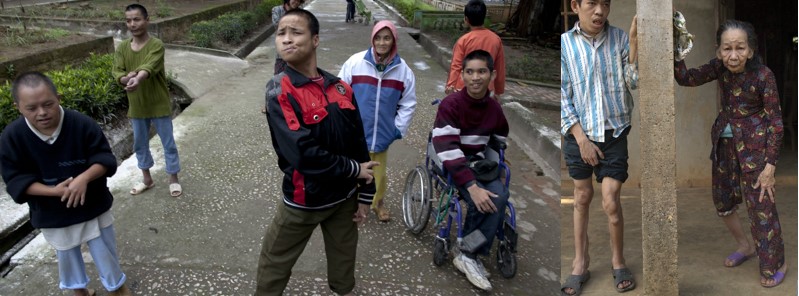
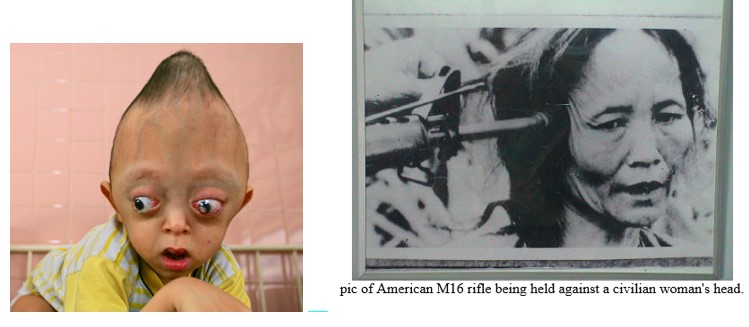
During Vietnam War, U.S. military sprayed approximately 20 million gallons of herbicides (AGENT ORANGE) across 5.5 million acres of Vietnamese jungle and countryside. Over 50 years after the War people are still suffering as you can see from the photos. The Vietnam Red Cross estimates Agent Orange affected as many as 3 million Vietnamese. Children in areas where Agent Orange was used have been affected with hydrocephalus (brain swelling), cleft palates, mental disabilities, hernias, extra fingers and toes, spina bifida, and various genetic diseases 

Sri Lanka has 30 years of terror to showcase. LTTE crimes against Tamils, LTTE crimes against villages/villagers, LTTE ethnic cleansing of Sinhalese & Muslims from North Sri Lanka, LTTE assassinations of politicians, public officials, clergy, unarmed military, unarmed soldiers who were sick, foreigners including a former Indian Prime Minister, LTTE denying freedoms and fundamental rights to their own people, LTTE creation of child soldiers and suicide missions, LTTE killing of its own cadres are just some of the crimes that need to be displayed for all to see. People were either victims of LTTE terror and there were people who benefitted by LTTE terror. The museum has to be for all the victims of LTTE terror. 

It is only in remembering our past we can shape our future. It is only in learning lessons from the past that we resolve not to repeat them.

Shenali D Waduge

Craving for Eelam with the blessings of Sirisena-Ranil Junta

November 28th, 2017

By: A.A.M.NIZAM – MATARA

With the full blessings of the Tamil slavish Sirisena-Ranil junta, the Terrorists Commemoration Day known as the Maavir Day (the Great Heroes Day) was held in many places throughout the Northern Province with the participation of sheep clothed Terrorist politicians.  The LTTE’s TamilNet website reported that more than 2,000 students along with lecturers, faculty deans and the staff of the University of Jaffna took part Monday morning in an emotional floral tribute in front of the newly renovated Tamil Eelam Heroes memorial statue, which was destroyed by the national security forces after 2009. The Website said that the event on Monday was equally emotional to the first event held 12 years ago when the statue was declared open. The website said that the people of Jaffna will never forget nor pardon the desecration of the memorial which was declared open by the vice chancellor of the Jaffna University at that time Prof Mohanadas in 2005. After 2009, the national security forces destroyed the statue inside the University premises and razed to the grounds all the terrorist cemeteries in the North. TamilNet said that the emotional event in Jaffna on Monday has passed a strong message to the world. It said the message was that Tamils would never forget the sacrifices made by the Tamil freedom fighters in the armed struggle under the leadership of LTTE leader Velupllai Prabhakaran.


Jaffna University – Monday 27th November 2017

People engaged in preparing Maavir Day near Terrorist Cemetery in Kopay, Jaffna

Koapay, Jaffna


Cemetery in Thearaavil, Visuvamadu, decorated

Preparing for the event.


Slain Terrorist leader Prabakaran’s 63rd birthday, marked at Jaffna University on 26.11.2017

Marking preparation for Prabharan’s birthday at his childhood house in Valveddiththu’rai.

Reports that the main event as shown above was held at the Kanakapuram terrorist cemetery in Kilinochchi with the participation of several MPs, NPC members, politicians and more than 5,000 people.

Newly created cemetery monument at Kanakapuram in Kilinochchi

Commemoration events have held at 11 places in the Jaffna district, In Kilnochchi, Kodikamam, Kopay, and Jaffna University.

In the Mulativu district the events have been held at Mulli Vaikal, Mulliyawalai, Vishvamud, Theravil and some other places with the participation of the TNA MPs S.Sivamohan and Sri Skandarjah.

In the Vavuniya district it has been held at the former terrorist cemetery at Eechchankulam  with the participation of the TNA MP Sivashakthi Anandan.

In the Mannar district, the event has been held at the cemeteries of Periya Pandivirichchan and Vannivilankulam with the participation of the Northern Province Women’s Affairs Minister Mrs. Anandi Sasidaran.

It is sad to note that terrorist elements have become so bold to openly hold all these events merely because of the patronage being given by this government when there were only Sivajilingam and a few others to light candles for Prabhaakaran in 2009.

ජාතික ගීයට, ධජයට ගරු නොකරන අය ශ්‍රී ලාංකිකයන් වශයෙන් හඳුන්වන්න බෑ

November 28th, 2017

මහනුවර – නදීක දයා බණ්ඩාර උපුටාගැණීම  මව්බිම

ජාතික ගීයට හා ධජයට ගරු කළ නොහැකි පුද්ගලයන් ශ්‍රී ලාංකිකයන් වශයෙන් හැඳින් විය නොහැකි බවත් ඔවුන්ගේ ක්‍රියාවන් මේ රටට සිදුකරන්නේ අවමානයක් බවත් මහනුවර පදවියේ රදගුරු අති උතුම් වියානි ප්‍රනාන්දු පියතුමා ප්‍රකාශ කෙළේය.
මගේ රට, මගේ ජාතිය වශයෙන් සලකා එක මවුබිමක් තුළ සහජීවයෙන් යුතුව ජීවත්විය යුතු නමුත් එසේ නොකර රටට ගරු නොකරන තැනැත්තන් ශ්‍රී ලාංකිකයන් යැයි හැඳින්වීමට කිසිදු අයිතියක් නැතැයි උන්වහන්සේ සඳහන් කළහ.

නත්තල් දින සැමරුම් මුද්දරය හා මුල්දින කවරය නිකුත් කිරීම තැපැල් සේවා හා මුස්ලිම් ආගමික කටයුතු අමාත්‍ය එම්.එච්.ඒ. හලීම් මහතාගේ ප්‍රධානත්වයෙන් ඊයේ (27දා) මහනුවර ශාන්ත අන්තෝනි දෙව් මැඳුරු ශ්‍රවණාගාරයේදී පැවැති අවස්ථාවට සහභාගි වෙමින් රදගුරුතුමා එසේ පැවැසීය.
නත්තල් උත්සවය පිළිබඳ පාසල් හා විවෘත අංශයෙන් පවත්වන ලද චිත්‍ර තරගාවලියේ ජයග්‍රාහකයන්ට සහතික පත්‍ර ප්‍රදානය කිරීමද මෙහිදී සිදුවිය.
මේ තීරණාත්මක මොහොතේ එකම ජාතියක්, එකම රටක් ලෙස ලෝකය හමුවේ පෙනී සිටීමට අප කටයුතු කළ යුතු යැයි කී රදගුරු අති උතුම් වියානි ප්‍රනාන්දු පියතුමා මෙසේද ප්‍රකාශ කළහ.

ශ්‍රී ලාංකික ජාතියක්, එක පවුලක් ලෙස ජීවත්වීමට අපට හැකියාවක් ඇත්නම් එය තමයි ලෝකයට පෙන්විය හැකි උතුම්ම ආදර්ශය. එවිට ලෝකයාගෙන් විශාල ගෞරව බහුමානයක් ලංකා මාතාවට හිමිවෙනවා. ජන නායකයන් මෙන්ම සියලු ජාතීන් රට වෙනුවෙන් අත්වැල් බැඳගත යුතුයි.
ශ්‍රී ලාංකික අනන්‍යතාවට ගරු නොකරන අයට මේ රට සාමය කරා ගෙන යෑමට හැකියාවක් නැහැ. ජේසුස් දෙව් සමි¼දාණන් ලෝකයට ලබාදුන් පණිවුඩය ශ්‍රී ලාංකිකයන් වන අපටද ඉතා වැදගත්. ජාතිය, ආගම, භාෂාව වශයෙන් බෙදී නොසිට ශ්‍රී ලාංකික ජාතියක් වශයෙන් ජීවත්වීම වඩා වැදගත් යැයි මහනුවර පදවියේ රදගුරු පියතුමා වැඩිදුරටත් සඳහන් කළහ.

තැපැල් සේවා හා මුස්ලිම් ආගමික කටයුතු අමාත්‍ය එම්.එච්.ඒ. හලීම්, තැපැල් දෙපාර්තමේන්තුවේ මධ්‍යම පළාත් නියෝජ්‍ය අධ්‍යක්‍ෂ රංජිත් රණසිංහ, ක්‍රිස්තියානි ආගමික කටයුතු දෙපාර්තමේන්තුවේ අධ්‍යක්‍ෂ ඒ.ආර්. ගුණවර්ධන මහතා ඇතුළු පිරිසක් මෙම උත්සවය සඳහා සහභාගි වූහ.

THIS IS HOW OUR PRIME MINISTER RESPECTS THE NATIONAL ANTHAM

November 28th, 2017

කෝටි 300 සංඛ්‍යාත මගඩියට ජනපති මෛත්‍රීත් කොමිසම හමුවටද.. හිටපු ICTA ලොක්කා ඉඟි කරයි..

November 28th, 2017

යටියන ප්‍රදීප් කුමාර lanka C news

රජයට කෝටි 300 අහිමි කළ සංඛ්‍යාත මගඩියටත් විමර්ෂන කොමිෂම් පත් කරන්නේ දැයි ශ්‍රි ලංකා තොරතුරු හා සන්නිවේදන තාක්‍ෂණ නියෝජිතායතනයේ (ICTA) ප්‍රධාන විධායක නිලධාරීවරයා ලෙස සේවය කළ මුහුන්දන් කනකේ මහතා ප්‍රශ්න කරයි.

සිය ෆේස්බුක් ගිණුමේ සටහනක් තබමින් ඔහු මේ ආන්දෝලාන්තමක ප්‍රකාශය සිදුකර තිබේ.

ඔහුගේ ෆේස්බුක් සටහන..

Will there be a Commission to investigate the spectrum fraud worth a minimum as Rs. 3 Billion as high as Rs. 10 billion issued to Maharaja’s by an institution under the President?”

මුහුන්දන් මහතා පවසන්නේ සංඛ්‍යාත මගඩිය මහ බැංකු හොරකමටත් වඩා විශාල බවයි.

මුහුන්දන් මහතා වත්මන් රජය යටතේ ICTA ප්‍රධාන විධායක නිලධාරීවරයා ලෙස පත් කළත් පසුගිය අගෝස්තු මාසයේ ඔහු සේවයෙන් අස් කෙරිණ.

එකල ඔහු පැවසුවේ ජනාධිපතිවරයා අමාත්‍ය හරීන් ප්‍රනාන්දු හරහා කළ දැනුම්දීමකට අනුව තමන් ඉවත් වන බවයිග

කෝටි දහසක සංඛ්‍යාත ප්‍රධාන මාධ්‍ය ආයතනයක් වෙත නිසි ක්‍රමවේදයට පිටින් ලබාදීම හරහා කෝටි 300 ක් රජයට අහිමි කර ඇතැයි දිගින් දිගටම විටින් විට චෝදනා නැගුවත් මෙලෙස සෘජුව ජනාධිපතිවරයා ඉලක්ක කර අභියෝග කිරීම සුවිශේෂී කාරණයකි.

මූලාශ‍්‍ර 01 02

Former ICTA Chairman Asks If There Will Be A Commission For Spectrum Deal Involving An Institution Under President

Courtesy  asianmirror.lk

Former ICTA Chairman Muhunthan Canagey has asked if there will be a Commission to investigate the spectrum fraud worth a minimum as Rs. 3 Billion as high as Rs. 10 billion issued to a private TV channel by an institution under President Maithripala Sirisena.

“Will there be a Commission to investigate the spectrum fraud worth a minimum as Rs. 3 Billion as high as Rs. 10 billion issued to Maharaja’s by an institution under the President?”Canagey asked, on his official Facebook page.

It was clear that the former ICTA Chairman’s question was directed at President Maithripala Sirisena.

Canagey was forced to resign from his position, a few months ago, following a public criticism of the spectrum controversy.

The former Chairman alleged that the Telecommunications Regulatory Commission of Sri Lanka which is directly under President Maithripala Sirisena had given a block of 700MegaHertz spectrum to the Colombo-based media network, causing a loss of over three billion to the state.

http://www.asianmirror.lk/news/item/26206-former-icta-chairman-asks-if-there-will-be-a-commission-for-spectrum-deal-involving-an-institution-under-president

සෝමාලියා කොල්ලකරුවන් මැඩලා ලොවක් හෙල්ලූ ලාංකිකයා දෙරණේ.. හිගාකන ලංකාවට ඩොලර් වැස්සක් වස්සන හැටි කියයි.. රාජිතට-චම්පිකට එලිපිට අභියෝග..

November 28th, 2017

 lanka C news

ගත වූ කාලයේදී මෙරට මහත් ආන්දෝලනයකට ලක් වූ ඇවන්ගාඩ් මුහුදු ආරක්‍ෂණ සේවයේ සභාපති නිශ්ශංක සේනාධිපති මහතා ඊයේ පැවති දෙරණ 360 වැඩසටහන සදහා සහභාගී විය.ශ‍්‍රී ලංකාවට ඉතා විශාල වශයෙන් විදේශ විනිමය ගෙන දුන් සහ විශ්‍රාමික රණවිරුවන්ට රැකියා හයදහසක් පමණ සැපයූ අති සාර්ථක ව්‍යාපාරයක් වූ ඇවන්ගාඩ් මුහුදු ආරක්‍ෂන සේවය වත්මන් රාජය බලයට පැමිණි පසු දේශපාලනඥයින් දෙදෙනෙකුගේ උවමනාවට කඩා බිඳ දැමු ආකාරයද ඉන් රණවිරුවන් 6000 කට පමණ රැකියා අහිමිවූ බවත් සේනාධිපති මහතා ලිපි ලෙඛණ සහිතව පෙන්වා දෙන ලදී.

හම්බන්තොට වරාය හා මතතල ගුවන් තොටුපල ඩොලර් බිලියන දෙකකට අඩු මුදලකට විකුණා දැමීමට නතර කර තමන්ගේ සාධාරණ ව්‍යාපාරය නැවත ආරම්භ කරන්නට ඉඩ දෙන්නේ නම් වසර තුනක කාලයක් තුල ඩොලර් බිලියන තුනක විදේශ විනිමයක් මෙරටට උපයා දීමට තමන් සූදානම් බවත් ඒ සදහා තමනට සත පහක හෝ උපකාරයක් අවශ්‍ය නොවන බවත් ඔහු ආණ්ඩුවට අභියෝග කරමින් කියා සිටියේය.

එවන් මුදලක් වසර තුනකින් රටට එන්නේ නම් අනාගත පරපුරට අයත් දෙපල විකිණා දැමීව වන් හිඟන වැඩ කරන්න උවමනාවක් නොවනු ඇතැයිද ඔහු කියා සිටියේය.

තම ව්‍යාපාරයත් එහි තීනිමය පදනමත් ගැන ඔ්නෑම අවස්ථාවක ඇමති රාජිත සේනාරත්න හා චම්පික රණවක සමග සජීවී විවාදයකට සූදානම් බවත් ඒ සදහා සහභාගී වන ලෙස අභියෝග කරන බවත් ඔහු එහිදී වැඩි දුරටත් පැවසීය.

සෝමාලියානු මුහුදු කොල්ලකරුවන්ගෙන් වෙළධ නෞකා ආරක්‍ෂා කර දීම සදහා පසුගිය රජය සමගේ ආරම්භ කරනු ලැබූ ඇවන්ගාඩ් මුහුදු ආරක්‍ෂන සේවය ලොව සියළු නෞකා සමාගම් අතර ජනප‍්‍රියතම මුහුදු ආරක්‍ෂන සේවාව විය.

නව ආණ්ඩුව යටතේ එය රජයට පවරාගෙන නාවුක හමුදාව විසින් ව්‍යාපාර කටයුතු කරගෙන යමින් සිටී.

Visakha: The Chief Female Benefactor of the Buddha

November 28th, 2017

by Dr. Asoka Bandarage

This year marks the centenary of Visakha Vidyalaya, the renowned Buddhist girls’ school in Colombo, Sri Lanka, named after the chief female benefactor of the Buddha. The Buddha remarked, Visakha stands out foremost among my women lay supporters… of the Order.”1 The generosity (dana) of royal and wealthy patrons such as Visakha and Anathapindika, the Buddha’s chief male lay disciple, contributed greatly to the preservation and spread of the Buddha’s teachings (Dhamma) over the centuries. In light of contemporary debates over such issues as the ethics of wealth and the roles of women, it is inspiring to reflect upon the life of Visakha, the great Dhamma practitioner who was the Buddha’s chief benefactress.

Visakha was born into a wealthy family in the Maghada kingdom and grew up in Saketa, a lovely city built by her father near Savatthi, located in the Kosala kingdom. In Savatthi, she married into a family of great wealth. In addition to her riches, Visakha was renowned for her beauty, charm, poise, and physical strength. She possessed the five maidenly attributes of beauty – exquisite hair, teeth, skin, youth, and form – that her husband Punnavaddhana had required of his bride. After marriage, Visakha gave birth to ten sons and ten daughters, who in turn gave birth to a great many grandchildren and great grandchildren.

Visakha was an exemplary wife and mother, and a compassionate caretaker of animals. She was also a person of wisdom, kindness, generosity, and other attributes of inner beauty. Though she lived in a patriarchal society, Visakha maintained her own independent business and was known for her managerial and communication skills. Among all of Visakha’s virtues, most noteworthy was her devotion and support for the Buddha and the sangha – the monastic community of monks (bhikkhus) and nuns (bhikkhunis).

Visakha first met the Buddha, listened to his teachings, and entered the path of the Dhamma when she was just seven years old. From then on, until her death at the age of 120, she used her wealth and talents to tirelessly and generously serve the sangha. Visakha’s father-in-law Migara was a devout disciple of the Niganthas, a sect of naked ascetics. The story of how she convinced him to accept the Buddha’s teachings attest to her sense of humor, intelligence, and audacity.

One day, a Buddhist monk came to Migara’s doorstep as he was eating out of a golden bowl and Migara refused to offer him any food. Embarrassed, Visakha said to the monk, Pass by, Venerable Sir, my father-in-law eats stale food.” The enraged Migara demanded an explanation. In her calm voice, Visakha explained that Migara was eating the benefits of his past good deeds without doing anything to accrue further merit. Visakha also said that, given her unshakeable faith in the teachings of the Buddha, she did not feel comfortable living in a house where monks were not welcome. If she did not get permission to invite the monks to the house, she would leave.

Reluctantly, Migara agreed to invite the Buddha and the monks to a meal at his house. When he heard the Buddha’s discourse at the end of the meal, Migara entered the Dhamma path. He expressed gratitude to his daughter-in-law for helping give birth to his spiritual liberation and declared that henceforth Visakha would be like a mother to him. Thus, Visakha came to be known as Mother Visakha or Migaramata, the mother of Migara. In time, she built the magnificent Pubbarama (Eastern Monastery) and donated it to the sangha. The monastery came to be known as Migaramatupasada, the terraced abode of Migara’s mother.

Visakha always tended vigilantly to the well-being of the sangha, attending to the needs of both monks and nuns. She requested the Buddha to grant her eight boons. As long as she lived, she wished to give robes to monks during the rainy season, rice gruel to the monks daily, meals to monks who entered Savatthi, meals to monks who left the city, meals to sick monks, medicine for sick monks, meals for monks tending the sick, and clothes for nuns to wear while bathing. The Buddha granted Visakha these eight boons when she disclosed her pure intention. Her request was not motivated by self-promotion. Instead, she wished to develop the five spiritual faculties (pancha indriya) – faith, energy, mindfulness, concentration, and wisdom – and the seven factors of enlightenment (sapta bhojanga) – mindfulness, keen investigation, energy, joy, tranquility, concentration, and equanimity.

As the leading female disciple of the Buddha, Visakha played an influential role in activities pertaining to the sangha. A number of monastic precepts were promulgated due to her intervention. For example, she questioned those monks who refused to ordain novices during the rainy season. She told the Buddha, The Dhamma is timeless. There is no time when the Dhamma cannot be followed.” Thereafter, the Buddha allowed ordination during the rainy season. Visakha played a especially important role in managing the bhikkhuni sangha. Sometimes the Buddha allowed her to settle disputes among the nuns. Some precepts for the nuns were set forth on her advice.

The story of how Pubbarama came to be built is fascinating. One day, while Visakha was listening to a Dhamma discourse at Jetavana Monastery, built by Anathapindika in Savatthi, she set aside a valuable jeweled cloak that was part of her bridal jewelry and forgot it there. When she discovered the loss, she refused to take it back and instead sought to auction it off to raise money to support the sangha. When she could not find anyone in the whole of Savatthi with the means to buy her expensive cloak, worth some 90 million pieces of gold, Visakha bought it back herself. With that money and an additional 180 million, she bought land and built Pubbarama at the eastern gate of Savatthi. The building had two floors, with 500 rooms on each floor, and a pinnacle of solid gold at the top that could hold 60 water pots. It is said that the building was very tastefully furnished and completely carpeted. Pubbarama was donated to the sangha in the 31st year after the Buddha’s awakening.

On the day that Visakha dedicated Pubbarama to the sangha, she circumambulated the monastery with her children and grandchildren, singing elatedly. Seeing this unusual behavior, some monks asked the Buddha whether Visakha had lost her mind. The Buddha responded that Visakha had not lost her mind; she was simply reciting some verses of exultation over the fulfillment of her aspirations in past and present existences. The Buddha then spoke a verse extolling the merits of putting one’s resources and abilities to good use. This well-known verse is known as Visakha Vatthu”:

Just as from a collection of flowers many garlands can be made by an expert florist, so also, with wealth, faith, and generosity, one who is subject to birth and death can do much good”.2

Pubbarama is mentioned frequently in the Buddhist texts. The Buddha spent many rainy seasons there during the last 25 years of his life and delivered many important discourses. In the Agganna Sutta, which was delivered to two brahmins, the Buddha refuted caste ideology. He explained how humans became bound to the wheel of samsara life after life and how the practice of Dhamma, which is universal, allows anyone from the four castes to attain enlightenment. It was also at Pubbarama that the Buddha gave permission for the patimokkha, the basic code of conduct for the sangha, to be recited in his absence.

One full-moon night, while the Buddha was residing at Pubharama and the kaumudi white lily was in bloom, the Buddha delivered the Anapanasati Sutta to a vast community of silent monks. In this discourse, which is central to the Buddha’s teaching of meditation, he explained mindfulness of breathing in detail:

O bhikkhus, the full awareness of breathing, if developed and practiced continuously, will be rewarding and bring great advantages. It will lead to success in practicing the Four Establishments of Mindfulness. If the method of the Four Establishments of Mindfulness is developed and practiced continuously, it will lead to success in the practice of the Seven Factors of Awaking. The Seven Factors of Awakening, if developed and practiced continuously, will give rise to understanding and liberation of the mind”.3

Over time, due to a confluence of factors, Buddhist teachings and culture disappeared from India. These factors included internal dissension, loss of patronage from the royalty and wealthy donors such as Visakha and Anathapindika, the revival of Brahmanism, and Muslim invasions. Like most other Buddhist monasteries and sacred sites, Pubbarama was destroyed. Thanks to the pillars built by Emperor Asoka in 3 BC, important Buddhist sites throughout the Indian subcontinent can still be identified.

The ruins of Pubbarama and the stupa that houses Mother Visakha’s ashes are yet to be excavated. Ironically, today what now marks Pubbarama, the site where the Buddha spoke out against caste ideology and taught mindfulness of breathing, is a broken Asokan pillar in the shape of a Shiva lingam, worshiped by Hindu villagers. Appreciation and respect for Visakha’s contribution to human spiritual advancement calls for the excavation and restoration of Pubbarama by the Indian authorities, with the support of the international Buddhist community.

Courtesy, Sakyadhita (International Association of Buddhist Women) Newsletter

NOTES

1. Anguttara Nikaya 1, chap.14.

2. Dhammapada, verse 53.

3. Anapanasati Sutta, Majjhima Nikaya 118.

The European Union approves the herbicide Glyphosate by another five years.

November 28th, 2017

Chandre Dharmawardana , Canada.

After deliberations that lasted almost a month, and months of preliminary review at various levels, the European Union countries have votes over-overwhelmingly to extend the use of the controversial herbicide Glyphosate. Monsanto and many other agro-chemical companies sell the product since the original Monsanto patent expired decades ago . It has been used in Sri Lanka in significant amounts since 2000 and banned in 2015.

Various formulations of glyphosate have been used in European countries for over four decades without any substantiated cases of ill health. Nevertheless, public fear of environmental contamination and ill-effects on health have been stridently voiced against this herbicide, mainly because of its essential role in the cultivation of genetically modified (GM) crops. The public fears GM foods were called to question even as recently as July 4th 2016 by some 100 Nobelist scientists writing to the Washington Post. They  endorsed GM, while asking Green” militants and NGOs  to not to spread fake news.

On the other hand, a petition with 1.3 million signatures, and  e-mail initiatives (e.g., by change.org” with some 292,000 signatures)  had been delivered to the European parliament months before the deliberations. Many green” NGOs and political parties had  submitted their opposition to glyphosate. However, the main-stream scientific opinion has been strongly in favour of the continued use of glyphosate as one of the  safest available herbicides. The regulatory bodies like the WHO and the FAO support  the continued use of glyphosate formulations in industrial agriculture, and explained that the public has misunderstood the reclassification of glyphosate as a class-II carcinogen. This implies no health risk but the recognition of a possible hazard.

Normally, the decisions regarding matters like herbicides are made by a technical committee on agriculture appointed by the EU. However, from time to time, policies are set by the European parliament which may take decisions that bind the expert committees.  Many of the early votes of the EU in fact supported a ban on the herbicide when the votes were taken, but several key countries stayed non-committal and abstained  from the vote. The German chancellor Angela Merkel is herself a chemist by training. When the last round of voting came about, her  agriculture minister Christian Schmidt had taken the decision that abstaining is not a valid policy. Germany supported  the extension of the use of glyphosate by five more years. The clear German position  influence other states to also say  Ja”, although France and Greece continued with a Non”. The  experts of the European union had of course been in favour of the continued licensing of the herbicide. Now that the political masters have given approval, the Greens and others foes of GM crops will have to wait for another five years to begin their rounds of   collecting signatures, sending out petitions, and creating websites and emotional internet documents against the herbicide, claiming   links between agri-business, government and big science”.

Already, Martin Hausling, the Green-party representative in Brussels has declared this to be a true scandal”, even while German political parties are trying to build a broad coalition under Merkel for a new government. The green” politicians in Europe claim that glyphosate may cause cancer, and that although this is not proven, it should be banned on the basis of what is often called the  precautionary principle”. The farmer  trade unions and  agriculturists  strongly oppose any ban on glyphosate as the production of so-called organic agriculture” cannot  meet beyond 1% of the needed food supply. Most European governments have agriculture ministers who accept this position, while also simultaneously  having minsters of the environment” who claim to be in agreement with the majority of the public who don’t want chemicals” in their food, while living in a stew of automobile pollution and electronic gadgets containing cadmium, nickel, lead, mercury etc. In practice, for most governments, the agriculture mister’s view prevails over that of the minster of environment.

In Sri Lanka, the situation has been more complex, or truly voodoo, to say the least. The decision to ban gypohosate was taken in the wake of the 2015 presidential elections, at the instigation of Ven. Ratana and his followers in the JHU who backed Mr. Sirisena’s candidacy. Ven. Ratana’s had been initially influenced by the claim that God Natha communicated the cause of CKDu through a medium. The reason for banning is not the possibility that glyphosate (if ingested in extremely large quantities) could cause cancer, but the claim that it has actually triggered an epidemic of chronic kidney disease (known as CKDu) among paddy farmers in the dry zone. However, the analysis of blood, urine and other bio-samples of kidney patients have not detected any glyphosate in 97% of the patients. The main-stream view of scientists and experts on kidney diseases  is that  farmers who drink stagnant well water possibly containing hard water and fluoride  may be causing the disease. A newspaper article (Daily News, 9-March 2017)  by Dr. Tilak Abeysekera, a leading Nephrologist reviews the many possible causes.  CKDu has not appeared among other  users of agrochemicals or even among paddy farmers in other parts of the country. Many other articles on the topic may be consulted at http://dh-web.org/place.names/posts/#ckdu.

Given that glyphosate seems to have nothing to do with CKDu, and given that no GM crops are cultivated in Sri Lanka giving no tangible basis for opposition to GM,  there is no reason for Sri Lanka to rush to ban the herbicide. The effect of the ban, taking its toll over the last two years has been catastrophic on all agricultural sectors. The continuing drought that came in about the same time has made matters worse.  A vast network for smuggling in black-market glyphosate as well as dangerous illegal alternatives has grown to satisfy some of pent up the demand. The appeals of the leaders of the badly-hit tea industry could not be ignored by the agriculture minster who appointed a commission. The report of the commission, based on views of experts as well as those opposed to glyphosate has been handed over to the President and to the Prime minster.

However, unlike in the EU where the processes, however contentious, end in a decision, things don’t happen so easily in Sri Lanka where we have a Kafka’s castle. Matters like herbicides and the fate of agriculture are of no importance for a government whose energies are trapped in avoiding elections, facing bond-scam investigations, re-writing constitutions to please its political backers, and trying to unleash arrests of major political opponents mainly as a bid to stay in power. Everything is Aes Bandum” or acts of political illusion”. Surely, how many major  commission reports have been presented to the government, and how many have been acted on?  The government is like an inept juggler who is juggling with swords and knows that one of them is about to fall on him any time soon.  So, can we expect it to worry about a mere herbicide.

Perhaps if this  government gets to know that the young doctor who was the main proponent of the claim that glyphosate causes CKDu  was also a speaker at the recent Anuradhapura rally of the Joint Opposition, then it might act!  Commission money and political vengeance, rather than science and rational considerations  may be the few things that make our successive governments to act.

It is my personal opinion that we should contest separately as earlier – Keheliya

November 28th, 2017

මගේ මතය නම් මෙතෙක් කටයුතු කළ ආකාරයට වෙනමම තරග කළ යුතුයි… කෙහෙළිය

Govt blundered by halting East Terminal causing Rs 3.5 bn loss – Ports Minister Move to open up shipping agency business to foreigners wrong

November 28th, 2017

By Saman Indrajith Courtesy The Island

A delay in developing the Colombo Port East Terminal had led to a loss of Rs 3.5 billion to the Sri Lanka Ports Authority (SLPA), Ports and Shipping Minister Mahinda Samarasinghe told parliament yesterday.

Minister Samarasinghe revealed this, speaking at the committee stage debate on Budget 2018, when the Finance Heads of his ministry were taken up. He opposed a budget proposal to fully open up the shipping agency business to foreign companies.

“As of now large ships can only enter the CICT terminal of the Colombo Port operated by a private firm. If the East Terminal facility is developed the SLPA could boost its revenue. The previous government called for tenders to import necessary machinery to develop the East Terminal and the tender was ready to be awarded. However, the interim government(Jan. to Aug. 2915) called it off. “Had we proceeded with the tender, the East Terminal would have been competing with the CICT terminal by now.

The SLPA has incurred a loss of Rs. 3.5 billion due to the failure to develop the East terminal.”

“We can no longer bear this loss. The SLPA depends heavily on the East Terminal. We will soon start developing it with Cabinet approval. President Maithripala Sirisena, at a public meeting, recently assured that the East Terminal would continue to be under the SLPA.”

Commenting on the Hambantota Port Joint Venture, the minister said the Treasury had agreed to allocate money for settling the port’s debt. “USD 1500 million was borrowed to construct the Hambantota Port. Last year, Rs. 10 billion out of the SLPA profit was spent on debt servicing. As a result last year our profit dropped to Rs. 1 billion. This year Rs. 12 billion is needed to service debt. The Treasury took over the debt payment following the joint venture agreement. Therefore, we have been able to raise our profit to Rs 11 billion.”

Govt. in a quandary

November 28th, 2017

Editorial Courtesy The Island


Foreign Minister Tilak Marapana would have us believe the government is planning to make use of Lord Naseby’s statement contradicting UN figures as regards the number of people killed in the Vanni, when it thinks the time is opportune for doing so. Naseby maintained in the British House of Lords a few weeks ago that the number of war dead in the Vanni should be brought down from 40,000 to between 7,000 and 8,000. He supported his argument with facts and figures. Marapana has also warned that if too much attention is drawn to Naseby’s statement at this juncture interested groups will have sufficient time to put forth counter arguments. Does the government want us to believe pro-LTTE groups are babes in arms?

LTTE activists are far smarter than Sri Lankan politicians and diplomats save a few. They have been able to sway even the United Nations Human Rights Council (UNHRC) and get some senior British MPs to do their bidding. They don’t have to wait till Sri Lanka shows its hand to prepare counter arguments. In a way, they don’t have to come out with counter arguments at all because the Sirisena-Wickremesinghe government does not put forth any arguments. It hasn’t drawn the attention of the UNHRC to Naseby’s statement, which demolishes the very basis of the UNHRC Resolution 30/1 of Oct. 1, 2015 on Sri Lanka, calling for a hybrid war crimes tribunal. It takes everything lying down.

This newspaper has repeatedly pointed out the glaring discrepancies in UN figures as regards the death toll during the final phase of the Eelam War IV. UN experts have the habit of plucking figures out of the air. A UN Panel of Experts (POE) appointed by UNSG Ban Ki-moon placed the number of civilian deaths in the Vanni at 40,000 whereas pro-LTTE groups claimed more than 150,000 people had perished. The UN Colombo office, which had a system in place to monitor civilian casualties during the war, said in a report that 7,721 persons had been killed in the Vanni from August, 2008 to 13 May, 2009. The war ended about a week later. The POE refused to accept this figure, claiming that it was too low! It was a case of the UN contradicting the UN!

It may be recalled that there was no love lost between the Rajapaksa government and the Colombo-based UN officials and the latter, therefore, had no reason to mention a lower death toll in their report.

Why the Sirisena-Wickremesinghe government is wary of flagging the issue of contradictory UN casualty figures anent the Vanni war is obvious. Having plunged feet first into co-sponsoring the aforesaid UNHRC resolution, based on POE’s unsubstantiated claims, the government does not want to make use of Naseby’s compelling arguments because such action will be tantamount to admitting that it blundered by subscribing to the US-drafted resolution.

How would the government have reacted if Naseby had revealed something that could be used against political opponents? It would have swung into action, ordered an investigation and got its propaganda hit men to target its enemies.

One is puzzled by the former AG turned Foreign Minister’s statement that no room should be made for counter arguments on Naseby’s argument. We believe there should be a debate on this issue. The onus is on the government to take it up in Geneva so that it will be discussed at length at the UNHRC. There is absolutely no need to prevent anyone from challenging Naseby’s contention.

Political economy of bond scams and other thefts

November 28th, 2017

By Dr Kamal Wickremasinghe Courtesy The Island

The current situation relating to government corruption and malfeasance in Sri Lanka, viewed in the light of election promises made in 2015, reminds us of a particularly keen universal truth observed by the former French President Charles de Gaulle. He is supposed to have quipped: ‘In order to become the master, the politician poses as the servant’. The observation appears to aptly describe the current Sri Lankan situation.

Clearly, the shameful theft of public funds and phenomenal waste that followed the 2015 regime change show that the promises of cleaning up politics in the country were a pack of deceitful lies concocted by a bunch of desperate thieves who had been languishing out of power for two decades. They got around to making hay at the first sign of sunshine!

To digress for a moment, the political and personal life of Charles de Gaulle, who was elected prime minister of France in 1958, and later became the first president of the Fifth Republic in 1959 under a new constitution, provides a useful reference point forthe analysis of the political ‘rot’ in contemporary Sri Lanka. While in office, de Gaulle is, on the record for taking great care to separate his private expenses from official funds. On retirement in 1969, he refused the two substantial pensions he was entitled to as a retired army general and president, and chose to receive the much lower pension of a colonel. He didn’t burden the state for too long anyway, dying a little over a year after leaving office. He was as unassuming in death as during life, and was buried quietly without any so-called ‘dignitaries’ in attendance, without flowers or wreaths, all at his request. His grave lies in a village of fewer than 700 inhabitants, near Troyes in the east of France, next to the graves of his wife and daughter, marked only by a tombstone with the simple inscription ‘Charles de Gaulle, 1890-1970’.

Judging by those standards, the current political culture in Sri Lanka characterised by politicians of dubious integrity feasting on meagre public funds like ‘pigs in swill’, is clearly a curse on the nation.The manner in which gluttonous politicians motivated by ‘entitlements’ of office such as permits to import and sell luxury cars, and other perks — rather than the faintest notion of public service —is truly nauseating; Compared to the standards set by former politicians of the ilk of Dudley Senanayaka, M. D. H. Jayawardena, M. D. Banda, Colvin R. de Silva, C. P. de Silva, and a few others of that particular generation, the current political culture in Sri Lanka deserves condemnation as worse than deplorable.

There is an added dimension to the current culture of political corruption in Sri Lanka: a particularly depraved value system evident among the corrupt politicians. As has been pointed out previously in these columns, attempts being made by the UNP politicians implicated in the bond scam to portray their dastardly crimes somehow ‘excusable’ show the severity of hold of this inverted value system on their minds.

The public display of the new ‘vice as virtue’ culture began with the former minister Ravi Karunanayake’s refusal to acknowledge the corruption — of the type blind Freddie could see, as the saying goes — involved in alleged acceptance of financial and material benefits from a business crony. He seemed to rely on the strange defence that he was not the only politician engaging in such behaviour! He attempted to lay the blame on others in government, and presented his own interpretation of ‘friendship’ in blaming friends who failed to come forward in his defence. Unbelievably, following the scandal, he seemed to accelerate political moves to advance his position among the UNP youth, with the help of a bumptious political sprout in the Ja-Ela area.

Another minister notorious for his frugality with the truth, Rajitha Senaratne, tried to make the criminality involved in the bond scam ‘light’ by citing the lack of foreign expert involvement in calculating the loss the bond robbery caused! Minister Sujeewa Senasinghe, whose mobile phone call records prove he is as guilty as sin, saw similarities between his plight and enemy plots against the Buddha! And he blamed the President for starting the commission of inquiry that exposed his misdemeanours.

The abominable behaviour of such politicians stealing public money that is the property of hopelessly poor, with no compunction, points to an obvious clouding of their minds by limitless greed. The fact that the particular malaise afflicts the relatively younger UNPers suggests that the minds of these devotees of unbridled capitalism (of the 1977-type) are being occupied by the globalised free market values system promoted by American neocons through education and popular media. The political economy of the forces behind this corruption is deserves critical examination.

Globalisation of ‘greedis good’ mentality – An American initiative

Indisputably, there is a link between the values that seem to make stealing public money acceptable in the minds of UNP politicians, and the fouling of the early Marxist prediction that socialist revolution that could offer some hope for the poor was inevitable in all capitalist societies: the link is the global spread of capitalistic value system primarily designed to conceal class contradictions in capitalist societies, and to safeguard geopolitical dominance of neocolonial powers, as first expounded by the Italian communist Antonio Gramsci.

Prior to Gramsci’s systematic exposition of the pervasive power of ideology on societies Karl Marx himself had recognised that capitalist economic exploitation was accompanied by an underlying scheme of ruling class ideas and values that systematically misrepresent the true nature of social relations in the consciousness of subordinate classes. Marx noted that the capitalist value system acted to prevent the working classes from rejecting oppression. Friedrich Engels used the phrase ‘false consciousness’ to describe the state of mind among workers, peasants and serfs, created by the dominant class to systematically conceal the subordination and exploitation that is routine under capitalism; Vladimir Lenin argued that the power of ‘bourgeois ideology’ was such that, left to their own devices, the proletariat would be content with seeking improvement of their material conditions ‘within’ the capitalist system — accepting crumbs that are handed out to them rather than claiming a rightful place at the table. Lenin however held that, all in all, culture was ‘ancillary’ to political objectives.

It was Antonio Gramsci who greatly enriched Marxist theory by systematically analysing and extending the fundamental importance of overcoming the cultural, ideological, and intellectual traps for the success of the proletariat struggle. Imprisoned by the Fascist dictator Benito Mussolini for nearly a quarter of his short 47 year life, Gramsci developed the notion of ‘hegemony’ used by the capitalists to ‘manufacture consent’ among the working classes, writing his Prison Notebooks.

The bourgeois state, Gramsci suggested,‘manufactured consent’ by shaping ideas and beliefs of the working classes through the establishment media, education systems and religion so that people of all classes would help to maintain the status quo rather than revolt against it. Such servility is caused by their misapprehension among the working classes that the good of the bourgeois represents their own good. Hegemony thus, is the ‘cultural, moral and ideological’ leadership of capitalists over allied and subaltern groups (all groups outside the hegemonic power structure) laid down in the form of universal norms, institutions, mechanisms and general rules of behaviour which support capitalism.

In Gramscian terms, America has exerted pervasive power over the world over the last 70 years or so through the international financial system — Bretton Woods system — established at the end of the second war, and the international order based on specific norms, values and rules promulgated through American foreign policy. The globalisation push that began in the 1970s sought to reinvigorate and reinforce this value system.

Keen observers of Sri Lankan politics and politicians would note that the younger breed of UNP politicians implicated in the bond scam are those who have grown up under this ‘greed is good’ value system without any compassion, or indeed conscience, about robbing the poor for their own personal advancement. They constitute a naturally allied group (like the prime minister) and many subalterns targeted by the hegemony. Others who have received US education in obscure state universities act to perpetuate the system that nourishes corruption, without necessarily being involved in corruption themselves. Politicians like Rajitha Senaratna — and other hangers-on (who have become ‘part of the furniture’ of Sri Lankan politics over the last two or three decades) defend corruption as a means of securing funds for realising their own political objectives, and as a matter of political survival when committed by others.

The nuts and bolts of American hegemony

America’s assumption of the global neocolonialist power status was an outcome of the second war; Having emerged from the war as the only unaffected economy with its physical infrastructure intact, and excess capital, American influence was dominant in France, Britain, and West Germany, the former industrial heart of Europe. American troops were occupying Japan, the only important industrial power in the Pacific. America expressed its new found sense of power and ‘destiny’ with refrains like ‘America has come of age’ and the 20th century would be ‘the American century’. Significantly, the US had the power to ‘enforce’ its will if need be, derived from its monopoly on the atomic bomb.

In the wake of this new found global supremacy, America adopted a policy of massive rearmament and a programme of stationing troops and missiles overseas to back their plans for the future: in 1939, on the eve of the second war, the US had an army of 185,000 with no American troops stationed in any foreign country; The annual defence budget was less than $500 million. Today the US spends nearly $600 billion on its war machine. The military forces have grown to approximately 1.3 million troops on active-duty with 865,000 in reserve. Two hundred thousand active troops are deployed in 170 countries, unlike any other nation. The offensive war machine includes around 14000 aircraft and helicopters, 6000 combat tanks, more aircraft carriers, frigates, destroyers and a large number of submarines. All this offensive weaponry — always referred to as ‘defence’ equipment — is being amassed without a single rival to challenge their dominance in the world!

The apparently limitless growth of the US armed services created new centres of domestic power concentrated among suppliers to the military and weapons manufacturers —the military-industrial complex— and generals and admirals. These vested interests continue to portray the never-ending growth and expansion of the military as vital to safeguarding American ‘interests’. The military growth assisted US businessmen find profitable new markets and new sources of cheap raw materials and the military, overseas bases.

A notable feature of the remarkable growth of America’s military, economic and political power was the concentration of relevant policy making within a small coterie of political operatives with vested interests, later came to prominence as the neocons. These operatives coming largely from outside the national security bureaucracy, operate under the auspices of regimes of both political persuasions in Washington;

They invented a foreign policy based on the concept of ‘democracy promotion’ as the means of exerting influence on the developing world; They cunningly disguised a regressive foreign policy founded on economic aggression, racism, and insatiable hunger for resources as one with the noble aim of promoting democracy as a universal value and a struggle to preserve ‘freedom’ in the face of an alleged communist threat.

The emphasis on freedom is explained on the basis of purported moral convictions of the Puritan cultural foundations of America that all people are created equal, with inalienable rights. (Deceitfulness of this propaganda becomes immediately obvious when viewed against the annihilation of Native Americans, and slavery that facilitated the growth of the US for the major part of its 200 year history.) Contrary to their expressed commitment to promote democracy however, the US sponsored dictatorships in countries such as Nicaragua, Chile, the Philippines and Pakistan, while intervening in internal affairs of other countries for purposes far removed from the promotion of democracy.

American leaders since Woodrow Wilson have emphasised promotion of democracy abroad as a key element of America’s international role, evolving from around 1938 to the present, through such pivotal events and debacles as the second war, the Cuban Missile Crisis, Vietnam, and 2011 bombing of the World Trade Center in New York. Extremists like Ronald Reagan renewed the democracy theme to the level of a crusade with George W. Bush and Bill Clinton following later.

America acting to promote democracy universally is laughable in view of their own political system dominated by a peculiar duopoly, that has stifled political competition from other forces for more than a century. Democrats and Republicans sponsored legislation, upheld by the courts, ensure that candidates of other minor parties are discriminated through campaign financing hurdles, gerrymandering, and exclusion from access to media, limiting choices to the electorate.

Several events in the late 1960s and the military defeat in Vietnam were the only occasions that forced the neocon policy making cabal to take a repose from their push for bogus ‘democracy’: an exposé of covert CIA funding of the US National Student Association and journalists for promoting the democracy push, in the March 1967 issue of Ramparts magazine helped lift the veil of deception for the first time; Next came the defeat of the American military machine by Vietnamese peasants, followed by a number of revolutions in the developing world, showing them that power to destroy does not necessarily accrue power to control.The emerging changes in the international landscape, caused by the emergence of China is the focus of current machinations of the American neocons. It seems their strategy would be to form a common front against China, exploiting old animosities of countries like Japan and India.

The structurally embedded dominance of the neocons in American policy making over the last 50 years has ensured a profound impact on the rest of the world, irrespective of the party in power in Washington. They use their latent potential to devise and propagate ideology aimed at undermining international relationships, political structures and normative values that disfavour American hegemony, and to create regimes and political parties that serve their particular interests. Such cunning and tenacity explains the rapid birth of new operations on foreign soil in the form of ‘colour revolutions’, later transformed to ‘Arab Spring,’ — now faded into history as failed CIA operations — following the realisation of the limits to military power in the 1970s.

The core postulate of the neoconservative designed American foreign policy of democratisation, is much to do with strengthening Israel’s position in the Middle East,promoted as the only truly democracy in a sea of dictatorships and corrupt regimes. The neocon plot to topple Saddam Hussein was concocted with the hope of triggering a domino effect in the Arab world, at least in Iran, for the benefit of Israel.Any accusations of the neocons wielding a disproportionate influence in US foreign policy, and neocons acting contrary to American interests, is quickly countered as anti-Semitic attacks, stifling serious debate.

The modus operandai and after effects of America hegemony

A remarkable feature of the aggressive neocon-designed American foreign policy is their total determination to annihilate any challenge to the hegemony by way of new groupings or policy ideas; they use all resources at their disposal, without any ethical concerns, to destroy such movements and people behind them, ruthlessly. The current state of decline of the Non-Aligned Movement (NAM) formed as an organisation of States that sought to remain independent during the Cold War provides the best example of their destruction of any organised opposition to western hegemony and neocolonialism.

The NAM that originated in 1955 during the Bandung Conference in Indonesia presented progressive proposals representing the wishes of the developing world such as peaceful settlement of international disputes, abstention from joining big power alliances and opposition to military bases of world powers in foreign countries. The NAM also gave full support to the armed struggles in Rhodesia, as well as apartheid Namibia and South Africa.

The area that irked the neocons most, however, was the NAM demands for reform in global governance including the UN and the Bretton Woods financial institutions, the World Bank and International Monetary Fund, and demand for a new International Information Order. These demands sent shivers down the spines of the neocons; They acted quickly to undermine the countries who led the NAM initiative through covert programs tofuel domestic rebellions (as in Sri Lankaand Indonesia) and used corruption to compromise political leaders and bureaucracies in other developing countries (such as India). Today, the NAM has been ‘deactivated’ for all practical purposes — as evident from the fact that only 10 developing country leaders attended the 17th NAM Conference held in Venezuela in 2017, with India being the most notable absentee.

At national level in developing countries, they seek to nurture local elites naturally ‘allied’ with their plans and ‘ambitious’ subalterns as agents. In the particular case of Sri Lanka, the prime minister and the crooks implicated in the bond scam fall neatly in to these groups, respectively. While the subservience of political elites in developing countries may flow naturally from historical family associations that have benefitted them, the subaltern seek to align themselves with neocon programs in a forlorn hope to benefit from the ‘crumbs’ that would flow from hegemonic interventions.

Neocons benefit from the manner of operation of political parties in many developing societies — not too different from the workings of aristocracy in feudal societies — as networks of patronage withparty leaders distributing revenue extracted from the state to loyal followers; The 2015 bond scam in Sri Lanka is a classic example of this particular mode of operation, hence the party structures and operatives acting to protect corrupt members at any cost. More than thirty ministers accompanying the prime minister to the Commission also showed that they are prepared to repay the debt to the leadership by way of public display of loyalty.

The neocons also recruit agents among the media to ‘push their barrow’ through the dispersion of typically regressive ‘ocker’ ideas such as: the need for developing countries to give priority to promoting the American version of democracy over national programs to enhance economic development, on the grounds that ‘man does not live by bread alone’!

Without exception however, governments brought in to power through American backed conspiracies have failed to flourish in the longer term. The plight of the current Sri Lankan government adds another case to the long list of such failures the world over. Such failures are attributed largely to the poor quality of people brought to power by the neocons, chosen for political expediency rather than for any level of competence in economic and other policy making or management in general. Such governments make poor economic decisions based firmly on American demands of the out-dated model of ‘opening up’ the economy for international capitalist exploitation. Thesepoor policy choices drive the economy to the ground,giving rise to increased debt burden and deep social crises, leading to the demise of such puppet governments.

One can only hope.

Sri Lanka, terrorism & UN

November 28th, 2017

By Sanja De Silva Jayatilleka Courtesy The Island

“The [Security] Council reiterated that “any acts of terrorism are criminal and unjustifiable, regardless of their motivation, wherever, whenever and by whomsoever committed,” reaffirming the need for all States to combat, by all means, threats to international peace and security caused by terrorist acts.”

(‘Four peacekeepers killed in two deadly attacks against UN mission inMali’, UN News Centre, 24.11.2017)

Pablo de Greiff, speaking at the UNGA’s 72nd sessionin New York in October 2017, having visited Sri Lanka earlier that monthsaid that “…The impetus to develop new institutional mechanisms and competences for prevention came from the independent Internal Review Panel on United Nations Action in Sri Lanka”and that as a result,a brand new initiative of the UN was established, called “The Human Rights Up Front initiative”.

As part of this initiative, in October 2014, the UN Secretary-General convened a High-level Independent Panel on Peace Operations to undertake a review including prevention and resolution of conflicts, chaired by José Ramos-Horta, former Head of State of Timor-Leste.RadhikaCoomaraswamy was a panelist.

The Panel on Peace Operations accurately observes that terrorist groups are a “… particularly malignant threat to international peace and security” and that their “maximalist objectives directly threaten the very existence of nation States”.

The Panel’s report acknowledges that in “hostile environments…where asymmetric threats are present” the “…willingness to use force tactically to protect civilians and United Nations personnel” is necessary.

However, ina feeble attempt at defining terrorism, the Panel’s report says: “Security Council resolution 2178 (2014) notes that violent extremism can be conducive to terrorism and it was with that meaning that the term was used in the present report.” This is woefullyinadequate and isdangerouslydeficient.Much deeper insightis needed in order to design appropriate responses and offer solutions to this particular form of threat. It is evident that further effort at a proper evaluation of ‘terrorism’ has to be undertaken.

Terrorism has proliferated in all parts of the world, its root causes varying with each community, group or even individual. The UN Human Rights Commission appointed a Special Rapporteur on ‘The promotion and protection of human rights and fundamental freedomswhile countering terrorism’ in 2005, with its successor,the UN Human Rights Council extending its mandate regularly. Despite this, the failure to fully grasp this complex phenomenon is evidenced by the fact that the UN is yet to agree on a definition of ‘terrorism’ (Menon,2016) and has failed at prevention.

The UN’s response to conflict is directly impacted by its understanding of the underlying threats and their dimensions. Certainly in the case of Sri Lanka, the UN Secretary General’s Panel of Experts (PoE) Report on Sri Lanka(locally known as the Darusman Report) is in places, irresponsible, deficient and has been criticized for its lack of intellectual rigor. Here was an opportunity to use Sri Lanka as a proper case study with which to understand this most dangerous, unpredictable and complex of all modern threats,including the State’s response in successfully eliminating it, which in itself is a rarity. Instead, even with the caveat that the State in question did not cooperate, the Panel was disappointingly biased against the State to the extent that it included figures reaching genocidal levels of civilian causalities without credible evidence.

Sir Geoffrey Nice QC, and Rodney Dixon QC, reviewing the PoE report say:

“…the Panel’s findings in respect of the alleged criminal violations fall well short of the legal standards usually associated with a rigorous and impartial inquiry in to evidence in order to make such findings.(p4)

“Analysis of the complex and legal requirement for an unlawful attack under international humanitarian law and customary international lawto the facts in each particular case is completely lacking in the Report.”(p5)

(Review of “Report of the Secretary-General’s Panel of Experts on Accountability in Sri Lanka)

From the subsequent evidence that has entered the public domain, especially the confidential documents released by the British Foreign and Common wealth Office (FCO) which challengethe large civilian casualty figures quoted in the report, it has become clear that the Panel’s approach had been the limited focus of ‘accountability’. The two reviewers say:

“There are necessarily complex questions which the Panel does not address in its Report. The panel has instead taken a “broad brush approach”and ascribed responsibility in a general way to both sides in order to get on to its primary task of considering appropriate accountability mechanisms. Yet any discussion about these mechanisms can be of little relevance or use without an accurate account of the conflict and of the alleged violations that were committed in it.”

Sir Geoffrey Nice and Sir Rodney Dixon have experience with the International Criminal Tribunal for Yugoslavia(ICTY) and the International Criminal Court (ICC). The UN Secretary General did not take this opportunity to advise the PoE on an approach that would have been more useful to the UN instead of rushing to establish grounds for accountability hearings. As the two eminent lawyers say:

“This overly simplistic approach to characterizing the alleged attacks represents a major flaw as the Report simply does not grapple with the difficulties and intricacies of establishing whether any particular attack was justified militarily on all of the available evidence.”

Resolution 30/1 with which Sri Lanka is now saddled was based on such flawedreports.The UN High Commissioner for Human Rights had been so influenced by themthat he called for Universal Jurisdiction to be applied by the courts of all UN member states to those “allegedly responsible for such violations as torture, enforced disappearance, war crimes and crimes against humanity”.

The Sri Lankan State certainly didn’t help itself. No state is a passive victim of the ‘International Community’. We are all members of it. The current government took the witless path of co-sponsoring those Resolutions, while the previous one stonewalled unsuccessfully. When the Darusman Report was published, the Government of the day did nothing to challenge it. We passed up the opportunity to contribute to the international discourse on combating terrorism even though Sri Lanka had two reports, the LLRC (during the previous government) and the Paranagama (Second Mandate) report. This government delayed the tabling of the Paranagama reportin Parliament, though completed, until after resolution 30/1 was adopted. Neither report was submitted to the UNHRC.

Another opportunity has now arisen for Sri Lanka to address this issue differently. Lord Naseby engaged in a long, hard struggle to obtain documents from the FCO which convincingly challenge the current UN view of Sri Lanka’s war against terrorism. In the last such document Lord Naseby received dated 26th April 2009, the British Defense attachéestablishes that the method of engagement of the Sri Lankan military was thoughtful and precise. It is far from the indiscriminate attacks on Tamil civilians that the hostile propaganda has now popularized. The Defense attachéwrites:

“The question is what the SLA does next. The lagoon obstacle makes it harder than before to mount a breaching operation or to attempt to bisect the NFZ again. It is likely that tactics will remain the same- patient assessment, infiltration, then sudden and decisive action at an identified weakpoint.”

Going on to describe how the Sri Lankan Army’s options were constrained by its risk-assessment of the danger to civilians held as a human shield, he says:

“It remains possible that the military could consider an amphibious or air assault operation to attempt to unhinge the LTTE through a coup de main operation into the heart of the NFZ, but this would be highly risky. It is probable that this would only be resorted to if there was compelling evidence that the LTTE was planning the elimination of the remaining civilians as part of a mass suicide.”

Here was a State and its military facing thischilling outcome. Evidence comes in a despatch which quotes a UN report dated 10th February which says that “19 civilians were killed and 75 wounded by the LTTE as they tried to escape to Govt. held territory. TheUN reports civilians reaching ICRC medical facilities manned with gunshot wounds to the lower limbs– to prevent them leaving.”

It must take nerves of steel for a State and a military to make the right decisions in these most unusual of situations, with the rescue ofcivilians the most important objective. The UK Defense attaché describes how,having rescued a large number,the IDPs were screened by the Sri Lankan military:

“The operation was efficient and effective, but most importantly was carried out with compassion, respect and concern. I am entirely certain that this was genuine – my presence was not planned and was based on a sudden opportunity; I had free access to the 300m long stretch of beach for over a 4 hour period and was able to observe upwards of 200 SLN personnel working extremely hard in difficult conditions. Their high morale was notable; they were enjoying the work and clearly finding it satisfying. There were constant examples of thoughtful assistance- looking after babies while mothers were being searched, helping elderly ladies or mothers of babies with their bags, cheerfully offering food etc.”

Adding a comment to the end of this note, he brings home to us the conduct of the military in so fraughta situation:

“There is real risk that a suicide bomber could cause mass casualties in the beach environment. I was genuinely surprised how calm the atmosphere was in the aftermath of the suicide bomb at the Vavuniya screening centre, and by how much compassion was being shown. Welfare appeared to be overriding some security considerations.”

Summarizing his findings after a careful reading of all the despatches up to the 26th of April 2009, Lord Naseby states the following:

“The huge number of IDPs who escaped the clutches of the LTTE and voluntarily fled to the Sri Lanka Army personnel who looked after them before the final stage number 165,000. This totally refutes the charge that the Sri Lanka Government had a policy to kill Tamils.

There is clear evidence of the kindness, concern and efficiency with which the IDP’s were cared for.

 Although firing in and out of PTK hospitals, the despatch of Jan 28th page 4 makes clear that the Sri Lanka army showed restraint.

 The despatches clearly report the behavior of the LTTE in relation to their own Tamil IDPs.

a. ‘LTTE forcible recruitment especially women and children has increased- many to die in LTTE counter attacks’ (March 12th)

b. ‘Of the 37197 IDPs who had crossed over by end of Feb2009, over 200 LTTE cadres were identified trying to infiltrate disguised as IDPs (March 12th)

c. ‘LTTE ensuring their own needs met before any capacity is allowed for civilians’ (March 12th)

d. ‘It is not possible to distinguish civilians from LTTE cadres as few cadres are now in uniform.’ (28th January)

e. Civilians killed in Period February 1st up to April 26threportedto be 6432.

These…clearly indicate there is no case for sweeping War Crimes allegations particularly against the Political and Military Leadership of Sri Lanka…it is time the UN recognized that their estimate of 40,000 civilians killed is totally wrong. All evidence now points to a figure of around 7,000-8,000.”

It’s time for both the Government and the UN to urgently review these revelations. Sri Lanka’s experience in eliminating terrorism needs to be understood accurately. For conflict-prevention, root causes of conflict need close study. But when the aggrieved choose ‘terrorism’ (not just violence)as the means of negotiation,it imposes a hierarchy of values on States, in protecting civilians,and especially when it “directly threaten[s] the very existence of nation States” as the UN itself has recognized. This reality has to be factored in. Only then can the real lessons of Sri Lanka be of use to the international community in the UN’s larger undertaking of bringing ‘conflict-prevention to the fore’.

ආණ්ඩුවෙන් ඉවත් වන්නැයි ශ්‍රීලනීපයට දැනුම් දෙයි

November 28th, 2017

උපුටාගැණීම ලංකාදීප

ශ්‍රී ලංකා නිදහස් පක්ෂය සහ ඒකාබද්ධ විපක්ෂය පළාත් පාලන මැතිවරණයේදී එක්ව තරග කරන්නටනම් ආණ්ඩුවේ සිටින ශ්‍රීලනීප කණ්ඩායම ආණ්ඩුවෙන් ඉවත් විය යුතු බවත් අයවැයට  විරුද්ධව ඡන්දය භාවිත කර පෙන්විය යුතු බවත් පාර්ලිමේන්තු මන්ත්‍රී ගාමිණි ලොකුගේ මහතා පවසයි.

මේ බව ඒකාබද්ධ විපක්ෂය විසින් ශ්‍රී ලංකා නිදහස් පක්ෂයට දැනුම් දෙනු ලැබ ඇතැයි ද වාර්තා වෙයි.

ශ්‍රීලනීප කණ්ඩායම ආණ්ඩුවෙන් ඉවත් විය යුතුයි. ඒ සඳහා ඔවුන් කළ යුත්තේ අයවැය පරාජය කිරිමයි. මේ 09 වැනිදා අයවැය ඡන්ද විමසීමට විරුද්ධව ඡන්දය භාවිත කර ඔවුන්ගේ අවංකභාවය පෙන්විය යුතුයි. ඊට පස්සේ පළාත් පාලන මැතිවරණයට අපිට එකට එකතුවෙලා තරග කරන්න පුළුවන්. ඒගොල්ලෝ ඉවත්වෙන්නේ නැතිනම් අපි පොහොට්ටුවෙන් තරග කරනවා යැයි ඒ මහතා ප්‍රකාශ කරයි.

ඒකාබද්ධ විපක්ෂයේ පාර්ලිමේන්තු කණ්ඩායම පාර්ලිමේන්තු සංකීර්ණයේදී අද(28) පැවැත්වු සාකච්ඡාවකින් පසුව මෙම තීරණයට එළැඹුණු බවද ඒ මහතා කියයි.

හිටපු ජනාධිපති මහින්ද රාජපක්ෂ මහතාගේ ප්‍රධානත්වයෙන් එම සාකච්ඡාව පවත්වා තිබේ.අයවැය තෙවැනිවර කියවීමේ ඡන්ද විමසීම දෙසැම්බර්  09 දා පාර්ලිමේන්තුවේදි පැවැත්වීමට නියමිතය.

ෆෙඩරල් ව්‍යවස්ථාමය යෝජනාවලිය දිනවන්න…බැදුම්කර චෝදනාවෙන් ගලවා දෙනන්න…රනිල් මෝදිගෙන් ඉල්ලලා

November 28th, 2017

http://lankanewsweb.info

තමන් ඇතුළු පක්ෂ නායකයින්ට එල්ල වී ඇති බැදුම්කර දූෂණ වංචා චෝදනාවන්ගෙන් ගලවා දෙන ලෙස අගමැති රනිල් වික‍්‍රමසිංහ මහතා ඉන්දීය අගමැති නරේන්ද‍්‍ර මෝදි මහතාගෙන් ඉල්ලීමක් කර ඇත.

ලබන දෙසැම්බර් 8 වැනිදා නිකුත් වීමට නියමිත ජනාධිපති බැදුම්කර කොමිසමේ වාර්තාවට අනුව තම පක්ෂ නායකයින්ට යම් දඩුවමක් හිමි වුවහොත් එමගින් ආණ්ඩුව දුර්වල වීමට ඉඩ ඇති බව අගමැති රනිල් වික‍්‍රමසිංහ මහතා ඉන්දීය අගමැතිවරයාට පවසා තිබේ.

එසේ වුවහොත් උතුරට සහ නැගෙනහිරට යෝජිත ෆෙඩරල් ව්‍යවස්ථාමය යෝජනාවලිය බිද වැටිය හැකි බව පෙන්වා දී ඇත. මේ නිසා ජනාධිපති මෛති‍්‍රපාල සිරිසේන මහතාට බලපෑම් කර බැදුම්කර චෝදනාවන්ගෙන් යම් සහනයක් ලබා දෙන ලෙස ඉල්ලීමක් කර ඇත.ඔහු මෙම ඉල්ලීම කර ඇත්තේ පසු ගියදා කළ ඉන්දීය සංචාරය අතර වාරයේදීයි.


Copyright © 2026 LankaWeb.com. All Rights Reserved. Powered by Wordpress