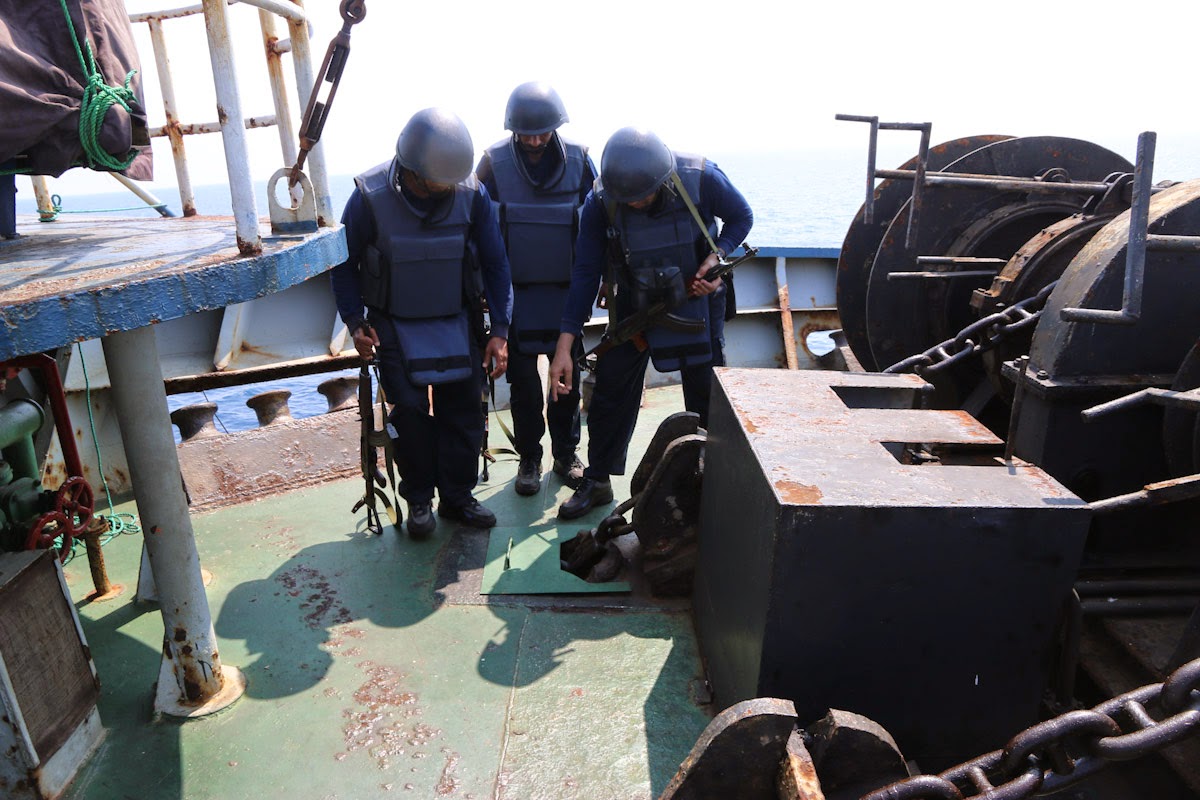
World Fellowship of Buddhists (WFB) must strive to be on par with the Organization of Islamic Cooperation (OIC) and World Council of Churches

September 23rd, 2016

Shenali D Waduge


Colonial rule was about takeover of nations, conversion of people and plunder of resources. Fast forward to the 21st century has the objectives of the former colonial countries in the West changed? If colonials were Western Christian invaders today we have a competition between Islam and the Church for supremacy. The only nations that have not taken over completely are the majority Buddhist and Hindu countries. Therefore, while theosophical discussions and debates on theoretical Buddhism can be put to another day, the most pressing need of the hour for the Buddhist world is to identify the challenges, incursions and prepare a strategic plan to meet them without behaving like ostriches.


The World Fellowship of Buddhists (WFB) are to meet again in South Korea from Sept. 26 -30, 2016 for its 28th General Conference. While previous agenda items have been on ‘intercultural’ and ‘inter-religious’ dialogue it is time to wake up to the fact that these are smokescreens floated by the two competing religions to bring Buddhism and Hinduism on par where they are the minority and once that is achieved by virtue of their global influence take over and dictate the agenda. The Majority Buddhist and Hindu nations agreeing to dilute their historical status to the same level will eventually end up in expunging the place that their religions historically held. South Korea is an excellent example of Christian Evangelicalism reducing the once majority Buddhist population into a religious minority within a span of a lifetime while Maldives is another example of Islam wiping out the Buddhist heritage totally. These two examples should suffice to ring alarm bells of the likely scenario awaiting the handful of remaining Theravada Buddhist countries.


It is important that the World Fellowship of Buddhists (WFB) take stock of the dual importance of first identifying and meeting the incursions taking place while also promoting the virtues of Buddhism as against the violence that Abhramic religions promote. The Western leaders all openly align with their commitment to Christianity while at the same time having no conscience about dropping bombs or sending drones where unarmed civilians are getting killed, injured and displaced. Buddhists in Japan, Vietnam, Cambodia, Laos, and Korea have not forgotten the bombs that fell on them nor the identity of the parties that bombed them thereby committing some of the most horrific crimes against humanity in the last decades. The Day of Accountability for crimes committed against innocent Buddhists by the western colonial powers is yet to come.  

Similarly, the Islamic terror cults are all carrying out terror quoting from the Quran. Other than in self-defense Buddhists have never waged a single war of conquest in the name of their religion neither have they invaded nations to forcibly convert natives with sword/gun.


It is also important for the World Fellowship of Buddhists (WFB) to take stock of why the West is pivoting towards Buddhism and Asia, and why those born into Buddhism who are mostly poverty stricken are being converted to Christianity/Islam as a result of the better life being promised. These are unethical practices no doubt but there is a problem and the problem is that those leaving Buddhism do so not because they want to but because other religions are offering them relief for their poverty. These are factors that the Buddhists meeting at International Conferences need to address immediately.


In a world where cruelty towards animals and the animalistic instincts of man combined with the vagaries of the fast-paced competitive capitalist lifestyle is draining out humans, the Buddhist world must come out with new Buddhist economic structures and peaceful Buddhist value systems that can salvage the situation.


It is also a good time to address the profane cultures and value systems that are ruining the youth primarily as a thirst for profits by parties creating all sorts of nuances to draw innocent victims to their fold.


One of the most important factors that the WFB forum need to realize is that a very deep seated systematic effort is being made to destroy Buddhist cultural heritage – with the ICC recently declaring the distortion of history and destruction of cultural property as a war crime, countries where Buddhist artefacts, sites etc are under threat must be tabulated and through the forum presented globally demanding action. A global voice is what we Buddhists need. One country meekly putting their threats to the world will not suffice when the culprits come from the two religions competing with each other to dominate the world. 

Some of the incursions that Sri Lanka currently faces are listed below: 


·         In a majority Buddhist country the historic place of Buddhism is being challenged by non-Buddhists,

·         Christian-controlled media demonizing Buddhists/Buddhism

·         Demands for one law for all to be replaced by minority religious laws making a mockery of the sacrosanct principle ‘ Equality before the law’ 

·         Minority-religious banking methods all with long term plans

·         Demand for mono-ethnic conclave independence

·         Minority politicians not representing interests of the country but only their minorities& thereby creating injustices and unfair treatment

·         Influencing weak government officials and acquiring and making incursions into sacred Buddhist sites

·         Minority politicians ruining environment by destroying natural forests for settlement of their minorities

·         Mushrooming madrassas and evangelical churches – brainwashing people

·         Foreign funding via Churches and Mosques to buy land at whatever price

·      Concerted effort to remove the historical place afforded to Buddhism in a new Constitution being created to respond to demands of the minorities plus the geopolitical agenda of foreign parties

·         Demands for removal of Sinhala Buddhist settlements and calls to destroy the Buddhist architecture of historical Buddhist sites

·         Demands for minority religious new trends to be applied to all – halal

·         Free flow of missionaries – Islam and Christian to increase their flocks


These are only a handful of examples that needs to have strong statements by a global Buddhist voice – in the absence of such every day the Buddhist space is shrinking and there would be no requirement for any Buddhist forum or gathering if those that are meeting in South Korea play ignorance to the threats and stick to discussing only Buddhist theology. 

The subject of protection and preservation of Buddhism must be given more emphasis at World Buddhist Conferences than topics with hidden agendas such as ‘ inter – faith harmony’ and ‘peace building’. These are all cosmetic exercises to trap followers of Eastern Dharmic religions while plans are afoot to remove the Buddhist identity of historic Buddhist countries that still contain over 70% Buddhists in the general population. The sanctity of the Maha Bodhi Temple at Buddha Gaya must be maintained without any qualification. The Govt. of India must ensure that the peaceful environment in the vicinity of the Maha Bodhi Temple continues and is not compromised by caving in to unreasonable demands of non – Buddhists. 

It is time the Buddhists of the World put their heads together to confront the crisis facing the Buddhist world.  

Shenali D Waduge

Central Highway, Compensation and the Diminished Role of Valuers

September 23rd, 2016

Dr. Chandana Jayalath

Central highway has been coming up and down since four years, being a substantial source of rumors among the masses, particularly with regard to compensation. People were expecting replacement as same as the Southern Highway. However, from time to time, the officials visiting the locations have been gathering deeds, survey plans, and so on, leaving nothing on how people should hope for a reasonable compensation. Grama niladaris are disseminating notices for mandatory participation for various meetings accompanying with a note that no participation means delay in compensation. People have been talking each other, giving various mis-information. Some have received letters asking at any time they should allow tree cutting, changing boundaries, excavation of soils, etc, while quoting some provisions in the Lands Acquisition Act.  The majority is awaiting a fair valuation. They are desperate as to how their assets would be valued by the gentlemen who come all the way from Colombo. Their destiny will soon be decided by an individual at the end.

One recent example is Mirigama Divulapitiya road widening due to highway access. Those who have been residing either side of the road were given 15,000 Rs valuation per perch whereas the market price shall prevail in between Rs 250,000 to 300,000. This is hell of a professional joke and I wonder whether officials have been given orders by politicians to do so. Most frustratingly, these officials had never visited the locations to see anything physical, which I consider it a matter of professional ethics and a serious lapse in duty. As such, the central highway has created a threat to all over the places living adjacent to its alignment. At any time, the direction and alignment can be changed not on technical grounds but political reasons. Central highway alignment had changes four to sixth time over the last three years.

People have been in dilemma as to how much they may be paid as compensation. The level of trauma has started upwards amongst the masses due to lack of proper guidance as to how compensation would be paid. In acquisition of properties and payment of compensation, however, government politicians are going to play a major role, which indeed be interesting to observe what would happen. Compensation is a sensitive issue when large scale private properties and settlements are being disturbed. Strictly speaking, the premise behind any compensation must be to recover any loss that brings the people, the suffered, back to the original position they stood socially and economically had there been no project. As such, it is imperative to have a matrix in place, similar to in other countries, that proposes the modality of compensation for all kinds of losses (e.g., dry land, vegetation, housing, businesses, and other income sources, temporary loss of income, displacement and moving costs). A matrix that sets standards for compensation will help avoiding any potential anomalies over compensation and unnecessary political interference. Since the policies of any typical international funding agencies is, at least, to maintain the level of living under ‘without-project’ situation, a strategy for maintaining their former standard of living needs must be considered to be of top priority.

The government should ensure that the common needs of masses are fully met. Indeed, the affected people should be fully informed and closely consulted on resettlement and compensation options. They must be contacted nicely and humanely without any sphere of influence. It is natural that people affected by resettlement are apprehensive that they will soon lose their livelihoods and communities. Participation in planning and managing resettlement helps reduce any fear or obscurity and gives an opportunity to participate in key decisions that will affect their lives. Resettlement implemented without consultation leads to inappropriate strategies and eventual impoverishment. I would say, consultation is fundamental in good governance, too. Without consultation, the people affected may oppose the project, causing social disruption, substantial delay in achieving targets or even abandonment, and cost increases. Negative public and media images of the project and of the implementation agency may also develop. With consultation, initial opposition to a project may be transformed into constructive participation. Consultation can be fostered by holding public meetings and identifying focus groups, gauge their pulse and so on. Planners might draw on participatory problem-solving methods and the AGA’s being the government stewardship has a major role to play in this regard.

Compensation is therefore one of the key considerations the government authorities must be insightful. It is important that the matrix works on a fair and humane basis covering, though it is impossible to replace the mental agony and depression monetarily, the key cost components that are ascertainable scientifically. Such elements basically include replacement cost of housing, land, crops and vegetation, source of income, loss of business opportunity, relocation costs, statutory fees and charges in procuring new lands, as well as professional fees for designing new houses etc (6% of the total cost of construction will be charged by a chartered architect for his design services). Coconut trees are badly affected in development and particularly in Colombo, Gampaha and Kurunegala districts and with regard to coconut trees, the Coconut Development Board has declared a table of compensation according to the age and annual yield. For example, coconut trees passing the age between 12 to 17 years yielding more than 80 coconuts a year will be valued at Rs 55,000.

It must be noted that the cost of a house ascertained merely on square meter basis with a ceiling budgetary restriction does not amount to a fair compensation. Costs depend on a myriad of factors such as type of construction, height and volume, number of rooms, type of finishes used, external amenities, locational factors, and so forth that heavily influence the quality, workmanship and performance of these houses. In addition to that, there will be professional fees for design, supervision as well as fees for government agencies including stamp duties. Land too has variables such as location, adjacent plots, local government payments, notary charges (usually 1% of the land value), stamp duties (4% payable to the government) etc. Should these amounts are a burden to the displaced eventually? In nutshell, it should be the value enough to replace the loss over displacement had there been no project. It is not the value of the property decided by demand and supply forces in a hypothetical market where there are large number of buyers and sellers. Replacement due to highway or any development project is not a result of a buying and selling transaction. It is simply involuntary resettlement.

As such, replacement cost is the actual cost to replace an item or structure at its pre-loss condition. This is typically distinguished from the actual cash value” payment which includes a deduction for depreciation. The term replacement cost or replacement value refers to the amount that an entity would have to pay to replace an asset at the present time, according to its current worth. This concept is different from the book value used by accountants in financial statements or for tax purposes. Replacement cost is the price that an entity would pay to replace an existing asset at current market prices with a similar asset (which of course, may vary from the market value of that specific asset, since the asset that would actually replace it may have a different cost). However, care must be taken that there are artificial price hike-ups in adjacent land properties. In whatever means, the compensation must be reflective of the foregoing considerations which will, if implemented logically and expeditiously, render social justice and human worth for those who scarified their ‘Urumaya’ (not just residence) on behalf of a nationally important project.

It seems however that the existing law or practice does not allow the valuers to take a holistic and acquiescent view and declare figures that are considered to be inclusive of the foregoing factors. A legal vacuum as such would indefinitely hamper opportunities for people-oriented development initiatives. In nutshell, good governance is the governance characterized by a couple of principles such as participation, consensus-orientation, accountability, transparency, responsiveness, effectiveness and efficiency, equity and inclusivity. Indeed, good governance is positively associated with improved oversight in contracts, government effectiveness, efficient bureaucracy, i.e. the service delivery, and rule of law leading to better economic performance and social life. Therefore, in true good governance, we have to feel a governance system where social and economic priorities are based on broad consensus in society and that the voices of the people are heard in decision-making.

No development effort will be successful unless and until the people understand that they are for them. People should feel that they are empowered as it will impact the choices they make and increase their ability to participate in the political, social and economic forces. Officials visiting from time to time giving orders must be taught as to how they should speak and deal with the general public. The issue of compensation is still an issue burning under ash. I feel, it is time the politicians, officials and representatives from villages go together, work hand in hand, for a combined effort in making this national important project a reality without delay and community frustration.

KHALISTAN IS A DEAD HORSE???

September 23rd, 2016

ALI SUKHANVER

Gurdawara Panja Sahib is a Sikh temple located 48 kilometers away from Pakistan’s very important city Rawalpindi in Hassan Abdal and is considered one of the most sacred places of worship for the Sikhs from all over the world. It is visited by thousands of Sikh and Hindu pilgrims twice every year. A few weeks back, I had a chance of visiting Gurdawara Panja Sahib in precious company of Dr. Ali Ahmed Kharal who is a world renowned educationist and author of a research book ‘Humanism & Pakistani English Novel’.  Gurdawara Panja Sahib is no doubt a majestic building with a unique historical background built by Maharaja Ranjit Singh somewhere in the 15th century, according to some historians. My intention of going to Hassan Abdal was to visit Cadet College Hassan Abdal too which is the first Cadet College in Pakistan and was established at the initiative of General Muhammad Ayub Khan, the then Commander-in-Chief of the Pakistan Army. Though Hassan Abdal is a Muslim majority town but all around the Gurdawara one could find a lot of Sikh residents. The government of Pakistan has provided them all facilities, all basic rights and all possible security. They say, ‘Pakistan is our own homeland; it is the land of Gurdawara Panja Sahib, so it is very dear and sacred to us.’ Coming out of the Gurdawara, we met an old Sikh Sardar in a street leading to the town. I have forgotten his name but his hopefully glittering eyes are still in my memories. He said to me, ‘We shall build a very grand mosque in Khalistan and safeguard it, just to thank our Pakistani Muslim brothers for the care they shower upon us and our places of worship in Pakistan’. I don’t know when the Sikhs would succeed in getting an independent homeland of their own but I am very much sure that they would certainly build a grand mosque when they succeed in materializing their dream of Khalistan. Sardar Jee promised to invite me to the first National Day of Khalistan when Khalistan comes into being. God knows better what is the present status of the Khalistan Movement but the hope-glittering eyes of Sardar Jee seemed very much confident that things would be alright soon.

Some analysts are of opinion that issue of Khalistan is a dead horse now and it is always useless to flog a dead horse. But at the same time there are people who say ‘Pakistan is for the Muslims, India for the Hindus then why not a homeland for the Sikhs’. Robin Raj works at the Rayat Institute of Engineering and Information Technology Pune, Maharashtra, India. In an article he tried to link up the Khalistan movement with extremism. He said, ‘During unfortunate year of 1984, the biggest mistake of our government was the way they handled events. Many innocents got killed in riots. Attack on Golden Temple led to anger among Sikhs against Indian government. Extremists got benefit of the situation. During insurgency many people involved in terrorist activities migrated to Canada, UK and other countries. Though they are still trying hard to keep movement going but this movement is now limited to seminars, demonstration and fund raising.’

Why do the Sikhs need a separate homeland of their own; it is certainly a question frequently under discussion; People say that the Sikhs had been assisting the Hindus with all their force when they were slaughtering the Muslims at the time of the partition. Though I don’t have a vast knowledge of history but as a lay-man I am of the opinion that the Sikhs were at fault that time; they couldn’t understand the shrewdness of the Hindus who simply misused them against the Muslims. Very soon after the partition, the Sikhs realized their mistake when the Hindus started treating them in the same way as they had been treating the Muslims; the same exploitation, the same cruel injustice and the same degrading insult they had to face at the hands of the Hindus. Their life became a continuous series of trial and tribulations. The Hindu extremists not only desecrated their holy books but also threatened to demolish their Gurdawaras. At different stages they were treated like slaves. The Hindu extremists deprived them even of their basic rights. In short the democratic and secular shining India could not save the Sikhs from the wrath of the Hindus. There remained no difference between the low-caste Hindus and the Sikhs. Ultimately the Sikhs had to realize the need of a separate homeland. Situation became more horrifying when in June 1984 a military operation was started against the Sikh community. The target of this Operation Blue Star was to establish control over the Harmandir Sahib Complex in Amritsar, Punjab, and remove Jarnail Singh Bhindranwale and his followers from the complex buildings. The operation was carried out by Indian Army troops with tanks, artillery, helicopters, armored vehicles and tear gas. More than 2000 people lost their life in this operation. Since after that cruel operation against the Sikhs, the Khalistan movement is stepping ahead though at a slow speed but still one thing is very much clear that the Sikhs would never let disappointment come over their independence movement and certainly one day they would succeed in their mission.

Cognitive Behaviour Therapy Discussed in the Jātaka Stories

September 23rd, 2016

Dr Ruwan M Jayatunge M.D.

Cognitive Therapy is one of the major components in today’s psychotherapy. Cognitive Therapy based on gaining insight into unconscious emotions and drives mainly focusing on thoughts, assumptions and beliefs. In general terms Cognitive Behavioral Therapy (CBT) is a psychotherapeutic  approach that addresses dysfunctional emotions, maladaptive behaviors and cognitive processes and contents through a number of goal-oriented, explicit systematic procedures.

The Psychiatrist Aaron T Beck – the developer of CBT or Cognitive Behaviour Therapy emphasized the role of cognitive distortions in Depression and anxiety. Cognitive Behaviour Therapy (CBT) is one of the major orientations of psychotherapy and represents a unique category of psychological intervention because it derives from cognitive and behavioural psychological models of human behaviour.

According to the Buddhist point of view, suffering is not caused by external, traumatic events, but by qualities of mind which shape our perceptions and responses to events. These same words were repeated by the Psychologist Albert Ellis in 1953 when he introduced his action oriented therapeutic approach – Rational Emotive Therapy. Sharing a common purpose, both the Buddha and Ellis set out to improve the human condition, and to do so in a rational, empirical manner (Christopher, 2003).

According to Ellis not the event that causes psychological distress but the belief held by the client. He further argues that one’s emotional distress is actually caused by one’s catastrophic thinking in appraising stressful events. Rational-emotive behavior therapy (REBT) argues that irrational beliefs result in maladaptive emotions leading to reduced well-being (Spörrle et al, 2010). Ellis considers strong emotions to result from an interaction between events in the environment and beliefs and expectations.

Buddha often used Socratic Method to teach his doctrine. Socrates (470 -399 BC) was a Greek philosopher who engaged in questioning of his students in an unending search for truth. He sought to get to the foundations of his students’ and colleagues’ views by asking continual questions until a contradiction was exposed, thus proving the fallacy of the initial assumption. This became known as the Socratic Method.

The Buddha had exceptional communication skills. He was able to positively connect with people from all walks of life and people from different social layers with different education levels. He used vivid and colourful examples to give insight to his followers.

The Buddha often used Insight-oriented dialog to give awareness to his disciples. Insight-oriented dialog is similar to the methodology of cognitive therapies. In Buddhist Psychotherapy  therapist and patient work together to identify dysfunctional mental patterns of thinking, feeling, and behaving that stem from a patient’s identification with their traumatic narrative. Once these specific issues are recognized, patients are prepared to use the healing relationship as an emotional corrective and employ meditation techniques to counter their particular cognitive-affective-behavioral habits (Neale, 2012).

The Lord Buddha used numerous kinds of cognitive therapies. In the story of Kisa-Gotami Buddha used a cognitive mode of action to give insight to a young mother who lost her infant son. She was devastated with grief. She went to the Buddha Carrying the dead body of her son and asked for medicine that would restore her dead son to life. The Buddha told her to get some mustard seeds from a house where there had been no death. Emotionally overwhelmed Kisa -Gotami went from house to house but she could not find a single house where death had not occurred. She gradually got the insight and the meaning of death. She realized that the death is a universal phenomenon. By the end of the day Kisa -Gotami buried her dead son. Although she felt the loss she was able to move away from the pathological grief reaction that impacted her immensely.

The story of Angulimala narrates how the Buddha used to give insight and mental awakening in extreme situations. Angulimala –an innocent bright student who turned in to a vicious murderer was determined to kill the Buddha. When he saw the Buddha Angulimala started chasing the Buddha and screamed at the Buddha to stop.   The Buddha turned and told Angulimala that he, the Buddha, had already stopped and Angulimala, to do likewise.

These few words made a cognitive revolution inside Angulimala’s head. He realized that the Buddha has already stopped -means he does not commit any violence and does not accumulate any karmic energy that fuel the Sanasara Chakra. But Angulimala he himself is mounting up karmic force that keeps him moving in the Sanasara Chakra. In this analogy the Buddha has stopped but Angulimala is still moving. Angulimala had an aha moment and he was able to realise the gravity of his evil actions. He threw the sward and renounced violence.

The story Patachara is a dazzling example how the Buddha restored an acute stress reaction. Patachara a young woman went in to an acute stress reaction when she witnessed the death of her husband, two children and the parents. She lost her faculties and became overwhelmed. She came to Buddha weeping and with utter confusion. The Buddha gave her psychological first aid and brought her to proper sensors.

After she became rational Buddha explained her true meaning of suffering and the nature of impermanence giving numerous examples. Patachara realized that the death and suffering are innate parts of the human existence. Therefore her husband, two children and the parents could not evade these universal maladies.

The story of Patachara reveals an excellent case study of trauma counselling. As indicated by psychologists’ trauma counselling should offer practical help that works and should teach skills to manage flashbacks, painful memories and anxiety. Buddha used practically most of the above mentioned avenues to resolve the grief reaction of Patachara.

IMF Staff Concludes Visit to Sri Lanka to Discuss Progress of Economic Program – VIDEO

September 23rd, 2016

Courtesy Adaderana

A staff from the International Monetary Fund (IMF) led by Jaewoo Lee visited Colombo during September 13-23 2016 to hold discussions on the first review of the Sri Lankan authorities’ economic program that is being supported by a three-year Extended Fund Facility (EFF).

The program aims to support the authorities’ ambitious reform agenda to put public finance on a sustainable footing and create space for its social and development program.

At the end of the visit Mr. Lee made the following statement.

The mission made significant progress toward reaching a staff level agreement with the government on completion of the first review. Discussions will continue in October in Washington D.C. during the Annual Meetings of the IMF and World Bank.

Overall, macroeconomic performance in first half of 2016 reflected a mix of improving balance of payments, reduced growth mainly related to recent floods, and slightly higher inflation. The mission welcomes the effective tightening of fiscal and monetary policies that contributed to improving market confidence and easing pressures on external balances.

The mission commends the authorities for implementing their IMF-supported economic program under difficult circumstances, with all quantitative targets through end-June being met. However, some forward looking aspects of the program review, mainly related to the implementation of the tax reform package, need to be addressed without further delay.

Accordingly, it is important that the government expedites the legislative process of implementing the value added tax (VAT) amendments that are needed to support revenue targets for 2016 and 2017. The 2017 budget should also be underpinned by a well-crafted and high-quality tax policy strategy to raise Sri Lanka’s low tax revenue-to-GDP ratio. Commencing the legislative process for the new Inland Revenue Act would be an important step in rebalancing the tax system toward a more predictable, efficient and equitable structure and in generating the needed resources in support of the country’s ambitious social and development objectives.

The mission welcomes the Central Bank of Sri Lanka’s (CBSL) move to preemptively raise policy rates to maintain inflation within its target band. The CBSL should remain vigilant in monitoring inflation pressures and stand ready to tighten further should inflation or credit growth continue to rise. In light of easing external pressures, the mission encourages the CBSL to continue its effort to rebuild international reserves and maintain exchange rate flexibility to further develop the foreign exchange market. In this regard, the mission and the authorities discussed plans for a transition to flexible inflation targeting as the monetary policy framework, possibly supported by IMF technical assistance.

The mission also encourages the government to make concerted efforts in implementing structural reforms in public financial management and state owned enterprises, building on the substantial technical assistance received over the years. Renewed effort toward greater integration into regional and global supply chains, higher levels of foreign direct investment (FDI), and enhancing prospects for private sector investment are important for achieving medium-term macroeconomic objectives. Bolstering competitiveness to boost trade and private sector development will also support growth potential.”

The mission met with His Excellency President Sirisena, Prime Minister Wickremesinghe, Finance Minister Karunanayake, Governor of the Central Bank of Sri Lanka Coomaraswamy, parliamentarians, other public officials, and representatives of the business community, civil society and international partners.

HRC opposes amendment to Criminal Procedure Code ‘Move to deprive suspects access to lawyers unconstitutional’

September 23rd, 2016


The Human Rights Commission of Sri Lanka (HRCSL) says that the proposed amendment to Criminal Procedure Code will severely undermine constitutionally guaranteed rights of people.

A senior spokesperson for the HRCSL told The Island that the proposed amendment to the Code of Criminal Procedure Act was meant to deprive suspects access to lawyers until their statements were recorded violated the rights already guaranteed by the State under rules made by the Inspector General of Police under the Police Ordinance.

The HRCSL has requested the UNP-SLFP coalition to withdraw the controversial amendment to the Code of Criminal Procedure and to continue to recognise and enhance the rights of suspects to have access to their lawyers.

article_image

Dr Deepika Udagama

The spokesperson made available to The Island a copy of the letter HRCSL Chairperson Dr Deepika Udagama has sent to Prime Minister Ranil Wickremesinghe with copies to Justice Minister Dr. Wijeyadasa Rajapakse, PC and Law and Order Minister Sagala Ratnayake. The following is the full text of the missive: “The Human Rights Commission of Sri Lanka is gravely concerned, that the Bill published in the Gazette on the 12th of August 2016, proposing to amend the Criminal Procedure Code, will deprive suspects arrested and detained by the Police of access to Attorneys-at-law, prior to the recording their statement, and will adversely impact on the constitutionally guaranteed rights of persons including the citizens of Sri Lanka.

The Bill proposes to introduce a new section 37A to the Criminal Procedure Code. The proposed Section 37A(1) states that “any person who has been arrested and detained in custody, shall have the right to retain and consult an Attorney-at-law of his choice at his own expense, after the recording of his statements in terms of the provisions of subsection (1) of the section 110 and prior to being produced before a Magistrate.”

Although this section purports to give a right to arrested suspects to retain and consult an Attorney-at-law, such right is granted only after a statement is recorded from the suspect. Between the time of arrest and until the time of the conclusion of the recording of a statement, the suspects are deprived of access to their Attorneys-at-law.

The new Bill derogates from the rights already guaranteed by the State under Rules made by the Inspector General of Police under the Police Ordinance.

The Human Rights Commission notes that as a result of a settlement reached in the Supreme Court in a Fundamental Rights Application, the Inspector General of Police made rules under the Police Ordinance cited as Police (Appearances of Attorneys-at-Law at Police Stations) Rules 2012 recognising the right of a lawyer to represent his/her client at a police station and requiring the officer in charge of the police station to facilitate such representation. These rules effectively recognise the right which all persons including suspects have to access their Attorneys-at-law at any time, including the period immediately after arrest and while being in detention.

The Human Rights Commission has observed that many instances of torture as well as cruel, inhuman treatment of suspects at police stations occur between the period of arrest and the conclusion of the recording of their statements. As such depriving suspects under arrest and detention of access to their lawyers until the conclusions of their statements will result in a greater risk of suspects being subject to torture, cruel and inhuman treatment as well as illegal arrest and detention by errant police officers.

The passage of the new Bill will hinder the efforts of the Government which has expressed its determination to stop torture in Sri Lanka.

The Human Rights Commission is equally concerned that the new provision will impinge on Fundamental Right of a fair trial guaranteed to an Accused under Article 13(3) of the Constitution. The right to a fair trial begins from the time of investigation. The lack of a fair and impartial investigation will result in the deprivation of a fair trial to an accused. The new provision, depriving suspects of access to lawyers during a crucial stage of the investigation will result in eventually the accused being deprived of a fair trial as a result of an unfair and partial investigation.

Furthermore, granting access to lawyers after the suspects’ statements are recorded and just before them being produced before a Magistrate is of little consequence.

The new Bill is contrary to the accepted international standards of human rights which Sri Lanka is obliged to guarantee to its people. The attention of the Government of Sri Lanka is drawn to the relevant provisions of the International Covenant on Civil and Political Rights (ICCPR). It has been observed that the right to liberty and security of persons and the right of due process established by law requires the State to permit access to counsel from the inception of the detention and that there ought to be prompt and regular access to lawyers.

The Supreme Court of Sri Lanka has upheld that the Right to a fair trial includes the accused being granted adequate time and facilities for the preparation of the defence and to communicate with counsel of one’s own choosing. This is also reflected in Article 14 of the ICCPR. Sri Lanka’s Code of Criminal Procedure has been criticised by international bodies including the UN Committee Against Torture of lacking ‘fundamental legal safeguards, such as the right to have a lawyer present during any interrogation and… the right to confidential communication between lawyer and client.’

As such, it is necessary to strengthen, not weaken, the right of suspects to have access to lawyers. Especially when Sri Lanka has embarked on a constitutional reform process, including the drafting of a new Chapter on Fundamental Rights that should accord with the highest international and national human rights standards, the presentation of this Bill is all the more problematic.

In the above circumstances, the Human Rights Commission of Sri Lanka calls upon the Government of Sri Lanka to withdraw the aforesaid amendment to the Code of Criminal Procedure and to continue to recognise and enhance the rights of suspects to have access to their lawyers.”

Assam’s Dispur Hospitals to observe World Heart Day

September 23rd, 2016

 By Our Correspondent

Guwahati: The city based Dispur Hospitals prepare to observe the World Heart Day on 29 September next with the global spirit to reduce the number of cardiovascular patients. The popular private hospital of northeast India will organize a free health camp on the occasion for all cardiac patients .

The camp, scheduled to begin at 9 am (and to continue till 2 pm) on the hospital campus at Ganeshguri locality, will be open for the citizens, where the participants would get the opportunity  to check various heart related parameters like blood pressure, blood sugar, electrocardiograph etc.

Mentionable is that the heart day is observed every year across the globe with an aim to raise awareness about cardiovascular diseases, which emerge as the number one killer of human beings worldwide. The statistics reveal that various heart disease & strokes claim 17.3 million lives every year around the world. And by 2020, one third of all human deaths on the planet will be attributed to the cardiovascular diseases.

Shockingly India has been emerging as the world capital of heart patients. The populous country today takes the burden of over 30 million patients with heart related ailments. Moreover it witnesses the deaths of around 3 million people because of cardiovascular diseases every year.

However, 80% of those premature deaths can be avoided with necessary precautions. Geneva based World Heart Federation, which promotes the heart day celebrations worldwide, preaches for improving global heart health by encouraging people for lifestyle changes with acquiring knowledge about being good to the heart.

We are supporting the mission of World Health Organization to reduce the non-communicable disease mortality rate by 2025 with the reduction of premature deaths because of cardiovascular diseases. The heart day celebration is one of our initiatives,” said Dr Jayanta Bardoloi, the chief of Dispur Hospitals.

He also added that few dangerous risk factors leading to the heart ailments and strokes include high blood pressure, high level of bad cholesterol, increased glucose level, increased weight and obesity, which are normally triggered by the smoking habit, unhealthy diet and physical inactivity.

The Dispur Hospitals private limited also plans to take out a Walkathon on Thursday morning in the city streets for enhancing awareness about various heart ailments. The walk will start from the hospital premises at 6 am, informed Ujjal Saikia of Dispur Hospitals adding that senior Assamese journalist Nava Thakuria will flag off the march.

Why Are We Giving $38 Billion to Rich and Powerful Israel?

September 23rd, 2016

By Ron Paul Courtesy “Information Clearing House

September 21, 2016  – “RPI” – Last week’s announcement of a record-breaking US aid package for Israel underscores how dangerously foolish and out-of-touch is our interventionist foreign policy. Over the next ten years, the US taxpayer will be forced to give Israel some $38 billion dollars in military aid. It is money we cannot afford going to a country that needs no assistance to maintain its status as the most powerful military in the Middle East.

All US foreign aid is immoral and counterproductive. As I have often said, it is money taken from poor people in the US and sent to rich people overseas. That is because US assistance money goes to foreign governments to hand out as they see fit. Often that assistance is stolen outright or it goes to the politically connected in the recipient country.

Just as bad is the fact that much of what we call foreign aid” is actually welfare for the wealthy here at home. The aid package to Israel is a very good example. According to the agreement, this $38 billion will all go to US weapons manufacturers. So the real beneficiaries are not the American people, and not even Israeli citizens. The real beneficiaries are the US military-industrial complex. Perhaps the money won’t even leave Washington – it may simply go across town, from the Fed to the Beltway bomb-makers.

While even US government aid to desperately poor countries should be opposed on moral and practical grounds, it is even harder to understand US aid to relatively rich countries. At a nominal per capita GDP of over $35,000, Israel is richer than Japan, Italy, and South Korea. Not long ago Business Insider published a report by the Institute for the Study of War showing that the Israel is the most powerful military force in the Middle East. We know they have hundreds of nuclear weapons, a sophisticated air force, drones, and even nuclear weapons-equipped submarines.

So why is the US giving a rich and incredibly well-armed country a record amount of military aid? Part of it is that the US government believes it can coerce Israel to do Washington’s bidding in the Middle East. History shows that this is a foolish pipe dream. If anything, US aid subsidizes Israeli human rights abuses in Gaza and elsewhere.

Another reason is a very powerful lobby in Washington, AIPAC, that pressures Members of Congress to focus on Israel’s interests instead of US interests. Members of Congress should look at our economy, with effectively zero interest rates, an anemic non-recovery from the 2008 crash, historically low participation in the work force, and inflation eroding the value of the dollar and conclude that this might not be the best time to start handing out billions of dollars in foreign aid. Unfortunately most Members of Congress find it impossible to say no to special interest groups like AIPAC.

Here’s a better aid package for Israel: free trade, travel, friendly relations, and no entangling alliances. Israel should be free to pursue its national interests and we should be free to pursue ours. If individual Americans feel compelled to provide assistance to Israel or any other country or cause overseas they should be allowed. But the rest of us should not be forced to do so. Trade, not aid.

What Is BRICS Member India Really Up To?

September 23rd, 2016

By Pepe Escobar

Jonathan Cook is a Nazareth- based journalist and winner of the Martha Gellhorn Special Prize for Journalism – See more at: http://www.jonathan-cook.net/2016-09-19/palestinians-lose-in-us-military-aid-deal-with-israel/#sthash.H1NbQCac.dpuf

September 21, 2016 “Information Clearing House” – “RT” – You may have never heard of LEMOA. In Global South terms, LEMOA (Logistics Exchange Memorandum Agreement) is quite a big thing, signed in late August by Indian Defense Minister Mohan Parrikar and Pentagon supremo Ash Carter.

As Carter spun it four months before the signing, LEMOA rules that US forces may” be deployed to India under special circumstances. Essentially, Delhi will allow Washington to refuel and keep contingents and equipment in Indian bases – but only in case of war.

In theory, India is not offering the US any permanent military base. Yet considering the Pentagon’s track record that may of course change in a flash.

No wonder Indian nationalists were outraged – insisting there is no strategic gain out of this gambit, especially for a nation that is very proud of being one of the founders of the Non-Aligned Movement (NAM).

The cozying up to the Pentagon happens just a few months after Prime Minister Narendra Modi – who had been denied a US visa for nearly a decade – addressed a joint meeting of Congress in a blaze of glory, declaring that India and the US are natural allies” and calling for a closer partnership.

Modi went no holds barred, even referring to Gandhi’s influence on Rev. Martin Luther King’s nonviolent civil disobedience strategy – something that could not but earn him a standing ovation in Capitol Hill.

The closer” partnership does involve military and nuclear issues. As Modi reminded Congress – which needed no reminding – the industrial-military complex sold weapons to India from almost zero to $10 billion in less than a decade.”

Then there’s the US-India nuclear cooperation deal, which opens a window for US corporations to build and supply Indian nuclear power reactors. And eventually Washington is bent to share some” – and the operative concept is some” – military technology with Delhi.

Geopolitically, this all boils down to what happened recently in the Philippine Sea, as the US, Japan and India practiced anti-submarine warfare and air defense maneuvers; practical evidence of the pivot to Asia”, as in re-tweaking Asia’s naval-securityorder” to counteract – who else – China.

Modi performs geopolitical yoga

Yet things are not as black and white – from the Indian point of view. It’s no secret that key sectors of the Indian diaspora in the US are quite integrated with the Washington consensus and usual suspect hegemony mechanisms such as the Council on Foreign Relations and the Rand Corporation. But Modi’s game is way more sophisticated.

Modi’s priority is to solidify India as the top South Asian power. So he cannot afford to antagonize Washington. On the contrary; he’s getting the US on board his vastly ambitious Make in India strategy (a major national initiative designed to facilitate investment; foster innovation; enhance skill development; protect intellectual property; and build best-in-class manufacturing infrastructure.”)

Naturally, US corporations – heavy supporters of TPP – are salivating at the lucrative prospects. The drive is similar to what China did decades ago, but now with emphasis on protection of intellectual property” to attract the TPP-obsessed crowd.

Another geopolitical Modi goal is to forcefully present India – not Pakistan – to Washington as the ideal reliable/rational partner in South Asia. That’s dicey, because for the Pentagon the multiple declinations of the war on terra in AfPak are de facto being configured as something like Operation Enduring Freedom Forever.

And then there’s once again the military angle: India diversifying its weapons suppliers – mostly it buys from Russia – towards the US, but not that much, establishing a careful balance.

This is a balance between the US and BRICS, in itself is the hardest nut to crack. As Beijing admits in no uncertain terms, BRICS faces the risk of retrogressive, rather than progressive, cooperation because of new, intricate circumstances.”

Talk about a diplomatic euphemism for the ages. And this as Washington will go no holds barred to
contain China behind the First Island Chain in the South China Sea while there’s not much Delhi can do to contain Myanmar providing Beijing with total access to the Indian Ocean via Pipelineistan, ports and high-speed rail.

Meet INSTC

At the next BRICS summit in Goa next month, some of these geopolitical intricacies will be quietly discussed behind closed doors. BRICS may be in disarray, with Brazil under regime change, Russia under sanctions and India flirting with the US. But BRICS remains committed to serious institutional moves, such as the New Development Bank (NDB), the push towards trading in their own currencies and a multi-pronged politico/economic drive towards a multipolar world.

This drive is graphically in effect when we examine one of the key – unreported – Eurasian integration stories; the symbiosis between India and Iran. Delhi counts on Tehran to up its game as an economy propelled by natural gas as well as profiting in the long run from the perfect – Persian – gateway to Central Asian markets.

The key hub of course is the port of Chabahan. The highlight of a Modi visit to Tehran four months ago was a Chabaharcontract between India Ports Global Private Limited and Arya Banader of Iran. That’s about development and operation for 10 years of two terminals and 5 berths with cargo handling”.

There’s way more; development of Special Economic Zones (SEZs) and essential road/rail links from Iran to Afghanistan and further into Central Asia. India will then have direct access to Afghanistan, bypassing Pakistan. It does not hurt that Delhi and Kabul are already strategic partners.

Chabahar is only 500 km east of the ultra-strategic Strait of Hormuz.

In the near future, we might as well see a configuration where the Indian Navy has the right to use Chabahar while the Chinese Navy has the right to use Gwadar, in Pakistan, only 150 km by sea east of Chabahar. Nothing that BRICS dialogue – or the Shanghai Cooperation Organization (SCO) – could not keep on smooth sailing mode.

For Iran, this is a certified win-win” game. Iran not only will be connected to the Chinese One Belt, One Road (OBOR); but it will also solidify yet another trade/transportation corridor in Eurasia; the International North-South Transportation Corridor (INSTC) between the Indian Ocean and Central Asia. Key INSTC members happen to be Iran, India and… Russia. Talk about, once again, the interpenetration of BRICS and the SCO.

The Big Picture ahead under Modi’s long term planning does not look like Delhi subjected to the role of flagrant vassal of Washington. India needs certified stability with all key players – from the US to China, considering the master plan is to lift 1.3 billion Indians close to the living standards of middle-class Chinese.

China had a head start. India may take up to 2050 to do it. Meanwhile, it’s not to India’s interests to actively join any US policy of China containment or encirclement, be it pivot” or rebalance”. It’s more like India, in a Gandhian way, will be practicing the fine art of nonviolent, forceful neutrality.

Pepe Escobar is an independent geopolitical analyst. He writes for RT, Sputnik and TomDispatch, and is a frequent contributor to websites and radio and TV shows ranging from the US to East Asia. He is the former roving correspondent for Asia Times Online. Born in Brazil, he’s been a foreign correspondent since 1985, and has lived in London, Paris, Milan, Los Angeles, Washington, Bangkok and Hong Kong. Even before 9/11 he specialized in covering the arc from the Middle East to Central and East Asia, with an emphasis on Big Power geopolitics and energy wars. He is the author of “Globalistan” (2007), “Red Zone Blues” (2007), “Obama does Globalistan” (2009) and “Empire of Chaos” (2014), all published by Nimble Books. His latest book is “2030”, also by Nimble Books, out in December 2015.

TAMIL RACISTS PROVOKING SINHALESE!-MALWATTE MAHANAYAKE HIBERNATING, LEAVING ENTIRELY PRESIDENT MAHINDA RAJAPAKSE  TO  SALVAGE  SINHALA NATION- INTERNATIONAL CONSPIRACY  BEING HATCHED TO CHARGE MAHINDA  FOR TREASON!

September 22nd, 2016

DON DISSANAYAKE

It is crystal clear Sinhalese cannot trust the gang of Maithreepala, Ranil and Chandrika.  They have done everything at their disposal to become a bunch of scumbags of Tamil Racists.  Standing on their way is just only one honest, non –corrupt, astute and visionary leader, known at the village kids forum as Appachchi, internationally renowned President Mahinda Rajapakse.    The trio need to clear the obstacles and get rid of President Rajapakse, who has been identified by Westerners, Indians and the Trio as the stumbling block.  Now they need to plan how to trap President Mahinda Rajapakse to make one solitary wrong move and arrest him on charges of treason.

Malwatte Maha Nayake had recently tried to calm down  Mr Wimal Weerawansa on his claim the existence of  potential threats to Sri Lanka’s unitary status, pride of place for Buddhism and recognition of rights of Sinhalese to live any part of Sri Lanka.  When was the last time Malwatte Mahanayake had visited North and East? When Tamil religious and political leaders travel extensively throughout the island, promoting anti-Sinhala sentiments, Malwatte Maha Nayakayas remain at the  helm of Kandy with luxury vehicles, food, entertainment.

In other words, Malwatte Maha Nayake’s obliquely advocating a principle of leaving the fight against Tamil Racisim entirely in the hands of President Mahinda Rajapakse.  This is a pre-planned agenda acceptable to the Maha Nayake of Malawatte, who is a notorious advocate of policies of Ranil, Maithree and Chandrika.

Tamil Racists are demanding the removal of Buddhist Temples in North.  The Guardian of Bhddhism in Sri Lanka is hibernating in Kandy.   Tamil Racists are demanding removal of Sinhala undergraduates from Jaffna University.  The  Maha Nayake is busy with his mid-day meal.   The Tamil Racists are demanding separate State of their own.  Our Maha Nayake is enjoying afternoon nap after a delightful meal.

Ven. Thibbatuwawe Sri Siddhartha Sumangala Thero,  we appeal you to  provide leadership for the civil society and travel with them to North and East of Sri Lanka with the objective of providing greater understanding between conflicting parties.   It is your duty to protect the unitary status of Sri Lanka and ensure freedom to all citizens without barriers.

We cannot allow Wigneswaran, Sambandan, Sumanthiran, Mano Gaheshan etc. to continue de-grade Sinhalese and Buddhists.  The Maha Nayake of Kandy must come forward and provide leadership.  Your failure to do so will result in humiliation at the hands of Buddhists.

Court’ backlog; the result of a dirty game that increases social trauma and collapses public confidence over legal means

September 22nd, 2016

Dr. Chandana Jayalath

The 155 meter long and 127 meter wide ship manufactured in 1985 came under detention in Sri Lanka on a court order after a dispute arose involving the cargo and its crew. The vessel was found drifting off the coast of Panadura three years ago and had been anchored there since, pending the outcome of a Court case. Along with the court case dragging the condition of the ship was deteriorating and finally sank in offshore in Angulana, leading to considerable oil seepage unto Colombo.

Similarly, one of my friends has been facing a court trail over 3 years now awaiting a judgment on a ministerial decision related to a termination of employment. The case is straightforward where the client has terminated the employee on the grounds that the recruitment has been allegedly made by then the chairman of the institute while the party so suffered due to termination has sought a redress from the labour tribunal. How many years have ordinary people (except of course, the trails pertaining to FM Sarath Fonseka and Mrs Shirani Bandaranayake) waited for their court cases pertaining to a property issue, or personal relations, or business, to be finally resolved? How many years have suspects in crimes waited in remand jail for court cases or preliminary legal proceedings to be completed to enable their guilt or innocence to be established? How many kilometers do litigants have to travel from village to court in a distant town and, how many times in the course of a case?

The entire society is replete with frustrating and disheartening experiences caused by many delays in the system of justice.  The question is why it takes such a long time for a resolution. The reasons are numerous, and it is important to gauge the actual reasons to find lasting solutions. Though it has been considered by many as a critical social issue, it has not surfaced in a strong manner to generate a robust debate in society so as to compel the government to address them and take immediate measures to mitigate the ill effects of this persistent problem.

Lawyers for example have to safeguard the public interests in the administration of justice. Rules that govern their professional conduct arise out of the duty that they owe the court, the client, their opponents and other advocates. These standards must also be known to the public at the outset in a language understandable. Acting in a dignified manner is of high significance where the lawyer at all times conducts himself with self-respect. Dignity and respect maintained towards judicial office is essential for the survival of a free community. For example, an advocate should not communicate in private to a judge with regard to any matter pending before the judge or any other judge and  should not influence the decision of a court in any matter using illegal or improper means such as coercion, bribe etc. An advocate should refuse to act in an illegal or improper manner towards the opposing counsel or the opposing parties.

However, when one enters into litigation in our courts today, no one has any idea as to when the justice will prevail. Such is the delay in justice in our country. We often use the dictum “Justice delayed is justice denied,” coined by the famous British Prime Minister William Gladstone. This dictum remains mere words if we, as a vibrant democracy, fail to take appropriate steps to resolve the issues at hand. Delays in legal proceedings have immensely contributed to social upheaval and even isolation, inevitably losing faith in the system and taking the law into hands of the masses.

At present, if I am not mistaken, there is a massive backlog of over 650,000 cases pending before the Sri Lankan courts. A known fact is that prolonged litigation creates a culture that encourages lying.  Also it provides immense opportunities for unscrupulous litigants and lawyers to engage in many forms of manipulation.  If a legal redress is available for a party that has suffered some injury, but is not forthcoming in a timely fashion, it is effectively the same as having no redress at all. In an interview with the Sunday Observer, 2012, the Secretary to the Ministry of Justice Kamalini de Silva said “Although Sri Lanka’s judicial system is of a high standard compared to other countries in the region, law reforms need to be introduced to meet present day challenges. We are still observing archaic laws of our colonial masters. We need good infrastructure and good management skills to step into the modern legal systems”, she said. Speaking about the laws delays, remedies taken to reduce the backlog, the faith of the people in the country’s judiciary in resolving their legal issues, the Secretary, who is in the legal field for over 30-years, said Judges were competent to handle the issues but need the support of all those in the legal system, ranging from lawyers to peons to clear cases amounting to over 650,000 cases which are piled up in Courts island wide.

On the other hand in Sri Lanka, the arbitration process (for which it is possible) has become very adversarial and expensive. Therefore, it is important to review and improve the arbitration process as early as possible. It is also important to pick experts such as architects, engineers, quantity surveyors, and lawyers to constitute arbitral tribunals. However, one of the serious criticisms leveled against arbitrations in Sri Lanka is the time factor. The arbitration agreement incorporated in the ICTAD Conditions of Contract under clause No. 67 stipulates that the period within which the award should be made is four months. Although the Arbitration Ordinance of 1948 stipulated a period of three months, the present Arbitration Act does not specify a time limit where the parties are free to fix a desired time period for proceeding and award the agreement. According to the arbitration agreement recommended by ICTAD the period for commencement of arbitration may take a maximum of 90 days whereas the FIDIC documents the maximum period of 154 days. Hence, the time factor remains a major drawback in the arbitration process. A further drawback is that there are no facilities to conduct construction arbitration proceedings besides Colombo. It will be helpful if an association of arbitrators whose objective is to educate and train professionals in the field of arbitration is formed to promote the continuous development of the skills of arbitrators.

We have no Court exclusive for construction disputes unlike for example Technology and Construction Court (TCC) in UK that was set up as a specialist group of courts within the Queen’s Bench Division of the High Court of Justice to handle disputes about buildings, engineering and surveying. Cases that TCC hear generally include claims about services provided by engineers, architects, surveyors and other professionals in this sector, claims about local authority duties relating to land and buildings, environmental claims (e.g. pollution and nuisance), claims resulting from fires, challenges to decisions of arbitrators in construction and engineering disputes. TCC does not attend to cases with a value of less than £250,000 unless there is a good reason, e.g. the case involves a new or difficult point of law or the case is international.

Due to the delays in the administration of justice, leaving the Courts to administer justice relating to public affairs is perceived as succumbing to the delays and thereby delaying opportunities to bring about required changes. For example, when a highway is to be constructed, there may be some land owners who will object to their lands being taken and may go to court to object. Delays in court may then be manipulated by lawyers, whereby the construction of the road may be delayed for a long time. Similarly, on insurance matters delays in courts may result in parties to accidents not being able to get their dues, with insurance company lawyers manipulating delays in order to force settlements to the disadvantage of the affected parties. A further example is where the government wants to take over some lands for purposes which the government thinks is useful, but this is objected to by people living there. The residents could go to the courts for the purpose of seeking justice. The Government, perceiving this as a delay in the achievement of their purpose, will not want the courts to have jurisdiction on the matter. A related problem is the ejecting of residents by force without court orders. The gaining of court orders may require giving notice to the affected parties and the affected parties may thereafter object. And, until these matters are settled, the government will not be able to eject the residents and proceed with their construction.

To make matters easy, it is important the government find ways to oust the jurisdiction of the courts. However, the questions that are not discussed are why the government cannot undo the court delays by introducing necessary reforms and allocating resources. There are many countries in the world where undue and extraordinary delays have been overcome. A related issue is that ousting the jurisdiction of the courts creates opportunities for corruption. The pretext of avoiding delays involved in court processes is often a pretext used to avoid the discussion on the vast possibilities available for corruption when the scrutiny of the courts has been removed. Many justice issues can thus be suppressed under the pretext of development. Within modern development projects, the possibilities of corruption are extraordinarily large and if the matters of dispute go through court processes, such corruption would be exposed. At the same time it needs to be stressed it is possible to create justification for corruption when quick results are possible as against the possibilities of justice accompanied only with extraordinary delays.

Thus, the central issue to be dealt with is the issue of overcoming delays in the resolution process by necessary institutional reforms and the allocation of resources. Another important issue is that the access to law seems to be severely curtailed, reduced or restricted by the poor being unable to afford the costs of litigation. Delays which go on for years aggravate this factor. Sadly, there is no authentic and adequate legal aid system to help persons from lower income groups take advantage of the law. The powerful and the powerless then starts sharply seen in litigation. Now, added to that is the politicization that brings advantages to those who have political connections and disadvantages to those who do not.

Inter-alia the courts’ primary role is to make, interpret and define law and safeguard the public interests and social values. Courts interpret what the documents depict in terms of true intent the parties had in their minds at the time they entered into the contract, in the case of private contracts. Courts eventually rely on court-appointed experts in the context of highly technical issues, ultimately generating a vicious circle. For any alternative method to be truly voluntary, Courts should use discretion only when the will-power of the parties remains. The outcome would still vary on the court’s persuasiveness such as any sanction that makes participation and conduct of the process obligatory which will in turn restrict the choice of the disputants.

On the other hand, Courts should be sensitive when power imbalances exist, not necessarily to protect the parties’ rights but to leave enough room for self-determination. When tapping the potential of these techniques, I strongly believe that courts should first test the appropriateness, resistance and willingness before encouraging and facilitating paralegal functions and alternative dispute resolution methods. It will help secure key characteristics such as participation in good faith, autonomy, choice and self-determination.

On the contrary, mandating alternative means without consent of the disputed parties or court connected means with imposed rules such as strict deadlines may dictate the outcome and prejudice the aim of laissez-faire amicable settlement. What the parties need is, therefore, something that works well, indeed works faster, cheaper and in a much less contentious manner than traditional tribunals. Parties strongly believe in a process in which the parties retain the right to decide the outcome of the dispute rather than a court order or an appeal board decision. Under circumstances, in construction related disputes, the Construction Industry Development Act should have allowed an extra contractual opportunity for the parties to revisit their concerns at any point of the settlement gauntlet, for example a third intervention, a neutral approach where the lay employer refers the matter to a third neutral who will first evaluate the case independently and recommend a solution.

For example, in Qatar, today, the parties seek a nominee to review the disputed issues and consider it an extra ‘contractual’ opportunity to get their disputes settled at the employer’s level. Such an arrangement in fact avoids the formalities in arbitration or litigation. Almost all the cases have been successfully handled within a contractual framework as mentioned, taking all the circumstances into detailed consideration, resulting in fair assessment acceptable to all the parties. Accuracy, accountability, short response time, cost and time savings, increased awareness of the issues and increased dependency are a reflection of success as a dispute mechanism. This kind of a modality will help in non-construction matters as well. Parties who act in good faith are likely to comply with a recommendation just as they would accept a decision anyway. At present the District Courts in Sri Lanka and the two Commercial High Courts in Colombo are unable to cope with the large volume of cases. The result is that courts are not in a position to dispense justice expeditiously to litigants who have sought recourse to the courts.

Construction claims tend to be of the most technical nature – intensive and multifaceted than most other commercial disputes. The construction industry needs a fast and cost effective means for dispute resolution. The Act should have given enough emphasis on the concept of ‘internalizing’ disputes via mediation instead of focusing on traditional, highly formal and rigid procedural techniques. Alternative Dispute Resolution (ADR) is truly a multidisciplinary area. Alternatives to the resolution of disputes have deep and different roots worldwide. With the growing trend in ADR, the blurring of boundaries raises crucial issues to the further development of the field, particularly regarding fundamental distinctions between ADR processes that encourage both cooperative and competitive behavior.

In the late 1980s and early 1990s, many people became increasingly concerned that the traditional method of resolving disputes, through conventional litigation, had become too expensive, too slow, and too cumbersome for many civil lawsuits (cases between private parties). This concern led to the growing use of ways other than litigation to resolve disputes. As of the early 2000s, ADR techniques were being used more and more, as parties, lawyers and Courts realized that these techniques could often help them resolve disputes quickly and cheaply and more privately than could conventional litigation. Moreover, many people preferred ADR approaches because they understood that these methods as being more focused on problem-solving than litigation, which has always been based on an adversarial model. The term alternative dispute resolution has become such well-accepted shorthand for the vast array of non-litigation processes that its continued use seems assured.

Although certain ADR techniques are well established and frequently used—for example, mediation and arbitration—alternative dispute resolution has no fixed definition. Unless someone indulged in a conceptual debate, we need no problem as to definition. The term alternative dispute resolution includes a wide range of processes, many with little in common except that each is an alternative to full-blown litigation. In many developed countries, litigants, lawyers, and judges are constantly adapting existing ADR processes or devising new ones to meet the unique needs of their legal disputes. Apart from clearing backlog, I do not see ADR techniques are to destabilize the traditional Court system. Certainly, ADR options can be used in cases where litigation is not the most appropriate route- a potential untapped in Sri Lanka. However, they can also be used in conjunction with litigation when the parties want to explore other options but also want to remain free to return to the traditional Court process at any point.

Although widely known for its propensity for litigation, the USA for example has one of the world’s most advanced and successful systems for settlement of disputes outside the formal legal system through mechanisms of mediation and arbitration. More extensive use of this system internationally and by other countries can dramatically enhance the speed and quality of social justice globally. The growing complexity of modern life has multiplied the burden on the legal justice system, rendering it increasingly inadequate and ineffective. In year 2000 the Italian Government was required to pay €600m to litigants claiming damages caused by trial delays. The potential importance of mediation is illustrated by the fact that at the present pace India will not clear its current backlog of cases until 2330. The wide range of innovative mechanisms commonly employed to settle disputes outside the courtroom is illustrative of the larger potential for organizational innovation in other fields designed to enhance governance nationally and globally.


CRIMINALS AND TERRORISTS

September 22nd, 2016

ALI SUKHANVER

Who is more dangerous; a criminal or a terrorist? To answer this question first we will have to look at the difference between criminals and terrorists. Crime and terrorism are two altogether different things. Criminals are usually local people whereas terrorists are most of the time belonging to foreign lands or locals playing in the hands of their foreign masters. The criminals have their own personal and specific agenda whereas the terrorist follow a line of action provided to them by their foreign masters. Criminals have no place to run away and no means of going across the boundaries, they have to stay within their country after committing some crime but the terrorists most of the time succeed in taking refuge in other countries particularly in neighbouring or hostile countries as we see, hundreds of terrorists took refuge in Afghanistan when Pakistan Army started Operation Zarb-e-Azb against them. But situation becomes really serious when the terrorists succeed in luring and convincing the local criminals to work with them as their facilitator.

Here are a few lines from a report on the Hijackers involved in the 9/11 Tragedy. The hijackers in the September 11 attacks were 19 men affiliated with al-Qaeda. 15 of the 19 were citizens of Saudi Arabia. The others were from the United Arab Emirates, Egypt and Lebanon.” Here is another report on Pan Am Flight 103 which was a regularly scheduled flight from Frankfurt to Detroit via London and New York. On 21 December 1988, Pan Am aircraft N739PA was destroyed by a bomb, killing all 243 passengers and 16 crew. Large sections of the aircraft crashed onto residential areas of Lockerbie, United Kingdom, killing 11 more people on the ground. Following a three-year joint investigation by Dumfries and Galloway Constabulary and the US Federal Bureau of Investigation arrest warrants were issued for two Libyan nationals in November 1991. In 1999, Libyan leader Colonel Muammar Gaddafi handed over the two men for trial at Camp Zeist, Netherlands after protracted negotiations and UN sanctions.” So these are few examples of terrorist activities. But the activities of criminals are everywhere the same; bank robbery, smuggling, theft, rape and murders for personal reasons. For law enforcement agencies criminals are never a challenge but the terrorists are. Countering terrorism demands a lot of resources, a lot of professional expertise, a lot of technical skill and certainly a marvelous determination. From US to Bangladesh, terrorism has ever been a serious threat and there have been a very few countries which succeeded in uprooting this menace from their land; Sri Lanka is at the top of the list of such countries and Pakistan is going to be the second one soon.

Once I was part of a team which was doing a social survey. The question we asked more than hundred people belonging to different sections of society was; what is more important for you, liberty of expression, facilities of health, availability of employment resources or security for you and your family. We were expecting that most of the people would tick mark the option of availability of employment resources but astonishingly they did not. Most of them went for ‘security’ as preference. They were of the opinion that without security one could never enjoy the comforts like liberty of expression, facilities of health, availability of employment resources. Pakistan has been a victim to very serious situation regarding law and order and security. Feeling these elements a grave threat to the peace and prosperity of society, the government of Pakistan in collaboration with the Pakistan Army, the Police Department and the Intelligence agencies focused all attention to the eradication of this serious threat. First of all the foreign supported terrorists who were hiding among the common people with fake identities were carefully eliminated, they were then carefully investigated and handed over to the courts for further judicial inquiries. Investigations revealed the involvement of these culprits in so many terrorist activities including kidnapping for ransom, sectarian killings, targeted political murders and so many other activities which could spread harassment in the society; Pakistan’s most advanced and most developed city Karachi has been a very favourite target of the terrorists in this regard. As far as Karachi is concerned, it is the hub of all economic activities in Pakistan. Investors from all over the world dream of establishing their business set ups in Karachi as it is a coastal city and from all parts of the world, approach to this city is much easier from business point of view. This is the city which leads to the Gwadar deep port too. The foreign supported terrorists know it well that by creating law and order problems in Karachi, this city would possibly lose the interest of foreign investors. That is why different terrorist groups have been working here very ‘honestly’.  But now the things are taking a very positive turn; the law enforcement agencies are vehemently doing their best to curb and crush all type of terrorists. Unfortunate terrorists who had been ruling over this city in guise of political workers are now suffocating in their hide-outs or in prison-cells. Life in Karachi is returning to normal. The credit no-doubt goes to the Army, the Rangers, the Intelligence Agencies and the Federal Interior Ministry for making the situation better.

Fact and fiction about agrochemicals – public reaction to relaxing the “Roundup” ban.

September 22nd, 2016

by Chandre Dharmawardana

Roundup is one of the commercial names of a glyphosate-based herbicide (“weedkiller”). Glyphosate is manufactured mainly in China, though it originated in the USA. The government has just announced that the ill-conceived ban on glyphosate – an essentially harmless herbicide – has been relaxed to allow the tea industry to use it, thus averting a looming agricultural and socio-economic disaster. Fortunately, the government is ready to listen to scientific opinion and correct erroneous decisions. A group of scientists that included seven past Director Generals of agriculture, physicians, scientists and University Professors advised the government to relax the ban as there was no scientific basis for it. The present writer was also a signatory to that appeal. The government should lift the ban completely, allowing agriculture to thrive, noting that no other country has banned glyphosate so far, and that all mainstream scientific opinion unanimously hold that glyphosate is a very safe herbicide, with no danger of causing cancer, kidney disease or any other diseases, when used in agriculture.

What people say.

Let us look at what the critics who responded to the Lankaweb report (https://www.lankaweb.com/news/items/2016/09/20/sri-lanka-to-relax-glyphosate-weedicide-ban-report/) had to say.

One writer begins with the ex-cathedra statement:

Almost all Herbicides (Weedicides) are harmful to people. The chemicals can be absorbed through the SKIN. Particularly in the case of paddy farmers who work with their feet in the waters of the paddy fields are susceptible to the poisons in the herbicides dissolved in water. Also, if paddy field workers put their hands into the waters in the paddy fields, the same thing can happen“.

The banality and danger of this kind of statement is that it sounds “true” to the uninitiated It is like saying that the sun goes round the earth, because it is evident to everybody.

When the writer says “paddy farmers … are susceptible to the poisons in the herbicides dissolved in water”, he is completely certain that there are poisons and herbicides in the water of Sri Lanka’s paddy lands. But in reality there is not one iota of evidence for the presence of glyphosate in the water! Also, there is overwhelming evidence that there can be no detectable glyphosate in the water. Most paddy-field waters, irrigation canal waters or tank water contain algae. But glyphosate, even in microgram quantities is deadly to algae. The glyphosate will be rapidly used up in fighting the algae. If there is any residual algae, there can be no residual glyphosate. So the presence of algae proves the non-existence of glyphosate.

How do we correct the false statement “Almost all Herbicides (“weedicides”) are harmful to people”? In fact,we have to say that ALL SUBSTANCES, including water, are harmful to people if the maximum allowed intake (MAI) is exceeded. On the other hand, if the amount consumed is less than the MAI, it may even be beneficial to a person. Thus vitamin A is a poison if too much of it is taken (e.g., several tablets instead of the recommended one tablet per day). But if the right dosage is taken it is beneficial for you.

All substances have a MAI value. Thus water has a MAI of six liters for consuming on one sitting for a person of about 70 kg body weight. If you exceed that, even water becomes a poison and people have died of water toxicity. If you take a saturated solution of soap, a tiny tiny amount of it will enter the body through the skin but this is of no importance. More will enter if you have cuts on your skin. Even then it is of little importance. But if you swallow a piece of soap, say even 20 grams of it, you will begin to see immediate toxic effects. But soap is consumed by us in much smaller amounts (micro-gram quantities) because we use soap-like detergents to wash dishes, wash the hands and face, in bathing, and in mouth washes and even in food saponifiers. But as long as the total intake is smaller than the MAI, then it is perfectly safe as the body is equipped to handle a certain level of extraneous substances in the food.

However, if we REGULARLY take a small amount of a potentially toxic substance, we may still “get poisoned” over a long period of exposure. This is called chronic toxicity, as opposed to acute toxicity that we discussed in the previous paragraphs. Even for soap, the maximum admissible daily intake (MADI) when viewed from a chronic toxicity point of view becomes an order of magnitude smaller. For instance, for some medicinal soaps, or disinfectant soaps, the MADI may be as low as 50 mg per day for a normal person of 70 Kg body weight.

What about herbicides (also called “weedicides”, but this usage is not scientific)?

Many common herbicides have a very low MADI; that is you can only tolerate very low intakes per day without getting poisoned. But the EXCEPTION is glyphosate. This herbicide is in the same class as detergent soaps as seen from its molecular structure. The MADI for glyphosate is approximately 40 mg for an average person (70 kg body weight).. This was the ruling given by the joint FAO-WHO committee on pesticide residues just recently, in May 2016, when it cleared it of a shadow that had fallen on it after the technical re-classification by WHO where they attributed a possible carcinogenicity to glyphosate. This MADI implies that even if you consume up to eight tea spoons of full strength glyphosate DAILY, no long-term toxic effects would show up. But no farmer actually willingly ingests such arge amounts of glyphosate everyday. It is also impossible to “accidentally” consume such amounts everyday! Even if you DON’T WEAR protective clothing and gloves etc, many many field tests show that the amounts ingested are of the order of micrograms (i.e, a millionth part of a gram or less). Our tea-estate workers rarely wear protective clothing but there are no hospital records to show any chronic consequences of using glyphosate. It has been used extensively in Sri Lanka for nearly two decade, and it is safe enough to be used without special clothes, goggles, gloves etc.

Another writer has stated that “Glyphosate effects are not felt in the upcountry as the hardness of water is low there. But they affect Rajarata areas where hardness of water is high. Glyphosate stays in water for days if not weeks and it washes downstream“. This is sheer nonsense. As we already noted, if there is glyphosate in any body of water, it will not have any green algae growing in it as glypohsate will kill the algae and other water plants (e.g., “japan jabara” or water hyacinth) quite rapidly. No one has detected any glyphosate in the water and soil in the Rajarata. When glyphosate is sprayed to kill the weeds in tea plantations, the glyphosate is rapidly used up by absorption into weeds and into the soil. If it takes days in temperate climates for glyphosaate to bio-degrade, it happens in a much shorter time in the tropics. The soil bacteria break it down very rapidly. Even though up to 2 mg of glyphosate is allowed to be present per kilogram of tea by international controlling agencies, it is not normal to find even micro-gram quantities of glyphoste in Sri Lankan tea. Our tea is safe and virtually free of glyphosate while granting that glyphosate is in any case a safe herbicide. That is why a group of scientists, including seven past director s of agriculture appealed to the president to lift the ill-conceived ban on glyphosate.

Neem, an organic pesticide and fetlizer as well.

Let us compare glyphosate to Neem extract (i.e., extract from Kohomba, Azadirachta indica). Neem contains many aromatic acids, ketones and other active organic substances like nimbandiol, n-hexacosanol nimbiol etc. These have mild pesticide action, but they are no match for the tough weeds and insects found in plantations. However, they are toxic and definitely far more toxic than glyphosate when it comes to non-plant organisms, as can be demonstrated by observing the effect of Neem extract on a sample of micro-organisms. In contrast, glyphosate has virtually no effect on microorganisms, as it acts exclusively on plants (i.e, cells having chlorophyll) at the concentrations that one is likely to encounter in real life.

Growing plants accumulate naturally occurring metal toxins from the soil and concentrate them. Kohomba is an efficient bio-accumulator. Growing Kohomba on soil which has become polluted is a good way of soil remediation. But if such Kohomba plants are used to make compost or Neem extract, such “organic” Neem products (be it fertilizer or pesticide) willl themselves be full of toxins. “Organic vegetables” and crops grown using such “organic” fertilizers are likely to be laced with toxins. Most organic fertilizers are faced with this problem due to bio-accumulation of toxins. Customers of “organic food” may be ingesting food containing more toxins than standard food!

“Organic pesticides” are totally ineffective and impractical for large plantations. To do the job of 1 kg of inorganic fertilizer or pesticide, a ton of organic fertilizer or pesticide is needed. They may have a place if large-scale plantations of vegetables, tea, rubber, paddy etc., are abandoned for small-scale mixed-crop plots form of agriculture can be practiced. But one cannot transit to a new cropping model overnight, or even in several year. It is not even clear if such a transition will ever be possible. Given the limited arable land we have in Sri Lanka with its bulging population, organic-cropping models using homemade “organic” compost, and manual weeding will simply lead to the starvation of large segments of the population. The “organic food movement” is becoming a program that attempts to transform the food industry into one that caters to the rich upper classes, while neglecting the poor who are in large numbers. They, having no voice, are being edged out of affordable food.

Kidney disease.

Recent investigations have confirmed the fact that those who contract kidney disease are those who drank water from their own homestead wells, while those who drank the water in irrigation canals, rivers and tanks remained free of the disease. Thus some people in the same village may get kidney diseases, while other co-villagers remain free of the disease depending on their source of drinking water. If any agrochemicals cause chronic illnesses, and if they came down the rivers from the hills, then it is the people who drink river water who should get sick; but the opposite is true. This again proves that agrochemicals have nothing to do with kidney disease found in the Rajarata. Furthermore, when people write that “Glyphosate stays in water for days if not weeks and it washes downstream” to the Rajarata , they engage in sheer wishful thinking. Glyphosate has become a phantom. No glyphosate has been found in any water bodies in the Rajarata or upper Mahaweli. It is also being irresponsible in generating hysteria and panic among the public by complete fabrications of things and “toxins” that do not exist in our water or soil. It was by such fear-mongering that the ban on glyphosate was achieved. But at last the government has listened to scientists and become wise to the machinations of the myth makers, “kattadiyas” and Kelaniya psychics.

The way to tackle kidney disease is to provide clean drinking water to those who are using their house-hold wells which are contaminated with unhealthy salts and possibly unidentified toxins. These arise from the nature of the soils, salts, algae growth and chemical processes that occur in stagnant wells dug into the dry zone soil. Banning glyphosate will not help kidney patients or Rajarata residents., because, even without a ban, there is already NO glyphosate in the Rajarata soil, water or food chain.

EU top court advised to drop LTTE from terror list

September 22nd, 2016

Courtesy Adaderana

September 22, 2016  04:28 pm

An adviser to the European Union’s top court said Thursday Hamas and the Tamil Tigers should be taken off the EU’s terror list, because the bloc’s governments failed to present sufficient evidence that the groups participated in terrorist attacks.

The opinion of the European Court of Justice’s advocate general isn’t binding on the court’s judges. However, if confirmed, it would settle a yearslong court battle between the Palestinian and Sri Lankan groups and EU governments.

In 2014, the EU’s second-highest court ordered Hamas and the Tamil Tigers to be struck off the bloc’s terror list in two separate decisions. It said at the time that Hamas’s listing wasn’t based on evidence that had been properly examined and confirmed by national authorities, but on factual imputations derived from the press and the internet.”

The European Council, which represents EU governments in the bloc’s lawmaking process, had appealed that decision, arguing that it was relying on a 2001 decision by the U.K. that designated both Hamas and the Tamil Tigers as terrorist groups as well as the terror listing for both groups in the U.S.

Thursday’s opinion rejects that argument, following similar reasoning as the 2014 decision. The council cannot rely on facts and evidence found in press articles and information from the internet,” Advocate General Eleanor Sharpston said.

Ms. Sharpston also said that the council needed to present to the court information on attacks perpetrated by the groups, and cannot rely on terror listings by countries outside the bloc, such as the U.S., without ensuring that they had sufficient protection of fundamental rights.

A final judgment from the Luxembourg-based ECJ will likely take several months to arrive.
Wall Street Journal
-Agencies

– See more at: http://www.adaderana.lk/news/37080/eu-top-court-advised-to-drop-ltte-from-terror-list#sthash.QtzGwHjf.dpuf

No evidence to prove that Ekneligoda is really missing – Nalaka Thero

September 22nd, 2016

No evidence to prove that Ekneligoda is really missing – Nalaka Thero
මාධ්‍යවේදී ප්‍රගීත් එක්නැලිගොඩ අතුරුදන් කළ බවට කිසිදු සාක්ෂියක් තවම නැති බව පූජ්‍ය බෙංගමුවේ නාලක හිමියන් පවසයි.

ජනතාවට අයිති රුපවාහිනී තරංග දරුවන්ට, අධ්‍යාපනයට ලබා දෙනු.

September 22nd, 2016

බොදු ජන පෙරමුණ  සිංහලේ ආරක්ෂකයා 

21 සැප්තැම්බර් 2016

මෛත්‍රීපාල සිරිසේන මහතා 
ගරු ජනාධිපති තුමා 
ජනාධිපති කාර්යාලය 
කොළඹ 

ජනාධිපතිතුමනි 

ජනතාවට අයිති රුපවාහිනී තරංග දරුවන්ට, අධ්‍යාපනයට ලබා දෙනු.

මේ දිනවල රජයේ රුපවාහිනී නාලිකාවක් තුල  ‘වැඩිහිටියන්ට වඩාත් සුදුසු චිත්‍රපට ” විකාශනය කිරීම පිලිබඳ යම් ගැටළුවක් පිලිබඳ ඇති වී තිබෙන සාකච්ජාව පිලිබඳව  දේශපාලන පක්ෂයක් ලෙස අපි  අතිශය කණගාටු වෙමු.  ‘වැඩිහිටියන්ට වඩාත් සුදුසු චිත්‍රපට ” විකාශනය අද අප  රට හා ජනතාව මුහුණ දෙන ප්‍රධාන ගැටලුව බවට පත් කර ගැනීමට තරම් අපි දුර්වල වීම ගැන අපි තවදුරටත් කණගාටු වෙමු 

රජයේ රුපවාහිනී නාලිකාවක් තුල  ‘වැඩිහිටියන්ට වඩාත් සුදුසු චිත්‍රපට “පිලිබඳ අනවශ්‍ය කතිකාවතක් නිර්මාණය කරමින් සැබෑ ජනතා ගැටළු අමතක කරවමින්  රජයේ ඉහල නිලධාරීන් හා බලධාරීන්  පමණක් නොව සිවිල් සංවිධාන නායකයින් පවා සිය මත ඉදිරිපත්කරමින්  මොන්ටිසෝරි වර්ගයේ ප්‍රකාශ නිකුත් කිරීම  අරුමයක් නොවන්නේ එයට වඩා යමක් කිරීමට මෙම අදාළ පාර්ශ්ව වලට නොහැකි නිසාවෙන් මෙන්ම  සැබෑ ජනතා ගැටළු අමතක කොට මාධ්‍ය සංදර්ශන පැවැත්වීම ඔවුන්ගේ න්‍යාය පත්‍රයේ කොටසක්ද වන බැවිනි. 

බොදු බල සේනා දේශපාලන අංශය ලෙස දේශපාලන කරලියට පැමිණි “බොදු ජන පෙරමුණ” විසින්  2015 සිය මැතිවරණ ප්‍රකාශයෙන් යෝජනා කරනු ලැබුයේ  බලය ලැබුනොත් අධ්‍යාපන කටයුතු, විශේෂයෙන්  පාසල් අධ්‍යාපනය වෙනුවෙන් රුපවාහිනී ඇතුළු ජනමාධ්‍ය භාවිතා කිරීම ඉහල මට්ටමකට ගෙන ඒමට කටයුතු කරන බවය.

රුපවාහිනිය වෙනත් රටවල අධ්‍යාපනය උදෙසා භාවිත කරන ඉතා වැදගත් මෙවලමකි. ජයවර්ධන ජනපති සමයේ  ජපානය විසින් 1980 දී පමණ රුපවාහිනිය ලංකාවට ලබා දෙන ලද්දේ අධ්‍යාපනය මුලික කරගෙන බව අප අසා ඇත්තෙමු.

 අද රුපවාහිනී නාලිකා රාශියක් ඇති අතර රජයේ ප්‍රධාන ආයතන දෙකක් මෙම කෂේත්‍රයේ කටයුතු කලද අධ්‍යාපනයට නිසි අවස්ථාවක් ලබා නොදීම ජාතියේම අවසානාවකි.

අද සමාජය තුල සිදු විය යුතු කතිකාවත විය යුත්තේ වැඩිහිටියන්ට වඩාත් සුදුසු චිත්‍රපට ලබා දීම හෝ ලිංගික අධයාපනය නොවේ. මෙම කරුණු දෙකම වැදගත්ය. මේ සඳහා වේනම් කේබල් නාලිකා වෙන් කර අවශ්‍ය සියලු දෙනාගේ සතුට උදෙසා කටයුතු කිරීම පිලිබඳ හෝ උසස් සිනමා කෘති විකාශය කිරීම කිසිදු වැරද්දක් නොමැත. 

අද සමාජය තුල සිදු විය යුතු කතිකාවත විය යුත්තේ “ජනතාවට අයිති රුපවාහිනී තරංග දරුවන්ට, අධ්‍යාපනයට ලබා දීමට කටයුතු කිරීම ” පිලිබඳවය.

මෙහිදී මාගේ මතකයට  එන වැදගත්කරුණක්  වනුයේ 2005 දී  රුපවාහිනී පද්ධතිය අධ්‍යාපනයේ ගුණාත්මකභාවය වැඩි කිරීමට හා සමාන අධ්‍යාපන අවස්ථා ලබා දීම පිලිබඳව  එවකට සිටි බලධාරීන් ට  අධ්‍යාපන අමාත්‍යංශයේ තොරතුරු තාක්ෂණ උපදේශක වරයා ලෙස මෙන්ම කොළඹ විශ්ව විද්‍යාලයේ අධ්‍යාපන පිඨයේ කථිකාචාර්යවරයකු ලෙස කටයුතු කල මා විසින් කරනු ලැබූ කල යෝජනාවය. ඒ උදෙසා කොරියානු රජයේ සහය  ගැනීම හා උදහරණද ඉදිරිපත් කලද අවසානයේ සිදු වුයේ    මා හට දේශපාලනික හේතු මත වක්‍රව හිරිහැර කිරීම පමණි.   අපේ දරුවන්ට යහපත් ඉගෙනුමක් ලබා දීමට උත්සහා නොගැනීම හා ඒ උදෙසා  “ජනතාවට අයිති රුපවාහිනී තරංග දරුවන්ට, අධ්‍යාපනයට ලබා දීමට කටයුතු කිරීම “පිලිබඳ කිසිදු උනන්දුවක් ඔවුන් නොගැනීම ගැන මට ඇත්තේ ඉතා සංවේගයකි.

රුපවාහිනිය යොදා ගෙන පාසල්  අධ්‍යාපනයේ මුලික ගැටළු විසඳීමට කටයුතු කරන ලෙස අපි මේ අවස්ථාවේ යෝජනා කරනු ලබන අතර “දරුවන්ට වඩාත් සුදුසු රුපවාහිනී පද්ධතියක්”රට තුල ස්ථාපිත කිරීමට රාජ්‍ය මෙන්ම  පෞද්ගලික නාලිකාවන්ද මෙහයවන කතිකාවතක් රටතුල ඇති කිරීම කලයුතු බව හා ඒ උදෙසා ජනපති හා ගමති අතර මෙම නාලිකා දෙකේ බලධාරීන් පත් කිරීමේ දුර්වල ක්‍රමවේදයෙන්  එහාට ගොස් යහපත් මැදිහත්වීමක් කරන ලෙස ජනාධිපතිවරයාට අපි යෝජනා කරමු.

ඇමති වරුන්ට , මන්ත්‍රීවරුන්ට  සුඛෝපභෝගී වාහන   හා වරප්‍රසාද ලබා දීමේදී  රජයට පාඩු  සිදු වේද කියා නොබලා කටයුතු කරන බලධාරීන්ට  හා නිලධාරීන්ට අප යෝජනා කරන්නේ රටේ අනාගතය ලෙස සැලකෙන මිලියන් ගණනක් වන දරුවන්ගේ සුභ සිද්ධිය උදෙසා රජයේ රුපවාහිනී පද්ධති  දෙක පිළිබඳව ද එසේම කල්පනා කොට එය දරුවන් වෙනුවෙන් විශේෂයෙන් වෙන් කිරීම පිලිබඳ නිර්මාණශීලී ප්‍රවේශයක් අනුගමනය කරන ලෙස.

ආපධාවක් වී ඇති පාසල් හා උසස් අධ්‍යාපනය බේරා ගැනීමට, ළමා පරපුර බේරා ගැනීමට පමණක් නොව අද රුපවාහිනී තරංග අතර අතර මං වී  මංමුලා වී සිටින සිටින අම්මලාද, තත්තලාද  බේරා ගැනීමට  හා විශේෂයෙන් රටේ මුල් තැනට පත් විය යුතු ග්‍රාමීය ගොවියාගේ දියුණුව උදෙසා රුපවාහිනී ක්‍රමවේදය තොරතුරු හා සන්නිවේදන තාක්ෂණ අංගයක් ලෙස යොදා ගැනීමට රජය හා නිලධාරීන් මෙහෙයවීමට කටයුතු කරන ලෙස රටේ ජනාධිපතිවරයා වන ඔබට යෝජනා කරමු. එමෙන්ම මොන්ටිසෝරි දරුවන් ලෙස හැසිරෙන සමහර රජයේ පාර්ශව වලටමෙම යතාර්ථය තේරුම් ගැනීමට සුදුසු අධ්‍යාපන හා පුහුණු වැඩසටහන් කිහිපයක්ද ලබා දෙන ලෙස යෝජනා කරමු.

 මෙම මාතෘකාව පිළිබඳව  විශේෂයෙන් ජනතාවට අයිති රුපවාහිනී තරංග ඇතුළු තොරතුරු හා සන්නිවේදන තාක්ෂණ ක්‍රමවේද අපේ  දරුවන්ට, අධ්‍යාපනයට ලබාදීම පිලිබඳ නිර්මාණශීලී යෝජනා රාශියක් අප සතුව ඇති බැවින් .අපගේ යෝජනා සාකච්ජා කිරීමට ඔබ තුමා සමග හෝ අදාළ පාර්ශව සමග සාකච්ජා කිරීමට සුදුසු අවස්ථාවක් ලබා දෙන ලෙසද ඉල්ලා සිටිමු 

ස්තුතියි 

තෙරුවන්  සරණයි 

කථිකාචාර්ය දිලන්ත විතානගේ 
සභාපති  – බොදු ජන පෙරමුණ 
(අධ්‍යාපන අමාත්‍යංශයේ හිටපු උපදේශක  හා කොළඹ විශ්ව විද්‍යාලයේ හිටපු කථිකාචාර්ය )
දුරකථන   : 0773218677
ඉ  තැපෑල : dilanthew @gmail.com

පිටපත 

අග්‍රාමාත්‍ය

ජනමාධ්‍ය අමාත්‍ය

අධ්‍යාපන අමාත්‍ය

තොරතුරු තාක්ෂණ අමාත්‍ය

ජනාධිපති ලේකම් 

ජනමාධ්‍ය ලේකම් 

අධ්‍යාපන ලේකම්  

තොරතුරු තාක්ෂණ ලේකම් 

සභාපති- ජාතික රුපවාහිනිය 

සභාපති- ස්වාධීන රුපවාහිනිය


ලසන්ත වික‍්‍රමතුංග මැරැවේ ගෝටාභයයි.. – ෆොන්සේකා සාක්‍ෂියි..ලසන්ත වික‍්‍රමතුංග මැරුවේ මහින්දයි.. චන්ද්‍රිකා සාක්‍ෂි දෙයි

September 22nd, 2016

මාධ්‍යවේදී ලසන්ත වික්‍රමතුංග ඝාතනය කලේ හිටපු ආරක්ෂක ලේකම් ගෝඨාභය රාජපක්ෂ විසින් බව ප්‍රාදේශිය සංවර්ධන අමාත්‍ය ෆීල්ඩ් මාර්ෂල් සරත් ෆොන්සේකා මහතා පවසයි.

ඔහු මේ බව කියා සිටියේ පාර්ලිමේන්තුවේ ඊයේ දින පැවති විවාදයක් අතරතුර ලසන්ත ඝාතනය ගැන විපක්‍ෂ මන්ත‍්‍රීවරයෙක් ඇමතිවරයාගෙන් විමසූ පැනයකට පිලිතුරැ ලෙසයි.

‘ලසන්ත මැරුවේ ගෝඨාභය රාජපක්ෂ’ යයි ෆොන්සේකා එහිදී සෘජුවම කියා සිටියේය.

කෙසේ වෙතත් වික‍්‍රමතුංග ඝාතනය සම්බන්ධයෙන් හිටපු ආරක්‍ෂක ලේකම් ගෝටාභය රාජපක්‍ෂ මහතා දැනට මාස කිහිපයකට පෙර අදහස් පල කලේ මෙසේය.

 ලසන්ත වික‍්‍රමතුංග මැරුවේ මහින්දයි.. චන්ද්‍රිකා සාක්‍ෂි දෙයි

August 8, 2016 at 12:01 am | lanka C news

සන්ඬේ ලීඩර් මාධ්‍යවේදී ලසන්ත වික‍්‍රමතුංග මහතා ඝාතනය කරන ලද්දේ හිටපු ජනාධිපති මහින්ද රාජපක්‍ෂ මහතා විසින් යයි හිටපු ජනාධිපතිනි චන්ද්‍රිකා කුමාරතුංග මහත්මිය පවසයි.

කාන්තාවන්ට ඇතුළු වීම තහනම් කර ඇති ඉන්දීය කෝවිලකට එවකට ජනාධිපති ආර්යා ශාරන්ති රාජපක්‍ෂ ඇතුළු වීම නිසා එම කෝවිල සති ගණනක් පිරිසිදු කල පුවතක් පුවත් පතේ පල කිරීම නිසා කෝප වී ඇති මහින්ද රාජපක්‍ෂ එවකට ජනාධිපතිවරයා ලසත්න වික‍්‍රමතුංගට දුකතනයෙන් අමතා මරණ තර්ජනය කර ඇති බවත් ඉන් දින තිහිපයකට පසු ඔහු වෙඩි තබා මරා දමා තිබූ බවත් හිටපු ජනපතිනිය ගම්පහදී පැවති ජනහමුවක් අමතමින් කියා සිටියාය.

මෙම මරණ තර්ජනය ගැන ලසන්ත වික‍්‍රමතුංග තමනට එකල්හි දන්වා තිබූ බවද කුමාරතුංග මහත්මිය වැඩි දුරටත් කියා සිටියාය.

වීඩියෝව මෙතනින් බලන්න –

http://lankacnews.com/sinhala/main-news/146019/

චන්ද්‍රිකා නොදන්න දේ ගම්මන්පිල කියාදෙයි.. බෑණා ළග තියාගෙන කියූ බේගලය.. සිංහලයන් අද කොතරම් අසරණද…

September 22nd, 2016

– අරවින්ද අතුකෝරල

September 20, 2016 at 4:40 pm

පිවිතුරැ හෙල උරැමය පක්‍ෂ කාර්යාලයේදී පැවති මාධ්‍ය හමුවකදී එම පක්‍ෂයේ ප‍්‍රධාන ලේකම් පාර්ලිමේන්තු මන්ත‍්‍රී උදය ගම්මන්පිල මහතා මෙසේ අදහස් පල කලේය.

ඩෙන්මාර්කයට අපේ ප්‍රණාමය

අපි පසුගිය සඳුදා මාධ්‍ය හමුවේ දී ඩෙන්මාර්ක් ආණ්ඩුව විසින් දෙමළ ඊලම ස්වාධීන රාජ්‍යයක් ලෙස පිලිගෙන ඇති බව ප්‍රථම වරට හෙලිදරව් කළා. පැය 48ක් ඇතුලත ඩෙන්මාර්ක් රටේ අපේ තානාපතිතුමාට කණගාටුව පල කරලා ආණ්ඩුවේ වෙබ් අඩවි වල ස්වාධීන රාජ්‍ය ලැයිස්තුවෙන් දෙමළ ඊලම ඉවත් කිරීමට ඩෙන්මාර්ක් ආණ්ඩුව කටයුතු කළා. ඩෙන්මාර්ක් ආණ්ඩුව ගත් ඒ ක්ෂණික ක්‍රියා මාර්ගයට අපේ ප්‍රණාමය පුද කරනවා. මේ වගේම මීට පෙර ඔස්ට්‍රේලියානු ආණ්ඩුවත් කණගාටුව පල කර දෙමළ ඊලම තම ස්වාධීන රාජ්‍ය ලැයිස්තුවෙන් ඉවත් කරන්න කටයුතු කළා. මෙයින් එකක් පැහැදිලියි. අපේ විදේශ අමාත්‍යාංශය අවදියෙන් ඉන්නවා නම් කාර්යක්ෂම කටයුතු කරනවා නම් දෙමළ ඊලමට පිලිගැනීමක් ලබා ගැනීම අමාරුයි. අපිට උවමනාව තියෙනවනම් කැපවීම තියෙනවනම් දෙමළ ඊලාම් රාජ්‍යයට පිලිගැනීමක් ලබා ගැනීමට transnational government of tamil eelam දරන මේ වෑයම පරාජය කළ හැකි බව පැහැදිලියි.

චන්ද්‍රිකා නොදන්න දේ ගම්මන්පිල කියාදෙයි.. බෑණා ළග තියාගෙන කියූ බේගලය.. සිංහලයන් අද කොතරම් අසරණද…

මේ කාරණයේ දී අපේ විදේශ අමාත්‍යාංශය ඉතාම කාර්යක්ෂමව කටයුතු කරලා තිබෙනවා. අපි කාරණය මාධ්‍ය ඉදිරියේ මතු කළ දවසේම ඩෙන්මාර්ක් ආණ්ඩුවේ අවධානය ඊට යොමු කරවන්න විදේශ අමාත්‍යාංශය කටයුතු කළා. අපි හැමදාම විදේශ ඇමතිතුමාට එරෙහිව කර්කශ විවේචන ඉදිරිපත් කරනවා. එතුමාව අගය කරන්න අවස්ථාවක් ලැබිලා නෑ. එතුමන්ව අගය කරන්න මෙවැනි දුර්ලභ අවස්ථාවක් ලැබුනම අපි කීයටවත් ඊට පැකිලෙන් නෑ. එතුමාට ගෞරවය ලැබිය යුතු තැන එය ලබා නොදෙන්න තරම් අපි කුහක නෑ. ඒ නිසා මංගල පින්සර විදේශ ඇමතිතුමනි ඔබට බොහොම පින්. අපි මාධ්‍ය හරහා මතු කරන්න පෙර මෙවැනි දෑ දැනගෙන ඊට එරෙහි වීමේ ක්‍රම වේදයක් විදේශ අමාත්‍යාංශය සතු විය යුතු බවත් මේ අවස්ථාවේ සිහිපත් කරනවා.

බුදු දහම සහ ඒකීය ව්‍යවස්ථාව පිලිබඳ ආණ්ඩුවේ මතය කුමක්ද?

පසුගිය බදාදා සංහිඳියාව පිලිබඳ සම්මන්ත්‍රණයක් අමතමින් හිටපු ජනපතිනි චන්ද්‍රිකා මැතිණිය අපූරු කතා කිහිපයක් කිව්වා.

එතුමියගේ උත්සහය ලංකාව ෆෙඩරල් රාජ්‍යයක් වගේම අර්ධ අනාගාමික රාජ්‍යයක් කරන්නලු. මම නම් එහෙම එකක් අහල තිබුනෙ නෑ. ඒ නිසා මම අන්තර් ජාලයෙත් සොයා බැලුවා. නමුත් එහෙම එකක් නම් නෑ. තවමත් ඒක තියෙන්නේ චන්ද්‍රිකා මැතිණියගේ සිතුවිල්ලක් ලෙස විතරයි. ඒ නිසාම ඒක හරිම භයානකයි. ඒ වගේම එතුමිය කියනවා ෆෙඩරල් ව්‍යවස්ථාවට අනාගාමික රාජ්‍යයට විරුද්ධ වෙන්නේ සිංහල
බෞද්ධ අන්තගාමි පිස්සන්ලු.

චන්ද්‍රිකා මැතිණිය නොදන්නවා වුණාට ව්‍යවස්ථාවෙන් බුද්ධාගමට ප්‍රමුඛස්ථානය ලබා දුන්නේ බෞද්ධ අන්තවාදියෙකු නොවේ. අංක එකේ මාක්ස්වාදියෙකු වන ආචාර්ය කොල්වින් ආර් ද සිල්වා මැතිතුමන්. එතුමන් 1972 ව්‍යවස්ථාව පිළිබද පාර්ලිමේන්තු විවාදයට එකතු වෙමින් බුදු දහමට ප්‍රමුඛස්ථානය පිරිනැමිය යුත්තේ ඇයි කියන කාරණය ඉතාම දීර්ග ලෙස තාර්කිකව විග්‍රහ කළා.ඒ වගේම අද බුදු දහමට ලැබුණු ප්‍රමුඛස්ථානය රැක ගැනීම සඳහා සටනේ ඉදිරියෙන්ම ඉන්නේ බෞද්ධ අන්තවාදියෙකු නොවේ. ලංකාවේ වගේම ලෝක කතෝලික ප්‍රජාවේත් නායකයෙකු වන මැල්කම් රංජිත් කාදිනල් තුමා. එතුමාටත් මහ නායක පදවියක් ලබා දිය යුතු බවට ව්‍යාපාරයක් ෆේස්බුක් තුල අරඹන්න තරම් බෞද්ධයින් අද අසරණ වෙලා. මාක්ස්වාදීන්ට වගේම කතෝලික නායකයින්ටත් ව්‍යවස්ථාවෙන් බුද්ධාගමට ප්‍රමුඛස්ථානය දීම රැක ගැනීමට ඕනෑ වෙන අතරේ මේක අහෝසි කරන්න කියන්නේ කවුද? උප්පැන්නේ සිංහල බෞද්ධ කියලා තිබෙන රාජ්‍ය නොවන සංවිධාන වලින් යැපෙන උදවිය. කාගේ උවමනාවට ද? දෙමළ අන්තවාදින්ගේ උවමනාවට.

මේ චන්ද්‍රිකා බණ්ඩාරනායක කුමාරතුංග මැතිණිය මේ ගෙන යන වැඩ පිළිවෙල නිසා අද දෙමළ බෙදුම් වාදී අන්ත වාදීන්ට දැවැන්ත එලියක් ලැබිලා තියෙනවා. රූපවාහිනි සිංහල වැඩසටහන් දෙකක දී දෙමළ ජාතික සංධානයේ සුමන්දිරන් මන්ත්‍රීතුමා කිව්වා බුදු දහමට ලබා දී තිබෙන ප්‍රමුඛස්ථානය ඉවත් කළ යුතුයි කියලා. එදා උතුරේ දී දෙමලින් කියූ දේ ඊට පස්සේ රහසින් ඉංග්‍රීසියෙන් තානාපති කාර්යාල වල කියූ දේ අද සිංහලෙන් කීමට තරම් දෙමළ බෙදුම්වාදින් අද එඩිතර වෙලා. මෙයින් පෙනෙන්නේ සිංහලයින් අද කෙතරම් අසරණ ද කියන එකයි.

ජනාධිපතිතුමාත් අගමැතිතුමාත් පුන පුනා කිව්වේ ඒකීය භාවයට වත් බුදු දහමට වත් අත තබන්නේ නෑ කියා. නමුත් චන්ද්‍රිකා මැතිණිය කියනවා දෙකටම අත තියනවා කියලා. ජනපති, අගමැති සහ චන්ද්‍රිකා මැතිණිය තමයි රට පාලනය කරන ත්‍රිත්වය. ඒ වගේම ජනපති සහ අගමැති යා කරන පාලම. මේ සියල්ලටම වඩා ආණ්ඩුවේ සංහිඳියාව භාරව ඉන්නා නායිකාව. දැන් අපි පිලිගත යුත්තේ ජනපති කියන දේ ද විෂය භාර හිටපු ජනපතිනි කියන දේද?

බෑනා ලග තබාගෙන මාමා ගැන කී බොරුව

ඒ වගේම පෙරේදා යාපනයේ දී අගමැතිතුමා ලඟින් තබා ගෙන මහ ඇමති විග්නේශ්වරන් මහතා බොරුවක් කිව්වා. එතුමා කියනවා ජනපති ජේ ආර් මිය යෑමට පෙර ලබා දුන්නු අවසාන පුවත්පත් සාකච්ඡාවේ දී තමන්ට ෆෙඩරල් ව්‍යවස්ථාවක් ලබා දීමට නොහැකි වීම පිලිබඳ පසුතැවිලි වුණාලු. මේක සාතිශය බොරුවක්. ජනපති ජේ ආර් කවදාවත් එහෙම කිව්වේ නෑ. ජනපති ජේ ආර් ගේ බෑනා ලඟ ඉඳලත් නිවැරදි කලේ නැති නිසා ඔන්න අපි නිවැරදි කරනවා. බණ්ඩාරනායක මහත්තයා 1958 දී ෆෙඩරල් ව්‍යවස්ථාවකට දෙමළ සංවිධාන සමග එකගවේවි කියන සැකය ඇති උනාමත් ඊට එරෙහිව කටයුතු කලේ ජයවර්ධන මැතිතුමන්. ඒ වගේම 13 වන ව්‍යවස්ථා සංශෝධනයේදී දකුණතින් දෙන බලය වමතින් ගන්න එතුමන් විධිවිධාන යෙදු බවට දෙමළ නායකයන්ම චෝදනා කරනවා. මම විග්නේශ්වරන් මහ ඇමතිතුමාට අභියෝග කරන්න පුළුවන් නම් ජනපති ජේ ආර් ජයවර්ධන මහතා රට ෆෙඩරල් කරන්න ඕනෑ කියූ ලිපිය පෙන්වන්න. නැතිනම් රටට බොරු කීම පිලිබඳ සමාව ගන්න කියලා.

ආණ්ඩුවේ මන්ත්‍රීවරුන් විපක්ෂයට එන්නේ කවදාද?

මේ ආණ්ඩුව පිලිබඳ පවතින ජන විරෝධයේ රස්නය දැන් ආණ්ඩු පක්ෂයේ මන්ත්‍රීන්ට දැනිලා. ඒ අය ආණ්ඩුවෙන් ඉවත් වෙලා විපක්ෂයට යාවි කියලා ආණ්ඩුවේ නායකයින් බයෙන් ඉන්නේ. ඒ අය අපේ පැත්තට එන එක වලක්වා ගන්න අපේ අය ආණ්ඩුවට යන බවට වරින් වර බොරු පතුරනවා. මේ මාසයේ බොරුව තමයි කුමාර වෙල්ගම මැතිතුමා ආණ්ඩුවට එක් වෙනවා කියන එක. එතුමා දැනටමත් ඒක බොරුවක් කියලා ප්‍රකාශ කලා. එජාප – ශ්‍රිලනිප හවුල් ආණ්ඩුවට ශ්‍රිලනිපයෙන් මුලින්ම විරුද්ධ වුණේ එතුමා. ඒ නිසා බටහිරෙන් ඉර පායන දවසේ තමයි එතුමා එජාප හවුල් ආණ්ඩුවකට යන්නේ. ගිය මාසයේ බොරුව තමයි මහින්දානන්ද මන්ත්‍රිතුමා ආණ්ඩුවට යනවා කියන එක. අන්තිමට මහින්දානන්ද මන්ත්‍රිතුමා ගියේ ආණ්ඩුවට නොවේ හිර ගෙදරට.

මේ බොරුව පටන් ගන්නේ මීට මාස 10ට කලින්. 2015 නොවැම්බර් මාසයේ දී අයවැය ඉදිරිපත් කරපු දවසට පසුව දා මාධ්‍ය හමුවක් පවත්වා ආණ්ඩුවේ මාධ්‍ය ප්‍රකාශක රාජිත ඇමතිතුමා කියනවා මෙවර අයවැයට ඡන්දය දෙන්න ඒකාබද්ධ විපක්ෂයේ 8ක් ආණ්ඩුවට එනවා කියලා. අයවැයට ඡන්දය විමසලා මාස 10ක් වෙනවා. අටක් නොවේ එකම එක්කෙනෙකුවත් ආණ්ඩුවට ගියේ නෑ.

2016 ජූනි මාසයේ ආචාර්ය සරත් අමුණුගම මැතිතුමා මාධ්‍ය හමුවක දී කියනවා අපිට ඇමතිවරු 100ක් පත් කරන්න පුළුවන් වුණත් පත් කලේ 94යි. මේ තනතුරු හය හිස්ව තියා ගෙන ඉන්නේ ඒකාබද්ධ විපක්ෂයේ හය දෙනෙක් ළඟ දී ම ආණ්ඩුවට එකතු වෙනවා. ඒ කතාව කියලා මාස තුනක් ගියා. හයදෙනෙක් තියා එක් කෙනෙකුවත් ආණ්ඩුවට එකතු වුණා ද? නෑ.

ජූලි මාසයේ දී බස්නාහිර මහ ඇමති කිව්වා ඩලස් අලහප්පෙරුම සහ බන්දුල ගුණවර්ධන මන්ත්‍රිවරුන් ආණ්ඩුවට එකතු වෙනවා කියලා. අන්තිමට මොකද වුණේ? ඒ දෙන්නාම තමන් දරපු සංවිධායක තනතුරු වලින් පවා අස් වුණා. සිහි කල්පනාව හොඳ කිසිම කෙනෙක් මේ කුණු වෙන ගඳ ගහන ආණ්ඩුවට එකතු වෙන්නේ නෑ. ගිලෙන නැවට ගොඩ වෙන්න තරම් මෝඩ හික් මීයෝ ඒකාබද්ධ විපක්ෂයේ නෑ කියන එක පච ටොන් ගණනක් වපුරලත් පසුගිය වසර පුරාවට අපෙන් එක් කෙනෙකුවත් දිනා ගන්න ආණ්ඩුවට බැරි වීමෙන් පැහැදිලි වෙනවා. මේ ආණ්ඩුව නුදුරු අනාගතයේම අලුත් ව්‍යවස්ථාවක් පාර්ලිමේන්තුවට ගෙන ඒමට නියමිතයි. අන්න ඒදාට අපි ඉලක්කම් සහිතව කියන්නම් ආණ්ඩුවෙන් විපක්ෂයට එකතුවෙන මන්ත්‍රීවරුන් ගණන. ඒක නතර ගර ගන්න තමයි වරින් වර මෙවැනි බොරු කියන්නේ. හැබැයි දැන්නම් බොරු අතේ පත්තුවෙලා ඉවරයි.

– අරවින්ද අතුකෝරල

ලංකාවේ මීලග ජනාධිපති (අද ඇමති) යාල කැලේ පිවිසුම් වසා නිධන් කඩයි…??

September 22nd, 2016

Lankacnews

යාල ජාතික වනෝද්‍යානය අලූත්වැඩියාවක් සදහා යයි කියමින් දැනට මාස එකහමාරක පමණ කාලයක සිට සංචාරකයන් සදහා වසා දමා තිබියදී හම්බන්තොට දිස්ත‍්‍රික් ඇමතිවරයෙක් දිනපතා රාත‍්‍රි කාලයේ ඊට ඇතුළුවන බවත් හම්බන්තොට දිස්ත‍්‍රික් පාර්ලිමේන්තු මන්ත‍්‍රී ඞී.වී. චානක මහතා කොළඹදී පැවති ඒකාබද්ද විපක්‍ෂයේ මාධ්‍ය හමුවකදී කියා සිටියේය.

අදාල ඇමතිවරයා මෙරට මීලග ජනාධිපතිවීමට බලා සිටින බවද කී ඔහු මෙම ඇමතිවරයා යාල කැලයේ නිධන් හාරනු ඇති බවට ප‍්‍රදේශවාසීන් සැක පල කරන බවද කියා සිටියේය.

ලංකාවේ මීලග ජනාධිපති (අද ඇමති) යාල කැලේ පිවිසුම් වසා නිධන් කඩයි…??

මෙම ඇමතිවරයා ඉතිහාසයේද නිධන් කැඞීමේ චෝදනාවන් එල්ල වී ඇති බවද මන්ත‍්‍රී ඞී.වී. වානක වැඩිදුරටත් සදහන් කලේය.

3,301 Viewers

No report of Independent Comm. in Parliament: Dinesh

September 22nd, 2016

Courtesy The Daily Mirror

Joint Opposition’s parliamentary group leader Dinesh Gunawardane said in Parliament yesterday that though one year had elapsed after the establishment of independent commissions, no report had been submitted to the House.

Asserting that it is a constitutional requirement, he said these commissions should report to Parliament.

Mr. Gunawardane took this up under a Point of Order. The Speaker said he was taking steps in this direction.

Leader of the House Lakshman Kiriella said the previous government had crippled the functions of such commissions for ten years, but no action was taken. (Kelum Bandara and Yohan Perera)

– See more at: http://www.dailymirror.lk/116197/No-report-of-Independent-Comm-in-Parliament-Dinesh#sthash.YQ0Rk6WI.dpuf

Govt. loses Rs.1bn a day due to high-handed attitude: the joint opposition

September 22nd, 2016

Courtesy The Daily Mirror

The Government’s high-handed attitude had triggered trade union action crippling the activities of three main revenue-collection institutions causing a loss of one billion rupees a day, the joint opposition said today.

MP Dinesh Gunawardane told a news conference that the employees of the Sri Lanka Inland Revenue Department, the Sri Lanka Customs and the Excise Department had resorted to trade union action over what they described as undemocratic action of the Government.

“The activities of these three institutions are at a standstill today. Customs employees have resorted to TU action on the Government’s ad hoc approach with regard to amendment of the Customs Ordinance. We have heard that retired officials have been called for duty,” he said.

MP Bandula Gunawardane said the Finance Ministry had prepared a document on amending the Customs Ordinance through a committee appointed on an ad hoc basic.

He said the trade unionists were demanding that their views be accommodated through a transparent process. (Kelum Bandara and Yohan Perera)

– See more at: http://www.dailymirror.lk/116260/Govt-loses-Rs-bn-a-day-due-to-high-handed-attitude-JO#sthash.Rl6ohSyV.dpuf

“SWISS CHOCOLATE”, “ SWISS KNIFE “,SWISS CANTONS”,  “ SWISS WATCHES” “SWISS STAKES”SWISSS TENNIS PLAYES AND NOW WE HAVE  “ SWISS CHALLENGE “

September 22nd, 2016

Dr Sarath Obeysekera 

When we travel aboard or buy  chocolate to bring to friends we go for Swiss Chocolates which is supposed to be the best though Switzerland  does not grow coco plant ,and we buy Swiss Knives which has many tools attached and popular among  nature travellers ,Swiss stakes loved by Goumet food –lovers Swiss Watches like Omega ,Favre-Lueba”, Swiss Cantons System of governance following somewhat federal system ( which some chaps in our country hate ).

Swiss being a  neutral country with people who are quite calm always go for something quite unique

We have good governance alias Yahapalanaya which sounds musical to so called democratic countries who watch our country. UN keeps praising us and human right groups love this musical word .That is because, yahapalanaya gives you a comfortable feeling sans white vans, extrajudicial killings etc . ( we may have doctors not playing Swiss Rules” ,and Customs officers using Swiss Knives-type strategy to stab the heart of the economy )

For investors who wants to earn money by deriving many ways to get a state owned property or enterprise to re-invest are now having an additional musical word” under Yahapalanaya  .”Swiss Challenge

Quote

Swiss challenge is a form of public procurement in some jurisdictions which requires a public authority (usually an agency of government) which has received an unsolicited bid for a public project (such as a port, road or railway) or services to be provided to government, to publish the bid and invite third parties to match or exceed it.

Some Swiss challenges also allow the entity which submitted the unsolicited bid itself then to match or better the best bid which comes out of the Swiss challenge process. Indian journalist Vinayak Chatterjee describes it as “one of the lesser known and even lesser-used methods of public procurement for core and social infrastructure projects”.

I myself who believe in good governance and fair play fell in love with this word Swiss Challenge being used in some project procurement processes  ,when I met the officials  of SLLRDC ,which I ran under Premadasa ,  was quite intrigued by listening to young professionals guided by the Yahapalana rules and an aggressive minister . They have been told to use Swiss Challenge to speed up investments.

All Government institutions should be educated to apply Swiss Challenge to shortcut long procedures, and invite JVO.LOC  and all political forces who tend to criticize every move by the state to develop the country using Private Public Partnership ( PPP) .

We have to  educate all treasury officials who represent the state in Boards of many corporations

The word unsolicited proposal is not very musical ,but Swiss Challenge may be only way out to get private entrepreneurs to develop the country tying to avoid tedious process of tenders ,evaluations etc .

Only qualification we should have is, you have to know someone somewhere to initiate the challenge”

Any country ,sport ,business, human resources can  be developed fast if the role players are challenged  is challenged. .
Let us take the challenge and ask the Government to publish the data for private companies to go ahead and submit investment  proposals  using Swiss Challenge


Dr Sarath Obeysekera

Who is Sri Lanka’s bigger threat? The West or India?

September 21st, 2016

 Shenali D Waduge


At some point or the other we need to ask ourselves this question and answer it as well. While as a nation Sri Lanka must have cordial relations with all nations of the world, Sri Lanka’s leaders and the general public must also be aware of ground realities and be conscious about the ties we maintain even at diplomatic levels. Maintaining relationships is one thing but a sovereign nation cannot because of its size agree to Indian cultural, religious, economic and even political imperialism as is taking place very covertly. All those conscious of Sri Lanka’s sovereignty, the future of Buddhism, the continuation of the demography are concerned about India and the Indianization of Sri Lanka.

·         India has a historical quest of wanting to devour Sri Lanka – 17 times we have been invaded and that quest has not ended.

·         Three colonial powers did occupy our country but none of these countries populated our nation with Portuguese, Dutch or even British. The Burghers that sprung eventually took sail and most now live in Australia and only a handful of Burghers live in Sri Lanka. However India has been covertly sending illegal immigrants into Sri Lanka as a ploy to increase Tamil numbers and thus create demographic change. We can see that taking place throughout the LTTE reign which is why we cannot make head or tail of the LTTE dead as against the Tamils who have died and the Tamils born as per national records and other country statistics. We do not know how many illegal Tamils live in Sri Lanka or have any clue how many of these illegal Tamils are posing as Sri Lankan Tamils.

·         It was not the West that started armed militancy in Sri Lanka but India taking unemployed Sri Lankan Tamil youth to train them in secret locations throughout Tamil Nadu and then putting them under the stewardship of Indian intelligence to destabalize Sri Lanka. India holds accountability for terrorism in Sri Lanka, training, arming and funding the LTTE and scores of other militant groups as well as training civilians in armed combat when the IPKF landed in Sri Lanka with a long term plan to set up shop in the North by using EPRLF head Varatharaja Perumal after bumping off LTTE leader Prabakaran.

·         It was India’s long term intent to devour Sri Lanka that helped draft the Indo-Lanka Accord of 1987 and the subsequent 13th amendment, clauses in which serve the interests of India – in particular the amalgamation of the north and the east manipulating the bogus homeland myth which India is using to make inroads into Sri Lanka by fooling the Tamil Nadu politicians, the Tamils of Sri Lanka and the Sri Lankan Government carrying the slogan ‘we are concerned for Tamils’. The real intent of India’s is to take every strategic area of the North and East where the strategic port Trincomalee harbour is located. The benefit of the North is the eventual amalgamation of the narrowest point that connects the two countries so that Sri Lanka becomes virtually an annexation of India.

·         India manipulates the South politicians to make demands on India so in turn India projects that it has to defend its state and the wishes of the Tamil Nadu people by diplomatic arm twisting of Sri Lanka. Sri Lanka’s policy makers have never taken advantage of the fact that Tamil Nadu is just one state out of India’s 29 states and the more important fact that the North Indians hate the South Indians and vice versa. We have never appealed to the North against the manner Tamil Nadu celluloid politicians make a ruckus instead of looking after the needs of their state before interfering into the internal affairs of a sovereign nation.

·         Look at the Indian proposals closely and connect the ramifications of these – open ferry service, road, rail link from India to Sri Lanka, no visa for Indian arrivals, free trade pacts that India uses to repack in Sri Lanka and make use of trade concessions to cheaply import to India from Sri Lanka, the global narcotic ring for which LTTE has been making profits from, illegal immigrants from South India, now Indians are living not only in the North, East, but in the Central plains as well as other parts of Sri Lanka. Indians manipulating tourist visas and working and then returning before the end of their visa and then returning back (money is freely flowing out of the country) http://www.dailymirror.lk/24755/indian-tourists-doing-business-in-jaffna-

·         Indian taking key strategic economic foothold – oil, petroleum(Indian Oil), energy (calls for electricity supply from India), the ambulance service, Indian doctors, Indian IT opening up, ETCA agreement will have a flow of Indian cheap labor and the lethargy of Sri Lankan officials does not give any confidence that we can handle this influx – once gates are opened we will never be able to close it!

·         India has mission offices in North, Colombo and even Hambantota

·         Indian celluloid industry is penetrating into hindianizing the Sri Lankan populace with Hindi films and hindi tv programs which are taking the bulk of prime time shows on all the channels.

·         India is now claiming Sinhalese descended from India – deported Vijaya was not Sinhalese, he did not speak Sinhalese and there are no Sinhalese in India nor a language called Sinhalese. Sinhale (Hela) ethnic group evolved in the island nation of Sinhale. The country was known in ancient times as heladiva and the people as helaya. It was the 4 tribes of ‘Yaksha’, ‘Raksha’, ‘Naga’ and ‘Deva’ who made up the Sivu-hela which later became Sinhale. There was a civilization existing before Vijaya and 700men arrived. If there had been people living in Sri Lanka who were known as the Sivu-hela, a name which later became Sinhale, how can the Sinhalese descend from Vijaya?

·         Moreover, India cannot be claiming any right hood because what is called India today is British created India in 1947. Prior to that all states were independent princely kingdoms all of which the British cobbled together to make one administrative unit for their own advantage. So the histories of these British-created-India are independent and have any sense of ‘united’ only after 1947. Buddha was never born in India (there was no India at the time), Buddha was born in what is today Nepal).

·         India is also trying to manipulate Buddhism to its own advantage globally though not looking after the interests of even the Indian Buddhists who are 8million. In 2001 Karnataka had 3.93lakh Buddhists but in 2011 that figure has dropped to just 95,710. Most of India’s Buddhists are Dalits. Again an area that Sri Lanka’s policy makers have not tapped into. India manipulates association with Dalai Lama to prick China though most in Sri Lanka have no real acceptance of the Dalai Lama who carries a more multi-faith/multicultural image as he has never defended any incident of violence or incursion against Buddhists by Islam/Christian forces. Therefore Dalai Lama has no credibility as a Buddhist leader standing for Buddhist rights.

·         Another example of India manipulating Buddhism is in allowing mosques to emerge in close proximity to the sacred Buddhagaya temple where the azan is disturbing the Buddhist priests and people’s meditation. There are countless other incidents of Buddhists & Buddhist priests being attacked and lukewarm reaction by the Indian state authorities.     

·         Another example of India trying to take over Buddhism is the manner India is handing over Nalanda University Chairmanship to a Hindu – Amartya Sen married to a member of the Rothschild banking family, the Chancellor is a Roman Catholic former Singapore politician, the governing board comprises Meghnad Jagdishchandra Desai who is an atheist. The authenticity of this blog is questionable but it goes to show that there are discrepancies at play – https://nalandatruth.blogspot.com/

·         India has also influenced the current President to give land deeds to the 200,000 Indian Tamil estate workers when they are Indian origin brought to the country for profit making by the British. If at all the British should be giving looking after their interests.

·         Using the ruse of Indian tourists the Indians are now using Sri Lanka to create a mythical Ramanaya trail and thus getting a foothold in Sri Lanka.

·         Bandu de Silva also brings out the twinning of the Ramayana project with the Tamil homeland myth which India planted into the system via the Indo-Lanka Accord and 13th amendment. Bandu de Silva also brings out the projection of Ravana as a Tamil king all of which combined gives India a supposed ‘historical stake’ in Sri Lanka – all part of Indian cultural imperialism http://www.royalasiaticsociety.lk/http:/www.royalasiaticsociety.lk/wp-content/uploads/2010/07/10-Bandu1.pdf (please read Mr. de Silva’s presentation)

·         Indian influence in Tamil newspapers have virtually turned Tamils into pro-India thinking instead of thinking as a citizen of sovereign Sri Lanka. oldest and the highest selling Tamil daily Virakesari is owned by the Express Newspapers Ltd while the second highest selling Tamil daily, Thinakkural is owned by leading food stuff importer from India S. P. Samy

·         In a bid to influence the most sacred Temple of the Tooth at Dalada Maligawa – India has signed to establish a training school inside the Dalada Maligawa (Training what – to facilitate training courses in areas like Kandyan dance and drums; costumes, ornaments and musical instruments , lacquer painting , preservation of ancient paintings and frescos, mahout training and sculpture making – but these are all indigenous to Sri Lanka, what it is going to mean is that the Indians are going to Indianize all the historical texts and claim all the arts that evolved in Sri Lanka has Indian origins – this is what India is planning to do!)


Its good to look at the Indian projects in Sri Lanka most of which have been in the North.


·         Over 50% of Indian investments in SAARC countries are located in Sri Lanka

·         In 2008, foreign direct investment to Sri Lanka was $889m & $126m came from India.

·         In 1990 there was only 12 Indian projects with a total investment of LKR 177 million – today there are over 100 Indian companies doing business legally in Sri Lanka

·         Renovation of Palali airport and intention to start flights from Tamil Nadu to Palaly (we will not know who flies in and who flies out)

·         Atchchuveli Industrial zone inaugurated in 2014

·         An ‘Indian Corner’ at the Jaffna public library in 2015 (for what!!!)

·         200 bed ward complex at Vavuniya hospital – it would have been nicer if India had looked after its own people first. Not even one hospital bed per thousand people in India http://www.healthcareathomeindia.com/blog/not-even-one-hospital-bed-thousand-people-india-healthcare-home-model-answer

·         Ambulance service – while in India an Indian is forced to carry his dead wife home after hospital refuses transport. https://www.theguardian.com/world/2016/aug/26/indian-man-carry-dead-body-wife-home-hospital-refuses-help

·         10,250 houses built in 2013 in Kilinochchi, Mullaitivu, Mannar, Jaffna, Vavuniya

·         Northern Railway (Yal Devi)– Medawachchiya to Mannar / Omanthai to Kilinochchi / Kilinochchi to Palai / Palai to Jaffna / Mannar to Talaimannar

·         Skills development centre – Kilinochchi campus in 2015

·         English laboratories in all 9 provinces of Sri Lanka – India’s population is 1.252billion of which 125million speaks English.

·         Setting up Faculty of Agriculture, Faculty of Engineering in Jaffna university

·         Renovation of Duraiappa Stadium – ironically Alfred Duraiappah was killed by Prabakaran trained by India!

·         Renovation of Thiruketheeswaram temple in Mannar

·         Construction of cultural centre in Jaffna (Indianizing Sri Lanka’s North)

·         Supply of fishing boats and nets to people of North – In the meanwhile Indian fishermen are stealing Sri Lanka’s fish and India is making profits!

·         110 buses to educational institute’s island wide -1million children in India don’t go to school!

The attempt to forge another detrimental trade pact involving the provision to allow Indians to live and work in Sri Lanka (ETCA) has come under much opposition by all forces. The Indian High Commissioners response drew public attention and brought back days of Viceroy Dixit. http://www.island.lk/index.php?page_cat=article-details&page=article-details&code_title=141458  / http://www.island.lk/index.php?page_cat=article-details&page=article-details&code_title=141584


India cannot be surprised at the lukewarm reception by Sri Lankans towards India. No friend takes youth and trains them secretly in armed warfare and sends them back with instructions to destabalize the country. For 30 years Sri Lanka lost lives, lost property and lost the ability to develop itself socially, economically and even politically. People lived in fear, children were traumatized, Tamil low caste were the only segment of people who suffered because of the LTTE – a cost cannot be put to the suffering but India has yet to acknowledge, apologize or compensate for this crime. This distrust will always be in the minds of the people of Sri Lanka which is not reducing because India allows and watches and takes advantage of the tantrums of the Tamil Nadu politicians as if it is all choreographed by the Indian Centre. Not stopping there, the people are not fools to notice how India is taking advantage of the weakness of our appeasing politicians and armtwisting them to secure strategic areas of geopolitical interest as well as using the IDP factor to remove military bases and place poor IDPs with future intent of acquiring these areas. India does nothing about the calls from India-nominated Wigneswaran who was parachuted from Colombo to Jaffna to win the Provincial Council election and after living over 70 years in Colombo is preaching about ‘my people’. All these actions and more have the ‘Made in India via RAW’ seal across it and that is why India should realize that Sri Lankans will always distrust India and will never consider India as a friend. This is nothing India should be surprised about as all of India’s other neighbors share the same reasons for their antagonism against India as well.

The most baffling thing is that those who benefit and live off Buddhism are abdicating these privileges into enemy hands.


 Shenali D Waduge


 http://www.sundayobserver.lk/2003/03/30/fea08.html

CONSTITUTIONAL REFORMS

September 21st, 2016

Janaki Chandraratna

 Constitutional Reforms is the hot topic of the day. The government is fast tracking this agenda to be in line with the timeline prescribed by UNCHR, as constitutional reforms are considered to be imperative to implement the Geneva resolution. Al Hussein, UN High Commissioner for Human Rights, in his last visit to Sri Lanka, informed Sri Lanka of the need to pass the new constitution before the end of 2016, in order to hold the referendum in January 2017. Although the government had not shed any light on this timeframe or answered the relevant parliamentary questions, it had set the ball rolling on constitutional reforms agenda since late last year.

In December 2015, a Steering Committee comprising of five sub committees was set up under the direction of the PM with the approval of the Cabinet to deliberate on the five main aspects of the new constitution (i.e. Fundamental Rights, Judiciary, Law and Order, Centre Periphery Relations, and Public Finance). Despite the government having a 2/3 majority in Parliament, steps were taken to convert the parliament to a National Assembly for the purposes of passing the new constitution. In addition, a 20 member Public Representation Committee (PRC) was appointed with nominees from political parties and NGO representations to obtain public submissions for changes to the constitution.

The final report of the PRC with recommendations was presented to the PM in May 2016. This report included several options for government consideration, some of which were on sensitive matters such as nature of the state, power sharing and devolution. People have learnt from snippets of information in the newspapers that the Steering Committee sub committees have also given their respective reports to the PM and the draft constitution will be presented to the parliament before the end of 2016.

The government no doubt is enthused by the passage of the Office of Missing Persons Act (OMP) without debate or a vote. Apart from the deplorable undemocratic process followed for this bill, it was ironic to note that even the parliamentarians that supported the bill like the JVP were unaware of its contents. Yet, the bill appears to have seen the light of the day as the law of the country. Needless to say the undemocratic processes followed, the silence on the OMP and Constitution reforms bills, the FCID activity targeting only the opposition members, the disregard of alleged criminal activity of the pro government parliamentarians and the indirect gagging of the press have generated a considerable mistrust against the government in recent times. People cannot be faulted for speculating on the outcomes of constitutional reforms, in the absence of any clarifications from the PM and the President. People fear that the outcome of constitutional reforms will be inimical to the State’s integrity as a sovereign country. Although motherhood statements such as ‘Nothing untoward will happen to the sovereignty of the country’, is convincing to Ven. Malwatta, Thero, they do not offer any consolation to the general public. These statements only intensify the skepticism of the average citizen. The occasional quips by the PM on the irrevocable devolution of power to the North and East through constitutional reforms have also aggravated the situation.

The engagement of NGOs and the lack of participation of the country’s intellectuals in the constitution reform process are a concern to the average citizen. Declarations of Vladimir Putin and Benjamin Netanyahu that foreign funded NGOs had led to a disproportionate interference in the internal affairs of sovereign states have added to the fears of the nation. People are also apprehensive of the latest approach of the President and PM to fast forward the marketing of national reconciliation and power sharing strategies through constitutional reforms. Newspaper snippets indicate that NGOS have already organized a marketing strategy at the district levels in readiness for the referendum. As far as the average citizen is concerned however, the new constitution is still being drafted and if that is the case they query the need for a marketing program before the drafting of the new constitution is completed. There is speculation that the constitution is already been drafted by foreign funded NGOs that support the division of the country. Against this background, it appears that the opposition has a daunting task of informing the public of the possible dangers that need to considered, for the referendum, in particular, if there is power sharing at the periphery without adequate controls in the center to prevent any division in the country by separatist movements. This task is becoming difficult by the increased FCID investigations against opposition members.

The government can be expected to invest heavily on a marketing campaign for constitutional reforms as the defeat of the referendum would be a ‘do or die’ outcome for the government similar to Brexit for the British government. It is envisaged that there would be an overload of information and a barrage of propaganda from both the government as well as the opposition leading up to the referendum. The only way out for Sri Lankans is to examine the potential impacts of both the letter and the spirit of the proposed laws marketed as constitutional reforms so that informed decisions can be taken at the referendum. It is also essential that people undertake a conscience vote and not be distracted by party politics if they are to safeguard the country for future generations.

Review -‘Road to Nandikadal’ by Maj Gen Kamal Guneratne WWV, RWP, RSP,USP MPhil

September 21st, 2016

By Major General (Retd.) Lalin Fernando

Great Commanders have mostly been dull writers. Rommel was a born writer as well as a born fighter. The impact that he made on the world with the sword will be deepened by his power with the pen”. (The Rommel Papers- Capt Liddell Hart)

Major General Kamal Guneratne ‘s ‘Road to Nandikadal’ is the most comprehensive, credible, incisive, riveting and objective book  in English on the entire 26 year old conflict in SL. (It is also available thankfully in Sinhalese and a copy in Tamil would be welcome too). It is the inside story of one who fought the war from its inception to the end and gives an impeccable account of the conflict that took 100,000 lives. While the actions are fast moving and his blunt opinions of various people are delightful, it is the thinking side that is the book’s real value. Frank, with no false modesty but with compelling confidence, what impresses is its highly personal tone. It also describes the many lessons learned which almost all SL political leaders have yet to understand or concede. It is a trail blazing contribution to SL’s Military History

It is a book for all citizens of SL from school children to adults and a must read for all officers of the three forces, military academies, staff colleges and all regiments of the army

There are controversial and delicious anecdotes that fascinate in a fairly lengthy book. It covers in flowing detail the battles fought without missing a step or a beat. It also gives deep insights into the background, minds and impact of the Commanders who were responsible for defeat and victory, shame and glory. There is blunt honesty and pent up anger that carries with it vulnerability but it is moderated by genuine respect for his superiors reverentially and repeatedly proclaimed. It hasn’t spared the politicians who started the war, knew not what to do thence and embraced appeasement at any cost as a panacea. They had gambled recklessly with the future of SL for over 30 years.

It is much about the poor unsung infantryman who bore the brunt of the casualties. They were mostly from desperately poor families who joined the Army not out of any sense of adventure or glory  but  to support their parents and siblings and went on to serve with great courage, loyalty, comradeship selflessness and determination against fearful odds putting to shame even some of their officers.

Gen Guneratne’s emotions spill over when recalling the last moments of many of his men who until the last did their duty by their comrades for regiment and country, without question. One 18 year old fell on him and died. At the end he tells of a soldier collecting blood soaked sand by Prabakaran’s body. When observed and shouted at, he responded” Sir, do you know I had three elder brothers in the Army… he killed all of them. My father and mother are still alive. Sir, I took the blood to go and show my parents I took revenge for the deaths of my brothers”. The soldier then took the blood soaked bag and disappeared into the crowd. All politicians and many Colombians who were sleeping snugly for 26 years while these village lads were dying all over the North and East, doing their duty by their country, should read this book to understand how much our soldiers endured, in what harrowing circumstances thousands died and why their bodies could not be recovered and how very  empty were the politicians’ calls for peace. They were exchanged for thousands of soldiers’ lives and limbs.

If the presence at the book launch of hundreds of Buddhists priests, the wives of famous dead war heroes including Lali Kobbekaduwa and Manel Wimalaratne, former military Commanders, and the former C in C, meant anything at the over flowing spacious Kularatne Hall of the premier Buddhist school Ananda, it was that this was a defining national moment. SL is under Western siege where the country’s war heroes face criminal charges while the terrorists they defeated at great cost in life do not. Would this book expose SL’s oppressors?

It is also the first book by the exceptional battle winning commanders who began their military careers at the very inception of the war at the bayonet end. They endured, without flinching, the tribulations of unplanned and shockingly bad led war, disasters, disappointments and when the whole world seemed to be falling, savoured final victory after 26 years. They had been seriously if not critically wounded, left for dead and yet returned to battle but never questioned their belief, in eventual victory. It will certainly inspire other Commanders and maybe soldiers too, to write up their memoires for the sake of the Nation’s history and to protect its future.

The over 6 foot craggy, lean Maj Gen Guneratne who carries a piece of shrapnel embedded within millimeters from his heart during the battle at Silavatura (1991) among other wounds, was in battle from subaltern to General for the entire duration of the 26 years old conflict. He was in a unique position to convey the true face of this war from beginning to end. He has been a dynamic leader and a great General, a soldier’s general.

In common with equally resolute and brave officers and soldiers who joined the Army post 1980, he and they were the hope of the future and they delivered. They had seen the good and the bad, the evil and the cowardly, the selfish and the dishonest in military and political leadership and faced gross insults from politicians. They were determined that whatever happened they would not yield to terror. They had inspired the nation at its darkest moments by their courage and dedicated leadership. They brought final victory that not only their compatriots but militaries the world over had thought improbable. This book is a tribute to them.

Gen Guneratne was from the Gajaba Regiment reputedly the steadiest infantry  regiment. (With the other Infantry regiments, SL Light Infantry, Sinha, Gemunu Watch and Vijayaba Infantry they had 79% of the casualties and together with the Commandos, Special Forces and National Guard they had about 89% of the Army total of  23,403 killed and missing, presumed dead).

It is the most factual history of the war to date. It records accurately and comments professionally on all the most important events and battles of the conflict. The enemy’s mistake was to switch from guerilla /terrorist to conventional warfare. They were up against a rejuvenated, extremely well equipped and brilliantly commanded Army, Navy and Air Force that finally won a just war under an obdurate national leader who never wavered.

It may embarrass some who repeated crucial if not stupid mistakes, committed treasonable acts and those military commanders who were adapt at taking counsel not only of their fears but also of politicians including vote stuffing at elections, were derelict, reckless with the lives of the soldiers, negligent, dishonest and totally unsuited to hold high command. They subscribed to if not initiated the cry that victory was impossible, were involved with manipulating huge contracts for weapons and rations and paying with the soldiers lives. This was all to accommodate a terrorist megalomaniac who had no interest in peace. It is extremely well researched. It covers in vivid, nerve racking detail his personal experiences of little known gory and painful details of  disasters among others (Mankulam -1990) and very close run and deadly battles (Muhumalai-2007-8, and Pudukuduirippu -Feb 2009) that except for this book may have been hidden or forgotten for posterity.

It will be welcomed by those who having often been isolated and surrounded, taking casualties in the Wanni jungles and elsewhere, given up as expendable by their inept commanders, survived, turned tables and then like their loved ones prayed the truth of those terrible dark times  would out.


The book is dedicated to all those who bore the burden of the war and made the supreme sacrifice, from military comrades to parents who readily gave their children to fight for what they believed was just and all citizens who silently suffered the agonies  of this protracted war. It does not attempt to hide the evils that were committed by all concerned from what caused the war to what happened in battle. It gives a gripping account of all the major battles in the North and the East, factually with tremendous insight.

The thread that runs right through is that his colleagues and soldiers knew well that there would be no peace with the terrorists. Peace talks and cessation of hostilities meant terrorist gains at great cost in life,  when hostilities were resumed without warning –four times in all, totaling 100,000 dead. Humiliation from a deadly combination of misled political theorists, failed novices in statecraft, opportunists and effete military high command was their daily bread.  If there are only a few compliments to a handful of politicians in the book, few would grieve.

Having been decorated with  the second highest gallantry award (WWV) among others,  having the very highest professional qualifications, having fought in  grueling battles from North to East, and  also unusually obtained a MPhil, Gen Guneratne has now produced, hopefully for SL, a game changing book for a lasting peace. It was Gen Guneratne’s 53 division troops that finally got the byproduct of the anti Tamil terror of 1983, the corpulent, unwavering, rigid, genocidal, bestial leader Prabakaran. It signaled the end of what was called an unceasing war.

This book is an eye opener to many who saw the war as portrayed by the West guided by nearly a half million overseas Tamil extremists with huge funds, commanding crucial vote banks as well. The belief in a peaceful settlement however attractive was illusory, deceitful and improbable. The prolonged agony of the nation was settled sadly by force as there was no other way to bring peace to the country. Gen Guneratne is however under no delusion that the peace, while complete, may not be challenged in the future.

His strong personal belief in traditional Sinhalese Buddhist values, runs through the book, befitting his ancestry and proud Ananda College background that produced so many excellent military leaders among many others famed in every field. It gives heart to all good men. Some of it may however draw criticism from those who failed or did wrong or were not recognized.

The book has no maps and copies of operation orders to interest students of military history. One would believe this is by design. These will no doubt come in the next edition when restrictions are lifted. No such inhibitions affected books authored abroad as SL born Australians Michael Roberts and Sergei de Silva Ranasinghe would admit.  Already erratic missiles of what constitutes ‘military secrets’ have been fired though so much is already in the public domain. There are many carefully selected photographs of the conflict, the host of intrepid commanders, the terrorists and except for two significant omissions, the politicians concerned. It could however have been better edited so that for instance Kayts and Kargil (in India) were spelled correctly.

The book pointedly ignores SL’s politically self inflicted injury at Geneva. What is there to deny that there are only two legitimate attack options at Nandikadal-capture or destroy- the enemy? If the open battlefield, and this was not a town, city or village, is also occupied by camp followers, militia, volunteer guards and Labour Corps defying all rescue attempts, who is responsible for their deaths together with the enemy after 26 years of terror?

Paraphrasing and quoting from Field Marshal Rommel’s memoires, it may be said that no commander in SL has yet written an account of the campaigns he fought in to match the vividness and value” of Gen Guneratne’s. No other SL General has provided such a graphic picture of his operations and method of command. An outstanding work…… it will spoil the subject for historians who will try later. He is a soldier who can reconstruct battles as brilliantly as he fought them”.

Nations are founded on the deaths of (and blood) its soldiers (New York Times)

SRI LANKA: A call for a comprehensive inquiry into the death of a person in custody at Pussellawa Police

September 21st, 2016

ASIAN HUMAN RIGHTS COMMISSION – URGENT APPEALS PROGRAMME

ISSUES: Denying justice; impunity; rule of law; police investigation;
——————————————————————————————————–

Dear friends,

The Asian Human Rights Commission (AHRC) has received information that Raviraj Kavichandran a resident of Pussellawa had according to the police, allegedly committed suicide by hanging himself on the night of his arrest at the Pussellawa police station on 18th Septemeber 2016. Raviraj’s family members claim witness to him being beaten up at the police station and that he died as a result of the abuse. He had been arrested on Saturday 17th September 2016, following a court order. Two police officers on duty have been suspended. However, despite repeated appeals by his family members and mass protests by residents no proper investigation has been launched into his death.

CASE NARRATIVE:

According information we have received the suspect who is a resident of Rosland Estate in Pussellawa is a toddy tapper. He had been ordered by court on an earlier occasion to engage in community work for being in possession of toddy without a permit. According to police, he was again taken into custody on the 17th, as he had failed to honour this court order.

The next morning Kaviraj’s family members had received news that he died in the Pussellawa Hospital and the cause of his death was that he had hung himself with the shirt he was wearing in the police cell.
According to the relatives of the deceased, he was assaulted by the officers at the time of the arrest, and one of his brothers’ states that he saw his brother being assaulted inside the police station. His relatives claim that he died as a result of the police beating.

Large crowds gathered on learning of this death, protesting against what happened to the deceased at the police station. The protestors stated that if such killings occur at police stations, it is not safe for them to go to a police station. On the night of the 18th September , following the protests, the Police Headquarters issued a statement stating that a sub inspector and police constable , on duty on the night of Kaviraj’s death have been suspended over the incident, due to lack of supervision. According to information we have received the OIC of Pussellawa Police Station, Chief Inspector L. Kaluarachchi and one constable have been transferred to the Gampola police station. However, the crowd demanded that the OIC should be suspended immediately.

Although the police claim that the man hung himself with his own t-shirt, and committed suicide, the protesters did not believe the police story. The Asian Human Rights Commission (AHRC) calls for a comprehensive forensic examination of the victim’s body by an independent judicial medical officer. A proper judicial medical examination will establish whether the death was from suicide or not. Similarly, whether the deceased was assaulted at the time of arrest and while at the police station can also be verified by such a forensic examination.

According to information we have received so far, the Peradeniya Judicial Medical Officer Prabhath Serasinghe in an open report has pronounced that the death of a suspect in Pussellawa police station after the post mortem which was carried out on 19th September 2016. According to the reports, suspect was said to have committed suicide between Saturday night and Sunday morning. He was arrested on Saturday evening by the Pussellawa police and was in a cell in the police station when the death occurred.

We have also learnt that the JMO has forwarded body parts of the dead individual to the Government Analyst for further investigations and that a further Magisterial Inquiry is to be held on September 23.

SUGESTED ACTION:

Going by past experience, the behavior of police under such circumstances is to ensure that no proper inquiry takes place, and to attempt to influence officers to getting favorable reports for themselves. It is thus essential that the Inspector General of Police should first and foremost remove the Officer in Charge of the Police Station (OIC), and all Senior Officers, in order to remove the possibility of interference into the inquiry.

The AHRC has consistently pointed out that on all matters relating to torture and ill treatment, and any other illegal activities taking place inside a police station, it is the Assistant Superintendent of Police (ASP) in Charge of the police station that should be taken to task immediately. Past experiences demonstrate that such ASPs often try to interfere with proper inquiries so as to exonerate the police officers against alleged charges.

Despite that this issue was taken up for debate in Parliament yesterday on 20th September 2016, where the Law and Order Minister Sagala Ratnayaka stated that a comprehensive investigation will be conducted on the death of the youth in Police custody in Pussellawa, Nuwara Eliya, the AHRC urges the government not to limit such pledges to mere such pronouncements.

Although at the same time, the AHRC welcomes the proposal to initiate a programme to install CCTV systems to the cells in all police stations as a positive step in preventing such recurrences in future, the AHRC notes with concern the lack of a comprehensive strategy for overall justice sector reforms in the country and urges the government to work towards such a comprehensive programme instead of ad hoc and piecemeal approaches to a pertinent issue such as police reforms.

The AHRC thus urges the Government, the IGP and all other relevant institutions such as the National Police Commission, the Human Rights Commission of Sri Lanka and also the recently appointed Torture Committee under the National Human Rights Plan for Action, to demonstrate where they stand, and to take concrete. We ask again; is the same old story of a cover up to be repeated, or will the people witness a proper inquiry conducted into the death of a person at a police station?

Please join us in urging the authorities to conduct an impartial and a comprehensive inquiry into the death of Raviraj Kavichandran in police custody and to provide reparation to the victim’s family, and to prosecute those proven to be responsible for the death, including the Assistant Superintendent and the Senior Superintendent of Police in the line of command.
To support this case, please click here:

SAMPLE LETTER:

Dear ………………..,

SRI LANKA: A call for a comprehensive inquiry into the death of a person in custody at Pussellawa Police

Name of the victim: Raviraj Kavichandran
Alleged perpetrators: Pusselawa Police
Date of incident: 18th September 2016
Place of incident: Pussellawa Police Station , Nuwara Eliya

I am writing with deep concern, with regard to the death of Raviraj Kavichandran a resident of Pussellawa who according to the police had allegedly committed suicide by hanging himself on the night of his arrest at the Pussellawa Police station on 18th Septemeber 2016. Raviraj’s family members claim witness to him being beaten up at the police station and that he died as a result of the abuse. He had been arrested on Saturday 17th September 2016, following a court order. However, despite repeated appeals by his family members and mass protests by residents no proper investigation has been launched into his death.

According information the suspect who is a resident of Rosland Estate in Pussellawa is a toddy tapper. He had been ordered by court on an earlier occasion to engage in community work for being in possession of toddy without a permit. According to police, he was again taken into custody on the 17th as he had failed to honour this court order. The next morning Kaviraj’s family members had received news that he died in the Pussellawa Hospital and the cause of his death was that he had hung himself with the shirt he was wearing in the police cell.

According to the relatives of the deceased, he was assaulted by the officers at the time of the arrest, and one of his brothers’ states that he saw his brother being assaulted inside the police station. His relatives claim that he died as a result of the police beating.

On the night of the 18th September , following the protests, the Police Headquarters issued a statement stating that a sub inspector and police constable , on duty on the night of Kaviraj’s death have been suspended over the incident, due to lack of supervision.

Although the police claim that the man hung himself with his own t-shirt, and committed suicide, the protesters did not believe the police story.

I therefore urge the government and your good offices to intervene in the conduct an impartial and a comprehensive inquiry into the death of Raviraj Kavichandran in police custody, and comprehensive forensic examination of the victim’s body by an independent judicial medical officer and to provide reparation to the victim’s family, and to prosecute those proven to be responsible for the death, including the Assistant Superintendent and the Senior Superintendent of Police in the line of command.

Yours sincerely,

———————————————–

PLEASE SEND YOUR LETTERS TO:

1. Mr. Pujith Jayasundara
Inspector General of Police
New Secretariat
Colombo 1
SRI LANKA
Fax: +94 11 2 440440 / 327877
E-mail: igp@police.lk

2. Mr. Jayantha Jayasooriya PC
Attorney General
Attorney General’s Department
Colombo 12
SRI LANKA
Fax: +94 11 2 436421
E-mail: ag@attorneygeneral.gov.lk

3. Secretary
National Police Commission
3rd Floor, Rotunda Towers
109 Galle Road
Colombo 03
SRI LANKA
Tel: +94 11 2 395310
Fax: +94 11 2 395867
E-mail: npcgen@sltnet.lk or polcom@sltnet.lk

4. Secretary
Human Rights Commission
No. 36, Kynsey Road
Colombo 8
SRI LANKA
Tel: +94 11 2 694 925 / 673 806
Fax: +94 11 2 694 924 / 696 470
E-mail: sechrc@sltnet.lk

Thank you.

Urgent Appeals Programme
Asian Human Rights Commission (ua@ahrc.asia)

මුහුදු කොල්ලකරුවන්ව භීතියට පත් කළ අපේ රටේ පාවෙන අවි ගබඩාව ගැන අප්‍රසිද්ධ තොරතුරු

September 21st, 2016

 www.mahinda.info

ඇමරිකානු නාවික හමුදාවට පවා හිසරදයක් වූ බටහිර ඉන්දීය සාගරයේ සෝමාලියානු මූදු කොල්ලකරුවන්ව සාර්ථකව මැඩලමින්, ශ්‍රී ලංකා නාවික විරුවන්ගේ වික්‍රමාන්විත මෙහෙයුමක් ගැනයි මේ කියන්න යන්නේ. ලෝක බලවතුන්ගේ ඇස් මවිත කළ එම මෙහෙයුම් නිසා Sri Lanka” කියූ විට ලෝක නාවික ආරක්ෂාවේ ප්‍රමුඛයා” ලෙස දිදුළන නමක් ලැබෙමින් තිබුණා. මූදු කොල්ලකරුවන් ශ්‍රී ලංකා ධජය රැගත් නැවක් අහලකටවත් යන්න බිය වුණා.

ඔබට මතක ඇති මීට අවුරුදු කීපයකට පෙර දිගින් දිගටම සෝමාලියානු මූදු කොල්ලකරුවන් විසින් බටහිර ඉන්දීය සාගරයේ නැව් කොල්ල කන බව ප්‍රවෘත්ති වල නිතර කිව්වා. නමුත් හිටි ගමන්ම එම කොල්ල කෑම් අඩු වුණා. එලෙස කොල්ලකරුවන්ව මැඩලා ලෝක නාවික අරක්ෂාව තර කළේ අපේම රටේ නාවික රණවිරුවන් විසින් කියලා ඔබ දැන සිටියාද?

2010 වගේ කාලේ වෙන විට සෝමාලියානු මූදු කොල්ලකරුවන් ලෝකයටම හිසරදයක් වෙලයි තිබුණේ. කොච්චරද කියනවානම් අරාබි අර්ධද්වීපයට ආසන්න සාගරයේදී ශ්‍රී ලංකා නාවිකයින්ව පවා පැහැර ගනිමින් කප්පම් ඉල්ලන්න පටන් ගත්තා. මේ තියෙන්නේ තවත් ප්‍රවෘත්තියක් විතරයි. ඔය වගේ සිදුවීම් ගණනාවක් වෙද්දී නාවිකයන්ව පැහැරගත් පවුල් වල ඥාතීන්ට සෝමාලියානු මූදු කොල්ලකරුවන් සඳහා විශාල මුදලක් කප්පම් වශයෙන් ගෙවන්න වෙන්න ඇති. මෙලෙස කප්පම් ගෙවන්න වීම අපි වගේ පුංචි රටකට දරා ගන්න බැරි පාඩුවක්.

ඉහත සිතියමේ දැක්වෙන්නේ පසුගිය කාලයේ සමස්ත ලෝකයේම සිදුවූ නාවික කොල්ල කෑම්. මෙහිදී සාමාන්‍ය ධීවර බෝට්ටු වල සිට ඩොලර් බිලියන ගණන් වටිනා නැව් අයත් වෙනවා. වැඩිපුරම සිදුවුණේ අරාබි මුහුද ආශ්‍රිතව. මේවා මැඩලීමට අරාබි, යුරෝපා, පකිස්තාන්, ඉන්දීය නාවික හමුදාවන්ට තියා ලොව ප්‍රබලතම හමුදාවක් ලෙස සැලකෙන ඇමරිකානු නාවික හමුදාවටවත්ත් නොහැකි වෙලයි තිබුණේ. එසේම නැව් වලට යවන එකී රටවල සී මාර්ශල් වරුන්ගෙන් ඵලදායී සේවයක් ඉටු වුණේ නෑ. ඊට හේතු තිබුණා…

(i). හොලිවුඩ් චිත්‍රපට වලින් ලෝකයට පෙන්වන සුදු ජාතික සොල්දාදුවන් ජීවිතය පරදුවට තියලා රට වෙනුවෙන් දිවි පුදන බවක් පෙන්නුවත් සත්‍ය ලෝකයේදී ඔවුන් පුදුමාකාර ලෙස බියගුළුයි. වැඩිය ඕන නෑ පසුගියදා කැනඩා පාර්ලිමේන්තුවට එල්ල වූ ප්‍රහාරයේදී එහි සිටි විශේෂ හමුදා භටයින් පන කඩාගෙන දුවන හැටි මෙතනින් බලන්න. ඉතින් සුදු ජාතික සොල්දාදුවන් කාල බීල සැපට ඉන්නවා මිස මූදු කොල්ලකෑම් වැනි ක්ෂණික ගරිල්ලා ප්‍රහාර වලට සහ Close Combat” වලට මුහුණ දීමට සුදුසු නෑ. ඔවුන් අරාබි රටවල සටන් කරන්නේ තනිකරම ඩ්‍රෝන් ප්‍රහාර කිරීම මගිනුයි.

(ii). ඊගාවට ඇමරිකන් සහ යුරෝපීය කළු ජාතික හමුදා භටයින් සටනේදී දක්ෂ වුවද ඔවුන්ගේ විශ්වාසනීයත්වය පිළිබඳව ප්‍රශ්නයක් බටහිර රටවල් වලට තියෙනවා. මොකද කියනවානම් සෝමාලියානු මූදු කොල්ලකරුවන්ද කළු ජාතිකයින් වීමයි. ඉතින් ඩොලර් බිලියන ගාණන නැවක් මූදු කොල්ලකරුවන් අත් පත් කරගනිද්දී ඔය කළු ජාතික සී මාර්ශල් ලා වෙනම ඩීල් ගැසීම් වාර්තා වී තිබෙනවා.

(iii). ඊගාවට අප්‍රිකානු හමුදා භටයින්ට අදාලවත් තියෙන්නේ ඉහත 2 කාරණාවයි.

(iv). අරාබි / පකිස්ථානු හමුදා භටයින්ගේ ආගමත්, මූදු කොල්ලකරුවන්ගේ ආගමත් එකම නිසා ඔවුන් මගිනුත් වැඩි දෙයක් සිදුවන්නේ නෑ. ඔවුන් කරන්නේත් අන්‍යාගමිකයන්ගේ නැව වෙනුවෙන් දිවි පරදුවට තියා සටන් නොකර, එය තමන්ගේ ආගමික මූදු කොල්ලකරුවන්ට අත් පත් වෙන්න ඩීල් ගහන එක.

ඉහත දැක්වෙන්නේ ඉන්දීය සාගරයේ නැව් කොල්ලකෑම් අතින් අවදාන කලාපය. මේ කලාපයේ ආරක්ෂාව දැඩි අනතුරක තිබූ අතර, වරින් වර USS Bulkeley වැනි ප්‍රහාරක නැව් පැමිණියත්, දියාගෝ ගාසියා නැමැති ඉන්දියන් සාගරයේ ඇති බ්‍රිතාන්‍ය කඳවුරෙන් ආරක්ෂාව ලබා දුන්නත් එය ප්‍රමාණවත් වුණේ නෑ.

2011 මුල් භාගයේ දිනෙක මෙම ලෝක ආරක්ෂක තත්ත්වය සම්බන්ධයෙන් එවක ජාතික ආරක්ෂක පරිපාලනයේ මහ බලවතෙක් තම කාර්යාලයේ දැඩි කල්පනාවක නියැලෙමින් සිටියා. ඔබ දන්නවා ඒ වන විට ශ්‍රී ලංකා නාවික හමුදාව ලෝකයේ දරුණුතම ත්‍රස්තවාදී කණ්ඩායම මර්දනය කරලා තිබුණේ. ඔහුගේ ඉලක්කය වූයේ ශ්‍රී ලංකා නාවික හමුදාව යොදා ගනිමින් මෙම සෝමාලියානු මූදු කොල්ලකරුවන්ව මැඩීම සහ එමගින් ශ්‍රී ලංකාවට ආර්ථික වාසි අත් කර දීම. එහිදී ශ්‍රී ලංකා නාවික හමුදාවට තිබෙන සම්පත් සහ අභියෝග ආදිය (SWOT) පිළිබඳව ඔහුගේ ඔළුවේ වැඩ කරන්න පටන් ගත්තා.

මරාගෙන මැරෙන බෝට්ටු වලින් ආපු කොටි ත්‍රස්තවාදීන්ට, අද්මිරාල් වසන්ත කරන්නාගොඩ මහතාගේ නායකත්වයෙන් යුත් ශ්‍රී ලංකා හමුදාව සාර්ථකව මූන දී තිබුණා. ඉතින් ඊට වඩා බියසුළු ආකාරයේ ගරිල්ලා ප්‍රහාර එල්ල කරන සෝමාලියානු කොල්ලකරුවන්ව මර්දනනය කරන්න අපේ වීරෝදාර නාවික භටයින්ට හොඳින් අත්දැකීම් තිබුණා. කුඩා බෝට්ටු යොදා ගනිමින් නාවික සංග්‍රාම කිරීමේ දක්ෂතාවයෙන් ලෝකයේ තවමත් අංක 1 ට ඉන්නේ ශ්‍රී ලංකා නාවික රණවිරුවන්. ඒ වන විටත් ශ්‍රී ලංකා නාවික හමුදාව විසින් යම් සීමාවන්ට යටත්ව නාවික ආරක්ෂාව සැපයූ අතර මසකට රටට ලැබුණේ ඩොලර් මිලියන 8 ක් විතරයි. මෙය වැඩිදියුණු කරමින් කරන් ගියොත් අපේ රටට මහා ධනස්කන්ධයක් උපයාගත හැකි වෙනවා.

නමුත් සෝමාලියානු කොල්ලකරුවන්ව මැඩීම සඳහා ශ්‍රී ලංකා නාවික හමුදාවට සෘජුවම කටයුතු කළ නොහැකියි. ඊට හෙතු වුණේ මෙන්න මේවා.

(i). ශ්‍රී ලංකා නාවික හමුදාව කියන්නේ ජාතික ආරක්ෂක අංශයක් මිස ලාභ ලබන ආයතනයක් නොවෙයි. ශ්‍රී ලංකාවේ පමණක් නොවෙයි, ලෝකයේ බොහෝ පිළිගත් හමුදාවන්හි නීති අනුව ආයුධ කටයුතු යොදාගෙන ව්‍යාපාර වල යෙදෙන්න බෑ. එලෙස නීති සැකසී තිබෙන්නේ හමුදාවේ එකම් අරමුණ ජාතික අරක්ෂාවට සීමා කිරීමටයි.

(ii). ජාත්‍යන්තර මූදු නීති අනුව ශ්‍රී ලංකා නාවික හමුදාවට අපේ රටේ මූදු කලාපයෙන් එහාට යන්න අවසර නෑ.

(iii). යම් හෙයකින් ශ්‍රී ලංකා හමුදාවෙන් මූදු කොල්ලකරුවන්ව මැඩීමට ගොස් වෙනත් රටක දේපළකට හෝ ජීවිතයකට හානි වුවහොත් එය අන්තර්ජාතික අර්බුදයක් බවට පත් වෙන්න පුළුවන්.

(iv). ශ්‍රී ලංකා නාවික හමුදාව ක්‍රියාන්විතයකට යනවානම් එහිදී සේනාධිනායක තුමාගේ අවසරය අවශ්‍ය වෙනවා. එසේ වූ විට ක්ෂණිකව ක්‍රියාන්විත වලට යෑම සිදුකිරීමට නොහැකියි.

(v). ජාත්‍යන්තර මුහුදේ සහ නෞකා මාර්ගවල ගමන් කරන වෙළඳ නෞකා වලට ආරක්ෂාව පිණිස, ඒවා ලියාපදිංචි කළ රටවල හමුදාවන්ට හැර වෙනත් හමුදාවකට ගමන් කළ නොහැකියි. ඒ සදහා ජාත්‍යන්තර අවසර තියෙන සමාගම්වලට පමණයි එම සේවය දෙන්න පුළුවන්.

ඔන්න ඔය ප්‍රධාන කාරනා කීපය නිසා අපේ ශ්‍රී ලංකා නාවික හමුදාවට සෝමාලියානු මූදු කොල්ලකරුවන්ව මැඩීමට නොහැකි බව ඔබට දැන් තේරෙනවා ඇති.

එනිසා එවක සේනාධිනායක මහින්ද රාජපක්ෂ ජනපතිතුමන් ප්‍රධාන ශ්‍රී ලංකා ආරක්ෂක මණ්ඩලයේ අවසරය සහිතව 2011 ජූනි 24 දින Avant Garde Maritime Services (Pvt) Ltd පිහිටුවනු ලැබුවා. එහි වෙබ් අඩවියට මෙතනින් පිවිසෙන්න. මෙය ශ්‍රී ලංකා රජයට අයත් ආරක්ෂක ව්‍යාපාරයක් (Sri Lanka Government owned business) වන Rakna Arakshaka Lanka Ltd සමග සමූහ ව්‍යාපාරයකට එලඹුණා.

ලෝකයේ බොහෝමයක් සර්ථක නාවික ආරක්ෂක අංශ වන්නේ සමාගම්”. ඉතිහාසය දෙස බැලුවොත් අට වසර පාසල් දරුවෙක් පවා දන්න අපේ රට ආක්‍රමණය කරපු පෙරදිග ඉන්දියා වෙළඳ සමාගම” යනුත් සමාගමක්. වර්තමානයේ ලොව සුපතල ආරක්ෂක අංශ ලෙස කිරුළු පැළඳි Lockheed Martin, Raytheon, Boeing, General Dynamics, BAE ආදී සියල්ලම ඇවන්ගාඩ් සේම කිසියම් රජයක අධීක්ෂණය යටතේ පවතින පෞද්ගලික සමාගම්.

බටහිර ඉන්දීය සහ අරාබි බොක්ක ආශ්‍රිත නාවික ආරක්ෂාව පිණිස සේවා සැපයීම ඇවන්ගාඩ් ආයතනය මගින් සිදුවුණා. ඉහත සිතියමේ දැක්වෙන්නේ එලෙස අපේ ලක් පුතුන් ලෝකයටම ආරක්ෂාව ලබා දුන් මූදු මාර්ග. ශ්‍රී ලංකාවේ සුවිශේෂී භූගෝලීය පිහිටීම එයට පහසුවක් වුණා.  ඇවන්ගාඩ් ආරක්ෂක ආයතනයේ මෙහෙයවීම සිදුවූයේ හිටපු කීර්තිමත් හමුදා නිලධාරියෙක් වන නිශ්ශංක සේනාධිපති මහතා විසිනුයි.

ලොව දරුණුතම නාවික ත්‍රස්තවාදීන් ලෙස කුප්‍රකට වූ, මූදු කොටි බලකාය සහමුලින්ම මර්දනය කිරීමට නායකත්වය දුන් හිටපු නාවික හමුදා ප්‍රධානීන් රැසක් ස්වෙච්ඡාවෙන්ම ඇවන්ගාඩ් ආයතනය වටා එකතු වුණා. ඒ අතර හිටපු නාවික හමුදාපති අද්මිරාල් ඩී ඩබ්ලිව් ඒ එස් දිසානායක මහතා උපදේශකවරයෙක් ලෙස එහි සිටින අතර නම් සඳහන් කළ නොහැකි සෙන්පතියන් රැසක්ම එයට එකතු වී සිටිනවා. ඔවුන්ගේ නාවික අත්දැකීම් ලබා ගැනීමට බටහිර රටවල් වලින් වාරිෂික ඩොලර් මිලියන ගණන් කොන්ත්‍රාත් පදනමට බඳවා ගන්න පොරකද්දී, අඩු වැටුපට ඇවන්ගාඩ් වටා ඔවුන් එකතු වූයේ, දිවි පරදුවට තියා රැක ගත් ආදරණීය මාතෘ භූමිය, ලෝකයේ මහා බලවතෙක් බවට පත් කළ හැකි බව දැනන් හිටපු නිසයි.

රුපියල් හතලිස්දාහක වගේ වැටුපට නාවික හමුදාවේ හිටපු අපේ කොල්ලන්ට ඇවන්ගාඩ් එකෙන් රු. ලක්ෂකයට එහා වැටුපක් ලැබෙන්න ගත්තා. විශේෂත්වය වුණේ රු. හතළිස්දාහ වැටුප රජය විසින් ගෙව්වේ රටේ ජනතාවගේ බදු මුදලින්. ඒත් අර රු. ලක්ෂයකට එහා වැටුපක් ලැබුවේ ඇවන්ගාඩ් ආයතනය විදේශ නැව් වලට ආරක්ෂාව ලබා දී උපයන විදේශ විනිමය වලින්. මේ ආකාරයෙන් සොල්දාදුවන් 8500 ක් සුපිරි වැටුපට රැකියාවන් ලැබුවා.

ඇවන්ගාඩ් ආයතනය විසින් සී මාර්ශල් වරුන්ට ලබා දෙන ආයුධ ගොඩබිම තැබීම රටට අනතුරුදායක් නිසා ඒවා ගබඩා කර තැබූයේ මූදේ නැවකයි. ශ්‍රී ලංකා මුහුදු සීමාවේ පවතින ආයුධ ගබඩාවක් බැවින් එහි ආරක්ෂාව මෙහෙයවූයේ ශ්‍රී ලංකා නාවික හමුදාව විසින්.

මේ නැව ගබඩාවක් හා නැවතුම් පොලක් විදිහටයි තියාගන්නෙ. ගල්ෆ් ඔෆ් ඒඩන් සහ රතු මුහුද හරහා යන මේ සමාගම් වලින් ආරක්ෂාව ගන්නා නැව් වලට ආයුධ සන්නද්ධ ආරක්ෂකයින් උපරිමය 4 කට යටත්ව ගාල්ලෙන් නැව්ගත වෙනවා. ආපහු අවදානම් කලාපෙන් පස්සෙ නැවෙන් බහිනවා. ඒ කෙලවරෙත් මේ වගේ තවත් නැවක් ස්ථානගත කරලා තියෙනවා. කාලයක් ලංකා මහපොල” කියන නැව මේ සඳහා රතු මුහුදේ ස්ථාන ගත කරලා තිබුණා.

ඉන්දීය සාගරයේ ගමන් කරන විදේශ නැව් වලට ආරක්ෂාව ඇවසි වූ විට ඇවන්ගාඩ් ආයතනයෙන් ආරක්ෂාව ඉල්ලීම එන්න එන්නම වැඩි වුණා. එහි සේවය කළ විශ්‍රාමලත් ශ්‍රී ලංකා හමුදා නිලධාරීන්ට සටන් බිමේ අත්දැකීම් තිබීම, ත්‍රස්තවාදය මිලිටරිමය වශයෙන් අවසන් කළ එකම රට වීම, අරාබි මූදේ සේවයේ යෙදෙද්දී ශ්‍රී ලංකා හමුදා නිලධාරීන්ගේ පක්ෂපාතීත්වය ගැන කිසිදු ගැටළුවක් නොතිබීම, සෝමාලියානු කොල්ලකරුවන්ගේ උත්සාහයන් සාර්ථක ලෙස මර්දනය කිරීම ආදී හේතු බොහෝමයි.

මහ බලවත් පකිස්ථාන් සහ ඉන්දීය නාවික හමුදා නිලධාරීන් පවා අපේ රටෙන් පුහුණුව ලබා ගැනීමට පොර කෑවා. පසුගිය කාලයේ ඔවුන් ලංකාවට පැමිණි අයුරු මාධ්‍ය විසින් වාර්තා කළා ඔබට මතක ඇති.

ඩොලර් මිලියන 8ක් ලෙස නාවික අරක්ෂාවෙන් රටට ලැබුණ මුදල, ඇවන්ගාඩ් ආයතනයේ ප්‍රතිඵලයක් වශයෙන් ශ්‍රී ලංකාව මසකට ඩොලර් මිලියන 65 ක විදේශ විනිමයක් ඉපයීමට පටන් ගත්තා. එම මුදල අපේ රටේ මුදලින් නම් ආසන්නව රු. 8,450,000,000.00

වසර කීපයක් යද්දී ලෝක බලවතුන්ගේ ආරක්ෂක සමාගම් පරයමින්, ලෝකයේ පුංචි තිතක් බඳු ශ්‍රී ලංකාවේ ආරක්ෂක අංශයක් ලොව ප්‍රමුඛතම ආරක්ෂක බලවතා බවට පත් වුණා. එය සමහර රටවල් වල ඇස් වල කටු අනින්න වගේ වුණා.

සේනාධිනායක තුමාගේ සිට ආරක්ෂක නිලධාරීන් දක්වා සියල්ලෝම දැඩි ප්‍රතිපත්තියක සිටිමින් රටේ ජාතික ආරක්ෂාවට අත නොතැබීම හේතු කොටගෙන ඇවන්ගාඩ් ආයතනය විස්මිත ලෙස දියුණුවක් අත් පත් කර ගත්තා. මෙය නිර්මාණය කිරීමට මුල් වූ එදා සිටි ආරක්ෂක බලවතා හෝ වෙනත් දේශපාලඥයින් මෙය ප්‍රචාරය කරමින් පටු දේශපාලන වාසි ගන්න හැදුවේ නෑ. මෙහි ආයුධ මෙහෙයුම් කටයුතු ජාතික රහසක් සේ රැක ගත්තා. ඒ ශ්‍රී ලංකාවේ දිගුකාලීන අභිවෘද්ධිය පිණිස ඇවැසි strategic plan” වලට මුල් තැන දෙමිනුයි.

නිව්යෝක් ටයිම්ස් පුවත්පතෙන් මෙම ආයතනය ගැන ලොවටම පැවසීමට ළඟදී සූදනම් වුණා. ඊට පෙර 2013 මුලදී එංගලන්තයේ ගාඩියන් පුවත්පත අපේ රටේ සුපිරි කොල්ලන් ගැන මහ ඉහලින් මෙලෙස වර්ණනා කළා.

Avant Garde Maritime Services (AGMS), a Sri Lankan company that works in partnership with the country’s government, is one of the major operators of floating armouries. The company’s chairman, Nissanka Senadhipathi, said there were thousands of weapons” on his company’s ships. AGMS charges US$25 a day to store the weapons and ammunition, with 800 to 1,000 movements on and off the armouries each month. Sri Lanka has established itself as a leader on the armouries, which are partly run by the country’s navy and have been approved by Security Association for the Maritime Industry.”

ඇමරිකාව ඇතුළු ලෝකයේ බලවත්ම නාවික හමුදාවන්ගේ කනෙන් රිංගමින්, බටහිර ඉන්දීය සාගරය යටත් කරගනිමින් ඩොලර් බිලියන ගනනින් යුත් නැව් මහ දවලේ හයිජැක් කරපු සෝමාලියානු චන්ඩින් එකා දෙන්නා අතුරු දන් වෙන්න පටන් ගත්තා. හිටි ගමන්ම මහ මුහුදේ මතු වී තම සැලසුම් සුණු විසුණු කරන, ඡවි වර්ණනයෙන් ඉන්දියානුවන්ට සමාන වුවත් ඉන්දියානුවන් බව නොපෙනෙන මෙම පුදුමාකාර මිනිසුන්ට සෝමාලියානු කොල්ලකාර නායකයින් පන බයක් දැක්වුවා.

මේවායේ ප්‍රතිඵලයක් වශයෙන් 2014 දී පසුගිය වසර 8 ටම සාපේක්ෂව නැව් කොල්ලකෑම් අඩුම වසර ලෙස වාර්තා වුණා. ලෝකයේ නැව් කොල්ලකෑම් 44% කින්ම පහල බැස්සා. නැව් කොල්ලකෑම් 124 ක් වුණ අතර ඒවායින් සොමාලියන් කොල්ලකරුවන්ට හැකි වූයේ 11 ක් පමණයි. එනම් ඉතිරි කොල්ලකෑම් 113 ම සිදුවී ඇත්තේ ඇවන්ගාඩ් ආයතනයේ සේවා සැපයීමේ මායිමට පිටස්තරවයි. එනම් නැගෙනහිර ඉන්දීය මූදු සීමාවේ. මුලදීම දැක්වූ සිතියම සමග සංසන්දනය කර බැලූ විට එහි ප්‍රගතිය පැහැදිළි වේවි.

මොසාඩ්” නැමැති නම ඇහෙද්දී ඊශ්‍රායලයට හතුරු කම් කරන ඕනම කෙනෙක්ට සුළු දිය පහ වෙනවා වගේම, ඇවන්ගාඩ්” නැමැති නම ඇහෙද්දී මූදු කොල්ලකරුවන් බියෙන් පලා යන තත්ත්වයකුයි තිබුණේ. මේ ආකාරයෙන් තවත් වසර කීපයක් ගියානම් ලෝකයේ ප්‍රධානතම ආරක්ෂාව සපයන්නා බවට ඇවන්ගාඩ් ආයතනය පත් වෙනවා. ඒ විතරක් නෙමෙයි එයින් රජයට ලැබෙන මුදලින් පමණක් රටේ විදේශ වියදම් දැරීමට හැකියාව ලැබෙනවා. හිටපු ආරක්ෂක ලේකම් තුමා විශ්‍රාම යද්දී ආරක්ෂක ලේකම්” නැමැති ශ්‍රී ලංකා රජයට අයත් ගිණුමේ රුපියල් බිලියන 8 ක මුදලක් තිබුණේ නිකම් නෙමෙයි.

2015 ජනවාරි 9 ආණ්ඩු වෙනස් වීමත් සමගම රූපවාහිනී කැමරා දාගෙන කරපු විකාර වැඩේ නිසා මේ සියල්ලම උඩු යටිකුරු වුණා. ඇවන්ගාඩ් ආයතනයේ සේවයේ නියැළී හිටපු විශ්‍රාමික රණවිරුවන්ගේ නම් ලයිස්තු පවා ජාත්‍යන්තර මූදු කොල්ලකරුවන් අතට පත් වුණා. නාවික හමුදාවේ පූර්ණ ආරක්ෂාව සහිතව රහසිගතව ගාලු වරායේ තිබූ ආයුධ ගබඩාව සහිත මහනුවර නැමැති නෞකාව හෙළි වීමෙන් එය විදෙස් සතුරන්ගේ ප්‍රධාන ඉලක්කයක් බවට පත් වුණා. අපේ රටෙන් නාවික ආරක්ෂාව ලබා ගැනීමට එදා ලෝක බලවතුන් පොර කෑවා, ඒත් අද ශ්‍රී ලංකා වෙපන්ස් උඹලගෙ ආණ්ඩුවෙන්ම සීල් කළා නේද? උඹලගෙ ආණ්ඩුවට විශ්වස නැති වෙපන්ස් අපි විශවාස කරන්නේ කොහොමද?” ආදී ලෙස අහනවා.

අරලියගහ මන්දිරයට චාරිකවක් ගිය යහපාලන නොදරුවන් එහි භාණ්ඩ අතට අරන් රිලා නැටුම් නටපු ආකරයට, රණවිරුවන් සම්බන්ධ වී සිටින ආරක්ෂාව අතින් ඉතාමත් සංවේදී මර්මස්ථාන සමග සෙල්ලම් කරන්න ගියාම වෙන දේ අමුතුවෙන් කියන්න ඕන නෑ. මේ ගැන ඈවන්ගාඩ් සභාපති නිශ්ශංක සේනාධිපති මහතාගේ ප්‍රකාශය ඇතුළත් හඬ පටය පහතින්.

ශ්‍රී ලංකාවේ අලුත් විධායක ජනාධිපති වරයෙක් පත් වෙද්දී රටේ ආරක්ෂාවට අදාල සියලුම රහස් ගැන ඔහුව පළමු ආරක්ෂක මණ්ඩල රැස්වීමේදීම දැනුවත් කරනවා. ඒ අනුව ඇවන්ගාඩ් ආයතනය ගැන ඔහුව දැනුවත් කෙරුණා. එහෙත් ආරක්ෂක අමාත්‍යවරයා වන ගරු විධායක ජනාධිපතිටත් ඉහළින් යමින් කිසියම් පිරිසක් ජාතික ආරක්ෂාව බරපතල අවදානමක ට පත් කරන බව පෙනී යන්නේ පසුගිය දා, රජයටම අයත් සමාගමක් වන රක්නා ආයතනයේ අවි ගබඩාව පවා ජනමාධ්‍ය වලට විවෘත කළ නිසයි.

තත්ත්වය කොතරම් දරුණුද කිවහොත් අර විශ්‍රාමලත් රණවිරුවන්ව මාංචු දමා බන්ධනාගාර ගත කර ඔවුන්ට එරෙහිව ශ්‍රී ලංකා රජයෙන්ම නඩු දාන එක වළක්වා ගන්න, නාවික හමුදාපති අද්මිරාල් සෝමතිලක දිසානායක මහතාට විශේෂ ප්‍රකාශයක් කරන්න වුණා. පහත වීඩියෝවෙන් ඒක අහන්න.

දැන් අර රණවිරුවන්ට සහ ඔවුන්ගේ පවුල් වල අයට ජාත්‍යන්තර ත්‍රස්තවාදීන්ගෙන් මරණ වරෙන්තු ලැබිලා ඉවරයි. ඩොලර් මිලියන ගාණක වැඩි වැටුපකට බටහිර බලවතුන්ට සේවය නොකර, අපේම රටේ මතු දියුණුව වෙනුවෙන් එක් වූ විශ්‍රාමලත් රණවිරුවන්ට අපේ රටේ වත්මන් ආණ්ඩුවෙන්ල බා දුන් පදක්කම තමයි ඒ.

අපේ රටට සේවයක් කරන්න ගිය හැම කෙනාවම වගේ අවසානයේදී තවත් රටට සතුරු පිරිසකගේ පළිගැනීමට ලක් වුණා. එදා රටට මහත් කීර්තියක් අත් කරන් දුන් ඇවන්ගාඩ් ආයතනය ගැන කියමින් ඒ විදිහටම ගෝඨාභය රාජපක්ෂ මහතාට එරෙහිවත් අල්ලස් කොමිසමේ රනිල්ගේ ඒජන්තයින් දඩයම ඇරඹුවා. ඔවුන්ගේ ඉලක්කය වුණේ 2015 අගෝස්තු මහ මැතිවරණයට පෙර ගෝඨාභය රාජපක්ෂ මහතාව බන්ධනාගාර ගත කිරීමයි.

නමුත් මැතිවරණය අවසන් වී සතියක් ගිය තැන ගෝඨාභය රාජපක්ෂ මහතාට එරෙහිව තිබූ වාරණ නියෝගය ඉල්ලා අස් කර ගත්තා. මූලාශ්‍රය (වත්මන් අග්‍රාමාත්‍ය රනිල් වික්‍රමසිංහ මහතාගේ බෑනා වන එජාප අමත්‍ය රුවන් විජයවර්ධන යන මහතාට අයත් ‘ලංකාදීප’ පත්තරේ මූලාශ්‍ර දැම්මේ මෙය එජාපයේ අයටත් බොරු යැයි කීමට නොහැකි වෙන්නයි) මව්බිම සහ නෙත් වෙබ් අඩවි වලත් මේ බව සඳහන්.

යහපාලන ආණ්ඩුවෙන් සිදු කරන ලද මහා පාවාදීමට එරෙහිව රාජ්‍ය ආරක්ෂක අංශ වලින්ම එල්ල වූ විරෝධය නිසා පාවෙන අවි ගබඩාව නීත්‍යානුකූල බව පිළිගැනීමට යහපාලන ආණ්ඩුවට අවසානයේදී සිදු වුණා. මූලාශ්‍රය 2015.03.04 දිවයින
divaina

ඇවන්ගාඩ් ආයතනයේ කිසිවක් නීති විරෝධීව සිදුවී නැති බවත් නීතිය හා සාමය පිළිබඳ අමාත්‍ය තිලක් මාරපන මහතාත් පැවසුවා.


වත්මන් ආරක්ෂක අමාත්‍යවරයාට අනුව,
2009.12.07 සිට 2012.10.15 දක්වා නාවික හමුදාව අවි ගබඩාව කර ගෙන යන සමයේ අවුරුදු තුනකට ආණ්ඩුව ලැබූ ආදායම රුපියල් බිලියන 1.8 යි.
ඇවන්ට්ගාඩ් පා වෙන අවි ගබඩාවක් පවත්වා ගෙන ගිය 2012.10.15 සිට 2015.11.13 දක්වා වසර තුනට ආණ්ඩුව ලැබූ ආදායම රුපියල් බිලියන 4.1 යි. (නාවික හමුදාවට බි 2.5ක් ද රක්නා ලංකා සමාගමට බිලියන 0.4ක් ද උපයා ගත්තා. බදු ආදායම රුපියල් බිලියන 1.2 යි.)

බිලියන 1.8 ආදායම බිලියන 4.1 ක් වුණාම සිදු වෙලා තිබෙන්නේ ලාභයක් ද පාඩුවක් ද ?

ඉතින් පාවෙන අවි ගබඩාවට එරෙහිව ඒජාප ආණ්ඩුවෙන් නගපු සියලුම චෝදනා මහින්ද රාජපක්ෂ මහතාට එරෙහිව ජනතාව උසි ගැන්වීමට කරන ලද සාහසික මඩ අවලාද බව පැහැදිළියි. අවසානයේදී ඔවුන්ට අවශ්‍ය දේ එනම් මහින්ද රාජපක්ෂ මහතාව පැරදවීම සිදුකරගත හැකි වුණා. ඒත් ඇවන්ගාඩ් ආයතනය විනාශ කිරීම මගින් රටේ ආර්ථිකයටත්, එහි සේවයේ නියතව සිටි දහස් ගණනක රණවිරුවන් සහ ඔවුන්ගේ පවුල් වල අයටත් අත් වුණේ ඉමහත් විනාශයකි.

අනිත් අයටත් බලන්නට SHARE කරන්න

දළුම් දිදුලයි.. ආණ්ඩුවේ තුරැම්පු ආසියා දෙකේ කොලෙන් කපා දමයි.. අප්පච්චි මලෝටත් ටැපලේ.. [Video]

September 21st, 2016

Sangramaya ( සංග්‍රාමය ) 2016.09.20

ස්වර්ණවාහිනියේ පැවති සංග‍්‍රාමය වැඩසටහන ඒකාබද්ද විපක්‍ෂය වෙනුවෙන් මෙවර නියෝජනය කරන ලද පාර්ලිමේන්තු මන්ත‍්‍රිවරුන් වන දිළුම් අමුණුගම හා ෂෙහාන් සේමසිංහ තරැණ මන්ත‍්‍රීවරැන් ඉතා දියුණු ලෙස අදහස් පල කලේය.

මේ ආණ්ඩුව ණය ගන්නේ රාජපක්‍ෂ ආණ්ඩුවේ ණය ගෙවන්න යයි ආණ්ඩුව විසින් ඉදිරිපත් කරන ලද තර්නයක් ඉතා පහසුවෙන් ඔවුන් බිද දැමුවේ ඉතා සරල තර්කයකිනි.

https://youtu.be/hobi4AiOFyQ


රාජපක්‍ෂ පාලනයේ ණය රැපියල් 500ක් නම් මේ ආණ්ඩුව ණය අරන් කලේ ඒ ණය ගෙවීම නම් දැන් ණය රැපියල් 700ක් වී ඇත්තේ මන්දැයි මන්ත‍්‍රී දිළුම් ප‍්‍රශ්න කලේ මහ බැංකු වාර්තාවේ සංඛ්‍යාලේඛණ උපුටමිනි.

ශ‍්‍රිලනිපයේ ඇති අර්බුදය ගැන මන්ත‍්‍රීවරයා ඉදිරිපත් කල කරැණු හමුවේ ශ‍්‍රීලිනිප ජ්‍යෙෂ්ඨ ඇමතිවරයෙකු වූ විජිතමුණි සොයිසා පිලිතුරැ දුන්නේ අසීරැවෙන් සීරැමාරැවට බව පැහැදිලිව පෙනින.

ඇමති විජිතමුණිගේ අප්පච්චි මලෝ කතාවද මතක් කරමින් අදහස් ඉදිරිපත් කරන්නට ෂෙහන් සේමසිංහ මහතා අමතක නොකලේය.

සම්පුර්ණ වීජියෝම මෙතනින්..


890 Viewers

Chandrika key decision maker in Govt

September 21st, 2016

By Shaahidah Riza Courtesy Ceylon Today

United Peoples Freedom Alliance(UPFA) MP and General Secretary of the Pivithuru Hela Urumaya(PHU), Udaya Gammanpila, believes that former President Chandrika Kumaratunga is the key decision maker of the present government. He added that her statement pertaining to a federal semi secular Constitution for Sri Lanka carries an enormous weight which dwarfs the contradictory comments made by the President and the Prime Minister who assured the public that the Constitution will not a be a on Federal model. He further added that the Constitution will be Federal in character and unitary in label.
Excerpts of the interview:

?The UN Secretary General visited Sri Lanka last month and President Sirisena is in New York to attend the UN General Assembly. There have been a lot of recommendations and suggestions with regard to Sri Lanka; where does this end?

A. On 8 January, 2015 Sri Lanka was conquered jointly by the US and India. So, they have installed a puppet government like what the Portuguese did in the 16 Century to King Don Juan Dharmapala. This government is controlled, influenced and manipulated by these countries; and Ban ki-moon officially represented western interests. That is why his tone had drastically changed from 2009 to 2016. Last time, he never attempted to dictate us. But this time he appreciated the 19th Amendment. That is not his business. The UN can interfere in our internal affairs only to the extent to which we have consented to by our international covenants and declarations ratified and signed by Sri Lanka.

There is no ratification about the Executive Presidency or on independent commissions. If the UN thinks it fit to have independent commissions for its members they have to encourage the USA, France, Germany, and UK to have that kind of independent commissions. These countries do not have such commissions. If the Executive Presidency is to be abolished they should have first advised the USA where the UN Headquarters is situated, instead of demanding us to abolish it. The UN considers Sri Lanka a colony controlled by them; they can dictate terms to us. Ban Ki-moon demanded the withdrawal of Army and military camps in the North. He forgot the fact that the North is not a part of the Tamil Ealam anymore; it is a part of sovereign Sri Lanka.

Then he never had the guts to demand from the US to withdraw from his homeland South Korea. Korean school girls were raped by US soldiers. Koreans could only have formal protests requesting US Army withdrawal. Nothing has happened so far. He has not uttered a single word about it. But he talks about how the Sri Lankan military should be placed within Sri Lanka.

He demanded the withdrawal of military camps because the people of the North said so, what if the people of the South say the same? The UN Secretary General irresponsibly makes statements; beyond his mandate. Unfortunately Sri Lanka President an obedient student said that he needed some time to implement what the UN wants, and added that there are some extremists who are obstacles to this. It shows that Ban Ki- moon has asked for certain actions with deadlines; as the President is scared to implement them in a rapid manner he demands more time. The President is duty bound to disclose these actions to the Sri Lankan people who appointed him.

?As of last year, there has been talk of a new party surfacing with President Rajapaksa at the helm. What is the current status?

A. A new party is a precondition for a new alliance. We are keener about the new alliance than the new party. At the last parliamentary elections few of us vehemently protested against contesting under the UPFA ticket because of its leader President Sirisena. Unfortunately we had to go with the majority decision and are now suffering the consequences. That’s why soon after the parliamentary elections, as the PHU, we declared that we will never contest any future elections under the UPFA as long as President Sirisena is its leader. Since then we have been discussing about forming a new alliance. Almost all members of the UPFA are ready for a new alliance. Usually for a political front or an alliance, members are not persons but parties. Individuals become members of the parties and in turn parties become members of an alliance. So SLFPers of the JO don’t have a party of their own, to join our alliance. That is why we were delaying it. A new party will bring new trends and people will awaken with new hopes. That situation can be utilised for an electoral victory. In order to have a new party there must be an election in the near future. Otherwise, by the time elections are on that party will become an old story. We are more concerned about the elections than having a new party.

? Where do you stand with regard to Constitutional Reform? Are you on any of the subcommittees?

A. That is also a controversy. We are very willing to be involved only then would we know what is going on. I volunteered to be a member of the committee. I was assigned to the Judiciary Committee. They would have thought as I am a Constitutional lawyer the best committee for me to handle would be the Judiciary Committee. I was more interested in the Centre for Periphery Relations Committee; that’s the committee which decides the nature of the State whether it would be unitary or federal. Most probably it will be pseudo federal. It will be federal in character but in label it is going to be unitary. That is the most important and most crucial committee. After discussing with our leaders, Dullas Alahpperuma who is the member of that subcommittee agreed to exchange committees with me. We handed over letters in the 3rd week of June requesting change of committees. We first handed in the resignation from the committees, as well as a requested for a change to the desired committees. They accepted our resignations, but didn’t appoint us to the new committees. As a result I have lost the opportunity to participate in the Judiciary Committee as well as the Centre for Periphery Relations Committee; for three months. I have reminded the Prime Minister, twice, so far. I feel that it is deliberate, as they do not want me on that committee because they consider me to be a spoiler.

?Former President Kumaratunga has stated that Sri Lanka should go for a semi secular Federal Constitution. What does that entail?

A. There is no such thing defined as semi secular. You could say that Sri Lanka is a semi secular country because Sri Lanka has not recognzed any religion as the official religion. Sri Lanka has also recognized religious freedom in Article 12, and Article 14, and in Article 9 Buddhism has been given the foremost place. But it is not the official religion; Because of that SriLanka can be defined as semi secular. But President Kumaratunga is going to make it a semi secular State. Her semi secularism is something else. She was claiming that there was a problem with Sinhala Buddhist extremism. But knowing her character and her views, we know that she will recognize religious freedom to get away with Article 9. She also said that only Sinhala Buddhist extremists would oppose this move. But doesn’t she know that Article 9 was introduced by Dr. Colvin R de Silva who was a leading socialist in Sri Lanka. Presently the campaign to protect Article 9 is lead by Cardinal Malcolm Ranjith who is a leader of the Catholic community; not only in Sri Lanka, but the entire world. So, President Kumaratunga should sit back and think about this. It was introduced by a Marxist, and is protected by a Catholic priest. There is a reason for this.

Buddhism has been the majority’s religion since the arrival of Arahat Mahinda. It has been the majority religion since then and was continued for a period around 2,300 years. There is no single country in this world which is associated with one religion for such a long time. In the UK Anglicanism is the State religion. In Norway Protestantism is the State religion; in Italy Catholicism is the State religion. Except for Indonesia, Bangladesh, and Turkey, all other Muslim majority nations have recognized Islam as the official religion. None of these countries have a cohesive relationship with their State religion in the manner Sri Lanka has with Buddhism.

More than any other nation Sri Lanka has the right to recognize Buddhism as the official religion. Sri Lanka is considered as the headquarters, protector and the propagator of Theravada Buddhism. In the very same manner the Vatican protects Catholicism and Saudi Arabia protects Islam, Sri Lanka is duty bound to protect Theravada Buddhism. If Sri Lanka does not do that, there is no other nation to do that. That’s why these Marxist leaders had decided to prioritize Buddhism. Unfortunately President Kumaratunga who doesn’t know the history of this country and contemporary world practices has proposed a semi secular Constitution.

Last May, the report of the Lal Wijenayake Committee was published. It’s a committee which consisted of 19 members appointed by the Cabinet. When they chose these people they very well knew their capacity, thinking and their views. So the government intentionally appointed these 19 members as they wanted a recommendation for a Federal State. After the publication of the Report there were some protests. In response to the protest, President and Prime Minister assured the nation that they will not bring a Federal Constitution.

President Kumaratunga contradicts both the president and the Prime Minister. We know Sirisena, Ranil, and Chandrika are the trinity of this administration. President Kumaratunga is the bridge between the President and the Prime Minister. Additionally she is also the head of reconciliation. I think her statement has more validity than the President’s and the Prime Minister’s. Hence, both these leaders are duty bound to explain to the nation this contradiction.

?On Monday the Chairman of the National Media Centre assumed duties. What is your view of the NMC?

A. Frankly, we don’t know the intention behind the formation of the National Media Centre. If government has to disseminate their actions, future plans and policies, there is the official organ – the Information Department to do it. As we know Imthiaz Bakeer Markar is a well respected person of this country. In 2001, I mentioned on TV at a debate that if Ranil Wickremesinghe, Chandrika Kumaratunga and Imthiaz Bakeer Markar contested at the Presidential elections I would vote for Bakeer Markar. This good person has been used for a bad purpose. There is no reason to establish another organ to inform the nation about the government’s activities. A lot of unpopular activities such as the ETCA, Hanuma Bridge, Federal Constitution and War Crimes Investigation are underway. All are very unpopular moves.

Right now the Sri Lankan media is heavily influenced and controlled by the government. The Prime Minister has twice named certain media establishments and journalists and criticised them in Parliament. When a media institution telecast a news story showing a Buddhist monk destroying a plaque meant for President Sirisena that TV channel was under threat, of its frequency being withdrawn. Once the Media Ministry Secretary sent an outrageous circular to media institutions warning them to be mindful of what they broadcast, and write. The government unofficially controls the media. Because of the upcoming unpopular moves they want to officially do it through establishing the NMC. This ugly institution has been masked by Imthiaz Bakeer Markar’s genial face.

ශ‍්‍රී ලංකා වරාය අධිකාරිය යටතේ පවතින දකුණු කොළඹ වරායේ නැගෙනහිර පර්යන්තය (ECT) පුද්ගලික සමාගමක් වෙත විකුණා දැමීමට ගෙන ඇති තිරණය සම්බන්ධවයි

September 21st, 2016

 – ACGPEU – 2016.09.21

ගරු ජනාධිපතිතුමා,

ජනාධිපති ලේකම් කාර්යාලය,

කොළඹ 01.


ගරු අග‍්‍රාමාත්‍යතුමා,

අග‍්‍රාමාත්‍ය කාර්යාලය,

කොළඹ 01.

ගරු ජනාධිපතිතුමනි, ගරු අගමැතිතුමනි,

ශ‍්‍රී ලංකා වරාය අධිකාරිය යටතේ පවතින දකුණු කොළඹ වරායේ නැගෙනහිර පර්යන්තය (ECT) පුද්ගලික සමාගමක් වෙත විකුණා දැමීමට ගෙන ඇති තිරණය සම්බන්ධවයි – ACGPEU – 2016.09.21

ඉහත කරුණ සම්බන්ධයෙන් අමාත්‍ය මණ්ඩල පත‍්‍රිකා අංක 15/0924/624/026 හා 2015.06.22 දින මඟින් කොළඹ දකුණ වරායේ නැගෙනහිර පර්යන්තයෙහි (ECT) 49% ක කොටස් ප‍්‍රමාණයක් පුද්ගලික සමාගමක් වෙත විකුණා දැමීම සඳහා කැබිනට් අනුමැතිය ලබා දී ඇත.

එසේ තිබියදී ගරු අග‍්‍රාමාත්‍යතුමාගේ මූලිකත්වයෙන් ක‍්‍රියාත්මක වන ආර්ථික කළමණාකරණ කමිටුව විසින් අනුමත කැබිනට් තීරණය අහෝසි කර නැගෙනහිර පර්යන්තයේ 85% ක කොටස් පුද්ගලික සමාගමක් වෙත ලබා දිය යුතු බවට තීරණය කර ඇත.

ඒ අනුව, වරාය හා නාවික කටයුතු අමාත්‍යාංශය විසින් නැගෙනහිර පර්යන්තයේ 85%ක කොටස් පුද්ගලික සමාගමක් වෙත විකුණා දැමීම සඳහා 2016.06.08 දින පුවත්පත් මඟින් ලංසු කැඳවීම සිදු කර ඇත.

නැගෙනහිර පර්යන්තය යනු ශ‍්‍රී ලංකා වරාය අධිකාරිය සතු මහා පරිමාණ නෞකා මෙහෙය විය හැකි එකම පර්යන්තය වේ එහි ඉදිකිරීම් මේ වන විට අවසන් කර ඇත. ඉතිරිව ඇත්තේ මෙහෙයුම් උපකරණ මිලදී ගෙන මෙහෙයුම් කටයුතු ආරම්භ කිරීම පමණි කුඩා නෞකා නාවික කටයුතු වලින් ඉවත්වෙන තත්වයක් තුල ශ‍්‍රී ලංකා වරාය අධිකාරිය සතු ජයබහාළු පර්යන්ත හා සමඟි බහාළු පර්යන්තවල කාර්යභාරය අහෝසි වී යාම අනිවාර්්‍යයක් වී ඇත.

අලූත්ම තත්වය වී ඇත්තේ නැගෙනහිර පර්යන්තය ඉන්දියානු සමාගමක් වෙත ලබා ගැනීම සඳහා ඉන්දියානු රජයේ බලපෑම මත ලංසු කැඳවීම අවසන්ව තිබූ 2016 ජූලි 22 දිනය 2016 අගෝස්තු 31 දක්වා නැවත දීර්ඝ කිරීමක් සිදු කර ඇත. එළඹෙන දෙසැම්බර් මස ඉන්දියාව සමඟ රජය එට්කා වෙළඳ ගිවිසුමකට එළඹෙන බව ප‍්‍රකාශ කර ඇත’ මෙවැනි පසුබිමක වරාය සේවකයාගේ රැකියාවන්ට හා ඔවුන් මේ වන විට උපයන වැටුප් කෙරෙහි සෘජු බලපෑමක් එල්ල වීම වැළැක්විය නොහැක.

ගරු ජනාධිපතිතුමනි, ගරු අගමැතිතුමනි,

ශ‍්‍රී ලංකා වරාය අධිකාරියට අයත් නැගෙනහිර පර්යන්තය පුද්ගලික සමාගමක් වෙත විකුණා දැමීමට ගෙන ඇති තීරණය වහා අහෝසි කර එම පර්යන්තය වරාය අධිකාරිය යටතේ මෙහෙයුම් කටයුතු සිදු කිරීමට කටයුතු කරන ලෙස ඔබතුමන්ලාගේ රජයෙන් ඉල්ලා සිටිමි. එසේ නොවී මහ පොළව නොහඳුනන ආර්ථික උපදේශකයන්ගේ උපදෙස් වලට අනුව කටයුතු කර නැගෙනහිර පර්යන්තය පුද්ගලික සමාගමකට පැවරුවහොත් එම දිනය වරාය අධිකාරියේ මළගම සනිටුහන් වන දිනය බව කණගාටුවෙන් යුතුව ඔබතුමන්ලා වෙත දන්වා සිටීමට කැමැත්තෙමි.

මෙම කරුණ සම්බන්ධයෙන් මීට පෙර අවස්ථාවක ද ඔබතුමන්ලා දැනුවත් කර සාකච්චාවක් ඉල්ලා ඇතත් මේ දක්වා ඊට අවස්ථාව සලසා දී නැත. නැගෙනහිර පර්යන්තයේ 85% ක කොටස් පුද්ගලික අංශයට විකිණීමට ගෙන ඇති ක‍්‍රියාමාර්ග මඟින් සියලූම වරායන්ට හා සේවක රැකියාවන්ට දැඩි බලපෑමක් එල්ල වන බැවින් කඩිනම් වෘත්තීය සමිති සාකච්චාවක් අප වෙත ලබා දෙන ලෙස ඔබතුමන්ලාගෙන් නැවතත් ඉල්ලා සිටීමට කැමැත්තෙමි.


ස්තූතියි, 

මෙයට,

විධායක සභාව වෙනුවෙන්

චන්ද්‍රසිරි මහගමගේ

ප‍්‍රධාන ලේකම්                                        සම්බන්ධීකරණය – 071-2051388


පිටපත්           ඃ

  1. වරාය හා නාවික කටයුතු ගරු අමාත්‍යතුමා
  2. සභාපති – ශ‍්‍රී ලංකා වරාය අධිකාරිය
  3. ලේකම්තුමා – වරාය හා නාවික කටයුතු අමාත්‍යාංශය
  4. සියලූ ජනමාධ්‍ය ආයතන


Copyright © 2026 LankaWeb.com. All Rights Reserved. Powered by Wordpress