
Political forces and repolarisation in Sri Lanka
September 27th, 2024By Sugeeswara Senadhira/Ceylon Today
Colombo, September 27: The ardent desire of the people of Sri Lanka for a change became evident from the phenomenal rise of Janatha Vimukthi Peramuna (JVP) led National People’s Power (NPP) from a ‘mere 3% to near 50%’ at the polling last Saturday enabling Anura Kumara Dissanayake to become the President.
At the same time in the recent Sri Lankan General Elections, there have been significant shifts in political alliances. The landscape has been characterised by realignments among major parties and emerging coalitions, often influenced by economic challenges, ethnic dynamics and public discontent.
Sri Lanka has experienced significant political turmoil in recent years, marked by economic crises, social unrest and a reconfiguration of its political landscape. The phenomenon of repolarisation has become increasingly evident as various political forces respond to changing public sentiments and demands. This repolarisation will be the decisive factor at the forthcoming General Elections slated for 14 November.
Sri Lanka’s political landscape has historically been shaped by ethnic tensions, economic disparities and the legacies of colonial rule. United National Party (UNP), was the traditionally major player, in the first General Elections in 1947 and 1952. A breakaway group formed the Sri Lanka Freedom Party (SLFP), which formed the Government in 1956, in alliance with several centrist and leftist parties.
Later, the two parties SLFP and UNP formed alliances with minor parties to face elections until 2015, when ant-SLFP groups formed a new alliance headed by Maithripala Sirisena to defeat President Mahinda Rajapaksa.
That alliance too, developed cracks soon and the Rajapaksas formed the Sri Lanka Podujana Peramuna (SLPP) to capture power in 2019. When the Rajapaksas were forced to leave midterm in 2022, another alliance headed by Ranil Wickremesinghe was formed.
The ousted group rallied around Opposition Leader Sajith Premadasa who formed a new alliance, Samagi Jana Balawegaya (SJB).
Now, there are three main alliances, NPP, SJB and UNFP, which were formed two months ago under the leadership of the then Prime Minister Dinesh Gunawardena. These alliances have focused on uniting various factions, including former UNP, SLFP and SLPP members, to challenge the newest powerful alliance NPP which runs the government now.
The civil conflict, which lasted from 1983 to 2009, further entrenched divisions, particularly between the Sinhalese majority and the Tamil minority. The end of the civil war saw the emergence of various political factions, each vying for power and influence.
The economic crisis that escalated in 2022 acted as a catalyst for political change. A combination of mismanagement, the Covid-19 pandemic and external debts led to shortages of essential goods, soaring inflation and widespread protests. The public’s disillusionment with traditional political parties has opened the door for new political movements and alliances.
The SLPP, led by the Rajapaksa family, dominated the political scene for years. However, the public’s anger over economic mismanagement has severely diminished their support, leading to calls for accountability and reform.
The youth-led protests that erupted in 2022 have given rise to new political movements, advocating for transparency, environmental sustainability and grassroots participation. These movements reflect a shift away from traditional party politics and highlight the need for a more inclusive political discourse.
The NPP has gained traction by capitalising on public discontent. Their platform emphasises governance reform, economic recovery and social justice, resonating with a populace eager for change.
Parties representing ethnic minorities, particularly the Tamil National Alliance (TNA) and the Muslim parties, continue to assert their demands for autonomy and equal rights. The current political climate presents both challenges and opportunities for these groups to redefine their roles in a repolarised landscape.
The widespread protests and demands for systemic change indicate a significant shift in public sentiment. Citizens are increasingly prioritising issues such as corruption, governance, and economic stability over traditional party loyalties.
The rise of social media has played a crucial role in mobilising public opinion and facilitating grassroots movements. Digital platforms have allowed for the rapid dissemination of information and fostered a sense of community among diverse groups.
Sri Lanka’s geopolitical positioning has attracted the attention of foreign powers, particularly the US, India and China. Their involvement in Sri Lankan politics can influence domestic alignments and further complicate the repolarisation process.
The repolarisation of Sri Lankan politics presents both opportunities and challenges. On one hand, it offers a chance for genuine reform and a more representative political system. On the other hand, the fragmentation of political forces could lead to instability and conflicts among competing factions.
As new political alliances form and old ones dissolve, the need for dialogue and compromise will be crucial. The future stability of Sri Lanka will depend on its ability to address the underlying issues of governance, economic disparity, and social cohesion.
The political forces in Sri Lanka are undergoing a significant transformation as the nation grapples with its complex realities. Repolarisation reflects a broader desire for change among the populace and a rejection of the status quo. Understanding these dynamics is essential for anyone looking to grasp the future trajectory of Sri Lankan politics and its impact on the region. These alliances reflect a strategic approach to address economic issues and public dissatisfaction, with parties navigating the complexities of Sri Lankan politics to secure electoral success.
The forthcoming parliamentary election will be critical as the nation navigates its path forward amidst the challenges and opportunities that lie ahead. The evolving landscape suggests that the 14 November Election will likely see continued shifts as parties respond to changing voter sentiments.
ජනපති අනුර ජනපති මැදුරේ කෝකියන් තොගයක් ආපසු යවලා..
September 27th, 2024උපුටා ගැන්ම ලංකා සී නිව්ස්
ජනාධිපති අනුර දිසානායක මහතාට තමන්ගේ වැඩපිළිවෙළක් නොමැති බවත් ඔහු කරන්නේ හිටපු ජනාධිපති රනිල් වික්රමසිංහ මහතාගේ වැඩපිළිවෙල ඉදිරියට ගෙන යාමක් බව හිටපු පාර්ලිමේන්තු මන්ත්රී නිමල් ලංසා මහතා සඳහන් කරයි.
ජනාධිපතිවරයා විසින් අමාත්යංශ ලේකම්වරුන් ඇතුළු පත් කිරීම් සිදු කිරීමෙන් ඒ බව තේරුම් ගත හැකි බවද හෙතෙම කියා සිටියේය.
කොළඹ පැවැති මාධ්ය හමුවකදී ඒ මහතා මෙම අදහස් පළ කරන ලදී.
පසුගිය 21 වෙනිදා ජනතාව විසින් ලබා දුන් ජන වරමට ගරු කරනවා පක්ෂයක් විදියට ගරු ජනාධිපති අනුර කුමාර දිසානායක ඇතිතුමාට අපි සුභාශිංසන එක්කරනවා පක්ෂයක් විදියට. ඒ වගේම අපි බලාපොරොත්තු වෙනවා පොහොසත් රටක් සඳහා වූ එතුමාගේ ප්රතිපත්ති ප්රකාශනය හැකි ඉක්මනින් මේ මාතෘ භූමියේ යථාර්ථයක් කරාවි යැයි බලාපොරොත්තුවෙන් අපි ඉන්නවා. ඡන්දය ඉවර වෙලා දවස් පහක් යනකොට අපි දකිනවා ජාතික ජන බලවේගය දුන්න ඒ ප්රතිපත්ති , ඒ ඉදිරිපත් කරපු වැඩපිළිවෙල ඉස්සරහට ගෙනියනවා විනා, දැන් ඒ ප්රධාන කාරණයෙන් බැහැරව වෙන වෙන අවශේෂ කාරණා සඳහා යොමු වෙලා ඉන්නවා.
එක උදාහරණයක් ගත්තොත් දැන් සමාජ මාධ්ය ජාලාවල බොහොම තදින් සංසරණය වෙනවා ජනාධිපති මන්දිරයේ හිටපු කෝකිවරුන් හා ඒ සහායකයින් සියල්ල නැවත ඔවුන් සම්බන්ධ වූ ඒ ප්රධාන මූලස්ථානයන්ට යැව්වා කියලා. මේක මේ අලුත් දෙයක් නෙවෙයි මේක ඉස්සෙල්ලාම , මේ ආදර්ශය දුන්නේ ඉන්දියාවේ හිටපු අග්රාමාත්ය ආචාර්ය මන් මෝහමන්දා සිං අග්රාමාත්ය තුමා , එතුමා එතුමාගේ චරිතාපදානයේදී ඒක ලියනවා , එතුමා අග්රාමාත්ය ධුරයට පත් වෙනකොට එතුමාගේ පෞද්ගලික බැංකුවල තිබුණු මුදල් අග්රාමාත්ය අරමුදලට බැර කරලා ආපු නායකයෙක් . එතුමා එහෙම අර මුදලට බැර කරලා අග්රාමාත්ය නිල නිවසේ ඉන්නකොට එහි සූපවේදියා අහනවා අද දහවල් කෑම වේල කොහොමද කියලා අහලා ආහාර මෙනු හතරක් දෙනවා . අග්රාමාත්යතුමා අහනවා මේ මොනවද කියල. එතකොට ඔහු කියනවා අග්රාමාත්යතුමනි මේ ඔබගේ දවල් රාත්රී සහ උදේ ආහාර වේල් වල වට්ටෝරු කියලා . අග්රාමාත්යතුමා කියනවා මට මේ වට්ටොරු මොනවත් එපා චපාති දෙහෙකුයි පරිප්පු හොද්දකුයි ගේන්න කියලා..
ඒ නිසා මේ වර්තමාන ජනාධිපතිතුමා මේ පොත හොඳට කියවලා තියෙනවා මේ කෝකිවරුන් අරක්කැමියන් සහායකයින් නැවත යවලා රටට පණිවිඩයක් දෙන්න හදනවා ඒක හොඳයි හැබැයි ඒක මාධ්ය සංදර්ශනයකින් නවත්තන්න එපා.
මැතිවරණයේ ජාතික ජන බලවේගයේ ප්රධාන මාතෘකාවක් වුණේ මේ ආර්ථික වැඩපිළිවෙළ විවේචනය කරන එක අපි දැන් බලන් හිටියා ජනාධිපතිතුමා ජාතිය අමතා ප්රකාශයන් දෙකක් කලා , එතුමා ජනාධිපති ධුරයට පත්වෙලා ජනාධිපති ලේකම් කාර්යාලය තුළ සිදුකළ කතාවේ කොයිම වෙලාවකවත් එතුමා සඳහන් කළේ නෑ ආර්ථික වැඩපිළිවෙළ අපි හරි ආසාවෙන් රටේ බහුතරයක් බලන් හිටියා ඊයේ එතුමා ජාතිය අමතනකම් මොකක්ද මේ ආර්ථික වැඩපිළිවෙළ කියල හැබැයි එතුමා ඊයෙත් කළේ වචන හරඹයක් සෙප්පට විච්ඡාවන් හා විවිධ සුරංගනා කතා වලින් කතාව අවසන් කළා මිසක් මේ රට ඉදිරියට ගෙනයන ආර්ථික වැඩපිළිවෙළ කිව්වේ නෑ , ඒක නිසා පක්ෂයක් විදියට අපට ගැටළුවක් තියෙනවා අනුර කුමාර දිසානායක ජනාධිපතිතුමාගේ මේ ආර්ථික වැඩපිළිවෙළ ගැන.
ඒ අස්සේ අපි දැක්කා කැබිනට් එක පත් කරලා අමාත්යාංශ ලේකම්වරුන් පත් කරනකොට මහින්ද සිරිවර්ධන මුදල් අමාත්යංශයේ ලේකම්තුමා වෙනස් කරන්න හිතන්නෙවත් නෑ . මහින්ද සිරිවර්ධන කියන්නේ කවුද ගෝඨාභය ජනාධිපතිතුමා අරගලයෙන් රට අරාජික වෙලා විකල්පයක් නැතුව ඉන්න වෙලාවේ මේ ආර්ථිකය කළමනාකරණය කරන්න හොයාගත්ත සුදුසුම කෙනා. ඒක නිසා තමයි රනිල් වික්රමසිංහ මැතිතුමාත් තමන්ගේ ධූර කාලය තුළ මුදල් අමාත්යංශයේ ලේකම් ධූරය මහින්ද සිරිවර්ධන මැතිතුමාට දුන්නේ. එතුමා තමයි මේ වැටිච්ච ආර්ථිකය මේ තත්ත්වයට ගේන්න විශාල සහයෝගයක් දුන්න කෙනෙක්. එතකොට අපට ගැටළුවක් තියෙනවා නව අභිනව ජනාධිපතිතුමත් ගෙන යන්නේ පැහැදිලිව මේ ජාත්යන්තර මූල්ය අරමුදල සහ රනිල් වික්රමසිංහ මැතිතුමා මේ ආර්ථික ප්රතිසංස්කරණ හරහා ගෙන ගිය වැඩපිළිවෙළමයි කියන විශ්වාසය හා ගැටලුව අපට තියෙනව.
ඒ ගැන ප්රශ්න කරන්නේ තව හේතුවක් නිසා මොකද මහ බැංකු අධිපතිතුමා නන්දලාල් වීරසිංහ මැතිතුමා එම තනතුරේ දිගටම තියාගෙන තමයි අනුර ජනාධිපතිතුමා මේ වැඩපිළිවෙළ ගෙනියන්නේ.
ඒ නිසා එතුමාට ඡන්දය නොදුන්න 58%ක පාර්ශ්වයක් ලෙස අපට සුබවාදී බලාපොරොත්තුවක් තියාගන්න පුළුවන් වික්රමසිංහ ජනාධිපතිතුමා ගෙන ගිය ආර්ථික වැඩපිළිවෙලේමයි අනුර කුමාර දිසානායක නව ජනාධිපතිතුමත් යන්නේ.
එනිසා අපට පක්ෂයක් විදියට පැහැදිලි වෙමින් යනවා ඒ වගේම රටට අපට කියන්න අවශ්ය වෙලා තියෙන්නෙත් බය වෙන දෙයක් නැති වෙයි රනිල් ජනාධිපතිතුමා නවත්තපු තැනින් ඒ වැල් පාල පාලමේම මාතෘ භූමිය කියන මේ දරුවාව වඩාගෙන ඒ වැල් පාලම ඔස්සේම යයි කියන සුබවාදී බලාපොරොත්තුව රටට දෙන්න පුළුවන්කම තියෙනවා. එනිසා අපි අනුර කුමාර දිසානායක ජනාධිපතිතුමාට තව කල් දෙන්න ඕන අපි බලාගෙන ඉන්නවා පක්ෂයක් විදියට ඔබතුමා කරන හරි දේට , අපි කියන්නෑ හොර වංචාව දූෂණය රාජ්ය දේපළ අවභාවිතා කරපු අය අත්අඩංගුවට ගන්න හා නීතිය ක්රියාත්මක කරන්න එපා කියලා අපි කියන්නේ නැහැ. අපි කියනවා ඔබතුමා කරගෙන යන හරි දේවල් වලට නව ජනතා පෙරමුණත් පක්ෂයක් විදියට උදව් කරනවා හැබැයි අපි ඔබතුමන්ලා කරන මාධ්ය සංදර්ශන සහ කොලේ වහල කොලේ ගහන සෙල්ලම් වලදී නව ජනතා පෙරමුණ පක්ෂයක් විදියට ඉදිරියට ඇවිල්ලා අපේ මතය කියන්න බය වෙන්නෙත් නැහැ කියලා අපි සඳහන් කරනවා.
අපට සතුටුයි කියන්න 58% ජනවරමට හිමිකම් කියන පාර්ශවයක් විදියට රනිල් වික්රමසිංහ මැතිතුමාගේ ආර්ථික වැඩපිළිවෙළ ම ඉස්සරහට ගෙනයමින් තිබෙනවා හිටපු ජනාධිපතිතුමා කිව්වෙ ඩොලර් එක ශක්තිමත් කරන්න කියලා අනුර ජනාධිපතිතුමා කිව්වෙ බඩු මිල අඩු කරලා ජනතාවට සහන දෙන්න ඕන කියලා නමුත් අමාත්යාංශ ලේකම්වරුන් පත් කරනකොට මුදල් අමාත්යංශ ලේකම් මහින්ද සිරිවර්ධන මැතිතුමාම එම තනතුරේ තබා ගනිමින් මහා බැංකු අධිපති නන්දලාල් වීරසිංහ මැතිතුමා එම තනතුරේ තබා ගැනීම හේතුවෙන් අපට පැහැදිලි වෙනවා අනුර කුමාර දිසානායකට වෙන වැඩපිළිවෙළක් නෑ තියෙන්නේ රනිල් ජනාධිපතිතුමාගේ ආර්ථික වැඩ පිළිවෙල ඉස්සරහට ගෙනයාම පමණයි කියලා.. ඒ නිසා මේ නිලධාරීන් දෙදෙනාම පත්කළේ ගෝඨාභය ජනාධිපතිතුමා අන්තිම මොහොතේ..රනිල් වික්රමසිංහ ජනාධිපතිතුමාට ඔවුන් විශාල දායකත්වයක් ලබාදුන්නා ආර්ථිකය කළමනාකරණය කිරීම සඳහා..අපට සතුටුයි රනිල් ජනාධිපතිතුමා මේ දරුවව වඩාගෙන වැල්පාලමේ අරගෙන ගිය මේ දරුවව අනුර ජනාධිපතිතුමා මේ වැල් පාලමෙන් එගොඩ කරනවා නම්
– Media unit
Sri Lanka to restart talks with IMF soon
September 27th, 2024Courtesy The Daily Star
Sri Lanka’s new president called on Wednesday for restarting talks with the IMF “immediately” over a $2.9 billion bailout that threw a lifeline to his bankrupt country but imposed painful austerity.
Self-avowed Marxist Anura Kumara Dissanayake won a landslide last week promising to reverse steep tax hikes, raise public servant salaries and renegotiate the International Monetary Fund rescue package secured by his predecessor.
The 2023 bailout helped end crippling shortages of food, fuel and medicine and returned the economy to growth, but its austerity measures left millions struggling to make ends meet.
“We plan to begin negotiations with the International Monetary Fund immediately,” Dissanayake said in a televised address to the nation.
In his 10-minute address, he said he also wanted to conclude a deal to restructure international sovereign bonds and secure more concessions for the cash-strapped nation.
“To advance our debt restructuring program, we are negotiating with relevant creditors to expedite the process and secure necessary debt relief,” he said.
His call to resume talks with the IMF came after the international lender of last resort said it was ready to discuss its bailout with the new administration.
“We look forward to working together with President Dissanayake… towards building on the hard-won gains that have helped put Sri Lanka on a path to economic recovery,” an IMF spokesperson in Washington said Monday.
“We will discuss the timing of the third review of the IMF-supported programme with the new administration as soon as practicable,” the spokesperson said, referring to the periodic review of the bailout.
Analysts, however, say Dissanayake likely has little room to reshape the terms of the deal.
“There are certain red lines that the IMF will not agree to negotiate,” Murtaza Jafferjee of the Colombo-based economic think tank Advocata told AFP.
The IMF would be very unlikely to budge on core components of its $2.9 billion bailout, including a ban on printing money and revenue and spending targets agreed by the last administration, he said.
Sri Lanka’s 2022 financial crisis that precipitated the bailout has proved an opportunity for Dissanayake, who saw his popularity rise after pledging to change what he called the island’s corrupt political culture.
He beat 38 other candidates to win Saturday’s presidential vote, taking more than 1.2 million more votes than his nearest rival.
His predecessor Ranil Wickremesinghe, who had imposed steep tax hikes and other unpopular austerity measures under the terms of the IMF package, came a distant third.
On Tuesday Dissanayake dissolved the 225-member parliament in which his once-marginal party had just three seats and called fresh elections for November 14, nearly a year ahead of schedule.
Sri Lankan President to Hold Election for Communist Parliament
September 27th, 2024Courtesy Caracal

As anticipated, Sri Lanka’s newly elected president, Anura Kumara Dissanayake, took decisive action on Tuesday, dissolving parliament and announcing a date for a general election. According to a government gazette notification, parliamentary elections are set for November 14, with the newly elected assembly convening on November 21. This move is not merely procedural; it is a fulfillment of a promise Dissanayake made during his campaign-to forge a new government.
He is increasingly confident that the country’s prevailing disillusionment with traditional politics, coupled with the harsh realities of everyday life, may well fuel a rise in communist sentiment among the populace. By expediting the general election, he aims to broaden a voter base that garnered a mere 3% in the previous parliament election, which translated to only three seats out of 225 in parliament. For Dissanayake, the path forward hinges on establishing a legislative body that aligns with his leftist ideology, ensuring not just smooth governance but also a robust platform for policy-making in a time of profound change.
Following Dissanayake’s swearing-in ceremony, Prime Minister Dinesh Gunawardena resigned, paving the way for Dissanayake to appoint a new prime minister and cabinet. The dissolution of parliament occurred just hours after Dissanayake swore in Harini Amarasuriya as the new interim prime minister, marking the first time in 24 years that a woman had led a Sri Lankan government. At 54, Amarasuriya, a university lecturer and activist, shares a similar background with Dissanayake and is also a member of his Marxist-leaning coalition party. With the communist party now at the helm, they find themselves in need of a functioning parliament.
We cannot analyze the upcoming parliamentary election based on the results of the 2020 election, which followed the parliament under Mahinda Rajapaksa. The economic crisis and the mass protests in 2022, which ultimately forced Rajapaksa to flee the country, have fundamentally altered the political landscape of Sri Lanka. In the 2020 election, Rajapaksa’s Sri Lanka Podujana Peramuna (SLPP) achieved a resounding victory, winning 145 out of 225 seats amid allegations of malpractices. The opposition, contesting through various alliances, had little impact; Sajith Premadasa, the runner-up in the presidential race, led the Samagi Jana Balawegaya alliance and secured 55 seats. The Tamil National Alliance, representing the ethnic Tamil minority, emerged as another significant player with 10 seats, while Dissanayake’s National People’s Power coalition placed fourth. However, the political landscape in Sri Lanka has undergone a dramatic transformation over the past four years.
It is more insightful to analyze the recent presidential election, in which the SLPP-despite winning a majority in the last parliamentary elections-nominated a candidate from the Rajapaksa family. Nirmal Rajapaksa managed to garner only 4% of the votes and was ousted in the first round, suggesting the party has lost public support. In contrast, Ranil Wickremesinghe, the former president, contested the election under the banner of the United National Party (UNP)-the country’s long standing political party-receiving 17% of the votes. If the UNP can convert this into parliamentary representation, it could signal a revival for a party that performed poorly in the last parliamentary elections.
The presidential election indicates that the main contest in the upcoming parliamentary elections will likely be between Dissanayake’s National People’s Power and Premadasa’s Samagi Jana Balawegaya. Both candidates emerged as significant contenders, securing around 40% of the votes in the final round. Dissanayake and his coalition, riding a wave of popularity, may carry this momentum into the upcoming election, while Premadasa, with his established political base and broad support, remains a formidable opponent.
Sri Lanka’s administrative system, a semi-presidential republic, stands apart from those of its neighboring countries, such as India and the United Kingdom. Instead, it draws parallels to the political structures of France and Portugal, where a president coexists with a prime minister and a cabinet, both of whom are accountable to the legislature. As the country approaches a pivotal parliamentary election, the stakes are particularly high.
Should Anura Kumara Dissanayake’s National People’s Power (NPP) alliance secure a majority, it could usher in a transformative era, shifting the nation from its entrenched Sinhalese nationalist identity toward a left-leaning governance. However, if the NPP fails to achieve this goal, the potential for unrest looms large.
The electorate in Sri Lanka is notably responsive to prevailing trends, and currently, the NPP appears to hold the advantage. This sentiment may signal a significant ideological shift for the island nation, suggesting that Sri Lanka’s political trajectory is poised to lean further to the left.
Central Bank maintains vehicle import decision
September 27th, 2024Courtesy Hiru News
Central Bank Governor Dr. Nandalal Weerasinghe stated that there will be no change in the decision to import vehicles. Speaking at a Central Bank news conference today, he confirmed that the bank holds sufficient cash reserves. He also announced plans to consolidate the policy interest rates into a single rate this year.
“We now see strong evidence that the economy will be growing well over 3% but it is too early for us to project a specific number,” Governor P. Nandalal Weerasinghe said, adding that CBSL will not announce any revision to its 3% GDP forecast for 2024.
However, the government may provide an updated growth view when the budget is presented by the new finance minister, he added.
“The Board observed that inflation is likely to remain well below the target of 5% over the next few quarters, potentially recording deflation in the immediate future driven by changes to administratively determined prices and easing of supply conditions,” CBSL said in its statement earlier.
Weerasinghe said inflation could breach the lower end of the inflation target band of 3%-7% for two straight quarters as of end-September, requiring the CBSL to explain the reasons to the government as per law.
ජා: මූ: අරමුදල සහ ඩොලරය අපගේ එකම ගැලවුම් මගද? මැතිවරණ රූකඩ නැටුම සහ දේශගුණ විපර්යාස ප්රෝඩාව පිටුපස ඇති ආර්ථික වංචාවන්
September 26th, 2024ධරිණි රාජසිංහම් සේනානායක
(2024 සැප්තැම්බර් මස 14 වැනි දින Are the IMF and US Dollar fit for purpose? Beyond Election Puppet Shows and Economic Gaslighting in the Faux Anthropocene” ලංකා වෙබ් අඩවියේ පළ වූ ලිපියේ පරිවර්තනය)
ධරිණි රාජසිංහම් සේනානායක
ජනාධිපතිවරණ වේදිකාව තුළ ජනාධිපති රනිල් වික්රමසිංහ විසින් ජාත්යන්තර මූල්ය අරමුදල සමග වන ඔහුගේ ආණ්ඩුවේ ණය තිරසාරකරණ ගිවිසුම(Debt Sustainability Agreement -DSA) ප්රතිරූපණය කර ඇත්තේ ලංකාව ගිලී ඇති ගෝලීය බහු අර්බුදය න්ගෙන් මිදීමට ඇති සර්වරෝග නාශකයක් ලෙසය.
මේ අතර මුදල් ඇමැති ෂෙහාන් සමරසිංහ ප්රකාශ කර ඇත්තේ ණය අර්බුදයෙන් මිදීම සඳහා ජාත්යන්තර මූල්ය අරමුදල හැර වෙනත් ගැලවුම් මගක් නොමැති” බවය. ජාත්යන්තර මූල්ය අරමුදල සමග වන ගිවිසුම සංශෝධනය කරන බවට විපක්ෂයේ ඇතැම් පක්ෂ විසින් කර ඇති ප්රකාශ මගින් රටට විශාල හානියක් සිදුවනු ඇතැයිද එය සිය දිවි නසාගැනීමකට” සමාන වනු ඇතැයිද ඇමැතිවරයා විසින් වැඩිදුරටත් ප්රකාශ කර ඇත.
ජනාධිපතිවරණයෙන් කවුරු ජයග්රහණය කළද කොල්ලකාරී ජාත්යන්තර ස්වෛරී බැඳුම්කර (International Sovereign -ISB)නැතහොත් යුරෝ-බැඳුම්කර ණය දෙන්නන්ගෙන් ලබාගත් ණය ආපසු ගෙවීම සඳහා ඔවුන්ගෙන්ම නැවත ණය ලබාගැනීමේ ජාත්යන්තර මූල්ය අරමුදලේ තිත්ත කසාය” දිගටම පානය කළ යුතු බවට පැරිස් ණය දෙන කණ්ඩායමේ රටවල තානාපතිවරු මෙන්ම පසුගියදා මෙරට සංචාරයක යෙදුණු ජපාන ඇමැතිවරයෙක් විසින්ද අනතුරු අඟවා තිබේ.
දූෂිත ණය අවලංගුකරන ලෙස දේශිය සහ ජාත්යන්තර විද්යාර්ථීන් රැසක් විසින් කරන ලද ඉල්ලීම ක්රියාත්මක කරනු වෙනුවට ජාත්යන්තර මූල්ය අරමුදල විසින් යෝජනා කර ඇති අනෙකුත් විසඳුම්” වන්නේ සමාජ සුබසාධනය ඇතුළු සහ රාජ්ය වියදම් කප්පාදු කිරීම සහ ආර්ථිකය හැකිළවීම පිණිස මහජන දේපළ පුද්ගලීකරණය කිරීමය. ජාත්යන්තර මූල්ය අරමුදලේ සැලසුම් සකස් කර ඇත්තේ ණය උගුල තවතවත් ගැඹුරු කිරීම සහ පුරවැසියන් අන්ත දරිද්රතාවයට පත් කිරීම ආදි ඔවුන්ගේ ඉලක්ක සම්පූර්ණ කරගැනීමේ අරමුණ සහිතවය.
BRICS රටවල් වෙත යොමුවීම සහ යුරෝ- බැඳුම්කර ණය උගුලෙන් මිදීමට උත්සාහ දැරීම
ශ්රී ලංකාව මුහුණ දී ඇති භූ දේශපාලනික ප්රශ්නවලට පැහැදිලිවම ආර්ථික විසඳුම් නැත. කෙසේ වුවද ආසියානු 21 වැනි සියවසේදී” බටහිර ණය උගුලට හසුව පීඩා විඳින ශ්රී ලාංකික පුරවැසියන් ඉන් මුදාගැනීම සඳහා නව රජයක් විසින් ශ්රී ලංකාව BRICS ආර්ථික හවුල වෙත නැඹුරු වූ ප්රතිපත්තියකට යොමු කිරීමේ අවශ්යතාව පිළිබඳව එක්සත් ජනපදයේ පිටුබලය ලබන මහජන වරමක් නැති ජනාධිපති රනිල් වික්රමසිංහ මෙන්ම විපක්ෂයේ හිටපු-මාක්ස්වාදි ජාතික ජන බලවේගය ( NPP) පක්ෂයේද මැතිවරණ ප්රකාශන තුළ කිසිවක් සඳහන් නොවේ.
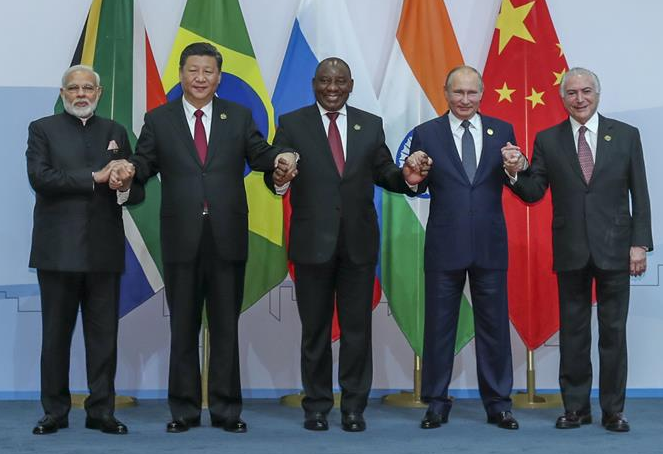
වර්තමාන බහුධ්රැවීය ලෝකයේ වර්ධක බලවේගය වන්නේ BRICS රටවල්ය. ලංකාවේ ආර්ථිකය ජාත්යන්තර මූල්ය අරමුදලේ පුළුල් කරන ලද අරමුදල් පහසුකම් ගිවිසුම”(Extended Fund Facility- EFF) වැනි අලංකාර වචන යටතේ සඟවමින් දියත් කර ඇති
බටහිර පැරිස් ණය දෙන කණ්ඩායමේ ණය යටත්විජිතවාදයෙන් මුදවාගනිමින් නැගෙනහිර සහ ගෝලීය දකුණ වෙත ප්රති-දිශාගත කිරීම විසින් තාක්ෂණ හුවමාරුවට මෙන්ම නව වෙළඳපොළවල් දිනාගැනීම සඳහා ද අවස්ථා විවරකර දෙනු ඇත.
වසර 2කකට පෙර 2022 දී ශ්රී ලංකාව සිය ණය ගෙවාගත නොහැකි බංකොළොත් රටක් යැයි මවා පෙන්වීම සඳහා හුවා දක්වන ලද දූෂිත ණය කන්දරාවක් ගොඩගැසීමට බලපෑ මූලික හේතුව මහ බැංකු ජාත්යන්තර ස්වෛරී ණය බැඳුම්කර මගඩිය බව දැන් ඉතා පැහැදිලි සාක්ෂි සහිතව සනාථ වී තිබේ. එම අවස්ථාවේදී ශ්රී ලංකාව සිර වූ මෙම ණය උගුල පිළිබඳව චීනයට චෝදනා නගමින්
ගෝලීය සහ දේශිය කෝපරේට් ජනමාධ්ය විසින් දැවැන්ත ප්රචාරක ව්යාපාරයක් ගෙන යන ලදි. එය චීනයේ වෙළඳ පථ සහ මාර්ග සමාරම්භක ව්යාපෘතියට ( Belt and Road Initiative-BRI) එරෙහිව ඇමෙරිකාව විසින් ගෙන යනු ලබන වක්ර යුද්ධය උත්සන්න කිරීමේ පියවරක් ලෙසද සැළකිය හැකිය.
හරිත බැඳුම්කර මගඩි මිනිස් ක්රියාකාරිත්වයන් හේතුවෙන් සිදුවන දේශගුණ විපර්යාසයක් පිළිබඳ ප්රෝඩාව
ප්රත්යාවලෝකනය විසින් ලබා දෙනු ලබන ප්රඥාව තුළ 2028 වනවිට ජාත්යන්තර කොල්ලකාරි ණය හිමියන්ගේ ණය ගෙවීම පිණිස ඔවුන්ගෙන්ම ණය ලබාගැනීමට උපදෙස් දෙන ජාත්යන්තර මූල්ය අරමුදලේ විසඳුම” පිළිබඳව ශ්රී ලංකාව නැවතත් විමසා බැලිය යුතුව තිබේ. මෙම නිවර්තන පාරාදීසයේ අනවරත වංචාවන්ට ගොදුරුව පරාජිකා වූ ස්වදේශිකයන්ට බැඳුම්කර සහ වංචාවන් වඩාත්
ප්රියමනාප සහ ලෙසින් රස සහ වර්ණකාරක යොදා ඉදිරිපත් කරනු ඇත්තේ මේ මොහොතේදී පමණි.
දූෂිත දේශීය දේශපාලනඥයන් සහ ඔවුන්ගේ ව්යාපාරික සගයන් සමග හවුල් වෙමින් බ්ලැක්රොක් වැනි ලෝකයේ විශාලතම
ජාත්යන්තර මූල්ය සමාගම් ඇතුළු කොල්ලකාරි ජාත්යන්තර බැඳුම්කර ජාවාරම්කරුවන් සහ ණය මෝරුන්ට කප්පම් ගෙවීම පිණිස, ජාත්යන්තර මූල්ය අරමුදලේ සහ ජාත්යන්තර ස්වෛරී බැඳුම්කර උපදේශකයන්ගේ භාරකාරිත්වය යටතේ වැනිලා බැඳුම්කර (vanilla bonds) නිකුත් කර ඇත.
ජාත්යන්තර ස්වෛරී බැඳුම්කර (ISB) සම්බන්ධ දූෂණ හෝ බැඳුම්කර හිමියන්ගේ නම් රහසිගතව පවත්වාගෙන යන කරුණ සම්පූර්ණයෙන්ම නොසළකා හැර ඒ පිළිබඳව කිසිදු සඳහනක් හෝ නොකර දේශීය දූෂණ නිරීක්ෂණය කිරීම සඳහා වෙරිටේ රිසර්ච්” (Verite Research) සමඟ සාර්ව සම්බන්ධිත පාලන බැඳුම්කර ( Macro-Linked Governance Bonds- MLB) සැලසුම් කෙරෙමින් පවතී. මේ අතර මානව ක්රියාකාරකම් හේතුවෙන් සිදුවන පාරිසරික සහ දේශගුණික විපර්යාස වැළැක්වීමේ ප්රෝඩාකාරි සටන්පාඨය යටතේ නිල් සහ හරිත ණය බැඳුම්කර (නැතහොත් ණය සඳහා ස්වභාව ධර්මය හුවමාරුකරණය) සැලසුම් කෙරෙමින් පවතින්නේ ණය යුක්තිය පිළිබඳව පමණක් නොව දේශගුණික යුක්තිය පිළිබඳවද මූල ධර්මයන් උල්ලංඝණය කරමිනි.
ජනාධිපතිවරණයේ දුමාරය මැද පසුගිය සතියේ පළමුවතාවට DFCCබැංකුව විසින් ශ්රි ලංකා හරිත බැඳුම්කර නිකුත් කරන ලදි. කෙටියෙන් පවසතොත් නිල් සහ හරිත බැඳුම්කර සැලසුම් කෙරී ඇත්තේ නිවර්තන වනාන්තර, සාගර කලාපයන්, සාගර සම්පත්, සහ අප හුස්ම ගනු ලබන වායුගෝලය ඇතුළු සොබාදම් මාතාව මූල්යකරණයට, ඩොලර්කරණයට සහ පුද්ගලීකරණයට ලක් කිරීමේ අරමුණ ඉටුකර ගැනීම සඳහාය. මේ සඳහා කාබන් ක්රෙඩිට් ගණනය කිරීම්, මානව ක්රියාකාරකම් හේතුවෙන් සිදුවන දේශගුණික විපර්යාසයන් පිළිබඳ ප්රොඩාකාරි ආඛ්යානය ඇතුළු කෘත්රිම බුද්ධිය විසින් ජනනය කරනු ලබන විද්යා ප්රබන්ධ යොදාගනු ලබයි. මේ අතර එක්සත් ජාතින්ගේ සංවිධානයේ මහලේකම්වරයා විසින් ප්රෝඩාකාරි නිල් සහ හරිත බැඳුම්කර මගඩි ප්රවර්ධනය කරනු පිණිස දේශගුණය උණු වී දියවී වැගිරීමක්” පිළිබඳ වාචාළ දොඩමින් භීතියක් පැතිරවීමට උත්සාහ දරමින් සිටියි.
මානව ක්රියාකාරම් හේතුවෙන් සිදුවන පාරිසරික දූෂණයන් ලෙස ප්රධාන වශයෙන්ම බලපාන සාධකය ලෙස සැලකිය හැක්කේ එක්සත් ජනපදය ඇතුළු නෙටෝ යුද යන්ත්රය විසින් නියාමක බලශක්ති අවි සහ HAARP ව්යාපෘතිය (දේශගුණය ආයුධයක් ලෙස භාවිතා කිරීමේ ව්යාපෘතිය) ඇතුළු විනාශකාරි අවි භාවිතා කරමින් භාවිතා කරමින් අනවරත යුද්ධ නමුත් ඒවා වැලැක්වීම පිණිස එක්සත් ජාතින්ගේ සංවිධානය විසින් කිසිදු සම්මේලනයක් කැඳවීමට කටයුතු කර නැත.
ශ්රී ලංකාව සිය ණය උගුලට හසු කරගෙන ඇති කොල්ලකාරි ජාත්යන්තර ස්වෛරී ණය හිමියන්ට ආපසු ගෙවනු පිණිස ඔවුන්ගෙන්ම නැවතත් හරිත හෝ විවිධ වෛවර්ණ නම්වලින් හැඳින්වෙන බැඳුම්කර හරහා දිගින් දිගටම ණය ලබාගැනීමත්, ජාත්යන්තර මූල්ය අරමුදල විසින් මෙහෙයවන සමාජ සුබසාධන වියදම් ඇතුළු රාජ්ය වියදම් කප්පාදු කිරීමේ ක්රියාමාර්ග සහ ජාතික සම්පත් පුද්ගලීකරණයත් හේතුවෙන් ආර්ථිකය තවදුරටත් හැකිළී යාම සිදුවනු ඇත. කෙසේ වුවද මේ සියල්ල නුදුරු අනාගතයේදීම තවත් බංකොළොත් වීමක් ප්රකාශයට පත්කිරීම සඳහා හේතුසාධක වනු ඇත.
ණය පිළිබඳ ඉලක්කම් ක්රීඩාව
2022 දී ශ්රී ලංකාව පළමු වරට සිය ස්වෛරී ණය ගෙවාගත නොහැකිව බංකොළොත් බවට පත්වීමේ නාටකය වේදිකා ගත කරන ලද්දේ අසාධාරණ ලෙස වරප්රසාදිත එක්සත් ජනපද ඩොලර් හිඟවීමක් හේතුවෙන් බව ප්රකාශයට පත් කරමිනි. එතැන් සිට ජාත්යන්තර මූල්ය අරමුදලේ අනුග්රහය යටතේ ශ්රී ලංකාවේ ණය ප්රමාණය ශිඝ්රයෙන් ඉහළ ගියේ එය තවතවත් ණය උගුලේ සිරකරමිනි.
එක්සත් ජනපදයේ ආධාරයෙන් අරගලය” නමින් දියත් කරන ලද ව්යාජ ප්රජාතන්ත්රවාදි විරෝධතා හරහා බලයට පැමිණි ජනාධිපති රනිල් වික්රමසිංහ සහ ඔහුගේ දේශිය සහ විදේශිය උපදේශකයන්ද, බැඳුම්කර වංචා මගඩි සම්බන්ධ කුප්රකට ශ්රී ලංකා මහ බැංකුවද සමග අනලස්ව කටයුතු කරමින් ජාත්යන්තර මූල්ය අරමුදල විසින් විස්තීර්ණ අරමුදල් පහසුකාරකම (Extended Fund Facility – EFF) යටතේ ලංකාවේ ණය අර්බුදය තවදුරටත් ගැඹුරුකරනු සඳහා කටයුතු කර තිබේ. ජාත්යන්තර මූල්ය අරමුදල සහ වොෂින්ටන් පාලනයේ සහාය ලබන රනිල් වික්රමසිංහ සහ ණය තිරසාරකරණ ගිවිසුම” ( DSA) අතර ඇති දීගය විසින් ශ්රි ලංකාව තුළ ගොඩනගා ඇත්තේ අපායක්ද, නැතහොත් සුරපුරයක්ද?
ශ්රී ලංකාව වසර දෙකකට පෙර තමන්ට සිය ණය ගෙවාගත නොහැකි බවට ප්රකාශයට පත් කරන අවස්ථාවේ එය විසින් ගෙවිය යුතුව තිබූ සමස්ත විදේශ ණය ලෙස මුදල් අමාත්යාංශයේ විදේශ සම්පත් දෙපාර්තුමේන්තුව විසින් ලැයිස්තු ගත කර තිබුණු මුදල ඇමෙරිකානු ඩොලර් බිලියන 26ක් පමණක් විය. ශ්රී ලංකා මහබැංකුවේ අධිපති නන්දලාල් වීර සිංහ විසින් මෑතකදී කරන ලද ප්රකාශයකට අනුව දැන් මෙම ණය ප්රමාණය ජාත්යන්තර මූල්ය අරමුදලේ අනුග්රහය යටතේ ඩොලර් බිලියන 100ක් දක්වා ඉහළ ගොස් ඇත.[i]
ශ්රී ලංකාවේ ණය උගුල තවතවත් තද කිරීම සඳහා එක්සත් ජනපද ඩොලර් මත පදනම් විදේශ ණය දැවැන්ත ලෙස ඉහළ දැමීම සහ ජාත්යන්තර මූල්ය අරමුදලේ ජාත්යන්තර ස්වෛරී බැඳුම්කර සඳහා ඇපදීමේ ගනුදෙනුවලට අදාළ අරමුණු සාක්ෂාත් කරගෙන ඇත්තේ ජාත්යන්තර මූල්ය අරමුදලේ මෙහෙයුම් ශ්රී ලංකාවේ දේශිය රුපියල් ණය ප්රතිව්යුහගතකරණය ((DDR) කරාද රිංගවීම හරහාය. මෙමගින් අභ්යන්තර හා බාහිර ණය පටලවමින් ව්යාකූලත්වයක් නිර්මාණය කිරීමටත් ණය සංඛ්යා අසාමාන්ය සහ අසාධාරණ ලෙස පුම්බා පෙන්වීමටත් හැකියාව ලැබී ඇත.මීට අමතරව, විනිමය අනුපාත වෙනස් කිරීම සහ ණය පිළිබඳ දත්ත විකෘති කිරීමේ සෙල්ලම ද මේ ආකාරයෙන් ශ්රී ලංකාවේ විදේශීය ණය ප්රමාණය දැවැන්ත ලෙස ඉහළ යාමට දායක වී ඇත.
ශ්රී ලංකා රජයේ දත්ත ගබඩා පද්ධතීන්ගේ සුරක්ෂිතභාවය පිළිබඳ පවතින දුර්වලතා හේතුවෙන් සිදුව ඇති ණය පිළිබඳ දත්ත විකෘති කිරීම පවත්නා ප්රධාන ගැටළුවක් ලෙස සැළකිය හැකිය. මෙයට පෙර ඊනියා කොවිඩ්-19 සමයේ ජාතික ඖෂධ නියාමන අධිකාරියේ ඖෂධ අනුමත කිරීම්වලට අදාළ දත්ත ගබඩාවට එල්ල වූ ප්රහාරයක් හේතුවෙන් ඒවායේ දත්ත සහමුලින්ම මකා දැමීමක් සිදුව තිබිණි. එය සිදු වූයේ ෆයිසර් එන්නතේ කාර්යක්ෂමතාව සහ සුරක්ෂිතතාව පිළිබඳ අත්හදා බැලීමේ සායනික පරීක්ෂණවල දත්ත නිසිපරිදි නොමැතිව ෆයිසර් එන්නතට ඖෂධ නියාමන අධිකාරිය විසින් අනුමැතිය ලබාදීමෙන් අනතුරුවය. ඉන් අනතුරුව අති විශාල වියදමක් දරමින් ෆයිසර් එන්නත් මාත්රා මිලියන ගණනක් මිලදී ගත් අතර අත්යාවශ්ය මූල්ය ප්රතිපාදන වෙනත් සෞඛ්ය අවශ්යතා සඳහා නොමැතිවීම හේතුවෙන් සෞඛ්ය සේවාවන් මුළුමණින්ම බිඳ වැටීමට ලක්විය.
මේ වනවිට ශ්රී ලංකාවේ ණය උගුල තවත් ගැඹුරු කරනු වස් DFCC වැනි ශ්රී ලංකාවේ දේශිය පුද්ගලික බැංකු හරහා ස්වභාවධර්මය සඳහා ණය හුවමාරුකරණය හෙවත් නිල් සහ හරිත බැඳුම්කර පටවා තිබේ. ජනාධිපතිවරණයේ දුමාරය මැද අනාගත බැඳුම්කර මගඩි සඳහා වේදිකාව සකසා තිබේ. ඒ අතර දූෂිත ණය අවලංගු කරන ලෙස පැන නැගුණු ඉල්ලීම නොතකා හැර තිබේ. ශ්රී ලංකාවේ බංකොළොත් බවට හේතූ වූ මූලික සාධකය බැඳුම්කර වංචාවන් සහ ගොඩ ගැසුණු ණය කන්දරාව වන අතර අනුප්රාප්තික රනිල් වික්රමසිංහ ආණ්ඩුවේ දේශපාලනඥයන් සහ ඔවුන්ගේ ව්යාපාරික සගයන් ආදී අයවළුන් මේ බැඳුම්කර වංචාවන් සඳහා ක්රප්රකටව සිටිති.
ණය පිළිබඳ ඉලක්කම් සෙල්ලම යනු ශ්රී ලංකාවේ ජනතාව රැවටීම සඳහා ජාත්යන්තර මූල්ය අරමුදල ද , එය විසින් ප්රතිසංස්කරණය සහ ස්වාධීන” කරනු ලැබ එහි දාසයෙකු බවට පත්කරගෙන ඇති ශ්රී ලංකා මහබැංකුවද විසින් ජන වරමක් නැති ශ්රී ලංකා ජනාධිපතිවරයාගේ කාර්යාලය තුළ සිය මෙහෙයුම් මධ්යස්ථානය පිහිටුවාගෙන සිටින බිල් ගේට්ස් ගේ අනුග්රහය සහිතව ක්රියාත්මක වන කෘත්රිම බුද්ධිය මගින් නිර්මිත ව්යාජ යථාර්ථයක්ද?
මෑතකාලීනව විලාසිතාවක් බවට පත්ව ඇති ” බහුවිධ අර්බුද” පිළිබඳ සංකල්පය තුළින් ප්රකාශයට පත්වන්නේ පූර්වාපර සහ හේතුඵල සම්බන්ධය බොඳව ඇත්තාවූත් සංයුක්ත වෙමින් සහ ඒකාබද්ධ වෙමින්, ශීඝ්රයෙන් සහ පාලනය කළ නොහැකි ලෙස වර්ධනය වන්නාවූත් කාලය සහ අවකාශය තුළ සර්පිලාකාර ලෙස වටයෙන් වටය සංකීර්ණ සහ උත්සන්න වෙමින් පවත්නා සිදුවීම් සමූහයකි.
සිදුවීම් පිටුපස පවත්නා සැබෑ සාධක හඹායෑමටටත් ඒවා සමස්තයක් ලෙස හේතුඵලවාදි ලෙස විග්රහකිරීමටත් අපට නොහැකි වන ලෙස බාහිර බලවේග සහ ජාලයන් විසින් සර්ව අවකාශ අධිපත්යය” (Full Spectrum Dominance-FSD) සඳහා දියත් කෙරෙන ක්ෂිතිජයෙන් එපිට මෙහෙයුම්” (Over the Horizon Operation) හරහා විකෘති සහ සංකීර්ණ පද්ධතියක් තුළ අපව මංමුලා සහගත තත්ත්වයක සිරගත කොට තිබේ.
ශ්රී ලංකාව ජාත්යන්තර මූල්ය අරමුදලේ ග්රහණය වෙත යටත් කරවීම සඳහා එක්සත් ජනපදය විසින් දියත් කරන ලද ආණ්ඩු පෙරලීමේ කුමන්ත්රණ මැද, මනා ලෙස සම්බන්ධීකරණ කරන ලද්දාවූ සැපයුම් මාර්ග බිඳ දැමීම හරහා නිර්මාණය කරන ලද ආහාර සහ ඉන්ධන හිඟයත් දිග්ගැස්සුණු පෝලීම් සහ උත්සන්න කරන ලද සැබෑ දුක්ගැනවිලි උපයෝගී කර ගනිමින් 2022 දී දියත් කරන ලද ප්රෝඩාකාරි ප්රජාතන්ත්රවාදය සඳහා වන අරගල” ව්යාපාරය තුළ සිදු වූයේ මෙයයි.
දේශිය වශයෙන් හෝ ගෝලීය වශයෙන් හෝ වේවා ” බහුවිධ අර්බුද” පිළිබඳ සංකල්පය වූකලී රැවටීමේ සහ වංචනිකත්වයේම කොටසකි. එය විසින් මැතිවරණ සමයේ හෝ ව්යාජ දේශපාලන අරගල” තුළදී හෝ අධිපතිවාදි ආඛ්යානයට එරෙහි සැබෑ විකල්පයන් ඉදිරිපත් කිරීමෙන් දැනුවත්ව වැළකෙමින් අනන්යතාවාදි දේශපාලනය පෙරට දමමින් නැටවෙන රූකඩ සංදර්ශනය පිටුපස ඇති දුරස්ථ දත්ත ගබඩා සංකීර්ණවල හරහා දියත්ව ඇති සයිබර් සහ සාවද්ය තොරතුරු මෙහෙයුම්වල නූල් හසුරුවන අත් සඟවනු ලබයි.
ශ්රී ලංකා මහ බැංකුව දූෂිත දේශපාලනඥයන්ගේ බලපෑමෙන් ස්වාධීන” කර ඇතැයි කියනු ලැබේ. එමෙන්ම එය ශ්රී ලංකා ජනතාව විසින් සිය නියෝජිතයන් පත්කරනු ලැබ ඇති පාර්ලිමේන්තුවට හෝ මහජනතාවටද වගකියනු නොලැබේ. නමුත් ජාත්යන්තර මූල්ය අරමුදල විසින් දියත් කර ඇති යහපාලන ප්රතිසංස්කරණ” නම් තේමා පාඨය යටතේ සිදු කෙරෙන ” ආණ්ඩුකරණ ඇගයීමේ” නිර්දේශවලට අනුව පසුගිය වසරේදී පාර්ලිමේන්තුව විසින් සම්මත කරගත් පනතක් අනුව ශ්රී ලංකා මහබැංකුව ජාත්යන්තර මූල්ය අරමුදලේ සුවච කීකරු දාසයෙකු බවට පත් කර තිබේ. මෙහි ප්රතිඵලය වී ඇත්තේ ශ්රී ලංකාවේ ණය ප්රමාණය දැවැන්ත ලෙස ඉහළ යාමය. එනම් ශ්රී ලංකාව සිය ජාත්යන්තර ස්වෛරී ණය ගෙවාගත නොහැකි බවට ප්රකාශ කරමින් බංකළොත් බව ප්රකාශ කරන අවස්ථාවේ තිබූ ණය ප්රමාණය වූ ඇමෙරිකන් ඩොලර් බිලියන 26 ක සිට මේ වනවිට ඩොලර් බිලියන 100ක් දක්වා ප්රසාරණය වී ඇත.
ජනාධිපති වික්රමසිංහට උපදෙස් සපයන බිල් ගේට්ස් පදනමේ උපදේශකයන් සහ එක්සත් ජාතින්ගේ පාරිසරික වැඩසටහනේ හිටපු ප්රධානී එරික් සොල්හයිම් විසින් ප්රවර්ධනය කරන ලද නිල් සහ හරිත බැඳුම්කර විසින් ශ්රී ලංකාවේ අර්බුදය වඩාත් උත්සන්න කිරීම සඳහා සැලසුම් කෙරී ඇත.
දැන් සුරුවමක් ලෙස අදහමින් පවතින කෘත්රිම බුද්ධිය යොදාගෙන නිර්මාණය කර ඇති අවිද්යාත්මක සහ මුග්ධ කාබන්-ක්රෙඩිට් ගණනය කිරීම් හරහා ස්වභාවධර්මය මූල්යකරණයට පුද්ගලීකරණයට සහ ඩොලර්කරණයට ගොදුරු කරවීමේ ක්රියාදාමයට හුරේ දැමීම සඳහා ඉතා හොඳින් අරමුදල් සැපයෙන දේශීය පාරිසරික රාජ්ය නොවන සංංවිධාන සහ මධ්යම නිලධාරින් බලමුළුගන්වා ඇත. එමෙන්ම ගෝලීය දකුණ වෙත දේශගුණික යුක්තිය පිළිබඳවත් ණය යුක්තිය පිළිබඳවත් වන ප්රධාන මූලධර්ම උල්ලංඝණය කරන දූෂිත ණය බැඳුම්කර අලෙවිය සඳහා එක්සත් ජාතින්ගේ සංවර්ධන වැඩ සටහන තුළ ශ්රී ලංකා ඩයස්පෝරාවේ සාමාජිකයෙකු වන කන්නි විග්නරාජා බඳවාගෙන තිබේ.
වනාන්තර, වගාබිම්, සාගර කලාප, සාගර පත්ලේ ඇති සම්පත් අවහිර කිරීමකින් තොරව භාවිතා කිරීමේ අයිතිය ඇති සම්ප්රදායික ගොවින්ට සහ ධීවරයන්ට එම සම්පත් කලාපයන් වෙත ඇතුළු වීම වළක්වමින් ඔවුහු සම්ප්රදායික ජීවිකා වෘත්තීන්ගේ නිරතවීම තහනම් කරනු ඇත. මෙය සිදුවන්නේ ලෝකයේ විශාලතම මූල්ය සමාගමක් වන බ්ලැක්රොක් සමාගමේ අවශ්යතාව පරිදිය. බිලැක් රොක් සමාගම යනු ශ්රී ලංකාවේ විශාලතම පුද්ගලික ණය හිමියාද වෙයි. ඊනියා කොවිඩ්-19 සමයේ ලෝක සෞඛ්ය සංවිධානය සහ ලෝක බැංකුව, ජාත්යන්තර මූල්ය අරමුදල වැනි ආයතනවල බලහත්කාරය තුළ දියත්කරන ලද ලොක් ඩවුන් වැනි ආර්ථිකමය වශයෙන් විනාශකාරි පිළිවෙත් හේතුවෙන් සිය ආර්ථිකයන් විනාශයට පත්කරගැනීමට සිදු වූ ගොලීය දකුණේ රටවල වත්කම් කුණු කොල්ලයට මිලදී ගැනීම සඳහා එක්සත් ජනපද රජය විසින් බ්ලැක්රොක් සමාගම වෙත CARES පනතට අනුව කොවිඩ්-ප්රතිචාර අරමුදල් යටතේ විශාල මුදලක් ලබා දී තිබේ. බ්ලැක් රොක් සමාගමේ දකුණු ආසියාතික හවුල්කරුවා වන අදානි සමාගම් සමූහය ශ්රී ලංකාවේ සුළං විදුලි බලාගාර පිහිටුවීමේ ව්යාපෘතිය යටතේ හරිත ශෝධන” මෙහෙයුම් දියත් කර ඇත.
යථාර්ථය පිළිබඳ ආනුභවික පරීක්ෂණයක්: දකුණු ආසියාවේ ධනවත්ම රට බංකොලොත් වී ඇත්තේ කුමන මිනුම් දඬු අනුවද ?
මාල දිවයින හැරුණු විට දකුණු ආසියාවේ හොඳම මානව සංවර්ධනයක්ද හෞතික ජීවන තත්ත්ව දර්ශකයක්ද ඉහළ දළ ජාතික නිෂ්පාදිතයක්ද සහිත ධනවත්ම රටක් ලෙස ශ්රී ලංකාව සැලකිණි. 2019 දී එය ඉහළ මධ්යම ආදායම් ලබන රටක් ලෙස ලෝක බැංකුව විසින් ලැයිස්තු ගත කරන ලදි. එමෙන්ම එය සතුව කෘෂිකාර්මික, සාගර සහ ඛනිජ සම්පත් බහුලව පවතී. අඩු තරමින් යල සහ මහ නමින් කන්න දෙකක් වගා කිරීම සඳහාද හරිත ජල විදුලි බලශක්තිය නිෂ්පාදනය සඳහාද ප්රමාණවත් මෝසම් වැසි වර්ග දෙකක් මගින් මනා වාර්ෂික වර්ෂාපතනයක් එයට ලැබේ. භූ උපායික වශයෙන් ඉතා වැදගත් ලක්ෂ්යයක පිහිටි මෙම නිවර්තන කලාපීය දිවයින හරහා ලෝකයේ ඉතාම වැදගත් බලශක්ති, වෙළඳ නාවික මාර්ගයන්ගේද මුහුදු යට සන්නිවේදන කේබල් මාර්ගයන්ගේද සන්ධිස්ථානයක පිහිටා ඇත. එහෙයින් ලෝක පුරා කලක් තිස්සේ මෙම දිවයින වටිනා ” බිම් කැබැල්ලක්” ලෙස සැලකිණි.
ආපසු හැරී බලන විට පෙනී යන්නේ ශ්රී ලංකාව බංකොළොත්” බවට පත්ව ඇතැයිද එයට සිය විදේශීය ණය ගෙවා ගැනීමට නොහැකිව ඇතැයි ද ප්රකාශ කිරීමට ඉක්මන් වූ ජාත්යන්තර මූල්ය අරමුදලේ ආර්ථික පණ්ඩිතයන් ද්රවශීලිතාව අහිමිවීමේ ප්රශ්නය ” සහ ” බංකොළොත්බව” අතර වෙනස දැකීමට අසමත්ව ඇති බවක් පෙනී යයි. පළමු වැන්න කෙටිකාලීන ප්රශ්නයක්වන අතර දෙවැන්න ව්යුහාත්මක ගැටළුවකි. සමහර විට ජාත්යන්තර මූල්ය අරමුදලේ සහ ජාත්යන්තර ස්වෛරී ණය බැඳුම්කර හිමියන්ගේ නියෝජිතයෝ ශ්රී ලංකාවේ අභ්යන්තර ණය ප්රතිව්යුහගතකරණයට (Domestic Debt Restructuring -DDR) කඩිමුඩියේ මැදිහත්වීමට කටයුතු කළේ ශ්රී ලංකාව බංකොළොත් බව ප්රකාශ කිරීම සාධාරණ යැයි තහවුරු කිරීමට අවශ්ය තරම් ඉහළ අගයකට ණය පිළිබඳ සංඛ්යාවන් මවා පෙන්වීමට විය හැකිය.
අනෙකුත් දකුණු ආසියාතික රටවල සංචාරය කර ඇති කවර අයෙකු වුවද සන්සන්දනාත්මක කලාපීය සන්දර්භයක් තුලදී තේරුම් ගනු ඇත්තේ ශ්රී ලංකාවේ වාස්තවික යථාර්ථය සහ මවා පෙන්වන ලද බංකොළොත් වීම” අතර නොගැලපීමක් පවතින බවය. නමුත් භූ දේශපාලනික වශයෙන් වැදගත් තැනක පිහිටා තිබීම, ස්වාභාවික සහ මානව සම්පත් බහුල රටක් වීම යන වාස්තවික යථාර්ථයන් විසින් ජාත්යන්තර මූල්ය අරමුදලේ සහ ජාත්යන්තර ස්වෛරී ණය බැඳුම්කර හිමියන් විසින් ශ්රී ලංකාවේ ණය අර්බුදයක්” පිළිබඳව ඉදිරිපත් කර ඇති ආඛ්යානය ප්රතික්ෂේප කරයි.
මෙම තත්ත්වය විසින් ඇසීමට බලකරනු ලබන ප්රශ්නය මෙයයි. වොෂින්ටන්හි කොල්ලකාරි මූල්ය ආයතනවලට රටට මැදිහත්වීමට අවස්ථාව සැලසෙන පරිදි රට බංකොළොත් යැයි ප්රකාශ කරන ලද්දේ කුමන මිනුම් දඬුවලට අනුවද යන්නයි ඒ. ආර්ථික වංචාවන් සහ නීතිමය යුද්ධ උපයෝගි කරගනිමින් ද්රවශීලිතාව අහිමිවීමේ ප්රශ්නය” ශ්රී ලංකාව බංකොළොත්වීමක්” ලෙසට හුවා දක්වා තිබේද?
කෙසේ වුවද අපගේ අවධානයට යොමුවිය යුතු වැදගත්ම කරුණ වන්නේ 2022දී වරප්රසාදිත එක්සත් ජනපද ඩොලරයට එරෙහිව ශ්රී ලංකාවේ විදේශ විනිමය තත්ත්වය ශීඝ්රයෙන් පිරිහීම ඇරඹෙන්නේ සෙන්ට් කිට්ස් ඇන්ඩ් නෙවිස් ( St. Kitts in Nevis)නම් දූපතක පිහිටා ඇති හැමිල්ටන් රිසර්ව් (Hamilton Reserve Bank ) නම් අතිශය ගුප්ත බැංකුවක් විසින් ශ්රී ලංකාව තමන්ට ගෙවීමට නියමිතව ඇති ණය පොලී සහ වාරික පැහැර හැර ඇතැයි නිව්යොර්ක් හි අධිකරණයක් හමුවේ නඩුවක් පැවැරීමත් සමග වීමය. කෙසේ වුවද මෙම නඩුව පැවැරීමට හේතුවූ ණය සහ වාරික මුදල ප්රමාණාත්මකව ඉතා සුළු එකකි. මෙය විවිධ විනිමය අනුපාතික ආයතන සමග හවුලේ දියත් කරන ලද කුමන්ත්රණයක් විය. මෙය සිදුවන අතර ජනතාවගේ අවධානය මෙම කුමන්ත්රණය වෙතට යොමුවීම වැළැක්වීමටත් ඔවුන්ගේ අවධානය වෙනතක යොමුකර තබාගැනීමටත් රටේ සැපයුම් මාර්ග අවහිර කරමින් ඉන්ධන සහ ආහාර හිඟයක් මවා ඇතිකර ජනතාව මහපාරට ඇද දමා අරගලය” නමින් අද හැඳින්වෙන ව්යාජ ප්රජාතන්ත්රවාදි උද්ඝෝෂණය දියත් කරවන ලදි. උපාය මාර්ගික වශයෙන් වැදගත් තැනක පිහිටි මෙම දිවයින පළමුවරට ” බංකොළොත්” කිරීමේ නාටකය වේදිකාගතවූයේ එලෙසය. මෙම සිදුවීම්වලට පෙර සිටම පාස්කු ඉරිදා ත්රස්ත ප්රහාරය, කොවිඩ්-19 ලොක් ඩවුන්, සැපයුම් මාර්ග අවහිරතා ආදි විවිධ බාහිර ආර්ථික කම්පන ප්රහාර ශ්රී ලංකාවට එරෙහිව දියත් කර තිබුණේ ජාත්යන්තර මූල්ය අරමුදලට මැදිහත්වී ශ්රී ලංකාවේ ආර්ථික ස්වාධීපත්යය සහ ප්රතිපත්ති සම්පාදනයේ නිදහස උදුරාගැනීමට අවශ්ය පසුබිම සකස් කිරීම පිණිසය.
මේ වනවිට වඩාත් පැහැදිලිව දැකගත හැක්කේ අරමුණු සහගතවම මවාපාන ලද ඩොලර් හිඟය හුවා දක්වමින් වේදිකා ගත කරන ලද බංකොළොත්වීමේ නාටකය” යොදාගනිමින් ශ්රී ලංකා පුරවැසියන්ගේ ආර්ථික ස්වෛරීත්වය සහ ප්රතිපත්ති සම්පාදනයෙහිලා නිදහස අහිමි කරන ලද බවත් අවසානයේ එකම විසඳුම ලෙස මවාපාමින් දූෂිත දේශපාලනඥයන් සහ ලෝකයේ 1 %ක් වන ඉහළම ප්රභූ පැලැන්තියේ අවශ්යතා නියෝජනය කරන ජාත්යන්තර මූල්ය ජාලය සමග හවුලේ කටයුතු කරන ජාත්යන්තර මූල්ය අරමුදල සහ ජාත්යන්තර ස්වෛරී බැඳුම්කර අලෙවිකරුවන්ගෙන් ණය ලබාගැනීම වෙත තල්ලු කරන ලදි. ඒ ආකාරයෙන් මෙම භූ දේශපාලනික වශයෙන් වැදගත් දිවයින එක්සත් ජනපද ඩොලර් ණය උගුලට හසුකර ගනු ලැබූ අතර ජාත්යන්තර මූල්ය අරමුදලේ මෙහෙයවීම යටතේ පසුගිය දෙවසර තුළ එහි ණය ගැති බව විශාල වශයෙන් ඉහළ ගොස් තිබේ.
.
ජාත්යන්තර ස්වෛරී බැඳුම්කර අලෙවිකරුවන්ගේ පැත්තෙන් සිදු කරන ලද දූෂණ ඔවුන් සමග හවුලේ කටයුතු කරන දේශිය දූෂිත දේශපාලනඥයන් සහ ඔවුන්ගේ ගජමිතුරු ව්යාපාරිකයන්ගේ දූෂණ සමග සම්පාත වී තිබේ.
මක්නිසාද යත්, 2022 දී ණය ගෙවීම නවත්වා බංකොළොත්බව ප්රකාශ කරන අවස්ථාවේදී ශ්රී ලංකාවේ ඩොලර් බිලියන 26 ක ණයවලින් ඉතිරි භාගය සමන්විත වූ ද්වි-පාර්ශ්වික සහ බහුපාර්ශ්වික ණය, වැඩි වශයෙන් විශේෂිත සංවර්ධන ව්යාපෘති මූල්යකරණය සඳහා වෙන් කළ ඒවා වූ අතර එබැවින් වඩාත් පහසුවෙන් විගණනය සහ අධීක්ෂණය කිරීමට හැකියාව තිබිණි. කෙසේ වුවද ජාත්යන්තර ස්වෛරී බැඳුම්කර මගින් ලබාගන්නා ලද ණය වියදම්වන ආකාරය එලෙස පහසුවෙන් විගණනයකට ලක් කළ නොහැකි වන අතර ඒවා භාණ්ඩාගාරය තුළටද දූෂිත දේශපාලනඥයන්ගේ සාක්කු සහ මැතිවරණ අරමුදල් තුළටද අතුරුදහන් විය.
මෙහිදී මතුවන ප්රශ්නය මෙයයි. ද්රවශීලිතාව හොඳින් පැවැති රටක් බංකොළොත් රටක් ලෙස නම් කිරීම සඳහා, සැලසුම් සහගතව නිර්මාණය කරන ලද එක්සත් ජනපද ඩොලර් හිඟය පමණක් ප්රමාණවත් මිනුම් දණ්ඩක් වූයේ කෙලෙසද යන්නයි. එපමණක් නොව
විශේෂයෙන්ම එක්සත් ජනපදයේ ණය ප්රමාණය ඩොලර් ට්රිලියන 35ක් ඉක්මවා යමින් තිබෙන තත්ත්වයකදී රටවල ධනවත්කම හෙවත් ආර්ථික හැකියාවන් මැනීම සඳහා එම රටවල් සතු එක්සත් ජනපද ඩොලර් සංචිත ප්රමාණය කොතෙක් දුරට සුදුසු සහ ප්රමාණවත් මිණුම් දණ්ඩක් වන්නේද යනුවෙන්ද තවත් වැදගත් ප්රශ්නයක් පැන නගී.
ජාතික ජන බලවේගය නව ආරම්භයක්ද? BRICS ආර්ථික හවුල සහ නව ආසියානු 21 වැනි සියවස ප්රතික්ෂේප කිරීම
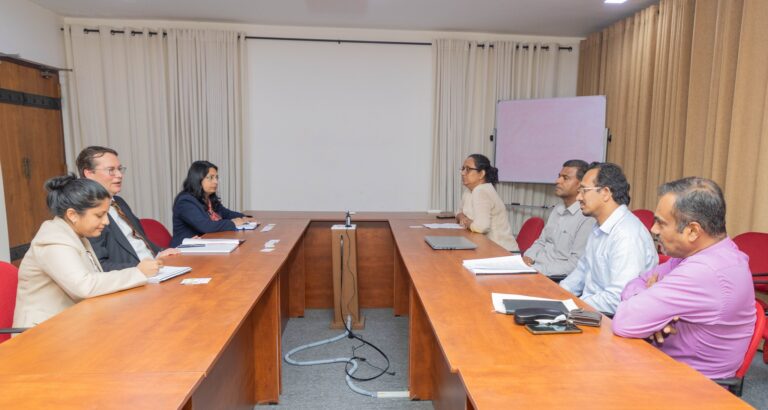
විදේශගත ප්රජාව විසින් සැපයුන අරමුදල් යොදාගනිමින් රෝස පැහැයෙන් යුත් දීප්තිමත් මැතිවරණ ව්යාපාරයක් ගෙනගිය පශ්චාත් නක්සල්වාදි විපක්ෂය වන ජාතික ජන බලවේගය තමන්වම නව ආරම්භයක්” ලෙස හඳුන්වාගත් නමුත් බටහිර සහ ණය නවයටත්විජිතවාදි බලපෑමෙන් මිදී ශ්රී ලංකාවේ ආර්ථිකය BRICS ආර්ථික හවුල වෙත ප්රති දිශාගත කිරීමේ අවශ්යතාව නොසළකා හැර තිබේ.
කොවිඩ්-19 ලොක්ඩවුන් මෙහෙයුම් හේතුවෙන් යුරෝ-බොන්ඩ් ණය උගුලේ සිරවුණ ගෝලීය දකුණේ රටවලට බ්රසීලය, රුසියාව, ඉන්දියාව, චීනය සහ දකුණු අප්රිකාව යන රටවල නායකත්වයෙන් ගොඩ නැගුණ BRICS ආර්ථික හවුල විසින් නව ආරම්භයක්, අපේක්ෂාවක් සහ විකල්ප සංවර්ධන මාවතක් ඉදිරිපත් කර තිබේ. BRICS ආර්ථික හවුල බහුපාර්ශ්විය ලෝකයක් සඳහා ආර්ථික පදනම බවට පත්ව ඇති අතර සිය ආර්ථිකය වර්ධනය කිරීම සඳහා ශ්රී ලංකාව BRICS රටවල ආධාරය ලබාගතයුතුව තිබේ. එමෙන්ම ශ්රී ලංකාව එක්සත් ජනපද ඩොලර් සහ යුරෝ බොන්ඩ් ණය නවයටත්විජිතවාදයෙන් මිදීම සඳහා දිගුකාලීන ස්ථිරසාර පැහැදිලි උපාය මාර්ගයක් අනුගමනය කළ යුතුව තිබේ.
කෙසේ වුවද ජාතික ජන බලවේගයේ මැතිවරණ ප්රකාශය තුළ යම්තමින් මතුපිටින් අතගාමින් වචන හරඹයක නිරතව ඇතිවා මිසෙක ජාත්යන්තර මූල්ය අරමුදලේ විස්තීර්ණ අරමුදල් පහසුකාරකම පිළිබඳ ගිවිසුමට (Extended Fund Facility -EFF)) එරෙහි විකල්පයක් සඳහන් කර නැත.
එමෙන්ම ජාතික ජන බලවේගයේ මැතිවරණ ප්රකාශනය තුළ BRICS ආර්ථික හවුලට එක්වීම සඳහා ඉල්ලීමක් ඉදිරිපත් කරන බවක්ද සදහන් නොවේ. ගෝලීය දකුණේ රටවල් දරිද්රතාවයට පත්කිරීමට හේතු වී ඇති නව යටත්විජිතවාදි පැරිස් කණ්ඩායමටත් (Paris Club)ඔවුන්ගේ සංවර්ධන මොඩලයටත් එරෙහිව නැගී සිටීම සඳහා ජාත්යන්තර ස්වෛරී ණය බැඳුම්කර ණයවල ගොදුරක් බවට පත්ව ඇති ගෝලීය දකුණේ සෙසු රටවල් 56ක් ඇති බැවින් ඔවුන් සමග හවුල්කාරීත්වයක් ගොඩ නැගීමට කටයුතු කිරීම හදිසි අවශ්යතාවයක්ව පවතී.
ශ්රී ලංකාව විසින් ජාත්යන්තර මූල්ය අරමුදල-ස්වෛරී බැඳුම්කර ණය උගුලෙන් මිදීම සඳහා රටේ පවත්නා වටිනා ඛනිජ සම්පත් සහ සාගර සම්පත් මත උපයෝගී කොටගත් අපනයන ආර්ථික වර්ධනයක් අත්පත් කරගත යුතු අතර ඒ සඳහා අවශ්ය තාක්ෂණික හුවමාරුව සහ නව වෙළඳ පොළවල් සොයාගැනීම අතුළු අවශ්යතාවන් සම්පූර්ණ කරගැනීම සඳහා BRICS ආර්ථික හවුලේ රටවල් සමග හවුල්කාරිත්වයක් ගොඩ නගා ගනිමින් තිරසාර දිගුකාලීන ආර්ථික විසඳුම් සොයාගතයුතුය.
බහුවිධ අර්බුදයේ භූදේශපාලනික මානයන් ඇමතීමටත්, ජාත්යන්තර මූල්ය අරමුදල- ජාත්යන්තර ස්වෛරී බැඳුම්කර ලසාර්ඩ් ඇන්ඩ් ක්ලිෆර්ඩ් චාන්ස් වැනි මූල්ය උපදේශකයන් ආදිය සමග පවත්වන කෙළවරක් නොමැති සාකච්ඡා වෙනුවට විකල්පයක් ඉදිරිපත් කිරීමටත් සියලු ප්රධාන විරුද්ධ දේශපාලන පක්ෂ විසින් ප්රදර්ශනය කරනු ලබමින් පවත්නා අසමත් බව විසින් එම පක්ෂවල ප්රතිපත්තිමය න්යාය පත්ර සහ ඔවුන්ට සහාය දක්වන බාහිර බලවේගවල අරමුණු පිළිබඳවත් බරපතල ප්රශ්න මතු කරයි.
මෑතකාලීනව විලාසිතාවක් බවට පත්ව ඇති ” බහුවිධ අර්බුද” පිළිබඳ සංකල්පය තුළින් ප්රකාශයට පත්වන්නේ පූර්වාපර සහ හේතුඵල සම්බන්ධය බොඳව ඇත්තාවූත් සංයුක්ත වෙමින් සහ ඒකාබද්ධ වෙමින්, ශීඝ්රයෙන් සහ පාලනය කළ නොහැකි ලෙස වර්ධනය වන්නාවූත් කාලය සහ අවකාශය තුළ සර්පිලාකාර ලෙස වටයෙන් වටය සංකීර්ණ සහ උත්සන්න වෙමින් පවත්නා සිදුවීම් සමූහයකි.
සිදුවීම් පිටුපස පවත්නා සැබෑ සාධක හඹායෑමටටත් ඒවා සමස්තයක් ලෙස හේතුඵලවාදි ලෙස විග්රහකිරීමටත් අපට නොහැකි වන ලෙස බාහිර බලවේග සහ ජාලයන් විසින් සර්ව අවකාශ අධිපත්යය” (Full Spectrum Dominance-FSD) සඳහා දියත් කෙරෙන ක්ෂිතිජයෙන් එපිට මෙහෙයුම්” (Over the Horizon Operation) හරහා විකෘති සහ සංකීර්ණ පද්ධතියක් තුළ අපව මංමුලා සහගත තත්ත්වයක සිරගත කොට තිබේ.
ශ්රී ලංකාව ජාත්යන්තර මූල්ය අරමුදලේ ග්රහණය වෙත යටත් කරවීම සඳහා එක්සත් ජනපදය විසින් දියත් කරන ලද ආණ්ඩු පෙරලීමේ කුමන්ත්රණ මැද, මනා ලෙස සම්බන්ධීකරණ කරන ලද්දාවූ සැපයුම් මාර්ග බිඳ දැමීම හරහා නිර්මාණය කරන ලද ආහාර සහ ඉන්ධන හිඟයත් දිග්ගැස්සුණු පෝලීම් සහ උත්සන්න කරන ලද සැබෑ දුක්ගැනවිලි උපයෝගී කර ගනිමින් 2022 දී දියත් කරන ලද ප්රෝඩාකාරි ප්රජාතන්ත්රවාදය සඳහා වන අරගල” ව්යාපාරය තුළ සිදු වූයේ මෙයයි.
දේශිය වශයෙන් හෝ ගෝලීය වශයෙන් හෝ වේවා ” බහුවිධ අර්බුද” පිළිබඳ සංකල්පය වූකලී රැවටීමේ සහ වංචනිකත්වයේම කොටසකි. එය විසින් මැතිවරණ සමයේ හෝ ව්යාජ දේශපාලන අරගල” තුළදී හෝ අධිපතිවාදි ආඛ්යානයට එරෙහි සැබෑ විකල්පයන් ඉදිරිපත් කිරීමෙන් දැනුවත්ව වැළකෙමින් අනන්යතාවාදි දේශපාලනය පෙරට දමමින් නැටවෙන රූකඩ සංදර්ශනය පිටුපස ඇති දුරස්ථ දත්ත ගබඩා සංකීර්ණවල හරහා දියත්ව ඇති සයිබර් සහ සාවද්ය තොරතුරු මෙහෙයුම්වල නූල් හසුරුවන අත් සඟවනු ලබයි. බාහිර බලවේග විසින් ව්යාජ ප්රජාතන්ත්රවාදය චිරස්ථායි කරනු පිණිස මැතිවරණ හැක් කිරීමේ” ඉඩකඩක්ද පවතින අතර එය වර්තමානයේ පවත්නා තවත් අවදානමකි.
මතු සම්බන්ධයි.
පරිවර්තනය- අජිත් සී හේරත්
| ආචාර්ය ධරණී රාජසිංහම් සේනානායක ජාත්යන්තර සංවර්ධනය සහ දේශපාලනික ආර්ථික විශ්ලේෂණයන් සම්බන්ධ ප්රවීණත්වයක් සහිත සංස්කෘතික මානව විද්යාඥවරියකි.ඇය විසින් ඉතා මෑතකදී පළ කරන ලද කෘතිය වන්නේ Multi-religiosity in Contemporary Sri Lanka: Innovation, Shared Spaces, Contestation’ යන කෘතියයි. |
A Fare Question: The Case for Electronic Payments
September 26th, 2024Sasanka De Silva Pannipitiya
The simple act of paying a bus fare in Sri Lanka has become a perplexing puzzle.
For a minimum fare of Rs 28, handing over a Rs 100 note results in a Rs 70 return.
Where does the remaining Rs 2 disappear to?
It’s a question that has puzzled commuters and raised concerns about transparency and efficiency in public transportation.
The answer lies in the antiquated cash-based system.
The unaccounted-for Rs 2, while seemingly insignificant, represents a systemic inefficiency. It neither benefits the loss-making Ceylon Transport Board (CTB) nor the passenger.
This inefficiency is a stark reminder of the need for a modern, electronic payment system.
Such a system would not only ensure accurate fare calculation but also streamline revenue collection.
By eliminating the need for physical cash handling, service providers could reduce their operational costs and potentially decrease their reliance on subsidies.
Moreover, electronic payments could help mitigate the risk of fare evasion, a significant problem that contributes to the financial burden on public transportation systems.
The reluctance to adopt electronic payments can be attributed to several factors, including concerns about union resistance and potential political backlash.
However, the continued reliance on outdated systems is a disservice to both commuters and the public transportation sector.
The new regime has an opportunity to address this issue and implement a more efficient and transparent payment system.
By taking bold steps to modernize public transportation, the government can improve the quality of service, reduce costs, and enhance the overall commuting experience for Sri Lankans.
Sasanka De Silva,
Pannipitiya.
How We administrators developed Sri Lanka on Rupees till the end of 1977.
September 26th, 2024by Garvin Karunaratne
මැතිවරණ තරඟ නිසා රට නැති වෙයි ද?
September 26th, 2024මතුගම සෙනෙවිරුවන්
සාමකාමී බල හුවමාරුවකින් පසු පත් වූ නව ජනපතිවරයා පාර්ලිමේන්තුව විසිරුවා තිබේ.නොවැම්බර් මාසයේ මහ මැතිවරණයක් තැබීමටත් අනතුරුව පළාත් පාලන මැතිවරණය පැවැත්වීමටත් සැලසුම් කරගෙන යන බව දැන ගන්නට ඇත.මැතිවරණ පෝළිමක් පැමිණෙන විට නැවතත් පෝළිම් යුගයක් ඇති වීමට යම් ඉඩකඩක් තිබේ දැයි විමසා බැලිය යුතුය.මන්ද පාර්ලි මේන්තු මැතිවරණයට පමණක් රැපියල් මිලියන එකොලහක් වැය කළ යුතු හෙයිනි. දැනට රටේ තිබෙන මුදල් සංචිතය ඩොලර් මිලියන හය දහසක් පමණකි. දේශීය ණය ප්රමාණය ද පසුගිය පාලන සමයේ දී විශාල වහයෙන් ඉහළ ගොස් තිබේ.
2024 වර්ෂයේ පැවති ජනපතිවරණය ජනතා පරමාධිපත්ය පිළිබිඹු කළ අවස්ථාවකි.ඒ අවස්ථාව ලබා ගැනීමට විශාල දුෂ්කාතාවයන්ට මුහුණ දීමට සිදු විය.චන්දය භාවිත කල ජනගහනයෙන් සියයට හතලිස් තුනක ප්රතිශතයක් ලැබුණද අනුර කුමාර දිසානායක මහතා මේ වන විට රටේ ජනපතිවරයා බවට පත් වී තිබේ.ඒ පත්වීම රටේ මිනිසුන් ප්රාර්ථනා කරන ලද වෙනසක් මල් ඵල දැරීමක් විය.. මෙකී වෙනස 2015 දී ලැබුණේ ද නැත. 2019 දී ලැබුණේ ද නැත. 2022 දී ලැබුණේ ද නැත.සියල්ලෝම පුරුදු පරිදි ජනතා පරමාධිතපතය නොසලකා හැර ජාතික සම්පත් මංකොල්ල කෑමේ නිරත වූහ. එසේම රට උගසට තබා බලය තහවුරු කර ගැනීමට උත්සුක වූහ.විශාල ණය කන්දක බර මුළු මහත් ජනතාව පිට පැටවී ඇත්තේ ඒ නිසාය.ජනපතිවරණය තුල ඉස්මතු වූයේ මෙයින් මිදීම සඳහා නව නායකත්වයක් රටට අවශ්ය කරන බවයි.
රටේ ආර්ථිකය ඉතාම පහළ මට්ටමක පවතින අතර රටේ නිෂ්පාදන ධාරිතාවයන් වර්ධනය කර ගැනීමට ජනතාව අභිප්රෙරණය කිරීමේ උත්සාහයන් දැරීමට කිසිවෙක් සමත්ව නැත.ඒ වෙනුවට රටේ සොර උවදුර සහ පාතාලය හිස ඔසවා තිබේ.රටක පවතින සොරකම් නැති කරගත හැක්කේ කෙසේද යන්න චක්රවර්තී සීහනාද සූත්රයේ දක්වා ඇත්තේය. එනම් පාලකයා විසින් ගොවියාට බීජ දෙනු ලැබිය යුත්තේය කර්මාන්ත කරුවන්ට ද වෙළෙන්දන්ටද අවශ්ය සම්පත් දිය යුත්තේය. රාජකාරියෙහි නියුක්ත වූවවනට නියමිත පරිදි වැටුප් දිය යුත්තේය. එවිට රට සමෘද්ධ වන අතර වැසියන් නිරන්තරයෙන් කාර්යයන්හි නිරත වීම නිසා සොර උවදුරු නැතිවන්නේය. රාජ භාණ්ඩාගාරයද තරවන්නේ ය යන්නයි.මෙම ආදර්ශයන් කිසිවෙකු පිළිපදී නම් රට කරවීම පහසුය.ගැටළුව වන්නේ උසස් තනතුරකට පත් වූ පසු ඇති වන ප්රභූ මානසිකත්ව තුළ හරි වැරැද්ද දැකීමට අවස්ථාව නැති වීමයි.
රනිල් වික්රමසිංහ මහතා පසුගිය කාලයේ රටේ ආර්ථිකය ගොඩ නැගුවා යැයි උදම් ඇනුවාට ඔහු කළ ලොකුම මෙහෙය නම් රටේ ඩොලර් සංචිත ඉහළ නන්වා ගැනීමට ජාත්යන්තර මූල්ය අමුදලෙන් ණය ගැනීම පමණකි. මේ ණය ගැනීමත් සමග ජාත්යන්තර විශ්වාසය ඇතිවිය. ඒ වර්තමාන ලෝකයේ ආර්ථික ආධිපත්යයේ ස්වභාවයයි. පාලකයෙකු වෙනස් වන කල්හි කොටස් වෙළඳ පළ සීඝ්රයෙන් බිඳ වැටීමට ලක් වන්නේ නම් නව පාලකයෙකු පැමිණ පෙර පරිදිම කටයුතු කරන විට කොටස් වෙළඳ පළ යළි නගීනම් ඉන් පෙනෙන්නේ මේ මිළ දර්ශකයන් සියල්ල පාලනය කිරීමට යම් කිසි අදිසි හස්තයක් ක්රියාත්මක වන බවයි. ඉලක්කම් හරඹය කෙසේ වෙතත් රටේ ජනතාවගේ බඩ කට පිරවා ලීම රටේ පාලකයා ගේ පරම යුතු කමයි. පාරිභෝගිකයාට සාධාරණ මිළකට බඩු ලබා ගැනීමට හැකි වන පරිදි වෙළඳාම සමබර කර ගැනීමටද ඔහු සමත් විය යුතුය. සංවර්ධනය යනු මහා මාවත් ගොඩනැගිලි සහ යටිතල පහසුකම් පමණක් සාදමින් රට ණය කිරීම නොවේ. එවැනි පහසුකම් ලබා ගැනීමට අවශ්ය ක්රය ශක්තිය රටේ ජනතාව තුළින්ම ලබා ගැනීමයි.
ජනපතිවරණය අවසන් වූ වහාම ජනපතිවරයා සීමිත ඇමති මණ්ඩලයක් පිහිටුවා ලූහ.එයට අයත් වූයේ ජාතික ජන බලවේගයේ සාමාජිකයන් පමණකි.ඒ පියවරෙන් අපට පෙනෙන්නේ රට නියෝජනය කරන අනෙක් මහජන නියෝජිතයන් නොසලකා හැරි ආකාරයයි.ආර්ථික අතින් ශක්තිමත් පසුබිමක රටේ විවිධ දේශපාලන කරණම් ගැසීමට කිසිම අවහිරතාවයක් නැත. එහෙත් ඉතාම අසීර අඩියක රට පවත්නා විට. රට නැවත සෙමෙහි පැවැත්වීමට අවශ්ය කටයුතු සූදානම් කළ යුතු වෙයි. ජනතා විශ්වාසය ගොඩ නගා ගැනීමට අපක්ෂපාතිව වැඩ කළ යුතුය.පාර්ලිමේන්තු නියෝජිතෙයකුට වඩා ජනපති වූ පුද්ගලයාගේ ප්රධාන වගකීම එයයි.රට තුළ ජීවත් වන සැම පුර වැසියෙකුම එනම් විවිධ පක්ෂ නියෝජනය කරන්නවුන් විවිධ ජනයින් නියෝජනය කරන්නවුන් සහ ආගම් නියෝජනය කරන්නවුන් සමග විශ්වාසය ගොඩ නගා ඊට නායකත්ව සැපයීම සිදු විය යුතුය.. පස්වන කාශ්යප රජු අනුරාධපුර යුගයේ රජකල ශ්රේෂ්ඨ රජ කෙනෙකි. ඔහු අනුරාධපුර නගරයේ විවිධ තැන් වල පිහිටුවා ලූ ශිලා ලේඛන මගින් ඔහු කල සේවයද ඔහුගේ රාජ්ය තාන්ත්රික භාවය ද මොනවට පැහැදිලි වෙයි. ජේතවනාරාමය අසළ ඇති රත්න ප්රාසාද භූමියේ ඔහු විසින් පිහිටු වා ලූ පුවරු ලිපිය එදාටත් අදටත් ඉතා වැදගත් පණිවුඩයක් පාලකයන්ට ලබා දී ඇත.අනුරාධපුර පසු භාගයේ රටට ඇති වූ විවීධ සතුරු ආක්රමණ නිසා රට අස්ථාවර වූවායින් පසු නැවත රට එක සේසත් කිරීමට රජවරු උත්සුක වූ අතර පස් වන කාශ්යප රජු මේ යුද්ධ නිසා රට තුළට පැමිණ පැලපදියම් වූ විවිධ ජනයින් සඳහා ඉතාමත් සාධාරණ යෝජනාවක් අණක් ලෙසින් ප්රකාශයට පත් කර තිබේ. රත්නප්රාසාද ලිපියේ නවවන පේළියේ එය සඳහන් වන්නේ ‘නන් සෙයින් නන් ජැයින් බුද් බන්ද කර’ යනුවෙනි. නානා ජාතීන් නානා ආකාරයට බුද්ධ ශාසනයට සම්බන්ධ කර යුතු වෙයි යන්න එහි තේරුමයි.
මෙම උදාර පරමාර්ථය සාක්ෂ්යාත් කර ගැනීමට රටට නිවැරදි නායකත්වයක් අවශ්ය වෙයි. 2024 දී නව ජනපතිවරයෙකු රටට පත් කර ගන්නා ලද්දේ එහෙයිනි. ඔහු එම කාර්යය පසෙක තබා තමන්ගේ පක්ෂයේ බලය වර්ධනය කර ගැනීමට සහ අනෙකුත් ජනතා බලවේග ශූන්ය කරලීම සඳහා මහා මැතිවරණයකට දින නියම කරගෙන ඇත. මෙයින් සිදු වනුයේ රටේ සාමය නැවත බිඳ වැටීමයි. දෙවනුව රටේ බෙදීම් වර්ධනය වීමයි. පක්ෂ රාශියක් මැතිවරණය තරඟ බිමට පැමිණීම නිසා එය එලෙස සිදු වනු ඇත. ඉන් පසු රටේ ආර්ථිකය තවදුරටත් බිඳ වැටෙනු ඇත.ආර්ථිකය බිඳ වැටීමෙන් පසු රටේ සම්පත් නැවත විකිණීමටත් සිදු වනු ඇත. මෙය සිදු වන්නේ නව චෞර වළල්ලක් නිර්මාණය වීමෙනි.පසුගිය කාලයේ සිදූ වූ අරගල නැවත ඇති වීම එවිට සිදු වුහොත් විදේශීය බලවේගයන්ට රටේ ස්වාධීනත්වය අහිමි කරලීමට පසුබිම සැකසෙනු ඇත.අප එයට ඉඩ නොතැබිය යුතුය. ඒ සඳහා දැන් රටේ නායකත්වයක් බිහි කර අවසින්ය. නමුත් ඒ නායකත්වය ද නොමග යන්නේ නම් ඒ නොමග යෑමට තව තවත් උල්පන්දම් දෙන්නේ නම් කිසිවකුටත් උපකාරයක් කරලිය නොහැකි වනු ඇත.ගෝඨාභයගේ ආදර්ශය නැවත සිහිපත් කරලීම වටී.
මතුගම සෙනෙවිරුවන්
Talaimaanar Pier
September 26th, 2024Chanaka Bandarage
The government has decided to rebuild the Talaimannar pier. Prima facie, this is good news.
But, is this project a must at this stage? No.
The government is faced with a huge balance of payment crisis. Since becoming elected, its revenue base has not increased by one iota. On the other hand, its expenditure has sky rocketed.
To fulfill its election promises, the government will have to increase the public servant wages, disband VAT from food and medicine, increase the monthly tax-free threshold for individuals from Rs 1 lakh to Rs 2 lakhs. It made numerous other promises such as giving fertilizer and other farm subsidies, increase Aswesuma and reducing the diesel price.
Basically, the list of promises that the NPP gave is endless.
In such a scenario, the government should not have considered the building of a new pier in Talaimannar at this stage.
It is absolutely important that the government understands its priorities.
To build a new pier, it will cost the government in excess of Rs 2 Billion.
The previous government was going to build the pier at the cost of Rs 1.8 Billion. They were going to spend solely taxpayer’s money . Fortunately, that project did not take off.
By introducing various taxes (as advised by IMF) the previous government managed to successfully increase its revenue base. But, it acted like a ‘drunken sailor’. There were absolutely no limits in their merry jaunts. That government needlessly wasted some of the surplus that it had built.
Now we have a prudent government. The new President is excellent.
Although announced, after this article, let’s hope that they will disband the project.
It is a gigantic project – it is like building of our ‘Bridge on the River Kwai’.
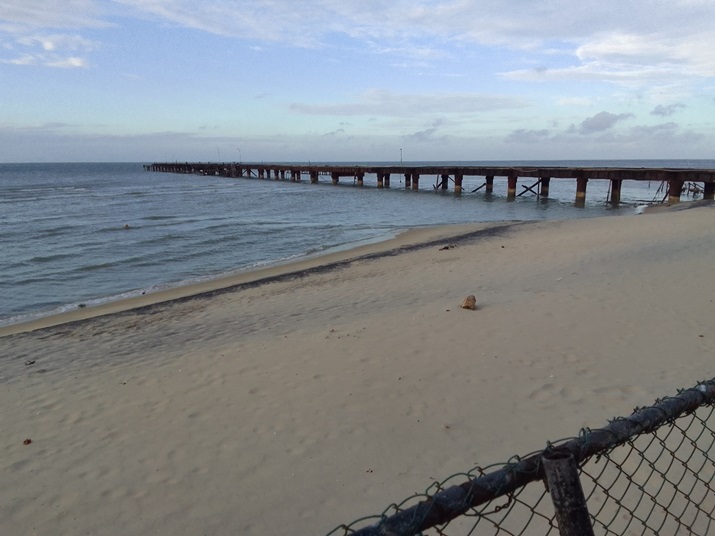
(The Talaimannar Pier – Picture by Chanaka Bandarage, March 2024)
The new pier will not bring in new immediate revenue. In any case, it will take several years to complete.
We already have the fantastic harbor in Kankasanthurai (KKS), which is not too far from Talaimannar. The India (Rameshwaran)– Sri Lanka ferry service can operate from there. Last year and early this year, test passenger ferries ran between India and Sri Lanka.
We must not forget – it is the NPP leaders who attacked the Rajapakses for building Mattala Airport (a real White Elephant) when we have Katunayake.
Now that our 2024/25 tourist season is just beginning, the Rameshwaran – KKS ferry service must be re-commenced immediately. Perhaps our President should talk to Mr Modi about this.
Tourists from India (not just Indians, Europeans also) will flock to our little island in very large numbers, using the ferries.
The writer outlined in a previous article (Lankaweb) that the Navy and the Immigration/Customs must be vigilant to catch bogus travelers from South India like LTTE sympathizers, Kallthonis, drug peddlers and smugglers.
India spent bulk of the money to build the KKS harbor. We can ask them to build the Talaimannar pier as well. They may agree, if we convince them well.
Otherwise, we can go into a 51/49 joint venture. A reputed foreign company is ideal, like P & A (Carnival) or Stena Line. They bring in real $. The government will provide the land, and the private investor will spend for the project.
Anyone who visits this British built magnificent jetty will agree that the pier is in total disarray now – it is corroded beyond repair. It is a shame that it had not been well looked after. During the war, the pier was in the control of both Navy and the LTTE intermittently. In the late 80s and early 90s, the IPKF was in charge of it. It seems none had looked after it well. Currently it is totally dilapidated. What is to be built is a total new pier.
Given that we have the KKS harbor, let’s hope that the authorities will be wise not to spend our precious money on this project at this stage. The government’s resources are very scarce, they should be used wisely in a prudent manner. Again, if India or a private investor is willing to foot the entire bill, it is ok to go ahead with the project.
The writer is an International Lawyer
Frying pan to fire -Advise to new minister of Ports and Shipping
September 26th, 2024Dr Sarath Obeysekera
ශිෂ්යත්ව ප්රශ්න පත්ර ගැටලුව දරුවන්ට අසාධාරණයක් නොවන ලෙස කඩිනමින් විසදන්න.
September 26th, 2024අග්රාමාත්ය මාධ්ය අංශය.
• ශිෂ්යත්ව ප්රශ්න පත්රයේ පිටවූ ප්රශ්න පිලිබඳ ස්වාධීන වාර්ථාවක් වහාම අවශ්යයි.
• මෙතෙක් ප්රමාද වූ සියළු විභාග ප්රතිඵල කඩිනමින් නිකුත් කරන්නැයි විභාග දෙපාර්තමේන්තුවට අගමැතිනියගෙන් උපදෙස්.
• දේශපාලකයින් පාසල් උත්සව වලට ගෙන්වීම වහාම නතර කරන්න.
ශිෂ්යත්ව ප්රශ්නපත්ර පිටවීම හේතුවෙන් දරුවන්ට සිදු වූ අසාධාරණයට වහාම සාධාරණය ඉටුවිය යුතු බවත්, පිට වූ ප්රශ්න පිලිබඳ පුර්ණ විමර්ශන වාර්තාවක් ස්වාධීන විශේෂඥයින්ගේ දායකත්වයෙන් සිදු කර සිය අවධානයට යොමු කරන ලෙසත් අග්රාමාත්ය ආචාර්ය හරිනි අමරසූරිය මෙනෙවිය පැවසීය.
අද (2024.09.26) පෙරවරුවේ අධ්යාපන අමාත්යංශයේ සියළු අංශවල නිලධාරීන් සමග පැවති සාකච්ඡාවේදී අග්රාමාත්යවරිය මේ බව සඳහන් කළාය.
මෙහිදී අදහස් දැක් වූ අග්රාමාත්ය ආචාර්ය හරිනි අමරසූරිය මෙනෙවිය,
පාසල් අධ්යාපනය සංවර්ධනය කිරිම වත්මන් රජයේ පුමුඛ අරමුණක්. අපේ රජය යටතේ අධ්යාපනය සඳහා වැඩි ප්රතිපාදන ප්රමාණයක් වෙන් කිරීමට අපි තීරණය කර තිබෙනවා. අධ්යාපන අමාත්යංශය සහ විභාග දෙපාර්තමේන්තුව සම්බන්ධයෙන් ජනතාව තුළ ඇතිවී තිබෙන අවිශ්වාසය නැති කිරීමට මේ ආයතන කටයුතු කළ යුතුයි. විශේෂයෙන් විභාග පැවැත්වීම හා ප්රථිපල ලබාදීම කඩිනම් කරන්න.
ගුරු පුරප්පාඩු පිරවීමේදී නිසි ක්රමවේදයක් මගින් සිදුවිය යුතුයි. ජනතාව තුල විශ්වාසය ඇති වන පරිදි විනිවිද භාවයෙන් පුරප්පාඩු පිරවීම සිදු කරන්න වෙනවා. පාසල් පැත්තෙන් මට පොඩි යෝජනාවක් තියෙනවා. ඒක එකපාර කරන්න බැරි උනත් පාසල් වලින් මට වාර්තා වෙනවා මානසික සෞඛ්ය මානසික අසහන පිළිබඳ ප්රශ්න. මේ ගැන අපි මැදිහත් වෙන්නම ඕන. අපි තේරුම් ගන්න ඕන එකක් තියෙනවා. මේ පරපුර කොවිඩ් වලටත් මුහුණ දුන්නා. ආර්ථිකය කඩා වැටීම නිසා ඇතිවුණු ගෘහස්ථ ගැටලු වලටත් මුහුණ දුන්නා. මේ ඔක්කොමත් එක්ක එන පරපුරක්. පවුල් වල තියෙන ප්රශ්න, ගුරුවරුත් එක්ක තියෙන බැඳීම අඩුවීම වගේ ගැටළු මේ පරපුරේ තියෙනවා.
පාසල් දරුවන්ගේ පෝෂණය වැඩිදියුණු කිරීම සඳහා දිවා ආහාර ලබා දීමේ වැඩසටහන් ක්රමවත් කිරීමත්, යටිතල පහසුකම් සංවර්ධනය කිරීමේදී ක්රමවත් සහ පිළිගත් ක්රමවේදයකට විනිවිදභාවයෙන් සිදු විය යුතු බවත්, මහජන නියෝජිතයින් පාසල් වලට ගෙන්වා ගැනීම නතර කරන ලෙසත් අග්රාමාත්ය ආචාර්ය හරිනි අමරසූරිය මෙනෙවිය මෙහිදී පැවසීය.
අග්රාමාත්ය ලේකම් ප්රදීප් සපුතන්ත්රි, අධ්යාපන අමාත්යංශයේ ලේකම් තිලකා ජයසුන්දර යන මහත්ම මහත්මීන් සහ අධ්යාපන අමාත්යංශයේ සියළු අංශ ප්රධානීන් මෙම අවස්ථාවට සහභාගී විය.
අග්රාමාත්ය මාධ්ය අංශය.
Shani Abeysekara reveals disturbing details on Easter Attack investigation
September 26th, 2024Courtesy NewsIn.Asia
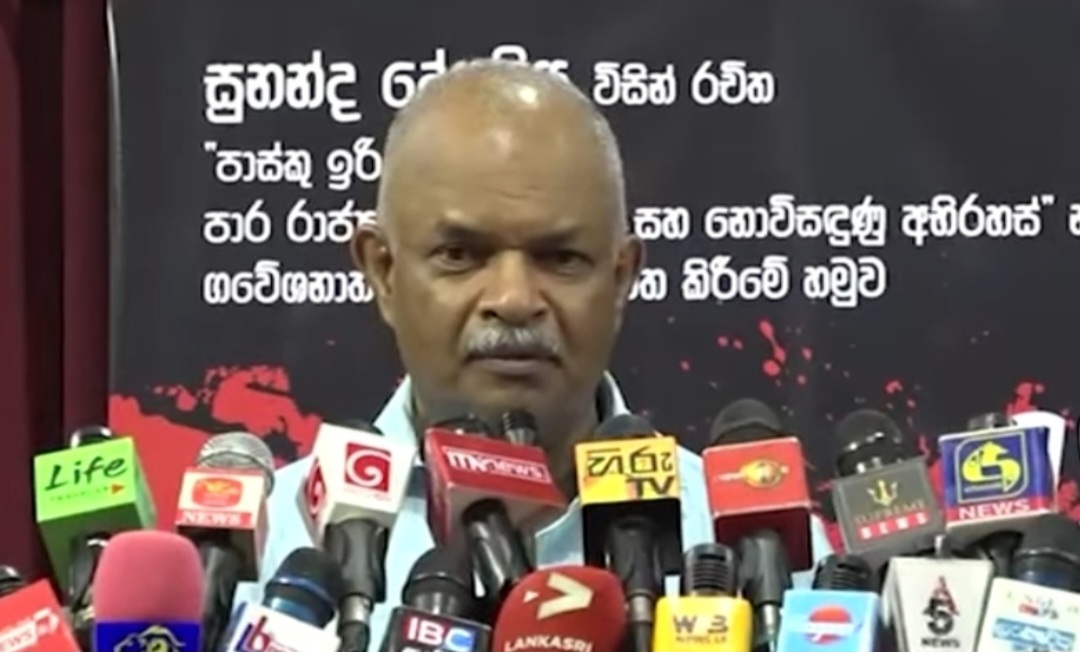
Sept 26 (NewsWire) – Former CID Director Shani Abeysekara has made explosive revelations about the 2019 Easter Sunday attacks and the investigation that followed. Speaking at the launch of a book written by journalist Sunanda Deshapriya, Abeysekara detailed how military intelligence allegedly misled the CID during critical stages of the investigation and raised serious concerns about potential financial ties between intelligence agencies and the attackers.
Abeysekara claimed the attacks, which killed over 250 people on April 21, 2019, were part of a well-orchestrated conspiracy rather than an isolated incident. Two significant cases of military intelligence provided false leads during the investigation, he said.
The first case Abeysekara said, was of the bomber who died in a suicide blast in Dehiwela, suggesting the bomber had connections with military intelligence, that were later concealed.
Secondly, Abeysekara addressed the 2018 Vavunathivu murders, prior to the Easter attacks, where military intelligence had allegedly framed the killings as being executed by the LTTE, even planting a military jacket to support their narrative. It was only after the CID arrested a suspect with weapons linked to the murders on April 25, did it become clear that the Zaharan Hashim group, responsible for the Easter attacks, was involved.
Abeysekara also claimed that a top military intelligence official had testified before the Presidential Commission investigating the Easter Sunday attacks, stating that some financial benefits had been provided to the group responsible by a Sri Lankan intelligence agency prior to attacks.
These financial ties need to be thoroughly investigated, Abeysekara stressed.
On four occasions, the head of military intelligence insisted that the Vavunathivu murders were done by the LTTE,” Abeysekara said, raising questions about the true motive behind these misleading actions.
He went on to question as to why both the CID and former President Maithripala Sirisena were misled about key details of the investigation and criticized the Rajapaksa administration for obstructing the inquiry, after Gotabaya Rajapaksa assumed the presidency.
Even before he (Gotabaya) appointed a Prime Minister, he transferred me from the investigation” Shani Abeysekara alleged.
Abeysekara expressed hope that the new government, led by the NPP, would prioritize a thorough investigation into these claims. That is why I supported the NPP,” he said, stating that will be continue to be committed to transparency and accountability despite having never been involved in politics before.
ජනපතිගේ මුල්ම පත්කිරීම් විශ්වාසය බිඳින සුළුයි..
September 26th, 2024උපුටා ගැන්ම ලංකා සී නිව්ස්
ජනාධිපති අනුර කුමාර දිසානායක මහතාගේ පළමුවන පත්වීම විශ්වාසය බිඳින සුළු එකක් බව පිවිතුරු හෙළ උරුමය නායක නීතිඥ උදය ගම්මන්පිල මහතා පවසයි.
ඒ මහතා මේ බව සදහන් කර සිටියේ අද (26) පිටකෝට්ටේ පිවිතුරු හෙළ උරුමය පක්ෂ මූලස්ථානයේ පැවති මාධ්ය හමුවකට එක්වෙමිනි.
පිවිතුරු හෙළ උරුමය නායකයා එහිදී වැඩිදුරටත් මෙසේ අදහස් දැක්වීය.
අනුර කුමාර දිසානායක මැතිතුමාට ජනාධිපති තනතුරේ කටයුතු සාර්ථකව ඉටු කිරීමට හැකි වේවායි ප්රාර්ථනා කරමින් මම එතුමාට සුබ පතනවා. කිසිවෙක් මේ ආණ්ඩුවට සහය නොදුන් පමනින් මේ ආණ්ඩුව කඩා වැටිය යුතුයි කියලා හිතන්න නරකයි. ගෝඨාභය ආණ්ඩුව කඩා වැටෙද්දී කඩා වැඩුනේ ආණ්ඩුව විතරක් නෙවෙයි. රටත් කඩා වැටුනා. රට අපේ. ඒ නිසා මේ අභියෝගාත්මක මොහොතේ ජනතාව විසින් තෝරාගත් ජනපතිට එම අභියෝග ජයගත හැකිවේවායි ප්රාර්ථනා කිරීම රටට ආදරය කරන පුරවැසියන්ගේ යුතුකමක්. සුබ වේවා යැයි ප්රාර්ථනා කළ පමණින් සුබ වෙන්නේ නෑ. සුබ වෙන ආකාරයට කටයුතු කිරීමේ වගකීම තිබෙන්නේ එතුමාට. එතුමා ජාතිය අමතා කියා සිටියේ තමන් ගැන විශ්වාස නොකරන අයගේ විශ්වාසය දිනා ගත හැකි ආකාරයෙන් එතුමා කටයුතු කරනවා කියලා. නමුත් එතුමා මුල් දවසේ කළ පත්වීම් තුනෙන් දෙකක්ම ඒ විශ්වාසය බිඳෙන සුළුයි.
ජනාධිපති ලේකම් ආණ්ඩුවේ ජ්යෙෂ්ඨතම නිලධාරියා. ලක්ෂ 15ක් පමණ වෙන රාජ්ය සේවකයින්ගේ ප්රධානියා. ඒ තනතුරට පත් කරන්නේ සමස්ත රාජ්ය සේවයේම ගෞරවය දිනා ගත හැකි නිලධාරියෙක්. එහෙම නොවුණොත් සමස්ත රාජ්ය සේවයම කඩා වැටිලා ආණ්ඩුව පිරිහෙනවා. ඒ නිසා පසුගිය ජනාධිපතිවරු තමන්ගේ ලේකම් හැටියට පත් කලේ කේ එච් ජේ විජේදාස, ලලිත් වීරතුංග, ඔස්ටින් ප්රනාන්දු වගේ කීර්තිමත් පරිපාලන නිලධාරින්. එහෙම නැතිනම් රාජ්ය සේවයෙන් බාහිරව සිටින කීර්තිමත් පුද්ගලයෙක්. නමුත් වත්මන් ජනාධිපතිතුමා මේ වැදගත් තනතුරට පත් කරන්නේ තමන්ගේ සරසවි සගයෙකු වුණු කණිෂ්ඨ නිලධාරියෙක්. එතකොට ජනාධිපතිතුමාට රාජ්ය යාන්ත්රණය ගැන උපදෙස් දෙන්න ලේකම්ට හැකියාවක් නෑ. විශේෂයෙන්ම ලේකම්වරු සහ දෙපාර්තමේන්තු ප්රධානින් වැනි ජ්යෙෂ්ඨ නිලධාරින් තමන්ගේ නායකයා විධියට මේ කණිෂ්ඨ නිලධාරියා පිලි ගන්නේ නැති වීමෙන් ගැටළු එනවා. මේක හරියට තමන්ගේ හිතමිත්ර එස්අයි කෙනෙක් පොලිසියේ පොලිස්පති විධියට පත් කළා වගේ වැඩක්.
ඒ වගේම මහජන ආරක්ෂක අමාත්යාංශය ලේකම් ධූරය දුන්නේ දැනට පොලිස් විමර්ශනයකින් තමන්ව අත්අඩංගුවට ගන්න යනවා කියා අධිකරණය ඉදිරියේ මූලික අයිතිවාසිකම් නඩුවක් ගොනු කළ අයෙක්. ඔහුව අමාත්යාංශ ලේකම් තනතුරට පත් කළ යුතු නම් පොලිස් විමර්ශනය අවසන් වෙලා ඔහුට නඩු පැවරිය නොහැකි බවට නීතිපති නිගමනය කරන තුරු ඉවසිය යුතුව තිබුණා. අපි මේවා අත්දැකීමෙන් දැක්කා.
ගෝඨාභය ජනාධිපතිතුමා තමන්ගේ ලේකම් ධූරය පිරිනැමුවේ ලලිත් වීරතුංග මහත්තයාට. නමුත් වීරතුංග මහත්තයා කිව්වා මට විරුද්ධව උසාවියේ නඩුවක් විභාග වෙනවා. ජනාධිපති ලේකම් තමයි ජනාධිපති වෙනුවෙන් විනිශ්චයකාරවරුන් සමග ගනුදෙනු කරන්නේ. ඒ නිසා මට ඒ තනතුර භාර ගන්න බෑ කියලා. ඒ වගේම මාස කිහිපයකට උඩ දී බීමතින් රිය ධාවනය කරලා අනතුරක් කරගෙන රක්ෂිත බන්ධනාගාර ගත වුණු කෙනෙකුට පොලිසිය භාර දුන්නාම නීතියේ ආධිපත්ය පිහිටුවීමට දුන්නු මැතිවරණ පොරොන්දුවට මොකද වෙන්නේ කියලා අපට අහන්න වෙනවා.
– Media unit
Here’s Why Biden Gave a Shoutout to Sri Lanka’s New President
September 26th, 2024By Arif Rafiq Courtesy Globely News
President Joe Biden congratulated President Dissanayake on taking office, reflecting Sri Lanka’s strategic importance in the competition between the U.S. and China.
President Joe Biden took to X, formerly known as Twitter, on Thursday to congratulate Sri Lanka’s new president Anura Kumara Dissanayake on his election to office.
Sri Lanka is a small island country with a population of 22 million. But it is very much at the center of the U.S.-China rivalry geographically and otherwise.
Why Sri Lanka Matters
Located in the northern Indian Ocean, Sri Lanka sits along a major maritime shipping route between Asia, the Middle East, and Europe. Due to its depth, location, and efficiency, Sri Lanka’s port of Colombo is a transshipment hub. Goods are offloaded from smaller ships from feeder ports and loaded onto larger ones destined for megaports like Dubai — and vice versa.
Sri Lanka is home to several Chinese-operated ports. One of those, located in the southern city of Hambantota, is seen as a white elephant. A vanity project pushed by a previous Sri Lankan president, it’s used as an example of China’s alleged debt-trap diplomacy.”
China’s detractors claim that it drowns developing countries in debt to gain strategic concessions, like basing rights, in exchange for debt forgiveness or restructuring.
Chinese-operated Sri Lankan ports in Colombo and Hambantota have long been rumored as potential sites for future People’s Liberation Army Navy bases.
Sri Lanka remains in economic distress after its default in 2022, which sent inflation through the roof and forced the resignation of its president. Reckless borrowing from China is part of that picture, but private bondholders are Sri Lanka’s largest creditors.
U.S. Aims in Sri Lanka
The United States wants to wean Sri Lanka off its dependence on China — and not just because of its strategic location. Washington seeks to demonstrate that it can be a better development partner for countries like Sri Lanka. It’s partnering with like-minded countries through initiatives such as the Partnership for Global Infrastructure and Investment (PGII) to offer what it says is a more transparent, less extractive, and non-corrupt alternative to China’s Belt and Road Initiative.
There are numerous problems with the China debt-trap narrative. For starters, it’s simplistic. China does indeed employ its financial largesse with dependent countries, but both as a carrot and a stick. Its approach isn’t always coherent. And the debt trap goes both ways. Chinese development banks are saddled with bad loans. Arrears are mounting. They’re not getting paid.
Secondly, China is not unique in using its pursestrings as geopolitical leverage. India too has done the same in countries like Sri Lanka. The U.S. is sullying its own reputation by partnering with the corrupt Indian conglomerate the Adani Group in Sri Lanka. Washington is financing the construction of an Adani container terminal in the Colombo port. That project is controversial for a number of reasons.
Biden’s very public show of support for Dissanayake is a smart move. The new Sri Lankan president is a leftist leader who some fear will tilt his country back to China. In all likelihood, he’ll seek some sort of balance between the great powers, focusing on economic reform and stability at home. Biden is demonstrating U.S. intent to partner with Dissanayake. Biden and his successor will have to walk the walk.
CID to probe ‘misuse’ of state-owned vehicles by previous govt
September 26th, 2024Courtesy Adaderana
President Anura Kumara Dissanayake has directed relevant officials to allocate the luxury vehicles used by previous governments exclusively for essential services, according to the President’s Private Secretary, Ananda Wijepala.
Wijepala expressed regret over the misuse of public funds and emphasized that a full review will be conducted, with the public being informed of future actions.
He made these remarks while speaking to the reporters today (26) at the Galle Face Grounds in Colombo, where updates on actions taken regarding the parked vehicles were shared, the President’s Media Division (PMD) stated.
He further explained that the public money wasted by previous governments is symbolically represented by these vehicles parked there, noting that the current parking spaces at the Presidential Secretariat are insufficient to accommodate the vehicles.
A total of 107 vehicles are parked at Galle Face and other locations, which were provided to associates of past governments under various positions. Wijepala highlighted the unfortunate reality that over the past 76 years, successive governments have continued to waste public wealth while citizens struggled to meet basic needs.
He also revealed that while there is a shortage of ambulances for the healthcare sector and vehicles for public officials to perform their duties, vehicles worth millions of rupees were imported and distributed to political allies.
Wijepala reiterated the responsibility to safeguard public funds and assured that a comprehensive review of misused vehicles will be conducted. President Anura Kumara Dissanayake has instructed that these vehicles be reassigned to essential services to ensure efficient use.
He further disclosed that 59 vehicles obtained from various institutions had been distributed through the Presidential Secretariat to political allies, and despite the vehicle importation ban, 16 vehicles had been bought in for the Presidential Secretariat, the PMD reported.
Additionally, Wijepala mentioned that among the 833 vehicles currently owned by the Presidential Secretariat, 29 vehicles are missing.
He further stated that the President Anura Kumara Dissanayake has instructed a systematic investigation into this matter through the Criminal Investigation Department (CID).
–PMD–
President directs to increase fertilizer subsidy for paddy farmers
September 26th, 2024Courtesy Adaderana
President Anura Kumara Dissanayake has instructed the Treasury to provide a fertilizer subsidy of Rs. 25,000 per hectare to paddy farmers for the Maha season of 2024/25, the President’s Media Division (PMD) said.
According to this initiative, the fertilizer subsidy, which was previously set at Rs. 15,000 per hectare, will be increased to Rs. 25,000. This enhanced subsidy will take effect starting October 01.
To ensure efficient delivery of the subsidy to farmers, the funds will be directly transferred to their bank accounts. This approach aims to streamline the process and provide timely support to those in the agricultural sector, the PMD said.
The new government’s policy statement emphasizes the importance of effectively managing agricultural inputs. It outlines a commitment to providing fertilizer and other agricultural inputs at reasonable prices, along with subsidies for both chemical and organic fertilizer, all in line with good agricultural practices. This step has been implemented to support sustainable farming.”
In addition, the President has directed the Treasury to implement a fuel subsidy for the fishing community, effective from October 01. This measure is intended to boost the fishing industry and lower production costs for fishermen.
The fuel subsidy will be available on a monthly basis for both multi-day and one-day fishing vessels. Similar to the agricultural subsidy, this funding will also be directly deposited into the fishermen’s bank accounts.
The government’s policy statement underscores the goal of developing and managing the fishing industry in a sustainable and environmentally friendly manner. This approach aims to enhance fish production, making it more accessible to consumers at fair prices, while also improving the quality of life for those involved in the industry.”
Furthermore, efforts will be made to provide financial and technical support for the recovery of marine fisheries, which are currently facing significant challenges, the statement said.
නව රජයට තියෙන දැවැන්ත අභියෝගය – “රනිල් කියූ විදිහට මේ රට වැටෙන්නේ නෑ” – Hiru News
September 26th, 2024”අලුත් ආණ්ඩුවෙන් ගන්න හදන බිලියන 120ක ණය” – ”විසඳුම් හොයාගන්න පුළුවන් නම් ආර්ථිකය හදාගන්න පුළුවන්”
September 26th, 2024”IMF කියන්නේ ණය දෙන ආයතනයක් නෙමෙයි” – රට ස්ථාවර වෙන්නේ මෙහෙමයි – Hiru News
September 26th, 2024Hiru TV Balaya Live | Episode 562 | 2024-09-26 | Hiru News
September 26th, 2024“දැන් තියෙන IMF ගිවිසුම ලංකාවට අවාසියි” – “අනිවාර්යයෙන්ම නැවත සාකච්ඡා කල යුතුයි” – Hiru News
September 26th, 2024විදෙස් ආධාර මත ක්රියාත්මක කරන ව්යාපෘතිවලට මාස 3ක් ඇතුළත අනුමැතිය දීමට කමිටුවක් – ජනපති
September 26th, 2024BIG FOCUS | නව රජයේ අනාගත ආර්ථික සැලසුම් | 2024.09.26
September 26th, 2024To our new President, Time we got cracking on creating employment and produce instead of importing.
September 25th, 2024By Garvin Karunaratne former GA Matara
In 1978, Sri Lanka had a foreign debt of only $ 750 million and that was on projects where at the end there would be an income that would be more than what was borrowed. Sri Lanka never begged before President Jayawardena and Ronnie de Mel came to be our leaders. Then what we did was to carefully collect the inflow of every single dollar through exports etc. and managed our foreign expenses with those dollars. The entire country- all development work etc was run on local currency.
Ronniede Mel and President Jayawardena followed the IMF blindfolded and accepted the IMF teaching of neoliberal economics- the economics of living on borrowed funds. The IMF told us to allow anyone to spend dollars that came in on loans. The dollars were spent abroad- spent on foreign education, on luxury holidays , on luxury imports- in 2020 we even imported Norwegian salmon etc for sale in Colombo supermarkets and the dollars so spent ended in the Developed countries. The IMF’s process was to give us dollar loans and to get us to spend so that the dollars went back to the Developed Countries- to their banks. It went back with profits. It is this process that had gone on leading to our foreign debt of some $100 billion today, which has now strangled Sri Lanka’s economy.
It is a fact that the IMF even gave grace periods to President Jayawardena not to pay the yearly dues on the loans given for five to ten years in order to entice President Jayawardena and Finance Minister De Mel to follow neoliberal economics. It will be good for the IMF team of today to note how the IMF in 1978 enticed – rather bribed our leaders to follow the Structural Adjustment Programme.
It is by following the dictates of the IMF from 1978 to today that Sri Lanka got into the present abyss.
I happen to be a live partner handling senior administrative positions, managing Sri Lanka without falling into debt and can quote real instances of how we did it.
As the Additional Government Agent in Kegalla in 1968 and 1969 and as the GA at Matara in 1971-1973 I was in charge of some five powerlooms in each District which turned out textiles out of imported yarn. Yarn was imported dirt cheap -Sri Lanka had a major textile factory at Tulhiriya also working on imported yarn and we manufactured all our textiles. Then the suiting done by the Hakmana powerloom was in high demand even in London. The Tulhiriya Factory was privatized to Kabool of Pakistan who made hay while the sun shines, made money and decamped leaving unpaid loans to local banks. That was how privatization ruined our country.
In 1970 to 1977 we had a special programme- the Divisional Development Councils Programme – the idea of Finance Minister NM Perera to fulfill the aspirations of thousands of young men and women for whom life will lose all meaning unless they can find a useful place in our society”(From; Karunaratne:Papers on the Economic Development of Sri Lanka:Godages). True to his word 33, 290 jobs were created. The Sirimavo Government head hunted the foremost economist of the day Professor HAdeS Gunasekera and he commenced work in days in a portion of the Central Bank. Let us look at some of the achievements. The Divisional Secretary at Kotmale made paper out of waste paper. It was a great success. Do we have a single unit making paper out of waste paper today. No. We instead collect the waste paper and sell to India and collect a few coppers and thereafter buy glazed paper paying full dollars. Do we not need to have our heads examined! We can have a few units making paper out of waste paper in weeks .Yet we are lingering in the dark like lost kitten not knowing what to do!
Take what my colleague the Divisional Secretary Wilson Perera at Baddegama did: He found a neglected farm and got hold of sixty youths- trained them to be farmers- and the result- 12 acres of neglected rubber rehabilitated, 40 acres of neglected tea rehabilitated, 20 acres planted with coconut, 50 acres of neglected paddy land brought under cultivation. At the end there were 60 scientifically trained farmers. Such work was done in many districts.
In Matara we fought battles with the Ministry of Plan Implementation and the Director of Fisheries and wrested approval to establish a mechanized boatyard making some 40 seaworthy boats a year. It was a great success. Then because the Ministry refused any more new industries, to teach the Ministry a lesson we found the art of making crayons by experimenting every night for three long months at the Science lab of Rahula College Matara and established a Crayon Factory in two weeks- a 24 hour operation. – a cooperative at Deniyaya, established by Sumanapala Dahanayake, the Member of Parliament. The work done by Sumanapala is an eye opener to our present days Ministers and Members of Parliament. Sumanapala developed Coop Crayon to have island wide sales. President Jayawardena wanted to send Sumanapala to the gallows at Welikada and sent a special squad led by a Deputy Director of Cooperatives AT Ariyaratne to find fault. They raked the files for days and had to report that the Crayon Factory was a great success and a national asset. But what did President Jayawardena do. He ordered it closed. Visiting Sri Lanka today my blood boils when I see Crayola Crayons on sale in Sri Lanka. Coop Crayon could have been developed to find employment and incomes for thousands of our youths. Coop Cryon was equal in quality to the Reeves Crayons of that time and to the Crayola Crayons of today. This encapsulated how our economy lost and how our country became poor.
In 1970 I was the Deputy Director of Small Industries that inspected all small industries and gave them dollars they needed to obtain essential ingredients to enable them to manufacture items. We supervised small industries goaded them to make what was required for the country and what could be exported.
Why not our newly elected President Aruna Kumara Dassanayake commence immediately a programme to make everything we imported -all done with local rupees- in the manner we worked before 1977. If allowed to bat we can easily score- a programme making over 50,000 employed making everything we imported within a year. What we can make range from step ladders to motor spares to crayons, to paper and all our fruit drinks. Let us not forget that the Marketing Department Cannery made Sri Lanka self sufficient in all jam and fruit juice within the three years 1955 to 1958. We import over ninety percent of our step ladders- something which we can easily make. On my motor trip from Dhaka in Bangladesh to Khatmandu in Nepal my silencer broke down at Jessore on the Indian border. A local garage made a superb silencer within two hours. Today the UK and the USA make silencers for all foreign makes of cars and find employment and incomes for their people. We can make motorspares- silencers- radiators, oil filters- small factories can be set up within two to three weeks.
Such an employment creation programme is the need of the hour.
Garvin Karunaratne
former GA Matara
250924
The best news in Sri Lankan politics, I ever heard after the 2019 Presidential elections results- The dissolution of the Parliament on the 24th Sep 2024.
September 25th, 2024Dr Sudath Gunasekara. Mahanuwarara
The best news in Sri Lankan politics, I ever heard after the 2019 Presidential elections results (although it ended up in total disaster in 2022) is the dissolution of the Parliament on the 24th.
I have been totally distressed and dissatisfied with the undemocratic and unethical way the affairs of the Parliament were conducted in recent the past, particularly after 20 July 2022.
I have been agitating for its immediate dissolution ever since the 6.9 m peoples mandate was nakedly betrayed by the SLPP on that day by electing a person against whom all that 6.9 m people had, not only voted against in both previous elections in 2019 and 2020 but also a person rejected by the people ever since 2005 and subsequently crept in to Parliament through the so-called national list introduced by JR, which provided a back door, for a person to enter this august assembly. He was elected as the under the provisions of the Sec 40 of the Constitution, bad in law and bad in practice, in my view for he was not a person elected by the people. In my view he was not qualified even to be a member of Parliament as he lost his seat at the election in 2020. It was through clever and crafty manipulation only; he came to Parliament through the back door. The national list was a heavenly door for the Party leaders to bring their favorite chums or relatives who could have never come to Parliament by public vote. Most of them ended up as key Ministers and they are not answerable or responsible to the people but only to the man who put him there. And in my view to elect such a person imported from the backdoor as the President under was a blatant betrayal of the 6.9 m popular mandate in the public eye. Because it goes against the 6.9 mandate given to the SLPP in 2019 and 2020. Ranil who was also rejected by the people at the presidential election and Parliamentary elections held in 2019 and 2020 respectively. As such it was unethical and immoral too for the Parliament and the SLPP too to elect such a person to that post under the constitutional provision in Sec 40, that is both bad in law and bad in practice in my view That has nullified the supremacy of the Parliament as well as the supremacy of the Constitution, which is regarded as the supreme law of the nation.
Evers since both the parliament and the Cabinet had been running as a private property of Ranil. The Cabinet had got reduced to the level of the famous world of Mahadanamutta and his 7 pupils. Not only the Parliament but h entire government got reduced to the level of a one man show.
The Ministers and the Members of Parliament were only interested in their own wellbeing. The Madate given by to Parliament, both in 2019 and 2020 and the aspirations of the people got vaporized in the high air. Not only the overall performance of the Parliament even the attendance got reduced to zero. The dignity and the decorum prevailed in this august assembly in the olden days had vanished with no sing of returning. The Minsters and MPP were only interested in their private business. The dignified and quality debates we have seen in our school days were never to be seen. The parliament in short got reduced to a den of thieves and rowdies’ day by day. It got reduced to a level of a human Zoo and an asylum. It reminded me the famous saying by HL Mencken who once referred to the Canadian Parliament as a Monkey cage when he said Democracy is the art and science of running the circus from the monkey cage”. It befits, I think, very well to our Parliament better than the Canadian counterpart. In this context gong by the behavior of our politicians I would call our Parliament a human Zoo, as they display the behavior of all predacious animals in the jungle
This why I call upon all voters at the just concluded Presidential election on the 21st not to vote anyone who does not promises to fulfill a long list of demands where I prioritize the dissolution of Parliament as the item number one in that long list of subjects listed under the following article published in the LANKAWEB.
මේ රටේ ජන්ම උරුම කරුවන් වන සියළුම දේශප්රේමී, ජාති හිතෛෂී සිංහල බෞද්ධ චන්දදායකයින් වෙත විවුර්ථ සන්දේශයක් හා රට ජාතිය වෙණුවෙන් කරණුලබන ආයාචනයක්
Posted on September 14th, 2024
I have stated it in the above letter as follows.
1 ප්රථමයෙන් වර්තමාන පාර්ලිමෙන්තුව තුල රටේ ජනමතය කිසිසේත්ම නියෝජනය නොවන බැවින් හා ඒ තුළ, මේ සින්හල බෞද්ධ රටේ රාජ්ය විචාරණයට සුදුසු කිසිවෙකු නැති නිසාත් එසේම මොන ජගතෙකු ජනාධිපති වශයෙන් පත්වුවද, දැනට පවතින අච්චාරු පාර්ලිමෙන්තුව හරහා මේ රට අද වැටී ඇති අඝාධයෙන් ගොඩහත නොහැකි නිසාත්, ප්රමුඛතා අන්ක එක වශයෙන් වහාම එය විසුරුවා හැර එම තත්වයට ප්රධාන හේතුව වූ 1978 ව්යවස්ථාවද අහෝසි කොට, 1972 ජනරජ ව්යවස්ථාව වහාම බල ගැන්වීමට සහ වසර 2566 ක දීර්ඝ ඉතිහාසයක් සහිත අපගේ ශිෂ්ඨාචාරය මත පදනම්වූ නව ආණ්ඩු ක්රම ව්යවස්ථාවක් සකස් කිරීමට ජන වරමක් ඉල්ලා සිටීම සහ මැතිවරණයෙන් ජයගත් පසු එය ඉටුකරණ බව රට ජාතිය ඉදිරියේ ප්රතිඥා දෙන අයෙකුට පමණක් ඔබේ වටිනා චන්දය දෙනු මැනවි
ජනතා සම්පත් භුක්ති විදිමින් නොසිට ජනතාවාදී රාජ්ය සේවයක් වෙනුවෙන් එක්ව කටයුතු කරමු
September 25th, 2024අග්රාමාත්ය මාධ්ය අංශය
• නීතිය, රාජ්ය සේවය, දේශපාලන අධිකාරිය පිළිබඳ ජනතාව තුළ විශ්වාසයක් නැතුව රටක් ගොඩ නගන්න බැහැ….
• ශක්තිමත් රාජ්ය සේවයක් ගොඩනැගීම අපේ අරමුණක්….
ජනතා සම්පත් භුක්ති විදිමින් නොසිට ජනතාවාදී රාජ්ය සේවයක් වෙනුවෙන් එක්ව කටයුතු කරමු යැයි අග්රාමාත්ය, ආචාර්ය හරිනි අමරසූරිය මෙනවිය පැවසුවාය.
අග්රාමාත්යවරිය මෙසේ පැවසුවේ අද (25) පෙරවරුවේ අග්රාමාත්ය කර්යාලයීය නිලධාරින් සමඟ කොළඹ මල් පාරේ පිහිටි අග්රාමාත්ය කාර්යලයේ පැවති සාකච්ඡාවකදීය.
එහිදී වැඩිදුරටත් අදහස් දැක් වූ අග්රාමාත්ය ආචාර්ය හරිනි අමරසූරිය මෙනෙවිය,
ජනාධිපතිවරයා පත්වුණේ තවත් එක් ජනාධිපතිවරණයකින් නොවන බව අපි මේ මොහොතේ තේරුම්ගත යුතුයි. පැවැති රජයකට එරෙහිව පැවැති අරගලයකින් පසුව පැවැත්වූ ජනාධිපතිවරණයකදී බහුතර ජනතාවකගේ කැමැත්තෙන් ජනාධිපතිවරයා පත්වුණේ. ජනතාව තමන්ගේ තීරණය ප්රකාශ කළේ පසුගිය වසරවල ලැබුණු අත්දැකීම් හා දුටු දේවල් අනුවයි. මෙවර පැවැත්වුණු මැතිවරණය පක්ෂවලින් මෙහෙය වූ මැතිවරණයකටත් වඩා ජනතාව විසින් මෙහෙය වු මැතිවරණයක් කිව්වොත් නිවැරදියි.
ජනාධිපතිතුමා සිය ධුරයේ වැඩ භාරගැනීමෙන් පසු ජනතාව අමතමින් සඳහන් කළේ රටක දියුණුවට ජනතාව, පාලකයා සහ රාජ්ය සේවය අතර හොඳ විශ්වාසයක් තිබිය යුතු බවයි. ජනතාවට ඒ විශ්වාසය නැතිවෙලා. එය නැවත ඇතිවන ලෙස වැඩකිරීම අපේ යුතුකමක්. ජනතාව තනිවෙලා බවයි සිතන්නේ. නීතිය, රාජ්ය සේවය, දේශපාලන අධිකාරිය පිළිබඳ ජනතාව තුළ විශ්වාසයක් නැතුව රටක් ගොඩ නගන්න බැහැ. ඒ විශ්වාසය ඇතිවන ලෙස වැඩ කරමින් අපිට රට ඉදිරියට ගෙනියන්න වෙනවා.
ශක්තිමත් රාජ්ය සේවයක් ගොඩ නැගීම අපේ අරමුණක්. රාජ්ය සේවකයින් ස්වාධීනව වැඩ කරමින් ජනතා විශ්වාසය දිනාගන්න කටයුතු කරන ලෙස ද මෙහිදී අග්රාමාත්යතුමිය පැවසුවාය.
අග්රාමාත්ය ලේකම් ප්රදීප් සපුතන්ත්රි මහතා,
රාජ්ය සේවකයන් ලෙස අපිට තිබෙනවා විශේෂ කාර්යභාරයක්. සමහරු හිතන් හිටියේ ඔවුන් ජනතාවට වඩා ඉහළින් ඉන්න පිරිසක් කියලා. දැන් අපිට අවබෝධ කරගන්න වෙනවා අපි සැමට ඉහළින් ජනතාව සිටිනවා කියන කාරණය. පෞද්ගලිකව තමතමන්ට දේශපාලන මතයක් ඇති. ඒත් අපි හැමෝටම වගකීමක් තිබෙනවා පවතින රජයේ ප්රතිපත්ති ක්රියාත්මක කරන්න. ජනතාවට සේවය කිරීමට මීට වඩා කැපවෙන්න අවශ්යයයි අග්රාමාත්ය ලේකම් ප්රදීප් සපුතන්ත්රි මහතා පැවසීය.
මෙම අවස්ථාවට අග්රාමාත්ය අතිරේක ලේකම්වරුන් වන හර්ෂ විජේවර්ධන, මහින්ද ගුණරත්න, ජ්යෙෂ්ඨ සහකාර ලේකම් ඩී. මාශංක එච් ලියනගේ මහතා අතුලු අග්රාමාත්ය කාර්යලයේ නිලධාරීන් පිරිසක් සහභාගි වුහ.
අග්රාමාත්ය මාධ්ය අංශය
අනුර දිසානායක ජනාධිපතිවරයා ඩොයිලිද – කැප්පෙටිපොළද – සෝල්බරිද – ගැලවුම්කරුද – සාමාන්ය පුරවැසියෙකුද යන්න අලුත් ආණ්ඩුක්රම ව්යවස්ථාව ගෙන එන අවස්ථාවේ තීරණය වේ…!
September 25th, 2024අරුණ ලක්සිරි උණවටුන B.Sc(Col), PGDC(Col), නීතීඥ.
1818 උඩරට මහ කැරැල්ලේ ප්රධානියකු ලෙස කටයුතු කළ මොනරවිල කැප්පෙටිපොළ මහ දිසාව දිවි පිදුවේ 1818 නොවැම්බර් 26 වැනිදය. 2024 නොවැම්බර් 21 අලුත් පාර්ලිමේන්තු කැදවීමට නියමිතය. ඒ අනුර දිසානායක අලුත් ජනාධිපතිවරයාගේ 2024 සැප්තැම්බර් 24 දිනැති 2403/13 අංක දරන අතිවිශෙෂ ගැසට් පත්රයේ නියමය අනුවය. නොවැම්බර් 21 සහ 26 අතර ඇත්තේ දින කිහිපයක වෙනසකි.
1815 උඩරට ගිවිසුම, ජෝන් ඩොයිලි, කැප්පෙටිපොළ නිළමේ සහ සෝල්බරි සාමි ලංකාවට කළ බලපෑම පිළිබඳ කතිකාවකින් තොරව අනුර දිසානායක ජනාධිපතිවරයාගේ භූමිකාව කුමක්විය හැකිද යන්න පිළිබඳ අදහස් දැක්වීම ඵලදායක නොවේ.
ඩොයිලි
ජෝන් ඩොයිලි ලංකාවට පැමිණි පසු පාලක පක්ෂයේ මෙන් ම රටවැසියාගේ ද සිත් දිනාගනිමින් තම සේවය ඉටු කළේ ය. ලංකාවට පැමිණීමෙන් පසු ඔහු සිංහල භාෂාව මැනවින් ඉගෙන ගැනීමට මහත් වෙහෙසක් දැරී ය. මාතර විසූ කාලයේ දී භික්ෂූන් වහන්සේගෙන් සිංහල භාෂාව පිළිබඳ හොඳ දැනුමක් ලබා ගත්තේය. රටවැසියන් අතර ඇති වූ වාද විවාද, අවුල්, වියවුල්, නඩුහබ ආදිය ඉතා හොදින් ඉතා අවංක ලෙසත් විසදීමෙන් ඔහු ජනතාවගේ හිත් ගත්තේය.
උඩරට රාජ්යය අත්පත් කර ගන්නට පෙර ඉන් පසු ද ඩොයිලි යටතේ චරපුරුෂ සේවයක් පැවතියේ ය. එමඟින් ඔහු රටේ නොයෙක් තොරතුරු හා වෙළෙඳ බඩුවල මිල ආදිය දැන ගත්තේ ය. රට ඉංග්රීසින්ට යටත්කරවීමේ 1815 උඩරට ගිවිසුමට නිළමෙලාගේ අත්සන් ලබා ගැනීම සම්බන්ධයෙන් ජෝන් ඩොයිලි කළ සේවය විශිෂ්ටය.
කැප්පෙටිපොළ
මොණරවිල කැප්පෙටිපොළ ලෙස ප්රසිද්ධව හඳුන්වන මොහු ශ්රී වික්රම රාජසිංහ රජුගේ සහ පසුව බ්රිතාන්ය පරිපාලනය යටතේ මහ දිසාව තනතුර දැරූවෙකි. 1815 උඩරට ගිවිසුමට අත්සන් කළ නිළමේ කෙනෙකි. 1815 උඩරට ගිවිසුමෙන් පසු රට පාලනය කරගෙන යාමේදී ආරම්භ වූ 1818 ඌව නිදහස් අරගලය මැඩපැවැත්වීමට බ්රිතාන්යයන් විසින් යවනු ලැබූ කැප්පෙටිපොළ බ්රිතාන්ය පිළ හැරදා අරගලකරුවන් හා එකතු වූ අතර එහි ප්රධාන පෙළේ නායකයෙකු බවටද පත්විය.බ්රිතාන්යයන් විසින් අරගලය පරාජය කළ අතර කැප්පෙටිපොළ දිසාව ඇතුළු අනෙක් අරගල නායකයන් රැසක් අත් අඩංගුවට ගෙන රාජද්රෝහී වීම සම්බන්ධයෙන් චෝදනා එල්ල කර වර්ෂ 1818 නොවැම්බර් මස 26 වැනි දින කන්ද උඩරට බෝගම්බර දී රාජද්රෝහියකු වශයෙන් මරණ දණ්ඩනය පනවන ලදී.
සෝල්බරි
ලංකාවට පූර්ණ වගකීම් සහිත පාලනයක් ලබාදීමට අපේක්ෂා කරන බවට බි්රතාන්යයන් තීරණය කිරීමෙන් පසු
සොයාබැලීම සඳහා 1944 දී සෝල්බරි සාමි ප්රමුඛ කොමිසමක් මෙරටට එවන ලදී.
සොල්බරි කොමිසම ලංකාවේ සමාජ, ආර්ථික, දේශපාලනික දේහය පිළිබඳව අධ්යනය කොට නැවතත් බි්රතාන්ය වෙත ගොස් පසුව ඔවුහු තම යෝජනාවන් බි්රතාන්ය රජයට ඉදිරිපත් කළ අතර එයට අනුව සෝල්බරි ව්යවස්ථාව නමින් ව්යවස්ථාවක් පැනවි 1972 පළමු ජනරජ ව්යවස්ථාව දක්වා එය ක්රියාත්මක විය.
අනුර දිසානායක ජනාධිපතිවරයා
අනුර දිසානායක මහතා ජනාධිපති ධූරයට පත්වන්නේ පවතින ආර්ථික, සමාජ, දේශපාලනික, නෛතික තත්ත්වයන් වෙනසකට ලක්කිරීමටය.
රනිල් වික්රමසිංහ ජනාධිපතිවරයාද 2015 ගෙනා 19වන ආණ්ඩුක්රම ව්යවස්ථා සංශෝධනයේ පවතින අතපසුවීමක් ගැන ගාල්ල අධිකරණ සංකීර්ණය විවෘත කරන අවස්ථාවේදී නීති ක්ෂේත්රයේ ප්රධානීන් ඉදිරිපිට 2024 ජූලි 19 දින ජනතාවගෙන් ප්රසිද්ධියේ සමාවද ඉල්ලා සිටි පසුඹිමකය. එසේම ආණ්ඩුක්රම ව්යවස්ථාවේ 83 ව්යවස්ථාවේ පවතින දෝෂයක් නිවැරදි කිරීමට ආණ්ඩුක්රම ව්යවස්ථාවේ 78වන ව්යවස්ථාව යටතේ නීතිපතිවරයාගේ අනුමැතියෙන් 22වන ආණ්ඩුක්රම ව්යවස්ථා සංශෝධන පනත් කෙටුම්පත 2024 ජූලි 18 දින ගැසට් පත්රයේ පළ කිරීකිරීමද 1978 ආණ්ඩුක්රම ව්යවස්ථාවේ අතපසුවීම් ඇති බව පැහැදිලි කරයි.
1815 සිට බ්රිතාන්ය කිරීටයේ නෛතික බලයට යටත්ව සිටිමින් 1970 සමඟි පෙරමුණු ආණ්ඩුව බලයට පැමිණ, 1815 සිට පවතින බ්රිතාන්යය කිරීටයේ පාලනයෙන් මිදී එවකට පැවති සෝල්බරි ව්යවස්ථාවට බැහැරව ජනරජ ව්යවස්ථාවක් බිහිකිරීමට කතිකාවක් ඇරඹෙද්දී 1971 කැරල්ල අරම්භ විය. එම කැරැල්ල අසාර්ථක වූ අතර 1972 පළමු ජනරජ ව්යවස්ථාව සහ ඉන් පසු 1978 දෙවන ජනරජ ව්යවස්ථාවද පැනවිණ.
1972 පළමු ජනරජ ආණ්ඩුක්රම ව්යවස්ථාව බිහිකර ගැනීමට යන අවස්ථාවේදී 1971 දී කැරැල්ලක් ඇති වූ අතර එයට අනුර දිසානායක ජනාධිපතිවරයාගේ දේශපාලන යාන්ත්රණයේ ආරම්භකයෝ මුල් විය.
1978 දෙවන ජනරජ ආණ්ඩුක්රම ව්යවස්ථාව ක්රියාත්මක කරගෙන යන අවථාවේදීද 83 ජූලියේ සහ 1988 සමයේ නැවත භීෂණ තත්ත්වයක් පැවතිනි. එසේම වසර 30ක බෙදුම්වාදී සන්නද්ධ ගැටුමක්ද එම ජනරජ ව්යවස්ථාව ක්රියාත්මක වෙද්දී පැවතිණි.
2022 දී එවකට බලයේ සිටි ගෝඨාභය රාජපක්ෂ ජනාධිපතිවරයා අරගලයක් මගින් ඉල්ලා අස්කරවූයේද 1978 ආණ්ඩුක්රම ව්යවස්ථාව ක්රියාත්මක වෙද්දීය.
එම ගැටුම් සියල්ල පැවතුනේ ස්වාධීන ප්රජාතන්ත්රවාදී රාජ්යක් තුළය. 1972ට පෙර එවැනි ගැටුම් අතිවීම බ්රිතාන්යන් විසින් පාලනය කර තිබුණි.
ගැලවුම්කරු
ඉන්ද්රජාලිකයෙකු, මැජික්කරුවෙකු නොවන බවත් සාමාන්ය පුරවැසියෙකු බවත් ජනාධිපති ලෙස ප්රතිඥා දුන් අවස්ථාවේ අනුර දිසානායක ජනාධිපතිවරයා ජනතාව හමුවේ ප්රකාශ කළ අතර එසේ වුවත් ඔහුට රටේ ගැලවුම්කරු වීමේ අවස්ථාව විවෘතව ඇත.
ඒ කෙසේද යන්න පිළිබඳ දැනුවත් වීමට විදෙස් උදාහරණවලට වඩා රටේ උදාහරණ ඇසුරෙන් විමසීම වැදගත් වේ.
1815 උඩරට ගිවිසුමත්, ඩොයිලිගේ, කැප්පෙටිපොළ නිළමේගේ සහ සෝල්බරි සාමිගේ භූමිකාවන් හැදෑරීමෙන් වැදගත් තොරතුරු ලබා ගත හැකිය.
අනුර දිසානායක ජනාධිපතිවරයාගේ භාවිතය විසින් ඔහු ඩොයිලිද, කැප්පෙටිපොළද, සෝල්බරිද, ගැලවුම්කරුද, සාමාන්ය පුරවැසියෙකුද යන්න ජනතාවට පැහැදිලි වන අවස්ථාවක් ඇත. ඒ අලුත් ආණ්ඩුක්රම ව්යවස්ථාවක් කෙටුම්පත්වන අවස්ථාවේදී සහ එය සම්මත කරගන්නා අවස්ථාවේය.
(ඉදිරියේදී 1978 ආණ්ඩුක්රම ව්යවස්ථාවට නැවත ආණ්ඩුක්රම ව්යවස්ථා සංශෝධන ගෙන එනු ඇතැයි මෙම ලියුම්කරු අපේක්ෂා නොකරන අතර, 2015 ගෙනා 19වන ආණ්ඩුක්රම ව්යවස්ථා සංශෝධනයේ පවතින අතපසුවීමක් ගැන ගාල්ල අධිකරණ සංකීර්ණය විවෘත කරන අවස්ථාවේදී රනිල් වික්රමසිංහ ජනාධිපතිවරයා 2024 ජූලි 19 දින ජනතාවගෙන් ප්රසිද්ධියේ සමාව ඉල්ලා සිටිමත්, ආණ්ඩුක්රම ව්යවස්ථාවේ 83 ව්යවස්ථාවේ පවතින දෝෂයක් නිවැරදි කිරීමට ආණ්ඩුක්රම ව්යවස්ථාවේ 78වන ව්යවස්ථාව යටතේ නීතිපතිවරයාගේ අනුමැතියෙන් 22වන ආණ්ඩුක්රම ව්යවස්ථා සංශෝධන පනත් කෙටුම්පත 2024 ජූලි 18 දින ගැසට් පත්රයේ පළ කිරීමත් හේතුවෙන් ඉදිරියේදී ආණ්ඩුක්රම ව්යවස්ථා සංශෝධනයක් ඉදිරිපත් කළහොත් ඒ සම්බන්ධ කාරණා නැවත මතුවීම එයට හේතුවයි.)
http://neethiyalk.blogspot.com/2024/09/blog-post.html?m=1
අරුණ ලක්සිරි උණවටුන B.Sc(Col), PGDC(Col), නීතීඥ.
සමායෝජක,
වෛද්ය තිලක පද්මා සුබසිංහ අනුස්මරණ නීති අධ්යාපන වැඩසටහන.
දුරකථන 0712063394.
(2024.09.24)
“Dear Children, Sincerely ‘
September 25th, 2024KAMALIKA PIERIS
‘Dear Children, Sincerely is an English language play presented by Stages Theatre Group, directed by Ruwanthie de Chickera. It was first shown in 2016 and had been in the Stages Theatre repertoire ever since. The most recent performance was in Colombo in September 2024, just before the Presidential election, in the hope that the play would influence the thinking of young first time voters.
Stages Theatre Group said it wished to create a piece of theatre that would preserve the memories of an older generation. The Group reported that under the direction of its artistic director Ruwanthie de Chickera, they had conducted artist-led research into the lives of the generation who had memories of colonization, Independence and had lived through the entire turbulent history of the nation-state of Sri Lanka. This was a way to capture their voices, to ensure that their experiences and insights weren’t lost. [1] .
The project conducted in-depth interviews of almost 80 senior citizens within Sri Lanka and within the Diaspora as well, specifically the generation born in the 1930s. We spoke to them and we tried to understand how the country changed from decade to decade; what happened, what went wrong, what were the mistakes they made.
By interviewing a cross-section of seniors across ethnicity, class, political affiliation, gender, and geography about their memories and experiences of the same key historical events, the project hoped it could obtain different historical narratives. [2] The names provided however, indicate that they have interviewed likeminded persons who would have said the same things.
The material of these conversations were then used to create short performance pieces for young audiences on the journey of Sri Lanka since Independence. ‘This developed into ‘Dear Children, Sincerely’
The play Dear Children, Sincerely’ puts together seven stories based on these interviews, strung together to identify a singular event per decade which was a turning point for the country. Some stories are presented as monologues, which will see old people telling their story. Others are re-enactments. All stories are interpretations of what was shared by the interviewees, said the Group.
There are also plans to look at more recent events in what would act as a sequel to ‘Dear Children Sincerely’, focusing on interviews with those born in the 1940s. They could see the transition from colonialism to self-rule. We won’t go beyond the 1940s, but we do think that there are a lot of really interesting people born in the 1940s that we want to interview and try and transform those interviews into something dramatic that we can share with young audiences, said Stages.
This method calls for comment. It is rarely that such a large number are interviewed for a project , specially for a theatre script. But in this case, the researchers seem to have had a very cooperative group of aged respondents, with failing memory, interviewed at the very stage when they should not be interviewed at all. Further, memories cannot be preserved thorugh theatre, which is an ephemeral art form. This method therefore is clearly a strategy.
Dear Children, Sincerely is a play with an agenda. We are told that the idea for such a play originated in 2015 as a project to help young audiences understand events which took place in Sri Lanka after Independence and the impact of these events on their lives today.
The play acts out seven episodes from Sri Lanka’s post independence history, using stylized movement and commentary. ‘An ensemble performance that takes the audience through seventy years of Sri Lankan history in seven gripping scenes, said critics.
The seven episodes selectedare Independence, (1940s) Sinhala Only, (1950s) Coup d’état (1962), JVP insurrection, (1970s) Black July, (1983) Eelam war (1990s) and Menik Farm (2000s). Stages Group explained that the play explores the shifts in politics and the spirit of the Sri Lankan people over the last seventy years, throwing the spotlight on pivotal moments in each decade, such as Independence, the controversial Sinhala-Only bill, the dramatic fall of the English-speaking elite, the devastation of an entire generation through two youth insurrections, the sinister inciting of the 30-year civil war and horrific end to the same.
The play shows the trauma this country has faced through seven decades and where the country has had ended up after 400 years of colonization. The play is intended to give audiences the chance to reflect intelligently on our past and learn about the mistakes we have made, concluded Stages Group.
Our schools do not teach the country’s post-colonial history, said Ruwanthie. Her teen age daughters learn the same history she did in school. But Ruwanthie was fortunate to have parents who taught her the country’s recent history.
The school history syllabus in Sri Lanka stops at Independence, (1948), said Ruwanthie, creating a generation of youth who have not been taught what happened after that. Those who are not taught these events at home grow up not knowing about the past 70 years. This play is an attempt to update their knowledge. When we performed in schools and University they asked us did these things really happen in our country.
Ruwanthi said that in 2016 when they started to rehearse this play, her cast did not know about Black July 1983, did not know what JVP was, and did not know what Sinhala Only was. She had to teach history to her first cast. Ruwanthi herself is not a historian, her first degree is in English Literature, but she is deeply concerned about the matter.
The history curriculum in secondary schools usually does not include recent events. There are reasons for this. Historical events need a period of gestation before they come under historical scrutiny. Also it takes time for historians to fully analyze the impact of an event. Schools prefer to wait till a clear historical narrative emerges, with consensus before teaching the event. But schools are expected to teach the past history, in such a way that it will equip students with the skill of analyzing later events.
I recall that when I was studying history in 1960, for my University Entrance exam, I was advised not to answer questions on World War II, though it was in the syllabus, because this event had not yet come under historical review. It was only in 1992 that Germany made it compulsory for all secondary schools to teach the Holocaust.
The play Dear Children, Sincerely, lets off howlers and blunders on its way to educating the audience. The first sentence that appears on the screen is itself a howler. The sentence said that the two communities Tamil and Sinhala had been living in the island for a long time. They were brought together for the first time by the British administration. (These are my words. The sentence on the screen was much shorter).One critic called this an extraordinary observation, that the British brought the Sinhalese and the Tamils together. Historical texts tell us a different story, the critic said. [3]
the Tamils of the north and east are a settler group of recent origin, not an indigenous community. The Pandyas had left behind a military post in the north when they departed. This became the so-called Kingdom of Jaffna. Thereafter in the 17 and 18 century Tamils were brought in by the Dutch as laborers to work on the tobacco plantations in the north. In the 19 century the British brought Tamils in as settlers to colonize the East. The East at the time was occupied by Sinhala villages.
The first episode in the play was on Independence. The play mocked our Independence, saying we got it as a gift. This too is incorrect. Sri Lanka got its independence due to the sustained effort of the local political elite, who watched events and maneuvered carefully towards their goal, independence. They specifically asked for independence.
The public were not indifferent to independence either. There was always simmering objection to British rule. Valesca Reimann in her History of Trinity College, Kandy, (1922) says that the Trinity schoolboys greeted the Principal at assembly with shouts of Good morning”, Salam alaikum” and ‘Palayan yako’. When the Temperance Movement started, the public supported it.
The play admiringly mentions India’s independence struggle. There is a fleeting reference to Nehru and Gandhi. Therefore let us look at how independence came to these two colonies. At Independence Sri Lanka effortlessly regained its traditional borders and control over its total population, who all rejoiced together on Independence Day.
Peninsular India, on the other hand was divided into three sovereign states, India, Pakistan and Bangladesh and independence was celebrated with much bloodshed. In all three states, soon as independence was declared Muslims and Hindus killed each other. The Indus valley with its Harappa civilization went to Pakistan, a brand new country, not to India which contained the historical kingdoms.
In the next episode in the play, it was said that there was no national flag. There was play on the words Kodiyak, Kadayak. It is however well known that there were flags in plenty in Udarata kingdom. Each disawani and disawa had an official flag, even the Maha lekam in the Kings Palace had a flag. There was the coveted ira-handa-kodiya as well. So why not a flag for the king. The royal flag was found in London and brought to Sri Lanka before independence.
The choice of subject for the next episode, the 1960s, is interesting. Instead of the Takeover of Schools, which had a very significant impact on education and seriously affected Christian influence, the topic selected was the failed coup d’état of 1962.This coup planned to overthrow the SLFP government on the night of 27 January 1962.
The coup was planned by a set of high ranking army persons. They were all Christian”, shouted the play. . The tone as far as I could gather, was one of regret that the coup was not allowed to take place. The coup hoped to return Sri Lanka to what it was under British rule, a country dominated by the Christian elite, by the English language and by western thinking. The elite would regain lost privileges .
The play then turns on Sinhala Only. SWRD Bandaranaike is mocked and ridiculed. The play shows open contempt towards the Sinhala language, vomiting it out as See- Haa- Laa and spitting it out as SihalaSihalaSihalaSihala[4]
The play implied Sinhala and Tamil carry equal status as the vernaculars and that it was wrong of Sinhala to squash Tamil. The clash between Sinhala and Tamil are shown by clever stylized movements, very effective. Later on in the play, there is a contemptuous reference to a Sinhala medium teacher who, the play said, did not know that eggs were laid by hens. The tone of the play is one of utter contempt towards Sinhala language and those who spoke it.
Sinhala Only was not wrong. Sinhala Only was right and timely. There is much that can be said in support of Sinhala only. Until Sinhala Only came the state administration was in English which the majority of the public could not understand. Telegrams were sent in English, law courts worked in English. University education was in English.
Sinhala Only changed this. When the University started to teach in Sinhala, and the country started to work in Sinhala, social mobility took place on a grand scale. The young actors in this play, mocking Sinhala Only, are unaware that they are able to enjoy their acting experience, to perform at the Lionel Wendt and develop acting careers only because of Sinhala Only. If not for Sinhala Only, the main career available to the Sinhala speaking public up to 1956, and even later, was to work as a servants in English speaking homes.
The play selects four violent episodes to mark the last four decades. JVP insurrection, (1970s) Black July, (1983) Eelam war (1990s) and Menik Farm (2000s).
JVP is treated with sympathy. When writing about the JVP, we took one line that Iranganie Serasinghe told me, said Ruwanthie She said that when she thinks of the JVP time, she thinks of the young people of the country being on one side and the old people of the country on the other side, and what a tragedy, ‘How sad that they took to arms.’
The play therefore created a scene about the young people of this country wanting to do something but not being able to do it and then being destroyed. This is a rather odd approach to the JVP, a movement which killed many innocent persons and was committed to the overthrow of a popular and duly elected government by violent means.
Black July was not given much emphasis, if my recall is correct , but the performers were able to show the aggression and the fear very well. The piece included the surprising query, when did we start to use the word demela.
The Eelam war was presented as a high level cricket match, Premadasa versus Prabhakaran, with all the cheerful excitement that went with such a match. The number of those killed were presented as the runs scored. There were even commercial breaks and the advertisers were the countries that helped the government win the war.
This insensitive attitude to the Eelam war should be condemned. Colombo showed a callous indifference to the Eelam war while the war was on and this play reflects that attitude. The play treats the two warring parties as equal, like the teams in a cricket match. The government of Sri Lanka and the LTTE are not equal. LTTE was engaged in high treason.
Critics did not like this either. The nineties, with all its carnage, is presented as a cricket match, with the scores representing the murdered, said one critic. [5]Another observed that the episode about the Eelam war should not have evoked the laughter that it did.[6]
The last episode was Menik Farm. When the war ended, the government decided to rehabilitate those who survived. The government opened the 700-hectare Menik Farm in Vavuniya as an IDP site in 2009 and, at its peak, it held 225,000 people. The play gave Menik Farm a good bashing. One inmate delivered a lengthy monologue on the horrors in Menik Farm and the play came to an end.
The play indicates certain prejudices, Eelam war was unimportant, Sinhala only was a disaster, the 1962 coup should have been allowed to take place. Independent Sri Lanka was unable to look after itself properly and today it is a total mess. it was better under the British , when the local English speaking Christian elite was dominant. This class got displaced after Independence.This play indicates the deep resentment of this displaced class,
The play says ”With this objective of educating, ‘Dear Children, Sincerely’ aims to be accessible to a wide audience. The play is being performed in Sinhala, Tamil, and English, with subtitles to ensure that language is not a barrier to understanding. [7]That is not correct. This is an English language play. The two monologues are in English. Better keep it at that. The audience who go to see Sinhala plays will not welcome a play which ridicules the Sinhala language and Sinhala medium teachers.
[1] https://www.empathyandrisk.com/work/dear-children-sincerely/
[2] https://www.empathyandrisk.com/work/dear-children-sincerely/
[3] https://fragmenteyes.blogspot.com/2017/07/dear-children-sincerely-reflections-on.html
[4] https://youtu.be/QZwVc23KeQk at 2.14
[5] Written for: Daily Mirror, July 11 2017https://fragmenteyes.blogspot.com/2017/07/dear-children-sincerely-reflections-on.html
[6] https://youtu.be/QZwVc23KeQk
[7] https://www.themorning.lk/articles/NuR8WjjmYMT7NPI72ted 8.9.2024